St. Joseph's, A Villa Center
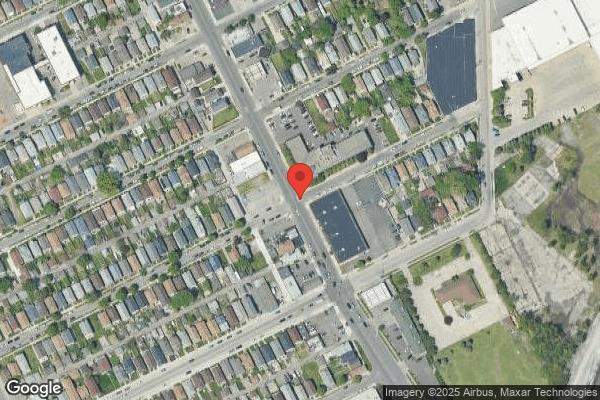
9400 Conant Street, Hamtramck, MI 48212 (313) 874-4500
For profit - Corporation 169 Beds VILLA HEALTHCARE Data: November 2025
Trust Grade
85/100
#84 of 422 in MI
Last Inspection: February 2025

Within standard 12-15 month inspection cycle. Federal law requires annual inspections.

Overview

St. Joseph's, A Villa Center in Hamtramck, Michigan has a Trust Grade of B+, which means it is above average and recommended for families considering care options. It ranks #84 out of 422 facilities in Michigan, placing it in the top half, and #9 out of 63 in Wayne County, indicating that only eight local facilities are rated higher. However, the facility's trend is worsening, with reported issues increasing from four in 2023 to six in 2025. Staffing is rated average with a 3/5 star rating and a turnover rate of 36%, which is good compared to the state average of 44%. While the facility has not incurred any fines, which is a positive aspect, it does have less RN coverage than 97% of Michigan facilities, which is concerning as RNs are critical for identifying health issues that CNAs may miss. Specific incidents have raised concerns, such as the kitchen not being maintained in a sanitary manner, which could lead to food safety issues, and complaints from residents about the blandness of meals served. Overall, St. Joseph's has strengths in its overall rating and lack of fines, but families should be aware of its declining trend and sanitation issues.

Trust Score
B+
85/100
In Michigan
#84/422
Top 19%
Safety Record
Low Risk
No red flags
Inspections
Getting Worse
4 → 6 violations
Staff Stability
○ Average
36% turnover. Near Michigan's 48% average. Typical for the industry.
Penalties
✓ Good
No fines on record. Clean compliance history, better than most Michigan facilities.
Skilled Nurses
⚠ Watch
Each resident gets only 12 minutes of Registered Nurse (RN) attention daily — below average for Michigan. Fewer RN minutes means fewer trained eyes watching for problems.
Violations
⚠ Watch
19 deficiencies on record. Higher than average. Multiple issues found across inspections.
★★★★★
5.0
Overall Rating
★★★☆☆
3.0
Staff Levels
★★★★★
5.0
Care Quality
★★★★☆
4.0
Inspection Score
Stable
2023: 4 issues
2025: 6 issues

The Good

  • 5-Star Quality Measures · Strong clinical quality outcomes
  • Full Sprinkler Coverage · Fire safety systems throughout facility
  • No fines on record
  • Staff turnover below average (36%)

    12 points below Michigan average of 48%

Facility shows strength in quality measures, fire safety.

The Bad

Staff Turnover: 36%

Near Michigan avg (46%)

Typical for the industry

Chain: VILLA HEALTHCARE

Part of a multi-facility chain

Ask about local staffing decisions and management

The Ugly 19 deficiencies on record

Apr 2025 2 deficiencies
CONCERN (D) 📢 Someone Reported This

A family member, employee, or ombudsman was alarmed enough to file a formal complaint

Potential for Harm - no one hurt, but risky conditions existed

Assessment Accuracy (Tag F0641)

Could have caused harm · This affected 1 resident

Deficiency Text Not Available

Read full inspector narrative →
Deficiency Text Not Available
CONCERN (D) 📢 Someone Reported This

A family member, employee, or ombudsman was alarmed enough to file a formal complaint

Potential for Harm - no one hurt, but risky conditions existed

Deficiency F0742 (Tag F0742)

Could have caused harm · This affected 1 resident

**NOTE- TERMS IN BRACKETS HAVE BEEN EDITED TO PROTECT CONFIDENTIALITY** This citation pertains to Intake numbers MI00151424 and MI00152073. Based on observation, interview, and record review, the faci...

Read full inspector narrative →
**NOTE- TERMS IN BRACKETS HAVE BEEN EDITED TO PROTECT CONFIDENTIALITY** This citation pertains to Intake numbers MI00151424 and MI00152073. Based on observation, interview, and record review, the facility failed to provide adequate assessment, treatment and services to attain mental and psychosocial well-being for one resident (R502) of five residents reviewed for mental and psychosocial services. Findings include: R502 R502 was observed in bed in her room on 4/9/25 at 10:47 AM. R502 was crying with tears, stating they are not getting adequate mental health care and services that were appropriate for their health condition. R502 mentioned their diagnoses had crippled them and made them disabled. They also stated they used to walk, but now requires help. R502 expressed they are not getting any psychological services at the facility. R502's Electronic Medical Record (EMR) was reviewed on 4/9/25 at 4:00 PM. It revealed R502 was admitted on [DATE] with a diagnosis of Bipolar Disorder, current Episode Manic Severe with Psychotic features, Mood Disorder due to known physiological condition with manic features, Adjustment Disorder with mixed Anxiety and Depressed Mood, and Cerebral Palsy. R502's BIMS (Brief Mental Status) score was 15/15, assessed on January 10, 2025. A score of 15 means R502 is cognitively intact. According to the Minimum Data Set (MDS) Assessment Section GG, evaluated on January 17, 2025, the resident required substantial to maximum assistance with most of the Activities of Daily Living (ADLs), especially with showering, upper and lower body dressing, and personal hygiene. Dependent with transfers and did not ambulation not attempted due to medical condition on the date of assessment indicated above. A review of R502's Quarterly Evaluation progress notes was conducted on 4/9/25 at 1:10 PM, revealed: .Resident receives Antipsychotics/antidepressant medication . Another MDS Quarterly Evaluation Progress note entered on 4/9/25 at 1:09 PM revealed: .Resident has urinary incontinence. Resident S/S of incontinence is clothes or incontinence pad wet. Potential reversible causes for urinary incontinence is impaired mobility/ambulation. Other contributing diagnoses/medical condition: cerebral palsy. Receives Antidepressants/ Antipsychotics medication that may contribute to bladder dysfunction. Treatment plan is Check and Change. Receives Antidepressants/Antipsychotics medication that may contribute to bladder dysfunction. Treatment plan is Check and Change . A review of the medication prescribed for R502 was conducted on 4/9/25 at 3:30 PM and revealed: > Albuterol Sulfate Inhalation Nebulization Sodium. 1 application inhale orally via nebulizer every 6 hours as needed for shortness of breath (SOB) > Docusate Sodium Capsule 100 mg. Give 2 capsules by mouth at bedtime for constipation. > Guaifenesin Oral Liquid . Give 10 ml by mouth every 6 hours as needed for cough. > Pepcid Oral Tablet (Famotidine). Give 20 mg by mouth in the morning for acid reflux. > Vitamin D3 Oral Capsule 50 mcg (Cholecalciferol). Give 1 tablet by mouth one time a day for Vitamin D Deficiency. > Vitamin Deficiency System-B12 Injection Kit 1000 MCG/ML. (Cyanocobalamin). Inject 1000 mcg intramuscularly one time a day starting on the 13th and ending on the 13th every month for Vitamin Deficiency. Physician A was interviewed on 4/10/25 at 9:00 AM. Physician A indicated that although he was not R502's primary physician, he could answer questions regarding prescribed medications and their use. After Physician A reviewed R502's medication list, he revealed that none of the medications currently prescribed is for antidepressants or stabilizes R502's bipolar, mood, or manic condition. A Review of the Social Services Progress note written on January 21, 2025: Note Text: Quarterly Note: Resident remain stable. Resident remain full code status. Resident remain a&o3 she is able to make her needs known. Resident remain LTC r/t her needs for 24hr care. Resident remain total care with her ADL care. Resident have a DX: of Adjustment disorder with mixed anxiety and depressed mood. Resident continue to follow by psych service prn. Ancillary service remain in place. Resident continues to use her w/c for mobility. Resident code status and 37-78 was review. Resident interact with staff and her peer well. Resident have no family support. Resident is responsible for self. Continue with plan of care. According to the record review conducted on 4/9/25, it revealed, R502 did not receive any medications for the diagnosis of Adjustment Disorder with mixed anxiety and depressed mood. Psych services have not followed R502 since October 2024. According to the Director of Nursing (DON) interview on 4/10/25 at 1:11 PM, and confirmed that the nurse's assessment was inaccurate. No behavior was recorded or monitored in the Certified Nurse Assistant (CNA) documentation. The DON validated R502 was not in any psychotropic medication, mood stabilizers or antidepressants. The DON agreed R502 could benefit from psych therapy. The last time was on October 14, 2024. Social Services Progress Notes were reviewed on 4/9/25. The last Progress notes for R502 by Social Services was dated 1/21/25 at 10:23 AM-the purpose of the due to a quarterly evaluation. The Social Service Director was interviewed on 4/9/25 at 1:20 PM and confirmed R502 does not take any psychoactive medications and does not receive psychological therapy. The last visit with psychologist services was in October 2024 and had not received therapy because of refusal and did not have any behavior that triggered therapy or psychological services. No changes in R502's behavior were observed. The following behavior documentation found in progress notes was reviewed on 4/10/25 at 10:00 AM: -Dated 3/14/25, Progress Notes Text: Writer received a call from (name of local) police stating that resident was call stating that people are potentially being harmed and they needs help. Writer informed writer that SW would assess the situation. Writer and SW entered resident room and observed that resident was not in any respiratory or cardiac distress. Resident began yelling I feel sorry for you both for what you have been through in the past and many people are getting hurt and no one's doing anything about it. SW (name mentioned) if they was being abuse?, and resident stated NO, SW then asked if resident felt safe, resident stated yes. SW educated resident of risk vs. benefit of calling 911 for non emergent situations, resident acknowledged understanding. Resident sitting in bed. Safety maintained. Will continue with current POC. -Dated 3/20/25, Progress Notes Text: Resident refused all medication this shift. Resident also refused to get up in wheelchair (w/c) stating that their lungs are not working properly. The resident refused to have their vital signs taken. Resident became verbally aggressive during writers attempt to educated them about laying in the bed and refusing medication, the education attempted failed. Calm environment provided. Safety maintained. Will continue with current POC. -Dated 3/21/25, Progress Notes Text: Resident used personal cell phone to call 911. (name of local) police arrived. Writer escorted officer to resident room. Writer walked in resident room with police officers. Resident stated to police Abuse is going on everywhere and I want to go to the hospital. Police officer explained to resident they have to call Emergency Medical System (EMS) if they wants to go to hospital that is their right, and the benefit of calling 911 for non-emergent situations. (name of local) police cancelled the call. Resident always calls the police. The Administrator was interviewed on 4/9/25 at 4:00 PM. The Administrator stated R502 refused medications and does not take psychiatric meds. They are at baseline and did not need any referral to Behavior Care Services for therapy. The Nurse Practitioner (NP) was interviewed on 4/10/25 at 2:10 PM and explained the reason why he had not seen R502 since October 2024 (6+ months ago) was that he had not received any referral for R502 from the Social Worker and was waiting for referrals from the facility. The facility policy, Behavior Management Program, dated 11/28/2017, was reviewed on 4/10/25 at 1:30 PM. It indicated: Purpose: The purpose of the Behavior Management Program is to promote and provide the highest practicable quality of life and a safe environment for residents and staff .This facility will maintain a strong commitment to the safety and welfare of all residents under our care. We will assess residents for risk factors for the development of mood and behavior symptoms according to established guidelines. Ongoing evaluation of potential risks and care plan effectiveness is part of an overall treatment plan for all residents .2. Behavior and Psychotropic documentation in medical record system .Behavior Professional Service Recommended Referrals .
Feb 2025 4 deficiencies
CONCERN (D)

Potential for Harm - no one hurt, but risky conditions existed

ADL Care (Tag F0677)

Could have caused harm · This affected 1 resident

**NOTE- TERMS IN BRACKETS HAVE BEEN EDITED TO PROTECT CONFIDENTIALITY** Based on observation, interview, and record review the facility failed to provide timely Activities of Daily Living (ADLs) for o...

Read full inspector narrative →
**NOTE- TERMS IN BRACKETS HAVE BEEN EDITED TO PROTECT CONFIDENTIALITY** Based on observation, interview, and record review the facility failed to provide timely Activities of Daily Living (ADLs) for one sampled resident (R140) of three reviewed for activities of daily living. Findings include: On 2/03/25 at 11:56 AM, R140 was observed with thick chin hair and with matted hair on the back of their head. On 2/04/25 at 4:08 PM, R140 was observed with a thick layer of chin hair and matted hair. R140 was asked about the chin hair. R140 was observed to grab their chin hair and pulled it away from their chin, then stated, I got a beard. R140 was asked if they preferred their hair this way and stated, No. It's out of control. R140 was asked if they had refused to get it cut and reported no they had not refused. R140 was admitted to the facility on [DATE] with diagnosis of Osteoarthritis. A review of R140's five day Minimum Data Set (MDS) assessment noted, R140 with an intact cognition. R140's Nursing assessment dated [DATE] revealed, R140 required assistance with ADLs. On 2/04/25 at 4:18 PM, the Unit Manager was asked about R140's bathing schedule and if chin hair would be address during that time. The Unit Manager reported that shaving should be addressed during the personal hygiene care. On 2/04/25 at 4:32 PM, R140's assigned Certified Nursing Assistant (CNA A) was asked about R140's chin hair. CNA A explained that she was an afternoon CNA and that she did not have R140 this morning. On 2/04/25 at 4:36 PM, the Unit Manager Nurse was asked if R140 refused if there would be a note that documented the refusal. The Unit Manager Nurse explained that there should be a refusal note. A review of R140's medical record did not reveal documentation regarding the refusal of chin hair to be cut. A review of the facility's policy titled, ADL (Activities of Daily Living), Functional Mobility & Resident Care, dated March 2017 revealed, Policy: Activities of Daily Living are routine activities that individuals normally complete daily without needing assistance . In long term care, we recognize that residents are admitted with physical and/or cognitive impairments that limit their ability to complete these tasks independently. Personal hygiene: . Shaves: Assure facial hair is removed safely, unless resident requests otherwise. Should this be so, notify the charge Nurse. Hair care: Wash and dry if needed, comb/brush and style. Check scalp for skin condition and report to the Charge Nurse as needed Refer to Activities/Social Worker for beauty/barber services if needed .
CONCERN (F)

Potential for Harm - no one hurt, but risky conditions existed

Food Safety (Tag F0812)

Could have caused harm · This affected most or all residents

Based on observation, interview, and record review, the facility failed to maintain sanitary conditions in the kitchen. This deficient practice had the potential to affect all142 residents that consum...

Read full inspector narrative →
Based on observation, interview, and record review, the facility failed to maintain sanitary conditions in the kitchen. This deficient practice had the potential to affect all142 residents that consume food from the kitchen. Findings include: On 2/3/25 between 8:35 AM-8:50 AM, during an initial tour of the kitchen with [NAME] B, the following items were observed: The paper towel dispenser by the hand washing sink at the entrance to the kitchen was empty. According to the 2017 FDA Food Code section 6-301.12 Hand Drying Provision, Each handwashing sink or group of adjacent handwashing sinks shall be provided with: (A) Individual, disposable towels;. In the walk-in cooler, there was a pack of cheddar cheese with no date on it. [NAME] B discarded the cheddar cheese. The smaller cooler had a temperature of 49 degrees Fahrenheit. Three individual beverages were observed in the freezer with no labeling on the bottles. The [NAME] indicated that the beverages were most likely employee beverages that had been placed in the freezer. On 2/4/25 at 10:28 AM, Dietary Manager (DM) C was interviewed regarding lack of paper towel at the handwashing sink, the undated cheddar cheese, the temperature of the refrigerator, and the unlabeled beverages in the freezer. DM C indicated housekeeping was responsible for replacing the paper towel at the handwashing sink. Regarding the undated cheddar cheese, DM C stated, The label must have fallen off. DM C indicated the high refrigerator temperature was likely due to staff opening and closing the refrigerator frequently to place resident snacks in it. DM C confirmed the individual unlabeled beverages should not have been placed in the freezer. According to the 2017 FDA Food Code section 3-501.17: Ready-to-eat, potentially hazardous food prepared and held in a food establishment for more than 24 hours shall be clearly marked to indicate the date or day by which the food shall be consumed on the premises, sold, or discarded when held at a temperature of 41 degrees Fahrenheit or less for a maximum of 7 days. Refrigerated, ready-to- eat, potentially hazardous food prepared and packed by a food processing plant shall be clearly marked, at the time the original container is opened in a food establishment and if the food is held for more than 24 hours, to indicate the date or day by which the food shall be consumed on the premises, sold, or discarded, and: (1) The day the original container is opened in the food establishment shall be counted as Day 1; and (2) The day or date marked by the food establishment may not exceed a manufacturer's use-by date if the manufacturer determined the use-by date based on food safety.
MINOR (C)

Minor Issue - procedural, no safety impact

Deficiency F0912 (Tag F0912)

Minor procedural issue · This affected most or all residents

Based on observation, interview, and record review, the facility failed to provide 80 square feet per resident in multiple resident rooms, for 16 of 49 multiple resident rooms (#'s 112, 113, 114, 115,...

Read full inspector narrative →
Based on observation, interview, and record review, the facility failed to provide 80 square feet per resident in multiple resident rooms, for 16 of 49 multiple resident rooms (#'s 112, 113, 114, 115, 116, 118, 119, 120, 122, 123, 124, 210, 213, 214, 215, and 216) resulting in, inadequate room space. Findings include: On 2/13/25 at 9:00 AM, observation of resident rooms and review of the facility bed count information revealed the following rooms that did not meet the minimum requirement of 80 square feet per resident: ROOM # SQ. FT # OF BEDS 112 282 4 113 282 4 114 282 4 115 282 4 116 282 4 118 282 4 119 282 4 120 282 4 122 282 4 123 282 4 124 282 4 210 282 4 213 282 4 214 286 4 215 286 4 216 286 4 On 2/3/25 at 4:34 PM, Maintenance Director (MD) D was interviewed about the rooms that provided less that 80 square feet of living space per resident. MD D indicated over the past year, A few rooms had been converted to three person rooms or less. On 2/4/25 at 11:30 AM, the Administrator (NHA) was interviewed about the lack of square footage in some of the rooms. The NHA indicated that the goal was to eliminate all four person rooms at the facility. The NHA further indicated that over the past year, six rooms had been converted to three person rooms or less and residents who were displeased with the lack of space in their rooms have been assisted with transferring to other facilities. A facility policy titled, Resident Rights with an, Effective Date of 11.28.2017, stated the following, Purpose: It is the practice of this facility to provide an environment in which residents may exercise their rights .Safe Environment: The right to a safe, .comfortable and homelike environment .
MINOR (C)

Minor Issue - procedural, no safety impact

Safe Environment (Tag F0921)

Minor procedural issue · This affected most or all residents

Based on observation, interview, and record review, the facility failed to provide a clean and homelike environment for residents in one (C-wing) of four nursing units. Findings include: On 02/04/25 a...

Read full inspector narrative →
Based on observation, interview, and record review, the facility failed to provide a clean and homelike environment for residents in one (C-wing) of four nursing units. Findings include: On 02/04/25 at 2:00 PM, an observation was made of the C-wing medication storage room. The air vents in the room were noted to have layers of dirt and dust on it. Additionally an oberservation of a dried reddish stain on a light cover in the C-wing hallway was noted. On 02/04/25 at 2:10 PM, an interview occurred with the Maintenance Director D(MDD) to discuss the cleaning of the vents and light fixtures. The MMD stated, it must have been missed. On 02/04/25 at 2:20 PM, an interview was held with the Nursing Home Administrator (NHA) about the responsibility of cleaning the vents and cleaning light fixtures. The NHA stated that environmental services (housekeeping and maintenance) handle those services and should follow the cleaning policy. A review of the facility policy entitled Cleaning Procedures revealed, High Dust. Work your way clockwise around the the room (starting at the door and finishing at the door and dust all high surfaces. This includes, but is not limited to pictures, television, over bed lights, blinds, vents and all corners.
Nov 2023 4 deficiencies
CONCERN (D)

Potential for Harm - no one hurt, but risky conditions existed

Safe Environment (Tag F0584)

Could have caused harm · This affected 1 resident

**NOTE- TERMS IN BRACKETS HAVE BEEN EDITED TO PROTECT CONFIDENTIALITY** Based on observation, interview, and record review the facility failed to provide a homelike environment for two residents (R24 ...

Read full inspector narrative →
**NOTE- TERMS IN BRACKETS HAVE BEEN EDITED TO PROTECT CONFIDENTIALITY** Based on observation, interview, and record review the facility failed to provide a homelike environment for two residents (R24 and one confidential group resident) of seven residents reviewed for a homelike environment resulting in resident feelings of dissatisfaction with their living environment. Findings include: On 11/27/23 at 11:20 AM, during an initial tour of the facility R24 was interviewed regarding their satisfaction with care and services at the facility. R24 stated, There's not enough room. I don't feel comfortable in this room. R24 further indicated that their bed was too close to their roommate's bed. An observation of R24's room revealed that a total of four residents resided in the room and the distance between R24's bed and the resident's bed closest to them was less than one foot, with a privacy curtain hanging between the two beds. On 11/28/23 at 10:00 AM, a confidential group meeting was conducted with six confidential group members and the group was asked about their level of satisfaction with their living environment at the facility. One group member indicated that they resided in a room with three other residents and stated, It can get loud at night. They further indicated that their roommates get loud and play their television loudly at night when they are trying to sleep. On 11/28/23 at 3:46 PM, Social worker (SW) D was interviewed and asked about ways in which the facility attempted to maintain a homelike environment for their residents who reside in four bed rooms. SW D indicated that residents can request a room change and the facility will attempt to honor their request if possible. SW D was asked specifically about R24 and what they had done to ensure a homelike environment for R24. SW D indicated that [R24's Daughter] had contacted the facility and expressed dissatisfaction with [R24's] room. SW D stated, I spoke to [R24] about it and they indicated that they were fine with it. On 11/28/23 at 3:51 PM, R24 was further interviewed about their room and indicated that they would like to switch rooms if their certified nursing assistants (CNAs) and nurses could come with them. R24 stated, I love my CNAs. On 11/29/23 at 10:20 AM, Maintenance Director (MD) E was interviewed regarding any accommodations that were done to ensure a homelike environment was maintained in the facility's four person rooms. MD E stated, I know it's tight, there's not much we can do, it's an old building. If it was up to me all the residents would be in two person rooms. On 11/29/23 at 11:48 AM, R24 was observed sitting in the corner of their room in the dark. Loud snoring was heard coming from the bed next to R24's bed. R24 was further asked about their room and acknowledged that the room was tight and then shook their head. On 11/29/23 at 12:25 PM, the Administrator (NHA) was interviewed regarding attempts to address concerns regarding maintaining a homelike environment in the four person rooms. The NHA stated, We have tried to reduce the clutter, we ask those residents about concerns during weekly rounds, we try and move residents to a new room if we are able. We currently have no related complaints. We've only had one complaint from [R24's daughter] but [R24] had no complaints. On 11/29/23 at 12:41 PM, a review of R24's electronic medical record (EMR) revealed that R24 was admitted to the facility on [DATE] with diagnoses that included Anxiety disorder and Adult failure to thrive. R24's most recent quarterly minimum data set assessment (MDS) dated [DATE] revealed that R24 had a moderately impaired cognition. On 11/29/23 at 12:55 PM, a facility policy titled Accommodation of Needs and Preferences and Homelike Environment Guideline with no date was reviewed and stated the following, Policy: It is the practice of this facility to identify and provide reasonable accommodation of resident needs and preferences .This facility will provide a safe, clean, comfortable, and homelike environment .Guideline: The objective of the accommodation of resident needs and preferences is to create an individualized home-like environment to maintain and/or achieve independent functioning, dignity and well-being to the extent possible in accordance with the resident's own needs and preferences. Definitions: A homelike environment is one that de-emphasizes the institutional character of the setting .A determination of homelike should include the resident's opinion of the living environment.
CONCERN (D)

Potential for Harm - no one hurt, but risky conditions existed

Deficiency F0711 (Tag F0711)

Could have caused harm · This affected 1 resident

**NOTE- TERMS IN BRACKETS HAVE BEEN EDITED TO PROTECT CONFIDENTIALITY** Based on observation, interview and record review, the facility failed to obtain a physician order in a timely manner for provid...

Read full inspector narrative →
**NOTE- TERMS IN BRACKETS HAVE BEEN EDITED TO PROTECT CONFIDENTIALITY** Based on observation, interview and record review, the facility failed to obtain a physician order in a timely manner for provided and implemented hand splints for one (R113) of three residents reviewed for hand splints. Findings include: Review of the facility record for R113 revealed an admission date of 07/21/23 with diagnoses that included Cerebral Palsy, Muscle Wasting/Atrophy and Seizure Disorder. The Minimum Data Set (MDS) assessment dated [DATE] indicated R113 required total assistance for all activities of daily living. On 11/27/23 at 12:30 PM, R113 was observed laying in bed. The resident was not able to functionally communicate and both upper extremities appeared to be contracted. A right wrist/hand splint was observed to be in place in a loose and incorrect position. Additional review of the facility record for R113 revealed no physician order, care plan item or resident care Task item related to upper extremity splints. Review of R113's therapy record revealed an Occupational Therapy (OT) Discharge summary dated [DATE] that indicated a left palmar guard splint had been implemented during the dates of service between 09/07/23 and 9/26/23. This discharge summary indicated that the long-term goal of R113 tolerating the left palmar guard for up to four hours had been met and exceeded as the Patient Progress statement in the summary stated Patient is able to tolerate palmar guard for more than four hours with checks for signs and symptoms of redness and skin breakdown. The Functional Maintenance section of the discharge summary included the statement Splint and brace program established and trained: Waiting on [right functional resting hand splint] to be delivered. Will provide education to staff for donning/doffing and wear schedule. Staff education provided for palm protector (palmar guard), skin checks and skin breakdown. On 11/28/23 at 4:07 PM, R113 was observed laying in bed. The right hand splint was not in place. The left palm protector was placed but was not positioned correctly and provided no barrier between the fingers and palm. On 11/29/23 at 11:05 AM, Licensed Practical Nurse (LPN) A reported that they were the charge nurse for R113's hall and that they were familiar with R113's care. LPN C reported that they were familiar with R113's hand splints and had received instruction from the therapy department regarding application and wearing schedule of the splints and stated that they were to be worn as tolerated. LPN C reported that the nurses aides (CNA's) had been instructed regarding R113's splinting program. On 11/29/23 at 11:20 AM, the facility Director of Rehab (DOR) D reported that splint-related orders and care plans are entered by the nursing staff. On 11/29/23 at 1:00 PM, the facility Director of Nursing (DON) reported that the expectation is that residents with hand splints will have the splint wearing instructions included in the Care Plan and in the Tasks resident care checklist. The DON reported that when nursing receives a splint recommendation/instructions from therapy they obtain the physician order and complete the care plan and Task updates. When asked about the physician order for R113's hand splints the DON stated There is no order. On 11/29/23 at 2:10 PM, the facility DOR D reported that no order or care plan was in place for R113's splints because they continued to be assessed for any further adjustments to the fit, wearing schedule, etc. prior to obtaining a physician order or including the application in the care plan and that they planned to include an order and a care plan at a later date. On 11/29/23 at 1:46 PM, a facility policy was requested from the Administrator (NHA) regarding physician's orders. At 3:05 PM, Corporate Director of Clinical Services E reported that there was no facility policy specific to physician's orders and that the issue of having orders present for resident treatments was considered a standard of practice.
CONCERN (D) 📢 Someone Reported This

A family member, employee, or ombudsman was alarmed enough to file a formal complaint

Potential for Harm - no one hurt, but risky conditions existed

Deficiency F0761 (Tag F0761)

Could have caused harm · This affected 1 resident

Based on observation, interview and record review the facility failed to ensure biologicals were labeled and dated when opened on the actual medication container in two of five medication carts review...

Read full inspector narrative →
Based on observation, interview and record review the facility failed to ensure biologicals were labeled and dated when opened on the actual medication container in two of five medication carts reviewed, resulting in the potential for use of medications and biologicals past the expiration date and decreased efficacy of the medications and biologicals. Findings include: On 11/28/23 at 8:55 AM, the C wing medication cart was reviewed with Licensed Practical Nurse (LPN) A. A Dorzolamide,/Timolol eye drop vial for Resident R30 was not dated on the vial with the new expiration and or opened date, On 11/28/23 at 9:58 AM, the B wing second cart was reviewed with Registered Nurse (RN) B. The glucometer test strips were not dated with a date opened nor the new expiration date. A fluticasone/salmeterol 100/50 diskus inhaler for Resident R8, was not dated on the inhaler with the new expiration and or opened date, On 11/28/23 at 10:33 AM, Nursing Unit Manager C was queried about the labeling of medications and reported the open and or expiration date should be on the package and actual container/inhaler. A review of the facility policy titled, Medication Ordering and Receiving from Pharmacy dated April 2018 documented, Policy: Medications are labeled in accordance with facility requirements and state and federal laws . A review of the facility policy titled Medication Storage in the Facility dated April 2018, documented, D. When the original seal of a manufacturer's container of vial is initially broken the container or vial will be dated. The nurse shall place a date opened sticker on the medication and enter the date opened and the new date of expiration .
MINOR (C)

Minor Issue - procedural, no safety impact

Deficiency F0912 (Tag F0912)

Minor procedural issue · This affected most or all residents

**NOTE- TERMS IN BRACKETS HAVE BEEN EDITED TO PROTECT CONFIDENTIALITY** Based on observation, interview, and record review, the facility failed to provide 80 square feet per resident in multiple resid...

Read full inspector narrative →
**NOTE- TERMS IN BRACKETS HAVE BEEN EDITED TO PROTECT CONFIDENTIALITY** Based on observation, interview, and record review, the facility failed to provide 80 square feet per resident in multiple resident rooms, for 12 of 49 multiple resident rooms (#'s 112, 113, 115, 116, 118, 119, 120, 122, 123, 124, 214, 215) resulting in, inadequate space and resident complaints. Findings include: On 11/27/22 at 9:00 AM, observation of resident rooms and review of the facility bed count information revealed the following rooms that did not meet the minimum requirement of 80 square feet per resident: ROOM # SQ. FT # OF BEDS 112 282 4 113 282 4 115 282 4 116 282 4 118 282 4 119 282 4 120 282 4 122 282 4 123 282 4 124 282 4 214 286 4 215 286 4 On 11/27/23 at 11:20 AM, residents in room [ROOM NUMBER] were interviewed regarding their room size, and R24 expressed concerns regarding their room being too crowded and their bed being too close to their roommate's bed.
Sept 2022 9 deficiencies
CONCERN (D)

Potential for Harm - no one hurt, but risky conditions existed

Safe Environment (Tag F0584)

Could have caused harm · This affected 1 resident

**NOTE- TERMS IN BRACKETS HAVE BEEN EDITED TO PROTECT CONFIDENTIALITY** Based on observation, interview, and record review the facility failed to maintain a homelike environment, for Residents (R17 an...

Read full inspector narrative →
**NOTE- TERMS IN BRACKETS HAVE BEEN EDITED TO PROTECT CONFIDENTIALITY** Based on observation, interview, and record review the facility failed to maintain a homelike environment, for Residents (R17 and R220) that lived in rooms with four beds, resulting in dissatisfaction of living environment. Resident #17 (R17) On 9/11/22 at 9:25 AM, R17's room was observed to have four residents that lived in the room. The room was observed to have limited space and residents' equipment next to the beds leaving no clear path out of bed. R17 was asked about the room and stated, It's too crowded. We have to share those small closet space. Observed between bed two and three were two wheelchairs, and an over bed table. Bed two had a tall walker, with an attached arm platform on the right side of the bed. Both sides of the bed were blocked with the resident's equipment. Between bed three and four, were two night stands back-to-back with TVs on it, next to that was an over bed table, and a chair. Resident #220 (R220) On 9/11/22 at 9:43 AM, room [ROOM NUMBER] was observed to have four residents in the room. R220 was asked about their stay at the facility and stated, There are too many people in this room. They took me off the first floor, it's nasty in here. The room was observed to have limited space and wheelchairs in the walking path. The two wardrobes that were observed in the room are shared by the four residents. R220 was asked if they felt they had enough privacy during conversations about care and stated, There is no privacy. I can't even watch TV without (resident in bed 3) looking all in my TV. After leaving the room from the residents, the resident in bed one and R220 was overheard having a back-and-forth disagreement about the interview that was held. On 9/13/22 at 12:55 PM, the Nursing Home Administrator (NHA) was interviewed and asked about the rooms with four residents. The NHA explained, that the facility's plan is to remove some beds offline, which then they would be able to space some residents out. The NHA was asked how staff maintain privacy during care or conversations about care. The NHA explained, We must speak in the lowest voice possible. Or we can use another area in the building. A review of the facility's policy titled, Accommodation of Needs and Preferences and Homelike Environment Guideline dated, 11/28/17, noted, Purpose: It is the practice of this facility to identify and provide reasonable accommodation of resident needs and preferences except when to do so would endanger the health or safety of the resident or other residents. Residents have the right to retain and use personal possessions to promote a homelike environment and to support each resident in maintaining their independence. The facility will provide a safe, clean, comfortable, and homelike environment, allowing the resident to use his or her personal belongings to the extent possible The objective of the accommodation of resident needs and preferences is to create an individualized, home-like environment to maintain and/or achieve independent functioning, dignity, and well-being to the extent possible in accordance with the resident's own needs and preference . PROCEDURE: 1. The facility will assess and interview resident for the need to make reasonable accommodations such as: Room set-up, Placement of personal items and supplies Protection of resident's personal items and supplies from loss or theft Call light in reach for room and bathroom and the correct type for resident use Resident lighting to meet the resident's needs, Adaptive devices necessary to maintain/restore resident at their highest level of functioning . 7. The resident's environment will be maintained in a homelike manner to ensure: Appropriate housekeeping, Clean linens in good repair, Private closet space for each resident, Adequate and comfortable lighting, Comfortable and safe temperatures, Comfortable sound levels .
CONCERN (D)

Potential for Harm - no one hurt, but risky conditions existed

ADL Care (Tag F0677)

Could have caused harm · This affected 1 resident

**NOTE- TERMS IN BRACKETS HAVE BEEN EDITED TO PROTECT CONFIDENTIALITY** This citation pertains to intake #'s: MI00129408 and MI00128368. Based on observation, interview, and record review, the facilit...

Read full inspector narrative →
**NOTE- TERMS IN BRACKETS HAVE BEEN EDITED TO PROTECT CONFIDENTIALITY** This citation pertains to intake #'s: MI00129408 and MI00128368. Based on observation, interview, and record review, the facility failed to provide assistance to complete activities of daily living (ADL) care timely for two residents (Resident #7 and #55) of seven residents reviewed for activities of daily living care, resulting in poor hygiene and the potential for decreased body image and mental anguish. Findings include: Resident #55 (R55) On 9/11/2022 at 1:47 PM, R55 was interviewed regarding their stay in the facility. R55 stated that they wanted a peanut butter and jelly sandwich, as well as a shave. R55 was asked when was the last time they had a shower, and R55 stated that they could not remember. A review of the medical record revealed that R55 admitted into the facility with the following diagnoses, Parkinson's Disease, Muscle Wasting, and Abnormalities of Gait and Mobility. A review of the Minimum Data Set (MDS) assessment dated [DATE] revealed a Brief Interview for Mental Status Score of 10/15 indicating a mildly impaired cognition. R55 also required supervision with set up for bed mobility and transfers. A review of the bathing task charting for the last thirty days revealed that R55 had only one documented shower on 9/12/2022. On 9/13/2022 at 12:52 PM, an interview was conducted with the Nursing Home Administrator (NHA) and the Assistant Director of Nursing (ADON). The ADON was queried regarding R55's showers. The ADON stated that sometimes R55 does refuse but that should be documented, and they would look further into it. No further information was provided prior to exit. Resident #7 (R7) A review of the intake revealed, Details: It was alleged the facility failed to ensure the resident was clean and well-groomed. Progress Note: 11/9/2021 21:33 (9:33 PM) Nursing Evaluation . The reason for the evaluation is Admission. admitted from: . Preferences: Bathing preference is a shower . A request was made via email for R7's shower documentation on 9/13/22 at 12:41 PM. On 9/13/22 at 2:24 PM, the Corporate staff reported that the facility was unable to locate any shower documentation for R7. At that time the Corporate staff was interviewed and asked what that meant for R7 receiving showers and explained, if there is no documentation then it is not done. Further review of R7's medical record did not reveal any documentation of R7's refusal of assistance with bathing/grooming. A review of R7's medical record noted, R7 was admitted to the facility on [DATE] with diagnoses of Mild Cognitive Impairment, Mental Disorder due to known Psychological, Dementia in other diseases classified elsewhere, Abnormalities of gait and Mobility, Psychotic Disturbance, Mood Disturbance, and Anxiety. A review of R7's MDS assessment revealed, an impaired cognition and extensive assistance with activities of daily living. A review of R7's medical record revealed, Care plan: Resident have behavior problem r/t (related to) DX (diagnosis): of Dementia. Resident can be verbally and physically aggressive toward staff at time, and resident not easily redirected. Resident is seen by psych service prn (as needed) Resident legal guardian in place for decision making. Date Initiated: 07/18/2022. Canceled Date: 09/09/2022. A review of a facility policy titled, Activities of Daily Living and dated 5/07/2020 noted the following, In accordance with the comprehensive assessment, together with respect for individual resident needs and choices our facility provides care and services for the following activities: Hygiene: Bathing/showers .
CONCERN (D)

Potential for Harm - no one hurt, but risky conditions existed

Deficiency F0740 (Tag F0740)

Could have caused harm · This affected 1 resident

**NOTE- TERMS IN BRACKETS HAVE BEEN EDITED TO PROTECT CONFIDENTIALITY** Resident #35 (R35) On 9/11/2022 at 9:18 AM, an interview was conducted with R35 regarding their stay in the facility. R35 was ob...

Read full inspector narrative →
**NOTE- TERMS IN BRACKETS HAVE BEEN EDITED TO PROTECT CONFIDENTIALITY** Resident #35 (R35) On 9/11/2022 at 9:18 AM, an interview was conducted with R35 regarding their stay in the facility. R35 was observed to have thick chin hair, multiple layers of shirts and pants on. R35's breakfast tray was observed on the floor with the items spread across the room and R35 was heard talking to themselves. On 9/11/2022 at 12:00 PM, an interview was conducted with Nurse E regarding R35's behaviors. Nurse E stated that R35 refuses everything including medications, meals, and care. Nurse E states that R35 is physically and verbally abusive to staff, and it makes it impossible to care for them. A review of the medical record revealed that R35 admitted into the facility on 3/12/2022 with the following diagnoses, Schizophrenia, Anemia, and Selective Mutism. A review of the Minimum Data Set (MDS) dated [DATE] revealed a Brief Interview for Mental Status (BIMS) score of 6/15 indicating severely impaired cognition. R35 also required supervision with bed mobility and transfers. A review of a psychiatry note dated 7/12/2022 reflected the following, Patient is reported to have not received [their] monthly injection for month of July yet; has not been distributed to patient. Reported with increased behaviors, wearing multiple layers of clothing, including [their] long winter coat. Wandering the unit with difficulty being redirected, yelling out/screaming and talking outside [themselves]. Reported with paranoia, delusions, verbally aggressive, and poor sleep pattern .Considering patient has been on IM (intramuscular) injection for years and extended time between injections is not recommended and detriment to patient, will begin Haldol 10 mg daily .until IM injection can be given. Recommended to send patient to ER (Emergency Room) if symptoms are severe and IM can be delivered there. A review of the 2022 Medication Administration Record (MAR) revealed that R35 did not receive their Haldol injection on the following dates: 4/22, 5/22, 6/22, and 7/22 with the injection being discontinued in July. On 9/12/2022 at 10:44 AM, R35 was observed in the hallway yelling and pointing at other residents. R35 was observed repeating the word shower while standing in the hallway. R35 was heard mumbling to themselves and speaking incoherently. Nurse E stated that R35 had not taken their medications for the morning and that this was typical behavior for them. Further review of a psychiatric note dated 9/6/2022 reflected the following, RN (Registered Nurse) reports patient has increased agitation since transition to oral medications while also having had difficulty with IM therapy. Previously well controlled when arrived to facility. Has had one order for ED (Emergency Department) visit for psychiatric evaluation without medication changes in the last two months. On 9/12/2022 at 2:35 PM, an interview was conducted with Physician F regarding R35's care. Physician F stated that they are aware R35 is not taking any medication and that they will be putting R35 back on the IM medication. Physician F stated that they will look and alter the medication until R35 is stable again. On 9/13/2022 at 12:30 PM, an interview was conducted with Social Worker (SW) B regarding R35 and their plan of care. SW B stated that they have psychiatric services following R35 and that they will exhaust everything they have at the facility before looking to see if there is a more appropriate setting. SW B stated that they did not know that R35 never received their Haldol injections and that they will review it. A review of a facility policy titled, Psychotropic Medication Management and dated 11/28/2017, did not address behavior management. Based on observation, interview and record review, the facility failed to provide ongoing behavioral health services, monitoring and follow-up after mental status change/decline for two sampled Residents (R93 and R35) of five sampled residents reviewed for psychiatric services, resulting in psychotropic medication not being monitored, cognitive decline, ongoing distress, delusions, paranoia and the potential for an increase in psychiatric issues. Findings Include: Resident #93 (R93) On 9/12/22 at 1:18 PM, a review of R93's psychiatric care plan in their electronic medical record (EMR) revealed the following, Focus: Resident has impaired thought process r/t (related to) Dementia. Resident may exhibit behaviors or mood changes as a result. Date initiated: 10/12/2018. Goal: Resident will maintain current level of cognitive function through the review date. Date initiated: 3/30/2020 Target Date: 10/31/2022. Interventions: Administer medications as ordered. Monitor/document for side effects and effectiveness. Date initiated: 10/12/2018. On 9/12/22 at 1:30 PM, a review of R93's orders in their EMR revealed an order dated 4/22/22 for Psych eval/treatment if indicated and a medication order dated 4/22/22 for Sertuline [Zoloft] HCI tablet 50 mg [milligrams] 0.5 tablet by mouth one time a day for antidepressant. On 9/12/22 at 1:47 PM, a review of psychiatric treatment documentation in R93's EMR revealed no documentation of a psychiatric evaluation being completed on R93. The most recent psychiatric services note reviewed in R93's EMR was dated 10/27/21. The psychiatric services consent form reviewed in R93's EMR was dated 11/8/19. On 9/12/22 at 2:27 PM, Social Services Director (SSD) B was interviewed regarding the documentation involving psychiatric/behavioral services in R93's EMR. SSD B indicated that they would contact the [Behavioral Health Service Provider] regarding this issue. On 9/12/22 at 2:30 PM, [Behavioral Health Service Provider] Psychiatric Nurse Practitioner (PNP) C was interviewed regarding psychiatric/behavioral health services currently being provided for R93. PNP C stated, I didn't know [R93] was on any antidepressant medication, sorry. PNP C was further interviewed and asked how frequently would they monitor a resident who was prescribed an antidepressant medication. PNP C stated, Typically we monitor our patients every three months. On 9/12/22 at 3:00 PM, the Assistant Director of Nursing (ADON) was interviewed regarding their expectations for monitoring residents who receive psychiatric medications. The ADON stated, Anyone prescribed psychiatric medications is followed by [Behavioral Services Provider]. The Director of Nursing (DON) was not available for an interview. On 9/12/22 at 3:40 PM, R93's EMR was reviewed and revealed that R93 was most recently admitted to the facility on [DATE] with diagnoses that included, Type 2 diabetes and Hypertension. R93's most recent Minimum Data Set assessment (MDS) dated [DATE] revealed that R93 had a moderately impaired cognition and required extensive assistance of one person for all activities of daily living (ADLs) other than eating. On 9/12/22 at 3:55 PM, a facility policy titled Psychotropic Medication Management Effective Date: 11.28.2017 was reviewed and stated the following, Purpose: .Residents prescribed psychoactive medications will receive adequate monitoring .Medication Classification: Psychoactive medication will be defined as any medication used for managing behavior, stabilizing mood, or treating a psychiatric disorder. Medication Review Procedure: 1. Psychoactive medication .will be routinely reviewed. 5. Medication will be reviewed quarterly at a minimum for progress towards therapeutic goals .
CONCERN (D)

Potential for Harm - no one hurt, but risky conditions existed

Medication Errors (Tag F0758)

Could have caused harm · This affected 1 resident

**NOTE- TERMS IN BRACKETS HAVE BEEN EDITED TO PROTECT CONFIDENTIALITY** Based on observation, interview, and record review, the facility failed to 1) provide a stop date for an as needed (PRN) medicat...

Read full inspector narrative →
**NOTE- TERMS IN BRACKETS HAVE BEEN EDITED TO PROTECT CONFIDENTIALITY** Based on observation, interview, and record review, the facility failed to 1) provide a stop date for an as needed (PRN) medication for three sampled Residents (21, 93, and 273) and 2) failed to provide gradual dose reduction attempts/evaluation for one sampled Resident (93) out of four reviewed for unnecessary medications, resulting in the potential for prolonged use of psychotropic medication, adverse reactions, and serious medication side effects. Findings Include: Resident #21 (R21) On 9/12/2022 at 10:50 AM, R21 was observed walking up and down the hallway. R21 was unable to be interviewed due to cognitive status. A review of the medical record revealed that R21 admitted into the facility on 5/19/2019 with the following diagnoses, Frontotemporal Neurocognitive Disorder, Dementia, and Major Depressive Disorder. A review of the Minimum Data Set (MDS) assessment dated [DATE] revealed a Brief Interview for Mental Status Score of 99 indicating that R21 was unable to complete the interview. R21 required set up supervision with bed mobility and transfers. Further review of the MDS showed no documentation of behaviors for this period. A review of physician orders revealed the following order, Order: Zyprexa 10 MG Intramuscular Injection (Give 10 MG Intramuscularly BID (Twice a Day) for 10 dose PRN (as needed) for Agitation. Status: Active. Revision Date: 10/9/2021. Further review of the Medication Administration Record (MAR) revealed that the PRN Zyprexa injection had never been administered but was still active in the orders. On 9/13/2022 at 12:30 PM, an interview was conducted with the Social Services Director (SSD) B regarding the PRN Zyprexa. SSD B stated that R21 is seen regularly by psychiatry and that they did not prescribe the Zyprexa. SSD B stated that R21's primary care physician prescribed the Zyprexa. SSD B stated that they were unsure why it was still on their orders. On 9/13/2022 at 10:36 AM, during the Quality Assurance meeting, an interview was conducted with the Nursing Home Administrator (NHA) regarding PRN antipsychotics. The NHA stated that they usually follow physician orders and then follow up with the physician if needed. A review of a facility titled, Psychotropic Medication Management and dated 11/28/2017 revealed the following, Purpose: It is the practice of this facility that a resident will not receive unnecessary medications including psychoactive medications, unless non-pharmacological interventions have failed to sufficiently modify a resident's target behavioral, mood, or sleep disturbance. Resident #93 (R93) On 9/12/22 at 1:18 PM, a review of R93's psychiatric care plan in their electronic medical record (EMR) revealed the following, Focus: Resident has impaired thought process r/t (related to) Dementia. Resident may exhibit behaviors or mood changes as a result. Date initiated: 10/12/2018. Goal: Resident will maintain current level of cognitive function through the review date. Date initiated: 3/30/2020 Target Date: 10/31/2022. Interventions: Administer medications as ordered. Monitor/document for side effects and effectiveness. Date initiated: 10/12/2018. On 9/12/22 at 1:30 PM, a review of R93's orders in their EMR revealed an order dated 4/22/22 for Psych eval/treatment if indicated and a medication order dated 4/22/22 for Sertuline [Zoloft] HCI tablet 50 mg [milligrams] 0.5 tablet by mouth one time a day for antidepressant. On 9/12/22 at 1:47 PM, a review of psychiatric treatment documentation in R93's EMR revealed no documentation of a psychiatric evaluation being completed on R93. The most recent psychiatric services note reviewed in R93's EMR was dated 10/27/21. There were no other psychiatric services notes observed in R93's EMR. There was no information/documentation of gradual dose reduction (GDR) attempts having been made/evaluated involving R93 since being prescribed Sertuline [Zoloft] on 4/22/22. On 9/12/22 at 2:27 PM, Social Services Director (SSD) B was interviewed regarding the lack of documentation involving GDR attempts/evaluation in R93's EMR. SSD B indicated that they would contact the [Behavioral Health Service Provider] regarding this issue. On 9/12/22 at 2:30 PM, [Behavioral Health Service Provider] Psychiatric Nurse Practitioner (PNP) C was interviewed regarding GDR attempts/evaluation documented for R93 who was currently prescribed Sertuline [Zoloft]. PNP C stated, I didn't know [R93] was on any antidepressant medication, sorry. PNP C was further interviewed and asked how frequently would they monitor/evaluate a resident for GDR who was prescribed an antidepressant medication. PNP C stated, Typically we monitor our patients every three months. On 9/12/22 at 3:00 PM, the Assistant Director of Nursing (ADON) was interviewed regarding their expectations for monitoring residents who receive psychiatric medications and evaluating them for GDR. The ADON stated, Anyone prescribed psychiatric medications is followed by [Behavioral Services Provider]. The Director of Nursing (DON) was not available for an interview. On 9/12/22 at 3:40 PM, R93's EMR was reviewed and revealed that R93 was most recently admitted to the facility on [DATE] with diagnoses that included, Type 2 diabetes and Hypertension. R93's most recent minimum data set assessment (MDS) dated [DATE] revealed that R93 had a moderately impaired cognition and required extensive assistance of one person for all activities of daily living (ADLs) other than eating. On 9/12/22 at 3:55 PM, a facility policy titled Psychotropic Medication Management Effective Date: 11.28.2017 was reviewed and stated the following, Purpose: .Residents prescribed psychoactive medications will receive adequate monitoring and will have gradual dose reductions attempted, unless clinically contraindicated .Gradual Dose Reduction (GDR) is the stepwise tapering of a dose to determine if symptoms, conditions, or risks can be managed by a lower dose or if the dose or medication can be discontinued thus minimizing the risk of adverse consequences. The purpose of tapering a medication is to find an optimal dose or to determine whether continued use of the medication is benefiting the resident . Resident #273 (R273) On 09/11/2022 at 10:34 AM, Resident #273 was observed dressed and groomed resting in bed. Resident #273 had clear speech and explained that they were new to the facility and planned to return back home once rehabilitation was completed. Resident #273 was asked about their sleeping patterns and explained that they prefer to stay up later, stating, I was still up around 1 in the morning the other day and they (the facility) told me I had to go to bed and shut my TV off. I shouldn't have to go to bed when they tell me, this isn't school. A record review of the physician orders for Resident #273 revealed the following: Zolpidem Tartrate (an addictive narcotic hypnotic/sleep aid): Oral Tablet 5 MG (ordered 09/06/2022 upon admission) Give 1 tablet by mouth every 24 hours as needed for Sleeping disorder Give meds at bed time. A record review of the Medication Administration Record (MAR) for 09/2022 revealed Resident #273 had not utilized the medication since admission. A record review of the care plan for Resident #273 revealed no care plan for insomnia. A record review of the face sheet revealed that Resident #273 was admitted to the facility on [DATE] with the diagnosis of Schizophrenia. A record review for the consents for Resident #273 revealed none for the Zolpidem Tartrate medication. On 09/13/2022 at 12:26 PM, Social Worker (SW) B was interviewed in regard to Resident #273's Zolpidem Tartrate medication. SW B stated, (Resident #273) just got here three days ago. I get the general consent to see psych services on admission. The nurses get the risks verse benefits and other consents for specific medications. SW B explained that the Resident was placed on the list for Psych Services and would have the Resident seen today. On 09/13/2022 at 01:52 PM, the Nursing Home Administrator (NHA) and the Assistant Director of Nursing were interviewed on obtaining consents, stop dates (on as needed medications) and care planning the use of the medications and stated that she would follow up on it, but did not provide an explanation by the end of the survey. The Director of Nursing was not available for interview.
CONCERN (D)

Potential for Harm - no one hurt, but risky conditions existed

Deficiency F0761 (Tag F0761)

Could have caused harm · This affected 1 resident

**NOTE- TERMS IN BRACKETS HAVE BEEN EDITED TO PROTECT CONFIDENTIALITY** Based on observation, interview, and record review, the facility failed to properly discard medications, resulting in the potent...

Read full inspector narrative →
**NOTE- TERMS IN BRACKETS HAVE BEEN EDITED TO PROTECT CONFIDENTIALITY** Based on observation, interview, and record review, the facility failed to properly discard medications, resulting in the potential for medication error, misuse, and/or diversion. Findings Include: On [DATE] at 8:14 AM, medication cards were observed sticking out of a shred box located in the first-floor dining room. Observed in the Shred box were the following medications, Hydralazine (blood pressure medication) 25 milligrams (mg) with 21 remaining pills, Keppra (Seizure Medication) 500 mg with 24 remaining pills, Amlodipine (Blood Pressure Medication) 5 mg with 5 remaining pills, and Keppra 500 mg with 8 remaining pills. On [DATE] at 8:32 AM, an interview was conducted with Nurse D regarding disposal of medications. Nurse D stated that when medications are coming up to be expired then they take them out the cart and put them in pharmacy bags to be returned. Nurse D stated that they are not supposed to put pills in the shred box, only if they are empty. On [DATE] at 8:34 AM, an interview was conducted with the Assistant Director of Nursing (ADON). The ADON stated that it is totally inacceptable that the medications were in the shred box. The ADON stated that they do not dispose of medications that way and that they should be scanned and put in the pharmacy bag if they are not narcotics. A review of a facility policy titled, Disposal of Medications and Medication-Related Supplies and dated 2019, did not address disposal of non-narcotic medications.
CONCERN (D)

Potential for Harm - no one hurt, but risky conditions existed

Infection Control (Tag F0880)

Could have caused harm · This affected 1 resident

**NOTE- TERMS IN BRACKETS HAVE BEEN EDITED TO PROTECT CONFIDENTIALITY** Based on observation, interview, and record review, the facility failed to clean a prosthetic eye device for one sampled Residen...

Read full inspector narrative →
**NOTE- TERMS IN BRACKETS HAVE BEEN EDITED TO PROTECT CONFIDENTIALITY** Based on observation, interview, and record review, the facility failed to clean a prosthetic eye device for one sampled Resident (Resident #274), resulting in yellow discolored drainage and the potential for infection. Findings include: On 09/11/2022 at 10:28 AM, Resident #274 was observed lying in bed resting. The Resident's right eyelid did not close and there was a build up of yellow drainage all around the eyeball. Resident #274 was interviewed in regard to the care received in the facility. Resident #274 had clear speech and explained that they were new to the facility and that their right eye was a glass eye (from a previous accident) and that when they were home, they used to take their eye out daily to clean it every morning while they got dressed and ready for the day. Resident #274 was asked if the eye had been cleaned since admission to the facility and explained that it (the glass eye) had not been removed or cleaned since admission to the facility. On 09/12/2022 at 10:24 AM and 01:44 PM, and on 09/13/2022 at 12:48 PM, Resident #274 was observed in bed with dried yellow drainage around their right glass eye. Resident #274 stated that their right glass eye had yet to be removed or cleaned. A review of the care plan for Resident #274, revealed no interventions for the removal or cleansing of the glass eye. A record review of the hospital notes for Resident #274 revealed the following information: .Trauma left eye with left upper eyelid laceration .Suspected glaucoma and cataract in left eye-follow as outpatient. Evaluation and cleaning of prosthetic right eye as outpatient . A record review of the initial nursing evaluation dated 09/08/2022 revealed that Resident #274 had a Glass eye. A record review of the physician orders revealed no specific orders of how or when to clean Resident #274's glass eye. A record review of the face sheet for Resident #274 revealed the Resident was admitted to the facility on [DATE] with the diagnosis of Metabolic Encephalopathy. On 09/13/2022 at 01:52 PM, the Nursing Home Administrator (NHA) and Assisted Director of Nursing (ADON), was interviewed in regard to how often Resident #274's right glass eye ball should be removed and cleaned. The NHA did say she was going to follow up, but did not provide and explanation by the end of the survey. The Director of Nursing was not available for interview.
CONCERN (E)

Potential for Harm - no one hurt, but risky conditions existed

Deficiency F0804 (Tag F0804)

Could have caused harm · This affected multiple residents

**NOTE- TERMS IN BRACKETS HAVE BEEN EDITED TO PROTECT CONFIDENTIALITY** Based on observation, interview, and record review the facility failed to serve meals in a palatable manner and at the preferred...

Read full inspector narrative →
**NOTE- TERMS IN BRACKETS HAVE BEEN EDITED TO PROTECT CONFIDENTIALITY** Based on observation, interview, and record review the facility failed to serve meals in a palatable manner and at the preferred temperature for three sampled Residents (R12, R59 and R93) and one confidential group resident, of thirteen residents reviewed for food palatability, resulting in dissatisfaction during meals. Findings include: Resident #12 (R12) On 9/11/22 at 10:25 AM, during an initial tour of the facility R12 was interviewed about food palatability at the facility and stated, It is bland. On 9/11/22 at 11:00 AM, a review of R12's electronic medical record (EMR) revealed that R12 was admitted to the facility on [DATE] with diagnoses that included Dementia and Chronic obstructive pulmonary disease (COPD). A review of R12's most recent Minimum Data Set (MDS) assessment revealed that R12 had a moderately impaired cognition and required assistance of one to two people for all activities of daily living (ADLs) other than eating. Resident #59 (R59) On 9/11/22 at 11:29 AM, during an initial tour of the facility R59 was interviewed about food palatability at the facility and stated, Terrible, they give us too many potatoes, I'm sick of potatoes. On 9/11/22 at 11:44 AM, a review of R59's EMR revealed that R59 was admitted to the facility on [DATE] with diagnoses that included Parkinson's disease and Dementia. R59's most recent MDS dated [DATE] revealed that R59 had a moderately impaired cognition and was independent and/or required supervision for all ADLs. Resident #93 (R93) On 9/11/22 at 12:04 PM, during an initial tour of the facility R93 was interviewed about food palatability at the facility and stated, The food is cold. On 9/11/22 at 12:23 PM, a review of R93's EMR revealed that R93 was most recently admitted to the facility on [DATE] with diagnoses that included Type 2 diabetes and Hypertension. R93's most recent MDS dated [DATE] revealed that R93 had a moderately impaired cognition and required extensive assistance of one person for all activities of daily living (ADLs) other than eating. On 9/12/22 at 10:09 AM, resident council meeting notes were reviewed for the months of June-August 2022 and revealed the following concerns regarding food palatability, Bland food, no seasoning or flavor. The residents want more food choices or alternatives. The residents want more fresh fruits such as strawberries, grapes, watermelon. On 9/12/22 at 10:37 AM, six confidential group residents were met with for a confidential group meeting. The group was asked about the palatability of the food at the facility and one of the confidential group resident's indicated that the food was cold and sometimes didn't taste good. On 9/12/22 at 12:00 PM, a food plate was pulled from a food cart on the unit and temperature tested by Food service manager (FSM) A and the results were the following: Salisbury steak with gravy: 112.5 degrees Fahrenheit; mashed potatoes: 114.8 degrees Fahrenheit; carrots: 95.6 degrees Fahrenheit. FSM A was interviewed and asked about the preferred serving temperature for hot food and stated, Food should be held at 135 degrees or greater, the serving temperature is all based upon resident preference. On 9/12/22 at 12:07 PM, the food was taste tested and revealed the following, the Salisbury steak with gravy tasted less than [NAME] warm and lacked a genuine meat like taste. The mashed potatoes tasted [NAME] warm and lacked taste and flavor. The carrots tasted [NAME] warm and lacked flavor. On 9/12/22 at 4:15 PM, a facility policy titled Food Temperatures-Monitoring Revised: 1/15/22 was reviewed and stated the following, Policy: It is the policy of the facility to maintain and monitor tray line holding temperatures of foods served during meal service .6 .Hot food items must be held on a heated device .at 135 degrees F [Fahrenheit] or higher. 10 .hot food temperatures should not be below 100 degrees F [Fahrenheit] at point of service .
CONCERN (F)

Potential for Harm - no one hurt, but risky conditions existed

Food Safety (Tag F0812)

Could have caused harm · This affected most or all residents

Based on observation, interview, and record review, the facility failed to maintain the kitchen in a sanitary manner, resulting in the increased potential for cross contamination and the attraction of...

Read full inspector narrative →
Based on observation, interview, and record review, the facility failed to maintain the kitchen in a sanitary manner, resulting in the increased potential for cross contamination and the attraction of pests. This deficient practice had the potential to affect all residents that consume food from the kitchen. Findings include: On 9/11/22 between 8:30 AM- 9:00 AM, during an initial tour of the kitchen, the following items were observed: In the dry storage room, there was a buildup of food debris on the floor underneath the racks. In the walk-in cooler, there was food debris, a rotten cucumber and a juice container on the floor underneath the racks. In addition, there was an opened, undated 5 pound container of cottage cheese with a manufacturer's best by date of 9/6. The floor underneath the ice machine was coated with dust, debris and various items (lids, cups, bowls). The floor underneath the steamer, fryer and oven was observed with a heavy buildup of debris, grease and food. On 9/11/22 at 12:30 PM, Dietary Manager (DM) was queried and stated that the porter was responsible for cleaning the floors. DM added that they have not had a porter for a few days, because they have been short staffed. Review of the job duties for PM [NAME] noted: Sweep the floor and move the tables and kitchen equipment, if cook is busy wait until she is through to move stove, oven, fryer etc and you can mop just under equipment. The metal tracking on the ceiling, that holds the ceiling tiles in place, was observed with large clumps of dust accumulated on the surface. The metal sides of the ceiling fluorescent light fixtures were observed to be coated with dust. An electrical cord hanging down from the ceiling above the steam table, was observed with clumps of dust adhered to the cord surface. According to the 2013 FDA Food Code section 6-501.12 Cleaning, Frequency and Restrictions, (A) Physical facilities shall be cleaned as often as necessary to keep them clean. The garbage grinder at the soiled side of the dish machine was observed to be rusted at the bottom, and was observed with a steady, slow leak of water. The floor underneath the garbage grinder was wet, with standing water pooled in between the grout lines of the floor tiles, and there was food debris on the floor underneath the garbage grinder. There were numerous gnats observed near the standing water and on the outside of the garbage grinder. According to the 2013 FDA Food Code section 4-501.11 Good Repair and Proper Adjustment, (A) Equipment shall be maintained in a state of repair and condition that meets the requirements specified under Parts 4-1 and 4-2.
MINOR (C)

Minor Issue - procedural, no safety impact

Deficiency F0912 (Tag F0912)

Minor procedural issue · This affected most or all residents

**NOTE- TERMS IN BRACKETS HAVE BEEN EDITED TO PROTECT CONFIDENTIALITY** Based on observation and interview, the facility failed to provide 80 square feet per resident in multiple resident rooms, for 3...

Read full inspector narrative →
**NOTE- TERMS IN BRACKETS HAVE BEEN EDITED TO PROTECT CONFIDENTIALITY** Based on observation and interview, the facility failed to provide 80 square feet per resident in multiple resident rooms, for 35 of 49 multiple resident rooms (#'s 102,103, 104, 105, 106, 107,108, 109, 110, 112, 113, 114, 115, 116, 117, 118, 119, 120, 121, 122, 123, 124, 213, 214, 215, 216, 217, 218, 219, 220, 221, 222, 223, 224, and 225), resulting in the potential for inadequate space and resident complaints. Findings include: On 9/11/22 at 9:00 AM, observation of resident rooms and review of the facility bed count information revealed the following rooms that did not meet the minimum requirement of 80 square feet per resident: ROOM # SQ. FT # OF BEDS 102 210 3 103 210 3 104 210 3 105 210 3 106 210 3 107 210 3 108 210 3 109 210 3 110 148 2 112 282 4 113 282 4 114 282 4 115 282 4 116 282 4 117 282 4 118 282 4 119 282 4 120 282 4 121 282 4 122 282 4 123 282 4 124 282 4 213 286 4 214 286 4 On 9/11/22 at 9:25 AM, the residents in rooms [ROOM NUMBERS] were queried regarding their room size, and expressed complaints regarding their rooms being too crowded.
Understanding Severity Codes (click to expand)
Life-Threatening (Immediate Jeopardy)
J - Isolated K - Pattern L - Widespread
Actual Harm
G - Isolated H - Pattern I - Widespread
Potential for Harm
D - Isolated E - Pattern F - Widespread
No Harm (Minor)
A - Isolated B - Pattern C - Widespread

Questions to Ask on Your Visit

  • "Can I speak with families of current residents?"
  • "What's your RN coverage like on weekends and overnight?"

Our Honest Assessment

Strengths
  • • Grade B+ (85/100). Above average facility, better than most options in Michigan.
  • • No major safety red flags. No abuse findings, life-threatening violations, or SFF status.
  • • No fines on record. Clean compliance history, better than most Michigan facilities.
  • • 36% turnover. Below Michigan's 48% average. Good staff retention means consistent care.
Concerns
  • • 19 deficiencies on record. Higher than average. Multiple issues found across inspections.
Bottom line: Generally positive indicators. Standard due diligence and a personal visit recommended.

About This Facility

What is St. Joseph'S, A Villa Center's CMS Rating?

CMS assigns St. Joseph's, A Villa Center an overall rating of 5 out of 5 stars, which is considered much above average nationally. Within Michigan, this rating places the facility higher than 99% of the state's 100 nursing homes. This rating reflects solid performance across the metrics CMS uses to evaluate nursing home quality.

How is St. Joseph'S, A Villa Center Staffed?

CMS rates St. Joseph's, A Villa Center's staffing level at 3 out of 5 stars, which is average compared to other nursing homes. Staff turnover is 36%, compared to the Michigan average of 46%. This relatively stable workforce can support continuity of care.

What Have Inspectors Found at St. Joseph'S, A Villa Center?

State health inspectors documented 19 deficiencies at St. Joseph's, A Villa Center during 2022 to 2025. These included: 15 with potential for harm and 4 minor or isolated issues.

Who Owns and Operates St. Joseph'S, A Villa Center?

St. Joseph's, A Villa Center is owned by a for-profit company. For-profit facilities operate as businesses with obligations to shareholders or private owners. The facility is operated by VILLA HEALTHCARE, a chain that manages multiple nursing homes. With 169 certified beds and approximately 144 residents (about 85% occupancy), it is a mid-sized facility located in Hamtramck, Michigan.

How Does St. Joseph'S, A Villa Center Compare to Other Michigan Nursing Homes?

Compared to the 100 nursing homes in Michigan, St. Joseph's, A Villa Center's overall rating (5 stars) is above the state average of 3.2, staff turnover (36%) is near the state average of 46%, and health inspection rating (4 stars) is above the national benchmark.

What Should Families Ask When Visiting St. Joseph'S, A Villa Center?

Based on this facility's data, families visiting should ask: "Can I visit during a mealtime to observe dining assistance and food quality?" "How do you handle medical emergencies, and what is your hospital transfer rate?" "Can I speak with family members of current residents about their experience?"

Is St. Joseph'S, A Villa Center Safe?

Based on CMS inspection data, St. Joseph's, A Villa Center has a clean safety record: no substantiated abuse findings (meaning no confirmed cases of resident harm), no Immediate Jeopardy citations (the most serious violation level indicating risk of serious injury or death), and is not on the Special Focus Facility watch list (a federal program monitoring the lowest-performing 1% of nursing homes). The facility has a 5-star overall rating and ranks #1 of 100 nursing homes in Michigan. While no facility is perfect, families should still ask about staff-to-resident ratios and recent inspection results during their visit.

Do Nurses at St. Joseph'S, A Villa Center Stick Around?

St. Joseph's, A Villa Center has a staff turnover rate of 36%, which is about average for Michigan nursing homes (state average: 46%). Moderate turnover is common in nursing homes, but families should still ask about staff tenure and how the facility maintains care continuity when employees leave.

Was St. Joseph'S, A Villa Center Ever Fined?

St. Joseph's, A Villa Center has no federal fines on record. CMS issues fines when nursing homes fail to meet care standards or don't correct problems found during inspections. The absence of fines suggests the facility has either maintained compliance or corrected any issues before penalties were assessed. This is a positive indicator, though families should still review recent inspection reports for the full picture.

Is St. Joseph'S, A Villa Center on Any Federal Watch List?

St. Joseph's, A Villa Center is not on any federal watch list. The most significant is the Special Focus Facility (SFF) program, which identifies the bottom 1% of nursing homes nationally based on persistent, serious quality problems. Not being on this list means the facility has avoided the pattern of deficiencies that triggers enhanced federal oversight. This is a positive indicator, though families should still review the facility's inspection history directly.