Omni Continuing Care
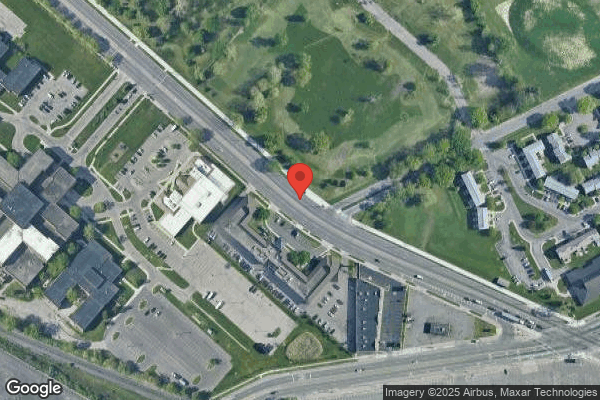

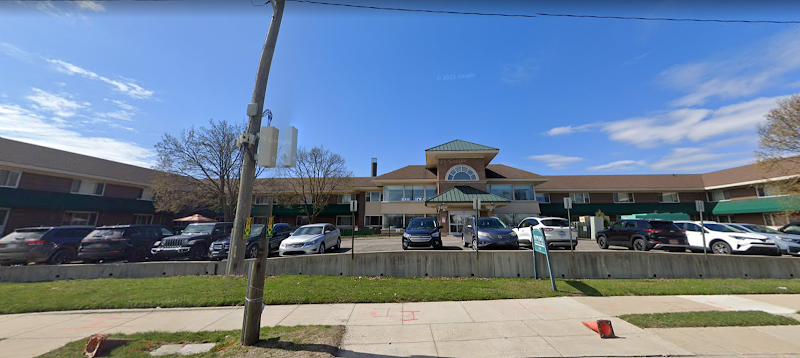
5201 Conner, Detroit, MI 48213 (313) 571-5555
For profit - Corporation 136 Beds CIENA HEALTHCARE/LAUREL HEALTH CARE Data: November 2025
Trust Grade
83/100
#162 of 422 in MI
Last Inspection: July 2025

Inspected within the last 6 months. Data reflects current conditions.

Overview

Omni Continuing Care in Detroit, Michigan, has a Trust Grade of B+, which means it is above average and recommended for families considering care options. It ranks #162 out of 422 nursing homes in Michigan, placing it in the top half, and #18 out of 63 facilities in Wayne County, indicating limited competition locally. The facility is improving, with issues decreasing from 6 in 2024 to 4 in 2025. While staffing is a weakness, rated at 2 out of 5 stars with a turnover rate of 26%-significantly better than the state average-it still falls short in providing sufficient registered nurse coverage, ranking lower than 89% of similar facilities. Notably, there have been no fines, which is a positive sign. However, recent inspections revealed concerns such as a leaking kitchen sink, undated desserts in storage, and equipment not being properly maintained, which could affect the safety and comfort of residents. Overall, while there are strengths in its trust score and lack of fines, families should be aware of the staffing challenges and the need for improvements in facility maintenance.
Trust Score
B+
83/100
In Michigan
#162/422
Top 38%
Safety Record
Low Risk
No red flags
Inspections
Getting Better
6 → 4 violations
Staff Stability
✓ Good
26% annual turnover. Excellent stability, 22 points below Michigan's 48% average. Staff who stay learn residents' needs.
Penalties
✓ Good
No fines on record. Clean compliance history, better than most Michigan facilities.
Skilled Nurses
⚠ Watch
Each resident gets only 25 minutes of Registered Nurse (RN) attention daily — below average for Michigan. Fewer RN minutes means fewer trained eyes watching for problems.
Violations
⚠ Watch
12 deficiencies on record. Higher than average. Multiple issues found across inspections.
★★★★☆
4.0
Overall Rating
★★☆☆☆
2.0
Staff Levels
★★★★☆
4.0
Care Quality
★★★★☆
4.0
Inspection Score
Stable
2024: 6 issues
2025: 4 issues

The Good

  • 4-Star Quality Measures · Strong clinical quality outcomes
  • Low Staff Turnover (26%) · Staff stability means consistent care
  • Full Sprinkler Coverage · Fire safety systems throughout facility
  • No fines on record
  • Staff turnover is low (26%)

    22 points below Michigan average of 48%

Facility shows strength in quality measures, staff retention, fire safety.

The Bad

Chain: CIENA HEALTHCARE/LAUREL HEALTH CARE

Part of a multi-facility chain

Ask about local staffing decisions and management

The Ugly 12 deficiencies on record

Jul 2025 4 deficiencies
CONCERN (D)

Potential for Harm - no one hurt, but risky conditions existed

Deficiency F0645 (Tag F0645)

Could have caused harm · This affected 1 resident

**NOTE- TERMS IN BRACKETS HAVE BEEN EDITED TO PROTECT CONFIDENTIALITY** Based on observation, interview, and record review, the facility failed to ensure Preadmission / Screening (PAS)/Annual Resident...

Read full inspector narrative →
**NOTE- TERMS IN BRACKETS HAVE BEEN EDITED TO PROTECT CONFIDENTIALITY** Based on observation, interview, and record review, the facility failed to ensure Preadmission / Screening (PAS)/Annual Resident (ARR) Mental Illness/ Intellectual Disability/ Related Conditions Identification forms (DCH-3877 and/or DCH-3878) documents were reviewed, revised, and sent to the local state agency for review and/or evaluation for intellectual/ developmental disability needs in a timely manner for two residents (R32 and R54) of seven residents reviewed for PASSARs, resulting in the potential for unmet intellectual/ developmental disability care needs. Findings include: R32 Record review of R32's electronic medical records (EMR) revealed admission into the facility on [DATE] with a pertinent diagnosis of undifferentiated schizophrenia (mental illness). Further review of Brief Interview for Mental Status (BIMs) dated 3/12/25 revealed R32 scored 0 out of 15 (severe cognitive impairment). Record review of R32's PASSAR-ARR (Annual Record Review) revealed completion on 11/21/24 at 2:47 PM. A Level II Determination (an evaluation to verify mental illness, nursing home placement, and specialized services) was not documented in R32's EMR. An interview was conducted on 7/2/25 at 11:00 AM with Social Worker (SW) A, and was reported that although Form-3877 had been submitted, Form 3878 had not been completed by the physician, which 'was causing a delay' in the process. An interview was conducted on 7/2/25 at 11:15 AM with Physician G. Physician G reported being unaware that R32's 3878 form needed to be signed. An interview was conducted on 7/2/25 at 1:15 PM with the Nursing Home Administrator (NHA). The NHA reported that it was the responsibility of both the Social Work Department and the Nursing Department to notify the physician when Form 3878 needs to be completed in the system. It was further reported that this responsibility was not carried out in a timely manner. R54 On 6/30/25 at 12:17 p.m. R54 was observed throughout the day walking independently around the facility. R54 was pleasant and calm but did not engage much with staff or other residents. On 7/1/25 at 11:38 a.m. review of the electronic medical record documented R54 was initially admitted into the facility on 3/3/23 with a recent readmission from the hospital crisis unit on 6/3/25 with diagnoses that included dementia with behavioral disturbance, psychotic disturbance, mood disturbance, anxiety, psychotic disorder with delusions and adjustment disorder with depressed mood. According to the quarterly MDS assessment dated [DATE], R54 had severe cognitive impairment (BIMS-4) and was independent with activities of daily living. Review of the Preadmission Screening (Level I Screen, 3877) dated 2/27/24, documented the following were checked Yes: 1. Mental illness and dementia were checked for current diagnoses and received treatment. (Dementia Psychotic Disorder with delusions) 2. The person has routinely received one or more prescribed antipsychotic or antidepressant medications within the last 14 days. (Seroquel) 3. There is presenting evidence of mental illness or dementia, including significant disturbances in thought, conduct, emotions, or judgment. Further record revealed there was no annual 3877 in the medical record. Review of the Mental Illness/Intellectual Disability/ Related Condition Exemption Criteria Certification (3878) dated 3/5/24, documented R54 had Dementia Exemption checked Yes: 1.Has demonstrable evidence of impairment in short-term or long-term memory as indicated by the inability to learn new information or remember three objects after five minutes, and the inability to remember past personal information or facts of common knowledge. 2. Exhibits at least one of the following: Impairment of abstract thinking, as indicated by the inability to find similarities and differences between related words, has difficulty defining words, concepts and similar tasks. -Impaired judgment, as indicated by inability to make reasonable plans to deal with interpersonal, family and job-related issues. Other disturbances of higher cortical function, i.e., aphasia, apraxia and constructional difficulty. -Personality change: altered or accentuated premorbid traits. Disturbances in items 1 or 2 above significantly interfere with work, usual activities or relationships with others. Further record revealed there was no annual 3878 in the medical record. On 7/2/25 at 11:52 a.m. SW A was interviewed about the absence of the annual 3877 and 3878 in the medical record and the person responsible to ensure they are completed timely. SW A stated, The Corporate Social Worker has been doing since I'm not full time, but the social worker is responsible for completing them. I am waiting for the physician to sign the 3878. SW A was asked to provide evidence the annual 3878 was waiting for the physician's signature and was not able to. Review of the facility's policy titled Pre-admission Screening and Guest/Resident Review- PASRR Michigan dated 11/12/21 documented in part the following: The PASRR process was established in 1987, as part of the OBRA ruling, to screen all individuals admitted for nursing care to ensure that needs are met to assist the individual in reaching their highest potential. All persons seeking admission to a nursing facility, who are seriously mentally ill and/or have an intellectual/developmental disability, are required to be evaluated to determine if a nursing facility is the appropriate place to receive services . A Level 1 3877 is completed annually for all guests/residents and maintained in the electronic medical record . As of September 20,2021, all Level 1 screenings are to be electronically received and submitted.
CONCERN (D)

Potential for Harm - no one hurt, but risky conditions existed

Deficiency F0658 (Tag F0658)

Could have caused harm · This affected 1 resident

Based on observation, interview, and record review the facility failed to follow the Physician order for administering medications through a Percutaneous tube (Peg Tube), a flexible tube surgically in...

Read full inspector narrative →
Based on observation, interview, and record review the facility failed to follow the Physician order for administering medications through a Percutaneous tube (Peg Tube), a flexible tube surgically inserted directly into the stomach through the skin of the abdomen to deliver nutrition, hydration, and medication, for one resident (R87) of twenty eight residents reviewed for medication administration, resulting in residents not receiving the full amount of their prescribed medications and water, and the potential for PEG tube malfunction due to clogging. Findings include: On 7/1/2025 at 8:26 a.m. during medication administration, Licensed Practical Nurse (LPN) H was observed at the medication cart preparing eight cups of R87's medications individually. LPN H was observed to pour water from a large cup into each cup of individually crushed medication cup without measuring the amount of water poured in each. LPN H was asked how much water would be given with each medication? LPN H said I just use ten milliliters of water with each medication. The Surveyor then observed LPN H attempt to administer R87 mediation through the peg tube without attempting to flush the peg tube. LPN H said the R87's peg tube is clogged. LPN H used an opened tubing from R87 nightstand to unclog R87's peg tube without cleaning the tubing prior to use. LPN H successfully unclogged R87 peg tube and then continued to use an unmeasured amount of water in a calibrated piston syringe to flush the peg tube afterward. LPN H was unable to provide the amount of water used in the syringe. LPN H then used ten milliliters of water to flush the peg tube and continued to administer medications. LPN H was asked how much water will be used to flush the peg tube afterward. LPN said R87 gets water already all during the shifts without giving any water flushes afterward. LPN H was observed placing the tubing back in the resident's nightstand without cleaning the tubing. LPN H was asked should the tubing be cleaned before and after use due to the package was already opened. LPN H said yes, because I didn't know where it's been before I used it and it could cause infection. On 7/1/2025 at 8:40 a.m. the surveyor interviewed LPN H at the medication cart while reviewing R87 medications. LPN H was asked was R87 med pass completed. LPN H said yes. LPN H was asked why R87 multivitamin was not administered. LPN H said the medication is not in the med cart and did not know whether it was available in the med room. LPN H stated, I will check later if it's in there I will give it later and if it's not there I can't give it. Review of the morning medications were as follows: 1- Prostat two times a day 30ml via PEG. 2- Prochlorperazine Maleate Tablet 10 MG Give 1 tablet via PEG-Tube two times a day. 3- Norvasc Oral Tablet 10 MG Give 1 tablet via PEG-Tube two times a day. 4- Amantadine HCl Oral Solution 50 MG/5ML Give 5 ml via PEG-Tube every 12 hours. 5- Keppra Oral Solution 100 MG/ML Give 5 ml via PEG-Tube every 12 hours. 6- Insulin Glargine Subcutaneous Solution Inject 35 unit subcutaneously every 12 hours. 7- Sertraline HCl Oral Tablet 50 MG Give 1 tablet via PEG-Tube one time a day.8- Losartan Potassium Oral Tablet 25 MG Give 1 tablet via PEG-Tube one time a day. 9- Metoprolol Tartrate Oral Tablet 100 MG Give 1 tablet via PEG-Tube every 12 hours. 10- . Multivitamin & Mineral Oral Liquid Give 15 ml via PEG-Tube one time a day. LPN H was asked should the peg tube be checked for placement and residual before administering medications. LPN H said yes, I should have checked it first. LPN H was unable to provide documentation of the resident's peg tube being checked for placement and residual amount. The physician's orders were reviewed with LPN H and asked why ten milliliters of water was given with each medication instead of at least fifteen milliliters per the physician orders. LPN H stated, I thought it was ten milliliters and that's what I been using. LPN H acknowledged fifteen milliliters per the physician order should have been given. Physician's orders revealed as follows: Enteral Feed every shift Flush Peg Tube with at least 15cc of water before and after medication administration and at least 15cc of water in between each medication active date 5/21/2025. -every shift Check resident for residual, if greater than 250cc hold tube feeding for 1 hour and recheck, if still greater than 100cc call the physician. -every shift Check Peg Tube for placement by aspirating stomach contents and patency by instilling at least 15cc of water. On 7/2/2025 at 1:09 p.m. the Director of Nursing (DON) was asked about the facility's policy for administering medications through a PEG tube and stated, The nurses are supposed to check placement by using air in the syringe before med pass and the nurse should have cleaned the tubing used to unclog the peg tubing before it was inserted because it's a risk for infection. According to the facility's 10/17/2023 Medication Administration policy: Physician's orders- medication is administered in accordance with written orders of the attending physician.
CONCERN (D)

Potential for Harm - no one hurt, but risky conditions existed

Respiratory Care (Tag F0695)

Could have caused harm · This affected 1 resident

**NOTE- TERMS IN BRACKETS HAVE BEEN EDITED TO PROTECT CONFIDENTIALITY** Based on observation, interview and record review the facility failed to ensure respiratory care equipment was stored in a sanit...

Read full inspector narrative →
**NOTE- TERMS IN BRACKETS HAVE BEEN EDITED TO PROTECT CONFIDENTIALITY** Based on observation, interview and record review the facility failed to ensure respiratory care equipment was stored in a sanitary manner for one resident (R8) out of four residents reviewed for storage of respiratory equipment, resulting in the potential for a decline in of respiratory health. Findings include: On 6/30/25 at 10:48 A.M., R8 was observed in the resident's room. On the resident's bedside tables a CPAP machine (a continuous positive airway pressure device used for treating sleep apnea disorders), face mask and assorted tubing were observed among the resident's personal care items. The resident's face mask was uncovered positioned on the table among the assorted, used/unused tubing, one gallon container of open, undated sterile water and plastic covers. R8's visitor who interjected during the observation stated, They leave that mask and oxygen tubing like that, its not clean. R8 stated, I am supposed to use it twice a day, but they take it off and just throw it there. Throughout the interview and observation R8 indicated when her favorite nurse returned from vacation, he would clean off the table and put the mask and other equipment like it should be. On 7/1/2025 at 8:34 A.M. during an observation R8's CPAP machine, face mask and tubing was stored among used paper towels/napkins, personal care items, and an opened gallon container of water the face mask was uncovered and stored on top of the used paper towels/napkins. On 7/2/25 at 1:12 P.m. while checking the filter of the oxygen canister with nurse E the nurse was made aware of the storage of the resident's respiratory equipment. Nurse E acknowledged the equipment was not stored properly and the face mask should not be left in the manner observed. Review of the Physician Orders dated 10/23/24 documented: BiPAP 14/5 5 Liters oxygen 02 @ HS (bedtime) and naps once a day. Review of the Physician Orders and care plans did not identify any method, frequency of cleaning, or storage of the respiratory equipment. Review of the Care Plan documented: R8 has a potential, SOB and risk for respiratory complications R/T h/o respiratory failure, COPD, Obstructive Sleep Apnea. Interventions .Administer medication and treatment per physician order .provide supplemental oxygen via nasal cannula to maintain oxygen saturation greater than 92% PRN, BPAP at night. Review of the clinical record documented R8 was readmitted to the facility on [DATE], with pertinent diagnoses: chronic obstructive pulmonary disease, chronic respiratory failure, obstructive sleep apnea and dependence on supplemental oxygen. According to the Minimum Data Set (MDS) dated [DATE], R8 had a BIMS (Brief Interview for Mental Status of 14, was cognitively intact, required one to two person assist for Activities of Daily Living (ADL'S) and was always incontinent of bowel and bladder. The facility's policy was requested and provided, referenced: AARC Clinical Practice Guidelines Policy 1:8 was provided, titled: Small volume nebulizer (SVN) Handheld Nebulizer: After treatment rinse equipment with tap water and dry. Place in storage bag that is labeled with resident's name, and the date equipment was issued (do not seal damp equipment in a plastic bag).
CONCERN (D)

Potential for Harm - no one hurt, but risky conditions existed

Dental Services (Tag F0791)

Could have caused harm · This affected 1 resident

**NOTE- TERMS IN BRACKETS HAVE BEEN EDITED TO PROTECT CONFIDENTIALITY** Based on observation, interview, and record review the facility failed to ensure routine dental services were provided to one re...

Read full inspector narrative →
**NOTE- TERMS IN BRACKETS HAVE BEEN EDITED TO PROTECT CONFIDENTIALITY** Based on observation, interview, and record review the facility failed to ensure routine dental services were provided to one resident (R16) of one resident reviewed for routine dental services, resulting in unmet oral health needs and discomfort. Findings include: On 6/30/25 at 12:00 p.m. R16 was observed in the room, sitting at the bedside. R16 presented as alert and oriented to person, place, situation, and makes all needs known verbally. During the resident interview, R16 had a complaint about mouth discomfort due to teeth pain and needed to see a dentist. R16 asked staff to see the dentist and has waited for quite some time now. R16 was edentulous apart from a few back teeth. The resident opened the mouth, and the back teeth were discolored. The gums appeared swollen and red. R16 stated, There's certain things I like to eat but can't, so I eat soft things like Jello and mash potatoes. I am tired of it. R16 said the dentist removed most of the top teeth months ago but has not come back to remove the rest for unknown reasons. Review of the electronic medical record documented R16 was admitted into the facility on 7/20/23 with diagnoses that included seizures, obesity, benign prostatic hyperplasia without lower urinary tract symptoms, dysarthria and anarthria, major depressive disorder, and hemiplegia and hemiparesis following cerebral infarction affecting left dominant side. According to the annual Minimum Data Set (MDS) dated [DATE], R16 was cognitively intact (BIMS-14) and required assistance activities with daily living. The MDS also documented mouth or facial pain, discomfort or difficulty with chewing. Review of the physician order, dated 1/24/25 documented: Consult to dentist. The dental care plan was not in the medical record or available for review. Review of the social service progress notes documented in part the following: 1/21/2025- Social Services Note: SW informed by unit medical records that resident's insurance only covers oral surgery at (named dental office), requires (named in-house dental company) to fax referral directly to them. SW informed dental company who stated they would send referral. Writer was notified that referral was sent and medical records can schedule an appointment. SW provided medical records with contact to schedule appointment . SW will continue to assist as needed. 1/15/2025- Social Services Note: SW sent referral to dental company for an emergency dental visit. Dentist scheduled to come to facility 2/4/25. Resident states he is having tooth pain. Referral for emergency dentist sent to np. SW will continue to assist as needed. Review of the Emergency Dental Care Request dated 1/10/25 documented in part the reason for the referral was for right sided facial swelling and right upper tooth pain with visible decay . Issues with teeth and gums to top right . Evidence of pain (constant) . Swelling of the face (signs of infection). Antibiotic and pain medication was prescribed . Review of the following dental consult dated 2/4/25, documented in part the following: 2/4/2025- Doctors note summary: room visit, teeth, 15 and 16 are now hurting him, add those to the refer to be extracted by outside dentist. Next visit plan: exam, possibly future partial denture when teeth are extracted. Next visit: dental recall based on pay source frequency . 2/4/2025- X-rays not taken. X-rays were not taken because the resident was seen in their room. Recommend the resident be taken to the dental clinic on their next visit. Review of the nurse progress notes dated 3/14/25 documented in part: .dental services on 3/4/25. There was no record of the dental service provided to R16. On 7/2/25 at 11:27 p.m. Medical Records Clerk B was interviewed and asked the reason R16 has not had a follow up dental appointment for teeth pain in four months of the last referral. Medical Records Clerk said the dental appointment for March did not occur due to the dental company that services the facility needed to send a referral to the only dental office that would accommodate the resident which did not have any available appointments due to having a backlog. Medical Records Clerk B also said the one specific dental office was the only office that could accommodate the resident's wheelchair. The last call to the dental office was at the end of March. There have been no recent inquiries. On 7/2/25 at 11:45 a.m. the dental company that provides in house dental services, Care Coordinator D was contacted via telephone and stated, We provide referrals to any dental office. We don't refer to just one office. Residents can go to any dental office. On 7/2/25 at 12:00 p.m. Social Worker (SW) A was interviewed. SW A and stated, We usually use the one dental office because they accept Medicaid insurance. We have tried other places, but the resident would have to pay out of pocket. SW A was asked how they were notified when residents need dental services. SW A stated, I don't know when residents need dental services unless the MDS department tells me after they do their assessment. On 7/2/25 at 12:10 p.m. the Nursing Home Administrator (NHA) and Medical Records Clerk B was interviewed. Medical Records Clerk B was asked was R16 referred to another dental office that would see the resident immediately contacted. Medical Records Clerk B said another dentist office was called but the resident was not seen because the resident did not have the money to pay for services. The NHA stated immediately, If I would have known the resident needed to be seen, the facility would have paid for it. Review of the facility's policy titled Dental Services dated 10/25/23 documented in part the following: The facility will provide, or obtain from an outside resource, routine and twenty-four (24) hour emergency dental to meet the needs of the resident and when requested by the resident. The facility will assist residents who are eligible and wish to participate to apply for reimbursement of dental services as an incurred medical expense under the state plan . Follow up visits will be scheduled as needed.
Jul 2024 6 deficiencies
CONCERN (D)

Potential for Harm - no one hurt, but risky conditions existed

PASARR Coordination (Tag F0644)

Could have caused harm · This affected 1 resident

**NOTE- TERMS IN BRACKETS HAVE BEEN EDITED TO PROTECT CONFIDENTIALITY** Based on interview and record review, the facility failed to complete an OBRA (Omnibus Budget Reconciliation Act) Level II Evalu...

Read full inspector narrative →
**NOTE- TERMS IN BRACKETS HAVE BEEN EDITED TO PROTECT CONFIDENTIALITY** Based on interview and record review, the facility failed to complete an OBRA (Omnibus Budget Reconciliation Act) Level II Evaluation for one (R40) of one residents reviewed for PASARRs (Preadmission Screen and Resident Review), resulting in the potential for unmet mental health services. Findings include: Review of the clinical record revealed R40 was initially admitted into the facility on 8/28/2023 and readmitted on [DATE]. R40's diagnoses included seizures, unspecified convulsions, bipolar disorder, and major depressive disorder. A Minimum Data Set assessment dated [DATE] documented severe cognitive impairment. The date of R40's most current Level II PASARR was 11/16/2023. On 7/10/2024 at 10:36 AM, a review of R40's most recent Level II PASARR, dated 11/16/2023, was conducted with Social Worker (SW) B. SW B said based on the Level II PASARR from 11/16/2023 a new Level II evaluation was needed by March 15th, 2024. SW B said R40 does not have a current Level II PASARR evaluation. I should have submitted a Level II request by March 15th, 2024. On 7/10/2024 at 10:53 AM, the Director of Nursing (DON) stated she expected PASARRs to be completed per OBRA requirements. A review of the facility document titled, Pre-admission Screening and Guest/Resident Review-PASRR Michigan, revised 11/12/2021, documented in part the following: for residents who screen positively for a mental illness/intellectual/developmental disability the facility submits the annual Level 1/3877 screen to the local community mental health program for comprehensive screening (level 2).
CONCERN (D)

Potential for Harm - no one hurt, but risky conditions existed

ADL Care (Tag F0677)

Could have caused harm · This affected 1 resident

**NOTE- TERMS IN BRACKETS HAVE BEEN EDITED TO PROTECT CONFIDENTIALITY** R53 On 07/09/2024 at 10:19 AM, R53 was observed lying in bed alert and interview able. R53 was observed with long, untrimmed and...

Read full inspector narrative →
**NOTE- TERMS IN BRACKETS HAVE BEEN EDITED TO PROTECT CONFIDENTIALITY** R53 On 07/09/2024 at 10:19 AM, R53 was observed lying in bed alert and interview able. R53 was observed with long, untrimmed and dirty fingernails. R53 had food particles in beard. R53 was nonverbal but able to nod head when queried about care. R53 nod head indicating Yes, when asked if they would like nails cleaned and trimmed. Record review revealed R53 was admitted into the facility on [DATE] with Traumatic hemorrhage of cerebrum. According to R53's quarterly Minimum Data Set (MDS), with reference date of 04/23/2024, they have a BIMS score of 2 (severely impaired cognition). according. Review of the ADLs care plan documented R53 needs maximum assistance with and with personal hygiene, toileting and turning. On 07/11/2024 at 11:00 AM, the Director of Nursing (DON) said during an interview, the residents should have showers twice a week and it consists of being cleaned from head to toe and their nails to be cleaned and cut. Based on observation and interview the facility failed to provide timely ADL (Activities of daily living) care to include nail care and shaving, for three residents (R21, R53, and R56) of six residents reviewed for ADL care resulting in dissatisfaction with care. Findings include: On 7/9/24 at 11:40 AM R21 was observed upright in bed, alert and able to participate in an interview. According to record review R21 was admitted [DATE]. According to a Minimum Data Set (MDS) assessment completed 6/26/24, R21 had a Brief Interview for Mental Status (BIMS) of 15/15 indicating intact cognition. R21's nails, on the fingers of both hands, were observed to be long to the point of curving over enough to partially obscure the underside of the nails. R21 was queried about the condition of the nails and said nail clipping had been requested and commented, Two days ago I asked and today someone came and said it will be done. R21 demonstrated that it was hard to pick items up off the bedside table due to the length of the nails and said, It's a problem. On 7/10/24 at 4:00 PM R21 was observed upright in bed, alert and able to participate in an interview. Nails were observed to be in the same condition as the previous day. No one showed up yet R21 said. On 7/11/24 at 11:35 AM an interview was held with the Director of Nursing (DON). During discussion about the condition of R21's nails and resident's statement about the inability to pick certain items up because of the length of the nails, the DON responded by saying that resident had . never said anything about it and that it hadn't been noticed. When asked about the risks involved the DON said, It is a risk for infection to have nails that long. R56 R56 was observed on 7/9/2024 at 10:31 and 7/10/2024 at approximately 11:30 a.m. with long facial hair and dirty long untrimmed fingernails. R56 was nonverbal and unable to be interviewed. According to the electronic medical record, R56 was initially admitted into the facility on [DATE] and readmitted on [DATE] with diagnoses of chronic respiratory failure, tracheotomy status, dependence on respirator ventilator status, diabetes type two, and major depressive disorder. According to the Minimum Data Set (MDS) assessment dated [DATE], R56 BIMS (brief interview for mental status) score was not documented. R56's Functional ability care plan, dated 5/13/2024, revealed, Resident has a functional ability deficit requires assistance with self-care/mobility related to impaired balance, impaired cognition, impaired mobility, pain, and diagnoses of chronic respiratory failure, persistent vegetative state. Interventions: Bathing: Resident is dependent with two helpers to bathe/shower two times a week and as needed.
CONCERN (D) 📢 Someone Reported This

A family member, employee, or ombudsman was alarmed enough to file a formal complaint

Potential for Harm - no one hurt, but risky conditions existed

Deficiency F0825 (Tag F0825)

Could have caused harm · This affected 1 resident

**NOTE- TERMS IN BRACKETS HAVE BEEN EDITED TO PROTECT CONFIDENTIALITY** This citation pertains to Intake number MI000144806. Based on interview and record review the facility failed to obtain a Physic...

Read full inspector narrative →
**NOTE- TERMS IN BRACKETS HAVE BEEN EDITED TO PROTECT CONFIDENTIALITY** This citation pertains to Intake number MI000144806. Based on interview and record review the facility failed to obtain a Physical Therapy (PT) and Occupational Therapy (OT) evaluation upon admission for one (R345) of one resident reviewed for physical rehab, resulting in delayed Physical and Occupational Therapy treatment. Findings include: Review of an admission Record revealed, R345 readmitted to the facility on [DATE] and discharged [DATE] with pertinent diagnosis which included tracheostomy status and gastrostomy status. Review of a Minimum Data Set (MDS) assessment dated [DATE] revealed R345 had severely cognitive impairment. Review of Physician orders revealed R345 had orders for physical therapy evaluation- treat as indicated and occupational therapy evaluation- treat as indicated dated 5/24/24. Review of an interdisciplinary therapy screen assessment dated [DATE] revealed, PT/OT evaluation recommended for R345. Review of R68's electronic medical record revealed, R68 did not have a PT or OT evaluation. In an interview on 7/11/24 at 2:15 p.m., Rehab Manager A reported therapy evaluations were not completed as recommended on 5/24/24 and stated, Looks like we just missed it.
CONCERN (D)

Potential for Harm - no one hurt, but risky conditions existed

Infection Control (Tag F0880)

Could have caused harm · This affected 1 resident

**NOTE- TERMS IN BRACKETS HAVE BEEN EDITED TO PROTECT CONFIDENTIALITY** Based on observation, interview, and record review the facility failed to follow the standards of infection control for proper P...

Read full inspector narrative →
**NOTE- TERMS IN BRACKETS HAVE BEEN EDITED TO PROTECT CONFIDENTIALITY** Based on observation, interview, and record review the facility failed to follow the standards of infection control for proper PPE use (mask, gloves, gown) and proper hand hygiene, for one resident (R68) out of three residents reviewed for tracheostomy care, resulting in the increased potential for cross-contamination of diseases which place a vulnerable population at high risk for infections. Findings include: In an observation on 7/9/24 at 11:37 a.m., R68 laid in bed and had a tracheostomy. The suction tubing laid on the floor. R68's door had an Enhanced Barrier sign which read, . Providers and Staff must also: Wear gloves and a gown for the following High-Contact Resident Care Activities . Device care or use: tracheostomy . Review of an admission Record revealed, R68 admitted to the facility on [DATE] and readmitted on [DATE] with pertinent diagnosis which included chronic respiratory failure with hypoxia and tracheostomy status. Review of a Minimum Data Set (MDS) assessment dated [DATE] revealed R68 had no cognitive impairment with a Brief interview for Mental Status (BIMS) score of 15 out of 15 and required a tracheostomy. In an observation on 7/11/24 at 9:43 a.m., Respiratory Therapist (RT) C prepared to perform trach care for R68. RT C entered R68's room and did not put on a gown or gloves. Trach care supplies laid on R68's bedside table and not on a barrier. RT C applied gloves after washing hands in R68's bathroom. RT C then removed R68's inner cannula and inserted a new one. RT C did not remove gloves after the removal of the old inner cannula. In an interview on 7/11/24 at 9:54 a.m., RT C reported changing an inner cannula requires clean technique. In an interview on 7/11/24 at 9:58 a.m., RT C reported she should have put on a gown before entering R68's room and should be worn during trach care. In an interview on 7/11/24 at 1:11 p.m., the Director of Nursing (DON) reported gloves should be changed after the old inner cannula is removed and the new one is put in. The DON then reported if staff is providing care longer than 10 minutes they should put on a disposable gown and supplies should be placed on a barrier and not on the bedside table. Review of a Enhanced Barrier Precautions (EBP) policy revised 3/26/24 documented, It is the intent of this facility to use Enhanced Barrier Precautions (EBP) in addition to Standard Precautions for preventing the transmission of CDC targeted multidrug-resistant organisms (MDROs) . Gloves, Gowns and Hand Hygiene A. Health care personnel caring for residents on Enhanced Precautions should wear gloves and gowns during high-contact resident care. Examples of high contact resident care activities requiring gown and glove use . Device care or use; central line, urinary catheter, feeding tube, tracheostomy/ventilator .
CONCERN (F)

Potential for Harm - no one hurt, but risky conditions existed

Food Safety (Tag F0812)

Could have caused harm · This affected most or all residents

**NOTE- TERMS IN BRACKETS HAVE BEEN EDITED TO PROTECT CONFIDENTIALITY** During initial tour of the kitchen on 7/9/2024 at 11:15 AM with Dietary Assistant (DA) D the following was observed: -the three ...

Read full inspector narrative →
**NOTE- TERMS IN BRACKETS HAVE BEEN EDITED TO PROTECT CONFIDENTIALITY** During initial tour of the kitchen on 7/9/2024 at 11:15 AM with Dietary Assistant (DA) D the following was observed: -the three compartment sink had an active leak dripping directly onto the floor. DA D ackowlwedged the sink was leaking and needed repair. -undated desserts were found in the freezer: three pound cakes, three fruit pies and one round cake with no label. DA D agreed the desserts should be dated. Record review of the facility policy titled Food Purchasing and Storage revised 11/11/2021 revealed in part .all food items will be dated with the in date or delivery date, all frozen foods will be dated, labeled, and wrapped or sealed. According to the 2017 FDA Food Code Section 6-501.11 Repairing. PHYSICAL FACILITIES shall be maintained in good repair. Based on observation, interview, and record review, the facility failed to maintain physical facilities, install backflow prevention, date mark food, and properly cool potentially hazardous foods, resulting in the potential for increased risk of food borne illness, affecting all residents that consume food from the kitchen. Findings include: On 7/10/24 at 9:57 AM, the floor tile grout, located in the dish washing area and the cookline, was observed to be dissolving and worn, resulting in gaps for water accumulation. Additionally, the hose under the dish machine drain board was observed to not be provided with a backflow protection device (a device commonly used in plumbing to prevent contaminated water from backflowing into the potable water system). At this time, Registered Dietician E queried staff who stated the hose is used for cleaning the floor. According to the 2017 FDA Food Code Section 6-501.11 Repairing. PHYSICAL FACILITIES shall be maintained in good repair. According to the 2017 FDA Food Code Section 5-203.14 Backflow Prevention Device, When Required. A PLUMBING SYSTEM shall be installed to preclude backflow of a solid, liquid, or gas contaminant into the water supply system at each point of use at the FOOD ESTABLISHMENT, including on a hose [NAME] if a hose is attached or on a hose [NAME] if a hose is not attached and backflow prevention is required by LAW, by: (A) Providing an air gap as specified under § 5-202.13 P; or (B) Installing an APPROVED backflow prevention device as specified under § 5-202.14. P On 7/10/24 at 10:05 AM, a pan labeled diced pork in the walk-in cooler, tightly covered with aluminum foil, was observed to feel warm to the touch. The diced pork temperature was measured with a digital probe thermometer and was observed to be holding at 121 degrees F. At this time, Dietary Staff G stated the pork was cooked this morning by Dietary Staff H During an interview on 7/10/24 at 10:30 AM, Dietary Staff H was queried on their preparation process of the dice pork and stated the pork was finished cooking around 8:00 AM, then say on the counter for a short period of time, then was covered and placed in the walk-in cooler. Dietary Staff H was then queried on the proper cooling process of cooked potentially hazardous foods and couldn't recite the proper cooling method or procedure. According to the 2017 FDA Food Code Section 3-501.14 Cooling. (A) Cooked TIME/TEMPERATURE CONTROL FOR SAFETY FOOD shall be cooled: (1) Within 2 hours from 57ºC (135ºF) to 21ºC (70°F); P and (2) Within a total of 6 hours from 57ºC (135ºF) to 5ºC (41°F) or less. P (B) TIME/TEMPERATURE CONTROL FOR SAFETY FOOD shall be cooled within 4 hours to 5oC (41oF) or less if prepared from ingredients at ambient temperature, such as reconstituted FOODS and canned tuna. P (C) Except as specified under (D) of this section, a TIME/TEMPERATURE CONTROL FOR SAFETY FOOD received in compliance with LAWS allowing a temperature above 5oC (41oF) during shipment from the supplier as specified in 3-202.11(B), shall be cooled within 4 hours to 5oC (41oF) or less. P (D) Raw EGGS shall be received as specified under 3-202.11(C) and immediately placed in refrigerated EQUIPMENT that maintains an ambient air temperature of 7oC (45oF) or less. P According to the 2017 FDA Food Code Section 3-501.15 Cooling Methods. (A) Cooling shall be accomplished in accordance with the time and temperature criteria specified under § 3-501.14 by using one or more of the following methods based on the type of FOOD being cooled: (1) Placing the FOOD in shallow pans; Pf (2) Separating the FOOD into smaller or thinner portions; Pf (3)Using rapid cooling EQUIPMENT; Pf (4) Stirring the FOOD in a container placed in an ice water bath; Pf (5) Using containers that facilitate heat transfer; Pf (6) Adding ice as an ingredient; Pf or (7) Other effective methods. Pf (B) When placed in cooling or cold holding EQUIPMENT, FOOD containers in which FOOD is being cooled shall be: (1) Arranged in the EQUIPMENT to provide maximum heat transfer through the container walls; and (2) Loosely covered, or uncovered if protected from overhead contamination as specified under Subparagraph 3-305.11(A)(2), during the cooling period to facilitate heat transfer from the surface of the FOOD.
CONCERN (F) 📢 Someone Reported This

A family member, employee, or ombudsman was alarmed enough to file a formal complaint

Potential for Harm - no one hurt, but risky conditions existed

Safe Environment (Tag F0921)

Could have caused harm · This affected most or all residents

**NOTE- TERMS IN BRACKETS HAVE BEEN EDITED TO PROTECT CONFIDENTIALITY** Based on observation and interview, the facility failed to maintain equipment in good repair and clean condition, properly store...

Read full inspector narrative →
**NOTE- TERMS IN BRACKETS HAVE BEEN EDITED TO PROTECT CONFIDENTIALITY** Based on observation and interview, the facility failed to maintain equipment in good repair and clean condition, properly store refuse, and maintain physical facility, resulting in contamination of equipment and a non-homelike environment, affecting all residents, staff, and visitors in the facility. Findings include: During an environmental tour on 7/10/24, assisted by Housekeeping Supervisor (HS) F, the following observation were made: 1:11 PM, the Gratiot Hall shower room was observed to have a light out over the sink, resulting in the shower room being dim. 1:31 PM, a box of wound dressing, a box of saline solution, a box of gloves, and a box of abdominal pads were observed to be stored on the floor in the respiratory supply room on the [NAME] Hall. At this time, HS F instructed staff to remove the boxes from the floor. 1:32 PM, the shower bed, located in the [NAME] Hall shower room, was observed to be soiled with discolored water. At this time, HS F stated that showers were done earlier in the day and staff are supposed to clean the shower room after use. 1:35 PM, the 2nd floor guest bathroom was observed to have water steadily leaking from the ceiling onto the floor. At this time, torrential rains were occurring. HS F stated that a company has come out to attempt to repair the leak but could not find where water was entering the building. 1:39 PM, three safety razors were observed on the floor of the Mac Hall shower room in the middle of the shower enclosure. Additionally, the foam shower bed was observed to have a tear in the head pad area exposing the interior foam. At this time, HS F stated he will order more shower beds. 1:42 PM, the soiled utility room, located on the Mac Hall, was observed to have two full trash containers, resulting in three full trash bags stored on the floor. At this time, HS F stated that a porter removes the trash from the soiled utility rooms twice a day. 1:48 PM, the ice machine, located on the Mac Hall, was observed to have mildew-like accumulation on the deflector plate. 1:54 PM, the hand rail, located in the hall near room [ROOM NUMBER], was observed to have a crack, leaving approximately a four inch hole. At this time, HS F stated he can order more hand rail parts to repair the hole. 2:12 PM, the boiler room, located in the basement, was observed to have water steadily dripping from the ceiling on to the floor and equipment. At this time, HS F stated the rooms with leaking ceilings are all sourcing from the same leak. 3:00 PM, the guest bathroom, located on the 1st floor, was observed to have water steadily leaking from the ceiling onto the floor.
Jun 2023 2 deficiencies
CONCERN (D)

Potential for Harm - no one hurt, but risky conditions existed

Incontinence Care (Tag F0690)

Could have caused harm · This affected 1 resident

**NOTE- TERMS IN BRACKETS HAVE BEEN EDITED TO PROTECT CONFIDENTIALITY** Based on observation, interview and record review, the facility failed to ensure proper anchoring/securing of an indwelling urin...

Read full inspector narrative →
**NOTE- TERMS IN BRACKETS HAVE BEEN EDITED TO PROTECT CONFIDENTIALITY** Based on observation, interview and record review, the facility failed to ensure proper anchoring/securing of an indwelling urinary catheter for one (R73) of four residents reviewed for urinary catheters, resulting in pain and the potential for infection and skin trauma. Findings include: In an observation on 6/21/23 at 10:35 a.m., Resident #73 (R73) laid in bed and had a urinary cathete. Tea colored urine was observed in the tubing. Review of an admission record revealed, R73 admitted to the facility 11/4/22 and readmitted on [DATE] with pertinent diagnosis which included Obstructive and Reflux Uropathy (the backup of urine into the kidneys) and Benign Prostatic Hyperplasia (prostate pushes against the urethra and the bladder). Review of a Minimum Data Set (MDS) assessment, with a reference date of 5/10/23 revealed R73 had no cognitive impairment with a Brief interview for Mental Status (BIMS) score of 14 out of 15 and required an indwelling catheter. In an observation on 6/26/23 at 8:58 a.m., Certified Nursing Assistant (CNA) B prepared to perform ADL care for R73. CNA B performed hand hygiene and applied gloves. R73's catheter tubing hung to the right side and did not have a device to secure the indwelling catheter. R73's head of the penis was red and a yellowish substance near the base of penis was present. R73 complained of pain when CNA B touched the catheter. In an interview on 6/26/23 at 9:30 a.m., CNA B reported R73 should have an anchor or leg strap on the catheter. In an interview on 6/26/23 at approximately 9:33 a.m., Licensed Practical Nurse (LPN) C reported R73 should have a leg strap and had a history of urinary tract infections. Review of a care plan revealed R73 had focus, (R73) is at risk for urinary tract infection and catheter-related: has a Foley Catheter r/t (related to) obstructive uropathy with a revised date of 5/2/23. Interventions include provide catheter care per policy. Review Physician orders revealed R73 had an order, Secure Foley Catheter with Anchor/Leg strap with a start date of 6/7/23. Review of a progress note with a date on 6/19/23 at 12:20 p.m. revealed R73 had a blood in urine and pain. In an interview on 6/26/23 at 11:06 a.m., the Director of Nursing (DON) reported applying an anchor for the catheter depends on the resident's needs. The DON then reported an anchor is required most of the time for a resident with a catheter. Review of an Catheter Associated Urinary Tract Infection (CAUTI) Prevention policy with a revised date of 8/17/21 revealed To ensure appropriate technique in the care and maintenance of indwelling catheters . 5. Secure catheter properly to prevent movement. A leg strap or tape may be used .
CONCERN (D)

Potential for Harm - no one hurt, but risky conditions existed

Medical Records (Tag F0842)

Could have caused harm · This affected 1 resident

**NOTE- TERMS IN BRACKETS HAVE BEEN EDITED TO PROTECT CONFIDENTIALITY** Based on interview and record review the facility failed to ensure complete and accurate documentation was maintained in an Elec...

Read full inspector narrative →
**NOTE- TERMS IN BRACKETS HAVE BEEN EDITED TO PROTECT CONFIDENTIALITY** Based on interview and record review the facility failed to ensure complete and accurate documentation was maintained in an Electronic Health Record (EHR) for one resident (R139) of 20 residents reviewed resulting in inaccurate and incomplete medical records with the the potential for inadequate care delivery. Findings include: A review of R139's EHR revealed 16 consecutive progress notes from 11/7/22 through 4/17/23 written by Nurse Practitioner (NP) A with the exact same documentation that included; Hematuria (blood in the urine), continue to flush foley. UA (urinalysis) and cultures (C&S) reviewed, negative, (11/7/22, 11/9/22, 11/14/22, 11/16/22, 11/25/22, 11/28/22, 12/8/22, 12/15/22, 12/19/22, 12/22/22, 1/5/23, 1/23/23, 2/20/23, 3/20/23, 4/5/23, and 4/17/23). Review of R139's progress notes written by the physician and other nursing staff did not reveal any documentation to indicate the resident had hematuria during this time. A Urinalysis result for R139 collected 10/26/22 and reported on 10/27/22 indicated it was a 'Partial Report, Final to Follow. There was no additional Final Report of R139's urinalysis in his EHR as of 6/22/23. According to the EHR, R139 admitted to the facility on [DATE] with multiple diagnoses that included quadriplegia and required a supra pubic catheter (s/p catheter is a hollow flexible tube surgically inserted through the abdomen into the bladder) to drain urine. - On 10/26/22, NP A documented, hematuria and a UA and C&S was ordered. - On 10/28/22 NP A documented hematuria follow-up. UA and C&S pending results. Continue to flush foley. - On 11/2/22, NP A documented R139's hematuria was resolved. During an interview on 6/22/23 at 9:34 AM the Director of Nursing (DON) reviewed R139's EHR. The DON said, I reviewed all her (NP A) notes. They all say the exact same thing. Its looks like she just copied and pasted her progress notes from 10/28/22 through 4/17/23. The DON continued to review R139's EHR and said, There is no note from nursing that indicates resident had hematuria since October 27th. The resident's UA was from October and it's inconclusive. I don't know why we do not have the final report on this. I will call the lab. It (the final UA report) should be in there. On 6/22/23 at 12:15 PM during a phone interview with NP A she said, I reviewed his (R139)'s medical record. I had been accidentally pasting an old note in his record. It's a mistake on my end. I wrote a note today indicating it was an error. The resident did not have any hematuria or UA since 10/26/22. I don't know why the final report of his UA isn't in his EHR. It should be. A review of R139's EHR revealed a progress note written by NP A on 6/22/23 as follows; inaccurate documentation in regards to hematuria. Also UA and culture was never ordered, also wrong documentation. Please call our team with questions or concerns. On 6/22/23 at 12:30 PM the DON provided R139's final Urinalysis report dated 10/27/22. The report indicated 'Negative for infection. The DON said, I'll have this uploaded into the resident's medical record. It should have been there earlier. According to the facility's policy for Documentation Expectations last revised 11/1/2017; Healthcare personnel will complete documentation requirements as outlined by the company and recorded in the medical record using accepted principles of documentation. Be Specific. Entries should reflect factual statements. Be Complete. All facts and pertinent information related to an event, course of treatment, resident condition, response to care, and deviation from standard treatment (including the reason for the deviation) must be documented. If an original entry is incomplete, follow guidelines for making a late entry, addendum, or clarification. Procedure General 1. Chart events as they occur and maintain chronological order. 6. Preprinted forms: Only approved forms are to be used. Do NOT copy forms. All areas of the form are to be completed fully according to each form's instructions. If a field is not applicable, MN/A should be entered to show that the question was reviewed and answered.
Understanding Severity Codes (click to expand)
Life-Threatening (Immediate Jeopardy)
J - Isolated K - Pattern L - Widespread
Actual Harm
G - Isolated H - Pattern I - Widespread
Potential for Harm
D - Isolated E - Pattern F - Widespread
No Harm (Minor)
A - Isolated B - Pattern C - Widespread

Questions to Ask on Your Visit

  • "Can I speak with families of current residents?"
  • "What's your RN coverage like on weekends and overnight?"

Our Honest Assessment

Strengths
  • • Grade B+ (83/100). Above average facility, better than most options in Michigan.
  • • No major safety red flags. No abuse findings, life-threatening violations, or SFF status.
  • • No fines on record. Clean compliance history, better than most Michigan facilities.
  • • 26% annual turnover. Excellent stability, 22 points below Michigan's 48% average. Staff who stay learn residents' needs.
Concerns
  • • 12 deficiencies on record. Higher than average. Multiple issues found across inspections.
Bottom line: Generally positive indicators. Standard due diligence and a personal visit recommended.

About This Facility

What is Omni Continuing Care's CMS Rating?

CMS assigns Omni Continuing Care an overall rating of 4 out of 5 stars, which is considered above average nationally. Within Michigan, this rating places the facility higher than 99% of the state's 100 nursing homes. This rating reflects solid performance across the metrics CMS uses to evaluate nursing home quality.
How is Omni Continuing Care Staffed?

CMS rates Omni Continuing Care's staffing level at 2 out of 5 stars, which is below average compared to other nursing homes. Staff turnover is 26%, compared to the Michigan average of 46%. This relatively stable workforce can support continuity of care.

What Have Inspectors Found at Omni Continuing Care?

State health inspectors documented 12 deficiencies at Omni Continuing Care during 2023 to 2025. These included: 12 with potential for harm.

Who Owns and Operates Omni Continuing Care?

Omni Continuing Care is owned by a for-profit company. For-profit facilities operate as businesses with obligations to shareholders or private owners. The facility is operated by CIENA HEALTHCARE/LAUREL HEALTH CARE, a chain that manages multiple nursing homes. With 136 certified beds and approximately 94 residents (about 69% occupancy), it is a mid-sized facility located in Detroit, Michigan.

How Does Omni Continuing Care Compare to Other Michigan Nursing Homes?

Compared to the 100 nursing homes in Michigan, Omni Continuing Care's overall rating (4 stars) is above the state average of 3.1, staff turnover (26%) is significantly lower than the state average of 46%, and health inspection rating (4 stars) is above the national benchmark.

What Should Families Ask When Visiting Omni Continuing Care?

Based on this facility's data, families visiting should ask: "Can you walk me through typical staffing levels on day, evening, and night shifts?" "Can I visit during a mealtime to observe dining assistance and food quality?" "How do you handle medical emergencies, and what is your hospital transfer rate?" "Can I speak with family members of current residents about their experience?" These questions are particularly relevant given the below-average staffing rating.

Is Omni Continuing Care Safe?

Based on CMS inspection data, Omni Continuing Care has a clean safety record: no substantiated abuse findings (meaning no confirmed cases of resident harm), no Immediate Jeopardy citations (the most serious violation level indicating risk of serious injury or death), and is not on the Special Focus Facility watch list (a federal program monitoring the lowest-performing 1% of nursing homes). The facility has a 4-star overall rating and ranks #1 of 100 nursing homes in Michigan. While no facility is perfect, families should still ask about staff-to-resident ratios and recent inspection results during their visit.

Do Nurses at Omni Continuing Care Stick Around?

Staff at Omni Continuing Care tend to stick around. With a turnover rate of 26%, the facility is 20 percentage points below the Michigan average of 46%. Low turnover is a positive sign. It means caregivers have time to learn each resident's needs, medications, and personal preferences. Consistent staff also notice subtle changes in a resident's condition more quickly.

Was Omni Continuing Care Ever Fined?

Omni Continuing Care has no federal fines on record. CMS issues fines when nursing homes fail to meet care standards or don't correct problems found during inspections. The absence of fines suggests the facility has either maintained compliance or corrected any issues before penalties were assessed. This is a positive indicator, though families should still review recent inspection reports for the full picture.

Is Omni Continuing Care on Any Federal Watch List?

Omni Continuing Care is not on any federal watch list. The most significant is the Special Focus Facility (SFF) program, which identifies the bottom 1% of nursing homes nationally based on persistent, serious quality problems. Not being on this list means the facility has avoided the pattern of deficiencies that triggers enhanced federal oversight. This is a positive indicator, though families should still review the facility's inspection history directly.