Qualicare Nursing Home
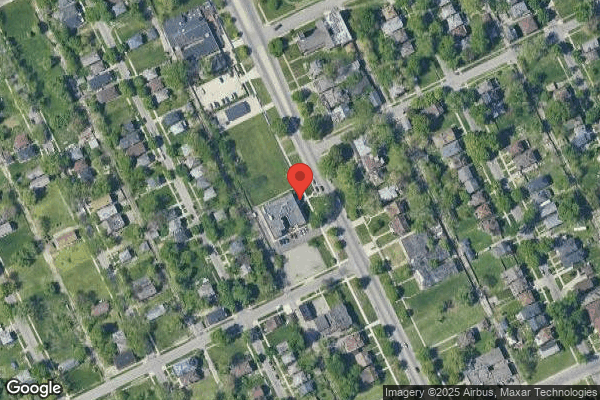

695 E Grand Blvd, Detroit, MI 48207 (313) 925-6655
For profit - Corporation 96 Beds CIENA HEALTHCARE/LAUREL HEALTH CARE Data: November 2025
Trust Grade
80/100
#77 of 422 in MI
Last Inspection: February 2025

Within standard 12-15 month inspection cycle. Federal law requires annual inspections.

Overview

Qualicare Nursing Home in Detroit, Michigan has a Trust Grade of B+, indicating it is above average and recommended for families seeking care. It ranks #77 out of 422 facilities in Michigan, placing it in the top half, and #7 out of 63 in Wayne County, meaning only six local options are better. The facility is improving, with issues decreasing from nine in 2024 to five in 2025. Staffing is average with a 3 out of 5 rating and a turnover rate of 34%, which is lower than the state average, suggesting that staff are relatively stable. While there were no fines recorded, which is a positive sign, a serious incident was noted where a resident experienced severe leg pain that went unassessed, leading to hospitalization. Additionally, there were concerns regarding the dignity of care during meal assistance and the lack of advance directive discussions for some residents. Overall, Qualicare Nursing Home has strengths in its ranking and fine history but faces challenges related to specific care practices.
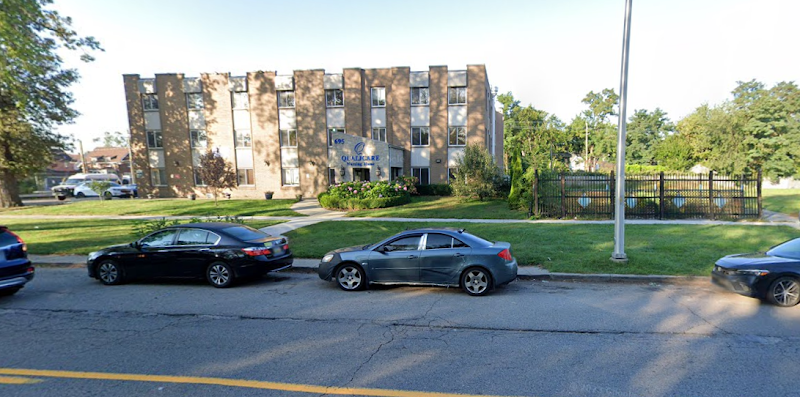

Trust Score
B+
80/100
In Michigan
#77/422
Top 18%
Safety Record
Moderate
Needs review
Inspections
Getting Better
9 → 5 violations
Staff Stability
○ Average
34% turnover. Near Michigan's 48% average. Typical for the industry.
Penalties
✓ Good
No fines on record. Clean compliance history, better than most Michigan facilities.
Skilled Nurses
⚠ Watch
Each resident gets only 27 minutes of Registered Nurse (RN) attention daily — below average for Michigan. Fewer RN minutes means fewer trained eyes watching for problems.
Violations
⚠ Watch
15 deficiencies on record. Higher than average. Multiple issues found across inspections.
★★★★★
5.0
Overall Rating
★★★☆☆
3.0
Staff Levels
★★★★★
5.0
Care Quality
★★★★☆
4.0
Inspection Score
Stable
2024: 9 issues
2025: 5 issues

The Good

  • 5-Star Quality Measures · Strong clinical quality outcomes
  • Full Sprinkler Coverage · Fire safety systems throughout facility
  • No fines on record
  • Staff turnover below average (34%)

    14 points below Michigan average of 48%

Facility shows strength in quality measures, fire safety.

The Bad

Staff Turnover: 34%

11pts below Michigan avg (46%)

Typical for the industry

Chain: CIENA HEALTHCARE/LAUREL HEALTH CARE

Part of a multi-facility chain

Ask about local staffing decisions and management

The Ugly 15 deficiencies on record

1 actual harm
Jul 2025 1 deficiency 1 Harm
SERIOUS (G) 📢 Someone Reported This

A family member, employee, or ombudsman was alarmed enough to file a formal complaint

Actual Harm - a resident was hurt due to facility failures

Quality of Care (Tag F0684)

A resident was harmed · This affected 1 resident

**NOTE- TERMS IN BRACKETS HAVE BEEN EDITED TO PROTECT CONFIDENTIALITY** This citation pertains to intake 2561232. Based on interview and record review the facility failed to timely and appropriately a...

Read full inspector narrative →
**NOTE- TERMS IN BRACKETS HAVE BEEN EDITED TO PROTECT CONFIDENTIALITY** This citation pertains to intake 2561232. Based on interview and record review the facility failed to timely and appropriately assess a new onset leg pain for one Resident (R901) of three residents reviewed for quality of care, resulting in R901 experiencing prolonged signs and symptoms of severe pain with subsequent hospitalization to address the pain. Findings include:On 7/23/25 at 12:52 p.m. the complainant was contacted regarding the allegations reported to the state agency. The complainant said on 7/7/25 approximately at 2:45 p.m., R901 could be heard screaming through the hall while receiving care. The hip area was observed by the complainant who stated, It looked like a bone was sticking out of the upper thigh. R901 was crying, screaming, and did not want the area touched. The nurse aid said the resident was complaining of pain to her right leg all weekend. The residents barely ate and didn't want to get out of bed. R901 told the complainant, I fell. The complainant also said they asked the day shift nurse to send the resident to the hospital and the nurse said an x-ray was needed before sending the resident out to the hospital. The nurse manager attempted to look at the leg, but the resident would not allow it and guarded the leg. The complainant said R901 was not sent out to the hospital until approximately 12:00 a.m. The hospital concluded that the resident had a hip fracture and required surgery. Review of the electronic medical record documented R901 was initially admitted into the facility on [DATE] and readmitted on [DATE]. R901 was discharged from facility to the hospital on 7/8/25 with diagnoses that included displaced fracture of upper right femur (7/6/25), neuropathy, non-Hodgkin lymphoma and Leukemia, stage 4 . According to the quarterly Minimum Data Set assessment dated [DATE], R901 was cognitively intact (BIMS-15) and required partial/moderate one-person assistance with self-care and mobility. Review of Pain care plan dated 11/22/24 documented the following:Focus: (R901) at risk for pain and has chronic pain related to Leukemia, history of Non-Hodgin's leg lymphoma Date Initiated: 11/22/2024.Goal: Will not have an interruption in normal activities due to pain through the review date.Interventions: Evaluate characteristics of pain on a scale of (SPECIFY 0-10); Observe for pain presence Q (every) shift as needed; Observe/record: resident complaints of pain or requests for pain treatment. Review of the radiology report dated 7/7/25 documented the following:Examination Date: 7/7/2025 20:59 (8:59 pm)- FINDINGS: There is a mildly displaced fracture of the proximal femoral (hip) diaphysis with apex medial angulation. The osseous margins of the fracture appear somewhat moth-eaten. CONCLUSION: Fracture of the proximal femoral diaphysis with imaging features which may suggest underlying lytic lesion/ pathologic fracture. Review of the nurse's progress notes documented the following: -7/5/2025 15:02 (3:02 pm) Nurses Notes Late Entry: Res is laying in bed alert and awake, c/o back pain yelling and crying.-7/6/2025 16:06 (4:06 pm) Nurses Notes Late Entry: Received res lying in bed alert and awake, c/o pain to lower back ,crying but not yelling loudly resident refused to turn she said she can't.-7/7/2025 14:50 (2:50 pm) Nurses Notes: Resident complaints of pain this shift Motrin and 2 Tylenol given for pain. Stat x-ray ordered; tramadol ordered q 6 hours prn for pain.-7/7/202514:53 Nurses Notes: Radiology notified of order for stat x-ray right femur.-7/7/2025 23:09 (11:09 pm) Nurses Notes: Rt femoral/hip x-ray performed, awaiting results. Prn pain medication is given for pain relief.-7/7/2025 23:23 (11:23 pm) Nurses Notes: Writer spoke with MD. MD ordered to transfer resident out to hospital. Review of the medication administration notes documented the following:-7/6/2025 20:38 (8:38 pm) eMar -Medication Administration Note: hip pain.-7/6/2025 21:48 (9:48 pm) eMar -Medication Administration Note: PRN Administration was: Ineffective resident states she is still in pain. Follow-up Pain Scale was: 4-7/7/2025 12:06 (12:06 am) eMar -Medication Administration Note: pain med given-7/7/2025 18:01(6:01 pm) eMar -Medication Administration Note: pain in right hip/leg. On 7/24/25 at 9:56 a.m. CENA E was interviewed. CENA E said while visiting R901 at the beginning of the day shift (7am-3:30pm), R901 was complaining of pain to the back and right side of the leg. CENA E was in the room with CENA B and the resident. CENA E said R901 always complained of back pain but not to the leg until that day. CENA B was attempting to give the resident care, but she cried out in pain every time she tried to move the resident On 7/24/25 at 10:15 a.m. the Social Service Director (SSD) C was interviewed and said on 7/7/25 approximately 12:00 p.m., upon arriving to the second floor, R901 could be heard screaming and wailing from the elevator and SSD's office which were in the front hall. The resident's room was in the back hall. CENA B requested SSD C to come to R901's room and look at the right leg. R901 was in severe pain and cried. The CENA B came to SSD C because the nurse was not available, and the resident had been in pain all weekend according to CENA B. SSD C said R901 was asked what happened to the leg. R901 reported to SSD C, The girl dropped me, the girl dropped me and hurt my leg. It happened the other day. SSD C said the resident was unable to give many details of the incident. On 7/24/25 at 10:43 a.m. CENA B was interviewed and confirmed caring for R901 over the weekend (7/5-7/6) during the dayshift. CENA B said care could not be given to R901 starting on Saturday (7/5), It was really bad, the resident was in so much pain and would not eat and I couldn't give care. The pain she was having in the leg was not usual. She kept it bent and could not put it down flat. She just cried and said she wanted to die. That's when I told the nurse (RN A). The nurse was in the front hall and the resident could be heard hollering the entire time. Me and the nurse went to the resident's room. The nurse gave her pain medication. I did not see the nurse assess the resident's leg pain before giving pain medication. The resident always had back pain but not in the leg. On Sunday (7/6) the resident was still in pain crying and not wanting me to touch the leg. The resident screamed and cried she didn't want to live anymore. Sunday was also the day I noticed her leg was swollen and I told the nurse (RN A). I decided on Monday (7/7) I was going to tell someone other than the nurse about the resident. I found the Social Worker and told what the resident went through over the weekend. Review of the investigation dated 7/7/25 documented CENA B stated, The resident was screaming in pain and would not let her turn or perform ADL care. I reported to the nurse this weekend that she seemed to have more pain. On 7/24/25 at 11:11 a.m. Registered Nurse (RN) A was interviewed and confirmed being the charge nurse for R901 on the weekend (7/5-7/6) on the dayshift (7am-7:30pm). RN A said R901 did not complain of hip pain at first but was heard screaming and yelling out in pain. Pain medication was given for back pain (chronic). The resident did say the right leg was hurting. It was looked at, but nothing was seen. RN A said the leg was not touched because the resident would not allow the nurse to touch it. The pain was thought to be referred pain meaning pain from the lower back to the leg. RN A said they did not think the resident's reported pain to the leg was factual. RN A did admit the leg pain was a new condition for the resident however did not assess the leg or inform the physician. RN A did not recall CENA B reporting leg pain, however, did report the resident was in pain and crying. RN A could not provide an explanation the reason the resident's leg pain was not documented in R901's medical record. On 7/24/25 at 11:44 a.m. the Director of Nursing (DON) was interviewed and said complaints of hip pain were unknown and knew the resident had chronic back pain. The DON said the resident did not have a fall based on the x-ray conducted on 7/7/25. The DON said it was concerning that R901 needed two- person assistance with turning when the resident required one- person assistance. The DON acknowledged that the resident's hip was not investigated until 7/7. The DON also acknowledged RN A should have documented the resident's hip pain. On 7/24/25 at 12:19 p.m. Unit Manager (UM) D was interviewed and said on 7/7 R901's right thigh area was observed to be swollen. The resident was crying out in pain and would not allow the area to be touched. CENA B reported over the weekend; the resident appeared to be in more pain than usual. RN A was spoken to but reported the resident's pain was normal. On 7/7, the resident's hip pain was considered a change in condition but could not say what happened over the weekend. UM D stated, The amount of pain she was in, I'm not sure how she could tolerate it for twenty-four hours. I can't say what another nurse should do, everybody does things differently, but for me, I need to see for myself, how else would I be able to tell what I saw. UM D said R901 stated, Two staff members were rough with me. Then the resident stated, I fell. Review of witness statements documented on 7/7/25 provided by multiple staff members denied the resident had a fall on their shifts. On 7/24/25 at 2:05 p.m. the Nursing Home Administrator (NHA) was interviewed and queried about the incident. NHA said the SSD C reported the resident was having leg pain and was dropped by staff. Staff interviews were conducted to find out if the resident had a fall over the weekend (7/6-7/7). NHA said the incident was not reported to the state agency due to not being certain there was an injury to report. The injury was confirmed once the x-ray results came back. The x-ray results reported the injury was not of unknown origins. The NHA said the resident screaming out in pain was not normal. On 7/24/25 at 2:24 p.m. CENA G was interviewed via telephone. CENA G confirmed working on 7/6 (Sunday) on the dayshift (7a-3:30pm). CENA G was not R901's nurse aide but assisted CENA B with giving R901 care. CENA G stated, That day, I helped her aide with getting her up. We could barely give her care because she was in too much pain and hurting bad. We could not get her up. Review of the witness statement given on 7/7/25, CENA G stated in part, Yes, she complains of pain daily. Yes, she complains of pain when being turned.Yes, the pain was more intense in the last two weeks. (CENA B) had her yesterday (7/6) and must have identified her leg was swelling. I helped (CENA B) change her because she was in pain. (CENA B) told the nurse (RN A). On 7/24/25 at 2:29 p.m. LPN H was contacted for a telephone interview. LPN H worked on the afternoon shift of 7/6/25 and documented R901 having hip pain and pain medication not effective. LPN H did not return call by the end of the survey. On 7/24/25 at 2:40 p.m. CENA I was contacted for a telephone interview. CENA I was the assigned nurse aide on the afternoon shift on 7/6/25. CENA I did not return call by the end of the survey. On 7/24/25 at 3:16 p.m. CENA F was interviewed. CENA F was confirmed working on the afternoon shift on 7/6/25. CENA F was not the assigned nurse aide for R901, however assisted CENA I with giving care. CENA F said the resident was in a lot of pain and said something about the leg. The resident could not be turned due to pain. The nurse (LPN H) gave the resident pain medication. The nurse was not observed conducting an assessment on the pain before or after giving pain medication. The resident always complained of back pain but not the leg. CENA F said the resident was crying and screaming. Review of the facility's policy titled Pain Management dated 3/5/25 documented in part the following: The facility will evaluate and identify residents for pain, determine the type, location and severity. A comprehensive evaluation of pain include: History of pain and its treatment; characteristics of pain, impact of pain on quality of life; factors such as activities, care, or treatment that precipitate or exacerbate pain; factors that reduce pain. Additional symptoms associated with pain (e.g. nausea, anxiety); physical and psychosocial issues (physical examination of the site of the pain, movement, or activity that causes the pain, as well as any discussion with resident about any psychological or psychosocial concerns that may be causing or exacerbating the pain). Procedure: Upon admission/re-admission, quarterly, with a significant change in condition and PRN residents will be evaluated for pain by the licensed nurse. Additionally, residents will be monitored for the presence of pain and evaluated when there is a change in condition and whenever new pain, or an exacerbation of pain is suspected. Observe resident for indicators of pain, indicators include: moaning, crying, and other vocalizations, wincing, frowning and other facial expressions, body posture such as guarding or protecting an area of the body, or lying very still and decrease in usual activities. Ask the resident and observe to determine the intensity of pain.Ask the resident and observe to determine the frequency of pain. Ask the resident and observe to determine the location of pain. Following the pain evaluation notify the physician if indicated and implement new orders as received. The licensed nurse will communicate any new onset of resident pain or change in resident pain to the physician/practitioner.
Feb 2025 4 deficiencies
CONCERN (D)

Potential for Harm - no one hurt, but risky conditions existed

Resident Rights (Tag F0550)

Could have caused harm · This affected 1 resident

**NOTE- TERMS IN BRACKETS HAVE BEEN EDITED TO PROTECT CONFIDENTIALITY** Based on observation, interview, and record review, the facility failed to ensure one resident (R12) of two residents reviewed f...

Read full inspector narrative →
**NOTE- TERMS IN BRACKETS HAVE BEEN EDITED TO PROTECT CONFIDENTIALITY** Based on observation, interview, and record review, the facility failed to ensure one resident (R12) of two residents reviewed for dignity were aided with eating in a dignified manner, resulting in the potential for feelings of discomfort while eating. Findings include: On 2/10/25 at 1:28 p.m., during a meal observation (lunch), R12 was observed sitting up in bed, being assisted with eating by CENA D. CENA D was observed standing over R12 while putting food in the resident's mouth. While the resident was chewing the food, CENA D had the fork close to the resident's face, before allowing time for the resident to chew the food that was already in the mouth before giving more. CENA D was queried about standing while assisting the resident while eating. CENA D stated, I didn't bring one (a chair). There wasn't enough chairs in the dining room to grab one. CENA D continued to provide eating assistance while standing over the resident. On 2/12/25 at 12:51 p.m. while walking pass R12's room, the resident was sitting up in bed with CENA C standing at the bedside with a forkful of food. CENA C was then observed assisting with eating while standing over the resident. CENA C was queried about standing while assisting the resident with eating. CENA C said there was no chair in the room to sit in. CENA C was asked would they be comfortable being stood over while eating. CENA C stated, No. I wouldn't want anyone to stand over me while I'm eating. CENA C continued to provide eating assistance while standing over the resident. Review of the clinical record revealed R12 was initially admitted into the facility on 5/1/19 with diagnoses that included Parkinson's Disease, bipolar disorder, anxiety, and dementia. According to the quarterly Minimum Data Set assessment dated [DATE], R12 had severe cognitive impairment (BIMs=3) and dependent for all activities of daily living. Review of the Nutrition care plan dated 2/1/25 documented: Alteration in nutritional and/or hydration status r/t risk for changes in intake and self-feeding due to schizophrenia and behaviors. Risk for weight changes regarding to hypothyroidism, schizophrenia and bipolar disorder. Intervention: Assist resident with meals, including 1:1 feeding as needed and tray set-up. Review of the facility's policy titled, Resident Dignity & Personal Privacy, revision date 3/28/24, documented in part the following: The facility provides care for residents in a manner that respects and enhances each resident's dignity and individuality . Dignity means that when interacting with residents, staff carries out activities that assist with resident in maintaining and enhancing his or her self-esteem and self-worth.
CONCERN (D)

Potential for Harm - no one hurt, but risky conditions existed

Deficiency F0578 (Tag F0578)

Could have caused harm · This affected 1 resident

**NOTE- TERMS IN BRACKETS HAVE BEEN EDITED TO PROTECT CONFIDENTIALITY** Based on observation, interview, and record review, the facility failed to ensure the resident and/or legal representative formu...

Read full inspector narrative →
**NOTE- TERMS IN BRACKETS HAVE BEEN EDITED TO PROTECT CONFIDENTIALITY** Based on observation, interview, and record review, the facility failed to ensure the resident and/or legal representative formulated an Advance Directive to grant and/or withhold life sustaining treatment (Cardiopulmonary Resuscitation/CPR, Artificial Nutrition/Peg Tube, Artificial Hydration/ IV, and Diagnostic Testing) according to their wishes upon admission for two residents (R45 and R55) of four residents reviewed for advance directives, potentially resulting in inaccurate life sustaining or life withholding medical treatment. Findings include: R55 On [DATE] at 1:39 p.m. R55 was observed in the room resting in bed. R55 presented as alert, oriented to person, place, and situation. R55 was queried about the facility initiating an advance directive. R55 said the social worker came to the room and discussed it with the resident yesterday ([DATE]). R55 was asked about having any advance directive discussions with anyone from the facility prior to [DATE]. R55 could not confirm prior discussions. R55 verified the code status (Full Code) established with the advance directive by stating, I want everything done to save me. Review of the clinical record documented R55 was initially admitted into the facility on [DATE] and readmitted on [DATE] with diagnoses that included schizophrenia, diabetes mellitus, type 2, and alcohol dependence. According to the admission Minimum Data Set assessment dated [DATE], R55 had mild cognitive impairment (BIMs=11) and was independent with all activities of daily living. Review of the face sheet documented R55 did not have a legal representative and was responsible for self. The face sheet had a section titled, Advance Directive that was incomplete (blank). Review of the Resident Profile page in the electronic medical record, did not document a Code Status that would have been established with completing an Advance Directive: Code Status (Advance Directives). Review of the Physician's orders revealed there were no orders indicating the code status. On [DATE] at 11:05 a.m. Social Service Director (SSD) A was queried about the R55 not having an advance directive upon admission. SSD A said R55 was discharged and readmitted into the facility several times however the advance directive should have been completed once admitted into the facility. If the resident was unable to complete the advance directive at the time of admission, then the resident would have been a Full Code by default (per facility policy). On [DATE] at 1:27 p.m. the Nursing Home Administrator (NHA) and Director of Nursing (DON) was interviewed. The DON said advance directives are supposed to be completed on the day of admission. If the resident is unable to complete the advance directive, they are Full Code by default. The nurse is to put in a physician's order with the code status and the SSD is to investigate afterwards. Review of the facility's policy titled, Advance Directives- Michigan, revision date [DATE], documented in part the following: The Facility is committed to the promotion of the well-being of all our Residents. We recognize each Resident's right to refuse treatment, to live a dignified life, and to self-determination, which includes the right to refuse care and to formulate advance directives regarding future care . On admission, the Facility will determine whether the Resident has executed advance directives and if not, whether the Resident would like to execute advance directives . A Code Status Form will be signed to reflect the decision regarding CPR/DNR . Copies of all advance directives will be obtained from the Resident and/or family and placed in the medical record . All individuals are presumed to have the level of cognition to make informed health care decisions unless the Resident has been adjudicated as incompetent . If the initial facility cognitive evaluation (Nursing Comprehensive Evaluation and/or BIMS) indicates cognition to be intact, a Code Status Form will be completed by the resident .If it is determined that the resident is cognitively impaired, the code status form is completed as a full code until capacity is assessed and it is determined who should sign . R45 R45 was admitted on [DATE] with a pertinent diagnosis of Pulmonary Embolism, Lower back pain, Muscle Weakness, Sciatica, and Depression. R45 Minimum Data Set, (MDS) Quarterly Assessment from [DATE] for Brief Interview for Mental Status, (BIMS) was cognitively intact at 15/15 for cognition. Review of R45's Electronic Medical Record (EMR) revealed no signed Advanced Directive located in R45 clinical record. On [DATE] at 1:15 PM, the Social Worker, (SW) A was queried and confirmed there was no Advance Directive in R45 EMR. SW A said that the Advance Directive should been reviewed quarterly at resident's care conference. On [DATE] at 1:25 PM, The Nursing Home Administrator, (NHA) was interviewed and confirmed there was no signed Advance Directive in R45 EMR. The NHA said it appears there were two care conferences but there was still no signed Advance Directive in R45 EMR. The NHA said without having an Advance Directive R45 could receive unwanted treatment.
CONCERN (D)

Potential for Harm - no one hurt, but risky conditions existed

Quality of Care (Tag F0684)

Could have caused harm · This affected 1 resident

Based on observation, interview and record review the facility failed to ensure that one resident's (R73) medications were properly stored during medication administration of three residents reviewed ...

Read full inspector narrative →
Based on observation, interview and record review the facility failed to ensure that one resident's (R73) medications were properly stored during medication administration of three residents reviewed for medication pass. Findings include: While observing medication pass on the second floor with Registered Nurse, (RN) E, medications were observed in a cup on the top of the medication cart. RN E walked away from the medications on top of the cart, leaving the medications unattended. RN E was observed to take vitals on another resident (R33) down the hallway. RN E returned to the cart and prepared R33's medications then left the cart again to administer R33 medications. When RN E returned to the cart, they were queried about the medications that were left in the medication cup on top of the cart. RN E explained R73 was sleeping and they were going to try later to give them the medications. RN E said they held on to them, but they should have locked them in the drawer. The unit manager, Licensed Practical Nurse, (LPN) B came to the cart where they observed the medications that were sitting in a cup on top of the cart. The unit manager advised the nurse that medications should not have been left on the top of the cart unsecured. The medications left in the cup were the following: Aspirin 81mg, Farxiga 5mg, Ferrous sulfate, Folic Acid 1mg, Sitagliptin 50mg, Multivitamin, Zoloft 50mg and Metoprolol 25mg. On 2/11/25 at 10:45 AM, the Director of Nursing, (DON) was interviewed and said the Nurse E: should have placed the medications in a locked drawer and reoffered the medications to R73 once they woke up. On 2/11/25 at 10:47 AM the Nursing Home Administrator (NHA) was interviewed and said their expectations was for RN E to follow the medication passing policy. Review of the Medication Administration Policy, dated 10/17/2023, documented medications should be prepared immediately before administration.
CONCERN (D)

Potential for Harm - no one hurt, but risky conditions existed

Deficiency F0761 (Tag F0761)

Could have caused harm · This affected 1 resident

Based on observation, interview and record review the facility failed to ensure that one resident (R73) of reviewed during medication administration medications were properly stored. Findings include...

Read full inspector narrative →
Based on observation, interview and record review the facility failed to ensure that one resident (R73) of reviewed during medication administration medications were properly stored. Findings include: While observing medication pass on the second floor with Registered Nurse, (RN) E, medications were observed in a cup on the top of the medication cart. RN E walked away from the medications on top of the cart, leaving the medications unattended. RN E was observed to take vitals on another resident (R330 down the hallway. RN E returned to the cart and prepared R33's medications then left the cart again to administer R33 medications. When RN E returned to the cart, they were queiried about the medications that were left in the medication cup on top of the cart. RN E explained R73 was sleeping and they were going to try later to give them the medications. RN E said they held on to them, but they should have locked them in the drawer. The unit manager, Licensed Practical Nurse, (LPN) B came to the cart where they observed the medications that were sitting in a cup on top of the cart. The unit manager advised the nurse that medications should not have been left on the top of the cart unsecured. The medications left in the cup were the following: Aspirin 81mg, Farxiga 5mg, Ferrous sulfate, Folic Acid 1mg, Sitagliptin 50mg, Multivitamin, Zoloft 50mg and Metoprolol 25mg. On 2/11/25 at 10:45 AM, the Director of Nursing, (DON) was interviewed and said the Nurse E: should have placed the medications in a locked drawer and reoffered the medications to R73 once they woke up. On 2/11/25 at 10:47 AM, the Nursing Home Administrator, (NHA) was interviewed and said their expectations was for RN E to follow the medication passing policy. Review of the Medication Administration Policy, dated 10/17/2023, documented medications should be prepared immediately before administration.
Jul 2024 1 deficiency
CONCERN (D) 📢 Someone Reported This

A family member, employee, or ombudsman was alarmed enough to file a formal complaint

Potential for Harm - no one hurt, but risky conditions existed

Accident Prevention (Tag F0689)

Could have caused harm · This affected 1 resident

This citation pertains to intake MI00145673. Based on interview and record review the facility failed to provide adequate supervision for one resident (R903) out one resident reviewed for elopement, r...

Read full inspector narrative →
This citation pertains to intake MI00145673. Based on interview and record review the facility failed to provide adequate supervision for one resident (R903) out one resident reviewed for elopement, resulting in the resident leaving the facility, unbeknownst to staff, for six and a half hours. Findings Include: Record review of R903's electronic medical records (EMR) revealed admission into the facility on 7/2/24 with a diagnosis of a pneumothorax (collapsed lung). According to the Brief Interview for Mental Status (BIMS) dated 7/9/24, R903 had intact cognition with a score of 15 out of 15. Record review of R903's Progress Notes dated 7/13/24 at 10:05 AM, Note Text: this writer was approached by physical therapist stating he was unable to locate resident to perform therapy services. writer checked room and resident was not in his room. Code was called, all rooms, bathrooms, shower rooms checked for resident. basement and activity rooms checked could not locate resident. this writer called number on face sheet and family member stated he had left the facility she then put resident on the phone, and he stated that he did not want to stay here any longer and that he left at 3:30 AM . During an interview on 7/24/24 at 2:00 PM with Director of Nursing (DON), it was reported that R903 had left facility via a first-floor window on 7/13/24 at 3:30 AM, which the DON and Nursing Home Administrator (NHA) had verified with video footage. When asked did the midnight nurse give report to the day nurse that the resident was in facility at shift change, The DON said, She thought the resident was in the bathroom. The DON further reported that adequate supervision was not provided for this resident, nursing staff should monitor residents frequently during their shift. During an interview on 7/24/24 at 2:15 PM with NHA, it was reported that nursing staff should round and verify residents are accounted for frequently. Record review of policy Elopement Policy dated 4/26/22 documented, 8. Rounds of all guests/residents are made at the beginning of the shift, at mealtimes, and at the end of the shift at a minimum by direct care staff and licensed nurses. CNA/STNA (certified nursing aide) or nurse can achieve this through the medication administration pass, mealtime passes, and during care rounds.
May 2024 1 deficiency
CONCERN (D) 📢 Someone Reported This

A family member, employee, or ombudsman was alarmed enough to file a formal complaint

Potential for Harm - no one hurt, but risky conditions existed

Free from Abuse/Neglect (Tag F0600)

Could have caused harm · This affected 1 resident

**NOTE- TERMS IN BRACKETS HAVE BEEN EDITED TO PROTECT CONFIDENTIALITY** This citation pertains to intakes MI00143423 and MI00144201. Based on observation, interview, and record review, the facility fa...

Read full inspector narrative →
**NOTE- TERMS IN BRACKETS HAVE BEEN EDITED TO PROTECT CONFIDENTIALITY** This citation pertains to intakes MI00143423 and MI00144201. Based on observation, interview, and record review, the facility failed to prevent verbal abuse for one (R801) of four residents reviewed for abuse resulting in feelings of anger. Findings include: The State Agency received a Facility Reported Incident (FRI) on 4/14/24 at 6:11 PM reporting an allegation of verbal abuse from staff to resident. On 4/22/24 the facility submitted an investigation summary that substantiated verbal abuse between Certified Nursing Assistant (CNA) A and R801. According to the Investigation Summary, on 4/14/24 at approximately 6:00 PM CNA A called R801 a mean hateful bitch during delivery of care. CNA A was terminated from employment at the facility and reported to law enforcement and the State Nurse Aide Registry. On 5/9/24 at 10:00 AM, R801 was observed in the day room seated in her wheelchair. During interview the resident did not recall the specifics of the reported incident but did say, They get angry with me sometimes and I get angry right back. R801 reported feeling safe at the facility. A review of R801's Electronic Health Record (EHR) revealed the resident had multiple diagnoses that included adjustment disorder and was legally blind. R801's Minimum Data Set (MDS) dated [DATE] indicated the resident had moderately impaired cognitive function with a Brief Interview of Mental Status (BIMS) score of 11/15. R801 was identified to have no history of behaviors of verbal or other directed towards others. A care plan for 'psychosocial well-being' initiated on 12/5/23 included the following interventions; When conflict arises, remove residents to a calm safe environment and allow to vent/share feelings, attempt to remove stressors where possible. On 5/9/24 at 1:00 PM R801's roommate (R802) was interviewed regarding the incident on 4/14/24 and said, Oh yes, I recall that. The curtain was closed so I couldn't see who it was, but what they said to her (R801) I can't repeat it. I don't say words like that. R802 said no staff member had ever talk to her like that and felt safe in the facility. A review of R802's EHR indicated the resident had intact cognition with a BIMS score of 13/15. On 5/9/24 at 1:25 PM during an interview, Licensed Practical Nurse (LPN) C said she was at the nurse's station when she heard loud yelling coming out of R801's room. I couldn't make out the words until I walked down there and heard CNA (CNA A) say 'You're a hateful bitch too'. LPN C went on to say, The CNA was very upset. You could see it in her face. I told her she had to leave and that her behavior was unacceptable. The CNA crossed the line with what she said to the resident. I went to see the resident who was a little upset. I and another CNA finished giving her care and she (R801) settled down. I reported it to the Administrator immediately. LPN C said that CNA A was sent home immediately and has not returned to the facility. On 5/9/24 at approximately 11:00 AM the Nursing Home Administrator (NHA) said the investigation substantiated verbal abuse from CNA A towards R801 and CNA A was terminated from employment with the facility. NHA said that R801 had been followed by social services and there has been no change or decline in the resident's medical or emotional status.
Mar 2024 7 deficiencies
CONCERN (D)

Potential for Harm - no one hurt, but risky conditions existed

Deficiency F0645 (Tag F0645)

Could have caused harm · This affected 1 resident

Based on interview and record review the facility failed to update a PASSAR (Preadmission Screening/ Annal Resident Review) Level 1 Screening form for one resident (R7) of two residents reviewed for P...

Read full inspector narrative →
Based on interview and record review the facility failed to update a PASSAR (Preadmission Screening/ Annal Resident Review) Level 1 Screening form for one resident (R7) of two residents reviewed for PASSARs, resulting in the potential for the resident to not be screened for the need of mental health services. Findings include: A review of R7's EMR (Electronic Medical Record) revealed R7 was admitted to the facility 12/11/23. R7 had the following medical diagnoses: Vascular Dementia, Schizoaffective Disorder, and bipolar disorder. A review of R7's MDS (Minimum Data Set) dated 12/18/23 revealed R7 had a Brief Interview of Mental Status (BIMS) score of 9 out of 15 (moderate cognitive impairment). A review of R7's PASSAR Level 1 Screening form dated 12/12/23 revealed the Section II-screening criteria had all No's documented, this documentation meant that R7 did not have a diagnosis of mental illness or dementia, was not being treated for mental illness and dementia. On 3/13/24 at 2:00PM Social Worker (SW) D was queried about the documentation on the PASSAR Level 1 screening and R7's medical diagnoses. SW D said she received R7's medical diagnoses from the hospital records. SW D said R7 did not have mental illness diagnoses when being admitted . SW D said R 7's medical diagnoses were updated to reflect the mental illness diagnoses after they got information from one of the facilities sister entities, and she was in the process of updating R7's PASSAR Level 1 Screening form. On 3/13/24 at 3:30 PM an updated PASSAR Level 1 Screening form was obtained that documented R7's current mental illness diagnoses. On 3/15/24 at 10:21 AM the Nursing Home Administrator (NHA) and the Director of Nursing (DON) were queried about there their expectations regarding the updating of PASSARs. The NHA and the DON said they expect Social Services to being looking at the hospital documentation from the resident's last hospital stay. The NHA and the DON said once an update has been made to a resident's medical diagnoses, Social Services should be a modified PASSAR Level one screening. A review of the facility's policy titled, Pre-admission Screening and Guest/Resident Review-PASSAR Michigan, with a revised date of 11/12/21, revealed the following, If a person is admitted for a 30-day hospital exemption stay and later intends to remain in the nursing facility loner than 30 days, a Change In Condition is submitted to the local community mental health program for review.
CONCERN (D) 📢 Someone Reported This

A family member, employee, or ombudsman was alarmed enough to file a formal complaint

Potential for Harm - no one hurt, but risky conditions existed

ADL Care (Tag F0677)

Could have caused harm · This affected 1 resident

**NOTE- TERMS IN BRACKETS HAVE BEEN EDITED TO PROTECT CONFIDENTIALITY** This citation pertains to Intake MI00138460. Based on interview and record review, the facility failed to provide showers for on...

Read full inspector narrative →
**NOTE- TERMS IN BRACKETS HAVE BEEN EDITED TO PROTECT CONFIDENTIALITY** This citation pertains to Intake MI00138460. Based on interview and record review, the facility failed to provide showers for one resident (R101) out of 4 residents reviewed for ADL (Activities of Daily Living) care. Findings include: A review of R101's EMR (Electronic Medical Record) revealed R101 was admitted to the facility on [DATE]. R101 had the following medical diagnoses: osteoarthritis (arthritis of the bone), muscle weakness, and difficulty walking. A review of R101's MDS (Minimum Data Set) dated 6/13/23 revealed R101 had a BIMS (Brief Interview of Mental Status) score of 15/15 (cognitively intact). According to the MDS, R101 required supervision with showers/bathes. A review R101's ADL care plan, with an initiated date of 6/8/23, revealed R101 required extensive one person assistance with bathing. A review of R101's shower/bathing documentation from 6/8/23 through 7/7/23 revealed the following missed shower dates: 8/12/23, 8/15/23, and 8/22/23. R101 missing 3 out of 7 scheduled shower days. On 3/15/24 at 10:15 AM the DON (Director of Nursing) was interviewed about missing shower documentation. The DON said R101 should have received his scheduled showers. The DON said she expected all residents to receive showers at least twice a week.
CONCERN (D) 📢 Someone Reported This

A family member, employee, or ombudsman was alarmed enough to file a formal complaint

Potential for Harm - no one hurt, but risky conditions existed

Pressure Ulcer Prevention (Tag F0686)

Could have caused harm · This affected 1 resident

**NOTE- TERMS IN BRACKETS HAVE BEEN EDITED TO PROTECT CONFIDENTIALITY** This citation pertains to Intake MI00138460. Based on interview and record review, the facility failed initiate a wound consult ...

Read full inspector narrative →
**NOTE- TERMS IN BRACKETS HAVE BEEN EDITED TO PROTECT CONFIDENTIALITY** This citation pertains to Intake MI00138460. Based on interview and record review, the facility failed initiate a wound consult order in a timely manner for one resident (R101) out of five residents reviewed for pressure ulcers, resulting in the potential in delayed treatment of a pressure ulcer. Findings include: A review of R101's EMR (Electronic Medical Record) revealed R101 was admitted to the facility on [DATE]. R101 had the following medical diagnoses: Type 2 Diabetes Mellitus, local infection of the skin and subcutaneous tissue, and difficulty walking. A review of R101's MDS (Minimum Data Set) dated 6/13/23 revealed R101 had a BIMS (Brief Interview of Mental Status) score of 15/15 (cognitively intact). The MDS documented R101 needed moderate assistance with bed mobility and maximal assistance with transfers. According to the MDS, R101 was at risk for pressure ulcers, and R101 used a pressure reducing device for their bed. A review of R101's pressure ulcer care plan, with an initiated date of 7/3/23, revealed the following: (R101) has an actual impaired skin integrity related to Pressure injury .Consult wound clinic as ordered, A review of R101's orders revealed the following: Stage 2 (partial-thickness loss of skin with exposed dermis (middle layer of skin), presenting as a shallow open ulcer) wound on right gluteal area. Cleanse with normal saline, pat dry, and apply dry dressing daily and as needed. Start date 6/17/23. There was no order for a wound care consult in the orders section of the EMR for R101's duration of stay. A review of a Physician progress note dated 6/30/23 revealed, Sacral decubitus stage 3 local care with santyl advance. Regular offloading techniques. Will benefit from a donut pillow. Wound care consult. A review of the wound care consults documentation, with a date of 7/6/23, revealed, The patient was seen today as a consultation for evaluation of patient's wound(s). On 03/15/24 at 10:16 AM the DON (Director of Nursing) was queried regarding the expectations regarding finding new wounds and the orders placed for wound care consults. The DON said the expectations of the nurses are to act upon the new wound by assessing it, notifying the Physician and dietitian, and implement preventative measures. The DON said when nurses identify a new wound, there should be a wound care consult order placed.
CONCERN (D)

Potential for Harm - no one hurt, but risky conditions existed

Deficiency F0688 (Tag F0688)

Could have caused harm · This affected 1 resident

**NOTE- TERMS IN BRACKETS HAVE BEEN EDITED TO PROTECT CONFIDENTIALITY** Based on observation, interview and record review, the facility failed to provide restorative services as ordered to maintain ra...

Read full inspector narrative →
**NOTE- TERMS IN BRACKETS HAVE BEEN EDITED TO PROTECT CONFIDENTIALITY** Based on observation, interview and record review, the facility failed to provide restorative services as ordered to maintain range of motion (ROM), and mobility for one resident (R22) of nine residents reviewed for range of motion, resulting in the potential for a decline in range of motion, and mobility. Findings include: On 3/12/24 at 10:17 AM R22 was observed in bed wearing a hospital style gown. When R22 was asked about getting up and dressed R22 stated They are not getting me out of bed, and I want to get out of bed. I want to do my exercises. On 3/12/24 at 3:30 PM R22 was observed in bed wearing a hospital style gown. R22 stated They didn't get me up today, no exercise. On 3/13/24 at 2:00 PM R22 was observed in bed wearing a hospital style gown. R22 stated No one got me up or helped give me exercises. I want to get moving. Record review of R22's Electronic Medical Record (EMR) revealed admitted to facility on 1/10/2024 diagnoses included osteomyelitis, sacral pressure ulcer stage four, obesity, left above knee amputation. Review of the Minimum Data Set (MDS) dated [DATE] for R22 revealed a Brief interview for Mental Status BIMS of 15/15 intact cognition and dependent for mobility. Record review of R22's care plan revealed in part .focus (name of R22) is at risk for a decline in function and requires restorative nursing initiated 2/9/2024. Interventions Therapetic Exercise for both UE (upper extremity) and Both L/E (lower extrmity) for 10 reps 3 sets including stretching as Tolerated. Supine to transfer 3 rep 2 sets & Rolling in bed 3 sets 2 reps 3-5 x's wk x 8 wks Date Initiated: 02/09/2024 Created on: 02/09/2024. On 3/15/24 at 9:10 AM Licensed Practical Nurse (LPN) E was interviewed and agreed R22 had not been seen for restorative services this week and should be seen 3-5 times per week per orders/care plan. LPN E said the restorative aide is not in today so there isn't anyone to see R22 for restorative services. On 3/15/24 at 10:45 AM, the Director of Nursing (DON) was interviewed and agreed R22 had not been seen by restorative this week and should be seen at least 3 times per week. Review of the facility policy titled Restorative Nursing last effective 4/26/2022 revealed in part .The facility strives to enable the resident to attain and maintain the highest practicable level of physical, mental, and psychosocial well-being. Nursing Restorative is available up to 6-7 times per week and is provided for residents meeting restorative program criteria.
CONCERN (D) 📢 Someone Reported This

A family member, employee, or ombudsman was alarmed enough to file a formal complaint

Potential for Harm - no one hurt, but risky conditions existed

Incontinence Care (Tag F0690)

Could have caused harm · This affected 1 resident

**NOTE- TERMS IN BRACKETS HAVE BEEN EDITED TO PROTECT CONFIDENTIALITY** This citation pertains to Intake MI00142235. Based on interview and record review, the facility failed to provide indwelling cat...

Read full inspector narrative →
**NOTE- TERMS IN BRACKETS HAVE BEEN EDITED TO PROTECT CONFIDENTIALITY** This citation pertains to Intake MI00142235. Based on interview and record review, the facility failed to provide indwelling catheter (tube inserted into the bladder to assist with urination) care and document urine out put for one resident (R100) out of three people reviewed for catheters. Findings include: A review of R100 EMR (Electronic Medical Record) revealed R100 was admitted on [DATE] and discharged [DATE]. R100 had the following medical diagnoses: Sepsis, Urinary Tract Infection, and Bacteremia (Bacteria in the blood). A review of the MDS (Minimum Data Set) dated 9/8/23 revealed R100 had a BIMS (Brief Interview for Mental Status) score of 9/15 (moderately cognitively impaired). According to the MDS, R100 had an indwelling catheter and was dependent with toilet hygiene. A review of R100's catheter care plan, with an initiated date of 1/7/23, revealed, (R100) is at risk for urinary tract infection and catheter-related trauma: has Indwelling (name of) Catheter related to Neurogenic Bladder .Provide catheter care per policy. A review of R100's physician orders revealed the following: -(Name of) catheter output per. shift. Start date of 9/6/23. -(Name of) catheter care per. shift. Start date of 9/6/23. A review of R100's TAR (Treatment Administration Record) revealed the following missing dates per shift for catheter care and urinary output recordings: Catheter care - Day shift: 9/9/23, 9/10/23, 9/15/23, 9/20/23, and 9/23/23. - Evening shift: 9/14/23, 9/15/23, and 9/19/23. - Night shift: 9/7/23, 9/13/23, 9/16/23, 9/24/23, and 9/25/23. Urinary Output Recording - Day shift: 9/9/23, 9/10/23, 9/15/23, 9/20/23, and 9/23/23. - Evening shift: 9/14/23, 9/15/23, and 9/19/23. -Night shift: 9/7/23, 9/13/23, 9/16/23, 9/24/23, and 9/25/23. On 3/15/23 at 10:13 AM the DON (Director of Nursing) was interviewed regarding the missing documentation for catheter care and urinary catheter output recording. The DON said it was her expectation that nursing staff should be documenting catheter care and urine output as it is ordered. The DON said if the care is not documented, it was not done.
CONCERN (D)

Potential for Harm - no one hurt, but risky conditions existed

Deficiency F0692 (Tag F0692)

Could have caused harm · This affected 1 resident

**NOTE- TERMS IN BRACKETS HAVE BEEN EDITED TO PROTECT CONFIDENTIALITY** Based on interview and record review, the facility failed to consistently weigh and document weights for four consecutive weeks ...

Read full inspector narrative →
**NOTE- TERMS IN BRACKETS HAVE BEEN EDITED TO PROTECT CONFIDENTIALITY** Based on interview and record review, the facility failed to consistently weigh and document weights for four consecutive weeks for one resident (R95) of three residents reviewed for nutrition/weights. Findings include: A review of R95's Electronic Medical Record (EMR) revealed R95 was admitted to the facility 2/22/24. R95 had the following medical diagnoses: Dysphagia (difficulty swallowing) and Disease of the Larynx. A review of R95's Minimum Data Set, dated [DATE] revealed R95 had a Brief Interview of Mental Status (BIMS) score of 15/15 (cognitively intact). According to the MDS, R7 coughs and chokes when eating or swallowing medication and receives feeding through a PEG (Percutaneous Endoscopic Gastrostomy) tube (a tube that allows direct access to the stomach). A review of R95's Nutritional and Hydration care dated 2/23/24 revealed, Interventions .Obtain weekly weights x 4 weeks, then monthly, if stable. A review of R95's documented weights in the EMR revealed weights were obtained on the following days: 2/26/24, 2/27/24, 3/1/24, 3/2/24, and 3/14/24. R95 was missing weight documentation for the week of 3/4/24. On 3/15/24 at 10:31 AM the Director of Nursing (DON) was queried regarding expectation of weighing residents per orders. The DON said she expected that every new resident should be weighed weekly x 4 weeks. A review of the facility's policy titled, Weight Management, with a revised date of 9/22/23, revealed the following, Residents will be weighed upon admission/readmission, weekly x 4, then monthly.
CONCERN (D)

Potential for Harm - no one hurt, but risky conditions existed

Infection Control (Tag F0880)

Could have caused harm · This affected 1 resident

**NOTE- TERMS IN BRACKETS HAVE BEEN EDITED TO PROTECT CONFIDENTIALITY** Based on observation, interview, and record review, the facility failed to ensure proper storage of nasal cannula tubing for one...

Read full inspector narrative →
**NOTE- TERMS IN BRACKETS HAVE BEEN EDITED TO PROTECT CONFIDENTIALITY** Based on observation, interview, and record review, the facility failed to ensure proper storage of nasal cannula tubing for one resident (R8) out of two residents reviewed for respiratory care, and cover a linen cart during transport resulting in the potential for cross-contamination. Findings include: On 3/12/24 at 10:00 AM R8's oxygen nasal canula was observed lying directly on the oxygen condenser not in bag. When asked do you wear the oxygen R8 stated I wear the oxygen at night, I don't wear it during the day. The cord is usually placed on the oxygen machine. On 3/12/24 at 3:47 PM R8's oxygen canula was observed lying directly on the oxygen condenser not in a bag. On 3/13/24 at 8:13AM Certified Nursing Assistant (CNA) A was observed removing the oxygen canula off R8 and placed the oxygen canula under R8's pillow on the bed not in a bag. On 3/13/24 at 12:49 PM, R8's nasal canula was observed directly under the pillow on the bed. On 3/13/24 at 1:58 PM, CNA A was interviewed and said there is no storage bag for the nasal canula it shouldn't be stored directly on the bed. On 3/14/24 at 8:20 AM, the Director of Nursing (DON) was interviewed and said nasal cannulas should be stored in a bag when not in use. Record review of the Electronic Medical Record (EMR) revealed R8 was admitted to the facility on [DATE] with diagnosis of pneumonia, hypoxemia, and chronic obstructive pulmonary disease. According to the Minimum Data Set (MDS) dated [DATE], R8 had intact cognition with a Brief Interview of Mental Status (BIMS) of 13/15. On 3/13/24 at 9:20 AM Dietary Aide (DA) B was observed pushing an uncovered three shelf cart of clean linen unbagged linens out of the laundry room down the hallway to the elevator. On 3/13/24 at 9:45 AM DA B was observed pushing the uncovered cart from the first-floor dining room with linen on the top and middle shelf unbagged. When asked the purpose of the linens DA B stated I just put the clean tablecloths on the dining tables. I put a dirty tablecloth on the second shelf, the clean linen is on the top shelf of cart. I'm going to the second-floor dining room to put the clean table clothes on those tables now. When asked how should clean and dirty linen be transported DA B did not provide a clear answer. On 3/13/24 at 10:05 AM, the Dietary Manager (DM) C was interviewed and said clean linen should be transported covered or in a clean bag and dirty linen in a separate bag and not on the same cart to prevent cross contamination. Review of the facility policy titled Use of Oxygen last revised 8/17/2021 revealed in part .The oxygen cannula when not in use should be stored in a clean bag. Review of the facility policy titled Laundry Services last revised 10/13/2023 revealed in part . All soiled linen should be bagged or put into carts at the location where used; All clean linens should be stored and transported in carts used exclusively for this purpose or in linen carts that have been decontaminated after being used for soiled laundry. Clean linen is NOT to come in contact with dirty linen. Clean linen will be kept separate from contaminated linen.
Apr 2023 1 deficiency
CONCERN (D)

Potential for Harm - no one hurt, but risky conditions existed

Deficiency F0692 (Tag F0692)

Could have caused harm · This affected 1 resident

Based on interview and record review, the facility failed to obtain a weights and accurately complete a nutrition assessment for one resident (R76) of four residents reviewed for nutrition, resulting ...

Read full inspector narrative →
Based on interview and record review, the facility failed to obtain a weights and accurately complete a nutrition assessment for one resident (R76) of four residents reviewed for nutrition, resulting in the potential for weight loss to go undetected. Findings include: Review of an admission record revealed, Resident #76 (R76) admitted to the facility 3/31/23 with pertinent diagnosis which included Type 2 Diabetes and Moderate Protein-Calorie Malnutrition. Review of a Nursing Comprehensive Evaluation with an effective date of 3/31/23 revealed, R76 had a most recent weight of 193 obtained with a mechanical lift. Review of R76's weights revealed R76 had a weight of 153.8 lbs. (pounds) on 4/7/23. R76 did not have any other documented weights in the vital signs section. Review of a Minimum Data Set (MDS) assessment, with a reference date of 4/7/23 revealed R76 had cognitive impairment with a Brief interview for Mental Status (BIMS) score of 8 out of 15 and required total dependence with two person assistance for bed mobility. Review of a Nutritional Evaluation with an effective date of 4/12/23 revealed there was no most recent weight documented for R76. Section I. revealed, . 9. Recent weight change Weight and nutritional calculations based on height and weight obtained from nursing comprehensive evaluation of 63 and 193#. No significant weight changes noted or reported . In an interview on 4/19/23 at 1:33 p.m., Registered Dietitian A(RD) reported the weight for the Nutritional Evaluation was obtained from Nursing Comprehensive Evaluation dated 3/31/23. RD A then reported residents should be weighed within 24 hrs of admission. Dietary Manager B reported she is responsible for putting the weights in the medical record. In an interview on 4/19/23 at 2:04 p.m., the Director of Nursing (DON) reported residents should be weighed on admission, and every four weeks. The staff should re-weigh the resident if there is an weight loss over 5 lbs. The DON acknowledged R76's weight was not done accurately or timely. In an interview on 4/19/23 at 2:32 p.m., RD A reported R76 had a new weight of 145.2 lbs. which was obtained on 4/19/23. RD A reported she reviewed R76's hospital records and there was an admission weight of 193 lbs. on 3/8/23. In an interview on 4/20/23 at 1:51 p.m., RD A reported there were no documented weights in R76's EHR (electronic medical record) prior to 4/12/23, with the exception of the weight on the nursing evaluation. RD A reported they were unaware of R76's recent weight loss. In an interview on 4/20/23 at 2:12 p.m., Certified Nursing Assistant (CNA) C reported residents are weighed on admission, weekly, and then monthly. In an interview on 4/20/23 at 2:14 p.m., Licensed Practical Nurse (LPN) D reported residents are weighed when they come in, on admission. Review of a Weight Management policy with a revised dated of 7/14/21 revealed, Guest/residents will be monitored for significant weight changes on a regular basis. Guests/residents are expected to maintain acceptable parameters of nutritional status, such as usual body weight and protein levels; unless the guest's/residents clinical condition demonstrates that this is not possible . Therefore, the evaluation of significant weight gain or loss over a specific time period is an important part of the evaluation process .1. All guests/residents will have a baseline evaluation of their nutritional status within 7 days of admission/readmission. The evaluation will identify risk factors for altered nutritional status. 2. Guest/residents will be weighed upon admission/readmission; weekly x 4, then monthly or as indicated by the physician . 3. Re-weights are initiated for a five-pound variance if guest /resident is greater than 100 lbs. and for a three-pound variance if less than 100 lbs . Re-weights will be done within 48-72 hours .
Understanding Severity Codes (click to expand)
Life-Threatening (Immediate Jeopardy)
J - Isolated K - Pattern L - Widespread
Actual Harm
G - Isolated H - Pattern I - Widespread
Potential for Harm
D - Isolated E - Pattern F - Widespread
No Harm (Minor)
A - Isolated B - Pattern C - Widespread

Questions to Ask on Your Visit

  • "Can I speak with families of current residents?"
  • "What's your RN coverage like on weekends and overnight?"

Our Honest Assessment

Strengths
  • • Grade B+ (80/100). Above average facility, better than most options in Michigan.
  • • No fines on record. Clean compliance history, better than most Michigan facilities.
  • • 34% turnover. Below Michigan's 48% average. Good staff retention means consistent care.
Concerns
  • • 15 deficiencies on record, including 1 serious (caused harm) violation. Ask about corrective actions taken.
Bottom line: Generally positive indicators. Standard due diligence and a personal visit recommended.

About This Facility

What is Qualicare Nursing Home's CMS Rating?

CMS assigns Qualicare Nursing Home an overall rating of 5 out of 5 stars, which is considered much above average nationally. Within Michigan, this rating places the facility higher than 99% of the state's 100 nursing homes. This rating reflects solid performance across the metrics CMS uses to evaluate nursing home quality.

How is Qualicare Nursing Home Staffed?

CMS rates Qualicare Nursing Home's staffing level at 3 out of 5 stars, which is average compared to other nursing homes. Staff turnover is 34%, compared to the Michigan average of 46%. This relatively stable workforce can support continuity of care.

What Have Inspectors Found at Qualicare Nursing Home?

State health inspectors documented 15 deficiencies at Qualicare Nursing Home during 2023 to 2025. These included: 1 that caused actual resident harm and 14 with potential for harm. Deficiencies causing actual harm indicate documented cases where residents experienced negative health consequences.

Who Owns and Operates Qualicare Nursing Home?

Qualicare Nursing Home is owned by a for-profit company. For-profit facilities operate as businesses with obligations to shareholders or private owners. The facility is operated by CIENA HEALTHCARE/LAUREL HEALTH CARE, a chain that manages multiple nursing homes. With 96 certified beds and approximately 95 residents (about 99% occupancy), it is a smaller facility located in Detroit, Michigan.

How Does Qualicare Nursing Home Compare to Other Michigan Nursing Homes?

Compared to the 100 nursing homes in Michigan, Qualicare Nursing Home's overall rating (5 stars) is above the state average of 3.2, staff turnover (34%) is significantly lower than the state average of 46%, and health inspection rating (4 stars) is above the national benchmark.

What Should Families Ask When Visiting Qualicare Nursing Home?

Based on this facility's data, families visiting should ask: "Can I visit during a mealtime to observe dining assistance and food quality?" "How do you handle medical emergencies, and what is your hospital transfer rate?" "Can I speak with family members of current residents about their experience?"

Is Qualicare Nursing Home Safe?

Based on CMS inspection data, Qualicare Nursing Home has a clean safety record: no substantiated abuse findings (meaning no confirmed cases of resident harm), no Immediate Jeopardy citations (the most serious violation level indicating risk of serious injury or death), and is not on the Special Focus Facility watch list (a federal program monitoring the lowest-performing 1% of nursing homes). The facility has a 5-star overall rating and ranks #1 of 100 nursing homes in Michigan. While no facility is perfect, families should still ask about staff-to-resident ratios and recent inspection results during their visit.

Do Nurses at Qualicare Nursing Home Stick Around?

Qualicare Nursing Home has a staff turnover rate of 34%, which is about average for Michigan nursing homes (state average: 46%). Moderate turnover is common in nursing homes, but families should still ask about staff tenure and how the facility maintains care continuity when employees leave.

Was Qualicare Nursing Home Ever Fined?

Qualicare Nursing Home has no federal fines on record. CMS issues fines when nursing homes fail to meet care standards or don't correct problems found during inspections. The absence of fines suggests the facility has either maintained compliance or corrected any issues before penalties were assessed. This is a positive indicator, though families should still review recent inspection reports for the full picture.

Is Qualicare Nursing Home on Any Federal Watch List?

Qualicare Nursing Home is not on any federal watch list. The most significant is the Special Focus Facility (SFF) program, which identifies the bottom 1% of nursing homes nationally based on persistent, serious quality problems. Not being on this list means the facility has avoided the pattern of deficiencies that triggers enhanced federal oversight. This is a positive indicator, though families should still review the facility's inspection history directly.