
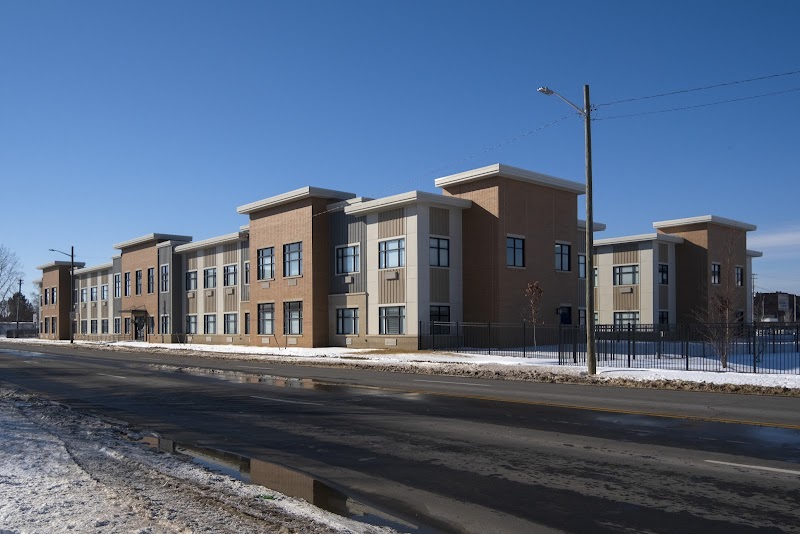

Regency at Chene

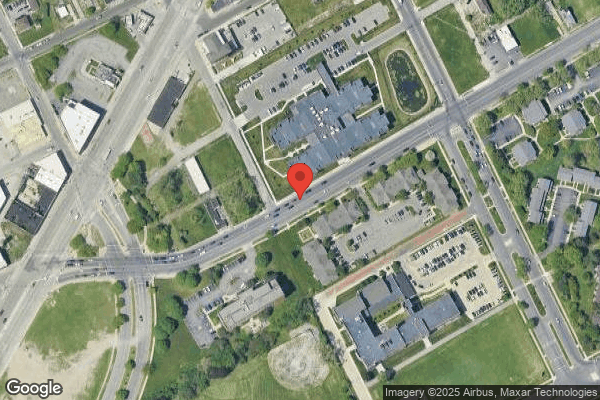
2295 E Vernor Highway, Detroit, MI 48207 (313) 923-5816
For profit - Individual 160 Beds CIENA HEALTHCARE/LAUREL HEALTH CARE Data: November 2025 1 Immediate Jeopardy citation
Trust Grade
23/100
#327 of 422 in MI
Last Inspection: May 2025

Inspected within the last 6 months. Data reflects current conditions.

Overview

Regency at Chene has received a Trust Grade of F, indicating significant concerns about the quality of care provided. Ranking #327 out of 422 facilities in Michigan places it in the bottom half, and #50 out of 63 in Wayne County suggests limited better options nearby. The facility is worsening, with the number of issues increasing from 14 in 2024 to 25 in 2025. While staffing is a strength with a 4/5 rating and a turnover rate of 35%-better than the state average-the facility has concerning RN coverage, less than 87% of Michigan facilities. Specific incidents include a critical failure to ensure an emergency tracheostomy was accessible for a resident on mechanical ventilation, and serious issues where residents developed untreated pressure ulcers and experienced falls due to improper transfers. Overall, there are notable strengths in staffing but serious weaknesses in safety and care protocols.

Trust Score
F
23/100
In Michigan
#327/422
Bottom 23%
Safety Record
High Risk
Review needed
Inspections
Getting Worse
14 → 25 violations
Staff Stability
○ Average
35% turnover. Near Michigan's 48% average. Typical for the industry.
Penalties
✓ Good
$43,439 in fines. Lower than most Michigan facilities. Relatively clean record.
Skilled Nurses
⚠ Watch
Each resident gets only 23 minutes of Registered Nurse (RN) attention daily — below average for Michigan. Fewer RN minutes means fewer trained eyes watching for problems.
Violations
⚠ Watch
48 deficiencies on record. Higher than average. Multiple issues found across inspections.
★★☆☆☆
2.0
Overall Rating
★★★★☆
4.0
Staff Levels
★★★★★
5.0
Care Quality
★☆☆☆☆
1.0
Inspection Score
Stable
2024: 14 issues
2025: 25 issues

The Good

  • 4-Star Staffing Rating · Above-average nurse staffing levels
  • 5-Star Quality Measures · Strong clinical quality outcomes
  • Full Sprinkler Coverage · Fire safety systems throughout facility
  • No fines on record
  • Staff turnover below average (35%)

    13 points below Michigan average of 48%

Facility shows strength in staffing levels, quality measures, fire safety.

The Bad

2-Star Overall Rating

Below Michigan average (3.1)

Below average - review inspection findings carefully

Staff Turnover: 35%

11pts below Michigan avg (46%)

Typical for the industry

Federal Fines: $43,439

Above median ($33,413)

Moderate penalties - review what triggered them

Chain: CIENA HEALTHCARE/LAUREL HEALTH CARE

Part of a multi-facility chain

Ask about local staffing decisions and management

The Ugly 48 deficiencies on record

1 life-threatening 2 actual harm
May 2025 21 deficiencies
CONCERN (D) 📢 Someone Reported This

A family member, employee, or ombudsman was alarmed enough to file a formal complaint

Potential for Harm - no one hurt, but risky conditions existed

Resident Rights (Tag F0550)

Could have caused harm · This affected 1 resident

**NOTE- TERMS IN BRACKETS HAVE BEEN EDITED TO PROTECT CONFIDENTIALITY** This citation pertains to intake MI00152511. Based on observation, interview, and record review, the facility failed to treat th...

Read full inspector narrative →
**NOTE- TERMS IN BRACKETS HAVE BEEN EDITED TO PROTECT CONFIDENTIALITY** This citation pertains to intake MI00152511. Based on observation, interview, and record review, the facility failed to treat the resident with dignity and respect for one resident (R81) of four residents reviewed for dignity and respect, resulting in staff taking a picture of R81's buttocks, leaving the resident feeling embarrassed, ashamed, nervous, and scared. Findings include: A review of an allegation received on 4/24/2025 through the State Agency revealed the following: Complainant (R81)states that when Certified Nurse Assistant (CNA E) was cleaning (R81) up, (R81) .didn't feel like (their) bottom was clean .Complainant (R81)states that after (they) told (CNA E) that (they) didn't feel clean, CNA E took out (their) phone and took a picture of (R81's) naked bottom to show resident (R81)that (their) bottom was cleaned. Complainant (R81) states (they) talked to Registered Nurse (RN G) about the incident who told (R81) to talk to the unit Manager . On 05/06/2025 at 2:26 PM, R81 was observed sitting in their wheelchair, fully dressed, and watching TV. R81 was interviewed and asked about the incident with CNA E. R81 said, I had a BM (bowel movement) and I said that I did not feel clean. The CNA (CNA E) took (their) phone out of (their) pocket, and (CNA E) took a picture of my behind (buttock) and (CNA E) showed it (the picture) to me. R81 continued to explain that when Registered Nurse (RN G) came in, R81 told RN G what happened. At that time CNA E showed the picture to RN G. R81 stated, I was told that they wrote (CNA E) up . (CNA E) doesn't take care of me anymore. R81 was asked how they felt about the incident and R81 stated, This made me feel embarrassed and ashamed. I need a new home, but I can't take care of myself. On 05/07/2025 at 2:41 PM, R81 was observed in bed watching TV. R81 was asked how their day was going and R81 stated, I'm nervous about this (the picture) because I don't know if (CNA E) erased it (the picture) from (their) phone .that's abusive .I don't feel safe in here. A review of R81's electronic medical record revealed an admission to the facility on [DATE] with the diagnoses of Hypertension, Heart Failure, Type 2 Diabetes, Morbid Obesity, Asthma, Peripheral Vascular Disease, Epilepsy, Obstructive Sleep Apnea, Lymphedema, and Anxiety. A review of R81's Brief Interview for Mental Status (BIMS) dated 04/16/2025 disclosed a score of 15/15 (cognitively intact). A review of R81's care plan revealed the following: Focus: (R81) has a functional ability deficit and requires assistance with self-care/mobility R/T (related to): Impaired Mobility .Date Initiated: 01/08/2025 . Interventions: Encourage to participate in self-care as much as able, provide positive reinforcement for all activities attempted, praise resident for all efforts and accomplishments. Date Initiated: 01/08/2025 .Explain all procedures/tasks before starting. Date Initiated: 01/08/2025 . Interventions: TOILET HYGIENE: Resident Substantial/maximal assistance .with (one, two) helper(s). Date Initiated: 01/15/2025 . Focus: (R81) has the potential for fluctuations in mood R/T: DX (diagnosis): Anxiety. Date Initiated: 02/22/2025 . Interventions: Approach in a calm, quiet manner. Maintain appropriate body language during interactions such as maintaining eye contact and sitting in a relaxed position. Date Initiated: 02/22/2025 . Interventions: Observe and report to SW (social worker) and/or physician prn (as needed) acute changes in mood or behavior; feelings or sadness; increased anxiety/agitation, depression, withdrawal/loss of pleasure and interest in activities; feelings of worthlessness or guilt .how resident interacts with others. Date Initiated: 02/22/2025. On 05/07/2025 at 3:14 PM, the Director of Nursing (DON) was interviewed and informed R81 acknowledgement of not feeling safe in the facility. The DON was queried if they were aware of the accusation of (CNA E) taking a photo of R81's buttocks. The DON answered, Yes we are. The DON then explained that they investigated CNA E and had suspended CNA E. The DON said that R81 did not believe CNA E properly cleaned their behind . CNA E took the photo to prove that R81 was cleaned. The DON specified that R81 said that (they) were 'ok' with CNA E showing only (R81) the photo, but did not want the nurse to see the photo. The DON stated that R81was worried about the photo going around. The DON specified that R81 signed a document stating that R81 agreed with their plan to not allow CNA E to take care of R81 again. On 05/08/2025 at 11:53 AM, Family Member U was interviewed and queried about R81's allegation against CNA E. Family Member U said, (R81) feels that (they) will be retaliated against . (R81) talks about this (the photo) on a daily basis . (R81) cries about the picture daily .(R81) has no other place to go if they (the facility) put (R81) out. Family Member U then stated, I'm upset because (R81) does not deserve this. What happens to staff having empathy. On 05/08/25 at 12:05 PM, an attempt was made to contact RN G. The voice message box was not set-up. On 05/08/2025 at 12:13 PM, Social Worker V was interviewed about R81 asserting that they did not feel safe in the facility and was queried about not having documentation in the electronic medical record related to the incident and the resident's psychosocial needs. Social Worker V stated, I'm not sure why staff did not document in the medical record on 4/24, but we did follow up with the resident and (R81) said that (they) was safe. No further explanation was provided. On 05/08/2025 at 12:20 PM, RN K was interviewed and queried about R81 stating that they don't feel safe in the facility. RN K said, I talked to the resident (R81) yesterday and the resident said that (they) felt safe. (R81) said that (they) felt a little uncomfortable and a little scared but safe . A review of the electronic medical record's progress notes did not disclose any notes by staff related to R81 incident of photo of their buttocks from 4/23/2025-5/6/2025. On 05/08/2025 at 1:00 PM, R81 was observed in bed, eating lunch. R81 said that they still felt nervous and felt that the facility might retaliate against (them). On 05/12/2025 at 10:40 AM, CNA E was contacted by phone and interviewed about the allegation of the photo taken of R81's buttocks. CNA E stated, I went into clean (R81) .R81) kept saying I did not clean (their) behind good .I ask (R81) if (they) wanted to see it and (R81) said yes . I know it was wrong .I know it was wrong . I asked (R81) if I could take a picture (of their behind) and (R81) said yes .I took the picture of (R81's) behind, I showed it to (R81) .I showed the picture to (RN G) and then deleted it, I deleted it from the cloud . CNA F helped me with cleaning (R81). I was suspended for 3 days .My supervisor educated me .I was not trying to be malicious. CNA E was asked if they were supposed to have their phone on them and take pictures of residents. CNA E said, We are not supposed to have our phone on the floor . Afterwards they educated everyone about not having their phone on the floor. On 05/12/2025 at 11:55 AM, CNA F was interviewed and queried about CNA E taking a picture of R8's buttocks. CNA F said, CNA E wanted me to assist with cleaning (R81) . (R81) did not think (they) was clean, CNA E asked (R81) if (they) wanted a picture. (R81) did not say yes or no. So, I took it as a yes . CNA E took the picture and showed it to (R81). On 05/12/25 at 12:16 PM, the Nursing Home Administrator (NHA) was interviewed and queried about R81, residents dignity and respect. The NHA stated, We come here to care for others, it's the expectation that staff treat residents with dignity. A review of the facility's policy Resident Dignity & Personal Privacy dated 3/12/2025, revealed the following: Policy: The facility provides care for residents in a manner that respects and enhances the resident's dignity, individuality, and personal privacy. Information: Each resident's right to personal privacy includes the confidentiality of his or her personal and clinical affairs. Dignity means that when interacting with residents, staff carries out activities that assist the resident in maintaining and enhancing his or her self-esteem and self-worth. A review of the facility's policy Telephone, Pager and Electronic Devices dated 6/1/2024, revealed the following: POLICY: It is the policy of this facility that, unless specifically designated otherwise, cellular phones, IPods, tablets, MP3 players, pagers or any other electronic devices are not permitted to be worn or used in any area outside of the designated staff member break room. Company telephones will be limited to certain areas and times within the workplace. Fundamental Information: In this age of technology, cellular telephones, phones with cameras, pagers and other electronic devices increase the risk of HIPAA and resident privacy violations. Although cellular phones are equipped with cameras and video recording, staff members are strictly prohibited from taking any pictures or videos in any resident area of the facility using personal cell phones. Telephone Guidelines read in part the following: 4. Personal cellular telephones, pagers or other electronic devices are only permitted to be used in the staff member designated break room during meal periods and designated break periods.
CONCERN (D)

Potential for Harm - no one hurt, but risky conditions existed

Deficiency F0657 (Tag F0657)

Could have caused harm · This affected 1 resident

**NOTE- TERMS IN BRACKETS HAVE BEEN EDITED TO PROTECT CONFIDENTIALITY** Based on observation, interview and record the facility failed to develop and implement care plan interventions to monitor, prev...

Read full inspector narrative →
**NOTE- TERMS IN BRACKETS HAVE BEEN EDITED TO PROTECT CONFIDENTIALITY** Based on observation, interview and record the facility failed to develop and implement care plan interventions to monitor, prevent and accident for one resident (R54) of 29 residents reviewed, resulting in a potential for a unsafe environment. Findings include: On 5/7/25 at approximately 2:30 P.M. during an observation R54's call light was on the floor, out of reach and the resident was unaware of the location of the call light. R54's bed was positioned at the highest height as the resident asked for an aide and/or nurse. R54 repeated the request stating, I feel sick. Nurse Aide HH responded, summoning assistance from nurse DD voicing symptoms and concerns of the resident. On 5/7/25 at 3:27 P.M. during an observation, after care had been provided to R54, nurse aide HH was interviewed about the location of the resident's call light. The aide acknowledged the resident's call light was out of reach and someone had just left out of R54's room after caring for the resident. Nurse DD who went back into R 54' s' room was shown the hydrogen peroxide, on the resident's bedside table. Nurse DD was informed of the comet cleaner observed on 5/6/25 on the resident bed side table. Nurse DD stated, R 54' s' family visited frequently, and staff suspected the family brought the items and left them without informing staff. The family in the past has left all kinds of things including (food) and staff could not get R54 permission to discard the items. R54 should not have hydrogen peroxide or comet cleaner. Nurse DD was asked how the facility had addressed the concern with the family. Nurse DD indicated the concern should have been care planned and the family should have been educated. On 5/8/25 at 10:30 A.M. review of the care plan section of the electronic medical record revealed no interventions, education, Interdisciplinary notes or meetings or care plans were developed addressing the family's ongoing behavior of leaving items unsafe for R54. Nurse DD indicated staff should have informed UM A so it could have been addressed during care conference. In a follow up interview UM A denied knowledge of the concern with R54's family. Review of the admission Record stated R54 was admitted to the facility on [DATE], with diagnoses of rheumatoid arthritis, dysphagia, lower back pain, diabetes mellitus with diabetic neuropathy, hypertension, acute kidney failure and spinal stenosis. On 5/13/25 at 9:00 A.M. review of the facility's policy Titled: Care Planning dated 3/3/2025, in part stated: Residents will be assessed as they are admitted , and readmitted to the nursing facility to determine their physical, psychological, emotional, medical and psychosocial needs. The results of the Interdisciplinary assessments will be used to develop, review and revise the resident's comprehensive care plan.
CONCERN (D)

Potential for Harm - no one hurt, but risky conditions existed

Deficiency F0658 (Tag F0658)

Could have caused harm · This affected 1 resident

**NOTE- TERMS IN BRACKETS HAVE BEEN EDITED TO PROTECT CONFIDENTIALITY** Based on observation, interview and record review, the facility failed to ensure that one resident (R408) of one resident review...

Read full inspector narrative →
**NOTE- TERMS IN BRACKETS HAVE BEEN EDITED TO PROTECT CONFIDENTIALITY** Based on observation, interview and record review, the facility failed to ensure that one resident (R408) of one resident reviewed for dialysis services had timely and complete physician orders for dialysis, restrictions associated with an arteriovenous (AV) fistula, and clearly defined fluid restriction parameters. This failure created the potential for missed treatment, compromised vascular access and inadequate fluid management. Findings Include: On 5/7/2025 at approximately 11:00 AM, observed R408 had three cups of liquid at her bedside. There was also one liter bottle of juice on the bedside table directly behind R408. On 5/7/2025 at 11:30 AM, a review of R408's clinical medical record was conducted. The electronic medial record (EMR) lacked a physician order for dialysis. No orders were noted to restrict staff from obtaining blood pressures on R408's left arm, which contained an AV fistula used for dialysis. The EMR review indicated unclear directives regarding fluid restrictions for R408, lacking specific guidance on how staff measure and monitor fluid intake. Review of documentation revealed the blood pressures were recorded on R408's left arm despite the presence of an AV fistula on the following dates: 5/1/2025 at 6:30 PM, 5/5/2025 at 4:28 PM and 5/5/2025 at 11: 56 PM. During an interview on 5/7/2025 at 1:28 PM, the Unit Manager License Practical Nurse, (LPN) B verified that no dialysis order was present under the medical orders tab in the EMR. After 10 minutes review of the EMR, LPN B located a special instruction indicating the R 408's dialysis schedule. However, this special instruction was not visible on the surveyor's Point Click Care screen. LPN B was uncertain whether the special instructions qualified as a medical order. On 5/7/2025 at 2:00 PM, the Director of Nursing (DON), was interviewed and acknowledged that R408 special orders are not located under the medical orders. The DON was unclear if special orders were considered qualified medical orders. On 5/7/2025 at 3:52 PM, a verbal order was entered into the EMR for R408 to attend dialysis at Second Avenue Dialysis of [NAME] Health on Tuesday, Thursday and Saturday 12:05 PM with a pickup time of 11:05 AM Prior to this order, no formal medial order for dialysis was present. Record review, showed that resident R408 was admitted on [DATE] with a significant diagnosis including end stage renal disease, bacteremia, dependency on dialysis and urinary tract infection. A minimum data set assessment dated [DATE] indicated that R408 was cognitively intact scoring 13 out of 15 on the brief interview for mental status. Record review of facility policy titled Hemodialysis with a revision date of 3/5/2025. The guidelines said that a physician order should be obtained for hemodialysis. In addition, if a dialysis resident is on fluid restrictions they must be monitored for compliance.
CONCERN (D)

Potential for Harm - no one hurt, but risky conditions existed

Quality of Care (Tag F0684)

Could have caused harm · This affected 1 resident

**NOTE- TERMS IN BRACKETS HAVE BEEN EDITED TO PROTECT CONFIDENTIALITY** Based on observation, interview, and record review the facility failed to ensure wheelchair footrests were in place during a whe...

Read full inspector narrative →
**NOTE- TERMS IN BRACKETS HAVE BEEN EDITED TO PROTECT CONFIDENTIALITY** Based on observation, interview, and record review the facility failed to ensure wheelchair footrests were in place during a wheelchair transfer and to assist with seated posture for one resident (R19) of two residents reviewed for positioning resulting in the potential for injury. Findings include: On 5/06/25 at 11:46 AM, R19 was observed sitting in the second-floor dining room participating in an activity. R19 appeared seated in a slouched position in the wheelchair without footrests with her feet dangling in the air. Activities Assistant (AA) R was observed leading the activity. On 5/06/25 at 11:53 AM, AA R was observed pushing R19 down the hallway in a wheelchair. The wheelchair did not have footrests. R19 was observed seated in a slouched position leaning back with her feet dangling in the air. On 5/06/25 at 12:30 PM, R19 was interviewed regarding the lack of footrests on her wheelchair. R19 stated, The girls don't put on the footrests to my chair. They take them off and don't put them back on. On 5/06/25 at 2:32 PM, R19 was observed sitting in the second-floor dining room slouched leaning back with no footrests applied to her wheelchair. On 5/08/25 at 2:52 PM, AA R as interviewed and said residents should be transported with footrests on the wheelchairs to prevent injury. AA R acknowledged she transported R19 in a wheelchair without footrests. Record review of R19's Electronic Medical Record (EMR) revealed she was admitted to the facility on [DATE] with diagnoses that included Cerebrovascular Disease (condition affecting the brain blood vessels) and Vascular Dementia. Review of the Minimum Data Set (MDS) dated [DATE] for R19 revealed a Brief interview for Mental Status (BIMS) of 11/15 which indicated moderate cognitive impairment and dependent assistance for mobility. On 5/12/25 at 12:25 PM, the Director of Nursing (DON) was interviewed and said residents should have footrests on the wheelchairs during transportation and for positioning, so they are safe and won't slide out of chair. Review of the facility provided document titled Patient education how to use a manual wheelchair revised 1/27/21 revealed in part: Be sure footrest are down when the wheelchair is moving. These keep feet from dragging and getting injured.
CONCERN (D)

Potential for Harm - no one hurt, but risky conditions existed

Pressure Ulcer Prevention (Tag F0686)

Could have caused harm · This affected 1 resident

**NOTE- TERMS IN BRACKETS HAVE BEEN EDITED TO PROTECT CONFIDENTIALITY** Based on observation, interview, and record review the facility failed to provide pressure ulcer care per health care provider o...

Read full inspector narrative →
**NOTE- TERMS IN BRACKETS HAVE BEEN EDITED TO PROTECT CONFIDENTIALITY** Based on observation, interview, and record review the facility failed to provide pressure ulcer care per health care provider order and standards of clinical practice for two Residents (R121 and R143) of four Residents reviewed for wound care, resulting in incorrect wound care, and the potential for wound worsening, infection, and overall deterioration in health status. Findings include: Resident # R121 On 05/06/25 at 9:22 AM, R121 was observed in bed, fully dressed, and watching TV. R121 was observed to have a left above the knee amputation (Above-the-knee amputation (AKA) involves removing the leg from the body by cutting through both the thigh tissue and femoral bone). R121 said they had had recent surgery about a month ago due to an infection. R121 indicated that staff changed their wound dressings daily. A review of R121's electronic medical record revealed an admission to the facility on [DATE] with the diagnoses of Atrial Fibrillation, Heart failure, Chronic Obstructive Pulmonary Disease, Depression, Weakness, Left Amputation, Peripheral Vascular Disease, and Cocaine Abuse. R121's Brief Interview for Mental Status (BIMS) dated 04/18/2025 disclosed a score of 15/15 (cognitively intact). A review of R121's care plan revealed the following: Focus: (R121) has Actual impairment to skin integrity r/t (related to) Surgical incision to LBKA (left below the knee amputation) and right 4th and 5th digit. Date Initiated: 02/11/2025 . Interventions: Follow facility policies/protocols for the prevention/treatment of impaired skin integrity. Date Initiated: 02/09/2025 . On 05/07/25 at 10:12 AM, R121 was observed sitting in bed, watching TV. Wound Care Nurse AA applied a pair of gloves and removed the dressing from the left stump. The stump surgery wound was opened towards the inner thigh. There was a small amount of serosanguineous drainage without odor. Wound Care Nurse AA cleansed the wound with normal saline, pat dried, applied Santyl Ointment applied, Maxorb dressing was applied, lastly, the wound was covered with ABD pad and wrap with a kerlix. Wound Care Nurse AA removed the dressing to R121's right foot. The 4th and 5th toes had open areas at the bottom of the right foot with bloody drainage. Wound Care Nurse AA Cleanse in between the 4th and 5th digit with wound cleanser, pat dried, and applied a soaked betadine gauze and wrapped the foot with an ace wrap. Wound Care Nurse AA wrapped the right foot 4th and 5th toes with an ACE wrap, not the ordered kerlix and secured with tape. A review of the physician's wound care order dated 05/06/2025 revealed the following: Cleanse right in between the 4th and 5th digit with wound cleanser, pat dry. Apply a soaked Betadine gauze wrap with kerlix and secure with tape. Resident #R143 On 05/06/25 at 12:30 PM, R143 was observed sitting in a wheelchair, watching TV. R143 indicated that they had been in an accident and was paralyzed from the waist down. R143 said that they suffered a gunshot wound in their neck in November 2024. R143 was queried about their pressure ulcer. R143 stated, I got the bed sores when I first went to the hospital .I guess it was more important to save my life than to prevent bed sores. A review of R143 electronic medical record revealed an admission to the facility on 1/30/2025 with the diagnoses of Gunshot wound, Major Depression, Weakness, and Unstageable Sacral Pressure Ulcer. R143's Brief Interview for Mental Status (BIMS) dated 2/11/2025 disclosed a score of 12/15 (Moderate cognitive impairment). A review of R143's care plan revealed the following: Focus: (R143) is at risk for impaired skin integrity/pressure injury R/T (related to): GSW (gunshot wound), generalized weakness, impaired mobility, and incontinent of bowel and bladder. Date Initiated: 01/30/2025 . Interventions: Follow facility policies/protocols for the prevention/treatment of impaired skin integrity. Date Initiated: 01/30/2025 . Focus: R143 has Actual impairment to skin integrity r/t pressure injury to sacro-coccyx Date Initiated: 01/30/2025 . On 5/07/25 at 10:38 AM, R143 was observed in bed, on their left side watching TV. Wound Care Nurse AA applied a pair of gloves and untaped R143's brief, pulled the brief slightly down to view the wound. The wound was located at the sacrum, stage three pressure ulcer, with a small amount of serosanguineous drainage. The wound bed was pink and without odor. Wound Care Nurse AA removed R143's wound dressing. Wound Care Nurse AA cleansed sacrococcyx with wound cleanser and pat dry. Wound Care Nurse AA applied Maxorb AG dressing, and ABD dressing. Wound Care Nurse AA did not secure R143 wound with a secure border gauze as ordered. A review of the physician's wound care order dated 4/05/2025 revealed the following: Cleanse sacrococcyx with wound cleanser and pat dry. Apply Maxorb AG and ABD pad and secure with border gauze. When Wound Care Nurse AA was informed that they did not follow the physician's order for the wound dressings of R121 and R143, Wound Care Nurse AA stated, Oh, you right. No additional explanation was provided. On 5/12/25 at 12:25PM, the Director of Nursing (DON) was interviewed and queried about Wound Care Nurse AA not following the physician's wound treatment order for R121 and R143. The DON stated, The wound care nurse should follow the physician orders. A review of the facility' policy Physician Order dated 10/20/2023 revealed the following: Purpose: Physician orders are obtained to provide a clear direction in the care of the resident. Treatment rendered to a resident must be in accordance with the specific standing, written, verbal, or telephone order of a physician or other licensed health professional ordering within their scope of practice and clinical privileges.
CONCERN (D)

Potential for Harm - no one hurt, but risky conditions existed

Deficiency F0687 (Tag F0687)

Could have caused harm · This affected 1 resident

**NOTE- TERMS IN BRACKETS HAVE BEEN EDITED TO PROTECT CONFIDENTIALITY** Based on observation, interview, and record review the facility failed to provide adequate foot care for one resident (R100) out...

Read full inspector narrative →
**NOTE- TERMS IN BRACKETS HAVE BEEN EDITED TO PROTECT CONFIDENTIALITY** Based on observation, interview, and record review the facility failed to provide adequate foot care for one resident (R100) out of eleven residents reviewed for Activities of Daily Living (ADLS). Findings include: On 5/06/25 at 10:51 AM, R100 was interviewed about care in the facility and stated, They don't do enough, my nails are long. R100s feet were observed with thick long toenails and dry flaky skin. On 5/08/25 at 10:20 AM, R100's feet were observed with Registered Nurse (RN) K. RN K described R100's feet as having long thick toenails and flaky skin on feet and that R100 should see the podiatrist. RN K asked R100 if he would like podiatry services and R100 agreed. Record review of R100's Electronic Medical Record (EMR) revealed he was admitted to the facility on [DATE] with diagnoses that included Epilepsy, Hemiplegia and Hemiparesis (weakness) following Cerebral Infarction (stroke) affecting Right Dominant Side. Review of the Minimum Data Set (MDS) dated [DATE] for R100 revealed a Brief interview for Mental Status (BIMS) of 11/15 which indicated moderate cognitive impairment and dependent assistance for personal hygiene. Review of R100's [NAME] revealed, Observe finger and toenails on shower days to see if they need to be trimmed. Review of the EMR did not reveal refusals of care. Review of the physician orders dated 12/27/2023 revealed, Podiatry Evaluation and treatment as indicated. On 5/8/25 at approximately 4:00 PM, Social Worker (SW) V provided documentation that R100 was last seen by podiatry on 9/4/2024. When asked how frequently should R100 see the podiatrist for care SW V did not provide an answer but provided documentation that the podiatrist saw R100 on 5/8/2025 after the care needs were brought to the facility's attention. On 5/12/25 at 12:25 PM, the Director of Nursing (DON) was interviewed and said the Certified Nursing Assistants should check on shower days and during regular care to see if residents' nails should be cut and/or cleaned. The DON also said podiatry should have seen R100 sooner. Eight months between visits was not timely. Review of the facility policy titled Social services Referral to Outside Providers revised 10/27/2023 revealed in part: Referrals to ancillary providers will be made in order to meet the psychosocial and/or concrete needs of a resident. A social service staff member, a licensed nurse, or a member of the interdisciplinary team will make the referral based on a resident's individualized, specific needs as identified through interviews, evaluations and assessments.
CONCERN (D)

Potential for Harm - no one hurt, but risky conditions existed

Deficiency F0688 (Tag F0688)

Could have caused harm · This affected 1 resident

**NOTE- TERMS IN BRACKETS HAVE BEEN EDITED TO PROTECT CONFIDENTIALITY** Based on observation, interview, and record review the facility failed to apply splints and provide Range of Motion (ROM) exerci...

Read full inspector narrative →
**NOTE- TERMS IN BRACKETS HAVE BEEN EDITED TO PROTECT CONFIDENTIALITY** Based on observation, interview, and record review the facility failed to apply splints and provide Range of Motion (ROM) exercises for one resident (R100) out of four residents reviewed for limited ROM. Findings include: On 5/06/25 at 10:52 AM, R100 was observed in bed with his right elbow and right hand bent not wearing a brace or splint. On 5/07/25 at 10:13 AM, R100's splints were found in his dresser top drawer. When asked about the braces R100 stated, They don't put the splints on me they have too much to do. I would allow it, but they aren't doing it. On 5/08/25 at 10:27 AM, Certified Nursing Assistant (CNA) X was interviewed and said they were not applying R100's splints or performing a ROM program with him. On 5/08/25 at 10:28 AM, Registered Nurse (RN) K was interviewed and said the facility did not have a restorative nurse or aides and the CNAs were responsible for applying splints and performing exercises. RN K said she was new to the position. On 5/08/25 at 10:33 AM, Restorative Nurse Y was interviewed and said the facility just started a new program. R100's EMR was reviewed with Restorative Nurse Y and did not reveal any documentation of brace application and/or ROM exercises or refusals since 4/19/2025. Record review of R100's Electronic Medical Record (EMR) revealed he was admitted to the facility on [DATE] with diagnoses that included Epilepsy, Hemiplegia and Hemiparesis (weakness) following Cerebral Infarction (stroke) affecting Right Dominant Side. Review of the Minimum Data Set (MDS) dated [DATE] for R100 revealed a Brief interview for Mental Status(BIMS) of 11/15 which indicated moderate cognitive impairment and dependent assistance for personal hygiene. Review of R100's [NAME] revealed, Apply splint to right hand and right elbow alternating 4-5 hours or as tolerated per order/recommendation. AROM (active ROM) exercises to left upper extremity 2 sets x 15 reps. On 5/12/25 at 12:25 PM, the Director of Nursing (DON) was interviewed and said the CNAs should be following the [NAME] and applying R100's braces and performing the ROM exercises with him. The DON said R100 was at risk for worsening contractures without the restorative program. Review of the facility policy titled Restorative Nursing revised 4/26/2024 revealed in part: The facility strives to enable the residents to attain and maintain the highest practicable level of physical, mental, and psychosocial well-being. The interdisciplinary team (IDT) works with the residents and family to identify measurable restorative goals and practical interventions that can be implemented and achieved with nursing support. A licensed nurse will help manage the restorative nursing process with assistance of nursing assistants trained in restorative care. Sometimes, under licensed nurse supervision, other staff trained in restorative care will be assigned by the nurse to work with specific residents. Nursing Restorative is available up to 6-7 times per week and is provided for residents meeting restorative program criteria. Document any refusal in the resident's medical record. Document individualized restorative goals and interventions. Please reference the Restorative Goal/Intervention Reference policy. Document the resident's daily participation and actual number of minutes participating in in the resident's EHR (electronic health record).
CONCERN (D)

Potential for Harm - no one hurt, but risky conditions existed

Accident Prevention (Tag F0689)

Could have caused harm · This affected 1 resident

**NOTE- TERMS IN BRACKETS HAVE BEEN EDITED TO PROTECT CONFIDENTIALITY** Based on observation, interview and record review the facility failed to ensure one resident (R54) of 29 residents was free from...

Read full inspector narrative →
**NOTE- TERMS IN BRACKETS HAVE BEEN EDITED TO PROTECT CONFIDENTIALITY** Based on observation, interview and record review the facility failed to ensure one resident (R54) of 29 residents was free from accident hazards as a results of the resident's call light not being within reach and potentially hazardous products left at the resident's bedside, resulting in a potential for an accident to occur. Findings include. On 5/6/25 at 12:28 P.M., (R54) was observed in bed with the call light entangled in the linen. On the bedside table was a container of hydrogen peroxide and a container of Comet household cleaner. On 5/7/25 at approximately 2:30 P.M. during an observation R54's call light was on the floor, out of reach and the resident was unaware of the location of the call light. R54's bed was positioned at the highest height as the resident asked for an aide and/or nurse. R54 repeated the request stating, I feel sick. Nurse Aide HH responded, summoning assistance from nurse DD voicing symptoms and concerns of the resident. At 3:27 P.M. after providing care to R54 nurse aide HH was asked about the armrests of the resident's wheelchair. The aide acknowledged the armrests needed repair and R54 needed a Geri chair which would allow the resident the ability to sit comfortably without sliding out of the chair. The Aide who entered the room after R54 requested assistance commented R54's call light should always be in reach. Nurse DD who went back into R54's room was shown the hydrogen peroxide, on the resident's bedside table. Nurse DD was informed of the comet cleaner observed 5/6/25. Nurse DD stated, R54's family visited frequently, and staff suspected the family brought the items and left them without informing staff. The family in the past has left all kinds of things including (food) and staff could not get R54 permission to discard the items. R54 should not have hydrogen peroxide or the comet cleaner, the facility provides any medication or treatment, and housekeeping staff do not clean the rooms with comet cleaner. Nurse DD was asked how the facility had addressed the concern with the family. Nurse DD indicated the concern should have been reported to the Unit Manager A and staff should have educated the family on safety. On 5/8/25 at 10:17 A.M. UM A was interviewed about the items at the bedside of R54. UM A was unaware of the family leaving items that the resident should not have. Record review at the time of the interview revealed no evidence of family education, notes by nursing staff related to the family bring items into the facility or interventions Review of the admission record stated R54 was admitted to the facility on [DATE], with diagnoses of rheumatoid arthritis, dysphagia, low back pain, diabetes mellitus with. diabetic neuropathy, hypertension, acute kidney failure and spinal stenosis, lumbar region with neurogenic claudication (limping condition). According to the Minimum Data Set (MDS) assessment dated [DATE], R54 had impaired thought process and cognitive function (ability to think), incontinent of bowel and bladder, and required one-person physical assist to Perform activities of daily living.
CONCERN (D)

Potential for Harm - no one hurt, but risky conditions existed

Respiratory Care (Tag F0695)

Could have caused harm · This affected 1 resident

**NOTE- TERMS IN BRACKETS HAVE BEEN EDITED TO PROTECT CONFIDENTIALITY** Based on observation, interview, and record review the facility failed to ensure respiratory equipment was maintained in a sanit...

Read full inspector narrative →
**NOTE- TERMS IN BRACKETS HAVE BEEN EDITED TO PROTECT CONFIDENTIALITY** Based on observation, interview, and record review the facility failed to ensure respiratory equipment was maintained in a sanitary manner for one resident (R28) of three residents reviewed with oxygen, resulting in the potential for compromised air exchange. Findings include: On 5/6/25 at 11:30 A.M. during an observation R28 was observed with oxygen infusing at 3.5 Liters per minute via Nasal Cannula. Attached to the oxygen tubing which was dated 5/5/25 was an oxygen concentrator (a medical devices that provides extra oxygen. An oxygen concentrator uses the air in the atmosphere, filters it and gives you air that is 90%-95% oxygen). On 5/7/25 at approximately 12:00 P.M. record review revealed R28 was signed into hospice on 3/7/25 and the comprehensive plan of care, and the hospice consent were faxed to the facility on 5/6/25. Review of the provided contract and delegated responsibilities of each entity did not identify who was responsible for the maintenance of the oxygen received by R28. On 5/7/25 at 12:30 P.M. during an observation the date on the oxygen tubing was observed changed to 5/7/25. During this time Hospice Aide Z was observed providing care to R28. The aide was asked about the services provided by her and whether the company the aide worked for changed or cleaned the air filter. Hospice Aide Z indicated being responsible for placing the oxygen back on R28 once care was provided and assisting with activities of daily living. Hospice AideZ stated I do not have anything to do with that part of R28's care. I have been with R28 since the resident signed on to receive services from the company I work for. On 5/7/25 at 12:45 P. M. Nurse P was interviewed regarding the maintenance of the oxygen for R 28. Nurse P stated you can check with maintenance, but nursing does not provide oxygen care. Following the discussion with Nurse P an observation was made of R 28' s' oxygen filter. Upon examination the filter was observed covered with a layer of lint and dirt that was visible on the hand of the surveyor. On 5/7/25 at approximately 4:30 PM a review of R 28's electronic medical record (EMR) revealed a re-admission date of 4/13/24, with diagnoses of: Atrial Fibrillation, Hypertensive heart disease with heart failure, Type 2 Diabetes Mellitus, Lymphedema, Venous Insufficiency (chronic), Dementia, without behavior, and Acute Respiratory Failure with Hypoxia. A review of the Significant Change Minimum Data Set (MDS) assessment dated [DATE], indicated R28 was moderately impaired in cognition (the ability to think), was frequently incontinent of bowel and bladder and required extensive assistance with bed mobility and transfers. . On 5/12/25 at 9 :00 A.M review of the care plan dated 12/15/23, that addressed R28 respiratory concerns did not identify any interventions related to R28's oxygen equipment including the maintenance of filter and frequency of cleaning. A review of the order summary included a physician order for supplemental oxygen to include supplemental oxygen 2-4 L via Nasal Cannula (NC). . On 5/13/25 at 1:30PM the Director of Nursing (DON) was asked who was responsible for cleaning or maintaining the oxygen filters in the facility. The DON stated the facility had a contract company that visited the facility weekly and was responsible for changing the tubing and the filters on all the oxygen equipment. The DON reported the company should have changed the filter/or replaced the filter. It was confirmed through interview with the receptionist the contracted company had visited the facility on 5/7/25 and R 28' s' oxygen filter as well as tubing should have been addressed.
CONCERN (D)

Potential for Harm - no one hurt, but risky conditions existed

Pharmacy Services (Tag F0755)

Could have caused harm · This affected 1 resident

**NOTE- TERMS IN BRACKETS HAVE BEEN EDITED TO PROTECT CONFIDENTIALITY** Based on observation, interview and record review, the facility failed to ensure the security of the electronic medical record (...

Read full inspector narrative →
**NOTE- TERMS IN BRACKETS HAVE BEEN EDITED TO PROTECT CONFIDENTIALITY** Based on observation, interview and record review, the facility failed to ensure the security of the electronic medical record (EMR) of one resident (R306) out of 29 residents reviewed. Findings Include: On 5/7/2025 at 9:30 AM, a medication cart on unit 300 was observed left unattended with the EMR screen open and displaying R306's PHI. The cart faced the hallway, which was actively used by staff and residents, exposing confidential details to unauthorized individuals. On 5/7/2025 at 9:40 AM, Licensed Practical Nurse (LPN) C exited R306 room and, upon interview, confirmed they left the art unsecured with PHI visible. LPN C acknowledged this was not in compliance with facility protocol. 05/07/25 9:53 AM, the unit manager (LPN) B was interviewed and said the computer should have been locked, and no medications should be left unattended on the cart. 05/07/25 10:52 AM, the Director of Nursing (DON) was interviewed and confirmed staff are expected to follow facility policy regarding medication cart security, including locking the cart and screen are closed when not in use. Record review of R306's EMR revealed that R306 was admitted on [DATE] with a diagnosis of unilateral osteoarthritis of the left knee and operative recovery from a total left knee replacement. R306 also has a history of borderline diabetes, lipidemia, and hypertension. Record review of R306 for minimum data set for brief interview for mental status indicated R306 was cognitively intact with a score of 13 out of 15. Review of facility policy titled Residents Rights with a revision date of 5/14/2024. The policy stated, The facility will safeguard the privacy of residents' protected health information from improper use. Review of the policy titled Medication Administration, revised 10/17/2023, documented: Make sure the medication cart is locked at all times when not in use or not within constant vision.
CONCERN (D)

Potential for Harm - no one hurt, but risky conditions existed

Deficiency F0790 (Tag F0790)

Could have caused harm · This affected 1 resident

**NOTE- TERMS IN BRACKETS HAVE BEEN EDITED TO PROTECT CONFIDENTIALITY** Based on observation, interview, and record review the facility failed to ensure routine dental services were provided to one re...

Read full inspector narrative →
**NOTE- TERMS IN BRACKETS HAVE BEEN EDITED TO PROTECT CONFIDENTIALITY** Based on observation, interview, and record review the facility failed to ensure routine dental services were provided to one resident (R10) of three residents reviewed for routine dental services, resulting in unmet oral health needs. Findings include: On 5/6/2025 at 11:31 AM, R10 was observed in his room resident demonstrated he did not have teeth. When R10 was asked about his oral health he was not able to provide an answer. On 5/6/2025 at 11:36 AM, Guardian I was interviewed and stated, R10 needs to see the dentist to get dentures. Record review of R10's Electronic Medical Record (EMR) revealed he was admitted to the facility on [DATE] with diagnoses that included Acute Cerebral vascular insufficiency (obstruction of blood flow to the brain) and dysphagia. Review of the Minimum Data Set (MDS) dated [DATE] for R10 revealed a Brief interview for Mental Status (BIMS) of 0/15 which indicated severe cognitive impairment and did not have the oral/dental status completed. Review of the Physician Orders dated 8/8/2024 documented Dental Evaluation and treatment as indicated. Review of the care plan did not reveal documentation to address dental concerns or a lack of teeth. On 5/08/25 at 3:27 PM, R10's dental notes were requested and were not provided by survey exit. On 5/12/25 at 8:43 AM, Licensed Practical Nurse W was interviewed and said nursing and social work does an resident assessment upon facility entry for dental needs. On 5/12/25 at 8:45 AM, Social Worker (SW) Z was interviewed and said she was not aware of R10's dental concerns however did acknowledge there was a physician order for a dental evaluation. On 5/12/2025 at 1:15 PM, the Director of Nursing (DON) was interviewed regarding R10's dental health. The DON said R10 should have been seen by the dentist and acknowledged there was an order. The DON further said the social worker department was responsible for setting up dental appointments. Review of the facility policy titled Social services Referral to Outside Providers revised 10/27/2023 revealed in part: Referrals to ancillary providers will be made in order to meet the psychosocial and/or concrete needs of a resident. A social service staff member, a licensed nurse, or a member of the interdisciplinary team will make the referral based on a resident's individualized, specific needs as identified through interviews, evaluations and assessments.
CONCERN (D)

Potential for Harm - no one hurt, but risky conditions existed

Deficiency F0810 (Tag F0810)

Could have caused harm · This affected 1 resident

**NOTE- TERMS IN BRACKETS HAVE BEEN EDITED TO PROTECT CONFIDENTIALITY** Based on observation, interview and record review the facility failed to ensure the proper assistive device was provided to enha...

Read full inspector narrative →
**NOTE- TERMS IN BRACKETS HAVE BEEN EDITED TO PROTECT CONFIDENTIALITY** Based on observation, interview and record review the facility failed to ensure the proper assistive device was provided to enhance and promote independence in eating for one resident (R126) of 30 residents observed during dining on the second floor, resulting in a potential for a decline in eating skills and abilities. Findings include: On 5/6/25 at approximately 10:00 A.M. R126 was interviewed concerning the breakfast meal. R126 was observed with two white towels rolled and positioned in each hand. R126 stated his meals were served in the restorative Dining Program. On days when R126 went to therapy, meals were left in the room and the resident fed himself. On 5/6/25 at 1:01 P.M., and 5/7/25 at 12:50 P.M., during a lunch meal observation R126 was observed being fed (1:1) by a nurse aide. R126's food was served on a regular China plate with the beverage served from a sippy cup. The tray card served with the meal on 5/6/25 stated: mechanical soft regular diet adaptive equipment: Scoop plate. On 5/8/25 at 9:00 A.M. review of the care plan dated 4/15/25, Titled :R126 has alteration in nutrition related to (r/t) diagnosis of dysphagia, GERD(condition in the gastrointestinal tract that causes excess production of hydrochloric acid, bloating and discomfort), obese status with BMI greater than 30, chewing and swallowing difficulty related to dysphagia, need for mechanical altered texture diet, self-feeding difficulties, weight loss during hospitalization. Interventions identified included: Provide diet as ordered, regular diet, mechanical soft texture, thin liquid with scoop plate at each meal. Assist with meals as needed tray set up. On 5/8/25 at 10:40 A.M. review of the physician orders dated 6/18/24 stated R126 was ordered Scoop Plate with meals. On 5/8/25 at 10:45 A.M. nurse DD was queried concerning the discrepancy in the physician orders and the serving of R126's food in a regular plate. Nurse 'DD reported R126 participated in the restorative dining program but was unaware of the recommendations from therapy for a scoop plate. On 5/8/25 at 11:07 A.M. Unit Manager (UM) A verified the physician's order indicated R126 should be using a scoop plate and a sippy cup. UM A was unable to explain why R126 was fed by staff and received regular China. AT 2:30 P.M. Dietary Aide (D.A.) EE was interviewed concerning R126's meals being served on a regular plate. D.A.EE indicated R126 at one time did receive food served from a scoop plate but the order on the tray card was new and there was no scoop plate for the resident. On 5/12/25 at 9:03 A.M. Registered Dietitian (RD) O was interviewed concerning R126's scoop plate. RD O was unaware of the physician's order for R126's scoop plate but indicated after investigating the matter therapy was changing from the former company that was previously used to obtain scoop plates. Through the investigation of RDO it was verified, therapy never submitted the requisition for purchase of a scoop plate. The tray card was updated automatically when the order was placed, but the dietary department will not order a scoop plate without a requisition to purchase the item. Review of the admission Record indicated R126 was admitted to the facility on [DATE], with diagnoses that included: acute respiratory failure, dysphagia (oropharyngeal phase) chronic pain syndrome, cardiovascular accident, muscle weakness, and hypertension. According to the Minimum Data Set (MDS) assessment dated [DATE], R126 was moderately impaired in cognitive skills (ability to think), required one-person physical assistance with activities of daily living (ADL's) and was always incontinent of bowel and bladder. The facility's policy related to Adaptive Equipment was requested and provided with a revised date of 3/6/2024, in part stated: It is the policy of this facility to provide adaptive eating equipment for those residents who would benefit from there use, based on comprehensive assessment to assist the resident to achieve his or her highest functioning potential.
CONCERN (D)

Potential for Harm - no one hurt, but risky conditions existed

Deficiency F0849 (Tag F0849)

Could have caused harm · This affected 1 resident

**NOTE- TERMS IN BRACKETS HAVE BEEN EDITED TO PROTECT CONFIDENTIALITY** Based on observation, interview and record review, the facility failed to ensure relevant Hospice documentation was accessible f...

Read full inspector narrative →
**NOTE- TERMS IN BRACKETS HAVE BEEN EDITED TO PROTECT CONFIDENTIALITY** Based on observation, interview and record review, the facility failed to ensure relevant Hospice documentation was accessible for two residents (R28, R67) of nine hospice residents from a total of twenty-nine sampled residents, resulting in a lack of coordination of comprehensive services and care provided to the residents. Findings included: Resident # R28 (R28) On 5/7/25 at 11:57 AM nurse P was asked for the location of the Hospice Notebook for R 28. Nurse P indicated all the resident's visits should be in a binder located at the nurse's station. Nurse P searched the residents Hospice Notebook and acknowledged the visits were present, but no other hospice documentation was there. Nurse P indicated she would contact Unit Manager K. who could assist further. On 5/7/25 at 12:11 PM a review of the Hospice Notebook identified for R28 revealed there was no comprehensive assessment, consent for Hospice benefits, or Hospice comprehensive plan of care. On 5/7/25 at 12:20 PM Unit Manager (UM) K was unaware of where the documents were located and indicated further investigation was needed to determine the location of the documents. Social Worker V who accompanied UMK joined the conversation and suggested UMK would have to search for the documents, check with the administrator and the documents would be provided later. On 5/7/25 at 1:06 PM UM K submitted the requested documents, and stated the Administrator had them. UM K was asked why the requested documents were not in R28's Hospice Notebook and how did staff ensure coordination of care if there was no reference or comprehensive plan of care? The Manager indicated being in the current position for 2 weeks and was still orientating herself to the unit. Further review of the submitted documents revealed that R 28 was admitted to Hospice on 3/7/25 and the Comprehensive Plan of Care, and the Hospice Consent were faxed to the facility on 5/6/25. The Comprehensive Assessment benefit period was dated 3/7/25 to 5/4/25, indicating a possible lapse in service. Review of R 28' s' electronic medical record (EMR) revealed a re-admission date of 4/13/24, with diagnoses of: Atrial Fibrillation, Hypertensive heart disease with heart failure, Type 2 Diabetes Mellitus, Lymphedema, Venous Insufficiency (chronic), Dementia, without behavior, and Acute Respiratory Failure with Hypoxia. A review of the Significant Change Minimum Data Set (MDS) assessment dated [DATE], indicated moderate impairment in cognition. R28 was frequently incontinent with bowel and bladder and required extensive assistance with bed mobility and transfers. A review of the order summary report of R28 revealed an active order dated 3/7/2025 specifying Consult with Hospice Care. Resident # 67 (R67) Review of the admission Record of R67 indicated an admission to the facility on [DATE], with diagnoses of Acute Cystitis w/o hematuria, Dysphagia, Severe Protein Calorie Malnutrition, Pressure Ulcer of Sacral(unstageable), Vascular Dementia, Aphasia, Major Depression. According to the Minimum Data Set (MDS) assessment dated [DATE] indicated R67 was severely impaired in Cognitive Skills for decision making. R67 was incontinent with bowel and bladder and required maximal assistance for most activities of daily living (ADL's). Review of R67's Electronic Health Record indicated the resident was admitted to the same Hospice Company as R28 on 3/12/25 with a diagnosis of Lung Cancer. R67's Hospice current Comprehensive Assessment was not part of the resident's electronic health record until 5/6/25 at 12:47 PM,when R28's documents were faxed to the facility. On 5/13/25 at 1:30 PM the Director of Nursing (DON) was made aware of the concerns. The DON was asked about the location of hospice comprehensive plan of care, and consent for hospice care. The DON indicated the documents requested should be accessible for staff and placed in the resident's hospice log book. The DON wasn't able to explain why or where the documents were for R28 or R67 clinical record but acknowledged the information should have been accessible in both residents' clinical records.
CONCERN (D)

Potential for Harm - no one hurt, but risky conditions existed

Deficiency F0883 (Tag F0883)

Could have caused harm · This affected 1 resident

**NOTE- TERMS IN BRACKETS HAVE BEEN EDITED TO PROTECT CONFIDENTIALITY** Based on interview and record review, the facility failed to administer the Pneumococcal and Influenza vaccines to one resident ...

Read full inspector narrative →
**NOTE- TERMS IN BRACKETS HAVE BEEN EDITED TO PROTECT CONFIDENTIALITY** Based on interview and record review, the facility failed to administer the Pneumococcal and Influenza vaccines to one resident (R10) of five residents reviewed for infection control resulting in the likelihood for increased risk for acquiring, transmitting and experiencing complications from the pneumonia and the flu. Findings Include: On 5/12/25 at 10:20 AM, the Infection Control Program was reviewed with the Infection Control Registered Nurse (RN) A. RN A was provided a list of residents to be reviewed for vaccinations. RN A provided documentation that R10 did sign to receive the Pneumococcal and Influenza vaccinations on 8/8/2024. There was no documentation that R10 had received either the Pneumococcal or Influenza vaccinations. RN A said she was unable to find the documentation that the vaccination was administered in the vaccination book or in the electronic medical record (EMR). 05/13/25 10:15 AM, the Director of Nursing (DON) was interviewed and acknowledged that there was no documentation that R10 had received the Pneumococcal and Influenza vaccines that the R10 had signed for on 8/8/25. The DON said her expectation is that when residents are offered vaccinations, they sign the consents that the medication would be administered. Record review revealed R10 was initially admitted on [DATE]. R10 admitting diagnosis was for Acute Cerebral Insufficiency (stroke), Chronic Obstructive Pulmonary Disease, Hypertension, Generalized Anxiety, Major Depressive Disorder, Dysphagia and Aphasia. Review of R10 Minimum Data Set Quarterly Review dated for 2-14-2025 for Brief Interview for Mental Status showed that R10 was severely cognitively impaired with a score of 0 out of 15. Record review of document titled Immunizations: Pneumococcal Vaccination (PPV) of Residents last revised 11-4-2024 noted, all residents over the age of 65 should receive the Pneumococcal vaccination. The vaccination is recommended for individuals younger than 65 if they have underlying conditions that increase the risk for serious disease and its complications. Prior to administration of the medication informed consent will be obtained. The resident will be informed of the risk and of the vaccination. If signed consent was required by state law, it would occur during the information step. The administration of the vaccination will be documented in the following manner. The administration and injection site for the medication will be documented in the medical record. The immunization information should be submitted to state entity as required. On 5/13/2025 at 9:58 AM, request was made to the Nursing Home Administrator for influenza vaccination policy, but not received by exit of survey.
CONCERN (E)

Potential for Harm - no one hurt, but risky conditions existed

ADL Care (Tag F0677)

Could have caused harm · This affected multiple residents

**NOTE- TERMS IN BRACKETS HAVE BEEN EDITED TO PROTECT CONFIDENTIALITY** Based on observation, interview and record review the facility failed to assist in the removal of facial hair and ensure showers...

Read full inspector narrative →
**NOTE- TERMS IN BRACKETS HAVE BEEN EDITED TO PROTECT CONFIDENTIALITY** Based on observation, interview and record review the facility failed to assist in the removal of facial hair and ensure showers were provided for one female resident (R54) and provide nail care for three residents (R10, R17, R100) of 29 residents reviewed, resulting in unmet hygiene needs and the potential for feelings of diminished dignity. Findings included On 5/6/25 at 12:24 PM R54 was observed with excessive hair on the chin and both sides of the lower face. The resident had dark matter protruding from the nail bed of the left index finger. On 5/7/25 at approximately 2:00 PM the facial hair and dark matter under the left index finger were still present. R54 asked how long the facial hair had been present? R54 stated during shower days she was able to remove the facial hair, however, R54 stated she had not received a shower recently because of the pain from arthritis and that alone made her sad and down. R54 stated I am supposed to get a shower on Wednesday and Saturday each week on the day shift, it's been a while, I cannot do it without help. Review of the Shower Logbook on the unit revealed R54 had one undated shower sheet, with a note stating, asked to get one in morning. The shower sheet was signed by CNA GG. While reviewing the shower Logbook nurse DD was asked for assistance in locating other shower sheets for R54. Nurse DD reported the old shower sheets were pulled off the units for audit and filing and Unit Manager A probably could provide additional information where the old shower sheets were filed. UM A joined the search for R54's shower sheets and indicated documentation of the resident's showers and or refusal should be in the nurse Aides kiosk on the unit. The manager requested the assigned nurse aid for that shift to provide a copy of last month's shower sheet from the kiosk. The information could not be retrieved from the kiosk and UM A stated I will find out how to get the document. While reviewing the One shower sheet the Electronic Medical Record was reviewed for refusals for R54. There were no entries by the nursing staff indicating R54 refused showers or was resistant to staff assisting with the removal of the facial hair On 5/12/25 at 2:00 P.M. of the admission Record stated R54 was readmitted to the facility on [DATE], with diagnoses of rheumatoid arthritis, dysphagia (oropharyngeal) low back pain, diabetes mellitus, with diabetic neuropathy, hypertension, acute kidney failure, spinal stenosis, lumbar region with neurogenic claudication. According to the minimum data set (MDS) 2/3/2025 R54 required supervision or touching assistant with shower/bath , assistance with personal hygiene. Resident # 10 (R10) On 5/06/25 at 11:31 AM, Guardian I was interviewed about R10's care and said sometimes R10 does not get his nails cut. On 5/07/25 at 9:20 AM, R10 was observed with observed long jagged fingernails. On 5/08/25 09:24 AM, R10 was observed with long jagged fingernails. On 5/12/25 at 10:23 AM, R10 was observed with Registered Nurse (RN) J. RN J said int R10 had long dirty nails and they need to be cut. Record review of R10's EMR revealed he was admitted to the facility on [DATE] with diagnoses that included Acute Cerebral vascular insufficiency (obstruction of blood flow to the brain) and dysphagia. Review of the MDS dated [DATE] for R10 revealed a Brief interview for Mental Status (BIMS) of 0/15 which indicated severe cognitive impairment and dependent assistance for personal hygiene. Review of the EMR did not reveal refusals of care. Review of the Kardex revealed, Observe finger and toenails on shower days to see if they need to be trimmed. Resident #17 (R17) On 5/06/25 at 11:04 AM, R17 was interviewed about care in the facility and said she gets showers. R17's fingernails were observed long and jagged. On 5/08/25 at 10:22 AM, R17 was observed with Registered Nurse (RN) K. RN K said R17 had debris under her finger nails they needed to be clipped. Record review of R17's EMR revealed he was admitted to the facility on [DATE] with diagnoses that included Paraplegia (paralysis affecting the lower half of the body). Review of the MDS dated [DATE] for R17 revealed a BIMS of 12/15 which indicated moderately cognitive impairment and substantial/maximal assistance for personal hygiene. Review of the Kardex revealed, Bathing: Resident requires Physical help limited to transfer only, Physical help in part of bathing activity assistance with (no-setup, set-up, one, two) staff assistance to bath, observe finger and toenails on shower days to see if they need to be trimmed. Review of the EMR did not reveal refusal of care. Resident #100 (R100) On 5/06/25 at 10:51 AM, R100 was interviewed about care in the facility and stated, They don't do enough; my nails are long. R100's fingernails were observed long and jagged. On 5/08/25 at 10:06 AM, R100 was observed with RN K. RN K said R100's fingernails were long and needed to be trimmed. Record review of R100's EMR revealed he was admitted to the facility on [DATE] with diagnoses that included Epilepsy, Hemiplegia and Hemiparesis (weakness) following Cerebral Infarction (stroke) affecting Right Dominant Side. Review of the MDS dated [DATE] for R100 revealed a BIMS of 11/15 which indicated moderate cognitive impairment and dependent assistance for personal hygiene. Review of R100's Kardex revealed, Observe finger and toe nails on shower days to see if they need to be trimmed. Review of the EMR did not reveal refusals of care. On 5/12/25 at 12:25 PM, the Director of Nursing (DON) was interviewed and said the Certified Nursing Assistants should check on shower days and during regular care to see if residents' nails should be cut and/or cleaned. On 5/8/2025 at 3:03 PM, an Activities of daily living, shower and nail care policies were requested and not received by survey exit.
CONCERN (E)

Potential for Harm - no one hurt, but risky conditions existed

Deficiency F0761 (Tag F0761)

Could have caused harm · This affected multiple residents

**NOTE- TERMS IN BRACKETS HAVE BEEN EDITED TO PROTECT CONFIDENTIALITY** Based on observation, interview, and record review, the facility failed to secure, label and dispose of expired medication by pr...

Read full inspector narrative →
**NOTE- TERMS IN BRACKETS HAVE BEEN EDITED TO PROTECT CONFIDENTIALITY** Based on observation, interview, and record review, the facility failed to secure, label and dispose of expired medication by professional standards for two of four medication carts reviewed for secured, expired and unlabeled medications, resulting in the potential for unsafe medication administration. Findings include: On [DATE] at 12:55pm, an observation of Hall 500/800 Medication Cart was conducted with Registered Nurse BB (RN BB). The cart contained the following: -Humulin R, (insulin) U-100 - One vial expired 3/2025. - Lantus (insulin) U-100 one vial-Opened and undated. -Vitamin E Pills - one opened bottle expired 1/2025 - Fish Oil Pills expired 3/2025 At this time RN BB was queried regarding the expired, and undated medication. RN BB was unable to provide an explanation. On [DATE] at 1:10pm The Director of Nursing (DON) was interviewed and queried about the storage of expired and undated medication. The DON stated, Staff should follow policy for medication cart storage. A review of the facility's policy Medication Management dated [DATE] revealed the following: Medications are stored, dispensed and destroyed in a manner to ensure safety and conformance with state and federal laws . 11. Medications will be dated and discarded per manufactures guidelines . On [DATE] at 9:30 AM, a medication cart was observed left unattended in the hallway on unit 300. On top of the cart, three medications prescribed for R306 were found unsecured: Amlodipine 5 mg, Lisinopril 20 mg and Metoprolol 50 mg. On [DATE] at 9:40 AM, Licensed Practical Nurse (LPN) C was observed exiting R306's room. Upon interview, LPN C confirmed they left the cart unattended and acknowledged the medications were left unsecured on top of the cart. LPN C said they had been in R306 room taking R306's vial signs. [DATE] 9:53 AM, the unit manager (LPN) B was interviewed and said the medication cart should have been secured, and no medications should be left unattended on the cart. [DATE] 10:52 AM, the Director of Nursing (DON) was interviewed and confirmed the facility policy requires medication carts to be locked. The DON said staff are expected to lock all medications away when not in use. Record review of R306's EMR revealed that R306 was admitted on [DATE] with a diagnosis of unilateral osteoarthritis of the left knee and operative recovery from a total left knee replacement. R306 also has a history of borderline diabetes, lipidemia, and hypertension. Record review of R306 for minimum data set for brief interview for mental status indicated R306 was cognitively intact with a score of 13 out of 15. Review of facility policy titled 'Medication Treatment Cart Use revised [DATE] documented that no medications are to be kept on top of the cart, and the cart must remain visible to the person administering medications.
CONCERN (E)

Potential for Harm - no one hurt, but risky conditions existed

Food Safety (Tag F0812)

Could have caused harm · This affected multiple residents

Based on observation, interview and record review, the facility failed to ensure hygienic practices were performed while serving resident's meals, resulting in the potential for food contamination. ...

Read full inspector narrative →
Based on observation, interview and record review, the facility failed to ensure hygienic practices were performed while serving resident's meals, resulting in the potential for food contamination. Findings include: On 5/6/25 at 12:53 P.M. on the second floor in the dining area approximately 30 residents were observed seated in the dining room eating their lunch meals. Nursing staff were observed wrapping silverware in napkins and placing the settings on the tables for the residents. Staff entered the dining room and washed their hands but during the wrapping of the silverware touched and manipulated the eating portion of the resident's eating utensils without wearing gloves. During the meal Observation LPNM served/and assisted resident's (R61, R89 and R126) with requests for various food items. LPNM was observed with long, flowing hair that extended down her back stopping at or just below her buttocks. On 5/12/25 at 12:00 P.M. during an observation in the first-floor dining room. Nurse L (newly hired) was observed with loose, braided hair that extended down below her buttock. Nurse L was observed assisting residents with their beverage of choice and walking through the dining area to the steam table (holding food) talking to residents concerning their food and whether additional assistance was needed. During the observation Dietary manager (DM) N presence was requested. The manager indicated meals served in the dining rooms was a shared responsibility between Nursing and Dietary staff and All of the Dietary staff in the kitchen and on the units were wearing hair/beard restraints/caps or some type of head covering. Further ongoing observations were noted and staff with the loose, extended hair were identified as being nurse staff from the units. On 5/13/25 at 12:30 P.M. the Director of Nursing (DON) was interviewed concerning the use of hair restraints for nursing staff while assisting with meal service. The DON was unaware of the use of hair restraints and indicated nursing staff would be educated. According to the 2013 Food Code. Under Hygienic Practices Section 2-402.11 (A) Except as provided in (B) of this section, Food employees shall wear hair restraints such as hats, hair coverings or nets, beard restraints, and clothing that covers body hair, that are designed and worn to effectively keep their hair from contacting exposed food; clean equipment, utensils, and linens; and unwrapped single-service and single-use articles.
CONCERN (E)

Potential for Harm - no one hurt, but risky conditions existed

Infection Control (Tag F0880)

Could have caused harm · This affected multiple residents

**NOTE- TERMS IN BRACKETS HAVE BEEN EDITED TO PROTECT CONFIDENTIALITY** DPS 2) Based on observation, interview, and record review the facility failed to ensure the provision of care per professional s...

Read full inspector narrative →
**NOTE- TERMS IN BRACKETS HAVE BEEN EDITED TO PROTECT CONFIDENTIALITY** DPS 2) Based on observation, interview, and record review the facility failed to ensure the provision of care per professional standards of practice were implemented for infection control practice of hand hygiene during wound care, for two Residents (R121 and R143) of three Residents reviewed for infection control, resulting in the potential for spread of infection, worsening wounds, and the potential decline in overall health status. Resident # R121 On 05/06/25 at 9:22 AM, R121 was observed in bed, fully dressed, and watching TV. R121 was observed to have a left above the knee amputation (Above-the-knee amputation (AKA) involves removing the leg from the body by cutting through both the thigh tissue and femoral bone). R121 said they had a recent surgery about a month ago due to an infection. R121 indicated that staff changed their wound dressings daily. A review of R121's electronic medical record revealed an admission to the facility on [DATE] with the diagnoses of Atrial Fibrillation, Heart failure, Chronic Obstructive Pulmonary Disease, Depression, Weakness, Left Amputation, Peripheral Vascular Disease, and Cocaine Abuse. R121's Brief Interview for Mental Status (BIMS) dated 04/18/2025 disclosed a score of 15/15 (cognitively intact). A review of R121's care plan revealed the following: Focus: (R121) R121 has Actual impairment to skin integrity r/t (related to) Surgical incision to LBKA (left below the knee amputation) and right 4th and 5th digit. Date Initiated: 02/11/2025 . Interventions: Follow facility policies/protocols for the prevention/treatment of impaired skin integrity. Date Initiated: 02/09/2025 On 05/07/25 at 10:12 AM, R121 was observed sitting in bed, watching TV. Wound Care Nurse AA applied a pair of gloves and removed the dressing from the left stump. The stump surgery wound was opened towards the inner thigh. There was a small amount of serosanguineous drainage without odor. The Wound Care Nurse AA donned another pair of gloves without initiating hand hygiene. Wound Care Nurse AA cleansed the wound, removed their gloves and donned another pair of gloves without initiating hand hygiene. Wound Care Nurse AA applied Santyl Ointment, applied the dressing, lastly, the wound was covered. Wound Care Nurse AA removed their gloves and donned another pair of gloves without initiating hand hygiene. Wound Care Nurse AA removed the dressing to R121's right foot, removed their gloves and donned another pair of gloves. The 4th and 5th toes had open areas at the bottom of the right foot with bloody drainage. Wound Care Nurse AA removed their gloves and donned another pair of gloves without initiating hand hygiene. Wound Care Nurse AA Cleansed in between the 4th and 5th digit with wound cleanser, pat dried, and applied a soaked gauze and wrapped the foot. Wound Care Nurse AA removed their gloves and donned another pair of gloves without initiating hand hygiene. Resident #R143 On 05/06/25 at 12:30 PM, R143 was observed sitting in a wheelchair, watching TV. R143 indicated that they had been in an accident and were paralyzed from the waist down. R143 said that they suffered a gunshot wound in their neck in November 2024. R143 was queried about their pressure ulcer. R143 stated, I got the bed sores when I first went to the hospital .I guess it was more important to save my life than to prevent bed sores. A review of R143's electronic medical record revealed an admission to the facility on [DATE] with the diagnoses of Gunshot wound, Major Depression, Weakness, and Unstageable Sacral Pressure Ulcer. R143's Brief Interview for mental Status (BIMS) dated 02/11/2025 disclosed a score of 12/15 (Moderate cognitive impairment). A review of R143's care plan revealed the following: Focus: (R143) is at risk for impaired skin integrity/pressure injury R/T (related to): GSW (gunshot wound), generalized weakness, impaired mobility, and incontinent of bowel and bladder. Date Initiated: 01/30/2025 . Interventions: Follow facility policies/protocols for the prevention/treatment of impaired skin integrity. Date Initiated: 01/30/2025 . Focus: R143 has Actual impairment to skin integrity r/t pressure injury to sacro-coccyx Date Initiated: 01/30/2025 . On 05/07/25 at 10:38 AM, R143 was observed in bed, on their left side watching TV. Wound Care Nurse AA applied a pair of gloves and untaped R143's brief, pulled the brief slightly down to view the wound. The wound was located at the sacrum, stage three pressure ulcer, with a small amount of serosanguineous drainage. The wound bed was pink and without odor. Wound Care Nurse AA removed R143's wound dressing. Wound Care Nurse AA removed their gloves and donned a clean pair of gloves without sanitizing their hands. Wound Care Nurse AA performed wound care and applied R143's dressing. Wound Care Nurse AA was informed that they did not perform hand hygiene for R121 and R143 after removing their contaminated gloves and donning clean gloves. Wound Care Nurse AA stated, Ok. No additional explanation was provided. On 05/12/25 at 12:25 PM, the Director of Nursing (DON) was interviewed and was queried about Wound Care Nurse AA not performing hand hygiene prior to donning clean gloves for R121 and R143. The DON stated, Staff will be re-educated. A review of the facility's policy Hand Hygiene dated 10/11/2023 revealed the following: To decrease the risk of transmission of infection by appropriate hand hygiene. Hand washing/hygiene is generally considered the most imported single procedure for preventing healthcare-associated infections. Antiseptics control or kill microorganisms contaminating skin and other superficial tissues and are sometimes composed of the same chemicals that are used for disinfection of inanimate objects. A Policy for PICC lines was requested was requested from the DON at the time of interview with the DON. The DON said the facility did not have a policy on PICC lines. The DON provided a copy of a document titled Peripherally Inserted Central Catheter (PICC) flushing and locking with a revision date of 8-19-2024. The document stated when locking a locking device place an end cap on the connector to reduce the risk of vascular associated infections. This citation has two deficient practice statements 1 and 2. DPS 1) Based on observation, interview, and record review, the facility failed to ensure staff follow enhanced barrier precautions and donned appropriate personal protective equipment (PPE) for one resident (R408) and implemented preventative measures, a sterile cap for one resident (R405) out of three residents reviewed for infection control. This failure resulted in the potential for transmission of infectious organisms. Findings include: Resident #R408 On 5/7/2025 at 11:17 AM certified nursing assistant CNA D was observed removing soiled linen from the bed of resident R408 during this task CNA D did not wear a gown as required under the Enhanced Barrier Precautions (EBP). On 5/7/2025 at 11:30 AM infection control registered nurse RN A was observed placing an enhanced barrier precautions sign on R408's door. In an interview conducted on 5/7/2025 at 11:40 AM, CNA D said that she was unaware that R408 was on enhanced barrier precautions as there was no precautionary sign visible on the residence door at the time of care. On 5/7/2025 at 11:45 AM, RN A was interviewed and said that although the EBP sign was missing from R408's door staff were expected to be aware of EBP and follow orders for EBP based on R408's medical record. Record review revealed that a physician order for EBP for R408 was entered into the electronic medical record (EMR) on 4/29/2025 prior to the observed incident. On 5/7/2025 at 11:50 AM, the Unit Manager licensed practical nurse (LPN) B was interviewed and acknowledged that enhanced barrier signs sometimes fall off residence doors. LPN B said that staff are expected to verify EBP status using the EMR or the Kardex system. On 5/7/2025 at 12:13 PM, the Director of Nursing (DON) was interviewed and confirmed that staff bagging soiled linen for a resident with an EBP must wear gloves and a gown. The DON said that each staff member is responsible for checking residents Kardex at the start of their shift to verify precautionary status. In addition, the DON said staff should repost signage for EBP if it is missing. Record showed that resident R408 was admitted on [DATE] with a significant diagnosis including end stage renal disease, bacteremia, dependency on dialysis and urinary tract infection. A minimum data set assessment dated [DATE] indicated that R408 was cognitively intact, scoring 13 out of 15 on the brief interview for mental status. Enhanced Barrier Precaution policy was requested at the time of interview with the DON and RN A but was not provided. Resident #R405 On 5/07/25 at 12:16 PM, observed R405 in Physical Therapy with Peripherally Inserted Central Catheter (PICC) line dangling. The PICC line was a single lumen line, it was uncovered. The PICC line did not have a sterilization cap on the end. Record review noted that R405 was admitted on [DATE] with a pertinent diagnoses of Unilateral Osteoarthritis of Right Hip, Contracture of the Right Knee, Pain in Right Hip and Surgical Wound. Record review of R405's Minimum Data Set (MDS) dated [DATE] for Brief Interview for Mental Status (BIMS) noted R405 was cognitively intact with a score of 15 out of 15. On 5/07/25 at 12:35 PM, the Director of Nursing (DON) was interviewed and queried about R405's PICC line. The DON acknowledged that the PICC line did not have a sterile cap. The DON said the PICC line should be covered with a sterile cap. The DON directed the unit manager from 300/400 Licensed Practical Nurse (LPN) B to cover the PICC line with sterile cap. The DON said she would expect that staff would put a sterile cap on PICC line after each use. A review of the policy titled Peripherally Inserted Central Catheter (PICC) flushing and locking with a revision date of 8-19-2024 revealed when locking a locking device place an end cap on the connector to reduce the risk of vascular associated infections.
CONCERN (E)

Potential for Harm - no one hurt, but risky conditions existed

Safe Environment (Tag F0921)

Could have caused harm · This affected multiple residents

Based on observation, interview and record review the facility failed to ensure functional equipment in a safe and sanitary manner, resulting in broken equipment and an unsanitary environment. This de...

Read full inspector narrative →
Based on observation, interview and record review the facility failed to ensure functional equipment in a safe and sanitary manner, resulting in broken equipment and an unsanitary environment. This deficient practice had the potential to affect 143 of 146 residents in the facility. Findings include: On 5/6/25 at 12:11pm during a meal observation residents: R70, R71, R22, and R26 were observed in wheelchairs with torn and ragged arm rests. On 5/7/25 at approximately 2:00PM resident 67 was also observed with a wheelchair the arm rests were torn, ragged and uneven. On 5/7/25 at 11:40 AM during an observation of the walk-in freezer approximately 5-6 missing floor tiles created an indentation at the threshold of the door. There was no excursion around the bottom section of the freezer door causing a visible gap from the inside and safety concerns when entering and exiting the freezer door because of ice accumulation. During an observation of delivery of goods to the facility on 5/7/25 at approximately 11:50 A.M. the delivery staff had to ask DMN for facility's assistance to place delivery in the walk in freezer. Both men had to literally lift the cart over the broken tile area. Dietary Manager (DM) N was asked how long the threshold had been missing. (DM) N responded over a year. Maintenance Manager S who was present during the observation reported the facility was in the process of repairing the threshold and a requisition could be provided. There was also a double-deck non-functional South Bend steamer noted. Maintenance Manager S stated a used Mother Board was being searched for as a replacement for the steamer. In the dish room in the 3 compartment sink a broken leaking faucet caused water to overflow the sink. On the first and second floors of the nourishment rooms were soiled and littered with paper and debris. In the nourishment room on the first floor the perimeter of the sink had cracked floor tiles which created an uneven surface. In the second-floor nourishment room on the [NAME] wall the bottom panel had an open hole in the wall, measuring approximately 6X6 inches which was covered by a garbage can. (DM) N was interviewed during the observation of the kitchen and the nourishment rooms and indicated the nourishment room was monitored 3 times a day by dietary staff, but the cleaning was performed by the housekeeping department. On 5/12/25 at 3:15 P.M. Maintenance Manager S was reminded to submit the requested documents regarding the broken kitchen equipment and the safety concerns in the nourishment rooms to the Administrator. Upon the exit from the facility on 5/13/25 at approximately 3:30 PM the documents requested by the surveyor were not submitted. Review of 2017 US Public Health Service Food Code, Chapter 4-601. 11 Food contact surfaces and non-food contact surfaces and utensils directs, (C) non-contact surfaces of equipment should be kept free of accumulation of dust, dirt, and food residue and other debris.
CONCERN (F)

Potential for Harm - no one hurt, but risky conditions existed

Deficiency F0562 (Tag F0562)

Could have caused harm · This affected most or all residents

Based on observation, interview, and record review the facility failed to provide timely required information upon facility entry and during the annual recertification survey affecting all residents w...

Read full inspector narrative →
Based on observation, interview, and record review the facility failed to provide timely required information upon facility entry and during the annual recertification survey affecting all residents who reside in the facility causing a delay in the survey process. On 5/5/2025 at 8:30 AM upon facility entry the survey team leader requested a facility census, a resident list, and facility matrix from Registered Nurse (RN) H. RN H did not provide the requested information. On 5/5/2025 at approximately 9:15 AM the facility census, resident list, WIFI access, and facility matrix were requested from the Director of Nursing (DON). On 5/5/2025 at approximately 9:45 AM the Nursing Home Administrator (NHA) provided the facility census, resident list, facility matrix, electronic medical record (EMR) access and WIFI access. The facility provided WIFI access did not work throughout the survey. On 5/5/2025 at 9:56 AM the NHA was emailed the entrance conference worksheet which stipulates the timeframe for documents and information to be provided to the survey team. On 5/5/2025 at 10:06 AM the entrance conference was performed with the NHA. The NHA was provided with access to Egress (the State Agency electronic file sharing platform) and indicated they were familiar with the program. On 5/6/25 at 4:16 PM the NHA was interviewed regarding the delay in providing survey requested documents and said they did not have full access to the clinical portions of the EMR. The NHA further said DON was new and was getting acclimated to the EMR system. On 5/07/2025 at 3:04 PM the hospice agreements, and dialysis contracts were requested due to the correct information not being provided on day one of the survey within four hours of facility entry. On 5/12/25 at 12:25 PM the DON was interviewed regarding the delay in providing the survey team with the required survey information timely and said any of the unit managers should be able to provide a census upon surveyor entry to the facility. The DON agreed that the survey team was not provided timely documentation upon entry to the facility.
MINOR (B)

Minor Issue - procedural, no safety impact

Comprehensive Assessments (Tag F0636)

Minor procedural issue · This affected multiple residents

**NOTE- TERMS IN BRACKETS HAVE BEEN EDITED TO PROTECT CONFIDENTIALITY** Based on interview and record review, the facility failed to complete a comprehensive Minimum Data Set (MDS) assessment in a tim...

Read full inspector narrative →
**NOTE- TERMS IN BRACKETS HAVE BEEN EDITED TO PROTECT CONFIDENTIALITY** Based on interview and record review, the facility failed to complete a comprehensive Minimum Data Set (MDS) assessment in a timely manner for one resident (R134) of one resident reviewed for MDS assessments, resulting in the potential for inaccurate and inadequate care plans. Findings include: A review of R134's electronic medical record revealed an admission to the facility on [DATE] with the diagnosis of acute pancreatitis. R134's Brief Interview for Mental Status (BIMS) revealed a score of 15/15 (cognitively intact). R134 was discharged from the facility on 11/27/2024. A review of R134's electronic medical record revealed the Minimum Data Set (MDS) being over 120 days. On 05/12/2025 at 12:48 pm, the Minimum Data Set (MDS) MDS Nurse Y was interviewed and queried about the MDS assessment being over 120 days. The MDS Nurse Y did not respond when queried about receiving alerts of late assessments. On 5/12/2025 at 1:15pm The Director of Nursing (DON) was interviewed and queried about the MDS assessment being over 120 days. The DON said that the MDS nurse should follow the policy for MDS assessments.
Mar 2025 2 deficiencies
CONCERN (D) 📢 Someone Reported This

A family member, employee, or ombudsman was alarmed enough to file a formal complaint

Potential for Harm - no one hurt, but risky conditions existed

Deficiency F0658 (Tag F0658)

Could have caused harm · This affected 1 resident

**NOTE- TERMS IN BRACKETS HAVE BEEN EDITED TO PROTECT CONFIDENTIALITY** This citation pertains to intake MI00150096. Based on observation, interview and record review the facility failed to follow the...

Read full inspector narrative →
**NOTE- TERMS IN BRACKETS HAVE BEEN EDITED TO PROTECT CONFIDENTIALITY** This citation pertains to intake MI00150096. Based on observation, interview and record review the facility failed to follow the standard of practice for medication administration for one (R101 of four residents reviewed for medication administration. Findings include: The State Agency received a complaint that R101 did not receive medications on 2/6/25 during the evening medication pass. On 3/25/25 at 10:00 AM R101 was observed in their room, seated in bed watching TV. R101 was interviewed regarding the complaint of missing medications. R101 was observed to open up a notebook and said, Yes, on February 6th I didn't get any of my medications that night. I was worried because I was supposed to get insulin and a blood pressure pill at that time. I didn't say anything to the nurse. The next morning the day shift nurse took my blood pressure and checked my blood sugar. Everything was OK, but it still bothers me that I didn't get my medications that night. R101 did not know who the nurse was on the afternoon/night shift of 2/6/25. According to the resident's Electronic Health Records (EHR), R101 admitted to the facility on [DATE] with multiple diagnoses that included Hypertension (high blood pressure) Heart Disease and Diabetes. The Minimum Data Set (MDS) dated [DATE] indicated the resident had no cognitive impairment and required staff assistance for all Activities of Daily Living. There were no progress notes for 2/6/25. There were no vitals signs or blood sugar results documented on the 2/6/25 PM shift. Review of R101's Medication Administration Record (MAR) revealed the following medications scheduled for 2/6/25 at the 9:00 PM administration time were not signed out: 1) Ascorbic Acid oral tablet (Vitamin C) 1 tablet 2) Atorvastin 40 milligram (mg) 1 tablet 3) Biotene Dry Mouth, mouth wash 30 milliliters (ml) 4) Toujeo SoloStar Pen-injector 34 units of glargine insulin (long-acting) sub-cutaneous injection 5) Artificial Tears, eye drops 1 drop each eye 6) Docusate Sodium 100 mg 1 capsule 7) Furosemide 40 mg 1 tablet 8) Keppra 500 mg 1 tablet 9) Metoprolol Tartrate 25 mg 1 tablet 10) Metoprolol Tartrate 50 mg 1 tablet 11) Clonidine 0.1 mg 1 tablet 12) Gabapentin 300 mg 1 tablet 13) Hydralazine 100 mg 1 tablet Further review of R101's MAR for February revealed the resident's vitals signs were taken on 2/7/25 at 7:00 AM and were within normal limits. The resident's blood sugar result for 2/7/25 at 7:00 AM was 163 and did not require any additional insulin coverage. The MAR for February and March revealed that all vital signs and blood sugar checks had been documented on the MAR along with medication administrations except for the 2/6/25 9:00 PM time. On 3/25/25 at 2:50 PM, Licensed Practical Nurse (LPN) Iand unit manager reviewed R101's EHR and confirmed that none of the medications for R101 on 2/6/25 during the PM shift had been signed out. LPN I could not explain why the MAR was blank for those administrations. LPN I reviewed the EHR and could not determine who the nurse was assigned to the resident (R101) during the 2/6/25 PM shift. On 3/25/25 at 3:30 PM the Director of Nursing (DON) reviewed R101's EHR and could not provide an explanation why the MAR was blank for all the medications scheduled for administration on 2/6/25 during the PM shift. The DON could not determine who the nurse was assigned to R101 during that time. On 3/26/25 at 9:30 AM the DON said that after going through the electronic scheduling it was determined that LPN J was the nurse assigned to R101 on 2/6/25 during the PM shift. On 3/26/25 at 9:40 AM LPN J was interviewed via phone. LPN J said, I don't know what assignment I worked that night (2/6/25). I don't recall that far back. I have never cared for that resident (R101) and usually don't work that unit. LPN J was asked about the medication administration process and replied. I always sign out my medications after I give them. If the MAR is blank, I didn't give the meds. According to the facility's Medication Administration policy, last revised on 11/2021 read in part: Physician's Orders - Medications are administered in accordance with written orders of the attending physician. DOCUMENTATION Record the dose, route, and time of medication on the Medication/Treatment Administration Record. Document if the guest/resident refused
CONCERN (D) 📢 Someone Reported This

A family member, employee, or ombudsman was alarmed enough to file a formal complaint

Potential for Harm - no one hurt, but risky conditions existed

Medical Records (Tag F0842)

Could have caused harm · This affected 1 resident

**NOTE- TERMS IN BRACKETS HAVE BEEN EDITED TO PROTECT CONFIDENTIALITY** This citation pertains to intake MI00150096. Based on observation, interview, and record review, the facility failed to have com...

Read full inspector narrative →
**NOTE- TERMS IN BRACKETS HAVE BEEN EDITED TO PROTECT CONFIDENTIALITY** This citation pertains to intake MI00150096. Based on observation, interview, and record review, the facility failed to have complete and accurate medical records for one (R101) of four residents reviewed for medication administration resulting in the medication administration record (MAR) left blank and the inability to determine what nurse was assigned to the resident according to the MAR. Findings include: The State Agency received a complaint that R101 did not receive medications on 2/6/25 during the evening medication pass. On 3/25/25 at 10:00 AM R101 was observed in their room, seated in bed watching TV. R101 was interviewed regarding the complaint of missing medications. The resident opened up a notebook and said, Yes, on February 6th I didn't get any of my medications that night. I didn't say anything to the nurse. R101 did not know who the nurse was on the afternoon/night shift of 2/6/25. According to the resident's Electronic Health Records (EHR), R101 admitted to the facility on [DATE] with multiple diagnoses that included Hypertension (high blood pressure) Heart Disease and Diabetes. The Minimum Data Set (MDS) dated [DATE] indicated the resident had no cognitive impairment and required staff assistance for all Activities of Daily Living. There were no progress notes for 2/6/25. There were no vitals signs or blood sugar results documented on the 2/6/25 PM shift. Review of R101's Medication Administration Record (MAR) revealed there were 13 medications scheduled for 2/6/25 at the 9:00 PM administration time that were not signed out. There was no documentation by any nursing staff on the 2/6/25 PM shift for R101. On 3/25/25 at 2:50 PM, Licensed Practical Nurse (LPN) Iand nurse manager reviewed R101's EHR and confirmed that none of the medications for R101 on 2/6/25 during the PM shift had been signed out, were left blank, and there were no progress notes. LPN I could not determine who the nurse was assigned to the resident (R101) during the 2/6/25 PM shift. On 3/25/25 at 3:30 PM the Director of Nursing (DON) reviewed R101's EHR and could not determine who the nurse was assigned to R101 on 2/6/25 during the evening shift. The DON said the facility used an electronic scheduling system and would have to look into it. On 3/26/25 at 9:30 AM the DON said that after going through the electronic scheduling it was determined that LPN J was the nurse assigned to R101 on 2/6/25 during the PM shift. On 3/26/25 at 9:50 AM LPN J was interviewed via phone. LPN J said, I don't know what assignment I worked that night (2/6/25). I don't recall that far back. I have never cared for that resident (R101) and usually don't work that unit. LPN J was asked about the medication administration process and replied. I always sign out my medications after I give them. If the MAR is blank, I didn't give the meds. On 3/26/25 at approximately 10:15 AM the Nursing Home Administrator (NHA) and the DON acknowledged that there was no accurate way to determine which nurse was assigned to R101 on 2/6/25 during the PM shift. The NHA said, Since the nurse did not document anything for that time-frame we can't determine what nurse was assigned to the resident. Our electronic scheduling system only reports nurses that are scheduled to work and when they 'clock -in'. It doesn't tell us what unit the nurse is assigned to work.
Jan 2025 2 deficiencies
CONCERN (D) 📢 Someone Reported This

A family member, employee, or ombudsman was alarmed enough to file a formal complaint

Potential for Harm - no one hurt, but risky conditions existed

Tube Feeding (Tag F0693)

Could have caused harm · This affected 1 resident

**NOTE- TERMS IN BRACKETS HAVE BEEN EDITED TO PROTECT CONFIDENTIALITY** This citation pertains to intake MI149002. Based on observation, interview, and record review the facility failed to ensure appr...

Read full inspector narrative →
**NOTE- TERMS IN BRACKETS HAVE BEEN EDITED TO PROTECT CONFIDENTIALITY** This citation pertains to intake MI149002. Based on observation, interview, and record review the facility failed to ensure appropriate PEG (percutaneous endoscopic gastrostomy (thin flexible tube inserted through the skin of the abdomen into the stomach to deliver nutrition and hydration) tube care was provided including enteral/tube feedings (liquid nutrition delivered through a PEG tube) and water administration for one (R901) of three residents reviewed for PEG tube care, resulting in R901's not receiving the prescribed amount of enteral/tube feeding or water and peg tube care not being provided in accordance to the physician's orders. Findings include: On 1/6/25 at approximately 10:20 AM, R901 was observed lying in bed with tube feeding infusing through a PEG tube using an infusion pump to regulate the rate and amount. The tube feeding bag was unlabeled, undated, and there was no time to indicate when the tube feeding was hung. There was approximately 500 milliliters (ml) remaining in the tube feeding bag. The water flush bag was unlabeled, undated, and without a time to indicate the time it had been hung. The bag was completely full with approximately 1000 ml remaining in the water flush bag. The infusion pump indicated that the tube feeding rate was programmed to run at 75 ml /hr (75 ml per hour). The water flush rate was not programmed and had a rate of 0 (zero) ml/hr. An irrigation set was hanging in a bag on the infusion pump's pole that was unlabeled and undated. A soiled split 4 x 4 gauze (pre-cut gauze dressing to allow the dressing to lay flat when covering an external catheter insertion site) was observed lying in the residents bed (not adhered to the resident) with dried dark reddish colored drainage on it. At this time Licensed Practical Nurse (LPN) B came to the resident's bedside and said, I'm going to shut her tube feeding off now. It's time to take it down. LPN B was asked about the resident's tube feeding and water flush orders and replied, It (tube feeding) goes up at 4:00 PM and runs for 18 hours, so it comes down at around 10:00 AM. LPN B was asked about the full water bag and said, Oh, yeah this is wrong. The water flush wasn't programmed at all. That's why this is full, she (R901) didn't get any water last night. LPN B went on to say that R901's tube feeding port broke sometime last night and the resident went out to the hospital to have a new PEG tube inserted. LPN B could not say how long the resident was out of the facility, when the tube feeding and water got restarted, or how much feeding or water the resident actually received from 1/5/25 at 4:00 PM until now. There is no way to tell when the feeding bag got started. There is no date or time on it. The infusion pump was inspected and indicated that only 705 ml of tube feeding had been infused since it started. There is no start date or time on the pump's display screen, only the amount infused since the last start time. LPN B was then asked about the 4 x 4 split gauze that was lying on the resident's bed and said, Yeah that is supposed to be around her PEG tube insertion site. They just re-inserted it last night at the hospital. I don't know why it's just sitting there. Doesn't look like it was taped on. I'll re-dress it. Upon inspection R901's PEG tube insertion site was open to air, no dressing on it with a small amount of reddish drainage around it. R901 did not have an abdominal binder in place. A review of R901's Electronic Health Record (EHR) revealed the resident admitted to the facility on [DATE] with multiple diagnoses that included Alzheimer disease and a PEG tube. According to the physician's orders dated: - 7/4/24: Abdominal binder in place for PEG tube securement. - 7/6/24: PEG tube cleanse PEG tube site with mild soap and water pat dry, apply 4 x 4 split gauze and secure with tape daily and as needed. - 12/23/24; enteral feeding Vital 1.5 via PEG tube at 75 ml/hr for 18 hours (up at 4:00 PM and down at 10:00 AM) WHEN total volume 1,350 ml is infused. Water flush via PEG tube 90 ml every other hour during enteral/tube feeding UNTIL 810 ml is infused. A review of the Medication Administration Record (MAR) revealed there was no documentation of the amount the tube feeding or water the resident actually received. The MAR only reflected the time the tube feeding and water flushes were started and then they were completed. There is no progress note to indicate when R901's PEG tube malfunctioned or when the tube feeding and water flushes were initiated on 1/5/25 or 1/6/25. A review of the R901's recorded weights were stable. A care plan for nutrition/hydration status initiated on 7/5/24 and revised on 12/4/24 included the following intervention; - Administer tube feeding and water flush per physician's orders. -Provide PEG tube care as ordered. On 1/6/25 at approximately 11:30 A.M. the Director of Nursing (DON) acknowledged that R901 did not receive the prescribed amount of enteral/tube feeding or water flush for 1/5/25 and 1/6/25. The DON said she would call the physician for bolus orders, Both the tube feeding bag and water bag should have been labeled, dated, and timed. I don't know why the nurse didn't do that. The pump says the resident got 705 ml of tube feeding and no water. The doctor will probably order boluses throughout the day to equal 1,350 ml of tube feeding and the 800 ml of water that was originally ordered. The DON could not explain why the 4 x 4 split gauze was not properly adhered to the resident's PEG tube insertion site or why the abdominal binder was not applied. According to the facility's Enteral Nutrition policy effective 9/22/23 in part read: Guidelines . 5. The nurse obtains an order for enteral feeding, the order should include the following information: · The formula to be used. · The rate and/or timing of administration. · Total volume to be given per 24-hour period . * Volume of water given as water flush, and before and after medications 13. The irrigation syringe is changed every 24 hours and is labeled with the resident's name and date.
CONCERN (D) 📢 Someone Reported This

A family member, employee, or ombudsman was alarmed enough to file a formal complaint

Potential for Harm - no one hurt, but risky conditions existed

Infection Control (Tag F0880)

Could have caused harm · This affected 1 resident

**NOTE- TERMS IN BRACKETS HAVE BEEN EDITED TO PROTECT CONFIDENTIALITY** This citation pertains to intake MI00149002. Based on observation, interview, and record review, the facility failed to ensure a...

Read full inspector narrative →
**NOTE- TERMS IN BRACKETS HAVE BEEN EDITED TO PROTECT CONFIDENTIALITY** This citation pertains to intake MI00149002. Based on observation, interview, and record review, the facility failed to ensure appropriate infection control practices related to enhanced barrier precautions (EBP) for one resident (R901) of three residents reviewed for wound and PEG tube care (percutaneous endoscopic gastrostomy (thin flexible tube inserted through the skin of the abdomen into the stomach), resulting in the potential for the spread of infection. Findings include: On 1/6/25 at 10:30 AM, R901 was observed lying in bed with tube feeding running though a PEG tube by using an infusion pump to regulate the rate of feeding. R901's brief and gown were not covered by a sheet or blanket and were visibly soiled with a brownish liquid. A soiled split 4 x 4 gauze (pre-cut gauze dressing to allow the dressing to lay flat when covering an external catheter insertion site) was observed lying in the residents bed (not adhered to the resident) with dried dark reddish colored drainage on it. At this time Licensed Practical Nurse (LPN) B and Certified Nursing Assistant (CNA) C entered the resident's room to assist with incontinence care. Both LPN B and CNA C applied gloves and repositioned the resident for incontinence care. CNA C began removing the resident's soiled brief. LPN B was asked if there were any gowns available in the facility and replied yes. CNA C removed R901's soiled dressing on her sacral area and continued to provide incontinence care while LPN B assisted with positioning of the resident. Both LPN B and CNA C were asked about Enhanced Barrier Precautions. At this time LPN B said, Yes, we follow enhanced barrier precautions. We should be wearing gowns because they (R901) have a wound and PEG tube. LPN B left the resident's room to obtain gowns for them (LPN B and CNA C). It was observed that R901 did not have any signage on her door to indicate there were EBP in place and no Personal Protective Equipment (PPE) supply cart was inside the resident's room or outside the doorway. Staff had to go down the hall and into the utility room to acquire PPE. On 1/6/25 at 11:30 AM the Director of Nursing (DON) was asked about the facility's EBP process. The DON said, 'Yes, I know they did not put a gown on when the did the resident's wound or PEG tube care. I don't know why they didn't put the right PPE on. We inservice them on it over and over again. Maybe it's because we moved the resident to another room and forgot to put the sign and PPE cart in there, but they still should know. The facility's EBP policy was requested at this time. According to the R901's Electronic Health Record (EHR) the resident admitted to the facility on [DATE] with multiple diagnoses that included Alzheimer disease and a PEG tube. A physician's order dated 9/11/24 reads Enhanced Barrier Precautions related to PEG tube and wound. A care plan for impaired skin integrity; pressure ulcer revised on 9/19/24 included the following intervention; Enhanced Barrier Precautions. According to the facility's policy for Enhanced Barrier Precautions (EBP) effective 4/1/24 in part read: It is the intent of this facility to use Enhanced Barrier Precautions (EBP) in addition to Standard Precautions for preventing the transmission of CDC targeted multidrug-resistant organisms (MDROs). Enhanced Barrier Precautions are indicated for residents with any of the following: 1) infection or colonization with a CDC-targeted MDRO when contact precautions do not otherwise apply or 2) a wound or indwelling medical device, even if the resident is not known to be infected or colonized with a MDRO and should remain in place for the duration of a resident's stay or until resolution of the wound or discontinuation of the indwelling medical device that place them at higher risk. · Chronic Wounds generally include, but are not limited to, chronic wounds such as pressure ulcers, diabetic foot ulcers, unhealed surgical wounds and venous stasis ulcers. ° Shorter-lasting wounds such as skin breaks or skin tears that require an adhesive bandage are not included. · Indwelling medical devices include central lines, urinary catheters, feeding tubes, and tracheotomies. IMPLEMENTATION · Post signage for precautions on the door or wall outside of the residents room indicating the type of precautions and required PPE (e.g., gown and gloves) · Make PPE, including gowns and gloves, readily available to staff. · Ensure staff access to ABHR (alcohol- based hand rub) · Position a trash can inside of the resident room and/or near the exit door for discarding PPE after removal, prior to exit of the room or before providing care for another resident in the same room GLOVES, GOWNS AND HAND HYGIENE A. Health care personnel caring for residents on Enhanced Precautions should wear gloves and gowns during high-contact resident care. Examples of high contact resident care activities requiring gown and glove use: · Dressing · Bathing/showering · Transferring
Apr 2024 13 deficiencies 1 IJ
CRITICAL (J)

Immediate Jeopardy (IJ) - the most serious Medicare violation

Respiratory Care (Tag F0695)

Someone could have died · This affected 1 resident

**NOTE- TERMS IN BRACKETS HAVE BEEN EDITED TO PROTECT CONFIDENTIALITY** This citation has two deficient practices. Deficient Practice Statement 1 Based on observation, interview, and record review, th...

Read full inspector narrative →
**NOTE- TERMS IN BRACKETS HAVE BEEN EDITED TO PROTECT CONFIDENTIALITY** This citation has two deficient practices. Deficient Practice Statement 1 Based on observation, interview, and record review, the facility failed to ensure an emergency tracheostomy (an incision into the windpipe made to relieve an obstruction to breathing) was accessible, resulting in the likelihood of serious injury, serious harm, serious impairment, or death for one resident (R138) who required mechanical ventilation. In an observation on 4/16/24 at 9:55 a.m., R138 laid in bed and had a tracheostomy (trach). There was not an emergency trach visible in R138's room. In an observation and interview on 4/16/24 at 10:32 a.m., Licensed Practical Nurse (LPN) L was asked about R138's emergency backup trach and could not locate one in R138's room. LPN L reported there was not an emergency backup trach in R138's room. In an observation and interview on 04/16/24 at 10:34 a.m., the Director of Nursing (DON) was asked about an emergency backup trach for R138. The DON then searched R138's room and could not locate an emergency trach. The DON reported there should be an emergency trach in R138's room and they had to look in the storage room to locate one. On 4/16/24 at 10:50 a.m., after 18 minutes the DON located an emergency trach for R138. In an interview and observation on 4/16/24 at 10:59 a.m., the DON reported the unit manager went to get some more. A Shiley 6 trach sat on the nurse's desk and was not in R138's room. Review of an admission Record revealed, R138 admitted to the facility on [DATE] with pertinent diagnosis which included Respiratory Failure with Hypoxia and Hypercapnia (inadequate respiration). Review of a Minimum Data Set (MDS) assessment dated of 3/23/24 revealed R138 had cognitive impairment with a Brief interview for Mental Status (BIMS) score of 0 out of 15 and required a tracheostomy. Review of a Care plan revealed R138 had focus, (R138) is at risk for respiratory distress, decannulation, infection r/t (related to) has a Tracheostomy. 6 Shiley uncuffed, tracheostomy mask at oxygen flow 2 L revised on 4/16/24. Review of Physician orders revealed R138 did not have an order that included the size of R138's trach and nothing to indicate a spare tracheostomy should be at the bedside. Review of a progress notes with a date of 4/11/2024 at 5:22 p.m., Resident sent out 911 to (hospital) d/t (due to) decannulation (removal of tracheostomy) . Review of a progress note with a date of 4/16/2024 at 12:00 a.m. revealed, . Follow up with ER visit due to tracheostomy dislodged . Patient is seen today for following up with ER visit due to tracheostomy dislodged. Patient's tracheostomy tube dislodged on 4/11/24 and sent patient to the ER immediately . Communicate with nurse to continue trach mask at 2 liter and contact the hospital for instruction of the new trach care and keep extra trach set at bedside . In an interview on 4/17/24 at 1:44 p.m., LPN K reported R138 had a decannulation on 4/11/24 and was sent to the hospital after the staff attempted to put another trach in but the position of head blocked the insertion. In an interview on 4/19/24 at 11:02 a.m., the DON reported on 4/11/24 R138 coughed, and the trach came out and had to be sent to the hospital because of the contracture of R138's neck. The DON reported there should have been a backup trach in R138's room. The DON then confirmed R138 did not have a current order for a tracheostomy that included size of trach, which has been changed to a size 4. The DON reported the size of the trach should be included in the order. Review of a Tracheostomy tube cannula and stoma care. Procedure with no date documented, . Make sure that the extra tracheostomy tube and obturator as well as the handheld resuscitation bag with an attached oxygen source are readily available for easy access in case of an emergency . The immediate jeopardy was identified on 4/16/24 at 9:55 a.m. The immediate jeopardy began on 4/16/24 at 10:32 a.m. when R138 was observed with a tracheostomy (trach) and did not have an emergency trach easily accessible. The Administrator was notified of the Immediate Jeopardy on 4/16/24 at 2:11 p.m. and a plan for removal was requested. The immediacy was removed on 4/16/24 when an emergency tracheostomy was placed in R138's room at the bedside. The surveyor verified that the Immediate Jeopardy was removed by observation and interview on 4/16/24. Although immediacy was removed, the facility's deficit practice was no actual harm with potential for more than minimal harm that is not Immediate Jeopardy. The Immediate Jeopardy that began on 4/16/24 was removed on 4/16/24 when the facility took the following actions to remove the immediacy: 1. R138 was provided with an accessible emergency back-up tracheostomy. 2. The Tracheostomy tube cannula and stoma care policy was reviewed and deemed appropriate. Nursing staff were re-educated on the Tracheostomy tube cannula and stoma care policy. The remaining nurses will receive education on the Tracheostomy tube cannula and stoma care policy on or before their next schedule day. 3. The DON, Administrator, and nurses made rounds on the residents with tracheostomies to ensure they have a back-up emergency equipment that is easily accessible in case of accidental extubation. Deficient Practice#2: Based on observation, interview, and record review the facility failed to label and date an oxygen tubing for oxygen administration on a concentrator for one resident (48) out of six residents reviewed for oxygen therapy. Findings include: R48 On 4/16/2024 at 10:20 a.m., R48 was observed lying in bed with oxygen administering via nasal cannula.(The nasal cannula is a device used to deliver supplemental oxygen or increased air flow to a patient or person in need of respiratory help). Observed R48's oxygen tubing connected to an oxygen concentrator unlabeled with no date (Oxygen Concentrator s collect oxygen from the surrounding air, concentrate it, and then deliver it to the patient, removing the need for replacement or refiling). R48 unable to recall the last time the oxygen tubing was changed. On 4/18/2024 at 10:22 a.m., Licensed Practical Nurse (LPN) J was interviewed regarding oxygen tubing labeling and dating. LPN J said the oxygen tubing are changed once a week and as needed. LPN J stated, oxygen tubing should be dated, it tells me it's been changed, how long, and if it needs to be change if over a week. On 4/19/2024 at 12:02 p.m., the Director of Nursing (DON) said during an interview regarding the labeling and dating of oxygen tubing that oxygen tubing should be dated, and the importance of dating the tubing is to know how long it's been in use for cleanliness. The DON stated, The hazard of having a tubing not clean could cause a respiratory infection. According to the electronic medical record, R48 was initially admitted into the facility on 5/19/2021 and readmitted on [DATE] with Diagnoses of pneumonia, dementia, and diabetes mellitus type two. R48 quarterly Minimum Data Set (MDS) with a reference date of 2/18/2024 indicated R48 was cognitively intact with a BIMS (brief interview for mental status) score of 14/15. Review of the 2/11/2024 Respiratory care plan revealed, Resident has a potential for difficulty breathing and risk for respiratory complications related to Asthma, Emphysema/Chronic Obstruction Pulmonary Disease (COPD), and Diaphragmatic hernia. Review of the facility's 8/17/2021 Use of oxygen policy documented, Purpose: To promote guest/resident safety in administering oxygen. The oxygen cannula or mask should be changed weekly and dated.
CONCERN (D)

Potential for Harm - no one hurt, but risky conditions existed

Deficiency F0557 (Tag F0557)

Could have caused harm · This affected 1 resident

**NOTE- TERMS IN BRACKETS HAVE BEEN EDITED TO PROTECT CONFIDENTIALITY** Based on observation, interview, and record review the facility failed to maintain dignity by not dressing one resident (R16) in...

Read full inspector narrative →
**NOTE- TERMS IN BRACKETS HAVE BEEN EDITED TO PROTECT CONFIDENTIALITY** Based on observation, interview, and record review the facility failed to maintain dignity by not dressing one resident (R16) in personal clothing out of one resident reviewed for dignity, resulting in verbal frustration and impaired mental and psychosocial well-being. Findings include: On 4/16/2024 at 12:26 p.m., R16 was observed in the hallway sitting in a wheelchair fully dressed. R16 reported there was a problem wearing other resident's clothes. R16 stated, These clothes I am wearing are not [NAME] and I want to wear my clothes that I came into the facility with. The clothes R16's was wearing revealed no resident's name. Observed R16' s closet with a coat, three jackets, two sweaters, one blouse with pants and a blanket. R16 was asked how it feels to wear other resident's clothes. R16 head drop with a saddenned face and stated, I don't like it, I don't know who had those clothes on and I don't want to wear them. On 4/18/2024 at 10:02 a.m. R16 reported while dressed in a gown in bed, wanting to be dressed and out of bed every day. Observed R16 closet with a coat, pajamas pants, three jackets, two sweaters, one blouse with pants and a blanket. R16 reported personal clothes missing for about two weeks. R16 also reported social service was told and nothing was done. On 4/18/2024 at 10:06 a.m. R16 assigned Certified nursing assistance (CNA) O was interviewed regarding R16 personal clothes. CNA O said R16 will be dressed if there are clothes in the closet. CNA O stated, 'I looked in the closet the other day and she had only one pair of pants and a top. I had to go find her something to wear. I went to laundry, not for her personal clothes but miscellaneous clothes. CNA O said miscellaneous clothes belongs to another resident that had no name on them. CNA O confirmed that R16 clothes had been missing for a while. According to the electronic medical record, R16 was admitted into the facility on 8/11/2023 with diagnoses of dementia, diabetes mellitus type two, malignant neoplasm of stomach, and major depressive disorder. R16 quarterly Minimum Data Assessment (MDS) with a reference date of 2/18/2024 indicated R16 was cognitive intact with a BIMS (brief interview for mental status) score of 14/15. Review of the Activity Daily Living (ADLs) care plan date reviewed 2/18/2024 documented, R16 has an ADL self-care performance deficit and requires assistance with ADLS, and mobility related to weakness. Encourage resident to participate to the fullest extent possible with each interaction. Interventions for Dressing: R16 requires extensive assistance to dress. Review of R16's admission Resident Personal Belongings Inventory List dated 8/12/2023 revealed, eight pair of pants, eight shirts/blouses, one pajama, two gowns, three pairs of socks, three sweaters, two coats, one dress, two seat shirts, three pair of slippers, and one jackets. On 4/18/2024 at 3:02 p.m. Social Services F said during an interview that an inventory sheet is the residents' personal items brought with them upon admission that is completed by the CNAs or Nurses. On 4/18/2024 at 3:18 p.m. an interview with Laundry/Housekeeping Supervisor Q said the washing process for residents' clothes takes thirty to forty-five minutes depending on the load. One or two weeks is not normal for any resident to not have their clothes returned in their closet. On 4/19/2024 at 12:02 p.m. the DON said during an interview that it's the residents own personal choice to wear their own personal clothes. R16's clothes should have been in the closet during the survey because it takes one day to wash and return residents clothes to their closet. According to the facility's revision date 3/28/2024 Resident Dignity & Personal Privacy policy: The facility provides care for residents in a manner that respects and enhances resident's dignity, individuality, and right to personal privacy. -Dress in appropriate and desired clothing.
CONCERN (D)

Potential for Harm - no one hurt, but risky conditions existed

Deficiency F0558 (Tag F0558)

Could have caused harm · This affected 1 resident

**NOTE- TERMS IN BRACKETS HAVE BEEN EDITED TO PROTECT CONFIDENTIALITY** R108 In an interview on 4/16/24 at 12:26 p.m., R108 reported not having a wheelchair to get up. There was no wheelchair observe...

Read full inspector narrative →
**NOTE- TERMS IN BRACKETS HAVE BEEN EDITED TO PROTECT CONFIDENTIALITY** R108 In an interview on 4/16/24 at 12:26 p.m., R108 reported not having a wheelchair to get up. There was no wheelchair observed in R108's room or bathroom. In an observation on 4/17/24 at 11:56 a.m., R108 laid in bed and there was not a wheelchair or walker in R108's room. Review of an admission Record revealed, R108 admitted to the facility on [DATE] with pertinent diagnosis which included injury to left lower leg. Review of a Minimum Data Set (MDS) assessment dated of 1/31/24 revealed R108 had no cognitive impairment with a Brief interview for Mental Status (BIMS) score of 15 out of 15. In an interview on 4/17/24 at 12:01 p.m., Therapy Manager M reported resident came to the facility from the hospital with a fractured hip. Therapy Manager M then reported it is the facility's responsibility to provide a resident with a walker and wheelchair. In an observation on 4/19/24 at 9:13 a.m., there was not a wheelchair in R108's room or bathroom. In an interview on 4/19/24 at 11:10 a.m., the Director of Nursing (DON) reported every resident should have a wheelchair. The DON then reported residents should have a wheelchair in case of an emergency. Based on observation, interview, and record review, the facility failed to ensure a call light was within reach for one resident (R43) and a wheelchair provided for one resident (R108) of six residents reviewed for accommodation of needs, resulting in unmet care needs. Findings include: R43 On 4/16/2024 at 12:32 p.m., R43 was observed lying in bed with no call light within reach. During an interview, R43 was looking for the call light to get assistance to be repositioned and confirmed being uncomfortable. R43 stated, I can't find it (the call light). On 4/16/2024 at 1240 p.m., Licensed Practical Nurse (LPN) H was interviewed regarding the call light use and purpose. LPN H said, the purpose of a call light is to call for assistance. LPN H confirmed the call light was not within reach for R43. LPN H reported resident needed to be repositioned for comfort and safety. According to the electronic medical records, R43 was admitted into the facility on 8/18/2023 with diagnoses of dysphagia (difficulties in swallowing), chronic obstructive pulmonary disease, hemiplegia (complete paralyzed on one side of the body) and hemiparesis (partial weakness) following cerebral infarction (stroke) affecting left non-dominant side, and contracture of muscle of left upper arm and hand. R43's quarterly Minimum Data Set (MDS) with a reference date of 2/14/2024 indicate R43 had severe cognition impairment with a BIMS (brief interview for mental status) score of 4/15. Review of the 2/14/2024 reviewed date ADLS care plan revealed, R43 has an Activity Daily Living (ADL) performance deficit and requires assistance with ADLs and mobility related to weakness . Interventions: -Encourage resident to use bell/call light to call for assistance. Review of the 2/14/2024 reviewed date Fall care plan revealed, R43 is at risk for fall related injury and falls related to weakness. Interventions: -Keep the resident's environment as safe as possible .call light within reach, commonly used items within reach. On 4/19/2024 at 12:02 p.m., the Director of Nursing (DON) reported during an interview that the call lights should be always within reach of the residents, and call lights are used for assistance like asking for a glass of water and in emergencies for example if a resident can't breathe. According to the facility's 2/15/2022 Call lights policy revealed, Call lights will be placed within the guest's reach and answered in a timely manner.
CONCERN (D)

Potential for Harm - no one hurt, but risky conditions existed

Deficiency F0645 (Tag F0645)

Could have caused harm · This affected 1 resident

**NOTE- TERMS IN BRACKETS HAVE BEEN EDITED TO PROTECT CONFIDENTIALITY** Based on interview, and record review, the facility failed to ensure Preadmission Screening (PAS)/ Annual Resident (ARR) Mental ...

Read full inspector narrative →
**NOTE- TERMS IN BRACKETS HAVE BEEN EDITED TO PROTECT CONFIDENTIALITY** Based on interview, and record review, the facility failed to ensure Preadmission Screening (PAS)/ Annual Resident (ARR) Mental Illness/ Intellectual Disability/ Related Conditions Identification forms DCH-3877 and/or DCH-3878) documents were reviewed, revised, and sent to the local state agency for review and/or evaluation for intellectual/ developmental disability needs for one (R21) of three residents reviewed for PASSARs, resulting in the potential for unmet intellectual/ developmental disability care needs. Findings include: Review of an admission Level I screen dated 1/29/24 revealed R21 had no mental illness or dementia. R21 did not have a Level I screen after 1/29/24. Review of an admission Record revealed, R21 admitted to the facility on [DATE] with pertinent diagnosis which included bipolar disorder and paranoid personality. Review of a Minimum Data Set (MDS) assessment dated of 2/3/24 revealed R21 had cognitive impairment with a Brief interview for Mental Status (BIMS) score of 9 out of 15 and took antipsychotic medication. In an interview on 4/17/24 at 1:21 p.m., Social Services Tech N reported R21's PASARR is from the hospital, which is a 30-day exempt. Social Worker F reported a new PASAR should have been completed for R21 25 days after admission. SW F then reported a PASARR was completed today (4/17/24) and R21's diagnosis bipolar disorder was documented. R21 should have a Level II evaluation completed. In an interview on 4/17/24 at 1:36 p.m., the Director of Nursing (DON) reported the Social Worker oversees completing the PASARR's. The DON then reported the PASARR's should be reviewed on admission and if there is a need for a Level II evaluation it should be sent to the proper agency.
CONCERN (D)

Potential for Harm - no one hurt, but risky conditions existed

Deficiency F0657 (Tag F0657)

Could have caused harm · This affected 1 resident

**NOTE- TERMS IN BRACKETS HAVE BEEN EDITED TO PROTECT CONFIDENTIALITY** R121 On 4/16/24 at 10:27 a.m. R121 was observed resting in bed. R121 presented as alert, oriented to person, place, and situatio...

Read full inspector narrative →
**NOTE- TERMS IN BRACKETS HAVE BEEN EDITED TO PROTECT CONFIDENTIALITY** R121 On 4/16/24 at 10:27 a.m. R121 was observed resting in bed. R121 presented as alert, oriented to person, place, and situation. Further observation revealed the resident did not have an indwelling catheter as documented as an indicator. R121 said the catheter was removed in March. On 4/18/24 at 3:36 p.m. review of the medical record documented R121 was admitted into the facility on 1/24/24 with diagnoses that included bladder retention and neuromuscular bladder. According to the admission MDS assessment dated [DATE], R121 was cognitively intact, required moderate assistance with activities of daily living, and was admitted with an indwelling catheter. Review of R121's care plans revealed an active care plan for an Indwelling Foley Catheter regarding to urinary retention, date initiated on 1/24/24 and revised on 2/1/24. The indwelling catheter care plan had not been resolved (discontinued). Review of the physician orders documented on 3/11/24, Please discontinue Foley catheter . Review of the facility's policy titled Care Planning dated 6/24/21 documented: Every resident in the facility will have a person-centered Plan of Care developed and implemented that is consistent with the resident rights, based on the comprehensive assessment that includes measurable objectives and time frames to meet a residents medical, nursing, and mental and psychosocial needs identified in the comprehensive assessments and prepared by an interdisciplinary . Resident's will be assessed as they are admitted and re-admitted to the nursing facility to determine their physical, psychological, emotional, medical and psychosocial needs. The results of interdisciplinary assessments will be used to develop, review, and revise the resident's comprehensive care plans. Based on observation, interview, and record review the facility failed to revise care plans in a timely manner for two residents (R18 and R121) out of thirty residents reviewed for care planning. Findings include: R18 During an observation on 4/17/24 at 10:25 AM, R18 had bilateral above the knee amputations and two open wounds on the bottom back side of right leg. Record review of electronic medical records revealed admission into the facility on 5/18/23 with pertinent diagnosis of acquired absence of right and left leg above knee. According to the Minimum Data Set, dated [DATE]. R18 had slight impaired cognition and required substantial assistance with Activities of Daily Living (ADLS). Record review of R18's Transition of Care Form dated 6/8/23, documented the following: . Primary Diagnosis: Above the knee amputation of left lower extremity. Record review of R18's active care plans revealed the following: Focus: R18 has Actual impairment to skin integrity r/t (related to) vascular ulcers to left calf, left lateral ankle, left lateral heel, and left lateral foot. Further review revealed this care plan was initiated on 5/19/23 and revised on 1/26/24. Interventions for the care plan were to be ongoing and reviewed on 7/11/24. Record review of R18's Patient Discharge Instructions dated 10/16/23, documented the following: . Discharge Diagnoses: Right foot infection; s/p (after surgery) AKA (above knee amputation). Record review of R18's active care plans revealed the following: Focus: R18 has an actual impaired skin integrity related to pressure injury. Site: R Heel Stage 2. Further review revealed this care plan was initiated on 5/19/23 and revised on 1/26/24. Interventions for the care plan were to be ongoing and reviewed on 7/11/24. Record review of R18's of care plans revealed no individualized interventions implemented regarding the two wounds observed on the bottom back side of the right leg. During an interview on 4/18/24 at 10:44 AM with the Director of Nursing (DON), it was reported that R18 had bilateral above the knee amputations and the care plans regarding previous interventions should have been revised in a timely manner and not documented as active interventions for the resident. It was further reported that R18 should have had a care plan implemented regarding the two open areas on the bottom back side of the right leg.
CONCERN (D)

Potential for Harm - no one hurt, but risky conditions existed

Deficiency F0660 (Tag F0660)

Could have caused harm · This affected 1 resident

Based on observation, interview, and record review, the facility failed to implement an appropriate discharge plan to return to the community (home) for one (R79) out of three residents sampled for di...

Read full inspector narrative →
Based on observation, interview, and record review, the facility failed to implement an appropriate discharge plan to return to the community (home) for one (R79) out of three residents sampled for discharge planning, resulting in a loss of independence, unmet psychosocial needs, and support from family. Findings include: On 4/16/24 at 2:48 p.m. R79 was observed in bed resting. The resident angrily expressed wanting to know discharge plans, I have been her for two months. I'm not getting therapy. I'm not doing anything but laying here. I have everything I need at home. I keep being told I have to wait for the doctor to discharge me, but he hasn't been in here to see me. I want to go home! R79 was alert, oriented to person, place, and situation, and expressed needs and feelings. On 4/17/24 at 12:10 p.m. review of the clinical record documented R79 was initially admitted into the facility on 1/3/24 and readmitted from the hospital on 2/7/24 with diagnoses that included hemiplegia and hemiparesis following cerebral infarction affecting left non-dominant side, type 2 diabetes mellitus, and legal blindness. R79 does not have a legal representative and can make decisions independently. According to the admission and quarterly Minimum Data Set assessment (2/9/24 and 4/10/24), R79 overall goal was to return to the community. There was no active discharge planning already occurring for the resident to return to the community documented. Review of progress notes documented the following: 1/8/2024 17:39- Social Services Note . Resident was admitted to (name of facility) for rehab therapy and nursing services . Resident reports living with significant other and plans on returning home when able to .Writer will continue to follow up . 1/18/2024 14:00- Social Services Note . Discharge plan was discussed; resident will be returning to the community with significant other . 2/8/2024 08:38- Social Services Note . Resident d/c plan is to return home with husband and secondary plan is to return home with son . There were no physician orders for discharge. A discharge plan was not documented in the R79's medical record. On 4/17/24 at 1:35 p.m., Therapy Manager M was interviewed and said R79 currently was not on therapy case load, was supposed to go home once discharged from therapy, and was not certain why the discharge had not occurred, I don't know why the resident is still here. On 4/17/24 at 1:57 p.m. Social Worker F was interviewed and stated, I didn't know the resident wanted to be discharged . I was just told today. When admitted , the resident was supposed to be short term. Review of the facility's policy titled Discharge Planning dated 9/7/23 documented: Information: Discharge planning is started at the time of admission . Social services/ designee is responsible for driving the discharge process . Procedure: Upon admission of the resident the IDT meets with resident and/ or representative and social services documents in the medical record, the resident's discharge plan and anticipated date of discharge, if known.
CONCERN (D)

Potential for Harm - no one hurt, but risky conditions existed

ADL Care (Tag F0677)

Could have caused harm · This affected 1 resident

**NOTE- TERMS IN BRACKETS HAVE BEEN EDITED TO PROTECT CONFIDENTIALITY** R13 On 4/16/2024 at 10:26 a.m. R13 was observed lying in bed alert and able to be interviewed. Observed R13 's hair unkempt and ...

Read full inspector narrative →
**NOTE- TERMS IN BRACKETS HAVE BEEN EDITED TO PROTECT CONFIDENTIALITY** R13 On 4/16/2024 at 10:26 a.m. R13 was observed lying in bed alert and able to be interviewed. Observed R13 's hair unkempt and appeared greasy. R13 reported in the last three months of not being offered a scheduled shower or to get out of bed daily. It was further reported a shower instead of a bed bath would be preferred. R13 stated, I want to get up out of bed, so I don't get worse. Especially with the warmer weather, I would like to get up and go in the hallway or anywhere apart from staying in bed. Further observation revealed R13's hair with matted and had a foul odor. R13 stated, I have a knot in the back of my hair, I will have to get the knot cut out and get my hair cut short. According to the electronic medical record, R13 was initially admitted to the facility on [DATE] and readmitted on [DATE] with diagnoses dementia, anxiety, and a history of falls. R13's quarterly Minimum Data Set (MDS) with a reference date of 1/29/2024 indicated R13 had intact cognition with a BIMS (brief interview for mental status) score of 13/15. Review of the ADL, (Activities of Daily Living) care plan-review date of 4/29/2024 documented, R13 has a functional ability deficit and requires assistance with self-care/mobility related to fatigue/weakness. Interventions as following: -Bathing: resident requires physical help limited to transfer only. -Physical help in part of bathing activity assistance with one staff assistance to bath. -Bed mobility: Resident requires extensive assistance with one staff assistance to reposition and turn in bed. -Dressing: resident requires extensive assistance with one staff assistance to dress. -Personal hygiene/oral care: Resident requires extensive assistance with one staff assistance with personal hygiene. -Transfer: Resident requires extensive assistance with one staff assistance to transfer. R13's electronic medical record revealed no documentation of noncompliance with scheduled showers or getting up from bed to wheelchair daily. The ADL care plan did not reveal R13 preferred bed baths instead of showers. Review of a thirty days look back of R13' Scheduled Shower Task revealed, R13 scheduled shower days were Wednesday's and Saturdays on day shift. The scheduled shower task indicated R13 had missed opportunities for showers on 3/20, 3/27, 4/3, 4/10, and 4/17 of 2024. These opportunities were marked as not applicable. During an interview on 4/19/2024 at 12:02 p.m. The Director of Nursing (DON) was informed of R13's matted hair and odor, not being offered scheduled showers and not offered assistance out of bed. The DON reported that showers are scheduled twice a week. Residents should be offered a shower first and then bed baths if a resident prefers. It was further reported if a resident refuses a shower, the Certified Nursing Assistance (CNA) should notify the nurse, and they should go back and ask the resident three times to encourage the resident to take their scheduled shower. When asked what the procedure was if residents refused their scheduled showers and getting up from bed. The DON said any refusal of ADL care should be care planned and the nurses should document the refusals. The DON was asked with a shower should the resident get their hair washed. The DON said, when a resident gets a shower, washing their hair is part of the shower, if the resident refuses the shower, the resident should still have their hair combed and groomed. The DON said shower task should be documented as completed or refused, and not marked as non-applicable. According to the facility's revised 3/7/2023 Routine Resident Care policy: Resident receive the necessary assistance to maintain good grooming and personal/oral hygiene . Guideline: Showers, tub baths, and /or shampoos are scheduled according to person centered care . additional showers are given as requested. Daily personal hygiene minimally includes assisting or encouraging resident s with washing their face and hands, shaving, nail care, combing their hair each morning. Any concerns will be reported to the nurse. Based on observation, interview, and record review the facility failed to provide nail care, scheduled showers, and assist with transfers out of bed for two residents (R13 and R100) out of thirty residents reviewed for Activities of Daily Living (ADLS). Findings Include: R100 During an observation and interview on 4/16/24 at 12:57 PM, R100 was observed lying in bed with long fingernails with debris underneath nails. Resident reported that he would like his nails to be cut and cleaned. Record review of R100's Functional Ability Deficit care plan dated 12/14/23, documented Personal Hygiene- Resident is dependent. Further review of care plans and nursing progress notes revealed no preference for long nails or refusing nail care by resident in the last month. Record review of R100's electronic medical records revealed admission into the facility on 9/3/20 with a pertinent diagnosis of hemiplegia (paralysis of one side of body). According to the Minimum Data Set (MDS) dated [DATE], R18 had intact cognition and required substantial/ maximal assistance with most ADLs. During observations on 4/17/24 at 11:15 PM and 4/18/24 at 12:15 PM, R18 continued to have long fingernails on both hands with debris underneath nails. During an interview on 4/18/24 at 12:42 PM with Assistant Director of Nursing (ADON) I, reported that residents' nails should be cleaned and trimmed, unless it is not their preference.
CONCERN (D)

Potential for Harm - no one hurt, but risky conditions existed

Quality of Care (Tag F0684)

Could have caused harm · This affected 1 resident

**NOTE- TERMS IN BRACKETS HAVE BEEN EDITED TO PROTECT CONFIDENTIALITY** Based on observation, interview, and record review the facility failed to provide adequate assessment and monitoring of wounds f...

Read full inspector narrative →
**NOTE- TERMS IN BRACKETS HAVE BEEN EDITED TO PROTECT CONFIDENTIALITY** Based on observation, interview, and record review the facility failed to provide adequate assessment and monitoring of wounds for one resident (R18) out of three residents reviewed for wound care management. Findings Include: During an observation and interview on 4/17/24 at 10:25 AM, R18 two open wounds on the bottom back side of right leg that measured approximately 0.5 cm (Centimeters) long and 0.5 cm wide with a depth of 0.1 cm each. Licensed Practical Nurse (LPN) G reported being made aware of wounds on 4/15/24. Record review of electronic medical records revealed admission into the facility on 5/18/23 with pertinent diagnosis of acquired absence of right and left leg above knee. According to the Minimum Data Set (MDS) dated [DATE]. R18 had slight impaired cognition and required substantial assistance with Activities of Daily Living (ADLS). Record review of Nurses Notes dated 4/7/24 at 12:57 PM documented the following: Note Text: Writer found two open areas to right stump. CNA (certified nursing assistant) stated these are not new wounds. Spoke to wound care, directed to apply Medi honey daily and PRN (as needed). Wound care to follow up. Further review of nursing notes revealed no documentation regarding wounds after 4/7/24. Further review of Physician orders documented orders to . Apply dressing with Medi honey daily and PRN, created 4/7/24. Further record review of EMR revealed no documentation that wounds had been assessed by wound care, measured, and monitored for decline. No care plan was initiated. During an interview on 4/18/24 at 10:26 AM with LPN G, it was reported that R18's wounds were not measured, or any documentation had been done. It was further reported that when staff find an open area it should be reported to the Director of Nursing (DON), Physician and the Wound Care Nurse. During an interview on 4/18/24 at 10:44 AM with DON. It was reported that that the wounds should have been assessed and measurements documented by the next day and assessed weekly. It was further reported, If I would have been made aware of the wounds it would have been discussed in the meeting and MDS nurse would have been made aware to update care plan. When asked if the wound care team had adequately assessed and monitored R18's wounds, DON said, No. Record review of Policy Skin Management dated 12/15/22 documented the following: . 12. If a new area of skin impairment is identified, notify the guest/resident, responsible party, attending physician, DON/designee, and treatment team, if applicable. 13.Guest's/resident's with pressure injury and lower extremity ulcers will be evaluated, measured, and staged weekly {pressure injury and vascular ulcers only) In accordance with the practice guidelines until resolved .
CONCERN (D)

Potential for Harm - no one hurt, but risky conditions existed

Deficiency F0685 (Tag F0685)

Could have caused harm · This affected 1 resident

**NOTE- TERMS IN BRACKETS HAVE BEEN EDITED TO PROTECT CONFIDENTIALITY** Based on observation, interview, and record review the facility failed to provide vision services for one resident (R13) of two ...

Read full inspector narrative →
**NOTE- TERMS IN BRACKETS HAVE BEEN EDITED TO PROTECT CONFIDENTIALITY** Based on observation, interview, and record review the facility failed to provide vision services for one resident (R13) of two residents reviewed for assistive devices, resulting in inadequate eyewear for R13. Findings include: During an observation and interview with R13, on 4/16/2024 at 10:40 a.m., the resident was observed wearing a pair of reading glasses and holding the glasses with hand and tape on the right side of the frame (arm), while reading some literature in bed. R13 said the glasses had been broken for about two weeks and everyone knew and saw the glasses was taped up. R13 said the glasses are not prescription glasses and the reading glasses were brought in by brother from the store, because no one at the facility was assisting with getting another pair. The prescription glasses had been lost about two years at the hospital. R13 confirmed the prescription glasses were needed to see when watching television, reading and everything else. The resident further reported several requests made to social services to see the eye doctor. According to the electronic medical record, R13 was initially admitted to the facility on [DATE] and readmitted on [DATE] with diagnoses dementia, anxiety, and a history of falls. R13's quarterly Minimum Data Set (MDS) with a reference date of 1/29/2024 indicated R13 had intact cognition with a BIMS (brief interview for mental status) score of 13/15. On 4/16/2024 at 11:16 a.m. Social Service (SS) N was interviewed regarding replacement of R13's prescription glasses. SS N said no one told her R13 needed glasses and R13 would be on the list to see the optometrist (eye doctor) on 5/10/2024. SS N confirmed that the social services department assist the residents with glasses, hearing aids etc. During an interview with the Director of Nursing (DON) on 4/19/2024 at 12:02 p.m., the DON said it's the social services responsibility to assist residents with ancillary problems.
CONCERN (D)

Potential for Harm - no one hurt, but risky conditions existed

Infection Control (Tag F0880)

Could have caused harm · This affected 1 resident

**NOTE- TERMS IN BRACKETS HAVE BEEN EDITED TO PROTECT CONFIDENTIALITY** Based on observation, interview, and record review the facility failed to follow the standards of infection control for proper P...

Read full inspector narrative →
**NOTE- TERMS IN BRACKETS HAVE BEEN EDITED TO PROTECT CONFIDENTIALITY** Based on observation, interview, and record review the facility failed to follow the standards of infection control for proper PPE use (gloves), hand hygiene, and point of care testing, for one resident (R79) out of four residents reviewed for medication administration, resulting in the potential for increased cross-contamination of diseases which place a vulnerable population at high risk for infections. Findings include: In an observation on 4/18/24 at 8:14 a.m., Licensed Practical Nurse (LPN) P entered R79's room with blood glucose supplies in hand with gloved hands. LPN P placed the glucometer (used to test blood sugar levels) on R79's bed and not on a barrier. LPN P then poked R79's finger with lancet and collected blood in the glucometer strip. LPN P removed the gloves, disposed the lancet in sharps box, exited the room and did not perform hand hygiene. In an observation on 4/18/24 at 8:17 a.m., LPN P placed the glucometer in the med cart and did not clean it after use. LPN P did not perform hand hygiene after touching the glucometer. Review of an admission Record revealed, R79 admitted to the facility on [DATE] with pertinent diagnosis which included Type 2 Diabetes. In an interview on 4/18/24 at 8:28 a.m., LPN P reported the glucometer is cleaned with an alcohol swab after each use. LPN P then reported the glucometer is cleaned with a bleach wipe at the beginning of the shift and alcohol wipe after using it. LPN P acknowledged that the glucometer was not cleaned after use and then clean it with an alcohol swab and put it back in the medication cart. In an interview on 4/18/24 at 2:20 p.m., LPN P reported hands should be washed if they are soiled and hand sanitizer should be used after glove use. In an interview on 4/19/24 at 11:57 a.m., the Director of Nursing (DON) reported the glucometer is cleaned with a disinfectant wipe after use. The DON the reported that alcohol wipes are not acceptable for cleaning the glucometer. In an interview on 4/19/24 at 1:10 p.m., the DON reported hand hygiene should be performed between residents during medication administration. The DON then reported hand hygiene should be performed after glove use. Review of a Glucometer and PT/INR (measures the time it takes for a clot to form in a blood sample) Decontamination policy revised 9/1/19 documented the following, . The glucometer & PT/INR shall be decontaminated with the facility approved wipes following use on each guest/resident. Gloves will be worn and the manufacturer's recommendations will be followed . Procedure: I. The nurse will obtain the glucometer or the PT/INR along with the wipes and place the glucometer on the overbed table on a clean surface, e.g., paper towel, foam tray or barrier surface. II. After performing the glucometer of PT/INR testing, the nurse shall perform hand hygiene, apply gloves, and use the disinfectant wipe to clean all external parts of the glucometer or PT/INR machine allowing the meter to remain wet for the contact time required by the disinfectant label. III. The clean glucometer or PT/INR will be placed on another paper towel/or barrier surface. IV. Gloves shall be removed and hand hygiene performed. V. The glucometer or PT/INR will be placed in the appropriate storage location until needed. Review of a Hand Washing policy revised 11/12/21 documented the following, employees will use correct hand washing guidelines to prevent the spread of infection.
CONCERN (E)

Potential for Harm - no one hurt, but risky conditions existed

Garbage Disposal (Tag F0814)

Could have caused harm · This affected multiple residents

Based on observation, interview, and record review the facility failed to ensure that the garbage storage area was maintained in sanitary condition resulting in an increased potential for the harborag...

Read full inspector narrative →
Based on observation, interview, and record review the facility failed to ensure that the garbage storage area was maintained in sanitary condition resulting in an increased potential for the harborage and feeding of pests. Findings include: On 4/18/24 at 10:27 AM, during a tour of the facility with Dietary Manager, staff A, and Cook, staff E, the exterior trash dumpsters were observed with lids in the open position, along with a variety of trash, debris, and used fryer oil surrounding the area. At this time the surveyor inquired with staff A and staff E on the current state of the area to which staff E replied, They just picked it up today, every time they dump it, it looks like this, and they leave the doors open. At this time the surveyor asked staff A if the facility had a waste disposal policy to review to which they stated, yes, I'll get you a copy. On 4/19/24 at 9:27 AM, record review of a policy dated, 4/2015, and titled, Waste Disposal revealed in item number five that, Outside dumpsters will be maintained in a clean manner. Trash will not be overflowing and lids will remain closed at all times. The trash removal company will be notified of the need for the increased service if dumpsters are consistently overflowing. Review of 2017 U.S. Public Health Service Food Code, Chapter 5-501.113 Covering Receptacles, directs that: Receptacles and waste handling units for REFUSE, recyclables, and returnables shall be kept covered: (2) After they are filled; and (B) With tight-fitting lids or doors if kept outside the FOOD ESTABLISHMENT.
CONCERN (E) 📢 Someone Reported This

A family member, employee, or ombudsman was alarmed enough to file a formal complaint

Potential for Harm - no one hurt, but risky conditions existed

Deficiency F0919 (Tag F0919)

Could have caused harm · This affected multiple residents

**NOTE- TERMS IN BRACKETS HAVE BEEN EDITED TO PROTECT CONFIDENTIALITY** Based on observation and interview, the facility failed to ensure the 2nd floor 'wireless' nurse call light system was effective...

Read full inspector narrative →
**NOTE- TERMS IN BRACKETS HAVE BEEN EDITED TO PROTECT CONFIDENTIALITY** Based on observation and interview, the facility failed to ensure the 2nd floor 'wireless' nurse call light system was effectively utilized by staff or had consistently functioning centralized monitor screens on the second floor resulting in the potential for delayed call light response times, and the potential for resident care needs of 47 residents to be unmet. Findings include: On 4/17/24 at 1:36 PM, upon an environmental tour of the facility, resident room [ROOM NUMBER]'s bedside nurse call devices cord was observed frayed and taped over in two sections. At this time the surveyor tested the nurse call device at the bedside and went to the nurse's station to determine its functionality. Upon entering the nurses station, the surveyor heard no audible alarm, however the bedside nurse call device was shown flashing on a computer monitor. On 4/17/24 at 1:37 PM, upon interview with Registered Nurse, staff C, on the lack of an audible alarm being present for the nurse call system they stated, Oh, it works. We just turn the sound off because it's always going off. On 4/17/24 at 1:41 PM, upon interview with Maintenance Director, staff B, the surveyor inquired if a work order had been placed for the replacement of resident room [ROOM NUMBER]'s bedside nurse call devices cord to which they replied, I was unaware of it. I have extra and will replace it now. At this time the surveyor also inquired with staff B on if the nurse call system consisted of any wireless pagers in the building to notify the staff of a resident in need of attention to which they replied, No. It alarms at each nurses station on the computer screen and through the speakers. On 4/19/24 between 10:05 AM and 11:19 AM, upon an environmental tour of the facility with staff B the following observations were made: Upon testing of the second floors computer monitor at the 800 halls nurse's station after triggering the bedside call light in room [ROOM NUMBER], no notification was observed. The computer monitor remained black in color and no audible alarm was present. Upon observation staff B stated, it must need to be reset, this is not normal. At this time the surveyor inquired with staff B, on what the facility would normally do if the nurse call system were not functioning as designed in its originally approved condition to which they replied, we have bells we can provide to each room on each floor, but let me call IT on this first. On 4/19/24 between 10:18 AM and 10:29 AM, the surveyor then observed staff B unplugging and reattaching cords to the monitor, turning it back on and stating to the surveyor, there it is, it's back up again. It needed to be re-booted, and somehow the sound cable had gotten unplugged which is odd because of the locking tab on its connection. On 4/19/24 at 10:42 AM, the same occurrence was observed at the 500 hall's nurses' station by the surveyor and staff B. On 4/19/24 at 11:01 AM, upon the surveyor and staff B entering the 600 hall's nurse's station staff B stated, this monitor is turned off. At this time Registered Nurse, staff D, asked staff B, Does it have to stay on all day? I want it off. On 4/19/24 at 11:35 AM, a sufficient quantity of bells were observed available for use on each resident floor by the surveyor.
CONCERN (F)

Potential for Harm - no one hurt, but risky conditions existed

Food Safety (Tag F0812)

Could have caused harm · This affected most or all residents

Based on observation and interview the facility failed to maintain sanitary conditions in the kitchen resulting in an increased potential for cross contamination of food and foodborne illness, potenti...

Read full inspector narrative →
Based on observation and interview the facility failed to maintain sanitary conditions in the kitchen resulting in an increased potential for cross contamination of food and foodborne illness, potentially affecting 143 residents who receive meal services (3 nothing by mouth residents, or NPO) out of the facility's total census of 146 residents. Findings include: 1. On 4/17/24 at between 10:15 AM, and 10:42 AM, the following non-food contact surfaces in the kitchen were observed soiled and with visible debris on their surfaces: On the ventilation filters above the fryer. On the top and sides of the fryer. On the sides of the oven next to the fryer. On the grates of the flat top grill. On the six burner oven's stainless steel backsplash. Upon observation the surveyor inquired with Dietary Director, staff A, on if they thought these areas were being cleaned timely and sufficiently to which they replied, these areas are cleaned three times a day after each meal, but it looks like we can improve on it. On 4/17/24 at 11:25 AM, the surveyor requested a copy of the kitchen's cleaning policy to review. On 4/17/24 at 11:31 AM, the number ten can opener's cutting blade at the cook prep station was observed with visible debris and metal shavings on its surface. Upon observation staff A, commented, the whole area needs to be cleaned. I'll set the can opener aside to be cleaned. On 4/17/24 between 1:09 PM and 1:33 PM, an accumulation of dust and debris was observed on the flooring throughout all the facility's nourishment rooms. At this time the surveyor inquired with staff A on if they thought the flooring was being cleaned as needed throughout the day to which they replied, not enough. At the time of the survey team's exit, no additional cleaning schedule documenting verification of the daily cleaning tasks required to be completed was received to review. Review of 2017 U.S. Public Health Service Food Code, Chapter 4-601.11, Equipment, Food-Contact Surfaces, Nonfood-Contact Surfaces, and Utensils, directs that: (A) Equipment food-contact surfaces and utensils shall be clean to sight and touch. (C) NonFOOD-CONTACT SURFACES of EQUIPMENT shall be kept free of an accumulation of dust, dirt, FOOD residue, and other debris. 2. On 4/17/24 at 12:05 PM, a meal test tray was requested by the surveyor. At this time Dietary Director staff A asked the surveyor if they wanted it to be the last tray from the last serving cart to which the surveyor replied, yes. On 4/17/24 at 1:06 PM, upon taking food temperatures of the day's meal, both the surveyor and staff A observed the macaroni and cheese, and the collard greens holding at a temperature of 105 degrees F, and the fried chicken holding at a temperature of 100 degrees F. Upon observation staff C stated, I will talk to the administrator again about purchasing some additional insulated meal carts, and to fix or buy another plate warmer. We need to communicate better so these meals don't sit for too long before being served. Review of 2017 U.S. Public Health Service Food Code, Chapter 3-501.16 Time/Temperature Control for Safety Food, Hot and Cold Holding directs that: (A) Except during preparation, cooking, or cooling, or when time is used as the public health control as specified under §3-501.19, and except as specified under (B) and in (C ) of this section, TIME/TEMPERATURE CONTROL FOR SAFETY FOOD shall be maintained: (1) At 57oC (135oF) or above, except that roasts cooked to a temperature and for a time specified in 3-401.11(B) or reheated as specified in 3-403.11(E) may be held at a temperature of 54oC (130oF) or above.
Jan 2024 1 deficiency
CONCERN (D) 📢 Someone Reported This

A family member, employee, or ombudsman was alarmed enough to file a formal complaint

Potential for Harm - no one hurt, but risky conditions existed

Transfer Requirements (Tag F0622)

Could have caused harm · This affected 1 resident

**NOTE- TERMS IN BRACKETS HAVE BEEN EDITED TO PROTECT CONFIDENTIALITY** This citation pertains to intake MI00141762. Based on interview and record review, the facility failed to provide accurate resid...

Read full inspector narrative →
**NOTE- TERMS IN BRACKETS HAVE BEEN EDITED TO PROTECT CONFIDENTIALITY** This citation pertains to intake MI00141762. Based on interview and record review, the facility failed to provide accurate resident identifying documents and medical records upon emergent transfer to the hospital for one resident (R601) of three residents reviewed for emergency transfer, resulting in resident identification and medical information not being sent with EMS (Emergency Medical Service) personnel to the hospital and the potential for unmet care needs upon transfer. Findings include: Review of an admission Record revealed, R601 admitted to the facility on [DATE] with pertinent diagnoses which included Atrial Fibrillation (abnormal heart rhythm), Hypertension (high blood pressure), and Type 2 Diabetes. Review of a Minimum Data Set (MDS) assessment, with a reference date of 12/13/23 revealed R601 had no cognitive impairment with a Brief interview for Mental Status (BIMS) score of 15, out of a total possible score of 15. Review of Physicians order revealed, R601 had an order transfer to ER (emergency room) for evaluation revised on 12/24/23. Review of a progress note with a date of 12/23/23 at 5:07 a.m. revealed, Resident c/o (complaint) nausea and SOB (shortness of breath) 4:10am. On call PA (Physician Assistant) ordered writer to give breathing treatment. Treatment was ineffective . Alert x2 and unable to speak full sentence. Consistent drooling. Daughter aware of transfer . Resident transferred at 5:10 am. In an interview on 1/17/24 at 12:03 p.m. Licensed Practical Nurse (LPN) B reported when a resident is sent to the hospital the nurse should send a face sheet, medication list, the transfer form, code status, and bed hold policy with EMS. LPN B then reported the most important information is sent to the hospital. In an interview on 1/17/24 at 12:16 p.m. LPN A reported resident information and medical records was not sent to the hospital with R601. LPN A reported the hospital called the facility for information on R601. LPN A reported the hospital said R601 was critical and could not provide any information. In an interview on 1/17/24 at 2:06 p.m. LPN A did not have an explanation when asked why report was not called to the hospital. In an interview on 1/17/24 at 2:11p.m. the Director of Nursing (DON) reported when a resident is sent to the hospital, the nurse must send the transfer form, bed hold policy, and medication list. The DON reported it is important to send the transfer form because all the critical information such as code status, and any other treatments or restrictions the resident may have are included on the form. In an interview on 1/17/24 at 3:14 p.m. the DON reported LPN A should have called the hospital to inform them the paperwork for R601 was left and give them a report. The DON then reported LPN A should have documented in a progress note that R601's paperwork was not given to EMS. Review of a Transfer and Discharge policy revised 9/9/22 revealed The transfer and discharge process must provide sufficient preparation and orientation of guests/residents to ensure a safe and orderly transfer or discharge from the facility . Procedure: Emergency Transfer to Acute Care . 4. A transfer form is completed, a list of medications and a copy of the care plan goals is sent to the receiving hospital . 7. Information provided to the receiving provider must include a minimum of the following . C. Advance Directive Information D. All special instructions or precautions for ongoing care, as appropriate . F. All other necessary information to meet the guest's/resident's needs which includes, but may not be limited to: Guest/Resident status, including baseline and current mental, behavioral, and functional status, reason for transfer, recent vital signs; Diagnosis and allergies; Medications (including when last received); and Most recent labs, other diagnostic tests and recent immunizations .
Oct 2023 3 deficiencies
CONCERN (D) 📢 Someone Reported This

A family member, employee, or ombudsman was alarmed enough to file a formal complaint

Potential for Harm - no one hurt, but risky conditions existed

Deficiency F0658 (Tag F0658)

Could have caused harm · This affected 1 resident

**NOTE- TERMS IN BRACKETS HAVE BEEN EDITED TO PROTECT CONFIDENTIALITY** This citation pertains to Intakes MI00138233 and MI00139515. Based on observation, interview, and record review, the facility fa...

Read full inspector narrative →
**NOTE- TERMS IN BRACKETS HAVE BEEN EDITED TO PROTECT CONFIDENTIALITY** This citation pertains to Intakes MI00138233 and MI00139515. Based on observation, interview, and record review, the facility failed to ensure prescribed medications were provided in a timely manner for two residents (R134 and R139) out of seven residents reviewed for medication administration, resulting in resident apprehension and the potential for unmet health care needs. Findings include: It was reported to the State Agency that the facility was short staffed and residents were getting their medications late. R134 On 10/24/23 at 8:44 AM the Medication Administration Records (MARs) for Unit 400 were reviewed with LPN C. The MAR for Resident #134 (R134) who resided on Unit 400 was colored red. LPN C said when the MAR was red that signified the medication administration is late. R134 was scheduled to receive four units of Lispro (fast-acting) insulin at 7:00 AM. LPN C said the insulin should have been administered by 7:59 AM at the lastest. On 10/24/23 at 8:50 AM, R134 was observed awake and in bed with his breakfast tray on the overbed table. R134 said he didn't take insulin. A review of the admission Record for R134 revealed an initial admission date of 7/18/23 and readmisison date of 9/22/23. R134 diagnoses included acute and chronic respiratory failure, hear failure, interstitial pulmonary disease, and type 2 diabetes mellitus with hyperglycemia. A Minimum Data Set (MDS) assessment dated [DATE] documented intact cognition. R139 On 10/25/23 at 9:20 AM, a Concerned Family Member for Resident #139 (R139) said R139 has not received her 9 AM blood pressure medication yet. On 10/25/23 at 10:24 AM, LPN J was observed at the medication care for Unit 300. LPN J said she was not sure who was assigned to work Unit 400, but it was not her. On 10/25/23 at 10:27 AM, LPN/Restorative Nurse Coordinator K was observed on Unit 300. LPN K denied she was assigned to Unit 400. On 10/25/23 at 10:28 AM, the Director of Nursing (DON) said LPN K was assigned to work Unit 400 at 8:00 AM. On 10/25/23 at 10:30 AM, LPN K said she was not assigned to work the Unit 400. On 10/25/23 at 10:32 AM, two Certified Nurse Aides (CNAs) were observed on Unit 400. CNA L and CNA M said they did not know what nurse was assigned to work Unit 400. CNA L stated, They (the residents on Unit 400) are asking for their medications. CNA M said she told LPN K about 15 minutes ago that no nurse was over on Unit 400. On 10/25/23 at 10:39 AM, LPN I was observed on Unit 400 and said she was there to pass medications. LPN I stated, If the resident is not in their room, and the MAR is red, we go (find them) so we can give them their meds. R139's MAR was observed to be colored red (indicating late administration) and R139 was in the therapy gym. A review of the admission Record for R139 revealed an admission date of 10/17/23 with diagnoses that included hemiplegia and hemiparesis following cerebrovasular disease and hypertension. According to R139's October 2023 MAR, 9:00 AM medications include: amlodipine besylate 10 mg tablet (anti-hypertensive), metoprolol tartrate 25 mg (anti-hypertensive), and clopidogrel bisulfate 75 mg (blood thinner). On 10/26/23 at 2:41 PM, the DON said there was no nurse assigned to Unit 400 on 10/25/23 in the morning and that was why the 7:00 AM medication administration was late. The DON stated, Meds should not have been passed late. (A nurse) was assigned to Unit 400 (on 10/26/23) but she refused. When I found out, I got another staff to pass the medications. The DON said 9:00 AM medication administration for Unit 400 on 10/26/23 was late because of insubordination. A review of the document titled, Medication Administration, dated 10/17/23, revealed in part the following: Administer medication within 60 minutes of the scheduled time. For example, if the medication is ordered for 8:00 a.m., it must be given between 7:00 a.m. and 9:00 a.m. in order to be considered timely. On 10/26/23 at 5:15 PM during the exit conference, the Nursing Home Administrator and DON did not offer additional documentation or information regarding this concern when asked.
CONCERN (D) 📢 Someone Reported This

A family member, employee, or ombudsman was alarmed enough to file a formal complaint

Potential for Harm - no one hurt, but risky conditions existed

Medical Records (Tag F0842)

Could have caused harm · This affected 1 resident

**NOTE- TERMS IN BRACKETS HAVE BEEN EDITED TO PROTECT CONFIDENTIALITY** This citation pertains to Intakes MI00138483 and MI00139515. Based on interview and record review, the facility failed to ensure...

Read full inspector narrative →
**NOTE- TERMS IN BRACKETS HAVE BEEN EDITED TO PROTECT CONFIDENTIALITY** This citation pertains to Intakes MI00138483 and MI00139515. Based on interview and record review, the facility failed to ensure medications were accurately documented as administered per physician's orders for R120 and 125 resulting in inaccurate and incomplete medical records. Findings include: It was reported to the State Agency that staff were not following physician's orders for medication administration. A review of the clinical record for Resident #120 (R120) documented an admission to the facility on 5/2/23 with diagnoses that included hypertension, dysphagia, schizophrenia, major depressive disorder, and gastro-esophageal reflux disease. A Minimum Data Set assessment dated [DATE] documented moderate cognitive impairment. A review of R120's September 2023 and October 2023 Medication Administration Records (MAR) revealed no documented entries for the administration of the following medications: - Atorvastatin 40 mg tablet for hypertension on 9/8/23 - Mirtazapine 7.5 MG tablet for dysphagia on 9/8/23, 10/22/23 - Quetiapine Fumarate 300 mg Tablet 300 for Schizophrenia on 9/8/23, 10/22/23 - Benztropine Mesylate 0.5 mg tablet for schizophrenia on 9/8/23, 10/22/23 - Omeprazole 40 mg capsule for GERD on 9/9/23, 9/10/23, 9/24/23 - Senna Plus 8.6-50 mg Tablet for constipation on 9/8/23, 10/22/23 A review of the clinical record for Resident #125 (R125) documented an admission date of 9/13/23 with diagnosis that included GERD, aftercare following joint replacement surgery, presence of left artificial hip joint, and hypertension. A MDS assessment dated [DATE] documented intact cognition. A review of R125's September 2023 and October 2023 MARs revealed no documented entries for the administration of the following medications as indicated: - Famotidine 20 mg tablet for GERD on 9/24/23, 10/9/23 - Lidoderm external patch for pain on 10/9/23 - Montelukast sodium 10 mg tablet for allergies on 10/8/23 - Naproxen 500 mg tablet for pain on 10/8/23 - Gabapentin 800 mg tablet for pain on 10/8/23 - Norco 10-325 mg tablet for pain on 10/9/23 On 10/26/23 at 2:41 PM, the missing documentation on the September 2023 and October 2023 MARS for R120 and R125 were reviewed with the Director of Nursing (DON). The DON said medications should be given as ordered and as scheduled. If there were reasons for medications to be held that should be documented by nursing. The DON explained the MAR should reflect and document the reason that a medication was not administered. A review of the facility document titled, Medical Records Management, dated 3/1/22, revealed in part the following: The facility must maintain medical records on each guest/resident, in accordance with accepted professional standards and practice and state and federal law. Medical records must be complete, accurately documented, readily accessible, systematically organized, and maintained in a safe and secure environment. On 10/26/23 at 5:15 PM during the exit conference, the Nursing Home Administrator and DON did not offer additional documentation or information regarding this concern when asked.
CONCERN (E) 📢 Someone Reported This

A family member, employee, or ombudsman was alarmed enough to file a formal complaint

Potential for Harm - no one hurt, but risky conditions existed

Infection Control (Tag F0880)

Could have caused harm · This affected multiple residents

Based on observation, interview, and record review, the facility failed to ensure staff adhered to transmission-based precautions during meal pass on Unit 300, resulting in the potential for the sprea...

Read full inspector narrative →
Based on observation, interview, and record review, the facility failed to ensure staff adhered to transmission-based precautions during meal pass on Unit 300, resulting in the potential for the spread of harmful pathogens among the residents in the building. Findings include: On 10/24/23 at 8:43 AM, the door to an isolation room (Room XX) was opened. Licensed Practical Nurse (LPN) C closed the door and said the resident in Room XX was diagnosed with COVID-19. During an observation on 10/24/23 at 12:43 PM, Certified Nurse Aide (CNA) G entered isolation Room XX to deliver a lunch meal tray without donning person protection equipment (PPE). A sign on the door to Room XX indicated the room was occupied by a resident on contact and droplet precautions. On 10/24/23 at 12:45 PM, a second meal tray was delivered to isolation Room XX by CNA H who donned a face shield, gloves, mask, and gown prior to entering the room. CNA H was observed exiting the isolation room into the hallway with the gown still on. CNA H said she was supposed to take it off in the room but was looking for a bag. On 10/24/23 at 1:00 PM, CNA G said she should have put on PPE before going into the isolation room. On 10/26/23 at 2:41 PM, the Director of Nursing (DON) said if staff are going into an isolation room they should put on the proper gear based upon what the resident was in isolation for. For residents diagnosed with COVID-19, staff should have on a mask, gown, gloves, and face shield. On 10/26/23 at 5:15 PM during the exit conference, the Nursing Home Administrator and DON did not offer additional documentation or information regarding this concern when asked.
Feb 2023 6 deficiencies 2 Harm
SERIOUS (G) 📢 Someone Reported This

A family member, employee, or ombudsman was alarmed enough to file a formal complaint

Actual Harm - a resident was hurt due to facility failures

Pressure Ulcer Prevention (Tag F0686)

A resident was harmed · This affected 1 resident

**NOTE- TERMS IN BRACKETS HAVE BEEN EDITED TO PROTECT CONFIDENTIALITY** This citation pertains to MI00129879, MI00130059, and MI00131366. Based on interview and record review the facility failed to as...

Read full inspector narrative →
**NOTE- TERMS IN BRACKETS HAVE BEEN EDITED TO PROTECT CONFIDENTIALITY** This citation pertains to MI00129879, MI00130059, and MI00131366. Based on interview and record review the facility failed to assess and implement interventions to prevent the development of pressure ulcers for one (R196) of six residents reviewed for pressure ulcers resulting in the development of one unstageable pressure ulcer (Full-thickness skin and tissue loss in which the extent of tissue damage within the ulcer cannot be confirmed because it is obscured by slough or eschar) and one Stage 3 pressure ulcer (Full-thickness loss of skin, in which adipose (fat) is visible in the ulcer and granulation tissue and epibole [rolled wound edges] are often present) that went untreated during a12-day, Covid Unit stay. Findings include: The State Agency received a complaint that R196 developed pressure ulcers that went untreated while at the facility from 8/3/22 - 8/15/22 when he was quarantined for Covid-19. According to R196's Electronic Health Record (EHR), the resident directly admitted into the facility's Covid unit from another long-term care facility on 8/3/22 because he tested positive for Covid-19. R196 had additional diagnoses that included vascular dementia and cellulitis of his left lower leg, right foot/3rd toe, and right lateral heel. admission orders included prescribed skin treatments for left lower leg, right foot/3rd toe and right lateral heel everyday and prn (as needed). According to a nurse's progress note dated 8/4/22 at 12:15 PM, R196 had 'open areas' to his right elbow and sacrococcyx area (tailbone) with multiple open areas to right gluteal area and denuded skin (loss of skin due to moisture and friction). No further description was provided. A 'Braden Scale' form dated 8/4/22 (tool used to predict the risk for developing pressure ulcers) identified R196 to be at 'moderate' risk for developing pressure ulcers. A nurse's comprehensive assessment dated [DATE] indicated R196 had 'actual open areas' on right heel, right toes, and left lower leg. There was no documentation of open areas to the right buttock or right elbow. A physician's note dated 8/10/22 reported R196 had a right buttock wound. There was no additional documentation provided regarding the buttock wound. No orders for skin treatments for the buttock wound were written. The Minimum Data Set (MDS) dated [DATE], indicated that R196 had moderately impaired cognition and required extensive assistance for bed mobility from one staff member and extensive assistance from two staff members to transfer from surface to surface. Section M. skin condition identified R196 to have 'No' pressure ulcers at the time of the assessment. R196 was identified to be 'at risk' for pressure ulcers but had 'No' pressure reducing device for chair, 'No' turning/repositioning program, and 'No' nutrition/hydration intervention to manage skin problems. A wound care note created by Licensed Practical Nurse (LPN) E on 8/12/22 (9 days after admission) identified six wounds for R196 that included pictures. Wound #1: right anterior abrasion knee 14 cm (centimeters) x 18 cm. No drainage. Wound #2: left anterior lower leg/ankle is full thickness venous ulcer 11.5 cm x 5.0 cm x 1.2 cm with necrotic (dead/blackened) tendon exposed large amount of serous (clear fluid) drainage wound bed is yellow necrotic. Wound #3: right buttock 'unstageable' obscured full-thickness skin/tissue loss. 3.4 cm x 4.1 cm x 0.2 cm with a yellow necrotic base and moderate amount of serous drainage. Wound #4: right elbow 'stage 3' pressure ulcer 1.1. cm x 0.7 cm x 0.3 cm with serous drainage. Wound #5 left knee abrasion 1.7 cm x 1.6 cm, with small amount of serous drainage. Wound #6 right lower leg/ankle/foot/toes are gangrene. Wound measurements are 34 cm length with large amount of yellow drainage. Multiple scattered necrotic gangrene tissue noted. A review of R196's August 2022 Medication Administration Record (MAR) and Treatment Administration Record (TAR) revealed there were no skin treatments prescribed or administered to R196's saccrococcyx/right gluteal area or his right elbow area while he was at the facility (8/3/22 - 8/15/22). R196 did receive the prescribed skin treatments to his right toes, right heel and left lower lateral leg. On 9/12/22 (28 days after R196 had discharged from the facility) Physician F ordered the following skin treatments; Cleanse right buttock/right elbow with wound cleanser, pat dry, apply santyl ointment 250 mg/GM and cover with border gauze every day and prn (as needed). On 2/9/23 at 2:00 PM the Director of Nursing (DON) was asked about R196's pressure ulcer treatments. The DON reviewed R196's EHR and confirmed R196 did develop the right buttock and right elbow pressure ulcers while at the facility and did not receive any prescribed skin treatments for his pressure ulcers. The DON reviewed R196's MDS that was dated 8/10/22 and acknowledged that section M was incorrect regarding pressure ulcers. She could not explain the delay of the physician's skin treatment orders. The DON said that LPN E no longer worked at the facility. LPN E was left voice messages on 2/9/23 at 2:30 PM and 2/13/23 at 9:15 AM to request interviews. No return calls were received prior to the survey exit date. On 2/13/23 at 9:53 AM Physician F said R196's pressure ulcers were not addressed as quickly as they should have been. Physician F could not fully explain why the pressure ulcer treatments had been ordered on 9/12/22, 28 days after R196 had been discharged from the facility. He said, Sometimes the wi-fi in the building doesn't work and there are delays when the orders actually go through. According to the facility's Skin Management policy last revised 7/14/21, the facility should identify and implement interventions to prevent development of clinically unavoidable pressure injuries. Guest/residents with wounds and/or pressure injury and those at risk for skin compromise are identified, evaluated and provided appropriate treatment to promote prevention and healing.
SERIOUS (G) 📢 Someone Reported This

A family member, employee, or ombudsman was alarmed enough to file a formal complaint

Actual Harm - a resident was hurt due to facility failures

Accident Prevention (Tag F0689)

A resident was harmed · This affected 1 resident

**NOTE- TERMS IN BRACKETS HAVE BEEN EDITED TO PROTECT CONFIDENTIALITY** This citation pertains to MI00130059. Based on observation, interview, and record review the facility failed to properly transfe...

Read full inspector narrative →
**NOTE- TERMS IN BRACKETS HAVE BEEN EDITED TO PROTECT CONFIDENTIALITY** This citation pertains to MI00130059. Based on observation, interview, and record review the facility failed to properly transfer one resident (R61) of six residents reviewed for falls resulting in the fracture of R61's right femur (thigh bone), right tibia (shin bone of calf), and right fibula (lateral bone of the calf, top of outer ankle) during a transfer from toilet to wheelchair. Findings include: On 2/7/23 at 2:40 PM R61 was observed seated in her wheelchair watching TV in the room. R61 said she had a recent fall in the bathroom because the CNA (certified nursing assistant) did not transfer her the right way. R61 stated, She (CNA K) took me to the bathroom and then pulled my wheelchair out away from me. When she came back to take me off the toilet, she tried to do it by herself by grabbing onto my pants and yanking me up and over to the wheelchair while I held onto the bar. I told her 'No'. Bring the wheelchair closer so I can pivot from the toilet onto the wheelchair while I hold on to the bar, and she wouldn't do it. I felt myself sliding down the bar and off the toilet. I was trying to hold myself up with the bar but couldn't any longer. I told her to call for help. I needed two people. Instead she (CNA K) just left me to go get another CNA without pushing the wheelchair to me. I slid down to the floor with my right leg underneath me. I could hear my bones popping as I was sliding down. When she came back it was too late. It took four people to get me up. I have rods, screws and over 65 staples in my right leg. I am very upset this happened. I know how to get on and off a toilet from being in therapy. She (CNA K) should've had the wheelchair closer to me like I asked her to. She shouldn't have left me hanging there on the bar by myself. I should have been a two person assist. According to the facility's Incident report on 1/10/23 at approximately 2:30 PM, Resident slid on to the floor from toilet while CNA (K) was present. CNA (K) entered the room and resident was standing up holding the grab bar attempting to self-transfer to wheelchair however the resident's legs gave out and the CNA (K) lowered her to the floor. Resident's right leg was bent underneath her body. Resident was transported to the hospital. X-ray reported that R61's right femur, right tibia, and right fibula were fractured. Resident underwent ORIF surgery (Open Reduction and Internal Fixation to stabilize broken bones) and 65 staples to the outer right leg. According to R61's Quarterly Minimum Data Set, dated [DATE] the resident had no cognition or memory deficits with a BIMS (brief interview for mental status) score of 15/15. Section G. Functional Status indicated that R61 required two persons for assistance when transferring between surfaces. Section G 0300. D. Moving on and off toilet: Resident not steady. Only able to stabilize with human assistance. G 0400. Functional Limitations/Range of Motion indicated that resident was impaired on both upper and lower extremities on one side. The Annual MDS dated [DATE] identified R61 as a 'fall risk' and a care plan was initiated. An 'Activities of Daily Living' Care Plan revised on 7/23/21 included the following intervention: resident requires two persons assist with transfers. Review of the [NAME]/Task section (area of the Electronic Health Record where interventions of care plans and documentation can be completed by unlicensed staff) initiated on 8/4/2020 revealed the following instruction for transferring the resident, 2 persons assist with transfers. On 2/09/23 at approximately 9:30 AM, Nurse Manager, Licensed Practical Nurse (LPN) A was asked about R61's fall in the bathroom. LPN A said R61 had been a two person assist for transfers but was recently discharged from therapy and had been changed to a one person assist. LPN A reviewed the MDS, [NAME], and care plan and acknowledged R61 was documented to be a 2 person assist for transfers during the time of the incident. LPN A said that the resident was already trying to get up off the toilet by herself when CNA K entered the room. The resident was unable to be transferred from the toilet back to the wheelchair and the resident was then lowered to the floor. On 2/9/23 at 10:01 AM, CNA K was interviewed regarding the incident with R61 on 1/10/23. CNA K said that her and another (unknown) CNA had transferred the resident from the wheelchair to the toilet and then they went to assist another resident. CNA K said she saw that R61's bathroom call light was on and when she went to assist R61. When I went in her room, she (R61) was already standing with her pants on and holding on to the grab bar. My intuition was to bring the wheelchair back in the bathroom, but it was too late she (R61) was going down. I went to the hall to call for help and then all four of us lowered her to the floor. CNA K could not recall the names of the four staff members that assisted lowering the resident to the floor. CNA K could not say for certain if R61 required a one or two person assist for transfers during the time of the incident. CNA K said, I usually work a different set. Review of the 'post fall evaluation' on 1/10/23 at 2:30 PM indicated CNA K was the only staff present who observed R61 after the fall. The 'fall summary' documented R61's fall to the floor was witnessed by CNA K. There are no additional staff members identified. Interventions to prevent future falls included use hoyer lift and two persons assist with transfer. On 2/09/23 at 10:42 AM Physical Therapist (PT) L was interviewed regarding R61's transfer status. PT L said, She (R61) can pivot transfer from surface to surface with one person assist for us, while in the therapy department. The resident tires easily and there are times when she requested two of us in therapy for transfers because she felt very unsteady. She tells you what she needs. She made very good progress with therapy and had just been discharged from us (therapy) before her fall. On 2/8/23 at 2:24 PM R61's Physician (MD) F reviewed the resident's EHR and said the resident was a two person assist for transfers during the time of the incident on 1/10/23. According to the facility's 'Fall Management' Policy last revised 7/14/21; Practice Guidelines: 2. Guests identified at risk for falls will have an initial plan of care developed to meet each guest's needs. Interventions should be related to the risk factors as well as incorporating the guest's choice to help minimize the risk of a fall.
CONCERN (D) 📢 Someone Reported This

A family member, employee, or ombudsman was alarmed enough to file a formal complaint

Potential for Harm - no one hurt, but risky conditions existed

Notification of Changes (Tag F0580)

Could have caused harm · This affected 1 resident

**NOTE- TERMS IN BRACKETS HAVE BEEN EDITED TO PROTECT CONFIDENTIALITY** This citation pertains to MI00129879 and MI00130059. Based on interview and record review, the facility failed to inform the fam...

Read full inspector narrative →
**NOTE- TERMS IN BRACKETS HAVE BEEN EDITED TO PROTECT CONFIDENTIALITY** This citation pertains to MI00129879 and MI00130059. Based on interview and record review, the facility failed to inform the family/resident representative of a change in condition for one resident (R195) of five residents reviewed for change in condition, resulting in the family not knowing the resident had a skin tear. Findings include: Review of an admission Record revealed, Resident #195 (R195) admitted to the facility on [DATE] with pertinent diagnosis which included COVID-19. Review of a Minimum Data Set (MDS) assessment, with a reference date of 6/29/22, revealed R195 had cognitive impairment with a Brief interview for Mental Status (BIMS) score of 10 out of 15. Review of a progress note for R195 with a date of 6/26/23/22 at 10:50 a.m. revealed, Late Entry . pt (patient) has old bruise on right arm that opened small skin tear noted wound care was done and cleaned and wrapped with kerlix. will notify wound care to evaluate. The progress note was created on 6/26/22 at 10:56 a.m. Review of a progress note with a date of 6/27/22 at 4:45 a.m. revealed, Writer heard resident yelling from hallway. Upon entering room, the resident is lying in bed with eyes open . when asked why he was yelling, resident states that he thinks his roommate tried to pull him out of bed, pointing to old bruising on his right arm . Resident has no new skin issues and is in stable condition. Will continue to monitor any changes. Review of a Skin & Wound Evaluation with a date of 6/27/22 revealed, R195 had an in-house acquired skin tear to right outer forearm with measurements 1.7 cm x 1.5 cm x 1.4 cm(centimeter). In an interview on 2/7/23 3:08 p.m., Concerned Family Member M reported they did not receive notification that R195 had a skin tear and bruising on the arm. Concerned Family Member M reported they were not made aware until R195 was discharged from the facility. In an interview on 2/9/23 at 2:02 p.m., Unit Manager J reported the nurse should notify the responsible party when a resident gets a skin tear. In an interview on 2/13/23 at 2:11p.m., the Director of Nursing (DON) reported family should be notified when there is a skin tear or any changes. Review of a Skin Management policy with a revised date of 7/14/21 revealed, . Guests/residents with wounds and/or pressure injury and those at risk for skin compromise are identified, evaluated, and provided appropriate treatment to promote prevention and [NAME]. Ongoing monitoring and evaluation are provided to ensure optimal guest/resident outcomes . Treatment of Skin Tears . Guidelines 1. Upon occurrence, all skin tears will be reported to the licensed nurse . 4. Notify the attending physician and responsible party of occurrence, document notification in the medical record and initiate an order, as needed.
CONCERN (D) 📢 Someone Reported This

A family member, employee, or ombudsman was alarmed enough to file a formal complaint

Potential for Harm - no one hurt, but risky conditions existed

Quality of Care (Tag F0684)

Could have caused harm · This affected 1 resident

**NOTE- TERMS IN BRACKETS HAVE BEEN EDITED TO PROTECT CONFIDENTIALITY** This citation pertains to MI00129879. Based on interview, and record review, the facility failed to identify, assess, and implem...

Read full inspector narrative →
**NOTE- TERMS IN BRACKETS HAVE BEEN EDITED TO PROTECT CONFIDENTIALITY** This citation pertains to MI00129879. Based on interview, and record review, the facility failed to identify, assess, and implement timely skin care for one resident (#195) out of three residents reviewed for skin conditions, resulting in delay in treating skin concerns and the potential for other skin care needs to go undetected. Findings include: Review of an admission Record revealed, Resident #195 (R195) admitted to the facility on [DATE] with pertinent diagnosis which included COVID-19. Review of a Minimum Data Set (MDS) assessment, with a reference date of 6/29/22 revealed R195 had cognitive impairment with a Brief interview for Mental Status (BIMS) score of 10 out of 15. Review of a progress note for R195 with a date of 6/23/22 at 10:50 a.m. revealed, Late Entry . pt (patient) has old bruise on right arm that opened small skin tear noted wound care was done and cleaned and wrapped with kerlix. will notify wound care to evaluate. Review of a progress note with a date of 6/27/22 at 4:45 a.m. revealed, Writer heard resident yelling from hallway. Upon entering room, the resident is lying in bed with eyes open . when asked why he was yelling, resident states that he thinks his roommate tried to pull him out of bed, pointing to old bruising on his right arm . Resident has no new skin issues and is in stable condition. Will continue to monitor any changes. Review of a progress note with a date of 7/1/22 at 12:00 a.m. revealed, Discharge summary . Skin: Warm and dry, +(positive) skin tear to right forearm, +multiple areas of ecchymosis to upper extremities . Review of a Nursing Comprehensive Evaluation with a date of 6/22/22 revealed, R195 had no skin concerns. Review of a total body skin assessment with a date of 6/23/22 revealed, R195 resident had no wounds or skin concerns. Review of a Skin & Wound Evaluation with a date of 6/27/22 revealed, R195 had an in-house acquired skin tear to right outer forearm with measurements 1.7 cm x 1.5 cm x 1.4 cm(centimeter). Review of Physician orders revealed, R195 had an order Cleanse skin tear with wound cleanser, pat dry, apply xeroform and cover with dry dressing Q2D (every 2 days) and prn (as needed) with a revised date of 7/20/22. Review of a Treatment Administration Record (TAR) for June and July 2022 revealed, R195 had no documented treatments for a skin tear. In an interview on 2/9/23 at 2:02 p.m., Unit Manager J reported all skin tears are investigated and a I/A form should be completed. In an interview on 2/9/23 at 3:09 p.m., the Director of Nursing (DON) reported R195 should have had treatments started on the skin tear when it was found. The DON and Nursing Home Administrator (NHA) reported a I/A (Incident/Accident) report should be completed for skin tears. The DON reported R195 had no I/A reports. In an interview on 2/13/23 at 2:38 p.m., Certified Nursing Assistant (CNA) I reported all skin issues are reported to the nurse. CNA I then reported skin assessments are completed on admission. In an interview on 2/13/23 at 2:43 p.m., Licensed Practical Nurse (LPN) H reported skin concerns are reported to the wound team and they obtain the treatment orders. Review of a Skin Management policy with a revised date of 7/14/21 revealed, . Guests/residents with wounds and/or pressure injury and those at risk for skin compromise are identified, evaluated, and provided appropriate treatment to promote prevention and [NAME]. Ongoing monitoring and evaluation are provided to ensure optimal guest/resident outcomes. Practice Guidelines 1. Upon admission/re-admission residents are evaluated for skin integrity by completing a baseline total body skin evaluation documented in the electronic medical record . Treatment of Skin Tears . Guidelines 1. Upon occurrence, all skin tears will be reported to the licensed nurse. 2. An incident and Accident Report is to be completed. 3. The licensed nurse is responsible for documenting skin tears upon occurrence and on a weekly basis until healed. 4. Notify the attending physician and responsible party of occurrence, document notification in the medical record and initiate an order, as needed.
CONCERN (D) 📢 Someone Reported This

A family member, employee, or ombudsman was alarmed enough to file a formal complaint

Potential for Harm - no one hurt, but risky conditions existed

Deficiency F0710 (Tag F0710)

Could have caused harm · This affected 1 resident

**NOTE- TERMS IN BRACKETS HAVE BEEN EDITED TO PROTECT CONFIDENTIALITY** This citation pertains to intake MI00131349. Based on interview and record review the facility failed to ensure the physician su...

Read full inspector narrative →
**NOTE- TERMS IN BRACKETS HAVE BEEN EDITED TO PROTECT CONFIDENTIALITY** This citation pertains to intake MI00131349. Based on interview and record review the facility failed to ensure the physician supervised one of one reviewed for resident's medical care (R196) resulting in the lack of physician involvement for two facility aquired pressure ulcers. Findings include: The State Agency received a complaint that R196 developed pressure ulcers that went untreated while at the facility from 8/3/22 - 8/15/22 when he was quarantined for Covid-19. According to R196's Electronic Health Record (EHR), the resident directly admitted into the facility's Covid unit from another long-term care facility on 8/3/22 because he tested positive for Covid-19. R196 had additional diagnoses that included vascular dementia and cellulitis of his left lower leg, right foot/3rd toe, and right lateral heel. admission orders included prescribed skin treatments for left lower leg, right foot/3rd toe and right lateral heel every day adn prn (as needed). According to a nurse's progress note dated 8/4/22 at 12:15 PM, R196 had 'open areas' to the right elbow and sacrococcyx area (tailbone) with multiple open areas to right gluteal area and denuded skin (loss of skin due to moisture and friction). No further description was provided. A physician's note dated 8/10/22 reported R196 had a right buttock wound. There was no additional documentation provided regarding the buttock wound. No orders for skin treatments for the buttock wound were written. There was no documentation regarding the right elbow. The Minimum Data Set (MDS) dated [DATE] indicated that R196 had moderately impaired cognition and required extensive assistance for bed mobility from one staff member and extensive assistance from two staff members to transfer from surface to surface. A wound care note created by Licensed Practical Nurse (LPN) E on 8/12/22 (9 days after admission) identified six wounds for R196 that included pictures. Wound #1: right anterior abrasion knee 14 cm (centimeters) x 18 cm. No drainage. Wound #2: left anterior lower leg/ankle is full thickness venous ulcer 11.5 cm x 5.0 cm x 1.2 cm with necrotic (dead/blackened) tendon exposed large amount of serous (clear fluid) drainage wound bed is yellow necrotic. Wound #3: right buttock 'unstageable' obscured full-thickness skin/tissue loss. 3.4 cm x 4.1 cm x 0.2 cm with a yellow necrotic base and moderate amount of serous drainage. Wound #4: right elbow 'stage 3' pressure ulcer 1.1. cm x 0.7 cm x 0.3 cm with serous drainage. Wound #5 left knee abrasion 1.7 cm x 1.6 cm, with small amount of serous drainage. Wound #6 right lower leg/ankle/foot/toes are gangrene. Wound measurements are 34 cm length with large amount of yellow drainage. Multiple scattered necrotic gangrene tissue noted. There were no skin treatments prescribed for the right buttock or the right elbow. A review of R196's August 2022 Medication Administration Record (MAR) and Treatment Administration Record (TAR) revealed there were no skin treatments prescribed or administered to R196's saccrococcyx/right gluteal area or his right elbow area while he was at the facility (8/3/22 - 8/15/22). R196 did receive the prescribed skin treatments to his right toes, right heel and left lower lateral leg. On 9/12/22 (28 days after R196 had discharged from the facility) Physician F ordered the following skin treatments; Cleanse right buttock/right elbow with wound cleanser, pat dry, apply santyl ointment 250 mg/GM and cover with border gauze every day and prn (as needed). On 2/9/23 at 2:00 PM the Director of Nursing (DON) was asked about R196's pressure ulcer treatments. The DON reviewed R196's EHR and confirmed R196 did develop the right buttock and right elbow pressure ulcers while at the facility and did not receive any prescribed skin treatments for his pressure ulcers. The DON could not explain the significant delay of the physician's skin treatment orders. LPN E was left voice messages on 2/9/23 at 2:30 PM and 2/13/23 at 9:15 AM to request interviews. No return calls were received prior to the survey exit date. On 2/13/23 at 9:53 AM Physician F said R196's pressure ulcers were not addressed as quickly as they should have been. Physician F could not fully explain why the pressure ulcer treatments had been ordered on 9/12/22, 28 days after R196 had been discharged from the facility. He said, Sometimes the wi-fi in the building doesn't work and there are delays when the orders actually go through. According to the facility's Skin Management policy last revised 7/14/21, the facility should identify and implement interventions to prevent development of clinically unavoidable pressure injuries. Guest/residents with wounds and/or pressure injury and those at risk for skin compromise are identified, evaluated and provided appropriate treatment to promote prevention and healing.
CONCERN (D) 📢 Someone Reported This

A family member, employee, or ombudsman was alarmed enough to file a formal complaint

Potential for Harm - no one hurt, but risky conditions existed

Medical Records (Tag F0842)

Could have caused harm · This affected 1 resident

**NOTE- TERMS IN BRACKETS HAVE BEEN EDITED TO PROTECT CONFIDENTIALITY** Resident #195 Review of an admission Record revealed, Resident #195 (R195) admitted to the facility on [DATE] and discharged on...

Read full inspector narrative →
**NOTE- TERMS IN BRACKETS HAVE BEEN EDITED TO PROTECT CONFIDENTIALITY** Resident #195 Review of an admission Record revealed, Resident #195 (R195) admitted to the facility on [DATE] and discharged on 7/3/22 with pertinent diagnosis which included COVID-19. Review of a Minimum Data Set (MDS) assessment, with a reference date of 6/29/22 revealed R195 had cognitive impairment with a Brief interview for Mental Status (BIMS) score of 10 out of 15. Review of a progress note for R195 with a date of 6//23/22 at 10:50 a.m. revealed, Late Entry . pt (patient) has old bruise on right arm that opened small skin tear noted wound care was done and cleaned and wrapped with kerlix. will notify wound care to evaluate. The progress note was created on 6/26/22 at 10:56 a.m. Review of a progress note with a date of 7/1/22 at 12:00 a.m. revealed, Discharge summary . Skin: Warm and dry, +(positive) skin tear to right forearm, +multiple areas of ecchymosis to upper extremities . Review of a total body skin assessment with a date of 6/23/22 revealed, R195 resident had no wounds or skin concerns. Review of a Skin & Wound Evaluation with an effective date of 6/27/22 and a signed date of 7/21/22 revealed, R195 had an inhouse acquired skin tear to right outer forearm with measurements 1.7 cm x 1.5 cm x 1.4 cm(centimeter) created by LPN E. Review of Physician orders revealed, R195 had an order Cleanse skin tear with wound cleanser, pat dry, apply xeroform and cover with dry dressing Q2D (every 2 days) and prn (as needed) with a revised date of 7/20/22. Review of a Treatment Administration Record (TAR) for June and July 2022 revealed, R195 had no documented treatments for a skin tear. In an interview on 2/9/23 at 3:03 p.m., the Director of Nursing (DON) reported treatment orders should not be written after a resident is discharged . The DON reported that the orders to treat R195's skin tear was written on 7/20/22 after R195 was discharged . In an interview on 2/13/23 at 2:43 p.m., Licensed Practical Nurse (LPN) H reported skin concerns are reported to the wound team and they obtain the treatment orders. LPN H reported a progress note should be created when skin concerns are noticed. Review of a Skin Management policy with a revised date of 7/14/21 revealed, . Guests/residents with wounds and/or pressure injury and those at risk for skin compromise are identified, evaluated, and provided appropriate treatment to promote prevention and [NAME]. Ongoing monitoring and evaluation are provided to ensure optimal guest/resident outcomes. Practice Guidelines 1. Upon admission/re-admission residents are evaluated for skin integrity by completing a baseline total body skin evaluation documented in the electronic medical record . Treatment of Skin Tears . Guidelines . 3. The licensed nurse is responsible for documenting skin tears upon occurrence and on a weekly basis until healed. 4. Notify the attending physician and responsible party of occurrence, document notification in the medical record and initiate an order, as needed. This citation pertains to intake MI00131349. Based on interview and record review, the facility failed to maintain complete and accurate medical records for two residents (R195 and R196) reviewed for comprehensive and accurate medical records, resulting in an inaccurate reflection of the resident's medical condition and treatments along with the potential for providers to not have an accurate picture of the residents's status and condition. Findings include: Resident #196 (R196) The State Agency received a complaint that R196 developed pressure ulcers that were not treated while at the facility during Covid-19 quarantine from 8/3/22 - 8/15/22. According to R196's Electronic Health Record (EHR), the resident directly admitted into the facility's Covid unit from another long-term care facility on 8/3/22 because he tested positive for Covid-19. R196 had additional diagnoses that included cellulitis of his left lower leg and right foot/3rd toe and right lateral heel. According to a nurse's progress note dated 8/4/22 at 12:15 PM, R196 had 'open areas' to his right elbow and sacrococcyx area (tailbone) with multiple open areas to right gluteal area and denuded skin (loss of skin due to moisture and friction). No further description was provided. A nurse's comprehensive assessment dated [DATE] indicated R196 had 'actual open areas' on right heel, right toes, and left lower leg. There was no mention of open areas to the right buttock or right elbow and no further description was provided. A physician's notes dated 8/10/22 reported R196 had a right buttock wound, but no orders for skin treatments for the buttock wound were written at this time. No further description was provided. The Minimum Data Set (MDS) dated [DATE], Section M. skin condition identified R196 to have 'No' pressure ulcers. A wound care note written by Licensed Practical Nurse (LPN) E with an effective date of 8/9/22 and a created date of 8/12/22 (9 days after admission) identified six wounds for R196 that included pictures that were dated 8/4/22. Review of the pictures of R196's wounds, the date reflected the pictures were uploaded on 8/12/22. Wound #1: right anterior abrasion knee 14 cm (centimeters) x 18 cm. no drainage. Wound #2: left anterior lower leg/ankle is full thickness venous ulcer 11.5 cm x 5.0 cm x 1.2 cm with necrotic (dead/blackened) tendon exposed large amount of serous (clear fluid) drainage wound bed is yellow necrotic. Wound #3: right buttock 'unstageable' obscured full-thickness skin/tissue loss. 3.4 cm x 4.1 cm x 0.2 cm with a yellow necrotic base and moderate amount of serous drainage. Wound #4: right elbow 'stage 3' pressure ulcer 1.1. cm x 0.7 cm x 0.3 cm with serous drainage. Wound #5 left knee abrasion 1.7 cm x 1.6 cm, with small amount of serous drainage. Wound #6 right lower leg/ankle/foot/toes are gangrene. Wound measurements are 34 cm length with large amount of yellow drainage. Multiple scattered necrotic gangrene tissue noted. A review of R196's August 2022 Medication Administration Record (MAR) and Treatment Administration Record (TAR) revealed there were no skin treatments prescribed or administered to R196's saccrococcyx/right gluteal area or his right elbow area while he was at the facility (8/3/22 - 8/15/22). On 9/12/22 (28 days after R196 had discharged from the facility), Physician F ordered the following skin treatments; Cleanse right buttock/right elbow with wound cleanser, pat dry, apply santyl ointment 250 mg/GM and cover with border gauze every day and prn (as needed). There was no late entry or addendum documented on this order. The 'start date' was for 9/13/22. On 2/9/23 at 2:00 PM the Director of Nursing (DON) was asked about R196's pressure ulcer orders and treatments. The DON reviewed R196's EHR and confirmed R196 did develop the right buttock and right elbow pressure ulcers while at the facility and there was no documentation to support R196 had received any prescribed skin treatments for his pressure ulcers. The DON acknowledged that Section M on R196's MDS dated [DATE] was incorrect regarding pressure ulcers. She could not explain the discrepancy of dates between the effective dates and created dates of R196's wound care notes, pressure ulcer pictures, or the significant delay of skin treatment orders by Physician F. The DON said the facility would initiate an investigation regarding the discrepancies . LPN E was left voice messages on 2/9/23 at 2:30 PM and 2/13/23 at 9:15 AM to request interviews. No return calls were received. On 2/13/23 at 9:53 AM Physician F said R196's pressure ulcers were not addressed as quickly as they should have been. Physician F could not fully explain why the pressure ulcer treatments had been ordered on 9/12/22, 28 days after R196 had been discharged from the facility. He said, Sometimes the WI-FI in the building doesn't work and there are delays when the orders actually go through. On 2/13/23 at 10:15 AM LPN D was identified as the nurse who completed Section M on R196's MDS dated [DATE]. R196's EHR was reviewed with LPN D and said, It was a mistake on the MDS. LPN D could not determine when the resident developed the pressure ulcers or when the wound care notes or pictures of the pressure ulcers were taken because, the dates were unclear. On 2/13/23 at 12:16 PM during an interview with the DON and the Administrator they said LPN E had been terminated from the facility for not following the facility's 'Documentation Expectation' policy. The DON said during the investigation it was discovered that LPN E fixed the dates in R196's EHR so it appeared that the resident's pressure ulcers had been identified earlier. The DON said the date could no be confirmed for when R196's wound care notes and pictures were entered into his EHR. The DON did confirm the skin treatment orders for his pressure ulcers were signed on 9/12/22 and not administered to the resident while he was at the facility. According to the facility's 'Documentation Expectations' policy last revised on 11/2/2017; Healthcare personnel will complete documentation requirements as outline by the company and recorded in the medical record using accepted principals of documentation. Be Accurate. Verify .right date/time Willful Falsification Knowingly documenting untrue statements, making false entries, deliberately omitting information from the record, or altering any portion of the medical record are considered willful acts of falsification resulting in disciplinary action. General. 3. Progress notes must include date, specific time that the entry was made Entries should never be pre-dated/timed or post-dated timed. Charting errors and/or Omissions 3. If it is necessary to change or add information in the residents medical record it shall be completed by means of an addendum. B. Write clarification or addendum and state the reason and refer back to the entry being amended. 4. If a late entry is necessary: a. identify the new entry as a late entry. B. enter the current date and time.
Understanding Severity Codes (click to expand)
Life-Threatening (Immediate Jeopardy)
J - Isolated K - Pattern L - Widespread
Actual Harm
G - Isolated H - Pattern I - Widespread
Potential for Harm
D - Isolated E - Pattern F - Widespread
No Harm (Minor)
A - Isolated B - Pattern C - Widespread

Questions to Ask on Your Visit

  • "What changes have you made since the serious inspection findings?"
  • "Can I speak with families of current residents?"
  • "What's your RN coverage like on weekends and overnight?"

Our Honest Assessment

Strengths
  • • 35% turnover. Below Michigan's 48% average. Good staff retention means consistent care.
Concerns
  • • Multiple safety concerns identified: 1 life-threatening violation(s), 2 harm violation(s), $43,439 in fines. Review inspection reports carefully.
  • • 48 deficiencies on record, including 1 critical (life-threatening) violation. These warrant careful review before choosing this facility.
  • • $43,439 in fines. Higher than 94% of Michigan facilities, suggesting repeated compliance issues.
  • • Grade F (23/100). Below average facility with significant concerns.
Bottom line: Trust Score of 23/100 indicates significant concerns. Thoroughly evaluate alternatives.

About This Facility

What is Regency At Chene's CMS Rating?

CMS assigns Regency at Chene an overall rating of 2 out of 5 stars, which is considered below average nationally. Within Michigan, this rating places the facility higher than 0% of the state's 100 nursing homes. A rating at this level reflects concerns identified through health inspections, staffing assessments, or quality measures that families should carefully consider.

How is Regency At Chene Staffed?

CMS rates Regency at Chene's staffing level at 4 out of 5 stars, which is above average compared to other nursing homes. Staff turnover is 35%, compared to the Michigan average of 46%. This relatively stable workforce can support continuity of care. RN turnover specifically is 56%, which is notably high. RNs provide skilled clinical oversight, so turnover in this role can affect medical care quality.

What Have Inspectors Found at Regency At Chene?

State health inspectors documented 48 deficiencies at Regency at Chene during 2023 to 2025. These included: 1 Immediate Jeopardy (the most serious level, indicating potential for serious harm or death), 2 that caused actual resident harm, 44 with potential for harm, and 1 minor or isolated issues. Immediate Jeopardy findings are rare and represent the most serious regulatory concerns. They require immediate corrective action.

Who Owns and Operates Regency At Chene?

Regency at Chene is owned by a for-profit company. For-profit facilities operate as businesses with obligations to shareholders or private owners. The facility is operated by CIENA HEALTHCARE/LAUREL HEALTH CARE, a chain that manages multiple nursing homes. With 160 certified beds and approximately 148 residents (about 92% occupancy), it is a mid-sized facility located in Detroit, Michigan.

How Does Regency At Chene Compare to Other Michigan Nursing Homes?

Compared to the 100 nursing homes in Michigan, Regency at Chene's overall rating (2 stars) is below the state average of 3.1, staff turnover (35%) is significantly lower than the state average of 46%, and health inspection rating (1 stars) is much below the national benchmark.

What Should Families Ask When Visiting Regency At Chene?

Based on this facility's data, families visiting should ask: "What changes have been made since the serious inspection findings, and how are you preventing similar issues?" "Can I visit during a mealtime to observe dining assistance and food quality?" "How do you handle medical emergencies, and what is your hospital transfer rate?" "Can I speak with family members of current residents about their experience?" These questions are particularly relevant given the facility's Immediate Jeopardy citations.

Is Regency At Chene Safe?

Based on CMS inspection data, Regency at Chene has documented safety concerns. Inspectors have issued 1 Immediate Jeopardy citation (the most serious violation level indicating risk of serious injury or death). The facility has a 2-star overall rating and ranks #100 of 100 nursing homes in Michigan. Families considering this facility should ask detailed questions about what corrective actions have been taken since these incidents.

Do Nurses at Regency At Chene Stick Around?

Regency at Chene has a staff turnover rate of 35%, which is about average for Michigan nursing homes (state average: 46%). Moderate turnover is common in nursing homes, but families should still ask about staff tenure and how the facility maintains care continuity when employees leave.

Was Regency At Chene Ever Fined?

Regency at Chene has been fined $43,439 across 2 penalty actions. The Michigan average is $33,513. While any fine indicates a compliance issue, fines under $50,000 are relatively common and typically reflect isolated problems that were subsequently corrected. Families should ask what specific issues led to these fines and confirm they've been resolved.

Is Regency At Chene on Any Federal Watch List?

Regency at Chene is not on any federal watch list. The most significant is the Special Focus Facility (SFF) program, which identifies the bottom 1% of nursing homes nationally based on persistent, serious quality problems. Not being on this list means the facility has avoided the pattern of deficiencies that triggers enhanced federal oversight. This is a positive indicator, though families should still review the facility's inspection history directly.