Riverview Health and Rehab Center North
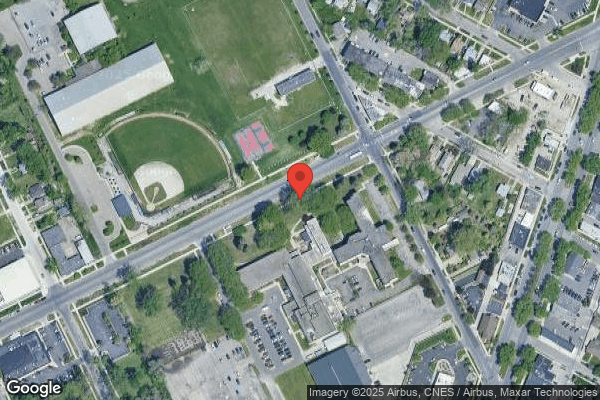
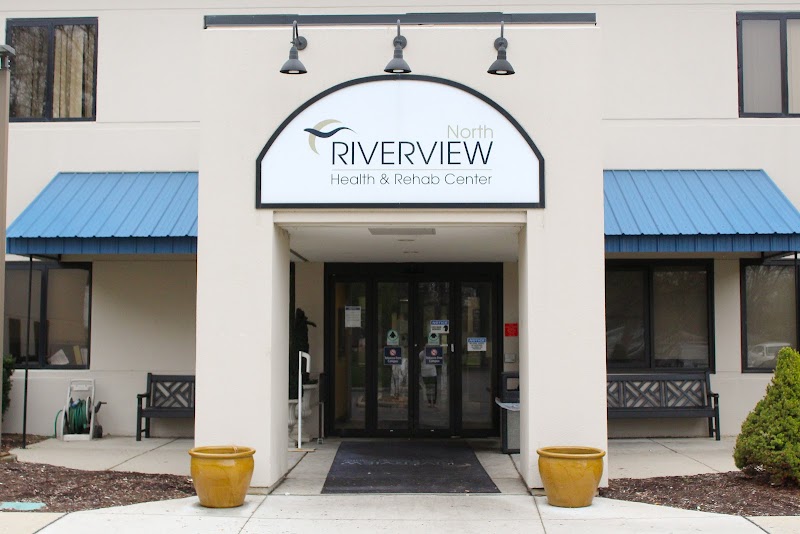
18300 E Warren, Detroit, MI 48224 (313) 343-8000
For profit - Corporation 180 Beds Independent Data: November 2025 1 Immediate Jeopardy citation
Trust Grade
28/100
#331 of 422 in MI
Last Inspection: April 2025

Within standard 12-15 month inspection cycle. Federal law requires annual inspections.

Overview

Riverview Health and Rehab Center North has a Trust Grade of F, indicating significant concerns about the quality of care provided. It ranks #331 out of 422 facilities in Michigan, placing it in the bottom half of nursing homes, and #53 of 63 in Wayne County, suggesting limited local options for improvement. The facility is showing signs of improvement, reducing issues from 28 in 2024 to 5 in 2025, but still has a lot of ground to cover. Staffing is average with a rating of 3 out of 5 stars and a turnover rate of 54%, which is close to the state average. However, there are serious concerns as the center has received $38,471 in fines, indicating compliance issues, and has less RN coverage than 97% of Michigan facilities, meaning there may be less oversight for resident care. Specific incidents raise alarm, such as a resident suffering a fractured pelvis after being dropped during care, which resulted in their eventual death. Additionally, the facility allowed staff with long nails to provide personal care, leading to discomfort and injury to a resident. There were also concerns about food safety practices in the kitchen, with improperly dated food and cleanliness issues that could pose health risks. While there are some strengths, such as an improving trend, the number of serious and critical incidents highlights the need for careful consideration by families looking for care.
Trust Score
F
28/100
In Michigan
#331/422
Bottom 22%
Safety Record
High Risk
Review needed
Inspections
Getting Better
28 → 5 violations
Staff Stability
⚠ Watch
54% turnover. Above average. Higher turnover means staff may not know residents' routines.
Penalties
○ Average
$38,471 in fines. Higher than 57% of Michigan facilities. Some compliance issues.
Skilled Nurses
⚠ Watch
Each resident gets only 13 minutes of Registered Nurse (RN) attention daily — below average for Michigan. Fewer RN minutes means fewer trained eyes watching for problems.
Violations
⚠ Watch
39 deficiencies on record. Higher than average. Multiple issues found across inspections.
★★☆☆☆
2.0
Overall Rating
★★★☆☆
3.0
Staff Levels
★★★☆☆
3.0
Care Quality
★★☆☆☆
2.0
Inspection Score
Stable
2024: 28 issues
2025: 5 issues

The Good

  • Full Sprinkler Coverage · Fire safety systems throughout facility
  • No fines on record

Facility shows strength in fire safety.

The Bad

2-Star Overall Rating

Below Michigan average (3.1)

Below average - review inspection findings carefully

Staff Turnover: 54%

Near Michigan avg (46%)

Higher turnover may affect care consistency

Federal Fines: $38,471

Above median ($33,413)

Moderate penalties - review what triggered them

The Ugly 39 deficiencies on record

1 life-threatening 1 actual harm
Apr 2025 3 deficiencies
CONCERN (D)

Potential for Harm - no one hurt, but risky conditions existed

Deficiency F0679 (Tag F0679)

Could have caused harm · This affected 1 resident

**NOTE- TERMS IN BRACKETS HAVE BEEN EDITED TO PROTECT CONFIDENTIALITY** Based on observation, interview, and record review, the facility failed to document and ensure resident's activity preferences w...

Read full inspector narrative →
**NOTE- TERMS IN BRACKETS HAVE BEEN EDITED TO PROTECT CONFIDENTIALITY** Based on observation, interview, and record review, the facility failed to document and ensure resident's activity preferences were honored for one resident (R61) out of two residents reviewed for activities, resulting in resident frustration and boredom. Findings include: On 3/31/25 at 11:03 AM, R61 was observed alert and lying in bed wearing a facility gown. R61 stated, I like to be with people and get bored in my room. R61 stated, I can't do anything on my right side. To get up, staff must dress them and put them in their wheelchair. On 4/1/25 at 2:35 PM, R61 was observed alert and lying in bed wearing a facility gown. R61 stated, I want to be able to get up and go somewhere. I'm just bored. R61 added that staff can just roll them down the hall and they can talk with some people. R61 stated, It beats just laying here. On 4/1/24 at 2:46 PM, Unit Manager, Licensed Practical Nurse (LPN) E said that R61 was not on the list to get up. A conversation was conducted with LPN E, R61, and the Surveyor. During this conversation, R61 mentioned that they would like to get up and out of their room and not just count the dots on the ceiling. On 4/1/25 at 3:11 PM, Certified Nurse Aide (CNA) J reported working with R61 for about 20 days and estimated that R61 had been out of their bed three times on the afternoon shift. On 4/2/25 at 8:47 AM, R61 was observed dressed and having breakfast in the dining room with other residents. When approached, R61 stated, It feels good to be up. On 4/2/25 at 10:17 AM, CNA J said she was responsible for getting R61 dressed and transported to the dining room. CNA J said that initially R61 did not want to get up because they thought no one else would be in the dining room. After CNA J assured R61 that others would be there, R61 got up and wanted to sit with the people in the dining room. On 4/2/25 at 12:15 PM, Activity Director (AD) K said the activity staff provided room visits for residents that do not leave their room. AD K could not provide documentation to support that R61 had received interaction with activity staff on a one-to-one basis in their room and stated, That's bad. R61's activities care plan was reviewed with AD K and revealed the following: Problem: I prefer activities like listening to music watching tv. Approach: Provide materials of interest: (magazine, needlework, etc.) Approach: Provide setting in which activities are preferred (own room, day room, etc.). Approach: Allow resident to express feelings and desires. Approach: Involve resident with those who have shared interests. Approach: Adjust activities to accommodate resident's energy level and tolerance. The activity care plan was last reviewed/revised on 1/14/25. However, there have been no revisions to the approaches since 4/27/22. AD K said that starting in January 2025, R61 would state that they wanted to get up and would ask AD K to get them up out of the bed. AD K said that nursing would be informed. AD K said that as recently as about a week ago, R61 again expressed a desire to get out of the bed. AD K admitted that R61's current activity care plan did not reflect that they wanted to get up. A review of the clinical record for R61 documented an initial admission date of 2/10/22 and readmission date of 3/28/24. R61's diagnoses included cerebral infarction, hemiplegia, and unspecified dementia. A Minimum Data Set assessment dated [DATE] documented moderate cognitive impairment. On 4/2/25 at 1:05 PM, the Nursing Home Administrator (NHA) said that resident activities should be individualized and based upon what the resident wants. The desired activities should be reflected in the care plan. The NHA added that there could probably be better documentation of one-to-one visits. The NHA said that R61's activity preferences should have been documented in the care plan and implemented. On 4/2/25 at 3:10 PM during the exit conference, the NHA said that all requested documents had been provided. A facility policy that governs one-to-one resident activities was requested on 4/2/25 at 1:39 PM but not provided by the conclusion of the survey.
CONCERN (D)

Potential for Harm - no one hurt, but risky conditions existed

Deficiency F0804 (Tag F0804)

Could have caused harm · This affected 1 resident

**NOTE- TERMS IN BRACKETS HAVE BEEN EDITED TO PROTECT CONFIDENTIALITY** Based on observation, interview, and record review, the facility failed to ensure meals were served at palatable temperatures fo...

Read full inspector narrative →
**NOTE- TERMS IN BRACKETS HAVE BEEN EDITED TO PROTECT CONFIDENTIALITY** Based on observation, interview, and record review, the facility failed to ensure meals were served at palatable temperatures for one resident (R287) out of two residents reviewed for food preferences, resulting in the resident's dissatisfaction with the dining experience. Findings include: On 3/31/25 at 12:39 PM, R287 was queried about meals received in the facility. R287 stated, My breakfast is always cold. On 4/2/25 at 8:15 AM, R287 was observed in their room, awake and sitting in a wheelchair. On 4/2/25 at 8:19 AM an insulated meal cart was delivered to R287's housing unit. On 4/2/25 at 8:30 AM, Certified Nurse Aide (CNA) C delivered a breakfast tray to R287. The main entree was served on a plate covered with an insulated dome. R287 granted permission for the tray to be used as a test tray, and a replacement meal tray was ordered for R287. CNA C was present during the testing of food temperatures on R287's tray. The following temperatures were obtained using a metal stem thermometer: Scrambled eggs 92.8ºF (Fahrenheit) Pancakes 90.1ºF CNA C agreed to touch the pancakes. CNA C said the pancakes were only slightly warm and acknowledged the pancakes were not warm enough to melt butter. Oatmeal 135ºF Coffee 130ºF Milk 48ºF Apple juice 50ºF A review of the clinical record documented R287's admission to the facility on 3/21/25 with diagnoses that included legal blindness, Parkinsonism, and Type 2 diabetes mellitus. A Minimum Data Set assessment dated [DATE] documented moderate cognitive impairment. R287 was ordered a regular textured, restricted concentrated sweets, thin liquid diet. On 4/2/25 at 1:05 PM, the Nursing Home Administrator (NHA) said everything should be at the proper temperature ranges. On 4/2/25 at 1:23 PM, the food temperatures obtained at 8:30 AM were reviewed with Dietary Manager (DM) A. In reference to the point-of-service temperatures for the scrambled eggs and pancakes DM A stated, That's too low. DM A said they should probably perform an audit to determine the reason for the low temperatures at the point of service. A facility policy titled, Food Temperatures, dated May 2024, was reviewed and revealed in part the following: - Hot food served to the resident will be no less than 135 degrees Fahrenheit. - The temperature of potentially hazardous cold food will be no greater than 41 degrees Fahrenheit when served to the resident. On 4/2/25 at 3:10 PM during the exit conference, the NHA and Director of Nursing did not offer additional documentation or information regarding this deficient when asked.
CONCERN (F)

Potential for Harm - no one hurt, but risky conditions existed

Food Safety (Tag F0812)

Could have caused harm · This affected most or all residents

Based on observation, interview, and record review, the facility failed to: 1. Properly date-label food stored in the walk-in freezer and walk-in cooler, 2. Ensure food past the use-by-date was not st...

Read full inspector narrative →
Based on observation, interview, and record review, the facility failed to: 1. Properly date-label food stored in the walk-in freezer and walk-in cooler, 2. Ensure food past the use-by-date was not stored with active food stock; 3. Ensure two commercial ice machines were cleaned in a timely manner; and 4. Effectively clean surfaces in the kitchen. These deficient practices had the potential to affect all the residents who consumed food from the kitchen and consumed ice from the ice machines, resulting in the potential for food-borne illness. Findings include: On 3/31/25 at 8:50 AM, during the initial tour of the kitchen with Dietary Manager (DM) A, the following was observed inside of the walk-in freezer: a previously opened bag of approximately 12 bread sticks was not labeled. DM A stated, It's not labeled. It shouldn't be in here. The following items were observed inside of the walk-in cooler, but were not adequately date-marked to specify the opened date and/or prepared date, and the use-by date: 1. An 1/8 size pan of prepared tuna dated 3/30. 2. Three soup bowls of chicken noodle soup and one soup bowl of tomato soup dated 3/30/25. DM A was unsure if the soup had been previously cooked and cooled. Six soup bowls of various types of soup dated 3/28/25. 3. An 1/8 size pan of ground turkey dated 3/28. 4. A bag of approximately 12 slices of American cheese dated 3/28/25. 5. An opened five-pound pack of Swiss cheese - undated. 6. Two opened 2-pound bags of pepperoni dated 2/24/25. The following items were observed inside of the walk-in cooler stored past the designated used-by date: 1. Two opened 1-pound bags of corned beef with a use-by-date of 3/21/24 2. A bag of approximately 16 slices of Swiss cheese with a use-by-date of 3/22/25. Other items observed during the initial tour of the kitchen included: 1. An accumulation of build-up grease and dust was observed on a light cover over the stove. 2. The inside of four drawer fronts in the cook's area were stained with dried food debris and an accumulation of food crumbs. 3. A wet, mushy, beige colored line was observed on the front faceplate inside of the ice machine. A portion of the wet, mushy substance was easily removed with a piece of paper towel. DM A stated the ice machine is cleaned every three months. A document posted on the side of the ice machine titled, Ice Machine/Steamer Cleaning, indicated the last completed cleaning occurred on 12/13/24, signifying the ice machine was overdue for a cleaning. 4. A visible layer of dust was observed on the outside of the ice machine. On 4/1/25 at 3:23 PM, a document posted on the 3rd floor ice machine documented that the ice machine was last cleaned on 12/13/24, signifying the ice machine was overdue for a cleaning. On 4/2/25 at 1:05 PM, the Nursing Home Administrator (NHA) said he expected food in the kitchen to be labeled according to the policy. The facility policy titled, Food Purchasing and Storage, dated October 2017, was reviewed and revealed in part the following: - Accepted items are removed from cases, date with Date Received by date and stored in the appropriate areas as quickly as possible. - Leftover foods will be put in the refrigerator in shallow pans (two to four inches deep) so that the interior temperature of the food chills quickly to < 41 F. They will be covered, dated, and labeled. - All food items in refrigerators will be properly dated with an open date and/or date to be use by, labeled, and placed in containers with lids, or will be wrapped. - All frozen food will be dated with an open date and/or date to be used by, labeled and wrapped. According to the 2013 FDA Food Code: -Section 4-601.11 Equipment, Food-Contact Surfaces, Nonfood-Contact Surfaces, and Utensils. (A) Equipment food-contact surfaces and utensils shall be clean to sight and touch. On 4/2/25 at 3:10 PM during the exit conference, the NHA and Director of Nursing did not offer additional documentation or information regarding this citation when asked.
Jan 2025 2 deficiencies
CONCERN (D) 📢 Someone Reported This

A family member, employee, or ombudsman was alarmed enough to file a formal complaint

Potential for Harm - no one hurt, but risky conditions existed

Report Alleged Abuse (Tag F0609)

Could have caused harm · This affected 1 resident

**NOTE- TERMS IN BRACKETS HAVE BEEN EDITED TO PROTECT CONFIDENTIALITY** This citation pertains to intake MI00149358. Based on interview and record review, the facility failed to ensure staff reported ...

Read full inspector narrative →
**NOTE- TERMS IN BRACKETS HAVE BEEN EDITED TO PROTECT CONFIDENTIALITY** This citation pertains to intake MI00149358. Based on interview and record review, the facility failed to ensure staff reported an injury of unknown origin to the abuse coordinator for one resident (R401) out of four residents reviewed for injuries of unknown origin. Findings include: On 1/14/25 at 8:55 AM R401's guardian A was interviewed and said that on 11/16/24 a nurse from the facility reported to her that R401's leg was swollen and warm to the touch, an x-ray showed that R401's hip was fractured again. Guardian A said the incident was not reported and no one could tell her how R401 fractured her leg. Record review of the Electronic Health Record (EHR) revealed R401 admitted to facility on 9/5/24 with most recent readmission on [DATE] with diagnoses which included fracture of unspecified part of neck of left femur, encounter for other orthopedic aftercare, and dementia. Review of the Minimum Data Set (MDS) dated [DATE] for R401 revealed severely impaired cognition and required substantial assistance for activities of daily living (ADLs). Review of R401's progress note dated 10/15/24 revealed Resident ambulating in common area witnessed going on floor, staff assessed x-rays ordered. Review of R401's x-ray report dated 10/16/24 revealed displaced left femoral neck fracture (hip fracture). Review of R401's hospital report dated 10/22/24 revealed R401 had a left hip hemiarthroplasty (partial hip replacement of thigh bone) on 10/18/24 with full weight bearing. Review of R401's progress note dated 11/13/24 at 8:28 AM revealed Writer and oncoming nurse obtaining urine specimen observed resident left hip swollen warm and painful to touch applied ice oncoming nurse received order for x-ray. Review of R401's progress note dated 11/13/24 at 8:34 AM revealed Writer received resident with left hip swollen warm to touch and painful. Pain med given doctor and Director of Nursing (DON) observed left hip. Review of R401's progress note dated 11/13/24 at 8:55 AM revealed Doctor notified of stat x-ray results of left hip, fracture involving the left proximal femur with 11 cm displacement and 3.4 cm overlap (thigh bone fracture). Fracture occurs at the distal prothesis (below the partial hip replacement). On 1/14/25 at 12:40 PM Certified Nursing Assistant (CNA) B was interviewed and said she worked with R401 on the morning of 11/13/24, R401 stayed in bed and did not notice anything out of the ordinary. If something happened, I would have reported it to the nurse. On 1/14/25 at 3:46 PM CNA C was interviewed and said she worked the midnight shift on 11/12/24 to 11/13/24 and did not recall R401 having any falls, or injuries. Review of the EHR revealed the most recent fall was documented on 10/28/24 with no injuries noted. On 1/14/25 at 2:55 PM the DON was interviewed and said she was in the building when R401 was sent to the hospital due to femur fracture. The DON agreed the incident should have been reported as an injury of unknown origin to abuse coordinator. On 1/14/25 at 3:00 PM the Nursing Home Administrator (NHA) was interviewed and said no one reported R401's femur fracture on 11/13/24 as an injury of unknown origin. The NHA agreed the incident should have been reported to him and then reported to State Agency. Review of the facility policy titled Abuse and Neglect Prohibition Policy undated revealed in part .G. Reporting and Response 1. The staff will report all allegations of abuse, neglect, and misappropriation of property to the Administrator, immediately. 2. The facility will report all allegations and substantiated occurrences of mistreatment, abuse, neglect, misappropriation of property, or injuries of unknown source to the Bureau of Health Systems using the on-line form 362, immediately.
CONCERN (D) 📢 Someone Reported This

A family member, employee, or ombudsman was alarmed enough to file a formal complaint

Potential for Harm - no one hurt, but risky conditions existed

Deficiency F0657 (Tag F0657)

Could have caused harm · This affected 1 resident

**NOTE- TERMS IN BRACKETS HAVE BEEN EDITED TO PROTECT CONFIDENTIALITY** This citation pertains to intake MI00149358. Based on interview, and record review the facility failed to update/revise/review a...

Read full inspector narrative →
**NOTE- TERMS IN BRACKETS HAVE BEEN EDITED TO PROTECT CONFIDENTIALITY** This citation pertains to intake MI00149358. Based on interview, and record review the facility failed to update/revise/review a care plan in a timely manner for one resident (R401) out of four residents reviewed for care planning. Findings include: On 1/14/25 at 8:55 AM R401's guardian A was interviewed and said that on 11/16/24 a nurse from the facility reported to her that R401's leg was swollen and warm to the touch, an x-ray showed that R401's hip was fractured again. Guardian A said the incident was not reported and no one could tell her how R401 fractured her leg. Record review of R401's Electronic Health Record (EHR) revealed admitted to facility on 9/5/24 with most recent readmission on [DATE] with diagnoses which included fracture of unspecified part of neck of left femur, encounter for other orthopedic aftercare, and dementia. Review of the Minimum Data Set (MDS) dated [DATE] for R401 revealed severely impaired cognition and required substantial assistance for activities of daily living (ADLs). Review of R401's EHR revealed that R401 had documented falls in the facility on 9/19/24, 10/15/24, 10/27/24, and 10/28/24. On 1/14/25 at 1:05 PM Licensed Practical Nurse (LPN) D was interviewed and R401's care plan was reviewed. Review of R401's care plan revealed Problem start date 9/6/24 Category Falls Resident at risk for falls due to decreased mobility and poor safety awareness related to diagnosis of left hip fracture and dementia. Actual Fall 10/15/24. Edited 12/2/2024 by LPN D Goal Short Term Goal Date: 1/29/25 Resident will remain free from fall related injuries. Edited 10/31/24. Approach start date: 10/27/24 Obtain PT consult Created 12/2/24 by LPN D. Approach start Date 10/15/24 Occupy resident with music and crafts. Edited 12/2/24 by LPN D. LPN D agreed R401's actual falls on 9/19/24, 10/27/24, and 10/28/24 were not updated on the care plan and that the updates made were not timely. On 1/14/25 at 12:05 the Director of Nursing (DON) was interviewed and agreed R401's fall care plan was not updated timely and care planned/reviewed after each fall. Review of the facility policy titled Fall management Guidelines revised 8/30/2021 revealed in part .Residents identified at risk for falls will have a care plan developed and implement fall prevention interventions as needed based on their assessment. After each fall the licensed nurse will document the incident on: Events, 24 hour nurse report, nurses' notes, interdisciplinary post-fall assessment, charting in the nurses notes over the next 24 hours, update the care plan.
Aug 2024 2 deficiencies
CONCERN (D) 📢 Someone Reported This

A family member, employee, or ombudsman was alarmed enough to file a formal complaint

Potential for Harm - no one hurt, but risky conditions existed

Deficiency F0559 (Tag F0559)

Could have caused harm · This affected 1 resident

**NOTE- TERMS IN BRACKETS HAVE BEEN EDITED TO PROTECT CONFIDENTIALITY** Based on observation, interview, and record review, the facility failed to notify and discuss a room change with a resident and ...

Read full inspector narrative →
**NOTE- TERMS IN BRACKETS HAVE BEEN EDITED TO PROTECT CONFIDENTIALITY** Based on observation, interview, and record review, the facility failed to notify and discuss a room change with a resident and their responsible party for one resident (R801) of one residents reviewed for room changes, resulting in R801 being moved to a new room without approval of the responsible party and the increased potential for transfer trauma (physical, behavioral, and emotional reaction to a sudden change in ones surroundings). Findings include: On 8/20/24 at 10:40 AM R801 was observed seated in a wheelchair in a private room on the 1st floor. During interview the resident said the private room was nice but missed being on the 3rd floor with friends. R801 said, They moved me because I was hanging around some girls. Nobody told me I couldn't have girlfriends. I didn't do anything, just hanging around them in their room. I won't hang around them anymore if I can go back upstairs. They didn't tell me nothing before, just moved me down here. According to R801's Electronic Health Record (EHR) the resident admitted to the facility on [DATE] with multiple diagnoses that included Parkinson's disease and major depressive disorder. The Minimum Data Set (MDS) quarterly assessment on 5/23/24 indicated the resident had moderately impaired cognition and no behaviors. R801 had no care plans for behaviors or wandering. On 7/10/24, Social Worker (SW) E documented that R801's family member was in the process of becoming the resident's Legal Guardian and paperwork was in progress. On 8/6/24 at 2:34 PM, a progress note written by the unit manager, Licensed Practical Nurse (LPN) A documented R801 was transferred to another room and the doctor was made aware. There is no documentation to support the resident (R801) or the resident's family member was made aware of R801's room change. On 8/20/24 at 12:15 PM, LPN A was asked about R801's room change. LPN A said that R801 was moved to the first floor because the resident was wandering into other resident's room without their permission. LPN A could not provide any documentation to support that R801 had wandered into other resident's rooms or had ever been redirected by staff from other resident's room. There was no care plan or interventions implemented to prevent wandering. LPN A acknowledged that she did not notify R801's family member of the resident's room change. On 8/20/24 at 2:20 PM, the Nursing Home Administrator was asked about room changes and said, It is our facility's policy to inform resident's family members when a resident's room is changes. On 8/20/24 at 6:10 PM, R801's family member said that he was unaware the facility had moved the resident to the first floor. The family member said he feels he should have been notified of this. They call me with other things that go on with him (R801). Nobody said anything about this to me. The resident's family member said he had paperwork that made him the resident's LG and was delivering them to the facility shortly. According to the facility's undated Room Change Policy in part; It is the policy of this facility to promote a resident's right to make choices and to promptly receive written notice of a room change or change in an assigned roommate. The facility supports the resident's right to refuse a room change made for the purpose of moving the resident into or out of a SNF or NF certified distinct part of the facility, solely for the staff's convenience Moving to a new room or changing roommates is challenging for residents. A resident's preferences should be taken into account when considering such changes. When a resident is being moved at the request of facility staff, the resident, family, and/or resident representative must receive an explanation in writing of why the move is required. The resident should be provided the opportunity to see the new location, meet the new roommate, and ask questions about the move. OBJECTIVE OF THE ROOM CHANGE POLICY The objective of the room change policy is to ensure that the resident is informed of an impending room change or assigned roommate. The intent of the room change policy supports each resident ' s right to refuse a room change in specific circumstances. The policy provides guidance to facility practices for room and roommate management and notification to residents and the resident representative. CENTERS FOR MEDICAID AND MEDICARE SERVICES (CMS) - DEFINITIONS The following are CMS definitions or clarifications from the Draft State Operations Manual Appendix PP effective November 28, 2016 Resident representative The term resident representative means any of the following: An individual chosen by the resident to act on behalf of the resident in order to support the resident in decision-making; access medical, social or other personal information of the resident; manage financial matters; or receive notifications; A person authorized by State or Federal law (including but not limited to agents under power of attorney, representative payees, and other fiduciaries) to act on behalf of the resident in order to support the resident in decision-making; access medical, social or other personal information of the resident; manage financial matters; or receive notifications; Legal representative, as used in section 712 of the Older Americans Act; or. The court-appointed guardian or conservator of a resident. Nothing in this rule is intended to expand the scope of authority of any resident representative beyond that authority specifically authorized by the resident, State or Federal law, or a court of competent jurisdiction.
CONCERN (D) 📢 Someone Reported This

A family member, employee, or ombudsman was alarmed enough to file a formal complaint

Potential for Harm - no one hurt, but risky conditions existed

Comprehensive Care Plan (Tag F0656)

Could have caused harm · This affected 1 resident

**NOTE- TERMS IN BRACKETS HAVE BEEN EDITED TO PROTECT CONFIDENTIALITY** Based on observation, interview, and record review the facility failed to develop or implement a person-centered behavior care p...

Read full inspector narrative →
**NOTE- TERMS IN BRACKETS HAVE BEEN EDITED TO PROTECT CONFIDENTIALITY** Based on observation, interview, and record review the facility failed to develop or implement a person-centered behavior care plan for one (R801) of three residents reviewed for care planning resulting in R801 not having a care plan for behaviors of wandering and the potential for psychosocial needs to go unmet. Findings include: On 8/20/24 at 10:40 AM R801 was observed seated in a wheelchair in a private room on the 1st floor. During interview the resident said the private room was nice but missed being on the 3rd floor with friends. R801 said, They moved me because I was hanging around some girls. Nobody told me I couldn't have girlfriends. I didn't do anything, just hanging around them in their room. I won't hang around them anymore if I can go back upstairs. They didn't tell me nothing before, just moved me down here. According to R801's Electronic Health Record (EHR) the resident admitted to the facility on [DATE] with multiple diagnoses that included Parkinson's disease, Paranoid Schizophrenia, and major depressive disorder. The Minimum Data Set (MDS) quarterly assessment on 5/23/24 indicated the resident had moderately impaired cognition and no behaviors. R801 had no care plans for behaviors or wandering. On 6/25/24 a Behavioral Care progress note written by Nurse Practitioner (NP) F in part reads: Social Work requesting evaluation for behaviors. Nursing reports resident is sexually inappropriate and steals from the nursing station and the snack room. On 8/6/24 at 2:34 PM, a progress note written by the unit manager, Licensed Practical Nurse (LPN) A documented R801 was transferred to another room on a different floor. A review of R801's progress notes, assessments, and care plans did not reveal any documentation of R801's behaviors or that interventions were implemented. On 8/20/24 at 12:15 PM, LPN A was asked about R801's room change. LPN A said that R801 was moved to the first floor because the resident was wandering into other resident's room without their permission. LPN A had no knowledge of the resident stealing snacks from the nurse's station or snack room. LPN A could not provide any documentation to support that R801 had wandered into other resident's rooms or had ever been redirected by staff from other resident's room. There was no care plan or interventions implemented to prevent wandering. LPN A acknowledged that a care plan should have been implemented for the resident's behaviors. On 8/20/24 at 2:00 PM Social Worker (SW) E was asked about R801's behaviors. SW E said the resident had started to wander into other resident's rooms and that it needed to be care planned. SW E was not aware that R801 did not have a care plan for behaviors and said, It should have been in there. I will look into that. SW E said she was new to the building and had no knowledge of the resident stealing from the nurses station or snack room. On 8/20/24 at 2:10 PM, the Director of Nursing (DON) was asked about developing and implementing care plans for residents. The DON reviewed R801's EHR and said, Yes, the resident should have had a care plan for the behavior of wandering. I don't know why it wasn't done. According to the facility's RAI and Care Planning policy dated 8/20/23, in part reads; As required at 42 CFR 483.25, the comprehensive care plan is an interdisciplinary communication tool. It must include measurable objectives and time frames and must describe the services that are to be furnished to attain or maintain the resident's highest practicable physical, mental and physical well- being. The care plan must be reviewed and revised periodically, and the services provided or arranged must be consistent with each resident's written plan of care. 3. The overall care plan should be oriented towards: -Using an appropriate interdisciplinary approach to care plan development to improve the resident's functional abilities. -Involving resident resident's family and other resident representatives as appropriate. -Assessing and planning for care to meet the resident's medical, nursing, mental and psychosocial needs. -Involving the direct care staff with the care planning process relating to the resident's expected outcomes. -Addressing additional care planning areas that are relevant to meeting the resident's needs in the long-term care setting.
Jul 2024 1 deficiency 1 Harm
SERIOUS (G) 📢 Someone Reported This

A family member, employee, or ombudsman was alarmed enough to file a formal complaint

Actual Harm - a resident was hurt due to facility failures

Accident Prevention (Tag F0689)

A resident was harmed · This affected 1 resident

**NOTE- TERMS IN BRACKETS HAVE BEEN EDITED TO PROTECT CONFIDENTIALITY** This citation pertains to intake MI00145652. Based on interview and record review the facility failed to review the Plan of Care...

Read full inspector narrative →
**NOTE- TERMS IN BRACKETS HAVE BEEN EDITED TO PROTECT CONFIDENTIALITY** This citation pertains to intake MI00145652. Based on interview and record review the facility failed to review the Plan of Care (POC) and ensure adequate assistance when providing care for one resident (R4) out of four residents reviewed for falls, resulting in a fractured pelvis and hematoma to the head. Findings include: On 7/16/24 the State Agency received a complaint stating on 7/2/2024 at approximately 11:00 P.M. the on-duty nurse (LPN A) and the Director of Nursing (DON) called the complainant reporting someone was changing R4 and in the process R4 was dropped on the floor. The complainant indicated R4 was taken to a local hospital and was found to have a fracture in the pelvis. R4 passed away in the hospital on 7/12/24, 10 days later. On 7/24/24 at 1:40 P.M., review of R4's Electronic Medical Record (EMR) revealed a Progress Note that documented in part: . Called to room by Certified Nurse Assistant (CNA B) resident laying on left side on floor facing room window. Writer assessed resident, large size hematoma noted to left side of head, red in color. ROM performed on upper and lower extremities. Resident complained of pain to left hip. Neuro check initiated . Writer asked (CNA B) what happened (CNA B) stated I was giving care and resident rolled into me and I could not catch her in time and resident fell onto the floor . Review of the Care Plan: ADLs (Activities Daily Living) Functional/Rehabilitation Resident is receiving total assistance with ADL as evidenced by reduced mobility, incontinence related to my Diagnosis of dementia, congestive heart failure, glaucoma, Peripheral arterial disease and history of cardiovascular accident with right sided hemiparesis. Documented for Approach: Dated: 12/22/2021, provide me two-person assistance with bed mobility. Assist me with repositioning as needed and ensure call-light within reach. Review of R4's Minimum Data Set (MDS) dated [DATE], under section GG for mobility, indicated R4 was dependent meaning (Helper does all the effort. Resident does none of the effort to complete the activity or the assistance of two or more helper is required for the resident to complete the activity.) On 7/24/24 at 3:30 P.M. the DON was requested to provide the facility's policy pertaining to bed mobility requiring two-person assistance. During this interview the DON was asked what did the CNA use to check the status of their resident for care? The DON responded, The plan of care (POC - Guide for staff when providing care for residents) is in the computer. The DON added, We did not know until several days later R4 had a fracture, we called and checked on her at the hospital. During an interview (via Telephone) on 7/25/24 at 10:11 A.M. with LPN A (nurse on the unit on 7/2/24), concerning the incident, LPN A reported R4 was a two person transfer but was not sure of bed mobility status of the resident. LPN A stated it was the responsibility of the assigned CNA caring for the resident to check and review the Plan of Care (POC) for their assigned residents. During an interview (via Telephone) with CNA B at 10:19 A.M. the nurse aide reported on the day of the incident R4's POC was not reviewed before caring for the resident. CNA B stated, she had previously provided care to R4 and always rendered care (repositioned in bed) alone or without another Aide. CNA B reported R4 was facing her in the middle of the bed, on the window side of the room. The resident made a jerking movement causing the resident and air mattress to slide. I could not hold R4 and the mattress. R4 fell on my feet and the resident's head struck the floor. CNA B stated afterwards the Director of nursing gave her an Inservice. On 7/25/24 at 11:52 A.M. the DON reported CNA B should have checked R4's POC located in the computer. During the investigation of the incident, the DON realized staff was not checking the status of the residents prior to providing care but the CNAs had access to the POC on the units. The DON stated staff was instructed during orientation to always check the POC before caring for the resident. The DON provided no explanation why the POC's were no longer being utilized to check the status of the resident before care. Review of a Resident Care Bed Mobility policy with a revision date of May 2023 was provided. The policy did not identify where, when, who or the frequency staff should check the POC status of residents. According to the admission Face Sheet R4 was admitted to the facility on [DATE], with pertinent diagnoses of: Dementia, hypertension, congestive heart failure, Diabetes Mellitus, peripheral vascular disease, chronic anemia, and hygiene. The Minimum Data Set (MDS) dated [DATE], indicated R4 had Brief Interview for Mental Status BIMS (BIMS) score of 6, out of a total possible score of 15. R4 was dependent and required assistance of two staff members with bed mobility.
May 2024 1 deficiency
CONCERN (D) 📢 Someone Reported This

A family member, employee, or ombudsman was alarmed enough to file a formal complaint

Potential for Harm - no one hurt, but risky conditions existed

Safe Transfer (Tag F0626)

Could have caused harm · This affected 1 resident

This citation pertains to intake MI00143701. Based on interview and record review the facility failed to readmit one resident (R609) to the facility upon discharge from a hospital. Findings include: ...

Read full inspector narrative →
This citation pertains to intake MI00143701. Based on interview and record review the facility failed to readmit one resident (R609) to the facility upon discharge from a hospital. Findings include: Record review of the Electronic Medical Record revealed R609 initially admitted into the facility on 1/24/23. R609 had a recent readmission date of 3/7/24. On 3/11/24, R609 was discharged to a hospital via a mental health petition for aggressive behavior. According to the complainant's intake statement, submitted to the State Agency on 4/2/24, I have contacted the Admissions Director to confirm the discharge date for (R609). I was told the patient could not return to the facility because (R609) was a danger to himself and others. The Guardian was not informed neither did the facility go through the proper procedure. (R609) is abandoned at the hospital and will not accept him back to his home, the facility. On 5/23/24 at 12:25 pm, Admissions Coordinator B was interviewed regarding the readmission policy and stated, When a resident goes to the hospital we have to take them back. At this time, documentation was requested regarding the refusal to accept (readmit) R609 back to the facility after hospitalization. On 5/23/24 at 1:15pm the Interim Director of Nursing (IDON) A was interviewed and stated, We didn't accept the resident (R609) back because he was a danger to himself and other residents. During this interview it was explained that the previous Administrator and DON had made the decision not to readmit R609 back into the facility. On 5/23/24 at 1:45 pm the currect Business Office Coordinator (BOC) C who served as the previous admission Coordinator was interviewed. The previous admission Coordinator/BOC C explained there was no documentation of a resident assessment regarding refusal of readmission. On 5/23/24 at 3:05 pm, the Nursing Home Administrator (NHA) A was interviewed and agreed there needs to be a documented assessment in the EMR of why the facility is unable to care for the resident and justification for the refusal of readmission. Review of R609's EMR revealed R609 was admitteed with diagnoses that included schizophrenia, epilepsy, and cerebral infarction. According to the annual Minimum Data Set (MDS) assessment, R609 had moderately impaired cognition and was independent with activities of daily living (ADLs). The MDS also documented the Resident and legal guardian participated in the discharge planning. There were no active discharge plans to return to the community and return to long-term care was anticipated.
Feb 2024 24 deficiencies 1 IJ
CRITICAL (J) 📢 Someone Reported This

A family member, employee, or ombudsman was alarmed enough to file a formal complaint

Immediate Jeopardy (IJ) - the most serious Medicare violation

Accident Prevention (Tag F0689)

Someone could have died · This affected 1 resident

**NOTE- TERMS IN BRACKETS HAVE BEEN EDITED TO PROTECT CONFIDENTIALITY** DPS #2 Based on observation, interview, and record review, the facility failed to prevent injury when allowing nursing staff to ...

Read full inspector narrative →
**NOTE- TERMS IN BRACKETS HAVE BEEN EDITED TO PROTECT CONFIDENTIALITY** DPS #2 Based on observation, interview, and record review, the facility failed to prevent injury when allowing nursing staff to care for residents with long/artificial nails, resulting in injury to a resident who preferred to remain anonymous and the potential for further injury and discomfort. Findings include: On 2/11/24 at 3:43 PM, an annonymous resident was interviewed. Resident had a BIMS (Brief Interview for Mental Status) score of 15 indicating intact cognition. The annonymous resident reported that some of the staff members who provide personal care wear long nails. The annonymous resident reported that during personal care there has been discomfort due to the sensation of nail scratching. The anonymous resident reported a scratch of the perineal (private area) area occurred which had been uncomfortable for days and had then healed. On 2/15/24 at 10:50 AM, a CNA (certified nurse assistant) K was queried about fingernails and the facility policy. K described the fingernails as acrylic. When asked about the policy, CNA K said the word short. CNA K was wearing painted acrylic nails extending approximately a quarter inch beyond the tip of the finger. On 2/15/24 at 11:00 AM, an LPN (Licensed Practical Nurse) J was queried about fingernails and the facility policy. LPM J described the nails as acrylic. When asked about the policy, LPN J said nails are to be short. Nurse J was wearing painted acrylic nails extending approximately a quarter inch beyond the tip of the finger. On 2/15/24 at 11:50AM, an LPN unit manager L was queried about fingernails and the facility policy. LPN L described the fingernails as acrylic. When asked about the policy L responded, I have been trying to get these off. LPN L was asked if it was the acrylic nails L was attempting to remove. LPN L answered yes. LPN L was wearing acrylic nails extending approximately one inch beyond the tip of the finger. A few had been removed revealing clean looking short nails. On 2/15/24 at 11:58AM, the contracted wound care nurse (WCN) M was queried about fingernails and the facility policy. WCN M said there was not a policy on nails with the company she worked for. WCN M was wearing darkly painted acrylic nails which extended over an inch beyond the tip of the finger. A review of the facility policy (undated and not titled), stated in part; Fingernail length is a clinical and safety issue for Employees and Residents. The standard for fingernail length is 1/4 inch from the end of each finger. Fingernails longer than the standard length are not permitted. Employees involved with direct patient care are prohibited from wearing artificial fingernails and extenders when providing care. On 02/21/24 at 11:34 AM, the Director of Nursing (DON) acknowledged the facility policy on fingernails and the concern of the policy not being followed. This citation contains two deficient practice statements: DPS#1 This citation pertains to intakes MI00142304 and MI00142542. Based on interview and record review the facility failed to provide adequate supervision and follow elopement protocol for one resident (R12) who left the facility at an unknown time to staff. R12 was determined to be missing at 8:15 AM on 1/23/24. A moderately cognitively impaired resident with a BIMS of 8 left the facility with a recorded temperature of that day of 33 degrees Fahrenheit and raining. The facility was made aware R12 was at a city hospital at 11:23 AM. This resulted in the likelihood of serious injury, serious harm, serious impairment or death related to being struck by a motor vehicle and/or injury related to inclement weather. Further investigation of the incident revealed facility staff failed to supervise a cognitively impaired resident and respond appropriately to a door alarm (Emergency Door) on the Transitional [NAME] Unit. The alarm was tripped at approximately 1:45 AM, Security Guard W responded to the alarm and interacted with Certified Nurse Assistant X. However, the facility failed to activate procedures to search for a missing resident. Facility staff were unaware of R12 eloped from the facility for approximately 11 hours (from 1:45 AM to 8:15 AM on 1/23/24). The Immediate Jeopardy began on 1/23/24 when facility staff failed to supervise R12 leading to the R12 exiting the building without staff knowledge. The facility failed to respond appropriately to the alarm for the door triggered by R12. The NHA and the DON were notified of the IJ on 2/11/24 at 1:30 PM. The IJ was removed on 2/12/24, but noncompliance remains at a potential for harm due to sustained compliance that has not been verified by the State Agency. Findings include: A review of R12's Electronic Medical Record (EMR) revealed R12 was admitted to the facility on [DATE]. R12 had the following medical diagnoses: Paranoid Schizophrenia and symptoms and signs involving cognitive functions and awareness. A review of R12's Minimum Data Set (MDS) dated [DATE] revealed R12 had a Brief Interview of Mental Status (BIMS) score of 10/15 (moderate cognitive impairment). According to the MDS, R12 required supervision when walking more than 10 feet. According to the elopement risk assessment, dated 1/19/24, R12 was not considered an elopement risk. A review of the interview document for Security Guard (SG) W, obtained by the Director of Nursing (DON) and Nursing Home Administrator (NHA) on 2/12/24, revealed, at approximately 1:45 AM a door alarm went off on Transitional [NAME] unit. I went to Transitional [NAME] unit and shut it off. I checked the doors to make sure they were shut. I looked outside to see if a resident was outside. I didn't see any resident. I immediately went to Certified Nurse Assistant (CNA) X and told her that an inventory of all residents needed to be done immediately. CNA X told me she had already done that an(sic) all residents were accounted for. On 2/11/24 at 9:46 AM R12 was queried regarding the incident that took place on 1/23/24. R12 was unable to give times during this interview. R12 said he woke and walked out the front door. R12 said he went on the public transportation bus on east 7-mile rd. that would transport him to [NAME] Avenue (Ave.). The public transportation bus dropped him off close to the [NAME] Theatre (on [NAME] Ave.). R12 said he then started to walk in the direction of what he believed to be as [NAME] Ave., but he ended up at the local market. R12 said he saw the local police and asked for help. The local police took him to the local hospital where he stayed for 3 to 4 hours before being transported back to the long-term care facility. On 2/11/24 at 12:14 PM the NHA and the DON were interviewed regarding the incident that took place on 1/23/24. The NHA and the DON explained between 7:30 AM and 8:00 AM, Licensed Practical Nurse (LPN) Z notified the DON that R12 was not in the building after a head count was conducted. The NHA and the DON said between 8:45 AM and 9:00 AM, a code 86 (elopement code) was called. The NHA and the DON said they were unaware how R12 left the facility but gave a hypothetical summary that R12 pushed on the emergency door near the Transitional [NAME] unit (the door unlocks after 15 seconds of pushing on the door) and walked to the public transportation bus stop holding area next to the facility. The NHA and the DON said from there they believed R12 got on the public transportation bus. The NHA and the DON said that R12 was identified as being found at 11:38 AM when called by the local hospital. R12 was transported back to the facility at approximately 1:00 PM. On 2/12/24 at 12:30 PM an attempt was made to contact SG W. SG W was not able to be reached for an interview. On 2/12/24 at 12:31 PM CNA X was queried regarding the elopement that took place on 1/23/24. CNA X said she heard an alarm go off because she was in the middle of caring for a resident. CNA X said when she was done, she went into the hallway and checked a couple of rooms on her unit. CNA X said she checked the door but did not see anyone outside. CNA X said that SG W shut off the door alarm when he came to see about the alarm. On 2/12/24 at 12:52 PM, during a follow up interview, CNA X explained that she was in a resident's room providing care when she heard the alarm sounding. CNA X said she was not sure what time the alarm went off. When she was done providing care for the resident see went to where the door was alarming (the exit door nearest to Transitional [NAME] unit). CNA X said she looked out the door and there were no footprints in the snow. CNA X said at that time SG W came up to her and asked what set off the alarm. CNA X said she told SG W she did not know and had never heard that alarm before. When CNA X was asked if she ever received any training on elopement drills, she said she had not received any formal training. On 2/12/24 at 9:52 AM during an interview with the NHA, the NHA said that it was her expectation that any time an alarm goes off the staff should report to the door and start a search, which should include a search outside the premises. The NHA said that she should be notified immediately of any suspected elopements. A review of the facility policy titled Resident Elopement, undated, revealed in part, All exit doors on each unit will be checked to ensure they are locked and secure every shift. Door security exit doors will be documented every shift per nursing assignment sheet. The facility policy did not mention what facility staff had to do when a door alarm was sounded. The Immediate Jeopardy that began on 2/11/24 was removed on 2/12/24 when the facility took the following actions to remove the immediacy: 1) Upon receiving notice of R12's elopement, beginning 2/11/24, the policy on elopement was reviewed by the Administrator and Director of Nursing and deemed appropriate. 2) Beginning 1/23/24, all facility staff education was initiated and is ongoing with a date of compliance of 2/12/24. All staff will be in-serviced via phone and in person.
CONCERN (D)

Potential for Harm - no one hurt, but risky conditions existed

Resident Rights (Tag F0550)

Could have caused harm · This affected 1 resident

**NOTE- TERMS IN BRACKETS HAVE BEEN EDITED TO PROTECT CONFIDENTIALITY** Based on observation, interview, and record review, the facility failed to provide dignified dining for one resident (R17) of on...

Read full inspector narrative →
**NOTE- TERMS IN BRACKETS HAVE BEEN EDITED TO PROTECT CONFIDENTIALITY** Based on observation, interview, and record review, the facility failed to provide dignified dining for one resident (R17) of one resident reviewed for eating assistance while in room, resulting in the potential for feelings of being ignored. Findings include: On 2/11/24 at 1:24 p.m., R17 was observed lying in bed resting with the television on. CENA FF brought the lunch meal tray into the room and proceeded to set up to assist with R117 with eating. CENA FF was then observed standing next to R17's bedside with left hand on the left hip with eating utensil and food in the right hand, and turned slightly to put food in the R17's mouth while CENA FF continued watching the television. On 2/11/24 at 1:27 p.m., CENA FF was asked was it appropriate to stand over the resident while assisting with eating. CENA FF stated, No. I didn't have a chair, so I guess yeah. On 2/13/24 at 10:42 a.m. record review revealed R17 was initially admitted into the facility on 3/6/18 and readmitted from the hospital on 2/6/24 with diagnoses that included Alzheimer's Disease and dementia. According to the annual Minimum Data Set assessment dated [DATE], R17 was severely cognitively impaired and required extensive one person assistance with eating. Review of the ADL care plan with a revision date of 12/26/23 documented: Resident requires total assistance with ADL (activities of daily living) care related to weakness and impaired cognition with a diagnosis of Alzheimer/dementia . debility. Intervention: Assist feeding with all meals . On 2/21/24 at 10:42 a.m. the Director of Nursing was interviewed and said all residents should be treated with dignity and respect. There is no reason to stand when chairs are always available. Review of the facility's policy titled Resident's Rights and Dignity (no date) documented, .The patient or resident is entitled to privacy and dignity, to the extent feasible, in treatment and in caring for a person's needs with consideration, respect, and full recognition of his/her dignity and individuality.
CONCERN (D)

Potential for Harm - no one hurt, but risky conditions existed

Deficiency F0558 (Tag F0558)

Could have caused harm · This affected 1 resident

**NOTE- TERMS IN BRACKETS HAVE BEEN EDITED TO PROTECT CONFIDENTIALITY** Based on observation, interview, and record review, the facility failed to ensure a call light was within reach of one (R92) of ...

Read full inspector narrative →
**NOTE- TERMS IN BRACKETS HAVE BEEN EDITED TO PROTECT CONFIDENTIALITY** Based on observation, interview, and record review, the facility failed to ensure a call light was within reach of one (R92) of one resident reviewed for accommodation of needs, resulting in the potential for unmet care needs. Findings include: On 2/11/24 at 12:50 PM, R92 was observed calling out for help. R92 was observed lying in bed, and stated, I need to be scooted up, I'm uncomfortable. The call light cord was observed clipped to the head of the mattress and the call light button was observed on the floor next to bed. When asked, Can you use your call light to call for help? R92 attempted to reach for call light but was unable to find the call light. Record review of R92's face sheet revealed admitted to facility on 3/22/2021 diagnoses included congestive heart failure, cardiomyopathy, bilateral knee osteoarthritis. Review of the Minimum Data Set (MDS) dated [DATE] for R92 revealed a Brief interview for Mental Status BIMS of 7/15 severely impaired cognition and dependent assistance for mobility. Record review of R92's care plan revealed falls care plan initiated on 3/23/2021 with an approach of call light within reach. On 2/11/24 at 12:52 PM, Licensed Practical Nurse (LPN) N was interviewed and stated, R92's call light is on the floor and cannot reach it to call for help. The call light should be within reach of the resident. In an interview with the Director of Nursing (DON) on 2/21/24 8:59 AM the DON agreed call lights should be within reach of residents.
CONCERN (D)

Potential for Harm - no one hurt, but risky conditions existed

Deficiency F0561 (Tag F0561)

Could have caused harm · This affected 1 resident

Based on observation, interview, and record review the facility failed to provide showers as desired for one resident (R103) of two residents reviewed for choices, resulting in resident dissatisfactio...

Read full inspector narrative →
Based on observation, interview, and record review the facility failed to provide showers as desired for one resident (R103) of two residents reviewed for choices, resulting in resident dissatisfaction. Findings include: On 02/11/24 at 3:43 PM during interview R103 explained they had desire to have a shower. R103 said the last shower had been October of 2023. On 02/12/24 at 11:55 AM record review revealed a physician order dated 2/10/22 designating shower days as Wednesday and Saturday on day shift. On 02/13/24 at 10:32 AM record review of Bath/Shower sheets revealed: 1/2/24 Bed bath 1/9/24 Bed Bath 1/16/24 No documentation of type of bath. 1/19/24 Refused X 3 (Did not specify if resident refused bath or shower.) 1/23/24 Refused X 3 (Did not specify if resident refused bath or shower.) 1/26/24 Bed bath 1/30/24 Refused X 3 (Did not specify if resident refused bath or shower.) According to record review, R103 had a pertinent diagnosis of bilateral primary osteoarthritis of hip. R103 had a BIMS (Brief Interview for Mental Status) score of 15 indicating intact cognition. According to R103's care plan titled ADLs Functional Status/Rehabilitation Potential updated 1/9/24, . extensive assistance with ADLs related to decreased mobility, osteoarthritis, bilateral leg pain and incontinence of bowel and bladder. On 02/21/24 at 11:27 AM during interview, the Director of Nursing (DON) said further documentation concerning showers could not be found to indicate if R103 was offered showers. The DON said if a resident refuses a shower there should be clear documentation to explain the reason for refusal.
CONCERN (D)

Potential for Harm - no one hurt, but risky conditions existed

Safe Environment (Tag F0584)

Could have caused harm · This affected 1 resident

**NOTE- TERMS IN BRACKETS HAVE BEEN EDITED TO PROTECT CONFIDENTIALITY** Based on observation, interview, and record review the facility failed to provide a clean and comfortable environment for two re...

Read full inspector narrative →
**NOTE- TERMS IN BRACKETS HAVE BEEN EDITED TO PROTECT CONFIDENTIALITY** Based on observation, interview, and record review the facility failed to provide a clean and comfortable environment for two residents (R40 and R79) out of two residents reviewed for safe, clean, homelike environment resulting in resident dissatisfaction and discomfort with living conditions. Findings include: R40 On 2/11/2024 at 2:38 PM, R40 was interviewed about their satisfaction with the care and services that they were receiving at the facility. R40 stated, There is a ceiling tile missing over my toilet it got wet and fell off and the other ceiling tile is stained probably from the toilet above me leaking. R40 expressed dissatisfaction with the appearance of the bathroom and reported that he has told staff numerous times about the bathroom condition. In an observation and interview on 2/13/2024 at 8:45 AM with Maintenance Supervisor (MS) C R40's bathroom ceiling tile was replaced. A new active yellow stain on replaced ceiling tile was observed. When queried about the active yellow stain MS C stated There is an active leak in the bathroom above R40's bathroom we are aware of it but there is no work order for it. When asked what specifically is leaking onto R40's bathroom ceiling MS C replied The toilet from the room on the upper floor. Record review of R40's closed Electronic Health record (EHR) revealed the resident admitted to the facility on [DATE] with diagnoses that included coronary artery bypass, atrial fibrillation, polyarthritis, repeated falls. Review of the Minimum Data Set (MDS) dated [DATE] for R40 revealed intact cognition and independent mobility with walker. R79 On 2/11/2024 at 9:46 AM, R79 was interviewed about their satisfaction with the care and services that they were receiving at the facility. R79 stated, There is no hot water in my bathroom faucet or shower. There hasn't been hot water since I got here about three weeks ago. R79 revealed that they reported that there was no hot water to staff and the aides were aware. On 2/12/2024 at 4:42 PM, observed cold water after running hot water at bathroom faucet for two minutes. On 2/13/2024 at 8:20 AM, R79's bathroom faucet and shower temperature were observed with Maintenance Supervisor (MS) C. The hot water was allowed to run for two minutes from the bathroom faucet and shower. Hot water from the faucet was temped using a portable thermometer with a reading of 54 degrees Fahrenheit. Hot water from the shower was temped at 56 degrees Fahrenheit. MS C agreed there should be warm to hot water coming from the faucet and shower after running water for two minutes. On 2/13/2024 at 2:00 PM, Certified Nursing Assistant (CNA) Qwas interviewed, We have to run the hot water for about 20 minutes for the water to heat up on R79's hall. Record review of R79's closed Electronic Health record (EHR) revealed the resident admitted to the facility on [DATE] with diagnoses that included hemiplegia and paresis, acute kidney failure, renal dialysis, and weakness. Review of the Minimum Data Set (MDS) dated [DATE] for R40 revealed intact cognition and independent mobility with wheelchair. Record review of the facility provided water temperature logs requested for the week of 2/11/2024 revealed no dates for 2/11/2024 to 2/14/2024 had been recorded. In an interview on 2/21/2024 at 9:00 AM with the Director of Nursing (DON) agreed residents should have hot water and that bathrooms should be clean. Review of the facility policy titled Monitoring Water Temperatures dated 7/2012 revised 6/2023 revealed in part . The acceptable range for hot tap water is 105 degrees to 120 degrees Fahrenheit.
CONCERN (D) 📢 Someone Reported This

A family member, employee, or ombudsman was alarmed enough to file a formal complaint

Potential for Harm - no one hurt, but risky conditions existed

Report Alleged Abuse (Tag F0609)

Could have caused harm · This affected 1 resident

Based on interview and record review the facility failed to file a report with the state of Michigan within a 24-hour period concerning an allegation of staff to resident abuse for one resident (R115)...

Read full inspector narrative →
Based on interview and record review the facility failed to file a report with the state of Michigan within a 24-hour period concerning an allegation of staff to resident abuse for one resident (R115) of 10 residents reviewed for abuse. Findings include: Record review of the Facility Reported Incident (FRI) dated 7/09/23 at 04:50 AM, documented LPN (licensed practical nurse) I grabbed the gown of (R115) swinging the chair (wheelchair) around hitting the water fountain. According to the FRI, this action (wheelchair coming in to contact with the water founntain) dislodged the water fountain from the wall. On 2/21/24 at 12:09 PM, the nursing home administrator (NHA) was queried regarding the incident involving R115. The NHA said the incident should have been reported immediately. Review of the facility's undated policy titled Abuse and Neglect Prohibition Policy revealed documentation concerning reporting and stated in part, The facility will report all allegations and substantiated occurrences of mistreatment, abuse, neglect, misappropriation of property or injuries of unknown source to the Bureau of Health Systems using on-line form 362, immediately. 'Immediately' means as soon as possible, but not more than 24 hours after the discovery of the incident.
CONCERN (D)

Potential for Harm - no one hurt, but risky conditions existed

Deficiency F0645 (Tag F0645)

Could have caused harm · This affected 1 resident

**NOTE- TERMS IN BRACKETS HAVE BEEN EDITED TO PROTECT CONFIDENTIALITY** R89 On 2/13/24 at 2:17 PM, record review revealed R89's last PASARR I (Pre-admission Screening and Annual Resident Review) scree...

Read full inspector narrative →
**NOTE- TERMS IN BRACKETS HAVE BEEN EDITED TO PROTECT CONFIDENTIALITY** R89 On 2/13/24 at 2:17 PM, record review revealed R89's last PASARR I (Pre-admission Screening and Annual Resident Review) screening was completed and dated 12/19/22. On 2/13/24 at 2:20 PM, review of R89's chart disclosed a pertinent diagnosis of vascular dementia, moderate, with psychotic disturbance. MDS (Minimum Data Set) screening tool report dated 12/23/23 recorded a BIMS (Brief Interview for Mental Status) score of 10 indication moderate cognitive impairment. On 2/21/24 at 11:15 AM Social Worker (SW) T was interviewed and explained that the PASARR I screening should be done annually and that R89's PASARR screening had not been completed since 2/19/22. (2 years ago). Review of the facility policy titled Preadmission screening and Annual Resident Review (PASARR) undated revealed in part, .The PASARR process consist of the completion of a level 1 screen per State and federal requirements as well as the review and implementation of the Level II recommendations upon admission into the facility. Annually and with any significant change of status, the facility will complete the PASARR Level 1 screen for those individuals identified per the level II screen requiring specialized services. Based on interview and record review the facility failed to ensure a Pre-admission Screening and Annual Resident Review (PASARR-determines whether or not an individual who has a diagnosis of Mental Illness or Intellectual/Developmental Disability [ID/DD] meets the criteria for a nursing home and their needs are met) Level I (3877) was completed for three sampled resident's (R93, R97, and R89) from a total sample of 38 resulting in the potential for unmet mental health care needs. Findings include: R93 Record review of R93's face sheet revealed admitted to facility on 1/19/2021 diagnoses included hemiplegia and hemiparesis following cerebral infarction, anxiety disorder, bipolar disorder, major depressive disorder. Review of the Minimum Data Set (MDS) dated [DATE] for R93 revealed a Brief interview for Mental Status BIMS of 13/15 indicating intact cognition. A review of R93's electronic medical record (EMR) did not reveal any current PAS/ARR forms (DCH-3877) or Level ll evaluation. There was no Mental Illness/Intellectual/Developmental Disability/Related condition exemption Criteria Certification (DCH-3878) form. (The DCH-3878 is a State of Michigan Department of Health and Human Services (MDHHS) form used to claim exemption for level ll screening). The facility provided a DCH-3877 form dated 6/28/2022. Review of R93's care plan dated 2/17/2021, edited 11/9/2023 revealed that R93 has a diagnosis o depression, anxiety, and bipolar disorder. R93 is receiving antipsychotic and antidepressant medication for mood and behaviors related to mental illness diagnosis and is followed by psch services. R97 Record review of R97's face sheet revealed admitted to facility on 3/4/2022 with diagnoses included congestive heart failure, chronic obstructive pulmonary disease, vascular dementia, psychotic disorder with delusions and anxiety disorder. Review of the Minimum Data Set (MDS) dated [DATE] for R97 revealed a Brief interview for Mental Status BIMS of 13/15 indicating intact cognition. A review of R97's electronic medical record (EMR) did not reveal any current PAS/ARR forms (DCH-3877) or Level ll evaluation. There was no Mental Illness/Intellectual/Developmental Disability/Related condition exemption Criteria Certification (DCH-3878) form. (The DCH-3878 is a State of Michigan Department of Health and Human Services (MDHHS) form used to claim exemption for level ll screening). Review of R97's care plan dated 1/5/2022, edited 6/14/2023 revealed that R97 has a diagnosis of anxiety disorder and psychotic disorder with delusions. and bipolar disorder. R97 is receiving antipsychotic and antianxiety medication for mood and behaviors related to mental illness diagnosis and is followed by psych services. In an interview on 2/13/2024 at 11:22 AM, Social Worker (SW) T stated, There are no current DCH-3877, DCH-3878 for (R93) or (R97). SW T agreed that the DCH-3877 should be assessed yearly. On 2/21/24 at 8:58 AM, in an interview, the Director of Nursing (DON) revealed that the social worker handles the Passar assessments but agreed they should be completed yearly.
CONCERN (D)

Potential for Harm - no one hurt, but risky conditions existed

ADL Care (Tag F0677)

Could have caused harm · This affected 1 resident

**NOTE- TERMS IN BRACKETS HAVE BEEN EDITED TO PROTECT CONFIDENTIALITY** Based on observation, interview, and record review the facility failed to provide adequate Activities of Daily Living (ADL) care...

Read full inspector narrative →
**NOTE- TERMS IN BRACKETS HAVE BEEN EDITED TO PROTECT CONFIDENTIALITY** Based on observation, interview, and record review the facility failed to provide adequate Activities of Daily Living (ADL) care for one resident (R101) out of nine residents reviewed for hygiene, resulting in a dependent residents nail care not being performed. Findings include: R101 Record review of R101's electronic medical record revealed admission into the facility on 6/7/23 with a pertinent diagnosis of hemiplegia and hemiparesis (paralysis on one side of body). According to the Minimum Data Set (MDS) dated [DATE], R101 had slight impaired cognition and required substantial to maximal assistance with ADL care. During an interview on 2/11/24 at 2:03 PM, R101 reported that foot and nail care had not been provided. Observation of bilateral hands revealed all fingernails protruded past fingertips and had dark brown debris underneath. R101 further reported, It would be nice if they could be cut. During observations on 2/12/24 at 11:30 AM, 2/13/24 at 10:20 AM, and on 2/14/24 at 10:29 AM, R101's bilateral hands revealed all fingernails protruded past fingertips and had dark brown debris underneath. Further review of R101's EMR revealed no history of noncompliance with care or documentation of nail care being administered. During an interview on 2/14/24 at 10:30 AM with Licensed Practical Nurse (LPN) S, it was reported that resident's nails should be cleaned and trimmed, and residents should be provided services for foot care. During an interview on 2/14/24 at 10:55 AM with the Director of Nursing (DON), it was reported that nail care should be performed by staff. A nail care policy was requested and was not provided before exit of facility. An ADL policy was provided but did not contain any information regarding nail or foot care.
CONCERN (D)

Potential for Harm - no one hurt, but risky conditions existed

Deficiency F0685 (Tag F0685)

Could have caused harm · This affected 1 resident

**NOTE- TERMS IN BRACKETS HAVE BEEN EDITED TO PROTECT CONFIDENTIALITY** Based on observation, interview, and record review the facility failed to provide vision services for one of one resident (R120)...

Read full inspector narrative →
**NOTE- TERMS IN BRACKETS HAVE BEEN EDITED TO PROTECT CONFIDENTIALITY** Based on observation, interview, and record review the facility failed to provide vision services for one of one resident (R120) reviewed for vision concerns, resulting in inadequate accommodations of vision needs and potential for further deterioration of vision. Findings include: On 2/11/24 at 1:49 p.m. R120 was observed resting in bed with a pair of red glasses on. R120 was alert and oriented to name only. R120 was nonverbal however responded by looking and smiling when name was called. Due to the R120's verbal communication and cognitive impairment, the resident was unable to participate in the interview. On 2/11/24 at 3:12 pm during the resident representative interview, the family member expressed concern with the resident's vision. The family member said R120 was never seen by an eye doctor since admission (one year ago). The family member also said the resident has had the same pair of glasses for the last 15 years and stated, Never had good vision anyway but still deserves to see the eye doctor. On 2/12/24 at 1:28 p.m. review of the clinical record, R120 was initially admitted into the facility on [DATE] and readmitted from the hospital on 3/9/23 with diagnoses that included vascular dementia, hemiplegia and hemiparesis dominant right side, and seizures. According to the quarterly Minimum Data Set (MDS) assessment dated [DATE], R120 had severe cognitive impairment (BIMS could not be assessed due to cognition impairment). The assessment also documented R120 had highly impaired vision with glasses or other visual appliances. The previous MDS assessment dated [DATE] also documented R120 had highly impaired vision with glasses or other visual appliances. Record review revealed the following: There was no care plan for Vision Impairment to review. There were no Vision consults to review in the medical record. There were no physician's orders for a vision consult in the medical record. On 2/14/24 at 12:35 p.m. Social Worker T was interviewed and said R120 was not referred to see the eye doctor, so no consults were available for review. Social Worker T also said the process for vision referrals are as follows: a consent is first obtained by the resident or legal guardian, then sent to the ancillary service provider. A physician's order is also obtained. Once the referral is sent to the ancillary service provider then residents are put on the list to be seen on the next visit. Social Worker T stated, This fell by the wayside. I have been trying to audit all residents to get them seen. Review of the facility's policy titled Ancillary Services documented the following: Ancillary services are medical services provided in the facility to ensure that the residents will continue to have during their stay in long term care setting. Procedure: 1.The facility will get consent from the resident/Legal Guardian for ancillary services provided as needed. 2. The IDT will coordinate any resident needs to obtain and schedule ancillary services needed 3. Physician order will be initiated and document in the resident's medical records. 4. Once ancillary services have been done, recommendations will be ordered. 5. Follow- up as needed or the next visit will be scheduled.
CONCERN (D)

Potential for Harm - no one hurt, but risky conditions existed

Deficiency F0687 (Tag F0687)

Could have caused harm · This affected 1 resident

**NOTE- TERMS IN BRACKETS HAVE BEEN EDITED TO PROTECT CONFIDENTIALITY** Based on observation, interview, and record review the facility failed to provide adequate foot care for one resident (R101) out...

Read full inspector narrative →
**NOTE- TERMS IN BRACKETS HAVE BEEN EDITED TO PROTECT CONFIDENTIALITY** Based on observation, interview, and record review the facility failed to provide adequate foot care for one resident (R101) out of nine residents reviewed for Activities of Daily Living (ADLS), resulting in R101 having overgrown toenails with debris. Findings Include: During an interview on 2/11/24 at 2:03 PM, R101 reported that foot and nail care had not been provided. An observation of bilateral feet revealed resident's toenails were greenish in color and had had debris underneath. Nails were thick and had grown passed the end of toes and had started curving outwards. R101 further reported, It would be nice if they could be cut. Record review of R101's electronic medical record revealed admission into the facility on 6/7/23 with a pertinent diagnosis of hemiplegia and hemiparesis (paralysis on one side of body). According to the Minimum Data Set (MDS) dated [DATE], R101 had slight impaired cognition and required substantial to maximal assistance with ADL care. During observations on 2/12/24 at 11:30 AM, 2/13/24 at 10:20 AM, and on 2/14/24 at 10:29 AM, R101's toenails remained long and had debris underneath the nails. Further review of R101's EMR revealed no podiatry consults since admission, no history of noncompliance with care or documentation of nail care being administered. During an interview on 2/14/24 at 10:30 AM with Licensed Practical Nurse (LPN) S, it was reported that resident nails should be cleaned and trimmed and should be provided services for foot care. During an interview on 2/14/24 at 10:55 AM with the Director of Nursing (DON), it was reported that nail care should be performed by staff and was not sure when R101 had seen a podiatrist. During an interview on 2/14/24 at 10:56 AM with Social Worker (SW) T, it was reported that there was no documentation that R101 had ever received foot care in the computer. A nail care policy was requested and was not provided before exit of facility. An ADL policy was provided but did not contain any information regarding nail or foot care.
CONCERN (D)

Potential for Harm - no one hurt, but risky conditions existed

Deficiency F0688 (Tag F0688)

Could have caused harm · This affected 1 resident

**NOTE- TERMS IN BRACKETS HAVE BEEN EDITED TO PROTECT CONFIDENTIALITY** Based on observation, interview and record review, the facility failed to follow therapy recommendations to initiate restorative...

Read full inspector narrative →
**NOTE- TERMS IN BRACKETS HAVE BEEN EDITED TO PROTECT CONFIDENTIALITY** Based on observation, interview and record review, the facility failed to follow therapy recommendations to initiate restorative services to maintain range of motion (ROM) and mobility for one resident (R98) of six residents reviewed for ROM, out of a total of 28 sampled residents resulting in the potential for a decline in range of motion, and mobility and worsening of contractures. Findings include: R98 On 2/11/2024 at 10:28 AM, R98 was queried about life in the facility, R98 said, I'm only getting speech therapy I was supposed to have someone work on my hand and legs. I finished physical and occupational therapy but haven't had anyone else come in and work with me. R98 was observed with both lower extremities flexed in a side lying position with left hand flexed into a fist. Record review of R98's face sheet revealed admission into facility on 11/18/2022 with most recent readmission on [DATE]. R98's diagnoses included hemiplegia and hemiparesis following cerebral infarction, pressure ulcer sacral region. Review of the Minimum Data Set (MDS) dated [DATE] for R98 revealed a Brief interview for Mental Status BIMS of 14/15 intact cognition and dependent for mobility. Record review of R98's Physical Therapy (PT) Discharge summary, dated [DATE], documented the following: --Discharge Recommendations: discharge : RNP (restorative nursing program) --Restorative Programs: Restorative Program Established/Trained = Restorative transfer Program. --Transfer program established/trained: Hoyer lift transfer Geri chair<>bed Record review of R98's Occupational Therapy (OT) Discharge summary dated [DATE], documented the following: --Discharge Recommendations: continue L hand roll and continue with encouraging patient to get up in Geri chair recliner with pillows for lateral support. --Restorative Programs: Restorative Program Established/Trained = Restorative splint and Brace Program --Splint and brace program established/trained: L hand roll --functional maintenance Program established/trained = range of motion program, splint and brace program --Range of motion program established/trained =LUE PROM --Splint and brace program established/trained =L hand roll --Prognosis to maintain CLOF = excellent with consistent staff support On 2/12/2024 at 9:05 AM, Acting Director of Rehab (ADOR) R was queried about how the facility's nursing restorative program receives rehab therapy recommendations. The ADOR R said the therapist completes a facility document titled, Therapy Recommendations for Restorative Program then stated, The Rehab Manager takes this document to 'Morning Meeting' for distribution. When asked for a copy of the Therapy Recommendations for restorative program for R98 ADOR R stated I don't have access to the binder that has all of the recommendations in it. I can't find it. On 2/14/24 9:29 AM, an interview with Restorative aide V and Restorative nurse U confirmed R98 has not been seen for restorative services. Restorative nurse U stated, I did not get restorative orders from therapy for (R98), there are no physician orders for restorative services. In an interview on 2/21/2024 at 9:05 AM, the Director of Nursing (DON) revealed therapy should have brought the restorative recommendation to morning meeting or directly to the restorative nurse. The DON agreed R98 should be getting and would benefit from restorative services. A restorative services policy was requested on 2/14/2024 at 3:29PM and was not provided by the facility by survey exit.
CONCERN (D) 📢 Someone Reported This

A family member, employee, or ombudsman was alarmed enough to file a formal complaint

Potential for Harm - no one hurt, but risky conditions existed

Incontinence Care (Tag F0690)

Could have caused harm · This affected 1 resident

**NOTE- TERMS IN BRACKETS HAVE BEEN EDITED TO PROTECT CONFIDENTIALITY** This citation pertains to intake MI00141655. Based on observation, interview, and record review the facility failed to ensure th...

Read full inspector narrative →
**NOTE- TERMS IN BRACKETS HAVE BEEN EDITED TO PROTECT CONFIDENTIALITY** This citation pertains to intake MI00141655. Based on observation, interview, and record review the facility failed to ensure that a foley catheter (urine drainage system) was properly secured to the resident's leg, for one resident (R27) out of two residents reviewed for catheter care, resulting in the potential for injury. Findings include: During an interview on 2/11/24 at 10:25 AM, R27 reported that his foley was not anchored and secured to his leg causing it to pull on his penis. During an observation on 2/11/24 at 10:25 AM, it was revealed that there was an anchor attached to tubing, but it was not adhered to R27's leg. It was further reported that it had been like that for days. During an observation on 2/12/24 at 9:00 AM, foley tubing was not anchored and secured to R27's leg. During an observation on 2/13/24 at 3:11 PM, foley tubing was not anchored and secured to R27's leg. During an interview on 2/13/24 at 3:11 PM with Licensed Practical Nurse (LPN) P, it was reported that the foley catheter should be anchored and secured to the resident's leg to prevent pulling and injury. During an interview on 2/13/24 at 3:30 PM with Director of Nursing (DON), it was reported that all residents with foley catheters should have an anchor and it should be secured to prevent injury. Review of R27's electronic medical records (EMR) revealed admission into the facility on [DATE] with a pertinent diagnosis of retention of urine. According to the Minimum Data Set (MDS) dated [DATE] resident had intact cognition and required supervision and assistance with Activities of Daily Living (ADLS). Record review of policy Indwelling Catheter Care dated 10/2022, documented the following: 16. Remove gloves and re tape catheter to other thigh. The facility policy did not provide guidance on adhering the anchoring device used at the facility. No other policies were provided related to catheter care.
CONCERN (D)

Potential for Harm - no one hurt, but risky conditions existed

Drug Regimen Review (Tag F0756)

Could have caused harm · This affected 1 resident

Based on record review and interview the facility failed to respond to a pharmacy recommendation for one resident (R3) of two residents reviewed for medication and medication regimen, resulting in a l...

Read full inspector narrative →
Based on record review and interview the facility failed to respond to a pharmacy recommendation for one resident (R3) of two residents reviewed for medication and medication regimen, resulting in a lack of follow-up for possible needed changes. Findings include: On 2/13/24 at 1:08 PM resident (R3) observed resting in bed. Review of the electronic medical record revealed R3 is a resident with a pertinent diagnosis of vascular dementia with behavior disturbance. R3 is currently in hospice care. On 2/13/24 at 2:30 PM, record review revealed a pharmacy recommendation dated 8/20/23 to consider a gradual dose reduction for R3 of Quetiapine (an antipsychotic medication). There was no documented evidence that Physician O responded agree disagree other on the form. In addition, Physician O did not sign the form. On 2/21/23 at 2:09 PM, the Director of Nursing (DON) was interviewed and said Physician O should have responded to the pharmacy recommendation dated 8/20/23 for resident R3. Review of the facility's policy titled Medication Regiment Review Policy (undated) documented, For non-urgent recommendations, the Facility and Attending Physician must address the recommendation(s) in a timely manner that meets the needs of the resident - but no later than their next routine visit to assess the resident - and the Attending Physician should document in the medical record: a. What irregularity has been reviewed, b. What action has been taken to address the issue.
CONCERN (D)

Potential for Harm - no one hurt, but risky conditions existed

Deficiency F0757 (Tag F0757)

Could have caused harm · This affected 1 resident

Based on observation, interview and record review, the facility failed to justify the use of three medications for one resident (R3) of two residents reviewed for medication and medication regimen, re...

Read full inspector narrative →
Based on observation, interview and record review, the facility failed to justify the use of three medications for one resident (R3) of two residents reviewed for medication and medication regimen, resulting in potential ineffective resident care. Findings include: On 2/13/24 at 1:08PM resident (R3) observed resting in bed. R3 is a resident with a pertinent diagnosis of vascular dementia with behavior disturbance. R3 is currently in hospice care. On 2/13/24 at 12:19PM during record review of R3's electronic medical record it was noted that Physician O had written an order on 8/10/23 for Lorazepam 2mg/ml 0.25ml every 4 hours PRN (as needed). The category for this medication listed on the order was as follows: Central Nervous System Agents | Anticonvulsants | Benzodiazepines (Anticonvulsants). The order did not indicate a resident diagnosis and did not provide an indication. (An indication for a drug refers to the use of that drug for treating a particular disease.) On 2/13/24 at 12:29PM record review of R3's electronic medical record noted that on 8/9/23 the Physician O had written an order for Mirtazapine 7.5mg at Bedtime. The category for this medication listed on the order was as follows: Central Nervous System Agents | Psychotherapeutic Agents | Antidepressants. The order did not indicate a resident diagnosis and did not provide an indication. On 2/13/24 at 12:29PM record review of R3's electronic medical record it was noted that on 8/9/23 Physician O had written an order for Quetiapine 25mg QD. The order did not indicate the category. (Quetiapine is an antipsychotic drug.) The order had been entered as n/a(not applicable) for ICD 9 ICD 10 diagnosis. (ICD-9 and ICD-10 are medical classification systems used to code and classify diagnoses and procedures.) The order also did not provide an indication. On 2/21/24 at 12:00PM, the Director of Nursing (DON) was interviewed and said the diagnosis and indication for the medications should be included in the order. The DON acknowledged that nursing staff should check orders before entry to ensure completeness. Review of the facility policy titled Operating Procedures; Orders: Physician with a revision date of June 2023 states in part, Medications will be ordered in accordance with the diagnosis. The goal for each order is to be the least restrictive to effectively manage the resident's medical condition and to assist the resident in reaching their highest functioning potential.
CONCERN (D)

Potential for Harm - no one hurt, but risky conditions existed

Room Equipment (Tag F0908)

Could have caused harm · This affected 1 resident

Based on observation, interview and record review, the facility failed to maintain medical equipment in safe operating condition. Findings include: On 2/11/24 at 8:59 AM an observation of the third fl...

Read full inspector narrative →
Based on observation, interview and record review, the facility failed to maintain medical equipment in safe operating condition. Findings include: On 2/11/24 at 8:59 AM an observation of the third floor revealed the bladder scanner had a broken attachment at the portion of the cord which connects directly to the scanning device. There were multiple wrappings of clear office tape around the cord. This had separated from the device for a space approximately one half inch leaving the cords exposed. On 2/12/24 at 8:37 AM, the unit manager (UM) L was asked about the use of the bladder scanner. Unit Manager L said the bladder scanner is used for residents as needed. On 2/13/24 at approximately 2:00 PM the information the facility provided was reviewed which indicated the bladder scanner would be used for R66 on that day. On 2/13/24 at 4:31 PM during an interview, the DON and the Maintenance Supervisor C and acknowledged the bladder scanner should not be used on a resident due to its broken condition.
CONCERN (E)

Potential for Harm - no one hurt, but risky conditions existed

Deficiency F0578 (Tag F0578)

Could have caused harm · This affected multiple residents

**NOTE- TERMS IN BRACKETS HAVE BEEN EDITED TO PROTECT CONFIDENTIALITY** R41 On 2/11/24 at 3:34 p.m. R41 was observed resting in bed watching television. The resident presented as alert and oriented to...

Read full inspector narrative →
**NOTE- TERMS IN BRACKETS HAVE BEEN EDITED TO PROTECT CONFIDENTIALITY** R41 On 2/11/24 at 3:34 p.m. R41 was observed resting in bed watching television. The resident presented as alert and oriented to person only. On 2/12/24 at 4:20 p.m. review of the clinical record documented R41 was initially admitted into the facility on 7/22/21 with diagnoses that included end stage renal disease, dementia, and heart failure. According to the quarterly MDS assessment dated [DATE], R41 was severely cognitively impaired and required extensive two-person assistance with ADLs. Review of the face sheet and resident profile in the electronic medical record documented R41 was a Full Code. The face sheet also documented: Directive- Full Code; Copy on File- Yes. The face sheet also documented R41 had a legal guardian. The Code Status could not be confirmed. There was no evidence in the medical record an Advance Directive was initiated with the resident and/or legal guardian according to the their wishes by the facility upon the resident's admission [DATE]) into the facility. R46 On 2/11/24 at 3:35 p.m. R46 was observed sitting in a geriatric recliner in the common area on the second floor. The resident was alert and oriented to person only. On 2/13/24 at 11:41 a.m. review of the clinical record documented R46 was initially admitted into the facility on 3/30/21 with diagnoses that included dementia, seizures, and heart failure. According to the quarterly MDS assessment dated [DATE], R46 had severe cognitive impairment and required total one-person assistance with ADLs. Review of the face sheet and resident profile in the electronic medical record documented R46 was a Full Code. The face sheet also documented: Advance Directive- Full Code; Copy on File- Yes. The face sheet also documented R46 had a legal guardian. Review of the clinical record revealed a document titled Advanced Directive Care that was signed by legal guardian on 4/2/21. The document did not indicate the code status (Full Code or DNR). On 1/9/24 a Social Service progress note did document the following: .Resident chart needs updated Advanced Directive. There was no documentation present in the electronic record (Care Conference Notes or Social Service Notes) that would have provided follow up on code status update. R67 On 2/11/24 at 9:23 a.m. R67 was observed in bed resting. The resident presented as alert and oriented to person only. On 2/12/24 at 9:47 a.m. review of the clinical record documented R67 was initially admitted into the facility on [DATE] with diagnoses that included Alzheimer's disease, dementia, and anxiety disorder. According to the quarterly MDS assessment dated [DATE], R67 had severe cognitive impairment and required limited one-person assistance with ADLs. Review of the face sheet and resident profile in the electronic medical record documented R67 was a Full Code. The face sheet also documented: Advance Directive- Full Code; Copy on File- Yes. The face sheet also documented R67 had a legal guardian. The Code Status could not be confirmed. There was no evidence in the medical record an Advance Directive was initiated with the resident and/or legal guardian by the facility upon the resident's admission [DATE]) into the facility. On 2/13/24 at 12:13 p.m. Social Worker T was interviewed and confirmed the advance directives are incomplete or have not been done. Social Woker T stated, Since I started six months ago, I have been trying to audit all the resident's charts. I have presented this problem to QAPI several times. Based on interview and record review the facility failed to initiate and/or accurately complete residents' advance directives in a timely manner for five residents (R41, R43, R46, R67, and R105) of thirteen reviewed for resident's rights, resulting in the potential for resident wishes to not be honored. Findings include: R43 Record review of the Electronic medical record (EMR) revealed resident had no documentation of an advance directive (legal document that provides directions for medical care when resident is unable to communicate wishes) being initiated since admission into facility. Record review of electronic medical records revealed R43 was admitted into facility on 1/11/24 with a pertinent diagnosis of chronic respiratory failure. According to the Minimum Data Set (MDS) dated [DATE], R43 had intact cognition with a Brief Interview of Mental Status (BIMS) of 15/15. R105 Review of the EMR revealed resident had no documentation of an advance directive being initiated since admission into facility. Record review of electronic medical record revealed R105 was admitted into facility on 9/11/23 with a pertinent diagnosis of pulmonary embolism (blood clot in lung). According to the Minimum Data Set (MDS) dated [DATE], R105 had intact cognition with a Brief Interview of Mental Status (BIMS) of 14/15. During an interview on 12/13/24 at 2:00 PM with Social Worker (SW) T, it was reported that resident advanced directives should be initiated in 24 to 48 hours after admission to the facility. When asked if R43 and R105's advance directives were initiated in a timely manner, SW T responded, No.
CONCERN (E)

Potential for Harm - no one hurt, but risky conditions existed

Comprehensive Care Plan (Tag F0656)

Could have caused harm · This affected multiple residents

**NOTE- TERMS IN BRACKETS HAVE BEEN EDITED TO PROTECT CONFIDENTIALITY** R20 On 02/11/24 at 01:06 PM R20 was observed with a contracted left hand. When asked if he wore a palm protector, R20 nodded yes...

Read full inspector narrative →
**NOTE- TERMS IN BRACKETS HAVE BEEN EDITED TO PROTECT CONFIDENTIALITY** R20 On 02/11/24 at 01:06 PM R20 was observed with a contracted left hand. When asked if he wore a palm protector, R20 nodded yes. A review of R20's Electronic Medical Record (EMR) revealed R20 was admitted to the facility on [DATE]. R20 had the following medical diagnoses: Dementia, Cerebral Infarction (Stroke), and contracture of the joint. A review of R20's Minimumm Data Set (MDS) dated [DATE] revealed R20 had a Brief Interview of Mental Status score of 10/15 (moderately cognitively impaired). According to the MDS, R20 has impairment in range of motion for both lower and upper extremities. A review of R20's Physician orders revealed, Patient to wear left palm grip roll as tolerated daily. A review of R20's comprehensive care plan revealed that R20 did not have a care plan initiated for the use of a palm grip roll. On 02/21/24 at 09:52 AM the Director of Nursing (DON) was interviewed regarding the palm grip roll. The DON verified that there was no care plan intiated for the palm grip roll and that there should be a care plan for its' use. A review of the facility's policy titled The RAI and Care Planning, dated 8/2023, revealed in part, The overall care plan should be oriented towards: Assessing and planning for care to meet the resident's medical, nursing, mental and psychosocial needs .Evaluating treatment of measurable objectives, timetables, and outcomes of care. R120 On 2/11/24 at 1:49 p.m. R120 was observed resting in bed with a pair of red glasses on. R120 was alert and oriented to name only. The family was interviewed and expressed concern with R120's impaired vision is not being addressed. On 2/12/24 at 1:28 p.m. review of the clinical record, R120 was initially admitted into the facility on [DATE] and readmitted from the hospital on 3/9/23 with diagnoses that included vascular dementia, hemiplegia and hemiparesis dominant right side, and seizures. According to the quarterly Minimum Data Set (MDS) assessment dated [DATE], R120 had severe cognitive impairment (BIMS could not be assessed due to cognition impairment). The assessment also documented R120 had highly impaired vision with glasses or other visual appliances. the previous MDS assessment dated [DATE] also documented R120 had highly impaired vision with glasses or other visual appliances. Record review revealed there was no care plan for Vision Impairment to review. On 2/14/24 at 12:35 p.m. Social Worker T was interviewed and said R120 was not referred to see the eye doctor, due to being unaware R120 had vision impairment. The MDS department completes Section B of the MDS that addresses vision. That department also completes the initial care plan when a problem is triggered in that area. On 2/21/24 at 12:20 p.m. MDS Coordinator II was interviewed and said the MDS department completes the initial, quarterly, and annual assessment for Section B that addresses vision. Based on that problem area, a care plan is initiated. MDS Coordinator II was unable to explain the reason the vision care plan was missed. Based on observation, interview, and record review the facility failed to develop comprehensive individualized care plans for four residents (R43, R104, R120, and R20) out thirty-eight residents reviewed for care plan interventions, resulting in the potential of unmet care needs. Findings include: R43 Record review of electronic medical records (EMR) revealed R43 was admitted into facility on 1/11/24 with a pertinent diagnosis of chronic respiratory failure. According to the Minimum Data Set (MDS) dated [DATE], R43 had intact cognition with a Brief Interview of Mental Status (BIMS) of 15/15. During observation on 02/11/24 at 02:16 PM, R43 had an oxygen concentrator and had oxygen being administered. A nebulizer machine was at the bedside. Record review of R43's Physician Orders revealed the following orders: 1. ipratropium-albuterol solution (respiratory medicine) for nebulization; 0.5 mg-3 mg (milligrams) (2.5 mg base)/3 mL; amount to Administer1 3 ml (milliliters) 1 inhalation. Every six hours prn (as needed) for sob (shortness of breath) and wheezing. 2. Oxygen @ 3L per nasal canula continuous every shift. 3. Advair Diskus (inhaler) blister with device; 250-50 [NAME]/dose; twice a day. Record review of all R43's care plans revealed no comprehensive individualized respiratory care plan. Further review documented a goal for Resident will be free from complications or any s/s (signs or symptoms) of respiration distress. There was only one intervention documented to prevent respiratory distress, Resident will ensure that the order for the use of oxygen will be followed. R104 On 02/12/24 at 10:29 AM, observation revealed R104 had an oxygen concentrator and nebulizer at bedside. R104 was asked if he uses the oxygen and the nebulizer, R104 responded, When I need It. Record review of residents Physician Orders revealed the following orders: 1. Oxygen at 2L (liter) per nasal canula as needed. Special Instructions: related to heart failure, cardiomyopathy. As needed. Dated 2/1/23. 2. albuterol sulfate solution for nebulization; 2.5 mg (milligrams) /3 mL (milliliter) (0.083 %); amt: 1vial; inhalation Special Instructions: SOB (shortness of breath). Four Times A Day - PRN, dated 3/15/23. Record review of all R104's care plans found no respiratory care plans initiated. Record review of electronic medical records revealed R104 was admitted into facility on 11/4/22 with a pertinent diagnosis of cardiomyopathy (heart condition). According to the Minimum Data Set (MDS) dated [DATE], R104 had impaired cognition with a Brief Interview of Mental Status (BIMS) of 9/15. During an interview on 12/14/24 at 12:00 PM with Director of Nursing (DON), after review of care plans for R43 and R104, the DON reported that all residents should have care plans that are comprehensive and individualized for every resident. The DON further reported that R43 should have more than one intervention for a respiratory care plan, and R104 should have a respiratory care plan related to his needs.
CONCERN (E)

Potential for Harm - no one hurt, but risky conditions existed

Deficiency F0726 (Tag F0726)

Could have caused harm · This affected multiple residents

Based on interview and record review, the facility failed to ensure that five out of five (FF, MM, NN, OO, and PP ) certified nurse aides (CNA) whose in-service files were reviewed, had the required a...

Read full inspector narrative →
Based on interview and record review, the facility failed to ensure that five out of five (FF, MM, NN, OO, and PP ) certified nurse aides (CNA) whose in-service files were reviewed, had the required annual competency evaluation in skills and techniques necessary to care for residents, resulting in the potential for staff incompetency and/or harm to resident's well-being. Findings include: On 2/13/24 at 9:31 a.m. the following five certified nurse aide annual competency evaluations were reviewed: -CNA FF was hired on 10/25/19. The CENA Competency Evaluation was had a completion date of 8/10/22. -CNA MM was hired on 12/29/10. The CENA Competency Evaluation was had a completion date of 12/19/22. -CNA NN was hired on 6/23/17. The CENA Competency Evaluation was had a completion date of 12/20/22. -CNA OO was hired on 7/22/96. The CENA Competency Evaluation was had a completion date of (no date). -CNA PP was hired on 11/21/14. The CENA Competency Evaluation was had a completion date of 8/20/22. The facility did not have competencies for the year of 2023 for any the certified nurse aides reviewed. On 2/21/24 at 10:12 a.m. Staff Developer U was interviewed and said they (Staff Developer, Director of Nursing, and Human Resources) were revamping the program and currently working to get all the nurse aides caught up on annual competencies. On 2/21/24 at 11:17 a.m. the Director of Nursing was interviewed but did not offer a response. Review of the Facility Assessment Tool, date of assessment December 20, 2022, documented: The purpose of the assessment is to determine what resources are necessary to care for residents competently during both day-to-day operations and emergencies. Use this assessment to make decisions about your direct care staff needs . Using a competency-based approach focuses on ensuring that each resident is provided care that allows the resident to maintain or attain their highest practicable physical, mental, and psychosocial well-being . Facility Resources Needed to Provide Competent Support and Care for Resident Population Every Day . Staff training/ education and competencies: .Required in-service training for nurse aides must be sufficient to ensure the continuing competence of aides, but must be no less than 12 hours per year . Address areas of weakness as determined in nurse aide's performance reviews .
CONCERN (E)

Potential for Harm - no one hurt, but risky conditions existed

Deficiency F0730 (Tag F0730)

Could have caused harm · This affected multiple residents

Based on interview and record review the facility failed to ensure certified nurse aides (CNAs) fulfilled the requirement to complete 12 hours of in-service education annually for five of five certifi...

Read full inspector narrative →
Based on interview and record review the facility failed to ensure certified nurse aides (CNAs) fulfilled the requirement to complete 12 hours of in-service education annually for five of five certified nurse aides (FF, MM, NN, OO, and PP) resulting in the potential for care performance concerns. Findings include: On 2/13/24 at 10:31 a.m. the following five certified nurse aide annual 12-hour nurse aide training/ in-services were reviewed: -CNA FF was hired on 10/25/19. There were no 12-hour training/ in-services provided by the facility. -CNA MM was hired on 12/29/10. There were no 12-hour training/ in-services provided by the facility. -CNA NN was hired on 6/23/17. There were no 12-hour training/ in-services provided by the facility. -CNA OO was hired on 7/22/96. There were no 12-hour training/ in-services provided by the facility. -CNA PP was hired on 11/21/14. There were no 12-hour training/ in-services provided by the facility. There was no evidence provided by the facility that annual 12-hour trainings/ in-services were completed for the certified nurse aides reviewed. On 2/21/24 at 10:12 a.m. Staff Developer U was interviewed and said they (Staff Developer, Director of Nursing, and Human Resources) were revamping the program and currently working to get all the nurse aides caught up on annual trainings and in-services. On 2/21/24 at 11:17 a.m. the Director of Nursing was interviewed and said the trainings were started for the last year (2023) by the previous Staff Developer and another staff member (DON did not identify the other staff person) and were in a binder in the Staff Development office. The DON and Staff Developer U were not able to locate the binder or provide evidence that trainings were completed by the end of the survey. Review of the Facility Assessment Tool, date of assessment December 20, 2022, documented: .Facility Resources Needed to Provide Competent Support and Care for Resident Population Every Day . Staff training/ education and competencies: .Required in-service training for nurse aides must be sufficient to ensure the continuing competence of aides, but must be no less than 12 hours per year .
CONCERN (E)

Potential for Harm - no one hurt, but risky conditions existed

Infection Control (Tag F0880)

Could have caused harm · This affected multiple residents

**NOTE- TERMS IN BRACKETS HAVE BEEN EDITED TO PROTECT CONFIDENTIALITY** DPS#3 Based on observation, interview, and record review the facility failed to ensure (1) a tub was cleaned/sanitized and (2) e...

Read full inspector narrative →
**NOTE- TERMS IN BRACKETS HAVE BEEN EDITED TO PROTECT CONFIDENTIALITY** DPS#3 Based on observation, interview, and record review the facility failed to ensure (1) a tub was cleaned/sanitized and (2) ensure a Geri chair in the hallway near the tub room on third floor was cleaned/sanitized resulting in the potential for harmful growth of microorganisms and spread of infections. Findings include: On 2/11/24 at 9:10 AM, during interview with housekeeper DD and a Certified Nurse Assistant (CNA) EE on the third-floor, cleaning/sanitation was discussed. A Geri chair (a large, padded chair with wheeled base, designed for geriatrics and others with limited mobility) was observed in the hallway across from the shower/tub room. The seat of the chair was observed to have food debris and a spot of feces approximately the length of a dollar bill and the width of approximately the size of a quarter dried and crusted with the bottom appearing dark in color and the top crusted area lighter in color. On 2/11/24 at 9:15 AM housekeeper DD and a Certified Nurse Assistant (CNA) EE were interviewed and the tub room was observed. The tub had dark debris (dirt) and a circular yellowed and dark debris (dirt) covered area. There was also a yellowed towel partially folded inside the tub. CNA EE said the tub is not used anymore. In the hallway, on a separate door. there was a list taped to the door which housekeeper EE said indicated dates when cleaning was done. The list was titled Cleaning schedule Shower Room, Oxygen Room. The dates listed in the following order: 1/8/24, 1/16/24, 1/12/24, 1/13/24, 1/17/24, 1/19/24, 1/23/24, 1/24/24, 1/25/24, 1/26/24, 1/27/24, 1/28/24, 1/29/24, 1/30/24, 1/31/24, 1/01/24, 2/2/24, 2/6/24, 2/7/24, 2/8/24, 2/18/24, 2/11/24. The housekeeper DD and the CNA EE explained the bathrooms are cleaned each day and the chairs are cleaned as needed. Review of the facility policy titled Infection Control Manual; Cleaning and Disinfecting Bathing Tubs & Showers revised April 2023 states in part, Each facility provides and maintains clean resident care equipment. Following this there is documentation of Equipment & Supplies and Procedure. Review of the facility policy titled Infection Control Manual; Cleaning and Disinfecting Wheelchairs revised April 2023 states in part, Each facility provides and maintains clean resident care equipment. Following this there is documentation of Fundamental Information and Procedure. The procedure states in part Ensure that wheelchairs are kept clean and in good condition. R97 Record review of closed Electronic Health record (EHR) revealed R97 admitted to facility on 3/4/2022 with diagnoses that included congestive heart failure, chronic obstructive pulmonary disease, vascular dementia, psychotic disorder with delusions and anxiety disorder. Review of the Minimum Data Set (MDS) dated [DATE] for R97 revealed a Brief interview for Mental Status BIMS of 13/15 intact cognitive. On 2/12/24 at 1:07 p.m., with Licensed Practical Nurse (LPN) AA, R97's nebulizer mask with a coating of film was observed directly on the nightstand and was not stored in a bag. When queried if R97 uses the nebulizer and how should it be stored, LPN AA revealed R97 uses the nebulizer mask for treatments, and the mask belongs in a barrier bag when not in use. R40 Record review of R40's closed Electronic Health record (EHR) revealed the resident admitted to the facility on [DATE] with diagnoses that included coronary artery bypass, atrial fibrillation, polyarthritis, human immunodeficiency virus disease, repeated falls. Review of the Minimum Data Set (MDS) dated [DATE] for R40 revealed intact cognition and independent mobility with walker. In an observation on 2/13/2024 at 10:36AM R40's nebulizer mask was observed lying directly on the nightstand not stored in a bag. When queried about nebulizer mask storage and use R40 stated, They haven't changed my mask in a while and they never put it in a bag or gave me a bag for storage. Record review of physician orders revealed albuterol sulfate solution for nebulization; 2.5 mg/3ML (0.083%); amt 3 ML; inhalation Every 6 hours-PRN start date 9/14/2023 end date open ended. During an interview on 12/14/24 at 12:00 PM with the Director of Nursing (DON), it was reported that nebulizer tubing, mouthpiece or mask should be stored in a plastic bag that is dated and has the resident's name. When asked the purpose for putting nubulize tubing, mouthpiece and mask in a bag, DON reported that it would help prevent the growth of microorganisms. Review of the facility policy titled Cleaning Respiratory Equipment revision date April 2023 revealed in part Each facility provides and maintains clean respiratory equipment. Supplies: When not in use, store masks and canulas in plastic bags labeled with the resident's name and date. Document on a flow record that equipment and supply changes have been completed. DPS#2 Based on observation and interview the facility failed to follow infection control practices when a clean linen cart was stored in an occupied resident room resulting in the potential for cross-contamination. This deficient practice had the potential to affect any resident and staff using clean linen from the cart. Findings include: During an observation of the second floor on 2/11/2024 at 2:20 PM with Certified Nursing Assistant (CNA) Y, a clean linen cart was observed uncovered in a room occupied by two residents. Certified Nursing Assistant (CNA) Y was asked if the uncovered linen cart belongs in a resident's room? CNA Y stated, I was told to put the cart in the resident's room when we were passing out lunch trays. The cart is usually stored covered in the hallway. During an interview on 2/21/2024 at 2:07 PM, the Director of Nursing (DON) said, Clean linen carts should be covered and stored in the hallways. They don't belong in resident rooms to prevent cross contamination. A clean linen storage policy was requested on 2/14/2024 at 3:14PM and was not received by survey exit. This citation has three deficient practice statements. DPS#1 Based on observation, interview, and record review the facility failed to follow infection control practices for five residents (R40, R43, R47, R97, and R104) out of five residents reviewed for respiratory care, resulting in improper storage of nebulizer tubing and the potential for cross-contamination. Findings include: R43 Record review of electronic medical records revealed R43 was admitted into facility on 1/11/24 with a pertinent diagnosis of chronic respiratory failure. According to the Minimum Data Set (MDS) dated [DATE], R43 had intact cognition with a Brief Interview of Mental Status (BIMS) of 15/15. During observation on 02/11/24 at 02:16 PM, th Nebulizer and tubing was sitting on nightstand. The tubing and mouthpiece was not stored in a dated plastic bag with resident's name. When asked, resident R43 reported that they use the same tubing all the time. During an observation of R43's room on 2/12/24 at 10:30 AM, Nebulizer and tubing was sitting on nightstand, and mouthpiece was not stored in a dated plastic bag with resident's name. R47 Record review of electronic medical records revealed R47 was admitted into facility on 3/8/23 with a pertinent diagnosis of chronic obstructive respiratory disease (COPD). According to the Minimum Data Set (MDS) dated [DATE], R47 had intact cognition with a Brief Interview of Mental Status (BIMS) of 14/15. During observation on 02/11/24 at 02:22 PM, the Nebulizer and tubing was sitting on nightstand, tubing and mouthpiece was not stored in a dated plastic bag with resident's name. When asked, R47 reported that they use the same tubing all the time and it just sits on the table. During an observation of R47's room on 2/12/24 at 9:30 AM, Nebulizer and tubing was sitting on nightstand, tubing and mouthpiece was not stored in a dated plastic bag with resident's name. R104 Record review of electronic medical records revealed R104 was admitted into facility on 11/4/22 with a pertinent diagnosis of cardiomyopathy (heart condition). According to the Minimum Data Set (MDS) dated [DATE], R104 had impaired cognition with a Brief Interview of Mental Status (BIMS) of 9/15. During observation on 02/12/24 at 10:29 PM, the R104's Nebulizer and tubing was sitting on oxygen concentrator, tubing and mouthpiece were wrapped around nebulizer and not stored in a dated plastic bag with resident's name. During an observation of R104's room on 2/13/24 at 12:00 PM, R104's Nebulizer and tubing was sitting on oxygen concentrator, tubing and mouthpiece were wrapped around nebulizer and not stored in a dated plastic bag with resident's name. During an interview on 02/13/24 at 10:27 AM Licensed Practical Nurse (LPN) BB, reported that nebulizer tubing should be stored in a bag between resident uses.
CONCERN (E)

Potential for Harm - no one hurt, but risky conditions existed

Safe Environment (Tag F0921)

Could have caused harm · This affected multiple residents

**NOTE- TERMS IN BRACKETS HAVE BEEN EDITED TO PROTECT CONFIDENTIALITY** Based on observation and interview the facility failed to ensure hand sinks were in good repair to be easily cleaned and sanitiz...

Read full inspector narrative →
**NOTE- TERMS IN BRACKETS HAVE BEEN EDITED TO PROTECT CONFIDENTIALITY** Based on observation and interview the facility failed to ensure hand sinks were in good repair to be easily cleaned and sanitized in four rooms (1039,1040,1041, and 1044) out of fifteen rooms located on Trans East Nursing Station, resulting in the potential for harmful growth of microorganisms and injury. Findings include: During an observation of room [ROOM NUMBER] on 2/11/24 at 10:40 AM, A hand sink in a resident's room was found to have buckled Formica on front of sink area revealing sharp edges and porous water damaged wood exposed. During an observation of room [ROOM NUMBER] on 2/11/24 at 10:45 AM, A hand sink in a resident's room was found to have buckled formica on front of sink area revealing sharp edges and porous water damaged wood exposed. During an observation of room [ROOM NUMBER] on 2/11/24 at 11:00 AM, A hand sink in a resident's room was found to have buckled formica on front of sink area revealing sharp edges and porous water damaged wood exposed. During an observation of room [ROOM NUMBER] on 2/11/24 at 11:10 AM, A hand sink in a resident's room was found to have buckled formica on front of sink area revealing sharp edges and porous water damaged wood exposed. During an interview on 2/21/24 at 12:35 PM with Maintenance Supervisor C after reviewing damaged equipment, it was reported that the sinks could not be cleaned and sanitized appropriately. It was further reported that the whole sink area should be removed or replaced.
CONCERN (F) 📢 Someone Reported This

A family member, employee, or ombudsman was alarmed enough to file a formal complaint

Potential for Harm - no one hurt, but risky conditions existed

Deficiency F0563 (Tag F0563)

Could have caused harm · This affected most or all residents

R120 On 2/11/24 at 3:12 p.m. during the resident representative (family member) interview for R120, the family expressed being angry following the resident's most recent fall which resulted in being t...

Read full inspector narrative →
R120 On 2/11/24 at 3:12 p.m. during the resident representative (family member) interview for R120, the family expressed being angry following the resident's most recent fall which resulted in being transferred to the hospital. Out of concern, the family member wanted to come to the facility to see the resident before going to the hospital. The family member said they were told no and had to wait until visiting hours (after 11 am). The family member said visiting hours are 11 am- 8 pm and added some nurses will allow visitors to stay longer. The family concluded the interviewing by saying, I was very angry I was denied seeing my mother when she had an emergency. What if that could have been the last time to see her? On 2/12/24 at 4:47 p.m. [NAME] Clerk GG on the second floor was interviewed and said visiting hours are 10am -8 pm. The facility is lenient on the times though. On 2/12/24 at 4:49 p.m. Security Personnel HH on the afternoon shift (3 pm- 11 pm) was interviewed and said visiting hours are from 11am -8am Monday through Sunday. If family's wanting to come earlier, they need to call management and plan ahead of time. This citation pertains to intake MI00134838. Based on observation, interview, and record review, the facility failed to ensure unrestricted, 24-hour visitation for all 141 residents residing in the facility. Findings include: A complaint was submitted to the State Agency that the facility limited the times when family could visit residents in their rooms. On 2/11/24 at 8:30 AM, during the initial entry to the facility, there was no signage observed posted at the visitor entrance regarding resident visiting hours. During an interview on 2/12/24 at 10:03 AM, Resident #244's Concerned Family Member LL said she was upset because she had been previously denied visitation with her mother when she arrived at the facility around 8:00 PM. The facility visitation policy was requested on 2/13/24 at 3:07 PM. On 2/13/24 at 4:13 PM, a facility document titled, Visitation Policy, dated 3/1/22, was provided by the Nursing Home Administrator (NHA). A review of the Visitation Policy documented in part the following: - It is the policy of the facility to provide residents with a safe and secure environment our visitation is from 11 AM to 8:00 PM. - When visiting outside of these hours we ask that the visitor inform the facility and notify the security desk. --- Hours are posted on the facility Doors. --- Inform the charge nurse, the Director of Nursing, and/or the Administrator if after-hours visiting is needed. --- Determine what special circumstances are needed to visit outside of normal visiting hours. During an interview on 2/14/24 at 11:18 AM, the NHA said visiting hours were from 11:00 AM to 8:00 PM. The NHA said that if someone wants to visit outside of those hours, that they would have to let the NHA or Director of Nursing (DON) know. The NHA or DON would then let the security officer know if a visit outside of the established visiting hours could be accommodated. On 2/14/24 at 4:30 PM, a sign observed posted at the entrance of the facility indicated visiting hours were from 11:00 AM to 8:00 PM. On 2/21/24 at 5:00 PM during the exit conference, the NHA and DON did not offer additional documentation or information when asked.
CONCERN (F)

Potential for Harm - no one hurt, but risky conditions existed

Food Safety (Tag F0812)

Could have caused harm · This affected most or all residents

Based on observation, interview, and record review, the facility failed to: 1. Maintain food service equipment in a clean and sanitary manner; 2. Ensure walls in areas where food was prepared were cle...

Read full inspector narrative →
Based on observation, interview, and record review, the facility failed to: 1. Maintain food service equipment in a clean and sanitary manner; 2. Ensure walls in areas where food was prepared were clean; 3. Store the ice scoop in a clean and sanitary manner; 4. Ensure food items past the use-by-date were not stored with active food stock; 5. Properly date-label food; and, 6. Maintain cleanable surfaces (knife storage area and floor underneath the can opener). These deficient practices have the potential to affect all residents who eat food served from the kitchen. Findings include: On 2/22/24 at 8:50 AM the kitchen was observed and the following was noted: Brown colored, scale-like material on the silver plating inside of the ice machine. Dried and crusted, grayish/brown sediment/debris on grease trap. Shiny, black debris observed in various areas around the kitchen walls near the sinks and stove area. The shiny, black debris was approximately -1/2 to 1 and 1/2 inch thick. The ice machine scoop was stored in a bin with brownish-gray colored film at the bottom of the bin. The scoop rested on top of a plastic disposable lid which rested on top of the film. Containers of cereal revealed the following use by dates for the cereal indicating expired cereals: -Cornflakes 1/8 -Rice Krispies 2/8 -Raisin Bran 1/8 The container with Froot Loops was undated. The knife storage had a white, flaky film. The surface was not easily cleanable. The deep fryer was stained with blackened residue. The oven/stove equipment under shield was stained with blackened residue. Seasoning were stored with the active food stock and the following was noted: -ground nutmeg expired date of 3/10/23 -whole basil leaves expired date of 12/7/23 -cinnamon and maple seasoning expired date of 11/22 The following seasonings were undated: -poultry seasoning -chicken seasoning -ground cinnamon, -onion powder, -garlic powder, -blackened seasoning -taco seasoning, -old bay, -ground cumin, -pickling spice, -rubbed sage, -poultry seasoning, -ground nutmeg, -steak seasoning, -ground pepper, -lemon pepper The industrial can opener was covered with a sticky reddish-brown material. The floor underneath the can opener was soiled with various layers and colors of debris. The surface was not easily cleanable. There were three loaves of bread opened and undated. On 2/15/24 at 11:00 am, Acting Dietary Manager (ADM) KK was interviewed regarding the identified concerns. The ADM KK observed areas of concern and acknowledged that the kitchen had not had a deep cleaning since they last had a porter. ADM KK explained that some of the stored cereals and seasonings were undated and outdated. ADM KK acknowledged the soiled areas in the kitchen, touched the material that was caked on the grease trap to reveal that it was soiled, and acknowledged some of the areas on the floor were not easily cleanable. ADM KK was asked to produce a cleaning schedule that involved the areas of concern and explained that it had been over a year since the last deep cleaning and that no documents could be produced at that time. Review of the facility's policy titled Sanitation-General dated January 2009, revealed, It is the policy of this facility to maintain the sanitation of the kitchen through compliance with a written, comprehensive cleaning schedule.
CONCERN (F)

Potential for Harm - no one hurt, but risky conditions existed

Deficiency F0868 (Tag F0868)

Could have caused harm · This affected most or all residents

Based on interview and record review the facility failed to ensure that the Medical Director (MD) attended the Quality Assurance and Performance Improvement (QAPI-program aimed on improving processes ...

Read full inspector narrative →
Based on interview and record review the facility failed to ensure that the Medical Director (MD) attended the Quality Assurance and Performance Improvement (QAPI-program aimed on improving processes involved in health care delivery and resident quality of life) meetings quarterly, resulting in the potential for impaired resolution of identified issues or decreased quality of care with the potential to affect all 141 residents that reside in the facility. Findings include: During an interview and record review on 2/21/2024 at 12:32 PM, the QAPI program was reviewed with the Nursing Home Administrator (NHA). The NHA said that QAPI team members met monthly and included managers and interdisciplinary team members. When queried if the medical director attends the required quarterly QAPI meeting the NHA stated The medical director did not participate in April, May, or June of 2023. The NHA agreed the medical director is required to attend quarterly meetings. Record review of the provided QAPI attendance records dated April 2023 through June 2023 sign in sheets revealed the signature space next to the Medical Director title were blank. Review of the facility's QAPI plan with the NHA, Quality Assurance and Performance Improvement undated revealed in part , The QAPI program includes the establishment of a Quality Assessment and Assurance Committee and a written QAPI plan. The QA committee shall be interdisciplinary and shall consist at a minimum the director of nursing, the medical director or his/her designee .meet at least quarterly and as needed to coordinate and evaluate activities under the QAPI program.
Jan 2023 6 deficiencies
CONCERN (D) 📢 Someone Reported This

A family member, employee, or ombudsman was alarmed enough to file a formal complaint

Potential for Harm - no one hurt, but risky conditions existed

Deficiency F0658 (Tag F0658)

Could have caused harm · This affected 1 resident

**NOTE- TERMS IN BRACKETS HAVE BEEN EDITED TO PROTECT CONFIDENTIALITY** Based on observation, interview, and record review the facility failed to accurately transcribe a physician's medication order a...

Read full inspector narrative →
**NOTE- TERMS IN BRACKETS HAVE BEEN EDITED TO PROTECT CONFIDENTIALITY** Based on observation, interview, and record review the facility failed to accurately transcribe a physician's medication order and correctly document the medication administration on the Medication Administration Record (MAR) for one of one resident (R1) reviewed for standards of practice resulting in R1 not receiving a lidocaine pain patch (topical anesthetic) in accordance to the physician's orders. Findings include: On 1/9/23 at approximately 11:00 AM R1 was observed laying in her bed on her left side, complaining of pain in her lower back area. R1 said, I get a pain patch on my back once a day, and I haven't gotten it yet. I told the nurse I wanted my pain patch. She said I already got it and I know I didn't. R1 was laying on her left side with the patch visible on the right side of her lower back. The patch had an administration time of 1/8/23 at 6 AM clearly written on it. A review of R1's Electronic Medical Record (EMR) revealed that R1 admitted to the facility on [DATE] with multiple diagnoses that included a left below-the-knee amputation and was cognitively intact. According to the physician's order dated 12/4/22, R1 was prescribed the following; Lidocaine 5% patch medicated topical to right side of back 5 am - 7 am. R1's January 2023 Medication Administration Record (MAR) revealed documentation to indicate the lidocaine 5% topical patch had been administered on 1/9/23 by Licensed Practical Nurse (LPN) E at the 6 AM. On 1/9/23 at 11:10 AM R1's assigned day shift nurse, LPN D said she did not administer R1's lidocaine patch because it had already been signed out as 'administered' by LPN E the midnight shift nurse at 6:00 AM. LPN D went to R1's bedside to assess R1 and confirmed that the lidocaine patch on the R1's lower right back area had an administration date of 1/8/12 at 6:00 AM written on the patch. R1's assessment was expanded and no additional lidocaine patches were present on the resident's body. LPN D said she would administer the lidocaine patch to the resident immediately. On 1/9/23 at approximately 11:30 AM nurse manager, LPN C was interviewed about R1's pain patch. LPN C said I saw a lidocaine patch sitting on the nurse's station desk early this morning and I threw it out because I didn't know whose it was. I bet it was hers (R1) and she (LPN D) forgot to apply it. The nurse is supposed to sign out medications after they had been administered to avoid these types of mistakes. Upon further review of R1's EMR and MAR another order for lidocaine 5% patch was revealed. An order dated 11/16/22 prescribed the following; lidocaine patch 5% everyday at 6 AM and remove at 6 PM. Both orders for the lidocaine patch were on the MAR with conflicting administration instructions. There was no documentation on the MAR or progress notes to indicate R1 had her lidocaine 5% patch removed at 6 PM as prescribed on the order from 11/16/22. On 1/11/23 at 3:00 PM nurse manager LPN C was interviewed regarding the two conflicting orders for R1's lidocaine patch. LPN C reviewed R1's 'order summary' and acknowledged there were two different orders for the lidocaine 5% patch on the MAR. LPN C could not explain why the lidocaine 5% patch was reordered a second time on 12/4/22 without discontinuing the first order dated 11/16/22. LPN C said she would call the physician to clarify and re-write the correct order. According to the facility's Medication Administration Policy 5.1 Preparation of Physician Order Sheet and Medication Administration Records, effective 6/21/17; 4. Upon receipt, nurses review the MARs, TARs (Treatment Administration Records) and similar daily documentation records against the Physician's Order Sheet to assure accuracy. 6. Any medication changes noted on the Physician's Order Sheet must be treated as a new order and transmitted to the pharmacy. According to the facility's Medication Administration Policy 5.2 Med-Pass Procedure, effective 6/21/17; 10. After administering medications, sign off the medication on the MAR.
CONCERN (D) 📢 Someone Reported This

A family member, employee, or ombudsman was alarmed enough to file a formal complaint

Potential for Harm - no one hurt, but risky conditions existed

Deficiency F0692 (Tag F0692)

Could have caused harm · This affected 1 resident

**NOTE- TERMS IN BRACKETS HAVE BEEN EDITED TO PROTECT CONFIDENTIALITY** This citation pertains to intake MI0027872. Based on observation, interview and record review, the facility failed to ensure fre...

Read full inspector narrative →
**NOTE- TERMS IN BRACKETS HAVE BEEN EDITED TO PROTECT CONFIDENTIALITY** This citation pertains to intake MI0027872. Based on observation, interview and record review, the facility failed to ensure fresh water was passed in a timely manner for one resident (R105) out of two residents reviewed for hydration, resulting in the potential for feelings of thirst and dehydration. Findings include: In an observation on 1/9/23 at 12:53 p.m., two foam water cups sat on Resident #105's (R105) bedside table. One cup had no date and the other was dated 1/7/23. Review of a Face Sheet revealed, R105 admitted to the facility on [DATE] with pertinent diagnosis which included Parkinson's disease and Adult Failure to thrive. Review of a Minimum Data Set (MDS) assessment, with a reference date of 10/16/22 revealed R105 had no cognitive impairment with a Brief interview for Mental Status (BIMS) score of 15 out of 15. R105 required extensive assist of one staff with eating. In an observation on 1/10/23 at 12:13 p.m., two foam water cups with a date of 1/9 sat on R105's bedside table. Review of a Daily Assignment Sheet with a date of 1/10/23 revealed, . ICE MUST BE PASS TWICE A SHIFT 2 HOURS INTO SHIFT AND 2 HOUR PRIOR TO SHIFT ENDING MANDATORY . In an observation on 1/10/23 at 2:30 p.m., two foam water cups with a date of 1/9 sat on R105's bedside table. In an interview on 1/10/23 at 2:40 p.m., Certified Nursing Assistant (CNA) G reported the shift is over at 3:00 p.m. CNA G then reported water is passed to residents throughout the day. In an observation and interview on 1/10/23 at 2:41 p.m., CNA G entered R105's room. CNA G looked at the cups on R105's bedside table and reported R105 did not receive fresh water. CNA G then poured the water out and exited the room. In an interview on 1/10/23 at 2:43 p.m., Licensed Practical Nurse (LPN) H reported water is passed to residents at the beginning of shift, end of shift, and as needed. LPN H then reported the CNAs are responsible to pass water to the residents. In an interview on 1/12/23 at 10:18 a.m., the Director of Nursing (DON) reported water should be passed every shift and as needed. The DON reported the resident should receive a new cup and it should be dated. Review of an Hydration & Fluid Restrictions policy with a revised date of March 2017 revealed, Policy: It is the policy of this facility to assist residents to maintain adequate hydration whenever possible. Nutrition and Hydration or fluid restriction interventions will be pursued until the resident and/or family have opted for comfort care measures only .3. Standard Hydration will include the following practice measures to prevent the occurrence of dehydration . D. Assure fresh bedside drinking water is available at all times, unless contraindicated. Assist residents to periodically take a drink throughout the day. E. Offer and encourage fluids periodically .
CONCERN (E)

Potential for Harm - no one hurt, but risky conditions existed

Deficiency F0883 (Tag F0883)

Could have caused harm · This affected multiple residents

**NOTE- TERMS IN BRACKETS HAVE BEEN EDITED TO PROTECT CONFIDENTIALITY** Based on interview and record review, the facility failed to ensure they consistently offered and administered influenza and pne...

Read full inspector narrative →
**NOTE- TERMS IN BRACKETS HAVE BEEN EDITED TO PROTECT CONFIDENTIALITY** Based on interview and record review, the facility failed to ensure they consistently offered and administered influenza and pneumonia vaccines with accessible and valid documentation of acceptance or declination in the medical record for 4 (R81, R105, R145, R149) of 5 residents reviewed for vaccinations, resulting in the lack of vaccine tracking, the residents right to choose and receive vaccine treatment options, and the right to an informed consent. Findings include: On 1/10/23 at 10:00 AM the facility's influenza and pneumonia vaccination records were reviewed with Licensed Practical Nurse (LPN) F, the facility's designated Infection Control Nurse. LPN F said the completed consent/declination forms for the influenza and pneumonia vaccines should be in the 'preventative health' section of the resident's Electronic Medical Record (EMR). LPN F explained the facility's vaccination documentation process, There is a binder for the vaccine consent forms. When the resident accepts the vaccine (consents), the signed consent form goes in the binder until the vaccine is administered. After the vaccine is administered the completed consent form gets scanned into the electronic medical record under the preventative health section. The vaccine administration will then be documented on the MAR (medication administration record). When LPN F was asked when residents get screened, educated, and offered the vaccines she said, Usually right away, upon admission. It's the first day they are here when we go in and give them a Covid test. We educate them and their responsible party on all the vaccines at that time. Review of the facility's influenza vaccine binder revealed that none of the four sampled residents (R81, R105, R145, and R149) had consent/declination forms for influenza or pneumonia vaccines. Only one (unsampled) resident had been offered and administered the influenza vaccine in December of 2022. There were no residents that had been offered or administered any vaccines in January. Resident #81(R81): According to the EMR R81 admitted to the facility on [DATE] with multiple diagnoses that included bilateral below the knee amputations. R81 was his own responsible party and had no cognition deficits. R81 had no consents, declinations, or progress notes to indicate he had been screened for, educated on, or offered the influenza or pneumonia vaccine. LPN F confirmed that R81 had no documentation to support he had been offered any vaccines while at the facility. Resident #105 (R105): According to the EMR R105 admitted to the facility on [DATE] with multiple diagnoses that included Parkinson's disease. R105 was his own responsible party and had no cognition deficits. R105 had no consents, declinations, or progress notes that indicated he had been screened for, educated on, or offered the influenza or pneumonia vaccine. LPN F confirmed that R105 had no documentation to support he had been screened for or offered any vaccines while at the facility. Resident #145 (R145): According to the EMR R145 re-admitted to the facility on [DATE] with multiple diagnoses that included recent history of Covid-19, diabetes and heart failure. R145 had a pneumonia vaccine consent form dated 7/2021 that indicated she had 'declined' the pneumonia vaccine. There were no additional consents, declinations, or progress notes to indicate she had been screened for, educated on, or offered the influenza vaccine. LPN F confirmed that R145 had no documentation to support she had been screened for or offered the influenza vaccine while at the facility. Resident #149 (R149): According to the EMR R149 admitted to the facility on [DATE] with multiple diagnoses that included history of falls and polyathritis. R149 was her own responsible party and had no cognition deficits. R149 had no consents, declinations, or progress notes that indicated she had been screened for, educated on, or offered the influenza or pneumonia vaccine. LPN F confirmed that R149 had no documentation to support she had been screened or offered any vaccines while at the facility. On 1/10/23 at 10:30 AM the Director of Nursing (DON) acknowledged the facility could not demonstrate it had consistently screened for, educated, or offered residents the influenza and pneumonia vaccines. The DON confirmed the facility started the influenza vaccine program on 10/1/22 and would continue through March of 2023. According to the facility's Influenza / H1N1 policy revised January 2022, residents and staff are at risk of developing H1N1. The purpose of this policy is to provide prevention and treatment guidelines to minimize the risk of an outbreak of H1N1. 3. Have residents and staff immunized before the beginning of the influenza season. (start in October each year). 4. If a new resident enters the facility during flu season, offer the resident the vaccine if not already vaccinated. 6. Educate employees, residents, families, and volunteers about the influenza threat and the benefits and safety of flu shots. According to the facility's Pneumonia policy revised January 2022, Procedure: 1. Offer pneumococcal vaccine to residents on admission. 2. Offer annual influenza vaccine.
CONCERN (F) 📢 Someone Reported This

A family member, employee, or ombudsman was alarmed enough to file a formal complaint

Potential for Harm - no one hurt, but risky conditions existed

Deficiency F0727 (Tag F0727)

Could have caused harm · This affected most or all residents

Based on interview and record review, the facility failed to consistently utilize the services of a Registered Nurse (RN) for eight consecutive hours per day, seven days per week, affecting all reside...

Read full inspector narrative →
Based on interview and record review, the facility failed to consistently utilize the services of a Registered Nurse (RN) for eight consecutive hours per day, seven days per week, affecting all residents who resided in the facility, resulting in the potential for unmet care needs. Findings include: Record review of facility's Schedule and Staffing Sheets revealed the following: 7/03/22 (Sunday)- No RN coverage. 7/4/22(Monday)-No RN coverage. 7/17/22 (Sunday)-No RN coverage 9/5/22 (Monday)- No RN coverage. 9/11/22(Sunday)- No RN coverage. During an interview with Director of Nursing (DON), it was confirmed that an RN should be on the premises for eight consecutive hours every day. When asked the reason for this protocol, DON said, It is a regulation and RNs provide a skill level that should be available if needed. After review of facility's Schedules and Staffing Sheets during interview, DON confirmed that there were no RN coverage hours on 7/3/22, 7/4/22,7/17/22,9/5/22, and 9/11/22. Record review of policy Nursing Staffing (no date) documented the following: . 2. The nursing services department is under the supervision of a registered nurse (RN) 8 consecutive hours a day, 7 days a week, or per state guideline.
CONCERN (F)

Potential for Harm - no one hurt, but risky conditions existed

Deficiency F0882 (Tag F0882)

Could have caused harm · This affected most or all residents

Based on interview and record review, the facility failed to ensure the Infection Preventionist completed specialized training in infection prevention and control, resulting in the potential for knowl...

Read full inspector narrative →
Based on interview and record review, the facility failed to ensure the Infection Preventionist completed specialized training in infection prevention and control, resulting in the potential for knowledge deficits pertaining to current infection prevention and control standards and infectious disease outbreaks in a vulnerable population. This deficient practice had the potential to affect 136 residents that reside in the facility. Findings include: Review of the Centers for Medicare and Medicaid Services (CMS) Form #20054 Infection Prevention, Control and Immunizations, dated 10/26/2022, revealed that facilities are required to designate at least one qualified Infection Preventionist who completed specialized training prior to assuming the role of Infection Preventionist and that evidence of completion of this specialized training must be available. On 1/10/23 at 1:05 PM during an interview with Licensed Practical Nurse (LPN) F who is the facility's designated Infection Control Nurse said she had not completed the required specialized training for Infection Control at this time. LPN F said she was hired in 10/2022 as the facility's Infection Control Nurse and enrolled in an Infection Preventionist training course at that time but had not completed it. LPN F said the Director of Nursing (DON) and former Infection Preventionist had assisted her with some of the Infection Control processes. On 1/10/23 at 1:50 PM the Director of Nursing (DON) said she had not completed any specialized training for Infection Control at this time. The DON said she had enrolled in an Infection Preventionist training course but had not completed it. On 1/10/23 at approximately 2:00 PM the Administrator acknowledged that neither the facility's designated Infection Preventionist or the DON had completed any specialized training regarding Infection Control. The Administrator said, The former Infection Control nurse still works at the facility as a nurse manager. She is available to assist with any infection control concerns within the facility. According to the facility's Infection Control Policy (undated) page 3 of 72; 6. Inquiries concerning our infection control policies and facility practices should be referred to the Infection Control Coordinator or Director of Nursing.
CONCERN (F)

Potential for Harm - no one hurt, but risky conditions existed

Deficiency F0887 (Tag F0887)

Could have caused harm · This affected most or all residents

**NOTE- TERMS IN BRACKETS HAVE BEEN EDITED TO PROTECT CONFIDENTIALITY** Based on interview and record review the facility failed to implement their COVID-19 policy and demonstrate they had screened fo...

Read full inspector narrative →
**NOTE- TERMS IN BRACKETS HAVE BEEN EDITED TO PROTECT CONFIDENTIALITY** Based on interview and record review the facility failed to implement their COVID-19 policy and demonstrate they had screened for, educated, offered, and documented acceptance or declination for COVID-19 Immunization for five (R81, R105, R121, R145, and R149) of five residents reviewed for COVID-19 Immunization resulting in the potential for miscommunication and misunderstanding of Resident COVID-19 Immunization preferences. Findings include: A review of the facility's most recent 'Resident COVID-19 Vaccine Tracker Report' (undated) indicated that Residents R81, R105, R121, R145, and R149 were not vaccinated for COVID-19. No explanation was identified on the report. On 1/10/23 at approximately 10:30 AM during an interview with Licensed Practical Nurse (LPN) F, the facility's designated Infection Control Nurse she said the Public Health Department (PHD) had COVID-19 clinics and came into the facility to administer the COVID-19 shots. LPN F could not say when the PHD had last been to the facility or when they were scheduled to return. LPN F confirmed there was no documentation in the Electronic Medical Records (EMR) to indicate that R81, R105, R121, R145, or R149 had been screened, educated, or offered the COVID-19 vaccination while at the facility. Resident #81(R81): According to the EMR R81 admitted to the facility on [DATE] with multiple diagnoses that included bilateral below the knee amputations. R 81 was his own responsible party and had no cognition deficits. R81 had no consents, declinations, or progress notes to indicate he had been screened for, educated on, or offered the COVID-19 vaccine. Resident #105 (R105): According to the EMR R105 admitted to the facility on [DATE] with multiple diagnoses that included Parkinson's disease. R105 was his own responsible party and had no cognition deficits. R105 had no consents, declinations, or progress notes that indicated he had been screened for, educated on, or offered the COVID-19 vaccine. Resident #121 (R121): According to the EMR R121 admitted to the facility on [DATE] with diagnoses that included Alzheimer's disease. R121 had a Legal Guardian that had consented for the resident to receive the influenza vaccine on 10/21/22. R121 had no consents, declinations, or progress notes that indicated he had been screened for, educated on, or offered the COVID-19 vaccine. Resident #145 (R145): According to the EMR R145 re-admitted to the facility on [DATE] with multiple diagnoses that included recent history of COVID-19, diabetes and heart failure. R145 had a pneumonia vaccine consent form dated 7/2021 that indicated she had 'declined' the pneumonia vaccine. There were no additional consents, declinations, or progress notes to indicate she had been screened for, educated on, or offered the COVID-19 vaccine. Resident #149 (R149): According to the EMR R149 admitted to the facility on [DATE] with multiple diagnoses that included history of falls and polyathritis. R149 was her own responsible party and had no cognition deficits. R149 had no consents, declinations, or progress notes that indicated she had been screened for, educated on, or offered the COVID-19 vaccine. On 1/10/23 at approximately 1:05 PM the Director of Nursing (DON) acknowledged the facility could not demonstrate it had consistently screened for, educated, or offered residents the COVID-19 vaccine. The DON said the PHD gives the COVID-19 vaccinations and they may have some of the consent forms with them. No additional documentation was provided to the survey team at time of exit to demonstrate that R81, R105, R121, R145, or R149 had been screened for, educated, or offered residents the COVID-19 vaccine. According to the facility's COVID-19 Vaccination Status policy last updated on 11/4/2022: The Medical Record of newly admitted resident will be reviewed within 48 hour by the Infection Control Nurse or designees to determine the resident's COVID-19 Status. Alternate methods to determine the resident COVID-19 status may include by are not limited to: - Interview the Resident - Review other Health Care Institution Records - Interview the Legal Guardian/Next of Kin. Complete COVID-19 vaccination status and consent form and place in the Medical Record. - Research in the State of Michigan MICR (Michigan Care Improvement Registry). Upon determining the resident's vaccine status, it should be documented in the resident's Medical Record.
Understanding Severity Codes (click to expand)
Life-Threatening (Immediate Jeopardy)
J - Isolated K - Pattern L - Widespread
Actual Harm
G - Isolated H - Pattern I - Widespread
Potential for Harm
D - Isolated E - Pattern F - Widespread
No Harm (Minor)
A - Isolated B - Pattern C - Widespread

Questions to Ask on Your Visit

  • "What changes have you made since the serious inspection findings?"
  • "Can I speak with families of current residents?"
  • "What's your RN coverage like on weekends and overnight?"

Our Honest Assessment

Strengths
  • • Licensed and certified facility. Meets minimum state requirements.
Concerns
  • • Multiple safety concerns identified: 1 life-threatening violation(s), 1 harm violation(s), $38,471 in fines, Payment denial on record. Review inspection reports carefully.
  • • 39 deficiencies on record, including 1 critical (life-threatening) violation. These warrant careful review before choosing this facility.
  • • $38,471 in fines. Higher than 94% of Michigan facilities, suggesting repeated compliance issues.
  • • Grade F (28/100). Below average facility with significant concerns.
Bottom line: Trust Score of 28/100 indicates significant concerns. Thoroughly evaluate alternatives.

About This Facility

What is Riverview Health And Rehab Center North's CMS Rating?

CMS assigns Riverview Health and Rehab Center North an overall rating of 2 out of 5 stars, which is considered below average nationally. Within Michigan, this rating places the facility higher than 0% of the state's 100 nursing homes. A rating at this level reflects concerns identified through health inspections, staffing assessments, or quality measures that families should carefully consider.
How is Riverview Health And Rehab Center North Staffed?

CMS rates Riverview Health and Rehab Center North's staffing level at 3 out of 5 stars, which is average compared to other nursing homes. Staff turnover is 54%, compared to the Michigan average of 46%.

What Have Inspectors Found at Riverview Health And Rehab Center North?

State health inspectors documented 39 deficiencies at Riverview Health and Rehab Center North during 2023 to 2025. These included: 1 Immediate Jeopardy (the most serious level, indicating potential for serious harm or death), 1 that caused actual resident harm, and 37 with potential for harm. Immediate Jeopardy findings are rare and represent the most serious regulatory concerns. They require immediate corrective action.
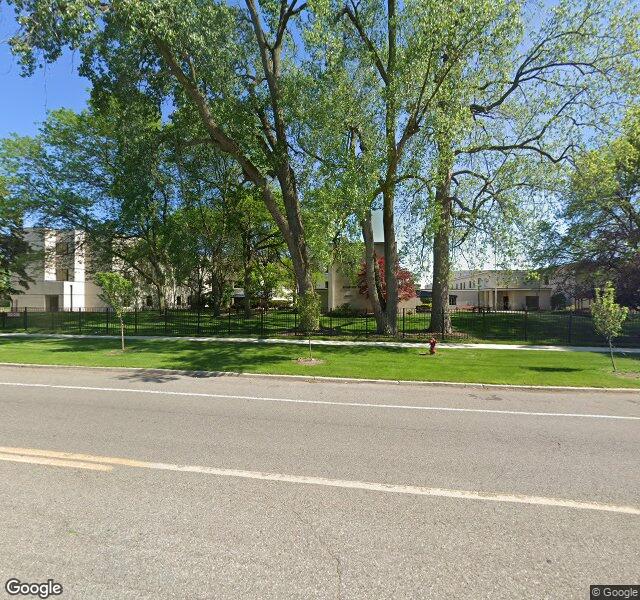
Who Owns and Operates Riverview Health And Rehab Center North?

Riverview Health and Rehab Center North is owned by a for-profit company. For-profit facilities operate as businesses with obligations to shareholders or private owners. The facility operates independently rather than as part of a larger chain. With 180 certified beds and approximately 133 residents (about 74% occupancy), it is a mid-sized facility located in Detroit, Michigan.

How Does Riverview Health And Rehab Center North Compare to Other Michigan Nursing Homes?

Compared to the 100 nursing homes in Michigan, Riverview Health and Rehab Center North's overall rating (2 stars) is below the state average of 3.1, staff turnover (54%) is near the state average of 46%, and health inspection rating (2 stars) is below the national benchmark.

What Should Families Ask When Visiting Riverview Health And Rehab Center North?

Based on this facility's data, families visiting should ask: "What changes have been made since the serious inspection findings, and how are you preventing similar issues?" "Can I visit during a mealtime to observe dining assistance and food quality?" "How do you handle medical emergencies, and what is your hospital transfer rate?" "Can I speak with family members of current residents about their experience?" These questions are particularly relevant given the facility's Immediate Jeopardy citations.

Is Riverview Health And Rehab Center North Safe?

Based on CMS inspection data, Riverview Health and Rehab Center North has documented safety concerns. Inspectors have issued 1 Immediate Jeopardy citation (the most serious violation level indicating risk of serious injury or death). The facility has a 2-star overall rating and ranks #100 of 100 nursing homes in Michigan. Families considering this facility should ask detailed questions about what corrective actions have been taken since these incidents.

Do Nurses at Riverview Health And Rehab Center North Stick Around?

Riverview Health and Rehab Center North has a staff turnover rate of 54%, which is 8 percentage points above the Michigan average of 46%. Moderate turnover is common in nursing homes, but families should still ask about staff tenure and how the facility maintains care continuity when employees leave.

Was Riverview Health And Rehab Center North Ever Fined?

Riverview Health and Rehab Center North has been fined $38,471 across 4 penalty actions. The Michigan average is $33,464. While any fine indicates a compliance issue, fines under $50,000 are relatively common and typically reflect isolated problems that were subsequently corrected. Families should ask what specific issues led to these fines and confirm they've been resolved.

Is Riverview Health And Rehab Center North on Any Federal Watch List?

Riverview Health and Rehab Center North is not on any federal watch list. The most significant is the Special Focus Facility (SFF) program, which identifies the bottom 1% of nursing homes nationally based on persistent, serious quality problems. Not being on this list means the facility has avoided the pattern of deficiencies that triggers enhanced federal oversight. This is a positive indicator, though families should still review the facility's inspection history directly.