Riverview Health & Rehab Center
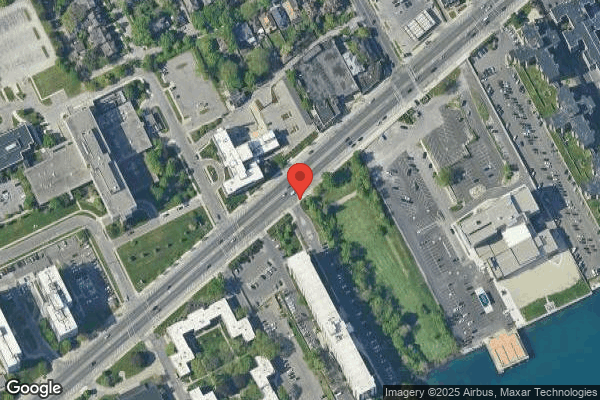
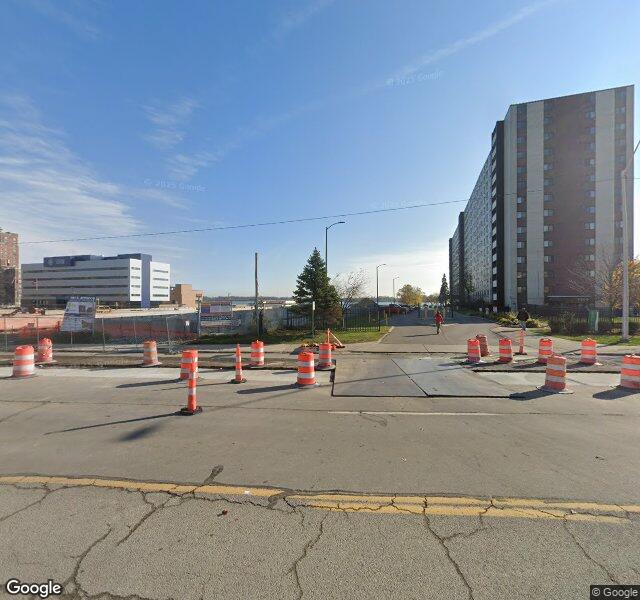
7733 E Jefferson, Detroit, MI 48214 (313) 432-1200
For profit - Limited Liability company 203 Beds Independent Data: November 2025
Trust Grade
60/100
#228 of 422 in MI
Last Inspection: April 2025

Within standard 12-15 month inspection cycle. Federal law requires annual inspections.

Overview

Riverview Health & Rehab Center has a Trust Grade of C+, which means it is decent and slightly above average compared to other facilities. It ranks #228 out of 422 nursing homes in Michigan, placing it in the bottom half of the state, and #36 out of 63 in Wayne County, indicating limited local options that are better. The facility shows an improving trend, with issues decreasing from 7 in 2024 to just 3 in 2025. Staffing is rated average, with a 44% turnover rate, which aligns with the state average, but they have concerning RN coverage, being lower than 90% of other facilities. While there have been no fines, there are some significant concerns, such as inadequate pest control, with live flies observed in multiple areas, and unsanitary kitchen conditions that could lead to foodborne illnesses. Overall, while Riverview has strengths like no fines and a good health inspection rating, families should be aware of the cleanliness and sanitation issues that need addressing.

Trust Score
C+
60/100
In Michigan
#228/422
Bottom 46%
Safety Record
Low Risk
No red flags
Inspections
Getting Better
7 → 3 violations
Staff Stability
○ Average
44% turnover. Near Michigan's 48% average. Typical for the industry.
Penalties
✓ Good
No fines on record. Clean compliance history, better than most Michigan facilities.
Skilled Nurses
○ Average
Each resident gets 30 minutes of Registered Nurse (RN) attention daily — about average for Michigan. RNs are the most trained staff who monitor for health changes.
Violations
⚠ Watch
21 deficiencies on record. Higher than average. Multiple issues found across inspections.
★★★☆☆
3.0
Overall Rating
★★★☆☆
3.0
Staff Levels
★☆☆☆☆
1.0
Care Quality
★★★★☆
4.0
Inspection Score
Stable
2024: 7 issues
2025: 3 issues

The Good

  • Full Sprinkler Coverage · Fire safety systems throughout facility
  • No fines on record
  • Staff turnover below average (44%)

    4 points below Michigan average of 48%

Facility shows strength in fire safety.

The Bad

3-Star Overall Rating

Near Michigan average (3.1)

Meets federal standards, typical of most facilities

Staff Turnover: 44%

Near Michigan avg (46%)

Typical for the industry

The Ugly 21 deficiencies on record

Jun 2025 1 deficiency
CONCERN (D) 📢 Someone Reported This

A family member, employee, or ombudsman was alarmed enough to file a formal complaint

Potential for Harm - no one hurt, but risky conditions existed

Report Alleged Abuse (Tag F0609)

Could have caused harm · This affected 1 resident

**NOTE- TERMS IN BRACKETS HAVE BEEN EDITED TO PROTECT CONFIDENTIALITY** This citation pertains to intakes MI00153605 and MI00153653. Based on interview and record review, the facility failed to report...

Read full inspector narrative →
**NOTE- TERMS IN BRACKETS HAVE BEEN EDITED TO PROTECT CONFIDENTIALITY** This citation pertains to intakes MI00153605 and MI00153653. Based on interview and record review, the facility failed to report facial bruising and posterior nasal fracture of unknown origin for one (R702) of four residents reviewed for abuse, resulting in an unreported incident of potential abuse. Findings include: The State Agency (SA) received a complaint on 6/10/2025 that the resident (R702) had facial bruises around both eyes and posterior sinus fractures of unknown origin. According to the Electronic Health Record (EHR), R702 admitted to the facility on [DATE] with diagnoses that included acute respiratory failure, tracheostomy, morbid obesity, and required mechanical ventilation for respiratory support. R702 was identified to have intact cognition with a BIMS (brief interview for mental status) score of 14/15. A progress note dated 6/8/25 at approximately 10:00 PM documented that R702 was observed to have facial swelling and a small amount of green discharge from the right eye. The physician was notified and R702 was transferred to the hospital for further evaluation. R702 did not return to the facility. On 6/23/25 at 11:00 A.M., during an interview with the Director of Nursing (DON) they said on 6/10/25 during the evening shift R702's family member called the facility and notified Registered Nurse (RN) A that the hospital diagnosed R702 with a facial fracture. The hospital never called or notified the facility. The resident's physician, MD B was notified and reviewed the resident's chart at the hospital and did confirm there was a posterior nasal fracture. The facility should have reported R702's injury of unknown origin to the State. The DON said the Nursing Home Administrator (NHA) had initiated an investigation about R702's fracture, but did not report the incident to the SA. The NHA was not present in the facility during the survey. On 6/23/25 at 11:30 A.M., during a phone interview MD B said, The hospital's x-ray report indicated the resident (R702) had a minimally displaced left posterior sinus wall fracture. This is the back of the sinus wall, interior part of the skull. There was no trauma preceding this incident and the resident could communicate if there was an incident. There was no reason to believe this was abuse. On 6/23/25 at 11:40 A.M. the DON provided an investigation file for R702's sinus fracture. There was no evidence to support the incident was reported to the SA. The DON confirmed the facility's abuse policy included reporting any injury of unknown to the SA. According to the facility's abuse policy, last revised 8/2012 in part reads as follows 7. Reporting and Response A. The staff will report all allegations of abuse, neglect and misappropriation of property to the Administrator immediately. B. The facility will report all allegations and substantiated occurrences of mistreatment, abuse neglect, misappropriation of property or injuries of unknown source that are suspicious in nature, to the Bureau of Health Systems using the BHS-OPS-362 immediately. Immediate means as soon as possible, but not more than 24 hours after the discovery of the incident. The investigation findings will be reported to the Bureau of Health Systems within five (state) working days (of the incident using the BHS-OPS- 363)
Apr 2025 2 deficiencies
CONCERN (D)

Potential for Harm - no one hurt, but risky conditions existed

Deficiency F0658 (Tag F0658)

Could have caused harm · This affected 1 resident

Based on observation, interview, and record review the facility failed to follow the standards of practice for administering medications through a Gastrostomy/PEG tube (a flexible tube surgically inse...

Read full inspector narrative →
Based on observation, interview, and record review the facility failed to follow the standards of practice for administering medications through a Gastrostomy/PEG tube (a flexible tube surgically inserted directly into the stomach through the skin of the abdomen to deliver nutrition, hydration, and medication) for two (R51 and R129) of four residents reviewed for medication administration resulting in residents not receiving the full amount of their prescribed medications and the potential for PEG tube malfunction due to clogging. Findings include: R51 On 4/8/25 at 9:10 AM during medication administration, Licensed Practical Nurse (LPN) A was observed at the medication cart to crush the following five pills and individually place into four plastic medication cups without adding any water/dilutant to the cups; 1-metoprolol 50 milligrams (mg) 2 tablets to = 100 mg. 2-plavix 75 mg 1 tablet. 3-colace 100 mg 1 tablet. 4-vitamin C 500 mg 1 tablet. At R51's bedside LPN A attached a piston syringe (large barreled syringe with straight tip that fits into a PEG tube) to the PEG tube and dumped the dry crushed medications directly into the piston syringe without diluting the medications with water or flushing the PEG tube with 50 ml of water. LPN A then added water into the piston syringe and attempted to plunge the medications through the PEG tube. Some of the crushed medication remained in the medication cups and in the piston syringe. LPN A had to apply significant force to the plunger of the piston syringe to get the medications through the PEG tube. When asked about diluting the crushed medications prior to dumping the dry medications into the piston syringe and then adding water afterwards, LPN A replied It saves time to do it this way. LPN A repeatedly added water into the piston syringe and plunge the medications through the PEG tube. All four medication cups had visible remains of the dry crushed medications inside the cups. LPN A did not add any dilutant/water to the medication cups to ensure all medications were delivered to R51. LPN A discarded the medications cups with the remains of the crushed medications into the trash. R129 On 4/8/25 at 9:50 AM during medication administration, Licensed Practical Nurse (LPN) B was observed at the medication cart to crush the following eight pills and individually place into seven plastic medication cups without adding any water/diluent to the cups; 1-escitalopram 10mg 1 tablet and 5 mg 1 tablet to = 15 mg (2 tablets). 2-eliquis 5 mg 1 tablet 3-losartan 25 mg 1 tablet 4-memantidine 5 mg 1 tablet 5-folic acid 1 mg 1 tablet 6-gabapentin 300 mg 1 capsule 7-lansoprazole 30 mg 1 tablet At R129's bedside LPN B attached a piston syringe to the PEG tube and individually dumped each of the dry crushed medications directly into the piston syringe without diluting the medications with water or flushing the PEG tube with 50 ml of water. LPN B added water into the piston syringe after each dry medication was dumped into the piston syringe. LPN B was unable to deliver the medications through the syringe into the PEG tube due to clogging of the syringe. LPN B attempted to plunge the medications through the PEG tube but was unsuccessful. LPN B removed the piston syringe from the PEG tube and the entire nozzle of the syringe was clogged with dried crushed medications. Some crushed medications remained in the medication cups and in the piston syringe. LPN B disposed of the piston syringe and obtained another one (piston syringe) and administered the remaining medications through the PEG tube. When asked about administering medications through a PEG tube, LPN B said, Yes, I was suppose to add water to the medications cups before putting the meds in the PEG tube. I was nervous and forgot. LPN B acknowledged that R129 did not receive all the prescribed medications due to clogging in the piston syringe and some crushed remains in the medication cups. On 4/08/25 at 11:43 AM the Director of Nursing (DON) was asked about the facility's policy for administering medications through a PEG tube and said, The nurses are suppose to add approximately 5 ml of water to each crushed medication in the medication cup prior to administering the medications through the PEG. I don't know why they did not do that. I'll be doing an education of this. According to the facility's (undated) Clinical Operating Procedures for Medication Administration via Gastrostomy/PEG Tube, read in part: To administer medications through a gastrostomy/PEG tube in an accurate, safe, timely, and sanitary manner . 13. Remove plug at the tip of the PEG tube. Attach (piston) syringe or funnel to tip. 14. Check for placement by auscultation or aspiration. 15. Release clamp and instill about 10 milliliters (ml) of water into tube through syringe to check for patency. 16. Do NOT mix medications. Administer each medication separately. · Mix crushed tablets with diluent (water), or open capsules and pour into liquid. Pour liquid into diluent. Mix well. · Attach syringe, without piston, to end of feeding tube and open clamp. · Flush tube with at least 30 mi. of water. · Deliver medication slowly and steadily. · Pour up to 30 ml of diluted medication into syringe barrel. · Hold feeding tube at a slight angle and add more medication before syringe empties · Raise feeding tube slightly higher to increase flow rate, if necessary. · Monitor resident's reaction throughout instillation and stop procedure if signs of discomfort are noted. · Flush tube by adding 30 ml to 50 ml of water. 17. Repeat above steps (I through 15) for each medication administered. 18. Replace plug or reconnect to administration set as indicated.
CONCERN (D)

Potential for Harm - no one hurt, but risky conditions existed

Incontinence Care (Tag F0690)

Could have caused harm · This affected 1 resident

**NOTE- TERMS IN BRACKETS HAVE BEEN EDITED TO PROTECT CONFIDENTIALITY** Based on observation, interview, and record review, the facility failed to provide timely and appropriate care to a supra-pubic ...

Read full inspector narrative →
**NOTE- TERMS IN BRACKETS HAVE BEEN EDITED TO PROTECT CONFIDENTIALITY** Based on observation, interview, and record review, the facility failed to provide timely and appropriate care to a supra-pubic (s/p) catheter (flexible tube surgically inserted into the bladder through the skin of the abdominal wall) for one (R97) of one resident reviewed for catheter care resulting in delayed assessment and treatment of R97's s/p catheter. Findings include: On 4/07/25 at 10:28 AM, R97 was observed lying on their back in bed with an incontinence pad tucked under the right side of their abdomen with a dinner-plate sized dried yellow stain on it. The resident had urinary catheter tubing with a collection bag positioned on the left side of their body. There was no anchoring device to secure the s/p catheter. The s/p catheter tubing was taut and pulling down off the left side of the bed. The urinary catheter tubing had no urine in it. The collection bag had a small amount of amber urine in it and was attached to the bed frame. R97's was wearing one brief with a second brief tucked inside the first brief with the inside facing toward the resident's abdomen. R97 was unable to be interviewed due to severe cognitive impairment. At 10:30 AM R97's assigned nurse, Licensed Practical Nurse (LPN) A was at bedside and observed the resident's double brief and incontinence pad that had the yellow stain on it. LPN A said they were unaware the resident's s/p catheter had been leaking. LPN A said, I didn't get any report about this. We do not double brief. I don't know who put the double brief on like that. Yes, the catheter should have an anchoring device on it as well. LPN A removed both briefs from R97 to assess the s/p catheter's insertion site and stoma (surgically created opening on the abdomen used to reroute urine through s/p catheter). R97 had visible urine leaking out of the s/p catheter insertion site, traveling along an abdominal fold and onto the incontinence pad tucked underneath the right side the resident's abdomen. LPN A said, Yes this has been leaking for a while and needs to be irrigated. There is a standing order for that. LPN A reviewed R97's Electronic Health Record and said There is no note that the resident's catheter had been leaking or that it had been irrigated. At 10:50 AM Certified Nursing Assistant (CNA) C came in to R97's room and was asked about the double brief and incontinence pad underneath the resident. CNA C said they noticed the resident's s/p catheter was leaking and just put a double brief over it and forgot to tell the nurse about it. CNA C was unable to explain why the resident did not have a anchoring device on the s/p catheter. CNA C said, I don't know where they anchoring tape is. LPN A said, The nurses have the anchoring devices. I will get one. The resident was checked for incontinence at this time with both LPN A and CNA C. R97 was observed to be free from stool. R97's skin was intact without rash or irritation. The resident's catheter had leaked to the right side of the resident's abdomen and not underneath. At 10:55 AM LPN A irrigated R97's s/p catheter without difficulty. During the irrigation a moderate about of urine leaked through the catheter tubing and also out through the insertion/stoma site. LPN A said the doctor would be notified. On 4/08/25 at 8:58 AM R97 was observed lying in bed on his left side. The s/p catheter was draining cloudy yellow into the collection bag. There was a small amount of liquid around the s/p catheter insertion site. There was no stain or indication of leaking in the resident's bed or brief at this time. The s/p catheter was not anchored to the resident's thigh and was hanging straight down from the resident's abdomen with tension. On 4/08/25 at 9:05 AM during an interview with the Director of Nursing (DON) and nurse manager Registered Nurse (RN) D it was reported that R97 had a history of the s/p catheter leaking and the nurse should have irrigated the catheter when the leaking was noticed. The DON said, The resident has a monthly appointment with urology to have his supra-pubic catheter changed. It was last done on 3/17/25. RN D said, The resident does this all the time and irrigating the catheter fixes the leakage. It (the catheter) should have been irrigated as soon as the leakage was noted. I can't explain why it wasn't. We do not double brief or just put a pad underneath the resident. I will anchor the catheter now. According to the resident's Electronic Health Record (EHR) R97 admitted to the facility on [DATE] with multiple diagnoses that included acute respiratory failure and cerebral vascular accident (stroke) that required a tracheostomy with full mechanical ventilation for breathing and s/p catheter for urinary elimination. R97 had severe cognition deficit and required a feeding tube for all nutrition, hydration, and medication administration. The physician's order dated 10/8/24 reads as follows: Irrigate plugged catheter PRN ( as needed) If no urine flow through catheter call MD (medical doctor). Ensure the catheter anchor is in place every shift, check for kinks, hematuria, and sediment. Notify the MD with any concerns. A care plan for supra-pubic catheter lasted edited on 2/26/25, included the following interventions; irrigate catheter if obstruction is suspected, change catheter per MD order and prn (as needed), use catheter strap to anchor catheter. The facility's Clinical Operation Procedure for Suprapubic Catheter Care (undated) in part read: Purpose: proper care of the catheter site reduces skin irritation and/or infection. 8. If these is drainage that would soil clothing, apply a dry dressing; secure with paper tape. 10. Secure the catheter tubing with a catheter strap, if desired.
May 2024 7 deficiencies
CONCERN (D)

Potential for Harm - no one hurt, but risky conditions existed

Deficiency F0578 (Tag F0578)

Could have caused harm · This affected 1 resident

**NOTE- TERMS IN BRACKETS HAVE BEEN EDITED TO PROTECT CONFIDENTIALITY** Based on interview and record review, the facility failed to ensure one (R70) of four residents reviewed for advance medical dir...

Read full inspector narrative →
**NOTE- TERMS IN BRACKETS HAVE BEEN EDITED TO PROTECT CONFIDENTIALITY** Based on interview and record review, the facility failed to ensure one (R70) of four residents reviewed for advance medical directives (AMD) had their code status/treatment preferences documented in their Electronic Health Record (EHR). Findings include: A review of R70's Electronic Health Record (EHR) on 5/14/24 at 3:41 PM revealed there was no AMD form to indicate code status or treatment preferences for the resident. The resident's face sheet (a document that gives pertinent medical information at a glance) indicated R70 was a 'full code' (all life saving measures to be provided, including cardiac-pulmonary resuscitation). R70 admitted to the facility on [DATE] with multiple diagnoses that included traumatic brain injury and respiratory failure with dependency on mechanical ventilation. A progress note dated 3/18/24 written by Social Worker (SW) F indicated that an AMD form was sent out to the resident's Legal Guardian (LG). There was no additional progress notes regarding follow-up to R70's AMDs. On 5/15/24 at 11:30 AM during an interview, R70's family member said they were the resident's Legal Guardian and had provided the appropriate paperwork to the facility, including a completed AMD form. R70's LG reported that the resident was a 'full code'. On 5/15/24 at 2:34 PM, SW F said the AMD form was given to the ward clerk and did not get scanned into the resident's EHR. At this time a paper copy of the AMD form was provided and reviewed. The AMD form was dated 3/8/24, not signed by the resident or the resident's LG, and indicated R70 was a full code 'by default'. Upon further inquiry SW F said R70 did not have a LG and therefore the resident was a full code by default. SW F said R70's family member said they were the resident's LG, but did not provide any paperwork to legally indicate that. SW F said she did not follow-up with R70's family member about the AMD form. On 5/15/24 at 3:45 PM, during further review with the Director of Nursing (DON), it was determined that R70's LG had sent the facility a signed AMD form indicating the resident was a 'full code'. The DON said R70's family member had also submitted valid LG paperwork for the resident. The DON said the AMD form should have been scanned into the resident's EHR at this time. The DON could not say why the documents were not in the resident's EHR. According to the facility's Advance Directive Policy and Procedure (undated) documented in part; A. Upon admission, identify if the resident has an Advance Directive and if not, determine if the resident wishes to formulate an advance directive . D. A copy of all Advance Directive documents will be obtained and located in the resident's medical record.
CONCERN (D)

Potential for Harm - no one hurt, but risky conditions existed

Deficiency F0645 (Tag F0645)

Could have caused harm · This affected 1 resident

Based on interview and record review, the facility failed to ensure the Preadmission Screening (PAS)/ Annual Resident Review (ARR) form for Mental Illness/ Intellectual Disability/ Related Conditions ...

Read full inspector narrative →
Based on interview and record review, the facility failed to ensure the Preadmission Screening (PAS)/ Annual Resident Review (ARR) form for Mental Illness/ Intellectual Disability/ Related Conditions Identification (DCH-3877) document was accurate, complete, and sent to the local state agency for an evaluation for a Level II determination for one (R70) of three residents reviewed for PASSARs, resulting in the potential for unmet intellectual/ developmental disability care needs. Findings include: A review of R70's Electronic Health Record (EHR) on 5/14/24 at 3:41 PM revealed there was no current PAS/AAR form (DCH-3877) or Level ll evaluation in progress for the resident. The DCH-3877 form that was in the resident's EHR was dated 3/7/24 and indicated it was a 'Hospital Exempt Discharge' form, valid for 30 days only. R70 had a diagnosis of mental illness and was receiving treatment for mental illness that included antipsychotic and antidepressant medications. A progress note dated 4/24/24 written by psychiatric services confirmed R70 had multiple mental illness diagnoses and was being treated with multiple antipsychotic medications. According to the DCH-3877 form, R70 should have the form sent to the local Community Mental Health Services Program for a level ll evaluation. On 5/15/24 at 1:50 PM during an interview with Social Worker (SW) G it was confirmed that R70 did not have an accurate or current DCH-3877 form in the EHR. SW G said, I used the one form (DCH-3877) from the hospital. Yes, it is past due. The resident should have had a new one (DCH-3877). He needs a level ll evaluation. On 5/15/24 at 2:35 PM the Director of Nursing (DON) acknowledged that R70 did not have a DCH-3877 form that was current. The DON said. The resident should have a level ll evaluation.
CONCERN (D) 📢 Someone Reported This

A family member, employee, or ombudsman was alarmed enough to file a formal complaint

Potential for Harm - no one hurt, but risky conditions existed

ADL Care (Tag F0677)

Could have caused harm · This affected 1 resident

This citation pertains to intake MI00140641 and MI00139226. Based on observation, interview, and record review, the facility failed to provide adequate ADL (Activities of Daily Living) care for one re...

Read full inspector narrative →
This citation pertains to intake MI00140641 and MI00139226. Based on observation, interview, and record review, the facility failed to provide adequate ADL (Activities of Daily Living) care for one resident (R41) of six residents reviewed for ADLs, resulting in debris-filled and odorous feet. Findings Include: On 5/14/2024 at 2:40 p.m., R41 was observed lying in bed alert unable to be interviewed. R41's feet were observed with yellowish thick dry debris between all toes with an odor. Unit Manager/Licensed Practical Nurse UM/LPN D agreed R41's feet had an unpleasant odor. UM/LPN D said it shouldn't have been that much of debris between the resident's toes especially if routine showers was completed. According to the electronic medical record, R41 was initially admitted into the facility on 2/12/2021 with diagnoses of acute respiratory failure, gastrostomy status, tracheostomy status, obesity, neuromuscular dysfunction of bladder, and hypertension. R41's annual Minimum Data Set (MDS) with a reference date of 2/17/2024 revealed no BIMS (brief interview for mental status) score. Further review of the medical record revealed R41 was unable to make needs known. Review of the 3/4/2021 ADLs care plan revealed, R41 need total one-two person assist with ADLs and mobility related to cognition due to respiratory failure, vent dependent and a trach. Staff must anticipate my needs. Interventions as follows: -Provide daily am and pm care total assist. On 5/17/2024 at 2:25 p.m. the Director of Nursing (DON) was informed of the odor and the yellowish thick dry debris between R41's toes. The DON said, R41 feet should not have had an odor and dry skin between the toes. According to the facility's undated ADL Care policy: Resident will receive ADL care per their Personalized care plan. Each resident is designated to have at least two showers per week. On non-shower days, resident will receive AM and HS (bedtime) care, apply moisture barrier cream or lotion to skin to decrease dryness.
CONCERN (D)

Potential for Harm - no one hurt, but risky conditions existed

Pressure Ulcer Prevention (Tag F0686)

Could have caused harm · This affected 1 resident

**NOTE- TERMS IN BRACKETS HAVE BEEN EDITED TO PROTECT CONFIDENTIALITY** Based on observation, interview, and record review, the facility failed to consistently implement interventions (a low-air-loss ...

Read full inspector narrative →
**NOTE- TERMS IN BRACKETS HAVE BEEN EDITED TO PROTECT CONFIDENTIALITY** Based on observation, interview, and record review, the facility failed to consistently implement interventions (a low-air-loss specialty mattress) for one (R114) of thirteen residents reviewed for pressure ulcer care resulting in the potential for continued impaired skin integrity. Findings include: On 5/14/24 at approximately 1:30 PM, R114 was observed in his room lying on his bed with a regular mattress in place. R114 had a tracheostomy connected to a ventilator and was unable to be interviewed due to impaired cognition. According to R114's Electronic Health Record (EHR) the resident re-admitted to the facility on [DATE] with a stage 4 pressure ulcer (full-thickness skin and tissue loss exposing tendon, muscle, or bone) on his sacral area that was present upon initial admission. The Minimum Data Set (MDS) dated [DATE] indicated the resident had a pressure relieving device for the bed. A wound care note dated 5/13/24 indicated that R114 had a stage 4 sacral pressure ulcer that was not resolved, stable, and measured 3.6 centimeter (cm) x 5.0 cm x 0.3 cm with minimal amount of drainage and no signs of infection. Recommended treatment included the continuation of a low-air-loss (LAL) mattress. On 5/14/24 at 1:36 PM Licensed Practical Nurse (LPN) L was asked if R114 should be on a LAL mattress and replied yes. LPN L observed R144's bed/mattress and confirmed the resident was not on a LAL mattress. LPN L said R114 had been on a LAL mattress before and could not explain why he did not have one (LAL mattress) now. LPN L reviewed the resident's EHR and said, The resident is definitely suppose to have a low-air-loss mattress. I think when the resident went to the hospital they took the mattress off and did not replace it when the resident returned. On 5/15/24 at 9:15 AM the Director of Nursing (DON) said, Yes I was made aware the resident (R114) did not have a low-air-loss mattress in place. We think it got swapped out when the resident was hospitalized . The pressure ulcer has not deteriorated. According to the facility's Pressure Ulcer and Skin Care Management policy revised on 8/30/21, in part; A resident having pressure ulcers receives the necessary treatment and services to promote healing, prevent infection, and reduce the risk of new pressure ulcers developing.
CONCERN (F)

Potential for Harm - no one hurt, but risky conditions existed

Food Safety (Tag F0812)

Could have caused harm · This affected most or all residents

Based on observation, interview, and record review the facility failed to maintain sanitary conditions in the kitchen resulting in an increased potential for cross contamination of food and foodborne ...

Read full inspector narrative →
Based on observation, interview, and record review the facility failed to maintain sanitary conditions in the kitchen resulting in an increased potential for cross contamination of food and foodborne illness, potentially affecting the facility's total census of 138 residents who receive meal services. Findings include: 1. On 5/14/24 at 9:46 AM, Cook, staff B, was observed rinsing out a cloth towel at the three compartment sink and then wiping off a stainless steel countertop. Upon observation the surveyor inquired with staff B on the purpose of the cloth towel to which they replied, it's our sanitizer. On 5/14/24 at 9:54 AM, the surveyor asked the Certified Dietary Manager, staff A, how the facility cleans and sanitizes work surfaces to which they stated, we have our red and green buckets. One has soapy water in it, and one has our sanitizer. At this time the surveyor asked staff A if they could test the sanitizing compartment of the three compartment sink to verify its concentration to which they replied, of course. On 5/14/24 at 9:57 AM, testing of the sanitizer concentration by staff A via a test strip, and comparing its color to the wall mounted chemical manufacturers reference sign, revealed a concentration of zero. Upon observation staff A stated, We will remake it now. On 5/14/24 at 9:59 AM, testing of the sanitizer concentration by staff A via a test strip again revealed a concentration of 0 ppm to which they stated, We'll switch to bleach, and I'm going to call my chemical rep right now to fix this. At this time staff A was observed by the surveyor instructing staff B to, re-do everything you just cleaned in this sink, and use the dish machine. There's a problem with our wall dispenser. We are also going to need to change out all our buckets to bleach water. Review of 2017 U.S. Public Health Service Food Code, Chapter 7-204.11 Sanitizers, Criteria, directs that: Chemical SANITIZERS, including chemical sanitizing solutions generated on-site, and other chemical antimicrobials applied to FOOD-CONTACT SURFACEs shall: (A) Meet the requirements specified in 40 CFR 180.940 Tolerance exemptions for active and inert ingredients for use in antimicrobial formulations (Food-contact surface sanitizing solutions)P 2. On 5/14/24 at 9:29 AM, the surveyor approached the dish room's designated hand washing sink to wash their hands when Certified Dietary Manager, staff A, stated, that one doesn't work. You'll need to use one in the kitchen. At this time the surveyor inquired with staff A on the length of time the sink has not been operational to which they replied, it's been like that for years, I don't know why it was shut off. On 5/14/24 at 10:09 AM, the walk-in cooler's refrigeration equipment was observed dripping onto the floor. Upon observation the surveyor inquired with staff A, on the current state of this equipment to which they replied, Yes, it's been like that for a while. Maintenance knows about it. We use a towel once in the morning and in the afternoon to clean the water from the floor. On 5/14/24 at 10:27 AM, the walk-in freezer's refrigeration equipment and surrounding area was observed partially iced over, and with its entry door unable to latch shut. At this time staff A stated, Same. It's been like that for a while now. The door does latch, just not all of the time. Review of 2017 U.S. Public Health Service Food Code, Chapter 4-501.11 Good Repair and Proper Adjustment, directs that: (A) EQUIPMENT shall be maintained in a state of repair and condition that meets the requirements specified under Parts 4-1 and 4-2. (B) EQUIPMENT components such as doors, seals, hinges, fasteners, and kick plates shall be kept intact, tight, 3. On 5/14/24 at 10:12 AM, a milk bin containing individual cartons of milk with the expiration date of, 5/11/24 was observed by the surveyor. Upon observation they surveyor inquired with Certified Dietary Manager, staff A, on the current state of the milk in this bin to which they stated, I have no idea why these are expired, they just delivered these to us. I'll get rid of them now. Review of 2017 U.S. Public Health Service Food Code, Chapter 3-501.18 Ready-to-Eat, Time/Temperature Control for Safety Food, Disposition, directs that: (A) A FOOD specified in 3-501.17(A) or (B) shall be discarded if it: (1) Exceeds the temperature and time combination specified in 3-501.17(A), except time that the product is frozen; P
CONCERN (F)

Potential for Harm - no one hurt, but risky conditions existed

Garbage Disposal (Tag F0814)

Could have caused harm · This affected most or all residents

Based on observation, interview, and record review the facility failed to maintain an effective pest control program to ensure that the facility is free of pests, resulting in an increased potential f...

Read full inspector narrative →
Based on observation, interview, and record review the facility failed to maintain an effective pest control program to ensure that the facility is free of pests, resulting in an increased potential for contamination of food, both food and non-food contact surfaces, and foodborne illness potentially affecting staff, visitors and all 138 residents. Findings include: On 5/14/24 at 9:23 AM, two live flies were observed in the basement hallway. On 5/14/24 at 9:42 AM, four live flies were observed in the kitchen's dishwashing area. On 5/14/24 at 10:07 AM, three live flies were observed near the kitchen's walk-in cooler. Upon observation the surveyor inquired with Certified Dietary Manager, staff A on the current state of the insects in this area to which they responded, it used to be worse. It has gotten much better. On 5/14/24 at 10:45 AM, the surveyor requested the facility's pest control policy to review to which staff A responded, I am not the best one to talk to about that, but the front desk has a book. On 5/15/24 at 11:23 AM, record review of the facility's most recent pest control service record dated, 4/10/24 revealed that the facility is currently being treated for gnats and cockroaches. On the bottom portion of this document the pest control technician recommended that the facility, get trash with food waste out of the building nightly to reduce gnat problems. Review of 2017 U.S. Public Health Service Food Code, Chapter 6-501.111 Controlling Pests, directs that: The PREMISES shall be maintained free of insects, rodents, and other pests. The presence of insects, rodents, and other pests shall be controlled to eliminate their presence on the PREMISES by: (B)Routinely inspecting the PREMISES for evidence of pests;
CONCERN (F)

Potential for Harm - no one hurt, but risky conditions existed

Safe Environment (Tag F0921)

Could have caused harm · This affected most or all residents

Based on observation and interview the facility failed to provide a safe, functional, and sanitary environment for the facilities census of 138 residents and its staff resulting in an increased potent...

Read full inspector narrative →
Based on observation and interview the facility failed to provide a safe, functional, and sanitary environment for the facilities census of 138 residents and its staff resulting in an increased potential for harm. Findings include: On 5/15/24 between 1:02 PM, and 2:28 PM, during an environmental tour of the facility with Environmental Services Manager, Staff C, the following observations were made: Both dryers in the laundry room were observed with a variety of melted/baked on debris varying in color and texture on the interior drums of the units. Upon observation the surveyor inquired with Staff C on the current state of the interior of the dryers to which they stated, all clothes should be checked when they are being sorted for anything in pockets. It should be done before going into the washing machines, so this doesn't happen. We'll get this cleaned up. The clean linen supply room in the six south memory care wing was observed unlocked. Upon entering the room the surveyor inquired with staff C on if this room was always used for this purpose to which they replied, no, not always. It used to be a patient room years ago when this was a hospital. At this time the surveyor asked staff C if they thought a room such as this should have restricted access, such as a locked door based upon the resident population in this area to which they replied, it makes sense. I guess we wouldn't want anyone coming in here and using the bathroom. I can get some keys made and give them to staff. The fifth south soiled utility room's hopper was observed soiled. Personal protective equipment (PPE) was observed not available for use in the fifth south and three south floor's soiled utility rooms. On 5/15/24 at 1:13 PM, the surveyor inquired with staff C, on who oversaw replenishing the PPE in the soiled utility rooms to which they replied, the nursing staff I think. Lift batteries and charging stations were observed being stored in all the soiled utility rooms. On 5/15/24 at 2:16 PM, the surveyor inquired with staff C on if the lift batteries and charging stations would normally be stored in a soiled utility room to which they replied, I think they always have been, but we can move them to a cleaner area.
Mar 2023 9 deficiencies
CONCERN (D)

Potential for Harm - no one hurt, but risky conditions existed

Resident Rights (Tag F0550)

Could have caused harm · This affected 1 resident

**NOTE- TERMS IN BRACKETS HAVE BEEN EDITED TO PROTECT CONFIDENTIALITY** Based on interview and record review, the facility failed to provide care in a respectful and dignified manner for two (R17 and ...

Read full inspector narrative →
**NOTE- TERMS IN BRACKETS HAVE BEEN EDITED TO PROTECT CONFIDENTIALITY** Based on interview and record review, the facility failed to provide care in a respectful and dignified manner for two (R17 and R79) of seven residents reviewed for resident rights resulting in R17 and R79 being embarrassed and having feeling of low self-esteem when nursing staff talked on their cell phones about after-work activities while delivering care to the residents. Findings include: R17 On 2/27/23 at approximately 1:45 PM R17 said she felt ignored and disrespected because most staff at the facility come into her room and talk on their cell phones while delivering care to her. R17 said she reported this to the Director of Nursing (DON) and the DON gave the resident her personal cell phone number to contact her when this happens. One day every single person that came into my room was on their phone. The respiratory therapist, the CNA (certified nursing assistant), even the nurse while she was giving me my meds. It was ridiculous! On 2/28/23 at approximately 9:30 AM R17 said, So, just last night on the afternoon shift the CNA came in with her cell phone on speaker. She put her cell phone on my table while she was helping me. I had to hear everything. She said she was tired from last night and how she didn't want to be here. You know how that makes me feel when the person cleaning me up says they don't want to be here? I don't want to be here either! According to the Minimum Data Set (MDS) dated [DATE] R17 had multiple diagnoses that included respiratory failure with tracheostomy and morbid obesity. R17 required total assistance from one staff member for personal hygiene. R17 was identified to have intact cognition with a Brief Interview for Mental Status (BIMS) Score of 15/15 with no memory deficits. R79 On 2/27/23 at approximately 10:30 AM R79 said, The staff always say they are too busy. Yeah, they are too busy on their phones all the time. I have to wait for them to get off the phone before they get me up. On 2/28/23 at approximately 8:50 AM R79 said, I felt stupid and embarrassed a couple days ago because a CNA came in my room talking out loud. I thought she was talking to me, so I started talking to her. She said I'm not talking to you. I'm on my phone. I told her she shouldn't be on the phone while she is in here with me. She put her phone on speaker and continued to talk to someone else about her plans for the weekend while she was in here (the resident's room). Makes me feel like they don't really want to be here. According to the MDS dated [DATE], R79 had multiple diagnoses that included Rheumatoid Arthritis with impairment to all four extremities that required total assistance from one staff member for all Activities of Daily Living. R79 was identified to have intact cognition with a BIMS Score of 15/15 with no memory deficits. On 3/1/23 at 11:36 AM the Assistant Director of Nursing (ADON) was asked if there were any concerns from residents about facility staff being on their personal cell phones while delivering care. The ADON said she was unaware of any incidents or concerns regarding cell phone use but would contact the Director of Nursing (DON) who was not in the facility during the time of the survey. On 3/1/23 at approximately 2:30 PM the Nursing Home Administrator (NHA) was asked about the use of cell phones by staff during delivery of care. The NHA said, I have had several complaints from residents abouts staff using their cell phones in care areas. It is not allowed. We have in-serviced staff about this. We don't have a specific policy about cell phone use, but it is in the employee handbook. Everyone gets an employee handbook upon hire. Review of the employee handbook last revised 8/31/2019 page 46; No electronic devices or the use of electronic personal cell phones in care areas. The use of electronic personal cells phone or other electronic device is only permitted in designated areas during (staff) meal periods.
CONCERN (D)

Potential for Harm - no one hurt, but risky conditions existed

Comprehensive Care Plan (Tag F0656)

Could have caused harm · This affected 1 resident

**NOTE- TERMS IN BRACKETS HAVE BEEN EDITED TO PROTECT CONFIDENTIALITY** Based on observation, interview, and record review the facility failed to implement care plan interventions effecting three resi...

Read full inspector narrative →
**NOTE- TERMS IN BRACKETS HAVE BEEN EDITED TO PROTECT CONFIDENTIALITY** Based on observation, interview, and record review the facility failed to implement care plan interventions effecting three residents (R127, R58, and R65) of 34 residents reviewed for comprehensive care plans, resulting in the potential for unmet needs. Findings Include: R127 During observation on 2/27/23 at 9:53 AM in R127's room, resident was seen to have an indwelling urinary catheter (device used to empty the bladder of urine). Record review of R127's face sheet revealed admission into the facility on 1/14/23 and readmission on [DATE] with a pertinent diagnoses of a stage four pressure ulcer (Bedsore with muscles and tendons exposed). According to the MDS dated [DATE], R127 had impaired cognition and was total dependence with ADL care. Further review of section H (bowel and bladder) marked R127 had an indwelling catheter. Record review of R127's electronic record revealed no care plan written or implemented related to the indwelling urinary catheter. During interview on 3/1/23 at 2:11 PM with Assistant Director of Nursing (ADON), after reviewing all the care plans for R58 and R127 it was confirmed that R58 had no care plan for the diagnosis of dementia and R127 had no care plan for an indwelling catheter. When asked related to the timeframe each resident had been at the facility, should those care plans have been implemented, ADON stated, Yes. When asked the purpose of implementing care plans for residents, ADON replied, To ensure each resident received individualized care for their needs. R58 Record review of R58's face sheet revealed admission into the facility on 1/27/23 with a pertinent diagnosis of dementia (condition related to memory loss and judgement). According to the Minimum Data Set (MDS) dated [DATE], R58 had intact cognition and was provided with extensive assist with most Activities of Daily Living (ADLs). Further review of MDS revealed in section I, it was marked that resident had a diagnosis of dementia. Record review of all physician orders and care plans documented no interventions for dementia care. R65 On 2/27/23 at 11:07 AM R65 was observed in bed with a tracheotomy and splints to both arms (bilaterally). R65's arms were contracted at the elbow and wrist area with the splints pushed out to the side and not completely attached to the resident's forearms. There were two Velcro straps on each arm splint to attach the splint to the resident's arm and wrist areas. The Velcro straps were not connected at the wrist areas which allowed the resident's right elbow and both wrists to remain contracted. On the resident's window ledge (not in use) there were two carrot splints (carrot shaped splints used to position the fingers always from the palm to protect the skin from moisture and nail puncture). R65 was unable to be interviewed due to severely impaired cognition. Observations on 2/28/23 at 8:58 AM, 3/1/23 at 9:30 AM, 3/2/23 at 10:30 AM and again on 12:22 PM revealed that R65 did not have splints or carrots in place. According to the Minimum Data Set (MDS) dated [DATE], R65 had multiple diagnoses that included anoxic brain damage, functional quadriplegia and contractures of upper extremities with severe contracture of left hand. A Physician's orders dated 2/28/20 included the following; Restorative: Apply bilateral hand/wrist splints, and right elbow splint daily. The Restorative Therapy assessment dated [DATE] included the following; Resident to wear a Left hand/wrist carrot and a Right elbow brace and carrot for up to 4 hours a day. A review of R65's Electronic Health Record (EHR) revealed no care plan for restorative care or splints. On 3/2/23 at 12:30 PM during a interview with Nurse Manager, Licensed Practical Nurse (LPN) K she reviewed R65's EHR and confirmed there was no care plan for the restorative care or splinting. LPN K said, There should be a care plan for us to refer to for the splints. I don't know why it isn't there. According to the facility's RAI and Care Planning policy with an effective date 8/20/2020; As required at 42 CFR 483.25, the comprehensive care plan is an interdisciplinary communication tool. It must include measurable objectives and time frames and must describe the services that are to be furnished to attain or maintain the resident's highest practicable physical, mental and physical well-being. The care plan must be reviewed and revised periodically and the services provided or arranged must be consistent with each resident's written plan of care.
CONCERN (D)

Potential for Harm - no one hurt, but risky conditions existed

Deficiency F0688 (Tag F0688)

Could have caused harm · This affected 1 resident

**NOTE- TERMS IN BRACKETS HAVE BEEN EDITED TO PROTECT CONFIDENTIALITY** Based on observation, interview, and record review, the facility failed to ensure orthotic devices (hand/arm splints) were provi...

Read full inspector narrative →
**NOTE- TERMS IN BRACKETS HAVE BEEN EDITED TO PROTECT CONFIDENTIALITY** Based on observation, interview, and record review, the facility failed to ensure orthotic devices (hand/arm splints) were provided for two (R65 and R110) of 10 residents reviewed for restorative services resulting in the potential for deconditioning and worsening of contractures. Findings include: R65 On 2/27/23 at 11:07 AM R65 was observed in bed with a tracheotomy and arm splints to both arms (bilaterally). R65's arms were contracted at the elbow and wrist area with the splints pushed out to the side and not completely attached to the resident's forearms. There were two Velcro straps on each arm splint to attach the splint to the resident's arm and wrist areas. The Velcro straps were not connected at the wrist areas which allowed the resident's right elbow and both wrists to remain contracted. On the resident's window ledge there were two carrot hand splints (carrot shaped splints used to position the fingers away from the palm to protect the skin from moisture and nail puncture). R65 was unable to be interviewed due to severely impaired cognition. Observations on 2/28/23 at 8:58 AM revealed R65 to be in bed without arm splints or carrot splints in her hands. The arm splints and hand carrots were observed on the resident's windowsill. On 3/1/23 at 9:30 AM R65 was observed in a recliner-chair in the common area without any arm splints on. R65 did have carrot splints in both hands. On 3/2/23 at 10:30 AM R65 was in bed without arm splints or hand carrots in use. On 3/2/23 at 12:22 PM R65 was in bed without arm splints or hand carrots in use. According to the Minimum Data Set (MDS) dated [DATE], R65 had multiple diagnoses that included anoxic brain damage, functional quadriplegia and contractures of upper extremities with severe contracture of left hand. A Physician's orders dated 2/28/20 included the following; Restorative: Apply bilateral hand/wrist splints, and right elbow splint daily. A review of R65's Electronic Health Record (EHR) revealed no care plan for restorative care or splints. On 2/28/23 at approximately 4:20 PM Occupational Therapist (OT) S said that R65 had orders from therapy on 11/23/22 to receive PROM (passive range of motion) to BUE (bilateral upper extremities) 3-5 times per week for 12 weeks and splinting to bilateral hands that included arm splints and carrots for 4 hours a day, 3 - 5 times per week for 12 weeks. OT S said that she had written her orders on a Restorative Assessment form and given them to the Therapy Director for 'Restorative Therapy' to implement. OT S said, Restorative Therapy is under Nursing. They write the orders in the resident's medical chart. According to the Restorative Assessment form dated 11/23/22 the recommendations were written as stated above. A typed document dated 11/23/22 was signed by both Restorative Certified Nursing Assistants (RCNA) L and U that indicated the following; We have received training on active/active assisted/passive Range of Motion training, [NAME] and Doff (apply and remove) splints, address skin and splint hygiene. We will communicate back to the therapy department if there is a decline or any change in ROM/splinting. On 3/2/23 at 12:30 PM during a interview with Nurse Manager, Licensed Practical Nurse (LPN) K she reviewed R65's EHR and could not see where consistent documentation of splint application or PROM was documented. LPN K confirmed there was no care plan for the restorative care or splinting and said, There should be a care plan for us to refer to for the splint and PROM orders. I don't know why it isn't there. On 3/02/23 at approximately 12:35 PM RCNA L was asked about R65's arm splints and hand carrots not being in use. RCNA L said she had not gotten to R65 yet because the other restorative aide, RCNA U had been pulled from restorative therapy and was working on the floor as a direct care CNA (Certified Nursing Assistant) RCNA L said, This happens a lot and puts us behind. R110 On 2/27/23 at approximately 11:30 AM R110 was alert and oriented laying in bed with a tracheotomy. R110 was able to answer questions verbally. R110 said that he was getting therapy and wore a splint on his right hand a while back but was not getting therapy or the hand splint now. R110 said that his strength had improved but his right hand in a contracted position. R110 could not recall when he had last received therapy or had the splint applied to his right hand. On 2/28/23 at 3:00 PM R110 was observed laying in bed leaning slightly off to the left side of the bed. R110 said that he slides to the left side of the bed and needs repositioning. At this time CNA V came into the room to reposition the resident. CNA V didn't know if R110 received any restorative therapy or if he wore a splint. A hand splint in a blue mesh bag was observed in the resident's closet. CNA V said, Restorative does the splints, so I don't know if he wears that or not. On 3/01/23 at 9:37 AM R110 was observed laying in bed without a right hand splint in use. The hand splint was observed in the resident's closet. R110 said he used to wear a splint on his right hand a while back, but no one had put it on him recently. According to R110's EHR the resident had multiple diagnoses that included history of a stroke with right sided weakness and tracheotomy. The MDS dated [DATE] indicated that R110 had impaired cognition but could easily make his needs known. R110 required extensive assistance from one person for all Activities of Daily Living and had impairment on both upper and lower extremity of one side. On 1/25/23 the Physician orders were; Restorative Nursing: PROM exercises of RUE (Right Upper Extremity) for 10 repetitions x 3 sets 3-5 x weekly as tolerated. Once a day on Mon, Tues, Wed, Thurs, Fri; 7:00 AM- 7:00 PM. There is no order for right hand splint. According to R110's 'Restorative Assessment' form dated 12/23/22 R110 was prescribed PROM to the RUE 2-3 x per week along with a Right hand splint daily 4 hours at at time 2 times per day from 12/23/22 - 3/20/23. On 3/1/23 at 10:07 AM the Therapy Director, Physical Therapist (PT) T said when residents are discharged from Physical Therapy (PT) and/or Occupation Therapy (OT) and placed on Restorative Therapy the Therapist writes the resident's orders on a 'Restorative Assessment' form and gives it to nursing for them to transcribe and implement the orders. PT T reviewed R110's EHR and confirmed the orders from the 'Restorative Assessment' form did not match the orders transcribed into the resident's EHR. There were no orders for R110's Right hand splint. PT T said therapy orders are written and sent to the DON (Director of Nursing) for them to be transcribed in the resident's EHR. Nursing is over the 'Restorative Therapy' program. On 3/2/23 at 12:30 PM during a interview with Nurse Manager, Licensed Practical Nurse (LPN) K she confirmed that R110 did not have any orders for the right hand splint. LPN K said she would call the DON to review the resident's orders. At 3:48 PM LPN K said the DON could not recall any orders for R110's Right hand splint. The DON was not present in the facility during the time of the survey. On 3/02/23 at approximately 12:35 PM RCNA L was asked about R110's Right hand splint and could not recall if it that was part of his therapy at this time. According to the facility's undated 'Restorative Policy'; PURPOSE and POLICY STATEMENT: Based on the comprehensive assessment of a resident and consistent with the resident's needs and choices, the facility will provide the necessary care and services to ensure that a resident's abilities in activities of daily living do not diminish unless circumstances of the individual's clinical condition or choices demonstrate that such diminution was unavoidable. PROCESS: Candidates for a restorative nursing program maybe identified in the following ways: *After discharged from a skilled therapy service or in conjunction with a therapy service. *Upon review during the admission process and/or RAI assessments identifying that the resident could benefit from restorative programming. 1. Following identification of need, the interdisciplinary team will put a plan in place that identifies the restorative approaches that will support the resident needs/choices. 2. The applicable restorative interventions will be assigned, which may include ROM, ambulation, transfer, ADLs, adaptive equipment, splinting, bed mobility, bathing, dressing, oral care, toileting, communication and/or dining. 3. The program(s) will be identified in the resident's medical record. 4. Periodically the Restorative Nurse or designee will review and discuss progress or lack of progress toward restorative goals with caregivers and the resident/ representative. The resident's plan of care and restorative program will be revised as indicated. 5. The restorative aides will document tolerance and time in resident care guide/CNA POC charting per orders/frequency.
CONCERN (D) 📢 Someone Reported This

A family member, employee, or ombudsman was alarmed enough to file a formal complaint

Potential for Harm - no one hurt, but risky conditions existed

Infection Control (Tag F0880)

Could have caused harm · This affected 1 resident

**NOTE- TERMS IN BRACKETS HAVE BEEN EDITED TO PROTECT CONFIDENTIALITY** This citation pertains to intake MI00130258. Based on observation, interview, and record review the facility failed to follow th...

Read full inspector narrative →
**NOTE- TERMS IN BRACKETS HAVE BEEN EDITED TO PROTECT CONFIDENTIALITY** This citation pertains to intake MI00130258. Based on observation, interview, and record review the facility failed to follow the standards of infection control for proper PPE use (mask, gloves, gown) and hand hygiene for one resident (R43) out of three residents reviewed for transmission based precautions, resulting in the increased potential for cross-contamination of diseases which places a vulnerable population at high risk for infections. Findings include: In an observation and interview on 2/27/23 at 11:12 a.m., a sign on R43'room door with directions to see the nurse before entering the room was present. Licensed Practical Nurse (LPN) E reported a gown and gloves must be put on before entering R43's room. LPN E reported R43 had contact precautions for an infection in the tracheostomy. Review of an admission Record revealed, Resident #43 (R43) was readmitted to the facility on [DATE] with pertinent diagnosis which included Acute and chronic respiratory failure with hypoxia and Dependence on respirator. Review of a Minimum Data Set (MDS) assessment, with a reference date of 1/27/23 revealed R43 had no cognitive impairment with a Brief interview for Mental Status (BIMS) score of 12 out of 15 and required a tracheostomy. In an observation and interview on 2/28/23 at 9:31 a.m., LPN G stood in R43's room with a vital signs machine and did not wear a gown, or gloves. LPN G reported R43 did not have a sign on the door to indicate contact isolation precautions. LPN G stated, They don't have a tag on the door. LPN G reported R43 did not have PPE in the room. LPN G was then directed to the sign on R43's door which stated, Please See Nurse Before Entering the Room. LPN G then stated, Oh. In an interview on 3/1/23 at 10:01 a.m., Infection Preventionist (IP) F reported R43 had CRE in the stool and required contact isolation precautions. IP F then reported staff should wear a mask, gloves, and gown when entering R43's room. Review of a document with the title THE FOLLOWING RESIDENTS ARE ON CONTACT ISOLATION PRECAUTIONS with no date revealed, R43 named on the list with a diagnosis of CRE (Cabapemem-resistant Enterobacteriaceae) (body secretion infection). Instructions included Gowns, Gloves, Meticulous Hand-Washing with each care instance. In an interview on 3/2/23 at 3:25 p.m., Assistant Director of Nursing (ADON) D reported if a resident is on contact precautions staff must wear proper PPE when touching the resident. ADON D reported touching included taking a resident's vital signs.
CONCERN (E)

Potential for Harm - no one hurt, but risky conditions existed

Incontinence Care (Tag F0690)

Could have caused harm · This affected multiple residents

**NOTE- TERMS IN BRACKETS HAVE BEEN EDITED TO PROTECT CONFIDENTIALITY** R50 In an observation on 2/27/23 at 10:36 a.m., Resident #50's (R50) catheter drainage bag hung from the right arm of the wheelc...

Read full inspector narrative →
**NOTE- TERMS IN BRACKETS HAVE BEEN EDITED TO PROTECT CONFIDENTIALITY** R50 In an observation on 2/27/23 at 10:36 a.m., Resident #50's (R50) catheter drainage bag hung from the right arm of the wheelchair and R50 foot was observed to rest on the drainage tubing. Review of a face sheet revealed, R50 admitted to the facility on [DATE] with pertinent diagnosis which included Dementia and Chronic Kidney Disease. Review of a Minimum Data Set (MDS) assessment, with a reference date of 2/16/23 revealed R50 had cognitive impairment with a Brief interview for Mental Status (BIMS) score of 7 out of 15 and required an indwelling catheter. Review of Physician orders revealed, R50 had orders which included, ensure foley anchor is in place q (every) shift, check for any kinks, hematuria, and sediment, notify MD (Doctor) with any concerns with a start date of 11/30/22. Maintain 16 Fr Suprapubic Catheter w/ (with) 10 cc (ml) balloon with a start date of 11/30/22. In an observation and interview on 3/01/23 at 9:25 a.m., Certified Nursing Assistant (CNA) R pulled R50's shirt up and anchor with brown matter was near the entrance of the Suprapubic catheter. In an interview on 3/1/23 at 9:29 a.m., LPN H reported the nurse provides care to R50's suprapubic catheter. In an interview on 3/1/23 at 9:40 a.m., LPN H reported R50 room had a large amount of drainage around the catheter site. In an observation on 3/1/23 at 9:42 a.m., CNA R assisted R50 to bed. A anchor heavily soiled with dark brown matter was around R50's catheter. The anchor was stuck together and not applied to R50's body and had no date. R50 had sticky residue on the left thigh. LPN H reported the residue was the tape where the anchor was positioned on R50's leg. In an interview on 3/1/23 at 9:54 a.m., LPN H reported the catheter anchor should be checked every couple days. LPN H then reported it should be removed when it is soiled. Review of the Catheter Care, Indwelling Catheter policy with a revised date of 8/2012 revealed, . Residents will have indwelling catheters cared for daily and as needed . Procedure . 9. Ensure that catheter tubing is secured to the resident's thigh. Based on observation, interview, and record review the facility failed to ensure proper indwelling urinary catheter (device used to empty the bladder) care for four (R35, R50, R79, and R127) of four residents reviewed for dependent urinary catheter care, resulting in the potential for accidental removal, trauma to urethra and bladder, and urinary tract infection. Findings include: R127 During an observation and interview on 2/27/23 at 9:53 AM in R127's room with Family Member (FM) N, when asked about the care for R127, FM N said, Well he has a catheter, and they never make sure it is connected to his leg. When they come in to take care of him it (catheter) gets pulled and tugged on. You know that must hurt. FM N then proceeded to pull back the sheets and revealed that R127's catheter was not secured to his leg. During an observation on 2/28/23 at 1:20 PM, R127 did not have a device to secure the indwelling catheter. During an interview on 2/28/23 at 1:25 PM with Unit Manager (UM) O, while observing the indwelling catheter, UM O was asked if there should be a device to secure the hose (tubing) of the catheter, UM O said, Yes, there should be an anchor to hold it down. When asked the reason for securing the catheter down, UM O said, To prevent it from getting pulled on when turning the resident. When asked is it possible that a resident would have discomfort when it gets pulled, UM O said, Yes. Record review of R127's face sheet revealed admission into the facility on 1/14/23 and readmission on [DATE] with a pertinent diagnoses of a stage four pressure ulcer (Bedsore with muscles and tendons exposed). According to the MDS dated [DATE], R127 had impaired cognition and was total dependence with ADL care. Further review of section H (bowel and bladder) marked R127 had an indwelling catheter. Record review of R127's electronic medical records revealed no indwelling catheter care plan had been implemented for the resident. Record review of physician's orders dated 1/14/23, documented, Ensure foley anchor is in place q (every) shift, check for any kinks, hematuria (blood in urine), and sediment, notify MD (Medical Doctor) with any concerns. Ensure urinary privacy bag is in place and always keep bag below level of bladder. During an observation on 3/1/23 at 10:15 AM, R127 was observe to have an anchor (securement device) adhered to catheter tubing. However, the tubing was not secured to R127's leg. During an interview on 3/1/23 at 2:11 PM with Assistant Director of Nursing (ADON), when asked the purpose of securing an indwelling catheter, ADON said, It keeps the catheter from pulling on the resident and prevent trauma. When asked if all residents with an indwelling catheter should be provided and anchor to secure the hose/tubing of the catheter, the ADON said, Yes. R35 On 2/27/23 at 3:05 PM R35 was observed seated in his wheelchair in his room. R35's urinary catheter was tucked down through his pant legs and into a drainage bag that had a privacy cover. R35 said his catheter gets in the way and he has had problems with his catheter being pulled and tugged on that causes him pain. On 3/01/23 at 9:51 AM R35 was observed laying in his bed with his urinary catheter tubing draining into a collection bag attached to the bed frame. The urinary catheter was not attached to an anchoring device. At this time CNA P was asked about the catheter being anchored to the resident's thigh. CNA P said, Yes, the catheter should be attached to his thigh with tape or something. I'll get one from the nurse. On 3/02/23 at 10:25 AM R35 was observed laying in his bed with his urinary catheter tubing draining into a collection bag attached to the bed frame. The urinary catheter was not attached to an anchoring device. An anchoring device was observed to be secured to the resident's right thigh, but the catheter tubing was not secured to the device. At this time Licensed Practical Nurse (LPN) Q was asked to observe the catheter tubing. LPN Q stated, The catheter tubing should be attached to the anchoring device. That is what it is there for. A review of R35's Electronic Health Record (EHR) revealed the resident had multiple diagnoses that included history of stroke and urinary retention that required a urinary catheter to drain urine. On 12/23/22 the physician ordered; Ensure foley catheter anchor is in place every shift, check for any kinks, hematuria, and sediment, notify MD with any concerns. A care plan for 'urinary catheter care' initiated on 8/4/21 included the following intervention; Use a catheter strap. Every Shift; Day, Night. R79 On 2/27/23 at 10:38 AM R79 was observed laying in his bed alert and awake. R79 had a suprapubic (s/p) urinary catheter (a tube that is surgically inserted through the abdominal wall into the bladder to drain urine) draining into a collection bag. The catheter tubing was pulled tight from the insertion site and hanging down from the bed and not attached to any anchoring device. The resident had an anchoring device attached to his right thigh that was not being utilized. On 2/28/23 at 8:47 AM R79 was observed laying in his bed. Upon inquiry he said that his s/p catheter was leaking a little bit around the insertion site but the nurse flushed it and it is draining into the tube and not leaking now. The catheter tubing was pulled tight from the insertion site and hanging down from the bed and not attached to any anchoring device. The resident did not have an anchoring device. On 3/02/23 at 9:57 AM R79 was observed laying in his bed. R79's s/p catheter was draining yellow urine into a collection bag. The s/p catheter was not secured to any anchoring device. On 3/02/23 at 10:15 AM Unit manager LPN M was asked about R79's s/p catheter. LPN M said that s/p catheters should be attached to anchoring devices to prevent pulling at the site and accidental dislodgement. LPN M said she would ensure R79 had an anchoring device. A review of R79's EHR indicated that the resident had several diagnoses that included neuromucular bladder that required a suprapubic urinary catheter to drain urine. On 4/20/22 the physician ordered the following; Ensure foley anchor is in place q shift, check for any kinks, hematuria, and sediment, notify MD with any concerns. Ensure urinary privacy bag is in place and keep bag below level of bladder at all times. A urinary care plan initiated on 6/18/21 included the following intervention; Ensure catheter anchor is in place.
CONCERN (E)

Potential for Harm - no one hurt, but risky conditions existed

Menu Adequacy (Tag F0803)

Could have caused harm · This affected multiple residents

**NOTE- TERMS IN BRACKETS HAVE BEEN EDITED TO PROTECT CONFIDENTIALITY** R88 During interview on 2/27/2023, at 11:25 AM, when ask about the food menu's, R88 said, I do not know what is being served. I ...

Read full inspector narrative →
**NOTE- TERMS IN BRACKETS HAVE BEEN EDITED TO PROTECT CONFIDENTIALITY** R88 During interview on 2/27/2023, at 11:25 AM, when ask about the food menu's, R88 said, I do not know what is being served. I do not get a menu and I do not get to make any choices. Record review revealed R88 was admitted on [DATE], with diagnosis that included heart failure and hypertension. R88 was alert and oriented and cognitively intact. R38 During an interview on 2/28/2023, at 10:12 AM, R38 said she did not like the food and did not know what was ever going to be served for her meals. When R38 was queried did she get a choice of selecting foods items from the menu, R38 shook her head indicating no. Record Review revealed R38 was admitted on [DATE], with diagnosis: seizures, hypertension, diabetes mellitus. R38 was, alert, oriented and able to make needs known. R52 During an interview on 2/27/2023, at approximately 12:00 PM R52 was queried how was the food? R52 stated, I don't like the food. I never know what I am going to eat or receive on my tray. During an interview and observation at lunch on 3/3/2023, at 12:30 PM, R52 stated They serve me ham on the other day. I do not eat pork. The facility provided the spring and summer menu, 2022 cycle menu. Review of the menu revealed residents were served ham for the dinner meal on Tuesday, 2/28/2023. R52 was queried did he know what was being served for today's lunch, R52 stated he did not. Record review revealed, R52 was admitted on [DATE], with diagnosis: acute neurological disorder. R52 was alert and oriented, and cognitively intact. On 3/1/2023 At 3:00 P.M. review of the facility's policy, titled: Menus, with a revision date of August 2022, documented in part under procedure (4). Menus for Regular and Therapeutic or Special diets for the current week shall be posted in the Dietary Department and resident Dining Area. Based on observation, interview and record review, the facility failed to post resident menus for 71 of 131 residents who received meals from the kitchen (specifically residents R70, R88, R38, and R52), resulting in resident complaints of not being informed of meal choices of the day and displeasure with meal service. Findings include: R70 On 3/1/23 at 12:35 P.M. during an observation and interview with R70 concerning selection of her meals, R70 stated, We never know what we are going to get for a meal, they serve us whatever they want to. The resident continued to explain you take what comes on the tray, I do not get to choose what I want. You get food, but it may not be what you want. Sometimes I ask staff especially when I get something I just do not like what I received for the meal. During the interview R70's tray was served the resident reviewed the tray and commented, Can I get some chocolate milk? I Prefer chocolate milk, but I never can get it, so maybe I can ask for Chocolate Boost (Supplement). R70 reported there was no posted menu on the unit and she was not aware of,or familiar with the channel on the television identified for providing the menu served to the residents. Review of the Minimum Data Set (MDS) dated [DATE], stated R70 was admitted to the facility on [DATE], with diagnoses that included: cerebral accident and hypertension. The resident was independent in cognitive skills for decision making (ability to think) and was independent in activities of daily Living (ADLs). On 3/1/23 at 12:05 P.M. Dietary Manager (DM) A was asked where was the menus posted for the residents and how did the residents know what was served for the day's meal? DM A said across from each nursing station a board should indicate the first and second choices on the resident's menu and that someone from the Dietary department should be calling each station letting the nursing staff know what's on the menu. When asked how that information was relayed to the residents DM A explained the televisions in each resident's room and in the common area of each floor the television should display the menu for the day. During the interview an observation was made with DM A of the television screens in the common areas and the nursing stations. The televisions in the common area were disconnected and no menu was posted on the third floor. DM A then stated the facility no longer had the capability to have access to the channel that displayed the resident's menu for the day. A request was made to review the policy for posting of resident's meals. At 2:30 P.M., in a subsequent observation of each dining room and bulletin boards across from the Nurses Unit, no menus were observed posted throughout the facility. In addition, resident menus were not observed to be posted on the third floor on 2/28/23 and 3/1/23.
CONCERN (E)

Potential for Harm - no one hurt, but risky conditions existed

Food Safety (Tag F0812)

Could have caused harm · This affected multiple residents

Based on observation, interview, and record review, the facility failed to effectively clean and maintain food service equipment effecting 88 residents, resulting in the increased likelihood for cross...

Read full inspector narrative →
Based on observation, interview, and record review, the facility failed to effectively clean and maintain food service equipment effecting 88 residents, resulting in the increased likelihood for cross-contamination, bacterial harborage, and decreased illumination. Findings include: On 02/27/23 at 09:41 A.M., An initial tour of the food service was conducted with Dietary Manager A. The following items were noted: Paper Storage Room: 2 of 3 overhead light assemblies were observed non-functional. Dish Room: 6 of 15 overhead light assemblies were observed non-functional. 4th Floor North Nourishment Room: The Traulsen one-door reach-in cooler interior light bulb was observed non-functional. 5th Floor South Nourishment Room: 1 of 2 overhead light assemblies were observed non-functional. The 2017 FDA Model Food Code section 6-303.11 states: The light intensity shall be: (A) At least 108 lux (10 foot candles) at a distance of 75 cm (30 inches) above the floor, in walk-in refrigeration units and dry FOOD storage areas and in other areas and rooms during periods of cleaning; (B) At least 215 lux (20 foot candles): (1) At a surface where FOOD is provided for CONSUMER self-service such as buffets and salad bars or where fresh produce or PACKAGED FOODS are sold or offered for consumption, (2) Inside EQUIPMENT such as reach-in and under-counter refrigerators; and (3) At a distance of 75 cm (30 inches) above the floor in areas used for handwashing, WAREWASHING, and EQUIPMENT and UTENSIL storage, and in toilet rooms; and (C) At least 540 lux (50 foot candles) at a surface where a FOOD EMPLOYEE is working with FOOD or working with UTENSILS or EQUIPMENT such as knives, slicers, grinders, or saws where EMPLOYEE safety is a factor. Power Washroom: The ceiling drywall surface was observed (etched, scored, particulate), within one corner. The damaged drywall surface measured approximately 36-inches-wide by 36-inches-long. Dietary Manager A indicated she would contact maintenance for necessary repairs as soon as possible. The 2017 FDA Model Food Code section 6-501.11 states: PHYSICAL FACILITIES shall be maintained in good repair. The Traulsen 4-door reach-in cooler door gaskets were observed soiled with accumulated and encrusted dust/dirt deposits. Dietary Manager A indicated she would have staff thoroughly clean and sanitize the door gaskets as soon as possible. 4th Floor South Nourishment Room: The Magic Chef microwave oven interior was observed (etched, scored, particulate, corroded). 5th Floor South Nourishment Room: The Magic Chef microwave oven interior was observed (etched, scored, particulate, corroded). 6th Floor South Nourishment Room: The Magic Chef microwave oven interior was observed (etched, scored, particulate, corroded). 6th Floor North Nourishment Room: The Magic Chef microwave oven interior was observed (etched, scored, particulate, corroded). The 2017 FDA Model Food Code section 4-601.11 states: (A) EQUIPMENT FOOD-CONTACT SURFACES and UTENSILS shall be clean to sight and touch. (B) The FOOD-CONTACT SURFACES of cooking EQUIPMENT and pans shall be kept free of encrusted grease deposits and other soil accumulations. (C) NonFOOD-CONTACT SURFACES of EQUIPMENT shall be kept free of an accumulation of dust, dirt, FOOD residue, and other debris. On 02/28/23 at 01:45 P.M., Record review of the Policy/Procedure entitled: General Cleaning of the Nourishment Rooms dated 11/08/19 revealed under Policy: The nourishment rooms will be kept neat and clean. Record review of the Policy/Procedure entitled: General Cleaning of the Nourishment Rooms dated 11/08/19 further revealed under Procedure: (2) All hard surfaces will be wiped down daily. This includes cabinet doors, refrigerator door, the inside and outside of the microwave paying attention to the microwave door seal which must be wiped down daily. Floors will be swept and spot mopped as needed. Drains will be kept free of debris. (4) Report any items in the room that appear to be broken or out of service, worn or will not come clean. You can report these issues to your supervisor. On 02/28/23 at 02:00 P.M., Record review of the Policy/Procedure entitled: Cleaning Equipment and Utensils dated 03/2012 revealed under Policy: It is the policy of this facility that food service equipment and utensils will be properly cleaned and sanitized to prevent contamination. Record review of the Policy/Procedure entitled: Cleaning Equipment and Utensils dated 03/2012 further revealed under Procedure: (3) All Dietary Staff will be in-serviced on cleaning and sanitizing equipment.
CONCERN (E)

Potential for Harm - no one hurt, but risky conditions existed

Deficiency F0883 (Tag F0883)

Could have caused harm · This affected multiple residents

**NOTE- TERMS IN BRACKETS HAVE BEEN EDITED TO PROTECT CONFIDENTIALITY** Based on interview and record review the facility failed to offer immunizations and provide education for five residents (R29, R...

Read full inspector narrative →
**NOTE- TERMS IN BRACKETS HAVE BEEN EDITED TO PROTECT CONFIDENTIALITY** Based on interview and record review the facility failed to offer immunizations and provide education for five residents (R29, R43, R104, R115, and R124) of five residents reviewed for immunizations, resulting in the potential for the spread of respiratory infection among respiratory compromised residents. Findings Include: R29 Record review revealed R29 was admitted into the facility on [DATE] and readmitted on [DATE] with a pertinent diagnosis of chronic (long term) respiratory failure. According to the Minimum Data Set (MDS) dated [DATE], R29 had Impaired cognition and was required total assistance with Activities of Daily Living (ADLS) Record review of R29's Preventative Health Care revealed no documentation that immunizations for influenza, pneumococcal were offered or education provided. There was no documentation of the refusal of immunizations. R43 Record review revealed R43 was admitted into the facility on 4/29/22 and readmitted on [DATE] with a pertinent diagnosis of acute (a recent episode) and chronic respiratory failure. According to the MDS dated [DATE], R43 had intact cognition and required total assistance with ADLS. Record review of R43's Preventative Health Care revealed no documentation that immunizations for influenza and pneumococcal were offered or education provided. There was no documentated evidence that R43 refused immunizations. R104 Record review revealed R104 was admitted into the facility on [DATE] and readmitted on [DATE] with a pertinent diagnosis of chronic respiratory failure. According to the MDS dated [DATE], R104 had impaired cognition and required total assistance with ADLS. Record review of R104's Preventative Health Care revealed no current documentation that immunizations for influenza and pneumococcal were offered, or education provided. No documentation that resident or resident representative refused immunizations. Further review revealed last influenza immunization was offered on 10/20/21. R115 Record review revealed R115 was admitted into the facility on 7/5/22 and readmitted on [DATE] with a pertinent diagnosis of acute and chronic respiratory failure. According to the MDS dated [DATE], R115 had impaired cognition and required total assistance with ADLS. Record review of R115's Preventative Health Care revealed no current documentation that immunizations for influenza and pneumococcal were offered or education provided. No documentation that resident or resident representative had refused immunizations. Further review revealed resident had received last influenza vaccine on 11/1/21 and last pneumococcal vaccine in 1/12/13. R124 Record review of R124's face sheet revealed admission into the facility on [DATE] and readmission on [DATE] with a pertinent diagnosis of dependence on ventilator (device used to maintain breathing). According to the MDS dated [DATE], R124 had impaired cognition and required total assistance with ADLS. Record review of R124's Preventative Health Care revealed no documentation that immunizations for influenza and pneumococcal were offered or education provided. No documentation that resident or resident representative had refused immunizations. During an interview on 3/2/23 at 3:00 PM with Infection Control Preventionist (ICP), when asked where immunizations were documented in the electronic medical record for residents, ICP said, In the Preventative Health Care section of each residents record. After reviewing the Preventative Health Care section for each of the five sampled residents it was confirmed that immunizations were not offered to those residents. When asked when immunizations should be offered, ICP stated, They should be offered on admission; pneumococcal if appropriate and flu should be offered during flu season. The ICP then explained that the facility failed to offer flu and pneumococcal immunizations and education to residents R29, R43, R104, R115 and R124. During an interview on 3/2/23 at 3:30 PM with the Assistant Director of Nursing (ADON), when asked should the residents or the resident representatives been offered immunizations and education for each resident, ADON stated, Yes. When asked the purpose of providing immunizations, ADON said, To prevent the spread of infection. Record review of policy Influenza/H1N1 (Swine Flu) revised in January 2022, documented the following: .3. Have residents and staff immunized before the beginning of the influenza season, (start in October each year) . 4. If a new resident enters the facility during flu season, offer the resident the vaccine if not already received. Record review of policy Pneumonia/Vaccination revised January 2022, documented the following: .1. Offer pneumococcal vaccine to residents on admission. 2. Offer annual influenza vaccine.
CONCERN (F) 📢 Someone Reported This

A family member, employee, or ombudsman was alarmed enough to file a formal complaint

Potential for Harm - no one hurt, but risky conditions existed

Safe Environment (Tag F0921)

Could have caused harm · This affected most or all residents

**NOTE- TERMS IN BRACKETS HAVE BEEN EDITED TO PROTECT CONFIDENTIALITY** Based on observation, interview, and record review, the facility failed to effectively clean and maintain the physical plant eff...

Read full inspector narrative →
**NOTE- TERMS IN BRACKETS HAVE BEEN EDITED TO PROTECT CONFIDENTIALITY** Based on observation, interview, and record review, the facility failed to effectively clean and maintain the physical plant effecting 131 residents, resulting in the increased likelihood for cross-contamination, bacterial harborage, decreased illumination, and reduced indoor air quality. Findings include: On 02/28/23 at 02:40 P.M., A common area environmental tour was conducted with Director of Environmental Services C. The following items were noted: 3rd Floor (South) Soiled Utility Room: Nine 12-inch-wide by 12-inch-long vinyl flooring tiles were observed etched, scored, and missing. Small Television Lounge: The wallpaper was observed loose-to-mount, adjacent to the staff telephone. The wallpaper adjacent to the sofa loveseat was also observed etched, scored, and particulate. The damaged wallpaper measured approximately 30-inches-wide by 18-inches-long. Large Television Lounge: 2 of 3 return air exhaust ventilation grills were observed heavily soiled with accumulated dust and dirt deposits. Lounge: The return air exhaust ventilation grill was observed heavily soiled with accumulated dust and dirt deposits. 2 of 6 windows were also observed leaking water from the exterior rainstorm event. Excessive water was further observed pooling on the window ledge and sofa arm rest. The damaged windows measured approximately 42-inches-wide by 60-inches-long. Staff Restroom (346): The commode base seat was observed etched, scored, and particulate. The drywall surface was also observed bubbled, raised, and moist, directly in front of the commode base. The damaged drywall surface measured approximately 2-feet-wide by 3-feet-long. Staff Restroom (347): The commode base seat was observed etched, scored, and particulate. Housekeeping Closet (348): The mop sink basin was observed soiled with accumulated dust, dirt, and grime. Miscellaneous items (plastic bottle, cloth, etc.) were also observed stored directly on the floor. 3rd Floor (North) Small Television Lounge: The wallpaper was observed missing on 1 of 4 wall partition corners. Nursing Station: 1 of 3 chairs were observed worn, torn, and particulate, creating a non-cleanable and non-sanitizable surface. The arm rests were both observed worn, torn, and particulate, exposing the inner foam padding. Director of Environmental Services C indicated he would have staff discard and replace the damaged chair as soon as possible. Large Television Lounge: 1 of 3 return air exhaust ventilation grills were observed heavily soiled with accumulated dust and dirt deposits. Staff Restroom (383): The commode base seat was observed etched, scored, and particulate. Spa Shower (381): The drywall ceiling surface was observed etched, scored, and particulate, directly above the shower stall. The damaged drywall surface measured approximately 6-inches-wide by 36-inches-long. 4th Floor (South) Supply Room (438): 1 of 2 overhead light assemblies were observed non-functional. Small Television Lounge: The drywall surface adjacent to the sofa loveseat was observed etched, scored, and particulate. The damaged drywall surface measured approximately 3-inches-wide by 36-inches-long. Nursing Station: The wall/floor vinyl coving strip was observed loose-to-mount, directly beneath the desk area. The damaged wall/floor vinyl coving strip measured approximately 6-feet-long. Large Television Lounge: 3 of 6 overhead light assemblies were observed non-functional. Lounge (415): The return air exhaust ventilation grill was observed heavily soiled with accumulated dust and dirt deposits. Staff Restroom (446): The commode base seat was observed etched, scored, and particulate. Housekeeping Closet (448): The mop sink basin was observed heavily soiled with accumulated dirt and grime deposits. The drywall surface adjacent to the entrance door was also observed cracked, dented, and broken. The damaged drywall surface measured approximately 12-inches-wide by 36-inches-long. Dining Room (427): The hand sink faucet assembly was observed loose-to-mount. 4th Floor (North) Soiled Utility: One 24-inch-wide by 24-inch-long acoustical ceiling tile was observed stained and bubbled from a previous moisture leak. Dining Room (475): The hand sink faucet hot water supply valve was observed non-functional. Small Television Lounge: 1 of 2 return air exhaust ventilation grills were observed heavily soiled with accumulated dust and dirt deposits. Large Television Lounge: 3 of 6 overhead light assemblies were observed non-functional. Housekeeping Closet (490): The mop sink basin was observed heavily soiled with accumulated dirt and grime deposits. 5th Floor (South) Soiled Utility Room: The wall/floor vinyl coving strip was observed loose-to-mount, directly beneath the hand sink basin. The damaged wall/floor vinyl coving strip measured approximately 12-18-inches-long. Small Television Lounge: The sofa loveseat cushion and arm rests were observed stained from previous bodily fluid exposure. One of four partition column wooden ledge plate Formica laminate surfaces were observed missing. The missing Formica laminate surface measured approximately 3-inches-wide by 12-inches-long. Spa and Shower Room (544): The shower stall overhead light assembly was observed non-functional. The shower stall drywall ceiling surface was also observed etched, scored, bubbled, and particulate. The damaged drywall ceiling surface measured approximately 4-feet-wide by 4-feet-long. Staff Restroom (547): The ceiling drywall surface adjacent to the shower stall was observed etched, scored, and particulate. The damaged drywall surface measured approximately 24-inches-wide by 24-inches-long. 5th Floor (North) Beauty Shop: The hair sink basin atmospheric vacuum breaker was observed non-functional. The bonnet was also observed missing from the atmospheric vacuum breaker assembly. Two 24-inch-wide by 24-inch-long acoustical ceiling tiles were also observed stained from a previous moisture leak. The return air exhaust ventilation grill was further observed heavily soiled with dust and dirt deposits. Occupational/Physical Therapy: 1 of 4 office chairs were observed etched, scored, and particulate, exposing the inner Styrofoam padding. On 03/01/23 at 10:55 A.M., An interview was conducted with Director of Maintenance B regarding the failed #5 elevator car. Director of Maintenance B stated: An emergency call to City Elevator Service from [NAME], OH has been placed. On 03/01/23 at 11:35 A.M., A common area environmental tour was continued with Director of Environmental Services C. The following items were noted: 6th Floor (South) Soiled Utility Room: Three 24-inch-wide by 24-inch-long acoustical ceiling tiles were observed stained and bubbled from a previous moisture leak. Storage Room (641): One 24-inch-wide by 24-inch-long acoustical ceiling tile was observed stained from a previous moisture leak. Large Dining Room: The single toggle light switch pole was observed non-functional. Spa & Shower Room: The return air exhaust ventilation grill was observed heavily soiled with accumulated dust and dirt deposits. The shower stall overhead light assembly was also observed non-functional. The corner ceramic tile and interior ceramic tile were further observed cracked, broken, and missing. Staff Restroom (650): The hand sink hot water valve assembly was observed out-of -adjustment. The hot water valve actuator handle was also observed touching the goose neck spout assembly. 6th Floor (North) Soiled Utility Room: 1 of 2 overhead light assemblies were observed non-functional. Nursing Station: The black oscillating desk fan was observed soiled with accumulated dust and dirt deposits. Staff Restroom (694): The hand sink cold water valve assembly was observed out-of-adjustment. The cold-water valve actuator handle was also observed resting at a 90-degree angle facing the drywall surface. Staff Restroom (693): The commode base seat was observed etched, scored, and particulate. Lounge (662): Five 24-inch-wide by 24-inch-long acoustical ceiling tiles were observed stained from previous moisture exposure. Spa & Shower Room (691): The return air exhaust ventilation grill was observed heavily soiled with accumulated dust and dirt deposits. On 03/01/23 at 12:20 P.M., An environmental tour of sampled resident rooms was conducted with Director of Environmental Services C. The following items were noted: 303: The Bed A overhead light assembly switch was observed broken and missing. The restroom shower stall overhead light assembly was also observed non-functional. Three 24-inch-wide by 24-inch-long acoustical ceiling tiles were additionally observed stained from a previous moisture leak. The restroom overhead light assembly protective cover was also observed missing. The entrance foyer wallpaper was further observed loose-to-mount. The damaged wallpaper surface measured approximately 3-feet-wide by 6-feet-long. The restroom metallic entrance door was also observed ajar, allowing the door to not completely close. 307: The Bed A window ledge was observed with a flat bed sheet placed to absorb leaking water during inclement events. The restroom shower stall overhead light assembly was also observed non-functional. 308: Two of three restroom overhead light assemblies were observed non-functional. 317: The Bed A box fan was observed soiled with accumulated dust and dirt deposits. The restroom commode water supply was also observed running continuously. The hand sink(s) were additionally observed draining slowly. Director of Environmental Services C stated: The [NAME] valve diaphragm is stuck open., referring to the restroom commode water supply running continuously. 320: The Bed A drywall corner and wall/floor vinyl coving base was observed etched, scored, and particulate. The damaged drywall surface measured approximately 3-feet-long. 322: The Bed A overbed light assembly switch was observed broken. The Bed A wallpaper and wall/floor vinyl coving base was also observed loose-to-mount. The damaged wallpaper surface measured approximately 2.5-feet-long. 323: The Bed A and Bed B overbed light assembly upper 48-inch-long fluorescent bulbs were observed non-functional. The restroom shower stall overhead light assembly was also observed non-functional. One small blanket and two bath towels were further observed resting on the window ledge to prevent cold air drafts. 326: The Bed 1 black clip fan was observed soiled with accumulated dust and dirt deposits. 351: The Bed B white desk fan was observed soiled with accumulated dust and dirt deposits. The restroom shower stall overhead light assembly was also observed non-functional. 352: The Bed A and Bed B overbed light assembly upper 48-inch-long fluorescent light bulbs were observed non-functional. The Bed A and Bed B overbed light assembly pull string extensions were also missing. The restroom shower stall overhead light assembly was further observed non-functional. 353: The restroom shower stall overhead light assembly was observed non-functional. The Bed A overbed light assembly pull string extension was also observed missing. The drywall and wall/floor vinyl cove base were further observed loose-to-mount, adjacent to the restroom entrance door. The damaged drywall surface measured approximately 1 foot-long. 354: The Bed A overbed light assembly pull string extension was observed missing. The Bed A overbed light assembly upper 48-inch-long fluorescent light bulb was also observed non-functional. The corner drywall surface adjacent to the windows was additionally observed etched, bubbled, raised, and moist. The damaged drywall surface measured approximately 3-feet-wide by 4-feet-long. The restroom hand sink was further observed draining very slow. 356: The Bed A overbed light assembly upper 48-inch-long fluorescent light bulb was observed non-functional. 364: The hand sink basin was observed draining very slow and leaking water onto the flooring surface. The Bed A window soffit was also observed etched, scored, and bubbled. The Bed A window soffit wallpaper was additionally observed loose-to-mount. The restroom shower stall overhead light assembly was additionally observed non-functional. The restroom hand sink overhead light assembly was further observed non-functional. The hand sink basin was observed draining slowly. Resident #17 stated: They mop the floor several times a day. Resident #17 also stated: I saw a mouse running across the window ledge about two to three weeks ago. Resident #17 further stated: The flooring edge was missing, and the mouse ran into the wall to escape. Eight cylindrical pest control sticky strips were also observed dangling from the wall surface, adjacent to the Bed A headboard. Resident #130's family members allegedly purchased and installed the sticky strips to alleviate flying insects (gnats). 365: The Bed A overbed light assembly pull string extension was observed missing. The Bed A overbed light assembly upper 48-inch-long fluorescent light bulb was also observed non-functional. The Bed B overbed light assembly front protective panel was additionally observed missing. 366: The restroom commode water supply was observed continuously running. 367: The drywall surface adjacent to the Bed A headboard was observed etched, scored, and particulate. The damaged drywall surface measured approximately 2-feet-wide by 3-feet-long. The Bed B overbed light assembly pull string extension was also observed missing. 403: One of three restroom overhead lights were observed non-functional. The Bed B overbed light assembly pull string extension was also observed missing. 411: The Bed A and Bed B overbed light assembly pull string extensions were observed missing. The restroom shower stall overhead light assembly was also observed non-functional. 412: The entrance foyer overhead light assembly was observed non-functional. 423: The Bed A overbed light assembly pull string extension was observed missing. The Bed B black desk fan was observed soiled with accumulated dust and dirt deposits. 460: One of three overhead restroom light assemblies were observed non-functional. The Bed A overbed light assembly pull string extension was also observed missing. 507: The Bed B overbed light assembly pull string extension was observed missing. The restroom return air exhaust ventilation grill was also observed soiled with dust and dirt deposits. 511: The Bed A overbed light assembly upper 48-inch-long fluorescent light bulb was observed non-functional. The Bed A black box fan was also observed soiled with dust and dirt deposits. Two of three restroom overhead lights were also observed non-functional. 512: The Bed A and Bed B overbed light assembly actuator switches were observed broken and missing. One of the three restroom overhead lights were also observed non-functional. The restroom return air exhaust ventilation grill was further observed heavily soiled with accumulated dust and dirt deposits. 518: The Bed A overbed light assembly upper 48-inch-long fluorescent light bulb was observed non-functional. The black oscillating desk fan was also observed soiled with accumulated dust and dirt deposits. One of two duplex outlets were additionally observed non-functional. One of two duplex outlets were also observed loose-to-mount. The restroom shower stall overhead light assembly was further observed non-functional. 519: The restroom shower stall overhead light assembly was observed non-functional. The hand sink overhead light assembly was also observed non-functional. The Bed A overbed light assembly pull string extension was additionally observed missing. The Bed A corner drywall surface was further observed etched, scored, and particulate. 524: The Bed A overbed light assembly pull string extension was observed missing. The Bed A drywall and vinyl wall/floor coving base was also observed missing. The damaged area measured approximately 6-feet-long. The Bed B overbed light assembly switch was additionally observed broken and missing. One blanket and one bath towel were further observed resting on the window ledge to prevent cold air drafts. 525: The Bed B overbed light assembly pull string extension was observed missing. The Bed A drywall surface was also observed dented and broken. The damaged drywall surface measured approximately 3-feet-wide by 4-feet-long. The entrance foyer overhead light assembly was further observed non-functional. One of three restroom overhead light assemblies were additionally observed non-functional. 617: The overbed light assembly pull string extension was observed missing. The overbed light assembly plastic light lens cover was also observed heavily soiled with dust and dirt deposits. The oscillating floor fan was further observed soiled with accumulated dust and dirt deposits. 656: 4 of 6 wooden wardrobe door hinges were observed broken, allowing the two doors to not close properly. 657: Three 24-inch-wide by 24-inch-long acoustical ceiling tiles were observed stained from a previous moisture leak. The restroom flooring tile grout was also observed stained, directly beneath and adjacent to the commode base. 658: Two 24-inch-wide by 24-inch-long acoustical ceiling tiles were observed stained from a previous moisture leak. The Bed A and Bed B overbed light assembly pull string extension(s) were also observed missing. The 4-leg metal frame restroom commode support was further observed corroded and particulate. 664: Lubricant oil residue from the pneumatic door closer assembly was observed protruding down the second room metallic entrance door. 667: The vinyl flooring tile was observed missing adjacent to the restroom entrance door (four 12-inch-wide by 12-inch-long vinyl tiles were observed damaged). The 4-leg restroom commode support metal frame was also observed etched, corroded, and particulate. 669: The restroom shower curtain was observed missing. 670: The Bed A headboard was observed etched, scored, and particulate. The Bed A drywall surface was also observed etched, scored, and particulate. The damaged drywall surface measured approximately 24-inches-wide by 72-inches-long. The restroom shower curtain was further observed missing. On 03/01/23 at 04:15 P.M., A telephone interview was conducted with Director of Maintenance B regarding the facility elevator system. Director of Maintenance B stated: Elevator cars #5 and #8 were working until this morning. Director of Maintenance B also stated: Elevator car #5 failed this morning and an emergency call was made for repairs with City Elevator Service from [NAME], OH. Director of Maintenance B additionally stated: Elevator cars #3, #4, #6, and #7 have not worked since I started. Director of Maintenance B further stated: We only had three cars out of seven working before today. On 03/01/23 at 04:20 P.M., A telephone interview was conducted with Director of Maintenance B regarding the facility maintenance work order system. Director of Maintenance B stated: We use the Issue Trak software system. On 03/02/23 at 02:15 P.M., Record review of the Issue Trak Work Orders for the last 60 days revealed no specific entries related to the aforementioned maintenance concerns. On 03/02/23 at 02:30 P.M., Record review of the Policy/Procedure entitled: Janitor Closets/Mop Fill Areas Cleaning dated 04/2012 revealed under Policy: Janitor closets and mop fill areas are cleaned daily to maintain these areas in a clean, neat, orderly, and secure manner. On 03/02/23 at 02:45 P.M., Record review of the Policy/Procedure entitled: General Cleaning of a Resident Room dated 11/08/19 revealed under Policy: Resident rooms will be maintained and kept clean to promote a homelike environment. On 03/02/23 at 03:00 P.M., Record review of the Policy/Procedure entitled: Common Public Areas Cleaning dated 04/2012 revealed under Policy: Day rooms and lounges are cleaned daily to provide clean, sanitary, odor free, and neat appearing public areas.
Dec 2022 2 deficiencies
CONCERN (D) 📢 Someone Reported This

A family member, employee, or ombudsman was alarmed enough to file a formal complaint

Potential for Harm - no one hurt, but risky conditions existed

Report Alleged Abuse (Tag F0609)

Could have caused harm · This affected 1 resident

**NOTE- TERMS IN BRACKETS HAVE BEEN EDITED TO PROTECT CONFIDENTIALITY** This citation pertains to intake MI00132632. Based on interview and record review, the facility failed to immediately report all...

Read full inspector narrative →
**NOTE- TERMS IN BRACKETS HAVE BEEN EDITED TO PROTECT CONFIDENTIALITY** This citation pertains to intake MI00132632. Based on interview and record review, the facility failed to immediately report allegations of abuse for one resident (R601) of three residents reviewed for abuse, resulting in allegations of abuse that were not reported to the Nursing Home Administrator and the State Agency timely and the potential for further allegations of abuse to go unreported and not thoroughly investigated. Findings include: Review of an Face Sheet revealed, R601 readmitted to the facility on [DATE] pertinent diagnosis which included Dementia, Adjustment disorder, and Anxiety. Review of a Minimum Data Set (MDS) assessment, with a reference date of 10/25/22 revealed R601 had severe cognitive impairment with a Brief interview for Mental Status (BIMS) score of 6 out of 15. Review of an Incident document with a discovered report date of 11/3/22 revealed, it was reported to the State Agency (SA) that on 10/24/22 Certified Nursing Assistant (CNA) D reported during care CNA G spit on R601 and verbalized derogatory words toward R601. In an interview on 12/1/22 at 2:39 p.m., Licensed Practical Nurse (LPN) C reported on 11/3/22 CNA D told her CNA G spit on R601 and stated derogatory words. LPN C reported she asked CNA D if she reported the incident, the answer was no. LPN C then reported the incident to the Nursing Home Administrator (NHA). In a telephone interview on 12/1/22 at 2:57 p.m., CNA D reported she did report the alleged incident on the day it occurred. CNA D reported she was off work for 3 days and reported the incident when she returned to work. In an interview on 12/1/22 at 3:05 p.m., Director of Nursing (DON) B confirmed that the alleged incident occurred on 10/24/22 and CNA D did not report it until 11/3/22. DON B reported all allegations of abuse should be reported immediately. In an interview on 12/1/22 at 3:49 p.m., NHA A reported that abuse should be reported immediately. Review of an Abuse and Neglect Prohibition Policy with a reviewed date of 8/2012 revealed, Each resident has the right to be free from mistreatment, neglect, abuse, involuntary seclusion, and misappropriation of property . 7. Reporting and Response A. The staff will report all allegations of abuse, neglect, and misappropriation of property to the Administrator immediately .
CONCERN (D) 📢 Someone Reported This

A family member, employee, or ombudsman was alarmed enough to file a formal complaint

Potential for Harm - no one hurt, but risky conditions existed

Respiratory Care (Tag F0695)

Could have caused harm · This affected 1 resident

**NOTE- TERMS IN BRACKETS HAVE BEEN EDITED TO PROTECT CONFIDENTIALITY** This citation pertains to intake MI00130911. Based on observation, interview, and record review the facility failed to properly ...

Read full inspector narrative →
**NOTE- TERMS IN BRACKETS HAVE BEEN EDITED TO PROTECT CONFIDENTIALITY** This citation pertains to intake MI00130911. Based on observation, interview, and record review the facility failed to properly provide tracheostomy (trach) care according to professional standards of practice for one (R604) of one resident reviewed for tracheostomy care, resulting in the potential for ineffective removal of respiratory secretions and the increased risk of infection. Findings include: Review of a Face Sheet revealed, R604 admitted to the facility on [DATE]. Pertinent diagnosis included Acute and chronic respiratory failure with hypoxia. Review of the Minimum Data Set (MDS) assessment, with a reference date of 10/27/22, revealed R604 had no cognitive impairment with a Brief interview for Mental Status (BIMS) score of 12 out of 15 and required a tracheostomy. In an observation on 12/1/22 at 10:35 a.m., R604 laid in bed and had a tracheostomy. Review of Physicians orders revealed, R604 had an order which included, Trach care q-shift (every) and PRN (as needed). In an observation on 12/1/22 at 10:59 a.m., Respiratory Therapist (RT) E prepared to perform tracheostomy care for R604. RT E performed hand hygiene and applied non-sterile gloves. RT E opened the trach care kit and on R604's bedside table. A green brief, wash cloths and notebooks sat on R604's bedside table and was not moved. A drape was laid on R604's bedside table and an inner cannula placed on the drape. RT E turned his back on the sterile field. RT E then removed the inner cannula and put the new cannula in with clean gloves. RT E removed his gloves and applied sterile gloves with no hand hygiene before application. RT E cleaned the surrounding area of R604's trach, removed trach ties and applied new trach ties and gauze. RT E then disposed trash, removed gloves, and performed hand hygiene. In an interview on 12/1/22 at 11:16 a.m., RT E reported sterile technique is used when cleaning the stoma around the tracheostomy. RT E then reported clean gloves are used for suctioning and changing the inner cannula. In an interview on 12/1/22 at 11:20 a.m. Respiratory Manager F reported sterile gloves should be put on before removing the inner cannula. In an interview on 12/1/22 at 12:23 p.m. Director of Nursing (DON) B reported R604 reported sterile gloves are needed to remove and replace the inner cannula. Review of a Tracheostomy Care policy with an effective date of 5/2012 revealed, Purpose . To reduce the potential for infections or irritations of the stoma site . Tracheostomy care will be performed on each shift by a licensed nurse or respiratory therapist. Clean and aseptic technique followed. Complete tracheostomy care includes changing the inner cannula once daily and PRN if the tube has a disposable inner cannula . Aseptic technique: 1. [NAME] sterile glove. 2. Remove towel and drape your work area. 3. Place contents of kit on the towel . 6. With your non-dominant hand, empty disposable inner cannula onto napkin. 7. With your non-dominant hand remove permanent inner cannula and place in hydrogen peroxide mixture . 12. Put the cannula back into the trach or insert disposable cannula . Clean Technique: 1. Clean area around the shaft of the trach tube with gauze . 2. Carefully remove the soiled trach tie. Replace the trach tie with a clean tie .
Understanding Severity Codes (click to expand)
Life-Threatening (Immediate Jeopardy)
J - Isolated K - Pattern L - Widespread
Actual Harm
G - Isolated H - Pattern I - Widespread
Potential for Harm
D - Isolated E - Pattern F - Widespread
No Harm (Minor)
A - Isolated B - Pattern C - Widespread

Questions to Ask on Your Visit

  • "Can I speak with families of current residents?"
  • "What's your RN coverage like on weekends and overnight?"

Our Honest Assessment

Strengths
  • • No major safety red flags. No abuse findings, life-threatening violations, or SFF status.
  • • No fines on record. Clean compliance history, better than most Michigan facilities.
  • • 44% turnover. Below Michigan's 48% average. Good staff retention means consistent care.
Concerns
  • • 21 deficiencies on record. Higher than average. Multiple issues found across inspections.
Bottom line: Mixed indicators with Trust Score of 60/100. Visit in person and ask pointed questions.

About This Facility

What is Riverview Health & Rehab Center's CMS Rating?

CMS assigns Riverview Health & Rehab Center an overall rating of 3 out of 5 stars, which is considered average nationally. Within Michigan, this rating places the facility higher than 0% of the state's 100 nursing homes. This mid-range rating indicates the facility meets federal standards but may have areas for improvement.

How is Riverview Health & Rehab Center Staffed?

CMS rates Riverview Health & Rehab Center's staffing level at 3 out of 5 stars, which is average compared to other nursing homes. Staff turnover is 44%, compared to the Michigan average of 46%. This relatively stable workforce can support continuity of care.

What Have Inspectors Found at Riverview Health & Rehab Center?

State health inspectors documented 21 deficiencies at Riverview Health & Rehab Center during 2022 to 2025. These included: 21 with potential for harm.

Who Owns and Operates Riverview Health & Rehab Center?

Riverview Health & Rehab Center is owned by a for-profit company. For-profit facilities operate as businesses with obligations to shareholders or private owners. The facility operates independently rather than as part of a larger chain. With 203 certified beds and approximately 144 residents (about 71% occupancy), it is a large facility located in Detroit, Michigan.

How Does Riverview Health & Rehab Center Compare to Other Michigan Nursing Homes?

Compared to the 100 nursing homes in Michigan, Riverview Health & Rehab Center's overall rating (3 stars) is below the state average of 3.1, staff turnover (44%) is near the state average of 46%, and health inspection rating (4 stars) is above the national benchmark.

What Should Families Ask When Visiting Riverview Health & Rehab Center?

Based on this facility's data, families visiting should ask: "Can I visit during a mealtime to observe dining assistance and food quality?" "How do you handle medical emergencies, and what is your hospital transfer rate?" "Can I speak with family members of current residents about their experience?"

Is Riverview Health & Rehab Center Safe?

Based on CMS inspection data, Riverview Health & Rehab Center has a clean safety record: no substantiated abuse findings (meaning no confirmed cases of resident harm), no Immediate Jeopardy citations (the most serious violation level indicating risk of serious injury or death), and is not on the Special Focus Facility watch list (a federal program monitoring the lowest-performing 1% of nursing homes). The facility has a 3-star overall rating and ranks #100 of 100 nursing homes in Michigan. While no facility is perfect, families should still ask about staff-to-resident ratios and recent inspection results during their visit.

Do Nurses at Riverview Health & Rehab Center Stick Around?

Riverview Health & Rehab Center has a staff turnover rate of 44%, which is about average for Michigan nursing homes (state average: 46%). Moderate turnover is common in nursing homes, but families should still ask about staff tenure and how the facility maintains care continuity when employees leave.

Was Riverview Health & Rehab Center Ever Fined?

Riverview Health & Rehab Center has no federal fines on record. CMS issues fines when nursing homes fail to meet care standards or don't correct problems found during inspections. The absence of fines suggests the facility has either maintained compliance or corrected any issues before penalties were assessed. This is a positive indicator, though families should still review recent inspection reports for the full picture.

Is Riverview Health & Rehab Center on Any Federal Watch List?

Riverview Health & Rehab Center is not on any federal watch list. The most significant is the Special Focus Facility (SFF) program, which identifies the bottom 1% of nursing homes nationally based on persistent, serious quality problems. Not being on this list means the facility has avoided the pattern of deficiencies that triggers enhanced federal oversight. This is a positive indicator, though families should still review the facility's inspection history directly.