Sheffield Manor Nursing & Rehabilitation Center
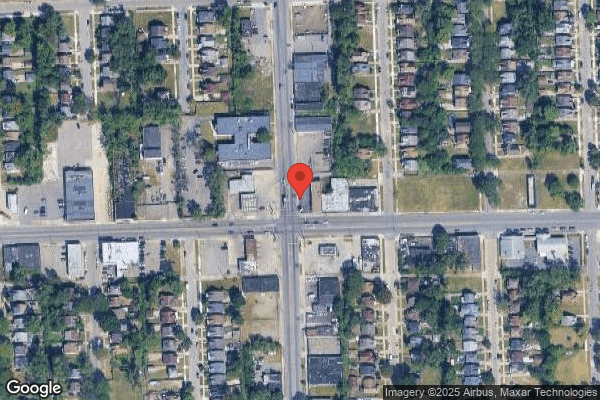
15311 Schaefer Rd, Detroit, MI 48227 (313) 835-4775
For profit - Corporation 106 Beds CIENA HEALTHCARE/LAUREL HEALTH CARE Data: November 2025
Trust Grade
80/100
#80 of 422 in MI
Last Inspection: January 2025

Within standard 12-15 month inspection cycle. Federal law requires annual inspections.

Overview

Sheffield Manor Nursing & Rehabilitation Center has a Trust Grade of B+, indicating it is above average and recommended for families considering care options. It ranks #80 out of 422 facilities in Michigan, placing it in the top half, and #8 of 63 in Wayne County, meaning only a few local options are better. The facility's performance is stable, with 2 reported issues in both 2024 and 2025. While staffing is a concern with a rating of 2 out of 5 stars and a turnover rate of 41%, which is lower than the state average, there is less RN coverage than 96% of Michigan facilities, which may impact resident care. Notably, there were incidents where staff failed to follow proper hygiene practices during medication administration, raising concerns about infection control, but the facility has not incurred any fines, which is a positive sign.

Trust Score
B+
80/100
In Michigan
#80/422
Top 18%
Safety Record
Moderate
Needs review
Inspections
Holding Steady
2 → 2 violations
Staff Stability
○ Average
41% turnover. Near Michigan's 48% average. Typical for the industry.
Penalties
✓ Good
No fines on record. Clean compliance history, better than most Michigan facilities.
Skilled Nurses
⚠ Watch
Each resident gets only 13 minutes of Registered Nurse (RN) attention daily — below average for Michigan. Fewer RN minutes means fewer trained eyes watching for problems.
Violations
⚠ Watch
17 deficiencies on record. Higher than average. Multiple issues found across inspections.
★★★★★
5.0
Overall Rating
★★☆☆☆
2.0
Staff Levels
★★★★☆
4.0
Care Quality
★★★★★
5.0
Inspection Score
Stable
2024: 2 issues
2025: 2 issues

The Good

  • 4-Star Quality Measures · Strong clinical quality outcomes
  • Full Sprinkler Coverage · Fire safety systems throughout facility
  • No fines on record
  • Staff turnover below average (41%)

    7 points below Michigan average of 48%

Facility shows strength in quality measures, fire safety.

The Bad

Staff Turnover: 41%

Near Michigan avg (46%)

Typical for the industry

Chain: CIENA HEALTHCARE/LAUREL HEALTH CARE

Part of a multi-facility chain

Ask about local staffing decisions and management

The Ugly 17 deficiencies on record

1 actual harm
Jan 2025 2 deficiencies
CONCERN (D)

Potential for Harm - no one hurt, but risky conditions existed

Infection Control (Tag F0880)

Could have caused harm · This affected 1 resident

**NOTE- TERMS IN BRACKETS HAVE BEEN EDITED TO PROTECT CONFIDENTIALITY** Based on observation, interview, and record review the facility failed to ensure enhanced barrier precautions (EBP- personal pro...

Read full inspector narrative →
**NOTE- TERMS IN BRACKETS HAVE BEEN EDITED TO PROTECT CONFIDENTIALITY** Based on observation, interview, and record review the facility failed to ensure enhanced barrier precautions (EBP- personal protective equipment used to prevent the spread of infections) were worn during the administration of medications via a gastric tube for one resident (R6) out of three residents reviewed for infection control practices. Findings include: On 1/22/25 at 8:55 AM, signage was observed on R6's door reminding staff that EBP should be worn when providing care. Licensed Practical Nurse (LPN) D was observed entering R6's room to administer medications via the resident's gastric tube. LPN D did not apply a gown before administering medications. Review of R6's electronic medical record (EMR) documented an original admission into the facility on 2/6/19 with a pertinent diagnosis of gastrostomy status (gastric tube). Review of Minimum Data Set (MDS) dated [DATE], R6 required substantial/maximal assistance with most Activities of Daily Living (ADLS). Review of Brief Interview for Mental Status (BIMS) dated 4/10/24, R6 scored 14 out of 15 (intact cognition). Record review of R6's ADL Care plan created on 10/14/24 documented Substantial / Maximal Assistance (Enhanced Barrier Precautions). An interview was conducted on 1/22/25 at 11:16 AM, LPN D reported that when administering medications to residents with a gastric tube, a gown and gloves should be worn by nursing staff. On 1/22/25 at 3:30 PM an interview with Director of Nursing (DON) was conducted and revealed that LPN D should have applied EBP before administering the medication to R6 via the gastric tube. It was further reported that those precautions should help to prevent the spread of infections in the facility. Review of facility's policy Enhanced Barrier Precautions (EBP) dated 3/26/24, the following was documented: It is the intent of this facility to use Enhanced Barrier Precautions (EBP) in addition to Standard Precautions for preventing the transmission of CDC (Centers for Disease Control and Prevention) targeted multidrug-resistant organisms (MDROs). Enhanced Barrier Precautions are indicated for residents with any of the following: 1) infection or colonization with a CDC-targeted MDRO when contact precautions do not otherwise apply or 2) a wound or medical device, even if the resident is not known to be infected or colonized with a MDRO and should remain in place for the duration of a resident's stay or until resolution of the wound or discontinuation of the indwelling medical device that place them at higher risk.
CONCERN (E)

Potential for Harm - no one hurt, but risky conditions existed

Antibiotic Stewardship (Tag F0881)

Could have caused harm · This affected multiple residents

Based on interview and record review, the facility failed to maintain an effective Antibiotic Stewardship program when protocols for appropriate antibiotic administration were not implemented and infe...

Read full inspector narrative →
Based on interview and record review, the facility failed to maintain an effective Antibiotic Stewardship program when protocols for appropriate antibiotic administration were not implemented and infection criteria was not met for thre residents (R3, R60, and R71.) This had the ability to affect residents that were prescribed and administered antibiotics while residing at the facility. Findings include: On 1/23/25 at 11:23 AM the facility's Antibiotic Stewardship Program was reviewed with the Director of Nursing (DON). The DON said that the facility had recently hired an Infection Control Nurse, Registered Nurse (RN) E but RN E was not in the facility at the time of infection control program review. The DON said she is an Infection Preventionist and had been responsible for the facility's Infection Prevention Program including Antibiotic Stewardship prior to the hiring of RN E. The facility's Infection Prevention Program was reviewed and indicated that the facility follows McGeer's Criteria (a surveillance tool used to ensure definitive criteria has been met to identify true infections) when prescribing antibiotics and utilized a form; McGeer Criteria for Infection Surveillance Checklist (MCISC). Review of the facility's December 2024's Antibiotic Administration Report revealed the following: R3 According to the Antibiotic Administration Report (line listing), R3 had been prescribed the antibiotic Cipro 500 milligram (mg). There was no start or stop date on the report. There is a note that reads; do repeat urinalysis (UA). There was no Infection Report, MCISC, or UA included in that report. The DON reviewed R3's Electronic Health Record (EHR). There was no MCISC. The UA results from 12/10/24 indicated no culture and sensitivity report was done because there were not enough bacteria present. The Infection Screening Evaluation indicated the resident had only one symptom, pain in bladder area. The DON said, There is a concern with this. It did not appear to meet the criteria for a urinary tract infection. Further review of R3's EHR revealed the resident was diagnosed with bladder cancer and had frequent pain in that area. R60 According to the Antibiotic Administration Report (line listing), R60 had been prescribed the antibiotic Keflex 500 mg for skin infection. There was no start or stop date or signs and symptoms of infection in the report. There was no Infection Screening Evaluation or MCISC form included in the report. The DON said, The start and stop dates should be in this report. I'll look in the resident's record. The DON reviewed R60's Electronic Health Record (EHR) and revealed there was no MICSC. A progress note written by the Nurse Practitioner on 12/20/24 indicated the resident did not have any drainage from the surgical site. The DON said, This is not following McGeer's protocol. There should have been a follow-up to explain why the resident was prescribed antibiotics. R71 According to the Antibiotic Administration Report (line listing), R71 had been prescribed the antibiotic Gentamycin external topical ointment 0.1% for a respiratory infection. The DON said, This is a mistake. Gentamycin external topical ointment is not a treatment for a respiratory infection. No other antibiotics were listed for R71 on the report. A review of R71's EHR revealed three antibiotics had been prescribed for the resident. R71 had been prescribed Gentamycin ointment for a right heel skin infection from 12/18/24 - 1/3/25. Not a respiratory infection. On 12/18/24 R71 had also been diagnosed with pneumonia and prescribed Zithromax 250 mg for 7 days, and Doxycycline 100 mg twice a day for 7 days (12/18/24 - 12/25/24). On 1/23/25 at 1:45 PM the Nursing Home Administrator (NHA) was interviewed and said the facility had three different Infection Control Nurses since April of 2024 (9 months). The NHA said, We have just hired a new Infection Control nurse, and we hope this works out. It's been difficult maintaining someone in this position. According to the facility's Antibiotic Stewardship program effective 10/14/22 in part reads; Protocols will be developed and followed that promote health & wellness through responsible use of antimicrobials in an effort to prevent unnecessary treatment and resultant antibiotic resistance. Current literature stresses that it is important to treat active infections, not asymptomatic colonization in older adults as the emergences of drug resistant infections are rapidly outpacing the development of new antibiotic therapies. Efforts to improve antibiotic stewardship should include education and steps to address the social and behavioral factors that drive the demand for and inappropriate prescribing of antibiotics. The CDC has supported efforts to educate guests/residents and the general public regarding the threat of antibiotic resistance related to the inappropriate use of antibiotics such as for the treatment of viral infections. 1. The program will encourage appropriate prescribing; and reduce adverse effects which often include gastrointestinal problems, C. Difficile diarrhea, yeast infections and antibiotic resistance in aging adults. 2. The medical director and director of nursing will use his/her influence as medical and nursing leaders to help ensure antibiotics are prescribed only when appropriate. 3. The Infection Preventionist will be responsible for promoting and overseeing antibiotic stewardship activities in the facility. Responsibilities include educating employees about the importance of antibiotic stewardship, and adhering to programs that prevent the spread of infection and improve antibiotic use. 4. The medical director, primary care providers and pharmacy consultants will be utilized for their drug expertise and/or training in improving antibiotic use. This includes the selection, dosing, appropriate route, of administration and days of therapy 9. Healthcare acquired (nosocomial) infections and use of antimicrobial agents will be tracked and trended. Infection surveillance and trending of infections will be a key component of our QAPI process. The facility has adopted the McGeer's criteria for infection surveillance definitions. The McGeer Criteria for Infection Surveillance Checklist (MCISC) was identified.
Dec 2024 1 deficiency
CONCERN (D) 📢 Someone Reported This

A family member, employee, or ombudsman was alarmed enough to file a formal complaint

Potential for Harm - no one hurt, but risky conditions existed

Accident Prevention (Tag F0689)

Could have caused harm · This affected 1 resident

**NOTE- TERMS IN BRACKETS HAVE BEEN EDITED TO PROTECT CONFIDENTIALITY** This citation pertains to intake MI00148780. Based on observation, interview, and record review, the facility failed to ensure (...

Read full inspector narrative →
**NOTE- TERMS IN BRACKETS HAVE BEEN EDITED TO PROTECT CONFIDENTIALITY** This citation pertains to intake MI00148780. Based on observation, interview, and record review, the facility failed to ensure (1) safe positioning in a geri-chair, (2) implement appropriate interventions to prevent falls from a geri-chair, and (3) implement appropriate post-fall interventions for one resident (R303) of three residents reviewed for falls, resulting in a fall causing a laceration to the forehead and transfer to the emergency room for imaging studies. Findings include: A complaint received by the State Agency alleged the resident fell and sustained an injury. On 12/17/24 at 11:39 AM, R303 was observed in their room with their eyes closed making some slightly restless movements with their arms and hands. An attempt to get R303's attention by speaking to them was not ackowledged by R303. At the bedside, a geri-chair was observed with two large, thick cushions in the seat. The cushions were made of a shiny black material that appeared slippery and were approimately six and eight inches thick. A review of R303's clinical record revealed they most recently re-admitted to the facility on [DATE] and begun hospice services. R303's diagnoses included: protein calorie malnutrition, traumatic subdural hemorrhage, dementia, duslusional disorder, failure to thrive, and seizures. R303's most recent completed Minimum Data Set (MDS) assessment revealed they had severely impaired cognition and needed substantial/maximal assistance for most activities of daily living including transferring and needed partial/moderate assistance for rolling their body from left to right. R303's most recent re-admission nursing assessment dated [DATE] was reviewed and indicated they were At Risk for falls. A review of R303's [NAME] (care guide) was conducted and did not indicate R303 used a geri-chair. R303's progress notes were reviewed and revealed the following: A note entered into the record by Nurse 'A' dated 12/5/24 at 11:43 AM indicated R303 was discovered on the floor near their geri-chair with their positioning pillow and a sheet near them with a laceration above their right eye. A note entered into thre record by Nurse 'B' dated 12/6/24 at 9:20 AM indicated the resident had a fall on 12/5/24 resulting in a laceration above their right eye and they (Nurse 'B') transferred R303 to the emergency room per the Nurse Practitioner's order. At that time, R303's care plans were reviewed and did not include any care plans for the use of a geri-chair and/or positioning cushions, or any care plans with interventions for falls at the time the fall occurred on 12/5/24. A review of a facility provided incident report completed by Nurse 'A' indicated the following: R303 resident slid out of the their geri-chair, they were oriented to person, there were no predisposing environmental factors that contributed to the accident, there were no predisposing situation factors that contributed to the accident, and listed confusion, impaired memory, and gait imbalance as predisposing physiological factors to the accident. A review of a facility provided document titled, Post Fall Evaluation last revised July 2014 was reviewed and read, Factors observed at time of fall .Equipment malfunction (specify): Extra padding on gerichair .Were there any changes in the resident's normal routine? (a box marked 'yes') If yes, explain: Res (resident) has a new gerichair cushion, will adjust to sit lower while resident utilizes it . A second review of R303's care plans for falls was conducted and revealed the first fall care plan for R303 was implemented on 12/6/24 by MDS Nurse 'C', the day after the actual fall. The focus read, (R303) is at risk for fall related injury and falls R/T (related to): Confusion, Decondition, Fear of Falling .hx (history) of falls . The interventions on the plan included the following: anticipate the resident's needs, assess the fall risk level, do not leave resident unattended in bathroom, education resident/family/caregivers about safety, appropriate footwear, observe for fatigue and offer rest, obtain labs, provide activities, call light in reach, and revieweing information on past falls to determine root cause. It was noted the care plan did not include any interventions about the geri-chair, the cushions, or increased supervision. On 12/17/24 at 2:04 PM, a phone call was placed for an interview to Nurse 'A', and a voicemail was left, however; the call was not returned. On 12/17/24 at 2:06 PM, a phone call was placed to Nurse 'B' and a voicemail was left, however; the call was not returned. On 12/17/24 at 2:15 PM, an interview was conducted with the facility's Director of Nursing. They were asked how the resident fell from the geri-chair and said they slipped out of the chair because of the very thick cushions that were in the chair at the time. They were then asked why R303 did not have any care plans for falls prior to the fall and said they were going to locate them, however; no evidence of an active fall care plan prior to 12/6/24 was provided by the end of the survey. Finally, the DON was asked why none of the current care plan interventions implemented on 12/6/24 addressed the use of the geri-chair and the cushions and they had no response, but indicated their understanding the care planned interventions in place were not all appropriate for R303 in light of the root cause of the fall on 12/5/24. A review of a facility provided policy titled, Fall Management revised 9/22/23 was conducted and read, The facility will identify hazards and resident risk foactors and implement interventions to minimize falls and risk of injury related to falls .When a fall occurs .4. The licensed nurse will complete: .Review and or revise care plan and link to the resident [NAME] (care guide) .
Feb 2024 1 deficiency
CONCERN (D) 📢 Someone Reported This

A family member, employee, or ombudsman was alarmed enough to file a formal complaint

Potential for Harm - no one hurt, but risky conditions existed

Report Alleged Abuse (Tag F0609)

Could have caused harm · This affected 1 resident

**NOTE- TERMS IN BRACKETS HAVE BEEN EDITED TO PROTECT CONFIDENTIALITY** This citation pertains to Intake MI142329. Based on observation, interview, and record review the failed to submit the 5-Day inv...

Read full inspector narrative →
**NOTE- TERMS IN BRACKETS HAVE BEEN EDITED TO PROTECT CONFIDENTIALITY** This citation pertains to Intake MI142329. Based on observation, interview, and record review the failed to submit the 5-Day investigation to the State Agency for an allegation of resident-to-resident abuse in the required time which involved two residents (R101 and R102) of four residents reviewed for resident- to- resident abuse resulting in an unreported allegation of abuse and the potential for more allegations of abuse to go unreported. Findings include: On 2/7/24 at 10:50 a.m. the Director of Nursing provided the FRI (facility reported incident) and other pertinent documentation regarding the reported incident that occurred on 1/1/24 at 1:00 pm. R102 alleged receiving a fracture because of being rammed with a wheelchair by R101. The facility submitted the incident report (Incident Summary) to the State Agency on 1/3/24 at 4:18 pm. However, the facility did not submit the 5-Day Investigation until 1/17/24 at 3:46 pm (10 days later). On 2/7/24 at 3:05 p.m. the Nursing Home Administrator (NHA) who also identified as the Abuse Coordinator was interviewed and said the Director of Nursing (DON) was getting interviews for the investigation and the NHA was responsible for completing everything else, however it was forgotten and submitted late. The DON was unavailable to participate in an interview. Review of the clinical record documented R101 was admitted into the facility on 2/12/21 with diagnoses that included delusional disorder, anxiety disorder, and schizoaffective disorder. According to the quarterly Minimum Data Set (MDS) dated [DATE], R101 was cognitively intact and required supervision with set up with activities of daily living. Review of the clinical record documented R102 was admitted into the facility on 6/24/23 with diagnoses that included major depressive disorder, adjustment disorder, and anxiety disorder. According to quarterly MDS assessment dated [DATE], R102 was cognitively intact and required maximum assistance with activities of daily living. Review of the facility's policy titled Abuse Prohibition Policy dated 9/9/22 documented: .Allegations of guest/resident abuse, exploitation, neglect, misappropriation of property, adverse event, or mistreatment shall be thoroughly investigated and documented by the Administrator and reported to the appropriate state agencies .The Administrator or designee will notify the guest's/resident's representative. Also, any State or Federal agencies of allegations per state guidelines (2 hours if abuse allegations or serious injury; all others not later than 24 hours). At the conclusion of the investigation, and no later than 5 working days of the incident .
Nov 2023 4 deficiencies
CONCERN (D) 📢 Someone Reported This

A family member, employee, or ombudsman was alarmed enough to file a formal complaint

Potential for Harm - no one hurt, but risky conditions existed

Report Alleged Abuse (Tag F0609)

Could have caused harm · This affected 1 resident

**NOTE- TERMS IN BRACKETS HAVE BEEN EDITED TO PROTECT CONFIDENTIALITY** Based on observation, interview, and record review the failed to identify a reportable allegation of resident-to-resident abuse ...

Read full inspector narrative →
**NOTE- TERMS IN BRACKETS HAVE BEEN EDITED TO PROTECT CONFIDENTIALITY** Based on observation, interview, and record review the failed to identify a reportable allegation of resident-to-resident abuse to the Nursing Home Administrator or the State Agency in the required time for one resident (R18) of 8 sampled residents reviewed for abuse resulting in an unreported allegation of abuse and the potential for more allegations of abuse to go unreported and feelings of not being protected or safe within the facility. Findings include: On 11/28/23 at 1:12 p.m. R18 was observed resting in bed, awake, and alert. During the resident interview, R18 said there was an injury to the breast which occurred about a week ago (11/21/23). R18 pulled the gown up and exposed a dressing that was applied to the right underside of the breast in which the skin was visible through. The breast had a blackened area that was approximately two inches and caused discomfort to the resident. R18 said the blackened area was burned with a cigarette lighter by another resident (R88). The resident said there was no memory of the burn occurring however overheard the other resident speaking and laughing about it. On 11/28/23 at 11:07 a.m. Nurse C was interviewed and asked the awareness of the allegation made by R18. Nurse C acknowledged being aware of the allegation but did not report it because there was no evidence of the incident occurring. On 11/28/23 at 11:19 a.m. the Nursing Home Administrator (NHA) was interviewed and said the resident had a history of reporting many incidents which have been proven to be untrue. Review of the incident report documented the alleged incident occurred on 11/21/23, the Administrator was notified on 11/27/23, and reported and investigated on 11/28/23. On 11/29/23 9:31 a.m. review of the electronic clinical record documented R18 was admitted into the facility on 4/18/17 with diagnoses that included schizoaffective disorder, anxiety disorder, and congestive heart failure. According to the quarterly Minimum Data Set assessment dated [DATE], R18 was cognitively intact (BIMS score of 15) and required supervision with set up assistance with most activities of daily living. Review of the Physician Assistant's progress note dated 11/26/23 at 21:58 (11:58 pm) documented the following: .seen and examined at patient's behest for right breast redness and wound. Exam chaperoned with nurse (nurse's name). Patient states that resident (R68) came to her room at night and burnt her on her right breast with cigarette lighter. She stated that this happened couple days ago and did not tell anyone. On 11/30/23 at 10:57 a.m. the Physician's Assistant (PA) was interviewed about the allegation that was documented in the progress note dated 11/26/23 in which the PA verified seeing R18 at the bedside and was accompanied by a nurse to examine the resident's right breast. The PA said R18 reported the breast was burned with a lighter and the incident was reported previously to a nurse a couple of days ago. The PA also said the Director of the Nurse's (DON) was notified the next day about the allegation. The incident was not reported immediately by the PA under the assumption it was already reported by the nurse couple of days ago, If I was the first to see it, I would have reported immediately. I know it was known because there was a 2x2 dressing in place. On 11/30/23 at 2:42 p.m. the DON was interviewed and verified the NHA was the Abuse Coordinator, and the DON is the designated Abuse Coordinator. They were both notified of the incident on 11/27/23. They were notified by the Social Worker and the PA. The DON acknowledged the allegation should have been reported immediately by nursing and the PA. On 11/30/23 at 3:13 p.m. the NHA was interviewed and verified being the Abuse Coordinator. The NHA acknowledged the reporting of the allegation was not done in a timely manner and the issue will be addressed with staff. Review of the facility's policy titled Abuse Prohibition Policy dated 9/9/22 documented: .Allegations of guest/resident abuse, exploitation, neglect, misappropriation of property, adverse event, or mistreatment shall be thoroughly investigated and documented by the Administrator and reported to the appropriate state agencies .The Administrator or designee will notify the guest's/resident's representative. Also, any State or Federal agencies of allegations per state guidelines (2 hours if abuse allegations or serious injury; all others not later than 24 hours). At the conclusion of the investigation, and no later than 5 working days of the incident .
CONCERN (D) 📢 Someone Reported This

A family member, employee, or ombudsman was alarmed enough to file a formal complaint

Potential for Harm - no one hurt, but risky conditions existed

Deficiency F0657 (Tag F0657)

Could have caused harm · This affected 1 resident

**NOTE- TERMS IN BRACKETS HAVE BEEN EDITED TO PROTECT CONFIDENTIALITY** This citation pertains to intake 139933. Based on interview and record review, the facility failed to review and revise a fall c...

Read full inspector narrative →
**NOTE- TERMS IN BRACKETS HAVE BEEN EDITED TO PROTECT CONFIDENTIALITY** This citation pertains to intake 139933. Based on interview and record review, the facility failed to review and revise a fall care plan for one resident (R47) of four residents reviewed for accidents, resulting in falls with injury and the potential for reoccurring falls. Findings include: A review of R47 EMR (Electronic Medical Record) revealed R47 was admitted to the facility on [DATE] and discharged from the facility 11/18/23. R47 had medical diagnoses that included Dementia, Osteoarthritis (arthritis of the bone), Psychosis, and Disorders of Bone Density and Structure. A review of R47's MDS (Minimum Data Set), dated 8/1/23, revealed R47 had a BIMS (Brief Interview of Mental Status) score of 0/15 (severely cognitively impaired). R47 required one person limited assistance with bed mobility and transfer. R47 was independent with set up only for walking in her room and the corridor. An incident report dated 9/8/23 revealed R47 had an unwitnessed fall when her translator left the room to get an CNA (Certified Nurse Assistant) to assist R47 to the restroom. R47 sustained no injuries and neuro checks were initiated. R47's predisposing situation factor was documented as ambulating without assistance. An incident report dated 10/1/23 revealed R47 had an unwitnessed fall. A CNA was rounding and found R47 lying on the floor next to her bed on her left side. R47 sustained a gash to the left eyebrow. R47 was transported to the hospital per Physician order. An incident report dated 11/1/23 revealed R47 had an unwitnessed fall. A CNA observed R47 lying on a blanket on the floor next to her bed. R47 had sustained a bruise to the left side of her forehead. Neurological checks were initiated, a skull x ray was ordered, and ice was given to R47 for her bruising. R47's predisposing situation factor was documented as ambulating without assistance. A review of R47's care plan dated 4/18/22 revealed the following: Focus-(R47) is at risk for fall related injury and falls related to new admission, dementia with behaviors and psychosis history (with revision date of 4/20/22) .Goal-will be free from injury related to falls through the review date (with a revision date of 11/1/23) .Interventions- anticipate and meet needs as needed (created 4/19/22), complete fall risk per protocol (created 4/19/22), (R47) is known for sleeping in the fetal position, ensure she is positioned in the center of the bed to avoid slips/falls (created 5/10/22). The only revision made to the fall care plan was for R47's goal dated 11/1/23. There was no evidence R47 had new interventions put in place related to her three falls within a three-month period. On 11/30/23 at 9:59 AM, during an interview with the DON (Director of Nursing), the DON was queried regarding the revision of R47's care plan after R47 experienced three unwitnessed falls. The DON verified that she did not see in the EMR (Electronic Medical Record) where R47's care plan had been updated. The DON said her expectation is care plans should be reviewed to make sure that they are appropriate. A review of the facilities policy titled Care Planning, with an effective date of 6/24/21 revealed in part, The care plan and resident [NAME] will be updated on Admission, Quarterly, Annually and with significant changes. This includes adding new focuses, goals, and interventions and resolving ones that are no longer applicable as needed.
CONCERN (D)

Potential for Harm - no one hurt, but risky conditions existed

Pressure Ulcer Prevention (Tag F0686)

Could have caused harm · This affected 1 resident

**NOTE- TERMS IN BRACKETS HAVE BEEN EDITED TO PROTECT CONFIDENTIALITY** Based on interview and record review, the facility failed to ensure that wound care treatments for pressure ulcers (damage to sk...

Read full inspector narrative →
**NOTE- TERMS IN BRACKETS HAVE BEEN EDITED TO PROTECT CONFIDENTIALITY** Based on interview and record review, the facility failed to ensure that wound care treatments for pressure ulcers (damage to skin from prolonged pressure to skin) were consistently provided for one resident (R42) of three residents reviewed for wound care, resulting in the potential for worsening of pressure ulcers. Findings include: Review of an admission Record revealed, Resident #42 (R42) originally admitted to the facility on [DATE] and readmitted on [DATE] with pertinent diagnosis which included Pressure Ulcer of Sacral Region Stage 4 (full thickness tissue loss with exposed bone, tendon, or muscle). Review of a Minimum Data Set (MDS) assessment, with a reference date of 9/20/23 revealed R42 had severe cognitive impairment with a Brief interview for Mental Status (BIMS) score of 00, out of a total possible score of 15. R42 required total dependence of two persons with bed mobility. Review of Physician orders revealed, R42 had treatment orders for Calcium Alginate-Silver External Pad 2X2 (used for moderate to heavily draining wounds) and Triad Hydrophilic paste (used to protect skin from draining wounds) to the coccyx. Review of a Treatment Administration Record (TAR) from September through November 2023 revealed wound care not documented on 9/11, 9/12, 9/13, 9/14, 9/23, 10/2, 10/9, 10/30, 11/19, 11/20, and 11/23/23. In an interview on 11/30/23 at 9:49 a.m., Wound Nurse A reported the floor nurses are responsible for completing wound care when the wound nurse is not present. In an interview on 11/30/23 at 12:04 p.m., the Director of Nursing (DON) reported the floor nurse is responsible for wound treatments when the wound nurse is not present. The DON then reported wound care should be documented after completion.
CONCERN (D)

Potential for Harm - no one hurt, but risky conditions existed

Drug Regimen Review (Tag F0756)

Could have caused harm · This affected 1 resident

**NOTE- TERMS IN BRACKETS HAVE BEEN EDITED TO PROTECT CONFIDENTIALITY** Based on interview and record review the facility failed to ensure the physician received the pharmacist Medication Regimen Revi...

Read full inspector narrative →
**NOTE- TERMS IN BRACKETS HAVE BEEN EDITED TO PROTECT CONFIDENTIALITY** Based on interview and record review the facility failed to ensure the physician received the pharmacist Medication Regimen Review (MRR) recommendations timely for one resident (R73) of five residents reviewed for medication regimen review, resulting in the physician being unaware of medications that may cause resident discomfort. Findings include: On 11/28/23 at 11:24 a.m. R73 was observed resting in bed, awake, and alert. During the resident interview, R73 complained of having chronic pain and wanting an increase in pain medication. R73 said bowel movements are regular and had no complaints of constipation, Sometimes I go too much. On 11/29/23 at 11:40 a.m. review of the electronic clinical record documented R73 was admitted into the facility on [DATE] with diagnoses that included low back pain, low back pain, radiculopathy, lumbosacral region, discitis, and thoracic region. According to the quarterly Minimum Data Set assessment dated [DATE], R73 required setup of one person assistance with activities of daily living. Review of monthly pharmacy recommendations documented the following: 7/22/23- Medication Regimen Review - Pharmacy Consultation Report (R73) receives routine docusate (stool softener, brand name Colace)) 100mg q day in addition to Lactulose (constipation) 20gm q 8hours and MiraLAX (stool softener) 17gm q day. There is insufficient quality evidence supporting the effectiveness of docusate . Recommendation: Please consider discontinuing docusate. There was no physician signature indicating review of the MMR. However, the Director of Nurses (DON) signed the recommendation on 11/29/23. Handwritten on the bottom of the report documented, Colace d/c on 9/4/2023. 8/28/23- Medication Regimen Review - Pharmacy Consultation Report (R73) prescriber accepted a pharmacy recommendation to discontinue Colace, but the order has not yet been processed. Recommendation: Please discontinue Colace. There was no physician signature indicating physician review or Director of Nurses signature on the document. Handwritten on the bottom of the report documented, Colace d/c 9/4/2023. Review of the physician's orders confirmed the medication Colace 100 mg (Docusate Sodium) was discontinued on 9/4/23. On 11/30/23 at 2:32 p.m. the Director of Nurses (DON) was interviewed about the delay in the facility responding to the pharmacy recommendations for the month of July 2023 and August 2023. The DON stated, 'The pharmacist emails the reports within twenty-four to forty-eight hours after they are completed. Generally, the DON and the Unit Manager handle the pharmacy recommendations. They are put in the physician's book and a decision is made by the physician whether to follow the recommendation or not to. The order is then changed based on the recommendation. Some how this was missed. Review of the facility's policy titled Timeliness of Medication Regimen Review (MRR) Reports dated 9/7/2023 documented: The pharmacist will review and report any medication irregularities at least once a month . The attending physician is expected to review the resident's individual MRR and document and sign that he/she has reviewed the pharmacist's identified recommendations within 14 days of receipt . If the attending Physician does not respond to the resident's MRR report within 14 days, the Director of Nursing will notify the physician of pending MRR reports . If by the 21st day, the attending physician has not yet responded to the resident's individual MRR report, the Director of Nursing will notify the Medical Director to review and respond to the pending MRR reports .
Jan 2023 2 deficiencies
CONCERN (D) 📢 Someone Reported This

A family member, employee, or ombudsman was alarmed enough to file a formal complaint

Potential for Harm - no one hurt, but risky conditions existed

Pressure Ulcer Prevention (Tag F0686)

Could have caused harm · This affected 1 resident

**NOTE- TERMS IN BRACKETS HAVE BEEN EDITED TO PROTECT CONFIDENTIALITY** This citation pertains to intakes MI00132631, MI00132812, MI00132884, and MI00133311. Based on observation, interview, and recor...

Read full inspector narrative →
**NOTE- TERMS IN BRACKETS HAVE BEEN EDITED TO PROTECT CONFIDENTIALITY** This citation pertains to intakes MI00132631, MI00132812, MI00132884, and MI00133311. Based on observation, interview, and record review, the facility failed to consistently implement interventions to prevent the development of pressure injuries for one resident (#26) of three residents reviewed for pressure ulcers, resulting in the potential for the development of a pressure injury. Findings include: During an observation on 1/4/2023 at 10:41 AM, Resident #26 (R26) was observed awake, lying in her bed, with bed covers over her body. R26's feet appeared to be lying directly on the mattress beneath the bed covers. At 10:47 AM when R26's bed covers were pulled back in preparation to perform a wound dressing change, her feet were observed to be resting directly on the mattress. During an observation and interview on 1/5/2023 at 10:43 AM, R26 was awake and lying in her bed. When asked if she wore soft boots on her feet while in bed, R26 said she has not had the boots on in at least two weeks. R26's feet were observed to be resting directly on the mattress. During an observation and interview on 1/5/2023 at 10:47 AM, Certified Nurse Aide (CNA) J said she provides care to R26 but was unaware that she was supposed to wear soft boots. At 10:49 AM, CNA J went into R26's room and located two soft boots in the resident's property. During an interview on 1/5/2023 at 10:54 AM, CNA K stated, (R26) is supposed to wear (soft boots) while in bed, but in the morning when I come to work (R26) does not have them on. I get her up, but I don't put the boots on. I don't think she should have them on in the chair. I wasn't told she should wear them in the chair. CNA K said it has been at least three weeks since she put the boots on R26. During an interview on 1/5/2023 at 11:09 AM, Director of Nursing (DON) stated, (R26) has the heel boots and they can (also) use a pillow (to elevate her feet in order to float her heels). The boots are heel protectors, and she should have them on whenever she's in bed to prevent breakdown. A review of R25's Face Sheet documented an admission to the facility on 8/13/2015 with diagnoses that include burn of unspecified body region and major depressive disorder. A Minimum Data Set assessment dated [DATE] documented severe cognitive impairment. A physician order dated 9/9/2016 stipulated to float heels off mattress q (every) shift. A review of R25's care plans documented in part the following: -Focus: (R26) has an actual impaired skin integrity related to pressure injury. Site: left bunion: Stage 3. Revised 4/21/2021. Interventions included: Bilateral soft heel boots; elevate bilateral lower extremity, and float heels. -Focus: (R26) is at risk for skin breakdown/pressure ulcers related to history of pressure ulcer, decreased mobility, incontinence, and history of burns, scratches, and diabetes diagnoses, Stage 3 pressure ulcer left bunion. Revised 4/21/2021. Interventions included: Float heels if possible heel protectors while in bed. A review of the facility document titled, Skin Management, dated 12/15/2022, revealed in part the following: - Guest/residents with wounds and/or pressure injury and those at risk for skin compromise are identified, evaluated, and provided appropriate treatment to promote prevention and healing. - Appropriate preventative measures will be implemented on guests/residents identified at risk and the interventions are documented in the care plan. On 1/5/2023 at 2:45 PM during the exit conference, the Nursing Home Administrator and DON did not offer additional documentation or information when asked.
CONCERN (D) 📢 Someone Reported This

A family member, employee, or ombudsman was alarmed enough to file a formal complaint

Potential for Harm - no one hurt, but risky conditions existed

Deficiency F0688 (Tag F0688)

Could have caused harm · This affected 1 resident

**NOTE- TERMS IN BRACKETS HAVE BEEN EDITED TO PROTECT CONFIDENTIALITY** This citation pertains to intake MI00132766. Based on interview and record review, the facility failed to follow therapy recomme...

Read full inspector narrative →
**NOTE- TERMS IN BRACKETS HAVE BEEN EDITED TO PROTECT CONFIDENTIALITY** This citation pertains to intake MI00132766. Based on interview and record review, the facility failed to follow therapy recommendations and a physician's order to provide restorative services to maintain/increase range of motion for one resident (#25) of four residents reviewed for therapy services, resulting in resident frustration and the potential for a decline in range of motion and mobility. Findings include: It was reported to the State Agency that the resident was frustrated regarding his mobility status. A review of the Face Sheet for Resident #25 (R25) documented an admission date of 10/26/2022 with diagnoses that included mood disorder and peripheral vascular disease. A Minimum Data Set assessment dated [DATE] documented moderate cognitive impairment, dependence upon a wheelchair for mobility, and direct care staff and R25 believed he was capable of increased independence in at least some activities of daily living. During an interview and record review of therapy notes on 1/5/2023 at 12:37 PM, Registered Physical Therapist (RPT) C said R25 was totally in the bed upon his arrival to the facility but upon his discharge he was able to transfer from a bed to a chair and was able to stand but not walk. A review of R25's discharge summary from physical therapy dated 11/22/2022 documented in part the following: -R25's prognosis to maintain his current level of functioning was excellent with participation in RNP (restorative nursing program). -The recommendation for RNP was to facilitate patient maintaining current level of performance and in order to prevent decline . Further review of R25's clinical record revealed the following: 1. Facility document titled, Therapy to Restorative Program Plan, dated 11/25/2022, indicated: - Restorative Plan: 3 times a week for 4 weeks. - Goal: Maintain/increase bilateral upper and lower extremity range of motion. - Interventions: Bilateral U/E (upper extremity) AROM (active range of motion) 10 sets times 4 reps (repetitions), all joints-in all planes. Bilateral L/E (lower extremity) AROM 10 sets times 4 reps, all joints-in all planes. 2. A physician order signed on 11/28/2022 stipulated, Restorative exercise program 3 days a week for 8 weeks to maintain BUE (bilateral upper extremity) and BLE (bilateral lower extremity) ROM (range of motion) and strength. BUE and BLE AROM 4 sets of 10 reps in all planes as tolerates. 3. Nursing [NAME] (used to communicate resident care instructions) for mobility directed the following for ambulation: Resident is unable to ambulate and requires a wheelchair for locomotion. Resident needs to be pushed to desired locations. BUE and BLE AROM 4 sets of 10 reps in all planes as tolerates. 4. Care Plan Focus: (R25) is at risk for decline in function and requires Restorative Nursing related to impairment in range of motion, muscle weakness. Dated 11/25/2022. Related interventions included: BUE and BLE AROM 4 sets of 10 reps in all planes as tolerates; Observe and document progress of the restorative program per the facility policy. Dated 11/25/2022. 5. Review of the Plan of Care Response History related to the task of Nursing Rehab: BUE and BLE AROM 4 sets of 10 reps in all planes as tolerates for a 30-day look-back period documented R25 received restorative services only on 12/10/2022, 12/14/2022, 12/15/2022, and 12/17/2022 (four sessions of a total of 28 per physician's order.) There were no resident refusals documented. During an interview on 1/5/2023 at 1:37 PM, the Director of Nursing (DON) stated restorative services were not provided three times a week as recommended by therapy. The DON stated the lack of restorative services could result in decline in mobility. When asked, the DON did not provide a reason why restorative services were not provided as recommended and ordered. A review of the facility document titled, Restorative Nursing, dated 4/26/2022, revealed in part the following: The facility strives to enable the resident to attain and maintain the highest practicable level of physical, mental, and psychosocial well-being. The interdisciplinary team (IDT) works with the resident and family to identify measurable restorative goals and practical interventions that can be implemented and achieved with nursing support. A licensed nurse will help manage the restorative nursing process with assistance of nursing assistants trained in restorative care .Nursing Restorative is available up to 6-7 times per week and is provided for residents meeting restorative program criteria. On 1/5/2023 at 2:45 PM during the exit conference, the Nursing Home Administrator and DON did not provide additional documentation or information when asked.
Oct 2022 7 deficiencies 1 Harm
SERIOUS (G)

Actual Harm - a resident was hurt due to facility failures

Pressure Ulcer Prevention (Tag F0686)

A resident was harmed · This affected 1 resident

**NOTE- TERMS IN BRACKETS HAVE BEEN EDITED TO PROTECT CONFIDENTIALITY** Resident #80 (R80) A review of the most current MDS, dated for 7/29/2022, revealed R80 was readmitted on [DATE] with the medical...

Read full inspector narrative →
**NOTE- TERMS IN BRACKETS HAVE BEEN EDITED TO PROTECT CONFIDENTIALITY** Resident #80 (R80) A review of the most current MDS, dated for 7/29/2022, revealed R80 was readmitted on [DATE] with the medical diagnoses of type two diabetes, history of transient ischemic attack (TIA) and cerebral infarction, hemiplegia ad hemiparesis hemorrhage affecting right side, and neuromuscular dysfunction of bladder. Further review of the MDS revealed Resident #80 had a BIMs score of 0 (which indicated impaired cognition), long term and short-term memory problems, and daily decision-making skills that were severely impaired. It was also noted that R80 was totally dependent on staff for bed mobility and toileting use. The pressure ulcer determination risk noted that R80 had no pressure ulcer injury. There were no turning/ repositioning programs in place at the time of the assessment. EMR record review revealed that R80 was hospitalized on [DATE] and was readmitted to the facility on [DATE]. A nursing note dated for 7/21/22 states, patient arrived at the facility via stretcher, with two paramedics at bedside. Alert to name, VS 99.1, 67, 118/70, sp02 98 on room air. admitted with leaking peg tube. Small open are on coccyx, red area on right and left hip. all medication confirmed by facility physician. On 10/19/22 at 3:36pm Certified Nurse Aide (CNA) I was observed to reposition R80 while in bed. A black calloused growth was observed on the right hip. On 10/19/22 at 3:40pm Licensed Practical Nurse (LPN) H was queried and stated she knew that the wound was there and that there was no treatment for resident #80 in the TAR for the wound. On 10/19/22 at 3:55pm the Director of Nursing (DON) and the Regional Clinical Nurse observed resident 80's wound. The right hip had an overgrowth of black scaly skin, and the coccyx and buttock appeared as if it is split in the middle. The DON stated that the Wound Nurse Practitioner (NP) G said there was nothing wrong with the area. Also, the DON stated herself and the nurses oversee the wound care. The DON stated the Wound NP G and herself looked at the wound when it was first noticed. The DON stated there was no documentation to support evaluation of the wound and that orders were not put in place per Wound NP G. Resident #9 (R9) During observations on 10/20/2022 at the times specified, Resident #9 (R9) was lying on her back in the bed: 8:45 AM, 11:01 AM, 12:19 PM, 1:42 PM, and 4:15 PM. A review of the Face Sheet for R9 documented an initial admission date of 10/20/2016 and readmission date of 7/15/2020. R9's diagnoses included stage 4 pressure ulcer of sacral region and paranoid schizophrenia. A MDS dated [DATE] documented modified independence related to cognitive skills for daily decision making and total dependence upon staff for bed mobility and transfers. Further review of R9's clinical record documented in part the following: 1. Physician's order on the October 2022 Medication Administration Record (MAR): cleanse coccyx with normal saline, pat dry, apply calcium alginate, cover with a clean dry dressing, apply calmoseptine to periwound every day shift for wound. 2. Wound care specialist, Nurse Practitioner (NP) G, note of 9/28/2022: Turn/reposition every two hours. Avoid direct pressure to wound site. 3. Physician note of 10/9/2022: Skin surveillance: High risk for nonhealing of established and existing skin breach, and high risk for development of new pressure injuries. Risk factors include immobility, nutritional status, and multiple medical comorbidities described here in. Strategies to reduce vulnerability include enhanced mobility, offloading, nutritional support and treatment of comorbidities. 4. Wound care specialist, NP G note of 10/14/2022: Turn/reposition every two hours. Avoid direct pressure to wound site. During an interview on 10/20/2022 at 12:37 PM, NP G said R9 had a chronic wound on her coccyx. R9's dressing change should occur daily and as needed. There should be documentation of the dressing being changed or if R9 is refusing. During an interview and record review on 10/21/2022 at 9:49 AM, the DON confirmed R9 had a pressure ulcer on her coccyx. A review of the October 2022 MAR revealed no documentation that wound care/dressing change had occurred on 10/4/2022, 10/5/2022, 10/7/2022, 10/8/2022, 10/10/2022, 10/11/2022, 10/14/2022, and 10/15/2022. The DON stated, If it's not documented it's not done. The DON stated It is extremely important to turn and reposition residents with pressure ulcers. (Resident's) refusal to turn and reposition should be documented when it occurs. During the review of R9's clinical record, the DON was unable to produce documentation of any refusal by R9 during October 2022. On 10/21/2022 at 3:30 PM during the exit conference, the Nursing Home Administrator and DON did not offer additional documentation or information when asked. Based on observation, interview, and record review, the facility failed to consistently administer prescribed skin treatments or implement interventions to promote healing for three (R9, R65, and R80) of five residents reviewed for pressure ulcers resulting in the development of new pressure ulcers, the worsening of existing pressure ulcers, and the potential for delayed healing of pressure ulcers. Findings include: The National Pressure Injury Advisory Panel (NPIAP) Pressure Injury 2019 Guidelines for Pressure Injuries identified the following: A pressure injury is localized damage to the skin and underlying soft tissue usually over a bony prominence or related to a medical or other device. The injury can present as intact skin or an open ulcer and may be painful. The injury occurs as a result of intense and/or prolonged pressure or pressure in combination with shear Stage 2 Pressure Injury: Partial-thickness skin loss with exposed dermis. Wound bed is viable, pink, or red, moist, and may also present as an abrasion, intact or ruptured serum-filled blister, or shallow crater Stage 3 Pressure Injury: Full-thickness skin loss Full-thickness loss of skin, in which adipose (fat) is visible in the ulcer and granulation tissue and epibole (rolled wound edges) are often present. Slough and/or eschar (dark, dead skin) may be visible Stage 4 Pressure Injury: Full-thickness skin and adipose tissue loss with exposure of muscle, ligament, and/or bone. They often cause extreme pain, infection, invasive surgery, or even death. Resident #65 (R65) On 10/19/22 at approximately 10:00 AM the Wound Care Nurse Practitioner (NP) G completed wound care for R65's pressure ulcer on her coccyx. During an interview, NP G said the resident's pressure ulcer had worsened in the last few weeks and she would be prescribing oral antibiotics along with a topical anti-fungal medication to the pressure ulcer wound bed due to signs of infection. Review of the 10/19/22 wound care assessment for R65 revealed the following: pressure ulcer coccyx stage 3 = 2.94 cm (centimeter) x 1.54 cm x 1.7 cm with an area of 4.528 sq (square) cm .There is moderate amount of serosanguineous drainage (discharge that contains clear yellow fluid and blood) which has a mild odor. Review of the previous wound care assessment dated [DATE] (5 days earlier) revealed the pressure ulcer on the coccyx measured; 2.4 cm x 0.4.cm x 0.4 cm with an area of 0.96 sq cm with no drainage. On 10/4/22 (15 days earlier) the wound care assessment indicated the pressure ulcer on the coccyx measured; 1.3 cm x 0.4 x 0.2 cm with as area of 0.524 sq cm with no drainage. According to R65's Electronic Medical Record (EMR), the resident admitted to the facility on [DATE] with diagnoses that included schizophrenia and dementia. On 4/28/22 a new diagnosis of stage 2 pressure ulcer was added. On 8/18/22 the diagnosis was changed to stage 3 pressure ulcer. From 4/29/22 through 10/14/22 R65 had the following prescribed pressure ulcer treatment: Medihoney CA (calcium) Alginate 2, apply to coccyx daily and as needed. Review of R65's Treatment Administration Records (TAR) from 6/1/2022 through 10/14/2022 documented treatment administration times were left blank (without nurse initials), and no corresponding progress notes to indicate the pressure ulcer treatments had been administered. The June 2022 TAR had 11 of 30 (36%) prescribed treatments left blank on the TAR; 6/1, 6/4, 6/7, 6/8, 6/10, 6/13, 6/15, 6/22, 6/23, 6/25, and 6/27. The July 2022 TAR had 8 of 31 (25%) prescribed treatments left blank on the TAR; 7/1, 7/5, 7/6, 7/12, 7/13, 7/19, 7/26, and 7/27. The August 2022 TAR had 7 of 31 (22%) prescribed treatments left blank on the TAR; 8/3, 8/10, 8/17, 8/18, 8/19, 8/22, and 8/25. The September 2022 TAR had 13 of 30 (43%) prescribed treatments left blank on the TAR; 9/1, 9/6, 9/7, 9/8, 9/14, 9/15, 9/16, 9/21, 9/23, 9/24, 9/28, 9/29, and 9/30. The October TAR from 10/1 - 10/14/2022 had 4 of 14 (28%) prescribed treatments left blank on the TAR; 10/4, 10/5, 10/7, and 10/8. On 10/20/22 at 1:23 PM during an interview with the Director of Nursing (DON) she confirmed the standard of practice is for the nurse to document her initials on the TAR when a treatment is administered. R65's EMR was reviewed, and the DON acknowledged the lack of documentation to support that many of the prescribed pressure ulcer treatments had been administered. According to the Minimum Data Set (MDS) dated [DATE], R65 had severely impaired cognition, a stage 3 pressure ulcer, and required total assistance from one to two staff for all Activities of Daily Living (ADLs). A care plan for skin integrity revised on 5/17/22 included the following intervention: follow facility policy/protocol for treatments of impaired skin integrity. On 10/19/22 the following orders were prescribed by NP G: Antibiotic; vibramycin 100 mg tablet by mouth every 12 hours for 10 days . Treatment; apply calmoseptine + nystatin cream every day and as needed around the wound. Apply crushed Flagyl 500 mg + hydrogel every day and as needed for 7 days to the wound base.
CONCERN (D)

Potential for Harm - no one hurt, but risky conditions existed

Deficiency F0655 (Tag F0655)

Could have caused harm · This affected 1 resident

**NOTE- TERMS IN BRACKETS HAVE BEEN EDITED TO PROTECT CONFIDENTIALITY** Based on observation, interview, and record review, the facility failed to implement a baseline care plan for wound care for one...

Read full inspector narrative →
**NOTE- TERMS IN BRACKETS HAVE BEEN EDITED TO PROTECT CONFIDENTIALITY** Based on observation, interview, and record review, the facility failed to implement a baseline care plan for wound care for one resident (R183) out of two residents reviewed for non-pressure related skin conditions, resulting in no established goals and interventions related to wound care treatment. Findings include: During an interview and observation on 10/18/2022 at 1:38 PM, Resident #183 (R183) said he arrived at the facility over a week ago and was observed to be frustrated when he expressed no nurse had come to see about his legs. Four pins, two near the lower shin and two at the thigh, were observed in R183's left leg attached to bars that extended between the two sets of pins. A very loose undated bandage was observed hanging from his left thigh. Remnants of the bandage were intertwined between the sutures observed on the resident's left knee. An undated bandage was observed wrapped around R183's right lower leg. During an interview and observation of R183's legs on 10/18/2022 at 1:43 PM, Licensed Practical Nurse (LPN) E, stated, The left bandage is not on securely. LPN E said there was dried blood and pus on R183's left leg, dried drainage on the right leg bandage, and droppings of scaly skin on the sheet under his right leg. LPN E said that the wound care nurse had not been in today. During an interview and observation of R183's legs on 10/19/2022 at 8:57 AM, LPN F said the bandage on R183's left thigh was loose and undated. The bandage on his right lower leg was undated, not securely placed, discolored from drainage, and dried flakes of skin were lifting from the leg. A review of the Face Sheet for R183 revealed an admission date of 10/4/2022 with diagnoses that included fracture of left patella (bone located in the front of the knee). A Minimum Data Set assessment dated [DATE] documented intact cognition, the presence of a surgical wound, and a Care Area Assessment for injury triggered the need to develop a care plan. Review of a physician's order dated 10/5/2022 documented the following: Wound care practitioner to eval and treat as indicated. A review of R183's clinical record on 10/18/2022 at 4:35 PM revealed there were no care plans that addressed wound care or concerns with the condition of the resident's skin. A review of R183's recent hospital discharge documents revealed in part the following: - Radiology report of 9/28/2022 at 12:10 AM: There is a displace fracture of the patella with a 10 cm (centimeter) gap between the fragments. - Radiology report of 9/28/2022 at 9:20 AM: External fixator pins were placed at the femur (thigh bone) and tibia (bone between knee and ankle). - History and Physical of 9/28/2022 at 7:54 PM: Open reduction and internal fixation of the left patella (surgical procedure to treat a fractured kneecap). - Wound care: Change dressing daily and as needed using a clean, dry dressing. Clean pin sites each dressing change using a ½ and ½ mixture of saline and hydrogen peroxide. During an interview and record review on 10/21/2022 at 9:37 AM, the DON said the baseline care plan for skin care that was initiated upon R183's admission to the facility was closed as resolved on 10/6/2022. The facility policy titled, Skin Management, dated 7/14/2021, was reviewed and revealed in part the following: - An initial care plan is developed upon admission/readmission if the resident is at risk or has a pressure injury. The facility policy titled, Care Planning, dated 6/24/2021, was reviewed and revealed in part the following: - A Baseline Care Plan will be developed within 48 hours identifying any immediate needs, initial goals and interventions needed to provide effective and person-centered care. - Accompanying each Comprehensive Assessment (Admission, Annual and Significant Change) are Care Area Triggers (CAT) triggered based on the resident's needs and/or potential needs. On 10/21/2022 at 3:30 PM during the exit conference, the Nursing Home Administrator and DON did not offer additional documentation or information when asked.
CONCERN (D)

Potential for Harm - no one hurt, but risky conditions existed

Quality of Care (Tag F0684)

Could have caused harm · This affected 1 resident

**NOTE- TERMS IN BRACKETS HAVE BEEN EDITED TO PROTECT CONFIDENTIALITY** Based on observation, interview, and record review, the facility failed to assess and implement timely wound and skin care for ...

Read full inspector narrative →
**NOTE- TERMS IN BRACKETS HAVE BEEN EDITED TO PROTECT CONFIDENTIALITY** Based on observation, interview, and record review, the facility failed to assess and implement timely wound and skin care for one resident (R183) out of two residents reviewed for non-pressure related skin conditions, resulting in a delay in wound and skin care treatments, resident frustration, and the potential for other skin care needs to go untreated. Findings include: During an interview and observation on 10/18/2022 at 1:38 PM, Resident #183 (R183) said he arrived at the facility over a week ago and was observed to be frustrated when he expressed no nurse had come to see about his legs. Four pins, two near the lower shin and two at the thigh, were observed in R183's left leg attached to bars that extended between the two sets of pins. A very loose undated bandage was observed hanging from his left thigh. Remnants of the bandage were intertwined between the sutures observed on the resident's left knee. An undated bandage was observed wrapped around R183's right lower leg. During an interview and observation of R183's legs on 10/18/2022 at 1:43 PM, Licensed Practical Nurse (LPN) E, stated, The left bandage is not on securely. LPN E said there was dried blood and pus on R183's left leg, dried drainage on the right leg bandage, and droppings of scaly skin on the sheet under his right leg. LPN E said that the wound care nurse had not been in today. During an interview and observation of R183's legs on 10/19/2022 at 8:57 AM, LPN F said the bandage on R183's left thigh was loose and undated. The bandage on his right lower leg was undated, not securely placed, discolored from drainage, and dried flakes of skin were lifting from the leg. A review of the Face Sheet for R183 revealed an admission date of 10/4/2022 with diagnoses that included fracture of left patella (bone located in the front of the knee). A Minimum Data Set assessment dated [DATE] documented intact cognition, the presence of a surgical wound, and a Care Area Assessment for injury triggered the need to develop a care plan. Review of a physician's order dated 10/5/2022 documented the following: Wound care practitioner to eval and treat as indicated. A review of R183's clinical record on 10/18/2022 at 4:35 PM revealed there were no care plans that addressed wound care or concerns with the condition of the resident's skin. Additionally, there were no wound care or skin care orders per review of all current and discontinued physician's orders. A review of R183's recent hospital discharge documents revealed in part the following: - Radiology report of 9/28/2022 at 12:10 AM: There is a displace fracture of the patella with a 10 cm gap between the fragments. - Radiology report of 9/28/2022 at 9:20 AM: External fixator pins were placed at the femur (thigh bone) and tibia (bone between knee and ankle). - History and Physical of 9/18/2022 at 7:54 PM: Open reduction and internal fixation of the left patella (surgical procedure to treat a fractured kneecap). - Wound care: Change dressing daily and as needed using a clean, dry dressing. Clean pin sites each dressing change using a ½ and ½ mixture of saline and hydrogen peroxide. The Director of Nursing (DON) was interviewed beginning on 10/19/2022 at 10:46 AM. The DON said she was vaguely familiar with R183. The DON stated, I know he has an open area on his right lower leg. The DON said she was unable to recall seeing his left leg. The DON reported that today was the first time the wound care team evaluated R183. The DON stated, (Today) should not have been the first time he was evaluated by the wound care team if he got here on the fourth. The DON added R183 should have had treatments in place, and he did not. He has not had a dressing change since his arrival. During an interview on 10/20/2022 at 12:26 PM, Nurse Practitioner (NP) G stated, (R183) has lots of dry skin. I told (nursing) to wash his legs with soap and water, remove dry skin, and apply Lac-Hydrin Lotion 12%. (Yesterday) was my first time seeing (R183). Nursing should have addressed (this concern) before yesterday. NP G said R183 had a surgical incision on his left leg. Nursing should apply a dry dressing to the surgical site and provide pin care. NP G stated, I was not aware (R183) was in the building. He should have been receiving wound care prior to yesterday. During an interview and record review on 10/21/2022 at 9:37 AM, the DON stated, Nurses are responsible for monitoring skin care. The CNAs (Certified Nurse Aides) are to report new skin alterations during daily ADL (activity of daily living) care. The condition of (R183's) skin was a reportable concern. The facility policy titled, Skin Management, dated 7/14/2021, was reviewed and revealed in part the following: - Residents with wound and/or pressure injury and those at risk for skin compromise are identified, evaluated and provided appropriate treatment to promote prevention and healing. - Upon admission/re-admission all residents are evaluated for skin integrity by completing a baseline total body skin evaluation documented in the electronic medical record. - The licensed nurse will monitor, evaluate and document changes regarding skin condition (to include dressing, surrounding skin, possible complications and pain) in the medical record. - The CNAs will report any new skin impairment to the licensed nurse that is identified during daily care. On 10/21/2022 at 3:30 PM during the exit conference, the Nursing Home Administrator and DON did not offer additional documentation or information when asked.
CONCERN (D)

Potential for Harm - no one hurt, but risky conditions existed

Respiratory Care (Tag F0695)

Could have caused harm · This affected 1 resident

**NOTE- TERMS IN BRACKETS HAVE BEEN EDITED TO PROTECT CONFIDENTIALITY** Based on observation, interview, and record review the facility failed to properly provide tracheostomy (surgical opening insert...

Read full inspector narrative →
**NOTE- TERMS IN BRACKETS HAVE BEEN EDITED TO PROTECT CONFIDENTIALITY** Based on observation, interview, and record review the facility failed to properly provide tracheostomy (surgical opening inserted in neck to aid in breathing) care according to professional standards of practice for one resident (R62) of one resident reviewed for tracheostomy care, resulting in the potential for ineffective removal of respiratory secretions, and increased risk of infection. Findings include: In an observation on 10/18/22 at 1:10 p.m., R62 laid in bed and had a tracheostomy (trach). Review of an admission Record revealed, R62 admitted to the facility on [DATE] and readmitted on [DATE] with pertinent diagnosis which included Dysphagia (difficulty swallowing), Fracture of Mandible (jaw), Anoxic (without oxygen) brain damage. Review of a Minimum Data Set (MDS) assessment, with a reference date of 9/25/22 revealed R62 had no cognitive impairment with a Brief interview for Mental Status (BIMS) score of 15 out of a total possible score of 15 and required a tracheostomy. Review of Physicians orders revealed, R62 had orders which included: Trach care to be performed. *Inner cannula is non-disposable every shift with a start date of 9/28/22. Clean inner cannula daily & PRN (as needed). Inner cannula not disposable. Clean & put it back in with a start date of 9/28/22. In an observation on 10/20/22 at 12:36 p.m., Licensed Practical Nurse (LPN) C prepared to perform trach care for R62. LPN C put on gloves and did not perform hand hygiene before application of gloves. LPN C opened the sterile cleaning kit and placed on R62's bedside stand with no barrier, which was below waist level. LPN C reached over items in the kit. The drape removed from the kit was placed on R62's chest. LPN C turned her back on the sterile cleaning kit. LPN C removed her gloves and applied sterile gloves with no hand hygiene before application. LPN C cleaned R62's trach site with both hands, removed the inner cannula and placed it in the tray with normal saline. LPN C cleaned inner cannula, removed sterile gloves, and applied clean gloves with no hand hygiene performed before application. LPN C then put the inner cannula back into R62's trach site. In an interview on 10/20/22 at 12:45 p.m., LPN C confirmed she did not maintain sterile technique during trach care. LPN C reported hand hygiene should be performed before and after a procedure. LPN C reported she did not perform hand hygiene between glove changes. In an interview on 10/20/22 at 4:42 p.m., Director of Nursing (DON) B reported trach care should be done with clean technique per policy. DON B the reported hand hygiene should be performed before putting on gloves and after taking them off. Review of a Providing tracheostomy care at https://journals.lww.com/nursing/Citation/2002/01000/Providing_tracheostomy_care.11.aspx revealed, . If the inner cannula is designed for reuse clean it in solution of equal parts hydrogen peroxide and 0.9% sodium chloride. Wear sterile gloves and maintain aseptic technique .
CONCERN (D)

Potential for Harm - no one hurt, but risky conditions existed

Deficiency F0761 (Tag F0761)

Could have caused harm · This affected 1 resident

Based on observation, interview, and record review the facility failed to ensure appropriate medication storage and labeling for one of two medication carts and for one of two medication rooms, result...

Read full inspector narrative →
Based on observation, interview, and record review the facility failed to ensure appropriate medication storage and labeling for one of two medication carts and for one of two medication rooms, resulting in the potential for medications to be ineffective and medication administration errors. Findings include: On 10/19/22 at approximately 10:30 AM, during an observation of the 1 South medication cart with Licensed Practical Nurse (LPN) J, two Novolog insulin Kwik pens for two different unsampled residents were observed to be unopened, undated, and not refrigerated. LPN J confirmed the pens were not in use. LPN J said, They (the pens) should be refrigerated if they aren't being used. I have to throw them away now. According to the manufacturer's recommendations for the Kwik Pen, (a small disposable pen that is pre-filled with insulin); Store unused Kwik Pens in the refrigerator between the temperatures of 36 F (degrees Fahrenheit) and 46 F. Unused pens may be used until the date printed on the Label, if the pen has been kept in the refrigerator. During an observation of the 1 North medication room with LPN F two, 1 milliliter syringes partially filled with clear liquid were in the medication refrigerator. The syringes were not labeled or dated. Upon inquiry LPN F said, I don't know what those syringes are filled with. They aren't labeled. I'll have to ask the Director of Nursing (DON). On 10/19/22 at approximately 10:50 AM the DON was asked about the syringes in the 1 North medication room refrigerator. The DON said, I don't know what is in the syringes. They (the syringes) should be labeled and dated. We discarded them. According to the facility's policy for Storage and Expiration Dating of Medications, Biological, Syringes and Needles last revised 10/28/19; Pharmacy Services and Procedure Manual . 11. Facility should ensure that medications and biologicals for each resident are stored at their appropriate temperatures . The storage policy did not address labeling and dating of biologicals and unused medications.
CONCERN (E)

Potential for Harm - no one hurt, but risky conditions existed

Infection Control (Tag F0880)

Could have caused harm · This affected multiple residents

Based on observation, interview, and record review, the facility failed to follow infection control practices for hand hygiene and glove usage when administering medications to four residents (R1, R47...

Read full inspector narrative →
Based on observation, interview, and record review, the facility failed to follow infection control practices for hand hygiene and glove usage when administering medications to four residents (R1, R47, R20, R62) of the four residents reviewed for medication pass, resulting in the potential cross-contamination. Findings Include: On 10/19/22 at 10:40 AM Licensed Practical Nurse (LPN) H administered oral medications to R1. LPN H walked into the room of R1 without performing hand hygiene. LPN H acknowledged that she did not follow proper hand hygiene during medication administration of R1. On 10/20/22 at 9:18 AM LPN D administered oral medications to R47. LPN D put gloves on to reposition R47 to administer medication. After LPN D repositioned R47 no hand hygiene was performed. LPN D administered medication with the same gloves before going out to the hallway to obtain a straw. LPN D degloved hands and did not perform hand hygiene when leaving the room and returning into the room. LPN D acknowledged that she did not perform hand hygiene or deglove at the proper times during medication administration. On 10/20/22 at 9:47 AM LPN D administered ophthalmic (eye) drops to R20. LPN D administered an eye drop on the left eyelid of R20. LPN D degloved and gloved hands again to readminister the eye drop without performing hand hygiene. After the administration of the eye drop, LPN D was asked if they should perform hand hygiene prior to gloving. LPN D stated yes and acknowledged that she did not use proper infection control technique. On 10/20/22 at 2:25 PM, LPN C administered medication via Percutaneous Endoscopic Gastrostomy (PEG) tube to R62. LPN C did not perform hand hygiene when entering and on exit of the resident's room. LPN C was asked did she performed hand hygiene prior to entering the resident's room and after exiting the room, in which LPN C stated no, and that it was something she should have done. Upon record review of the Hand Hygiene policy dated 10/14/22, the policy stated hand hygiene is supposed to be done Before and after contact with the guest/resident; Before performing an aseptic task; After contact with blood, body fluids, visibly contaminated surfaces or after contact with objects in the guest's/ resident's room; After removing personal protective equipment (e.g., gloves, gown, facemask); After using the restroom; Before meals; Staff involved in direct guest/resident contact must perform hand hygiene (even if gloves are used). In an interview on 10/20/22 at 4:42 p.m., the DON reported hand hygiene should be performed before putting on gloves and after taking them off.
CONCERN (E)

Potential for Harm - no one hurt, but risky conditions existed

Deficiency F0883 (Tag F0883)

Could have caused harm · This affected multiple residents

**NOTE- TERMS IN BRACKETS HAVE BEEN EDITED TO PROTECT CONFIDENTIALITY** Based on interview and record review, the facility failed to ensure proper screening for the pneumococcal (pneumonia) immunizati...

Read full inspector narrative →
**NOTE- TERMS IN BRACKETS HAVE BEEN EDITED TO PROTECT CONFIDENTIALITY** Based on interview and record review, the facility failed to ensure proper screening for the pneumococcal (pneumonia) immunization for three residents (8,52, and 62) of 5 residents sampled for immunizations, resulting in the potential for the development and/or spread of pneumonia among 84 residents. Findings include: Resident #52 On 10/20/22 at 9:22 a.m. review of the clinical record documented R#52 was admitted into the facility on 6/1/22 from another facility with diagnoses that included pressure ulcer of the sacral region, stage 4, pulmonary embolism, and dysphagia. According to the quarterly Minimum Data Set assessment dated [DATE], R#52 had moderate cognitive impairment, but was able to understand and be understood and was independent with all activities of daily living. According to the face sheet, R#52 did not have a legal guardian and was his own responsible party. Upon review of the immunization record located in the electronic medical record, there was no evidence R#52 received the pneumococcal vaccination, had a history of receiving the vaccination, or declined it. The facility had not obtained a consent that offered the vaccination or gave R#52 the opportunity to decline the vaccination. The admission documents from the transferring facility did not include R#52's immunization history. Resident #62 On 10/20/22 at 2:20 p.m. review of the clinical record documented R#62 was initially admitted into the facility on [DATE] readmitted from the hospital on 9/14/22 with diagnoses that included brain damage, dysphagia, encephalopathy, and epilepsy. According to the quarterly Minimum Data Set assessment dated [DATE], R#62 was cognitively intact and required total one person staff assistance with activities of daily living. According to the face sheet, R#62 did not have a legal guardian and was his own responsible party. Review of the immunization record located in the electronic medical record, there was no evidence the resident received the pneumococcal vaccination, had a history of receiving the vaccination, or declined it. The facility had not obtained a consent the vaccination that would have given the resident the opportunity to accept or decline the vaccination. Resident #8 On 10/20/22 at 2:34 p.m. review of the clinical record documented R#8 was admitted into the facility on 2/4/16 with diagnoses that included encephalopathy, dementia, ventricular tachycardia, and shortness of breath. According to the quarterly Minimum Data Set assessment dated [DATE], R#8 had severe cognitive impairment and required total one person staff assistance with most activities of daily living. According to the face sheet, R#8 had a legal guardian. Review of the immunization record located in the electronic medical record indicated the pneumococcal vaccination had been refused, however there was no date. Review of the consent was signed by the confirmed legal guardian, however there was no date. On 10/21/22 at 1:55 p.m. the Director of Nursing who was also the Infection Control Preventionist was interviewed and stated, Consents were mailed to the legal guardians, and we have been waiting to get them back instead of getting the consents from those that are here. The residents that were able to give consent, we were going to do the consent and give the vaccination at the same time. The electronic data system that has the history of vaccinations did not have the dates when the pneumococcal vaccination was given. It just read 'Historical'. We also attempt to get vaccination information from the hospital or family. Review of the facility's policy titled Immunizations: Pneumococcal Vaccination (PPV) of Guest/ Residents dated 2/25/22 documented: Each guest/resident pneumococcal immunization status will be determined upon admission or soon afterwards and will be documented in the guest's/ resident's medical record. Current guests/ residents will have their immunization status determined by reviewing available past and present medical records. All guest/ residents with undocumented or unknown pneumococcal vaccination status will be offered the vaccine. Informed consent in the form of a discussion regarding risk and benefits or vaccination will occur prior to vaccination. Guest/ residents may refuse vaccinations. Vaccination refusal and reasons why should be documented by the facility. Should the guest/ resident/ family/ legal representative choose to exercise the right to decline the vaccination, it will be re-evaluated annually.
Understanding Severity Codes (click to expand)
Life-Threatening (Immediate Jeopardy)
J - Isolated K - Pattern L - Widespread
Actual Harm
G - Isolated H - Pattern I - Widespread
Potential for Harm
D - Isolated E - Pattern F - Widespread
No Harm (Minor)
A - Isolated B - Pattern C - Widespread

Questions to Ask on Your Visit

  • "Can I speak with families of current residents?"
  • "What's your RN coverage like on weekends and overnight?"

Our Honest Assessment

Strengths
  • • Grade B+ (80/100). Above average facility, better than most options in Michigan.
  • • No fines on record. Clean compliance history, better than most Michigan facilities.
  • • 41% turnover. Below Michigan's 48% average. Good staff retention means consistent care.
Concerns
  • • 17 deficiencies on record, including 1 serious (caused harm) violation. Ask about corrective actions taken.
Bottom line: Generally positive indicators. Standard due diligence and a personal visit recommended.

About This Facility

What is Sheffield Manor Nursing & Rehabilitation Center's CMS Rating?

CMS assigns Sheffield Manor Nursing & Rehabilitation Center an overall rating of 5 out of 5 stars, which is considered much above average nationally. Within Michigan, this rating places the facility higher than 99% of the state's 100 nursing homes. This rating reflects solid performance across the metrics CMS uses to evaluate nursing home quality.

How is Sheffield Manor Nursing & Rehabilitation Center Staffed?

CMS rates Sheffield Manor Nursing & Rehabilitation Center's staffing level at 2 out of 5 stars, which is below average compared to other nursing homes. Staff turnover is 41%, compared to the Michigan average of 46%. This relatively stable workforce can support continuity of care. RN turnover specifically is 70%, which is notably high. RNs provide skilled clinical oversight, so turnover in this role can affect medical care quality.

What Have Inspectors Found at Sheffield Manor Nursing & Rehabilitation Center?

State health inspectors documented 17 deficiencies at Sheffield Manor Nursing & Rehabilitation Center during 2022 to 2025. These included: 1 that caused actual resident harm and 16 with potential for harm. Deficiencies causing actual harm indicate documented cases where residents experienced negative health consequences.

Who Owns and Operates Sheffield Manor Nursing & Rehabilitation Center?

Sheffield Manor Nursing & Rehabilitation Center is owned by a for-profit company. For-profit facilities operate as businesses with obligations to shareholders or private owners. The facility is operated by CIENA HEALTHCARE/LAUREL HEALTH CARE, a chain that manages multiple nursing homes. With 106 certified beds and approximately 97 residents (about 92% occupancy), it is a mid-sized facility located in Detroit, Michigan.

How Does Sheffield Manor Nursing & Rehabilitation Center Compare to Other Michigan Nursing Homes?

Compared to the 100 nursing homes in Michigan, Sheffield Manor Nursing & Rehabilitation Center's overall rating (5 stars) is above the state average of 3.2, staff turnover (41%) is near the state average of 46%, and health inspection rating (5 stars) is much above the national benchmark.

What Should Families Ask When Visiting Sheffield Manor Nursing & Rehabilitation Center?

Based on this facility's data, families visiting should ask: "Can you walk me through typical staffing levels on day, evening, and night shifts?" "Can I visit during a mealtime to observe dining assistance and food quality?" "How do you handle medical emergencies, and what is your hospital transfer rate?" "Can I speak with family members of current residents about their experience?" These questions are particularly relevant given the below-average staffing rating.

Is Sheffield Manor Nursing & Rehabilitation Center Safe?

Based on CMS inspection data, Sheffield Manor Nursing & Rehabilitation Center has a clean safety record: no substantiated abuse findings (meaning no confirmed cases of resident harm), no Immediate Jeopardy citations (the most serious violation level indicating risk of serious injury or death), and is not on the Special Focus Facility watch list (a federal program monitoring the lowest-performing 1% of nursing homes). The facility has a 5-star overall rating and ranks #1 of 100 nursing homes in Michigan. While no facility is perfect, families should still ask about staff-to-resident ratios and recent inspection results during their visit.

Do Nurses at Sheffield Manor Nursing & Rehabilitation Center Stick Around?

Sheffield Manor Nursing & Rehabilitation Center has a staff turnover rate of 41%, which is about average for Michigan nursing homes (state average: 46%). Moderate turnover is common in nursing homes, but families should still ask about staff tenure and how the facility maintains care continuity when employees leave.

Was Sheffield Manor Nursing & Rehabilitation Center Ever Fined?

Sheffield Manor Nursing & Rehabilitation Center has no federal fines on record. CMS issues fines when nursing homes fail to meet care standards or don't correct problems found during inspections. The absence of fines suggests the facility has either maintained compliance or corrected any issues before penalties were assessed. This is a positive indicator, though families should still review recent inspection reports for the full picture.

Is Sheffield Manor Nursing & Rehabilitation Center on Any Federal Watch List?

Sheffield Manor Nursing & Rehabilitation Center is not on any federal watch list. The most significant is the Special Focus Facility (SFF) program, which identifies the bottom 1% of nursing homes nationally based on persistent, serious quality problems. Not being on this list means the facility has avoided the pattern of deficiencies that triggers enhanced federal oversight. This is a positive indicator, though families should still review the facility's inspection history directly.