The Orchards at Northwest
16181 Hubbell St, Detroit, MI 48235 (313) 273-8764
For profit - Corporation 154 Beds THE ORCHARDS MICHIGAN Data: November 2025 1 Immediate Jeopardy citation
Trust Grade
26/100
#416 of 422 in MI
Last Inspection: January 2025

Within standard 12-15 month inspection cycle. Federal law requires annual inspections.

Overview

The Orchards at Northwest has a trust grade of F, indicating significant concerns and poor performance compared to other nursing homes. It ranks #416 out of 422 facilities in Michigan, placing it in the bottom half, and #63 out of 63 in Wayne County, meaning there are no better local options available. The facility's situation is worsening, with issues increasing from 2 in 2024 to 20 in 2025. Staffing is a concern here, with a low rating of 1 out of 5 stars and high turnover at 50%, which is above the state average. Additionally, there are serious deficiencies, including a critical incident where a resident was found missing due to inadequate supervision and safety measures, as well as cleanliness issues in the kitchen that could impact food safety. Overall, while there are some quality measures rated good, the numerous weaknesses and alarming trends make this facility a risky choice for families seeking care for their loved ones.
Trust Score
F
26/100
In Michigan
#416/422
Bottom 2%
Safety Record
High Risk
Review needed
Inspections
Getting Worse
2 → 20 violations
Staff Stability
⚠ Watch
50% turnover. Above average. Higher turnover means staff may not know residents' routines.
Penalties
○ Average
$15,889 in fines. Higher than 69% of Michigan facilities. Some compliance issues.
Skilled Nurses
⚠ Watch
Each resident gets only 14 minutes of Registered Nurse (RN) attention daily — below average for Michigan. Fewer RN minutes means fewer trained eyes watching for problems.
Violations
⚠ Watch
39 deficiencies on record. Higher than average. Multiple issues found across inspections.
★☆☆☆☆
1.0
Overall Rating
★☆☆☆☆
1.0
Staff Levels
★★★★☆
4.0
Care Quality
★☆☆☆☆
1.0
Inspection Score
Stable
2024: 2 issues
2025: 20 issues

The Good

  • 4-Star Quality Measures · Strong clinical quality outcomes
  • Full Sprinkler Coverage · Fire safety systems throughout facility
  • No fines on record

Facility shows strength in quality measures, fire safety.

The Bad

1-Star Overall Rating

Below Michigan average (3.1)

Significant quality concerns identified by CMS

Staff Turnover: 50%

Near Michigan avg (46%)

Higher turnover may affect care consistency

Federal Fines: $15,889

Below median ($33,413)

Minor penalties assessed

Chain: THE ORCHARDS MICHIGAN

Part of a multi-facility chain

Ask about local staffing decisions and management

The Ugly 39 deficiencies on record

1 life-threatening
Jan 2025 20 deficiencies
CONCERN (D) 📢 Someone Reported This

A family member, employee, or ombudsman was alarmed enough to file a formal complaint

Potential for Harm - no one hurt, but risky conditions existed

Deficiency F0558 (Tag F0558)

Could have caused harm · This affected 1 resident

Based on observation, interview, and record review, the facility failed to ensure that a call button was within reach for one resident (R178) reviewed for accommodation of needs, resulting in the resi...

Read full inspector narrative →
Based on observation, interview, and record review, the facility failed to ensure that a call button was within reach for one resident (R178) reviewed for accommodation of needs, resulting in the resident not having a method to request assistance when needed. Findings include: On 1/6/25 at 3:25 PM, R178 was observed awake and lying in bed. R178's bed was positioned against the wall and R178's right arm appeared wedged between the bed and the wall. R178 indicated he was in pain and was unable to free his arm. R178's call light was clipped to his pillow case. R178's indicated he was unable to reach the call light with his left arm. On 1/6/25 at 3:30 PM, Licensed Practical Nurse (LPN) T joined the Surveyor in R178's room and confirmed R178's arm was wedged between the bed and wall and R178 was unable to reach the call light with his other arm. R178 winced in pain as LPN T moved the bed to free his arm. On 1/8/25 at 12:13 PM, the Director of Nursing (DON) said the call light should have been in place where the resident could reach it . On 1/8/25 at 5:30 PM during the exit conference, the Nursing Home Administrator and DON did not offer additional documentation or information regarding this concern when asked.
CONCERN (D)

Potential for Harm - no one hurt, but risky conditions existed

Deficiency F0578 (Tag F0578)

Could have caused harm · This affected 1 resident

**NOTE- TERMS IN BRACKETS HAVE BEEN EDITED TO PROTECT CONFIDENTIALITY** Based on interview and record review the facility failed to ensure an Advance Directive was completed for one resident R14 of ni...

Read full inspector narrative →
**NOTE- TERMS IN BRACKETS HAVE BEEN EDITED TO PROTECT CONFIDENTIALITY** Based on interview and record review the facility failed to ensure an Advance Directive was completed for one resident R14 of nine residents reviewed for advance directives resulting in the potential for inaccurate life sustaining measures or withholding medical treatment. Findings include: On 1/7/2025, record review of the Electronic Medical Record (EMR) revealed R14 was initially admitted into the facility on 6/14/2024 with a diagnoses Candidiasis, Atherosclerotic Heart Disease, Benign Prostatic Hyperplasia Dysphagia and Myocardial Infarction. There was no signed Advanced Directive. According to admission Minimum Data Set (MDS) Quarterly assessment dated [DATE], R14 had Brief Interview for Mental Status (BIMS) of 4/15 impaired cognition. R14 required extensive one-person assistance with activities of daily living (ADLs). On 1/8/2025 at 12:35 PM, Social Worker (SW) L was interviewed regarding R14's Advance Directive and said they had emailed the guardian agency at the time of admission to have them complete the Advance Directive, but they have not gotten the signed copy returned. On 1/8/2025 at 1:45 PM, The Director of Nursing (DON) was interviewed and said SW L could have gotten a nurse as a wittiness and had the paper signed. The DON said Advanced Directives should be reviewed at R14 care conferences, which are held quarterly. The DON said since R14 was admitted in June they should have had two care conferences. Record Review review revealed R14 had care conferences on 9/12/2024 and 12/4/2024, but the Advance Directive was not signed at either care conference.
CONCERN (D)

Potential for Harm - no one hurt, but risky conditions existed

Notification of Changes (Tag F0580)

Could have caused harm · This affected 1 resident

**NOTE- TERMS IN BRACKETS HAVE BEEN EDITED TO PROTECT CONFIDENTIALITY** Based on observation, interview and record review, the facility failed to notify the physician of a change in condition for one ...

Read full inspector narrative →
**NOTE- TERMS IN BRACKETS HAVE BEEN EDITED TO PROTECT CONFIDENTIALITY** Based on observation, interview and record review, the facility failed to notify the physician of a change in condition for one resident (R65) of six residents reviewed for bowel and bladder, resulting in the potential delay o care and treatment. Findings include: On 1/6/2025 at 11:11 a.m., R65's urinal was observed hanging on the foot of the bed with approximately five hundred and fifty milliliters (mls) of red-colored urine. R65 confirmed during an interview it was blood in the urinal that occurred while urinating the previous night before the start of day shift and the nurse was aware. R65 stated, I was scared to death when I saw the blood in my urinal, and no one has done anything about it Yet. According to the electronic health record (EHR), R65 was admitted to the facility on [DATE] with diagnoses of candidal sepsis (a life-threatening condition that occurs when the candida fungus enters the bloodstream .untreated candida infection carries the risk of leading to a systemic infection .), Enterocolitis due to clostridium difficile (C-Diff) (inflammation of the colon caused by the bacteria clostridium difficile), chronic kidney disease stage 5, and hypertension. R65's admission Minimum Data Set (MDS) assessment, with a reference date of 11/7/2024, indicated R65 had intact cognition with a BIMS (brief interview for mental status) score of 15/15. Review of the 12/5/2024 Activity Daily Living (ADLs) care plan documented, I need assistance with my ADL's due to generalized weakness related to recent hospital stay for candidemia, c-diff and hyperglycemia. Interventions as followed: -Toilet use: I need partial/moderate assistance by staff for toileting. -transfers: I need partial/moderate assistance by staff to move me between surfaces. Review of the 12/5/2024 Bowel and Bladder' care plan documented, I am incontinent of Bowel and Bladder due to decrease in functional mobility. Interventions: Observe and report any signs and symptom of an infection such as frequency, urgency, burning upon urination, mental status changes, fever, etc. Review of the EHR revealed no documentation of assessment, monitoring and information related to the physician being notified. On 1/8/2025 at 9:10 a.m., during a subsequent interview regarding the resident's bloody urine, R65 stated, no one did anything and my urine cleared up on its own. On 1/8/2025 at 9:20 a.m. R65's assigned Licensed Practical Nurse (LPN) B confirmed it was reported by the midnight nurse that R65 had blood in the urine. LPN B was asked what was the follow up results. LPN B stated, I think I documented, I would have to go see my documentation in my car. LPN B answered, No when asked was the physician called and No when asked was there follow up assessment and monitoring. On 1/8/2025 at 9:39 a.m., during an interview Unit Manager (UM) C denied knowledge of knowing R65 had blood in the urine and stated, I will call the physician and get some follow-up work done like a urine culture. On 1/8/2025 at 3:28 p.m., the Director of Nursing (DON) was informed of R65's change in condition with bloody urine with no follow up. The DON said the nurses should have notified the physician and interviewed the resident for any symptoms for further care and treatment. According to the facility's undated Acute Change in condition policy: An acute Change of condition is a sudden, clinically important deviation from a resident's baseline in physical, cognitive, behavioral, or functional domains. Clinically important Mean a deviation that, without intervention, may result in complications or death . Guidelines: . 5.Changes (symptoms) are communicated to the physician .
CONCERN (D) 📢 Someone Reported This

A family member, employee, or ombudsman was alarmed enough to file a formal complaint

Potential for Harm - no one hurt, but risky conditions existed

Report Alleged Abuse (Tag F0609)

Could have caused harm · This affected 1 resident

**NOTE- TERMS IN BRACKETS HAVE BEEN EDITED TO PROTECT CONFIDENTIALITY** This citation pertains to intake MI00147576. Based on interview and record review, the facility failed to ensure staff reported ...

Read full inspector narrative →
**NOTE- TERMS IN BRACKETS HAVE BEEN EDITED TO PROTECT CONFIDENTIALITY** This citation pertains to intake MI00147576. Based on interview and record review, the facility failed to ensure staff reported an injury of unknown source in a timely manner to the abuse coordinator for one resident (R125) out of two residents reviewed for abuse resulting in the untimely investigation of an injury of unknown origin. Findings include: The facility self-reported to the State Agency a resident injury of unknown source. A review of the facility's 5-Day submission dated 10/15/24 documented in part the following: - Investigation Summary: On 10/4/24 R125 complained of bilateral lower extremity pain. An order was entered for a stat x-ray for left knee, tibula, fibula and left foot and ankle. The stat X-ray result revealed no recent fracture or dislocation. The physician was notified of continued pain and swelling to left lower leg and foot. Additional orders given for x-rays for left leg and a venous doppler. The deep vein thrombosis was inconclusive, and R125 was transferred out to the local hospital for further evaluation and treatment. On 10/7/24, personnel from the local hospital reported to the Nursing Home Administrator (NHA) that R125 had a fracture. - Investigation Conclusion: The nature of the origin of the injury could not be identified. Residents and staff were interviewed with no viable results. Staff education was begun on transfers per [NAME] specifications as well as continuing to report any abnormal findings such as pain, swelling, skin tears or abnormal looking extremities. A review of nursing staff interviews documented in part the following from Licensed Practical Nurse (LPN) U: The last day I worked (R125) was complaining of pain and we got an x-ray. The x-ray hadn't come when I left on Friday. When they were changing her, she complained of pain. I think it was her left leg. She was guarding the area. It wasn't swollen. She didn't want nobody to change her. It was a small bruise on her lower leg, below the knee. Gave resident Tylenol. A review of R125's clinical record documented an admission date of 8/17/19 R125's diagnoses included vascular dementia, adult failure to thrive, and hypothyroidism. A Minimum Data Set assessment dated [DATE] documented severe cognitive impairment. A review of a medication administration note by LPN U was dated 10/4/24 at 12:30 PM but created 10/4/24 at 3:12 PM, revealed R125 was provided two tablets of acetaminophen tablet 325 MG. R125 complained of pain in left lower extremity. An interview and record review of the facility reported incident regarding R125 began on 1/8/25 at 10:30 AM with the Nursing Home Administrator (NHA). The NHA indicated they were responsible for the completion of the investigation. The NHA said she was notified of R125 injury by the hospital on [DATE] and that was when the investigation was initiated. The NHA confirmed that LPN U worked on 10/4/24 on the 7:00 AM to 7:00 PM shift. The NHA indicated that LPN U should have reported the observation of a bruise on R125's leg, especially if it is a possibility of a fracture. The NHA said it was expected that when there is a change in condition for a resident, that the NHA and/or DON (Director of Nursing) be notified. The NHA stated, They did not notify the DON, because she did not call me. During an interview on 1/8/25 at 12:18 PM, the DON said she was not notified about the presence of a bruise and pain regarding R125 on that Friday (10/4/24). The DON said she should have been notified about the observed bruise because that is not normal. The DON indicated that staff are to notify her of any abnormal findings or change of condition. A review of the facility document titled, Abuse and Neglect Prohibition Policy, dated 2/17/20, revealed in part the following: - The facility will monitor residents for changes in behavior, bruises/injuries of unknown origin or of a suspicious nature, or other types of patterns, occurrences and trends that may constitute potential abuse and investigate such situations. - The staff will report all allegations of abuse, neglect and misappropriation of property to the Administrator immediately. On 1/8/25 at 5:30 PM during the exit conference, the Nursing Home Administrator and Director of Nursing did not offer additional documentation or information when asked.
CONCERN (D)

Potential for Harm - no one hurt, but risky conditions existed

Comprehensive Care Plan (Tag F0656)

Could have caused harm · This affected 1 resident

Based on observation, interview, and record review, the facility failed to develop a comprehensive care plan for a tracheostomy (a surgical opening in the neck to provide an airway to the lungs) for o...

Read full inspector narrative →
Based on observation, interview, and record review, the facility failed to develop a comprehensive care plan for a tracheostomy (a surgical opening in the neck to provide an airway to the lungs) for one resident (R175) reviewed for tracheostomy care. Findings include: On 1/6/25 at 1:00 PM, R175 was observed awake, lying in bed with a tracheostomy (trach) tube secured around his neck. Review of R175's clinical record documented an admission date of 12/16/24. R175's diagnoses included acute respiratory failure with hypoxia, laryngeal cancer, esophageal cancer, and tracheostomy status. On 1/8/25 at 12:10 PM, the Director of Nursing (DON) reviewed R175's care plans and confirmed that a comprehensive care plan for tracheostomy care had not been developed for R175. The DON said R175 should have a care plan that addressed tracheostomy care which would include how to care for it and what to look for. On 1/8/25 at 5:30 PM during the exit conference, the Nursing Home Administrator and Director of Nursing did not offer additional documentation or information when asked.
CONCERN (D)

Potential for Harm - no one hurt, but risky conditions existed

Accident Prevention (Tag F0689)

Could have caused harm · This affected 1 resident

**NOTE- TERMS IN BRACKETS HAVE BEEN EDITED TO PROTECT CONFIDENTIALITY** Based on observation, interview, and record review, the facility failed to remove broken and hazardous objects from one resident...

Read full inspector narrative →
**NOTE- TERMS IN BRACKETS HAVE BEEN EDITED TO PROTECT CONFIDENTIALITY** Based on observation, interview, and record review, the facility failed to remove broken and hazardous objects from one resident (R85) room to ensure safety of three residents reviewed for accident hazards, resulting in the potential for injuries. Findings include: On 1/6/2025 approximately at 9:57 a.m., R85 was observed lying in bed alert and able to be interviewed. Observed a long sharp metal screw protruding at the top of a detached closet door propped and leaning toward R85' s bed which was proximal to the closet. Observed a detached bed bumper with multiple protruding screws against the wall behind the resident's bed. R85 said during an interview that the closet door had been broken since admission [DATE]). R85 stated, I don't want that door with that screw in it to fall and hit me in my head. I am right here when it falls. It couldn't miss me. According to the electronic health record (EHR), R85 was admitted to the facility on [DATE] with diagnoses of anoxic brain damage, epilepsy, paroxysmal atrial fibrillation, generalized anxiety, history of repeated falls and encephalitis (inflammation of the brain .) encephalomyelitis (inflammation of the brain and spinal cord). R85's quarterly Minimum Data Set (MDS) assessment with a reference date of 10/28/2024 indicated R85 had severe cognition impairment with a BIMS (Brief Interview for Mental Status) score of 03/15. Review of the 11/24/2024 Activity Daily Living (ADL) care plan documented, I need assistance with my ADL's due to generalized weakness. Interventions: -Transfer: I need partial/moderate assistance from staff to move me between surfaces. -Bed mobility: I require partial/moderate assistance from staff to turn and reposition me frequently while in bed. On 1/8/2025 at 2:12 p.m., Maintenance Staff (MS) DD was interviewed while observing R85's room for repair needs. MS DD said R85's broken closet door was a safety hazard and removed the door out of the room. MS DD observed the protruding screws from the falling bed bumper behind R85's bed and said the staff is to document orders in the TELS system (a computer system to document when repairs are needed and to order for maintenance) and maintenance gets the orders to fix and replace. MS DD confirmed R85's needed repairs were not placed in TELS. On 1/8/2025 at 3:28 p.m. the Director of Nursing (DON) was informed and interviewed regarding R85's room repair needs. The DON said the broken door should not have been in the resident's room because of safety reason of having the potential to fall on the resident. The facility's undated Resident Room Maintenance policy documented the following: Purpose: Resident rooms are inspected and maintained on a periodic basis to ensure proper function. Fundamental Information: In order to check each room at least once a week, it is necessary to schedule blocks of rooms to be checked each workday. This applies to both resident rooms and rooms for common use . 2. Check the condition of all doors (room, closet, and bath) to assure and that the hardware is damage-free and works properly . 3. Check that each room has appropriate furniture, and the furniture is not damaged . 6. Check for chipped paint on doors, woodwork, walls and ceilings, check walls and ceilings for damage, marks, or evidence of water stains. Check for torn, loose, or damaged wallpaper. Check for any loose wire mold. 14.Repair or replace faulty equipment and furnishings. Documentation: Record preventive maintenance and equipment repairs or replacement in the TELS system.
CONCERN (D)

Potential for Harm - no one hurt, but risky conditions existed

Deficiency F0692 (Tag F0692)

Could have caused harm · This affected 1 resident

**NOTE- TERMS IN BRACKETS HAVE BEEN EDITED TO PROTECT CONFIDENTIALITY** Based on observation, interview, and record review, the facility failed to ensure proper weight monitoring occurred for one resi...

Read full inspector narrative →
**NOTE- TERMS IN BRACKETS HAVE BEEN EDITED TO PROTECT CONFIDENTIALITY** Based on observation, interview, and record review, the facility failed to ensure proper weight monitoring occurred for one resident (R20) deemed to be at nutrition risk out of six residents reviewed for nutrition status, resulting in the potential for compromise in nutrition status to go undetected. On1/6/25 at approximately 10:00 AM R20 was observed in bed. The resident could not be meaningfully interviewed due to severe cognitive impairment. The resident had an intravenous (IV) pole with a tube feeding pump attached. No tube feeding was present on the IV pole. According to R20's Electronic Health Record (EHR) the resident admitted to the facility on [DATE] with most recent readmission on [DATE] with diagnoses that included fecal impaction, cerebral palsy acute and chronic respiratory failure, and anoxic brain damage. According to the Minimum Data Set (MDS) dated [DATE] R20 was classified as comatose and totally dependent on staff for all activities of daily living. R20 had a feeding tube (flexible tube inserted through the abdominal wall to administer liquid nourishment, fluids, and medications). On 12/6/24 a progress note written by Registered Dietitian (RD) E revealed Readmit Assessment: Resident returns remaining nothing by mouth (NPO). Significant weight fluctuations reordered -awaiting re-weight to clarify correct current body weight. Recommend clarify enteral feed orders to Jevity 1.5 @ 45cc/hr x 16 hrs with 20cc/hr water x 16 hrs autoflush and bolus flushes two times per day. R20's recorded weights were as follows: 9/11/24: 54.0 lbs. 11/29/24: 84.5 lbs. noted on 12/20/24 as error by RD E 11/30/24: 84.5 lbs noted on 12/20/24 as error by RD E 12/9/24 48 lbs (-11.11 % Loss) 12/20/24 54 lbs On 1/08/25 at 10:33 AM RD F was interviewed and said R20 was at high risk for weight loss and should have been reweighed weekly until her weight was stabilized. RD F agreed R20 did not have an accurate readmission weight nor weekly weights recorded for 12/1/24, 12/22/24 and 12/29/24. On 1/08/25 at 2:16 PM the Director of Nursing (DON) was interviewed and agreed R20 was at high risk for weight loss and should have been reweighted accurately upon readmission and weekly for a month and then as needed. Review of the facility policy titled Unintended Weight Loss not dated revealed in part . The Dietary Manager/RD and DON are responsible for coordination of an interdisciplinary approach to managing the process for prediction, prevention, treatment, monitoring, and calculation or unintended weight loss/gain. Process weigh all new residents upon admission, and weekly x 4. Re-weights are initiated for a five-pound variance if the resident is > 100 pounds and for a three-pound variance if <than 100 pounds. Re-weights will be done within 24 hrs.
CONCERN (D)

Potential for Harm - no one hurt, but risky conditions existed

Respiratory Care (Tag F0695)

Could have caused harm · This affected 1 resident

Based on observation, interview, and record review, the facility failed to (1) have emergency tracheostomy (a surgical opening in the neck to provide an airway to the lungs) supplies readily available...

Read full inspector narrative →
Based on observation, interview, and record review, the facility failed to (1) have emergency tracheostomy (a surgical opening in the neck to provide an airway to the lungs) supplies readily available for one resident (R175) and (2) failed to consistently follow the physician's medical orders for tracheostomy care (R74) out of three residents reviewed for tracheostomy care. Findings include: R175 On 1/6/25 at 1:00 PM, R175 was observed awake and lying in bed. R175 was observed with a tracheostomy (trach) tube secured around his neck. An emergency trach bag/box was not visible in R175's room. On 1/6/24 at 1:04 PM, Licensed Practical Nurse (LPN) W was queried if R175 had emergency trach equipment. LPN W and LPN X entered R175's room. Both LPN W and LPN X searched R175's room and were unable to locate emergency trach equipment. LPN X said the equipment was usually tacked on the board. LPN X pointed to a empty bulletin board at the head of R175's bed. LPN X said it was an issue that the trach emergency equipment was not in R175's room and that they need to correct that now. Review of R175's clinical record documented an admission date of 12/16/24. R175's diagnoses included acute respiratory failure with hypoxia, laryngeal cancer, esophageal cancer, and tracheostomy status. On 1/8/25 at 11:59 AM, the Director of Nursing (DON) said that emergency trach equipment should have been in R175's room. The trach tube can be replaced immediately just in case the trach becomes dislodged. On 1/8/25 at 5:30 PM during the exit conference, the Nursing Home Administrator and DON did not offer additional documentation or information when asked. R74 On 1/6725 at 09:48 AM, R74 was observed sitting on the side of their bed, watching TV. R74 was observed with a tracheostomy (trach) tube that was capped (block air from going through the trach tube, person will breathe in and out of their noise) and trach ties secured around their neck. The dressing appeared stained with dried sputum. R74 was asked how often the nurses provide trach care (a set of procedures that keep a tracheostomy tube clean and clear to prevent infection and breathing problems). R74 said they (staff) change it once a week. A review of R74's electronic medical records revealed an admission to the facility on 6/4/2020 with the diagnosis of Asthma, Vocal Cords Paralysis, Tracheostomy, and Chronic Respiratory .Failure. A review of R74's Care Plan noted revealed the following: Focus-I have potential for an alteration in respiratory status r/t (related to) Asthma, Tracheostomy, and h/o (history of) respiratory failure .Date initiated 6/4/2020 .Provide tracheostomy care and suctioning as ordered and as necessary. A review of the physician medical order noted the following: Change inner cannula, trach tie, and collar as ordered daily Every Shift and PRN (as needed). Dated 11/15/24 at 3:07 PM by Physician II. A review of R74's treatment record revealed the following missing inner cannula, trach tie, and collar changes per order: November 2024: 11/16 AM, 11/22 AM, 11/23 PM, 11/25 PM, December 2024: 12/2 PM, 12/6 PM, 12/13 PM, 12/16 PM, 12/19 PM, 12/22 AM, 12/27AM, 12/27 PM, 12/30 PM January 2025: 1/4 On 1/8/25 at 2:15 PM, the Director of Nursing (DON) was interviewed and asked about staff not consistently following Physician II trach care orders. The DON stated, The nurses should have carried out the physician's order. A review of the facility's policy Tracheostomy Tube (undated) revealed the following: It is the policy of this facility to provide tracheostomy care according to standards of practice.
CONCERN (D)

Potential for Harm - no one hurt, but risky conditions existed

Deficiency F0761 (Tag F0761)

Could have caused harm · This affected 1 resident

**NOTE- TERMS IN BRACKETS HAVE BEEN EDITED TO PROTECT CONFIDENTIALITY** Based on observation, interview, and record review, the facility failed to ensure medical supplies for one resident (R10) review...

Read full inspector narrative →
**NOTE- TERMS IN BRACKETS HAVE BEEN EDITED TO PROTECT CONFIDENTIALITY** Based on observation, interview, and record review, the facility failed to ensure medical supplies for one resident (R10) reviewed for tracheostomy (a surgical opening in the neck to provide an airway to the lungs) care were not expired. On [DATE] at 1:20 PM, R10 was observed in bed eating lunch. Licensed Practical Nurse (LPN) X entered the room with the State Surveyor to check for tracheostomy (trach) supplies. LPN X stated that R10 did not have a trach but R10 had a stoma. On [DATE] at 12:30 PM, R10 provided permission for a nurse and the Surveyor to look through the supplies in his room. On [DATE] at 12:34 PM, the contents of a multi-drawer storage cabinet located in R10's room were observed with the Director of Nursing (DON) and revealed the following: - One box of (Brand XX) HME expired [DATE]. (HME is a heat and moisture exchanger designed to replicate the functions of the nose and upper airways to improve respiratory function following laryngectomy.) The box contained approximately 30 devices. - Three full boxes of (Brand XX) all expired [DATE]. The DON indicated the contents of these boxes contain caps to cover a stoma. A review of R10's clinical record documented an initial admission date of [DATE] and readmission date of [DATE]. R10's diagnoses included cancer of the larynx and supraglottis and presence of artificial larynx. A Minimum Data Set assessment dated [DATE] documented intact cognition. The DON said these expired medical supplies should not have been stored with unexpired medical supplies. They should have been removed so they would not be utilized. On [DATE] at 5:30 PM during the exit conference, the Nursing Home Administrator and Director of Nursing did not offer additional documentation or information when asked.
CONCERN (D) 📢 Someone Reported This

A family member, employee, or ombudsman was alarmed enough to file a formal complaint

Potential for Harm - no one hurt, but risky conditions existed

Deficiency F0914 (Tag F0914)

Could have caused harm · This affected 1 resident

**NOTE- TERMS IN BRACKETS HAVE BEEN EDITED TO PROTECT CONFIDENTIALITY** Based on observation, interview, and record review, the facility failed to maintain and privacy, by not repairing broken window ...

Read full inspector narrative →
**NOTE- TERMS IN BRACKETS HAVE BEEN EDITED TO PROTECT CONFIDENTIALITY** Based on observation, interview, and record review, the facility failed to maintain and privacy, by not repairing broken window blinds for one resident (R35) of one resident sampled for visual privacy resulting in feelings of disrespect and the potential of exposure during care. Findings Include: On 1/06/25 at 11:56 AM, R35 was observed in bed on their back. R35 was covered with a sheet and was not wearing a gown. An interview was conducted with R35 regarding their stay in the facility. R35 stated that they don't have many complaints but would like window blinds to be fixed because it had been broken for a while and was covered with a soiled sheet. R35 said that although they like being next to the window, they did not like that someone could see them from the outside, especially at night. R35 stated, They (staff) won't tell someone to fix it .It looks bad and I'm tired of looking at that dirty sheet. The sheet was observed hanging on the lower portion of the window blinds and was stained. The blinds had several broken slats that were hanging loose, making them unable to close properly. A review R35's electronic medical record noted the resident was admitted to the facility on [DATE] with the diagnosis of Cerebrovascular Disease, Epilepsy, Hypertension, Osteoporosis, and Chronic Kidney disease. R35 requires substantial to maximal assistance with Activities of Daily Living (ADL). On 1/7/25 at 1:10 PM, the Director of Maintenance was interviewed and asked about the process of maintaining blinds in the residents' room. The Director of Maintenance said that it was the responsibility of the nursing staff to notify maintenance if something is in disrepair. On 1/8/25 at 11:40AM, the Director of Nursing (DON) was interviewed and asked about the responsibility of maintaining window treatments in the residents room. The DON stated, Nursing staff should follow-up with maintenance for anything in need of repair. A review of the facility policy, Resident Room Maintenance noted the following: Check window curtains, and mini blinds for ease of movement in tracks; tracks are securely mounted .blinds are operating properly and are damage free.
CONCERN (E)

Potential for Harm - no one hurt, but risky conditions existed

ADL Care (Tag F0677)

Could have caused harm · This affected multiple residents

**NOTE- TERMS IN BRACKETS HAVE BEEN EDITED TO PROTECT CONFIDENTIALITY** Based on observation, interview, and record review, the facility failed to provide residents with nail care, oral care, shaves, ...

Read full inspector narrative →
**NOTE- TERMS IN BRACKETS HAVE BEEN EDITED TO PROTECT CONFIDENTIALITY** Based on observation, interview, and record review, the facility failed to provide residents with nail care, oral care, shaves, hair care, and body hygiene for five residents (R2, R49, R51, R108, and R112) out of nine residents reviewed for Activities of Daily Living (ADLs), resulting in unmet ADL needs. R2 On 1/6/2025 at 10:38 a.m., R2 was observed lying in bed alert and unable to be interviewed. The surveyor observed R2 with long, dirty, untrimmed fingernails on both hands, with dry scaly skin on bilateral legs and feet. There was white-colored, crusty residue on lips and near both eyes. R2 had matted, unkempt hair. A hospital bracelet dated 12/15/2024 was noted on R2's right arm. On 1/8/2025 at 9:52 a.m., during an interview in R2's room, licensed Practical Nurse (LPN) B rubbed across R2's head and confirmed the resident's hair was not combed and matted on the top and on the back. LPN B was informed of R2's Tuesday's and Friday's afternoon showers days and was asked should the hospital bracelet have been removed. LPN B said, Yes, and it seems like the resident did not get a shower Tuesday because the residents' fingernails would not have been dirty and long. According to the electronic health record (EHR), R2 was readmitted into the facility on [DATE] with diagnoses of Multiple sclerosis, congestive heart failure, osteoarthritis, and vascular dementia. R2's annually Minimum Data Set (MDS) assessment dated [DATE] indicated R2 had severe cognitive impairment with a BIMS (brief interview for mental status) score of 00. Review of the Activity Daily Living (ADL) care plan with a review date of 10/1/2024 documented, I need total assist with my ADL's related to muscle weakness, impaired mobility, impaired balance, peripheral neuropathy and obesity. I need two persons assistance with transfers and mobility. Interventions: bathing/showering: Check my nail length-file and clean them on my bath day and as necessary. Report any changes to the nurse. Personal hygiene: I need total assistance from you with personal hygiene, hair washing and oral care. On 1/8/2025 at 3:28 p.m. during an interview the Director of Nursing (DON) was informed of R2's ADL concerns. The DON said combing residents' hair, nail care, oral care and hygiene is all part of ADL care and should be done with every a.m. care, shower days, and as needed. The DON was unaware of R2's matted hair. According to the facility policy Standard of Practice (undated) documented the following: Oral hygiene - Purpose: To cleanse the mouth, prevent odor, and to lessen the occurrence of mouth infections. Morning and Bedtime Care -Purpose: To facilitate residents' overall comfort, cleanliness, grooming, and well-being. R108 On 01/06/25 at 09:41 AM, Resident 108 (R108) was observed wearing a hospital style gown, thick hair on their chin and had an unkempt appearance. An odor was noted to emanate from the R108s mouth. An interview was completed. When R108 opened their mouth to speak, a significant, noticeable plaque buildup was observed on the R108's teeth. R108 said they needed more help with care. On 01/07/25 at 09:41 AM, Resident 108 (R108) was observed in bed, on their right side, wearing a hospital style gown. R108's hair was disheveled and appeared unkempt. R108's teeth had thick plaque buildup. On 01/08/25 at 08:31 AM, Certified Nurse Aide GG (CNA GG) was observed sitting at the nursing station on the first floor. CNA GG was interviewed at this time and asked if they assisted R108 with care on 1/7/25. CNA GG said I didn't brush (R108's) teeth yesterday .yesterday (R108) said (they) needed to have a bowel movement first and I did not go back .(R108) refuses care a lot. A review of R108's electronic medical record revealed an admission date to the facility on 1/20/2024 with the diagnosis of Developmental Disorder, Osteoarthritis, Heart Failure, Paralysis of the Lower Extremities, and Sacral Wound. A review of R108's Brief Interview for Mental Health (BIMS) dated 11/22/24, revealed a scored 14/15 (cognition is intact). A review of R108's care plan noted the following: Focus-I need assistance with my ADL's (Activities of Daily Living) d/t (due to) generalized weakness .Bed Mobility: I require substantial/maximal assistance from staff to turn and reposition me frequently while in bed dated 1/22/24. R108's Care Plan did not include bathing or oral care assistance. A review of R108's Minimum Data Set (MDS) section GG revealed (specifically assesses a patient's functional abilities and goals related to self-care and mobility activities) dated 12/2/24, revealed that the resident required Supervision with oral care, substantial/maximal assistance with toileting, shower/bathe self, and lying to sitting on side of bed. A review of R108's Task Personal Hygiene dated 12/9/24-01/06/25 revealed the following: Dependent-Helper (staff) does ALL of the effort. Resident does none of the effort to complete the activity. Or the assistance of 2 or more helpers is required for the resident to complete the activity. There was no documentation on the Task-Personal Hygiene of R108 refusing care. On 01/08/25 at 2:08 PM, the Director of Nursing (DON) was interviewed and asked about R108 appearing disheveled and teeth with thick plaque buildup. The DON said, Every resident should have A.M. care. R112 On 01/06/25 at 10:01 AM, Resident 112 (R112) was observed in bed on their right side, with their eyes closed. R112 was observed wearing a hospital style gown, and had visible thick, and scruffy facial hair around their chin and jaw line. An attempt was made to interview the resident; however, the R112 did not provide meaningful responses when asked questions about their care. On 01/07/25 at 09:55 AM, R112 was observed in bed, wearing a hospital style gown. R112 appeared disheveled. R112 continued to have thick, scruffy facial hair around their chin and jaw line. A review of R112's electronic medical record revealed and admission date to the facility on [DATE] with the diagnosis of Schizophrenia, Physical Debility, Cognitive Communication Deficit, and Rheumatoid Arthritis. A review of R112's Brief Interview for Mental Health (BIMS) dated 10/02/24, revealed a scored 06/15 (severe cognitive impairment). A review of R112's care plan noted the following: Focus-I need assistance with my ADL's (Activities of Daily Living) d/t (due to) chronic debility .Personal Hygiene: I require substantial/maximal assistance from staff with personal hygiene and oral care. dated 09/16/24. A review of R112's Task Personal Hygiene dated 12/9/24-01/07/25 revealed the following: Dependent-Helper (staff) does ALL of the effort. Resident does none of the effort to complete the activity. Or the assistance of 2 or more helpers is required for the resident to complete the activity. There was no documentation on the Task-Personal Hygiene of R112 refusing care. On 01/08/25 at 2:08 PM, the Director of Nursing (DON) was interviewed and asked about R112 appearing disheveled and the thick, facial hair around their chin and jaw line. The DON said, Every resident should have A.M. care .If the resident refuse care they (Certified Nurse Aides) should report this to the nurse. R49 On 1/6/2025 at 1:00 PM, observed R49 lying in bed. R49 had long nails which were discolored with dark matter underneath them. On 1/8/2025 at 10:25 AM, observed R49 laying in bed with nails that were long discolored and had dark matter underneath them. On 1/8/2025 at 10:28 AM, LPN B was interviewed and said R49 fingernails needed to be trimmed. LPN B said R49 fingernails should be clipped and filed on shower day or as needed. LPN B said the importance of clipping the fingernails is to decrease germs and skin tears. LPN B said she would educate the CNA's about clipping nails on shower day. On 1/8/2025 at 10:30 AM, Unit Supervisor LPN C was interviewed and said the importance of nail care is to prevent skin tears. LPN C added many residents eat with there hands so nails need to be cleaned for infection prevention. R49 was admitted on [DATE], with a diagnosis of Epilepsy, Alzheimer, Dementia, Dysphagia, Acute Respiratory Failure and Cerebral Infarction (stroke). According to admission Minimum Data Set (MDS) Annual assessment dated [DATE], R49 had Brief Interview for Mental Status (BIMS) of 3/15 impaired cognition. Record Review of undated ADL policy supplied by facility documented when a bed bath is given nails should be trimmed. R51 R51 was admitted on [DATE] with a diagnosis of Traumatic Brain Injury, Manic Depression and Schizophrenia. According to admission Minimum Data Set (MDS) Assessment Quarterly review dated 9/18/2024, R51 had Brief Interview for Mental Status (BIMS) of 4/15 impaired cognition. On 1/6/2025 at 10:45 AM R51 was observed laying in the bed with no brief. R51 was also observed laying in urine. On 1/6/2025 at 12:14 PM R51 was up walking around their room with pants on. R51 smelled like urine even though R51 had clothes on. There was a brown urine stain on the mattress sheets. On 1/8/2025 at 12:50 PM R51 was observed sitting on his bed eating lunch. R51 was sitting in urine. The bed was saturated with urine. There were three brown rings around the saturated urine stain. On 1/8/2025 at 12:53 PM Certified Nurse Assistant, CNA D was interviewed and reported they did know R51 was wet (with urine.) CNA D said residents should be checked and changed at least every two hours. On 1/8/2025 at 12:55 PM Licensed Practical Nurse, (LPN) A said there was a CNA on the unit earlier that was supposed to check and change R51, but they went on break. LPN A said residents should be checked and changed every two hours. LPN A added that it looked like R51 had not been changed on midnight shift either. On 1/8/2025 at 1:45 PM, The Director of Nursing (DON) was interviewed they said resident should be checked and changed at least every two hours or as needed. The DON said every two hours is a standard of practice. Record Review of an undated ADL policy supplied by facility documented that when morning and bed time care is given perineal care should be performed.
CONCERN (E)

Potential for Harm - no one hurt, but risky conditions existed

Deficiency F0727 (Tag F0727)

Could have caused harm · This affected multiple residents

**NOTE- TERMS IN BRACKETS HAVE BEEN EDITED TO PROTECT CONFIDENTIALITY** Based on interview and record review, the facility failed to ensure a Registered Nurse (RN) was on duty for eight consecutive ho...

Read full inspector narrative →
**NOTE- TERMS IN BRACKETS HAVE BEEN EDITED TO PROTECT CONFIDENTIALITY** Based on interview and record review, the facility failed to ensure a Registered Nurse (RN) was on duty for eight consecutive hours a day, seven days a week; resulting in the potential for inadequate coordination of emergent or routine care that could cause negative outcomes. This deficient practice had the potential to affect all 120 residents in the facility. Findings include: On 1/08/25 at 12:13 PM review of the nurses' schedule for the months of October, November and December 2024 with staffing coordinator G, revealed there was no Registered Nurse (RN) coverage on the following dates: -[DATE] -[DATE] -[DATE] -[DATE] -[DATE] -[DATE] -[DATE] -[DATE] -[DATE] -[DATE] -[DATE] -[DATE] -[DATE] -[DATE] Staffing coordnitaor G acknowlwdged the facility has not been able to get RN coverage for weekends. O1/08/25 at 2:20PM the Director of Nursing (DON) agreed there hasn't been consistent RN weekend coverage and the expectation is that there is 8-hour RN coverage 7 days per week. Review of the facility policy titled Staff Schedule Review (undated) revealed in part: .The purpose of reviewing the staff schedule is to assure the facility has adequate staffing each day and to anticipate the following day (weekend) staffing that may need to be addressed to avoid staff shortfalls. The DON should review the daily staffing sheet to assure: appropriate staffing levels have been achieved, RN coverage (8 hours per day).
CONCERN (E)

Potential for Harm - no one hurt, but risky conditions existed

Safe Environment (Tag F0921)

Could have caused harm · This affected multiple residents

Based on observations, interviews, and record review the facility failed to effectively clean and maintain the physical plant effecting all residents residing on the second floor and all residents who...

Read full inspector narrative →
Based on observations, interviews, and record review the facility failed to effectively clean and maintain the physical plant effecting all residents residing on the second floor and all residents who use the elevator, resulting in an unsafe, poorly functional environment with the potential for cross-contamination and bacterial harborage. Findings include: On 1/8/25 at 8:05 AM the Director of Maintenance (DOM) M was interviewed and said maintenance completed ongoing monthly checklists for environmental and maintenance concerns. On 1/8/25 at 8:20 AM a second-floor environmental tour was conducted with the DOM M. The following items were noted: -The elevator had a soiled exhaust fan. -The second-floor pantry door paint was scuffed. DOM M agreed the door needed to be painted. -The second-floor hallways paint appeared dingy with multiple scratches. DOM M agreed the entire second floor was in need new paint. - Two nails were exposed on the handrail between the soiled and clean linen rooms. DOM M stated I will remove the exposed nails and fix the handrail today. -Resident rooms 227, 228, 236 had scuffed paint on entry doors. -The Two east day room had missing flooring near the East and [NAME] windows. -The two west day room had missing and peeled paint for the entire room at the baseboard. -The entire second floor had scuffed and peeled paint on the handrails. On 1/8/25 at 2:00 PM the Nursing Home Administrator (NHA) was interviewed and agreed cleaning and maintenance is an ongoing process and the above listed items should be repaired and or cleaned. On 1/8/25 at 2:52 PM a maintenance checklist was requested and not provided by survey exit.
CONCERN (E)

Potential for Harm - no one hurt, but risky conditions existed

Deficiency F0947 (Tag F0947)

Could have caused harm · This affected multiple residents

Based on interview and record review the facility failed to ensure annual Dementia Management and Abuse training were performed for three Certified Nurse Assistant (CNA) H, I and J out of five CNAs re...

Read full inspector narrative →
Based on interview and record review the facility failed to ensure annual Dementia Management and Abuse training were performed for three Certified Nurse Assistant (CNA) H, I and J out of five CNAs reviewed for in-service training resulting in the potential for unmet resident care needs. Findings include: On 1/6/24 at 2:28 PM, review of five CNAs in-service training education content revealed the following: CNA H Date of hire (DOH)- 5/28/2004. Review of a facility provided transcript dated 5/28/24 through 6/28/24 for CNA H, failed to identify abuse and dementia management training. CNA I DOH 5/17/2016. Review of a facility provided transcript dated 5/17/23 through 5/17/24for CNA I, failed to identify abuse and dementia management training. CNA J DOH 6/21/2010. Review of a facility provided transcript dated 6/21/23 through 6/21/24 for CNA J, failed to identify abuse and dementia management training. On 1/08/25 at 8:51 AM Staff Educator K was interviewed and said that she recently started the position in September of 2024 and that there were limited records for staff education. Staff educator K agreed there were no record of abuse and dementia annual training for CNA H, I, and J. On 1/08/25 at 2:20 PM the Director of Nursing (DON) was interviewed and agreed that CNAs are expected to have yearly training that includes abuse and dementia management in order to provide adequate care for residents. The DON agreed that there were no records of CNA's H, I, and/or J having abuse and dementia training. Review of the facility policy titled 12 Hour Nurse Aid Training revised 2/17/20 revealed, to assure nursing assistants receive at least 12 hours of training annually. During the year, the Staff development coordinator should monitor the 12-hour training records to assure CNAs are on track with training programs. CNAs who do not meet the 12-hour annual training requirements will be removed from the schedule on their hire anniversary date and will not ve put back on the schedule until 12 training has been achieved.
CONCERN (F)

Potential for Harm - no one hurt, but risky conditions existed

Food Safety (Tag F0812)

Could have caused harm · This affected most or all residents

Based on observation, interview, and record review, the facility failed to: 1. Clean surfaces in the kitchen that were visibly soiled; 2. Maintain easily cleanable floors in various areas of the kitch...

Read full inspector narrative →
Based on observation, interview, and record review, the facility failed to: 1. Clean surfaces in the kitchen that were visibly soiled; 2. Maintain easily cleanable floors in various areas of the kitchen; 3. Ensure properly working garbage disposal and sink faucet; 4. Ensure chemical solution (quaternary) was an effective sanitizer; 5. Ensure pans were clean and air dried before stacking. This deficient practice would affect any resident that consumed food from the kitchen. Findings include: On 1/6/25 at 10:38 AM, during the initial tour of the kitchen with Dietary Manager (DM) N the following was observed: - caked up dust covered a white opaque circular disk above the handwashing sink - the trash can lid near the handwashing sink appeared dirty and uncleaned. - several floor tiles in the dish tank machine were chipped or missing rendering a floor surface not easily cleanable. - a splattering of grits was on the backsplash of the drain board on the clean side of the commercial dishmachine On 1/6/25 at 12:00 PM, during a return visit to the kitchen, the splattering of grits remained on the backsplash on the clean side of the dishmachine. DM N said it should be cleaned. On 1/8/25 at 2:15 PM, during a return visit to the kitchen with DM N the following was observed: - a pan on the floor underneath the garbage disposal contained a watery appearing fluid. The DM N said the garbage disposal was leaking. - a bucket of sanitizing solution was located under the counter in the cook's prep area. DM N said the solution contained a quaternary solution and should test near 200 parts per million (ppm). The solution tested less than 100 ppm. The DM N said the solution should have been disposed of. - in a clean pot/pan storage area, the surfaces of two full-size pans nestled together were soiled with food debris. Additionally, two 4-inch loaf pans were nestled together wet and soiled with food debris. The DM N said pan are supposed to be washed, sanitized, and put up dry. - the drip pan on the stove was very soiled with burnt food debris. The DM N said the drip pan should be cleaned after each meal. - the sink faucet in the cook's prep area did not shut off completely - several floor tiles were missing in the dry food storage room which exposed surfaces that were not easily cleanable. According to the 2013 FDA Food Code: -Section 4-601.11 Equipment, Food-Contact Surfaces, Nonfood-Contact Surfaces, and Utensils. (A) Equipment food-contact surfaces and utensils shall be clean to sight and touch. - Section 4-602.11, Equipment Food-Contact Surfaces and Utensils. Equipment food-contact surfaces and utensils shall be cleaned at any time during the operation when contamination may have occurred. - Section 4-602.13, Nonfood-Contact Surfaces: Nonfood-contact surfaces of equipment shall be cleaned at a frequency necessary to preclude accumulation of soil residues. - Section 4-703.11, Hot Water and Chemical. After being cleaned, equipment food-contact surfaces and utensils shall be sanitized. - Section 6-201.11 Floors, Walls, and Ceilings. Except as specified under § 6-201.14 and except for antislip floor coverings or applications that may be used for safety reasons, floors, floor coverings, walls, wall coverings, and ceilings shall be designed, constructed, and installed so they are smooth and easily cleanable On 1/8/25 at 5:30 PM during the exit conference, the Nursing Home Administrator and Director of Nursing did not offer additional documentation or information when asked.
CONCERN (F)

Potential for Harm - no one hurt, but risky conditions existed

QAPI Program (Tag F0867)

Could have caused harm · This affected most or all residents

Based on interview and record review, the facility failed to implement an effective Quality Assurance and Performance Improvement (QAPI) program. Findings include: On 1/8/25 at 3:12 PM, the Nursing Ho...

Read full inspector narrative →
Based on interview and record review, the facility failed to implement an effective Quality Assurance and Performance Improvement (QAPI) program. Findings include: On 1/8/25 at 3:12 PM, the Nursing Home Administrator (NHA) was interviewed about the facility's QAPI program and process and identified customer service and adherence to the resident smoking policy as areas of concern and opportunities for improvement. The NHA said they were trying to get staff to speak with residents in a professional manner and that resident needs were being met. The NHA indicated that residents were keeping smoking paraphernalia on their persons and were going out to smoke when they got ready and there was no supervision. The NHA was unable to provide objective data gathered regarding these areas of concern. Therefore there was no analysis performed to identify trends and measure the effectiveness of the performance improvement plan. The NHA said the best practice would have been after the problem was identified to count the actual defective items and analyze the data monthly for improvement. The facility policy titled, Quality Assurance Performance Improvement, dated January 2019, was reviewed and the following was documented: - QAPI committee responsibilities include identifying and responding to quality deficiencies throughout the facility, and oversight of the facility's QAPI program. The committee must develop and implement corrective action and monitor those actions to ensure performance goals or benchmarks are achieve. It also determines what performance measures will be monitored, the schedule or frequency for monitoring this data, identifies opportunities for improvement and prioritizes issues by their size of impact. - Conducting the study: Measure the situation - utilizing objective criteria that outline the expected process to achieve desire outcome. The data tools can be customized to address the area being studies. Over a preplanned period of time, collect the data. On 1/8/25 at 5:30 PM during the exit conference, the Nursing Home Administrator and Director of Nursing did not offer additional documentation or information when asked.
CONCERN (F)

Potential for Harm - no one hurt, but risky conditions existed

Infection Control (Tag F0880)

Could have caused harm · This affected most or all residents

Based on observation, interview, and record review the facility failed to properly store environmental services equipment. Findings include: On 1/7/25 at 11:30 AM, observation with Laundry Aid (LA) EE...

Read full inspector narrative →
Based on observation, interview, and record review the facility failed to properly store environmental services equipment. Findings include: On 1/7/25 at 11:30 AM, observation with Laundry Aid (LA) EE, revealed newly cleaned environmental services equipment (rags, mop heads, and towels) were stored in the soiled laundry area where items were placed into the washing machines. When asked, LA EE reported the items were clean and the facility did not any place to store them. On 1/8/25 at 2 pm with Head of Laundry (HL) FF the clean items were observed in the soiled laundry area. When queried HL FF acknowledged the environmental service equipment was not properly stored and explained that clean items should not be stored in an area where soiled articles are sorted and washed. Based on observation, interview and record review, the facility failed to continuously implement and operationalize a comprehensive infection control program, encompassing outcome and process surveillance, accurate data collection/documentation/analysis, resulting in a lack of accurate and comprehensive infection control tracking, surveillance and data monitoring/analysis and the potential for the spread of microorganisms, illness and other harmful pathogens among other residents that reside in the facility. Findings include: On 1/8/25 at 9:29 AM, a review of the facility's infection control program was conducted with the Director of Nursing (DON) who has performed as the facility's designated infection control leader since August 2024. Review of the infection control books provided by the facility revealed no documentation of an infection control program from August 10, 2024, through September 30, 2024. The DON confirmed prior to her running the infection control program, it was overseen by the Infection Preventionist (IP) who resigned in early August of 2024. The DON said, I hired another IP in September, but it did not work out. We did not have anyone to do the work . It just wasn't done. A review of the facility's policy, Infection Prevention and SOP, Infection Prevention and Control Program Overview Reveled the following: The infection prevention and control program is designed to identify and reduce the risk of acquiring and transmitting infection among residents, staff, volunteers students, and visitors Surveillance based on systematic data collection to identify to identify nosocomial infections .A system for the detection, investigation, analysis, and planning to prevent and control institutional outbreak of infectious diseases.
CONCERN (F)

Potential for Harm - no one hurt, but risky conditions existed

Antibiotic Stewardship (Tag F0881)

Could have caused harm · This affected most or all residents

Based on interview, and record review the facility failed to maintain a continuous Antibiotic Stewardship Program that included monitoring antibiotic usage and following protocols for antibiotic use r...

Read full inspector narrative →
Based on interview, and record review the facility failed to maintain a continuous Antibiotic Stewardship Program that included monitoring antibiotic usage and following protocols for antibiotic use resulting in the potential for unnecessary medications and antibiotic resistance. Findings include: On 1/8/25 at 9:29 AM, a review of the facility's infection control program was conducted with the Director of Nursing (DON) who has performed as the facility's designated infection control leader since August 2024. Review of the infection control books provided by the facility revealed no documentation of an infection control program from August 10, 2024, through September 30, 2024. The DON confirmed prior to her running the infection control program, it was overseen by the Infection Preventionist (IP) who resigned in early August of 2024. The DON said, I hired another IP in September, but it did not work out. The DON was asked how they were able to identify residents on antibiotics during the months of August and September 2024. The DON said that they talked about residents on antibiotics during morning meetings, however, there was no documented evidence of resident use of antibiotices, indication of use, dosage, duration of antibiotic treatment, or the monitoring of symptoms In addition, the DON added, I just started working at this facility August 2024. A review of the Centers for Medicare and Medicaid Services (CMS) Form #20054 noted the following: Antibiotic Stewardship Program: o Written antibiotic use protocols on antibiotic prescribing, including the documentation of the indication, dosage, and duration of use of antibiotics; o Protocols to review clinical signs and symptoms and laboratory reports to determine if the antibiotic is indicated or if adjustments to therapy should be made and identify what infection assessment tools or management algorithms are used for one or more infections (e.g., SBAR tool for urinary tract infection (UTI) assessment, Loeb minimum criteria for initiation of antibiotics); o A process for a periodic review of antibiotic use by prescribing practitioners: for example, review of laboratory and medication orders, progress notes and medication administration records to determine whether or not an infection or communicable disease has been documented and whether an appropriate antibiotic has been prescribed for the recommended length of time. Determine whether the antibiotic use monitoring system is reviewed when the resident is new to the facility, when a prior resident returns or is transferred from a hospital or other facility, during each monthly drug regimen review when the resident has been prescribed or is taking an antibiotic, or any antibiotic drug regimen review as requested by the QAA committee; o Protocols to optimize the treatment of infections by ensuring that residents who require antibiotics are prescribed the appropriate antibiotic; and o A system for the provision of feedback reports on antibiotic use, antibiotic resistance patterns based on laboratory data, and prescribing practices for the prescribing practitioner. A review of the facility's policy, Infection Prevention and SOP, Antibiotic Stewardship revealed the following: The purpose of the program is to reduce inappropriate use of antibiotics, improve resident outcomes and lessen adverse events . The IP will critically evaluate each antibiotic ordered to determine the necessity of the antibiotic .Antibiotic use will be calculated on a monthly basis for QAQPI (Quality Assurance and Performance Improvement) purposes.
CONCERN (F)

Potential for Harm - no one hurt, but risky conditions existed

Deficiency F0882 (Tag F0882)

Could have caused harm · This affected most or all residents

Based on interview and record review the facility failed to ensure continuity of care for the role of an Infection Control Preventionist (ICP) and ensure the ICP completed specialized training in infe...

Read full inspector narrative →
Based on interview and record review the facility failed to ensure continuity of care for the role of an Infection Control Preventionist (ICP) and ensure the ICP completed specialized training in infection prevention and control, resulting in the potential for knowledge deficits pertaining to current infection prevention and control standards, outbreaks going undetected because of inadequate infection control surveillance, and a delay in infection control data collection and summary. Findings include: On 1/8/25 at 9:29 AM, a review of the facility's infection control program was with the Director of Nursing (DON) who has performed as the facility's designated infection control leader since August 2024. Review of the infection control books provided by the facility revealed no documentation of an infection control program from August 10, 2024, through September 30, 2024. The DON confirmed prior to her running the infection control program, it was overseen by the Infection Preventionist (IP) who resigned in early August of 2024. The DON was asked when they completed the Nursing Home Infection Preventionist Training Course training. The DON provided their certificate for IP that was dated November 18, 2024. The DON was then asked if there was anyone else in the facility that completed the required Nursing Home Infection Preventionist Training Course from August 2024 - November 17, 2024. The DON said, No. The course was over 19 hours. I did not have the time to complete the training until November (2024).
CONCERN (F)

Potential for Harm - no one hurt, but risky conditions existed

Deficiency F0887 (Tag F0887)

Could have caused harm · This affected most or all residents

Based on interview and record review the facility failed to screen residents for eligibility to receive the COVID 19 vaccine and/or booster, provide education regarding the COVID 19 vaccine and/or boo...

Read full inspector narrative →
Based on interview and record review the facility failed to screen residents for eligibility to receive the COVID 19 vaccine and/or booster, provide education regarding the COVID 19 vaccine and/or booster, and offer the COVID 19 vaccine and/or booster, resulting in residents not receiving the Covid-19 immunization, and the potential for decreased protection from SARs-CoV-2 virus and serious illness and complications among residents that reside in the facility. Findings include: On 1/8/25 at 9:29 AM, a review of the facility's infection control program was conducted with the Director of Nursing (DON) who has performed as the facility's designated infection control leader since August 2024. Review of the infection control books provided by the facility revealed no documentation of an infection control program related to COVID 19 vaccines and/or boosters. The DON was asked about their COVID 19 vaccines. The DON stated, We do not have any COVID 19 vaccines. No one has received the vaccine. The DON also stated that they previously had an outside company that would come into the facility, provide the education, and administer COVID vaccines and/or boosters for staff and residents. However, the company was no longer available in Michigan. The DON was asked if residents would be offered COVID vaccines and/or booster. The DON said, We can call the pharmacy for COVID Vaccines. However, the DON was unable to explain why residents had not been offered and administered COVID 19 vaccines prior to the recertification survey. The facility policy for COVID 19 immunization for residents was requested but not provided.
Mar 2024 1 deficiency
CONCERN (D) 📢 Someone Reported This

A family member, employee, or ombudsman was alarmed enough to file a formal complaint

Potential for Harm - no one hurt, but risky conditions existed

Infection Control (Tag F0880)

Could have caused harm · This affected 1 resident

R608 On 3/21/34 at 10:42 AM, R608 was observed resting in bed with eyes open. On the door of R608 room hung a sign, stating in part, Enhanced Barrier Precautions with instructions for handwashing and ...

Read full inspector narrative →
R608 On 3/21/34 at 10:42 AM, R608 was observed resting in bed with eyes open. On the door of R608 room hung a sign, stating in part, Enhanced Barrier Precautions with instructions for handwashing and use of gown and gloves for high-contact care activities. Upon further observation of the isolation room, it was noted there was not an appropriate receptacle for the disposal of PPE. There was a small (10 to 15 inch) garbage can in the open closet with a thin, clear plastic liner. On 3/21/24 review of electronic medical record (EMR) revealed R608 had pertinent diagnosis of Candidiasis unspecified (a fungal infection). According to a Physician Note entered into the (EMR) 3/19/24 by Physician I resident was in isolation for C Auris (Candida Auris). On 3/21/24 at 4:58 PM, discussion occurred with the Director of Nursing (DON), the Nursing Home Administrator (NHA) and the Regional Nurse B concerning infection control. The DON acknowledged an appropriate trash receptacle is needed because, you have to remove the PPE. Review of the facility's undated policy titled, Infection Prevention and Control Overview stated in part, The infection prevention and control program is designed to identify and reduce the risk of acquiring and transmitting infections among residents, staff, volunteers, students, and visitors. This citation pertains to intake MI00141452. Based on observation, interview, and record review the facility failed to implement proper hand hygiene and glove use during wound care for one resident (R606) and failed to provide the proper receptable for the disposal of Personal Protective Equipment (PPE) for one resident (R608) out of 10 residents reviewed for infection control, resulting in the potential for increased cross-contamination of diseases which place a vulnerable population at high risk for infections. Findings include: R606 In an observation on 3/21/24 at 10:36 a.m. R606 had a dressing on the right foot. R606 reported having an infection in the right foot. Review of Physician orders revealed R606 had orders for wound care of right toes/foot every day shift every two days which was last revised on 3/21/24. In an observation on 3/21/24 at 11:48 a.m., Wound Nurse (WN) C prepared to perform wound care on R606's right foot. WN C placed R606's foot a towel on the bed. Wound supplies laid on R606's bedside table without a barrier. WN C applied gloves and did not perform hand hygiene before application of gloves. WN C removed the dressing on R606's right foot and placed them on the towel that R606's foot was on and not in a bag. WN C cleaned R606's right foot, applied betadine and Dakins, and applied new dressings. WN C did not change gloves or perform hand hygiene between removing the dressing and cleaning the foot, and application of new dressings. WN C then removed the gloves and exited the room without performing hand hygiene. In an interview on 3/21/24 at 11:56 a.m. WN C reported gloves should be changed after cleaning a wound. In an interview on 3/21/24 at 4:33 p.m. the Director of Nursing (DON) reported hand hygiene should be performed and gloves applied before removing old dressing. DON then reported gloves should be removed after removing the dressings, hand hygiene performed, new gloves, then clean dressing should be applied. The DON reported wound supplies should be placed on a barrier and old dressing should go in a trash can or bag. Staff should perform hand hygiene after glove removal. Review of an Standard Precautions policy (undated) documented the following, All employees are expected to practice standard precautions to reduce both the risk of transmitting infections and the likelihood of exposure to blood borne pathogens . Wash hands after touching blood, body fluids, secretions, excretions and contaminated items, whether or not gloves are worn. Wash hands after gloves are removed, between resident contacts, and when otherwise indicated to avoid transfer of microorganisms to other residents or environments . Remove gloves promptly after use, and wash hands immediately before touching non-contaminated items and environmental surfaces, and before going to another resident .
Feb 2024 1 deficiency 1 IJ
CRITICAL (J) 📢 Someone Reported This

A family member, employee, or ombudsman was alarmed enough to file a formal complaint

Immediate Jeopardy (IJ) - the most serious Medicare violation

Accident Prevention (Tag F0689)

Someone could have died · This affected 1 resident

Based on interview and record review the facility failed to provide adequate supervision to a cognitively impaired resident (R501) who eloped from the facility unbeknownst to staff for two hours resul...

Read full inspector narrative →
Based on interview and record review the facility failed to provide adequate supervision to a cognitively impaired resident (R501) who eloped from the facility unbeknownst to staff for two hours resulting in the likelihood for serious harm, injury, impairment, or death. Findings Include: According to the Facility Reported Incident dated 2/2/24, R501 was unable to be located in the facility during midnight rounds on 2/2/24 at approximately 12:30 AM. A facility campus wide search was conducted and R501 was not located. The Facility's Investigation summary dated 2/7/24 concluded that on 2/1/24 at approximately 10:45 PM R501 had walked out the facility's front door that was unattended and triggered the front door alarm. Licensed Practical Nurse (LPN) A went to the front door and looked in the foyer area and out the window. LPN A did not see anyone and reset the front door alarm without going outside the facility's front door. The reception-desk area at the front window/door area was unattended from approximately 10:30 PM - 11:00 PM during shift change. The afternoon shift 'reception-desk' staff had left prior to being relieved by the midnight shift 'reception-desk' staff. On 2/2/24 at approximately 10:30 AM the facility was notified that R501 had been located by police and brought to the hospital for evaluation. R501 was released to home in the care of family and not returned to the facility. A review of R501's Electronic Health Record (EHR) indicated the resident had resided at the facility since 2020 and was identified to have moderately impaired cognition with a Brief Interview for Mental Status (BIMS) of 10/15. R501 was ambulatory and required supervision and assistance from one person for activities of daily living that included getting dressed. On 2/21/24 at 9:30 AM during an interview with the Nursing Home Administrator (NHA) she said R501's midnight shift nurse, LPN E was conducting rounds at 12:30 AM and determined that R501 was not in his room. The facility and campus were searched, and the resident was not located. The police, local hospitals, and family of the resident were notified. On 2/2/24 at approximately 10:30 AM the hospital notified us that the resident was found, doing OK, and being released in the care of his family. The NHA said, The afternoon shift front desk person did not follow the facility's protocol. They left the front desk before the midnight shift staff arrived. The nurse (LPN A) didn't follow policy either. When the front door alarmed around 10:30 PM that night she only looked inside the facility and did not go outside. The Immediate Jeopardy (IJ) began on 2/1/24 when R501 eloped out the front door and through the parking lot gate. Nursing Home Administrator (NHA) was notified of the IJ on 2/21/24 at 2:04 PM. The surveyor confirmed by observation, interview, and record review that the IJ was removed and the deficient practice corrected on 2/2/24, prior to the start of the survey and therefore was past noncompliance. The IJ that began on 2/1/24 was removed on 2/2/24 when the facility: Review of assessment on new admission by the DON (Director of Nursing) or designee. - In-service elopement policy. - Conduct elopement drills - Update care plans as needed/ and orders as needed. Completed 02/02/24. The deficient practice was corrected on 2/2/24 after the facility took the following steps to systemically correct the noncompliance: (The Facility) identified 39 potential residents. An elopement risk assessment was conducted for residents residing in the facility at time of past noncompliance. Completed 2/2/24. Policy was reviewed and deemed appropriate at this time and ensured in-services were conducted on this to staff members. Reviewed the door alarm policy and deemed appropriate at this time. In-service was given to security to ensure there is no gap during shift change. The security will always ensure their relief is on seat before they can leave. Educate staff that the gate cannot be prop open and unattended. Nurse in-serviced on proper response to door alarm and elopement protocol. Completed 02/02/24. - Review of assessment on new admission by the DON (Director of Nursing) or designee. - In-service elopement policy. - Conduct elopement drills - Update care plans as needed/ and orders as needed. Completed 02/02/24. - Daily door alarms will be conducted by the Maintenance Director - on-going. - Social Service will conduct elopement assessment as needed. - on-going. - Administrator and/or designee will conduct elopement drill and conduct rounds as needed for any deficiencies noted during the drill - on-going. - Administrator and/or designee will report during QA monthly.
Nov 2023 2 deficiencies
CONCERN (D) 📢 Someone Reported This

A family member, employee, or ombudsman was alarmed enough to file a formal complaint

Potential for Harm - no one hurt, but risky conditions existed

Deficiency F0558 (Tag F0558)

Could have caused harm · This affected 1 resident

**NOTE- TERMS IN BRACKETS HAVE BEEN EDITED TO PROTECT CONFIDENTIALITY** This citation pertains to inake MI00141101. Based on observation, interview, and record review, the facility failed to ensure ca...

Read full inspector narrative →
**NOTE- TERMS IN BRACKETS HAVE BEEN EDITED TO PROTECT CONFIDENTIALITY** This citation pertains to inake MI00141101. Based on observation, interview, and record review, the facility failed to ensure call lights were within reach for two residents (R402 and R410) of four residents reviewed for accommodation of needs, resulting in unmet care needs and the potential for further unmet care needs. Findings include: R402 On 11/28/2023 at 9:45 a.m., R402's call light was observed behind the head of the bed on the floor and out of reach. During an interview R402 said, I can use the call light for help only if I could reach it. Where is it (while looking around for the call light). I needed some help earlier with my breakfast, but I didn't see the call light. On 11/28/2023 at approximately 10:00 a.m., during observation and interview in R402's room (room [ROOM NUMBER]), Certified Nursing Assistance (CNA) C confirmed R402 can use the call light for assistance and the call light should be in reach but was not. CNA C said that she had not been in R402's room to provide care, but only to pass the breakfast tray. CNA C stated, The call light is what the residents use to let us know when they need assistance and to get assistance. R402 demonstrated turning the call light on without any difficulty. According to the electronic medical record, R402 was initially admitted into the facility on 7/3/2019 with diagnoses of anxiety, Chronic obstructive pulmonary disease, heart failure, history of falls, epilepsy, and dystonia (Involuntary muscle contractions that cause repetitive or twisting movement). R402's quarterly Minimum Data Set (MDS) with a reference date of 8/11/2023, indicated R402 was cognitively intact with a BIMS (brief interview for mental status) score of 14/15, required extensive assistance of one-person with bed mobility, transfers, toileting, bathing, hygiene, and dressing. In addition, R402 required set up and supervision for eating. Review of the ADLS care plan, start date of 11/21/2023 documented, I need assistance with my Activity Daily Living (ADL's) due to impaired balance. Encourage me to use my call light for assistance. Keep it within my reach. R410 On 11/28/2023 at 9:45 a.m., R410's call light was observed behind the head of the bed on the floor and out of reach. During an interview R410 said the call lights were almost never in reach and we (R402 and R410 share room [ROOM NUMBER]) cannot use the call light for assistance when needed. R410 demonstrated turning the call light on without any difficulty. According to the electronic medical record, R410 was initially admitted into the facility on 1/2/2019 with diagnoses of seizures, congestive heart failure, major depressive disorder, malignant neoplasm of breast, pneumonia, and displaced spiral fracture of shaft of humerus of the left arm. R410's quarterly Minimum Data Set (MDS) with a reference date of 9/30/2023 indicate R410 had severe cognition impairment with a BIMS (brief interview for mental status) score of 04/15. Required extensive assistance of one-person with bed mobility, transfers, toileting, bathing, hygiene, and dressing. Review of the ADLS care plan start date of 10/12/2023 documented, I need assistance with my Activity Daily Living (ADL's). Encourage me to use my call light for assistance. Keep it within my reach. On 11/28/2023 at 3:28 p.m., the Director of Nursing (DON) was informed of the call lights not within reach of the residents. The DON said, Yes, the residents should have their call lights in reach at all times to notify staff for assistance and emergencies.
CONCERN (D) 📢 Someone Reported This

A family member, employee, or ombudsman was alarmed enough to file a formal complaint

Potential for Harm - no one hurt, but risky conditions existed

Accident Prevention (Tag F0689)

Could have caused harm · This affected 1 resident

**NOTE- TERMS IN BRACKETS HAVE BEEN EDITED TO PROTECT CONFIDENTIALITY** This citation pertains to intake MI00140791 Based on interview and record review, the facility failed to provide adequate superv...

Read full inspector narrative →
**NOTE- TERMS IN BRACKETS HAVE BEEN EDITED TO PROTECT CONFIDENTIALITY** This citation pertains to intake MI00140791 Based on interview and record review, the facility failed to provide adequate supervision for one resident (R404) out of three residents reviewed for elopement which resulted in R404 exiting a store unsupervised while on a facility outing without staff knowledge and the potential for injury. Findings include: Record review of R404's face sheet revealed admitted to facility on 11/09/2022 diagnoses included intracerebral hemorrhage, encephalopathy, chronic kidney disease stage 3, anxiety disorder, and dysphagia. Review of the Minimum Data Set (MDS) dated [DATE] for R404 revealed a Brief interview for Mental Status BIMS of 9/15 moderate cognitive impairment and resident used wheelchair for mobility. In an interview on 11/28/2023 at 10:45 AM with R404 revealed R404 went on a shopping outing with the activities group and other residents to Retail Store YY on 10/20/2023. R404 reported he left the building by himself and self-propelled to the Retail Store XX store down and across the street. R404 reported that he didn't tell any staff member or other residents that he left to go to Retail Store XX. In an interview on 11/28/23 at 11:30 AM with Activities Director (AD) A and Activities Staff B reported that while on an outing with residents to Retail Store YY R404 disappeared. AD A stated we were in the checkout line at (Retail Store YY) and R404 was last in line. I was near the front of the line when I looked up R404 was gone. We searched the store but could not find him. I called the Nursing Home Administrator (NHA) and told her that R404 was gone and might have gone to (Retail Store XX) since he mentioned he wanted to go there after (Retail Store YY). The NHA picked me and Activities Staff B up from (Retail Store YY) and we went to (Retail Store XX) to look for R404. We found R404 at the (Retail Store XX) and took him back to the facility. In an interview with the NHA on 11/28/23 at 1:50 PM revealed the NHA received a phone call from the AD A that R404 was missing. The NHA met AD A over at Retail Store XX. The NHA stated she went to pick up R404 because he went to Retail Store XX by himself. In an interview on 11/28/23 at 2:25 PM with the Director of Nursing (DON) revealed she received a call from the business manager on 10/20/23 that R404 was missing and no longer in Retail Store YY and that AD A thinks he may be at the Retail Store XX down the street. The DON stated she drove to Retail Store XX and picked R404 up and took him back to the facility. In an interview on 11/28/23 at 2:45 PM, the NHA stated the activities department and staff go out with residents on outings for resident supervision and to help the residents. Record Review of R404's medical record did not reveal physician orders for outings or documentation that R404's guardian gave permission to attend outings. According to the facility policy titled Group Community Outings dated 2018 revealed that The facility must take all precautions possible to assure residents remain safe throughout the outing. Life enrichment staff will ensure that written approval for participation in the outing is approved by each resident's physician (doctor's orders) and when applicable his/her legal entity (guardian) prior to leaving the facility.
Oct 2023 6 deficiencies
CONCERN (D) 📢 Someone Reported This

A family member, employee, or ombudsman was alarmed enough to file a formal complaint

Potential for Harm - no one hurt, but risky conditions existed

Deficiency F0604 (Tag F0604)

Could have caused harm · This affected 1 resident

**NOTE- TERMS IN BRACKETS HAVE BEEN EDITED TO PROTECT CONFIDENTIALITY** This citation pertains to intake MI00139366. Based on interview, and record review the facility failed to prevent physical restr...

Read full inspector narrative →
**NOTE- TERMS IN BRACKETS HAVE BEEN EDITED TO PROTECT CONFIDENTIALITY** This citation pertains to intake MI00139366. Based on interview, and record review the facility failed to prevent physical restraint use in one resident (R62) out of 10 residents reviewed for abuse resulting in the potential for physical and psychosocial harm. Findings include: Record review of R62's face sheet revealed admitted to facility on 5/4/2022 diagnoses included diffuse traumatic brain injury, anoxic brain damage, and dementia. Review of the Minimum Data Set (MDS) dated [DATE] for R102 revealed severely impaired cognition and R62 required dependent assistance for mobility. Record Review of the nursing health status note dated 10/8/2022 revealed During walking rounds at approx. 6:20pm writer observed resident in Geri-Chair with pieces of his brief in his mouth. Writer was able to remove the pieces from resident's mouth, writer then removed the remaining portion of the brief off the resident for safety. Writer informed the CNA (Certified Nursing Assistant) assigned to the resident what happened, and not to place a brief on him so that he would not be able to tear pieces off and place in his mouth. Oncoming nurse arrived @approx 7:05pm at which time she started to do her rounds, she notified me that the resident appeared to be restrained at the hands and feet. I immediately went in to check what the oncoming nurse concerns was. I saw the resident laying in the bed he had on a gown and brief. No covers over him kicking and swarming around. His right arm was tied with a plastic bag, left arm tied with a gown, left leg tied with gown and his right leg was free. I called in the second nurse on the unit who brought in scissors so that I could free his limbs. I called the Abuse Coordinator at approx. 7:22pm and informed her of the situation. The CNA was sent home immediately. A head to-toe assessment was completed there was what appeared to be red rub marks in the fold of the residents left arm. Resident had multiple old scars to his back. Bony area to left hip with darkened area. Old healed over scars to lower left extremity. Resident remains alert and responsive. R62 is able to move extremities per usual. Resident vitals are stable B/P 120/82 HR 106 RR20 SP02 99% R/A Resident is in bed with bed in lowest position, fall mat are in place at this time. When I asked the CNA what her reasoning was for restrain the resident. She stated, I thought that I was protecting him from choking, because he had somehow got a hold to another brief and got it in his mouth. Director of Nursing (DON) notified of situation. In an interview on 10/17/23 at 10:10 AM with Licensed Practical Nurse (LPN) A stated I received a phone call around 7:30 PM on 10/8/22 from LPN F informing me that Certified Nursing Assistant (CNA) G tied R62 to the bed. I turned around to come back to the facility and went to see the resident. I saw that R62 was tied to the bed with garbage bags, a gown, and a sheet. Both arms and one leg were tied to the bed. I called Registered Nurse (RN) H to help me untie the resident. Along with LPN F we all three untied the resident. I asked CNA G why did she tie up the resident? CNA G said to protect R62 from eating plastic. I told CNA G we don't do that here we don't' use restraints. We are a restraint free building and using restraints is abuse. I reported the incident to the Nursing Home Administrator (NHA). Record review of the clinical chart revealed no orders for use of restraints, no consents, no restraint assessments completed and no care plans for restraint use. In an interview on 10/17/23 at 1:22 PM the DON stated we are a restraint free building. The DON agreed there were no orders, consents, assessments and/or care plans for the use of restraints for R62. The DON also agreed that the restraints used on R62 (garbage bags, a gown and a sheet) were not an approved type of restraint. Record of the facility policy Physical Restraint Management (not dated) revealed in part that physical restraints are not used for purpose of discipline or convenience but only as required to treat the resident's medical system. Any resident using a physical restraint or side rails must have a current signed Physical Restraint Consent in the medical record. The resident, family member or legal representative will be included in the decision process. A care plan will be developed and implemented addressing the restraint, medical symptom, least restrictive alternatives attempted, as well as intervention to promote restraint reduction or elimination. Any resident using a restraint will have a current order with the following components: · Type of restraint. · Circumstances for using a restraint. · Medical symptom for using the restraint; and · A release/exercise statement
CONCERN (D) 📢 Someone Reported This

A family member, employee, or ombudsman was alarmed enough to file a formal complaint

Potential for Harm - no one hurt, but risky conditions existed

Report Alleged Abuse (Tag F0609)

Could have caused harm · This affected 1 resident

**NOTE- TERMS IN BRACKETS HAVE BEEN EDITED TO PROTECT CONFIDENTIALITY** This citation pertains to intake MI00139366. Based on interview and record review, the facility failed to report allegations of ...

Read full inspector narrative →
**NOTE- TERMS IN BRACKETS HAVE BEEN EDITED TO PROTECT CONFIDENTIALITY** This citation pertains to intake MI00139366. Based on interview and record review, the facility failed to report allegations of abuse for one resident (R62) of ten total residents reviewed for abuse, resulting in allegations of abuse that were not reported to the State Agency timely and the potential for further allegations of abuse to go unreported, and not thoroughly investigated. Findings include: Record review of R62's face sheet revealed admitted to facility on 5/4/2022 diagnoses included diffuse traumatic brain injury, anoxic brain damage, dementia. Review of the Minimum Data Set (MDS) dated [DATE] for R102 revealed severely impaired cognition and required dependent assistance for mobility. Record Review of the nursing health status note dated 10/8/2022 revealed During walking rounds at approx. 6:20pm writer observed resident in Geri-Chair with pieces of his brief in his mouth. Writer was able to remove the pieces from resident's mouth, writer then removed the remaining portion of the brief off the resident for safety. Writer informed the CNA (Certified Nursing Assistant) assigned to the resident what happened, and not to place a brief on him so that he would not be able to tear pieces off and place in his mouth. Oncoming nurse arrived @approx 7:05pm at which time she started to do her rounds, she notified me that the resident appeared to be restrained at the hands and feet. I immediately went in to check what the oncoming nurse concerns was. I saw the resident laying in the bed he had on a gown and brief. No covers over him kicking and swarming around. His right arm was tied with a plastic bag, left arm tied with a gown, left leg tied with gown and his right leg was free. I called in the second nurse on the unit who brought in scissors so that I could free his limbs. I called the Abuse Coordinator at approx. 7:22pm and informed her of the situation. The CNA was sent home immediately. A head to-toe assessment was completed there was what appeared to be red rub marks in the fold of the residents left arm. Resident had multiple old scars to his back. Bony area to left hip with darkened area. Old healed over scars to lower left extremity. Resident remains alert and responsive. R62 is able to move extremities per usual. Resident vitals are stable B/P 120/82 HR 106 RR20 SP02 99% R/A Resident is in bed with bed in lowest position, fall mat are in place at this time. When I asked the CNA what her reasoning was for restrain the resident. She stated, I thought that I was protecting him from choking, because he had somehow got a hold to another brief and got it in his mouth. Director of Nursing (DON) notified of situation. In an interview on 10/17/23 at 10:10 AM with Licensed Practical Nurse (LPN) A stated I received a phone call around 7:30 PM on 10/8/22 from LPN F informing me that Certified Nursing Assistant (CNA) G tied R62 to the bed. I turned around to come back to the facility and went to see the resident. I saw that R62 was tied to the bed with garbage bags, a gown, and a sheet. Both arms and one leg were tied to the bed. I called Registered Nurse (RN) H to help me untie the resident. Along with LPN F we all three untied the resident. I asked CNA G why did she tie up the resident? CNA G said to protect R62 from eating plastic. I told CNA G we don't do that here we don't' use restraints. We are a restraint free building and using restraints is abuse. I reported the incident to the Nursing Home Administrator (NHA). Record review of the clinical chart revealed no orders for use of restraints, no consents, no restraint assessments completed and no care plans for restraint use. On 10/17/23 at 9:30 AM the NHA stated, I did not report this incident to the State Agency because I didn't think it was abuse. The NHA agreed that R62 was put in restraints. In an interview on 10/17/23 at 1:22 PM the DON stated we are a restraint free building. The DON agreed there were no orders, consents, assessments and/or care plans for the use of restraints for R62. The DON also agreed that the restraints used on R62 (garbage bags, a gown and a sheet) were not an approved type of restraint. Review of the facility policy titled Abuse and Neglect Prohibition Policy not dated revealed each resident has the right to be free from abuse, mistreatment, neglect, exploitation, involuntary seclusion, misappropriation of property and mental abuse facilitated or enabled through the use of technology. Each resident will be free from chemical or physical restraints imposed for purposes of discipline or convenience that are not required to treat resident symptoms. The Administrator or designee is responsible for reporting to the State Agency all alleged violations involving abuse, neglect, exploitation or mistreatment, including injuries of unknown origin and misappropriation of property: . Immediately but no later than 2 hours after the allegation is made if the allegation involves abuse or result in serious bodily injury. a. Or not later than 24 hours if the events that cause the allegation do not involve abuse or serious injury.
CONCERN (D) 📢 Someone Reported This

A family member, employee, or ombudsman was alarmed enough to file a formal complaint

Potential for Harm - no one hurt, but risky conditions existed

Accident Prevention (Tag F0689)

Could have caused harm · This affected 1 resident

**NOTE- TERMS IN BRACKETS HAVE BEEN EDITED TO PROTECT CONFIDENTIALITY** This citation pertains to intake MI00135592. Based on interview and record review the facility failed to provide an arm rest on ...

Read full inspector narrative →
**NOTE- TERMS IN BRACKETS HAVE BEEN EDITED TO PROTECT CONFIDENTIALITY** This citation pertains to intake MI00135592. Based on interview and record review the facility failed to provide an arm rest on a resident's wheelchair for one resident (R119) out of nine residents reviewed for accidents, resulting in R119 falling from wheelchair and obtaining large hematoma (when an injury causes blood to pool and collect under skin). Findings include: An interview on 10/16/23 at 9:30 AM with concerned family member (CFM) I, it was reported that R119 was sent to dialysis with only one armrest on wheelchair and resident fell and had to be taken to the hospital. Review of R119's face sheet revealed admission into the facility on 4/4/23 with a diagnoses of end stage renal disease and a history of falling. According to the Minimum Data Set MDS dated [DATE], R119 had impaired cognition and required extensive assist with Activities of Daily Living (ADLS). Further review documented under Balancing During Transitions and Walking, Section E. Surface to surface transfer .- Not steady- only able to stabilize with human assistance . Review of care plan I have a history of falls r/t (related to) impaired balance and impaired vision date initiated 4/4/23- interventions- I need a safe environment with floors free from spills and /or clutter; adequate, glare free light, a working and reachable call light, the bed in lowest position and functioning wheelchair and personal items within reach . date initiated 4/5/23. Review of hospital providers notes created on 4/6/23 at 9:44 PM, documented the following: . History of Present Illness. This is a [AGE] year-old male who presented via EMS (emergency medical services) from HD (hemodialysis) after he fell outside per report we were told. He has a left head hematoma. He missed his HD and was hyperkalemic (high potassium level). HD needed so he is admitted for neuro checks (an assessment to monitor motor and sensory abilities after injury to head) after head injury and HD. Review of Facility investigation dated 4/6/23 at 11:30 AM documented the following: Writer (Nursing Home Administrator-NHA) was informed by DON (Director of Nursing) of a fall that occurred while resident (R119) was on dialysis appointment, it was stated that the center called and stated resident fell while on appointment. The center stated that the wheelchair had one arm rest and resident was in chair and fell over while waiting on his appointment. Resident was sent to ER (emergency room) from Dialysis . Review of Certified Nursing Assistant (CNA) J statement to NHA dated 4/6/23 at 12:15 PM, documented the following: . I take full responsibility, I got resident up and dressed, I placed him in wheelchair with one arm rest, assisted with his shoes, assisted him to the van. I felt he was okay, didn't think it was unsafe, I didn't think it through take full responsibility for not applying the second arm rest . During interview on 10/18/23 at 1:10 PM with DON, it was reported that CNA J did not apply the arm rest to the wheelchair before leaving the facility. DON was asked if it was the expectation of the facility that when residents are transported that wheelchairs have both arm rests intact to prevent falls, DON said, Yes. When asked if R119's fall could have been prevented if arm rest was provided, DON said, I am not sure if the resident fell because there was no arm rest on wheelchair. DON was asked to provide policy related to transporting residents in wheelchairs. Policies were provided, but no specific policy outlined an intervention to assess resident's had proper equipment and was assembled before transportation.
CONCERN (E) 📢 Someone Reported This

A family member, employee, or ombudsman was alarmed enough to file a formal complaint

Potential for Harm - no one hurt, but risky conditions existed

Deficiency F0658 (Tag F0658)

Could have caused harm · This affected multiple residents

This citation has two Deficient Practice Statements (DPS). DPS #1. Based on observation, interview, and record review the facility failed to calibrate (test using a control solution to ensure accuracy...

Read full inspector narrative →
This citation has two Deficient Practice Statements (DPS). DPS #1. Based on observation, interview, and record review the facility failed to calibrate (test using a control solution to ensure accuracy) for 3 of 5 glucometers (medical device used to measure blood sugar) in the facility resulting in the potential for inaccurate blood glucose readings. Findings include: On 10/17/23 at 12:15 PM during observation of blood sugar monitoring with the use of an [EvenCare G2] glucometer Licensed Practical Nurse (LPN) A was asked about calibration of the glucometer. LPN A said that midnight shift performs the calibration and documents it on a 'log'. There was no glucometer calibration log on the 1st floor medication cart, the nurse's station, or the medication room. During inspection of the 1st floor medication cart there were no 'testing solutions' observed. On 10/17/23 at approximately 12:30 PM with LPN D observation of the the 2nd floor's East Medication cart revealed a [EvenCare G2] glucometer in the medication cart without any testing solution for calibration. Upon inquiry LPN D said, Midnights calibrates the glucometer and puts the results in the log. There was no glucometer testing log on the 2 East medication cart. At approximately 12:40 PM with LPN E observation of the the 2nd floor's [NAME] Medication cart revealed a [EvenCare G2] glucometer in the medication cart without any testing solution for calibration. Upon inquiry LPN E said, Midnights calibrates the glucometer and puts the results in the log. There was no glucometer testing log on the 2 [NAME] medication cart. On 10/17/23 at approximately 12:45 PM Nurse Manager LPN A confirmed there were no glucometer calibration logs for any of the 1st floor or 2nd floor glucometers. LPN A said the glucometers are to be calibrated every night shift. I don't know why there are no calibration logs or testing solutions for these glucometers. According to the [EvenCare G2] glucometer's manufacturer's insert for care of glucometer: The purpose of the control solution testing is to make sure the [EvenCare G2] Gluco Meter and the [EvenCare G2] Test Strips are working properly. You should perform control solution testing when: Using the meter for the first time. Using a new bottle of [EvenCare G2] Blood Glucose Test Strips. . You left the test strip bottle cap open for awhile. . You dropped the meter. . You suspect your meter and test strips are not working properly. · The blood glucose test results do not reflect how you feel. · You want to practice the testing procedure. DPS #2. Based on observation, interview, and record review the facility failed to administer antibiotics in accordance to physician's orders for one (R68) of five residents reviewed for medication administration resulting in the potential for decreased antibiotic effectiveness and prolonged infection when R68 missed two consecutive doses of antibiotics. Findings include: During observation of medication administration on 10/17/23 at 9:30 AM with Licensed Practical Nurse (LPN) B a review of R68's Medication Administration Record (MAR) revealed that R68 had missed two consecutive doses of the antibiotic, Bactrim DS 800-160 milligrams (mg) on 10/16/23 at 6:00 PM and again on 10/17/23 at 6:00 AM. The MAR indicated the medication was 'missing'. LPN B said the missing medication had been re-ordered at the pharmacy but it had not been delivered at this time. Upon further interview LPN B said the missing medication (Bactrim DS 800-160) could have been retrieved from the facility's medication 'back-up box' and administered to R68 at the prescribed times. LPN B reviewed R68's Electronic Health Record (EHR) and could not provide documentation to support the physician had been notified that R68 had missed his antibiotics. LPN B said, I will call the doctor and let him know the medications were not given. According to R68's EHR the resident had multiple diagnoses that included neuromuscular dysfunction of the bladder that required a urinary catheter to drain urine. R68 was diagnosed with a Urinary Tract Infection on 10/11/23 and had the following physician order; Bactrim DS 800-160 mg twice a day for 8 days. The MAR reflected that two doses of R68's antibiotic were not administered, but there was no progress note to indicate the physician had been notified of the missing medication. On 10/16/23 at approximately 10:30 AM LPN A and Nurse Unit Manager retrieved R68's Bactrim DS 800-160 mg from the facility's medication back-up-box. LPN A said, This medication has been available to administer. It should have been given. There was no reason not to give the antibiotics. On 10/16/23 at approximately 1:00 PM the Director of Nursing (DON) was asked about missing medications. The DON said that she was aware of R68's missing antibiotics and acknowledged that the medication should have been administered. A request for the facility's medication administration policy/procedure for 'missing medications' was made. On 10/18/23 at 9:04 AM, The DON said she was unable to locate a specific policy or procedure for missing medications at this time. The DON said, It's a nursing Standard of Practice to get medications from the back-up box and administer medications as prescribed. On 10/18/23 at 10:14 AM the Corporate Clinical Registered Nurse (RN) C said the facility did not have a specific policy for 'missing medications' but provided the facility's procedure to use the back-up box. The undated procedure for How-to Remove Medication for a Resident included step-by-step instructions on how to obtain medications from the back-up box. RN C said, It is a nursing Standard of Practice to obtain a medication from the back-up box and administer the medication. This education is provided in orientation.
CONCERN (E) 📢 Someone Reported This

A family member, employee, or ombudsman was alarmed enough to file a formal complaint

Potential for Harm - no one hurt, but risky conditions existed

Deficiency F0804 (Tag F0804)

Could have caused harm · This affected multiple residents

On 10/17/23 from 10:30 a.m. - 11:45 a.m., a confidential group interview was held with eight Residents representing various areas within the facility, all of whom were alert and oriented and able to e...

Read full inspector narrative →
On 10/17/23 from 10:30 a.m. - 11:45 a.m., a confidential group interview was held with eight Residents representing various areas within the facility, all of whom were alert and oriented and able to express themselves without difficulty. When asked about whether they felt the facility's food was palatable (pleasant to taste or to one's liking), all eight Residents reported concerns. Responses included: The Food is nasty-no seasoning. Some of the food looks like dog food. The quality of the food is low. The food is processed, low quality. We have had problems with the food being cold. When asked if this had been discussed in previous council meetings, the majority of the residents reported Yes Based on observation, interview and record review, the facility failed to serve standardized portions for menu items and ensure palatable temperatures of food and coffee for six residents (R24 , R49 , R59, R70, R86, and R94) and for eight of eight residents who attended the confidential group meeting, resulting in complaints of small portions, cold food/coffee, and tasteless meals. Findings include: On 10/16/23 at 12:40 PM review of the planned, posted menu indicated residents were to receive BBQ chicken, Roasted Potatoes, Steamed Broccoli, and Fruit Cobbler. Observation of the resident's lunch trays revealed some residents were observed with boneless chicken breast that were less than the three-ounce portion identified on the kitchen production menus. The sliced apple pie that was used as a substitute for the fruit cobbler was sliced very thin (approximately 1/8inch). The roasted potatoes were discolored, dark, and unattractive. Residents were randomly queried concerning the food and indicated overall dissatisfaction with the meals and taste of the food served, some of the explanations provided were as follows: R24-directed the Nurse Aide before her tray was removed from the cart and stated, I do not want that. R49- explained, They serve too much processed foods. The boneless chicken is tough and hard to chew. R59- reported, The chicken breast is stringy and dry. You cannot get a wing or a piece of meat with bone. You cannot eat this. The food is also cold. The food tastes like garbage. Dietary has changed so much and that has made the quality of the food go down. R86- stated, If you order from the 'Always Available Menu', they, never have all the food's items listed, so you have to eat whatever is sent, when you send meat back and you order a hot dog for a substitute you get one hot dog and maybe a bun or a piece of bread if you are lucky. R86 added that the coffee is cold. R70- stated, The meat is hard. I want a different meat. R94- explained, Sometimes you get a hot dog and a bag of chips for a meal, that is not enough. On 10/17/23 at approximately 10:00 a.m. concerning the portion sizes served on the previous day for lunch, Dietary manager R explained chicken thighs were ordered but there is a food service vendor shortage and delivery . some of the residents were given cut pieces of chicken breast which may have been small. When queried about the slices of apple pie, Manager R acknowledged the slices were not the correct size. On 10/18/23 at 12:35 P.M., the temperature of a regular diet was tested. The Beef Stew registered 125 Degrees Fahrenheit. (semi-Warm). The consistency of the base of the beef stew was of the same consistency of thin soup. Among the meat and vegetable ingredients there were no diced potatoes in the serving tested. The beef stew was shown to Corporate Chef S and Dietary Manager R, during the observation the cook was queried concerning the recipe and the addition of the diced potatoes. The cook indicated the recipe was followed but the diced potatoes had been added in the beginning of the preparation of the beef stew and that may have made a difference in the thickening of the base. Corporate Chef S , indicated a little more thickener or starch would have been helpful in thickening the base of the beef stew.
CONCERN (F)

Potential for Harm - no one hurt, but risky conditions existed

Deficiency F0947 (Tag F0947)

Could have caused harm · This affected most or all residents

Based on interview and record review, the facility failed to ensure that two of five Certified Nurse Aides (CNA L and CNA M), whose in-service training files were reviewed, had the required annual dem...

Read full inspector narrative →
Based on interview and record review, the facility failed to ensure that two of five Certified Nurse Aides (CNA L and CNA M), whose in-service training files were reviewed, had the required annual dementia training within the required time period, resulting in the potential for unmet education needs, unmet resident care needs, and the potential for residents assigned to CNAs who have a diagnosis of dementia to not receive adequate care. Findings include: On 10/17/23 at 11:00 AM, CNA in-service training logs were reviewed with the Director of Nursing (DON) for the following CNAs: CNA L: Date Of Hire 5/28/04 CNA M: Date Of Hire 4/13/21 During the review there was no documentation that CNA L and CNA M had recieved Dementia training. In an interview on 10/17/23 at 3:58 PM, the Director of Nursing (DON) explained in-services should be set up periodically and records of training should be readily available. By the end of the annual survey, the DON was unable to provide documentation that CNA L and M completed annual dementia training during their required time period.
Aug 2022 9 deficiencies
CONCERN (D)

Potential for Harm - no one hurt, but risky conditions existed

Resident Rights (Tag F0550)

Could have caused harm · This affected 1 resident

**NOTE- TERMS IN BRACKETS HAVE BEEN EDITED TO PROTECT CONFIDENTIALITY** Based on observation, interview, and record review, the facility failed to ensure a resident's room was free of a persistent fou...

Read full inspector narrative →
**NOTE- TERMS IN BRACKETS HAVE BEEN EDITED TO PROTECT CONFIDENTIALITY** Based on observation, interview, and record review, the facility failed to ensure a resident's room was free of a persistent foul odor for one (R110) of three residents reviewed for dignity resulting in the potential for a reasonable person feeling demeaned and uncomfortable. Findings include: During an observation on 8/23/2022 at 12:49 PM, Resident #50 (R50) was observed in the dining room. A loose-fitting bandage was observed on his right cheek. An intense foul odor was noted. During an observation and interview on 8/24/2022 at 12:15 PM, Certified Nurse Aide (CNA) O exited the room shared by R50 and Resident #110 (R110). CNA O stated the odor in the room came from R50's wound. CNA O stated, It smells like rotting flesh. It's a strong smell. CNA O said she would not want to sleep in that room. During an interview on 8/24/2022 at 12:21 PM, Licensed Practical Nurse/Unit Manager (UM) P said R50's odor was from his wound. UM P stated, It's a strong odor. The odor is present all the time. I would not want to sleep in that room with that odor. UM P said a reasonable person would be uncomfortable rooming with R50 because of the odor. During an interview on 8/24/2022 at 12:29 PM, R110 was unable to clearly communicate his thoughts about his current living situation. A review of the admission Record for R110 revealed an admission date of 8/2/2021. R110's diagnoses included vascular dementia and bilateral hearing loss. A Minimum Data Set assessment dated [DATE] documented severe cognitive impairment. A review of the admission Record for R50 revealed an initial admission date of 6/17/2017 and readmission date of 6/10/2022. R50's diagnoses included malignant neoplasm of head, face, and neck. During an interview on 8/25/2022 at 11:16 AM, Physician H said R50 was being treated for cancer of the jaw and has developed necrosis (death of body tissue) of the muscles in his right jaw from radiation. The odor is from the necrosis because the skin is dying and sloughing off. Physician H stated, I did smell it. It does have a foul odor. During an observation on 8/25/2022 at 11:47 AM, both residents, R50 and R110, were in the room they share, and an intense foul odor was noticeable. During an interview and record review on 8/25/2022 at 2:09 PM Assistant Director of Nursing (ADON) C stated, I have noticed the odor (from R50) depending upon what they have in place. I don't notice the odor if he's on an antibiotic. A record review completed with ADON C documented R50's antibiotic treatment ended on 8/1/2022. ADON C said she thought R110's wife was asked if she wanted him moved to another room and she declined. A review of the clinical record did not document a conversation with R110's wife regarding an offer to change her husband's room. ADON C said she would not want to reside in a room with an intense foul odor. During an interview on 8/25/2022 at 2:20 PM in the presence of ADON C, R110's wife was called and said no one called her about changing her husband's room. She had no concerns with her husband moving into another room. During an interview on 8/26/2022 beginning at 11:35 AM the Nursing Home Administrator stated her expectations were for residents to have a comfortable home like environment. A review of the facility policy titled, Resident Rights, undated, documented in part the following: The resident has the right to a dignified existence .The resident has a right to be treated with respect and dignity .The resident has a right to a safe, clean, comfortable, and homelike environment .
CONCERN (D)

Potential for Harm - no one hurt, but risky conditions existed

ADL Care (Tag F0677)

Could have caused harm · This affected 1 resident

**NOTE- TERMS IN BRACKETS HAVE BEEN EDITED TO PROTECT CONFIDENTIALITY** This citation pertains to intake numbers MI00129723, MI00125608, MI00125757, and MI00129086. Based on observation, interview and...

Read full inspector narrative →
**NOTE- TERMS IN BRACKETS HAVE BEEN EDITED TO PROTECT CONFIDENTIALITY** This citation pertains to intake numbers MI00129723, MI00125608, MI00125757, and MI00129086. Based on observation, interview and record review, the facility failed to provide timely incontinence care for two resident (73, 101) of five residents reviewed for Activities of Daily Living (ADL), resulting in the potential for skin breakdown and infection. Findings include: Resident #73 In an observation on 8/23/22 at 9:57 a.m., in R73's wheelchair there was a towel with a football sized yellow stain. The towel emitted a smell of urine. In an interview on 8/23/22 at 2:22 p.m., R73explained she was left wet (urine) for long period of time. R73 reported the incident happened two days prior. Review of an admission Record revealed, R73 readmitted to the facility on [DATE] with pertinent diagnosis which included Hemiplegia and Hemiparesis (muscle weakness or partial paralysis) following Cerebral Infarction (stroke) affecting Left Non-Dominant Side and Muscle Weakness. Review of a Minimum Data Set (MDS) assessment, with a reference date of 7/12/22 revealed R73 had no cognitive impairment with a Brief interview for Mental Status (BIMS) score of 15, out of a total possible score of 15. R73 required extensive assistance of one staff with personal hygiene and bathing. Review of a Care Plan for R73 with focus I need assistance with my ADL's (Activities of Daily Living) r/t (related to) left side weakness, impaired mobility, impaired balance. Interventions included I need assistance from you with personal hygiene and oral care . In an interview on 8/24/22 at 8:46 a.m., R73 reported she was soaking wet. In an interview on 8/24/22 at 8:56 a.m., Non-Certified Nursing Assistant T reported the morning shift begun at 7:00 a.m. Non-Certified Nursing Assistant T reported night shift should check and change the residents at 6:30 a.m. before they leave. In an observation on 8/24/22 at 9:05 a.m., Non-Certified Nursing Assistant T prepared to perform incontinent care for R73. A towel with a basketball sized yellow stain was observed on R73's wheelchair. R73 reported the spot on the towel was urine. The pad underneath R73's buttocks had a yellowish brown spot from her back to knees and the sheets were wet to her calf. R73's brief was heavily soiled indicated by two dark blue lines down the center of the brief. In an interview 8/24/22 at 9:19 a.m., Non-Certified Nursing Assistant T cleaned R73's peri area, buttocks, and applied a new brief. In an interview on 8/24/22 at 9:25 a.m., R73 reported she was last changed before bed around 9:30 p.m. the prior day. In an interview on 8/24/22 at 12:34 p.m., CNA U reported residents should be checked and changed every two hours or often if needed. Resident #101 Review of an admission Record revealed, R101 readmitted to the facility on [DATE] with pertinent diagnosis which included Vascular Dementia. Review of a Minimum Data Set (MDS) assessment, with a reference date of 8/15/22 revealed R101 had cognitive impairment with a Brief interview for Mental Status (BIMS) score of 9, out of a total possible score of 15. R101 required limited supervision of one staff with personal hygiene and bathing. In an observation on 8/24/22 at 8:45 a.m., R101 sat on the side of bed. A wet brief was observed on 3 drawer cart in the corner near R101's bed. In an interview on 8/24/22 at 8:47 a.m. Non-Certified Nursing Assistant T reported R101 changes her own brief and takes herself to the bathroom. R101 usually throws the brief away after taking it off. In an observation 8/24/22 at 8:48 a.m., R101 ambulated to the bathroom. A brief visible with urine sat on R101's bed. After R101 exited the bathroom, bowel movement (BM) was observed on the floor. In an interview on 8/24/22 at 8:51 a.m., ADON 'C reported R101 usually takes herself to the bathroom, takes her brief off, and then the staff cleans it up. Review of a Care Plan for R101 with focus I need assistance with my ADL's r/t weakness, impaired mobility, impaired balance. Interventions included . I need extensive assistance from you with personal hygiene and oral care . In an interview on 8/25/22 at 11:18 a.m., Assistant Director of Nursing (ADON) C reported residents should be check and changed as needed. In an interview on 8/25/22 at 1:28 p.m., Director of Nursing (DON) B reported residents should be checked and changed every two hours and as needed.
CONCERN (D)

Potential for Harm - no one hurt, but risky conditions existed

Deficiency F0692 (Tag F0692)

Could have caused harm · This affected 1 resident

**NOTE- TERMS IN BRACKETS HAVE BEEN EDITED TO PROTECT CONFIDENTIALITY** Resident #101 Review of an admission Record revealed, R101 readmitted to the facility on [DATE] with pertinent diagnosis which i...

Read full inspector narrative →
**NOTE- TERMS IN BRACKETS HAVE BEEN EDITED TO PROTECT CONFIDENTIALITY** Resident #101 Review of an admission Record revealed, R101 readmitted to the facility on [DATE] with pertinent diagnosis which included Vascular Dementia, Dysphagia (difficulty swallowing) and Mild Protein-Calorie Malnutrition. Review of a Minimum Data Set (MDS) assessment, with a reference date of 8/15/22 revealed R101 had cognitive impairment with a Brief interview for Mental Status (BIMS) score of 9, out of a total possible score of 15. R101 required dialysis. Review of weights revealed, R101 did not have documented weights for May, July, or August. R101's weights included: 4/10/22 - 114.6 lbs. 6/28/22- 105 lbs. Review of a Care Plan for R101 with focus I am at nutritional risk rt (related to): I have a diagnosis of Protein Calorie Malnutrition . Interventions included . Weigh me weekly x 4 upon admission, then monthly and prn (as needed) . Review of a Dietary Assessment with a date of 7/13/22 revealed, . CBW (current body weight): 105# . Weight has declined over the past hospital admissions. Will confirm current weight with dialysis Review of a Dietary Assessment with a date of 8/15/22 revealed, .CBW: 105# . In an observation on 8/25/22 at 11:18 a.m., ADON C weighed R101. R101 weighed 103lbs. Review of a Nutrition Assessment policy with no date revealed, Policy: The nutrition assesment is a collaborative process that includes an interdisciplinary approach . 3. Nutrition assessments will review . Current weight, weight changes back to 180 days and weight compared to usual body weight . Resident #112 On 8/23/22 at 12:10 p.m. during a meal (lunch) observation, R#112 was observed sitting in a Geri chair in the main dining area of the third floor awaiting lunch. The resident was observed to be thin framed. The resident's lower extremity was exposed and to the touch, the leg felt like skin and bone. R112 was also nonverbal and unable to participate in an interview. Once lunch was served, a nurse aide was assisting the resident with eating. R#112 required much verbal cueing, encouragement, and direction to open the mouth, chew, and swallow. The resident ate little of the pureed food. On 8/23/22 at 2:38 p.m. review of the electronic clinical record documented R#112 was initially admitted into the facility on 4/16/22 and readmitted from the hospital on 5/19/22 with diagnoses that included dementia with behavioral disturbance, encephalopathy, chronic viral hepatitis c, psychotic disorder with hallucinations due to known physiological condition, alcohol dependence, and dysphagia. According to the admission MDS assessment dated [DATE], R#112 had severe cognitive impairment, unclear speech, and required one person assistance with eating. Section K Swallowing and Nutritional Status documented the resident's weight as 169 pounds. On 4/18/22, R#112 was discharged to the hospital for, Food and/or Fluid Intake decreased or unable to eat and/or drink adequate amounts. On 5/19/22 R#112 was readmitted from the hospital. According to the hospital records, the resident had a weight documented as 158 pounds (5/3/22). Review of the admission/readmission Dietary Assessment dated 5/24/22 documented the following: . Current Body Weight: 169# (hospital); Ideal Body Weight: 178# . Current weight is pending, hospital weight was used in the calculation. Weight will be reviewed once available. Writer will continue to follow weights as available. There was no further documented evidence of R#112's weight changes addressed by the Registered Dietitian. Review of the weights in Weights and Vitals in the electronic record documented the following: 6/21/2022 12:03 128.0 lbs 7/11/2022 15:20 125.0 lbs 8/12/2022 07:53 125.0 lbs Review of the physician orders documented, Weekly weight times four weeks. Dated 8/22/2022. There was no evidence of a nutrition care plan with interventions to address weight change. On 8/25/22 at 10:22 a.m. Nurse P stated, The resident's care conference was held on Monday (8/22/22) with the family/legal guardian. The family does not want him to get a feeding tube. So, he's on weekly weights. On 8/25/22 at 10:57 a.m., a current weight was requested. R#112 weight was observed and taken via Hoyer lift with two-person assistance. The scale on located on the Hoyer lift. R#112's current weight was 103.2 (5/19/2022, the resident weighed 169 lbs. On 08/25/2022, the resident weighed 103 pounds which is a -39.05 % loss.) On 11:37 a.m. the Registered Dietitian who was on vacation, was contacted via telephone. A phone call was not returned. Based on observation, interview, and record review, the facility failed to provide timely weight monitoring for three residents (#68, #101, #112) reviewed for weight status, resulting in undetected significant weight loss, and the potential for further weight loss and decline in nutritional status to occur. Findings include: Resident #68 - A review of the admission Record for Resident #68 (R68) documented an initial admission date of 2/26/2016 and readmission date of 3/28/2020. R68 diagnoses included dementia, heart failure, and diabetes mellitus-type 2. A Minimum Data Set (MDS) assessment dated [DATE] documented moderate cognitive impairment and supervision with set-up help only for eating. A review of R68's clinical record documented the following weight measurements: 150# 8/2022 156# 5/2022 178# 4/2022 The most current weight change progress note for R68 was dated 2/17/2022. This note documented that R68 had a decline in her usual weight status (R68) usually has a stable weight status. Current intake is an average of 26-75% of the meal offered. Writer will consult with speech to assure there are no chewing or swallowing concerns. (R68) does not complain of problems. Writer will continue to follow. During an interview on 8/25/2022 at 12:29 PM, Registered Dietitian (RD) I stated, I'm running behind in my (nutritional) assessments. (R68) has had weight loss. I questioned the weight loss between April and May. During that time, I wasn't getting the weights consistently. Asking for reweights at that time was like talking to a wall. A review of R68's weights was conducted with RD I. R68 experienced a 12% weight loss between April 2022 and May 2022 and a 15.7% weight loss between April 2022 and August 2022. RD I stated, I thought I charted on her quarterly because of weight fluctuations. The most recent quarterly nutrition assessment for R68 was dated 3/18/2022 and indicated in part, .(R68) is consuming and average of 51-100% of the meal offered February weight used in this assessment because the March weight is questionable and has not been rechecked at this time. (R68's) weight is down 5# this pass review period. She remains above IBWR (ideal body weight range) at 154#. Will continue to follow weight .Will document rechecked weight once available. During an observation on 8/26/2022 at 10:25 AM, a weight of 147.5# was obtained on R68.
CONCERN (D)

Potential for Harm - no one hurt, but risky conditions existed

Deficiency F0698 (Tag F0698)

Could have caused harm · This affected 1 resident

**NOTE- TERMS IN BRACKETS HAVE BEEN EDITED TO PROTECT CONFIDENTIALITY** Based on interview and record review, the facility failed to demonstrate consistent communication between the facility and dialy...

Read full inspector narrative →
**NOTE- TERMS IN BRACKETS HAVE BEEN EDITED TO PROTECT CONFIDENTIALITY** Based on interview and record review, the facility failed to demonstrate consistent communication between the facility and dialysis center for one resident (101) of one resident reviewed for dialysis services, resulting in the potential for undetected complications associated with receiving dialysis, including bleeding, infection, and site failure. Findings include: Review of an admission Record revealed, R101 readmitted to the facility on [DATE] with pertinent diagnosis which included Vascular Dementia (memory loss) and End Stage Renal Disease. Review of a Minimum Data Set (MDS) assessment, with a reference date of 8/15/22 revealed R101 had cognitive impairment with a Brief interview for Mental Status (BIMS) score of 9, out of a total possible score of 15. R101 required dialysis. Review of a Care Plan for R101 with focus I have the potential for fluid imbalance r/t (related to) fluid restriction. Receiving hemodialysis for end stage renal disease. Interventions included . Encourage me to go for my scheduled dialysis appointments. I receive dialysis on Mon-Wed-Fri . Review of Physician Orders revealed, R101 had an order Hemo-Dialysis . MON, WED, FRI . with a revised date of 7/20/22. Review of Dialysis Communication sheets for June, July and August revealed, R101 did not have a dialysis communication sheet for 6/3, 6/22, 7/115, 7/20, 7/22, 7/25, 7/27, 7/29, 8/1, 8/12, 8/15, 8/17, 8/19 and 8/24/22. In an interview on 8/25/22 at 1:25 p.m., Director of Nursing (DON) B reported residents should have dialysis communication sheet when they are sent out to dialysis. DON B reported the nurse completes the sheet prior to going, dialysis center completes their portion, then the assigned nurse completes the sheet upon arrival from dialysis. In an interview on 8/25/22 at 1:53 p.m., Assistant Director of Nursing (ADON) C reported the nurse should complete a Dialysis communication sheet every time a resident goes to dialysis. ADON C reported R101 should have more dialysis communication sheets, then stated I gave you a stack. However, the stack of papers provided by ADON C did not provide evidence of any additional dialysis communication. Review of Dialysis Communication Form Procedure policy with no date revealed, Purpose: It is the policy of this facility to assure that resident's receiving dialysis have communication between the facility and dialysis facility. Staff is to evaluate the resident's response to dialysis and develop/revise the plan of care in collaboration with the dialysis facility. Procedure & Documentation . The Nurse is to complete Dialysis Communication Form (DCF) prior to the resident leaving for dialysis .Post dialysis . Obtain vital signs and document on the form and in PCC (Point Click Care). Complete the post dialysis information located on the bottom of the DCF . After the steps are completed scan in to PCC.
CONCERN (D)

Potential for Harm - no one hurt, but risky conditions existed

Unnecessary Medications (Tag F0759)

Could have caused harm · This affected 1 resident

Based on observation, interview and record review the facility failed to maintain a medication error rate of less than five percent when eight medication errors were observed for one resident (R47) fr...

Read full inspector narrative →
Based on observation, interview and record review the facility failed to maintain a medication error rate of less than five percent when eight medication errors were observed for one resident (R47) from a total of 29 opportunities observed during medication administration, resulting in a medication error rate of 27.58%. Findings include: On 8/24/22 at 9:40 AM, Licensed Practical Nurse (LPN) P said that both computers on the 3rd floor medication carts were unable to be used for medication administration because the batteries were dead, and they needed to be charged up. Both computers on the medication carts were observed to be plugged in near the Nurses' Station with a current battery life of less than 1%. LPN P said she was using the stationary computer at the Nurses' Station to complete medication pass. LPN P reviewed R47's electronic Medication Administration Record (MAR) on the computer and hand wrote the medications on a piece of paper that were due for R47 at this time. LPN P went to the medication cart, pulled out the blister pack medication cards (a card that packages doses of medication within small, clear plastic bubbles) for R47 and placed the following medications into a cup: 1) Metoprolol tartrate 50 mg (milligram) 1 tab 2) Tamsulosin 0.4 mg 1 tab 3) Lasix 40 mg 1 tab 4) Escitalopram 10 mg 1 tablet 5) Potassium chloride 1 packet LPN P was asked if this is all the medication R47 gets at this time. LPN P stated, This is all he needs right now. LPN P was asked how she would review accuracy of the medications. LPN P said, I'll have to go back to the computer at the Nurses' Station desk. LPN P did not go back to Nurses' Station computer to review the resident's MAR. She proceeded to R47's room and administered the five medications to R47. LPN P went back to the medication cart and started to pull medications out for another resident. At this time LPN P was asked if she had completed giving all medications to R47. She said Yes, I'm going to the next resident. LPN P was asked about the facility policy regarding medication administration, and she responded, Well, I guess I could go back to the Nurses' Station and sign out his medication. At this time LPN P returned to the Nurses' Station and signed out the following 13 medications. 1) Allopurinol 100 mg 2) Amlodipine besylate 10 mg 3) Aspirin 81 mg 4) Miralax 17 gms (grams) 1 scoop 5) Ferrous sulfate 325 mg 6) Folic Acid 1 mg 7) Lactulose 15 ml (milliliter) 8) Multi vitamin 1 tablet 9) Metoprolol tartrate 50 mg 1 tab 10) Tamsulosin 0.4 mg 1 tab 11) Lasix 40 mg 1 tab 12) Escitalopram 10 mg 1 tablet 13) Potassium chloride 1 packet At this time LPN P was asked if she recalled which medications were given to R47. LPN P confirmed that she had only give R47 five medications, signed out 13, and was not certain which five medications were administered. LPN P reviewed the surveyor's observation notes to determine which five medications had been given. On 8/24/22 at approximately 11:00 AM, R47's physician ordered medications and the MAR were reconciled with the medication that were observed to be administered and revealed that LPN P had missed the following eight prescribed medications. 1) Allopurinol 100 mg 2) Amlodipine besylate 10 mg 3) Aspirin 81 mg 4) MiraLAX 17 gms (grams) 1 scoop 5) Ferrous sulfate 325 mg 6) Folic Acid 1 mg 7) Lactulose 15 ml (milliliter) 8) Multi vitamin 1 tablet On 8/24/22 at approximately 2:00 PM the Assistant Director of Nursing (ADON) said the computers on the medication carts could have been used when administering medications on the third floor. They could have been plugged in down the hallway, closer to the resident's room instead of near the Nurses' Station. The ADON said the nurses are supposed to use the MAR when administering medications, not write them down on a piece of paper. According to the facility policy for 'Medication Administration and General Guideline 2022 Edition; 2. Medications are administered in accordance with the written orders of the attending physician . 6. All current medication and dosage schedules, except topicals used for treatments, are listed on the residents MAR . 9 .At the end of each medication pass, the person administering the medications reviews the MAR to ascertain that all necessary doses were administered and documented. 11. The resident's MAR is initialed by the person administering a medication . Checklist for completing proper steps in the administration of medication - Documents the administration of each medication on the MAR .
CONCERN (D)

Potential for Harm - no one hurt, but risky conditions existed

Deficiency F0760 (Tag F0760)

Could have caused harm · This affected 1 resident

Based on observation, interview, and record review, the facility failed to ensure two residents (R30 and R107) were free from significant medication error of 10 residents reviewed for medication admin...

Read full inspector narrative →
Based on observation, interview, and record review, the facility failed to ensure two residents (R30 and R107) were free from significant medication error of 10 residents reviewed for medication administration, resulting in residents R30 and R107 receiving an extra dose of their prescribed medications with the potential for adverse side effects. Findings include: Resident 30: During an observation of medication administration on 8/24/22 at approximately 11:51 AM, Licensed Practical Nurse (LPN) R said she was unable to administer the following medication to R30 because it was not available at this time. - Invega Sustenna Suspension Prefilled Syringe 234 MG (milligram)/ per 1.5 ML (milliliter) intramuscular injection. - On 8/24/22 at approximately 1:00 PM, R30's physician ordered medications and the Medication Administration Record (MAR) were reconciled with the medications that were observed to be administered. According to the physician's orders dated 3/24/22, R30 was prescribed; Invega Sustenna Suspension Prefilled Syringe 234 MG (milligram)/ per 1.5 ML (milliliter) intramuscular injection one time on the 24th of every month for Disorganized Schizophrenia. A review of R30's August 2022 MAR revealed that ordered was transcribed as: Invega Sustenna Suspension Prefilled Syringe 234 mg (milligram)/ per 1.5 ml (milliliter) intramuscular injection at 9:00 AM and 6:00 PM on the 24th of every month for Disorganized Schizophrenia. A review of R30's MARs from March 2022 through August 2022 revealed the following doses of Invega 234 mg were documented as administered. - March 2022 administered two doses of Invega 234 mg on 3/24/22 at 9:00 AM and 6:00 PM. - April 2022 administered two doses of Invega 234 mg on 4/24/22 at 8:22 AM and 10:43 PM. - May 2022 administered one dose of Invega 234 mg on 5/24/22 at 9:00 AM. - June 2022 administered one dose of Invega 234 mg on 6/25/22 at 9:39 AM - July 2022 R30 received zero dose of Invega. The July 2022 MAR indicated the Invega 234 mg was not available. There were no corresponding progress notes to indicate why the medication was not given or if the physician was notified. On 8/24/22 at approximately 2:00 PM the Assistant Director of Nursing (ADON) reviewed R30's physician's orders and MAR and confirmed the Invega 234 mg was prescribed one time a month on the 24th of each month. The ADON said the MAR was transcribed incorrectly and she would notify the physician that R30 had not received his Invega 234 mg injection as he prescribed. During an interview with the physician on 8/25/22 at 1:50 PM he confirmed that R30 was prescribed Invega 234 mg one time a month. The Physician said he was made aware that R30 had rec'd an extra dose of Invega 234 mg in March and April and did not receive any Invega in July. The Physician said R30 did not have any adverse reactions to the Invega administration and he would, continue to prescribe it once a month for him (R30). Resident 107: On 8/24/22 at approximately 10:15 AM Licensed Practical Nurse (LPN) P was observed to administer medications to R107. LPN P was observed to administer one drop in each eye of the following medication. - Timolol maleate gel forming 0.5% eye drops. On 8/25/22 at approximately 9:00 AM, R107's physician ordered medications and the Medication Administration Record (MAR) were reconciled with the medication that were observed to be administered. According to the physician's orders dated 8/12/22; Timolol maleate gel forming 0.5%, one drop in each eye was ordered to be given at 6:00 AM every day. The MAR revealed that R107 had received her Timolol 0.5% eye drops on 8/24/22 at 6:00 AM by the midnight shift nurse. On 8/25/22 at approximately 9:43 AM during an interview with the Assistant Director of Nursing (ADON), she was notified that R107 was observed to receive her eye drops on 8/24/22 at approximately 10:15 AM, even though it had already been signed out as 'given' on 8/24/22 at 6:00 AM by the midnight shift nurse. The ADON said she would notify the physician of the potential double dose of eye drops and have the nurse monitor the resident for any changes. According to the facility policy for 'Medication Administration and General Guideline 2022 Edition; 2. Medications are administered in accordance with the written orders of the attending physician . 6. All current medication and dosage schedules, except topicals used for treatments, are listed on the residents MAR . 9 .At the end of each medication pass, the person administering the medications reviews the MAR to ascertain that all necessary doses were administered and documented. 11. The resident's MAR is initialed by the person administering a medication . Checklist for completing proper steps in the administration of medication - Documents the administration of each medication on the MAR .
CONCERN (E)

Potential for Harm - no one hurt, but risky conditions existed

Deficiency F0804 (Tag F0804)

Could have caused harm · This affected multiple residents

This citation pertains to MI00125293. Based on observation, interview, and record review, the facility failed to ensure pureed food served to residents was palatable, resulting in actual dissatisfacti...

Read full inspector narrative →
This citation pertains to MI00125293. Based on observation, interview, and record review, the facility failed to ensure pureed food served to residents was palatable, resulting in actual dissatisfaction with meals for Resident #2 (R2) and the potential for further dissatisfaction with the meal experience for the 18 residents that consume pureed food from the kitchen. Findings include: During a return observation of the kitchen on 8/23/2022 at 11:35 AM, a 1/3-size pan of brownish colored pureed food was observed on the stove. When asked to identify the item, AM [NAME] E stated, Those are green beans. I thickened them with whole wheat bread. The green beans were for lunch meal service. The State Surveyor and Corporate Chef (CC) D tasted the brownish colored pureed food. CC D said, and the State Surveyor agreed, that the food did not taste like green beans. CC D stated, This tastes like green peas. CC D said the cook should have used a thickener not whole wheat bread with the green beans. During an interview on 8/26/2022 beginning at 11:35 AM, the Nursing Home Administrator stated she expects pureed green beans to taste like green beans. R2 An initial tour of the facility was conducted on 8/23/22 at 10:00 AM. R2 was observed lying in bed. When asked about his breakfast meal. R 2 stated, the food in here is terrible. I am sure they eat better than this in prison. A follow up visit was conducted with R2 on 8/24/22 at 2:00 PM, R2 was lying in bed, following his lunch meal. R2 was asked if he liked the food he received for lunch today, R2 shook his head, no. A review of the resident's medical record on 8/24/22 at 3:00 PM, indicated R2 is a readmission to the facility with relevant diagnoses: Transient Cerebral Ischemic Attack (a brief stroke like attack), Hypertension, Type-2 Diabetes Mellitus, right sided- Paralysis and Paresis (weakness), and a Cognitive Communication Deficit. A nutritional admission assessment dated : 5/31/22, indicated R2 followed a regular pureed texture diet. R 2 is independent for meals with tray set up assistance required.
CONCERN (F)

Potential for Harm - no one hurt, but risky conditions existed

Food Safety (Tag F0812)

Could have caused harm · This affected most or all residents

Based on observation, interview, and record review, the facility failed to: 1. Consistently implement proper food safety practices; 2. Ensure ceiling bulbs were covered; 3. Ensure dirty and moldy item...

Read full inspector narrative →
Based on observation, interview, and record review, the facility failed to: 1. Consistently implement proper food safety practices; 2. Ensure ceiling bulbs were covered; 3. Ensure dirty and moldy items were not stored in the walk-in cooler; 4. Properly date-label food in the walk-in cooler; 5. Ensure food items past the use-by-date were not stored with active food stock; 6. Ensure an internal thermometer was available in the reach-in cooler; 7. Ensure proper thawing and cooking of potentially hazardous (time-temperature for safety) food, raw ground beef; 8. Ensure pans were allowed to air dry before stacking; and 9. Maintain a cleanable ceiling in various areas of the kitchen and ensure the kitchen ceiling over the areas where food was prepared and served was in good repair. These deficient practices had the potential to affect all residents who consumed food from the kitchen, resulting in the increased potential for food borne illness. Findings include: During the initial tour of the kitchen on 8/23/2022 at 8:30 AM with Corporate Chef (CC) D, the following was observed: 1. CC D was observed in the cook's prep area and had not donned a hair net. CC D said he was checking the food temperature logs. 2. The scoop for the ice machine was lying on top of the ice machine. CC D stated, It shouldn't be there. It should be in a holder with holes (for drainage). 3. Four fluorescent lights located above the grill, range, and fryer area were without a protective shield. CC D stated, I don't believe those are shatter proof bulbs. CC D was requested to provide documentation if the fluorescent lights were shatterproof, and none was provided by the end of the survey. 4. The following was observed in the walk-in cooler: a. Twenty-ounce bottle of Mountain Dew (identified as a staff beverage). b. The lid on a five-gallon pail of sliced apples was soiled with a black substance. CC D wiped the black substance off with a towel. c. A plastic lidded food container was observed with mold growing on the inside. An opened 5 lb. (pound) piece of unsliced lunch meat was inside. Mold was growing on the lunch meat. d. A case of orange juice and a case of potatoes were on the floor of the walk-in cooler. 5. The following items were observed opened and not properly dated in the walk-in cooler: 20 oz. (ounce) jar of mild chunky salsa, 128 oz. jar of mayonnaise, 128 oz. jar of heavy duty mayonnaise, 128 oz. jar of Italian dressing, 5 lb. pack of sliced Swiss cheese, 5 lb. pack of sliced American cheese, 5 lb. bag of shredded mozzarella cheese, a bag containing hash brown potato patties, a box containing garlic bread - delivered on 4/4/2022, and a 1/3 size pan of cooked gravy. 6. The following items were expired but stored with the active food stock in the walk-in cooler: four 1/2-gallon containers of lactose-free milk with an expiration date of 8/14/2022, three 5 lb. containers of potato salad with a use by date of 8/11/2022. CC D stated, (The potato salad) is a ready-to-eat product and should be used within seven days. 7. A thermometer was not available in the reach-in cooler. Three 5 lb. containers of potato salad with a use by date of 8/11/2022 were observed in the reach-in cooler. 8. A three-gallon container of vanilla ice cream was observed in the reach-in freezer. When CC D opened the lid he stated, This ice cream has been thawed and refrozen. It has to go. On a return visit to the kitchen on 8/23/2022 at 9:31 AM with CC D the following was observed: 9. Three 1/2-size pans were observed wet, nestled together, and stored in the clean pot/pan area. 10. Three 3-pound (lb.) tubes of 80/20 ground beef were observed on a sheet pan on the counter next to the cook's prep sink. On a return visit to the kitchen on 8/23/2022 at 11:35 AM with CC D the following was observed: 11. The three 3 lb.-tubes of 80/20 ground beef were observed still sitting on the sheet pan on the counter next to the cook's prep sink. Blood had pooled underneath the tubes of ground beef. AM [NAME] E stated, I thawed (the ground beef) under running water this morning. The following temperatures of the raw ground beef were obtained: Tube #1: 73 ºF (Fahrenheit), Tube #2: 72.4 ºF, and Tube #3: 71.6 ºF. CC D said the ground beef should have been cooked immediately after it was thawed. The preferred way to defrost ground beef is in the sink with cold water running and draining. Once it is defrosted, cook it right away. 12. An area on the kitchen ceiling approximately 3 feet by 3 feet, that surrounded an access panel, located over the middle area of the tray line was observed with brown water stains, bulging/bubbled paint, loose plaster, rough plaster repair work, rusted areas around the access panel, and black substances that had the appearance of mold. 13. A rough and unfinished ceiling repair job approximately 3 feet by 5 feet was observed over the reach-in cooler. CC D agreed these ceiling areas were not smooth and easily cleanable. 14. A ceiling area approximately 2 feet by 4 inches near the end of the food tray line was observed with loose plaster hanging from the ceiling. A portion of the ceiling plaster was missing exposing the unfinished rough area underneath. During an interview on 8/24/2022 at 1:30 PM, [NAME] E said she used the third sink of the three-compartment sink to thaw the ground beef yesterday morning starting at approximately 7:30 AM. [NAME] E stated, I know it's not right to have left the ground beef sitting on the counter like it was. During an observation and interview on 8/24/2022 at 1:35 PM with CC D, a box of frozen catfish fillets was observed on the counter next to the cook's prep sink. CC D said the catfish was cooked as a lunch entree alternative. CC D obtained the temperature of the catfish fillets using a metal stem thermometer. CC D failed to sanitize the metal stem prior to sticking it into the fish. The temperature of the fish was 27 ºF. CC D said the catfish cannot be returned to the freezer because ice crystals will form and cause freezer burn. During an interview on 8/26/22 at 9:37 AM, Maintenance Supervisor (MS) G said someone came out and did some work on the kitchen ceiling and they left it like that. During an interview on 8/26/2022 at 12:33 PM, CC D said food should not be left on the floor in the walk-in cooler. Food items should be dated when received, when opened, and when to discard or used by. The reach-in freezer should have had a thermometer inside. Expired food should have not been stored with active food stock. During an interview on 8/26/2022 beginning at 11:35 AM, the Nursing Home Administrator (NHA) said a plumber was at the facility on Monday (8/22/2022) and fixed the leaks in the kitchen ceiling. During an interview on 8/26/2022 at 12:06 PM in the presence of the NHA, MS G said a plumber was out at the facility on Friday (8/19/2022) and evaluated the kitchen plumbing. MS G stated the plumber did not do any work on the kitchen ceiling. A facility policy titled, Food Purchasing and Storage, dated August 2016, was reviewed and revealed in part the following: - A thermometer will be permanently displayed in each refrigerator and each freezer. - All walk-in freezers and refrigerators will be properly lit and clean. Foods will be stored 6 inches from the ground. - Leftover foods .will be covered, dated, and labeled. - Frozen meat and eggs will be taken from the freezer 2-3 days prior to use and thawed in the refrigerator. All food items in refrigerators will be properly dated, labeled, and placed in containers with lids, or will be wrapped tightly. A facility policy titled, Infection Control - Culinary Operating Procedures, undated, was reviewed and revealed in part the following: - The Culinary Manager and management team .ensure proper maintenance and operation of equipment. - Perishable ingredients will be refrigerated when they are not being used. - Foods delivered frozen are to remain frozen at temperatures between -10 degrees and 0 degrees until time to use. A facility policy titled, Culinary Department Dress Code, undated, was reviewed and revealed in part the following: - A hair covering must be worn in the kitchen. A review of the 2013 FDA Food Code documented the following: Section 3-101.11, entitled, Safe, Unadulterated, and Honestly Presented, was reviewed and revealed, Food shall be safe, unadulterated, and, as specified under § 3-601.12, honestly presented. Section 4-903.11. Storing Equipment, Utensils, Linens, and Single-Service and Single-Use Articles: (B) Clean equipment and utensils shall be stored as specified under (A) of this section and shall be stored: (1) In a self-draining position that allows air drying; and (2) Covered or inverted. Section 6-201.11 Floors, Walls, and Ceilings. Except as specified under § 6-201.14 and except for antislip floor coverings or applications that may be used for safety reasons, floors, floor coverings, walls, wall coverings, and ceilings shall be designed, constructed, and installed so they are smooth and easily cleanable. Section 6-202.11 Light Bulbs, Protective Shielding. (A) Except as specified in (B) of this section, light bulbs shall be shielded, coated, or otherwise shatter-resistant in areas where there is exposed food; clean equipment, utensils, and linens; or unwrapped single-service and single use articles.
CONCERN (F)

Potential for Harm - no one hurt, but risky conditions existed

Room Equipment (Tag F0908)

Could have caused harm · This affected most or all residents

Based on observation, interview, and record review, the facility failed to maintain the kitchen reach-in cooler and cook's prep sink in good working order. This deficient practice had the potential to...

Read full inspector narrative →
Based on observation, interview, and record review, the facility failed to maintain the kitchen reach-in cooler and cook's prep sink in good working order. This deficient practice had the potential to affect residents that eat out of the kitchen and kitchen operations. Findings include: During the initial tour of the kitchen on 8/23/2022 beginning at 8:30 AM with Corporate Chef (CC) D, the following was observed: The front-facing grill on the bottom left side of the reach-in cooler was fully detached and resting on the floor. CC D did not offer an explanation for the detached grill. During an interview on 8/24/2022 at 1:30 PM, AM [NAME] E said she used one of the sinks in the three-compartment sink to thaw frozen ground beef because there was no cold running water in the cook's prep sink. During an interview on 8/26/2022 at 9:37 AM, Maintenance Supervisor (MS) G said that he saw the broken reach-in cooler grill. MS G stated, It's a commercial refrigerator. I haven't gotten to that yet. MS G said the grill has been broken for approximately a month. MS G said he was unaware that there was no cold water available in the cook's prep sink. MS G said no one informed him there was something wrong with the sink. During an interview on 8/26/2022 beginning at 11:35 AM, the Nursing Home Administrator (NHA) said she was unaware the reach-in cooler had a broken grill and that there was no cold water available from the cook's prep sink. The NHA said staff are supposed to use the maintenance request system to report items in need of repair. A review of the 2013 FDA Food Code documented the following, Section 4-501.11, Equipment shall be maintained in a state of repair and condition that meets the requirements specified under Parts 4-1 and 4-2.
Understanding Severity Codes (click to expand)
Life-Threatening (Immediate Jeopardy)
J - Isolated K - Pattern L - Widespread
Actual Harm
G - Isolated H - Pattern I - Widespread
Potential for Harm
D - Isolated E - Pattern F - Widespread
No Harm (Minor)
A - Isolated B - Pattern C - Widespread

Questions to Ask on Your Visit

  • "What changes have you made since the serious inspection findings?"
  • "Can I speak with families of current residents?"
  • "What's your RN coverage like on weekends and overnight?"

Our Honest Assessment

Strengths
  • • Licensed and certified facility. Meets minimum state requirements.
Concerns
  • • Multiple safety concerns identified: 1 life-threatening violation(s). Review inspection reports carefully.
  • • 39 deficiencies on record, including 1 critical (life-threatening) violation. These warrant careful review before choosing this facility.
  • • $15,889 in fines. Above average for Michigan. Some compliance problems on record.
  • • Grade F (26/100). Below average facility with significant concerns.
Bottom line: Trust Score of 26/100 indicates significant concerns. Thoroughly evaluate alternatives.

About This Facility

What is The Orchards At Northwest's CMS Rating?

CMS assigns The Orchards at Northwest an overall rating of 1 out of 5 stars, which is considered much below average nationally. Within Michigan, this rating places the facility higher than 0% of the state's 100 nursing homes. A rating at this level reflects concerns identified through health inspections, staffing assessments, or quality measures that families should carefully consider.
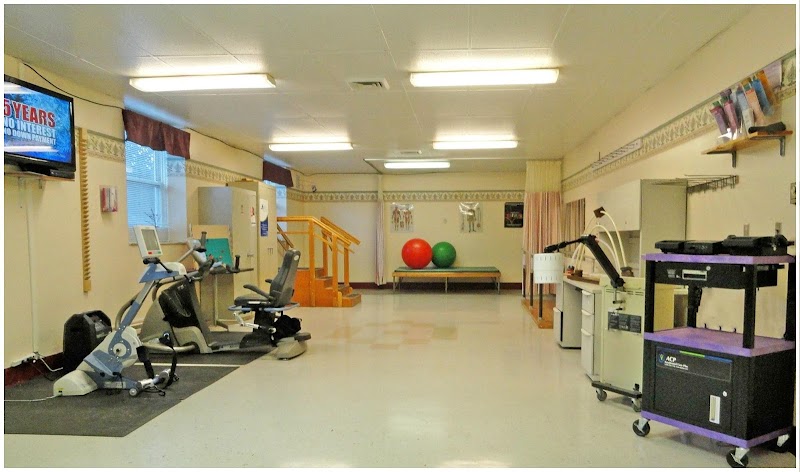
How is The Orchards At Northwest Staffed?

CMS rates The Orchards at Northwest's staffing level at 1 out of 5 stars, which is much below average compared to other nursing homes. Staff turnover is 50%, compared to the Michigan average of 46%. RN turnover specifically is 67%, which is notably high. RNs provide skilled clinical oversight, so turnover in this role can affect medical care quality.

What Have Inspectors Found at The Orchards At Northwest?

State health inspectors documented 39 deficiencies at The Orchards at Northwest during 2022 to 2025. These included: 1 Immediate Jeopardy (the most serious level, indicating potential for serious harm or death) and 38 with potential for harm. Immediate Jeopardy findings are rare and represent the most serious regulatory concerns. They require immediate corrective action.
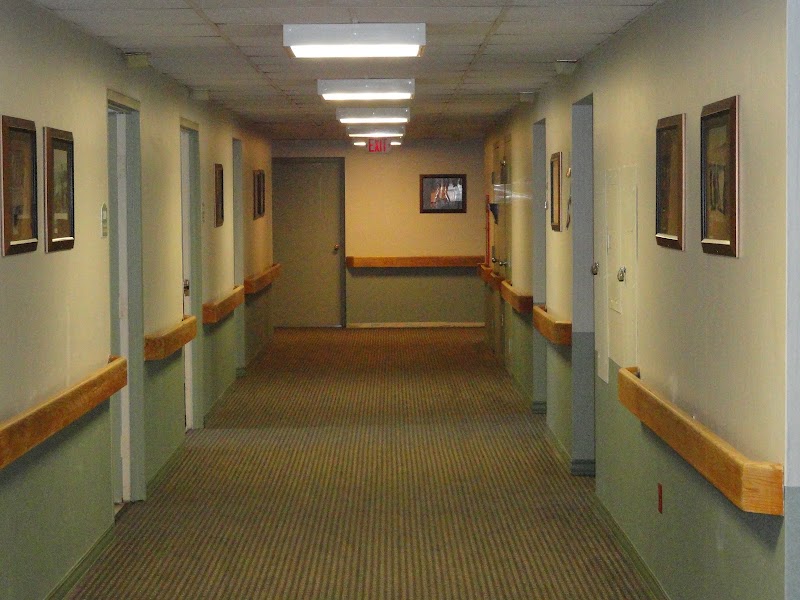
Who Owns and Operates The Orchards At Northwest?

The Orchards at Northwest is owned by a for-profit company. For-profit facilities operate as businesses with obligations to shareholders or private owners. The facility is operated by THE ORCHARDS MICHIGAN, a chain that manages multiple nursing homes. With 154 certified beds and approximately 115 residents (about 75% occupancy), it is a mid-sized facility located in Detroit, Michigan.

How Does The Orchards At Northwest Compare to Other Michigan Nursing Homes?

Compared to the 100 nursing homes in Michigan, The Orchards at Northwest's overall rating (1 stars) is below the state average of 3.1, staff turnover (50%) is near the state average of 46%, and health inspection rating (1 stars) is much below the national benchmark.

What Should Families Ask When Visiting The Orchards At Northwest?

Based on this facility's data, families visiting should ask: "What changes have been made since the serious inspection findings, and how are you preventing similar issues?" "Can you walk me through typical staffing levels on day, evening, and night shifts?" "Can I visit during a mealtime to observe dining assistance and food quality?" "How do you handle medical emergencies, and what is your hospital transfer rate?" These questions are particularly relevant given the facility's Immediate Jeopardy citations and the below-average staffing rating.

Is The Orchards At Northwest Safe?

Based on CMS inspection data, The Orchards at Northwest has documented safety concerns. Inspectors have issued 1 Immediate Jeopardy citation (the most serious violation level indicating risk of serious injury or death). The facility has a 1-star overall rating and ranks #100 of 100 nursing homes in Michigan. Families considering this facility should ask detailed questions about what corrective actions have been taken since these incidents.

Do Nurses at The Orchards At Northwest Stick Around?

The Orchards at Northwest has a staff turnover rate of 50%, which is about average for Michigan nursing homes (state average: 46%). Moderate turnover is common in nursing homes, but families should still ask about staff tenure and how the facility maintains care continuity when employees leave.

Was The Orchards At Northwest Ever Fined?

The Orchards at Northwest has been fined $15,889 across 1 penalty action. This is below the Michigan average of $33,238. While any fine indicates a compliance issue, fines under $50,000 are relatively common and typically reflect isolated problems that were subsequently corrected. Families should ask what specific issues led to these fines and confirm they've been resolved.

Is The Orchards At Northwest on Any Federal Watch List?

The Orchards at Northwest is not on any federal watch list. The most significant is the Special Focus Facility (SFF) program, which identifies the bottom 1% of nursing homes nationally based on persistent, serious quality problems. Not being on this list means the facility has avoided the pattern of deficiencies that triggers enhanced federal oversight. This is a positive indicator, though families should still review the facility's inspection history directly.