The Orchards at Samaritan
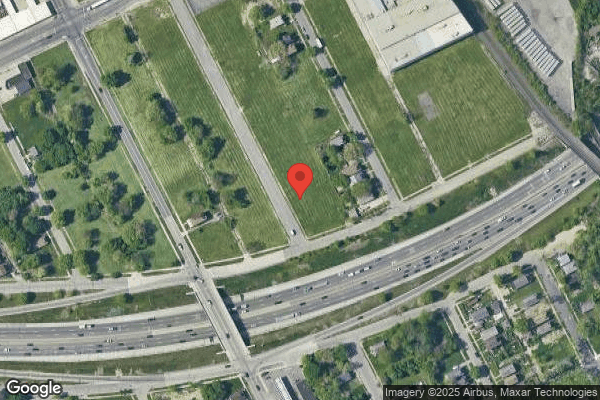
5555 Conner Avenue, Suite 4000, Detroit, MI 48213 (313) 344-4100
For profit - Individual 120 Beds THE ORCHARDS MICHIGAN Data: November 2025
Trust Grade
35/100
#343 of 422 in MI
Last Inspection: March 2025

Within standard 12-15 month inspection cycle. Federal law requires annual inspections.

Overview

The Orchards at Samaritan has received a Trust Grade of F, indicating poor performance with significant concerns. Ranking #343 out of 422 facilities in Michigan places it in the bottom half, and it is #56 of 63 in Wayne County, showing limited local competition. The facility's trend is stable, with 11 issues reported consistently over the last two years. Staffing is a concern, rated 3 out of 5 stars, but the high turnover rate of 56% is above the state average, which suggests instability among caregivers. While the facility has not incurred any fines, there are serious issues, such as a failure to administer pain medications properly, which resulted in a resident experiencing uncontrolled pain, and inadequate measures to prevent the development of a pressure ulcer, leading to serious harm for another resident. The absence of consistent RN coverage raises potential risks for all residents, as this can hinder effective care coordination.
Trust Score
F
35/100
In Michigan
#343/422
Bottom 19%
Safety Record
Moderate
Needs review
Inspections
Holding Steady
11 → 11 violations
Staff Stability
⚠ Watch
56% turnover. Above average. Higher turnover means staff may not know residents' routines.
Penalties
✓ Good
No fines on record. Clean compliance history, better than most Michigan facilities.
Skilled Nurses
⚠ Watch
Each resident gets only 17 minutes of Registered Nurse (RN) attention daily — below average for Michigan. Fewer RN minutes means fewer trained eyes watching for problems.
Violations
⚠ Watch
28 deficiencies on record. Higher than average. Multiple issues found across inspections.
★★☆☆☆
2.0
Overall Rating
★★★☆☆
3.0
Staff Levels
★★★★☆
4.0
Care Quality
★★☆☆☆
2.0
Inspection Score
Stable
2024: 11 issues
2025: 11 issues

The Good

  • 4-Star Quality Measures · Strong clinical quality outcomes
  • Full Sprinkler Coverage · Fire safety systems throughout facility
  • No fines on record

Facility shows strength in quality measures, fire safety.

The Bad

2-Star Overall Rating

Below Michigan average (3.1)

Below average - review inspection findings carefully

Staff Turnover: 56%

Near Michigan avg (46%)

Frequent staff changes - ask about care continuity

Chain: THE ORCHARDS MICHIGAN

Part of a multi-facility chain

Ask about local staffing decisions and management

Staff turnover is elevated (56%)

8 points above Michigan average of 48%

The Ugly 28 deficiencies on record

2 actual harm
Jul 2025 1 deficiency
CONCERN (D) 📢 Someone Reported This

A family member, employee, or ombudsman was alarmed enough to file a formal complaint

Potential for Harm - no one hurt, but risky conditions existed

Free from Abuse/Neglect (Tag F0600)

Could have caused harm · This affected 1 resident

**NOTE- TERMS IN BRACKETS HAVE BEEN EDITED TO PROTECT CONFIDENTIALITY** This citation pertains to intakes MI00152529 and MI00153381. Based on interview and record review the facility failed to prevent...

Read full inspector narrative →
**NOTE- TERMS IN BRACKETS HAVE BEEN EDITED TO PROTECT CONFIDENTIALITY** This citation pertains to intakes MI00152529 and MI00153381. Based on interview and record review the facility failed to prevent verbal abuse for two residents (R901 and R909) out of five residents reviewed for abuse. Findings include: Record review of Facility Reported Incident dated 5/21/25 revealed an allegation of a staff to resident verbal altercation. Record review of R901's electronic medical record revealed admission into the facility on 7/29/24 with a malignant neoplasm (cancer) of ovary. The Electronic Medical Record (EMR) further revealed R901 had scored 15 out of 15 (intact cognition) on a Brief Interview for Mental Status (BIMS) dated 5/5/25. Record review of R908's EMR revealed admission into the facility on 6/15/23 with a pertinent diagnosis of unspecified dementia. EMR further revealed resident had scored 3 out of 15 (severe impairment) on a Brief Interview for Mental Status (BIMS) dated 6/27/25. Review of a signed written statement from R901 dated 5/21/25, it was documented by R901 that Certified Nursing Assistant (CNA) D was witnessed talking loud to R909 on 5/20/25. During their conversation CNA D said to R908, Fuck this (R909) you not going to talk to me like that. It was then documented that after CNA D removed R909 from area, CNA D returned and got in R901's face and said, Don't be checking me bitch your (sic) dying from cancer anyway. I told (CNA D) to back up off me and (CNA B) got between us. It was then documented that R901 reported the incident to Licensed Practical Nurse (LPN) C. It was further documented that CNA D came back and said, Nigga, bitch what's up, go in your mother fuckin room. R901 was not available for interview due to a recent discharge to the hospital. An interview was conducted on 7/8/25 at 11:30 AM with R909. The resident was observed to be confused and did not remember the incident that happened on 5/20/25. A phone interview was conducted on 7/9/25 at 3:01 PM with CNA B, who verified she had witnessed CNA D cursing at R901 and R909 on 5/20/25. Review of a signed written statement dated 5/21/25 by Registered Nurse (RN) E, documented the following, The Burgundy Nurse (LPNC) called me for altercation between CNA D and the resident in room [ROOM NUMBER] (R901). When I came to the unit the CNA was verbally abusive to R901 and the nurse. CNA was using B words to the resident. It was further documented that CNA continued to be more aggressive and was sent home. RN E was not available for an interview. An interview was conducted on 7/8/25 at 10:58 AM with the Director of Nursing, it was reported that the behavior by the staff member was not appropriate and does not adhere to our standards of practice. An interview was conducted on 7/8/25 at 1:00 PM with Social Worker (SW) A, it was reported that follow up interviews were conducted with R901, and a psychology interview was conducted and the resident had no concerns and felt safe in facility. It was further reported that residents in the facility should not be disrespected and spoken to in that manner. An interview was conducted on 7/8/25 at 3:10 PM with the Nursing Home Administrator, it was reported that staff members should not behave in this manner, and it was against the facility's policy and procedures. It was further reported that CNA D was terminated from her position. An interview was conducted on 7/9/25 at 4:05 PM with the Medical Director, it was reported that this should be a Never Event, meaning residents should never be spoken to in a disrespectful manner. Record review of facility's policy Abuse and Neglect Prohibition it was documented, Each resident has the right to be free from abuse, mistreatment, neglect, exploitation, involuntary seclusion, misappropriation of property and mental abuse facilitated or enabled using technology. Each resident will be free from chemical or physical restraints imposed for purposes of discipline or convenience that are not required to treat resident symptoms. Verbal abuse is defined as the use of oral, written, or gestured language that willfully includes disparaging and derogatory terms to residents or their families, or within their hearing distance regardless of their age, ability to comprehend, or disability.
Mar 2025 10 deficiencies
CONCERN (D)

Potential for Harm - no one hurt, but risky conditions existed

Safe Environment (Tag F0584)

Could have caused harm · This affected 1 resident

**NOTE- TERMS IN BRACKETS HAVE BEEN EDITED TO PROTECT CONFIDENTIALITY** Based on observation, interview, and record review the facility failed to repair the floor of one resident (R95) of three review...

Read full inspector narrative →
**NOTE- TERMS IN BRACKETS HAVE BEEN EDITED TO PROTECT CONFIDENTIALITY** Based on observation, interview, and record review the facility failed to repair the floor of one resident (R95) of three reviewed for a homelike environment resulting in frustration and a potential hazard. Findings include: On 3/24/25 at 11:10 AM, R95 was interviewed about living conditions at the facility and stated, There is a hole in my floor. I asked them to fix it, it's been a year. There was an approximate six by -four-inch patch of missing floor covering observed near R95's foot of bed. R95 verbalized frustration that the hole had not been fixed. On 3/26/25 at 7:43 AM, R95's room was observed with Maintenance Supervisor (MS) C. MS C acknowledged the missing floor tile near the foot of R95's bed. When queried about a work order for the missing tile MS C replied, I'm aware of the tile issue but haven't had the opportunity to fix it yet. MS C said there wasn't a work order for the flooring and the facility staff were not utilizing a formal work order system. MS C acknowledged the repair was not completed timely. On 3/26/25 at 8:00 AM maintenance room audits were requested and were not provided by the end of survey. On 3/26/25 at 12:55 PM, R95's room was observed with the Nursing Home Administrator (NHA). R95 was observed sitting in a wheelchair holding a rolling walker. The NHA acknowledged the hole in R95's floor and agreed the flooring needed to be repaired and that the hole in the flooring created a tripping hazard and could not be cleaned properly. Record review of R95's Electronic Health Record (EHR) revealed admission to the facility on 8/7/23 with diagnoses which included chronic heart failure and age-related physical debility. Review of R95's Brief interview for Mental Status (BIMS) assessment performed on 2/5/25 revealed a BIMS of 12/15 moderately impaired cognition. Review of R95's fall risk assessment dated [DATE] revealed a weak ambulator-steps are short resident may shuffle. Review of the facility policy titled Resident Room Maintenance dated 2009, revealed in part: Resident rooms are inspected and maintained on a periodic basis to ensure proper function. To check each room at least once a week, it is necessary to schedule blocks of rooms to be checked each workday. Check for chipped paint on doors, woodwork, walls and ceilings. Check walls and ceilings for damage. Check for stained, broken, or chipped floor tile or sheet vinyl. Record preventative maintenance and equipment repairs or replacement in the TELS system.
CONCERN (D)

Potential for Harm - no one hurt, but risky conditions existed

Accident Prevention (Tag F0689)

Could have caused harm · This affected 1 resident

Based on observation, interview, and record review the facility failed to properly store an oxygen tank for one (R33) out of two residents reviewed for oxygen therapy, resulting in the potential for i...

Read full inspector narrative →
Based on observation, interview, and record review the facility failed to properly store an oxygen tank for one (R33) out of two residents reviewed for oxygen therapy, resulting in the potential for injury. Findings include: On 03/24/25 at 02:09 PM, R33 was observed in bed, on their left side, wearing oxygen via nasal canula. The oxygen was set at 2 liters via concentrator. R33 said that they were oxygen because they are short of breath. The oxygen tubing did not have a date label. On the right side of R33's bed was a green cylinder oxygen tank, the pressure gauge on the regulator needle position was at full. The oxygen tank was observed without a medical rack/stand (oxygen tanks should be stored upright and secured in a stand or cart to prevent them from tipping over, which can cause damage and potential leaks). A review of R33's electronic medical record revealed an admission to the facility on 8/15/2021 with the diagnosis of Stroke, Seizures, Atrial Fibrillation, Asthma, Chronic Obstructive Pulmonary Disease, Diabetes Type II, Heart Disease, Smoker, and Chronic Pain. R33 had a Brief Interview for Mental Status (BIMS) score dated 01/08/25 revealed a score of 15/15 (intact cognitive function). On 03/26/25 at 10:32 AM, the Director of Nursing (DON) was interviewed and queried about R33 green cylinder oxygen tank at the bedside without a rack or stand. The DON said, That will all be taken care of . a free standing o2 tank can be dangerous. A review of the facility's policy Oxygen Use Safety dated Revised December 2009 revealed the following: It is the policy of this facility to use oxygen in a safe and hazard free manner .Oxygen cylinders must be stored in racks with chains, sturdy portable carts, or approved stands .Oxygen cylinders shall not be stored in any resident room or living area .Oxygen cylinders should never be left free-standing .
CONCERN (D)

Potential for Harm - no one hurt, but risky conditions existed

Respiratory Care (Tag F0695)

Could have caused harm · This affected 1 resident

Based on observation, interview, and record review the facility failed to date/label oxygen tubing for two residents (R9 and R33) and failed to ensure a physician order regarding oxygen use for one re...

Read full inspector narrative →
Based on observation, interview, and record review the facility failed to date/label oxygen tubing for two residents (R9 and R33) and failed to ensure a physician order regarding oxygen use for one resident (R33) of three residents reviewed for respiratory care. Findings include: R9 On 03/24/25 at 12:39 PM, R9 was observed sitting on the side of the bed, wearing sweatpants and a tee-shirt. R9 was not wearing oxygen at the time. R9 said that they wear oxygen at night or when they are short of breath. R9's oxygen tubing laid across their bed. The oxygen tubing was not labeled with a date. When queried how frequently their oxygen tubing was changed, R9 indicated they were unsure. R9's oxygen concentrator (a medical device that separates nitrogen from the air to be able to breathe up to 95% pure oxygen) was next to their bed with a thick white substance smeared across the top and dust debris in the crevices of the medical device. A review of R9's electronic medical record revealed an admission to the facility on 1/31/2024 with the diagnoses of Morbid Obesity, Seizure Disorder, Chronic obstructive pulmonary disease (COPD), Diabetes Mellitus type 2, Anxiety, and Heart Failure. R9 had a Brief Interview for Mental Status (BIMS) score dated 3/13/2025 revealed a score of 15/15 (intact cognitive function). A review of R9's care plan date, revision of 4/2/2024, revealed the following: Focus: I have altered respiratory status/difficulty breathing .Interventions: Change my O2 (oxygen) tubing, cannula weekly and ensure my concentrator is clean of debris. A review of R9's physician orders dated 12/09/2024 revealed the following: Change O2 tubing every week, date and place in bag when not in use. R33 On 03/24/25 at 02:09 PM, R33 was observed in bed, on their left side, wearing oxygen via nasal canula. The oxygen was set at 2 liters via concentrator. R33 said that they wear oxygen because they are short of breath. The oxygen tubing did not have a date label. On 03/25/25 at 09:14 AM, R33 was observed in bed, laying on her left side. R33 was wearing oxygen via nasal canula, the oxygen tubing was not labeled. A review of R33's electronic medical record revealed an admission to the facility on 8/15/2021 with the diagnosis of Stroke, Seizures, Atrial Fibrillation, Asthma, Chronic Obstructive Pulmonary Disease, Diabetes Type II, Heart Disease, Smoker, and Chronic Pain. R33 had a Brief Interview for Mental Status (BIMS) score dated 01/08/25 revealed a score of 15/15 (intact cognitive function). A review of R33's care plan dated 08/02/2024 revealed the following: Provide me (R33) with my medications as ordered .Monitor my oxygen saturation . A review of R33's care plan did not include an order for oxygen therapy. A review of R33's electronic medical record did not include a physician's order for supplemental oxygen therapy. On 03/26/25 at 10:32 AM, the Director of Nursing (DON) was interviewed and queried about R9 and R33 oxygen tubing not labeled and R33 not having an order for oxygen therapy. The DON stated, That will all be taken care of .the tubing should have labels with a date. A review of the facility's policy Oxygen Administration dated October 2011 revealed the following: A resident will receive oxygen per physician' orders and facility protocol. The resident's disease, physical condition, and age will help determine the most appropriate method of administration .
CONCERN (D)

Potential for Harm - no one hurt, but risky conditions existed

Drug Regimen Review (Tag F0756)

Could have caused harm · This affected 1 resident

**NOTE- TERMS IN BRACKETS HAVE BEEN EDITED TO PROTECT CONFIDENTIALITY** Based on interview and record review the facility failed to address Medication Regimen Review (MRR) recommendations timely for o...

Read full inspector narrative →
**NOTE- TERMS IN BRACKETS HAVE BEEN EDITED TO PROTECT CONFIDENTIALITY** Based on interview and record review the facility failed to address Medication Regimen Review (MRR) recommendations timely for one resident (R4) of five residents reviewed for medication regimen review, resulting in the continuance of unnecessary medications and a lack of communication of recommended medication changes between pharmacist and physician. Findings include: R4 Record review of R4's Electronic Health Record (EHR) revealed R4 was admitted into the facility on 7/21/22 with most recent readmission on [DATE] with diagnoses that included cerebral infarction (stroke), major depressive disorder, and anxiety disorder. According to the quarterly Minimum Data Set (MDS) dated [DATE], R4 had intact cognition. On 3/25/25 at 3:51 PM, R4's monthly Medication Regimen Review irregularity reports dated 1/11/25 were reviewed with the Director of Nursing (DON) and revealed: Please respond to the following: Duplicate orders: It appears the resident has the following duplicate orders that are being administered: 1. Famotidine (Pepcid) 20mg written date: 12/12/24. 2. Pepcid (Famotidine) 20mg written date: 1/8/25. Please respond to the following: Lidoderm patches should only be worn for 12 hours due to the risk of local adverse events if used beyond this duration. The DON acknowledged the physician did not provide a response to the irregularity reports. Review of R4's medication orders revealed: 1. Famotidine 20mg ordered 12/12/24 and discharged on 2/24/25. 2. Pepcid oral 20 mg 1 tab before bed ordered 1/8/25 to current. 3. Lidoderm Patch 5% apply to per additional directions topically in the morning for right neck pain. On 3/26/25 at 12:30 PM, the DON was interviewed and said the expectation is for the physician or nurse practitioner to review the pharmacist reports and provide a timely response. The DON acknowledged Famotidine 20mg was ordered on 12/12/24 and not discharged until 2/24/25 and Pepcid 20mg was ordered on 1/8/25 and both the Famotidine and Pepcid (same medication) were given to the patient until 2/24/25. The DON also acknowleged the order for the Lidoderm patch ordered on 1/8/25 did not address wear time per the pharmacists recommendation.
CONCERN (D)

Potential for Harm - no one hurt, but risky conditions existed

Deficiency F0757 (Tag F0757)

Could have caused harm · This affected 1 resident

**NOTE- TERMS IN BRACKETS HAVE BEEN EDITED TO PROTECT CONFIDENTIALITY** Based on interview and record review the facility failed to ensure two residents (R4 and R5) of five sampled residents reviewed ...

Read full inspector narrative →
**NOTE- TERMS IN BRACKETS HAVE BEEN EDITED TO PROTECT CONFIDENTIALITY** Based on interview and record review the facility failed to ensure two residents (R4 and R5) of five sampled residents reviewed for medications, did not receive unnecessary medications in the form of the prolonged use of a cough syrup and an antacid, resulting in the potential for increased risk of adverse drug effects. Findings include: R5 Review of the electronic medical record documented R5 was initially admitted into the facility on 5/7/20 with a most recent readmission of 1/8/25 with diagnoses that included chronic obstructive disorder (COPD), angina, and dementia. According to the quarterly Minimum Data Set, dated [DATE], R5 had severe cognitive impairment (BIMS=3) and required extensive assistance with activities of daily living. On 3/25/25 at 11:17 a.m. review of the medication regimen review, report dated 7/6/24, documented a request for a stop date for the following order: Guaifenesin 100 mg/5ml two times a day, written on 5/17/24. Review of the physician's order dated 5/17/24 documented Guaifenesin Oral Syrup 100mg/5ml, give 10 mg by mouth two times a day for cough. The order was discontinued on 8/3/24. Review of the Medication Administration Record (MAR) for the months of May, June, July (2024) documented R5 was administered Guaifenesin Oral Syrup 100mg/5ml, give 10 mg by mouth two times a day. The nurses progress notes were reviewed for June and July (2024) and did not document R5 continued to have a cough but continued to be administered the cough syrup as ordered. On 3/26/25 at 1:35 p.m. the Director of Nursing (DON) was interviewed and queried the reason R5 was taking the cough syrup from a prolonged amount of time. The DON said the nurse practitioner kept the resident on the cough syrup due to a cough related to COPD and congestion. The DON was not able to provide an explanation why the order did not have a stop date or the reason nursing did not document the need for continued use. On 3/26/25 at 1:54 p.m. Nurse Practitioner J was contacted via telephone however did not answer or return call by the end of the survey. According to the manufacturer instructions Guaifenesin is used to help clear mucus or phlegm (pronounced phlegm) from the chest when you have congestion from a cold or flu. It works by thinning the mucus or phlegm in the lungs. Guaifenesin is not meant to be used for long-term cough from smoking or chronic breathing problems . R4 Record review of R4's Electronic Health Record (EHR) revealed R4 was admitted into the facility on 7/21/22 with most recent readmission on [DATE] with diagnoses that included cerebral infarction (stroke), major depressive disorder, and anxiety disorder. According to the quarterly Minimum Data Set (MDS) dated [DATE], R4 had intact cognition. On 3/25/25 at 3:51 PM, R4's monthly Medication Regimen Review irregularity reports dated 1/11/25 were reviewed with the Director of Nursing (DON) and revealed: Please respond to the following: Duplicate orders: It appears the resident has the following duplicate orders that are being administered: 1. Famotidine (Pepcid) 20mg written date: 12/12/24. 2. Pepcid (Famotidine) 20mg written date: 1/8/25. The DON agreed the physician did not provide a response to the irregularity report dated 1/11/25. Review of R4's medication orders revealed: 1. Famotidine 20mg ordered 12/12/24 and discharged on 2/24/25. 2. Pepcid oral 20 mg 1 tab before bed ordered 1/8/25 to current. On 3/26/25 12:30 PM, the DON was interviewed and said the expectation is for the physician or nurse practitioner to review the pharmacist reports and provide a timely response. The DON agreed the duplicate medication was not discharged (discontinued) until 2/24/25. On 3/26/25 at 3:44 PM, the Nursing Home Administrator (NHA) was interviewed and said the facility did not have an unnecessary medication policy.
CONCERN (D) 📢 Someone Reported This

A family member, employee, or ombudsman was alarmed enough to file a formal complaint

Potential for Harm - no one hurt, but risky conditions existed

Safe Environment (Tag F0921)

Could have caused harm · This affected 1 resident

**NOTE- TERMS IN BRACKETS HAVE BEEN EDITED TO PROTECT CONFIDENTIALITY** This citation has two deficient practices. Deficient Practice Statement #1. Based on observation, interview and record review th...

Read full inspector narrative →
**NOTE- TERMS IN BRACKETS HAVE BEEN EDITED TO PROTECT CONFIDENTIALITY** This citation has two deficient practices. Deficient Practice Statement #1. Based on observation, interview and record review the facility failed to maintain the physical environment in the kitchen in a safe and sanitary manner, repair and replace broken equipment, properly clean steam tables in three dining rooms and replace stained, soiled ceiling tiles. This deficient practice created an environment that lacked cleanliness and increased the potential for food contamination for 99 of 104 residents within the facility. Findings include: On 3/24/25 at 10:30 A.M. and again on 3/25/25 at 12:00 P.M. approximately (12) of the ceiling vents and covers in the kitchen, storeroom, emergency supply storage, and paper supply room were observed to be heavily soiled with blackened soot, ash and grease. In addition, the walls and storage area used for food carts were marked with black rubber scarring and had broken, chipped areas with exposed cement blocks. These areas were in disrepair. In the dish room the ceiling tiles were soiled, and the metal strips holding the tiles were visibly corroded due to moisture. In the paper supply storage room three ceiling tiles displayed dark yellow water stains. In the emergency supply room two ceiling tiles had been removed and the ceiling left open. During an interview Food Service Supervisor (FSS) D reported a leak had occurred above the area and although the repair was completed, the maintenance team had failed to replace the ceiling tiles. The double-deck convection oven was found to have a cracked door window panel and heavily soiled outer surfaces covered with burnt food ash and residue. The South Bend stove top and oven were similarly soiled on both inner and outer surfaces and was missing two temperature control knobs. The deep fryer had a yellow greasy band that adhered to the outer surface, with a day- old spill visible on the side and on the floor underneath. Around the perimeter of the kitchen approximately 10-15 floor tiles measuring (3 x 5) were either broken or missing. In front of the convection oven cement between the tiles was loosely fitted, causing tiles to protrude from the floor. This allowed water and food debris to collect in the gaps. The floor drains (2) in the kitchen and dish room (1) needed cleaning. All the floor drains, and the covers had chipped paint and visible food residue attached to the covers. Underneath the dish machine pipes, flooring and back splash were observed with accumulated breadcrumbs and food debris. Above the three- compartment sink in the dish room, a rusted stainless-steel rack was being used for storage. Underneath the rack, a toilet plunger was being stored following a coffee spill on 3/25/25. On 3/25/25 at 12:35 P.M. the dish machine was observed to require deliming (term used to describe soaking the inside of the dish machine to remove buildup of lime) the outer surfaces were soiled needed cleaning, and the dish machine curtain had a visible greasy scum line Three steam tables in the dining rooms had been improperly cleaned with an abrasive cleaner which caused the metal to corrode and the surfaces to appear smeared. On 3/26/25 at approximately 1:30 P.M. the Administrator confirmed that the dietary department was responsible for cleaning the steam tables and acknowledged that the use of the wrong solution had damaged the equipment. The outer surfaces of two large garbage receptacles, inner door plate and the crevices of the door to the kitchen were noted to need deep cleaning. On 3/25/25 at approximately 12:00 p.m. Area Manager (A.M.) F was asked to provide the department's cleaning schedule or any audits or sanitation reports related to cleaning. On 3/26/25 at 1:49 PM. during an observation an interview, Maintenance Director (M.D.) C reported not being informed of the vents in the kitchen nor was he informed his department was responsible for maintain the cleanliness of vents. M.D. C acknowledged the vents needed cleaning and confirmed the missing/broken ceiling tiles had not been reported or entered in the Tel's System (system used to track and report issues requiring maintenance requests. According to 2023 Food Code 6-201.12 and 6-201.17 - Floors, walls, ceiling and attached equipment -these surfaces must be smooth, durable and light in color to facilitate cleaning. The kitchen and equipment must be cleaned on a regular basis with no evidence of Yesterday's dirt. Upon exiting the facility on 3/26/25 at 4:30 p.m. no audits, no reports, or monitoring of the sanitation or cleaning schedule was provided. Deficient Practice Statement #2. Based on observation and interview the facility failed to maintain cleanliness for room [ROOM NUMBER] and room [ROOM NUMBER] resulting in an unclean and unsanitary environment. Findings include: On 3/24/25 at 1:05 pm, room [ROOM NUMBER] was observed. There was a black floor mat with a rip exposing the inside material of the mat. There were also various places on the floor with dried white substances. At the bed side, there was also a tube feeding pole with a dried yellowish substance on the pole and base of the pole. The wall behind the bed had broken plaster that exposed a hole that was covered with tape. On 3/25/25 at 1:41 p.m. Housekeeping Supervisor B was queried about the cleaning of resident rooms and equipment. Housekeeping Supervisor B said housekeeping sanitize and sweep the top of floor mats and should be done daily along with cleaning other areas of the rooms. On 3/26/25 at 1:26 p.m. a white dried substance and dust were observed on the floor mat in room [ROOM NUMBER]. Additionally, a dried yellowish substance was observed on the tube feeding monitor, pole, and base of the pole. On 3/26/25 at 1:32 p.m. Unit Manager I was interviewed and said housekeeping is responsible for cleaning floor mats. Floor mats are to be removed if they are damaged. The tube feeding poles should also be cleaned by housekeeping especially if its heavily soiled. Nursing is supposed to clean spills immediately, so the formula does not dry. On 03/24/25 at 10:17 AM, room [ROOM NUMBER] was observed in their room standing in the room doorway. The room floor was notably dirty with unknown debris on the floor and in the corners of the floor. Soiled tissues and various pieces of food and garbage were observed on the floor in the room. The room had a pile of clothes on the right side/corner of the room. A pile, of what appeared to be dirty linen and clothes, were on the bed and chair. The floor was also covered with a sticky substance. The bathroom had various pieces of paper on the floor. The toilet had thick black debris around the inside of the bowl. The shower floor appeared to be covered with scum. The sink top in the bathroom had spots of brown stains. The resident was asked how often they (staff/housekeeping) clean their room. and said, Not enough. This is terrible. On 03/25/25 at 10:06 AM, an observation of room [ROOM NUMBER] floor had thick debris in the corners. The bathroom had various pieces of paper on the floor. The toilet had thick black debris around the inside of the bowl. Behind the toilet was a large puddle of yellow liquid that smelled like urine. The shower floor appeared to be covered with scum. On 03/25/25 at 10:31 AM, Housekeeping Supervisor B was interviewed and was asked to room [ROOM NUMBER] and the bathroom. Housekeeping Supervisor B said that they would spray a substance on the urine and then clean it up. Housekeeping Supervisor B said that they needed a scrub brush to clean the toilet. In addition, the Housekeeping Supervisor B said that the house keeping staff should clean the corners of the room. On 03/26/25 at 02:00 PM, the Nursing Home Administrator (NHA) was interviewed and queried about room [ROOM NUMBER] and the bathroom being being unclean and untidy. The NHA stated, There's been a problem with staffing within this industry .We need to continue educating staff when it comes to cleaning. A review of the facility's Daily Cleaning Procedure policy, undated, revealed the following in part: 5. Disinfect. Work your way clockwise around the room . 7. Clean Restroom . A. Disinfect sink area B. Disinfect toilet area 8. Dust Mop. Dust mop the perimeter of the room first. Then, start at back of room and use a figure 8 motion to dust mop entire floor working your way back to the door. Don't forget the restroom. 9. Damp Mop. Damp mop the perimeter of the room. Then start at back of room and use a figure 8 motion to damp mop the entire floor while working your way to the door. Don't forget the restroom.
CONCERN (E)

Potential for Harm - no one hurt, but risky conditions existed

Deficiency F0761 (Tag F0761)

Could have caused harm · This affected multiple residents

Based on observation, interview and record review, the facility failed to ensure proper cleaning and disposal of loose medications were conducted for one medication cart (400 Hall Cart) of four medica...

Read full inspector narrative →
Based on observation, interview and record review, the facility failed to ensure proper cleaning and disposal of loose medications were conducted for one medication cart (400 Hall Cart) of four medication carts observed for medication storage and cleanliness. Findings include: On 03/26/25 at 09:35 AM, an observation and interview were conducted with Nurse G's 400 hall medication cart. Upon inspection of medication cart 400, a total of 19 loose pills were scattered on the bottom of the first and second drawers of the medication cart. The loose pills were varied in shapes, colors and sizes. In addition, the first and second drawers of medication cart 400 had dried tan stains, lint, and dust. On 03/26/25 at 09:45 AM, an interview was conducted with Nurse G regarding the loose medications and uncleanliness of medication cart 400. Nurse G said that the cart should be clean. When asked about their policy for loose medications, Nurse G said the pills should have been thrown away. On 03/26/25 at 10:35 AM, an interview was conducted with the Director of Nursing (DON) regarding the 19 loose pills and the debris found in medication cart 400. The DON said that the nurse managers were expected to check and clean the medication carts on their units. A review of the facility's policy Medication Storage in the Facility dated 3/2025, revealed the following: Medication storage areas are kept clean .and free of clutter.
CONCERN (F)

Potential for Harm - no one hurt, but risky conditions existed

Deficiency F0727 (Tag F0727)

Could have caused harm · This affected most or all residents

Based on interview and record review, the facility failed to ensure a Registered Nurse (RN) was on duty for eight consecutive hours each day, seven days a week; resulting in the potential for inadequa...

Read full inspector narrative →
Based on interview and record review, the facility failed to ensure a Registered Nurse (RN) was on duty for eight consecutive hours each day, seven days a week; resulting in the potential for inadequate coordination of emergent or routine care that could cause negative outcomes. This deficient practice had the potential to affect all residents in the facility. Findings include: On 3/26/25 at 8:16 AM review of the nurses' schedule for the months of October, November and December 2024 with staffing coordinator H, revealed there was no Registered Nurse (RN) coverage on the following date: October 20th, 2024. Staffing coordinator H acknowledged the facility had difficulty in the past finding RN coverage for weekends and that sometimes the Director of Nursing (DON) would cover a shift. Staffing coordinator H was not aware that the DON coverage does not count towards RN coverage when the facility census is greater than 60 residents. On 3/26/25 at 12:30 PM the DON was interviewed and said there have been times when an RN was not available, and the expectation is that there is 8-hour RN coverage 7 days per week. The DON agreed the resident population required RN supervision. On 3/26/25 at 12:14 PM a RN coverage policy was requested. On 3/26/25 at 3:43 PM the Nursing Home Administrator was interviewed and said the facility does not have a RN coverage policy and that the facility refers to the Center for Medicare and Medicaid Services guidelines.
CONCERN (F)

Potential for Harm - no one hurt, but risky conditions existed

Deficiency F0802 (Tag F0802)

Could have caused harm · This affected most or all residents

Based on observation, interview and record review the facility failed to employee sufficient dietary staff and ensure operational consultation was provided to supervisory staff, resulting in inadequat...

Read full inspector narrative →
Based on observation, interview and record review the facility failed to employee sufficient dietary staff and ensure operational consultation was provided to supervisory staff, resulting in inadequate sanitation in the kitchen. This deficient practice had the potential to affected 99 of the 104 residents that consumed meals from the kitchen. Findings include: On 3/24/25 at approximately 9:15 A.M. Food Service Supervisor (FFS) D was observed on the [NAME] unit assisting in collecting trays and transporting food carts to the elevator to go to the kitchen. while collecting trays and carts FSS D was checking unit refrigerators and taking resident's requests. At 10:00 A.M. during an observation of the kitchen FSS D was observed organizing the walk-In refrigerator and freezer to place delivered stock. During the observation FSS D was queried concerning current staffing in the department. FSS D reported one employee had called in the current morning and one dietary aide had resigned the previous month, and that position was vacant. During the observation of the sanitation in the kitchen FSS D was asked how frequently sanitation audits or monitoring was performed. The supervisor indicated all staff was encouraged to clean as they completed tasks, and the facility had a cleaning schedule which could not be located during the observation but would be provided later. On 3/25/25 at 12:00 P.M. FSS D was asked to present any cleaning schedule or consultations that had been performed FSS D indicated about a month earlier Fine Dining was restarted with the lunch meal being served to the residents. According to FSS D all residents received their breakfast and dinner meals in their rooms, but lunch was served from the four-unit kitchens. Currently, one unit was identified as not being used because of Covid precautions and equipment that had been ordered for service for that unit. On 3/24/25 at 12:30 P.M. lunch was not served in the [NAME] Dining room. FSS D was interviewed concerning what was done when dietary had staff shortages? FSS D was asked how many hours the department was budgeted? FSS D reported 51 hours a day which did not include the supervisor's position or any extra hours for call in coverage for staff. When there is a call-in staff members are asked to pick up hours, or we share tasks and sometimes I fill in. The supervisor was asked if that's what happened on Monday when there were only two dietary aides to cover the three units, no response was provided. On 3/26/25 at 2:50 P.M. joined by (Area Manager) A.M. F and FSS Dduring an interview and record review of the schedule revealed on Tuesdays, Wednesdays and Thursdays the department had one am (morning) cook and 4 aides to cover breakfast and lunch. On Mondays and Fridays there were only three dietary aides and one cook for breakfast and lunch. Reviewing the current schedule jointly (there was a shortage of staff on 3/24/25). Each Monday and Friday the department was short of one dietary aide and one supervisor for coverage. A.M. F indicated the schedule hours originally provided was incorrect and the facility had scheduled 55 hours instead of 51 hours. At this time A. M. F offered no reason why the sanitation in the kitchen had not been addressed with the four additional hours. A.M. F was asked to provide any dietary audits, reports, or evidence of consultation for the kitchen. On 3/26/25 at approximately 3:40 P.M. during Quality Assurance Interview, the Administrator indicated staffing was being reviewed but provided no explanation for the lack of monitoring and oversight in the kitchen. Upon exiting the facility on 3/26/25 at 4:30 P.M. the submitted audit Form provided for the department was blank, and no cleaning schedule was provided as requested.
CONCERN (F)

Potential for Harm - no one hurt, but risky conditions existed

Food Safety (Tag F0812)

Could have caused harm · This affected most or all residents

Based on observation, interview and record review the facility failed to provide a safe and sanitary kitchen for food storage, preparation and service, resulting in the potential for food borne illnes...

Read full inspector narrative →
Based on observation, interview and record review the facility failed to provide a safe and sanitary kitchen for food storage, preparation and service, resulting in the potential for food borne illnesses. This deficient practice affected 99 of the 104 residents within the facility. Findings include: On 3/24/25 at 10:00 A.M. and 3/25/25 at 11:40 A.M. the A.M. cook was observed wearing a beard restraint covering his beard but not his mustache. During a follow up observation on 3/25/25 at 11:50 A.M. in the presence of Area Manager (A.M.) F the employee was made aware of the improper use of the restraint and then adjusted it to cover the mustache and beard appropriately. On 3/25/25 at 12:15 P.M. during a lunch meal observation in the [NAME] Unit Dining room (400 hall) a tray with approximately eight containers of potato salad and assorted desserts were placed on top of the steam table cart. At 12:40 P.M., the temperature of the potato salad was recorded at 60 Degrees Fahrenheit (D.F.) There was no ice bath or cooling device in place to maintain proper holding temperature while the items awaited service. According to the 2023 Food Code, 3-501.16 2(a) cold potentially hazardous foods must be maintained at 41 D.F. or below. In the facility's main kitchen, the caulking along the scrape table of the dish machine was noted to be cracked and detached from the back splash. Accumulated within the broken caulking was standing water, food debris and a black, mold-like substance which was also observed on both the backsplash and the dish machine door. The exhaust hoods in the kitchen were heavily soiled with visible accumulation of grease, lint and food ash. A review of the maintenance cleaning records indicated the last professional cleaning of the exhaust hoods occurred on 1/7/25 and the next scheduled cleaning was not until 7/15/25. During an interview with Food Service Supervisor (FSS)'D concerning cleaning of the vents during interval scheduled cleaning FSS D indicated the kitchen staff had cleaned the hoods however, the supervisor was unsure of the last time they were cleaned. When asked to provide the cleaning schedule or tasks assignments from the previous month of sanitation, no documentation was provided. On 3/26/25 at 11:30 A.M., a walkthrough of the kitchen was conducted with Area Manager (A.M.) F, joined by the Administrator to review the ongoing sanitation concerns. During this observation, the same deficiencies were again visible. A.M. F acknowledged the concerns but did not offer an explanation as to why they had not been addressed. During this interview and observation A.M. F was asked to present and review the last month's cleaning schedule. The schedule was not provided as requested. In accordance with the 2023 Food Code: Hair Restraints 2-402.11. Food employees shall wear hair restraints such as hats, hair coverings or nets, beard restraints and clothing that covers body hair, that designed and worn to effectively keep their hair from contacting exposed food, clean equipment, utensils and linens . Due to the facility's failure to maintain basic sanitation and follow required food safety protocols, residents were placed at risk for food borne illness. The lack of timely corrective action and failure to provide requested documentation reflect a breakdown in kitchen safety practices and oversight. Upon exiting the facility on 3/26/25 at 4:30 P.M. no additional information was provided related to the sanitation in the kitchen area.
Nov 2024 4 deficiencies 1 Harm
SERIOUS (G) 📢 Someone Reported This

A family member, employee, or ombudsman was alarmed enough to file a formal complaint

Actual Harm - a resident was hurt due to facility failures

Deficiency F0697 (Tag F0697)

A resident was harmed · This affected 1 resident

**NOTE- TERMS IN BRACKETS HAVE BEEN EDITED TO PROTECT CONFIDENTIALITY** This citation pertains to intakes MI00145596 and MI00145720. Based on interview and record review the facility failed to ensure ...

Read full inspector narrative →
**NOTE- TERMS IN BRACKETS HAVE BEEN EDITED TO PROTECT CONFIDENTIALITY** This citation pertains to intakes MI00145596 and MI00145720. Based on interview and record review the facility failed to ensure scheduled and as needed pain medications were administered per the physician's orders for one (R103) of three residents reviewed for pain management resulting in uncontrolled pain, frustration, anger, and feelings of helplessness. Findings include: On 11/6/24 at 11:57 a.m. the complainant (R103) was contacted and spoken to about the allegations submitted to the state agency complaint hotline on 7/11/24. The complainant said the complaint was made because of multiple daily calls from R103 not getting pain medication ((R103) would literally be in tears begging me to come get him because he was in so much pain. (R103) called me the first night he was there crying because he couldn't get his pain pill. Nobody would answer the call bell.) The complainant also said R103 left the facility due to not receiving decent medical care. Nurse progress note dated 8/20/24 documented R103 left the facility against medical advice. Review of the clinical record documented R103 was admitted into the facility on 7/3/24 and discharged on 8/20/24 with diagnoses that included malignant neoplasm of mouth, dysarthria and anarthria, dysphonia, macular degeneration, generalized anxiety disorder, depression, chronic kidney disease, stage 3, and glaucoma. According to the admission Minimum Data Set (MDS) assessment dated [DATE] R103 was cognitively intact (BIMS=15) and required limited one person assistance with activities of daily living. The MDS also documented R103 received scheduled and PRN (as needed) pain regimen and experienced pain or hurting. Review of the hospital discharge report dated 7/3/24 documented additional diagnoses that included mandible (jaw bone) pain, chronic pain due to neoplasm, cancer related pain, and post-operative pain. The discharge report also included a prescription for Oxycodone 5 mg immediate release tablet with instructions to take 1-2 tablets (5-10 mg total) by mouth every 4 hours as needed for up to 3 days, for oral cancer. R103 was administered Oxycodone 10 mg at 3:43 p.m. on 7/3/24 (prior to transfer to facility). Review of the July Medication Administration Record (MAR) documented on July 3rd, evening medications were administered except for the Oxycodone. Record review revealed the facility administered R103 pain medication on 7/4/24 at 9:30 am. R103 did not receive Oxycodone for 17 hours (last dose on 7/3/24 at 3:43 pm). Review of the physician's orders documented the following pain medication regimen to be administered: Oxycodone HCl Oral Tablet 5 MG (Oxycodone HCl) *Controlled Drug* Give 10 mg by mouth every 4 hours for pain hold if RR <14. Start date: 7/10/24. Oxycodone HCl Oral Tablet 5 MG (Oxycodone HCl) Give 10 mg by mouth every 4 hours as needed for as needed for pain Hold if respiratory rate less than 14. Start date: 7/4/24. Oxycodone HCl Oral Tablet 5 MG (Oxycodone HCl) *Controlled Drug* Give 5 mg by mouth every 4 hours as needed for as needed for pain. Start date: 7/3/24. PLEASE ALL MEDICATIONS MUST BE ADMINISTERED ON TIME every 4 hours for PAIN CONTROL. Start date: 7/10/24. The following Nurse progress notes documented the following: -On 07/03/24 at 18:49 (6:49 pm) Note Text: Patient admitted from hospital at 5pm. He's being admitted due to oral cancer ( Para neo-Plastic Syndrome) . -On 07/04/2024 12:49 Note Text: Resident with C/O pain at beginning of shift. Resident medications had not been delivered pharmacy contacted once open at 9am for off (sic) to pull, C2 script was not sent to pharmacy. MD contacted and script was sent, off (sic) to pull for 5mg 1-tab Q4hrs PRN. Resident was given 1 tab at 9:30am. -On 07/09/2024 01:34 (1:34 am) Type: Behavior Note: . was waiting for a pain pill that he arrived too early for . Resident when told he had to wait 20 minutes for his pain medication, began to berate the Nurse, while threatening to report and have the Nurse fired from duty, I'll call the State on you . Nurse provided pain medication at time it was available . -On 8/11/24 00:00 (12:00 am) oxycodone HCl Oral Tablet 5 MG (Oxycodone HCl) Give 10 mg by mouth every 4 hours for pain hold if RR <14 was on hold for behaviors. Behaviors were not documented to justify withholding pain medication. -On 08/19/2024 20:06 (8:06 pm) Note Text : Resident observed having emesis throughout the shift c/o of severe pain and cramping. Resident refused to go to radiation. Resident spoke with doctor at treatment center and stated he was having a mental break down. Dr contacted our facility to inform us of the situation. Staff nurse spoke with resident assuring him his medication will come today. Pharmacy contacted and stated medication in route. -On 8/20/2024 03:06 (3:06 am) Type: Nurses Note Text : Resident received in fair condition with current concerns of not having his scheduled Oxycodone for multiple days, resident states his mental health has been affected with the pain and overall condition related to his cancer and treatment involved . Resident states he doesn't feel well, has not slept in a few days . @ 1900 Nurse endorsed ongoing concern of missing oxycodone, script sent on previous shift, Nurse and supervisor attempted to pull medication from back up supply EXCEPT pyxis was empty - No oxycodone 5mg or 10mg was available . Resident continues to feel uneasy, afraid to go to sleep . Review of the following physician's notes documented complaints from R103 about pain: -On 8/19/2024 19:14 (7:14 pm) Physical Medicine Rehabilitation Note Text: Revision of meds. Pain is controlled most of the time. -On 8/12/2024 17:40 (5:40 pm) Physical Medicine Rehabilitation Note Text: Patient was seen today at bedside due to inability to perform ADLs Independently related to Cancer-related pain. -On 08/02/2024 11:33 (11:33 am) Physician Progress Notes Text : Medicine Progress: Previously patient had reported that his pain is well-controlled with the pain medication. However, he has been complaining of pain not being controlled to the staff (sic). - 08/01/2024 11:26 (11:26 am) Physician Progress Notes Text: Medicine Progress Note: Uncontrolled pain . Patient states pain is not well controlled. Review of the Pain care plan dated 7/5/24 documented: I have the potential for pain/discomfort r/t removal of oral cavity squamous cell carcinoma stage IV, wound to right leg. Interventions: -Administer my analgesic per orders. Give approx. 1/2 hour - 45 min before treatments or care when needed. -Anticipate my need for pain relief and respond as soon as possible to all and any complaint/signs of pain. - Attempt nonpharmacological interventions prior to giving me medication for pain. On 11/8/24 at 2:03 p.m. the Director of Nursing (DON) was interviewed regarding R103 not receiving pain medication as ordered. The DON did not recall the circumstance surrounding the resident not receiving pain medication due to behaviors. The DON said having behaviors does not justify pain medications to be withheld. Other non-pharmacological interventions could have been implemented or attempted. All medications should be administered per the physician's orders. On 11/8/24 at 3:07 LPN C was the midnight shift nurse for R103. An attempt to contact LPN C was made, however there has been no call back. On 11/8/24 at 1:01 p.m. R103 was contacted, however did not return the call until 11/13/24 at 2:24 p.m. R103 was interviewed and stated, My time at (facility) name) was horrible and I wouldn't wish what happened to me on my worst enemy. Most of my problems happened on the late shift and weekends. The one nurse (didn't remember nurse, confirmed to be LPN C) played God with my pain medications all the time. My pain medications were often not available, or the nurses just didn't want to give it to me. My pain level was always at an 8-9. I am always in constant pain, and I am trying to deal with it the best I can. It's depressing to be in pain all the time. It's more depressing when the people that are supposed to help you make you feel more helpless. Being in pain all the time will make any angry especially when denied the one thing to help make the pain better. I felt ignored when I would ask for my medication and had to wait to get it. I was forced to leave because they wouldn't help me. I had to leave for my own safety. R103 was very emotional and cried during the interview. Review of the facility's policy titled Medication Administration and General Guidelines (no date) documented the following: Medications are administered as prescribed. In accordance with State Regulations using good nursing principles and practices and only by persons legally authorized to do so . Medications are administered in accordance with written orders of the attending physician . Medications are administered within one hour of the scheduled time, unless the physician specifies a specific time then the med must be given 30 minutes prior to 30 minutes after the specified time (unless facility policy directs otherwise) . If a dose of regularly scheduled medication is withheld, refused, or given at other than the scheduled time . An explanatory note is entered on the reverse side of the record provided for PRN documentation. The physician must be notified when a dose of medication has not been given . Review of the facility's policy titled Pain Management (no date) documented the following: The facility will assess and identify residents experiencing pain, determine the type and severity of the pain and develop a care plan for pain management. The care plan is implemented and continually evaluated for its effectiveness. The staff monitors and documents the resident's response to pain management interventions . The pain experience is very subjective; pain is whatever the resident says it is .
CONCERN (D) 📢 Someone Reported This

A family member, employee, or ombudsman was alarmed enough to file a formal complaint

Potential for Harm - no one hurt, but risky conditions existed

Report Alleged Abuse (Tag F0609)

Could have caused harm · This affected 1 resident

**NOTE- TERMS IN BRACKETS HAVE BEEN EDITED TO PROTECT CONFIDENTIALITY** This citation pertains to intakes MI145596 and MI145720. Based on interview and record review the facility failed to report an a...

Read full inspector narrative →
**NOTE- TERMS IN BRACKETS HAVE BEEN EDITED TO PROTECT CONFIDENTIALITY** This citation pertains to intakes MI145596 and MI145720. Based on interview and record review the facility failed to report an allegation of employee to resident abuse to the State Agency for one resident (R103) of three residents reviewed for abuse, resulting in the potential for feelings of not being protected or safe within the facility, and for abuse to continue without being reported. Findings include: On 7/11/24 and 7/16/24, two complaints were reported to the state complaint hotline alleging employee to resident abuse on behalf of R103. The complainants alleged R103 was attacked by a female staff member (slapped residents arm several times). There was no facility reported incident (FRI) submitted by the facility for the allegation. On 11/6/24 at 10:37 a.m. an investigation submitted by the facility was reviewed and documented on 7/14/24 the Nursing Home Administrator (NHA) was notified of an allegation of abuse by staff R103 reported hit by an aide. The NHA concluded the incident did not occur. On 11/6/24 at 11:30 a.m. NHA was interviewed. The NHA said the incident was not reported to the state agency because a thorough investigation was conducted and could not be substantiated. The NHA added they were instructed not to report the incident to the state agency. Review of the clinical record documented R103 was admitted into the facility on 7/3/24 and discharged on 8/20/24 with diagnoses that included malignant neoplasm of mouth, dysarthria and anarthria, dysphonia, macular degeneration, generalized anxiety disorder, depression, chronic kidney disease, stage 3, and glaucoma. According to the admission Minimum Data Set (MDS) assessment dated [DATE] R103 was cognitively intact (BIMS=15) and required limited one person assistance with activities of daily living. Review of the facility's policy titled Abuse and Neglect Prohibition Policy dated 2/17/20 documented: .The Administrator or designee is responsible for reporting to the State Agency all alleged violations involving abuse, neglect, exploitation or mistreatment, including injuries of unknown origin and misappropriation of property: a. Immediately but no later than 2 hours after the allegation is made if the allegation involves abuse or result in serious bodily injury; b. Or not later than 24 hours if the events that cause the allegation do not involve abuse or serious injury.
CONCERN (D) 📢 Someone Reported This

A family member, employee, or ombudsman was alarmed enough to file a formal complaint

Potential for Harm - no one hurt, but risky conditions existed

Quality of Care (Tag F0684)

Could have caused harm · This affected 1 resident

**NOTE- TERMS IN BRACKETS HAVE BEEN EDITED TO PROTECT CONFIDENTIALITY** This citation pertains to intake MI00147722 and MI00146334. Based on observation, interview and record review, the facility fail...

Read full inspector narrative →
**NOTE- TERMS IN BRACKETS HAVE BEEN EDITED TO PROTECT CONFIDENTIALITY** This citation pertains to intake MI00147722 and MI00146334. Based on observation, interview and record review, the facility failed to address changes in laboratory findings in a timely manner for R101 of two residents reviewed for a change in condition, resulting in significant critical laboratory values, delay in treatment, and hospitalization. Findings include: On 11/6/24 at 10:56 AM, R101 was observed in their room, wearing a gown, and sitting in a wheelchair. The resident had mild edema (swelling caused by too much fluid trapped in the body's tissues) in both lower legs. R101 was asked about when they became ill and sent to the ER in October. R101 said that they were feeling weak, dizzy, and short of breathe for a few days and was sent to the hospital to receive a blood transfusion. R101 stated that they were still feeling weak and did not feel like dressing. R101 stated, They said I need some iron. A review of R101's electronic medical record noted an initial admission on [DATE] with a diagnosis of Atrial Fibrillation (a heart condition that causes the upper chambers of the heart to beat irregularly), Breast Cancer, Diabetes, Heart Attack, Hypertension (high blood pressure), Covid-19, and Anemia. A review of R101's Brief Interview for Mental Status (BIMS) was 15/15 (intact cognition). A review of R101's care plan noted the following: I have an alteration in my hematological status r/t (related to) DX (diagnosis) of Anemia Date Initiated:8/28/21 .Goal-I will remain free of s/sx (signs and symptoms) or complications related to anemia. Date Initiated 8/28/21 .Revision on 11/29/22 .I will remain free from complications, bleeding, injury r/t use of aspirin .Interventions-Observe me and report any s/sx of anemia .fatigue, dizziness, weakness, SOB (shortness of breath), change in cognition. Date Initiated:8/28/21 .Obtain and monitor lab/diagnostic work as ordered. Report results to my doctor and follow up as needed. Date Initiated: 8/28/21 . A review of R101's Laboratory results noted the following: 5/28/24: HGB results 8.6 (R101on iron supplement) 5/28/24: Iron result 51 (normal range 50-170) 7/8//24: Iron supplement discontinued 7/26/24 HGB results 7.9 7/26/24: Iron level result 37 7/26/26: No evidence of change in plan of care. A review of R101's medication order noted the iron supplement was discontinued on 7/8/24 by Physician D. Record review revealed there was no implementation of interventions to address R101's decreased iron/iron deficiency. There was no evidence of a dietition to address R101's low iron. On 11/6/24 at 2:45 pm, The Director of Nursing DON was queried and was unable to explain why there was no change in the plan of care for R101 when R101 labs related to iron decreased. A review of R101's progress notes dated 10/10 at 1:41 PM noted the following: Resident c/o sob (complained of shortness of breath) when (they) stand, stated it started yesterday, and the nurse administered oxygen. A review of R101's progress notes dated 10/10 at 7:30 PM noted the following: Resident received in fair condition with acute concerns of shortness of breath, increased lower extremity edema, difficulty with urination and dizziness upon standing. Nurse noted resident on 2 liters NC (nasal canula) placed per previous shift .Resident requested to go to the ER (Emergency Room) for further care related to (their) increased sob. Nurse called to management to update on situation and DON spoke with resident about further care, developed a plan to remain in facility . A review of R101's progress note created by Physician D dated 10/11/24 at 7:45 AM noted the following: Patient (R101) was seen last night dizziness on standing, shortness of breath, labs were collected and dropped at (hospital) lab. Acute anemia .HGB 5.5 (critical level) .start hydration .hold Eliquis and aspirin .was on ferrous sulfate in January for 6 months. Needs blood transfusion. Review of medical record revealed no order to send resident to hospital for blood transfusion at this time. Record review revealed on 10/11/24 at 7:45 am HGB results 5.1 (critically low) with R101 experiencing noticeable symptoms related to their anemia, such as weakness, shortness of breath, and dizziness. A review of R101's progress notes dated 10/11/24 at 8:07 AM noted the following: Nurse received communication from MD (Physician D) for additional orders for STAT labs to be drawn this morning, collect stool sample and send to lab . A review of R101's progress notes dated 10/11/24 at 11:39 AM noted the following: Order received to send the resident to (hospital). Awaiting (Ambulance) to transfer. A review of R101's progress notes dated 10/11/24 at 14:39 AM noted the following: Resident transferred to the hospital. A review of R101's hospital records with admission date of 10/11/24, noted a diagnosis of Anemia, fluid overload, and acute kidney injury. R101 received two units of blood during hospitalization. On 11/6/24 at 2:45PM, the Director of Nursing was interviewed and queried about R101's iron supplement discontinued, complaint of shortness of breath, and delay in sending the resident to the hospital. The DON stated, The nurse called me to discuss (R101) condition, but, I was not aware that (R101) had shortness of breath the day before .I discussed with R101 a plan of care and (they) agreed .(R101) was started on one liter of normal saline at 60 ml per hour .(R101) had a chest x-ray that showed an infiltrate (substance that builds up in the lung tissue, such as fluid) .(Physician D) stopped (R101's) iron and did not prescribe anything else for (their) anemia . (Physician D) said that (they) only liked to use iron supplements for a few months and then discontinue . I wanted to treat (R101) with fluids before sending to the hospital .we also gave (R101) oxygen. On 11/8/24 at 11:00AM, Physician D was interviewed and queried about R101's iron supplement discontinued and delay in sending the resident to the hospital. Physician D stated, I usually try six months or iron and then I take the patient (R101) off and monitor the resident .I restarted the iron after (they) were discharged from the hospital .the DON did not want to send (R101) to the hospital .they always fight me about sending the patients to the hospital. A review of the facility's policy Acute Change in Condition noted the following: An Acute Change of Condition (ACOC) is a sudden, clinically important deviation from a resident's baseline in physical, cognitive, behavioral, or functional domains .If a plausible cause was not found readily in someone with an ACOC, assess whether delirium, fluid and electrolyte imbalance, infection, and medication related effects is the cause for the ACOC .The following symptoms may suggest ACOC or require additional assessment: Struggling to breathe .New onset of weakness .Dizziness .Bleeding.
CONCERN (D) 📢 Someone Reported This

A family member, employee, or ombudsman was alarmed enough to file a formal complaint

Potential for Harm - no one hurt, but risky conditions existed

Deficiency F0761 (Tag F0761)

Could have caused harm · This affected 1 resident

**NOTE- TERMS IN BRACKETS HAVE BEEN EDITED TO PROTECT CONFIDENTIALITY** Based on interview and record review the facility failed to ensure the proper storage of a narcotic for one (R103) of three resi...

Read full inspector narrative →
**NOTE- TERMS IN BRACKETS HAVE BEEN EDITED TO PROTECT CONFIDENTIALITY** Based on interview and record review the facility failed to ensure the proper storage of a narcotic for one (R103) of three residents reviewed for medication administration potentially resulting in a missed dose, medication waste, and misappropriation. Findings include: Review of the clinical record documented R103 was admitted into the facility on 7/3/24 and discharged on 8/20/24 with diagnoses that included malignant neoplasm of mouth, dysarthria and anarthria, dysphonia, macular degeneration, generalized anxiety disorder, depression, chronic kidney disease, stage 3, and glaucoma. According to the admission Minimum Data Set (MDS) assessment dated [DATE] R103 was cognitively intact (BIMS=15) and required limited one person assistance with activities of daily living. The MDS also documented R103 received scheduled and PRN (as needed) pain regimen and experienced pain or hurting. Review of the physician's orders documented the following pain medication regimen to be administered: Oxycodone HCl Oral Tablet 5 MG (Oxycodone HCl) *Controlled Drug* Give 10 mg by mouth every 4 hours for pain hold if RR <14. Start date: 7/10/24. Oxycodone HCl Oral Tablet 5 MG (Oxycodone HCl) Give 10 mg by mouth every 4 hours as needed for as needed for pain Hold if respiratory rate less than 14. Start date: 7/4/24. Oxycodone HCl Oral Tablet 5 MG (Oxycodone HCl) *Controlled Drug* Give 5 mg by mouth every 4 hours as needed for as needed for pain. Start date: 7/3/24. The following Nurse progress notes documented the following: -On 07/04/2024 12:49 Note Text: Resident with C/O pain at beginning of shift. Resident medications had not been delivered pharmacy contacted once open at 9am for off (sic) to pull, C2 script was not sent to pharmacy. MD contacted and script was sent, off (sic) to pull for 5mg 1-tab Q4hrs PRN. Resident was given 1 tab at 9:30am. Review of the Pyxis (Medication and controlled substance inventory management within an automated dispensing system) record for R103 documented on 7/4/24 at 9:33 am Oxycodone 5mg tablet, quantity 2.00 (2- 5mg tablets) was signed out by LPN A. On 11/8/24 at 9:44 a.m. LPN A was interviewed and asked why two 5mg Oxycodone tablets were signed out when one 5mg Oxycodone tablet was administered. LPN A said the extra tablet was pulled from the back up supply (Pyxis) for the next dose or oncoming shift. I'm guessing that's why I did that. On 11/8/24 at 2:16 p.m. the DON was interviewed and asked was it standard of practice to pull and store extra narcotics for the next shift or pull medications to be administered at a later time and date. The DON stated, I would not have pulled unused narcotics from the back up box or store it improperly. That is not how that's supposed to be done. Narcotics should be signed out of the back box at the time it is to be administered. Review of the facility's policy titled Medication Storage in the facility dated 4/1/23 documented the following: Medications and biologicals are stored safely, securely, and properly following manufacturer's recommendations or those of the supplier. The medication supply is accessible only to license nursing personnel, pharmacy personnel, or staff members lawfully authorized to administer medications .
Jul 2024 1 deficiency
CONCERN (D) 📢 Someone Reported This

A family member, employee, or ombudsman was alarmed enough to file a formal complaint

Potential for Harm - no one hurt, but risky conditions existed

Accident Prevention (Tag F0689)

Could have caused harm · This affected 1 resident

**NOTE- TERMS IN BRACKETS HAVE BEEN EDITED TO PROTECT CONFIDENTIALITY** This citation pertains to intake MI00145863. Based on interview and record review the facility failed to provide adequate superv...

Read full inspector narrative →
**NOTE- TERMS IN BRACKETS HAVE BEEN EDITED TO PROTECT CONFIDENTIALITY** This citation pertains to intake MI00145863. Based on interview and record review the facility failed to provide adequate supervision for one (R102) of three residents reviewed for elopement, resulting in R102 exiting the facility without staff knowledge. Findings include: Review of an admission Record revealed, R102 admitted to the facility on [DATE] with pertinent diagnoses which included Dementia and Alcohol Dependence with Alcohol-Induced Persisting Dementia. Review of a Brief interview for Mental Status (BIMS) assessment dated [DATE] revealed R102 had severe cognitive impairment with a score of 4 out of 15. Review of an incident report dated 7/25/24 at 4:10 a.m., revealed, Resident was observed on the blue unit at 7:00pm, he then went to the brown unit where bingo was taking place. Resident was last observed at 8:45pm. Upon doing rounds while passing meds, writer and cena noticed that resident was not in his room. Staff proceeded to search all the units in effort to redirect resident back to his room, ineffective (sic) Review of a nurses note with a date of 7/25/24 at 4:27 a.m., revealed, Resident received at beginning of shift in stable condition. He was observed on the blue unit before going to bingo on the brown unit. At 8:40 resident was last observed on the brown unit. Upon passing meds and doing rounds, writer and cena noticed that resident was not in his room. Staff then performed a thorough search on the whole 4th floor. We then proceeded to search the entire building. Resident is still unable to be located. Administrator, DON, and physician notified of situation. (sic) Review of a nurses note with a date of 7/25/24 at 8:00 a.m., revealed, Resident return to facility around 8AM accompanied by officer via wheelchair. Resident received in good spirits with empty alcohol bottles and 2 unopened beer cans and stated that he was trying to go home, but he was trying to go to work. Resident statements had confusion noted with periods of clarity. Resident was able demonstrate how he exited out of the building . Review of a Physician progress note with a date of 7/25/24 at 4:35 p.m. revealed, Patient left the facility without informing anyone. The facility contacted the police on finding out that patient is not at the facility. the police brought the patient back earlier this morning . Review of a Visitor Sign In-Out Record with a date of 7/24/24 revealed no visitors signed out after 8:21p.m. R102 was not signed out on the record. In an interview on 7/30/24 at 10:41a.m., R102 asked about leaving the facility. R102 reported did not remember leaving the facility last week. In an interview on 7/31/24 at 9:26 a.m. Receptionist A reported not knowing what time R102 exited the facility on 7/24/24. Receptionist A then reported the nurse notified her at 10:30 p.m. that R102 was missing. In an interview on 7/31/24 at 9:36 a.m. Licensed Practical Nurse (LPN) B reported R102 was in bingo at the beginning of the shift. LPN B reported observing R102 on brown unit at approximately 7:15 p.m. LPN B then reported around 9:40 p.m. the CNA reported R102 was not in the room. In an interview on 7/31/24 at 10:41 a.m., the Nursing Home Administrator (NHA) reported R102 exited the facility through the main elevator near the receptionist desk. The NHA then reported R102 demonstrated the exit from the facility by using the main elevator. The NHA reported R102 was returned to the facility by the police the next morning (7/25/24). Review of a Elopement, Potential Resident policy with no date documented, It is the policy of this facility to provide residents with a safe and secure environment and identify residents who may be at risk for unobserved exit from the facility . Residents with cognitive loss who leave the facility without authorization and without an escort will be considered an elopement and will be assessed to minimize the risk of repeat unauthorized exits .
Feb 2024 6 deficiencies
CONCERN (D)

Potential for Harm - no one hurt, but risky conditions existed

Deficiency F0554 (Tag F0554)

Could have caused harm · This affected 1 resident

**NOTE- TERMS IN BRACKETS HAVE BEEN EDITED TO PROTECT CONFIDENTIALITY** Based on observation, interview, and record review the facility failed to ensure resident (R102) was assessed for self-administr...

Read full inspector narrative →
**NOTE- TERMS IN BRACKETS HAVE BEEN EDITED TO PROTECT CONFIDENTIALITY** Based on observation, interview, and record review the facility failed to ensure resident (R102) was assessed for self-administration of a medication. Findings include: On 2/27/24 at 11:31 AM, R102 was observed with an inhaler laying on the bed. R102 stated, I like to handle my inhalers myself. Record review of electronic medical records revealed R102 was admitted into the facility on 1/29/24 with a pertinent diagnosis of chronic obstructive pulmonary disease (COPD). According to the Minimum Data Set (MDS) dated [DATE], R102 had intact cognition. Further review of EMR revealed no physician orders to self-administer medications or a self-administration assessment was conducted. During an interview on 2/28/24 at 10:52 AM with Licensed Practical Nurse (LPN) G, it was reported that R102 self-administered inhaler medications. During an interview on 2/28/24 at 12:30 PM, the Director of Nursing (DON), reported that R102 did not have a Physician order or an assessment to self-administer medications and keep at bedside. The DON further reported that residents must have a Physician order and an assessment is to be performed and completed before residents can self- administer medications. Record review of policy Medication Administration and Guidelines (no date) documented the following: . 4. Residents are allowed to self-administer medications when specifically authorized by the attending physician and in accordance with policy and procedure for self-administration of medications.
CONCERN (D)

Potential for Harm - no one hurt, but risky conditions existed

Comprehensive Care Plan (Tag F0656)

Could have caused harm · This affected 1 resident

**NOTE- TERMS IN BRACKETS HAVE BEEN EDITED TO PROTECT CONFIDENTIALITY** Based on observation, interview, and record review the facility failed to implement a hospice care plan for one resident (R12) o...

Read full inspector narrative →
**NOTE- TERMS IN BRACKETS HAVE BEEN EDITED TO PROTECT CONFIDENTIALITY** Based on observation, interview, and record review the facility failed to implement a hospice care plan for one resident (R12) out of two residents reviewed for hospice care, resulting in not having goals and interventions to meet R12's hospice care needs. Findings include: On 2/27/24 at 12:30 PM, R12 was observed in room. During an the interview, R12 reported that hospice services did visit often. Record review of R12's electronic medical record (EMR) revealed admission into the facility on 8/3/18 with a pertinent diagnosis of adult failure to thrive. According to the Minimum Data Set (MDS) dated [DATE], R12 had impaired cognition and required assistance with Activities of Daily Living (ADLS). Further record review revealed resident had a significant change of condition on 1/8/24, and hospice services were started. Review of R12's EMR revealed no hospice care plan was implemented for nursing. During an interview on 2/28/24 at 10:46 AM with the Director of Nursing (DON), it was reported that R12 did not have a hospice care plan related to nursing care. It was also reported that all residents that received hospice care should have an individualized care plan. Record review of policy Comprehensive Plan of Care (no date), documented the following: Each resident will have a comprehensive care plan developed within 7 days after the completion of a comprehensive or quarterly assessment. The comprehensive care plan is prepared by the Interdisciplinary team and to the extent practicable the participation of the resident or the resident's representative. The quarterly care plans are reviewed and updated by the Interdisciplinary team and to the extent practicable the participation of the resident or resident's representative. .14. Care plans should be closed with a Significant Change and new Care plans started to reflect changes.
CONCERN (D) 📢 Someone Reported This

A family member, employee, or ombudsman was alarmed enough to file a formal complaint

Potential for Harm - no one hurt, but risky conditions existed

ADL Care (Tag F0677)

Could have caused harm · This affected 1 resident

**NOTE- TERMS IN BRACKETS HAVE BEEN EDITED TO PROTECT CONFIDENTIALITY** This citation pertains to intake number MI00114339. Based on observation, interview and record review, the facility failed to pr...

Read full inspector narrative →
**NOTE- TERMS IN BRACKETS HAVE BEEN EDITED TO PROTECT CONFIDENTIALITY** This citation pertains to intake number MI00114339. Based on observation, interview and record review, the facility failed to provide timely incontinence care for one resident (R53) of ten residents reviewed for Activities of Daily Living (ADL), resulting in the potential for skin breakdown and infection. Findings include: In an observation on 2/27/24 at 11:52 a.m., R53 laid in bed and the room had a strong urine smell. In an observation on 2/27/24 at 1:56 p.m., Certified Nursing Assistant (CNA) D performed incontinence care for R53. A strong urine smell was noted in R53's room. R53's brief was heavily saturated with urine as evidencd by the dark blue lines down the center of the brief and the bed pad was soiled as evidenced by yellow staining. In an interview on 2/27/24 at 2:02 p.m., CNA D reported R53 was checked and changed at 7am and 12pm. CNA D reported R53's bed pad was changed because it was wet. Review of an admission Record revealed, R53 admitted to the facility on [DATE] with pertinent diagnoses which included Dementia and Atopic Dermatitis (skin inflammation). Review of a care plan revealed R53 had focus, I am incontinent of Bowel revised 12/11/23. Interventions included check me at least every two hours during the day and change my brief if needed, initiated 11/14/22. Review of a [NAME] for R53 revealed, bladder/bowel, check me at least every two hours during the day and change my brief if needed. In an observation on 2/29/24 at 8:13 a.m., CNA E performed incontinent care for R53. A strong urine odor was noted upon entering R53's room. R53's brief was heavily saturated with urine as indicated by dark blue lines down the center of the brief. In an interview on 2/29/24 at 8:14 a.m., CNA E reported this was the first time R53 was changed this morning. In an interview on 2/29/24 at 8:16 a.m., Licensed Practical Nurse (LPN) F reported the CNA should check and change the residents every two hours and as needed. In an interview on 2/29/24 at 12:54 p.m., the Director of Nursing (DON) reported incontinent residents should be checked and changed every two hours and as needed.
CONCERN (D)

Potential for Harm - no one hurt, but risky conditions existed

Infection Control (Tag F0880)

Could have caused harm · This affected 1 resident

Based on observation, interview, and record review the facility failed properly store nebulizer (used for breathing treatment) tubing between resident use, for one resident (R258) out of two residents...

Read full inspector narrative →
Based on observation, interview, and record review the facility failed properly store nebulizer (used for breathing treatment) tubing between resident use, for one resident (R258) out of two residents reviewed for respiratory care, resulting in the potential for contamination of respiratory devices and the spread of infection. Findings include: During an observation on 2/27/24 at 9:52 AM, R258's nebulizer tubing and mask was lying on top of nightstand and was not stored in a plastic bag. Record review of R258's electronic medical record (EMR) revealed admission into the facility on 2/14/24 with a pertinent diagnosis of chronic obstructive pulmonary disease (COPD). According to admission progress notes dated 2/14/24, R258 had intact cognition and required limited to maximum assistance with Activities of Daily Living (ADLS). During an observation on 2/28/24 at 8:53 AM, R258's nebulizer tubing and mask was lying on top of nightstand and was not stored in a plastic bag. During an interview on 2/28/24 at 8:53 AM with R258, it was reported that the tubing and mask just laid on the nightstand. During an interview on 2/28/24 at 8:58 AM with the Director of Nursing (DON) after an observation of the nebulizer tubing on nightstand, it was reported that the equipment should be bagged and dated with resident's name after each use. During a follow-up interview the DON reported the reason to keep equipment bagged was to prevent contamination and the possibility for infection to spread. Record review of policy Nebulizer Therapy (no date), documented the following: .16. Aerosol updraft (nebulizer) equipment will be dated and stored in a set-up bag at the resident's bedside.
CONCERN (E)

Potential for Harm - no one hurt, but risky conditions existed

Deficiency F0658 (Tag F0658)

Could have caused harm · This affected multiple residents

**NOTE- TERMS IN BRACKETS HAVE BEEN EDITED TO PROTECT CONFIDENTIALITY** Based on observation, interview, and record review, the facility failed to ensure medication was administered properly and per p...

Read full inspector narrative →
**NOTE- TERMS IN BRACKETS HAVE BEEN EDITED TO PROTECT CONFIDENTIALITY** Based on observation, interview, and record review, the facility failed to ensure medication was administered properly and per physician's orders for four residents (R45, R61, R71, and R84) of eight residents reviewed for medication administration, resulting in the potential for less than therapeutic effect of the prescribed medication when medications were not taken or administered properly. Findings include: In an observation on 2/28/24 at 8:09 a.m., Licensed Practical Nurse (LPN) B was observed at a medication cart preparing medication. Two trays sat on the medication cart. One tray had R45's name and a medication cup and the other had R61's name and a medication cup. LPN B then picked up both trays and entered R45 and R61's room. In an observation on 8:11 a.m., LPN B administered R61's medication and then walked to R45's bed and administered medication. Resident #71 In an observation on 2/28/24 at 8:19 a.m., LPN B prepared medication for R71. LPN B placed six medications in a cup. The medications did not include GlycoLax (used for relief of occasional constipation). In an observation and interview on 2/28/24 at 8:23 a.m., LPN B poured liquid protein in a souffle cup (small paper medication cup). LPN B was asked how much liquid protein should R71 receive, LPN B answered 30cc's (cubic centermeters). LPN B reported the liquid protein is poured in the paper med cup and then into the drinking cup. There were no measurements observed on the small paper medication cup or drinking cup. In an observation on 2/28/24 at 8:27 a.m., LPN B entered R71's room and administered medication including the liquid protein, then exited the room, and then documented the medication administration. LPN B did not offer R71's GlycoLax. In an interview on 2/28/24 at 8:34 a.m., LPN B reported she does not normally prepare and give two residents their medications at the same time. LPN B then reported it is not a normal practice. In an observation on 2/28/24 at 8:40 a.m., LPN B documented GlycoLax as given. Review of an admission Record revealed, R71 admitted to the facility on [DATE] with pertinent diagnoses which included Dementia and Muscle Wasting and Atrophy. Review of a Minimum Data Set (MDS) assessment dated [DATE] revealed R71 had no cognitive impairment with a Brief interview for Mental Status (BIMS) score of 13, out of a total possible score of 15. Review of Physician orders revealed R71 had orders which included, Liquid Protein two times a day for wound healing 30 cc each dose PO (by mouth) and GlycoLax Powder give 17 grams by mouth one time a day for constipation (in liquid). Review of the Medication Administration Record (MAR) for February 2024 revealed GlycoLax was documented as given for R71. In an interview on 2/28/24 at 11:29 a.m., LPN B confirmed she did not give R71 GlycoLax. LPN B then reviewed the MAR and confirmed R71's GlycoLax was documented as given. Resident #84 In an observation on 2/28/24 at 9:10 a.m., LPN A prepared medication for R84. LPN A placed five medications in a cup. The medications did not include Folic Acid (supplement). In an observation on 2/28/24 at approximately 9:15 a.m., LPN A entered R84's room and administered medication. LPN A then exited the room and documented the medication administration. Review of an admission Record revealed, R84 admitted to the facility on [DATE] with pertinent diagnoses which included Anemia. Review of a MDS assessment dated [DATE] revealed R84 had cognitive impairment with a BIMS score of 6, out of a total possible score of 15. Review of Physician orders revealed R84 orders included, Folic Acid give 1 mg (milligram) by mouth one time a day. Review of a Medication Administration Record (MAR) for February 2024 for R84 revealed Folic Acid was documented as given by LPN A. In an interview on 2/28/24 at 11:07 a.m., LPN A reported she thought she gave R84 Folic Acid. LPN A then reported the blister pack for R84's was empty. In an interview on 2/28/24 at 11:09 a.m., Unit Manager C reported nurses should perform a triple check before medication administration to ensure all medications are given. In an interview on 2/29/24 at 12:58 p.m., the Director of Nursing (DON) reported the nurse should prepare medications for one resident at a time. The DON then reported the nurse should triple check medications and check medications against the MAR to ensure they match. The DON reported the nurse should measure liquid medications in a cup with measurement markers to ensure the proper dosage is administered. Review of a Medication Administration and General Guidelines policy dated 4/12/23 documented, Medications are administered as prescribed . 2. Medications are administered in accordance with written orders of the attending physician . 16. Prior to administration, the medication and dosage schedule on the resident's MAR is compared to the medication label . Adheres to the 6 Rights of Medication Administration: 1) Right Dose 2) Right Route 3) Right Resident 4) Right Medication 5) Right Time 6) Right Documentation . Documents the administration of each medication on the MAR .
CONCERN (E)

Potential for Harm - no one hurt, but risky conditions existed

Unnecessary Medications (Tag F0759)

Could have caused harm · This affected multiple residents

**NOTE- TERMS IN BRACKETS HAVE BEEN EDITED TO PROTECT CONFIDENTIALITY** Based on observation, interview, and record review the facility failed to administer medications accurately for two residents (R...

Read full inspector narrative →
**NOTE- TERMS IN BRACKETS HAVE BEEN EDITED TO PROTECT CONFIDENTIALITY** Based on observation, interview, and record review the facility failed to administer medications accurately for two residents (R71 and R84) out of six residents during medication pass, resulting in a medication error rate of 17.86 %. Findings include: R71 In an observation on 2/28/24 at 8:19 a.m., LPN B prepared medication for R71. LPN B placed six medications in a cup. The medications did not include Senokot (laxative) or GlycoLax (used for relief of occasional constipation). In an observation and interview on 2/28/24 at 8:23 a.m., LPN B poured liquid protein in a souffle cup (small paper medication cup). LPN B was asked how much liquid protein should R71 receive, LPN B answered 30cc's (cubic centimeters). LPN B reported the liquid protein is poured in the paper medication cup and then into the drinking cup. There were no measurements observed on the small paper medication cup or drinking cup. In an observation on 2/28/24 at 8:27 a.m., LPN B entered R71's room and administered mediation including the liquid protein, then exited the room, and documented the medication administration. LPN B did not offer R71 Senokot or GlycoLax. In an observation and interview on 2/28/24 at 8:40 a.m., LPN B documented Senokot as refused and GlycoLax as given. LPN B confirmed that Senokot was not offered, and reported R71 usually refused it every morning. Review of an admission Record revealed, R71 admitted to the facility on [DATE] with pertinent diagnoses which included Dementia and Muscle Wasting and Atrophy. Review of a Minimum Data Set (MDS) assessment dated [DATE] revealed R71 had no cognitive impairment with a Brief interview for Mental Status (BIMS) score of 13, out of a total possible score of 15. Review of Physician orders revealed R71 orders included, Liquid Protein two times a day for wound healing 30 cc each dose PO (by mouth), Senokot Extra Strength Tablet (Sennosides) give 1 tablet by mouth two times a day and GlycoLax Powder give 17 grams by mouth one time a day for constipation (in Liquid). Review of a Medication Administration Record (MAR) for February 2024 revealed GlycoLax documented as given and Senokot refused for R71. In an interview on 2/28/24 at 11:29 a.m., LPN B confirmed she did not give R71 GlycoLax. LPN B then reviewed the MAR and confirmed R71's GlycoLax was documented as given. R84 In an observation on 2/28/24 at 9:10 a.m., LPN A prepared medication for R84. LPN A placed five medications in a cup. The medications did not include Ferrous Sulfate (iron) or Folic Acid (supplement). In an observation on 2/28/24 at approximately 9:15 a.m., LPN A entered R84's and administered medication. LPN A then exited the room and documented the medication administration. In an interview on 2/28/24 at 9:20 a.m., LPN A reported R84's Ferrous Sulfate was not given because it was not in the cart. Review of an admission Record revealed, R84 admitted to the facility on [DATE] with pertinent diagnoses which included Anemia. Review of a MDS assessment dated [DATE] revealed R84 had cognitive impairment with a BIMS score of 6, out of a total possible score of 15. Review of Physician orders revealed R84 had orders which included, Ferrous Sulfate Tablet 325 mg (milligram) give 1 tablet by mouth one time a day and Folic Acid give 1 mg by mouth one time a day. Review of a Medication Administration Record (MAR) for February 2024 for R84 revealed Folic Acid was documented as given by LPN A. In an interview on 2/28/24 at 11:07 a.m., LPN A reported she thought she gave R84 Folic Acid. LPN A then reported the blister pack for R84's was empty. In an interview on 2/28/24 at 11:09 a.m., Unit Manager C reported nurses should perform a triple check before medication administration. In an interview on 2/29/24 at 12:58 p.m., the Director of Nursing (DON) reported the nurse should prepare medications for one resident at time. The DON then reported the nurse should triple check medications and check medications against the MAR to ensure they match. The DON reported the nurse should measure liquid medications in a cup with measurement markers to ensure proper dosage is administered. Review of a Medication Administration and General Guidelines policy dated 4/12/23 documented, Medications are administered as prescribed . 2. Medications are administered in accordance with written orders of the attending physician . 16. Prior to administration, the medication and dosage schedule on the resident's MAR is compared to the medication label . Adheres to the 6 Rights of Medication Administration: 1) Right Dose 2) Right Route 3) Right Resident 4) Right Medication 5) Right Time 6) Right Documentation . Documents the administration of each medication on the MAR .
May 2023 1 deficiency 1 Harm
SERIOUS (G) 📢 Someone Reported This

A family member, employee, or ombudsman was alarmed enough to file a formal complaint

Actual Harm - a resident was hurt due to facility failures

Pressure Ulcer Prevention (Tag F0686)

A resident was harmed · This affected 1 resident

This citation pertains to intake MI00135781 and MI00135936. Based on observation, interview and record review, the facility failed to implement interventions to prevent the development and worsening o...

Read full inspector narrative →
This citation pertains to intake MI00135781 and MI00135936. Based on observation, interview and record review, the facility failed to implement interventions to prevent the development and worsening of a pressure ulcer for one (R707) of three residents reviewed, resulting in a facility acquired Stage 3 pressure ulcer (Full thickness tissue loss potentially extending into the subcutaneous tissue layer). Findings include: In an observation and interview on 5/24/23 at 8:57 a.m., Wound Nurse (WN) A reported R707 had a Stage 3 facility acquired pressure ulcer on the buttocks. WN A removed a heavily soiled dressing with no date from R707's buttocks. A foul smell was noted when the dressing was removed. R707 had an area the size of a grapefruit with a black center and red edges on the buttocks. WN A then provided wound care to R707's buttocks. Review of an admission record revealed, Resident #707 (R707) admitted to the facility 4/12/23 with pertinent diagnosis which included Vascular Dementia and Peripheral Vascular Disease. Review of a Minimum Data Set (MDS) assessment, with a reference date of 4/16/23 revealed R707 had no cognitive impairment with a Brief interview for Mental Status (BIMS) score of 14 out of 15 and required extensive assistance of two staff with bed mobility. R707 was at risk for pressure ulcers. Review of a Braden scale (tool used to determine pressure ulcer risk) with a date of 4/12/23 revealed R707 was at risk for pressure ulcers with a score of 15 out of 23. Review of a progress notes revealed the following: 4/12/23 at 2:00 p.m., . Resident transferred to facility for long term care. Skin warm and dry, cicatrix (scar of a healed wound) observed to B/L (bilateral) buttocks and lower extremities . 4/27/23 at 11:54 a.m., New skin issue observed by CNA (Certified Nursing Assistant), wound care notified. 5/8/23 at 4:14 p.m, Res (resident) added to wound care case load for care of sacral/bil butt stage 3 p/u (pressure ulcer) that presents with multiple pink bases with scattered yellow necrosis. there is moderate serous drainage . Review of skin assessments revealed, R707 had cicatrix (scar indicative of a healed area) to bil buttocks on 4/12/23. On 4/27/23 R707 had no skin concerns. On 5/4/23, R707 skin was clean and intact. Review of Physician orders revealed R707 had the following orders: Cleanse sacrum/bil (bilateral) butt with wound cleanser, pat dry, apply skin prep, apply santyl ointment, cover with dry dressing. every day shift for wound healing AND every 24 hours as needed for wound healing with an order date of 5/23/23. Silver Sulfadiazine Cream 1 % Apply to coccyx/bil butt topically every day shift for wound healing AND Apply to coccyx/bil butt topically every 24 hours as needed for wound healing with a start date of 4/27/23 and discontinued on 5/15/23. R707 did not have treatment orders in place between 5/15/23 and 5/23/23. Review of the Treatment Administration Record (TAR) for April and May 2023 revealed, R707 did not receive a treatment for sacrum/bilateral buttocks from 5/15-5/23. Review of weekly wound consultation progress notes revealed: On 5/8/23 R707 had a Stage 3 pressure ulcer on the sacral/bilateral buttocks which measured 6cm x 8.5cm x 0.2cm. On 5/15/23 R707 had a Stage 3 pressure ulcer on the sacral/bilateral buttocks which measured 5.8cm x 8.5cm x 0.2cm with Wound bed has a Necrotic Base granulation. Santyl daily and as needed was ordered to treat the pressure ulcer. On 5/22/23, R707 had a Stage 3 pressure ulcer on the sacral/bilateral buttocks which measured 5cm x 9cm x 0.2cm with Wound bed has a Necrotic Base granulation. Santyl daily and as needed was ordered to treat the pressure ulcer. In an interview on 5/24/23 at 2:15 p.m., WN A reported R707's wound was discovered on 4/27/23. WN A reported R707 was assessed by the Nurse Practitioner (NP) on 5/15/23 and stated, It is possible the order was discontinued and not reordered. WN A then confirmed there was no order to treat R707's pressure ulcer from 5/15/23-5/23/23. WN A reported R707's current treatment order started on 5/23/23. WN A reported R707 did not like to be repositioned because it is uncomfortable and preferred to lay on the back. In an interview on 5/24/23 at 2:39 p.m., the Director of Nursing (DON) reported the wound nurse should put in the new orders after rounding with the wound NP. The DON reported there must be an order to treat wounds and the NP recommendations should be followed for wound care. In an interview on 5/24/23 at 3:04 p.m., the DON reported she could not find a wound order for R707 during the period of 5/15-5/23/23. The DON reported there is no excuse for the treatment not to be ordered. The DON queried if the wound nurse were completing the treatment without entering the order, would she have noticed the order was missing when she documented, the DON reported she asked the same question and did not get a response. In an interview on 5/25/23 at 9:17 a.m., the DON reported skin assessments should reflect the residents skin condition, when asked why skin assessments revealed R707's skin was intact. The DON then reported R707 was not admitted with a Stage 3 pressure ulcer and was unsure of how the facility acquired pressure ulcer developed. Review of the facility policy titled Pressure Ulcer & Skin Care Management (undated) documented, A resident who enters the facility without pressure ulcers does not develop ulcers unless the resident's clinical condition demonstrates that they were unavoidable; and a resident having pressure ulcers receives necessary treatment and services to promote healing, prevent infection and reduce the risk of new pressure ulcers developing . 3. The presence of any pressure ulcer, wound, or other skin conditions is documented I the designated area . 8. The nursing staff reviews the pressure ulcer prevention and treatment procedures with the resident's physician. They select the treatment procedures appropriate for the resident and type of pressure ulcer or wound. The licensed nurse implements the wound care treatment procedures in accordance with current standards of practice. 9. A licensed nurse assesses and documents that status of existing wounds weekly .
Dec 2022 5 deficiencies
CONCERN (D) 📢 Someone Reported This

A family member, employee, or ombudsman was alarmed enough to file a formal complaint

Potential for Harm - no one hurt, but risky conditions existed

Deficiency F0557 (Tag F0557)

Could have caused harm · This affected 1 resident

**NOTE- TERMS IN BRACKETS HAVE BEEN EDITED TO PROTECT CONFIDENTIALITY** Based on interview and record review, the facility failed to ensure one resident's (#59) personal belongings were inventoried an...

Read full inspector narrative →
**NOTE- TERMS IN BRACKETS HAVE BEEN EDITED TO PROTECT CONFIDENTIALITY** Based on interview and record review, the facility failed to ensure one resident's (#59) personal belongings were inventoried and accounted for, of five residents reviewed for personal property, resulting in missing/unaccounted items and resident dissatisfaction. Findings include: During the initial tour of the facility on 12/6/2022 at 1:26 PM, Resident #59 (R59) was observed awake, dressed, and sitting in her room. R59 said that three to four months ago she received an outfit for her birthday. The outfit was a pants and top set both adorned with a lady's face with red lips. R59 stated, I only wore it once. It was a birthday present. It was reported (missing). R59 said she never got the outfit back. A review of the Facesheet for R59 documented an initial admission date of 6/3/2022 and readmission date of 8/9/2022. September is R59's birth month. R59's diagnoses included Diabetes Mellitus-Type 2 and Peripheral Vascular Disease. A Minimum Data Set, dated [DATE], documented intact cognition. On 12/7/2022 at 2:45 PM, the Nursing Home Administrator (NHA) was requested to provide the personal property inventory sheet and all complaint/grievance forms for the past 120 days regarding R59. On 12/7/2022 at 4:18 PM, the NHA said they do not have any inventory sheets for R59. The NHA said clothes were brought in by the Resident's son and given directly to the resident, and if a resident's family member takes clothes directly to the resident, it was up to the resident or resident representative to notify the facility that clothes were brought in. The NHA also said that when CNAs (Certified Nurse Aides) observe new resident property, such as clothes, they are to notify the laundry/housekeeping department of the new items. The NHA stated, We inventory everything. Resident's clothes should have been inventoried even if they were taken directly to the room. The NHA provided a Concern Form dated 12/5/2022 related to missing clothes for R59. This document indicated this was a new concern. The facility policy titled, Resident's Personal Property, undated, was reviewed and documented, Any personal clothing or possessions retained by the facility for the resident during his/her stay will be identified and inventoried upon admission and a copy of the inventory provided to the resident. On 12/8/2022 at approximately 4:30 PM during the exit conference, the NHA and Director of Nursing were asked if there was any additional documentation or information that the facility would like to provide prior to the end of the survey, and they reported there was not.
CONCERN (D)

Potential for Harm - no one hurt, but risky conditions existed

Respiratory Care (Tag F0695)

Could have caused harm · This affected 1 resident

**NOTE- TERMS IN BRACKETS HAVE BEEN EDITED TO PROTECT CONFIDENTIALITY** Based on observation, interview, and record review, the facility failed to obtain physician orders related to the assessment, mo...

Read full inspector narrative →
**NOTE- TERMS IN BRACKETS HAVE BEEN EDITED TO PROTECT CONFIDENTIALITY** Based on observation, interview, and record review, the facility failed to obtain physician orders related to the assessment, monitoring, and replacement type and size of a tracheostomy (trache) tube (device inserted in neck to provide an effective airway), affecting one resident (R87) out of one resident reviewed for tracheostomy care, resulting in the potential for infection at the tracheostomy site and the possibility of the wrong tracheostomy tube being used when replacement was needed. Findings include: On 12/6/22 at 11:22 AM, Resident #87 was observed in bed with a tracheostomy tube in place. R87 confirmed that care for the tracheostomy tube was performed independently. Record review of R87's Facesheet revealed admission into the facility on 8/24/21 and readmission on [DATE] with pertinent diagnoses of tracheostomy status and malignant neoplasm (cancer) of larynx (airway to lungs). According to the Minimum Data Set (MDS) dated [DATE], R87 had intact cognition and was provided supervision with most Activities of Daily Living (ADLs). Record review of R87's physician orders revealed no documentation of the proper type or size tracheostomy tube to be used for replacement. Further review revealed no orders for nursing to assess and monitor the tracheostomy tube for signs and symptoms of infection or to monitor that the resident had performed tracheostomy care. Record review of R87's tracheostomy care plans did not document that nursing staff should assess and monitor the tracheostomy site for possible infection or assess that the resident had performed trach care independently. During an interview on 12/08/22 at 10:28 AM, the Director of Nursing (DON) was asked if residents with traches should be assessed and monitored by nursing staff, even though the resident was performing trach care independently, the DON stated, Yes. Patients with trachs should be monitored by nursing staff each shift to ensure there are no signs or symptoms of infection and the task (trach care) was completed by the resident. When asked should residents have physician orders to specify the type and size of the trache that has been ordered, the DON stated, Yes, to assure that the facility has the correct trach. Record review of the facility policy titled, Tracheostomy Tube, undated, revealed no documented protocols for obtaining physician orders for the assessment and monitoring of trach residents or a protocol for obtaining physician orders for the proper size and type of trach to be used for each resident. No other policies were provided by the end of survey.
CONCERN (D)

Potential for Harm - no one hurt, but risky conditions existed

Deficiency F0698 (Tag F0698)

Could have caused harm · This affected 1 resident

**NOTE- TERMS IN BRACKETS HAVE BEEN EDITED TO PROTECT CONFIDENTIALITY** Based on interviews and record reviews, the facility failed to consistently operationalize procedures related to the completion ...

Read full inspector narrative →
**NOTE- TERMS IN BRACKETS HAVE BEEN EDITED TO PROTECT CONFIDENTIALITY** Based on interviews and record reviews, the facility failed to consistently operationalize procedures related to the completion of dialysis communication forms for one resident (#10) out of two residents receiving dialysis services, resulting in missed opportunities to document and communicate resident's clinical conditions, dietary provisions, and the potential for unmet care needs. Findings include: In an interview on 12/6/22 at12:15 PM, Resident #10 (R10) stated, They do not give me anything to eat before going to dialysis, and the nurses do not come into the room to check on me after dialysis. The nurses are not collecting my dialysis communication forms. A review of R10's medical record revealed an initial admission date of 5/29/22 and readmission date of 9/7/22. R10's medical diagnoses included end stage renal disease (kidney disease) and dependence on renal dialysis (treatment for kidney disease). A Minimum Data Set assessment dated [DATE] documented intact cognition. A review of R10's dialysis care plan revealed in part interventions to monitor vital signs as ordered, notify the doctor of any significant abnormalities, and observe and report any signs and symptoms of infection to the dialysis shunt site such as redness, swelling, warmth or drainage. R10's care plans also revealed the resident's hemodialysis days were Monday, Wednesday, and Friday. A review of dialysis communication forms for the month of November 2022 revealed missing dialysis communication forms for 11/12/22 and 11/17/22. The communication forms dated 11/10/22 and 11/15/22 had blank pre-dialysis sections with missing data that included vital signs, shunt location/status, and medications administered prior to dialysis. The communication forms dated 11/1/22, 11/5/22, 11/10/22, 11/15/22, and 11/26/22 omitted whether a snack or meal was sent. The communication forms dated 11/10/22 and 11/15/22 were missing a post-dialysis assessment of the access site. During an interview on 12/8/22 at 1:22 PM, Licensed Practical Nurse (LPN) H stated, When a resident comes back from dialysis, the post-dialysis assessment should be completed. It is every nurse's responsibility to document on the entire form pre- and post-dialysis assessments. In an interview with the Director of Nursing (DON) on 12/8/22 at 12:04 PM, the DON reported dialysis assessment forms must be completed prior to leaving and when coming back from dialysis. The DON explained residents going to dialysis should have a bagged meal or snack with them unless they refuse and if a resident does not get a meal or snack the nurses should document in the progress notes the reason why the resident refused the meal. A review of the facility policy titled, Dialysis Communication Form Procedure, dated 1/2019, noted, The nurse is to complete the Dialysis Communication Form (DCF) prior to the resident leaving for dialysis .Provide the resident with a meal/snack .Complete the post dialysis information located on the bottom of the DCF.
CONCERN (D)

Potential for Harm - no one hurt, but risky conditions existed

Deficiency F0761 (Tag F0761)

Could have caused harm · This affected 1 resident

**NOTE- TERMS IN BRACKETS HAVE BEEN EDITED TO PROTECT CONFIDENTIALITY** Based on observation, interview, and record review, the facility failed to accurately store and label medication in two out of f...

Read full inspector narrative →
**NOTE- TERMS IN BRACKETS HAVE BEEN EDITED TO PROTECT CONFIDENTIALITY** Based on observation, interview, and record review, the facility failed to accurately store and label medication in two out of four medication carts and one out of four medication storage rooms reviewed for storage and labeling of medications, resulting in the potential for inaccurate medication administration and cross-contamination. Findings included: On [DATE] at 10:28 AM, an observation of the Unit 400 medication cart was made with Licensed Practical Nurse (LPN) J. A NovoLog insulin pen and a Lantus insulin pen were observed with no resident identifier label. On [DATE] at 1:12 PM, an observation of the Unit 200 medication cart was made with LPN K. An Insulin Aspart pen had no resident identifier label. On [DATE] at 1:15 PM, a review of the medication storage room on Unit 200 revealed an over-the-counter vitamin D3 with an expiration date of 4/2020. During an interview on [DATE] at 12:15 PM, the Directore of Nursing (DON) stated, The unit managers are supposed to audit the medication in the storage area every two weeks. At that time all expired medication is supposed to be disposed. During an interview on [DATE] at 12:26 PM, the DON stated, All nurses should be checking to make sure there is a resident label on the insulin pen. If there is no resident label, the insulin should be reordered (to include the resident's name). A review of the facility policy titled Medication Labeling/ Medication Storage in the Facility, undated, revealed Each prescription medication label includes: the resident's name . outdated medications are immediately removed from stock and disposed.
CONCERN (E) 📢 Someone Reported This

A family member, employee, or ombudsman was alarmed enough to file a formal complaint

Potential for Harm - no one hurt, but risky conditions existed

Food Safety (Tag F0812)

Could have caused harm · This affected multiple residents

This citation pertains to MI00129654. Based on observation, interview, and record review, the facility failed to properly date-label food stored in Unit 300's resident refrigerator and store an ice sc...

Read full inspector narrative →
This citation pertains to MI00129654. Based on observation, interview, and record review, the facility failed to properly date-label food stored in Unit 300's resident refrigerator and store an ice scoop in a clean and sanitary manner. These deficient practices resulted in the potential for food-borne illness for the residents that resided on Unit 300. Findings include: During an observation and interview on 12/7/2022 at 1:35 PM of the Nourishment Room on Unit 300 with nursing Unit Manager (UM) D the following was noted: 1. The ice scoop for the ice chest was stored in a torn disposable cup. The cup was not covered, nor did it have holes for drainage. UM D stated, We normally store it in a plastic bag. 2. The contents of the resident refrigerator revealed the following items were undated and not labeled with a resident's name: a bag with a carryout container of a burger and fries; a bag containing a small container of unidentifiable prepared food, popcorn, and a carbonated beverage; and a bag of a variety of fruit cups. The refrigerator freezer contained an 14-ounce container of vanilla bean ice cream which was undated and not labeled with a resident's name. UM D said these bags and ice cream should have been identified with a date and the resident's name. The facility document titled, Safe Storage & Handling of Outside Food, undated, was reviewed and revealed the following: - Food can be (brought) into (the facility) as long as the food is safe. There can be a risk of food borne illness when food is not properly prepared, transported or stored. This can have serious consequences for the resident. - Food poisoning is caused by eating food that contains harmful levels of food poisoning bacteria or toxins. This can occur if food is not handled safely during preparation, cooking, storage, transport or serving. - Any food which is not going to be consumed immediately must be covered and labeled with the resident's name (and the) date the food was brought into the facility and placed into the unit refrigerator.
Understanding Severity Codes (click to expand)
Life-Threatening (Immediate Jeopardy)
J - Isolated K - Pattern L - Widespread
Actual Harm
G - Isolated H - Pattern I - Widespread
Potential for Harm
D - Isolated E - Pattern F - Widespread
No Harm (Minor)
A - Isolated B - Pattern C - Widespread

Questions to Ask on Your Visit

  • "Why is there high staff turnover? How do you retain staff?"
  • "Can I speak with families of current residents?"
  • "What's your RN coverage like on weekends and overnight?"

Our Honest Assessment

Strengths
  • • No fines on record. Clean compliance history, better than most Michigan facilities.
Concerns
  • • Multiple safety concerns identified: 2 harm violation(s), Payment denial on record. Review inspection reports carefully.
  • • 28 deficiencies on record, including 2 serious (caused harm) violations. Ask about corrective actions taken.
  • • Grade F (35/100). Below average facility with significant concerns.
  • • 56% turnover. Above average. Higher turnover means staff may not know residents' routines.
Bottom line: Trust Score of 35/100 indicates significant concerns. Thoroughly evaluate alternatives.

About This Facility

What is The Orchards At Samaritan's CMS Rating?

CMS assigns The Orchards at Samaritan an overall rating of 2 out of 5 stars, which is considered below average nationally. Within Michigan, this rating places the facility higher than 0% of the state's 100 nursing homes. A rating at this level reflects concerns identified through health inspections, staffing assessments, or quality measures that families should carefully consider.

How is The Orchards At Samaritan Staffed?

CMS rates The Orchards at Samaritan's staffing level at 3 out of 5 stars, which is average compared to other nursing homes. Staff turnover is 56%, which is 10 percentage points above the Michigan average of 46%. High turnover can affect care consistency as new staff learn residents' individual needs.

What Have Inspectors Found at The Orchards At Samaritan?

State health inspectors documented 28 deficiencies at The Orchards at Samaritan during 2022 to 2025. These included: 2 that caused actual resident harm and 26 with potential for harm. Deficiencies causing actual harm indicate documented cases where residents experienced negative health consequences.
Who Owns and Operates The Orchards At Samaritan?

The Orchards at Samaritan is owned by a for-profit company. For-profit facilities operate as businesses with obligations to shareholders or private owners. The facility is operated by THE ORCHARDS MICHIGAN, a chain that manages multiple nursing homes. With 120 certified beds and approximately 107 residents (about 89% occupancy), it is a mid-sized facility located in Detroit, Michigan.

How Does The Orchards At Samaritan Compare to Other Michigan Nursing Homes?

Compared to the 100 nursing homes in Michigan, The Orchards at Samaritan's overall rating (2 stars) is below the state average of 3.1, staff turnover (56%) is near the state average of 46%, and health inspection rating (2 stars) is below the national benchmark.

What Should Families Ask When Visiting The Orchards At Samaritan?

Based on this facility's data, families visiting should ask: "How do you ensure continuity of care given staff turnover, and what is your staff retention strategy?" "Can I visit during a mealtime to observe dining assistance and food quality?" "How do you handle medical emergencies, and what is your hospital transfer rate?" "Can I speak with family members of current residents about their experience?" These questions are particularly relevant given the facility's high staff turnover rate.

Is The Orchards At Samaritan Safe?

Based on CMS inspection data, The Orchards at Samaritan has a clean safety record: no substantiated abuse findings (meaning no confirmed cases of resident harm), no Immediate Jeopardy citations (the most serious violation level indicating risk of serious injury or death), and is not on the Special Focus Facility watch list (a federal program monitoring the lowest-performing 1% of nursing homes). The facility has a 2-star overall rating and ranks #100 of 100 nursing homes in Michigan. While no facility is perfect, families should still ask about staff-to-resident ratios and recent inspection results during their visit.

Do Nurses at The Orchards At Samaritan Stick Around?

Staff turnover at The Orchards at Samaritan is high. At 56%, the facility is 10 percentage points above the Michigan average of 46%. High turnover means new staff may not know residents' individual needs, medications, or preferences. It can also be disorienting for residents, especially those with dementia who rely on familiar faces. Families should ask: What is causing the turnover? What retention programs are in place? How do you ensure care continuity during staff transitions?

Was The Orchards At Samaritan Ever Fined?

The Orchards at Samaritan has no federal fines on record. CMS issues fines when nursing homes fail to meet care standards or don't correct problems found during inspections. The absence of fines suggests the facility has either maintained compliance or corrected any issues before penalties were assessed. This is a positive indicator, though families should still review recent inspection reports for the full picture.

Is The Orchards At Samaritan on Any Federal Watch List?

The Orchards at Samaritan is not on any federal watch list. The most significant is the Special Focus Facility (SFF) program, which identifies the bottom 1% of nursing homes nationally based on persistent, serious quality problems. Not being on this list means the facility has avoided the pattern of deficiencies that triggers enhanced federal oversight. This is a positive indicator, though families should still review the facility's inspection history directly.