The Villa at Great Lakes Crossing
22811 W Seven Mile Rd, Detroit, MI 48219 (313) 534-1440
For profit - Individual 96 Beds VILLA HEALTHCARE Data: November 2025
Trust Grade
65/100
#179 of 422 in MI
Last Inspection: January 2025

Within standard 12-15 month inspection cycle. Federal law requires annual inspections.

Overview

The Villa at Great Lakes Crossing has a Trust Grade of C+, indicating it is slightly above average but not without its issues. It ranks #179 out of 422 nursing homes in Michigan, placing it in the top half of facilities in the state, and #25 of 63 in Wayne County, meaning there are only a few local options that perform better. The facility's trend is improving, as it reduced its issues from 11 in 2024 to 5 in 2025. However, staffing is a concern with a rating of 2 out of 5 stars and a turnover rate of 47%, which is about average, suggesting that while some staff stick around, many do not. On the positive side, the facility has no fines on record, which is a good sign, and the quality measures rating is excellent at 5 out of 5 stars. However, there are some serious incidents to note, such as a resident sustaining a fractured leg due to being placed in an inappropriate wheelchair, and issues with timely assessments that were significantly overdue. Additionally, there were concerns about the facility's antibiotic stewardship program, which could lead to ineffective treatment. Overall, while there are strengths, families should weigh these against the noted weaknesses when considering this facility.
Trust Score
C+
65/100
In Michigan
#179/422
Top 42%
Safety Record
Moderate
Needs review
Inspections
Getting Better
11 → 5 violations
Staff Stability
⚠ Watch
47% turnover. Above average. Higher turnover means staff may not know residents' routines.
Penalties
✓ Good
No fines on record. Clean compliance history, better than most Michigan facilities.
Skilled Nurses
⚠ Watch
Each resident gets only 13 minutes of Registered Nurse (RN) attention daily — below average for Michigan. Fewer RN minutes means fewer trained eyes watching for problems.
Violations
⚠ Watch
24 deficiencies on record. Higher than average. Multiple issues found across inspections.
★★★★☆
4.0
Overall Rating
★★☆☆☆
2.0
Staff Levels
★★★★★
5.0
Care Quality
★★★☆☆
3.0
Inspection Score
Stable
2024: 11 issues
2025: 5 issues

The Good

  • 5-Star Quality Measures · Strong clinical quality outcomes
  • Full Sprinkler Coverage · Fire safety systems throughout facility
  • No fines on record

Facility shows strength in quality measures, fire safety.

The Bad

Staff Turnover: 47%

Near Michigan avg (46%)

Higher turnover may affect care consistency

Chain: VILLA HEALTHCARE

Part of a multi-facility chain

Ask about local staffing decisions and management

The Ugly 24 deficiencies on record

1 actual harm
Jan 2025 5 deficiencies
CONCERN (D)

Potential for Harm - no one hurt, but risky conditions existed

Deficiency F0645 (Tag F0645)

Could have caused harm · This affected 1 resident

**NOTE- TERMS IN BRACKETS HAVE BEEN EDITED TO PROTECT CONFIDENTIALITY** Based on interview and record review the facility failed to ensure the Preadmission Screening (PAS)/ Annual Resident (ARR) Menta...

Read full inspector narrative →
**NOTE- TERMS IN BRACKETS HAVE BEEN EDITED TO PROTECT CONFIDENTIALITY** Based on interview and record review the facility failed to ensure the Preadmission Screening (PAS)/ Annual Resident (ARR) Mental Illness/ Intellectual Disability/ Related Conditions Identification forms DCH-3877 and/or DCH-3878 documents were reviewed, revised, and sent to the local state agency for review and/or evaluation for mental illness needs in a timely manner for three (R13, R15, and R56) of five residents reviewed for PASAAR, resulting in the potential for residents not to receive care and services appropriate to their mental health needs. Findings include: R13: On 1/12/25 at 1:15 p.m. review of the electronic medical record documented R13 was initially admitted into the facility on 9/6/19 with a readmission on [DATE] with diagnoses that included paranoid schizophrenia. According to the quarterly Minimum Data Set assessment dated [DATE], R13 had a BIMs of 12 (moderate impaired cognition), and required total assistance with activities of daily living. Review of the Preadmission Screening (Level I Screen, 3877) dated 6/6/24, documented R13 had mental illness and receiving antidepressant/antipsychotic that was checked Yes. Explain any Yes: Schizophrenia. The prescribed antipsychotic or antidepressant was not documented on the 3877. R13 was prescribed haloperidol (antipsychotic) 5mg three times a day. Review of the electronic medical record did not include a Level II evaluation (a comprehensive evaluation by the appropriate state-designated authority - cannot be completed by the facility) that determines whether the individual has MD, ID, or related condition, determines the appropriate setting for the individual, and recommends any specialized services and/or rehabilitative services the individual needs .) or evidence the evaluation was requested by the facility for 2024. On 1/14/25 at 1:47 p.m. Corporate Social Worker J was interviewed and said a determination letter (a letter stating a Level II evaluation was not required) should have been sent by the state local agency due to R13 having a dementia diagnoses. Social Worker J acknowledged the 3877 did not document a dementia diagnosis but was documented on the 3878 (form for patients who meet certain criteria for exemption from Level II screening for nursing facilities). Review of the electronic medical record did not reveal a 3878 was completed for R13. Review of the facesheet, psychiatric and physician notes did not document R13 had a dementia diagnosis only the paranoid schizophrenia diagnoses. R15: On 1/12/25 at 1:45 p.m. review of the electronic medical record documented R15 was initially admitted into the facility on 9/6/2023 with diagnoses that included unspecified dementia, psychotic disorder, and mood disorder. Review of the quarterly MDS assessment dated [DATE], R15 had a BIMs of 14 (cognitively intact), and required total assistance with activities of daily. Review of the electronic medical record revealed the most recent 3878 was dated 4/14/23 which documented dementia exemption. The medical record did not include an annual 3877 or 3878. On 1/13/25 at 3:12 p.m. a 3877 dated 7/1/24 was submitted by the facility. The 3877 was checked Yes for mental illness and receiving treatment. The annual Level II evaluation or letter of determination was submitted. On 1/14/25 at 1:35 p.m. the Corporate Social Worker J was interviewed and acknowledged the current 3877 was not in the medical record and per the facility's policy, the PASSARs do not have to put the resident's record. Social Worker J was informed PASSARs are part of the resident's medical record and should be complete. Social Worker J said they were not aware. R56: On 1/12/25 at 1:52 p.m. review of the electronic medical record documented R56 was initially admitted into the facility on 3/4/20 with diagnoses that included schizophrenia and vascular dementia. According to the quarterly MDS assessment dated [DATE], R56 had a BIMs of 10 (moderate cognitive impairment), and required total assistance with activities of daily living. Review of the medical record revealed on 7/12/23 OBRA Determination Letter, a Level II evaluation is needed by 7/10/24. The annual Level II evaluation was not in the medical record. The annual 3878 was not in the medical record. On 1/14/25 at 1:30 p.m. Corporate Social Worker 'J was interviewed and said the request for a Level II was submitted too early and was rejected by OBRA. However, the request should have been inquired about by the facility's social worker. The annual Level II should have been completed by 7/1/24 had it been resubmitted. Review of the facility's policy titled PASARR Guideline dated 11/28/17, documented in part the following: The purpose of this guideline is to define and set expectations regarding the appropriate preadmission assessment of all individuals with a mental disorder and individuals with intellectual disability. It is the practice of the facility to coordinate the assessment process with the preadmission screening and annual resident review (PASARR) program under Medicaid . This includes incorporating the recommendations from the PASARR level II determination and evaluation in the residents' assessment, care plan, and transition of care; and referring all level II residents and all residents with new or evident conditions related to Level II review upon significant change in status assessment . Annually and with any significant change status, the facility will complete the PASARR Level I screen for those individuals identified per the Level II screen requiring specialized services. The facility will report any changes as identified via the screen to the state mental health authority or state intellectual disability authority promptly. Review of the DCH-3877, Preadmission SCREENING (PAS)/ ANNUAL RESIDENT (ARR) (Mental Illness/Intellectual Developmental Disability/Related Conditions Identification) Michigan Department of Health and Human Services Level I Screening form revised 3-22 documented in part: DISTRIBUTION: If any answer to items 1 - 6 in SECTION 3 is Yes, send ONE copy to the local Community Mental Health Services Program (CMHSP), with a copy of form DCH-3878 if an exemption is requested. The nursing facility must retain the original in the patient record and provide a copy to the patient or legal representative .
CONCERN (D)

Potential for Harm - no one hurt, but risky conditions existed

Comprehensive Care Plan (Tag F0656)

Could have caused harm · This affected 1 resident

**NOTE- TERMS IN BRACKETS HAVE BEEN EDITED TO PROTECT CONFIDENTIALITY** Based on observation, interview, and record review the facility failed to develop, implement, and revise care plans for one resi...

Read full inspector narrative →
**NOTE- TERMS IN BRACKETS HAVE BEEN EDITED TO PROTECT CONFIDENTIALITY** Based on observation, interview, and record review the facility failed to develop, implement, and revise care plans for one resident (R83) of two residents reviewed with an indwelling catheter, resulting in the potential for a lack of monitoring, implementation of interventions and unmet care needs. Findings include: On 1/13/25 at 5:00 P.M. License Practical Nurse G (LPN) was asked to assist in observing R83's indwelling catheter. Prior to the observation Nurse G reported the resident only had several nephrectomy tubes (a thin flexible tube that drains urine from the kidney into a bag outside the body) and not an indwelling catheter. During the observation Nurse G indicated the indwelling catheter had been discontinued a while ago. However, during the observation an indwelling catheter was present. Review of the electronic medical record (EMR) revealed R83 was admitted to the facility on [DATE] with diagnoses of: Encephalopathy, epilepsy, acute kidney failure, dissection of abdominal aorta and protein calorie malnutrition. Review of the Minimum Data Set (MDS) assessment dated [DATE], indicated R83 had a Brief interview for Mental Status (BIMs) of 15 (cognitively intact), required assistance and supervision with Activities of Daily Living (ADL's). Review of the Care Plans revealed there were no care plan addressing the resident's indwelling catheter. During the review of the resident's care plan Nurse G acknowledged there were no care plans or interventions for the indwelling catheter only the nephrectomy tubes. On 1/14/25 at 1:45 P.M. during an interview with the Director of Nursing (DON) concerning care of R83's indwelling catheter, the DON reviewed the care plan section of the EMR and acknowledged there were no care plans for R83's indwelling catheter. The DON indicated at one time R83 had multiple catheters and was not sure exactly what happened to the care plans. On 1/15/25 at 10:00 a.m. review of the facility's policy titled: Care Plan Standard Guidelines, dated 11/28/2017 stated in part The facility must develop and implement a comprehensive person-centered care plan for each resident consistent with resident's rights that includes measurable objectives and timeframe's to meet a resident medical, nursing, mental and psychosocial needs that are identified in the comprehensive assessment.
CONCERN (D)

Potential for Harm - no one hurt, but risky conditions existed

Accident Prevention (Tag F0689)

Could have caused harm · This affected 1 resident

**NOTE- TERMS IN BRACKETS HAVE BEEN EDITED TO PROTECT CONFIDENTIALITY** Based on observation, interview, and record review the facility failed to ensure appropriate and safe storage of an oxygen tank ...

Read full inspector narrative →
**NOTE- TERMS IN BRACKETS HAVE BEEN EDITED TO PROTECT CONFIDENTIALITY** Based on observation, interview, and record review the facility failed to ensure appropriate and safe storage of an oxygen tank at the bedside of one Resident 54 (R54) of three residents reviewed for respiratory care, resulting in the potential for environmental hazard and resident injury. Findings include: On 01/12/25 at 10:44 am, an observation of R54 room revealed an oxygen cylinder without a stand, propped between the resident's bed and bedside table. Near the top of the oxygen cylinder regulator, the gauge was at Full. This indicated the cylinder was full of oxygen. If an oxygen tank falls over, it can become a dangerous projectile due to the high-pressure valve releasing oxygen rapidly, creating a risk of explosion, fire, and personal injury. R54 was observed sitting in their wheelchair wearing a nasal canula oxygen tubing. R54 said that they need their oxygen to breathe. R54 stated, Sometimes I get really short of breath and have to turn my oxygen up higher. R54 was asked if he notified staff when they are short of breath and R54 said, Sometimes I do but I know how to turn my oxygen up. On 1/12/24 at 11:55 am Nurse F was interviewed regarding the oxygen cylinder inappropriately stored at R54's bedside. Nurse F removed the cylinder while stating, This should not be in here .it is full. A review of R54's electronic medical record indicated that the resident was admitted to the facility on [DATE] with the diagnosis of Chronic Obstructive Pulmonary Disease (respiratory disorder), Anxiety, Difficulty Walking, and Muscle Weakness. On 12/10/24) Brief Interview for Mental Status (BIMS, A standardized test that assesses a person's cognitive health) scored 15/15 (cognition is intact). A review of R54's Care Plan noted the following Intervention .The resident needs a safe environment . On 1/14/24 at 11:18 am, the Nursing Home Administrator (NHA) was interviewed about how to store oxygen tanks. The NHA said staff were responsible for removing oxygen equipment out of the medication rooms and ensure they are stored and placed safely. Review of the facility's policy titled Medical Gas Cylinder and Bulk Tank Storage Revised on dated 6/2012 noted the following: General Storage Requirements for All Medical Gas Cylinders 2.1 All medical gas cylinders (including E cylinders) must be physically supported, either in a stand or rack or chained or strapped to the wall. This requirement is intended to prevent mechanical hazards caused by a sudden release of gas if a tank falls over. 2.2 Oxidizing gases such as oxygen, nitrous oxide, and nitrogen must not be stored with flammable gases. 2.3 Medical gas cylinders should not be stored near radiators, steam pipes, heat ducts, or other sources of heat.
CONCERN (D)

Potential for Harm - no one hurt, but risky conditions existed

Incontinence Care (Tag F0690)

Could have caused harm · This affected 1 resident

**NOTE- TERMS IN BRACKETS HAVE BEEN EDITED TO PROTECT CONFIDENTIALITY** Based on observation, interview, and record review the facility failed to ensure an indwelling foley catheter was secured for on...

Read full inspector narrative →
**NOTE- TERMS IN BRACKETS HAVE BEEN EDITED TO PROTECT CONFIDENTIALITY** Based on observation, interview, and record review the facility failed to ensure an indwelling foley catheter was secured for one resident R16 of four residents reviewed for catheter care with the potential to cause irritation and/or trauma. Findings include: On 1/13/2025 at 11:40 AM, R16 was observed without a leg strap to secure their indwelling foley catheter. R16 was initially admitted on [DATE], with a pertinent diagnosis of Pneumonia, Congestive Heart Failure, Dysphagia (impaired speech), Muscle Weakness, and Bipolar. Record review for R16 Electronic Medical Record (EMR) revealed R16 Annual Brief Interview for Mental Status, (BIMS) on 10/25/2024 was 15/15 for cognition (intact cognition.) On 1/13/2025 at 11:45 AM, an interview with Certified Nursing Assistant, (CNA) D, said there was no leg strap and they would go and get one. On 1/13/2025 at 11:45 AM, an interview with Wound Care Nurse, (WCN) E revealed there was no anchor device attached and they would apply one when they finished wound care. On 1/13/2025 at 11:50 AM, an interview with Licensed Practical Nurse, (LPN) C revealed R16 should have had a leg strap to prevent the pulling of catheter. LPN C said that pulling on catheter could cause it to be pulled out and can cause R16 a lot of pain. On 1/14/2025 at 1:35 PM, an interview with the Director of Nursing, (DON) revealed foley catheter straps should be checked daily with AM and PM care. Review of Urinary Catheter Policy dated (March 2014) noted a leg strap should be used and be secured to the inner thigh if possible. According to the policy the catheter strap should be checked to prevent movement of the catheter and friction at the insertion site.
CONCERN (D)

Potential for Harm - no one hurt, but risky conditions existed

Respiratory Care (Tag F0695)

Could have caused harm · This affected 1 resident

**NOTE- TERMS IN BRACKETS HAVE BEEN EDITED TO PROTECT CONFIDENTIALITY** Based on observation, interview, and record review the facility failed to date respiratory equipment for two residents (F9 and F...

Read full inspector narrative →
**NOTE- TERMS IN BRACKETS HAVE BEEN EDITED TO PROTECT CONFIDENTIALITY** Based on observation, interview, and record review the facility failed to date respiratory equipment for two residents (F9 and F16) of three residents reviewed for respiratory care. Findings include: R16 On 1/14/2025 at 10:00 AM, R16 was observed with a nebulizer mask and connecting tubing that were not dated. R16 was initially admitted on [DATE], with a pertinent diagnosis of Pneumonia, Congestive Heart Failure, Dysphagia (impaired speech), Muscle Weakness, and Bipolar. Record review of the Electronic Medical Record (EMR) noted R16 Annual Brief Interview for Mental Status, (BIMS) on 10/25/2024 was 15/15, indicating intact cognition. On 1/14/2025 at 10:05 AM Licensed Practical Nurse, (LPN) A was interviewed and said the contracted Respiratory Company comes out on Friday and changes and dates the tubing. R9 On 1/14/2025 at 9:51 AM, R9 was observed with a nebulizer mask and connecting tubing that were not dated. Record Review for R9 EMR showed R9 Annual BIMS on 11/1/2024 was 0/15 for cognition (impaired cognition.)R9 was initially admitted on [DATE] with a pertinent diagnosis of Sepsis, Respiratory Failure, Dysphagia (impaired speech), Failure to Thrive, Muscle Weakness, and Depression. On 1/14/2025 at 9:55 AM, Licensed Practical Nurse, (LPN) A was interviewed and said the nebulizer mask should have been dated. On 1/14/2025 at 1:35 PM, the Director of Nursing, (DON) was interviewed and said they have a company that comes out every Friday to change and label respiratory tubing. The DON said staff should be checking daily to ensure all tubing has accurate dates on it. Review of the facility policy titled, Respiratory Policy dated July of 2015 documented the following The center requires that respiratory supplies are routinely changed or cleaned to prevent nosocomial infections . The facility should change nebulizers weekly or as needed. All supplies should be dated upon opening including oxygen tubing.
Dec 2024 3 deficiencies 1 Harm
SERIOUS (G) 📢 Someone Reported This

A family member, employee, or ombudsman was alarmed enough to file a formal complaint

Actual Harm - a resident was hurt due to facility failures

Accident Prevention (Tag F0689)

A resident was harmed · This affected 1 resident

This citation pertains to intake #MI00148730 Based on observation, interview, and record review, the facility failed to ensure the use of an appropriate wheelchair for one resident (R902) of three res...

Read full inspector narrative →
This citation pertains to intake #MI00148730 Based on observation, interview, and record review, the facility failed to ensure the use of an appropriate wheelchair for one resident (R902) of three residents reviewed for accidents, resulting in a fractured tibia and fibula (the two long bones in the lower leg that connect the knee to the ankle). Findings include: An anonymous complaint received by the State Agency alleged R902 was not placed in an appropriate wheelchair for transport and sustained a broken tibia and fibula. On 12/11/24 at 9:34 AM, a power wheelchair was observed in the hallway outside R902's room. It was observed the power chair had very long and wide foot rests to prevent feet from slipping off the foot rests. On 12/11/24 at 9:38 AM, R902 was observed in their bed. At that time, an interview was conducted with R902 regarding an accident that occurred resulting in their broken leg bones. R902 said on the morning of 11/11/24 two Certified Nurse Aides (CNA's), CNA 'A' and CNA 'B' transferred them into a manual wheelchair so they could attend an eye appointment. R902 said they were supposed to go to their appointment in their power chair but the CNA's told them the power chair would not fit in the transport van so they were going by manual wheelchair. R902 continued to explain that while they were being pushed down the hall in the manual wheelchair by CNA 'B' their foot slipped off the foot pedal, their leg got caught under the chair as it was in forward motion and she sustained two fractures in their right leg. A review of a facility provided investigation into the accident was conducted and a statement from CNA 'B' read, .on nov (November) 11-2024 I (CNA 'B') assist the cna (CNA 'A') with a transfer of putting (R902) in the chair, for a DR (doctor) appt, (appointment) upon putting her in the chair her foot slid off the pedal, i <sic> had the cna (CNA 'A') put it back on the foot pedal, then as i <sic> went to push her down the hall, her foot fell off the foot pedal again, and (R902) said my feet is off the pedal its <sic> on the floor, and (R902) said my foot hurts, so I went and get <sic> the nurse to help us pull her up, and help put her foot back on the foot pedal. A progress note dated 11/11/24 by a physician's extender was reviewed and read, Nurse notified provider that patient has pain, warmth, swelling of section of right lower extremity. Findings are concerning .and may have had possible trauma to right lower extremity today with transfer. Patient to be sent to (Hospital Name) ER (emergency room) for further evaluation and management. Review of a Health Status Note dated 11/14/24 was conducted and read, Patient was admitted from (Hospital Name). Patient has a right tibia and fibula fracture. Patient has a stabilizer and is warm to touch with swelling . On 12/11/24 at 11:31 AM, an interview was conducted with Nurse 'C', R902's assigned nurse on 11/11/24. They were asked about the incident and said CNA 'B' reported to them R902's foot slipped off the wheelchair pedal. They were asked if it would be normal to report a resident's foot slipping off a wheelchair pedal and they said they thought it was kind of odd. They said they went to the resident, observed both feet on the pedals and said R902 denied pain so they were sent to their appointment. They further reported when R902 arrived back to the facility after their appointment they were complaining of pain in their right leg. They said they looked at the leg noticed it was red and swollen, and they notified the nurse practitioner. On 12/11/24 at 11:39 AM, an interview was conducted with CNA 'B', who was pushing R902 in the wheelchair when the incident occurred. They said they assisted CNA 'A' transfer R902 into the manual wheelchair and put their feet on the wheelchair pedals. They said R902's right foot slipped off the pedal prior to starting the transport and they put it back on the pedal. They further said the right foot slipped off the pedal a second time while they were pushing the resident down the hall. They said their leg/foot got caught under the wheelchair during the transport and R902 complained of pain in their leg so they reported it to the nurse. They were asked why R902 was using a manual wheelchair and not their power chair and they said the power chair would not fit in the transport van. A review of a progress note in the record dated 4/24/24 was reviewed and read, .Reason for Visit: Mobility Evaluation .She is unable to ambulate or propel with manual wheelchair due to immobility .Manual wheelchair would not be appropriate for patient due to decreased active range of motion of lower extremities. Resident does not have enough strength to propel manual wheelchair .(R902) does have physical and mental ability to operate a power wheelchair safely. A power wheelchair will significantly improve patient's life by enabling her to be out of bed and participate in social activities at facility. Also, would help make transfers to outside appointments easier for patient . A review of a therapy note dated 9/5/24 after a hospital stay from 8/30/24 to 9/5/24 was conducted and read, .Physician's order received for skilled physical therapy .Also recommended gerichair <sic> (a large, padded, reclining chair with wheels that is designed to help people with limited mobility) when out of bed properly positioned with extra pillows as needed . It was noted that was the last therapy recommendation prior to the R902 fracturing their leg on 11/11/24, and nothing indicated R902 would have been appropriate for either their power chair or a manual wheelchair at the time of the incident. On 12/11/24 at 3:50 PM, an interview was conducted with the Administrator and Director of Nursing (DON) regarding R902's accident and fractured tibia and fibula. They were asked why a manual wheelchair had been used for transport and said R902 couldn't go in their power chair because it would not fit in the transport van, and they couldn't go in a geri-chair because there was no way to safely strap a geri-chair into the van, so they were sent in a manual wheelchair. Finally, they were asked that if neither the power chair or geri-chair could be used, could R902 have gone to their appointment by a stretcher and they said they would find out, however; a reply to the question was not provided by the end of the survey. A review of a facility provided policy titled WHEEL CHAIR <sic> USE AND POSITIONING dated 4/2017 was conducted and read, .All residents are assessed for mobility. To encourage a resident's independence when needed a wheel chair will be utilized as a means of mobility .Residents are assessed for the appropriate type and size of wheelchair. The assessment is updated as indicated .assist the resident to place their feet on the footrest <sic> placing legs and feet in proper alignment if possible .
CONCERN (D) 📢 Someone Reported This

A family member, employee, or ombudsman was alarmed enough to file a formal complaint

Potential for Harm - no one hurt, but risky conditions existed

Investigate Abuse (Tag F0610)

Could have caused harm · This affected 1 resident

**NOTE- TERMS IN BRACKETS HAVE BEEN EDITED TO PROTECT CONFIDENTIALITY** This citation pertains to intake #MI00148730. Based on observation, interview, and record review, the facility failed to thorou...

Read full inspector narrative →
**NOTE- TERMS IN BRACKETS HAVE BEEN EDITED TO PROTECT CONFIDENTIALITY** This citation pertains to intake #MI00148730. Based on observation, interview, and record review, the facility failed to thoroughly investigate an injury of unknown origin for one resident (R903) of three residents reviewed for abuse. Findings include: An anonymous complaint received by the State Agency alleged the facility improperly transferred a resident causing a broken toe. On 12/11/24 at 11:45 AM, R903 was observed seated in their wheelchair in the dining room on the second floor. It was observed their tongue protruded from their mouth. An interview was attempted with R903, however; they did not verbally respond to attempts at conversation. A review of R903's progress notes was conducted and revealed the following: A note entered into the record by Nurse 'D' dated 11/22/24 that read, .Activity Aide reported resident had pain in left foot upon assessment resident would not let underwriters <sic> touch foot with facial grimaces and moaning. Underwriter called Dr. and ordered x-ray of left foot . A Health Status Note entered into the record on 11/23/24 that read, Resident had Lt (left) [NAME] <sic> (foot) x-ray results received. Resident has Acute Second metatarsal neck fracture (2nd toe fracture) . Continued review of R903's record revealed they admitted to the facility on [DATE] and most recently re-admitted on [DATE] with diagnoses that included: cerebral palsy, nutritional deficiency, protein calorie malnutrition, aphasia, and heart failure. R903's most recently completed Minimum Data Set assessment dated [DATE] revealed R903 had severely impaired cognition per staff assessment. On 12/11/24 at 1:05 PM, a review of a facility provided incident report was reviewed but did not demonstrate a thorough investigation into the fracture. The report did not contain any interviews with any staff assigned to R903's care. The report only contained a nursing description of the incident, an assessment, a statement that read, .Resident keeps legs in scissor position when up in chair, elevating Left foot higher than Right, increasing foot exposure to environments ., and a note at the bottom of the report that read, Reviewed resident's history and had discussion this date with IDT (interdisciplinary team) regarding residents friability <sic> due to osteoporosis and DJD (degenerative joint disease and need to prevent future injury to LE (lower extremity . On 12/11/24 at 2:25 PM, an interview was conducted with the facility's Director of Nursing (DON) regarding the incident report provided. They were asked if they had any additional information such as statements or interviews with caregivers for R903 on the day they experienced pain from their toe. They said they did not, they watched the surveillance video of the resident in activities and the DON said the fracture occurred, spontaneously when the activity aide placed R903's feet on the wheelchair pedals. They were asked if it was possible the fracture occurred prior to them being taken to the activity room or prior to their demonstration of pain with movement, and they had no reply. A review of a facility provided policy titled, Abuse, Neglect, Exploitation, Mistreatment and Misappropriation of Resident property Effective 11/28/17 was conducted and read, .It is the policy of this facility that reports of abuse (mistreatment, neglect, or abuse, including injuries of unknown source . are promptly and thoroughly investigated .
CONCERN (D) 📢 Someone Reported This

A family member, employee, or ombudsman was alarmed enough to file a formal complaint

Potential for Harm - no one hurt, but risky conditions existed

Deficiency F0697 (Tag F0697)

Could have caused harm · This affected 1 resident

**NOTE- TERMS IN BRACKETS HAVE BEEN EDITED TO PROTECT CONFIDENTIALITY** This citation pertains to intake #MI00147795 Based on observation, interview, and record review, the facility failed to appropr...

Read full inspector narrative →
**NOTE- TERMS IN BRACKETS HAVE BEEN EDITED TO PROTECT CONFIDENTIALITY** This citation pertains to intake #MI00147795 Based on observation, interview, and record review, the facility failed to appropriately assess and treat pain for one resident (R903) of three residents reviewed for pain. Findings include: On 12/11/24 at 11:45 AM, R903 was observed in their wheelchair in the activity room on the second floor, it was observed their tongue was protruding from their mouth. Conversation was attempted with R903, however; they did not engage in any type of verbal communication. A review of R903's clinical record was conducted and revealed they admitted to the facility on [DATE] and most recently re-admitted on [DATE] with diagnoses that included: cerebral palsy, nutritional deficiency, protein calorie malnutrition, aphasia, and heart failure. R903's most recently completed Minimum Data Set assessment dated [DATE] revealed R903 had severely impaired cognition per staff assessment. Continued review of the record revealed a note entered into the record by Nurse 'D' dated 11/22/24 at 8:22 PM that read, .Activity Aide reported resident had pain in left foot upon assessment resident would not let underwriters <sic> touch foot with facial grimaces and moaning. Underwriter called Dr. and ordered x-ray of left foot . A Health Status Note entered into there record on 11/23/24 that read, Resident had Lt (left) [NAME] <sic> (foot) x-ray results received. Resident has Acute Second metatarsal neck fracture (2nd toe fracture) . A review of R903's documented pain assessments was conducted and revealed a numerical pain score (an assessment that rates pain verbally on a scale of zero to ten with zero being no pain and 10 being the worst pain one has experienced) of 4 on 11/22/24 at 4:04 PM, and a numerical score of 5 on 11/22/24. It was noted the scores were documented on the day it was discovered R903 had a fractured toe. A review of R903's physician's orders and medication administration record was conducted and revealed the first order for pain medication was dated 11/23/24 (a day after the discovery of the fracture), and no pain medication had been administered on 11/22/24. On 12/11/24 at 2:25 PM, an interview was conducted with the facility's Director of Nursing (DON) regarding R903's ability to cognitively and accurately participate in a numerical pain scale rating, and they indicated a numerical pain scale would not be appropriate for R903. They were then asked to provide any additional information to show R903 had been given pain medication after the discovery of their toe fracture and demonstration of facial grimaces, and, moaning referenced in Nurse 'D's progress note on 11/22/24, however; no evidence of the administration of pain medication was provided by the end of the survey. A review of a facility provided policy titled, Pain Management dated 11/17 was conducted and read, It is the facility practices to observe residents for pain upon admission, quarterly, with a significant change in condition that may cause an onset or increase pain and any time it is suspected a resident is in pain .The facility clinicians use standardized scales .Residents with a cognitive impairment will be evaluated for pain based on objective observations referencing the PAINAD (a tool used to assess pain in people with dementia or other cognitive impairments) scale .The physician and interdisciplinary team will establish a medication treatment regimen .Pharmacological interventions (i.e., analgesics) may be prescribed to manage pain .
Aug 2024 1 deficiency
CONCERN (D) 📢 Someone Reported This

A family member, employee, or ombudsman was alarmed enough to file a formal complaint

Potential for Harm - no one hurt, but risky conditions existed

Deficiency F0777 (Tag F0777)

Could have caused harm · This affected 1 resident

**NOTE- TERMS IN BRACKETS HAVE BEEN EDITED TO PROTECT CONFIDENTIALITY** This citation pertains to intake MI00146222. Based on interview and record review the facility failed to inform the Physician of...

Read full inspector narrative →
**NOTE- TERMS IN BRACKETS HAVE BEEN EDITED TO PROTECT CONFIDENTIALITY** This citation pertains to intake MI00146222. Based on interview and record review the facility failed to inform the Physician of an abnormal x-ray result in a timely manner for one resident (R901) out three residents reviewed for notification of change, resulting in a delay in further treatment. Findings include: During an interview on 8/13/24 at 9:30 AM, R901 reported that after a fall on 7/25/24, pain was controlled with medications, but was not sent to hospital until 7/30/24. Record review of R901's electronic medical record revealed admission into the facility on 6/12/23 with a pertinent diagnosis of muscle wasting. According to the Minimum Data Set (MDS) dated [DATE], R901 had moderately impaired cognitive function and required substantial/maximal assistance with Activities of Daily Living (ADLS). Record review of Progress Notes dated 7/25/24, R901 had an unwitnessed fall. The Physician ordered an x ray of right foot. Record review of Radiology Results Report dated 7/26/24 documented, an x-ray was completed on 7/25/24 at 10:48 PM. Results were reported to facility on 7/26/24 at 12:16 AM. Further review of the x-ray results documented, Conclusion: No visible foot fracture. Acute distal tibial (lower leg) fracture; recommend a three view ankle series. Record review of the Progress Notes from 7/26/24 to 7/29/24 revealed no documentation that the Physician was notified of abnormal x-ray results. Further review revealed on 7/30/24 at 10:14 AM, Licensed Practical Nurse (LPN) A documented, Still awaiting call back from physician regarding x-ray results, MD called at this time, with new order to send resident to (name redacted) hospital. During an interview on 8/13/24 at 11:30 AM with LPN A, it was reported that Physician B was texted on 7/26/24 at 10:13 AM but was not called. It was further reported that there is no documentation that nursing staff followed up or attempted to call the physician to provide notification of an abnormal x-ray result when there was no response from the text. During an interview on 8/13/24 at 12:53 PM with Physician B, it was reported that the nursing staff did not call and give notification of R901's abnormal x-ray results until 7/30/24, and patient was then sent to the hospital. It was further reported that nursing staff should call the physician when there is abnormal lab or x- ray results immediately. During an interview on 8/13/24 with the Medical Director (MD) C, it was reported that the nursing staff should notify the physicians when there is an abnormal x-ray result in a timely manner. During an interview on 8/14/24 at 10:30 AM with the Director of Nursing (DON), it was reported that when the x- ray result came in on 7/26/24 at 12:16 AM, the nurse on duty should have called the physician at that time. When asked should nursing staff had made more than one attempt to contact the physician when there is no timely response, DON said, Nursing staff should have made more attempts to contact the physician, if there is no response, the DON should have been called; and then the Medical Director would then be called to provide instructions on how to proceed. It was further reported that nursing staff should document when the physician is called and any new orders that were given. Record review of policy Notification of Change Guidelines dated 7/24/19 documented, Purpose: It is the practice of this facility that changes in a resident's condition or treatment are immediately shared with the resident and/or the resident representative, according to their authority, and reported to the attending physician or delegate .
Jun 2024 1 deficiency
CONCERN (D) 📢 Someone Reported This

A family member, employee, or ombudsman was alarmed enough to file a formal complaint

Potential for Harm - no one hurt, but risky conditions existed

Tube Feeding (Tag F0693)

Could have caused harm · This affected 1 resident

**NOTE- TERMS IN BRACKETS HAVE BEEN EDITED TO PROTECT CONFIDENTIALITY** This citation pertains to MI00144894. Based on observation, interview, and record review the facility failed to administer tube ...

Read full inspector narrative →
**NOTE- TERMS IN BRACKETS HAVE BEEN EDITED TO PROTECT CONFIDENTIALITY** This citation pertains to MI00144894. Based on observation, interview, and record review the facility failed to administer tube feeding per physician order for one (R604) of three resident's reviewed for tube feeding, resulting in the potential for nutrition needs not being met and un-intended weight loss. Findings include: In an observation on 6/18/24 at 9:09 a.m., R604 did not have a tube feeding running (connected and actively providing nutrition). The tube feeding pump in R604's room did not have formula or water hanging. In an observation and interview on 6/18/24 at 1:44 p.m., Licensed Practical Nurse A turned on R604's tube feeding pump. R604's pump revealed R604 received 815 ml fed and 276 ml flush when the pump was last used. LPN A reported R604's feeding comes down depending on what time it was started. Review of an admission Record revealed, R604 admitted to the facility on [DATE] with pertinent diagnosis which included dysphagia and nutritional deficiency. Review of a Minimum Data Set (MDS) assessment dated [DATE] revealed R604 had severely impaired cognition and required a feeding tube. Review of Physician orders revealed, R604 had the following orders: Enteral Feed one time a day Auto Flush = 25cc/hr (milliliters/hour) for 18 hours (450cc) with a revised date of 5/25/24. Enteral Feed one time a day Jevity 1.5(tube feeding formula) at 75cc/hr for 18 hours (up at 5p and down next day at 11a or until 1350cc reached) with a revised date of 5/25/24. Review of a Medication Administration Record (MAR) from May through June 2024 revealed, R604's enteral feeding was not documented as given on 5/25/24. In an interview on 6/18/24 at 2:20 p.m., LPN A was queried and stated, I know I didn't take him off (stopped the tube feeding). LPN A reported R604 should have received 1350 ml before the feeding was removed. In an interview on 6/18/24 at 2:25 p.m. Unit Manager B reported she did not take the R604 off the tube feeding today. In an observation and interview on 6/18/24 at 2:26 p.m., the Director of Nursing (DON) confirmed that R604's tube feeding pump read 815 ml fed and 276 ml flush. The DON then acknowledged that R604 should have received 1350 ml before the pump was shut off. On 6/18/24 at 3:04 p.m., the DON reported the midnight nurse took R604 off the tube feeding because R604 was pulling on it. The DON reported the nurse did not document the removal in a progress note.
Mar 2024 6 deficiencies
CONCERN (D)

Potential for Harm - no one hurt, but risky conditions existed

Deficiency F0582 (Tag F0582)

Could have caused harm · This affected 1 resident

Based on interview and record review, the facility failed to notify one resident (R88) of three residents reviewed for Beneficiary Protection Notice about the discontinuation of their Medicare part A ...

Read full inspector narrative →
Based on interview and record review, the facility failed to notify one resident (R88) of three residents reviewed for Beneficiary Protection Notice about the discontinuation of their Medicare part A skilled benefits in a timely manner. Findings include: A review of R88's EMR (Electronic Medical Record) revealed, R88 was admitted to the facility 11/17/23 and discharged from the facility 12/24/23. R88 had the following medical diagnoses: Cellulitis (bacterial infection of the skin typically causing redness and swelling), difficulty walking, and generalized muscle weakness. A review of R88's Quarterly MDS (Minimum Data Set) dated 11/21/23 revealed, R88 had a BIMS (Brief Interview of Mental Status) score of 15/15 (cognitively intact). According to the MDS, R88 was completely dependent with bed mobility, transfers, and toileting. As documented in the MDS, R88 was receiving physical therapy three times a week (therapy start date 11/18/23). A review of R88's SNFABN (Skilled Nursing Facility Advanced Beneficiary Notice of Non-Coverage) form revealed, R88 was to receive Medicare Part A service until 12/9/23. R88 signed the notice form on 12/8/23. R88 was not given the notice form at least 48 hours prior to the cut off date. On 3/28/24 at 10:59 AM the NHA (Nursing Home Administrator) was interviewed regarding the notification date. During the interview, the NHA said that it was her expectation that the SNFABN form should be given to the resident 3 days before the cut off date of their Medicare part A skilled benefits. During the interview with the NHA a policy was requested. The facility did not have a policy for Medicare A skilled benefits cut-off date requirement.
CONCERN (D)

Potential for Harm - no one hurt, but risky conditions existed

Deficiency F0645 (Tag F0645)

Could have caused harm · This affected 1 resident

**NOTE- TERMS IN BRACKETS HAVE BEEN EDITED TO PROTECT CONFIDENTIALITY** Based on interview and record review, the facility failed to complete a change in condition PASARR (Pre-admission Screening and ...

Read full inspector narrative →
**NOTE- TERMS IN BRACKETS HAVE BEEN EDITED TO PROTECT CONFIDENTIALITY** Based on interview and record review, the facility failed to complete a change in condition PASARR (Pre-admission Screening and Annual Resident Review) Level One Form for one resident (R61) of four residents reviewed for PASSARs, resulting in the PASARR Level Two screening not being completed and potential lack of mental health care services. Findings Include: A review of R61's EMR (Electronic Medical Record) revealed, R61 was admitted to the facility on [DATE]. R61 had a medical diagnosis of Major Depressive Disorder. A review of R61's Quarterly MDS (Minimum Data Set) dated 1/2/24 revealed R61 had a BIMS (Brief Interview of Mental Status) score of 15/15 (cognitively intact). A review of R61's PASARR Level 1 screening, dated 6/19/23 and completed by the local hospital, revealed section two of the document indicated the screening criteria for a PASARR Level 2 referral was documented as No to all questions. Screening criteria questions were related to if the resident had dementia or mental illness, if the resident was receiving any treatment, and whether the resident had intellectual disabilities. If any answers to the questions were Yes the resident would have been referred to the local CMHSP (Community Menal Health Service Program). On 3/27/24 at 2:04 PM SW (Social Worker) A was interviewed regarding the PASARR Level 2 screening. SW A said R61 came from another Skilled Nursing Facility. SW A said R61's PASARR Level 2 screening was already done for the year. SW A was queried regarding the R61's Preadmission screening documenting that the resident had no mental illness diagnosis. SW A said the form would have been documented and submitted as a change in condition PASSAR 1 if the admission diagnosis had been known before today (3/27/24). On 3/28/24 at 11:11 AM the DON (Director of Nursing) was interviewed about expectations for PASARR submission. The DON said it is the expectation of the team to have better communication in updating the PASARR. The DON said if there is a change in the resident's condition or diagnosis, the PASARR should be updated accordingly.
CONCERN (D)

Potential for Harm - no one hurt, but risky conditions existed

Comprehensive Care Plan (Tag F0656)

Could have caused harm · This affected 1 resident

Based on interview and record review, the facility failed to create a comprehensive skin condition care plan for one resident (R27) of one resident reviewed for skin conditions. Findings include: On...

Read full inspector narrative →
Based on interview and record review, the facility failed to create a comprehensive skin condition care plan for one resident (R27) of one resident reviewed for skin conditions. Findings include: On 3/26/24 at 10:55 AM R27 was observed sitting in a wheelchair in the dining room. R27 had a bump on the left side of her forehead. On 3/27/24 at 1:30 PM Nurse B was queried regarding the bump seen on R27's forehead. Nurse B said R27 had the bump when she was first admitted to the facility. Nurse B said it was not as it was now. Nurse B stated, I have only been here for two months and that is what I was told when I asked. On 3/27/24 at 2:52 PM the DON (Director of Nursing) was interviewed regarding R27's bump on her forehead. The DON said R27 came into the facility with the bump. The DON could not remember what the bump was called. The DON looked into R27's EMR and said she could not find it in R27's diagnoses. The DON called the MDS Nurse C. The DON was heard saying to the MDS Nurse C that the bump should be in the medical diagnoses and that it should be care planned. On 3/27/24 at 3:00 PM during interview the DON called the NP (Nurse Practitioner) D who said the bump was a chronic lesion. On 3/27/24 at 3:04 PM the DON was interviewed regarding of her expectations of care plan initiations. The DON said it was expected that if a new change was identified, the change would be documented, and care planned. A review of R27's EMR (Electronic Medical Record) revealed R27 was admitted to the facility 2/18/13. R27 had the following medical diagnoses: Psychotic Disorder, Psychosis, and Carcinoma of the breast. A review of R27's Comprehensive MDS (Minimum Data Set) dated 3/7/24 revealed, R27 had a BIMS (Brief Interview of Mental Status) score of 3/15 (severe cognitive impairment). A review of R27's comprehensive care plan revealed no care plan for the bump on R27's forehead. A review of a Physician Progress note, dated 4/7/23 at 2:32 PM, revealed, (R27) appears to have a big round area of swelling on her forehead. Per patient (R27) bumped her head years ago and it never went away. There is no mention of the bump any time before or after this progress note was documented. A review of the facility policy Care plan Standard Guideline, with an effective date of 11/28/17, revealed, The interdisciplinary team will continue to develop a resident/client centered care plan that includes problem, need, or strength statements, measurable goal statements and resident/client specific interventions.
CONCERN (D)

Potential for Harm - no one hurt, but risky conditions existed

Respiratory Care (Tag F0695)

Could have caused harm · This affected 1 resident

**NOTE- TERMS IN BRACKETS HAVE BEEN EDITED TO PROTECT CONFIDENTIALITY** Based on Observation, interview, and record review the facility failed to date oxygen tubing for one resident (R61) of three res...

Read full inspector narrative →
**NOTE- TERMS IN BRACKETS HAVE BEEN EDITED TO PROTECT CONFIDENTIALITY** Based on Observation, interview, and record review the facility failed to date oxygen tubing for one resident (R61) of three residents reviewed for oxygen use. Findings include: On 3/27/24 at approximately 12:00 P.M., during an observation with the Director of Nursing (DON) of the 100 unit, R61's oxygen tubing was observed undated. The DON inspected the entire oxygen tubing and stated, The company was just here yesterday evening 3/26/24 and they should have placed a date on the tubing, I am not sure why they are not doing that. Review of the Physician orders dated 2/12/24, documented R61 was prescribed: Oxygen (02) 2 Liters via nasal cannula continuous every shift monitor 02 level. On 3/27/24 at 3:30 P.M., review of the admission Record revealed R61 was admitted to the facility 6/19/23, with pertinent diagnoses of: Chronic obstructive lung disease, bipolar disorder, hypertension, and anemia. The Minimum Data Set (MDS) dated [DATE] indicated R61 had a Brief Interview of Mental Status (BIMS) score of 15/15 (cognitively intact.) R61 required one-person physical assistance with Activities of Daily living (ADL's). On 3/28/24 at 9:30 A.M. 1:30 P.M. And 3:30 P.M. requests were made for the facility to provide the oxygen policy, however upon exiting the facility at 5:00 P.M. the policy was not provided as requested.
CONCERN (D)

Potential for Harm - no one hurt, but risky conditions existed

Infection Control (Tag F0880)

Could have caused harm · This affected 1 resident

**NOTE- TERMS IN BRACKETS HAVE BEEN EDITED TO PROTECT CONFIDENTIALITY** Based on observation, interview, and record review, the facility failed to perform proper hand hygiene and glove usage during ca...

Read full inspector narrative →
**NOTE- TERMS IN BRACKETS HAVE BEEN EDITED TO PROTECT CONFIDENTIALITY** Based on observation, interview, and record review, the facility failed to perform proper hand hygiene and glove usage during catheter care for one resident (R39) of one resident reviewed for urinary catheters resulting in the potential for the spread of infection. Findings include: On 3/27/24 at 10:16 AM an observation was made of R39's catheter care. CNA (Certified Nursing Assistant) F sanitized and donned gloves. CNA F touched R39's chair to see if there were any towels in the chair. CNA F pulled the privacy curtain closed. CNA F placed clean towels on resident bed side table. CNA F positioned R39 flat in bed in preparation for a bed bath. CNA F grabbed a basin from R39's closet. CNA F went into R39's bathroom and filled the basin with water. CNA F took off R39's brief and cleansed R39's perineum (the space between the anus and genitals). CNA F degloved and washed hands. CNA F donned gloves and went into R39's drawer in search for an item. CNA F dried R39's Perineum and placed a gown on R39. CNA F degloved and washed hands. On 3/27/24 at 10:53 AM CNA F was interviewed regarding hand hygiene and glove usage during catheter care. CNA F acknowledged that items were touched after gloving and before performing care. CNA F acknowledged if items are touched prior to performing perineal care hand hygiene should be performed prior to donning gloves. On 3/28/24 at 11:07 AM the DON (Director of Nursing) was interviewed regarding the catheter care performed on R39. The DON explained it was expected the nursing staff would follow policy for hand hygiene. Also, the DON said after positioning R39, CNA F should have degloved and sanitized hands before putting on clean gloves and providing care. A review of R39's EMR (Electronic Medical Record) revealed R39 admitted to the facility on [DATE]. R39 had the following medical diagnoses: Muscle weakness and need for assistance with personal care. A review of R39's MDS (Minimum Data Set) dated 2/18/24 revealed R39 could not complete the BIMS (Brief Interview of Mental Status) evaluation. According to the MDS, R39 was dependent for all ADL (activities of daily living) care. Also, the MDS documented that R39 had an indwelling catheter for urinary drainage and was totally incontinent of bowels. A review of R39's catheter care plan, with no date, revealed, clean perineum area with each incontinence episode. Before the end of survey a catheter care policy was requested and was submitted but did not include a hand hygiene portion.
CONCERN (E)

Potential for Harm - no one hurt, but risky conditions existed

MDS Data Transmission (Tag F0640)

Could have caused harm · This affected multiple residents

**NOTE- TERMS IN BRACKETS HAVE BEEN EDITED TO PROTECT CONFIDENTIALITY** R78 On 3/27/24 at 12:10 PM record review for R78 revealed the resident was admitted to the facility 1/25/23. Review of MDS asses...

Read full inspector narrative →
**NOTE- TERMS IN BRACKETS HAVE BEEN EDITED TO PROTECT CONFIDENTIALITY** R78 On 3/27/24 at 12:10 PM record review for R78 revealed the resident was admitted to the facility 1/25/23. Review of MDS assessments for R78 revealed no updated quarterly MDS assessment. The quarterly MDS assessment was 120 days overdue. On 3/27/24 at 12:00 P.M. and at 2:50 P.M. during interview with corporate MDS Coordinator G and MDS Nurse C, corporate MDS Coordinator G acknowledged their corporate office had switched to a new vendor for submitting MDS Assessments to CMS (Center for Medicare and Medicaid Services) and staff was not aware how to read the submission and confirmation data. Corporate MDS coordinator G further commented there was a glitch in the system on both ends and the facility was attempting to correct the problem. Corporate MDS Coordinator G explained some of the MDS's had been missed (3) an approximately (6) should have been submitted in October 2023 but were late. R3 On 3/27/23 at 12:05 PM, record review revealed R3 was admitted to the facility on [DATE]. A review of R3's MDS assessments revealed R3's quarterly MDS assessment was 120 days overdue. According to the MDS assessments, the most recent quarterly review should have been completed 1/30/24. R6 On 3/27/23 at 12:07 PM, record review revealed R6 was admitted to the facility on [DATE]. A review of the MDS assessments revealed that R6 had a MDS assessment that was overdue by 120 days. Further review revealed the assesssment completion date was more than 14 days after the assessment reference date (late). R19 On 3/27/23 at 12:10 PM, record review revealed R19 was admitted to the facility on [DATE]. A review of R19's MDS assessments revealed R19's quarterly MDS assessment was 120 days overdue. According to the MDS assessments, the most recently quarterly review should have been completed 1/30/24. R39 On 3/27/23 at 12:15 PM, record review revealed R39 was admitted to the facility on [DATE]. A review of the MDS assessments revealed that R39 had a MDS assessment that was overdue by 120 days. Further review revealed the assessment completion date was more than 14 days after the assessment reference date (late). R8 On 3/27/2024 at 12:00 p.m., record review revealed R8 was initially admitted into the facility on 1/26/2022 and readmitted on [DATE]. Review of the MDS assessments revealed R8 quarterly MDS assessment was 120 days overdue. Last reviewed quarterly assessment in R8's medical record revealed 11/8/2023. R47 On 3/27/2024 at 12:00 p.m., record review revealed R47 was initially admitted into the facility on 4/15/2019 and readmitted on [DATE]. Review of the MDS assessments revealed R47 quarterly MDS assessment was 120 days overdue. Last reviewed quarterly assessment in R47's medical record revealed 10/26/2023. Based on interview and record review, the facility failed to submit Minimum Data Set (MDS) assessments in a timely manner, for nine (R3, R6, R8, R18, R19, R39, R43, R47, and R73) of 11 residents reviewed for resident assessments, resulting in the delay of time-sensitive information, potentially affecting the level of care and quality of life for the identified residents. Findings include: R18 On 3/27/24 at 11:50 A.M. record review for R18 indicated the resident was admitted to the facility on [DATE]. Review of MDS record revealed R18's MDS assessment was overdue by 120 days. Further record review revealed the assessment completion date was more than 14 days after the assessment reference date (late). R43 On 3/27/24 at 2:30 PM, record review of resident's MDS data revealed R43 was admitted to the facility on [DATE]. R43's quarterly MDS was scheduled to be submitted to the Center for Medicaid Services (CMS) in October of 2023. Record review revealed that the MDS was not submitted until January 2, 2024.
Dec 2023 2 deficiencies
CONCERN (D) 📢 Someone Reported This

A family member, employee, or ombudsman was alarmed enough to file a formal complaint

Potential for Harm - no one hurt, but risky conditions existed

Report Alleged Abuse (Tag F0609)

Could have caused harm · This affected 1 resident

**NOTE- TERMS IN BRACKETS HAVE BEEN EDITED TO PROTECT CONFIDENTIALITY** This citation pertains to intake MI00141391. Based on interview and record review the facility failed to report an injury of unk...

Read full inspector narrative →
**NOTE- TERMS IN BRACKETS HAVE BEEN EDITED TO PROTECT CONFIDENTIALITY** This citation pertains to intake MI00141391. Based on interview and record review the facility failed to report an injury of unknown origin to the State Agency (prior to investigation) for one resident (R902) out of three residents reviewed for accidents, resulting in the facility not reporting an injury of unknown origin to the State Agency and the potential for continued unreporting of incidents of unknown injury. Findings include: During an interview on 12/13/23 at 12:30 PM, Concerned Family Member G reported that R902 had sustained a head injury on 11/29/23. Review of R902's face sheet revealed admission into the facility on [DATE] with a Paralytic Syndrome (hard or impossible to move one or more parts of the body). According to the Minimum Data Set (MDS) dated [DATE], R902 had impaired cognition and required staff assistance with all Activities of Daily Living (ADLS). Record review of the facility Incident Audit Report dated 11/29/23, documented the following: . Nursing Description: During rounding writer observed resident with swollen area to left side of forehead. Resident does not speak and could not explain the reason for the swollen area. Resident was observed lying in bed . (dated 11/29/23 at 6:43 AM- electronically signed by Register Nurse (RN) C. .injury of known origin. residents was too close at bedside and while turning the resident providing incontinent care residents head accidently hit corner of nightstand, discoloration is lined up with corner of stand. (dated 11/29/23 at 12:16 PM- electronically signed by Director of Nursing). . IDT (interdisciplinary Team) met regarding incident 11/29/23 skin discoloration with a raised area to left side of forehead. Upon investigation the incident happened between 11pm and 0400, writer observed resident in bed with eyes close and even respirations and the skin discoloration are inline the corner of the resident's nightstand .: During an interview on 12/13/2023 at 1:30 PM with DON reported, it was determined during investigaton that Certified Nursing Assistant (CNA) H repositioned the resident and hit her head on the nightstand, it was not called into state agency because the facility determined what had happened and had the understanding that if it was figured out then it did not need to be called into state. The DON was then asked at the time of injury was it witnessed by a staff member, DON replied, No. When asked did CNA H admit that R902 had hit her head during repositioning, DON said, No. When asked if it was the facility's policy to report injuries of unknown injuries to the state agency, DON said, Yes. Review of a facility document titled, Job Performance/ Behavior Deficiency CNA H was disciplined for not reporting the incident that resulted in R902's head injury to the employer. Review of policy Abuse, Neglect, Exploitation. Mistreatment and Misappropriation of Resident Property dated 9/11/20 documented the following: . g. Injuries of Unknown Origin: An Injury should be classified as an injury of unknown source when both of the following conditions are met. i. The source of the injury was not observed by any person, or the source of the injury could not be explained by the resident. ii. The injury is suspicious because of the extent of the injury or the location of the injury (e.g., the injury is in an area not vulnerable to trauma), or the number of injuries observed at one point in time or the incidence of injuries over time .
CONCERN (D) 📢 Someone Reported This

A family member, employee, or ombudsman was alarmed enough to file a formal complaint

Potential for Harm - no one hurt, but risky conditions existed

Accident Prevention (Tag F0689)

Could have caused harm · This affected 1 resident

**NOTE- TERMS IN BRACKETS HAVE BEEN EDITED TO PROTECT CONFIDENTIALITY** This citation pertains to intake MI00141391. Based on interview and record review the facility failed to reposition a total depe...

Read full inspector narrative →
**NOTE- TERMS IN BRACKETS HAVE BEEN EDITED TO PROTECT CONFIDENTIALITY** This citation pertains to intake MI00141391. Based on interview and record review the facility failed to reposition a total dependent resident (R902) out of three residents reviewed for accidents, resulting in a head injury. Findings include: During an interview on 12/13/23 at 12:30 PM, Concerned Family Member G reported that R902 had sustained a head injury on 11/29/23. Review of R902's face sheet revealed admission into the facility on [DATE] with a pertinent diagnosis of Paralytic Syndrome (hard or impossible to move one or more parts of the body). According to the Minimum Data Set (MDS) dated [DATE], R902 had impaired cognition and required assist with all Activities of Daily Living (ADLS). Record review of Incident Audit Report dated 11/29/23 documented the following: . Nursing Description: During rounding writer observed resident with swollen area to left side of forehead. Resident does not speak and could not explain the reason for the swollen area. Resident was observed lying in bed . (dated 11/29/23 at 6:43 AM- electronically signed by Register Nurse (RN) C. .injury of known origin. resident was too close at bedside and while turning the resident providing incontinent care residents head accidentally hit corner of nightstand, discoloration is lined up with corner of stand. (dated 11/29/23 at 12:16 PM- electronically signed by Director of Nursing) . IDT (interdisciplinary Team) met regarding incident 11/29/23 skin discoloration with a raised area to left side of forehead. Upon investigation the incident happened between 11 pm and 4:00 AM, writer observed resident in bed with eyes close and even respirations and the skin discoloration are in line with the corner of the resident's nightstand . During an interview on 12/13/2023 at 1:30 PM with DON reported, it was determined that Certified Nursing Assistant (CNA) H had moved the resident close to edge of bed instead of in the middle of the bed. CNA H should have turned the resident toward her instead of away; and that is how R902 head hit head on the nightstand. Review of Employee Discipline Form dated 12/1/23 documented CNA H had poor performance in work assignments and was disciplined related to R902's head injury.
Jun 2023 6 deficiencies
CONCERN (D)

Potential for Harm - no one hurt, but risky conditions existed

Assessment Accuracy (Tag F0641)

Could have caused harm · This affected 1 resident

**NOTE- TERMS IN BRACKETS HAVE BEEN EDITED TO PROTECT CONFIDENTIALITY** Based on observation, interview, and record review the facility failed to complete quarterly and annual evaluations for a non-re...

Read full inspector narrative →
**NOTE- TERMS IN BRACKETS HAVE BEEN EDITED TO PROTECT CONFIDENTIALITY** Based on observation, interview, and record review the facility failed to complete quarterly and annual evaluations for a non-releasing seatbelt for one (R2) of one resident reviewed for restraints, resulting in the potential for inaccurate and/or inadequate plan of care. Findings include: In an observation on 6/13/23 at 10:53 a.m., Resident #2 (R2) sat in a wheelchair. A seat belt with a buckle restraint was observed to be attached to the wheelchair and intact. Review of an admission record revealed, Resident #2 (R2) admitted to the facility 1/2/98 and readmitted on [DATE] with pertinent diagnosis which included Cerebral Palsy and Muscle Weakness. Review of a Minimum Data Set (MDS) assessment, with a reference date of 3/29/23 revealed R2 had severely impaired cognition and required total dependence with all ADL's. R2 had impairments on both upper extremities. Review of Physician orders revealed, R2 had a order Non releasing seat belt to w/c for positioning and a foot box to w/c to protect the feet from injury with a start date of 12/29/17. Review of an Physical Restraint Evaluation - Quarterly revealed, the document was last completed on 5/10/22. In an observation on 6/14/23 at 3:48 p.m., R2 sat in wheelchair and wore a buckled seat belt. In an interview on 6/15/23 at 10:10 a.m., the Director of Nursing (DON) reported restraint use evaluations should be completed quarterly and annually. The DON reported the restraint use evaluations were not completed for R2 since 2018. Review of an Restraint Use policy with an effective date of 4/21/20 revealed Purpose: Our residents will be free from restraints imposed for purposes or discipline or convenience. When the use of restraints are indicated, our facility will use the least restrictive alternative for the least amount of time and document ongoing re-evaluations for the restraint need . When a physical restraint is used, our facility will . Provide ongoing re-evaluation of the need for the physical restraint. Evaluation, Care Planning, and Documentation for the Use of a Physical Restraint .
CONCERN (D)

Potential for Harm - no one hurt, but risky conditions existed

Deficiency F0657 (Tag F0657)

Could have caused harm · This affected 1 resident

**NOTE- TERMS IN BRACKETS HAVE BEEN EDITED TO PROTECT CONFIDENTIALITY** Based on observation, interview, and record review, the facility failed to implement appropriate interventions for the use of a ...

Read full inspector narrative →
**NOTE- TERMS IN BRACKETS HAVE BEEN EDITED TO PROTECT CONFIDENTIALITY** Based on observation, interview, and record review, the facility failed to implement appropriate interventions for the use of a restraint for one (R2), of 21 residents reviewed for care plans, resulting in the inappropriate care and use of a physical restraint. Findings include: In an observation on 6/13/23 at 10:53 a.m., Resident #2 (R2) sat in a wheelchair. A buckle seat belt restraint was observed attached to R2's wheelchair and intact. Review of an admission record revealed, Resident #2 (R2) admitted to the facility 1/2/98 and readmitted on [DATE] with pertinent diagnosis which included Cerebral Palsy and Muscle Weakness. Review of a Minimum Data Set (MDS) assessment, with a reference date of 3/29/23 revealed R2 had severely impaired cognition and required total dependence with all ADL's. R2 had impairments on both upper extremities. Review of Physician orders revealed, R2 had a order Non releasing seat belt to w/c for positioning and a foot box to w/c to protect the feet from injury with a start date of 12/29/17. Review of a care plan revealed, R2 had focus (R2) has the potential for skin breakdown r/t (related to) decreased mobility, incontinence and the use of positioning seatbelt while in wheelchair with a initiated date of 12/29/11. Interventions included Apply padded foot box for feet protection with a initiated date of 1/24/18. (R2) uses positioning seatbelt and foot box while in wheelchair for safety r/t involuntary body movements secondary to dx of cerebral palsy . with an initiated date of 1/12/18. Interventions include Ensure (R2) is positioned correctly with proper body alignment while positioning seatbelt is in use with a initiated date of 12/29/11. In an observation on 6/14/23 at 3:48 p.m., R2 sat in wheelchair and wore a buckled seat belt. In an interview on 6/15/23 at 8:25 a.m., Certified Nursing Assistant (CNA) J reported R2 had two straps for the seatbelt on the wheelchair. 06/15/23 08:29 AM Licensed Practical Nurse (LPN) K reported there is an order for R2's seatbelt but there is no order or instructions on when to release the seatbelt. LPN K stated, that's the only thing I saw. In an interview on 6/15/23 at 10:10 a.m., the Director of Nursing (DON) reported the interventions on R2's care plan should be revised to include releasing the seatbelt and then acknowledged that R2's care plan was not updated. In an interview on 6/15/23 at 10:30 a.m., the Nursing Home Administrator (NHA) reported R2's care plan is modified as needed. Review of an Restraint Use policy with an effective date of 4/21/20 revealed Purpose: Our residents will be free from restraints imposed for purposes or discipline or convenience. When the use of restraints are indicated, our facility will use the least restrictive alternative for the least amount of time and document ongoing re-evaluations for the restraint need . When a physical restraint is used, our facility will: Evaluation, Care Planning, and Documentation for the Use of a Physical Restraint . Where and how the restraint is to be applied and used The time and frequency the restraint should be released . The development and implementation of interventions to prevent and address any risks related to the use of the restraint .
CONCERN (D) 📢 Someone Reported This

A family member, employee, or ombudsman was alarmed enough to file a formal complaint

Potential for Harm - no one hurt, but risky conditions existed

ADL Care (Tag F0677)

Could have caused harm · This affected 1 resident

**NOTE- TERMS IN BRACKETS HAVE BEEN EDITED TO PROTECT CONFIDENTIALITY** Based on observation, interview, and record review, the facility failed to provide nail care for one resident (R39) of six resid...

Read full inspector narrative →
**NOTE- TERMS IN BRACKETS HAVE BEEN EDITED TO PROTECT CONFIDENTIALITY** Based on observation, interview, and record review, the facility failed to provide nail care for one resident (R39) of six residents reviewed for Activities of Daily Living (ADLs), resulting in unmet ADLs care needs. Findings include: On 6/13/2023 at 10:48 a.m., R39 was observed sitting in a wheelchair in the dining room, alert and able to be interviewed. Observed R39 with long, sharp fingernails that contained debris. Two of R39's fingernails on the left hand and two fingernails on the right hand was partially missing. During an interview, R39 said she would like for her fingernails to be trimmed and cut. R39 could not recall when the last time she had her fingernails cut. On 6/14/2023 at 9:20 a.m., R39 was observed sitting in the dining room, the resident's fingernails remained long, untrimmed, with debris present. According to the electronic medical record, R39 was admitted to the facility on [DATE] with diagnoses of peripheral vascular disease, Parkinson's disease, history of falling, and anxiety. R39 annual Minimum Data Set (MDS) with a reference date of 4/23/2023, indicated R39 had no BIMS (brief interview for mental status) score, all ADLs required extensive assistance of one person, and bathing/shower required total assistance of one person. Review of the Activity Daily Living (ADL) care plan start date 4/23/2023 documented R39 had an ADL self-care performance deficit related to impaired mobility secondary to Parkinson's and ataxia. Interventions: -bathing: physical assist. Monitor skin on shower days and with daily ADL care . -dressing one-person physical assist -please assist me with nail care during ADLs and as needed. Review of the 'scheduled shower task' for a 30 day look back revealed R39 scheduled showers were to be provided on Wednesday's and Saturdays in the AM. On 6/15/2023 at 12:47 p.m., during an interview, the Director of Nursing (DON) stated, Nail care and shaving are included with showers and the CNA should tell the nurse when a resident refuses. According to the revised 5/7/2020 facility's Activities Daily Living policy: Guidelines: In accordance with the comprehensive assessment, together with respect for individual resident needs and choices our facility provides care and services for the following activities: - Hygiene: bathing, dressing, grooming and oral care. - Develop and implement interventions in accordance with the resident's evaluated need, goals for care, preferences and will address the identified limitation in an ability to perform ADLs. - Monitor and evaluate the resident's response to care plan interventions and treatment. - Revise the approaches as appropriate.
CONCERN (D)

Potential for Harm - no one hurt, but risky conditions existed

Deficiency F0761 (Tag F0761)

Could have caused harm · This affected 1 resident

Based on observation, interview, and record review the facility failed to ensure proper storage of insulin in one of three medication carts reviewed resulting in the potential for residents to receive...

Read full inspector narrative →
Based on observation, interview, and record review the facility failed to ensure proper storage of insulin in one of three medication carts reviewed resulting in the potential for residents to receive expired medications with altered potency and efficacy. Findings include: In an observation on 6/14/23 at 7:45 a.m., a second floor medication cart contained seven insulin (3 Lantus, 1 Insulin Glargine (Lantus), 3 Humalog) pens with no open date. In an interview on 6/14/23 at 7:52 a.m., Licensed Practical Nurse (LPN) H reported insulin should be dated when it is put in the cart. LPN H then reported the open and end date should be on the insulin. LPN H reported insulin expires 28 days after being opened. In an interview on 6/14/23 at 7:53 a.m., Unit Manager I reported insulin pens should have an open and expiration date placed on the tag before it is put in the medication cart. In an interview on 6/14/23 at 1:22 p.m., the Director of Nursing (DON) reported insulin pens should be dated when taken out of the refrigerator or opened. The DON reported the insulin pen must have an open date. The DON the reported insulin expires 28 days after being opened. Review of an Medication Storage In The Facility policy with a date of May 2022 revealed, Medications and biologicals are stored safely, securely, and properly, following manufacturer's recommendations or those of the supplier . Expiration Dating (Beyond-use dating) . B. Drugs dispensed in the manufacturer's original container will be labeled with the manufacturer's expiration date . D. When the original seal of a manufacturer's container or vial is initially broken, the container of vial will be dated. 1) The nurse shall place a date opened sticker on the medication and enter the date opened and the new date of expiration . Review of a Pharmacy Medication Storage document with an updated date of 5/2023 revealed Humalog and Lantus insulin pens had an 28 day expiration after being opened.
CONCERN (D)

Potential for Harm - no one hurt, but risky conditions existed

Safe Environment (Tag F0921)

Could have caused harm · This affected 1 resident

Based on observation, interview, and record review the facility failed to ensure and maintain 1). Kitchen walls and cement surfaces in good repair, 2). Paint/and clean the Exit door from the kitchen t...

Read full inspector narrative →
Based on observation, interview, and record review the facility failed to ensure and maintain 1). Kitchen walls and cement surfaces in good repair, 2). Paint/and clean the Exit door from the kitchen to the outside, 3]. Replace broken floor tiles and 4). Deep clean the kitchen floors, resulting in the potential for unsanitary conditions or hazards. This deficient practice had the potential to affect 85 of the 90 residents within the facility. Findings include: On 6/14/2023 at 9:04 A.M. during an observation in the kitchen area. The floor tiles near the exit door of the kitchen, were cracked, broken and missing pieces were noted. The wall covering of the cement blocks near the tray line were broken and the cement and wall covering was loose and exposed. The bottom section of the wall covering was chipped, and fragments of the dry wall were detached. The red door exiting the kitchen going to the dumpster area had chipped paint and visible scarred areas and the door needed painting and /or cleaning. The entire floor of the kitchen need was observed to be soiled. The cement portions of the floor tile were observed with accumulated spaces of grease, dirty water, and ash residue. During the observation the corporate Manager (CM) N stated, The deep cleaning required could only be done after the kitchen was closed and the cleaning required special cleaning equipment. Prior to the observation staff was observed mopping and cleaning the floor but after the floor was dry, areas of the floor still appeared soiled with embedded dirt. Daily mopping was verified by the cleaning schedule. Around the dishmachine area what appeared to be yellow tape needed to be replaced and the open tile and crevices sealed. At approximately 11:30 A.M., Maintenance Director (MD) Gentered the kitchen area and observed the broken, cracked, cement walls and covering and stated, I will fix this wall, I am doing the best I can, when the carts leave the kitchen, the carts and doors hit the walls and knock loose the plaster and cement. On 6/15/2023 at 3:10 P.M. review of the 2013 Food Code, Section 6-201.11 documented in part . Floors, Walls, and Ceilings. Floor coverings, walls, wall coverings, and ceilings shall be designed, constructed, and installed so they are smooth and easily cleanable. Under section 6-201.16 Wall and ceiling coverings and coatings of concrete, porous blocks, or bricks used for indoor wall construction shall be finished and sealed to provide a smooth, nonabsorbent, easily cleanable surface.
CONCERN (E)

Potential for Harm - no one hurt, but risky conditions existed

Antibiotic Stewardship (Tag F0881)

Could have caused harm · This affected multiple residents

Based on interview and resident review, the facility failed to maintain an effective Antibiotic Stewardship program that included consistent implementation of protocols for appropriate antibiotic admi...

Read full inspector narrative →
Based on interview and resident review, the facility failed to maintain an effective Antibiotic Stewardship program that included consistent implementation of protocols for appropriate antibiotic administration and ensured that infection criteria were met resulting in the potential for inneffective antibiotic use. Findings include: Review of the Center for Disease Control's (CDC) The Core Elements of Antibiotic Stewardship for Nursing Homes dated 2015, documented in part, .Improving the use of antibiotics in healthcare to protect patients and reduce the threat of antibiotic resistance is a national priority. Antibiotic stewardship refers to a set of commitments and actions designed to optimize the treatment of infections while reducing the adverse events associated with antibiotic use .Antibiotics are among the most frequently prescribed medications in nursing homes, with up to 70% of residents in a nursing home receiving one or more courses of systemic antibiotics when followed over a year .studies have shown that 40-75% of antibiotics prescribed in nursing homes may be unnecessary or inappropriate. Harms from antibiotic overuse are significant for the frail and older adults receiving care in nursing homes. These harms include risk of serious diarrheal infections from Clostridium difficile, increased adverse drug events and drug interactions, and colonization and/or infection with antibiotic- resistant organisms . Infection prevention coordinators have key expertise and data to inform strategies to improve antibiotic use. This includes tracking of antibiotic starts, monitoring adherence to evidence-based published criteria during the evaluation and management of treated infections .Identify clinical situations which may be driving inappropriate courses of antibiotics such as asymptomatic bacterial or urinary tract infection prophylaxis and implement specific interventions to improve use . Review of the facility's Infection Control Log Book documented the following line listings: For March 2023, 14 residents were prescribed an antibiotic and 14 did not meet the McGeers criteria. For April 2023, 33 residents were prescribed an antibiotic and 23 did not meet the McGeers criteria. For May 2023, 26 residents were prescribed an antibiotic and 17 did not meet the McGeers criteria. On 6/14/23 at 8:58 AM, Infection Control Nurse (ICN) A, who served as the Infection Preventionist, was interviewed and confirmed the facility utilized the McGeers criteria for antibiotic use system. ICN A was asked about the administration of inappropriate antibiotics to residents. ICN A explained the resident could become resistant to antibiotics. When asked about the antibiotic usage for the residents that did not meet criteria. ICN A explained some of the residents were symptomatic, but did not meet McGeer's criteria and the doctors would write for them to get antibiotics, or they would come from the hospital on antibiotics, but did not meet criteria. When asked if antibiotics prescribed at the hospital, but did not meet criteria were stopped, ICN A explained the doctors did not want to stop an antibiotic prescribed by the hospital. ICN A was asked if the facility doctor's wrote a risk versus benefit progress note when an antibiotic was prescribed that did not meet criteria. ICN A explained they did not. Review of a facility policy titled, Guideline for Antibiotic Stewardship dated 10/2/19 read in part, .Antibiotics will be prescribed and administered to residents under the guidance of the facility's Antibiotic Stewardship Program and in accordance with CDC recommendations . Required documentation of antimicrobial indication, dose, and duration for any antimicrobial ordered . Establishment of use criteria for diagnostic tests . Prescriber specific compliance to provided clinical guidelines will be measured . When a resident is admitted from an emergency department, acute care facility, or other care facility, a review of discharge and transfer paperwork for current antibiotic/anti-infective orders will be completed .
Understanding Severity Codes (click to expand)
Life-Threatening (Immediate Jeopardy)
J - Isolated K - Pattern L - Widespread
Actual Harm
G - Isolated H - Pattern I - Widespread
Potential for Harm
D - Isolated E - Pattern F - Widespread
No Harm (Minor)
A - Isolated B - Pattern C - Widespread

Questions to Ask on Your Visit

  • "Can I speak with families of current residents?"
  • "What's your RN coverage like on weekends and overnight?"

Our Honest Assessment

Strengths
  • • No fines on record. Clean compliance history, better than most Michigan facilities.
Concerns
  • • 24 deficiencies on record, including 1 serious (caused harm) violation. Ask about corrective actions taken.
Bottom line: Mixed indicators with Trust Score of 65/100. Visit in person and ask pointed questions.

About This Facility

What is The Villa At Great Lakes Crossing's CMS Rating?

CMS assigns The Villa at Great Lakes Crossing an overall rating of 4 out of 5 stars, which is considered above average nationally. Within Michigan, this rating places the facility higher than 99% of the state's 100 nursing homes. This rating reflects solid performance across the metrics CMS uses to evaluate nursing home quality.
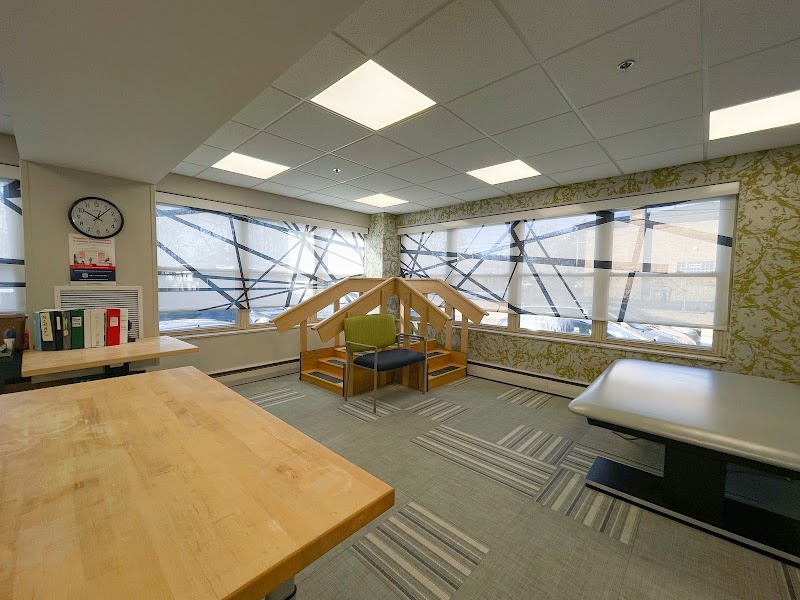
How is The Villa At Great Lakes Crossing Staffed?

CMS rates The Villa at Great Lakes Crossing's staffing level at 2 out of 5 stars, which is below average compared to other nursing homes. Staff turnover is 47%, compared to the Michigan average of 46%. RN turnover specifically is 64%, which is notably high. RNs provide skilled clinical oversight, so turnover in this role can affect medical care quality.

What Have Inspectors Found at The Villa At Great Lakes Crossing?

State health inspectors documented 24 deficiencies at The Villa at Great Lakes Crossing during 2023 to 2025. These included: 1 that caused actual resident harm and 23 with potential for harm. Deficiencies causing actual harm indicate documented cases where residents experienced negative health consequences.
Who Owns and Operates The Villa At Great Lakes Crossing?

The Villa at Great Lakes Crossing is owned by a for-profit company. For-profit facilities operate as businesses with obligations to shareholders or private owners. The facility is operated by VILLA HEALTHCARE, a chain that manages multiple nursing homes. With 96 certified beds and approximately 91 residents (about 95% occupancy), it is a smaller facility located in Detroit, Michigan.

How Does The Villa At Great Lakes Crossing Compare to Other Michigan Nursing Homes?

Compared to the 100 nursing homes in Michigan, The Villa at Great Lakes Crossing's overall rating (4 stars) is above the state average of 3.1, staff turnover (47%) is near the state average of 46%, and health inspection rating (3 stars) is at the national benchmark.

What Should Families Ask When Visiting The Villa At Great Lakes Crossing?

Based on this facility's data, families visiting should ask: "Can you walk me through typical staffing levels on day, evening, and night shifts?" "Can I visit during a mealtime to observe dining assistance and food quality?" "How do you handle medical emergencies, and what is your hospital transfer rate?" "Can I speak with family members of current residents about their experience?" These questions are particularly relevant given the below-average staffing rating.

Is The Villa At Great Lakes Crossing Safe?

Based on CMS inspection data, The Villa at Great Lakes Crossing has a clean safety record: no substantiated abuse findings (meaning no confirmed cases of resident harm), no Immediate Jeopardy citations (the most serious violation level indicating risk of serious injury or death), and is not on the Special Focus Facility watch list (a federal program monitoring the lowest-performing 1% of nursing homes). The facility has a 4-star overall rating and ranks #1 of 100 nursing homes in Michigan. While no facility is perfect, families should still ask about staff-to-resident ratios and recent inspection results during their visit.

Do Nurses at The Villa At Great Lakes Crossing Stick Around?

The Villa at Great Lakes Crossing has a staff turnover rate of 47%, which is about average for Michigan nursing homes (state average: 46%). Moderate turnover is common in nursing homes, but families should still ask about staff tenure and how the facility maintains care continuity when employees leave.

Was The Villa At Great Lakes Crossing Ever Fined?

The Villa at Great Lakes Crossing has no federal fines on record. CMS issues fines when nursing homes fail to meet care standards or don't correct problems found during inspections. The absence of fines suggests the facility has either maintained compliance or corrected any issues before penalties were assessed. This is a positive indicator, though families should still review recent inspection reports for the full picture.

Is The Villa At Great Lakes Crossing on Any Federal Watch List?

The Villa at Great Lakes Crossing is not on any federal watch list. The most significant is the Special Focus Facility (SFF) program, which identifies the bottom 1% of nursing homes nationally based on persistent, serious quality problems. Not being on this list means the facility has avoided the pattern of deficiencies that triggers enhanced federal oversight. This is a positive indicator, though families should still review the facility's inspection history directly.