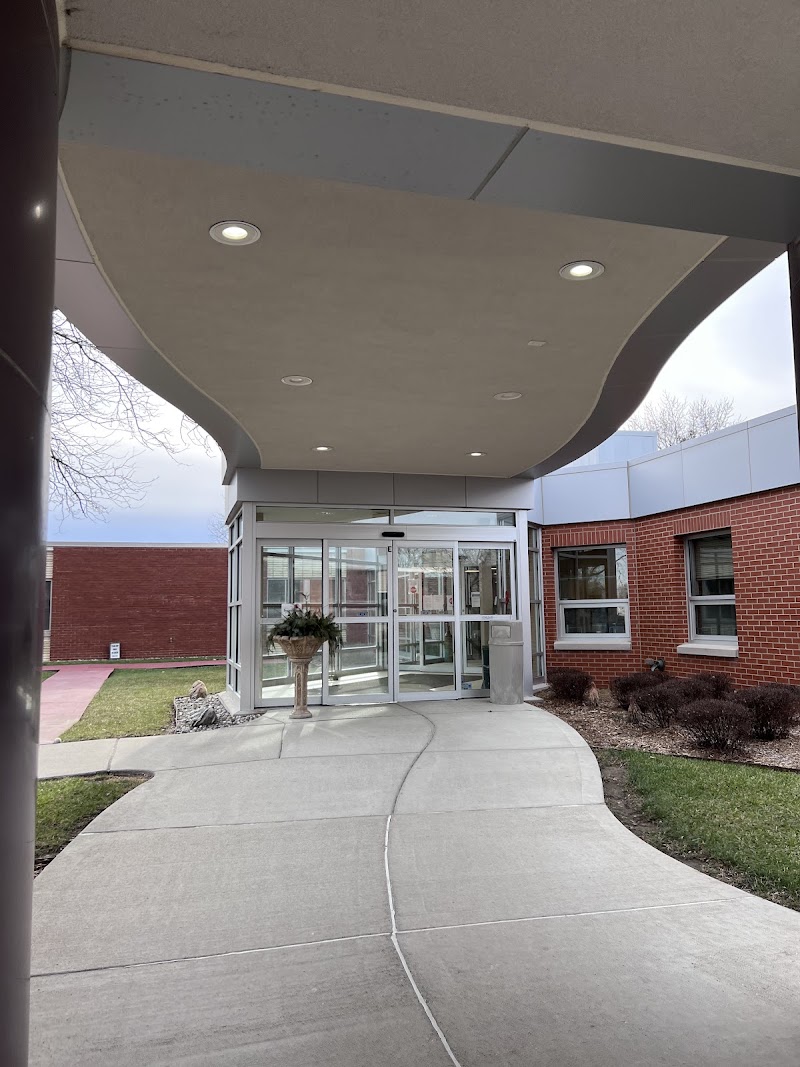
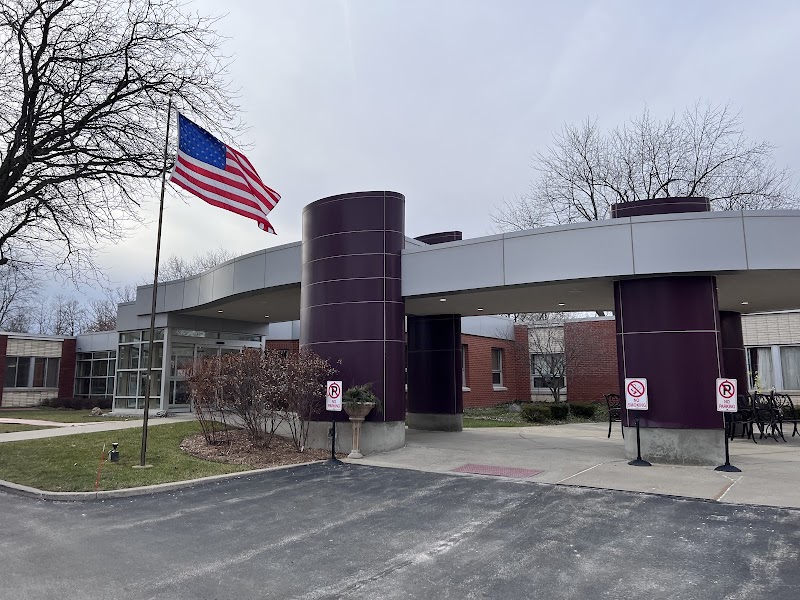
Durand Senior Care and Rehab Center

8750 E Monroe Road, Durand, MI 48429 (989) 288-3166
For profit - Limited Liability company 141 Beds NEXCARE HEALTH SYSTEMS Data: November 2025
Trust Grade
30/100
#196 of 422 in MI
Last Inspection: April 2025

Within standard 12-15 month inspection cycle. Federal law requires annual inspections.

Overview

Durand Senior Care and Rehab Center has received a Trust Grade of F, indicating significant concerns about the quality of care provided. It ranks #196 out of 422 facilities in Michigan, placing it in the top half, but it is the lowest-rated option in Shiawassee County at #3 out of 3. The facility's condition is worsening, with issues increasing from 5 in 2024 to 8 in 2025. Staffing is a relative strength with a 4 out of 5 star rating and a turnover rate of 42%, which is slightly below the state average, meaning that staff tend to stay longer and build relationships with residents. However, the facility has concerning fines totaling $85,400, higher than 78% of Michigan facilities, which raises red flags about compliance issues. Specific incidents include a resident developing a serious stage 3 pressure wound due to inadequate care and another resident experiencing a delay in treatment for diabetic ketoacidosis because the facility did not notify the physician in time. Additionally, there were failures to properly supervise residents, leading to serious injuries from falls. While there are some positive aspects regarding staffing, the overall picture indicates serious issues that families should carefully consider.

Trust Score
F
30/100
In Michigan
#196/422
Top 46%
Safety Record
High Risk
Review needed
Inspections
Getting Worse
5 → 8 violations
Staff Stability
○ Average
42% turnover. Near Michigan's 48% average. Typical for the industry.
Penalties
✓ Good
$85,400 in fines. Lower than most Michigan facilities. Relatively clean record.
Skilled Nurses
✓ Good
Each resident gets 43 minutes of Registered Nurse (RN) attention daily — more than average for Michigan. RNs are trained to catch health problems early.
Violations
⚠ Watch
22 deficiencies on record. Higher than average. Multiple issues found across inspections.
★★★☆☆
3.0
Overall Rating
★★★★☆
4.0
Staff Levels
★★★★☆
4.0
Care Quality
★★★☆☆
3.0
Inspection Score
Stable
2024: 5 issues
2025: 8 issues

The Good

  • 4-Star Staffing Rating · Above-average nurse staffing levels
  • 4-Star Quality Measures · Strong clinical quality outcomes
  • Full Sprinkler Coverage · Fire safety systems throughout facility
  • No fines on record
  • Staff turnover below average (42%)

    6 points below Michigan average of 48%

Facility shows strength in staffing levels, quality measures, fire safety.

The Bad

3-Star Overall Rating

Near Michigan average (3.1)

Meets federal standards, typical of most facilities

Staff Turnover: 42%

Near Michigan avg (46%)

Typical for the industry

Federal Fines: $85,400

Well above median ($33,413)

Moderate penalties - review what triggered them

Chain: NEXCARE HEALTH SYSTEMS

Part of a multi-facility chain

Ask about local staffing decisions and management

The Ugly 22 deficiencies on record

4 actual harm
Apr 2025 5 deficiencies 1 Harm
SERIOUS (G)

Actual Harm - a resident was hurt due to facility failures

Pressure Ulcer Prevention (Tag F0686)

A resident was harmed · This affected 1 resident

**NOTE- TERMS IN BRACKETS HAVE BEEN EDITED TO PROTECT CONFIDENTIALITY** Based on observation, interview, and record review the facility failed to provide one out of one residents (Resident #32) care a...

Read full inspector narrative →
**NOTE- TERMS IN BRACKETS HAVE BEEN EDITED TO PROTECT CONFIDENTIALITY** Based on observation, interview, and record review the facility failed to provide one out of one residents (Resident #32) care and services to prevent and promote healing of pressure ulcers resulting in worsening wounds, facility acquired stage 3 pressure wound (full thickness skin loss ), osteomyelitis, and hospitalization. Findings Include: Resident #32(R32) Review of the Face Sheet and Minimum Data Set (MDS) dated [DATE], reflected R32 was a [AGE] year-old female admitted to the facility on [DATE], with most recent re-admission 3/10/25 related to osteomyelitis (wound infection) with other diagnoses that included stage 4 pressure ulcer(full thickness skin and tissue loss, exposing muscle, tendon or bone), diabetes Mellitus, irregular heart rhythm, anxiety and depression. The MDS reflected R32 required substantial/maximal assistance with repositioning in bed. During an observation and record review on 4/28/25 at 9:46 AM, R32 was observed laying in bed, flat on back, with eyes closed on specialty air mattress that appeared slightly deflated. Observed air mattress pump located at foot of the bed with no lights or sound noted with electrical cord laying on the floor and unplugged from wall outlet, revealing no power to pump. Review of the MDS Indicators reflected R32 had a major wound infection and several hospitalizations. During an observation on 4/28/25 at 3:57 p.m., R32 was laying in bed, flat on back and air mattress pump continued to be non-functioning with no light and unplugged from wall outlet. R32 bed continued to appear deflated with sheets corners off of the mattress. During an observation and interview on 4/29/25 at 8:40 AM, R32 was laying in bed with air mattress now plugged into wall outlet. R32 reported had a wound on buttock area that caused her a lot of pain. When asked if staff provided her with medication for pain control, she reported they offer her Tylenol that does not help. R32 reported unable to independently reposition self in bed and staff do not assist or offer every two hours but instead about two times per shift. R32 reported did not get out of bed yesterday and bed seems more comfortable today than yesterday. Review of R32 Physician Progress Note, dated 4/11/25, reflected, [named R32] is a [AGE] year-old female who is recently in the hospital for UTI [urinary tract infection] and osteomyelitis. She had been on IV Zosyn which she developed an allergy to. She's being monitored for improvement of her rash before starting her next dose of antibiotics. The rash appears to be improving. [named R32] also has a wound on her sacrum area that does not appear to be improving. Referral to [named wound clinic] clinic has been placed Review of R32 Wound Evaluation, dated 12/5/24, reflected R32 had a new stage 3 pressure wound to right gluteus that measured 2.93cm length x 2.74cm width x 0.2 cm depth described as 80% epithelial and 20% granulation and no slough. The note reflected, Resident re-admitted from hospital with pressure injury . The picture appeared to be a small shallow wound that appeared to look like stage 2 pressure injury (partial thickness loss of dermis presenting as shallow open ulcer with a red or pink wound bed, without slough). Review of R32 Wound Evaluation, dated 1/27/25, reflected R32 now had two pressure wounds including one new facility acquired pressure wound. --#3-Stage 3 pressure wound to Sacrum(Prior #2) measured 2.95cm x 1.1cm x 0.1cm described as 90% epithelial and 10% granulation tissue with PUSH(pressure ulcer scale for healing, with 0-17 with 0 as healed) of 9. --#4-NEW facility acquired unstageable pressure wound right gluteus measured 2.81cm x 1.1cm with no depth described as 60% slough(dead skin), 40% granulation tissue with PUSH score of 11. The assessment reflected, Previous pressure injury re-opened . Review of the Wound Evaluation, dated 2/24/25, reflected worsening of two wounds and suspected wound infection. --#3-unstageable pressure wound Sacrum-12.93cm x 17.16cm with no depth and PUSH score of 15. --#4-Facility Acquired Stage 3 Pressure wound Right Gluteus-1.73cm x 1.04cm x 0.1cm with PUSH score of 7. Review of R32 Nurse Progress Note, dated 2/23/25, reflected, PRN[as needed] standing order for Tylenol 325mg. Resident is observed lying in bed yelling out in pain and discomfort from sacrum wound. Staff have attempted to reposition resident several time but resident has no relief. Review of R32 Progress Note, dated 2/25/25, reflected, Tx[treatment] to sacrum completed as the resident would not allow it to be done earlier. The resident c/o[complain of] pain to the area and saying Oh it hurts it hurts. The resident was given Tylenol but spit it out. The resident (sp) continues to assist the resident and reassure her. Review of R32 Active Discharge Planning Progress note, dated 2/26/25, reflected, .History Of Present Illness: [named R32] was seen today as she hasn't been eating and has been refusing all meds. Due to her refusal and inability to take oral meds, was started on IM [intramuscular] Rocephin as wound appears infected . Review of R32 Nurse Progress Note, dated 3/4/25, reflected, The resident was re-admitted to [named facility]. Transferred to her room per EMT's[emergency medical staff] from [named] Hospital .Skin assessment completed at admit. Debrided wound to the sacral/coccyx. Bandage intact changed and wounds assessed. Wound is beefy red with small amount of bloody drainage on the drsg[dressing]. The resident is c/o severe pain to the area. Tylenol given p.o[by mouth] .Assisted with HS[night] care and repositioning in the bed x 1PA[one person assist] . Review of R32 Wound Evaluation, dated 3/4/25, reflected R32 had three pressure wounds: --#5-unstageable pressure wound Sacrum(Prior #3)-6.51cm x 7.79cm with no depth and 3cm undermining and PUSH score of 17. --#6-New unstageable pressure Sacrum superior-3.95cm x 1.31cm and no depth with 10% slough, 20% granulation and 70% epithelial tissue with PUSH score of 12. --#7-Facility acquired unstageable Right Gluteus(Prior #4)-3.86cm x 3.07cm with no depth with 20% slough, 10% granulation and 70% epithelial tissue with PUSH score of 13. Review of R32 Physician Progress Note, dated 3/5/25, reflected, [named R32] is a[AGE] year-old female who is a long-term resident of [named facility] who was sent to [named hospital] on 2/26/25 for worsening mental status, low grade temp and worsening sacral decubiti. She had recently completed rx[medication] for a UTI. In the ER she met septic protocol with leukocytosis, tachycardia, lactic acidosis and tachypnea. She was started on sepsis protocol and started on IV Vanco and Rocephin. She was admitted for urosepsis and an infected decubiti, which appeared necrotic. She underwent debridement of her wound. Infectious disease was consulted and she continued on Vanco and Rocephin. [named R32] was stabilized and transferred back to [named facility] on Augmentin. Wound culture done at [named facility] prior to being sent out resulted ESBL E.coli/ Providencia stuarti and Enterococci/the later of which was treated based on sensitivities. Placed on Bactrim/Levaquin in place of Augmentin on return to facility . Review of R32 Nurse Progress Note, dated 3/7/25, reflected, resident still unable to keep medications down she is now reporting intermittent chest pain with new irregular tachycardic pulse . new orders for resident to be transferred to hospital. Resident is aware and agreeable she states she feels overall terrible. Review of R32 Nurse Progress Notes, dated 3/10/25 at 3:36 p.m., reflected, Resident arrived back to the facility from [named hospital] at approximately 1411[2:11 p.m.] .Resident has a picc[peripheral inserted central catheter] line in her right arm and appears to be clean . Review of R32 Physician History and Physical, dated 3/13/25, reflected, [named R32] was sent back out to [named hospital] on 3/7/25 after c/o[complaints of] nausea and being unable to keep fluids down since returning from hospital. Was hospitalized from [DATE] through 3/3/25 for Enterococci UTI [urinary tract infection] and stage 4 sacral decubiti that was debrided .CT of abdomen pelvis showed left product decubitus ulcer with abscess and possible osteomyelitis of the coccyx .She was seen by ID[infectious disease] and felt to have osteomyelitis of sacrum. She had PICC [peripheral inserted central catheter] placed in her right upper arm and started on IV Zosyn. Transferred back to [named facility] to complete 6 weeks IV Zosyn for osteo[osteomyelitis] . Review of R32 Wound Evaluation, dated 3/11/25, reflected R32 had pressure wounds as follows: --#8-Facility Acquired unstageable pressure wound right gluteus(Prior#7)-2.49cm x 1.74 with no depth with PUSH score of 12. --#9-unstageable pressure wound Sacrum (Prior #5) - 4.98cm x 5.99 with no depth with PUSH score of 17. Continued review of the Wound Evaluation reflected, Resident re-admitted with wound. Resident on course of IV antibiotics for osteomyelitis related to wound. Surrounding tissue is non-blanchable & fragile & is at high risk for breakdown. Further tissue damage is probable . APM[air mattress] & Roho cushion in place & properly functioning . Review of R32 Wound Evaluation, dated 4/29/25, reflected wounds as follows: --#8 - Facility Acquired Stage 3 pressure wound right gluteus - 0.54cm x 1.8 cm x 0.1 cm with PUSH score of 6. The Evaluation note reflected, Surrounding tissue is non-blanchable & is at high risk for breakdown . --#9 - Unstageable Pressure wound Sacrum - 4.63cm x 3.59cm with no depth with 10% slough, 10% escar and 80% granulation tissue and PUSH score of 14. Wound Evaluation note reflected, Resident currently receiving course of Zyvox for osteomyelitis r/t[related] to wound. Surrounding tissue is non-blanchable & fragile & is at risk for breakdown. Further tissue damage is possible . Review of R32 SKIN MANAGEMENT Care Plan, revised 3/1025, reflected interventions that included, Encourage me to make small, frequent shifts in my position . I have pressure reducing device on bed- APM[alternating pressure mattress] mattress set to my comfort. LN[licensed nurse] to ensure it is functioning q shift . Review of the Wound Clinic Consult, dated 4/30/25, reflected R32 was seen for infection of stage 4 Pressure Ulcer to Coccyx and right ischium open area. The consultation reflected orders to change dressing to coccyx wound two times daily and as needed and to reposition R32 every two hours while lying and every 15 to 20 minutes while sitting. During an interview on 4/30/25 at 9:48 AM, Registered Nurse Wound Nurse (WN) M reported had been wound nurse for about three years at the facility. WN M verified R32 admitted to the facility 1/5/24 with no wounds and developed wounds post hospital admissions and did not have any facility acquired pressure ulcers. WN M verified wound #2 was present on admission post hospital on [DATE] as stage 3 that was later wound #3 then #5 and currently #9 unstageable pressure sacrum wound. WN M reported wound #9 had depth but because it had area of escar depth was not able to be measured. WN M verified wound worsened and was currently being treated for osteomyelitis. WN M reported R32 had new open wound (#4) on 1/27/25 to right gluteus that had history of prior pressure wound. WN M verified New wound #4 was later #7 then #8 current stage 3 pressure wound to right gluteus. WN M verified R32 wound #8 had worsened between onset of 1/27/25. WN M reported would expect staff to follow care plans and [NAME] interventions including turning and repositioning R32 every two hours and making sure air mattress was functioning. WN M reported staff expected to complete change of condition for new wounds and verified no change of condition completed on 1/27/25 because new wound had a history. WN M reported wound #4 that developed on 1/27/25 was not facility acquired because of prior history of wound and would provide evidence to support. During an interview and record review on 4/30/25 at 10:43 AM, Clinical Care Coordinator RN N verified occasionally covered for wound nurse and when reviewing wounds uses PUSH scores to document wound progress. RN N reported would expect staff to follow care plans and [NAME] and nurse to monitor R32 functioning of air mattress every shift and document. RN N verified R32 required assistance with bed mobility for repositioning and staff expected to assist related to standard of practice and not required to document as completed task. During a second interview on 4/30/25 at 12:25 p.m., WN M verified R32 wound #4 was identified incorrectly and should have been identified as facility acquired pressure ulcer on 1/27/25 that was currently wound #8 stage 3 pressure wound to right gluteus. During an interview on 4/30/25 at 12:32 p.m., Director of Nursing (DON) B reported would expect staff to follow Care Plan and [NAME] interventions.
CONCERN (D)

Potential for Harm - no one hurt, but risky conditions existed

Deficiency F0645 (Tag F0645)

Could have caused harm · This affected 1 resident

**NOTE- TERMS IN BRACKETS HAVE BEEN EDITED TO PROTECT CONFIDENTIALITY** Based on interview and record review the facility failed to ensure a Preadmission/Annual Resident Review (PAS/ARR) was completed...

Read full inspector narrative →
**NOTE- TERMS IN BRACKETS HAVE BEEN EDITED TO PROTECT CONFIDENTIALITY** Based on interview and record review the facility failed to ensure a Preadmission/Annual Resident Review (PAS/ARR) was completed after the 30 day exemption period and failed to notify the State Agency Health Authority for 1 Resident( #98) of 1 reviewed for PAS/ARR from a total sample of 19. Findings include: Review of the clinical record including the Minimum Data Set (MDS) dated [DATE] revealed Resident 98 (R98) was admitted to the facility on [DATE] with multiple medical diagnoses including but not limited to adult personality disorder with behaviors, alcohol abuse with a history of alcohol induced psychotic disorder with hallucinations, anxiety and major depression and had a physician order for a psychotropic medication since admission. Review of the MDS revealed R98 scored 11 out of 15 (moderate cognitive impairment) on the Brief Interview for Mental Status (BIMS). Further review R98's clinical record revealed a 3877 level one screen dated 10/22/24 reflected R98 was prescribed an anti-anxiety order on an as needed basis. The 3878 screen reflected R98 was under a 30 day exemption and was expected to be discharged to the community within that time frame. There was no further level one screen/3877 after R98's 30 day exemption. On 4/29/25 at 11:10 am, during an interview with Social Worker (SW) K she reported she completed 3877 after R98's 30 day exemption but was unable to locate it. When queried if there was any record or documentation that the state agency community mental health (CMH) was aware of R98's admission SW K stated she would follow up. At 3:50 PM SW K provided a level one screen /3877 dated 4/29/25 and offered no explanation as to why CMH had not been notified prior to today.
CONCERN (D)

Potential for Harm - no one hurt, but risky conditions existed

Comprehensive Care Plan (Tag F0656)

Could have caused harm · This affected 1 resident

**NOTE- TERMS IN BRACKETS HAVE BEEN EDITED TO PROTECT CONFIDENTIALITY** Based on observation, interview, and record review the facility failed to implement comprehensive resident-centered care plans f...

Read full inspector narrative →
**NOTE- TERMS IN BRACKETS HAVE BEEN EDITED TO PROTECT CONFIDENTIALITY** Based on observation, interview, and record review the facility failed to implement comprehensive resident-centered care plans for one out of 19 residents (R32), resulting in worsening of and facility acquired pressure wounds. Findings include: Resident #32(R32) Review of the Face Sheet and Minimum Data Set (MDS) dated [DATE], reflected R32 was a [AGE] year-old female admitted to the facility on [DATE], with most recent re-admission 3/10/25 related to osteomyelitis (wound infection) with other diagnoses that included stage 4 pressure ulcer (full thickness skin and tissue loss, exposing muscle, tendon or bone), diabetes Mellitus, irregular heart rhythm, anxiety and depression. The MDS reflected R32 required substantial/maximal assistance with repositioning in bed. During an observation and record review on 4/28/25 at 9:46 AM, R32 was observed laying in bed, flat on back, with eyes closed on specialty air mattress that appeared slightly deflated. Observed air mattress pump located at foot of the bed with no lights or sound noted with electrical cord laying on the floor and unplugged from the wall, revealing no power to pump. Review of the MDS Indicators reflected R32 had a major wound infection and several hospitalizations. During an observation on 4/28/25 at 3:57 p.m., R32 was laying in bed, flat on back and air mattress pump continued to be non-functioning with no light and unplugged from wall outlet. R32 bed continued to appear deflated with sheets corners off of the mattress. During an observation and interview on 4/29/25 at 8:40 AM, R32 was laying in bed with air mattress now plugged into wall outlet and with lights on the bed. R32 reported had a wound on buttock area that caused her a lot of pain. When asked if staff provided her with medication for pain control, she reported they offer her Tylenol that does not help. R32 reported unable to independently reposition self in bed and staff do not assist or offer every two hours but instead about two times per shift. R32 reported did not get out of bed yesterday and bed seems more comfortable today than yesterday. Review of R32 Physician Progress Note, dated 4/11/25, reflected, [named R32] is a [AGE] year-old female who is recently in the hospital for UTI [urinary tract infection] and osteomyelitis. She had been on IV Zosyn which she developed an allergy to. She's being monitored for improvement of her rash before starting her next dose of antibiotics. The rash appears to be improving. [named R32] also has a wound on her sacrum area that does not appear to be improving. Referral to [named wound clinic] clinic has been placed. Review of R32 Wound Evaluation, dated 4/29/25, reflected wounds as follows: --#8 - Facility Acquired Stage 3 pressure wound right gluteus - 0.54cm x 1.8 cm x 0.1 cm with PUSH score of 6. The Evaluation note reflected, Surrounding tissue is non-blanchable & is at high risk for breakdown . --#9 - Unstageable Pressure wound Sacrum - 4.63cm x 3.59cm with no depth with 10% slough, 10% escar and 80% granulation tissue and PUSH score of 14. Wound Evaluation note reflected, Resident currently receiving course of Zyvox for osteomyelitis r/t[related] to wound. Surrounding tissue is non-blanchable & fragile & is at risk for breakdown. Further tissue damage is possible . Review of R32 SKIN MANAGEMENT Care Plan, revised 3/1025, reflected interventions that included, Encourage me to make small, frequent shifts in my position . I have pressure reducing device on bed- APM[alternating pressure mattress] mattress set to my comfort. LN[licensed nurse] to ensure it is functioning q[every] shift . Review of the Wound Clinic Consult, dated 4/30/25, reflected R32 was seen for infection of stage 4 Pressure Ulcer to Coccyx and right ischium open area. The consultation reflected orders to change dressing to coccyx wound two times daily and as needed and to reposition R32 every two hours while lying and every 15 to 20 minutes while sitting. During an interview on 4/30/25 at 9:48 AM, Registered Nurse Wound Nurse (WN) M reported had been wound nurse for about three years at the facility. WN M verified R32 admitted to the facility 1/5/24 with no wounds and developed wounds post hospital admissions and did not have any facility acquired pressure ulcers. WN M verified wound #2 was present on admission post hospital on [DATE] as stage 3 that was later wound #3 then #5 and currently #9 unstageable pressure sacrum wound. WN M verified wound worsened and was currently being treated for osteomyelitis. WN M reported R32 had new open wound (#4) on 1/27/25 to right gluteus that had history of prior pressure wound. WN M verified New wound #4 was later #7 then #8 current stage 3 pressure wound to right gluteus. WN M verified R32 wound #8 had worsened between onset of 1/27/25. WN M reported would expect staff to follow care plans and [NAME] interventions including turning and repositioning R32 every two hours and making sure air mattress was functioning. WN M reported staff expected to complete change of condition for new wounds and verified no change of condition completed on 1/27/25 because new wound had a history. WN M reported wound #4 that developed on 1/27/25 was not facility acquired because of prior history of wound and would provide evidence to support. During an interview and record review on 4/30/25 at 10:43 AM, Clinical Care Coordinator RN N verified occasionally covered for wound nurse and when reviewing wounds uses PUSH scores to document wound progress. RN N reported would expect staff to follow care plans and [NAME] and nurse to monitor R32 functioning of air mattress every shift and document. RN N verified R32 required assistance with bed mobility for repositioning and staff expected to assist related to standard of practice and not required to document as completed task. During a second interview on 4/30/25 at 12:25 p.m., WN M verified R32 wound #4 was identified incorrectly and should have been identified as facility acquired pressure ulcer on 1/27/25 that was currently wound #8 stage 3 pressure wound to right gluteus. During an interview on 4/30/25 at 12:32 p.m., Director of Nursing (DON) B reported would expect staff to follow Care Plan and [NAME] interventions.
CONCERN (D)

Potential for Harm - no one hurt, but risky conditions existed

Infection Control (Tag F0880)

Could have caused harm · This affected 1 resident

Based on observation, interview, and record review the facility failed to maintain infection control practices for one resident (#111) out of one resident sampled during observation of blood glucose l...

Read full inspector narrative →
Based on observation, interview, and record review the facility failed to maintain infection control practices for one resident (#111) out of one resident sampled during observation of blood glucose level testing, with a glucometer. Findings Included: Resident #111 (R111) Review of the medical revealed R111 was admitted to the facility 04/10/2025 with diagnoses that included fracture right femur, type 2 diabetes, hypothyroidism (low thyroid hormone), depression, anxiety, hyperlipidemia (high fat content in blood), hypertension, and pain. The most recent Minimum Data Set (MDS), with an Assessment Reference Date (ARD) of 04/16/2025, revealed R111 had a Brief Interview for Mental Status (BIMS) of 13 (cognitively intact) out of 15. During observation and interview on 04/29/2025 at 08:57 a.m. R111 was observed lying down in bed. R111 could not remember if she had received her insulin yet this morning. Review of R111's medical record revealed a physician order for Insulin Degludec subcutaneous solution pen-injector 100 unit/ml (milliliters) inject 50 unit subcutaneously in the morning. During interview on 04/29/2025 at 09:08 a.m. Licensed Practical Nurse (LPN) C explained that she had not administered R111's insulin injection to her yet this morning because R111's blood sugar was lower, and she wanted to obtain another glucose reading after she consumed her breakfast. On 04/29/2025 at 09:15 a.m. Licensed Practical Nurse (LPN) C was observed to collect a glucometer and R111's Insulin pen. LPN C was observed to proceed to R111's room and was observed to collect R111's blood and placed it on the glucometer stick, which was placed into the glucometer. R111's glucometer reading was observed to be 123mg (milligrams)/dl (deciliter). LPN C was then observed to provide R111 with the ordered insulin injection of Degludec subcutaneous solution100units/ml (milliliter) 50 units. LPN C was then observed to leave the room and place the glucometer in the top drawer of the 200-hall medication cart, which also contained other residents' insulin pens. In an interview on 04/29/2025 at 09:31 a.m. Director of Nursing (DON) B explained that it was her expectation that glucometers were to be cleaned after each use in accordance with the manufacture's recommendations. DON B explained that the cleaning should be completed prior to placing the glucometer back in the medication carts and prior to use of another resident. Review of the manufactures instructions for cleaning and disinfection of the Assure Prism Mulit Blood Glucose Monitoring System (BGMS) revealed The meter should be cleaned and disinfected after use on each patient.
CONCERN (E)

Potential for Harm - no one hurt, but risky conditions existed

Deficiency F0761 (Tag F0761)

Could have caused harm · This affected multiple residents

**NOTE- TERMS IN BRACKETS HAVE BEEN EDITED TO PROTECT CONFIDENTIALITY** Review of the clinical record, including the Minimum Data Set (MDS) dated [DATE] revealed Resident 72 (R72) was admitted to the ...

Read full inspector narrative →
**NOTE- TERMS IN BRACKETS HAVE BEEN EDITED TO PROTECT CONFIDENTIALITY** Review of the clinical record, including the Minimum Data Set (MDS) dated [DATE] revealed Resident 72 (R72) was admitted to the facility on [DATE] with multiple medical diagnoses. R72 scored 13 out of 15 (cognitively intact) on the Brief Interview for Mental Status (BIMS). On 04/30/25 at 09:14 AM, during a bedside interview with R72, the overbed table was observed to have R72's breakfast tray (which had been consumed) and a medication cup that contained 8 pills, some white, some round in shape, some red in color. R72 was queried what the medication was and he reported a water pill and a statin maybe, I am not really sure. R72 also counted 8 pills and reported the normal routine was to leave them at bedside. R72 did not have any assessment in the clinical record indicating he could self administer medication's. On 4/30/25 at 9:37 am, during an interview with the Director of Nursing (DON) B she reported she had no residents that self administered medications and reported the nurse was to observe residents consume medications upon administration of the medication and not be left at bedside. Based on observation, interview, and record review, the facility failed to label medication in accordance with accepted professional principles, dating of open medication for three out of six medication carts reviewed and failed to ensure proper medication storage of medications for one Resident (#72) out of 112 current residents residing at the facility. Findings Included: During observation of the 200-hall medication cart on 04/29/2025 at 02:06 p.m. it was observed that the following medications did not have a date present when the medication was opened and placed on the container of medications: two inhalers of Symbicort 160/4.5mcg(micrograms), one inhaler of Spiriva 2.5mcg, and one inhaler of Trelegy Ellipta 200mcg/62.5mcg/25mcg. Licensed Practical Nurse (LPN) C explained that it was facility policy that all multidose medication was to be dated at the time that it was opened. LPN C explained she would discard the multidose medication list above and would re-order those medications. During observation of the 100-hall medication cart on 04/29/2025 at 02:26 p.m. it was observed that the following medication did not have a date present when the medication was opened and placed on the container of medication: one eye drop container of timolol maleate 0.5%. Registered Nurse (RN) G explained that it was facility policy that all multidose medication was to be dated at the time that the medication was opened. RN G could not explain what to do with the undated medications and did not have a date present when the medication was opened and placed on the container of medications: During observation of the 300-hall medication cart on 04/29/2026 at 02:31 p.m. it was observed that the following medication did not have a date present when the medication was opened and placed on the container of medication: one inhaler of albuterol sulfate 90mcg (micrograms). Registered Nurse (RN) H explained that is was facility policy to date all multidose medication was to be dated at the time that the medication was opened. RN H explained that he would discard the open multidose medication and re-order that medication. During an interview on 04/29/2025 at 03:01 p.m. Director of Nursing (DON) B explained that it was professional practice and facility policy that all multidose medication containers must be dated with the date that they are opened. DON B explained that if multidose medication containers did not have dates on them when opened then those medications would be discarded and new multidose medications would be ordered.
Mar 2025 3 deficiencies 2 Harm
SERIOUS (G) 📢 Someone Reported This

A family member, employee, or ombudsman was alarmed enough to file a formal complaint

Actual Harm - a resident was hurt due to facility failures

Notification of Changes (Tag F0580)

A resident was harmed · This affected 1 resident

**NOTE- TERMS IN BRACKETS HAVE BEEN EDITED TO PROTECT CONFIDENTIALITY** This deficiency pertains to Intake MI00150515 Based on interview and record review, the facility failed to provide timely notifi...

Read full inspector narrative →
**NOTE- TERMS IN BRACKETS HAVE BEEN EDITED TO PROTECT CONFIDENTIALITY** This deficiency pertains to Intake MI00150515 Based on interview and record review, the facility failed to provide timely notification to the physician for one Resident (#106) of three residents reviewed for a change in condition. This deficient practice resulted in a delay in medical treatment for a significant change in condition with diabetic ketoacidosis. Findings include: Review of the Face Sheet and Minimum Data Set (MDS) dated [DATE], reflected R106 was a [AGE] year old female admitted to the facility on [DATE], with diagnoses that included multiple pelvic fracture post fall 2/4/25, hypertension(high blood pressure), insulin dependant diabetes mellitus (elevated blood sugar), and mild dementia. R106 was re-admitted to the hospital 2/17/25 for diabetic ketoacidosis. The MDS reflected R106 had a BIM (assessment tool) score of 12 which indicated her ability to make daily decisions was moderately impaired. During a telephone interview on 3/10/25 at 9:24 a.m., complainant H reported R106 was admitted to the facility on [DATE] for rehab after falling at home and breaking pelvis. The complainant H reported when the resident was at the hospital recovering from fall, the doctor changed R106's long-acting insulin to a short acting insulin with meals as needed. Complainant H reported R106 had been on 25 units long acting insulin prior to fall for diabetes with recent A1C(test that measures average blood sugar levels over past two to three months) of 7.8% (normal below 5.7%). Complainant H reported R106 had order for insulin from the hospital but was unsure if facility was giving R106 insulin. Complainant H reported on 2/14/2025 that R106 became very sick, including, nausea, vomiting and diarrhea and unable to keep anything down for three days and blood sugar was elevated. Complainant H reported Physician had discussed possibly related to Ozempic and Complainant H reported R106 had been on Ozempic for over three years. Complainant H reported requested R106 to be taken to the hospital because she was continuing to decline on 2/17/25. Complainant states the resident was taken to the hospital and R106's blood sugar level was over 650 and was told R106 was in diabetic ketoacidosis and later passed away 2/19/2025 after several life saving efforts. Complainant H reported the R106's medication list that the hospital doctors pulled from the facility didn't have insulin listed as a prescribed medication and facility Physician was aware R106 had been on long-acting insulin prior to admission. Review of R106 facility Progress Notes, dated 2/7/25 at 4:00 p.m., reflected, Res. is a [AGE] year old female, married. She is coming to the facility from [named] hospital after a fall at home. She has a dx[diagnosis] and hx[history] of non-displaced fx[fracture] L[left] acetabulum, fx L pubis, falls, DM2[diabetes mellitus type 2], GERD[gastroesophageal reflux disease], OA[osteoarthritis], HTN[hypertension], hyperlipidemia, Dementia, diverticulosis, osteoporosis, OA, depression. She is A&Ox3[alert and oriented x 3] to person, place, time. She is able to answer questions appropriately. She is able to make needs and wants known. She scored 12/15 on BIMS. She can be forgetful at times and may need reminders. Her mood appears stable, very social with writer and reminisced about daughter. She denied concerns with mood. She is on Lexapro. She declined psych services. No trauma indicated. Her speech is clear and understandable, can hear a normal conversation, no glasses present. She is a full code. She is here for short term rehab. Plan to return home with husband. Also has support of son and and granddaughter as needed. She was independent prior . Review of R106 Nurse Progress Note, dated 2/7/25 at 6:48 p.m., reflected, Resident admitted from [named] Hospital . Able to speak in full sentences .Wishes to be full code at this time. Denies any pain/ discomfort. Appears to be resting comfortably in bed with call light in reach. Family at bedside. Review of R106 Hospital discharge instructions, dated [DATE], reflected medication list that included, Continue Medications (10) These are your current medications to keep taking at home. The list included, Insulin Detemir(long acting insulin) U-100 100 units/ml pen, 10-15 units subcutaneous daily (hand written DC ok per provider next to order); metformin 1000 mg twice daily; Ozempic 0.5mg weekly. Continued review of hospital documents reflected R106 had received last dose of Insulin Detemir 10 units on 2/7/25 at 9:49 a.m. along with Lispro Insulin (fast acting insulin) per sliding scale of 3 units. Review of the Physician orders dated 2/7/25 through 2/15/25, reflected no orders for insulin for R106 with known insulin dependent diabetes mellitus. Continued review of R106 physician orders reflected, Accu-check two times a day related to TYPE 2 DIABETES MELLITUS WITH UNSPECIFIED COMPLICATIONS .Notify provider of blood sugar <70 or >400 Review of R106 Electronic Medical Record(EMR), dated 2/7/25 through 2/17/25, reflected R106 and 12 readings greater than 250 including 9 blood sugars over 300. Review of R106 Physician Note, dated 2/10/25 at 5:01 p.m., reflected, Chief Complaint / Nature of Presenting Problem: Fall with non-displaced left acetabular fracture with inferior left pubic rami fracture and left sacral ala fracture. History Of Present Illness: Available records reviewed. Patient was seen and examined 2/10/2025 .hospitalized at [named hospital] from 2/4/25 - 2/7/25. [named R106] is a 93 y.o w/f[year old white female], who fell backwards at home and landed on her buttocks. She had severe pain with movement and was taken to [named] Hospital where pelvic/hip x-ray revealed non-displaced left acetabular fracture with inferior left pubic rami fracture and left sacral ala fracture. Seen by ortho and recommended 4-6 weeks of non-weight bearing with PT/OT .Transferred to [named facility] for SAR[sub acute rehab] services. Seen with granddaughter and husband present with patient consent .Plan .Type 2 diabetes mellitus without complications: continue metformin, Ozempic, monitor bs, check hgba1c, appeared to be on insulin at home. Will monitor accu-checks and adjust meds///add Jardiance 10mg/d, hgba1c pending//accuchecks on high side . Review of R106 Nutritional Note, dated 2/11/25, reflected, BS reviewed, ranging from 131-374mg/dL . Diet: regular texture/thin liquids, consuming 50-100% of meals per FARs. Agreeable to DM diet modifications. NKFA[no known food allergies]. Food preferences honored/updated. Tolerating current PO[oral] diet, no issues c/s food or fluids- wears dentures, fit well. Able to feed self and make wants and needs known. Review of R106 Rehab Services Screening Form, dated 2/12/25, reflected, BIMS 5/15. Kitchen staff reported to SLP [speech-language-pathologist] that pt[patient] was having difficulty swallowing; pt denies difficulties but further ST [speech therapy] assessment warranted. Pt stated she was (I) with IADLs[independent activities of daily living] at baseline, so further cognitive communication assessment warranted. Review of the Food Acceptance Record, dated 2/7/25 through 2/17/25, reflected R106 had decrease in food intake starting 2/14/25 including two consecutive refused meals. Continued review of the document reflected continued poor intake including 0-25% intake for three consecutive meals on 2/16/25. Review of R106 Nutritional Note, dated 2/15/25 at 11:05 a.m., reflected, Diet downgraded to mechanical soft texture 2/12 per SLP recommendations. Record review reflected R106 blood sugars were between 313 and 468 on 2/15/25 through 2/17/25 with limited food intake. Review of the Electronic Medical Record(EMR), dated 2/7/25 through 2/17/25, reflected no evidence Physician was notified of change in R106 condition on 2/14/25 or 2/15/25. Continued review of R106 EMR reflected Provider was contacted on 2/16/25 at 8:00 p.m. related to elevated blood sugar of 468 with no mention of poor intake for past 3 days. Review of R106 Nurse Progress Note, dated 2/17/25 at 2:26 p.m., reflected, Resident family expressed increased concern with residents lack of appetite and decreased fluid intake. Would like resident to be Sent to [named hospital] for further evaluation. MD[medical doctor] notified and management aware. Review of R106 Hospital History and Physical, dated 2/17/25, reflected, Problem/Assessment Plan 1-10: Problem 1: Diabetic ketoacidosis Plan 1: Insulin drip, ICU[intensive care unit] consult, secondary to discontinuation of medications and commendation of stress of illness. Problem 2: AKI (acute kidney injury) Plan 2: Secondary to intravascular depletion, IV hydration, dose meds Problem 3: Diarrhea Plan 3: Secondary to recent viral infection . Problem 4: Pelvic fracture Plan 4: Continue to monitor supportive care . CHIEF COMPLAINT .Nausea vomiting diarrhea .History of Present Illness .Is a [AGE] year-old female with history of diabetes type 2 who recently sustained a pelvic fracture 2 weeks ago. the patient was sent to subacute rehab. The patient presented with 3 days nausea vomiting diarrhea .The patient while hospitalized had her long-acting insulin discontinued and she was placed on short acting insulin. This was discontinued in the facility per family report. The patient was found to be in DKA[Diabetic Ketoacidosis]. She was started on a heparin drip. She was hospitalized in the ICU . Review of R106 Hospital Endocrinology Consult, dated 2/18/25, reflected, Problem 1: Diabetic ketoacidosis Plan 1: With a CO2 of 17 high anion gap high lactic acid high troponin and creatinine of 2 patient now going to tachycardia and possible cardiogenic shock .She states after her discharge from the hospital, patinet's insulin regimen was changed. Patients family states she was on Tresiba but it go discontinued at discharge. They state at the facility patient had been receiving metformin and Ozempic. They state about 3 days ago patient started having episodes of diarrhea .She states after 34 hours patient continued to have abdominal pain. They state that diarrhea hot less but patient started having episodes of nausea/vomiting. They also endorse patient was having increased thirst and urination. Family states since patient was not improving it prompted them to bring her to the ED[emergency department] .Upon arrival to ED .glucose 547 .Hemoglobin A1c 8.5 . Review of R106 Discharge Summary Physician, dated 2/19/25, reflected, Discharge .Time of death: 19-Feb-2025 02:55[2:55 a.m.]. Preliminary cause of death Asystole . During a telephone interview on 3/12/25 at 10:35 a.m. Licensed Practical Nurse (LPN) I reported was R106 nurse on 2/16/25 evening shift. LPN I reported completed Change of Condition document for R106 related to high blood sugar of 468 around 8:00 p.m. LPN I reported R106 did not have orders for insulin at that time. LPN I reported R106 had also been complaining of nausea and vomiting on 2/16/25 and reported was unsure if she reported to provider but should be documented on Change of Condition document.(Verified not mentioned). LPN I reported received order from provider to repeat R106 blood sugar check and administer 10 units Humalog (fast acting insulin) on 2/16/25 around 9:00 p.m. LPN I reported to day shift nurse on 2/17/25 around 7:00 a.m. During an interview on 3/13/25 at 11:32 a.m. Clinical Care Coordinator (CCC) C reported facility process for new admissions included three step check. CCC C reported CCC often assist with new admissions and enter medications from hospital discharge documents into EMR queue and before saving call placed to Medical Director to verify orders. CCC C reported if he makes changes staff hand write DC and initial next to medication on hospital discharge document. CCC C reported verify medications with two nurses then reported corporate Nurse Practitioner reviews for third check and reported was unsure who that might be. CCC C reported Medical Director(MD) G was present at facility every Monday, Wednesday, and Friday. CCC C reported MD G routinely adjusted resident diabetic medications on admission including insulin and facility did not use sliding scales. CCC G reported would expect staff to complete Change of Condition form for blood sugar greater than 400 per physician parameters. CCC C reported according to R106 food acceptance on 2/14/25 staff should have completed a Change of Condition form that would include notifying provider and responsible party related to two consecutive meals less than 25% eaten. Request was made for evidence that MD had been notified. Did not receive evidence Provider had been notified of Change of condition between 2/14/25 and 2/15/25 prior to survey exit on 3/13/25. During a telephone interview on 3/13/25 at 1:30 p.m. Medical Director(MD) G reported was familiar with R106. MD G reported staff contact him for new admissions and verify medications orders. MD G reported when R106 admitted to facility he recalled R106 being on a range scale for long acting insulin that was not typical. MD G reported continued R106 oral diabetic medication metformin and weekly Ozempic orders to monitor blood sugar. MD G reported after R106 admission visit on 2/10/25 added additional oral medication Jardiance because of added benefits and stated, low blood sugar is far more emergent than high as it takes years to show damage. MD G reported family was unsure how insulin was used at home and often takes caution related to insulin dosing. MD G reported would expect staff to notify provider of blood sugar greater than 400 as well as change in appetite, change in food acceptance, nausea, vomiting, or diarrhea. MD G reported did recall Nurse Practitioner visit and would plan to follow up with this surveyor. During a telephone interview on 3/13/25 at 2:11 p.m., MD G verified R106 was seen by provider on 2/17/25 and several medication were adjusted including adding insulin same day R106 was transferred to the hospital. MD G reported recalled discussing possible reasons for nausea included Ozempic. MD G verified was not notified of R106 change in intake, nausea, vomiting or elevated blood sugars between 2/14/25 through 2/16/25 at 8:00 p.m. and would expect staff to notify provider.
SERIOUS (G) 📢 Someone Reported This

A family member, employee, or ombudsman was alarmed enough to file a formal complaint

Actual Harm - a resident was hurt due to facility failures

Accident Prevention (Tag F0689)

A resident was harmed · This affected 1 resident

**NOTE- TERMS IN BRACKETS HAVE BEEN EDITED TO PROTECT CONFIDENTIALITY** This citation refers to intake MI00150353, MI00149992 Based on observation, interview, and record review, the facility failed t...

Read full inspector narrative →
**NOTE- TERMS IN BRACKETS HAVE BEEN EDITED TO PROTECT CONFIDENTIALITY** This citation refers to intake MI00150353, MI00149992 Based on observation, interview, and record review, the facility failed to provide adequate supervision, conduct timely root cause analysis of fall incidents, implement appropriate interventions to prevent future falls and re-evaluate the effectiveness of interventions for 3 residents (R103, R104, and R105) out of 3 residents reviewed for falls, resulting in R105 falling and re-fracturing recently repaired hip and R103 fall with laceration requiring emergency room treatment and R104 fall with fracture and subdural hematoma and overall decline. Findings included: Resident #105(R105) Review of the Face Sheet and Minimum Data Set (MDS) dated [DATE], reflected R105 was a [AGE] year old male admitted to the facility on [DATE], with diagnoses that included aftercare of left bipolar hemiarthroplasty(surgical repair of left ball of hip) post fall at home, peripheral vascular disease, orthostatic hypotension(drop in blood pressure with change in position), need for assistance with person care, heart disease, hypertension (high blood pressure), and diabetes mellitus. The MDS reflected R105 had a BIM (assessment tool) score of 15 which indicated his ability to make daily decisions was cognitively intact, and he required partial to moderate assist with transfers. Continued review of the MDS reflected dated 11/12/24 through 12/3/24 reflected three unplanned discharges to acute care. An anonymous complaint received by the State Agency alleged the facility failed to prevent avoidable fall for R105 that resulted in re-fracture of the left femur on 12/3/24. Review of R105 Nursing Progress notes, dated 11/12/24, reflected, Resident arrived via stretcher from [named] Hospital. He is alert and oriented times 4 .Lt(left) hip surgical site with derma bond dressing . Pain present at surgical site with movement . Review of R105 Social Service Note, dated 11/13/2024 at 11:55 a.m., reflected, [named R105] was admitted here yesterday afternoon from [named] Hospital. Resident was admitted to hospital after fall at home. Resident has fx[fracture] of left femur. Resident is a [AGE] year WMM[year old white male]. Resident has been living fairly independent in own home with wife. He was independent with own ADL [activities of daily living] .Resident is planning on returning home after short term rehab . Review of R105 Nurse Progress Note, dated 11/19/2024 at 1:00 p.m., reflected, called and spoke with ortho office as resident has not returned since 10:45 appointment. Resident was sent to [named emergency department] from ortho office due to bleeding from left hip incision as well as poor mental status and lethargy . Review of the Nurse Progress Notes, dated 11/20/2024 at 5:02 p.m., reflected R105 returned from the hospital. Review of R105 Physician Progress Note, dated 11/21/2024, reflected, .Chief Complaint / Nature of Presenting Problem: Lethargy, confusion .Patient seen and examined with note entered. [named R105] was initially admitted to [named facility] on 11/12/24 after suffering a fall and suffering a displaced left femoral neck fracture. He was admitted to [named hospital] for such and underwent left bipolar hemiarthroplasty on 11/7/24 .On 11/19/24 he went for follow-up orthopedics appointment but became unresponsive at the appointment and was sent back to [named hospital]. Labs revealed initial blood sugar by accu check of 56 . pt did have bout of hypoglycemia in facility and likely d/t hypoglycemia . Review of R105 Nurse Progress Note, dated 11/24/25 at 10:23 p.m., reflected, LN[licensed nurse] was called into resident room, resident was sitting in chair, shivering. Upon assessment, BP[blood pressure] 112/89, pulse 89, temp 99.1, O279% on room air, BS[blood sugar] 459. Physician was contacted, started on 3L[liter] of O2[oxygen]. Resident to be sent to [named hospital] for further evaluation. Review of the Hospital History and Physical, dated 11/24/25, reflected, Chief Complaint: fever, altered mental status .Code Status Discussed with?: Spouse (patient is not of sound mind to make this decision currently, no advanced directive on chart) .[named R105] is a [AGE] year old male with history of diabetes, hypertension, abdominal aortic aneurysm, claudication, emphysema and chronic kidney disease. Patient is currently residing at [named facility] for rehabilitation. This is his third admission this month since fracturing his left hip approximately 3 weeks ago. Prior to that spouse and son report that he was independent and functional. EMS[emergency medical services] was contacted by SNF[skilled nursing facility] staff due to altered mental status .At moderate risk for fall .Active Problems .Acute metabolic encephalopathy .Exam .Neuro: General: oriented to person and confusion (reports he is at church when asked) . Review of R105 Hospital Progress Note, dated 11/25/24, reflected, Patient admitted for sepsis secondary to UTI[urinary tract infection], there was also concern of possible surgical site infection of the left hip. The patient was started on broad-spectrum antibiotics .Patient seen and examined at bedside. He is alert and oriented to self only .Patient is exhibiting some confusion . Review of R105 Hospital Rehabilitation Service Note, dated 11/15/24, reflected, Acute Care OT(Occupational Therapy) Assessment .Transfers Sit to stand: Contact Guard .Toilet Transfer: Contact Guard Comments:: PT CURRENTLY REQUIRES US OF FWW[4 wheel walker] AND 1 PERSON ASSIST FOR TRANSFERS AND MOBILITY. Cognition Orientation: Minimally impaired .Judgement: Minimally impaired .Short Term Memory: Moderately Impaired .Follows Commands: Minimally Impaired .Comments .BED ALARM ON FOR SAFETY .Assessment: .UPON OT EVALUATION, PT IS PHYSICALLY FUNCTIONING SLIGHTLY BELOW HIS BASELINE STATUS OF MOBILITY AND INDEPENDENCE. HE FATIGUES QUICKLY. HE CONTINUES TO REQUIRE USE OF FWW TO ENSURE BALANCE AND SAFETY DURING MOBILITY AND TRANSFERS. HE REQUIRES 1 PERSON ASSIST FOR ADL ROUTINE. HE WILL BENEFIT FROM RETURNING TO REHAB IN ORDER TO MAXIMIZE INDEPENDENCE AND FUNCTIONING PRIOR TO RETURNING HOME WITH HIS WIFE . Review of the Fall Incident/Accident report, dated 12/3/24 at 4:30 p.m., reflected R105 had an unwitnessed fall in bathroom after self-transfer with left thigh fracture. The document reflected, Immediate Action taken: Neuro assessment completed prior to transferring resident from floor to wheelchair. Resident's ROM in left leg decreased .Resident rated pain in left hip 4/10. Resident transferred from floor to wheelchair with 2PA[two person assist], NWB[non weight bearing] to LLE[left lower extremity] maintained during transfer. VS[vital signs] obtained, BP[blood pressure] slightly low without s/sx[signs and symptoms] of hypotension. Skin tears present on left elbow & left forearm. Both areas cleansed & treatment with Xeroform completed. All appropriate parties notified. Provider ordered a STAT[immediately] left hip X-ray to R/O fx[rule out fracture]. Resident educated regarding use of call light for safe transfers & ambulation. Continued review of the document reflected, Predisposing Situation Factors, including the following marked; call light not used, admitted within last 72 hours, Ambulating without assistance. The document reflected R105 wife was present in room at time of fall and no witness statements found. Continued review reflected R105 wife was notified at 4:30 p.m. and the Provider at 4:40 p.m. and the form was completed by CCC D.(Not R105's nurse at the time.) Review of Electronic Medical Record (EMR) Census, dated 12/3/24, reflected R105 re-admitted to the facility on [DATE] at 4:08 p.m.(Just prior to R105 unwitnessed fall with fracture on 12/3/24). Review of the Progress Notes, dated 12/3/24, reflected no mention of R105 fall. Review of R105 Nursing Progress Note, created 12/3/24 at 6:36 p.m., reflected, Resident arrived to facility via private transportation. Resident has had full skin assessment performed with no skin breakdown noted on bony prominences. Residents lungs cta[clear to auscultation],heart rate regular. No cough or sob[short of breath] noted. Residents' radial and pedal pulses present and palpable bilaterally. Resident has swelling noted to left lower extremity from hip to toes. Resident has left hip incision with large scab noted and swelling with no heat redness or drainage noted. Resident has been re-oriented to facility, resident able to use call light unassisted. Resident aware that he is not to get up unassisted. Resident wife here at bedside. (No mention of R105 fall that occurred about two hours prior to note created.) Review of R105 fall assessment, dated 11/20/24, reflected, Fall risk assessment completed upon admission. Resident is at high risk for fall secondary to hx[history] of falls .Additional fall risks include; medical hx, recent hospitalization, & medications .Staff to follow current POC [plan of care]. Review of R105 Fall Assessment, dated 12/3/24 at 4:30 p.m., reflected, Root Cause: Resident is at high risk for falls r/t to recent hospitalizations, medical history & medications. Resident has multiple cormorbidities that attribute to fall risk including; recent left hip replacement, active infections (UTI & bacteremia), fatigue & weakness, hx of falls, pain, intermittent claudication of B/L Les[bilateral lower extremities], & PVD[peripheral vascular disease]. Resident assisted to bathroom prior to fall. CENA[competency evaluated nursing assistant] instructed resident to pull call light when he was ready to exit bathroom (resident a&o x4 with a bims of 15). Resident did not comply with CENA instructions and attempted to self-transfer/ambulate. Resident stated he thought he could get out of the bathroom without help. Immediate Safety Intervention: Resident educated regarding use of call light for safe transfers & ambulation [Not effective intervention as was already attempted and failed resulting in fall]. IDT review day #1 12-4-24: IDT agrees with root cause and intervention. Care plan reviewed and updated. Will continue to monitor. X-Ray obtained post fall. Femur fracture noted. Resident sent out to hospital. Review of R105 Brief interview of Mental Status (BIMS), dated 12/3/24 at 6:57 a.m.(over eight hours prior to R105 return to the facility), reflected BIMS score of 15. Review of R105 Rehab Services Screening Form, dated 12/3/24 at 6:38 p.m., reflected, Per discussion with nurse, patient sustained a fall while he was in the bathroom and attempted to self-transfer shortly after he was admitted . Awaiting x ray to r/o[rule out] fracture. OTR[Occupational Therapist, Registered] spoke with family and educated about not bearing weight into lower extremities until x ray is completed and imaging report is received. Will hold therapy evaluation until clearance is provided on weight bearing status. Review of the eINTERACT Transfer Form, dated 12/3/24 at 8:30 p.m., reflected, R105's most recent admission was 12/3/24 at 4:08 p.m. with diagnosis that included, sepsis, urinary tract infection, fracture of unspecified part of neck of left femur. Review of R105 Nurse Progress Note, dated 12/3/24 at 8:30 p.m., reflected, Resident transferred to hospital after X-ray results came in. Dr. G ordered. Nurse notified resident's wife [named] and on call manager of send out. Resident a&ox3 and states pain is 8/10. Review of R105 Radiology Report, dated 12/3/24 at 7:32, reflected the left hip and pelvis indicated, Acute nondisplaced mid femoral fracture extending away from the distal tip of the femoral THA[total hip arthroplasty] stem. During an interview on 3/11/25 at 2:45 p.m., Interim Director of Nursing (IDON) B reported had soft file on R105's fall on 12/3/24 and facility had completed Past Non-Compliance related to falls with alleged compliance date 1/31/25 after recognizing several falls including falls with major injury. IDON B provided complete investigation for R105, R104 and R103 falls along with past noncompliance binder. Review of the facility Staffing Assignment Sheet, dated 12/3/24 2nd shift, reflected R105 nurse was Clinical Care Coordinator Registered Nurse (CCC) C and two Certified Nurse Aids(CNA) were assigned to R105 hall(CNA J and CNA E) with a facility census of 93. Review of R105 Fall investigation Interview Statement, dated 12/4/24, reflected CNA J completed witness statement. The document reflected, To whom it may concern on the day in question. [named CNA E] and I were told to go assist with getting [named R105] out of the car. He had just arrived at our facility. We brought him into the building and immediately took him to get weighted. On the way to his room, he stated he had to go to the restroom. [named CNA E] and I assisted him with gait belt from his wheelchair to the toilet. He stated he needed a few minutes so we educated him on pulling the red string on the call light so it would let us know he was finished. [named CNA E] and I left him on the toilet . Review of R105 fall investigation witness statement, undated and unsigned, reflected, Resident was placed on toilet by CNAs, CNAs gave resident call light and was told to call when ready, CNAs left resident for privacy, CNA asked if he was ready, but needed more time, CNA went to answer call light going off and upon returning resident was on the floor. Review of R105 Fall investigation Interview Statement, undated, signed by CCCRN C reflected R105 had fall on 12/3/25. The statement reflected, Resident re-admitted to the facility apx[approximately] 18:15 p.m.[6:15 p.m.]. Resident arrived via private transportation with wife present. Resident had initial skin assessment vital signs and education performed at apx 1820[6:20 p.m.] Resident was recently a resident in this same room and hallway, during education resident remembered the names of staff assisting him. He was aware of where he was, date, moth and also remembered room, bathroom and how to use call light. Resident was toileted per his request at apx 18:25[6:25 p.m], he was transferred to toilet with 2 CNAs . (Interview statement does not appear to reflect correct time according to all other documents and evidence). During a telephone interview on 3/12/25 at 1:57 p.m., Certified Nurse Assistant (CNA) K reported knows how to care for residents by reviewing Kardex and verified received recent fall training from facility at end of January. CNA K reported residents with high risk for falls should never be left alone in bathroom especially with history of post hip surgery related to fall. During an interview on 3/12/25 at 3:30 p.m., CNA J reported was working on 12/3/24 when R105 fell in bathroom. CNA J reported her, and CNA E were told to assist R105 from personal car, driven by wife, into the facility. CNA J reported obtained R105 weight and then R105 reported had to use restroom and the two CNAs assisted R105 from the wheelchair onto the toilet and instructed to use call light when done and left R105 in bathroom alone. CNA J reported had returned to check on R105 who was not ready and upon returning again had fallen in the bathroom after attempting to self-transfer. CNA J reported assisted R105 off the floor with two to three staff by picking up under R105 arms and transferring to the wheelchair then from wheelchair to bed with pivot transfer and at least two assist. CNA J reported nurse took over from there. CNA J reported completed witness statement after fall but not same day as R105 fall and received education from facility to not leave residents alone especially if high risk for fall. During a telephone interview 3/13/25 at 10:49 a.m., R105's Family Member F reported R105 was doing well enough at the hospital, and she transported him in a personal car from the hospital to the facility on [DATE]. FM F reported two staff met her at the car and they wheeled R105 in the facility. FM E reported R105 had to use the bathroom right away so two staff took R105 in his bathroom and before nurse staff could even complete body check. FM F reported stepped out of room for moment to make call and returned and asked roommate, is he still in there?' and roommate reported yes. FM F reported waited outside the door for maybe five minutes and figured staff were in the bathroom with him and then heard a big crash. FM F reported opened the door and R105 was on the floor with no staff present. FM F reported it concerned her R105 had been left alone because he was such a high fall risk they had not been back in facility for more than 15 minutes. FM F reported went and found the nurse and reported R105 was on the floor, who responded, can he get up? FM F reported they got him in bed did body check, they didn't see anything significant but R105 was complaining of pain to left hip area. FM F reported they ordered X-ray right away, but it was a few hours before they got there and it was around 8:00 p.m., when they received call R105 left leg was broken and facility planned to send R105 to local hospital. FM F reported local hospital transferred R105 to a trauma center who performed eight-hour surgery to repair R105 re-fractured, shattered left leg. FM F reported R105 was currently on hospice and stated, it shouldn't have happened .To leave him unassisted and I don't know the circumstances, I know they were busy and understaffed, that's not a reason to leave him unattended. FM F reported R105's second fall with fracture on 12/3/24 extended the first one and shattered left leg and hardware had to be removed and replaced and continued to decline. FM F reported staff did not mention using call light after the fall and was chaotic scene. FM F reported the roommate thought the staff was in bathroom with R105 but staff must have exited shared room door because the roommate said they never saw the staff leave the bathroom. FM F was queried of R105 would have used call light when done? FM F stated, I would not have trusted him to do that even if he was well enough. During a telephone interview on 3/13/25 at 12:35 p.m., CNA E reported was working on 12/3/24 when R105 had a unwitnessed fall in the bathroom. CNA E reported CCCRN C requested CNA E and CNA J assist transfer R105 from personal car to room. CNA E reported transported R105 in wheelchair from parking lot with CNA J to room and R105 requested to use the bathroom, and both CNAs assisted R105 from wheelchair to toilet. CNA E reported was not told R105 could not be left alone and both CNAs left R105 on toilet alone and left to answer call lights on the hall. CNA E reported returned in about five minutes and R105 was on the bathroom floor, called for Registered Nurse (RN) L, FIT team paged overhead (fall team). CNA E reported Occupational Therapy Staff (OT) M was present and R105 was transferred from floor to wheelchair but unable to recall how and reported R105 was then transferred from wheelchair to bed with two-person pivot assist with OT M. CNA E reported resident acuity was high that day for only two CNA staff on hall. CNA E verified he wrote witness statement several days after R105 fall that was not dated or signed. CNA E reported was not aware R105 was high fall risk or even know transfer status when told to assist R105 from personal car on 12/3/24, prior to readmission. During an interview on 3/13/25 at 1:13 p.m., OT M reported was called down to 100 hall on 12/3/24 after R105 had fallen in bathroom by CNA E. OT M reported R105 was sitting on bathroom floor with definite signs of pain including facial grimacing. OT M reported was familiar with R105 because worked with R105 after original admission post hip repair within prior month. OT M reported RN L was present after fall and R105 was transferred from the floor to the wheelchair with 2-person assist with gait belt. OT M reported did not complete witness statement because she did not witness fall. OT M reported staff are expected to follow hospital transfer status until therapy evaluation completed at facility. During an interview on 3/13/25 at 1:50 p.m., CCC C reported was R105 nurse on 12/3/24 at the time of R105's unwitnessed fall in the bathroom that resulted in re-fracture of left hip and later transfer to hospital. CCC C reported completed R105 admission assessment shortly after arrival and then R105 requested to use the bathroom and was transferred by two CNA staff. When asked if the resident had fallen before or after admission assessment CCC C reported I am sure R105 had fallen after but do not recall and stated, what does my documentation say? CCC C was unable to say why witness statement did not match EMR documents related to R105 fall. Resident #103 (R103) Review of the Face Sheet and Minimum Data Set (MDS) dated [DATE], reflected R103 was an [AGE] year old female admitted to the facility on [DATE], and most recently re-admission post fall with facial hematoma and contusion with other diagnoses that included dementia, heart disease, atrial fibrillation with use of blood thinners, hypertension (high blood pressure), depression and anxiety. The MDS reflected R103 had a BIM (assessment tool) score of 11 which indicated her ability to make daily decisions was moderately impaired. During a telephone interview on 3/10/25 at 11:29 p.m. R103 Family Member (FM) N reported R103 had an unwitnessed fall on 1/23/25 with facial injuries that required transfer to hospital. FM N reported facility was not able to answer how R103 fall occurred or how long R103 was on the floor before staff found R103. FM N reported R103 had significant facial bruising over entire face with open area to area above left eye several days after alleged fall. During an observation on 3/10/25 at 1:47 p.m., R103 was observed sitting in Main Dining Room during group activity with nickel size scabbed area located above left eyebrow. Review of R103 Nurse Progress Note, dated 1/23/2025 at 11:11 p.m., reflected, LN[licensed nurse] was alerted resident was on the floor of residents room. resident was laying on her stomach next to bed. resident stated she slipped out of her chair. Helped resident back into her chair. contacted on call doctor on call manager and residents daughter. [NAME] checks were started at 1920[7:20 p.m.]. resident sent to hospital for CT[computed tomography] scan as resident is on a blood thinner. Review of R103 Nurse Progress Note, dated 1/24/2025 at 6:07 a.m., reflected, resident returned from the hospital via ambulance after a fall. assessment completed. all bony prominences checked and intact. Review of R103 Fall Incident/Accident Report, dated 1/23/25 at 8:42 p.m., reflected R103 had an unwitnessed fall in room and was found lying on stomach next to the bed with abrasion noted on face. The report reflected, Resident states that she slipped off her chair . The report reflected R103 had impaired memory and no witness statements were found and Physician was contacted at 7:30 p.m.(Report had discrepancy in times, no mention of interventions that were in place on not in place including footwear, dysem or grip strips on floor). Review of R103 Hospital Radiology Report, dated 1/23/25, reflected CT scan of the brain revealed, LEFT frontal scalp soft tissue contusion and/or organized hematoma . Review of R103 Physical Therapy Assessment, dated 1/24/25, reflected, Reason for Referral/Current Illness: Patient is a [AGE] year old female with history of dementia who is a LTC[long term care] resident of the facility. She has a history of falls and has had 5 falls in the last year. She has been referred to skilled PT services following patient having a recent fall on 1/23. She sustained a bump with bruising to her forehead. She was transferred to the hospital for further evaluation and then returned to this facility. Per nursing notes, patient reported she slipped out of her w.c[wheelchair]. Patient told PT this date that she was walking without AD[assistive device] and only had socks on and slipped on the floor. Educated patient on having assistance, wearing shoes/grippy socks and using walker for safety . Review of R103 Physician Progress Note, dated 1/29/25, reflected, [named R103] had a fall the other day and was sent to ED[emergency department] as she has been on eliquis for hx of paroxysmal atrial fib . quarter size hematoma on left frontal area/diffuse echymosis both cheeks, infraorbital with subconjunctival hemorrhages bilateral . s/p fall with facial bruising d/t eliquis/ASA[aspirin] hx[history] paroxysmal atrial fib, currently in NSR[normal sinus rhythm] by exam//feel risk of continuing eliquis at this time outweighs the benefit and will stop and continue to assess as needed . Review of R103 Fall Care Plan, dated 10/28/2019, reflected, FALLS: At risk for falls due to Dementia, weakness, medications, Major Neuro cognitive Disorder, insomnia, bowel and bladder urgency .Interventions .I have gripper strips in front of my bed to prevent slipping .I will wear non-slip footwear for all transfers and walking . Review of R103 Fall Risk assessment, dated 11/23/25, reflected, The resident continues to be at risk for falls due to poor cognition and poor safety awareness. She continues at risk for further falls. Resident stood up unassisted and fell back when she missed her chair. Intervention: Upon standing, remind me to reach back for wheel chair before sitting . During an interview on 3/12/25 at 3:15 p.m., Certified Nurse Aid (CNA) O reported had found R103 on 1/23/25 in room on the floor after fall. CNA O reported was unsure if R103 had grip socks or shoes on or if wheelchair breaks were on or if gripper strips were in place on the floor by bed. CNA O reported did not complete witness statement because she did not witness fall. CNA O reported was unsure how long resident had been no floor prior to finding and reported facility had recently provided fall training at end of January. CNA O reported training included more frequent supervision of all residents especially residents with increased risk for falls to be able to encourage assistance and make sure interventions were in place. During an observation and interview on 3/13/25 at 9:30 a.m., R103 was sitting in Main Dining Room in wheelchair watching television with regular socks with no grip on them. R103 had nickel size abrasion noted to area above left eyebrow and was very hard of hearing. R103 reported fell out of bed and laid on floor until staff arrived and then was sent to hospital for several hours. R103 reported she is careful now and was told she had to wear shoes. Resident #104 (R104) Review of the Face Sheet and Minimum Data Set (MDS) dated [DATE], reflected R104 was an [AGE] year-old male admitted to the facility on [DATE], and most recently re-admission post fall at facility with left displaced hip fracture requiring surgical repair, compression fracture T-12(spinal fracture, and traumatic subdural hematoma. R104 had other diagnoses that included dementia, hypertension (high blood pressure), depression and anxiety. The MDS reflected R104 had a BIM (assessment tool) score of 3 which indicated his ability to make daily decisions was significantly impaired. The MDS reflected R104 did not have behaviors including wandering or rejection of care. An anonymous complaint received by the State Agency alleged the facility failed to prevent fall for R104 that resulted in hip fracture and passed away. Review of R104 Nursing Note, dated 2/4/25 at 1:52 p.m., reflected, Resident agitated. Hitting staff. Staff is unable to redirect resident. Resident throwing LN[licensed nurse] equipment off of medication cart. LN was eventually able to get resident to sit in his recliner in his room LN sat with him for a few minutes. Resident then got back out of his chair and starting yelling again. Review of R104 Social Service Note, dated, 1/5/2025 at 9:11 a.m., reflected, IDT[interdisciplinary team] reviewed alert for res.[resident] agitated, hitting staff, yelling out, throwing things. Staff reapproach, assist to calmer environment. Did yell out again. The review reflected no mention of staffing or adjustments. Review of R104 Unusual Occurrence Note, dated 1/6/2025 at 3:46 p.m., reflected, LN was alerted by a family member (visitor) that resident was laying on the floor at the end of the hallway. When LN arrived at residents side he was laying on his left side, head up against the wall feet outstretched into the hallway, by room [ROOM NUMBER] at the end of 500 long hall. Resident was noted picking up his hat when he fell over. Resident did not ask for assistance with his hat. Resident is noted wearing hipsters and non-slip footwear. Resident was noted ambulating in the hallway 15 minutes prior and offered a chair to rest. LN asked resident what he was attempting to do when he fell over? resident stated, just give me my damn hat LN did a full head to toe assessment on resident has full range of motion of both upper extremities without pain or difficulty. Resident has full range of motion in right hip. LN noted external rotation of left hip upon assessment. C/O[complained of] pain with minimal movement. no other injuries noted. Staff members were unable to assistance resident off the floor with a gait belt, resident was assisted off the floor by a hoyer lift with a sling and assisted to his bed. A staff member sat with resident until EMTS[emergency medical technicians] arrived . Review of R104 Social Service Note, dated 1/12/25 at 10:10 a.m., reflected, [Named R104] was readmitted yesterday evening from Hospital. Resident was readmitted with Dx of HX[history] of interchanteric FX[fracture] of left femur. Unspecified part neck Left Femur. Traumatic subdural hemorrhage without loss of consciousness. Occlusion and stenosis of unspecified cardio artery. Falls. CKD[chronic kidney disease] stage 3. Gastro reflux. Anxiety disorder. Insomnia, Alzheimer's disease. Vascular dementia. Hyperlipidemia. HTN[hypertention]. Major depression. Resident remains alert and oriented to person or name. No significant change in cognition. Staff anticipate and assist with support care and redirection . Review of R104 Hospital Discharge summary, dated [DATE], reflected, .Hospital Course-80 y M[year male] with history of .dementia as a transfer from [named] after being found down at his facility. Patient sustained Parietal subdural hematoma, Left displaced comminuted intertrochanteric femur fracture and acute compression fracture of T12. Patient underwent Left intertrochanteric InterNail repair on 1/7/25. The parietal SDH[subdural hematoma] and T12 compression fracture was managed non-op[non-operative]. Hospital course was significant for agitation that was managed with Zyprexa. Otherwise, patient progressed will during hospital course. Patient is weight-bear as tolerated to the left lower extremity with a walker and is to be on TLSO[thoracolumbar sacral othosis] brace when out of bed . Review of[TRUNCATED]
CONCERN (E) 📢 Someone Reported This

A family member, employee, or ombudsman was alarmed enough to file a formal complaint

Potential for Harm - no one hurt, but risky conditions existed

Deficiency F0725 (Tag F0725)

Could have caused harm · This affected multiple residents

**NOTE- TERMS IN BRACKETS HAVE BEEN EDITED TO PROTECT CONFIDENTIALITY** This citation pertains to intakes: MI00149397, MI00150353, Based on observation, interview and record review, the facility fail...

Read full inspector narrative →
**NOTE- TERMS IN BRACKETS HAVE BEEN EDITED TO PROTECT CONFIDENTIALITY** This citation pertains to intakes: MI00149397, MI00150353, Based on observation, interview and record review, the facility failed to ensure sufficient levels of nursing staff to meet resident needs and supervision for three residents (Resident #103, #104, #105) and per resident council with the potential for unmet care needs and facility residents to not attain or maintain the highest practicable physical, mental, and psychosocial well-being. Finding include: An anonymous complaint received by the State Agency alleged the facility failed to maitain sufficient staff levels to meet resident needs including supervision. During an interview on 3/10/25 at 10:45 a.m., Nursing Home Administrator(NHA) A reported facility census was 106. Resident #105(R105) Review of the Face Sheet and Minimum Data Set (MDS) dated [DATE], reflected R105 was a [AGE] year old male admitted to the facility on [DATE], with diagnoses that included aftercare of left bipolar hemiarthroplasty(surgical repair of left ball of hip) post fall at home, peripheral vascular disease, orthostatic hypotension(drop in blood pressure with change in position), need for assistance with person care, heart disease, hypertension (high blood pressure), and diabetes mellitus. The MDS reflected R105 had a BIM (assessment tool) score of 15 which indicated his ability to make daily decisions was cognitively intact, and he required partial to moderate assist with transfers. Continued review of the MDS reflected dated 11/12/24 through 12/3/24 reflected three unplanned discharges to acute care. An anonymous complaint received by the State Agency alleged the facility failed to prevent avoidable fall for R105 that resulted in re-fracture of the left femur on 12/3/24. Review of the Fall Incident/Accident report, dated 12/3/24 at 4:30 p.m., reflected R105 had an unwitnessed fall in bathroom after self-transfer with left thigh fracture. The document reflected, Immediate Action taken: Neuro assessment completed prior to transferring resident from floor to wheelchair. Resident's ROM in left leg decreased .Resident rated pain in left hip 4/10. Resident transferred from floor to wheelchair with 2PA[two person assist], NWB[non weight bearing] to LLE[left lower extremity] maintained during transfer. VS[vital signs] obtained, BP[blood pressure] slightly low without s/sx[signs and symptoms] of hypotension. Skin tears present on left elbow & left forearm. Both areas cleansed & treatment with Xeroform completed. All appropriate parties notified. Provider ordered a STAT[immediately] left hip X-ray to R/O fx[rule out fracture]. Resident educated regarding use of call light for safe transfers & ambulation. Continued review of the document reflected, Predisposing Situation Factors, including the following marked; call light not used, admitted within last 72 hours, Ambulating without assistance. The document reflected R105 wife was present in room at time of fall and no witness statements found. Continued review reflected R105 wife was notified at 4:30 p.m. and the Provider at 4:40 p.m. and the form was completed by CCC D.(Not R105's nurse at the time.) Review of Electronic Medical Record (EMR) Census, dated 12/3/24, reflected R105 re-admitted to the facility on [DATE] at 4:08 p.m.(Just prior to R105 unwitnessed fall with fracture on 12/3/24). During an interview on 3/11/25 at 2:45 p.m., Interim Director of Nursing (IDON) B reported had soft file on R105's fall on 12/3/24 and facility had completed Past Non-Compliance related to falls with alleged compliance date 1/31/25 after recognizing several falls including falls with major injury. IDON B provided complete investigation for R105, R104 and R103 falls along with past noncompliance binder. Review of the facility Staffing Assignment Sheet, dated 12/3/24 2nd shift, reflected R105 nurse was Clinical Care Coordinator Registered Nurse (CCC) C and two Certified Nurse Aids(CNA) were assigned to R105 hall(CNA J and CNA E) with a facility census of 93. During an interview on 3/12/25 at 3:30 p.m., CNA J reported was working on 12/3/24 when R105 fell in bathroom. CNA J reported her, and CNA E were told to assist R105 from personal car, driven by wife, into the facility. CNA J reported obtained R105 weight and then R105 reported had to use restroom and the two CNAs assisted R105 from the wheelchair onto the toilet and instructed to use call light when done and left R105 in bathroom alone. CNA J reported had returned to check on R105 who was not ready and upon returning again had fallen in the bathroom after attempting to self-transfer. CNA J reported assisted R105 off the floor with two to three staff by picking up under R105 arms and transferring to the wheelchair then from wheelchair to bed with pivot transfer and at least two assist. CNA J reported nurse took over from there. CNA J reported completed witness statement after fall but not same day as R105 fall and received education from facility to not leave residents alone especially if high risk for fall. During a telephone interview 3/13/25 at 10:49 a.m., R105's Family Member F reported R105 was doing well enough at the hospital, and she transported him in a personal car from the hospital to the facility on [DATE]. FM F reported two staff met her at the car and they wheeled R105 in the facility. FM E reported R105 had to use the bathroom right away so two staff took R105 in his bathroom and before nurse staff could even complete body check. FM F reported stepped out of room for moment to make call and returned and asked roommate, is he still in there?' and roommate reported yes. FM F reported waited outside the door for maybe five minutes and figured staff were in the bathroom with him and then heard a big crash. FM F reported opened the door and R105 was on the floor with no staff present. FM F reported it concerned her R105 had been left alone because he was such a high fall risk they had not been back in facility for more than 15 minutes. FM F reported went and found the nurse and reported R105 was on the floor, who responded, can he get up? FM F reported they got him in bed did body check, they didn't see anything significant but R105 was complaining of pain to left hip area. FM F reported they ordered X-ray right away, but it was a few hours before they got there and it was around 8:00 p.m., when they received call R105 left leg was broken and facility planned to send R105 to local hospital. FM F reported local hospital transferred R105 to a trauma center who performed eight-hour surgery to repair R105 re-fractured, shattered left leg. FM F reported R105 was currently on hospice and stated, it shouldn't have happened .To leave him unassisted and I don't know the circumstances, I know they were busy and understaffed, that's not a reason to leave him unattended. FM F reported R105's second fall with fracture on 12/3/24 extended the first one and shattered left leg and hardware had to be removed and replaced and continued to decline. FM F reported staff did not mention using call light after the fall and was chaotic scene. FM F reported the roommate thought the staff was in bathroom with R105 but staff must have exited shared room door because the roommate said they never saw the staff leave the bathroom. FM F was queried of R105 would have used call light when done? FM F stated, I would not have trusted him to do that even if he was well enough. During a telephone interview on 3/13/25 at 12:35 p.m., CNA E reported was working on 12/3/24 when R105 had a unwitnessed fall in the bathroom. CNA E reported CCCRN C requested CNA E and CNA J assist transfer R105 from personal car to room. CNA E reported transported R105 in wheelchair from parking lot with CNA J to room and R105 requested to use the bathroom, and both CNAs assisted R105 from wheelchair to toilet. CNA E reported was not told R105 could not be left alone and both CNAs left R105 on toilet alone and left to answer call lights on the hall. CNA E reported returned in about five minutes and R105 was on the bathroom floor, called for Registered Nurse (RN) L, FIT team paged overhead (fall team). CNA E reported Occupational Therapy Staff (OT) M was present and R105 was transferred from floor to wheelchair but unable to recall how and reported R105 was then transferred from wheelchair to bed with two-person pivot assist with OT M. CNA E reported resident acuity was high that day for only two CNA staff on hall. CNA E verified he wrote witness statement several days after R105 fall that was not dated or signed. CNA E reported was not aware R105 was high fall risk or even know transfer status when told to assist R105 from personal car on 12/3/24, prior to readmission. Resident #103 (R103) Review of the Face Sheet and Minimum Data Set (MDS) dated [DATE], reflected R103 was an [AGE] year old female admitted to the facility on [DATE], and most recently re-admission post fall with facial hematoma and contusion with other diagnoses that included dementia, heart disease, atrial fibrillation with use of blood thinners, hypertension (high blood pressure), depression and anxiety. The MDS reflected R103 had a BIM (assessment tool) score of 11 which indicated her ability to make daily decisions was moderately impaired. During a telephone interview on 3/10/25 at 11:29 p.m. R103 Family Member (FM) N reported R103 had an unwitnessed fall on 1/23/25 with facial injuries that required transfer to hospital. FM N reported facility was not able to answer how R103 fall occurred or how long R103 was on the floor before staff found R103. FM N reported R103 had significant facial bruising over entire face with open area to area above left eye several days after alleged fall. Review of R103 Fall Incident/Accident Report, dated 1/23/25 at 8:42 p.m., reflected R103 had an unwitnessed fall in room and was found lying on stomach next to the bed with abrasion noted on face. The report reflected, Resident states that she slipped off her chair . The report reflected R103 had impaired memory and no witness statements were found and Physician was contacted at 7:30 p.m.(Report had discrepancy in times, no mention of interventions that were in place on not in place including footwear, dysem or grip strips on floor). Review of R103 Hospital Radiology Report, dated 1/23/25, reflected CT scan of the brain revealed, LEFT frontal scalp soft tissue contusion and/or organized hematoma . Review of R103 Physical Therapy Assessment, dated 1/24/25, reflected, Reason for Referral/Current Illness: Patient is a [AGE] year old female with history of dementia who is a LTC[long term care] resident of the facility. She has a history of falls and has had 5 falls in the last year. She has been referred to skilled PT services following patient having a recent fall on 1/23. She sustained a bump with bruising to her forehead. She was transferred to the hospital for further evaluation and then returned to this facility. Per nursing notes, patient reported she slipped out of her w.c[wheelchair]. Patient told PT this date that she was walking without AD[assistive device] and only had socks on and slipped on the floor. Educated patient on having assistance, wearing shoes/grippy socks and using walker for safety . During an observation and interview on 3/13/25 at 9:30 a.m., R103 was sitting in Main Dining Room in wheelchair watching television with regular socks with no grip on them. R103 had nickel size abrasion noted to area above left eyebrow and was very hard of hearing. R103 reported fell out of bed and laid on floor until staff arrived and then was sent to hospital for several hours. R103 reported she is careful now and was told she had to wear shoes. Resident #104 (R104) Review of the Face Sheet and Minimum Data Set (MDS) dated [DATE], reflected R104 was an [AGE] year-old male admitted to the facility on [DATE], and most recently re-admission post fall at facility with left displaced hip fracture requiring surgical repair, compression fracture T-12(spinal fracture, and traumatic subdural hematoma. R104 had other diagnoses that included dementia, hypertension (high blood pressure), depression and anxiety. The MDS reflected R104 had a BIM (assessment tool) score of 3 which indicated his ability to make daily decisions was significantly impaired. The MDS reflected R104 did not have behaviors including wandering or rejection of care. An anonymous complaint received by the State Agency alleged the facility failed to prevent fall for R104 that resulted in hip fracture and passed away. Review of R104 Unusual Occurrence Note, dated 1/6/2025 at 3:46 p.m., reflected, LN was alerted by a family member (visitor) that resident was laying on the floor at the end of the hallway. When LN arrived at residents side he was laying on his left side, head up against the wall feet outstretched into the hallway, by room [ROOM NUMBER] at the end of 500 long hall. Resident was noted picking up his hat when he fell over. Resident did not ask for assistance with his hat. Resident is noted wearing hipsters and non-slip footwear. Resident was noted ambulating in the hallway 15 minutes prior and offered a chair to rest. LN asked resident what he was attempting to do when he fell over? resident stated, just give me my damn hat LN did a full head to toe assessment on resident has full range of motion of both upper extremities without pain or difficulty. Resident has full range of motion in right hip. LN noted external rotation of left hip upon assessment. C/O[complained of] pain with minimal movement. no other injuries noted. Staff members were unable to assistance resident off the floor with a gait belt, resident was assisted off the floor by a hoyer lift with a sling and assisted to his bed. A staff member sat with resident until EMTS[emergency medical technicians] arrived . Review of R104 Social Service Note, dated 1/12/25 at 10:10 a.m., reflected, [Named R104] was readmitted yesterday evening from Hospital. Resident was readmitted with Dx of HX[history] of interchanteric FX[fracture] of left femur. Unspecified part neck Left Femur. Traumatic subdural hemorrhage without loss of consciousness. Occlusion and stenosis of unspecified cardio artery. Falls. CKD[chronic kidney disease] stage 3. Gastro reflux. Anxiety disorder. Insomnia, Alzheimer's disease. Vascular dementia. Hyperlipidemia. HTN[hypertention]. Major depression. Resident remains alert and oriented to person or name. No significant change in cognition. Staff anticipate and assist with support care and redirection . Review of R104 Hospital Discharge summary, dated [DATE], reflected, .Hospital Course-80 y M[year male] with history of .dementia as a transfer from [named] after being found down at his facility. Patient sustained Parietal subdural hematoma, Left displaced comminuted intertrochanteric femur fracture and acute compression fracture of T12. Patient underwent Left intertrochanteric InterNail repair on 1/7/25. The parietal SDH[subdural hematoma] and T12 compression fracture was managed non-op[non-operative]. Hospital course was significant for agitation that was managed with Zyprexa. Otherwise, patient progressed will during hospital course. Patient is weight-bear as tolerated to the left lower extremity with a walker and is to be on TLSO[thoracolumbar sacral othosis] brace when out of bed . Review of R104 Fall Incident/Accident Report, dated 1/6/25 at 2:15 p.m., reflected R104 had a fall in the hall, unwitnessed by staff, with 10/10 left pain hip with hipster in place. The Incident accident report indicated left leg had external rotation and staff were unable to stand with gait belt(with assessment of external rotation and Range of Motion not tolerated to left hip). The report reflected R104 was transferred from the floor in hall to bed with hoyer lift then sent by ambulance to hospital. The report had section for predisposing physiological factors that had the following marked; confused, impaired memory and gait imbalance. Continued review of the report reflected section for predisposing situational factors that had the following marked; call light not used, wandering, and ambulating without assistance. Review of R104 Change in Condition assessment, dated 1/6/25, reflected had fall in hall and R104 not cognitively able to rate pain and showed the following signs of pain; short periods of hyperventilation, repeated troubled calling out, loud moaning or groaning, crying, facial grimacing, fists clenched, knees pulled up, [NAME] or pushing away, striking out and unable to console. The assessment reflected, Since the change of condition occurred have the symptoms or signs gotten: Stayed the same[marked] .Things that make the condition or symptoms worse are: movement and touch .Things that make the condition or symptoms better: laying still medication .This condition, symptom or sign has occurred before: No[marked]. Review of R104 Physical Therapy Evaluation, dated 10/22/25, reflected, Patient is a [AGE] year old male with history of dementia who is a LTC[long term care] resident of this facility. He has had 7 falls since he was admitted here. He usually chooses to transfer and ambulate on his own without assistance despite therapy recommendation for 1 person assist. He has been referred to skilled PT[physical therapy] services by nursing following his most recent fall on 10/20. Per nursing documentation, it was a witness fall by the nurses station and parient's only comments were that he was tired. Patient is demonstrating decreased BLE[bilateral lower extremity] strength, impaired standing balance, impaired safety awareness, impaired ability to follow direction and reduced functional activity tolerance . Review of R104's requested Fall Incident reports, 10/1/24 through 3/10/25, reflected R104 had the following falls; 1/20/24 at about 2:44 p.m. fell while wandering/actively exit seeking, 11/28/24 at about 2:04 a.m. fell while wandering, ambulating without assistance. 12/12/24 at about 4:02 a.m. fell during attempted self-transfer, ambulating without assistance. 1/6/25 at about 2:15 p.m. fell while wandering, ambulating without assistance. (Resulting in left hip fracture, compression fracture of T12, and acute subdural hematoma) 1/12/25 at about 7:02 a.m. fell in room resulting in skin tear. During an observation on 3/10/25 at 1:50 p.m. resident in room [ROOM NUMBER] called this surveyor into room from hall and reported needed assistance. Call light was observed to be illuminated in room and resident reported was waiting for staff for over 30 minutes to use bathroom. Verified at nurse station call light had been on since 1:14pm (35 minutes) according to call light electronic system at the Nurse station. Continued review of the call light system reflected room [ROOM NUMBER]b call light on since 1:30 p.m. (20 minutes), and room [ROOM NUMBER]a on since 1:46 p.m. (6 minutes). Continued observation reflected staff turned room [ROOM NUMBER] call light off at 1:53 p.m. and turned it back on and exited the room. Staff entered returned to room [ROOM NUMBER] at 2:01 p.m. (47 minutes after resident used call light) During an observation on 3/11/25 at 9:00 a.m., 300 hall call light system reflected room [ROOM NUMBER]b call light had been on since 8:40 a.m.(20 minutes). During a telephone call on 3/12/25 at 11:08 a.m., CNA S returned was on break when R104 fell on 1/6/25 and R104 was in bed. CNA S reported four CNA staff on 500 hall and two go on break at a time. CNA S reported assisted R104 change cloths and brief and clean R104 after bowel movement. CNA S reported R104 was agitated, in pain with verbal outburst screaming and yelling with movement. (R104 had been transferred with hoyer lift, provided incontinence care and clothing changed prior to EMS arrival with displaced left hip fracture. During a telephone interview on 3/12/25 at 11:18 a.m., RN T reported was on break when R104 fell on 1/6/25 and when returned R104 was in bed and appeared scared, in pain and repeat attempts to get out of bed and was told may have broke hip. RN T reported R104 often walked the halls independently. RN U reported sat with R104 until EMS arrived and repeatedly saying, help me, with repeat attempts to get out of bed. RN S reported R104 returned to facility after left hip surgery and was very anxious, no longer ambulatory and was admitted to hospice and passed away. During an interview on 3/12/25 at 1:50 p.m., CNA V reported did not witness R104 fall on 1/6/25 but was R104 CNA at the time. CNA V reported was assisting another resident at time of fall. During an interview and observation on 3/13/25 at 3:50 a.m., Confidential Resident(CR) X was sitting in bed and appeared able to answer questions without difficulty. CR X had family at bedside who verified resident was own responsible person. CR X reported call light response times are often over 1 hour long mostly on night shift and told not allowed to go to bathroom on without assist. CR X reported often waits for long time then gets up on own and goes and staff get upset with him and stated, I don't want to poop myself. Review of the facility Resident Council Minutes, September 2024 through February 2025, reflected three of past six months had reported concerns with call light response times with follow up that indicated discussed at staff meeting.
May 2024 3 deficiencies
CONCERN (D)

Potential for Harm - no one hurt, but risky conditions existed

Comprehensive Care Plan (Tag F0656)

Could have caused harm · This affected 1 resident

**NOTE- TERMS IN BRACKETS HAVE BEEN EDITED TO PROTECT CONFIDENTIALITY** Based on observation, interview, and record review, the facility failed to develop and implement comprehensive care plans for 2 ...

Read full inspector narrative →
**NOTE- TERMS IN BRACKETS HAVE BEEN EDITED TO PROTECT CONFIDENTIALITY** Based on observation, interview, and record review, the facility failed to develop and implement comprehensive care plans for 2 (Resident #7 and Resident #10) of 20 residents reviewed resulting in the potential for unmet care needs. Findings include: Resident #7 (R7) Review of the medical record revealed that Resident #7 (R7) was admitted to facility 4/7/22 with diagnoses including chronic kidney disease stage 3, hypertension, bilateral carotid artery stenosis, and polyneuropathy. Review of the Minimum Data Set (MDS) with an Assessment Reference Date (ARD) of 4/1/24 revealed that R7 had a Brief Interview for Mental Status (BIMS-a cognitive screening tool) score of 13 (cognitively intact). Review of an Annual MDS dated [DATE] revealed that R7 required set up assist with dressing including placing/removing TED hose (thromboembolic deterrent hose-specially designed stockings to help prevent blood clots and swelling in legs). In an observation and interview on 5/07/24 at 10:35 AM, R7 was observed lying in bed, on back, with head of bed positioned at an approximate 90-degree angle. R7's legs and feet were observed to be bare with mild swelling noted to both ankles and feet. R7 stated that she had issues with circulation in her legs, off and on swelling in her feet, and that she had special elastic stocking that she was supposed to wear that helped with both but stated, I couldn't really tell you the last time I've worn those. R7 stated that she was unable to put the stocking on herself, struggled to take them off, and that the staff never really offered to help her put them on. Two pair of white, knee-high TED hose observed to be hanging on the bar of R7's front wheeled walker which was positioned against the wall between her dresser and closet. In an observation and interview on 5/07/24 at 12:05 PM, R7 was observed to be self-propelling wheelchair out of her room with nonskid slippers noted on bare feet. R7 denied that staff had approached her to offer or assist with placement of TED hose yet that day. Two pair of white, knee-high TED hose observed to remain hanging on R7's front wheeled walker positioned in the same location in her room. In an observation and interview on 05/08/24 at 1:44 PM, R7 was observed sitting in wheelchair, in room, watching television. R7 was observed to have non-skid slippers on bare feet. R7 stated that she didn't have her elastic stockings on as reiterated that she was unable to put them on herself and that staff had not offered or assisted with placement yet that date. Two pair of white, knee-high TED hose observed to remain hanging on R7's walker positioned in the same location in her room as on 5/07/24. R7's Physician Order dated 12/1/23 stated, Bilateral knee high ted hose to be place [sic] on in the AM (morning) and removed at HS (bedtime). R7's corresponding Treatment Administration Record (TAR) dated 5/1/24-5/31/24 was noted to reflect same order with order signed out as administered on both 5/7/24 and 5/8/24 although not observed to be in place on either date. R7's Cardiac Care Plan Focus included an intervention which stated, Bilateral knee high ted hose to be placed on in the AM and removed at HS with a 7/11/22 date of initiation. R7's [NAME] section titled Individual Instructions/Preferences stated, Bilateral knee high ted hose to be placed on in the AM and removed at HS. Review of R7's Progress Notes and Resident/Family Education Records for 5/7/24 and 5/8/24 was not noted to include any indication of TED hose refusal. In an interview on 5/08/24 at 2:26 PM, Certified Nurse Aide (CNA) C confirmed familiarity with R7 and was her assigned aide that date. CNA C stated that R7 was fairly independent with transfers, toileting, and dressing and used a wheelchair as her main mode of mobility. CNA C further stated that he believed R7 wore TED hose, didn't know how much help she needed to put them on as denied ever having helped her place them before, but believed that she had them on that date. Per CNA C, the assigned nurse tracked the residents that wore TED hose, would alert him of need to place, and assumed she had them on as the nurse had not told him otherwise. CNA C stated that he did not believe TED hose were reflected on the resident [NAME] (tool used by the CNA to guide them as to the care needs of a specific resident) as the assigned nurse just informed him of those residents that needed to have them placed. In an interview on 5/08/24 at 2:23 PM, Registered Nurse (RN) D stated that each resident with TED hose had a specific physician order, the assigned nurse was responsible for placement, and that the TAR would be signed out to reflect placement as well as any refusal. RN D confirmed familiarity with R7 and was her assigned nurse that date. Per RN D, R7 was alert, oriented, and able to make all needs known, wore TED hose due to circulatory issues, and although was independent with most dressing required assistance with TED hose placement as was not able to physically get them on herself. RN D further stated that R7's TED hose had been placed that morning, she believed by Registered Nurse/Clinical Care Coordinator (RN/CCC) E, and therefore she had signed out the treatment as completed although had not verified that R7 actually had the TED hose in place. Upon observing R7 in the dining room participating in an activity, RN D stated that R7 did not actually have TED hose in place as she had thought and that she would be assisting her with placement upon completion of the activity. In an interview on 5/08/24 at 2:39 PM, RN/CCC E stated that TED hose was generally a physician order, applied by the assigned nurse, and signed out on the treatment sheet. RN/CCC E confirmed familiarity with R7, stated that she tended to transfer, toilet, and dress herself independently although assist of one was recommended for safety and upon referencing R7's medical record confirmed that she had an order for TED hose placement in the morning with removal at bedtime. RN/CCC E denied that she had ever assisted R7 with the placement of her TED hose, denied that she had interacted with R7's assigned nurse that date regarding her TED hose placement, and that she would be following up for there placement. In a follow-up interview on 5/9/24 at 8:53 AM, RN/CCC E stated that as confusion was present amongst staff over whose responsibility it was for the placement of physician ordered TED hose, facility wide education had been initiated as stated it was the primary responsibility of the CNA to place, per [NAME] indication, and for the nurse to verify placement through order signed out on the TAR. Resident #10 (R10): Review of the medical record reflected R10 admitted to the facility on [DATE] and readmitted [DATE], with diagnoses that included diabetes, end stage renal disease and dependence on renal dialysis. The quarterly Minimum Data Set (MDS), with an Assessment Reference Date (ARD) of 2/28/24, reflected R10 scored 13 out of 15 (cognitively intact) on the Brief Interview for Mental Status (BIMS-a cognitive screening tool). On 05/10/24 at 08:38 AM, R10 was observed lying on his left side, in bed. R10 reported he went to dialysis on Monday's, Wednesday's and Friday's. He stated he returned from dialysis with a bandage to his access site, which he reported was in his left upper arm. On 05/09/24 at 01:30 PM, review of R10's medical record, including Physician's Orders and Care Plans, did not reflect care restrictions for his left arm. According to the University of Michigan, Vascular Access for Hemodialysis: What You Need to Know .What are hemodialysis and vascular access? Hemodialysis uses a dialysis machine to remove poison and extra fluid from your blood when your kidneys cannot do it (kidney failure). In order to access your blood for hemodialysis, you must have surgery to reach your blood. Vascular access is a surgical procedure that connects your artery directly to your own vein (fistula) or your artery to your vein with an artificial tube (graft). Vascular access makes lifesaving hemodialysis treatments possible .Do I have any restrictions on my access arm? . Do not let anyone take your blood pressure, start an intravenous line (IV) or draw blood from your access arm . (https://www.med.umich.edu/1libr/Surgery/VascularSurgery/HemodialysisAccess.pdf) During an interview on 05/10/24 at 09:21 AM, Certified Nurse Aide (CNA) T stated she believed R10's dialysis access port was in his left arm, so staff would not obtain blood pressures from that arm. If she was unsure, she would check the [NAME] (CNA care guide) and ask the nurse. CNA T reviewed R10's [NAME] and confirmed that she did not see documentation pertaining to not obtaining blood pressure on his left arm. During an interview on 05/10/24 at 09:26 AM, CNA L reported staff did not do vital signs or obtain blood pressures on the side (arm) that had a (dialysis) port. CNA L was unsure which side/arm R10's dialysis access site was on. He stated the nurse usually obtained R10's vital signs. On 05/10/24 at 09:35 AM, Registered Nurse (RN) I reported R10's dialysis port was located in his left arm, so staff would not obtain blood pressures on his left arm.
CONCERN (D)

Potential for Harm - no one hurt, but risky conditions existed

Deficiency F0773 (Tag F0773)

Could have caused harm · This affected 1 resident

**NOTE- TERMS IN BRACKETS HAVE BEEN EDITED TO PROTECT CONFIDENTIALITY** Based on observation, interview and record review, the facility failed to ensure antibiotic treatment for Methicillin-resistant ...

Read full inspector narrative →
**NOTE- TERMS IN BRACKETS HAVE BEEN EDITED TO PROTECT CONFIDENTIALITY** Based on observation, interview and record review, the facility failed to ensure antibiotic treatment for Methicillin-resistant Staphylococcus aureus (MRSA/type of bacterial infection that is resistant to many antibiotics) was started timely for one (Resident #6) of one reviewed. Findings include: Review of the medical record reflected Resident #6 (R6) admitted to the facility on [DATE] and readmitted [DATE], with diagnoses that included schizophrenia and MRSA (as of 4/29/24). The quarterly Minimum Data Set (MDS), with an Assessment Reference Date (ARD) of 2/15/24, reflected R6 scored zero out of 15 (severe cognitive impairment) on the Brief Interview for Mental Status (BIMS-a cognitive screening tool). On 05/09/24 at 10:18 AM, R6 was observed lying on his right side, in bed, as two Certified Nurse Aides (CNAs) prepared to enter his room. On 05/09/24 at 10:23 AM, R6 was observed seated in a high-back wheelchair, with a mechanical lift sling beneath him. He was observed to self-propel his wheelchair in the hallway. A Nurse Practitioner Progress Note for 4/23/24 reflected R6 had a large abscess on his left inner thigh. According to the Note, a wound culture (test to identify type of bacteria in a wound) was collected and sent to the laboratory. R6's medical record reflected an aerobic wound culture was collected on 4/23/24 and was received by the laboratory the same day. The laboratory report reflected the final results were reported on 4/27/24 and were timestamped for 2:36 PM. The culture results revealed heavy growth of MRSA and included sensitivity results (test that identifies antibiotic treatment options). R6's Physician Orders reflected Doxycycline Hyclate (antibiotic) 100 milligrams by mouth every 12 hours, for MRSA, for 14 days, was prescribed with a start date of 4/29/24 and a stop date of 5/13/24. R6's May 2024 Medication Administration Record (MAR) reflected Doxycycline administration times were scheduled for 9:00 AM and 9:00 PM. The first dose was signed out as being administered for a 9:00 PM scheduled dose on 4/29/24, which was two days after the final wound culture and sensitivity results were reported. During an interview on 05/09/24 at 10:32 AM, Registered Nurse (RN) G reported laboratory reports were entered into the electronic medical record (EMR) by the laboratory and were provided to the physician. Nurses did not receive an alert that results were available for review but were made aware through nurse shift report if laboratory test results were pending. Laboratory reports were printed out and placed in the physician's book, according to RN G. In an interview on 05/09/24 at 10:38 AM, RN/Infection Preventionist (IP) M reported laboratory results were received through the Results tab of the EMR. She stated nurses did not receive an alert that results were available for review but were good at reporting off (nurse shift report) when results were pending. IP M acknowledged that R6's wound culture was collected on 4/23/24, and results were received/reported on 4/27/24. She stated R6 started antibiotic treatment for MRSA on 4/29/24. IP M reported there were not any Nursing or Provider Progress Notes referencing why antibiotic treatment was not started on 4/27/24. She reported her expectation was that the on-call provider would have at least been notified of the results. She stated many facility providers preferred to be called personally.
CONCERN (E)

Potential for Harm - no one hurt, but risky conditions existed

Resident Rights (Tag F0550)

Could have caused harm · This affected multiple residents

**NOTE- TERMS IN BRACKETS HAVE BEEN EDITED TO PROTECT CONFIDENTIALITY** Based on observation, interview and record review the facility failed to maintain dignity for 4 residents (Resident #'s 393, R24...

Read full inspector narrative →
**NOTE- TERMS IN BRACKETS HAVE BEEN EDITED TO PROTECT CONFIDENTIALITY** Based on observation, interview and record review the facility failed to maintain dignity for 4 residents (Resident #'s 393, R24, and R13 and one unknown resident) the during the initial dining observation in the 500 hall dining room, using the reasonable person standard this deficient practice resulted in decreased self worth and loss of dignity. Findings include: Resident 393 (R393) According to the clinical record, Including the Minimum Data Set (MDS) dated [DATE] Resident # 393 (R393) was a [AGE] year old female admitted to the facility on [DATE] with diagnosis that included Parkinson's disease, anxiety and respiratory failure. Resident # 393 scored 8 out 15 on the Brief Interview for Mental Status (BIMS) , the MDS further reflected R393 had adequate hearing and clear speech. Resident 24 (R24) According to the clinical record, including the MDS dated [DATE], reflected R24 was an [AGE] year old female admitted with a diagnosis of dementia on 12/31/14. R24 scored 00 on the BIMS (severe cognitive impairment) on the MDS dated [DATE]. Resident 13 (Resident 13) Review of the clinical record, including the MDS dated [DATE]. Resident 13 (R13) was admitted on [DATE] scored 00 (severe impairment) on the BIMS from the 04/03/24 MDS. On 05/07/24 at 12:27 PM during the 500 hall dining observation, Registered Nurse/ Clinical Care Coordinator (RN/CCC) E , Life Enrichment Director (LED) U were observed feeding residents #13 and R#24, R393 was sitting in-between them, an unknown staff person from the therapy department was initially assisting the unknown resident at the table. RN/CCC E and LED U carried on personal conversations while mechanically feeding the perspective residents, there was no attempt to engage any of the residents in conversation, there was no addressing the residents, i.e.: how are you today? or are you hungry? Would you like a drink? What would you like a bite of next? etc . instead there was a 21 minute observation of RN/CCC E and LED U discussing RN/CCC 's upcoming trip to Colorado, the number of their remaining balance of their vacation time, the fact that RN/CCC E was a vegetarian in college, what kind of macaroni and cheese they liked powder versus liquid cheese packet, how good the local fast food restaurants Jamocha shakes were, what they fed there kids for breakfast, of note it was cinnamon toast and RN/CCC E had scooby fruit snacks, what was planted in their gardens, floating down the Ausable river, their camper, their kayak and on and on. After 19 minutes of constant conversation between the two staff persons there was not one attempt made to include any of the residents at the table. With the exclusion of one interaction when RN/CCC E asked R13 if she wanted desert. After 21 minutes LED U announced to RN/CCC E that she had paper work to attend to and would get someone to cover to finish feeding R24. During this same observation Minimum Data Set Nurse (MDS Nurse) Q was assisting passing trays, she stood in the middle of the 500 hall dining room and yelling out to staff Ok, which one is [name redacted] Which one is [name redacted]. 05/10/24 08:39 AM during an interview with Nursing Home Administrator A was made aware of the direct observations that were made.
May 2024 2 deficiencies 1 Harm
SERIOUS (G) 📢 Someone Reported This

A family member, employee, or ombudsman was alarmed enough to file a formal complaint

Actual Harm - a resident was hurt due to facility failures

Pressure Ulcer Prevention (Tag F0686)

A resident was harmed · This affected 1 resident

**NOTE- TERMS IN BRACKETS HAVE BEEN EDITED TO PROTECT CONFIDENTIALITY** Based on observation, interview and record review facility failed to: 1) accurately assess, monitor, treat and prevent the devel...

Read full inspector narrative →
**NOTE- TERMS IN BRACKETS HAVE BEEN EDITED TO PROTECT CONFIDENTIALITY** Based on observation, interview and record review facility failed to: 1) accurately assess, monitor, treat and prevent the development of pressure ulcers consistent with professional standards of practice to prevent avoidable pressure ulcers; and 2) implement care-planned and non-care-planned interventions for three Residents (R103, R107 and R109) of four reviewed for pressure ulcers, resulting in R109 facility acquired stage 2 pressure ulcer, and the increased likelihood for delayed wound healing and or worsening of wounds and overall deterioration in health status, and worsening of pressure ulcer wounds with sepsis. Findings include: Resident #103(R103) Review of the Face Sheet and Minimum Data Set (MDS) with ARD date 11/26/23, reflected R103 was a [AGE] year old female admitted to the facility on [DATE] related to cerebral infarct with dysphasia, diabetes mellitus, dementia, metabolic encephalopathy, hypertension (high blood pressure), renal failure, The MDS reflected R103 had a BIM (assessment tool) of 13 which reflected R103 was cognitively intact. The MDS assessment reflected R103 had no behaviors including no rejection of care. According to the National Pressure Ulcer/Injury Advisory Panel (NPUAP); Unstageable Pressure Ulcer/Injury is full-thickness skin and tissue loss in which the extent of tissue damage within the ulcer cannot be confirmed because it is obscured by slough or eschar (necrotic dead tissue). If slough or eschar is removed, a Stage 3 or Stage 4 pressure injury will be revealed. Pressure Injury: A pressure injury is localized damage to the skin and/or underlying soft tissue usually over a bony prominence or related to a medical or other device. The injury can present as intact skin or an open ulcer and may be painful. The injury occurs as a result of intense and/or prolonged pressure or pressure in combination with shear. The tolerance of soft tissue for pressure and shear may also be affected by microclimate, nutrition, perfusion, comorbidities and condition of the soft tissue. Stage 1 Pressure Injury: Non-blanchable erythema of intact skin Intact skin with a localized area of non-blanchable erythema, which may appear differently in darkly pigmented skin. Presence of blanchable erythema or changes in sensation, temperature, or firmness may precede visual changes. Color changes do not include purple or maroon discoloration; these may indicate deep tissue pressure injury. Stage 2 Pressure Injury: Partial-thickness skin loss with exposed dermis Partial-thickness loss of skin with exposed dermis. The wound bed is viable, pink or red, moist, and may also present as an intact or ruptured serum-filled blister. Adipose (fat) is not visible and deeper tissues are not visible. Granulation tissue, slough and eschar are not present. These injuries commonly result from adverse microclimate and shear in the skin over the pelvis and shear in the heel. Stage 4 Pressure Injury: Full-thickness skin and tissue loss Full-thickness skin and tissue loss with exposed or directly palpable fascia, muscle, tendon, ligament, cartilage or bone in the ulcer. Slough and/or eschar may be visible. Epibole (rolled edges), undermining and/or tunneling often occur. Depth varies by anatomical location. If slough or eschar obscures the extent of tissue loss this is an Unstageable Pressure Injury. Deep Tissue Pressure Injury: Persistent non-blanchable deep red, maroon or purple discoloration. Intact or non-intact skin with localized area of persistent non-blanchable deep red, maroon, purple discoloration or epidermal separation revealing a dark wound bed or blood filled blister. Pain and temperature change often precede skin color changes. Discoloration may appear differently in darkly pigmented skin. This injury results from intense and/or prolonged pressure and shear forces at the bonemuscle interface. The wound may evolve rapidly to reveal the actual extent of tissue injury, or may resolve without tissue loss. If necrotic tissue, subcutaneous tissue, granulation tissue, fascia, muscle or other underlying structures are visible, this indicates a full thickness pressure injury (Unstageable, Stage 3 or Stage 4). Review of the facility, Wound Management Program, revised 8/17/2017, reflected, Policy: To assure that residents who are admitted with, or acquire, wounds receive treatment and services to promote healing, prevent complications and prevent new skin conditions from developing .forms or documentation applicable to this policy .care plan/[NAME], weekly hydration and skin assessment .point of care(POC) .Unless otherwise specified, the Charge Nurse is responsible for the following .Monitor skin changes during routine daily care(CNA) .Report concerns/observations to the Charge Nurse(Nurse) via POC alert .Report any abnormal findings to the physician and Certified Dietary Manager(CDM) or Registered Dietician(RD) via Alert in PCC .Initiate treatment according to physician guidance .Assess protein and calorie needs, hydration status and overall nutritional status admission and as needed .Initiate interdisciplinary plan of care .Monitor any acute illness or change in condition .Process (Management of Pressure Ulcers/Non Pressure Wounds) .Complete the following steps if pressure ulcer identified: 1.1.Refer to the [named facility corporation] health System Managed Community Wound Protocol and Support Surface Product Formulary for treatment and intervention options .Complete the following daily (Charge Nurse): 3.1.Verify that resident-specific Care Plan interventions are in place (pressure relieving devices, turning schedules, etc.). 3.2. Inspect dressing to assure it is intact. 3.3. Inspect skin surrounding pressure ulcer. 3.4.Inspect any pressure ulcer that does not require a dressing . Review of the facility Matrix(802), dated 5/1/24, reflected no residents with pressure ulcers not present on admission. During a telephone interview on 5/1/24 at 12:22 p.m. Complainant G reported R103 admitted to the facility 11/20/23 after short hospital stay related to stroke for rehabilitaiton. Complainant G reported R103 had poor oral intake, was sedated, and small wound to coccyx area that significantly worsened including odor and increase in size and fever. Complainant G reported R103 was transferred to the hospital on [DATE] and admitted and treated for septic shock and later died related to complications related to coccyx wound. Review of the Hospital Records, dated 11/17/23 through 11/20/23, reflected Occupational Therapy Assessment that included, Bed Mobility: sit to supine: Moderate Assistance of 2, Supine to Sit: moderate assistance of 2 .upon OT evaluation, pt is physically and cognitively functioning significantly below her baseline status of independence. She is currently alert to self. She is requires max pa x 1 for all aspects of badl routine and mobility at this time . Review of the Hospital Lab Results, dated 11/19/23, reflected R103 GFR result was 42. (GFR is indicator for chronic kidney disease. GFR healthy adult 90 or greater. Stage 3b = moderate to severe loss of kidney function 30-44, Stage 4=severe loss of kidney function 15-29. The Labs reflected R103 BUN was elevated at 27(indicator of kidney function but also may be elevated if dehydrated). Review of the Lab Results, dated 11/22/23, reflected R103 GFR was 38 (worsened) and BUN was 33 (worsened). Review of the Skin Care Plan, dated 11/20/23, reflected R103 had interventions that included, Please help me turn and reposition while in bed or in my wheelchair as needed .Bed mobility with 1 assist as needed . Review of the Physician Orders, dated 11/20/23, reflected, Cleanse coccyx with soap & water, pat dry, apply zinc oxide twice daily for skin protection for 30 Days -Start Date-11/21/2023 0700-D/C Date- 11/22/2023. Review of the Physician Orders, dated 11/23/23, reflected, Cleanse coccyx with wound cleanser, pat dry, an Aquacel foam dressing. every day shift every 3 day(s) for pressure injury wound care -Start Date-11/23/2023 During an interview on 5/2/24 at 10:05 a.m., Wound Nurse(WN) RN I reported had been facility wound nurse for one year and reported had not completed certified wound training. WN I reported completed weekly wound rounds including pictures and documented in Electronic Medical Record(EMR) Skin and Wound Evaluations and Progress Notes. WN I reported new admission residents are assessed next business day then every seven days. WN I verified R103 admitted on Monday 11/20/23 with pressure ulcer documented on admission assessment with no description including measurement. WN I reported admitting nurses inform her or Clinical Care Coordinator (CCC)RN C of wounds and seen by next business day. WN I verified R103 was assessed by RN C on 11/22/23 and reported she (WN I) had been on vacation at that time and was unsure why delay in treatment. WN I reported facility had standing physician orders for wound care treatments and physicians not contacted unless need for change in treatment or new or worsening wounds noted. WN I reported R103's coccyx wound was documented on 11/22/23 as deep tissue injury pressure ulcer, present on admission, staged by in-house nursing that measured 3.9cm by 2.2 cm by 0.2cm depth with 100% of wound covered with epithelial and surface intact, serous drainage(however documented as intact skin) and no odor. WN I reported R103 intervention included roho cushion for wheelchair, low air loss mattress, daily multivitamin, repositioning devices, aquacel foam dressing every three days and an needed. Review of R103, Skin & Wound Evaluation V7.0, dated 11/22/23 and edited 11/30/23, reflected R103 had deep tissue injury pressure wound to coccyx present on admission. The document reflected notes, Resident admitted with pressure injury. Segments of wound are maroon in color & persistently non-blanchable. Treatment order in place: Cleanse coccyx with wound cleanser, pat dry, an Aquacel foam dressing q3 days & prn soiled or dislodged dressing. Roho cushion placed on wheelchair. Low air loss mattress ordered. Multivitamin ordered daily to promote wound healing .Resident educated regarding;*Weekly wound rounding program*Importance of frequent repositioning while in bed, wheelchair, and chair to promote wound healing and hinder any further tissue damage. *Use of APM mattress, roho cushion, and daily multivitamin to promote wound healing. *Treatment order in place . Review of the attached picture dated 11/22/23 reflected evidence of deep tissue injury with open area. Review of R103, Skin & Wound Evaluation V7.0, dated 11/30/23, reflected R103 had deep tissue injury pressure wound to coccyx that measured 2.7cm by 1.8cm by 0.1cm depth. The document reflected 70% epithelial and 30% granulation with notes that reflected, PUSH score indicates wound progress is stable. Segments of wound remain maroon in color & persistently non-blanchable. Tx order in place: Cleanse coccyx with wound cleanser, pat dry, an Aquacel foam dressing q3 days & prn soiled or dislodged dressing. Document did not reflect physician notified. Review of the attached picture, dated 11/30/24, reflected large open area with non viable skin, continued deep tissue injury, discolored peri area with overall worsening in wound. Review of R103 EMR, dated 11/20/23 through 12/4/23, reflected R103 admission weight was 132 pounds on 11/20/23 and 127 pounds on 12/4/23(5 pound weight loss in 14 days). Review of the food acceptance reflected food acceptance that included R103 had eight entries of 0-25% eaten and 16 entries of 25-50% eaten documented in 14 days prior to transfer to hospital. Review of R103 vitals with slowly elevated blood pressure and heart rate over 14 days. Review of the EMR reflected no mention of urine output or fluid input. Continued review of EMR reflected R103 was transferred to the hospital on [DATE] related to altered mental status, abnormal vitals, fever, increased assistance with ADLS, decline in mobility and eating, tachycardia. Review of the facility POC Task charting(Certified Nurse Aid documentation), dated 11/20/23 through 12/4/23, reflected no evidence of frequent repositioning, repositioning devices, hydration, toileting or skin observations. During an interview on 5/2/24 at 11:30 a.m. Director of Nursing (DON) B was asked how CNA staff know what resident needs are DON B reported they follow the care plan and [NAME] and reported turning and reposition residents was a standard of care every two hours and just know to do and they do not document task as completed. When asked why, DON B repeated because standard of care. DON B reported does not no a lot about wound care but has a wound team at facility that included wound care nurse WN I who he trusts with wounds. During an interview on 5/2/24 at 1:36 p.m., CNA J reported know how to care for residents by following [NAME]. CNA J reported assist with Activities of Daily Living(ADL) including repositioning or input or output as needed but unable to document ADL tasks performed. CNA J reported if resident did not have output for shift or change in condition would verbally report to nurse. During an interview on 5/2/24 at 1:40 p.m., CNA K reported CNA charting changed about one year ago and no longer document several ADL tasks as completed because they are standard of care. CNA K reported if CNA staff notice change in resident verbally report to nurse but not able to document in EMR. During an interview on 5/2/24 at 2:15 p.m., CNA L reported know how to care for residents by reviewing [NAME]. CNA L reported about one year ago documentation changes with no need to document ADL tasks as completed including turn and reposition, toileting/check and change, input/output, grooming, and oral care. CNA L reported if cna staff notice change for resident verbally report to nurse or can enter new alert in charting for including change in wound, new skin breakdown, or change in input or output. During an interview on 5/2/24 at 2:47 p.m., CNA M reported had worked at the facility for more than a year and had changed resident dressings occasionally after nurse provided dressing supplies and asked CNA M to change dressings. CNA M reported had not been asked to perform dressing changed in several weeks and reported aware nurse tasks and reported would help when asked. During an interview on 5/2/24 at 2:57 p.m., CNA N reported occasional changed resident dressings if asked to complete by nurse and reported knows was not ok because he does not have skills to assess or recognize change in wound. During an interview on 5/2/24 at 3:18 p.m., CNA O reported had worked at the facility for about one year reported knows what resident needs are by reviewing the care plan and speaking to residents and staff. CNA O reported only able to document limited ADL tasks in EMR including amount eaten, showers, ambulation if ordered and weights. CNA O reported not able to document change in input or output or change in skin and can verbally report to nurse. CNA O reported was not aware of alert charting until recently. During a telephone interview on 5/2/24 at 4:50 p.m., Confidential Staff(CS) P reported had worked at facility for several years. CS P reported had changed resident dressings several times, at least one to two times weekly as asked by the nurse staff. CS P reported was not part of job duties because not trained as nurse to assess for changes in wounds including infections and reported management staff was aware. CS P reported about one year about POC charting changed and now only document limited ADL tasks and if change for resident verbally report to nurse and or can complete new alert. CS P reported R109 has had open wound on right hip for several weeks that has worsened with R109 showing signs of increased pain and nurses have been informed. CS P reported observed dressing had been changed from foam dressing to bandaid after after worsening of wound bed from pencil tip size to nickel size open area currently on right hip. Review of the Hospital Records, dated 12/4/23 at 5:15 p.m., reflected Emergency Department Note that reflected R103 vitals were Temperature 103, heart rate 95, respirations 27, blood pressure 86/41(abnormal). Continued review of the records reflected, Skin: There is a stage II decubitus ulcer with surrounding erythema, warmth and foul odor. Continued review of the records reflected wound assessment completed on 12/4/23 that included measurements 3.2cm by 2.5cm pressure injury with yellow/gray/eschar with skin note,bright red ring of skin around open area then darker red/purple skin-nonblanchable measuring 8x7 . Review of the History and Physical(H&P), dated 12/4/23, reflected reason for visit was septic shock. The H&P reflected, Septic Shock .Patient was positive SIRS criteria with temperature of 103, heart rate of 95 white blood count of 21.5 initial lactic acid 3.2. blood pressure is 82/41 despite receiving 30cc/kg of normal saline .fluid bolus .Was likely source of infection is UTI and sacral decubitus ulcer with surrounding cellulitis in the presence of urinary and fecal incontinence Review of the Hospital wound consult, dated 12/6/23, reflected,Pt has 3cm x 3cm sacral pressure ulceration present. Wound bed is covered with a thin layer of slough/escar making staging difficult, however she has [NAME] little fatty tissue under this ulcer, thus this is most likely a stage 4 . Review of the Discharge summary, dated [DATE], reflected R103 had admitting diagnosis of generalized weakness, decubitus ulcer of sacral region(unstageable), urinary tract infection, encephalopathy, cellulitis, chronic kidney disease 3b. The summary included, Moderate parenchymal atrophy. Patient was given IV fluids and broad-spectrum antibiotics in ED. Initially during her stay the patient had hypotension requiring Levophed which was discontinued following fluid resuscitation. Patient completed 7 days of antibiotics for her cellulitis which appears to have improved. Patient underwent chemical debridement and wound care of her chronic sacral pressure ulcer . Review of the Hospital Discharge summary, dated [DATE], reflected R103 was admitted to the hospital on [DATE]. The record reflected, Patient admitted with large sacral decubitus ulcer with osteomyelitis status post debridement on 12/26/23, with wound cultures growing Proteus, staph and Vanco resistant Enterococcus with Candida .) Review of the Death Certificate, dated 3/1/24, reflected R103's cause of death was sepsis, osteomyelitis, and protein calorie malnutrition. During a telephone interview on 5/3/24 at 3:00 p.m. Medical Director (MD) Q reported would expect staff to notify physician of change in wound or new wounds. MD Q reported was not aware of R103 coccyx wound and verified review of physician visit with no mention of pressure wound and reported wound have mentioned if made aware by staff. Resident #107(R107) Review of the Face Sheet and Minimum Data Set (MDS) with ARD date 4/15/24, reflected R107 was a [AGE] year old male admitted to the facility on [DATE] related to pneumonia, diabetes mellitus, heart disease, hip replacement, hypertension (high blood pressure), The MDS reflected R103 had a BIM (assessment tool) of 14 which reflected R107 was cognitively intact. The MDS assessment reflected R103 had no behaviors including no rejection of care. During an observation and interview on 5/1/24 at 330 pm. R107 was lying in bed and reported had open area on bottom with very painful to sit on. R107 appeared to be able to answer questions without difficulty. During an interview and record review on 5/2/23 at 10:05 am WN I reported R107 was re-admitted to facility on 4/9/24 had was seen by RN C for wound assessment and determined to be moisture associated dermatitis related to irregular borders on both sides of buttock cheeks. WN I reported she stages wounds and follows standing orders for treatments until communication with provider. RN I verified R107 had picture taken of wound on 4/10/23 that was described with escar present.(no eschar present on moisture associated wounds). WN I reported difficult to change staging after initial identification. Resident #109(R109) Review of the Face Sheet and Minimum Data Set (MDS) with ARD date 2/15/24 , reflected R109 was a [AGE] year old male admitted to the facility on [DATE] related to bipolar disorder, seizure disorder, hypertension (high blood pressure). The MDS reflected R103 had a BIM (assessment tool) which reflected R107 was severely impaired. During an observation on 5/3/24 at 8:30 a.m. R109 was laying in bed directly on right hip. During an interview on 5/3/24 at 835 am, RN R reported R109 had a facility acquired pressure ulcer on the right hip with treatments in place. Review of the EMR dated 4/1/24 to current reflected no mention of pressure ulcer including weekly skin notes or MDS records. Continued review of R109 EMR reflected nurse progress notes that included,4/3/2024 09:08 Nurses Note DOCUMENT RELEVANT INFORMATION ABOUT THE RESIDENT:: Right hip area assessed. Skin is light red in color & blanchable. Area of excoriation has increased, measuring approximately 0.4cm x 0.5cm. Skin is dry & flaky. No s/sx of pain noted. New treatment order placed: Cleanse R hip with wound cleanser, pat dry.Apply wound gel and cover with Aquacel foam dressing BID. During an interview on 5/3/24 at 10:14 am, DON B escorted CNA N to this surveyor, DON B reported CNA N wanted to clarify statement made yesterday. CNA N reported he meant he assisted nurse with dressing changes. DON remained present during interview. During an interview on 5/3/24 at 1115am RN T reported R109 would not allow dressing change at this time and might after lunch. During an observation on 5/3/24 at 12:20 p.m., CNA U entered R109 room with full Personal Protective Gear(PPE) related to current contact isolation with MRSA, in attempt to get R109 out of bed. Observed dressing in place on right hip dated 5/2/24. CNA U reported plan to get nurse for dressing change prior to getting R109 out of bed. This surveyor remained in room. R109 continued to lay directly on right hip with facial grimacing observe with position changes with staff assistance. At 12:40 p.m. RN C and WN I entered room to performed wound care. Foam border dressing was removed from R109 right hip with dime size open area that appeared to be stage 2 pressure ulcer with possible fatty tissue observed. Peri wound was bright red non-blanchable about baseball size. RN C changed dressing and cleaned area with wound cleanser, used lounge depressor to apply get directly to open area on R109 right hip and covered with aquacel foam dressing. During an interview on 5/3/24 at 1:09 p.m. WN I and RN C entered conference room. When asked what type of wound R109 had on right hip RN C responded stage 2 pressure ulcer that was identified today. WN I reported observed R109 skin on 4/3/24 and completed progress note. When asked WN I what type of would it was at that time RN C could not stay and stated, what the note said it was. WN I verified was area of excoriation and explained as red, raised streaks but not open. WN I reported saw R109 right hip skin on 1/11/24 and changed treatment to zinc oxide and reported no discussion with physician. WN I reported saw R109 on 2/13/24 and continued worsening of excoriation to right hip and treatment changed to wound gel and and cover with dressing twice daily. WN I reported area improved and saw again on 3/12/24 and changed treatment to A & D ointment. WN I reported right hip skin area worsened and seen on 4/3/24 (not above). RN C reported today R109 hip was open stage 2 with blanchable peri wound. When asked if RN C would explain, blanchable, RN C could not say what blanchable was and stated, Do you want me to Google blanchable? This surveyor ask for RN C professional judgement. RN C reported when pressure applied to red area turns white. RN C and WN I verified R109 was not followed weekly for wound because was not pressure ulcer until today and did not report to physician because they followed standing orders. During a telephone interview on 5/3/24 at 2:30 p.m. Medical Director (MD) Q reported was not aware R109 had skin breakdown on right hip. MD Q reporter would expect staff to contact physician with new or change in skin breakdown.
CONCERN (D) 📢 Someone Reported This

A family member, employee, or ombudsman was alarmed enough to file a formal complaint

Potential for Harm - no one hurt, but risky conditions existed

Quality of Care (Tag F0684)

Could have caused harm · This affected 1 resident

**NOTE- TERMS IN BRACKETS HAVE BEEN EDITED TO PROTECT CONFIDENTIALITY** This Citation Pertains To Intake # MI00143774 and MI00143825 Based on observation, interview and record review, the facility fai...

Read full inspector narrative →
**NOTE- TERMS IN BRACKETS HAVE BEEN EDITED TO PROTECT CONFIDENTIALITY** This Citation Pertains To Intake # MI00143774 and MI00143825 Based on observation, interview and record review, the facility failed to respond, assess and render immediate aid in a timely manner for one resident (resident #105) of three reviewed for falls. Findings Include: Review of the clinical record reflected R105 was a [AGE] year-old male admitted to the facility on [DATE]. R105 transferred to another facility on 4/5/24. Review of the Minimum Data Set (MDS) dated [DATE] reflected R105 had a diagnosis of Multiple Sclerosis (MS) and scored 15 out of 15 on the Brief Interview for Mental Status (BIMS). Further review of the MDS reflected assistance was required for all transfers. Review of R105's Social Work progress notes dated 2/7/24 reflected R105 had periods of confusion related to a famous Hollywood actress coming to pick him up and threatening self-harm if she doesn't. On 05/01/24 at approximately 10:25 am during an interview with Receptionist V she reported she was aware of R105 falling while shopping next door but stated she was not on duty at that time and referred writer to Receptionist E who was on duty at the time of R105's fall. On 05/01/24 at 1:15pm during a phone interview with complainant/ random stranger R she reported that she frequents the apartment complex next door to the facility and behind [name redacted] store. Random Stranger R stated she had repeatedly observed the same man in a wheelchair at local store lying on the pavement. Random Stranger R stated she did not know the man's name but assumed he was a resident of the facility since the buildings were right next door to one another - separated by a side street. Random Stranger R stated April 4th of 2024 was the last straw, stating this time she observed R#105 fall out of his wheelchair onto the pavement behind the store and in front of the apartment complex with blood coming from the mans forehead. Random Stranger R stated the same resident was always alone and due to the 4/4/2024 fall she was so concerned for his wellbeing thought it was best to file a complaint with the State Agency. On 05/01/2024 at 1:40 pm, during a phone interview with a separate Complainant/ Random Stranger S she reported on 4/4/24 she was in her car and observed a man on the ground behind the store next to the facility and in front of the apartment complex. Random Stranger S stated that on way back into the apartment complex noticed the man was still on the ground, she reported she could not get him up by herself and called a neighbor and they together helped the man off the cement and back into his wheelchair. Random Stranger S stated she does not know who the man is but has watched him struggle on more than one occasion at the local nearby stores, when asked to clarify struggle she elaborated that man was always alone and the area was very hilly and he struggles to get up and down the hills in his wheelchair, and on another occasion Random Stranger S stated she had observed the same man lying in the road in front of the facility and on that occasion a passerby stopped his car and assisted him back into his wheelchair. Random Stranger S stated she then personally went next door into the facility and told the receptionist an unknown man, that appeared to be a resident of the facility, fell out of his wheelchair next door and was bleeding from his head. Random Stranger S stated she was dismissed by the receptionist and when leaving the facility she was a staff member (name unknown) in the parking lot and tried to explain to the facility staff her concern to that person, that man appeared to be resident of the facility as well but was again dismissed by facility staff. Random Stranger S stated she waited 10 to 15 minutes with the man but nobody from next door (the facility) came to check on him, to see if he lived at the facility. Random Stranger S then called her neighbor and the two of them picked the man up off the ground and placed him back in his wheelchair and helped him back. Random Stranger S stated she was concerned about the man's safety and given her prior observations of him falling in the road, parking lots and being dismissed by the facility staff , she thought a formal complaint was warranted after learning that the man did live in the facility. On 05/01/2024 at approximately 2:00pm during a phone interview with Receptionist E she reported she worked on 4/4/24 and recalled a random stranger came into the facility and reported she thought one of our residents fell out of his wheelchair, was bleeding from the head lying on the cement/parking lot next door. Receptionist E stated she automatically assumed it was R105 because he would often sign himself out and go alone to local stores. Receptionist E stated she called the nurses station where R105 resided and relayed the message (Receptionist E could not recall whom at the nurses stated she spoke with) from the unknown woman. On 5/1/24 at 11:21am during a phone interview with Licensed Practical Nurse (LPN) D she reported she was assigned to R105 on 4/4. LPN D stated on 4/4/24 she received a call from the front desk that R105 fell while shopping next door. When queried if she was notified, that a resident was lying on the pavement and had a head wound LPN D stated she could not recall the exact conversation with the receptionist. When queried if she looked out of any facility window to check to see if one of her residents was lying on the pavement, LPN D stated no R105 was on an LOA. Of note, R105 was not documented as being on an LOA on 4/4/24. LPN D further stated she went on break and did not assess the resident upon his return until her return from break. LPN D stated R105 was alert and oriented but did have periods of confusion. Review of an Incident and Accident report dated 4/04/2024 reflected R105 fell while on a Leave of Absence (LOA) LN (licensed Nurse) alerted that while resident was out of center going to [name redacted] (store next to facility) he was going down the hill by the apartment complex causing him to go at an unsafe speed. Resident then placed feet down on the ground trying to slow him self-down causing him to come forward out of his wheelchair causing abrasion to right forehead 10-millimeter (mm) x 10 mm, right knee (5 mm x 5 mm) and right pinky knuckle (3 mm x 3 mm). Resident stated he then placed himself back in his wheelchair and continued to [name of store redacted] for shopping. When resident returned to center he was assessed. R.O.M. (Range of Motion) and pain assessed as well. {sic} neuro's started and resident alert and verbal. Resident states he has pain 5 out of 10. Resident speech is appropriate for resident pupils plus two active to light. extremities strength and length are equal with no issues noted. education complete for LOA safety. On 05/02/24 at 8:22 am during an interview with Unit Manager/Registered Nurse (UM/RN) C the scenario of the fall was given, and it was queried what the expectation of the staff was, UM/RN C stated the scenario was so weird and ridiculous she could not answer the question. UM/RN C was then queried if facility staff should have responded to the concern that a facility resident was lying on the ground, for example by walking next door to see if it was a facility resident or calling 911 opposed to random strangers picking up facility resident R105 off the cement, UM/RN C reported she was not in charge of the staff at [store name redacted]. When queried if she expected staff to look out of the facility window to verify the report of the man was a resident of the facility, as the safety of the facility resident was a concern, UM/RN C stated if they are on LOA there was nothing to be done. Review of the LOA book did not reflect R105 was ever signed out on 4/4/24 when queried how the facility would know it was R105 as he never signed out, would that not prompt someone to look out the window to ensure a facility resident did not elope? UM/RN C had no response to the question. On 05/02/24 at 11:45 am during an interview with Director of Nursing (DON) B stated Resident #105 had periods of confusion and believed movie stars and famous wrestlers were coming to see him. DON B further stated R105 was on an approved LOA on 4/4/2024 when DON B was informed the sign out log reflected R105 never left the faciity on 4/4/2024 DON B replied not technically signed out. When asked for clarification of not technically DON B stated he thinks R105 just wrote the wrong date on the sign out sheet. When queried about the incident DON B stated he did not expect his staff to walk next door or look out the window to verify if the person was on the ground was a resident of the facility, citing the fact it didn't matter because it would have been a LOA and he was not responsible. When queried even after being notified of a facility resident with an alleged head injury, alone, and unable to get up that could be visualized from the end of the 400 hall, 100 hall and lobby window? DON B stated LOA meant he and the facility were completely not responsible for the facility resident and it was up to the staff at [name redacted] store to call 911. When queried if the facility had a LOA policy, DON B stated no.
Feb 2023 9 deficiencies
CONCERN (D)

Potential for Harm - no one hurt, but risky conditions existed

Deficiency F0578 (Tag F0578)

Could have caused harm · This affected 1 resident

**NOTE- TERMS IN BRACKETS HAVE BEEN EDITED TO PROTECT CONFIDENTIALITY** Resident 57 (R57) Review of the medical record reflected R57 was admitted to the facility on [DATE] with diagnoses of progressiv...

Read full inspector narrative →
**NOTE- TERMS IN BRACKETS HAVE BEEN EDITED TO PROTECT CONFIDENTIALITY** Resident 57 (R57) Review of the medical record reflected R57 was admitted to the facility on [DATE] with diagnoses of progressive neurological condition, paraplegic from multiple sclerosis and was bedbound. The most recent Minimum Data Set (MDS), with an Assessment Reference Date (ARD) of 01/02/2023, revealed R57 had a Brief Interview of Mental Status (BIMS) of 15 (cognitively intact) out of 15. Section G, functional status reveals R57 to dependent of all care, and can verbalize his needs. During a record review of code status on 02/21/23, revealed R57 had signed his name and dated under the code status of full code. Witnesses and physician signed and dated under do not resuscitate section. During an interview with Social Worker (SW) C, stated the Do Not Resuscitate (DNR) was signed and dated by witnesses and the physician under DNR. When noting R57 signed higher on the form under full code. Also stated, this is not right, I will have him complete a new form today. During an interview on 02/28/23 with SW C, presented an updated, clear copy of R57 code status revealing all parties signed under the DNR section and dated. Based on observation, interview and record review, the facility failed to ensure accuracy of advance directives for two (Resident #1 and #57) of two reviewed for advance directives (legal documents that allow a person to identify decisions about end-of-life care ahead of time), resulting in the potential for a resident's preferences for medical care to not be followed by the facility. Findings include: Review of the MICHIGAN DO-NOT-RESUSCITATE PROCEDURE ACT, Act 193 of 1996 (Revised 3-25-14), revealed that, An order executed under this section shall be on a form described in section 4. The order shall be dated and executed voluntarily and signed by each of the following persons: (a) The declarant, the declarant's patient advocate, or another person who, at the time of the signing, is in the presence of the declarant and acting pursuant to the directions of the declarant. (b) The declarant's attending physician. (c) Two witnesses [AGE] years of age or older, at least 1 of whom is not the declarant's spouse, parent, child, grandchild, sibling, or presumptive heir. (3) The names of all signatories shall be printed or typed below the corresponding signatures. A witness shall not sign an order unless the declarant or the declarant's patient advocate appears to the witness to be of sound mind and under no duress, fraud, or undue influence. Further review of this Act revealed, Sec. 4. A do-not-resuscitate order executed under section 3 or 3a shall include, but is not limited to, the following language, and shall be in substantially the following form: DO-NOT-RESUSCITATE ORDER This do-not-resuscitate order is issued by _______________________________________, attending physician for _________________________________________. (Type or print declarant's or ward's name) Use the appropriate consent section below: A. DECLARANT CONSENT I have discussed my health status with my physician named above. I request that in the event my heart and breathing should stop, no person shall attempt to resuscitate me. This order will remain in effect until it is revoked as provided by law. Being of sound mind, I voluntarily execute this order, and I understand its full import. _______________________________________ _______________ (Declarant's signature) (Date) _______________________________________ _______________ (Signature of person who signed for (Date) declarant, if applicable) _______________________________________ (Type or print full name) B. PATIENT ADVOCATE CONSENT I authorize that in the event the declarant's heart and breathing should stop, no person shall attempt to resuscitate the declarant. I understand the full import of this order and assume responsibility for its execution. This order will remain in effect until it is revoked as provided by law. _______________________________________ _______________ (Patient advocate's signature) (Date) _______________________________________ (Type or print patient advocate's name) C. GUARDIAN CONSENT I authorize that in the event the ward's heart and breathing should stop, no person shall attempt to resuscitate the ward. I understand the full import of this order and assume responsibility for its execution. This order will remain in effect until it is revoked as provided by law. _______________________________________ _______________ (Guardian's signature) (Date) _______________________________________ (Type or print guardian's name) _______________________________________ _______________ (Physician's signature) (Date) _______________________________________ (Type or print physician's full name) ATTESTATION OF WITNESSES The individual who has executed this order appears to be of sound mind, and under no duress, fraud, or undue influence. Upon executing this order, the declarant has (has not) received an identification bracelet. ______________________________ ______________________________ (Witness signature) (Date) (Witness signature) (Date) ______________________________ ______________________________ (Type or print witness's name) (Type or print witness's name) THIS FORM WAS PREPARED PURSUANT TO, AND IS IN COMPLIANCE WITH, THE MICHIGAN DO-NOT-RESUSCITATE PROCEDURE ACT. Resident #1 (R1) Review of the medical record revealed R1 was admitted to the facility on [DATE] with diagnoses that included Parkinson's Disease, dementia with behavioral disturance, delusional disorder, diabetes, major depressive disorder, and anxiety. The Minimum Data Set (MDS) with an Assessment Reference Date (ARD) of 1/12/23 revealed R1 scored 8 out of 15 (moderate cognitive impairment) on the Brief Interview for Mental Status (BIMS). On 2/27/23 at 8:27 AM R1 was observed asleep in bed. Review of R1's Code Status Form revealed R1's Guardian chose Do Not Resuscitate and signed the form on 5/18/20. Two witnesses signed the form on 5/26/20, which was same date the physician signed the form. In an interview on 2/27/23 at 11:29 AM, Social Worker (SW) C could not explain why the two witnesses signed eight days after R1's Guardian. SW C reported the witnesses should have signed the same time/date as the Guardian.
CONCERN (D) 📢 Someone Reported This

A family member, employee, or ombudsman was alarmed enough to file a formal complaint

Potential for Harm - no one hurt, but risky conditions existed

Free from Abuse/Neglect (Tag F0600)

Could have caused harm · This affected 1 resident

**NOTE- TERMS IN BRACKETS HAVE BEEN EDITED TO PROTECT CONFIDENTIALITY** This citation pertains to MI00130722 Based on observation, interview, and record review, the facility failed to ensure one resid...

Read full inspector narrative →
**NOTE- TERMS IN BRACKETS HAVE BEEN EDITED TO PROTECT CONFIDENTIALITY** This citation pertains to MI00130722 Based on observation, interview, and record review, the facility failed to ensure one resident (Resident #17) was free from abuse of one reviewed, resulting in Resident #17 being abused by a staff member. Findings include: Review of the medical record revealed Resident #17 (R17) was admitted to the facility on [DATE], and readmitted on [DATE], with diagnoses that included anemia, dysphagia, vascular dementia with other behavioral disturbances, major depressive disorder, and anxiety. Review of the admission Minimum Data Set (MDS) with an Assessment Reference Date (ARD) of 11/28/22 revealed R17 scored 9 out of 15 (moderate cognitive impairment) on the Brief Interview for Mental Status (BIMS-a cognitive screening tool). On 02/21/23 11:04 AM, R17 was observed lying in bed. R17 was unable to recall the incident with Registered Nurse (RN) K. R17 reported she had one or two occasions where a staff member had yelled at her and stated, they just got mad at me for some reason. Review of the facility reported incident and investigation revealed Based upon the investigation and witness statements, the allegations of mistreatment has been substantiated. Nurse K's employment with the facility has been terminated and her license has been reported. According to the Investigation Report, on 6/30/22 the RN assigned to care for R17 was heard having an exchange with R17 in an elevated tone. The RN was suspended, all notifications were completed, and a full investigation into the occurrence is in process. According to the Investigation Report, R17 was interviewed by Former Director of Nursing (DON) M. R17 reported she was rude to me when she was taking care of me. I got mad and threw a cup at her. Then she said f*ck. I have a problem with my stomach. I told her to get out of my room. She gave me two pills. She told me I needed to give the pills time to make me feel better. I'm not scared or anything, I just want her fired. RN K was interviewed by former DON, M. RN K reported I was trying to give R17 simethicone tablet (a medication that aids in alleviating discomfort caused by bloating and gas). I said here (R17) this well help. Then she started arguing with me. I have been trying to keep the residents medicated and I had enough. According to the same Investigation Report, Certified Nursing Assistant (CNA) 'L reported she observed R17 come out of her room to tell RN K that she can't take this (the pill) like that. RN K said what do you mean? R17 said I can't take this pill whole. RN K offered to crush the pill but stated you always take this pill whole. R17 disagreed and said she always gets it crushed. CNA L then reported she heard RN K say what do you want me to do, chew it up and spit it in your mouth for you? CNA L said they began yelling at each other and heard RN K tell R17 to just shut the f*ck up. R17 become more upset and stated she wanted another nurse and told RN K she was going to report her to a person in charge. R17 was quite upset and threw her can of pop at RN K. In an interview on 02/27/23 at 01:39 PM, CNA L reported she was nearby when she heard the verbal argument, R17 was telling RN K that she gets her pills crushed up, and RN K told R17 that she does not get her pills crushed up. R17 and RN K proceeded to get into a verbal argument. CNA L reported she heard RN K say to R17, what do you want me to do, chew them up and spit them into your mouth. CNA L witnessed R17 throw a can of soda at RN K. In a telephone interview on 02/28/23 at 08:31 AM, former DON M reported R17 had asked that her medication be crushed and a CNA overheard RN K tell R17 to shut the f*ck up. Former DON M asked RN K what was going on and RN K reported to her that R17 was arguing with her. Former DON M told RN K you cannot tell a resident to shut the f*ck up, RN K responded with I know, I should not have said that. In a telephone interview on 02/28/23 at 11:59 AM, RN K reported [R17] was already worked up about her stomach hurting . she was complaining about bloating, so I medicated her first and told her that should help. I continued with medication pass . [R17] got louder and was screaming, and if she's not addressed she will get up and try to walk, so I kept going back and forth . [R17] had gotten upset after so many times of trying to explain to her that it is gas, I gave her chewable simethicone .she insisted it was not gas and started screaming again . I went back in there a final time and let her know they were chewable . that's when [R17] threw an open can of soda at me. It was a knee jerk reaction when I said what the eff . enough! I realized afterwards that it was an accident, and it should not have happened, but it was heard down the hall and reported that I said shut the eff up, which I would never do that in front of residents. I took a break to go change clothes . when I came back, [management] didn't let me go to the floor . I was suspended and went home . 5 or 6 days went by, I called and requested to speak with the [Nursing Home Administrator]. I asked for an explanation [at the meeting] . they told me about the cussing and something about chewing up and a baby bird, I'm unsure about that part, that was the first time I heard about that I regret cussing in front of her, it was response to a can being thrown at me. The following Past Non-Compliance was reviewed and accepted at the time of the survey: ELEMENT 1: On 6/30/22, upon identification of potential abuse, RN K was immediately suspended pending investigation. She was ultimately terminated, and her license was reported. R17 was assessed and monitored by nursing and social work for seven consecutive days following the occurrence, no psychosocial changes noted. ELEMENT 2: All 500 hall residents were interviewed for abuse, no further concerns identified. ELEMENT 3: All staff were re-educated on the abuse policy and questioned regarding allegations of abuse. The Plan of Correction contained proof of staff reeducation in the form of in-services and Abuse and Neglect Quizzes. ELEMENT 4: The facility Administrator or designate will interview 10 residents weekly regarding abuse for 12 weeks to ensure the facility continues to address allegations according to facility policy and reporting guidelines and to ensure employees allegedly involved have been suspended pending completion of investigation and further disciplinary actions have been taken if indicated. Audits were performed from 7/7/22 until 2/24/2023. Any non-adherence will result in 1:1 education. All audits will be taken to QA committee for review. The facility alleges substantial compliance on 8/15/2022.
CONCERN (D)

Potential for Harm - no one hurt, but risky conditions existed

Transfer Notice (Tag F0623)

Could have caused harm · This affected 1 resident

**NOTE- TERMS IN BRACKETS HAVE BEEN EDITED TO PROTECT CONFIDENTIALITY** Based on interview and record review the facility failed to completed transfer documents, documentation of communication, nor do...

Read full inspector narrative →
**NOTE- TERMS IN BRACKETS HAVE BEEN EDITED TO PROTECT CONFIDENTIALITY** Based on interview and record review the facility failed to completed transfer documents, documentation of communication, nor documentation of information that was provided to the residents and to the receiving hospital for four of four (R11, R50, R57 and R72) reviewed for transfers and discharge. Findings Include. Resident #11 (R11) Review of the medical record reflected R11 was admitted to the facility on [DATE] with diagnoses of cerebrovascular accident (CVA-stroke), falls and back pain. The most recent Minimum Data Set (MDS), with an Assessment Reference Date (ARD) of 01/24/2023, revealed R11 had a Brief Interview of Mental Status (BIMS) of 15 (cognitively intact) out of 15. Section G, functional status reveals R11 is independent of care and uses a walker to ambulate. During an interview and observation on 02/22/23 at 08:40 AM, R11 stated he was in the hospital in 01/23 due to respiratory infection. When asked if he received information on bed hold policy, discharge/transfer, he stated no, had never heard of anything about that. R11 was given a verbal explanation of these forms and stated, he had not been given one or had one explained to him. During an interview on 02/27/23 at 09:18 AM, Social Worker (SW) C stated a bed hold policy with transfer/discharge sheet is sent with residents when they go out to the hospital. Also handing surveyor the transfer packet that is sent to the hospital. SW C observed looking through electronic medical records (EMR), could not locate any documentation to support R11 received this information or understood the bed hold policy at the time of his departure from the facility to the hospital. During an interview on 02/27/23 at 12:22 PM, Director of Nursing (DON) B stated he did not know who provided this information to the residents when they transferred out of the facility. Resident #50 (R50) Review of the medical record reflected R50 was admitted to the facility on [DATE] with diagnoses of dementia, cognitive communication deficit, compression fracture of the first and third lumbar vertebra and decreased functional mobility. The most recent Minimum Data Set (MDS), with an Assessment Reference Date (ARD) of 12/29/2022, revealed R50 had a Brief Interview of Mental Status (BIMS) of 15 (cognitively intact) out of 15. Section G, functional status reveals R50 needed limited assistance of all care and can verbalize her needs. During an interview and observation on 02/22/23 at 07:36 AM, R50 stated she had been hospitalized for urinary tract infection and sepsis (infection throughout her body) on 02/06/23 through 02/11/23. Also stated she is still on antibiotics for the infection. Inquired if R50 had received a bed hold policy and information on transfers and discharge when she went to the hospital. R50 stated, she had no idea what this was and has never seen these forms before. During a record review of nursing progress notes and hospital discharge notes revealed R50 was hospitalized for abdominal pain, sepsis and urinary tract infection. During an interview on 02/27/23 at 09:18 AM, Social Worker (SW) C stated a bed hold policy with transfer/discharge sheet is sent with residents when they go out to the hospital. Also handing surveyor the transfer packet that is sent to the hospital. SW C observed looking through electronic medical records (EMR), could not locate any documentation to support R50 received this information or understood the bed hold policy with transfer/discharge information at the time of her departure from the facility to the hospital. During an interview on 02/27/23 at 12:22 PM, Director of Nursing (DON) B stated he did not know who provided this information to the residents when they transferred out of the facility. Resident #57 (R57) Review of the medical record reflected R57 was admitted to the facility on [DATE] with diagnoses of progressive neurological condition, paraplegic with multiple sclerosis and was bedbound. The most recent Minimum Data Set (MDS), with an Assessment Reference Date (ARD) of 01/02/2023, revealed R57 had a Brief Interview of Mental Status (BIMS) of 15 (cognitively intact) out of 15. Section G, functional status reveals R57 to dependent of all care, and can verbalize his needs. During an interview and observation on 02/21/23 at 12:42 PM, R57 stated he went to hospital for pneumonia and kidney stones. During record review of nursing notes and hospital discharge orders, revealed R57 went to the hospital for sepsis, urinary tract infection, chronic suprapubic catheter, nausea and vomiting, muscular sclerosis (MS) and chronic indwelling catheter on 11/01/22 (10/28/22-11/01/22), 09/08/22 (09/03/22-09/08/22), and 02/18/23 (02/14/23-02/18/23). Record review of nursing note dated 02/14/23, reveals R57 had been sent out to the emergency department twice before sent to a different hospital that hospitalized him. Record review also revealed, resident returned to the facility on [DATE] at 18:55pm. During an interview on 02/27/23 at 09:18 AM, Social Worker (SW) C stated a bed hold policy with transfer/discharge sheet is sent with residents when they go out to the hospital. Also handing surveyor the transfer packet that is sent to the hospital. SW C observed looking through electronic medical records (EMR), could not locate any documentation to support R57 received this information or understood the bed hold policy at his departure from the facility to the hospital on the three listed hospitalizations. During an interview on 02/27/23 at 12:22 PM, Director of Nursing (DON) B stated he did not know who provided this information to the residents when they transferred out of the facility. Resident #72 (R72) Review of the medical record reflected R72 was admitted to the facility on [DATE] with diagnoses of Alzheimer's disease, cerebrovascular accident (CVA-stroke) and dementia. The most recent Minimum Data Set (MDS), with an Assessment Reference Date (ARD) of 02/03/2023, revealed R72 had a Brief Interview of Mental Status (BIMS) of 10 (moderately impaired) out of 15. Section G, functional status reveals R57 required extensive assistance of all care, is unable to make needs known and uses a wheelchair. During an interview and observation on 02/21/23 at 01:01 PM, R72 stated he had a bad fall and had to go to the hospital. R72 was sitting in his wheelchair at the dining room table following lunch. During a record review of admission notes and nursing progress notes, revealed R72 fell backwards while ambulating independently, was sent to the hospital for posterior head laceration evaluation. During an interview on 02/27/23 at 09:18 AM, Social Worker (SW) C stated a bed hold policy with transfer/discharge sheet is sent with residents when they go out to the hospital. Also handing surveyor the transfer packet that is sent to the hospital. SW C observed looking through electronic medical records (EMR), could not locate any documentation to support R57 received this information or understood the bed hold policy at his departure from the facility to the hospital. During an interview on 2/27/23 at 11:51 AM, DON B stated after every fall we updated his plan of care, he was a tricky guy, we would try to sit him in a high traffic area to keep an eye on him. DON B stated that he also made rounds on him, and a lot of his falls were in the dining room. Staff had caught him from literally falling to the floor. He hasn't had any falls with those interventions in place. DON B also stated he did not know who provided information on bed hold, transfer/discharges to the residents when they transferred out of the facility. According to a document titled DISCHARGE OR TRANSFER OF RESIDENT dated 08/01/2008, revision date of 08/05/2021, under KEY TERMS: Emergency Transfer/discharge: for medical reasons, or immediate safety and welfare of the resident, initiated by the facility. Purpose: To provide a safe departure from the center and provide sufficient information for alter care of the resident. Procedure: Emergency Transfer/Discharges 1) Obtain physician order for transfer. 2) Call ambulance/911 for transfer 3) Explain the process and reason for transfer to the resident/representative. 4) Initiate the eINTERACT transfer form and print when completed. 5) Print any portion of the medical record necessary for care of resident, Physician orders, History and Physical, Advanced Directives 6) Print completed eINTERACT Transfer form, send the printed form and copied medical record with the resident. 7) Charge Nurse is to call and give report to hospital emergency room or admit nurse. 8) Provide a notice of the resident's bed hold policy to the resident at time of transfer, as possible but no later than 24 hours of transfer. 9) Social Service Director/Designee shall provide a notice of transfer to a representative of the State Long Term Care Ombudsman. 10) Notify all departments and pharmacy thru EMR system
CONCERN (D)

Potential for Harm - no one hurt, but risky conditions existed

Accident Prevention (Tag F0689)

Could have caused harm · This affected 1 resident

Based on observation, interview, and record review, the facility failed to ensure chewing tobacco products were stored in a secured and locked location for one resident (Resident # 46), resulting in t...

Read full inspector narrative →
Based on observation, interview, and record review, the facility failed to ensure chewing tobacco products were stored in a secured and locked location for one resident (Resident # 46), resulting in the potential for other residents to access and ingest the chewing tobacco products. Findings include: Resident # 46 (R46) was admitted to facility 2/19/2019 with diagnoses including cerebral infarction, end stage renal disease, chronic atrial fibrillation, heart failure, diabetes mellitus, anxiety disorder, and major depressive disorder. Review of the Minimum Data Set (MDS) with an Assessment Reference Date (ARD) of 12/19/2022 revealed that R46 had a Brief Interview for Mental Status (BIMS) score of 15 (cognitively intact). Section G of MDS revealed that R46 required extensive two-person assist with bed mobility and toilet use, two-person total dependence with transfer, and was independent with eating after setup. Section J of same MDS indicated that R46 currently used tobacco products. In an observation and interview on 2/21/23 at 1:24 PM, R46 was observed to be lying in bed, on back, with an open container of chewing tobacco positioned on his chest. R46 stated that the chewing tobacco was provided by his friend, that he was allowed to keep both opened and unopened containers in his room, and that excess supply was stored in the top drawer of his nightstand which was located out of resident reach. With R46's permission, top drawer of nightstand opened with five unopened containers of chewing tobacco noted in top drawer. Although top drawer noted with built-in lock, R46 stated that the drawer was never locked and that he did not have a key to the drawer. R46 stated that when he left the facility every Monday, Wednesday, and Friday for dialysis and monthly for vision appointments, that he would take the open container of chewing tobacco with him but that the unopened containers remained in the unlocked drawer in his room. R46 stated that when he requested, a certified nurse aide or nurse would retrieve a new container from the top drawer, as he could not access the bedside dresser independently, and would open it prior to providing it to him. Throughout the interview, R46 was observed to pick up the open container of chewing tobacco from his chest with his left hand and use his tongue to bring the tobacco from the container into his mouth. He was then observed to spit into a spill proof receptacle located on his over the bed table that was positioned to the left of his bed. R46 stated that the facility staff emptied and cleaned the container daily or whenever he requested. In an interview on 2/27/23 at 9:54 AM, Certified Nurse Aide (CNA) G confirmed that she was familiar with R46 as stated that she worked with him often. Per CNA G, R46 required complete assist with oral care, shaving, bathing, and dressing but was able to feed self after meal tray set up. CNA G stated that she would retrieve, open, and provide a new container of chewing tobacco for R46 whenever he requested. CNA G stated that she had never seen the top drawer of his dresser unlocked unless a staff member was in the room with him stating that R46 kept the key on a bracelet on his right wrist and that he provided the key to staff with each request for a new container of chewing tobacco. CNA G further stated that R46 kept the open container of chewing tobacco on his person but would provide it to staff to lock up prior to leaving the facility for dialysis and eye appointments. In an interview on 2/27/23 at 10:01 AM, CNA F confirmed familiarity with R46 and stated that he required complete care for bathing and dressing and a mechanical lift for transfer. CNA F stated that R46 placed his open container of chewing tobacco in the bag that he took to dialysis with him and that, to her knowledge, the unopened containers were locked in his top dresser drawer although she stated that she had never been requested by R46 to access the drawer to obtain a new container. On 2/27/23 at 10:07 AM, knocked on closed door and entered room with R46 noted to be sleeping in bed with approximately half full container of chewing tobacco observed on over the bed table with lid positioned next to container. Top drawer of dresser opened, as was not noted to be locked as previous confirmed by staff, with 4 unopened containers of chewing tobacco noted in drawer. No bracelet or key noted to R46's right wrist. In an interview on 2/27/23 at 10:14 AM, DON B stated that R46 had utilized chewing tobacco since admission and that he believed he had a lock box or drawer in his room where it was stored. DON B stated that he believed that the drawer in R46's room that contained the chewing tobacco should always be locked, if not in use, but that he couldn't confirm this without first checking the policy. In the presence of DON B, knocked on closed door and entered room with R46 observed to be sleeping with same open container of chewing tobacco on over the bed table. R46 awakened after name was called, shouted What?, and then was observed to shut eyes, and turn head to left without further acknowledgement. DON B confirmed presence of 4 unopened containers of chewing tobacco in unlocked top drawer of dresser in R46's room. In a follow up interview on 2/27/23 at 10:24 AM, DON B stated that after conferring with the facilities Regional Clinical Director that there were no additional policies regarding smoking other than what was already provided, and that the facility had no policy regarding smokeless tobacco. DON B did acknowledge the safety aspect of other residents having access to the chewing tobacco in an unlocked drawer in a resident's room but stated that R46's door remained closed when he was out of the facility. In a follow up interview on 2/27/23 at 12:54 PM, CNA G stated that the white mesh banners with a stop sign that extended across the doorway of rooms 406, 407, 411, 412, and 417 were used to keep the residents that wander off the 500 unit (Dementia Unit) from entering these rooms. CNA G stated that approximately 1 to 2 times per day, a resident from the dementia unit would wander onto the 400 unit and that the banners were effective as decreased the frequency of the wandering residents from entering other rooms and would give staff time to redirect the resident back to the dementia unit. R46's room was located on the 400 unit which CNA G confirmed that dementia residents wandered onto on a daily basis. Review of R46's medical record complete with the following findings noted: Review of Social Work, Life Enrichment, Nutritional, and Nursing Notes from 4/1/2022 to current date complete all of which included no indication of ongoing tobacco usage. Review of prior assessments titled Safe Smoking Assessment complete which made mention of R46's chewing tobacco usage but included no additional details with no assessment noted to be complete since 9/27/2021. Review of Comprehensive Care Plans included a Care Plan Focus with 2/26/2019 created date that stated, I have an alteration in my MOOD/POTENTIAL FOR BEHAVIOR state r/t (related to) Depression and Anxiety .I use chewing tobacco and manage my own supplies while here . with a Care Plan Intervention which stated, Offer cup for chewing tobacco or anything else I may need to keep my area clean with 6/4/2019 initiated date. Further review of all care plans revealed no additional care plans or interventions that addressed R46's ongoing chewing tobacco usage or storage of the chewing tobacco. On 2/22/23 at 2:45 PM, Nursing Home Administrator (NHA) A requested to provide facility smoking policy including any that addressed use of smokeless tobacco within the facility. A facility policy titled NON-SMOKING CENTERS with an 11/30/2017 origination and effective date was received which included no mention of chewing tobacco. On 2/22/23 at 5:03 PM, NHA A requested to provide any facility protocols that were followed for a resident that utilized smokeless tobacco/chewing tobacco with no additional policies provided by date of survey exit.
CONCERN (D)

Potential for Harm - no one hurt, but risky conditions existed

Tube Feeding (Tag F0693)

Could have caused harm · This affected 1 resident

**NOTE- TERMS IN BRACKETS HAVE BEEN EDITED TO PROTECT CONFIDENTIALITY** Based on observation, interview, and record review the facility failed to ensure one out of one resident (Resident #87) was prop...

Read full inspector narrative →
**NOTE- TERMS IN BRACKETS HAVE BEEN EDITED TO PROTECT CONFIDENTIALITY** Based on observation, interview, and record review the facility failed to ensure one out of one resident (Resident #87) was properly positioned while receiving enteral (food provided via a tube in the stomach) tube feeding, resulting in risk of aspiration (food that gets into the airway and down into the lungs). Findings included: Resident #87 (R87): Per R87's face sheet in an electronic medical record (EMR) R87 was admitted to the facility on [DATE], with 2/13/2023 being the most recent admission. The face sheet also revealed R87 had diagnoses of gastroesophageal reflux disease (GERD-stomach acid that flows back up into the esophagus toward the mouth causing a burning sensation), and dysphasia (difficultly in swallowing). In an observation and interview on 2/21/2023 at 1:13 PM, Clinical Care Coordinator (CCC) D, who was the Unit Manager, was observed attempting to assist R87 to eat orally solid food. Also observed was a bottle of tube feeding on a pole infusing at 70 milliliters (ML) per hour with water in a separate bag infusing at 50 ML per hour. CCC D stated that both the tube feeding and the water infuse for 20 hours a day. During the same observation and interview, R87 was observed lying on her left side while bed. The head of the bed was elevated up to approximately 30 degrees, however R87 was observed to have slid down from the head of the bed, with her head resting at the bottom of the raised portion in the area where the bed bent when the head of he bed was elevated. CCC D was observed to exit R87's room, however did not re-adjust R87 in her bed so that she was sitting up at about 30 degrees to prevent aspiration. On 2/21/2023 at 2:46 PM, Resident #87 was observed with the head of the bed up at approximately 30 degrees, however R87 remained with her head in the bend area of the bed, and lying on her left side. R87's tube feeding and water was observed to be infusing into her feeding tube in her stomach, with no change in the rates of infusion. Record review of Physician's orders dated 1/5/2023, revealed and order to, Ensure HOB (head of bed) is elevated 30-45 degrees while tube feed being administered and for at least 30 minutes after tube feeding is completed. Record review of Physician's orders dated 2/5/2023, revealed and order to, Ensure HOB (head of bed) is elevated 30-45 degrees while tube feed being administered and for at least 30 minutes after tube feeding is completed. Record review of a Treatment Administration Record (TAR) for the month of February revealed that on 2/5/2023 the order to assure R87's HOB was up at 30 degrees while infusing and for 30 minutes after tube feeding was completed, was documented to have been assured for the day shift, however per the observation on 2/21/2023 at 1:13 PM, the order was not followed, but was documented to have been completed, including R87's order to remain up at 30 degrees for 30 minutes due to her GERD diagnosis. In an interview on 2/27/2023 at 1:14 PM, Registered Dietician (RD) H stated that R87's tube feeding was to infuse 70 ML per hour with a water flush at 50 ML per hours for 20 hours a day. RD H stated that Director of Nursing (DON) B put in an order for R87's head of the bed to be a 30 degrees while tube feeding and water infusing, and for 30 minutes afterwards. RD H said she updated R87's care plan based the order. RD H stated that her expectation was R87's head of the bed be at 30-45 degrees while receiving her tubing infusions. In an interview on 2/28/2023 at 10:39 AM, DON B was asked what his expectation was regarding R87's tube feeding and head of the bed up 30 degrees while infusing and for 30 minutes after the feeding was completed. DON B stated that he expected staff to do their job. Review of the facility's policy and procedure titled, Enteral Nutritional Feeding dated 7/1/2008 with the last revision dated of 9/23/2019, revealed on page #2 under, MONITORING THE RESIDENTS ON ENTERAL FEEDINGS: .#3 Head of bed must be elevated 30-45 degrees at all times during feeding and for at least 30 minutes after the feeding unless otherwise indicated per order/plan or care.
CONCERN (D)

Potential for Harm - no one hurt, but risky conditions existed

Infection Control (Tag F0880)

Could have caused harm · This affected 1 resident

Based on observation, interview, and record review, the facility failed to routinely change oxygen tubing for three (Resident # 28, #49, and #95) of 6 residents reviewed for infection control standard...

Read full inspector narrative →
Based on observation, interview, and record review, the facility failed to routinely change oxygen tubing for three (Resident # 28, #49, and #95) of 6 residents reviewed for infection control standards resulting in the potential for increased risk of facility acquired infections. Findings include: Resident # 28 Resident # 28 (R28) admitted to facility 10/29/2021 with diagnoses including essential hypertension, unspecified intellectual disabilities, and fracture of upper and lower end of right fibula. Review of the Minimum Data Set (MDS) with an Assessment Reference Date (ARD) of 1/23/23 revealed that R28 had a Brief Interview for Mental Status (BIMS) score of 5 (severe cognitive impairment). Section G of MDS revealed that R28 required extensive two-person assist with bed mobility, two-person total dependence with transfer and toilet use and was independent with eating after set up. Section O of same MDS indicated that R28 utilized oxygen while a resident at the facility. In an observation on 2/21/23 at 10:35 AM, R28 was observed to be lying in bed, on back, with head of bed at an approximate 60-degree angle. R28 was noted to have nasal cannula oxygen tubing positioned just to the left of her nares with tubing connected to oxygen concentrator, at bedside, set at 2 liters/minute (liters per minutes). The oxygen tubing was labeled with a handwritten date of 2/9/23. R28 shook head to acknowledge name but verbal response was garbled and unclear. In an observation on 2/27/23 at 1:15 PM, R28 was observed sitting upright in bed with head of bed at an approximate 90-degree angle, meal tray was positioned in front of resident on an over the bed table with R28 observed to be feeding self lunch. R28 was noted to have nasal cannula oxygen tubing positioned at nares with tubing connected to oxygen concentrator, at bedside, set at 2 liters/minute. The oxygen tubing was labeled with a handwritten date of 2/9/23. Review of R28's medical record completed with the following findings noted: Nurses Note dated 1/6/23 at 11:21 AM stated, While assessing residents vital signs residents O2 (oxygen) level was 87 percent on room air. Supplemental O2 was placed at 2 L (liters) via NC (nasal cannula). Residents O2 rose to 94 percent with the O2 in place. Doctor was informed and auscultated resident lung sounds . Physician's Note dated 1/7/23 at 5:54 AM stated, Seen d/t (due to) nursing notification of O2 sats (saturations) of 87% (percent). Improved to 96% with low dose O2 .a/p) (action/plan) acute hypoxic respiratory failure possibly d/t atelectasis .p) (plan) supplemental O2 as needed . Order dated 1/6/23 at 11:58 AM stated, O2 at 2L (liters) continuously via nasal cannula every shift for Hypoxia. Order dated 1/6/23 at 11:58 AM stated, LN (licensed nurse) to change & date oxygen tubing every day shift every Thu (Thursday) for Infection control. Treatment Administration Record (TAR) dated 2/1/2023 to 2/28/2023 reflected order for LN to change & date oxygen tubing every day shift every Thu for Infection control with corresponding documentation on February TAR for 2/16/23 and 2/23/23 noted to have been initialed as treatment complete although oxygen tubing dated 2/9/23 remained in place per 2/27/23 1:15 PM observation. Resident # 49 Resident # 49 (R49) admitted to facility 10/3/2019 with diagnoses including chronic obstructive pulmonary disease, acute and chronic respiratory failure with hypoxia, emphysema, and dementia. Review of the Minimum Data Set (MDS) with an Assessment Reference Date (ARD) of 2/6/2023 revealed that R49 had a Brief Interview for Mental Status (BIMS) score of 14 (cognitively intact). Section G of MDS revealed that R49 required extensive two-person assist with bed mobility and transfers, extensive one-person assist with toilet use, and was independent with eating after set up. Section O of same MDS indicated that R49 utilized oxygen while a resident at the facility. In an observation and interview on 2/21/23 at 11:03 AM, R49 was observed to be sitting at edge of bed with nasal cannula oxygen tubing positioned at nares with tubing connected to oxygen concentrator, at bedside, set at 3 liters/minute. The oxygen tubing was labeled with a handwritten date of 2/9/23. A portable oxygen tank was noted on wheelchair, at resident bedside, which resident confirmed to be hers with oxygen tubing attached labeled with a handwritten date of 2/2/23. R49 confirmed that she always wore oxygen for my COPD. Review of R49's medical record completed with the following findings noted: Order dated 1/20/22 at 2:36 PM stated, O2 at 3 L/min (liters per minute) via NC (nasal cannula) continuous related to Chronic Obstructive Pulmonary Disease, as needed to maintain O2 sats (saturations) > (greater than) 88% (percent). Order dated 10/12/22 at 2:42 PM stated, LN to change and date O2 tubing every day shift every Thu for infection control. Treatment Administration Record (TAR) dated 2/1/2023 to 2/28/2023 reflected order for LN to change and date O2 tubing every day shift every Thu for infection control with corresponding documentation on February TAR for 2/9/23 and 2/16/23 noted to have been initialed as treatment complete although oxygen tubing dated 2/9/23 remained in place at concentrator and 2/2/23 at portable wheelchair oxygen tank per 2/21/23 11:03 AM observation. Resident # 95 Resident # 95 (R95) admitted to facility 12/16/2022 with diagnoses including acute and chronic respiratory failure, chronic obstructive pulmonary disease, and heart failure. Review of the Minimum Data Set (MDS) with an Assessment Reference Date (ARD) of 1/16/2023 revealed that R95 had a Brief Interview for Mental Status (BIMS) score of 13 (cognitively intact). Section G of MDS revealed that R95 required limited one-person assist with bed mobility, transfers, and toilet use; and was independent with eating after set up. Section O of same MDS indicated that R95 utilized oxygen while a resident at the facility. In an interview and observation on 2/21/23 at 12:09 PM, R95 was observed lying in bed, on back, with nasal cannula oxygen tubing positioned at nares with tubing connected to oxygen concentrator, at bedside, set at 2 liters/minute. The oxygen tubing was labeled with a handwritten date of 2/9/23. R95 stated that he always wore oxygen because of my lung problems. Review of R95's medical record completed with the following findings noted: Order dated 12/16/22 at 10:16 AM stated, O2 at 2L/min via NC continuous related to Acute and chronic respiratory failure . Order dated 12/16/22 at 10:31 AM stated, LN to change & date O2 tubing every day shift every Thu for Infection control. Treatment Administration Record (TAR) dated 2/1/2023 to 2/28/2023 reflected order for LN to change & date O2 tubing every day shift every Thu for Infection control with corresponding documentation on February TAR for 2/16/23 noted to have been initialed as treatment complete although oxygen tubing dated 2/9/23 remained in place at concentrator per 2/21/23 12:09 PM observation. In an interview on 2/27/23 at 1:43 PM, Director of Nursing (DON) B stated that the facilities oxygen policy indicated that all oxygen tubing should be changed weekly and that it was his expectation that the tubing by changed every Thursday, as indicated within the physician orders. Facility policy titled Oxygen Administration & Safety with an 6/7/17 effective date stated, .4. Oxygen tubing will be labeled with date, changed weekly and as needed .
CONCERN (E)

Potential for Harm - no one hurt, but risky conditions existed

Deficiency F0625 (Tag F0625)

Could have caused harm · This affected multiple residents

**NOTE- TERMS IN BRACKETS HAVE BEEN EDITED TO PROTECT CONFIDENTIALITY** Based on observation, interview, and record review, the facility failed to notify the resident and/or resident's representative ...

Read full inspector narrative →
**NOTE- TERMS IN BRACKETS HAVE BEEN EDITED TO PROTECT CONFIDENTIALITY** Based on observation, interview, and record review, the facility failed to notify the resident and/or resident's representative of the facility policy for bed hold for five (Resident #11, #50, #57, #72, and #82) of six residents reviewed for hospitalization resulting in the potential of residents and/or representatives to be uninformed of the bed hold policy. Findings include: Resident #82 Resident # 82 (R82) initially admitted to facility 1/13/23 with subsequent rehospitalization and facility readmission on [DATE] with diagnoses including urinary tract infection, encephalopathy, delirium due to known physiological condition, gastrostomy status, pharyngeal phase dysphagia, hemiplegia and hemiparesis following cerebral infarction, seizure, heart failure, dementia, and schizoaffective disorder. Review of Minimum Data Set (MDS) with an Assessment Reference Date (ARD) of 1/19/2023 reflected Brief Interview for Mental Status (BIMS) score of 13. Section G of MDS revealed that R82 required two-person total dependence for bed mobility and transfer, one-person total dependence with toilet use, and supervision with eating after set up. Review of the Discharge MDS dated [DATE], revealed that R82 had an unplanned discharge to an acute care hospital with return to the facility anticipated. In an observation and interview on 2/21/23 at 2:08 PM, R82 was observed to by lying on left side, in bed, with foley catheter tubing noted to extend from under blanket toward foot of bed on left side. R82 stated that he had been hospitalized recently for an urinary infection that required surgery but was unable to provide additional details nor did he recall or seem to understand what a bed hold policy was or whether one was reviewed with him prior to hospitalization. Review of R82's medical record completed with the following findings noted: Physician's Order dated 2/1/2023 at 5:04 PM stated, Send to (name of hospital). Nurses Note dated 2/1/2023 at 5:22 PM stated, Sending to ER (emergency room), Notified (name of nurse), ER [NAME]. Family notified. (Name of Physician) notified. Nurses Note dated 2/1/2023 at 5:40 PM stated, EMS (Emergency Medical Services) arrived to transport resident to (name of hospital), Step-daughter (name) notified of departure per her request. Hospital Discharge Summary reflected hospital admit date of 2/1/2023 and hospital discharge date of 2/14/2023. In an interview on 2/27/23 at 10:36 AM, Social Worker (SW) C stated that there were individual packets, at each nurse's station, that contained the facilities bed hold policy/procedure, involuntary transfer/discharge paperwork, and the Ombudsman contact information. Per SW C, the assigned nurse reviewed the information within the packet, which included the bed hold policy, with the resident/responsible party at the time of the hospital transfer and that the packet was then sent with the resident to the hospital. SW C stated that the nurse would then document either within the nurses notes or in the section titled Additional relevant information within the Nursing Home to Hospital Transfer Form that this informational packet was sent. Upon review of R82's nurses notes and Nursing Home to Hospital Transfer Form, SW C stated that there was no documentation noted that the required information, including bed hold notification, was reviewed, or provided to the resident or responsible party at the time of or after the 2/1/23 hospital transfer. In an interview on 2/27/23 at 1:40 PM, Nursing Home Administrator (NHA) A confirmed that upon the review of R82's record that no documentation regarding bed hold notification could be found within the medical record that indicated that the bed hold policy was reviewed with R82 or the responsible party at the time of or following R82's 2/1/23 hospital transfer. Facility policy titled Discharge or Transfer of Resident with an 8/5/21 revision dated stated, .PURPOSE: To provide safe departure from the Center, and provide sufficient information for after care of the resident .PROCEDURE .Emergency Transfer/Discharges .8. Provide a notice of the resident's/guest bed hold policy to the resident and representative at the time of transfer, as possible but no later than 24-hours of transfer . Resident #11 (R11) Review of the medical record reflected R11 was admitted to the facility on [DATE] with diagnoses of cerebrovascular accident (CVA-stroke), falls and back pain. The most recent Minimum Data Set (MDS), with an Assessment Reference Date (ARD) of 01/24/2023, revealed R11 had a Brief Interview of Mental Status (BIMS) of 15 (cognitively intact) out of 15. Section G, functional status reveals R11 is independent of care and uses a walker to ambulate. During an interview and observation on 02/22/23 at 08:40 AM, R11 stated he was in the hospital in 01/23 due to respiratory infection. When asked if he received information on bed hold policy, he stated no, had never heard of anything about that. R11 was given a verbal explanation of these forms and stated, he had not been given one or had one explained to him. During an interview on 02/27/23 at 09:18 AM, Social Worker (SW) C stated a bed hold policy with transfer/discharge sheet is sent with residents when they go out to the hospital. Also handing surveyor the transfer packet that is sent to the hospital. SW C observed looking through electronic medical records (EMR), could not locate any documentation to support R11 received this information or understood the bed hold policy at the time of his departure from the facility to the hospital. During an interview on 02/27/23 at 12:22 PM, Director of Nursing (DON) B stated he did not know who provided this information to the residents when they transferred out of the facility. Resident #50 (R50) Review of the medical record reflected R50 was admitted to the facility on [DATE] with diagnoses of dementia, cognitive communication deficit, compression fracture of the first and third lumbar vertebra and decreased functional mobility. The most recent Minimum Data Set (MDS), with an Assessment Reference Date (ARD) of 12/29/2022, revealed R50 had a Brief Interview of Mental Status (BIMS) of 15 (cognitively intact) out of 15. Section G, functional status reveals R50 needed limited assistance of all care and could verbalize her needs. During an interview and observation on 02/22/23 at 07:36 AM, R50 stated she had been hospitalized for urinary tract infection and sepsis (infection throughout her body) on 02/06/23 through 02/11/23. Also stated she is still on antibiotics for the infection. Inquired if R50 had received a bed hold policy when she went to the hospital. R50 stated, she had no idea what this was and has never seen these forms before. During a record review of nursing progress notes and hospital discharge notes revealed R50 was hospitalized for abdominal pain, sepsis and urinary tract infection from 02/06/23 through 02/11/23. During an interview on 02/27/23 at 09:18 AM, Social Worker (SW) C stated a bed hold policy with transfer/discharge sheet is sent with residents when they go out to the hospital. Also handing surveyor the transfer packet that is sent to the hospital. SW C observed looking through electronic medical records (EMR), could not locate any documentation to support R50 received this information or understood the bed hold policy with transfer/discharge information at the time of her departure from the facility to the hospital. During an interview on 02/27/23 at 12:22 PM, Director of Nursing (DON) B stated he did not know who provided this information to the residents when they transferred out of the facility. Resident #57 (R57) Review of the medical record reflected R57 was admitted to the facility on [DATE] with diagnoses of progressive neurological condition, paraplegic with multiple sclerosis and was bedbound. The most recent Minimum Data Set (MDS), with an Assessment Reference Date (ARD) of 01/02/2023, revealed R57 had a Brief Interview of Mental Status (BIMS) of 15 (cognitively intact) out of 15. Section G, functional status reveals R57 to dependent of all care, and can verbalize his needs. During an interview and observation on 02/21/23 at 12:42 PM, R57 stated he went to hospital for pneumonia and kidney stones. When asked if he received a bed hold policy, R57 stated, I have no idea what that is. During record review of nursing notes and hospital discharge orders, revealed R57 went to the hospital for sepsis, urinary tract infection, chronic suprapubic catheter, nausea and vomiting, muscular sclerosis (MS) and chronic indwelling catheter on 11/01/22 (10/28/22-11/01/22), 09/08/22 (09/03/22-09/08/22), and 02/18/23 (02/14/23-02/18/23). Record review of nursing note dated 02/14/23, reveals R57 had been sent out to the emergency department twice before sent to a different hospital that hospitalized him from 02/14/23 through 02/18/23. During an interview on 02/27/23 at 09:18 AM, Social Worker (SW) C stated a bed hold policy with transfer/discharge sheet is sent with residents when they go out to the hospital. Also handing surveyor the transfer packet that is sent to the hospital. SW C observed looking through electronic medical records (EMR), could not locate any documentation to support R57 received this information or understood the bed hold policy at his departure from the facility to the hospital on the three listed hospitalizations. During an interview on 02/27/23 at 12:22 PM, Director of Nursing (DON) B stated he did not know who provided this information to the residents when they transferred out of the facility. Resident #72 (R72) Review of the medical record reflected R72 was admitted to the facility on [DATE] with diagnoses of Alzheimer's disease, cerebrovascular accident (CVA-stroke) and dementia. The most recent Minimum Data Set (MDS), with an Assessment Reference Date (ARD) of 02/03/2023, revealed R72 had a Brief Interview of Mental Status (BIMS) of 10 (moderately impaired) out of 15. Section G, functional status reveals R57 required extensive assistance of all care, is unable to make needs known and uses a wheelchair. During an interview and observation on 02/21/23 at 01:01 PM, R72 stated he had a bad fall and had to go to the hospital. R72 was sitting in his wheelchair at the dining room table following lunch. During a record review of admission notes and nursing progress notes, revealed R72 fell backwards while ambulating independently, was sent to the hospital for posterior head laceration evaluation. R72 wsa hospitalized on [DATE] through 11/04/22 for frequent falls and hallucinations. During an interview on 02/27/23 at 09:18 AM, Social Worker (SW) C stated a bed hold policy with transfer/discharge sheet is sent with residents when they go out to the hospital. Also handing surveyor the transfer packet that is sent to the hospital. SW C observed looking through electronic medical records (EMR), could not locate any documentation to support R57 received this information or understood the bed hold policy at his departure from the facility to the hospital. During an interview on 2/27/23 at 11:51 AM, DON B stated after every fall we updated his plan of care, he was a tricky guy, we would try to sit him in a high traffic area to keep an eye on him. DON B stated that he also made rounds on him, and a lot of his falls were in the dining room. Staff had caught him from literally falling to the floor. He hasn't had any falls with those interventions in place. DON B also stated he did not know who provided information on bed hold, transfer/discharges to the residents when they transferred out of the facility. According to a document titled DISCHARGE OR TRANFER OF RESIDENT dated 08/01/2008, revision date of 08/05/2021, Attachment G, specifies Bed Hold's and Readmissions. When a resident is discharged to the hospital for further care and evaluation, [NAME] Senior Care and Rehab Center are required by Michigan law to offer the resident, resident representative, and/or Guarantor the opportunity to pay privately to hold a bed for at least 10 days. Procedure: 1) Within 24 hours of discharge from the facility, the resident will be contacted by a representative of the facility via phone and/or letter to determine if a bed hold is desired. This notification and the decision will be documented in the medical record. 2) If bed hold is desired, a bed hold agreement will need to be signed and an initial seven-day deposit will be required within 48 hours. MEDICAID Bed Hold Rules are stated as follows. Medicaid reimburses a nursing home facility to hold a bed for up to ten days during a beneficiary's temporary absent from the facility only when there is a 98% occupancy. Facility would follow same procedure as private pay.
CONCERN (E)

Potential for Harm - no one hurt, but risky conditions existed

Comprehensive Care Plan (Tag F0656)

Could have caused harm · This affected multiple residents

**NOTE- TERMS IN BRACKETS HAVE BEEN EDITED TO PROTECT CONFIDENTIALITY** Based on observation, interview, and record review the facility failed to develop and implement comprehensive care plans for fou...

Read full inspector narrative →
**NOTE- TERMS IN BRACKETS HAVE BEEN EDITED TO PROTECT CONFIDENTIALITY** Based on observation, interview, and record review the facility failed to develop and implement comprehensive care plans for four (Resident #1, #3, #40, and #87) of 21 reviewed, resulting in care planned interventions that were not in place and the potential for unmet care needs. Findings include: Resident #1 (R1) Review of the medical record revealed R1 was admitted to the facility on [DATE] with diagnoses that included Parkinson's Disease, dementia with behavioral disturbance, delusional disorder, history of falls, diabetes, major depressive disorder, and anxiety. The Minimum Data Set (MDS) with an Assessment Reference Date (ARD) of 1/12/23 revealed R1 scored 8 out of 15 (moderate cognitive impairment) on the Brief Interview for Mental Status (BIMS), had a significant weight loss, and needed supervision for transfers and walking in the room. Review of R1's fall care plan revealed interventions that included call light accessible (initiated 12/16/19) and gripper strips on the floor next to the bed (initiated 4/7/22). On 2/21/23 at 12:26 PM, R1 was observed in bed with her door closed. The bed was positioned at an angle. One gripper strip was observed under the bed and the other was approximately two feet away from the bed. R1's call light was on the floor. At 12:27 PM, a staff member delivered R1's lunch and placed the tray on the overbed table. The staff member rearranged R1's oxygen tubing so that it was not wrapped around her feet. The call light was not placed within R1's reach. On 2/27/23 at 08:27 AM, R1 was observed asleep in bed. The bed was positioned at an angle. New gripper strips were observed to each side of the bed along with the previously observed gripper strips. In an interview on 2/27/23 at 10:19 AM, Registered Nurse (RN) I reported R1's bed had been at an angled position for approximately a year. In an interview on 2/27/23 at 10:43 AM, Unit Manager (UM) J reported R1 was care planned to have gripper strips to both sides of the bed. R1 reported maintenance placed new gripper strips to both sides of R1's bed on 2/22/23. Review of R1's nutritional risk care plan revealed an intervention of provide nutrition supplement as ordered, record % consumed (initiated 1/13/23). Review of the Physician's Order dated 1/13/23 revealed R1 had an order for vanilla Glucerna (nutrition shake) every day at bedtime. Review of the medical record revealed the percentage consumed was not documented. In an interview on 2/28/23 at 10:32 AM, Registered Dietitian (RD) H reported the percentage consumed was previously documented under the tasks section, but there was no longer an option to document there. RD H reported she thought the nurses documented the percentage on the Medication Administration Record (MAR), but reported she did not have access to those documents to review. RD H reported she was never shown how to access the MARs. RD H reported the percentage consumed of R1's Glucerna should be documented. Resident #3 (R3) Review of the medical record revealed R3 was admitted to the facility on [DATE] with diagnoses that included bipolar disorder, morbid obesity, diabetes, epilepsy, bilateral above the knee amputations, and pressure ulcer sacral region stage 4. The MDS with an ARD of 12/16/22 revealed R3 scored 13 out of 15 (cognitively intact) on the BIMS and had a stage 4 pressure ulcer present on admission. On 2/21/23 at 10:55 AM, R3 was observed lying in bed. R3 reported she had a pressure ulcer that gets better then worse. R3 reported her wheelchair cushion did not hold enough air. When a hand was placed on R3's roho cushion, the wheelchair seat could be felt as the cushion deflated. R3 stated I can feel my butt bone hitting the seat. In an interview on 2/27/23 at 9:42 AM, UM J reported R3 often got up in her wheelchair and pressure ulcer interventions included a roho cushion to R3's wheelchair. When asked about any issues with the roho cushion, UM J reported a new cushion was ordered for R1 approximately one month ago because the previous cushion was uncomfortable. Upon observation of R3's roho cushion with UM J, UM J reported the roho cushion was definitely losing air. R3 stated It's always lost air. R3 reported the new cushion was still in the box in her closet because it was the incorrect size. UM J reported therapy was in charge of roho cushions. On 2/27/23 at 10:02 AM, Certified Nursing Assistant (CNA) N entered R3's room with a pump. CNA N was able to pump over forty times, but the cushion still lost air. On 2/27/23 at 11:38 AM, UM J reported she had not been back into R3's room to notice that the roho cushion was once again deflated. UM J reported she was going to check with therapy to see if they had the correct size roho cushion. On 2/27/23 at 11:40 AM, R3 was observed sitting in her wheelchair. R3 reported the cushion was still the same and was deflated. A box was observed in R3's closet that contained a new 18-inch roho cushion. R3 reported she needed a 16-inch roho cushion. On 2/27/23 at 11:53 AM, Director of Nursing (DON) B reported he was not aware of R3's wheelchair cushion issues prior to today. Review of R3's pressure ulcer care plan revealed R3 had a stage 4 pressure ulcer. Interventions included a roho cushion to R3's wheelchair. Resident #40 (R40) Review of the medical record revealed R40 admitted to the facility on [DATE] and readmitted [DATE] with diagnoses that included left femur fracture (12/5/22), anxiety, retention of urine, and Alzheimer's Disease. The significant change MDS with an ARD of 12/11/22 revealed R40 scored 3 out of 15 (severe cognitive impairment) on the BIMS, required extensive assist of two for transfers, did not walk, total dependence of two for toileting, and had one fall without injury. On 2/21/23 at 11:52 AM, R40 was observed in the dining room. At 12:59 PM. R40 stood up from her wheelchair, and took a couple shuffled steps before staff redirected her back to the wheelchair. R40 stated she had to go to the bathroom. A staff member then transported R40 out into the hallway without the use of footrests for the wheelchair. The footrests were observed in a bag on the back of the wheelchair. Once in the hallway, another staff member was observed pulling R40 in her wheelchair by holding on to the left armrest. R40's left foot was dragging on the floor. The staff member then asked R40 if she wanted to walk, assisted R40 to a standing position by holding onto R40's left hand. R40 was then ambulated to her room without the use of a walker or gait belt. Review of R40's care plans revealed R40 was a one person assist with a rolling walker for ambulation. In an interview on 2/27/23 at 09:42 AM, UM J reported R40 should have wheelchair footrests in place when being transported in her wheelchair. In an interview on 2/27/23 at 12:25 PM, DON B reported he was not sure on the facility's policy for wheelchair footrest and gait belt use. Resident #87 (R87): Per R87's face sheet in an electronic medical record (EMR) R87 was admitted to the facility on [DATE], with 2/13/2023 being the most recent admission. The face sheet also revealed R87 had diagnoses of gastroesophageal reflux disease (GERD-stomach acid that flows back up into the esophagus toward the mouth causing a burning sensation), and dysphasia (difficultly in swallowing). In an observation and interview on 2/21/2023 at 1:13 PM, Clinical Care Coordinator (CCC) D, who was the Unit Manager, was observed attempting to assist R87 to eat orally solid food. Also observed was a bottle of tube feeding on a pole infusing at 70 milliliters (ML) per hour with water in a separate bag infusing at 50 ML per hour. CCC D stated that both the tube feeding and the water infuse for 20 hours a day. During the same observation and interview, R87 was observed lying on her left side while bed. The head of the bed was elevated up to approximately 30 degrees, however R87 was observed to have slid down from the head of the bed, with her head resting at the bottom of the raised portion in the area where the bed bent when the head of he bed was elevated. CCC D was observed to exit R87's room, however did not re-adjust R87 in her bed so that she was sitting up at about 30 degrees to prevent aspiration. On 2/21/2023 at 2:46 PM, Resident #87 was observed with the head of the bed up at approximately 30 degrees, however R87 remained with her head in the bend area of the bed, and lying on her left side. R87's tube feeding and water was observed to be infusing into her feeding tube in her stomach, with no change in the rates of infusion. Record review of Physician's orders dated 1/5/2023, revealed and order to, Ensure HOB (head of bed) is elevated 30-45 degrees while tube feed being administered and for at least 30 minutes after tube feeding is completed. Record review of Physician's orders dated 2/5/2023, revealed and order to, Ensure HOB (head of bed) is elevated 30-45 degrees while tube feed being administered and for at least 30 minutes after tube feeding is completed. Record review of R87's care plan that was created on 10/19/2022, with a Focus of NUTRITIONAL PREFERENCES/HYDRATION. revealed for the Focus R87's list of diagnoses that included gastrostomy status, dysphasia, and GERD, and pertaining to R87's tube feeding, Gastrostomy status, monitor toleration of feeds ., Swallowing difficulty r/t (related to) dysphasia, PEG (percutaneous endoscopic gastrostomy), tube placed, mechanically altered diet texture . The care plan revealed the latest revision dated was 2/5/2023. Under Interventions R87's care plan revealed, Feeding tube, gastrostomy status. Provide enteral nutrition as ordered, adjust PRN (as needed) ., date initiated was 2/5/2023, and Keep HOB elevated, not less that 30 degrees during and 1 hour after tube feeding ., date initiated was 2/5/2023. Therefore, R87's plan of care did include the interventions to keep her head of bed elevated during and after completion of her daily tube feeding infusion until 2/25/2023. Record review of a Treatment Administration Record (TAR) for the month of February revealed that on 2/5/2023 the order to assure R87's HOB was up at 30 degrees while infusing and for 30 minutes after tube feeding was completed, was documented to have been assured for the day shift, however per the observation on 2/21/2023 at 1:13 PM, the order was not followed, but was documented to have been completed, including R87's order to remain up at 30 degrees for 30 minutes due to her GERD diagnosis. In an interview on 2/27/2023 at 1:14 PM, Registered Dietician (RD) H stated that R87's tube feeding was to infuse 70 ML per hour with a water flush at 50 ML per hours for 20 hours a day. RD H stated that Director of Nursing (DON) B put in an order for R87's head of the bed to be a 30 degrees while tube feeding and water infusing, and for 30 minutes afterwards. RD H said she updated R87's care plan based the order. RD H stated that her expectation was R87's head of the bed be at 30-45 degrees while receiving her tubing infusions. In an interview on 2/28/2023 at 10:39 AM, DON B was asked what his expectation was regarding R87's tube feeding and head of the bed up 30 degrees while infusing and for 30 minutes after the feeding was completed. DON B stated that he expected staff to do their job. Review of the facility's policy and procedure titled, Enteral Nutritional Feeding dated 7/1/2008 with the last revision dated of 9/23/2019, revealed on page #2 under, MONITORING THE RESIDENTS ON ENTERAL FEEDINGS: .#3 Head of bed must be elevated 30-45 degrees at all times during feeding and for at least 30 minutes after the feeding unless otherwise indicated per order/plan or care.
CONCERN (E)

Potential for Harm - no one hurt, but risky conditions existed

Deficiency F0657 (Tag F0657)

Could have caused harm · This affected multiple residents

**NOTE- TERMS IN BRACKETS HAVE BEEN EDITED TO PROTECT CONFIDENTIALITY** Resident # 28 Resident # 28 (R28) admitted to facility 10/29/2021 with diagnoses including essential hypertension, unspecified i...

Read full inspector narrative →
**NOTE- TERMS IN BRACKETS HAVE BEEN EDITED TO PROTECT CONFIDENTIALITY** Resident # 28 Resident # 28 (R28) admitted to facility 10/29/2021 with diagnoses including essential hypertension, unspecified intellectual disabilities, and fracture of upper and lower end of right fibula. Review of the Minimum Data Set (MDS) with an Assessment Reference Date (ARD) of 1/23/23 revealed that R28 had a Brief Interview for Mental Status (BIMS) score of 5 (severe cognitive impairment). Section G of MDS revealed that R28 required extensive two-person assist with bed mobility, two-person total dependence with transfer and toilet use and was independent with eating after set up. Section O of same MDS indicated that R28 utilized oxygen while a resident at the facility. In an observation on 2/21/23 at 10:35 AM, Resident # 28 (R28) was observed to be lying in bed, on back, with head of bed at an approximate 60-degree angle. R28 was noted to have nasal cannula oxygen tubing positioned just to the left of her nares with tubing connected to oxygen concentrator, at bedside, set at 2 liters/minute (liters per minutes). The oxygen tubing was labeled with a handwritten date of 2/9/23. R28 shook head to acknowledge name but verbal response was garbled and unclear. Review of R28's medical record completed with the following findings noted: Nurses Note dated 1/6/23 at 11:21 AM stated, While assessing residents vital signs residents O2 (oxygen) level was 87 percent on room air. Supplemental O2 was placed at 2 L (liters) via NC (nasal cannula). Residents O2 rose to 94 percent with the O2 in place. Doctor was informed and auscultated resident lung sounds . Physician's Note dated 1/7/23 at 5:54 AM stated, Seen d/t (due to) nursing notification of O2 sats (saturations) of 87% (percent). Improved to 96% with low dose O2 .a/p) (action/plan) acute hypoxic respiratory failure possibly d/t atelectasis .p) (plan) supplemental O2 as needed . Order dated 1/6/23 at 11:58 AM stated, O2 at 2L (liters) continuously via nasal cannula every shift for Hypoxia. Order dated 1/6/23 at 11:58 AM stated, Room air trial every shift starting on the 15th and ending on the 15th every month for evaluation of O2 use; LN (licensed nurse) to remove O2 for 15 minutes & document SPO2 (oxygen saturation) on room air. Treatment Administration Records (TARs) dated 1/1/2023 to 1/31/2023 and 2/1/2023 to 2/28/2023 reflected order for Room air trial starting on the 15th and ending on the 15th every month with corresponding documentation on January TAR for 1/15/23 under O2 Sats (saturation) noted to reflect 81 for day shift, 85 for evening shift and 88 for night shift and on February TAR for 2/15/23 under O2 Sats noted to reflect 84 for day shift, NA (not applicable) for evening shift, and 89 for night shift. TARs dated 1/1/2023 to 1/31/2023 and 2/1/2023 to 2/28/2023 also reflected order for O2 at 2L continuously via nasal cannula with all corresponding day, evening, and night shift administration boxes noted to be signed out starting evening shift of 1/6/2023 and continuing to present date. Review of all care plans contained within Care Plan tab completed with no respiratory or oxygen related care plan noted to indicate R28's oxygen needs and related orders. Cardiac Care Plan was noted although was not noted to include oxygen needs. In an interview on 2/27/23 at 11:05 AM, Resident Assessment Instrument Coordinator/Registered Nurse (RN) E confirmed familiarity with R28 and upon review of orders, confirmed that R28 had oxygen initiated on January 6, 2023. RN E also confirmed that 1/23/2023 quarterly MDS (Minimum Data Set) assessment included coding for oxygen usage. Upon review of the comprehensive care plans, RN E confirmed that no care plan had been developed to reflect initiation of oxygen therapy and that there was still no care plan in place to reflect R28's ongoing oxygen needs. RN E stated that since R28 received oxygen therapy, that a corresponding care plan should have been formulated at the time of oxygen initiation by the assigned nurse or within 24 to 48 hours by the Clinical Care Coordinator or MDS nurse. On 2/27/23 at 11:30 AM, Nursing Home Administrator (NHA) A was requested to provide the facility care planning policy with a facility policy titled Baseline Care Plans received from NHA A. On 2/27/23 at 11:45 AM, NHA A was requested to provide the facility policy for care plan updates/revisions or any other policy regarding the facilities care planning process at which time NHA A confirmed that the facility did not have a specific care plan policy that addressed the initiation of a new care plan or the revision of an existing care plan. Based on observation, interview, and record review, the facility failed to revise care plans for four (Resident #21, #26, #28, and #75) of 21 reviewed, resulting in the potential for unmet care needs. Findings include: Resident #26 (R26) Review of the medical record revealed R26 admitted [DATE] with diagnoses that included dementia, diabetes, and major depressive disorder. The significant change Minimum Data Set (MDS) with an Assessment Reference Date (ARD) of 1/20/23 revealed R26 scored 3 out of 15 (severe cognitive impairment on the Brief Interview for Mental Status (BIMS) and required extensive assist of one to two people for activities of daily living. R26 was admitted to hospice services on 1/12/23. Review of the Physician's Order dated 2/3/23 revealed carrot to left hand on at all times as tolerated. Review of R26's care plans revealed the hand carrot was not added to R26's care plans. On 2/21/23 at 10:37 AM, R26 was observed lying in bed awake. Two hand carrots were observed on R26's overbed table. A hand carrot was not in place in R26's left hand. On 2/21/23 at 12:36 PM, R26's hand carrot was still not in place. Two hand carrots were observed on the overbed table. On 2/21/23 at 01:09 PM, staff had finished feeding R26 lunch. The hand carrot was not in place. Two hand carrots were observed on the overbed table. Review of the Treatment Administration Record (TAR) revealed R26 was marked as using the hand carrot on 2/21/23. No refusals were documented. In an interview on 2/27/23 at 12:18 PM, Director of Nursing (DON) B reported he was not able to locate the care plan update to include R26's hand carrot. Resident #21 (R21): Per the facility face sheet R21 was admitted to the facility on [DATE]. Diagnoses included chronic obstructive pulmonary disease (COPD) and heart failure. Record review of the Physician's orders dated 12/20/2022, revealed R21 was to have oxygen (02) two liters of oxygen placed on during the night shift and check SP02 (oxygen levels) every night. The order also revealed that a licensed nurse was to change the 02 tubing and date the tubing every Thursday. The order also dated 12/20/2022 revealed that R21 was to have trial periods of being on room air (no 02 on) and check 02 level on the 15 of every month. Record review of R21's care plans that were active revealed that there was no care plan in place regarding R21's 02 use, nor were there any interventions related to the room air 02 trials. and none of the ordered specifics were placed as an intervention on any of R21's care plans. Review of a care plan dated 12/16/2022, that was in place for respiratory issues related to complications of COPD, did not have any interventions in place pertain to R21's 02 use, and the perform trial room air 02 checks. The last added interventions that were on the care plan were dated 12/16/2022. Review of another care plan dated 12/16/2022, revealed R21 was at risk for cardiac complications. The care plan did not have any interventions in place regarding R21's use of 02, nor to perform trials of room air 02 checks. The care plan had no new or revised interventions since 12/16/2022. Resident #75 (R75): Per the facility face sheet R75 was admitted to the facility on [DATE], and had a diagnosis of heart failure. In an interview on 2/21/2023 at 11:02 AM, R75 stated he never had received an invitation, attended, nor was notified of a care plan conference since his admission, and therefore had not ever had a care conference. In an interview on 2/27/2023 at 10:21 AM, Social Worker (SW) C stated that she did not find in R75's electronic medical record (EMR) that he had ever had a care conference (CC), and confirmed that a CC should have been conducted seven days after R75's admission and Minimum Data Set (MDS) assessment was completed. Record review of the facility's policy and procedure titled, CARE PLAN CONFERENCES: SCHEDULING AND RESIDENTIAL/FAMILY INVITATION dated 7/1/2008 with no revision dates, revealed under, Policy: the facility should involved the resident, resident's family or representative in the care planning, Their attendance and participation in the care plan conference must be encouraged trough timely invitation. Under Protocol: #2a. The Care Plan Conference for long term care residents must be scheduled at least seven (7) days after the ARD (Assessment Reference Date) of scheduled MDS., and b. The Care Plan Conference for newly admitted resident/s must be schedules within the first 21 days from admission. Under 3. The facility designee shall generate the following: a, Care Plan Conference letters addressed to the following recipients (as appropriate): i. Family Member/Responsible Party, ii. Guardian, b. invitation addressed to the resident. The policy further stated under #4. The Care Plan Conference letters shall be sent two (2) weeks prior to the month of the scheduled meeting. In cases of new admissions, re-admissions ., letters shall be sent simultaneous to scheduling of the meeting. In another interview on 2/21/2023 at 10:47 AM, R75 stated that a nurse (could not recall nurses' name) about three days prior checked his 02 level which was 85% and one like 89/90%. R75 said the nurse put me on 02 at about 2 liters. During the interview an 02 concentrator was observed in R75's room with a nasal cannula (tubing goes in the nose to deliver 02) on the floor. R75 stated he turned his 02 on and off himself. Record review a care plan in place for R75's cardiac issues dated 1/19/2023, revealed no intervention in place addressing R75's oxygen use or 02 room air trials. No other care plan was found in R75's EMR that addressed R75's 02 use or trial 02 room checks. In an interview on 2/28/2023 at 10:33 AM, Director of Nursing (DON) B stated his expectations were that when a nurse wrote a new Physician's order that nurse would add or revise the residents care plan at that time also.
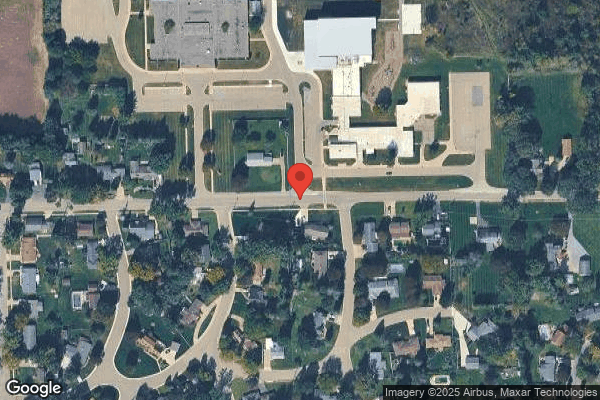
Understanding Severity Codes (click to expand)
Life-Threatening (Immediate Jeopardy)
J - Isolated K - Pattern L - Widespread
Actual Harm
G - Isolated H - Pattern I - Widespread
Potential for Harm
D - Isolated E - Pattern F - Widespread
No Harm (Minor)
A - Isolated B - Pattern C - Widespread

Questions to Ask on Your Visit

  • "Can I speak with families of current residents?"
  • "What's your RN coverage like on weekends and overnight?"

Our Honest Assessment

Strengths
  • • 42% turnover. Below Michigan's 48% average. Good staff retention means consistent care.
Concerns
  • • Multiple safety concerns identified: 4 harm violation(s), $85,400 in fines, Payment denial on record. Review inspection reports carefully.
  • • 22 deficiencies on record, including 4 serious (caused harm) violations. Ask about corrective actions taken.
  • • $85,400 in fines. Extremely high, among the most fined facilities in Michigan. Major compliance failures.
  • • Grade F (30/100). Below average facility with significant concerns.
Bottom line: Trust Score of 30/100 indicates significant concerns. Thoroughly evaluate alternatives.

About This Facility

What is Durand Senior Care And Rehab Center's CMS Rating?

CMS assigns Durand Senior Care and Rehab Center an overall rating of 3 out of 5 stars, which is considered average nationally. Within Michigan, this rating places the facility higher than 0% of the state's 100 nursing homes. This mid-range rating indicates the facility meets federal standards but may have areas for improvement.

How is Durand Senior Care And Rehab Center Staffed?

CMS rates Durand Senior Care and Rehab Center's staffing level at 4 out of 5 stars, which is above average compared to other nursing homes. Staff turnover is 42%, compared to the Michigan average of 46%. This relatively stable workforce can support continuity of care.

What Have Inspectors Found at Durand Senior Care And Rehab Center?

State health inspectors documented 22 deficiencies at Durand Senior Care and Rehab Center during 2023 to 2025. These included: 4 that caused actual resident harm and 18 with potential for harm. Deficiencies causing actual harm indicate documented cases where residents experienced negative health consequences.

Who Owns and Operates Durand Senior Care And Rehab Center?

Durand Senior Care and Rehab Center is owned by a for-profit company. For-profit facilities operate as businesses with obligations to shareholders or private owners. The facility is operated by NEXCARE HEALTH SYSTEMS, a chain that manages multiple nursing homes. With 141 certified beds and approximately 111 residents (about 79% occupancy), it is a mid-sized facility located in Durand, Michigan.

How Does Durand Senior Care And Rehab Center Compare to Other Michigan Nursing Homes?

Compared to the 100 nursing homes in Michigan, Durand Senior Care and Rehab Center's overall rating (3 stars) is below the state average of 3.1, staff turnover (42%) is near the state average of 46%, and health inspection rating (3 stars) is at the national benchmark.

What Should Families Ask When Visiting Durand Senior Care And Rehab Center?

Based on this facility's data, families visiting should ask: "Can I visit during a mealtime to observe dining assistance and food quality?" "How do you handle medical emergencies, and what is your hospital transfer rate?" "Can I speak with family members of current residents about their experience?"

Is Durand Senior Care And Rehab Center Safe?

Based on CMS inspection data, Durand Senior Care and Rehab Center has a clean safety record: no substantiated abuse findings (meaning no confirmed cases of resident harm), no Immediate Jeopardy citations (the most serious violation level indicating risk of serious injury or death), and is not on the Special Focus Facility watch list (a federal program monitoring the lowest-performing 1% of nursing homes). The facility has a 3-star overall rating and ranks #100 of 100 nursing homes in Michigan. While no facility is perfect, families should still ask about staff-to-resident ratios and recent inspection results during their visit.

Do Nurses at Durand Senior Care And Rehab Center Stick Around?

Durand Senior Care and Rehab Center has a staff turnover rate of 42%, which is about average for Michigan nursing homes (state average: 46%). Moderate turnover is common in nursing homes, but families should still ask about staff tenure and how the facility maintains care continuity when employees leave.

Was Durand Senior Care And Rehab Center Ever Fined?

Durand Senior Care and Rehab Center has been fined $85,400 across 3 penalty actions. This is above the Michigan average of $33,933. Fines in this range indicate compliance issues significant enough for CMS to impose meaningful financial consequences. Common causes include delayed correction of deficiencies, repeat violations, or care failures affecting resident safety. Families should ask facility leadership what changes have been made since these penalties.

Is Durand Senior Care And Rehab Center on Any Federal Watch List?

Durand Senior Care and Rehab Center is not on any federal watch list. The most significant is the Special Focus Facility (SFF) program, which identifies the bottom 1% of nursing homes nationally based on persistent, serious quality problems. Not being on this list means the facility has avoided the pattern of deficiencies that triggers enhanced federal oversight. This is a positive indicator, though families should still review the facility's inspection history directly.