Pleasant View Shiawassee County Medical Care Facil
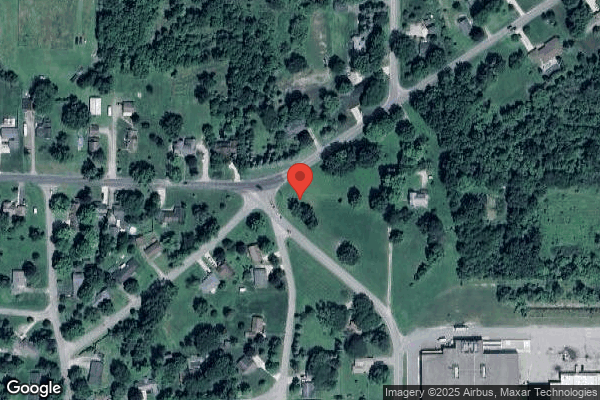
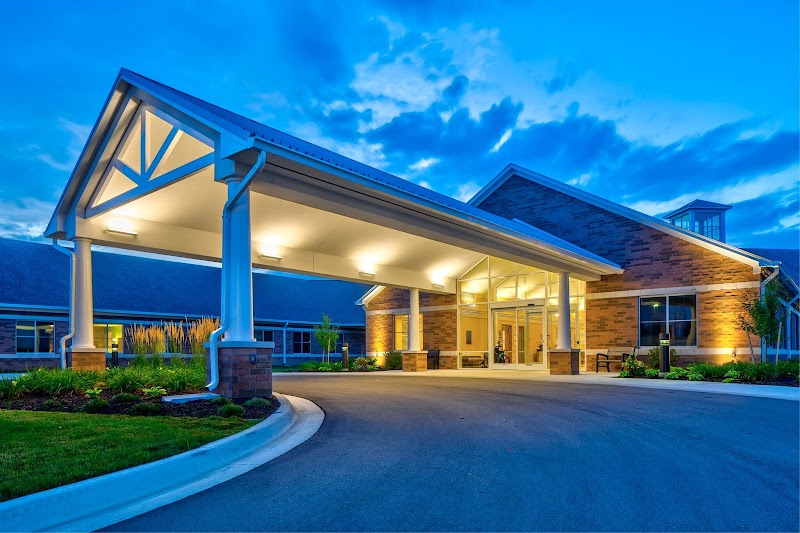
275 Caledonia Drive, Owosso, MI 48867 (989) 743-3491
Government - County 136 Beds Independent Data: November 2025
Trust Grade
80/100
#74 of 422 in MI
Last Inspection: June 2025

Inspected within the last 6 months. Data reflects current conditions.

Overview

Pleasant View Shiawassee County Medical Care Facility in Owosso, Michigan, has a Trust Grade of B+, indicating it is above average and recommended for care. It ranks #74 out of 422 facilities in Michigan, placing it in the top half and #2 out of 3 in Shiawassee County, meaning there is only one local facility rated higher. The facility's trend is stable, with the same two issues reported in both 2024 and 2025. Staffing is a strength here, with a 4/5 star rating and turnover at 47%, which is about average for the state. On the downside, there have been some serious incidents, including a resident who fell out of bed and fractured an ankle because the care plan requiring two staff members was not followed. Additionally, there was a concerning incident where a staff member allegedly took a photo of a resident in a compromising situation and shared it on social media. Despite these issues, the facility has no fines on record and provides more RN coverage than 90% of Michigan facilities, which helps ensure quality care.

Trust Score
B+
80/100
In Michigan
#74/422
Top 17%
Safety Record
Moderate
Needs review
Inspections
Holding Steady
2 → 2 violations
Staff Stability
⚠ Watch
47% turnover. Above average. Higher turnover means staff may not know residents' routines.
Penalties
✓ Good
No fines on record. Clean compliance history, better than most Michigan facilities.
Skilled Nurses
✓ Good
Each resident gets 67 minutes of Registered Nurse (RN) attention daily — more than 97% of Michigan nursing homes. RNs are the most trained staff who catch health problems before they become serious.
Violations
○ Average
8 deficiencies on record. Average for a facility this size. Mostly minor or procedural issues.
★★★★★
5.0
Overall Rating
★★★★☆
4.0
Staff Levels
★★★★★
5.0
Care Quality
★★★★★
5.0
Inspection Score
Stable
2024: 2 issues
2025: 2 issues

The Good

  • 4-Star Staffing Rating · Above-average nurse staffing levels
  • 5-Star Quality Measures · Strong clinical quality outcomes
  • Full Sprinkler Coverage · Fire safety systems throughout facility
  • No fines on record

Facility shows strength in staffing levels, quality measures, fire safety.

The Bad

Staff Turnover: 47%

Near Michigan avg (46%)

Higher turnover may affect care consistency

The Ugly 8 deficiencies on record

2 actual harm
Jun 2025 2 deficiencies
CONCERN (D)

Potential for Harm - no one hurt, but risky conditions existed

Resident Rights (Tag F0550)

Could have caused harm · This affected 1 resident

**NOTE- TERMS IN BRACKETS HAVE BEEN EDITED TO PROTECT CONFIDENTIALITY** Based on observation, interview, and record review the facility failed to ensure the right to be treated with respect and dignit...

Read full inspector narrative →
**NOTE- TERMS IN BRACKETS HAVE BEEN EDITED TO PROTECT CONFIDENTIALITY** Based on observation, interview, and record review the facility failed to ensure the right to be treated with respect and dignity for one out of one residents (Resident #54) Findings Included: Per the facility face sheet Resident #54 (R54) was an [AGE] year old female who had resided at the facility since 12/22/2020. Diagnoses revealed R54 had Alzheimer's, dementia, alone with depression. Review of a facility investigation of an incident that the facility submitted on 6/3/2025 revealed Marketing Director G received an anonymous voicemail that the person wanted to make an anonymous complaint related to a possible HIPAA violation, and requested a return call. Assistant Director of Nursing (ADON) C was notified on the complaint. The complaint was revealed Certified Nurse Aid (CNA) H had taken a picture of R54 while R54 was sitting on the toilet, and put the photograph on her social media Instagram account (a photo and short-form video sharing social networking service.) Further review of the facility's incident report revealed that on 6/3/2025, ADON C had documented an interview with CNA H, who reported to her that she took the picture of R54 while she was sitting on the toilet. CNA H did not get a consent from R54 to take a picture of her. CNA H reported to ADON C R54 was aware she was taking the picture of her. The report revealed CNA H shared the photo on Instagram, had not taken photos of any other residents, and per the anonymous reporter the picture was on CNA H's Instagram account for possibly eight days. CNA H was removed from the facility. Continued review of the facility investigation revealed that the picture that was posted to CNA H's Instagram account had an Emoji (a pictogram/smiley face) of a face of R54's face, R54 had a nightgown on, and was identified by staff to be R54. Observation of the picture confirmed the Emoji face over R54's face. In an interview on 6/11/2035 at 11:17 AM, ADON C stated that the complaint had been brought to her attention due to an anonymous phone call. ADON C stated she interviewed CNA H and showed her the picture, asked her why did she took the picture and posted it on her Instagram account. ADON C said CNA H explained to her that it was a joke, and was meant to be funny. ADON C said she asked CNA H if R54 was aware she was taking the picture in which CNA H stated, she believed R54 was aware because she glanced at her when she had her phone out. ADON C said CNA H did not obtain from R54 nor R54's Durable Power of Attorney (DPOA) consent in writing to take a picture of her. ADON C said employees do not ever get or have consent to take a picture of a resident, and not with their own phone. ADON C stated that the facility had specific tablets that the activities staff used to take pictures to post on the facility's social media pages. ADON C further stated that all resident signed consents for pictures were filed with the Activities department. Review of the facility policy and procedure last revised on 3/25/2021, revealed Social media encompasses Internet applications that are based on user participation and allow for the creation and exchange of user-generated content including, but not limited to, posts, blogs, audio, video, text message, or other content. Examples of social media use include posting content or information on your own or another's Facebook, Twitter, Instagram, LinkedIn, blog, message service, website, chat room, web bulletin board, or other social media site . Never post a picture of a resident without prior authorization from the Administrator or designee. In an interview on 6/11/2025 at 12:28 PM, CNA H stated that R54 was on the toilet in the bathroom that was located in her room. CNA H said she was standing outside of the bathroom by R54's bed, and had full vision of R54 while she was on the toilet. CNA H said she took a picture of R54 as a joke and posted it to her Instagram account as a representation of herself, on the toilet and talking on the phone. CNA H said R54 was aware she was taking the picture, because R54 had been looking at her when she took the picture with her phone. CNA H said she did not tell R54 she was taking a picture of her, and was asked how then did R54 know a pictures was being taken. CNA H stated that was a good question, and said R54 would not have known she took the picture. CNA H stated she uploaded a bunch of pictures to her Instagram account, and the picture of R54 was included with the bunch of pictures. CNA H stated R54's face was covered up with an Emoji, and stated she did that with the Emoji, because she knew that she was not supposed to post pictures of residents on social media. CNA H said that what she did was wrong, and she never got permission. Review of CNA H's education revealed that CNA H was educated on Resident's Rights on 6/21/2024, and again on 6/1/2025. CNA H signed a, Letter of Understanding on 6/19/2025, which revealed CNA H received a personal copy of the facility's social media policy.
CONCERN (D)

Potential for Harm - no one hurt, but risky conditions existed

Deficiency F0761 (Tag F0761)

Could have caused harm · This affected 1 resident

Based on observations, interview and record review, the facility failed to ensure proper storage and labeling of medications for 3 (resident #16, resident #40 and resident #42) of 3 residents reviewed...

Read full inspector narrative →
Based on observations, interview and record review, the facility failed to ensure proper storage and labeling of medications for 3 (resident #16, resident #40 and resident #42) of 3 residents reviewed for medication storage. Findings include: On 6/9/25 at 10:29 AM, during an observation and interview with R42, 2 plastic medication cups with a pink cream in them and a tube of Benadryl/zinc oxide cream (an anti-itch cream) was observed in an unlocked cabinet next to the resident's sink. R42 stated the pink cream is what they apply to her buttocks when it is red. On 6/9/25 at 11:21 AM, during an observation of R40's room, 3 plastic medication cups were observed in an unlocked cabinet, next to resident's sink. Two cups had a pink cream in them and one had a green, gel-like substance in it. On 6/10/25 at 3:11 PM, 2 plastic medication cups containing pink cream and a tube of Benadryl/zinc oxide cream were observed to still be in R42's room in an unlocked cupboard. On 6/10/25 at 3:15 PM, 3 plastic medication cups containing a pink cream were observed in R40's room in an unlocked cupboard. On 6/10/25 at 3:17 PM, during an interview with Clinical Coordinator LPN I, when asked what her expectation is for medication storage related to some unsecured medications I had observed, she reported that they use up barrier creams quickly (what she assumed the pink cream was) and that they routinely store them in an unlocked cupboard next to the resident's sink. When asked if that is where they should be stored, she reported that sometimes they are stored in the resident's locked drawer (in their nightstand), depending on the resident. LPN I restated that they routinely store barrier cream in medication cups, unsecured in the resident's rooms. LPN I was asked how she would be able to determine how long the cream had been stored in the resident's room (in an uncovered plastic medication cup), she reported that she wouldn't know how long they had been there. When asked what the pink cream was LPN I reported she would have to look it up. On 6/10/25 at 3:20 PM, observed 3 cups of a pink cream in plastic medication cups with LPN I in R40's unlocked cabinet. LPN I reported that she was unsure of what the policy was for medication storage. On 6/10/25 at 3:23 PM, observed with LPN I, 2 plastic medication cups in the R42's unlocked cabinet, 1 contained a pink cream and 1 contained a white powder, in addition the tube of Benadryl/zinc oxide ointment was observed to still be present. LPN I removed all of the medication cups from each room and the tube of Benadryl/Zinc Oxide ointment. LPN I reported that she would dispose of the medications in a drug buster. On 6/10/25 at 4:37 PM, during an interview with Assistant Director of Nursing (ADON) C, when asked what her expectation is for medication storage, she reported that medications should not be left at the bedside, nurses are expected to apply creams and evaluate effectiveness, certified nursing assistants can apply non-medicated creams but they should not be left in the resident rooms, no treatment should be left in the resident rooms, residents could eat them. A review of the facilities policy titled Storage of Medications documented in part, Drugs and biologicals must be stored in containers in which they are received .Drugs for external use, as well as poisons, are clearly marked as such, and stored separately from other medications .Compartments containing drugs and biologicals are locked when not in use, and trays or carts used to transport such items are not left unattended .
Mar 2024 1 deficiency
CONCERN (D) 📢 Someone Reported This

A family member, employee, or ombudsman was alarmed enough to file a formal complaint

Potential for Harm - no one hurt, but risky conditions existed

Comprehensive Care Plan (Tag F0656)

Could have caused harm · This affected 1 resident

**NOTE- TERMS IN BRACKETS HAVE BEEN EDITED TO PROTECT CONFIDENTIALITY** Resident #23 (R23) Review of the medical record revealed R23 was admitted to the facility on [DATE] with diagnoses that included...

Read full inspector narrative →
**NOTE- TERMS IN BRACKETS HAVE BEEN EDITED TO PROTECT CONFIDENTIALITY** Resident #23 (R23) Review of the medical record revealed R23 was admitted to the facility on [DATE] with diagnoses that included Respiratory Syncytial Virus (RSV), urinary tract infection, pneumonia, type 2 diabetes, and chronic obstructive pulmonary disease (COPD). During observation on 03/22/2024 at 10:33 a.m. R23's room door was closed. A sign was observed to be located beside R23's room door, which demonstrated he was on droplet precautions. Isolation cart was observed under the droplet precaution sign. Review of R23's medical record revealed a plan of care which stated, The resident has a Respiratory Infection RSV bronchiolitis. The plan of care did not demonstrate that R23 was in droplet precautions/isolation. R23's medical record also revealed a physician order Cefdinir Oral Capsule 300 mg (Milligrams), Give 1 capsule by mouth in the morning for RSV for 5 Days and give 1 capsule by mouth in the evening for RVS for 5 Days written 03/18/24. The same order had an end date of 03/24/2024. In an interview on 03/22/2024 at 10:46 Registered Nurse (RN) C explained that R23 was on droplet precautions/isolation because he had been admitted with Respiratory Syncytial Virus (RSV). She explained that he would be on those precautions/isolation until his antibiotic medication is finished. In an interview on 03/22/2024 at 11:45 a.m. Assistant Director of Nursing (ADON)/ Infection Preventionist (IP) D explained that it is her expectation that when a resident is placed on droplet precautions/isolation that the resident plan of care be updated to include what type of precautions/isolation are to be followed, which would demonstrate when it was initiated and when it could be discontinued. ADON/IP D reviewed R23's plan of care and confirmed that information regarding him being place on droplet precautions/isolation was not present in his plan of care. ADON/IP D could not explain why R23's plan of care did not include the expected information. This citation pertains to Intake MI00143380. Based on observation, interview, and record review, the facility failed to develop and implement comprehensive care plans for two (Resident #20 and Resident #23) of six reviewed. Findings include: Resident #20 (R20) Review of the medical record revealed R20 admitted to the facility on [DATE] and was readmitted from the hospital on 3/4/24 and again on 3/13/24 with diagnoses that included humerus fractures of the right and left arm, dementia, pressure ulcer of the sacral region, pressure induced deep tissue damage of left heel, stage 2pressure ulcer of right heel, stage 2 pressure ulcer of left buttock, and stage 2 pressure ulcer of right buttock. Review of the Wound-Weekly Observation Tool dated 3/7/24 revealed R20 had a suspected deep tissue injury to her left heel. Special equipment included motorized air mattress, air cushion, and boots. The current treatment plan included skin prep . R20 was hospitalized from [DATE] until readmission to the facility on 3/13/24. A Physician's Order dated 3/14/24 revealed an order for skin prep to both heels twice daily. This order was entered as a therapy order and therefore not transcribed onto the Treatment Administration Record (TAR) or Medication Administration Record (MAR). The treatment was not documented as completed twice daily. Review of R20's care plans failed to reveal any mention of an actual pressure injury skin impairment, boots, heels up device, or skin prep treatments. On 3/20/24 at 9:45 AM, R20 was observed in bed. R20 had both her heels floated off the bed on a heels up device. R20 had a visible suspected deep tissue injury to her left heel. The right heel was not able to be visualized. R20 did not have boots on her feet. On 3/22/24 at 8:55 AM, R20 was observed lying in bed. R20's heels were not floated off the mattress nor did R20 have boots in place. R20's heels were resting on the bed. The heels up device was against the wall and the boots were on the floor near the wall. In an interview on 3/22/24 at 9:33 AM, Registered Nurse (RN) E reported the only treatment R20 received was the dressing to her buttocks. In an interview on 3/22/24 at 10:58 AM, RN G reported R20 readmitted to the facility with pressure injuries to the right buttock, left buttock, right heel, and left heel. RN G reported the skin prep order on 3/14/24 was not entered on the MAR or TAR and therefore there was not any documentation that the treatment had been performed twice daily. RN G reported the heels up device or boots should also be on R20's care plan.
Jan 2024 1 deficiency
CONCERN (D) 📢 Someone Reported This

A family member, employee, or ombudsman was alarmed enough to file a formal complaint

Potential for Harm - no one hurt, but risky conditions existed

Deficiency F0698 (Tag F0698)

Could have caused harm · This affected 1 resident

**NOTE- TERMS IN BRACKETS HAVE BEEN EDITED TO PROTECT CONFIDENTIALITY** This citation pertains to intake MI00141755. Based on observation, interview and record review, the facility failed to ensure ap...

Read full inspector narrative →
**NOTE- TERMS IN BRACKETS HAVE BEEN EDITED TO PROTECT CONFIDENTIALITY** This citation pertains to intake MI00141755. Based on observation, interview and record review, the facility failed to ensure appropriate care and treatment of a dialysis catheter/access site for one (Resident #3) of one reviewed for dialysis, resulting in the potential for infection. Findings include: Review of the medical record reflected Resident #3 (R3) admitted to the facility on [DATE] and readmitted on [DATE], with diagnoses that included acute kidney failure, diabetes, stage 4 (severe) chronic kidney disease and Alzheimer's with late onset. The Significant Change in Status/Medicare 5 day Minimum Data Set (MDS), with an Assessment Reference Date (ARD) of 12/22/23, reflected R3 scored 10 out of 15 (moderate impairment) on the Brief Interview for Mental Status (BIMS-a cognitive screening tool) and was coded for receiving dialysis. A Physician's Order, dated 12/17/23, reflected, For Dialysis Patients: Assess Perma cath/ arteriovenous fistula. Chart findings assessed according to device. Continuous Bruit Present/Absent Continuous Thrill Present/Absent Pulse Present/Absent Dialysis Complete/Incomplete Chart on Findings: NO signs or Signs [sic] of: edema, swelling, bruising, skin discoloration, skin temp [temperature] changes, delayed cap [capillary] refill, pain, numbness, collateral vein distention, infection. If abnormal finding notify physician, chart interventions and actions. every shift every Mon [Monday], Wed [Wednesday], Fri [Friday]. During an interview on 1/25/24 at 2:49 PM, Certified Nurse Aide (CNA) C reported R3 was on checks every 15 minutes due to placing her hands in her bowel movements. CNA C reported they made sure R3's hands were clean, that there was no skin breakdown, and her dialysis access site (catheter) was checked. CNA C reported R3's access site usually had a dressing over it, but R3 liked to peel the dressing off. They would notify the nurses, who would replace the dressing. During an observation on 1/25/24 at 3:09 PM, CNA C and CNA D were observed to check R3's incontinence brief. Upon inquiry regarding R3's dialysis catheter/access dressing placement, CNA C moved the collar of R3's shirt, which revealed a dressing over the site, to the upper right chest region, dated 1/24/24. During a phone interview on 1/25/24 at 3:47 PM, Registered Nurse (RN) E reported R3 had been changed from checks every 30 minutes to every 15 minutes. RN E described R3 being incontinent of bowel and placing her hands in feces. RN E reported R3's dialysis catheter dressing was to remain clean, dry and intact, and an assessment of the site was done each shift. RN E reported R3 removed the dialysis catheter dressing frequently. According to RN E, R3 picked at the site and complained of itchiness. RN E reported the process of replacing the dialysis catheter/access site dressing included cleansing the area with normal saline and applying a clean dressing. When queried on the Personal Protective Equipment (PPE) used during the process, RN E replied that gloves were worn. On 1/26/24 at 8:44 AM, R3's room door was observed to be closed. At 8:45 AM, the door was opened, and a staff member exited, carrying two trash bags. A second staff member exited with R3's breakfast tray. On 1/26/24 at 9:00 AM, a staff member was observed to look into R3's room when passing by. During an interview on 1/26/24 at 9:00 AM, CNA F reported when going in to pick up R3's breakfast tray that morning, it was noted that she had a bowel movement. It was reported that she and another CNA went in to change and clean R3. CNA F reported R3 had a tendency to put her fingers in her feces, and she was checked on every 15 to 30 minutes. CNA F was uncertain if R3 had a dressing over her dialysis catheter site when providing care that morning. According to CNA F, the nurses checked that, and the nurse had been in that morning. On 1/26/24 at 9:14 AM, R3 was observed lying in bed, placing her right hand near the front and back of her incontinence brief. On 1/26/24 at 9:17 AM, Licensed Practical Nurse (LPN) G put gloves on and moved R3's collar to the side, revealing that there was not a dressing over R3's dialysis catheter/access site. LPN G exited the room, then returned at 9:23 AM. LPN G performed hand hygiene and opened a sterile CVC (central venous catheter) dressing change kit on R3's over-bed table. LPN G reported she wanted the sterile dressing out of the kit, as she did not know how long the prior dressing had been off. LPN G put on gloves from the kit, opened what was reported to be ChloraPrep from the kit and began to clean around the dialysis catheter/access site. Gauze and a clear dressing from the CVC dressing change kit were placed over the dialysis catheter/access site. A mask was not used during the dressing change. LPN G stated that off the top of her head, she did not know if the dressing change needed to be sterile, but the dressing had been pulled off, and she wanted to make sure the area was clean. LPN G stated that at times, R3's hands were not clean. She wanted to be sure that dialysis catheter site was clean, reporting it was a bad site for infection. LPN G reported CNAs should have been looking for R3's dressing when they were in the room. During an interview on 1/26/24 at 11:16 AM, RN H reported she had not seen R3's dialysis catheter/access site dressing that day and was unaware of whether or not the dressing had been intact. She stated RN J was the treatment nurse that day. RN H reported RN J would have been the one to check the dialysis catheter/access site dressing that morning. According to RN H, R3 had a tendency of removing the dressing. During an interview on 1/26/24 at 11:50 AM, Dialysis RN I reported masks were to be worn while changing the dialysis catheter/access dressing, but she was uncertain if that was indicated on the dialysis communication form. RN I reported there were three types of sterile dressings that dialysis used. The bottom of R3's dialysis communication forms, dated 1/19/24 and 1/24/24 reflected .**FOR CATHETERS (CVC), the dressing must remain intact and clean and dry at all times. If removed by the patient or soiled, make sure the limb clamps are closed and catheter caps are in place. Cleanse exit site with alcohol prep pad, ChloraPrep, or Betadine wipe/swab, and apply a sterile dressing after cleansing agent has dried. Promptly notify dialysis staff if this occurs. During an interview on 1/26/24 at 12:56 PM, RN J reported she had seen R3 prior to LPN G changing the dialysis catheter/access dressing that same morning. She stated she did not see or notice R3's dialysis catheter/access site or the dressing when she was in R3's room for treatments that same morning. RN J reported the only treatments were for powder to R3's (skin) folds and cream to her buttocks.
Jun 2023 1 deficiency
MINOR (B)

Minor Issue - procedural, no safety impact

Assessment Accuracy (Tag F0641)

Minor procedural issue · This affected multiple residents

**NOTE- TERMS IN BRACKETS HAVE BEEN EDITED TO PROTECT CONFIDENTIALITY** Resident # 70 Review of the medical record reflected that Resident # 70 (R70) was readmitted to facility 4/28/23 with diagnoses ...

Read full inspector narrative →
**NOTE- TERMS IN BRACKETS HAVE BEEN EDITED TO PROTECT CONFIDENTIALITY** Resident # 70 Review of the medical record reflected that Resident # 70 (R70) was readmitted to facility 4/28/23 with diagnoses including stage 2 pressure ulcer of sacral region, chronic obstructive pulmonary disease, acute and chronic respiratory failure, moderate protein-calorie malnutrition, and weakness. Review of the significant change Minimum Data Set (MDS) with an Assessment Reference Date (ARD) of 5/15/23 reflected that R70 had one Stage 2 pressure ulcer that was present upon admission/reentry. In an observation and interview on 6/12/23 at 12:09 PM, R70 was observed lying in bed, on back, with head of bed at an approximate 45-degree angle eating lunch. R70 stated that she had a sore on her bottom, couldn't remember if the wound had been present upon facility admission, and that the wound just didn't seem to be getting any better. In an observation and interview on 6/14/23 at 9:20 AM, R70's sacral wound was observed during the completion of wound care by Licensed Practical Nurse (LPN) F. R70 was observed to have an open area at sacrum with visible depth. Granulation tissue (pink or beefy red tissue with a shiny, moist appearance) noted at central aspect of wound base with stringy, yellow slough (necrotic tissue that adheres to the ulcer bed) noted at the wound base borders. Visible undermining (a pocket of dead space under the skin originating from the edges of the wound and extending outward under the skin) observed at proximal (top aspect) wound edge. Intact, light pink tissue noted to surround wound. In an interview with LPN F upon the completion of wound care, LPN F confirmed that she had frequently completed R70's sacral wound care since her readmission, that the wound was approximately the same size, and that the wound had gotten deeper as the current treatment was helping to decrease the slough that had been present in the wound base since admission. Review of R70's medical record completed with the following findings noted: Reentry Skin Only Evaluation dated 4/28/23 at 5:24 PM indicated a suspected deep tissue injury-depth unknown to R70's coccyx. No wound measurement or description was noted to be included within assessment. Nurse Practitioner (NP) Progress Note dated 5/4/23 stated, Visit Type: Wound Care .CHIEF COMPLAINT .Wound care consult for initial assessment and evaluation of wound .HISTORY OF PRESENT ILLNESS .referred to wound services related to a noted wound found on sacrum. This wound is the result of pressure and based on assessment and description is noted to be a stage III .PHYSICAL EXAM .Skin .1. Sacrum stage III-There is a moderate amount of serosanguineous drainage from this area. Wound bed consists of 70% (percent) epithelial tissue, 10% granulation tissue and 20% yellow adherent slough .Addendum Details: This visit represent initial evaluation completed 4/28/23 . NP Progress Note dated 5/5/23 stated, Visit Type: Wound care .CHIEF COMPLAINT .Wound care consult for initial assessment and evaluation of wound .HISTORY OF PRESENT ILLNESS .referred to wound services related to a noted wound found on sacrum. This wound is the result of pressure and based on assessment and description is noted to be a stage III .PHYSICAL EXAM .Skin .1. Sacrum stage III-this site measures 8.5 x 8.5 centimeters with a depth of .01 centimeters. There is a moderate amount of serosanguineous drainage from this area. Wound bed consists of 80% epithelial tissue and 20% yellow adherent slough . NP Progress Note dated 5/11/23 stated, Visit Type: Wound Care . CHIEF COMPLAINT .Wound care consult for follow-up assessment and evaluation of wound .HISTORY OF PRESENT ILLNESS .referred to wound services related to a noted wound found on sacrum. This wound is the result of pressure and based on assessment and description is noted to be a stage III .PHYSICAL EXAM .Skin .1. Sacrum stage III-this site measures 4.0 x 4.0 centimeters with a depth of .01 centimeters .Wound bed consists of 80% epithelial tissue and 20% yellow adherent slough . NP Progress Note dated 5/18/23 stated, Visit Type: Wound Care .CHIEF COMPLAINT .Wound care consult for follow-up assessment and evaluation of wound .HISTORY OF PRESENT ILLNESS .This wound is the result of pressure and based on assessment and description is noted to be a stage III .PHYSICAL EXAM .Skin .1. Sacrum stage III-this site measures 3.5 x 2.3 centimeters with a depth of 0.01 centimeters .Wound bed consists of 50% epithelial tissue and 50% yellow adherent slough . NP Progress Note dated 5/25/23 stated, Visit Type: Wound Care .CHIEF COMPLAINT .Wound care consult for follow-up assessment and evaluation of wound .HISTORY OF PRESENT ILLNESS .This wound is the result of pressure and based on assessment and description is noted to be a stage II .PHYSICAL EXAM .Skin .1. Sacrum stage II-this site measures 1.8 x 1.8 centimeters with a depth of .01 centimeters .Wound bed consists of 100% of yellow adherent slough . NP Progress Note dated 6/2/23 stated, Visit Type: Wound Care .CHIEF COMPLAINT .Wound care consult for follow-up assessment and evaluation of wound .HISTORY OF PRESENT ILLNESS .This wound is the result of pressure and based on assessment and description is noted to be a stage II .PHYSICAL EXAM .Skin .1. Sacrum stage III-this site measures 1.5 x 1.5 centimeters with a depth of 0.3 centimeters .Wound bed consists of 70% of yellow adherent slough and 30% epithelial tissue . NP Progress Note dated 6/8/23 stated, Visit Type: Wound Care .CHIEF COMPLAINT .Wound care consult for follow-up assessment and evaluation of wound .HISTORY OF PRESENT ILLNESSES .This wound is the result of pressure and based on assessment and description is noted to be a stage II .PHYSICAL EXAM .Skin .1. Sacrum stage III-this site measures 2.5 x 1.1 centimeters with a depth of 0.3 centimeters .Wound bed consists of 70% of yellow adherent slough and 30% epithelial tissue . WOUND - WEEKLY OBSERVATION TOOL dated 5/4/23 stated, First Observation, no reference. Wound was indicated as a current stage II pressure ulcer at sacrum measuring 85mm (millimeters) x 85mm x 1mm with epithelial tissue and slough (20%) in wound base. WOUND - WEEKLY OBSERVATION TOOL dated 5/11/23 stated, NP at bedside. Wound was indicated as current stage II pressure ulcer at sacrum measuring 40mm x 40mm x 1mm with slough (90%) in wound base. WOUND - WEEKLY OBSERVATION TOOL dated 5/18/23 stated, NP at bedside. Wound was indicated as a current stage II pressure ulcer at sacrum measuring 35mm x 23mm with slough (50%) in wound base. WOUND - WEEKLY OBSERVATION TOOL dated 5/26/23 stated, NP at bedside. Wound was indicated as a current stage II pressure ulcer at sacrum measuring 18mm x 18mm with slough (100%) in wound base. WOUND - WEEKLY OBSERVATION TOOL dated 6/2/23 stated, NP at bedside. Wound was indicated as a current stage II pressure ulcer at sacrum measuring 15mm x 15mm x 3mm with epithelial tissue and slough (70%) in wound base. WOUND - WEEKLY OBSERVATION TOOL dated 6/8/23 stated, NP at bedside. Wound was indicated as a current stage II pressure ulcer at sacrum measuring 25mm x 11mm x 3mm with epithelial tissue and slough (70%) in wound base. Undermining and tunneling was indicated to be present. In an interview on 6/14/23 at 10:16 AM, Registered Nurse/Wound Nurse (RN/Wound Nurse) E confirmed that she was wound care certified, completed weekly wound assessments on all residents with pressure ulcers in the presence of a NP that specialized in wound care, and that the NP diagnosed and staged the wounds. RN/Wound Nurse E confirmed familiarity with R70, that she routinely completed R70's wound assessments, and that R70 had an ongoing Stage 2 pressure ulcer at sacrum since 4/28/23 readmission. Per RN/Wound Nurse E, R70 had a current Stage 2 pressure ulcer with undermining, tunneling, and slough. During the same interview, RN/Wound Nurse E stated that Registered Nurse/Minimum Data Set Nurse (RN/MDS Nurse) D had questioned her regarding R70's sacral pressure ulcer stage at the time of the Significant Change MDS completion (with ARD of 5/15/23) as NP notes dated 5/4/23 (addendum details within note indicated that visit represented initial evaluation completed 4/28/23), 5/5/23, and 5/11/23 indicated the ulcer as a Stage 3 and the Weekly Wound Observation Tool assessment that she had completed indicated the ulcer as a Stage 2. RN/Wound Nurse E further stated that upon discussion with NP G that routinely rounded and assessed R70's wound with her, that the NP was going to clarify R70's sacral wound as a Stage 2 pressure ulcer and therefore RN/MDS Nurse D coded the ulcer as a Stage 2 on the Significant Change MDS with an ARD of 5/15/23. In a telephone interview on 6/14/23 at 10:53 AM, Nurse Practitioner (NP) G stated that she was certified in wound care, confirmed familiarity with R70 and that she had been following R70's sacral wound for several weeks. Per NP G, R70's sacral wound presented as a Stage 3 pressure ulcer at her initial assessment (noted to be completed 4/28/23) and had presented as a Stage 3 pressure ulcer in all subsequent assessments as indicated in her progress notes dated 5/4/23 (addendum details within note indicated that visit represented initial evaluation completed 4/28/23), 5/5/23, 5/11/23, and 5/18/23. NP G stated that the notations in her 5/25/23, 6/2/23, and 6/8/23 progress notes that reflected a Stage 2 pressure ulcer at R70's sacrum were inaccurate and was not sure why she had documented this but would be completing addendums to correct as stated the wound presented and continues to present with slough and/or granulation tissue as well as with undermining and tunneling (in the most recent 6/8/23 assessment) making the wound an ongoing Stage 3. NP G further stated that prior to the time that she had completed her first assessment on R70, the wound may have presented as a Stage 2 pressure ulcer but that from the time she first assessed the wound on 4/28/23 (as indicated in NP Progress Note dated 5/4/23), R70's sacral wound was a Stage 3 pressure ulcer. In an interview on 06/14/23 at 11:19 AM, RN/MDS Nurse D confirmed completing R70's Significant Change MDS with an ARD of 5/15/23, stated that she based her MDS coding for a pressure ulcer on documentation from the facilities wound care nurse, and that she coded R70's pressure ulcer as a Stage 2 pressure ulcer based on the WOUND - WEEKLY OBSERVATION TOOL dated 5/11/23 completed by RN/Wound Nurse E. RN/MDS Nurse D stated that she had went back and forth on whether to code it as a Stage 2 (based on the 5/11/23 facility wound nurse assessment) or a Stage 3 (based on the 5/11/23 NP assessment/progress note) but proceeded to code as a Stage 2 after conferring with RN/Wound Nurse E. RN/MDS nurse D stated that she had never spoke with NP G directly about R70's wound presentation/stage and that based on NP G's 5/11/23 assessment and progress note, the MDS with an ARD of 5/15/23 was inaccurate as should have been coded as a Stage 3 pressure ulcer. In an interview on 6/14/23 at 11:46 AM, Assistant Director of Nursing (ADON) C reviewed R70's WOUND - WEEKLY OBSERVATION TOOL dated 5/11/23 completed by RN/Wound Nurse E that indicated a Stage 2 pressure ulcer at sacrum, NP G's Progress Note dated 5/11/23 that indicated a Stage 3 pressure ulcer at sacrum, confirmed the discrepancy, and acknowledged that based on NP G's 5/11/23 assessment and documentation that the Significant Change MDS with an ARD of 5/15/23 should have indicated that R70 had one Stage 3 pressure ulcer (instead of one Stage 2 pressure ulcer as the assessment reflected). Resident #9(R9) Review of the Face Sheet and Minimum Data Set (MDS) dated [DATE], reflected R9 was a [AGE] year old female admitted to the facility on [DATE], with diagnoses that included neurocogitive disorder with lewy bodies, diabetes mellitus, hypertension (high blood pressure), end stage renal disease with dialysis, and depression. Continued review of the MDS reflected R9 required dialysis treatment. The MDS reflected no modifications of diet according to section K. Review of the MDS, dated [DATE], reflected R9 was not receiving dialysis treatments and had been completed by MDS Nurse D. Continued review of the MDS reflected R9 received modified diet. Review of the Physician orders, dated 6/1/23 through current, reflected R9 received dialysis three times weekly and had orders for pureed diet with nectar thick liquids. During an interview on 6/13/23 at 3:09 PM, Registered Nurse (RN) I reported was R9's nurse and reported R9 had dialysis 3 times weekly and had a modified diet with pureed food and nectar thick liquids. During an interview on 6/13/23 at 3:13 PM, MDS Nurse D reported had worked as the MDS Nurse for eight years at the facility. MDS Nurse D verified R9 MDS, dated [DATE], was not marked for dialysis and should have been. MDS Nurse D reported R9's MDS had been modified on 3/14/23 and reported had thought that correction was made and reported was unsure why it had not been corrected. During an interview on 6/14/23 at 8:39 AM, Certified Dietary Manager (CDM) H reported working at facility for 14 years. CDM H reported R9 required modified diet that included pureed diet and nectar thick liquids and reported had been on that same modified diet for several months. CDM H reported she was responsible for completing section K of the MDS and verified R9's MDS, dated [DATE], was not accurate and must have missed on accident. CDM H reported the MDS should have reflected R9 received a modified diet same as the MDS dated [DATE]. Based on observation, interview and record review, the facility failed to complete accurate Minimum Data Set (MDS) assessments for three (Resident #9, #66, #70) of 20 reviewed, resulting in inaccurate assessments. Findings include: Resident #66 (R66) Review of the medical record revealed R66 was admitted to the facility on [DATE] with diagnoses that included rheumatoid arthritis, major depressive disorder, chronic pain, and glaucoma. Review of the quarterly MDS with an Assessment Reference Date (ARD) of 5/16/23 revealed during the seven-day look back period, R66 received the following medications all seven days: injections, insulin, anticoagulant, antidepressant, antibiotic, antipsychotic, antianxiety, hypnotic, diuretic, and opioid. Review of the Medication Administration Record (MAR) revealed during the seven-day look back period, R66 received antidepressant and opioid medication for seven days. R66 did not receive an injection, insulin, anticoagulant, antibiotic, antipsychotic, antianxiety, hypnotic, or diuretic. In an interview on 06/13/23 at 2:17 PM, MDS Nurse D reported she used the MAR when coding medications on MDS assessments. MDS Nurse D reviewed R66's MAR and MDS with an ARD of 5/16/23 and reported R66 did not receive an injection, insulin, anticoagulant, antibiotic, antipsychotic, antianxiety, hypnotic, or diuretic during the seven-day look back period. MDS Nurse D reported the MDS was inaccurate.
Mar 2023 3 deficiencies 2 Harm
SERIOUS (G) 📢 Someone Reported This

A family member, employee, or ombudsman was alarmed enough to file a formal complaint

Actual Harm - a resident was hurt due to facility failures

Comprehensive Care Plan (Tag F0656)

A resident was harmed · This affected 1 resident

**NOTE- TERMS IN BRACKETS HAVE BEEN EDITED TO PROTECT CONFIDENTIALITY** This citation pertains to intake number MI00130737. Based on interview and record review the facility failed to ensure one out ...

Read full inspector narrative →
**NOTE- TERMS IN BRACKETS HAVE BEEN EDITED TO PROTECT CONFIDENTIALITY** This citation pertains to intake number MI00130737. Based on interview and record review the facility failed to ensure one out of eight residents (Resident #2) plan of care was followed, resulting in Resident #2 falling out of bed, and sustaining an ankle fracture while receiving care. Findings Included: Per the facility face sheet Resident #2 (R2) had been a resident at the facility since 7/23/2019. Diagnoses included muscle weakness, right and left shoulder, and right hand contractors. R2 no longer resided at the facility at the time of the onsite investigation. Record review of a facility incident report (FRI) dated 7/5/2022 revealed R2 fell out of bed while being repositioned and sustained a fracture to her right ankle. The FRI revealed R2 was a quadriplegic, was non-verbal, and required two staff members for extensive assistance for bed mobility and care. The report further revealed that on 7/4/2022 R2 fell out of bed while receiving care by Certified Nurse Aid (CNA) C. The FRI revealed that CNA C had not followed R2's care plan regarding her extensive assistance needs by two staff members, and had provided incontinence care and repositioning of R2 by herself. The report revealed that R2 had fallen out of bed when CNA C had rolled R2 towards her which caused CNAC to lose her footing resulting in R2 rolling out of her, and sustaining a fracture to R2's right tibula and fibula (bones of the lower leg). Record review of X-ray results dated 7/5/2022, revealed R2 had a fractured tibula and fibula that was an acute (recently occurred) fracture. Review of R2's care plans revealed R2 had a Focus of .ADL (activities of daily living) self-care performance deficit r/t (related to) respiratory distress syndrome, paraplegia, contractors., dated 7/24/2019. The care plan revealed an intervention that R2 required extensive assist by two staff members for repositioning and turning in bed. The intervention was dated 7/24/2019. In an interview on 3/7/2023 at 1:00 PM, CNA C stated that on 7/4/2023 she went to see R2 before breakfast, CNA C said she had called to get assistance from another staff member but stated no one responded. CNA C said she had washed R2, and then left to get linen and when she had returned R2 had shifted to her left side closer to the left side of the bed. CNA C said she called for help because R2 was to close to the side of the bed, but no staff responded to her call for help so she rolled R2 towards herself, grabbed a draw sheet that was underneath R2 and pulled R2 towards herself. CNA C said that was when she lost her footing and both R2 and herself landed on the floor. CNA C said she knew how to care for a resident by the resident's [NAME] (CNA guide to resident specific care and reflects what the resident's care plan states). CNA C then stated that the CNAs were to print out resident's [NAME]'s at the beginning of each shift and carry the printed [NAME] with them. CNA C said she did not look to see what R2's required staff assistance was for bed mobility before she had turned R2. In an interview on 2/7/2023 at 1:45 PM, Licensed Practical Nurse (LPN) D stated that at the time he did not know R2's plan of care. LPN D said he recalled seeing CNA C providing care to R2, and did ask CNAC if she needed help, but CNA C told him no. LPN D also stated that CNA C did not request his assistance with R2's bed mobility either. LPN D said R2 was not able to move the lower half of her body, nor her legs, and was non-verbal. LPN D stated that he responded to R2's room at the time of R2's fall, and upon entering the room R2 was on the floor. LPN D further stated that the CNAs were to print out a copy of resident's [NAME] at the start of their shift. In an interview on 3/7/2023 at 2:50 PM, CNA E stated that she was working when the incident occurred, and that the CNAs carried walkie talkies. CNA E said she did received a call from CNA C over her walkie talkie to assist with R2's bed mobility and care. CNA E said she had told CNA C that she would be there in a minute after she finished some charting documentation, but stated that CNA C did not wait for her to get to R2's room. CNA E said an emergency call went out and upon arriving to R2's room she observed R2 on the floor. CNA E said that all the CNAs were required to review all assigned resident's [NAME] prior to providing care, and were also required to print the [NAME]'s at the start of their shift to carry with them. Record review of CNA C's employee file revealed that she was termination from her employment at the facility on 7/12/2022 related to R2's fall out of bed, and failure to follow R2's care plan/[NAME]. CNA C's filed had also revealed that she had been signed off on training for the use of a resident's [NAME], and following of a resident's care plan when providing resident care on 5/4/2021. In an interview on 3/9/2023 at 10:25 AM, Director of Nursing (DON) B said that it was her expectation that when a resident's care plan revealed the resident required a two person assist for care then two staff members were to provide the care, and if help was not available then the CNA was not to proceed until help arrived. DON B said a resident's [NAME] was what CNAs were to refer to prior to providing care, and had all the resident's care plan information on it. DON B also stated that the CNAs were to print out all their resident's [NAME] at the start of every shift and review it.
SERIOUS (G) 📢 Someone Reported This

A family member, employee, or ombudsman was alarmed enough to file a formal complaint

Actual Harm - a resident was hurt due to facility failures

Accident Prevention (Tag F0689)

A resident was harmed · This affected 1 resident

**NOTE- TERMS IN BRACKETS HAVE BEEN EDITED TO PROTECT CONFIDENTIALITY** This citation pertains to intake number MI00130737. Based on interview and record review the facility failed to ensure one out ...

Read full inspector narrative →
**NOTE- TERMS IN BRACKETS HAVE BEEN EDITED TO PROTECT CONFIDENTIALITY** This citation pertains to intake number MI00130737. Based on interview and record review the facility failed to ensure one out of two residents (Resident #2) was free from accidents, resulting in Resident #2 falling out of bed, and sustaining an ankle fracture while receiving care. Findings Included: Per the facility face sheet Resident #2 (R2) had been a resident at the facility since 7/23/2019. Diagnoses included muscle weakness, right and left shoulder, and right hand contractors. R2 no longer resided at the facility at the time of the onsite investigation. Record review of a facility incident report (FRI) dated 7/5/2022 revealed R2 fell out of bed while being repositioned and sustained a fracture to her right ankle. The FRI revealed R2 was a quadriplegic, was non-verbal, and required two staff members for extensive assistance for bed mobility and care. The report further revealed that on 7/4/2022 R2 fell out of bed while receiving care by Certified Nurse Aid (CNA) C. The FRI revealed that CNA C had not followed R2's care plan regarding her extensive assistance needs by two staff members, and had provided incontinence care and repositioning of R2 by herself. The report revealed that R2 had fallen out of bed when CNA C had rolled R2 towards her which caused CNAC to lose her footing resulting in R2 rolling out of her, and sustaining a fracture to R2's right tibula and fibula (bones of the lower leg). Record review of X-ray results dated 7/5/2022, revealed R2 had a fractured tibula and fibula that was an acute (recently occurred) fracture. Review of R2's care plans revealed R2 had a Focus of .ADL (activities of daily living) self-care performance deficit r/t (related to) respiratory distress syndrome, paraplegia, contractors., dated 7/24/2019. The care plan revealed an intervention that R2 required extensive assist by two staff members for repositioning and turning in bed. The intervention was dated 7/24/2019. In an interview on 3/7/2023 at 1:00 PM, CNA C stated that on 7/4/2023 she went to see R2 before breakfast, CNA C said she had called to get assistance from another staff member but stated no one responded. CNA C said she had washed R2, and then left to get linen and when she had returned R2 had shifted to her left side closer to the left side of the bed. CNA C said she called for help because R2 was to close to the side of the bed, but no staff responded to her call for help so she rolled R2 towards herself, grabbed a draw sheet that was underneath R2 and pulled R2 towards herself. CNA C said that was when she lost her footing and both R2 and herself landed on the floor. CNA C said she knew how to care for a resident by the resident's [NAME] (CNA guide to resident specific care and reflects what the resident's care plan states). CNA C then stated that the CNAs were to print out resident's [NAME]'s at the beginning of each shift and carry the printed [NAME] with them. CNA C said she did not look to see what R2's required staff assistance was for bed mobility before she had turned R2. In an interview on 2/7/2023 at 1:45 PM, Licensed Practical Nurse (LPN) D stated that at the time he did not know R2's plan of care. LPN D said he recalled seeing CNA C providing care to R2, and did ask CNAC if she needed help, but CNA C told him no. LPN D also stated that CNA C did not request his assistance with R2's bed mobility either. LPN D said R2 was not able to move the lower half of her body, nor her legs, and was non-verbal. LPN D stated that he responded to R2's room at the time of R2's fall, and upon entering the room R2 was on the floor. LPN D further stated that the CNAs were to print out a copy of resident's [NAME] at the start of their shift. In an interview on 3/7/2023 at 2:50 PM, CNA E stated that she was working when the incident occurred, and that the CNAs carried walkie talkies. CNA E said she did received a call from CNA C over her walkie talkie to assist with R2's bed mobility and care. CNA E said she had told CNA C that she would be there in a minute after she finished some charting documentation, but stated that CNA C did not wait for her to get to R2's room. CNA E said an emergency call went out and upon arriving to R2's room she observed R2 on the floor. CNA E said that all the CNAs were required to review all assigned resident's [NAME] prior to providing care, and were also required to print the [NAME]'s at the start of their shift to carry with them. Record review of CNA C's employee file revealed that she was termination from her employment at the facility on 7/12/2022 related to R2's fall out of bed, and failure to follow R2's care plan/[NAME]. CNA C's filed had also revealed that she had been signed off on training for the use of a resident's [NAME], and following of a resident's care plan when providing resident care on 5/4/2021. In an interview on 3/9/2023 at 10:25 AM, Director of Nursing (DON) B said that it was her expectation that when a resident's care plan revealed the resident required a two person assist for care then two staff members were to provide the care, and if help was not available then the CNA was not to proceed until help arrived. DON B said a resident's [NAME] was what CNAs were to refer to prior to providing care, and had all the resident's care plan information on it. DON B also stated that the CNAs were to print out all their resident's [NAME] at the start of every shift and review it.
CONCERN (D) 📢 Someone Reported This

A family member, employee, or ombudsman was alarmed enough to file a formal complaint

Potential for Harm - no one hurt, but risky conditions existed

Report Alleged Abuse (Tag F0609)

Could have caused harm · This affected 1 resident

**NOTE- TERMS IN BRACKETS HAVE BEEN EDITED TO PROTECT CONFIDENTIALITY** This citation pertains to intake number MI00131560. Based on interview and record review the facility failed to ensure for two ...

Read full inspector narrative →
**NOTE- TERMS IN BRACKETS HAVE BEEN EDITED TO PROTECT CONFIDENTIALITY** This citation pertains to intake number MI00131560. Based on interview and record review the facility failed to ensure for two out of six residents (Resident #3 and #4) an incident of resident to resident abuse was reported immediately to the facility's Abuse Coordinator, and the state agency, resulting in the potential for further actual or alleged abuse to not be reported immediately to the facility's Abuse Coordinator and state agency. Findings Included: Per the facility face sheet Resident #3 (R3) was admitted to the facility on [DATE], and Resident R4 (R4) was admitted to the facility on [DATE]. Record review of a facility reported incident (FRI) dated 9/12/2023, revealed that on 8/25/2022, R4 hit R3 on the top off her head out of apparent frustration when R3 decided not to take her medications that Licensed Practical Nurse (LPN) F was attempting to administer to her, and revealed that LPN F witnessed the incident. The FRI also revealed that on 8/25/2022 at 9:30 PM revealed that LPN F had written up an incident report regarding the incident. The FRI revealed LPN F was administering medications to R3, who was sitting in the hall in addition to R4, when R4 told R3 to Take your medicine, in which R3 then threw her pills on the floor, R4 then stood up and Further review of the FRI revealed that Certified Nurse Aid (CNA) G was at the nurses station when she saw LPN F attempting to give R3 her medication when R4 started to argue with R3, because R3 did not want to take the medications, so R4 got mad and hit R3 on the back of her head. The FRI revealed that the incident was discovered on 9/12/2022 while Director of Nursing (DON) B was reviewing incident reports. Further review of the FRI revealed that the incident occurred on 8/25/2022 at 9:30 AM, however was not submitted to the state agency until 9/12/22 at 4:30 PM. Review of LPN F's employee file revealed she was hired on 6/28/2021, but no longer worked at the facility. LPN F had received training on Unusual Occurrence Procedure/State Reportable on 7/2/2021 which also included reporting of allegations of abuse documented. Further review of LPN F's employee file revealed that LPN F had been written up on 9/15/2022 due to not reporting the incident. On 3/8/2023 at 10:04 AM, an attempt was made to contact LPN F, however there was no answer. A voicemail was left for a return call. On 3/9/2023 at 8:21 AM, another attempt was made to make phone contact with LPN F, but there was no answer, and another voicemail message was left for a return phone call. At the time of exit on 3/9/2023 at 11:00 AM, no return phone call was received from LPN F. Review of CNA G's employee file revealed an Employee Orientation Checklist dated 1/19/2016, that CNA G was check off on reporting of abuse, including resident to resident abuse. On 3/8/2023 at 10:06 AM, an attempt was made to make contact with CNA G, but there was no answer, and a voicemail was left for a return call. On 3/9/2023 at 8:25 AM, another attempt was made to make phone contact with CNA G but there was no answer, and a voicemail was left for a return call. At the time of exit on 3/9/2023 at 11:00 AM, no return phone call was received from LPN F. In an interview on 3/9/2023 at 10:25 AM, Director of Nursing (DON) B stated that Administrator A was the Abuse Coordinator, however she stated that her expectation was that any staff member who suspects resident abuse were to call her and Administrator A immediately. In an interview on 3/9/2023 at approximately 10:40 AM, Administrator A stated that herself and DON B were to be contacted immediately with any allegations of resident abuse, and the contact numbers were posted. Record review of the facility's policy and procedure titled, Reporting Abuse to Facility Management Policy Statement, dated 9/19/2022 as last revised, revealed, It is the responsibility of our employees, facility consultants, volunteers, attending physicians, family members, visitors etc., to promptly report any incident or suspected incident of mistreatment, exploitation, neglect, or abuse, including injuries of unknown source and misappropriation of resident property to facility management., under Policy Interpretation and Implementation #3. The administrator and director of nursing services must be promptly notified of suspected abuse or incidents of abuse. If such incidents occur or are discovered after hours, the administrator and director of nursing services must be called at home. The person reporting must verbally speak to the administrator and director of nursing services, leaving a voice mail is not adequate. If the administrator or DON are off-duty or unavailable, they each notify staff of who is on call to cover them and who would need to be notified verbally.
Understanding Severity Codes (click to expand)
Life-Threatening (Immediate Jeopardy)
J - Isolated K - Pattern L - Widespread
Actual Harm
G - Isolated H - Pattern I - Widespread
Potential for Harm
D - Isolated E - Pattern F - Widespread
No Harm (Minor)
A - Isolated B - Pattern C - Widespread

Questions to Ask on Your Visit

  • "Can I speak with families of current residents?"
  • "What's your RN coverage like on weekends and overnight?"

Our Honest Assessment

Strengths
  • • Grade B+ (80/100). Above average facility, better than most options in Michigan.
  • • No fines on record. Clean compliance history, better than most Michigan facilities.
Concerns
  • • 8 deficiencies on record, including 2 serious (caused harm) violations. Ask about corrective actions taken.
Bottom line: Generally positive indicators. Standard due diligence and a personal visit recommended.

About This Facility

What is Pleasant View Shiawassee County Medical Care Facil's CMS Rating?

CMS assigns Pleasant View Shiawassee County Medical Care Facil an overall rating of 5 out of 5 stars, which is considered much above average nationally. Within Michigan, this rating places the facility higher than 99% of the state's 100 nursing homes. This rating reflects solid performance across the metrics CMS uses to evaluate nursing home quality.
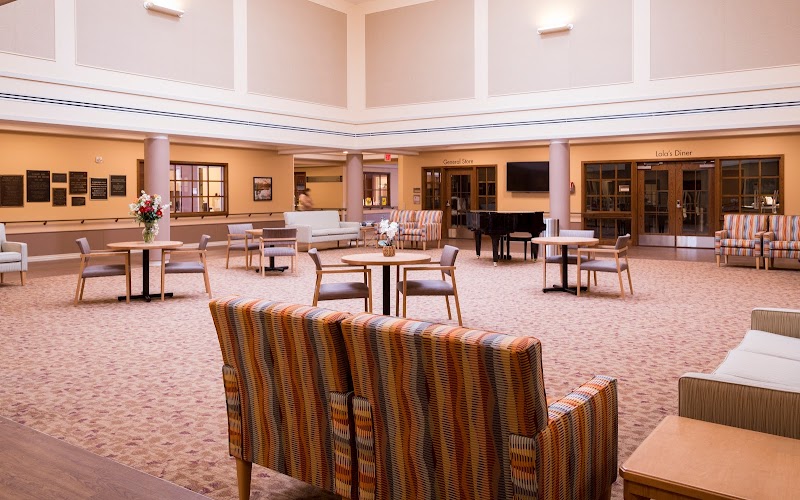
How is Pleasant View Shiawassee County Medical Care Facil Staffed?
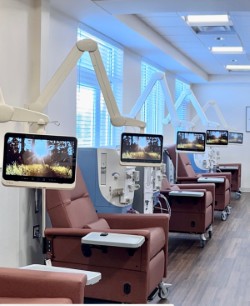
CMS rates Pleasant View Shiawassee County Medical Care Facil's staffing level at 4 out of 5 stars, which is above average compared to other nursing homes. Staff turnover is 47%, compared to the Michigan average of 46%. RN turnover specifically is 56%, which is notably high. RNs provide skilled clinical oversight, so turnover in this role can affect medical care quality.

What Have Inspectors Found at Pleasant View Shiawassee County Medical Care Facil?

State health inspectors documented 8 deficiencies at Pleasant View Shiawassee County Medical Care Facil during 2023 to 2025. These included: 2 that caused actual resident harm, 5 with potential for harm, and 1 minor or isolated issues. Deficiencies causing actual harm indicate documented cases where residents experienced negative health consequences.
Who Owns and Operates Pleasant View Shiawassee County Medical Care Facil?

Pleasant View Shiawassee County Medical Care Facil is owned by a government entity. Government-operated facilities are typically run by state, county, or municipal agencies. The facility operates independently rather than as part of a larger chain. With 136 certified beds and approximately 132 residents (about 97% occupancy), it is a mid-sized facility located in Owosso, Michigan.

How Does Pleasant View Shiawassee County Medical Care Facil Compare to Other Michigan Nursing Homes?

Compared to the 100 nursing homes in Michigan, Pleasant View Shiawassee County Medical Care Facil's overall rating (5 stars) is above the state average of 3.2, staff turnover (47%) is near the state average of 46%, and health inspection rating (5 stars) is much above the national benchmark.

What Should Families Ask When Visiting Pleasant View Shiawassee County Medical Care Facil?

Based on this facility's data, families visiting should ask: "Can I visit during a mealtime to observe dining assistance and food quality?" "How do you handle medical emergencies, and what is your hospital transfer rate?" "Can I speak with family members of current residents about their experience?"

Is Pleasant View Shiawassee County Medical Care Facil Safe?

Based on CMS inspection data, Pleasant View Shiawassee County Medical Care Facil has a clean safety record: no substantiated abuse findings (meaning no confirmed cases of resident harm), no Immediate Jeopardy citations (the most serious violation level indicating risk of serious injury or death), and is not on the Special Focus Facility watch list (a federal program monitoring the lowest-performing 1% of nursing homes). The facility has a 5-star overall rating and ranks #1 of 100 nursing homes in Michigan. While no facility is perfect, families should still ask about staff-to-resident ratios and recent inspection results during their visit.

Do Nurses at Pleasant View Shiawassee County Medical Care Facil Stick Around?

Pleasant View Shiawassee County Medical Care Facil has a staff turnover rate of 47%, which is about average for Michigan nursing homes (state average: 46%). Moderate turnover is common in nursing homes, but families should still ask about staff tenure and how the facility maintains care continuity when employees leave.

Was Pleasant View Shiawassee County Medical Care Facil Ever Fined?

Pleasant View Shiawassee County Medical Care Facil has no federal fines on record. CMS issues fines when nursing homes fail to meet care standards or don't correct problems found during inspections. The absence of fines suggests the facility has either maintained compliance or corrected any issues before penalties were assessed. This is a positive indicator, though families should still review recent inspection reports for the full picture.

Is Pleasant View Shiawassee County Medical Care Facil on Any Federal Watch List?

Pleasant View Shiawassee County Medical Care Facil is not on any federal watch list. The most significant is the Special Focus Facility (SFF) program, which identifies the bottom 1% of nursing homes nationally based on persistent, serious quality problems. Not being on this list means the facility has avoided the pattern of deficiencies that triggers enhanced federal oversight. This is a positive indicator, though families should still review the facility's inspection history directly.