Memorial Healthcare Center
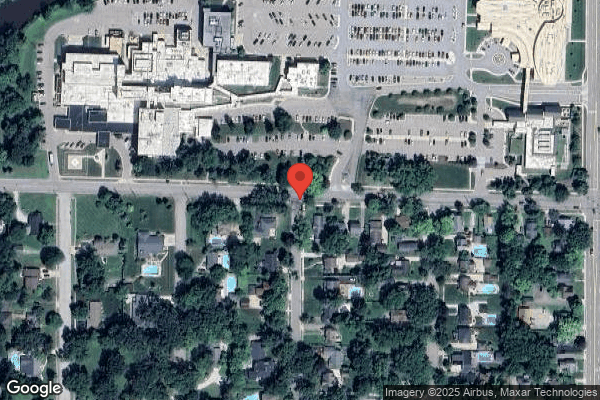
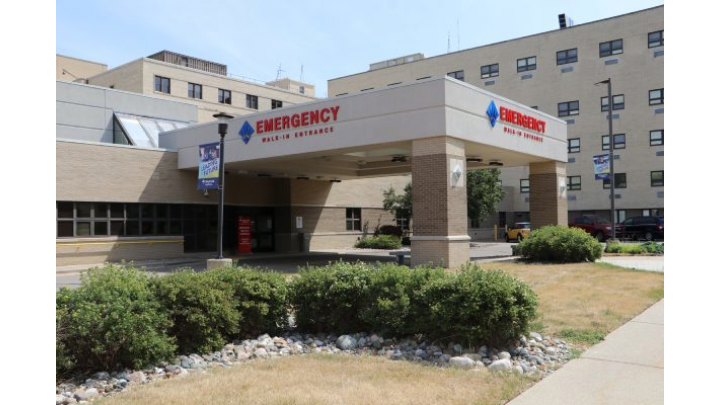
826 W King Street, Owosso, MI 48867 (989) 723-5211
Non profit - Corporation 39 Beds Independent Data: November 2025
Trust Grade
93/100
#58 of 422 in MI
Last Inspection: November 2024

Within standard 12-15 month inspection cycle. Federal law requires annual inspections.

Overview

Memorial Healthcare Center in Owosso, Michigan, has an impressive Trust Grade of A, indicating it's highly recommended and offers excellent care. It ranks #58 out of 422 facilities in Michigan, placing it in the top half of the state, and is the top-rated facility out of three in Shiawassee County. The care facility is on an improving trend, having reduced its number of issues from two in 2023 to none in 2024. Staffing is a strength here, with a perfect 5-star rating and a turnover rate of 30%, which is significantly lower than the state average, meaning staff are familiar with the residents. However, there were two concerns noted during inspections: one involved not consistently following a resident's therapeutic diet, which could lead to choking risks, and the other related to improperly installed backflow protection in the kitchen, potentially risking water supply contamination. Overall, while there are some weaknesses, the strengths of this facility, including excellent staffing and a strong commitment to improvement, make it a solid choice for families.
Trust Score
A
93/100
In Michigan
#58/422
Top 13%
Safety Record
Low Risk
No red flags
Inspections
Getting Better
2 → 0 violations
Staff Stability
✓ Good
30% annual turnover. Excellent stability, 18 points below Michigan's 48% average. Staff who stay learn residents' needs.
Penalties
✓ Good
No fines on record. Clean compliance history, better than most Michigan facilities.
Skilled Nurses
✓ Good
Each resident gets 185 minutes of Registered Nurse (RN) attention daily — more than 97% of Michigan nursing homes. RNs are the most trained staff who catch health problems before they become serious.
Violations
✓ Good
Only 2 deficiencies on record. Cleaner than most facilities. Minor issues only.
★★★★★
5.0
Overall Rating
★★★★★
5.0
Staff Levels
★★★★★
5.0
Care Quality
★★★★★
5.0
Inspection Score
Stable
2023: 2 issues
2024: 0 issues

The Good

  • 5-Star Staffing Rating · Excellent nurse staffing levels
  • 5-Star Quality Measures · Strong clinical quality outcomes
  • Low Staff Turnover (30%) · Staff stability means consistent care
  • Full Sprinkler Coverage · Fire safety systems throughout facility
  • No fines on record
  • Staff turnover is low (30%)

    18 points below Michigan average of 48%

Facility shows strength in staffing levels, quality measures, staff retention, fire safety.

The Bad

No Significant Concerns Identified

This facility shows no red flags. Among Michigan's 100 nursing homes, only 1% achieve this.

The Ugly 2 deficiencies on record

Feb 2023 2 deficiencies
CONCERN (D)

Potential for Harm - no one hurt, but risky conditions existed

Deficiency F0692 (Tag F0692)

Could have caused harm · This affected 1 resident

Based on observation, interview, and record review, the facility failed to ensure physician orders for a therapeutic diet were routinely followed for one (Resident #19) of two residents reviewed for n...

Read full inspector narrative →
Based on observation, interview, and record review, the facility failed to ensure physician orders for a therapeutic diet were routinely followed for one (Resident #19) of two residents reviewed for nutrition resulting in the potential for adverse consequences including coughing, choking, and aspiration (process of food, liquid, or other material entering a person's airway or lungs instead of being swallowed). Findings include: Resident # 19 (R19) initially admitted to facility 11/11/22 with 2/2/23 facility readmission with diagnoses including hematemesis, aspiration pneumonia due to gastric secretions, esophagitis, and severe protein-calorie malnutrition. Review of Minimum Data Set (MDS) with an Assessment Reference Date (ARD) of 2/9/23 revealed that R19 was usually understood and understands with a Brief Interview for Mental Status (BIMS) score of 15 (cognitively intact). Section G of MDS revealed that R19 required two-person extensive assist with bed mobility and transfers, one-person extensive assist with dressing, and supervision with eating after set up. Section K of same MDS revealed that R19 had no swallowing disorders but was on a mechanically altered diet (required change in texture of food or liquids) while a resident. In an observation and interview on 2/13/23 at 9:25 AM, Resident # 19 (R19) was observed laying in bed with head of bed elevated at an approximate 45-degree angle. A breakfast tray with an egg omelet, cornflakes with milk, and a glass of milk was observed to be positioned in front of resident on an over the bed table. A Styrofoam cup half full of water and small ice cubes was observed on the over the bed table, as well, with R19 observed to use a spoon to eat the ice cubes and water throughout the interview as stated, my mouth gets so dry. R19 stated that he would not be drinking the milk as It has some sort of slime in it. During the same observation and interview, a staff member was observed to enter room and provide R19 with a prepackaged orange jello cup which resident was noted to consume half of throughout interview prior to placing on over the bed table. In an observation and interview on 2/14/23 at 1:33 PM, R19 was observed laying in bed with head of bed at an approximate 30-degree angle. A Styrofoam cup, labeled 2/14/23 6:00 AM, with thickened yellow liquid observed on over the bed table with R19 stating that he thought it was water with some kind of flavoring and slime thickener in it. An opened bag of Fritos noted at bedside, as well, with R19 stating, I like the flavor, but they stick to my mouth. They are too dry. When R19 was questioned regarding the ice chips and water that he was observed to consume 2/13/23, R19 stated, I ask for them and sometimes they bring them to me and sometimes they don't. I take them whenever I can get them. Review of R19's medical record complete with the following findings noted: ST (Speech Therapy) Swallow Study dated 1/20/23 indicated within Summary/History section, .assessed at bedside for swallow skill and safety and to determine the least restrictive oral food and liquid consistency diet he is able to tolerate without risk of aspiration. Assessment section of same study indicated, .According to the portions of this test that I could adequately complete, this gentleman has a mild oral dysphagia due to nothing tastes good and a mild pharyngeal phase dysphagia with cough of liquids post swallow. The Dysphagia Recommendations section of report indicated, Diet Consistency: Easy to chew, Liquid Consistency: Nectar Thick (Mildly thickened liquids to the consistency of nectar), Swallowing Precautions: Small bites and sips, Eat/drink slowly. Hospitalist History and Physical with 1/30/2023 hospital admission date indicated within Assessment and plan section, Aspiration pneumonia due to gastric secretions acute in nature with Qualifiers indicated to be bilateral lower lobe of lung Pneumonitis due to inhalation of food and vomit with Hospital Discharge note dated 2/2/23 under Diet instructions noted to state, advance to usual diet. Facility readmission physician order dated 2/2/2023 stated, Regular Diet with indication within order under Diet Modifications which stated, Easy to Chew, Nectar Thickened. A Nurse Note dated 2/4/23 at 4:05 AM stated, .Accepted HS (bedtime) snack, ate 100% of applesauce and jello cup . and a note dated 2/5/23 at 2:24 AM stated, .Accepted HS snack, ate 100% of small applesauce and jello cup . Nutrition/Dietician note dated 2/9/23 at 2:48 PM stated, .Diet: Regular, easy to chew, nectar thick liquids. Nutrition risk care plan with 2/9/23 updated/reviewed date included within the problem, Potential nutrition concerns: Poor PO (by mouth) intake - varied intake; Dysphagia: had a swallow evaluation on 1/20/23 and is recommended a dysphagia diet . and a corresponding intervention with a 2/9/23 start date, Diet order: regular, easy to chew, nectar thick liquids. In an interview on 2/14/23 at 1:47 PM, Patient Care Technician (PCT) D confirmed familiarity with R19 and that she was his assigned PCT. Per PCT D, R19 was on a regular diet but that his liquids needed to be thickened and that to her knowledge he could not have ice chips or water. PCT D stated that R19 was able to feed himself but that staff were supposed to provide supervision while he was eating. In an interview on 2/14/23 at 1:55 PM, Nursing Home Administrator/Director of Nursing (NHA/DON) A confirmed that R19 was in the hospital most recently with a diagnosis of aspiration pneumonia and stated, upon referencing R19's medical record, that current order was for regular diet, easy to chew, with nectar thickened liquids. NHA/DON A stated that the last bedside swallow evaluation was complete by Speech Therapy on 1/20/23 with recommendations for regular, easy to chew diet, with nectar thickened liquids as was currently ordered for R19. NHA/DON A further stated that from what she could see from review of the medical records, that R19 was not currently receiving speech therapy and that no follow up speech evaluation had been complete since 1/20/23 nor after 2/2/23 facility readmission from hospital with diagnosis of aspiration pneumonia. When NHA/DON A was questioned regarding food and fluids that would be acceptable on an easy to chew diet with nectar thickened liquids, stated that she would not recommend Fritos as acknowledged that they would not be part of his diet order at this time, that water with ice chips would not be considered part of a nectar thick liquid diet, but that would have to refer to dietician as to whether jello was included in a nectar thick liquid diet In an interview on 2/14/23 at 2:19 PM, Registered Dietician (RD) C confirmed familiarity with R19 and stated current diet order to be regular, easy to chew with nectar thickened liquids. When questioned, RD C stated that Fritos could be considered part of an easy to chew diet, as they softened when mixed with saliva, but that they should not be left at R19's bedside to be consumed unsupervised, that nectar thick ice cubes could be made but that R19 should not have regular ice chips with water to be consumed with a spoon on a nectar thick liquid diet, and that jello was considered a thin liquid and therefore would not be part of a nectar thick liquid diet. In a follow up interview on 2/14/23 at 3:25 PM, NHA/DON A stated that a Physician Order had been received for a Speech Evaluation with a review of orders within R19's medical record noted to reflect an order dated 2/14/2023 at 2:39 PM which stated Consult to Speech Therapy Stat (immediately) with the Reason for consultation within order indicated to be bedside swallow. On 2/15/23 at 9:51 AM, notified by NHA/DON A that a follow up speech evaluation had been complete for R19. Review of ST (Speech Therapy) Swallow Study dated 2/15/23 indicated within section titled Assessment that The oral and pharyngeal phases of the swallow are within functional limits with Dysphagia Recommendations noted to indicate Diet Consistency: Easy to chew; Liquid Consistency: Thin ., however, prior to the completion of the 2/15/23 Speech Therapy Swallow Study, R19 was placed at risk as was provided with food and fluids that were not consistent with the diet order that was in place from 2/2/23 to 2/15/23 for a regular, easy to chew diet, with nectar thickened liquids.
CONCERN (D)

Potential for Harm - no one hurt, but risky conditions existed

Room Equipment (Tag F0908)

Could have caused harm · This affected 1 resident

**NOTE- TERMS IN BRACKETS HAVE BEEN EDITED TO PROTECT CONFIDENTIALITY** Based on observation, interview, and record review, the facility failed to properly install backflow protection devices, in two ...

Read full inspector narrative →
**NOTE- TERMS IN BRACKETS HAVE BEEN EDITED TO PROTECT CONFIDENTIALITY** Based on observation, interview, and record review, the facility failed to properly install backflow protection devices, in two locations in the kitchen, resulting in the potential contamination of the domestic water supply. Findings include: On 2/13/23 at 9:30 AM, during an inspection of the kitchen, the atmospheric vacuum breaker (AVB) (a device commonly used in plumbing to prevent the backflow of contaminated liquids into the domestic water supply), at the waste disposal near the three-compartment sink, was observed to be plumbed in a position that makes the AVB functionally irrelevant. On 2/13/23 at 9:33 AM, the submerged inlet for the waste disposal, near the dish machine, was observed to not be provided with an AVB to prevent any contaminated liquid from entering the domestic water supply. At this time, Maintenance Supervisor E stated that they must have missed installing an AVB at the disposal. According to the 2017 FDA Food Code Section 5-203.14 Backflow Prevention Device, When Required. A PLUMBING SYSTEM shall be installed to preclude backflow of a solid, liquid, or gas contaminant into the water supply system at each point of use at the FOOD ESTABLISHMENT, including on a hose [NAME] if a hose is attached or on a hose [NAME] if a hose is not attached and backflow prevention is required by LAW, by: (A) Providing an air gap as specified under § 5-202.13 P; or (B) Installing an APPROVED backflow prevention device as specified under § 5-202.14. P
Understanding Severity Codes (click to expand)
Life-Threatening (Immediate Jeopardy)
J - Isolated K - Pattern L - Widespread
Actual Harm
G - Isolated H - Pattern I - Widespread
Potential for Harm
D - Isolated E - Pattern F - Widespread
No Harm (Minor)
A - Isolated B - Pattern C - Widespread

Questions to Ask on Your Visit

  • "Can I speak with families of current residents?"
  • "What's your RN coverage like on weekends and overnight?"

Our Honest Assessment

Strengths
  • • Grade A (93/100). Above average facility, better than most options in Michigan.
  • • No major safety red flags. No abuse findings, life-threatening violations, or SFF status.
  • • No fines on record. Clean compliance history, better than most Michigan facilities.
  • • Only 2 deficiencies on record. Cleaner than most facilities. Minor issues only.
Concerns
  • • No significant concerns identified. This facility shows no red flags across CMS ratings, staff turnover, or federal penalties.
Bottom line: Generally positive indicators. Standard due diligence and a personal visit recommended.

About This Facility

What is Memorial Healthcare Center's CMS Rating?

CMS assigns Memorial Healthcare Center an overall rating of 5 out of 5 stars, which is considered much above average nationally. Within Michigan, this rating places the facility higher than 99% of the state's 100 nursing homes. This rating reflects solid performance across the metrics CMS uses to evaluate nursing home quality.
How is Memorial Healthcare Center Staffed?
CMS rates Memorial Healthcare Center's staffing level at 5 out of 5 stars, which is much above average compared to other nursing homes. Staff turnover is 30%, compared to the Michigan average of 46%. This relatively stable workforce can support continuity of care.

What Have Inspectors Found at Memorial Healthcare Center?

State health inspectors documented 2 deficiencies at Memorial Healthcare Center during 2023. These included: 2 with potential for harm.

Who Owns and Operates Memorial Healthcare Center?

Memorial Healthcare Center is owned by a non-profit organization. Non-profit facilities reinvest revenue into operations rather than distributing to shareholders. The facility operates independently rather than as part of a larger chain. With 39 certified beds and approximately 17 residents (about 44% occupancy), it is a smaller facility located in Owosso, Michigan.

How Does Memorial Healthcare Center Compare to Other Michigan Nursing Homes?

Compared to the 100 nursing homes in Michigan, Memorial Healthcare Center's overall rating (5 stars) is above the state average of 3.2, staff turnover (30%) is significantly lower than the state average of 46%, and health inspection rating (5 stars) is much above the national benchmark.

What Should Families Ask When Visiting Memorial Healthcare Center?

Based on this facility's data, families visiting should ask: "Can I visit during a mealtime to observe dining assistance and food quality?" "How do you handle medical emergencies, and what is your hospital transfer rate?" "Can I speak with family members of current residents about their experience?"

Is Memorial Healthcare Center Safe?

Based on CMS inspection data, Memorial Healthcare Center has a clean safety record: no substantiated abuse findings (meaning no confirmed cases of resident harm), no Immediate Jeopardy citations (the most serious violation level indicating risk of serious injury or death), and is not on the Special Focus Facility watch list (a federal program monitoring the lowest-performing 1% of nursing homes). The facility has a 5-star overall rating and ranks #1 of 100 nursing homes in Michigan. While no facility is perfect, families should still ask about staff-to-resident ratios and recent inspection results during their visit.

Do Nurses at Memorial Healthcare Center Stick Around?

Staff at Memorial Healthcare Center tend to stick around. With a turnover rate of 30%, the facility is 16 percentage points below the Michigan average of 46%. Low turnover is a positive sign. It means caregivers have time to learn each resident's needs, medications, and personal preferences. Consistent staff also notice subtle changes in a resident's condition more quickly. Registered Nurse turnover is also low at 25%, meaning experienced RNs are available to handle complex medical needs.

Was Memorial Healthcare Center Ever Fined?

Memorial Healthcare Center has no federal fines on record. CMS issues fines when nursing homes fail to meet care standards or don't correct problems found during inspections. The absence of fines suggests the facility has either maintained compliance or corrected any issues before penalties were assessed. This is a positive indicator, though families should still review recent inspection reports for the full picture.

Is Memorial Healthcare Center on Any Federal Watch List?

Memorial Healthcare Center is not on any federal watch list. The most significant is the Special Focus Facility (SFF) program, which identifies the bottom 1% of nursing homes nationally based on persistent, serious quality problems. Not being on this list means the facility has avoided the pattern of deficiencies that triggers enhanced federal oversight. This is a positive indicator, though families should still review the facility's inspection history directly.