Medilodge of St. Clair
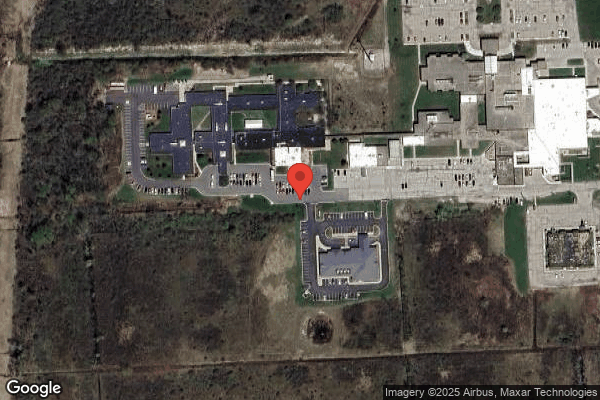
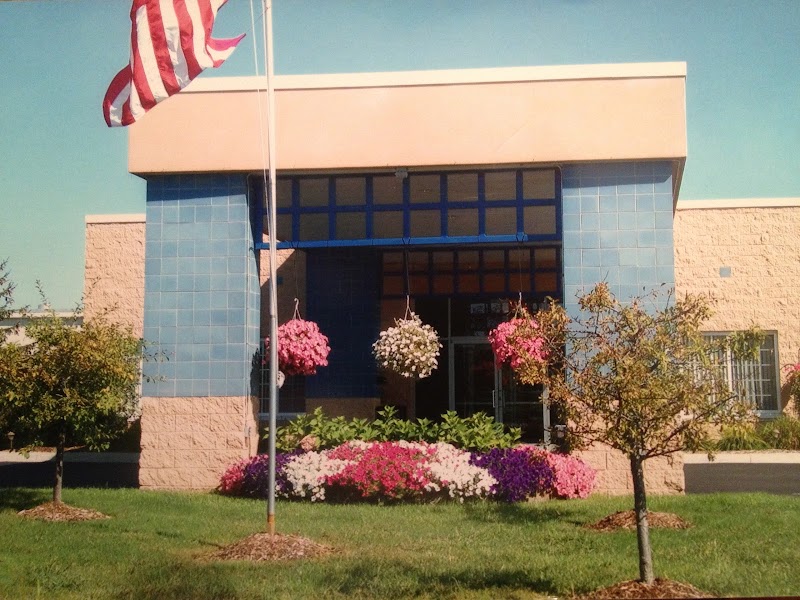
4220 S. Hospital Drive, East China, MI 48054 (810) 329-4736
For profit - Corporation 158 Beds MEDILODGE Data: November 2025
Trust Grade
60/100
#150 of 422 in MI
Last Inspection: October 2024

Within standard 12-15 month inspection cycle. Federal law requires annual inspections.

Overview

Medilodge of St. Clair has a Trust Grade of C+, which means it is considered decent and slightly above average among nursing homes. It ranks #150 out of 422 facilities in Michigan, placing it in the top half, but it is last in St. Clair County at #5 of 5. The facility is improving, with issues dropping from 12 in 2024 to just 2 in 2025. Staffing is a strong point, earning a perfect 5 out of 5 stars with a turnover rate of 33%, which is well below the state average. Although there have been no fines, which is a positive sign, there are serious concerns, such as an incident where a staff member made abusive comments toward a resident and another where a resident was not given medications as prescribed, leading to emotional distress. Additionally, there were reports of flies in residents' rooms, indicating a need for better maintenance and cleanliness. Overall, while the facility has strengths in staffing and a low fine record, it still faces significant challenges that families should consider.
Trust Score
C+
60/100
In Michigan
#150/422
Top 35%
Safety Record
Moderate
Needs review
Inspections
Getting Better
12 → 2 violations
Staff Stability
○ Average
33% turnover. Near Michigan's 48% average. Typical for the industry.
Penalties
✓ Good
No fines on record. Clean compliance history, better than most Michigan facilities.
Skilled Nurses
✓ Good
Each resident gets 52 minutes of Registered Nurse (RN) attention daily — more than average for Michigan. RNs are trained to catch health problems early.
Violations
⚠ Watch
33 deficiencies on record. Higher than average. Multiple issues found across inspections.
★★★★☆
4.0
Overall Rating
★★★★★
5.0
Staff Levels
★★★★☆
4.0
Care Quality
★★★☆☆
3.0
Inspection Score
Stable
2024: 12 issues
2025: 2 issues

The Good

  • 5-Star Staffing Rating · Excellent nurse staffing levels
  • 4-Star Quality Measures · Strong clinical quality outcomes
  • Full Sprinkler Coverage · Fire safety systems throughout facility
  • No fines on record
  • Staff turnover below average (33%)

    15 points below Michigan average of 48%

Facility shows strength in staffing levels, quality measures, fire safety.

The Bad

Staff Turnover: 33%

13pts below Michigan avg (46%)

Typical for the industry

Chain: MEDILODGE

Part of a multi-facility chain

Ask about local staffing decisions and management

The Ugly 33 deficiencies on record

2 actual harm
Sept 2025 1 deficiency
CONCERN (D) 📢 Someone Reported This

A family member, employee, or ombudsman was alarmed enough to file a formal complaint

Potential for Harm - no one hurt, but risky conditions existed

Quality of Care (Tag F0684)

Could have caused harm · This affected 1 resident

**NOTE- TERMS IN BRACKETS HAVE BEEN EDITED TO PROTECT CONFIDENTIALITY** This citation pertains to Intake: 2584046.Based on interview and record review, the facility failed to administer physician orde...

Read full inspector narrative →
**NOTE- TERMS IN BRACKETS HAVE BEEN EDITED TO PROTECT CONFIDENTIALITY** This citation pertains to Intake: 2584046.Based on interview and record review, the facility failed to administer physician order medication in a timely manner for two (R900, R901) of two residents reviewed for medication administration. Findings include:R900A review of the Electronic Medical Record (EMR) revealed R900 was admitted to the facility on [DATE] with the following pertinent diagnoses: Right non-union intertrochanteric hip fracture after a fall, hypertension, hyperlipidemia (high cholesterol), legally blind, and anemia. Further review of the EMR revealed the resident was cognitively intact.On 9/4/25, a review of the August 2025 Medication Administration Record (MAR) revealed medications were administered later than one hour outside the window of one hour before and one hour after the designated scheduled time. The record revealed on the day shift (7:00 AM-3:30 PM) over a 10-day period (August 1 thru 10, 2025), R900's morning medication, which were due at 8:00 AM, was administered after 9:00 AM six of ten times. The medications included: Metoprolol (for blood pressure/rate control), Lisinopril (a blood pressure medication), Brimonidine Eye Drops (for Glaucoma), Iron (for anemia), Lysine (for cholesterol) in addition to over-the-counter medications such as Aspirin, Colace, Miralax, and Multivitamin. Further MAR review indicated one instance where a blood pressure medication was given at 0:40 AM on 8/8/25 when it should have been administered at 8:00 pm on 8/7/25.On 9/4/25, further review of the August MAR revealed medications on the afternoon shift (3:00 PM -11:30 PM) over the same 10-day period, revealed the 8:00 PM dose of medications; Metoprolol, Atorvastatin, and Brimonidine Eye Drops, and Aspirin were administered after 9:00 PM six of ten times. On 9/4/2025 at 11:52 AM, during an interview with R900 they confirmed their medications are late a lot. R900 further indicated they have reported this concern to their daughter.R901On 9/4/25, a review of the Electronic Medical Record (EMR) revealed R901 was admitted to the facility on [DATE] with the following pertinent diagnoses: Hypertension, Quadriparesis, Hyperlipidemia, Benign Prostatic Hypertrophy (BPH), and Major Depression. Further EMR review revealed R901 was cognitively intact.On 9/4/25, a review of the August 2025 Medication Administration Record (MAR) revealed medications were administered later than one hour outside the window of one hour before and one hour after the designated scheduled time. The MAR revealed on the day shift over a 10-day period (August 1 thru 10, 2025), R900's morning medication, due at 8:00 AM, was administered after 9:00 AM three of ten times. The medications included: Lisinopril (a blood pressure medication), Duloxetine (for Major Depression/Anxiety).Further review of August MAR revealed medications on the afternoon shift over the same 10-day period, revealed the evening dose of prescribed medications due at 8:00 PM, were administered after 9:00 PM nine of ten times. The medications included: Atorvastatin and Doxazosin. On 9/4/25 at 11:44 AM, in an interview with R901 they were asked about medication administration and said, they take care of me. At 1:50 PM, in an interview with Licensed Practical Nurse (LPN) B they were queried regarding late medications. LPN B stated sometimes nurses are late because residents may stop them or interrupt them requesting care or the nurse may be assigned to go to more than one unit, so their time can be limited, or administration may be taking longer. At 2:30 PM, an interview with the Director of Nursing (DON) was queried regarding their expectation regarding the timeliness of administration of medications. The DON revealed their expectation is that medications be administered one hour before to one hour after the scheduled time. They further revealed delays may occur such as being called to another room or part of the building and slow passing of medications secondary to resident requests.A review of the policy titled, Medication Administration, revised 1/17/2023, revealed . 11. Paragraph b: Administer within 60 minutes prior to or after scheduled time unless otherwise ordered by physician.
Jan 2025 1 deficiency
CONCERN (D) 📢 Someone Reported This

A family member, employee, or ombudsman was alarmed enough to file a formal complaint

Potential for Harm - no one hurt, but risky conditions existed

Deficiency F0658 (Tag F0658)

Could have caused harm · This affected 1 resident

**NOTE- TERMS IN BRACKETS HAVE BEEN EDITED TO PROTECT CONFIDENTIALITY** This citation pertains to Intake MI00149376. Based on interview and record review, the facility failed to follow professional st...

Read full inspector narrative →
**NOTE- TERMS IN BRACKETS HAVE BEEN EDITED TO PROTECT CONFIDENTIALITY** This citation pertains to Intake MI00149376. Based on interview and record review, the facility failed to follow professional standards of practice for blood pressure medication hold parameters for one resident (R300) of three residents reviewed for medication administration. Findings include: A review of R300's admission facesheet revealed they were admitted to the facility on [DATE] with a diagnosis of Peripheral Vascular Disease (PVD). Further review of the medical record revealed R300 had a moderately impaired cognition. A review of R300's physician orders revealed the following active orders dated 11/6/24: 1. Metoprolol Succinate ER oral tablet Extended Release 24-hour 25 mg (milligram) Give 1 tablet by mouth one time a day related to essential primary hypertension (high blood pressure) and, 2. Losartan Potassium Oral tablet 100mg give 1 tablet by mouth one time a day related to essential primary hypertension. There were no orders to check the blood pressure prior to administering the blood pressure medication. There were no parameters indicated if a resident was below baseline to hold the medication. A review of R300's vital signs revealed the following blood pressures: -96/67 (normal range 120/80) on 11/20/24 at 10:06 AM and, -81/54 on 11/20/24 at 11:48 AM. A review of R300's Medication Administration Record (MAR) revealed the Metoprolol and Losartan were administered the morning of 11/20/24 prior to the blood pressures being taken. A review of R300's progress notes revealed the following nurses note dated 11/20/24 12:32 PM: Resident has an altered mental status, resident had a bowel movement and passed out on the toilet then after some minutes came to. (name of author) and CNA (certified nurse assistant) helped the resident back to bed. Vital signs were obtained and documented in (electronic medical record), resident was very weak and required a lot of help with ambulation. (They) could respond when called but is not able to answer any more questions appropriately. PA (physician assistant) was notified and (they) came and assessed the resident and advised to send resident to the hospital. Family of the resident was present at the bedside when it all happened. A physician's progress note dated 11/20/24: .during my evaluation, while speaking to the (family member) in the hallway, patient went to the bathroom and had large bowel movement which likely resulted in a vasovagal (a sudden drop in heart rate and blood pressure) episode. I immediately saw the patient who was awake but not responding to verbal questions. Vital signs and BG (blood glucose) taken. Pt (patient) hypotensive (low blood pressure) with pressure 88/60 and pulse 48. Patient was subsequently laid in (their) bed while I discussed the option of transporting this patient to the hospital for further evaluation. On 1/22/24 at 1:28 PM, during an interview with Registered Nurse (RN) A they explained a resident's blood pressure should be checked before giving blood pressure medication and if the blood pressure is abnormal the doctor should be notified.RN A confirmed they administered R300's blood pressure medication the morning of 11/20/24 and explained they thought they had rechecked R300's blood pressure prior to adminstering the medication. On 1/22/24 at 2:06 PM, the Director of Nursing (DON) explained when a physician orders a blood pressure medication, they usually include holding parameters. The DON explained if the physician does not include hold parameters in the order the nurses should call the physician and get holding parameters. The DON confirmed the nurse should have held the blood pressure medications and notified the doctor. A review of the facility's policy titled Administering Medications revealed the following: Medications shall be administered in a safe and timely manner, and as prescribed . 4. If a dosage is believed to be inappropriate or excessive for a resident, or a medication has been identified as having potential adverse consequences for the resident or is suspected of being associated with adverse consequences, the person preparing or administering the medication shall contact the resident's attending physician or the facility's medical director to discuss the concerns . 11. The following information must be checked/verified for each resident prior to administering medications: a. Allergies to medications; b. Vitals signs, if necessary. A review of the facility's policy titled Medication Administration revealed the following: Medications are administered by licensed nurses, or other staff who are legally authorized to do so in this state, as ordered by the physician and in accordance with professional standards of practice, in a manner to prevent contamination or infection .8. Obtain and record vital signs, when applicable or per physician orders. When applicable, hold medication for those vital signs outside the physicians' prescribed parameters.
Oct 2024 12 deficiencies
CONCERN (D)

Potential for Harm - no one hurt, but risky conditions existed

Deficiency F0658 (Tag F0658)

Could have caused harm · This affected 1 resident

**NOTE- TERMS IN BRACKETS HAVE BEEN EDITED TO PROTECT CONFIDENTIALITY** Based on observation, interview, and record review, the facility failed to meet professional standards of care for medication ad...

Read full inspector narrative →
**NOTE- TERMS IN BRACKETS HAVE BEEN EDITED TO PROTECT CONFIDENTIALITY** Based on observation, interview, and record review, the facility failed to meet professional standards of care for medication administration for two residents (R71, R107) of nine residents reviewed for medication administration. Findings include: On 10/2/24 at 7:40 AM, during the dining room observation, Registered Nurse (RN) J was observed administering medication from a cup which contained a yellowish fruit puree to R107. When RN J completed the medication administration with R107, the nurse subsequently administered medication from a different medication cup to R71, without first returning to the medication cart, sign off that R107 had received their medications, performed hand hygiene, and separately prepare R71's medications. The facility record revealed R71 was admitted on [DATE] with the following pertinent diagnoses: Cerebral Infarction (Stroke), Atrial Fibrillation, Dysphagia, Aphasia, and Alzheimer's Disease. The facility record revealed R107 was admitted on [DATE] with the following pertinent diagnoses: Injury of Head, Fatigue, Repeated Falls, and Major Depressive Disorder. On 10/3/2024 at 11:30 AM, the Director of Nursing (DON) was queried regarding their expectation when a nurse provides medication to two different residents without returning to the medication cart in between. The said that practice was unacceptable. On 10/3/24 at 12:00 PM, Infection Control Nurse I was asked if facility practice was to pass medications to two different residents without returning to the medication cart, their response was no.
CONCERN (D)

Potential for Harm - no one hurt, but risky conditions existed

Quality of Care (Tag F0684)

Could have caused harm · This affected 1 resident

Based on observation, interview, and record review, the facility failed to apply compression stockings as physician ordered for one (R111) of four residents reviewed for care standards. Findings inclu...

Read full inspector narrative →
Based on observation, interview, and record review, the facility failed to apply compression stockings as physician ordered for one (R111) of four residents reviewed for care standards. Findings include: Review of the facility record for R111 revealed an admission date of 03/01/24 with diagnoses that included Chronic Obstructive Pulmonary Disease and Localized Edema. R111's Physician Orders included an active status order which stated Compression stockings to be applied to bilateral lower extremities before getting out of bed for the day and removed at bedtime one time per day for pedal edema. On 10/01/24 at 12:23 PM, R111 was observed in the dining room waiting for lunch. The resident's feet/ankles were visible as they were wearing slippers that only covered the toes and outer edge of the feet and the feet appeared to be swollen and more red in color than their skin otherwise. Compression stockings were notobserved to be in place. On 10/01/24 at 03:25 PM, R111 was asked about compression stockings and they stated They don't put them on anymore. Additional review of R111's record revealed the current care plan dated 08/28/24 with the Focus statement Resident has an impaired metabolic status related to Hyperkalemia, pedal edema and the associated Intervention statement Administer treatments and medications as ordered. The Activities of Daily Living (ADLs) portion of the care plan indicated that R111 required one-person assistance for lower body dressing. The Dietary Progress Note dated 10/01/24 included the statement [R111] continues with compression stockings. On 10/02/24 at 04:02 PM, R111 was interviewed in their room and the compression stockings were not on. R111 reported that they were not put on and stated I haven't had them on for probably three weeks or so. On 10/03/24 at 10:18 AM, R111 was observed in the morning coffee activity. Their feet were visible as they were wearing slippers and compression stockings were not on. Further review of R111's record revealed no documentation of resident refusals of the compression stockings or any clinical justification for the stockings not being applied. It was further noted the Treatment Administration Record (TAR) reflected that the compression stockings had been applied on 10/01/24, 10/02/24, and 10/03/24. On 10/03/24 at 12:40 PM, the facility Director of Nursing (DON) was made aware of the concern regarding R111 and said they were not aware of any reason why the compression stockings were not being used. The DON verified the use of the check mark symbol in the TAR indicated the compression stockings had been put on. The DON reported the expectation is the physician order for compression stockings should be followed and if there was a reason for the stockings not to be applied it should documented as such. A facility policy addressing physician orders was requested however the provided policy specifically addressed only initial processing of physicians orders received from consulting providers. A facility policy addressing clinical documentation was requested however the provided policy did not address accuracy of clinical documentation.
CONCERN (D)

Potential for Harm - no one hurt, but risky conditions existed

Pressure Ulcer Prevention (Tag F0686)

Could have caused harm · This affected 1 resident

**NOTE- TERMS IN BRACKETS HAVE BEEN EDITED TO PROTECT CONFIDENTIALITY** Based on observation, interview, and record review, the facility failed to update the status of wound from non-pressure to press...

Read full inspector narrative →
**NOTE- TERMS IN BRACKETS HAVE BEEN EDITED TO PROTECT CONFIDENTIALITY** Based on observation, interview, and record review, the facility failed to update the status of wound from non-pressure to pressure classification and implement interventions (adequate seating and positioning) for a Stage 4 (full thickness skin loss that extends through the skin into the muscle, bone, tendon or joint) pressure ulcer for one Resident (R64) of three residents reviewed for pressure ulcers. Findings include: On 10/01/24 at 10:17 a.m., R64 was observed in their room seated in a high back manual wheelchair, in a reclined position. Their right leg was internally rotated, with their legs positioned up on elevating footrests. R64 reported they had pain all over, reported as 5/10 with 5 being moderate pain. R64 was seated directly on their buttocks and thighs on a pressure relief cushion in their wheelchair. On 10/01/24 at 10:31 a.m., Certified Nurse Assistant (CNA) S was asked about R64's care, and reported R64 was dependent for all care including feeding. Review of R64's Minimum Data Set (MDS) assessments, dated 12/17/23, 3/17/24, 6/16/24, and 9/15/24, revealed in Section M, Skin, R64 had MASD (Moisture-Associated Skin Damage - Inflamed, swollen, wrinkled skin susceptible to damage from moisture, which is non-pressure related). Each assessment showed no pressure ulcers. Review of R64's physician orders revealed a current wound care order, started on 5/23/24, which showed R64's wound was treated daily with calcium alginate (a wound care protective treatment) with honey (an antibacterial agent) applied to the wound bed on the left thigh/buttocks crease, and Calmoseptine (moisture barrier ointment) to the peri (outer) wound. The order showed the wound was covered with a border foam (protective) dressing for a full-thickness non-pressure injury, and as needed. On 10/01/24 at 10:33 a.m., the wound care nurse, Registered Nurse (RN) F, was asked about R64's left thigh wound. RN F reported the wound started a couple years ago as Moisture Associated Skin Damage (MASD) and was a non-pressure full-thickness skin injury. Review of R64's, Skin and Wound Note, dated 10/01/24, documented the left rear thigh wound was covered by 20% slough (dead tissue) and 80% granulation (healing tissue), with moderate exudate serosanguineous (healthy drainage from wound - no infection). The document noted the wound had increased in size in the past week. The Standards of Care, wound meeting note same date, described the wound as a full-thickness, non-pressure injury, had increased in size related to area and depth. The note further revealed R64 declined to offload (pressure), as they chose to stay up in their wheelchair throughout the day. Review of R64's Wound Evaluation note, accessed 10/03/24, revealed R64 had a current wound on their left thigh classified as Other [non-pressure]- Rear Left Thigh. Status: Stable - 2 years old. Acquired: In-House [facility] Acquired. The document showed the wound was at the left ischium (a pressure point of the lower pelvic bone), with the following measurements: 10/01/24: 3.2 cm2 (Sq centimeters). 1.91 cm (Length) x 1.96 cm (Width) x 2.3 cm (Depth). 9/24/24: 2.8 cm2 x 1.82 cm x 2.02 cm x 2.1 cm. 9/17/24: 4.34 cm2 x 2.39 cm x 2.13 cm x 1.3 cm. 9/10/24: 2.5 cm2 x 1.77 cm x 1.6 cm x 1.2 cm. On 10/01/24 at approximately 10:40 a.m., RN F stated the previous wound care provider never restaged the R64's wound, just below the gluteal (buttocks) cheek fold, when it opened and said to document it as MASD, and the current NP (Nurse Practitioner) wound care provider said to document it as a non-pressure area. RN F stated all the wound providers (nurse practitioners) had classified the left thigh wound as a non-pressure wound over a year. RN F acknowledged this could potentially be a pressure area. RN F also explained R64 was not compliant with offloading. Review of the facility matrix revealed R64 had a Stage 4 facility-acquired pressure ulcer. On 10/01/24 at 10:35 a.m., RN C reported they may have completed the matrix incorrectly, as R64's left thigh wound was a non-pressure wound. RN C explained for the past 15 months R64 frequently chose to stay up in their wheelchair daily, from 9:30 or 9:45 a.m. until 7:00 p.m. RN C reported R64 used a positioning wedge and a heels up device in their air bed, for offloading. On 10/01/24 at approximately 10:50 a.m., the Director of Nursing (DON) stated R64's wound was slowly healing due to being a smoker (vaping) and diagnoses including quadriplegia (paralysis of the arms and legs) with spasticity (increased muscle tone), diabetes, and respiratory failure. The DON described the wound as non-pressure, stating it started as MASD, and in the last two years it opened, and the wound was not on a pressure point. The DON reported all the wound care doctors had classified it as non-pressure. The DON clarified R64 was in an offloading recline wheelchair, and the therapy department was trying to get them a power tilt in space wheelchair but there were insurance issues. On 10/01/24 at approximately 11:00 a.m., the MDS (Minimum Data Set) assessment nurse, RN T, was asked why the wound showed as a Stage 4 pressure ulcer on the matrix yet there was no pressure ulcer noted on the past three MDS assessments. RN T reported the matrix the facility provided to the survey team was incorrect. On 10/03/24 at 9:20 a.m., R64 stated they received the wound about eight months ago from their wheelchair, when the chair hit [them] there, pointing to their left buttocks. R64 reported they were sometimes uncomfortable in their wheelchair, on their bottom, and confirmed they stayed up in their wheelchair most days due to vaping. Review of R64's MDS assessment, dated 9/15/24, revealed R64 was admitted to the facility on [DATE], with diagnoses including quadriplegia, respiratory failure, anxiety, depression, and diabetes. R64 was dependent for all self-care, bed mobility, and transfers. R64 was able to be understood and made herself understood. Review of R64's wound care provider notes revealed a left ischial (pelvic) pressure ulcer (left thigh wound), Stage 4, on 3/26/24, noted as 1.64 cm2 (centimeters squared) and on 4/02/24, noted as 6.43 cm2, showing the wound worsened significantly. Further review of the 3/26/24 wound care provider note revealed a wound history beginning on 1/16/24 of a Stage 4 pressure ulcer on the left ischial tuberosity (pressure point on the pelvis), with subsequent notation of the Stage 4 pressure ulcer on 2/13/24, 2/20/24, 3/12/24, and 3/19/24. Review of R64's surgical report, dated 5/22/23, documented their left inferior buttocks wound debrided. Review of R64's wound care provider report, dated 6/10/20, documented a Stage 3 pressure ulcer of the left buttocks. Review of R64's wound care provider report, dated 8/01/24, with a new wound care provider, documented the wound (prior noted as a Stage 4 pressure ulcer) was classified as left ischial non-pressure ulcer and not healed, with an area of 4.2 sq cm. Subsequent notes dated 8/12/24, 9/12/24, 9/19/24, 9/26/24, and 10/01/24 revealed the wound remained classified as a non-healing, non-pressure ulcer of the left ischium. On 10/03/24 at 9:30 AM, during an interview, Registered Nurse (RN F) explained that R64's wound started as MASD (moisture associated skin damage) and was continued to be labeled as MASD but at some point, the area had opened. RN F when they started working at the facility the wound was already open and was relabeled as full thickness non pressure. On 10/03/24 at 9:36 AM, R64 was observed lying flat on their back in bed with a pillow under their left arm. R64's heels were observed to be resting directly on the bed. R64 explained that the wound started from something from my wheelchair. On 10/03/24 at 9:41 AM, RN F and RN O were observed to turn R64 onto R64's right side. An approximately 2.5-centimeter circular full thickness wound extending to muscle tissue was observed on R64's left ischium (lower pelvis bone at base of buttocks). A large amount of brown purulent drainage was noted on the wound dressing and on R64's brief. RN F explained they do dressing changes on Tuesdays and also takes pictures and wound measurements at that time then also rounds with the wound doctor on Thursdays. RN F was then observed to ask R64 if the staff used R64's positioning wedge today. R64 stated no. RN F was observed to look around R64's room and in the closet. A positioning wedge was found on the floor in the opposite corner of the room by the doorway on R64's roommate's side. On 10/03/24 at approximately 11:55 p.m., the Rehabilitation Director, Occupational Therapist U, was asked if R64 had the ability to relieve pressure (offload) in their high-back, reclining manual wheelchair. OT U reported R64 was unable to relieve any pressure themselves, and they were dependent for positioning and pressure relief. OT U stated R64 needed a power, tilt in space wheelchair for offloading and noted there had been no efforts made to obtain alternative seating in the interim for R64. On 10/03/24 at approximately 12:00 p.m., R64 was observed in the dining room with (OT) U. R64 was seated in their high back recline wheelchair with an air pressure-relieving cushion. R64 was observed to have pressure fully on their bottom and thighs. OT U confirmed R64 the pressure areas. OT U stated, All areas are pressure. Review of R64's Care Plan, accessed 10/03/24, revealed R64 used a manual recline wheelchair for mobility, pressure relieving boots, a positioning wedge, and heels offloaded. The Care Plan showed R64 had MASD to their left rear thigh upgraded to a full-thickness non-pressure injury on 12/26/23. On 10/03/24 at 9:30 AM, during an interview, Registered Nurse (RN F) explained that R64's wound started as MASD (moisture associated skin damage) and was continued to be labeled as MASD but at some point, the area had opened. RN F when they started working at the facility the wound was already open and was relabeled as full thickness non pressure. On 10/03/24 at 9:36 AM, R64 was observed lying flat on their back in bed with a pillow under their left arm. R64's heels were observed to be resting directly on the bed. R64 explained that the wound started from something from my wheelchair. On 10/03/24 at 9:41 AM, RN F and RN O were observed to turn R64 onto R64's right side. An approximately 2.5-centimeter circular full thickness wound extending to muscle tissue was observed on R64's left ischium (lower pelvis bone at base of buttocks). A large amount of brown purulent drainage was noted on the wound dressing and on R64's brief. RN F explained they do dressing changes on Tuesdays and also takes pictures and wound measurements at that time then also rounds with the wound doctor on Thursdays. RN F was then observed to ask R64 if the staff used R64's positioning wedge today. R64 stated no. RN F was observed to look around R64's room and in the closet. A positioning wedge was found on the floor in the opposite corner of the room by the doorway on R64's roommate's side. Review of the policy, Pressure Ulcer Prevention and Management, revised 3/20/2024, revealed, This facility is committed to the prevention of avoidable pressure injuries and the promotion of healing of existing pressure injuries. Definitions: Pressure Ulcer/Injury refers to localized damage to the skin and/or underlying soft tissue usually over a bony prominence or related to a medical or other device .c. Evidence-based interventions for prevention will be implemented for all residents who are assessed at risk or who have a pressure injury present. Basic or routine care interventions could include but are not limited to: i. Redistribute pressure (such as repositioning, protecting and/or offloading heels, etc.) .iii. Provide appropriate, pressure-redistributing, support surfaces .d. Evidence-based treatments in accordance with current standards of practice will be provided for all residents who have a pressure injury present. i. Pressure injuries will be differentiated from non-pressure injuries, such as arterial, venous, diabetic, moisture, or incontinence related skin damage. iv. Treatment decisions will be based on the characteristics of the wound, including the stage, size, amount of exudate [wound drainage], and presence of pain, infection, or non-viable tissue .Monitoring. The attending physician will be notified of: i. The presence of a new pressure injury upon identification. ii. The progression towards healing, lack of healing, or worsening of any pressure injuries weekly . .
CONCERN (D)

Potential for Harm - no one hurt, but risky conditions existed

Deficiency F0688 (Tag F0688)

Could have caused harm · This affected 1 resident

**NOTE- TERMS IN BRACKETS HAVE BEEN EDITED TO PROTECT CONFIDENTIALITY** R107 On 10/01/24 09:56 AM, R107 was observed lying in bed with the head of their bed elevated approximately 30 degrees (not upri...

Read full inspector narrative →
**NOTE- TERMS IN BRACKETS HAVE BEEN EDITED TO PROTECT CONFIDENTIALITY** R107 On 10/01/24 09:56 AM, R107 was observed lying in bed with the head of their bed elevated approximately 30 degrees (not upright). A cervical collar (c-collar) was observed to be on a wheelchair across the room. Certified Nurse Assistant (CNA) L was observed to be sitting in the room saying, R107 just returned from the hospital. CNA L confirmed R107 wears a c-collar when they are out of bed. 10/02/24 at 7:48 AM, R107 was observed sitting up in their wheelchair at a table in the common area eating breakfast. R107 was observed to not be wearing a c-collar. On 10/2/24 at 8:23 AM, R107 was observed to still be sitting in a wheelchair at a table and was now observed wearing their c-collar. On 10/03/24 at 9:17 AM, R107 was observed in bed with head up 45 degrees (not upright). The c-collar was observed across the room in the wheelchair. A review of R107's Electronic Medical Record (EMR) revealed that R107 was admitted to the facility on [DATE] with the following diagnosis: Unspecified injury of head; Unspecified dementia; Fall on same level A review of R107's Brief Interview for Mental status revealed a score of 4 indicating cognitive impairment. A further review of R107's record revealed a hospital History and Physical dated 9/9/24 revealed the following: CT- C-spine: Nondisplaced anterior/inferior C4 vertebral body fx (fracture). A review of R107's physician orders revealed the following: Order dated 9/19/24 C-Collar on while out of bed. May have c-collar off when lying in bed. Must have on when sitting upright in bed. Discontinued 10/2/24. Order dated 10/2/24 3:00PM C-collar on while out of bed. May have C-Collar off when eating, showering or lying in bed. Must have on while sitting upright in bed. A review of R107's care plan revealed the following: Resident is at risk for falls/injury related to dementia, recent falls from standing. Resident removes (their) C-Collar (themselves), monitor resident to ensure (they) are wearing when up out of bed. Date initiated 9/18/24. I wear a C-collar on while out of bed. I may have C-Collar off when eating, showering or lying in bed. I must have on when sitting upright in bed. Date initiated 9/11/24 revised 10/3/24. A NP/PA (Nurse Practitioner/Physician Assistant) progress note dated 10/1/24 revealed the following: Per chart review (they) have taken multiple falls. (they) were taken to the hospital sometime after the fall for another fall in the bathroom where (they) fell backwards and hit (their) head. CT scan revealed possible C4 vertebral body fracture, but MRI demonstrated a non bridging enthesophyte calcification, confirming no fracture. (They) were evaluated by neurosurgery. (They) came back with a C-Collar in place. Physical exam: .C-collar in place: adjusted to support chin . Assessment/Plan .C-collar when out of bed .9/19 .keep C-collar on when OOB (out of bed or upright in wheelchair. 9/26 Recurrent attempts to self-transfer without staff. C-Collar not in appropriate position upon arrival for visit. Education provided to staff . On 10/2/24 at 8:25 AM, during an interview, Unit Manager (UM) C explained R107 is supposed to wear the C-collar when out of bed or if head of bed is elevated. UM C also explained the resident does not like to wear the c-collar when eating or lying down. On 10/3/24 at 10:53 AM, during an interview, Registered Nurse (RN M), explained R107 is confused and they have to wear a c-collar whenever they are out of bed because they had a fall. On 10/3/24 at 11:05 AM, during an interview, Physical Therapist (PT) N explained R107 has to wear the c-collar due to a nondisplaced C4 fracture of the cervical spine. PT N said R107 is unsteady and has poor balance and every time R107 stands up they fall backward and their reactions are delayed. PT N said if R107 was not wearing the c-collar R107 would be at risk for making the fracture worse or could injure a muscle or ligament and saying, I would hate for that to happen, that would be bad. When you're dealing with something that close to the central nervous system, we definitely want to take all the safety precautions. On 10/3/24 at 11:33 AM, during an interview, the Director of Nursing (DON) explained R107 is very impulsive and has to wear a c-collar because they fell and hit their head. The DON explained initially the resident had to wear the collar around the clock but stated I just had the PA (Physician Assistant) assess (them) and now (they) can have it off when (they're) eating and when they're lying down. When (they're) awake we try to keep it on. A review of a facility policy titled; Physician/Practitioner Orders-Consulting did not address applying mobility devices. Deficient Practice #2. Based on observation, interview, and record review, the facility failed to apply an immobilization devices (arm sling and cervical collar, c-collar) for two residents (R5 and R107) out of two reviewed for mobility. Findings Include: R5 On 10/1/2024 at 9:30 AM, R5 was observed in their room and sitting in their wheelchair. R5 stated they were getting dressed for bingo. R5 was observed in the room alone and attempting to put on shoes. R5 then wheeled in the hallway and received assistance putting shoes on from staff. No arm sling was observed in use. On 10/1/2024 at 11:38 AM, R5 was seen in the hallway asking for their arm sling to be applied. R5 was then observed going into their room with their nurse to apply their arm sling. A review of the medical record revealed that R5 admitted into the facility on [DATE] with the following medical diagnoses, Recurrent Dislocation, Left Shoulder and Pain in Left Shoulder. A review of the Minimum Data Set assessment (MDS) revealed a Brief Interview for Mental Status score (BIMS) of 12/15 indicating an impaired cognition. R5 also required staff assistance with transfers and bed mobility. Further review of the physician's orders revealed the following active orders, Sling and Swathe to left upper extremity at all times. May remove for skin checks and showers. Status: Active. Ordered:2/9/2023. Apply arm sling to left upper extremity when out of bed, adjust snug to chest. Check for circulation after each application. Only Apply when resident is out of bed. Status: Active. Ordered: 9/17/2024. On 10/3/2024 at 9:30 AM AM, R5 was observed in bed with no arm sling in use. On 10/3/2024 at 10:57 AM, R5 was observed in activities with no arm sling in use. On 10/2/2024 at 11:14 AM, R5 was observed leaving the activities room. R5 stated they were going to tell the staff to apply their arm sling. R5 was asked if they have to tell them often to apply it. R5 stated they always forget; I just remind them, and they apply it when out of bed. On 10/3/2024 at 9:17 AM, an interview was completed with Unit Manager (UM) A. UM A stated R5 should have the arm sling on when they are out of bed and the staff should be applying it. This citation has two deficient practice statements. Deficient Practice #1. Based on interview and record review, the facility failed to provide recommended restorative therapy for one (R59) of three residents reviewed for restorative therapy services. Findings include: On 10/01/24 at 12:45 p.m., R59 was observed seated in their wheelchair in their room. On 10/01/24 at 12:48 p.m., R59 reported they were not walking with staff, or regularly receiving their restorative therapy exercises. R59 stated, .I don't even get it [restorative therapy] once a week. I ask them in the hallway what they are doing and say range of motion [with other residents]. That bothers me, I need to walk . Review of R59's Restorative Program referral, dated 7/29/24, revealed, Walking: Distance: 3' with 2 WW [two-wheeled walker]. Assistance Required: Min [minimal assistance]. Instruct to increase t [weight] on right [side] .ROM: Extremity: See exercise sheets. Frequency: 5x/ wk. [five times a week] . Review of R59 restorative therapy logs revealed during the past month (September 2024), R59 participated in walking one time out of eight opportunities. There were no refusals documented, and it was unclear why the sessions were missed or not offered, 7 of the entries showed, not scheduled this shift, and one showed response not required. Review of the range of motion logs showed R59 participated one time of ten opportunities. The other 9 of the entries documented, not scheduled this shift. There was no monthly summary provided for September 2024. Review of R59's, Restorative therapy monthly documentation, dated 9/3/24, revealed a program summary for one month, from 8/01/24 through 8/31/24. The document showed R59 participated 4 times in a walking program and 3 times in a range of motion program. There was one refusal of range of motion in August, and no refusals documented for that month with walking. Review of R59's Minimum Data Assessment (MDS) assessment, dated 9/01/24, revealed R59 was admitted to the facility on [DATE], with diagnoses including heart failure, anxiety, and depression. The assessment revealed R59 required moderate assistance with transfers, minimal assistance with walking, and maximal assistance with toileting, The Brief Interview for Mental Status (BIMS) assessment revealed a score of 13/15, which showed R59 was cognitively intact. The assessment revealed, Restorative Nursing Program, number of days each of the following restorative programs was completed (for at least 15 minutes a day in the last 7 calendar days): Technique: Range of motion, passive, 0 [minutes], Range of motion, active, 0 [minutes]. Training and skill practice in: E. Transfer, 0 [minutes]. F. Walking, 0 [minutes] . On 10/01/24 at 12:48 p.m., Restorative Aide, Certified Nurse Aide (CNA) K was asked why the logs showed R59 participated only one time in the restorative program in the last month. CNA K confirmed R59 was currently on their restorative program caseload, and this was an accurate reflection of R59's being offered restorative therapy, and their participation. CNA K stated they had not consistently offered R59 restorative therapy services, as they were sometimes pulled from the floor to assist residents with [providing their] showers. CNA K reported this concerned them, and they had spoken to their supervisors and nursing management regarding residents missing restorative services. On 10/03/24 at 2:21 p.m., the DON was asked about R59's missing restorative therapy. R59 stated, I will look into this. I would expect [CNA K] to go to [the Restorative Nurse] . Review of the policy, Restorative Nursing Program revised 1/1/2022, revealed, The goal(s) of Restorative Nursing includes improving and/or maintaining independence in activities of daily living and mobility. A Restorative Nursing Program, when appropriate is based on a the [sic] comprehensive assessment and resident .Re-visit at least quarterly to determine if the resident would still benefit .Determine resident and/or family goals for restorative care .Each facility should establish a monitoring program to ensure success .Each program must occur 6 out of 7 days a week for a minimum of 15 minutes in a 24 hour period .Restorative documentation requirements include .Comments if refused, withheld, or change in status (improvement/decline) as applicable .Each facility should establish a monitoring program to ensure success .Establish a daily review of documentation to discern delivery of care .
CONCERN (D)

Potential for Harm - no one hurt, but risky conditions existed

Accident Prevention (Tag F0689)

Could have caused harm · This affected 1 resident

Based on observation, interview, and record review, the facility failed to safely and properly store portable oxygen for one (R27) of four residents reviewed. Findings include: Review of the facility...

Read full inspector narrative →
Based on observation, interview, and record review, the facility failed to safely and properly store portable oxygen for one (R27) of four residents reviewed. Findings include: Review of the facility record for R27 revealed an admission date of 10/12/19 with diagnoses that included Chronic Obstructive Pulmonary Disease and Chronic Respiratory Failure. R27's current physician orders include O2 two liters continuous with humidification. On 10/01/24 at 10:03 AM, during initial interview R27 was using their oxygen concentrator. A portable oxygen tank was observed in a tank holder attached to the resident's four wheeled walker. A second portable tank was observed in a wheeled cart near the bathroom. R27's roommate was not using oxygen and when asked about the second tank R27 stated That's mine. They keep an extra one sometimes so they don't have to go get it but I'm not sure why its over by [R27's roommate]. On 10/02/24 at 01:09 PM, the extra oxygen tank observed on 10/01/24 remained stored in R24's room near the bathroom. On 10/03/24 at 10:30 AM, the oxygen tank previously observed remained stored in a wheeled cart near R27's bathroom. On 10/03/24 at 12:33 PM, the facility Director of Nursing (DON) reported the expectation is that an extra oxygen tank should not be stored in the resident's room and should only be in the oxygen storage room that is on that unit. Review of the facility policy Oxygen Safety dated 01/01/22 revealed the entry 4. Oxygen Storage - a. Oxygen storage locations shall be in an enclosure or within an enclosed interior space of non-combustible or limited-combustible construction, with doors or gates that can be secured against unauthorized entry.
CONCERN (D)

Potential for Harm - no one hurt, but risky conditions existed

Respiratory Care (Tag F0695)

Could have caused harm · This affected 1 resident

**NOTE- TERMS IN BRACKETS HAVE BEEN EDITED TO PROTECT CONFIDENTIALITY** Based on observation, interview, and record review, the facility failed to provide respiratory care consistent with professional...

Read full inspector narrative →
**NOTE- TERMS IN BRACKETS HAVE BEEN EDITED TO PROTECT CONFIDENTIALITY** Based on observation, interview, and record review, the facility failed to provide respiratory care consistent with professional standards of practice for two (R61, R93) of two residents receiving nebulizer treatments. Findings include: R61 On 10/1/24 at 9:02 AM, R61 was observed with a nebulizer treatment in progress. R61 was adjusting the positioning of the device. A nurse was not present. On 10/1/24 at 9:30 AM, R61 was observed to have completed their nebulizer treatment. A nurse was not present. Review the facility record revealed R61 was readmitted to the facility on [DATE] after hospitalization for exacerbation of Chronic Obstructive Pulmonary Disease (COPD), Obstructive Sleep Apnea, and Dyspnea. A Brief Interview for Mental Status revealed a score of 11/15 indicating Mild Cognitive Impairment. On 10/3/2024 at 9:24 AM, a query of R61 revealed the nurse usually sets up their nebulizer treatment and starts it, then usually leaves the room. R61 revealed most nurses do that. R61 revealed when the treatment is complete, they take off the mask and put on their oxygen. Further inquiry revealed that R61 is ok with that practice. A record review of R61's comprehensive care plan does not reflect independence with nebulizer treatment after set-up, in the care plan. R93 On 10/1/24 at 9:23 AM, R93 was observed sitting in a wheelchair, completed breakfast tray on bedside table, receiving a nebulizing treatment. A few minutes after entering R93's room, Nurse H then entered the room observed resident during the nebulizer treatment. On 10/1/24 at 9:35 R93 was observed putting the nebulizer equipment in a protective bag. R93 was not observed rinsing or drying the equipment. There was not a nurse present. A review of the record revealed R93 was readmitted on [DATE] after a hospitalization for COVID-19 and acute on chronic respiratory failure. R93's relevant diagnoses are as follows: Chronic Obstructive Pulmonary Disease, Covid-19, and Dementia. R93's Brief Interview for Mental Status revealed a score of 9/15 indicating a Mild Cognitive Impairment. On 10/02/24 at 09:45 AM, R93 was interviewed and revealed they had been taking nebulizer treatment for 60 years. R93 further revealed the nurse typically leaves the room. R93 revealed the nurse set me up yesterday, then left the room because a kitchen person was talking to me when the nurse came in. R93 revealed the nurse then left the prepared nebulizer and R93 turned it on when the kitchen person left, completing their own treatment and putting the equipment in the bag. A record review of R93's comprehensive care plan does not reflect independence with nebulizer treatment after set-up, in the care plan. An interview on 10/2/24 with the Unit Manager C a query regarding the practice of residents completing nebulizer treatments revealed the activity of completing a nebulizer treatment without nursing supervision should be reflected in the care plan. An interview with the Director of Nursing (DON) on 10/3/24 a query regarding the practice of residents completing nebulizer treatments revealed the activity of completing a nebulizer treatment should be reflected in the care plan.
CONCERN (D)

Potential for Harm - no one hurt, but risky conditions existed

Deficiency F0745 (Tag F0745)

Could have caused harm · This affected 1 resident

**NOTE- TERMS IN BRACKETS HAVE BEEN EDITED TO PROTECT CONFIDENTIALITY** Based on observation, interview, and record review, and facility failed to provide medically related social services for two Res...

Read full inspector narrative →
**NOTE- TERMS IN BRACKETS HAVE BEEN EDITED TO PROTECT CONFIDENTIALITY** Based on observation, interview, and record review, and facility failed to provide medically related social services for two Residents (R23 and R73) of eight residents reviewed for medically-related social services. Findings include: R23 On 10/02/24 at 3:03 p.m., R23 reported they had asked multiple staff to be discharged from hospice services, as they wanted to have therapy assess them to see if they could improve their transfers to possibly be discharged home. R23 reported they felt frustrated, as they had been on hospice a couple of years and had never been on therapy. R23 was aware they had a guardian but had been unable to reach them about their wishes and also felt frustrated with having a guardian. R23 reported they had also shared their wishes with facility staff and the hospice nurse and had not heard back. On 10/02/24 at approximately 3:30 p.m., the Director of Nursing (DON) was asked about R23's reported wishes to come off hospice care and related concerns. The DON reported they had been made aware of their concerns about a month prior, and had referred the Social Services Designee, Staff P, to follow-up. Surveyor noted there were no Social Services notes in the medical record related to R23's wishes. The DON confirmed they would expect to see documentation of follow-up. Review of R23's Minimum Data Set (MDS) assessment, dated 6/30/24, revealed R23 was admitted to the facility on [DATE] with diagnoses including stoke, heart failure, anxiety, and depression. R23 was dependent for toileting, transfers, and bed mobility. The Brief Interview for Mental Status (BIMS) assessment revealed a score of 12/15, which showed R23 had moderate cognitive impairment. The assessment revealed R23 received hospice services. On 10/02/24 at 5:20 p.m., a phone call was made to R23's hospice agency/nurse to clarify R23's request and any follow-up. No response was received by the end of the survey. Review of R23's hospice documentation revealed no mention of R23's wishes to be discharged from hospice care. On 10/03/24 at 8:40 a.m., Staff P was asked about R23's wishes to come off hospice services. Staff P confirmed they were aware of R23's wishes and had meetings with R23 and the hospice team related to R23 being an unsafe discharge, requiring 24-hour care, and being on hospice related to a chronic, non-healing wound and requesting the highest pain medications. Staff P reported they had addressed R23's guardianship concerns about a year prior. Review of the medical record with Staff P revealed no social services notes since April 2024. When asked why there was lacking documentation, Staff P reported they were not comfortable documenting nursing complexities and were struggling with documenting medical explanations in their social services notes. Staff P was asked if they had discussed this with their supervisor or the DON and reported they had not. Staff P reported last night (10/02/24) they had requested any hospice documentation of the meetings and discussions about R23's wishes, since they had no documentation. Documentation was not received by survey exit. R73 Review of R73's MDS assessment, dated 6/30/24, revealed R73 was admitted to the facility with diagnoses including heart failure, end stage renal failure, pneumonia, and depression. The BIMS assessment revealed a score of 14/15, which showed R73 was cognitively intact. Review of the medical record revealed R73's Family Member, FM Q, had become their guardian by 7/2024, and they were a code status of DNR: Do Not Resuscitate. On 10/01/24 at 1:50 p.m., R73 stated they wanted guardianship back, as they believed their guardian, Family Member (FM) Q, was only their power of attorney if they became incapacitated, and did not know believe they had authorized guardianship, and regardless, did not want to keep it in place. R73 reported they were able to make their own decision as they had good cognition. During the interview, R73 was oriented to himself and his surroundings, situation and time (x 4). R73 reported they were choosing to stop receiving dialysis, and they understood FM Q was trying to make them receive dialysis. On 10/02/24 at 12:08 p.m., the Social Services Designee, Staff P, reported they were aware R23 had guardianship through an outside agency, until July, 2024, when R23's guardianship had been switched from the agency to FM Q. Staff P stated, They [the agency] never gave me valid reasons why they petitioned him [FM Q]. Staff P reported they would follow-up with R73, as they had a right to petition for guardianship at any time, regardless of their cognition or medical status. Staff P was aware of R23's wishes to stop dialysis, and they were working with the Director of Nursing (DON) on this during the survey. Staff P reported they understood R73's wishes, and had been meeting with them regarding their concerns. Surveyor reviewed the medical record with Staff P and showed them there was no documentation of any visits with R73 since 6/2024 to address their guardianship concerns, which were in process at that time, and a social services assessment on 7/03/24. The Staff P was asked if the facility had any competency assessment by physicians, declaring R73 incompetent. Staff P reported they had no competency document, however the guardianship papers declared R73 incompetent. SS P clarified R73 was alert and oriented x 4. On 10/02/24 at approximately 4:30 p.m. the DON was asked about R73's wishes to pursue guardianship. The DON reported they had asked Staff P to follow-up with R73 about a month prior, and they would have expected this to be in their Social Services documentation. On 10/02/24 at 4:50 p.m., R73 stated they had been asking the facility for reevaluation of their guardianship for a long time, since [FM Q] became their guardian. R73 stated, No one is helping me. When asked if they told their physician and facility staff, R73 reported, Everyone is aware here, and confirmed they had told nursing and management staff their wishes, and the facility social worker. A telephone call was made to R73's guardian, FM Q , on 10/02/24 at 5:41 p.m., with no return call received by the end of the survey on 10/03/24. Review of R73's Social Services assessment, dated 7/03/24, completed by Staff P, revealed R73 was cognitively intact, fully oriented and was independent at decision making. The depression assessment showed no signs or symptoms of depression. On 10/03/24 at 1:24 p.m., Staff P was asked if they had followed up with R73 about their concerns related to pursuing guardianship, since learning of the concerns on 10/02/24. Staff P reported they had not, and understood the concern and R73's right to petition for guardianship. When asked why they had not documented any reported conversations with R73 since 6/2024 related to guardianship or their wishes to stop dialysis in the last month, Staff P reported they did not know what to document medically on a resident. When asked for clarification, Staff P stated they did not know how or what to document when a resident had medical concerns. When asked if they had discussed this with their supervisor, Staff P reported they had not. Staff P affirmed they received a referral regarding R73 and their concerns, and had been addressing them but not documenting them. On 10/03/24 at 2:37 p.m., the DON was made aware of the ongoing guardianship wishes of R73, and Staff P's documentation concerns. The DON reported they understood the concerns and would follow-up. Review of the policy, Social Services, revised 10/30/23, revealed, The facility, regardless of size, will provide medically related social services to each resident to attain or maintain the resident's highest practicable physical, mental, and psychosocial well-being. Definition: Medically related social services are services provided by the facility's staff to assist residents in attainment or maintenance of a resident's highest practicable well-being .4. The social worker, or social service designees, will pursue the provision of any identified need for medically related social services of the resident. Attempts to meet the needs of the resident will be handled by the appropriate discipline(s). Services to meet the resident's needs may include: 0/a. Advocating for residents and assisting them in assertion of their rights within the facility .4. h. Assisting residents with financial and legal matters 5. The facility should provide social services or obtain needed services from outside entities .
CONCERN (D)

Potential for Harm - no one hurt, but risky conditions existed

Medication Errors (Tag F0758)

Could have caused harm · This affected 1 resident

Based on interview and record review, the facility failed to put a 14 day stop date on an PRN (as needed) antianxiety medication for one resident (R60) out of two reviewed for unnecessary medications....

Read full inspector narrative →
Based on interview and record review, the facility failed to put a 14 day stop date on an PRN (as needed) antianxiety medication for one resident (R60) out of two reviewed for unnecessary medications. Findings Include: A review of the medical record revealed that R60 admitted into the facility on 1/30/2024 with the following medical diagnoses, End Stage Renal Disease and Atrial Fibrillation. A review of the Minimum Data Set (MDS) revealed a Brief Interview for Mental Status (BIMS) score of 14/15 indicating an intact cognition. R60 also required staff assistance with transfers and bed mobility. A review of the physician orders revealed the following order. Ativan Oral Tablet 0.5 MG (milligrams) (Lorazepam). Directions: Give one tablet by mouth every 4 hours as needed for restlessness or anxiety. Status: Active. Start Date: 8/28/2024. No end date was noted on the order. On 10/3/2024 at 10:36 AM, an interview was conducted with Social Worker (SW) B. SW B stated R60 is on hospice, and they put PRN orders in often and don't communicate it sometimes. SW B stated they are working on it and there should be a stop date on the order. On 10/3/2024 at 12:04 PM, an interview was conducted with the Director of Nursing (DON). The DON stated there should be an end date on the Ativan order for R60. A review of a facility policy titled, Use of Psychotropic Drugs and Gradual Dose Reductions noted the following, .7. PRN orders for psychotropic drugs shall be used only when the medication is necessary to treat a diagnosed specific condition that is documented in the clinical record and for a limited duration (i.e. 14 days).
CONCERN (D)

Potential for Harm - no one hurt, but risky conditions existed

Deficiency F0761 (Tag F0761)

Could have caused harm · This affected 1 resident

Based on observation, interview, and record review, the facility failed to ensure one unattended medication cart (the C-wing cart) of three carts reviewed was locked during medication administration. ...

Read full inspector narrative →
Based on observation, interview, and record review, the facility failed to ensure one unattended medication cart (the C-wing cart) of three carts reviewed was locked during medication administration. Findings included: On 10/02/24 at 9:00 a.m., Registered Nurse (RN) R was observed preparing R49's medications to be passed from the C-wing cart. R49 agreed to Surveyor observing them take their medications. Once RN R placed R49's medications in a pill cup, they walked into R49's room, and left the medication cart unlocked, leaving the cart unsupervised and accessible to residents and staff. RN R began administering medications to R49, in the second bed in the room, and was not aware they left the medication cart unlocked, as they did not stop and lock the cart, and their back was to the cart. Surveyor was observing R49's medication administration when they saw R49's roommate wheel into the hallway and place their wheelchair on the left side of the medication cart. Surveyor next observed a maintenance staff member place their wheeled maintenance supply cart in front of the medication cart. Surveyor observed the cart until RN Q arrived back outside the room, and ensured no medications were accessed. On 10/02/24 at approximately 9:15 a.m., once outside R49's room, RN Q was asked about leaving the medication cart unlocked and unattended while they were in R49's room, administering their medications. RN R observed the unlocked drawer, and responded, Yes. I forgot. Someone could get into it and take medications . RN Q showed Surveyor the narcotic drawers were locked on the medication cart, which ensured no one had access to narcotic medications, however had access to both pharmaceutical and over the counter medications. On 10/02/24 at approximately 11:00 a.m., the Director of Nursing (DON) was asked about the medication cart being left unlocked and unattended during the morning medication pass of R49's medications. The DON acknowledged the concern, and the potential for unauthorized access to the medication cart for non-narcotic medications. Review of the policy, Medication Storage, revised 1/30/24, revealed, It is the policy of this facility to ensure all medications housed on our premises will be stored according to the manufacturer's recommendations and sufficient to ensure proper sanitation, temperature, light, ventilation, moisture control, segregation, and security. Policy Explanation and Compliance Guidelines. 1. General Guidelines. a. All drugs and biologicals will be stored in locked compartments (i.e. medication carts, cabinets, drawers, refrigerators, medication rooms) under proper temperature controls. b. Only authorized personnel will have access to the keys to locked compartments (see attached listing). c. During a medication pass, medications must be under the direct observation of the person administering medications or locked in the medication storage area/cart .
CONCERN (D)

Potential for Harm - no one hurt, but risky conditions existed

Medical Records (Tag F0842)

Could have caused harm · This affected 1 resident

**NOTE- TERMS IN BRACKETS HAVE BEEN EDITED TO PROTECT CONFIDENTIALITY** Based on observation,interview and record review, the facility failed to maintain complete and accurate medical records for two ...

Read full inspector narrative →
**NOTE- TERMS IN BRACKETS HAVE BEEN EDITED TO PROTECT CONFIDENTIALITY** Based on observation,interview and record review, the facility failed to maintain complete and accurate medical records for two residents (R5 and R60) out of two reviewed for medical records. Findings include: R5 A review of the medical record revealed that R5 admitted into the facility on [DATE] with the following medical diagnoses, Recurrent Dislocation, Left Shoulder and Pain in Left Shoulder. A review of the Minimum Data Set assessment (MDS) revealed a Brief Interview for Mental Status score (BIMS) of 12/15 indicating an impaired cognition. R5 also required staff assistance with transfers and bed mobility. Further review of the physician's orders revealed the following active orders, Sling and Swathe to left upper extremity at all times. May remove for skin checks and showers. Status: Active. Ordered:2/9/2023. Apply arm sling to left upper extremity when out of bed, adjust snug to chest. Check for circulation after each application. Only Apply when resident is out of bed. Status: Active. Ordered: 9/17/2024. On 10/3/2024 at 9:17 AM, an interview was conducted with Unit Manager (UM) A. UM A stated the order dated 9/17/2024 was the active one because they had a follow up with orthopedics. UM A stated they would discontinue the other order. R60 A review of the medical record revealed that R60 admitted into the facility on 1/30/2024 with the following medical diagnoses, End Stage Renal Disease and Atrial Fibrillation. A review of the MDS revealed a BIMS score of 14/15 indicating an intact cognition. R60 also required staff assistance with transfers and bed mobility. Further review of the physician orders revealed the following active orders, Resident has hemodialysis on M-W-F at DaVita; Chair time is at 10:30am. Resident to be up and ready to be there at 09:45am; Bring [NAME] for transferring into chair while at DaVita. Lidocaine 2.5% and prilocaine 2.5% cream apply to left AV fistula and wrap with saran wrap from kitchen 1 hour prior to leaving for dialysis. On 10/2/2024 at 9:32 AM, an interview was conducted with R60. R60 stated they were no longer receiving dialysis because they were on hospice and elected to stop. R60 stated they have to tell staff that may not know them that they do not have to get up because they are no longer on dialysis. On 10/3/2024 at 9:17 AM, an interview was conducted with Unit Manager (UM) A. UM A stated that all the orders should have been discontinued and that they will get rid of them. On 10/3/2024 at 12:04 PM, an interview was conducted with the Director of Nursing (DON). The DON stated R60 is no longer on dialysis and that they will have to discontinue those orders.
CONCERN (D)

Potential for Harm - no one hurt, but risky conditions existed

Infection Control (Tag F0880)

Could have caused harm · This affected 1 resident

Based on observation, interview, and record review the facility failed to follow infection prevention and control guidelines for glove use for one (R92) of one resident reviewed for infecton control. ...

Read full inspector narrative →
Based on observation, interview, and record review the facility failed to follow infection prevention and control guidelines for glove use for one (R92) of one resident reviewed for infecton control. Findings include: On 10/2/24 at 7:40 AM, RN J was observed providing a subcutaneous injection to R92 without wearing gloves during a community breakfast. On 10/3/24 at 10:30 AM, the Infection Control and Prevention Practitioner (ICP) I was queried regarding the need for gloves during any injection. ICP I revealed gloves are required for IM injections, not necessarily for subcutaneous (insulin) injections. On 10/3/24 @ 11:30 AM, the Director of Nursing (DON) was queried regarding giving injections without gloves. The DON revealed that giving a subcutaneous injection (insulin) without gloves was OK. A review of the Infection Prevention and Control Program Policy, dated, Reviewed/Revised: 10/25/2022, under the subtitle Standard Precautions, revealed Licensed staff shall adhere to safe injection and medication administration practices, as described in relevant facility policies. The Center for Disease Control, (CDC) recommendations titled, Considerations for Blood Glucose Monitoring and Insulin Administration | Injection Safety | CDC revealed under the heading Hand Hygiene, wear gloves during blood glucose monitoring and during any other procedure that involves potential exposure to blood or body fluids.
CONCERN (F)

Potential for Harm - no one hurt, but risky conditions existed

Deficiency F0925 (Tag F0925)

Could have caused harm · This affected most or all residents

**NOTE- TERMS IN BRACKETS HAVE BEEN EDITED TO PROTECT CONFIDENTIALITY** On 10/01/24 at 10:12 a.m., R64 was observed in their room seated in a reclining manual wheelchair. Two flies landed on Resident ...

Read full inspector narrative →
**NOTE- TERMS IN BRACKETS HAVE BEEN EDITED TO PROTECT CONFIDENTIALITY** On 10/01/24 at 10:12 a.m., R64 was observed in their room seated in a reclining manual wheelchair. Two flies landed on Resident 64, who reported this bothered them. R64 attempted to swat them away however had trouble moving their arms due to decreased range of motion of their elbows and hands, which were flexed. On 10/01/24 at approximatley 10:15 a.m., Certified Nurse Aide (CNA) S was asked about the flies landing on R64. CNA S stated R64's room (117) and the room across the hall (118) were really bad with the flies. CNA explained, I have noticed flies in these two rooms. CNA S reported they had told maintenance over a couple weeks ago, and it bothered R64. CNA S stated, I am not sure where they are coming from. Based on observation, interview, and record review, the facility failed to maintain a pest-free environment, resulting in flies in the facility and resident complaints. This deficient practice had the potential to affect all residents in the facility. Findings include: On 10/1/24 at 2:45 PM, there were several flies observed in the 100 hallway. On 10/1/24 at 2:50 PM, the window in room [ROOM NUMBER] was observed to be open. The exterior screen frame was observed to be bent, leaving an approximately 1 inch gap. The screen was not tight-fitting, to prevent pest entry into the room. On 10/1/24 at 3:00 PM, Maintenance Supervisor V confirmed the bent screen, and stated he would take care of it right away. Maintenance Supervisor V stated that he was unaware of any current fly issue in the facility. Review of a Quality Assistance Form dated 4/4/24 noted: Details: RM [ROOM NUMBER]-2 .screen has gap and not fitting frame of window. Would like to open window when weather permits .Plan of Action: .unable to bend frame back.
Aug 2023 10 deficiencies
CONCERN (D)

Potential for Harm - no one hurt, but risky conditions existed

Safe Environment (Tag F0584)

Could have caused harm · This affected 1 resident

**NOTE- TERMS IN BRACKETS HAVE BEEN EDITED TO PROTECT CONFIDENTIALITY** Based on observation, interview, and record review, the facility failed to maintain a comfortable, homelike environment for thre...

Read full inspector narrative →
**NOTE- TERMS IN BRACKETS HAVE BEEN EDITED TO PROTECT CONFIDENTIALITY** Based on observation, interview, and record review, the facility failed to maintain a comfortable, homelike environment for three residents, (R4, R27, R102) of three residents reviewed for a comfortable homelike environment, resulting in verbalized complaints and dissatisfaction with the physical conditions of the building. Findings include: On 8/7/23 at 10:18 AM, R4 was asked about their stay in the facility, and explained that as long as they've been a resident in the facility, they have never seen anyone wash or paint the walls. R4 was asked how long they had been a resident in the facility and explained that it had been approximately eight years. R4 further stated, That's nasty. A review of R4's medical record revealed that they were admitted into the facility on 6/3/2015 with diagnoses of Hepatic Failure, Diabetes, and Chronic Obstructive Pulmonary Disease. A review of R4's Minimum Data Set assessment revealed that the resident was cognitively intact. On 8/7/23 at 10:25 AM, R102 was observed sitting in their room, and asked about their stay in the facility. R102 stated, Welcome to my dump. The walls of the room were observed to have extensive scuff marks and missing paint. R102 explained that they had been asking for their room to be painted for months, and they keep promising that they would paint the room blue to no avail. A review of R102's medical record revealed that they were admitted into the facility on [DATE] with diagnoses of Chronic Obstructive Pulmonary Disease, Diabetes, and Psychotic Disorder. A review of R102's Minimum Data Set assessment revealed that the resident is cognitively intact. On 8/8/23 at 9:08 AM, R27 was observed lying in bed and asked about concerns they had in the facility and explained that there were some environmental concerns related to their room, specifically the baseboards missing, and the walls needing to be repaired. An observation of R27's room did reveal the missing baseboard and a loose lock on the bathroom door. A review of R27's medical record revealed that they were admitted into the facility on 1/20/23 with diagnoses of Heart Failure, Chronic Obstructive Pulmonary Disease, and Diabetes. A review of R27's Minimum Data Set assessment revealed that the resident is cognitively intact. On 8/9/23 at 10:00 AM, during the Quality Assurance meeting with the Nursing Home Administration (NHA), they were asked about environmental concerns and their plan for addressing resident rooms that are in need of painting and replacing baseboards. The NHA explained that they are aware of areas in need of painting, and have completed some patch work, but admitted that it had not been consistent. The NHA explained that work orders are placed into their work order program in order for maintenance to address and complete, and his expectation is for staff to report concerns for maintenance. In addition, the NHA explained that there is a plan in development for renovations for the E and D wings however, a schedule was not provided. A review of work orders for the last three months was reviewed, and did not reveal any work orders for the rooms of R4, R27 or R102. A review of the facility's Safe and Homelike Environment Policy revealed the following, Policy: In accordance with residents' rights, the facility will provide a safe, clean, comfortable and homelike environment, allowing the resident to use his or her personal belongings to the extent possible. This includes ensuring that the resident can receive care and services safely and that the physical layout of the facility maximizes resident independence and does not pose a safety risk
CONCERN (D) 📢 Someone Reported This

A family member, employee, or ombudsman was alarmed enough to file a formal complaint

Potential for Harm - no one hurt, but risky conditions existed

Free from Abuse/Neglect (Tag F0600)

Could have caused harm · This affected 1 resident

This citation pertains to Intake M100136063. Based on interviews and record review, the facility failed to protect the resident's (R88) right to be free from verbal abuse by staff. Findings include: R...

Read full inspector narrative →
This citation pertains to Intake M100136063. Based on interviews and record review, the facility failed to protect the resident's (R88) right to be free from verbal abuse by staff. Findings include: Review of the facility record for R88 revealed an admission date of 01/21/22 with diagnoses that included Paraplegia, Wedge Compression Fracture of the Third Thoracic Vertebrae, Myocardial Infarction and Anoxic Brain Damage. The Minimum Data Set (MDS) assessments dated 04/24/23 indicated that R88 required total (dependent) staff assistance for toileting hygiene. The Brief Interview for Mental Status (BIMS) assessment scores of 15/15 indicating intact cognition. Review of an Incident received by the State Agency revealed that R88 alleged that on 04/03/23, while being assisted with toileting hygiene, requested additional assistance from Certified Nurse Assistant (CNA) G who responded You can wipe your own a**. R88 reported that when asking for assistance to clean their soiled hands CNA G responded You're a grown man, you can wash your own hands. On 08/07/23 at 10:02 AM, initial interview with R88 was requested and they reported they had not slept well and did not wish to talk at that time. On 08/08/23 at 10:40 AM, R88 requested no interview at that time due to having visitors. On 08/08/23 at 2:50 PM, When asked about the incident involving CNA G, R88 stated Its in the past and I'm not talking about it anymore so if that is all you need then you can go. On 08/08/23 at 3:07 PM, review of the facility Human Resources (HR) record for CNA G revealed disciplinary actions taken by the facility for work rule infractions which included abusive language toward a co-worker/supervisor and inappropriate language in the presence of residents. The final disciplinary action was termination of employment based upon the facility investigation of the incident involving R88. On 08/09/23 at 10:06 AM, Resident F (R88's roommate at the time of the alleged incident and had since been discharged ) was interviewed via phone call. Resident F reported that he was present in the room and recalled the incident between R88 and CNA G. Resident F stated [R88] was very demanding and wanted to be babied. They (staff and resident) were going back and forth a bit and (CNA G) was 'matter of fact' with (R88). When asked if they recalled CNA G saying anything inappropriate Resident F could not recall. Review of the facility investigation revealed the facilites Disharge Planner had interviewed Resident F on 04/04/23 during which Resident F quoted CNA G as stating If you (R88) can reach and check why can't you wipe your own a**? On 08/09/23 at 11:23 AM, an interview was attempted with CNA G via phone call however it was not a working number. Any available phone number available for CNA G was requested from the facility but none was received. On 08/09/23 at 12:18 PM, CNA D reported that they worked with CNA G regularly. When asked if they ever witnessed CNA G ever raising their voice, becoming agitated or cursing, CNA D stated oh yeah, pretty regularly, to residents and staff. On 08/09/23 at 12:28 PM, CNA E reported that they worked with CNA G regularly. CNA E reported that they did not recall CNA G being directly verbally abusive to residents but they did overhear CNA G raising their voice and cursing in the presence of and within earshot of residents on multiple occasions. On 08/09/23 at 2:33 PM, the Facility Adminstrator (NHA) reported that their expectation is that facility staff always speak respectfully to residents regardless of how the resident is speaking or acting and that there are no scenarios that would justify a resident being spoken to in an inappropriate or disrespectful manner. Review of the facility policy titled Abuse, Neglect and Exploitation dated 10/24/22 revealed the following: It is the policy of this facility to provide protections for the health, welfare, and rights of each resident by developing and implementing written policies and procedures that prohibit and prevent abuse, neglect, exploitation, and misappropriation of resident property. Verbal Abuse means the use of oral, written, or gestured communication or sounds that willfully includes disparaging and derogatory terms to residents or their families, or within their hearing distance regardless of their age, ability to comprehend, or disability.
CONCERN (D) 📢 Someone Reported This

A family member, employee, or ombudsman was alarmed enough to file a formal complaint

Potential for Harm - no one hurt, but risky conditions existed

ADL Care (Tag F0677)

Could have caused harm · This affected 1 resident

Based on observation, interview and record review, the facility failed to document and provide showers per resident schedule for one sampled resident (R41) of two reviewed for showers resulting in, di...

Read full inspector narrative →
Based on observation, interview and record review, the facility failed to document and provide showers per resident schedule for one sampled resident (R41) of two reviewed for showers resulting in, dissatisfaction with hygiene and bathing care. Findings include: On 8/7/23 at 9:27 AM, R41 was observed lying in bed and asked about their stay in the facility. R41 explained that they are scheduled to receive showers three times a week, Mondays, Wednesdays and Saturdays, and had not been receiving their showers on Saturdays for several months. R41 explained that it's frustrating because they have been told the reason for not receiving the showers is due to short staffing. A review of R41's medical record revealed that she was admitted into the facility on 7/30/21 with diagnoses that included Hypertension, Diabetes, and Chronic Obstructive Pulmonary Disease. A review of R41's quarterly Minimum Data Set assessment dated for 6/11/23 revealed that the resident had a Brief Interview for Mental Status score of 14/15 indicating an intact cognition, and required extensive assistance of 2 or more staff for bathing. Further review of R41's medical record revealed that the resident received showers on the following dates, all which were on Mondays or Wednesdays: 7/10, 7/12, 7/17, 7/19, 7/24, 7/26, 7/31, 8/2, 8/7. In addition, there were no documented refusals for Saturday showers. On 8/8/23 at 1:40 PM, Nurse S, R41's caring partner and facility staff scheduler was asked about R41's showers not being provided on the weekends. Nurse S explained that due to R41's large size, they require the assistance of two or more staff for bathing, and admitted that as a result, the resident may not receive showers on the weekends. On 8/9/23 at 1:26 PM, the Director of Nursing (DON) was asked about their expectation for residents to received showers as scheduled. The DON explained that showers should be completed as scheduled, and if not provided, there should be documentation why it was not completed. A review of the facility's Activities of Daily Living (ADL's) policy revealed the following, .3. A resident who is unable to carry out activities of daily living will receive the necessary services to maintain good nutrition, grooming, and personal and oral hygiene
CONCERN (D) 📢 Someone Reported This

A family member, employee, or ombudsman was alarmed enough to file a formal complaint

Potential for Harm - no one hurt, but risky conditions existed

Deficiency F0687 (Tag F0687)

Could have caused harm · This affected 1 resident

**NOTE- TERMS IN BRACKETS HAVE BEEN EDITED TO PROTECT CONFIDENTIALITY** Based on observation, interview, and record review the facility failed to ensure that podiatry services were offered to one resi...

Read full inspector narrative →
**NOTE- TERMS IN BRACKETS HAVE BEEN EDITED TO PROTECT CONFIDENTIALITY** Based on observation, interview, and record review the facility failed to ensure that podiatry services were offered to one resident (R92) of one reviewed for ancillary services, resulting in discomfort and dissatisfaction with services. Findings include: On 8/7/23 at 11:43 AM, during an initial tour of the facility R92 was interviewed about their satisfaction with services at the facility. R92 indicated that they needed to see a podiatrist to have their toenails trimmed. R92 stated, They hurt. I've requested to see a podiatrist. An observation of R92's toenails revealed that they extended over the top of the toe and appeared jagged and twisted. On 8/8/23 at 9:00 AM, a review of R92's electronic medical record (EMR) revealed no documentation related to podiatry care or services. Further review revealed no podiatry goal/interventions observed on R92's care plan. R92 was most recently admitted to the facility on [DATE] with diagnoses that included End stage renal disease and fracture of neck. R92's most recent quarterly minimum data set assessment (MDS) dated [DATE] revealed that R92 had a moderately impaired cognition and required extensive assistance to total dependence for all activities of daily living (ADLs) other than eating. On 8/8/23 at 3:01 PM, Unit Clerk (UC) A was interviewed about podiatry services being scheduled for R92. UC A indicated that they were responsible for scheduling all ancillary services for the residents. UC A indicated that typically the podiatrist completes appointments with scheduled residents every six to eight weeks. UC A was further interviewed regarding if any podiatry appointments had been scheduled and provided for R92. UC A was unable to provide any documentation of podiatry services being scheduled/provided to R92. On 8/8/23 at 3:30 PM, MDS coordinator, Registered Nurse (RN) B was interviewed regarding podiatry services for R92. RN B stated, [R92] needs to be seen by a podiatrist. RN B indicated that it had been difficult making contact with R92's guardian to obtain a consent for treatment. RN B confirmed no documentation in R92's EMR related to guardianship communication saying, It should be documented. On 8/8/23 at 3:38 PM, the Director of Nursing (DON) was interviewed regarding their expectations for involving residents with ancillary services such as podiatry services. The DON stated, Best practice is for ancillary services to be provided every ninety days. Feedback should be given regarding the services provided and for refusal of services. On 8/8/23 at 2:00 PM, a facility policy was requested for ancillary/podiatry services and was not received by survey exit.
CONCERN (D) 📢 Someone Reported This

A family member, employee, or ombudsman was alarmed enough to file a formal complaint

Potential for Harm - no one hurt, but risky conditions existed

Deficiency F0698 (Tag F0698)

Could have caused harm · This affected 1 resident

**NOTE- TERMS IN BRACKETS HAVE BEEN EDITED TO PROTECT CONFIDENTIALITY** Based on interview, and record review the facility failed to assure timely transportation to and from dialysis for one resident ...

Read full inspector narrative →
**NOTE- TERMS IN BRACKETS HAVE BEEN EDITED TO PROTECT CONFIDENTIALITY** Based on interview, and record review the facility failed to assure timely transportation to and from dialysis for one resident (R92) of one residents reviewed for dialysis. Findings include: On 8/7/23 at 11:43 AM, during an initial tour of the facility R92 was interviewed about services at the facility and indicated that they frequently waited an hour or more to be picked up from their dialysis appointments. R92 stated, It's across the parking lot. R92 expressed feelings of frustration over having to wait that long and indicated that the hour or more wait time occurred on a weekly basis. On 8/7/23 at 12:15 AM, verification was made that R92's dialysis provider was located within walking distance from the facility across the parking lot approximately three hundred yards away from the facility. On 8/8/23 at 9:00 AM, a review of R92's electronic medical record (EMR) revealed that R92 was scheduled to attend dialysis appointments on Monday, Wednesday, and Friday mornings. Further review of R92's EMR revealed that R92 was most recently admitted to the facility on [DATE] with diagnoses that included End stage renal disease and fracture of neck. R92's most recent quarterly minimum data set assessment (MDS) dated [DATE] revealed that R92 had a moderately impaired cognition and required extensive assistance to total dependence for all activities of daily living (ADLs) other than eating. On 8/9/23 at 11:00 AM, Certified Nursing Assistant (CNA) D was interviewed regarding staffing and transportation of residents to and from dialysis appointments. CNA D stated, Sometimes the dialysis patients have to wait a long time, forty five minutes or more. It's hard to pull staff off of the floor, then we are really short staffed. On 8/9/23 at 11:23 AM, CNA H was interviewed regarding staffing and transportation of residents to and from dialysis appointments. CNA H stated, The phone rings on the unit and if we are busy with patient care we don't hear it. CNA H further indicated that CNAs are busy with patient care and it is difficult for someone to leave the floor to go pick up a patient. On 8/9/23 at 11:30 AM, CNA I was interviewed regarding staffing and transportation of residents to and from dialysis appointments. CNA I stated, It's okay if we have enough staff. It can be a process. On 8/09/23 at 12:58 PM, an interview was conducted with [Dialysis Provider] Technician J regarding wait times for pick ups from dialysis for R92. Technician J stated, They wait a long time. I've seen them wait over an hour at times for a pick up. Sometimes I have to call multiple times to request a pick up. On 8/09/23 at 1:21 PM, an interview was conducted with the Administrator (NHA) regarding pick up times for residents from the dialysis center and what their expectations were for wait times for pick ups. The NHA stated, As soon as the call comes in staff should be heading over there within minutes. On 8/9/23 at 1:30 PM, a facility policy titled Special Needs Date Reviewed/Revised: 01/01/2022 was reviewed and documented the following, To address special needs this facility will provide the necessary care .consistent with professional standards of practice and in accordance with .person-centered care plan, and the resident's goals and preferences. This policy pertains to .dialysis. 3. If necessary the facility will assist residents in .arranging for transportation to and from such appointments.
CONCERN (D) 📢 Someone Reported This

A family member, employee, or ombudsman was alarmed enough to file a formal complaint

Potential for Harm - no one hurt, but risky conditions existed

Deficiency F0761 (Tag F0761)

Could have caused harm · This affected 1 resident

R68 On 8/7/23 at 11:47 AM, R68 was observed in bed eating while visiting with relatives. A medication cup full of medications/pills were observed on the resident's overbed table next to the food they ...

Read full inspector narrative →
R68 On 8/7/23 at 11:47 AM, R68 was observed in bed eating while visiting with relatives. A medication cup full of medications/pills were observed on the resident's overbed table next to the food they were consuming. R68 was asked if they were going to take their medications, and explained that they would take them after they ate lunch. A review of R68's medical record was reviewed and revealed that the resident was admitted into the facility on 1/18/22 with diagnoses that included Chronic Kidney Disease, Diabetes and Heart Failure. Further review of R68's medical record revealed a quarterly Minimum Data Set assessment dated for 7/2/23 revealing a Brief Interview for Mental Status score of 12/15 indicating an intact cognition, and required extensive assistance for toileting, bathing and bed mobility. Further review of R68's medical record did not reveal an assessment for the self-administration of medications. On 8/7/23 at 12:15 PM, Nurse T was asked if R68 was able to self-administer their own medications, as there was a cup of medications/pills observed on their overbed table. Nurse T stated No, and entered R68's room asking the resident if they were going to take their medications, in which R68 explained that they would take them after eating their lunch. Nurse T removed the medications from the room, and advised the resident that they would administer the medications to them after they ate. A review of Nurse T's personnel file was reviewed and revealed that they received an Inservice on 8/7/23 indicating the following, Self-Administer medications. Description of Procedure/System/Process/Skill covered during in-service: Licensed nurse must observe resident take all medication unless the resident has an order to self-administer medication .Medication is documented as administered after administering the medication, ensure correct time of administration is documented. Verbal Review . On 8/9/23 at 1:25 PM, the Director of Nursing (DON) was asked about the observation of Nurse T leaving medications at a resident's bedside. The DON explained that the expectation is for nurses to not leave medications at the bedside, and if a resident refuses, to reapproach later. A review of the facility policy titled Medication Storage revised 01/01/2022, revealed, Policy: It is the policy of this facility to ensure all medications housed on our premises will be stored in the pharmacy and/or medication rooms according to the manufacturer ' s recommendations and sufficient to ensure proper sanitation, temperature, light, ventilation, moisture control, segregation, and security .c. During a medication pass, medications must be under the direct observation of the person administering medications or locked in the medication storage area/cart .7. Unused Medications: The pharmacy and all medication rooms are routinely inspected by the consultant pharmacist for discontinued, outdated, defective, or deteriorated medications with worn, illegible, or missing labels. Based on observation, interview and record review the facility failed to ensure expired medications were removed from one of three medications rooms and ensure resident medications were not left at the bedside for one resident (R68), resulting in the potential for decreased effectiveness of medication, lost doses of medication or medication not taken. Findings include: On 08/08/23 at 1:05 PM, the Desk One Medication room was checked with Licensed Practical Nurse N. Expired bottles of the OTC (over the counter) medication Melatonin were observed as noted: Expired 4/23, 22 bottles; Expired 2/23, three bottles; Expired 6/23, three bottles. A Magnesium OTC was also observed: Expired 4/23, one bottle. On 08/08/23 at 4:25 PM, the Unit Manager for the desk one medication room reported they had been made aware of the expired over the counter Melatonin and reported they had not been using the dosage and were moving the stock from central supply to the Desk One medication room. On 08/09/23 at 8:35 AM, the medication room observation was reviewed with the Director of Nursing (DON). The DON acknowledged the expired medications and noted the over the counter medication had recently been moved from the supply room to that medication room and the dosage of the OTC found was seldom used.
CONCERN (D)

Potential for Harm - no one hurt, but risky conditions existed

Deficiency F0804 (Tag F0804)

Could have caused harm · This affected 1 resident

**NOTE- TERMS IN BRACKETS HAVE BEEN EDITED TO PROTECT CONFIDENTIALITY** Based upon observation, interview and record review, the facility failed to serve food in a palatable manner and at the preferre...

Read full inspector narrative →
**NOTE- TERMS IN BRACKETS HAVE BEEN EDITED TO PROTECT CONFIDENTIALITY** Based upon observation, interview and record review, the facility failed to serve food in a palatable manner and at the preferred temperature for three (R52, R92, R211) of ten residents reviewed for food concerns. Findings include: R52 Review of the facility record for R52 revealed an admission date of 03/29/23 with diagnoses that included Acute Kidney Failure, Sepsis and Stage Four Sacral Pressure Ulcer. The Minimum Data Set (MDS) assessment dated [DATE] indicated R52 primarily requires maximum assistance with self care tasks. The Brief Interview for Mental Status (BIMS) score of 13/15 indicated intact cognition. On 08/07/23 at 10:12 AM, R52 reported the food is poor and stated the hot food is usually cold and the meat is always too dry. It feels like they serve mashed potatoes every day. On 08/08/23 at 10:59 AM, R52 stated They gave me mashed potatoes again yesterday. When asked about their breakfast that morning R52 stated I only ate the cereal, I can't eat the eggs. Its usually powdered scrambled eggs that are always cold. Today it was a one fried egg but it was like rubber and it was cold. On 08/09/23 at 9:21 AM, R52 reported their breakfast was pancakes and bacon and stated The pancakes were rubbery and cold. The butter wouldn't even melt between the pancakes. The water they bring for hot chocolate and tea isn't even hot, its barely warm. On 08/09/23 at 12:50 PM, the lunch tray intended for R52 was tested immediately at the time it was intended to be served with the following findings: Cheese Ravioli: 104.7 Fahrenheit (F) and slightly warm to taste. Garlic bread: Half slice of white bread with garlic butter spread. Room temperature to taste with hard texture and difficult to bite off. Caesar Salad: Shredded lettuce with parmesan cheese and a ranch dressing packet. Chocolate milk: 61.5 F and warm to taste. Fruit punch: Tasted watered down, minimal fruit punch flavor. On 08/09/23 at 1:35 PM, R52 reported they couldn't eat much of their lunch stating The ravioli was cold, the bread was as hard as the table and the salad was just some wilted lettuce. Review of the facility Resident Council and Food Committee meeting minutes revealed cold food complaints during the 06/01/23 and the 07/06/23 meetings. R92 On 8/7/23 at 11:00 AM, during an initial tour of the facility R92 was interviewed about the palatability of the food at the facility and stated, The food is cold and nasty. R211 On 8/7/23 at 12:11 PM, during an initial tour of the facility R211 was interviewed about the palatability of the food at the facility and indicated that they did not like the taste of the food and stated, I'm tired of eating salads. On 8/8/23 at 9:31 AM, resident council meeting notes were reviewed for the months of March 2023-August 2023 and revealed the following related to food palatability at the facility, June 1, 2023, Cold food, eggs cold; July 6 2023, Food cold, no soups. On 08/09/23 at 1:49 PM, the facility Dietary Manager (DM) reported that the expectation for hot food is that it remain at least 135 F at the steam table and that it be palatable to the resident upon serving. The DM reported that the expectation for milk is that it be no higher than 41 F. A facility policy titled Food Preparation and Service Date Reviewed/Revised: 01/01/2022 was reviewed and stated the following, Policy: Food service employees shall prepare and serve food in a manner that complies with safe food handling practices. Cooking and Holding Temperatures and Times . 1. The Danger Zone for food temperature is between 41 degrees and 135 degrees Fahrenheit. This temperature range promotes the rapid growth of pathogenic microorganisms that cause foodborne illness. 2. Potentially hazardous foods include meat .milk .
CONCERN (D) 📢 Someone Reported This

A family member, employee, or ombudsman was alarmed enough to file a formal complaint

Potential for Harm - no one hurt, but risky conditions existed

Deficiency F0809 (Tag F0809)

Could have caused harm · This affected 1 resident

**NOTE- TERMS IN BRACKETS HAVE BEEN EDITED TO PROTECT CONFIDENTIALITY** Based on interview and record review the facility failed to ensure that bedtime snacks were offered/provided to one resident (R4...

Read full inspector narrative →
**NOTE- TERMS IN BRACKETS HAVE BEEN EDITED TO PROTECT CONFIDENTIALITY** Based on interview and record review the facility failed to ensure that bedtime snacks were offered/provided to one resident (R40) of seven residents reviewed for bedtime snacks. Findings include: On 8/8/23 at 9:31 AM, resident council meeting notes were reviewed for the months of March 2023 to August 2023 and revealed the following regarding bedtime snacks, June 1, 2023, snacks not given; July 6, 2023, snacks not passed. On 8/8/23 at 10:35 AM, R40 was interviewed about being offered and provided bedtime snacks. R40 stated, I'm not aware when bedtime snacks are brought to the unit. I am not offered a bedtime snack. I would like a bedtime snack. On 8/8/23 at 11:02 AM, a thirty day review (7/8/23-8/8/23) was completed of R40's bedtime snack record in their electronic medical record (EMR) and revealed that R40 was offered bedtime snacks on 7/10, 7/25, 7/30, 8/1, and 8/7. No other documentation was present in R40's EMR to indicate whether R40 received or was offered a bedtime snack on the other days of the time period reviewed. On 8/8/23 at 11:10 AM, a further review of R40's EMR revealed that R40 originally admitted to the facility on [DATE] with diagnoses that included Cerebral infraction (Stroke) and Multiple sclerosis (Damage to nerve cells in brain and spinal cord). R40's most recent minimum data set assessment (MDS) dated [DATE] revealed that R40 had a severely impaired cognition. On 8/8/23 at 11:35 AM, Dietary Manager (DM) O was interviewed regarding the bedtime snack process. DM O indicated that sandwiches, cookies, fruits, beverages, and other snack items were brought to the units and stored in the pantry for the certified nursing assistants (CNAs) to pass out at bedtime for residents who desired a bedtime snack. DM O indicated that all residents should be offered a bedtime snack. On 8/9/23 at 9:24 AM,Certified Nurse Assistant (CNA) P was interviewed about the bedtime snack process. CNA P stated, We pass them out between 7:30 PM-8:00 PM, when we have enough snacks to pass out. Snacks are limited on the units. I sometimes bring popcorn from home for my residents. We need more healthy snacks available for the residents. On 8/8/23 at 3:07 PM a facility policy regarding bedtime snacks was requested but not received by survey exit.
CONCERN (D) 📢 Someone Reported This

A family member, employee, or ombudsman was alarmed enough to file a formal complaint

Potential for Harm - no one hurt, but risky conditions existed

Infection Control (Tag F0880)

Could have caused harm · This affected 1 resident

Based on observation, interview and record review, the facility failed to ensure infection control practices were followed during resident provided care for three residents (R42, R76, R23) of three re...

Read full inspector narrative →
Based on observation, interview and record review, the facility failed to ensure infection control practices were followed during resident provided care for three residents (R42, R76, R23) of three residents reviewed for infection control practices. Findings include: On 08/08/23 at 3:23 PM, a wound observation for R42 was completed with Licensed Practical Nurse (LPN) K. R42 was on enhanced contact isolation (gown and glove use during care) precautions. LPN K donned personal protective equipment (PPE), hand hygiene was completed and gloves were donned. The soiled dressing to the right buttock was removed, gloves removed and hand hygiene was done. New gloves were donned and the buttock wound was then cleansed and a new dressing applied. LPN K reached into their pocket under their isolation gown and removed a pen. No hand hygiene was completed. A date and time were then written on the dressing. This was repeated for the ankle wound. LPN K determined a larger dressing was needed for the ankle wound and therefore doffed the PPE, completed hand hygiene and returned with a new dressing and applied it. LPN K then reached into their pocket under the isolation gown, removed a pen, wrote the date and time on the new dressing and returned the pen to their pocket. On 08/08/23 at 12:26 PM, lunch had been served in the Applewood dining room. Certified Nursing Assistant (CNA) L was observed to assist R76 and R23 to eat. CNA L sat between the two residents. CNA L using their right hand would portion up a bite size amount of food from the plate of R76 and provide it to R76, set the utensil down and then pick up the utensil for R23 and provide a bitesize portion to R23. CNA L alternated between the two resident using the same hand for each and did not pause for hand hygiene in between. On 08/09/23 at 8:35 AM, the infection control observations were shared withe the Director of Nursing (DON) who reported they would be working on infections control education. A review of the facility policy titled Hand Hygiene revised 01/01/2022 revealed, All staff will perform proper hand hygiene procedures to prevent the spread of infection to other personnel, residents, and visitors . 2. Hand hygiene is indicated and will be performed under the conditions listed in, but not limited to, the attached hand hygiene table .Between resident contacts . Before and after handling clean or soiled dressings, linens . Before and after providing care to residents in isolation .
CONCERN (F) 📢 Someone Reported This

A family member, employee, or ombudsman was alarmed enough to file a formal complaint

Potential for Harm - no one hurt, but risky conditions existed

Food Safety (Tag F0812)

Could have caused harm · This affected most or all residents

Based on observation, interview, and record review, the facility failed to ensure the proper concentration of chemical sanitizer, failed to ensure handwashing to prevent cross contamination, and faile...

Read full inspector narrative →
Based on observation, interview, and record review, the facility failed to ensure the proper concentration of chemical sanitizer, failed to ensure handwashing to prevent cross contamination, and failed to ensure hot food items were held at 135 degrees Fahrenheit or higher. This deficient practice had the potential to affect all residents that consume food from the kitchen. Findings include: On 8/7/23 at 12:25 PM, 2 red sanitizer buckets with wiping cloths located in the main kitchen area, were tested and found to contain no sanitizer. District Manager Q stated they probably needed to be changed. According to the 2017 FDA Food Code, Section 3-304.14 Wiping Cloths, Use Limitation, .(B) Cloths in-use for wiping counters and other equipment surfaces shall be: (1) Held between uses in a chemical sanitizer solution at a concentration specified under § 4-501.114; On 8/7/23 at 12:30 PM, Dietary Staff R was observed preparing food for the lunch meal. With gloved hands, Staff R was observed going into the walk in cooler, and was also observed lifting the lid of the garbage can to throw away some trash. Without glove change or hand washing, Staff R then went to the grill and began to handle slices of bread to prepare grilled cheese sandwiches. When queried about the lack of handwashing, District Manager Q confirmed Staff R should have changed gloves after touching the lid of the garbage can. According to the 2017 FDA Food Code section 3-304.15 Gloves, Use Limitation, 1. (A) If used, SINGLE-USE gloves shall be used for only one task such as working with READY-TO-EAT FOOD or with raw animal FOOD, used for no other purpose, and discarded when damaged or soiled, or when interruptions occur in the operation. On 8/7/23 at 12:40 PM, the temperatures of the lunch items located on the steam table in the dining room kitchen were obtained. The pan containing pork chops was observed sitting to the side of the steam table well, instead of down inside the steam table well. The internal temperature of the pork chops was measured to be 114 degrees Fahrenheit. When queried, Staff S stated the steam table wasn't on when I got here. According to the 2017 FDA Food Code section 3-501.16 Potentially Hazardous Food (Time/Temperature Control for Safety Food), Hot and Cold Holding, 1. (A) Except during preparation, cooking, or cooling, or when time is used as the public health control as specified under §3-501.19, and except as specified under (B) and in (C ) of this section, POTENTIALLY HAZARDOUS FOOD (TIME/TEMPERATURE CONTROL FOR SAFETY FOOD) shall be maintained: 1. (1) At 57ºC (135ºF) or above, except that roasts cooked to a temperature and for a time specified in 3-401.11(B) or reheated as specified in 3-403.11(E) may be held at a temperature of 54oC (130ºF) or above; P
Jan 2023 2 deficiencies
CONCERN (D) 📢 Someone Reported This

A family member, employee, or ombudsman was alarmed enough to file a formal complaint

Potential for Harm - no one hurt, but risky conditions existed

Accident Prevention (Tag F0689)

Could have caused harm · This affected 1 resident

**NOTE- TERMS IN BRACKETS HAVE BEEN EDITED TO PROTECT CONFIDENTIALITY** This citation pertains to MI00133884. Based on observation, interview and record review, the facility failed to ensure rock salt...

Read full inspector narrative →
**NOTE- TERMS IN BRACKETS HAVE BEEN EDITED TO PROTECT CONFIDENTIALITY** This citation pertains to MI00133884. Based on observation, interview and record review, the facility failed to ensure rock salt (ice [NAME]) was not accessible to residents affecting one resident (R905) of 18 on the Dementia unit, resulting in R905 with rock salt granules in their mouth with the potential for mouth, throat and or stomach irritation leading to vomiting or diarrhea. Findings include: On 01/18/23 at 3:32 PM, Certified Nursing Assistant (CNA) A was asked about any incidents for R905. CNA A reported on 12/26/22 they witnessed R905 in the E Wing dining/day room holding a white foam cup, similar to those used for residents to drink water from, in their hands. CNA A indicated that the cup was labeled as rock salt for outside. CNA A noted that it had snowed in previous days and that rock salt may have been used by staff because they go outside and place food for the birds and squirrels because residents on the Dementia unit like to watch the animals. CNA A reported they had not seen any rock salt before that day or since. CNA A was asked if they thought R905 had any rock salt in their mouth and reported they could not be sure but R905 did have the cup up to their mouth and poison control was called. CNA A was asked about staffing on the unit and CNA A reported there were two aides on that morning and they were actively getting residents dressed and out of bed and into the dining/day room. CNA A further noted there is normally and activity aide in the room during the day but they had been out on leave. CNA A reported 18 residents on the unit and that R905 was able to move around in their wheelchair independently and was confused as to their situation. On 01/19/23 at 8:25 AM, CNA H reported R905 was generally up in their wheelchair all day and unpredictable at times. CNA H reported R905 to be handsy and with a variable mood. When asked about staffing CNA H reported that they used to always have three aides and it is helpful to have the third as they can monitor the other residents while the other two aides get residents up or shower them. NA H also reported the assigned nurse takes care of patients on two other wings and leave the unit to attend to those patients. H reported there were five residents who were two person assists for their care needs. On 01/19/23 at 8:30 AM, Licensed Practical Nurse (LPN) I reported they did not witness the incident with R905 but had taken care of R905 and did not think that R905 would eat the rock salt as R905 will spit out food items they did not like. LPN I confirmed R905 was not alert to place, did not function well independently, but does wheel themselves around with their legs and feeds themselves. Nurse I was observed to exit the unit. Ten residents were observed to be in the day room area with one staff in the room. On 01/19/23 at 10:24 PM, the Maintenance Director reported they had been asked by the Administrator to remove a bucket of rock salt from the (A Wing Dining Hall) after the incident and it was the only area where any salt was. The Maintenance Director reported there was a foam cup kept in the bucket so the salt could be spread around. This was the door where residents went out to smoke when assisted. On 01/19/23 at 11:25 AM, the Director of Nursing (DON) acknowledged the incident with R905 and they under R905 picked up some rock salt, put it in their mouth and spit it out. The DON acknowledged the concern for the appearance of a cup of rock salt on the locked unit. On 01/19/23 at 12:35 PM, the Administrator was asked about the incident with R905 and the rock salt. The Administrator noted R905 was seen by the nurse practitioner and poison control was called and R905 was monitored for adverse affects for the five hours poison control recommended. The Administrator could only surmise that a staff member had placed the cup of rock salt in the E Wing dining room and it came from the bucket in the 100 hall dining room. The Administrator also commented they believed there were three aides on the unit at the time of the incident. A review of the facility records for R905 revealed, R905 was admitted into the facility on [DATE] with a readmission on [DATE]. Diagnoses included Alzheimer's, Restlessness and Vascular Dementia, Severe with Mood Disturbance. The Minimum Data Set (MDS) assessment dated [DATE] reveal impaired cognition and the need for the extensive assistance of two persons for bed mobility, transfer, personal hygiene, dressing and bathing and limited assistance of one person for wheelchair mobility. A pertinent charting-change in condition progress note with effective date of 12/26/22 at 10:50 PM documented, .patient observed with rock salt in mouth. No adverse reaction noted. The nursing care plan initiated 11/13/20 documented, .requires long term care related to extensive care needs. The nursing care plan initiated 04/23/19 documented, .thinks things that are happening around (them) that are not . A review of the Safety Data Sheet for the rock salt revealed, Other Hazards: Exposure may aggravate those with pre-existing eye, skin or respiratory conditions . A review of the facility policy titled, Incidents and Accidents Reporting date implemented: 8/11/2022 revealed, .Definitions: Accident refers to any unexpected or unintentional incident, which results or may result in injury or illness to a resident .
CONCERN (D) 📢 Someone Reported This

A family member, employee, or ombudsman was alarmed enough to file a formal complaint

Potential for Harm - no one hurt, but risky conditions existed

Medication Errors (Tag F0758)

Could have caused harm · This affected 1 resident

This citation pertains to MI00131714. Based on interview and record review, the facility failed to ensure/document non-pharmacological interventions were implemented prior to use of an as needed (PRN)...

Read full inspector narrative →
This citation pertains to MI00131714. Based on interview and record review, the facility failed to ensure/document non-pharmacological interventions were implemented prior to use of an as needed (PRN) psychotropic medication for one resident (R904) of three reviewed for PRN medication use, resulting in the potential for unnecessary medication use and side effects. Findings include: A review of the facility record for R904 revealed R904 was admitted into the facility Hospice Respite Care on 09/09/22 and discharged on 09/24/22. Diagnoses included Alzheimer's, Dementia with Behavioral Disturbance, Hallucinations and Restlessness. The admission nursing evaluation dated 09/09/22 documented R904 could sit, stand and walk with little or no assistance. The admission nursing evaluation dated 09/10/22 documented rarely/never understood for the ability to express ideas or understand verbal content or understand others. A review of the nursing care plan with initiated date of 09/11/22 The resident uses anti-anxiety medications ., did not document the medication nor the related condition nor any non-pharmacological interventions. A review of the nursing care plan with initiated date of 09/11/22 The resident receives antipsychotic medications ., did not document the medication nor the related condition nor any non-pharmacological interventions. A review of the nursing care plan The resident is on sedative/hypnotic therapywith initiated date of 09/11/22 indicated maximize daily activity, encourage socialization. The care plan did not indicate the medication prescribed nor the related condition. A review of the nursing care plan is dependant on staff for meeting, emotional, intellectual, physical and social needs . initiated 09/14/22 documented, .all staff to converse with resident while providing care; Encourage and thank resident for participating activities; Encourage ongoing family involvement. Invite the resident's family to attend special events, activities, meals .The resident's preferred activities are watching TV, listening to music and visiting with family . A review of the September 2022 Medication Administration Record (MAR) revealed psychotropic medication Haloperidol (Haldol) 0.5 milligrams (mg) give one tablet every four hours as needed for hallucinations/agitation was given on 09/09/22 and 09/13/22. The MAR also documented the psychotropic medication Ativan 0.5 mg, give one tablet every four hours for anxiety was given once on 09/09, 09/10, 09/11, 09/12, 09/14 and twice on 09/13. R904 also received the scheduled psychotropic medication Quetiapine (Seroquel) 12.5 mg in the morning and 25 mg at bedtime. A review of the physician orders for the Ativan and Haldol revealed no 14 day stop date had been applied to the as needed order. A review of the medication administration notes for the Haldol and Ativan revealed: On 09/11/22 R904 was anxious, looking for (spouse), looking for way to go home; On 09/12/22 R904 was searching for (spouse), trying to go outdoors to go home, wants to go home to cook and clean .resident anxious to find something familiar .; On 09/13/22 R904 was extremely agitated requesting to go home .; The Ativan was documented as ineffective on 09/13/22 and 09/14/22. Non-pharmacological interventions (such as calls to family or distraction activities) were not documented as attempted. A review of the medication use with family representatives of R904 revealed the Ativan and Haldol were not used when R904 was at home and they felt R904 was sedated and not dressed in personal clothes when they returned home. A review of the progress note dated 09/13/22 by Licensed Practical Nurse (LPN) L documented .writer noted that resident had five pills of Ativan and 30 (milliliters) ml of morphine on the cart. Writer made narcotic count sheets at that time. Also administered one Ativan. The resident was extremely agitated. The note did not indicate if non-pharmacological interventions were attempted. A review of the nurse aide task Documentation Survey Report for R904's stay revealed no behaviors documented. A review of the Skilled nursing notes for 09/10/22, 09/11/22 and 09/12/22 revealed no documentation of agitation or behavioral concerns. A Hospice visit note dated 09/09/22 at 3:55 PM, documented, Upon arrival walking around room talking with aide .confused about where (R904) is .made sure (R904's) meds were sent .gave med box to the nurses .suitcase has clothing as well .not aggressive, just confused educated to call (Hospice) with any concerns . Additional notes were requested but no additional hospice notes were received prior to survey exit. A review of the progress notes did not indicate any phone calls were made to hospice about any concerns. A review of the Nurse Practitioner note date 09/12/22 documented, .Nursing reports patient is often wandering and exit seeking . Monitor for mood and changes in behavior from baseline. Reorient redirect to environment as needed . A review of the note by the Activities Director dated 09/14/22 revealed, .relies upon staff to anticipate (R904) wants/needs. (R904) is unable to verbalize (their) wants/needs. Staff has been redirecting, cuing and providing set up for (R904) when necessary. Per Spouse (R904) watched TV at home. (R904) does enjoy music, singing and exercising. A CD player and music have been put in (R904's) room. (Spouse) is unable to visit due to uses O2 and is using a concentrator. (R904) has been eating (their) meals in the common area. We will continue to provide (R904) with sensory items and music and monitor (their) progress through until discharge home. On 01/19/23 at 10:43 AM and 11:25 AM, the Director of Nursing (DON) was asked about the medication regimen for R904 and the use of non-pharmacological interventions. The DON commented R904 was up walking and that the new environment was part of the reason for the behavioral concerns. The DON was asked about the use of and documentation of the non-pharmacological interventions and was not able to provide documentation, but feels the nurses did talk with the resident. A review of the facility policy titled, Medication Administration with date implemented of 10/30/2020 revealed, Medications are administered by licensed nurses, or other staff who are legally authorized to do so in this state, as ordered by the physician and in accordance with professional standards of practice, in a manner to prevent contamination or infection. The policy did not address the administration of as needed medications and the use of non-pharmacological interventions. A review of the facility contract with the Hospice provider dated 05/23/22 documented, .The nursing facility must immediately notify hospice if .b. Clinical Complications appear that suggest a need to alter the Hospice patient's Hospice plan of care .
May 2022 7 deficiencies 2 Harm
SERIOUS (G)

Actual Harm - a resident was hurt due to facility failures

Free from Abuse/Neglect (Tag F0600)

A resident was harmed · This affected 1 resident

**NOTE- TERMS IN BRACKETS HAVE BEEN EDITED TO PROTECT CONFIDENTIALITY** This citation pertains to Intake: MI00125053. Based on observation, interview and record review, the facility failed to prevent ...

Read full inspector narrative →
**NOTE- TERMS IN BRACKETS HAVE BEEN EDITED TO PROTECT CONFIDENTIALITY** This citation pertains to Intake: MI00125053. Based on observation, interview and record review, the facility failed to prevent employee to resident abuse for one sampled Resident (R3) of 2 reviewed for abuse, resulting in the likelihood for further abuse towards R3, additional residents including those who may yell or scream, and those who were cognitively impaired (from a reasonable person's concept) that were provided care by the employee. Findings include: A review of the facility's reported incident summary noted, On 12/04/2021 at approximately 3:20pm, [CNA C] reported to [Nursing Home Administrator NHA] that she witnessed [Nurse D] say F*ck This, F*ck you, I can't F*cking do this anymore, Hitler had the right idea to resident [R3] . On 5/24/22 at 1:00 PM, R3 was observed in their room laying in bed that was positioned low to the floor, with a mattress on the floor next to the bed. R3 was unable to recall the incident when questioned. No other concerns were reported at that time from R3. A review of R3's medical record revealed, R3 was admitted to the facility on [DATE] and readmitted on [DATE] with diagnoses of Dementia with Behavioral Disturbance, Psychotic disorder, Epilepsy. A review of R3's quarterly Minimum Data Set (MDS) assessment noted, R3 with an impaired cognition and that R3 required extensive assistance with activities of daily living. A review of progress notes for R3 noted, 12/5/2021 14:55 (2:55 PM) Nurses' Notes Text: Notified MD (Medical Director) and R/P (responsible party) (son) via phone (left message) of an incident that occurred yesterday afternoon between an employee and resident . [Nurse E]. On 5/25/22 at 2:46 PM, Nurse E was interviewed and asked about the incident that was mentioned in the progress note dated 12/5/21. Nurse E explained, that she didn't remember and that she thinks it was something that happened with a staff person. On 5/25/22 at 2:56 PM, the NHA was asked about the incident that happened with R3 and a staff member in December 2021. The NHA provided the incident report and investigation. A review of the incident report noted, a verbal incident that occurred with R3 and Nurse D that was witnessed by CNA C. On 5/25/22 at 3:25 PM, CNA C was asked about the incident and stated, [R3] went to the hospital and came back on another unit, [R3] is one of my favorites so I went to go check on [R3]. I walked on the unit (F wing) hallway and I heard him [Nurse D] say 'F*ck this, F*ck you, I can't f*cking do this anymore, Hitler had the right idea.' I attempted to take [R3] out of the hallway to my unit which was the Dementia unit. We were going there and [R3] did not want to go on the unit, so we went into the day room and got [R3] a soda. I went back to my unit and told my nurse (Nurse H) and texted the [NHA], this was on a Saturday. He said he would handle it. CNA C was asked if Nurse D worked the rest of the shift Saturday and stated, Yes. Sunday he came back but was sent home around noon or lunch. My unit Nurse (Nurse H) said if they didn't handle it she was quitting. She quit that day. On 5/26/22 at 9:00 AM, the NHA was asked about the incident and stated, So when I was notified some pieces were missing, I was told he (Nurse D) was having some inappropriate language, it wasn't communicated that it was at a resident. CNA C Did not tell me that he was talking to [R3]. I was told [Nurse D] is cussing in the building, CNA C did not mention that it was at a resident or around a resident. Sunday I came in and the Nurse (Nurse H) told me more, that it was towards [R3] I called the Unit Manager to cover and Human Resources and Payroll to do some interviews with me. The NHA was asked the reason Nurse D was not sent home after the incident. The NHA explained, it was not reported that it was towards a resident. After getting the full story and interviews Nurse D was suspended pending the investigation. The NHA continued and stated, [R3] was interviewed and said he was cussing at [R3]. Nurse D did say that [R3] kept coming to the cart and antagonized him. Nurse D asked the other Nurse (Nurse E) to take care of [R3] on Saturday and Sunday and had no other contact with [R3]. The NHA was asked if this Nurse had a history of verbal abuse and stated, Not towards residents or around residents. He has used inappropriate language with staff. On 5/26/22 at 9:13 AM, Nurse E was asked if they took over the care of R3 and stated, Yes Saturday he (Nurse D) asked me to take over for him with [R3] and on Sunday. A review of the facility's investigation and staff interviews revealed, Statement of Staff Member. Staff member interviewed: [CNA C] Interview 12/5/21 . 1. Was there an incident that happened between [Nurse D] and [R3]? I went down to unit 3 to setup visitation between residents, this around 3pm. As I was walking up I heard [Nurse D] say F*ck this, F*ck you, I can't f*cking do this anymore, Hitler had the right idea. 2. What happened next? [CNA G] was attending to [R3], and then I notified you. 3. Who was [Nurse D] talking to ? I believe it was to [R3]. 4. Was there any other witnesses? [CNA F] and [CNA G] were in the general area. 5. Where was this general area? At the end of F wing on desk 3, right after the shower room. Signature: 12/5/21. Statement of Staff Member. Staff member interviewed: CNA G called. Interview: 12/5/21. Location of interview: Phone interview. 1. Did you witness an incident with [R3] and [Nurse D] yesterday? Yeah. 2. What did the incident entail? I was talking to [Nurse D] at his cart around 3:15pm [R3] came up asking about a shower. I don't recall the full conversation, but I know [CNA C] came up to [Nurse D] and said that was inappropriate. I don't know about what. So I just removed [R3] from the situation of whatever [CNA C] and [Nurse D] were arguing about. 3. Did you hear [Nurse D] say anything about Hitler? I personally didn't hear anything. Signature: CNA Date: 12/9/21. Statement of Resident [R3] interviewed: Interview: 12/5/21. 1. Was there an incident between you and [Nurse D] yesterday? He was cussing and had a nasty attitude. 2. What did he say? F*ck you. 3. Why did he say that? He didn't give me my medication. I asked him why he didn't give me my medication and he didn't say nothing. 4. So what made him swear? I don't know. We were just talking and he said that. 5. Did he say anything about Hitler? I didn't hear that. No why? He believes in Hitler? 6. Did he touch you physically? Yeah he touched my chair and pushed it down. 7. Were you injured? No I wasn't injured. 8. Did this effect you emotionally? No not at all. 9. Do you feel safe in the facility? I feel safe yeah. Signed 12/6/21. Statement of Staff Member. Staff member interviewed [Nurse D] Interview: 12/5/21 1. Did you say the words F*ck this, F*ck you, I can't f*cking do this anymore, Hitler had the right idea? No that is not accurate. 2. You say that I (sic) not accurate, what along the lines of this did you say? I don't recall what was said, I know the word F*ck came out of my mouth, but not that many times. I do not recall saying anything about Hitler. I do recall saying I can't take this anymore. 3. Do you recall where this took place? Right at the med cart on F wing. 4. Was there people around? Yes there were several people, I know [CNA G] was there. She was trying to tell me something, I don't recall who else was there. 5. Was what you were saying directed at [R3]? No it was directed at the concept of the situation, I cannot take more of trying to do my job while someone yells and screams. 6. What time did this place? Around 3pm, just a little after, approximately. Signature: Nurse Date: 12/5/21. Performance improvement Form [CNA D] Date: 12/5/2021. Reason for Counseling/Corrective Action: Witness provided statements involving (Nurse D) and a resident. used foul language and racial inappropriate comments. Alleged violation of code of conduct 6.14 violation the company's polices , including . harassments discriminations, violence prevention, etc 6.11 violation the rights of resident . including abuse, etc. Has this concern been previously discussed with the employee Yes. Counseling sessions/corrective action. Admin and HR collected witness statements. Suspend pending investigation Nurse D Personal Action Request (PAR): Separation Last day of work 12/05/2021. Separation Date: 12/7/21. Reason for separation: Terminated. Code of Conduct violation. Inappropriate language. signed 12/7/21 administrator. A review of the facility's policy titled Abuse, Neglect and Exploitation dated 01/01/2021 noted, Policy: It is the policy of this facility to provide protections for the health, welfare and rights of each resident by developing and implementing written policies and procedures that prohibit and prevent abuse, neglect, exploitation and misappropriation of resident property. Definitions: . Verbal Abuse means the use of oral, written or gestured communication or sounds that willfully includes disparaging and derogatory terms to residents or their families, or within their hearing distance regardless of there age, ability to comprehend, or disability . VI. Protection of Resident The facility will make efforts to ensure all resident are protected from physical and psychological harm during and after the investigation. Examples include but are not limited to: A. Responding immediately to protect the alleged victim and integrity of the investigation . VII. Reporting/Response. A. 3. Reporting to the state nurse aide registry or licensing authorities any knowledge it has of any actions by a court of law which would indicate an employee is unfit for services .
SERIOUS (G)

Actual Harm - a resident was hurt due to facility failures

Deficiency F0740 (Tag F0740)

A resident was harmed · This affected 1 resident

**NOTE- TERMS IN BRACKETS HAVE BEEN EDITED TO PROTECT CONFIDENTIALITY** Based on observation, interview and record review, the facility failed to administer nonpsychiatric and/or psychotropic behavior...

Read full inspector narrative →
**NOTE- TERMS IN BRACKETS HAVE BEEN EDITED TO PROTECT CONFIDENTIALITY** Based on observation, interview and record review, the facility failed to administer nonpsychiatric and/or psychotropic behavior medications and manage behaviors appropriately per physician orders, for one Resident (Resident #23) of four residents reviewed for behaviors, resulting in mental anguish, uncontrolled anger and impulsiveness. Findings include: On 05/24/2022 at 11:19 AM, Resident #23 was observed in the room next to their room, helping set up a meal tray for another resident. Resident #23 was dressed and groomed and talking in a very quiet tone. The Resident was calm and smiling. During this time, an interview was attempted but the Resident did not answer questions appropriately. On 05/25/2022 at 07:45 AM, Resident #23 was up in the lobby wearing the same outfit as the previous day. The Resident was yelling and screaming, I'm starving to death! The staff around were attempting to console the Resident without success. The Resident then exited the lobby, and could be heard screaming down the hallway. Staff followed the Resident. On 05/25/2022 at 08:00 AM, Resident #23 was continuing to pace up and down multiple hallways screaming and accusing other random residents of hitting them. The Resident then began to follow this Surveyor down the hallway screaming, Who is she? What is she doing here? Staff were following behind the Resident attempting to distract the Resident. The Resident continued to pace back and forth up and down hallways threatening staff and refusing all assistance from staff. There were two staff members following the Resident. Resident #23 was yelling, I want to go to the kitchen! , I hate it here! and Leave me alone! I'm tired of this! The Resident would stop at random doorways of resident rooms and offices and yell and scream. On 05/25/2022 at 08:22 AM, Resident #23 continued to yell and scream in the hallways. The Resident quickly approached this Surveyor screaming, Who are you? When answered, the Resident yelled, I don't care! Now there were three staff members following the Resident. The Resident quickly left the room, went down a hall yelling. A voice was heard yelling that Resident #23 had hit them. At that time, Resident #23 yelled, I hate this place! On 05/25/2022 at 08:42 AM, a scuffle could be heard from the adjacent hallway with Resident #23 and staff yelling that the Resident was trying to hit them and they were petitioning the Resident out to the hospital. The Resident yelled, I am not going to [local hospital]! Resident #23 continued the same behaviors until 08:54 AM (05/25/2022), when three police officers had to handcuff the Resident onto a stretcher to exit the building. A record review of the Physician Orders for Resident #23 revealed the following: Clozapine 50 mg (milligrams) Q (every) 12 hrs (hours) Dx (diagnosis) Paranoia Schizophrenia, Anxiety D/o (disorder), ordered 05/06/2022. Labs: CBC (complete blood count) with Diff weekly one time a day every Thu (Thursday) for Clozaril monitoring related to SCHIZOAFFECTIVE DISORDER, UNSPECIFIED. A record review of the May 2022 Medication Administration Record (MAR) for Resident #23 revealed the following: Resident #23 did not receive their prescribed dose of Clozapine on 05/03/2022-05/05/2022 and 05/12/2022-05/23/2022. A CBC was documented as being drawn on 05/21/2022 only. A record review of the Minimum Data Set (MDS) assessment dated [DATE] revealed that Resident #23 was most recently admitted to the facility on [DATE] with the diagnoses of Schizoaffective Disorder, Psychosis, Paranoid Schizophrenia and Major Depressive Disorder. The following behaviors were coded on the MDS: trouble falling asleep, delusions, physical behaviors, verbal behaviors, rejection of care, and wandering. Resident #23 had a Brief Interview for Mental Status (BIMS) score of 15, indicating and intact cognition. A record review of the Progress Notes for Resident #23 revealed the following: 2/15/2022 11:30 (AM) .Resident walking up and down the hallways. Refusing to put grip socks or shoes on. Resident stating .is 'pregnant & will need an abortion'. Going across hall to another resident's room & shutting off .TV. Attacked another nurse & stated she is 'evil'; Spoke to NP (Nurse Practitioner) & making arrangements to send resident out. 2/20/2022 16:00 (04:00 PM) .Pacing back and forth yelling at this writer and throwing things if in reach all afternoon . 2/20/2022 17:46 (05:46 PM) .discharged at this time to .neuro behavior center .Combative upon transport arrival. Yelling, screaming, kicking ,hitting. Physical assist onto the stretcher at that time transport staff had to put soft restraints on her wrists and ankles . 3/24/2022 08:01 (AM) Yelling down the hallway 'My inside organs are falling out' .resident is lying in .bed nude from the waste down refusing to put on pull ups. Going to .doorway wrapping the privacy curtain around .continues yelling out 'I have colitis of the bowels.' 3/27/2022 14:23 (02:23 PM) .Resident, this afternoon did swing at the CNA (Certified Nurse Assistant) again and is yelling in the hall. Resident is returning to .behaviors .had prior to being sent to Indiana. Every shift this writer works the behaviors in report and the behaviors .displays are no different then before .send out. 3/28/2022 16:34 (04:34 PM) .Call made and message left with residents guardian to discuss alternate placement. Awaiting return call. Will continue to follow PRN (as needed). 3/28/2022 18:48 (06:48 PM) .Resident became aggressive and threatening towards other residents whose room are across the hall .When I attempted to redirect [Resident #23] .became aggressive and combative towards me. As I was stepping away .began to punch me in the shoulder several times until I was able to get some distance away from (Resident #23). DON (Director of Nursing) and Administrator were notified, resident was petitioned out to [local hospital]. EMS (Emergency Medical Services) arrived and was able to convince .to go the hospital. Resident left building via EMS. 4/5/2022 06:01 (AM) .Resident needs supervision r/t (related to) .behaviors. Is a danger to .self and others. Temper and ability to change moods quickly. Nothing has really changed with this resident . steady on (their) feet .Verbally abusive to others and since .return this week has not been physically abusive to anyone yet. Did refuse . medication this morning. 4/6/2022 18:55 (06:55 PM) .returned to facility from [local hospital] Psychiatric unit on 4/4/22. Patient refuses physical exam patient states 'I went to [local hospital] and they dyed my hair red, and now its on fire so I can't talk to you'. Patient clearly through observation did not have .hair colored. Nursing reports patient refuses oral medications today 4/6/22 .CBC with diff weekly for Clozaril monitoring .Reorient Redirect to environment as needed. Continue with supportive measures Encourage compliance with medications and care. Follow closely with psych . 4/10/2022 13:51 (01:51 PM) .Behaviors are more than daily. Residents new behavior is to throw . tray with all the food on it out in the hall then scream that its not the way (Resident #23) likes it. 4/11/2022 16:00 (04:00 PM) .Yelling and chasing the house keeper this afternoon. unknown reason. Yelling across the hallway at another resident. Continues to complain about all foods. Poor food and fluid intake. 4/14/2022 02:00 (AM) Resident upset with wall panel in hallway by dinning room [ROOM NUMBER] that alerts staff that a call light is on and residents need assistance. Resident is screaming that it needs to be turned off now it is driving resident crazy resident up and down the hallway yelling. Resident asked to please not yell and was educated on what it was and why it is there and that it can not be turned off. Resident received a one time IM (intramuscular injection) ativan per Doctor after multiple attempts to redirect patient. 4/16/2022 16:00 (PM) .Will constantly ask for food and then when it is given .will just storm away stating something was wrong with it. Yet then yell down the hallway 'I am starving'. Many substitutes offered and rejected so .can have something to yell about. Or make staff run back and forth to the kitchen for all of their efforts are in vein. 4/22/2022 16:00 (04:00 PM) .Pacing back and forth down the hallway. Looking upset and agitated. When asked what was wrong .yelled 'I don't know the DEVIL took over.' 4/24/2022 13:02 (01:02 PM) Resident running up and down D hall. Writer has told (them) to stop several times and .continues to .reply .'I can't stop its controlling me'. 4/24/2022 13:05 (01:05 PM) .Follow up of behaviors that occur daily. Today its running up and down the hall 'it' is making (them) do it and .can't stop. Resident has been redirected several times today and the behavior continues. 4/28/2022 08:05 (AM) behaviors getting increasingly worse this a.m. Constant complaints and yelling about ALL food. Running up and down the hallway yelling and becoming anxious. Screaming 'I have anorexia' New order for Ativan (an antianxiety medication) . 4/30/2022 11:05 (AM) Resident continues to get upset with staff and others easily. Resident does not like bed, so took it upon .self to go to another hall and bring a different bed back with (them). Unable to redirect ., so allowed (Resident #23) to switch .beds at this time. Resident is content at this time after beds switched. Will continue to monitor. 4/30/2022 11:59 (AM) See MAR, which has been reviewed, for a list of the current nonpsychiatric medications-Clozapine 50 mg Q12 hours .Complaint: Refusing medications at times; Eccentric behavior .seen today for follow-up psychiatric evaluation at the request of the primary team and social work, to evaluate acute psychiatric symptoms and assess the effectiveness of the current psychotropic drug regimen in relation to these acute symptoms. At the previous psychiatric evaluation, no psychotropic medication changes were made. The patient has developed a significant new problem which requires immediate attention. The Patient is being seen in close follow up to ensure .is remaining compliant with .medications. Today .presents in a very good mood and speaks with me in a normal fashion. Not demonstrating any uncontrolled psychosis or delusions or hallucinations at this point in time .is also reported by staff to be more calm and interactive with no issues .Plan: Clozapine-Monitor mood, behavior, delusions, paranoia, hallucinations. Document concerns. Notify service of any changes . 5/1/2022 08:05 (AM) .Resident mood has changed often and drastically throughout the shift. Has had pressured speech most of the day when speaking to others. At one moment .is yelling and stating .hates others and multiple things about the facility, the next moment .comes out of (their) room, (Resident #23) is telling others that .loves them. Resident is also refusing to brush .teeth today, stating it will 'kill me'. Resident is often seen quickly walking up and down the hallways. 5/14/2022 16:00 (04:00 PM) .Running up and down the hallway at lunch time yelling about food .will request things to eat and then .will refuse. Yelling, 'I got nothing to eat' 'I am going to starve'. Screaming 'I am going crazy.' Yelling that .mother and father are in 'Hell' and 'That is where I am going'. 5/16/2022 16:00 (04:00 PM) .resident began to get restless this afternoon. pacing up and down the hallway mumbling/talking to .self. 5/22/2022 15:06 (03:06 PM) .Behavior occurred - interventions ineffective. Resident has behavior issues daily. No intervention has proven to be effective. Currently .has been out of .medication that was prescribed for such issues. 5/22/2022 17:44 (05:44 PM) Nurses' Notes .Resident continues with unresolved behaviors that maybe .medication was starting to help but .no longer has this medication and is regressing back to so many behaviors a day its becoming impossible to keep them straight, Every meal,that the resident tells kitchen what .wants,resident throws on the floors or [NAME] that (they are) not eating that slop. Today every meal .went in all the residents rooms on D hall telling them that this place is starving (them) and .has nothing to eat .ordered tuna fish then smashed it in .hands and took it in the rooms like that to show what they give (them) to eat. At supper .ran up and down d hall yelling .was being starved ,then down A hall and writer found .in the dining room by the kitchen yelling .was starving and nobody gives (them) any food. 5/25/2022 10:10 (AM) .Resident was pacing up and down the hallways this morning yelling out. Resident stating 'I want a [NAME] Crocker cook book'. This writer approached resident with a notepad and pens to write recipes. Resident began yelling at this writer 'I hate you [staff name]'. Resident pacing back and forth screaming up and down the hallways at staff. Unable to re-direct. Resident approached this writer in the office, ripping the phone out of this writers hand. Resident sweeped the desk of this writer throwing all objects off of the desk. Social Service Director completed petition for mental health. This writer contacted (company name) EMS (Emergency Medical Services) to set up transport to [local hospital] for mental health treatment. Resident was resistive to going with (contracted company name) EMS. Three officers assisted with transport. This writer contacted residents Guardian .CMH (community mental health) also notified of transfer. 5/25/2022 15:59 (03:59 PM) .Resident stated to staff member, 'I hit you lst time but i will kill you this time' . A review of the care plan for Resident #23 revealed the following: Focus-Altered thought process r/t paranoia, delusions, hallucinations. (Resident #23) may see .deceased father whom .believes is the anti-Christ .has a history of accusing staff of trying to kill (them) .makes accusations against staff due to delusions and memories from her past; res (resident) may feel there's cement dust coming in through .window and declines to close .window. res perceives the carpeting as dirty despite carpets being cleaned and will lay towels about the floor to walk on; res may yell at others in the hallway- typically delusional, confused content. res fixated on refusing new shoes, threw out black tennis shoes that use to fit .declines larger sizes, refuses slippers and slipper socks to wear. res caring partner has purchased multiple socks, slippers, gripper socks - res refuses to wear. res will go barefoot in facility despite multiple attempts to provide and education. Date Initiated: 11/02/2020. Revision on: 01/26/2022. Goal-(Resident #23) resident and others will not experience negative outcomes related to altered thought processes. Intervention-Provide medications as ordered .Date Initiated: 11/02/2020 . On 05/26/2022 at 07:43 AM, an interview was completed with the DON and Nursing Home Administrator (NHA). They were asked about the medication not available for Resident #23. The DON explained that the facility has recently switched providers (psychiatry) and pharmacy and that they were not able to get the medications without a weekly CBC draw. The DON stated, They (the pharmacy) used to send us a seven day supply but they don't do that anymore. The DON explained that they did not draw the correct CBC initially. The DON also stated, (Resident #23) refuses labs to be drawn sometimes and they (the pharmacy) won't send it (the medication). The DON was asked about utilizing different medications that did not require blood draws and stated, (Resident #23) has been on everything. A review of the facility policy titled Behavior Management Program dated 10/18/2020 revealed the following: .Residents on an antipsychotic residents exhibiting behaviors negatively affecting self or other residents will be reviewed by the Behavior Management team .the team will examine the root cause of behaviors/mood .The team will identify target behaviors .b. Social Service team will monitor behaviors .
CONCERN (D)

Potential for Harm - no one hurt, but risky conditions existed

Investigate Abuse (Tag F0610)

Could have caused harm · This affected 1 resident

**NOTE- TERMS IN BRACKETS HAVE BEEN EDITED TO PROTECT CONFIDENTIALITY** This citation pertains to Intake: MI00125053. Based on interview and record review, the facility failed to conduct thorough inve...

Read full inspector narrative →
**NOTE- TERMS IN BRACKETS HAVE BEEN EDITED TO PROTECT CONFIDENTIALITY** This citation pertains to Intake: MI00125053. Based on interview and record review, the facility failed to conduct thorough investigations of injury of unknown origin and abuse/neglect allegations for one sampled Resident (R3) of 2 reviewed for abuse/neglect, resulting in incomplete investigations and the increased potential for unidentified abuse. Findings include: A review of the facility's reported incident summary noted, On 12/04/2021 at approximately 3:20pm, [CNA C] reported to [Nursing Home Administrator NHA] that she witnessed [Nurse D] say F*ck This, F*ck you, I can't F*cking do this anymore, Hitler had the right idea to resident [R3] . On 5/24/22 at 1:00 PM, R3 was observed in their room laying in bed that was positioned low to the floor with a mattress on the floor next to the bed. R3 was unable to recall the incident. No other concerns reported at that time from R3. A review of R3's medical record revealed, R3 was admitted to the facility on [DATE] and readmitted on [DATE] with diagnoses of Dementia with Behavioral Disturbance, Psychotic disorder, Epilepsy. A review of R3's quarterly Minimum Data Set (MDS) assessment noted, R3 with an impaired cognition and that R3 required extensive assistance with activities of daily living. A review of progress notes for R3 noted, 12/5/2021 14:55 (2:55 PM) Nurses' Notes Text: Notified MD (Medical Director) and R/P (responsible party) (son) via phone (left message) of an incident that occurred yesterday afternoon between an employee and resident . [Nurse E]. On 5/25/22 at 2:46 PM, Nurse E was interviewed and asked about the incident that was mentioned in the progress note dated 12/5/21 and explained, that she didn't remember and that she thinks it was something that happened with a staff person. On 5/25/22 at 2:56 PM, the NHA was asked about the incident that happened with R3 and a staff member in December 2021. The NHA provided the incident report and investigation. A review of the incident report noted, a verbal incident that occurred with R3 and Nurse D that was witnessed by CNA C. On 5/25/22 at 3:25 PM, CNA C was asked about the incident and stated, [R3] went to the hospital and came back on another unit, [R3] is one of my favorites so I went to go check on [R3]. I walked on the unit (F wing) hallway and I heard him [Nurse D] say 'F*ck this, F*ck you, I can't f*cking do this anymore, Hitler had the right idea.' I attempted to take [R3] out of the hallway to my unit which was the Dementia unit. We were going there and [R3] did not want to go on the unit, so we went into the day room and got [R3] a soda. I went back to my unit and told my nurse (Nurse H) and texted the [NHA] this was on a Saturday. He said he would handle it. CNA C was asked if Nurse D worked the rest of the shift Saturday and stated, Yes. Sunday he came back but was sent home around noon or lunch. My unit Nurse (Nurse H) said if they didn't handle it she was quitting. She quit that day. On 5/26/22 at 9:00 AM, the NHA was asked about the incident and stated, So when I was notified some pieces were missing, I was told he (Nurse D) was having some inappropriate language, it wasn't communicated that it was at a resident. CNA C did not tell me that he was talking to [R3]. I was told [Nurse D] is cussing in the building, CNA C did not mention that it was at a resident or around a resident. Sunday I came in and the Nurse (Nurse H) told me more, that it was towards [R3] I called the Unit Manager to cover and Human Resources and Payroll to do some interviews with me. The NHA was asked the reason Nurse D was not sent home after the incident. The NHA explained, it was not reported that it was towards a resident. After getting the full story and interviews Nurse D was suspend pending the investigation. The NHA continued and stated, [R3] was interviewed and said he was cussing at [R3]. Nurse D did say that [R3] kept coming to the cart and antagonized him. Nurse D asked the other Nurse (Nurse E) to take care of [R3] on Saturday and Sunday and had no other contact with [R3]. The NHA was asked if this Nurse had a history of verbal abuse and stated, Not towards residents or around residents. He has used inappropriate language with staff. The NHA was asked if the facility reported the incident against the Nurse licence and stated, I don't recall if we did. The NHA was asked if this is a situation that would be reported and stated, HR would do that. The NHA was asked if the facility interviewed other residents on the unit and stated, No we didn't. A review of the facility's investigation and staff interviews revealed, Statement of Staff Member. Staff member interviewed: [CNA C] Interview 12/5/21 . 1. Was there an incident that happened between [Nurse D] and [R3]? I went down to unit 3 to setup visitation between residents, this around 3pm. As I was walking up I heard [Nurse D] say F*ck this, F*ck you, I can't f*cking do this anymore, Hitler had the right idea. 2. What happened next? [CNA G] was attending to [R3], and then I notified you. 3. Who was [Nurse D] talking to ? I believe it was to [R3]. 4. Was there any other witnesses? [CNA F] and [CNA G] were in the general area. 5. Where was this general area? At the end of F wing on desk 3, right after the shower room. Signature: 12/5/21. Statement of Resident [R3] interviewed: Interview: 12/5/21. 1. Was there an incident between you and [Nurse D] yesterday? He was cussing and had a nasty attitude. 2. What did he say? F*ck you. 3. Why did he say that? He didn't give me my medication. I asked him why he didn't give me my medication and he didn't say nothing. 4. So what made him swear? I don't know. We were just talking and he said that. 5. Did he day anything about Hitler? I didn't hear that. No why? He believes in Hitler? 6. Did he touch you physically? Yeah he touched my chair and pushed it down. 7. Were you injured? No I wasn't injured. 8. Did this effect you emotionally? No not at all. 9. Do you feel safe in the facility? I feel safe yeah. Signed 12/6/21. Statement of Staff Member. Staff member interviewed [Nurse D] Interview: 12/5/21 1. Did you say the words F*ck this, F*ck you, I can't f*cking do this anymore, Hitler had the right idea? No that is not accurate. 2. You say that I (sic) accurate, what along the lines of this did you say? I don't recall what was said, I know the word F*ck came out of my mouth, but not that many times. I do not recall saying anything about Hitler. I do recall saying I can't take this anymore. 3. Do you recall where this took place? Right at the med cart on F wing. 4. Was there people around? Yes there were several people, I know [CNA G] was there. She was trying to tell me something, I don't recall who else was there. 5. Was what you were saying directed at [R3]? No it was directed at the concept of the situation, I cannot take more of trying to do my job while someone yells and screams. 6. What time did this place? Around 3pm, just a little after, approximately. Signature: Nurse Date: 12/5/21. Performance improvement Form [CNA D] Date: 12/5/2021. Reason for Counseling/Corrective Action: Witness provided statements involving (Nurse D) and a resident. used foul language and racial inappropriate comments. Alleged violation of code of conduct 6.14 violation the company's polices , including . harassments discriminations, violence prevention, etc 6.11 violation the rights of resident . including abuse, etc. Has this concern been previously discussed with the employee Yes. Counseling sessions/corrective action. Admin and HR collected witness statements. Suspend pending investigation Nurse D Personal Action Request (PAR): Separation Last day of work 12/05/2021. Separation Date: 12/7/21. Reason for separation: Terminated. Code of Conduct violation. Inappropriate language. signed 12/7/21 administrator. The facility's investigation did not have a interview from the Charge Nurse and other Nurses that were on the unit during the time of the incident. The investigation did not have any interviews from like residents or other residents that were under the care of Nurse D. A review of the facility's policy titled Abuse, Neglect and Exploitation dated 01/01/2021 noted, Policy: It is the policy of this facility to provide protections for the health, welfare and rights of each resident by developing and implementing written policies and procedures that prohibit and prevent abuse, neglect, exploitation and misappropriation of resident property. Definitions: . Verbal Abuse means the use of oral, written or gestured communication or sounds that willfully includes disparaging and derogatory terms to residents or their families, or within their hearing distance regardless of there age, ability to comprehend, or disability . VI. Protection of Resident The facility will make efforts to ensure all resident are protected from physical and psychological harm during and after the investigation. Examples include but are not limited to: A. Responding immediately to protect the alleged victim and integrity of the investigation . VII. Reporting/Response. A. 3. Reporting to the state nurse aide registry or licensing authorities any knowledge it has of any actions by a court of law which would indicate an employee is unfit for services .
CONCERN (D)

Potential for Harm - no one hurt, but risky conditions existed

Deficiency F0657 (Tag F0657)

Could have caused harm · This affected 1 resident

**NOTE- TERMS IN BRACKETS HAVE BEEN EDITED TO PROTECT CONFIDENTIALITY** Based on observation, interview, and record review, the facility failed to follow/develop care plan interventions following fall...

Read full inspector narrative →
**NOTE- TERMS IN BRACKETS HAVE BEEN EDITED TO PROTECT CONFIDENTIALITY** Based on observation, interview, and record review, the facility failed to follow/develop care plan interventions following falls for two sampled Residents (R63 and R65) of eight residents reviewed for falls, resulting in the potential for continued falls. Findings include: Resident #65 (R65) On 5/24/22 at 2:30 PM, a review of R65's electronic medical record (EMR) revealed R65 was originally admitted to the facility on [DATE] with diagnoses that included Unspecified dementia and Type 2 diabetes. R65's most recent Minimum Data Set (MDS) assessment dated [DATE], indicated that R65 had an intact cognition. On 5/26/22 at 11:09 AM, R65's fall incident and accident (I/As) reports were reviewed and revealed that R65 had a total of four falls at the facility within the past year. R65's I/A dated 2/7/22, stated the following, Brief Description: resident observed on floor near bed lying on stomach. Indication on .location of injury .Abrasion forehead. On 5/26/22 at 11:15 AM, R65's fall care plan was reviewed and revealed that there were no interventions documented on the care plan following R65's fall on 2/7/22. On 5/26/22 at 11:18 AM, the Director of Nursing (DON) was interviewed regarding their expectations for fall interventions being documented on resident care plans following a resident fall. The DON indicated that an intervention should be documented on the resident's care plan following any resident fall. The DON acknowledged that an intervention should have been documented on R65's care plan following the resident's fall on 2/7/22. The DON stated, I'll make sure it's put on today. Resident #63 (R63) On 05/24/22 at 1:11 PM, R63 was observed to be seated in a wheelchair in the common area of the dementia unit. R63 was seated at a tray table with a magazine that was upside down. R63 was dressed, but without shoes on. R63 wore white and gray tube style socks. R63 was observed to tip toe as they propelled themselves around while seated in a wheelchair. Staff walked with the resident. On 05/24/22 at 4:03 PM, the family of R63 reported a history of falls for R63 and subsequent COVID infection which contributed to a physical decline in R63. On 05/25/22 at 12:26 PM, R63 was observed to be dressed and seated in a wheelchair. Nonsense verbalizations was heard. R63 wore similar white and gray tube style socks and was without shoes or no slip socks. R63 propelled themselves unattended using the railing and their feet, down to the end of the hall they lived on. On 05/26/22 at 11:17 AM, R63 was observed seated in an armchair. Their wheel chair was to their left faced into a corner. A nurse aide sat next to R63. R63 was observed to have white tube style socks on and was without shoes. Nurse J was queried about R63 and reported, R63 was pretty much the same as they had always been happily confused. Nurse J did not recall if R63 was walking when they entered the facility. Nurse J asked the aide if R63 had non slip socks on and commented to the nurse aide that R63 should have shoes on if not. Nurse J reported they would see if they could locate R63's shoes. R63 continued in the white tube socks without shoes. It was reported that R63 may remove their shoes or the non slip socks may come off their feet when R63 ambulates. A review of the record for R63 revealed: R63 was admitted into the facility on [DATE]. Diagnoses included Alzheimer's, Dementia and Stroke. A review of the Minimum Data Set (MDS) assessment indicated severely impaired cognition and the need for extensive assistance of one or two persons for bed mobility, transfer, personal hygiene, dressing and toilet use. A review of incidents for R63 revealed: R63 had a fall on 05/08/ 20, was found laying on back with walker tipped over; a fall with a pelvic fracture on 07/18/20 when attempted to stand unattended; slid out of their wheelchair on 10/31/20 while attempting self transfer; had a bruise of unknown origin to the wrist and bridge of nose on 02/26/21 and a bruise of unknown origin to the wrist on 4/5/21. The needs assistance with activities of daily living care plan revised 04/20/22, revealed, Resident unable to ambulate per (therapy) screen .(R63) has black booties that go above (R63's) ankle. Please attempt for (R63) to wear per family request. The at risk for falls care plan revised 04/20/22, revealed, (R63) should be monitored at all times when up and out of bed in common areas . The care plan did not address additional foot wear preferences or the use of non slip socks and compliance with the use of shoes. On 05/27/22 at 3:55 PM, the Director of Nursing (DON) was interviewed and asked about R63. The DON reported they were familiar with R63 and reported R63 does not stand and may remove their shoes and slip out of the non skid type sock. On 5/26/22 at 11:37 AM, a facility policy titled, Care Planning Special Needs .Date Reviewed/Revised 10/30/2020 stated the following, Policy Explanation and Compliance Guidelines: 1) Comprehensive care plans will be developed based on resident assessments, goals, and preferences in accordance with assessment and care plan procedures. A review of the Falls Clinical Protocol dated revised 01/01/2022, revealed, .5. Interventions should be developed and implemented per the assessed needs .11. Update care plan with new or revised interventions .
CONCERN (D)

Potential for Harm - no one hurt, but risky conditions existed

Deficiency F0761 (Tag F0761)

Could have caused harm · This affected 1 resident

Based on observation, interview and record review, the facility failed to remove expired medications and supplies and/or failed to date opened medications from the medication cart resulting in the pot...

Read full inspector narrative →
Based on observation, interview and record review, the facility failed to remove expired medications and supplies and/or failed to date opened medications from the medication cart resulting in the potential for the utilization of ineffective medications or supplies. Findings include: On 05/26/2022 at 01:46 PM, the medication room on Wing 2 was observed with Licensed Practical Nurse (LPN) B. During inspection, there was a hypodermocolysis (utilized to infuse fluids subcutaneously) kit observed with the expiration date of 02/28/2022. On 05/26/2022 at 02:11 PM, during inspection of the G Medication Cart, there was a bottle of expired vitamin B12 pills (dated 08/2021), Magnesium pills (dated 05/2021) and Folic Acid, dated 09/2021. During that time, LPN B removed the medications and explained that she would dispose of them. On 05/25/22 at 9:52 AM, an observation of the middle 300 unit medication cart with Nurse Z revealed three albuterol metered dose inhalers, two Novolog insulin vials and one nasal Fluticasone spray which did not have the date opened and or the resident's name on the actual medication. Nurse Z acknowledged the discrepency and proceeded to write the opened dated and or resident name or room number on the medications. A review of the facility policy titled Medication Storage dated 01/01/2021 revealed the following: .7. Unused Medications: The pharmacy and all medication rooms are routinely inspected by the consultant pharmacist for discontinued, outdated, defective, or deteriorated medications with worn, illegal, or missing labels. These medications are destroyed in accordance with our Destruction of Unused Drugs Policy.
CONCERN (E)

Potential for Harm - no one hurt, but risky conditions existed

Safe Environment (Tag F0921)

Could have caused harm · This affected multiple residents

This citation pertains in part to MI00127182. Based on observation, interview and record review the facility failed to ensure staff food, insect and debris were cleaned up and rooms maintained in a h...

Read full inspector narrative →
This citation pertains in part to MI00127182. Based on observation, interview and record review the facility failed to ensure staff food, insect and debris were cleaned up and rooms maintained in a homelike environment potentially affecting all residents in the dementia unit, those who eat in the main dining room, sampled resident R31 and non sampled resident R51 resulting in an accumulation of debris and the potential for resident dissatisfaction with the environment. Findings Include: On 05/24/22 at 1:05 PM, an observation of the main dining room revealed BB sized foam pellets and dead ant bodies on the floor below the window sill beside the game machine. Additional foam BBs and ant bodies were stuck in dusty spider webs hanging below the corner of the sill plate. A dried coffee colored spill was observed on the middle area of the counter which divided the kitchen area from the dining room. In the kitchen area ant bodies, food and other unidentified debris were observed around the front wheel of the steam table next to the outer wall. Below the left hand window additional ant bodies and grains of sand like debris were in a semi circle, centered on an open space in the baseboard cove base. A smaller area of debris was observed on the floor below the right hand window. On 05/24/22 at 1:16 PM, seven residents were observed in the day/dining room on the dementia unit. One activity staff was observed in the room. Four pieces of white possible french fry food crumbs were observed under a table in the corner to the right on entry into the dining room. Debris was in the track of the window and appeared as black specks and possible dead ant bodies. A second crumb of debris lay under the baseboard heater on the left and right side of the fireplace. The room had a vacuum toward the the near left corner on entry to the room. A grease like dark spot was observed on the carpet tile under the baseboard heater on the outside wall for the exit door. A plate and sign were observed behind the fish tank. On 05/24/22 at 1:35 PM, a tree/bush greater than one foot tall was observed to be growing out of the space between the side walk and window across from the living wall planting area. On 05/24/22 at 2:30 PM, R51 reported a history of ants in their room and on them and commented this may result from food items on the floor. R51 further noted the facility has treated the room for ants. During an interview on 05/25/22 at 10:06 AM, an anonymous (by request) resident X reported that staff seems to be lacking and has been taking longer to get to them during the last week. The resident reported that they waited for 40 minutes to get help and call light response has been 20 minutes. On 05/25/22 at 12:17 PM, the ants were more numerous in the kitchen area off the main dining room. A few were observed to be still moving under the window on the left. The majority of the greater than twenty ants were dead. Some appeared in the dusty web off the left sill of the left hand window as before. The smaller area under the right hand appeared the same. The area under the window had been swept, but a line of the white foam pellets and what appeared to be ant bodies remained between the table and game machine. On 05/25/22 at 12:24 PM, the day/dining area on the dementia unit was observed to be as on 05/24/22. On 05/25/22 at 1:26 PM, R31 reported multiple concerns which included: The toilet does not flush well and R31 had to flush it four times that morning. The room looks noting like the brochure; They could use a bigger TV as they can't see the one they have very well; The TV cable should be more neatly tied back; There is only one folding chair for visitors to sit on; The sink needs a strainer to keep things like the toothpaste cap from falling in; They don't always have enough ice and once they had to wait two hours for ice; They ran out of straws; The music is too loud out in the common area; They are short of help afternoon and nights most of the time; They say they will come back and don't then has to wait 30-40 minutes to get help to go to the restroom. R31 reported they did not want to have an accident; R31 reported that it had taken 16 minutes for someone to come in to get them off the floor after a fall. On 05/26/22 at 11:20 AM, the debris observed on 05/24/22 and 05/24/22 remained. On 05/26/22 at 9:52 AM, the kitchen off the main dining was observed. The ants and debris remained. The ants appeared to be dead. The area was later observed with the Maintenance Director. The Maintenance Director reported the pest control had been out in the last two weeks and treated the building inside and out for the ants. The Maintenance Director also confirmed a history of ants in the dining room area of the dementia unit. A review of the facility Mission Statement revealed: We operate with four basic principles in mind: to restore your health, improve your daily functioning, increase your independence, and provide you with the utmost comfort. The services and amenities we provide are designed to make your stay both relaxing and convenient, allowing you to focus on improving your health and well-being.
CONCERN (F)

Potential for Harm - no one hurt, but risky conditions existed

Deficiency F0804 (Tag F0804)

Could have caused harm · This affected most or all residents

**NOTE- TERMS IN BRACKETS HAVE BEEN EDITED TO PROTECT CONFIDENTIALITY** Based on observation, interview, and record review the facility failed to ensure that food was served in a palatable manner and ...

Read full inspector narrative →
**NOTE- TERMS IN BRACKETS HAVE BEEN EDITED TO PROTECT CONFIDENTIALITY** Based on observation, interview, and record review the facility failed to ensure that food was served in a palatable manner and or at the preferred temperature for five sampled residents (R19, R50, R51, R65 and R85 ) and five non-sampled residents (R7, R31, R41, R48 and 104) and 5 confidential group residents of 13 residents reviewed for food palatability, resulting in dissatisfaction during meals. Findings include: Resident #65 (R65) On 5/24/22 at 2:19 PM, R65 was interviewed about food palatability at the facility and stated, You get what you get, I got an egg salad sandwich with no relish on it today, they know I like relish on my egg salad. R65 was asked if they were offered the primary lunch today which was baked Ziti. R65 stated, No, you get what you get. R65 further indicated that at times the food was served cold and burnt. On 5/24/22 at 2:30 PM, a review of R65's electronic medical record (EMR) revealed R65 was originally admitted to the facility on [DATE] with diagnoses that included Unspecified dementia and Type 2 diabetes. R65's most recent Minimum Data set Assessment (MDS) dated [DATE], indicated that R65 had an intact cognition. Resident #85 (R85) On 5/25/22 at 9:33 AM, R85 was interviewed about food palatability at the facility and stated, The food tastes terrible. On 5/25/22 at 9:40 AM, a review of R85's EMR revealed that R85 was originally admitted to the facility on [DATE] with diagnoses that included Multiple sclerosis and Delusional disorder. R85's most recent MDS dated [DATE], revealed that R85 had a Moderately impaired cognition. On 5/25/22 at 10:06 AM, a confidential group meeting was held with five confidential group residents. The group was asked/interviewed about food palatability at the facility and had the following responses, The food is burnt; the toast is soggy and not always fully toasted; the food is low quality, too salty the food is seasoned terrible and the food is frequently cold. On 5/25/22 at 11:20 AM, a record review of the group members most recent MDS' revealed that that four out of five group residents had intact cognition's. On 5/25/22 at 12:17 PM, a sample tray was pulled from the 200 unit food cart and temperature tested by Dietary Manager (DM) A. The temperatures consisted of the following- Hotdog with bun: 112.1 degrees Fahrenheit; Baked beans: 152 degrees Fahrenheit; [NAME] slaw: 55 degrees Fahrenheit; Canned pears: 47 degrees Fahrenheit. DM A was asked what temperature the hotdog should be at and responded, 135 degrees Fahrenheit or higher. DM A was asked what temperature the [NAME] slaw and pears should be at and responded, 41 degrees Fahrenheit or lower. DM A further stated, We just temperature checked it in the kitchen. It depends how long it has been sitting on the unit. On 5/25/22 at 12:30 PM, the sample tray was taste tested and revealed the following, hotdog and bun tasted salty; baked beans presentation was unappealing and the baked beans appeared and tasted dry and overcooked; the [NAME] slaw had excessive dressing on it and tasted bland, and the canned pears lacked flavor. Resident #50 On 05/24/2022 at 10:36 AM, Resident #50 was observed awake lying in bed. Resident #50 was interviewed in regard to their stay in the facility. Resident #50 had clear speech and explained that they couldn't stand the food. When asked to elaborate the Resident stated, It's cold, just tastes bad! A review of the Minimum Data Set (MDS) assessment dated [DATE] revealed that Resident #50 was admitted to the facility on [DATE] with the diagnoses of Chronic Obstructive Pulmonary Disease (COPD) and Diabetes Mellitus. Resident #50 had Brief Interview for Mental Status score (BIMS) of 15, indicating an intact cognition. Resident #7 (R7) On 05/24/22 at 1:50 PM, R7 reported they did not like turkey and feels there are [NAME] months that is all they get and when they ask for an alternate they get a turkey sandwhich. R7 also reported they get served items they have told the facility they don't like and they are told the facility ran out of potato chips when they ask for them or ask for more. Resident #104 (R104) On 05/25/22 at 9:59 AM, R104 reported that they have a medical condition which affects the taste of their food and indicated this affects the types and flavors of the foods they eat. On 05/25/22 at 10:06 AM, an anonymous (by request) resident X reported that staff seems to be lacking and has been taking longer to get to them during the last week. Resident #48 (R48) On 05/25/22 at 10:17 AM, R48 reported the food is cold and is sick of cold food. R48 reported that the staff are good but it sometimes takes about a half an hour to get them at times and by the time they are served the food is cold. R48 commented it took a chainsaw to cut through the eggs and they only had a plastic knife and fork. Resident #41 (R41) On 05/25/22 at 10:23 AM, R41 was asked about the food and reported that a lot of it tastes like it has onions and peppers in it and they do not like onions and peppers. R41 pointed to a file box with different types of meals and reported they eat those instead. R41 further reported that they like the hotdogs and chicken patties, but the chicken (and the hamburger) can be dry. Resident #31 (R31) On 05/25/22 at 1:26 PM, R31 reported, I don't have to tell you about the food. You get noodles after noodles and then rice. They only toast the bread on one side; The vegetables are overcooked and the food it just warm. They give me the throw away parts of the lettuce. Resident #19 (R19) On 05/26/22 at 9:16 AM, R19 reported the the Sunday dinner looked liked fish blood, the vegetables were mushy and way over cooked and they had a glob of something. A review of the Sunday dinner menu indicated a mediterranean fish and rice pilaf with asparagus pieces was served. Resident #51 (R51) On 05/26/22 at 12:42 PM, R51 was asked about their lunch and reported it was warm. R51 said they did not know for sure what they had been served for the main entree and guessed that it was pork. R51 also had chicken noodle soup and some tomato slices along with cottage cheese and fruit. R51 commented that they may post up the meal out in the common areas, but they never received a menu and did not usually know what was going to be served for each meal. A review of the menu indicated the entree to be macaroni and cheese with tomato slices and bread. On 5/26/22 at 2:00 PM, a facility policy titled Food Preparation and Service Date Reviewed/Revised: 06/04/2021 was reviewed and stated the following, Policy: Food service employees shall prepare food in a manner that complies with safe food handling practices. Policy Explanation and Compliance Guidelines: 1) The 'danger zone' for food temperatures is between 41 degrees and 135 degrees Fahrenheit. This temperature range promotes the rapid growth of pathogenic microorganisms that cause food borne illness.
Understanding Severity Codes (click to expand)
Life-Threatening (Immediate Jeopardy)
J - Isolated K - Pattern L - Widespread
Actual Harm
G - Isolated H - Pattern I - Widespread
Potential for Harm
D - Isolated E - Pattern F - Widespread
No Harm (Minor)
A - Isolated B - Pattern C - Widespread

Questions to Ask on Your Visit

  • "Can I speak with families of current residents?"
  • "What's your RN coverage like on weekends and overnight?"

Our Honest Assessment

Strengths
  • • No fines on record. Clean compliance history, better than most Michigan facilities.
  • • 33% turnover. Below Michigan's 48% average. Good staff retention means consistent care.
Concerns
  • • 33 deficiencies on record, including 2 serious (caused harm) violations. Ask about corrective actions taken.
Bottom line: Mixed indicators with Trust Score of 60/100. Visit in person and ask pointed questions.

About This Facility

What is Medilodge Of St. Clair's CMS Rating?

CMS assigns Medilodge of St. Clair an overall rating of 4 out of 5 stars, which is considered above average nationally. Within Michigan, this rating places the facility higher than 99% of the state's 100 nursing homes. This rating reflects solid performance across the metrics CMS uses to evaluate nursing home quality.
How is Medilodge Of St. Clair Staffed?

CMS rates Medilodge of St. Clair's staffing level at 5 out of 5 stars, which is much above average compared to other nursing homes. Staff turnover is 33%, compared to the Michigan average of 46%. This relatively stable workforce can support continuity of care.

What Have Inspectors Found at Medilodge Of St. Clair?

State health inspectors documented 33 deficiencies at Medilodge of St. Clair during 2022 to 2025. These included: 2 that caused actual resident harm and 31 with potential for harm. Deficiencies causing actual harm indicate documented cases where residents experienced negative health consequences.
Who Owns and Operates Medilodge Of St. Clair?

Medilodge of St. Clair is owned by a for-profit company. For-profit facilities operate as businesses with obligations to shareholders or private owners. The facility is operated by MEDILODGE, a chain that manages multiple nursing homes. With 158 certified beds and approximately 111 residents (about 70% occupancy), it is a mid-sized facility located in East China, Michigan.

How Does Medilodge Of St. Clair Compare to Other Michigan Nursing Homes?

Compared to the 100 nursing homes in Michigan, Medilodge of St. Clair's overall rating (4 stars) is above the state average of 3.1, staff turnover (33%) is significantly lower than the state average of 46%, and health inspection rating (3 stars) is at the national benchmark.

What Should Families Ask When Visiting Medilodge Of St. Clair?

Based on this facility's data, families visiting should ask: "Can I visit during a mealtime to observe dining assistance and food quality?" "How do you handle medical emergencies, and what is your hospital transfer rate?" "Can I speak with family members of current residents about their experience?"

Is Medilodge Of St. Clair Safe?

Based on CMS inspection data, Medilodge of St. Clair has a clean safety record: no substantiated abuse findings (meaning no confirmed cases of resident harm), no Immediate Jeopardy citations (the most serious violation level indicating risk of serious injury or death), and is not on the Special Focus Facility watch list (a federal program monitoring the lowest-performing 1% of nursing homes). The facility has a 4-star overall rating and ranks #1 of 100 nursing homes in Michigan. While no facility is perfect, families should still ask about staff-to-resident ratios and recent inspection results during their visit.

Do Nurses at Medilodge Of St. Clair Stick Around?

Medilodge of St. Clair has a staff turnover rate of 33%, which is about average for Michigan nursing homes (state average: 46%). Moderate turnover is common in nursing homes, but families should still ask about staff tenure and how the facility maintains care continuity when employees leave.

Was Medilodge Of St. Clair Ever Fined?

Medilodge of St. Clair has no federal fines on record. CMS issues fines when nursing homes fail to meet care standards or don't correct problems found during inspections. The absence of fines suggests the facility has either maintained compliance or corrected any issues before penalties were assessed. This is a positive indicator, though families should still review recent inspection reports for the full picture.

Is Medilodge Of St. Clair on Any Federal Watch List?

Medilodge of St. Clair is not on any federal watch list. The most significant is the Special Focus Facility (SFF) program, which identifies the bottom 1% of nursing homes nationally based on persistent, serious quality problems. Not being on this list means the facility has avoided the pattern of deficiencies that triggers enhanced federal oversight. This is a positive indicator, though families should still review the facility's inspection history directly.