Medilodge of Port Huron
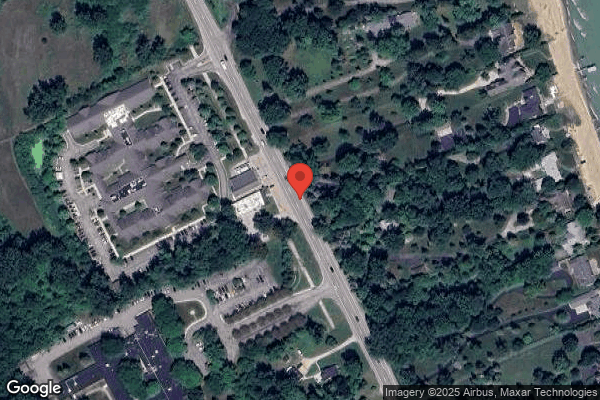
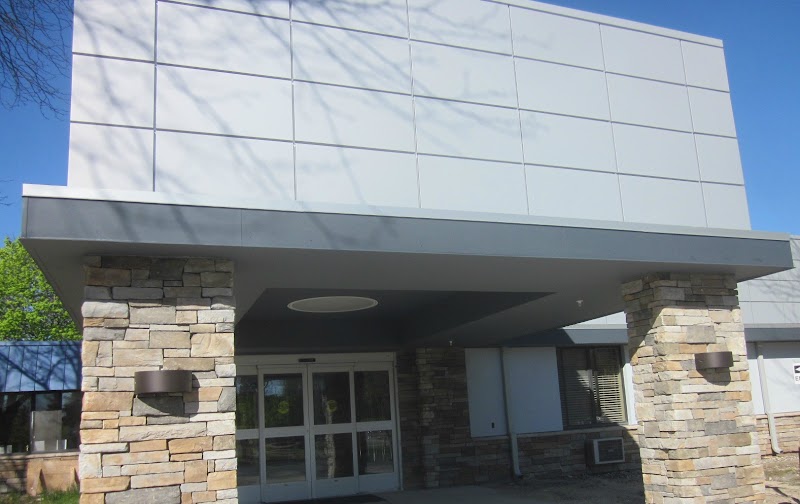
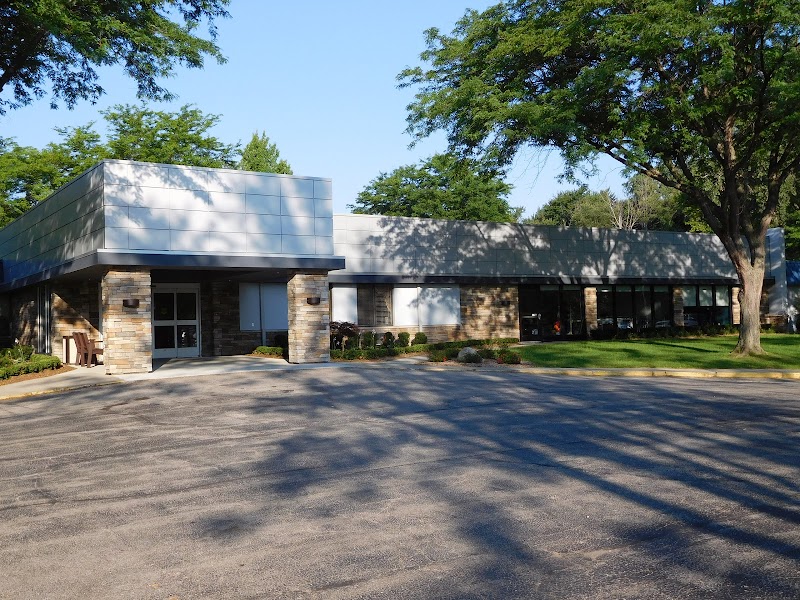
5635 Lakeshore, Fort Gratiot, MI 48059 (810) 385-7447
For profit - Individual 127 Beds MEDILODGE Data: November 2025
Trust Grade
88/100
#53 of 422 in MI
Last Inspection: May 2025

Inspected within the last 6 months. Data reflects current conditions.

Overview

Medilodge of Port Huron has a Trust Grade of B+, indicating that the facility is above average and recommended for families considering care options. They rank #53 out of 422 nursing homes in Michigan, placing them in the top half of facilities in the state, and #2 out of 5 in St. Clair County, meaning only one nearby option is better. The facility is improving, with issues decreasing from six in 2024 to just one in 2025. Staffing is also a strength, with a rating of 4 out of 5 stars and a turnover rate of 28%, which is significantly lower than the state average. However, families should be aware of specific concerns, such as a failure to maintain a clean environment for residents, inadequate assistance with a hand splint for one resident, and not consistently providing showers as requested, which shows areas needing improvement despite overall positive ratings.
Trust Score
B+
88/100
In Michigan
#53/422
Top 12%
Safety Record
Low Risk
No red flags
Inspections
Getting Better
6 → 1 violations
Staff Stability
✓ Good
28% annual turnover. Excellent stability, 20 points below Michigan's 48% average. Staff who stay learn residents' needs.
Penalties
✓ Good
No fines on record. Clean compliance history, better than most Michigan facilities.
Skilled Nurses
✓ Good
Each resident gets 50 minutes of Registered Nurse (RN) attention daily — more than average for Michigan. RNs are trained to catch health problems early.
Violations
⚠ Watch
14 deficiencies on record. Higher than average. Multiple issues found across inspections.
★★★★★
5.0
Overall Rating
★★★★☆
4.0
Staff Levels
★★★★★
5.0
Care Quality
★★★★★
5.0
Inspection Score
Stable
2024: 6 issues
2025: 1 issues

The Good

  • 4-Star Staffing Rating · Above-average nurse staffing levels
  • 5-Star Quality Measures · Strong clinical quality outcomes
  • Low Staff Turnover (28%) · Staff stability means consistent care
  • Full Sprinkler Coverage · Fire safety systems throughout facility
  • No fines on record
  • Staff turnover is low (28%)

    20 points below Michigan average of 48%

Facility shows strength in staffing levels, quality measures, staff retention, fire safety.

The Bad

Chain: MEDILODGE

Part of a multi-facility chain

Ask about local staffing decisions and management

The Ugly 14 deficiencies on record

May 2025 1 deficiency
CONCERN (D)

Potential for Harm - no one hurt, but risky conditions existed

Deficiency F0688 (Tag F0688)

Could have caused harm · This affected 1 resident

**NOTE- TERMS IN BRACKETS HAVE BEEN EDITED TO PROTECT CONFIDENTIALITY** Based on observation, interview, and record review, the facility failed to apply a graded hand roll (hand splint used to assist ...

Read full inspector narrative →
**NOTE- TERMS IN BRACKETS HAVE BEEN EDITED TO PROTECT CONFIDENTIALITY** Based on observation, interview, and record review, the facility failed to apply a graded hand roll (hand splint used to assist with finger extension) and perform a range of motion (ROM) program for one resident (R74) of one resident reviewed for limited ROM. Findings include: On 5/19/25 at 11:39 AM, R74 was observed in bed with their right middle and ring fingers flexed unable to easily straighten. When asked if they wore a brace R74 stated, I have a thing for my hand, but no one is putting it on. At 2:00 PM, R74 was observed in bed not wearing a hand splint. On 5/20/25 at 10:30 AM, R74 was observed in bed not wearing a hand splint and confirmed no one has been in to work with their hand. Record review of R74's Electronic Health Record (EHR) revealed the most recent admission to the facility on 7/17/2023 with diagnoses that included contracture of unidentified muscle, generalized muscle weakness, and acquired absence of left hip joint. Review of the Minimum Data Set (MDS) assessment dated [DATE] for R74 revealed a Brief interview for Mental Status (BIMS) of 15/15 intact cognition and substantial to maximum assist for upper body dressing and personal hygiene. Review of the Occupational Therapy (OT) Discharge summary dated [DATE] revealed, Splint and brace program established. Pt (patient) to wear graded hand roll for 4 to 5 hours. Staff to provide assist with donning and doffing (putting on and taking off) and hygiene to decrease skin breakdown. Restorative program established = restorative ROM program restorative splint and brace program. ROM PROM (passive range of motion) to right hand before after donning graded hand roll after removing orthotic. Review of the OT Functional maintenance program sheet dated 4/14/25 revealed, ROM extremity R UE/hand (right upper extremity) graded handroll 4-6 hours 3-5 x/wk with ROM to be before graded hand roll. Splints R UE. Review of the orders, [NAME] (care guide for the Certified Nurse Assistant), tasks and care plans did not reveal documentation of a restorative program. On 5/21/25 at 9:11 AM the Director of Nursing (DON) and Restorative Nurse (RN) A were interviewed and RN A said there was a break in the process, the therapy to restorative recommendation sheet was not brought to their attention to initiate the restorative program. RN A confirmed R74 did not begin the recommended restorative program and agreed R74 should receive the restorative program. The DON said the process was not followed and therapy should deliver the restorative recommendation to RN A to initiate restorative services. Review of the facility policy titled Restorative Nursing Programs revised 1/1/2022 revealed in part: The goal(s) of Restorative Nursing includes improving and/or maintaining independence in activities of daily living and mobility. A Restorative Nursing Program, when appropriate is based on the comprehensive assessment and resident. The following types of residents could benefit from a Restorative Program(s) but limited to: Contracture prevention and/or management. Areas that may indicate a referral to rehabilitation are warranted: End of therapy to continue goal achievement or maintenance and prevent decline. Restorative documentation requirements include Incorporated into the plan of care which is part of the clinical record.
May 2024 6 deficiencies
CONCERN (D) 📢 Someone Reported This

A family member, employee, or ombudsman was alarmed enough to file a formal complaint

Potential for Harm - no one hurt, but risky conditions existed

ADL Care (Tag F0677)

Could have caused harm · This affected 1 resident

Based on observation, interview, and record review, the facility failed to provide showers per preference and schedule for one resident (R70) out of three reviewed for showers. Findings Include: On 5/...

Read full inspector narrative →
Based on observation, interview, and record review, the facility failed to provide showers per preference and schedule for one resident (R70) out of three reviewed for showers. Findings Include: On 5/2/2024 at 11:04 AM, R70 was observed sitting in their wheelchair. R70 was interviewed regarding receiving showers per schedule and when requested. R70 stated they do not always receive their showers as scheduled and when they do, the staff rush through them. A review of the medical record revealed that R70 admitted into the facility on 1/15/2024 with the following diagnoses, Pruritus and Anxiety Disorder. Further review of the Minimum Data Set assessment revealed a Brief Interview of Mental status score of 7/15 indicating an impaired cognition. R70 also required assistance with bed mobility and transfers. Further review of R70's shower documentation for March 2024 and April 2024 revealed that R70 did not receive a shower on the following days; 3/2, 3/6, 3/9, 3/13, 3/16, 3/20, 3/23, 3/27, 3/30, 4/4, 4/9, 4/16, 4/19, 4/23, 4/26, and 4/30/24. Documentation on these days revealed, Response not required. R70 received a total of seven showers within the 60-day period. On 5/2/2024 at 11:18 AM, an interview was conducted with the Director of Nursing (DON). The DON stated they did find one refusal in the progress notes related to R70's showers. The DON stated that they know R70 does have refusals, but the nurses should put in a progress note each time R70 refuses a shower.
CONCERN (D) 📢 Someone Reported This

A family member, employee, or ombudsman was alarmed enough to file a formal complaint

Potential for Harm - no one hurt, but risky conditions existed

Quality of Care (Tag F0684)

Could have caused harm · This affected 1 resident

**NOTE- TERMS IN BRACKETS HAVE BEEN EDITED TO PROTECT CONFIDENTIALITY** Based on observation, interview, and record review, the facility failed to label and date a (wound) dressing for one resident (R...

Read full inspector narrative →
**NOTE- TERMS IN BRACKETS HAVE BEEN EDITED TO PROTECT CONFIDENTIALITY** Based on observation, interview, and record review, the facility failed to label and date a (wound) dressing for one resident (R2) out of one reviewed for skin conditions. Finding include: On 4/30/2024 at 9:30 AM, R2 was observed sitting in their wheelchair. R2 was noted to have a dressing on their lower left leg. The dressing was not dated. R2 stated they have problems with their legs and the nurse's put dressings on them. R2 stated they have sores on their legs sometimes and they bleed. R2 was also noted to have cream on their feet and paper towels in their shoes. On 5/1/2024 at 10:05 AM and at 5/2/2024 at 9:07 AM, R2 was observed with an undated dressing to their lower left leg. The dressing appeared to be soiled. R2 stated the dressing has not been changed since I spoke to them on 4/30/2024. R2 stated they do not remember when it was last changed or when it was put on. A review of the medical record revealed that R2 admitted into the facility on 7/4/2023 with the following diagnoses, Cerebral Infarction and [NAME] Insufficiency. Further review of the Minimum Data Assessment set revealed Brief Interview for Mental Status score of 7/17 indicating an impaired cognition. R2 also required assistance with bed mobility and transfers. Further review of the physician orders did not show an order for the dressing use. On 5/2/2024 at 11:21 AM, an interview was conducted with the Director of Nursing (DON). The DON stated their expectation related to dressings is they are completed safely and properly. The DON stated they expect all dressings to be dated and a progress note as to why they put a dressing on. A review of a facility policy titled, Wound Treatment Management noted the following, .2. In the absence of treatment orders, the licensed nurse will notify physician to obtain treatment orders. This may be the treatment nurse, or the assigned licensed nurse in the absence of the treatment nurse.
CONCERN (D)

Potential for Harm - no one hurt, but risky conditions existed

Accident Prevention (Tag F0689)

Could have caused harm · This affected 1 resident

**NOTE- TERMS IN BRACKETS HAVE BEEN EDITED TO PROTECT CONFIDENTIALITY** Deficient practice statement two. Based on observation, interview, and record review the facility failed to secure an electronic...

Read full inspector narrative →
**NOTE- TERMS IN BRACKETS HAVE BEEN EDITED TO PROTECT CONFIDENTIALITY** Deficient practice statement two. Based on observation, interview, and record review the facility failed to secure an electronic cigarette and to provide supervision for one resident (R99) of seven, reviewed for accidents. Findings include: On 5/01/24 at 11:47 AM, an observation was made of R99 exhaling smoke from an electronic cigarette while lying in their bed. R99 was observed to quickly place device under the blanket. On 5/01/24 at 3:05 PM, Nurse C was asked about the observation of R99 smoking in their room. Nurse C stated, Residents should not have any smoking paraphernalia in the room. A review of R99's medical record revealed, R99 was admitted on [DATE] with diagnoses of Bipolar Disorder, History of Traumatic Brain Injury, and Acquired Absence of Left Leg above the Knee. A review of the most recent Minimum Data Set assessment dated [DATE] noted, R99 with a Brief Interview for Mental Status (BIMS) score of 12 indicating mild cognitive impairment. On 5/01/24 at 3:05 PM, the Director of Nursing (DON) was asked about the facility's expectation regarding residents smoking in their rooms. The DON stated, It is my expectation that residents will follow the protocol of no smoking. A review of the facility's policy titled, Smoking Policy Non-Smoking Campus-Residents dated 1/01/22 revealed, It is the policy of this facility to establish and maintain safe resident smoking practices for a non-smoking campus . Policy Explanation and Compliance Guidelines: Smoking Area: 1. Prior to, or upon admission, residents shall be informed that smoking is not permitted inside of facility or outside the facility on any facility property. This includes Electronic cigarettes . This citation has two deficient practice statements. Deficient practice statement one. Based on observation, interview, and record review the facility failed to secure an oxygen tank for one sampled resident (R46) of seven, reviewed for accidents. On 4/30/24 at 9:22 AM, R46's room was observed with an oxygen tank, that stood free on the floor, inside of a black bag (that clips to the wheelchair), and not in a secured carrier. On 5/01/24 at 9:25 AM, R46's room was observed with an oxygen tank, that was behind a positioning wedge. The tank was leaning against the wall inside of the black bag, and not in a secured carrier. On 5/02/24 at 9:22 AM, R46 was observed in their room and was not able to provide information regarding the oxygen tank due to cognitive impairment. R46's room was observed with the oxygen tank, that was behind a positioning wedge. The tank was leaning against the wall inside of the black bag, and not in a secured carrier. On 5/02/24 at 9:23 AM, Unit Manager A was asked and alerted about the oxygen tank free standing in R46's room. Unit Manager A explained that the tank was not to be in R46's room without a secure carrier and explained that the tank could fall and explode, fire hazard, or too much oxygen could fill the room if leaking. A review of R46's medical record revealed, R46 was admitted to the facility on [DATE] and readmitted [DATE] with diagnosis of Myocardial Infarction, Obstructive Sleep Apnea. Further review of R46's medical record noted, Order: Oxygen: RUN @ [2]L/MIN VIA [X] N/C [X] PRN (as needed) to maintain SPO2 greater than 90%. every shift related to NON-ST ELEVATION. MYOCARDIAL INFARCTION, OBSTRUCTIVE SLEEP APNEA. A review of R46's care plan noted, Focus: Resident is at risk for impaired respiratory status related to SOB (shortness of breath) d/t (due to) anxiety, pain Date Initiated: 03/29/2024. Goal: Resident will have reduced complications related to their altered pulmonary/respiratory status through next review. Date Initiated: 03/29/2024. Interventions: Observe vital signs and pulse oximetry as needed Date Initiated: 03/29/2024. Oxygen as ordered Date Initiated: 03/29/2024. On 5/02/24 at 11:27 AM, the Director of Nursing (DON) was asked the facility's expectation for oxygen storage. The DON explained the expectation is for the oxygen to be on a cart. A review of the facility's policy titled, Oxygen Safety dated, 1/01/2022, reveal, It is the policy of this facility to provide a safe environment for residents, staff, and the public. This policy addresses the use and storage of oxygen and oxygen equipment . 4. Oxygen Storage c. Cylinders will be properly chained or supported in racks or other fastenings (i.e. sturdyportable carts, approved stands) to secure all cylinders from falling, whether connected, unconnected, full, or empty .
CONCERN (D) 📢 Someone Reported This

A family member, employee, or ombudsman was alarmed enough to file a formal complaint

Potential for Harm - no one hurt, but risky conditions existed

Deficiency F0700 (Tag F0700)

Could have caused harm · This affected 1 resident

Based on observation, interview, and record review, the facility failed to assess and obtain consent for bed rails for one resident (R315) out of one reviewed for bed rails. Findings Include: On 4/30...

Read full inspector narrative →
Based on observation, interview, and record review, the facility failed to assess and obtain consent for bed rails for one resident (R315) out of one reviewed for bed rails. Findings Include: On 4/30/2024 at 1:43 PM, R315 was observed laying in bed. R315 was noted to have full bed rails installed. R315 stated they do not use the bed rails for turning and repositioning. A review of the medical record revealed that R315 admitted into the facility with the following diagnoses, Lobar Pneumonia and Dementia. A review of the Minimum Data Set assessment revealed a Brief Interview for Mental Status assessment of 9/15 indicating an impaired cognition. R315 also required assistance with bed mobility and transfers. Further review of the medical records did not reveal a consent or assessment for the used of the bed rails. On 5/2/2024 at 9:04 AM, an interview was conducted with the Registered Nurse (RN) D. RN D stated that when someone gets bed rails, they complete three assessments, and they obtain a consent. RN D stated R315 was not supposed to have bed rails and they had not been assessed for them. RN D stated R315 was in a bed that a previous resident was in. On 5/2/2024 at 11:24 AM, an interview was conducted with the Director of Nursing (DON). The DON stated when a resident comes in the facility they will be evaluated by therapy and the nurses. The DON stated they then complete a risk versus benefits to see if the bed rails are beneficial and then obtain consent. A review of a facility policy titled, Side Rails noted the following, . c. Obtain informed consent from the resident, or the resident representative for the use of bed rails, prior to installation/use. d. Determine whether the side/bed rail is a restraint. Side/bed rails will be considered a physical restraint when they limit the resident's freedom of movement and cannot be removed easily by the resident. In such cases, the facility shall follow procedures related to physical restraints. Document the medical diagnosis, condition, symptom, or functional reason for the use of the side/bed rail. f. Obtain physician orders for the use of side/bed rails.
CONCERN (D) 📢 Someone Reported This

A family member, employee, or ombudsman was alarmed enough to file a formal complaint

Potential for Harm - no one hurt, but risky conditions existed

Infection Control (Tag F0880)

Could have caused harm · This affected 1 resident

**NOTE- TERMS IN BRACKETS HAVE BEEN EDITED TO PROTECT CONFIDENTIALITY** Based on observation, interview, and record review, the facility failed to maintain infection control practices (handling medica...

Read full inspector narrative →
**NOTE- TERMS IN BRACKETS HAVE BEEN EDITED TO PROTECT CONFIDENTIALITY** Based on observation, interview, and record review, the facility failed to maintain infection control practices (handling medication, proper storage of nebulizer mask, and wearing personal protective equipment [PPE] for contact isolation rooms) for two residents (R315 and R60) from a total sample of 35. Findings include: On 5/1/2024 at 6:32 AM, medication administration was completed with Licensed Practical Nurse (LPN) F. LPN F was observed taking a pill out of the medication cup with their hands without first performing hand hygiene or wearing gloves. On 5/2/2024 at 9:25 AM, medication administration was completed with Licensed Practical Nurse (LPN) G. LPN G was observed breaking a pill in half with their hands without first performing hand hygiene or wearing gloves. On 5/1/2024 at 11:00 AM, an interview was conducted with the Infection Control Preventionist (ICP). ICP stated the nurses should absolutely complete hand hygiene and should not handle anything going in someone's mouth without gloves. R315 On 4/30/2024 at 9:29 AM, a nebulizer mask was observed laying on the dresser next to the bed. The tubing was not dated, and the mask was not in a bag. On 5/1/2024 at 7:36 AM, a nebulizer mask was observed in the drawer. The mask was undated and was not in a bag. R315 was queried as to whether they used the nebulizer. R315 stated they used the nebulizer since being in the facility. A review of the medical record revealed that R315 admitted into the facility with the following diagnoses, Lobar Pneumonia and Dementia. A review of the Minimum Data Set assessment revealed a Brief Interview for Mental Status assessment of 9/15 indicating an impaired cognition. R315 also required assistance with bed mobility and transfers. R60 On 4/30/2024 at 1:45 PM, 9:37 AM, and 5/1/2024 at 6:56 AM, a nebulizer mask was observed laying on the dresser. The tubing was not dated, and the mask was not in a bag. A review of the medical record revealed R60 admitted into the facility on 4/4/2024 with the following diagnoses, Dysphagia and Sepsis. Further review of the Minimum Data Set assessment revealed a Brief Interview for Mental status score of 99 indicating that R60 was unbale to complete a cognition assessment. R60 also required assistance with bed mobility and transfers. Further review of the physician orders revealed an order for nebulizer use, every six hours. On 5/1/2024 at 11:00 AM, an interview was conducted with the Infection Control Preventionist (ICP). The ICP stated all nebulizer masks should be stored in bags with a label and date. On 4/30/2024 at 9:37AM, room [ROOM NUMBER] was noted to be on contact precautions. The two staff members were observed entering the room without any PPE. The two staff members were then observed being called out of the room and told to put PPE on. On 4/30/2024 at 12:17PM, a nurse was observed entering room [ROOM NUMBER] and giving bed one medication. The nurse was not observed wearing any PPE. On 5/1/2024 at 11:00 AM, an interview was completed with the ICP. The ICP stated that they expect that when someone walks into a contact isolation room for any reason, they should gown and glove per the signage on the door.
CONCERN (E) 📢 Someone Reported This

A family member, employee, or ombudsman was alarmed enough to file a formal complaint

Potential for Harm - no one hurt, but risky conditions existed

Safe Environment (Tag F0584)

Could have caused harm · This affected multiple residents

**NOTE- TERMS IN BRACKETS HAVE BEEN EDITED TO PROTECT CONFIDENTIALITY** Based on observation, interview, and record review, the facility failed to ensure a clean environment affecting three residents ...

Read full inspector narrative →
**NOTE- TERMS IN BRACKETS HAVE BEEN EDITED TO PROTECT CONFIDENTIALITY** Based on observation, interview, and record review, the facility failed to ensure a clean environment affecting three residents (R51, R7, and R26) of six residents reviewed for environmental concerns. Findings include: R51 On 04/30/24 at 9:10 AM, R 51 was observed lying in bed in their room. R51's bed was observed adjacent to the wall, with a patch of peeling paint/cracks approximately the size of a basketball. On 05/01/24 at 9:09 AM, R51 was observed lying in bed and was asked about the peeling paint on the wall. R51 stated, Don't like it. A record review of R51's medical record revealed, R51 was admitted on [DATE] with diagnoses of Dementia, Schizophrenia, and Unspecified Intellectual Disabilities. A review of the most recent Minimum Data Set (MDS) assessment dated [DATE] noted, R51's Brief Interview for Mental Status (BIMS) score of 11, which indicates mild cognitive impairment. R7 On 04/30/24 at 9:25 AM, R7 was observed lying in bed in their room watching television. There was an area behind the head of the bed which had deep scrapes in the wall and the paint was peeling. On 05/01/24 at 10:00 AM, R7 was observed sitting up in their wheelchair. R7 was asked about the peeling paint in their room. R7 stated, I think my wall should be fixed and painted. A record review of R7's medical record revealed, R7 was admitted on [DATE] with diagnoses of Vascular Dementia, Mood Disorder and Hemiplegia. A review of the most recent MDS assessment dated [DATE], revealed R7 with a BIMS score of 12 which indicates mild cognitive impairment. R26 On 04/30/24 at 9:30 AM, R26 was observed lying in bed in their room watching television. There was a large area behind the head of the bed which had several deep scrapes in the wall and several smaller areas of peeling paint. On 05/01/24 at 10:05 AM, R26 was observed sitting up in wheelchair near the door. R26 was asked about the peeling paint on their wall. R26 stated, I think my wall should be fixed and painted. Not nice looking. A record review of R26's medical record revealed, R26 was admitted on [DATE] with diagnosis of Alzheimer's Disease. A review of the most recent MDS assessment dated [DATE], revealed R26 with a BIMS score of 11 which indicates mild cognitive impairment. On 05/02/24 at 8:55 AM, a tour of the rooms was conducted with the Maintenance Director. The Maintenance Director was asked about the observations of the peeling paint/damaged walls in the resident's room. The Maintenance Director stated, This wing is one of the oldest parts of the building. I have been trying to work with admissions to fix rooms when they are empty. I can't fix a wall if the resident is in the room. The Maintenance Director was asked the facility's expectations for the walls in the resident's room and explained the expectation is for all rooms to be in good repair. A review of the facility's policy titled Safe and Homelike Environment with a revised date of 1/01/2022 revealed, In accordance with residents' rights, the facility will provide a safe, clean, comfortable and homelike environment, allowing the resident to use his or her personal belongings to the extent possible. This includes ensuring that the resident can receive care and services safely and that the physical layout of the facility maximizes resident independence and does not pose a safety risks .
Feb 2023 7 deficiencies
CONCERN (D)

Potential for Harm - no one hurt, but risky conditions existed

Deficiency F0558 (Tag F0558)

Could have caused harm · This affected 1 resident

**NOTE- TERMS IN BRACKETS HAVE BEEN EDITED TO PROTECT CONFIDENTIALITY** Based on observation, interview and record review, the facility failed to maintain a call light within reach for four (R2, R34, ...

Read full inspector narrative →
**NOTE- TERMS IN BRACKETS HAVE BEEN EDITED TO PROTECT CONFIDENTIALITY** Based on observation, interview and record review, the facility failed to maintain a call light within reach for four (R2, R34, R102, R106) of 24 sampled residents, resulting in impaired resident access to requesting and receiving assistance in a timely manner. Findings include: R2 Review of the facility record for R2 revealed an admission date of [DATE] with diagnoses that included Alzheimer's disease, Schizophrenia and Traumatic brain injury. Minimum Data Set (MDS) assessment indicated R2 required primarily set-up to supervision assistance from staff for self care and mobility. Brief Interview of Mental Status (BIMS) score was 10 indicating moderate cognitive impairment. On [DATE] at 11:00 AM, R2 was initially interviewed in their room. There was no call light visible in the room and the call light wall jack was empty. No hand bell or other call light alternative was observed. On [DATE] at 10:30 AM, No call light was observed in R2's room. R2 was asked about the lack of a call light in the room and stated, They (facility) never got me one. On [DATE] at 12:24 PM, R2 was observed in their room. No call light or hand bell was observed and when asked about how they request assistance R2 stated, There is a pull string in the bathroom but not by my bed. A pull-string call unit was observed on the wall adjacent to the bed, next to the outlet where a call light would plug in, but there was no string attached. When asked about this, R2 stated, I think I could push that button but I can't reach it if I'm in bed. No hand bell was observed in the room. On [DATE] at 1:06 PM, the Director of Nursing (DON) and this surveyor visited R2 regarding the call light concern and the DON acknowledged that there was no call light in place in R2's room. R34 Review of the facility record for R34 revealed an admission date of [DATE] with diagnoses that included Alzheimer's disease, Depression and Acute respiratory failure. MDS assessment indicated R34 required maximum self care assistance from staff for activities of daily living. R34's BIMS score was 5 indicating severe cognitive impairment. On [DATE] at 9:38 AM, R34 was initially interviewed in their room. R34's call light was observed hanging over the back of the chair adjacent to the bed. When asked if they were able to demonstrate call light use R34 was not able to reach the call light. R106 Review of the facility record for R106 revealed an admission date of [DATE] with diagnoses that included Alzheimer's disease, Anxiety disorder and Peripheral vascular disease. MDS assessment indicated R106 required maximum self care assistance from staff for activities of daily living. R106's BIMS score was 10 indicating moderate cognitive impairment. On [DATE] at 9:49 AM, R106 was initially interviewed. No call light was visible and upon asking R106 about the call light they stated, I think it's on order, I think it was broken. A hand bell was observed on the window sill out of reach from the resident. On [DATE] at 10:35 AM, the DON reported that the expectation for resident call lights is that the call light be placed within the resident's reach. On [DATE] at 10:40 AM, the DON reported that the expectation if a resident's call light is not functional or in place is that a hand bell be provided within reach of the resident. R102 On [DATE] at 9:21 AM, during initial tour, R102 was observed asleep in bed. R102's call light was observed on the floor near the bed. On [DATE] at 9:27 AM, R102 was observed with their eyes open, but was unable to be interviewed due their cognitive impairment. R102's call light was observed on the floor near the bed. On [DATE] at 9:07 AM, R102 was observed in the bed and their call light was observed on the floor, under the bed. A review of R102's medical record revealed that the resident was admitted to the facility on [DATE] and readmitted on [DATE] with diagnoses of Subarachnoid hemorrhage from intracranial artery and Muscle Weakness. A review of R102's Minimum Data Set (MDS) assessment noted a severely impaired cognition and required total assistance by staff for activities of daily living. On [DATE] at 9:35 AM, Registered Nurse (RN) D was explained the observation with R102's call light and asked the expectation for the position of the call light. RN D stated, Technically it should be pinned to the bed. On [DATE] at 1:31 PM, the DON was asked the facility's expectations for call lights in residents rooms and stated, Within the resident's reach. The DON further explained that R102's call light may need to be changed to a touch pad. Review of the facility policy entitled, Call Lights: Accessibility and Timely Response with the most recent review/revision date of [DATE], revealed the general policy statement, The purpose of this policy is to assure the facility is adequately equipped with a call light at each resident's bedside, toilet, and bathing facility to allow residents to call for assistance. Call lights will directly relay to a staff member or centralized location to ensure appropriate response. This policy further stated, Staff will report problems with a call light or the call system immediately to the supervisor and/or maintenance director and will provide immediate or alternative solutions until the problem can be remedied.
CONCERN (D)

Potential for Harm - no one hurt, but risky conditions existed

Deficiency F0578 (Tag F0578)

Could have caused harm · This affected 1 resident

Based on interview and record review, the facility failed to ensure accurate advance directive information was in place for two residents (R5 and and R47) of two reviewed for advance directives (legal...

Read full inspector narrative →
Based on interview and record review, the facility failed to ensure accurate advance directive information was in place for two residents (R5 and and R47) of two reviewed for advance directives (legal documents that allow a person to identify decisions about end-of-life care ahead of time), resulting in the potential for a resident's preferences for medical care to not be followed by the facility, or other healthcare providers. Findings Include: R5 On 2/13/23 at 2:50 PM, a record review was completed for R5 and the advanced directive on file was observed to be incomplete. A review of the form titled Advance Directives/Medical Treatment Decisions Acknowledgement of Receipt. noted, This is to acknowledge that I have been informed, in writing and in a language that I understand, of my rights and all rules and regulations regarding decision concerning medical care, including: the right to accept or refuse medical or surgical treatment. The right to formulate and to issues Advance Directives to be followed should I become incapacitated. (Box Checked) I have chosen to formulate and issue the following Advance Directives. I understand it is my responsibility to provide to the facility copies of all pertinent documentation which verify those advance directives specified below for placement in my medical record. -Medical Durable Power of Attorney, Living Will, Guardian, Do Not Resuscitate, Do Not Hospitalize, Organ Donation, Autopsy Request, Feeding Restrictions. Type: Medical Restrictions, Other Treatment Restriction, Other Advance Directives. (All of these above selections were blank without a choice made.) Acknowledgment Signatures: Blank, Legal Representative: Blank. Facility Representative/Titled: Signed (Facility's staff), LPN Date: 3/14/20. Name: [R5]. On 2/15/23 at 1:31 PM, the Director of Nursing (DON) was asked about the above form for R5 and stated, Yes something should be checked and family signed. The DON was asked if this advanced directive was incomplete and stated, Yes. R47 A record review was completed for R47 and the advanced directive was not located in the medical record. On 2/15/23 at 9:20 AM, a request was made via email to the Nursing Home Administrator (NHA) for R47's advanced directive. On 2/15/23 at 10:57 AM, the NHA replied and attached a document .You will note that the date is today. Thank you for bringing this to our attention. A review of the attachment noted, R47's advance directive was now completed and dated for 2/15/23. A policy regarding Advanced Directives was not obtained by the end of the survey.
CONCERN (D) 📢 Someone Reported This

A family member, employee, or ombudsman was alarmed enough to file a formal complaint

Potential for Harm - no one hurt, but risky conditions existed

Free from Abuse/Neglect (Tag F0600)

Could have caused harm · This affected 1 resident

**NOTE- TERMS IN BRACKETS HAVE BEEN EDITED TO PROTECT CONFIDENTIALITY** This citation pertains to intake MI00128730. Based on interview and record review, the facility failed to protect a resident's (...

Read full inspector narrative →
**NOTE- TERMS IN BRACKETS HAVE BEEN EDITED TO PROTECT CONFIDENTIALITY** This citation pertains to intake MI00128730. Based on interview and record review, the facility failed to protect a resident's (R89) right to be free from physical abuse by another resident (R373), resulting in the resident getting hit on the shoulder and subsequent feelings of anxiety and psychosocial distress. Findings Include: A review of a Facility Reported Incident (FRI) dated 5/12/2022 revealed the following: Investigation: The incident was not witnessed by staff. Staff answered [R89] call light and [R89] reported that [R373] had hit [them] in the shoulder. A review of the R89's medical record revealed that the resident admitted into the facility on [DATE] with diagnoses of, Chronic Obstructive Pulmonary Disease, Pain, and Major Depressive Disorder. A review of the most recent Minimum Data Set (MDS) assessment dated [DATE] revealed a Brief Interview for Mental Status (BIMS) score of 12/15 indicating moderately impaired cognition. R89 also required extensive two-person assist with transfers. On 2/14/2023 at 9:25 AM, an interview was conducted with R89 regarding the incident. R89 stated that they remember the incident well and will never forget it. R89 stated they were sitting up in the chair and R373 came over and started, Punching and laying into me. R89 stated that R373 turned over their bedside tray and threw all their things on the floor. R89 stated that they activated the call light and screamed for the nurse. R89 stated that the nurse came in and took R373 out of the room. R89 stated that they never saw R373 again after that. A review of R373's medical record revealed that the resident was admitted into the facility on 3/29/2022 with the following diagnoses, Psychotic Disorder with Delusions and Anxiety. A review of the most recent MDS assessment dated [DATE] revealed a BIMS score of 0/15 indicating severely impaired cognition. R373 also required two-person extensive assist with transfers. A review of R373's record revealed the following behavior progress notes: Date: 1/26/2022. Resident exhibiting confusion, agitation, and aggression. [They] are attempting to exit through the fire exit at the end of the hall near room [ROOM NUMBER]. Another nurse and I were able to redirect [them] back to [their] room however [they] were intermittently threatening, verbally and physically aggressive with closed fist drawn back as if ready to hit someone. Will continue to monitor. Date: 1/26/2022. Resident observed making weapons from [their] silverware, breaking the handles into sharp points. When I asked what [they] were doing [they] made statements that [they] were trapped, and people were lying to [them] and [they] were going to fight [their] way out . Date: 5/1/2022. Was confused, combative after returning to bed from having a spell; trying to hit staff with bed control, swearing at staff .hospice notified of no medications in place and erratic behavior. One on one resident in room at this time to protect others. Date: 5/4/2022. Res. Was yelling out at staff, trying to hit staff, and trying to stand up out of [their] wheelchair and walk around on [their] own .resident started swearing and hitting at staff. Resident was administered PRN (as needed) (IM) (intramuscularly) Ativan injection .Resident spit in the other nurse's face . Date: 5/5/2022. Res. Very agitated just before lunch, had been up in front of the building yelling and cursing at staff . Date: 5/13/2022. SS (Social Services) followed up with resident regarding incident that happened on 5/12/2022 in which the resident had a physical altercation with another resident . On 2/15/2023 at 10:27 AM, an interview was conducted with the Director of Nursing (DON) regarding the FRI involving R89 and R373. The DON was queried regarding why R373 was moved into a room with someone, and they had a history of behaviors. The DON stated that R373 was moved into a room with R89 because they were no longer skilled and had to be moved to a long-term care bed. The DON stated that the facility did acknowledge that R373 hit R89 but did not substantiate abuse because R373 had dementia. The DON stated that after the incident R373 was moved to their own room. A review of a facility policy titled, Abuse, Neglect, and Exploitation, Date Reviewed/ Revised: 10/24/2022, noted the following, Policy: It is the policy of this facility to provide protections for the health, welfare, and rights of each resident by developing and implementing written policies and procedures that prohibit and prevent abuse, neglect, exploitation, and misappropriation of resident property .Abuse means the willful infliction of injury, unreasonable confinement, intimidation, or punishment with resulting physical harm, pain, or mental anguish, which can include staff to resident abuse and certain resident to resident altercations .
CONCERN (D)

Potential for Harm - no one hurt, but risky conditions existed

Deficiency F0645 (Tag F0645)

Could have caused harm · This affected 1 resident

**NOTE- TERMS IN BRACKETS HAVE BEEN EDITED TO PROTECT CONFIDENTIALITY** Based on observation, interview, and record review, the facility failed to provide follow-up to the PASARR (preadmission screeni...

Read full inspector narrative →
**NOTE- TERMS IN BRACKETS HAVE BEEN EDITED TO PROTECT CONFIDENTIALITY** Based on observation, interview, and record review, the facility failed to provide follow-up to the PASARR (preadmission screening/annual resident review) form 3877 for two residents (R24 and R77) of three reviewed for PASARR concerns, resulting in the potential for unmet care needs. Findings Include: R77 A review of the medical record revealed that R77 admitted into the facility on 9/23/19 and readmitted on [DATE] with the following diagnoses, Bipolar Disorder, Psychotic Disorder with Delusions, and Schizophrenia. A review of the physician orders revealed that R77 was currently prescribed the following medications, Prozac (antidepressant), Seroquel (antipsychotic), Zyprexa (Antipsychotic), and Ativan(Antianxiety). A review of R77's documents revealed the following Annual Resident Review (ARR) revealed that questions 1-4 were checked yes for Mental Illness and Dementia. Further review of the ARR noted the following, Distribution: If any answer to items 1-6 in SECTION II is Yes, send ONE copy to the local Community Mental Health Services Program (CMHSP), with a copy of form DCH-3878 if an exemption is requested . Further review of the medical record did not reveal a follow up 3878 or Level II screening. On 2/15/2023 at 1:40 PM, an interview was conducted via phone with Social Worker (SW) F regarding R77's 3878 exemption or Level II. SW F stated that R77 would be a dementia exemption and that it was completed in October (2022), however it was in the queue for the physician to sign. R24 A review of R24's medical record and Minimum Data Set (MDS) assessment dated [DATE] revealed that the resident was admitted into the facility on 9/20/21 and most recently re-admitted on [DATE]. R24 was assessed to have a moderately impaired cognition with medical diagnoses of Stroke, Dementia, Anxiety, Depression, and Psychotic Disorder. Further review revealed that the resident requires extensive assistance from staff for most activities of daily living (ADLs). R24's record indicated that the resident has a legal guardian who is responsible for making their medical and financial decisions. Review of R24's record revealed a Pre-admission Screening (PAS)/Annual Resident Review(ARR) (3877) dated 10/15/2022. Section II included Yes answers to questions 1 through 4. A follow up Level II screening (3878) was not found. On 2/14/23 at 1:53 PM, after requesting Level II screenings from the facility for R24 and R77, the Nursing Home Administrator (NHA) replied with the following via email: The 3878s for [R77] and [R24] are in (name of computer tracking system) awaiting physician signature. The physician has been notified. On 2/15/23 at 8:04 AM, the NHA was interviewed as a follow-up to her email. When queried regarding if R24 and R77 should have a current Level II screening on file, the NHA indicated she would have to check with corporate staff, as they had been handling some social work duties for the facility. On 2/15/23 at 1:05 PM, the NHA forwarded correspondence from a corporate staff member which read, .They won't see [R24] but then we figured out the state (State Agency) marked him as no longer needed so I emailed the help desk - she requested I do this. The facility was unable to provide any formal documentation related to R24's missing Level II screening prior to survey exit. A review of the facility's policy/procedure titled, Resident Assessment - Coordination with PASARR Program (Michigan), Reviewed/ Revised 01/01/2022, revealed, 1. All applicants to this facility will be screened for serious mental disorders or intellectual disabilities and related conditions in accordance with the State's Medicaid rules for screening .ii. Positive Level I Screen - necessitates a PASARR Level II evaluation prior to admission. b. PASARR Level II - a comprehensive evaluation by the appropriate state-designated authority (cannot be completed by the facility) that determines whether the individual has MD, ID, or related condition, determines the appropriate setting for the individual, and recommends any specialized services and/or rehabilitative services the individual needs .3 A record of the pre-screening shall be maintained in the resident ' s medical record .
CONCERN (D) 📢 Someone Reported This

A family member, employee, or ombudsman was alarmed enough to file a formal complaint

Potential for Harm - no one hurt, but risky conditions existed

Deficiency F0657 (Tag F0657)

Could have caused harm · This affected 1 resident

**NOTE- TERMS IN BRACKETS HAVE BEEN EDITED TO PROTECT CONFIDENTIALITY** R375 On 2/14/2023 at 2:38 PM, R375 was observed sitting at the table in the main dining area. R375 was observed with regular soc...

Read full inspector narrative →
**NOTE- TERMS IN BRACKETS HAVE BEEN EDITED TO PROTECT CONFIDENTIALITY** R375 On 2/14/2023 at 2:38 PM, R375 was observed sitting at the table in the main dining area. R375 was observed with regular socks on and attempting to move from chair to chair. R375 appeared to be unsteady on their feet. A review of the medical record revealed that R375 admitted into the facility on 1/25/2023 with the following diagnoses, Dementia, Repeated Falls, and Muscle Weakness. A review of the most recent Minimum Data Set (MDS) assessment dated [DATE] revealed a Brief Interview for Mental score of 3/15 indicating an impaired cognition. R375 also required extensive one person assist with bed mobility and transfers. A review of Incident and Accident reports since admission revealed that R375 had falls on the following dates, 1/25, 1/29,2/1,2/2,2/4,2/12, and 2/14/23. Further review of the fall care plan did not reveal immediate interventions related to the falls. On 2/15/2023 at 9:00 AM, an interview was conducted with Unit Manager (UM) D related to R375 falls and interventions. UM D stated that they have tried a lot of interventions for R375 and that they are a big fall risk. UM D was queried as to why interventions were not put in place immediately following a fall. UM D stated that they would have to look into it. On 2/15/2023 at 10:41 AM, an interview was conducted with the Director of Nursing (DON) regarding falls and immediate interventions. The DON stated that an immediate intervention should be put in when someone falls. The DON stated that the Interdisciplinary Team will then look into the interventions and see f it is appropriate and update it if needed. On 2/15/2023 at 1:00 PM, the QAPI task was completed with the Nursing Home Administrator (NHA). The NHA stated that fall prevention has a PIP (Performance Improvement Plan) and they are working on increasing engagement of residents in activities and increased monitoring as needed. A review of a facility policy titled, Fall Prevention Program noted the following, 6. When any resident experiences a fall, the facility will: e. Review the resident's care plan and update as indicated. R102 On 2/13/23 at 9:21 AM, 2/14/23 at 9:27 AM and on 2/15/23 at 9:07 AM, R102 was observed asleep in bed. R102's Minimum Data Set (MDS) assessment indicated that the resident had an indwelling catheter (tube inserted into the bladder to collect urine). During observation of R102, a catheter was not observed. A review of R102's medical record revealed that the resident was admitted to the facility on [DATE] and readmitted on [DATE] with diagnosis of Subarachnoid hemorrhage from intracranial artery and Muscle Weakness. A review of R102's quarterly MDS assessment dated [DATE] noted R102 with an indwelling catheter, moderately impaired cognition and required total assistance by staff for activities of daily living. Further review of R102's medical record revealed, current care plan Focus: resident has an IDC (indwelling catheter) in place for urinary retention with abdominal distention Date Initiated: 01/04/2023. Revision on: 01/18/2023. Goal: The resident will be/remain free from catheter-related trauma through review date. The resident will show no s/sx (signs and symptoms) of Urinary infection through review date. Date Initiated: 01/04/2023. On 2/14/23 at 2:46 PM, Registered Nurse (RN D) was asked if R102 had a catheter and stated, No they [discontinued] that. They went back and forth about it. RN D was explained that R102's care plan still noted R102 with a catheter. RN D stated that would need to be removed from the care plan. A review of R102's orders revealed, Discontinued: Maintain indwelling catheter- 16 F/30cc (cubic centimeters) balloon. Order Date 1/18/2023. Discontinued 1/30/23. Based on observation, interview and record review the facility failed to ensure care plans were revised to reflect the current needs and condition of the resident for four sampled residents (R98, R102, R173, R375) of 24 residents whose care plans were reviewed, resulting in and the potential for unmet care needs. Findings include: R98 On 02/13/23 at 12:50 PM, R98 was observed to be in bed laying on their back with the head of the bed up around 30-45 degrees. R98 reported poor control of their urine when they had to go. R98 verbalized they were often incontinent and would have to call staff to come in and change their incontinence brief. R98 then reported they were currently wet and had told staff, and staff said they would change them before lunch. Staff was not observed to provide care prior to R98 having received their lunch. R98 further mentioned that when they were admitted into the facility they had a tube into their bladder (indwelling urinary catheter-tube into the bladder to collect urine) to help them urinate. R98 said it had been removed while at the facility and now they were incontinent and often wet. R98 was asked about options for urination and reported that they had a urinal (small plastic pitcher style device to urinate into) up until the past week. R98 verbalized some difficulty to use the urinal independently at times because of the need to open the brief quickly enough to catch the urine. A urinal was not observed in the area around the bed. On 02/14/23 at 8:39 AM and 10:36 AM, R98 was observed to be in bed, a urinal was not visible around the area of the bed and R98 reported they did not have one. On 02/14/23 at 1:02 PM, Certified Nurse Assistant C reported R98 had used a urinal and that it may be spilled by R98 during use. On 02/15/23 at 9:14 AM, was observed to be seated in bed and dressed. R98 reported they were wet and were waiting on staff to respond to the call light. Staff entered at that time. Certified Nurse Assistant (CNA) B was asked about a urinal for R98 and replied that R98 had one yesterday and would get one for R98. On 02/15/23 at 12:14 PM, R98 was observed to be in bed. A urinal was observed on the tray table on the right side of the bed with clear yellow urine in it. On 02/15/23 at 12:19 PM, Unit Manager and Registered Nurse (RN) A reported they were familiar with R98 and reported on query that at times the urinal may be kept in the bathroom rather than the bedside. RN A further reported a possible reason for this was that R98 had trouble using the urinal independently (would spill the urine) and was asked to call when they needed the urinal. RN A also note that R98 may not always call when they needed to use the urinal. RN A was asked about the care plan and whether the placement of the urinal and R98's ability to use it with assistance was in the care plan, and reported they would have to check. On 02/15/23 at 12:24 PM, CNA B reported that they had not assisted R98 with the urinal. CNA B verbalized R98 had one yesterday and it was possible to have been taken away on nights. CNA B further noted they try to leave the urinal at the bedside for residents who use them. A review of the record for R98 revealed R98 was admitted into the facility on [DATE]. Diagnoses included Weakness and Spinal Fusion. The Minimum Data Set (MDS) assessment dated [DATE] indicated impaired cognition and the need for extensive assistance of one or two persons for bed mobility, transfer, toilet needs and personal hygiene. The MDS also documented the presence of an indwelling catheter. A review of the care plan documented the indwelling catheter but did not document interventions for the use of the urinal or a toileting program. R173 A review of the facility record for R173 revealed R173 was admitted into the facility on [DATE] and discharged on 04/11/22. Diagnoses included Dementia and Deep Tissue Damage of the Sacral (lower back/tailbone) Region. A review of the MDS assessment dated [DATE] indicated impaired cognition and documented the presence of an indwelling catheter. A review of the resident needs activities of daily living assistance care plan initiated 03/02/22, revised 03/07/22 revealed, Toilet needs: Resident requires assistance for catheter care . The resident has an indwelling catheter due to urinary retention care plan was initiated and last revised 03/23/22. On 02/15/23 at 12:55 PM, a review of the documentation for R173's indwelling catheter indicated removal at the doctor's office on 04/06/22 in a nurse progress note dated 04/07/22. A review of the 04/06/22 urology consult note did not indicate removal of the indwelling catheter at the appointment but did document a post void residual amount. This would likely indicate the indwelling catheter was not present.
CONCERN (D) 📢 Someone Reported This

A family member, employee, or ombudsman was alarmed enough to file a formal complaint

Potential for Harm - no one hurt, but risky conditions existed

Pressure Ulcer Prevention (Tag F0686)

Could have caused harm · This affected 1 resident

**NOTE- TERMS IN BRACKETS HAVE BEEN EDITED TO PROTECT CONFIDENTIALITY** This citation pertains to Intake MI00133768. Based on observation, interview and record review, the facility failed to ensure i...

Read full inspector narrative →
**NOTE- TERMS IN BRACKETS HAVE BEEN EDITED TO PROTECT CONFIDENTIALITY** This citation pertains to Intake MI00133768. Based on observation, interview and record review, the facility failed to ensure interventions to prevent the development of pressure ulcers were implemented for one resident (R102) of four reviewed for skin conditions, resulting in the potential for skin breakdown. Findings include: On 2/13/23 at 9:21 AM, R102 was observed asleep in bed. Two green protective heel boots were observed sitting in a chair near R102's bed and night stand. An observation of R102's feet revealed R102 was also wearing heel protector boots on their feet. On 2/14/23 at 9:27 AM, R102 was observed in bed. R102's was observed with a wedge under their knees but with their feet laying on the ma. The green heel boots were observed on the floor next to the bed. On 2/14/23 at 2:46 PM, R102 was observed in bed, and the boots remained on the floor and not on R102's feet. RN D walked by the room and was asked when R102 is to have the boots on and stated, We should have them (resident's feet) floated (off of the mattress). On 2/15/23 at 1:32 PM, the Director of Nursing (DON) was asked about R102's protective heel boots and when their heels are to be floated and stated, On at all times while in bed. The DON later came and reported that the boots were not care planned, but was it was noted in R102's care plan that the heels are to be floated. A review of R102's care plan revealed, Focus: The resident has potential impairment to skin integrity of the extremities related to hx (history) of convulsions, malnutrition, anemia, require total dependence for care due to Subarachnoid hemorrhage from intracranial artery, encephalopathy, convulsions Date Initiated: 05/19/22. Date Revision on: 6/6/2022. Goal: The resident's risk of significant skin injury will be reduced, minimized Date Initiated: 5/18/22. Revision on: 01/06/2023. Interventions: Float heels while in bed as resident allows. Date Imitated: 6/6/2022. Further review noted, R102 was admitted to the facility on [DATE] and readmitted on [DATE] with diagnosis of Subarachnoid hemorrhage from intracranial artery and Muscle Weakness. A review of R102's Minimum Data Set (MDS) assessment noted R102 was at risk for pressure ulcer development and required total assistance by staff for activities of daily living. A review of the facility's policy titled, Pressure Ulcer/Skin Breakdown - Clinical Protocol dated, 10/30/2022, noted, Policy: Based on the comprehensive assessment of a resident, a resident receives care, consistent with professional standards of practice, to prevent pressure ulcers and does not develop pressure ulcers unless the individual's clinical condition demonstrates that they were unavoidable; and a resident with pressure ulcers receives necessary treatment and services, consistent with professional standards of practice to promote healing, prevent infection, and prevent new ulcers from developing .
CONCERN (D)

Potential for Harm - no one hurt, but risky conditions existed

Deficiency F0887 (Tag F0887)

Could have caused harm · This affected 1 resident

**NOTE- TERMS IN BRACKETS HAVE BEEN EDITED TO PROTECT CONFIDENTIALITY** Based on interview and record review, the facility failed to verify eligibility for and obtain consent (from legal guardian) pri...

Read full inspector narrative →
**NOTE- TERMS IN BRACKETS HAVE BEEN EDITED TO PROTECT CONFIDENTIALITY** Based on interview and record review, the facility failed to verify eligibility for and obtain consent (from legal guardian) prior to administering a COVID-19 vaccine for one resident (R24) of five reviewed for immunizations, resulting in the potential for residents and/or resident representatives to not be fully informed of the benefits and potential risks associated with the COVID-19 vaccine. Findings include: A review of R24's medical record and Minimum Data Set (MDS) assessment dated [DATE] revealed that the resident was admitted into the facility on 9/20/21 and most recently re-admitted on [DATE]. R24 was assessed to have a moderately impaired cognition with medical diagnoses of Stroke, Dementia, Anxiety, Depression, and Psychotic Disorder. Further review revealed that the resident requires extensive assistance from staff for most activities of daily living (ADLs). R24's record indicated that the resident has a legal guardian who is responsible for making their medical and financial decisions. On 2/14/23 at 12:51 PM, a review of R24's medical record revealed a documented administration of a SARS-COV-2 (COVID-19) Moderna Bivalent Booster on 12/2/2022 by Registered Nurse (RN) E. Further review of R24's immunizations revealed that the resident/representative had refused consent for the first dose of the COVID-19 vaccine (primary series). A signed consent/declination from the resident/legal guardian for the 12/2/22 administered booster was not found in the record nor provided by the facility upon request. On 2/14/23 at 12:54 PM, the Director of Nursing (DON) was queried if RN E was available for interview. The DON indicated that RN E was a former employee and used to be a Unit Manager. Further review of R24's record revealed the following progress notes, written by RN E: -12/2/2022 11:53 (AM) Nurses' Notes Note Text: Resident received Bivalent vaccine to Left arm. Tolerated well. -12/2/2022 15:10 (3:10 PM) Nurses' Notes Note Text: Resident was given Bivalent vaccine but initial COVID vaccine in the immunization record was refused. [Physician] office notified. Waiting on further orders. -12/2/2022 15:58 (3:58 PM) Nurses' Notes Note Text: Spoke via phone with [Physician] regarding Bivalance (sic) administration. No further orders at this time. On 2/14/23 at 12:56 PM, the Infection Preventionist (IP) RN was interviewed. The IP was queried regarding R24 receiving the COVID-19 Bivalent booster on 12/2/22 without having received the primary vaccine series. The IP was also asked about the lack of a signed consent/declination form that corresponded to the administered booster. The IP confirmed that the COVID-19 Bivalent booster was administered to R24 by RN E during a COVID vaccination clinic despite not receiving the primary series and without consent (or declination) from the legal guardian. The IP stated it was not his expectation for that to have occurred. The IP indicated that the situation was brought to the DON as well as the Physician's attention. The IP added that the local health department was contacted regarding next steps, the resident received three days of post-injection monitoring (confirmed through record review), and that the incident was entered into VAERS (Vaccine Adverse Event Reporting System). The IP indicated that per the direction of the local health department, the booster dose was treated as the first dose of a primary series and the resident/guardian was offered a second dose which was declined (declination documentation verified). On 2/14/23 at 1:25 PM, R24 was interviewed and queried if they recalled receiving a COVID vaccine. R24 indicated they remembered receiving one shot and indicated they felt no ill effects. R24 indicated that a second dose of the COVID vaccine was declined. On 2/14/23 at 2:01 PM, the DON was interviewed and presented documentation regarding an inservice held with RN E right after the incident as well as education provided to the other Nurse Unit Managers in the facility. The inservice information included validating residents' current vaccination status, vaccination need, and consents prior to administration of vaccination to ensure they are administered per CDC recommendations. The DON stated that R24's guardian was contacted post-incident to inform them of what happened. When queried, the DON indicated that contacting the guardian was not documented. A review of the facility's policy/procedure titled, COVID-19 Vaccination, Reviewed/Revised 06/04/2022, revealed, .16. COVID-19 vaccinations will be offered to residents when supplies are available, as per CDC and/or FDA guidelines unless such immunization is medically contraindicated, the individual has already been immunized during this time period, or refuses to receive the vaccine .20. Prior to offering the COVID-19 vaccine, staff, residents, or the resident ' s representative, will be educated regarding the risks, benefits and potential side effects associated with the vaccine in a form and manner that can be accessed and understood .22. Residents or their representatives and staff will sign the consent form prior to administration of the COVID-19 vaccine. This information will be retained in the resident ' s medical record or the staff ' s medical file .26. The resident ' s medical record will include documentation of the following: a. Education to the resident or resident representative regarding the risks, benefits, and potential side effects of the COVID-19 vaccine; b. Each dose of the vaccine administered to the resident, or; c. If the resident did not receive the COVID-19 vaccine due to medical contraindication or refusal. d. Follow-up monitoring of the resident post vaccination .
Understanding Severity Codes (click to expand)
Life-Threatening (Immediate Jeopardy)
J - Isolated K - Pattern L - Widespread
Actual Harm
G - Isolated H - Pattern I - Widespread
Potential for Harm
D - Isolated E - Pattern F - Widespread
No Harm (Minor)
A - Isolated B - Pattern C - Widespread

Questions to Ask on Your Visit

  • "Can I speak with families of current residents?"
  • "What's your RN coverage like on weekends and overnight?"

Our Honest Assessment

Strengths
  • • Grade B+ (88/100). Above average facility, better than most options in Michigan.
  • • No major safety red flags. No abuse findings, life-threatening violations, or SFF status.
  • • No fines on record. Clean compliance history, better than most Michigan facilities.
  • • 28% annual turnover. Excellent stability, 20 points below Michigan's 48% average. Staff who stay learn residents' needs.
Concerns
  • • 14 deficiencies on record. Higher than average. Multiple issues found across inspections.
Bottom line: Generally positive indicators. Standard due diligence and a personal visit recommended.

About This Facility

What is Medilodge Of Port Huron's CMS Rating?

CMS assigns Medilodge of Port Huron an overall rating of 5 out of 5 stars, which is considered much above average nationally. Within Michigan, this rating places the facility higher than 99% of the state's 100 nursing homes. This rating reflects solid performance across the metrics CMS uses to evaluate nursing home quality.
How is Medilodge Of Port Huron Staffed?

CMS rates Medilodge of Port Huron's staffing level at 4 out of 5 stars, which is above average compared to other nursing homes. Staff turnover is 28%, compared to the Michigan average of 46%. This relatively stable workforce can support continuity of care.

What Have Inspectors Found at Medilodge Of Port Huron?

State health inspectors documented 14 deficiencies at Medilodge of Port Huron during 2023 to 2025. These included: 14 with potential for harm.
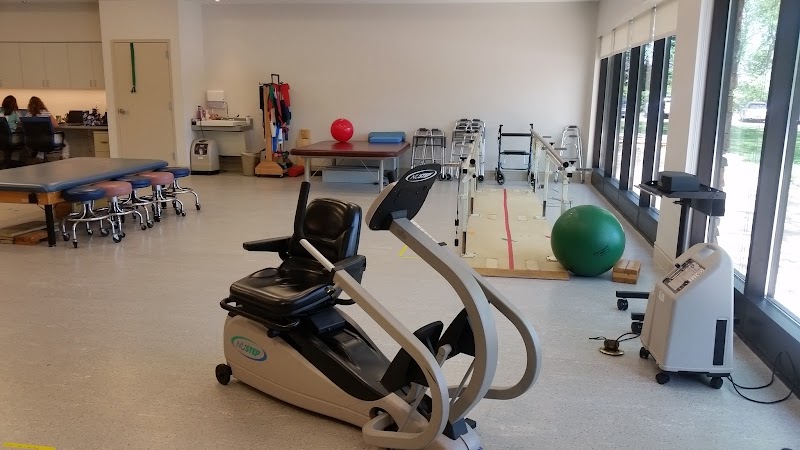
Who Owns and Operates Medilodge Of Port Huron?

Medilodge of Port Huron is owned by a for-profit company. For-profit facilities operate as businesses with obligations to shareholders or private owners. The facility is operated by MEDILODGE, a chain that manages multiple nursing homes. With 127 certified beds and approximately 116 residents (about 91% occupancy), it is a mid-sized facility located in Fort Gratiot, Michigan.

How Does Medilodge Of Port Huron Compare to Other Michigan Nursing Homes?

Compared to the 100 nursing homes in Michigan, Medilodge of Port Huron's overall rating (5 stars) is above the state average of 3.2, staff turnover (28%) is significantly lower than the state average of 46%, and health inspection rating (5 stars) is much above the national benchmark.

What Should Families Ask When Visiting Medilodge Of Port Huron?

Based on this facility's data, families visiting should ask: "Can I visit during a mealtime to observe dining assistance and food quality?" "How do you handle medical emergencies, and what is your hospital transfer rate?" "Can I speak with family members of current residents about their experience?"

Is Medilodge Of Port Huron Safe?

Based on CMS inspection data, Medilodge of Port Huron has a clean safety record: no substantiated abuse findings (meaning no confirmed cases of resident harm), no Immediate Jeopardy citations (the most serious violation level indicating risk of serious injury or death), and is not on the Special Focus Facility watch list (a federal program monitoring the lowest-performing 1% of nursing homes). The facility has a 5-star overall rating and ranks #1 of 100 nursing homes in Michigan. While no facility is perfect, families should still ask about staff-to-resident ratios and recent inspection results during their visit.

Do Nurses at Medilodge Of Port Huron Stick Around?

Staff at Medilodge of Port Huron tend to stick around. With a turnover rate of 28%, the facility is 17 percentage points below the Michigan average of 46%. Low turnover is a positive sign. It means caregivers have time to learn each resident's needs, medications, and personal preferences. Consistent staff also notice subtle changes in a resident's condition more quickly.

Was Medilodge Of Port Huron Ever Fined?

Medilodge of Port Huron has no federal fines on record. CMS issues fines when nursing homes fail to meet care standards or don't correct problems found during inspections. The absence of fines suggests the facility has either maintained compliance or corrected any issues before penalties were assessed. This is a positive indicator, though families should still review recent inspection reports for the full picture.

Is Medilodge Of Port Huron on Any Federal Watch List?

Medilodge of Port Huron is not on any federal watch list. The most significant is the Special Focus Facility (SFF) program, which identifies the bottom 1% of nursing homes nationally based on persistent, serious quality problems. Not being on this list means the facility has avoided the pattern of deficiencies that triggers enhanced federal oversight. This is a positive indicator, though families should still review the facility's inspection history directly.