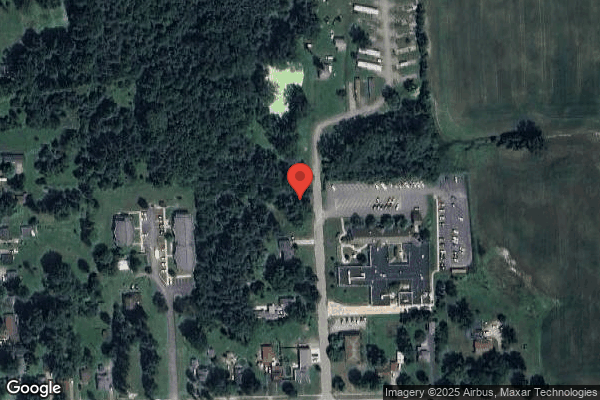
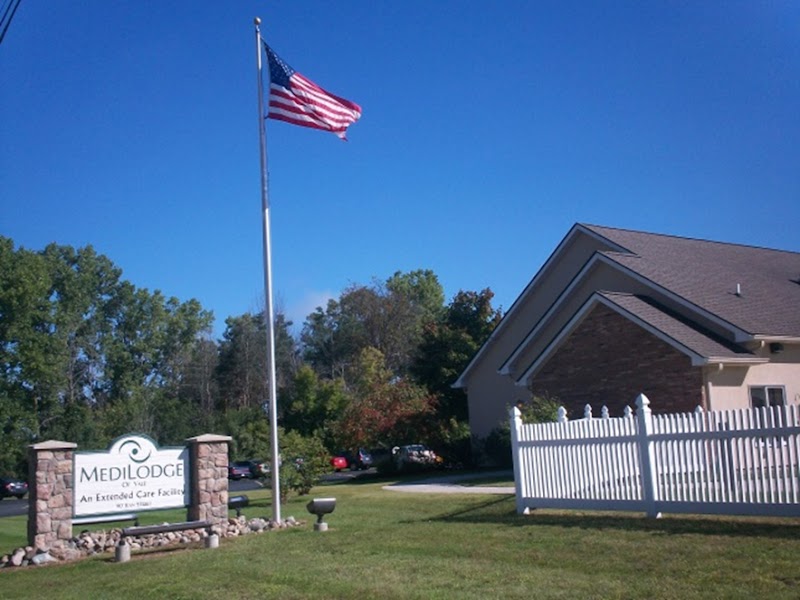
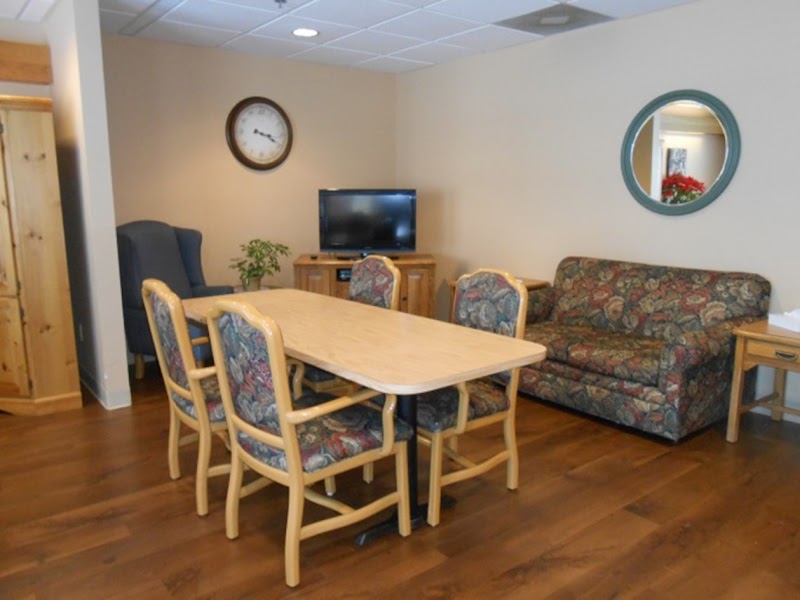
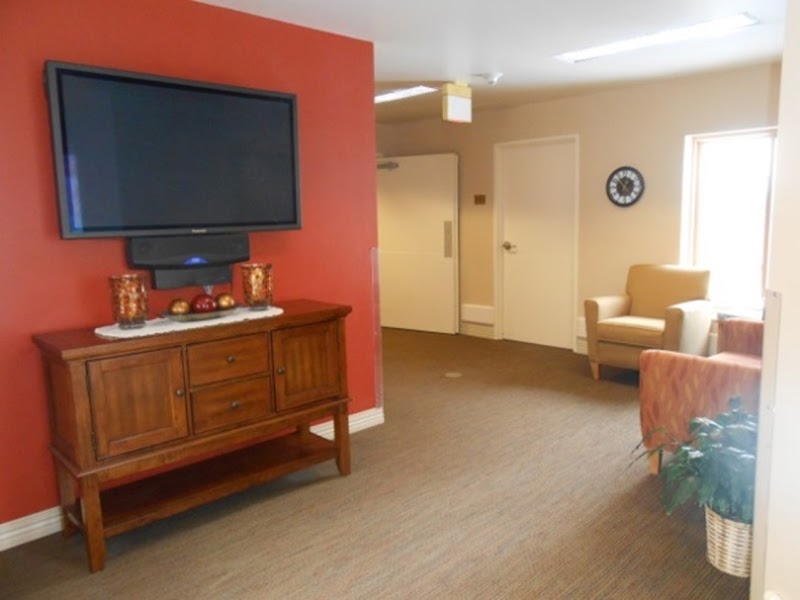
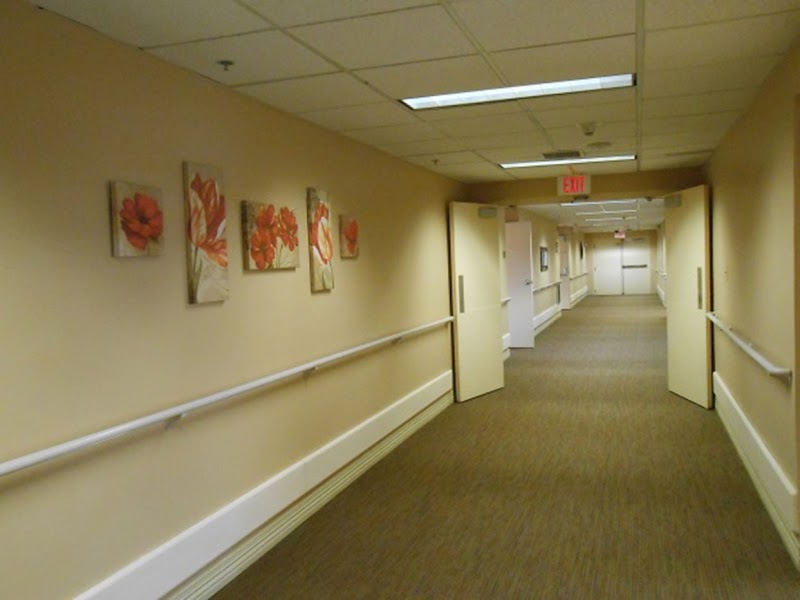
Medilodge of Yale

90 Jean Street, Yale, MI 48097 (810) 387-3226
For profit - Corporation 108 Beds MEDILODGE Data: November 2025
Trust Grade
85/100
#57 of 422 in MI
Last Inspection: July 2025

Inspected within the last 6 months. Data reflects current conditions.

Overview

Medilodge of Yale has a Trust Grade of B+, which means it is above average and recommended for families considering care options. It ranks #57 out of 422 in Michigan, placing it in the top half of facilities statewide, and #3 out of 5 in St. Clair County, indicating there are only two local options that are better. The facility is improving, with issues decreasing from 4 in 2024 to 2 in 2025. Staffing is a strength, with a rating of 4 out of 5 stars and a turnover rate of 35%, which is better than the state average of 44%. Notably, there are no fines on record, and the facility has more RN coverage than 82% of Michigan facilities, enhancing the quality of care. However, there are some weaknesses to consider. One serious incident involved a resident who was not given timely care for severe pain, leading to hospitalization. Additionally, there were concerns about a resident not receiving proper heel boots as part of their care plan, and another resident's blood sugar levels were not adequately monitored, which could lead to significant health risks. Overall, while Medilodge of Yale shows strong potential with good staffing and an improving trend, families should be aware of these specific incidents when making their decision.

Trust Score
B+
85/100
In Michigan
#57/422
Top 13%
Safety Record
Moderate
Needs review
Inspections
Getting Better
4 → 2 violations
Staff Stability
○ Average
35% turnover. Near Michigan's 48% average. Typical for the industry.
Penalties
✓ Good
No fines on record. Clean compliance history, better than most Michigan facilities.
Skilled Nurses
✓ Good
Each resident gets 53 minutes of Registered Nurse (RN) attention daily — more than average for Michigan. RNs are trained to catch health problems early.
Violations
○ Average
7 deficiencies on record. Average for a facility this size. Mostly minor or procedural issues.
★★★★★
5.0
Overall Rating
★★★★☆
4.0
Staff Levels
★★★★★
5.0
Care Quality
★★★★★
5.0
Inspection Score
Stable
2024: 4 issues
2025: 2 issues

The Good

  • 4-Star Staffing Rating · Above-average nurse staffing levels
  • 5-Star Quality Measures · Strong clinical quality outcomes
  • Full Sprinkler Coverage · Fire safety systems throughout facility
  • No fines on record
  • Staff turnover below average (35%)

    13 points below Michigan average of 48%

Facility shows strength in staffing levels, quality measures, fire safety.

The Bad

Staff Turnover: 35%

11pts below Michigan avg (46%)

Typical for the industry

Chain: MEDILODGE

Part of a multi-facility chain

Ask about local staffing decisions and management

The Ugly 7 deficiencies on record

1 actual harm
Jul 2025 2 deficiencies
CONCERN (D)

Potential for Harm - no one hurt, but risky conditions existed

Comprehensive Care Plan (Tag F0656)

Could have caused harm · This affected 1 resident

**NOTE- TERMS IN BRACKETS HAVE BEEN EDITED TO PROTECT CONFIDENTIALITY** Based on observation, interview, and record review, the facility failed to implement care plan interventions for heel boots, for...

Read full inspector narrative →
**NOTE- TERMS IN BRACKETS HAVE BEEN EDITED TO PROTECT CONFIDENTIALITY** Based on observation, interview, and record review, the facility failed to implement care plan interventions for heel boots, for one resident (R25) of two reviewed for positioning needs. Findings include: On 07/07/25 at 9:25 AM, and 04:18 PM, R25 was observed sleeping supine in bed, no heel boots on and heels not elevated off surface of the bed. No extra pillows or heels boots were observed at bedside. Review of the record for R25 revealed: R25 was admitted into the facility on [DATE]. Diagnoses included Muscle Weakness, High Blood Pressure, and Difficulty in Walking. A review of the Minimum Data Set (MDS) assessment dated [DATE] revealed: a Brief Interview for Mental Status (BIMS) score of 15/15; the need for substantial/maximal assistance for chair to bed transfer and toilet transfer; R25 was dependent on staff for lower body dressing putting and taking off footwear and R25 required partial/moderate assistant to roll left and right while in bed. Review of the at risk for impaired skin integrity care plan dated 06/04/25 documented Prevalon style off-loading boots (heel boots) to (bilateral lower extremities) BLE while in bed as tolerated. On 07/08/25 at 8:49 AM, R25 was observed to be in bed, laying on their back, with the head of the bed up slightly, and dressed in a hospital style gown. R25's heels rested on the bed surface without a device under the lower legs or heel boots. On 07/08/25 at 10:18 AM, 11:06 AM, 12:27 PM, 1:26 PM and 2:12 PM R25 was dressed in a t-shirt and shorts and laying on their back in a recliner. R25's feet hung off the end of the footrest at the level of the heel. No heel boots were in place. On 07/09/25 at 8:06 AM, R25 reported they would wear the heel boots in bed. On 07/09/25 at 08:06 AM, 9:07 AM, and 10:20 AM, R25 was observed sitting up in bed eating breakfast with no heel boots on and heels resting on the bed. At 8:06 AM, the daughter reported she has not seen the boots on R25's feet in a long time and family is there daily. On 07/09/25 at 10:04 AM, care was reviewed with Licensed Practical Nurse (LPN) G. LPN G identified an order for heel boots dated 04/12/25. LPN G reported the nurse who entered the order would be responsible for entering it into the care plan and the Kardex (Certified Nurse Assistant (CNA) guide for resident care). LPN G was unable to locate the intervention for heel boots in the care plan. CNA H was asked about the care of R25 and reported they had asked about changing the t-shirt and elevating the heels but was not asked about wearing the heel boots. Further review of the progress notes with LPN G revealed no documentation of refusal of care related to heel boots. The heel boots were observed in a closet in a plastic bag. On 07/09/25 at 10:43 AM, the Interim Director of Nursing (IDON) reported the nurse who writes the order for heel boots is responsible for entering it into the care plan which will trigger the Kardex for the CNAs to implement the intervention. The IDON reported refusals would be documented by the CNA and the nurse would be notified. Review of the Kardex revealed no intervention for heel boots, and review of the tasks in the electronic medical record (EMR) revealed no documentation by the CNA of refusal to wear the heel boots. A review of the policy, Comprehensive Care Plans, revised 6/30/22, revealed, It is the policy of this facility to develop and implement a comprehensive person-centered care plan for each resident, consistent with resident rights, that includes measurable objectives and timeframes to meet a resident's medical, nursing, and mental and psychosocial needs that are identified in the resident's comprehensive assessment (Minimum Data Set) . 3. The comprehensive care plan will describe, at a minimum, the following: a. The services that are to be furnished to attain or maintain the resident's highest practicable physical, mental, and psychosocial well-being. b. Any services that would otherwise be furnished, but are not provided due to the resident's exercise of his or her right to refuse treatment .
CONCERN (D)

Potential for Harm - no one hurt, but risky conditions existed

Quality of Care (Tag F0684)

Could have caused harm · This affected 1 resident

**NOTE- TERMS IN BRACKETS HAVE BEEN EDITED TO PROTECT CONFIDENTIALITY** Based on observation, interview, and record review the facility failed to assess, monitor and control blood sugar levels (accu-c...

Read full inspector narrative →
**NOTE- TERMS IN BRACKETS HAVE BEEN EDITED TO PROTECT CONFIDENTIALITY** Based on observation, interview, and record review the facility failed to assess, monitor and control blood sugar levels (accu-cheks) for two residents (R54, R16) of three residents whose blood sugar monitoring was reviewed. Findings include: R54 On 07/07/2025 at 9:25 AM, R54 was observed walking in the hall. R54 indicated their blood sugars were out of control. R54 reported they did not discuss this with facility staff. A review of the medical record revealed R54 was admitted into the facility on [DATE] with readmissions after hospitalizations on 01/13/25, 01/17/25, and 03/14/25 secondary to complications from abdominal surgeries that included wound leaks, wound abscess, wound infection and ileus. Pertinent diagnoses include: Diabetes Mellitus and surgical complications. A Brief Interview for Mental Status (BIMS) dated 05/23/25 revealed a score of 13/15 which indicated little to no cognitive impairment. Further review of the medical record for R54 revealed sliding scale insulin coverage for blood sugar level checks were discontinued on 05/13/2025 based on pharmacy recommendations. Adjustments to long-acting insulin and short-acting insulin doses were made until 06/18/2025 based on glucose levels taken prior to meals. No adjustments were made to insulin doses after that date. Blood sugars taken after 06/18/25, continued to be high with the following results: 71 out of 82 blood glucose values were higher than 201(normal range 60-120). No sliding scale insulin was given or dosage adjustments in the long-acting dose or short- acting dose were not made. A review of the Physician Communication Book, revealed two communications related to R54. One was a note regarding a blood sugar of 400 on 06/02/2025, with no changes made. The second note dated 06/19/25 was related to blood work including a Hemoglobin A1C (an indication of blood sugar control over a 3 month period). The result for the A1C reported on 06/18/2025 was 11.1. (normal range equals less than 6.4), no changes were made to dosages of the long-acting or short-acting insulins. An interview with the Interim Director of Nursing (IDON) revealed the Nurse Practitioner was attempting to stop sliding scale coverage facility-wide based on a recommendation from the pharmacist and The Society for Post-Acute and Long-Term Care Medicine (AMDA). The IDON further revealed the expectationis that Nurse Practitioners and Physicians would be reviewing blood glucose levels and making adjustments in insulin orders as needed. The DON further indicated the expectation was that the nurse would report any trends of elevated blood sugars. A phone interview with Nurse Practitioner (NP) I revealed they could not recall whether the consistently elevated blood sugars were reported by the nurse. NP I further revealed they were not aware the blood sugar levels were still elevated. There was no indication of why blood sugar monitoring was discontinued. R16 On 07/07/25 at 8:08 AM, resident R16 was interviewed and indicated the nurses don't check my blood sugar or A1C. On 07/09/25 at 10:04 AM, Licensed Practical Nurse (LPN) G revealed they did not check R16's blood sugar this morning. LPN G revealed there was no order for it. LPN G reported blood sugars are not normally done on long-acting insulin. A review of the medical record for R16 revealed they were admitted to the facility on [DATE]. Pertinent diagnoses included Type 2 Diabetes, and Morbid Obesity . The Minimum Data Set (MDS) assessment dated [DATE] revealed intact cognition score of 15/15. A review of hospital discharge paperwork 04/15/25 revealed diabetes worsening, monitor glucose, tight glycemic control protocol. Discharge paperwork indicated to continue sliding scale insulin, and long-acting insulin. The discharge hospital note indicated R16's A1c on 4/10/25 was 8.2. The record review revealed on 04/15/25, the following diabetic orders were entered: by Nurse Practitioner (NP) I: Insulin Glargine Subcutaneous Solution (long-acting insulin) inject 5 units subcutaneously at bedtime. A review of the blood sugars from 04/15/25 through 4/30/25 were documented four times daily with the following summary of results: 42 blood sugars between 150-200 for an average of 184.78, seven blood sugars between 201-250 for an average of 225.71, there is one blood sugar at 253, and one blood sugar at 301, which indicated decreased blood sugar control. On 06/12/25 at 7:57 PM, a blood sugar was documented at 151. No other blood sugar readings were documented for the month of June. No blood sugars were documented for the months of May or July 2025. Review of the progress note for R16 dated 05/16/25, 05/19/25, 05/19/25, 06/09/25, and 06/16/25 revealed NP I documented the following: Uses Insulin Glargine 5 units at bedtime, sliding scale insulin coverage with meals. Continuing current therapy (blood sugar checks), will adjust dosage as needed to achieve optimal glycemic control monitor signs and symptoms hypo/hyperglycemia, notify provider of any acute changes. Review of the active physician orders revealed no accu-checks and no sliding scale insulin were ordered. Review of the active physician orders revealed no accu-checks and no sliding scale insulin were ordered Review of R16's impaired metabolic status related to diabetes care plan dated on 04/18/25 revealed the intervention to .monitor glucose levels . On 07/09/25 a policy was requested at 2:17 PM related to glucose monitoring. Administer replied via email at 3:01 PM, We do not have a policy for insulin sliding scale or diabetes/insulin order.
May 2024 3 deficiencies
CONCERN (D)

Potential for Harm - no one hurt, but risky conditions existed

Resident Rights (Tag F0550)

Could have caused harm · This affected 1 resident

**NOTE- TERMS IN BRACKETS HAVE BEEN EDITED TO PROTECT CONFIDENTIALITY** Based on observation, interview, and record review, the facility failed to honor resident's preference for incontinence products...

Read full inspector narrative →
**NOTE- TERMS IN BRACKETS HAVE BEEN EDITED TO PROTECT CONFIDENTIALITY** Based on observation, interview, and record review, the facility failed to honor resident's preference for incontinence products for one (R42) of five residents reviewed for resident rights. Findings include: Review of the facility record for R42 revealed an original admission date of 06/14/18 and a most recent admission date of 05/12/23 with diagnoses that included Cerebral Infarction with Left Hemiplegia, Congestive Heart Failure and Depression. The Brief Interview for Mental Status (BIMS) assessment dated [DATE] and scored 15/15 indicated no cognitive impairment. On 05/21/24 at 9:43 AM, R42 reported the facility would not allow them to use incontinence (blue) pads on the bed. R42 stated they preferred to use incontinence pads because of their severity of bladder incontinence and they purchased two of their own pads to use in addition to the facility-provided pads. R42 indicated late last year the facility staff took the pads away and will not allow the resident to use them saying, [the facility Administrator (NHA)] just told me that if they let me use them they have to let everyone use them. When asked if the facility offered them a choice to keep the pads or an alternative option to replace the pads R42 stated No, they just took them. Review of a facility Quality Assurance (Grievance/Concern) Form dated 12/12/23 revealed R42's concern description stating Resident purchased [their] own blue pads and they were removed with the rest (of the blue pads) in building. [They] state [they] need them. The Findings section of the form states Daughter ok with us keeping, doesn't want them. Further review of R42's facility record revealed the resident's daughter who signed the grievance form is not the resident's guardian and the resident is their own responsible party. On 05/23/24 at 12:14 PM, the facility Director of Nursing (DON) reported that R42's incontinence pads were removed because the facility's corporate ownership discontinued their use in their facilities due to evidence of increased skin breakdown and maceration (softening and breaking down of skin) related to their use. On 05/23/24 at 12:38 PM, the NHA reported the corporation did discontinue use of the incontinence pads. The NHA was asked to provide a policy or any documentation of the directive to institute the policy. The NHA reported they were not aware of any such documentation but they would investigate further. On 05/23/24 at 12:50 PM, the NHA indicated their was no documentation of the directive to discontinue use of the incontinence pads and said It's a standard of practice and indicated the resident would wear an incontinence brief and be changed rather than using a pad. The NHA further stated [R42's] daughter works here (at the facility) and she signed off on it. Review of the facility policy Resident Rights dated 10/30/23 includes the Policy statement The facility will inform the resident both orally and in writing in a language that the resident understands of his or her rights and all rules and regulations governing resident conduct and responsibilities during the stay in the facility. The facility will also provide the resident with prompt notice of changes in any State or Federal laws relating to resident rights or facility rules during the resident's stay in the facility. Receipt of any such information must be acknowledged in writing.
CONCERN (D)

Potential for Harm - no one hurt, but risky conditions existed

Comprehensive Care Plan (Tag F0656)

Could have caused harm · This affected 1 resident

**NOTE- TERMS IN BRACKETS HAVE BEEN EDITED TO PROTECT CONFIDENTIALITY** Based on observation, interview and record review, the facility failed to implement fall interventions per the plan of care for ...

Read full inspector narrative →
**NOTE- TERMS IN BRACKETS HAVE BEEN EDITED TO PROTECT CONFIDENTIALITY** Based on observation, interview and record review, the facility failed to implement fall interventions per the plan of care for one resident (R38) out of six residents reviewed for care plan interventions. Findings include: On 05/21/24 at 2:30 PM, R38 was observed asleep lying in bed. There was no mat was on the floor by the bed. On 05/22/24 at 9:13 AM, R38 was observed lying in bed asleep. There was no mat on the floor by the bed. On 05/22/24 at 10:15 AM, R38 was observed lying in bed. There was no mat observed on the floor by the bed. A review of R38's medical record revealed that they were admitted into the facility on [DATE] with diagnoses of Huntington's Disease, Schizoaffective Disorder, Dementia, and Hypertension. A review of R38's Minimum Data Set (MDS) assessment dated [DATE] revealed, R38's Brief Interview for Mental Status assessment score was a 10 indicating moderate impaired cognition. Further review of R38's medical record revealed the following care plan: Focus: resident is at risk for falls / injury related to generalized weakness, needs assistance with Activities of Daily Living, opoid medication use, and psychoactive medication use. Interventions listed include mat to floor next to bed left side initiated 2/5/24. On 5/23/24 at 10:30 AM, the Director of Nursing (DON) was asked about the expectations for following the plan of care for resident at risk for falls. The DON stated, I expect the interventions to be used as needed for the necessary condition or reason needed for the resident. A review of the facility's policy titled Comprehensive Care Plan implemented 1/1/21 and revised 6/30/22 revealed the following, It is the policy of this facility to develop and implement a comprehensive person-centered care plan for each resident, consistent with resident rights, that includes measurable objectives and timeframes to meet a resident's medical, nursing, and mental and psychosocial needs that are identified in the resident's comprehensive assessment.
CONCERN (D)

Potential for Harm - no one hurt, but risky conditions existed

Quality of Care (Tag F0684)

Could have caused harm · This affected 1 resident

Based on observation, interview, and record review, the facility failed to document and monitor a change in condition timely, and follow the care plan for one resident (R50) of one resident reviewed f...

Read full inspector narrative →
Based on observation, interview, and record review, the facility failed to document and monitor a change in condition timely, and follow the care plan for one resident (R50) of one resident reviewed for change of condition. Findings include: On 5/21/24 at 10:05 AM, R50 was observed lying in bed pleasantly confused and unable to be interviewed due to their cognition. A review of R50's medical record revealed they were admitted into the facility on 1/18/21 with diagnoses of Unspecified Dementia, Type II Diabetes, and Hypertension. Further review of the medical record revealed that the resident was significantly cognitively impaired, and required extensive assistance with Activities of Daily Living. Further review of the medical record revealed the following care plan: Focus: Resident has episodes of bladder/bowel incontinence related to dementia, depression, diabetes. Date Initiated: 09/20/2023 .Interventions: .Observe for signs/symptoms of UTI (urinary tract infection) and report to Physician/PA (physician assistant)/NP(nurse practitioner) pain, burning, blood-tinged urine, cloudiness, no output, deepening of urine color, increased pulse, increased temp, urinary frequency, foul smelling urine, fever, chills, altered mental status, change in behavior, change in eating patterns.) Date Initiated: 09/20/2023 . Further review of the medical record revealed the following progress notes: 5/14/2024 12:01 (12:01pm) Nurses Note Text: Resident refusing to get out of bed today. Hospice aide reports cloudy/mucous in urine. 5/17/2024 18:28 (6:28pm) Nurses Note Text: Hospice called nurse this shift and ordered a UA C&S (urinalysis and culture and sensitivity). Hospice aid in earlier this shift and reported to hospice nurse that resident was more combative than usual, and urine was darker than normal. Order placed in computer. 5/20/2024 08:05 (8:05am) Nurses Note Text: Resident straight cathed (catheterized- a drain to remove urine from the bladder) for UA, immediate return of tan, foul smelling urine. A review of the physician orders noted the order for the UA was created on 5/17/24, but was not started until 5/19/24. It was further noted the UA was not collected until 5/20/24. On 5/22/24 at 1:04 PM, after a request, the Director of Nursing (DON) provided lab results for R50, and indicated the resident's urinalysis was collected and sent to the lab on 5/20/24, with results being received via fax on 5/22/24. A review of R50's urinalysis results dated 5/20/24 revealed that there were eight tests completed on R50's urine sample indicating abnormal results, per a legend noted at the bottom of the document. On 5/22/24 at 2:09 PM, the DON was asked about the delay in R50 obtaining a UA, and the progress note indicating that on 5/14/24 the resident had cloudy/mucus in their urine. The DON explained that the resident's urine was not an indication of an infection, and her expectation of the facility staff would have been to monitor and push fluids. She further explained the resident's hospice nurse visited the resident on 5/16/24 and did not note any concerns with the resident. Regarding the timeliness of the lab and collections of results, she explained the order from the hospice company was received on a Friday, 5/17/24 after 6pm and the lab was not drawn until after the weekend, as the facility has access to the lab Monday through Friday. A review of R50's hospice progress note authored by the hospice nurse, and dated for 5/16/24 noted the following, .R50 is sitting up in the high fowler's position (laying on back with head of bed between 60-90 degrees), alert to self more withdrawn today. Does not want to converse with this writer which is new .Pt (patient) is having hallucinations . On 5/22/24 at 2:25 PM, the DON further explained the resident has a history of kidney stones, and a history of UTIs and the last time the resident was treated, they had to have 4-5 IVs (intravenous) placed because they kept ripping them out. On 5/23/24 at 10:29 AM, the DON and Corporate Employee A asked to speak to the surveyor and explained the resident's symptoms did not meet McGreer's criteria (criteria used to determine infections), and the symptoms the resident was displayed could have been from multiple things because the resident is incontinent and may have been an issue related to hydration as this has been an ongoing issue for the resident. The DON explained that she spoke to the nurse on R50's unit who hadn't noted any concerns related to the resident, and also questioned hospice management why an order for a UA was ordered when the resident did not display pain or suprapubic pain. On 5/23/24 at 11:00 AM, the Nursing Home Administrator (NHA) was asked about her expectations for nurses to monitor and assess changes in condition, and she explained it is her expectation that nurses are monitoring for changes of conditions. A review of the facility's Notification of Changes policy did not address monitoring a resident following a potential change in condition. A review of the facility's Comprehensive Care Plan policy did not address implementing care planned interventions.
Apr 2024 1 deficiency 1 Harm
SERIOUS (G) 📢 Someone Reported This

A family member, employee, or ombudsman was alarmed enough to file a formal complaint

Actual Harm - a resident was hurt due to facility failures

Quality of Care (Tag F0684)

A resident was harmed · This affected 1 resident

**NOTE- TERMS IN BRACKETS HAVE BEEN EDITED TO PROTECT CONFIDENTIALITY** This citation pertains to intake MI00143016 and MI00143086. Based on interview and record review, the facility failed to promptl...

Read full inspector narrative →
**NOTE- TERMS IN BRACKETS HAVE BEEN EDITED TO PROTECT CONFIDENTIALITY** This citation pertains to intake MI00143016 and MI00143086. Based on interview and record review, the facility failed to promptly identify and intervene for an acute change in condition for one resident (R700) out of one reviewed for change in condition, resulting in R700 experiencing pain and hospitalization. Findings Include: On [DATE] at 1:38 PM, an interview was conducted with Caregiver (CG) D. CG D stated that they were with R700 the entire night. CG D stated that R700 had been complaining of pain since 10:00PM. R700 stated that they had to keep going in the hallway to find someone. CG D stated that they R700 had emesis (vomiting) and was moving around because they could not find a comfortable position. CG D stated that they asked R700 what their pain level was and that they told them that it was an 10/10, sometimes a 9/10 depending on their position. CG D stated that the nurse said they had to call the on-call physician for orders but gave them a Tylenol around 5:00 AM in the meantime. CG D stated that R700 kept asking to go to the hospital. CG D stated that the nurse came in and stated the physician stated R700 could go to the hospital or have a stat (immediate) abdominal x-ray and R700 stated they wanted to go to the hospital. CG D stated they called R700's spouse around 5:30 AM, to let them know that R700 was going to the hospital. CG D stated shortly after the nurse came back in and stated they were putting the transfer on hold because the Director of Nursing (DON) wanted to come in and assess R700 first. CG D stated the next shift nurse came in and saw the emesis and how much pain R700 was in and called 911. CG D stated that the DON did not come into the facility until around 8:00 AM right before the ambulance came. CG D stated that R700 died while in the emergency room. CG D stated that they wish they knew they could call 911 themselves because they would have called. A review of the medical record revealed that R700 admitted into the facility on [DATE] with the following medical diagnoses, Congestive Heart Failure and Gastro-Esophageal Reflux Disease. A review of the Minimum Data Set assessment revealed a Brief Interview for Mental Status assessment score of 15/15 indicating an intact cognition. R700 also required assistance with bed mobility and transfers. Further review of the progress notes revealed the following, Date: [DATE] at 5:30 AM .On call physician notified of resident's c/o (compliant of) discomfort, PRN (as needed) Tylenol given and not effective at this time. Resident was given option of a stat x-ray or to be sent to the hospital per on call [Physician Group]. Resident chose to be sent to the hospital. Paperwork for transfer was printed and signed. DON notified of transfer and ordered floor staff to hold off sending to ER and inform resident [DON] would be in shortly to evaluate and talk to [R700]. Staff informed resident DON would be arriving to discuss situation between 8:00 AM -8:30 AM, resident was emotional . Date:[DATE] at 7:30 AM .Resident's vital signs abnormal when checked in AM. This could be due to resident having an episode of emesis and possible dehydration due to that, as well as anxiety that resident stated [they] have. Date: [DATE] at 7:35 AM .Spoke to DON regarding residents and care givers concerns, complaints of ABD (Abdominal) pain r/t (related to) HX (History) of hernia. ABD 2 view x-ray was ordered and increased v/s (vital sign) monitoring to every 4 hours. Date:[DATE] at 4:23 PM .Spouse and caregiver arrived in facility to pickup resident's belongings. Resident passed (expired) upon arriving to (name of local hospital) this morning. Spouse stated unsure of what occurred, and autopsy has been ordered . Further review of R700's last recorded vital signs at 5:32 AM on [DATE] noted the following, Blood Pressure-85/36, Respirations-30, and Oxygen level-88% on room air. A review of the Medication Administration Record (MAR) revealed that R700 received 4 MG (Milligrams) of Zofran (Antiemetic) at 11:51 PM and 650 MG of Tylenol at 4:53 AM. On [DATE] at 10:54 AM, an interview was conducted with Certified Nursing Assistant (CNA) B. CNA B stated that they saw R700 the day they went to the hospital. CNA B stated that R700 was complaining about being in a lot of pain and they were given report at 6:00 AM that R700 was going to the hospital. CNA B stated that R700 ended up going to the hospital around 8:30AM-9:00AM. On [DATE] at 11:13 AM, an interview was conducted with Registered Nurse (RN) A. RN A stated that they never assessed the resident themselves. RN A stated that they just ordered an Abdominal x-ray and put the order in for increased vital signs. On [DATE] at 11:20 AM, an interview was conducted with RN C. RN C stated that they came in a little after 6:00 AM and was told by the two-night shift nurses that they obtained an order from the physician and R700 was going to the hospital but was later informed that they were told to hold the transfer by the DON. RN C stated they did not actually see R700 until around 7:40 AM and noted that R700 was anxious and kept saying they wanted to go to the hospital and wondering why they were not sending them out. RN C stated that they called 911 immediately and sent them out to the hospital. On [DATE] at 12:19 PM, an interview was conducted with the DON. The DON stated they were called by staff and informed them they were sending R700 to the hospital. The DON stated they chose to put the transfer on hold until they assessed based on the facilities return to hospital protocols. The DON stated they did not call the on-call physician and let them know they were not sending R700 to the hospital. The DON was queried as to why the abdominal x-ray was not entered until 7:35 AM, if R700 was not going to the hospital. The DON stated they did not know. The DON was queried about if they saw R700's last recorded vital signs. The DON stated they were not told R700's vital signs over the phone during the initial call from staff. The DON stated R700 was sent out due to family insistence, however when they assessed them, they did not appear to be in any distress. The DON stated that they were not sure what caused R700's death. A review of a facility policy titled, Transfer and Discharge (including AMA) noted the following, . 9. Anticipated Transfers or Discharges - initiated by the resident. a. Obtain physicians' orders for transfer or discharge and instructions or precautions for ongoing care.
Mar 2023 1 deficiency
CONCERN (D)

Potential for Harm - no one hurt, but risky conditions existed

Medication Errors (Tag F0758)

Could have caused harm · This affected 1 resident

**NOTE- TERMS IN BRACKETS HAVE BEEN EDITED TO PROTECT CONFIDENTIALITY** Based on observation, interview and record review the facility failed to ensure a 14 day end date and appropriate diagnosis was ...

Read full inspector narrative →
**NOTE- TERMS IN BRACKETS HAVE BEEN EDITED TO PROTECT CONFIDENTIALITY** Based on observation, interview and record review the facility failed to ensure a 14 day end date and appropriate diagnosis was applied to as needed (PRN) psychotropic medications (Lorazepam/Ativan) and or (Quetiapine/Seroquel) for one (R424) resident of six reviewed for unnecessary medication use resulting in the potential for prolonged use of medication. Findings include: On 03/13/23 at 10:28 AM, R424 was observed to be dressed and standing outside their isolation room. Staff attempted to coax R424 to return to their room as R424 walked a short distance from their room. R424 with prompting by staff returned to their room. At 4:20 PM, R424 was observed to be standing in the doorway of the Director of Nursing (DON) office. On 03/15/23 at 9:46 AM, R424 was seated calmly in their room. R424 was dressed and had a mask. A review of the record for R424 revealed, R424 was admitted into the facility on [DATE]. Diagnoses included Dementia, Diabetes, and Kidney Disease. A physician order for Lorazepam dated 03/13/23 at 4:57 PM revealed, Lorazepam Tablet 0.5 (milligrams) mg, Give One tablet by mouth every eight hours as needed for anxiety. The end date was documented as indefinite. The audit detailed documented review by Unit Manager and Registered Nurse (RN) I. Further review of physician orders revealed psychotropic orders with start dates of 03/11/23 (discontinued 03/13/23) and 03/14/23 for Seroquel Oral 25 mg (milligram), Give .5 tablet by mouth every day shift for Dementia. An active physician order dated 03/10/23 for Seroquel Oral 25 mg, Give one tablet by mouth every evening for Dementia. The Black box warnings for the Seroquel indicated Seroquel was to be used with caution in elderly with Dementia. A review of the Seroquel medication at 'www.drugs.com' did not indicate Dementia as a diagnosis for administration. R424 also had an active order for the antidepressant Duloxetine. A review of the March 2023 Medication Administration Record (MAR) revealed an administration on 03/14/23 of the Lorazepam Tablet 0.5 mg, Give One tablet by mouth every eight hours as needed for anxiety. The March 2023 MAR further documented an administration on 03/12/23 of the Seroquel Oral 25 mg, Give one tablet by mouth every 24 hours as needed for agitation. This did not indicate a a 14 day stop date. The MAR indicated the order was started 03/10/23 and discontinued 03/13/23. On 03/15/23 at 10:23 AM and 12:10 PM, the concerns related to psychotropic medications were reviewed with the Director of Nursing (DON). The DON indicated they would modify the Lorazepam order and acknowledged the need for a 14 day stop date on as needed psychotropic medications. A review of the facility policy titled, Use of Psychotropic Drugs and Gradual Dose Reductions revised 01/01/22 revealed, Policy: Residents are not given psychotropic drugs unless the medication is necessary to treat a specific condition, as diagnosed and documented in the clinical record, and the medication is beneficial to the resident, as demonstrated by monitoring and documentation of the resident ' s response to the medication(s) . 1. A psychotropic drug is any drug that affects brain activities associated with mental processes and behavior. Psychotropic drugs include, but are not limited to the following categories: antipsychotics,antidepressants, anti-anxiety, and hypnotics . 7. PRN orders for psychotropic drugs shall be used only when the medication is necessary to treat a diagnosed specific condition that is documented in the clinical record, and for a limited duration (i.e.14 days) .
Understanding Severity Codes (click to expand)
Life-Threatening (Immediate Jeopardy)
J - Isolated K - Pattern L - Widespread
Actual Harm
G - Isolated H - Pattern I - Widespread
Potential for Harm
D - Isolated E - Pattern F - Widespread
No Harm (Minor)
A - Isolated B - Pattern C - Widespread

Questions to Ask on Your Visit

  • "Can I speak with families of current residents?"
  • "What's your RN coverage like on weekends and overnight?"

Our Honest Assessment

Strengths
  • • Grade B+ (85/100). Above average facility, better than most options in Michigan.
  • • No fines on record. Clean compliance history, better than most Michigan facilities.
  • • 35% turnover. Below Michigan's 48% average. Good staff retention means consistent care.
Concerns
  • • 7 deficiencies on record, including 1 serious (caused harm) violation. Ask about corrective actions taken.
Bottom line: Generally positive indicators. Standard due diligence and a personal visit recommended.

About This Facility

What is Medilodge Of Yale's CMS Rating?

CMS assigns Medilodge of Yale an overall rating of 5 out of 5 stars, which is considered much above average nationally. Within Michigan, this rating places the facility higher than 99% of the state's 100 nursing homes. This rating reflects solid performance across the metrics CMS uses to evaluate nursing home quality.

How is Medilodge Of Yale Staffed?

CMS rates Medilodge of Yale's staffing level at 4 out of 5 stars, which is above average compared to other nursing homes. Staff turnover is 35%, compared to the Michigan average of 46%. This relatively stable workforce can support continuity of care.

What Have Inspectors Found at Medilodge Of Yale?

State health inspectors documented 7 deficiencies at Medilodge of Yale during 2023 to 2025. These included: 1 that caused actual resident harm and 6 with potential for harm. Deficiencies causing actual harm indicate documented cases where residents experienced negative health consequences.

Who Owns and Operates Medilodge Of Yale?

Medilodge of Yale is owned by a for-profit company. For-profit facilities operate as businesses with obligations to shareholders or private owners. The facility is operated by MEDILODGE, a chain that manages multiple nursing homes. With 108 certified beds and approximately 89 residents (about 82% occupancy), it is a mid-sized facility located in Yale, Michigan.

How Does Medilodge Of Yale Compare to Other Michigan Nursing Homes?

Compared to the 100 nursing homes in Michigan, Medilodge of Yale's overall rating (5 stars) is above the state average of 3.2, staff turnover (35%) is significantly lower than the state average of 46%, and health inspection rating (5 stars) is much above the national benchmark.

What Should Families Ask When Visiting Medilodge Of Yale?

Based on this facility's data, families visiting should ask: "Can I visit during a mealtime to observe dining assistance and food quality?" "How do you handle medical emergencies, and what is your hospital transfer rate?" "Can I speak with family members of current residents about their experience?"

Is Medilodge Of Yale Safe?

Based on CMS inspection data, Medilodge of Yale has a clean safety record: no substantiated abuse findings (meaning no confirmed cases of resident harm), no Immediate Jeopardy citations (the most serious violation level indicating risk of serious injury or death), and is not on the Special Focus Facility watch list (a federal program monitoring the lowest-performing 1% of nursing homes). The facility has a 5-star overall rating and ranks #1 of 100 nursing homes in Michigan. While no facility is perfect, families should still ask about staff-to-resident ratios and recent inspection results during their visit.

Do Nurses at Medilodge Of Yale Stick Around?

Medilodge of Yale has a staff turnover rate of 35%, which is about average for Michigan nursing homes (state average: 46%). Moderate turnover is common in nursing homes, but families should still ask about staff tenure and how the facility maintains care continuity when employees leave.

Was Medilodge Of Yale Ever Fined?

Medilodge of Yale has no federal fines on record. CMS issues fines when nursing homes fail to meet care standards or don't correct problems found during inspections. The absence of fines suggests the facility has either maintained compliance or corrected any issues before penalties were assessed. This is a positive indicator, though families should still review recent inspection reports for the full picture.

Is Medilodge Of Yale on Any Federal Watch List?

Medilodge of Yale is not on any federal watch list. The most significant is the Special Focus Facility (SFF) program, which identifies the bottom 1% of nursing homes nationally based on persistent, serious quality problems. Not being on this list means the facility has avoided the pattern of deficiencies that triggers enhanced federal oversight. This is a positive indicator, though families should still review the facility's inspection history directly.