Medilodge of East Lansing
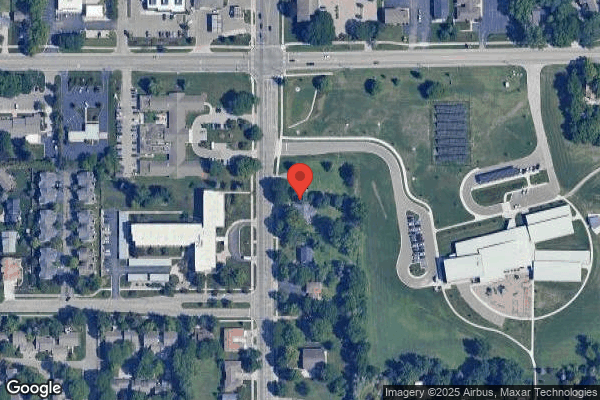
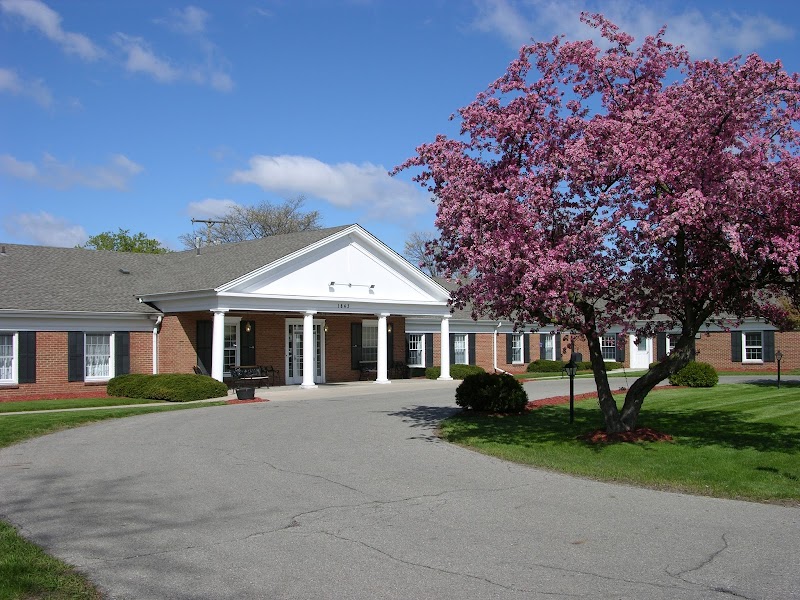
1843 N Hagadorn Road, East Lansing, MI 48823 (517) 332-5061
For profit - Corporation 99 Beds MEDILODGE Data: November 2025 1 Immediate Jeopardy citation
Trust Grade
23/100
#298 of 422 in MI
Last Inspection: October 2024

Within standard 12-15 month inspection cycle. Federal law requires annual inspections.

Overview

Medilodge of East Lansing has received a Trust Grade of F, indicating significant concerns about the quality of care provided at this facility. Ranking #298 out of 422 nursing homes in Michigan places it in the bottom half statewide, and #7 out of 9 in Ingham County means there are only two other options for families looking for better local care. Although the facility is showing improvement with a reduction in issues from 12 to 8 over the past year, it still faces serious problems, including one critical incident where a resident did not receive timely CPR, leading to their death. Staffing is relatively stable with a 3/5 rating and a turnover rate of 48%, but the facility benefits from more RN coverage than 98% of Michigan facilities, which is a strength. However, with $39,462 in fines and serious incidents such as the failure to prevent worsening pressure ulcers in residents, families should weigh these significant weaknesses against the few strengths when considering this nursing home.
Trust Score
F
23/100
In Michigan
#298/422
Bottom 30%
Safety Record
High Risk
Review needed
Inspections
Getting Better
12 → 8 violations
Staff Stability
⚠ Watch
48% turnover. Above average. Higher turnover means staff may not know residents' routines.
Penalties
✓ Good
$39,462 in fines. Lower than most Michigan facilities. Relatively clean record.
Skilled Nurses
✓ Good
Each resident gets 87 minutes of Registered Nurse (RN) attention daily — more than 97% of Michigan nursing homes. RNs are the most trained staff who catch health problems before they become serious.
Violations
⚠ Watch
48 deficiencies on record. Higher than average. Multiple issues found across inspections.
★★☆☆☆
2.0
Overall Rating
★★★☆☆
3.0
Staff Levels
★★☆☆☆
2.0
Care Quality
★★☆☆☆
2.0
Inspection Score
Stable
2024: 12 issues
2025: 8 issues

The Good

  • Full Sprinkler Coverage · Fire safety systems throughout facility
  • No fines on record

Facility shows strength in fire safety.

The Bad

2-Star Overall Rating

Below Michigan average (3.1)

Below average - review inspection findings carefully

Staff Turnover: 48%

Near Michigan avg (46%)

Higher turnover may affect care consistency

Federal Fines: $39,462

Above median ($33,413)

Moderate penalties - review what triggered them

Chain: MEDILODGE

Part of a multi-facility chain

Ask about local staffing decisions and management

The Ugly 48 deficiencies on record

1 life-threatening 2 actual harm
Aug 2025 2 deficiencies
CONCERN (D) 📢 Someone Reported This

A family member, employee, or ombudsman was alarmed enough to file a formal complaint

Potential for Harm - no one hurt, but risky conditions existed

Quality of Care (Tag F0684)

Could have caused harm · This affected 1 resident

**NOTE- TERMS IN BRACKETS HAVE BEEN EDITED TO PROTECT CONFIDENTIALITY** This citation pertains to intake 2597662.Based on observation, interview and record review, the facility failed to ensure medica...

Read full inspector narrative →
**NOTE- TERMS IN BRACKETS HAVE BEEN EDITED TO PROTECT CONFIDENTIALITY** This citation pertains to intake 2597662.Based on observation, interview and record review, the facility failed to ensure medications were administered per physician's orders for one (R1) of three reviewed.Findings include: Review of the medical record reflected R1 admitted to the facility on [DATE] and readmitted [DATE], with diagnoses that included chronic respiratory failure with hypoxia, asthma, tracheostomy status (surgical hole made through the front of the neck, into the windpipe/trachea, for placement of a tracheostomy tube for breathing) and spastic quadriplegic cerebral palsy. The Annual Minimum Data Set (MDS), with an Assessment Reference Date (ARD) of 5/31/25, reflected R1 did not speak, was rarely/never understood and rarely/never understands.On 8/26/25 at 8:05 AM, R1 was observed seated in a wheelchair, in their room. A tracheostomy was observed, secured with tracheostomy ties. R1's hospital Discharge summary, dated [DATE], reflected discharge diagnoses that included tracheostomy dependence, pneumonia, septic shock and gram-positive bacteria. According to the discharge summary, R1 was to receive sulfamethoxazole-trimethoprim (Bactrim DS-an antibiotic) 800-160 milligrams (mg) by mouth two times daily until 8/13/25. R1's August 2025 Medication Administration Record (MAR) reflected their 8:00 PM dose of Bactrim DS, which was ordered for pneumonia, was not administered on 8/11/25. A correlating Progress Note for 8/11/25 at 11:18 PM reflected the medication was on order, and the pharmacy had been called.Review of the facility's back-up medication supply list, dated 5/28/25, reflected Bactrim DS 800-160 mg was available within the facility. A medication error Incident Report for 8/11/25 at 8:00 PM reflected the nurse did not pull Bactrim DS from the back-up supply for R1's evening dose of medication. The report reflected the on-call provider was notified. R1's medical record did not reflect documentation pertaining to consideration of changes to the Bactrim DS order to account for R1's missed dose of medication.R1's August 2025 MAR reflected their bedtime dose of Olanzapine (antipsychotic medication) 7.5 mg was not administered. A correlating Progress Note for 8/11/25 at 11:21 PM reflected the medication was on order, and the pharmacy had been called. A medication error Incident Report for 8/11/25 at 8:00 PM reflected the nurse did not pull Olanzapine from the facility's back-up medication supply for R1's 8:00 PM dose on 8/11/25. According to the August 2025 MAR, R1's 8:00 PM dose of Klonopin (medication to treat seizure disorder) 0.5 mg was not administered on 8/11/25. The MAR reflected the medication was ordered for a diagnosis of unspecified convulsions. A medication error Incident Report for 8/11/25 at 8:00 PM reflected the nurse did not pull Klonopin from the facility's back-up medication supply for R1. In an interview on 8/26/25 at 1:32 PM, Director of Nursing (DON) B confirmed Bactrim DS was included in the facility's back-up medication supply. DON B reported they would typically extend the order for the number of days (doses) missed, but that would be at the discretion of the provider. When asked if an extension of the order was discussed with the provider, DON B acknowledged she did not see Bactrim in the provider notes. DON B reported the nurse should have also pulled R1's Olanzapine and Klonopin doses from the facility's back-up medication supply for 8/11/25. According to the American Lung Association, Pneumonia Treatment and Recovery .Take any medications as prescribed by your doctor. If your pneumonia is caused by bacteria, you will be given an antibiotic. It is important to take all the antibiotics, even though you will probably start to feel better in a couple of days. If you stop before the prescription is gone, you risk having the infection return, and you increase the chances of the germs becoming resistant to treatment in the future . (https://www.lung.org/lung-health-diseases/lung-disease-lookup/pneumonia/treatment-and-recovery)
CONCERN (D) 📢 Someone Reported This

A family member, employee, or ombudsman was alarmed enough to file a formal complaint

Potential for Harm - no one hurt, but risky conditions existed

Respiratory Care (Tag F0695)

Could have caused harm · This affected 1 resident

**NOTE- TERMS IN BRACKETS HAVE BEEN EDITED TO PROTECT CONFIDENTIALITY** This citation pertains to intake 2597662.Based on observation, interview and record review, the facility failed to provide respi...

Read full inspector narrative →
**NOTE- TERMS IN BRACKETS HAVE BEEN EDITED TO PROTECT CONFIDENTIALITY** This citation pertains to intake 2597662.Based on observation, interview and record review, the facility failed to provide respiratory care according to physician's orders for one (R1) of three reviewed.Findings include:Review of the medical record reflected R1 admitted to the facility on [DATE] and readmitted [DATE], with diagnoses that included chronic respiratory failure with hypoxia, asthma, tracheostomy status (surgical hole made through the front of the neck, into the windpipe/trachea, for placement of a tracheostomy tube for breathing) and spastic quadriplegic cerebral palsy. The Annual Minimum Data Set (MDS), with an Assessment Reference Date (ARD) of 5/31/25, reflected R1 did not speak, was rarely/never understood and rarely/never understands.On 8/26/25 at 10:51 AM, R1 was observed seated in a wheelchair, in their room. A tracheostomy was observed, secured with tracheostomy ties. A cough assist machine was observed on a table in R1's room. In an interview on 8/26/25 at 11:01 AM, Respiratory Therapist (RT) D reported R1 received their cough assist three to four times daily, and there was an order to sign off on. R1's July 2025 Respiratory Administration Record (RAR) reflected an order for cough assist therapy for assistance with airway clearance, three times daily, for airway patency, related to chronic respiratory failure with hypoxia. The scheduled times reflected 7:00 AM, 4:00 PM and 8:00 PM. According to the RAR, R1 missed 20 opportunities to receive their cough assist due to reasons including lack of tolerance, refusal or being asleep. R1's hospital Discharge summary, dated [DATE], reflected discharge diagnoses that included tracheostomy dependence, pneumonia, septic shock and gram-positive bacteria. According to the discharge summary, R1 was to receive cough assist three times daily. A readmission Physician Progress Note, dated 8/12/25, reflected R1 was recommended to continue the cough assist three times daily.Review of R1's August 2025 RAR reflected an order for ten cycles of their cough assist, three times daily, for lung inflation, related to chronic respiratory failure with hypoxia. The scheduled times reflected 7:00 AM, 3:00 PM and 10:00 PM. The first administration of the cough assist upon return from the hospital was documented for 10:00 PM on 8/12/25. The RAR reflected R1's cough assist as not being administered for their 7:00 AM scheduled time on 8/20/25, the scheduled 3:00 PM time on 8/24/25 or the scheduled 10:00 PM time on 8/16/25, 8/17/25 and 8/24/25 due to reasons including refusal, being asleep or being out of the facility.In a phone interview on 8/27/25 at 9:56 AM, RT E reported R1 did not tolerate the cough assist, and they could not recall the last time they attempted to administer R1's cough assist.
Apr 2025 4 deficiencies 1 Harm
SERIOUS (G) 📢 Someone Reported This

A family member, employee, or ombudsman was alarmed enough to file a formal complaint

Actual Harm - a resident was hurt due to facility failures

Pressure Ulcer Prevention (Tag F0686)

A resident was harmed · This affected 1 resident

**NOTE- TERMS IN BRACKETS HAVE BEEN EDITED TO PROTECT CONFIDENTIALITY** This citation pertains to intake number MI00151442 and MI00151852 Based on observation, interview, and record review the facilit...

Read full inspector narrative →
**NOTE- TERMS IN BRACKETS HAVE BEEN EDITED TO PROTECT CONFIDENTIALITY** This citation pertains to intake number MI00151442 and MI00151852 Based on observation, interview, and record review the facility failed to provide for three out of three residents (Resident #105, #106, #111) care and services to prevent and promote healing of pressure ulcers resulting in worsening wounds, osteomyelitis, and hospitalization. Findings Included: Review of the facility Matrix, dated 4/8/25, the facility census was 69 and they had nine current residents with pressure ulcers and three had facility acquired pressure wounds. Review of two complaints received by the State Agency alleged the facility failed to prevent worsening of pressure ulcers for R105 and R106, who was known high risk for skin breakdown. Resident #106(R106) Review of the Face Sheet and Minimum Data Set (MDS) dated [DATE], reflected R106 was a [AGE] year-old male admitted to the facility on [DATE], with re-admission 3/13/25 related to wound infection with other diagnoses that included traumatic brain dysfunction, cerebral vascular accident, acute respiratory failure with anoxic brain damage with tracheostomy, contracture of left knee and right knee, The MDS reflected R106 was dependent on staff for all care. Continued review of the MDS reflected R106 had one new stage 4 pressure ulcer(PU) (full thickness tissue loss with exposed bone, tendon or muscle. Slough or eschar may be present on some parts of the wound bed) not present on admission. During a telephone interview on 4/9/25 at 9:43 a.m., R106 Responsible Party (RP) K reported R106 was currently in the hospital for several infected worsening facility acquired pressure wounds since 4/1/25. R106 RP K facility staff were not turning and repositioning R106 enough and on several occasions appeared to be unkept and ungroomed. Review of R106 Physician Progress Note, dated 10/25/24, reflected, Patient is a 38M[male], medical history of TBI[traumatic brain injury],trach and PEG [percutaneous endoscopic gastrostomy] placement, nonverbal, AOx0[alert and oriented times 0] at baseline, who resides at [named long term care facility]. His brain injury occurred in April 2022 when he was struck by a vehicle on his bicycle. He was admitted to [named hospital] for medical management. He required PEG tube and tracheostomy. Ultimately, he was admitted to [named long term care facility] on 8/1/2024. He has required multiple ED[emergency department] visits for PEG tube replacement after being dislodged. Additionally, his most recent hospitalization was due to aspiration PNA [pneumonia]. However, he was recently able to be decannulated and is now doing well on room air .consulted for rehab needs and evaluation of contracture's and bruxism [grinding of teeth] . Review of R106 Provide Note, dated 10/28/24, reflected, Primary Chief Complaint: Skin: Pressure Wound .History Present Illness : 38M with hx[history] TBI, chronic resp.[respiratory] failure, nonverbal, total care, developed a new Stage 2 pressure wound on his coccyx .This is an acute new problem . Review of R106 Pertinent Charting Skin Note, dated 2/2/25, reflected, Location of skin area being documented: Coccyx, bilateral ischial tuberosities Coccyx, wound is white around the edges but improving with the wound bed. Cleaned and dressing applied. Right Ischial tuberosity has a fluid filled blister that is intact. Skin prep applied, let dry, then applied non-adherent pad then comfort foam border. Left: hip is open . Review of R106 Pertinent Charting Skin Note, dated 2/14/25, reflected, Location of skin area being documented: Coccyx, bilateral hips Coccyx wounds still declining, with the rim of wound white, skin prepped the outside of wound before applying dressing. Right hip doing well, still flush with skin, dressing applied. Left hip declining, slightly deeper than last observed by myself with significant amount of drainage . Review of R106 Pertinent Charting Skin Note, dated 2/17/25, reflected, Location of skin area being documented: Coccyx, Left hip, right hip left outer foot. Coccyx wound no change, but still not doing well, left hip is worse, wound is draining more and has an odor to it. Right hip is almost completely healed. This area looks great. Left outer foot has a blister on it .risk management started Review of R106 Wound Notes, dated 10/29/24 through 3/4/25, reflected the following: 10/29/24-Coccyx NEW Facility Acquired(FA) Stage 4 pressure ulcer(PU)--1.07 x 0.6 x 0.1 cm Start date 10/28/24. 2/4/25--Coccyx FA stage 4 PU-3.6 x 2.3 x 0.3 cm -Left Trochanter(hip) New Facility Acquired-6.7 x 3.3 x 0.2 cm--NEW -Right Trochanter New Facility Acquired blister-4.8 x 3.3 x 0.1 cm-NEW 2/18/25-Coccyx FA stage 4 PU-4.2 x 3.3 x 0.4 cm-slough -Right Trochanter FA PU-RESOLVED -Left Trochanter FA blister-3.9 x 5 x 0.2 cm-slough, dark non-granulation -Left lateral foot NEW hematoma-2.4 x 1.3 x 0 cm--NEW 3/4/25--Coccyx FA unstageable PU-4.7 x 3.0 x 0.4 cm--slough -Left Trochanter FA unstageable pressure-6.2 x 2.2-slough -Left lateral foot FA deep tissue injury-2.4 x 1.5 x 0 cm Review of R106 Provider Notes, dated 3/13/25, reflected, Primary Chief Complaint: readmission .Patient was sent to ED on 3/6 sepsis and sacral wound infection. Patient had a sacral decubital and it was debrided, and patient grew out Escherichia coli ESBL and Pseudomonas aeruginosa and staff. Patient was treated with Zyvox. And patient is requiring meropenem 500 mg every 6 hours and levofloxacin 750 every 24 hours for 6 weeks. Patient is being readmitted to the facility . Review of R106 Nursing Evaluation Summary Note, dated 3/13/25 at 9:21 p.m., reflected, Resident arrive via stretcher from [named] hospital after a hospital stay r/t[related to] infection . Review of R106 Physician History and Physical Note, dated 3/14/25, reflected, He is being seen for readmission to the facility after hospitalization at [named]. He was admitted for suspected sepsis with hypotension and tachycardia. Source was felt to be due to a sacral ulcer. He was taken for debridement on 3/8/25 with cultures showing ESBL E. coli and Pseudomonas. ID was consulted and recommended 6 weeks of meropenem and Levaquin .PICC[peripherally inserted central catheter] was placed on 3/13. Today, he was noted by nursing to have been grinding his teeth more, diaphoretic, and appearing more uncomfortable . Review of R106 Pertinent Charting-Infections/Signs Symptoms Note, dated 3/16/25, reflected, .Resident has had a difficult night tonight. Has been moaning and groaning, have given PR muscle relaxer and his scheduled medications and they do not appear to help. When dressing was completed, he did appear to settle down and is at this time quiet. Review of R106 Provider Wound Note, dated 3/18/25, reflected, Chief Complaint / Nature of Presenting Problem: Sacral and left hip pressure wounds History Of Present Illness:39yr old male requested by facility for evaluation of wounds and follow up related to coccyx, left lateral foot, and left hip pressure wounds .Coccyx stage 4 pressure Measurements- 5.1 x 3.7 x 1.5cm Tissue type- Pink non-granulation/slough .Infection- delayed healing/non-viable tissue .Wound Plan Of Care- Medihoney/lightly fluffed saline gauze/foam BID and prn .Wound Additional Orders- Caregiver staff to provide frequent turning and repositioning .Left lateral foot deep tissue injury Measurements- 3 x 1.7 x 0cm Tissue type- discolored epithelial .Left trochanter unstageable pressure Measurements- 6.6 x 7 x Unable to determine true depth Tissue type- pink non-granulation/slough .Wound Plan Of Care- Medihoney/lightly fluffed saline gauze/foam BID and prn . Review of R106 Provider Wound Note, dated 3/25/25, reflected, Coccyx stage 4 pressure Measurements- 5 x 3.8 x 1.2cm .Tissue type- Pink non-granulation/slough Peri Wound- fragile Drainage- Light serosanguineous Pain- none Infection- delayed healing/non-viable tissue Overall Wound Condition- stable Wound Plan Of Care- Medihoney/lightly fluffed saline gauze/foam BID and prn .Left lateral foot deep tissue injury Measurements- 2.8 x 1.7 x 0cm Tissue type- discolored epithelial Peri Wound- fragile .Left trochanter unstageable pressure Measurements- 7.7 x 7.6 x Unable to determine true depth Tissue type- pink non-granulation/slough Peri Wound- fragile Drainage- Light serosanguineous Pain- none Infection- non-viable tissue . Review of R106 Wound Provider Note, dated 4/1/25, reflected, Chief Complaint / Nature of Presenting Problem: Sacral and left hip pressure wounds History Of Present Illness: 39yr old male requested by facility for evaluation of wounds and follow up related to coccyx, left lateral foot, and left hip pressure wounds. Caregiver staff notes recent fevers and odor from buttocks wounds .Coccyx unstageable pressure Measurements- 5.8 x 5.2 x unable to determine true depth Tissue type- slough/dark avascular tissue Peri Wound- fragile Drainage- Light serosanguineous Pain- none Infection- delayed healing/non-viable tissue Overall Wound Condition- deterioration .Left lateral foot deep tissue injury Measurements- 2.8 x 2 x 0cmTissue type- discolored epithelial .Overall Wound Condition- stalled Wound Plan Of Care- skin prep and OTA daily .Left trochanter unstageable pressure Measurements- 7.8 x 7 x Unable to determine true depth Tissue type- pink non-granulation/slough Peri Wound- fragile Drainage- Light serosanguineous Pain- none Infection- non-viable tissue .Right trochanter blister Measurements- 1.5 x 2.5 x 0.1cm Tissue type- dermal Peri Wound- fragile .Overall Wound Condition- new .Right Upper arm blister lateral Measurements- 1.3 x 0.9 x 0cm Tissue type- fluid filled epithelial Peri Wound- fragile .Overall Wound Condition- new .Right Upper arm blister medial Measurements- 1.8 x 0.5 x 0cm Tissue type- fluid filled epithelial Peri Wound- fragile .Overall Wound Condition- new .Reclassified sacral wound as unstageable d/t increase in slough and appearance of avascular tissue. Concern as wound continues to deteriorate despite use of IV meropenem and levaquin. Pt now experiencing blisters in recurrent areas such as his right trochanter. Pt likely requires advanced imaging and diagnostics to assist in identifying underlying reason for sacral wound deterioration. Notified physician and she agreed pt should be transferred to [named] ER for further evaluation . Review of R106 Skin Care Plan, dated 8/1/24, reflected interventions that included, Assist resident with turning and repositioning per facility protocol and PRN. Resident utilizes pillows and wedges to assist with offloading boney prominence .Preventative treatment(s) per orders . Provide incontinence care as needed .Provide incontinence care as needed . Review of R106 Treatment Administration Record, dated 2/1/25 through 3/31/25, reflected R106 had 20 missed wound treatments, as evidenced by no documentation as completed, for facility acquired pressure wounds. Continued review of the TAR reflected Provider order for twice daily wound care to R106 Coccyx wound was completed daily (seven missed treatments). Review of R106 facility, Documentation Survey Report v2(Task Report), dated 2/1/25 through 3/31/25, reflected R106 had task, Assist/Remind to Turn and Reposition per Care Plan and PRN. The Report reflected R106 had 42 eight-hour shifts that R106 was not turned and repositioned, as evidenced by no documentation as completed. Resident #111(R111) Review of the Face Sheet and Minimum Data Set (MDS) dated [DATE], reflected R111 was a [AGE] year-old female admitted to the facility on [DATE], with re-admission 4/5/25 related to wound infection with other diagnoses that included non-traumatic brain dysfunction, heart failure, and seizure disorder. The MDS reflected R111 was dependent on staff for all care. Continued review of the MDS reflected R111 had one unstageable pressure wound related to slough in wound bed and one unstageable pressure wound related to suspected deep tissue injury both on admission. During an observation on 4/9/25 at 3:15 p.m., Registered Nurse (RN) C entered R111 room with dressing supplies to complete wound care treatment. R111 was laying in bed and was nonverbal. CNA staff assisted with positioning. RN C removed old dressing dated 4/8/25 that was saturated over sacral area. R111 had large sacral wound the size of small football with about 50 % slough in base of wound. RN C cleaned would bed with normal saline and gauze, ointment, then place dry gauze pads loosely under border foam dressing. RN C reported R111 admitted with sacral wound and was recently re-admitted to hospital related to osteomyelitis (bone infection). Review of R111 Physician order, dated 4/5/25, reflected, Monitor sacral wound, if saturated/ missing replace every day and night shift for WOUND CARE related to PRESSURE ULCER OF SACRAL REGION Review of R111 Provider Note, dated 2/27/25, reflected, [AGE] year old seen today for new admission. She is currently resting in bed. She was admitted to the hospital secondary to cardiac arrest .Her neurological status did not improve and neurology was consulted, EEG[brain activity scan] showed no seizure and did show diffuse encephalopathy. MRI[soft tissue scan] brain showed anoxic brain injury pattern. She had trach and peg placed on 2/11. She was also treated for Klebsiella UTI and moraxella and MSSA[type of bacteria] pneumonia and she did complete course of antibiotics. She then continued to have fevers and ID[infectious disease] rec to continue with Cefazolin for 14 days as repeat respiratory culture showed MSSA. She has picc line in place . Review of R111 Nursing Evaluation Summary, dated 2/27/25, reflected, Skin assessment completed and open areas to coccyx and right gluteal fold noted as well as DTI[deep tissue injury] to right heel, no other skin issues noted. Review of R111 Wound Notes, dated 2/27/25 through -----, reflected the following: 2/27/25-Coccyx-3.69 x 1.48 cm 3/4/25--Coccyx unstageable PU-3.6 x 3.7 unable to determine depth related to slough. -Right ischium stage 2 pressure-0.6 x 0.5 x 0.1 cm -Right heel deep tissue injury-1.4 x 1 x 0 cm 3/18/25-Coccyx unstageable PU-9.7 x 7.2 x unable to determine related to slough/dark non- granulation. Note, Caregiver staff to provide frequent turning and repositioning to offload wounds. -Right heel deep tissue injury-1.1 x 1.2 x 0cm 3/25/25-Coccyx unstageable PU-11.9 x 8.9 x unable to determine depth related to slough, deterioration. -Right heel-1.1 x 1 x 0 Continue review of wound note, dated 3/25/25, reflected, Ordered 2 V xray of sacral wound d/t continued acute deterioration AEB[as evidenced by] increase in size, significant odor, and delayed healing. Ordered metrogel applied to wound followed by dakins gauze. Later during documentation reviewed xray results showing suspicion for osteomyelitis. Discussed results with physician and authorized transfer to [NAME] ER for advanced imagining, culturing, abx [antibiotic]selection, and debridement of wound. DON notified. Called facility and notified nursing of findings and requested pt be sent to [NAME] ER along with xray results . Review of R111 Provider Progress Note, dated 4/7/25, reflected, Chief Complaint / Nature of Presenting Problem: Re admission, osteomyelitis History Of Present Illness:[AGE] year old seen today for re admission she was in the hospital secondary to osteomyelitis. There is no discharge summary at this time. Reviewed progress notes in [named EMR] and she was admitted to the hospital with concern for worsening decubitus ulcer, she had CT scan that showed coccygeal soft tissue ulceration . worrisome for osteomyelitis. She was placed on IV antibiotics and ID was consulted. Review of R111 Hospital Infectious Disease Consult, dated 4/2/25, revealed diagnosis that included osteomyelitis of scrum and coccyx, stage 4 pressure ulcer and sepsis. Review of R111 Treatment Administration Record, dated 3/1/25 through 3/25/25, reflected R111 had 4 missed wound treatments, as evidenced by no documentation as completed, for worsening coccyx pressure wound. Review of R111 facility, Documentation Survey Report v2(Task Report), dated 3/1/25 through 3/25/25, reflected R111 had task, Assist/Remind to Turn and Reposition per Care Plan and PRN. The Report reflected R111 had 23 eight-hour shifts that R111 was not turned and repositioned, as evidenced by no documentation as completed. Resident #105(R105) Review of the Face Sheet and Minimum Data Set (MDS) dated [DATE], reflected R105 was a [AGE] year-old female admitted to the facility on [DATE], with diagnoses that included cerebral vascular accident with current comatose state, acute respiratory failure with anoxic brain damage with tracheostomy, Pulmonary embolism, diabetes mellitus, hypertension, and one stage 2 pressure ulcers present on admission and one unstageable pressure ulcer not present on admission. The MDS reflected R105 was dependent on staff for all care. Continued review of the MDS, dated [DATE], reflected R105 had one new unstageable pressure wound not present on admission [DATE]). During a telephone interview on 4/9/25 at 9:32 a.m., R105 family I reported R105 admitted to facility 10/30/24 with an open area on coccyx area and on left side. R105 family I reported R105 coccyx area was almost healed, and staff stopped repositioning R105 and wound gradually worsened and R105 developed new skin breakdown on right side at the facility. R105 family I reported R105 was re-admitted several times to the hospital for repeat wound infections, last time on 3/26/25 and stated, tired of it, she had been through enough. R105 family reported spoke with management several times with concerns that R105 was not being turned and repositioned every two hours and they hung a turning log on wall over R105 bed that staff were instructed to document every time R105 was turned. R105 family member reported log was incomplete and still in R105 room. During an observation and record review on 3/9/25 at 9:40 a.m., R105 name was posted outside room door and turning log document was hanging on the wall above the head of the bed. The log reflected, Resident needs to be turned q2[every two] hours and PRN [as needed]. Continued review of the log reflected first entry 3/13/25 at 6:40 p.m. with L circled that indicated turn direction with a total of six entries including last, dated 3/16/25, for four days. (If R105 was turned every two hours, should be 12 entries each day on log for a total of 156 entries between 3/13/25 and 3/26/25). Review of R105 Electronic Medical Record (EMR), dated 10/30/24 through 3/26/25, reflected R105 admitted to facility 10/30/24 and transferred to hospital 12/10/24 and return 12/24/24. Continued review of the EMR reflected R105 was transferred to the hospital on 1/28/25 and returned to facility 2/21/25. Continued review of the EMR reflected R105 re-admitted back to the hospital on 3/26/25 and had not returned to the facility. Review of R105 Provider Progress Note, dated 10/31/24, reflected, History Of Present Illness: [AGE] year old seen today for new admission. She is currently resting in bed and her husband is at bedside. She had PEA [pulseless electrical activity] arrest and CT [computed tomography scan] chest which showed PE [pulmonary embolism] with moderate clot burden and multifocal consolidation and groundglass disease. She was seen by IR [interventional radiology] and had thrombectomy. CT showed cerebral ischemia. Per notes brainstem reflexes intact but not definite sign of higher function. She was seen by neurology. She was treated for UTI [urinary tract infection]. Urine culture showed e faecium and respiratory cultures showed pseudomonas. She does have trach in place and peg tube. Her husband tells me before she was hospitalized with her blood clots she was pretty healthy. Review of R105 Pertinent Charting-Skin Progress Note, dated 10/31/24 at 8:31 a.m., reflected, Event Date: 10/30/24 Location of skin area being documented: coccyx and left rear thigh Description: pressure ulcers .Physician notification: Resident admitted to facility with wounds, Provider aware. Review of R105 Social Services Progress Note, dated 11/4/24, reflected, IDT [interdisciplinary team] met with res and husband for initial CC [care conference] .Expressed concerns about preventing pressure wounds. Nursing explained res is on a schedule for repositioning . Review of R105 Provider Wound Notes, dated 11/5/24 through 12/3/24, reflected the following: 11/5/24-Coccyx stage 3 pressure-5.5 x 3.9. 0.2 cm -Left rear thigh stage 2 pressure with no measurements noted. Wound Additional Orders-Caregiver staff to provide frequent turning and repositioning to offload wounds. 11/12/24-Coccyx stage 3 pressure-1.4 x 1.7 x 0.2 cm -Left rear thigh stage 2 pressure-RESOLVED. 11/26/24-Coccyx stage 3 pressure-0.6 x 0.4 x 0 cm 12/3/24-Coccyx stage 3 pressure-1.11 x 0.94 cm Review of Provider Note, dated 12/10/24, reflected, This is an acute new problem Condition is guarded 47yo[year old] female with respiratory failure, anoxic brain damage, HTN[hypertension] who has a BP[blood pressure] of 87/53 with a HR[heart rate] of 118 and now desaturating down to 88% on 2L[liters]. She is grey appearing, tachypneic. Orders : Transfer to Emergency Department . Review of R105 Hospital Discharge documentation, dated 12/24/24, reflected R105 had discharge diagnosis that included, severe sepsis, pyelonephritis, pneunomonitis, and decubitus ulcers. Review of R105 Provider Progress Note, dated 12/30/24, reflected, patient with new pressure ulcers on R[right] & L[left] buttocks. L buttocks [NAME] areas of blistering, no drainage, R buttocks is an area of redness, no open wound .Physical Exam - Notes : SKIN stage 1 pressure ulcer R buttocks, stage 2 pressure ulcer L buttocks .Pressure ulcer of left buttock, stage 1 This is an acute new problem Condition is stable cover with xeroform, change daily wound care consultL89312 - Pressure ulcer of right buttock, stage 2 (Primary) This is an acute new problem Condition is stable cover with xeroform, change daily wound care consult . Review of R105 Wound Notes, dated 12/24/24 through 1/28/25, reflected the following: 12/24/24-Coccyx stage 3 pressure-6.57 x 7.92 cm(no mention of other wounds) 12/30/24-Coccyx stage 3 pressure-9.07 x 5.58 cm (worsened) 12/31/24-Coccyx stage 3 pressure-7.9 x 8 x 0.2 cm -Right gluteus blister-4 x 5.9 x 0.1 cm, non-viable dark epithelial (New Facility acquired) 1/7/25-Coccyx stage 3 pressure-9.1 x 5.7 x 0.3 cm(Worsened) -Right gluteus blister -4.8 x 3.6 x 0.2 cm (Facility acquired) 1/14/25-Coccyx stage 3 pressure-8.6 x 4.5 x 0.3 cm -Right gluteus blister-3.2 x 1.8 x 0.2 cm (Facility acquired) 1/21/25-Coccyx stage 3 pressure-7.9 x 4.6 cm, overall wound condition deterioration. -Right gluteus blister-2.7 x 1.2 cm (Facility acquired) 1/28/25-Coccyx stage 3 pressure-7.4 x 4.1 cm -Right gluteus blister-3.1 x 1.8 cm (Facility acquired) Review of R105 provider note, dated 1/28/25, reflected, .Called husband to request consent for conservative sharps debridement of wounds. Husband requested pt be sent to [named] ER [emergency room] for further evaluation of wounds and debridement in hospital as he is currently unwilling to allow debridement within facility. Facility leadership and nurse notified and pt[patient] transferred to [named] ER . Review of R105 Hospital Discharge summary, dated [DATE], reflected, Patient is a [AGE] year-old female who presented to [named hospital] with worsening sacral ulcer .admitted to medicine for sacral ulceration, abdominal abscess .SURGERY Consulted, S/p Bedside Debridement Sacral ulceration 1/30/2025-RECOMMEND Continue DAILY wound care at Discharge. RECOMMEND Continue frequent repositioning. RECOMMEND CLOSE Follow up SURGERY/Wound Clinic at discharge if Able . Review of R105 Nurse Progress Note, dated 2/23/25, reflected, Resident returned from Hospital with left upper arm midline /IV ATB therapy(meropenem) for bacterial infection to be continued until 2/28/25. Review of R105 History and Physical, dated 3/1/25, reflected, She is being seen for readmission to facility after hospitalization at [named]. She presented to the ED with worsening sacral ulcer and fever .Surgery was performed on bedside debridement of the sacral ulcer on 1/30/25. She will need ongoing daily wound care and follow up with the [named] wound clinic .Abscess of abdominal cavity . Review of R105 Wound Notes, dated 3/4/25 through---, reflected the following: 3/4/25-Sacrum pressure-7.1 x 6.4 x unable to determine true depth. -Right gluteus blister-2 x 1 x unable to determine true depth. (Facility acquired) 3/11/25-Sacrum pressure-6.7 x 3.8 x unable to determine true depth, Tissue type slough -Right gluteus blister-3 x 1.7, Tissue type slough/crusting (Facility acquired) 3/18/25-Sacrum pressure-7.7 x 3.8 x unable to determine true depth, Tissue type: slough. -Right gluteus unstageable pressure-2.8 x 1.2 x unable to determine true depth, slough. (Worsening and Facility acquired) 3/25/25-Sacram pressure-6.4 x 5.8 x unable to determine true depth, slough -Right gluteus unstageable pressure-0.6 x 0.5, unable to determine true depth, slough. (Worsening and Facility acquired) Review of R105 Skin Care Plan, dated 10/30/24, reflected, Resident has impaired skin integrity as evidenced by: Unstageable pressure wound to sacrum, Unstageable pressure injury to rear right thigh related to immobility, anoxic brain damage, respiratory failure, tube feed status .Revision on: 03/20/2025. Continued review reflected interventions that included, Administer treatment(s) per orders .Assist resident with turning and repositioning as needed . Review of R105 Nurse Progress Note, dated 3/26/25, reflected, Res[resident] was having appt with wound clinic. Doctor sent her to [named] ER d/t[related to] worse than anticipated infection to the wounds . Review of R105 Treatment Administration Record, dated 12/1/24 through 3/26/25, reflected R105 had 21 missed wound treatments, as evidenced by no documentation as completed, for coccyx wound and facility acquired right gluteus pressure wound. Continued review of the TAR reflected documentation indicating to see Progress Notes with no evidence of Progress Notes completed on correlating dates. Review of R105 facility, Documentation Survey Report v2(Task Report), dated 1/1/25 through 3/26/25, reflected R105 had task, Assist/Remind to Turn and Reposition per Care Plan and PRN. The Report reflected R105 had 37 eight-hour shifts that was not turned and repositioned, as evidenced by no documentation as completed. During an interview on 4/10/25 at 2:15 p.m., Unit Manager (UM) G reported wounds were assessed every seven days wound team that included wound nurse and wound provider. UM G reported would expect floor nurses to follow Physician treatment orders and document on Treatment Administration Record (TAR) as completed. UM G reported would expect Certified Nurse Aids (CNA) staff to turn and reposition residents every two hours if indicated on the Care Plans and document in the Task documentation (CNA Point of Care Electronic Medical Record). UM G reported the TAR and the Task documentation should not have wholes (no documentation as completed). UM G reported would follow up. Requested UM G for evidence that R106 facility acquired pressure wound was unavoidable. During a telephone interview on 4/10/25 at 4:20 p.m., Wound Nurse (WN) J reported R105 had small coccyx wound on admission that worsened and was later documented as Sacrum wound. WN G reported R105 developed facility acquired pressure ulcer to right gluteus that started blister and was later reclassified to unstageable because of slough in base of wound. WN G reported R105 Coccyx wound was documented as stage 3 pressure wound on admission related to hospital documentation with prior history and verified was small on admission with 0.2 cm depth. During a second interview on 4/10/25 at 4:40 p.m., UM J reported it was discovered recently Wound Nurse (WN) G was not documenting wound treatments as completed on TAR on Tuesdays. UM J verified R105, R106 and R111 had holes on TAR and reported some were documented in progress notes as treatments in place and not on TAR and was unsure why and verified should be documented on TAR as completed with no holes, which reflect missed treatments. UM G reported facility has had issue with staffing for past few months and recent improvements in past two weeks. UM G reported had worked the floor several times in past 2 months to fill in for call-ins with long shifts. UM G reported had also worked as CNA staff to make sure facility has at least three CNA staff in facility. During a second telephone interview on 4/10/25 at 4:58 p.m., WN G reported R105 was unable to locate evidence R105, R106 or R111 worsening pressure ulcers and facility acquired pressure ulcers were unavoidable and reported appropriate interventions were on the Care Plans and staff were expected to follow Care Plans and physician orders. WN G verified R105, R106 and R111 were all at high risk for skin breakdown. WN G reported last week had noticed that wound rounds were not documented as completed on TAR and verified if nurses complete treatment orders should document on TAR as completed. WN G reported facility had staffing issues past couple months with recent improvements. WN G reported facility had several residents that required every two hour turn and repositioning assistance with times with only three CNA staff in entire facility and reported was not possible turn residents every 2 hours.
CONCERN (D) 📢 Someone Reported This

A family member, employee, or ombudsman was alarmed enough to file a formal complaint

Potential for Harm - no one hurt, but risky conditions existed

Accident Prevention (Tag F0689)

Could have caused harm · This affected 1 resident

**NOTE- TERMS IN BRACKETS HAVE BEEN EDITED TO PROTECT CONFIDENTIALITY** This citation refers to intake MI00151694 and MI00150699. Based on interview and record review, the facility failed to provide a...

Read full inspector narrative →
**NOTE- TERMS IN BRACKETS HAVE BEEN EDITED TO PROTECT CONFIDENTIALITY** This citation refers to intake MI00151694 and MI00150699. Based on interview and record review, the facility failed to provide adequate supervision for resident with known high risk for falls and implement care planned interventions to prevent fall injuries for 1 residents (R102) out of 3 residents reviewed for falls, resulting in R102 fall with injury requiring emergency room treatment and hospital admission. Findings included: Resident #102(R102) Review of the Face Sheet and Minimum Data Set (MDS) dated [DATE], reflected R102 was a [AGE] year old male admitted to the facility on [DATE], with diagnoses that included left hip fracture post fall at home, current post care for left hip surgical revision post fall with fracture and infection requiring intravenous antibiotics via central line catheter, peripheral vascular disease, hypertension (high blood pressure), diabetes mellitus, and anemia. The MDS reflected R102 had a BIM (assessment tool) score of 12 which indicated his ability to make daily decisions was moderately impaired, and he required substantial to maximum assist with transfers. Review of the complaint received by the State Agency alleged the facility failed to prevent an avoidable fall for R102, who was known high risk for fall, that resulted in rib fractures on 12/14/24. Review of R102 Progress Notes dated 12/11/24, reflected, .Fall precautions per facility policy. Condition is guarded .History of Present Illness .Patient was admitted to the facility today and is awaiting full H&P[history and physical] and review by the primary team. The nurse consulted (name of) Health to assess the patient, to review discharge medications and orders and to ensure safe transition of care. Review of available paperwork and consultation with patient/nurse was completed to identify and manage high risk conditions and medications while awaiting evaluation by primary team. Per discharge docs: discharge dx L [diagnosis left] hip fracture. Patient is an [AGE] year-old male who presents as a level 3 trauma after a unwitnessed fall. Patient had just got out of [named] when he fell. During his last hospital admission he was found to have bacteremia and he was started on IV [intravenous] ampicillin. He was discharged was given oral antibiotics and then presented to our emergency department. Patient was found to have postoperative changes the left total hip arthroplasty with commuted displaced periprosthetic fracture of the proximal femur with suspicion for infected periprosthetic joint in the left hip, he was also found to have L5[lumbar5] vertebral body stature loss and on initial evaluation was retaining urine. Orthopedics was consulted for the left hip periprosthetic fracture. They repaired the fracture and replaced with a new periprosthetic. Infectious disease was consulted due to bacteremia on last hospital visit and concern for infected periprosthetic they recommended IV ampicillin and was found to actually have positive cultures from the OR that were positive for MRSA [Methicillin-resistant Staphylococcus aureus]. He was then placed on daptomycin IV while in the hospital. Infectious disease recommends oral antibiotic . Neurosurgery was consulted for L 5 vertebral body stature loss/fracture they recommended LSO when out of bed and activity. If able to tolerate PT/OT [physical therapy/occupational therapy] with brace will follow-up outpatient with neurosurgery. Urology was consulted due to concern for possible bladder outlet obstruction. They recommended maintaining Foley for 5 to 7 days after ambulatory and continuing Flomax. and to follow-up outpatient. Patient was taken to the operating room for irrigation and excisional debridement of left anterior hip wound with revision of left hip hemiarthroplasty prosthesis to a new prosthesis and ORIF [open reduction and internal fixation] of left periprosthetic proximal femur fracture. Patient required preoperative blood transfusions due to low hemoglobin. Patient tolerated the procedure well and was tolerating diet, was urinating and adequately with Foley, and worked with physical therapy. Physical therapy recommended PA CR [medical professionals] . Review of R102 Progress Note, dated 12/14/24 at 7:31 a.m., reflected, Date of Service: 12/14/2024 6:08 AM CT Details: Nurse Name: [named Registered Nurse (RN) C] Patient Name: [named R102] Primary Chief Complaint: Fall With Injury History Present Illness: patient has a recent left hip surgery. He had unwitnessed fall. Currently complains of left hip pain and his leg is externally rotated. On prophylactic heparin .Diagnosis, Assessment/Plan: M25552 - Pain in left hip (Primary) rule out fracture Condition is stable Orders: obtain x-ray left hip Assess pain per protocol Fall precautions per facility protocol Monitor with neurochecks per facility protocol Notify a clinician of any change in condition Disposition: Stay at Facility . Signed Date: 12/14/2024 6:15 AM Review of R102 Nurse Progress Note, dated 12/14/25 at 7:38 a.m., reflected, Found on the floor sitting, surgical incision bleeding but incision intact, left leg shorter then right and slightly inward, Dr on call [named provider] notified and stat x-ray 4 views ordered, ordered via [named mobile Xray company] Review of R102 Physician Communication Progress note, dated 12/14/24 11:07 a.m., reflected RN C reported R102 had pulled out PICC line in place for antibiotics for osteomyelitis (infection of the bone). Review of R102 Nurse Progress Note, dated 12/14/24 at 3:35 p.m., reflected, CNA [certified nurse aid] reported that res[resident] is sitting on the floor. He was having his both legs underneath him, arms next to him facing door. Per CNA night CNA was telling her how he was restless and not slept last night, he was sitting on the edge of the bed and she placed him to lay in bed shortly before 6am. Res stated he was trying to get to his phone (he doesn't have one). No increased pain to left hip, neuro's WNL [within normal limits]. While laying in bed left leg was looking shorter and slightly inward, not able to move to the side, incision to surgical side intact but bleeding observed to abd pads in place. Stat x-ray 2 views ordered, labs from yesterday evaluated by on call and no n.o[new orders] at this time, our provider to eval on Monday. Later res pull his PICC line and order received to reinsert it to cont IV ABX [antibiotics]. On call, DON [director of nursing] and family notified. New intervention with perimeter mattrasse in place Review of R102 Progress Note, dated 12/15/24 at 2:01 a.m., reflected, Primary Chief Complaint: Radiology review: abnormal results and/or requiring provider assessment . Summary: Nurse reports pt fell yesterday at 0600 c/o pain xray completed, she is reporting results. Xray revealed-intact left hip arthroplasty with ORIF transfixing proximal femur new since 12/3/2024, w/ periprosthetic fracture at base of greater trochanter with modest displacement new since 12/3/24. Please correlate clinically, and f/u is recommended. Nurse states she gave acetaminophen 650mg about 30 minutes ago. Will review imaging further, in the mean time nurse to give acetaminophen and apply ice to the affected area, can call radiology for clarification, pcp f/u on Monday if decide to keep in place Orders : Give an additional acetaminophen 325mg po once now Can apply ice pack to the affected area x15minutes prn as tolerated Contact radiology in the morning for clarification of results Monitor and call for change in condition Add to PCP list for review of imaging on Monday Disposition : Stay at Facility .Signed Date: 12/15/2024 7:23 AM. Addendum Details: *of note regarding initial consult- other than increased restlessness pt was reportedly otherwise stable per nurse assessment. After further review of results recommend transfer to hospital to assess stability of recent left hip arthroplasty. Audio call at 0818, spoke w/ [named nurse], states she is day nurse for pt, gave order regarding ED transfer, she verbalized understanding Orders: Transfer to ED for further evaluation and treatment .Addendum Created Date:2024-12-15 08:32:50 Review of R102 Nurse Progress Notes, dated 12/15/24 at 3:40 a.m., reflected, notified on call [named provider] at 3:06am of x-ray results. Placed information in physician communication book for follow-up. Review of R102 Interdisciplinary Team (IDT)-Interdisciplinary Progress Note, dated 12/17/24, reflected, Late Entry: Note Text: IDT reviewed. Resident admitted to our facility after a fx[fracture] of the hip x2[two times]. His second fx requiring surgical intervention was while hospitalized . Prior to the fall, we initiated wedges and updated the CP in an attempt to prevent a fall. We had also posted signage in the room encouraging the resident to utilize his call light with the permission of his wife. He was on frequent turning per facility protocol. We reached out to our admissions team who obtained an XR[Xray] report from 12/15. This report impression showed no signs of a fracture. The CNA caring for this resident received education on the importance of following the care plan in place. We will continue to educate all staff and residents. Review of R102 Care Plan, dated 12/12/24, reflected R102 was at risk for fall/injury and had interventions that included, low bed .Mat to floor next to bed .Non-skid footwear to reduce the risk of slipping as the resident allows. Date Initiated: 12/13/2024 .Ensure placement of wedges (2) at the R shoulder and R knee when resting in bed. Date Initiated: 12/13/2024 .Non-skid footwear to reduce the risk of slipping as the resident allows. Date Initiated: 12/13/2024 . Review of R102 Fall Incident Report, dated 12/14/24 at 6:25 a.m., reflected R102 had an unwitnessed fall and was found on floor next to bed confused with injury to top of scalp. The report reflected notes that included, wedges ordered to be in place to right site of hip and shoulder were sitting on the night stand of res discovered sitting on the floor. The Report reflected no mention of care planned fall prevention intervention in place at the time of the fall including level of bed, footwear, or floor mat. During an interview on 4/9/25 at 10:29 a.m., RN C reported had just arrived for day shift on 12/14/24 around 6:00 a.m. when R102 fell out of bed and was unable to recall if R102 floor mat was in place or where bed was position at time of the fall. RN C reported the positioning wedges were NOT in place and should have been. RN C reported R102 did not complain of pain initially and Hoyer was used to place R102 back in bed and then complained of left hip pain. RN C reported notified required staff and family and reported R102 wife remained at the bedside through day and night related to R102 confusion and concerns for safety. RN C reported was not able to provide R102 one on one care as needed related to increased confusion. RN C reported spend additional time with family and R102 for safety concerns and still have other residents needs that needed to be met on highly skilled ventilator unit. During a telephone interview on 4/10/25 at 12:26 p.m., Certified Nurse Aid (CNA) D reported worked 12/14/24 day shift when R102 had fall out of bed. CNA D reported was rounding at start of shift and saw R102 on the floor next to bed and called, code purple. CNA D reported R102 laying directly on the floor with no mat in place with pool of blood on floor located by R102 left hip. CNA D reported R102 was very confused and stated was attempting to reach phone because he was in the barn, but did not have a phone. CNA D reported bed was at knee level but not at lowest position and positioning wedges were sitting in chair, not in use at time of fall. CNA D reported was upset because wedges should have been in place in bed to help prevent R102 fall out of bed per the [NAME] and were not. CNA C wanted to send R102 to the hospital, but provider ordered Xray. During an interview on 4/9/25 at 3:00 p.m., Assistant Director of Nursing (ADON) E reported would expect staff to follow Care Plans and [NAME] including interventions to prevent falls. During an interview on 4/10/25 at 12:18 p.m., Nurse Manager Infection Control (NM) F reported would expect staff to follow Care Plans and have interventions in place including prior to R102 that had high risk for falls. NM F verified R102 Xray completed on 12/14/24 changes since 12/3/24. During an interview on 4/10/25 at 3:06 p.m. R102 family H reported R102 originally fell at home and fractured left hip that required surgical repair 11/17/24, then had an unwitnessed fall with re-fracture of left hip at another facility on 12/3/24 that required surgical repair on 12/6/24. R102 family H reported discussed at length with facility R102 concern about safety and high risk for falls on admission and care meetings prior to R102 fall with rib fractures on 12/14/24 and hospital admission on [DATE]. R102 family H reported R102 was determined to have new rib fractures and pelvic fractures after additional radiology studies completed at the hospital and additional surgery related to left hip hematoma. R102 family H reported R102 was currently on hospice services and reported was upset and stated, this should not have happened. R102 family H reported after facility notified her that R102 had fallen on 12/14/24 went to facility and remained at bedside because was told staff could not be with R102 all the time and was worried about his safety because of increased confusion and repeat attempts to get up. Review of R102 Hospital CT(computed to-mography) of the chest/abdomen/pelvic, dated 12/15/24, reflected, .FINDINGS .Nondisplaced fracture of the right third anterior rib, and possibly fourth rib especially identified . Review of R102 prior Hospital Records, dated 12/4/24 through 12/11/24, revealed no mention of rib fractures including CT of chest/abdomen/pelvis performed.
CONCERN (E) 📢 Someone Reported This

A family member, employee, or ombudsman was alarmed enough to file a formal complaint

Potential for Harm - no one hurt, but risky conditions existed

ADL Care (Tag F0677)

Could have caused harm · This affected multiple residents

**NOTE- TERMS IN BRACKETS HAVE BEEN EDITED TO PROTECT CONFIDENTIALITY** This citation pertains to intake MI00151358, MI00150638 and MI00151852. Based on observation, interview, and record review the f...

Read full inspector narrative →
**NOTE- TERMS IN BRACKETS HAVE BEEN EDITED TO PROTECT CONFIDENTIALITY** This citation pertains to intake MI00151358, MI00150638 and MI00151852. Based on observation, interview, and record review the facility failed to provide Activities of Daily Living (ADL's), including bathing/showering for four dependent resident (R103, R104, R106, and R110) reviewed of ADL care, resulting in increased worsening of pressure wounds and likelihood of feelings of worthlessness, disrespect and the potential for infection. Findings include: Review of three complaints received by the State Agency alleged the facility failed to assist and/or provide residents with ADL care including showering, oral care and grooming. Resident #106(R106) Review of the Face Sheet and Minimum Data Set (MDS) dated [DATE], reflected R106 was a [AGE] year-old male admitted to the facility on [DATE], with re-admission 3/13/25 related to wound infection with other diagnoses that included traumatic brain dysfunction, cerebral vascular accident, acute respiratory failure with anoxic brain damage with tracheostomy, contracture of left knee and right knee. The MDS reflected R106 was dependent on staff for all care. Continued review reflected R106 had been discharged to hospital 4/1/25. Review of R106 Documentation Survey Report(Task Report), dated 2/1/25 through 3/31/25, reflected R106 had five missed showers, as evidenced by no documentation as completed. Continued review reflected 51 shifts with no oral care provided as evidenced by no documentation or documentation that oral care was not provided. Continued review reflected R106 had task, Assist/Remind to Turn and Reposition per Care Plan and PRN[as needed]. The Report reflected R106 had 42 eight-hour shifts that R106 was not turned and repositioned, as evidenced by no documentation as completed. Resident #103(R103) Review of the Face Sheet and Minimum Data Set (MDS) dated [DATE], reflected R103 was a [AGE] year-old male admitted to the facility on [DATE], with diagnoses that included cerebral vascular infarction, vascular dementia, mild neurocognitive disorder, and depression. The MDS reflected R103 required partial to moderate assist with showering and dressing. Continued review of R103 MDS reflected resident had dentures and had been discharge from facility 3/24/25. Review of R103 Documentation Survey Report (Task Report), dated 3/17/25 through 3/24/25, reflected R103 had one missed showers, as evidenced by no documentation as completed, with no shower for five days and was present at facility for a total of seven days. Continued review reflected five shifts with no oral care provided as evidenced by no documentation or documentation that oral care was not provided. Review of R103 Care Plan, dated 3/17/25, reflected no mention of R103's dentures including ADL assist for oral care. Resident #104 (R104) Review of the Face Sheet and Minimum Data Set (MDS) dated [DATE], reflected R104 was a [AGE] year-old male admitted to the facility on [DATE], with diagnoses that included cerebral vascular infarction with partial paralysis. The MDS reflected R104 required partial to moderate assist with showering and had been discharged from the facility 3/27/25. Review of R104 Documentation Survey Report(Task Report), dated 2/24/25 through 3/27/25, reflected R104 had five missed showers, as evidenced by no documentation as completed. Resident #110 (R110) Review of the Face Sheet and Minimum Data Set (MDS) dated [DATE], reflected R110 was a [AGE] year-old male admitted to the facility on [DATE], with diagnoses that included traumatic spinal cord injury with partial paralysis, anxiety and depression. The MDS reflected R110 was dependent on staff for care including with showering. During an interview on 4/8/25 at 4:19 p.m., R110 was laying in bed and appeared calm and pleasant and able to answer questions without difficulty. R110 reported had missed several showers in past three months and believed it was related to not enough staff to meet residents needs. R110 reported on several evening shifts over past three months there was only three to four Certified Nurse Aid in the entire facility that included ventilator unit. R110 reported had completed several facility grievances related to staffing concerns and missed showers and reported past two weeks have seen slight improvement. Review of R110 Documentation Survey Report(Task Report), dated 1/1/25 through 3/31/25, reflected R110 had nine missed showers, as evidenced by no documentation as completed, including time frame of 20 days without showering or bathing care. Review of facility Grievance Forms, dated 1/1/25 through current, reflected several reported concerns with missed showers, staffing and linen changes. During a telephone interview on 4/9/25 at 8:26 a.m., Ombudsman L reported had received several complaints from residents and families related staffing concerns because care needs were not being met. During an interview on 4/9/25 at 11:15 a.m., Registered Nurse Manager (RN) L reported had taken over staff scheduling in past two weeks after prior facility scheduler left. RN L reported staffing had been difficult for past two months with prior scheduler issues, frequent call in's, terminations, and open shifts. RN L reported managers had been picking up shifts to meet minimum staffing requirements. During a telephone interview on 4/9/25 at 12:26 p.m., Certified Nurse Aid (CNA) D reported staffing had been an issue at facility for past two to three months with recent improvements over past two weeks since new scheduler. CNA D reported several complaints form residents about missed showers. CNA D reported often worked day shift and reported often arrived to shift with at least three residents who required full bed changes related to being saturated in urine at least five days per week for last month. CNA D reported often only three CNA staff scheduled on night shift and did not feel resident needs were being met related to not enough staff and reported had reported to management and completed concern form with no changes until last two weeks. During a telephone interview on 4/9/25 at 4:05 p.m., Confidential Staff (CS) M reported facility has had staffing issue for past three months. CS M reported resident basic needs were not being met including incontinence care, turn/reposition, showers, oral care and range of motion. CS M reported over past three months second and third shift had been the worse with only enough time to complete incontinence care and repositioning for dependant residents two times per shift and should be every two hour with minimal assist from nurse staff. CS M reported restorative staff pulled to floor for resident care five of five days per week for past couple months. During an interview on 4/10/25 at 2:15 p.m, Unit Manager G reported would expect CNA staff follow [NAME] including every two hour incontinence care, repositioning and showers as scheduled and document in Tasks and verified should not be holes on Tasks with no documentation. During an interview on 4/10/25 at 5:50 p.m., Unit Manager G reported there was 32 of 69 residents in facility that required two person assist with care.
CONCERN (E) 📢 Someone Reported This

A family member, employee, or ombudsman was alarmed enough to file a formal complaint

Potential for Harm - no one hurt, but risky conditions existed

Deficiency F0725 (Tag F0725)

Could have caused harm · This affected multiple residents

**NOTE- TERMS IN BRACKETS HAVE BEEN EDITED TO PROTECT CONFIDENTIALITY** This citation pertains to intakes: MI00151418, MI00151694, MI00151358, MI00150699, MI00150638, MI00151442, and MI00151852. Based...

Read full inspector narrative →
**NOTE- TERMS IN BRACKETS HAVE BEEN EDITED TO PROTECT CONFIDENTIALITY** This citation pertains to intakes: MI00151418, MI00151694, MI00151358, MI00150699, MI00150638, MI00151442, and MI00151852. Based on observation, interview and record review, the facility failed to ensure sufficient levels of nursing staff to meet resident needs and supervision for seven residents (Resident R102, R103, R104, R105, R106, R110 and R111) and per resident council with the potential for unmet care needs and facility residents to not attain or maintain the highest practicable physical, mental, and psychosocial well-being. Finding include: During an interview on 4/8/25 at 10:55 a.m., admission Staff N reported facility census was 69 and Director of Nursing B and Nursing Home Administrator A were not currently in the facility. Review of seven complaints received by the State Agency alleged the facility failed to maintain sufficient staff levels to meet resident needs including prevent worsening of pressure ulcers and prevent avoidable fall with injury. Review of the Centers for Medicare and Medicaid Services PBJ Staffing Report for first quarter reflected the facility triggered for excessively low weekend staffing. Resident #102(R102) Review of the Face Sheet and Minimum Data Set (MDS) dated [DATE], reflected R102 was a [AGE] year old male admitted to the facility on [DATE], with diagnoses that included left hip fracture post fall at home, current post care for left hip surgical revision post fall with fracture and infection requiring intravenous antibiotics via central line catheter, peripheral vascular disease, hypertension (high blood pressure), diabetes mellitus, and anemia. The MDS reflected R102 had a BIM (assessment tool) score of 12 which indicated his ability to make daily decisions was moderately impaired, and he required substantial to maximum assist with transfers. Review of the complaint received by the State Agency alleged the facility failed to prevent an avoidable fall for R102, who was known high risk for fall, that resulted in rib fractures on 12/14/24. During an interview on 4/9/25 at 10:29 a.m., RN C reported had just arrived for day shift on 12/14/24 around 6:00 a.m. when R102 fell out of bed and was unable to recall if R102 floor mat was in place or where bed was position at time of the fall. RN C reported the positioning wedges were NOT in place and should have been. RN C reported R102 did not complain of pain initially and Hoyer was used to place R102 back in bed and then complained of left hip pain. RN C reported notified required staff and family and reported R102 wife remained at the bedside through day and night related to R102 confusion and concerns for safety. RN C reported was not able to provide R102 one on one care as needed related to increased confusion. RN C reported spend additional time with family and R102 for safety concerns and still have other residents needs that needed to be met on highly skilled ventilator unit. Review of R102 Hospital CT(computed to-mography) of the chest/abdomen/pelvic, dated 12/15/24, reflected, .FINDINGS .Nondisplaced fracture of the right third anterior rib, and possibly fourth rib especially identified . Resident #105(R105) Review of the Face Sheet and Minimum Data Set (MDS) dated [DATE], reflected R105 was a [AGE] year-old female admitted to the facility on [DATE], with diagnoses that included cerebral vascular accident with current comatose state, acute respiratory failure with anoxic brain damage with tracheostomy, Pulmonary embolism, diabetes mellitus, hypertension, and one stage 2 pressure ulcers present on admission and one unstageable pressure ulcer not present on admission. The MDS reflected R105 was dependent on staff for all care. Continued review of the MDS, dated [DATE], reflected R105 had one new unstageable pressure wound not present on admission [DATE]). During a telephone interview on 4/9/25 at 9:32 a.m., R105 family I reported R105 admitted to facility 10/30/24 with an open area on coccyx area and on left side. R105 family I reported R105 coccyx area was almost healed, and staff stopped repositioning R105 and wound gradually worsened and R105 developed new skin breakdown on right side at the facility. R105 family I reported R105 was re-admitted several times to the hospital for repeat wound infections, last time on 3/26/25 and stated, tired of it, she had been through enough. R105 family reported spoke with management several times with concerns that R105 was not being turned and repositioned every two hours and they hung a turning log on wall over R105 bed that staff were instructed to document every time R105 was turned. R105 family member reported log was incomplete and still in R105 room. Review of R105 Treatment Administration Record, dated 12/1/24 through 3/26/25, reflected R105 had 21 missed wound treatments, as evidenced by no documentation as completed, for coccyx wound and facility acquired right gluteus pressure wound. Continued review of the TAR reflected documentation indicating to see Progress Notes with no evidence of Progress Notes completed on correlating dates. Review of R105 facility, Documentation Survey Report v2(Task Report), dated 1/1/25 through 3/26/25, reflected R105 had task, Assist/Remind to Turn and Reposition per Care Plan and PRN. The Report reflected R105 had 37 eight-hour shifts that was not turned and repositioned, as evidenced by no documentation as completed. Resident #106(R106) Review of the Face Sheet and Minimum Data Set (MDS) dated [DATE], reflected R106 was a [AGE] year-old male admitted to the facility on [DATE], with re-admission 3/13/25 related to wound infection with other diagnoses that included traumatic brain dysfunction, cerebral vascular accident, acute respiratory failure with anoxic brain damage with tracheostomy, contracture of left knee and right knee. The MDS reflected R106 was dependent on staff for all care. Continued review reflected R106 had been discharged to hospital 4/1/25. Review of R106 Electronic Medical Record, dated 10/1/24 through 4/1/25, reflected R106 had three facility acquired pressure wounds that worsened including stage 4 pressure ulcer(full thickness tissue loss with exposed bone and/or tendon). Review of R106 Documentation Survey Report(Task Report), dated 2/1/25 through 3/31/25, reflected R106 had five missed showers, evidenced by no documentation as completed. Continued review reflected 51 shifts with no oral care provided as evidenced by no documentation or documentation that oral care was not provided. Continued review reflected R106 had task, Assist/Remind to Turn and Reposition per Care Plan and PRN. The Report reflected R106 had 42 eight-hour shifts that R106 was not turned and repositioned, as evidenced by no documentation as completed. Resident #111(R111) Review of the Face Sheet and Minimum Data Set (MDS) dated [DATE], reflected R111 was a [AGE] year-old female admitted to the facility on [DATE], with re-admission 4/5/25 related to wound infection with other diagnoses that included non-traumatic brain dysfunction, heart failure, and seizure disorder. The MDS reflected R111 was dependent on staff for all care. Continued review of the MDS reflected R111 had one unstageable pressure wound related to slough in wound bed and one unstageable pressure wound related to suspected deep tissue injury both on admission. Review of R111 EMR, dated 2/26/25 through 4/10/25, reflected R111 was admitted with unstageable pressure ulcer that worsened to stage 4 pressure wound that required hospitalization and surgical intervention for osteomyelitis. Review of R111 Hospital Infectious Disease Consult, dated 4/2/25, revealed diagnosis that included osteomyelitis of scrum and coccyx, stage 4 pressure ulcer and sepsis. Review of R111 Treatment Administration Record, dated 3/1/25 through 3/25/25, reflected R111 had 4 missed wound treatments, as evidenced by no documentation as completed, for worsening coccyx pressure wound. Review of R111 facility, Documentation Survey Report v2(Task Report), dated 3/1/25 through 3/25/25, reflected R111 had task, Assist/Remind to Turn and Reposition per Care Plan and PRN. The Report reflected R111 had 23 eight-hour shifts that R111 was not turned and repositioned, as evidenced by no documentation as completed. Resident #103(R103) Review of the Face Sheet and Minimum Data Set (MDS) dated [DATE], reflected R103 was a [AGE] year-old male admitted to the facility on [DATE], with diagnoses that included cerebral vascular infarction, vascular dementia, mild neurocognitive disorder, and depression. The MDS reflected R103 required partial to moderate assist with showering and dressing. Continued review of R103 MDS reflected resident had dentures and had been discharge from facility 3/24/25. Review of R103 Documentation Survey Report(Task Report), dated 3/17/25 through 3/24/25, reflected R103 had one missed showers, as evidenced by no documentation as completed, with no shower for five days and was present at facility for a total of seven days. Continued review reflected five shifts with no oral care provided as evidenced by no documentation or documentation that oral care was not provided. Review of R103 Care Plan, dated 3/17/25, reflected no mention of R103's dentures including ADL assist for oral care. Resident #104(R104) Review of the Face Sheet and Minimum Data Set (MDS) dated [DATE], reflected R104 was a [AGE] year-old male admitted to the facility on [DATE], with diagnoses that included cerebral vascular infarction with partial paralysis. The MDS reflected R104 required partial to moderate assist with showering and had been discharged from the facility 3/27/25. Review of R104 Documentation Survey Report (Task Report), dated 2/24/25 through 3/27/25, reflected R104 had five missed showers, as evidenced by no documentation as completed. Resident #110(R110) Review of the Face Sheet and Minimum Data Set (MDS) dated [DATE], reflected R110 was a [AGE] year-old male admitted to the facility on [DATE], with diagnoses that included traumatic spinal cord injury with partial paralysis, anxiety and depression. The MDS reflected R110 was dependent on staff for care including with showering. During an interview on 4/8/25 at 4:19 p.m., R110 was laying in bed and appeared calm and pleasant and able to answer questions without difficulty. R110 reported had missed several showers in past three months and believed it was related to not enough staff to meet residents needs. R110 reported on several evening shifts over past three months there was only three to four Certified Nurse Aid in the entire facility that included ventilator unit. R110 reported had completed several facility grievances related to staffing concerns and missed showers and reported past two weeks have seen slight improvement. Review of R110 Documentation Survey Report(Task Report), dated 1/1/25 through 3/31/25, reflected R110 had nine missed showers, as evidenced by no documentation as completed, including time frame of 20 days without showering or bathing care. Review of facility Grievance Forms and Resident Council, dated 1/1/25 through 4/8/25, reflected several reported concerns with missed showers and staffing concerns. Review of the facility staffing working schedules for past three months reflected several with three to four CNA staff on second and third shift. According to facility assessment the average facility census was 64 with ventilator unit. The facility assessment reflected 41% of residents were dependant on staff for care. During a telephone interview on 4/9/25 at 8:26 a.m., Ombudsman L reported had received several complaints from residents and families related to staffing concerns because care needs were not being met. During an interview on 4/9/25 at 11:15 a.m., Registered Nurse Manager (RN) L reported had taken over staff scheduling in past two weeks after prior facility scheduler left. RN L reported staffing had been difficult for past two months with prior scheduler issues, frequent call in's, terminations, and open shifts. RN L reported managers had been picking up shifts to meet minimum staffing requirements. During a telephone interview on 4/9/25 at 12:26 p.m., Certified Nurse Aid (CNA) D reported staffing had been an issue at facility for past two to three months with recent improvements over past two weeks since new scheduler. CNA D reported several complaints form residents about missed showers. CNA D reported often worked day shift and reported often arrived to shift with at least three residents who required full bed changes related to being saturated in urine at least five days per week for last month. CNA D reported often only three CNA staff scheduled on night shift and did not feel resident needs were being met related to not enough staff and reported had reported to management and completed concern form with no changes until last two weeks. During a telephone interview on 4/9/25 at 4:05 p.m., Confidential Staff (CS) M reported facility has had staffing issue for past three months. CS M reported resident basic needs were not being met including incontinence care, turn/reposition, showers, oral care and range of motion. CS M reported over past three months second and third shift had been the worse with only enough time to complete incontinence care and repositioning for dependant residents two times per shift and should be every two hour with minimal assist from nurse staff. CS M reported restorative staff pulled to floor for resident care five of five days per week for past couple months. During an interview on 4/10/25 at 2:15 p.m, Unit Manager G reported would expect CNA staff follow [NAME] including every two hour incontinence care, repositioning and showers as scheduled and document in Tasks and verified should not be holes on Tasks with no documentation. During an interview on 4/10/25 at 5:50 p.m., Unit Manager G reported there was 32 of 69 residents in facility that required two person assist with care.
Feb 2025 2 deficiencies
CONCERN (D) 📢 Someone Reported This

A family member, employee, or ombudsman was alarmed enough to file a formal complaint

Potential for Harm - no one hurt, but risky conditions existed

Deficiency F0657 (Tag F0657)

Could have caused harm · This affected 1 resident

**NOTE- TERMS IN BRACKETS HAVE BEEN EDITED TO PROTECT CONFIDENTIALITY** This citation pertains to intake number MI00149947 Based on observation, interview, and record review the facility failed to ens...

Read full inspector narrative →
**NOTE- TERMS IN BRACKETS HAVE BEEN EDITED TO PROTECT CONFIDENTIALITY** This citation pertains to intake number MI00149947 Based on observation, interview, and record review the facility failed to ensure for one out of seven residents (Resident #7) a comprehensive care plan, including revisions, were in place for prevention and promotion of pressure ulcer healing. Findings Included: Per Resident #7's (R7) electronic medical record (EMR) R7 was admitted to the facility on [DATE]. Diagnoses included right and left knee contractures. In an observation, and attempt to interview, on 2/27/2025 at 9:46 AM, R7 was observed in bed. R7 was observed to have contractures to both arms, both hands and fingers, neck, and was not able to communicate. R7's feet/heels were observed to be lying on the mattress with nothing in between R7's feet/heels and the mattress in order to offload the pressure from the mattress. Offloading boots (boots with air in them that prevents heels from touching the bed mattress and relieves pressure of the heels) were noted to be on the floor in front of R7's closet. An approximately 5 x 5 centimeter (cm) circle dark area was observed on the side of R7's left outer foot. During an observation on 2/27/2025 at 10:25 AM, it was observed that R7 had a pressure ulcer located on the left trochanter (left hip bone), and a coccyx pressure ulcer was also observed. The offloading boots were not on R7's feet. On 2/27/2025 at 10:45 AM, Certified Nurse Aid (CNA) C stated that she did not know the schedule for R7's offloading boots, a stated that she could see the boots where on the floor, but did not put them on or off of R7 because she assumed the restorative aids did that. CNA C did not put the boots on R7 prior to leaving R7's room. Record review of R7's care plans revealed R7 was to, To have padded boots (offloading boots) on feet at all times., dated 2/17/2025. In an interview on 2/27/2025 at 10:52 AM, Certified Occupational Therapy Assistant (COTA) D stated that the CNAs were responsible for making sure R7's offloading boots were on him at all times. In an interview on 2/27/2025 at 12:58 PM, Licensed Practical Nurse (LPN) E stated that if R7's offloading boots were documented on his care plan to be on him at all times then, Yes the boots should be on him at all times, and said the CNAs were responsible in ensuring they were on him. In an observation on 2/27/2025 at 1:00 PM, R7 was observed without the offloading boots on, a pillow was between both legs, but both of R7's feet, heels, and sides of his feet were observed resting on the mattress. During the 1:00 PM observation CNA F stated she knew R7 had the boots, but said sometimes R7 would wear them and other times he would not. CNA F she did not really know. Record review of a Wound Evaluation dated 2/17/2025 revealed R7 had a picture taken of a darkened area on the outer side of his left foot. The picture revealed a dark circle which was documented to be 3.23 cm x 3.07 cm x 1.46 cm (area, length, width) in measurement. The dark circle was documented to be a hematoma (blood collected under the skin from broken blood vessels due to trauma or injury). Per the Resident Assessment Instrument 3.0 (RAI) manual dated October 2023, version 1.18.11 page M-27, a Deep Tissue Injury (DTI) is identified by a Purple or maroon area of discolored intact skin due to damage of underlying soft tissue . The manual further revealed, Deep tissue injuries may sometimes indicate severe damage. Identification and management of deep tissue injury (DTI) is imperative. The observation of the picture of the side of R7's left foot revealed a DTI and not a hematoma, as there was no documentation of trauma or injury to R7's left foot. Record review of a wound assessment dated [DATE], revealed R7 had a wound to the left trochanter (hip). The wound measured at 27 x 5.7 x 6.1 x <0.1 cm (area, length, width, depth), meaning the wound was an open wound with depth. However, the wound was documented to be a blister. Upon observation of the picture the wound bed was not visible due to eschar (a type of dead tissue that forms a dry, black, or brown covering over wounds) and therefore was unstagable (the wound bed cannot be observed due to being obscured by the dead tissue). Upon reference to the RAI manual on page M-8 the manual revealed, Pressure ulcers that have eschar .tissue present such that the anatomical tissue cannot be visualized or palpated in the wound bed, should be classified as unstagable . Record review of R7's progress notes dated 2/16/2025 revealed, .Left hip appears to beworsening (sic), wound is deeper with increased drainage and borders less taut. Cleansed and dressing changed . Therefore, the wound was not a blister. Review of a Wound Evaluation dated 10/29/2024, revealed R7 had a stage 4 pressure ulcer to his coccyx (butt bone) that was measured to be 0.48 x 1.07 x 0.65 x 0.1 cm. The evaluation revealed the wound was facility acquired (it happened at the facility). Review of another Wound Evaluation dated 2/25/2025, revealed R7's coccyx pressure ulcer measured 11.32 x 4.48 x 3.73 x 0.4 cm, and the bed of the wound was covered with slough (dead tissue that is typically white, yellowish, debris, and remnants of tissue) making the wound bed not visible rendering the wound unstagable. The evaluation revealed the wound was documented to be a stage 4. Per the RAI manual, Pressure ulcers that have slough (yellow, tan, gray, green or brown) .tissue present such that the anatomical tissue cannot be visualized or palpated in the wound bed, should be classified as unstagable . Review of an active care plan dated 8/1/2024 and revised on 2/20/2025 revealed, Resident (R7) is at risk for impaired skin integrity related to Cerebral Hemorrhage, Respiratory Failure, and Contractures. Stage 4 pressure wound to coccyx, Blister to rear left trochanter, hematoma to left lateral foot The care plan had an intervention for R7 to have, .Padded boots on feet at all times, dated 2/17/2025. There were not further updated interventions to the care plan. In an interview on 2/27/2025 at 1:36 PM, Registered Nurse (RN) G. who was the wound nurse, stated R7's left lateral (side) foot was a hematoma which was a blister, discolored tissue. RN G stated she thought maybe it was a DTI. RN G said R7 was to have the boots on his feet at all times, and said the boots were an intervention on R7's care plan. RN G said all staff CNAs and Nursing were supposed to be sure the boots were on R7 at all times, and assure his feet were elevated off the mattress. RN G stated that R7's left trochanter wound should have been documented as an unstagable pressure ulcer and not a blister. RN G further stated that there were no added interventions to R7's care plan for pressure ulcers other than the boots, upon the development of the pressure ulcers. RN G stated that in her opinion she did not know that she would have added any other interventions to R7's care plans, nor could she think of any interventions that should have been added for pressure ulcer preventions and/or treatment. RN G said as far as R7's coccyx pressure ulcer, he must have been left on his back to long. RN G said no root cause analysis, Interdisciplinary Team, care conferences were conducted regarding R7's pressure ulcers in order to determine the cause of R7's skin breakdown. In an interview on 2/27/2025 at 2:15 PM, Director of Nursing (DON) B stated R7 did not tolerate being up in any chair, and stated R7's [NAME] (CNA document for providing care) did reveal for the CNAs to have R7's boots on him at all times.
CONCERN (D) 📢 Someone Reported This

A family member, employee, or ombudsman was alarmed enough to file a formal complaint

Potential for Harm - no one hurt, but risky conditions existed

Pressure Ulcer Prevention (Tag F0686)

Could have caused harm · This affected 1 resident

**NOTE- TERMS IN BRACKETS HAVE BEEN EDITED TO PROTECT CONFIDENTIALITY** This citation pertains to intake number MI00149947. Based on observation, interview, and record review the facility failed to pr...

Read full inspector narrative →
**NOTE- TERMS IN BRACKETS HAVE BEEN EDITED TO PROTECT CONFIDENTIALITY** This citation pertains to intake number MI00149947. Based on observation, interview, and record review the facility failed to provide for one out of three residents (Resident #7) care and services to prevent and promote healing of pressure ulcers resulting in worsening wounds. Findings Included: Per Resident #7's (R7) electronic medical record (EMR) R7 was admitted to the facility on [DATE]. Diagnoses included right and left knee contractures. In an observation, and attempt to interview, on 2/27/2025 at 9:46 AM, R7 was observed in bed. R7 was observed to have contractures to both arms, both hands and fingers, neck, and was not able to communicate. R7's feet/heels were observed to be lying on the mattress with nothing in between R7's feet/heels and the mattress in order to offload the pressure from the mattress. Offloading boots (boots with air in them that prevents heels from touching the bed mattress and relieves pressure of the heels) were noted to be on the floor in front of R7's closet. An approximately 5 x 5 centimeter (cm) circle dark area was observed on the side of R7's left outer foot. During an observation on 2/27/2025 at 10:25 AM, it was observed that R7 had a pressure ulcer located on the left trochanter (left hip bone), and a coccyx pressure ulcer was also observed. The offloading boots were not on R7's feet. On 2/27/2025 at 10:45 AM, Certified Nurse Aid (CNA) C stated that she did not know the schedule for R7's offloading boots, and stated that she could see the boots were on the floor, but did not put them on or off of R7 because she assumed the restorative aids did that. CNA C did not put the boots on R7 prior to leaving R7's room. Record review of R7's care plans revealed R7 was to, To have padded boots (offloading boots) on feet at all times., dated 2/17/2025. In an interview on 2/27/2025 at 10:52 AM, Certified Occupational Therapy Assistant (COTA) D stated that the CNAs were responsible for making sure R7's offloading boots were on him at all times. In an interview on 2/27/2025 at 12:58 PM, Licensed Practical Nurse (LPN) E stated that if R7's offloading boots were documented on his care plan to be on him at all times then, Yes the boots should be on him at all times, and said the CNAs were responsible in ensuring they were on him. In an observation on 2/27/2025 at 1:00 PM, R7 was observed without the offloading boots on, a pillow was between both legs, both of R7's feet, heels, and sides of his feet were observed resting on the mattress. During the 1:00 PM observation CNA F stated she knew R7 had the boots, but said sometimes R7 would wear them and other times he would not. CNA F she did not really know. Record review of a Wound Evaluation dated 2/17/2025 revealed R7 had a picture taken of a darkened area on the outer side of his left foot. The picture revealed a dark circle which was documented to be 3.23 cm x 3.07 cm x 1.46 cm (area, length, width) in measurement. The dark circle was documented to be a hematoma (blood collected under the skin from broken blood vessels due to trauma or injury). Per the Resident Assessment Instrument 3.0 (RAI) manual dated October 2023, version 1.18.11 page M-27, a Deep Tissue Injury (DTI) is identified by a Purple or maroon area of discolored intact skin due to damage of underlying soft tissue . The manual further revealed, Deep tissue injuries may sometimes indicate severe damage. Identification and management of deep tissue injury (DTI) is imperative. The observation of the picture of the side of R7's left foot revealed a DTI and not a hematoma, as there was no documentation of trauma or injury to R7's left foot. Record review of a wound assessment dated [DATE], revealed R7 had a wound to the left trochanter (hip). The wound measured at 27 x 5.7 x 6.1 x <0.1 cm (area, length, width, depth), meaning the wound was an open wound with depth. However, the wound was documented to be a blister. Upon observation of the picture the wound bed was not visible due to eschar (a type of dead tissue that forms a dry, black, or brown covering over wounds) and therefore was unstagable (the wound bed cannot be observed due to being obscured by the dead tissue). Upon reference to the RAI manual on page M-8 the manual revealed, Pressure ulcers that have eschar .tissue present such that the anatomical tissue cannot be visualized or palpated in the wound bed, should be classified as unstagable . Record review of R7's progress notes dated 2/16/2025 revealed, .Left hip appears to beworsening (sic), wound is deeper with increased drainage and borders less taut. Cleansed and dressing changed . Therefore, the wound was not a blister. Review of a Wound Evaluation dated 10/29/2024, revealed R7 had a stage 4 pressure ulcer to his coccyx (butt bone) that was measured to be 0.48 x 1.07 x 0.65 x 0.1 cm. The evaluation revealed the wound was facility acquired (it happened at the facility). Review of another Wound Evaluation dated 2/25/2025, revealed R7's coccyx pressure ulcer measured 11.32 x 4.48 x 3.73 x 0.4 cm, and the bed of the wound was covered with slough (dead tissue that is typically white, yellowish, debris, and remnants of tissue) making the wound bed not visible rendering the wound unstagable. The evaluation revealed the wound was documented to be a stage 4. Per the RAI manual, Pressure ulcers that have slough (yellow, tan, gray, green or brown) .tissue present such that the anatomical tissue cannot be visualized or palpated in the wound bed, should be classified as unstagable . Review of an active care plan dated 8/1/2024 and revised on 2/20/2025 revealed, Resident (R7) is at risk for impaired skin integrity related to Cerebral Hemorrhage, Respiratory Failure, and Contractures. Stage 4 pressure wound to coccyx, Blister to rear left trochanter, hematoma to left lateral foot The care plan had an intervention for R7 to have, .Padded boots on feet at all times, dated 2/17/2025. There were not further updated interventions to the care plan. In an interview on 2/27/2025 at 1:36 PM, Registered Nurse (RN) G. who was the wound nurse, stated R7's left lateral (side) foot was a hematoma which was a blister, discolored tissue. RN G stated she thought maybe it was a DTI. RN G said R7 was to have the boots on his feet at all times, and said the boots were an intervention on R7's care plan. RN G said all staff CNAs and Nursing were supposed to be sure the boots were on R7 at all times, and assure his feet were elevated off the mattress. RN G stated that R7's left trochanter wound should have been documented as an unstagable pressure ulcer and not a blister. RN G further stated that there were no added interventions to R7's care plan for pressure ulcers other than the boots, upon the development of the pressure ulcers. RN G stated that in her opinion she did not know that she would have added any other interventions to R7's care plans, nor could she think of any interventions that should have been added for pressure ulcer preventions and/or treatment. RN G said as far as R7's coccyx pressure ulcer, he must have been left on his back to long. RN G said no root cause analysis, Interdisciplinary Team, care conferences were conducted regarding R7's pressure ulcers in order to determine the cause of R7's skin breakdown. In an interview on 2/27/2025 at 2:15 PM, Director of Nursing (DON) B stated R7 did not tolerate being up in any chair, and stated R7's [NAME] (CNA document for providing care) did reveal for the CNAs to have R7's boots on him at all times.
Dec 2024 2 deficiencies
CONCERN (D) 📢 Someone Reported This

A family member, employee, or ombudsman was alarmed enough to file a formal complaint

Potential for Harm - no one hurt, but risky conditions existed

Deficiency F0655 (Tag F0655)

Could have caused harm · This affected 1 resident

**NOTE- TERMS IN BRACKETS HAVE BEEN EDITED TO PROTECT CONFIDENTIALITY** This citation pertains to intake number MI00148475. Based on interview and record review the facility failed to ensure one of fo...

Read full inspector narrative →
**NOTE- TERMS IN BRACKETS HAVE BEEN EDITED TO PROTECT CONFIDENTIALITY** This citation pertains to intake number MI00148475. Based on interview and record review the facility failed to ensure one of four residents (Resident 2) had a person-centered baseline care plan developed, and implemented with appropriate interventions and revisions as needed. Finding Included: Review of Resident #2's (R2) face sheet it was revealed R2 was admitted to the facility on [DATE] for a 10 day respite with expected discharge on [DATE]. R2 no longer resided at the facility at the time of the onsite survey. Review of R2's admission fall risk assessment dated [DATE], revealed as question to be answered Yes or No if R2 had displayed any of the following behaviors: was a high risk for falls. R2 was easily distracted, had periods of altered perception or or awareness of surroundings,episode of disorganized speech, restlessness, lethargy, mental function varies throughout the course of the day, wanders, abusive and resists care. The question was answered Yes. The assessment revealed R2 had Clinical Condition for falls which included, requiring assistant to for bathroom use, ambulates independently without problems and with devices, not steady, only able to stabilize with physical assistance. Health conditions include, Circulatory/Heart and Psychiatric or Cognitive. The risk assessment also revealed R2 was on three or more medication in the previous seven day that could put R2 at risk for falls. Lastly the admission fall risk assessment revealed under, Falls/Injury Risk Care Plan, Focus: Resident (R2) is at risk for falls related to, Goal: Reduce the risk of injury before the next review, Intervention: Educate the resident (R2) on safety intervention, Encourage resident (R2) to keep needed items within reach, encourage resident (R2) to use call light, Ensure the residents (R2) room is free from accident hazards ., and PT/OT/SLP (Physical, Occupational, Speech Therapy) screen/eval (evaluation)/ treat as need. Review of an incident report dated 8/21/2024 revealed R2 had a fall in her room, and when observed by staff was found to have pants pulled down to waist. Staff assisted R2 with putting on gown. It was then documented R2 was should get some sleep, and had been wandering all night and very confused, not knowing where she was at or the time, and had improper foot wear on. Post the fall on 8/21/2024 the Interdisciplinary Team (IDT) made a notation in R2's progress notes on 8/26/2024 that R2's care plan was updated to include offering R2 to change into sleeping clothes at bedtime. This IDT note was five days after R2's fall on 8/21/2024, and did not address R2's wandering all night, confusion, not being aware of where she was, not knowing the time, and that R2 did not have proper foot wear on. Review of R2's care plans revealed (R2) had a care plan in place due to being at risk for falls/injury related to Alzheimers//Dementia, malnutrition, and incontinence. The care plan had one revision post R2's fall on 8/21/2024 which was to assist R2 into changing into sleeping clothes at bed time. The care plan did not include any revisions of interventions to address R2's wandering all night long, confusion, not being aware of the time, where she was, nor assuring R2 had gripper/non-skid footwear on when out of bed. Review of an incident report dated 8/28/2024 revealed R2 had another fall where she was found on the fall by the front desk, laying on her left side, screaming and crying of pain. The incident report revealed predisposing factors were R2 was exit seeking, wandered, confused, had imbalanced gait, impaired memory. Review of a hospital transfer communication sheet dated 8/28/2024 revealed R2 was transferred to the hospital due to had a fall, would not move left leg, and complaints of hip pain. The transfer sheet revealed R2's on 8/28/2024 was unwitnessed, and R2 was at the facility for respite care. In an interview on 12/17/2024 at 1:36 PM, Certified Nurse Aid (CNA) C stated she was watching R2 closely on the night of 8/28/2024 when R2 had fallen that resulted in hip pain and R2 going to the hospital. CNA C said R2 needed to have close supervision because she wandered all over the facility. CNA C also stated that R2's care plan nor [NAME] had any interventions that addressed R2's wandering and the need for close supervision such as R2 always in view of staff and in the common areas. In an interview on 11/18/2024 at 12:15 PM, Registered Nurse (RN) D stated that R2 was severely confused and would not do as staff requested. RN D stated that R2 would wander without purpose and go up and down the halls, in and out of other resident rooms. RN D said R2 was not able to be left alone. RN D said R2 needed to always be in view and in the common areas. RN D also stated R2's fall care plan and others, after her fall on 8/21/2024, would be expected to have been reviewed for appropriate interventions; with revisions to the interventions based on R2's care needs regarding fall risks.
CONCERN (F) 📢 Someone Reported This

A family member, employee, or ombudsman was alarmed enough to file a formal complaint

Potential for Harm - no one hurt, but risky conditions existed

Infection Control (Tag F0880)

Could have caused harm · This affected most or all residents

This citation pertains to intake MI000148211. Based on interview and record review the facility failed to ensure infection control surveillance was monitored, mapped and documented monthly to maintain...

Read full inspector narrative →
This citation pertains to intake MI000148211. Based on interview and record review the facility failed to ensure infection control surveillance was monitored, mapped and documented monthly to maintain a safe and sanitary environment for all 62 residents who resided at the facility. Findings Included: On 12/17/2024 via email to Administrator A a request was sent to provide the facility's August through December 2024 Infection Control line listing with the color coded maps of each unit. Upon receiving the requested infection control documents on 12/17/2024, it was revealed that only August, September, and October 2024 line listings (residents listed that have an infection, what the organism is, and the antibiotic if applicable) were received. Also the only map that was received was for the month of September 2024. In an interview on 12/17/2024 at 2:15 PM, Administrator A was asked to provide the line listing and mapping for November 2024 infection control surveillance. Administrator A stated that no nurse had been performing the duties of the infection control program since November 1st, therefore there was no November surveillance completed. In an interview on 12/17/2024 at 3:40 PM, Assistant Director of Nursing (ADON) E and Director of Nursing (DON) A, stated that Infection Control Preventionist (ICP) F was off of work for a time. Both DON B and ADON E stated that no staff was monitoring the infection control program, and stated that the two of them would just look at new antibiotic orders while in every morning meeting. DON B said no staff member was tracking clusters of infections for the program and there was no infection control monitoring for the month of November 2024.
Oct 2024 5 deficiencies
CONCERN (D)

Potential for Harm - no one hurt, but risky conditions existed

Assessment Accuracy (Tag F0641)

Could have caused harm · This affected 1 resident

**NOTE- TERMS IN BRACKETS HAVE BEEN EDITED TO PROTECT CONFIDENTIALITY** Resident #59 (R59) Review of the medical record reflected R59 admitted to the facility on [DATE] and readmitted [DATE], with dia...

Read full inspector narrative →
**NOTE- TERMS IN BRACKETS HAVE BEEN EDITED TO PROTECT CONFIDENTIALITY** Resident #59 (R59) Review of the medical record reflected R59 admitted to the facility on [DATE] and readmitted [DATE], with diagnoses that included chronic respiratory failure, cerebrovascular disease and gastrostomy status. The quarterly Minimum Data Set (MDS), with an Assessment Reference Date (ARD) of 7/13/24, reflected R59 received nutrition and hydration via tube feeding. On 10/28/24 at 9:24 AM, R59 was observed in bed, with the head of bed elevated and a tube feeding infusing. A Nutrition Evaluation for 7/12/24 reflected that R59 triggered for significant weight loss of 5.8 percent (%) in one month. The quarterly MDS with an ARD of 7/13/24 did not reflect coding for R59's weight loss of 5% or more in the last month. During a phone interview on 10/28/24 at 2:16 PM, Regional Director of Assessment Coordination F reported the weights and vital signs section of the medical record would show triggers for weight loss or weight gain, in the color red. She indicated the review (of weights for MDS coding) would include determining if there had been a 5% weight loss in one month. Resident #68 (R68) Review of the medical record reflected R68 admitted to the facility on [DATE], with diagnoses that included malignant neoplasm (cancerous tumor) of the descending colon (section of large intestine). The Discharge Return Not Anticipated MDS, with an ARD of 7/31/24, reflected R68 discharged to a short-term hospital on 7/31/24. A Progress Note for 7/31/24 at 11:30 AM reflected R68 discharged from the facility with family. In an interview on 10/29/24 at 11:33 AM, Nursing Home Administrator (NHA) A reported R68 discharged home, not to the hospital. Based on observation, interview and record review, the facility failed to ensure accurate completion of Minimum Data Set (MDS) assessments for three (Resident #36, #59, and #68) of 17 reviewed. Findings include: Resident #36 (R36) Review of the medical record revealed R36 admitted to the facility on [DATE] with diagnoses that included type 2 diabetes mellitus. The MDS with an Assessment Reference Date of 7/21/24 revealed R36 received insulin injections seven days out of the seven day look back period. Review of R36's medical record revealed they did not receive insulin during the look back period. In a telephone interview on 10/28/24 at 2:15 PM, Regional Director of Assessment Coordination F agreed R36 did not receive insulin during the look back period and reported the MDS was coded incorrectly.
CONCERN (D)

Potential for Harm - no one hurt, but risky conditions existed

Comprehensive Care Plan (Tag F0656)

Could have caused harm · This affected 1 resident

**NOTE- TERMS IN BRACKETS HAVE BEEN EDITED TO PROTECT CONFIDENTIALITY** Based on observation, interview, and record review, the facility failed to implement comprehensive care plans for 3 (Resident #4...

Read full inspector narrative →
**NOTE- TERMS IN BRACKETS HAVE BEEN EDITED TO PROTECT CONFIDENTIALITY** Based on observation, interview, and record review, the facility failed to implement comprehensive care plans for 3 (Resident #4, 22 and 28) of 17 reviewed, resulting in the potential for unmet care needs. Findings include: Resident #22 Review of an admission Record revealed Resident #22 (R22) admitted to the facility on [DATE] with diagnoses which included major depressive disorder and moderate protein calorie malnutrition. On 10/27/24 at 11:48 AM, R22 was observed in bed, sleeping. R22's lunch was on his bedside table and appeared untouched. R22's plate consisted of a small scoop of ground pork, a scoop of mashed potatoes and gravy, and a scoop of diced squash. R22 appeared to be underweight. Review of a Physician Order dated 10/27/23 revealed a diet order stating Diet: regular diet, mechanical soft texture, thin liquids/double entree . Review of a Dietary Progress Note dated 6/19/2024 revealed R22 was struggling with weight loss and had an ordered diet of mechanical soft (ground) texture, thin liquids/double entree per preference. On 10/28/24 at 11:40 AM, R22 was observed in bed, sleeping. R22's lunch was observed on his bedside table, untouched. His lunch consisted of a small scoop of ground chicken with gravy, steamed vegetables, and a scoop of rice. In an interview on 10/29/24 at 9:11 AM, Registered Dietician (RD) J stated that R22 had struggled with weight loss and one of the ordered interventions included double portions. RD J stated that R22 should have had double portions for his meals. Resident #28 Review of an admission Record revealed Resident #28 (R28) admitted to the facility on [DATE] with diagnoses which included end stage renal disease and gastroparesis (delayed gastric emptying). On 10/27/24 at 11:40 AM, R28 was observed sitting up on the side of his bed with his lunch in front of him on his bedside table. A divided plate was observed consisting of mashed potatoes and gravy and a cut up pork chop. R28 explained that he does not each much and has been losing weight due to frequent episodes of nausea and vomiting. R28's tray ticket was observed and noted to contain instructions to provide double protein and butter packets on his tray. No butter/margarine packets were observed. Review of R28's Physician Order's revealed an order initiated on 8/31/24 which stated Controlled Carbohydrates diet, Regular texture, Regular fluid, thin consistency double protein portions related to End Stage Renal Disease, Type Two Diabetes, and Gastroparesis. On 10/28/24 at 11:41 AM, R28 was observed in his room sitting at the side of his bed. R28's divided plate was observed which contained one slice of turkey meat with gravy and rice. One serving of turkey was observed on the plate, There were no butter/margarine packets on R28's tray. Review of R28's Care Plan revealed a Nutrition Care plan initiated on 8/30/24 which stated Update and honor resident's food preferences on tray ticket. In an interview on 10/29/24 at 9:00 AM, Registered Dietician (RD) J stated that R28 had been ordered double protein for his meals for his increased needs due to dialysis. RD J stated that the butter/margarine and double protein should be on R28's meal trays. Resident #4(R4) Review of the Face Sheet and Minimum Data Set (MDS) dated [DATE], reflected R4 was a [AGE] year old female admitted to the facility on [DATE] and most recent readmission [DATE], with diagnoses that included dementia, schizophrenia, cardiac disease, hypertension (high blood pressure), kidney disease, stage 4 pressure ulcer, anxiety and depression. The MDS reflected R4 had a BIM (assessment tool) score of 15 which indicated her ability to make daily decisions was cognitively intact, and she required supervision or touch assistance with bed mobility, transfers and partial/moderate assist with dressing, bathing and toileting. During an observation and interview on 10/27/24 at 10:01 AM, R4 was sitting upright in bed, dressed in a hospital gown and appeared able to answer questions without difficulty. R4 reported had open skin wound on sacral area that had been present for several months. R4 had an air mattress as evidenced by pump hanging on foot board attached to the mattress with no lights to indicate functioning or vibration or sound from pump. Continued observation reflected the pump was plugged into a four plug wall outlet. R4 roommate had the same pump located their footboard that appeared to have green lights illuminated on both the on/off switch and settings and was vibrating and could be heard running. R4 reported used pain medication to control pain and reported pain was as high as 10 out of 10 on pain scale at times and reported 5 out of 10 was controlled for her. During an observation and interview on 10/28/24 at 8:10 AM R4 was sitting upright in bed. Air mattress pump continued to be non functioning with no lights, vibration or sound. R4 reported mattress did not feel like it was inflated as much as normal. R4 gave permission to observe dressing change later that day. During an observation and interview on 10/28/24 at 3:13 PM, LPN P performed R4 wound care treatment to sacral area that appeared about quarter size with minimal depth. R4 also had open area noted on left buttock cheek that appeared as dry, flaky, scabbed area. R4 reported pain 8/10 on pain scale. R4 air mattress continued to appear non-functioning. After exiting R4 room LPN P reported R4 had intervention in place to promote healing of sacral wound that included daily treatments and pressure relieving air mattress. LPN P quarried how staff verify air mattress was functioning and LPN P entered R4 room and moved on/off switch on pump located on the footboard from on to off with no change, verified pump was plugged in and reported R4 air mattress pump did not appear to be working. LPN P reported nurses document on the Medication Administration Record(MAR) every shift that the air mattress was in position and functioning. During an interview on 10/28/24 at 3:50 p.m., immediately after exiting R4 room with LPN P, Unit Manager (UM) Q entered R4 room and verified the air mattress pump was not functioning and reported the pump lights should be on and should feel pump vibration and would be plugged in to power. UM Q removed the pump from R4 room and attempted to plug into hall outlet and verified not functioning. UM Q took pump to maintenance director and requested new pump be placed. During an observation and interview on 10/29/24 at 10:45 AM, R4 was laying upright in bed and air mattress pump appeared to be functioning including illuminated green lights. R4 reported mattress felt more inflated since new pump was placed last evening. Review of R4 MAR dated 10/1/24 through 10/31/24 reflected orders that included, Check placement and function of air mattress each shift every day and night shift. Continued review of the document reflected nursing staff had document R4's air mattress was functioning 10/27/24 day shift through 10/28/24 day shift.(Three shifts observed by this surveyor as not functioning). Review of R4 skin Care Plan, dated 10/15/24, reflected interventions that included, Resident requires an alternating pressure mattress to bed . During an interview on 10/29/24 at 11:14 AM, Wound Nurse (WN) R and Nurse Practitioner (NP) S reported performed wound rounds weekly on Tuesdays. NP S reported R4 wound was a stage 4(full thickness) pressure ulcer to the sacral area present on admission since 2022 that had been improving overall with slight decline since last week. NP S reported R4 had intervention that including air mattress and reported was not aware that R4 air mattress had not been functioning and pump had been replaced 10/28/24 after surveyor inquiring. During an interview on 10/29/24 at 12:15 PM, Director of Nursing(DON) B reported would expect care planned interventions to be implemented.
CONCERN (D)

Potential for Harm - no one hurt, but risky conditions existed

Quality of Care (Tag F0684)

Could have caused harm · This affected 1 resident

**NOTE- TERMS IN BRACKETS HAVE BEEN EDITED TO PROTECT CONFIDENTIALITY** Based on observation, interview and record review, the facility failed to ensure the timely collection of an ordered urinalysis ...

Read full inspector narrative →
**NOTE- TERMS IN BRACKETS HAVE BEEN EDITED TO PROTECT CONFIDENTIALITY** Based on observation, interview and record review, the facility failed to ensure the timely collection of an ordered urinalysis (urine test) for one (Resident #60) of two reviewed. Findings include: Review of the medical record reflected Resident #60 (R60) admitted to the facility on [DATE], with diagnoses that included diabetes and chronic kidney disease. The quarterly Minimum Data Set, (MDS), with an Assessment Reference Date (ARD) of 9/20/24, reflected R60 scored 15 out of 15 (cognitively intact) on the Brief Interview for Mental Status (BIMS-a cognitive screening tool). On 10/27/24 at 11:39 AM, R60 was observed seated in a recliner, in her room. She stated the prior Monday (10/21/24), she reported cloudy urine and burning with urination. R60 reported she had blood drawn on 10/25/24 but had not had a urine sample collected. A Nurse Practitioner Progress Note for 10/23/24 reflected R60 was seen for painful urination, right flank (lower back) pain and reports of milky urine. The note reflected a urinalysis (UA), complete blood count (CBC/blood test) and basic metabolic panel (BMP/blood test) would be obtained. A CBC, BMP and UA with culture, if indicated, were ordered on 10/23/24. A laboratory report for a collection date, received date and reported date of 10/25/24 reflected R60's UA result was rejected due to Supplies Unavailable. During an interview on 10/28/24 at 1:57 PM, Registered Nurse (RN) C reported she was not sure what Supplies Unavailable meant for R60's UA result. She stated it almost seemed to imply that the laboratory did not receive the sample. RN C reported a urine sample was picked up by the lab on 10/28/24. On 10/29/24 at 11:19 AM, R60 was observed seated in a recliner, in her room. R60 reported a urine sample was collected from her on the night of 10/27/24. During a phone interview on 10/29/24 at 12:54 PM, Laboratory Representative (LR) L reported the laboratory did not receive a urine sample for R60 until 10/27/24. LR L reported R60's UA was sent for a polymerase chain reaction (PCR) test due to showing leukocytes (white blood cells).
CONCERN (D)

Potential for Harm - no one hurt, but risky conditions existed

Pressure Ulcer Prevention (Tag F0686)

Could have caused harm · This affected 1 resident

**NOTE- TERMS IN BRACKETS HAVE BEEN EDITED TO PROTECT CONFIDENTIALITY** Based on observation, interview and record review, the facility failed to implement interventions to promote pressure ulcer heal...

Read full inspector narrative →
**NOTE- TERMS IN BRACKETS HAVE BEEN EDITED TO PROTECT CONFIDENTIALITY** Based on observation, interview and record review, the facility failed to implement interventions to promote pressure ulcer healing and prevent the worsening of pressure ulcers for one resident (R4) of three residents reviewed for pressure ulcers, resulting in the potential for delayed wound healing and/or the worsening of wounds. Findings include: Review of the Face Sheet and Minimum Data Set (MDS) dated [DATE], reflected R4 was a [AGE] year old female admitted to the facility on [DATE] and most recent readmission [DATE], with diagnoses that included dementia, schizophrenia, cardiac disease, hypertension (high blood pressure), kidney disease, stage 4 pressure ulcer, anxiety and depression. The MDS reflected R4 had a BIM (assessment tool) score of 15 which indicated her ability to make daily decisions was cognitively intact, and she required supervision or touch assistance with bed mobility, transfers and partial/moderate assist with dressing, bathing and toileting. During an observation and interview on 10/27/24 at 10:01 AM, R4 was sitting upright in bed, dressed in a hospital gown and appeared able to answer questions without difficulty. R4 reported had open skin wound on sacral area that had been present for several months. R4 had an air mattress as evidenced by pump hanging on foot board attached to the mattress with no lights to indicate functioning or vibration or sound from pump. Continued observation reflected the pump was plugged into a four plug wall outlet. R4 roommate had the same pump located their footboard that appeared to have green lights illuminated on both the on/off switch and settings and was vibrating and could be heard running. R4 reported used pain medication to control pain and reported pain was as high as 10 out of 10 on pain scale at times and reported 5 out of 10 was controlled for her. During an observation and interview on 10/28/24 at 8:10 AM R4 was sitting upright in bed. Air mattress pump continued to be non functioning with no lights, vibration or sound. R4 reported mattress did not feel like it was inflated as much as normal. R4 gave permission to observe dressing change later that day. During an interview on 10/28/24 at 8:21 AM, Licensed Practical Nurse(LPN) M reported R4 dressing change was completed daily every evening and was seen by wound team weekly. During an observation and interview on 10/28/24 at 3:13 PM, LPN P performed R4 wound care treatment to sacral area that appeared about quarter size with minimal depth. R4 also had open area noted on left buttock cheek that appeared as dry, flaky, scabbed area. R4 reported pain 8/10 on pain scale. R4 air mattress continued to appear non-functioning. After exiting R4 room LPN P reported R4 had intervention in place to promote healing of sacral wound that included daily treatments and pressure relieving air mattress. LPN P quarried how staff verify air mattress was functioning and LPN P entered R4 room and moved on/off switch on pump located on the footboard from on to off with no change, verified pump was plugged in and reported R4 air mattress pump did not appear to be working. LPN P reported nurses document on the Medication Administration Record(MAR) every shift that the air mattress was in position and functioning. During an interview on 10/28/24 at 3:50 p.m., immediately after exiting R4 room with LPN P, Unit Manager (UM) Q entered R4 room and verified the air mattress pump was not functioning and reported the pump lights should be on and should feel pump vibration and would be plugged in to power. UM Q removed the pump from R4 room and attempted to plug into hall outlet and verified not functioning. UM Q took pump to maintenance director and requested new pump be placed. During an interview on 10/28/24 at 4:05 PM, UM Q reported R4 air mattress pump had been replaced and the facility staff were performing a facility sweep to verify all other pumps were functioning. UM Q reported the maintenance staff planned to also change the outlet in R4. During an observation and interview on 10/29/24 at 10:45 AM, R4 was laying upright in bed and air mattress pump appeared to be functioning including illuminated green lights. R4 reported mattress felt more inflated since new pump was placed last evening. Review of R4 MAR dated 10/1/24 through 10/31/24 reflected orders that included, Check placement and function of air mattress each shift every day and night shift. Continued review of the document reflected nursing staff had document R4's air mattress was functioning 10/27/24 day shift through 10/28/24 day shift.(Three shifts observed by this surveyor as not functioning). Review of R4 skin Care Plan, dated 10/15/24, reflected interventions that included, Resident requires an alternating pressure mattress to bed . Review of R4 Skin and Wound Evaluation, dated 10/22/24 and 10/29/24, reflected the following measurements: 10/22/24: area 0.61cm, length 0.84cm, width 0.91cm. 10/29/24: area 0.99cm, length 0.89cm, width 1.34cm. During an interview on 10/29/24 at 11:14 AM, Wound Nurse (WN) R and Nurse Practitioner (NP) S reported performed wound rounds weekly on Tuesdays. NP S reported R4 wound was a stage 4(full thickness) pressure ulcer to the sacral area present on admission since 2022 that had been improving overall with slight decline since last week. NP S reported R4 had intervention that including air mattress and reported was not aware that R4 air mattress had not been functioning and pump had been replaced 10/28/24 after surveyor inquiring. During an interview on 10/29/24 at 12:15 PM, Director of Nursing(DON) B reported would expect care planned interventions to be implemented.
CONCERN (D)

Potential for Harm - no one hurt, but risky conditions existed

Respiratory Care (Tag F0695)

Could have caused harm · This affected 1 resident

**NOTE- TERMS IN BRACKETS HAVE BEEN EDITED TO PROTECT CONFIDENTIALITY** Based on observation, interview, and record review the facility failed to obtain a physician order for oxygen for one resident (...

Read full inspector narrative →
**NOTE- TERMS IN BRACKETS HAVE BEEN EDITED TO PROTECT CONFIDENTIALITY** Based on observation, interview, and record review the facility failed to obtain a physician order for oxygen for one resident (R4) out of four residents reviewed for respiratory care. Findings include: Review of the Face Sheet and Minimum Data Set (MDS) dated [DATE], reflected R4 was a [AGE] year old female admitted to the facility on [DATE] and most recent readmission [DATE], with diagnoses that included respiratory failure, dementia, schizophrenia, cardiac disease, hypertension (high blood pressure), kidney disease, stage 4 pressure ulcer, anxiety and depression. The MDS reflected R4 had a BIM (assessment tool) score of 15 which indicated her ability to make daily decisions was cognitively intact, and she required supervision or touch assistance with bed mobility, transfers and partial/moderate assist with dressing, bathing and toileting. During an observation and interview on 10/27/24 at 10:01 AM, R4 was sitting upright in bed, dressed in a hospital gown and appeared able to answer questions without difficulty. R4 had oxygen via nasal cannula in place connected to a concentrator set at 4 liters of oxygen with no humidified air observed. R4 reported had water bottle connected to oxygen tubing in past but not since re-admission and nose feels dry. During an observation on 10/28/24 at 3:13 PM, R4 had nasal cannula in place directly connected to oxygen concentrator set on 4 Liters of oxygen with no bottle in place for humidified air. Review of R4 Physician Orders, dated 10/15/24 to current(10/29/24) reflected no evidence R4 had an order for oxygen. During an interview on 10/29/24 at 11:45 am, Nursing Home Administer (NHA) A reported would expect residents to have an order for oxygen if being used. NHA A verified R4 did not have order after reviewing orders and reported would fix it. During an interview on 10/29/24 at 12:00 PM, Registered Nurse(RN) T reported residents need physician order for oxygen and reported if humidified air should be used if 4 Liters or greater. During an interview on 10/29/24 at 12:05 PM, Unit Manager(UM) Q reported R4 should have order for oxygen and humid air over 4 liters. During an interview on 10/29/24 at 12:15 PM, Director of Nursing(DON) B reported would expect R4 to have order for oxygen. During an interview on 10/29/24 at 12:42 a.m., NHA A reported would expect Unit Manager to review all orders had been transcribed correctly post hospital re-admission and verified current UM had only been in position for two weeks.
Jul 2024 1 deficiency
CONCERN (D) 📢 Someone Reported This

A family member, employee, or ombudsman was alarmed enough to file a formal complaint

Potential for Harm - no one hurt, but risky conditions existed

Free from Abuse/Neglect (Tag F0600)

Could have caused harm · This affected 1 resident

This citation pertains to Intake MI00145607 Based on interviews and record review, the facility failed to protect the resident's right to be free from verbal abuse by staff for one (R3) of 3 residents...

Read full inspector narrative →
This citation pertains to Intake MI00145607 Based on interviews and record review, the facility failed to protect the resident's right to be free from verbal abuse by staff for one (R3) of 3 residents reviewed for abuse. Findings include: Review of the medical record revealed that R3 had an original admission date of 2/20/24 and a last admission date of 6/20/24. R3 was last discharged for hospital care on 7/20/24 and was not in the facility during survey. R3 had the following pertinent diagnoses: Cerebral infarction, unspecified (a condition that occurs when blood flow to the brain is blocked or reduced), Major Depressive Disorder, and Anxiety Disorder. Reveiw of the Minimum Data Set (MDS) with an assessment reference date of 2/26/24 documents a Brief Interview for Mental Status (BIMS) score of 6/15 (severe cognitive impairment). The MDS revealed R3 was able to make self understood and was able to understand others with clear comprehension. Review of a Facility Reported Incident (FRI) disclosed documentation on 6/21/24 of a staff Registered Nurse, (RN) C to resident (R3) abuse. The documentation reads in part, resident made a verbal abuse allegation against staff member. RN C was named in the complaint as the abusive staff member. The note further states in part, The resident stated that the staff member yelled at her. The resident said the staff member grabbed her arm. On 6/21/24 a statement by RN C was taken and recorded. RN C did not talk about the period during which the abuse was said to have occurred but rather described a later interaction with resident. Review of the FRI revealed the facility substantiated abuse and RN C's employment was terminated. On 7/24/24 at 9:56 AM an interview with RN C was held by telephone. RN C recalled the date and the fact that the Administrator A presented RN C with paperwork and told RN C to go home. When RN C later inquired by phone about returning, I was not allowed to return. RN C acknowledged having been in the room with R3 and a Certified Nurse Assistant (CNA) D and acknowledged that R3's ostomy bag (an ostomy is a surgically created opening in the abdomen for waste to exit the body) had come off and needed to be changed. When asked if RN C had become upset with R3 and had yelled, RN C responded, I wouldn't say I yelled. I was firm with her. RN C explained there had been a concern that R3 would get a hand into the stool (bowel movement) coming from the open stoma site. RN C said the concern had been for contamination. When asked if RN C had told R3 the bag coming off had been the fault of R3, RN C stated, No and explained the bags . just fall off. They pop off. On 7/24/24 at 10:14 AM interview was held with the Certified Nurse Assistant (CNA) D who was in the room with the resident and RN C when the abuse was said to have occurred. CNA D explained that R3 was still in bed and was awaiting RN C to come and reapply R3's ostomy bag. CNA D said RN C entered the room and began yelling at R3 saying, This is your fault! CNA D explained that when R3 began to move her arm in an upward direction RN C grabbed the arm forcefully and continued to yell blaming the resident because the ostomy bag had come off and needed to be reapplied. CNA D said after this R3 was crying and when asked if R3 would like CNA D to report the incident R3 responded by nodding yes. During interview concerning this incident CNA D cried and said it was the worst thing I ever saw. On 7/24/24 at 9:56 AM Social Worker (SW) E was interviewed and said on 6/21/24 after being informed of the incident by CNA D SW E went to the room and asked R3 if there had been an incident between RN C and R3 to which R3 responded with a nod and mouthed the word yes. SW E explained that R3's communication ability was limited but clearly responded yes to the question of Did the nurse yell at you? and no to the question of Do you feel safe with the nurse? SW E reported the incident to the Administrator immediately. On 7/24/24 at 2:02 PM during interview, Administrator A confirmed that on 6/21/24 SW E informed Administrator A of the abuse concern and Administrator A responded by sending RN C home immediately, by doing the investigation, by having SW E follow up with R3, and by notifying the physician. Administrator A further said that during interview following the said abuse, RN C had claimed to have had no recollection of the situation in the room. During the onsite survey, past noncompliance (PNC) was cited after the facility implemented actions to correct the noncompliance which included skin and pain assessment for R3, interviews and/or assessments of all residents who had been cared for on 6/21/24 by RN C, abuse training update for all staff, and a QAPI/QAA meeting specifically to address the concern. The facility was able to demonstrate monitoring of the corrective action and maintained compliance.
Jul 2024 3 deficiencies
CONCERN (D) 📢 Someone Reported This

A family member, employee, or ombudsman was alarmed enough to file a formal complaint

Potential for Harm - no one hurt, but risky conditions existed

Notification of Changes (Tag F0580)

Could have caused harm · This affected 1 resident

**NOTE- TERMS IN BRACKETS HAVE BEEN EDITED TO PROTECT CONFIDENTIALITY** This citation pertains to intake MI00145078. Based on interview and record review, the facility failed to ensure the physician w...

Read full inspector narrative →
**NOTE- TERMS IN BRACKETS HAVE BEEN EDITED TO PROTECT CONFIDENTIALITY** This citation pertains to intake MI00145078. Based on interview and record review, the facility failed to ensure the physician was notified of a change in treatment orders when one resident (Resident #3) did not transfer to the emergency room (ER) for bleeding, as ordered. Findings include: Review of the medical record reflected Resident #3 (R3) admitted to the facility on [DATE] and readmitted [DATE], with diagnoses that included respiratory failure, tracheostomy status and morbid (severe) obesity due to excess calories. The quarterly Minimum Data Set (MDS), with an Assessment Reference Date (ARD) of 5/8/24, reflected R3 scored 15 out of 15 (cognitively intact) on the Brief Interview Status (BIMS-a cognitive screening tool). According to the medical record, R3 was his own responsible party. R3 was transferred to the hospital on 6/9/24 and did not reside in the facility at the time of the survey. According to R3's medical record, his most recent weight was 768.4 pounds on 5/18/24. A Situation, Background, Assessment, Recommendation (SBAR) document, dated 6/8/24 at 9:20 AM reflected the nurse suspected R3 had a femoral artery bleed due to profuse bleeding, in the lower right abdomen, that worsened with movement. Additionally, the SBAR reflected a large blood clot was found on examination, and blood was shooting out of the area of concern. The document reflected Physician O ordered for R3 to be sent to the ER. According to the SBAR, dated 6/8/24, EMS arrived and was unable to transfer R3 due to his size (weight). An alternate ambulance service was called and did not have the ability to transfer R3 until later in the afternoon. The SBAR reflected, .It was determined that bleeding is uncontrolled at the moment with ice bag pressure and to not move resident unless needed, to allow a clot of [sic] form in area of concern. If profuse bleeding starts again, call 911 and they will risk transferring resident per EMT [Emergency Medical Technician] . During an interview on 7/3/24 at 7:57 AM, Licensed Practical Nurse (LPN) H reported when she lifted R3's abdominal fold to assess his bleeding, blood shot out at her. She reported observing a large blood clot in R3's abdominal fold. LPN H reported she notified Assistant Director of Nursing (ADON) G of R3's change in condition. During an interview on 7/3/24 at 2:45 PM, ADON G stated she was on-call at the time of R3's bleeding. ADON reported she spoke to Physician O about the situation and received the directive to send R3 to the hospital. LPN H later notified her that EMS said to call them back if R3 began bleeding again. ADON G reported she did not hear anything for the rest of the day. When asked if the doctor was made aware that EMS did not transport R3 to the hospital, ADON G denied that she had made the doctor aware. An EMS document for 6/8/24 reflected they were dispatched to the facility for a complaint of a hemorrhage from the right groin area. Staff stated they rolled R3, and blood squirted about 8 inches. Staff placed an ice pack in a towel at the site. R3's bleeding was controlled upon EMS arrival, and they were unable to transport R3 due to his weight of approximately 900 pounds to 1,000 pounds. EMS equipment was only rated for up to 700 pounds, per the document. The document reflected R3 refused further treatment and transport. R3's medical record did not reflect Physician O had been notified that R3 did not transfer to the ER, as ordered, on 6/8/24. During a phone interview on 7/3/24 at 3:14 PM, Physician O reported ADON G called her on 6/8/24 to notify her that R3 started bleeding from a wound in his abdomen, and it was significant. Physician O stated she agreed that R3 needed to be sent to the hospital. She denied that she had been notified of anything further on 6/8/24.
CONCERN (D) 📢 Someone Reported This

A family member, employee, or ombudsman was alarmed enough to file a formal complaint

Potential for Harm - no one hurt, but risky conditions existed

Quality of Care (Tag F0684)

Could have caused harm · This affected 1 resident

**NOTE- TERMS IN BRACKETS HAVE BEEN EDITED TO PROTECT CONFIDENTIALITY** This citation pertains to intake MI00145078. Based on interview and record review, the facility failed to routinely assess and m...

Read full inspector narrative →
**NOTE- TERMS IN BRACKETS HAVE BEEN EDITED TO PROTECT CONFIDENTIALITY** This citation pertains to intake MI00145078. Based on interview and record review, the facility failed to routinely assess and monitor a change in condition for one (Resident #3). Findings include: Review of the medical record reflected Resident #3 (R3) admitted to the facility on [DATE] and readmitted [DATE], with diagnoses that included respiratory failure, tracheostomy status and morbid (severe) obesity due to excess calories. The quarterly Minimum Data Set (MDS), with an Assessment Reference Date (ARD) of 5/8/24, reflected R3 scored 15 out of 15 (cognitively intact) on the Brief Interview Status (BIMS-a cognitive screening tool). According to the medical record, R3 was his own responsible party. R3 was transferred to the hospital on 6/9/24 and did not reside in the facility at the time of the survey. According to R3's medical record, his most recent weight was 768.4 pounds on 5/18/24. A Situation, Background, Assessment, Recommendation (SBAR) document, dated 6/8/24 at 9:20 AM reflected the nurse suspected R3 had a femoral artery bleed due to profuse bleeding, in the lower right abdomen, that worsened with movement. Additionally, the SBAR reflected a large blood clot was found on examination, and blood was shooting out of the area of concern. The document reflected Physician O ordered for R3 to be sent to the emergency room (ER). According to the SBAR, dated 6/8/24, Emergency Medical Services (EMS) arrived and was unable to transfer R3 due to his size (weight). An alternate ambulance service was called and did not have the ability to transfer R3 until later in the afternoon. The SBAR reflected, .It was determined that bleeding is uncontrolled at the moment with ice bag pressure and to not move resident unless needed, to allow a clot of [sic] form in area of concern. If profuse bleeding starts again, call 911 and they will risk transferring resident per EMT [Emergency Medical Technician] . During an interview on 7/3/24 at 7:57 AM, Licensed Practical Nurse (LPN) H reported observing bright red blood on R3's bed after being notified that the Certified Nurse Aide (CNA) observed blood during care. LPN H' reported when she lifted R3's abdominal fold to assess his bleeding, blood shot out at her. She also observed a large blood clot in R3's abdominal fold. LPN H reported she immediately held pressure and sent another staff member to get ice and a towel. LPN H reported she notified Assistant Director of Nursing (ADON) G of R3's change in condition. During the same interview, LPN H stated that whenever the facility had to send R3 out, they had to make special arrangements due to obesity. LPN H reported 911 was called (on 6/8/24), and they did not have the means to safely transport R3 to the hospital. She described that R3's weight exceeded the weight of EMS gurney's. When EMS arrived on 6/8/24, they said the bleeding was controlled, and they did not want to move R3. According to LPN H, EMS would only return for transport if R3 was bleeding, and it was life-threatening. An EMS document for 6/8/24 reflected they were dispatched to the facility for a complaint of a hemorrhage from the right groin area. Staff stated they rolled R3, and blood squirted about 8 inches. Staff placed an ice pack in a towel at the site. R3's bleeding was controlled upon EMS arrival, and they were unable to transport R3 due to his weight of approximately 900 pounds to 1,000 pounds. EMS equipment was only rated for up to 700 pounds, per the document. The document reflected R3 refused further treatment and transport. R3's medical record did not reflect Physician O had been notified that EMS did not transfer R3 to the ER on [DATE], as ordered. There were no further orders for treatment, assessment or monitoring of R3's condition. During a phone interview on 7/3/24 at 9:17 AM, Registered Nurse (RN) P reported receiving report that R3 started hemorrhaging during the day shift on 6/8/24, and EMS could not transport him to the hospital due to obesity. Around 4:00 AM to 4:30 AM (on 6/9/24), R3 began hemorrhaging again. When queried about assessments being done during his shift, RN P reported staff were frequently checking for any bleeding and putting fresh towels on him. An SBAR document for 6/9/24 at 6:00 AM reflected that at 5:00 AM, R3 was placed on the bed pan and began bleeding from the right groin region. A large amount of blood and blood clots were observed on R3's bed. EMS was called, intravenous (IV) fluids were administered, but his blood pressure was slowly dropping. At 6:46 AM, R3's blood pressure was 70/42 millimeters of mercury (mmHg). A Progress Note for 6/9/24 at 5:00 AM reflected the CNA requested the nurse in R3's room. The nurse observed blood loss from R3's wound, on his right side. Approximately 250 milliliters (mL) to 300 mL of blood was pooled on the bed, with blood also dripping onto the floor. R3's blood pressure was documented to be 87/63 mmHg. EMS was called and made arrangements to get a flatbed truck to transport R3 to the ER. R3 left the facility at approximately 7:15 AM. An EMS document for 6/9/24 reflected they were dispatched to the facility for a complaint of a hemorrhage, which started the day prior at 9:00 AM. Upon visualization (on 6/9/24), R3 had blood profusely oozing out of the site, from the right groin area. EMS packed the area with a large adult brief and a bath towel, which slowed the bleeding but did not control it. EMS attempted two IVs without success before receiving authorization to use R3's peripherally inserted central catheter (PICC/a form of IV access) for fluids. An Intraosseous Infusion (IO/process of injecting medication, fluids or blood products directly into the bone marrow) was also started. R3 was transferred via hoyer lift to a horse sled, slid on the ground through the facility's rear exit and winched onto a flat bed truck. He was then transported to the hospital with EMS in attendance and police escort. One hour and 59 minutes were spent loading R3 for transport to the hospital. During a phone interview on 7/3/24 at 3:33 PM, Physician O reported if she had been notified (that R3 was staying in the facility rather than transferring to the hospital on 6/8/24), her expectation would have been that blood pressures would have been monitored more frequently, and vital signs obtained every four to six hours, depending on how R3 was doing. R3's medical record reflected the following blood pressures for 6/8/24 and 6/9/24: 6/8/24 at 7:01 AM: 117/70 mmHg 6/8/24 at 7:26 AM: 117/70 mmHg 6/8/24 at 8:59 AM: 107/66 mmHg 6/8/24 at 6:48 PM: 102/66 mmHg 6/9/24 at 6:46 AM: 70/42 mmHg R3's medical record reflected the following pulses for 6/8/24 and 6/9/24: 6/8/24 at 12:13 AM: 81 beats per minutes (bpm) 6/8/24 at 7:01 AM: 111 bpm 6/8/24 at 7:26 AM: 111 bpm 6/8/24 at 8:59 AM: 83 bpm 6/8/24 at 1:41 PM: 87 bpm 6/8/24 at 6:48 PM: 101 bpm
CONCERN (D) 📢 Someone Reported This

A family member, employee, or ombudsman was alarmed enough to file a formal complaint

Potential for Harm - no one hurt, but risky conditions existed

Pressure Ulcer Prevention (Tag F0686)

Could have caused harm · This affected 1 resident

**NOTE- TERMS IN BRACKETS HAVE BEEN EDITED TO PROTECT CONFIDENTIALITY** This citation pertains to intakes MI00144740 and MI00145260. Based on interview and record review, the facility failed to ensure...

Read full inspector narrative →
**NOTE- TERMS IN BRACKETS HAVE BEEN EDITED TO PROTECT CONFIDENTIALITY** This citation pertains to intakes MI00144740 and MI00145260. Based on interview and record review, the facility failed to ensure appropriate orders to treat pressure ulcers for one (Resident #2) of four reviewed. Findings include: Review of the medical record reflected Resident #2 (R2) admitted to the facility on [DATE] and readmitted [DATE], with diagnoses that included cardiac arrest, respiratory arrest and anoxic brain damage. R2 did not reside in the facility at the time of the survey. R2's medical record reflected a facility-acquired pressure ulcer to the sacrum that was unstageable (full-thickness skin and tissue loss where the extent of tissue damage in the ulcer cannot be confirmed due to the wound bed being obscured by slough (non-viable tissue that can present as yellow, tan, gray, green or brown) or eschar (dead or devitalized tissue that can present as black, brown, tan or scab-like)). On 6/4/24, R2's sacral pressure ulcer measured 0.47 centimeters (cm) in length by 0.8 cm in width, with a wound bed that was 100 percent (%) slough. On 6/11/24, R2's sacral pressure ulcer measured 1.42 cm in length by 1.3 cm in width. The wound bed was 20% granulation tissue (pink/red, moist tissue that fills open wounds when they begin to heal) and 80% slough. On 6/18/24, R2's sacral pressure ulcer measured 2.12 cm in length by 1.65 cm in width. The wound bed was 20% granulation tissue and 80% slough. On 6/25/24, R2's sacral pressure ulcer measured 2.31 cm in length by 1.83 cm in width. The wound bed was 40% granulation and 60% slough. A wound clinic consultation for 6/3/24 reflected a recommended sacral treatment of collagen, hydrofera blue, bordered foam and to remain clean and dry. The recommendation was to change the dressing for damage, soiling or excessive drainage. R2's June 2024 Treatment Administration Record (TAR) reflected an order with a start date of 6/3/24 and a discontinue date of 6/26/24 to cleanse the sacral wound with wound cleanser, pat dry, pack with collagen, apply skin prep around the wound, cover with hydrofoam blue and cover with border foam. The treatment was to be changed every other night. R2's June 2024 TAR reflected an order with a start date of 6/12/24 and a discontinue date of 6/18/24 to cleanse the sacral wound with wound cleanser, apply Dermasyn AG to gauze, place in the wound bed and cover with bordered foam. The treatment was ordered to be changed daily, at bedtime, and ran concurrently with the sacral treatment order that included the use of collagen, dated 6/3/24 through 6/26/24. R2's June 2024 TAR reflected an order with a start date of 6/19/24 and a discontinue date of 6/26/24 to cleanse the sacral wound with wound cleanser, apply Medihoney gauze to the wound base and cover with bordered foam. The treatment was ordered to be changed daily, at bedtime, and ran concurrently with the sacral treatment order that included the use of collagen, dated 6/3/24 through 6/26/24. During an interview on 7/3/24 at 3:51 PM, Director of Nursing (DON) B reported staff was applying the hydrofera treatment to one of R2's old wounds and collagen and Medihoney on the new sacral wound. Regarding the concurrent sacral wound treatment orders, DON B reported her understanding was that Medihoney should have been the treatment that was applied.
Apr 2024 1 deficiency
CONCERN (D) 📢 Someone Reported This

A family member, employee, or ombudsman was alarmed enough to file a formal complaint

Potential for Harm - no one hurt, but risky conditions existed

Pressure Ulcer Prevention (Tag F0686)

Could have caused harm · This affected 1 resident

**NOTE- TERMS IN BRACKETS HAVE BEEN EDITED TO PROTECT CONFIDENTIALITY** This citation pertains to intake MI00143527 Based on observation, interview, and record review, the facility failed to prevent t...

Read full inspector narrative →
**NOTE- TERMS IN BRACKETS HAVE BEEN EDITED TO PROTECT CONFIDENTIALITY** This citation pertains to intake MI00143527 Based on observation, interview, and record review, the facility failed to prevent the development of a medical device related pressure ulcer for 1 (Resident #1) of 3 residents reviewed for pressure ulcers resulting in the development of a facility acquired deep tissue injury (DTI-intact or non-intact skin with localized area of persistent non-blanchable deep red, maroon, purple discoloration or epidermal separation revealing a dark wound bed or blood filled blister) with the potential for delayed wound healing and/or worsening pressure ulcer. Findings include: Review of the medical record revealed that Resident #1 (R1) was readmitted to the facility 3/27/24 with diagnoses including acute respiratory failure, protein-calorie malnutrition, tracheostomy status, cognitive communication deficit, and retention of urine. Review of the Minimum Data Set (MDS) with an Assessment Reference Date (ARD) of 4/2/24 revealed that R1 was rarely/never understood with a staff assessment of mental status indicating short- and long-term memory impairment with severely impaired cognitive skills for daily decision making. Section GG of MDS reflected that R1 was dependent for oral hygiene, toileting hygiene, showering/bathing, bed mobility, and transfers. Section H reflected that R1 had an indwelling catheter. Section M of the same MDS revealed that R1 was at risk for developing pressure injuries, had 2 unhealed stage 1 pressure injuries, and was not on a turning/repositioning program. In an observation and interview on 4/10/24 at 8:58 AM, R1 was observed lying in bed, on back, with the head of the bed positioned at an approximate 60-degree angle. R1 was observed to have eyes open and was noted to clear throat frequently with small amount of clear white mucous noted at tracheostomy. R1 stated that she was fine when questioned as to how she was doing but provided no further verbal response to follow-up questions. In an interview on 4/10/24 at 9:16 AM, Certified Nurse Aide (CNA) G confirmed familiarity with R1 and that she was her assigned CNA that date. Per CNA G, R1 was dependent on all care, was incontinent of both bowel and bladder, and required frequent repositioning as had a wound on her bottom. Review of R1's medical record completed with the following findings noted: Nursing Evaluation Summary dated 3/27/24 at 5:15 PM stated, Res [resident] readmitted from [name of local hospital] .Resident has couple different wounds (see description under skin assessment and skin & wound evaluation from Wound nurses who completed initial skin assessment upon admission . Pertinent Charting Initial - Skin Note dated 3/28/24 at 4:38 AM stated, Per wound nurse report: Left Big toe (stage 1), scratch 3rd left toe, pressure to left inner thigh, stage one to left elbow, pink coccyx. Nurse Practitioner (NP) Encounter Note with an indicated Date of Service of 4/2/24 stated, .Problem: Initial wound care visit History of Present Illness: 77yr [year] old female requested by facility for evaluation of wounds and follow up related to left medial hallux stage 1 pressure wound and groin to inner thigh MASD [Moisture Associated Stasis Dermatitis] .Review of Systems .Skin: erythema to bilateral inner thighs and groin with macerated tissue .Wound #1 Wound Assessment: Wound-left medial foot hallux stage 1 pressure . No indication noted within documentation to reflect assessment of left buttock alteration. Nurses' Notes dated 4/2/24 at 6:05 PM stated, Observed residents bottom on wound assessment. Observed bruising to left buttock. Bruising aligned with catheter tubing. Area cleansed, evaluated, measured, dressing not needed. Catheter anchor adjusted .NP, DON [Director of Nursing], and RP [responsible party] updated. Bruise followed in skin and wound. Standard of Care-Wound assessment dated [DATE] at 1:47 PM reflected Stage 1 Pressure Injury at left hallux and left elbow present at admission, a Stage 2 Pressure Injury at right thigh present at admission, and a new bruise at left buttock. Pertinent Charting-Skin Note dated 4/8/24 at 12:00 PM stated, .left buttock area opened, skin prep changed to foam til wound team sees tomorrow. NP Encounter Note with an indicated Date of Service of 4/9/23 stated, .Follow up wound care visit History of Present Illness: 77yr old female requested by facility for evaluation of wounds and follow up related to left medial hallux stage 1 wound .Wound Assessment: Wound- left medial foot hallux stage 1 pressure -RESOLVED- . No indication noted within documentation to reflect assessment of left buttock alteration. Skin & Wound Evaluation dated 4/2/24 at 11:53 AM reflected a new in-house acquired bruise at left gluteus (buttock), staged by in-house nursing, measuring 5.9cm (centimeters) x (by) 4.0cm with 100% epithelial tissue in wound bed. Treatment indicated as skin prep. Skin & Wound Evaluation dated 4/9/24 at 3:13 PM, with Lock Date of assessment indicated at 4/9/24 at 5:10 PM, reflected an in-house acquired bruise at Left Gluteus present for 1 week. Wound was indicated to measure 3.7cm x 2.2cm x < (less than) 0.1cm with a pink or red wound bed and to have light serous drainage. A foam dressing treatment was indicated with wound progress noted to be stalled with a note reflecting that Tx [treatment] updated. Review of the same Skin & Wound Evaluation dated 4/9/24 at 3:13 PM was completed again on 4/11/23 with the Lock Date of assessment now indicated to be 4/10/24 at 6:37 PM. Upon further review, the evaluation was noted to be changed to reflect the Left Gluteus wound to be a Pressure-Medical Device Related Pressure Injury (versus prior bruise) with same evaluation now indicating the stage of the wound to be a Deep Tissue Injury (DTI): Persistent non-blanchable deep red, maroon or purple discoloration . Standard of Care-Wound assessment dated [DATE] at 6:37 PM reflected the Left Buttock wound location now to be a deep tissue pressure injury (versus prior bruise) which was indicated to be a change in the wound classification. Notes included within the Interdisciplinary Team (IDT) recommendations and comments at bottom of assessment stated, .Wound updated to DTI biased [sic] on discussion .Continued dti for deep red area to central wound . Care Plan Focus with a 4/10/24 date of revision stated, .at risk for impaired skin integrity Bruise on Left Buttock. Review of the same Care Plan Focus, with a 4/10/24 date of revision, was completed again on 4/11/24 and was noted to be clarified to state, .at risk for impaired skin integrity .DTI on Left Buttock. On 4/10/24 at 12:48 PM, Registered Nurse/Wound Nurse (RN/WN) C was observed to complete R1's left buttock wound care. R1's left buttock was noted to present with an open area measuring approximately 4cm x 2cm with area of deep reddish/purple discoloration noted toward central aspect of opening as well as small area of pale white tissue. RN/WN C stated that the alteration was similar in size to onset and that the area of deep red discoloration remained similar but that as the area was now open with newly noted pale, white tissue that she would be following up with the IDT regarding wound presentation. In an interview with RN/WN C following completion of R1's wound care, RN/WN C confirmed familiarity with R1, stated that she had been readmitted from the hospital approximately 2 weeks prior with a pressure ulcer to her right thigh from her catheter as well as pressure ulcers to her left elbow and left great toe all of which had since resolved. RN/WN C stated that she had completed R1's readmission skin assessment and had not noted discoloration or alterations to buttocks at that time but approximately 1 week after R1 had returned from the hospital, she observed what appeared to be a bruise at R1's left buttock. RN/WN C stated that, per her request, Director of Nursing (DON) B also assessed R1's left buttock discoloration and that upon further assessment and discussion, alteration was determined to be a bruise correlated to placement of R1's foley catheter tubing. RN/WN C confirmed that R1's left buttock bruise resulted from the placement of R1's foley catheter tubing (a medical device) as the tubing would have been in direct contact with the purple area of skin at the left buttock if positioned up and under R1 and therefore the alteration was documented as a bruise or suspected hematoma from catheter tubing. RN/WN C stated that DON B completed staff education regarding the placement of R1's foley catheter tubing and that R1's catheter had since been discontinued. RN/WN C further stated that she had updated R1's physician regarding the left buttock discoloration on 4/2/24, the day of identification, and had received a treatment order but that to her knowledge R1's physician or NP had not yet assessed the now open wound. RN/WN C stated that since initial presentation, the purple discoloration at the left buttock had opened, that on 4/8/24 R1's assigned nurse had received a treatment change order, that she herself had observed the area to be superficially open with the completed assessment on 4/9/24 and that she felt the new bordered foam treatment was appropriate. RN/WN C reiterated that due to the change in R1's left buttock wound presentation, she would be further discussing with the facility's IDT that date. In a follow-up telephone interview on 4/11/24 at 9:07 AM, RN/WN C stated that as the wound nurse she assessed and followed pressure ulcers, arterial and venous ulcers, diabetic ulcers, significant skin tears, some surgical incisions, or any other type of skin alteration that needed support to ensure that progressed in desired manner. RN/WN C stated that R1's left buttock originally presented with what appeared to be a bruise with brown and purple non-blanchable discoloration but that as looked like alteration came from R1 lying on catheter tubing that it could have been a deep tissue pressure injury and therefore wanted to follow closely just in case it wasn't an actual bruise. RN/WN C further stated that as R1's left buttock alteration now presented as a DTI, IDT had further discussed on 4/10/24 and that upon visualization of wound picture, Wound NP agreed that alteration presented as a DTI and therefore she had reopened the prior completed Skin & Wound Evaluation dated 4/9/24 and clarified the left buttock alteration to reflect a DTI from a medical device and that she had updated R1's care plan, as well. In an interview on 4/11/23 at 9:40 AM, DON B stated that the facility's wound management program included completion of a weekly assessment, including a picture, on any noted pressure, diabetic, venous, arterial ulcer or any other skin alteration that may require close monitoring. Per DON B, a bruise would be followed weekly based on location and if there was a question as to whether the identified area was a bruise, or a deep tissue injury based on the initial presentation of the alteration. DON B confirmed familiarity with R1, stated that she and RN/WN C had assessed R1's left buttock alteration together and that area had initially presented as an irregular shaped area of dark purple, light greenish/tan discoloration that was non-blanchable at inner aspect but blanchable toward the edges and that the entire alteration correlated to the shape of the catheter tubing. DON B stated that as R1 did get up into a reclining chair, was uncertain as to whether the catheter tubing somehow got underneath her bottom to cause trauma or pressure from lying or sitting on the tubing and that an order was obtained for twice daily skin prep application so that a nurse would be looking at the area twice daily as was unsure if area was a bruise or a deep tissue pressure injury from the catheter tubing. DON B further stated that upon identification of R1's left buttock alteration, on 4/2/24, she initiated CNA and Nurse education regarding the proper placement of medical devices and making sure that foley catheter tubing was properly secured and not underneath a resident when repositioning as again confirmed that R1's left buttock alteration correlated to the shape of the catheter tubing. Per DON B, as R1's left buttock alteration was observed to be open on 4/8/24, an order was obtained for a bordered foam dressing and an IDT meeting was held on 4/10/24 with R1's left buttock wound classification changed from a bruise to a DTI at that time. The National Pressure Injury Advisory Panel (2016) updated staging system provides the following definitions related to Pressure Injuries: Pressure Injury: A pressure injury is localized damage to the skin and underlying soft tissue usually over a bony prominence or related to a medical or other device. The injury can present as intact skin or an open ulcer and may be painful. The injury occurs as a result of intense and/or prolonged pressure or pressure in combination with shear . Stage 1 Pressure Injury: Non-blanchable erythema of intact skin. Intact skin with localized area of non-blanchable erythema, which may appear differently in darkly pigmented skin. Presence of blanchable erythema or changes in sensation, temperature, or firmness may precede visual changes. Color changes do not include purple or maroon discoloration; these may indicate deep tissue pressure injury . Deep Tissue Pressure Injury: Persistent non-blanchable deep red, maroon or purple discoloration: Intact or non-intact skin with localized are of persistent non-blanchable deep red, maroon, purple discoloration or epidermal separation revealing a dark wound bed or blood filled blister .This injury results from intense and/or prolonged pressure and shear forces at the bone-muscle interface. The wound may evolve rapidly to reveal the actual extent of tissue injury, or may resolve without tissue loss . Medical Device Related Pressure Injury: Medical device related pressure injuries result from the use of devices designed and applied for diagnostic or therapeutic purposes. The resultant pressure injury generally conforms to the pattern or shape of the device. The injury should be staged using the staging system . (https://cdn.ymaws.com/npiap.com/resource/resmgr/online_store/npiap_pressure_injury_stages.pdf)
Sept 2023 6 deficiencies
CONCERN (D)

Potential for Harm - no one hurt, but risky conditions existed

Deficiency F0645 (Tag F0645)

Could have caused harm · This affected 1 resident

**NOTE- TERMS IN BRACKETS HAVE BEEN EDITED TO PROTECT CONFIDENTIALITY** Based on observation, interview and record review, the facility failed to complete a Level II Screening for Mental Illness/Intel...

Read full inspector narrative →
**NOTE- TERMS IN BRACKETS HAVE BEEN EDITED TO PROTECT CONFIDENTIALITY** Based on observation, interview and record review, the facility failed to complete a Level II Screening for Mental Illness/Intellectual/Developmental Disability/Related Condition Exemption Criteria Certification or refer to Community Mental Health for an OBRA Level II evaluation for one (Resident #60) of one reviewed for Preadmission Screening/Annual Resident Review (PASARR), resulting in the potential for lack of appropriate mental health treatment and services. Findings include: Review of the medical record reflected Resident #60 (R60) admitted to the facility on [DATE], with diagnoses that included post-traumatic stress disorder, anxiety disorder, depression, altered mental status and unspecified dementia. The admission Minimum Data Set (MDS), with an Assessment Reference Date (ARD) of 8/30/23, reflected R60 scored one out of 15 (severe cognitive impairment) on the Brief Interview for Mental Status (BIMS-a cognitive screening tool), did not walk and required extensive to total assistance of one to two or more people for activities of daily living. On 09/25/23 at 11:43 AM, R60 was observed at the dining table, seated in a wheelchair, with a hoyer sling beneath him. He was observed feeding himself independently. R60's medical record reflected a Change in Condition Mental Illness/Intellectual Developmental Disability/Related Conditions Identification Level I Screening (form DCH-3877) was completed on 8/29/23. Section II-Screening Criteria . of form DCH-3877 reflected question number one, The person has a current diagnoses [sic] of, was marked Yes, with Mental Illness and Dementia selected. Question number two reflected, The person has received treatment for, was marked Yes, with Mental Illness and Dementia selected. Question number three reflected, The person has routinely received one or more prescribed antipsychotic or antidepressant medications within the last 14 days. was marked Yes. Question number four reflected, There is presenting evidence of mental illness or dementia, including significant disturbances in thought, conduct, emotions, or judgement. Presenting evidence may include, but is not limited to, suicidal ideations, hallucinations, delusions, serious difficulty completing tasks, or serious difficulty interacting with others. was marked Yes. Form DCH-3877 reflected, .If any answer to items 1-6 in SECTION II is Yes, send ONE copy to the local Community Mental Health Services Program (CMHSP), with a copy of form DCH-3878 if an exemption is requested . R60's medical record did not reflect that a DCH-3878 had been completed or sent to CMHSP. During an interview on 09/26/23 at 3:02 PM, Social Services Director (SSD) D reported she requested form DCH-3878 for R60 and was waiting for it to come back. SSD D stated R60's DCH-3878 was assigned in OBRA on 8/29/23, so she would check with the physician. When asked how the physician would know there was a DCH-3878 to be signed, SSD D reported the physician would need to check their files for the form and could log into OBRA. SSD D reported she could do a better job of letting the physician know of the request for the form.
CONCERN (D)

Potential for Harm - no one hurt, but risky conditions existed

Deficiency F0692 (Tag F0692)

Could have caused harm · This affected 1 resident

**NOTE- TERMS IN BRACKETS HAVE BEEN EDITED TO PROTECT CONFIDENTIALITY** Based on observation, interview, and record review, the facility failed to implement nutrition interventions for one (Resident #...

Read full inspector narrative →
**NOTE- TERMS IN BRACKETS HAVE BEEN EDITED TO PROTECT CONFIDENTIALITY** Based on observation, interview, and record review, the facility failed to implement nutrition interventions for one (Resident #54) of three reviewed, resulting in the potential for further weight loss. Findings include: Review of the medical record revealed Resident #54 (R54) admitted to the facility on [DATE] with diagnoses that included major depressive disorder, vascular dementia, mood disorder, and dysphagia. The Minimum Data Set (MDS) with an Assessment Reference Date (ARD) of 6/13/23 revealed R54 scored 8 out of 15 (moderate cognitive impairment) on the Brief Interview for Mental Status (BIMS-a cognitive screening tool) and needed set up help for eating. Review of the weight history revealed on 6/7/23, R54 weighed 127 pounds and on 9/4/23, R54 weighed 107.8 pounds. R54 sustained a 15.11% weight loss in three months. Review of R54's [NAME] (care guide) revealed interventions that included one to one assistance with meals and drinks with straws. On 09/25/23 at 09:00 AM, R54 was observed in bed with the head of bed raised. R54's breakfast tray was on her overbed table. The tray included scrambled eggs, toast, oatmeal, one 8-ounce (oz) container of white milk, and one 4 oz container of a chocolate shake. The milk and chocolate shake containers were open and did not have straws. R54's styrofoam cup of water had a straw with the wrapper still on the top of the straw. The silverware was wrapped in a napkin and the food was untouched. R54's breakfast plate and oatmeal bowl were covered. The tray ticket observed on R54's tray revealed R54 was to have straws for all drinks and two 8 oz containers of chocolate milk with straws. R54 also had a package of peanut butter crackers that were labeled as the morning snack for 9/25/23. The package was unopened. No staff were present in the room providing set up or feeding assistance. On 09/27/23 at 08:02 AM, the same package of peanut butter crackers, labeled as morning snack for 9/25/23, were observed unopened on R54's overbed table. Review of the Dietary Progress Note dated 07/31/2023 08:21 revealed RD [Registered Dietitian] observed resident for breakfast. Enjoyed oatmeal and brown sugar, ate 100% with staff assistance. Resident likes milk, drank two cartons and also finished her strawberry health shake. Resident requires assistance with eating but prefers to hold her own drinks, prefers drinks with straws. RD offered 2-handled cups, resident declined and prefers just straws. Review of the Dietary Progress Note dated 09/21/2023 revealed .staff assist with meals .Often prefers to drink milk/health shakes vs eating food. Providing 2 chocolate milks on all meal trays. Receiving AM and PM snacks. Meals in dining room as resident is agreeable. RD worked with resident on 8/9- more resistant to staff feeding her, able to drink on her own with straws in drinks, tried finger foods with resident and she was able to feed herself, agreeable for finger foods for meals when available, diet order updated. Review of the SOC-Nutrition/Hydration Note dated 09/21/2023 revealed .Wt change: 9/4- triggered for sig wt [significant weight] loss of 6.9% (8.0#) in one month and 15.1% (19.2#) in 3 months .Lower intake when eating in room and feeding self .Often prefers to drink milk/health shakes vs eating food. Providing 2 chocolate milks on all meal trays .Receiving AM and PM snacks. Prev ST eval [previous speech therapy evaluation], recommended staff provide 1:1 assist with meals, resident has difficulty following instructions with cueing during meals but will eat when fed by staff. Meals in dining room as resident is agreeable. Staff providing 1:1 assistance with meals. RD worked with resident on 8/9- more resistant to staff assisting in feeding her, able to drink on her own with straws in drinks, tried finger foods with resident and she was able to feed herself, agreeable for finger foods for meals when available, diet order updated. In an interview on 09/26/23 at 12:59 PM, RD G reported R54's nutrition interventions included health shakes and two milks on the tray. RD G reported if staff opened the milk and placed straws in the containers, R54 would drink the milk without assistance. RD G reported R54 did not like to drink the milk or health shakes without a straw. RD G reported R54 was unable to open the peanut butter cracker snack packet on her own and that staff should be assisting with opening. When asked if R54 could unwrap her silverware from the napkin, RD G stated definitely not in the morning. RD G reported on 9/25/23, the facility was out of chocolate milk so R54 was served white milk. In a telephone interview on 09/27/23 at 10:03 AM, Non-Certified Nursing Assistant (NCNA) H reported on 9/25/23, R54 did not have straws with her milk and NCNA H did not think R54 drank much at breakfast. NCNA H reported they had witnessed R54 grab at things but was not sure if R54 had the strength to open the lid on the oatmeal or the snack cracker packaging.
CONCERN (D)

Potential for Harm - no one hurt, but risky conditions existed

Drug Regimen Review (Tag F0756)

Could have caused harm · This affected 1 resident

**NOTE- TERMS IN BRACKETS HAVE BEEN EDITED TO PROTECT CONFIDENTIALITY** Based on observation, interview and record review, the facility failed to honor pharmacy recommendations upon readmission from t...

Read full inspector narrative →
**NOTE- TERMS IN BRACKETS HAVE BEEN EDITED TO PROTECT CONFIDENTIALITY** Based on observation, interview and record review, the facility failed to honor pharmacy recommendations upon readmission from the hospital for three (Resident #16, #20 and #36) of five reviewed for pharmacy medication regimen reviews, resulting in the potential for unnecessary medications, medication interactions and adverse reactions. Findings include: Resident #36 (R36): Review of the medical record reflected R36 admitted to the facility on [DATE] and readmitted [DATE], with diagnoses that included quadriplegia, delusional disorders, generalized anxiety disorder and major depressive disorder. The quarterly Minimum Data Set (MDS), with an Assessment Reference Date (ARD) of 8/28/23, reflected R36 scored 15 out of 15 (cognitively intact) on the Brief Interview for Mental Status (BIMS-a cognitive screening tool), did not walk and required total assistance of one to two or more people for activities of daily living. On 09/27/23 at 1:20 PM, R36 was observed lying in bed, with the head of the bed elevated. A pharmacy recommendation for a medication regimen review on 4/3/23 reflected, The resident is currently on Flomax [medication used to treat an enlarged prostate] via PEG-tube [a tube that is placed through the abdomen and into the stomach] which should be given whole and should not be crushed, chewed or opened due to its slow release mechanism. If this resident must have their medications crushed for administration please consider one of the following alternatives and write the complete new order below . Three alternative medications were listed. The provider agreed with the recommendation on 4/20/23 and wrote to change the resident to Cardura. There was no indicated dose on the form. R36's Physician Orders reflected Flomax was discontinued on 4/20/23, and Doxazosin (Cardura) was prescribed from 4/20/23 to 6/11/23. R36's medical record reflected he was discharged to the hospital on 6/10/23 and readmitted on [DATE]. A Physician's Order, dated 6/22/23, reflected R36 was to receive one capsule of Tamsulosin (Flomax) 0.4 milligrams through his PEG tube daily, beginning 6/23/23. During an interview on 09/27/23 at 1:03 PM, Director of Nursing (DON) B reported the hospital sent R36 back to the facility with an order for Flomax. When asked how the nurses would be administering a capsule to R36, DON B reported she would have to ask the nurse, but her guess was that they were opening the capsule for administration. During an interview on 09/27/23 at 1:18 PM, Registered Nurse (RN) J reported they were opening the Flomax capsule and administering the medication through R36's PEG tube. Resident #16 (R16) Review of the Face Sheet and Minimum Data Set (MDS) dated [DATE], reflected R16 was a [AGE] year old female admitted to the facility on [DATE], with diagnoses that included hypertension (high blood pressure), respiratory failure with use of ventilator, heart failure, diabetes, kidney failure, anxiety, psychotic disorder, and depression. The MDS reflected R16 had a BIM (assessment tool) score of 15 which indicated her ability to make daily decisions was cognitively intact, and she required two person physical assist with bed mobility, transfers, toileting, and one person physical assist with locomotion on unit, dressing, hygiene, and bathing. Continued review of R16 MDS reflected had no behaviors including hallucinations or delusions. Review of the Pharmacy Medication Regimen Review(MRR) on 9/27/23 at 9:19 AM, reflected R16 had MRR with pharmacy recommendations in March, July and August. Continued review of the Electronic Medical Record(EMR) reflected no evidence of R16's July MRR. During an interview on 9/27/23 at 10:15 AM, Director of Nursing(DON) B reported would expect the MRR Pharmacy recommendations to be located in the miscellaneous section of the EMR. During an observation on 9/27/23 around 11:00 a.m., R16 was observed in the area of the Nurse Station in good mood, joking with multiple staff, and appeared calm and well groomed. Review of the Physician verbal order, dated 8/3/23, reflected R16 had an order for Alprazolam(Xanax) 0.25 MG, give 2 tablets by mouth every 8 hours as needed(PRN) for Anxiety with stop date of 10/2/23. The order was signed by Nurse Practitioner (NP) Q on 8/14/23. Review of the Physician order, dated 3/2/23 through 7/10/23(over four months), reflected R16 had an order for Alprazolam Tablet 0.25 MG one tablet by mouth every 8 hours as needed for anxiety signed by NP Q. During an interview on 9/27/23 at 11:45 AM, NP Q verified had given verbal order for R16 for Xanax 0.25 mg 2 tabs every 8 hours PRN for anxiety with stop date 10/2/23. NP Q reported R16 had long history being on Xanax PRN for anxiety. When this surveyor asked what the justification for use of Xanax PRN over 14 days was NP Q reported reviewed 8/2/23 visit not and reported the visit not did not mention R16's anxiety. NP Q was unable to say why Xanax was prescribed to R16 over 14 days. Review of R16 Behavior Management Monthly Meeting progress noted, dated 7/27/23, reflected, Resident has the diagnosis of Morbid Obesity, Major Depressive Disorder, Borderline Personality Disorder, Restless Legs Syndrome, and Generalized Anxiety Disorder. Resident utilizes psychotropic medications and is currently on Effexor, Hydroxyzine, and Xanax. Resident is being followed by BCS. Resident has been doing really well. She is up in her powerchair almost every day. Review of the Community Mental Health (CMH) consult, dated 8/3/23, reflected R16 was meeting goals and objective and included note, MHT[mental health therapist] met with client in the cafeteria. Client was engaged in BINGO at the time of arrival. Client stated she wanted to keep playing Bingo with her friends. MHT confirmed client is feeling well and no areas of concern this week. Client completed her annual paperwork and returned to MHT. Client stated she is feeling the best she has felt in a long time. Client states she is motivated to keep doing activities and participate in daily functions in her char. MHT spoke to social work who confirmed client is up and out of bed daily socializing. Client states she is motivated to engaged with others at the facility. Client meeting her goals and objectives. During an interview and record review on 9/27/23 at 11:52 AM, DON B reported was able to locate R16 MRR, dated 7/7/23, that reflected pharmacy recommendations, This resident is currently on PRN alprozolam[Xanax] 0.25mg with the following diagnosis: anxiety. Please evaluate current diagnosis, behaviors and usage patterns and evaluate continued need. PRN psychotropic orders cannot exceed 14 days with the exception that the prescriber documents their rationale in the residents medical record and indicate the duration (up to 6 months) for the PRN order. Continued review of the document reflected note under provider response was that resident out to hospital and will re-eval with no provider signature or date noted. DON B reported was unsure who wrote note and when and reported would have expected pharmacy recommendation was re-evaluated after R16 returned from the hospital. DON B reported R16 was followed by local mental health services who document about R16 anxiety. Resident #20 (R20) Review of the medical record revealed R20 admitted to the facility on [DATE] with diagnoses that included respiratory failure, chronic obstructive pulmonary disease, and heart failure. The Minimum Data Set (MDS) with an Assessment Reference Date (ARD) of 8/20/23 revealed R20 scored 3 out of 15 (severe cognitive impairment) on the Brief Interview for Mental Status (BIMS-a cognitive screening tool). R20 had multiple hospitalizations from 7/17/23 to 7/20/23, 8/9/23 to 8/10/23, 8/11/23 to 8/14/23, and 9/7/23 to 9/20/23. Review of the pharmacy's Medication Regimen Review Nursing Recommendations dated 4/3/23 revealed thyroid hormones should be administered at least 4 hours apart from antacids, simethicone, sucralfate, calcium and iron products. To minimize risk of certain food interactions, levothyroxine should be administered at least 30-60 mins before food or enteral feedings, and at least 4 hours apart from the ferrous sulfate. Please update administration times. The written response was ok to change times and that the administration time of iron was changed to bedtime on 4/13/23. Review of the pharmacy's Medication Regimen Review Nursing Recommendation dated 8/3/23 revealed This resident currently receives Levoxyl @ 0800 [at 8:00 AM] and also takes Iron (ferrous sulfate). Thyroid hormones should be administered at least 4 hours apart from the administration of antacids, simethicone, sucralfate, calcium supplementation and iron containing products. To minimize the risk of certain food interactions, thyroid hormones should be administered at least l30-60 minutes before food or enteral feedings. Please consider changing administration times so that levoxyl is given at least 30-60 minutes before breakfast and at least 4 hours apart from Iron supplement. The written response to the recommendation was Iron changed to evening. On tube feeding 24 [hours] cannot administer [without] feeding. Review of the Medication Administration Records (MARS) revealed R20 received her thyroid medication and Iron both at 8:00 AM from 7/21/23 through 8/7/23, 8/15/23 through 9/7/23, and 9/21/23 through 9/27/23. In an interview on 09/27/23 at 09:12 AM, Director of Nursing (DON) B reported R20's thyroid medication and iron supplement were currently being administered at the same time but was not sure why. DON B reported R20 had multiple rehospitalizations and she did not believe staff took into consideration previous timing of medications when re-ordering medications upon readmission from the hospital.
CONCERN (D)

Potential for Harm - no one hurt, but risky conditions existed

Medication Errors (Tag F0758)

Could have caused harm · This affected 1 resident

**NOTE- TERMS IN BRACKETS HAVE BEEN EDITED TO PROTECT CONFIDENTIALITY** Resident #36 (R36): Review of the medical record reflected R36 admitted to the facility on [DATE] and readmitted [DATE], with d...

Read full inspector narrative →
**NOTE- TERMS IN BRACKETS HAVE BEEN EDITED TO PROTECT CONFIDENTIALITY** Resident #36 (R36): Review of the medical record reflected R36 admitted to the facility on [DATE] and readmitted [DATE], with diagnoses that included quadriplegia, delusional disorders, generalized anxiety disorder and major depressive disorder. The quarterly Minimum Data Set (MDS), with an Assessment Reference Date (ARD) of 8/28/23, reflected R36 scored 15 out of 15 (cognitively intact) on the Brief Interview for Mental Status (BIMS-a cognitive screening tool), did not walk and required total assistance of one to two or more people for activities of daily living. On 09/27/23 at 1:20 PM, R36 was observed lying in bed, with the head of the bed elevated. A Physician's Order, with a start date of 3/1/23 and an end date of 6/11/23, reflected R36 was to receive five milligrams (mg) of Diazepam (a medication used to treat anxiety and muscle spasms) every six hours as needed for muscle spasms and anxiety. A Physician's Order, with a start date of 6/23/23 and an end date of 8/15/23, reflected R36 was to receive five mg of Diazepam every six hours as needed for anxiety. A pharmacy medication regimen review recommendation, for a review date of 7/7/23, reflected R36 was currently on Diazepam five mg as needed for a diagnosis of anxiety.Please evaluate current diagnosis, behaviors and usage patterns and evaluate continued need. PRN [as needed] psychotropic orders cannot exceed 14 days with the exception that the prescriber documents their rationale in the residents medical record and indicate the duration (up to 6 months) for the PRN order . New order for PRN :__________(include rationale & duration up to 6 months) was selected, and the document was signed by the provider on 8/15/23. A Physician's Order, with a start date of 8/15/23 and an end date of 2/15/24, reflected R36 was to receive five mg of Diazepam every six hours as needed for anxiety, for six months. An email was sent to Nursing Home Administrator (NHA) A on 09/27/23 at 10:41 AM, to request the physician documented rationale for R36's as needed Diazepam use beyond 14 days. The following notes were received: A Physician Progress Note for 2/28/23 reflected Valium (Diazepam) would be added every six hours as needed for muscle spasm. A Psychiatric Progress Note for 8/10/23 reflected the use of Diazepam five mg every six hours as needed for muscle spasm and anxiety but did not reference the duration of the medication order. The note reflected R36 was not a candidate for gradual dose reduction (GDR). A Physician Progress Note for 8/25/23 reflected Valium five mg four times daily for a diagnosis of generalized anxiety disorder. The note reflected, .Monitor and decrease as able. GDR not appropriate at this time due to symptoms. Benefits outweigh risks . R36's medical record did not reflect that his Diazepam usage patterns had been evaluated after the pharmacy review on 7/7/23. During an interview on 09/27/23 at 1:03 PM, Director of Nursing (DON) B reported R36's Valium had historically been used for muscle spasms. DON B indicated PRN psychotropic medications could be used for 14 days initially, but it was up to the provider if they wanted to extend the order. When queried about the updated Diazepam order, dated 8/15/23, DON B reported she could not see what changed with the order. When queried about the rationale for extended use of PRN Valium/Diazepam, DON B reported R36 had anxiety and muscle spasms, which is why Valium was used versus something else. Based on observation, interview and record review, the facility failed to justify the continued PRN (as needed) use and/or provide a duration of use of a psychotropic medication for two (Resident #16 and Resident #36) of five reviewed, resulting in the potential for unnecessary medications and adverse reactions. Findings include: Resident #16(R16) Review of the Face Sheet and Minimum Data Set (MDS) dated [DATE], reflected R16 was a [AGE] year old female admitted to the facility on [DATE], with diagnoses that included hypertension (high blood pressure), respiratory failure with use of ventilator, heart failure, diabetes, kidney failure, anxiety, psychotic disorder, and depression. The MDS reflected R16 had a BIM (assessment tool) score of 15 which indicated her ability to make daily decisions was cognitively intact, and she required two person physical assist with bed mobility, transfers, toileting, and one person physical assist with locomotion on unit, dressing, hygiene, and bathing. Continued review of R16 MDS reflected had no behaviors including hallucinations or delusions. Review of the Pharmacy Medication Regimen Review(MRR) on 9/27/23 at 9:19 AM, reflected R16 had MRR with pharmacy recommendations in March, July and August. Continued review of the Electronic Medical Record(EMR) reflected no evidence of R16's July MRR. During an interview on 9/27/23 at 10:15 AM, Director of Nursing(DON) B reported would expect the MRR Pharmacy recommendations to be located in the miscellaneous section of the EMR. During an observation on 9/27/23 around 11:00 a.m., R16 was observed in the area of the Nurse Station in good mood, joking with multiple staff, and appeared calm and well groomed. Review of the Physician verbal order, dated 8/3/23, reflected R16 had an order for Alprazolam(Xanax) 0.25 MG, give 2 tablets by mouth every 8 hours as needed(PRN) for Anxiety with stop date of 10/2/23. The order was signed by Nurse Practitioner (NP) Q on 8/14/23. Review of the Physician order, dated 3/2/23 through 7/10/23(over four months), reflected R16 had an order for Alprazolam Tablet 0.25 MG one tablet by mouth every 8 hours as needed for anxiety signed by NP Q. During an interview on 9/27/23 at 11:45 AM, NP Q verified had given verbal order for R16 for Xanax 0.25 mg 2 tabs every 8 hours PRN for anxiety with stop date 10/2/23. NP Q reported R16 had long history being on Xanax PRN for anxiety. When this surveyor asked what the justification for use of Xanax PRN over 14 days was NP Q reported reviewed 8/2/23 visit not and reported the visit not did not mention R16's anxiety. NP Q was unable to say why Xanax was prescribed to R16 over 14 days. Review of R16 Behavior Management Monthly Meeting progress noted, dated 7/27/23, reflected, Resident has the diagnosis of Morbid Obesity, Major Depressive Disorder, Borderline Personality Disorder, Restless Legs Syndrome, and Generalized Anxiety Disorder. Resident utilizes psychotropic medications and is currently on Effexor, Hydroxyzine, and Xanax. Resident is being followed by BCS. Resident has been doing really well. She is up in her powerchair almost every day. Review of the Community Mental Health (CMH) consult, dated 8/3/23, reflected R16 was meeting goals and objective and included note, MHT[mental health therapist] met with client in the cafeteria. Client was engaged in BINGO at the time of arrival. Client stated she wanted to keep playing Bingo with her friends. MHT confirmed client is feeling well and no areas of concern this week. Client completed her annual paperwork and returned to MHT. Client stated she is feeling the best she has felt in a long time. Client states she is motivated to keep doing activities and participate in daily functions in her char. MHT spoke to social work who confirmed client is up and out of bed daily socializing. Client states she is motivated to engaged with others at the facility. Client meeting her goals and objectives. During an interview and record review on 9/27/23 at 11:52 AM, DON B reported was able to locate R16 MRR, dated 7/7/23, that reflected pharmacy recommendations, This resident is currently on PRN alprozolam[Xanax] 0.25mg with the following diagnosis: anxiety. Please evaluate current diagnosis, behaviors and usage patterns and evaluate continued need. PRN psychotropic orders cannot exceed 14 days with the exception that the prescriber documents their rationale in the residents medical record and indicate the duration (up to 6 months) for the PRN order. Continued review of the document reflected note under provider response was that resident out to hospital and will re-eval with no provider signature or date noted. DON B reported was unsure who wrote note and when and reported would have expected pharmacy recommendation was re-evaluated after R16 returned from the hospital. DON B reported R16 was followed by local mental health services who document about R16 anxiety.
CONCERN (D)

Potential for Harm - no one hurt, but risky conditions existed

Deficiency F0776 (Tag F0776)

Could have caused harm · This affected 1 resident

**NOTE- TERMS IN BRACKETS HAVE BEEN EDITED TO PROTECT CONFIDENTIALITY** Based on observation, interview, and record review the facility failed to ensure one resident (Resident #25) was prepared for a ...

Read full inspector narrative →
**NOTE- TERMS IN BRACKETS HAVE BEEN EDITED TO PROTECT CONFIDENTIALITY** Based on observation, interview, and record review the facility failed to ensure one resident (Resident #25) was prepared for a CT scan out of one reviewed, resulting in delayed services and frustration and anger. Findings include: Review of the medical record revealed R25 admitted to the facility on [DATE]. Review of the Minimum Data Set (MDS) with an Assessment Reference Date (ARD) of 8/15/23 revealed R25 scored 15 out of 15 (cognitively intact) on the Brief Interview for Mental Status (BIMS-a cognitive screening tool). On 09/25/23 at 10:01 AM, R25 was observed in bed after being transported back to the facility via stretcher. R25 reported she was very angry and frustrated because she was supposed to have a CT scan performed that morning, but it was cancelled because the facility did not pre-medicate her due to her allergy to the contrast. R25 reported this was the second time her CT scan was cancelled for this reason. R25 reported she is not sure if the facility knew she needed pre-medication for the appointment last month but stated this time they clearly knew. R25 reported the CT scan was ordered by her OB/GYN to see if her uterine cancer had spread. Review of the Appointment/Transportation Note dated 8/28/2023 revealed [Name of hospital] imaging called to cancel residents ct scan due to allergies. [Name of hospital] imaging stated that resident needed to have ct done at main hospital and have prep done prior to ct scan. Review of the Appointment/Transportation Note dated 8/28/2023 revealed Called [name of hospital] obgyn ocnology to ask for steroid scripts to be sent for treatment to prep for ct scan. Receptionist emailing medical team to have scripts ordered and faxed to pharmacy. Review of the Appointment/Transportation Note dated 8/28/2023 revealed Resident for ct scan on September 25th at 9:05. [Name of transportation company] to transport pick up at 8:40. Resident notified verbally and reminder paper given. In an interview on 09/26/23 at 1:58 PM, Director of Nursing (DON) B reported the facility just found out yesterday that R25 had an allergy and needed pre-medication for the CT scan. On 909/26/23 at 3:21 PM, DON B reported she spoke with the transportation aide who reported they called the OB/GYN's office and asked for pre-medication orders, the nurse at the OB/GYN's office obtained the orders from the physician, and then mailed the orders but the facility never received them. When asked about follow-up with the OB/GYN's office when the facility did not receive the orders prior to R25's appointment, DON B was unable to answer. Review of the Appointment/Transportation Note dated 9/26/23 at 3:47 PM revealed Spoke with obgyn oncology inquiring of where they sent the prescription for the ct scan. Receptionist stated that the nurse sent the script by mail to the pharmacy, unclear on what pharmacy she sent it to. Asked for another one sent to this facility and to the pharmacy we use and provided both facility fax numbers for facility and for the pharmacy.
CONCERN (D)

Potential for Harm - no one hurt, but risky conditions existed

Infection Control (Tag F0880)

Could have caused harm · This affected 1 resident

**NOTE- TERMS IN BRACKETS HAVE BEEN EDITED TO PROTECT CONFIDENTIALITY** Based on observation, interview, and record review the facility failed to perform acceptable infection control standard while pe...

Read full inspector narrative →
**NOTE- TERMS IN BRACKETS HAVE BEEN EDITED TO PROTECT CONFIDENTIALITY** Based on observation, interview, and record review the facility failed to perform acceptable infection control standard while performing suprapubic catheter care for one resident (#36) of one resident reviewed for suprapubic catheter care resulting in the potential to spread infection to other staff and residents. Findings Included: Resident #36 (R36) Review of the medical record revealed R36 was admitted [DATE] with diagnoses that included quadriplegia (paralysis of all 4 limbs), chronic respiratory failure, autonomic dysreflexia (overreaction of involuntary nervous system to stimulation) , neuromuscular dysfunction of bladder, severe protein-calorie malnutrition, tracheostomy, colostomy, hyperlipemia (high fat in blood), hypokalemia (low potassium), constipation, diarrhea, delusion disorder, venous insufficiency, sleep apnea, muscle spasm, nicotine dependency, anxiety, dysphagia (difficulty swallowing), insomnia, depression, gastro-esophageal reflux, chronic pain, and anemia (low red blood cells). The most recent Minimum Data Set (MDS), with an Assessment Reference Date (ARD) of 08/28/23, revealed R36 had a Brief Interview for Mental Status (BIMS) of 15 (cognitively intact) out of 15. Section H- Bladder and Bowel of the MDS with the same ARD revealed R36 had an indwelling urinary catheter. During observation and interview on 09/25/2023 at 01:17 p.m. R36 was observed lying down in bed. He was observed to have a suprapubic urinary catheter (surgically created connection between the bladder and skin used to drain urine) that was draining clear yellow urine into the urinary collection bag that was hanging at the side of his bed. R36 explained that he was contact precautions because of some organism that was present in his body. R36 explained that a gown and gloves should be worn when the staff emptied his urinary collection back or performed cleaning of his suprapubic insertion site. In an interview on 09/26/2023 at 01:41 p.m. Infection Preventionist (IP) K explained that R36 was on enhance barrier precautions, which meant it was necessary to have a gown and gloves on when performing any resident care that would place the care giver in possible contact with bodily fluids. She explained that he was to be on this type of isolation for his entire stay at the facility because R36 had colonized bacteria in his respiratory system that was identified as Acinetobacter Baumanni (organism that can cause infections in flood, urinary tract, lungs, and wounds) & Pseudomonas Aeruginosa (bacterium). In an observation on 09:26'2023 at 01:48 Certified Nursing Assistant (CNA) L was observed placing a gown and gloves on just inside the door of R36's room. A sign was observed on the outside of the wall, next to R36's room, which stated, enhanced barrier precautions and stated gown and gloves with high contact resident care activities. CNA L explained that she would be performing suprapubic catheter care for R36. R36 was observed lying down in bed and agreed to CNA L performing suprapubic catheter care. CNA L was observed preparing a basin with water and liquid soap, after which, she removed the split 4x4 gauze dressing form R36 abdomen, that was covering the suprapubic catheter. CNA L proceeded to take the wet washcloth and clean around the suprapubic catheter site and then proceeded to take the same washcloth and wash around down the urinary collection tubing toward the end of the urinary collection bag. CNA L did not rinse or use a different washcloth after cleaning the suprapubic catheter site. Once CNA L was finished with providing this care she was not observed changing her gloves or washing her hands before she removed the water basin or while adjusting the placement of the urinary collection bag after cleaning. CNA L was also observed touching bathroom door knobs and sink faucets before removing and cleaning her hands. In an interview on 09/26/2023 Infection Preventionist (IP) K explained that suprapubic catheter care would require that one wash cloth would be used to clean the suprapubic catheter site and then a different washcloth would be used to clean the urinary collection tubing. She also explained that gloves should be removed, and hand cleaning should be performed when the task is completed before touching other items in the residents' rooms. IP K explained that this process described would be acceptable professional standard. IP K explained that the purpose of completing the task in the described manner is to prevent the spread of infection.
May 2023 7 deficiencies 1 IJ
CRITICAL (J) 📢 Someone Reported This

A family member, employee, or ombudsman was alarmed enough to file a formal complaint

Immediate Jeopardy (IJ) - the most serious Medicare violation

Deficiency F0678 (Tag F0678)

Someone could have died · This affected 1 resident

**NOTE- TERMS IN BRACKETS HAVE BEEN EDITED TO PROTECT CONFIDENTIALITY** This citation pertains to intake M100134214 Based on interview and record review, the facility failed to provide timely cardiopu...

Read full inspector narrative →
**NOTE- TERMS IN BRACKETS HAVE BEEN EDITED TO PROTECT CONFIDENTIALITY** This citation pertains to intake M100134214 Based on interview and record review, the facility failed to provide timely cardiopulmonary resuscitation (CPR) and according to standards of practice for one (Resident # 6) of one reviewed for emergency resuscitation, resulting in Immediate Jeopardy when R6 was found unresponsive without pulse or respiration with a full 5-minute delay prior to the initiation of CPR including one full minute listening for breath and heart sounds. This deficient practice resulted in death for R6 with the likelihood that the 54 facility residents who are a full code to not receive timely CPR. Findings include: Resident #6 (R6) was readmitted to facility [DATE] with diagnoses including acute and chronic respiratory failure, chronic obstructive pulmonary disease, acute ischemic heart disease, sleep apnea, and nicotine dependence. Review of Minimum Data Set (MDS) with an Assessment Reference Date (ARD) of [DATE] reflected a Brief Interview for Mental Status (BIMS-a cognitive screening tool) score of 9 (moderate cognitive impairment). Section G of MDS revealed that R6 required one-person limited assist with bed mobility, transfers, and toilet use, and was independent with meals after set-up. Review of a second MDS dated [DATE] reflected that R6 deceased while at the facility. Review of R6's medical record completed with the following findings noted: Advance Directives/Medical Treatment Decisions form scanned into R6's medical record reflected I do not choose to formulate or issue any Advance Directives at this time. I want efforts made to prolong my life and want life-sustaining treatment to be provided signed and dated by R6 and a facility representative on [DATE]. Order dated [DATE] at 9:42 PM stated, Full Resuscitate. Care Plan Focus with an [DATE] date of initiation and a [DATE] date of revision stated, Resident has an Advanced Directive. Resident is a full code. Nurses' Notes dated [DATE] at 7:07 PM and completed by Registered Nurse (RN) C stated, .About 1730 (5:30 PM) I found resident was found unresponsive. I tried to wake him to no avail. 1731 (5:31 PM) I immediately went to nurse (RN D's name) and told him (R6's name) was unresponsive and I saw (Physician I's name) and asked (RN D's name) to get him while I went back to the (R6's name). I grabbed a stethoscope to listen for breathing and heart sounds. 1733 (5:33 PM) I am back at the bedside of (R6's name) and he remains unresponsive as I listen for a full minute for breath and/or heart sounds. 1734 (5:34 PM) Overhead I hear the code called by (Social Worker F's name). 1735 (5:35 PM) (Physician I's name) arrives and begins compressions and the respiratory therapist brings a bag mask and begins bagging. (Physician I's name, RN G's name, RN H's name, and I) rotate compressions. A nurse grabs the AED (Automated External Defibrillator) and backboard and the AED is placed on (R6's name) as compressions and breaths continue. 1740 (5:40 PM) EMS (Emergency Medical Service) arrives and takes over. They place a mechanical compression device on the resident and continue breaths. The team continued to work on him for 5 rounds before calling time of death at 1748 (5:48 PM). Physician from (local hospital's name) pronounced (R6's name) death as respiratory failure . Nurses' Notes dated [DATE] at 7:26 PM and completed by RN C stated, .Around 1600 (4:00 PM) I check the resident to take his VS (Vital Signs) as the tech came to me a few minutes before alerting me his BP (Blood Pressure) and SPO2 (Oxygen saturation--a measurement of how much oxygen your blood is carrying as a percentage of the maximum it could carry) was low. I went to take a manual BP, but was unable to get a read. I retook the BP with the machine and got 84/48 and SpO2 was 97% (percent) on 5L (liters). He was fatigued, but responsive .I was worried about his BP and was planning to call the doctor for the next steps. I thought he may need IV (intravenous) fluids as he was not eating or drinking much. Physician Progress Note with a [DATE] 4:56 AM created date and a [DATE] 4:56 AM effective date stated, .Patient seen for acute cardiopulmonary arrest .Called to room urgently as patient had a cardiopulmonary arrest and had a code performed .Is still a full code and became unarousable and pulseless .Code performed for 45 minutes, EMS arrived and participated with them. Patent had chest compressions and bagging, had acute automatic defibrillator placed and was not in a shockable rhythm. Code continued once EMS arrived. Patient ultimately expired . Medical Certificate of Death provided by R6's Family Member J and signed by Physician I on [DATE] indicated, Cause of Death as Coronary artery disease. Certificate of Death provided by R6's Family Member J and signed by Physician I on [DATE] and signed by Registrar with a Date Filed of [DATE] indicated, Cause of Death as Acute Respiratory Failure Due to Covid 19 Due to End stage chronic obstructive pulmonary disease. In an interview on [DATE] at 2:32 PM, Social Worker (SW) F stated that RN D came into the Nursing Home Administrators (NHA) office at approximately 5:00 PM on [DATE], informed both Physician I and herself that R6 was not breathing, and confirmed calling the Code Blue (used to indicate a patient requiring resuscitation or otherwise in need of immediate medical attention) overhead to R6's room. Per SW F, Physician I exited the NHA office to go to R6's room and that, from what she could recall, RN D called 911. In an interview on [DATE] at 2:49 PM, RN G confirmed participation in R6's code as stated that a Code Blue was called to R6's room number in the afternoon of [DATE]. RN G stated that he was on the vent unit when the code was called, went to R6's room on the opposite end of the building, and stated that RN C was present in R6's room and was doing something with the Vital Sign cart. RN G confirmed that RN H, Physician I, and a Respiratory Therapist entered R6's room and participated in the code, as well. In an interview on [DATE] at 3:10 PM, RN H stated that the facility offered CPR classes and that she had renewed her CPR certification in a class offered within the facility in October of 2022. RN H stated that the steps in CPR included assessing a resident for responsiveness, checking the carotid pulse for one minute, verifying code status, calling a code if warranted, and initiating CPR. During the same interview, RN H sated that when the code was called overhead on [DATE], she ran from the north to south end of the building to R6's room. RN H stated that upon arriving to the room, she went to get the AED (Automated External Defibrillator) as instructed, returned to R6's room, entered room and provided AED to RN G and as a shock was not advised, rotated into chest compressions with RN G, RN C, and Physician I. In a telephone interview on [DATE] at 3:36 PM, RN C confirmed familiarity with R6 stating that she was his assigned nurse from 6:00 AM to 6:30 PM on [DATE]. RN C stated that she was approached by RN D on [DATE] at approximately 5:00 PM with concerns that R6 did not look right. RN C stated that she proceeded to enter R6's room and upon assessment, noted him to be unresponsive, was unable to palpate a pulse, and that his body was ice cold. RN C stated that she exited R6's room, informed RN D that R6 was unresponsive, went back to room to check pulse and breathing and to try to get him to respond but that she did not hear breath or heart sounds with the stethoscope and that a short time later, Physician I entered room, stated that R6 was a full code, verified absence of heart and lung sounds, and started chest compressions. RN C stated that at no time did she check R6's code status, initiate a code or request that another staff member announce a code, or make any effort to initiate CPR as recalled that R6 was recently diagnosed with cancer, was considering Hospice, and thought that he was a DNR (Do-Not-Resuscitate). In an interview on [DATE] at 7:38 AM, Director of Nursing (DON) B stated that she was not involved in R6's code but confirmed that she was CPR certified. Per DON B, the steps involved in CPR included determining unresponsiveness by completing a sternal rub (application of a stimulus with the knuckles of closed fist to the center chest of a patient who is not alert) and checking for a pulse. DON B stated that she would check a carotid pulse for thirty seconds to one minute and if questioning would get out a stethoscope and check an apical pulse. DON B stated that if an individual was determined to be unresponsive, would check code status, call for assist to call code and initiate CPR. DON B stated that if no one was around to assist and wasn't sure of code status, would initiate CPR until the code status could be verified and if an individual was confirmed to be a DNR, would then stop CPR. In an interview on [DATE] at 8:02 AM, RN D confirmed familiarity with R6, stated that he worked the 6:00 AM to 6:00 PM shift on [DATE], and that he was assigned to the other medication cart on the unit on that date. RN D stated that although he was not assigned to R6 on [DATE], that he just happened to walk down toward R6's room, noted R6's door to be open a little and stated, he looked pale and just didn't look right from the doorway. RN D stated that he informed R6's assigned nurse, RN C, and that she entered R6's room, at that time, and reapproached him fairly quickly, probably within 1 to 1.5 minutes, to notify him that R6 was unresponsive. RN D stated that everything from that date was kind of a blur but recalled running down to the NHA office and alerting both Physician I and SW F that R6 was unresponsive. Per RN D, SW F stated that R6 was a full code and that she announced the code overhead while he ran back to R6's room to notify RN C and then proceed to call 911. RN D denied checking R6's code status prior to alerting Physician I and SW F that R6 was unresponsive. During the same interview, RN D stated that the facility offered CPR certification and that he had completed his prior recertification at a class held within the facility. RN D stated that when a resident was noted to be unresponsive, he would complete a sternal rub and check breathing and pulse by physically looking at the chest for respirations and checking a radial or carotid pulse for fifteen to thirty seconds. RN D stated that he would then exit room, yell, and look for assist, check code status, call code immediately if no one was present to assist, and then would delegate individuals to call 911 and obtain a crash cart while CPR was initiated. In a telephone interview on [DATE] at 10:04 AM, Physician I stated that R6 had severe COPD (Chronic Obstructive Pulmonary Disease), CAD (coronary artery disease), and significant depression over many years with suicidal ideation and close Psychiatric follow-up. Per Physician I, R6's biggest physical decline started with abdominal pain which resulted in a work-up and eventual diagnosis of pancreatic cancer and that around the time he was diagnosed with cancer, R6 developed Covid. Physician I stated that, from what he could remember, R6 was fairly asymptomatic from the Covid as his oxygen levels remained stable and he was still getting up. Physician I stated that he did not believe that he was personally notified of R6's oxygen level of 87% in the AM of [DATE] and upon review of the call logs from his on-call service, confirmed that he did not see any calls from that date/time. Physician I further confirmed that he did not receive a specific call from staff regarding R6 throughout the day on [DATE] and that if he would have been notified of concerns with progressive hypoxia, he would have reviewed the chart to assure that the appropriate orders were in place. During the same interview, Physician I confirmed that RN D entered the NHA office on [DATE], notified him that R6 was unresponsive, and seemed confused about R6's code status. Physician I stated that he proceeded to R6's room, made sure no one was confused as to R6's Full Code status and confirmed that CPR needed to be carried out although Hospice had been contemplated by R6. Physician I sated that he was pretty sure that he was the one that initiated chest compressions and that as the rest of the team arrived, they joined in. According to the American Heart Association, If a victim is unconscious/unresponsive, with absent or abnormal breathing (ie, only gasping), the healthcare provider should check for a pulse for no more than 10 s (seconds) and, if no definite pulse is felt, should assume the victim is in cardiac arrest .Protracted delays in CPR can occur when checking for a pulse at the outset of resuscitation efforts as well as between successive cycles of CPR. Healthcare providers often take too long to check for a pulse and have difficulty determining if a pulse is present or absent. There is no evidence, however, that checking for breathing, coughing, or movement is superior to a pulse check for detection of circulation. Thus, healthcare providers are directed to quickly check for a pulse and to promptly start compressions when a pulse is not definitively palpated. (https://cpr.heart.org/en/resuscitation-science/cpr-and-ecc-guidelines/adult-basic-and-advanced-life-support#:~:text=2.-,If%20a%20victim%20is%20unconscious%2Funresponsive%2C%20with%20absent%20or%20abnormal,victim%20is%20in%20cardiac%20arrest.) According to the Mayo Clinic, .Trained and ready to go. If you're well-trained and confident in your ability, check to see if there is a pulse and breathing. If there is no pulse or breathing within 10 seconds, begin chest compressions. Start CPR with 30 chest compressions before giving two rescue breaths . (https://www.mayoclinic.org/first-aid/first-aid-cpr/basics/art-20056600) Review of the facility policy titled Cardiopulmonary Resuscitation (CPR) & Basic Life Support (BLS) with a [DATE] reviewed/revised date stated, Policy: The purpose of this policy is to provide guidelines for the initiation of Cardiopulmonary Resuscitation(CPR)/Basic Life Support (BLS) in victims of sudden cardiac arrest .Procedures for administering CPR shall incorporate the steps covered in the American Heart Association, BLS training material .Policy Explanation and Compliance Guidelines: If a resident experiences a cardiac arrest or respiratory arrest .facility staff must provide basic life support, including CPR, prior to the arrival of emergency medical services, in accordance with the resident's advance directives and any related physician order, such as code status . On [DATE] at 11:23 AM, NHA A and DON B were notified of the Immediate Jeopardy that was identified on [DATE] and began on [DATE], due to the facility's failure to provide timely cardiopulmonary resuscitation (CPR) and according to standards of practice. Immediate Jeopardy was removed on [DATE] when the facility had the following in place: On [DATE], the Administrator educated the Director of Nursing on checking of code status, the timeline and steps for assessing pulse and respirations when a resident is found unresponsive (assessing for pulse and respirations to be completed immediately for 10 seconds), and initiating CPR. On [DATE], the Director of Nursing and/or designee began immediate education of facility staff on checking of code status, the timeline and steps for assessing pulse and respirations when a resident is found unresponsive (assessing for pulse and respirations to be completed immediately for 10 seconds), and initiating CPR. -The facility has 37 Licensed Nurses and Respiratory Therapists. -As of [DATE] at 1:00pm, the facility has educated 12 of the 37 Licensed Nurses and Respiratory Therapists. -Any staff not educated will not be permitted to work a shift until education has been completed. The facility Medical Director was notified on [DATE]. The Director of Nursing and/or designee completed a chart audit on every resident and compared the advanced directives to the physician order for accuracy on [DATE]. The QAPI committee has reviewed the Cardiopulmonary Resuscitation (CPR) and Basic Life Support (BLS) and the Notification of Changes policy and has deemed them appropriate on [DATE]. The facility had an Adhoc QAPI meeting including the Medical Director on [DATE] and deemed this abatement plan appropriate. Although the Immediate Jeopardy was removed on [DATE], the facility remained out of compliance at a scope of isolated and a severity of no actual harm with potential for more than minimal harm that is not Immediate Jeopardy due to the fact that sustained compliance had not yet been verified by the State Agency.
SERIOUS (G) 📢 Someone Reported This

A family member, employee, or ombudsman was alarmed enough to file a formal complaint

Actual Harm - a resident was hurt due to facility failures

Quality of Care (Tag F0684)

A resident was harmed · This affected 1 resident

**NOTE- TERMS IN BRACKETS HAVE BEEN EDITED TO PROTECT CONFIDENTIALITY** This citation pertains to intake M100134214 Based on interview and record review, the facility failed to routinely assess and mo...

Read full inspector narrative →
**NOTE- TERMS IN BRACKETS HAVE BEEN EDITED TO PROTECT CONFIDENTIALITY** This citation pertains to intake M100134214 Based on interview and record review, the facility failed to routinely assess and monitor a resident with COVID-19 for one (Resident # 6) of 3 residents reviewed for quality of care, resulting in failure to identify a change in resident condition resulting in ongoing deterioration to death. Findings include: Resident #6 (R6) was readmitted to facility [DATE] with diagnoses including acute and chronic respiratory failure, chronic obstructive pulmonary disease, acute ischemic heart disease, sleep apnea, and nicotine dependence. Review of Minimum Data Set (MDS) with an Assessment Reference Date (ARD) of [DATE] reflected a Brief Interview for Mental Status (BIMS-a cognitive screening tool) score of 9 (moderate cognitive impairment). Section G of MDS revealed that R6 required one-person limited assist with bed mobility, transfers, and toilet use, and was independent with meals after set-up. Review of a second MDS dated [DATE] reflected that R6 deceased while at the facility. Review of R6's medical record completed with the following findings noted: Physician Progress Note dated [DATE] at 11:23 AM stated, .acute COVID 19 positive .patient has some decreased breath sounds, otherwise appears relatively asymptomatic, denies chest pain or shortness of breath . Nurses' Notes dated [DATE] at 2:16 PM stated, .Resident noted to be complaining of shortness of breath today. Rapid test for COVID completed and came back positive. Provider is aware. Review of all Progress Notes revealed no additional Physician Notes or Nurses' Notes from [DATE] through [DATE]. Orders-Administration Note dated [DATE] at 3:56 PM and 3:57 PM stated, .Resident is resting comfortably and does not want to take meds (medications). Nurses' Notes dated [DATE] at 7:07 PM and completed by Registered Nurse (RN) C stated, .About 1730 (5:30 PM) I found resident was found unresponsive. I tried to wake him to no avail. 1731 (5:31 PM) I immediately went to nurse (RN D's name) and told him (R6's name) was unresponsive and I saw (Physician I's name) and asked (RN D's name) to get him while I went back to the (R6's name). I grabbed a stethoscope to listen for breathing and heart sounds. 1733 (5:33 PM) I am back at the bedside of (R6's name) and he remains unresponsive as I listen for a full minute for breath and/or heart sounds. 1734 (5:34 PM) Overhead I hear the code called by (Social Worker F's name). 1735 (5:35 PM) (Physician I's name) arrives and begins compressions and the respiratory therapist brings a bag mask and begins bagging. (Physician I's name, RN G's name, RN H's name, and I) rotate compressions. A nurse grabs the AED (Automated External Defibrillator) and backboard and the AED is placed on (R6's name) as compressions and breaths continue. 1740 (5:40 PM) EMS (Emergency Medical Service) arrives and takes over. They place a mechanical compression device on the resident and continue breaths. The team continued to work on him for 5 rounds before calling time of death at 1748 (5:48 PM). Physician from (local hospital's name) pronounced (R6's name) death as respiratory failure . Nurses' Notes dated [DATE] at 7:26 PM and completed by RN C stated, .Around 1600 (4:00 PM) I check the resident to take his VS (Vital Signs) as the tech came to me a few minutes before alerting me his BP (Blood Pressure) and SPO2 (Oxygen saturation--a measurement of how much oxygen your blood is carrying as a percentage of the maximum it could carry) was low. I went to take a manual BP, but was unable to get a read. I retook the BP with the machine and got 84/48 and SpO2 was 97% (percent) on 5L (liters). He was fatigued, but responsive .I was worried about his BP and was planning to call the doctor for the next steps. I thought he may need IV (intravenous) fluids as he was not eating or drinking much. Physician Progress Note with a [DATE] 4:56 AM created date and a [DATE] 4:56 AM effective date stated, .Patient seen for acute cardiopulmonary arrest .Called to room urgently as patient had a cardiopulmonary arrest and had a code performed .Is still a full code and became unarousable and pulseless .Code performed for 45 minutes, EMS arrived and participated with them. Patent had chest compressions and bagging, had acute automatic defibrillator placed and was not in a shockable rhythm. Code continued once EMS arrived. Patient ultimately expired . COVID Skilled Note dated [DATE] at 6:15 PM with a [DATE] 3:00 AM lock date indicated [DATE] 10:21 PM Vital Signs as follows: Temperature (Temp): 98.9 degrees Fahrenheit, Blood Pressure (BP): 119/60, Pulse: 59 beats per minute, Respirations (Resp): 16 breaths per minute, O2 sats (oxygen saturation): 92.0% (percent) with oxygen via Nasal Cannula. Note also indicated that R6 had a positive Covid test, was in Covid isolation, and had loss of appetite with assessment including no additional details regarding R6's cardiac and respiratory status. COVID Skilled Note dated [DATE] at 2:15 AM with [DATE] 3:00 AM lock date reflected the same Vital Signs obtained [DATE] at 10:21 PM with Temperature: 98.9 degrees Fahrenheit, Blood Pressure: 119/60, Pulse: 59 beats per minute, Respirations: 16 breaths per minute, O2 sats: 92% with oxygen via Nasal Cannula. Note also indicated that R6 had a positive Covid test, was in Covid isolation, and had loss of appetite with assessment including no additional details regarding R6's cardiac and respiratory status. Order dated [DATE] at 2:13 PM with [DATE] 10:00 PM start date stated, Vital Signs including oxygen saturation each shift. Review of Medication Administration Record dated [DATE] through [DATE] reflected order, Vital Signs including oxygen saturation each shift with entries as follows: [DATE] Night BP: 103/34, Temp: 97.6, Pulse 71, Resp: 18, O2 sats: 93% [DATE] Day BP: 103/34, Temp: 97.6, Pulse 71, Resp: 18, O2 sats: 86% [DATE] Evening BP: 89/50, Temp: 98.2, Pulse: 63, Resp: 16, O2 sats: 90% [DATE] Night BP: 96/52, Temp: 98.1, Pulse: 77, Resp: 20, O2 sats: 98% [DATE] Day BP: 104/61, Temp 97.2, Pulse: 86, Resp: 20, O2 sats: 91% [DATE] Evening BP: 104/61, Temp: 97.2, Pulse 86, Resp: 20, O2 sats 94% [DATE] Night BP: 104/61, Temp: 97.2, Pulse 86, Resp: 20, O2 sats 94% [DATE] Day BP: 104/61, Temp: 97.2, Pulse 86, Resp: 20, O2 sats 94% [DATE] Evening BP: 104/61, Temp: 97.2, Pulse 86, Resp: 20, O2 sats 94% [DATE] Night BP: 119/60, Temp: 98.9, Pulse: 59, Resp: 16, O2 sats: 92% [DATE] Day BP: 119/69, Temp: 98.9, Pulse: 59, Resp: 16, O2 sats: 87% Review of all Vital Signs documented within the March MAR, Vital Sign tab within PCC (Point Click Care), and the [DATE] and [DATE] COVID Skilled Notes reflected the same Blood Pressure, Temperature, Pulse, and Respiratory Rate on [DATE] night and [DATE] day shifts; the same Blood Pressure, Temperature, Pulse, and Respiratory Rate across the [DATE] day, [DATE] evening, [DATE] night, [DATE] day, and [DATE] evening shifts; and the same Blood Pressure, Temperature, Pulse, and Respiratory Rate on [DATE] night and [DATE] day shifts. In a telephone interview on [DATE] at 12:14 PM, Certified Nurse Aide (CNA) E stated familiarity with R6 and confirmed that she was R6's assigned CNA on [DATE] from 6:00 AM to 6:00 PM. Per CNA E, R6 was independent with transfers, toilet use, and wheelchair mobility prior to his Covid diagnosis but quickly became weaker, required more assist, started sleeping more, and did not get out of bed. CNA E stated that at the beginning of her 6:00 AM to 6:00 PM shift on [DATE], R6 was alert and talkative but by the middle of the shift, R6 was no longer responding to her. CNA E stated that in the morning of [DATE], she obtained R6's vital signs, did not recall that any of the vital signs were out of his normal and that it was her routine to enter the vital signs into the computer but that if she did not, she would have just given them to the nurse to enter. CNA E stated that she also emptied R6's catheter and set up his breakfast tray and recalled that he ate his ice cream but thought that he may have refused the remainder of the meal. CNA E stated that with 10:00 AM rounds on [DATE] R6 was sleeping, she awakened him to check his brief but that he was still half asleep, grunted but did not arouse any further. Per CNA E, R6 was still sleeping with 2:00 PM rounds, moaned when she tried to awaken him, was no longer responding verbally, hands were cold and that she could not obtain his oxygen level, blood pressure, or pulse with the vital sign machine. CNA E stated that she watched R6's breathing and although could not recall what his respirations were, stated that his respirations were really quick. CNA E stated that she exited the room and alerted RN C of R6's decreased level of responsiveness and inability to obtain vital signs and that RN C acknowledged her stating that she would have to check his vital signs manually. CNA E stated that as she was concerned about R6, she tried to awaken him again around 3:00 PM without success and again alerted RN C. CNA E stated that she was unsure if RN C checked on R6 as she proceeded to continue with rounds on remainder of assigned residents and that she did not see R6 again until she completed postmortem care. In a telephone interview on [DATE] at 3:36 PM, RN C confirmed familiarity with R6 stating that she was his assigned nurse from 6:00 AM to 6:30 PM on both [DATE] and [DATE] and denied receiving any information in report on either date that would have indicated a change in status for R6. RN C stated that on [DATE], R6 did ok throughout the shift and that, from what she could recall, his vital signs had been stable. On [DATE], RN C stated that R6 was more tired than usual and seemed lethargic at start of shift but that when she entered his room at approximately 8:00 AM, he had eaten some ice cream for breakfast and that she reviewed his vital signs and didn't see anything out of the ordinary. When questioned as to why the blood pressure, temperature, pulse, and respirations documented on the MAR for [DATE] day shift reflected the exact values as the shift prior ([DATE] night shift), RN C stated that happened when the use last charted option was selected when documenting vital signs on the MAR but that she had charted the vitals that CNA E had obtained and entered into the chart earlier that morning. When informed that review of R6's medical record contained no documented vital signs from the morning of [DATE], RN C clarified that sometimes the CNA's obtained the vital signs and provided them to the nurse so that the nurse could enter them but could not recall that if on that day the CNA entered the vitals or if she entered them herself after the CNA provided them to her. When questioned about the [DATE] day shift MAR reflecting an O2 sat level of 87%, RN C stated that R6 had been on oxygen but that she could not recall the number of liters and stated that she did not have to adjust the number of liters as recalled that his level was fine on whatever number he was already on. RN C stated that she entered R6's room next between 12:00 PM and 1:00 PM at which time he was noted to be sluggish, slower to verbally respond, and moving slower but that he still took the medication cup from her and took his medication independently. RN C stated that she completed a brief assessment on R6 during that time which included an assessment of his level of consciousness and listened to heart and lung sounds but that information was not documented as everything checked out ok at that time. RN C stated that as R6's vital signs had been fine earlier in the shift (which reflected the documented vital signs from [DATE] at 10:21 PM), she did not consider obtaining follow up vital signs at that time even though R6 was noted to be sluggish and slower to verbally and physically respond then he had been at start of the [DATE] 6:00 AM shift. RN C stated that she next observed R6 at approximately 4:00 PM as he had scheduled medications due at that time. Per RN C, R6 was observed from the doorway of his room and as he was resting comfortably she did not enter his room to check on him further or attempt to administer his scheduled 4:00 PM medications. RN C denied having any verbal interaction with R6 at that time. RN C stated that she checked on R6 again at approximately 5:00 PM as was approached by RN D with concerns that R6 did not look right. RN C stated that R6 was unresponsive at that time, no pulse was palpated, and that his body was ice cold. RN C stated that she exited R6's room, informed RN D that R6 was unresponsive, went back to room to check pulse and breathing and try to get him to respond but that she did not hear breath or heart sounds with the stethoscope and that a short time later, Physician I entered room, confirmed R6 was a full code, and started chest compressions. RN C stated that at no time during the [DATE] 6:00 AM to 6:00 PM shift did CNA E notify her that she was unable to awaken R6 or obtain vital signs. Per RN C, both R6's 6:00 AM and 2:00 PM vital signs were fine, to her knowledge, as CNA E never approached her with any concerns. Furthermore, RN C stated that she could not recall trying to obtain a BP, prior to the 5:00 PM check, and that she used the electronic machine at that time denying that she had tried obtaining a manual BP prior. RN C denied physician notification of changes in vital signs including oxygen saturation levels as stated that, to her knowledge, R6's vital signs were stable throughout the shift until approximately 5:00 PM when he was unresponsive. Furthermore, RN C denied that she had notified physician of the lethargy that she had noted at start of shift or R6's poor oral intake as stated that she thought he was a DNR (Do-Not-Resuscitate) as he had recently been diagnosed with cancer and was considering Hospice. In an interview on [DATE] at 7:38 AM, Director of Nursing (DON) B stated that when a resident was diagnosed with Covid, an order would be written for completion of vital signs and stated that vital signs should be completed every shift (three times daily) and that a nursing assessment should be completed within a Covid Skilled Note once daily. Per DON B, although a Covid assessment was completed and documented once daily, the expectation would be for an assessment to be completed and documented within a nurse progress note when a change in resident condition was depicted and for physician notification at that time. Regarding the documentation of identical vital signs from shift to shift, DON B stated that this had not been identified with R6 and would need time to review the chart further. Upon review of R6's vital signs documented within the [DATE] MAR and the vital signs documented within the Vital Sign task, DON B confirmed that the blood pressure, pulse, temperature, and respirations documented for the day shift of [DATE] were the same vital signs documented for the night shift on [DATE]. DON B further stated that she believed R6's vital signs were obtained the morning of [DATE] but must not have been documented and stated that she would dig to see if she could find them somewhere. DON B provided no additional assessment or vital sign documentation for R6 prior to survey exit. In an interview on [DATE] at 8:02 AM, RN D confirmed familiarity with R6, stated that he worked the 6:00 AM to 6:00 PM shift on [DATE], and that he was assigned to the other medication cart on the unit on that date. RN D stated that although he was not assigned to R6 on [DATE], that he just happened to walk down toward R6's room, noted R6's door to be open a little and stated, he looked pale and just didn't look right from the doorway. RN D stated that he informed R6's assigned nurse, RN C, and that she entered R6's room, at that time, and reapproached him fairly quickly, probably within 1 to 1.5 minutes, to notify him that R6 was unresponsive. In a telephone interview on [DATE] at 10:04 AM, Physician I stated that R6 had severe COPD (Chronic Obstructive Pulmonary Disease), CAD (coronary artery disease), and significant depression over many years with suicidal ideation and close Psychiatric follow-up. Per Physician I, R6's biggest physical decline started with abdominal pain which resulted in a work-up and eventual diagnosis of pancreatic cancer and that around the time he was diagnosed with cancer, R6 developed Covid. Physician I stated that, from what he could remember, R6 was fairly asymptomatic from the Covid as his oxygen levels remained stable and he was still getting up. Physician I stated that he did not believe that he was personally notified of R6's oxygen level of 87% in the AM of [DATE] and upon review of the call logs from his on-call service, confirmed that he did not see any calls from that date/time. Physician I further confirmed that he did not receive a specific call from staff regarding R6 throughout the day on [DATE] and that if he would have been notified of concerns with progressive hypoxia, he would have reviewed the chart to assure that the appropriate orders were in place. Physician I stated that if there was no indication in R6's medical record that he was contacted, then he probably wasn't and stated that he did not recall providing an order to increase R6's oxygen level to 5 liters. Review of the facility policy titled Notification of Changes with a [DATE] reviewed/revised date stated, Policy .The purpose of this policy is to ensure the facility promptly informs the resident, consults the resident's physician; and notifies, consistent with his or her authority, resident's representative when there is a change requiring notification .For changes of condition the facility may use: SBAR (Situation, Background, Assessment, and Recommendation) process for assessment, documentation and report to the practitioner 2. Care Paths for the INTERACT (Interventions to Reduce Acute Care Transfers) program 3. Sepsis protocols .Circumstances requiring notification include .2. Significant change in the resident's physical, mental or psychosocial condition such as deterioration in health, mental or psychosocial status .3. Circumstances that require a need to alter treatment. This may include: a. New treatment b. Discontinuation of current treatment due to: i. Adverse consequences. ii. Acute condition .
CONCERN (D) 📢 Someone Reported This

A family member, employee, or ombudsman was alarmed enough to file a formal complaint

Potential for Harm - no one hurt, but risky conditions existed

Notification of Changes (Tag F0580)

Could have caused harm · This affected 1 resident

**NOTE- TERMS IN BRACKETS HAVE BEEN EDITED TO PROTECT CONFIDENTIALITY** This citation pertains to intake M100134214 Based on interview and record review, the facility failed to notify the physician of...

Read full inspector narrative →
**NOTE- TERMS IN BRACKETS HAVE BEEN EDITED TO PROTECT CONFIDENTIALITY** This citation pertains to intake M100134214 Based on interview and record review, the facility failed to notify the physician of an acute change in condition for one (Resident # 6) of 3 residents reviewed for change in condition, when R6's physician was not notified of decreased oxygen levels, decreased oral intake, and decreased responsiveness resulting in R6's ongoing deterioration to death. Findings include: Resident #6 (R6) was readmitted to facility [DATE] with diagnoses including acute and chronic respiratory failure, chronic obstructive pulmonary disease, acute ischemic heart disease, sleep apnea, and nicotine dependence. Review of Minimum Data Set (MDS) with an Assessment Reference Date (ARD) of [DATE] reflected a Brief Interview for Mental Status (BIMS-a cognitive screening tool) score of 9 (moderate cognitive impairment). Section G of MDS revealed that R6 required one-person limited assist with bed mobility, transfers, and toilet use, and was independent with meals after set-up. Review of a second MDS dated [DATE] reflected that R6 deceased while at the facility. Review of R6's medical record completed with the following findings noted: Physician Progress Note dated [DATE] at 11:23 AM stated, .acute COVID 19 positive .patient has some decreased breath sounds, otherwise appears relatively asymptomatic, denies chest pain or shortness of breath . Nurses' Notes dated [DATE] at 2:16 PM stated, .Resident noted to be complaining of shortness of breath today. Rapid test for COVID completed and came back positive. Provider is aware. Review of all Progress Notes revealed no additional Physician Notes or Nurses' Notes from [DATE] through [DATE]. Orders-Administration Note dated [DATE] at 3:56 PM and 3:57 PM stated, .Resident is resting comfortably and does not want to take meds (medications). Nurses' Notes dated [DATE] at 7:07 PM and completed by Registered Nurse (RN) C stated, .About 1730 (5:30 PM) I found resident was found unresponsive. I tried to wake him to no avail. 1731 (5:31 PM) I immediately went to nurse (RN D's name) and told him (R6's name) was unresponsive and I saw (Physician I's name) and asked (RN D's name) to get him while I went back to the (R6's name). I grabbed a stethoscope to listen for breathing and heart sounds. 1733 (5:33 PM) I am back at the bedside of (R6's name) and he remains unresponsive as I listen for a full minute for breath and/or heart sounds. 1734 (5:34 PM) Overhead I hear the code called by (Social Worker F's name). 1735 (5:35 PM) (Physician I's name) arrives and begins compressions and the respiratory therapist brings a bag mask and begins bagging. (Physician I's name, RN G's name, RN H's name, and I) rotate compressions. A nurse grabs the AED (Automated External Defibrillator) and backboard and the AED is placed on (R6's name) as compressions and breaths continue. 1740 (5:40 PM) EMS (Emergency Medical Service) arrives and takes over. They place a mechanical compression device on the resident and continue breaths. The team continued to work on him for 5 rounds before calling time of death at 1748 (5:48 PM). Physician from (local hospital's name) pronounced (R6's name) death as respiratory failure . Nurses' Notes dated [DATE] at 7:26 PM and completed by RN C stated, .Around 1600 (4:00 PM) I check the resident to take his VS (Vital Signs) as the tech came to me a few minutes before alerting me his BP (Blood Pressure) and SPO2 (Oxygen saturation--a measurement of how much oxygen your blood is carrying as a percentage of the maximum it could carry) was low. I went to take a manual BP, but was unable to get a read. I retook the BP with the machine and got 84/48 and SpO2 was 97% (percent) on 5L (liters). He was fatigued, but responsive .I was worried about his BP and was planning to call the doctor for the next steps. I thought he may need IV (intravenous) fluids as he was not eating or drinking much. Physician Progress Note with a [DATE] 4:56 AM created date and a [DATE] 4:56 AM effective date stated, .Patient seen for acute cardiopulmonary arrest .Called to room urgently as patient had a cardiopulmonary arrest and had a code performed .Is still a full code and became unarousable and pulseless .Code performed for 45 minutes, EMS arrived and participated with them. Patent had chest compressions and bagging, had acute automatic defibrillator placed and was not in a shockable rhythm. Code continued once EMS arrived. Patient ultimately expired . In an interview on [DATE] at 12:14 PM, Certified Nurse Aide (CNA) E stated familiarity with R6 and confirmed that she was R6's assigned CNA on [DATE] from 6:00 AM to 6:00 PM. Per CNA E, R6 was independent with transfers, toilet use, and wheelchair mobility prior to his Covid diagnosis but quickly became weaker, required more assist, started sleeping more, and did not get out of bed. CNA E stated that at the beginning of her 6:00 AM to 6:00 PM shift on [DATE], R6 was alert and talkative but by the middle of the shift, R6 was no longer responding to her. CNA E stated that in the morning of [DATE], she obtained R6's vital signs, did not recall that any of the vital signs were out of his normal and that it was her routine to enter the vital signs into the computer but that if she did not, she would have just given them to the nurse to enter. CNA E stated that she also emptied R6's catheter and set up his breakfast tray and recalled that he ate his ice cream but thought that he may have refused the remainder of the meal. CNA E stated that with 10:00 AM rounds on [DATE] R6 was sleeping, she awakened him to check his brief but that he was still half asleep, grunted but did not arouse any further. Per CNA E, R6 was still sleeping with 2:00 PM rounds, moaned when she tried to awaken him, was no longer responding verbally, hands were cold and that she could not obtain his oxygen level, blood pressure, or pulse with the vital sign machine. CNA E stated that she watched R6's breathing and although could not recall what his respirations were, stated that his respirations were really quick. CNA E stated that she exited the room and alerted RN C of R6's decreased level of responsiveness and inability to obtain vital signs and that RN C acknowledged her stating that she would have to check his vital signs manually. CNA E stated that as she was concerned about R6, she tried to awaken him again around 3:00 PM without success and again alerted RN C. CNA E stated that she was unsure if RN C checked on R6 as she proceeded to continue with rounds on remainder of assigned residents and that she did not see R6 again until she completed postmortem care. In an interview on [DATE] at 3:36 PM, RN C confirmed familiarity with R6 stating that she was his assigned nurse from 6:00 AM to 6:30 PM on both [DATE] and [DATE] and denied receiving any information in report on either date that would have indicated a change in status for R6. RN C stated that on [DATE], R6 did ok throughout the shift and that, from what she could recall, his vital signs had been stable. On [DATE], RN C stated that R6 was more tired than usual and seemed lethargic at start of shift but that when she entered his room at approximately 8:00 AM, he had eaten some ice cream for breakfast and that she reviewed his vital signs and didn't see anything out of the ordinary. When questioned as to why the blood pressure, temperature, pulse, and respirations documented on the Medication Administration Record (MAR) for [DATE] day shift reflected the exact values as the shift prior ([DATE] night shift), RN C stated that happened when the use last charted option was selected when documenting vital signs on the MAR but that she had charted the vitals that CNA E had obtained and entered into the chart earlier that morning. When informed that review of R6's medical record contained no documented vital signs from the morning of [DATE], RN C clarified that sometimes the CNA's obtained the vital signs and provided them to the nurse so that the nurse could enter them but could not recall that if on that day the CNA entered the vitals or if she entered them herself after the CNA provided them to her. When questioned about the [DATE] day shift MAR reflecting an oxygen level of 87% , RN C stated that R6 had been on oxygen but that she could not recall the number of liters and stated that she did not have to adjust the number of liters as recalled that his level was fine on whatever number he was already on. RN C stated that she entered R6's room next between 12:00 PM and 1:00 PM at which time he was noted to be sluggish, slower to verbally respond, and moving slower but that he still took the medication cup from her and took his medication independently. RN C stated that she completed a brief assessment on R6 during that time which included an assessment of his level of consciousness and listened to heart and lung sounds but that information was not documented as everything checked out ok at that time. RN C stated that as R6's vital signs had been fine earlier in the shift (which reflected the documented vital signs from [DATE] at 10:21 PM), she did not consider obtaining follow up vital signs at that time even though R6 was noted to be sluggish and slower to verbally and physically respond then he had been at start of the [DATE] 6:00 AM shift. RN C stated that she next observed R6 at approximately 4:00 PM as he had scheduled medications at that time. Per RN C, R6 was observed from the doorway of his room and as he was resting comfortably she did not enter his room to check on him further or attempt to administer his scheduled 4:00 PM medications. RN C denied having any verbal interaction with R6 at that time. RN C stated that she checked on R6 again at approximately 5:00 PM as was approached by RN D with concerns that R6 did not look right. RN C stated that R6 was unresponsive at that time, no pulse was palpated, and that his body was ice cold. RN C stated that she exited R6's room, informed RN D that R6 was unresponsive, went back to room to check pulse and breathing and try to get him to respond but that she did not hear breath or heart sounds with the stethoscope and that a short time later, Physician I entered room, confirmed R6 was a full code, and started chest compressions. RN C stated that at no time during the [DATE] 6:00 AM to 6:00 PM shift did CNA E notify her that she was unable to awaken R6 or obtain vital signs. Per RN C, both R6's 6:00 AM and 2:00 PM vital signs were fine, to her knowledge, as CNA E never approached her with any concerns. Furthermore, RN C stated that she could not recall trying to obtain a BP, prior to the 5:00 PM check, and that she used the electronic machine at that time denying that she had tried obtaining a manual BP prior. RN C denied physician notification of changes in vital signs including oxygen saturation levels as stated that, to her knowledge, R6's vital signs were stable throughout the shift until approximately 5:00 PM when he was unresponsive. Furthermore, RN C denied that she had notified physician of the lethargy that she had noted at start of shift or R6's poor oral intake as stated that she thought he was a DNR (Do-Not-Resuscitate) as he had recently been diagnosed with cancer and was considering Hospice. In an interview on [DATE] at 10:04 AM, Physician I stated that R6 had severe COPD (Chronic Obstructive Pulmonary Disease), CAD (coronary artery disease), and significant depression over many years with suicidal ideation and close Psychiatric follow-up. Per Physician I, R6's biggest physical decline started with abdominal pain which resulted in a work-up and eventual diagnosis of pancreatic cancer and that around the time he was diagnosed with cancer, R6 developed Covid. Physician I stated that, from what he could remember, R6 was fairly asymptomatic from the Covid as his oxygen levels remained stable and he was still getting up. Physician I stated that he did not believe that he was personally notified of R6's oxygen level of 87% in the AM of [DATE] and upon review of the call logs from his on-call service, confirmed that he did not see any calls from that date/time. Physician I further confirmed that he did not receive a specific call from staff regarding R6 throughout the day on [DATE] and that if he would have been notified of concerns with progressive hypoxia, he would have reviewed the chart to assure that the appropriate orders were in place. Physician I stated that if there was no indication in R6's medical record that he was contacted, then he probably wasn't and stated that he did not recall providing an order to increase R6's oxygen level to 5 liters. Review of the facility policy titled Notification of Changes with a [DATE] reviewed/revised date stated, Policy .The purpose of this policy is to ensure the facility promptly informs the resident, consults the resident's physician; and notifies, consistent with his or her authority, resident's representative when there is a change requiring notification .For changes of condition the facility may use: SBAR (Situation, Background, Assessment, and Recommendation) process for assessment, documentation and report to the practitioner 2. Care Paths for the INTERACT (Interventions to Reduce Acute Care Transfers) program 3. Sepsis protocols .Circumstances requiring notification include .2. Significant change in the resident's physical, mental or psychosocial condition such as deterioration in health, mental or psychosocial status .3. Circumstances that require a need to alter treatment. This may include: a. New treatment b. Discontinuation of current treatment due to: i. Adverse consequences. ii. Acute condition .
CONCERN (D) 📢 Someone Reported This

A family member, employee, or ombudsman was alarmed enough to file a formal complaint

Potential for Harm - no one hurt, but risky conditions existed

Tube Feeding (Tag F0693)

Could have caused harm · This affected 1 resident

**NOTE- TERMS IN BRACKETS HAVE BEEN EDITED TO PROTECT CONFIDENTIALITY** This citation pertains to Intake MI00132325. Based on observation, interview, and record review, the facility failed to maintai...

Read full inspector narrative →
**NOTE- TERMS IN BRACKETS HAVE BEEN EDITED TO PROTECT CONFIDENTIALITY** This citation pertains to Intake MI00132325. Based on observation, interview, and record review, the facility failed to maintain feeding tubes per physician's order for two (Resident #2 and #11) of three reviewed, resulting in the potential for feeding tube complications. Findings include: Resident #11 (R11) Review of the medical record revealed R11 was admitted to the facility on [DATE] with diagnoses that included respiratory failure, diabetes, dysphagia, and a gastrostomy. The Minimum Data Set (MDS) with an Assessment Reference Date (ARD) of 4/2/23 revealed R11 scored 6 out of 15 (severe cognitive impairment) on the Brief Interview for Mental Status (BIMS-a cognitive screening tool) and had a feeding tube. Review of the Physician's Order dated 4/3/23 revealed an enteral feed order for Jevity 1.5 milliliters (mL) at 48 mL per hour for 24 hours and an auto flush at 52 mL per hour for 24 hours. On 4/25/23 at 9:05 AM, R11 was observed in bed with the tube feed running. The flush was set at 52 mL every zero hours, meaning R11 was not receiving the auto flush of fluids. The flush bag was dated 4/24/23 at 4:00 PM (17 hours prior) and was full. There were no staff or visitors in the room. Further observations on 4/25/23 at t 9:46 AM, 10:14 AM, and 11:14 AM revealed R11's flush was still not running and was set at 52 mL every zero hours. There were no staff or visitors in the room. On 4/25/23 at 11:30 AM, Registered Nurse (RN) H was observed administering medications via R11's feeding tube. When finished, RN H restarted the feeding tube. The flush was still set at 52 mL every zero hours and was not running. RN H was then asked about the flush and reported she was not sure why the pump was set at every zero hours and reported it should be set at 52 mL every one hour. At that time, R11's husband was present in the room and reported the pump had been set to every zero hours the day before also. RN H confirmed she worked the day prior (4/24/23) and the flush was set to every zero hours then also. Once questioned about the flush, RN H then reset the flush to 52 mL every one hour. Resident #2 (R2) Review of the medical record revealed R2 was admitted to the facility on [DATE] and readmitted [DATE] with diagnoses that included chronic respiratory failure, cerebral palsy, anoxic brain damage, and a gastrostomy. Review of the Physician's Order dated 1/30/23 revealed an order for an abdominal binder in place over the G/J tube and to check that the abdominal binder is in place every shift. Review of the Physician's Order dated 1/30/23 revealed verify that G/J tube securement device is in place each shift. On 4/25/23 at 11:50 AM, R2 was observed in bed. Two abdominal binders were observed folded up on the tables in R2's room. R2's feeding tube site was observed with Registered Nurse (RN) D. R2 was not wearing an abdominal binder and there was not a securement device in place. When asked about a securement device or binder, RN D reported R2's abdominal binder must have been in the laundry. When asked about the binders on R2's tables, RN D confirmed those were R2's abdominal binders and they did not appear soiled. Review of R2's Medication Administration Record (MAR) and Treatment Administration Record (TAR) revealed the abdominal binder and securement device were signed out as being in place on 4/25/23. On 4/26/23 at 8:20 AM, a confidential staff member reported R2's abdominal binder was placed on R2 on 4/25/23 because the state agency surveyors were in the building. In a telephone interview on 4/26/23 at 9:41 AM, Nurse Practitioner (NP) Z reported they were a NP at the hospital where R2 had been due to the feeding tube coming out 15 times between March 2022 and December 2022. NP Z reported they educated the facility about the necessity for R2 to use an abdominal binder, wrote and order for the abdominal binder, and sent abdominal binders to the facility. On 4/27/23 at 8:57 AM, 9:52 AM, and 11:52 AM, R2 was observed in bed. The abdominal binder was around R2; however the binder was not covering the feeding tube site. A securement device was not in place. On 4/27/23 at 2:49 PM, Certified Nursing Assistant (CNA) Y was observed in R2's room. R2's feeding tube was observed with CNA Y. CNA Y confirmed the abdominal binder was not cover the feeding tube site. CNA Y reported she did not know what the abdominal binder was for. A securement device was not in place. Review the the MAR and TAR revealed R2's abdominal binder and securement device were signed out as in place on 4/27/23. In an interview on 5/1/23 at 10:18 AM, Director of Nursing (DON) B reported R2 still used the abdominal binder, but she was not sure about the securement device.
CONCERN (D) 📢 Someone Reported This

A family member, employee, or ombudsman was alarmed enough to file a formal complaint

Potential for Harm - no one hurt, but risky conditions existed

Deficiency F0941 (Tag F0941)

Could have caused harm · This affected 1 resident

Based on interview and record review, the facility failed to ensure effective communication training was complete for one direct care staff (Certified Nursing Assistant (CNA) AA) of six reviewed, resu...

Read full inspector narrative →
Based on interview and record review, the facility failed to ensure effective communication training was complete for one direct care staff (Certified Nursing Assistant (CNA) AA) of six reviewed, resulting in the potential for unmet resident care needs due to ineffective communication. Findings include: On 4/27/23 at 2:42 PM, staff education including effective communication was requested for CNA AA. Review of the education transcript revealed CNA AA had not completed training for effective communication. On 5/1/23 at 10:18 AM, Nursing Home Administrator (NHA) A and Director of Nursing B were asked to provide documentation of CNA AA's effective communication training. On 5/1/23 at 11:15 AM, Staff Development L was unable to provide documentation of CNA AA's effective communication training. Staff Development L reported CNA AA became a CNA in August of 2022 and had worked in the facility as a Resident Assistant prior to that. On 5/1/23 at 11:24 AM, NHA A reported CNA AA began working at the facility on 12/20/21. Review of CNA AA's certification revealed CNA AA became a CNA on 8/29/22. Documentation of CNA AA's effective communication training was not received prior to the survey exit.
CONCERN (D) 📢 Someone Reported This

A family member, employee, or ombudsman was alarmed enough to file a formal complaint

Potential for Harm - no one hurt, but risky conditions existed

Deficiency F0944 (Tag F0944)

Could have caused harm · This affected 1 resident

Based on interview and record review, the facility complete Quality Assurance and Performance Improvement (QAPI) training for two staff (Certified Nursing Assistant (CNA) E and CNA AA) of six reviewed...

Read full inspector narrative →
Based on interview and record review, the facility complete Quality Assurance and Performance Improvement (QAPI) training for two staff (Certified Nursing Assistant (CNA) E and CNA AA) of six reviewed, resulting in the potential for staff to lack knowledge of the elements and goals of the facility's QAPI program, their role and potential input, and unmet resident care needs due to an ineffective QAPI program. Findings include: On 4/27/23 at 2:42 PM, staff education including QAPI training was requested for CNA E and CNA AA. Review of the education transcript revealed CNA E and CNA AA had not completed training for effective communication. On 5/1/23 at 10:18 AM, Nursing Home Administrator (NHA) A and Director of Nursing B were asked to provide documentation of CNA E and CNA AA's QAPI training. On 5/1/23 at 11:15 AM, Staff Development L was unable to provide documentation of CNA E and CNA AA's QAPI training. On 5/1/23 at 11:24 AM, NHA A reported CNA AA began working at the facility on 12/20/21 and CNA E began working in the facility on 6/13/22. Documentation of CNA E and CNA AA's QAPI training was not received prior to the survey exit.
CONCERN (E) 📢 Someone Reported This

A family member, employee, or ombudsman was alarmed enough to file a formal complaint

Potential for Harm - no one hurt, but risky conditions existed

Deficiency F0659 (Tag F0659)

Could have caused harm · This affected multiple residents

**NOTE- TERMS IN BRACKETS HAVE BEEN EDITED TO PROTECT CONFIDENTIALITY** This citation pertains to intake M100134214 Based on interview and record review, the facility failed to ensure current Cardiopu...

Read full inspector narrative →
**NOTE- TERMS IN BRACKETS HAVE BEEN EDITED TO PROTECT CONFIDENTIALITY** This citation pertains to intake M100134214 Based on interview and record review, the facility failed to ensure current Cardiopulmonary Resuscitation (CPR) certification for 6 licensed nursing staff (2 certifications had expired, 2 received on-line training only, and two did not have certifications on file within the facility), resulting in the potential for the 54 facility residents who are a full code to not being resuscitated during a cardiopulmonary arrest. Findings include: Review of Director of Nursing (DON) B's CPR certification revealed online completion with indication on card noted to state, This card certifies that the individual has successfully completed the national cognitive evaluation in accordance with (name of course) curriculum and the 2020 American Heart Association Guidelines. Review of Registered Nurse (RN) X's CPR certification revealed online completion with indication on card noted to state, The above mentioned Student is now certified in the above mentioned course by demonstrating proficiency in the subject by passing the examination in accordance with the Terms & Conditions of (name of course). Review of RN T's CPR certification revealed an Issue Date of [DATE] and a Renew By date of 03/2023. Review of RN BB's CPR certification revealed an Issue Date of [DATE] and a Renew By date of 12/2022. Review of all staff CPR certifications on file within the facility was not noted to include certification for RN V or Licensed Practical Nurse (LPN) CC. In an interview on [DATE] at 9:59 AM, Nursing Home Administrator (NHA) A stated that RN V and LPN CC did not have a CPR certification on file within the facility as stated that their prior employers would not provide them with a copy of their card. Per NHA A, RN V was going to take the next CPR class offered at the facility and LPN CC worked on a PRN (as needed) basis, was still in training, and had not worked independently. NHA A confirmed that RN T and RN BB did not have current, valid CPR certification as both had expired, that they were aware that they could not perform CPR, and that there was always a CPR certified nurse or respiratory therapist in the building when RN T and/or BB was scheduled to work. NHA A further stated that she was not aware that all CPR training needed to include hands-on, in-person training and could not be completed solely online. In a telephone interview on [DATE] at 3:31 PM, RN X stated that the facility tracked CPR certifications, alerted staff when it was time to complete recertification, and that an employee would be taken off the schedule if the certification was not completed prior to expiration. RN X stated that she completed CPR recertification in 2022, confirmed that the training was 100% online and that she just needed to take a test to obtain the recertification. Review of the State Operations Manual Appendix PP - Guidance to Surveyors for Long Term Care Facilities stated, .CPR Certification .Staff must maintain current CPR certification for Healthcare Providers through a CPR provider whose training includes hands-on practice and in-person skills assessment; online-only certification is not acceptable. CPR certification that includes an online knowledge component, yet sill requires an in-person demonstration and skills assessment to obtain certification or recertification, is acceptable .
Aug 2022 15 deficiencies
CONCERN (D)

Potential for Harm - no one hurt, but risky conditions existed

Quality of Care (Tag F0684)

Could have caused harm · This affected 1 resident

**NOTE- TERMS IN BRACKETS HAVE BEEN EDITED TO PROTECT CONFIDENTIALITY** Based on interview and record review, the facility failed to ensure abdominal wound dressings were completed as ordered by the P...

Read full inspector narrative →
**NOTE- TERMS IN BRACKETS HAVE BEEN EDITED TO PROTECT CONFIDENTIALITY** Based on interview and record review, the facility failed to ensure abdominal wound dressings were completed as ordered by the Physician, for one resident (Resident #1) of three residents reviewed for skin conditions non-pressure, resulting in the potential for wounds to worsen and become infected. Findings include: Resident #1: According to admission face sheet, Resident #1 was a [AGE] year old male admitted to the facility on [DATE], readmitted on [DATE], with diagnoses that included Respiratory failure, Obesity, Tracheostomy, Cellulitis, Trunk Abscess, Anxiety, depression, and other complications. According to Minimum Data Set (MDS) dated [DATE], Resident #1 scored a 15 out of 15 on the Cognition Assessment indicating no cognition impairment. The MDS also coded Resident #1 as limited assistance with Activities of Daily Living care. During initial screening of Resident #1, he verbalized that he was having trouble with the nurses not completing his treatment as ordered and had filed Grievances related to the issue. Resident #1 asked if he could speak to Surveyor a different time. Resident #1 requested to speak to Surveyor on 8/1/22, Resident was in the Activity room and verbalized to Surveyor that at least 2 nurses were not completing the treatments to the abscess on his abdomen, but were signing the Treatment Acceptance Record (TAR) that the treatment was completed as ordered. Resident #1 said he filed a Grievances related to his treatments not being done. Review of Grievances reflected that on 7/2/22, under Details: Nurse (gave name) did not do my treatment that night. When asked, it was marked as completed. The Staff assigned for review was the Assistant Director of Nursing (ADON) for follow up. Under findings: Treatment marked of in the TAR and Resident stated it was not done. Under plan: Nurse Education. DON to give write-up/education to nurse. Nurse educated on treatments being done when ordered. Review of a Grievance filed by Resident #1, dated 7/11/22, documented: Nurse (gave name, different nurse from previous) did not do my night wound dressing by 1 AM. Marked as done in books. CNA (gave name) said padding was not in correct place meaning it was definitely untreated. This too was given to the ADON for follow up. Under Findings: Treatment marked off in the TAR. Resident stated it was not done. Nurse education. DON to give nurse education/write up education to nurse. Attached to the Grievance was a Performance Improvement Form documenting: Treatment completed 7/10, per resident treatment not completed per physician orders. Under counseling: Treatments need to be completed per the physician orders. Do not sign treatments out prior to completing them. If resident refuses a treatment, make sure this is documented in the medical record. Under follow up: Employee stated he would follow up with Resident and apologize to him. Verbalized understanding the importance of completing treatments as ordered. Signed 7/20/22. An interview was conducted on 8/1/22, with Assistant Director of Nursing related to the Grievance filed by Resident #1. The ADON was asked if there was an instance of Resident #1 not having his treatment completed to his wounds (abdominal abscess). The ADON verbalized that yes, 2 nurses had signed the Treatment Record as completed, but the resident indicated it had not been done. The ADON indicated that her findings verified that the Treatment had been signed as done but was not, and that both nurses received counseling, education, and one of the nurses was going to apologize to the resident. Review of active orders for Resident #1, reflected a Treatment in place dated 6/21/22, to Cleanse right abdominal fold groin, affected area with wound wash, pat dry, cut puracel AG (alginate) to fit wound bed, cover with ABD pad or other alternative absorbent.
CONCERN (D)

Potential for Harm - no one hurt, but risky conditions existed

Deficiency F0688 (Tag F0688)

Could have caused harm · This affected 1 resident

**NOTE- TERMS IN BRACKETS HAVE BEEN EDITED TO PROTECT CONFIDENTIALITY** Resident # 32: According to admission face sheet, Resident #32 was a [AGE] year-old male, admitted to the facility on [DATE], w...

Read full inspector narrative →
**NOTE- TERMS IN BRACKETS HAVE BEEN EDITED TO PROTECT CONFIDENTIALITY** Resident # 32: According to admission face sheet, Resident #32 was a [AGE] year-old male, admitted to the facility on [DATE], with diagnoses that included: Cerebral Infarction due to Embolism, Chronic Osteomyelitis, Acute Respiratory failure with hypoxia, Chronic Diastolic Heart Failure, Atrial Fibrillation, Polyneuropathy, Peripheral Vascular Disease, Hypertension, Chronic Pain syndrome, Major depressive disorder, Osteoarthritis of bilateral knees, Dementia. According to Minimum Data Set (MDS) dated [DATE], Resident #32 was scored 15 on the Cognition Assessment, indicating no Cognition Impairment. According to the MDS, Resident #32 required two staff assistance with transfers, and one staff assistance with bed mobility and toileting. On 07/28/22 at 09:55 AM Resident #32 was observed sitting on the edge of the bed in his room. During a long conversation resident shared some of his concerns. He said that on his admission both of his legs were infected and inflamed. He pointed at legs and said that they look much better now. Dressing on the left foot was dated 7/26 and looked clean. He shared that one of the nurses on the night shift is very good to him and changes his dressing. Other nurses do not do it often during the night. Resident #32 stated he would like to move more, get up in a chair, and move his legs better. He also shared that he has stiffness and pain in his shoulders. He said he can use some gentle work on his shoulder joints. However, restorative aids do not see him daily because they are working the floor most days, he said. During the interview with restorative aid B on 08/03/22 at 12:04 PM she stated she knows the resident and he is ordered restorative therapy daily. She shared that she is getting pulled almost daily to help on the floor as CENA. She does not recall nurses helping with restorative activities since they are busy with their tasks. She believes she had 21 residents assigned in a restorative program and some of the days when she is helping with CENA tasks, she does not get restorative therapies done for residents. When asked if Resident #32 refused restorative services from her she said no, frankly she did not work with him recently at all. Staffing assignment sheets were requested for the period of the survey and reviewed. On 7/21/22 restorative aid was assigned to unit work from 6 am to 9 am. On 7/22/22 there were 4 CENA's scheduled for day shift and 4 nurses. Restorative aid was pulled to work the floor as 5th CENA on a mechanical ventilator unit. On 7/23/22 no restorative aid was scheduled in a facility. On 7/24/22 no restorative aid was scheduled in a facility. On 7/29/22 no restorative aid was scheduled in a facility. Record review revealed the following order for Resident #32: Restorative level 3- AROM (Active Range of Motion), BLE (bilateral low extremities)-sitting hip and ankle exercise tolerance, 7 days a week as tolerated. Start date: 5/17/22. There was a Restorative Program Monthly Documentation dated 6/24/22: Restorative note observation dates from 5/29/22 to 6/26/22. How many times did the resident participate in the program? 11 times. How many times did the resident refuse to participate in the program? 16 times. The resident is currently maintaining the goal. Resident participates in a program. Plan to continue with current plan. Restorative Program Monthly Documentation dated 7/24/22 revealed the following documentation: Restorative note observation dates from 6/26/22 to 7/25/22. How many times did the resident participate in the program? 7 times. How many times did the resident refuse to participate in the program? 19 times. The resident is currently maintaining the goal. Resident participates in a program. Plan to continue with current plan. Restorative Nursing Policy provide by the facility and revised on 1/1/22 was reviewed. It indicated: The goal(s) of Restorative Nursing includes improving and/or maintaining independence in activities of daily living and mobility. A Restorative Nursing Program, when appropriate is based on a comprehensive assessment and resident. Further Policy indicated: Definition: o Level I Restorative Nursing - A reasonable expectation that improvement in function will occur. May be in conjunction with skilled therapy o Level II Restorative Nursing - A reasonable expectation that improvement will continue to occur with resident participation and goal setting. o Level III Restorative Nursing - The resident's goal(s) or highest functional level has been achieved. The goal(s) now become prevention or minimization of functional decline or impact on activities of daily living. Implementation: Once determined that the resident would benefit from a restorative nursing program, implement the following: o Determine if the resident is willing and able to participate -Document refusal in the medical record with education regarding risks and benefits. -Re-visit at least quarterly to determine if the resident would still benefit. Determine willingness and ability and document refusals as previously completed o Determine resident and/or family goals for restorative care o Review during care plan review meeting Restorative nursing program(s) should be provided to any residents who would benefit regardless of payer source. However, to be counted toward a restorative program which is coded on the MDS assessment the following criteria must be met: o The program must have measurable objectives and interventions which are individualized to the resident and incorporated into the plan of care o Each program must be evaluated by a licensed nurse (per state requirements) o CNAs and other ancillary staff providing the care must be trained in the specific techniques/programs that are delivered o Nursing staff must supervise the program o Group restorative programs do not exceed a ratio of 4 residents to 1 trained staff o Each program must occur 6 out of 7 days per week for a minimum of 15 minutes in a 24 hour period - The following paired programs may only be counted as one program: a) PROM/AROM = 1; b) Urinary/bowel training program = 1; c) Bed mobility/transfer = 1 - ADD item about ROM being done consecutively or whichever program that could not be split up Restorative documentation requirements include: o Incorporated into the plan of care which is part of the clinical record o Goals that are based on an evaluation reflecting the resident's objective o Monthly review by a licensed nurse (state specific) with documentation that addresses progress toward goal and/or maintenance of current abilities, any refusals or inability to participate, referral back to care plan for revisions, and rationale for continuation and/or removal from the program. o Documentation of implementation should be completed on the Restorative Service Delivery Record or EMR as applicable. - This includes each description of the intervention or modality to be provided - Time in minutes each time provided - Staff initials each time provided - Comments if refused, withheld, or change in status (improvement/decline) as applicable - Monthly (or more often if goals are shorter than 30 days) note from a licensed nurse. Based on observation, interview and record review, the facility failed to implement and operationalize a restorative nursing program including comprehensive assessment and accurate documentation for three residents (Resident #3, Resident #32, and Resident #51) of four residents reviewed, resulting in a lack of the provision of Range of Motion (ROM) to dependent residents, splint application, contracture development and worsening, and the likelihood for unnecessary pain, further reduction in ROM, and decline in overall heath status. Findings include: Resident #3: On 7/21/22 at 10:15 AM, an observation of Resident #3 occurred in their room. The Resident was in bed, positioned on their back with their mouth open. A dark red colored, dried substance, which appeared to be dried blood, was present on the Resident's lips, teeth, and tongue. Resident #713 was receiving mechanical ventilation via their tracheostomy and tube feeding via infusion pump. The Residents heels were positioned directly on the mattress. Resident #713's head was tilted back with the front of their neck and throat extended. The Resident did not respond verbally or non-verbally when spoke to. The Resident's arms were bent upward toward their chest at the elbow joint, their hands were in a fist, and their toes were pointed downward and away from their head. Record review revealed Resident #3 was admitted to the facility on [DATE] and readmitted on [DATE] with diagnoses which included respiratory failure with tracheostomy and mechanical ventilation (breathing machine) dependence, gastrostomy, and altered mental status. Review of the MDS assessment dated [DATE] revealed the Resident was in a vegetative state and required total assistance of two staff members to complete ADLs. The MDS further indicated the Resident had no ROM impairment and was not receiving ROM/Restorative Nursing. On 7/25/22 at 10:53 AM, Resident #3 was observed in their room in bed, positioned on their back. The Resident's neck was extended backward as prior observations. The Resident's extremities remained in the same position and non-verbal signs/symptoms of pain including facial grimacing were observed. Review of Resident #3's care plans revealed the Resident did not have a care plan for Restorative Nursing. A care plan titled, The resident has/is at risk for [acute/chronic] pain related to Coma like state, very stiff, with wounds (Initiated: 12/30/21; Revised: 2/7/22) was present. This care plan included the intervention, Observe and report changes in usual routine, sleep patterns, decrease in functional abilities, decrease movement or range of motion, withdrawal or resistance to care (Initiated: 12/30/21; Revised: 2/7/22). Review of Resident #3's Documentation Survey Report for July 2022 revealed no documentation of ROM completion. Review of Resident #3's Electronic Medical Record (EMR) revealed the following documentation: - 12/14/21: Pulmonary/Critical Care Note . Extremities: weak, some contractures noted . - 1/11/22: Pulmonary/Critical Care Note . Extremities: weak, some contractures noted . - 5/17/22: Pulmonary/Critical Care Note . Extremities: weak, some contractures noted . - 7/1/22: Physician Progress Note . Late Entry . Was started on Baclofen for contractures, some improvement with that. No other new issues per nursing . Patient bedbound . Impression and Plan: Contractures . Patient with contractures, we will increase baclofen (muscle relaxer medication) . - 7/20/22: Physician Progress Note . There are some contractures noted . An interview was completed with Certified Nursing Assistant (CNA) B following observation of wound observation and ADL care for Resident #3 on 7/27/22 at 1:52 PM. When queried regarding the Resident's mobility in their feet and ankles, CNA B revealed the Resident had contractures. An interview was conducted with Restorative CNA B on 8/2/22 at 8:03 AM. When queried regarding Resident #3 and restorative services, CNA B stated, Do not work with (Resident #3). When asked which Residents currently receive restorative services, CNA B provided a list of 24 facility residents. When asked, CNA B revealed they were the only designated Restorative CNA and stated, I do not get to everyone on the list. CNA B was asked why and revealed the facility is frequently short staffed and they are pulled from restorative to work the floor. CNA B stated, I got pulled to be a CNA this weekend. Always want to manage for contractures ? are contractures painful - oh yes. Have to do something ROM Review of Resident #3's Occupational Therapy (OT) Discharge Summary (Dates of Service: 4/27/22 - 6/24/22) detailed, Assessment and Summary of Skilled Services . PROM techniques . for contracture management . bilateral hand splints . use of PRAFO boots . Discharge Recommendations . Total Assistance . Caregiver daily follow through with RNP (Restorative Nursing Program) . Restorative Program Established/Trained = Restorative Range of Motion Program, Restorative Splint and Brace Program . BUE (Bilateral Upper Extremities) PROM including hands, wrists, digits, 10 reps, 2 sets X 1 daily with prolonged stretch . Complete PROM prior to splint application . Bilateral hand orthotics 8 hours on/4 hours off daily . Prognosis . Good with consistent staff follow-through . Resident #51: On 7/27/22 at 2:59 PM, Resident #51 was observed in their room in bed. The Resident did not respond verbally or non-verbally when spoke to. Resident #51's hands were in fists and their arms were bent at the elbow. Upper extremity splits/braces were present in the room but were not on the Resident. The Residents toes were noted to be pointing downward directly away from their head. Record review revealed Resident #51 was originally admitted to the facility on [DATE] and readmitted on [DATE] with diagnoses which included anoxic brain injury, cardiac arrest (heart attack), respiratory failure with tracheostomy (surgically created opening in the front of the neck into the trachea to ensure an open passageway for respirations), and gastrostomy (a surgically created opening through the abdominal into the stomach for the introduction of food). Review of the Minimum Data Set (MDS) assessment dated [DATE] revealed the Resident had no discernible signs of consciousness and was totally dependent upon staff for completion of all Activities of Daily Living (ADLs). The MDS also indicated the Resident had no function limitation in Range of Motion and was not receiving Restorative Nursing Services. On 7/28/22 at 10:15 AM, Resident #51 was observed in their room in bed. The Resident's elbows, hands and feet remained in the same position as previously observed. On 8/2/22 at 9:00 AM, an observation of Resident #51 occurred. The Resident was in bed and their upper and lower extremities remained in the same position. The upper extremity splint/brace was not in place. An interview was completed with Restorative CNA B on 8/2/22 at 1:44 PM. When queried if Resident #51 had foot drop, CNA B stated, Oh yeah. You can't move them (feet/ankles) at all. Review of OT Evaluation & Plan of Treatment (Certification Period: 3/25/21 - 5/23/21) in Resident #51's EMR revealed, Diagnoses . Contracture of muscle, right hand (Onset: 3/25/21) . Contracture of muscle, left hand (Onset: 3/25/21) . referred to OT due to decline in hand ROM . Clinical Impressions: Resident presents with nonfunctional use of bilateral hand with increase tone in right hand and fixed contracture of MCP (metacarpophalangeal joints) throughout left hand. No orthotics currently used and progressive tightness appears to be occurring . Review of Resident #51's Census documentation revealed therapy was discontinued when the Resident was transferred to the hospital. Review of Resident #51's OT Evaluation & Plan of Treatment (Certification Period: 4/28/21 - 5/27/21) revealed, Functional Limitations Present Due to Contracture: Yes . BUE . Location of Contracture: Right and left hand/wrist, right hand, right wrist, right elbow, right shoulder, right fingers, left fingers, left hand, left wrist, left elbow, and left shoulder . Review of Resident #51's OT Discharge Summary (Dates of Services: 10/27/21- 12/13/21) revealed the Resident was discharged from therapy with Discharge Recommendations: daily RNP for PROM and splint and brace schedule . bilateral elbow splints and hand carrots to be donned on first shift and doffed on second shift . Review of Resident #51's care plans revealed a care plan entitled, The resident has limited physical mobility related to Disease Process (Anoxic brain injury), Neurological deficits. (Initiated and Revised: 6/3/22). The care plan included the intervention, Bil resting hand splints to be donned on first shift and removed second shift (Initiated and Revised: 6/3/22) A second care plan entitled, ROM (Passive): Resident would benefit from a Passive ROM restorative program. PROM of BUE in all planes 3 sets of 5. 7 days a week as tolerated (Initiated and Revised: 7/18/22) was present in the EMR. Review of task completion documentation reviewed the task was documented as Did not occur on 7/23/22, 7/24/22, 7/29/22, and 8/1/22. Review of Resident #51's Documentation Survey Report for July 2022 revealed the task, Level 3 Restorative Nursing: Range of Motion (passive): BUE in all planes 3 sets of 5. 7 days a week as tolerated was not initiated until 7/19/22. The task, Splints- Bilateral elbow splints- To be donned on 1st shift and doffed on 2nd shift was initiated on 7/18/22 on the evening shift. Review of task completion documentation reviewed the task was documented as Did not occur on 7/20/22, 7/23/22, 7/24/22, 7/27/22, 7/28/22, 7/29/22, and 8/1/22. An interview was completed with Therapy Director AX on 8/2/22 at 11:40 AM. When queried regarding Resident #3, Director AX stated, (Resident #3) came in initially flaccid. Director AX revealed Resident #3 was Recently discharged from therapy for hand splints. When queried if Resident #3 had developed contractures at the facility, Director AX revealed they had and stated, Bilateral hand contractures and on the verge of a right hip contracture. When queried why the Resident had not been wearing hand splints and no splints were noted in their room, Director AX revealed nursing staff are responsible to provide care and splinting after a Resident has been discharged from therapy. When queried why Resident #3 was not receiving Restorative, Director AX replied, Needs restorative and revealed the Resident was discharged to restorative after therapy. When queried regarding the process for referral/initiation of Restorative following therapy, Director AX indicated a form is provided to the Assistant Director of Nursing (ADON) who enters the orders and plan in the Resident's EMR. When asked about therapy evaluation of dependent, ventilated residents for mobility and needs, Therapy Director AX stated, It should be standard practice. Therapy AX continued that not all facility residents are evaluated by therapy services when nursing staff do not identify a skilled therapy need. When queried regarding implementation of ROM including Passive ROM (PROM) for ventilated and immobile residents not referred to therapy, Therapy Director AX revealed nursing services is responsible for ordering/ensuring PROM activities are completed to prevent development and/or worsening in ROM. When queried regarding Resident #51, Director AX stated, We did a splinting program for elbow splints. Therapy Directly AX was queried regarding the frequency in which the splints should be worn and replied, Not really therapeutic unless daily. When asked how many hours the splints should be in place, Therapy Director AX replied, Try to build them up to a full eight hours. When queried if Resident #51 had contractures, Therapy Director AX replied, Upper extremities. Director AX was then asked if the contractures had worsened while at the facility and stated, The elbow ones (contractures) did. When queried if Resident #51 had contractures when they were admitted to the facility, Therapy Director AX stated, (Resident #51) came in with no contractures. When asked if they were evaluated by therapy services, Director AX stated, We would have recommended a PROM Restorative Nursing Program if they were. When asked if Resident #51 had foot drop (ankle contractures), Therapy Director AX revealed they would need to review the Resident's medical record. Therapy Director AX indicated the Resident's lower extremities would not have been evaluated/assessed unless they were evaluated by physical therapy. Resident #51's MDS documentation related to ROM and limitations was reviewed with Therapy Director AX at this time. After review, Therapy Director AX stated, (Resident #51) definitely had a functional limitation in their ROM. When queried if contractures are painful, Therapy Director AX replied, Oh yes. Therapy Director revealed the goal should be prevention and stated, Have to do something, ROM. An interview was conducted with the ADON on 8/2/22 at 1:47 PM. The ADON was queried regarding the process for Restorative Nursing referrals and program implementation in the facility and stated, We get orders from therapy, and they write a Restorative referral. When queried regarding implementation of ROM for residents not evaluated by therapy services and Therapy Director AX stating that implementation of ROM activities is a nursing responsibility, the ADON replied, I have never been told that. When queried regarding Resident #3 not having an order, care plan, and/or being on the list for Restorative Nursing when they were referred to Restorative by therapy services, the ADON indicated they must not have received the referral and would need to speak to Therapy Manager AX. When queried regarding Resident #3 developing contractures at the facility, hand splints recommended by therapy, and not being utilized, the ADON did not provide further explanation. The ADON was then asked how many facility residents were bedbound and receiving Restorative Nursing. The ADON replied, I can't tell you that but probably not a lot. When asked if bedbound, dependent residents were at an increased risk for contracture development, the ADON indicated they were. The ADON was then asked why all bedbound, dependent residents were not receiving Restorative Nursing services to prevent contracture development, the ADON did not provide further explanation. When queried regarding staff statements indicating Resident #51 had foot drop and was not receiving Restorative Nursing and/or ROM on their lower extremities, the ADON indicated they were unaware and would have therapy evaluate the Resident. When queried regarding both Resident #3 and 51 developing contractures and worsening contractures while at the facility, inaccurate MDS documentation, and lack of Restorative Nursing services, the ADON revealed it was an area for improvement.
CONCERN (D)

Potential for Harm - no one hurt, but risky conditions existed

Deficiency F0694 (Tag F0694)

Could have caused harm · This affected 1 resident

**NOTE- TERMS IN BRACKETS HAVE BEEN EDITED TO PROTECT CONFIDENTIALITY** Based on observation, interview and record review, the facility failed to ensure assessment and care of intravenous (IV) lines f...

Read full inspector narrative →
**NOTE- TERMS IN BRACKETS HAVE BEEN EDITED TO PROTECT CONFIDENTIALITY** Based on observation, interview and record review, the facility failed to ensure assessment and care of intravenous (IV) lines for one resident (Resident #39) of two residents reviewed, resulting in a lack of dressing changes and the potential for infection. Findings include: Review of 'Care and Maintenance of Central Venous Catheter' dated 1/1/22, documented: The facility will adhere to accepted standards of practice regarding the care and maintenance of central venous catheters .Document the indications for use, insertion date, and type of catheter in the resident's medical record. Obtain physician orders for specific care and instructions .change the catheter dressing routinely using aseptic techniques based on the type of dressing . Resident #39: According to admission face sheet, Resident #39 was a [AGE] year old female admitted to the facility on [DATE], with diagnoses that included: Respiratory Failure, Cardiac, Chronic Obstructive Pulmonary Disease, Tracheostomy, Gastronomy status, and other complications. According to Minimum Data Set (MDS) dated [DATE], Resident #39 scored a 14 on the Cognition Assessment indicating minimal cognition impairment. The MDS also coded Resident #39 extensive 1 person assist with Bed Mobility, Toileting and Transfers. Resident #39 received nutrition through Enteral Feeding Gastronomy tube (Peg). Resident #39 also had a Peripherally Inserted central catheter (PICC Line). Review of Resident #39's active orders reflected a phone order dated 7/12/22, for transparent dressing change every 7 days and as needed. (Order did not specify location), document in progress notes any concerns such as changes to site, s/s infection, or complications, every night shift, every Monday. Supplementary documentation includes: Arm circumference in cm (centimeters), Catheter length in cm, and as needed supplementary documentation. During initial screening of Resident #39 on 7/27/22 at 10:00 AM, Resident #39 had her Enteral Feeding running via Tube Feeding pump and was laying almost completely flat in bed. Resident #39 was resting with eyes closed. Resident #39 was observed to have a PICC Line noted to her right upper arm. There was a transparent dressing over the PICC Line insertion site dated 7/19/22. A second observation occurred on 7/28/22, at 10:39 AM, Surveyor returned to room with Register Nurse AC to observed medication administration via PEG tube. A second observation noted was the PICC Line dressing dated 7/19/22. RN AC was made aware and said that dressing should have been changed this past Tuesday. They are to be changed every 7 days. I will take care of it. The RN AC administered Resident #39's medication via PEG Tube. RN AC verbalized that Resident #39 was discharging soon to another facility. Review of Resident #39's Treatment Acceptance Record (TAR) documented that the Transparent dressing was signed out by a nurse as completed on 7/25/22, however, the transparent dressing on Resident's arm reflected a date of 7/19/22, not 7/25/22. Review of the TAR reflected the PICC Line was inserted on 7/11/22. The Administrator was made aware on 7/28/22, of the PICC Line dressing being dated for 7/19/22, and verbalized that the RN had informed her, and was taking care of getting the PICC Line dressing changed before Resident #39 transfer out of the facility and would look into the matter.
CONCERN (D)

Potential for Harm - no one hurt, but risky conditions existed

Respiratory Care (Tag F0695)

Could have caused harm · This affected 1 resident

**NOTE- TERMS IN BRACKETS HAVE BEEN EDITED TO PROTECT CONFIDENTIALITY** Based on observation, interview and record review, the facility failed to maintain oral suctioning equipment in a sanitary manne...

Read full inspector narrative →
**NOTE- TERMS IN BRACKETS HAVE BEEN EDITED TO PROTECT CONFIDENTIALITY** Based on observation, interview and record review, the facility failed to maintain oral suctioning equipment in a sanitary manner for one resident (Resident (#4) of two residents reviewed for oxygen needs, resulting in lack of infection control standards and the potential for infection. Findings include: Resident #4: A review of Resident #4's medical record revealed an admission into the facility on 3/13/14 with a re-admission on [DATE] with diagnoses that included Alzheimer's disease, dementia, chronic pain, gastro-esophageal reflux disease, dysphagia, anxiety, and need for assistance with personal care. A review of the Minimum Data Set assessment revealed the Resident had severely impaired cognitive skills for daily decision making and needed extensive assistance with bed mobility, dressing, eating, toilet use and personal hygiene and total dependence with transfers, locomotion and bathing. On 7/28/22 at 9:39 AM, an observation was made of Resident #4 lying in bed. CNA AQ was providing care by changing the resident and then dressed the resident. The Resident made verbal sounds that were not comprehensible and was unable to answer questions. An observation was made of a suction machine on the bedside stand. There was dust on top of the canister that was covered in a bag. Black liquid was in the canister. Tubing was connected to the canister and a Yanker was laying on the bedside table that had blackish/brown residue dried on the Yanker and in the tubing. The Yanker that was used to suction the oral cavity was not covered in a wrapper. An observation was made of no date on the tubing or canister. The CNA was asked about the suction. The CNA stated, It has been here since May and it has always been in here. CNA AQ indicated she had never had any issues where the Resident needed to be suctioned. The CNA was asked to get the Unit Manager. On 7/28/22 at 9:44 AM, an interview was conducted with Unit Manager N regarding Resident #4's bedside suction. The Unit Manager reported that the Resident had not needed to be suctioned for a while and had needed it for congestion. When asked when the Resident had the congestion and needed the suctioning, the Unit Manager stated, It's been a couple months ago, 4 or 5 months ago. When asked about facility policy for cleaning the suction canister and replacement of the tubing, the Unit Manager reported she would have cleaned it up after using it. The Unit Manager reported that the Yanker should have been stored in the wrapper. An observation was made of the wrapper with no date on the packaging. After observation of the dirty tubing and Yanker, the Unit Manager stated, They must have suctioned her at some point. When asked how long had it been there and if the suction canister, tubing and Yanker had been at the bedside since May, the Unit Manager was unable to find a date on the canister and tubing, was unable to provide an answer and indicated she would have it cleaned up. A review of Resident #4's orders revealed an Active order to Suction PRN, as needed, with a start date on 4/28/21. A review of facility policy titled, Vent Unit-Disposition of Disposables, reviewed/revised 1/1/2021, revealed, Disposable Change out Schedule . Suction Tubing Weekly and PRN (as needed) .Suction Canister When 2/3 full . On 8/3/22 at 2:30 PM, an interview was conducted with the Administrator (NHA) regarding concerns of the suction canister and tubing for Resident #4, dirty, with secretions in the canister and not dated. The policy was reviewed that there was no directive that indicated the length of time that canisters could remain with contents after suctioning and infection control concerns regarding the dirty Yanker, tubing and canister.
CONCERN (D)

Potential for Harm - no one hurt, but risky conditions existed

Deficiency F0757 (Tag F0757)

Could have caused harm · This affected 1 resident

**NOTE- TERMS IN BRACKETS HAVE BEEN EDITED TO PROTECT CONFIDENTIALITY** Based on interview and record review, the facility failed to monitor blood pressure and heart rate and follow ordered parameters...

Read full inspector narrative →
**NOTE- TERMS IN BRACKETS HAVE BEEN EDITED TO PROTECT CONFIDENTIALITY** Based on interview and record review, the facility failed to monitor blood pressure and heart rate and follow ordered parameters prior to the administration of the blood pressure medication, Metoprolol (a medication used to treat hypertension, high blood pressure), for one resident (Resident #30) of five residents reviewed for medication review, resulting in the potential for adverse drug consequences and medical conditions left untreated. Findings include: Resident #30: A review of Resident #30's medical record revealed an admission into the facility on 2/18/21 with re-admission on [DATE] with diagnoses that included acute respiratory failure with hypoxia, end stage renal disease, diabetes, stroke, epilepsy, urinary tract infection, pain in right hand, heart failure, bipolar disorder, muscle weakness, restless legs syndrome, anxiety disorder and hypertension (HTN-high blood pressure). A review of the Minimum Data Set (MDS) assessment revealed a Brief Interview for Mental Status (BIMS) score of 14/15 that indicated intact cognition. Further review of the MDS revealed the Resident had functional limitation in range of motion with impairment on one side of the upper extremity and on one side of the lower extremity and needed extensive assistance with two persons physical assistance for bed mobility, transfers, dressing, toilet use and personal hygiene. A review of Resident #30's medication order revealed an order for Metoprolol Tartrate tablet, 25 MG (milligrams). Give 1 tablet by mouth two times a day for HTN related to essential (primary) hypertension, hold for SBP (systolic blood pressure) </= (less than or equal to) 130 or HR (heart rate) </= 60. A review of Resident #30's Medication Administration Record (MAR) for May, June and July for the administration of Metoprolol Tartrate 25 mg with blood pressure and heart rate parameters to hold if SPB was less than or equal to 130 and HR was less than or equal to 60, revealed the following: -Dated 5/22/22, documented as given at 8:00 AM with a BP of 123/68. -Dated 5/31/22, documented as given at 4:00 PM with a BP of 117/70. -Dated 6/4/22, documented as given at 8:00 AM with a BP 113/63. -Dated 6/6/22, documented as given at 8:00 AM with a BP of 124/70 and at 4:00 PM with a BP of 124/70. -Dated 6/13/22, documented as given at 4:00 PM with a BP of 129/66. -Dated 6/14/22, documented as given at 8:00 AM with a BP of 130/70 and at 4:00 PM with a BP of 130/70. -Dated 7/2/22, documented as given at 4:00 PM with a BP of 127/73. -Dated 7/6/22, documented as given at 8:00 AM with a BP of 130/72 and at 4:00 PM with a BP of 130/72. -Dated 7/9/22, documented as given at 4:00 PM with a BP of 126/64. -Dated 7/16/22, documented as given at 8:00 AM with a BP of 107/64. Further review of the MAR revealed, 20 entries in May, 17 entries in June and 12 entries in July that the BP was not documented on the MAR with documentation of 4 that indicated Vitals Outside of Parameters for Administration. On 8/3/22 at 11:54 AM, an interview was conducted with Unit Manager, Nurse N regarding Resident #30's order for the Metoprolol with the parameters. The Nurse indicated that the Nurse should be doing the blood pressure each time the medication was to be administered and record the blood pressure in the medication record and hold the medication as the ordered parameters indicated. The Unit Manager indicated that the Nurse could use the blood pressure taken by the CNA (Certified Nurse Assistant) if the blood pressure was taken about an hour from when the medication was to be administered. Further review of the MAR for June revealed the multiple times the same blood pressure and pulse were documented for multiple entries. On 6/6/22, 6/14/22, 6/16/22, the same blood pressure and heart rate were documented for the 8:00 AM dose and the 4:00 PM dose on each of those days of the medication Metoprolol. On 6/18/22 the blood pressure of 154/103, heart rate of 76 was documented for the AM and PM dose and the same blood pressure and heart rate was documented for the 6/19/22 AM dose. On 6/23/22 the blood pressure of 114/72 with heart rate of 113 was documented for the AM and PM dose and the same blood pressure and heart rate were documented on 6/24/22 AM dose. The Unit Manager was asked if the blood pressures were being completed prior to the medication given. The Unit Manager was unsure and indicated the Nurse was to record the blood pressure obtained prior to giving the medication and that the Resident was to have two blood pressures taken a day due to the parameters on the order for the Metoprolol. A review of facility policy titled, Medication Errors, reviewed/revised 1/1/2022, revealed, It is the policy of this facility to provide protections for the health, welfare, and rights of each resident by ensuring residents receive care and services safely in an environment free of significant medication errors. Definitions: Medication error means the observed or identified preparation or administration of medications or biological's which is not in accordance with the prescriber's order; manufacturer's specifications [not recommendations] regarding the preparation and administration of the medication or biological; or accepted professional standards and principles which apply to professionals providing services . Policy Explanation and Compliance Guidelines: 1. The facility shall ensure medications will be administered as follows: a. According to physician's orders . c. In accordance with accepted standards and principles which apply to professionals providing services .
CONCERN (D)

Potential for Harm - no one hurt, but risky conditions existed

Infection Control (Tag F0880)

Could have caused harm · This affected 1 resident

**NOTE- TERMS IN BRACKETS HAVE BEEN EDITED TO PROTECT CONFIDENTIALITY** Based on observation, interview and record review, the facility failed to follow standards of infection control practices relate...

Read full inspector narrative →
**NOTE- TERMS IN BRACKETS HAVE BEEN EDITED TO PROTECT CONFIDENTIALITY** Based on observation, interview and record review, the facility failed to follow standards of infection control practices related to hand hygiene during Activities of Daily Living (ADL) care for two residents (Resident #1 and Resident #38) of 11 residents reviewed for ADL care, resulting in the potential for the transmission of pathogenic organisms and cross contamination of infectious diseases. Findings include: Resident #1: According to admission face sheet, Resident #1 was a [AGE] year old male admitted to the facility on [DATE], readmitted on [DATE], with diagnoses that included: Respiratory Failure, Obesity, Tracheostomy, Cellulitis, Trunk Abscess, Anxiety, Depression and other complications. According to Minimum Data Set (MDS) dated [DATE], Resident #1 scored a 15 out of 15 on the Cognition Assessment indicating no cognition impairment. The MDS also coded Resident #1 as limited assistance with Activities of Daily Living care. The following observation occurred in Resident #1's room on 8/2/22, at 9:45 AM. Surveyor entered Resident #1's room to observe Activities of Daily Living ( ADL) care. Certified Nursing Assistant (CNA) S was in the process of cleaning Resident #1, so he could get up in his chair. CNA S was washing her hands in preparation of washing upper body of Resident #1. CNA S washed her hands and turned the faucet off with her bare hands, then grabbed a paper towel to dry her hands. CNA S donned gloves and set her supplies up. CNA S washed upper part of the body, and worked her way down the body for Resident #1. CNA S cleaned the abdominal area which was diagnosed for being treated as an abscess. CNA S then went to the bathroom, removed her gloves, washed her hands and turned the faucet off again with her bare hands, then dried them with paper towel. CNA S then helped assist Resident #1 to sit up at the side of the bed. Resident #1 moved to the side of the bed. It was noted that his top and fitted sheets were soiled, wet, and appeared to be urine soaked. Resident #1 was asked if he was left wet since last night, and said yes, but that CNA S had placed a dry towel under him, until his care could be done. While Resident #1 was sitting on the side of the bed, CNA S handed Resident #1 his clothing to put on, and then went in the bathroom to wash her hands. CNA S was observed to take off her gloves and wash, rinse, her hands and turned the faucet off with her bare hands for a third time. CNA S then began removing items off the floor and cleaning up the area and left the room. Resident #38: According to admission face sheet, Resident #38 was a [AGE] year old male admitted to the facility on [DATE], readmitted on [DATE], with diagnoses that included: Respiratory Failure, Cardiac, Liver Failure, Cerebral Palsy, Brain Injury, Obesity, Tracheostomy, Peg Tube, Suprapubic catheter, Quadraplegia, Bladder Dysfunction, Diabetes, and other complications. According to Minimum Data Set (MDS) dated [DATE], Resident #38 was not scored on the Cognition Assessment indicating severe cognition impairment. The MDS also coded Resident #38 extensive 2 person assist with Bed Mobility, Toileting and Transfers. Resident #38 received all nutrition through Enteral Feeding via Jejunostomy tube (J-tube inserted into the middle bowel). Resident #38 also had a Suprpubic catheter in place. The following observation occurred on 8/3/22 at 9:45 AM, in Resident #38's room while observing Activities of Daily Living Care with Nursing Assistants Z. Nursing Assistant Z was assigned to care for Resident #38 and informed Surveyor she was ready to do the AM care. Surveyor and NA Z entered the room, after donning full PPE. NA Z gathered her supplies, placed a barrier down, basin with water, and then washed her hands and put on gloves, NA Z was asked if Resident #38 is 2 person assist with Bed Mobility and verbalized he is, but I have done him by myself because no one is around. NA Z then went and stuck her head out the door and asked the nurse on the unit if she could come in and assist her. She returned to bedside and said, the nurse is not going to help me, but said she would find someone. NA AA entered a short time later washed her hands and donned gloves. NA Z began washing upper body working her way down to the lower body and verbalized Resident #38 was supposed to have a catheter securer in place. NA AA took over and washed the scrotal area and buttocks. Once Resident #38 was rolled from side to side, he began to have a Bowel Movement, NA AA asked for more wash clothes and began to wash BM off of Resident #38's buttocks. After NA AA washed BM off the buttocks, she did not stop to remove her gloves and wash her hands or sanitize her hands. NA AA then touch Resident #38's gown after helping roll him from side to side, and helped reposition Resident up in the bed, raised the head of the bed up, and touch the Tube Feed pump to silence the alarm. After care was completed, both staff removed their gloves and washed their hands. They both used the same paper towel that their hands were dried on to turn off the faucet. Review of facility Policy 'Hand Hygiene' dated 1/1/22, documented under Policy that: All staff will perform proper hand hygiene procedures to prevent the spread of infection to other personnel, residents, and visitors. This applies to all staff working in all locations within the facility with the exception of food prep areas . The use of gloves does not replace hand hygiene. If your task requires gloves, perform hand hygiene prior to donning gloves, and immediately after removing gloves. Hand hygiene technique when using soap and water: Wet hands with water. Avoid using hot water to prevent drying of skin. Apply to hands the amount of soap recommended by the manufacturer. Rub hands together vigorously for at least 20 seconds, covering all surfaces of the hands and fingers. Rinse hands with water. Dry thoroughly with a single-use towel. Use towel to turn off the faucet. (The Policy did not guide instances when Hand Hygiene should be performed.)
CONCERN (E)

Potential for Harm - no one hurt, but risky conditions existed

Safe Environment (Tag F0584)

Could have caused harm · This affected multiple residents

**NOTE- TERMS IN BRACKETS HAVE BEEN EDITED TO PROTECT CONFIDENTIALITY** During observation on 07/28/22 at 11:54 AM in the room [ROOM NUMBER] there were empty foam cups noted lying around on the floor,...

Read full inspector narrative →
**NOTE- TERMS IN BRACKETS HAVE BEEN EDITED TO PROTECT CONFIDENTIALITY** During observation on 07/28/22 at 11:54 AM in the room [ROOM NUMBER] there were empty foam cups noted lying around on the floor, debris, dust, and small pieces of paper). Resident residing in the room stated that housekeeping staff does not clean his room often, however when they do under the bed area always stays untouched. On close observation under the resident's bed four shoes were noted scattered, foam cups and pieces of paper. Oxygen tank was observed in the room in a proper holder. When questioned how often resident needs oxygen resident said he does not use it at all. It just sits here. On 07/28/22 at 10:00 AM during tour of room [ROOM NUMBER] the following was observed: dirty floor with debris, 60 ml empty syringe under the bed, plastic tip cover, white flakes of dry skin at the foot of the bed on the sheet and on the floor. Oxygen tubing was lying on the floor. Shared bathroom had a strong smell of urine. Toilet was not flushed, multiple debris on the floor was observed, along with an empty urinal on the floor behind the toilet. Based on observation, interview and record review, the facility failed to ensure a clean and sanitary room/bathroom and failed to ensure properly functioning toilet and sink, resulting in the bathroom shared between rooms [ROOM NUMBERS] with the toilet leaking onto the floor, the bathroom shared between rooms [ROOM NUMBERS] with the sink leaking onto the floor, room [ROOM NUMBER] unkept and with debris on the floor and the bathroom between rooms [ROOM NUMBERS] untidy, dirty, and with the smell of urine. This deficient practice affected the Residents residing in Rooms 6, 8, 15, 17, 23, 25, and 32 resulting in an unsanitary environment, safety hazard and the potential for the spread of infection, injury and dissatisfaction with living conditions. Findings include: On 7/27/22 at 12:10 PM, a tour of the facility revealed a bathroom that was shared by rooms [ROOM NUMBERS], which had two residents in each room. All four residents shared the common bathroom. An observation was made of the toilet with water around the edge of the base of the toilet. There was a wet paper towel near the base of the toilet between the sink and toilet. Under the sink were two wet and dirty washcloths. Resident #13 was asked about the leaking toilet and the Resident reported that it had been leaking around the base and that maintenance had fixed it, but it continued to leak at the base. The Resident stated, We put a towel around the base so the floor doesn't get slippery and then housekeeping comes by and picks it up. The Resident voiced concern of falling in the bathroom. On 7/28/22 at 9:16 AM, an observation was made of the bathroom between rooms [ROOM NUMBERS]. The toilet had more water around the base of the toilet that extended past the seat of the toilet on the floor of the bathroom. The same wet paper towel and the two dirty looking washcloths remained on the floor under the sink and near the toilet. The Resident from room [ROOM NUMBER] bed 2 was conversing with the surveyor and indicated she was going to use the bathroom. A CNA that was near the room was alerted to the toilet leaking in the bathroom and that the Resident wanting to use it. CNA B went into the bathroom and stated to the Resident, Your bathroom is pretty gross. The CNA picked up the dirty washcloths and wet paper towel from the floor and dried the area around the toilet. When questioned about the leaking toilet, the CNA was unaware the toilet was leaking and indicated she would let maintenance know there was an issue with the toilet leaking. On 7/28/22 at 10:25 AM, an observation was made of the bathroom that was shared with the Residents in room [ROOM NUMBER] and 17. There were four Residents that shared the bathroom. A sign in the bathroom said Leave toilet paper for the next guy, Thanks. The sign was painted and taped to the wall inside the bathroom, with edges curling. An observation was made of no toilet paper in the bathroom. Upon further observation of the bathroom, a small puddle of water was noted under the sink and a drip of water coming from the pipes under the sink. An observation was made of two denture cups on a shelf above the sink, both cups were open and empty and there was no name or identification for either denture cup. A CNA in the hall had been alerted to the observation of the possible leak from the sink pipes. On 8/2/22 at 10:42 AM, an interview was conducted with Unit Manager N regarding the facility process for environment issues to be fixed. The Unit Manager was asked who was responsible for monitoring that everything was functioning properly. The Unit Manager reported that the Nurses and CNAs, when they see an issue, they were to write it in the Maintenance Binder at the Nurses' Station or call if it needed to be taken care of right away. The Unit Manager indicated that Maintenance would check the binder. The Unit Manager reported the facility did not have a Maintenance Director but was working on hiring for that position. On 8/3/22 at 10:35 AM, an interview was conducted with Unit Manager N. When asked if the sink had been fixed in the bathroom between rooms [ROOM NUMBERS], the Unit Manager was unaware of the leak from the sink. An observation was made with the Unit Manager of the bathroom. A puddle was on the floor underneath the sink and expanding out past under the sink area. The Unit Manager indicated it could be condensation collecting on the pipes or from someone washing their hands. An observation was made with a dry paper towel of water from the plumbing underneath the sink. The Unit Manager indicated she would let Maintenance know. On 8/3/22 at 10:45 AM, an interview was conducted with Maintenance Staff AL regarding room [ROOM NUMBER] and 17's bathroom sink leaking. When asked when the Maintenance Department was notified of the leak, the Maintenance Staff indicated he was told on Monday (8/1/22). There were no safety precautions taken to contain or alert staff and Residents of the sink leaking onto the floor. The safety hazard was reviewed with the Maintenance Staff who indicated he would put a sign up until fixed. When asked about the toilet in the bathroom between rooms [ROOM NUMBERS], the Maintenance Staff reported the plumbing company had come out on 8/2/22 and replaced the ring on the toilet. A review of the facility Maintenance Communication Form from the binder that was used for communication revealed the toilet leaking in bathroom [ROOM NUMBER]# was reported on 7/5/21. The Corrective action and date corrected with initials were not indicated on the form. Communication of the leaking sink was not found in the binder that had the Maintenance Communication Forms.
CONCERN (E)

Potential for Harm - no one hurt, but risky conditions existed

ADL Care (Tag F0677)

Could have caused harm · This affected multiple residents

**NOTE- TERMS IN BRACKETS HAVE BEEN EDITED TO PROTECT CONFIDENTIALITY** Based on observation, interview, and record review, the facility failed to ensure that 2 residents (Resident #1, and Resident #2...

Read full inspector narrative →
**NOTE- TERMS IN BRACKETS HAVE BEEN EDITED TO PROTECT CONFIDENTIALITY** Based on observation, interview, and record review, the facility failed to ensure that 2 residents (Resident #1, and Resident #23) received Activities of Daily Living (ADL) care, in a total sample of 34 residents, resulting in residents with unmet needs, anger, frustration, additional concerns/complaints about lack of showers and hygiene needs made by 7 residents from the Confidential Group meeting, and many complaints to the State Agency (SA) about lack of ADL care. Findings include: Resident #1: According to admission face sheet, Resident #1 was a [AGE] year old male admitted to the facility on [DATE], readmitted on [DATE], with diagnoses that included: Respiratory Failure, Obesity, Tracheostomy, Cellulitis, Trunk Abscess, Anxiety, Depression and other complications. According to Minimum Data Set (MDS) dated [DATE], Resident #1 scored a 15 out of 15 on the Cognition Assessment indicating no cognition impairment. The MDS also coded Resident #1 as limited assistance with Activities of Daily Living care. Observation was made of Resident #1 on 8/2/22. Resident #1 was observed laying on urine soaked bedding. Resident #1 was asked if anyone checked on him and said, not yet this morning. Resident #1 had his call light on. Observation was made on 8/3/22 around 9:05 AM, Resident #1 had his call light on and Surveyor went to see Resident #1. Resident #1 was asked how long his call light was on, and said about 30 to 40 minutes. Resident #1 was again observed laying in urine soaked sheets/bedding. Resident #1 was asked if anyone had checked or changed him in the night or since beginning of 1st shift and said, No, Not Yet. I am waiting for staff to come and help me get up for the day. Resident #1 said I can do a lot of my own care, they just have to help me sit up on the side of the bed Resident #23: According to admission face sheet, Resident #23 was a [AGE] year old female admitted to the facility on [DATE], readmitted [DATE], with diagnoses that included: Respiratory Failure, Diabetes, Cardiac, High Blood Pressure, Anxiety, Tracheostomy, and other complications. According to Minimum Data Set (MDS) dated [DATE], Resident #1 scored a 13 out of 15 on the Cognition Assessment indicating minimal cognition impairment. The MDS also coded Resident #23 as requiring extensive 2 person assistance with Activities of Daily Living care, for Bed Mobility, Transfers, and Toileting. During initial screening of Resident #23 on 7/28/22, Resident #23 said that she had been left in a soiled brief for greater than an hour and staff did not return to help her. She verbalized she often waits for up to 3 hours to get staff to help her when her call lights is on. I am not getting washed up regularly, or bed baths either. An observation was made of Resident #23 on 8/3/22 at 9:00 AM, to get permission to observe Activities of Daily Living (ADL) care. Resident #23 gave permission and verbalized again to Surveyor that her Shower had been skipped this past Sunday, and she did not get a Bed Bath as well. Resident #23 was noted to be laying on a urine soaked sheet. Resident #23 indicated that no one had checked or changed her on the night shift, and she was waiting for first shift Aids to provide her morning care. She activated her call light at 9:30 AM, for ADL assistance. Resident #23 indicated her Aid was in helping do care for someone else, and it would be a while before they come. Resident #23 went on to verbalize that AM care is not always Head to Toe, mostly it is only a brief change, unless I demand they do more. I only get washed one time a week on Sundays, not 2 times a week. They skipped the last one. I was mad. I wanted it too (Shower). Resident #23 verbalized that her call light is not addressed for at least 40 minutes on a normal day. Review of Resident #23's ADL care plan documented interventions: Provide sponge bath when a full bath or shower cannot be tolerated. The Resident prefers to bathe 2 times a week on Sun/Wed day shift, requires 2-3 staff for bathing and repositioning. During a Confidential Group meeting conducted on 7/28/22 at 10:00 AM, 7 out of 7 residents verbalized they were not getting their care needs met. Several residents verbalized that when they put the call light on, it takes anywhere from 30 minutes up to 2 hours to get help with Activities of Daily Living care. Several Residents verbalized that sometimes no one comes to answer the light. 2 Residents said that nurses don't help, and if they do come in and answer the call light, they said 'Go to the bathroom in your pants (brief), and that was during a time when some nurses had to work as Aids. All 7 residents verbalized that they are not getting the help they need with ADL care, and it is worse on the night shift. 2 Residents said that when staff do wash them up, they are not getting their hair washed. Several residents verbalized that on some weekends the Activity staff get pulled to the floor to work as an Aid, and then, there are no Activities on the weekend. Several residents verbalized not being washed up or showered regularly. One Resident verbalized she is scheduled for a 3rd shift shower and has not received a shower for at least 2 weeks. There is no help on 3rd shift. If I fall asleep, they don't give it (shower) to me and say I was sleeping or refused. The other complaint from Group meeting is that staff are not wearing identification badges. You don't know who is in care of you. Review of Policy Activities of Daily Living (ADLs) dated 1/1/22, documented The facility will ensure a resident's abilities in ADLs do not deteriorate unless deterioration is unavoidable .A resident who is unable to carry out activities of daily living will receive the necessary services to maintain good nutrition, grooming, personal, and oral hygiene . Under Policy Explanation and Compliance Guidelines: documented A resident who is unable to carry out activities of daily living will receive the necessary services to maintain good nutrition, grooming, and personal hygiene .
CONCERN (E)

Potential for Harm - no one hurt, but risky conditions existed

Deficiency F0679 (Tag F0679)

Could have caused harm · This affected multiple residents

**NOTE- TERMS IN BRACKETS HAVE BEEN EDITED TO PROTECT CONFIDENTIALITY** Based on, observation, interview and record review, the facility failed to provide opportunities for meaningful activities, for ...

Read full inspector narrative →
**NOTE- TERMS IN BRACKETS HAVE BEEN EDITED TO PROTECT CONFIDENTIALITY** Based on, observation, interview and record review, the facility failed to provide opportunities for meaningful activities, for 1 sampled resident (Residents #1 ) and for residents residing on the North Hall Ventilator Unit, and for 7 out of 7 in the Confidential Group meeting, resulting in lack of activities to meet the interests and needs of residents, boredom, frustration, loneliness, and Grievances filed related to no activities on some weekends. Findings include: Resident #1: According to admission face sheet, Resident #1 was a [AGE] year old male admitted to the facility on [DATE], readmitted on [DATE], with diagnoses that included Respiratory failure, Obesity, Tracheotomy, Cellulitis, Trunk Abscess, Anxiety, depression, and other complications. According to Minimum Data Set (MDS) dated [DATE], Resident #1 scored a 15 out of 15 on the Cognition Assessment indicating no cognition impairment. The MDS also coded Resident #1 as limited assistance with Activities of Daily Living care. During initial screening of Resident #1 on 7/28/22, Resident #1 verbalized several concerns, and one of them was lack of Activities on the weekends. Resident #1 indicated he has complained about that before, and it was from not having an Activity Staff member to run the Activity. Resident #1 requested to speak to Surveyor on 8/2/22 at 2:48 PM. Resident #1 was sitting down in the Activity Room, and verbalized that was where he liked spending his day. Resident #1 verbalized he had filed many Grievances about the care in the facility and one in particular had to do with Activity Staff being pulled to the floor, and another had to do with 2 nurses not doing his treatments as ordered. Resident #1 verbalized other concerns as well. Resident #1 indicated that in early July around the Holiday, Activities Staff was pulled to work the floor. He gave the dates of July 2nd and July 3rd as the most recent occurrence. Review of Grievances for past 3 months reflected that Resident #1 file a Grievance on 5/9/22, indicating under Details as: Activities should not be mandated to work the weekends. They are here to run activities. Activity personnel have both been pulled to the floor two weekends in a row. 4/30/22, 5/1/22, 5/7/22, and 5/8/22. We want Activities on weekends and it can not happen if they are forced to work the floor. We want our Activity weekend back. The Staff member that this Grievance was provided to, was the Administrator, who documented under Findings: Activity Aid worked on the floor, on an assignment to provide patient care. Self directed Activities were available to residents. Resident #1 filed a Grievance on 6/8/22, related to a concern: Activity room being open on the weekend. The response documented by the Administrator was: Activities worked on an assignment to provide patient care in end of April/beginning of May. Self directed activities were available to residents. An interview was conducted on 8/3/22 at 1:05 PM, with Activities Aid L who was asked what her responsibilities were, and indicated she works the floor and takes care of the residents. Staff L verbalized once a month she works Activities on weekends. Staff L was asked if she has ever been pulled from Activities to work the floor, and said yes, She was pulled from Activities on the weekends of May 7th and 8th and in July 2nd and 3rd. Staff L said that it is usually both days that it happens on Saturday and Sunday. Staff L was asked what happens in Activities when she gets pulled to work the floor, and said that No Activities happened on those days. Staff L verbalized they have self directed Activities during those times, such as coloring, books, and word search. Staff L was asked if any residents utilized the self directed Activities, and verbalized only one resident. They pull me because there is not enough staff. Resident's will often ask what happened to Activities, and I tell them I had to work as an Nursing Assistant on the floor. Staff L was asked what is done for the resident that are not able to get out of bed, or who are dependant on a Ventilator. Staff L said we try to do room visits 2 times a week for the whole vent unit. Staff L was asked if she is able to provide Activities for those residents and said, No, I am too busy. I am also helping out with responsibilities that the Activity Director was doing, but is off work for a bit now. Staff L was asked about room visits with residents and said, they are about 15 minutes in length or longer. The other visits are called 'Hey visits.' Staff L was asked what 'Hey Visits' are, and indicated she just pops her head in the doorway and says 'Hey'. Staff L said those visits last less than a minute. She said just long enough to stick her head in the door and say Hey. Surveyor asked if that was really considered an Activity for those residents receiving Hey visits and she said, No not really. I am just too busy to do room visits with them all 2 times a week. I try, but I just am not able to do it. An interview was conducted with the Administrator on 8/3/22, inquiring if there is ever a time when no Activities occur on the weekend. The Administrator verbalized, No, there is always self directed Activities available on the weekends and anytime. Review of 'Activities' Policy, dated 8/7/2020, documented: It is the policy of this facility to provide an ongoing program to support residents in their choice of activities based on their comprehensive assessment, care plan, and preferences of each resident. Facility sponsored group and individual activities and independent activities will be designed to meet the interests of and support the physical, mental, and psychosocial well-being of each resident, as well as, encourage both independence and interaction within the community . Activities refer to any endeavor, other than routine ADLs, in which a resident participates that is intended to enhance her/his sense of well-being and to promote or enhance physical cognitive, and emotional health .
CONCERN (E)

Potential for Harm - no one hurt, but risky conditions existed

Incontinence Care (Tag F0690)

Could have caused harm · This affected multiple residents

**NOTE- TERMS IN BRACKETS HAVE BEEN EDITED TO PROTECT CONFIDENTIALITY** Resident #46: According to admission face sheet, Resident #46 was a [AGE] year-old male, admitted to the facility on [DATE], wit...

Read full inspector narrative →
**NOTE- TERMS IN BRACKETS HAVE BEEN EDITED TO PROTECT CONFIDENTIALITY** Resident #46: According to admission face sheet, Resident #46 was a [AGE] year-old male, admitted to the facility on [DATE], with diagnoses that included: Chronic Respiratory failure with Hypoxia, Cerebral Infarction (Stroke), Dysphagia (difficulty swallowing), Myocardial Infarction (Heart Attack), Chronic Diastolic Congestive Heart Failure, Paralytic Syndrome, Tracheostomy status, Gastrostomy status, Sepsis, Urinary Tract Infection, and Retention of urine. According to Minimum Data Set (MDS) dated [DATE], Resident #46 was not scored on the Cognition Assessment, indicating severe Cognition Impairment. According to the MDS, Resident #46 required two staff assistance with transfers and bed mobility, and one staff assistance with toileting. Resident #46 was observed in their room in bed on 7/27/22 at 11:20 PM. An uncovered and visible urinary catheter drainage bag was observed on the left side of the Resident's bed. [NAME] sediment noted in a catheter tube. At 09:35 AM on 7/28/22, Resident #46 was observed in their room in bed. The Resident's urinary catheter drainage bag had a privacy cover on and was directly touching the floor. During third observation on 08/01/22 at 12:12 PM Resident #46 was resting in bed, Foley catheter had privacy cover on and bag was directly touching the floor. Resident #262: According to admission face sheet, Resident #262 was a [AGE] year-old male, admitted to the facility on [DATE], with diagnoses that included: Chronic Respiratory failure, Anoxic brain damage, Heart failure, Hypertension, Diabetes Mellitus type 2, Seizures, Anemia, Gastrostomy status, Urinary Tract infections, Hematuria (blood in urine), Contracture of muscles, Dysphasia (difficulty swallowing), Contractures of Right and Left hands, Dementia. According to Minimum Data Set (MDS) dated [DATE], Resident #262 was not scored on the Cognition Assessment, indicating severe Cognition Impairment. According to the MDS, Resident #262 required two staff assistance with transfers and bed mobility, and one staff assistance with toileting. On 07/28/22 at 09:17 AM Resident #262 was observed in their room lying in bed. Foley catheter was noted laying on the floor. Foley was draining blood colored urine. Floor in the room was dirty, had debris, surgical mask, plastic tip, and pieces of paper in different places around and under resident's bed. [NAME] flakes of dry skin were noted at the foot of the bed on the bed sheet and on the floor, as well as 60 ml empty syringe under the bed. Resident #262 was grimacing and moaning. Nurse V was asked to come to the room and look at the Foley catheter bag. She was asked if placement of Foley bag on the floor was appropriate. She stated that catheter bag has to be secured on the bed above the floor. When asked if she noticed that Resident #262 looks in pain, she said that he is due for pain medication, and she will be administering it soon. During second observation of the Resident #262 on 08/02/22 at 03:28 PM with registered nurse N, resident was lying in bed, grimacing. Resident looked clean. Nurse N said he just had his bed bath. Suprapubic catheter was observed. Dressing around it was soiled with blood-tinged purulent drainage. Nurse N removed the soiled dressing and stated it will be replaced. Foley secured on the side of the bed, off the floor. There was a nursing note in electronic medical records of Resident #262 dated 07/29/22 at 11:44 PM- In report this LN (licensed nurse) was told that his suprapubic catheter was leaking urine all in his brief and that there was not any urine draining into the catheter bag. When I (nurse) went into assess the resident, he was grimacing in pain with clenched fists moaning and squirming his body and flexing his legs. I did not see any urine in catheter back or tubing. I did see urine leaking out of his suprapubic site around the Foley catheter tubing. As soon as I took the catheter out urine started pouring out of the suprapubic site. I quickly inserted a new catheter and it started flowing into the tubing. I then filled the balloon with 10 ml fluid as ordered. The facility did not have an 18 Fr tube, so I had to place a 20 Fr in. The urine that I observed in the tubing was thick, milky, and bloody. I flushed the catheter with 120 ml of NS (normal saline). The urine is now draining clear and without difficulty. I then placed a new catheter secure. The resident had instant relief of pain when new Foley was placed. No more grimacing in pain. Order updated in PCC (electronic medical record). Based on observation, interview and record review, the facility failed to ensure care and maintenance of indwelling urinary catheters in a dignified manner and per standards of practice and infection control principles for five residents (Resident #24, Resident #38, Resident #46, Resident #162 and Resident #262) of eight residents reviewed resulting urinary drainage bags being maintained directly on the floor, lack of securement device use, and the likelihood for infection. Findings include: Resident #24: Resident #24 was observed in their room in bed on 7/20/22 at 1:10 PM. An uncovered and visible urinary catheter drainage bag was observed on the right side of the Resident's bed. At 4:00 PM on 7/20/22, Resident #24 was observed in their room in bed. The Resident's urinary catheter drainage bag remained uncovered and was directly touching the floor. On 7/25/22 at 11:17 AM, Resident #24 was observed sitting in their wheelchair in the enclosed outside area of the facility. Resident #24's urinary catheter drainage bag was noted to have a large amount of copious milky off-white yellow colored urine. Record review revealed Resident #24 was originally admitted to the facility on [DATE] and most recently readmitted on [DATE] with diagnoses which included quadriplegia (extremity paralysis), colostomy (surgically created opening for the large intestine in the abdomen to allow for the evacuation of fecal matter), respiratory failure with tracheostomy (surgically created opening in the front of the neck into the trachea to ensure an open passageway for respirations), gastrostomy (a surgically created opening through the abdominal into the stomach for the introduction of food), multiple pressure ulcers (wounds caused by pressure), neuromuscular dysfunction of the bladder with suprapubic catheter (surgically created opening through the skin into the bladder to allow for the passage of urine), anxiety, and depression. Review of the Minimum Data Set (MDS) assessment dated [DATE] revealed the Resident was cognitively intact and was totally dependent upon staff for the completion of all Activities of Daily Living (ADLs). A wound and ADL care observation for Resident #705 occurred on 7/27/22 at 11:30 AM with Licensed Practical Nurse (LPN) AY and CNA B. A urinary catheter securement device was not in place. On 8/1/22 at 5:15 PM, Resident #24 was observed in their room, in bed. Their urinary catheter drainage was positioned on the right side of the Resident's bed and not contained in a dignity bag. Thick white/off white urine was present in the tubing. The bag and/or tubing was not dated with when it was changed and/or inserted. When queried regarding their catheter, Resident #24 revealed they have frequent Urinary Tract Infections (UTI's) and stated, They are supposed to flush it (catheter) twice a day. Review of Resident #24's care plans revealed a care plan entitled, The resident has a SP (suprapubic) catheter r/t (related to) Neurogenic bladder (Initiated: 2/8/22; Revised: 3/23/22). The care plan included the interventions: - Change per order (see TAR [Treatment Administration Record]) and PRN (as needed) (Initiated and Revised: 2/8/22 - Ensure catheter bag is covered by dignity bag at all times (Initiated and Revised: 2/8/22) - Ensure catheter bag is emptied Q-Shift and PRN (Initiated and Revised: 2/8/22) - Ensure catheter tubing is secured by cath anchor at all times (Initiated and Revised: 2/8/22 - Monitor and document output as per facility policy (Initiated and Revised: 2/8/22) - Monitor/record/report to MD for s/sx UTI: pain, burning, blood-tinged urine, cloudiness, no output, deepening of urine color, increased pulse, increased temp, urinary frequency, foul smelling urine, fever, chills, altered mental status, change in behavior, change in eating patterns (Initiated and Revised: 2/8/22) - Position catheter bag and tubing below the level of the bladder and away from entrance room door (Initiated and Revised: 2/8/22) At 8:55 AM on 8/2/22, Resident #24 was observed in bed. The Resident's urinary catheter drainage bag was observed uncovered and on the right side of the bed. Thick white colored drainage remained in the urinary catheter drainage tubing. Review of Resident #24's documentation in the Electronic Medical Record (EMR) included the following: - 4/12/22: Pertinent Charting-Infections/Signs Symptoms . Event Date: 4/8/22 Site of originally identified infection: UTI. Levaquin (antibiotic) therapy completed as ordered, urine is clear to yellow with minimal particulate/sediment/mucus . - 4/12/22: Infectious Disease Consult Note . 4/11/22 Requested to see patient for positive urine culture . Reports typical symptoms of UTI include hematuria and sediment; reports no recent hematuria but does report sediment, although none visible in drainage bag at this time (has suprapubic cath) . - 6/24/22: Pertinent Charting . urine was yellow. there was a little bit of sediment but nothing that was making the urine not flow without difficulty . - 6/30/22: Nurses' Notes . cath not draining well flushed by day shift nurse no return abd (abdomen) distended s/p cath changed 22 fr (french) inserted no discomfort draining well with amber color urine endorsed to oncoming nurse to monitor drainage continue plan of care . - 7/1/22: Nurses' Notes . suprapubic surrounding skin red, hard to flush Foley and not enough of urine output, less then use to be . Resident #162: On 7/27/22 at 2:41 PM, Resident #162 was observed in bed on back. A urinary catheter drainage bag was present on the side of the bed towards the doorway of the room and was visible the hallway. The drainage bag was directly touching the floor. An alternating air mattress was in place on the Resident's bed. The air mattress was markedly deflated, and closer inspection revealed the mattress was not plugged in. An interview and observation of Resident #162 was completed with Registered Nurse (RN) AO on 7/27/22 at 2:50 PM. When queried regarding the Resident's urinary catheter drainage bag, RN AO indicated the drainage bag should not be touching the floor and proceeded to move the bag so it was not touching the floor. Record review revealed Resident #162 was admitted to the facility on [DATE] with diagnoses which included respiratory failure with tracheostomy, gastrostomy, heart disease, anoxic brain disease, cerebral infarction (stroke), and Urinary Tract Infection (UTI). Review of the MDS assessment dated [DATE] revealed the Resident was in a persistent vegetative state and totally dependent on two staff for activities of daily living. On 7/28/22 at 7:49 AM, Resident #162 was observed in their room. The Resident was in bed, positioned on their back. The indwelling urinary catheter drainage bag was visible from the doorway of the facility and was directly touching the floor. On 8/1/22 at 5:15 PM, Resident #162's was observed in bed. Their urinary catheter drainage bag was observed directly touching the floor on the right side of the floor. On 8/2/22 at 3:30 PM, an observation of Resident #162 occurred. The Resident was in their room, laying in bed. The urinary catheter drainage bag was on the right side of the bed and the bottom of the bed was touching the floor. Licensed Practical Nurse (LPN) AY was asked called into the room and asked about the catheter at this time. LPN AY stated the catheter bag should not be touching the floor. On 8/3/22 at 8:39 AM, an interview was completed with the Assistant Director of Nursing (ADON). When queried if catheter drainage bags should be directly touching the floor, the ADON stated, Should not be on the floor. The ADON was asked if securement devices should be utilized, the ADON revealed they should. The ADON was then queried regarding urinary drainage bags being covered or enclosed for dignity and indicated all urinary drainage bags at the facility had the flaps to cover for dignity. When asked about Resident #24's catheter drainage bag not being covered or contained in a dignity bag, the ADON was unable to provide an explanation. Resident #38: According to admission face sheet, Resident #38 was a [AGE] year old male admitted to the facility on [DATE], readmitted on [DATE], with diagnoses that included: Respiratory Failure, Cardiac, Liver Failure, Cerebral Palsy, Brain Injury, Obesity, Tracheostomy, Peg Tube, Suprapubic catheter, Quadraplegia, Bladder Dysfunction, Diabetes, and other complications. According to Minimum Data Set (MDS) dated [DATE], Resident #38 was not scored on the Cognition Assessment indicating severe cognition impairment. The MDS also coded Resident #38 extensive 2 person assist with Bed Mobility, Toileting and Transfers. Resident #38 received all nutrition through Enteral Feeding via Jejunostomy tube (J-tube inserted into the middle bowel). During medication pass observation that occurred on 8/1/22, at 11:34 AM with Licensed Practical Nurse AB, who was performing a Blood Glucose fingerstick, it was noted that Resident #38's Bed was slightly elevated in the head area, but his body had slid down and his feet were touching the foot board. Resident #38's body was not at a minimum of 30 degree elevation due to being down in the bed. LPN AB was asked if he was positioned correctly and said No, he is a big guy, and slides down a lot. I will get someone to adjust him. LPN AB performed the Blood Glucose check and administer insulin in the abdomen as ordered. Further inspection of Resident #38 reflected that he had a Suprapubic catheter inserted surgically into the bladder via abdomen. Observation of the catheter tubing reflected no cath securer in place for Resident #38. LPN AB was aware and made the comment He should have a cath securer attached to his leg and the tubing. LPN AB left the room to get help for positioning Resident #38 up in the bed. Just a few minutes after LPN AB exited the room, 2 Respiratory Therapists AD and AE came into reposition Resident #38 up in the bed. Resident #38 was observed to have the tubing under his buttock and was noted laying on the catheter tubing when the Respiratory Therapists rolled him over to his left side. A second observation was made on 8/3/22 at 9:45 AM, with 2 Nursing Assistants present Z and AA, who were preparing to perform Activities of Daily Living Care. Staff Z observed the Suprapubic catheter and tubing, that was still unsecured and verbalized He is supposed to have a cath securer in place. I will let the nurse know. Resident #38 was noted to not have a cath securer attached to his leg and tubing.
CONCERN (E)

Potential for Harm - no one hurt, but risky conditions existed

Tube Feeding (Tag F0693)

Could have caused harm · This affected multiple residents

**NOTE- TERMS IN BRACKETS HAVE BEEN EDITED TO PROTECT CONFIDENTIALITY** Resident # 262: According to admission face sheet, Resident #262 was a [AGE] year-old male, admitted to the facility on [DATE], ...

Read full inspector narrative →
**NOTE- TERMS IN BRACKETS HAVE BEEN EDITED TO PROTECT CONFIDENTIALITY** Resident # 262: According to admission face sheet, Resident #262 was a [AGE] year-old male, admitted to the facility on [DATE], with diagnoses that included: Chronic Respiratory failure, Anoxic brain damage, Heart failure, Hypertension, Diabetes Mellitus type 2, Seizures, Anemia, Gastrostomy status, Urinary Tract infections, Hematuria (blood in urine), Contracture of muscles, Dysphasia (difficulty swallowing), Contractures of Right and Left hands, Dementia. According to Minimum Data Set (MDS) dated [DATE], Resident #262 was not scored on the Cognition Assessment, indicating severe Cognition Impairment. According to the MDS, Resident #262 required two staff assistance with transfers and bed mobility, and one staff assistance with toileting. On 07/28/22 at 09:17 AM Resident #262 was observed lying in his bed. Registered nurse V was present in the room and was administering medications to the resident. Nurse was asked to lift Resident #262's t-shirt to inspect the Peg tube dressing. Dressing was dated 7/27, was all bunched up, had serous beige drainage on it which also was noted on resident's t-shirt. Dressing came off during medications administration. Nurse V said she is going to change it after she is done with medication administration. On 08/02/22 at 03:28 PM during the hall tour with Registered Nurse N, Resident #262 was observed in bed, grimacing, moving his hands up and down his stomach area. Resident looked clean (after the bed bath per nurse). Resident's gown was pulled up and revealed Peg tube site draining beige colored drainage around the tube insertion site. No dressing noted around the site. Gown was stained with the drainage. Nurse N stated that the dressing must have been removed during bath time. She assured it will be replaced by the nurse in care. There was a nursing note dated 6/21/22- Resident returned from Hospital ER (emergency room), PEG tube replaced successfully, verbal report received via phone from hospital's nurse, ER discharge paperwork received and given to doctor, no concerns at this time noted. Feeding Tubes Policy was requested and reviewed. The intention of the Policy was stated as follows: Feeding tubes will be used only as necessary to address malnutrition and dehydration, or when the resident's clinical condition deems this intervention medically necessary to maintain acceptable parameters of nutrition and hydration. Feeding tubes will be maintained in accordance with current clinical standards of practice, with interventions to prevent complications to the extend possible. Further, Policy indicated: Feeding tubes will be utilized according to physician orders and Ensuring that the selection and use of enteral nutrition is consistent with manufacturer's recommendations. Ensuring that the product has not exceeded the expiration date. Resident #51: Record review revealed Resident #51 was originally admitted to the facility on [DATE] and readmitted on [DATE] with diagnoses which included anoxic brain injury, cardiac arrest (heart attack), respiratory failure with tracheostomy (surgically created opening in the front of the neck into the trachea to ensure an open passageway for respirations), and gastrostomy (a surgically created opening through the abdominal into the stomach for the introduction of food). Review of the Minimum Data Set (MDS) assessment dated [DATE] revealed the Resident had no discernible signs of consciousness and was totally dependent upon staff for completion of all Activities of Daily Living (ADLs). On 7/28/22 at 10:14 AM, an observation of Resident #51 occurred in their room. The Resident was receiving Jevity 1.5 Cal (calorie) tube feeding via infusion pump at 61 milliliters (mL) per hour. The Jevity bottle had (Resident Initials); 7/28/22 written on it in sharpie marker. An interview was completed with the Assistant Director of Nursing (ADON) on 8/3/22 at 8:46 AM. When queried regarding labeling of tube feeding solution when hung, the ADON stated the solution should be labeled with the (Residents) name, date, time, rate, and flush rate. When queried regard Resident #51's tube feeding not being labeling with all the information they indicated, the ADON did not provide further explanation. Based on observation, interview, and record review, the facility failed to provide care for 4 residents (Resident #38, Resident #39, Resident #51, and Resident #262) who had Percutaneous Endoscopic Gastronomy (PEG) tubes and a Jejunostomy tube(J-Tube, #38) in a manner consistent with standards of practice out of 16 residents receiving enteral feeding, resulting in the potential for complications including aspiration in to the lungs, pneumonia, infection at the gastronomy site, improper labeling on the enteral feeding bottle, and the head of bed elevation not at a minimum of 30 degrees during enteral feeding. Findings include: Resident #38: According to admission face sheet, Resident #38 was a [AGE] year old male admitted to the facility on [DATE], readmitted on [DATE], with diagnoses that included: Respiratory Failure, Cardiac, Liver Failure, Cerebral Palsy, Brain Injury, Obesity, Tracheostomy, Peg Tube, Suprapubic catheter, Quadraplegia, Bladder Dysfunction, Diabetes, and other complications. According to Minimum Data Set (MDS) dated [DATE], Resident #38 was not scored on the Cognition Assessment indicating severe cognition impairment. The MDS also coded Resident #38 extensive 2 person assist with Bed Mobility, Toileting and Transfers. Resident #38 received all nutrition through Enteral Feeding via Jejunostomy tube (J-tube inserted into the middle bowel). Resident #39: According to admission face sheet, Resident #39 was a [AGE] year old female admitted to the facility on [DATE], with diagnoses that included: Respiratory Failure, Cardiac, Chronic Obstructive Pulmonary Disease, Tracheostomy, Gastronomy status, and other complications. According to Minimum Data Set (MDS) dated [DATE], Resident #39 scored a 14 on the Cognition Assessment indicating minimal cognition impairment. The MDS also coded Resident #39 extensive 1 person assist with Bed Mobility, Toileting and Transfers. Resident #39 received nutrition through Enteral Feeding Gastronomy tube (Peg). Resident #39 also had a Peripherally Inserted central catheter (PICC Line). During initial screening of Resident #39 on 7/27/22 at 10:00 AM, Resident #39 had her Enteral Feeding running via Tube Feeding pump and was laying almost completely flat in bed. Resident #39 was resting with eyes closed. Resident #39 was observed to have a PICC Line noted to her right upper arm. There was a transparent dressing over the PICC Line insertion site dated 7/19/22. A second observation occurred on 7/28/22, at 10:39 PM, Resident #39 was awake in bed and her Enteral Feeding was running via the pump. Resident #39 was observed to be almost flat in the bed. Surveyor performed screening on Resident #39. Surveyor returned to room with Register Nurse AC to observed medication administration via PEG tube. The head of the bed was only slightly elevated and her body was flat in bed. The Head of the bed and the resident were neither at 30 degree elevation at a minimum with Tube infusing. RN A was asked if Resident #39 was in the proper position for safely administering of Enteral Feeding. RN AC said No, she is down to far and needs to come up. RN AC' used the bed control and raised the head of bed up. She did not instruct the resident to raise the head of the bed up with the bed control. Also noted was the PICC Line dressing dated 7/19/22. RN AC was made aware and said that dressing should have been changed this past Tuesday. They are to be changed every 7 days. I will take care of it. The RN AC administered Resident #39's medication via PEG Tube. During medication pass observation that occurred on 8/1/22, at 11:34 AM with Licensed Practical Nurse AB, who was performing a Blood Glucose fingerstick, it was noted that Resident #38's Bed was only slightly elevated in the head area, but his body had slid down and his feet were touching the foot board with bilateral blue boots on. Enteral feeding was running at that time via a pump. Resident #38's body was not at a minimum of 30 degree elevation due to being down in the bed. LPN AB was asked if he was positioned correctly and said No, he is a big guy, and slides down a lot. I will get someone to adjust him. LPN AB left the room and within a few minutes 2 Respiratory Therapists came in to adjust Resident #38 in bed. Staff AD and AE.
CONCERN (E)

Potential for Harm - no one hurt, but risky conditions existed

Deficiency F0761 (Tag F0761)

Could have caused harm · This affected multiple residents

**NOTE- TERMS IN BRACKETS HAVE BEEN EDITED TO PROTECT CONFIDENTIALITY** Based on observation, interview and record review, the facility 1) Failed to properly secure a medication cart, 2) Failed to ens...

Read full inspector narrative →
**NOTE- TERMS IN BRACKETS HAVE BEEN EDITED TO PROTECT CONFIDENTIALITY** Based on observation, interview and record review, the facility 1) Failed to properly secure a medication cart, 2) Failed to ensure that 2 of 2 medication storage rooms were free of clutter, maintained in a sanitary manner, and free of undated and expired medications, and 3) Failed to ensure that 2 of 2 medication carts had all medications with proper Use By or expiration dates, resulting in the likelihood of drug diversion or ingestion of medication, contamination of supplies and medications, and ineffective medications. Findings Include: The South Hall medication room was reviewed with the Unit Manager N on 8/3/22 at 10:05 AM. The following items were observed: -Dividers for medication carts, plastic bags, and canister were stored on the top cabinet shelf in unorganized manner. Canister was taken down and found to be a protein supplement for one resident, which expired on 1/13/22. -Box of Easy Max blood sugar testing strips was found in a supplies bin. Expired on 7/22. -Bag of 1 Liter of Normal Saline was found in a tube feeding supplies bin. -The refrigerator had box of Bisacodyl medications, opened, expired on 01/22. The wall next to the refrigerator was covered with splash of brownish red residue. There were multiple halls observed in the wall next to the door molding. Small multiple halls were observed on the wall across from the door. Observation was done on 8/3/22 at 10:23 AM, of the medication cart for Central Hall, accompanied by Nurse, RN Y. The following observations were made: -Chlorhexidine Gluconate 0.12 % oral rinse solution was found not dated when opened. -Lactulose solution bottle opened on 3/18/22. -Bottle of Linzess (linaclotide) with 290 mg capsules, with no open date marked on it. When questioned how would nurse N know if she is ok to administer any of the above-mentioned medications, she said that she would check with her unit manager and consult facility policy. Facility's Policy for Medication Storage was requested and reviewed on 8/3/22. The purpose of the policy was stated as follows: It is the policy of this facility to ensure all medications housed on our premises will be stored in the pharmacy and/or medication rooms according to the manufacturer's recommendations and sufficient to ensure proper sanitation, temperature, light, ventilation, moisture control, segregation, and security. Under General guidelines there was the following: During a medication pass, medications must be under the direct observation of the person administering medications or locked in the medication storage area/cart. Further policy indicated: Internal Products: Medications to be administered by mouth are stored separately from other formulations (i.e., eye drops, ear drops, injectable). Also, there was a statement: Unused Medications: The pharmacy and all medication rooms are routinely inspected by the consultant pharmacist for discontinued, outdated, defective, or deteriorated medications with worn, illegible, or missing labels. These medications are destroyed in accordance with our Destruction of Unused Drugs Policy. On 8/1/22 at 2:41 PM, upon going to the activities room to do an observation of the refrigerator in the activities room in the South Hall, an observation was made of a medication cart that was near the Nurses' Station that was not secured by being locked. The Medication Cart drawers were not within sight of staff that were behind the Nurses Station. No Residents were positioned at the medication cart but were in the hallway in wheelchairs, propelling themselves. Two Nurses were at another cart that was up against the wall, talking together. The unsecured medication cart was not within visual sight of the Nurses due to there backs turned and working at the computer of the medication cart up against the wall of the hallway, but the Nurses were not far away. At 2:58 PM, after the observation was completed in the activities room, another observation was made of the two Nurses at the same medication cart with their backs turned and were not in visual site of the unlocked medication cart that was positioned up against the wall of the Nurses Station. No staff were behind the Nurses Station. One Resident in a wheelchair was positioned near the unsecured medication cart. During the observation, a Resident in a wheelchair propelled herself up to the unsecured medication cart and bumped multiple times into the cart with her wheelchair. The two Nurses did not turn around and the unsecured cart was not in visual sight. The Resident positioned herself up to the medication cart. Staff passed by and left the area. The two Residents near the unsecured cart conversed and the one Resident indicated she was going to leave then repositioned herself again next to the cart, bumping it a couple times again. The Resident was within reach of the drawers where medications and medical supplies were stored. The two Nurses at the other medication cart did not turn around to visualize the medication cart. At 3:04 PM, Social Services Staff AJ came into the area and pushed the lock into the med cart to secure the drawers. When questioned, the Social Service Staff stated, It should be locked. At 3:05 PM, the two nurses were completed with their task at the medication cart and turned around. Nurse V indicated she was assigned to the unsecured medication cart and stated, It should be locked. I should not have left it open. On 8/2/22 at 9:51 AM, an interview was conducted with Unit Manager N regarding the unsecured medication cart on 8/1/22. The Unit Manager indicated that the medication carts should be locked when not in direct view of the Nurse. An observation was done on 8/3/22 at 9:00 AM, of the North Hall Medication Storage Room, accompanied by the Administrator and Registered Nurse, Facility Educator O. The following observations were noted: The small refrigerator was noted to have Resident residing in room [ROOM NUMBER] bed 2, a vial of Novolog insulin, opened, dated, with an expiration date of 2/7/22. RN O said that should have been pulled in March and discarded. Further inspection of the medication storage room reflected a large plastic bag with multiple IV bags of Normal Saline, noted to be on the floor. It was observed that 2 bags of the IV solution had slipped out of the bag, and was on the floor, under a wire wrack. The Administrator was asked if the Normal Saline bags of fluid were supposed to be store in such a manner. The Administrator said No, It looks like they may have slipped off the cart next to wrack, and not supposed to be on the floor. Observation of the large refrigerator reflected there was not a temperature logged at the time of the inspection for 8/3/22. The doors of the refrigerator appeared dirty with debris on the inside shelves. In the upper freezer of the fridge was noted to have a dark brown substances that had melted into a hard, frozen flat appearance, on the inside left side, of the freezer. RN O was made aware and was asked what it was. RN O indicated looks like something chocolate had spilled or melted. She said she was unsure and verbalized someone should have cleaned it up. Also noted in the medication room, 2 bottles of Vodka (both were one fifth of a gallon), sitting in a plastic bag on the counter. Further inspections of the 2 bottles reflected they were unlabeled as to who they belong to. One of the fifths had approximately 1/3 of the bottle used. The Administrator was asked who they belong to and said its for the residents. The Administrator was asked if they are monitoring the use of the vodka, and if that was a safe way to store the Alcohol and are they sharing the same bottles for all residents that can consume Alcohol. The Administrator verbalized she would have to check to see about the monitoring and would get back to me. The Administrator was also asked who was responsible for checking the medication rooms and indicated it was the Unit managers responsibility nightly. No additional information was provided to this Surveyor related to Alcohol storage and monitoring, by the end of the survey. The Administrator provided a Policy 'Medication Storage' dated as revised 1/1/22, which documented: It is the policy of this facility to ensure all medications housed on our premises will be stored in the pharmacy and/or medication rooms according to the manufacturer's recommendations and sufficient to ensure proper sanitation, temperature, light, ventilation, moisture control, segregation, and security . -All drugs and biological's will be stored in locked compartments . -The pharmacy and all medication rooms are routinely inspected by the consultant pharmacist for discontinued, outdated, defective, or deteriorated medications with worn, illegible, or missing labels. These medications are destroyed in accordance with our Destruction of Unused Drug Policy.
CONCERN (E)

Potential for Harm - no one hurt, but risky conditions existed

Deficiency F0804 (Tag F0804)

Could have caused harm · This affected multiple residents

**NOTE- TERMS IN BRACKETS HAVE BEEN EDITED TO PROTECT CONFIDENTIALITY** Based on observation, interview and record review, the facility failed to provide residents with nutritious, palatable food, wit...

Read full inspector narrative →
**NOTE- TERMS IN BRACKETS HAVE BEEN EDITED TO PROTECT CONFIDENTIALITY** Based on observation, interview and record review, the facility failed to provide residents with nutritious, palatable food, with appropriate temperatures, resulting in residents refusing to eat their meals, not receiving appropriate nutrition and overall dissatisfaction with the quality of food. Findings include: Resident #49: According to admission face sheet, Resident #49 was a [AGE] year-old male, admitted to the facility on [DATE], with diagnoses that included: Parkinson's Disease, Prostate Cancer, Bone Cancer, Hypertension, Hypokalemia (low potassium), Obstructive Sleep Apnea, Degenerative Thoracic Disk disorder, Dementia, repeated falls, Amnesia, Fatigue. According to Minimum Data Set (MDS) dated [DATE], Resident #49 was scored 15 on the Cognition Assessment, indicating no Cognition Impairment. According to the MDS, Resident #49 required one staff assistance with toileting and bed mobility, and two staff assistance with transfers. With eating Resident #49 required set up help only. On 07/27/22 at 11:27 AM Resident #49 was asked about his lunch that was sitting untouched on a bed side table. Resident stated that he did not like food at the facility. He said it got worse since his admission. He picked up a plate cover and showed his lunch for that day. There was overcooked asparagus observed, sage in color, pasta with spices, brown meat with sauce. He said the food was lukewarm. Resident #49 did not eat much of the lunch that day. He stated veggies are usually overcooked and soggy. It was addressed with the facility; however, he had not seen any changes so far. Resident orders his food from outside when he cannot eat facility provided food. Resident #49's family was interviewed on 3/8/22 at 11:00 AM and family member shared that the food was an issue. The choices that facility provided are not palatable to the residents. On 08/01/22 at 11:56 AM lunch tray was requested and received. Chicken pot pie and broccoli was observed on a plate. Broccoli was mushy, overcooked, unappealing, sage in color. Record review of Resident #49's Nutrition-Amount eaten (%) Task revealed the following data: On 7/7/22- lunch refused On 7/8/22- no records of amount of food consumed by the resident for breakfast and lunch On 7/9/22- 10% of breakfast and 50% of lunch was consumed On 7/10/22- 50% of breakfast and 25% of lunch was consumed On 7/11/22- 50% of lunch was consumed On 7/12/22- breakfast was refused, lunch data not recorded On 7/15/22- 50% of breakfast consumed, lunch was refused On 7/16/22- no breakfast data, dinner was refused On 7/18/22- 50% of breakfast was consumed On 7/20/22 -50% of dinner was consumed On 7/21/22- 50% of dinner was consumed On 7/23/22- 20% of lunch and 60% of dinner was consumed On 7/25/22- 25% of dinner was consumed On 7/27/22- 25% of lunch was consumed On 7/29/22- 50% of breakfast and 50% of lunch was consumed, no data for dinner On 8/1/22- 25% of lunch was consumed On 8/2/22- lunch was refused During interview with the Registered Dietitian W on 8/1/22 at 1:18 PM she stated that she discussed food choices with Resident #49 during last care planning conference. She is aware that resident has been refusing some meals and was ordering food from outside. She was asked if she provided resident and family education of food choices and health impact. She said yes, however no written notes were found in resident's chart to reflect that. Dietitian said that she addressed overcooked vegetables with the kitchen manager and suggested using double boiler to steam them. Interview with Dietary Director was conducted on 8/1/22 at 2:20 PM. She stated that she is aware of complaints regarding overcooked vegetables. However, it is a complicated issue since some residents like their vegetables crispy and some cannot chew them and want them well done. She is aware that overcooking decreases nutritional value of the food, but she has to accommodate many residents, which makes it hard to satisfy all the requests. There was a Care Planning note dated 7/8/22- Dietary discussed the high walled plate and weighted silverware and he (Resident #49) stated that this was helpful. Discussed the vegetables being a little well done. Resident #56: According to admission face sheet, Resident #56 was a [AGE] year-old male, admitted to the facility on [DATE], with diagnoses that included: End-stage renal disease, Diabetes Mellitus Type 2, Hypotension, Hypertension, Anemia, Depression, Legal Blindness, Schizoaffective disorder, Bipolar disorder, Hyperkalemia (elevated potassium levels in blood), Gastro-esophageal Reflux, Depression, Chronic pain. According to Minimum Data Set (MDS) dated [DATE], Resident #56 was scored 15 on the Cognition Assessment, indicating no Cognition Impairment. According to the MDS, Resident #56 did not require staff assistance with bed mobility and transfers. He required one staff assistance with toileting. With eating Resident #56 required set up help only. During Resident #56's interview on 07/28/22 at 02:01 PM he shared that he does not like the food at the facility at all. Choices that facility provided are not appealing to him. He prefers to order food from outside. During interview with the Registered Dietitian W on 8/1/22 at 1:18 PM she stated that she discussed food choices with Resident #56 during last care planning conference on 6/28/22. She also talked to the resident about his food preferences earlier that day, on 8/1/22. When asked if she is aware of Resident #56 refusing his meals (19 in a past month), she stated that he has a history of it and prefers to order junk food. Registered Dietitian W was asked if she provided any education to the resident who has Diabetes, End-stage renal disease and on dialysis about healthier food choices and importance of nutrition. She stated that she talked to Resident #56 multiple times and that his sister is aware of it also. Dietitian was asked to provide documentation about education provided to the resident and family. No notes were provided. There was a Dietary note dated 8/19/21- History of skipping 1 meal a day. Ordering take-out less, previous ordering food almost daily. History of nausea/vomiting and varied intake. Note dated 1/10/22 had the following- Resident continues to have varied intake and history refusing meals, nausea/vomiting. Continue to monitor. Care Planning note dated 6/28/22 had the following recorded- Dietary spoke with the resident and he continues with his carb control diet. Resident has not been vomiting as frequently and tolerating his diet well. Resident does not currently want pork. Dietary is aware. Record review revealed that Resident refused 19 meals in a period from 7/3/22 to 8/1/22. Review of 3 months of Grievances documented concerns related to food preferences, temperatures and palatability as: 5/2/22--not passing trays timely. No cheese, No gravy. 5/2/22-- would like update preference with no zucchini. Not getting double entrees with every meal. 5/2/22--not being offered substitutions when she doesn't like what offered at meal time. 5/2/22--Foods are not being tempted correctly. Resident states trays not being passed. Too many burgers and hot dogs. Too much starch for breakfast. Not all snacks being passed, found empty bags of his. 5/6/22--Resident stated most meals are cold by the time he is served in his room. 5/6/22--Resident stated some meals are cold and vegetables are steamed too long that they become mushy. 5/7/22--Food is not always at the correct temp. (Did not specify a time or shift.) 5/7/22--Says his dislikes of fish is not followed and he still gets fish. 5/9/22--not offered meal replacements by most Aids. Dislikes most meals and relies on his night snack to supplement missed meals. (Likes pasta, chili, fish Fridays, boneless chicken (BBQ) and Grilled cheese. 6/7/22--Staff is not cutting her meat and she needs assistance with that. 6/10/22--Resident put in order for hamburger and did not receive. When CNA went to the kitchen, the staff told her it wasn't available. Resident said it is recurring and upsetting. 7/15/22--Still receives fish and pork on his tray cards. Likes bacon and ham. Resident #23: According to admission face sheet, Resident #23 was a [AGE] year old female admitted to the facility on [DATE], readmitted [DATE], with diagnoses that included: Respiratory Failure, Diabetes, Cardiac, High Blood Pressure, Anxiety, Tracheostomy, and other complications. According to Minimum Data Set (MDS) dated [DATE], Resident #1 scored a 13 out of 15 on the Cognition Assessment indicating minimal cognition impairment. During initial screening of Resident #23 on 7/27/22 at 11:17 AM, Resident #23 verbalized the 80 percent of her meals are cold, but staff will heat it up for you if you ask. An interview was conducted on 8/3/22, with Registered Dietician related to many Grievances about food. RD said that she has started going through and updating every Resident's preferences.
CONCERN (F)

Potential for Harm - no one hurt, but risky conditions existed

Deficiency F0800 (Tag F0800)

Could have caused harm · This affected most or all residents

Based on observation, interview and record review, the facility failed to monitor the final internal cooking temperatures and safe holding temperatures of foods from the steam table. This deficient pr...

Read full inspector narrative →
Based on observation, interview and record review, the facility failed to monitor the final internal cooking temperatures and safe holding temperatures of foods from the steam table. This deficient practice had the potential to affect all residents who consumed food from the kitchen, resulting in an increased potential for food borne illness and dissatisfaction of food temperature when served. Findings include: On 8/1/22 at 11:08 AM, an observation was made in the kitchen with the Dietary Manager (DM) AI of the food temperature recording on the steam table with [NAME] AT. The log was viewed with the DM. There were no temperatures recorded for the pureed pot pie, the pureed broccoli and the mashed potatoes. The items did not have a temp for the items when they came out from being cooked or prior to serving. The [NAME] was asked about the missing record of the temperatures and indicated he had not written them down from after being cooked. The [NAME] indicated they were using a new form that was difficult to read and not use to it. The DM was asked if all items served should be temped and if pureed items were served at each meal and an alternative was served with lunch and dinner. The DM stated, They temp after it comes out of the oven and then before serving, and indicated that every meal had a pureed item and alternatives with the alternatives written on the side. The DM was asked to review the last two weeks of food temperature logs. The review revealed multiple missed entries of pureed breakfast items and alternative lunch and dinner items. Multiple staff signed for the temperature logs for the breakfast, lunch and dinner without all served items temped was reviewed with the DM. The DM reported she would do education with the staff on temping all items served and indicated that some of the staff were newer employees. Review of the Food Temperature Record dated 7/24/22 to 8/1/22 revealed the following: -Dated 7/24/22, no temperature for breakfast, lunch and dinner of alternative items and no pureed item temperatures documented for breakfast. -Dated 7/25/22, no temperatures for pureed food for breakfast, fruit and juice with no documented entry for breakfast. No alternative items temped for dinner. -Dated 7/26/22, no temperatures for pureed food, fruit or juice for breakfast, no alternative food items temped for dinner. -Dated 7/27/22, no temperatures documented for the entrée, meat, fruit and juice or pureed items for breakfast. No temperatures for the dinner alternative items served. -Dated 7/28/22, no temperatures documented for the fruit and juice or pureed items for breakfast. No temperatures for the dinner alternative items served or a pureed vegetable. -Dated 7/29/22, no temperatures documented for the pureed breakfast items. No temperatures for the lunch or dinner alternative items. -Dated 7/28/22, no temperatures documented for the fruit, juice or pureed items for breakfast. No temperatures for the dinner alternative items or pureed vegetable. -Dated 7/29/22, no temperature documented for pureed food item for breakfast. No temperatures documented for the lunch or dinner alternative food item and no temperature for the milk or beverage for lunch. -Dated 7/30/22, no Food Temperature Record received to review. -Dated 7/31/22, no temperature documented for the entrée, fruit, juice or pureed items for breakfast. No temperature documented for the pureed vegetable item or alternative item for dinner. A review of facility policy titled Food Preparation and Service, reviewed/revised 1/1/2022, revealed, Policy: Food service employees shall prepare and serve food in a manner that complies with safe food handling practices . Cooking and Holding Temperatures and Times 1. The danger zone for food temperatures is between 41 degrees and 135 degrees Fahrenheit. This temperature range promotes the rapid growth of pathogenic microorganisms that cause foodborne illness . Food Service/Distribution: .3. The temperature of foods held in steam tables will be monitored by food service staff .
CONCERN (F)

Potential for Harm - no one hurt, but risky conditions existed

Food Safety (Tag F0812)

Could have caused harm · This affected most or all residents

Based on observation, interview and record review, the facility failed to maintain clean and sanitary refrigerators, monitor refrigerator temperatures, properly dry cookware and utensils, properly lab...

Read full inspector narrative →
Based on observation, interview and record review, the facility failed to maintain clean and sanitary refrigerators, monitor refrigerator temperatures, properly dry cookware and utensils, properly label opened food items, discard expired food/beverage items and ensure that food products brought into the facility for residents were properly labeled with the residents' name and Use by date, resulting in the potential contamination of food, bacterial harborage and the increased potential for foodborne illness. This deficient practice had the potential to affect all residents that consume food prepared/stored in the kitchen and activity room or had food items brought in for them. Findings include: On 7/25/22 at 12:43 PM, an observation was made with Dietary Manager (DM) AI of the kitchen area. The following observations were made: -Plastic food container stacked with other like containers had food debris dried in the inside of the container. -Three coffee carafes had the tops loosely on and stored near the coffee machine. The containers were wet inside. When asked about the coffee containers, the Dietary Manager they were ready for use and to be filled. The DM removed them from the area. When asked if they should be dry, the DM indicated yes and that she would have them run through the dishwasher again. -Eating utensils in metal containers, stacked together were found to be wet. The DM indicated there were there to be wrapped and stated, I will run them through again. -A container of simple thick opened and on a prep area, did not an open date or use by date on the container. The DM was unsure if it had to be dated and indicated she would check on it, left, came back and reported it should be dated. -Inside a refrigerator was open thickened orange juice and thickened lemon water, which were not dated with an open or use by date. The DM indicated they were probably opened today. When asked if they should be dated when opened, the DM stated, Yes they should be dated, and removed the items from the refrigerator. -Robo Coupe machine, used to puree foods, was assembled together and wet inside. The DM stated, It should not be set together, will let it air dry longer. On 8/1/22 at 11:08 AM, an observation was made in the kitchen area with Dietary Manager AI. Inside one of the freezers was dried meat juice on the bottom of the freezer. Observation of the bread revealed one loaf of opened, partially used bread with a best by date of 7/29. The Dietary Manager disposed of the bread. On 8/1/22 at 2:41 PM, an observation was made of the Activities Room refrigerator in the South Hall with Activities Staff M. The following observations were made: -Under the drawer in the bottom of the refrigerator had dried liquid on the floor of the refrigerator. The Staff indicated she would get that cleaned. -Beer cans were stored in the bottom drawer of the refrigerator that had a manufactures date of 6/17/22. None of the beer was labeled with a received date or use by date. The Staff was questioned if the date on the can was the use by date and was unsure. When asked when the beer had been purchased and brought into the facility, the Staff was unsure. All the beer cans were inspected and four cans with that date on them were removed from the stock. -Two [NAME] Claw alcoholic drink cans were with the beer cans. The cans were not dated with a received by date or a use by date. The cans did not have manufactures use by date on them. When questioned, the Activities Staff stated, These have been in here for a while, I don't know when they were bought, and removed the cans from the stock. -One can of soda was in the refrigerator that had a manufactures expiration date on 6/17/22. There was date of when it was brought into the facility. -A & W Root Beer, cans in a cardboard box, had a Resident's name on the box but no date of when it was brought into the facility or a use by date. The manufactures date indicated the cans were not outdated. When questioned about facility policy for food brought into the facility that belonged to a Resident, the Staff indicated that it should be dated. -Hard liquor was in the door of the refrigerator, opened and partially used. There was no open date and no expiration date on the bottles. When asked if the liquor needed to be dated, the Staff was unsure and did not know when it was brought into the facility. -An observation of the freezer was made with a box of Toaster Streusel. The Activities Staff stated, I think these belong to a Resident, but I am not sure. It doesn't have a name on it. There was no facility receive by date or use by date on the package. The Activities Room had a small refrigerator that was not locked. The Activities Staff indicated that it was for Resident to use who had food brought into the facility. An observation was made of four packages of Lunchables, (snack crackers, cheese and meat). There were no names or dates of when the items were brought in. The Activities Staff indicated a Resident that it belonged to and stated, He is not here anymore. I will take them out, and disposed of the packages. When asked if they should be labeled of who it belongs to and a date, the Staff stated, Yes, absolutely. When asked about a temperature log for the smaller refrigerator, the Activities Staff was unsure where to find it and indicated that management will come in and temp the frig, and stated, I have seen a couple of times when someone came in to check the temp. On 8/2/22 at 4:05 PM, the Administrator (NHA) was asked for the temperature log for the small refrigerator in the Activity Room in the South Hall. The NHA indicated that there was not a temperature log for the little refrigerator and indicated that it was not in use. A review of the facility policy titled, Kitchen Sanitation, reviewed/revised 1/1/2022, revealed, Policy: The food service area shall be maintained in a clean and sanitary manner . 3. Equipment, food contact surfaces and utensils shall be washed to remove or completely loosen soils by using the manual or mechanical means necessary and sanitized using hot water and/or chemical sanitizing solutions . 6. Food preparation equipment and utensils that are manually washed will be allowed to air dry . A review of the facility policy titled, Food Preparation and Service, reviewed/revised 1/1/2022, revealed, .Cooking and Holding Temperatures and Times 1. The danger zone for food temperatures is between 41 degrees and 135 degrees Fahrenheit. This temperature range promotes the rapid growth of pathogenic microorganisms that cause foodborne illness . 3. Thermometers will be placed in hot and cold storage areas and checked for accuracy in accordance with accepted public health standards . A review of the facility policy titled, Food Receiving and Storage, reviewed/revised 1/1/2022, revealed, Policy: Food shall be received and stored in a manner that complies with safe food handling practices, as outlined in the FDA Food Code. Policy Explanation and Compliance Guidelines: 1. Food Services, or other designated staff, will maintain clean food storage areas at all times . 7. Foods stored in the refrigerator or freezer will be covered, labeled and dated [opened on and use by date] . 13. Food items and snacks kept on the nursing units should be maintained as indicated below: a. Food items to be kept below 41 (degrees)F (Fahrenheit) should be place in the refrigerator located at the nurses' station and labeled with an opened on and use by date, sealed or covered and labeled. b. Foods belonging to residents should be labeled with the resident's name, the item and the opened on and use by date. c. Refrigerators should have internal thermometers and be monitored for temperature according to state-specific guidelines .
Understanding Severity Codes (click to expand)
Life-Threatening (Immediate Jeopardy)
J - Isolated K - Pattern L - Widespread
Actual Harm
G - Isolated H - Pattern I - Widespread
Potential for Harm
D - Isolated E - Pattern F - Widespread
No Harm (Minor)
A - Isolated B - Pattern C - Widespread

Questions to Ask on Your Visit

  • "What changes have you made since the serious inspection findings?"
  • "Can I speak with families of current residents?"
  • "What's your RN coverage like on weekends and overnight?"

Our Honest Assessment

Strengths
  • • Licensed and certified facility. Meets minimum state requirements.
Concerns
  • • Multiple safety concerns identified: 1 life-threatening violation(s), 2 harm violation(s), $39,462 in fines, Payment denial on record. Review inspection reports carefully.
  • • 48 deficiencies on record, including 1 critical (life-threatening) violation. These warrant careful review before choosing this facility.
  • • $39,462 in fines. Higher than 94% of Michigan facilities, suggesting repeated compliance issues.
  • • Grade F (23/100). Below average facility with significant concerns.
Bottom line: Trust Score of 23/100 indicates significant concerns. Thoroughly evaluate alternatives.

About This Facility

What is Medilodge Of East Lansing's CMS Rating?

CMS assigns Medilodge of East Lansing an overall rating of 2 out of 5 stars, which is considered below average nationally. Within Michigan, this rating places the facility higher than 0% of the state's 100 nursing homes. A rating at this level reflects concerns identified through health inspections, staffing assessments, or quality measures that families should carefully consider.
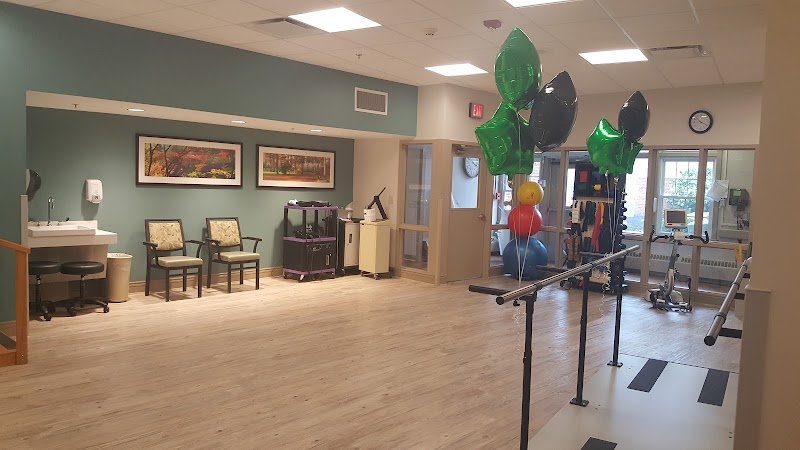
How is Medilodge Of East Lansing Staffed?

CMS rates Medilodge of East Lansing's staffing level at 3 out of 5 stars, which is average compared to other nursing homes. Staff turnover is 48%, compared to the Michigan average of 46%.

What Have Inspectors Found at Medilodge Of East Lansing?

State health inspectors documented 48 deficiencies at Medilodge of East Lansing during 2022 to 2025. These included: 1 Immediate Jeopardy (the most serious level, indicating potential for serious harm or death), 2 that caused actual resident harm, and 45 with potential for harm. Immediate Jeopardy findings are rare and represent the most serious regulatory concerns. They require immediate corrective action.
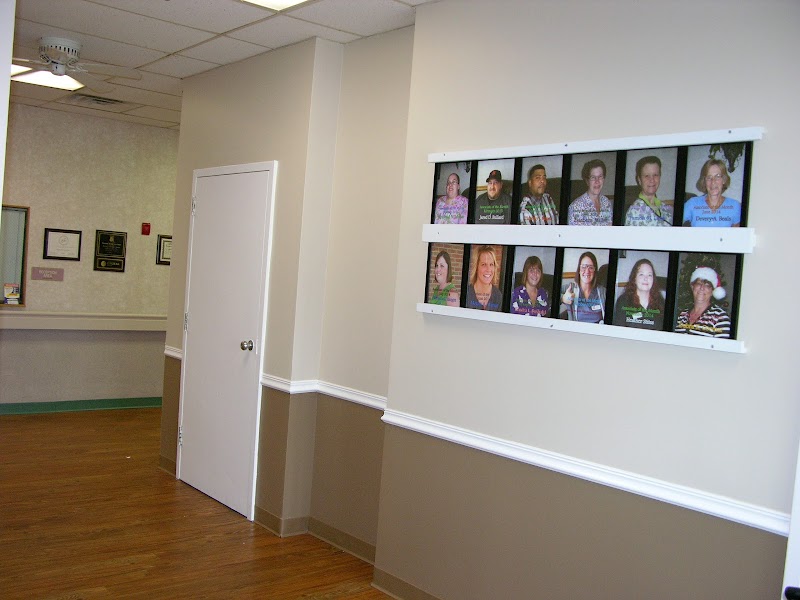
Who Owns and Operates Medilodge Of East Lansing?

Medilodge of East Lansing is owned by a for-profit company. For-profit facilities operate as businesses with obligations to shareholders or private owners. The facility is operated by MEDILODGE, a chain that manages multiple nursing homes. With 99 certified beds and approximately 70 residents (about 71% occupancy), it is a smaller facility located in East Lansing, Michigan.

How Does Medilodge Of East Lansing Compare to Other Michigan Nursing Homes?

Compared to the 100 nursing homes in Michigan, Medilodge of East Lansing's overall rating (2 stars) is below the state average of 3.1, staff turnover (48%) is near the state average of 46%, and health inspection rating (2 stars) is below the national benchmark.

What Should Families Ask When Visiting Medilodge Of East Lansing?

Based on this facility's data, families visiting should ask: "What changes have been made since the serious inspection findings, and how are you preventing similar issues?" "Can I visit during a mealtime to observe dining assistance and food quality?" "How do you handle medical emergencies, and what is your hospital transfer rate?" "Can I speak with family members of current residents about their experience?" These questions are particularly relevant given the facility's Immediate Jeopardy citations.

Is Medilodge Of East Lansing Safe?

Based on CMS inspection data, Medilodge of East Lansing has documented safety concerns. Inspectors have issued 1 Immediate Jeopardy citation (the most serious violation level indicating risk of serious injury or death). The facility has a 2-star overall rating and ranks #100 of 100 nursing homes in Michigan. Families considering this facility should ask detailed questions about what corrective actions have been taken since these incidents.

Do Nurses at Medilodge Of East Lansing Stick Around?

Medilodge of East Lansing has a staff turnover rate of 48%, which is about average for Michigan nursing homes (state average: 46%). Moderate turnover is common in nursing homes, but families should still ask about staff tenure and how the facility maintains care continuity when employees leave.

Was Medilodge Of East Lansing Ever Fined?

Medilodge of East Lansing has been fined $39,462 across 1 penalty action. The Michigan average is $33,473. While any fine indicates a compliance issue, fines under $50,000 are relatively common and typically reflect isolated problems that were subsequently corrected. Families should ask what specific issues led to these fines and confirm they've been resolved.

Is Medilodge Of East Lansing on Any Federal Watch List?

Medilodge of East Lansing is not on any federal watch list. The most significant is the Special Focus Facility (SFF) program, which identifies the bottom 1% of nursing homes nationally based on persistent, serious quality problems. Not being on this list means the facility has avoided the pattern of deficiencies that triggers enhanced federal oversight. This is a positive indicator, though families should still review the facility's inspection history directly.