The Laurels of Galesburg
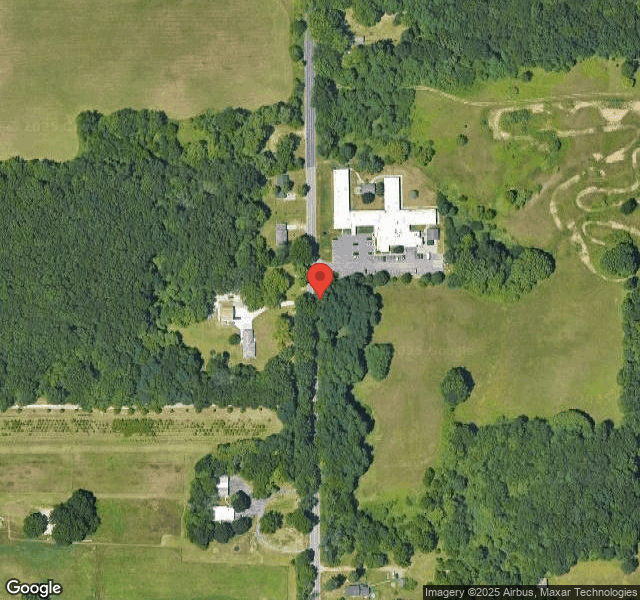

1080 N 35th Street, Galesburg, MI 49053 (269) 665-7043
For profit - Corporation 93 Beds CIENA HEALTHCARE/LAUREL HEALTH CARE Data: November 2025
Trust Grade
0/100
#413 of 422 in MI
Last Inspection: September 2024

Within standard 12-15 month inspection cycle. Federal law requires annual inspections.

Overview

The Laurels of Galesburg has a Trust Grade of F, indicating significant concerns about the quality of care provided. Ranked #413 out of 422 facilities in Michigan, it is in the bottom half of nursing homes in the state, and #8 out of 9 in Kalamazoo County, meaning there are very few better options nearby. While the facility's trend is improving, with issues decreasing from 23 in 2024 to 5 in 2025, it still faces serious challenges, including a concerning $134,023 in fines, which is higher than 91% of Michigan facilities. Staffing is somewhat stable, with a 3/5 rating, and a turnover rate of 42%, which is below the state average, suggesting staff retention is decent. However, specific incidents of concern include a resident being transferred to a hospital due to significant medication errors and another resident being at risk for elopement without proper supervision, highlighting ongoing safety issues despite some positive staffing metrics.
Trust Score
F
0/100
In Michigan
#413/422
Bottom 3%
Safety Record
High Risk
Review needed
Inspections
Getting Better
23 → 5 violations
Staff Stability
○ Average
42% turnover. Near Michigan's 48% average. Typical for the industry.
Penalties
○ Average
$134,023 in fines. Higher than 59% of Michigan facilities. Some compliance issues.
Skilled Nurses
○ Average
Each resident gets 34 minutes of Registered Nurse (RN) attention daily — about average for Michigan. RNs are the most trained staff who monitor for health changes.
Violations
⚠ Watch
67 deficiencies on record. Higher than average. Multiple issues found across inspections.
★☆☆☆☆
1.0
Overall Rating
★★★☆☆
3.0
Staff Levels
★☆☆☆☆
1.0
Care Quality
★☆☆☆☆
1.0
Inspection Score
Stable
2024: 23 issues
2025: 5 issues

The Good

  • Full Sprinkler Coverage · Fire safety systems throughout facility
  • No fines on record
  • Staff turnover below average (42%)

    6 points below Michigan average of 48%

Facility shows strength in fire safety.

The Bad

1-Star Overall Rating

Below Michigan average (3.1)

Significant quality concerns identified by CMS

Staff Turnover: 42%

Near Michigan avg (46%)

Typical for the industry

Federal Fines: $134,023

Well above median ($33,413)

Significant penalties indicating serious issues

Chain: CIENA HEALTHCARE/LAUREL HEALTH CARE

Part of a multi-facility chain

Ask about local staffing decisions and management

The Ugly 67 deficiencies on record

7 actual harm
Jan 2025 5 deficiencies 1 Harm
SERIOUS (G) 📢 Someone Reported This

A family member, employee, or ombudsman was alarmed enough to file a formal complaint

Actual Harm - a resident was hurt due to facility failures

Deficiency F0760 (Tag F0760)

A resident was harmed · This affected 1 resident

**NOTE- TERMS IN BRACKETS HAVE BEEN EDITED TO PROTECT CONFIDENTIALITY** This citation pertains to intake #MI00149391 Based on interview and record review the facility failed to ensure that residents w...

Read full inspector narrative →
**NOTE- TERMS IN BRACKETS HAVE BEEN EDITED TO PROTECT CONFIDENTIALITY** This citation pertains to intake #MI00149391 Based on interview and record review the facility failed to ensure that residents were free from significant medication errors in 1 (Resident #100) of 2 residents reviewed for medication errors resulting in Resident #100 being transferred to an acute care hospital emergency room for treatment and admission to a medical intensive care unit. Findings include: Resident #100 Review of an admission Record revealed Resident #100 had pertinent diagnoses which included: Cerebral infarction (Stroke), dysphagia (difficulty swallowing), acute respiratory failure with hypoxia (significantly difficult breathing, hypoxia- decreased oxygen in the body's blood) and pneumonitis due to inhalation of food and vomit (infection in the lungs related to inhaling food or vomit). Review of a Minimum Data Set (MDS) assessment for Resident #100, with a reference date of 1/5/2025 revealed a Brief Interview for Mental Status (BIMS) score of 4/15 which indicated Resident #100 was severely cognitively impaired. Resident #102 - roommate of Resident #100 Review of an admission Record revealed Resident #102 had pertinent diagnoses which included: Cerebral infarction (Stroke), abnormal posture, and pain. Review of Care Plan for Resident #100 revealed Need/Goal/Interventions/unable to tolerate nutritionally adequate food and/or fluids by mouth requiring the use of a feeding tube R/T (related to) dysphagia with G-tube (tube inserted into the stomach to be used for nutrition, hydration and medication administration) initiated 4/11/2023 .will remain free of side effects or complications related to tube feeding revised on 5/7/2024 .Will be free of aspiration (inhalation of food or fluid into the lungs) through the review date 5/7/24 . administer medications separately and flush between each medication 4/11/2023; administer tube feeding as ordered 4/11/2023; elevate the HOB (head of bed) 30 degrees while in bed 4/11/2023; observe for s/sx (signs and symptoms) of intolerance to the tube feeding such as Nausea, vomiting, abdominal discomfort, increased residual, abnormal lung sounds 4/11/2023; Observe/document/report to physician PRN (as needed) : Aspiration- fever. SOB (shortness of breath) tube dislodgement, infection at tube site, self extubation (removal of tube feeding) tube dysfunction, abnormal breath/lung sounds . initiated on 4/11/2023. Has a functional ability deficit and requires assistance with selfcare/mobility .total dependent in Broda chair (special high back padded wheelchair) for ambulation (movement) .bath shower total dependent, bed mobility total dependent, dressing total dependent, eating NPO (nothing by mouth) receives all nutrition and meds by peg tube (G-tube), total dependence 1/13/2025. Review of Medication Administration Record (MAR) for Resident #100 for January 2025 revealed Enteral Feed Order six times a day Bolus (a prescribed amount to be given at one time) tube feeding of 200 mL (milliliters) Jevity 1.5 for a total volume of 1200 mL daily/1800 kcal (calories) ordered at 0200 (2 am), 0600 (6 am), 1000 (10 am), 1400 (2 pm), 1800 (6 pm), and 2200 (10 pm). LPN O documented administration of bolus feeding for Resident #100 on 1/4/2025 at 2200 and 1/5/2025 at 0200. Review of Nurses Note for Resident #100 dated 1/5/25 at 8:18 PM authored by Licensed Practical Nurse (LPN) O revealed This nurse observed resident to be very drowsy with sound of increased secretions at hs (evening) med pass. VS (vital signs) obtained and were 96.9-(temperature)83-(pulse)14-(respirations)85/56-(blood pressure)92% RA (Pulse ox on room air) at this time. This nurse raised resident's head and repositioned resident upright in bed. Resident appeared to breathe easier. This nurse administered rx'd (prescribed) hs meds and feeding with no issues. This nurse continued to monitor resident. Upon doing next scheduled feeding, this nurse noticed increased congestion and decreased responsiveness at which vs were obtained and to be 97.5-116-28-124/84-65% RA. This nurse contacted provider for oxygen and nebulizer tx (treatment) orders. Oxygen @ (at) 2L via NC (nasal cannula) applied & O2 (oxygen) improved to 95%. This nurse contacted nurse on call. DON (Director of Nursing), on-call guardian after lvm (left voice mail) for assigned guardian. Provider gave orders to send resident for eval/tx of respiratory distress and unresponsiveness. On-call guardian gave okay to send to ER (emergency room). Repeat vs after O2 administration and neb (nebulizer treatment) 97.5-115-32-96/67-91% via NC. EMS (emergency medical services) was called for transfer, paperwork prepared for EMS/hospital and monitored resident until EMS arrived. (Name Omitted) EMS transferred resident via stretcher out of facility to (Name Omitted) at 4:25 AM. Report called to (Name Omitted). Review of Compliance Summary provided by the facility revealed Details : Summary- (Name Omitted) ED physician stated on January 5, 2025, around 4:45 AM, (Resident #100) patient, had arrived at the emergency room for being unresponsive and having difficulty breathing. (Name Omitted) ED physician stated she had provided (Resident #100) with Narcan (an over-the counter medication that is used to treat opioid overdose) as if she had an opioid or narcotic overdose. (Name Omitted) ED physician stated after (Resident #100) was provided Narcan she made a full recovery. (Resident #100) received a drug test and tested positive for opioids. (Name Omitted) ED physician stated (Resident #100)'s medication chart does not say she was prescribed any opioid or narcotic medication. Review of ED Provider Notes for Resident #100 with a service date of 1/5/2025 at 5:08 AM., revealed .presenting for respiratory distress. Patient is somnolent (sleepy; drowsy) and not responding to any questions. Per EMS, the patient had worsening somnolence and respiratory distress since shift change last night. This acutely worsened with increased respiratory distress and hypoxia in the 60s (pulse ox readings, normal 88-100) around midnight. When they arrived, patient was gurgling and had copious secretions with concern for possible aspiration. At baseline, she has some aphasias (difficulty talking/forming words) but is able to complete conversations with simple short answers. After Narcan the patient is awake, alert, and answering limited questions. Review of MDM (Medical Decision Making) ED Notes for Resident #100 date of service 1/5/2025 at 7:46 AM., revealed .Patient was evaluated by respiratory therapy who recommended NP suctioning (Nasopharyngeal suctioning using the airway of the nose to suction secretions/phlegm). Patient was suctioned with copious (excessive) secretions. These looked creamy and white, similar to the tube feed in her G-tube . she also has pinpoint pupils and depressed respiratory status concerning for possible opiate overdose. Quick review of her medication list she does not have any opiate prescriptions. However, due to her clinical presentation, I did give her a dose of Narcan. She immediately became alert and responsive answering simple questions- confirming my suspicions of opiate overdose . UDS (urine drug screen) was positive for opiates and benzodiazepines .she has a prescription for lorazepam (a benzodiazepine) but does not have any opiate pain medications. This is very concerning as her somnolence and decreased respiratory drive likely contributed to her aspiration event and ultimately her respiratory distress . Of note, while awaiting hospitalist admission evaluation, the patient became more somnolent, hypotensive (low blood pressure) with decreased respiratory rate (slowed breathing). She was given an additional dose of Narcan with appropriate response. She had improvement of both her mentation as well as her blood pressure and respiratory status, so there is concern that she was possibly given a long-acting opiate . Narcan gtt (drip) initiated. Final diagnoses: hypoxia, opiate overdose, undetermined intent, aspiration pneumonitis. Review of Care Timeline for Resident #100 revealed 1/5/2025 admitted to (Name Omitted) medical intensive care unit from ED (emergency department) 0917 (9:17 AM). Review of Drug Screen 8 for Resident #100 dated 1/5/25 and 1/6/25, revealed urine collection at 5:21 am on 1/5/25 with results indicating opiate screen positive, detects morphine at concentration of 300 ng/mL (nanograms per milliliter) and higher. Urine collection at 7:41 am on 1/5/25 with results indicating opiate screen positive, detects morphine at concentration of 300ng/mL and higher. Urine collection at 13:26 (1:26 pm) on 1/6/25 with results indicating opiate screen positive, detects morphine at concentrations of 300ng/mL and higher. Review of Drug screen 8 for Resident #100 performed by additional non-local lab (Name Omitted) provided to the facility on 1/16/2025 via fax revealed urine collection occurred on 1/5/2025 at 7:41 am. Opiate confirm urine, opiate interpretation positive, morphine count, 11,487 (normal range cutoff 25). Review of Physician Orders for Resident #100 reveal no order for an opioid narcotic, including morphine. In an interview on 1/27/25 9:58 Am., Resident #100 was sitting up in her Broda wheelchair, in her room, awake, and alert and able to answer simple questions. Resident #100 responded yes when queried about her recent hospital stay. Resident #100 did not provide any descriptions or details of her recent hospital stay. Resident #100 responded fine when she was asked how she was feeling. Resident #100 unable to continue to converse meaningfully with surveyor. In an interview on 1/27/25 at 10:01 LPN M reported Resident #100 was dependent on staff for all care and did not eat, drink or take any medications orally. Resident #100 received all her nutrition, hydration, and medications through her G-tube. LPN M reported Resident #100 was sent to the hospital on 1/5/25 for respiratory distress and unresponsiveness by the night shift nurse and Resident #100 was found to have a positive urine drug screen at the hospital. LPN M reported he cared for Resident #100 on Friday 1/3/25 and during his shift, she was at her baseline, alert, oriented to herself and responsive to conversations with one or two words. In an interview on 1/27/25 at 10:12 AM., LPN Q reported she did not directly care for Resident #100 prior to her transfer to the emergency department on 1/5/25. LPN Q reported Resident #100 was alert and oriented to herself and responded to conversations with one or two words and was confused at baseline. LPN Q reported Resident #100 could talk, not in complete sentences, but she could talk. In an interview on 1/27/25 at 10:24 AM., Registered Nurse (RN) K reported she cared for Resident #100 on 1/5/25, the shift prior to her transfer to the ED and did not recall anything out of the ordinary about Resident #100 that day. RN K reported that Resident #100 tested positive for opiates when she was in the hospital. RN K reported there was another resident, who used the same style Broda wheelchair as Resident #100, that did take opioid pain medications. RN K stated they (Resident #100 and the other resident) might even be in the same room. RN K reported DON B asked her if there was any way morphine concentrate could be mistaken as Tylenol. When queried, RN K reported that liquid Tylenol and morphine sulfate are similar in color. Review of Census for Resident #100 and Resident #102 revealed they were roommates on 1/5/2025. In an interview on 1/27/25 at 11:28 AM., Certified Nurse Assistant (CNA) E reported she was assigned to work with Resident #100 on 1/4/25 on the day shift. CNA E reported she recalled Resident #100 did not yell out for cares during that shift as she usually did. CNA E reported on first rounds and at 11:30 am when she went to provide care, Resident #100 was sleeping. CNA E reported at 11:30 am, Resident #100 was sleeping really hard. CNA E reported she had to do a sternal rub to wake Resident #100 up. CNA E reported when she provided care, Resident #100 was noodle like and limp when being turned or repositioned in the bed. CNA E reported she informed RN K who was Resident #100's assigned nurse that day, that Resident #100 was not herself and something was wrong. During an observation and interview on 1/27/25 at 11:38 AM., LPN M was observed preparing liquid acetaminophen, noted to be red in color for Resident #100. In a telephone interview on 1/28/25 at 8:25 AM LPN O reported she was the nurse who sent Resident #100 to the hospital on 1/5/25. LPN O reported Resident #100 was sleepy at the beginning of the shift which started at 6pm. LPN O reported when she administered Resident #100's evening medications, Tylenol and maybe another medication, Resident #100 was lethargic (drowsy) and not responding as she normally did. LPN O reported Resident #100 does not receive any narcotic medications during her shift. LPN O reported Resident #100 had a respiratory situation going on and she continued to decline during the shift. LPN O reported the reason Resident #100 was sent out to the hospital was for respiratory distress and unresponsiveness. LPN O reported she received the phone call from the ED, in the morning on 1/5/25, informing her that Resident #100 tested positive for opioids on a urine drug screen. LPN O confirmed that Resident #100 does not have any orders for, nor was she administered, opioid medications. LPN O was queried about possible medication error and LPN O stated I am not aware of any medication error I made. In a telephone interview on 1/28/25 at 10:01 AM., LPN J reported she was assigned to care for Resident #100 on 1/3/25 and Resident #100 was at her baseline; she responded, hi, when LPN J said hi to her before care. LPN J reported Resident #100 only gets Tylenol on my shift and that was given about 8:30 pm. LPN J stated DON B asked me if there was any way I had administered Resident #102's medication to Resident #100, I told her no. In an interview on 1/28/25 at 12:19 PM., DON B reported Resident #100 was transferred to the emergency room on 1/5/25 for respiratory distress and unresponsiveness. DON B reported she was included in a three-way phone call on the morning on 1/5/25 with the physician at the ED and the Nursing Home Administrator (NHA) A when she was made aware of Resident #100's signs and symptoms of a drug overdose and subsequent response to the administration of Narcan. DON B was made aware of Resident #100's positive urine drug screen in that phone call. DON B reported she requested a repeat urine drug screen test and DON B confirmed those test results were also positive and revealed significantly higher levels of concentrated morphine in Resident #100's system than the first test revealed. DON B reported she arrived at the facility on 1/5/25 and completed a full building narcotic count, and there were no discrepancies and no indication that the administration of an ordered narcotic medication to a resident was missed. When queried, DON B confirmed a narcotic medication administered to the wrong resident would not be reflected in the narcotic count. DON B confirmed Resident #100's urine drug screen was positive for the opioid morphine. DON B reported Resident #100's roommate (Resident #102) was administered two different types of morphine medications multiple times a day, and if Resident #102 had missed a dose of her scheduled morphine, it would have been reflected in her pain assessments. DON B reported she was unable to confirm that Resident #100 was administered any opioid narcotics prior to her transfer to the hospital on 1/5/25. Review of MAR for Resident #102 for January 2025 revealed Morphine Sulfate ER tablet extended release 30 MG (milligrams) Give 1 tablet by mouth three times a day for pain at 0800 (8am), 1200 (noon), and 2000 (8pm) with a start date of 10/22/2024. Documentation revealed Resident #102 was administered Morphine Sulfate ER tablet as scheduled on 1/3/25 and 1/4/25. Documented pain level for Resident #102 on 1/2/25 were 0 at 8am, 0 at 12pm, and 3 at 8pm; Pain level on 1/3/25 were 5 at 8am, 5 at 12pm, and 4 at 8pm; pain level on 1/4/25 were 3 at 8am, 4 at 12pm and 0 at 8pm. (pain level - 0 indicates no pain, and 10 indicates the worst pain). Morphine sulfate (concentrate) oral solution 20 mg/mL (morphine sulfate) give 1 ML by mouth every 2 hours for pain at 0000 (midnight), 0200 (2am), 0400 (4am), 0600 (6am), 0800 (8am), 1000 (10am) 1200 (noon), 1400 (2pm) 1600 (4pm), 1800 (6pm), 2000 (8pm), 2200 (10pm) with a start date of 12/13/24. Documentation revealed Resident #102 was administered morphine sulfate oral solution as scheduled on 1/3/2025 and 1/4/2025. Resident #102's documented pain level was rated a 5 for 10 of 12 doses of morphine concentrate, with a pain rating of 4 at 8pm and 0 pain at 10pm; and #102's documented pain level for morphine sulfate ER ranged from 0-4 on 1/4/2025. In an interview on 1/28/25 at 1:32 PM., NHA A reported the investigation completed by himself, DON, and conferred with medical director was unable to identify any deficient practices. NHA A confirmed that Resident #100 was sent to the hospital for respiratory distress and unresponsiveness on 1/5/25 and Resident #100 did have more than one urine drug screen that was positive for opioids after her transfer to the emergency department on 1/5/25. In a telephone interview on 1/28/25 at 2:02 PM., LPN P reported she was working on 1/5/25 when Resident #100 was sent to the emergency room. LPN P reported that LPN O requested she assess Resident #100 related to her respiratory distress and unresponsiveness. LPN P reported as soon as she saw Resident #100 sometime between 1 and 4 am on 1/5/25 she could see that she was struggling to breathe. LPN P reported Resident #100 sounded like she had fluid buildup on her lungs and LPN P thought maybe she has aspirated. LPN P reported Resident #100 was not responding, her eyes were rolling into the back of her head, she was really struggling to breath and was not able to focus with a sternal rub. LPN P stated I have never seen her (Resident #100) this bad, I was told it was a drug overdose, but she doesn't take anything for pain, she had no order for morphine. In an interview on 1/28/25 at 12:30 PM., DON B reported Narcan was available in the facility back up narcotic box. Review of Case Management Notes for Resident #100 dated 1/5/25 at 9:20 AM reveals .spoke to Admissions Coordinator (AC) C, she confirmed the facility self-reported to the state . 14:52 (2:52pm) Pt was hospitalized on [DATE] for PNA (pneumonia), hypoxia, and opiate overdose .1/6/2025 11:12 am (Name Omitted) Social Worker spoke with Resident #100's guardian, pt (patient) is alert and oriented to self at baseline and did not know how the pt received opiates .1/6/2025 12:04 pm (Name Omitted) Social Worker spoke with AC C from the facility, it is unknown what caused the positive opiate screen. She (AC C) indicated that there may be blood pressure medications that would cause a false positive, however the patient would not have responded to Narcan if this was the case . (Name Omitted) AC C indicated that it was unknown if this was a medication error. She (AC C) confirmed that pt would not have been able to obtain opiates and would not be able to take these medications . 1/6/2025 1:18 pm (Name Omitted) AC C was here to see patient States she (Resident #100) does not look good, (Name Omitted) AC C reports patient does not receive visits from anyone outside of the facility, and is dependent on staff for all ADLs (Activities of Daily Living) .
CONCERN (D) 📢 Someone Reported This

A family member, employee, or ombudsman was alarmed enough to file a formal complaint

Potential for Harm - no one hurt, but risky conditions existed

Report Alleged Abuse (Tag F0609)

Could have caused harm · This affected 1 resident

This citation pertains to intake #MI00149391 Based on interview and record review the facility failed to ensure an incident of neglect (resident received wrong medication) was reported to the State Ag...

Read full inspector narrative →
This citation pertains to intake #MI00149391 Based on interview and record review the facility failed to ensure an incident of neglect (resident received wrong medication) was reported to the State Agency in 1 (Resident #100) of 1 resident reviewed for reporting, resulting in Resident #100 being transferred to an acute care hospital emergency room for treatment and admission to a medical intensive care unit after receiving the wrong medication. Findings include: Review of an admission Record revealed Resident #100 had pertinent diagnoses which included: Cerebral infarction (Stroke), dysphagia (difficulty swallowing), acute respiratory failure with hypoxia (significantly difficult breathing, hypoxia- decreased oxygen in the body's blood) and pneumonitis. Review of a Minimum Data Set (MDS) assessment for Resident #100, with a reference date of 1/5/2025 revealed a Brief Interview for Mental Status (BIMS) score of 4/15 which indicated Resident #100 was severely cognitively impaired. Review of Nurses Note for Resident #100 dated 1/5/25 at 8:18 PM authored by Licensed Practical Nurse (LPN) O revealed This nurse observed resident to be very drowsy with sound of increased secretions at hs (evening) med pass. VS (vital signs) obtained and were 96.9-(temperature)83-(pulse)14-(respirations)85/56-(blood pressure)92% RA (Pulse ox on room air) at this time .Provider gave orders to send resident for eval/tx of respiratory distress and unresponsiveness. On-call guardian gave okay to send to ER (emergency room) . EMS (emergency medical services) was called for transfer, paperwork prepared for EMS/hospital and monitored resident until EMS arrived. (Name Omitted) EMS transferred resident via stretcher out of facility to (Name Omitted) at 4:25 AM. Review of Compliance Summary provided by the facility revealed Details : Summary- (Name Omitted) ED physician stated on January 5, 2025, around 4:45 AM, (Resident #100) patient, had arrived at the emergency room for being unresponsive and having difficulty breathing. (Name Omitted) ED physician stated she had provided (Resident #100) with Narcan as if she had an opioid or narcotic overdose. (Name Omitted) ED physician stated after (Resident #100) was provided Narcan she made a full recovery. (Resident #100) received a drug test and tested positive for opioids. (Name Omitted) ED physician stated (Resident #100)'s medication chart does not say she was prescribed any opioid or narcotic medication. Review of Care Timeline for Resident #100 revealed 1/5/2025 admitted to (Name Omitted) medical intensive care unit from ED (emergency department) 0917 (9:17 AM). Review of Drug Screen 8 for Resident #100 dated 1/5/25 and 1/6/25, revealed urine collection at 5:21 am on 1/5/25 with results indicating opiate screen positive, detects morphine at concentration of 300 ng/mL (nanograms per milliliter) and higher. Urine collection at 7:41 am on 1/5/25 with results indicating opiate screen positive, detects morphine at concentration of 300ng/mL and higher. Urine collection at 13:26 (1:26 pm) on 1/6/25 with results indicating opiate screen positive, detects morphine at concentrations of 300mg/mL and higher. Review of the National Library of Medicine, Does naloxone cause a positive urine opiate screen? revealed, Although the metabolites of naloxone hydrochloride are similar in structure to oxymorphone and are excreted in human urine for several days, naloxone was not associated with a positive enzymatic urine screen for opiates. https://pubmed.ncbi.nlm.nih.gov/7978599/ Review of Drug screen 8 for Resident #100 performed by additional non-local lab (Name Omitted) provided to the facility on 1/16/2025 via fax revealed urine collection occurred on 1/5/2025 at 7:41 am. Opiate confirm urine, opiate interpretation positive, morphine count, 11,487 (normal range cutoff 25). Review of the facility Physician Orders for Resident #100 reveal no order for an opioid narcotic, including morphine. Review of Case Management Notes for Resident #100 dated 1/5/25 at 9:20 AM reveals .spoke to admissions Coordinator (AC) C, she confirmed the facility self-reported to the state . In an interview on 1/28/25 at 10:45 AM., Nursing Home Administrator NHA A reported they did not notify the state of the incident with Resident #100. NHA A reported they had determined that narcotics were not missing, and the hospital was going to notify the state. NHA A reported he did not need to report to the state, as it was determined there was no deficient practice. In an interview on 1/28/25 at 12:19 PM., Director of Nursing (DON) B reported the facility did not report to the state the incident. DON B reported she was not able to determine any deficient practice with her investigation and stated, what would I report? No report was made to the state agency involving Resident #100 and her diagnosis of drug overdose, positive urine drug screen, and subsequent hospitalization on 1/5/25.
CONCERN (D) 📢 Someone Reported This

A family member, employee, or ombudsman was alarmed enough to file a formal complaint

Potential for Harm - no one hurt, but risky conditions existed

Deficiency F0658 (Tag F0658)

Could have caused harm · This affected 1 resident

**NOTE- TERMS IN BRACKETS HAVE BEEN EDITED TO PROTECT CONFIDENTIALITY** Based on observation, interview, and record review, the facility failed to ensure residents received care in accordance with pro...

Read full inspector narrative →
**NOTE- TERMS IN BRACKETS HAVE BEEN EDITED TO PROTECT CONFIDENTIALITY** Based on observation, interview, and record review, the facility failed to ensure residents received care in accordance with professional standards in 2 (Resident #101 and #103) of 3 residents reviewed for quality of care, resulting in 1.) Resident #101 receiving an enteral feeding (method of providing nutrition directly into the gastrointestinal tract through a tube) that did not reflect physician orders for 7 days 2.) not being re-weighed timely after a significant weight change 3.) A delayed assessment and treatment for Resident #103's complaints of pain. Findings include: 1.) Resident #101 Review of admission Record revealed Resident #101 was originally admitted to the facility on [DATE] with pertinent diagnoses which included dementia. Review of Resident #101's Orders revealed, Enteral feed (tube feed) order. Isosource (enteral feeding formula) 1.5. 50cc/hr (rate to run the feed) continuous feeding through G-tube every shift for nutrition. Start date: 2/24/25. Review of Resident #101's Care Plan revealed, (Resident #101) is unable to tolerate nutritionally adequate food and/or fluids by mouth requiring the use of a feeding tube R/T (related to): Dysphagia (difficulty swallowing) with G-Tube (tube inserted into the stomach to provide nutrition and fluids to those who cannot eat or drink on their own). Date Initiated: 04/11/2023. Interventions: Obtain weight at a minimum of monthly. Report significant weight changes of 5% x 1 month, 7.5% x 3 months or 10% x 6 months to the physician and dietitian. Date Initiated: 4/11/2023 .(Resident #101) is dependent with tube feeding and water flushes. See MD (Medical Doctor) orders for TF (Tube Feed) regimen. Date Initiated: 04/11/2023 . During an observation on 3/3/25 at 11:02 AM, Resident #101 was lying in her bed resting. It was noted that her tube feed was not running, and the machine was turned off. During an interview on 3/3/25 at 11:05 AM, Licensed Practical Nurse (LPN) L reported that Resident #101's tube feed was stopped between 10:00 AM and 2:00 PM every day, and that was why Resident #101's tube feed was not running. During an interview on 3/3/25 at 11:20 AM, LPN H reported that if a resident was ordered to have tube feed stopped for a time period of the day, the time period would be noted in the order. LPN H reviewed Resident #101's order with this writer and confirmed that Resident #101's tube feed order was continuous, and therefore the feeding should not be stopped for any time period during the day. During an interview on 3/3/25 at 11:31 AM, Unit Manager (UM) U reviewed Resident #101's tube feed orders with this writer and confirmed that Resident #101's order was noted for the tube feed to run continuously. UM U confirmed that the order did not note a time frame for nursing staff to stop the tube feed. UM U reported that Resident #101's previous orders did indicate that the tube feed should be stopped from 10:00 AM- 2:00 PM daily, but since Resident #101 had returned from the hospital on 2/24/25, the order had been changed. UM U reported that when a resident is readmitted to a facility, the nurse that readmits the resident is responsible for reviewing the hospital discharge orders with the physician and entering the orders as the physician requested. UM U reported that it was her expectation that nurses were to follow the physician orders as indicated in the record. Review of Resident #101's Hospital After Visit Summary dated 2/24/25 revealed, Discharge orders: . Isosource 1.5 Continuous feed 50 ml/hr per G tube route continuous 50 ml.hr . During an interview on 3/5/25 at 2:36 PM, Registered Nurse (RN) F reported that she was the nurse that readmitted Resident #101 to the facility on 2/24/25. RN F confirmed that she reviewed the hospital visit summary with Physician Assistant (PA) C, and that PA C did want Resident #101's order to be continuous, which was what the hospital discharge orders indicated. During an interview on 3/5/25 at 2:47 PM, PA C reported that she did review Resident #101's hospital discharge orders with RN F. PA C confirmed that she did want Resident #101's tube feed order changed to continuous, as the hospital discharge orders indicated. PA C reported that she would expect that nursing staff were contacting her for approval if they were going to stop the tube feed for 4 hours at a time. During an interview on 3/5/25 at 9:06 AM, LPN L reported that she had been the nurse caring for Resident #101 on 2/25/25, 2/26/25, 3/1/25, 3/2/25, and 3/3/25. LPN L confirmed that she did not know that Resident #101's tube feed order had changed, and that she had not followed the order as written, and had removed Resident #101 from the tube feed from 10:00 AM-2:00 PM on the above mentioned dates that she had cared for Resident #101. During an interview on 3/5/25 at 10:44 AM, RN G reported that he had been the nurse caring for Resident #101 on 2/27/25 and 2/28/25. RN G reported that he was not aware that Resident #101's tube feed order had been changed to continuous, and that he had removed Resident #101 on 2/27/25 and 2/28/25 from her tube feed between 10:00 AM to 2:00 PM. During an interview on 3/4/25 at 3:36 PM, Registered Dietician (RD) D reported that she was responsible for completing nutrition assessments for residents when they were readmitted to the facility. RD D reported that she was not aware that Resident #101 had been sent to the hospital, so she had missed completing a readmission assessment on Resident #101 until 3/3/25. RD D reported that a continuous tube feed order runs at a lower rate than orders that are not continuous. RD D confirmed that Resident #101's tube feed had been running at a lower rate as it was supposed to be continuous, and therefore, had the potential for Resident #101 to not meet caloric and nutritional needs. Review of the facility's Enteral Nutrition policy dated 9/22/23 revealed, Policy: Residents maintain acceptable parameters of nutritional status, such as body weight and protein levels; unless the resident's clinical condition demonstrates that this is not possible. Each resident is provided with sufficient fluid intake to maintain proper hydration and health. Resident's who are unable to feed themselves receive the necessary services to maintain good nutrition, including at times, enteral nutrition . Guideline: 3. Based on review of comprehensive evaluations conducted by the interdisciplinary team members (nursing, nutritional services, therapy services, physician, social services and the guest's/resident's family or medical decision maker), a determination for the need to provide enteral nutrition is made . 2.) Resident #101 Review of an admission Record revealed Resident #101 was originally admitted to the facility on [DATE] with pertinent diagnoses which included dementia. Review of Resident #101's Care Plan revealed, (Resident #101) is unable to tolerate nutritionally adequate food and/or fluids by mouth requiring the use of a feeding tube R/T (related to): Dysphagia (difficulty swallowing) with G-Tube (tube inserted into the stomach to provide nutrition and fluids to those who cannot eat or drink on their own). Date Initiated: 04/11/2023. Interventions: Obtain weight at a minimum of monthly. Report significant weight changes of 5% x 1 month, 7.5% x 3 months or 10% x 6 months to the physician and dietitian. Date Initiated: 4/11/2023 .(Resident #101) is dependent with tube feeding and water flushes. See MD (Medical Doctor) orders for TF (Tube Feed) regimen. Date Initiated: 04/11/2023 . Review of Resident #101's Weights indicated that on 1/17/25, Resident #101's weight was documented at 153.4 pounds. On 2/7/25, Resident #101's weight was documented at 166.4 pounds, which was a 13 pound weight increase in 22 days. It was noted that this was an 8.64 % weight change in less than one month. Resident #101's next weight was obtained on 3/4/25 and was documented to be 143.0 pounds. During an interview on 3/5/25 at 1:16 PM, UM U reported that the facility's dietician and Interdisciplinary team was responsible for monitoring resident's weight trends. UM U confirmed that she was not aware of Resident #101's weight change noted on 2/7/25. UM U reported that staff should have identified the significant weight change noted on 2/7/25 and reported this to the IDT team and the Registered Dietician. During an interview on 3/5/25 at 2:55 PM, Director of Nursing (DON) B reported that facility staff were supposed to follow to facility policy and obtain a re-weight measurement if a potential significant weight change was noted. DON B reported that nurses were not responsible for monitoring weights, and that the facility's dietician monitored resident weight trends and ordered re-weights when needed. DON B reported that the facility's Registered Dietician was aware of Resident #101's weight increase noted on 2/7/25. During an interview on 3/4/25 at 3:36 PM, Registered Dietician (RD) D reported that she was unaware that Resident #101 had a significant weight change noted on 2/7/25. RD D confirmed that she had not requested a re-weight to confirm that the weight noted on 2/7/25 was accurate. RD D confirmed that the facility had missed identifying this significant weight change. Review of the facility's Weight Management policy dated 9/22/23 revealed, Policy: Residents will be monitored for significant weight changes on a regular basis .Practice Guidelines: 3. Re-weights are initiated for a five-pound variance if the resident is > than 100 lbs and for a three-pound variance if < than 100 lbs. If a resident's weight is > than 200 lbs. a re-weight will be done for a weight loss or gain of 3% or consult with the Dietary Manager or RD/designee. Re-weights will be done within 48-72 hours . 3. Resident #103 Review of an admission Record revealed Resident #103 was originally admitted to the facility on [DATE] with pertinent diagnoses which included fracture of one rib and fracture of first lumbar vertebra (area at the top of the spine). Review of a Minimum Data Set (MDS) assessment for Resident #103, with a reference date of 2/24/25 revealed Section B Hearing, Speech, and Vision noted that Resident #103's speech clarity as noted as unclear, and that Resident #103 was usually able to make self understood and understood verbal content and had a clear comprehension. Review of Resident #103's Care Plan revealed, (Resident #103) is at risk for pain and/or has chronic pain .Date Initiated: 07/11/2023. Interventions: Observe and report any s/sx (signs and symptoms) of non-verbal pain: Changes in breathing (noisy, deep/shallow, labored, fast/slow); Vocalizations (grunting, moans, yelling out,silence); Mood/behavior (changes, more irritable, restless, aggressive, squirmy,constant motion); Eyes (wide open/narrow slits/shut, glazed, tearing, no focus); Face (sad, crying, worried, scared, clenched teeth, grimacing) Body (tense, rigid, rocking,curled up, thrashing). Report abnormal findings to the physician. Date Initiated: 12/06/2022 . During an observation on 3/5/25 at 11:34 AM, Resident #103 was lying in bed on his side. When this writer entered Resident #103's room and asked how Resident #103 was doing, he shook his head no. When this writer asked what was wrong, Resident #103 began pointing to his ribs. When this writer asked Resident #103 if he was in pain, Resident #103 shook his head yes and continued to point to his ribs. Resident #103 had tears in his eyes, and looked very restless. During an interview on 3/5/25 at 11:40 AM, this writer informed LPN L that Resident #103 was in pain and pointing towards his ribs. LPN L reported that Resident #103 had recently fractured his ribs, and that he did experience frequent pain, and he had pain medication for his rib pain. LPN L reported that she would go assess Resident #103 and offer him pain medication. During an interview on 3/5/25 at 1:15 PM, this writer queried about Resident #103, and how he was feeling. LPN L reported that she had never assessed Resident #103, and that Resident #103 had not received any pain medication yet. During an interview on 3/5/25 at 4:15 PM, Nursing Home Administrator (NHA) A reported that he expected nurses to prioritize a resident's complaint of pain, and to assess them and treat as soon as possible. NHA A confirmed that he did not think that Resident #103 should have had to wait from 11:40 AM to 1:15 PM to be assessed for pain.
CONCERN (D) 📢 Someone Reported This

A family member, employee, or ombudsman was alarmed enough to file a formal complaint

Potential for Harm - no one hurt, but risky conditions existed

Deficiency F0761 (Tag F0761)

Could have caused harm · This affected 1 resident

Based on observation, interview, and record review, the facility failed to properly label, date, and store medications in 1 out of 2 medication carts reviewed for medication storage and labeling resul...

Read full inspector narrative →
Based on observation, interview, and record review, the facility failed to properly label, date, and store medications in 1 out of 2 medication carts reviewed for medication storage and labeling resulting in the potential for decreased efficacy of medications and the exacerbation of medical conditions. Findings include: During an interview on 3/5/25 at 10:44 AM, Registered Nurse (RN) G reported that they had concerns with the nurses at the facility not labeling insulin pens when they opened them. RN G reported that they had brought this concern to the Director of Nursing (DON) B and that DON B had told them the policy was for the nurses to contact pharmacy to determine the date that the pen had been delivered, so there was no need to do further education on labeling insulin with nursing staff. RN G reported that calling the pharmacy to determine the date an insulin pen was delivered wasted a lot of time, and was not an accurate way to determine when the insulin pen had pen had been opened. During an observation and interview on 3/5/25 at 12:07 PM, this writer reviewed the medication cart with RN T. In the cart, there was 1 opened humalog (brand of insulin) insulin pen that did not have a label on it to note when it was opened, 1 opened humalog insulin pen with a delivered date of 1/15/25 and no label to indicate when the insulin was opened, and 1 glargine (type of insulin) pen with a delivered date of 1/6/25 which had not been opened. RN T, who was the nurse dispensing medications from the cart reported that she was new to the facility and did not know the policy on labeling insulin, or if the insulin were supposed to be labeled. During an interview and observation on 3/6/25 at 12:11 PM, LPN K reviewed RN T's medication cart with this writer and confirmed that the three insulin pens found without labels were not dated with the open date, so they were not safe to use, and should be discarded. LPN K confirmed that the insulin pen that had not been opened should have been refrigerated until opened. LPN K reported that the facility had ongoing issues with nursing staff not labeling and dating insulin pens when they opened them. During an interview on 3/6/25 at 1:16 PM, Unit Manager (UM) U reported that nurses were expected to label and date insulin pens when they open them, and not remove them from the refrigerator until they needed the pen for use. During an interview on 3/6/25 at 2:55 PM, DON B reported that nursing staff needed to call the pharmacy to determine the date the pen was delivered. When this writer queried on how the the delievery date would indicate the date the pen was opened, DON B reported that she had misspoke, and that nurses were expected to date the pens when they were opened.
CONCERN (E) 📢 Someone Reported This

A family member, employee, or ombudsman was alarmed enough to file a formal complaint

Potential for Harm - no one hurt, but risky conditions existed

Resident Rights (Tag F0550)

Could have caused harm · This affected multiple residents

**NOTE- TERMS IN BRACKETS HAVE BEEN EDITED TO PROTECT CONFIDENTIALITY** Based on interview and record review the facility failed provide a dignified environment and ensure that staff treated residents...

Read full inspector narrative →
**NOTE- TERMS IN BRACKETS HAVE BEEN EDITED TO PROTECT CONFIDENTIALITY** Based on interview and record review the facility failed provide a dignified environment and ensure that staff treated residents with dignity and respect in 4 (Resident #105, #104, #106, and #108) of 7 residents reviewed for dignity, resulting in feelings of frustration and the potential for depression, loss of self-worth, and an overall deterioration of psychological well-being. Findings include: Resident #105 Review of an admission Record revealed Resident #105 was originally admitted to the facility on [DATE] with pertinent diagnoses which included difficulty in walking. Review of a Minimum Data Set (MDS) assessment for Resident #105, with a reference date of 11/20/24 revealed a Brief Interview for Mental Status (BIMS) score of 10/15 which indicated Resident #105 was moderately cognitively impaired. Review of an Incident Report dated 1/1/25 revealed, Incident Summary: Resident #105 alleged that (Certified Nursing Assistant (CNA) Q) verbally mistreated her when he attempted to ask for her smoking materials to properly store them . Investigation Summary: On the evening of 1/1/25, (Nursing Home Administrator (NHA) A) received a phone call from (Director of Nursing (DON) B) who expressed concern about (CNA Q) interaction with (Resident #105). (NHA A) spoke with (Resident #105), who alleged that (CNA Q) had been aggressive toward her . (CNA Q) was placed on suspension. Investigation: On 1/1/25, shortly after 5:00 PM, (NHA A )and (DON B) spoke with (Resident #105) via telephone, (Resident #105) described (CNA Q) as a F*cker and mentioned that she had liked him until the previous week. She expressed frustration, stating that he was the only staff member who continually asked her for her smoking materials . She characterized (CNA Q) repeated requests as harassment and felt that he had been aggressive with her . On 1/1/25, (NHA A ) and (DON B )spoke with (CNA Q), he reported that he approached (Resident #105) to collect her smoking materials, she refused to hand them over, stating that other staff members had not required her to do so . (CNA Q) denied raising his voice or exhibiting aggressive behavior towards (Resident #105) .(CNA Q) also stated that his coworker (CNA O) approached him aggressively and began to interject herself in the situation and, in his opinion, (CNA O) was aggressive with him and raised her voice to him .On 1/1/24 (CNA O) was interviewed by (NHA A) and (DON B) via telephone. She stated that she observed (CNA Q) walking down the hall repeatedly telling (Resident #105) that she needed to turn in her smoking materials. (CNA O) reported that she followed (CNA Q) into (Resident #105's ) room and that she interjected in an attempt to calm (CNA Q) down. (CNA O) stated that (CNA Q) left the room and a third CNA (CNA N) came into the room and was able to convince (Resident #105) to turn in her smoking materials. (Resident #105) continued to speak to (CNA O) and (CNAN) and she referred to (CNA Q) as a d*ckhead, and (CNA Q) was passing the door. (CNA Q) re-entered the room and began repeating the rules surrounding the safe storage of smoking materials. (CNA O) and (CNA Q) discussed who was assigned to (Resident #105) and (CNA O) stated that (CNA Q) was raising his voice and waving his hands while talking and she was asking him to get his hands out of her face During an interview on 3/4/25 at 2:12 PM, CNA Q reported that the facility had incidents with residents not turning in their smoking materials, and he was trying to ensure that residents turned them in so he had been keeping an eye on Resident #105. CNA Q reported that he just kept asking Resident #105 to turn in her smoking materials and following her to her room. CNA Q reported that CNA O and CNA N came into Resident #105's room when he was in Resident #105's room still attempting to get her smoking materials from her. CNA Q reported that he felt like he did nothing wrong, and that CNA O and CNA N escalated the situation. CNA Q confirmed that he did get into a verbal argument in Resident #105's room with CNA O. During an interview on 3/4/25 at 1:56 PM, Resident #105 reported that on 1/1/25 she was met at the facility entrance by CNA Q when she was coming in from smoking. Resident #105 reported that CNA Q immediately began asking her to give him her smoking materials and she told him to give her a minute. Resident #105 reported that CNA Q just kept asking her over and over and it started to upset her and she felt like she was being targeted. Resident #105 reported that she tried to get away from CNA Q because he was making her mad but CNA Q continued to follow her to her room and saying the same thing over and over. Resident #105 reported that she felt like CNA Q was getting more and more aggressive with her, and she just wanted him to leave her alone. Resident #105 confirmed that CNA O and CNA N came into her room to calm CNA Q down, and she gave CNA N her smoking materials. Resident #105 confirmed that once CNA Q left, she called him a name to CNA O and CNA N which caused him to return to her room where he continued to say the smoking policy over and over. Resident #105 reported that she felt like CNA Q was harassing her. During an interview on 3/5/25 at 12:44 PM, CNA O reported that she had witnessed CNA Q approach Resident #105 as soon as she entered the facility and saying to her give me your lighter, give me your lighter, it is the rules, it is the rules. CNA O reported that CNA Q was escalating and getting louder as he followed Resident #105 who was trying to get away from him. CNA O reported that she began to follow Resident #105 and CNA Q because she felt like she needed to interject herself and de-escalate CNA Q. CNA O confirmed that Resident #105 gave her smoking supplies to CNA N right away who also came into Resident #105's room to try to de-escalate CNA Q. CNA O reported that CNA Q continued to go over the policy to Resident #105 after she gave her supplies to CNA N and that is when she asked CNA Q to stop and leave Resident #105's room. CNA O reported that CNA Q left Resident #105's room, but returned as soon as he heard Resident #105 call him a name. CNA O reported that CNA Q then began to confront Resident #105 and he seemed so eager to be aggressive to her. CNA O reported that when she asked CNA Q to stop, he began yelling at her and he was putting his hands up in my face. CNA O confirmed that CNA Q was screaming at her in front of Resident #105 in her room. CNA O reported that Resident #105 was really shook up by the whole incident, and wanted to leave the facility after it happened. CNA O reported that she felt the whole incident was caused by CNA Q 's behavior, and she felt that it was uncalled for. CNA O reported that the way that CNA Q treated Resident #105 was not professional, and he should have left Resident #105 alone, and asked for someone else to come get her smoking supplies. CNA O reported that CNA Q was always mean to other staff, and she was scared of him and hated working with him because his behavior was unpredictable. During an interview on 3/6/25 at 2:01 PM, CNA N reported that she had gone to help CNA O help de-escalate CNA Q in Resident #105's room. CNA N confirmed that she was able to retrieve Resident #105's smoking supplies quickly by just talking to Resident #105 calmly and telling her we had to follow the facility rules. CNA N reported that she felt like CNA Q was aggressive with Resident #105, and was continuing to escalate the situation Resident #104 Review of admission Record revealed Resident #104 was originally admitted to the facility on [DATE] with pertinent diagnoses which included alzheimers disease. Review of a Minimum Data Set (MDS) assessment for Resident #104, with a reference date of 12/12/24 revealed a Brief Interview for Mental Status (BIMS) score of 3/15 which indicated Resident #104 was severely cognitively impaired. Review of an Incident Report dated 2/14/25 revealed, On 2/14/25, Nursing Home Administrator (NHA) A received a phone call from Activity Director (AD) S. AD S reported that (Certified Nursing Assistant (CNA) Q) was observed swearing and slamming a resident room door. Investigation: On 2/14/25 shortly after 7:30 PM, (NHA A) spoke with (AD S). (AD S) reported that she was on the skilled hallway when and had just exited Resident #104's room and was walking towards the nursing station. (AD S) spoke to (CNA Q) to inform him that Resident #104 had an episode of emesis (vomit). (CNA Q) went into Resident #104's room to check on Resident #104 and then together they exited the room. (ADS) attempted to speak to (CNA Q), but he quickly walked away and didn't acknowledge her. (AD S) next observed (CNA Q ) walking into Resident #104's room, turning on the light, and saying What the F*ck and then shut the door . Investigation Findings: The findings from the investigation suggest that the facility verified the incident occurred, however is unable to substantiate the allegations of abuse. Resident #104 was in bed at the time of the incident that occurred in her doorway, and the possibility of her having heard (CNA Q) cannot be confirmed due to her advanced dementia . During an Interview on 3/4/25 at 4:00 PM, AD S reported that on 2/14/25, she had answered a call light on the hall that CNA Q was working on. AD S reported that she went to let CNA Q know that Resident #104 needed assistance. AD S reported that CNA Q kept walking past her and ignored her. AD S reported that she followed him because he seemed very upset and she had concerns with how he was acting. AD S then saw CNA Q turn into Resident #104's room and yelled loudly Are you F*cking kidding me and he slammed the door shut. AD S reported that she did not feel safe going into Resident #104's room because of how CNA Q was acting, so she went to Unit Manager U immediately who went to check on Resident #104, and told her to report the incident to NHA A immediately. AD S reported that CNA Q always seemed upset and overwhelmed, but this was the first time she had witnessed him act that way in front of a resident. During an interview on 3/5/25 at 11:56 AM, CNA P reported that she worked with CNA Q frequently and that his attitude was horrible. CNA P reported that she felt like CNA Q was constantly complaining to staff and residents. CNA P reported that she felt like CNA Q was a loose cannon and not equipped to work in healthcare because he did not seem like he was able to regulate his emotions. During an interview on 3/5/25 at 12:11 PM, Licensed Practical Nurse (LPN) K reported that she had worked with CNA Q frequently and she did not like when he was at the facility. LPN K reported that CNA Q was abrasive with unpredictable mood swings, and constantly upset. LPN K reported that she had asked that CNA Q not be placed on the memory care unit, because she was fearful of him caring for residents that were unable to voice concerns about him. During an interview on 3/5/25 at 1:16 PM, Unit Manager (UM) U reported that she was at the facility on 2/14/25 when CNA Q swore in front of Resident #104. UM U reported that when she was informed of CNA Q swearing and slamming a door she immediately went to check on Resident #104, CNA Q was already out of her room. UM U reported that shortly after the incident NHA A contacted CNA Q and told him he was immediately suspended and asked him to leave the facility. UM U reported that CNA Q was disrespectful to staff and would often go off tangents. UM U reported that she was scared of CNA Q because of how unpredictable his mood was. UM U confirmed that CNA Q had previously been suspended due to a separate incident with another resident in the facility. During an interview on 3/5/25 at 2:55 PM: Director of Nursing (DON) B reported that she was at home on 2/14/25, but she was on a group call with NHA A when he called CNA Q to place him on suspension pending an investigation into his actions. DON B reported that CNA Q screamed at NHA A and said so many explicit things that they could not keep track of everything he said. DON B reported that it was like he had been planning to say all of this for some time. DON B reported that she and NHA A both called 911 as they were worried about staff and resident safety after they spoke to CNA Q and wanted to make sure he left the building. DON B reported that she had not seen CNA Q act that way before. DON B confirmed that CNA Q had previously been suspended due to a different investigation with another resident. During an interview on 3/4/25 at 2:12 PM, CNA Q reported that he was frequently upset and overwhelmed when working at the facility. CNA Q reported on 2/14/25 he got upset when he went into Resident #104's room because he found her lying in bed in her own feces wearing the same clothes that she had on the day before. CNA Q reported that he was pissed off because it was clear that staff had not been in to take care of Resident #104 all day, and he lost his cool and he did swear out. CNA Q reported that he was sure that someone had overheard him swearing, because he did say it loudly. CNA Q could not recall if he had slammed a door. CNA Q confirmed that he did swear in front of Resident #104, but he was not swearing at her. CNA Q confirmed that he should have not sworn in front of Resident #104, and that it was inappropriate to use foul language in front of a resident. During an interview on 3/4/25 at 12:31 PM, NHA A reported that he had been notified on 2/14/25 that CNA Q had sworn in front of Resident #104. NHA A reported that as soon as he was contacted about the incident, he called CNA Q and told him that he was being placed on suspension pending an investigation. NHA A reported that CNA Q began screaming all kinds of obscenities at him and ended the call so he was not able to interview him further. NHA A confirmed that he did call 911 to ensure resident and staff safety, and to make sure that CNA Q left the building. NHA A reported that CNA Q resigned that night. Using the reasonable person concept, though Resident #104 had decreased ability to verbally express their own thoughts due to medical diagnoses, any reasonable person would likely feel a decreased sense of self-worth and frustration in that situation. Resident #106 Review of an admission Record revealed Resident #106 was originally admitted to the facility on [DATE] with pertinent diagnoses which included major depressive disorder. Review of a Minimum Data Set (MDS) assessment for Resident #106, with a reference date of 2/13/25 revealed a Brief Interview for Mental Status (BIMS) score of 15/15 which indicated Resident #106 was cognitively intact. During an interview on 3/4/25 at 10:27 AM, Resident #106 reported that he had concerns with how staff at the facility treated him. Resident #106 reported that staff often made him feel like he was inconvenience when he would ask for assistance and it made him not want to ask for help. Resident #106 reported that several of the CNA'S had cold attitudes and they just were not nice. Resident #106 reported that he felt like the facility had a very low level of treatment towards the residents, and it did not feel like a healing environment. Resident #108 Review of an admission Record revealed Resident #108 was originally admitted to the facility on [DATE] with pertinent diagnoses which included essential hypertension (high blood pressure). Review of a Minimum Data Set (MDS) assessment for Resident #108, with a reference date of 2/10/25 revealed a Brief Interview for Mental Status (BIMS) score of 15/15 which indicated Resident #108 was cognitively intact. During an interview on 3/4/25 at 2:55 PM, Resident #108 reported that he had ongoing concerns with the way that staff treated him. Resident #108 reported that several of the CNA's would answer his call light and say things like what do you want in a rude tone. Resident #108 reported that he felt like several of the CNA's were rude and abrasive, and they just seemed like they did not want to be there. Resident #108 reported that it was hard to be cared for by staff that acted negative, and their behavior made him hate to ask for assistance when he needed it. During an interview on 3/4/25 at 4:00 PM, AD S reported that she had concerns with how some of the CNA's treated residents. AD S reported that she had residents complain to her about the CNA's being rude and hard to approach. AD S reported that several residents had concerns about CNA M. AD S reported that she had also witnessed CNA M caring for residents, and reported that her body language and the way she interacted did come off as rude in her opinion. AD S reported that she had voiced her concerns about the way that staff were treating residents to DON B and NHA A. During an interview on 3/5/25 at 10:44 AM, Registered Nurse (RN) G reported that he did have concerns with how some of the staff treated the residents. RN G reported that he felt like residents that were not able to speak up for themselves did not get as good of care from several of the CNA's at the facility. RN G reported that he had witnessed several of CNA's respond poorly to residents, answer call lights with rude tones, and just overall had poor attitudes. RN G reported that there were too many CNA's to name, and that it seemed like a facility wide problem. During an interview on 3/5/25 at 12:11 PM, LPN K reported that she had ongoing concerns with how staff interacted with residents. LPN K reported that she felt that some of the CNA's interacted inappropriately to residents, and did not provide the best care. LPN K reported that some CNA's would frequently leave the unit and not notify her which often delayed resident care needs. LPN K reported that she felt like she had to constantly check that CNA's were providing care to residents that were unable to communicate, and they often would not provide care unless she stayed on them about it. LPN K reported that she did think that several of the CNA's were rude and abrasive, and she noted CNA M as a staff member that she had the most concerns with. LPN K also noted that she had to talk to CNA V and U before about the way the talked to residents, because they would say things in a rude manner, like go to your room instead of offering some options for a confused resident. LPN K reported that she had brought her concerns about the way that staff were interacting with residents to DON B. During an interview on 3/5/25 at 2:18 PM, Social Worker (SW) W reported that she had not been made aware of concerns with how staff were treating residents from residents, but she had been made aware of concerns from other staff. SW W reported that she had been made aware that staff had concerns about some staff not taking as much time as they should with residents, and not taking time to make sure their needs are addressed. During an interview on 3/5/25 at 2:55 PM, DON B reported that the only recent dignity concerns in the facility that she was aware of were residents being upset about staff not knocking on door before entering, and staff using their phones on the floor. When this writer queried about resident concerns related to how staff were interacting with them, DON B asked What time frame? DON B then reported that she had not been aware of concerns that residents had related to how staff were interacting with residents. When this writer queried about CNA M and if staff or residents had brought up concerns related to her, DON B confirmed that CNA M had been written up for being on her phone and not knocking before entering resident rooms, but she did not know about any staff having concerns with her care towards residents. During an interview on 3/5/25 at 4:15 PM, NHA A reported that he was aware of resident and staff concerns related to CNA M and how she was interacting with residents. NHA A confirmed that CNA M had been wrote up previously for dignity concerns. NHA A reported that he was unaware of other staff and resident concerns related to how staff were interacting with residents. Review of the facility's Dignity policy last revised 3/28/24 revealed, Policy: The facility provides care for residents in a manner that respects and enhances each resident's dignity, individuality, and right to personal privacy. Information: Each resident's right to personal privacy includes the confidentiality of his or her personal and clinical affairs. Dignity means that when interacting with residents, staff carries out activities that assist the resident in maintaining and enhancing his or her self-esteem and self-worth
Dec 2024 1 deficiency
CONCERN (D) 📢 Someone Reported This

A family member, employee, or ombudsman was alarmed enough to file a formal complaint

Potential for Harm - no one hurt, but risky conditions existed

Deficiency F0741 (Tag F0741)

Could have caused harm · This affected 1 resident

**NOTE- TERMS IN BRACKETS HAVE BEEN EDITED TO PROTECT CONFIDENTIALITY** This citation pertains to intake number MI00147366. Based on interview and record review, the facility failed to ensure 3 (Resi...

Read full inspector narrative →
**NOTE- TERMS IN BRACKETS HAVE BEEN EDITED TO PROTECT CONFIDENTIALITY** This citation pertains to intake number MI00147366. Based on interview and record review, the facility failed to ensure 3 (Resident #101, Resident #102, and Resident #103) of 3 residents reviewed for dementia care, were treated in a manner that supported their psychosocial wellness, resulting in the residents experiencing avoidable stress responses to care interventions. Findings include: Review of The Unmet Needs Model, [NAME]-[NAME] and [NAME] (1995), revealed that those with dementia develop problem behaviors from an imbalance in the interaction between life-long habits and personality, current physical and mental states and less than optimal environmental conditions. Resident #101 Review of an admission Record revealed Resident #101, was originally admitted to the facility on [DATE] with pertinent diagnoses which included: unspecified dementia with agitation, difficulty walking, bipolar disorder (mental health condition that causes extreme mood swings), and generalized anxiety disorder (mental health condition characterized by persistent anxiety). Review of a Minimum Data Set (MDS) assessment for Resident #101, with a reference date of 10/25/24 revealed a Brief Interview for Mental Status (BIMS) score of 7/15 which indicated Resident #101 was cognitively impaired. Review of a Care Plan for Resident #101, with a reference date of 4/30/24, revealed a need/goal/interventions of: (Resident #101) has the potential for fluctuations in mood R/T (related to) Dx (diagnosis) of dementia, Goal: (Resident #101) will have stable or improved mood state goal (sic) to be happier, have calmer appearance .Interventions: approach in a calm, quiet manner. Maintain appropriate body language during interactions such as maintaining eye contact and sitting in a relaxed position. Review of an Incident Investigation Report dated 9/14/24 revealed it was reported that Licensed Practical Nurse (LPN) D was witnessed yelling at Resident #101. In an interview on 12/18/24, at 12:08pm, Certified Nursing Assistant (CNA) H reported on 9/14/24 she witnessed LPN D storm into Resident #101's room as the resident sat on her bed and undressed herself. CNA H reported she heard LPN D say to Resident #101, in an emotionally charged tone, What are you doing with your clothes off?. CNA H reported Resident #101 became agitated and stood up abruptly after LPN D spoke to her rudely and began walking toward the doorway in an unsafe manner with a blanket wrapped around her, partially dragging the blanket on the floor by her feet. CNA H reported prior to the interaction with LPN D Resident #101 was calm and safe as she sat on her bed and fidgeted with her clothing. In an interview on 12/19/24, at 9:10am, CNA F reported on 9/14/24, as she walked down the hall toward Resident #101's room, she heard LPN D speaking harshly in Resident #101's room, as she stated, You know you shouldn't be doing that. CNA F reported Resident #101 walked into the hallway abruptly, appeared angry, and stated, I want that b**** out of my room, referring to LPN D. CNA F reported prior to the incident with LPN D, she observed Resident #101 sitting calmly on her bed, making repetitive movements with her clothing and because it was nighttime, no one else was around so it was not a concern regarding her dignity. In an interview on 12/19/24 at 11:38am, Family Member N reported Resident #101 valued feeling treated respectfully by others and would become upset if she felt she was being mistreated. FM N reported, as long she felt you were treating her well, she'd do anything for others and was a kind person. In an interview on 12/19/24, at 12:53pm, LPN D reported she tried to intervene when she saw Resident #101 disrobing in her room but the resident didn't want to listen and became increasingly frustrated as LPN D attempted to redirect her repeatedly. LPN D reported prior to this incident, the only dementia care training she received was computer based. LPN D reported she was told she would receive additional specialized dementia care training but had not been given the opportunity to do so, and she believed it had fallen through the cracks with the change in management. LPN D reported after Resident #101's negative response to her attempt to intervene, she learned that the resident only became more agitated with her attempts. LPN D stated I learned now not to keep telling her not to do something because she only gets more and more upset. In an interview on 12/19/24, at 1:59pm, Resident #101 could not recall the incident that took place on 9/14/24. Resident #102 Review of an admission Record revealed Resident #102, was originally admitted to the facility on [DATE] with pertinent diagnoses which included: dementia with behavioral disturbance, schizoaffective disorder/bipolar type (type of schizophrenia which features bouts of mania and depression), major depressive disorder (persistent feelings of sadness and low mood), and generalized anxiety disorder (mental health condition characterized by persistent anxiety). Review of a Minimum Data Set (MDS) assessment for Resident #102, with a reference date of 11/1/24 revealed a Brief Interview for Mental Status (BIMS) score of 6/15 which indicated Resident #102 was cognitively impaired. Review of a Care Plan for Resident # 102, with a reference date of 2/1/24, revealed a need/goal/interventions of: (Resident #102) has the potential for fluctuations in mood R/T (related to) dementia, bipolar disorder, major depression, anxiety, insomnia, schizoaffective disorder. Goal: Mood will have minimal effects of daily life .Interventions: Approach in calm, quiet manner. Maintain appropriate body language during interactions . Review of an Incident Investigation Report dated 9/14/24 revealed it was reported that Licensed Practical Nurse (LPN) D was witnessed yelling at Resident #102. In an interview on 12/18/24, at 11:36am, CNA J reported LPN D appeared stressed and stated, Welcome to hell, when CNA J arrived on the memory care unit on the morning of 9/14/24. CNA J reported as staff stood at the nurse's station, Resident #102 was next to the nurse's station in her wheelchair. CNA J reported she was unsure what happened between Resident #102 and LPN D but she saw LPN D get in Resident #102's face and yell at her. CNA J reported she did not recall what LPN D said as she yelled at Resident #102 but described LPN D's response as aggressive. CNA J described LPN D as frustrated and frazzled. In an interview on 12/18/24, at 12:08pm, CNA H reported on the morning of 9/14/24, near the time of shift change, Resident #102 was seated near the nurse's station when she grabbed LPN D by the arm. CNA H reported LPN D responded by quickly getting face to face with Resident #102 and yelling Do not touch me, Do not touch me!. CNA H described LPN's appearance as very angry during her interaction with Resident #102. CNA H reported Resident #102 became increasingly agitated after the interaction. In an interview on 12/18/24 at 1:15pm, LPN E reported on the morning of 9/14/24, during change of shift, LPN D appeared very stressed and was trying hard not to snap but when Resident #102 hit her, LPN D turned around and said something to the resident in a tone that was more firm (sic) than it should have been. LPN E reported normally Resident #102 settled down easily but that morning she was difficult to redirect. In an interview on 12/19/24, at 9:10am, CNA F reported she witnessed LPN D yelling at Resident #102 on 9/14/24. CNA F reported the incident happened near the nurse's station, at the time of shift change. CNA F reported LPN D normally spoke in a somewhat loud tone of voice but described LPN D's tone of voice during this episode as an angry tone, louder than she normally speaks. CNA F reported after LPN D yelled, Resident #102 also began yelling, left the area, and pulled the lever on a fire alarm. In an interview on 12/19/24 at 12:53pm, LPN D reported on 9/14/24 she became overwhelmed while caring for Resident #102. LPN D described Resident #102 as playing crash um up [NAME] with my med cart and when LPN D tried to intervene, Resident #102 hauled off and punched me. LPN D did not report any attempts were made to determine why the resident was upset. LPN D reported when the resident made physical contact with her, she raised her voice at the resident, said Stop it, Stop it because she did not know what else to do. LPN D reported she immediately realized she was acting unprofessionally because the tone of voice she used toward the resident was abrasive, so she apologized to the coworkers who heard her. LPN D reported about 4 other residents were also nearby, along with Resident #102. LPN D did not report she apologized to any of the residents. In an interview on 12/19/24 at 1:59pm, Resident #102 could not recall the incident that took place on 9/14/24 but stated she felt the staff sometimes get angry with me. Resident #103 Review of an admission Record revealed Resident #103, was originally admitted to the facility on [DATE] with pertinent diagnoses which included: difficulty walking, unspecified dementia without behavioral disturbance, and major depressive disorder (persistent feelings of sadness and low mood). Review of a Minimum Data Set (MDS) assessment for Resident #103, with a reference date of 11/29/24 revealed a Brief Interview for Mental Status (BIMS) score of 10/15 which indicated Resident #103 was moderately cognitively impaired. Section H of the MDS revealed Resident #102 was frequently incontinent of bowel. Review of a Care Plan for Resident #103, with a reference date of 5/6/24, revealed a need/goal/interventions of: 1. (Resident #103) is incontinent of bladder and bowel R/T: impaired cognition and history of prostate cancer . he also occasionally has diarrhea. Goal: Will remain free of complications .Interventions: .provide incontinence care . 2. (Resident #103) has an actual behavior problem R/T (related to) TBI (traumatic brain injury). Goal: (Resident #103) will have fewer episodes of hallucinations .Interventions .approach in calm manner . Review of an Incident Investigation Report dated 9/14/24 revealed it was reported that Licensed Practical Nurse (LPN) D was witnessed yelling while in Resident #103's room assisting him after an episode of bowel incontinence. In an interview on 12/18/24, at 12:08pm, CNA H reported as she walked down the hall during the early morning hours of 9/14/24, she heard LPN D yelling from Resident #103's room. CNA H reported she heard LPN D yell he's shi**ing everywhere. CNA H reported after the encounter with LPN D, Resident #103 was quiet and withdrawn that morning. In an interview on 12/18/24, at 3:34pm, LPN D reported she was frustrated and overwhelmed on 9/14/24 and during rounding she discovered Resident #103 had been incontinent of bowel and she saw feces on the floor and on his bed. When further queried, LPN D admitted she used profanity while caring for Resident #103. LPN D stated I said shit because he was pooping everywhere. LPN D described her vocalizations as ranting to myself (sic) about the mess. I said there's sh** all over the floor. In an interview on 12/19/24 at 12:53pm, LPN D reported she received some additional training from the facility after the incident, but she felt she needed more comprehensive training to effectively provide dementia care. LPN D reported at some time in the last year the facility was coordinating an in-depth hands-on dementia care training, but the training never took place. In an interview on 12/19/24, at 8:33am, Resident #103 reported he was frequently incontinence of bowel, was frustrated about it, and sometimes felt self-conscious about his episodes of incontinence. Resident #103 did not recall the incident that occurred on 9/14/24 but when further queried, reported he would be bothered a bit if he heard staff swearing regarding his incontinence while they assisted him, and would not want that to happen. In the interview, Resident #103 was able to hear verbalizations presented at a normal tone. In an interview on 12/19/24, at 9:10am, CNA F reported she cared for Resident #103 regularly and he was frequently apologetic about his episodes of bowel incontinence. CNA F reported on 9/14/24, Resident #103 had been incontinent several times that night. CNA F described LPN D as frustrated and overwhelmed as she cared for Resident #103 on 9/14/24, so CNA F excused her from Resident #103's room, and took over his care. In an interview on 12/19/24, at 11:46am, former Nursing Home Administrator (NHA) C reported he investigated the incidents involving LPN D and her interactions with Resident #101, Resident #102, and Resident #103 on 9/14/24. NHA C reported based on his findings, LPN D received written final notice for misconduct and was required to take a computer-based classes. NHA C reported he was concerned with LPN D's responses to the resident's on 9/14/24 and opted to initiate disciplinary action so her performance could be monitored for 1 year, while the disciplinary action remained in her personnel file. NHA C reported he was unsure if any additional follow up had occurred because he no longer worked at the facility. Review of LPN D's employee file revealed no additional monitoring after the disciplinary action record dated 9/23/24. In an interview on 12/19/24 at 2:26pm, Director of Nursing (DON) B reported LPN D's responses to the situations that arose on 9/14/24, involving Resident #101, Resident #102, and Resident #103, were unprofessional. DON B reported the facility provided computer-based education related dementia behaviors for LPN D but felt it would be beneficial to provide more in-depth dementia care training. DON B reported the facility was working on offering more in-depth specialized dementia care training for staff, but it had not yet occurred. In an interview on 12/19/24 at 2:53pm, current Nursing Home Administrator (NHA) A reported he began his role at the facility about 6 weeks ago and was unaware of the facility reported incident that occurred on 9/14/24 involving LPN D.
Sept 2024 15 deficiencies
CONCERN (D)

Potential for Harm - no one hurt, but risky conditions existed

Deficiency F0558 (Tag F0558)

Could have caused harm · This affected 1 resident

**NOTE- TERMS IN BRACKETS HAVE BEEN EDITED TO PROTECT CONFIDENTIALITY** Based on observation, interview, and record review, the facility failed to ensure call lights were available and in reach for 2 ...

Read full inspector narrative →
**NOTE- TERMS IN BRACKETS HAVE BEEN EDITED TO PROTECT CONFIDENTIALITY** Based on observation, interview, and record review, the facility failed to ensure call lights were available and in reach for 2 (Resident #84 and #75) of 20 residents reviewed for accommodation of needs, resulting in the inability to call for staff assistance and the potential for unmet care needs. Findings include: Resident #84 Review of an admission Record revealed Resident #84 was originally admitted to the facility on [DATE] with pertinent diagnoses which included difficulty in walking, muscle weakness, and dementia. Review of a Minimum Data Set (MDS) assessment for Resident #84, with a reference date of 9/1/24 revealed a Brief Interview for Mental Status (BIMS) score of 6/15 which indicated Resident #84 was severely cognitively impaired. Review of Resident #84's Care Plan revealed, (Resident #84) is at risk for fall related injury and falls R/T (related to): dementia, chronic back pain, weakness. Date Initiated: 08/26/2024. Interventions: . Keep the resident's environment as safe as possible with: even floors free from spills and/or clutter; adequate lighting; call light within reach, commonly used items within reach, avoid repositioning furniture and keep the bed in the appropriate position. Date Initiated: 08/26/2024 . (Resident #84) has a functional ability deficit and requires assistance with self care/mobility R/T: altered mental status Date Initiated: 08/26/2024. Interventions: .Encourage resident to use bell/call light to call for assistance. Date initiated: 8/26/24 . During an interview and observation on 9/17/24 at 12:01 PM, Resident #84 was lying in his bed. Resident #84 reported that he did use his call light to ask for help when he could find it. Resident #84 reported that he did not know where his call light was at. Resident #84's call light was noted to be on the ground under his bed and out of Resident #84's reach. During an interview and observation on 9/19/24 at 12:31 PM, Resident #84 was in bed. Resident #84's call light was observed sitting at the top of his bed and out of Resident #84's reach. Certified Nursing Assistant (CNA) W entered Resident #84's room with surveyor and confirmed that Resident #84's call light was out of his reach. CNA W reported that Resident #84 did use his call light to ask for assistance from staff. Resident #75 Review of an admission Record revealed Resident #75 was originally admitted to the facility on [DATE] with pertinent diagnoses which included dementia. Review of a Minimum Data Set (MDS) assessment for Resident #75, with a reference date of 8/1/24 revealed a Brief Interview for Mental Status (BIMS) score of 6/15 which indicated Resident #75 was severely cognitively impaired. Review of Resident #75's Care Plan revealed, (Resident #75) is at risk for fall related injury and falls R/T: dementia and history of psychosis with hallucinations. Date Initiated: 04/26/2024. Interventions: Keep the resident's environment as safe as possible with: even floors free from spills and/or clutter; adequate lighting; call light within reach, commonly used items within reach, avoid repositioning furniture and keep the bed in the appropriate position. Date Initiated: 04/26/2024 .Put the call light within reach and encourage him to use it for assistance as needed. Date Initiated: 04/26/2024 . During an interview and observation on 9/17/24 at 12:06 PM, Resident #75 reported that he would use a call light to ask for assistance from staff when needed, but he didn't have a call light in his room. It was noted that Resident #75's room did not have a call light for Resident #75 to use. During an observation on 9/19/24 at 12:36 PM, Resident #75 was sitting in his bed. It was noted that Resident #75 did not have a call light in his room. CNA W entered Resident #75's room and confirmed that Resident #75 did not have a call light. CNA W looked at Resident #75's room wall and noted that the room had a call light set up for a private room, so there was only one call light, and that was being used by Resident #75's roommate. CNA W reported that there was no reason for Resident #75 to not have access to a call light. CNA W was unable to report how long Resident #75 had been without a call light. In an interview on 09/19/24 at 01:18 PM, CNA Q reported that she was not aware that Resident #75 didn't have a call light. In an interview on 09/19/24 at 01:19 PM, Licensed Practical Nurse (LPN) M reported that Resident #75 should have a call light, and that she was not aware that he didn't. In an interview on 09/19/24 at 01:21 PM, Physician Assistant (PA) WW reported that Resident #75 is very anxious and constantly walking down to the nurse's station, and should have a call light accessible at all times. In an interview on 09/19/24 at 01:23 PM, Nursing Home Administrator (NHA) A reported that Resident #75 should have a call light, and that he would call maintenance immediately to have one installed.
CONCERN (D)

Potential for Harm - no one hurt, but risky conditions existed

Deficiency F0578 (Tag F0578)

Could have caused harm · This affected 1 resident

**NOTE- TERMS IN BRACKETS HAVE BEEN EDITED TO PROTECT CONFIDENTIALITY** Based on interview and record review, the facility failed to ensure an accurate do not resuscitate (DNR) order was updated timel...

Read full inspector narrative →
**NOTE- TERMS IN BRACKETS HAVE BEEN EDITED TO PROTECT CONFIDENTIALITY** Based on interview and record review, the facility failed to ensure an accurate do not resuscitate (DNR) order was updated timely for 1 (Resident #17) of 20 residents reviewed for advanced directives (legal documents that allow a person to identify decisions about end-of-life care ahead of time), resulting in the potential for a resident's preferences for medical care to not be followed by the facility, or other healthcare providers. Findings include Resident #17 Review of an admission Record revealed Resident #17 was originally admitted to the facility on [DATE] with pertinent diagnoses which included dementia. Review of Resident #17's Electronic Health Record (EHR) revealed that Resident #17 was noted as a full code (health care term which indicates healthcare workers should perform all life saving measures in the event that the patients heart or lungs stop working). Review of Resident #17's DNR order dated 2/11/24 and signed by Resident #17's guardian revealed, I authorize in the event the ward's (Resident #17's) heart and breathing should stop, no person shall attempt to resuscitate the ward (Resident #17) During an interview on 9/18/24 at 3:47 PM, Licensed Practical Nurse (LPN) J reported that nurses would check the EHR to determine a resident's code status in the event of an emergency. LPN J confirmed that Resident #17 was listed as a full code. During an interview on 9/18/24 at 3:34 PM, Social Worker (SW) FF reported that the facility updated the code status to full code for residents each time they returned from the hospital until their re-admission paperwork was signed and scanned into the EHR. SW F reported that Resident #17 returned from the hospital on 7/29/24 and that the facility was behind on uploading documents into residents EHR, so the medical records department probably had the updated document, but it was not uploaded yet. SW F reported that she was responsible for verifying the accuracy of resident code status at care conferences. SW F confirmed that Resident #17 had a care conference in 8/2024. SW F could not report why Resident #17's code status had not been updated in Resident #17's EHR after the care conference which discussed Resident #17's desire to be noted as DNR. Review of Resident #17's Advance Care Planning Note dated 8/2/24 revealed, Guardian has stated (Resident #17) is to be a DNR . During an interview on 9/18/24 at 3:47 PM, Medical Records Staff (MR) EE reported that she did not know if she had an updated DNR order for Resident #17 and that she would need to look through her pile of forms. During a follow up interview on 9/19/24 at 9:50 AM, MR EE reported that she discovered that she had emailed Resident #17's guardian on 7/29/24 requesting that she complete the updated DNR form for Resident #17. MR EE reported that she had not received the paperwork back from Resident #17's guardian. MR EE reported that she had not followed back up with Resident #17's guardian and that there was not a process in place for staff to ensure that pending forms are completed and received back. MR EE reported that she had gotten in touch with Resident #17's guardian on 9/18/24 after this surveyor inquired about the form, and she had received the updated advance care form which indicated that Resident #17's guardian desired for Resident #17's code status to be DNR.
CONCERN (D)

Potential for Harm - no one hurt, but risky conditions existed

Safe Environment (Tag F0584)

Could have caused harm · This affected 1 resident

**NOTE- TERMS IN BRACKETS HAVE BEEN EDITED TO PROTECT CONFIDENTIALITY** Based on observations, interviews and record review, the facility failed to provide a clean and homelike environment that was fr...

Read full inspector narrative →
**NOTE- TERMS IN BRACKETS HAVE BEEN EDITED TO PROTECT CONFIDENTIALITY** Based on observations, interviews and record review, the facility failed to provide a clean and homelike environment that was free of pests and odors for one resident (Resident #9) of 20 residents reviewed for environment resulting in potential for decreased satisfaction of living conditions. Findings include: Resident #9 (R9) Review of the Face Sheet and Minimum Data Set (MDS) dated [DATE] revealed R9 admitted to the facility on [DATE] with diagnoses of anxiety, depression and paranoid schizophrenia (mental disorder characterized by hallucinations, delusions, disordered thinking and behavior, flat or inappropriate affect). Brief Interview for Mental Status (BIMS) reflected a score of 15 out of 15 which indicated R9 was cognitively intact (13 to 15 cognitively intact). On 9/17/2024 at 11:25 AM, R9 was sitting in his room in his wheelchair. R9's room smelled like feces and a dried-up red spill was noted along the floor by his bed. R9's hairbrush was observed under his bed with dust on it. On 9/17/2024 at 2:24 PM, it was noted that R9's room was cleaned by housekeeping and the spill was gone but R9's hairbrush was still under the bed in the same position and a white blanket was under his bed. R9's room smelled like feces. On 9/18/2024 at 9:00 AM, R9's room smelled like feces and the white blanket was under his bed in the same position. Gnats were flying by resident bedside table, on his bed and on the curtain divider. Review of the Resident Council Meeting Minutes dated 8/6/2024 revealed, III. New Business Discussed: Housekeeping: Under beds not being cleaned properly. (nothing should be under beds). Review of the Resident Council Meeting Minutes dated 7/9/2024 revealed, III. New Business Discussed: General: Objects that fall in between bed and wall stay down under bed for multiple days. During an interview on 9/18/2024 at 10:25 AM, Nursing Home Administrator A stated that housekeepers have a cleaning schedule and have a check off list. He said each resident room is cleaned every day and as needed and that they should clean under the beds. NHA A stated that he was aware of the resident council concerns regarding housekeeping and he had a staff meeting with the housekeepers and he conducts rounds and reminds them to clean under the beds. NHA A verified with surveyor that R9's room smelled like feces and that there was a blanket under his bed. NHA A said that R9's room smells like feces due to his roommate refusing to be changed. NHA A' also verified that there were gnats flying around in R9's area of the room. During an interview on 9/18/2024 at 12:00 PM, R9 was sitting in his wheelchair in his room and stated I hate gnats. They have been here off and on for the last month. During an interview on 9/18/2024 at 12:36 PM, NHA A stated that the gnats are flying around R9's room because his roommate has open snacks in his room and he was given Ziploc bags to put his food in. During an interview on 9/18/2024 at 1:15 PM, Licensed Practical Nurse (LPN) N stated she has seen gnats off and on in R9's room and there must be a reason for it such as open pop cans since you need moisture for gnats to be there. During a tour of resident room [ROOM NUMBER], at 11:34 AM on 9/17/24, it was observed that numerous gnats were present and congregating around the bedside stand of bed one and on the sheets and linen of bed two. It was observed that an open container of crackers was present on bed two. At this time, a strong odor was present in the room, but without a distinction for where the odor was emanating from. Observation of the shared bathroom found Bowel Movement on the underside of the commode seat. Exhaust fan in the shared bathroom was working but visibly covered in dust. During an interview with NHA A, at 2:35 PM on 9/18/24, it was found that cups of liquid were found in resident room [ROOM NUMBER] after staff went in to deep clean the area. NHA A stated that one of the residents in room [ROOM NUMBER] has a habit of keeping unfinished drinks from meal surface and keeping them in a drawer without letting staff clean routinely.
CONCERN (D)

Potential for Harm - no one hurt, but risky conditions existed

Grievances (Tag F0585)

Could have caused harm · This affected 1 resident

Based on interview and record review the facility failed to address resident grievance timely in 1 (Resident #61) of 2 resident reviewed for grievances resulting in feelings of frustration and anger r...

Read full inspector narrative →
Based on interview and record review the facility failed to address resident grievance timely in 1 (Resident #61) of 2 resident reviewed for grievances resulting in feelings of frustration and anger related to missing personal items. Findings include: Resident #61 Review of an admission Record revealed Resident #61 had pertinent diagnoses which included: cerebral infarction (stroke) and difficulty in walking. Review of a Minimum Data Set (MDS) assessment for Resident #61, with a reference date of 8/12/2024 revealed a Brief Interview for Mental Status (BIMS) score of 14/15 which indicated Resident #61 was cognitively intact. During an interview on 9/17/24 at 1:25 PM., Resident #61 reported he was missing clothing and he had concerns with his clothes returning from laundry. Resident #61 reported he had been missing clothing for about a month. Resident #61 reported had completed a complaint form over a week ago and had no response from anyone yet. During an interview on 9/18/24 at 1:25 PM., Resident #61 reported he had not had any follow up from the management team regarding his missing clothing. In an electronic communication (email) on 9/18/24 at 10:05 AM., this surveyor requested from to the Nursing Home Administrator (NHA) A any grievance/concern forms Resident #61 submitted to the facility. In an interview on 9/19/24 at 9:08 AM., NHA A reported he was not aware of any concerns Resident #61 had, nor did he know that Resident #61 was missing any items. In an interview on 9/19/24 at 9:26 AM., NHA A reported Resident #61 spoke to Housekeeper (H) CC regarding his missing items, and H CC replaced items from the donation pile. NHA A reported Resident #61 was larger in size and he didn't believe anyone else would fit in Resident #61's clothes. NHA A reported the facility was unable to substantiate that any clothing of Resident #61 was missing. This surveyor asked NHA A for the concern form and investigation into Resident #61's missing clothing items. NHA A was unable to provide any documentation into Resident #61's missing clothing. In a telephone interview on 9/19/24 at 9:43 AM., H CC reported that Resident #61 did inform her that he was missing clothing, and she did not complete a grievance form. H CC reported she should have completed a concern form regarding Resident #61's reported missing items. During an interview on 9/19/24 at 11:48 AM., NHA A reported his expectations were that when a resident brought a concern to a staff member, the staff member should complete a concern form or provide a form to the resident to complete. In an email on 9/19/24 at 12:14 PM., NHA A disclosed there were no grievance forms for Resident #61.
CONCERN (D)

Potential for Harm - no one hurt, but risky conditions existed

Transfer Notice (Tag F0623)

Could have caused harm · This affected 1 resident

Based on interview and record review, the facility failed to provide written notification to the State Long-Term Care (LTC) Ombudsman of facility-initiated transfers/discharges since January 2023, res...

Read full inspector narrative →
Based on interview and record review, the facility failed to provide written notification to the State Long-Term Care (LTC) Ombudsman of facility-initiated transfers/discharges since January 2023, resulting in the potential for all residents to be discharged without an advocate who can inform them of their options and rights. Findings include: On 9/13/2024 at 3:48 PM, an email was received from the State LTC Ombudsman (Ombudsman) TT which stated, . They have not provided the required notice of transfers and discharges since January of 2023 . During an interview on 9/19/24 1:47 PM, Nursing Home Administrator (NHA) A reported that he was not sure what the facility process was for notifying the ombudsman of transfers and discharges, and that he would need to check into this. NHA A reported that he was unaware of this regulation. During a follow up interview on 9/19/24 at 3:08 PM, NHA A reported that the facility used to have a nurse manager that was responsible for sending the discharge and transfer notices to the ombudsman. NHA A reported that the nurse manager that was responsible for this left the facility and the task left the facility with her and the facility did not have anyone else in the facility completing this.
CONCERN (D)

Potential for Harm - no one hurt, but risky conditions existed

Deficiency F0625 (Tag F0625)

Could have caused harm · This affected 1 resident

**NOTE- TERMS IN BRACKETS HAVE BEEN EDITED TO PROTECT CONFIDENTIALITY** Based on interview and record review, the facility failed to provide written notification of the facility bed hold policy upon d...

Read full inspector narrative →
**NOTE- TERMS IN BRACKETS HAVE BEEN EDITED TO PROTECT CONFIDENTIALITY** Based on interview and record review, the facility failed to provide written notification of the facility bed hold policy upon discharge to an acute care hospital for 2 ( Resident #8 and #17) of 2 residents reviewed for emergency hospital transfer resulting in the potential for unanticipated expense or the loss of desired room placement in the facility. Findings include: Resident #8 Review of an admission Record revealed Resident #8 was originally admitted to the facility on [DATE] with pertinent diagnoses which included muscle weakness. Review of Resident #8's Progress Notes dated 9/8/24 revealed, . asked by (Resident #8) to go to hospital . called PA (physician assistant) on call and EMS (emergency medical services) transport . Review of Resident #8's electronic health record (EHR) did not reveal a bed hold document for Resident #8's discharge on [DATE]. Resident #17 Review of an admission Record revealed Resident #17 was originally admitted to the facility on [DATE] with pertinent diagnoses which included dementia. Review of Resident #17's Progress note dated 6/18/24 revealed, . (Resident #17) will be sent out to psych hospital later this afternoon . Review of Resident #17's EHR did not reveal a bed hold document for Resident #8's discharge on [DATE]. On 9/19/24 at 10:47 AM, a request for a copies of Resident #8 and Resident #17's bed hold documents were made via email to nursing home administrator (NHA) A. The facility was not able to provide copies of the bed hold document prior to survey exit. During an interview on 9/19/24 at 1:34 PM, Admissions Staff Member (ASM) II reported that she was responsible for reviewing each residents discharge when they were transferred out of the facility to ensure that the resident or their guardian received a bed hold policy. ASM II reported that she had missed ensuring that Resident #17 had received a bed hold policy, and that she was not aware that Resident #8 had been sent to the hospital. During an interview on 9/19/24 at 1:47 PM, NHA A reported that ASM II was responsible for ensuring all residents that were transferred out of the facility received a bed hold policy, and that ASM II had not been completing this task.
CONCERN (D)

Potential for Harm - no one hurt, but risky conditions existed

Deficiency F0645 (Tag F0645)

Could have caused harm · This affected 1 resident

**NOTE- TERMS IN BRACKETS HAVE BEEN EDITED TO PROTECT CONFIDENTIALITY** Resident #27 (R27) Review of the Face Sheet and Minimum Data Set (MDS) dated [DATE] revealed R27 admitted to the facility on [DA...

Read full inspector narrative →
**NOTE- TERMS IN BRACKETS HAVE BEEN EDITED TO PROTECT CONFIDENTIALITY** Resident #27 (R27) Review of the Face Sheet and Minimum Data Set (MDS) dated [DATE] revealed R27 admitted to the facility on [DATE] with diagnoses of depression, mild cognitive impairment, adjustment disorder with mixed anxiety and depression and psychotic disorder with delusions (a belief or altered reality that is persistently held despite evidence of the contrary). Brief Interview for Mental Status (BIMS) reflected a score of 13 out of 15 which indicated R9 was cognitively intact (13 to 15 cognitively intact). Review of R27's medical record revealed a Preadmission Screening (PAS)/Annual Resident Review (ARR) level I screen form (screens for mental illness/intellectual disability/related conditions) dated 8/7/2024. Under Section II-Screening Criteria, question 1 was marked yes for mental illness and question 2 was marked yes for receiving treatment for mental illness. Under the explanation, (R27) has dx (diagnosis) of major depressive disorder, with recurrent severe with psychotic symptoms, psychotic disorder with delusions d/t (due to) physiological conditions The form indicated If any answers to items 1-6 in Section II is yes, send ONE copy to the local Community Mental Health Service Program (CMHSP) so a level II can be completed. During an interview on 9/18/2024 at 4:03 PM, Social Worker (SW) FF stated that R27 didn't need a level II completed since he didn't meet the criteria. During an interview on 9/19/2024 at 8:21 AM, Minimum Date Set nurse (MDS) E stated that R27 has a mental illness and has the diagnoses of depression, mild cognitive impairment and psychotic disorder so the level I should have been sent to CMHSP so they could complete a level II. Review of the Pre-admission Screening and Guest/Resident Review - PASRR Michigan Policy with an origin date of 12/1/2017 and a revision date of 11/12/2021 revealed, Procedure: 5. An intellectual/developmental disability, or related condition, will always supercede a dementia diagnosis and will require an in depth screening (Level 2). 7. a Level 1/3877 is completed annually for all guests/residents and maintained in the electronic medical record. For those who screen positively for a mental illness/intellectual/developmental disability the facility submits the annual Level 1/3877 screen to the local community mental health program for comprehensive screening (Level 2). Based on interview and record review, the facility failed to ensure the Preadmission Screening and Resident Review (PASARR) for a level II OBRA evaluation was completed for 2 (Resident #77 and #27) of 2 residents reviewed for PASARR, resulting in the potential for unmet mental health care needs. Findings include: Resident #77 Review of an admission Record revealed Resident #77 was originally admitted to the facility on [DATE], with pertinent diagnoses which included: schizophrenia, unspecified psychosis, major depressive disorder, generalized anxiety disorder, and insomnia. Review of Resident #77's Physician Orders revealed the following medications: Aripiprazole (antipsychotic medication) for depression, Trazodone (antidepressant) for insomnia, Venlafaxine (antidepressant), Zyprexa (antipsychotic medication) for psychosis, and Clonazepam (antipsychotropic medication) for anxiety. Review of Resident #77's Preadmission Screening and Resident Review (PASARR) revealed, a level 1 screening dated 5/17/24 that indicated mental illness. There was no level 2 screening in the record. In an interview on 09/18/24 at 12:00 PM, Social Worker (SW) FF reported that Resident #77 had multiple known mental illness diagnoses and significant psychiatric medications were being administered. Also that Resident #77 had a PASARR level 1, but did not have a level 2 in her health record. SW FF reported that she would look in to these things. In an interview on 09/18/24 at 02:20 PM, MDS (Minimum Data Set) Nurse E reported that she had completed Resident #77's PASARR level 1 on 5/17/24. MDS Nurse E reviewed the OBRA (Nursing Home Reform Act, sets federal standards of care for nursing home residents) website and reported that Resident #77's PASARR level 2 was stuck in a cue to be completed. MDS Nurse E reported that the PASARR level 2 should have been submitted to OBRA in May 2024, but was not. In an interview on 09/19/24 at 10:27 AM, Medical Records Staff (MRS) EE reported that she was responsible for notifying the provider when there is a PASARR 2 required. MRS EE reported that the provider was notified the day before on 9/18/24, after this survey inquired about it. MRS EE reported that normally behavioral health providers come out to complete the level 2 when they receive the notification, but they didn't receive Resident #77's information until 9/18/24.
CONCERN (D)

Potential for Harm - no one hurt, but risky conditions existed

Comprehensive Care Plan (Tag F0656)

Could have caused harm · This affected 1 resident

**NOTE- TERMS IN BRACKETS HAVE BEEN EDITED TO PROTECT CONFIDENTIALITY** Based on observation, interview and record review the facility failed to develop person centered care plans related to antipsych...

Read full inspector narrative →
**NOTE- TERMS IN BRACKETS HAVE BEEN EDITED TO PROTECT CONFIDENTIALITY** Based on observation, interview and record review the facility failed to develop person centered care plans related to antipsychotic and antidepressant use and implement pressure ulcer interventions for 2 (Resident #44, Resident #36) of 20 residents reviewed for person centered care plans resulting in the potential for unmet care needs of the residents. Findings include: Resident #44 (R44) Review of the Face Sheet and Minimum Data Set (MDS) dated [DATE] revealed R44 admitted to the facility on [DATE] with diagnoses of depression, anxiety, mild cognitive impairment and psychotic disorder (disconnection from reality). Brief Interview for Mental Status (BIMS) reflected a score of 15 out of 15 which indicated R44 was cognitively intact (13 to 15 cognitively intact). Review of R44's care plan revealed there was not a care plan regarding R44's psychotic disorder or antidepressant diagnoses. During an interview on 9/19/2024 at 9:17 AM, Social Worker (SW) FF stated that she typically completes care plans on residents that have antipsychotic and/or antidepressant diagnoses. SW FF looked for these care plans in R44's chart and said that she couldn't find them either. Resident #36 Review of an admission Record revealed Resident #36 had pertinent diagnoses which included: dementia, pressure ulcer (bed sore- wound that occurs on the skin surface due to prolonged pressure) of the sacrum and the right and left heels. Review of a Minimum Data Set (MDS) assessment for Resident #36, with a reference date of 9/3/2024 revealed a Brief Interview for Mental Status (BIMS) score of 3/15 which indicated Resident #36 was severely cognitively impaired. On 9/17/24 at 11:42 AM., and 2:47 PM., Resident #36 was observed positioned on her back in her bed, no pillows were noted to assist with position maintenance, and Resident #36's right and left heels were unprotected and resting directly on the mattress. Review of Care plan for Resident #36 revealed Focus .functional ability deficit requires assistance with self-care . revised on 8/22/2024 .Goal . maintain current level of function . revised on 9/11/24 .Interventions .bed mobility .resident requires max assist with adls (activities of daily living) substantial maximal assistance with one, two helpers, this includes rolling side to side . initiated on 7/4/2024 .Focus .at risk for impaired skin integrity/pressure injury R/T (related to) decreased mobility .revised on 8/28/2024 . Goal .minimize risk in an effort to reduce likelihood of pressure injury development .updated 4/16/2024 . Intervention . prevalon boots bilateral (both) heels when in bed . initiated on 6/18/2024 . Focus .actual impairment to skin integrity . pressure areas bilateral heels and sacrum (bone at the end of the spine, area of the body at the end of the spine) .revised on 8/21/2024 .goal .will have no complications .revised on 4/16/2024 . Interventions . encourage and assist to elevate heels when in bed .initiated on 6/17/2024 .Encourage to turn and reposition every 2 hours and assist as allows .initiated on 6/17/2024 .Treatment as ordered .revised on 3/7/2024 . On 9/18/2024 at 8:36 AM., 10:41 AM., and 12:30 PM., Resident #36 was observed in bed, facing the wall, positioned on her right shoulder, no pillows were noted to assist with position maintenance. Resident #36's heels were noted to be directly touching the mattress. Resident #36's sacrum was noted to be touching the mattress. Noted under the blanket, at the foot of the bed, several inches from the resident's feet, and against the foot board of the bed were green in color prevalon boots (boot shaped padded pillows used to elevate feet from the mattress and to protect heels from skin breakdown). In an interview on 9/19/2024 at 12:21 PM., Certified Nurse Assistant (CNA) R reported Resident #36 was dependent for care and that she was to be turned and/or repositioned every two hours and she was to wear the boots on both feet when in bed. In an interview on 9/19/2024 at 12:39 PM., Licensed Practical Nurse (LPN) K reported Resident #36 was total care, dependent on staff to reposition her in bed, and was unable to make body adjustments in bed independently. LPN K reported Resident #36 should wear prevalon boots on both feet when in bed. In an interview on 9/19/2024 at 1:51 PM., Director of Nursing (DON) B reported her expectations were that care plan interventions were implemented and Resident #36 should be repositioned and have her prevalon boots in place when in bed. In an interview on 9/19/24 at 2:03 PM., Registered Nurse (RN) D reported Resident #36 had interventions in place for pressure ulcer prevention or worsening that included repositioning schedule and heel protectors and elevation of heels. RN D reported Resident #36 repositioning schedule should be every two hours, and pillows should be used to assist Resident #36 to maintain her position as she could not maintain her position on her own. RN D reported Resident #36 should not be positioned directly on her back and that her prevalon boots should be in place on both feet when in bed. RN D reported Resident #36's heels should not be directly on the mattress. Review of the Care Planning Policy with an origin date of 9/1/2011 and a revision date of 6/24/2021 revealed Purpose: Every resident in the facility will have a person-centered Plan of Care developed and implemented that is consistent with the resident rights, based on the comprehensive assessment that includes measurable objectives and time frames to meet a residents medical, nursing and mental and psychological needs identified in the comprehensive assessments and prepared by an interdisciplinary team .Procedure 1. Resident's will be assessed as they are admitted and readmitted to the nursing facility to determine their physical, psychological, emotional, medical and psychological needs. The results of interdisciplinary assessments will be used to develop, review and revise the resident's comprehensive care plans.
CONCERN (D)

Potential for Harm - no one hurt, but risky conditions existed

Respiratory Care (Tag F0695)

Could have caused harm · This affected 1 resident

**NOTE- TERMS IN BRACKETS HAVE BEEN EDITED TO PROTECT CONFIDENTIALITY** Based on observation, interview, and record review, the facility failed to follow physician orders for use of oxygen in 1 (Resid...

Read full inspector narrative →
**NOTE- TERMS IN BRACKETS HAVE BEEN EDITED TO PROTECT CONFIDENTIALITY** Based on observation, interview, and record review, the facility failed to follow physician orders for use of oxygen in 1 (Resident #81) of 2 residents reviewed for respiratory care, resulting in inaccurate settings and the potential for respiratory infection. Findings include: Resident #81 Review of an admission Record revealed Resident #81 was originally admitted to the facility on [DATE] with pertinent diagnoses which included adult failure to thrive. Review of Resident #81's Orders revealed, Oxygen 2 l/min (liters per minute) via nasal cannula as needed for SOB (shortness of breath). Start date: 8/23/2024. During an observation on 9/17/24 at 1:25 PM, Resident #81 was sitting in her room wearing oxygen via nasal cannula. It was noted that Resident #81's oxygen was running at 4 liters per minute. During an observation on 9/18/24 at 10:44 AM, Resident #81 was lying in her bed. It was noted that Resident #81's oxygen was running at 4 liters per minute. During an observation and interview on 9/18/24 at 10:50 AM, Licensed Practical Nurse (LPN) K reported Resident #81's oxygen was ordered to be set at 2 liters per minute. LPN K confirmed that Resident #81's oxygen was running at the incorrect rate. LPN K reported that she was unaware that Resident #81's oxygen was running at the incorrect rate, because she had not checked on Resident #81 yet that day. LPN K reported that she had not been told by the evening nurse that Resident #81 had reported any shortness of breath or need for her oxygen to be increased. LPN K confirmed that nurses were not able to increase Resident #81's oxygen rate without contacting the physician and obtaining a new order.
CONCERN (D)

Potential for Harm - no one hurt, but risky conditions existed

Deficiency F0727 (Tag F0727)

Could have caused harm · This affected 1 resident

Based on interview and record review the facility failed to ensure a RN (registered nurse) worked 8 consecutive hours on 4/13/2024, 4/27/2024, 5/25/2024, and 5/26/2024, resulting in the potential for ...

Read full inspector narrative →
Based on interview and record review the facility failed to ensure a RN (registered nurse) worked 8 consecutive hours on 4/13/2024, 4/27/2024, 5/25/2024, and 5/26/2024, resulting in the potential for unmet care needs for all residents who resided in the building on those dates. Findings include: Review of PBJ Report indicated staffing concerns, no RN coverage for 8 consecutive hours during quarter 3/year 2024. With staffing notes to include no RN hours on 4/7/24, 4/13/24, 4/27/24, 5/25/24, and 5/26/24. Review of Sign in Sheets work schedules provided by the facility dated 4/13/2024, 4/27/2024, 5/25/2024, and 5/26/2024, no registered nurse was scheduled nor did a registered nurse sign in on those dates. In an interview on 9/18/2024 at 2:09 PM., General and Administration (GA) GG reported she did know there needed to be a RN for 8 consecutive hours every day including weekends. GA GG reported she did not schedule a RN on 4/13/24, 4/27/24, 5/25/24, and 5/26/24. GA GG reported there was no RN coverage on those dates. GA GG reported in April she had approximately 3 RN to work on the floor. GA GG reported she now has 5 RNs to work on the floor and has unit managers that can count as well. GA GG reported that she has not had any date since 5/26/24 that she did not have an RN to schedule for 8 consecutive hours. In an interview on 9/19/24 at 10:48 AM., Regional Clinical Coordinator (RCC) OO reported Nursing Home Administrator (NHA) A completed a past noncompliance for no RN coverage on 4 days during the third quarter. In an interview on 9/19/24 at 2:28 PM., NHA A reported he was aware a few months ago the facility was missing RN coverage on 4 days. NHA A reported the root cause was not enough RNs on staff and has since hired 5 more RNs. NHA A directed this surveyor to Director of Nursing (DON) B when he was asked how the residents who resided in the building during the time of no RN coverage were evaluated, as he was not clinical and unable to answer how residents were evaluated to determine if they were affected. NHA A reported the facility discussed the lack of RN coverage during QAPI (Quality Assurance Performance Improvement) meetings, but was unable to demonstrate any notes, minutes or other supporting documentation that this topic was discussed during QAPI meetings or documentation that residents were evaluated. In an interview on 9/19/24 at 2:40 PM., RCC OO reported there was more than one RN on call during the dates of 4/13/24, 4/27/24, 5/25/24, and 5/26/24 but no RNs in the building on those dates. In an interview on 9/19/24 at 2:52 PM., DON B was asked by this surveyor how the residents who resided in the building were assessed to determine if they had been affected by the noncompliance of no RN coverage on 4 days and DON B reported that she did not assess the resident in the building. DON B reported she did not contribute to the past noncompliance report and NHA A had completed it himself.
CONCERN (D)

Potential for Harm - no one hurt, but risky conditions existed

Deficiency F0740 (Tag F0740)

Could have caused harm · This affected 1 resident

**NOTE- TERMS IN BRACKETS HAVE BEEN EDITED TO PROTECT CONFIDENTIALITY** Based on interview, and record review, the facility failed to ensure 1 (Resident #77) of 3 residents reviewed for behavioral hea...

Read full inspector narrative →
**NOTE- TERMS IN BRACKETS HAVE BEEN EDITED TO PROTECT CONFIDENTIALITY** Based on interview, and record review, the facility failed to ensure 1 (Resident #77) of 3 residents reviewed for behavioral health, received behavioral health care services resulting in the potential for residents to experience a decline in their psychosocial well-being. Findings include: Resident #77 Review of an admission Record revealed Resident #77 was originally admitted to the facility on [DATE], with pertinent diagnoses which included: schizophrenia, unspecified psychosis, major depressive disorder, generalized anxiety disorder, and insomnia. Review of Resident #77's Physician Orders revealed the following medications: Aripiprazole (antipsychotic medication) for depression, Trazodone (antidepressant) for insomnia, Venlafaxine (antidepressant), Zyprexa (antipsychotic medication) for psychosis, and Clonazepam (antipsychotropic medication) for anxiety. Review of Resident #77's Care Plan revealed, no care plan developed for any of Resident #77's mental illness diagnoses, and/or the medications that she was being prescribed for these conditions. Review of Resident #77's health records at the facility revealed, no psychiatric service visit notes, no social service notes, no record of a behavioral health referral or provider in place or scheduled. Review of Resident #77's Preadmission Screening and Resident Review (PASARR) revealed, a level 1 screening dated 5/17/24 that indicated mental illness. There was no level 2 screening in the record. In an interview on 09/18/24 at 12:00 PM, Social Worker (SW) FF reported that Resident #77 had multiple known mental illness diagnoses and significant psychiatric medications were being administered. Also that Resident #77 had a PASARR level 1, but did not have a level 2 in her health record. SW FF reported that she would look in to these things. In an interview on 09/18/24 at 02:20 PM, MDS (Minimum Data Set) Nurse E reported that she had completed Resident #77's PASARR level 1 on 5/17/24. MDS Nurse E reviewed the OBRA (Nursing Home Reform Act, sets federal standards of care for nursing home residents) website and reported that Resident #77's PASARR level 2 was stuck in a cue to be completed. MDS Nurse E reported that the PASARR level 2 should have been submitted to OBRA in May 2024, but was not. In a subsequent interview on 09/19/24 at 11:06 AM, SW FF reported that Resident #77 should have been seen by psychiatric services monthly, but had not been referred by the facility to date. SW FF reported that she also could not find any evidence that Resident #77 had been referred to the facility's behavioral care services providers. SW FF reported that Resident #77 should have a mental illness and antipsychotic medication care plan in place to meet her immediate needs, but that there had not been one developed yet. SW FF did not have any further explanation for why these interventions had not been put in place immediately upon Resident #77's admission in May 2024. In an interview on 09/19/24 at 11:20 AM, Director of Nursing (DON) B agreed that Resident #77 had a mental illness diagnosis, and was currently taking multiple serious psychiatric medications, should have a care plan in place to reflect these needs, and should be followed by behavioral health services.
CONCERN (D)

Potential for Harm - no one hurt, but risky conditions existed

Medication Errors (Tag F0758)

Could have caused harm · This affected 1 resident

**NOTE- TERMS IN BRACKETS HAVE BEEN EDITED TO PROTECT CONFIDENTIALITY** Based on interview and record review, the facility failed to discontinue psychotropic medications prescribed as needed (PRN), af...

Read full inspector narrative →
**NOTE- TERMS IN BRACKETS HAVE BEEN EDITED TO PROTECT CONFIDENTIALITY** Based on interview and record review, the facility failed to discontinue psychotropic medications prescribed as needed (PRN), after 14 days and/or document rationale to extend prn psychotropic medication use in 1 (Resident #75) of 6 residents reviewed for unnecessary medications, resulting in the potential for adverse side effects and inability to monitor the effectiveness of the prescribed treatment due to lack of documented supporting evidence. Findings include: Resident #75 Review of an admission Record revealed Resident #75 was originally admitted to the facility on [DATE] with pertinent diagnoses which included dementia. Review of a Minimum Data Set (MDS) assessment for Resident #75, with a reference date of 8/1/24 revealed a Brief Interview for Mental Status (BIMS) score of 6/15 which indicated Resident #75 was severely cognitively impaired. Review of Resident #75's Physician Orders revealed, Lorazepam (psychotropic medication used as a sedative) Tablet 0.5 MG Give 2 tablet by mouth every 4 hours as needed for anxiety. Do not give more than 4 mg daily. Start date: 8/28/2024. The order had an Indefinite stop date, and had been administered 10 times in September. The order was written by Physician Assistant (PA) WW. In an interview on 9/19/24 at 01:10 PM, PA WW reported that Resident #75's order for Lorazepam should have been written with a 14 day stop date and stated, we don't want him to be on that longer without getting reevaluated .
CONCERN (D)

Potential for Harm - no one hurt, but risky conditions existed

Medical Records (Tag F0842)

Could have caused harm · This affected 1 resident

Based on interview and record review the facility failed to ensure complete documentation in treatment administration records for 1 (Resident #36) of 20 residents reviewed for complete documentation i...

Read full inspector narrative →
Based on interview and record review the facility failed to ensure complete documentation in treatment administration records for 1 (Resident #36) of 20 residents reviewed for complete documentation in treatment administration records. Findings include: Resident #36 Review of an admission Record revealed Resident #36 had pertinent diagnoses which included: dementia, pressure ulcer (bed sore- wound that occurs on the skin surface due to prolonged pressure) of the sacrum and the right and left heels. Review of a Minimum Data Set (MDS) assessment for Resident #36, with a reference date of 9/3/2024 revealed a Brief Interview for Mental Status (BIMS) score of 3/15 which indicated Resident #36 was severely cognitively impaired. On 9/17/24 at 11:42 AM., Resident #36's feet were observed wrapped with gauze. No date was noted in the dressings. Review of Physician Order Summary revealed . rt (right) heel cleanse with normal saline, pat dry, apply collagen matrix, cover with 4 x 4 and wrap with kerlix (gauze) change m-w-f (Monday, Wednesday, Friday) ordered 8/16/2024 . left heel wound cleanse with normal saline, pat dry, apply collagen matrix, cover with 4x4 and wrap with kerlix, change m-w-f and prn (as needed) ordered 8/16/2024 .Sacrum wound: cleanse with normal saline, pat dry gently, apply medihoney to wound bed, apply calcium alginate to wound bed, cover with a foam dressing change daily and as needed for soiled or dislodgement ordered 8/16/2024 . Review of 'Treatment administration Record (TAR) dated July 2024 for Resident #36 revealed .apply betadine soaked 4x4s to lt (left) heel, cover and wrap with kerlix, change q (every) day prn . started 6/20/2024 ended 7/24/2024. No documentation noted on 7/4/2024, 7/21/2024, and 7/22/24. Review of 'Treatment administration Record (TAR) dated August 2024 for Resident #36 revealed .left heel wound: cleanse with normal saline, pat dry apply collagen matrix, cover with 4 x 4 and wrap with kerlix change m-w-f. No documentation noted on 8/23/2024. Review of 'Treatment administration Record (TAR) dated August 2024 for Resident #36 revealed .scrum wound: cleanse with normal saline, pat dry gently, apply medihoney to wound bed, apply calcium alginate to wound bed, cover with foam dressing change daily and as needed for soiled or dislodgement, start on 8/17/2024. No documentation noted for 8/17/2024, 8/22/2024, 8/23/2024, and 8/31/2024. Review of 'Treatment administration Record (TAR) dated September 2024 for Resident #36 revealed .scrum wound: cleanse with normal saline, pat dry gently, apply medihoney to wound bed, apply calcium alginate to wound bed, cover with foam dressing change daily and as needed for soiled or dislodgement, start on 8/17/2024. No documentation noted for 9/15/2024. In an interview on 9/19/24 at 12:51 PM., Licensed Practical Nurse (LPN) K reported if the TAR was left blank it indicated the task was not completed. In an interview on 9/19/2024 at 1:51 PM., Director of Nursing (DON) B reported her expectations were that TARs were completed when the dressing changes were completed. DON B reported that if the TAR was not signed, the treatment did not happen. In an interview on 9/19/24 at 2:03 PM., Registered Nurse (RN) D reported Resident #36 dressing changes should be documented in the TAR after completion. If there was no documentation it indicated the dressing changes were not completed.
CONCERN (E) 📢 Someone Reported This

A family member, employee, or ombudsman was alarmed enough to file a formal complaint

Potential for Harm - no one hurt, but risky conditions existed

Safe Environment (Tag F0921)

Could have caused harm · This affected multiple residents

Based on observation and interview the facility failed to properly protect the potable water supply from plumbing cross connections. This resulted in the potential for increased illness and possible c...

Read full inspector narrative →
Based on observation and interview the facility failed to properly protect the potable water supply from plumbing cross connections. This resulted in the potential for increased illness and possible contamination of the domestic water. Findings include: During a tour of the kitchen, at 10:17 AM on 9/17/24, it was observed that the mop sink in the kitchen janitors' closet was found left on and connected to a pre-dispense chemical system. The mop sink faucet has an internal atmospheric vacuum breaker (AVB) that is not approved for constant back pressure. The current set up puts undue back pressure on the faucets internal AVB (when its left on and connected to a pre-dispense system that has a stop valve downstream). During a tour of the beauty shop, at 1:30 PM on 9/17/24, with Maintenance Director UU, it was found that the spray to the hair washing sink was replaced with a kitchen dish sprayer that controls the pressure with a thumb valve (which creates a stop downstream of the faucets atmospheric vacuum breaker). Currently the spray was laying in the bottom of the sink near the drain. When asked if this was something he had worked on, Maintenance Director UU stated no. A sprayer that does not turn the water on and off at the spray (have a stop downstream) would need to be used to maintain integrity of the AVB and properly protect the potable water supply. During a tour of the SCU janitor sink, at 1:48 PM on 9/17/24, it was observed that the janitors sink wasting tee was plugged, not allowing the device to relieve undue back pressure on the faucets internal AVB. It was also observed that the AVB was leaking at this time with visibly heavy corrosion on the outiside of the facuet. When asked if he could see the leaking water from the back of the sink, Maintenance Director UU stated yes.
CONCERN (F)

Potential for Harm - no one hurt, but risky conditions existed

Food Safety (Tag F0812)

Could have caused harm · This affected most or all residents

Based on observation, interview, and record review, the facility failed to store, prepare, distribute, and serve food in accordance with professional standards for food service safety. This deficient ...

Read full inspector narrative →
Based on observation, interview, and record review, the facility failed to store, prepare, distribute, and serve food in accordance with professional standards for food service safety. This deficient practice has the potential to result in food borne illness among all residents. Findings include: During a tour of the kitchen, at 9:02 AM on 9/17/24, observation of the two door reach in cooler found a container of sliced turkey dated 9/4 to 9/17, an open (half empty) gallon of milk with no date to indicate discard, an open container of hot dogs dated 9/10 to 9/17, a sheet tray with a dozen thawed Mighty Shakes and 10 Magic Cups with no date to indicate discard for these items. Mighty Shakes state they are good 14 days from thaw and the Magic Cups state under refrigeration Consume within 5 days. During a tour of the Activity refrigeration units, at 10:20 AM on 9/17/24, observation of the kitchen fridge found an open container of thickened lemon water with no date. The item states it is good for 4 days after opening. An interview with Dietary Manager (DM) BB found that nursing staff normally dates items when they open it. During a tour of the SCU dining room, at 10:27 AM on 9/17/24, it was observed that an open container of med pass 2.0 was found with no date to indicate discard. Further observation found 12 unopened half gallons of chocolate milk held passed the best by date. Five half gallons were dated 9/9/24 and seven were dated 9/16/24. An interview with DM BB found that they had an issue with their supplier recently and were delivered milk close to the best by date. During a revisit to the kitchen, at 9:50 AM on 9/18/24, inside of the walk-in cooler observed a box of 20 mighty shakes with no date to indicate when the items should be discarded. Further observation found a container of cut watermelon dated 9/13 to 9/16. According to the 2017 FDA Food Code section 3-501.17 Ready-to-Eat, Time/Temperature Control for Safety Food, Date Marking. (A) Except when PACKAGING FOOD using a REDUCED OXYGEN PACKAGING method as specified under § 3-502.12, and except as specified in (E) and (F) of this section, refrigerated, READY-TOEAT, TIME/TEMPERATURE CONTROL FOR SAFETY FOOD prepared and held in a FOOD ESTABLISHMENT for more than 24 hours shall be clearly marked to indicate the date or day by which the FOOD shall be consumed on the PREMISES, sold, or discarded when held at a temperature of 5ºC (41ºF) or less for a maximum of 7 days. The day of preparation shall be counted as Day 1. (B) Except as specified in (E) -(G) of this section, refrigerated, READY-TO-EAT TIME/TEMPERATURE CONTROL FOR SAFETY FOOD prepared and PACKAGED by a FOOD PROCESSING PLANT shall be clearly marked, at the time the original container is opened in a FOOD ESTABLISHMENT and if the FOOD is held for more than 24 hours, to indicate the date or day by which the FOOD shall be consumed on the PREMISES, sold, or discarded, based on the temperature and time combinations specified in (A) of this section and: (1) The day the original container is opened in the FOOD ESTABLISHMENT shall be counted as Day 1; and (2) The day or date marked by the FOOD ESTABLISHMENT may not exceed a manufacturer's use-by date if the manufacturer determined the use-by date based on FOOD safety . According to the 2017 FDA Food Code section 3-501.18 Ready-to-Eat, Time/Temperature Control for Safety Food, Disposition. (A) A FOOD specified in 3-501.17(A) or (B) shall be discarded if it: (1) Exceeds the temperature and time combination specified in 3-501.17(A), except time that the product is frozen; (2) Is in a container or PACKAGE that does not bear a date or day; or (3) Is inappropriately marked with a date or day that exceeds a temperature and time combination as specified in 3501.17(A) . During a tour of the kitchen, 9:28 AM on 9/17/24, observation of general cleaning around the ice machine, juice machine, and two door cooler area of the kitchen, found an increase accumulation of items on the floor, including: crumbs, dirt, butter packets, a yogurt container, a plastic bowl and plastic tops, packets of salad dressing and a plastic ramekin of salsa. An interview with DM BB found that staff pulled all this equipment out and cleaned awhile ago. Further review of the wall next to the juice machine found an increased amount of orange splash and debris accumulation streaking down the side of the wall. An interview with DM BB found that they had a leak in of their juice bags they didn't know about that made a mess. During a revisit to the kitchen, at 11:25 AM on 9/18/24 observation of the kitchen found increased accumulation of dirt and grime around and underneath the dish machine line as well as the cook line corner at the hand sink. These areas have added debris on the floor juncture and walls as well as behind the cook line. Some of these areas also have vinyl coving loose or missing from the perimeter of the floor, or have places where the coving is no longer protecting the floor juncture from accumulation of moisture (open and gapped at the bottom like behind ice machine). After cleaned, these areas should be repaired to fully sweep water away from the junctures and leave a protected seam. Further observation of the kitchen, at 11:55 AM on 9/18/24, found an accumulation of dusty debris on the lights over the preparation and cook line area. Observation found a ceiling vent in this area that has added accumulation. Also, the tower fan that is near the office door was found with increased amounts of dust and debris. According to the 2017 FDA Food Code section 6-501.11 Repairing. PHYSICAL FACILITIES shall be maintained in good repair. According to the 2017 FDA Food Code section 6-501.12 Cleaning, Frequency and Restrictions. (A)PHYSICAL FACILITIES shall be cleaned as often as necessary to keep them clean . During a tour of the kitchen, at 9:10 AM on 9/17/24, it was observed that the bottom of the two door refrigeration unit was found with an accumulation of red sticky debris from a juice spill. During a tour of the kitchen, at 9:13 AM on 9/17/24, an interview with [NAME] VV found that clean utensils get stored in a colander pan on the drying rack and then get put away in a drawer on the cook line. Observation of mechanical scoops and metal spoons stored in two different colander pans found an increased amount of crumb and plastic debris inside of the pans. When asked how often these get cleaned, [NAME] VV was unsure. During a tour of the kitchen, at 9:25 AM on 9/17/24, observation of the inside of the microwave found an increased amount of dried debris accumulation on the ceiling and sides on the inside of the unit. During a tour of the kitchen, at 9:33 AM on 9/17/24, it was observed that accumulation of debris was evident on the spout of the juice dispenser. When the spout was taken off, debris was easily wiped away with a clean paper towel. An interview with DM BB found that staff soak the juice dispensers nightly, but dont take off the spout to wipe the inside. During a tour of the kitchen, at 9:40 AM on 9/17/24, observation of the drying rack, with DM BB, found that a stack of eight large sheet pans were stored on the bottom of the rack. Upon feeling if the sheet pans were stacked wet, it was found that the pans were greasy and contained excess carbon accumulation on the perimeter, sides, and corners of the pans. An interview with DM BB found that some of the pans have been here awhile and that staff don't like using them all the time because they don't fit in the dish machine and have to be washed by hand. During a tour of the Activity refrigeration units, at 10:20 AM on 9/17/24, an interview with DM BB, found that kitchen staff help date items and log temperatures in this area, but activities also oversees the units. Observation of the refrigeration units found some increased debris from juice spills on the door and bottom pull out drawers of the units. During a tour of the ice room, at 12:56 PM on 9/17/24, found that the ice scoop holder had slimy debris in the bottom of the container and the ice scoop was stored right side up. Although holes were drilled in the bottom of the ice scoop holder for draining, staff are using the holder on its side, and placing the scoop right-side up, not allowing for proper draining of water. According to the 2017 FDA Food Code section 4-601.11 Equipment, Food-Contact Surfaces, Nonfood-Contact Surfaces, and Utensils. (A) EQUIPMENT FOOD-CONTACT SURFACES and UTENSILS shall be clean to sight and touch. (B) The FOOD-CONTACT SURFACES of cooking EQUIPMENT and pans shall be kept free of encrusted grease deposits and other soil accumulations. (C) NonFOOD-CONTACT SURFACES of EQUIPMENT shall be kept free of an accumulation of dust, dirt, FOOD residue, and other debris.
Aug 2024 2 deficiencies
CONCERN (D) 📢 Someone Reported This

A family member, employee, or ombudsman was alarmed enough to file a formal complaint

Potential for Harm - no one hurt, but risky conditions existed

Quality of Care (Tag F0684)

Could have caused harm · This affected 1 resident

This citation pertains to intake #MI00144537 and #MI00144432 Based on interview and record review the facility failed to ensure a complete and accurate assessment was completed and documented for 3 ( ...

Read full inspector narrative →
This citation pertains to intake #MI00144537 and #MI00144432 Based on interview and record review the facility failed to ensure a complete and accurate assessment was completed and documented for 3 ( Resident #101, Resident #110, and Resident #100) of 3 residents reviewed for complete and accurate assessment, resulting in the potential for a lack of monitoring, unnoticed adverse reactions, unnoticed injury, and the potential for a negative impact to the resident's psychosocial well-being. Findings include: Resident #101 Review of an admission Record revealed Resident #101 had pertinent diagnoses which included: Hemiplegia and Hemiparesis (one sided paralysis) following cerebral infarction (stroke) affecting the left dominate side, and cognitive communication deficient. Review of a Minimum Data Set (MDS) assessment for Resident #101, with a reference date of 7/1/2024 revealed a Brief Interview for Mental Status (BIMS) score of 15/15 which indicated Resident #101 was cognitively intact. In an interview on 8/27/24 at 3:32 PM., Resident #101 reported that he was given an insulin injection in his right upper arm a couple of months ago by Registered Nurse (RN) F. This surveyor asked Resident #101 if he took insulin and he reported no, his roommate at the time, Resident #110 took an insulin shot once a day. Resident #101 reported that RN F entered his room on that day, told him she needed to check his blood sugar and she did . Resident #101 reported that RN F then told him his sugar was high and he needed his shot. Resident #101 reported that he told RN F that he did not get insulin and Resident #101 reported that RN F told him the doctor ordered him to have insulin. Resident #101 reported the RN F was insistent that she needed to give him the insulin shot, and he agreed to let RN F give him the insulin injection. Resident #101 reported that he felt sick after the shot was given to him and laid down for the rest of the day and night. Resident #101 reported that he was angry and scared. Review of Guest Assistance Form filed by Resident #101 with the assistance of Nursing Home Administrator (NHA) A dated for 4/25/24, revealed .I was given insulin by the nurse who worked last night . she walked into my room, poked my finger, and injected me with insulin, I told her I do not take insulin and she gave it to me anyway .when did the problem occur .date 4/24/24 . dinner time . Review of Physician Orders for Resident #101 revealed no order for insulin injections. Resident #110 Review of an admission Record revealed Resident #110 had pertinent diagnoses which included: Type 2 diabetes mellitus (disease that causes blood sugar to fluctuate), and long term (current) use of insulin (a medication that helps to manage blood sugar in patients with diabetes). Review of a Minimum Data Set (MDS) assessment for Resident #110, with a reference date of 7/14/2024 revealed a Brief Interview for Mental Status (BIMS) score of 7/15 which indicated Resident #110 was moderately cognitively impaired. Review of Physician Order for Resident #110 revealed insulin glargine solution, give 60 units subcutaneous one time a day for diabetes . ordered on 4/11/24 . Review of Census for both Resident #101 and Resident #110 revealed both residents resided in the same room on 4/24/2024. Review of Allegation of medication error report attached to Resident #101's concern form authored by Regional Clinical Coordinator (RCC) PP revealed .educated him (Resident #101) that he can refuse any medications at any time. I did call RN F who worked, and she denied giving insulin to Resident #101. She (RN F) stated she knew the residents and she knows he (Resident #101) doesn't get insulin .roommate is an insulin dependent diabetic . we checked BS (blood sugars) for both resident on 4/25/24 and both were WNL (within normal limits) . In an interview on 8/28/24 at 2:27 PM., RCC PP reported that she was the nurse that investigated the allegation of Resident #101 receiving an insulin injection. RCC PP stated we did a blood sugar, and it was spot on. When asked what spot on meant by this surveyor RCC PP stated it was like 140, almost perfect . RCC PP reported that the resident's blood sugar reading should have been documented in the resident's record. In an interview on 8/28/24 at 3:05 PM., Director of Nursing (DON) B and RN F were in the conference room with this surveyor and another surveyor. RN F stated I didn't administer any insulin when it was reported by Resident #101, I wouldn't know and I don't know anything about it, I wasn't even working when it happened. RN F was asked by this surveyor how do you identify a resident for medication administration and RN F stated I'm the charge nurse, I know every resident, I know every medication, I know every wound, and I know everything about every resident. This surveyor asked if asking another staff member was acceptable to identify a resident and RN F stated Yes, I could ask, but I don't need to I know the residents. In an interview on 8/28/24 at 3:05 PM., DON B reported that Resident #101's blood sugar was 118, and a skin assessment was done to look for needle sticks, and there was no indication that an injection occurred. DON B reported that her expectations were that a skin assessment be documented in the resident's record, vital signs and blood sugars be monitored and a general over all monitoring be completed for 3 days and all be documented in the resident's record. In a telephone interview on 8/28/24 at 3:28 PM., Nurse Practitioner (NP) RR was asked if she recalled a situation involving Resident #101 and a medication error and NP RR stated response was the time when the nurse gave him insulin and his is not a diabetic . NP RR reported that the staff monitored him, checked his blood sugar, but no further testing was requested by her. Review of Blood Sugar Summary for Resident #101 revealed 4/21/2024 10:50 blood sugar value of 118. No other documented blood sugars were noted. Review of Blood Sugar Summary for Resident #110 revealed .4/24/2024 16:43 value 109, 4/25/2024 15:49 value 286, 4/26/2024 16:03 value 486 . Review of Progress Notes revealed no additional documented assessment of Resident #101 or Resident #110 blood sugars or monitoring of conditions following the reporting of the allegation of a medication error. In an interview on 8/28/24 at 3:51 PM., RCC PP reported that she was unable to locate any documentation regarding the assessments and monitoring of Resident #101 and Resident #110 following the allegation of a medication error insulin administration. Resident #100: Review of an admission Record revealed Resident #100 was a female with pertinent diagnoses which included Alzheimer's disease, mood disorder, psychotic disorder with hallucinations, arthritis, contracture (muscles, tendons, joints, or other tissues tighten or shorten causing a deformity) of right knee, left knee, right hand, left hand; convulsions, and post polio syndrome (disorder of the nerves and muscles and starts between 20-40 years after the original polio illness). Review of Incident submitted on 4/24/24 at 6:07 PM, revealed, .Date/Time Incident Discovered: 4/24/24 at 03:00 PM .Date/Time Incident Occurred: 4/21/24 .Incident Summary: A review of the chart revealed that resident had a skin discoloration below one of her breast. When asked by a cena what happened, she said get away, you are not a nurse not a nurse. On the night of 4/22, the same nurse had conducted a skin assessment on the resident and found no skin abnormalities. However, upon interviewing some aides, some of them stated they observed some skin abnormality on the resident a few days ago. Resident is also a hospice patient and also receives care from hospice. She was seen by hospice aides on the morning of 4/23 and had a shower. Resident is care planned for behaviors like physical aggression directed towards herself and she is also care planned for scratching herself. It is not clear how or when the skin abnormalities first appeared. There is a possibility these abnormalities are self inflicted, there is also a possibility that those abnormalities are care related. Resident was assessed by NP on the morning of 4/24, she denies pain or discomfort at the moment. More investigation is being conducted to find out what the origin of these abnormalities . Review of Full Investigation for Resident #100 incident dated 4/21/14, revealed, .Incident: A review of the chart revealed that resident had a skin discoloration below one of her breast. When resident was asked by a cena what happened, she said get away, you are not a nurse not a nurse. This incident was documented the night of 4/23 by (Licensed Practical Nurse I) an LPN. On the night of 4/22, the same nurse had conducted a skin assessment on the resident and found no skin abnormalities. However, upon interviewing some aides, some of them stated they observed some skin discoloration on the resident a few days ago. Resident is also a hospice patient and also receives care from the (Hospice Provider) hospice. She was seen by hospice aides on the morning of 4/18 and 4/23 and had a shower. Resident is care planned for behaviors like physical aggression directed towards herself and she is also care planned for scratching herself. It is not clear how or when the skin abnormalities first appeared. There is a possibility these abnormalities are self inflicted, there is also a possibility that those abnormalities are care related during transfers. Resident was assessed by NP (Nurse Practitioner RR) on the morning of 4/24, she denied pain or discomfort at the moment of this assessment .Interviews: (CNA T): (CNA T) is one of the cenas who had taken care of her on Sunday 4/21. When questions, she had the following to say: I saw some purple skin discoloration under her breast and when I asked her what had happened, she refused to talk to me and told me to get away, you are not the nurse . (CNA X): This cena also worked over the weekend of 4/20-4/21 .When questioned, she had the following to say: On Sunday night around shift change, I noticed a slight skin purple discoloration under resident's breast. I informed (LPN J) LPN . (LPN J): This staff member was the LPN on Sunday night (4/21/24). She had the following to say: I was notified of the skin discoloration by cena during shift change. I went to look at resident but she could not let me do a proper assessment on her, she swatted my hands away. I did, however, notice slight purple discoloration under her breast. I passed this on my report to the oncoming nurse (LPN H) LPN and clocked out for my shift . (LPN H): This staff member took report from (LPN J). She had the following to say: I took report from (LPN J) Sunday night and she informed me regarding the skin discoloration on resident. I thought she had taken care of the incident and I carried on with my shift. I did not feel there was anything else that needed to be done . (Hospice Aide SS): This staff member is employed by (Hospice Provider) hospice and she gave showers to this resident on Thursday 4/18 and on the morning of 4/23. She stated that resident did not have any discoloration on Thursday but she had some discoloration on the morning of 4/23 when she provided a shower. When asked whether she had any idea how the skin discoloration might have appeared, she said she had no idea . Conclusion: It can be concluded with a degree of certainty that resident did have skin discoloration on the night of Sunday 4/21 .Signed by Administrator A and dated 5/2/24 . Review of Nurses Notes dated 4/24/24 at 9:51 PM, revealed, .Skin discoloration under right breast reported to this nurse 4-21-24. Resident swatted this nurses hands away from completing skin inspection. What this nurse was able to visualize was pale, purple discoloration along underside of right breast line. Provider has been informed and this nurse left a voice mail for guardian to r/c for any further concerns with this happening . Review of Nurses Notes dated 4/22/24 at 11:59 PM, revealed, .Late Entry: IDT met to discuss plan of care for resident who has fragile skin and history of bruising. Resident has a new discoloration under breast. Nursing is monitoring bruise, resident pain 0/10 pain. Resident is confused and has poor recall. Nursing is assisting resident with adl care and her guardian and provider are updated on new interventions to protect her skin integrity and decrease risk for bruising in relation to daily activities. Nursing will monitor residents skin and continue to monitor pain, provide assistance in facility . Note: Entered on 4/30/2024 12:04:13 Director of Nursing. In an interview on 08/29/24 at 11:43 AM, LPN G reported for an injury the nurse would go in and assess the resident and the injury, complete a progress note, notify the doctor, notify family, notify the management and complete a skin assessment. When contacting the doctor, if they had new orders then would make sure to enter them. The nurse would complete an incident report in risk management and when there was a shift change the new information in regards to the resident would be passed on to the nurse and CNA taking over the care for the resident. Review of Incident Report Checklist obtained on 8/29/24, revealed, .Complete the incident report in Risk Management in PCC including all portions .Filling out the Risk management a Details- complete all three portions a Injuries- complete pain assessment and document any injuries a Factors- ensure all the factors of fall are included after you fall huddle has taken place Witness- document any and all witnesses .Action- completed the people notified, place nurses note under progress note, and check the box care plan reviewed after updating care plan Signature- sign your name under this tab .Nurses note completed in the risk management that includes ALL of the following .Location and position of the resident .Witnessed or unwitnessed .Injuries or no injuries .Vital signs .Any pain or discomfort .Assistance back to which surface {i.e. wheelchair or bed) and how many people assisted them .Notification of provider .Notification of Guardian or POA .a Immediate interventions that you provided . Review of Educational Moment dated 5/1/24, revealed, .You are receiving this educational moment to re-educate you regarding reporting injuries of unknown origin .Upon being discovered, resident safety must be ensured immediately. Physician and responsible parties must also be notified. Management must also be informed about these injuries in a timely manner. An incident report must also be generated on the EMR .This education was deemed necessary following the events that transpired on the night of 4/21 where an injury was discovered on one of the residents, a cena reported it to you, and you failed to report it to management, physician, or responsible party . Documented was signed by LPN J In an interview on 08/29/24 9:11 AM, DON B reported there was a book at the nurse's station that would guide the nurses on what to do. DON B reported the nurse would complete the risk management report (incident report, start the process of the investigation, and would contact the administrator and report to him. DON B reported there were no cameras in the building at this time. DON B reported the nurse would assess the skin, pain, take vitals, complete a whole head to toe assessment on the resident. This writer attempted to contact LPN J multiple times prior to exit and was not able to interview her prior to exit.
CONCERN (E) 📢 Someone Reported This

A family member, employee, or ombudsman was alarmed enough to file a formal complaint

Potential for Harm - no one hurt, but risky conditions existed

Infection Control (Tag F0880)

Could have caused harm · This affected multiple residents

Based on observation, interview, and record review the facility failed to ensure 1.) proper hand hygiene was used during administration of enteral feeding in 1 (Resident #102) of 1 reviewed for entera...

Read full inspector narrative →
Based on observation, interview, and record review the facility failed to ensure 1.) proper hand hygiene was used during administration of enteral feeding in 1 (Resident #102) of 1 reviewed for enteral feeding; 2.) proper use of personal protective equipment (PPE) by staff for residents in enhanced barrier precautions during showers in facility community shower rooms and 3.) sanitize resident shared equipment between resident use resulting in the potential for the spread of infection, cross contamination and disease transmission for residents residing in the facility. Findings include: Resident #102 Review of an admission Record revealed Resident #102 had pertinent diagnoses which included: Barrett's esophagus (a thickening of the esophagus near the stomach connection causing narrowing), gastrostomy (a tube inserted directly into the stomach through the skin to provide nourishment), and gastro-esophageal reflux disease (condition when stomach acid flow into the esophagus causing irritation). Review of a Minimum Data Set (MDS) assessment for Resident #102, with a reference date of 7/11/2024 revealed a Brief Interview for Mental Status (BIMS) score of 7/15 which indicated Resident #102 was severely cognitively impaired. Review of Physician Orders for Resident #102 revealed Diet .Nothing by mouth diet .ordered 7/16/2023 .Enteral Feed Order .four times a day flush peg tube with 200cc of water QID (four times a day) 8am, 12 pm, 4pm 12am .ordered 7/10/2024 .Enteral Feed Order . four times a day Glucerna 1.5 474 ml (2 cartons) three times a day and 237 ml (1 carton) at HS (evening) : total volume 1, 659 ml per 24 hours . ordered on 8/31/2023 . Enhanced barrier precautions .ordered on 4/16/2024 .Creon Oral Capsule Delayed Release Particles 12000-38000 Unit (pancrelipase (Lipase-Protease-Amylase)) Give 1 capsule via G-tube with meals for digestion .ordered on 7/11/2023 .Acetaminophen Oral Table give 650 MG via G-tube every 6 hours as needed for fever or general discomfort max dose is 4000 mg from all sources .ordered on 8/14/2024 Review of Care Plan' for Resident #102 revealed Need .is at risk for inadequate oral intake related to dysphagia (difficulty swallowing) with esophageal strictures (narrowing) resulting in NPO (nothing by mouth) status 100% reliance on PEG tube feeding .Intervention .enhanced barrier precautions date initiated 4/10/2024 .tube feeding as ordered to meet needs date initiated 2/22/2023 . On 8/27/24 at 10:16 AM., Licensed Practical Nurse (LPN) L was observed in the hallway on the east wing at the medication cart preparing medications and a bolus (single volume given at one time) feeding for Resident #102. LPN L was observed applying gloves at the medication cart in the hallway, gathering medication cups and feeding supplies from the top of the cart and entering Resident #102's room. LPN L placed the supplies she was carrying on the top of the bedside nightstand, removed gloves, exited the room, collected a gown from a storage bin in the hallway, and an over the bed table from outside Resident #102's room and returned to Resident #102's bedside. LPN L placed Resident #102's medication cups, and feeding supplies onto the over the bed table and repositioned the table for access. LPN L did not clean the over the bed table, did not apply personal protective equipment (PPE) prior to entering Resident #102's room, and did not perform hand hygiene. LPN L was then observed applying gloves and then retrieved the bed control to adjust Resident #102's position in bed. At 10:24 AM., LPN L was then observed opening the door and entering Resident #102's bathroom to obtain tap water in a graduated cylinder (measuring device for liquid), returning to Resident #102's bedside, and then closed the door to Resident #102's room. LPN L was then observed applying gown at Resident #102's bedside, opening the piston syringe (needleless syringe used to administer formula through a peg tube) packaging, and uncapping the formula bottle. LPN L then reached into the right pocket of her scrub top under her gown with her gloved right hand to retrieve an ink pen that she proceeded to use to puncture the top of the formula bottle while she stated, I hope this isn't illegal . and then replaced the ink pen into the same right scrub top pocket under her gown with her gloved right hand. LPN L then used her gloved right hand to remove the foil barrier on the top of the formula bottle. At 10:27 AM., LPN L was observed using a lancet needle to obtain a blood sample from Resident #102's middle finger on his left hand and applying the blood drop to the test strip in a glucometer to obtain a blood sugar reading. LPN L was then observed administering medications and a bolus feeding to Resident #102 through his Peg tube, a procedure that concluded at 10:41 AM. LPN L continued to wear the same gloves throughout this observation and at no time did LPN L remove gloves, change gloves, or perform hand hygiene. Review of facility policy Hand Hygiene with a revision date of 10/11/2023 revealed .hand hygiene should be performed .before performing aseptic task, after contact with blood, body fluids, visibly contaminated surfaces or after contact with objects in a resident's room . During an observation and interview on 8/27/24 at 11:00 AM., LPN L applied a glove to her left hand, and opened a single use packaged sanitizer wipe and wiped the surface of the glucometer that was used to check Resident #102's blood sugar and placed it on the top of the medication cart. This surveyor asked LPN L to provide the instructions for the use of the wipe used to clean the glucometer and LPN L stated this is what we were told to use and then LPN L handed this surveyor a Hygea single use packaged sanitizer wipe. Review of Hygea Benzalkonium Chloride Antiseptic Towelette packaging provided to this surveyor by LPN L revealed purpose . antiseptic handwash . use for hand washing to decrease bacteria on the skin .directions tear open packet, unfold and use, discard in trash receptacle after single use, wet hands thoroughly with product and allow to dry without wiping . Review of facility policy Disinfection, non-critical patient care equipment with a revision date of December 11, 2023, revealed .perform hand hygiene, put on gloves .clean and disinfect the patient care equipment with EPA-registered, facility approved disinfectant following the label's safety precautions and direction for use . During an observation on 8/27/24 at 9:33 AM., Certified Nurse Assistant (CNA) O exited a resident room on the east wing hallway with noted signage on the door indicating the resident was in enhanced barrier precautions, with a resident on a shower gurney and was pushing the resident towards the shower room on the west wing. CNA O wore no personal protective equipment including gown. In an interview on 8/27/24 at 9:42 AM., CNA W reported that enhanced barrier precautions indicated that staff needed to wear a gown and gloves during care. This surveyor asked if a gown and gloves were required during a resident shower and CNA W reported staff should wear one, but they do not. During an observation on 8/27/24 at 9:53 AM., CNA O returned with resident from the shower and entered the room with noted signage on the door indicating enhanced barrier precautions should be used without applying any PPE. LPN L was observed entering the room and handing CNA O a gown. In an interview and observation on 8/27/24 at 1:35 PM., CNA X reported that there was no PPE stored in the shower room to be used during showers and that they should wear a gown during a shower if a resident was in enhanced barrier precautions, but they do not. CNA X toured the shower room on the west wing hallway with this surveyor and no gowns were noted in the room. In an interview and observation on 8/27/24 at 3:20 PM., CNA Y reported that PPE was not stored in the shower room. CNA Y reported that staff needed to get the PPE from the bins in the hallways. CNA Y reported that a gown and gloves should be worn when given a resident in enhanced barrier precautions a shower but not everyone wore it. No noted PPE was stored in the shower room on the skilled wing hallway. In an observation and interview on 8/27/24 at 4:17 PM., Director of Nursing (DON) B was observed handing a gown to a CNA AA through the door of a room with two signs present indicating that both residents in the room were in enhanced barrier precautions. CNA AA was observed pushing the mechanical lift from the room to DON B. DON B was then observed pushing the mechanical lift down the west wing to the skilled wing where DON B placed it against the wall and left it. DON B did not sanitize the mechanical lift. DON B was asked if CNA AA was wearing a gown, and DON B reported yes, she was wearing a gown. This surveyor asked DON B if CNA AA was wearing a gown before DON B handed her the gown and DON B stated I provided education in the moment, instructing CNA AA that she needs to wear a gown if she is in close contact with a resident in enhanced barrier precautions for more than 5 minutes and I provided her a gown to put on. In an observation on 8/27/24 at 4:23 PM., CNA Y was observed exiting the shower room on the west wing with a resident in a shower chair with a catheter bag noted to be hanging from the chair. A tour of the shower room indicated no discarded PPE present in the shower room garbage. In an interview on 8/27/24 at 4:24 PM., CNA AA reported that she did not know what enhanced barrier precautions meant, and that DON B just told her that she needed to wear a gown and gloves if she was going to be in close contact with a resident for more than 5 minutes. CNA AA reported that she did not clean the mechanical lift before she passed to DON B. In an interview on 8/28/24 at 10:30 AM., DON B reported that she had started education for staff regarding enhanced barrier precautions. DON B reports that there was an education gap regarding enhanced barrier precautions. DON B reported that the policy was included in the education provided. DON B reported that she had educated 39 staff members in the last 24 hours. When asked, DON B reported that her expectations were that resident shared equipment was cleaned and/or sanitized after each use. In an interview on 8/28/27 at 10:35 AM., Regional Clinical Coordinator (RCC) PP reported that she instructed DON B to begin enhanced barrier precaution education for staff yesterday. In an interview on 8/29/24 at 9:05 AM., CNA DD reported that for a resident in enhanced barrier precautions the staff should put on a gown and gloves before entering the room, and then remove the gown and glove before leaving the room. This surveyor asked CNA DD what about when a resident goes into the shower room for a shower, and CNA DD replied, the staff just take the resident to the shower room and give them a shower, the staff did not reapply PPE for the shower. CNA DD reported that staff should wear PPE when giving a resident in enhanced barrier precautions a shower. In an interview on 8/29/24 at 9:19 AM., Registered Nurse/Infection Preventionist (RN/IP) C reported that her expectations were that staff wore gown and gloves when giving a shower to a resident in enhanced barrier precautions. RN/IP C reported that storage bins containing gowns and gloves and trash bins had been placed into the shower room on the west wing and the skilled wing for use during showers. RN/IP C reported that her expectation was that resident shared equipment be sanitized after each use. Review of facility policy Enhanced Barrier Precautions with a revision date of 3/26/2024 revealed .health care personnel caring for resident on Enhanced Precautions should wear gloves and gown during high-contact resident care. Examples of high-contact resident care activities requiring gown and glove use .dressing, bathing/showering, transferring, changing linens .
Mar 2024 2 deficiencies 2 Harm
SERIOUS (G) 📢 Someone Reported This

A family member, employee, or ombudsman was alarmed enough to file a formal complaint

Actual Harm - a resident was hurt due to facility failures

Free from Abuse/Neglect (Tag F0600)

A resident was harmed · This affected 1 resident

This citation contains 2 Deficiency Practice Statements, DPS #1 and #2. This citation pertains to intake number MI00142844 DPS#1 Based on interviews, and record review, the facility failed to protect ...

Read full inspector narrative →
This citation contains 2 Deficiency Practice Statements, DPS #1 and #2. This citation pertains to intake number MI00142844 DPS#1 Based on interviews, and record review, the facility failed to protect the resident's right to be free from resident to resident verbal and physical abuse for 1 (Resident #100) of 4 Residents reviewed for abuse, resulting in Resident #100 experiencing fear, increased agitation, and requiring inpatient psychiatric hospitalization. Findings include: Review of an admission Record with a reference date of 11/24/23 revealed Resident #100 was admitted to the facility with pertinent diagnoses that included: anxiety disorder, repeated falls, altered mental status, major depressive disorder. Review of a Minimum Data Set (MDS) assessment for Resident #100, with a reference date of 11/30/23 revealed a Brief Interview for Mental Status (BIMS) score of 1/15 which indicated Resident #100 was severely cognitively impaired. Review of a Care Plan for Resident # 100, with a reference date of 12/11/23, revealed a focus/goal/interventions of: (Resident #100) has the potential for fluctuations in mood related to depression .anxiety. Goal: Mood will have minimal effect of daily life .Interventions .approach in calm, quiet manner .report changes in mood . Review of an Incident Report with a reference date of 1/15/24 revealed Resident #100 was found injured, laying on his bathroom floor at 1:30am. At that time, Resident #100 reported a man pushed him down. Resident #102, who shared the bathroom with Resident #100 but lived in the adjoining suite, reported he pushed Resident #100 because the resident exited the bathroom and entered his suite. In an interview on 3/19/24 at 1:12pm Competency Evaluated Nursing Assistant (CENA) M reported she cared for Resident #100 regularly prior to the incident on 1/15/24. CENA M reported Resident #100 was very sensitive to his environment and became very stressed by loud noises. CENA M reported she witnessed Resident #102 becoming verbally aggressive, yelling at Resident #100 several times and she made a point to provide Resident #100 with scheduled toileting assistance to decrease the likelihood of the resident attempting to go to the bathroom alone, and accidentally entering Resident #102's room. CENA M reported prior to the incident on 1/15/24 she could successfully assist Resident #100 with cares without him experiencing agitation, but after the incident he was not directable. In an interview on 3/19/24 at 10:16am, Licensed Practical Nurse (LPN) J reported she found Resident #100 on his bathroom floor at approximately 1:30am on 1/15/24. LPN J reported she began evaluating Resident #100 as he laid on the floor and he told her someone pushed him down. At that point, Resident #102 (Resident #100's suite mate), entered the bathroom and yelled I pushed him. Resident #102 said to Resident #100, You know why I pushed you. You kept coming in my room!. Resident #102 left the bathroom and slammed the door. When queried about Resident #100's injuries from the assault, LPN J reported Resident #100 had a hematoma on his forehead and complained of pain in his right elbow. LPN J reported she observed Resident #102 yelling at Resident #100 many times in the past when Resident #100 mistakenly entered Resident #102's room. LPN J reported Resident #102 used a loud, angry tone of voice during these interactions. In an interview on 3/20/24 at 9:03am, Competency Evaluated Nursing Assistant (CENA) L reported she heard a loud thud at approximately 1:30am on 1/15/24 and when she responded to the noise, she saw Resident #100 laying on his bathroom floor, LPN J was already present. CENA L reported she assisted Resident #100 off the floor, assisted him with toileting and then escorted him to a common area. CENA L reported Resident #100 appeared fearful and was visibly emotionally shaken up. As CENA L sat with Resident #100 he stated Why did that happen? We have to get along. CENA L reported Resident #100 complained of pain on his right side. Review of a Nurses Note entered at 4:40pm with a reference date of 1/15/24 revealed Resident #100 was evaluated with neuro checks (assessment of mental status, level of consciousness, pupillary response, motor strength, sensation, and gait) after the physical altercation and was sent to a local emergency department for further evaluation after he developed tremors and worsening balance. In an interview on 3/19/24 at 3:37pm, Competency Evaluated Nursing Assistant (CENA) D reported she witnessed Resident #102 yelling at Resident #100 many times prior to the incident that involved the physical altercation. CENA D reported Resident #100 took himself to the bathroom frequently but when he did so, he often mistakenly exited through the door that led directly into Resident #102's room. CENA D reported Resident #102 had threatened to hit Resident #100 and as a result, Resident #100 appeared scared to enter the bathroom he shared with Resident #102. In an interview on 3/20/24 at 11:34am Competency Evaluated Nursing Assistant (CENA) R reported she witnessed Resident #102 yelling at Resident #100 numerous times after Resident #100 mistakenly entered Resident #102's room from their shared bathroom. CENA R reported Resident #102 made threatening statements, saying he was going to get him. CENA R reported Resident #100 appeared scared to enter the bathroom and the facility should have taken action to resolve the situation. In an interview on 3/19/24 at 12:00pm, Licensed Practical Nurse (LPN) K reported Resident #102 had been verbally aggressive toward Resident #100 several times, and at one time had threatened to hit him. LPN K reported the facility had considered moving one of the residents to another room after Resident #102 threatened Resident #100, but no room moves had occurred. LPN K reported she cared for Resident #100 when he returned from the emergency room evaluation and at that time, he displayed almost constant symptoms of emotional distress and physical agitation. In an interview on 3/21/24 at 9:14am, Social Services Director (SSD) N she was aware that there was ongoing conflict involving Resident #100 inadvertently entering Resident #102's room, but neither had been offered the opportunity to move to another room until Resident #102 assaulted Resident #100. SSD N denied knowledge of Resident #102 yelling at Resident #100. In an interview on 3/21/24 at 3:30pm Nursing Home Administrator A reported staff were expected to report all potential resident abuse, including verbal or physical abuse immediately. When further queried, NHA A denied any reports of abuse involving Resident #100 prior to the physical assault on 1/15/24. NHA confirmed that verbal threats directed toward a resident and a resident putting hands on another in anger constitute abuse. Review of a History and Physical report from a local hospital revealed Resident #100 was evaluated for a traumatic brain injury, testing was negative, and he returned to the facility. Review of a Nurses Note entered at 6:30pm on 1/16/24 revealed a statement (Resident #100) has become more aggressive since fall on 1/15/24. Review of a Nurses Note entered at 6:00am on 1/17/24 revealed Resident #100 jolted awake, grabbed a staff members shirt and voiced he felt angry. Review of a Nurses Note entered at 5:00pm on 1/17/24 revealed Resident #100 was put on 1:1 supervision due to increased physical restlessness. Review of a Provider's Note with a reference date of 1/17/24 revealed Resident #100 began attempting to hit, push, and grab staff during cares and as a result was referred to an inpatient psychiatric hospital. Review of a Social Services Note entered at 2:51pm on 1/17/24 revealed Resident #100 was accepted for admission at an inpatient psychiatric hospital and left the facility at approximately 5:30pm. Using the reasonable person concept, though Resident #100 had decreased ability to verbally express his own thoughts due to his mental diagnoses, he was clearly fearful and angry following the verbal and physical abuse endured prior to and on 1/15/24. DPS #2 This citation pertains to intake # MI00142845 Based on interviews and record review the facility failed to protect the resident's right to be free from resident to resident physical abuse for 1 (Resident #102) of 4 residents reviewed for abuse, resulting in Resident #102 being punched in the face by another resident. Findings include: Review of an admission Record with a reference date of 3/19/18 revealed Resident #102 was admitted to the facility with pertinent diagnoses that included: unspecified dementia with other behavioral disturbances, cognitive communication deficit, and mood disorder. Review of Minimum Data Set (MDS) assessment with a reference date of 2/26/24 revealed a Brief Inventory for Mental Status (BIMS) score of 5/15 which indicated Resident #102 was severely cognitively impaired. Section E of the MDS revealed Resident #102 had no behaviors directed at others in the last 7 days. Review of an Incident Report with a reference date of 1/20/24 revealed Resident #102 was struck in the face with a closed fist by Resident #101. In an interview on 3/20/24 at 2:18pm, Competency Evaluated Nursing Assistant (CENA) H reported 1/20/24 she heard residents yelling outside the activity room and ran to respond to the situation. CENA H reported as she ran up to the residents, she saw Resident #101 punch Resident #102 in the jaw with a closed fist. Resident #102 raised his arms in a defensive manner at which time Resident #101 struck Resident #102 in the arm with her hand. CENA H reported Resident #102 was visibly emotionally upset by Resident #101's actions and reported he just asked her to stop bumping into his wheelchair, but she got angry and hit him. In an interview on 3/20/24 at 3:56pm Licensed Practical Nurse (LPN) U reported she witnessed incidents in which Resident #101 became verbally and physically aggressive toward other residents, especially in the area outside the activities room. LPN U reported Resident #101 was easily over stimulated when she was in that area and other residents were nearby, as a result the staff tried to keep that area uncrowded and tried to keep Resident #101 away from others. LPN U reported Resident #101 was easily angered when asked to perform any action. In an interview on 3/21/24 at 8:54am, Resident #102 did not recall the altercation that took place on 1/20/24. In an interview on 3/21/24 at 9:42 Social Services Director (SSD) N reported Resident #101 had been physically aggressive toward other residents, primarily in the area outside the activities room. Review of a Behavior Monitoring Log with a reference date of January 2024, revealed Resident #101 demonstrated physically aggressive behavior on 1/16, 1/17, 1/18, 1/19 and 1/20. Review of a Abuse Prohibition policy with a reference date of 9/9/22 revealed a statement Abuse means the willful inflection of injury .intimidation .resulting in physical harm, pain or mental anguish .it includes verbal abuse .physical abuse .and mental abuse.
SERIOUS (G) 📢 Someone Reported This

A family member, employee, or ombudsman was alarmed enough to file a formal complaint

Actual Harm - a resident was hurt due to facility failures

Quality of Care (Tag F0684)

A resident was harmed · This affected 1 resident

**NOTE- TERMS IN BRACKETS HAVE BEEN EDITED TO PROTECT CONFIDENTIALITY** This citation pertains to MI00142844 Based on interview and record review the facility failed to initiate appropriate treatment ...

Read full inspector narrative →
**NOTE- TERMS IN BRACKETS HAVE BEEN EDITED TO PROTECT CONFIDENTIALITY** This citation pertains to MI00142844 Based on interview and record review the facility failed to initiate appropriate treatment measures for 1(Resident #100) of 4 residents reviewed for quality of care, resulting in a Resident #100 experiencing increased pain, developing an ankle abscess, sepsis, and requiring hospitalization. Findings include: Review of a facility policy titled Notification of Change with a reference date of 2/14/124 revealed: The facility must inform .the resident's practitioner when there is change in status .a change in status would include .a need to alter treatment .or to commence a new form of treatment . Review of an admission Record with a reference date of 11/24/23 revealed Resident #100 was admitted to the facility with pertinent diagnoses that included: anxiety disorder, repeated falls, altered mental status, pain, and major depressive disorder. Review of a Minimum Data Set (MDS) assessment for Resident #100, with a reference date of 11/30/23 revealed a Brief Interview for Mental Status (BIMS) score of 1/15 which indicated Resident #100 was severely cognitively impaired. Section B of the MDS revealed Resident #100 had unclear speech, moderate difficulty hearing, usually made self understood, and sometimes understood what was being said to him. Section M revealed Resident #100 was deemed at risk for developing pressure ulcers/skin injuries. Review of a MDS assessment for Resident #100, with a reference date of 2/8/24 revealed Resident #100 returned to the facility following a hospitalization in a psychiatric hospital. Review of a MDS assessment for Resident #100, with a reference date of 2/21/24 revealed Resident #100 returned to the facility following an admission to a medical hospital. Review of a MDS assessment for Resident #100, with a reference date of 2/29/24, Section M revealed Resident #100 had an infection of the foot, a surgical wound that required wound care, dressings to his feet, started receiving an opioid, and had entered hospice (end of life) care. Review of a Nursing Comprehensive Evaluation dated 2/8/24, section K revealed Resident #100 had an actual impairment to his skin integrity (skin is compromised due to injuries like cuts, rashes, abrasions). The description of Resident #100's locations of impaired skin included: forehead scab, mid back skin tear, bilateral upper extremity discoloration, right lower extremity skin tear, left lower extremity scabs. Review of physician orders for Resident #100 with a reference date of 2/8-2/21/24 revealed no orders related to the treatment of skin tears or wounds. In an interview on 3/19/24 at 12:47pm Licensed Practical Nurse (LPN) J reported she completed the skin assessment portion of the comprehensive nursing evaluation for Resident #100 on 2/8/24. LPN J reported Resident #100 was re-admitted that day with 4 skin integrity concerns, including a skin tear on his right lower leg. LPN J reported when a resident was admitted with a skin integrity concern, the Unit Manager would typically reach out to the physician for treatment orders. LPN J reported the facility no longer had a Unit Manager and as a result, getting treatment orders for Resident #100's skin issues slipped through the cracks. LPN J reported she wrapped Resident #100's wound in gauze but it did not stay in place. LPN J reported she did not reach out to the provider for treatment orders for Resident #100's skin tears. In an interview on 3/21/24 at 8:53am Licensed Practical Nurse (LPN) Q reported it was the responsibility of the nurse to notify the provider if a resident was admitted with a skin issue and there were no treatment orders in place. LPN Q reported if a skin tear was not properly cared for, there was potential for the injury to worsen and become infected. In an interview on 3/19/24 at 2:40pm LPN V reported if a resident was admitted with a skin tear the nurse should alert the provider and seek orders for treatment of the skin tear. Review of a Treatment Administration Record for Resident #100 revealed no orders for wound care until 2/22/24. In an interview on 3/20/24 at 11:23am, Wound Care Physician (MD) T reported he only evaluated residents when alerted by the nursing staff and had not evaluated Resident #100. MD T reported a skin tear required therapeutic intervention to avoid worsening of the injury and to reduce the potential for infection. MD T reported a nurse should contact the provider to seek orders for care of skin tears. When further queried, MD T reported if a resident developed a swollen, painful, reddened area with a loss of function, the nurse should contact the physician to rule out an infection. In an interview on 3/19/24 at 1:12pm, Competency Evaluated Nursing Assistant (CENA) P reported she knew Resident #100 well and noticed his right lower leg was swollen upon his return to the facility on 2/8/24. CENA P reported Resident #100 winced in pain when she attempted to don a nonskid sock on his right foot. CENA P reported in the days prior to Resident #100 being hospitalized on [DATE], his oral intake was very poor and his functional abilities declined significantly. Review of an Amount Eaten record for Resident #100 revealed the resident did not eat on 2/10, 2/11, 2/12, 2/13 or 2/14/24. In an interview on 3/19/24 at 3:37pm, CENA D reported she noticed Resident #100's right leg was swollen when she cared for him on 2/9/24. CENA D reported when she touched the resident's leg he verbalized ouch! and she reported his complaint of pain to the nurse. CENA D reported Resident #100 was normally not painful. Review of a Pain level record for Resident #100 revealed his pain level was assessed at 0 on scale of 0-10 when he readmitted to the facility on [DATE]. On 2/11/24, Resident #100's pain level was assessed as a 3. On 2/13/24 Resident #100's pain level was assessed as a 4. On 2/14/24 Resident #100's pain level was assessed as an 8 on a scale of 0-10. In an interview on 3/20/24 at 9:03am, Competency Evaluated Nursing Assistant (CENA) R reported Resident #100 returned to the facility from an inpatient psychiatric hospitalization and at that time his leg appeared swollen. CENA R noticed that Resident #100 was primarily using a wheelchair and had previously been able to walk. CENA R reported she became concerned with the appearance of Resident #100's right lower leg, noticed a darkened area appeared on his foot, the swelling continued to worsen, then a wound opened and began draining. CENA R reported a nurse applied gauze around the resident's leg, but it did not stay on. In an interview on 3/20/24 at 3:37pm CENA O reported Resident #100 was not himself when he returned to the facility on 2/8/24. CENA O reported Resident #100 was not walking well, his right lower leg was swollen, and he was not able to verbalize his thoughts. In an interview on 3/20/24 at 11:23am LPN C reported she worked on 2/9/24 was assigned to Resident #100's memory care unit but also to another area of the facility and it was hard to keep track of the resident's needs in memory care that day. LPN C did report Resident #100 had swelling in his right lower leg and would not allow anyone to touch it. LPN C reported she was not aware Resident #100 had skin tears and if he had treatments scheduled, they were not on her shift. LPN C was the nurse for Resident #100's unit on 2/10 and 2/11/24 as well. In an interview on 3/21/24 at 8:06am, LPN W reported a CENA asked her to come see Resident #100's ankle on 3/13/24. LPN W she looked at Resident #100's right lower leg, noted it was bright red, extremely swollen and appeared as though the skin was going to open around the area of his ankle. When queried about the appearance of Resident #100's leg, LPN W described it as festering as though it was infected. LPN W reported she asked Resident #100's nurse to evaluate his leg. No documentation of further evaluation was present. In an interview on 3/21/24 at 10:28am, Nurse Practitioner (NP) S reported she was usually made aware of skin tears and other skin conditions by the floor nurses. NP S reported to her knowledge, Resident #100 did not have a skin tear on his right lower leg, and she was unsure when he developed the wound on his ankle. When further queried about an appropriate course of treatment for a resident who developed redness, swelling, pain in an area near a skin tear, NP S reported she would start an antibiotic and order laboratory testing to evaluate for an infection. In an interview on 3/20/24 at 1:06pm, LPN K reported she was shocked at the appearance of Resident #100's right lower leg when she returned to work on 2/13/24. LPN K reported his leg was swollen, very red and she noticed a small blister forming that looked like an insect bite. LPN K reached out to the provider and an ultrasound was ordered to rule out a deep vein thrombosis (blood clot). LPN K reported by 2/14/24, Resident #100 had a large draining wound on his ankle, and she received orders to have the resident transferred to the hospital. The ultrasound was not completed prior to Resident #100 being admitted to the hospital on [DATE]. Review of the Orthopedic Hospital Consult for Resident #100 dated 2/14/24 revealed, RLE (right lower extremity): Edema and erythema throughout the foot and ankle, Large bullous appearing lesion, approximately 10 cm, centered over the lateral malleolus, no active drainage; lesion is fluctuant with surrounding induration, A more proximal 4 cm lesion is present on the lateral aspect of the lower leg with overlying eschar, mild surrounding erythema, no active drainage or bleeding, no associated fluctuance. Patient withdrawing and kicking leg with any attempted exam, unable to thoroughly assess for subcutaneous emphysema. Review of a medical record revealed Resident #100 was admitted to a local medical hospital on 2/14/24 with pertinent diagnoses that included: sepsis from the skin and soft tissue of the ankle (serious condition resulting from the microorganisms in the blood or other tissues, potentially leading to malfunctioning of various organs, shock, and death), right ankle abscess, acute kidney injury, and acute toxic metabolic encephalopathy. Resident #100's white blood cell (WBC) count was 48.6 (normal 4.0-11.0) Further review revealed Resident #100 underwent 4 surgical interventions of his right foot/ankle, resulting in a wound that measured 13cm x 11cm. Resident #100 was discharged back to the facility on 2/21/24 on hospice. Review of the facility's Skin Management policy with a reference date of 12/15/22 revealed under a section titled Practice Guidelines: upon admission/re-admission all residents are evaluated for skin integrity .residents admitted with any skin impairment will have physician's orders for treatment .if a new skin impairment is identified .notify physician . The section titled Treatment of Skin Tears revealed: .all skin tears will be .treated based on physician's orders.
Jan 2024 3 deficiencies 1 Harm
SERIOUS (G) 📢 Someone Reported This

A family member, employee, or ombudsman was alarmed enough to file a formal complaint

Actual Harm - a resident was hurt due to facility failures

Accident Prevention (Tag F0689)

A resident was harmed · This affected 1 resident

**NOTE- TERMS IN BRACKETS HAVE BEEN EDITED TO PROTECT CONFIDENTIALITY** This intake pertains to intakes: MI00141760 & MI00141787. Based on interview and record review, the facility failed to safely ut...

Read full inspector narrative →
**NOTE- TERMS IN BRACKETS HAVE BEEN EDITED TO PROTECT CONFIDENTIALITY** This intake pertains to intakes: MI00141760 & MI00141787. Based on interview and record review, the facility failed to safely utilize hoyer transfer lifts to ensure safety in 1 of 1 resident (Resident #101) reviewed for accidents and hazards, resulting in a leg fracture for Resident #101. Findings include: Review of an admission Record revealed Resident #101, was originally admitted to the facility on [DATE] with pertinent diagnoses which included: end stage renal/kidney disease, renal/kidney osteodystrophy (complication of chronic kidney disease that may weakens your bones). Review of a Minimum Data Set (MDS) assessment for Resident #101, with a reference date of 1/4/24 revealed a Brief Interview for Mental Status (BIMS) score of 15/15 which indicated Resident #101 was cognitively intact. In an interview on 1/18/24 at 8:55 AM., Confidential Informant (CI) R) reported (Resident #101) was transferred by staff a few weeks ago with a hoyer lift (a lift which has a cloth mesh sling which wraps around a resident, attached to a lift arm and then residents are lifted from a bed, wheelchair, floor etc .). (Resident #101's) was raised from his wheelchair to his bed after (Resident #101) returning to the facility for a medical appointment. CI R reported during the hoyer lift transfer the staff assisting (Resident #101) were rushing, and not paying attention to where (Resident #101's) legs were positioned on the lift. CI R reported (Resident #101) was talking to the staff who were lifting him up, and telling them to slow down, and lower him (Resident #101). CI R reported (Resident #101) was explaining to the staff that he was too high up, and his legs were not positioned correctly. CI R reported the staff did not follow the proper protocol and ensure safety for (Resident #101). CI R reported his (Resident #101's) legs were too high up, as well as not together. CI I reported (Resident #101's) legs were apart, and one leg was on one side of the lift frame (the pole-apparatus which raises the lift), and the other leg was on the other side of the frame. CI R reported the staff assisting (Resident #101) pushed his legs back (knee area) so that his legs would be able to be on the same side of the lift. CI R reported (Resident #101) asked multiple times for the staff to slow down and lower him so that the lift (sling area he was seated in) could be maneuvered to swing around properly, and his legs would not have to be pushed on. CI R reported (Resident #101) was fragile, and prone to fractures. CI R reported the staff are aware of his condition, but continued to do what they wanted instead of slowing down and listening to (Resident #101). CI R stated Instead of using handles to lower and pull (Resident #101) back staff members were pushing and pulling on legs and (Resident #101) now has a broken leg Review of Resident #101's Emergency Department Note revealed Encounter Date: 12/27/2023 Chief Complaint Patient (Resident #101) presents with Leg Pain Emergency Medical Support (EMS-ambulance): Coming from (Facility name omitted) Complaints of (C/O) right leg pain for two days. Known leg fracture lower. (Resident #101)Thinks he injured it from being transferred Psychiatric: Mood and Affect: Mood normal. Behavior: Behavior normal In an interview on 1/18/24 at 12:48 PM., Interim-Director of Nursing (IDON) reported the Nursing Home Administrator (NHA A) was not in the facility due to being on vacation. IDON B reported she could not find any information regarding (Resident #101's) leg injury. IDON B reported (Resident #101) was currently wearing a leg brace for a fracture of his right leg. In an interview on 1/18/24 at 1:45 PM., Regional Clinical Consultant (RCC) F reported there was no incident-accident report completed by facility staff. RCC F reported at the time of the incident (Resident #101's) leg fracture the facility had an issue with having a full time Director of Nursing (DON). RCC F reported (Resident #101's) X-ray showed the fracture, and he had increased pain. RCC F reported (Resident #101) has a bone condition. RCC F reported when the orthopedic doctor came in due to (Resident #101's) pain (Resident #101) told him (the ortho doctor) that he broke his leg because of the transfer with a hoyer. In an interview on 1/18/24 at 4:30 PM., Resident #101 reported the staff that were assisting him from his wheelchair to his bed using the hoyer lift a few weeks ago. Resident #101 reported staff were pushing and pulling on his legs. Resident #101 reported they (staff) didn't listen to him when he was trying to tell them to slow down and lower the lift so his legs could be put together in order for them to swing him in the sling sideways. Resident #101 reported they continued to transfer him all the while, he knew being up so high in the lift that it was not a correct position for him to be in during the transfer. Resident #101 stated: I'm up in the air, they kept trying to turn the sling with me in it. I was all the way up to the top of the lift Resident #101 reported during the transfer the staff were saying . we have to get his feet over . Resident #101 reported he said to the staff . you're doing it wrong; I want to be lower I know my legs won't fit like that . Resident #101 reported they (staff) would not put him down. Resident #101 reported they kept me up there, and then forced my legs incorrectly to be on one side of the pole of the lift. Resident #101 reported they (staff) were both tugging on my legs, and disputing who was going to put the legs correct or which way to do it. Resident #101 stated another lady (staff member) came in and she started to try and help me. Resident #101 stated but it was like a game of tug of war, they kept tugging on me and wouldn't listen . Resident #101 reported a day or so later, the pain increased, and an X-ray was done, it showed the fracture. Resident #101 reported when the pain increased, he knew it was broken, it was so painful, they (staff) sent me to the hospital, but only after he (Resident #101) begged, and called family for help. Resident #101 reported he has had fractures in the past, and most staff are aware of that. Resident #101 stated . if staff are aware that I have had fractures in the past, and that I have weak bones, and stiffness, that should make them be even more careful than they are . Resident #101 reported the facility was so short staffed that all the cares that should be done for him are not completed daily. Resident #101 reported, if the staff didn't have to rush so much, he (Resident #101) would not have been injured. Resident #101 reported if the staff would have listened to the way I prefer and feel safest when transferring, slowed down to hear me this would not have happened. In an interview on 1/19/24 at 945 AM., Certified Nurse Aide (CNA) J reported the unit (Resident #101) residents on is a very heavy unit (high acuity) a lot of dependent residents who have 2-staff assists for cares. CNA J reported (Resident #101) is a fragile resident, staff needs to take their time and use caution when transferring him. CNA J reported he (Resident #101) will let you know how to maneuver him in the hoyer left, but some staff rush through it. CNA J reported many times staff are rushing because of acuity on the unit, and low staffing numbers. CNA J report most staff know (Resident #101) is fragile, but it is not listed on his CNA-Kardex (care guide specific to each resident). In an interview on 1/19/24 at 10:44 AM., Licensed Practical Nurse LPN K reported (Resident #101) is particular when he is being lifted in the hoyer. LPN K reported there are not enough staff, so it is very possible during (Resident #101's) transfer with the hoyer lift was rushed and most likely was the fact the staff not using the lift correctly, and not listening to (Resident #101's) needs during the transfer. Review of Resident #101's Care Plans revealed: No Focus areas addressing Resident #101's medical conditions needing extra caution, and proper placement when being assisted with any lifts/cares. Resident #101's Care Plan did not reveal any information for the staff referring to the Care Plan for Resident #101's specific care in regard to bone fragility, or at risk for fractures. Review of Resident #101's CNA Kardex revealed no mention of Resident #101's bone fragility, or take extra caution with transfers. Review of Resident #101's diagnoses listed in Resident #101's Electronic Medical Record (EMR) dated 1/10/23 revealed OTHER SPECIFIED DISORDERS OF DENSITY AND STRUCTURE, unspecified site .N/A not accepted as a Primary Diagnosis .1/10/2023 . diagnosis during stay (at facility).
CONCERN (D) 📢 Someone Reported This

A family member, employee, or ombudsman was alarmed enough to file a formal complaint

Potential for Harm - no one hurt, but risky conditions existed

Deficiency F0583 (Tag F0583)

Could have caused harm · This affected 1 resident

**NOTE- TERMS IN BRACKETS HAVE BEEN EDITED TO PROTECT CONFIDENTIALITY** Based on interview and record review, the facility failed to maintain the confidentiality of a residents medical condition unles...

Read full inspector narrative →
**NOTE- TERMS IN BRACKETS HAVE BEEN EDITED TO PROTECT CONFIDENTIALITY** Based on interview and record review, the facility failed to maintain the confidentiality of a residents medical condition unless medically necessary in 1 of 3 residents (Resident #100), resulting in the perception that staff would not care for her due to her medical diagnosis and lack of actual care. Findings include: Review of an admission Record revealed Resident #100, was originally admitted to the facility on [DATE] with pertinent diagnoses which included: history of human immunodeficiency virus (HIV) disease. Review of a Minimum Data Set (MDS) assessment for Resident #100, with a reference date of 12/26/23 revealed a Brief Interview for Mental Status (BIMS) score of 10/15 which indicated Resident #100 was mildly cognitively impaired. In an interview on 1/18/24 at 11:00 AM., Confidential Informant (CI) Q reported Resident #100 was admitted to the facility around November 2023. CI Q reported (Resident #100) was admitted after having a stroke. CI Q reported when visiting (Resident #100) it was noted that staff were not answering the call light. CI Q reported (Resident #100) had reached out to (CI Q) multiple times because staff were not helping her (Resident #100) because of her diagnosis of (Human Immunodeficiency Virus-HIV). CI Q reported (Resident #100) was left wet and soiled, without showers and assistance many times. CI Q reported it was mentioned to staff nurses and Certified Nurse Aides (CNA's) on multiple occasions. CI Q reported when visiting with (Resident #100) the smell was so bad of urine, and overall body odor it was disturbing. CI Q reported (Resident #100) was tearful on the phone many times because she (Resident #100) could hear staff talking in the hallway on who was going to go into the room because everyone heard (Resident #100) had HIV. CI Q reported there were a few staff members who took care of (Resident #100) and informed me (CI Q) that everyone-all staff in all departments- knew that (Resident #100) had HIV. CI Q reported it should not be a rumor mill or something to be gossiped about. CI Q reported (Resident #100) was telling (CI Q) how embarrassing and hurtful it was. CI Q reported when they arrived the facility on more than one occasion (Resident #100's) call light was not in reach, (Resident #100) was not dressed or cleaned up in the late afternoon, and (Resident #100) was begging to be taken home, or out of that facility. CI Q reported the Local Ombudsman (LO G) was present one day and was made aware of (Resident #100's) HIV diagnosis and the lack of care for (Resident #100). In an interview on 1/18/24 at 12:10 PM. Resident #100 reported when she first got here, she would lay in bed for hours and she soiled herself with urine and feces quite a few times. Resident #100 reported she could hear into the hallway the nurse were discussing and spreading around to the other staff that she (Resident #100) had HIV, the staff were afraid to care for her. Resident #100 reported NHA 'A at one point did come down and told her (Resident #100) he was going to work on the showers, because the facility was so short staffed. In an interview on 1/18/24 at 1:25 PM., Certified Nurse Aide (CNA) D reported she heard about (Resident #100's) diagnosis of HIV, and it was not in shift report, it was as if staff were giving warning, not professional education on the disease, or education on safety during care. CNA D reported (Resident #100) did go without showers for a while and (Resident #100) was upset about it. CNA D reported (Resident #100) told her (CNA D) that she was feeling as if staff were ignoring her because she overhead staff in the hallway bickering one day about who would go into the room to do her cares. CNA D reported everyone knows that (Resident #100) has HIV, it has not been a secret, and it has been brought up at the nurses station in an ear shot of other non-direct care staff, other residents as well as possibly visitors. In an interview on 1/18/24 at 1:45 PM., CNA E reported there were many staff when (Resident #100) first arrived that would ignore her call light, as well as not perform the daily duties and cares (Resident #100) required. CNA E reported the situation with (Resident #100's) privacy and lack of care is shameful. CNA E reported when it was brought up, (CNA E) said to other staff that everyone/all residents should be approached as if they have some sort of communicable disease when it comes to care. CNA E stated I don't mean that in a bad way, it is nursing 101, you are protecting not only yourself, but other residents you encounter. We all need to wash our hands, wear gloves, masks and whatever Personal Protective Equipment (PPE) you need depending on what disease, virus, or symptoms of something . In an interview on 1/19/24 at 11:19 AM., Housekeeper (Hsk) M reported they were made aware of (Resident #100's) HIV diagnosis. Hsk M reported it was not as it should have been reported if All staff needed to know. Hsk M reported the communication was more in the form of Be careful, she has AIDS Hsk M reported it was no secret that (Resident #100) had a diagnosis of HIV. Hsk M reported at times when entering (Resident #100's) room it was noticeable that the call light was not in reach, and she had soiled herself. Hsk M reported (Resident #100) was tearful at times when she (Hsk M) would go in to clean her room. Hsk M reported the fact that (Resident #100) had the diagnosis of HIV, should not be relevant to the care she receives, let alone they way it was communicated to the staff. In an interview on 1/18/24 at 11:35., Local Ombudsman (LO) G reported she had been at the facility and was aware of Resident #100's concern with privacy for non-direct care staff, and other residents in the facility knowing her personal private medical diagnosis of HIV. LO G reported her (LO G) notes indicated on December 6th, 2023, it was brought to her attention by a staff member, and (Resident #100). LO G reported during her discussion with (Resident #100's) and staff it was reported to her that (Resident #100's) bottom (buttocks) was getting raw from being left wet and soiled. LO G reported (Resident #100's) call light was on for hours, and (Resident #100) was not getting her showers. LO G reported she went to Nursing Home Administrator (NHA) A and he denied that staff were not doing care for (Resident #100). LO G reported she informed (NHA 'A) that it was not only (Resident #100) telling her this, but also multiple staff members concerned for (Resident #100). LO 'G reported (NHA A) indicated that he (NHA A) reported it was the first that he had heard of it being an issue. LO G reported on December the 7th 2023 it was again reported to me (LO G) that (Resident #100) wasn't getting her showers. LO G reported she then got a call from the previous Director of Nursing (DON) and it was conveyed to her (LO G) that the facility was in a highly challenged position with 12 staff out with Covid-19 and 11 residents were also Covid-19 positive. LO G reported the previous DON reported she wasn't sure if she could get to (Resident #100's) shower. LO G reported she had told her (previous DON) that the facility had a duty to shower (Resident #100) and any and all residents regardless of what was going on in facility. LO G reported (previous DON) reported she would do what she could do.
CONCERN (D) 📢 Someone Reported This

A family member, employee, or ombudsman was alarmed enough to file a formal complaint

Potential for Harm - no one hurt, but risky conditions existed

Report Alleged Abuse (Tag F0609)

Could have caused harm · This affected 1 resident

**NOTE- TERMS IN BRACKETS HAVE BEEN EDITED TO PROTECT CONFIDENTIALITY** Based on interview and record review the facility failed to report an injury of unknown origin in 1 of 5 residents (Resident #10...

Read full inspector narrative →
**NOTE- TERMS IN BRACKETS HAVE BEEN EDITED TO PROTECT CONFIDENTIALITY** Based on interview and record review the facility failed to report an injury of unknown origin in 1 of 5 residents (Resident #101) reviewed for reporting, resulting in unreported injury-fractured leg for Resident #101, and the potential for injuries to go unrecognized and reported to the State Agency (SA). Findings include: Review of an admission Record revealed Resident #101, was originally admitted to the facility on [DATE] with pertinent diagnoses which included: end stage renal/kidney disease, renal/kidney osteodystrophy (complication of chronic kidney disease that may weakens your bones). Review of a Minimum Data Set (MDS) assessment for Resident #101, with a reference date of 1/4/24 revealed a Brief Interview for Mental Status (BIMS) score of 15/15 which indicated Resident #101 was cognitively intact. Review of Resident #101's Emergency Department Note revealed Encounter Date: 12/27/2023 Chief Complaint Patient (Resident #101) presents with Leg Pain Emergency Medical Support (EMS-ambulance): Coming from (Facility name omitted) Complaints of (C/O) right leg pain for two days. Known leg fracture lower. (Resident #101) Thinks he injured it from being transferred Psychiatric: Mood and Affect: Mood normal. Behavior: Behavior normal In an interview on 1/18/24 at 12:48 PM., Interim-Director of Nursing (IDON) reported the Nursing Home Administrator (NHA A) was not in the facility due to being on vacation. IDON B reported she could not find any information regarding (Resident #101's) leg injury. IDON B reported (Resident #101) was currently wearing a leg brace for a fracture of his right leg. IDON B reported the incident was not reported to the State Agency. IDON B reported Resident #101 does have a fracture to his leg, which appears to have happened during a transfer. IDON B reported she was not sure exactly what happened, because she was not at the facility at the time of injury of (Resident #101) and was unable to find any progress notes, incident reports or any information on exactly what happened to (Resident #101's) leg, and how it was broken. In an interview on 1/18/24 at 1:45 PM., Regional Clinical Consultant (RCC) F reported there was no incident-accident report completed by facility staff, and no report to the State Agency (SA) of an Injury of Unknown Origin (IUO). RCC F reported at the time of the incident (Resident #101's) leg fracture the facility had an issue with having a full time Director of Nursing (DON). RCC F reported (Resident #101's) X-ray showed the fracture, and he had increased pain. RCC F reported (Resident #101) has a bone condition. RCC F reported when the orthopedic doctor came in due to (Resident #101's) pain (Resident #101) told him (the ortho doctor) that he broke his leg because of the transfer with a hoyer. RCC F reported once staff and management were aware that (Resident #101) had a fracture they (staff-management) should have done an incident report. But that didn't happen. In an interview on 1/18/24 at 4:30 PM., Resident #101 reported the staff that were assisting him from his wheelchair to his bed using the hoyer lift a few weeks ago. Resident #101 reported staff were pushing and pulling on his legs. Resident #101 reported they (staff) didn't listen to him when he was trying to tell them to slow down and lower the lift so his legs could be put together in order for them to swing him in the sling sideways. Resident #101 reported they continued to transfer him all the while, he knew being up so high in the lift that it was not a correct position for him to be in during the transfer. Resident #101 stated: I'm up in the air, they kept trying to turn the sling with me in it. I was all the way up to the top of the lift Resident #101 reported during the transfer the staff were saying . we have to get his feet over . Resident #101 reported he said to the staff . you're doing it wrong; I want to be lower I know my legs won't fit like that . Resident #101 reported they (staff) would not put him down. Resident #101 reported they kept me up there, and then forced my legs incorrectly to be on one side of the pole of the lift. Resident #101 reported they (staff) were both tugging on my legs, and disputing who was going to put the legs correct or which way to do it. Resident #101 stated another lady (staff member) came in and she started to try and help me. Resident #101 stated but it was like a game of tug of war, they kept tugging on me and wouldn't listen . Resident #101 reported a day or so later, the pain increased, and an X-ray was done, and it showed the fracture. Resident #101 reported when the pain increased, he knew it was broken, it was so painful. Resident #101 reported he has had fractures in the past, and most staff are aware of that. Resident #101 stated if staff are aware that I have had fractures in the past, and that I have contractures, that should make them be even more careful than they are . Review of a facility Policy titled Abuse Prohibition with a revision date of 9/9/22 revealed: Injuries of unknown source - An injury should be classified as an injury of unknown source when all of the following criteria are met: The source of the injury was not observed by any person; and the source of the injury could not be explained by the guest/resident; and the injury is suspicious because of the extent of the injury or the location of the injury (e.g., the extent of the injury, or the injury is located in an area not generally vulnerable to trauma), or the number of injuries observed at one particular point in time or the incidence of injuries over time The Administrator or designee will notify the guest's/resident's representative. Also, any State or Federal agencies of allegations per state guidelines .
Jul 2023 19 deficiencies 1 Harm
SERIOUS (G)

Actual Harm - a resident was hurt due to facility failures

Accident Prevention (Tag F0689)

A resident was harmed · This affected 1 resident

Based on observation, interview, and record review the facility failed to 1.) provide adequate supervision to prevent falls with injury in 1 of 6 residents (Residents #63) and 2.) ensure safe transpor...

Read full inspector narrative →
Based on observation, interview, and record review the facility failed to 1.) provide adequate supervision to prevent falls with injury in 1 of 6 residents (Residents #63) and 2.) ensure safe transport of residents in a wheelchair with foot pedals in place in 2 of 9 residents (Resident #3 and #42) reviewed for accidents resulting in the potential of injury to residents. Findings include: Resident #63 Review of an admission Record revealed Resident #63, a female, with pertinent diagnoses which included dementia. Review of a Minimum Data Set (MDS) assessment for Resident #63, with a reference date of 5/6/23 revealed a Brief Interview for Mental Status (BIMS) score of 3/15 which indicated Resident #63 had severe cognitive impairment. A review of care plan record on 7/25/23 indicated that Resident #63's needs included . is at risk for falls related to injury and falls . date initiated 1/31/23 . Resident #63's goals include, will be free from injury related to falls Date initiated 1/31/23 . Resident #63's interventions include administer meds as ordered initiated 5/23/23 . anticipate and meet needs date initiated 5/6/23 . assess pain date initiated 6/23/23 .educate resident about safety reminders date initiated 6/9/23 . increase supervision while up in wheelchair date initiated 6/17/23 . A review of Nurses Notes dated 6/26/23 revealed . noted to be seen rising out of wheelchair, attempted to self-ambulate .lost balance, landed on buttock . A review of Nurses Notes dated 7/2/23 revealed . dime sized scabs to outer aspect of right knee . A review of Encounter dated 7/5/23 revealed . change in elevation encounter .Resident was found down. Trip and fall. Significant bleeding from 3cm head laceration . A review of Nurses Notes dated 7/5/23 revealed .returned to facility following ER visit at acute care facility (Name Omitted) . 7 staples on scalp . Hematoma also found on R hip. A review of Nurses Notes dated 7/7/23 revealed standing behind privacy curtain next to her roommate's bed . Right knee bleeding . noted blood in resident's hair . 3 cm laceration on scalp . A review of Resident at risk dated 7/11/23 revealed . resident has history of falls and impulsivity. Resident is non-compliant with safety interventions . Fall precautions reviewed . continue to follow care plan as written . This indicated there no changes were made to the care plan to prevent falls. A review of Nurses Notes dated 7/13/23 revealed Nurse found resident in lounge on floor on her right side. Resident unable to tell nurse what happened. Resident complains of cheek pain. Resident also has a skin tear on her right elbow . A review of Nurses Notes dated 7/15/23 revealed Resident observed on floor behind nurses stations attempting to get onto knees to stand up . A review of Nurses Notes dated 7/15/23 revealed Observed resident bruised right lower cheek related to fall. A review of Nurses Notes dated 7/21/23 revealed resident laying on her right side on the floor . A review of Minimum Data Set (MDS) falls worksheet on 7/25/23 revealed .has dementia with impaired cognition and wanders . has anxious behavior .unsteady on feet and needs supervision with locomotion . takes antianxiety medication that put resident at an increased risk for falls . A review of Care Plan on 7/25/23 revealed no resident specific intervention related to Resident #63's impulsivity or specific information related to increase supervision. During an interview on 7/26/23 at 10:22 AM, Registered Nurse (RN) E and Unit Manager (UM) D reported the responsibility of care plans is collaborative with the MDS nurse. RN E and UM D reported that the MDS nurse is the one that verifies a care plans accuracy. RN D reported the unit managers are responsible for the immediate baseline care plan creation.UM E reported that care plans can be updated as staff learns about the residents. UM E reported the care plan is not always updated after the comprehensive assessment is completed by nursing staff. During an interview on 7/26/23 at 1:30 PM, Minimum Data Set Registered Nurse (MDS/RN) F reported the MDS nurse does not create baseline care plans. MDS/RN F reported the MDS nurse reviews information and assigns other staff to complete their appropriate part. MDS/RN F reported information about a resident can be collected from resident's records, hospital discharge papers, family members, and staff. MDS/RN F reported that unit managers follow up for accuracy and completes a care plan for a resident. A review of facility policy Fall Management with effective date of 8/18/23 revealed .highest practical level of function by providing the guest resident adequate supervision . an evaluation to ensure that appropriate measures are in place to minimize the risk of future falls . Resident #3: Review of an admission Record revealed Resident #3 was a female with pertinent diagnoses which included dementia with behavioral disturbance, anxiety, pain, PTSD, dysphagia (damage to the brain responsible for production and comprehension of speech), Parkinson's disease, falls, and insomnia. Review of current Care Plan for Resident #3, revised on 9/12/22, revealed the focus, .(Resident #3) is at risk for fall related injury and falls R/T: Parkinson's, tremor, impaired cognition, impulsiveness, vertigo, OP, decreased mobility, history of falls, Unaware of safety needs, Wandering . with the intervention .Keep resident's environment as safe as possible .Non skid strips on the floor beside the bed .Wheelchair with tilt feature .Encourage resident to participate to the fullest extent possible with each interaction .Locomotion: 1 assist in w/c (wheelchair) . During an observation on 07/24/23 at 10:11 AM, Activities Assistant (AA) CC was observed pushing Resident #3, who did not have her foot pedals on her wheelchair. AA She pushed her from halfway between day room and dining room into the dining room and sat her at the table just in the doorway on the left hand side. In an interview on 07/26/23 at 2:25 PM, Activities Assistant (AA) CC reported staff were supposed to walk next to them and hold their hands when the resident needs assistance to ambulate and does not have the foot pedals on for the wheelchair. Resident #42: Review of an admission Record revealed Resident #42 was a female with pertinent diagnoses which included Alzheimer's disease, dementia, mood disorder with manic features, adjustment disorder mixed anxiety and depressed mood, dysphagia (damage to the brain responsible for production and comprehension of speech), and abnormal posture. Review of current Care Plan for Resident #42, revised on 5/25/23, revealed the focus, .Has an ADL Self Care Performance Deficit and requires assistance with ADL's and mobility . with the intervention .AMBULATION: Resident is non-ambulatory, is dependent with wheelchair . During an observation on 07/24/23 at 01:15 PM, CNA N was observed pushing Resident #42 down the hallway towards her room at rapid rate. CNA N realized, when she saw this writer, she did not have foot pedals on Resident #42's wheelchair and she stopped and stated, you can't push them without foot pedals. In an interview on 07/26/23 at 02:05 PM, CNA YY reported you would not push a resident without foot pedals on their wheelchair as they could put their feet down and you could cause injury to the resident. In an interview on 07/26/23 at 01:50 PM, Director of Nursing (DON) B reported the resident would not be pushed in a wheelchair without foot pedals as the staff could cause an injury and hurt the resident.
CONCERN (D)

Potential for Harm - no one hurt, but risky conditions existed

Resident Rights (Tag F0550)

Could have caused harm · This affected 1 resident

Based on observation, interview, and record review the facility failed to provide activities of daily living (ADL) care to promote dignity in 1 of 18 residents (Resident #63) reviewed for dignity resu...

Read full inspector narrative →
Based on observation, interview, and record review the facility failed to provide activities of daily living (ADL) care to promote dignity in 1 of 18 residents (Resident #63) reviewed for dignity resulting in the potential for a reasonable person to experience feelings of embarrassment and/or shame. Findings include: Review of an admission Record revealed Resident #63, a female, with pertinent diagnoses which included dementia. Review of a Minimum Data Set (MDS) assessment for Resident #63, with a reference date of 5/6/23 revealed a Brief Interview for Mental Status (BIMS) score of 3/15 which indicated Resident #63 had severe cognitive impairment. During an observation on 7/24/23 at 12:10 PM, in the main dining room of the special care unit, Resident #63 was present at the table in the dining room without food while two other residents at the table were eating. Resident #63's was noted to have white hairs on her chin and her hair appeared greasy and uncombed with a dry matted area to the back right side of her head. Record review of the Task - Shower/Bath Monday Thursday 2nd shift Look back dated 7/24/23 at 15:19 PM revealed Resident #63's shower days were scheduled to be Monday and Thursday. During an observation on 7/25/23 at 9:10 AM, Resident #63 was sitting in a wheelchair in the hallway next to the nurses' station. Resident #63 was noted to have white hairs on her chin and her hair appeared greasy and uncombed with a dry matted area to the back right side of her head. Review of the Nurses Note dated 7/05/23 at 12:48 PM, . Resident returned to facility following ER visit at acute care facility (Name Omitted) . arrived at 0945 . 7 staples on scalp to be removed in 7 to 10 days . Review of the Nurses Note dated 7/12/23 at 15:39 PM, . Remove staples from the right posterior side of the skull . Review of the Treatment Administration Record (TAR) for July 2023 revealed staples were removed on 7/12/23. Review of the Task - Shower/Bath Monday Thursday 2nd shift Look back dated 7/24/23 at 15:19 PM, Did the resident receive a shower/bath/bed? A check mark is present in the column labeled yes. During an observation on 7/25/23 at 12:15 PM, Resident #63's was sitting in a wheelchair in the main dining room. Resident #63 was noted to continue to have white hairs on her chin and her hair appeared greasy and uncombed with a dry matted area to the back right side of her head. During an interview on 7/25/23 at 12:48 PM, Registered Nurse (RN) D reported that Resident #63 can have her hair washed and that Resident #63 had a shower yesterday (on Monday) and there was no documentation indicating any part of the shower, (washing resident's hair or addressing facial hair) was not completed. During an observation in the shower room and interview on 7/25/23 at 3:22 PM, Licensed Practical Nurse (LPN) K demonstrated and reported there are no staples present in Resident #63's head. LPN K reported staff are unable to wash Resident #63's hair due to there being no baby shampoo available. Review of the Care Plan and Physician Orders revealed no indication for use of only baby shampoo to wash resident's hair. During an interview on 7/25/23 at 3:22 PM, LPN K reported care during a shower includes washing a resident's hair and shaving facial hair for both men and women residents if needed. LPN K reported if tasks such as shaving are not completed, the certified nurse assistant should report this to the nurse. During an interview on 7/25/23 at 4:30 PM, RN D presented a bottle of soothe and cool cleanse shampoo and body wash with aloe and pH balanced for everyday use that is used for all residents during showers as shampoo and soap. RN D reported staff would use soothe and cool cleanse shampoo and body wash during Resident #63's showers. RN D reported that the expectation for resident showers is that any part that is not able to be completed by staff should be communicated to the nurse for reapproach and/or documentation of refusals. During an observation on 7/26/23 at 08:28 AM, Resident #63's room, she continued to have white hairs on her chin and her hair appeared greasy and uncombed with a dry matted area to the back right side of her head.
CONCERN (D)

Potential for Harm - no one hurt, but risky conditions existed

Investigate Abuse (Tag F0610)

Could have caused harm · This affected 1 resident

Based on interview and record review, the facility failed to report to the abuse coordinator and thoroughly investigate a resident to resident altercation per facility policy in 2 of 4 sampled residen...

Read full inspector narrative →
Based on interview and record review, the facility failed to report to the abuse coordinator and thoroughly investigate a resident to resident altercation per facility policy in 2 of 4 sampled residents (Resident #59) reviewed for abuse investigation, resulting in in the potential for additional resident to resident altercations with injury and potential psychosocial harm. Findings include: Review of an admission Record revealed Resident #59 was a female with pertinent diagnoses which included dementia, abnormalities of gait and mobility, restlessness, muscle weakness, age related debility, Alzhemier's disease, COPD, and stroke. Review of Nurses Notes dated 5/15/2023 at 9:00 PM, revealed, .At 2020, (Resident #59) was sitting with a group of other residents in a chair across from the nurses station. Her head was down- resting on her fist- and her eyes were closed. This RN was down the hall in front of bed 102 when (Resident #59) yelled stop. This RN looked over and saw a male resident leaning over (Resident #59) in the chair with his hands on the arms of the chair beside (Resident #59). His face was approx 12 inches from her face. (Resident #59) had her hands on his chest and one of her feet on his thigh pushing him away from her. This RN quickly attended to the situation and redirected the other resident to his room. Minutes later, this RN asked (Resident #59) if she was okay and she responded Yes. When asked what happened, (Resident #59) stated He was trying to collect the things. No injury noted. Administrator notified of situation at 2040 via telephone . In an interview on 07/26/23 at 12:48 PM, Administrator A reported after review of the incident report, based on the information on the incident report, he would report to his regional person and a decision would be made on what to do. In an interview on 07/26/23 at 02:07 PM, Administrator A reported he does not recall a conversation with staff in regards to this incident. Administrator A reported his protcol when he would receive a call for resident to resident incident, he would contact his regional to inform them of the incident. Administrator A reported after checking his phone, he did not contact his regional and did not receive a call from the facility for the date and timeframe of the incident. Review of the policy, Abuse Prohibition Policy revised on 9/9/22, revealed, .Allegations of guest/resident abuse, exploitation, neglect, misappropriation of property, adverse event, or mistreatment shall be thoroughly investigated and documented by the Administrator, and reported to the appropriate state agencies, physician, families, and/or representative .To assure guests/residents are free from abuse, neglect, exploitation, or mistreatment, the facility shall monitor guest/resident care and treatments on an on-going basis. It is the responsibility of all staff to provide a safe environment for the guests/residents .Staff members, volunteers, family members, and others shall immediately report incidents of abuse and suspected abuse, and should be assured that they will be protected against repercussions. Abuse can be guest/resident-to-guest/resident, staff-to-guest/resident, family-to-guest/resident, visitor-to-guest/resident, etc .The Director of Nursing and Administrator review all incident reports to identify and further investigate any suspicious incidents .
CONCERN (D)

Potential for Harm - no one hurt, but risky conditions existed

Deficiency F0645 (Tag F0645)

Could have caused harm · This affected 1 resident

Based on interview and record review, the facility failed to ensure a Pre-admission Screening and Resident Review (PASARR) evaluation for a level two OBRA evaluation was completed for one resident (Re...

Read full inspector narrative →
Based on interview and record review, the facility failed to ensure a Pre-admission Screening and Resident Review (PASARR) evaluation for a level two OBRA evaluation was completed for one resident (Resident #75) of 18 residents reviewed for PASARR, resulting in the potential for the resident to not receive appropriate mental health treatment and services. Findings include Review of an admission Record for Resident #75 dated 5/18/23 revealed the resident was admitted from an acute care psychiatric hospital with the following pertinent diagnoses: Dementia (a condition characterized by progressive or persistent loss of intellectual functioning) with other behavioral disturbance, Psychotic Disturbance and Major Depressive Disorder. Review of a Minimum Data Set (MDS) assessment for Resident #75 dated 5/25/23 revealed a Brief Interview for Mental Status (BIMS) score of 8/15 which indicated Resident #75 had a moderate cognitive impairment. Section D, Mood of the MDS indicated Resident #75 experienced feeling hopeless, down, or depressed during 7-11 of the 14 days during the assessment period. Review of a Social Service History/Evaluation for Resident #75 dated 5/31/23 revealed the resident had serious mental illness, was receiving a psychoactive medication, and would be referred for a Pre-admission Screening and Resident Review (PASARR) level 2 evaluation. In an interview on 7/25/23 at 9:26am, Social Services Director JJ revealed the facility had not received a Pre-admission Screening and Resident Review (PASARR) level two evaluation for Resident #75. Social Services Director JJ confirmed that Resident #75 should have received this evaluation as he had resided at the facility for greater than 30 days and it was needed to determine his mental health needs. In an interview on 7/26/23 at 11:24am, Family Member RR, the responsible party for Resident #75, it was revealed that the resident had longstanding mental health issues that required specialized treatment.
CONCERN (D)

Potential for Harm - no one hurt, but risky conditions existed

Deficiency F0658 (Tag F0658)

Could have caused harm · This affected 1 resident

**NOTE- TERMS IN BRACKETS HAVE BEEN EDITED TO PROTECT CONFIDENTIALITY** Based on interview, and record review, the facility failed to provide services that meet professional standards of practice rela...

Read full inspector narrative →
**NOTE- TERMS IN BRACKETS HAVE BEEN EDITED TO PROTECT CONFIDENTIALITY** Based on interview, and record review, the facility failed to provide services that meet professional standards of practice related to physician orders for 1 of 18 residents (Resident #12) reviewed for professional standards and quality of care, resulting in a delay for laboratory testing and a potential for delay in treatment for a bacterial infection. Findings include: Review of an admission Record revealed Resident #12 was admitted to the facility on [DATE] with pertinent diagnoses that included: Encephalopathy (disease in which the functioning of the brain is affected by some agent or condition (such as viral infection or toxins in the blood), Dementia (condition characterized by progressive or persistent loss of intellectual functioning), and Diabetes Mellutis (chronic disease resulting in difficulty regulating blood sugar levels). Review of a Minimum Data Set (MDS) assessment for Resident #12, with a reference date of 7/4/23, revealed a Brief Interview for Mental Status (BIMS) score of 14, out of a total possible score of 15, which indicated Resident #12 was cognitively intact. Section G Functional Status revealed Resident #12 required supervision for eating, limited assistance for walking and bed mobility, and extensive assistance for toileting. Review of Physician Orders revealed an order dated 7/24/23 for a UA (urinalysis is the physical, chemical, and microscopic examination of urine). During on observation on 7/25/23 at 7:32am, Resident #12 sat with the head of the bed elevated, was asleep with an untouched breakfast tray on a bedside table nearby. In an interview on 7/25/23 at 1:42pm, Certified Nursing Assistant (CENA) Q reported Resident #12 had been in bed all day, was dependent to eat lunch which was significantly worse than normal for the resident. During an observation on 7/25/23 at 1:50pm, Resident #12 was asleep, lying in bed. During an observation on 7/26/23 at 9:43am, Resident #12 was sleeping in bed, lying on his back, wearing a hospital gown, did not awaken when called by name. During an observation on 7/26/23 at 12:52pm, Resident #12 was sleeping in bed, lying on his back, wearing a hospital gown, did not awaken when called by name. An untouched lunch tray was on his bedside table. In an interview on 7/26/23 at 12:56pm, Licensed Practical Nurse (LPN) I reported the nurse from the night shift had collected a urine specimen from Resident #12 but later disposed of the specimen because a physician's order for a urinalysis was no longer in the resident's medical record. LPN I reported Resident #12 had been somnolent (sleepy) all day, had not been out of bed but did awaken for medications earlier in the day. LPN I reported she would have to speak the Resident #12's provider to determine if there was a need for a urinalysis. LPN I reported Resident #12's somnolence (sleepiness) was likely due to a new medication. In an interview on 7/26/23 at 1:43pm, Director of Nursing (DON) B confirmed Resident #12 had a physician's order for a urinalysis on 7/24/23, no laboratory report of a urinalysis was present in the medical record and the test was not completed because it was automatically discontinued due to the way it was entered into the electronic system. DON B reported the order should not have been entered in the manner it was because it could easily be missed. DON B reported the resident was at risk for developing more serious complications if physician orders were not followed. DON B reported Resident #12's blood work dated 7/24/23 was completed and values were within normal limits. In an interview on 7/26/23 at 1:33pm, Certified Nursing Assistant (CENA) R who entered the hallway from Resident #12's room, reported a urine specimen was just collected by urinary catheterization (process of inserting a catheter into the urinary tract and bladder), that Resident #12 had not eaten breakfast or lunch and had been sleeping all day. In an interview on 7/26/23 at 2:12pm, Rehabilitation Director X reported Resident #12 was at the facility for therapy to regain his strength and return home. Rehabilitation Director X reported Resident #12 had not been able to participate in therapy on 7/26/23 because he was not feeling well. In an interview on 7/26/23 at 1:50pm, Registered Nurse (RN) C reported she entered an order for Resident #12's urinalysis on 7/24/23 and entered it as a 24 hour order. RN C reported she entered the order in this manner because Otherwise they stay on there forever. RN C reported that if an order was automatically discontinued prior to completion, nurse communication was the only safeguard to ensure physician orders were followed. RN C confirmed that Resident #12 did not receive testing as ordered by the physician on 7/24/23. Review of physician orders for Resident #12 revealed orders on 7/26/23 as follows: 1:35pm Stat (immediate) UA (urinalysis) for general malaise, 2:06pm Start IV (intravenous) fluids . Review of a Progress Note dated 7/26/23 written by Registered Nurse (RN) C at 1:43pm, revealed a note that stated notified provider that urine specimen had been discarded. New order to collect urine sample and run STAT (used as a directive to medical personnel in an emergency, meaning immediately). Urine collected via straight cath(catheterization).
CONCERN (D)

Potential for Harm - no one hurt, but risky conditions existed

ADL Care (Tag F0677)

Could have caused harm · This affected 1 resident

**NOTE- TERMS IN BRACKETS HAVE BEEN EDITED TO PROTECT CONFIDENTIALITY** Based on interview and record review, the facility failed to ensure a resident was consistently provided with showers/bathing fo...

Read full inspector narrative →
**NOTE- TERMS IN BRACKETS HAVE BEEN EDITED TO PROTECT CONFIDENTIALITY** Based on interview and record review, the facility failed to ensure a resident was consistently provided with showers/bathing for 1 of 4 residents (Resident #3) reviewed for activities of daily living, resulting in unmet personal hygiene needs with the potential for isolation, psychosocial harm, skin breakdown, harboring infection, and decreased self-esteem. Findings include: Review of an admission Record revealed Resident #3 was a female with pertinent diagnoses which included dementia with behavioral disturbance, anxiety, pain, PTSD, dysphagia (damage to the brain responsible for production and comprehension of speech), Parkinson's disease, falls, and insomnia. Review of current Care Plan for Resident #3, revised on 9/12/22, revealed the focus, .(Resident #3) has an ADL Self Care Performance Deficit and requires assistance with ADL's and mobility r/t (related to) dementia. She also has DM (diabetes), Parkinson's, tremor, history of CA (cerebrovascular accident), vertigo, and OP (osteoporosis) .decreased mobility, history of falls, Unaware of safety needs . with the intervention .Locomotion: 1 assist in w/c (wheelchair) .BATHING: extensive x1 (staff assist) . Review of Task - Showers for the last 30 days revealed, Resident #3 had not received a shower on 07/14/23 and 07/18/23. There was no documentation in the record by the nurse to show the resident had refused the showers or the attempts to reapproach the resident for showers. Review of Minimum Data Set (MDS) dated [DATE], revealed, .Section E: E08QQ. Rejection of Care - Presence & Frequency .Did the resident reject evaluation or care (e.g., bloodwork, taking medications, ADL assistance} that is necessary to achieve the resident's goals for health and well-being? .0. No . In an interview on 07/26/23 01:50 PM Director of Nursing (DON) reported when a resident refused a shower the staff would reapproach and after three denials, the nurse would approach and document in the progress notes any further refusal. DON B reported the facility was educating staff on the documentation of showers completed as requested, which were not on regular shower days and times. DON B reported she was aware the residents were not getting, or documentation that showers actually were given, occurred on a consistent basis.
CONCERN (D)

Potential for Harm - no one hurt, but risky conditions existed

Deficiency F0698 (Tag F0698)

Could have caused harm · This affected 1 resident

**NOTE- TERMS IN BRACKETS HAVE BEEN EDITED TO PROTECT CONFIDENTIALITY** Based on interview and record review the facility failed to ensure post dialysis (procedure that removes excess water, solutes, ...

Read full inspector narrative →
**NOTE- TERMS IN BRACKETS HAVE BEEN EDITED TO PROTECT CONFIDENTIALITY** Based on interview and record review the facility failed to ensure post dialysis (procedure that removes excess water, solutes, and toxins from the blood in people whose kidneys cannot perform these functions) assessment and monitoring were completed for 1 (Resident #57) of 1 resident reviewed for dialysis care, resulting in the potential of being unprepared for a decline in resident condition, due to adverse effects of dialysis. Findings include: Resident #57 Review of an admission Record revealed Resident #57, was originally admitted to the facility on [DATE] with pertinent diagnoses which included end stage renal (kidney) disease and dependence on renal dialysis. Review of a Minimum Data Set (MDS) assessment for Resident #57, with a reference date of 5/6/23 revealed a Brief Interview for Mental Status (BIMS) score of 15/15 which indicated Resident #57 was cognitively intact. During an interview with Resident #57 on 7/25/23 at 12:32 PM, Resident #57 reported that it was common for their (Resident #57) blood pressure be low after dialysis which would make them dizzy and exhausted. During an interview on 7/25/23 at 12:44 PM, Licensed Practical Nurse (LPN) G reported that nurses were responsible for completing a post dialysis assessment which included assessment of resident's vital signs, mental status and condition of dialysis access site when they returned from dialysis appointments. LPN G reported that the post dialysis resident assessment was documented on the dialysis communication form. During an interview on 7/25/23 at 1:12 PM, Director of Nursing (DON) B reported that the facility policy for post dialysis resident assessments required nursing staff to complete the documentation of the resident assessment on the dialysis communication form. During an interview on 7/26/23 at 11:32 AM, LPN J reported that they (LPN J) had not completed the post dialysis resident assessment in July 2023 because they were unaware that Resident #57's pick up and drop off time for dialysis appointments had changed, and therefore they (LPN J) did not know that Resident #57 was gone or had returned to the facility to complete the assessment. Review of Resident #57's orders revealed, Check site for bleeding post dialysis every eve (evening) shift Tues, Thurs, Sat. Every evening shift Mon, Wed, Fri. Start date 5/3/23. Review of Resident #57's Dialysis Communication forms revealed that nursing staff had not completed the post dialysis assessment portion of the form for the following dates: 1/4/23, 1/11/23, 1/13/23, 1/18/23, 2/6/23, 3/17/23, 4/21/23, 6/5/23, 6/16/23, 7/12/23. Review of Resident #57's Nursing notes did not reveal any documentation that a post dialysis assessment had been completed for the following dates: 1/4/23, 1/11/23, 1/13/23, 1/18/23, 2/6/23, 3/17/23, 4/21/23, 6/5/23, 6/16/23, 7/12/23. Review of Facility's Hemodialysis Policy revealed, .Guidelines: The facility completes the appropriate section of the hemodialysis communication form prior to guest/resident receiving dialysis session and again when the guest/resident returns from hemodialysis . .
CONCERN (D)

Potential for Harm - no one hurt, but risky conditions existed

Deficiency F0699 (Tag F0699)

Could have caused harm · This affected 1 resident

**NOTE- TERMS IN BRACKETS HAVE BEEN EDITED TO PROTECT CONFIDENTIALITY** Based on observation, interview, and record review the facility failed to identify post-traumatic stress disorder (PTSD), trigge...

Read full inspector narrative →
**NOTE- TERMS IN BRACKETS HAVE BEEN EDITED TO PROTECT CONFIDENTIALITY** Based on observation, interview, and record review the facility failed to identify post-traumatic stress disorder (PTSD), triggers, and develop individualized care plan interventions to mitigate triggers for 2 (Residents #3 and #11) of 18 residents reviewed for trauma informed care, resulting in the potential of re-traumatization due to staff not being informed and knowledgeable of the resident's past trauma. Findings include: Resident #3: Review of an admission Record revealed Resident #3 was a female with pertinent diagnoses which included dementia with behavioral disturbance, anxiety, pain, PTSD, dysphagia (damage to the brain responsible for production and comprehension of speech), Parkinson's disease, falls, and insomnia. Review of Resident #3's care plan did not contain a focus which addressed her PTSD (Post Traumatic Stress Disorder) diagnosis and interventions which addressed potential triggers. In an interview on 07/26/23 01:32 PM, Unit Manager (UM) D reported during the clinical meeting and the resident at risk meeting the staff would discuss all the residents on the memory care unit. How well things work or don't work. UM D reported she would modify the care plans for the residents on the memory care unit with new interventions and ensure the interventions, orders, and any outside source of care, like hospice focuses and interventions, were included in the care plan. UM D reported when the Social worker comes to the memory care unit, we would inform her of any new changes with the resident, what we had tried, and what worked or didn't for the resident. In an interview on 07/26/23 at 12:09 PM, MDS Nurse F reported when she completed a comprehensive assessment, she would interview the resident or family, responsible party. MDS Nurse F reported there was a form she uses to complete her interview with the residents, interviews with staff, observations of the resident, and the charting in the medical record utilizing all the sources of information she can to complete the assessment. MDS Nurse F reported the social worker completed sections E, C, D and Q of the assessment. In an interview on 07/26/23 at 01:23 PM, Licensed Practical Nurse (LPN) J reported if there was a noticeable concern with a resident, such as being afraid or afraid of men, she would contact the social worker by talking to her directly, we always share information. LPN J reported the observations would also be documented in the medical record under Nurses notes or Behavior notes, so the information was available. LPN J reported the floor nurses were able to edit and modify care plans to create new interventions for the residents. In an interview on 07/26/23 01:32 PM, Unit Manager (UM) D reported during the clinical meeting and the resident at risk meeting the staff would discuss all the residents on the memory care unit, how well things work or don't work. UM D reported she would modify the care plans for the residents on the memory care unit with new interventions and ensure the interventions, orders, and any outside source of care, like hospice focuses and interventions, were included in the care plan. UM D reported when the Social worker comes to the memory care unit, we would inform her of any new changes with the resident, what we had tried, and what worked or didn't for the resident. In an interview on 07/26/23 at 12:58 PM, SW JJ reported she completed a social service evaluation when interviewing residents and family/DPOAs to obtain information relevant to the resident's condition. SW JJ reported she was aware with Resident #3 there were family dynamics as a child growing up and there was abuse from her father. SW JJ reported she received this information from a family member as Resident #3 was unable to provide this information. Resident #11: Review of an admission Record revealed Resident #11 was a female with pertinent diagnoses which included bipolar, anxiety, depression, insomnia, history of falling, heart failure, COPD, and dementia. Review of Resident #11's care plan did not contain a focus which addressed her trauma or potential PTSD (Post Traumatic Stress Disorder) diagnosis and interventions which addressed potential triggers due to the sexual abuse by her brother around the age of 10/[AGE] years old and the sexual proposition and advances to her by her father and uncles. In an interview on 07/26/23 at 01:07 PM, Social Worker (SW) JJ reported she would receive information on behaviors and changes in residents by staff coming to her in person and/or calling her to let her know what was happening now with the resident. SW JJ reported she was not aware Resident #11 was fearful of males as noted on the unit by unit staff, not aware she had been sexually abused at 10/[AGE] years old by her brother and had advances to her by her father and by her uncles. This writer and Social Worker JJ reviewed the Preadmission Screening and Resident Review (PASRR) level II evaluation for Resident #11. SW JJ reported she was unaware of the sexual abuse of Resident #11 even though this was documented in the evaluation completed by the community mental health organization (CMH) and included in Resident #11's medical record. .Under the PASRR program, all persons seeking admission to a nursing facility who are seriously mentally ill and/or have an intellectual/developmental disability are required to be evaluated to determine whether the nursing facility is the most appropriate place for them to receive services and whether they require specialized behavioral/mental health services . https://www.michigan.gov/mdhhs/keep-mi-healthy/mentalhealth/mentalhealth/obra In an interview on 07/26/23 at 01:07 PM, SW JJ reported she was the staff member responsible for obtaining the level II PASRR evaluations from CMH. SW JJ reported the staff do communicate especially during clinical meeting, using the 24-hour reports, to discuss the residents at risk and to prevent an event from happening again. SW JJ reported education was provided to staff on how to document what was happening with residents. In an interview on 07/26/23 01:50 PM Director of Nursing (DON) reported, the Social worker should have completed a trauma assessment for residents utilizing all relevant information for each resident to determine the individualized interventions and/or triggers for residents with trauma/post-traumatic stress disorder (PTSD) and create a care plan addressing those concerns. DON B reported this process had been a work in progress and more training would be done with the social worker. According to, .National Alliance on Mental Illness (NAMI) Post-traumatic stress disorder (PTSD) is an anxiety disorder that can occur after someone experiences a traumatic event that caused intense fear, helplessness, or horror. PTSD can result from personally experienced traumas (e.g., rape, war, natural disasters, abuse, serious accidents, and captivity) or from the witnessing or learning of a violent or tragic event .While it is common to experience a brief state of anxiety or depression after such occurrences, people with PTSD continually re-experience the traumatic event; avoid individuals, thoughts, or situations associated with the event; and have symptoms of excessive emotions. People with this disorder have these symptoms for longer than one month and cannot function as well as they did before the traumatic event. PTSD symptoms usually appear within three months of the traumatic experience; however, they sometimes occur months or even years later . https://namimi.org/mental-illness/ptsd .According to the National Institute on Mental Health, 2019, PTSD is a disorder that some people develop after experiencing a shocking, scary, or dangerous event. It is natural to feel afraid during and after a traumatic situation. This fear triggers many split-second changes in the body to respond to danger and help a person avoid danger in the future. The fight or flight response is typical reaction meant to protect a person from harm. Nearly everyone will experience a range of reactions after trauma, yet most people will recover from those symptoms naturally. Those who continue to experience problems may be diagnosed with PTSD (Post Traumatic Stress Disorder). People who have PTSD may feel stressed or frightened even when they are no longer in danger . https://www.nimh.nih.gov/health/publications/post-traumatic-stress-disorder-ptsd/ptsd-508-05172017_38054.pdf
CONCERN (D)

Potential for Harm - no one hurt, but risky conditions existed

Deficiency F0744 (Tag F0744)

Could have caused harm · This affected 1 resident

**NOTE- TERMS IN BRACKETS HAVE BEEN EDITED TO PROTECT CONFIDENTIALITY** Resident #66 Review of an admission Record revealed Resident #66 a female, with pertinent diagnoses which included dementia. Re...

Read full inspector narrative →
**NOTE- TERMS IN BRACKETS HAVE BEEN EDITED TO PROTECT CONFIDENTIALITY** Resident #66 Review of an admission Record revealed Resident #66 a female, with pertinent diagnoses which included dementia. Review of a Minimum Data Set (MDS) assessment for Resident #66, with a reference date of 6/26/23 revealed a Brief Interview for Mental Status (BIMS) score of 1/15 which indicated Resident #66 had severe cognitive impairment. A review of Resident #66's Diagnosis list on 7/25/23 revealed a diagnosis of .Unspecified dementia, unspecified severity, with other behavioral disturbance . A review of Resident #66's Care Plan on 7/25/23 revealed no current individual and/or specific care plan in place related to a diagnosis of dementia or any behavioral disturbances. A review of Resident #66's Medication Administration Record revealed a current physician order with start date of 6/26/23 Risperdal oral tablet 1 mg (Risperidone) give 1 tablet by mouth a bedtime for dementia, and Risperdal oral tablet 0.5 mg (Risperidone) give 1 tablet my mouth one time a day for hallucinations, anxiety . (Risperdal is an antipsychotic medication that can be used to treat certain mental/mood disorders). A review of Resident #66's Care Plan on 7/25/23 revealed no current individual and/or specific care plan in place related to the use of an antipsychotic medication or any possible side effects. During an interview on 7/26/23 at 10:22 AM, Registered Nurse (RN) E and RN D reported the responsibility of care plans is collaborative with the MDS nurse. RN E and RN D reported that the MDS nurse is the one that verifies a care plans accuracy. RN D reported the unit managers are responsible for the immediate baseline care plan creation. RN E reported that care plans can be updated as staff learns about the residents. RN E reported the care plan is not always updated after the comprehensive assessment is completed by nursing staff. RN E reported that the unit managers do not create dementia specific care plans. During an interview on 7/26/23 at 1:30 PM, Minimum Data Set/Registered Nurse (MDS/RN) F reported the MDS nurse does not create baseline care plans. MDS/RN F reported the MDS nurse reviews information and assigns other staff to complete their appropriate part. MDS/RN F reported information about a resident can be collected from resident's records, hospital discharge papers, family members, and staff. MDS/RN F reported that unit managers follow up for accuracy and complete a care plan for a resident. Review of facility policy titled Behavior Management effective date of 4/20/23 revealed .the facility will provide individualized care and services that promote the highest practicable level of function by providing activity/functional programs as appropriate . those receiving psychoactive medications are evaluated, monitored, and managed by an interdisciplinary behavior management team . will evaluate the resident's behavior for cause identification .The Interdisciplinary Team (IDT) will implement a care plan . Behavior care plans will be established for those with behaviors related to dementia, mental illness or other needs . Based on observation, interview and record review, the facility failed to provide qualified staff, individualized care interventions and activities for Dementia care, resulting in the inability of staff to appropriately care for, engage and enrich the quality of life for 4 out of 4 residents (Resident #3, #11, #59, and #66) with Dementia negatively affecting the residents highest practicable physical, mental, and psychosocial well-being. Findings include: Review of The Unmet Needs Model, [NAME]-[NAME] and [NAME] (1995), revealed, that those with Dementia develop problem behaviors from an imbalance in the interaction between life-long habits and personality, current physical and mental states and less than optimal environmental conditions. Resident #11: Review of an admission Record revealed Resident #11 was a female with pertinent diagnoses which included bipolar, anxiety, depression, insomnia, history of falling, heart failure, COPD, and dementia. Review of a Minimum Data Set (MDS) assessment for Resident #11, with a reference date of 6/23/23 revealed a Brief Interview for Mental Status (BIMS) score of 9 out of 15 which indicated Resident #11 was moderately cognitively impaired. Section N: reported no antipsychotics received .Section E: reported no verbal behavioral symptoms and no refusals of care exhibited .3/24/23: Section F: Very important to the resident to: do things with groups, favorite activities, and to go outside to get fresh air when the weather is good . Review of current Care Plan for Resident #11, revised on 4/20/23, revealed the focus, .(Resident #11) is at risk for decline in cognition and has impaired cognitive function or impaired thought processes R/T (related to): Dementia .(Resident #11) currently resides on the SCU (memory care unit) related to her benefiting from the low stimulation environment and the increased activities that are offered throughout the day . with the intervention .Administer medication as ordered. Observe for ineffectiveness and side effects, report abnormal findings to the physician .Anticipate needs form non-verbal indicators and past preferences as known .Assess the need for and provide; visual cues to assist with orientation such as calendars or other visual cues as needed .Assist resident with decision making as needed . Review of current Care Plan for Resident #11, revised on 4/20/23, revealed the focus .(Resident #11) is at risk for adverse reactions and side effects r/t (related to) receiving psychotropic medication .Depakote, Buspirone, Clonazepam . with the intervention .Administer anti-anxiety medication per orders, Observe for side-effects/ineffectiveness .Administer antidepressant medications per order. Observe for side effects/ineffectiveness .Administer antipsychotic medication per order. Observe for side effects/ineffectiveness . This writer and Social Worker JJ reviewed the Preadmission Screening and Resident Review (PASRR) level II evaluation for Resident #11 in the medical record. Resident #11 had multiple psychiatric admissions. .Under the PASRR program, all persons seeking admission to a nursing facility who are seriously mentally ill and/or have an intellectual/developmental disability are required to be evaluated to determine whether the nursing facility is the most appropriate place for them to receive services and whether they require specialized behavioral/mental health services . https://www.michigan.gov/mdhhs/keep-mi-healthy/mentalhealth/mentalhealth/obra Review of Resident At Risk note dated 3/23/23, revealed, .She has history of depression, anxiety .Resident utilizes Clonazepam, Trazadone, Remeron, Buspar, Depakote for mood stabilization . Review of Progress Notes dated 4/13/23, revealed, .Follow up visit for verbally aggressive behaviors few days ago . Review of Nurses Notes dated 4/27/23 at 3:07 PM, revealed, .Resident was in the hallway and had resident 106-1 walker and not letting it go. Staff was trying to redirect her, and the more staff tried the more she resisted and was hitting staff. When getting her hands off of the walker she then put her foot in between the walker where staff was still unable to get the walker. When staff tried to move her foot, she started hitting the aide. Resident stated, she has my chair Resident was separated and taken to the lounge. All responsible parties have been notified . Review of Nurses Notes dated 5/14/23, revealed, .(Resident #11) was overheard speaking loudly and unkindly to other residents in the lounge. This RN went to the lounge and asked why she was yelling. She stated, They need it. This RN encouraged (Resident #11) to speak kinder to other residents and reminded her that she did not have the authority to tell others what to do . Review of Nurses Notes dated 5/16/23, revealed, .Resident refused her shower x3 for CENA and nurse . Review of Nurses Notes dated 5/23/23 at 11:22 PM, revealed, .Resident continues to be unaware of her weakened condition. Resident has become verbally and physically aggressive with staff and is difficult to redirect . Review of Nurses Notes dated 6/2/23 at 1:17 AM, revealed, .Resident demands her pills and becomes increasingly agitated if not given to her right away. Accuses nurse of not giving her all her medications . Review of Nurses Notes dated 6/5/23 at 10:22 AM, revealed, .guest approached me at the nursing medication cart asking for eye drops, I offered to put them in for her and she began yelling, I do it myself', I explained I have to do it for her, she continued to yell, I do It myself you Bitch I'm going to call my son You hurt me and then let out a fake scream. This was witnessed by another staff member. she proceeded back to her room and slammed the door shut. Approximately 6 minutes later she returned to me at the med cart and asked again for her eye drops, I asked If she would allow me to give them to her and she allowed me to give them . Review of Nurses Notes dated 6/12/23 at 08:00 PM, revealed, .(Resident #11) is agitated and anxious today . Review of Nurse Note dated 7/4/23 at 4:52 PM, revealed, .Resident refused shower x3 approach by aide and nurse .Resident continued to refuse . Review of eMar Medication noted dated 7/7/23 at 12:57 PM, revealed, .Resident refused her shower and to have her hair washed . Review of facility nursing notes does not address the use of non-pharmalogical interventions. Behavioral Monitoring log was reviewed and revealed the following: Behaviors were not documented for July. During an observation on 07/24/23 at 10:04 AM, Resident #11 was seated on her wheeled walker by the double doors entry to the hallway while wearing her housecoat. During an observation on 07/24/23 at 10:06 AM, Resident #11 was observed self-ambulating down the hallway towards her room and she got the wheel of her walker caught on the leg of a chair which was located along the wall by the dining room. Activities Assistant CC had just entered the building from taking the smoker's outside but did not ask other residents if they would like to go outside as well. During an observation on 07/26/23 at 11:18 AM, Resident #11 was observed seated along the wall in a chair outside of the dining room. During an observation on 07/26/23 at 01:32, Resident #11 was observed self-ambulating out of the small TV room with her wheeled walker. During the survey, this writer did not observe the resident listening to country music, participating in the activities nor prompted to attend activities, and she did not go outside even though the weather was warm and sunny. Review of Resident #11's clinical record revealed, the resident doesn't have a person-centered plan, staff were not consistently implementing a person-centered plan that reflects the resident's goals and maximizes the resident's dignity, autonomy, privacy, socialization, independence, and choice. The care plan provided was not comprehensive person-centered plan of care and services. Resident #3: Review of an admission Record revealed Resident #3 was a female with pertinent diagnoses which included dementia with behavioral disturbance, anxiety, pain, PTSD, dysphagia (damage to the brain responsible for production and comprehension of speech), Parkinson's disease, falls, and insomnia. Review of a Minimum Data Set (MDS) assessment for Resident #3, with a reference date of 6/13/23 revealed a Brief Interview for Mental Status (BIMS) score of 4 out of 15 which indicated Resident #3 was severely cognitively impaired. Section D: trouble concentrating on things .Section N: reported antipsychotics received on a routine basis .Section E: reported no behavioral symptoms and no refusals of care exhibited .3/14/23: Section F: Very important to the resident to: have books, newspapers, and magazines to read; keep up with the news, do things with groups of people; favorite activities, and to go outside to get fresh air when the weather is good . Review of current Care Plan for Resident #3, revised on 5/29/2022, revealed the focus, .(Resident #3) is at risk for decline in cognition and has impaired cognitive function or impaired thought processes R/T: Dementia .(Resident #3) currently resides on the SCU related to her benefiting from the low stimulation environment and the increased activities that are offered throughout the day . with the intervention .Administer medication as ordered. Observe for ineffectiveness and side effects .Communicate with resident/family/caregivers regarding resident's capabilities and needs & discuss concerns about confusion, disease process, NH placement as needed .Keep (Resident #3)'s routine consistent and try to provide consistent care givers as much as possible in order to decrease confusion . Review of current Care Plan for Resident #3, revised on 6/10/2022, revealed the focus, .(Resident #3) has an actual behavior problem HX of refusal of care, medications, becoming combative with staff, exit seeking R/T: Dementia with wandering . with the intervention .Will have fewer episodes of wandering by review date .Administer medication as ordered. Observe for ineffectiveness and side effects, report abnormal findings to the physician .Anticipate and meet resident's needs .Intervene as necessary to protect the rights and safety of others. Approach/Speak in a calm manner. Divert attention. Remove from situation and take to alternate location as needed .Provide a program of activities that is of interest and accommodates residents status . Review of current Care Plan for Resident #3, revised on 6/10/2022, revealed the focus, .(Resident #3) has the potential to demonstrate physical and verbal aggression R/T: Anger, Delusions, Dementia, Depression, Hallucinations, Ineffective coping skills, Mental Illness, Poor impulse control Will demonstrate effective coping skills through the review date .Assess and anticipate (Resident #3)'s needs: food, thirst. toileting needs, comfort level, body positioning, need for sleep, pain etc. as needed .COMMUNICATION: provide physical and verbal cues to alleviate anxiety; give positive feedback, assist verbalization of source of agitation, assist to set goals for more pleasant behavior, encourage seeking out of staff member when agitated .Give (Resident #3) as many choices as possible about care and activities .Medication review by Physician as necessary .Notify nurse/social worker when behaviors occur .Psychiatric consult as indicated . Review of Psychiatry Note dated 1/20/23, revealed, .HPI .Complaint: Falls, Worsening of Cognition and Confusion, Combative, Priority HPI: [AGE] year-old female that was admitted with dementia with behaviors, mdd (major depressive disorder) with psychosis and a mood d/o, She has not been seen by us for 6 months. Per staff-her symptoms of agitation, and confusion have worsened. She is also combative at times; The patient has been falling often. She has no safety awareness. This Clinician was asked to evaluate the Resident remotely. The service occurred over a real-time audio/visual interactive telecommunications system in a private setting .During her exam, I see an elderly woman in front of me, She is very confused and has receptive aphasia. The patient told me she has been afraid, and anxious, but could not say why, She has also been dizzy. The patient went on to talk about her family and child. She has tremors on exam. Very distracted. She cannot follow simple commands, A/0 x 1, attn-very poor, No psychosis .MNG discussed with staff at length 2 x. Support given . Behavioral Monitoring log was reviewed for the dates 6/25/23 to 7/24/23 and revealed the following: Behaviors exhibited were frequent crying, repeats movements, yelling/screaming, kicking/hitting, grabbing, pinching/scratching/spitting, wandering, inappropriate language, and aggressive behavior. Review of current Care Plan for Resident #3, revised on 3/18/2022, revealed the focus, .(Resident #3) is at risk for adverse reactions and side effects r/t receiving multiple psychotropic medications. She takes an antidepressant for depression, anti-anxiety for anxiety and an antipsychotic for dementia with behaviors. Also has a mood stabilizer for mood disorder . with the intervention .Will be free from discomfort or adverse reactions/side effects related to antidepressant, antipsychotic and antianxiety therapy through the review date .Will be/remain free of drug related complications, including movement disorder, discomfort, hypotension, gait disturbance, constipation/impaction or cognitive/behavioral impairment through review date .Administer anti-anxiety medications per orders. Observe for side effects/ineffectiveness such as: Drowsiness, lack of energy, decreased coordination, slow reflexes, Slurred speech, Confusion/disorientation, Depression, Dizziness, lightheaded, Impaired thinking and judgment, Memory loss, Nausea, stomach upset, Blurred or double vision. PARADOXICAL SIDE EFFECTS: Mania, Hostility, and rage, Aggressive or impulsive behavior, Hallucinations. Report abnormal findings to the physician .Administer antidepressant medications per orders. Observe for side effects/ineffectiveness such as: dry mouth, dry eyes, constipation, urinary retention, suicidal ideations, Nausea, insomnia, Anxiety, restlessness, decreased sex drive, Dizziness, weight gain, Tremors, Sweating, Sleepiness or fatigue, Dry mouth, Diarrhea, Constipation, headaches. Report abnormal findings to the physician .Administer antipsychotic medication per orders. Observe for side effects/ineffectiveness such as; sedation, Headaches, Dizziness, Diarrhea, Anxiety. Extrapyramidal side effects which includes: Akathisia, restlessness, Dystonia, Parkinsonism- Tremor Orthostatic hypotension, wt gain, Anticholinergic side effects, Blurred vision- Constipation, Dry mouth, Tardive dyskinesia. Report abnormal findings to the physician . During an observation on 7/24/23 at 10:00 AM, Resident #3 was observed seated in her wheelchair along the wall outside of the dining room. During an observation on 7/24/23 at 12:53 PM, Resident #3 was observed in the dining room seated at a table in her wheelchair. She was not involved in any activities, did not have her baby with her. During an observation on 7/24/23 at 1:52 PM, Resident #3 was observed seated in her wheelchair by the entrance to the dining room along the outside wall. During an observation on 7/25/23 at 3:13 PM, Resident #3 was observed lying in her bed at an angle with her feet at the left edge of the bed. During an observation on 7/26/23 at 11:25 AM, Resident #3 was seated in the dining room at a table while seated in her wheelchair. During an observation on 7/26/23 at 1:45 PM, Resident #3 was observed lying in her bed at an angle with her feet at the left edge of the bed. During this survey, this writer did not observe the resident folding laundry, babysitting her baby, word searches, and she did not go outside even though the weather was warm and sunny. Residents who smoke were taken out two times per day. Review of Resident #3's clinical record revealed, the resident doesn't have a person-centered plan, staff are not consistently implementing a person-centered plan that reflects the resident's goals and maximizes the resident's dignity, autonomy, privacy, socialization, independence, and choice. The care plan provided were not comprehensive person-centered plan of care and services. Resident #59: Review of an admission Record revealed Resident #59 was a female with pertinent diagnoses which included dementia with other behavioral disturbance, depression, restlessness and agitation, Alzheimer's disease, muscle weakness, and abnormalities of gait and mobility. Review of a Minimum Data Set (MDS) assessment for Resident #59, with a reference date of 5/6/23 revealed a Brief Interview for Mental Status (BIMS) score of 4 out of 15 which indicated Resident 59 was severely cognitively impaired. Section D: trouble concentrating on things .Section N: reported antipsychotics received on a routine basis .Section E: reported no behavioral symptoms and no refusals of care exhibited . Review of current Care Plan for Resident #59, revised on 1/3/2023, revealed the focus, .(Resident #59) is at risk for decline in cognition and has impaired cognitive function or impaired thought processes R/T: Alzheimer's, Dementia .(Resident #59) currently resides on the SCU related to her benefiting from the low stimulation environment and the increased activities that are offered throughout the day . with the intervention .Administer medication as ordered. Observe for ineffectiveness and side effects, report abnormal findings to the physician .Anticipate needs from non-verbal indicators and past preferences as known .Assess the need for and provide; visual cues to assist with orientation such as calendars or other visual cues as needed .Communicate with resident/family/caregivers regarding residents capabilities and needs & discuss concerns about confusion, disease process, NH placement as needed .Observe and report to physician any changes in cognitive function including but not limited to decision making ability, memory, changes in baseline, recall and general awareness, difficulty expressing self, difficulty understanding others, level of consciousness, mental status .Review medications for possible causes of cognitive deficit: new medications or dosage increases; anticholinergics, opioids, benzodiazepines, recent discontinuation, omission or decrease in dose of benzodiazepines, drug interactions, errors or adverse drug reactions, drug toxicity . Review of Kardex for Resident #59, revealed, .Behavior/Mood: Approach in a calm, quiet manner. Maintain appropriate body language during interactions such as maintaining eye contact and sitting in a relaxed position .Communication: Anticipate needs from non-verbal indicators and past preferences as known . Review of Social Service History/Evaluation dated 11/11/22, revealed, Resident #59 has a history of psychiatric hospitalizations, followed by (mental health services group), does have difficulty focusing, does have rambling or irrelevant conversation, and was receiving psychoactive medications. Behavioral Monitoring log was reviewed for the dates 6/27/23 to 7/26/23 and revealed the following: Behaviors exhibited were aggressive behaviors, kicking/hitting, wandering, inappropriate language, and rejection of care. Review of Behavior Note dated 3/12/2023 at 5:57 PM, revealed, .This resident is observed today more agitated then usual exhibited by yelling at staff and taking others things out of their rooms. She is observed taking papers from room, wandering in and out of others rooms, and yelling at staff when attempts made to return the items to the people to which they belong to. She is able to be redirected. She is noted to be rubbing her forehead and pacing the hallways. Staff has offered ADLs, meals, fluids, and medications. None of which have been effective for very long. She has been able to sit with this nurse at the nurse's station and conversate which showed her fidgeting with her hands and rubbing her forehead. Staff has asked her needs but she isn't talking of anything at the current time frame and staff is unable to follow her story line. Staff has just offered her to talk which is seeming to help calm her down . Review of Behavior Note dated 3/31/2023 at 5:43 PM, revealed, .After leaving the dining room for dinner (Resident #59) was sitting in other residents w/c. She was hard to redirect refusing to get out of the w/c. Trying to hit staff. When she did get out of the w/c she went to another w/c and resident in 113-1 was pushing her. When trying to redirect (Resident #59) and 113-1 they both got upset and hard to redirect and hitting staff. were both trying to hit staff . Review of Behavior Note dated 4/22/2023 at 5:50 PM, revealed, .(Resident #59) was anxious and going back and forth to the side door trying to get out. Was able to call her son and he did talk too her. she was not as anxious and not trying to open the side door but continued to pace the hallways and making incomplete sentencing . Review of Behavior Note dated 4/23/2023 at 09:42 AM, revealed, .After breakfast (Resident #59) was wandering in and out of rooms and taking things that did not belong to her. She found germicidal wipes and started pulling them out. This nurse explained to her of the toxicity of them and stated they are not wipes to wash your hands. She then stated to this nurse I will cut your head off She then went to the nurse cart trying to take items off and the aide told her that she can't take that stuff. Pulled her teeth out of her mouth and pointed them at the aide and yelled what to (sic) you want She has been pacing most of the shift and wondering into rooms continuing to take items that were not hers . Review of Behavior Note dated 4/29/2023 at 10:23 PM, revealed, .Resident wandering in hallway and into other residents' rooms. Resident became argumentative when another resident told her she was in the wrong room. Resident was redirected to her own room . Review of Behavior Note dated 5/5/2023 at 10:52 PM, revealed, .Resident was physically aggressive with staff. Resident does not keep hands to herself and is intrusive to other residents . Review of Behavior Care Visit Note dated 5/15/23, revealed, .HPI: Patient is a [AGE] year old female with history of Alzheimer's disease, Dementia, depression, Restlessness and Agitation . Behavior log ,previous notes reviewed for the past 30 days. Patient with recent episodes of depression. Severity: mild Associated symptoms: agitation. Modifying factors: medication, staff redirection and encouragement. Weight log reviewed for the past 30 days: No weight changes noted. Patient in her room, appears restless. She reports she is [AGE] years old. Needs repeated redirection to answer me. She is unable to answer questions appropriately .ASSESSMENT & PLAN: Restlessness and agitation [R45.1] (new) .Plan: Continue with current medication regimen, continue to monitor for mood/distressing behaviors Re approach/Re direct for agitation Monitor for SE (side effects) .F/U (follow up) prn .Unspecified dementia, unspecified severity, with other behavioral disturbance [F03.918] (new) .Plan: Progressive disease at its advanced stage with few behaviors documented, will continue to monitor. Depression, unspecified [F32.A] (new). Plan: Continue with current medication regimen, continue to monitor for signs and symptoms. Monitor for SE. F/U prn .Alzheimer's disease, unspecified [G30.9] (noted). Continue all current psychotropic medications. monitor for se, changes in mood or behaviors. follow up as clinically necessary within 4-6 weeks or prn. (new) . Review of Nurses Notes dated 5/16/2023 at 5:43 PM, revealed, .Resident became very agitated and started to hit CENA and others around. Nurse is calling on call provider to discuss. Medical records came and redirected resident and took her to call her family member . Review of Nurses Notes dated 5/16/2023 at 9:42 PM, revealed, .Combative with care, difficult to redirect . Review of Behavior Note dated 5/25/2023 at 10:54 PM, revealed, .Increased wandering and agitation this evening . Review of Nurses Notes dated 6/20/2023 at 12:13 PM, revealed, .new order received for increased to TID (three times a day) due to recent increase with aggressive behaviors . Review of Resident At Risk dated 6/22/2023 2:21 PM, revealed, .Reviewed Clinical Indicator: IDT met to review resident regarding psychoactive medication. Guest has HX of Dementia, Alzheimer's, Depression, TIA's. Currently takes Buspirone, Zoloft, Depakote Sprinkles to TX current DX .Action Taken: Guest is currently taking Zyprexa three times a day due to continued behaviors. (Resident #59) continues to seen by psych services, (Resident #59) has had Genesight testing that has been ordered .Response to Previous Actions Taken: Continue to follow current plan of care . Review of facility nursing notes does not address the use of non-pharmalogical interventions. Review of current Care Plan Review of current Care Plan for Resident #59, revised on 4/30/23, revealed the focus, .(Resident #59) prefers to engage in activities independently and attends programs at interested . with the intervention .Assure that the activities (Resident #59) is attending are: Compatible with physical and mental capabilities; Compatible with known interests and preferences .Introduce (Resident #59) to residents with similar background, interests, and encourage/facilitate interaction .Provide activities calendar. Invite and encourage (Resident #59) to attend scheduled activities of interest . During an observation on 07/24/23 at 01:24 PM, Resident #59 was observed lying in her bed, supine position, head of bed was 45 degrees, and eyes were closed. During an observation on 07/25/23 at 08:46 AM, Resident #59 was observed lying in her bed with her eyes closed. During an observation on 07/25/23 at 3:13 PM, Resident #59 was observed seated in a chair outside of the dining room along the wall across from the nurse's station. Resident #59 stood up and proceeded to ambulate down the hallway where she stumbled and was assisted to her room by Unit Manager (UM) D. During an observation on 07/26/23 at 11:25 AM, Resident #59 was seated at a table in the dining room, not involved in any activities. During an observation on 07/26/23 at 1:45 PM, Resident #59 was observed exiting the small day/Tv room next to the dining room and was observed to ambulate independently but with hesitation in her stride. Review of Resident #59's clinical record revealed, the resident doesn't have a person-centered plan, staff are not consistently implementing a person-centered plan that reflects the resident's goals and maximizes the resident's dignity, autonomy, privacy, socialization, independence, and choice. The care plan provided were not comprehensive person-centered plan of care and services. In an interview on 07/26/23 at 12:09 PM, MDS Nurse F reported when s[TRUNCATED]
CONCERN (E)

Potential for Harm - no one hurt, but risky conditions existed

Deficiency F0561 (Tag F0561)

Could have caused harm · This affected multiple residents

**NOTE- TERMS IN BRACKETS HAVE BEEN EDITED TO PROTECT CONFIDENTIALITY** Resident #75 Review of an admission Record for Resident #75 dated 5/18/23 revealed the resident was admitted from an acute care ...

Read full inspector narrative →
**NOTE- TERMS IN BRACKETS HAVE BEEN EDITED TO PROTECT CONFIDENTIALITY** Resident #75 Review of an admission Record for Resident #75 dated 5/18/23 revealed the resident was admitted from an acute care psychiatric hospital with the following pertinent diagnoses: Dementia (a condition characterized by progressive or persistent loss of intellectual functioning) with other behavioral disturbance, Psychotic Disturbance and Major Depressive Disorder. Review of a Minimum Data Set (MDS) assessment for Resident #75 dated 5/25/23 revealed a Brief Interview for Mental Status (BIMS) score of 8/15 which indicated Resident #75 had a moderate cognitive impairment. Section D, Mood of the MDS indicated Resident #75 experienced feeling hopeless, down, or depressed during 7-11 of the 14 days during the assessment period. Section F Preferences for Customary Routine and Activities revealed Resident #75 felt it was very important to go outside and get fresh air when the weather was good. Review of Section G, Functional Status of the MDS revealed Resident #75 walked without a mobility device with supervision. Review of a Care Plan for Resident #75 dated 5/30/23 revealed need/goal/interventions as follows: Need: (Resident Name) prefers activities in room .will attend programs as interested. Goal: (Resident Name) will express satisfaction with activity programs . Interventions (Resident Name) may show interest in gardening .being outside .offer outdoor activities when weather is appropriate. Review of an Activity Evaluation dated 5/25/23 for Resident #75 revealed the following statement: (Resident #75) loves to be outside, gardening, doing yard work .going for a walk, watching nature and just being outside. Review of an Activities Point of Care Audit Report dated 5/1/23-7/25/23 revealed Resident #75 had participated in 4 outdoor activities (other than smoking) in the 11-week period. During an observation on 7/24/23 at 1:04pm, Resident #75 sat at the edge of his bed, cried, and stared out the window. In an interview on 7/24/23 at 1:05pm, Resident #75 cried and stated, it feels like jail, but jail would be better, referring to being at the facility. Resident #75 expressed he wanted to go outside but could not do so. Resident #75 reported he'd asked to go outside and was told no several times. In an interview on 7/26/23 at 9:22am, Resident #75 cried, stared outside, reported he wanted to go outside more often because being outside helped him relax and improved his mood. Resident #75 reported he had been told he could not go outside when he asked to do so. Resident #75 then stated I have dementia and now they tell me I can't even go outside. I'm a human being. The resident reminisced about being able to sit outside at his home, watch wildlife and reported he did so every day. In an interview on 7/26/23 at 11:24am, Family Member RR, the responsible party for Resident #75, reported she visited twice a week and usually went outside with the resident. Family Member RR confirmed that prior to admission to the facility, Resident #75 enjoyed time outside every day, enjoyed helping with yard work, watching wildlife, just sitting outside, and that this had been a lifelong interest. Family Member RR reported she had communicated this preference to the facility as well as the fact that the resident could still safely assist with outdoor tasks, and that doing so would be beneficial to Resident #75's overall wellbeing. Family Member RR' reported the resident mentioned regularly that he wanted to be outside more often, and that the facility had not taken steps to allow Resident #75 to assist with outdoor tasks. In an interview on 7/26/23 at 8:37am Activities Director (AD) BB confirmed that Resident #75 had only occasionally participated in outdoor activities (other than smoking twice a day). AD BB reported she had taken Resident #75 outside a few times, that he quickly relaxed was ready to return indoors after 10 minutes. AD BB reported that because Resident #75 wore an alarm designed to prevent elopement, he could only be outdoors with 1:1 assistance. AD BB did not report any steps being taken to allow Resident #75 to assist with outdoor tasks or spend time outdoors daily. In an interview on 7/26/23 at 9:36am, Nursing Home Administrator (NHA) A reported that residents who wore elopement alarms did not require 1:1 supervision when they were outdoors, they were allowed to participate with other residents as long as one staff member is present to supervise. Resident #281 Review of an admission Record dated 7/12/23 for Resident #281 revealed the resident was his own responsible party and was admitted with the following pertinent diagnoses: Major Depressive Disorder. Review of a Minimum Data Set Entry Tracking revealed Resident #281 was in the initial 14-day assessment period, no additional data was available. Review of a Care Plan for Resident #281 revealed a Need/Goal/Interventions as follows: Need (Resident Name) wishes to use smoking products . Goal Will be safe using smoking products and comply with facility smoking policy Interventions Educate resident that smoking is only permitted .during facility's designated smoking times. Review of a Smoking Evaluation for Resident #281, dated 7/12/23, revealed the resident was determined to be a Safe Smoker- Resident may opt to smoke independently. Review of facility posted Smoking Times revealed staff provide supervised smoking breaks at 9:30am and 4:00pm each day. In an interview on 7/26/23 at 11:53am, Resident #281 reported he felt frustrated and as though his preferences weren't being honored by only allowing him to smoke twice a day. Resident #281 reported he felt the facility could provide more supervised smoking times but did not do so because it was not convenient, and that he should be able to go a designated smoking area at will. In an interview on 7/26/23 at 9:36am, Nursing Home Administrator (NHA) A reported the facility currently provided 2 smoking times per day. NHA A reported that the facility had not pursued options to provide additional smoking times although several residents had voiced this preference. NHA A reported the current smoking times were supervised by Activities or Nursing staff. NHA A indicated that the facility planned to offer an additional resident smoking break by incorporating other staff members to supervise them, but schedule changes had not been made to do so. NHA A reported that although some residents had been assessed as being independent to smoke, they were only allowed to go out to the designated smoking area during the supervised smoking breaks. NHA A reported the facility's smoking area was easily seen from most resident rooms, and if independent residents were allowed to smoke at times of their choosing, residents in need of supervision might see others smoking and get upset. The facility had not explored solutions to allow independent residents to smoke at will. Based on observation, interview and record review, the facility failed to provide residents with their preferred practice/choices to maintain hygiene, activities and the assistance to go outside daily for 4 of 5 residents (Resident #30, #53, #75 & #281) reviewed for self-determination, resulting in feelings of frustration, feeling dirty and the potential for the residents to not meet their highest practicable well-being. Findings include: Resident #30 Review of an admission Record revealed Resident #30, was originally admitted to the facility on [DATE] with pertinent diagnoses which included: history of stroke. Review of a Minimum Data Set (MDS) assessment for Resident #30, with a reference date of 7/3/23 revealed a Brief Interview for Mental Status (BIMS) score of 15/15 which indicated Resident #30 was cognitively intact. In an interview on 7/26/23 at 1:15 PM., Resident #30 reported he had gone to the hospital for stroke like symptoms a few months ago. Resident #30 reported after he came back to the facility, he was no longer to use his electric wheelchair. Resident #30 reported he used to go outside all the time, especially in the summer. Resident #30 reported he is no longer able to get outside when he wants because the staff are either too busy or not enough on the units. Resident #30 reported with the current wheelchair (not electric) he is unable to get around unassisted. Resident #30 reported he would like to go outside daily to sit outdoors, not just at smoke breaks. During an interview on 7/26/23 at 12:40 PM., Staff Member (SM) VV reported Resident #30 was able to get himself in and out of the facility before he had gone to the hospital a few month ago. SM VV reported Resident #30 has expressed his wishes to go outside as much as possible, but rarely goes out besides smoke times. SM VV reported there are not enough staff to take him or others outside. SM VV reported Resident #30 was a very active resident and rarely misses any activity unless there are not enough staff to transfer him to and from his bed to wheelchair, and then to an activity. SM VV reported the facility is very short staffed especially on the Memory Care unit. Resident #53 Review of an admission Record revealed Resident #53, was originally admitted to the facility on [DATE] with pertinent diagnoses which included: history of stroke affecting left dominant side. Review of a Minimum Data Set (MDS) assessment for Resident #53, with a reference date of 4/3/23 revealed a Brief Interview for Mental Status (BIMS) score of 14/15 which indicated Resident #53 was cognitively intact. During an observation/interview on 7/25/23 at 10:43 AM., Resident #53 was seated in his wheelchair next to his bed. Resident#53 reported the staff does not always change help him with his daily routine which includes hand hygiene, nail care, bed baths and overall grooming. Resident #53 was noted to have long fingernails on both hands. Resident #53's fingernails were approximately a quarter inch past the tip of his fingers, underneath the fingernails on his right hand was a dark, thick grime. Resident #53 reported the grime was blood because he (Resident #53) had scratched his skin on his upper back thighs (which had open areas). Resident #53 reported his skin gets itchy and he scratched himself last night and his skin bled. Resident #53 reported his left hand his fingernails were cutting into his skin. Resident #53 had a brace on his left hand to prevent his fingers from folding in due to him (Resident #53) suffering a stroke with left side paralysis. Resident #53's middle fingernail was noted to be cutting into his left 4th digit (ring finger). Resident #53 also reported the staff does not help him wash his hands before or after meals and has not washed the cloth covering on his left-hand brace. Resident #53's left hand brace was noted to be heavily soiled and had a foul odor to it. Resident #53 reported he has had yeast infections inside his left hand because it gets sweaty and goes unwashed often. Resident #53 reported when he asks for help, many times the staff says they will get to it when they have time. During an observation/interview on 7/25/23 at 1:15 PM., Registered Nurse/Unit Manager (RN/UM) C was completing a wound dressing change on Resident #53's upper back thighs. RN/UM C reported staff should be assisting Resident #53 with hand hygiene whenever needed. RN/UM C reported hand hygiene and nail care should be done whenever visibly soiled, before and after meals, and throughout the day as needed. RN/UM C reported Resident #53's fingernails should have been cleaned this morning when staff assisted him getting dressed and ready for the day. RN/UM C reported Resident #53's hands should have also been washed before and after breakfast and lunch. RN/UM C reported it looked like Resident #53's fingernails haven't been clipped in a while. RN/UM C did not complete nail care or assist Resident #53 with washing his hands during his wound dressing change to his upper back thighs. RN/UM C completed the wound dressing change and informed Resident #53 she (RN/UM C) would come back later to do nail care and hand hygiene with him. In an interview on 7/25/23 at 1:45 PM., Rehabilitation Director (RD) X reported Resident #53 has another cloth hand brace covering in his room that the staff has access to when it gets soiled, it can be changed out as the soiled covering gets washed. RD reported the covering should be changed anytime it is visibly soiled, and or has a foul odor.
CONCERN (E)

Potential for Harm - no one hurt, but risky conditions existed

Comprehensive Care Plan (Tag F0656)

Could have caused harm · This affected multiple residents

**NOTE- TERMS IN BRACKETS HAVE BEEN EDITED TO PROTECT CONFIDENTIALITY** Resident #48 Review of an admission Record revealed Resident #48, a female, with pertinent diagnoses which included dementia. R...

Read full inspector narrative →
**NOTE- TERMS IN BRACKETS HAVE BEEN EDITED TO PROTECT CONFIDENTIALITY** Resident #48 Review of an admission Record revealed Resident #48, a female, with pertinent diagnoses which included dementia. Review of a Minimum Data Set (MDS) assessment for Resident #48, with a reference date of 7/8/23 revealed a Brief Interview for Mental Status (BIMS) score of 2/15 which indicated Resident #48 had severe cognitive impairment. A review of Resident #48's care plan record on 7/25/23 indicated that Resident #48's needs included . at risk for fall related injury relate to (R/T) dementia, muscle weakness, Alzheimer's . Resident #48's goals include, will be free from injury related to falls Date initiated 7/16/23 . Resident #48's interventions include complete fall risk per protocol date initiated 6/8/23 . encourage to wear appropriate footwear date initiated 7/16/23 . keep doorways clear of items date initiated 7/25/23 . lock wheels on wheelchair prior to transfers date initiated 7/19/23 . provide resident activities that minimize the potential for falls while providing diversion and distraction date initiated 7/16/23 . A review of Resident #48's Progress Notes dated 7/10/23 revealed . denies pain or discomfort. Resident is independent in her room and self ambulates in hallway . A review of Resident #48's Progress Notes dated 7/11/23 revealed . Tramadol (narcotic pain medication) 50 mg give 1 tablet my mouth two times a day for moderate to severe pain [DATE] . A review of Resident #48's Progress Notes dated 7/18/23 revealed . resident fall trying to stand up from w/c (wheelchair) out in hallway .eye patch removed before scheduled time and eyes were still dilated also had foot pegs on w/c . A review of Resident #48's Care Plan on 7/25/23 revealed no resident specific intervention related to the use of narcotic pain medications as a potential contributing factor that may result in a fall. Resident #63 Review of an admission Record revealed Resident #63, a female, with pertinent diagnoses which included dementia. Review of a Minimum Data Set (MDS) assessment for Resident #63, with a reference date of 5/6/23 revealed a Brief Interview for Mental Status (BIMS) score of 3/15 which indicated Resident #63 had severe cognitive impairment. A review of Resident #63's care plan record on 7/25/23 indicated that Resident #63's needs included . is at risk for falls related to injury and falls . date initiated 1/31/23 . Resident #63's goals include, will be free from injury related to falls Date initiated 1/31/23 . Resident #63's interventions include administer meds as ordered initiated 5/23/23 . anticipate and meet needs date initiated 5/6/23 . assess pain date initiated 6/23/23 .educate resident about safety reminders date initiated 6/9/23 . increase supervision while up in wheelchair date initiated 6/17/23 . A review of Resident #63's Progress Notes dated 7/7/23 revealed . noted blood in resident's hair . 3 cm laceration on scalp . A review of Resident #63's Resident at risk dated 7/11/23 revealed . resident has history of falls and impulsivity. Resident is non-compliant with safety interventions . Fall precautions reviewed . continue to follow care plan as written . A review of Resident #63's Progress Notes dated 7/13/23 revealed Nurse found resident in lounge on floor on her right side. Resident unable to tell nurse what happened . A review of Resident #63's Minimum Data Set (MDS) falls worksheet on 7/25/23 revealed .has dementia with impaired cognition and wanders . has anxious behavior .unsteady on feet and needs supervision with locomotion . takes antianxiety medication . that put a risk for fall . A review of Resident #63's Care Plan on 7/25/23 revealed no resident specific intervention related to Resident #63's impulsivity or specific information related to increase supervision. Resident #66 Review of an admission Record revealed Resident #66 a female, with pertinent diagnoses which included dementia. Review of a Minimum Data Set (MDS) assessment for Resident #66, with a reference date of 6/26/23 revealed a Brief Interview for Mental Status (BIMS) score of 1/15 which indicated Resident #66 had severe cognitive impairment. A review of Resident #66's Care Plan record on 6/23/23 indicated that Resident #66's needs included . is at risk for falls related to injury and falls r/t history of falls . date initiated 6/23/23 . Resident #66's goals include, will be free from injury related to falls Date initiated 6/23/23 . Resident #66's interventions include auto lock breaks date initiated 6/26/23 . follow fall protocol . date initiated 6/23/23 . complete fall risk per protocol date initiated 6/26/23 . offer bed as needed for appearing tired date created 7/25/23 . provide resident with activities that minimize the potential for falls while providing diversion and distraction date initiated 6/26/23 . A review of Resident #66's Progress Notes dated 6/24/23 revealed . taking off clothes and dangling legs off edge of bed . resident confused and did not use call light . A review of Resident #66's Progress Notes dated 6/26/23 revealed .observed lying on back on floor in room . lump on crown of head and a small slit on bridge of nose . A review of Resident #66's Progress Notes dated 7/16/23 revealed .resident on the floor in her room . A review of Resident #66's Progress Notes dated 7/19/23 revealed .observed lying on left side in middle of floor . in resident's room . A review of Resident #66's Minimum Data Set (MDS) falls worksheet on 7/25/23 revealed .is not at risk for falls r/t instability, weakness, confusion, history of falls, and dementia . A review of Resident #66's Care Plan on 7/25/23 revealed no resident specific interventions related to Resident #66's recent falls or personalized care plan. A review of a facility policy titled Care Planning with effective date of 6/24/21 revealed Every resident in the facility will have a person-centered Plan of Care developed and implemented that is consistent with resident rights, based on comprehensive assessment .The care plan must be specific, resident centered, individualized and unique to each resident . A review of Resident #66's Diagnosis list on 7/25/23 revealed a diagnosis of .Unspecified dementia, unspecified severity, with other behavioral disturbance . A review of Resident #66's Care Plan on 7/25/23 revealed no current individual and/or specific care plan in place related to a diagnosis of dementia or any behavioral disturbances. A review of Resident #66's Medication Administration Record revealed a current physician order with start date of 6/26/23 Risperdal oral tablet 1 mg (Risperidone) give 1 tablet by mouth a bedtime for dementia, and Risperdal oral tablet 0.5 mg (Risperidone) give 1 tablet my mouth one time a day for hallucinations, anxiety . (Risperdal is an antipsychotic medication that can be used to treat certain mental/mood disorders). A review of Resident #66's Care Plan on 7/25/23 revealed no current individual and/or specific care plan in place related to the use of an antipsychotic medication or any possible side effects. During an interview on 7/26/23 at 10:22 AM, Registered Nurse (RN) E and RN D reported the responsibility of care plans is collaborative with the MDS nurse. RN E and RN D reported that the MDS nurse is the one that verifies a care plans accuracy. RN D reported the unit managers are responsible for the immediate baseline care plan creation. RN E reported that care plans can be updated as staff learns about the residents. RN E reported the care plan is not always updated after the comprehensive assessment is completed by nursing staff. During an interview on 7/26/23 at 1:30 PM, RN F reported the MDS nurse does not create baseline care plans. RN F reported the MDS nurse reviews information and assigns other staff to complete their appropriate part. RN F reported information about a resident can be collected from resident's records, hospital discharge papers, family members, and staff. RN F reported that unit managers follow up for accuracy and completes a care plan for a resident. Based on observation, interview, and record review, the facility failed to develop and implement a comprehensive, person-centered care plan for 4 of 18 residents (Residents #3, #48, #63, and #66) reviewed for care development/implementation, lack of service for residents to maintain their highest practicable physical, mental, and psychosocial well-being and decline in uncommunicated care needs. Findings include: Review of the Long-Term Care Facility Resident Assessment Instrument 3.0 User's Manual V1.17, Chapter 4, revealed, .the facility must develop a comprehensive care plan for each resident that includes measurable objectives and timetables to meet a resident's medical, nursing, and mental and psychosocial needs that are identified in the comprehensive assessment. The services that are to be furnished to attain or maintain the resident's highest practicable physical, mental, and psychosocial well-being . Review of the Long-Term Care Facility Resident Assessment Instrument 3.0 User's Manual, v1.16, Chapter 4: Care Area Assessment (CAA) Process and Care Planning, revealed .the comprehensive care plan is an interdisciplinary communication tool. It must include measurable objectives and time frames and must describe the services that are to be furnished to attain or maintain the resident 's highest practicable physical, mental, and psychosocial well-being. The care plan must be reviewed and revised periodically, and the services provided or arranged must be consistent with each resident 's written plan of care . Resident #3: Review of an admission Record revealed Resident #3 was a female with pertinent diagnoses which included dementia with behavioral disturbance, anxiety, pain, PTSD, dysphagia (damage to the brain responsible for production and comprehension of speech), Parkinson's disease, falls, and insomnia. Review of current Care Plan for Resident #3, revised on 9/12/22, revealed the focus, .(Resident #3) is at risk for fall related injury and falls R/T (related to): Parkinson's, tremor, impaired cognition, impulsiveness, vertigo, OP, decreased mobility, history of falls, Unaware of safety needs, Wandering . with the intervention .Keep resident's environment as safe as possible .Non skid strips on the floor beside the bed .Wheelchair with tilt feature .Encourage resident to participate to the fullest extent possible with each interaction .Locomotion: 1 assist in w/c (wheelchair) . During an observation on 07/25/23 at 08:45 AM, observed no non-slip strips on the floor next to her bed. During an observation on 07/25/23 at 03:13 PM, Resident #3 was observed lying at an angle in her bed with her feet over the left side of the bed, and there were no non-slip strips observed on the floor beside her bed. During an observation on 07/26/23 at 08:33 AM, observed Resident #3 in her room seated in her wheelchair. This writer did not observe non-slip strips beside her bed. During an observation on 07/26/23 at 01:45 PM, Resident #3 was observed lying at an angle in her bed with her feet at the edge of the bed and no non-slip strips were observed beside her bed. Review of current Care Plan for Resident #3, revised on 10/12/22, revealed the focus, .(Resident #3) continues at risk for alteration in nutrition and fluid status as r/t s/p covid 19 infection with complicating diagnosis Parkinson's, dementia, meals >75%, good appetite reports, confusion present, trouble with self feeding r/t shaking . with the intervention .Adaptive equipment: built up-weighted utensils, sippy cup, scoop plate . Review of Order Summary dated 4/7/23 revision on 6/8/23, revealed, .Regular diet: Pureed texture, Thin consistency, adaptive equipment: weighted utensils, scoop plate, sippy cup . Review of the Nutritional Assessment dated 3/16/23, revealed, .Resident continues at risk for alteration in nutrition and fluid status as r/t s/p covid 19 infection with complicating diagnosis Parkinson's, dementia .confusion present, trouble with self feeding r/t shaking .feeding self with adaptive equipment . During an observation on 07/24/23 at 12:13 PM, Resident #3 was observed in the dining room with three coffee type mugs with white lids on them and with no scoop plate. During an observation on 07/24/23 at 12:18 PM, Certified Nursing Assistant (CNA) N was observed opening straws and placing them in the three mugs for Resident #3. During an observation on 07/25/23 at 08:11 AM, Resident #3 was observed in the dining room and she did not have a scoop plate or a sippy cup. Resident #3 was observed to have a regular plate and coffee mugs with white lids and straws. During an observation on 07/25/23 at 012:38 PM, Resident #3 observed with no scoop plate observed at lunch today. In an interview on 07/26/23 at 01:23 PM, Licensed Pratical Nurse (LPN) J reported the nurses were able to go into the care plans and modify them when an incident occurred or if there were new interventions for the resident's care plan focus. In an interview on 07/26/23 01:50 PM Director of Nursing (DON) reported care plans were updated as a team effort. Resident changes were discussed in the clinical care meeting and interdiscplinary team review with changes occurring then, as well as the Unit Managers were responsible for reviewing the care plans and updating them as well.
CONCERN (E)

Potential for Harm - no one hurt, but risky conditions existed

Deficiency F0680 (Tag F0680)

Could have caused harm · This affected multiple residents

Based on observations, interview and record review, the facility failed to employ an Activity Director with the required qualifications resulting in the potential for unmet met psychosocial needs, fee...

Read full inspector narrative →
Based on observations, interview and record review, the facility failed to employ an Activity Director with the required qualifications resulting in the potential for unmet met psychosocial needs, feelings of boredom and a lack of person-centered activities. This citation has the potential to impact the residents who choose to participate in structured activities and/or are dependent for their leisure needs. Findings include: In an interview with Activities Director (AD) BB on 7/26/23 at 8:37 am, it was revealed she began working at the facility in January 2023. AD BB reported she had 1.5 years of experience working in activities at another skilled nursing facility, did not have a degree in either Recreational Therapy for Occupational Therapy or a certification as an activity professional. AD BB reported the facility had discussed the need for her to receive additional training for her role, but no further action had been taken. AD BB reported struggling to increase attendance in group activities and providing individualized activity interventions. AD BB expressed difficulty hosting group activities while also maintaining the other requirements of her role. In an interview on 7/26/23 at 11:53am, Activity Assistant SS revealed many of the group activities were only attended by a few regulars (residents) and it was often difficult start the activities on time. Review of an email sent by Nursing Home Administrator (NHA) A on 7/26/23 at 10:38am confirmed that Activities Director BB did not have the qualifications to be an Activities Director at the time of the survey. The email stated: My activities director is currently not certified in the state. Review of the Activities Calendar for July 2023 revealed 2 group activities scheduled for 7/25/23 (chair exercises at 10:30am and karaoke at 2:00pm). The activities were scheduled to be offered in the dining room. During an observation on 7/25/23 at 10:44am, 4 residents were in the dining room, awaiting the group activity that was scheduled to begin at 10:30am. The residents in attendance brought themselves to the activity. No staff were observing inviting residents and/or assisting them to the activity. Activity Assistant SS arrived at 10:45am and began leading the residents in basic seated exercises. During an observation on 7/25/23 at 2pm (when Karoake was scheduled), the dining room was empty. During an observation on 7/25/23 at 2:03pm, Activities Director BB was in a care conference meeting. During an observation on 7/25/23 at 2:16pm, Dietary Manager EE entered the dining room and reported he was going to set up a karaoke machine for the activity scheduled at 2:00pm. During on observation on 7/25/23 at 2:34pm, 4 residents were present for Karaoke, the second group activity of the day. 7 residents were observed sitting around the nurse's station unengaged.
CONCERN (E)

Potential for Harm - no one hurt, but risky conditions existed

Deficiency F0725 (Tag F0725)

Could have caused harm · This affected multiple residents

**NOTE- TERMS IN BRACKETS HAVE BEEN EDITED TO PROTECT CONFIDENTIALITY** Based on observation, interview, and record review, the facility failed to provide sufficient staff to meet resident needs for 4...

Read full inspector narrative →
**NOTE- TERMS IN BRACKETS HAVE BEEN EDITED TO PROTECT CONFIDENTIALITY** Based on observation, interview, and record review, the facility failed to provide sufficient staff to meet resident needs for 4 (Resident #36, Resident #28, Resident #30, and Resident # 53) residents and the potential of of unmet care needs for all residents residing in the facility. Findings include: Resident #36 Review of an admission Record revealed Resident #36, was originally admitted to the facility on [DATE] with pertinent diagnoses which included Quadriplegia (Paralysis of all four limbs). Review of a Minimum Data Set (MDS) assessment for Resident #36, with a reference date of 5/22/23 revealed a Brief Interview for Mental Status (BIMS) score of 9/15 which indicated Resident #36 was moderately cognitively impaired. During an interview on 7/24/23 at 11:59 AM, Resident #36 Reported that staff took a long time to answer call lights, which made Resident #36 frustrated. Resident #36 reported that they (Resident #36) could tell that the staff were overwhelmed and unable to manage their work load. Resident #36 reported that sometimes they would not use their call light when they needed assistance, because they felt bad asking the staff for assistance with care such as bed baths, showers, or daily cares because they knew that staff were busy and overwhelmed. Resident #28 Review of an admission Record revealed Resident #28, was originally admitted to the facility on [DATE] with pertinent diagnoses which included heart failure and type 2 diabetes. Review of a Minimum Data Set (MDS) assessment for Resident #28, with a reference date of 4/20/23 revealed a Brief Interview for Mental Status (BIMS) score of 12/15 which indicated Resident #28 was moderately cognitively impaired. During an interview on 7/24/23 at 10:13 AM, Resident #28 reported and there had been several occasions where they (Resident #28) had waited for nearly an hour. Resident #28 reported there had been a few occasions where they had soiled themselves as they waited for staff to come assist them (Resident #28) to the restroom, which made Resident #28 upset. During an interview on 7/25/23 at 9:46 AM, Certified Nursing Assistant (CNA) M reported that staffing was very low earlier in the year, so staff were working short handed frequently. CNA M reported that each hall should have at least two CNAS for residents to get their care needs met in a timely manner, and they were frequently working with less than two CNA's on each hall in the beginning of the year around January through February. During an interview on 7/26/23 at 08:15 AM, CNA P reported that staffing was not as good as it should be for resident care needs. CNA P reported that in March the staffing was horrible. CNA P reported that they were aware of a date the previous week where one CNA was on a hall alone with 18 residents to care for, which they felt was inadequate staffing for the acuity of the residents on that hall. During an interview on 7/26/23 at 11:32 AM, Licensed Practical Nurse (LPN) J reported staffing at the facility was not good. LPN J reported that they (LPN J) felt like there should always be at least 4 nurses scheduled, but the facility usually scheduled 3 nurses per shift. LPN J reported that they were unable to assist with answering call lights and residents as much as they would like to because they were too busy with the amount of residents they had assigned to them. During an interview on 7/25/23 01:32 PM, Scheduler (SCH) QQ reported that scheduling of staff is determined by the facility census. SCH QQ reported the facility should be staffed with 9 certified nursing assistants (CNA's) on first shift, 8 on second shift, and 6 on third shift, for a total of 23 CNA's in a 24 hour period. Sch QQ reported that the facility should schedule 3 nurses on day shift and 3 nurses on night shift for a total of 6 nurses in a 24 hour period. SCH QQ reported that staffing had been lower than the typical required staffing amount frequently prior to June 2023. SCH QQ reported that they (SCH QQ) had not had the chance to review acuity levels for each unit,and that staff were determining which units they should work on. During an interview on 7/26/23 at 10:50 AM, Director of Nursing (DON) B reported that the facility aimed to schedule 9 CNA's on first shift, 8 CNA's on second shift, and 6 CNA's on third shift for a total of 23 CNA's in a 24 hour period. DON B also reported that the facility aimed to schedule three nurses on first and second shift for a total of 6 licensed nurses in a 24 hour period. DON B reported that in February several staff bring workload concerns to them, and management had worked the floor to help when they were able. Review of the Facility Assessment dated 7/24/23 revealed that the average resident census was 82, and the average number of licensed nurses providing direct care in a 24-hour period was 6, and the average number of CNA's in a 24 hour period was 25. Review of the Facility Assessment dated 7/24/23 indicated that there were 61 residents in the facility that required assistance from staff with dressing, 8 residents that were dependent for dressing, 50 residents who required assistance with bathing, 33 that were dependent with bathing, 51 residents that required assistance with transferring,13 residents that were dependent with transferring, 14 residents that required assistance with feeding, 7 residents that were dependent with eating, 61 residents that required assistance with toileting and 7 residents that were dependent with toileting. During an interview on 7/26/23 at 12:00 PM, Administration staff (AS) LL, reported that they were responsible for managing employee payroll and time reports. AS LL reported a lower amount than the recommended amount of CNA's for at least one shift had worked on the following dates: 7/10/23, 7/11/23, 7/12/23, 7/13/23 and 7/14/23. Review of Work Schedules indicated insufficent CNA coverage for the following dates: 14 CNA's on 1/7/23, 16 CNA'S on 1/8/23, 17 CNA's on 1/14/23, 18 CNA's on 1/15/23, 18 CNA's on 1/21/23. 17 CNA's on 1/22/23, 15 CNA's on 1/28/23, 15 CNA's on 1/29/23, 15 CNA's on 2/4/23, 17 CNA's on 2/5/23, 15 CNA's on 2/11/23. 16 CNA's on 2/12/23, 16 CNA's on 2/18/23, 14 CNA's on 2/19/23, 13 CNA's on 2/25/23, 12 CNA'S on 2/26/23, 16 CNA's on 3/4/23, 14 CNA's on 3/5/23, 13 CNA's on 3/11/23, 10 CNA's on 3/12/23, 15 CNA's on 3/18/23, 16 CNA's on 3/19/23, 14 CNA's on 3/25/23, and 13 CNA's on 3/26/23. Review of Work Schedules indicated the following dates indicated insufficent nurse coverage: 5 nurses on 1/8/23, 5 nurses on 2/26/23, and 5 nurses on 3/4/23. Resident #30 Review of an admission Record revealed Resident #30, was originally admitted to the facility on [DATE] with pertinent diagnoses which included: history of stroke. Review of a Minimum Data Set (MDS) assessment for Resident #30, with a reference date of 7/3/23 revealed a Brief Interview for Mental Status (BIMS) score of 15/15 which indicated Resident #30 was cognitively intact. In an interview on 7/26/23 at 1:15 PM., Resident #30 reported he had gone to the hospital for stroke like symptoms a few months ago. Resident #30 reported after he came back to the facility, he was no longer to use his electric wheelchair. Resident #30 reported he used to go outside all the time, especially in the summer. Resident #30 reported he is no longer able to get outside when he wants because the staff are either too busy or not enough on the units. Resident #30 reported with the current wheelchair (not electric) he is unable to get around unassisted. Resident #30 reported he would like to go outside daily to sit outdoors, not just at smoke breaks. During an interview on 7/26/23 at 12:40 PM., Staff Member (SM) VV reported Resident #30 was able to get himself in and out of the facility before he had gone to the hospital a few month ago. SM VV reported Resident #30 has expressed his wishes to go outside as much as possible, but rarely goes out besides smoke times. SM VV reported there are not enough staff to take him or others outside. SM VV reported Resident #30 was a very active resident and rarely misses any activity unless there are not enough staff to transfer him to and from his bed to wheelchair, and then to an activity. SM VV reported the facility is very short staffed especially on the Memory Care unit. Resident #53 Review of an admission Record revealed Resident #53, was originally admitted to the facility on [DATE] with pertinent diagnoses which included: history of stroke affecting left dominant side. Review of a Minimum Data Set (MDS) assessment for Resident #53, with a reference date of 4/3/23 revealed a Brief Interview for Mental Status (BIMS) score of 14/15 which indicated Resident #53 was cognitively intact. During an observation/interview on 7/25/23 at 10:43 AM., Resident #53 was seated in his wheelchair next to his bed. Resident#53 reported the staff does not always change help him with his daily routine which includes hand hygiene, nail care, bed baths and overall grooming. Resident #53 was noted to have long fingernails on both hands. Resident #53's fingernails were approximately a quarter inch past the tip of his fingers, underneath the fingernails on his right hand was a dark, thick grime. Resident #53 reported the grime was blood because he (Resident #53) had scratched his skin on his upper back thighs (which had open areas). Resident #53 reported his skin gets itchy and he scratched himself last night and his skin bled. Resident #53 reported his left hand his fingernails were cutting into his skin. Resident #53 had a brace on his left hand to prevent his fingers from folding in due to him (Resident #53) suffering a stroke with left side paralysis. Resident #53's middle fingernail was noted to be cutting into his left 4th digit (ring finger). Resident #53 also reported the staff does not help him wash his hands before or after meals and has not washed the cloth covering on his left-hand brace. Resident #53's left hand brace was noted to be heavily soiled and had a foul odor to it. Resident #53 reported he has had yeast infections inside his left hand because it gets sweaty and goes unwashed often. Resident #53 reported when he asks for help, many times the staff says they will get to it when they have time. During an observation/interview on 7/25/23 at 1:15 PM., Registered Nurse/Unit Manager (RN/UM) C was completing a wound dressing change on Resident #53's upper back thighs. RN/UM C reported staff should be assisting Resident #53 with hand hygiene whenever needed. RN/UM C reported hand hygiene and nail care should be done whenever visibly soiled, before and after meals, and throughout the day as needed. RN/UM C reported Resident #53's fingernails should have been cleaned this morning when staff assisted him getting dressed and ready for the day. RN/UM C reported Resident #53's hands should have also been washed before and after breakfast and lunch. RN/UM C reported it looked like Resident #53's fingernails haven't been clipped in a while. RN/UM C did not complete nail care or assist Resident #53 with washing his hands during his wound dressing change to his upper back thighs. RN/UM C completed the wound dressing change and informed Resident #53 she (RN/UM C) would come back later to do nail care and hand hygiene with him.
CONCERN (E)

Potential for Harm - no one hurt, but risky conditions existed

Infection Control (Tag F0880)

Could have caused harm · This affected multiple residents

**NOTE- TERMS IN BRACKETS HAVE BEEN EDITED TO PROTECT CONFIDENTIALITY** Resident #33 During an observation on 7/24/23 at 10:54 AM, the privacy curtain in Resident #33's room was soiled with dirt and ...

Read full inspector narrative →
**NOTE- TERMS IN BRACKETS HAVE BEEN EDITED TO PROTECT CONFIDENTIALITY** Resident #33 During an observation on 7/24/23 at 10:54 AM, the privacy curtain in Resident #33's room was soiled with dirt and a dried, crusted, green unidentifiable substance. During an interview on 7/24/23 at 1:05 PM, Staff GG reported that all rooms are deep cleaned monthly. Staff GG reported that deep cleaning includes window blinds, bed frames and mattresses, dressers, and curtains. Staff GG reported everything in the room should be cleaned during a deep clean. Staff GG produced a written schedule for the months of June, July, and August 2023. The monthly schedule for deep cleaning repeats each month. Review of the Monthly deep clean schedule provided by Staff GG on 7/24/23 indicated Resident #33's room was deep cleaned on 7/15/23. During an observation on 7/25/23 at 9:55 AM, the privacy curtain in Resident #33's room was soiled with dirt and a dried, crusted, green unidentifiable substance. Review of the daily (ambassador) room rounds provide by Staff A indicated Resident #33's room and curtain were clean on the last inspection dated 6/27/23. During an observation on 7/25/23 at 4:25 PM, the privacy curtain in Resident #33's room was soiled with dirt and a dried, crusted, green unidentifiable substance. During an interview on 7/35/23 at 3:34 PM, Registered Nurse (RN) E reported that when the ambassador room rounds are completed, they are then assigned to the department head responsible for the necessary fix. RN E reported there is a schedule for the room inspections for the assigned staff to follow. RN E reported any issues noted are written down and reported to be fixed. During an observation on 7/26/23 at 8:10 AM, the privacy curtain in Resident #33's room was soiled with dirt and a dried, crusted, green unidentifiable substance. During an interview on 7/26/23 at 08:47 AM, Staff FF reported that whoever found the issue in a room should communicate it direct to the department head that is responsible for providing any correction. Staff FF reported that is the concern was a soiled privacy curtain in a room it should be reported to the department head of housekeeping. During an interview on 7/26/23 at 10:22 AM, Registered Nurse (RN) E reported that inspection of privacy curtains in resident's room should be included in infection control room rounds that are assigned to the infection preventionist. RN E reported that privacy curtains are part of the daily (ambassador) room rounds that are assigned to members of the management team. In an observation on 7/24/23 at 9:35 AM, A wheelchair was sitting outside of a resident's room in the east hall with a hoyer sling lying on the seat of the wheelchair that was noted as soiled with some sort of liquid and food crumbs. Food crumbs were also noted on the foot pedals of the wheelchair and covering the wheelchair seat cushion. In an observation on 7/24/23 at 10:09 AM, One hand sanitizer dispenser on the East hall was noted to be empty. In an subsequent observation on 7/25/23 at 9:46 AM, the hand sanitizer dispenser on the East hall was noted to still be empty. Resident #3 During an observation on 07/24/23 at 12:13 PM, Resident #3 was observed seated in her wheelchair in the dining room and the wheelchiar was noted to have dirt and debris on the frame of the wheelchair. The wheelchair seat padding was observed to contain various spots of dried white fluid/food material on the sides of it. During an observation on 07/25/23 at 08:45 AM, Resident #3 was observed in her room seated in her wheelchair and the wheelchair was noted to have dirt and debris on the frame of the wheelchair. The wheelchair seat padding was observed to contain various spots of dried white fluid/food material on the sides of it. In an interview on 07/26/23 at 01:52 PM, Director of Nursing (DON) B reported the nursing staff were to clean the wheelchairs. DON B reported they currently do not have a current cleaning schedule for resident wheelchairs. During a tour of the facility, at 1:47 PM on 7/24/23, observation of the west hall shower room found two towels and eight wash clothes stored on the plastic cabinet next to the sink. It was also observed that shampoo, body wash, shaving cream, and cleaning disinfectant was stored amongst the clean towels and wash clothes. During a tour of the laundry room, at 2:35 PM on 7/24/23, it was observed that two clean laundry bins, with false bottoms, were found with excess accumulation of debris on the inside bottom. Debris included paper trash, plastic silverware, used gloves and candy wrappers. During a revisit to the laundry area, at 8:22 AM on 7/26/23, it was observed that both clean laundry bins were found in the same condition with excess debris. An interview with Housekeeping FF found that staff have the bins on a cleaning list and should be checking them. During a revisit to the birch Spa, at 8:55 AM on 7/26/23, it was observed that black spotted accumulation was found on the bottom portion of the privacy curtain over the shower. An interview with Housekeeping FF found that staff should be checking the curtains when they clean the rooms. During a tour of resident room [ROOM NUMBER], at 9:04 AM on 7/26/23, it was observed that bed two privacy curtain was found with spots of staining and accumulation of debris. Based on observation, interview and record review the facility failed to ensure proper infection control practices for proper hand hygiene during a wound dressing change for 1 resident (Resident #30) of 4 review for pressure ulcers, and ensure proper infection control measures were implemented for cleaning and disinfecting resident and resident shared equipment, resulting in the increased potential for the development and transmission of communicable diseases and infection in a vulnerable population. Findings include: Resident #30 Resident #30 Review of an admission Record revealed Resident #30, was originally admitted to the facility on [DATE] with pertinent diagnoses which included: history of stroke. Review of a Minimum Data Set (MDS) assessment for Resident #30, with a reference date of 7/3/23 revealed a Brief Interview for Mental Status (BIMS) score of 15/15 which indicated Resident #30 was cognitively intact. In an observation/interview on 7/26/23 at 8:47 AM., Resident #30 was lying in his bed waiting for his pressure ulcer wound dressing change. Registered Nurse (RN) D set up wound dressing supplies and applied a pair of surgical gloves to her hands. RN D rolled Resident #30 to his left side with gloves on. RN D proceeded to touch the wound area with her gloves. RN D grabbed a towel to put under Resident #30 left hip area. RN D cleansed the wound with normal saline (NS) then grabbed the gauze package, opened it, and placed the gauze into a cup of NS. RN D then took the gauze out of the cup and began to pat the wound area again. RN 'D then opened another gauze package and adding the gauze into the cup of NS. RN D then took that gauze and started to pack the NS-soaked gauze into Resident #30's wound. RN 'D then took dry gauze patting the wound bed, and skin around the wound. RN D then opened a tube of barrier cream, squeezed the barrier cream onto her gloves and applied to the cream to Resident #30's wound bed area, and surrounding skin on buttock. RN D did not change gloves between gathering supplies, moving Resident #30 or at any point during the wound dressing change. Once the wound dressing was completed, RN D reported she should have changed gloves frequently, and applied hand sanitizer after taking soiled gloves off, and before putting on new gloves on. RN D reported she did not follow current infection control practices.
CONCERN (E)

Potential for Harm - no one hurt, but risky conditions existed

Deficiency F0942 (Tag F0942)

Could have caused harm · This affected multiple residents

Based on interview and record review, the facility failed to ensure the provision of resident rights training requirements for 26 out of 134 employees reviewed for resident rights training resulting i...

Read full inspector narrative →
Based on interview and record review, the facility failed to ensure the provision of resident rights training requirements for 26 out of 134 employees reviewed for resident rights training resulting in the potential of facility staff violating the rights of all residents at the facility. Findings include: During an interview on 7/26/23 at 11:08 AM, Staff Development Coordinator (SDC) E reported that the facility used Relias (an online service for facility staff to complete required training) to complete required training for facility staff. SDC E reported that she was responsible for ensuring that staff completed their required training, and was aware aware that several staff members had overdue training. SDC E reported that was because required training had not been monitored for most of the year as the facility had several changes in management and the oversight of ensuring staff were completing their training had been missed. Review of Incomplete Relias Report revealed that 26 employees had overdue resident rights training.
CONCERN (E)

Potential for Harm - no one hurt, but risky conditions existed

Deficiency F0943 (Tag F0943)

Could have caused harm · This affected multiple residents

Based on interview and record review, the facility failed to ensure the provision of abuse, neglect, and misappropriation training requirements for 6 out of 134 employees reviewed for abuse, neglect, ...

Read full inspector narrative →
Based on interview and record review, the facility failed to ensure the provision of abuse, neglect, and misappropriation training requirements for 6 out of 134 employees reviewed for abuse, neglect, and exploitation training resulting in the potential for all resident at the facility to experience abuse, neglect, and misappropriation. Findings include: During an interview on 7/26/23 at 11:08 AM, Staff Development Coordinator (SDC) E reported that the facility used Relias (an online service for facility staff to complete required training) to complete required training for facility staff. SDC E reported that she was responsible for ensuring that staff completed their required training, and was aware that several staff members had overdue training. SDC E reported that was because required training had not been monitored for most of the year as the facility had several changes in management and the oversight of ensuring staff were completing their training had been missed. Review of Incomplete Relias Report revealed that 6 employees had overdue abuse, neglect, and misappropriation training.
CONCERN (E)

Potential for Harm - no one hurt, but risky conditions existed

Deficiency F0944 (Tag F0944)

Could have caused harm · This affected multiple residents

Based on interview and record review, the facility failed to ensure the provision of Quality Assurance and Performance Improvement (QAPI) training requirements for 10 of 134 employees reviewed for QAP...

Read full inspector narrative →
Based on interview and record review, the facility failed to ensure the provision of Quality Assurance and Performance Improvement (QAPI) training requirements for 10 of 134 employees reviewed for QAPI training resulting in the potential for staff to lack knowledge of the elements and goals of the facility's QAPI program, and their role and potential input, with the potential to affect all residents at the facility. Findings include: During an interview on 7/26/23 at 11:08 AM, Staff Development Coordinator (SDC) E reported that the facility used Relias (an online service for facility staff to complete required training) to complete required training for facility staff. SDC E reported that she was responsible for ensuring that staff completed their required training, and was aware aware that several staff members had overdue training. SDC E reported that was because required training had not been monitored for most of the year as the facility had several changes in management and the oversight of ensuring staff were completing their training had been missed. Review of Incomplete Relias Report revealed that 10 employees had overdue QAPI training.
CONCERN (E)

Potential for Harm - no one hurt, but risky conditions existed

Deficiency F0945 (Tag F0945)

Could have caused harm · This affected multiple residents

Based on observation and interview, the facility failed to ensure the provision of infection control training for 5 of 134 employees reviewed for infection control training resulting in the potential ...

Read full inspector narrative →
Based on observation and interview, the facility failed to ensure the provision of infection control training for 5 of 134 employees reviewed for infection control training resulting in the potential for potential for the spread of diseases and infectious processes to all residents at the facility. Findings include: During an interview on 7/26/23 at 11:08 AM, Staff Development Coordinator (SDC) E reported that the facility used Relias (an online service for facility staff to complete required training) to complete required training for facility staff. SDC E reported that she was responsible for ensuring that staff completed their required training, and was aware aware that several staff members had overdue training. SDC E reported that was because required training had not been monitored for most of the year as the facility had several changes in management and the oversight of ensuring staff were completing their training had been missed. Review of Incomplete Relias Report revealed that 5 employees had overdue infection control training.
CONCERN (E)

Potential for Harm - no one hurt, but risky conditions existed

Deficiency F0946 (Tag F0946)

Could have caused harm · This affected multiple residents

Based on observation and interview, the facility failed to ensure the provision of compliance and ethics training for 7 of 134 employees reviewed for compliance and ethics training resulting in the po...

Read full inspector narrative →
Based on observation and interview, the facility failed to ensure the provision of compliance and ethics training for 7 of 134 employees reviewed for compliance and ethics training resulting in the potential for unethical and unprofessional staff conduct which could affect all residents at the facility. Findings include: During an interview on 7/26/23 at 11:08 AM, Staff Development Coordinator (SDC) E reported that the facility used Relias (an online service for facility staff to complete required training) to complete required training for facility staff. SDC E reported that she was responsible for ensuring that staff completed their required training, and was aware aware that several staff members had overdue training. SDC E reported that was because required training had not been monitored for most of the year as the facility had several changes in management and the oversight of ensuring staff were completing their training had been missed. Review of Incomplete Relias Report revealed that 7 employees had overdue ethics and compliance training.
May 2023 1 deficiency
CONCERN (E) 📢 Someone Reported This

A family member, employee, or ombudsman was alarmed enough to file a formal complaint

Potential for Harm - no one hurt, but risky conditions existed

Accident Prevention (Tag F0689)

Could have caused harm · This affected multiple residents

**NOTE- TERMS IN BRACKETS HAVE BEEN EDITED TO PROTECT CONFIDENTIALITY** Based on observation, interview, and record review the facility failed to provide adequate supervision and implement interventio...

Read full inspector narrative →
**NOTE- TERMS IN BRACKETS HAVE BEEN EDITED TO PROTECT CONFIDENTIALITY** Based on observation, interview, and record review the facility failed to provide adequate supervision and implement interventions for residents at risk for falls in 2 (Resident #104 and Resident #107) of 11 residents reviewed for falls, resulting in the potential for further falls and falls with major injury. Findings include: Resident #107 Review of an admission Record revealed Resident #107 was originally admitted to the facility on [DATE] with pertinent diagnoses which included: unspecified convulsions (seizures), hypotension (low blood pressure), muscle weakness, and traumatic brain injury. Review of a Minimum Data Set (MDS) assessment for Resident # 107, with a reference date of 3/27/2023 revealed a Brief Interview for Mental Status (BIMS) score of 0, out of a total possible score of 15, which indicated Resident # 107 was cognitively impaired. Review of Resident #107's Nursing Comprehensive Evaluation dated 3/21/23 indicated that Resident #107 was identified as being at risk for falls. In an observation on 5/30/23 at 11:04AM Resident #107 was observed sitting in her wheelchair in the hallway. Resident #107 was restless and attempted to propel herself down the hallway in her wheelchair, but her feet were falling off the foot pedals causing Resident #107 to get stuck in place. In an observation on 5/31/23 at 9:31AM Resident #107 was lying in bed on her right side with her eyes closed, and her legs were off the side of the bed. Resident #107's blankets were on the floor next to her bed. In an observation on 5/31/23 at 10:16AM Resident #107 was observed sitting up in bed and attempted to place her legs on the floor and reached towards her wheelchair next to her bed. Nursing Home Administrator (NHA) A was in Resident #107's room and approached Resident #107 to ask if she needed help, but Resident #107 did not respond. NHA A told Resident #107 to lay back down and that he was going to find someone to come help her. At 10:18 AM NHA A exited Resident #107's room and was observed speaking to Hospitality Aide (HA) LL, and then walked away in the opposite direction of Resident #107's room. NHA A did not return to check on Resident #107. HA LL walked down to Resident #107's room and looked into the room from the hallway but did not enter the room and walked back to the nurse's station. Resident #107 continued to sit up in bed and put her feet on the floor. At 10:20 AM, a housekeeper exited a room across the hall from Resident #107 but did not look into Resident #107's room. At 10:26 AM, Registered Nurse Unit Manager (RN UM) C walked past Resident #107's room but did not look into her room. At 10:29 AM, Licensed Practical Nurse (LPN) HH and LPN II placed a treatment cart directly across from Resident #107's room but were not observed looking into Resident #107's room. At 10:32 AM, HA LL and Certified Nursing Assistant (CNA) M walked to the linen closet directly across from Resident #107's room to grab items from the closet. HA LL and CNA M did not look into Resident #107's room. Resident #107 continued to attempt to get out of bed. Resident #107 had both of her feet on the floor, and she was partially sitting up on the edge of her bed and attempted to grab at her wheelchair next to her bed. At 10:38 AM CNA M was observed in Resident #107's room assisting Resident #107 to transfer from the bed to wheelchair. During an interview on 5/31/23 at 10:41 AM, Licensed Practical Nurse (LPN) G reported that Resident #107 is a fall risk. LPN G reported that when Resident #107 is in her room unsupervised all staff are expected to look into her room and check on her every time they pass by her room. LPN G reported that Resident #107 did not know how to use her call light for assistance and required frequent supervision from staff. LPN G reported that there were no specific time frames set for checking on Resident #107. During an interview on 5/31/2023 at 11:54 AM, CNA T reported that she did not know if Resident #107 could use her call light for assistance. CNA T reported that when Resident #107 was in her room unsupervised that staff should be checking on her. During an interview on 5/31/2023 at 11:59AM, NHA A reported that when he was in the room with Resident #107, she (Resident #107) wanted to sit up in bed, and that she could not verbalize her needs, but he could tell she wanted to sit up. NHA A reported that he had asked HA LL to find someone to assist Resident #107, but he did not ensure that a staff member had gone to assist Resident #107. NHA did not know if Resident #107 was a fall risk. NHA A did not know how long Resident #107 had to wait for staff to come assist her, and NHA did not go back to check on her after he left her room. During an interview on 5/31/23 at 12:08 PM, Director of Nursing (DON) B reported that Resident #107 was a fall risk, and that Resident #107 had multiple falls since being admitted to the facility. DON B reported that the team did not identify a root cause for the frequent falls for Resident #107. DON B did not know what interventions were in place to prevent falls for Resident #107. DON B reported that the management team was in the process of rebuilding, and that not all staff were familiar with the process of reviewing falls. DON B reported that it was expected that a nurse completes the risk management evaluation after each resident fall but that some of the staff had not completed them. DON B reported that it was expected that staff would not leave a resident that was at risk for falls alone if they were attempting to get out bed, and should ensure the resident got help from staff if they were unable to care for the resident. Review of Resident #107's Progress note dated 3/24/23 at 3:14 PM revealed, .The DON observed this resident on the floor at 2:00 PM, in a sitting position in front of her chair pedals . Review of Resident #107's Progress note dated 04/29/23 at 11:19 PM revealed, Resident was observed by another resident and aide sitting on the floor in front of her wheelchair at 2:20pm . Review of Resident #107's Progress notes dated 4/29/23 at 6:07 PM revealed .Unwitnessed fall, was found face down on floor, in front of wc (wheelchair) . Review of Resident #107's Progress Notes dated 5/9/23 at 6:15 PM indicated Resident #107 had a fall. Note did not indicate where the fall occurred, or if the fall was witnessed. Recommendations from the provider were to monitor and complete neurological checks on Resident #107. No new fall prevention interventions were documented in note. Review of Resident #107's Progress note dated 5/25/23 at 5:03 PM revealed, Resident at risk progress note: Reviewed Clinical Indicator: guest observed on the floor sitting in her doorway with her legs extended into the hallway she had grippy socks on and her wheelchair was next to her . Review of Resident #107's Care plan revealed, .Resident #107 is at risk for fall related injury and falls R/T (related to): History of falls DX (Diagnosis) TBI (Traumatic Brain Injury), Convulsions (Seizures). Date initiated: 3/21/2023. Interventions: Encourage resident to wear appropriate footwear as needed. Date initiated 3/21/23. Keep resident in line of sight when up in w/c (wheelchair). Date initiated 5/4/23. Keep the resident's environment as safe as possible with even floors free from spills and/or clutter; adequate lighting, call light within reach, commonly used items within reach, avoid repositioning furniture and keep the bed in the appropriate position. Date initiated 3/21/23. Provide resident with activities that minimize the potential for falls while providing diversion and distraction. Date initiated 3/21/23. PT/OT (Physical therapy and Occupational Therapy) evaluate and treat as ordered or PRN (as needed) Continue to work with therapy for gait training and stability. Date initiated: 5/9/23. Put the call light in reach and encourage him/her to use if for assistance as needed . Review of facility's Fall Management Policy with last revision date of 7/14/2021 revealed, . Practice Guidelines: 8. The IDT (Interdisciplinary team) will review all guest/resident falls within 24-72 hours at the stand up/clin-ops meeting to evaluate/investigate the circumstances and probable cause for the fall, review/modify the plan of care to minimize repeat falls, and update the guest/resident [NAME] (care plan for staff) as needed. 9. The IDT team will assure the post-Fall evaluation is completed within 24-72 hours . Resident #104 Review of a Face Sheet revealed Resident #104 was originally admitted to the facility on [DATE] with pertinent diagnoses which included: unspecified dementia, insomnia, urge incontinence, and repeated falls. Review of a Minimum Data Set (MDS) assessment for Resident #104, with a reference date of 4/24/23 revealed a Brief Interview for Mental Status (BIMS) score of 4, out of a total possible score of 15, which indicated Resident #104 was severely cognitively impaired. In an observation on 5/31/23 at 9:49 AM, noted Resident #104 seated in her wheelchair across from the nurses' station with 4 other residents. Resident #104 was noted to have a faint bruise, black and purple in color, and approximately 3 inches in diameter, on the left side of her forehead. There were 2 staff speaking to each other at the nurses' station. Resident #104 stated to this surveyor that she needed someone to take her to the bathroom, stood up, and sat back down in her wheelchair. The 2 staff members who had been speaking to each other walked away. Less than a minute later, another nurse approached Resident #104, asked her what she needed, and then assisted Resident #104 to the bathroom. Review of the ADL (Activities of Daily Living) Self Care performance care plan dated 4/18/23 and revised on 4/22/23 revealed Resident #104 required assistance and interventions that included Resident #104 was a 2-person extensive assist with transfers (dated 5/25/23), required 1-person assist with walking with a walker (dated 5/25/23), required 1 person extensive assistance with toileting (dated 5/25/23), and encourage resident to use call light for assistance (dated 4/18/23). Note the majority of interventions were not implemented until 5/25/23. Also note, Resident #104 had a BIMS score of 4 which indicated she would not remember to use a call light to call for assistance. Review of the Fall care plan dated 4/18/23 and revised on 4/19/23 revealed Resident #104 was at risk for falls related to dementia and a history of falls at home. Interventions included: do not leave resident unattended in bathroom (dated 5/31/23), encourage non skid footwear (dated 4/18/23), fall mat to floor while in bed (dated 4/23/23), offer toileting prior to meals (dated 5/8/23), Resident to be in line of sight of staff when up in wheelchair (dated 4/19/23), provide safety devices as ordered including anti-roll backs to w/c, anti-tippers to w/c, define parameter mattress, and bed against wall (dated 4/20/23 revised 5/25/23). Review of Resident #104's current Care Plan with revision history from admission date of 4/18/23 to 5/31/23 revealed no care planned focus, goals, or interventions related to resident's impulsivity or history of self-transferring. Review of the medical record revealed that Resident #104 has had multiple falls: 4/19/23 Fall Review of Resident #104's Incident/Accident Report dated 4/19/23 at 5:16 PM revealed, .Incident Description Nursing Description: Notified over intercom to come to dining room, arrived in dining room and resident sitting on the floor in front of a dining room chair. Dining room attendant overlooking resident. Spoke with four residents in the dining room. All stated resident attempted to self transfer to chair from wheelchair. Resident did not lock wheelchair brakes and wheelchair slid back and she slid on the floor. Resident reported no pain or injuries and none noted .Immediate Action Taken Description: Resident to be kept within line of sight of staff when up in w/c (wheelchair). Maintenance to install anti-rollbacks on w/c . Review of Resident #104's Post Fall Evaluation dated 4/20/23 revealed, .Describe initial intervention to prevent future falls: Resident to be in sight line, until roll backs can be applied to wheelchair . Review of Resident #104's Nurses Notes dated 4/21/23 at 12:45 PM revealed, Note Text: Spoke with (Name omitted) from (Hospice Provider Name omitted). Wheelchair with anti roll back breaks to be ordered and delivered, by Hospice, to this facility. 4/21/23 Fall Review of Resident #104's Incident/Accident Report dated 4/21/23 at 2:04 PM revealed, Incident Description Nursing Description: Observed on the floor in front of toilet, W/C (wheelchair) next to her, was in a sitting position. Gripper socks on. Incontinent of B/B (bowel and bladder) .Immediate Action Taken Description: She was assisted with ADL's (activities of daily living), and transferred to W/C .Predisposing Situation Factors Other info (information) transferred self to toilet from w/c .No Witnesses found . There was no Post Fall Evaluation for this fall found by SA (state agency) or provided to SA by facility. 4/23/23 Fall Review of Resident #104's Incident/Accident Report dated 4/23/23 at 1:35 AM revealed, Incident Description Nursing Description: (Resident Name omitted) was observed sitting on the floor next to her bed. She is unable to give a good description of what happened. She state (sic) she was going to the bathroom then she stated she was going to get ice cream. Assessment, ROM (range of motion) and vitals completed .Immediate Action Taken Description: Vitals, assessment, ROM, Peri Care, assisted back to bed . Review of Resident #104's Post Fall Evaluation dated 4/23/23 revealed, 4. Fall Summary: Observed on the floor (unwitnessed) .13. Time last toiled and/or changed .2130 PM (referring to 9:30 PM on 4/22/23) .Describe initial intervention to prevent future falls: fall mat to floor next to bed . The evaluation did not address that this was the second fall involving the need to use the restroom or incontinence care. 4/26/23 Fall Review of Resident #104's Incident/Accident Report dated 4/26/23 at 5:55 PM revealed, .Incident Description Nursing Description: unwitnessed fall. Observed resident sitting in front of wheelchair. Legs in front of her .Immediate Action Taken Description: Assessed resident per policy. No injuries noted. Resident assisted back into wheelchair after assessment . Review of Resident #104's Post Fall Evaluation dated 4/26/23 revealed, .3. Describe the position the guest/resident was observed .Unwitnessed. Observed resident sitting in front of wheelchair. Legs in front .5. Fall Location .Other (specify): Lounge .Describe initial intervention to prevent future falls Changing wheelchair to a roll-preventative . Review of Resident #104's Nurses Notes dated 4/27/23 at 11:38 AM revealed, Note Text: Met with (Name omitted) with (Hospice Provider Name omitted) to discuss resident status and needs. Resident has had multiple recent falls related to her rising unassisted and her chair rolling away from her. W/C (wheelchair) with anti-rollbacks was ordered by Hospice and unfortunately what arrived was anti-tip mechanisms. (Name omitted) called (Medical Equipment Company Name omitted) in my presence to discuss the need for appropriate equipment and (Medical Equipment Company Name omitted) is to deliver correct order to facility STAT (meaning immediately) . 5/6/23 Fall Review of Resident #104's Incident/Accident Report dated 5/6/23 at 5:27 PM revealed, .Incident Description Nursing Description: Resident observed sliding onto floor from chair. Resident observed in seated position . Review of Resident #104's Post Fall Evaluation dated 5/6/23 revealed, .1. What did the guest/resident say they were trying to do just before they fell? They needed to go to bathroom .4. Fall Summary: Fall to the floor (witnessed) 5. Fall Location Dining room/day room .13. Time last toileted and/or changed .3:00 PM .Incontinent at the time of the fall .Describe initial intervention to prevent future falls: Toilet Before Meals . Review of the Incontinence care plan dated 5/25/23 revealed that Resident #104 had a history of bowel and bladder incontinence and an inability to communicate her needs for toileting. Interventions included resident uses disposable briefs and Check & change with rounds and prn (as needed) for incontinence Note the Incontinence care plan was not initiated until 5/25/23 and was not specific to the resident needs nor did it address how Resident #104's incontinence contributed to her falls. 5/27/23 Fall Review of Resident #104's Incident/Accident Report dated 5/27/23 at 7:45 PM revealed, Incident Description Nursing Description: Observed resident lying on left side with legs in fetal position next to w/c (wheelchair) on floor at nurses station .Witnesses .No Witnesses found . There was no Post Fall Evaluation for this fall found by SA (state agency) or provided to SA by facility. 5/28/23 Fall Review of Resident #104's Incident/Accident Report dated 5/28/23 at 5:52 PM revealed, .Incident Description Nursing Description: Observed on back on floor in dining room, next to wc (wheelchair) and table she was sitting at minutes before . There was no Post Fall Evaluation for this fall found by SA (state agency) or provided to SA by facility. Review of Resident #104's Nurses Notes dated 5/28/23 at 7:01 PM revealed, Observed on back on the floor in dining room. Was observed sitting in personal wc minutes before. Removed shoes and socks from self a short time earlier. Inc (incontinent) of bowel . In an interview on 5/31/23 at 2:17 PM, Registered Nurse (RN) F reported had been in the dining room supervising residents during dinner time when had been called out of the room to assist other staff with another resident. RN F reported there was no other staff in the dining room when got called away because they were all tending to the other resident in the hallway. RN F reported when left the dining room, Resident #104 was seated in her wheelchair with the brakes locked and was right up against the table eating. RN F reported while out in the hallway, looked in the dining room approximately 5-10 minutes after exiting the dining room and saw Resident #104 on the floor a few feet from the table. RN F reported Resident #104's wheelchair had been turned and one of the brakes had been disengaged. 5/31/23 Fall Review of Resident #104's Encounter note Date of Service 5/31/2023 Visit Type: Telehealth .Change in elevation encounter: (Telehealth Provider Name omitted) video assessment offered and available Resident was found down. Was on the commode. CENA (certified nurse aide) momentarily left to get a brief when the resident fell. Bump to forehead . Review of Resident #104's Resident At Risk note dated 5/31/23 at 9:39 AM and authored by Registered Nurse Unit Manager (RNUM) C revealed, Reviewed Clinical Indicator: after review: (Resident Name omitted) needs to have appropriate footwear on and not be left unattended while on the toilet Action Taken: head to toe assessment completed and appropriate notifications done Immediate intervention: grippy socks and to have aides gather all supplies prior to toileting . In an interview on 5/31/23 at 1:31 PM, RNUM C reported that Resident #104 had fallen at 2:30 AM that morning (referring to 5/31/23). RNUM C reported the night nurse had reported it to them (RNUM C) and had reported that Resident #104 had been left, unattended, on the toilet while the nurse aide went to get supplies (a brief). RNUM C reported that Resident #104 had not been wearing footwear because the resident needed to be cleaned up. RNUM C reported that the bruise on Resident #104's left forehead was due to the fall at 2:30 AM that morning. In an interview on 5/31/23 at 1:39 PM, Director of Nursing (DON) B reported had received a call that Resident #104 had been up in the bathroom and when the aide left the resident on the toilet, unattended, to get a brief, the resident fell. In an interview on 5/31/23 at 11:42 AM regarding falls prevention and management efforts by the facility, DON B reported the facility conducted Quality Meetings every month and reported on falls at that meeting. DON B reported that, ideally, the interdisciplinary team (IDT) would also meet weekly to have a more in-depth discussion and evaluation of residents and that, ideally, the team would meet daily to address any falls that had occurred. In a follow-up interview on 5/31/23 at 1:39 PM regarding falls prevention and management efforts by the facility, DON B reported hadn't had a full management team in place to get all the pieces in place for the IDT team and that the current system they had for fall prevention and management was broken. Review of the facility policy Fall Management Effective 8/18/22 revealed, Policy The facility will identify hazards and guest/resident risk factors and implement interventions to minimize falls and risk of injury related to falls. Overview .If a fall occurs, the interdisciplinary team conducts and evaluation to ensure appropriate measures are in place to minimize the risk of future falls. The Director of Nursing/designee is responsible for coordination of an interdisciplinary approach to managing the process for prediction, risk evaluation, treatment, evaluation, and monitoring of guest/resident falls .Practice Guidelines .2. Guests/residents identified at risk for falls will have an initial plan of care developed to meet each guest/resident's needs. Interventions should be related to the risk factors as well as incorporating guest/resident choice to help minimize the risk of a fall. 3. When a fall occurs, the licensed nurse will evaluate the guest/resident for injury .4. The licensed nurse will complete: * Incident/Accident Report Review and/or revise care plan and guest/resident [NAME] * Document in the medical record and on the 24 Hour Report/dashboard *Initiate the Post-Fall Evaluation * Document in the progress notes for 72 hours following the fall .9. The IDT (interdisciplinary team) will assure the Post-Fall Evaluation is completed with 24-72 hours . In an interview on 5/31/23 at 1:04 PM, CNA P reported that she was 1 of 2 CNA's assigned to the unit that day and stated, .I am not familiar with (Resident #104) .I don't normally work over here . In an interview on 5/31/23 at 1:10 PM, CNA S reported that she frequently worked with Resident #104, and that Resident #104 required assistance for toileting and transfers, but could stand and bear weight. CNA S reported that she would consider Resident #104 a fall risk, but that Resident #104 did not have a history of falls or attempts to self-transfer.
Aug 2022 19 deficiencies 2 Harm
SERIOUS (H)

Actual Harm - a resident was hurt due to facility failures

Deficiency F0561 (Tag F0561)

A resident was harmed · This affected multiple residents

**NOTE- TERMS IN BRACKETS HAVE BEEN EDITED TO PROTECT CONFIDENTIALITY** Resident #11 Review of a Face Sheet revealed Resident #11 was a male, originally admitted to the facility on [DATE], with pertin...

Read full inspector narrative →
**NOTE- TERMS IN BRACKETS HAVE BEEN EDITED TO PROTECT CONFIDENTIALITY** Resident #11 Review of a Face Sheet revealed Resident #11 was a male, originally admitted to the facility on [DATE], with pertinent diagnoses which included: major depressive disorder. Review of a Minimum Data Set (MDS) assessment for Resident #11, with a reference date of [DATE] revealed a Brief Interview for Mental Status (BIMS) score of 11, out of a total possible score of 15, which indicated Resident #11 was cognitively impaired. Review of Resident #11's Smoking Evaluation assessments conducted on [DATE], [DATE], [DATE], [DATE], and [DATE] revealed Resident #11 was able to smoke and required supervision when smoking. Review of Resident 11's Designation of Patient Advocate Form signed and dated by Resident #11 on [DATE] revealed Family Member (FM) III was the designated advocate when the Patient is unable to participate in medical or mental health treatment decisions. Review of Resident #11's medical record revealed Resident #11 was deemed incapacitated to make medical/financial decisions on [DATE]. In an interview on [DATE] at 1:51 PM, Resident #11 reported he was a smoker. Resident #11 reported the staff took the residents who smoked out for smoking breaks three (3) days per week on Mondays, Wednesdays, and Fridays (M, W, F) in the morning and the afternoon. Resident #11 reported used to be able to go out more, but the facility had cut back to 3 days per week a while ago. Resident #11 reported it was very hard for him on the days he was not permitted to go outside to smoke. Resident #11 reported he felt like staff treated the smokers like kids and it was depressing to him. In an interview on [DATE] at 11:37 AM, Resident #11 reported when had first admitted to the facility, he was able to go outside and smoke 7 days a week, then the facility cut it back to 5 days a week, and then the facility cut it back to 3 days a week. Resident #11 reported was not asked if that was okay with him and reported he did not get a vote about it. Resident #11 reported one day staff just came in and told him he was now only going get to go out to smoke 5 days a week, and then 3 days a week. Resident #11 stated, Today is Thursday, and I have the anxiety to go out and smoke and I can't. Then we can go out tomorrow (Friday) and then we have to wait 2 more days [referring to the weekend] before we can go out again. In an interview on [DATE] at 2:43, Family Member (FM) III reported Resident #11 would like to have more smoke breaks and that when Resident #11 was agitated, smoking calmed him right down. FM III reported was okay with Resident #11 continuing to smoke cigarettes. FM III reported was told smoking breaks were decreased due to staffing issues. FM III reported the key to keeping Resident #11 happy was the smoking and that he looked forward to those breaks. FM III stated, the only injustice I feel about that place is the smoke breaks. I think he should be permitted to go out. In an interview on [DATE] at 12:38 PM, Licensed Practical Nurse (LPN) R reported the facility had cut down on smoking breaks for residents a whole lot because it was getting out of hand for staff. In an interview on [DATE] at 8:26 AM, Previous Nursing Home Administrator (PNHA) FFF reported the facility cut down to 3 days per week with smoking breaks due to staffing during COVID. PNHA FFF reported some of the residents had to be supervised and it took a staff member to take those residents outside and another staff member to supervise them and it was not feasible. In an interview on [DATE] at 9:34 AM, Social Worker (SW) BBB reported residents who smoked used to be able to go out every single day. SW BBB reported the facility was strapped with COVID-19 and it was difficult to give the residents smoking breaks every day, twice a day, because of the need for supervision for some of the residents. SW BBB reported it didn't go well when the residents were told the smoking breaks would be reduced. In an interview on [DATE] at 11:02 AM, Former Activities Employee ([NAME]) JJJ reported had been working at the facility when the resident smoking breaks were reduced. [NAME] JJJ reported the residents used to be able to smoke daily. [NAME] JJJ reported the facility took weekends off the smoking schedule in [DATE] due to staffing because there was only one (1) activity staff on the weekend who also had to do activities with the other residents and did not have time to take the residents who smoked out for their smoking breaks too. [NAME] JJJ reported no other disciplines stepped up and offered to assist with taking the residents out to smoke on the weekends. [NAME] JJJ reported a few of the residents who smoked had been upset by the change but many of the residents who smoked were supportive because they wanted to have other activities too and knew they would not get other activities because the one (1) activity staff who worked on the weekends did not have time to do everything. [NAME] JJJ reported the residents did have a harder time when the resident smoking breaks were further reduced down to M, W, F in [DATE], again due to staffing. [NAME] JJJ reported no other disciplines stepped up and offered to assist with taking the residents out to smoke during the weekdays either. According to the Centers for Medicare and Medicaid Psychosocial Outcomes Guide, Examples of negative psychosocial outcomes as a result of the facility ' s noncompliance include, but are not limited to: .Verbal agitation (e.g., repeated requests for help, groaning, sighing, or other repeated verbalizations), accompanied by sad facial expressions; Markedly diminished ability to think or concentrate; Sustained distress (e.g., agitation indicative of under stimulation as manifested by fidgeting; restlessness; repetitive verbalization of not knowing what to do, needing to go to work, and/or needing to find something); Anger that has caused aggression that could lead to injuring self or others. Verbal aggression can be manifested by threatening, screaming, or cursing; physical aggression can be manifested by self-directed responses or hitting, shoving, biting, and scratching others. Based on observation, interview, and record review, the facility failed to ensure residents had a right to activities of their choosing (smoking) in 5 of 20 residents who smoke (Residents #12, #22, #15, #46, and #11) reviewed for self-determination, resulting in a sustained increase in behaviors and anxiety for Resident #12, feelings of anger and increased behaviors for Resident #22, the potenial for decreased mood for Resident #15, feelings of anger for Resident #46, and increased agitation for Resident #11. Findings include: In an interview on [DATE] at 11:26 AM, CNA OO reported the residents would be happy about going out to smoke every day but I don't know how we are going to do it .we are already short on staffed and now this too .Plus we don't have any activities anymore they have left, just Activities Aide UU. During an interview on [DATE] at 3:15 PM LPN R stated, Residents can only smoke on Monday, Wednesday, and Friday. Activity staff take out residents to smoke. If Activities is not here to take out residents, then CNAs are put on the schedule. If staffing is short, then residents cannot go out to smoke. The facility has been wanting to make this a non-smoking building because of staffing. Residents want to smoke and cannot do it because of staffing. In an interview on [DATE] at 12:38 PM, Licensed Practical Nurse (LPN) R reported the facility had cut down on smoking breaks for residents because there was not enough staff to do more than that. In an interview on [DATE] at 8:26 AM, Previous Nursing Home Administrator (PNHA) FFF reported the facility cut down to 3 days per week with smoking breaks because it took one staff member to supervise the residents and one staff member to transport the residents to the smoking area and it was not feasible with staffing to continue to offer smoking breaks every day twice a day. In an interview on [DATE] at 9:34 AM, Social Worker (SW) BBB reported residents who smoked used to be able to go out every single day but when the facility was strapped with COVID-19, it was too difficult to give the residents smoking breaks every day, twice a day. In an interview on [DATE] at 11:02 AM, Former Activities Employee [NAME] JJJ reported the residents used to be able to smoke daily but the facility took weekends off the smoking schedule in [DATE] due to staffing and then the smoking breaks were further reduced down to M, W, F in [DATE], again due to staffing. Resident #12: Review of admission Record revealed Resident #12 was a male with pertinent diagnoses which included dementia with behavioral disturbance, ADHD, seizures, osteoarthritis (wearing down of protective tissue at the ends of bones), muscle weakness, cystitis (urinary tract infection), difficulty walking, schizophrenia, cognitive communication deficit, and kidney failure. Review of Nurse Notes dated [DATE] at 4:11 PM, revealed, .Guest had seizure while out smoking .BP 157/95 . Review of the facility Smoking Data Collection & Assessment revised 6/17 revealed, The smoking assessment will be completed by a Licensed Nurse for all guests who wish to smoke . The assessment will be completed upon admission, quarterly, and with a change in condition if indicated. Review of Smoking Evaluation dated [DATE] completed by Former Activities Employee ([NAME]) JJJ revealed, Resident #12 had .Mental Status: Alert; Manual/Dexterity: 1. Gasps/Holds; Reflexes: Quick response; Speech: Clear, Understood; Vision: Adequate; Smokes only in designated area: Yes; Safely lights smoking materials: Yes; Follows smoking guidelines per policy: Yes; Able to call for emergency assistance: Yes; Returns smoking materials to nurse staff: Yes; Comments: Due to (Resident #12s) history of seizures while out smoking, he has been deemed as an unsafe smoker. He is unable to control when he has a seizure but has been having a seizure almost every time he goes outside to smoke. Nicotine patch offered to (Resident #12) . Review of Resident #12's Smoking Evaluation dated [DATE] reported the resident: -mental status: alert -manual dexterity: grasps/holds -reflexes: quick response -communication: speech clear, vision adequate -safely lights smoking materials: Yes - Holds smoking material safely: No (contradictory of above assessment) -safely extinguishes cigarettes : No -responds quickly to fallen ashes: Yes -follows smoking guidelines per policy: Yes -able to call for emergency assistance: Yes Summary Evaluation reported resident was 5. unsafe smoker. Additional summary options included R12 could have been assessed as: 1. supervised, 2. requires physical assistance, 3. requires smoking apron, 4. safe smoker, or 6, unsupervised. Comments included: Due to (Resident #12) history of seizures while out smoking, he has been deemed as an unsafe smoker. He is unable to control when he has a seizure but has been having a seizure almost every time he goes outside to smoke. Nicotine patch offered . There was no indication as to why Resident #12 was not observed by a licensed nurse and why Resident #12 was not assess as requires physical assistance or supervised. On [DATE] at 4:25 PM, Email from NHA A which reported the facility staff supervised all smoking at the facility currently. NHA A reported the residents are assessed for their safety to handle lit cigarettes and extinguish. If they are unable to handle a lit cigarette safely and extinguish safely, they would not be a safe smoker therefore assessed as dependent. In electronic communication from Previous NHA FFF on [DATE], the Smoking Evaluation from [DATE] was the last date Resident #12 was able to go to out to smoke at the facility. Review of the medical record revealed no documentation that specifically indicated R12 was having seizures specifically when going outside to smoke except on [DATE]. In an interview on [DATE] at 8:28 AM, Previous NHA FFF reported during a COVID outbreak in January, due to building logistics and staffing to take them out to smoke, we would not be able to watch all the residents while also taking out the smokers. Therefore, an extra resident council was conducted by the previous Activities Director to discuss the reduction in days for smoking. In an interview on [DATE] at 12:41 PM, revealed, .Resident Council President TTT and Resident #39 reported the facility previously allowed residents to smoke 7 days a week twice a day and then it went down to 5 days, and then down to 3 days. The resident council went along with the decision decided by facility administration to reduce the number of days for smoking due to the staffing issues with not having enough staff working in the facility. Resident #39 stated, .I did not agree (to the new policy) we were told that is what was going to happen .Not all smokers were present for the resident council meeting when this was discussed . Resident #39 stated, .I did not agree with it, that's for sure, we were told, we didn't have a choice . On [DATE] at 3:52 PM, received electronic correspondence from NHA A which indicated the smoking schedule as Monday, Wednesday, and Friday at 10:00 AM and 3:30 PM. Review of Activities Note dated [DATE] at 10:04 AM, revealed, .Resident got upset with AD (Activities Director) about smoke break and hit AD, He stated, Get your fat a** out of my way. I'm going outside to smoke. AD explained that he is no longer a smoker here due to not being a safe smoker and he was upset. Resident then hit AD and then rolled away and went and sat out the front door to get fresh air . Review of Social Services Note dated [DATE] at 1:21 PM, revealed, .SSD (Social Services Director) received verbal consent for (Resident #12) to be transferred to the Specialty Care Unit . Review of Nurse Notes dated [DATE] at 2:31 PM, revealed, .Resident transferred to a room on SCU by SS via W/C. Staff offered education and orientation to the unit which was ineffective. He is voicing wanting to go smoke and wanting his coffee. He is requesting complaint forms and a writing utensil which was given to him . Review of eINTERACT SBAR Summary for Providers dated [DATE] at 4:02 PM, revealed, .Physical aggression danger to self or others .Resident was observed going to exit door to go outside to smoke .educate him on the directive from management of his smoking being ceases (sic) for his health and safety .became agitated with this nurse exhibited by hitting her and punching her. He was pulling on her clothing and arm in attempts to harm .Send to ER with petition . In an interview on [DATE] at 10:15 AM, Licensed Practical Nurse (LPN) O reported Resident #12 was moved to the SCU because he was highly agitated and attempting to harm others, throwing coffee at residents/staff. LPN O reported initially she was attempting for the first few hours after his transfer to deescalate the situation. LPN O reported she informed management if the situation escalated further, she would be calling for staff response. LPN O stated, .We were walking down the hallway, trying to talk to him and he was attempting to rip the phone off the wall .I was able to get the phone and took it to the nurse's station .He was talking about he was going to find a car .needed to go to the DMV .He was not making sense . LPN O reported Resident #12 cornered her, grabbed ahold of her arm, her clothing as he was hitting and punching her. LPN O reported she was able to get away from him and paged over the PA system for support on the unit. The Social Services Director was completing the petition to have the resident committed for inpatient hospitalization. Review of Social Services Note dated [DATE] at 4:13 PM, revealed, .Due to current behaviors and (Resident #12) attempting to harm staff threatening stating I will take out anyone young and old you just try me even if they are rolling in a wheelchair. SSD petitioned (Resident #12) for evaluation and possible admission to (local hospital ) psychiatric unit . Review of Petition for Hospitalization dated [DATE], revealed, .4. The conclusions stated above are based on a. my personal observation of the person doing the following acts and saying the following things: Attempting to have physical contact with other residents, throwing hot liquids .b. the following conduct and statements that other have seen or heard and have told me about: Stating if he is not allowed to smoke he will harm anyone he has contact with . Review of Nursing Comprehensive Assessment dated [DATE] revealed, .re-admitted to facility on [DATE] at 2:25 PM .Does the resident smoke? 1. Yes .Does the resident have the desire to smoke during their stay? 1. Yes .Smoking Care Plan: Need: (Resident #12) wishes to use smoking products & has been assessed as being safe to smoke with supervision. Uses cigarettes . Review of Nursing Summary dated [DATE] at 11:55 AM, revealed, . He was per report sent to the hospital yesterday for a seizure. Coming he is alert and oriented times one and requesting to smoke, staff has educated him on smoking . Review of Behavior Note dated [DATE] at 3:35 PM, revealed, .Resident at this time observed smokers going outside to smoke he was animate on going out to smoke. He became agitated and was becoming physically combative with this nurse. This nurse allowed him to go out while she remained with him. He was demanding a cigarette but was not given one. Upon return back into facility he returned without Incident. This was reported to management, Staff offered education on reasoning for his inability to smoke d/t (due to) his seizure disorder. He is unable to retain this information d/t his cognitive inability and mental health status . Review of History and Physical dated [DATE] at 00:00 AM, revealed, . he is now returned for long term care .He is expressing frustration with not being able to smoke as he would like . Review of Behavior Note dated [DATE] at 5:44 PM, revealed, .Resident is observed exit seeking to all doors on the unit. He is expressing I want to go out to smoke. Staff has educated him on smoking policy of the facility. He was able to be redirected from the door. He Is now in his room resting in bed . Review of Care Plan for Resident #12, revised on [DATE], revealed the focus, .(Resident #12) has the potential to demonstrate physical and/or verbal aggression in regard to smoking . with the interventions .When (Resident #12) becomes agitated: due to not going outside to smoke Intervene before agitation escalates; Guide away from source of distress; Engage calmly and/or offer to talk resident on walk as needed . Review of Behavior Note dated [DATE] at 2:08 PM, revealed, .Resident observed agitated exhibited by pacing the hallways. Staring at staff and making demands to call (bank), an auto dealership, and demanding cigarettes to go outside and smoke. He Is demanding keys to open the med room door because he wants his cigarettes. He is breathing hard and fixated on staring at staff. His voice is raised. He is unable to be redirected from his fixation on smoking. He has since left the nurses station, but he keeps coming to the desk and making demands. Staff has let SS (social services) know of his behaviors . Review of Behavior Note dated [DATE] at 3:51 PM, revealed, .Resident has all his belongings packed in his room. Staff offered conversation to him about this to which he becomes aggressive with this nurse. He is noted again to be staring at nurse, teeth clenched, fist drawn. Staff has offered a goal-based approach to help him clean his room to which again agitates him. Staff is giving this resident space as any contact by this nurse is noted to increase his anxiety. Staff has notified SS (social worker) of this behavior . During an observation and interview on [DATE] at 3:43 PM, revealed, .Resident #12 was observed lying in his bed with his legs over the side of the bed and his head resting against the wall. Resident #12 stated, .They don't even allow me to smoke, they are not taking me out to smoke .I have a strong desire to go smoke .I have been pining (suffer a mental and physical decline) and waiting for a smoke .My mind is racing and I can't stop the thoughts .I have jitters in my hands, I want to take away the jitters in my hands .My brother was put in a placed like this and they killed him .Feel like I don't have anybody, anybody to help . In an interview on [DATE] at 2:36 PM, Guardian MMM reported Resident #12 had been a smoker for most of his life and He should be able to go out and smoke, he has that right. Guardian MMM reported staff at the facility informed her the doctor wrote an order preventing (Resident #12) to go out to smoke due to, as staff were telling me, he was having seizures when he smoked. Guardian MMM stated, .I have not seen the order though .I will be upset if I was lied to and there was no order .Daughter talked to me and was not sure why resident was no longer able to go out to smoke since he has been smoker his whole adult life and he was allowed to smoke since he has been there .His behaviors have most definitely increased due to not being able to smoke . In an observation and interview on [DATE] at 11:13 AM, Director of Nursing reviewed medical record for Resident #12 and stated, .There was no order for him to not smoke . When queried on why he was no longer able to go smoke since he was admitted as a smoker, DON reported she was not sure what had changed since admission as she did not do the assessment and the staff member who did, was no longer an employee. Also, there was no indication as to why R12 was not reassessed as a smoker. In an interview on [DATE] at 5:02 PM, Certified Nursing Assistant (CNA) RR reported Resident #12 doesn't like when he sees other residents go outside to smoke and he would have a big fit and would get very agitated and he would refuse all assistance. In an interview on [DATE] at 10:10 AM, Resident #12 stated, .I am shaking (resident held out his hands for this writer to observe the shaking of his hands) .I want a cigarette .Quitting is ungodly .I want to go outside .I have a million things going through my head and I can't control them .I am angry .I can't control them .Thinking about (a military based) and all those cancers they had their and my mom and she died of cancer .it surely was not the baby powder as we were there . CNA DD entered the room and Resident #12 was asking her about going out to smoke. CNA DD stated she was there to help get him cleaned up and dressed. In an interview on [DATE] at 1:34 PM, Resident #12 stated, .I missed three smoke breaks yesterday .I am pissed about, peeved about it .The pissed the hell out of him and he was trying to tell them .I am so agitated and irritated .Pisses the hell out of me and now I can't smoke today .Pisses the hell out of me that I missed those three smoke breaks yesterday and today we can't go out . In an interview on [DATE] at 1:43 PM, CNA CC stated, .Two week ago, (Resident #12) grabbed the cigarettes of other residents who were going out to smoke, and he was swinging at everyone who was trying to get them away from him. They finally got them away from him and locked them in the medication room . Note: This writer did to receive an incident report for this event, and it was not noted in the medical record. In an interview on [DATE] at 12:58 PM, CNA Y reported Resident #12 really loved his coffee and he would raid the coffee cart. Resident #12 was ready and waiting to go out for smoke break, pretty much for all smoke breaks, he would go out and smoke. He didn't care if it was extremely cold, he would smoke anyway. There was no diverting him from smoking. In an interview on [DATE] at 1:18 PM, Social Work Director BBB reported Resident #12 was threatening staff, young and old, didn't matter if they were rolling in a wheelchair. Resident #12 grabbed his cup that was closest to him, he was upset because he couldn't go out to smoke, and he wanted to smoke. SWD BBB reported she never observed him having a seizure when he smoked, she was told he had seizures when he smoked. In an interview on [DATE] at 12:42 PM, CNA HH reported Resident #12 was .always up and about with his coffee and he loved his cigarettes. He was the first one right there at the door to go out to smoke . Yes, he did yell and cuss but that was how he was .he had always been appropriate in his interactions with me. In an interview on [DATE] at 3:34 PM, OTR Therapy UUU reported Resident #12 was on therapies service last month for physical therapy and occupational therapy. OTR UUU reported Resident #12 was an active participant in therapy and we knew not to schedule therapy for smoking times because he would go smoke and would get agitated if we tried to conduct therapy during smoking times. OTR UUU reported Resident #12 was stand by supervision for everything does not recommend no supervision. He also may still require more assistance .supervision fluctuated based on his cognition and his ability, if he was fatigued that day, would determine if he could actively participate. Review of the medical record for Resident #12 showed no order or documentation in progress notes by the provider which restricted Resident #12 from smoking due to seizures. Resident #22: Review of admission Record revealed Resident #22 was a male with pertinent diagnoses which included quadriplegia (paralysis for all four limbs), cognitive communication deficit, depression, paranoid schizophrenia, bipolar disorder, muscle weakness, immobility syndrome (paraplegic), muscle spasm, and polyneuropathy (simultaneous malfunction of many peripheral nerves throughout the body). Review of Care Plan revision on [DATE], revealed the focus, .(Resident #22) wishes to smoke cigarettes & has been assessed as requiring a smoking apron and supervision . with the interventions .Assess (Resident #22)'s ability to smoke safely per facility policy .provide supervision during smoking activity. Requires a smoking apron . Review of Smoking Evaluation completed on [DATE], revealed, .Mental Status: Alert; Manual/Dexterity: 1. Gasps/Holds; Reflexes: Quick response; Speech: Clear, Understood; Vision: Adequate; Smokes only i1)n designated area: Yes; Safely lights smoking materials: no; Follows smoking guidelines per policy: Yes; Able to call for emergency assistance: Yes; Returns smoking materials to nurse staff: Yes; Summary of Evaluation: Supervised .Comments: (Resident #22) is unable to light his own cigarette he relies on staff to assist him . Smoking Evaluation completed on [DATE], revealed, .Mental Status: Alert; Manual/Dexterity: 2. Weak grasps/drops items; 1. Gasps/Holds; Reflexes: Diminished response; Speech: Clear, Understood; Vision: Adequate; Smokes only in designated area: Yes; Safely lights smoking materials: no; Follows smoking guidelines per policy: Yes; Able to call for emergency assistance: Yes; Returns smoking materials to nurse staff: Yes; Summary of Evaluation: Unsafe Smoker .Comments: (Resident #22) is being deemed an unsafe smoker due to not being able to light his own cigarette, hold a cigarette without dropping it, having delayed responses to fallen ashes, and not being able to extinguish cigarette safely. Nicotine patch offered to (Resident #22) . In an interview on [DATE] at 2:14 PM, Resident #22 reported he has only been allowed to smoke if his brother or his outside case worker comes to assist him with smoking. He reported the facility does not allow him to go out on smoking days and times with other residents. Resident #22 reported his niece bought him a lighter that senses his thumb, but it is too slippery at the top for him to open. Resident #22 reported the lighter has a sensor if he could get it open but it's just too slippery. Resident #22 reported he does wear a smoking apron (was placed on his chest/stomach area) when he goes out to smoke. Resident #22 reported he has tried another lighter but that one didn't work either. Resident #22 showed this writer his hand which was contracted but demonstrated that he was able to move his thumb across his index finger up and down, but he can't always move it enough or have enough strength to open the top of the lighter and activate the sensor on the lighter. Resident #22 reported he was very frustrated that he was not allowed to go out to smoke unless his brother drives all the way over from a neighboring town or his outside case worker comes to assist him. Resident #22 stated, .That's not right that my brother has to drive all the way over to take me out to smoke .It pisses me off more than anything he comes here twice a week, and my case worker comes on Wednesdays to help me .I am an anxious, jumpy person and not being able to smoke isn't right . In an interview on [DATE] at 12:23 PM, Ombudsman MM reported (Resident #22's) niece wants a handicap accessible lighter for the resident. Ombudsman MM reported Resident# 22 has a smoking apron that he wears when he smokes and indicated he has no problem wearing it. Ombudsman MM reported Resident #22 would slide his lighter a crossed the apron and attempt to hold his hand over the sensor to light the lighter. Ombudsman MM reported Resident #22 from what she could ascertain had never been assessed by the occupational therapist for his ability to smoke, he was his own person and has a BIMS of 14 capable of making his own decisions. Ombudsman MM stated, .I have had to deal with (Resident #22) calling my phone continuously and leaving messages about this type of situation. He was extremely agitated and frustrated by this decision . In an interview on [DATE] at 1:04 PM, Community Mental Health Nursing Home Monitor (CMHNHM) LLL reported she would see Resident #22 about 1-3 times per month. CMHNHM LLL reported she had gone to administration in the nursing home and spoke to the ombudsman about the restriction of his smoking privileges. Was told it is a safety hazard for him lighting the E lighter, holding his cigarette, and ability to put the cigarette out appropriately.[TRUNCATED]
SERIOUS (H)

Actual Harm - a resident was hurt due to facility failures

Accident Prevention (Tag F0689)

A resident was harmed · This affected multiple residents

**NOTE- TERMS IN BRACKETS HAVE BEEN EDITED TO PROTECT CONFIDENTIALITY** Resident #11 Review of a Face Sheet revealed Resident #11 was a male, with pertinent diagnoses which included: cognitive communi...

Read full inspector narrative →
**NOTE- TERMS IN BRACKETS HAVE BEEN EDITED TO PROTECT CONFIDENTIALITY** Resident #11 Review of a Face Sheet revealed Resident #11 was a male, with pertinent diagnoses which included: cognitive communication deficit, unspecified dementia without behavioral disturbance, difficulty in walking, major depressive disorder. Review of a Minimum Data Set (MDS) assessment for Resident #11, with a reference date of 5/9/22 revealed a Brief Interview for Mental Status (BIMS) score of 11, out of a total possible score of 15, which indicated Resident #11 was cognitively impaired. Review of Resident #11's Care Plan in place as of 5/9/22 revealed a focus of (Resident #11) is at risk for Exit seeking elopement and/or wandering with a date initiated of 8/6/21. Review of Resident #11's Nurses Note dated 4/4/2022 at 5:20 PM revealed, Nurses Notes Note Text: This guest on many different occasions today told multiple people he was leaving and moving to Florida to care for a friends house that was going out of the country, this nurse notified daughter of the situation and she called this guest on 2 different occasions this day to discuss this with him and both times he told her I'm not going anywhere I will see you when you come to visit me his daughter stated on the phone with this nurse that she is working on activating his medical decision DPOA (durable power of attorney) with doctors, this guest so far is not angry or agitated, but he has completely packed all of his belongings and they are bagged up and he will not allow anyone to unpack them, this guest has not left the building he understands he has to wait for money for busfare to get to Florida notified provider lab work has been ordered STAT. Review of Resident #11's Activities Note dated 4/20/2022 at 4:14 PM revealed, Activities Note Note Text: During resident outing, resident went outside despite staff prompting to stay inside the building. While outside, resident asked a stranger for a cigarette and refused to give it to staff. Resident was then yelling at staff stating, this isn't a prison. Resident was very rude to staff for duration of the outing. Review of Resident #11's Social Services Note dated 5/9/22 at 12:11 PM and signed by Social Worker (SW) BBB revealed, Note Text: SSD (Social Services Director) was notified that (Resident #11) was near the road in front of the facility. SSD spoke with (Resident #11) and he stated I'm going to hitch hike to the funeral home to sign my papers or my cremation, and there is nothing you can do to stop me I have been hitch hiking all my life, I don't hit women but don't be the first to get hit. This writer did speak with R/P (responsible party) she confirmed that she would like (Resident #11) sent out for an (sic) psych evaluation and possible admission to the Specialty Care Unit once a male bed is available. SSD petitioned (Resident #11) for evaluation at (hospital name omitted). Review of Resident #11's Clinical Note dated 5/9/2022 and signed by Medical Director (MD) GGG on 5/9/22 at 2:17 PM revealed, Resident seen for behavioral difficulties. He had eloped from the building and was standing at the side of the road trying to hitchhike to go to the funeral home. He was unable to name which funeral home he wasgoing (sic) to. Resident was almost hit by a car at one point. EMS (emergency medical services) and Sheriff were called. Resident has had increasing confusion and behavior as well as attempting to assault staff. At this time I have filled out a certification for involuntary admission. In a follow-up interview on 7/28/22 at 11:32 AM, Resident #11 reported that the day he got outside of the building, he had just walked out the front door by himself. Resident #11 reported he did not tell anyone he was leaving, and he had been outside in the parking lot walking toward the street for approximately 10-15 minutes before someone came out with him. Resident #11 reported Certified Nursing Assistant (CNA) CC was the first person who came out and asked where he was headed and what he was doing. Resident #11 reported CNA CC had offered to smoke a cigarette with him, they walked to CNA CC's car to smoke, and about that time the guy that ran the place (referring to Previous Nursing Home Administrator (PNHA) FFF) came outside and offered to pay for a cab for him. Resident #11 reported then some other person came out but did not know who that person was. Resident #11 reported PNHA FFF did not walk outside with him, CNA CC did not walk outside with him, and the other person he referred to did not walk outside with him. Resident #11 stated, I walked out by myself and was out there for about 10-15 minutes before someone came out. Resident #11 reported CNA CC had sat with him until a trooper came and the ambulance came and took him to the hospital. Resident #11 reported that everyone had made a big deal out of it. In an interview on 7/28/22 at 8:19 AM, PNHA FFF reported had been the Nursing Home Administrator for the facility on 5/9/22. PNHA FFF reported Resident #11 had been worked up that day (5/9/22) and was saying he was going home. PNHA FFF reported the facility had tried to call his daughter to calm Resident #11 down. PNHA FFF reported had accompanied Resident #11 outside and that Resident #11 did not exit the building by himself. PNHA FFF reported SW BBB and CNA CC had taken turns sitting with Resident #11 outside until the ambulance came to take him to the hospital to be assessed. PNHA FFF reported there had not been an Incident/Accident Report completed about the incident because it was not warranted. PNHA FFF reported that the Clinical Note dated 5/9/2022 and signed by Medical Director (MD) GGG on 5/9/22 at 2:17 PM was not reflective of the actual incident but that there was not any other documentation regarding the incident other than the clinical and social worker notes that were both dated 5/9/22. In an interview on 7/28/22 at 8:53 AM, SW BBB reported that on 5/9/22 Resident #11 had exited the building into the parking lot and was at the sign next to the road when staff went out to get him. SW BBB reported Resident #11 goes out to smoke but had never gone out the front door and did not have the freedom to go outside by himself so we were watching him. SW BBB reported CNA CC had notified them (SW BBB) that Resident #11 was outside. SW BBB reported that PNHA FFF and CNA CC were with Resident #11 when they (SW BBB) went out and talked to him. SW BBB reported the responsible party, Family Member (FM) III, was adamant about having Resident #11 sent out to be evaluated after the incident, so the facility sent him out. SW BBB reported did not complete an Incident/Accident Report about the incident. In an interview on 7/28/22 at 10:12 AM, MD GGG reported had pulled up to the facility on 5/9/22 and saw Resident #11 sitting in the parking lot with EMS and the sheriff department. MD GGG reported someone had reported Resident #11 almost getting hit by a car but believed the person was trying to say that Resident #11 was headed toward the road and was planning on hitchhiking. MD GGG reported did not recall if Resident #11 had ever had any type of exiting behavior like that in the past and believed that nobody had anticipated Resident #11 leaving the facility. In an interview on 7/28/22 at 12:16 PM, CNA CC reported another staff (could not recall who) had informed them (CNA CC) that Resident #11 had gotten outside because Resident #11 was their (CNA CC)'s assigned resident for the shift. CNA CC reported went outside to get Resident #11 and PNHA FFF and SW BBB were standing out in the parking lot with Resident #11. CNA CC reported the facility typically completed an Incident/Accident Report for something like that but was not sure if anyone did one that day. In an interview on 7/28/22 at 2:43 PM, Family Member (FM) III reported Resident #11 had been agitated and had tried to make attempts to leave since around March 2022 when they (FM III) had moved. FM III reported believed the move triggered something in Resident #11 and he had become more agitated and tried to make attempts to leave. FM III stated, That day (referring to 5/9/22) he was able to walk out to the roadside. To my knowledge, he walked out by himself. FM III reported that Resident #11 had a diagnosis of mild dementia but that some days he was spot on with what he remembered. FM III reported the nursing home called and asked if he (Resident #11) could be sent to hospital to be evaluated and was given permission to do so. Review of a facility policy, Elopement Policy revised 10/2019 revealed, Policy It is the policy of this facility to prevent to the extent reasonably possible, the elopement of guests/residents from the facility .Definitions .Elopement occurs when a guest/resident who needs supervision leaves a safe area without authorization (i.e., an order for discharge or leave of absence) and/or any necessary supervision to do so .Guest/Resident Attempts to Leave the Facility 1. If an employee observes a guest/resident attempting to leave the facility, he or she should .d. Complete an incident report .2. If a guest/resident leaves the facility, upon return the Director of Nursing or licensed nurse should .e. Complete and file an Incident Report . Resident #12: Review of admission Record revealed Resident #12 was a male with pertinent diagnoses which included dementia with behavioral disturbance, ADHD, seizures, osteoarthritis (wearing down of protective tissue at the ends of bones), muscle weakness, cystitis (urinary tract infection), difficulty walking, schizophrenia, cognitive communication deficit, and kidney failure. Review of falls Care Plan for Resident #12 revealed the focus, .(Resident #12) is at risk for fall related injury and falls . with the interventions .Bilat rear anti-tippers to w/c (wheelchair) created on 7/12/22 .Encourage the resident to wear appropriate footwear as needed created on 7/30/21 .Fall mat beside bed created on 4/13/22 .Check and change or offer toileting assistance about every 2 hours as tolerated created on 5/18/22 .have room cleaned at times when patient is participating in activities to allow floor time to dry revision on 1/1/22 .Keep the resident's environment as safe as possible .Avoid repositioning furniture and keep the bed in the appropriate position revision on 6/7/22 .place 4ww (wheeled walker) in cubby outside room when not ambulating with staff created on 7/22/22 .place personal items within reach while in bed created on 5/31/22 .Provide (Resident #12) with activities that minimize the potential for falls while providing diversion and distraction revision on 6/7/22 .Use w/c for toileting instead of 4 WW revision on 6/20/22 . Review of Incident and Accident Report dated 5/18/22, revealed, Patient found on floor next to bed. Fall was unwitnessed Patient stated trying to go to the bathroom .Interventions implemented: Labs and Q2 (every two hours) toileting program .Incontinent at the time of fall . Review of Progress Note dated 5/19/22 at 2:07 PM, revealed, .IDT met to review resident's fall from 5/18/2022. Resident was observed on the floor in his room stating he was trying to use his urinal .Action Taken: Immediate intervention is to obtain labs and Q2 (every 2 hours) toileting program . Review of Toilet Use and Continence' for previous 7 days revealed, .05:31 AM one person physical assist, 09:16 AM one person physical assist, 7:27 PM No set up or physical help from staff; 7/23/22: 00:04 AM, one person physical assist, 10:26 AM one person physical assist, 9:02 PM one person physical assist; 7/24/22 05:28 AM one person physical assist, 4:35 PM no setup or assist by staff; 7/25/22 05:15 AM, one person physical assist, 10:23 AM, one person physical assist, 3:28 PM one person physical assist; 7/26/22 05:59 AM, one person physical assist, 1:50 PM one person physical assist, 9:45 PM one person physical assist; 7/27/22 5:31 AM one person physical assist, 11:18 AM one person physical assist, 9:20 PM one person physical assist; 7/28/22 5:59 AM one person physical assist, 10:28 AM set up help only, 1:48 PM revealed no set up help by staff, 4:44 PM resident refused; 7/29/22 3:56 AM 2+person physical assist, 8:47 PM one person physical assist; 7/30/22 5:52 AM one person physical assist, 8:37 AM one person physical assist, 7:12 PM one person physical assist; 7/31/22 1:15 AM one person physical assist, 8:12 AM one person physical assist, 9:57 AM one person physical assist, 5:54 PM one person physical assist; 8/1/22 5:27 AM one person physical assist, 9:51 AM one person physical assist, 9:08 PM one person physical assist; 8/2/22 5:59 AM Resident refused, 12:28 PM one person physical assist, 8:01 PM one person physical assist . Review of Nurses Notes dated 5/31/22 at 2:01 AM, revealed, .Unwitnessed fall is on neurological checks per protocol .He was using his four wheeled walker at the time of fall. (Resident #12) is supposed to have staff assistance with transfers which he is resistant to and will regularly be observed ambulating with walker without staff assistance .Staff is performing 15 min checks throughout the night . Review of Nurses Notes dated 5/31/22 at 10:18 AM, revealed, .Resident was soiled and incontinent at the time of fall . Review of Incident and Accident Report dated 6/9/22, revealed, .Resident observed laying on floor flat on back hand behind his head . Review of Post Fall Evaluation dated 6/9/22, revealed, .What did the guest/resident say they were trying to do just before they fell? .Said, WC (wheelchair) went out from under me.Fall Huddle: Faulty wheelchair .Another w/c provided . Review of Nurses Notes dated 6/9/22 at 6:38 PM, revealed, .Resident observed laying on the floor with legs out and hands behind head .Staff noted upon attempting to assist him to sit in his wheelchair that the breaks (sic) were faulty. Staff tagged the wheelchair and placed in (electronic maintenance report system) for repair . Review of Incident and Accident Report dated 6/20/22, revealed, .Resident was walking with CNA to bathroom and stated, I'm gonna fall. CNA lowered resident to the floor and onto his knees .Intervention implemented: W/C transfers instead of walker encouraged . Review of Post Fall Evaluation dated 7/1/22 at 4:05 PM, revealed, .Re-enactment of fall: Resident was using unlocked 4ww to transfer from w/c to bed. Lost balance and fell to floor .Tipped locked w/c backward but was not in w/c at that time .Resident not using 4ww appropriately (unable to state need of brakes use) . Review of Resident at Risk dated 7/12/22 at 1:38 PM, revealed, .Per nursing at 4:05 PM, resident was observed on the floor in his own room laying on his right side parallel to his bed on his fall mat .When asked what happened he said he was trying to transfer to his w/c with the use of his 4ww and fell .Staff examined resident and noted a new skin alteration of L sided redness to the torso .IDT reviewed the fall and determined an appropriate intervention of encouraging resident to not have 4ww at bedside and bilateral anti-tippers to w/c . Review of Order dated 7/12/22 revealed, .Antitippers to w/c bilat (bilaterally) . Review of Incident and Accident Report dated 7/21/22, revealed, .(Resident #12) was ambulating with 4ww unassisted and fell onto his left side .Hit head on floor .Only injury was slight redness to outer ankle .Interventions Implemented: [NAME] placed in cubby outside of room when not being assisted by staff . Review of Incident and Accident Report dated 7/22/22, revealed, .Resident was observed sitting upright held up by arm legs straight .He was in front of w/c on fall mat next to bed .Interventions implemented: Antitippers on w/c . Note: this is a repeat from the 7/12/22 order. Review of Post Fall Evaluation dated 7/22/22, revealed, .Time of fall: 0930 AM .Observed on floor (unwitnessed) .Resident brakes on w/c were not locked .No antitippers present & brakes not locked . Review of Resident at Risk dated 7/25/22 at 10:24 AM, revealed, .IDT reviewed the fall and determined an appropriate intervention of antitippers to w/c .Root cause analysis is that resident was attempting to self-transfer and fell . During an observation on 7/26/22 at 3:43 PM, Resident #12 was observed in his room lying on his bed with his legs over the side of the bed and his head resting on the wall next to his bed. During an observation on 7/28/22 at 11:09 AM, Resident #12 was observed self-ambulating in his room using his wheelchair handle and rolling bedside table for support. Resident was half way between his bed and the bathroom. During an observation on 7/29/22 at 10:06 AM, Resident #12 was observed walking in his room without his walker, which was in the room, or using his wheelchair to ambulate. Resident 12's wheelchair was located over by the entryway to the room. Resident #12's bed was located near the window on the other side of the room. Resident 12 would have to walk approximately 10 feet to reach his wheelchair. Resident #12's walker was located over the window halfway between his bed and the bathroom door. Resident #12's pants were completely soaked in the front covering his whole pelvic area and down his thighs almost reaching his knees. His pants in the back were soaked across the whole bottom and down the back of his legs to his knees. The blankets to his bed were on the floor at the foot of his bed where his rolling table was located placed in a horizontal position to the bed. During an observation on 7/29/22 at 1:11 PM, observed Resident #12 lying diagonally in his bed with his legs off the side of the bed. Resident did not have shoes on and had regular socks on his feet. Fall mat was not on the floor next to his bed. Resident #12's wheelchair was located across the room next to the dresser with the tv on it and out of resident's reach. During an observation on 7/29/22 at 2:05 PM, Resident #12 was observed seated in his wheelchair in his room and he wheeled over to his bed and self-transferred to his bed. No fall mat was located next to the resident's bed. Resident #12 locked the brakes on his wheelchair and it was next to his bed for easy access when attempting to transfer from his bed. During an observation on 7/29/22 at 2:11 PM, Resident #12 asked Registered Nurse (RN) I for a shoe lace for his shoe as it was missing. Resident #12's shoe was not observed to be very snug around resident's foot and could possibly fall off while resident was self-transferring or ambulating. During an observation on 7/29/22 at 2:58 PM, observed Resident #12 sitting on his bed with his table in front of him. No fall mat observed next to his bed. In an interview on 8/2/22 at 1:34 PM, Resident #12 reported he was upset about not being able to go outside to smoke and reported he just got his tennis shoes back as his neighbor stole his shoes not sure why this one has got no laces pointing to his left shoe. In an interview on 8/3/22 at 3:45 PM, LPN P reported Resident #12 had a higher incidence of falling with a shoe with no laces as he might trip or it could fall off and he would fall. LPN P reported Resident #12 was an increased fall risk and he left leg was just jumping earlier, she reported resident told her it was jumping all over the place. LPN P reported earlier when he was self-ambulating to get into the bed, I was worried he would fall if he couldn't make that step up to get on it (the fall mat) to get into bed. LPN P reported Resident #12 was supposed to have the fall mat in place anytime he is in the bed. In an interview on 8/3/22 at 12:29 PM, Resident #12 stated, .They won't let me walk .I have had 3 serious brain injuries from this place . Resident #12 was observed adjusting himself in the wheelchair. Resident #12's feet would get stuck under the wheelchair when he was attempting to self-propel down the hallway towards his room. He would propel a few feet and his feet would get stuck, stop reset himself and then self-propel an additional few feet. In an interview on 8/3/22 at 3:34 PM, OTR Therapy UUU reported Resident #12 was on therapy service last month for physical therapy and occupational therapy. OTR UUU reported Resident #12 was an active participant in therapy. OTR UUU reported Resident #12 was stand by supervision for everything does not recommend no supervision. He also may still require more assistance .supervision fluctuated based on his cognition and his ability, if he was fatigued that day, would determine if he could actively participate. Based on observation, interview and record review the facility failed to ensure adequate supervision for 7 of 8 residents (Resident #'s 23, 43, 52, 77, 13, 12, and 11) reviewed for supervision, resulting in: 1.) the potential for resident to resident abuse due to wandering in Residents #23, #43 and #52, 2.) falls with injury requiring outside intervention for Resident #77 and #13, 3.) falls without major injury for Resident #12, and 4.) an unsupervised elopement for Resident #11. Findings include: During an observation on 7/26/22 at 12:39 PM., 12 residents on the Specialty Care Unit (SCU-Locked dementia unit) eating lunch in the dining room with no staff present for approximately 6 minutes. Noted staff on the SCU passing trays on the hallway, and no nurse present on the unit at this time. Resident #23 Review of an admission Record revealed Resident #23 was originally admitted to the facility on [DATE] with pertinent diagnoses which included: alzheimers disease, schizophrenia and mood disorder with manic features. Review of a Minimum Data Set (MDS) assessment for Resident #23, with a reference date of 4/24/22 revealed a Brief Interview for Mental Status (BIMS) score of 03, out of a total possible score of 15, which indicated Resident #23 was severely cognitively impaired. Review of Resident #23 Care Plan revealed: NEED- (Resident #23) has the potential to demonstrate physical, verbal aggression R/T: Anger, History of: being combative with care, wandering in other Guests room to wake them by taping them resulting in other Guests being startled at times. INTERVENTIONS: Assess Resident #23 understanding of the situation. Allow time for the resident to express self and feelings towards the situation, including antecedents, effective calming strategies. Date Initiated: 03/18/2020 Created on: 03/18/2020 · Modify environment: Adjust room temperature to comfortable level, Reduce noise, dim lights, place familiar objects in room. Date Initiated: 03/18/2020 Created on: 03/18/2020 · Psychiatric consult as indicated. Date Initiated: 03/18/2020 . Resident #43 Review of an admission Record revealed Resident #43 was originally admitted to the facility on [DATE] with pertinent diagnoses which included: Dementia with behavioral disturbances. Review of a Minimum Data Set (MDS) assessment for Resident #43, with a reference date of 5/19/22 revealed a Brief Interview for Mental Status (BIMS) score of 04, out of a total possible score of 15, which indicated Resident #43 was severely cognitively impaired. During an observation on 7/26/22 at 10:49 AM., noted on the Specially Care Unit (SCU) no staff noted on the hallway (which was long/narrow with resident rooms on each side of the hallway) observed Resident #23 enter Resident #43's room. Resident #43 began yelling out help help help once Resident #23 approached Resident #43 and began touching Resident #43's wheelchair in which she (Resident #43) was seated in. Resident #23 began to self propel in her wheelchair near Resident #43's bedside table, nightstand and Resident #43 touching Resident #43 personal items. During an observation on 7/26/22 at 10:55 AM., Certified Nurse Aide (CNA) CC came into Resident #43's room after hearing Resident #43 hollering out help help help CNA CC redirected Resident #23 out of Resident #43's room into the dining room. During an interview on 7/26/22 at 10:57 AM., Resident #43 reported No when this surveyor asked if Resident #23 was her friend, and if she (Resident #43) welcomed into her (Resident #23) into the bedroom. During an interview on 7/26/22 at 11:02 AM., CNA CC reported Resident #23 wanders into other resident rooms quite often. CNA CC reported Resident #23 has been involved in Resident to Resident altercations. CNA CC reported there are usually 2 CNAs, a nurse an an Activity Aide (AA) on the unit. CNA CC reported it is very difficult to keep an eye on all 30-31 residents on the unit, especially when the CNA's are in other resident rooms, the nurse is passing medications, and the activity aide is (usually) in the dining room (dining room closed off by 1 doorway unable to observe unit from inside dining room) doing activities and keeping an eye on residents who like to spend their time in the dining area. During an observation on 7/28/22 at 1:10 PM., noticed Resident #23 self propelling down the hallway on the SCU back and forth the length of the hall, and side to side from one door to another. Resident #23 observed entering room [ROOM NUMBER] approximately 2 minutes passed before Activity Aide (AA) noticed. AA went into room [ROOM NUMBER] redirected Resident #23. Resident #23 continued self propelling up and down the hall holding onto the railings, fidgeting with them, and turning around to go back down the hall side to side. During an interview on 7/28/22 at 1:20 PM., AA UU reported Resident #23 is known to wander into other resident rooms and up and down the hallways. AA UU reported it is difficult for staff to be in 2 places at once AA UU reported for 30-32 residents on the SCU 2 CNA staff is not enough to adequately supervise and keep all the residents from wandering, falling and keep them entertained. AA UU reported during the hours of 2: 00 PM-6:00 PM many residents behaviors get worse around that time. AA UU reported with the amount of residents that can ambulate (walk-with or without walkers) and the size of the unit, it is very challenging to keep them away from one another, and eyes on everyone. AA UU reports if one of the residents on the 'SCU starts to have increased behaviors it becomes increasingly difficult due to the increase in stimulation, that it is not long before other resident start their own behaviors. AA UU reported some residents pace up and down the units hallway, self propel their wheelchairs, exit seek, and holler out. AA UU reported it would be beneficial to increase the staffing especially qualified staff (CNA's) on 1st and especially 2nd shifts. AA UU reported there would be a decrease in falls, and resident to resident altercations if there were at least 3 CNA's at all times on the unit, along with a nurse and an activity aide. Resident #52 Review of an admission Record revealed Resident #52 was a [AGE] year-old female, originally admitted to the facility on [DATE] with pertinent diagnoses which included: dementia. Review of a Minimum Data Set (MDS) assessment for Resident #52, with a reference date of 6/14/22 revealed a Brief Interview for Mental Status (BIMS) score of 02, out of a total possible score of 15, which indicated Resident #52 was severely cognitively impaired. During an observation/interview on 7/29/22 at 2:14 PM., observed Resident #23 entering Resident #52's bedroom. Resident #23 self-propelled her wheelchair towards Resident #52's bed. Resident #52 was observed laying asleep in her bed. Resident #23 approached Resident #52's bed, and began touching Resident #52's bedding, and covered legs as if she (Resident #23) were tucking her (Resident #52) in. Resident #23 then turned her wheelchair slightly around and began touching random personal belongs of Resident #52's which were on the nightstand and bedside table. At 2:19 PM., Certified Nurse Aide (CNA) X entered Resident #52's bedroom. Resident #52 woke up. CNA X tried to redirect Resident #23 away from Resident #52. Resident #23 was not easily redirectable and would not move from the area. Resident #52's eyes were opened and appeared to just watch Resident #23 and CNA X for a moment. CNA DD entered Resident #52's room. CNA DD attempted to redirect Resident #23 out of Resident #52's room and offered her a snack. Resident #23 would not move or self-propel her wheelchair from Resident #52's room. CNA DD then left the room and came back with foot pedals for Resident #23's wheelchair and Register Nurse (RN) I. RN I, CNA X and CNA DD then explained to Resident #23 that she needed let Resident #52 rest. CNA DD put the foot pedals on Resident #23's wheelchair and assisted her (Resident #23) out of Resident #52's room and down the hall to the dining room. During an interview on 7/29/22 at 2:35 PM., CNA X reported Resident #23 often wanders into other resident rooms. CNA X reported it is difficult to keep track of and monitor the residents on the specialty care unit (SCU) (locked dementia unit). CNA X reported Resident #23 is not always easy to redirect and has known behaviors of refusing care, lashing out, and resident to resident contact. CNA X reported it would be beneficial for the specialty care unit to have at least 3 CNA's at all time due to the number of wandering and behavior residents. CNA X reported the hours between about 2:00 PM-7:00 PM are extremely difficult because many of the residents residing on the SCU have sundowner's syndrome (sundown syndrome may include symptoms of insomnia, anxiety, pacing, hallucinations, paranoia, and confusion). CNA X reported that is when a lot of resident-to-resident altercations, falls and behaviors increase. CNA X reported typically she has 15 residents on her assignment for the day, and it is not easy to keep an eye on all of her residents, especially when she (CNA X) is in a resident room doing cares, toileting, bathing, attending to behaviors or answering call lights. During an interview on 7/29/22 at 2:40 PM., CNA DD reported supervision of the residents on the SCU was challenging b[TRUNCATED]
CONCERN (D)

Potential for Harm - no one hurt, but risky conditions existed

Resident Rights (Tag F0550)

Could have caused harm · This affected 1 resident

**NOTE- TERMS IN BRACKETS HAVE BEEN EDITED TO PROTECT CONFIDENTIALITY** Based on observation, interview, and record review, the facility failed to provide an environment that promoted and enhanced res...

Read full inspector narrative →
**NOTE- TERMS IN BRACKETS HAVE BEEN EDITED TO PROTECT CONFIDENTIALITY** Based on observation, interview, and record review, the facility failed to provide an environment that promoted and enhanced resident dignity in 2 (Resident #12 and Resident #66) of 20 residents reviewed for dignity, resulting in the likelihood of feelings of humiliation, embarrassment, and loss of self-worth, and a negative psychosocial outcome for the residents impacting their quality of life. Findings include: Review of admission Record revealed Resident #12 was a male with pertinent diagnoses which included dementia with behavioral disturbance, ADHD, seizures, osteoarthritis (wearing down of protective tissue at the ends of bones), muscle weakness, cystitis (urinary tract infection), difficulty walking, schizophrenia, cognitive communication deficit, and kidney failure. Review of current Care Plan for Resident #12 revised on 12/8/21, with the focus, .(Resident #12) is incontinent of bladder & bowel . with the intervention .Check and change or offer toileting assistance about every 2 hours as tolerated . During an observation on 7/29/22 at 10:06 AM, Resident #12 was observed to be up walking in his room without an assistive device. Resident #12's wheelchair was located by the entrance to the room by the stand which held the television. This was located on the other side of the room on his roommate's side of the room. His bed was on the far side of the room. Registered Nurse (RN) I was observed between their room and the room next door with her medications cart. Resident #12 was observed with his pants completely soaked all on his bottom and down the back of his legs, all in the groin area and down the front of his pants. Resident #12 returned to a seated position on the side of his bed with his feet over the side and grabbed the bed pad and was patting his pants in an attempt to dry them and then when this writer spoke to resident, he was using the pad to cover himself. RN I entered the Resident #12's room and indicated she was going to get staff to assist the resident. In an interview and observation on 8/2/22 at 1:58 PM, Certified Nursing Assistant (CNA) UUU reported when a resident was on two hour toileting it would be documented in the [NAME] and we would document it in the medical record. During an observation, reviewed Resident #12's medical record for two hour toileting and it was not located in the area of the medical record where CNAs document cares for the resident. CNA UUU stated, We don't' do it every time .We just document once a shift .We can do a new entry to add it in .But if it was scheduled it would show in the record . CNA UUU showed this writer a resident's medical record who does have scheduled toileting every two hours and Resident #12 does not have that for his entries. In an interview on 8/3/22 at 9:29 AM, MDS Coordinator C reported it would be documented on the [NAME] when a resident was required to be checked every two hours. The facility does not use the physical card in the room, it would be documented in the medical record and the CNAs have access to it. The [NAME] would tell them what was required for ADLs and what they would use for assistance devices. R66 According to the Minimum Data Set (MDS) dated [DATE], R66 scored 6/15 (cognitively impaired) on his BIMS (Brief Interview Mental Status) with the diagnoses that included Alzheimer's disease and diabetes mellitus. Section L Dental/Oral Status L0200 Dental B. No natural teeth or tooth fragment(s) (edentulous). During an observation and interview on 7/26/2022 at 11:05 AM R66 was in bed stating, Where are my teeth? I want to eat some real food. Resident's dentures/denture cup not seen in room. During an observation on 7/27/2022 at 9:53 AM R66 was in bed smiling visibly edentulous. Resident's dentures/denture cup was not seen in room or bathroom. During an interview on 7/27/2022 at 11:21 AM Family Member VVV stated (R66) wore dentures when he was admitted to the facility. One of the plates was broken when he went in. The facility was going to look into fixing them. I thought he got new ones. During an observation on 7/28/2022 at 6:22 AM R66 was in bed smiling visibly edentulous. During an observation and interview on 7/29/2022 at 7:45 AM R66 was in bed awake. He was edentulous and not wearing dentures. No dentures or denture cup was found in the bathroom or visible in resident's bed area. R66 stated, You go ahead and look for my teeth. I want to wear them and eat some real food. Observed in the middle drawer of the 3-drawer dresser next to resident's bed was a green denture cup. In the cup was a complete set of dentures plus an extra upper plate with a front gold tooth. No water or soaking solution was in the cup. Dentures were dry with a white film over them. During an interview and record review on 7/29/2022 at 7:50 AM Certified Nursing Assistants (CNA) T, V, and OO stated, (R66) does not have dentures. Dentures are to be placed in a denture cup with a denture tablet and water to soak in when not in use. A toothbrush is used to scrub the denture to clean them. In the morning, the dentures are to be rinsed off and placed in the resident's mouth. At night they are to be taken out, placed in the denture cup with the tab and soaked so they do not dry out. CNAs would look at the [NAME] to see if a resident has dentures. Reviewed R66's [NAME] with CNAs T and V. CNA T stated, (R66's) [NAME] does not have that he has dentures on them. CNA V stated, (R66) does not have dentures. During an interview on 7/29/2022 at 8:05 AM Director of Nursing (DON) B stated, Any resident that has dentures should have it on their Care Plan. Staff should be able to go to the resident's Care Plan to know how to care for resident needs. Dentures need to be kept in a denture cup with a denture cleaning tablet and water when not in the resident's mouth, so they do not dry out and crack. During an interview on 8/2/2022 at 8:35 AM CNA U stated, (R66) does not have dentures. If he did, his care plan and [NAME] would have his care needs for them on them. During an observation and interview on 8/2/2022 at 8:37 AM R66 was awake lying in his bed and gave the Surveyor permission to look for dentures. Observed in the middle drawer of the 3-drawer dresser next to resident's bed was a green denture cup. In the cup was a complete set of dentures plus an extra upper plate with a front gold tooth. No water or soaking solution was in the cup. Dentures were dry with a white film over them. R66 stated, Are you going to get my teeth for me so I can get some real food? During an interview and record review on 8/2/2022 at 9:00 AM with DON B and Unit Manager (UM) D, R66's medical records were reviewed to find no denture care in his care plan or [NAME]. UM D stated, I am the Unit Manager for (R66). He does not have dentures. He is edentulous. If he had dentures, they would be listed in his care plan and [NAME] for staff to know his care needs. My expectation of my staff is to care for any resident's dentures. DON B stated, I do not see (R66) having dentures in his care plan, [NAME], or any other medical record. My expectation is that staff care for dentures per policy, care plan, and [NAME]. Staff should know if a resident has dentures. During an observation and interview on 8/2/2022 at 9:05 AM DON B and Surveyor went to visit R66 in his room. Upon observing R66, DON B stated, He is edentulous. Surveyor and DON B observed R66's bedside dresser's middle drawer. In the drawer was a green denture cup containing two upper and one lower denture labeled with R66's name. All denture plates were covered in a white film. DON B donned gloves and closely observed upper and lower dentures, stating, These are (R66's) dentures. He should be wearing these if he wants. They need to be cleaned and have not been. During an observation on 8/2/2022 at 1:50 PM R66 was supine in bed with eyes closed breathing with mouth open. Resident was not wearing dentures. Resident awoke and gave Surveyor permission to look for dentures. Dentures found in middle dresser drawer in green denture cup with no cleaning solution, covered in white film, and dry. During an observation and interview on 8/3/2022 at 7:55 AM R66 was sitting up at bedside. Resident was not wearing dentures. In the middle drawer of bedside dresser, was a green denture cup with R66's dentures in them. The dentures were not soaking and had a white film on them. R66 stated, Did you find my dentures? During an interview on 8/3/2022 at 8:05 AM DON B stated, I did not take care of (R66's) dentures yesterday after our conversation. I told a CNA about them but cannot remember who it was. I did not follow up on whether they were cleaned and taken care of. It would be unacceptable if they were not taken care of. I will have to ask his IDT (interdisciplinary team) whether he wears them or not. I've never seen him wear dentures. During an interview and record review on 8/3/2022 at 8:36 AM UM D stated, For (R66) I got brief overviews for each resident when I took over the unit as the Unit Manager. I did not know he had dentures. I have been on his unit since February (2022). Expectations for staff are to have him use his dentures if he allows it. During an interview and record review on 8/3/22 at 9:31 AM, MDS Coordinator C stated, Generally when a resident gets dentures, I would see them if they were wearing them. If staff is not putting the dentures in the resident's mouth, I would not see they have them. MDS C and Surveyor reviewed R66's MDS Interview dated 11/11/2021. MDS C stated, Back in November 2021 (R66) had a full set of dentures evaluated by a facility nurse. Either Unit Managers or I would put dentures in a resident's care plan. I do not see dentures in his care plan. It would be important to have in the care plan that he has dentures. The [NAME] that drives the resident's care comes from the care plan. During an interview on 8/3/2022 at 1:00 PM Infection Control Preventionist (ICP) F stated, I did know (R66) had dentures. The aides on duty would be responsible for caring for the dentures. It should say on his [NAME] he has dentures. The facility used to have Care Cards and now they have switched over to a [NAME]. During an observation, interview, and record review on 8/4/2022 at 9:00 AM, Social Services Director (SSD) BBB stated, (R66's) dentures were broken in half when he was admitted . They have to be replaced. Surveyor and SSD BBB reviewed R66's Progress Note dated 10/28/2022. SSD read out loud resident got new dentures. He did get them (referring to dentures). The dentures should be soaking and in his mouth. I do not know why they are not being taken care of. Staff should be checking his dresser's drawers. During an interview and observation on 8/4/2022 at 9:25 AM, SSD BBB and Surveyor went to R66's room to look in his bedside dresser. In the middle drawer, SSD BBB found a green denture cup with three (3) denture plates, one upper had a front gold tooth. SSD stated, He does have dentures right next to him. Staff should be caring for them and (R66) should be wearing them. They are not soaking. Observed SSD wetting an upper and lower plate of dentures in the bathroom sink and assisting R66 with the dentures in his mouth. R66 stated, I do not know if they will fit right. I need to take them out at night and put them in water. Why weren't they kept in water? I like them. How do they look? Thank you. R66 had a big grin on his face with his eyes lighting up. SSD BBB stated, I will make sure staff know to care for his dentures. During an interview on 8/4/2022 9:56 AM (name of dental service) Dental Assistant/Front Desk NNN stated, (R66) got a set of dentures from us on 10/28/2021. The facility needs to bring him back for adjustments as needed. Dentures should be taken out at night to be soaked in warm water with denture tablets, or Listerine. We provided him with a denture brush to clean out the old paste and food debris. If dentures are not soaked, they will get a bad odor, and could cause a fungal infection on the roof of mouth. If the dentures are not being soaked then there is a higher chance of them breaking and they won't fit in the resident's mouth or form to the mouth or get the suction they need to stay in.
CONCERN (D)

Potential for Harm - no one hurt, but risky conditions existed

Deficiency F0554 (Tag F0554)

Could have caused harm · This affected 1 resident

**NOTE- TERMS IN BRACKETS HAVE BEEN EDITED TO PROTECT CONFIDENTIALITY** Resident #279 Review of a Face Sheet revealed Resident #279 was a male, with pertinent diagnoses which included: chronic obstruc...

Read full inspector narrative →
**NOTE- TERMS IN BRACKETS HAVE BEEN EDITED TO PROTECT CONFIDENTIALITY** Resident #279 Review of a Face Sheet revealed Resident #279 was a male, with pertinent diagnoses which included: chronic obstructive pulmonary disease (copd - a lung disease that results in difficulty breathing). Review of a Brief Interview for Mental Status assessment for Resident #279 dated 7/15/22 revealed a score of 13, out of a total possible score of 15, which indicated Resident #279 was cognitively intact. Review of a Physician Order for Resident #279 revealed, Albuterol Sulfate HFA Aerosol Solution 108 (90 Base) MCG/ACT 2 puff inhale orally every 6 hours as needed for copd/wheezing with a start date of 7/13/22. During an observation/interview on 7/26/22 at 2:34 PM, Resident #279 was noted in his room sitting on his bed. There was a nebulizer machine (a machine that turns liquid into mist generally used for medication as a treatment for lung conditions) located on the nightstand next to Resident #279's bed. Resident #279 reported it was a breathing machine that he used to do his lung treatments and that he gave himself breathing treatments twice a day. Three (3) small tubes filled with clear liquid were noted in the top drawer of the nightstand next to Resident #279's bed. Resident #279 stated, I ask the nurse for more of the tube things. I tear one of them off and pour it in the machine. During an observation/interview on 7/27/22 beginning at 12:38 PM, Resident #279 was visited and granted permission for surveyor to look inside the top drawer of his nightstand; three (3) tubes of clear liquid were noted in the top drawer. Resident #279 granted permission for Licensed Practical Nurse (LPN) R to enter the room. LPN R observed the 3 tubes of clear liquid and confirmed that they were medication for use with Resident #279's nebulizer treatments. LPN R reported the medication should not have been left in the room and explained to Resident #279 that the medication should be kept in the nurses' cart and asked permission to remove the tubes. Resident #279 was agreeable. LPN R removed the medication from Resident #279's drawer and exited room with the medication. In an interview on 7/27/22 at 12:45 PM, LPN R reported that the clear liquid in the tubes found in Resident #279's nightstand was Albuterol. LPN R reported that in order for Resident #279 to be able to keep the Albuterol in his room and give himself nebulizer treatments, he would have had to have been assessed to self-administer the medication/nebulizer treatments. LPN R reported did not believe Resident #279 had been assessed to self-administer his nebulizer treatments. During an observation/interview on 7/28/22 at 4:16 PM, Resident #279 was visited and granted permission for surveyor to look inside the top drawer of his nightstand. Noted one (1) tube of Albuterol in the drawer. Resident #279 reported it had taken him an hour to get more of the tubes that morning because the nurse had taken the other ones out of his room the day before. Resident #279 reported the morning nurse had given him two (2) tubes in the morning, he had used one (1) during the day and had kept one (1) in the drawer for later. In an interview on 7/28/22 at 4:23 PM, Director of Nursing (DON) B reported if a resident had been assessed as being safe to self-administer medications, there would be a Self-Administration of Medication assessment in the resident's medical record, and there should be a physician order indicating what medication the resident was able to self-administer. During an observation/interview on 7/29/22 beginning at 2:36 PM, Resident #279 was visited and granted permission for surveyor to look inside the top drawer of his nightstand. Noted four (4) tubes of Albuterol in the drawer. Resident #279 reported one of his nurses had given him the medication either earlier that morning or the night before. Resident #279 granted permission for surveyor to get DON B to come and look at the tubes of Albuterol. DON B entered the room and requested permission from Resident #279 to remove the Albuterol. Resident #279 granted permission. DON B exited the room with the Albuterol. In an interview on 7/29/22 at 2:38 PM, DON B reported the Albuterol should not have been in Resident #279's room. DON B reported Resident #279 had not been evaluated to self-administer the medication and that if Resident #279 self-administered too much of the medication it could cause an adverse reaction such as an elevated heart rate and that if Resident #279 incorrectly administered the treatment, he may not receive an adequate amount of the medication. Resident #279's complete medical record was reviewed on 8/3/22 at 12:53 PM. There was no Self-Administration of Medication assessment found for Resident #279. There was no physician order for Resident #279 to self-administer Albuterol. Review of a facility policy Medication Administration last revised 12/16/21 revealed, Guest/resident medications are administered in an accurate, safe, timely, and sanitary manner. INFORMATION .Self-Administration - Guests/residents are allowed to self-administer medications when specifically authorized by the attending physician and in accordance with the guideline for self-administration of medication. A self-administration evaluation will be completed prior to the guest/resident starting the self-administering process. Self-administration of mediation will be reflected in the guest/resident care plan along with any special considerations . Based on observation, interview, and record review the facility failed to perform a resident assessment for the self-administration of medication for two (2) residents (R47 and R279) of 20 residents reviewed for self- administration of medication, resulting in the potential for the mismanagement of medication and adverse side effects. Findings include: R47 According to the Minimum Data Set (MDS) dated [DATE], R47 scored 15/15 (cognitively intact) on his BIMS (Brief Interview Mental Status) with diagnoses that included paraplegia and anxiety. During an observation and interview on 7/27/2022 at 2:50 PM R47 was in bed awake. Observed two white round larger tablets in a medication cup on bedside table. Resident stated Those are my nicotine lozenges. I keep them there for my convenience. Is that a problem? I have not smoked in a year. During an interview and record review on 7/27/2022 at 3:25 PM Licensed Practical Nurse (LPN) Q stated, I did not give (R47) any nicotine lozenges. He used to have an order to self-administer the nicotine lozenges and he kept them in his lockbox. Then he was put on a nicotine patch and was tritrated down. The facility knows his wife would sneak the lozenges in. I wonder if she is still bringing them in to him. Review of R47's Order Summary with the LPN did not reveal an order for nicotine lozenges. Review of R47's Order Summary did not include an order for nicotine lozenges. Review of R47's Order Summary did not include an order for self-administering medications. Review of R47's medical records did not indicate a Self-Administration of Medications Evaluation had been completed. Review of R47's Progress Note 7/27/2022 16:13 (4:13 PM) revealed, Nurses Notes . Nicotine lozenge found in guest's room. Not administered by nurse. Guest states that his wife brought it in for him .
CONCERN (D)

Potential for Harm - no one hurt, but risky conditions existed

Safe Environment (Tag F0584)

Could have caused harm · This affected 1 resident

Based on observation and interview, the facility failed to ensure a homelike environment, in 1 (R5) of 20 residents reviewed for homelike environment, resulting in the potential for decreased quality ...

Read full inspector narrative →
Based on observation and interview, the facility failed to ensure a homelike environment, in 1 (R5) of 20 residents reviewed for homelike environment, resulting in the potential for decreased quality of life. Findings include: During an observation on 7/26/2022 at 9:45 AM, the wall next to R5's bed on her left side and level with her face had paint peeling, paint missing, and multiple gouges in the wall. During an observation on 7/27/2022 at 1:00 PM, the wall next to R5's bed on her left side and level with her face had paint peeling, paint missing, and multiple gouges in the wall. During an observation and interview on 7/28/2022 at 4:00 PM the wall next to R5's bed on her left side and level with her face had paint peeling, paint missing, and multiple gouges. R5 stated, I do not like the paint missing, and the scratches in the wall. I would not live like this if I had the choice. I wish the wall was painted and fixed. It makes me feel like crap that I have to look at this right in my face.
CONCERN (D)

Potential for Harm - no one hurt, but risky conditions existed

Free from Abuse/Neglect (Tag F0600)

Could have caused harm · This affected 1 resident

**NOTE- TERMS IN BRACKETS HAVE BEEN EDITED TO PROTECT CONFIDENTIALITY** This citation pertains to Intake #MI00129627 Based on interview, and record review, the facility failed to provide an environmen...

Read full inspector narrative →
**NOTE- TERMS IN BRACKETS HAVE BEEN EDITED TO PROTECT CONFIDENTIALITY** This citation pertains to Intake #MI00129627 Based on interview, and record review, the facility failed to provide an environment free from staff to resident abuse for 1 (Resident #8) of 6 residents reviewed for abuse, resulting in Resident #8 being verbally abused by a staff member. Findings include: Review of a facility Policy with a revision date of 4/28/22 revealed: Each guest/resident shall be free from abuse, neglect, mistreatment, exploitation, and misappropriation of property. Abuse shall include freedom from verbal, mental, sexual, physical abuse, corporal punishment, involuntary seclusion and any physical or chemical restraint imposed for purposes of discipline or convenience that are not required to treat the guest's/resident's medical symptoms .To assure guests/residents are free from abuse, neglect, exploitation, or mistreatment, the facility shall monitor guest/resident care and treatments on an on-going basis. It is the responsibility of all staff to provide a safe environment for the guests/residents . Resident #8 Review of an admission Record revealed Resident #8 was a [AGE] year-old female, originally admitted to the facility on [DATE] with pertinent diagnoses which included: dementia. Review of a Minimum Data Set (MDS) assessment for Resident #8, with a reference date of 5/3/22 revealed a Brief Interview for Mental Status (BIMS) score of 02, out of a total possible score of 15, which indicated Resident #8 was severely cognitively impaired. Review of a Facility Incident Report (FRI) received via online submission on: 7/7/22, 9:00 AM Facility investigation Incident Summary Staff Member (Housekeeper (Hsk) AAA) reported to the Administrator that she overheard (Certified Nurse Aide SSS) behavior. (Hsk) AAA) reports she heard (Certified Nurse Aide SSS) tell the resident (Resident #8) to, Shut up. (Hsk) AAA) reports that the resident didn't 'respond to the comment and showed no change in her demeanor. (Hsk) AAA) immediately reported to her supervisor and a facility investigation was initiated. (Resident #8) is a long-term resident admitted to the facility 8/8/2018 .She (Resident #8) has diagnosis of dementia with behaviors, Major Depressive disorder, Anxiety, HTN, COPD and adjustment insomnia .Conclusion The facility is substantiating that the statement was made as it was witnessed by another employee During an observation and interview on 7/26/22 at 1:30 PM., CNA X was leaving Resident #8's room. Resident #8 observed to be in awake in her bed, somewhat tearful and making a whimpering sound repeatedly. Resident #8 reported she was ok, but emotional. Resident #8 was holding a baby doll by her right side and grooming the dolls head (a petting motion). During an interview on 7/26/22 at 1:40 PM., CNA X reported Resident #8 calls out a lot, not necessarily for help, but she gets emotional and is childlike CNA X reported Resident #8 often likes compassionate care/visits and her baby dolls. CNA X reported Resident #8 was a pleasant resident but is often tearful and has a behavior of a loud repetitive tone like a cat's meow sound. CNA X reported at times the calling out can last for over an hour or more. CNA X reported when she is assigned to Resident #8, she continuously checks in on her (Resident #8) when this behavior is going on because it is difficult to differentiate if she (Resident #8) needs something or is just calling out. CNA X reported she (CNA X) thinks Resident #8 calls out like that because it may be a self-soothing coping mechanism which is common for residents on the Specialty Care Unit (SCU). During an interview on 7/26/22 at 2:19 PM., Housekeeper (Hsk) AAA reported she was in (Resident #8's) bathroom cleaning and (CNA SSS-previous employee) walked in the (Resident #8's bedroom) doorway and yelled loudly, very loudly (Resident #8) SHUT UP . Hsk AAA reported (Resident #8) was known to holler OUT in a crying sound and make a cat noise like meow. Cry. Hsk AAA reported she walked out of the bathroom and (Resident #8) was tearful, she reassured her (Resident #8) and then immediately reported the incident to the nurse.
CONCERN (D)

Potential for Harm - no one hurt, but risky conditions existed

Deficiency F0602 (Tag F0602)

Could have caused harm · This affected 1 resident

**NOTE- TERMS IN BRACKETS HAVE BEEN EDITED TO PROTECT CONFIDENTIALITY** This citation pertains to intake MI00127065 and MI00128195. Based on interview and record review the facility failed to prevent...

Read full inspector narrative →
**NOTE- TERMS IN BRACKETS HAVE BEEN EDITED TO PROTECT CONFIDENTIALITY** This citation pertains to intake MI00127065 and MI00128195. Based on interview and record review the facility failed to prevent the misappropriation of scheduled narcotic medication for 1 (R47) of 20 residents reviewed for misappropriation of property, resulting in the potential for ongoing misappropriation of narcotic medications. Findings include: R47 According to the Minimum Data Set (MDS) dated [DATE], R47 scored 15/15 (cognitively intact), had clear speech making himself understood, understood others, received PRN (as needed) and scheduled pain medication on his annual assessment (2/22/2022), and had diagnoses that included neurogenic bladder, paraplegia, anxiety, and depression. Review of R47's Order Summary, order date 11/20/2020, revealed, Norco Tablet 10-325 mg (Hydrocodone-Acetaminophen) Give 1 tablet by mouth four times a day for pain. Review of a facility reported incident (FRI) report received via online submission on 2/28/2022 at 4:02 PM reported the facility reported to the SA (State Agency) multiple pills of R47's Norco 10-325 mg was missing and unaccounted for. On 2/25/22 at 4:01 PM Licensed Practical Nurse (LPN) Q called the pharmacy to order more Norco 10-325 for R47 because it appeared he was out. Pharmacy told the LPN (R47) should have about 3.5 days of Norco 10-325 mg remaining. LPN (Q) reported the missing narcotics to the Director of Nursing (DON) and the then Administrator (NHA) who began an investigation. The facility documented they had notified the police of misappropriation of narcotics on 2/28/2022 at 1:00 PM receiving Case # 22-6801 and continued their investigation for narcotic diversion. Review of the facility investigation 3/7/3033 at 5:11 PM for the initial FRI dated 2/26/2022 at 4:02 PM reported the facility identified this incident as missing medication/narcotics. The facility identified R47 had two cards containing 30 Hydrocodone-Acetaminophen (Norco) 10-325 mg each delivered on 2/13/2022 at 12:00 PM via pharmacy delivery service. The DON and NHA had been notified on 2/26/2022 at 4:01 PM that R47's narcotic, Norco, had to be refilled early as the card was empty. The facility searched the facility and medication carts, for the missing narcotics and the Proof of Use/count sheet. Neither were found. Case #22-6802 was initiated on 2/28/2022 at 1:00 PM with the police. Of the 60 pills that were delivered, a full card of 30 Norco 10-325 was used between 2/18 and 2/25 (2022). Through the investigation and from nurse statements the other card of 30 would have likely been used from the dates of 2/14 until 2/18 (2022). The facility concluded there would have been 14 Norco missing. Pharmacy was contacted to send Norco due to missing narcotics at the facility's expense. Two nurses were drug tested from the time that was narrowed down to the shift the medication likely went missing. Both tested negative. Both nurses that were interviewed stated they removed an empty narcotic card and proof of use sheet on 2/18 (2022) which has not been found. A complete narcotic count for the facility with no concerns with count. This report did not identify any other concerns or problems with narcotic pain medications or any other residents that had reported or had narcotics missing. The facility was unable to account for the distribution. Review of facility Proof of Delivery (Shipment Summary) print date 8/4/2022 revealed, .Order #777066301 (R47) .Date Shipped: 2/13/2022 .Date Received: 2/13/2022 11:35 PM . A call was placed to Pharmacy GG on 7/26/2022 at 4:05 PM with message to return Surveyor's call. By end of survey on 8/4/2022 at 5:30 PM, no return call had been received. During an interview on 7/26/2022 at 3:25 PM, Registered Nurse (RN) K stated, I do not remember anything about missing narcotics. Calls were placed, and messages left for LPN XXX to return calls to Surveyor on 7/27/2022 at 1:00 PM and 7/28/2022 at 10:00 AM with no return call by end of survey, 8/4/2022 at 5:30 PM Review of a second facility reported incident (FRI) report received via online submission on 4/14/22 at 12:53 PM revealed the facility reported to the SA (State Agency) on 4/12/22 Pharmacist GG called and stated there was 6 Percocet missing from the backup box. He explained that 6 Norco were signed out for R47 that he did not give authorization for. Pharmacist GG said the authorization code was missing a number and 6 Norco were signed out but 6 Percocet 10-325 were taken out instead. The facility searched for any authorization to pull sheets or documentation the medication had been given but could not be accounted for. The Authorization Log was reviewed from the backup box and 6 Norco were signed out for R47 on 4-3-22 (2022) with an authorization code that was not provided by the pharmacy. Local area Police were notified with Case # 22-12004 assigned for investigation. Review of facility investigation report received via online submission on: 4/21/22, 2:41 PM reported the facility identified this incident as missing medication/narcotics. The facility's medication carts and rooms were searched. Nurses were sent for drug screening. The drug screen for LPN XXX returned positive for Oxycodone. The employee was terminated with police and state licensure notified. Conclusion The facility was able to substantiate misappropriation of resident medication based on employee drug screening. Review of facility Ekit Withdrawal Authorization Log Ekit ID A13822 revealed, 1. Obtain authorization to withdraw item from an (name of pharmacy) Team Member. 2. Document required information on the Ekit Withdrawal Authorization Log. 3. Upon Ekit exchange, retain the top copy of your records and return the bottom copy with used Ekit.4. 4/3/22 (no time noted) (R47) Medication: Norco (strength not noted) QTY: 6 AUTH CODE 998456 8mh6 Broken Lock Number: 907537/8620522 Replaced Lock Number: 20296484. Check Current Shift: (not indicated) Facility Employee: unreadable Facility Witness: unreadable During an interview on 7/28/22 at 5:53 AM RN H stated, Narcotic count is done when nurses come on and when they leave. Nurses sign out all narcotics when they are pulled to administer and put them on the Proof of Use/Count Sheet. During an observation and interview on 8/3/2022 at 8:05 AM DON B stated, It is important to have an accurate narcotic count to make sure the resident is getting the right amount of medication. It is important to have an accurate narcotic count to make sure the medication is not misguided to other hands; someone is not taking them. Observed locked narcotic back-up box in DON's office. During an interview on 7/27/2022 at 10:20 AM, LPN Q stated, I did not witness Norco being taken out of the backup box on April 3rd (2022) for (R47). I did not take Norco out of the back up box for (R47) on April 3rd (2022) nor did I give anyone my keys. During an interview on 8/4/2022 at 11:30 AM previous NHA FFF stated, For both FRIs (facility reported incident(s)) there was diversion at some point. The medications cannot be accounted for. When there are missing delivery sheets and count sheets evidence and trails are lost. If someone was to steal narcotics they would want to destroy those documents. With the second FRI the nurse, (LPN XXX) tested positive for the narcotic. The facility substantiated it was (LPN XXX) that took the narcotics from her positive drug test. The nurse was not working on 4/3/22 but was working on 4/2/22 and 4/4/22. The signature on the Authorization Log was not recognizable and the code was not from the pharmacy. Review of Investigation Summary Statement/Interview dated 4/15/2022 reported LPN S she did not recognize the signatures on the sheet. Review of facility schedule dated April 3 (2022) revealed LPN XXX was not on the schedule. Review of facility schedule dated April 4 (2022) revealed Licensed Practical Nurse (LPN) XXX was on the schedule for assignment East/W as the 6A-6P Nurse (6:00 AM-6:00 PM). Review of facility policy 5.4 Inventory Control of Controlled Substances 1/1/22, revealed, This policy 5.4 sets forth the procedures for inventory control of controlled substances .Facility should ensure that the incoming and outgoing nurses count all Schedule II controlled substances and other medications with a risk of abuse or diversion at the change of each shift or at least once daily and document the results on a Controlled Substance count Verification/Shift count Sheet .Facility should periodically count controlled substances stored in emergency kits .or kept in other storage areas .
CONCERN (D)

Potential for Harm - no one hurt, but risky conditions existed

Deficiency F0655 (Tag F0655)

Could have caused harm · This affected 1 resident

**NOTE- TERMS IN BRACKETS HAVE BEEN EDITED TO PROTECT CONFIDENTIALITY** Based on observation, interview, and record review, the facility failed to develop a baseline care plan for 1 (Resident #279) of...

Read full inspector narrative →
**NOTE- TERMS IN BRACKETS HAVE BEEN EDITED TO PROTECT CONFIDENTIALITY** Based on observation, interview, and record review, the facility failed to develop a baseline care plan for 1 (Resident #279) of 18 sampled residents reviewed for baseline care planning, resulting in the potential for adverse events, a lapse in continuity of care, and resident care needs not being met. Findings Include: Resident #279 Review of a Face Sheet revealed Resident #279 was a male, originally admitted to the facility on [DATE], with pertinent diagnoses which included: chronic obstructive pulmonary disease (copd - a lung disease that results in difficulty breathing). Review of a Brief Interview for Mental Status assessment for Resident #279 dated 7/15/22 revealed a score of 13, out of a total possible score of 15, which indicated Resident #279 was cognitively intact. Review of a Physician Order for Resident #279 revealed, Albuterol Sulfate HFA Aerosol Solution 108 (90 Base) MCG/ACT 2 puff inhale orally every 6 hours as needed for copd/wheezing with a start date of 7/13/22. Review of a Physician Order for Resident #279 revealed, 2x (twice) a day to keep stats (Oxygen Saturation) < (less than) 90% during SOB (shortness of breath) two time a day related to CHRONIC OBSTRUCTIVE PULMONARY DISEASE, UNSPECIFIED with an order date of 7/16/22. During an observation/interview on 7/26/22 at 2:34 PM, Resident #279 was noted in his room sitting on his bed. There was a nebulizer machine (a machine that turns liquid into mist generally used for medication as a treatment for lung conditions) located on the nightstand next to Resident #279's bed. Resident #279 reported it was a breathing machine that he used to do his lung treatments and that he gave himself breathing treatments twice a day. Resident #279 was also observed wearing oxygen. A review of Resident #279's Care Plan was conducted on 7/29/22 at 9:14 AM and revealed no care planned focus, goals, or interventions related to respiratory care/treatments or oxygen. In an interview on 7/29/22 at 9:40 AM, Minimum Data Set Registered Nurse (MDSRN) C reported Resident #279 used oxygen and had a nebulizer. MDSRN C reviewed the physician order for Resident #279's oxygen and reported it had been entered incorrectly and would need to be corrected. MDSRN C reported a baseline care plan should include the basic things a resident needed for their care and should be in place within 48 hours of admission or when intervention was added. MDSRN C reported there was no baseline care planned focus, goals, or interventions related to respiratory care/treatments or oxygen for Resident #279 but that there should be.
CONCERN (D)

Potential for Harm - no one hurt, but risky conditions existed

Comprehensive Care Plan (Tag F0656)

Could have caused harm · This affected 1 resident

Based on observation, interview, and record review, the facility failed to implement a resident comprehensive care plan for 1 resident of 20 (Resident #12) reviewed for care planning resulting in a la...

Read full inspector narrative →
Based on observation, interview, and record review, the facility failed to implement a resident comprehensive care plan for 1 resident of 20 (Resident #12) reviewed for care planning resulting in a lack of service for residents to maintain their highest practicable physical, mental, and psychosocial well-being. Findings include: Review of the Long-Term Care Facility Resident Assessment Instrument 3.0 User's Manual, v1.16, Chapter 4: Care Area Assessment (CAA) Process and Care Planning, revealed .the comprehensive care plan is an interdisciplinary communication tool. It must include measurable objectives and time frames and must describe the services that are to be furnished to attain or maintain the resident 's highest practicable physical, mental, and psychosocial well-being. The care plan must be reviewed and revised periodically, and the services provided or arranged must be consistent with each resident 's written plan of care . Review of admission Record revealed Resident #12 had pertinent diagnoses which included dementia with behavioral disturbance, ADHD, seizures, osteoarthritis, muscle weakness, cystitis (urinary tract infection), difficulty walking, schizophrenia, cognitive communication deficit, and kidney failure. Review of Care Plan for Resident #12 revealed the focus, .(Resident #12) is at risk for fall related injury and falls . with the interventions .Encourage the resident to wear appropriate footwear as needed created on 7/30/21 .Fall mat beside bed created on 4/13/22 .Check and change or offer toileting assistance about every 2 hours as tolerated created on 5/18/22 .Keep the resident's environment as safe as possible .Avoid repositioning furniture and keep the bed in the appropriate position revision on 6/7/22 .place 4ww (wheeled walker) in cubby outside room when not ambulating with staff created on 7/22/22 .place personal items within reach while in bed created on 5/31/22 .Provide (Resident #12) with activities that minimize the potential for falls while providing diversion and distraction revision on 6/7/22 .Use w/c for toileting instead of 4 WW revision on 6/20/22 . Review of Progress Note dated 5/19/22 at 2:07 PM, revealed, .IDT met to review resident's fall from 5/18/2022. Resident was observed on the floor in his room stating he was trying to use his urinal .Action Taken: Immediate intervention is to obtain labs and Q2 (every 2 hours) toileting program . Review of Toilet Use and Continence' for previous 7 days revealed, .05:31 AM one person physical assist, 09:16 AM one person physical assist, 7:27 PM No set up or physical help from staff; 7/23/22: 00:04 AM, one person physical assist, 10:26 AM one person physical assist, 9:02 PM one person physical assist; 7/24/22 05:28 AM one person physical assist, 4:35 PM no setup or assist by staff; 7/25/22 05:15 AM, one person physical assist, 10:23 AM, one person physical assist, 3:28 PM one person physical assist; 7/26/22 05:59 AM, one person physical assist, 1:50 PM one person physical assist, 9:45 PM one person physical assist; 7/27/22 5:31 AM one person physical assist, 11:18 AM one person physical assist, 9:20 PM one person physical assist; 7/28/22 5:59 AM one person physical assist, 10:28 AM set up help only, 1:48 PM revealed no set up help by staff, 4:44 PM resident refused; 7/29/22 3:56 AM 2+person physical assist, 8:47 PM one person physical assist; 7/30/22 5:52 AM one person physical assist, 8:37 AM one person physical assist, 7:12 PM one person physical assist; 7/31/22 1:15 AM one person physical assist, 8:12 AM one person physical assist, 9:57 AM one person physical assist, 5:54 PM one person physical assist; 8/1/22 5:27 AM one person physical assist, 9:51 AM one person physical assist, 9:08 PM one person physical assist; 8/2/22 5:59 AM Resident refused, 12:28 PM one person physical assist, 8:01 PM one person physical assist . This review indicated toileting Q2 hours was not implemented as care planned. Review of Resident at Risk dated 7/12/22 at 1:38 PM, revealed, .Per nursing at 4:05 PM (7/1/22), resident was observed on the floor in his own room laying on his right side parallel to his bed on his fall mat .When asked what happened he said he was trying to transfer to his w/c with the use of his 4ww and fell .Staff examined resident and noted a new skin alteration of L sided redness to the torso .IDT reviewed the fall and determined an appropriate intervention of encouraging resident to not have 4ww at bedside and bilateral anti-tippers to w/c . Review of Incident and Accident Report dated 7/21/22, revealed, .(Resident #12) was ambulating with 4ww unassisted and fell onto his left side .Hit head on floor .Only injury was slight redness to outer ankle .Interventions Implemented: [NAME] placed in cubby outside of room when not being assisted by staff . Review of Incident and Accident Report dated 7/22/22, revealed, .Resident was observed sitting upright held up by arm legs straight .He was in front of w/c on fall mat next to bed . Interventions implemented: Antitippers on w/c . Review of Post Fall Evaluation dated 7/22/22, revealed, .Time of fall: 0930 AM .Observed on floor (unwitnessed) .Resident brakes on w/c were not locked .No antitippers present & brakes not locked . Review of Resident at Risk dated 7/25/22 at 10:24 AM, revealed, .IDT reviewed the fall and determined an appropriate intervention of antitippers to w/c .Root cause analysis is that resident was attempting to self-transfer and fell . During an observation on 7/28/22 at 11:09 AM, Resident #12 was observed self-ambulating in his room using his wheelchair handle and rolling bedside table for support. Resident was half way between his bed and the bathroom. During an observation on 7/28/22 at 3:57 PM, Resident # 12 seated in the hallway entrance to his room in his wheelchair with regular socks on his feet. During an observation on 7/29/22 at 10:06 AM, Resident #12 was observed walking in his room without his walker, which was in the room, or using his wheelchair to ambulate. Resident 12's wheelchair was located over by the entryway to the room. Resident #12's bed was located near the window on the other side of the room. Resident 12 would have to walk approximately 10 feet to reach his wheelchair. Resident #12's walker was located over the window halfway between his bed and the bathroom door. During an observation on 7/29/22 at 1:11 PM, observed Resident #12 lying diagonally in his bed with his legs off the side of the bed. Resident did not have shoes on and had regular socks on his feet. Fall mat was not on the floor next to his bed. Resident #12's wheelchair was located across the room next to the dresser with the tv on it and out of resident's reach. During an observation on 7/29/22 at 2:05 PM, Resident #12 was observed seated in his wheelchair in his room and he wheeled over to his bed and self-transferred to his bed. No fall mat was located next to the resident's bed. Resident #12 locked the brakes on his wheelchair and it was next to his bed for easy access when attempting to transfer from his bed. During an observation on 7/29/22 at 2:58 PM, observed Resident #12 sitting on his bed with his table in front of him. No fall mat observed next to his bed. In an interview on 8/3/22 at 3:45 PM, LPN P reported Resident #12 was supposed to have the fall mat in place anytime he is in the bed.
CONCERN (D)

Potential for Harm - no one hurt, but risky conditions existed

Deficiency F0761 (Tag F0761)

Could have caused harm · This affected 1 resident

**NOTE- TERMS IN BRACKETS HAVE BEEN EDITED TO PROTECT CONFIDENTIALITY** Based on observation, interview, and record review, the facility failed to ensure insulin was not used after expiration for 1 of...

Read full inspector narrative →
**NOTE- TERMS IN BRACKETS HAVE BEEN EDITED TO PROTECT CONFIDENTIALITY** Based on observation, interview, and record review, the facility failed to ensure insulin was not used after expiration for 1 of 7 residents (R15) revewied for insulin use, resulting in potential of an unmet medical needs. Findings include: R15 According to the Minimum Data Set (MDS) dated [DATE], R15 scored 14/15 (cognitively intact) on his BIMS (Brief Interview Status) with diagnoses that included diabetes mellitus. Review of pharmacy recommendations for Lantus storage provided by the facility on [DATE] at 4:29:36 PM revealed, .16.2 Storage Dispense in the original sealed carton with the enclosed instructions for use .10 ml multiple-dose vial .(expiration) 28 days refrigerated or room temperature . During an observation on [DATE] at 5:53 AM of East medication cart with Registered Nurse (RN) H a vial of Lantus insulin was opened with an open date of [DATE] belonging to R15. During an observation and interview on [DATE] at 8:44 AM RN I observed Lantus insulin in a drawer of the East Hall medication care while touring the medication cart with Surveyor. RN stated, Lantus is supposed to be refrigerated and this is expired. Observed RN placing the bottle of Lantus in bottom right drawer of East medication cart. Review of R15's Order Summary revealed, [DATE] Lantus Solution 100 UNIT/ML (Insulin Glargine) Inject 12 unit subcutaneously at bedtime for DM (diabetes mellitus). Review of R15's Medication Administration Record (MAR) Treatment Administration Record (TAR) dated [DATE] - [DATE], reported Lantus Solution 100 UNIT/ML (Insulin Glargine) Inject 12 unit subcutaneously at bedtime for DM was administered each day. Review of facility policy Medication Management last revised [DATE] revealed, Medications are stored . in a manner to ensure safety and conformance with state and federal laws .Medications will be dated and discarded per manufacturer's guideline .
CONCERN (D)

Potential for Harm - no one hurt, but risky conditions existed

Medical Records (Tag F0842)

Could have caused harm · This affected 1 resident

**NOTE- TERMS IN BRACKETS HAVE BEEN EDITED TO PROTECT CONFIDENTIALITY** Based on interview and record review, the facility failed to ensure a complete and accurate medical record in 1 (Resident #279) ...

Read full inspector narrative →
**NOTE- TERMS IN BRACKETS HAVE BEEN EDITED TO PROTECT CONFIDENTIALITY** Based on interview and record review, the facility failed to ensure a complete and accurate medical record in 1 (Resident #279) of 20 sampled residents reviewed for accurate medical records, resulting in a discrepancy between resident's signed code status and information entered in the computer as compared to the care plan resulting in an inconsistent reflection of Resident #279's wishes and the potential for wishes not being honored as desired. Findings include: Resident #279 Review of a Face Sheet revealed Resident #279 was a male, admitted to the facility on [DATE], with pertinent diagnoses which included: heart failure, chronic obstructive pulmonary disease (copd - a lung disease that results in difficulty breathing), atherosclerotic heart disease, acute respiratory failure with hypoxia (not enough oxygen in the tissues to sustain bodily functions), hepatic (liver) failure. Review of Resident #279's Electronic Medical Record Dashboard (home screen) revealed, Code Status: No CPR/DNR (cardiopulmonary resuscitation/do not resuscitate). Review of the Emergency Response Directive for: (Resident #279) signed by Resident #279 on [DATE] revealed resident chose No Resuscitation: If my heart or my breathing stops, I understand that no cardiopulmonary resuscitation (CPR) will be initiated. I understand that this means that the facility's staff will not attempt to artificially maintain my heartbeat and or respiration. I also understand that this means that the facility's staff will not transport me to the hospital for emergency intervention. Review of a current Care Plan for Resident #279 revealed a focus of (Resident #279) is a full code with interventions which included Facility will make attempts to sustain life in emergency situations date initiated [DATE]. In an interview on [DATE] at 12:49 PM, Unit Manager/Registered Nurse (UMRN) D reported anyone could update care plans and that the advance directives preferences care plan was generally initiated when a resident was admitted after the emergency response directive form was signed. UMRN D reviewed Resident #279's care plan, electronic medical record dashboard screen, and the signed emergency response directive form and reported that they did not match but should have. UMRN D reported if the code status information did not match in the medical record, a resident's declared wishes may not be honored as desired.
CONCERN (E)

Potential for Harm - no one hurt, but risky conditions existed

Deficiency F0558 (Tag F0558)

Could have caused harm · This affected multiple residents

**NOTE- TERMS IN BRACKETS HAVE BEEN EDITED TO PROTECT CONFIDENTIALITY** Resident #9 Review of a Face Sheet revealed Resident #9 was a female, with pertinent diagnoses which included: contracture right...

Read full inspector narrative →
**NOTE- TERMS IN BRACKETS HAVE BEEN EDITED TO PROTECT CONFIDENTIALITY** Resident #9 Review of a Face Sheet revealed Resident #9 was a female, with pertinent diagnoses which included: contracture right hand, contracture left hand, generalized anxiety disorder, other chronic pain, and age-related physical debility. Review of a Minimum Data Set (MDS) assessment for Resident #9, with a reference date of 5/6/22 revealed a Brief Interview for Mental Status (BIMS) score of 6, out of a total possible score of 15, which indicated Resident #9 was cognitively impaired. Review of the Functional Status revealed Resident #9 was total dependance with two-person physical assist for bed mobility, extensive one-person physical assist for eating, and that Resident #9 had upper and lower extremity impairment on both sides. Review of a current Care Plan for Resident #9 revealed a focus of (Resident #9) has an ADL (activities of daily living) Self Care Performance Deficit and requires assistance with ADL's and mobility r/t (related to): Hx (history) of CVA (cerebrovascular accident - a stroke), parkinsons (a disorder of the central nervous system that affects movement, often including tremors), nonambulatory . with pertinent interventions that included Encourage resident to use bell/call light to call for assistance (last revised 6/15/22). During an observation on 07/26/22 at 11:07 AM, noted Resident #9 was found in her room lying in her bed. Noted resident call light was underneath her bed on the floor. When asked where her call light was, resident reported she did not know and reported sometimes she had to yell for help, but that staff didn't always hear her. During an observation on 7/27/22 at 9:58 AM, Resident #9 was found in her room lying in her bed. Resident #9 was yelling that she needed a drink of water. Resident #9's call light was affixed to her bedspread near her umbilicus (belly button). Resident #9 reported that she could not reach the call light where it was and demonstrated that her hands and arms were contracted such that she could not move them far enough to reach the call light. Resident continued yelling for staff that she needed a drink. Resident #9 reported sometimes she and her roommate had to double-team (meaning yell at the same time) to be heard by staff. During an observation on 7/29/22 at 10:42 AM, Resident #9 was found in her room lying in her bed. Resident #9's call light was observed affixed to her bedspread near her umbilicus, face down, partially covered by a sheet. Resident #9 reported did not know where her call light was. When prompted where the call light was, Resident #9 attempted to reach the call light multiple times but could not extend her hand/arm far enough to reach it. Based on observation, interview, and record review, the facility failed to ensure access to a call light in 4 of 20 sampled residents (Resident #74, #15, #66, and #9) reviewed for call light placement, resulting in the inability to call for assistance and the potential for unmet care needs. Findings include: According to https://journals.lww.com/ regarding call light use, It is one of the few means by which patients can exercise control over their care on the unit. When patients use the call light, it is usually to summon the nurse .Patients expect that when they push the call light button, a nursing staff member will answer or come to them. Resident 74: Review of current Care Plan for Resident #74, revised on 9/18/19, revealed the focus, .(Resident #74) difficulty with movement due to rheumatoid arthritis .At risk for fall related injury . with the intervention .Provide limited to extensive assistance of one to reposition .Uses walker to ambulate to the toilet with limited assist of one .O2 nasal cannula as ordered .Bilateral enabler bars to bed to increase independence with bed mobility .Put the resident's call light within reach . Review of a Minimum Data Set (MDS) assessment for Resident #74, with a reference date of 6/20/22 revealed a Brief Interview for Mental Status (BIMS) score of 3 out of a total possible score of 15, which indicated Resident #74 was severely cognitively impaired. During an observation on 7/26/22 at 11:05 AM, Resident #74 was observed in her room in her wheelchair seated in front of her rolling bedside table. Resident #74's call light was observed on the floor under the head of her bed behind Resident #74. Resident #74 was unable to locate her call light. Certified Nursing Assistant (CNA) PPP came into the room to provide assistance to Resident #74 with obtaining her lotion on her dresser. CNA PPP observed the skin on Resident #74's arms and retrieved the lotion for the resident. CNA PPP exited the room. In an interview on 7/26/22 at 11:09 AM, CNA PPP reported when she would assist a resident who needed assistance, she would ask if there was anything else she could do for them? Ensure the resident has their call light .When queried if she ensured Resident #74 had her call light .CNA PPP stated, .No, I didn't, and she doesn't have it . Review of the policy Call Lights revised on 2/15/22, revealed, .Call lights will be placed within the guest's/resident's reach and answered in a timely manner .3. When a guest/resident is in bed or confined to a chair be sure the call light is within easy reach of the guest/resident .5. When finished, turn the call light off and replace the call light within guest's/resident's reach . R15 Review of R15's Care Plan initiated on 5/6/2022 reported the resident was at risk for fall related injury and fall related to CHF, COPD, DM, malnutrition, schizoaffective disorder, and resistant to assistance with transfers. The goal was to have risk minimized in an effort to reduce likelihood of falls/fall related injuries through the review date 10/09/2022. The interventions to reach the goals were to include putting the resident 's call light within reach and encourage him to use it for assistance as needed (7/15/2021), encouraging R15 to keep his environment as safe as possible with the call light and commonly used items within reach (6/16/2022) and encourage resident to use call light (6/16/2022). Review of R15's Care Plan initiated on 6/15/2022 reported the resident had a history of bilateral (both) leg fracture and recent left tib/fib fracture related to fall. The goal was to return to prior level of function after wound healing and rehabilitation by review date. Interventions to reach goals were to include call light was within reach and respond promptly to all requests for assistance. During an observation on 7/26/22 at 10:43 AM R15 was in bed with the call light to his right side behind his head on the head of the bed out of resident's reach and sight. During an observation and interview on 7/26/2022 at 11:00 AM, R15 stated, I use the call light to call for staff to come help me. R15 was unable to find his call light to ask for assistance. During an observation and interview on 7/27/22 at 9:31 AM R15 was in bed with the call light wrapped around the right headboard post behind his head. R15 looked for call light and could not find it, stating, I need it where I can use it to call staff. I cannot find it to use. During an observation on 8/2/2022 at 8:30 AM R15 was in bed; the call light was on the floor under his bed out of sight and not accessible. During an interview on 8/2/202 at 8:30 AM CNA U stated, (R15) uses his call light to ask for help. If his call light goes off, I'm right in his room so he does not get up on his own. During an interview on 8/3/2022 at 8:05 AM Unit Manager (UM) D stated, Call lights should be within reach of the resident to help prevent falls, injuries, and going without things they need. If a resident's Care Plan states call lights within reach then it should be followed. R66 According to the Minimum Data Set (MDS) dated [DATE], R66 scored 6/15 ( cognitively impaired) on his BIMS (Brief Interview Mental Status), required limited assistance of one-person's physical assist for bed mobility with no impairment in either arm or hand, with the diagnoses that included heart failure, diabetes mellitus, Alzheimer's disease, and dementia. Review of R66's Care Plan initiated on 3/8/2021 reported the resident had impaired visual function. The goal was to remain free from injury daily. Interventions to reach the goal included placing items within field of vision (3/8/2021). During an observation on 7/27/22 at 9:53 AM R66 was in bed with the call light wrapped around headboard hanging off to resident's right side of bed, out of sight and not assessable. During an interview on 8/2/2022 at 8:35 AM, CNA U stated, (R66) has falls. He gets out-of-bed sometimes and you must watch him. If his call light goes on, I get right to him because he will get up and fall. During an observation on 8/3/2022 at 7:55 AM, R66 was sitting up at bedside. The call light was wrapped around the back of the head of bed out of sight and not accessible to resident.
CONCERN (E)

Potential for Harm - no one hurt, but risky conditions existed

Deficiency F0658 (Tag F0658)

Could have caused harm · This affected multiple residents

**NOTE- TERMS IN BRACKETS HAVE BEEN EDITED TO PROTECT CONFIDENTIALITY** Based on observation, interview, and record review, the facility failed to ensure 1). two (2) residents (R44 and R5) received th...

Read full inspector narrative →
**NOTE- TERMS IN BRACKETS HAVE BEEN EDITED TO PROTECT CONFIDENTIALITY** Based on observation, interview, and record review, the facility failed to ensure 1). two (2) residents (R44 and R5) received their medication as ordered, 2). the physician was notified in a timely manner, 3). glucometer was calibrated for accurate readings for seven (7) residents (R5, R11, R14, R15, R44, R46, and R65), 4.) medication was administered per manufacturer instructions in 1 residents (R11) and, 5.). inhaled medication was accurately used in one (1) resident (R65), in 20 residents reviewed for nursing standards during medication administration, resulting in the potential for unmet medical needs. Findings include: MISSED MEDICATIONS R44 According to the Minimum Data Set (MDS) dated [DATE], R44 scored 13/15 (cognitively intact) on her BIMS (Brief Interview Mental Status) with diagnoses that included diabetes mellitus heart disease/failure, hyperlipidemia, and chronic obstructive pulmonary disease. Observed on 7/28/22 at 8:23 AM, R44 readying with transportation for her departure to a morning appointment. The resident did not receive her scheduled morning medications or insulin before entering the van. During an interview on 7/28/2022 at 4:00 PM R44 stated, I did not get my medications or insulin before my appointment this morning. I take insulin first thing in the morning. Review of R44's Progress Note 7/28/2022 14:23 (2:23 PM) text between the resident's nurse and nurse practitioner (NP) in a Nurses Note reported at 9:43 AM on 7/28/2022 the resident went to an appointment and did not receive morning medication. At 9:58 AM on 7/28/2022 the NP acknowledged the notification asking if any medications needed to be administered upon resident's return. At 10:56 AM a text went back to the NP from the nurse stating the resident may ask for her inhaler and her blood sugar would be checked at lunch. R5 According to the Minimum Data Set (MDS) dated [DATE], R5 scored 14/15 (cognitively intact) on her BIMS (Brief Interview Mental Status) with diagnoses that included diabetes mellitus. Observed on 7/28/22 at 8:45 AM, R5 requesting a pain pill (Percocet 10-325 mg 1 tab PO) and receiving medication from RN I before her scheduled morning appointment. R5 did not get any other morning medications including Levmir insulin 100 unit/ml 20 units before transportation left at 9:00 AM. During an interview on 7/28/2022 at 8:05 AM, RN I stated, If medications are late, the nurse sometimes waits to give the next dose. This should be communicated to the next nurse. I missed medications for this morning to a few residents before their appointments. I was not thinking about residents that had appointments this morning during med pass. I knew there was a white board at the nurse's station that had appointment notifications. But I was so busy I did not look. I was not given the appointment list at report this morning. I did not give (R44 or R5) their medications before they left for their appointments this morning. During an interview on 7/28/2022 at 4:05 PM R5 stated, I did not get my morning medications or insulin this morning until after I came back from my appointment around noon. I get insulin in the morning, and I am a brittle diabetic. During an interview on 8/3/2022 at 8:36 AM UM D stated, Medications should be given before appointments if there are no specific instructions to not give them. I would expect medications to be given before appointments. Appointments are on the white board by the nurse's station and the nurse should plan morning medication pass around it. Insulin should be given before appointments as well. During an interview and record review on 8/3/2022 at 8:36 AM, UM D stated, The physician was contacted at 2:26 PM via Tiger Text to let him know (R5) did not get her morning medications or insulin this morning. That is a long time to contact him if changes were needed. (R5) is a brittle diabetic. Review of policy Medication Administration last reviewed 12/16/2021, revealed, Guest/resident medications are administered in an accurate, safe, timely and sanitary manner .Administer medications within 60 minutes of the scheduled time. Unless otherwise specified by the physician, routine medications are administered according to the established medication administration schedule for the facility . GLUCOMETERS During observation and interview on 7/28/22 at 5:53 AM of the East Medication Cart (East med cart) with Registered Nurse (RN) H stated, The glucometer is resident shared. The glucometer needs to be calculated and cleaned every night. I do not know why it needs to be done. I am sorry to say it does not get done like it is supposed to. If nurses get busy it is one thing that just does not get done. I do not know what the dry time is when I wipe it down with the bleach wipe. I wipe it down with a bleach wipe and let it dry in between residents when I need it. I have not calculated the glucometer yet today. Review of a list received from the NHA A on 7/29/2022 by the NHA A indicated seven (7) residents (R5, R11, R14, R15, R44, R46, and R65) shared the glucometer on East Hall on 7/28/2022. Review of the East medication cart Glucometer Log revealed seven (7) opportunities in July 2022 were missed to calculate the glucometer. During an interview on 7/29/2022 at 8:05 AM Director of Nursing (DON) B stated, The glucometer on the East medication cart is resident-shared and is checked daily for quality control. Quality control purpose is to be calibrated for accurate blood sugar readings, so the residents are medicated appropriately. My expectations of nurses is glucometer quality control is being done daily. Glucometer quality control is done by the night shift nurse. Review of an email on 7/29/2022 at 12:16 PM by Nursing Home Administrator (NHA) A revealed, I do not have a policy for the Glucometer Quality Control Process. Typically, we test the meters (glucometer) every night. LEVOTHYROXINE R11 According to the Minimum Data Set (MDS) dated [DATE], R11 scored 11/15 on his BIMS (Brief Interview Mental Status), with diagnoses that included hypothyroidism (low thyroid hormone). Observed on 7/28/22 at 7:19 AM, RN I prepared and administered Levothyroxine (low thyroid hormone medication) and 11 other medications to R11. Review of R11's Order Summary indicated Levothyroxine Sodium Tablet 75 MCG give 1 tablet by mouth (PO) one time a day for low thyroid hormone. Review of R11's Medication Administration Record (MAR) 7/1/2022-7/31/2022 reported on 7/28/2022 upon rising Levothyroxine was administered along with 11 other medications, Creo, Ibuprofen, Amlodipine besylate, Folic acid, Loratadine, Magnesium Metoprolol ER, Multivitamin with minerals, Omeprazole, Lyrica, Sertraline HCL, and Thiamine HCL. A telephone call on 7/29/2022 at 11:24 AM was given to Pharmacy KKK with a message left message to call Surveyor regarding Levothyroxine. No return call was received by 8/4/2022 at 5:30 PM. During an interview on 8/3/2022 at 8:05 AM, DON B stated, Levothyroxine should be given the first thing in the morning on an empty stomach and typically an hour before other medications is given. There should be a physician's order on how to administer the LEVOTHYROXINE whether give an hour before or not with other medications. During an interview on 8/3/2022 at 8:36 AM, Unit Manager (UM) D stated, Levothyroxine should be given on an empty stomach and by itself not with other medications. Review of facility Drug Information Levothyroxine provided on 8/3/2022 at 8:59 AM, revealed, Levothyroxine . take this medication by mouth (PO) as directed by your doctor, usually once daily on an empty stomach, 30 minutes to 1 hour before breakfast. Take this medication with a full glass of water . INHALED MEDICATION R65 According to the Minimum Data Set (MDS) dated [DATE], R65 scored 10/15 (moderately cognitively impaired) on his BIMS (Brief Interview Mental Status) with diagnoses that included chronic obstructive pulmonary disease, acute respiratory failure with hypoxia. Review of R65's Order Summary 6/27/2022 revealed, Budesonide-Formoterol Fumarate Aerosol 160-4.5 MCG/ACT 2 puff inhale orally two times a day for COPD .Incuse Ellipta Aerosol Powder Breath Activated 62.5 MCG/INH (Umeclidinium Bromide) 1 puff inhale orally one time a day for COPD . Review of Pharmacy's Quick Reference on Inhaled Medications, dated, 2020, revealed, .budesonide inhaler .after the dose, rinse your mouth with water and spit it out. Do not swallow During an observation on 7/28/22 at 7:03 AM RN I prepared and administered medications including Budesonide-Formoterol Fumarate Aerosol and Incuse Ellipta inhaled medications for R65. RN I did not have resident wait in-between inhalers or rinse his mouth after using the Budesonide-Formoterol.
CONCERN (E)

Potential for Harm - no one hurt, but risky conditions existed

Deficiency F0692 (Tag F0692)

Could have caused harm · This affected multiple residents

Based on interview and record review, the facility failed to 1.) ensure timely and consistent weight measurements and follow-up of residents at risk for altered nutrition status, and 2.) ensure hydrat...

Read full inspector narrative →
Based on interview and record review, the facility failed to 1.) ensure timely and consistent weight measurements and follow-up of residents at risk for altered nutrition status, and 2.) ensure hydration needs were met for a resident requiring assistance, for 4 (Residents #37, #59, #66, and #229) of 4 residents reviewed for nutrition/hydration care and services, resulting in inaccurate/incomplete nutrition status/weight monitoring following discontinuation of a Tube Feeding (Resident #37), inadequate weight/nutrition status monitoring following a documented significant weight change (Resident #59 and Resident #66), lack of adequate assistance with hydration (Resident #229) and the potential for unidentified weight loss, nutrition/hydration status decline, and unmet nutrition/hydration needs for all 4 residents. Findings Include: Resident #37 Review of a Face Sheet revealed Resident #37 was a female, with pertinent diagnoses which included: Type 2 diabetes mellitus (a condition where the body is not able to properly use sugar from the blood) and essential hypertension (high blood pressure). Review of Care Plan for resident #37 revealed a focus of .at risk for inadequate oral intake as r/t (related to) diagnosis .significant weight loss history, significant weight loss over past 4 months . (last revised 6/2/22) with interventions which included Notify RD (registered dietitian), family and MD (medical doctor) of significant weight changes (date initiated 12/3/21), Observe and evaluate weight and weight changes (date initiated 12/3/21), Obtain weights (specify weekly or monthly) and record (date initiated 4/4/22). The care planned intervention did not specify whether the resident weight should be obtained weekly or monthly. Review of Resident #37's historical Order Summary revealed enteral (tube) feeding was discontinued on 3/29/22. Review of Resident #37's Weight Summary report was conducted on 7/27/22 at 2:23 PM and revealed a recorded weight of 132.0 Lbs (pounds) on 2/10/22. The next recorded weight on the report was 120.0 Lbs recorded on 6/2/22. (There were no weights recorded between 2/10/22 and 6/2/22. There was no subsequent weight recorded after 6/2/22). Review of Resident #37's admission history revealed Resident #37 was discharged on 3/9/22 and re-entered the facility on 3/24/22. No other admissions/discharges were noted for Resident #37. Review of Resident #37's Nutritional Re-evaluation signed 6/2/22 revealed, .24. Dietary Note Resident is at risk for inadequate oral intake as r/t (related to) diagnosis sepsis, dysphagia (swallowing difficulty), metabolic encephalitic, impaired skin integrity on admission resolved with complicating diagnosis DM (diabetes mellitus), HTN (hypertension), GERD (gastro-esophageal reflux disease), CAD (coronary artery disease), significant weight loss history, assisted oral feeding with texture modified diet order .4 month loss of 12# (pounds), 9% noted significant .Current weight loss post d/c (discontinue) enteral (tube) feeding as possible due to declining medical condition with resident needing extensive assistance at meals .Concern for adequate energy intake notes .Resident to be reviewed with care team and monitored . In an interview on 7/27/22 at 1:47 PM, Dietary Manager/Registered Dietitian (DM-RD) WW reported the facility policy for obtaining weights was at least monthly. DM-RD WW reported residents determined to be at risk or have significant weight changes should be weighed on a weekly basis. DM-RD WW reported weights had been a problem (referring to facility staff were not obtaining weights timely and consistently) and they (referring to the facility staff) were working on it. DM-RD WW confirmed Resident #37 had not been weighed between 2/10/22 and 6/2/22. DM-RD WW confirmed there was no subsequent weight recorded after 6/2/22 for Resident #37 and that Resident #37 had not been changed to weekly weights for closer monitoring. Resident #59 Review of a Face Sheet revealed Resident #59 was a male, with pertinent diagnoses which included: Type 2 diabetes mellitus (a condition where the body is not able to properly use sugar from the blood), essential hypertension (high blood pressure), end stage renal (kidney) disease, acquired absence of right leg above knee, acquired absence of left leg above knee, dependence on renal dialysis. Review of a current Care Plan for Resident #59 revealed a focus of Resident admits at risk for alteration in nutrition and fluid status as related to right AKA (above knee amputation), ESRD (end stage renal disease) with dialysis treatment 3x (times) per week, PVD (peripheral vascular disease), DMII (diabetes), GERD (gastro-esophageal reflux disease) with variable weights related to fluid status . with pertinent interventions that included Monitor weights as ordered (date initiated 1/6/22). Review of Resident #59's Weight Summary report was conducted on 8/3/22 beginning at 1:35 PM and revealed a total of 4 weights had been documented in Resident #59's electronic medical record from 5/3/22 to 8/3/22 and included the following weight entries: 8/2/2022 -120.2 Lbs (indicating a 25% loss in 30 days compared to 6/28/22 weight)) 6/28/2022 -161.4 Lbs (indicating an 8% loss in less than 90 days compared to 5/16/22 weight) 5/16/2022 -148.6 Lbs (indicating a 12% gain in less than 30 days compared to 5/3/22 weight) 5/3/2022 - 132.4 Lbs Review of Resident #59's Nutritional Evaluation signed 5/10/22 revealed, .40. Summary .readmission weight 132# (pounds), loss from prior 173#, noted as related to limb loss, associated fluid imbalances from ESRD (end-stage renal disease) and dialysis 3x (times) per week. Resident goal for intake >75% to meet needs, diet control following restrictions, weight stable at baseline 132#. Resident #59's medical record was reviewed on 8/3/22 beginning at 1:35 PM for documentation by a nutrition professional that addressed the weight changes that occurred 6/16/22, 6/28/22, and 8/2/22. No such documentation was found after 5/10/22. In an interview on 8/3/22 at 2:42 PM, DM-RD WW reported that Resident #59 had a surgical AKA (above the knee amputation) on 5/10/22 and was readmitted to the facility following that surgery. DM-RD WW reported at the time of readmission, Resident #59 would have been re-evaluated for nutritional status. DM-RD WW reviewed weight history and nutritional documentation with surveyor. DM-RD WW confirmed there were a total of 4 weights recorded in the medical record from 5/3/22 - 8/2/2022 and that Resident #59 had some definite weight shifts. DM-RD WW reported there was no further nutritional documentation after the Nutritional Evaluation that was signed on 5/10/22 but there should have been. Resident #66 Review of a Face Sheet revealed Resident #66 was a male, with pertinent diagnoses which included: Alzheimer's disease (a form of dementia), heart failure, Type 2 diabetes mellitus (a condition where the body is not able to properly use sugar from the blood), and gastro-esophageal reflux disease. Review of a current Care Plan for Resident #66 revealed a focus of Resident continues at risk for alteration in nutrition and fluid status as r/t (related to) alzheimers-dementia, constipation noted at times .BMI (body mass index) 20.3 with 30 day significant weight loss noted . with pertinent interventions that included, Monitor weights as ordered (date initiated 3/1/21). Review of Resident #66's Weight Summary report was conducted on 8/3/22 at 1:31 PM and revealed a total of 3 weights from 4/4/22 to 8/3/22 and included the following weight entries: 6/2/2022 - 136.8 Lbs 5/5/2022 - 137.4 Lbs (indicating a 10.7% loss in 30 days compared to 4/4/22 weight) 4/4/2022 - 154.0 Lbs In an interview on 8/3/22 at 2:38 PM, DM-RD WW reviewed Resident #66's weight history with surveyor. DM-RD WW reported resident had lost weight in May due to an amputation related to his toe and subsequent swelling issues. DM-RD WW reported that after the weight of 137.4 on 5/5/22, there should have been a re-weight to confirm the accuracy of the measurement but there had not been one done. DM-RD WW reported Resident #66 should have been put on weekly weight measurements because of the significant weight loss. DM-RD WW reported Resident #66 should have been weighed in July but was not. Review of a facility policy, Weight Management last revised 7/14/21 revealed, Policy Guests/residents will be monitored for significant weight changes on a regular basis. Guests/residents are expected to maintain acceptable parameters of nutritional status, such as usual body weight and protein levels .the evaluation of significant weight gain or loss over a specific time period is an important part of the evaluation process .Practice Guidelines 1. All guests/residents will have a baseline evaluation of their nutritional status within 7 days of admission/readmission. The evaluation will identify risk factors for altered nutritional status. 2. Guests/residents will be weighed upon admission/readmission; weekly x 4, then monthly or as indicated .3. Re-weights are initiated for a five-pound variance if the guest/resident is > (greater) than 100 lbs (pounds) and for a three-pound variance if < (less) than 100 lbs. If a guest/resident's weight is > than 200 lbs, a re-weight will be done for a weight loss or gain of 3% (percent) or consult with the Dietary Manager or RD (registered dietitian) /designee. Re-weights will be done within 48-72 hours. 4. Monthly weights will be completed by the 10th day of each month and documented in the medical record .5. Guests/residents determined to be at risk or have significant weight changes will be weighed on a weekly basis. Guests/residents at risk are: .f. Guests/residents with insidious weight loss and: 5% in on month, 7.5% in three months, 10% in six month . Resident #229: Review of admission Record revealed Resident #229 was a male with pertinent diagnoses which included traumatic subarachnoid hemorrhage (brain injury with bleeding in the brain), cognitive communication deficit, muscle weakness, difficulty in walking, seizures, laceration of scalp, anemia, and low platelet level in the blood. Review of current Care Plan dated 7/14/22, for Resident #229, revealed the focus, .Resident admits at risk for alteration in nutrition and fluid status as r/t (related to) recent fall . with the intervention .Offer snacks and fluids between meals .Provide verbal encouragement and assist with meals as needed . Review of Kardex dated 7/29/22, revealed, .Eating/Nutrition: Eating: Extensive assist x1 . Review of Swallow Study dated 7/5/22, revealed, .Improved tolerance to nectar thick liquids by straw and paced feeding. SLP trained RN/sitter and spouse on feeding approached to upright posture, pinching of straw and paced feeding. Swallowing guidelines posted on communication board . Review of Orders dated 7/13/22, revealed, .Pureed diet: Pureed texture, Nectar consistency for nutrition . During an observation on 7/26/22 at 10:20 AM, Resident #229 had dry, deep cracked lips. His bottom lip was cracked in multiple spots and the skin was peeling away. During an observation on 7/26/22 at 2:28 PM, Resident #229 was observed in his bed with a bolster to the left side of his bed and a bed rail on the right side of the bed. Resident #229 has his eyes closed and was mumbling incoherent words. Resident #229's water was warm and none has been drunk from first shift. Resident #229 had dry, deep cracked lips. His bottom lip was cracked in multiple spots and the skin was peeling away. During an observation on 7/27/22 at 9:48 AM, Resident #229 was observed in the hallway just outside his room doorway. He was observed to have dry, deep cracked lips with the skin peeling away from the cracks on his bottom lip. There was a sytrofoam cup with a lid and straw with on his nightstand which was still full and there was a mug on the same stand which was two-thirds of the way full. During an observation on 7/27/22 at 2:25 PM, Resident #229 was observed in bed. There was a sytrofoam cup with a lid and straw with on the nightstand which was still full and there was a mug on the same stand which was two-thirds of the way full. Resident's lips were still observed to have dry, deep cracked lips with the skin peeling away from the cracks on his bottom lip. In an interview on 7/27/22 at 2:27 PM, Certified Nursing Assistant (CNA) II entered the room and provided adjustment to reposition resident from leaning to the right. She did not provide resident with any liquids while in the room. CNA II stated that the resident requires assistance with care, eating and drinking. During an observation on 7/29/22 at 9:59 AM, observed Resident #229 up, dressed, and seated in a broad chair. There was a stryofoam cup with a lid and straw on his nightstand with was full. Resident's lips were still dry, cracked with deep cracks on his bottom lip with the skin peeling away. During all observations of Resident #229, at no time was any kind of lip balm, salve, or lotion observed on his lips nor did any staff member offer something to be placed on his lips. During an observation on 7/29/22 at 1:02 PM, Resident #229's Styrofoam cup with water was still at the same level it was during the morning observation. In an interview on 7/26/22 at 3:11 PM, Rehab Director SS reported Resident #229 had medical declined and he will be going home on hospice as the family agreed to place the resident on hospice and they would get support from hospice for his care. According to Bunn (2019), .Older people are more at risk of developing low-intake dehydration because, with age, kidney function decreases and muscle mass drops, reducing water stores in muscle. Older people may also develop difficulties remembering to drink, accessing drinks, and swallowing. If an older person is concerned about continence or needs help to get to the toilet, they often choose to drink less, thereby increasing their risk of low-intake dehydration. The risk of dehydration is increased in care homes residents because they are more likely to experience these problems, relying on staff to help with drinking .Residents rarely helped themselves to, or asked for, drinks, which puts the onus on nursing and care staff .Tips for improving hydration in care homes: Offer more drinks more frequently .Do not rely on residents asking for, or helping themselves to, drinks, but proactively offer them .If drinks are not finished, offer more frequent drinks .Improve continence support and access to toilets .Involve all care home staff in promoting residents' hydration . https://cdn.ps.emap.com/wp-content/uploads/sites/3/2019/09/054-058_RevDehydration-CT1.pdf
CONCERN (E)

Potential for Harm - no one hurt, but risky conditions existed

Infection Control (Tag F0880)

Could have caused harm · This affected multiple residents

Based on observation, interview, and record review, the facility failed to ensure 1). personal protection equipment (PPE) was worn in two (2) suspected COVID-19 resident rooms (R65 and R46), 2). share...

Read full inspector narrative →
Based on observation, interview, and record review, the facility failed to ensure 1). personal protection equipment (PPE) was worn in two (2) suspected COVID-19 resident rooms (R65 and R46), 2). shared-resident equipment was cleaned before/after use for one (1) (R11) of 20 residents reviewed for infection control, resulting in the potential of cross-contamination of an infectious disease to a vulnerable population. Findings include: Personal Protective Equipment (PPE) R65 During an observation and record review on 7/27/22 at 9:59 AM Therapy TT prepared to enter R65's room. Surveyor reviewed signage on resident's door stated, STOP! Please see Nurse before entering. CONTACT and DROPLET Precautions. An N95 (mask) or higher should only be used for those residents with suspected or are positive for COVID-19 .A face shield or goggles should be worn for residents suspected for or are positive for COVID-19 or if there is potential for splashes of bodily fluids . Hand hygiene should be performed prior to entering the room and prior to exiting the room. Observed Therapy TT don gown and gloves. Therapy already had on a face shield and blue surgical mask. Without hesitation, Therapy placed a N95 mask over her blue surgical mask and entered the room to provided therapy services to R65. During an interview on 7/27/22 at 10:09 AM, Director of Nursing (DON) B stated, A nurse noticed a change in (R65's) lung sounds and provided him with a Covid-19 PCR test with results pending. R65 was placed on transmission-based isolation precautions for suspected Covid-19 yesterday when the Covid test was done. PPE that should be worn at this time are gown, gloves, and face shield. Most typically, staff would take off the prior mask they had before entering the room. I do not know if a N95 mask goes over a surgical mask or not. I would have to ask ICP (Infection Control Preventionist) on how to wear a N95 mask. I have read so many policies lately because I am new that I'm not sure what the PPE policy is here. I would imagine wearing a N95 over a surgical mask would break the seal of the N95. CDC guidelines for wearing PPE in a suspected Covid-19 room should be the same. During an observation and interview on 7/27/22 at 10:18 AM Therapy TT was in with R65 wearing a N95 mask over a surgical mask. Therapy TT stated, I have a N95 over my surgical mask. I believe I forgot to take off my surgical mask first. It was noted, Therapy TT was in with R65 from 9:59 AM until 10:20 AM; more than 21 minutes. During an interview on 7/27/22 at 10:20 AM, Licensed Practical Nurse (LPN) Q stated, PPE worn in isolation room should include gloves, gown, and an extra mask. Observed LPN having to think what the name of the N95 mask was and going to an isolation cart to see what the name of mask was. LPN Q continued, Staff also needs to wear a face shield. Staff should take off the surgical mask they were wearing and put on the N95 mask. I do not know why s surgical mask has to come off. I do not think you need two masks on, but you need a good fit. R46 During an observation and interview on 8/3/2022 at 7:52 AM outside of R46's room were two-3 drawer isolation carts, one white: one black. The top drawer in the white one had 2-boxes of blue surgical masks, the middle drawer had 2-boxes of gloves, the bottom drawer had blue disposable gowns. The black cart was empty. Observed no signage on R46's door instructing those entering to first see nurse nor instruction on correct PPE to be worn upon entering room. Inside the room assisting R46 was CNA Z. CNA Z was wearing a blue gown, gloves, face shield and blue surgical mask. CNA stated, I am wearing the mask that was in the isolation cart. There is usually signage on the door to tell staff what they are to wear. There is no signage on (R46's) door. I do not know what to wear if there is no signage on the door. I've been trained on PPE usage. During an observation and interview 8/3/2022 at 8:05 AM DON B stated, (R46) was put on isolation around 1:30 this morning. DON B continued to state, The PPE that staff should wear while going into an isolation room with contact or droplet precautions would be gloves, gown, face shield and a N95 mask. There should be signage on the resident's door so staff know what to put on before entering the room. The PPE should be in the isolation carts outside the resident's door. Surveyor observed with DON B R46's door was open. DON B stated, Doors to isolation rooms should be closed and not opened to prevent the transmission of disease. During an interview on 8/3/2022 at 8:15 AM Licensed Practical Nurse (LPN) Q stated, For suspected Covid-19, staff should be wearing an N95 mask, face shield, gown, and gloves going into a resident's room. (R46) had congestion, cough, and fever last night. He was given a POC test that was negative, and a PCR test. The facility is waiting for the results. There should be signage on the resident's door telling staff what PPE to wear and what type of transmission-based precautions they are on. The isolation cart should have the correct PPE to be worn in the room. During an interview on 8/3/2022 at 8:36 AM Unit Manager (UM) D stated, (R46) had crackles in his lungs with cough and confusion last night. Per Infection Control Preventionist, a COVID-19 swab was done on him and he was put in isolation. The initial transmission-based isolation was 8 hours ago at 1:30 AM. When a resident is initially placed in isolation, staff get the carts out as fast as they can. In the cart should be N95 masks, regular masks, gowns, and gloves. The type of mask that needs to be worn should be in the cart, a N95. Central Supply is responsible for filling the cart, so it is ready to go. Transmission-based Isolation contact/droplet isolation should be on the door. signage should be posted on the resident's door to stop and see the nurse before entering the room. During an interview on 8/3/2022 at 10:53 AM RN G was left a message to call back Surveyor. No return call was received by end of survey, 8/4/2022 at 5:30 PM. During an interview on 8/3/2022 at 1:15 PM Central Supply VV stated, If I am in the facility when a nurse needs an isolation cart, I will fill it with the appropriate PPE. If I am not here like after hours, I cannot say whether or not the isolation cart the nurse takes has the right PPE in it. I was told the isolation cart that was used for (R46) last night did not have the right PPE in it. I cannot tell what cart that was. I did not fill it with PPE supplies because I was not here. That would have been up to the nurse that took the isolation cart to have it filled with the correct PPE for staff to wear. Resident Shared-Equipment R11 During an observation on 7/28/22 at 7:55 AM Registered Nurse (RN) I entered R11's room to administer medications with Certified Nursing Assistant (CNA) OO to take vital signs (VS). Observed the CNA bringing a vital sign machine with him from the hall and did not disinfect it before entering the room. During an observation and interview on 7/28/22 at 8:01 AM, CNA OO completed R11's VS and exited the room without cleaning the VS machine. During an interview on 7/29/2022 at 8:05 AM Director of Nursing (DON) B stated, The vital sign machine should be cleaned after each resident by the staff using it. During an interview on 7/28/22 at 8:12 AM, CNA OO stated, Resident shared equipment like the vital sign machine, is to be cleaned before and after resident use. I did not clean the machine after it was used on (R11). Review of facility policy Disinfection, Noncritical Patient Care Equipment revised November 19, 2021, reported noncritical reusable patient care equipment such as blood pressure cuffs may contribute to secondary transmission of infections, because of this, items should be disinfected before and after use on another patient.
CONCERN (E)

Potential for Harm - no one hurt, but risky conditions existed

Safe Environment (Tag F0921)

Could have caused harm · This affected multiple residents

**NOTE- TERMS IN BRACKETS HAVE BEEN EDITED TO PROTECT CONFIDENTIALITY** During an observation on 7/26/22 at 10:44 AM in room [ROOM NUMBER], noted large gouges out of the drywall by the bathroom door. ...

Read full inspector narrative →
**NOTE- TERMS IN BRACKETS HAVE BEEN EDITED TO PROTECT CONFIDENTIALITY** During an observation on 7/26/22 at 10:44 AM in room [ROOM NUMBER], noted large gouges out of the drywall by the bathroom door. A 24-inch piece of molding around the bathroom door near the floor was off, thereby exposing glue on the wall. During an observation on 7/26/22 at 10:51 AM in room [ROOM NUMBER], noted scuff marks and large gouges out of the drywall on the wall beside the resident bed. During an observation 7/26/22 at 11:03 AM in room [ROOM NUMBER], noted scuff marks and large gouges out of the drywall on the wall next to bed 1. During an observation on 7/26/22 at 12:30 PM in room [ROOM NUMBER], noted large gouges out of the drywall on multiple walls in the room. During an observation on 7/26/22 at 12:39 PM in room [ROOM NUMBER], noted large gouges out of the drywall at the foot of bed 1 which was up against the wall. There were also large gouges out of the drywall on the wall beside the bathroom door. During an observation on 7/26/22 at 1:40 PM in room [ROOM NUMBER], noted large scuff marks on the wall approximately 6 inches from floor. During an observation on 7/26/22 at 2:43 PM in room [ROOM NUMBER], noted scuff marks and large gouges out of the drywall on the wall at the head of the resident bed. In an interview on 8/03/22 at 4:00 PM, Maintenance Director CCC reported the facility had been working on the walls. Maintenance Director CCC reported the walls had been redone about 18 months prior and have already started degrading. Maintenance Director CCC reported the facility had recently hired a painter that was going to start to do the work but never showed. Maintenance Director CCC reported the facility has tried to get contractors to come in but nobody wanted to come into nursing homes, so they (Maintenance Director CCC) were going to end up doing the repairs/repainting themselves (Maintenance Director CCC) a couple rooms a week in between other responsibilities because there was nobody else to do it. Based on observation and interview the facility failed to maintain a clean, comfortable environment free of damage, dust and debris resulting in the potential for a decrease in satisfaction for residents residing in the facility. Findings include: Resident #43 Review of an admission Record revealed Resident #43 was a [AGE] year-old female, originally admitted to the facility on [DATE] with pertinent diagnoses which included: Dementia with behavioral disturbances. Review of a Minimum Data Set (MDS) assessment for Resident #43, with a reference date of 5/19/22 revealed a Brief Interview for Mental Status (BIMS) score of 04, out of a total possible score of 15, which indicated Resident #43 was severely cognitively impaired. During an observation/interview on 7/29/22 at 2:44 PM., Resident #43 awake in her bed. Noted next to her bed the walls paint was peeling off and the wall was heavily soiled. Resident #43 reported she did not peel the paint off. Noted near headboard the wall had large gouges out of the drywall from the bed being raised and lowered. Noted drywall dust on the back of the headboard and floor under headboard. During an observation on 7/29/22 at 2:46 PM., room [ROOM NUMBER] bed-1 noted against the wall with large gouges out of drywall, the wall was heavily soiled. Noted drywall dust on the back of the headboard and floor under headboard. During an observation on 7/29/22 at 2:48 PM., room [ROOM NUMBER] bed 1 and 2 noted large gouges out of the drywall along bed side which the beds were positioned against wall. Noted drywall dust on the back of the headboards and floor under headboards. During an observation on 7/29/22 at 3:00 PM., room [ROOM NUMBER] noted large gouges out of the drywall where the beds were positioned against wall. Noted drywall dust on the back of the headboards and floor under headboards. During an observation on 7/29/22 at 3:02 PM., room [ROOM NUMBER] noted large gouges out of the drywall where the beds were positioned against wall. Noted drywall dust on the back of the headboards and floor under headboards. During an observation on 7/29/22 at 3:04 PM., room [ROOM NUMBER] noted large gouges out of the drywall where the beds were positioned against wall. Noted drywall dust on the back of the headboards and floor under headboards. During an observation on 7/29/22 at 3:07 PM., room [ROOM NUMBER] noted large gouges out of the drywall where the beds were positioned against wall. Noted drywall dust on the back of the headboards and floor under headboards. During an observation on 7/29/22 at 3:09 PM., room [ROOM NUMBER] noted large gouges out of the drywall where the beds were positioned against wall. Noted drywall dust on the back of the headboards and floor under headboards. During an observation on 7/29/22 at 3:11 PM., room [ROOM NUMBER] noted large gouges out of the drywall where the beds were positioned against wall. Noted drywall dust on the back of the headboards and floor under headboards. During an observation on 7/29/22 at 3:15 PM., room [ROOM NUMBER] noted large gouges out of the drywall where the beds were positioned against wall. Noted drywall dust on the back of the headboards and floor under headboards. During an observation on 7/29/22 at 3:17 PM., room [ROOM NUMBER] noted large gouges out of the drywall where the beds were positioned against wall. Noted drywall dust on the back of the headboards and floor under headboards. During an observation on 7/29/22 at 3:19 PM., room [ROOM NUMBER] noted large gouges out of the drywall where the beds were positioned against wall. Noted drywall dust on the back of the headboards and floor under headboards. During an observation on 7/29/22 at 3:22 PM., room [ROOM NUMBER] noted large gouges out of the drywall where the beds were positioned against wall. Noted drywall dust on the back of the headboards and floor under headboards. During an observation on 7/29/22 at 3:25 PM., room [ROOM NUMBER] noted large gouges out of the drywall where the beds were positioned against wall. Noted drywall dust on the back of the headboards and floor under headboards. During an observation on 7/29/22 at 3:28 PM., room [ROOM NUMBER] noted large gouges out of the drywall where the beds were positioned against wall. Noted drywall dust on the back of the headboards and floor under headboards. During an observation on 7/29/22 at 3:30 PM., room [ROOM NUMBER] noted large gouges out of the drywall where the beds were positioned against wall. Noted drywall dust on the back of the headboards and floor under headboards. During an observation on 7/29/22 at 3:35 PM., room [ROOM NUMBER] noted large gouges out of the drywall where the beds were positioned against wall. Noted drywall dust on the back of the headboards and floor under headboards. During an interview on 8/03/22 at 12:36 PM., Housekeeper (Hsk) DDD reported the gouges on the walls in resident rooms are from the beds headboards being pushed up against the walls by staff when they complete resident care or make the beds. Hsk DDD reported the walls are made of a substance which also makes them easy to scrape/gouge up.
CONCERN (F)

Potential for Harm - no one hurt, but risky conditions existed

Food Safety (Tag F0812)

Could have caused harm · This affected most or all residents

Based on observation and interview, the facility failed to: 1. properly date mark and discard food products and 2. ensure cleanliness of non-food contact surfaces to prevent cross contamination. These...

Read full inspector narrative →
Based on observation and interview, the facility failed to: 1. properly date mark and discard food products and 2. ensure cleanliness of non-food contact surfaces to prevent cross contamination. These conditions resulted in an increased risk of food borne illness and an increased risk of contaminated foods that affected 85 residents who consume food from the kitchen. Findings Include: During the initial tour of the main kitchen area starting at 9:32 AM on 7/26/22, accompanied by Dietary Manager/Registered Dietitian (DM-RD) WW, the following items were observed on a storage rack in the dry storage area: A container of dill weed with an opened date of 4/4/21. DM-RD WW immediately discarded the dill weed and reported the item should have already been discarded. A canister of baking cocoa that was opened, with the lid removed, and was loosely covered with a piece of plastic wrap. There was no date present on the baking cocoa. DM-RD WW reported the canister lid must have been lost but that was not the way to store the item and that the food product should have been labeled with the opened and discard date. DM-RD WW discarded the baking cocoa. An opened bag of chocolate chips that was not sealed and was not dated. DM-RD WW reported the bag should have been sealed and the item should have been labeled with the opened date and discard date. DM-RD WW discarded the chocolate chips. An opened package of breadcrumbs, sealed with masking tape with an opened date of 8/2020 written on the tape. DM-RD WW reported the breadcrumbs should have been discarded a while ago and threw them away. A canister of baking soda with an opened date of 4/21/22 written on the canister. The lid of the canister was missing. The canister was loosely covered with plastic wrap. DM-RD WW removed the canister from the shelf and discarded it. During a follow-up observation of the main kitchen on 7/26/22 at 11:40 AM, a significant collection of dust and debris was found on the grates of the light covers near the hood above the flat top and stove cooking surfaces. DM-RD WW reported the light covers were usually cleaned when the hoods were cleaned but that they must have gotten missed. DM-RD WW reported the light covers definitely needed to be cleaned to prevent dust and debris from falling into food while it was being cooked.
MINOR (B)

Minor Issue - procedural, no safety impact

Deficiency F0625 (Tag F0625)

Minor procedural issue · This affected multiple residents

**NOTE- TERMS IN BRACKETS HAVE BEEN EDITED TO PROTECT CONFIDENTIALITY** Resident #70 Review of a Face Sheet revealed Resident #70 was a male, with pertinent diagnoses which included: difficulty in wal...

Read full inspector narrative →
**NOTE- TERMS IN BRACKETS HAVE BEEN EDITED TO PROTECT CONFIDENTIALITY** Resident #70 Review of a Face Sheet revealed Resident #70 was a male, with pertinent diagnoses which included: difficulty in walking and muscle weakness. Review of the Minimum Data Set (MDS) assessment record revealed Resident #70 was discharged to the hospital on 6/20/22 and readmitted to the facility on [DATE] and again discharged on 7/6/22 and again readmitted to the facility on [DATE]. Review of Resident #70's Nurses Notes dated 6/20/2022 at 5:45 PM and written by Minimum Data Set Nurse (MDSN) C revealed, Nurses Notes Late Entry: Note Text: Guest was observed on the floor in the doorway to his room. He denies hitting his head. He is complaining of left hip pain at a level of 9 to 10 out of 10. He was made comfortable on the floor and observed for other injury. The physician was notified and gave an order to send to the ER for treatment. He was observed with an abrasion to his left hip. Staff stayed with guest while waiting for EMS to arrive. EMS came and transferred guest from the floor to the gurney. Guests guardian was called but there was no answer. Message left to call back to the facility. In an interview on 8/03/22 at 9:01 AM, MDSN C reported Resident #70 was sent to the hospital following a fall on 6/20/22 because he was complaining of pain. MDSN C reported a bed hold policy was supposed to be sent with a resident to the hospital and a copy was kept by the facility. MDSN C reported did not recall if a bed hold was sent with Resident #70 because it was a while ago. Review of Resident #70's Nurses Notes date 7/6/2022 at 7:08 AM and written by Licensed Practical Nurse (LPN) R revealed, Nurses Notes Note Text: Res found on the floor in his room in sitting position. Res confused unable to state where he was heading. No injury noted to res (resident) but has picked old bandages off, some blood on his lower extremities. Res more confused off baseline pupils dilated. Urine dip done 7/5/22 and neg (negative) results. Lab work to be done this morning but res will be sent out to hosp (hospital) for eval (evaluation). In an interview on 8/02/22 at 3:27 PM, LPN R reported had contacted Resident #70's guardian when the facility sent him to the hospital but was not sure if bed hold was done/sent. On 8/2/22 at 3:45 PM, Nursing Home Administrator (NHA) A was requested to provide evidence that bed holds were sent with Resident #70 for hospitalizations on 6/20/22 and 7/6/22. On 8/2/22 at 3:57 PM, NHA A reported there were no bed holds for Resident #70 for the requested hospitalization dates. Resident 19: Review of admission Record revealed Resident #19 was a female with pertinent diagnoses which included Alzheimer's disease, muscle weakness, iron anemia, age related physical debility, dementia, pseudobulbar affect (involuntary laughing and crying due to a nervous system disorder). Review of Care Plan for Resident #19, revised on 2/18/20, revealed the focus, .(Resident #19) is at risk for fall related injury and falls . with the interventions .Antirollbacks to wheelchair at all times, revised on 6/7/22 .Lay down after meals as resident allows, revised on 6/7/22 .Extensive assistance of two with transfers, revised on 6/10/21 . Review of Nurses Notes dated 7/5/22 at 5:28 PM, revealed, .Resident was found by CNA at 1610 on the floor sitting on buttock with wheelchair and bedside table beside her. Resident was wearing grip socks and was sitting in wheelchair prior to fall. Resident initial intervention was placing resident into bed. Provider (Name of NP) made aware and assessed resident. (Resident #19's guardian) made aware of fall and laceration and need to be sent to hospital. Nurse manager D made aware of situation. VS and neuros started and no change in alert status. Resident sent to (local hospital) ER for assessment of laceration to back of head . Review of Nurses Notes dated 7/11/22 at 4:54 PM, revealed, .Guest is readmitting this evening . Review of Progress Notes dated 7/12/22 at 00:00 AM, revealed, .She is seen today as the staff reports that she readmitted to the facility after fall and L (left) hip fracture and is very painful. Conversation is very limited due to dementia . Review of Electronic Medical Record showed no bed hold provided to resident, resident representative, and/or guardian. Resident #59: Review of admission Record revealed Resident #59 was a male with pertinent diagnoses which included peripheral vascular disease, diabetes, acquired absence of right leg about the knee, acquired absence of left leg above the knee, cognitive communication deficit, and end stage renal disease. Review of current Care Plan for Resident #10, revised on 7/10/2018, revealed the focus, .(Resident #59) is at risk for pain and has pain r/t: bilateral above knee amputation . with the intervention .Conduct weekly head to toe skin assessments, document and report abnormal findings to the physician . Review of Nurses Notes dated 5/2/22 at 3:23 PM, revealed, .Resident readmitted back to the room (Resident #59's room) from (Local hospital) . In an interview on 8/03/22 at 9:03 AM, MDS Coordinator C reported a bed hold would be sent with the resident and we would make a copy and place it in the medical record of the resident. In electronic correspondence received by surveyor on 7/28/22 at 9:07 AM, Nursing Home Administrator A reported no bed holds completed that she could locate. Based on interview and record review, the facility failed to provide written notification of the facility bed hold policy upon therapeutic leave for four of 20 residents (R15, R66, R19, R59, and R70) reviewed for Bed Hold, resulting in possible unanticipated expense or the loss of desired room placement in the facility. Findings include: Review of policy Bed Hold revised on 2/14/22, revealed, .1. During admission into the facility the admission Director or designee will explain and provide a copy of the Notice of Bed Hold. 2. Within 24 hours of a hospital transfer the admission Director or designee will contact the Resident and/or Responsible Party regarding the possible length of transfer and offer a bed hold. 3. Document bed hold offer and Resident or Responsible Party decision in the AR section of the medical record. 4. Resident or Responsible Party choosing to hold the bed during hospitalization must sign the bed hold agreement. 5. Bed Holds for Therapeutic Leave are to be completed prior to the Resident leaving the facility. 6. Signed Bed Hold Agreements are to be made part of the Resident's Business File and back up for charges. 7. Financial responsibility for the bed hold from the Resident is expected to be paid when the Bed Hold Agreement is completed . R15 According to the Minimum Data Set (MDS) dated [DATE], R15 scored 14/15 (cognitively intact) on his BIMS (Brief Interview Status), required extensive assistance of two-person physical support for bed mobility, with no impairment in either arm and hand with diagnoses that included hip fracture, arthritis, respiratory failure, and schizophrenia. Review of R15's eINTERACT Hospital Transfer Form dated 4/30/2022, reported the resident had a fall, was notified he would be transferred to the hospital for evaluation and treatment. Review of R15's Progress Note date 5/5/2022 reported the resident was admitted to the hospital. Review of R15's medical records did not reveal a Bed Hold Agreement had been documented for the resident. R66 According to the Minimum Data Set (MDS) dated [DATE], R66 scored 6/15 ( cognitively impaired) on his BIMS (Brief Interview Mental Status), required limited assistance of one-person's physical assist for bed mobility with no impairment in either arm or hand, with the diagnoses that included heart failure, diabetes mellitus, Alzheimer's disease, and dementia. Review of R66's eINTERACT Form dated 3/4/2022 reported the resident was sent to the hospital. Review of R66's Incident and Accident Report dated 3/4/2022 reported the resident was sent to the ER for evaluation and treatment. Review of R66's Progress Not dated 3/4/2022 reported an order was obtained to send resident to ER. Review of R66's medical records did not reveal a Bed Hold Agreement had been documented for the resident. During an interview on 8/3/2022 at 8:10 AM Nursing Home Administrator (NHA) A stated, If a resident is transferred to the ER (emergency room) and wants their bed held, they can sign a Bed Hold Agreement. If they have a guardian, the facility would have the guardian sign it.
MINOR (C)

Minor Issue - procedural, no safety impact

Transfer Notice (Tag F0623)

Minor procedural issue · This affected most or all residents

Based on interview and record review, the facility failed to consistently notify the representative of the State Long-Term Care Ombudsman (LTCO) of residents emergently transferred from the facility f...

Read full inspector narrative →
Based on interview and record review, the facility failed to consistently notify the representative of the State Long-Term Care Ombudsman (LTCO) of residents emergently transferred from the facility for the years 2020, 2021, and 2022, resulting in the potential for residents being inappropriately discharged , residents left without an advocate to inform them of their rights, and for the Office of the State Long-Term Care LTCO to be unaware of the facilities' practices related to transfers and discharges. Findings Include: In electronic correspondence received by surveyor on 7/25/22 at 8:14 AM, Long Term Care Ombudsman MM reported the Office of State LTC Ombudsman had not been notified of transfer/discharges by the facility from 1/1/2020 to 6/30/22. In an interview on 7/28/22 at 10:14 AM, requested documentation of notification to verify the Ombudsman was notified of emergent transfers. Director of Social Work (SSD) BBB reported she was not aware the transfers and discharges needed to be reported to the Ombudsman. She had not been sending them to the Ombudsman.
Understanding Severity Codes (click to expand)
Life-Threatening (Immediate Jeopardy)
J - Isolated K - Pattern L - Widespread
Actual Harm
G - Isolated H - Pattern I - Widespread
Potential for Harm
D - Isolated E - Pattern F - Widespread
No Harm (Minor)
A - Isolated B - Pattern C - Widespread

Questions to Ask on Your Visit

  • "Can I speak with families of current residents?"
  • "What's your RN coverage like on weekends and overnight?"

Our Honest Assessment

Strengths
  • • 42% turnover. Below Michigan's 48% average. Good staff retention means consistent care.
Concerns
  • • Multiple safety concerns identified: 7 harm violation(s), $134,023 in fines, Payment denial on record. Review inspection reports carefully.
  • • 67 deficiencies on record, including 7 serious (caused harm) violations. Ask about corrective actions taken.
  • • $134,023 in fines. Extremely high, among the most fined facilities in Michigan. Major compliance failures.
  • • Grade F (0/100). Below average facility with significant concerns.
Bottom line: Trust Score of 0/100 indicates significant concerns. Thoroughly evaluate alternatives.

About This Facility

What is The Laurels Of Galesburg's CMS Rating?

CMS assigns The Laurels of Galesburg an overall rating of 1 out of 5 stars, which is considered much below average nationally. Within Michigan, this rating places the facility higher than 0% of the state's 100 nursing homes. A rating at this level reflects concerns identified through health inspections, staffing assessments, or quality measures that families should carefully consider.
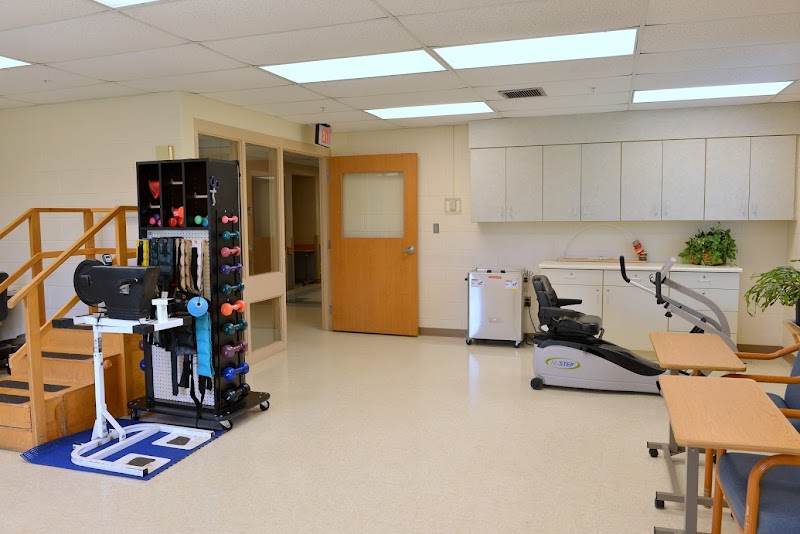
How is The Laurels Of Galesburg Staffed?

CMS rates The Laurels of Galesburg's staffing level at 3 out of 5 stars, which is average compared to other nursing homes. Staff turnover is 42%, compared to the Michigan average of 46%. This relatively stable workforce can support continuity of care.

What Have Inspectors Found at The Laurels Of Galesburg?

State health inspectors documented 67 deficiencies at The Laurels of Galesburg during 2022 to 2025. These included: 7 that caused actual resident harm, 58 with potential for harm, and 2 minor or isolated issues. Deficiencies causing actual harm indicate documented cases where residents experienced negative health consequences.
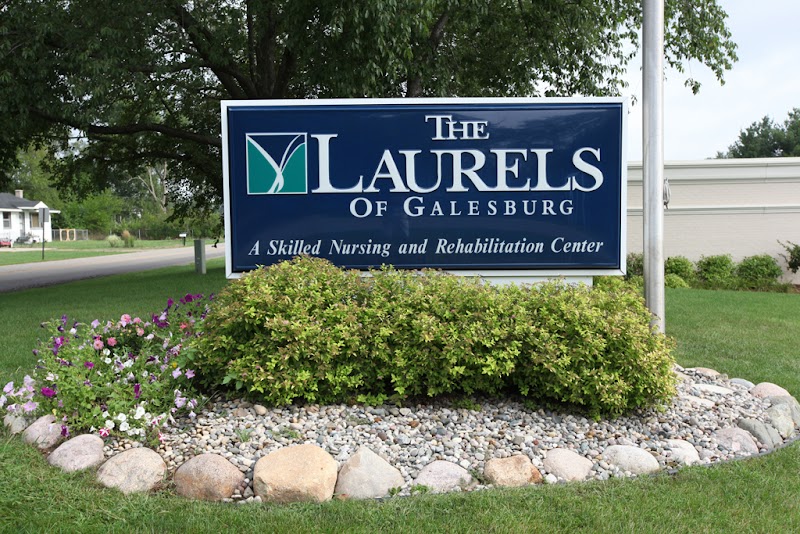
Who Owns and Operates The Laurels Of Galesburg?

The Laurels of Galesburg is owned by a for-profit company. For-profit facilities operate as businesses with obligations to shareholders or private owners. The facility is operated by CIENA HEALTHCARE/LAUREL HEALTH CARE, a chain that manages multiple nursing homes. With 93 certified beds and approximately 85 residents (about 91% occupancy), it is a smaller facility located in Galesburg, Michigan.

How Does The Laurels Of Galesburg Compare to Other Michigan Nursing Homes?

Compared to the 100 nursing homes in Michigan, The Laurels of Galesburg's overall rating (1 stars) is below the state average of 3.1, staff turnover (42%) is near the state average of 46%, and health inspection rating (1 stars) is much below the national benchmark.

What Should Families Ask When Visiting The Laurels Of Galesburg?

Based on this facility's data, families visiting should ask: "Can I visit during a mealtime to observe dining assistance and food quality?" "How do you handle medical emergencies, and what is your hospital transfer rate?" "Can I speak with family members of current residents about their experience?"

Is The Laurels Of Galesburg Safe?

Based on CMS inspection data, The Laurels of Galesburg has a clean safety record: no substantiated abuse findings (meaning no confirmed cases of resident harm), no Immediate Jeopardy citations (the most serious violation level indicating risk of serious injury or death), and is not on the Special Focus Facility watch list (a federal program monitoring the lowest-performing 1% of nursing homes). The facility has a 1-star overall rating and ranks #100 of 100 nursing homes in Michigan. While no facility is perfect, families should still ask about staff-to-resident ratios and recent inspection results during their visit.

Do Nurses at The Laurels Of Galesburg Stick Around?

The Laurels of Galesburg has a staff turnover rate of 42%, which is about average for Michigan nursing homes (state average: 46%). Moderate turnover is common in nursing homes, but families should still ask about staff tenure and how the facility maintains care continuity when employees leave.

Was The Laurels Of Galesburg Ever Fined?

The Laurels of Galesburg has been fined $134,023 across 3 penalty actions. This is 3.9x the Michigan average of $34,419. Fines at this level are uncommon and typically indicate a pattern of serious deficiencies, repeated violations, or failure to correct problems promptly. CMS reserves penalties of this magnitude for facilities that pose significant, documented risk to resident health or safety. Families should request specific documentation of what issues led to these fines and what systemic changes have been implemented.

Is The Laurels Of Galesburg on Any Federal Watch List?

The Laurels of Galesburg is not on any federal watch list. The most significant is the Special Focus Facility (SFF) program, which identifies the bottom 1% of nursing homes nationally based on persistent, serious quality problems. Not being on this list means the facility has avoided the pattern of deficiencies that triggers enhanced federal oversight. This is a positive indicator, though families should still review the facility's inspection history directly.