The Rivers Health & Rehabilitation Center of Gross
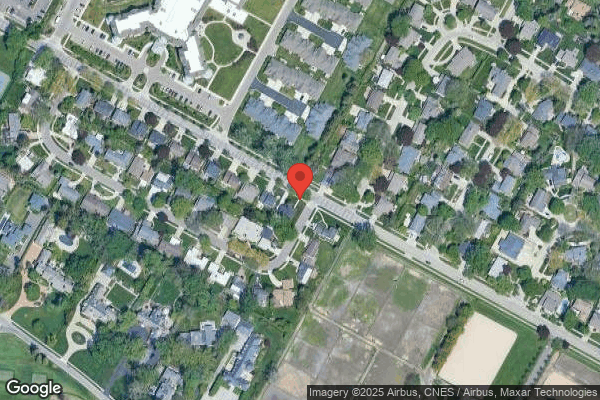
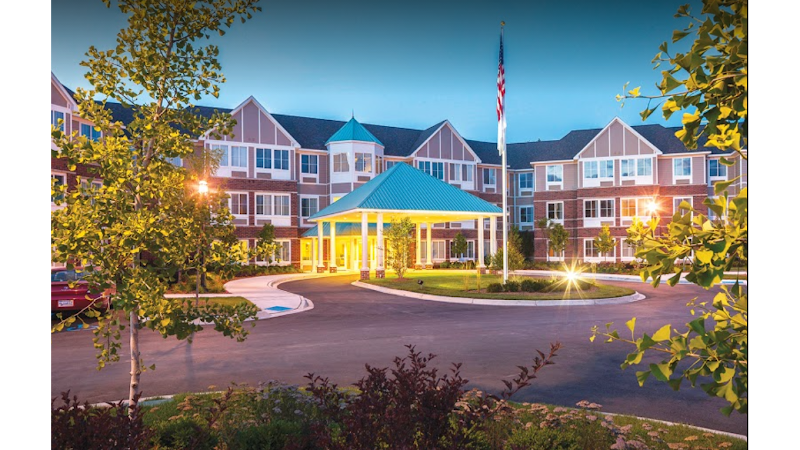
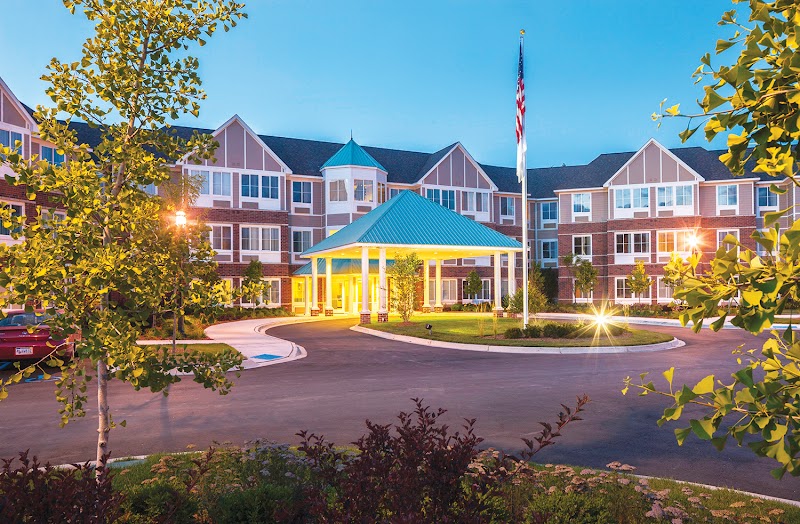
900 Cook Road, Grosse Pointe Woods, MI 48236 (313) 821-7095
For profit - Limited Liability company 86 Beds Independent Data: November 2025
Trust Grade
55/100
#249 of 422 in MI
Last Inspection: August 2024

Within standard 12-15 month inspection cycle. Federal law requires annual inspections.

Overview

The Rivers Health & Rehabilitation Center of Gross has a Trust Grade of C, indicating it is average and in the middle of the pack compared to other facilities. It ranks #249 out of 422 nursing homes in Michigan, placing it in the bottom half, and #40 out of 63 in Wayne County, suggesting limited local options. The facility is improving, with issues decreasing from seven in 2024 to one in 2025. However, staffing is a concern, with a low rating of 1 out of 5 stars and a high turnover rate of 58%, which is above the state average. Notably, there were incidents where staff did not maintain proper dish sanitation, leading to potential health risks, and residents reported dissatisfaction with the temperature of their meals, indicating areas for improvement despite having no fines on record.
Trust Score
C
55/100
In Michigan
#249/422
Bottom 41%
Safety Record
Low Risk
No red flags
Inspections
Getting Better
7 → 1 violations
Staff Stability
⚠ Watch
58% turnover. Above average. Higher turnover means staff may not know residents' routines.
Penalties
✓ Good
No fines on record. Clean compliance history, better than most Michigan facilities.
Skilled Nurses
⚠ Watch
Each resident gets only 25 minutes of Registered Nurse (RN) attention daily — below average for Michigan. Fewer RN minutes means fewer trained eyes watching for problems.
Violations
⚠ Watch
21 deficiencies on record. Higher than average. Multiple issues found across inspections.
★★★☆☆
3.0
Overall Rating
★☆☆☆☆
1.0
Staff Levels
★★★☆☆
3.0
Care Quality
★★★★☆
4.0
Inspection Score
Stable
2024: 7 issues
2025: 1 issues

The Good

  • Full Sprinkler Coverage · Fire safety systems throughout facility
  • No fines on record

Facility shows strength in fire safety.

The Bad

3-Star Overall Rating

Near Michigan average (3.1)

Meets federal standards, typical of most facilities

Staff Turnover: 58%

12pts above Michigan avg (46%)

Frequent staff changes - ask about care continuity

Staff turnover is elevated (58%)

10 points above Michigan average of 48%

The Ugly 21 deficiencies on record

Aug 2025 1 deficiency
CONCERN (D) 📢 Someone Reported This

A family member, employee, or ombudsman was alarmed enough to file a formal complaint

Potential for Harm - no one hurt, but risky conditions existed

Accident Prevention (Tag F0689)

Could have caused harm · This affected 1 resident

**NOTE- TERMS IN BRACKETS HAVE BEEN EDITED TO PROTECT CONFIDENTIALITY** This citation pertains to Intake:1359931Based on observation, interview, and record review, the facility failed to prevent a fal...

Read full inspector narrative →
**NOTE- TERMS IN BRACKETS HAVE BEEN EDITED TO PROTECT CONFIDENTIALITY** This citation pertains to Intake:1359931Based on observation, interview, and record review, the facility failed to prevent a fall for one resident (R14) of three residents reviewed for falls. Findings include:A review of information submitted to the State Agency (SA) revealed R14 sustained a fall due to their assigned Certified Nursing Assistant (CNA) providing care alone resulting in a transfer to the hospital for an evaluation.On 8/18/25 at 9:25 AM, R14 was observed lying in bed with two fall mats observed on both sides of their bed. Attempts to interview the resident were to no avail due to their cognition.A review of R14's medical record revealed they were admitted into the facility on [DATE] with diagnoses that included Dementia, Chronic Obstructive Pulmonary Disease, Heart Failure, and Diabetes. Further review revealed the resident was cognitively impaired and required extensive assistance of two staff for bed mobility.Further review of the medical record revealed the following care plan: Problem Start Date: 02/13/2024 Category: ADLs (activities of daily living) Functional Status/Rehabilitation Potential. [R14] requires assistance with ADL's due impaired mobility, B/L AKA (bilateral above knee amputation), and dx (diagnosis) of dementia .Approach Start Date: 11/18/2024. Assist me with two-person bed mobility .On 8/19/25 at 10:38 AM, an attempt to contact R14's assigned nurse, Licensed Practical Nurse (LPN) L the date of the fall was to no avail. On 8/19/25 at 12:04 PM, CNA M was interviewed via phone regarding R14's fall and explained while attempting to change the resident when they became agitated and combative. CNA M further explained the resident let go of their grab bar and fell to the floor. A review of the medical record revealed the following progress note authored by LPN L: 6/12/25 at 7:05am. Resident experience a fall during care. Writer had previously informed the CNA that resident might refuse care due to [their] combative behavior. The CNA was well aware of this, as she witnessed the resident slap the writer during an earlier interaction. I told the CNA that it was in best interest to leave the resident alone. Res and CNA exited the room. Writer notified everyone on the 2nd floor that she was going on break. Writer went to her car. 20 minutes later the CNA was knocking on my window. Stating that [R14] fell on her. The CNA reported that the resident was holding onto the bed rails and actively resisting being turned. During this struggle, the resident fell on top of her. Upon assessment, the resident was found with blood actively gushing from area just above the right amputation swite (site). All surgical staples remained intact; however, tissue was noted hanging from the tip of knee. (An old slightly opened sore was noted on the top surface of knee as well). The wound care specialist was immediately contacted. After an evaluation, the specialist was determined it was in the resident best interest to be sent out for further medical care A review of one-on-one in-service documentation dated and signed by CNA M noted the following, Topic of Inservice: ADL Care. DON (Director of Nursing) met with employee to discuss the concerns with the care provided to [R14]. Per the nurse on duty pt (patient] was combative .the CNAs did the care which resulted in a fall out of bed during positioning. Outcome of in-service: Moving forward employee will attempt to redirect resident or allow then to calm down before providing care.On 8/20/25 at 10:58 AM, the DON was interviewed regarding the fall of R14 and acknowledged that there was one CNA providing care to the resident, and the resident required two. A review of the facility's Fall Management Guidelines revealed the following, 2. Residents identified at risk for falls will have a care plan developed and implement fall prevention interventions as needed based on their assessment .
Dec 2024 1 deficiency
CONCERN (D) 📢 Someone Reported This

A family member, employee, or ombudsman was alarmed enough to file a formal complaint

Potential for Harm - no one hurt, but risky conditions existed

Notification of Changes (Tag F0580)

Could have caused harm · This affected 1 resident

**NOTE- TERMS IN BRACKETS HAVE BEEN EDITED TO PROTECT CONFIDENTIALITY** This citation relates to Intake # MI00148495. Based on interview and record review, the facility failed to notify the responsib...

Read full inspector narrative →
**NOTE- TERMS IN BRACKETS HAVE BEEN EDITED TO PROTECT CONFIDENTIALITY** This citation relates to Intake # MI00148495. Based on interview and record review, the facility failed to notify the responsible party and physician of x-ray findings timely for one Resident (R901) of three residents reviewed for change of condition. Findings include: On 12/04/24 at 11:08 a.m, R901's Family Member, FM B, reported they were concerned R901 received a diagnosis of a new left knee fracture which occurred during their stay at the facility, from 11/04/24 to 11/22/24. FM B stated they learned about the new knee fracture when they accompanied R901 to their orthopedic surgical follow-up visit on 11/22/24, which was for a left hip fracture that occurred on 10/30/24 from a fall FM B reported the orthopedic surgeon found the new left knee fracture during the visit, showed them the x-ray with the new fracture, and asked if R901 had fallen, or how the second fracture had occurred. FM B reported R901 was emergently transferred to an acute care hospital directly from the orthopedic surgeon's office on 11/22/24, where they underwent a second surgery to stabilize the new left knee fracture. FM B reported they noticed R901's left knee began swelling on 11/14/24 and 11/15/24 at the facility, which they reported to nursing management, including the Unit Manager, Registered Nurse (RN) A. FM B stated they knew something was not right. FM B learned R901 had a blood clot on 11/18/24 at the facility, although their leg remained swollen until 11/22/24, when they had the orthopedic surgery follow-up appointment. FM B reported they asked the facility nursing staff what had occurred after the appointment on 11/22/24, when they went to pick up R901's belongings, and no one explained the cause or the injury to them. Review of R901's Minimum Data Set (MDS) assessment, dated 11/10/24, revealed R901 was admitted to the facility on [DATE], with diagnoses including hip replacement, anemia, diabetes, and dementia. R901 required maximal assistance with toileting, bed mobility, and transfers. The Brief Interview for Mental Status (BIMS) assessment revealed a score of 15/15, which showed R901 was cognitively intact upon admission to the facility. Further review of R901's Electronic Medical Record (EMR) on 12/04/24 revealed no documentation of any falls, accidents, or incidents during R901's stay, which was confirmed was from 11/04/24 to 11/22/24. Surveyor requested any accident and incident reports including falls related to this resident, and none were provided. Review of R901's hospital discharge record history and physical, beginning 10/31/24, revealed R901 was admitted on [DATE], with a fracture of the left intertrochanteric (hip) fracture, which was surgically fixated (stabilized) by nailing on 11/01/24. R901 was discharged from the hospital to the facility for care and rehabilitation on 11/04/24. The report further revealed R901 was WBAT (Weight Bearing as Tolerated) on their left lower extremity upon discharge, with physical and occupational therapy ordered. Review of Electronic Medical Record (EMR) revealed R901's left knee X-ray report, dated 11/19/2024 at 10:29 a.m, revealed R901 had a new distal (lower) displaced fracture of the left femur (long upper leg bone). The report described the fracture as Knee .left. Results: There is a displaced obliquely oriented (diagonal fracture often from a direct blow or forceful twisting motion) fracture of the distal left femoral metadiaphysis (the part of the femur located near the knee joint) . Further review revealed the X-ray report was faxed to the facility on [DATE] at 10:34 a.m., and initialed by the ordering provider, Nurse Practitioner, (NP) E, and undated. Review of R901's facility census revealed R901 was discharged to the hospital on [DATE] following the orthopedic appointment. Review of R901's orthopedic consult, dated 11/22/24, revealed, On post-op (operation) appointment, patient (R901) found to have a new (underlined) left femoral shaft fracture with left leg pain and inability to bear weight. Has been hurting for over one week, does not remember mechanism (cause of injury). Review of R901's progress note, dated 11/20/24 at 8:46 a.m., by Licensed Practical Nurse (LPN) C, revealed R901 complained of left leg pain of 7/10 (with 10 the highest pain), requiring as needed pain medication (not scheduled), with pain relief. Review of R901's progress note, dated 11/20/24 at 11:48 p.m., by LPN C, revealed R901 continued to keep their left leg externally rotated inward due to pain (level unspecified) whenever their leg was moved. There was no documentation of physician communication. Review of R901's progress note, dated 11/22/24 at 7:49 a.m., by LPN C revealed R901 continued to keep their left leg internally rotated due to pain (level unspecified) whenever their leg was moved. There was no documentation of physician communication. Review of R901's progress notes, dated 11/18/24, revealed R901 was diagnosed with a blood clot in their left leg, and Eliquis (an anticoagulant) was started. Review of R901's EMR from 11/19/24 to 11/22/24 revealed no documentation or interventions related to R901's distal femur (knee) fracture, including physician or resident/representative notification, a referral to an orthopedic physician, or an emergent hospital transfer. Review of R901's provider progress note, dated 11/18/24 at 6:37 p.m., by NP E revealed they visited R901 with a chief complaint of left knee edema (swelling). There was no mention of an x-ray being ordered in the progress note. Review of R901's EMR including physician orders with the daytime unit manager, Registered Nurse (RN) A, the Acting Director of Nursing (DON), revealed there was no x-ray order found. There was a referral found in the facility documents for the x-ray to R901's left knee after NP E's visit on 11/18/24. On 12/04/24 at approximately 1:45 p.m., RN A was asked about R901's x-ray report dated 11/19/24, showing the new distal femur (knee) fracture. RN A reported they or any nursing management had not been made aware R901 had a new knee fracture on 11/19/24, and they were not aware an x-ray had been requested by NP E. RN A reviewed the medical record and found no evidence of the physician or nursing documentation regarding the x-ray results. Further review of R901's nursing progress notes from 11/18/24 through 11/22/24 with RN A showed R901 reporting increased pain and staff noted rotation of their left leg. RN A explained if they had known about the fracture, they would have sent R901 out emergently for orthopedic follow-up and acute pain management. RN A confirmed there was no physician or provider documentation showing any awareness of the 11/19/24 x-ray results for a new distal femur (knee) fracture. On 12/04/24 at 2:15 p.m., R901's x-ray report was reviewed with Physical Therapist (PT) D, who confirmed R901's left distal femur (knee) fracture was a new fracture, after review of initial hospital documentation and their records. PT D clarified R901 made limited progress in therapy, and required maximal assistance with two people to transfer during their rehab stay and upon discharge. On 12/04/24 at 3:01 p.m., LPN C was asked about their documentation showing R901 had increased pain and their left leg being rotated inward on 11/20/24 and 11/22/24. LPN C reported they had not been made aware of any acute fracture on 11/19/24, and only knew R901 had new blood clot, and was being treated with Eliquis, so they believed their pain and condition was from the blood clot. When asked if they reported this to the physician, as no physician communication was documented respective to R901's increased pain and leg rotation, LPN C stated they had communicated with NP E on 11/22/24. On 12/04/24 at 3:57 p.m., NP E was asked during a phone interview about R901's 11/19/24 x-ray report which they ordered, showing a new knee (distal femur) fracture, NP E confirmed they initialed the x-ray however could not recall when they reviewed the x-ray report dated 11/19/24, as their initials were not dated. NP E recalled they were focused more on R901 having a blood clot, due to the swelling in their left leg. Review of R901's MAR (Medication Administration Record) report from 11/19/24 through 11/22/24, reviewed with the Nursing Home Administrator (NHA) and RN A, showed R901 received prn (as needed) Hydrocodone-acetaminophen (opioid pain medication). The medication was administered on 11/14/24 for pain of 7/10 in their left hip, on 11/15/24 for 7/10 pain in their left leg, on 11/16/24 for pain of 6/10 in their back, on 11/18/24 for 4/10 pain in their knee, on 11/19/24 for 7/10 pain in their left leg, and on 11/22/24 for pain in their left leg. On 12/04/24 at 4:20 p.m., the concerns were reviewed with the NHA and RN A, including R901 or their representative not being notified of an acute knee fracture on 11/19/24, increased pain and discomfort, lack of timely orthopedic consultation and/or emergent hospital transfer, and process concerns related to the x-ray not being made available to NP E timely, and nursing management not being made aware. Both reported they understood the concerns and confirmed they had already begun working on corrections during the survey to prevent a recurrence. Review of the policy, (Facility) Notification of Changes Policy, undated, revealed, It is the policy of this facility that changes in a resident's condition or treatment are immediately shared with the resident representative, according to their authority, and reported to the attending physician or delegate (hereafter designated as the physician). The resident and/or representative will be educated about treatment options and supported to make an informed choice about care preferences when there are multiple care options available. All pertinent information will be made available to the provider by the facility staff. Nursing and other care staff are educated to identify changes in a resident's status and define changes that require notifications of the resident and/or their representative, and the resident's physician, to ensure the best outcomes of care for the resident .A need to alter treatment significantly means a need to stop a form of treatment because of adverse consequences .or commencing a new form of treatment to deal with a problem (for example, the use of any medical procedure . The objective of the notification policy is to ensure that the facility staff makes appropriate notification to the physician and delegated non-physician practitioner and immediate notification to the resident and/or the resident representative when there is a change in the resident's condition, or an accident that may require physician intervention. The intent of the policy is to provide appropriate and timely information about changes relevant to a resident's condition .The nurse will immediately notify the resident, resident's physician, and the resident representative for the following .: A need to alter treatment significantly .
Aug 2024 6 deficiencies
CONCERN (D) 📢 Someone Reported This

A family member, employee, or ombudsman was alarmed enough to file a formal complaint

Potential for Harm - no one hurt, but risky conditions existed

Notification of Changes (Tag F0580)

Could have caused harm · This affected 1 resident

**NOTE- TERMS IN BRACKETS HAVE BEEN EDITED TO PROTECT CONFIDENTIALITY** This citation pertains to Intake MI00146468. Based on interview and record review, the facility failed to notify the responsible...

Read full inspector narrative →
**NOTE- TERMS IN BRACKETS HAVE BEEN EDITED TO PROTECT CONFIDENTIALITY** This citation pertains to Intake MI00146468. Based on interview and record review, the facility failed to notify the responsible party and obtain x-ray results timely for one resident (R123) of one resident reviewed for a change in condition, resulting in the responsible uninformed about a fall until hours later and a delay in treatment. Findings include: A review of the record for R123 revealed a progress note dated 06/10/24 at 10:30 AM by Unit Manager D which documented, Writer was reported to by oncoming staff that resident was lowered to the floor by CENA (Certified Nursing Assistant, CNA) on midnight shift while doing peri care, resident was reaching and grabbing onto CENA and CENA had to lower resident to floor for safety. Resident has abrasion on left shoulder and left side of torso, x-ray ordered to rule out any injury, (Director of Nursing) DON notified, spouse notified. investigation process and complete. Patient is resting well, no s/s of distress or discomfort. family at bedside. The previous progress note identified in the electronic medical record was dated 06/09/24 at 12:58 PM. No notification of the responsible party was documented until 06/10/24 at 10:30 AM. A review of the Nurse Practitioner (NP) note dated 06/10/24 at 6:07 PM documented, .Chief Complaint: fall at facility on 6/10 .Assessments/Plans: Unspecified fall .resident was lowered to floor by staff on 6/10 x-ray ordered to (rule out) r/o injury . A review of the Nurse Practitioner (NP) note dated 06/12/24 documented, . x-ray positive for left clavicle (fracture) FX spouse notified and desires transfer to the hospital for evaluation .resident was lowered to floor by staff on 6/10/24 . On 08/21/24 at 2:27 PM, Licensed Practical Nurse (LPN) E reported R123 was total care, non verbal, and two person for care. LPN E was asked what indicates the need to send a resident to the hospital and reported if the resident was on a blood thinner, if there was a fall with acute pain, a change in vital signs or the resident was not at baseline. LPN E was also queried about any issue with x-ray when ordered stat and reported x-rays were not truly stat and could take four hours or even the next day to result or get a technician out to the facility. On 08/21/24 at 2:46 PM, [NAME] Clerk G reviewed the order for the X-Ray for R123. It was noted the order was sent early afternoon on 06/10/24. Clerk G noted x-rays are usually ordered at the time of the fall and R123's fall actually happened on midnights (11PM - 7AM). Clerk G reported the x-ray was ordered stat and generally the technician will come in two hours or at least the same day. On 08/21/24 at 4:57 PM, LPN H reported that R123 had been sent out prior to their afternoon shift on 06/12/24. On 08/21/24 at 5:00 PM, Unit Manager (UM) D and Wound Nurse I were asked about R123's fall. UM D reported they found about the fall when they came into to work on 06/10/24. UM D was asked about the x-ray company and timeliness and reported there was a delay and the report did not arrive until the 06/12/24. UM D reported they had contacted the responsible party about the fall once they found out about it and the night nurse assigned had not called the family or notified the Director of Nursing as should have been done. UM D further reported the responsible party was called when the result of the x-ray was received on 06/12/24. A progress note dated 06/11/24 at 2:44 PM, by LPN E documented, .localized swelling (left) Lt shoulder clavicle region, also noted mild swelling and bruising around Lt eye .x-ray results pending . On 08/22/24 at 8:57 AM, LPN E confirmed they did see increased swelling to the face on 06/12/24. A progress noted dated 06/12/24 at 3:56 PM, by LPN H documented, 3:40 PM sent to (hospital name) for evaluation of left clavicle, due to abnormal x-ray report. On 08/22/24 at 9:17 AM, NP F reported they felt it was safe for R123 to stay at the facility until the x-ray results were reviewed. NP F reported R123 was stable from a clinical standpoint and once the x-ray result was received on 06/12/24, R123 was sent out to the hospital. The decision for R123 to remain was based on clinical presentation and R123 lacked any a change in vital signs, obvious pain, or deformity from the clavicle fracture. NP F reported a stat x-ray can take 24 hours and the expectation is the result is called to the faciity if acute like a fracture and also faxed to the facility. On 08/22/24 at 10:26 AM, R123's fall was reviewed with the Director of Nursing (DON). The DON reported they heard about the fall when notified by the management team later in the morning. The DON confirmed they were not called by the midnight nurse or CNA and the expectation is that all falls, injury or not, are reported to the DON when they occur. The DON was asked about the timing of the call to the responsible party and reported the midnight nurse should also have called the responsible party (like they documented they did). The DON was also asked about the timing of the x-ray and result received. A review of the x-ray result documented it resulted on 06/10/24 at 9:52 PM and documented a mild displaced fracture of the mid to distal left clavicle. The DON was asked why the result had not been reported until 06/12/24. It was noted the result was not received until 06/12/24 at 10:45 AM and the x-ray company should have called and faxed the result to the facility prior to that time. The DON further reported that staff should have called on 06/11/24 when no result had been received. On 08/22/24 at 3:01 PM, CNA K confirmed they worked the midnight shift with two nurses and another CNA on 06/09/24 into the morning of 06/10/24. CNA K reported they had to put R123 on the floor and had to do it by themselves as no one came when they called out for help. CNA K reported they and another aide helped to get R123 back into bed. A review of the record for R123 revealed R123 was admitted into the facility on [DATE]. Diagnoses included Hemiplegia and Hemiparesis following cerebral infarction affecting right dominant side, Heart Disease and Muscle Spasm. A review of the Minimum Data Set (MDS) assessment dated [DATE] indicated moderately impaired cognition, a range of motion impairment on both upper and lower extremities, total dependence to roll left and right, and total dependence all for all activities of daily living (ADLs). The .require assist with ADLs care plan dated 12/04/23 documented assist me with bed mobility and two person total assist with hoyer lift transfers as needed .follow therapy recommendations . A review of the Continuity of Care Document revealed no vitals signs were documented as completed from 06/09/24 at 6:39 PM until 7:03 AM on 06/10/24. The weight documented on 06/05/24 was 212.9 pounds. A review of the facility contract with the x-ray company documented, .(company name) will promptly transcribe the full written report and electronically send and or fax a copy to the facility . The contract did not specifically address orders for stat x-rays or provide designated time frames for delivery of the report. A review of the facility policy titled, Fall Management Guidelines revised April 2023 revealed, .After each fall the nurse will assess for pain and document the findings .The licensed nurse will document the incident on .nurse's notes .as soon as practicable communicate the fall to the attending physician and the responsible party/legal representative and document in the medical record .any fall with injury that is significant, fractures needing sutures hospitalization, must be called to the Director of Nursing as soon as practicable . A review of the facility policy titled, Change of Condition revised April 2023, revealed, An acute change in condition is a sudden, clinically important deviation from a resident's baseline in physical, cognitive, behavioral or functional domains. Clinically important means a deviation that without intervention, may result in complications or death .Document in the medical record all interventions to address the change in condition .x-ray: new or unsuspected finding (such as) fracture .
CONCERN (D) 📢 Someone Reported This

A family member, employee, or ombudsman was alarmed enough to file a formal complaint

Potential for Harm - no one hurt, but risky conditions existed

Deficiency F0685 (Tag F0685)

Could have caused harm · This affected 1 resident

**NOTE- TERMS IN BRACKETS HAVE BEEN EDITED TO PROTECT CONFIDENTIALITY** Based on observation, interview, and record review, the facility failed to facilitate and assist in obtaining eye glasses in a t...

Read full inspector narrative →
**NOTE- TERMS IN BRACKETS HAVE BEEN EDITED TO PROTECT CONFIDENTIALITY** Based on observation, interview, and record review, the facility failed to facilitate and assist in obtaining eye glasses in a timely manner for one resident (R2) of one reviewed for ancillary services, resulting in R2 experiencing impaired vision. Findings include: On 8/20/24 at 10:35 AM, R2 was interviewed regarding their care and services at the facility and indicated that they had provided the facility with a prescription for eye glasses over a month ago and had not heard anything since then about obtaining new eye glasses. R2 stated, I don't know what's going on. It was observed that R2 was not wearing eye glasses. On 8/21/24 at 11:22 AM, a follow up visit was conducted with R2 and they were further interviewed about their eye glasses. R2 stated, I can't see well. R2 was observed to not be wearing eye glasses. On 8/21/24 at 11:30 AM, R2's responsible party (RP) A was interviewed by phone regarding R2's eye glasses and indicated that a prescription was provided to the facility following R2's eye appointment in July 2024. RP A stated, I haven't heard anything about [R2's] eye glasses since then. A review of R2's electronic medical record (EMR) revealed the following document from [Outpatient Vision Clinic Provider], Report of consultation: Report: New Eyeglasses: Glasses RX (Prescription) .7/11/24. Further review of R2's EMR revealed that R2 was originally admitted to the facility on [DATE] with diagnoses that included, Chronic obstructive pulmonary disease (COPD) (Lung disease) and Congestive heart failure. R2's most recent quarterly minimum data set assessment (MDS) dated [DATE] revealed that R2 had impaired vision, an intact cognition, and was independent to requiring partial assistance for all activities of daily living (ADLs). On 8/21/24 at 12:14 PM, Social Services Director (SSD) B was interviewed regarding assistance provided to R2 with obtaining their eye glasses. SSD B indicated they sent R2's eye glass prescription to the [Facility eye glass provider] on 8/14/24. SSD B stated, I told them to put a rush on it. SSD B was further interviewed and asked if facilitation of obtaining eye glasses for R2 should have been done more timely. SSD B stated, Yes, to be honest with you I forgot about it. On 8/21/24 at 12:21 PM, the Administrator (NHA) was interviewed regarding their expectations regarding assisting residents with ancillary services such as obtaining eye glasses. The NHA stated, I would expect it to be done within a week or two. A facility policy titled, Ancillary Services with no date, was reviewed and stated the following, Policy: The Facility will take such steps as necessary to ensure that the residents will be provided with .vision .to have meaningful access, adequate and effective care. Ancillary services are medical services provided in the facility to ensure that the residents will continue to have [services] during their stay in long term care setting. Procedure: 2) The IDT (Interdisciplinary Team) will coordinate any resident needs to obtain and schedule ancillary services needed. 5) Follow-up as needed .
CONCERN (D) 📢 Someone Reported This

A family member, employee, or ombudsman was alarmed enough to file a formal complaint

Potential for Harm - no one hurt, but risky conditions existed

Accident Prevention (Tag F0689)

Could have caused harm · This affected 1 resident

**NOTE- TERMS IN BRACKETS HAVE BEEN EDITED TO PROTECT CONFIDENTIALITY** This citation pertains to Intake MI00146468. Based on interview and record review, the facility failed to implement intervention...

Read full inspector narrative →
**NOTE- TERMS IN BRACKETS HAVE BEEN EDITED TO PROTECT CONFIDENTIALITY** This citation pertains to Intake MI00146468. Based on interview and record review, the facility failed to implement interventions to prevent a fall from the bed for one resident (R123) of two reviewed for falls, resulting in a fracture, facial trauma, skin abrasions and bruising. Findings include: A review of the record for R123 revealed a progress note dated 06/10/24 at 10:30 AM by Unit Manager D which documented, Writer was reported to by oncoming staff that resident was lowered to the floor by CENA (Certified Nursing Assistant, CNA) on midnight shift while doing peri care, resident was reaching and grabbing onto CENA and CENA had to lower resident to floor for safety. Resident has abrasion on left shoulder and left side of torso, x-ray ordered to rule out any injury, (Director of Nursing) DON notified, spouse notified. investigation process and complete. patient is resting well, no s/s of distress or discomfort. family at bedside. The previous progress note identified in the electronic medical record was dated 06/09/24 at 12:58 PM. No documentation of the fall by the midnight shift was found in the progress notes. A progress note dated 06/10/24 at 3:24 PM, by Wound Care Nurse I documented, .Resident suffered a fall from previous shift and was assessed for any injuries as follows. (right) RT back abrasion, buttocks and hip abrasions, (left) LT clavicle bruise, LT eye swollen and slightly bruised . A review of the Nurse Practitioner note dated 06/10/24 at 6:07 PM documented, .Chief Complaint: fall at facility on 6-10 .resident was lowered to floor by staff on 6-10, x-ray ordered to (rule out) r/o injury . A review of the Nurse Practitioner (NP) note dated 06/12/24 documented, .Review Of Systems: Musculoskeletal: Positive for: Joint Pain-Shoulders .Assessments/Plans: Pain in left shoulder, x-ray positive for left clavicle (fracture) FX spouse notified and desires transfer to the hospital for evaluation discuss in detail with (interdisciplinary team) IDT we will transfer to hospital for evaluation and ortho consult .(vital signs stable) VSS .Patient with (paralysis of one side) Hemiplegia and Hemiparesis following (stroke) cerebral infarction, has developed non fixed contracture of ankle bilaterally, patient is non ambulatory .phone call placed to spouse at 11 am- message left spouse was called again at 1320 . On 08/21/24 at 2:27 PM, Licensed Practical Nurse (LPN) E reported R123 was total care, non verbal, and two person for care. LPN E reported they had heard the midnight CNA had turned the resident by themselves and the resident fell out of the bed. LPN E was asked what indicates the need to send a resident to the hospital after a fall and reported if the resident was on a blood thinner, if there was a fall with acute pain, a change in vital signs or the resident was not at baseline. On 08/21/24 at 2:46 PM, [NAME] Clerk G noted R123's fall actually happened on midnights (11PM - 7AM). On 08/21/24 at 4:57 PM, LPN H reported that R123 did not usually exhibit signs of pain. On 08/21/24 at 5:00 PM, Unit Manager (UM) D and Wound Nurse I were asked about R123's fall. The nurses reported R123 did not exhibit outward signs of pain other the skin abrasions and bruising on assessment. UM D reported they found about the fall when they came into to work on 06/10/24 and that an agency CNA did provide care with one person instead of required two. UM D reported the normal two nurses and two CNAs were present. UM D and Wound Nurse I confirmed all agency staff received orientation to the floor and a binder is available for care plan needs and questions. This binder was observed with Wound Nurse I and present at the nurse station with care sheets filed by room number. Wound Nurse I further reported the book is not difficult to find and staff are oriented to where the information can be found. UM D was asked about the x-ray company and timeliness and reported that there was a delay and the report did not arrive until the 06/12/24. UM D reported they had contacted the responsible party about the fall once they found out about it and the the night nurse assigned had not called the family or notified the Director of Nursing as should have been done. UM D further reported the responsible party was called when the result of the x-ray was received on 06/12/24. On 08/22/24 at 8:57 AM, LPN E reported they did see R123 the morning after the fall and recalled as surprised by the fall and injuries and it was not well communicated in report. The next day LPN E noted no acute change in behavior or vitals except for the obvious injuries. LPN E confirmed they did see increased swelling to the face on 06/12/24. A progress note dated 06/11/24 at 2:44 PM, by LPN E documented, .localized swelling (left) Lt shoulder clavicle region, also noted mild swelling and bruising around Lt eye . A progress noted dated 06/12/24 at 3:56 PM, by LPN H documented, 3:40 PM sent to (hospital name) for evaluation of left clavicle, due to abnormal x-ray report. On 08/22/24 at 9:17 AM, NP F reported they felt it was safe for R123 to stay at the facility until the x-ray results were reviewed. NP F reported R123 was stable from a clinical standpoint and once the x-ray result was received on 06/12/24, R123 was sent out to the hospital. The decision for R123 to remain was based on clinical presentation and R123 lacked any a change in vital signs, obvious pain, or deformity from the clavicle fracture. On 08/22/24 at 10:26 AM, R123's fall was reviewed with Director of Nursing (DON). The DON they heard about the fall when notified by the management team later in the morning on 06/10/24. The DON reported it was a normal night with two CNAs and two nurses per floor and root cause of the fall was that the agency CNA did not follow the plan of care. The CNA was alone for incontinence care. The DON confirmed they were not called by the midnight nurse or CNA and the expectation is the all falls injury or not are reported to the DON when they occur. On 08/22/24 at 2:51 PM and 2:52 PM, phones call were made to the midnight nurses for R123. The calls were not returned. 08/22/24 02:54 PM CNA J was asked about the night R123 fell out of bed. CNA J reported it was busy and it was them and another aide. CNA J reported the only time the other aide asked for assistance was when she came and asked for help to get R123 off the floor. CNA J reported they were not the assigned aide for R123 that night but had said to the other aide to ask if help was needed. CNA J reported they believed R123 was a two person because of their size and and that they shook when moved. On 08/22/24 at 3:01 PM, CNA K confirmed they worked the midnight shift with two nurses and another CNA on 06/09/24 into the morning of 06/10/24. CNA K reported they had to put R123 on the floor and had to do it by themselves as no one came when they called out for help. CNA K reported that the nurse assigned to R123 never came. CNA K reported they had asked the assigned nurse, who was in the day room on a computer, to come and assess R123 after the fall but they did not and it was the other nurse and aide who helped to get R123 back into bed. CNA K further noted they had not seen the assigned nurse enter the room of R123 all night. CNA K reported on query that R123 was a two person for incontinence care and that they had not requested an assist. CNA K also reported they had many years of experience as an aide and were not given a login to document on residents. CNA K further reported that a care guide was not given and only had what another aide wrote out for them about the residents. A review of the record for R123 revealed R123 was admitted into the facility on [DATE]. Diagnoses included Hemiplegia and Hemiparesis following cerebral infarction affecting right dominant side, Heart Disease and Muscle Spasm. A review of the Minimum Data Set (MDS) assessment dated [DATE] indicated moderately impaired cognition, a range of motion impairment on both upper and lower extremities, total dependence to roll left and right, and total dependence all for all activities of daily living (ADLs). The .require assist with ADLs care plan dated 12/04/23 documented assist me with bed mobility and two person total assist with hoyer lift transfers as needed .follow therapy recommendations . A review of the Continuity of Care Document revealed no vitals signs were documented as completed from 06/09/24 at 6:39 PM until 7:03 AM on 06/10/24. The weight documented on 06/05/24 was 212.9 pounds. A review of the undated Resident's Care Guide revealed under the heading # of person assistance the lines for one person and two person were not checked. A review of the facility policy titled, Fall Management Guidelines revised April 2023 revealed, Each resident is assisted in attaining/maintaining his or her highest practicable level of function by providing the resident adequate supervision, assistive devices, and or functional programs as appropriate to minimize the risk for falls. Residents will be evaluated by the interdisciplinary team for their risk of falls. A care plan is developed and implemented based on this evaluation with ongoing review .When a fall occurs the nurse should assess the patient for injury .After each fall the nurse will assess for pain and document the findings .The licensed nurse will document the incident on .nurse's notes .as soon as practicable communicate the fall to the attending physician and the responsible party/legal representative and document in the medical record .any fall with injury that is significant, fractures needing sutures hospitalization, must be called to the Director of Nursing as soon as practicable .
CONCERN (D) 📢 Someone Reported This

A family member, employee, or ombudsman was alarmed enough to file a formal complaint

Potential for Harm - no one hurt, but risky conditions existed

Deficiency F0694 (Tag F0694)

Could have caused harm · This affected 1 resident

**NOTE- TERMS IN BRACKETS HAVE BEEN EDITED TO PROTECT CONFIDENTIALITY** Based on observation, interview and record review, the facility failed to ensure the dressing for a Peripherally Inserted Centra...

Read full inspector narrative →
**NOTE- TERMS IN BRACKETS HAVE BEEN EDITED TO PROTECT CONFIDENTIALITY** Based on observation, interview and record review, the facility failed to ensure the dressing for a Peripherally Inserted Central Catheter (PICC) intravenous (IV) was changed timely for one resident (R27) of one whose line was reviewed. Findings include: On 08/21/24 at 9:06 AM, the PICC line dressing on the left upper arm of R27 was observed with Licensed Practical Nurse (LPN) L. An antibiotic medication was infusing. The dressing was dated 8/12/24. LPN L reported the dressing would need to be changed. On 08/21/24 at 11:02 AM, the Infection Control Nurse was asked about the PICC line dressing and reported R27 had been out to the hospital and the dressing did not get changed when R27 came back and it should have been changed Monday. On 08/22/24 at 10:26 AM, the Director of Nursing (DON) reported the dressing should have been changed every seven days per protocol. A review of the record for R27 revealed R27 was admitted into the facility 08/12/24 and readmitted [DATE]. Diagnoses included Osteomyelitis (bone infection) of the left ankle and foot. A review of the physician order dated 08/16/24 documented, .PICC dressing change every 7 days. Maintain sterile technique. Frequency: Once A Day on Mon 1: 03:00 PM - 11:00 PM. Special Instructions: Change upon admit and every 7 days thereafter . A review of the facility policy titled, IV Therapy Central Lines PICC Lines revised March 2024 revealed, .Manage Central Venous Catheters as follows: Use sterile transparent or gauze dressing over all central lines; [NAME] the dressing with date and initials when site care is performed; Visually assess the site every day for signs of complications or infection; Perform site care per physician order or as necessary. Change the dressing, Luer lock caps {for multi-lumen catheters}, and IV tubing down to the cannula hub .
CONCERN (D) 📢 Someone Reported This

A family member, employee, or ombudsman was alarmed enough to file a formal complaint

Potential for Harm - no one hurt, but risky conditions existed

Deficiency F0761 (Tag F0761)

Could have caused harm · This affected 1 resident

**NOTE- TERMS IN BRACKETS HAVE BEEN EDITED TO PROTECT CONFIDENTIALITY** Based on observation, interview, and record review, the facility failed to label medications when opened in two of three medicat...

Read full inspector narrative →
**NOTE- TERMS IN BRACKETS HAVE BEEN EDITED TO PROTECT CONFIDENTIALITY** Based on observation, interview, and record review, the facility failed to label medications when opened in two of three medications carts reviewed. Findings include: On [DATE] at 4:45 PM, the second floor cart one front medication cart was observed with Licensed Practical Nurse (LPN) H. An Incruse inhaler did not a have a date opened on the box not the actua inhaler. An identifier was not included on the inhaler; A Breo Ellipta had no identifier on the actual inhaler; and a Latanoprost eyed dropper was not dated when opened on the vial. On [DATE] at 8:37 AM, the first floor back cart was observed with LPN M. A Fluticasone propionate/salmeterol 250/50 inhaler did not have an identifier on the actual inhaler; A Trelegy inhaler 100/62.5 was not dated when opened on the acutal inhaler and did not have an identifier on the actual inhaler; A second Trelegy Inhaler was not dated on the actual inhaler and did not have an identifier on the actual inhaler; A Fluticasone/Salmeterol inhaler 500/50 and an Incruse inhaler was not dated when opened on the actual inhaler and did not have an identifier on the actual inhaler. On [DATE] at 8:53 AM, the first floor cart two medication cart was observed with LPN N. A Trelegy inhaler did not have a resident identifier on the actual inhaler. On [DATE] at 10:51 AM, the Director of Nursing was asked about label and dating of inhalers and reported the open date should be applied to the actual container when opened and ensure returned to the original box from the pharmacy so the name will be known. A review of the undated facility policy titled, Medication Administration revealed, .Before giving medication to a resident check to be sure it is not expired. Medication containers for insulin, eye, nasal, ear and topical medications will be dated when opened . The policy did not indicate to label an inhaler when opened. A review of the facility policy titled, Medication Ordering and Receipt dated [DATE] did not specifically address the labeling and dating of inhalers or eyedroppers. A review of the information at Drugs.com revealed: for the Incruse, Store at room temperature away from moisture, heat, and light. Keep the inhaler device in the sealed foil tray until ready to start using it. Throw the inhaler away 6 weeks after opening, or when the dose indicator shows a zero whichever comes first; for the Trelegy, Trelegy Ellipta should be discarded in the trash 6 weeks after first use OR when the counter reads 0 which means you are out of medicine, whichever occurs first; For Fluticasone/salmeterol, Discard Fluticasone Propionate/Salmeterol 1 month after opening the foil pouch or when the counter reads 0 (after all blisters have been used), whichever comes first; for the Lantanoprost, Once a bottle is opened for use, it may be stored at room temperature up to 25°C (77°F) for 6 weeks.
CONCERN (F) 📢 Someone Reported This

A family member, employee, or ombudsman was alarmed enough to file a formal complaint

Potential for Harm - no one hurt, but risky conditions existed

Food Safety (Tag F0812)

Could have caused harm · This affected most or all residents

Based on observation, interview, and record review, the facility failed to maintain the dish machine to ensure dishware was sanitized. This deficient practice had the potential to affect all residents...

Read full inspector narrative →
Based on observation, interview, and record review, the facility failed to maintain the dish machine to ensure dishware was sanitized. This deficient practice had the potential to affect all residents that consume food from the kitchen. Findings include: On 8/20/24 at 8:55 AM, dietary staff was observed cleaning soiled dishware in the facility's dish machine. At that time, a plate simulating dishwasher tester was sent through the dish machine to check the sanitizing properties of the facility's high temperature dish machine. The maximum temperature recorded on the plate simulator was noted to be 124 degrees Fahrenheit. The plate simulating dishwasher tester was sent through the dish machine a second time, and the maximum temperature was noted to be 125 degrees Fahrenheit. Dietary Staff continued to use the dish machine. On 8/20/24 at 9:10 AM, Dietary Manager (DM) O was queried about the dish machine, and stated that he was aware of the issue and had put in a work order for maintenance last week. No explanation was given as to why staff continued to use the dish machine, when it was not properly sanitizing. On 8/20/24 at 9:35 AM, Maintenance Supervisor P was queried about the dish machine, and stated that DM O had contacted him about the dish machine temperatures. Maintenance Supervisor P stated that because they rent the dish machine, that he told DM O he would have to call the company for service. Review of a work order dated 8/14/24 noted: Description: Dish machine not getting hot. According to the 2017 FDA Food Code section 4-703.11 Hot Water and Chemical, After being cleaned, EQUIPMENT FOOD-CONTACT SURFACES and UTENSILS shall be SANITIZED in: (B) Hot water mechanical operations by being cycled through EQUIPMENT that is set up as specified under §§ 4-501.15, 4-501.112, and 4-501.113 and achieving a UTENSIL surface temperature of 71°C (160°F) as measured by an irreversible registering temperature indicator; P According to the 2017 FDA Food Code section 4-501.112 Mechanical Warewashing Equipment, Hot Water Sanitization Temperatures, (A) Except as specified in ¶ (B) of this section, in a mechanical operation, the temperature of the fresh hot water SANITIZING rinse as it enters the manifold may not be more than 90°C (194°F), or less than: Pf (1) For a stationary rack, single temperature machine, 74°C (165°F); Pf or (2) For all other machines, 82°C (180°F). Pf.
Jul 2023 6 deficiencies
CONCERN (D) 📢 Someone Reported This

A family member, employee, or ombudsman was alarmed enough to file a formal complaint

Potential for Harm - no one hurt, but risky conditions existed

Deficiency F0561 (Tag F0561)

Could have caused harm · This affected 1 resident

This citation pertains to Intake MI00137133. Based on observation, interview, and record review, the facility failed to timely respond to a resident's call light and request to be helped back into bed...

Read full inspector narrative →
This citation pertains to Intake MI00137133. Based on observation, interview, and record review, the facility failed to timely respond to a resident's call light and request to be helped back into bed for one resident (R272), resulting in an extended wait, resident frustration and expression of discomfort, and ultimately, the resident initiating an attempt to self-transfer. Findings include: On 7/11/23 at 9:35 AM, R272's call light above their door was observed to be flashing red. An unidentified female staff member in maroon scrubs came out of a stairwell and entered the resident's room. The call light was turned off and the staff member exited the resident's room at 9:38 AM. On 7/11/23 at 9:38 AM, upon entering R272's room, the resident was observed sitting in their wheelchair. R272 had on yellow non-slip socks and a yellow band on their wrist that read, Fall Risk. R272 stated that they want to go back to bed and also indicated that they had informed the staff member who just exited the room. R272 was asked if the staff member who just helped them had said she was coming back? R272 stated, I don't know, I've dealt with their sh*t before .She said she would go get my nurse. The resident indicated that the staff member had helped them off the toilet and into their wheelchair. R272 was queried regarding waiting for their call light to be answered and stated that it, Feels like forever even when you're waiting just a couple minutes. R272 then attempted to propel themselves closer to their bed. On 7/11/23 at 9:44 AM, R272's call light was activated. At 9:52 AM, R272 continued to wait for their active call light to be answered by staff. R272 indicated that they had been admitted into the facility yesterday (7/10/23). R272 was tangential while speaking but knew the day/date, and was oriented to person and place when queried. R272 had on a neck brace. The door to R272's room was only slightly cracked open. The Wound Care Nurse (WCN) proceeded to come into R272's room without knocking or introducing himself. The WCN turned R272's call light off by pressing a button on the wall, and did not speak directly to the resident nor inquire about what the resident needed. This surveyor had to ask the staff member their name and role. The WCN then mentioned something (unable to hear clearly) about needing to come back anyway to do a skin assessment. The WCN then left the room without having addressed the resident. R272 looked at this surveyor and stated, Who was that .Was that the doctor or something? Would've been nice if he said who he was. At 9:57 AM, R272 reiterated their wish to go back to bed. At 10:07 AM, R272 asked this surveyor to transport them to the front of the building and, Tell them this poor sucker needs attention. At 10:10 AM, R272 was asked how waiting for so long made them feel. R272 replied, They make it seem like there's nothing they can do. They just make you wait. Sometimes seems like they just plain forget. At 10:12 AM, CNA K opened R272's door and entered the room without knocking or announcing herself. CNA K was observed with a wireless earbud in her right ear. CNA K did not say anything to the resident as she set a fresh water down on their table. CNA K did not address the resident prior to leaving the room. R272 had still not been helped back to bed. As CNA K was leaving the room, this surveyor asked her what her name was and if anyone had informed her that the resident wanted to get back into bed. CNA K gave her first named and stated, No not at this moment. I'm passing water. I'll put (R272) back to bed in a minute. CNA K did not speak with the resident nor ask if the resident did indeed wish to be helped back into bed. At 10:15 AM, Speech Language Pathologist (SLP) N knocked on R272's door and introduced herself to the resident. R272 stated to SLP N, Sure would be nice to know who all these other people were that came in here. This surveyor exited the room at this time. A review of R272's active physician orders revealed: Transfer status: 1 person extensive assist (start date) 07/10/2023. At 11:17 AM, R272 was observed to still be sitting up in their wheelchair in their room. R272 stated, Everyone gets so busy here, people forget. When queried about their comfort level, R272 stated, I would be more comfortable sitting on a camel's back in the desert. I'm not comfortable at all. R272 began to state that they were thinking about putting themselves back into bed now that someone was in the room with them. R272 then positioned their wheelchair up to the edge of their bed and began putting their hands on the armrests to lift themselves up. R272 was asked to please wait so that a facility staff member could be retrieved to assist them with a safe transfer. At 11:22 AM, Licensed Practical Nurse (LPN) G was found at the nearby nurses' station and entered R272's room to help R272 into bed. On 7/12/23 at 12:27 PM, Registered Nurse (RN) E was interviewed. RN E indicated that the Director of Nursing (DON) was not available on-site for the survey, therefore, he was filling in for her. RN E was asked what is expected of staff when a resident makes a care request, such as wanting to get back into bed. RN E stated that staff should be taking and completing resident requests as they are happening except during meal tray pass. RN E stated that even then, staff should be informing the resident that they will be right back. RN E indicated that he would not expect a request to go unfulfilled if multiple staff had been asked. A review of the facility's policy/procedure titled, Resident Rights and Responsibilities, undated, revealed, .4. A patient or resident is entitled to privacy, to the extent feasible, in treatment and in care for personal needs with consideration, respect and full recognition of his or her dignity and individuality .5. A patient or resident is entitled to receive adequate and appropriate care .
CONCERN (D)

Potential for Harm - no one hurt, but risky conditions existed

Comprehensive Care Plan (Tag F0656)

Could have caused harm · This affected 1 resident

**NOTE- TERMS IN BRACKETS HAVE BEEN EDITED TO PROTECT CONFIDENTIALITY** Based on observation, interview, and record review, the facility failed to implement an individualized care plan for heel boots ...

Read full inspector narrative →
**NOTE- TERMS IN BRACKETS HAVE BEEN EDITED TO PROTECT CONFIDENTIALITY** Based on observation, interview, and record review, the facility failed to implement an individualized care plan for heel boots for one sampled Resident (R8) out of one reviewed for care plan for pressure ulcers, resulting in the potential for development of ulcer. Findings include: On 7/11/23 at 9:33 AM, R8 was observed in their room sitting in a wheelchair. On 7/12/23 at 9:17 AM, R8 was observed in bed laying on their backside. R8's feet were laying flat on the bed, heel boots were not observed on R8's feet or sitting in the room. A review of R8's medical record revealed, that R8 was admitted to the facility on [DATE] with diagnosis of Hemiplegia following a cerebral infarction affecting right dominant side. A review of R8's Minimum Data Set assessment dated [DATE], noted R8 with an impaired cognition and the need for total assistance with activities of daily living. A review of R8's care plan noted, Start Date: 04/27/2023 Category: Pressure Ulcer/Injury PROBLEM: [R8] is at risk for further pressure ulcers R/T (related to) impaired mobility and fragile skin. Resident was admitted with Right heel unstageable ulcer. right heel unstageable ulcer is healed. I have an open area on my RT (right) buttock. have an open area on my LT (left) heel. The area on my LT heel is resolved. GOAL: I will have risks related to compromised skin integrity addressed and complications minimized; and/or skin condition/wounds will exhibit signs of improvement. Start Date: 04/27/2023. APPROACH: Use Heel Lift Booties to relieve pressure on the heels when in bed. On 7/12/23 at 10:02 AM, a wound care observation was completed with the Wound Care Nurse (WCN) and Wound Doctor. R8 observed in bed without boots. WCN was asked if R8 was to have boots on and stated, When (name of R8) allows it. WCN was asked, would refusals be documented and stated, Yes. Documentation for refusing heels boots was not found in R8's medical record. On 7/12/23 at 1:23 PM, the WCN was asked if R8 care plan should reflect the refusal of the boot applications. The WCN explained a progress note should be added and a refusal care plan. On 7/12/23 at 1:25 PM, the Director of Nursing was asked about the observation of R8 being in bed without the heel boots and explained that a progress would be need to be added when R8 refuses the boots and in the point of care. A review of the facility's policy titled Pressure Ulcer & Skin Care management dated, August 2022, noted, Policy: A resident who enters the facility without pressure ulcers does not develop pressure ulcers unless the resident's clinical condition demonstrates that they were unavoidable; and a resident having pressure ulcers receives necessary treatment and services to promote healing, prevent infection and reduce the risk of new pressure ulcers developing
CONCERN (D)

Potential for Harm - no one hurt, but risky conditions existed

Deficiency F0688 (Tag F0688)

Could have caused harm · This affected 1 resident

**NOTE- TERMS IN BRACKETS HAVE BEEN EDITED TO PROTECT CONFIDENTIALITY** Based on observation, interview, and record review, the facility failed to consistently implement interventions to maintain or i...

Read full inspector narrative →
**NOTE- TERMS IN BRACKETS HAVE BEEN EDITED TO PROTECT CONFIDENTIALITY** Based on observation, interview, and record review, the facility failed to consistently implement interventions to maintain or improve strength and range of motion (ROM) affecting one resident (R50) of one reviewed for rehabilitation/restorative care, resulting in the potential for further functional decline in strength and mobility. Findings include: On 7/11/23 at 2:23 PM, R50 reported that they were not receiving their restorative services on a consistent basis. R50 stated, They have a Restorative Certified Nursing Sssistant (RCNA) but they pull them to help on the floor. R50 indicated that they desired to receive their restorative services on a consistent basis. On 7/11/23 at 3:33 PM, a ninety day review of restorative services received by R50 indicated that R50 received restorative services on 7/11/23, 5/25/23, 5/12,23, 4/23/23, 4/18/23, 4/17/23, and 4/14/23. The dates of 6/13/23, 5/30/23, and 5/29/23, indicated the following: Not performed. No information given. No other dates related to restorative services being provided for R50 were indicated during the ninety day review period. On 7/11/23 at 3:39 PM, a review of R50's most recent care plan revealed no restorative goal/interventions being present on the care plan On 7/11/23 at 3:43 PM, a review of R50's electronic medical record (EMR) revealed that R50 was most recently admitted to the facility on [DATE] with diagnoses that included Malignant neoplasm of unspecified part of bronchus or lung (Tumors in the lungs) and Hypertension (High blood pressure). R50's most recent annual minimum data set assessment (MDS) dated [DATE] revealed that R50 had an intact cognition and required extensive two person assistance or was totally dependent for all activities of daily living (ADLs) other than eating. On 7/12/23 at 10:47 AM, RCNA A was interviewed regarding restorative services being provided to R50. RCNA A stated, Stated sometimes I get pulled to the floor. RCNA A indicated that staffing on R50's unit was, Challenging. On 7/12/23 at 12:09 PM, the Director of rehabilitation services (DRS) B was interviewed regarding restorative services for R50. DRS B indicated that a restorative program was developed and recommended for R50 to maintain their strength and range of motion. DRS B indicated that a restorative goal should be placed on the resident's care plan by the nurse. DRS B provided documentation of an Occupational Therapy OT Discharge Summary signed and dated 5/6/2023 which stated the following recommendation, D/C [Discharge] to the LTC [Long term care] setting. Refer to restorative program. On 7/12/23 at 12:16 PM, the Director of Nursing (DON) was interviewed regarding their expectations for implementing and care planning a resident's restorative program. The DON indicated that a referral for a resident's restorative program comes from therapy, is implemented on the resident's care plan, and the RCNA is responsible for implementing the restorative program with the resident. The DON further indicated. Sometimes the RCNA gets pulled to the floor to help and then the other CNAs are expected to assist with restorative care as best as possible. On 7/12/23 at 12:47 PM, a facility policy titled Restorative Nursing Services No date, was reviewed and stated the following, Policy: .Restorative nursing ensures residents retain skills learned in therapy once discharged ; or can be used to build residents to a higher level so they can begin therapy services again. 1. Nurses Role .Must understand the importance of allowing restorative aide(s) to perform sessions without being pulled to the floor .3. Restorative Aide's Role Carries out each resident's restorative program. Maintains restorative documentation .3. Levels of Restorative Nursing 3. Functional Maintenance Program The resident receives services delivered by the CNAs .The goal is to prevent a decline and maintain function achieved with rehab/or restorative services. Incorporate everything that it takes to keep the resident at their highest functional level in their everyday life. Restorative Programs .Passive/Active ROM.
CONCERN (D)

Potential for Harm - no one hurt, but risky conditions existed

Incontinence Care (Tag F0690)

Could have caused harm · This affected 1 resident

**NOTE- TERMS IN BRACKETS HAVE BEEN EDITED TO PROTECT CONFIDENTIALITY** Based on observation, interview, and record review, the facility failed to maintain maintaining the catheter drainage tubing and...

Read full inspector narrative →
**NOTE- TERMS IN BRACKETS HAVE BEEN EDITED TO PROTECT CONFIDENTIALITY** Based on observation, interview, and record review, the facility failed to maintain maintaining the catheter drainage tubing and bag in a sanitary condition, for one sampled resident (R169) of one sampled resident reviewed for catheter care, resulting in the potential for infection. Findings include: On 7/10/23 at 10:30 AM, R169's was observed lying in bed, the bed was in a low position. The catheter bag was observed attached to the left side of the bed, lying directly on the floor. On 7/11/23 at 1:40 PM, R169's was observed sitting on the left side of the bed, the bed was in a low position. The catheter bag was observed attached to the left side of the bed, lying directly on the floor and halfway under the bed. A record review of the Minimum Data Set (MDS) assessment dated [DATE] revealed, that R169 was admitted to the facility on [DATE] with the diagnoses of Diagnoses Hypertension, Urinary Tract Infection last 30 days. R169 had a Brief Interview of Mental Status (BIMS) of 11, indicating an impaired cognition. A review of R169's care plan noted, PROBLEM: [R169] requires an indwelling urinary catheter R/T (related to) urine retention. Start Date: 07/07/2023. Revised: 07/11/2023. GOAL: Resident will have catheter care managed appropriately as evidenced by: not exhibiting signs of urinary tract infection or urethral trauma. Start Date: 07/07/2023 APPROACH: Do not allow tubing or any part of the drainage system to touch the floor. On 7/11/23 at 2:47 PM, the Infection Preventionist (IP) was asked if catheter bags should be touching the floor. The IP responded no, they should not. On 7/12/23 at 1:28 PM, the Director of Nursing (DON) was asked the expectation for R169's catheter bag and explained that the resident now has a barrier, and that expectation is that it doesn't touch the floor. A review of the facility's policy titled, Indwelling Catheter Care, dated October 2022, did not address the above concern.
CONCERN (E) 📢 Someone Reported This

A family member, employee, or ombudsman was alarmed enough to file a formal complaint

Potential for Harm - no one hurt, but risky conditions existed

Resident Rights (Tag F0550)

Could have caused harm · This affected multiple residents

**NOTE- TERMS IN BRACKETS HAVE BEEN EDITED TO PROTECT CONFIDENTIALITY** This citation pertains to Intake MI00137133. Based on observation, interview, and record review, the facility failed to promote ...

Read full inspector narrative →
**NOTE- TERMS IN BRACKETS HAVE BEEN EDITED TO PROTECT CONFIDENTIALITY** This citation pertains to Intake MI00137133. Based on observation, interview, and record review, the facility failed to promote a dignified existence and value residents' private living space, for three residents (R29, R36, and R272), and potentially affecting all residents residing on the first floor, resulting in resident feelings of frustration and disrespect and the potential for diminished quality of life. Findings include: Resident #29 On 7/11/23 at 10:37 AM, Certified Nursing Assistant (CNA) K was observed to walk into R29's room. CNA K did not knock or announce herself before entering. CNA K said something to the effect of what's wrong/what's the matter to the resident, whom was observed sitting on the edge of their bed, and loudly slammed the resident's door shut behind her. On 7/12/23 at 8:29 AM, R29 was observed sitting in their wheelchair in their room, with their back facing the doorway. CNA K was observed to walked into the resident's room without knocking or announcing herself. A review of R29's Minimum Data Set (MDS) assessment dated [DATE] revealed that the resident was admitted into the facility on 6/2/23 with medical diagnoses including Dementia, Stroke, and Arthritis. Further review revealed the resident is moderately cognitively impaired, with moderate difficulty hearing as well as impaired vision. Resident #36 On 7/11/23 at 10:51 AM, upon approaching R36's closed door, a sign was noted that read, Please knock before entering, thank you! R36 was then interviewed in their room and indicated that they are legally blind. When queried regarding any concerns about living at the facility, R36 stated, The staff here are very rude. I have a sign on my door to please knock. I like my privacy, and peace and quiet. R36 continued and indicated that it was very important to them that they know when people are coming into their room. The resident stated, Because I am visually impaired. I don't like anyone sneaking up on me basically. I want to know when people are in my room. I think it's basic professionalism whether I [am able to] see or not .I need you to tell me who you are and what your function is. That's extremely important to me. R36 continued and explained that at a resident council meeting recently, issues were brought up about toilets in the residents' bathrooms not flushing properly. R36 recalled that a day shortly after the meeting, I was laying in bed with my eyes closed. There was a knock on my door, someone came in and went in my bathroom and started flushing my toilet. I said, 'You need to tell me who you are.' A male voice said, I thought you were sleeping.' I told him you need to tell me who you are regardless, even when you knock. I've had other residents come into my room. Basic professionalism, it eases my concerns. On 7/11/23 at 11:03 AM, R36 activated their call button to request staff assistance with their cell phone. At this time, CNA L knocked on R36's door and walked in. CNA L did not say anything and proceeded to walk over to the resident. The resident looked around and stated, Who are you? (CNA L)? CNA L then replied, Yes. A review of R36's Minimum Data Set (MDS) assessment dated [DATE] revealed that the resident was admitted into the facility on [DATE] with medical diagnoses including End Stage Renal Disease and Diabetes. Further review revealed the resident is cognitively intact with severely impaired vision (defined in Section B of the MDS as, No vision or sees only light, colors or shapes; eyes do not appear to follow objects). Resident #272 On 7/11/23 at 9:52 AM, this surveyor stood and interviewed R272 as they waited for their active call light to be answered by staff. R272 indicated that they had just been admitted to the facility yesterday (7/10/23) and wished to be helped back into bed. R272 was tangential while speaking but knew the day/date, and was oriented to person and place when queried. R272 had on a neck brace and sat in their wheelchair. The door to R272's room was only slightly cracked open. The Wound Care Nurse (WCN) proceeded to come into R272's room without knocking or introducing themself. The WCN turned R272's call light off by pressing a button on the wall, and did not speak directly to the resident nor inquire about what the resident needed. This surveyor had to ask the staff member their name and role. The WCN then mentioned something (unable to hear clearly) about needing to come back anyway to do a skin assessment. The WCN then left the room without having addressed the resident. R272 looked at this surveyor and stated, Who was that .Was that the doctor or something? Would've been nice if he said who he was. On 7/11/23 at 10:12 AM, CNA K opened R272's door and entered the room without knocking or announcing herself. CNA K was observed with a wireless earbud in her right ear. CNA K did not say anything to the resident as she set a fresh water down on their table. CNA K did not address the resident prior to leaving the room. R272 had still not been helped back to bed. As CNA K was leaving the room, this surveyor asked her what her name was and if anyone had informed her that the resident wanted to get back into bed. CNA K gave her first named and stated, No not at this moment. I'm passing waters. I'll put [R272] back to bed in a minute. CNA K did not speak with the resident nor ask if the resident did indeed wish to be helped back into bed. On 7/11/23 at 10:15 AM, Speech Language Pathologist (SLP) N knocked on R272's door and introduced themself to the resident. R272 stated to SLP N, Sure would be nice to know who all these other people were that came in here. On 7/12/23 at 9:34 AM, CNA K was observed to walk into R272's room without knocking on the door or announcing herself. On 7/12/23 at 8:08 AM, Licensed Practical Nurse (LPN) M was observed at a medication cart near room [ROOM NUMBER]. LPN M was in the middle of medication pass and was observed to have a wireless earbud in they're left ear. On 7/12/23 at 12:27 PM, Registered Nurse (RN) E was interviewed. RN E indicated that the Director of Nursing (DON) was not available on-site for the survey, therefore, he was filling in for her. RN E was asked what is expected of staff when they are about to enter a resident's living space. RN E stated that staff are supposed to knock, wait for a response, introduce themselves and what they are about to do. When queried about staff wearing wireless earbuds in patient care/living areas, RN E stated that staff are not supposed to be wearing earbuds in their ears. RN E explained that doing so would interfere with hearing the resident and/or the call light system. RN E added that he does confront staff about it when he sees it, and that the Nursing Home Administrator (NHA) is big on staff not having them in. RN E stated that education of staff on the matter is on-going. A review of the facility's policy/procedure titled, Resident Rights and Responsibilities, undated, revealed, .4. A patient or resident is entitled to privacy, to the extent feasible, in treatment and in care for personal needs with consideration, respect and full recognition of his or her dignity and individuality .10. A patient or resident is entitled to know who is responsible for and who is providing his or her direct care .
CONCERN (E) 📢 Someone Reported This

A family member, employee, or ombudsman was alarmed enough to file a formal complaint

Potential for Harm - no one hurt, but risky conditions existed

Deficiency F0804 (Tag F0804)

Could have caused harm · This affected multiple residents

This citation pertains to Intake MI00137133. Based on observation, interview, and record review the facility failed to ensure that food was served in a palatable manner and at the preferred temperatur...

Read full inspector narrative →
This citation pertains to Intake MI00137133. Based on observation, interview, and record review the facility failed to ensure that food was served in a palatable manner and at the preferred temperature for five confidential group residents of eight residents reviewed for food palatability, resulting in dissatisfaction during meals. Findings include: On 7/10/23 at 12:45 PM, a review of resident council group meeting notes for the months of April 2023 through June 2023 revealed the following, June 27, 2023, Food not hot when it reaches residents rooms. Breakfast meal is coldest. On 7/11/23 at 1:42 PM, a group meeting was conducted with five confidential group residents. All five group residents expressed dissatisfaction with the temperature of the food being served to them. All five group residents indicated that the food was cold when it reached their room. Multiple group residents stated, The eggs are cold. One group resident stated, The oatmeal is watery. On 7/12/23 at 8:30 AM, on the first floor of the facility, an observation was made of breakfast trays being served to residents in their rooms on open carts, without a plate warmer under the food plate, and the plastic lid covering the plate had a circular opening in the middle of the lid. On 7/12/23 at 8:32 AM, Dietary Manager (DM) D temperature tested the food on a random breakfast plate and the results were the following, Eggs: 117.5 degrees Fahrenheit; Bacon: 97.5 degrees Fahrenheit; Grits: 131 degrees Fahrenheit. DM D was interviewed regarding their expectations for hot food temperatures upon arrival to a resident's room and stated, I like to see it at 145 degrees Fahrenheit or above. DM D voluntarily tasted the bacon and stated, It tastes good. On 7/12/23 at 8:35 AM, the surveyor taste tested the breakfast meal and the results revealed that the eggs and bacon tasted cold which negatively impacted the palatability of the food. On 7/12/23 at 1:00 PM, a facility policy titled Food Temperatures Revision Date: May 2023 was reviewed and stated the following, Policy: Food will be maintained at proper temperature to insure food safety. Procedures: .hot food served to the resident will be no less than 135 degrees Fahrenheit.
May 2023 2 deficiencies
CONCERN (D) 📢 Someone Reported This

A family member, employee, or ombudsman was alarmed enough to file a formal complaint

Potential for Harm - no one hurt, but risky conditions existed

Free from Abuse/Neglect (Tag F0600)

Could have caused harm · This affected 1 resident

**NOTE- TERMS IN BRACKETS HAVE BEEN EDITED TO PROTECT CONFIDENTIALITY** This citation pertains to Intake: MI00136256. Based on observation, interview, and record review, the facility failed to protect...

Read full inspector narrative →
**NOTE- TERMS IN BRACKETS HAVE BEEN EDITED TO PROTECT CONFIDENTIALITY** This citation pertains to Intake: MI00136256. Based on observation, interview, and record review, the facility failed to protect the resident's (R901) right to be free from sexual abuse by another resident (R902), resulting in (R901) experiencing unwanted sexual touching and advances, and the potential for decreased psychosocial well-being. Findings include: On 5/9/23 at 9:41 AM, a phone call was made to Family Member A regarding their concerns for [R901]. Family Member A explained that [R901] had reported to them that [R902] had been harassing them. Family Member A explained that they had been unable to reach management to discuss their concerns however, on the evening of 4/27/23, they explained that R901 revealed that R902 had put their hands down their pants. Family Member A explained that they reported the concern on 4/28/23, and feels that nothing had been done to protect R901, as R902 has been allowed in the same spaces as R901, and is concerned that this can be re-traumatizing for R901. On 5/9/23 at 9:25 AM, R901 was interviewed regarding the incident where R902 placed their hand down their pants. R901 explained that the incident occurred about a month ago inside of the dining room/activity room. R901 explained that it was during the daytime, and that there were activities occurring with a number of other residents also in the activity room. R901 stated, [R902] put [their] hands down my pants and I slapped [them] in the face. R901 was asked if R902 had used one hand or two, and stated, One. R901 was asked where R902 place their hand, and explained that R902 was reaching inside of their brief. R901 was asked if R902 said anything to them, and stated, No. R901 was asked if R902 had ever done anything like that to them before, and they explained that R902 had never done anything like that before, and was unclear why they attempted to do it to them because they were never friends. R901 was asked what occurred after they slapped R902, and they explained that R902 left the room. R901 was asked if they told anyone, and explained that they told Activity Aide C. R901 was asked if they have seen R902 since the incident, and explained that they have seen them every day. A review of R901's medical record revealed that they were admitted into the facility on 5/10/19 with diagnoses that included Other Sequelae following unspecified Cerebrovascular Disease, Hypertension, and Atherosclerotic Heart Disease. A review of R901's Minimum Data Set (MDS) assessment dated [DATE] revealed a Brief Inteview for Mental Status (BIMS) score of 10/15 indicating a moderately impaired cognition, and required limited to extensive assistance for Activities of Daily Living. On 5/9/23 at 10:07 AM, an interview was completed with Social Worker B regarding her involvement of the alleged sexual abuse incident. Social Worker B explained that on 4/28/23, the Director of Nursing (DON) called her and informed her that there were allegations that R902 had touched R901 inappropriately, and that both residents needed to be interviewed. Social Worker B explained that R901 reported to her that they were in the activity room by the window when R902 grabbed their pants and put their hands down their pants. Social Worker B explained that R901 stated, 'He's not much of a man doing that .and that [R901] slapped [R902] so hard [they] almost flew out the window.' Social Worker B explained that R901's cognition fluctuates, but admitted that on the date they were interviewed, their Brief Interview for Mental Status score was a 13/15 indicating an intact cognition. Social Worker B explained that R901 informed her that the incident occurred the week prior which would have been April 17th or April 18th. Social Worker B was asked if R902 was interviewed and explained that they had no recollection of the incident. Social Worker B was asked if any other residents had been interviewed regarding R902, and she explained that it was decided among the Interdisciplinary Team that they would not interview residents to prevent the spread of rumors. Social Worker B was asked if R902 has ever displayed inappropriate behaviors prior, and explained that R902 has had previous incidents with female staff when they provide care, but it usually revolves around the resident having a urinary tract infection. Social Worker B was asked if Law Enforcement had been contacted regarding the incident, and explained that she did not believe that Law Enforcement had been contacted. On 5/9/23 at 11:17 AM, Activities Aide C was asked if R901 told her about the incident regarding R902, and stated, I don't know anything about this incident. On 5/9/23 at 11:40 AM, Certified Nurse Assistant (CNA) D was asked about R902's behaviors, specifically sexually inappropriate behaviors, and explained that the resident has made attempts to touch female staff member's breasts, and has observed them make attempts to touch female residents, which is why staff must redirect, supervise, or take them back to their room. On 5/9/23 at 12:13 PM, R902 was observed sitting in their wheelchair inside their room, which is also located on the same floor as R901. Attempts to interview R902 were to no avail as they only used mumbling gestures when questions were asked of them. A review of R902's medical record revealed that they were admitted into the facility on [DATE] with diagnoses that included, Cerebral Infarction, unspecified, Dysphagia following Cerebral Infarction, Hypertension, and Chronic Obstructive Pulmonary Disease, unspecified. A review of their most recent MDS assessment dated [DATE] revealed a BIMS score of 6/15 indicating a severely impaired cognition, and required extensive to total assist for Activities of Daily Living. Further review of R902's medical record revealed the following care plan, Problem Start Date: 02/13/2023. Category: Behavioral Symptoms. I have a H/O (history of) physical behavior. My symptoms include combative, refusal of care, verbally abusive, and sexually inappropriate by making comments or attempts to touch female staff and female residents .Approach: Approach Start Date: 04/27/2023. Approach End Date: 04/29/2023 When in activities or in the dining room ensure ample distance from the female residents. Twice A Day; 07:00 AM - 03:00 PM, 03:00 PM -11:00 PM . On 5/9/23 at 12:51 PM, the Nursing Home Administrator (NHA) was asked about the investigation regarding R901 and R902. The NHA explained that they completed a full investigation, and could not find evidence that anything occurred between the residents based on the dates that had been provided. The NHA explained that the residents were separated during their investigation, and employees were interviewed regarding the allegations, including Activities Aide C who adamantly denied that she was told anything about R902 allegedly touching R901. The NHA explained that the R901 has been spoken to by the Ombudsman, and has reported feeling safe in the facility. On 5/9/23 at 2:07 PM, the Director of Nursing (DON) was asked about the incident between R901 and R902. She explained that she received a call from R901's family member who was upset that [R902] put their hands down [R901's] pants. The DON explained that she advised Social Worker B to interview the residents, and wanted to move R902 to a different floor, however, the family refused the transfer. She further explained that staff were advised to keep the residents apart, and to keep them at separate tables. The DON explained that R901 provided two different stories regarding the incident, and that the dates which R901 provided were inconsistent as well. The DON explained that the Ombudsman interviewed R901 who stated that they felt safe in the facility. Regarding R901 notifying Activity Aide C about what occurred, the DON explained that she denies that she was told anything by R901. A review of the facility's Abuse and Neglect Policy and Procedure revealed the following, Each resident shall be free from abuse, neglect, mistreatment, exploitation and misappropriation of property. Abuse includes physical harm, pain, mental anguish, verbal abuse (derogatory terms), sexual abuse, mistreatment, or involuntary seclusion from any source resident care and treatment shall be monitored by all staff, on an ongoing basis, to ensure residents are free from abuse, neglect, and mistreatment. It is the responsibility of all staff to provide a safe environment for our residents Staff members, residents, volunteers, family members, and others are encouraged to reports incidents of abuse and suspected abuse and are assured they will be protected against repercussions. Abuse also includes resident-to-resident incidents .
CONCERN (D) 📢 Someone Reported This

A family member, employee, or ombudsman was alarmed enough to file a formal complaint

Potential for Harm - no one hurt, but risky conditions existed

Report Alleged Abuse (Tag F0609)

Could have caused harm · This affected 1 resident

**NOTE- TERMS IN BRACKETS HAVE BEEN EDITED TO PROTECT CONFIDENTIALITY** This citation pertains to Intake: MI00136256. Based on observation, interview, and record review the facility failed to institu...

Read full inspector narrative →
**NOTE- TERMS IN BRACKETS HAVE BEEN EDITED TO PROTECT CONFIDENTIALITY** This citation pertains to Intake: MI00136256. Based on observation, interview, and record review the facility failed to institute and operationalize policies and procedures and report a resident-to-resident sexual abuse incident to the state agency (SA), involving one sampled Resident (R901) of three residents reviewed for abuse, resulting in the potential for abuse to go unreported, and continued abuse to occur without being reported. Findings include: On 5/9/23 at 9:41 AM, a phone call was made to Family Member A regarding their concerns for [R901]. Family Member A explained that [R901] had reported to them that [R902] had been harassing them. Family Member A explained that they had been unable to reach management to discuss their concerns however, on the evening of 4/27/23, they explained that R901 revealed that R902 had put their hands down their pants. Family Member A explained that they reported the concern on 4/28/23, and feels that nothing had been done to protect R901, as R902 has been allowed in the same spaces as R901, and is concerned that this can be re-traumatizing for R901. On 5/9/23 at 9:25 AM, R901 was interviewed regarding the incident where R902 placed their hand down their pants. R901 explained that the incident occurred about a month ago inside of the dining room/activity room. R901 explained that it was during the daytime, and that there were activities occurring with a number of other residents also in the activity room. R901 stated, [R902] put [their] hands down my pants and I slapped [them] in the face. R901 was asked if R902 had used one hand or two, and stated, One. R901 was asked where R902 place their hand, and explained that R902 was reaching inside of their brief. R901 was asked if R902 said anything to them, and stated, No. R901 was asked if R902 had ever done anything like that to them before, and they explained that R902 had never done anything like that before, and was unclear why they attempted to do it to them because they were never friends. R901 was asked what occurred after they slapped R902, and they explained that R902 left the room. R901 was asked if they told anyone, and explained that they told Activity Aide C. R901 was asked if they have seen R902 since the incident, and explained that they have seen them every day. A review of R901's medical record revealed that they were admitted into the facility on 5/10/19 with diagnoses that included Other Sequelae following unspecified Cerebrovascular Disease, Hypertension, and Atherosclerotic Heart Disease. A review of R901's Minimum Data Set assessment dated [DATE] revealed a Brief Interview for Mental Status score of 10/15 indicating a moderately impaired cognition, and required limited to extensive assistance for Activities of Daily Living. On 5/9/23 at 10:07 AM, an interview was completed with Social Worker B and was asked if any other residents had been interviewed regarding R902, after the alleged incident with R901, and she explained that it was decided among the Interdisciplinary Team that they would not interview residents to prevent the spread of rumors. Social Worker B was asked if Law Enforcement had been contacted regarding the incident, and explained that she did not believe that Law Enforcement had been contacted. On 5/9/23 at 12:13 PM, R902 was observed sitting in their wheelchair inside their room, which is also located on the same floor as R901. Attempts to interview R902 were to no avail as they only used mumbling gestures when questions were asked of them. A review of R902's medical record revealed that they were admitted into the facility on [DATE] with diagnoses that included, Cerebral Infarction, unspecified, Dysphagia following Cerebral Infarction, Hypertension, and Chronic Obstructive Pulmonary Disease, unspecified. A review of their most recent Minimum Data Set assessment dated [DATE] revealed a BIMS score of 6/15 indicating a severely impaired cognition, and required extensive to total assist for Activities of Daily Living. On 5/9/23 at 12:51 PM, the Nursing Home Administrator (NHA) was asked about the investigation regarding R901 and R902. The NHA explained that they completed a full investigation, and could not find evidence that anything occurred between the residents based on the dates that had been provided. The NHA explained that the residents were separated during their investigation, and employees were interviewed regarding the allegations, including Activities Aide C who adamantly denied that she was told anything about R902 allegedly touching R901. The NHA explained that the R901 has been spoken to by the Ombudsman, and has reported feeling safe in the facility. The NHA was asked about the incident being reported to the State Agency, and explained that they had spoken to the facility's Director of Clinical Operations, and that because they were unable to find evidence of anything happening, they felt as though it did not need to be reported. A review of the facility's Abuse and Neglect Policy and Procedure revealed the following, Each resident shall be free from abuse, neglect, mistreatment, exploitation and misappropriation of property. Abuse includes physical harm, pain, mental anguish, verbal abuse (derogatory terms), sexual abuse, mistreatment, or involuntary seclusion from any source resident care and treatment shall be monitored by all staff, on an ongoing basis, to ensure residents are free from abuse, neglect, and mistreatment. It is the responsibility of all staff to provide a safe environment for our residents Staff members, residents, volunteers, family members, and others are encouraged to reports incidents of abuse and suspected abuse and are assured they will be protected against repercussions. Abuse also includes resident-to-resident incidents .Procedure. 3. The Administrator or designee will notify the resident's family/representative, proper state agencies, within 24 hours of the incident. 4. The Administrator or designee will take the necessary steps to prevent further potential abuse while the investigation is in process .7. An incident report will be completed
Jun 2022 5 deficiencies
CONCERN (D)

Potential for Harm - no one hurt, but risky conditions existed

Deficiency F0582 (Tag F0582)

Could have caused harm · This affected 1 resident

Based on interview and record review the facility failed to ensure a (Notice of Medicare Non Coverage)NOMNC was provided to one non sampled Resident (R257) of three reviewed for beneficiary notices, r...

Read full inspector narrative →
Based on interview and record review the facility failed to ensure a (Notice of Medicare Non Coverage)NOMNC was provided to one non sampled Resident (R257) of three reviewed for beneficiary notices, resulting in the resident not being fully informed of their appeal rights. Findings include: On 06/16/22 at 10:03 AM, the Beneficiary Protection Review worksheet for R257 was reviewed and reflected for question number 2 Was a NOMNC provided to the resident? the facility had checked the No box and indicated the resident/beneficiary initiated the discharge and to provide support documentation. A review of the support documentation revealed two Social Service notes one dated 04/20/22 and one dated 04/25/22. The notes documented discharge planning decisions but did not discuss a specific discharge date from therapy services nor a review of the Medicare beneficiary's appeal rights. On 06/16/22 at 11:13 AM, the Beneficiary Protection Review worksheet for R257 was reviewed, during an interview with the Business Office Manager (BOM). The BOM reported that the resident had discussed upon admission that they would be discharging in two weeks and therefore a NOMNC was not provided. It was discussed that the notes did not indicate a request to be discharged nor a specific date or time frame. A review of the undated facility policy titled, Issuing of Skilled Nursing Advance Beneficiary Notice (SNFABN) revealed, .2. In addition to the business office delivering the NOMNC, must issue the SNABN in the same two (2) day calendar period preceding the covered services ending .
CONCERN (D)

Potential for Harm - no one hurt, but risky conditions existed

Deficiency F0657 (Tag F0657)

Could have caused harm · This affected 1 resident

**NOTE- TERMS IN BRACKETS HAVE BEEN EDITED TO PROTECT CONFIDENTIALITY** This citation pertains in part to MI00128452. Based on observation, interview and record review, the facility failed to update a...

Read full inspector narrative →
**NOTE- TERMS IN BRACKETS HAVE BEEN EDITED TO PROTECT CONFIDENTIALITY** This citation pertains in part to MI00128452. Based on observation, interview and record review, the facility failed to update a care plan following falls for two sampled Residents (Resident #29 and Resident #27) out of three residents reviewed for falls, resulting in the potential for missed interventions for fall prevention and additional falls. Findings include: Resident #29 (R29) On 06/14/2022 at 11:10 AM, Resident #29 was observed to be lying in bed awake. Resident #29 was in a bed that was low to the ground, with a beveled mat on each side of their bed. Resident #29 was non-interviewable. A record review of Progress Notes for Resident #29 revealed the following: 05/12/2022 10:43 PM Observed resident in room on floor next to bed, resident stated 'I was reaching for my chips' resident immediately accessed for injury none noted, denies any pain or discomfort neuro checks started .call light within reach will continue to monitor. A record review of the Event Report for Resident #29 revealed the following: 05/12/2022 11:01 PM- .Description-Observed in room on floor .Outcome of interventions: No intervention used. However, at the bottom of the form, the following was ordered: Keep frequently used items within reach. 05/13/2022 04:46 PM- .Description-Observed lying on floor next to .bed . Outcome of interventions was left blank, however, on the bottom of the form, under Orders reflected, Keep bed in lowest position. A record review of the fall care plan (created 04/09/2021) for Resident #29 revealed the following approaches: Approach: Provide me an environment free of clutter. Start Date 11/15/2021. Approach: Keep personal items and frequently used items within reach. Start Date 11/15/2021. Approach: Keep call light in reach at all times. Start Date 11/15/2021. Approach: Keep bed in lowest position with brakes locked. Start Date 11/15/2021. There were no interventions listed with the floor mats or any other approaches noted, that addressed the falls that occurred on 5/12/2022 and 5/13/2022. A record review of the Minimum Data Set (MDS) assessment dated [DATE] revealed that Resident #29 was admitted to the facility on [DATE] with the diagnoses of Osteoarthritis and Malnutrition. Resident #29 needed extensive assistance with most activities of daily living, and had a Brief Interview for Mental Status (BIMS) score of 08, indicating an impaired cognition. On 06/16/2022 at 10:50 AM, the Director of Nursing (DON) was interviewed in regard to the falls and interventions for Resident #29. The DON explained that the Resident had an Urinary Tract Infection (UTI) and was having health issues. The DON was asked what interventions were put in place in the care plan following the 05/12/2022 and the 05/13/2022 fall. The DON reviewed the care plan and confirmed there were no additional interventions added to the care plan and stated, We were having problems with [electronic medical record/EMR], some of our care plans have been wiped out. One was to encourage call light use and the other was the UTI (work up). On 06/16/2022 at 01:05 PM, the Nursing Home Administrator (NHA) was asked about who was responsible for placing interventions in the resident's care plan and explained that falls were discussed in every morning meeting and that therapy and nursing usually discussed interventions (to put into place). The NHA was asked who was in charge of care planning interventions and explained he assumed that either therapy or the DON put the interventions in the care plan. The NHA explained that he was new to the job and stated, I heard of a couple instances that a care plan was discussed. Resident #27 (R27) On 06/15/22 at 12:04 PM, R27 was observed to be in bed, The bed covers were off the upper half of their body and below the waistline. The tray table was below the level of the thighs. R27 asked about getting more water, and talked about wanting help to fold and put away their clothes that were in small stacks of bags along the window side of the room. R27 was asked about a fall they had on 05/11/22 and could not recall having had a fall. A review of the record for R27 revealed R27 was admitted into the facility 10/01/21 and readmitted [DATE] post an acute mental change. Diagnoses included Dementia, Neuropathy (pain and numbness in areas such as the lower extremities), Pain and Chronic Kidney Disease. The Minimum Data Set (MDS) assessment dated [DATE] indicated intact to moderately impaired cognition with a 12/15 Brief Interview for Mental Status (BIMS) score. The MDS further indicated the need for limited assistance of one person for bed mobility, transfer and toilet use. A review of the nursing care plan revealed a problem (start date 06/07/22) of I have a diagnosis of Dementia and display poor short term and long term memory deficits .'; A problem dated 10/26/21 and revised 04/13/22 of I need assistance with my (Activities of Daily Living) ADLs related to impaired mobility .; A problem dated 10/26/21 and revised 04/21/22 of I am at risk for falling related to gait balance problems .Approach: Frequent visual checks .Remind and encourage the resident to use the call light when needing assistance, Start Date, 04/21/2022, dycem to w/c, start date 4/13/22, implement exercise program, keep personal items in reach A review of fall incident reports for R27 documented falls on 05/11/22, 04/21/22, 04/19/22, 03/07/22, 02/03/22, 07/11/21, 04/12/21, 04/11/21 and 04/01/21. The report for the 05/11/22 fall indicated a decline in function related to activities of daily living. Further review of the fall care plan dated 10/26/21 which documented, I am at risk for falling related to gait balance problems, weakness, (side effects) s/e of medication, dementia and (history of) h/o falls . revealed the care plan documented a last review date of 4/21/22 at 7:49 PM. A review of the facility policy titled Fall Management Guidelines dated 01/12/2020 revealed the following: .When a resident is observed on the floor, the facility is obligated to investigate to determine how he or she got there and put into place an intervention to minimize it from recurring .
CONCERN (D)

Potential for Harm - no one hurt, but risky conditions existed

Quality of Care (Tag F0684)

Could have caused harm · This affected 1 resident

**NOTE- TERMS IN BRACKETS HAVE BEEN EDITED TO PROTECT CONFIDENTIALITY** Based on observation interview and record review the facility failed to ensure residents were repositioned timely for two sample...

Read full inspector narrative →
**NOTE- TERMS IN BRACKETS HAVE BEEN EDITED TO PROTECT CONFIDENTIALITY** Based on observation interview and record review the facility failed to ensure residents were repositioned timely for two sampled Residents (R27 and R253) and one non sampled Resident (R254) of five residents reviewed for repositioning needs, resulting in the potential for unmet care needs, wound development/worsening and residents not changed timely. Findings include: Resident #27 (R27) On 06/15/22 at 7:25 AM, 9:23 AM and 11:35 AM, R27 was observed to be in their bed laying on their back and buttocks covered to the abdomen. The resident appeared to have a type of heel protector boot on both feet. On 06/15/22 at 12:04 PM, R27 was observed to be in bed, The bed covers were off the upper half of their body and below the waistline. The tray table was below the level of the thighs. R27 asked about getting more water, and talked about wanting help to fold and put away their clothes that were in small stacks of bags along the window side of the room. R27 was asked about a fall they had on 05/11/22 and could not recall having had a fall. On 06/15/22 at 12:10 PM, Certified Nursing Assistant (CNA) C was asked about R27's mobility and reported R27 was able to reach the items on the tray table. CNA C was asked about R27'S history of falls and reported they were not aware of any falls for R27. No attempts to reach the drinks on the tray table were observed. The water cup was noted to be warm and had a scant amount of water in it. On 06/15/22 at 1:00 PM, R27 was observed to be in bed on their back and buttocks and appeared to be sleep with the head of the bed up around 45-60 degrees. No offloading devices were observed at the sides. R27 had finished their lunch and the lunch tray was no longer in the room. The position of R27 appeared unchanged. R27 appeared sleepy and reported chronic leg pain. On 06/15/22 at 3:56 PM, R27 was observed to be in bed on their back and buttocks without the use of offloading devices or pillows for positioning, and the head of the bed up 45-60 degrees. R27 commented this was a position of comfort and the legs don't hurt as much when they lay in bed. The phone was next to R27 on there right side and there were candy wrappers on the over bed table. R27's position on their back and buttocks was unchanged. Pillows were observed in the wheelchair to the right of R27's bed. R27 was not observed to initiate any position changes other than to use their arms and hands to eat. On 06/15/22 at 4:56 PM, R27 was observed to be in bed on their back and buttocks asleep. The head of the bed was up 45-60 degrees. Pillows were stacked on the wheelchair. On 06/15/22 at 5:27 PM, R27 was observed in the same position in bed asleep. On 06/15/22 at 5:32 PM, staff aide walked down hall and back but did not enter any resident rooms. On 06/16/22 at 7:37 AM, 9:19 AM and 10:53 AM R27 was observed to be on their back and buttocks in bed with the head of the bed up 30-45 degrees with the phone on their right side as the day before. A review of the record for R27 revealed R27 was admitted into the facility 10/01/21 and readmitted [DATE] post an acute mental change. Diagnoses included Dementia, Neuropathy (pain and numbness in areas such as the lower extremities), Pain and Chronic Kidney Disease. The Minimum Data Set (MDS) assessment dated [DATE] indicated intact to moderately impaired cognition with a 12/15 Brief Interview for Mental Status (BIMS) score. The MDS further indicated the need for limited assistance of one person for bed mobility, transfer and toilet use. A review of the nursing care plan revealed a problem (start date 06/07/22) of I have a diagnosis of Dementia and display poor short term and long term memory deficits .'; A problem dated 10/26/21 and revised 04/13/22 of I need assistance with my (Activities of Daily Living) ADLs related to impaired mobility .; A problem dated 10/26/21 and revised 04/21/22 of I am at risk for falling related to gait balance problems .Approach: Frequent visual checks .Remind and encourage the resident to use the call light when needing assistance, Start Date, 04/21/2022, dycem to w/c, start date 4/13/22, implement exercise program, keep personal items in reach; and a problem dated 10/26/21 and revised 04/13/22 of I am at risk for pressure ulcers related to decreased bed mobility. I need assistance with bed mobility . R27 had documented falls on: 03/07/22 (found on floor in room); A Nurse practitioner note dated 03/08/22 documented worsening dementia; A fall on 04/21/22 documented, found side ways in front of high back chair .resident stated was trying to get comfortable in chair . The follow up check for a urinary tract infection was negative; A fall on 05/11/22 documented, .on floor next to locked wheelchair was trying to get up and go to restroom . A note dated 06/06/22 documented R27 developed a right heel wound, open blister 4.0 centimeters (cm) x 4.0 cm. 06/15/22 care conference note at 10:21 AM indicated R27's power of Attorney was not aware of the heel wound. Resident #253 (R253) On 06/14/22 at 9:12 AM, R253 was observed to be in bed with the head of the bed (HOB) up around 30 degrees. R253 wore a salmon colored long sleeve shirt. R253's (Pressure Reducing Ankle Foot Orthotic) PRAFO boots were on the floor under a green upholstered arm chair. R253 had a pillow positioned at the foot of the bed. Their legs and heels were not on the pillow and rested directly on the mattress. On 06/14/22 at 2:26 PM, R253 was observed to be in bed with the HOB up higher around 30-45 degrees and turned toward the door. Staff had entered the room and adjusted the music. On 06/14/22 at 4:03 PM and 4:56 PM, R253 was observed to be in bed, with the HOB up around 30-45 degrees and the PRAFO boots on. R253 had a stuffed animal in their hands. Their upper body leaned toward the left edge of the bed. On 06/15/22 at 7:31 AM, R253 was observed to be in bed and wore a salmon colored shirt as on the day before. A wedge was on their left side, PRAFO boots on and they were holding a stuffed (bunny). R253 did not respond to questions. On 06/15/22 at 12:01 PM, R253 was observed to be in bed with the HOB up around 30-45 degrees and wore a hospital style gown. R253 was turned toward the doorway with a wedge on their left side. A stuffed bunny animal was under their arms. On 06/15/22 at 2:10 PM, R253 was observed to be in bed with the HOB up 30-45 degrees, PRAFO boots on feet and the end of the bed spread was tucked under their foot board on the right side. The stuffed bunny face laid on R253's chest area up under their arms. No obvious devices were on their right side, but there was a wedge on the left side under their torso. On 06/15/22 at 4:13 PM, 4:56 PM and 5:29 PM, R253 was observed to be in bed as before with the stuffed bunny under their arms and a wedge on their left side. The HOB was up 30-45 degrees. The bed spread was tucked under the right side of the foot board. On 06/16/22 at 7:39 AM, R253 was observed to be in bed with the HOB up around 30-45 degrees and their bed spread over the foot board. At 9:22 AM, R253 was turned to face left and the bed spread was off R253. A review of the facility record for R253 revealed R253 was admitted into the facility on 5/11/22. Diagnoses included Cerebral Palsy, High Blood Pressure and Seizures. The MDS dated [DATE] indicated severely impaired cognition and the need for extensive to total assistance of one or two persons for bed mobility, transfer, locomotion, eating, dressing, toilet use and personal hygiene. The nursing care plan dated 05/31/22 documented R253 does not have the ability to maintain ADL performance .assist me with bed mobility as needed .heel protectors to both feet when in bed .not making any decisions for myself .anticipate needs .at risk for skin impairment .assist with turning and repositioning as needed . Resident #254 (R254) On 06/15/22 at 7:20 AM, 8:57 AM, and 9:48 AM, R254 was observed to be on their back in bed. R254 had heel protector type heel boots on and a pillow under their lower legs. The head of the bed was up 30-45 degrees. R254 was receiving water via a tube feed pump. On 06/15/22 at 11:30 AM, staff was observed to exit the room of R254 with two bags of linen. R254 was turned to face away from the door onto their right side with a wedge. The urinary catheter bag hung over the edge of the bed above a pink plastic basin. A low air loss mattress/bed was in place. At 1:50 PM R254 was observed in same position. The water bag was almost empty. At 3:46 PM R254 was in the same position and the water feeding complete and the bag removed. On 06/15/22 at 5:29 PM, R254 was observed to be in bed with a wedge under their left side as before, heel boots on and a pillow under their lower legs. At 5:38 PM one of the aides from R254's floor was observed coming back in from the parking lot. On 06/16/22 at 7:30 AM and 9:15 AM, R254 was observed to be in bed on their back, heel boots on, no pillow under their legs, and heel cup boots on. A review of the record for R254 revealed R254 was admitted into the facility on [DATE]. Diagnoses included Dementia, Heart Disease, Kidney Disease and Pressure Ulcers of the Heel and Sacrum (lower back/tailbone area). The MDS dated [DATE] indicated impaired cognition with a three out of 15 BIMS score and the need for extensive assistance of two persons for bed mobility and transfer and extensive or total assistance of one or two persons for dressing, toilet use, personal hygiene and bathing. The nursing care plan dated 06/10/22 documented R254 was at risk for falls due to decreased functional mobility to stand .needs assistance with (Activities of Daily Living) ADLs related to history of (stroke) CVA and Dementia . The nursing care plan dated 05/24/22 documented R254 was at risk for skin breakdown (dated 05/24/22) related to immobility. I was admitted with a pressure ulcer to the sacrum .assist with turning and repositioning as needed . On 06/16/22 at 8:28 AM, the Director of Nursing (DON) was interviewed about positioning of dependent residents and reported they are to be repositioned as frequently as possible unless refused. The DON further commented on query that if the refusals are ongoing the care plan should be updated to reflect the refusals and documented. A review of the facility Fall Management Guidelines revised 08/30/21 revealed, Each resident is assisted in attaining/maintaining his/her highest practicable level of function by providing the resident adequate supervision, assistive devices and or functional programs as appropriate to minimize their risk of falls. A plan of care is developed and implemented based on this information with ongoing review.
CONCERN (D)

Potential for Harm - no one hurt, but risky conditions existed

Menu Adequacy (Tag F0803)

Could have caused harm · This affected 1 resident

**NOTE- TERMS IN BRACKETS HAVE BEEN EDITED TO PROTECT CONFIDENTIALITY** Based on observation, interview and record review, the facility failed to communicate choices for meals and offer condiments con...

Read full inspector narrative →
**NOTE- TERMS IN BRACKETS HAVE BEEN EDITED TO PROTECT CONFIDENTIALITY** Based on observation, interview and record review, the facility failed to communicate choices for meals and offer condiments consistently for three residents (#18, #29 and #154) of four residents reviewed for food, resulting in the the general displeasure or avoidance of eating. Findings include: Resident #18 (R18) On 06/14/2022 at 01:12 PM, Resident #18 was observed lying in bed dressed and groomed. The Resident had clear speech and was alert and oriented. Resident #18 had their lunch tray in front of them and was asked how the meals were in the facility and explained that they really could only tolerate breakfast because most of the meals did not taste good. The tray had a dinner roll on it (no butter), stuffed cabbage with rice and a cup of fruit. The Resident had eaten half the bread and a small amount of the main entree. Resident #18 stated, I am going to eat the fruit, that is about it. Resident #18 was asked if the facility provided condiments (i.e. butter for bread) and stated, No! In the rare case that I do get them, if I don't use them, I save them, because they don't give them to you on the tray! There was no menu in the room. On 06/15/2022 at 09:36 AM, Resident #18 had a covered, untouched breakfast tray on their bedside table. They were resting in bed with their eyes closed. On 06/15/2022 at 01:12 PM, Resident #18 was observed to be awake in bed eating lunch. There was beef stew on the lunch tray and a salad (lettuce based). There was no bread on the tray. Resident #18 was asked how lunch was and stated that they were going to attempt to eat the salad. According to the menu posted at the nurses station, there should have been a dinner roll and a cucumber salad with lunch. Resident #18 was interviewed in regard to the menus and missing bread. Resident #18 had explained that they were not aware the bread was on the menu or an alternate entree was available because they didn't have one (a menu). The Resident was asked how do they know what is being served and stated, I just get what they give me. Resident #18 was asked if they were ever offered alternatives (in the case that they don't like what is being served) and stated, I have been here for a year and just recently found out there was a list of food that is available if we don't like what is being served, I did order a cheeseburger before. A review of the Minimum Data Set (MDS) assessment dated [DATE] revealed the Resident was admitted to the facility on [DATE] with a Brief Interview for Mental Status (BIMS) score of 15, indicating and intact cognition, and needed extensive assist with most activities of daily living (ADL). Resident #18 had diagnosis of Depression and Anxiety. Resident #29 (R29) On 06/14/2022 at 09:49 AM, Resident #29 was observed to be awake in bed with their breakfast tray at the side of their bed on the bedside table. The Resident was sleeping. There were scrambled eggs, sausage, oatmeal, coffee cake and toast present on the tray. The food had not been eaten and there was no butter, ketchup, salt or pepper on the tray. Resident #29 was asked how breakfast was and stated that they did not like the food. When asked to elaborate, the Resident just stated, I get the same thing everyday! The Resident was asked if they pick their own food and stated, No. The menu located at the nurses station stated the following: Grits, Fresh Banana, Fried Egg, Sausage Patty, Coffee Cake. On 06/15/2022 at 09:38 AM Resident #29 was observed lying in bed awake in their room. They had a breakfast tray which consisted of toast (no condiments), scrambled eggs, oatmeal and bacon. The food was not eaten. Resident #29 was asked how was the food and stated, Not today (indicating they were done talking to this Surveyor). As this Surveyor was leaving the room, the Resident stated, I thought if I ate good someone was going to give me a Coke-a-Cola? Last week you said if I ate good I would get one. Next time you come in this room I want a Coke. According to the menu at the nurses station, the breakfast was Oatmeal, Fresh Apple, Hard Cooked Egg, Bacon, Wheat Toast. There was no menu in the room. A record review of the MDS assessment dated [DATE] revealed that Resident #29 was admitted to the facility on [DATE] with the diagnosis of Osteoarthritis and Malnutrition. Resident #29 needed extensive assistance with most ADLs, and had a BIMS score of 08, indicating an impaired cognition. Resident #154 (R154) On 06/14/2022 at 09:09 AM, Resident #154 was observed dressed and groomed eating breakfast in their wheelchair. Their breakfast tray had some scrambled eggs, sausage, oatmeal and toast. There were no condiments on the tray. Resident #154 did eat about half of the eggs and sausage. Resident #154 was asked about the meals served at the facility and explained that the food was not good. When asked to elaborate, the Resident explained that they did not get a choice of what to eat and that they just got what was served to them and if they did not like it, they did not eat it. Resident #154 was asked if they ever tried to order something different and explained that they had no idea of what choices they had to order since they were newer to the facility. There was no menu in the room. A record review of the face sheet revealed that Resident #154 was admitted to the facility on [DATE] with the diagnosis of Right Leg Fracture and Benign Prostrate Hypertrophy. A review of the last six Resident Council meetings revealed the following concerns from the residents: 12/29/2021- .Dietary-Residents requested salt and pepper packets*. Toast is cold and needs butter. 01/27/2022- .Dietary-Rolls and toast are not being served with butter . 02/23/2022- .Dietary-Residents requested that they would like to have the monthly menus to know when to order the alternative*** . 03/30/2022- .Dietary-Residents requested that they would like to have the monthly menus to know when to order the alternative***. Residents are not being offered the alternative, some didn't even know there was such a thing. Residents requested SALT and PEPPER***. Residents were served a baked potato with NO salt, butter or sour cream . 05/25/2022-Dietary-Residents are not receiving items that they order. Residents are not being given choice . According to the meeting minutes, an asterisk indicated repeated resident concerns. On 06/16/2022 at 10:55 AM, Activity Director B was interviewed in regard to the concerns generated from the Resident Council meeting. Activity Director B explained that she has a form that she fills out and gives the meeting minutes to each department and they are responsible for the response/resolution. Activity Director B was asked about the repeated concerns, especially with food and stated, We do go over concerns in the morning meeting. They (the residents) are complaining about things like not getting salt repeatedly, like that seems like an easy fix. On 06/16/2022 at 11:27 AM, Dietary Manager A was interviewed and asked about how residents know what is on the menu and that there are alternatives and lists of items (cheeseburgers, salad, soup, etc.) that are available all the time. Dietary Manager A verbalized that the nurse aides notify the residents of that information, and that upon admission the residents get a list of the foods available during the initial meeting with the admission person. Dietary Manager A was asked what happens if the Resident does not attend the meeting and explained that the nurses or nurse aides would give the list to the residents. Dietary Manager A was asked about serving items as listed on the menu and was shown examples of breakfast observed by this surveyor on 06/14/2022 and 06/15/2022 with different items served on their tray. Dietary Manager A explained that if he has to make any changes (usually due to unavailability) then he writes it down on the menu, changes it and that the nursing staff are supposed to notify the residents of the change. Dietary Manager A was asked where menus were located and explained they are posted at each nurses station. Dietary Manager A was asked about the isolated residents, those that were bed bound or did not come out of their rooms and explained that the nursing staff should be passing those out. On 06/16/2022 at 01:05 PM, the Nursing Home Administrator (NHA) was interviewed in regard to the process of residents being served their meals and being aware of the choices with meals. The NHA explained that he rarely gets food complaints, residents usually communicate with the nurses or nurse aides for alternatives and they (the nursing staff) are in turn to contact dietary with any concerns. During this time, the NHA was made aware of the review of the Resident Council meeting minutes for the last six months with several food complaints, including repeated complaints of no condiments. The NHA explained that he had addressed that specifically with [Dietary Manager A]. Trays need to be supplied with the condiments when served. A review of the facility policy titled Dietary Operations Procedures-Menus dated January 2022 revealed the following: .Procedure .5. Changes to the menu shall be written on the planned menu to indicate what was served . A review of the facility policy titled Dietary Operations Procedures-Food Preferences dated January 2022 .Procedure .6. The Dietary Department will offer a limited amount of substitutes for individuals who do not want to eat the primary meal .
CONCERN (D)

Potential for Harm - no one hurt, but risky conditions existed

Infection Control (Tag F0880)

Could have caused harm · This affected 1 resident

Based on observation, interview and record review, the facility failed to ensure appropriate hand hygiene was performed during three of five patient care observations resulting in the potential for th...

Read full inspector narrative →
Based on observation, interview and record review, the facility failed to ensure appropriate hand hygiene was performed during three of five patient care observations resulting in the potential for the spread of disease causing organisms. Findings include: On 06/14/22 at 11:20 AM, a wound care observation was conducted with Nurse G. Nurse G was observed to wash their hands, don gloves, remove the old dressing, doff gloves, wash their hands, don gloves, complete the wound care and doff their gloves. Nurse G washed their hands to a count of 'happy birthday to you, happy birthday to you' each time. This equated to a count of ten seconds. Nurse G was queried about the length of time to wash their hands and reported they would have to sing the 'Happy Birthday' song while they wash their hands. On 06/15/22 08:17 AM, Nurse D was observed during a medication pass. Nurse D entered a isolation room to administer a patient oral medication. A gown and mask were worn but no gloves were donned. Hands were washed for a count of 'happy birthday to you, happy birthday to you'. A count of about ten seconds. On 06/15/22 at 2:26 PM, the respiratory supply contractor was observed to be replacing the oxygen tubing of facility residents. The contractor was observed to enter and exit a resident room on the middle hall of the second floor with gloves donned. The contractor removed their gloves upon exit and looked around for a hand sanitizer dispenser and noted one higher on the wall a few rooms down. The gloves were discarded and no hand hygiene was observed to be done. On 06/16/22 at 8:49 AM, Nurse F was observed to administer oral medications to R259. Nurse F exited the room and returned to the medication cart and documented the medication administration. Nurse F did not complete hand hygiene prior to or upon leaving the resident's room. On 06/16/22 at 8:28 AM, the Director of Nursing (DON) was interviewed about hand hygiene and reported the alcohol based sanitizer is preferred unless the hands are visibly soiled and hand hygiene should be completed before and after patient care, putting on and taking off gloves, eating and using the restroom. When hands are washed the DON encouraged staff to wash 20-30 seconds or singing the happy birthday song three times. A review of the facility policy titled, Hand Hygiene dated May 2019, revealed All staff members will perform hand hygiene as part of standard precautions in order to prevent the spread of infection. Hands shall be cleansed with soap and water or with alcohol based waterless hand sanitizer .Careful hand hygiene helps to reduce the transmission of disease causing organisms and infection rates .Hands must be cleansed before and after glove use .Hands are to be washed before and after resident contact .when using soap and water: vigorously scrub for at least 20 seconds before rinsing . A review of the undated facility policy titled, Medication Administration Policy revealed, .Infection Control Measures are maintained during the process: Hands are washed before preparing resident medications; Hands are washed before donning gloves and after they are discarded; Hands are washed after the medication is given .
Understanding Severity Codes (click to expand)
Life-Threatening (Immediate Jeopardy)
J - Isolated K - Pattern L - Widespread
Actual Harm
G - Isolated H - Pattern I - Widespread
Potential for Harm
D - Isolated E - Pattern F - Widespread
No Harm (Minor)
A - Isolated B - Pattern C - Widespread

Questions to Ask on Your Visit

  • "Why is there high staff turnover? How do you retain staff?"
  • "Can I speak with families of current residents?"
  • "What's your RN coverage like on weekends and overnight?"

Our Honest Assessment

Strengths
  • • No major safety red flags. No abuse findings, life-threatening violations, or SFF status.
  • • No fines on record. Clean compliance history, better than most Michigan facilities.
Concerns
  • • 21 deficiencies on record. Higher than average. Multiple issues found across inspections.
  • • Grade C (55/100). Below average facility with significant concerns.
  • • 58% turnover. Above average. Higher turnover means staff may not know residents' routines.
Bottom line: Mixed indicators with Trust Score of 55/100. Visit in person and ask pointed questions.

About This Facility

What is The Rivers Health & Rehabilitation Center Of Gross's CMS Rating?

CMS assigns The Rivers Health & Rehabilitation Center of Gross an overall rating of 3 out of 5 stars, which is considered average nationally. Within Michigan, this rating places the facility higher than 0% of the state's 100 nursing homes. This mid-range rating indicates the facility meets federal standards but may have areas for improvement.
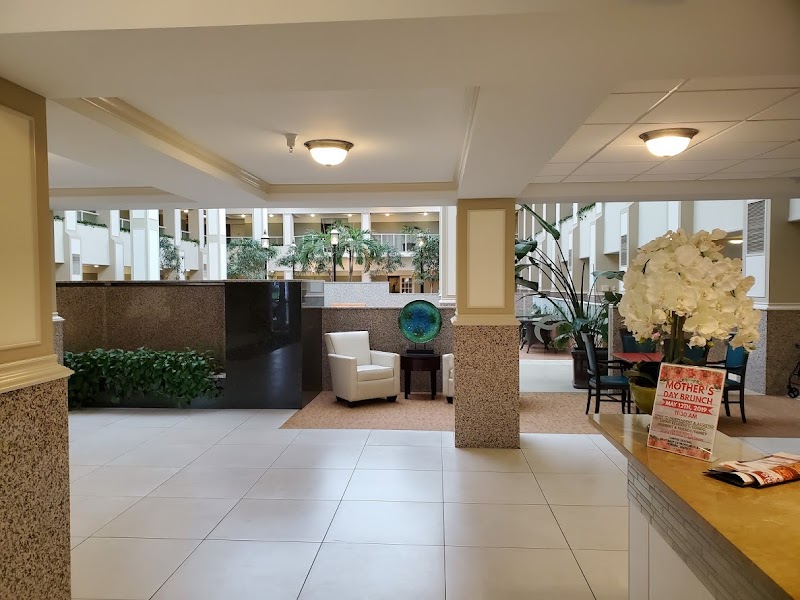
How is The Rivers Health & Rehabilitation Center Of Gross Staffed?

CMS rates The Rivers Health & Rehabilitation Center of Gross's staffing level at 1 out of 5 stars, which is much below average compared to other nursing homes. Staff turnover is 58%, which is 12 percentage points above the Michigan average of 46%. High turnover can affect care consistency as new staff learn residents' individual needs. RN turnover specifically is 56%, which is notably high. RNs provide skilled clinical oversight, so turnover in this role can affect medical care quality.

What Have Inspectors Found at The Rivers Health & Rehabilitation Center Of Gross?

State health inspectors documented 21 deficiencies at The Rivers Health & Rehabilitation Center of Gross during 2022 to 2025. These included: 21 with potential for harm.
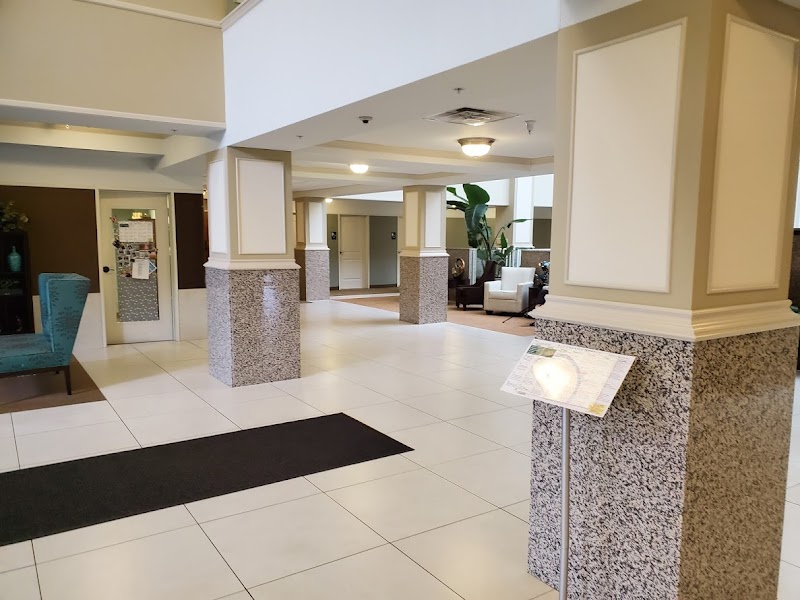
Who Owns and Operates The Rivers Health & Rehabilitation Center Of Gross?

The Rivers Health & Rehabilitation Center of Gross is owned by a for-profit company. For-profit facilities operate as businesses with obligations to shareholders or private owners. The facility operates independently rather than as part of a larger chain. With 86 certified beds and approximately 73 residents (about 85% occupancy), it is a smaller facility located in Grosse Pointe Woods, Michigan.

How Does The Rivers Health & Rehabilitation Center Of Gross Compare to Other Michigan Nursing Homes?

Compared to the 100 nursing homes in Michigan, The Rivers Health & Rehabilitation Center of Gross's overall rating (3 stars) is below the state average of 3.1, staff turnover (58%) is significantly higher than the state average of 46%, and health inspection rating (4 stars) is above the national benchmark.

What Should Families Ask When Visiting The Rivers Health & Rehabilitation Center Of Gross?

Based on this facility's data, families visiting should ask: "How do you ensure continuity of care given staff turnover, and what is your staff retention strategy?" "Can you walk me through typical staffing levels on day, evening, and night shifts?" "Can I visit during a mealtime to observe dining assistance and food quality?" "How do you handle medical emergencies, and what is your hospital transfer rate?" These questions are particularly relevant given the facility's high staff turnover rate and the below-average staffing rating.

Is The Rivers Health & Rehabilitation Center Of Gross Safe?

Based on CMS inspection data, The Rivers Health & Rehabilitation Center of Gross has a clean safety record: no substantiated abuse findings (meaning no confirmed cases of resident harm), no Immediate Jeopardy citations (the most serious violation level indicating risk of serious injury or death), and is not on the Special Focus Facility watch list (a federal program monitoring the lowest-performing 1% of nursing homes). The facility has a 3-star overall rating and ranks #100 of 100 nursing homes in Michigan. While no facility is perfect, families should still ask about staff-to-resident ratios and recent inspection results during their visit.

Do Nurses at The Rivers Health & Rehabilitation Center Of Gross Stick Around?

Staff turnover at The Rivers Health & Rehabilitation Center of Gross is high. At 58%, the facility is 12 percentage points above the Michigan average of 46%. Registered Nurse turnover is particularly concerning at 56%. RNs handle complex medical decisions and coordinate care — frequent RN changes can directly impact care quality. High turnover means new staff may not know residents' individual needs, medications, or preferences. It can also be disorienting for residents, especially those with dementia who rely on familiar faces. Families should ask: What is causing the turnover? What retention programs are in place? How do you ensure care continuity during staff transitions?

Was The Rivers Health & Rehabilitation Center Of Gross Ever Fined?

The Rivers Health & Rehabilitation Center of Gross has no federal fines on record. CMS issues fines when nursing homes fail to meet care standards or don't correct problems found during inspections. The absence of fines suggests the facility has either maintained compliance or corrected any issues before penalties were assessed. This is a positive indicator, though families should still review recent inspection reports for the full picture.

Is The Rivers Health & Rehabilitation Center Of Gross on Any Federal Watch List?

The Rivers Health & Rehabilitation Center of Gross is not on any federal watch list. The most significant is the Special Focus Facility (SFF) program, which identifies the bottom 1% of nursing homes nationally based on persistent, serious quality problems. Not being on this list means the facility has avoided the pattern of deficiencies that triggers enhanced federal oversight. This is a positive indicator, though families should still review the facility's inspection history directly.