Mission Point Nursing & Physical Rehabilitation Ce
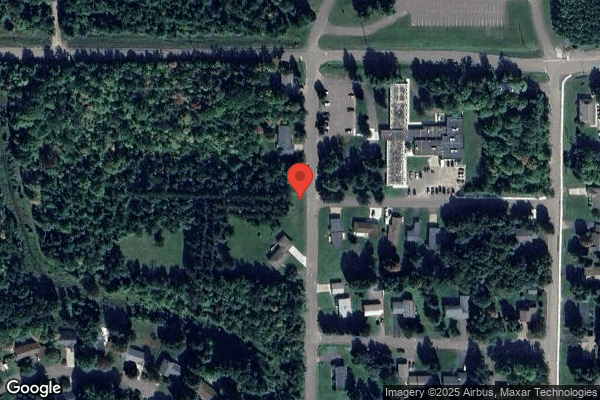

1400 Poplar Street, Hancock, MI 49930 (906) 482-6644
For profit - Corporation 63 Beds MISSION POINT HEALTHCARE SERVICES Data: November 2025 1 Immediate Jeopardy citation
Trust Grade
0/100
#395 of 422 in MI
Last Inspection: July 2025

Inspected within the last 6 months. Data reflects current conditions.

Overview

Mission Point Nursing & Physical Rehabilitation Center in Hancock, Michigan has received a Trust Grade of F, indicating significant concerns about the care provided. Ranked #395 out of 422 facilities in Michigan, they are in the bottom half, and the lowest-ranked facility in Houghton County. Although the facility's issues are improving, going from 29 problems in 2024 to 15 in 2025, they still have serious deficiencies. Staffing is a relative strength with a 4 out of 5 star rating and 46% turnover, close to the state average, indicating that staff are generally stable and familiar with residents. However, the facility has incurred a concerning $180,775 in fines, which is higher than 97% of Michigan facilities, and there have been instances of critical failures, such as a COVID-19 outbreak affecting 40 residents and improper discharge procedures that resulted in harm to a resident.

Trust Score
F
0/100
In Michigan
#395/422
Bottom 7%
Safety Record
High Risk
Review needed
Inspections
Getting Better
29 → 15 violations
Staff Stability
⚠ Watch
46% turnover. Above average. Higher turnover means staff may not know residents' routines.
Penalties
○ Average
$180,775 in fines. Higher than 71% of Michigan facilities. Some compliance issues.
Skilled Nurses
✓ Good
Each resident gets 59 minutes of Registered Nurse (RN) attention daily — more than average for Michigan. RNs are trained to catch health problems early.
Violations
⚠ Watch
52 deficiencies on record. Higher than average. Multiple issues found across inspections.
★☆☆☆☆
1.0
Overall Rating
★★★★☆
4.0
Staff Levels
★★★★☆
4.0
Care Quality
★☆☆☆☆
1.0
Inspection Score
Stable
2024: 29 issues
2025: 15 issues

The Good

  • 4-Star Staffing Rating · Above-average nurse staffing levels
  • 4-Star Quality Measures · Strong clinical quality outcomes
  • Full Sprinkler Coverage · Fire safety systems throughout facility
  • No fines on record

Facility shows strength in staffing levels, quality measures, fire safety.

The Bad

1-Star Overall Rating

Below Michigan average (3.1)

Significant quality concerns identified by CMS

Staff Turnover: 46%

Near Michigan avg (46%)

Higher turnover may affect care consistency

Federal Fines: $180,775

Well above median ($33,413)

Significant penalties indicating serious issues

Chain: MISSION POINT HEALTHCARE SERVICES

Part of a multi-facility chain

Ask about local staffing decisions and management

The Ugly 52 deficiencies on record

1 life-threatening 1 actual harm
Jul 2025 15 deficiencies
CONCERN (D) 📢 Someone Reported This

A family member, employee, or ombudsman was alarmed enough to file a formal complaint

Potential for Harm - no one hurt, but risky conditions existed

Deficiency F0657 (Tag F0657)

Could have caused harm · This affected 1 resident

**NOTE- TERMS IN BRACKETS HAVE BEEN EDITED TO PROTECT CONFIDENTIALITY** Based on interview and record review, the facility failed to update and revise care plan interventions for 1 Resident (#7) of 12...

Read full inspector narrative →
**NOTE- TERMS IN BRACKETS HAVE BEEN EDITED TO PROTECT CONFIDENTIALITY** Based on interview and record review, the facility failed to update and revise care plan interventions for 1 Resident (#7) of 12 residents reviewed for care plan revision, resulting in the potential for unmet resident care needs, increased falls, unsafe resident environment, and resident injury. Findings include:Resident #7 (R7)Review of the admission Record Face Sheet revealed R7 was admitted to the facility on [DATE] with diagnoses including repeated falls. Review of the Minimum Data Set (MDS) assessment dated [DATE] revealed R7 had a brief interview for mental status (BIMS) score of 13 out of 15, indicating cognition was intact. In an interview on 7/24/2025 at 8:51 AM, R7 reported he had fallen out of bed quite a few times trying to reach for things, or self-transfer. R7 reported he has not been injured but does have pain in his right elbow from a car accident he was in many years ago. Review of R7's Care Plan revealed: Focus At risk for falls aeb (as evidence by) impaired gait and mobility r/t (related to) s/p (status post) CVA (cerebrovascular accident/stroke), muscle weakness, seizures, encephalopathy (disorder or disease of the brain), impaired safety awareness, fatigue, use of antipsychotic medications, and h/o falls. Recommended to have assist x1 for transfers but continues to get up without assistance or using the call light. Date Initiated: 11/05/2022 Revision on: 07/23/2024. further review of R7's care plan revealed interventions had not updated/revised to reflect his current status of recent falls. Nor did the care plan address any additional identification of possible preventative measures. During an interview on 7/24/25 at 12:30 P.M., the Director of Nursing (DON) reported R7 should have had updated/revised care plan interventions for R7's Falls care plan. The DON reported she was aware of resident care plan intervention not being revised as they should be. The DON reported there have been many changes with staff in the last few months, so it has been hard to keep on ensuring care plans reflect the resident's current status and are individualized to reflect changes. Review of the Long-Term Care Facility Resident Assessment Instrument 3.0 User's Manual, v1.16, Chapter 2: Assessments for the Resident Assessment Instrument (RAI), revealed .the resident's care plan must be reviewed after each assessment .and revised based on changing goals, preferences and needs of the resident and in response to current interventions .Residents' preferences and goals may change throughout their stay, so facilities should have ongoing discussions with the resident and resident representative, if applicable, so that changes can be reflected in the comprehensive care plan . Review of a facility Policy with a revision date of 6/2024 revealed: Policy.The facility will develop and implement a baseline care plan for each resident that includes the instructions needed to provide effective and person-centered care of the resident that meets professional standards of quality care. The initial care conference will be held within 72 hours of admission and quarterly thereafter.Policy Explanation and Compliance Guidelines:1. The baseline care plan will:a. Be developed within 48 hours of a resident's admission.b. Include the minimum healthcare information necessary to properly care for a resident including, but not limited to:i. Initial goals based on admission orders.ii. Physician orders, iii. Dietary orders.iv. Therapy services.V. Social services, vi. PASARR (Preadmission screening and annual resident review) recommendation, if applicable.1. The admitting nurse, or supervising nurse on duty, shall gather information from the admission physical assessment, hospital transfer information, physician orders, and discussion with the resident and resident representative, if applicable.a. Once gathered, initial goals shall be established that reflect the resident's stated goals and objectives.b. Interventions shall be initiated that address the resident's current needs including:i. Any health and safety concerns to prevent decline or injury, such as elopement, fall, or pressure injury risk.ii. Any identified needs for supervision, behavioral interventions, and assistance with activities of daily living.living.111. Any special needs such as IV therapy, dialysis, or wound care.3. A written summary of the baseline care plan shall be provided to the resident and representatives in a language that the resident/representative can understand. The summary shall include, at a minimum, the following:a. The initial goals of the resident.b. A summary of the resident's medications and dietary instructions.c. Any services and treatments to be administered by the facility and personnel acting on behalf of the facility.3. If the comprehensive assessment and comprehensive care plan identified a change in the resident's goals, or physical, mental, or psychosocial functioning, which was otherwise not identified in the baseline care plan, those changes shall be incorporated into an updated summary provided to the resident and his or her representative, if applicable.4. The comprehensive care plan is developed from the RAI scheduled and is reviewed and revised by the IDT (Interdisciplinary Team) as necessary.
CONCERN (D)

Potential for Harm - no one hurt, but risky conditions existed

Deficiency F0676 (Tag F0676)

Could have caused harm · This affected 1 resident

Based on observation, interview, and record review, the facility failed to provide Activities of Daily Living (ADL) care i.e. bathing and grooming services for one Resident (R5) of two residents revie...

Read full inspector narrative →
Based on observation, interview, and record review, the facility failed to provide Activities of Daily Living (ADL) care i.e. bathing and grooming services for one Resident (R5) of two residents reviewed for ADL care which resulted in unmet care needs.Findings include:Resident #5 (R5)Review of the Minimum Data Set (MDS) assessment for R5, dated 5/13/25, revealed admission to the facility on 2/13/25. R5 scored 13 of 15 on the Brief Interview for Mental Status (BIMS) assessment, reflective of intact cognition. Section GG revealed R5 requires partial to moderate assistance for showers/bathing and set up or clean-up assistance for shaving.During an observation and interview on 7/22/25 at 1:40 p.m., R5 was sitting in a recliner in his room. R5 had long facial whiskers and disheveled hair. R5 stated, I haven't had a shower in two weeks, and no one will help me.I can't do it myself and would like to be shaved.My facial hair itches me.I would like to have a haircut too.On 7/23/25 at 9:30 a.m., R5 was observed sitting in his recliner in his room, still unshaved.On 7/23/25 at 9:30 a.m., during a follow-up interview, R5 reported he was not offered a shower this morning.During an interview on 7/24/25 at 8:40 a.m., the Director of Nursing (DON) reported residents receive showers weekly.During an interview on 7/24/25 at 8:42 a.m., Certified Nurse Aide (CNA) F reported residents receive showers weekly and shaving is offered weekly which occurs on the day the resident receives a shower.Review of the CNA shower log revealed R5 had not received a shower since 7/9/25 and had not refused a shower.Review of R5's care plan revealed they required assistance of one person when receiving a shower.During an interview on 7/24/25 at 3:15 p.m., the Nursing Home Administrator (NHA) acknowledged the residents should receive a shower weekly and residents should be shaved weekly if the residents requested to be shaved.Review of facility policy titled Activities of Daily Living (ADL) date implemented 2/25/24, read in part .Care and services will be provided for the following activities of daily living bathing, dressing, grooming.
CONCERN (D)

Potential for Harm - no one hurt, but risky conditions existed

Respiratory Care (Tag F0695)

Could have caused harm · This affected 1 resident

**NOTE- TERMS IN BRACKETS HAVE BEEN EDITED TO PROTECT CONFIDENTIALITY** Based on observation, interview, and record review, the facility failed to provide oxygen services including humidification and ...

Read full inspector narrative →
**NOTE- TERMS IN BRACKETS HAVE BEEN EDITED TO PROTECT CONFIDENTIALITY** Based on observation, interview, and record review, the facility failed to provide oxygen services including humidification and routinely changing oxygen tubing for one Resident (#11) of two residents reviewed for oxygen services. This deficient practice resulted in discomfort and unmet care needs.Findings include:Resident #11 (R11)Review of Minimum Data Set (MDS) assessment dated [DATE], revealed admission to the facility on 2/23/22, with active diagnoses that included Chronic Obstructive Pulmonary Disease (COPD), chronic respiratory failure with hypoxia (absence of enough oxygen in the tissues to sustain bodily functions), and respiratory failure. R11 scored a 15 of 15 on the Brief Interview for Mental Status (BIMS) reflective of intact cognition.During an observation on 7/22/25 at 1:20 p.m., R11 received oxygen via nasal cannula with an empty bottle of humidification solution attached to the oxygen concentrator and the label on the oxygen tubing was dated 6/30/25. During an interview at the time of this observation, R11 reported that her nose was very sore and dry from the oxygen.During an observation on 7/23/25 at 10:12 a.m., the oxygen concentrator for R11 was noted to have an empty bottle of humification solution attached to the oxygen concentrator and the label on the oxygen tubing was dated 6/30/25.During an interview on 7/24/25 at 8:34 a.m., Licensed Practical Nurse (LPN) G reported the tubing is changed weekly on night shift and the bottle of solution on the oxygen concentrator lasts 3 days.During an interview on 7/24/25 at 8:37 a.m., the Director of Nursing (DON) reported the oxygen tubing is changed weekly on night shift and that the humidification solution is monitored every night.Review of Doctors' order revealed oxygen with a start date of 3/13/25 for R11 to receive oxygen 4 liters by nasal cannula to maintain sats (saturation) greater than or equal to 88%.Review of facility policy titled Oxygen Administration and Concentrator Policy, last reviewed/revised 6/23, read in part .nasal cannula.requires humidification for flow rates of.4 liters. Review of facility policy titled Oxygen Concentrator, date implemented 1/1/21, read in part .fill the humidifier container to the correct level with distilled water and attach to the concentrator.changed oxygen tubing and mask/cannula weekly or as needed.change humidifier bottle when empty.During an interview on 7/24/25 at 3:15 p.m., the Nursing Home Administrator (NHA) acknowledged the oxygen concentrator for R11 was always supposed to have humidification solution present and the oxygen tubing is supposed to be changed weekly.
CONCERN (D)

Potential for Harm - no one hurt, but risky conditions existed

Unnecessary Medications (Tag F0759)

Could have caused harm · This affected 1 resident

**NOTE- TERMS IN BRACKETS HAVE BEEN EDITED TO PROTECT CONFIDENTIALITY** Based on observation, interview, and record review, the facility failed to maintain a medication administration error rate less ...

Read full inspector narrative →
**NOTE- TERMS IN BRACKETS HAVE BEEN EDITED TO PROTECT CONFIDENTIALITY** Based on observation, interview, and record review, the facility failed to maintain a medication administration error rate less than 5% in two Residents (#2 & #7) of three residents reviewed for medication administration, resulting in 2 medication errors in 26 opportunities for error and a 7.69% medication error rate.Findings include:Resident #2 (R2)On 7/24/25 at 9:01 a.m., Registered Nurse (RN) J was observed preparing an insulin pen for R2. RN J primed the pen holding it horizontally, with he needle cover on the pen. RN J did not observe the pen to ensure that insulin was primed into the pen needle, nor did he reprime to ensure it was done correctly. Review of the INSTRUCTIONS FOR USE, Insulin Lispro KwikPen, copyright 2023, retrieved from pi.[NAME].com/insulin-lispro-kwikpen-us-ifu-pdf on 7/24/25 at 9:51 a.m. revealed the following, in part: . Step 6: To prime your Pen, turn the Dose Knob to select 2 units. Step 7: Hold your Pen with the Needle pointing up. Tap the Cartridge Holder gently to collect air bubbles at the top. Step 8: Continue holding your Pen with Needle pointing up. Push the Dose Knob in until it stops, and 0 is seen in the Dose Window. Hold the Dose Knob in and count to 5 slowly. You should see insulin at the tip of the Needle. If you do not see insulin, repeat priming steps 6 to 8, no more than 4 times. If you still do not see insulin, change the Needle and repeat priming steps 6 to 8 .Resident #25 (R25)On 7/24/25 at 8:46 a.m., RN J was observed leaving a prepared dose of miralax on R25's over bed table and left the room. When asked if R25 was able to self-administer medications, RN J said he could not tell this surveyor and reported that he could go back and watch her take the miralax.During an interview on 7/24/25 at 8:48 a.m., the Director of Nursing (DON) stated if the resident is in their room alone, the nurse should stay with the resident until the resident consumes the medication. Review of facility policy titled Preparation and General Guidelines IIA2: Medication Administration-General Guidelines, last revised 1/18, read in part .Medications are administered at the time they are prepared.the resident is always observed after medication administration to ensure that the dose was completely ingested.
CONCERN (D)

Potential for Harm - no one hurt, but risky conditions existed

Deficiency F0847 (Tag F0847)

Could have caused harm · This affected 1 resident

**NOTE- TERMS IN BRACKETS HAVE BEEN EDITED TO PROTECT CONFIDENTIALITY** Based on interview and record review, the facility failed to ensure the resident representative understood the purpose of bindin...

Read full inspector narrative →
**NOTE- TERMS IN BRACKETS HAVE BEEN EDITED TO PROTECT CONFIDENTIALITY** Based on interview and record review, the facility failed to ensure the resident representative understood the purpose of binding arbitration agreements (an out of court alternate form of dispute resolution) for two Residents (Resident #8 and Resident #31) of three residents reviewed for arbitration.Findings include:Resident #8 (R8)Review of R8's Minimum Data Set (MDS) assessment dated [DATE], revealed admission to the facility on 5/12/22, with active diagnoses that included: Alzheimer's Disease, Non-Alzheimer's dementia, and anxiety disorder.During an interview on 7/25/25 at 9:10 a.m., Social Worker A reported R8 signed the arbitration agreement on 1/9/25. Social Worker A reported R8 had a responsible party (an individual designated to oversee various aspects of a resident's care and well-being) put in place which began on 1/17/25. Social Worker A acknowledged she did not review the arbitration agreement with the responsible party.Resident #31 (R31)Review of R31's MDS assessment dated [DATE], revealed admission to the facility on 9/13/23, with active diagnoses that included: non-Alzheimer's dementia, cerebrovascular accident (when blood flow to a part of your brain is stopped) and seizure disorder or epilepsy.During an interview on 7/25/25 at 9:10 a.m., Social Worker A reported R31 signed the arbitration agreement on 3/26/25. Social Worker A reported R31 had a responsible party which began on 4/22/25. Social Worker A acknowledged she did not review the arbitration agreement with the responsible party.Review of facility policy titled Binding Arbitration Agreements last reviewed/revised 11/1/22 read in part, .the facility shall explicitly inform the resident or his or her representative of his or her right not to sign the agreement.explain to the resident and his or her representative in a form and manner that he or she understands.ensure the resident or his or her representative acknowledges that he or she understands the agreement.explicitly grant the resident or his or her representative the right to rescind the agreement within 30 calendar days of signing it.
CONCERN (F) 📢 Someone Reported This

A family member, employee, or ombudsman was alarmed enough to file a formal complaint

Potential for Harm - no one hurt, but risky conditions existed

Comprehensive Care Plan (Tag F0656)

Could have caused harm · This affected most or all residents

**NOTE- TERMS IN BRACKETS HAVE BEEN EDITED TO PROTECT CONFIDENTIALITY** This citation pertains to intake # 1234673Based on interviews and record review, the facility failed to develop and implement a ...

Read full inspector narrative →
**NOTE- TERMS IN BRACKETS HAVE BEEN EDITED TO PROTECT CONFIDENTIALITY** This citation pertains to intake # 1234673Based on interviews and record review, the facility failed to develop and implement a person-centered plan of care for one Resident (#44) of 12 residents reviewed for comprehensive care plans, resulting in the potential for aspiration and impaired physical, mental, and psychosocial well-being.Findings include:Resident #44 (R44)Review of the admission Record Face Sheet revealed R44 was an [AGE] year-old male admitted to the facility on [DATE] and had diagnoses including unsteadiness on feet and dysphasia (difficulty swallowing). Review of the Minimum Data Set (MDS) dated [DATE] revealed R44 had a brief interview for mental status (BIMS) score of 00 out of 15 which indicated he was severely cognitively impaired. Review of R44's Care Plan revealed, there was no person-centered care plan put into place for the focus area of having a feeding tube. During an interview on 7/24/2025 at 8:38 AM, Licensed Practical Nurse (LPN) J reported they did not recall much of R44 because the resident had been discharged for quite some time. LPN J reported they did recall R44 had a few hospitalizations for aspiration pneumonia and did have a feeding tube because R44 would refuse to eat and drink, and had difficulty swallowing. During an interview on 7/24/25 at 12:30 P.M., the Director of Nursing (DON) reported R44 should have had a person centered care plan in place for his feeding tube as a focus area with measurable goals and proper interventions. The DON indicated any nurse can update the care plans, but typically she had been doing them. The DON reported the MDS nurse working at the facility at the time R44 was in the facility no longer worked there. The DON reported she was aware of resident care plans not being developed as they should, or implemented and revised as they should be. Review of a facility Policy with a revision date of 6/2024 revealed: Policy.The facility will develop and implement a baseline care plan for each resident that includes the instructions needed to provide effective and person-centered care of the resident that meets professional standards of quality care. The initial care conference will be held within 72 hours of admission and quarterly thereafter.Policy Explanation and Compliance Guidelines:1. The baseline care plan will:a. Be developed within 48 hours of a resident's admission.b. Include the minimum healthcare information necessary to properly care for a resident including, but not limited to:i. Initial goals based on admission orders.ii. Physician orders, iii. Dietary orders.iv. Therapy services.V. Social services, vi. PASARR recommendation, if applicable.1. The admitting nurse, or supervising nurse on duty, shall gather information from the admission physical assessment, hospital transfer information, physician orders, and discussion with the resident and resident representative, if applicable.a. Once gathered, initial goals shall be established that reflect the resident's stated goals and objectives.b. Interventions shall be initiated that address the resident's current needs including:i. Any health and safety concerns to prevent decline or injury, such as elopement, fall, or pressure injury risk.ii. Any identified needs for supervision, behavioral interventions, and assistance with activities of daily living.living.111. Any special needs such as IV therapy, dialysis, or wound care.3. A written summary of the baseline care plan shall be provided to the resident and representatives in a language that the resident/representative can understand. The summary shall include, at a minimum, the following:a. The initial goals of the resident.b. A summary of the resident's medications and dietary instructions.c. Any services and treatments to be administered by the facility and personnel acting on behalf of the facility.3. If the comprehensive assessment and comprehensive care plan identified a change in the resident's goals, or physical, mental, or psychosocial functioning, which was otherwise not identified in the baseline care plan, those changes shall be incorporated into an updated summary provided to the resident and his or her representative, if applicable.4. The comprehensive care plan is developed from the RAI scheduled and is reviewed and revised by the IDT as necessary.
CONCERN (F)

Potential for Harm - no one hurt, but risky conditions existed

Deficiency F0801 (Tag F0801)

Could have caused harm · This affected most or all residents

Based on interview and record review, the facility failed to employ a certified dietary manager or certified food service manager to manage the food service department.Findings include:During an inter...

Read full inspector narrative →
Based on interview and record review, the facility failed to employ a certified dietary manager or certified food service manager to manage the food service department.Findings include:During an interview on 7/22/25 at 4:24 p.m., the Business office Manager/Human Resources Manager E reported the Dietary Manager was not certified.During a follow-up interview on 7/24/25 at 12:55 p.m., the Business Office Manager/Human Resources Manager E reported the Dietary Manager was promoted to Dietary Manager on 11/20/23 but did not become certified.Review of the facility Job description for the Dietary Manager revealed under education and training, the Dietary Manager was required to be certified.During an interview on 7/24/25 at 3:15 p.m., the Nursing Home Administrator (NHA) acknowledged the Dietary Manager did not meet the qualifications of the job.The FDA Food Code identifies an acceptable level of education for a person in charge of a food service operation as: 2-102.11 Demonstration.Based on the RISKS inherent to the FOOD operation, during inspections and upon request the PERSON IN CHARGE shall demonstrate to the REGULATORY AUTHORITY knowledge of foodborne disease prevention, application of the HAZARD Analysis and CRITICAL CONTROL POINT principles, and the requirements of this Code. The PERSON IN CHARGE shall demonstrate this knowledge by:(A) Complying with this Code by having no violations of PRIORITY ITEMS during the current inspection; Pf(B) Being a certified FOOD protection manager who has shown proficiency of required information through passing a test that is part of an ACCREDITED PROGRAM
CONCERN (F)

Potential for Harm - no one hurt, but risky conditions existed

Deficiency F0802 (Tag F0802)

Could have caused harm · This affected most or all residents

Based on observation, interview, and record review, the facility failed to ensure staff had the appropriate competencies and skills to carry out functions of the food and nutrition services. This defi...

Read full inspector narrative →
Based on observation, interview, and record review, the facility failed to ensure staff had the appropriate competencies and skills to carry out functions of the food and nutrition services. This deficient practice had the potential to affect all 38 facility residents.Findings include:During an observation on 7/22/25 at 11:28 a.m., the resident refrigerator had two small containers of food with a resident's name on a label but no date as to when it was brought to the facility or a use by date. There were also four containers of apple sauce with a use by date of 7/21/25 located in the resident refrigerator.During an interview on 7/22/25 at 11:34 a.m., Dietary Staff D reported she had already looked in the resident refrigerator and all the dates and food in the resident refrigerator were checked and the items in the refrigerator were labeled.During an interview on 7/22/25 at 11:38 a.m., Dietary Staff B reported she was unsure what temperature the resident's food had to be prior to serving the residents. During an observation on 7/23/25 at 8:53 a.m., there were two opened packages of deli meat on a small tray in the resident refrigerator. The tray was wet from the deli meat. Directly under the tray of meat on the shelf was an opened box of apples. During an interview on 7/23/25 at 8:59 a.m., Dietary Staff C reported the apples shouldn't be under the deli meat because the apples could be contaminated. However, they were not going to throw them away because they stated, that is above my pay grade.During an interview on 7/23/25 at 12:30 p.m., when queried about when the dietary staff check the dates on the food items in the freezer, refrigerator, dry storage, and in the main kitchen. Dietary Staff B stated, We don't really look at the dates and shrugged their shoulders. During an interview on 7/24/25 at 3:15 p.m., the Nursing Home Administrator (NHA) acknowledged concerns about the dating of food items and the competency of the dietary staff.
CONCERN (F)

Potential for Harm - no one hurt, but risky conditions existed

Food Safety (Tag F0812)

Could have caused harm · This affected most or all residents

Based on observation, interview, and record review, the facility failed to store, prepare, and serve food in accordance with professional stands for food service safety as evidenced by:- Failing to en...

Read full inspector narrative →
Based on observation, interview, and record review, the facility failed to store, prepare, and serve food in accordance with professional stands for food service safety as evidenced by:- Failing to ensure labeling of food- Failing to ensure expired food was discarded- Failing to prevent possible contamination of fresh produce- Failing to prevent possible cross contamination from kitchen appliances- Failing to ensure the ice machine drainage pipe has a two-inch air gap to the floor drainThis deficient practice had the potential to result in food borne illness among any or all 38 residents in the facility who receive meals.Findings include:During an observation on 7/22/25 at 11:10 a.m., the walk-in refrigerator contained two unsealed, undated packages of deli meat stored directly over an uncovered open box of fresh apples.During an interview on 7/22/25 at 11:10 a.m., Dietary Staff B acknowledged the fresh apples would be considered contaminated due to the deli meat possibly leaking on the apples and then stated, I didn't do it.During an observation on 7/23/25 at 8:53 a.m., the walk-in refrigerator contained packages of deli meat stored directly over an uncovered open box of fresh apples. During an interview on 7/23/25 at 8:59 a.m., Dietary [NAME] C reported the apples shouldn't be under the deli meat because the apples could be contaminated. However, he wasn't going to throw them away because he stated, that is above my pay grade.Review of facility policy titled Food Storage, date reviewed/revised 1/24, read in part .meats shall we stored on shelves below fruits.so that meat juices to not potentially drip onto these foods.According to the 2022 FDA Food Code section 3-302.11 Packaged and Unpackaged Food -Separation, Packaging, and Segregation. (A) FOOD shall be protected from cross contamination by: (1) Except as specified in (1)(d) below, separating raw animal FOODS during storage, preparation, holding, and display from: (a) Raw READY-TO-EAT FOOD including other raw animal FOOD such as FISH for sushi or MOLLUSCAN SHELLFISH, or other raw READY-TO-EAT FOOD such as fruits and vegetables,(b) Cooked READY-TO-EAT FOOD. During an observation on 7/22/25 at approximately 11:15 a.m., the log books revealed:1. Food temps were not completed for the evening meal on 7/21/25 or the breakfast meal on 7/22/25.2. Dishwasher temperatures were not completed in the evening of 7/21/25 or the morning of 7/22/25.During an observation on 7/22/25 at 11:18 a.m., the dry storage area contained:1. Noodles dated as opened on 5/19/25 and a use by date of 6/19/25.2. A second opened bag of noodles with no open or use by date. 3. A bag of instant pudding with an expiration date of 3/20/25.4. Fruit drink mix that was out of the original box and no label of a use by or expiration date on the drink mix.Review of facility policy titled Food Storage, last reviewed/revised 1/24, read in part .food items in dry storage not in the original delivery box will be dated upon receiving with month, day and year. During an observation on 7/22/25 at 11:28 a.m., the resident refrigerator had two small containers of food with a resident's name on a label but no date as to when it was brought to the facility or a use by date. There were also four containers of apple sauce with a use by date of 7/21/25 located in the resident refrigerator.During an interview on 7/22/25 at 11:34 a.m., Dietary Staff D reported she had already looked in the resident refrigerator and all the dates and food in the resident refrigerator were checked and the items in the refrigerator were labeled.Review of facility policy titled Use and Storage of Food Brought in by Family or Visitors, last reviewed/revised 1/21, read in part .All food items that are already prepared by the family or visitor.must be labeled with resident name and date.During an interview on 7/22/25 at 11:38 a.m., When taking temperatures of the food, Dietary Staff B reported she was unsure what temperature the resident's food had to be prior to serving the residents. During an observation on 7/22/25 at 11:47 a.m., the following was noted:1. A bin of flour with an open date of 6/7/25 and a use by date of 7/7/25.2. A bag of walnuts that was opened with an open date of 5/29/25 and a use by date of 6/29/25. 3. A bottle of vanilla that was opened with an open date of 3/23/25 and a use by date of 5/23/25.4. A large bag of potato chips that was opened with no open date or use by date.5. A bag of brown sugar that was opened with no open date or use by date.6. A bag of marshmallows that were opened with no open date or use by date.During an observation on 7/23/25 at 8:53 a.m., the following was noted:1. A tray with 9 containers filled with pureed cookies that were not labeled or dated in the refrigerator.2. A container of mozzarella cheese with an open date of 7/15/25 and a use by date of 7/21/25.During an observation on 7/23/25 at 12:24 a.m., the mounted can opener was observed to contain black and brown slimy debris that was attached to the underside of the can opener near the blade. The can opener post was sticky, slimy, and black. The can opener holder had black and brown debris that clung to the sides of the holder.During an interview on 7/23/24 at 12:28 p.m., Dietary Staff C reported that the can opener is wiped down every day. During an interview on 7/23/24 at 12:30 p.m., Dietary Staff B looked at the can opener holder and reported they never clean the can opener holder.During an interview on 7/23/25 at 12:30 p.m., when queried about when the dietary staff check the dates on the food items in the freezer, refrigerator, dry storage, and in the main kitchen. Dietary Staff B stated, We don't really look at the dates and shrugged her shoulders. During an observation on 7/23/24 at 12:32 p.m., clumps of black and dried debris were noted on the underside of the large mixer in the kitchen. According to the 2022 FDA Food Code section 4-601.11 Equipment, Food-Contact Surfaces, Nonfood-Contact Surfaces, and Utensils. (A) EQUIPMENT FOOD-CONTACT SURFACES and UTENSILS shall be clean to sight and touch. (B) The FOOD-CONTACT SURFACES of cooking EQUIPMENT and pans shall be kept free of encrusted grease deposits and other soil accumulations. (C) NonFOOD-CONTACT SURFACES of EQUIPMENT shall be kept free of an accumulation of dust, dirt, FOOD residue, and other debris. During an observation on 7/24/25 at 6:50 a.m., this surveyor walked into the kitchen freezer and noted a bag of green beans out of its original box with no use by date, a small box of pork out of the original box with no use by date, a banana cream pie out of the original box with no use by date, a pound cake out of its original box with no use by date, and a metal bin with a large piece of frozen meat that was out of its original box and was unlabeled and undated.Review of facility policy titled Food Storage, last reviewed/revised 1/24, read in part .Food items that are opened shall be put into a sealable container or bag, labeled and dated with open and use by date.During an interview on 7/24/25 at 6:51 a.m., Dietary [NAME] C reported that he had no idea what the meat substance was and shrugged his shoulders.Review of facility policy titled Food Storage, last reviewed/revised 1/24, read in part .Food stored in a freezer will have a receive date, or a date when the item was placed in the freezer.During an observation on 7/24/25 at 2:59 p.m., this surveyor reviewed the ice machine and noted that the outgoing pipes from the ice machine go directly to the floor. There was not a gap between the outgoing pipes and the drain to prevent potential for a backflow of sewage that could travel into the ice machine. During an interview on 7/24/25 at 3:15 p.m., the Nursing Home Administrator (NHA) viewed the ice machine and acknowledged there should be a gap to prevent the potential for a backflow of sewage into the ice machine. The NHA acknowledged concerns regarding the labeling of food, dating of food, storage of food, and the competency of staff in the dietary department.
CONCERN (F)

Potential for Harm - no one hurt, but risky conditions existed

Administration (Tag F0835)

Could have caused harm · This affected most or all residents

Based on observation, interview, and record review the governing body failed to hire a licensed Nursing Home Administrator (NHA) to oversee the day-to-day operations of the facility and ensure the fed...

Read full inspector narrative →
Based on observation, interview, and record review the governing body failed to hire a licensed Nursing Home Administrator (NHA) to oversee the day-to-day operations of the facility and ensure the federal regulations are being followed.Findings include:During an interview on 7/22/25 at 11:05 a.m., the Director of Nursing (DON) reported that there was not a Nursing Home Administrator in the building, and she was taking care of everything in the facility.During an interview on 7/22/25 at 12:46 a.m., the Business Office Manager/Human Resource Manger E reported that the Nursing Home Administrator has been out of the facility since May but there is a new one starting on 7/23/25.During an observation on 7/22/25 at approximately 12:48 p.m., this surveyor noted that the Business Office Manager/Human Resource Manager E removed a NHA license that was posted in the hallway from the previous administrator.During a phone interview on 7/22/25 at 2:57 p.m., the previous Nursing Home Administrator reported that she had not been in the facility since May and was surprised that her license would still be posted within the facility. Review of the Employee list provided by the facility revealed that the Current Nursing Home Administrator was hired on 7/22/25.Review of the Federal Nursing Home Reform Act of 1987 revealed that nursing homes are required to have a licensed nursing home administrator to oversee the facility's day-to-day operations and ensure resident care. This requirement is based on both federal and state regulations.
CONCERN (F)

Potential for Harm - no one hurt, but risky conditions existed

Deficiency F0865 (Tag F0865)

Could have caused harm · This affected most or all residents

Based on interview and record review, the facility failed to develop, implement, and maintain an effective, and comprehensive Quality Assurance Performance Improvement (QAPI) program that addresses th...

Read full inspector narrative →
Based on interview and record review, the facility failed to develop, implement, and maintain an effective, and comprehensive Quality Assurance Performance Improvement (QAPI) program that addresses the full range of services the facility provides. This deficient practice resulted in the potential for quality-of-care concerns for all 38 residents in the facility.Findings include:During an interview on 7/25/25 at 8:38 a.m., the Director of Nursing (DON) reported, during the May 2025 QAPI meeting the team members did not go over anything as they were waiting for the whole team to be present.the Nursing Home Administrator (NHA) was not present and the Infection Preventionist (IP) was not present.During an interview on 7/25/25 at 9:43 a.m., the NHA reported the DON supervised the QAPI program.During an interview on 7/25/25 at 9:49 a.m., the DON reported the facility is not working on any Performance Improvement Projects (PIPS).we are not doing any data collection to assess for any problems within the facility.there are no action plans or anything the facility has been working on for QAPI.there is no feedback, analysis or tracking for the QAPI program. The DON then stated, I really don't have anything. I don't understand what the QAPI program is supposed to do.Review of a policy titled Quality Assurance and Performance Improvement, last reviewed/revised 3/24, read in part .It is the policy of this facility to develop, implement, and maintain an effective, comprehensive, data driven QAPI program that focuses on indicators of the outcomes of care and quality of life.
CONCERN (F)

Potential for Harm - no one hurt, but risky conditions existed

QAPI Program (Tag F0867)

Could have caused harm · This affected most or all residents

Based on interview and record review, the facility failed to establish priorities for its improvement activities, develop and implement action plans, and review or analyze data collected under the Qua...

Read full inspector narrative →
Based on interview and record review, the facility failed to establish priorities for its improvement activities, develop and implement action plans, and review or analyze data collected under the Quality Assurance Performance Improvement (QAPI) program. This deficient practice resulted in the potential for quality-of-care concerns for all 38 residents in the facility.Findings include:During an interview on 7/25/25 at 9:49 a.m., the Director of Nursing (DON) reported the facility is not working on any Performance Improvement Projects (PIPS).we are not doing any data collection to assess for any problems within the facility.there are no action plans or anything the facility has been working on for QAPI.there is no feedback, analysis or tracking for the QAPI program. The DON then stated, I really don't have anything, I don't understand what the QAPI program is supposed to do.Review of Facility policy titled Quality Assurance and Performance Improvement, last reviewed/revised 3/24, read in part .It is the policy of this facility to develop, implement, and maintain an effective, comprehensive, data driven QAPI program that focuses on indicators of the outcomes of care and quality of life.
CONCERN (F)

Potential for Harm - no one hurt, but risky conditions existed

Deficiency F0868 (Tag F0868)

Could have caused harm · This affected most or all residents

Based on interview and record review, the facility failed to ensure the Quality Assurance and Performance Improvement (QAPI) committee met at least once per quarter with the required committee members...

Read full inspector narrative →
Based on interview and record review, the facility failed to ensure the Quality Assurance and Performance Improvement (QAPI) committee met at least once per quarter with the required committee members. This deficient practice resulted in the potential for quality-of-care concerns for all 38 residents in the facility.Findings include:A review of the facility QAPI sign-in sheets revealed the following:The QAPI meeting was held on 5/15/25: The Nursing Home Administrator (NHA) did not attend the meeting and the Infection Preventionist did not attend the meeting.The facility did not have a QAPI meeting in April of 2025 or June of 2025.During an interview on 7/25/25 at 8:38 a.m., the Director of Nursing (DON) reported that the NHA did not attend the meeting, and the facility did not have an Infection Preventionist.A review of the facility policy titled Quality Assurance and Performance Improvement last reviewed/revised 3/2024, read in part .The QA committee shall.consist.of the Director of Nursing, Medical Director or designee, three other members of the facility staff, at least one of which must be the administrator. and the infection control and prevention officer.and meet at least quarterly.
CONCERN (F)

Potential for Harm - no one hurt, but risky conditions existed

Antibiotic Stewardship (Tag F0881)

Could have caused harm · This affected most or all residents

Based on interview and record review, the facility failed to implement and operationalize their policy for antibiotic stewardship program and failed to ensure accurate monitoring of antibiotic use res...

Read full inspector narrative →
Based on interview and record review, the facility failed to implement and operationalize their policy for antibiotic stewardship program and failed to ensure accurate monitoring of antibiotic use resulting in the potential for inappropriate antibiotic utilization and worsening or non-improving infections for all 38 residents residing within the facility as well as the potential for antibiotic resistance.Review of the facility's Infection Prevention and Control binder revealed multiple residents who had taken antibiotics on different occasions over different months of the look back period for antibiotic tracking sheets had an N under the antibiotic tracking sheet area of was criteria followed. The criteria per facility protocol had McGeer's Criteria listed. During an interview on 7/25/25 at 1:45 PM., the Director of Nursing (DON) reported she was the Infection Control Preventionist for the facility. The DON reported that she and or the physicians do not always use McGeer's criteria or any other acceptable/accredited antibiotic criteria when prescribing antibiotics. The DON reported she will go by signs and symptoms of certain residents because of her experience in Long Term Care. The DON reported sometimes residents don't meet the criteria, but not all residents will have symptoms when they have a UTI, or another type of infection. The DON reported she did not have the required Infection Control Preventionist training certificate. Review of a facility Policy with a revision date of 1/2024 revealed: Policy: It is the policy of this facility to implement an Antibiotic Stewardship Program as part of the facility's overall infection prevention and control program. The purpose of the program is to optimize the treatment of infections while reducing the adverse events associated with antibiotic use. Policy Explanation and Compliance Guidelines: 1. The Infection Preventionist, with oversight from the Director of Nursing, serves as the leader of the Antibiotic Stewardship Program: a. Infection Preventionist - coordinates all antibiotic stewardship activities, maintains documentation, and serves as a resource for all clinical staff. b. Director of Nursing - serves as back up coordinator for antibiotic stewardship activities, provides support and oversight and ensures adequate resources for carrying out the program. c. Administrator - provides adequate resources for carrying out the program and ensures review of antibiotic use and resistance data at QAPI meetings. 2. The Medical Director, Consultant Pharmacist, and Attending Physicians and/or Midlevel Providers support the program via active participation in developing, promoting, and implementing a facility wide system for monitoring the use of antibiotics. a. Medical Director - serves as the primary medical point of contact for the program and serves as a liaison between the facility and other medical staff members. b. Consultant Pharmacist - reviews antibiotics prescribed to residents during their medication regimen review and serves as a resource for questions related to antibiotics. c. Attending Physicians/Midlevel Providers - prescribe appropriate antibiotics in accordance with standards of practice and facility protocols. 3. Licensed nurses participate in the program through assessment of residents and following protocols as established by the program. 4. The program includes protocols and a system to monitor antibiotic use. a. Antibiotic use protocols: i. Nursing staff shall assess residents who are suspected to have an infection and notify the physician as applicable. ii. Laboratory testing shall be in accordance with current standards of practice. iii. The facility uses McGeer's Criteria to define infections. iv. All prescriptions for antibiotics shall specify the dose, duration, and indication for use. v. Whenever possible, narrow-spectrum antibiotics that are appropriate for the condition being treated shall be utilized. b. Monitoring antibiotic use: i. Antibiotic orders obtained upon admission, whether new admission or readmission, to the facility shall be reviewed for appropriateness. ii. Antibiotic orders obtained from consulting, specialty, or emergency providers shall be reviewed for appropriateness. iii. Antibiotic use shall be measured by monthly prevalence.iv. A review of the facility's antibiogram will be performed every 18-24 months to guide development or revision of antibiotic use protocols or prescribing practices. 5. At least annually, feedback shall be provided on the facility's antibiotic use data shared with the QAPI Committee. 6. At least annually, the Medical Director shall be provided feedback on prescriber antibiotic use data. 7. Education regarding antibiotic stewardship shall be provided at least annually to nursing staff. 8. The elements of the program and associated protocols are reviewed on an annual basis as part of the facility's review of the overall infection prevention and control program. 9. Data obtained from antibiotic stewardship monitoring activities is discussed in the facility's QAPI meetings.
CONCERN (F)

Potential for Harm - no one hurt, but risky conditions existed

Deficiency F0882 (Tag F0882)

Could have caused harm · This affected most or all residents

Based on interview and record review the facility failed to ensure the acting Infection Control Preventionist (ICP) had the proper training and certification to ensure infection control measures were ...

Read full inspector narrative →
Based on interview and record review the facility failed to ensure the acting Infection Control Preventionist (ICP) had the proper training and certification to ensure infection control measures were in place and being followed per federal regulation and the facility's policy, resulting in the potential for all residents residing in the facility to be at risk for serious infections and complications from different types of infections. Findings include: During an interview on 7/25/25 at 1:45 PM., the Director of Nursing (DON) reported she was the Infection Control Preventionist (ICP) for the facility. The DON reported she does not have the required Infection Control Prevention certification that she should. The DON reported the facility has been short staffed and she has been trying to keep up. The DON reported the new Nursing Home Administrator (NHA) has the required ICP certification as well as another staff member. DON reported the NHA has only been at the facility for 2 days, and the other staff member who holds the ICP certificate has been assigned as the wound nurse. DON reported she has been unable to keep up with the actual duties that are required by the ICP, as she is also the DON. Review of the facility Infection prevention & control program Routine Duties with no dated revealed: Daily Duties: Monitor the (Name Brand Electronic Medical Record [EMR]) Dashboard for any new antimicrobial orders - ensure diagnosis meets McGeer Criteria, stop date present on order, dosed per CDC (as applicable), diagnosis/indication for use on the order itself, complete the Infection Report UDA, trigger care plan for infection/antimicrobial use, and implement proper IC precautions, as applicable. Add the new infection to the IC line listing/map for tracking. Review in AM meeting and educate dept heads so they can cascade the information to their teams. Identify any staff illness and add to tracking document when they return to work. Refer to employee illness policy for when they are eligible to return to work. Be sure to document return to work dates of employees. Monitor the (Name Brand EMR) dashboard - alerts and weights/vitals tab for any change in condition or s/sx (symptoms) of infection. Order labs/contact physician/initiate change in condition if needed. Implement IC (Infection Control) precautions immediately, as applicable. Review wound assessment documentation for indication of skin/wound infection. Work with admissions team to review any new referrals for infections, colonization, or MDRO (Multi Drug Resistant Organism) status. Choose room according to required precautions. Notify staff ahead of time of admission/precautions. Ensure transmission-based precautions (isolation) placed on room door and PPE (Personal Protective Equipment) available for room if applicable. Monitor residents on antimicrobial therapy for effectiveness and for medication side effects via antibiotic time-out. If they are not showing improvement after 48-72 hours (about 3 days), contact the physician for further directions. Document applicable findings and notification in EHR (Electronic Health Record). Monitor for outbreaks - three or more cases on a unit (except for COVID-19 where 1 new case equates an outbreak) - implement outbreak procedure; notify Health Department as required. Complete/delegate IC audits per risk assessment or other identified need (ex. outbreak); be sure to provide surveillance to all areas of the facility (i.e., kitchen, laundry, storage rooms, nurse's stations, resident rooms, resident rooms, etc.). Monitor immunizations for new admissions and ensure the immunization tab is updated/consents uploaded. Verify immunization status in MCIR (state based immunization registry). Alert Housekeeping team to high-risk rooms for increased cleaning: residents with infections, residents on IV therapy, isolation rooms.Monthly Duties: Complete a monthly summary (seek trends/patterns) and map for the facility for each type of infection and overall infection rate per 1,000 resident days (calculation: [total # of in-house acquired infections / # of resident days] xIOOO = monthly infection rate). Summarize employee illnesses (all depts) and identify any correlation to resident illness (or indicate if none). Evaluate any outbreaks - ensure a separate line list is completed and write a summary/timeline of all actions taken. Verify notification of Health Department, Medical Director, Residents, Staff, Responsible Parties, QAPI (Quality Assurance Process Improvement). Summarize audits completed for the month to identify any education needed for staff or change in frequency/type of audits. Add a copy of any education/sign in log to IC binder. Complete hand hygiene audits weekly with addition of PPE audits if isolation rooms present. After the above is completed, write out a report to bring to QAPI. The Pharmacist Consultant attends QAPI quarterly and should provide a report on antibiotic ordering trends and pharmacy recommendations; this report is to be reviewed by the Medical Director. Provide PRN education to residents on antibiotic stewardship/infection control (ex. handwashing, antibiotic use, transmission-based precautions, pandemic awareness)- May attend Resident Council, if committee approves, small group and/or educate 1:1. Review vaccination status of all residents and staff. Schedule immunizations, or boosters, as indicated.Annual Duties: TB (Tuberculosis) Risk assessment- determine low/medium/high-risk to see if change is needed for TB monitoring process. Infection Control Risk Assessment - develop action plan(s) and add to the Facility Assessment. Review the LTC (Long Term Care) Facility Self-Assessment Tool to see if there are any areas not yet being addressed. Update the Reportable Communicable Disease Report for the State of Michigan (Michigan.gov) for the current year. Obtain copy of antibiogram from lab and provide to the physician for review (obtain signature, add to binder). Complete annual review of IC policies (obtain physician signature, add to binder) - proof for QAPI. Summarize the facility's IC for the year and compare it to the action plan developed in last year's risk assessment. Obtain report of staff Relias Training education for infection control to ensure compliance.
Dec 2024 4 deficiencies
CONCERN (D) 📢 Someone Reported This

A family member, employee, or ombudsman was alarmed enough to file a formal complaint

Potential for Harm - no one hurt, but risky conditions existed

Deficiency F0572 (Tag F0572)

Could have caused harm · This affected 1 resident

Based on interview and record review, the facility failed to provide information regarding facility rules and regulations, including denture loss, prior to or upon admission to the facility for one Re...

Read full inspector narrative →
Based on interview and record review, the facility failed to provide information regarding facility rules and regulations, including denture loss, prior to or upon admission to the facility for one Resident (R2) of three residents reviewed for notice of rights and rules. Findings include: This deficiency pertains to Intake MI00147954. Review of the Complaint Intake MI00147954 on 12/3/24 revealed the following, in part: .During the late afternoon on 9/29/2024 [Complainant F] cleaned the residents top and bottom dentures per his request and put them back in their case on his bedside table. The complainant states on 9/30/24 [they] received a call from the facility staff asking if [they] took the residents (R2's) dentures home . because they were missing. The complainant states [they] went to the facility at 5:00 p.m., and an aide [Certified Nurse Aide E] told [Complainant F] that [CNA E] saw the dentures on the nightstand the following evening and when he went into the room in the morning, they were missing . the residents' dentures still haven't been found . During a telephone interview on 12/2/24 at 4:19 p.m., when asked about R2's denture loss, Complainant F stated, [R2] entered the facility on September 27th . the CNA said they (dentures) were there on 9/29/24, on the night stand. When [CNA E] went in the room on 9/30/24 they (dentures) were gone . They never reimbursed me for the missing dentures. They should have taken my father to be fitted for new dentures . Upon [R2's] admission I should have been given a packet, and there would have been a pamphlet with her (Ombudsman) information on it. Complainant F said R2 did not receive any documentation of facility rules upon admission, and neither did the Resident Representative when it was determined [R2] was not able to make their own medical decisions. During an interview on 12/3/24 at 11:37 a.m., when asked about R2's missing dentures, the Nursing Home Administrator (NHA) stated, [R2] was admitted with upper and lower dentures on September 27th. [R2's Family Member (FM I)] took them out of [R2's] mouth and cleaned them and put them in a denture case after his lunch on the 29th . Then before supper [CNA E] said they took them out of the case and put them back in the resident's mouth for supper, and after supper [CNA E] removed them, cleaned them and put them back in the denture case and put them on top of the residents' dresser. Then the next morning the dentures were missing. The were discovered missing on September 30th. What I said to [FM I] was, 'This is our Dental Policy, and these are the steps we need to take before we can even get to that point (of replacing or reimbursing for the lost dentures) .So the first thing is several of us will search, and I gave her a copy of the Dental Policy . The Dental Policy is not in the admission packet .but the admission packet does have verbiage (wording) on dentures . On 12/3/24 at 11:49 a.m., a copy of the admission Packet, and the Dental Policy were reviewed by the NHA and this Surveyor. During an interview on 12/3/24 at 1:52 p.m., when asked about R2's dentures, CNA E stated, I took them (dentures) out and brushed them and put them in a clear bowl on the bedside table on Sunday Night (12/29/24). The next morning, I came to work at 2:00 p.m. They asked me if I knew what happened to the teeth (R2's Dentures). I said 'Yes, I had put them in a clear bowl. There was no top on the bowl. There were not really close to the edge of the bedside table. They (facility staff) said they were not present at 7:00 a.m. that morning. CNA E said he had no idea what had happened to R2's dentures after that. During an interview on 12/5/24 at 3:03 p.m., the NHA provided R2's Receipt Acknowledgement of admission Documents that was observed to be a list of items reviewed and/or provided to R2 following admission to the facility. The Receipt Acknowledgement of admission Documents including all facility rights, rules, and responsibilities was dated 10/2/24. This was two days following the loss of R2's dentures. The NHA confirmed all admission paperwork, including the admission contract, were completed by the facility for R2, dated 10/2/24. Review of the admission Packet, Page 9 provided by the facility on 12/4/24 at 10:03 a.m., revealed the following, in part: Missing Items: The facility trains the staff to safeguard resident's personal property. Please report any lost or missing item to the charge nurse. All efforts will be made to investigate and locate the item. Review of the facility policy entitled Lost of Damage of Personal Property, dated 3/2024, revealed the following, in part: Policy: Loss or damage of personal property belonging to a resident will be promptly investigated and reported . 1. It is the responsibility of the facility to offer safeguard options for resident property to the extent possible to assure there is no misappropriation of resident property. 2. When an item is reported as missing a proper investigation is completed, regardless of the item's value. 3. Immediately search the facility to attempt to locate the missing item(s). 4. Talk with residents and staff to determine if anyone had seen or heard any unusual happenings. 5. Search the resident's room and other locations visited by the resident within the last 24 hours to determine if the item was misplaced. 6. If the item is not recovered after the initial search complete a Resident Assistance Form and notify the Administrator. 7. Notify law enforcement and complete state reportable 24-hour report and 5-day investigation for any suspicion of a crime. 8. Facility will investigate all complaints within 15 days following receipt of the complaint by the facility and within 30 days shall offer to the complainant a written report of the results of the investigation or a written status report indicating when the report may be expected. 9. Residents are offered the trust account to deposit money for safe keeping upon admissions. 10. Residents are encouraged to send home valuable items if able/desired. 11. The facility will not be responsible for lost or broken items unless it is determined that it was fault of facility. 12. Missing items should be reviewed by the QAPI for trends and patterns. No evidence was presented during the survey to show this policy was provided to Resident R2 prior to 10/2/24. Review of the Dental Policy, updated 6/2023, revealed the following, in part: . 4. The facility will not be responsible for lost or broken dentures unless it is determined that it was the fault of the facility. a. The facility shall determine responsibility for the loss or damage of dentures on a case-by-case basis, considering the circumstances surrounding the loss/damage, resident characteristics, and the residents' plan of care. 5. For residents with lost or damaged dentures, the facility will refer the resident for dental services within three days . No evidence was presented to show this policy was provided to R2 before or upon admission. During an interview on 12/6/24 at 11:28 a.m., the NHA acknowledged that upon review of R2's admission Contract and Receipt Acknowledgement of admission Documents there was no additional information to show why the documentation was not completed until five days following admission, and two days after R2's dentures had been lost in the facility. An attempt was made to contact form admission Director D via telephone by the NHA on 12/6/24 at 11:36 a.m. No answer was obtained, and no return phone call was received prior to the end of the survey. The NHA did not provide any additional information from admission Director D following the survey Exit on 12/6/24 at approximately 2:00 p.m. Review of the admission Process for Contracts and Agreements facility procedure revealed the following, in part: 1. Day of admission: admission Director is responsible with BOM (Business Office Manager)/HIC (Health Information Coordinator/other as a back-up. a. Update Profile tab to ensure that all contacts are updated and the Primary Contact-Financial is correct. b. Generate Packet (if weekend-Generate Monday) (Wound have been September 30th). c. Complete Signatures within 24 hrs. (hours) for packet within Document Manager. i. Create Administrative Progress note if packet is unable to be signed with the 24-hour period from within the Residents Chart. Progress notes cannot be deleted or updated - make notes simple. 1. Example: Resident unable to sign packet due to being incapacitated. 2. Example: DPOA is refusing to sign. 3. Example: Working with DPOA to schedule time to complete packet in person. 4. Example: Patient left AMA or prior to being able to complete contract and reason why. Review of the Resident Rights policy, reviewed/revised 2/2024, revealed the following, in part: Policy: The facility will inform the resident both orally and in writing, in a language that the resident understands, of his or her rights and all rules and regulations governing resident conduct and responsibilities during the stay in the facility . Receipt of any such information must be acknowledged in writing. Policy Explanation and Compliance Guidelines: 1. Prior to or upon admission, the social service designee, or another designated staff member, will inform the resident and/or the resident's representative of the resident's right and responsibilities .
CONCERN (D) 📢 Someone Reported This

A family member, employee, or ombudsman was alarmed enough to file a formal complaint

Potential for Harm - no one hurt, but risky conditions existed

Quality of Care (Tag F0684)

Could have caused harm · This affected 1 resident

**NOTE- TERMS IN BRACKETS HAVE BEEN EDITED TO PROTECT CONFIDENTIALITY** Based on interview and record review, the facility failed to respond timely to a change in condition for one Resident (R2) of th...

Read full inspector narrative →
**NOTE- TERMS IN BRACKETS HAVE BEEN EDITED TO PROTECT CONFIDENTIALITY** Based on interview and record review, the facility failed to respond timely to a change in condition for one Resident (R2) of three Residents reviewed for a change in condition. This deficient practice resulted in delayed transfer and treatment of an identified changed in condition. Findings include: This deficiency pertains to Intake MI00147954. Review of the Complaint Intake MI00147954 revealed the following, in part: .Complainant (F) . on 10/11/24 visited the resident (R2) and noticed his eyes were closed, but [R2] was flailing their arms and legs and appeared to be in pain . [Complainant F] alerted nursing staff and was told it was part of [R2's] decline and nothing to worry about . [Complainant F] visited the resident again on 10/12/24 and [R2] was in worse condition . [Complainant F] found [Registered Nurse (RN) B] and told [RN B] that they wanted the resident sent to the hospital. The Complainant states [RN B] said they needed to finish what they was doing and then they'd call the doctor. The complainant states . hours later the resident was sent to the [Hospital] . was told [R2] was extremely dehydrated, had a collapsed lung, and [R2's] bladder was extremely full which was causing [their] pain . During a telephone interview on 12/2/24 at 4:19 p.m., when asked about R2's change in condition and transfer to the emergency room (ER), FM I stated, .When [R2] went to the ER, October 12th, I am ringing the bell (call light) and [R2] was worse than . the night before. I said you get [R2] to the hospital right now. The nurse said I have to finish morning medications (medication pass), and [RN B] probably waited two more hours. ER doctor said R2 was severely dehydrated, collapsed lung, bladder so full he would have been in so much pain . Review of R2's Minimum Data Set (MDS) assessment, dated 10/3/24, revealed R2 was admitted to the facility on [DATE] with active diagnoses that included the following, in part: cancer, heart failure, urinary tract infection, acute pyelonephritis, and metabolic encephalopathy. R2 scored 4 of 15 on the Brief Interview for Mental Status (BIMS) reflective of severe cognitive impairment. Review of R2's admission Record, dated 9/27/24, revealed the Resident was identified as being responsible for themselves, with a family member (FM I) noted as Emergency Contact #1. Review of a Medical Determination detailing that R2 was no longer capable of participating in the medical treatment decision making process affecting his/her own health was signed by two physicians, completed on 10/9/24, when FM I was identified as R2's Responsible Party. Review of the following Secure Conversations found in R2's Progress Notes detailed the decline in R2's condition: Effective Date: 10/13/24 11:36 Type: Secure Conversations: Message: Subject: not able to swallow. [10/10/24 0034 AM (12:34 a.m.) ](from RN J): Hello, [R2] needs to be seen by speech therapy. [R2] has been unable to swallow any crushed pulls or pudding. Take any sips of liquids. No yogurts. It goes to the back of [their] throat and comes right back up. Thank you. [10/10/24 09:08 AM] [R2's] on ST (speech therapy). [R2] was unable to be seen yesterday evening due to being too lethargic . [10/10/2024 09:15 AM] Physician K: Noted. [10/12/2024 08:14 AM] RN B: Resident still having issues this morning. Was [R2] ever seen? [10/12/24 09:57 AM] RN B: [R2] has been doing some confused reaching and grasping with his hands too, [R2's FM I] is concerned and here. I know [FM I] would like an update when possible. [10/12/24 11:08 AM]: RN B; [R2] had a UA (urinary analysis) on 10/9 . [10/12/24 11:12 AM]: Physician K: Oh ok. Do you think [R2] is ill? Or do you think [R2] is just declining? [10/12/24 11:14 AM] RN B: I think [R2] is dehydrated and declining. [R2] is having a hard time keeping anything down, trouble swallowing still. [10/12/24 11:16 AM] RN B: I will talk to [FM I] after noon med pass. His vitals are okay, but I feel [FM I] probably will want him sent (to the hospital) . [10/12/24 12:28 PM] RN B; I just spoke with [FM I] . okay with [R2] being sent to [Hospital] for Eval [evaluation] and hopefully some fluids. Order to send okay? [10/12/24 12:19 PM] Physician K: Yes. [10/12/24 13:45 PM] RN B; [Ambulance Service] left with resident to bring to [Hospital] at 1340 (1:40 p.m.) for eval (evaluation) per dr (doctor). instruction. Review of R2's Change of condition Evaluation - 5.1, dated Effective Date of 10/12/24 at 12:48 p.m., revealed R2 was identified with altered mental status, food and/or fluid intake (decrease or unable to eat and/or drink adequate amounts), other change in condition (the resident has been not keeping his trunk control as much. Head bobbing and reaching with hands more. Communicating less . not been eating or drinking well for the last couple of days. 2. This started on 10/10/24 (two days previous) . 6. Most Recent Weight: Weight 108.6, Date: 10/4/24 11:08 AM, Standing .8. [FM I] would like [R2] evaluated. [They] are concerned. Unsure if . presentation is being sick, or if it is decline we are seeing . Summarize your observations, evaluation and recommendations: The resident should be evaluated by ER (emergency room) for extra fluids and labs . Date and time of family/resident representative notification: 10/12/24 13:09 (1:09 p.m.) .signed by RN B . Review of R2's Skilled Documentation assessment completed 10/12/24 at 13:22 (1:22 p.m.) by RN B revealed the following documentation: . LOC (level of consciousness) Alert, Orientation: boxes for Person, Place, Time, and Situation were all checked, with Impaired Decision Making identified. Notable changes in LOC/Orientation/Cognition None, Changes to mood or behavior? No', Lung sounds WNL (within normal limits) remained unchecked for yes or not. Nutrition: Appetite poor, Resident is being sent to ED for Eval. An attempt was made to contact RN B on 12/6/24 at 10:25 a.m., with the number provided by the facility staff listing. The number was unable to be called. On 12/6/24 at 10:45 a.m., a new number was provided by the facility. There was no answer to the call at that time, but a voicemail was left to return the call to this Surveyor. No return call was received from RN B. Review of R2's 10/12/24 ER visit and subsequent inpatient treatment documentation revealed the following, in part: [R2] does show (urinary) retention and given his symptoms have been worsened since his Foley catheter was removed, Foley was placed. Given significant pleural effusions previously and shortage of IV fluids, patient was given 500 cc bolus of normal saline . Patient is much improved in terms of agitation after Foley catheter was placed . patient to inpatient service . Resident did not return to the facility. R2 was discharged to home on [DATE]. Review of the Residents at Risk Meeting policy, revised 5/2024, revealed the following, in part: Policy: A weekly focused Residents at Risk meeting is held to monitor progress residents with acute conditions or situations posing a risk to their health or well being as part of the facility's systemic approach to risk prevention and management. Policy Explanation and Compliance Guidelines: 1. Clinical leaders from the interdisciplinary team and the Medical Director/designee meet weekly to discuss the care, and response to care, of residents identified as at risk. Residents deemed at risk may have one or more of the following conditions or situations: pressure injury or significant risk for pressure injury, existing wounds of other etiology, significant change in condition, nutritionally at risk, behavioral concerns/behavior management, pain control issues, end of life, elopement/wandering, risk for contractures, fall with significant injury, or multiple falls . 6. The facility will utilize the Residents at Risk Meeting Log to track resident to be monitored by the interdisciplinary team and discussed at the Residents at Risk Meeting. 7. The facility will utilize the Weekly At-Risk Meeting Attendance Sheet to track meeting attendance and policy adherence. Review of the At-Risk Meeting Logs for September and October 2024 revealed there were no Logs completed prior to R2's discharge/transfer from the facility on 10/12/24, showing R2 was being tracked by the IDT committee. During an interview on 12/3/24 at 2:01 p.m., when asked about the delay in transfer to the ER for an identified change in condition for R2, the DON stated, I did tell [RN B] that we don't have to wait for a physician order to send a resident out to the ER, and from the sounds of the Secure Communication (between RN B and Physician K) it sounded like [RN B] thought [R2] needed to be sent out (to the ER). The DON was asked to review R2's Change of Condition and Skilled Documentation both completed on 10/12/24 by RN B. The DON agreed that the Skilled Documentation dated 10/12/24 should match the Change of Condition dated 10/12/24; not contradicted each other. The DON acknowledged the Change of Condition assessment said the change in R2's condition started on 10/10/24. The DON also stated, No, it is not acceptable to delay from 9:57 a.m. (when FM I was present and concerned in the building) to 1:40 p.m. (the actual time of transfer to the ED). The noon med pass does not take priority over transfer to the hospital . During a telephone interview on 12/5/24 at 10:10 a.m., when asked about the timing of emergency transfers to the ER and any additional Change of Condition policy, Regional Clinical Director L stated, We just have the Change of Condition policy (already provided to this Surveyor). If the nurse feels there is a decline in and the DPOA wants them sent I would send them to the hospital. We don't have a policy for that .I would expect that the nurse would have sent the resident to the hospital right away, if they were failing .A daily Skilled Assessment should be done daily for this resident (R2). Regional Clinical Director L agreed the daily Skilled Assessment should match the Change in Condition form.
CONCERN (D) 📢 Someone Reported This

A family member, employee, or ombudsman was alarmed enough to file a formal complaint

Potential for Harm - no one hurt, but risky conditions existed

Deficiency F0692 (Tag F0692)

Could have caused harm · This affected 1 resident

**NOTE- TERMS IN BRACKETS HAVE BEEN EDITED TO PROTECT CONFIDENTIALITY** Based on interview and record review, the facility failed to appropriately assess weights to assist in identification and preven...

Read full inspector narrative →
**NOTE- TERMS IN BRACKETS HAVE BEEN EDITED TO PROTECT CONFIDENTIALITY** Based on interview and record review, the facility failed to appropriately assess weights to assist in identification and prevention of significant weight loss for three Residents (R2 , R4, & R8), of six residents reviewed for weight management. This deficient practice resulted in inadequate weight documentation/tracking and the development of a significant weight loss for R2. Findings include: This deficiency pertains to Intake MI00147954. Review of R2's Minimum Data Set (MDS) assessment, dated 10/3/24, revealed R2 was admitted to the facility on [DATE] with active diagnoses that included the following, in part: heart failure, urinary tract infection, acute pyelonephritis, and metabolic encephalopathy. R2 scored 4 of 15 on the Brief Interview for Mental Status (BIMS) reflective of severe cognitive impairment. Review of the 10/13/24 Hospital Progress Note , revealed the following, in part: . Assessment/Plan: Malnutrition/Cachexia (wasting away appearance): Documented 30-pound weight loss (significant weight loss) from when patient was here 3 weeks ago until admission [DATE]). BMI (Body Mass Index) 13.3. Likely multifactorial in the setting of progressive chronic illness and decreased oral intake as patient (in facility) as dentures have been lost . Review of R2's Electronic Medical Record (EMR) on 12/3/24 at 10:22 a.m., revealed R2 was 67 inches in height (5'7), with an IBW (ideal body weight) range of 153-185 pounds, and the following documented weight measurements: 9/30/24 10:26 (a.m.) ,115 lbs. (pounds) in wheelchair. 10/1/24 17:10 (p.m.) ,117 lbs. in Wheelchair. 10/4/24 11:08 (a.m.), 108.6 lbs. Standing. During an interview on 12/3/24 at 11:37 a.m., the Nursing Home Administrator (NHA) was asked about R2's weight assessments while in the facility. The NHA stated, We failed to get an admission weight on this Resident . The NHA acknowledged no other weight measurements, other than the above listed, were found in R2's EMR. Review of the Weight Monitoring policy, reviewed 1/2024, revealed the following, in part: .A comprehensive nutritional assessment will be completed upon admission on residents to identify those at risk for unplanned weight loss/gain or compromised nutritional status. Assessments should include the following information: a. General appearance, b. Height, c. Weight .5. Weight will be obtained upon admission, readmission, and weekly for the first four weeks after admission and at least monthly unless ordered by the physician. If a resident declines to be weighed this should be noted in the resident's record . Resident R4 Review of R4's Admission/readmission Assessment upon admission on [DATE], revealed R4 was admitted at 1608 (4:08 p.m.) on 11/12/24 with a Most Recent Weight of 262.8 lbs. (measured) on 8/13/2020 at 9:18 a.m. (weight from prior to admission). Review of R4's Weights and Vitals Summary, retrieved 12/5/24 at 17:27 (5:27 p.m.) revealed and admission weight for the 11/12/24 admission to the facility was not assessed upon admission, but first documented on 11/15/24 at 13:59 (1:59 p.m.) with a weight of 226.6 lbs. Resident R8 Review of R8's Weight and Vitals Summary retrieved 12/5/24 at 17:27 p.m. (5:27 p.m.) revealed weekly weights were documented as follows: 11/8/2024 - 152 lbs. (Standing) 11/8/2024 - 152.4 lbs. (Wheelchair) 11/8/2024 - 152.4 lbs. (Wheelchair) 11/29/2024 - 151.2 lbs. (Standing) Weekly weights were not performed and/or not documented in R8's Electronic Medical Record (EMR) for the weeks of 11/15/2024 and 11/22/2024. During an interview on 12/6/24 at 10:47 p.m., the Director of Nursing (DON) acknowledged R4 did not have an admission weight performed, R8 had two weeks following admission that their weight was not measured/documented, and R2 had a significant weight loss while in the facility. During an interview on 12/6/2 at 11:44 a.m., when asked about documentation of new admission resident weight monitoring, including R2, R4, and R8, the Nursing Home Administrator stated, More than one person was missing weights (either admission weight or weekly weights).
CONCERN (E) 📢 Someone Reported This

A family member, employee, or ombudsman was alarmed enough to file a formal complaint

Potential for Harm - no one hurt, but risky conditions existed

Deficiency F0919 (Tag F0919)

Could have caused harm · This affected multiple residents

**NOTE- TERMS IN BRACKETS HAVE BEEN EDITED TO PROTECT CONFIDENTIALITY** Based on observation, interview, and record review, the facility failed to ensure the call light communication system was fully ...

Read full inspector narrative →
**NOTE- TERMS IN BRACKETS HAVE BEEN EDITED TO PROTECT CONFIDENTIALITY** Based on observation, interview, and record review, the facility failed to ensure the call light communication system was fully operational for 6 Residents (#1, #2, #6, #9, #10, & #11), out of the total population of 46 residents residing in the facility. This deficient practice resulted in residents' inability to utilize the call light system for emergency care needs, delayed provision of care and resident dissatisfaction. Findings include: This deficiency pertains to Intakes MI00146426 & MI00147954 which both alleged the facility call lights were not operational. Resident #2 (R2) Review of Intake MI00147954 revealed; Complainant (F) states the resident call light also wasn't working (on 10/1/24) . between 10/7/24 and 10/11/24 the resident's (R2's) call light still wasn't working . during a visit with the resident [Complainant F] pressed [R2's] call button because they needed to have a bowel movement and needed help getting to the bathroom. The complainant states no one was responding so [Complainant F] went into the hallway and found the light wasn't coming on. The complainant states the resident ended up having their bowel movement in their brief . During an interview on 12/2/24 at 4:19 p.m., Complainant F stated, The call light was not operational [for Resident #2 (R2)] the same night the DON (Director of Nursing) came into the building. [The DON] went and got another cable (that plugged into the wall/call light)and plugged it in and (then) it was working. Later . that week the call light was not working again . During an interview on 12/3/24 at approximately 2:30 p.m., when asked if R2's call light had been found not working on 10/1/24 the DON acknowledged they had been in the building and tested the call light and found that it was not working. The DON stated, I pushed the call light (for R2), and it did not go on. I got a replacement cord and then verified that it worked before I left. Resident #1 (R1) During an interview on 12/3/24 at 1:35 p.m., when asked about call lights, R1 stated, At one time if the call light in the bathroom was on, then the main call light in the room (by the bed) wouldn't work. One time the call light itself burnt out . During an interview on 12/3/24 at 1:52 p.m., Certified Nurse Aide (CNA) E stated there were, .Occasionally problems with call light functionality (working properly). During an interview on 12/5/24 at 11:10 a.m., Registered Nurse (RN) H was asked about functionality of the call light system. RN H stated, Resident's complain, and I am aware that there have been times that call lights don't work. I tried them (call lights), and they don't work and then they have to be changed. The cords get frayed, or the [NAME] are messed up or the bulbs on the outside of the door are messed up. Resident #6 (R6), Resident #9 (R9), Resident #10 R10), Resident #11 (R11) During observations of call lights on 12/5/24 between 12:05 p.m. and 1:28 p.m., revealed the following call lights for four beds were not functioning for the following Residents: R6, Bed B, not working. R9, Bed A, not working. R10, Bed B, not working. R11, Bed A, not working. During an interview on 12/5/24 at approximately 1:05 p.m., when in the process of room observation of call light functionality, the Nursing Home Administrator (NHA) stated, It is almost like the whole system needs to be replaced. [Resident R9] did have his call light replaced not long ago . The NHA said they completed call light audits, and everything seems to be working, or they will replace the non-functional call light cords, and then randomly the call lights will continue to be non-functional with no apparent pattern.
Aug 2024 20 deficiencies 1 IJ (1 facility-wide)
CRITICAL (L)

Immediate Jeopardy (IJ) - the most serious Medicare violation

Infection Control (Tag F0880)

Someone could have died · This affected most or all residents

⚠️ Facility-wide issue

**NOTE- TERMS IN BRACKETS HAVE BEEN EDITED TO PROTECT CONFIDENTIALITY** This citation has two deficient practice statements: Based on observation, interview, and record review, the facility failed to ...

Read full inspector narrative →
**NOTE- TERMS IN BRACKETS HAVE BEEN EDITED TO PROTECT CONFIDENTIALITY** This citation has two deficient practice statements: Based on observation, interview, and record review, the facility failed to implement a comprehensive infection control program, as evidenced by the failure to complete the following during a COVID-19 outbreak: 1. Implement measures to contain the outbreak. 2. Complete infection surveillance, tracking, trending, and monthly summaries, 3. Implement effective Transmission Based Precautions (TBP) and ensure appropriate donning and doffing of personal protective equipment (PPE). This deficient practice resulted in immediate jeopardy when 40 Residents out of a total facility census of 45 residents contacted COVID-19, including one death (R102), 4 Resident (R102, R14, R11 and R45) hospitalizations, and sustained outbreak transmission. Findings include: The Immediate Jeopardy began on [DATE] when R102 had symptoms of COVID and was not tested until [DATE]. R102 was positive on [DATE] and sent to hospital on [DATE]. R102 died on [DATE]. Facility did not monitor or perform any surveillance which led to a further outbreak of COVID. The Nursing home Administrator (NHA) was notified of the Immediate Jeopardy on [DATE] at 2:52 p.m. At that time, a written plan of correction for removal was requested from the facility. The removal plan was accepted on [DATE]. The Surveyors confirmed by observation, interview and record review, the Immediate Jeopardy was removed on [DATE], but noncompliance remained at a potential for more than minimal harm due to sustained compliance that has not been verified by the State Agency. Resident #102 (R102) Review of R102's Minimum Data Set (MDS) assessment dated [DATE], revealed admission to the facility on [DATE], with active diagnoses that included: coronary artery disease, renal insufficiency, diabetes mellitus, depression, cirrhosis, and osteoporosis. R102 scored a 9 of 13 on the Brief Interview for Mental Status (BIMS) reflective of moderate cognitive impairment. Review of Nursing Progress Notes on the following dates: [DATE] revealed that R102 had increased issues with secretions, coughing, and sats (oxygen saturation) decreasing. [DATE] revealed R102 over the last two days complained of sore throat and has dry mouth, noted more difficulty swallowing. [DATE] revealed R102 had positive covid test. During an interview on [DATE] at 12:58 p.m., the Director of Nursing/Infection Preventionist (DON/IP) stated, R102 passed as a COVID death .she had symptoms of COVID on [DATE] but was not tested and I don't know why she wasn't tested. Review of transfer form from [Facility to Hospital] dated [DATE] revealed, R102 had covid Review of Nursing Progress Notes dated [DATE] revealed, R102 on droplet precautions, R102 lungs diminished with Rhonchi (coarse loud lung sounds). R102's arms flaccid mottling on lower extremities. R102's oxygen increased to 5 liters per nasal cannula. Review of Physician Progress note dated [DATE] revealed, R102 returned from hospital with COVID. R102 was not making eye contact . R102 is on comfort care. Review of Nursing Progress Note dated [DATE] revealed, R102 was absent of respiration and pulse. Review of Death Certificate date filed [DATE] revealed, R102 died of COVID exacerbating end stage condition and end stage cirrhosis with ascites. R102 resided on the South hall of the facility. Resident #11 (R11) Review of R11's MDS assessment dated [DATE], revealed admission to the facility on [DATE], with active diagnoses that included: anemia, coronary artery disease, heart failure, hypertension, diabetes mellitus, and cerebral vascular accident (CVA). R11 scored a 10 of 15 on the BIMS assessment reflective of moderate cognitive impairment. Review of Nursing Progress Note dated [DATE] revealed, R11 complained not feeling good this morning .when asked if [Resident] was short of breath (SOB) R11 stated yeah, audible expiratory wheezing. Left lung diminished throughout .congested cough .resident transferred to Emergency Department (ED) Review of discharge Summary from [name of hospital] dated [DATE] revealed that R11's chief complaint was shortness of breath .R11 tested positive for COVID. R11 resided on the South hall of the facility. Resident #14 (R14) Review of R14's MDS assessment dated [DATE], revealed admission to the facility on [DATE], with active diagnoses that included: anemia, coronary artery disease, heart failure, hypertension, diabetes mellitus, and respiratory failure. R14 scored a 11 of 15 on the BIMS assessment reflective of moderate cognitive impairment. Review of Nursing Progress Note dated [DATE] revealed, R14 hollered out from his bedroom . is having trouble breathing, call 911. Review of Progress Note dated [DATE] revealed, R14 was sent to [Hospital] Emergency Department (ED) via ambulance. Called the ED at 0125 for an update- resident is COVID positive. R14 resided on the North hall of the facility. R14 died at hospital. Resident #45 (R45) Review of R45's MDS assessment dated [DATE], revealed admission to the facility on [DATE], with active diagnoses that included: anemia, pneumonia, orthostatic hypotension, diabetes mellitus, manic depression, and respiratory failure. R45 scored a 14 of 15 on the BIMS assessment reflective of intact cognition. Review of Nursing Progress Notes at the following dates and times: dated [DATE] at 3:33 p.m., revealed, R45 complained of feeling sick to his stomach had several large projectile emesis .R45 stated he still doesn't feel good. dated [DATE] at 4:49 p.m., R45 stated not feeling well, stomach is upset. No vomiting but .gagging occurring at times .R45 having nausea.dated [DATE] at 5:17 p.m., revealed, R45 vomited.dated [DATE] at 6:18 p.m., revealed, R45 continues to have emesis and moaning out in pain stating R45 does not feel good. Review of Situation, Background, Assessment, and Recommendation (SBAR) Summary for Providers [DATE] 6:37 p.m., revealed, R45 sent to emergency room (ER). Review of Nursing Progress Notes dated [DATE] at 2:09 a.m., revealed R45 returned to facility with diagnosis of COVID. R45 resided on the South hall of the facility. Observations by this Surveyor on the following dates and times revealed: [DATE] at 12:53 p.m., room [ROOM NUMBER] did not have signage regarding COVID for COVID positive resident. [DATE] at 9:05 a.m., room [ROOM NUMBER] door opened with resident on airborne contact precautions (COVID). Fan in hallway outside of room blowing air down the hallway. [DATE] at 9:39 a.m., Certified Nurse Aide (CNA) I observed in hallway with surgical mask under her nose. [DATE] at 10:53 a.m., Resident on airborne precautions due to COVID with door open. A box fan blowing air down the hall was in hallway just outside of residents open door. Signage on resident room door indicated to keep door closed. [DATE] at 10:55 a.m., Resident on airborne contact precautions due to COVID with room door wide open. [DATE] at 12:16 p.m., Dietary aide J pushing meal cart down hallway with surgical mask below her nose. [DATE] at 12:17 p.m., CNA Ientered room of Resident on droplet precautions without cleaning hands before entering room. CNA I did not wear eye protection or remove face protection before CNA I left the room as indicated by signage on door of room. [DATE] at 1:48 p.m., CNA F charting in hallway with surgical mask pulled down below her mouth. During an interview on [DATE] at 8:46 a.m., the Director of Nursing (DON)/Infection Preventionist (IP) stated, I have not done any monitoring or surveillance for infection control .I have nothing done for the entire month of July .I have typed up a cheat sheet so you can see the staff and residents who have had COVID. A follow-up interview with the DON on [DATE] at 12:58 p.m., revealed, the outbreak started on [DATE] .we had a CNA with symptoms an [DATE] but there are no indications that she was tested .the CNA did test positive on [DATE] .that CNA worked all over the building . all the CNA's do, they are not scheduled on any particular wing, not during the outbreak, and not now .I believe this started our outbreak . I have not done any tracking or tracing of the COVID outbreak, so there is no line listing .I have not tracked employees or residents that have gotten COVID. On [DATE] at approximately 1:15 p.m., during a follow-up interview, the DON/IP acknowledged the Residents were still going out to smoke in groups throughout the outbreak, meals were offered in the dining room, and group activities were still occurring. The DON stated, we stopped activities and shut down the dining room on [DATE], but when dining started again, we had 15 residents that were positive for covid .we have had 40 residents out of 45 test positive for COVID .our last positive was on [DATE]. Review of the typed documentation for [DATE] COVID Outbreak provided by DON/IP revealed that between [DATE] and [DATE] a total of 12 residents were positive with COVID on one wing before facility closed the doors to the wing. On [DATE] residents on another wing were positive with COVID. The document did not indicate dining service in the dining room or activities were stopped. Review of facility policy titled COVID-19 Prevention, Response and Reporting date revised 3/24 . read in part, it is the policy of this facility to ensure that appropriate interventions are implemented to prevent the spread of COVID-19 and promptly respond to any suspected or confirmed COVID-19 infections .the infection preventionist will assess facility risk associated with COVID-19 through surveillance activities of COVID-19 infection .present in the facility . signs of COVID .fever or chills, cough, shortness of breath, fatigue, muscles or body aches, headache, new loss of taste or smell, sore throat, congestion or runny nose, nausea or vomiting, and diarrhea .the facility will establish a process to identify and manage individuals with suspected or confirmed COVID .residents with suspected or confirmed COVID infection should be placed in a single person room with the door closed .residents should remain in their current location. The facility may consider designating entire units within the facility, with dedicated health care personnel to care for residents with COVID infections when the number of residents with COVID infection is high, limit transport and movement of the resident outside the room to medically essential purposes . The Infection Preventionist .will monitor and track COVID-19 related information to include . the number of residents and staff who exhibit signs and symptoms of COVID-19, the number of residents and staff who have suspected or confirmed COVID 19 and the date of confirmation .employee compliance with hand hygiene, employee compliance with standard and transmission-based precautions, and employee compliance with cleaning and disinfection policies and procedures. Review of facility policy titled COVID-19 Antigen Testing date revised 4/23 . read in part, it is the policy of this facility to conduct antigen testing on symptomatic residents and staff, asymptomatic residents and staff as part of a COVID-19 outbreak response or testing of asymptomatic residents or staff who are known close contacts of persons with COVID-19 .antigen tests perform best when the person is tested within the first days of symptom onset when the viral load is generally highest. If an antigen test is positive .residents should be placed in Transmission Based Precautions .if the resident or staff is the first positive test for COVID-19 within the facility, an outbreak response should be initiated immediately. Review of facility policy titled Infection Outbreak Response and Investigation date revised 1/24 . read in part, the facility promptly responds to outbreaks of infectious diseases within the facility to stop transmission of pathogens and prevent additional infections .outbreak generally refers to the occurrence of more cases of a communicable disease than expected in a given area or among a specific group of people over a particular period of time. if a condition is rare or has serious health implications, an outbreak may involve only one case .the following triggers shall prompt an investigation as to whether an outbreak exists: a sudden cluster of infections on a unit .a single case of a rare or serious infection i.e COVID .symptomatic residents will be considered potentially infected .surveillance activities will increase to daily for the duration of the outbreak . Outbreak investigation: when the existence of an outbreak has been established an investigation will begin. The infection preventionist will be responsible for coordinating all investigation activities .A line list about each person affected by the outbreak will be maintained .a summary of the investigation will be documented and reported. Review of facility policy titled Personal Protective Equipment last revised 1/24 .read in part, this facility promotes appropriate use of personal protective equipment to prevent the transmission of pathogens to resident, visitors, and other staff .Personal protective equipment .refers to .gloves, gowns, face protection .wear gowns to protects arms, exposed body areas, and clothing from contamination .wear a mask to protect the face from contamination with .body fluids. Review of facility policy titled Infection Prevention and Control Program revised 12/19 .read in part, this facility has established and maintains an infection prevention and control program designed to provide a safe, sanitary, and comfortable environment and to help prevent the development and transmission of communicable disease and infections .the designated infection preventionist is responsible for oversight of the program and serves as a consultant to .implement isolation precautions .surveillance, and epidemiological investigations of exposures of infectious diseases .a system of surveillance is utilized for prevention, identifying, reporting, investigating, and controlling infections and communicable diseases for all residents .the infection preventionist serves a the leader in surveillance activities, maintains documentation of incidents, findings, and any corrective actions made by the facility. Review of facility policy titled Infection Surveillance last revised 1/24 .read in part, A system of infection surveillance serves as a core activity of the facility's infection prevention and control program. Its purpose is to identify infections and to monitor adherence to recommended infection prevention and control practices in order to reduce infections and prevent the spread of infections .The DON .services as the leader in surveillance activities, maintains documentation of incidents, findings, and any correction actions made by the facility .surveillance activities will be monitored facility-wide and may be broken down by department or unit .monthly time periods will be used to capturing and reporting data, all residents infections will be tracked. Outbreaks will be investigated. Employee infections will be tracked. Data to be used in the surveillance activities include .documentation of signs and symptoms in the clinical record. The Immediate Jeopardy which began on [DATE] and was removed on [DATE] when the facility took the following actions to remove the immediacy. The Facility Removal Plan read: Issue Cited: The facility failed to investigate, perform surveillance, and implement preventative measures to mitigate an outbreak of Covid-19 resulting in 1 death multiple hospitalizations and sustained transmission in 40 of 45 residents. 1. Identification of Residents Affected or Likely to be Affected: The facility took the following actions to address the citation and prevent any additional residents from suffering an adverse outcome. o On [DATE], the DON reviewed the 24-hour report to ensure there were no unidentified residents exhibiting signs and symptoms to ensure all symptomatic residents were identified. o No previously unidentified symptomatic residents were found, so no additional residents need droplet precautions at this time. 2. Actions to Prevent Occurrence/Recurrence: The facility took the following actions to prevent an adverse outcome from reoccurring. o On [DATE], all applicable facility COVID-19 policies and procedures were reviewed and deemed appropriate according to CDC recommendations. o On [DATE], the Regional Director of Clinical Operations reeducated the facility DON on the procedure for outbreak investigation, tracking, surveillance and the company COVID-19 policies. o Beginning on [DATE], the DON or designee provided education to all employees regarding the COVID 19 Prevention, Response and Reporting Policy, including the identification of COVID-19 illness, transmission-based precautions, source control and mitigating the spread of the virus. o Any staff who did not receive the education on [DATE] will not be permitted to work until the education has been received. o Beginning on [DATE], the Administrator or designee provided education to all housekeeping staff on cleaning high-touch areas such as light switches, call lights, doorknobs, and toilets/sinks to ensure sanitary conditions. o Any housekeeping staff who did not receive the education on [DATE] will not be permitted to work until the education has been received. o The employee call-off log includes surveillance for respiratory illness. Beginning [DATE], any staff call offs secondary to illness will be reported to the Infection Preventionist to ensure appropriate tracking. o The Infection Preventionist or designee is monitoring the 24-hour report to ensure that any resident with signs and symptoms of respiratory illness is immediately placed on transmission-based precautions (droplet precautions suspected or confirmed COVID-19). o Beginning on [DATE] the facility will limit transport and movement within the facility as much as able by: o Encouraging residents who have not tested positive with this outbreak to dine and/or smoke separately from those who are COVID positive and who recently recovered from COVID-19 (to clarify, avoid residents who tested positive within the last 30 days), o Utilizing closed hallway doors as physical barriers to reduce air flow and deter avoidable resident movement. o The facility will ensure passive screening of facility visitors with signage per the CDC's recommendation. o The facility Medical Director was notified by the facility of this Immediate Jeopardy on [DATE]. o On [DATE] the Director of Nursing notified all clinical staff of the immediate education required prior to the employee's next scheduled shift. No employee will work until they are able to demonstrate proper use of PPE and handwashing, as well as re-education on the COVID-19 Prevention, Response and Reporting. o On [DATE] the Director of Nursing called nine certified nursing assistants and seven nurses to the facility for re-education on the COVID-19 Prevention, Response and Reporting Policy. Clinical employees pending education on COVID-19 Prevention, Response and Reporting will not work until educated by the Director of Nursing or Unit Manager. o On [DATE] the Administrator observed the Director of Nursing and Unit Manager demonstrating donning and doffing protocol and handwashing with a total of 16 out of 31 clinical employees who were called back to the facility for immediate education. The Director of Nursing utilized the teach back method to educate employees on donning and doffing and handwashing. Immediate Jeopardy Removal Plan F-880 - Infection Prevention and Control o On [DATE] the EVS (Environmental Services) Director educated all employees in the housekeeping and laundry departments on the policy and procedure required for deep cleaning high-touch areas, call lights, doorknobs, toilets/sinks and all cleaning requirements to control and prevent the spread of COVID-19. o On [DATE] the EVS Director completed a deep cleaning of the laundry department and all utility cleaning carts. o On [DATE] the Dietary Manager completed a full deep clean of the kitchen, utility room, all sinks, and touch point areas. o On [DATE] the Dietary Manager educated dietary staff on handwashing, by demonstration and deep cleaning requirements. Any staff who did not receive the training on [DATE] will not be permitted to work until the training has been received. o On [DATE], 1:1 observation of clinical staff performing cares has been initiated with no discrepancies found during random observations by clinical management. o On [DATE] the Administrator held an ad hoc QAPI meeting to address this plan. Date Facility Asserts Likelihood for Serious Harm No Longer Exists: [DATE] On [DATE] at 12:30 p.m., Registered Nurse P was observed donning personal protective equipment (PPE) to enter Resident R17's COVID-19 isolation room. An airborne transmission-based precaution sign was posted on the door of R17's room, and a PPE bin was located outside of his room. A small, black fan was plugged in and operational under the wall monitor where staff electronically documented their task completions. A black, plastic garbage can was also positioned outside of the R17's room door, lined with a red, hazard plastic garbage bag liner. An interview subsequent to the observation was conducted. When asked why the garbage can was outside of R17's room, in the hallway, RN P stated, We were removing our PPE out in the hall, after we came out of the room. The garbage can was observed to contain N95 face masks, surgical masks, gloves and yellow gowns. No face shields were observed in the red, hazard plastic liner. On [DATE] at 2:45 p.m., Registered Nurse (RN) P was observed providing wound care and donned personal protective equipment (PPE) (gown, gloves, N95 face mask) and was ready to enter the room, reaching for the door handle. RN P did not don eye protection. The COVID-19/Airborne precaution sign and PPE instructions clearly stated eye protection was to be worn. When this Surveyor pulled the face shields from the tall PPE bin outside of R47's room, RN P asked, Do we have to wear eye protection when we are wearing glasses? This Surveyor said, Yes, due to the access of air on all sides of the glasses. This Surveyor donned a face shield, and RN P then grabbed a face shield to put on. RN P wore an N95 mask over his long protruding beard, which was not able to be covered by the N95 mask. Water management Based on observation, interview and record review the facility failed to implement measures to prevent the spread of infectious organisms in the facility by failing to: 1. Develop and implement a water management program. 2. Properly transport and sort linens to prevent cross contamination. Findings Include: During an interview on [DATE] at 8:24 a.m., the Maintenance Director C was asked to provide monitoring systems for the water management program, water temperature monitoring, and records of flushing unused pipes. Maintenance Director C stated, Oh God! I don't have any records .I have not kept any records for any of that .I have not written anything down. The Water Management Program the Maintenance Director C provided was a toolkit on how to develop a Water Management Plan. During an interview on [DATE] at 8:46 a.m., the Nursing Home Administrator (NHA) was queried about the Water Management Program and water temperature monitoring. The NHA stated, the [Maintenance Director] C has done none of that.During a follow-up interview on [DATE] at 10:15 a.m., the NHA stated, Temperature logs don't exist .the water management program will need some work. Review of the facility policy titled Legionella Surveillance last revised 1/24 . read in part, it is the policy of this facility to establish primary and secondary strategies for the prevention and control of Legionella infections .Legionella surveillance is one component of the facility's water management plan for reducing the risk of Legionella .in the facility's water systems . primary prevention strategies: diagnostic testing .investigation for a facility source of Legionella, which may include culturing of facility water .physical controls .temperature controls. Review of facility policy titled Infection Prevention and Control Program last revised 12/19 .read in part, Water Management: A water management program has been established as part of the overall infection and prevention and control program. Control measures and testing protocols are in place to address potential hazards associated with the facility's water systems. Linen During an observation on [DATE] at 7:51 a.m., Laundry Aide K transported uncovered laundry in a cart on a wing with Residents that have confirmed COVID. Review of facility policy titled Infection Prevention and Control Program last revised 12/19 .read in part, laundry and direct care staff shall handle, store, process, and transport linens to prevent spread of infection .clean linen shall be delivered to resident care units on covered linen carts with covers down. During an interview on [DATE] at 8:58 a.m., Laundry Aide K stated, I do not wear a gown when sorting clothing, but I do wear gloves . I have never worn a gown to sort clothes and I have worked in the laundry for 18 years. Review of facility policy titled Handling Soiled Linen Origination date [DATE] .read in part, Proper personal protective equipment should always be worn when sorting soiled linens. Review of second facility policy titled Handling Soiled Linen last revised 1/24 .read in part, it is the policy of this facility to handle, store, process, and transport linen in a safe and sanitary method to prevent the spread of infection .linen can become contaminated with pathogens from contact with intact skin, boy substances, or from environmental contaminants. Transmission of pathogens can occur through direct contact with linens .generated from sorting and handling contaminated linen .linen that may require special handling include .visibly soiled with blood or large amounts of body fluids, residents with contagious conditions .residents with infectious drainage, residents with infections transmitted by contact. Review of facility policy titled Personal Protective Equipment last revised 1/24 .read in part, wear gowns to protect arms, exposed body area, and clothing from contamination with blood, body fluids, and other potentially infectious material.
CONCERN (D)

Potential for Harm - no one hurt, but risky conditions existed

Transfer Notice (Tag F0623)

Could have caused harm · This affected 1 resident

Based on interview and record review, the facility failed to provide written transfer notification to the resident and resident's representative for one Resident (R45) of two residents reviewed for tr...

Read full inspector narrative →
Based on interview and record review, the facility failed to provide written transfer notification to the resident and resident's representative for one Resident (R45) of two residents reviewed for transfers out of the facility. Findings include: Resident #45 (R45) On 8/4/24, R45 was transferred to the hospital with nausea/vomiting and uncontrolled pain. During an interview on 8/7/24 at 5:20 PM, the Regional Clinical Consultant Registered Nurse A stated the facility did not send written notifications to the resident or resident representatives and she had never heard of this. During an interview on 8/8/24 at 12:18 PM, the Nursing Home Administrator said they did complete a transfer form but it was not given or mailed to the resident or resident representative.
CONCERN (D)

Potential for Harm - no one hurt, but risky conditions existed

Quality of Care (Tag F0684)

Could have caused harm · This affected 1 resident

Based on observation, interview, and record review, the facility failed to provide wound care per comprehensive care plan, per physician orders and without proper infection control practices for one R...

Read full inspector narrative →
Based on observation, interview, and record review, the facility failed to provide wound care per comprehensive care plan, per physician orders and without proper infection control practices for one Resident (R47) out of 12 sample residents. This deficient practice resulted in the potential for delayed wound healing and potential for infection. Findings include: Review of the Minimum Data Set (MDS) assessment for R47, dated 7/25/24, revealed admission to the facility on 4/18/24 following a short-term hospital stay. R47 scored 13 of 15 on the Brief Interview for Mental Status (BIMS) reflective of intact cognition. R47 had unclear speech and was usually able to be understood and understand others. Active diagnoses upon admission included the following, in part: stroke, aphasia, hemiplegia (paralysis of one side of the body). R47 required Supervision or touching assistance, where the helper provided verbal cues and/or touching/steadying and/or contact guard assistance as the Resident rolled from side to side. Review of R47's Physician Order Summary, retrieved 8/5/24, revealed the following physician orders, in part: 1. Airborne isolation precautions ordered 7/29/24. (For COVID-19) 2. Right buttock dressing: Cleanse with NS (normal saline), dry, apply skin prep, cover with Optifoam dressing. Check every shift. Change DAILY and PRN if disrupted or soiled. Update MD if worsening. D/C (discontinue) when resolved, every shift. Start dated: 6/20/24. On 8/07/24 at 2:45 p.m., wound care was observed with Registered Nurse (RN) P who donned personal protective equipment (PPE) (gown, gloves, N95 face mask) and was ready to enter the room, reaching for the door handle. RN P did not don eye protection. The COVID-19 Airborne precaution signage and PPE instructions clearly stated eye protection was to be worn. This Surveyor pulled an unopened package of face shields from the tall PPE bin outside of R47's room and began to don the PPE required for entry. RN P asked, Do we have to wear eye protection when we are wearing glasses? This Surveyor said, Yes, due to the access of air on all sides of the glasses. This Surveyor donned a face shield, and RN P then grabbed a face shield to put on. RN P wore an N95 mask over his long protruding beard, which was not able to be covered by the N95 mask. RN P brought clean supplies into the room and dropped a box on the floor. RN P picked up the box from the dirty floor with his clean gloves. He closed the curtains, turned off the fan and proceed to lower R47's pants and pull-up style incontinence brief all with the same, now dirty gloves. No dressing was present on R47's bottom and barrier cream had been slathered on both the right and left buttocks. During an interview, at this same time, RN P was asked if the wound was supposed to be open to air. RN P said there should have been a dressing on, but sometimes they came off. When asked if he was notified that it had come off, so that a new dressing could be applied, RN P said he had not, and was not aware when the dressing from the previous day had been removed or displaced. RN P cleansed the wounds with normal saline and used sterile 4x4 gauze pads to remove most of the barrier cream. RN P applied skin prep around the right buttock cheek and applied a Mepilex dressing with the same dirty gloves. RN P then removed his gloves, did not perform hand hygiene, and donned clean gloves and assisted the resident in pulling up her pants and incontinence brief. RN P told R47 that he would be contacting the physician to update them on the new skin damage to the left buttock cheek. Review of R47's Progress Notes revealed the following entry: Effective Date: 06/20/2024 13:53 (1:53 p.m.) . Right buttock dressing: Cleanse with NS, dry, apply skin prep, cover with Optifoam dressing. Check every shift. Change QOD (every other day) and PRN (as needed) if disrupted or soiled. Update MD if worsening. D/C when resolved. Every shift. Dressing changed as ordered, area superficial re-opened, increased moisture, 0.8x0.8x0.01 blanchable red around, small amount serosanguineous (yellow with small amounts of blood) drainage with no odor, added air mattress, updated MD (physician). Signed by RN R. Review of R47's 8/1/24 Skin Sweep revealed the wound was intact MASD (moisture associated skin damage) to R (right) buttock area open to air and fragile, moisture barrier applied. During a telephone interview on 8/7/24 at 11:09 a.m., Anonymous U said they were present on 8/6/24 at approximately 6:30 p.m., when Certified Nurse Aide (CNA) V placed a wound dressing on R47's right buttock. Anonymous U asked if it was acceptable to have a CNA performing wound care in the facility? Anonymous U said they always thought that was outside of the scope of a CNA's practice. During an interview on 8/7/24 at 2:03 p.m., CNA V was asked if she had toileted R47 the previous evening (8/6/24). CNA V said R47 would ring the call light when she needed to use the commode. CNA V confirmed she had toileted R47 the previous evening, after dinner at about 6:30 p.m. When asked if she had placed a wound dressing on her bottom after toileting the Resident, CNA V stated, Yes. The nurse asked me to put a new foam dressing on her (right buttock wound). RN P (who worked day shift) had left the dressing for me to put on, but she never rang to use the commode until the next shift (evening shift). When asked how the wound looked, CNA V stated, It is pretty red, not where it is bleeding, but it is opening. I would call it sheering. Definitely skin breakage but not deep. CNA V understood it was outside the scope of her practice but because RN P had asked her to apply the dressing and left it in the room for her to apply, she complied with RN P's request. Review of the facility Wound Treatment Management and Documentation policy, revised 2/24, revealed the following, in part: Policy: To promote wound healing of various types of wounds, it is the policy of this facility to provide evidence-based treatments in accordance with current standards of practice and physician orders .1. Wound treatments will be provided in accordance with physician orders . 6. Treatments will be documented on the Treatment Administration Record (by licensed nurses). 7. The effectiveness of treatments will be monitored through ongoing assessment of the wound. Considerations for needed modifications include a. Lack of progression towards healing. b. Changes in the characteristics of the wound . Review of [Company Name] CNA Scope of Practice: Overview and FAQ (frequently asked questions) retrieved at [company name].com/facilities/resources/cna-scope-of-practice-overview-and-faq/ revealed the following, in part: What are Tasks That a CNA Cannot Do? . Perform open wound care. While CNAs should report changes in skin condition to a supervising nurse, they're not trained to assess, treat, or clean an open wound . During an interview on 8/8/24 at approximately 10:15 a.m., when asked when there would be an expectation for a CNA to apply a wound dressing, the Director of Nursing (DON) stated, Never. The DON continued and stated, I have educated them (nursing staff) when I first got here because that was the practice here. I have tried to change that. When asked if she would be disappointed if that was observed during the survey, the DON stated, I would be severely disappointed. She confirmed that application of a wound dressing was to be completed by the nurse, as the nurse was required to assess the wound and report any changes to the physician.
CONCERN (D)

Potential for Harm - no one hurt, but risky conditions existed

Accident Prevention (Tag F0689)

Could have caused harm · This affected 1 resident

**NOTE- TERMS IN BRACKETS HAVE BEEN EDITED TO PROTECT CONFIDENTIALITY** Based on interview and record review, the facility failed to provide adequate supervision to prevent a fall for one Resident (R5...

Read full inspector narrative →
**NOTE- TERMS IN BRACKETS HAVE BEEN EDITED TO PROTECT CONFIDENTIALITY** Based on interview and record review, the facility failed to provide adequate supervision to prevent a fall for one Resident (R50) of two residents reviewed for falls. This deficient practice resulted in a fall with injury (fractured hip), and a decline in condition. Findings include: Review of the facility Investigation Summary revealed the following, in part: .R50 suffered a right hip fracture after an unwitnessed fall that occurred on [DATE] at approximately 8:15 PM. RN (Registered Nurse) caring for resident responded immediately after receiving a phone call at the nurse's station from [R50's] roommate .Resident was then transferred to [Acute Care Hospital] for imaging, d/t (due to) complaints of right hip pain . Resident was non-compliant with using her call light when needing assistance with ambulation while admitted to [Facility Name] . The Investigation Summary documented R50 scored 3 of 15 on the Brief Interview for Mental Status (BIMS), reflective of severe cognitive impairment, and diagnoses that included macular degeneration, falls, and acute respiratory failure with hypoxia. Review of R50's admission Record, revealed admission to the facility on [DATE], with an activated Durable Power of Attorney (DPOA). Diagnoses included the following, in part: acute respiratory failure with hypoxia (primary diagnosis), fall on same level, unspecified macular degeneration, unsteadiness on feet, other abnormalities of gait and mobility, repeated falls, and other symptoms and signs involving cognitive functions and awareness. During a telephone interview on [DATE] at 10:54 a.m., R50's DPOA W was asked about their satisfaction with R50's care while in the facility. DPOA W stated, She fell at [Facility Name]. She broke her hip at [Facility Name]. She got COVID at [Facility Name], and she died. She cannot see. She has macular degeneration. She had been there (at the facility) 1.5 weeks. Once she was out (of the facility) I said she would not be going back there .Her vision was very poor. She was considered 100% blind. She could see peripheral vision, but she could not read or write or tell who was who - only by voice. If it was dark, she would not be able to see . On the 20th (of July) she went to the hospital from [Facility Name] . R50 was transferred to hospice and did not return to the facility. Review of R50's Resident Care Plan, revealed the following care plan Interventions: 1. Focus: I have severe impaired cognitive function or impaired thought processes as evidenced by BIMS Score of 3 on [DATE]. Prior to admission, my diagnose are mild cognitive impairment, memory Impairment. Date Initiated: [DATE]. Interventions included: I have a DPOA in place due to impaired decision making . Date Initiated: [DATE]. Revision on [DATE]. 2. Focus: I have impaired visual function r/t (related to) Macular Degeneration, cataracts. Date Initiated: [DATE]. Revision on: [DATE]. 3. I have an ADL (activities of daily living): Self-Care Performance Deficit & Mobility deficit r/t sudden inability to ambulate secondary to mechanical fall at home, acute hypoxic respiratory failure, vision deficit, refusals/behaviors, cognitive loss, depression, risk for pain, malnutrition. Date Initiated: [DATE]. Revision on [DATE]. 4. I am at an increased risk for falls r/t incontinence, pain, neuropathy in BLE (bilateral lower extremities), muscle weakness, vision loss, hearing loss, cognitively impaired, new environment. Date Initiated: [DATE], Revision on [DATE]. Intervention added on [DATE]: Upon my return from the hospital, implement a toileting program and establish a frequent checks schedule. R50 never returned from the hospital. No mention of R50's legal blindness appeared anywhere in the care plan. Review of Witness Statements revealed two Certified Nurse Aides (CNAs) were on break in the break room, leaving one nurse and one aide on the halls. R50 was in a COVID-19 isolation room - with a COVID positive roommate. The room door remained closed beginning on [DATE], when R50's roommate tested positive for COVID-19. R50's roommate called on the telephone to get help from R50. During an interview on [DATE] at 12:16 p.m., R50's former roommate R4 was asked if she had a roommate that had a fall? R4 stated, Yes, she (R50) fell and broke her hip, and now she is dead. They (facility staff) had trouble getting to her because she was behind the door. I used my phone because she needed help immediately. She couldn't wait. Pressing the call light might not have had them coming to help immediately. R4 said she (R50) was behind the door, so when they tried to open the door, they couldn't move her easily. R4 confirmed R50 had fallen during the time that R4 was positive and in isolation for COVID-19 and the room door was required to be shut. Review of the Fall Reduction Policy, revised 4/23, revealed the following, in part: Policy: Our residents have the right to be free from falls, or to sustain no or minimal injury from falls . 1. The facility utilizes a standardized risk assessment for determining a resident's fall risk upon admission . 2. The nurse will initiate interventions on the resident baseline care plan, in accordance with the resident's identified risks. 3. Each identified resident risk factor and potential environmental hazards will be evaluated when developing the resident's comprehensive plan of care. A. Interventions will be monitored for effectiveness. B. The plan of care will be revised as needed . On [DATE] at approximately 4:00 p.m., an interview was conducted with the Nursing Home Administrator (NHA). Discussion of R50's lack of a toileting program and/or frequent checks to address any needs she may have while in the facility, were not implemented prior to her fall with injury. The NHA indicated the facility was aware of R50's macular degeneration, and noted vision loss. The NHA confirmed once the room door was closed due to COVID-19 isolation of R50's roommate, frequent checks for toileting and personal care needs were not added to and implement in R50's care plan, despite R50's recent admission, unfamiliarity with surroundings in the facility, severe cognitive impairment, and legal blindness. The NHA acknowledged these interventions may have been beneficial in preventing this fall. The NHA acknowledged frequent education to use the call light with severe cognitive impairment would likely not have been effective in ensuring the safety of R50.
CONCERN (D)

Potential for Harm - no one hurt, but risky conditions existed

Deficiency F0942 (Tag F0942)

Could have caused harm · This affected 1 resident

Based on interview and record review, the facility failed to ensure the provision of training on resident rights training for two of five staff reviewed for resident right training. This deficient pra...

Read full inspector narrative →
Based on interview and record review, the facility failed to ensure the provision of training on resident rights training for two of five staff reviewed for resident right training. This deficient practice had the potential of facility staff violating the rights of all 45 residents in the facility. Findings include: Review of [Vendor] Computer training logs on 8/7/24 at approximately 4:00 p.m., revealed the following staff had no resident rights training: Certified Nurse Aide (CNA) L was hired on 11/21/22 and CNA N was hired on 10/26/22 Review of Facility Assessment (FA) did not include a requirement for the provision of resident rights training for staff. Review of facility policy titled Resident Rights last revised .dated 2/24, read in part the facility will ensure that all direct care and indirect care staff members .are educated on the rights of residents.
CONCERN (D)

Potential for Harm - no one hurt, but risky conditions existed

Deficiency F0944 (Tag F0944)

Could have caused harm · This affected 1 resident

Based on interview and record review, the facility failed to ensure the provision of training on Quality Assurance Performance Improvement (QAPI) training for one L of five staff reviewed for QAPI tra...

Read full inspector narrative →
Based on interview and record review, the facility failed to ensure the provision of training on Quality Assurance Performance Improvement (QAPI) training for one L of five staff reviewed for QAPI training. This deficient practice had the potential to result in unmet care needs due to an ineffective performance improvement program. Findings include: Review of [Vendor] Computer training logs on 8/7/24 at approximately 4:00 p.m., revealed the following staff had no QAPI training: Certified Nurse Aide (CNA) L was hired on 11/21/22. Review of Facility Assessment (FA) did not include a requirement for the provision of QAPI training for staff. Request for QAPI policy from this Surveyor. Facility did not provide QAPI policy prior to exit from facility on 8/12/24
CONCERN (D)

Potential for Harm - no one hurt, but risky conditions existed

Deficiency F0945 (Tag F0945)

Could have caused harm · This affected 1 resident

Based on interview and record review, the facility failed to ensure the provision of training on infection control for one of five staff reviewed for infection control training. This deficient practic...

Read full inspector narrative →
Based on interview and record review, the facility failed to ensure the provision of training on infection control for one of five staff reviewed for infection control training. This deficient practice had the potential for the spread of diseases and infectious processes to all 45 residents in the facility. Findings include: Review of [Vendor] Computer training logs on 8/7/24 at approximately 4:00 p.m., revealed the following staff had no infection control training: Certified Nurse Aide (CNA) O was hired on 3/14/23. Review of Facility Assessment (FA) did not include a requirement for the provision of infection control training for staff. Review of facility policy titled Infection Prevention and Control Program last revised .dated 12/19, read in part . all staff shall receive training .regarding the facility's infection prevention and control program.
CONCERN (D)

Potential for Harm - no one hurt, but risky conditions existed

Deficiency F0947 (Tag F0947)

Could have caused harm · This affected 1 resident

Based on interview and record review, the facility failed to ensure nurse aide training of no less than 12 hours per year for two Certified Nursing Assistants (CNA) L and N of five CNA's reviewed for ...

Read full inspector narrative →
Based on interview and record review, the facility failed to ensure nurse aide training of no less than 12 hours per year for two Certified Nursing Assistants (CNA) L and N of five CNA's reviewed for nurse aide training hours. This deficient practice resulted in the potential for unmet resident care needs for all 45 residents in the facility. Findings include: During an interview on 8/7/24 at 11:47 a.m. Human Resource/Business office Manager H revealed the 12 hours of annual CNA training is based on the CNA's hire date. On 8/7/24 at approximately 12:30 p.m., a review of CNA L training log revealed L was hired on 11/21/22 and had only 10 hours of in-service training. A review of CNA N training log revealed that N was hired on 10/26/22 and had only 11.75 hours of in-service training. During an interview on 8/12/24 at 1:12 p.m., the Nursing Home Administrator (NHA) stated, there is no way we can communicate to the staff about completing any trainings or what they have to do for training .it is on the [Vendor] training and that is what we do for training. Review of facility policy titled Online Training System-[Vendor] Learning last revised . dated 9/26/17 read in part, Certified Nurse aides (CNAs) are required to complete 12 hours of in-service annually.
CONCERN (E)

Potential for Harm - no one hurt, but risky conditions existed

Deficiency F0700 (Tag F0700)

Could have caused harm · This affected multiple residents

Based on observation, interview, and record review, the facility failed to conduct regular inspections of all bed frames, mattresses, and bed rails to identify areas of potential entrapment for all fa...

Read full inspector narrative →
Based on observation, interview, and record review, the facility failed to conduct regular inspections of all bed frames, mattresses, and bed rails to identify areas of potential entrapment for all facility residents. This deficient practice resulted in the potential for zones of entrapment to remain unidentified posing a risk to all 45 vulnerable facility residents. Findings include: Observation of the room for Resident #15 (R15) on 8/7/24 at 8:23 a.m., accompanied by Registered Nurse (RN) P, revealed the presence of a large gap (area for potential entrapment) at the foot of R15's bed. RN P estimated the gap between the bed mattress and the bed footboard to be between five to six inches. During an observation and interview on 8/7/24 at approximately 1:20 p.m., Staff Q was asked for a tape measure. Staff Q measured the gap between the end of R15's mattress and the footboard on the bed. Staff Q said the gap between the footboard and the mattress was between 5 and 5.5 inches, which he acknowledged was outside of the acceptable measurement of 4 inches to prevent resident entrapment. During an interview on 8/8/24 at 2:42 p.m., Maintenance Staff Q was asked for the documentation of bed measurements to ensure the bed rails and mattresses on beds fit appropriately. When asked for written documentation of the bed rail and mattress measurements, Maintenance Staff Q said they (facility) probably did not have any documentation of bed measurements. Staff Q said he had performed that task at his previous facility, but he didn't think they did that (bed rail or bed measurements) here. During an interview on 8/8/24 at approximately 4:00 p.m., RN R provided a list of facility Residents, by room number, showing all residents in the facility who had their beds against the wall and/or assist bars on their beds. Review of the [Facility Name] Devices 2024 lists, one for North Hall, and one for South Hall, revealed 11 Residents on each hall had assist bed rails attached to their beds, for a total of 22 Residents with assist bed rails in the facility. There were 19 Residents on North Hall, and 22 Residents on South Hall documented with bed against wall. During an interview on 8/8/24 at approximately 3:15 p.m., Maintenance Staff Q had reported that he had looked two places in the facility for the bed measurements but had not found any. Staff Q stated, I have one more place to look, then we can say that there are none (bed rail or bed measurements). During an interview on 8/8/24 at 4:10 p.m., Maintenance Staff Q indicated they were unable to be locate any bed rail/bed measurement documentation. The DON and RN R were also present at the nurse's station at this time, with the NHA. When asked if they had ever seen former Maintenance Director C perform bed measurements, both the DON and RN R said they had not. When asked if they had every witnessed or been aware of completion of measurements for five days following a new admission, especially one with assist bars, both said they had never witnessed that. When asked where Maintenance Staff Q was, the NHA stated, He is probably tearing that maintenance office apart looking for measurements, but he's probably not going to find any . It is extremely unlikely that he will find any measurements because I don't think they were done. When asked if the NHA had ever seen the former Maintenance Director C performing bed safety measurements, the NHA said they had not. During an interview on 8/12/24 at 10:04 a.m., when asked about documentation for bed measurements and assuring mattresses and beds are compatible as well as safety of bed rails, the NHA stated, [Staff Q] looked for them there and they are not there. I know for a fact they were not done. He (Maintenance Director C) knew he was supposed to do them (bed safety measurements). I understand your concern with that. During an interview on 8/12/24 at 4:36 p.m., RN R, the DON, and Regional Clinical Consultant A were present when asked when the Maintenance Director, prior to employment of Maintenance Director C, left employment with the facility. Human Resources Director H provided the information that former Maintenance Director left employment with Mission Point on 9/26/23. All present agreed, that because no bed or bed rail measurements were found to be available for review, it could be concluded that Maintenance Director C had not performed any bed rail or bed gap measurements since 9/26/23. Review of the facility Bed Maintenance and Inspections policy, implemented 1/11/21, revealed the following, in part: Policy: It is the policy of this facility to conduct regular inspections of all bed frames, mattresses, and bed rails, if any, as part of a regular maintenance program to identify and avoid areas of possible entrapment . 1. The Maintenance Director, or designee is responsible for keeping records of bed inspections and maintenance. 2. A list of bed frames, mattresses, and bed rails will be maintained, including the manufacturer for each. The Maintenance Director shall be notified of any new equipment brought into the facility. 3. The Maintenance Director shall review each manufacturer's recommendations and requirements for maintenance and bed inspections and shall establish a maintenance and inspection schedule accordingly . 5. When bed rails and mattresses are used and purchased separately from the bed frame, the facility will ensure that the bed rails, mattress, and bed frame are compatible. 6. Bed frame, mattress, and bed rail inspections will be conducted upon each item entering the facility and then placed on a regularly scheduled inspection and maintenance cycle according to the manufacturer's recommendations, to include manufacturer's timeframe recommendations. 7. If bed equipment is found to be outside of the manufacturer's requirements for any reason, the facility will perform maintenance to the bed equipment or remove from use.
CONCERN (E)

Potential for Harm - no one hurt, but risky conditions existed

Deficiency F0808 (Tag F0808)

Could have caused harm · This affected multiple residents

**NOTE- TERMS IN BRACKETS HAVE BEEN EDITED TO PROTECT CONFIDENTIALITY** . Based on observation, interview, and record review, the facility: - failed to ensure that one resident (R2) received food in t...

Read full inspector narrative →
**NOTE- TERMS IN BRACKETS HAVE BEEN EDITED TO PROTECT CONFIDENTIALITY** . Based on observation, interview, and record review, the facility: - failed to ensure that one resident (R2) received food in the appropriate form as prescribed by a physician and - failed to ensure the appropriate nutritive content was served to 46 residents receiving meals from the dietary department. Findings include: During the lunch meal service on 8/6/24 at 12:03 PM, the dietary tray line was observed. The menu consisted of turkey casserole and corn. The turkey casserole contained diced turkey meat approximately ½ inch wide, ½ inch deep and in varying lengths from ¾ inch to 1 1/2 inches . The Dietary Manager (Staff) B explained the casserole was substituted for fried chicken, which had not come in on the delivery truck. Staff B stated there were two residents who required mechanically altered food. Staff B said she did not grind the turkey but tried not to give (R2) any chunks. The tray card for R2 was reviewed and read in part, Diet order: 5-Minced and moist. *General . Alerts: All food chopped. The Electronic Medical Record (EMR) revealed R2 was admitted on [DATE] and had diagnoses including: Alzheimer's disease, dysphagia (difficulty swallowing), protein-calorie malnutrition and encounter for palliative care. The Physician's orders included, General diet, 5-Minced and moist texture, IDDSI 5 (International Dysphagia Diet Standardization Initiative Level 5), minced and moist small portions, soft diet ordered on 10/10/2023. The care plan for R2 included: I have the potential for a nutritional/hydration problem r/t (related to) history of weight loss, Alzheimer's disease, anxiety, schizophrenia, insomnia, OCD (obsessive compulsive disorder), depression, GERD (gastroesophageal reflux disease), malnutrition with interventions that included: My diet orders are: General, minced and moist texture, small portions. On 8/6/24 at approximately 3:00 PM, Staff B presented a diet manual copyrighted 2011. This manual did not contain the current IDDSI diet level 5 but only had dysphagia levels 1, 2, 3, and 4. During a telephone interview on 8/7/24 at 8:25 AM, the consulting Registered Dietitian (RD) D discussed the IDDSI 5 and stated minced and moist food should fit through the tines of a fork and diced pieces of turkey would not be appropriate for the level 5 diet. RD D stated she would be mailing an updated diet manual as the level 5 minced and moist diet was not defined in the facility's current diet manual. RD D agreed the meal for R2 was not served per physician's order. On 8/6/24 at approximately 3:00 PM, the turkey casserole recipe was reviewed with Staff B who stated the recipe was made for 50 residents (one steamtable pan) and approximately 1/4 of the pan had casserole left at the end of service. Staff B stated she had used a 5-pound bag of turkey in production of the casserole. With the 20- 25% left unserved, 3.75 - 4 pounds of the protein had been served to a census of 46 residents who received a meal tray. This was approximately 1.5 ounces (oz) of protein served to each resident. The recipe revealed the portion size should be 6 oz but only a 4 oz scoop was used. This resulted in less than the amount of protein being served to each resident based on their standard meal plan pattern. In an email received on 08-07-24 at 11:20 AM, RD D wrote, We plan for 1 oz of protein with breakfast, 3 oz with lunch and 2 oz with dinner as the standard meal plan pattern. .
CONCERN (F)

Potential for Harm - no one hurt, but risky conditions existed

Safe Environment (Tag F0584)

Could have caused harm · This affected most or all residents

**NOTE- TERMS IN BRACKETS HAVE BEEN EDITED TO PROTECT CONFIDENTIALITY** Based on observation, interview, and record review, the facility failed to provide a safe, clean, homelike environment for all f...

Read full inspector narrative →
**NOTE- TERMS IN BRACKETS HAVE BEEN EDITED TO PROTECT CONFIDENTIALITY** Based on observation, interview, and record review, the facility failed to provide a safe, clean, homelike environment for all facility residents. This deficient practice resulted in the potential for injury and dissatisfaction with the living environment. Findings include: During the initial screening of residents on 8/5/24 at approximately 12:30 p.m., the facility carpet in all hallways was observed stained, bleached in color, and with separated carpet tile seams. The carpeting had many brown, orange, and other stains that appeared to be uncleanable. Resident #15's (R15's) room was observed on 8/7/24 at 8:23 a.m., accompanied by Registered Nurse (RN) P, which showed the presence of a large gap (area for potential entrapment) at the foot of R15's bed. RN P estimated the gap between the bed mattress and the bed footboard was between five to six inches. The bed footboard had a strip of peeling, vinyl laminate, hanging from the footboard. The radiator covers on the heating unit directly under the right edge of R15's bed were off (did not cover) the metal fins that released heat from the radiator. The metal fins posed a danger of physical injury (cuts) and burns. During an observation and interview on 8/7/24 at 11:17 a.m., accompanied by RN S, found R23's room with a strong smell of urine. The vinyl flooring in the room had an open (split) seam in the middle of the room with raised edges which would allow for water and/or urine to seep under the open vinyl seam. When asked about the strong urine smell in R23's room, RN S said R23 did have a urinary catheter and did wear the same clothing for multiple days. When asked to observe the vinyl seam opening, RN S acknowledge it was present, with the potential for liquids to seep between the vinyl linoleum and the floor. RN S acknowledged the multiple carpet stains looked dirty, and not homelike. During and observation and interview on 8/7/24 at 11:25 a.m., accompanied by RN S, a large patio door in the dining room was found with opaque condensation between the windows, making vision out of the window cloudy and difficult. A spider web was clearly visible above and between the two, large patio windows. RN S confirmed the presence of window condensation in one of the large patio windows and spider webs at the top of the window. When asked about the appearance of multiple carpet stains, with orangish and brown discoloration outside of the dining room, RN S stated, It is terrible. During an observation and interview of the dining room on 8/07/24 at 1:17 p.m., in the presence of Maintenance (Staff) Q, two broken cabinets (broken drawers, chipped wood and paint) were found in the dining room. Staff Q stated, I told them last week to throw those cabinets out. Staff Q looked at the clouded, patio window and stated, Yes the window needs to be replaced. Staff Q also acknowledged the spider webs above the clouded window and said the cleaner in the room would get it. During an observation and interview on 8/7/24 at approximately 1:20 p.m., Staff Q was asked for a tape measure. Staff Q measured the gap between the end of R15's mattress and the footboard on the bed. Staff Q said the gap between the footboard and the mattress was between 5 and 5.5 inches, which he acknowledged was outside of the acceptable measurement of 4 inches to prevent resident entrapment. Staff Q confirmed R15's radiator fins were uncovered with no radiator cover over the heating fins, posing a hazard. Staff Q acknowledge the vinyl veneer was coming off of the Residents footboard. Staff Q stated, Need a new footboard, need to work on radiator covers, gap in bed is between 5 and 5.5 inches between the footboard and the mattress. Further room observations with Staff Q found the following environmental concerns: 8/07/24 01:22 PM: room [ROOM NUMBER] - bedside table doesn't close, radiator cover off of fins posing hazard. 8/07/24 01:25 PM: room [ROOM NUMBER] - Dresser broken. 8/07/24 01:28 PM: room [ROOM NUMBER] - Right side of footboard broken completely off. Upon hearing the conversation between Staff Q and this Surveyor, R7 was lying in the bed and stated, It is about time. It has been like is (broken almost in half, with the right side missing) since I got here.! 8/07/24 01:30 PM: room [ROOM NUMBER]: No footboard on the bed. Headboard on backwards. 8/07/24 01:32 PM: Bathing Room door with chipped off paint. Dirty fan covered in brown lint and debris in shower room on North Hall. 8/07/24 1:34 PM: Red worn toilet seat between rooms [ROOM NUMBERS]. 8/07/24 1:36 PM: No footboard on bed in room [ROOM NUMBER] A. 8/07/24 1:40 PM: Mechanical lifts dirty, with visible debris on the foot plates, on North Hall. 8/07/24 1:44 PM: room [ROOM NUMBER] Separation in vinyl flooring seam, that is uncleanable. 8/07/24 1:46 PM: room [ROOM NUMBER] Dirty filter on air conditioner. Closet doors rusty and unhomelike. Staff Q said all the facility closet doors were like that, with visible rusting, chipping paint, and wheelchair scratches. Staff Q stated, All the closet doors need to be painted. 8/07/24 1:47 PM: room [ROOM NUMBER] - Carpet in room stained with black, bleached area and dirty. Appears unable to be thoroughly cleaned. 8/07/24 1:49 PM: room [ROOM NUMBER] - Needs paint by radiator - yellow by radiator, rest of room is grey. Staff Q stated, Every room is like that; no paint on top of the radiators with 4 to 5 inches of yellow in a grey room. 8/07/24 1:52 PM: South dirty laundry room air filter covered with thick, brown, dust and debris, located in a small closet-like room that had a foul-smelling odor. 8/07/24 1:58 PM: room [ROOM NUMBER] - Leaking faucet, won't shut off with a stream of water, no water-seal caulking at the base of toilet, and a rusty commode with missing rubber cover on the left, front leg support. During a telephone interview on 8/7/24 at 10:15 a.m., Anonymous U voiced the following concern related to a previous room R47 resided in: They did have her in a room that had a leaky ceiling. Water was leaking into her bed: room [ROOM NUMBER]. That was about a month ago. They got inspected about two years ago with a leaky roof. They moved her to three different rooms in a couple of weeks. Anonymous U said they had photos of the water leaking into the room, and would send photos via text message to this Surveyor, which they did. Observation of photographs provided by Anonymous U on 8/7/24 at 1:28 p.m., showed water leaking into the room from the window, a grey bucket on the floor, surrounded by white towels to collect water dropping from the ceiling, and water droplets visible on the ceiling in room [ROOM NUMBER], on June 28th. Review of the list of facility residents on the CMS-802 revealed no resident currently resided in room [ROOM NUMBER]. During an interview on 8/07/24 at approximately 2:00 p.m., Staff Q acknowledged he had toured the building, and he was aware of all the repairs and replacements that needed to be performed. Staff Q said they (administrative staff at the facility) had previously gotten quotes to replace the carpeting, but it had not been done. During an interview on 8/12/24 at approximately 5:45 p.m., the Nursing Home Administrator (NHA) expressed understanding of the concern that the facility did not provide a safe and homelike environment for the facility residents due to the state of disrepair and lack of aesthetic upkeep within the facility. The NHA said Maintenance Director C was no longer employed by the facility when it became apparent (during the course of the survey) that he had not been fulfilling his job responsibilities.
CONCERN (F)

Potential for Harm - no one hurt, but risky conditions existed

Deficiency F0726 (Tag F0726)

Could have caused harm · This affected most or all residents

Based on interview and record review, the facility failed to ensure two Certified Nurse Aides (CNA) [ L & N] had yearly competency training, including demonstration in skills and techniques necessary ...

Read full inspector narrative →
Based on interview and record review, the facility failed to ensure two Certified Nurse Aides (CNA) [ L & N] had yearly competency training, including demonstration in skills and techniques necessary to care for the facility population. Findings include: During an interview on 8/7/24 at 11:39 a.m., the Director of Nursing (DON) stated, competency training is completed upon hire and annually, but I can't recall when last competencies were completed. The DON referred this surveyor to Human Resources/Business Office Manager H. During an interview on 8/7/24 at 11:47 a.m., the Human Resources/Business Office Manager H stated I do not have staff competencies. During an interview on 8/7/24 at 12:12 p.m., the DON stated, competencies are completed in May or June, but I do not know where they are. During an interview on 8/7/24 at 12:39 p.m., the Human Resource/Business Office Manager H stated, we are trying to find the competencies . I just don't have anything for you. During an interview on 8/12/24 at 1:03 p.m., the Nursing Home Administrator (NHA) stated, we do not have a policy on competency training. Review of Facility Assessment (FA) last updated 5/24 . read in part, all nursing staff complete a competency checklist .annually.
CONCERN (F)

Potential for Harm - no one hurt, but risky conditions existed

Deficiency F0730 (Tag F0730)

Could have caused harm · This affected most or all residents

Based on interview and record review, the facility failed to complete a performance review for five of five Certified Nurse Aides (CNA's) [F, L, M, N, & O] at least once every 12 months. Findings inc...

Read full inspector narrative →
Based on interview and record review, the facility failed to complete a performance review for five of five Certified Nurse Aides (CNA's) [F, L, M, N, & O] at least once every 12 months. Findings include: Review of facility personnel records revealed the following: CNA F was hired on 11/30/22 with no performance review. CNA L was hired on 11/21/22 with no performance review. CNA M was hired on 4/12/16 with no performance review. CNA N was hired on 10/26/22 with no performance review. CNA O was hired on 3/14/23 with no performance review. During an interview on 8/7/24 at 11:47 a.m., the Human Resource/Business Office Manager H stated, I don't have the staff evaluations. During an interview on 8/7/24 at 12:39 p.m., the Human Resource/Business Office Manager H stated, we are trying to find them .I don't have anything to give you. During an interview on 8/12/24 at 1:03 p.m., the Nursing Home Administrator (NHA) stated, we do not have a policy on performance reviews for staff.
CONCERN (F)

Potential for Harm - no one hurt, but risky conditions existed

Staffing Information (Tag F0732)

Could have caused harm · This affected most or all residents

Based on interview and record review, the facility failed to enter the census (total number of residents) on the facility staffing information posting used to calculate appropriate levels of staffing....

Read full inspector narrative →
Based on interview and record review, the facility failed to enter the census (total number of residents) on the facility staffing information posting used to calculate appropriate levels of staffing. This deficient practice resulted in the potential for inaccurate staffing levels. Findings include: A review of the direct care staffing hours (Nursing Department Daily Staffing sheets) on 8/7/24 revealed no resident census information on 1/6/24, 1/7/24, 1/13/24, 1/14/24, 1/20/24, 1/21/24, 1/27/24, 1/28/24, 2/3/24, 2/4/24, 2/10/24, 2/11/24, 2/17/24, 2/18/24, 2/24/24, 2/25/24, 3/2/24, 3/3/24, 3/9/24, 3/10,24, 3/16/24, 3/17/24, 3/23/24, 3/24/24, 3/30/24, and 3/31/24. During an interview on 8/7/24 at 10:09 a.m., the Nursing Home Administrator (NHA) acknowledged the resident census information was not posted on the Nursing Department Daily Staffing sheets. The NHA stated, the sheets should have the census on those sheets .she didn't fill those out right. Review of facility policy titled Nurse Staffing Posting Information last revised dated 3/24 . read in part, the nurse staffing information . will contain the following information .facilities current resident census.
CONCERN (F)

Potential for Harm - no one hurt, but risky conditions existed

Food Safety (Tag F0812)

Could have caused harm · This affected most or all residents

. Based on observation, interview, and record review, the facility failed to store, prepare, and serve food in accordance with professional standards for food service safety as evidenced by: - Failing...

Read full inspector narrative →
. Based on observation, interview, and record review, the facility failed to store, prepare, and serve food in accordance with professional standards for food service safety as evidenced by: - Failing to ensure expired food was discarded. - Failing to maintain three freezers in a sanitary condition. - Failing to ensure the dietary ice machine was cleaned in a manner which prevented potential contamination of ice used by residents. - Failing to ensure the facility dishwasher properly sanitized all items. This deficient practice had the potential to result in food borne illness among any or all 46 residents in the facility who receive meals. Findings include: On 8/5/24 at 12:15 PM, an initial tour of the kitchen was made with Dietary Manager (Staff) B. There was a gallon container of fruit salad in the walk-in refrigerator dated as opened 7/17/24 and a use by date of 7/22/24. Staff B stated she would throw this out as it had expired. The walk-in refrigerator also contained an unlabeled undated gallon jug of juice which Staff B identified as cranberry juice. Staff B stated this should be labeled and dated with a use by date. An open container of apple juice and a commercially purchased supplement were also observed without a use by date. Staff B confirmed marking perishable opened items with a use by date was the expectation. A small container marked soup and a resident's first name was also in the walk-in refrigerator and was dated as produced 7/28 and had a use by date of 8/3. This container of outdated soup had not been discarded. During the initial tour, Staff B said the walk-in freezer was not in operation and parts had been ordered. There were 3 smaller freezers which contained frozen products. Each freezer was observed without a thermometer to monitor temperatures. The upright freezer had copious amounts of ice buildup. Staff B acknowledged the freezer needed to be defrosted. A package of frozen roast beef was engulfed in a large clear chunk of ice frozen to the outside of the packaging indicating evidence of thawing and refreezing. Temperature logs were requested and reviewed. The first four days of August had blanks which had not been fully filled in. The initial tour continued and the Manitowoc ice machine, located in a room connected to the kitchen, was observed to have a mold like substance on the plastic deflector shield. Staff B stated, That does not look good. I will get maintenance to clean it. Staff B was queried on the cleaning schedule of the machine. Staff B said it was the maintenance department who cleaned the ice machine. A cleaning log was affixed to the side of the ice machine revealing a monthly cleaning in January, February, March and April of 2024. No further evidence of cleaning was recorded. Staff B stated this ice machine had been procured from another facility at the end of June. There was no record of cleaning since it had arrived. When asked if she had the user's manual for the machine which delineated the cleaning procedure, she pointed to a sheet taped to the side of the machine which was typed and had additional handwritten steps. Staff B again stated maintenance cleaned the machine. On 8/6/24 at 9:00 AM, the Director of Maintenance (Staff) C was asked if he had taken care of the ice machine. Staff C stated he did not know there was a problem with the ice machine. Staff C then inspected the ice machine and he rubbed the mold like substance on the plastic deflector with his fingers causing it to drip onto the ice. Staff C agreed it needed to be cleaned to remove what he thought looked like mold. On 8/6/24 at 9:05 AM, Staff C was observed spraying cleaner with bleach solution onto the deflector on the interior of the ice machine directly over the ice. The ice had not been removed. The cleaning procedure was reviewed and step one stated Remove ice from bin. It was suggested Staff C do this immediately, so no employee could inadvertently retrieve ice during the process. On 8/6/24 at approximately 10:00 AM, an interview with the Nursing Home Administrator (NHA) was conducted and she understood the ice machine had not been cleaned. She had instructed the facility to discontinue the use of facility ice and purchase ice until the ice machine could be disinfected per policy. On 8/6/24 at 8:53 AM, the cold-water dish machine was tested for adequate chlorine chemical sanitizing. Dietary Aide (Staff) E stated the white test strip should turn black and register 100 which would indicate optimal and sufficient chemical sanitization. After 6 cycles were tested with several test strips (even obtaining a brand new role of test strips), the strips continued to register 0 without a color change, indicating no sanitizer was detected. On 8/6/24 at 9:00 AM, Staff B tested the chlorine chemical sanitizing dish machine and again the test strip did not change color and registered 0. Staff B stated she would contact the vendor and proceed to manual dish washing with the three-compartment sink method. A record of the operation of the dish machine was requested and the Low - Temp Dish Machine Log was presented for August. The first four days of August were not completely filled in and contained no record of chemical sanitization or temperatures of the dish machine for breakfast or lunch on these days. The FDA Food Code 2013 states: 3-101.11 Safe, Unadulterated, and Honestly Presented. FOOD shall be safe, unADULTERATED, and, as specified under § 3-601.12, honestly presented. and 4-501.11 Good Repair and Proper Adjustment. (A) EQUIPMENT shall be maintained in a state of repair and condition that meets the requirements specified under Parts 4-1 and 4-2. 4-601.11 Equipment, Food-Contact Surfaces, Nonfood-Contact Surfaces, and Utensils. (A) EQUIPMENT FOOD-CONTACT SURFACES and UTENSILS shall be clean to sight and touch. and 4-602.11 Equipment Food-Contact Surfaces and Utensils. (A)EQUIPMENT FOOD-CONTACT SURFACES and UTENSILS shall be cleaned: (E) Except when dry cleaning methods are used as specified under § 4-603.11, surfaces of UTENSILS and EQUIPMENT contacting FOOD that is not TIME/TEMPERATURE CONTROL FOR SAFETY FOOD shall be cleaned: (1) At any time when contamination may have occurred; . (4) In EQUIPMENT such as ice bins and BEVERAGE dispensing nozzles and enclosed components of EQUIPMENT such as ice makers, cooking oil storage tanks and distribution lines, BEVERAGE and syrup dispensing lines or tubes, coffee bean grinders, and water vending EQUIPMENT: (a) At a frequency specified by the manufacturer, or (b) Absent manufacturer specifications, at a frequency necessary to preclude accumulation of soil or mold. and 6-501.12 Cleaning, Frequency and Restrictions. (A) PHYSICAL FACILITIES shall be cleaned as often as necessary to keep them clean. .
CONCERN (F)

Potential for Harm - no one hurt, but risky conditions existed

Deficiency F0838 (Tag F0838)

Could have caused harm · This affected most or all residents

Based on interview and record review, the facility failed to complete a comprehensive facility assessment that included training that resulted in the potential for unidentified resources necessary to ...

Read full inspector narrative →
Based on interview and record review, the facility failed to complete a comprehensive facility assessment that included training that resulted in the potential for unidentified resources necessary to provide care and services to the resident population. Findings include: During an interview on 8/7/24 at 11:39 a.m., with the Director of Nursing (DON) revealed the competency /training list did not include training on ethics, communication, resident rights, infection control, abuse and neglect, or Quality Assurance Performance Improvement (QAPI). The DON was queried about the Facility Assessment to include training. The DON stated, staff receive education on [Facility Continuing Education Provider] and I am unaware of the training required on facility assessment. During an interview on 8/12/24 at 1:12 p.m., the Nursing Home Administrator (NHA) was queried regarding training for staff and if it would be in the Facility Assessment the NHA stated, I don't know about the trainings you brought up (QAPI, infection control, communication, resident rights, abuse, compliance, ethics, and behavioral health training) we use [Facility Continuing Education Provider] .and that is what we do for training. Review of the policy titled Facility Assessment last revised dated 7/23 . read in part, The facility assessment will, at a minimum, address or include . the facility resources including but not limited to .all personnel, including manager, staff (both employees and those who provide services under contract) and volunteers, as well as their education and training .related to resident care. Review of the Facility Assessment revealed no assessment or evaluation of the facility's training program to ensure any training needs were met for all new and existing staff and volunteers consistent with their expected roles.
CONCERN (F)

Potential for Harm - no one hurt, but risky conditions existed

Staffing Data (Tag F0851)

Could have caused harm · This affected most or all residents

Based on interview and record review, the facility failed to report Payroll Based Journal (PBJ) information to CMS (Centers for Medicare and Medicaid Services). This deficient practice resulted in ina...

Read full inspector narrative →
Based on interview and record review, the facility failed to report Payroll Based Journal (PBJ) information to CMS (Centers for Medicare and Medicaid Services). This deficient practice resulted in inaccurate reporting of staffing levels with the potential to affect all 45 residents. Findings include: Review of the CMS PBJ Staffing Data Report FY (fiscal year) Quarter 2 2024 (January 1- March 31) revealed the metric Excessively Low Weekend Staffing Triggered with Submitted Weekend Staffing is excessively low with infraction dates being : 1/6/24, 1/7/24, 1/13/24, 1/14,24, 1/20/24, 1/21/24, 1/27/24, 1/28/24, 2/3/24, 2/4/24, 2/10/24, 2/11/24, 2/17/24, 2/18/24, 2/24/24, 2/25/24, 3/2/24, 3/3/24, 3/9/24, 3/10,24, 3/16/24, 3/17/24, 3/23/24, 3/24/24, 3/30/24, and 3/31/24. During an interview on 8/7/24 at 10:10 a.m., the Nursing Home Administrator (NHA) stated, I do not know what happened with the PBJ information, it probably wasn't entered right. Review of facility policy titled Payroll Based Journal last revised dated 6/24 . read in part, it is the policy of this facility to electronically submit timely to CMS complete and accurate direct care staffing information including .resident census data . the facility will submit .no less frequently than quarterly .the Nursing Home Administrator (NHA) is responsible for reviewing validation reports and ensuring that any needed corrections are made before the quarterly deadline.
CONCERN (F)

Potential for Harm - no one hurt, but risky conditions existed

Antibiotic Stewardship (Tag F0881)

Could have caused harm · This affected most or all residents

Based on interview and record review, the facility failed to implement, monitor, and document the antibiotic stewardship program. This deficient practice has the potential to affect all residents with...

Read full inspector narrative →
Based on interview and record review, the facility failed to implement, monitor, and document the antibiotic stewardship program. This deficient practice has the potential to affect all residents with exposure to unnecessary medications, antibiotic resistance, and infection. Findings include: During an interview on 8/7/24 at 12:58 p.m., the Director of Nursing/Infection Preventionist (DON/IP) stated, I do not have a current listing for antibiotic stewardship from June or July, I have not been tracing or monitoring the use of antibiotics. During an interview on 8/8/24 at 9:32 a.m., this surveyor queried the DON/IP to review the antibiotic stewardship binder for the past 3 months. The DON/IP stated, I have nothing written for antibiotics on a line listing . I haven't done any of it .we get a report from the pharmacy and look at that. During an interview on 8/8/24 at approximately 11:00 a.m., this surveyor queried the DON/IP to review a resident who received antibiotics. The DON/IP stated, I have not tracked anyone who has received antibiotics, I have nothing to show you regarding dosage, testing, or length of time the resident has been receiving antibiotics. Review of the monthly infection summary from July 2024 revealed there were no summary reports of infection data or antibiotic stewardship including resistance patterns, the antibiotics were not compared to resident infections, documented if the antibiotics were appropriate or effective, or a report to the Quality Assurance Performance Improvement (QAPI) meeting. Review of the facility policy titled Infection Prevention and Control Program date revised 12/19 . read in part, Antibiotic Stewardship: a. An antibiotic stewardship program will be implemented as part of the overall infection prevention and control program. B. Antibiotic use protocols and a system to monitor antibiotic use will be implemented as part of the antibiotic stewardship program. Review of facility policy titled Antibiotic Stewardship Program date revised 1/24 . read in part, the purpose of the program is to optimize the treatment of infections while reducing the adverse events associated with antibiotic use . infection preventionist coordinates all antibiotic stewardship activities, maintains documentation .monitoring antibiotic use .antibiotic orders . shall be reviewed for appropriateness . antibiotic use shall be measured by monthly prevalence . data obtained from antibiotic stewardship monitoring activities is discussed in the facility's (QAPI) meetings.
CONCERN (F)

Potential for Harm - no one hurt, but risky conditions existed

Deficiency F0887 (Tag F0887)

Could have caused harm · This affected most or all residents

Based on interview and record review, the facility failed to educate and offer COVID-19 vaccination for staff resulting in increased risk for COVID-19 infections and the potential spread of COVID-19 i...

Read full inspector narrative →
Based on interview and record review, the facility failed to educate and offer COVID-19 vaccination for staff resulting in increased risk for COVID-19 infections and the potential spread of COVID-19 infection to other residents, staff, and visitors. Findings include: During an interview on 8/7/24 at 3:05 p.m., the Director of Nursing (DON) stated, there has not been any education about COVID-19 for staff or COVID-19 vaccine offered to staff. During an interview on 8/12/24 at 1:08 p.m., the Nursing Home Administrator (NHA) stated, we used to educate and offer education and the COVID-19 vaccine . it has not been offered .and not offered every month. During an interview on 8/12/24 at 2:34 p.m., Registered Nurse (RN) S stated, I have not been educated about COVID-19 or offered the COVID-19 vaccine the last almost two years that I have worked at this facility. Review of facility policy titled Employee Vaccinations last revised 10/23 . read in part, 1. vaccination offerings: [Facility] will provide . COVID-19 vaccinations .all healthcare providers (HCP) will be offered the COVID-19 vaccine per CDC guidelines. Review of facility policy titled COVID-19 Vaccination last revised 3/24 . read in part, the facility will educate and offer the COVID-19 vaccine to .staff and maintain documentation of such.
CONCERN (F)

Potential for Harm - no one hurt, but risky conditions existed

Deficiency F0909 (Tag F0909)

Could have caused harm · This affected most or all residents

Based on observation, interview, and record review, the facility failed to conduct regular inspections of all bed frames, mattresses, and bed rails to identify areas of potential entrapment for all fa...

Read full inspector narrative →
Based on observation, interview, and record review, the facility failed to conduct regular inspections of all bed frames, mattresses, and bed rails to identify areas of potential entrapment for all facility residents. This deficient practice resulted in the potential for risk of injury to all 47 vulnerable facility residents. Findings include: Observation of Resident R15's room on 8/7/24 at 8:23 a.m., accompanied by Registered Nurse (RN) P, showed the presence of a large gap (area for potential entrapment) at the foot of R15's bed. RN P estimated the gap between the bed mattress and the bed footboard to be between five to six inches. During an observation and interview on 8/7/24 at approximately 1:20 p.m., Staff Q was asked for a tape measure. Staff Q measured the gap between the end of R15's mattress and the footboard on the bed. Staff Q said the gap between the footboard and the mattress was between 5 and 5.5 inches, which he acknowledged was outside of the acceptable measurement of 4 inches to prevent resident entrapment. During an interview on 8/8/24 at 2:42 p.m., Maintenance Staff Q was asked for the documentation of bed measurements to ensure the bed rails and mattresses on beds fit appropriately. When asked for written documentation of the bed rail and mattress measurements, Maintenance Staff Q said they (facility) probably did not have any documentation of bed measurements. Staff Q said he had performed that task at his previous facility, but he didn't think they did that (bed rail or bed measurements) here. During an interview on 8/8/24 at approximately 4:00 p.m., RN R provided a list of facility residents, by room number, showing all residents in the facility who had their beds against the wall and/or assist bars on their beds. Review of the [Facility Name] Devices 2024 lists, one for North Hall, and one for South Hall, revealed 11 Residents on each hall had assist bed rails attached to their beds, for a total of 22 Residents with assist bed rails in the facility. There were 19 Residents on North Hall, and 22 Residents on South Hall documented with bed against wall. During an interview on 8/8/24 at approximately 3:15 p.m., Maintenance Staff Q had reported that he had looked two places in the facility for the bed measurements but had not found any. Staff Q stated, I have one more place to look, then we can say that there are none (bed rail or bed measurements). During an interview on 8/8/24 at 4:10 p.m., Maintenance Staff Q was unable to be located regarding the unavailable bed rail/bed measurement documentation. The DON and RN R were also present at the nurse's station at this time, with the NHA. When asked if they had ever seen former Maintenance Director C perform bed measurements, both the DON and RN R said they had not. When asked if they had ever witnessed or been aware of completion of measurements for five days following a new admission, both said they had never witnessed that. When asked where Maintenance Staff Q was, the NHA stated, He is probably tearing that maintenance office apart looking for measurements, but he's probably not going to find any . It is extremely unlikely that he will find any measurements because I don't think they were done. When asked if the NHA had ever seen the former Maintenance Director C performing bed safety measurements, the NHA said they had not. During an interview on 8/12/24 at 10:04 a.m., when asked about documentation for bed measurements and assuring mattresses and beds are compatible as well as safety of bed rails, the NHA stated, [Staff Q] looked for them there and they are not there. I know for a fact they were not done. He (Maintenance Director C) knew he was supposed to do them (bed safety measurements). I understand your concern with that. During an interview on 8/12/24 at 4:36 p.m., RN R, the DON, and Regional Clinical Consultant A were present when asked when the Maintenance Director prior to employment of Maintenance Director C, left employment with the facility. Human Resources Director H provided information that the Maintenance Director prior to Maintenance Dircetor C left employment with Mission Point on 9/26/23. All present agreed, that because no bed or bed rail measurements were found to be available for review, it could be concluded that Maintenance Director C had not performed any bedrail or bed gap measurements since 9/26/23. Review of the facility Bed Maintenance and Inspections policy, implemented 1/11/21, revealed the following, in part: Policy: It is the policy of this facility to conduct regular inspections of all bed frames, mattresses, and bed rails, if any, as part of a regular maintenance program to identify and avoid areas of possible entrapment . 1. The Maintenance Director, or designee is responsible for keeping records of bed inspections and maintenance. 2. A list of bed frames, mattresses, and bed rails will be maintained, including the manufacturer for each. The Maintenance Director shall be notified of any new equipment brought into the facility. 3. The Maintenance Director shall review each manufacturer's recommendations and requirements for maintenance and bed inspections and shall establish a maintenance and inspection schedule accordingly . 5. When bed rails and mattresses are used and purchased separately from the bed frame, the facility will ensure that the bed rails, mattress, and bed frame are compatible. 6. Bed frame, mattress, and bed rail inspections will be conducted upon each item entering the facility and then placed on a regularly scheduled inspection and maintenance cycle according to the manufacturer's recommendations, to include manufacturer's timeframe recommendations. 7. If bed equipment is found to be outside of the manufacturer's requirements for any reason, the facility will perform maintenance to the bed equipment or remove from use.
May 2024 3 deficiencies 1 Harm
SERIOUS (G) 📢 Someone Reported This

A family member, employee, or ombudsman was alarmed enough to file a formal complaint

Actual Harm - a resident was hurt due to facility failures

Deficiency F0624 (Tag F0624)

A resident was harmed · This affected 1 resident

**NOTE- TERMS IN BRACKETS HAVE BEEN EDITED TO PROTECT CONFIDENTIALITY** Based on interview and record review, the facility failed to provide and document a safe and orderly involuntary discharge for o...

Read full inspector narrative →
**NOTE- TERMS IN BRACKETS HAVE BEEN EDITED TO PROTECT CONFIDENTIALITY** Based on interview and record review, the facility failed to provide and document a safe and orderly involuntary discharge for one Resident (R1) of three residents reviewed for facility discharge. This deficient practice resulted in harm, based on a reasonable person standard, when R1 was discharged to home without notice to family members living in the home, no provision of home health services upon discharge from the facility, emotional distress due to lack of care, and return to the hospital resulting from unaddressed care needs. Findings include: This deficiency pertains to Complaint Intake #MI00143858 which alleged the facility failed to complete a thorough discharge plan for R1. The complaint was received from an advocacy agency and included the following information, in part: . The facility transported [R1] back to his residence without notifying [Wife H] and refused to provide an answer why he was returning to the residence . On 4/9/24, [R1] was observed at his resident to be lying in bed with his catheter bag bulging from not being changed. [Wife H] reported that she is on oxygen and is in no position to provide primary care to [R1] .There is concern that [Nursing Home Name] performed an unsafe and unprepared discharge that has now placed [R1] at risk of harm due to having no services and no proper caretaker. Review of R1's Minimum Data Set (MDS) Annual assessment, dated (in process) 4/6/24, revealed R1 was admitted to the facility on [DATE] with active diagnoses that included: stroke, heart failure, end-stage renal disease, neurogenic bladder (with surgical placement of a suprapubic catheter), diabetes mellitus, Non-Alzheimer's dementia, depression, antisocial personality disorder, chronic obstructive pulmonary disease, hemiplegia (paralysis of one side of the body), morbid obesity, and dependence on wheelchair. R1 scored 15 of 15 on the Brief Interview for Mental Status (BIMS) indicative of intact cognition. R1 required maximal assistance (more than half the effort) for shower/bathing, upper body dressing, lower body dressing, lying to sitting on the side of bed, and chair/bed-to-chair transfer. R1 was totally dependent upon staff for toilet transfers, toilet hygiene and putting on/taking off footwear. R1 used a wheelchair for mobility and was documented as Not attempted due to medical condition or safety concerns for being able to Walk 10 feet in the last seven days. Review of R1's Discharge Instructions and Recap of Stay, effective date 4/8/24 at 8:16 a.m., revealed the following, in part: Reason for admission: Hemiplegia post CVA [cerebrovascular accident (stroke)]. 3. discharge date : [DATE]. 4. discharged to: His Home. 5. With (Who?) Facility Driver and (blank) . 7. Reason for discharge: . 5. Behavior status as resident endangers the safety of individuals in the facility . Social work-Recap of Stay . 3. Barriers (emotional, cognitive, financial, literacy concerns, transportation-appointments/items for daily living, safety, psychological to discharge and steps taken for discharge: [R1] will require daily assistance for his ADL's (activities of daily living), [Home Health Agency] will be admitting him on 4/9/24 (day after discharge). [R1] and family would benefit from behavioral therapy and counseling services to help with their family dynamics . 3. Nursing Services-Recap of Stay 1. Brief summary of medical stay: admitted with hemiplegia s/p (status post) CVA . Now being discharged r/t (related to) behavioral issues despite education and counseling. 2. Physical functioning status-check all that apply: . Non-ambulatory, Assist with ADLs . 5. Any problems/non-adherence encountered during the stay and treatment/education provided: behavioral issues of violent and sexual nature. This section signed by Registered Nurse (RN) E . In-Home Care or Services 1. Referrals made to (choose all that apply): 1. HHC (Home Health Care) Agency. [Name of HHC] documented. Medical Equipment Arrangements: 3. N/A (not applicable) Signatures: R1's activated DPOA signed that I understand the discharge plan on 4/8/24. Physician Summary: [R1] was admitted with hemiplegia s/p CVA. He received therapy and has achieved the ability to perform his ADLs with assistance from home health and a home aid. On multiple occasions he has been counseled and educated after being sexually inappropriate with staff and patients. He was evaluated by [Behavioral Health Agency] who reported these behaviors were not a part of dementia and are due to his antisocial-personality disorder. He continued with physical and sexual aggression towards fellow patients and is now being discharged because of that. Signed by Physician on 4/8/24. Review of the [Behavioral Health Agency] psychological report completed by Psychologist F on 2/20/24 revealed the following, in part: .The facility social services director and the administrator requested that this resident be seen for an Initial Psychological Evaluation and assessment of capacity as the resident has shown ongoing aggression and inappropriate behaviors and no appreciation for the gravity of these despite being discussed many times with him .This was an initial psychological evaluation and capacity assessment of this resident who had been involved in a resident-resident occurrence . The history of this resident did involve numerous other incidents of varying types of aggression as well as verbal aggression to the staff and an ongoing history of inappropriate sexual behaviors toward female staff . Although the resident did not show significant cognitive deficits, his ongoing history and inability and seemingly unwillingness to learn boundaries supported the working view that I have espoused and shared with the facility professionals . Both the administrator, a professional with a history in research and having attained advanced degrees in areas that led to a full understanding of the psychological aspects displayed by the resident, and the social services director concurred that the behavior and ongoing dysfunctional interactions with the staff and others did support a lack of capacity. I signed the form to that effect and sent it back to the facility .Assessment and Plan: Antisocial personality disorder [F60.2] (new) Plan: For the 2/20/24 note. The given problem is a tentative diagnosis and may be supported or supplanted by future information .as the resident did not demonstrate signs of cognitive deficits on the basic assessments I gave, if there is some concern that that lack of capacity based on behavioral and personality factors is not robust, the facility may want to consider a more extensive cognitive assessment in the future . Review of R1's [Behavioral Health Agency] previous psychological report, dated 1/26/24, revealed the following observations/determinations of R1, who at that time also scored a BIMS of 15 out of 15, reflective of intact cognition. No diagnosis of antisocial personality disorder was present at that time: Demeanor: Cooperative Judgement: Intact Insight: Intact Impulse Control: Intact Thought Process: Organized Homicidal Ideation: Denied Memory: Grossly intact Fund of Knowledge: demonstrates good fund of knowledge Abstract Thinking: Intact Review of R1's care plans with revisions, revealed the following Focus: I have the potential for mood difficulties r/t impaired ability to go home, history of stroke, vascular dementia with mood disturbance, mood disorder, depression and anxiety . Interventions . [R1] Would like to discharge home however his wife would like him to remain in LTC (long term care) unless he is able to transfer independently. Date Initiated: 1/6/23. During an interview on 4/30/24 at 2:59 p.m., Social Services Director (Staff) B confirmed R1 had a Durable Power of Attorney activated 2/21/24 when signed by two medical professionals who determined he was not capable of participating in medical decisions. Staff B acknowledged R1 had a BIMS of 15, which was reflective of intact cognition, but stated, He lacked the capacity to understand his actions and the consequences of them, so he (Psychologist F) felt it was appropriate to activate his DPOA. Staff B said she was not qualified or able to determine a residents' capacity to participate in their own healthcare decisions. When asked for behavior tracking for R1, Social Services Director (Staff) B said that following an alleged incident of inappropriately touching a female resident, [R1] was placed on 1:1 supervision. When asked for copies of the documentation involving 1:1 supervision of R1 following that incident, Staff B said the facility did not have the staff to monitor R1's behaviors on a 1 to 1 basis. When asked for documentation that showed R1 was consistently engaging in inappropriate behaviors, Staff B said there was no documentation to show that - other than progress notes. No 1 to 1 supervision documentation, nor any consistent documentation of his behaviors that showed he was a consistent and imminent threat to facility residents was available, nor was it provided to this surveyor by Staff B or by any other facility staff member. Although R1 had been deemed incapable of participating in his own medical decision making, he was allowed to smoke unsupervised outside with other facility staff between 2/21/24 and the alleged inappropriate touching of a female resident while outside smoking on 3/12/24. Review of R1's discharged Resident Medication Transfer Record, dated 4/8/24, revealed the Resident Medication Acceptance Attestation which read, in part: As the resident or responsible party for the above-named resident . I confirm that the resident/responsibility party has been notified, understands, and accepts responsibility of this medication regimen and has taken possession of the applicable medications . was not signed by R1's responsible party. Although R1 was deemed unable to participate in healthcare decisions on 2/21/24, his signature was noted on the bottom of the medication transfer record. The DPOA was not present in the facility at the time of discharge. No physician order for oxygen was present on the discharged Resident Medication Transfer Record, and no referral to any medical equipment supply vendor was made for R1's oxygen. During the interview on 4/30/24 at 2:59 p.m., Staff B confirmed R1's DPOA was not present at the time of discharge. Staff B stated, We went over the medications with her on the phone, and it was a mistake on my part that I didn't have her sign at the time of discharge. Staff B acknowledged there was no documentation on the form that reflected review of the medications with R1's DPOA. Staff B said R1's DPOA did not live in the home that he returned to on 4/8/24. When asked who lived in the home, Staff B said R1's wife lived in the home. When asked if the wife was informed R1 was returning to the home on 4/8/24, Staff B stated, I don't have it documented that the wife was informed. I talked to who I felt needed to be talked to - the DPOA. The Nursing Home Administrator (NHA), present during the interview, asked if Staff B had directly spoken to R1's Wife H prior to discharging the Resident to the home, Staff B said she had never had a personal conversation with Wife H. When asked why R1 was discharged from the facility, Staff B stated, His behaviors no longer permitted him to continue to reside here. There are certain rules . they should abide by in how they are treating their fellow residents. He was told he was being discharged because of his behaviors. I told [R1's DPOA] on multiple occasions that because of his behavior he was going to have to be discharged . Staff B said no other facility would take R1, so the only place he could go was home. When asked about the level of care in hours that were anticipated being necessary for R1 to successfully transfer to home, Staff B said she was not aware of what level of care R1 needed. Referrals to Home Health Care Agencies (HHAs) had been made, but no services were in place at the time of discharge to home. The HHA I was scheduled to assess R1 in the home on 4/9/24. When asked about medical equipment such as oxygen which R1 required, Staff B said they had taken one of the facilities oxygen concentrators and left it at R1's home but acknowledged she had not obtained additional nasal cannula's or tubing for the oxygen concentrator. Staff B stated, I didn't have an equipment provider, so he (R1) borrowed one of ours. There wasn't an order for it in the home. A physician order was not found for supplemental oxygen in the home on 4/8/24. When asked if supplies for R1's suprapubic catheter were provided to the Resident upon discharge, until HHA services could be initiated, Staff B said she had not delivered any to the home. Review of R1's Physician Order Recap Report revealed Physician G gave a verbal order on 4/7/24 to discontinue (d/c) R1's oxygen therapy order effective 4/8/24, the day of discharge. During an interview on 4/30/24 at 3:31 p.m., Staff B was asked about the scheduling of home health care aides. Staff B stated, [HHA] J said they would be able to take him (provide home care services) when their staffing allowed. When asked when HHA J reached out to Staff B to let her know staff were available to care for R1, Staff B stated, (They) didn't by the time he discharged . He (R1) did not have [HHA] I. They [HHA I], but when they came to admit him, they denied services. Staff B said she did not hear from the family or [HHC I] until the next week. Staff B stated, I don't have the exact date in front of me . The week of the 15th. I reached out to HHA K (that week) and asked if they still had his referral . He did not have HHC K services upon discharge. Staff B said a home assessment prior to discharge was not completed before R1 was discharged to home on 4/8/24. A previous home assessment had been completed, prior to a July 2023 failed home discharge attempt, and Staff B used that information. When asked about HHA services on April 8th, 9th, and 10th, Staff B stated, I do not know what services were provided to [R1]. Staff B said she went into R1's home to bring in R1's belongings, and tensions were high. They (family members) all started yelling at each other . During an interview on 4/30/24 at approximately 4:30 p.m., when asked about R1's behavior monitoring and documentation, the NHA said there were progress notes and stated, It is very sporadic documentation of his behaviors. During a telephone interview with R1's DPOA on 4/30/24 at 4:53 p.m., the DPOA was asked if they (she, the family, or R1) had been given a choice on R1's discharge from the facility. DPOA L stated, No, they were forcing them out of there. He needs 24/7 care, and we can't do that at home. [Staff B] told us that he is getting evicted out of there (the facility) because he has been touching girl's breasts . I feel like he was set up. There was him and another lady, and he said she asked him to touch her breast and he did it and then they were dropping him off at the home (discharging him home) . They sent him home with no help. They said the Doctor determined he could not make his own decisions because he has no remorse for anything he did there. During a continued telephone interview on 4/30/24 at 4:53 p.m., DPOA L said HHA I completed an in-home assessment of R1's care needs and they did not accept him for services. DPOA said the nurse who completed the initial assessment on 4/9/24, which was declined, said they would send a nurse into the home to show them how to care for R1's suprapubic catheter the next day (4/10/24). DPOA L said she waited for the nurse the next day, but no nurse ever came to show them how to care for the suprapubic catheter. DPOA L said R1 then had to go to the emergency room several days after his discharge from the facility for a urinary tract infection. HHA I said [Nursing Home Name] told them R1 wanted to come home. DPOA L stated, When they dropped him off (at home without notice to his wife) they brought his clothes and his meds, but they didn't tell me how to give the meds. We didn't even know he was diabetic. He has [an injectable blood glucose lowering medication] and he takes metformin [blood glucose lowering oral medication] as well and he gets a B12 shot every 14 days. We didn't know which ones he got in the morning; when to give them as far as the timing .[R1] said he used to be able to go on the toilet when he wanted in the nursing home. I told him he was 24/7 care. We do the best we can. They (Nursing Home) said they were kicking him out . When they dropped him off April 8th, until yesterday (4/29/24), we had no care (home health care aides) . DPOA L said finding R1 another nursing home to live in would be next to impossible because of the things the facility said about R1 in the request for transfer to the other facilities that were all declined. During a telephone interview on 5/1/24 at 10:58 a.m., Executive Director M, of HHA I, confirmed they had received a home health care referral from the nursing home where R1 resided prior to discharge. A nurse went out and completed an assessment on 4/9/24 and declined enrolling R1 in services with HHA I. Executive Director M said R1 was not enrolled in HHA I's home health care services because they did not feel he was safe in the home following completion of the in-home assessment. During a telephone interview on 5/1/24 at 10:08, Intake Department Team Lead N confirmed HHA K had received a referral from the nursing home for home health care for R1 on 4/11/24 after the first HHA I had declined R1's provision of services. R1 was processed and admitted to HHA K's in-home services on 4/17/24. Intake Team Lead K reviewed R1's current service plan and said R1 would receive a home health aide one time a week. During a telephone interview on 5/1/24 at 10:29 a.m., HHA O's Representative P said R1 had a higher acuity of care and . we could not accept him . based on the assessments that were provided upon his discharge from the nursing home. During a telephone interview on 5/1/24 at 10:35 a.m., Regional Case Manager Q said their agency was not notified until 4/10/24 of R1's discharge to home from the facility on 4/8/24. Manager Q stated, We prefer to be involved .in the discharge planning process so those things can be started while they (residents) are still in the facility . We considered him an imminent risk to return to a nursing home. [An assessment/referral agency] went out on the 18th (of April) and determined [R1] qualified for 142 hours a month because he has complex care needs . I have not heard what changed and why he decided to come home . it was a shock to all of them (family members) that he went (home). They (family) were upset that he came home . During an interview on 5/1/24 at 11:22 a.m., the Nursing Home Administrator (NHA) stated, How could [Social Services Advocate] say she didn't discharge him because of behaviors? The NHA reviewed R1's Discharge Recap assessment and confirmed it clearly said all over in the document that he (R1) was being discharged because of his behaviors and yet a 30-day notice was not provided . During a telephone interview on 5/1/24 at 11:56 a.m., R1 was asked how the discharge to home had gone. R1 stated, If we had help (home health) it would be all right. They more or less kicked me out. They packed my stuff and they said they would have help (home health) when I got home, and I got home and there was no help . I did have to go back to the ER (emergency room) for a UTI (urinary tract infection) (following discharge). They (family members) are pretty stressed out . I know it wasn't right how they discharged me . During an interview on 5/1/24 at 1:39 p.m., Staff R said they were present when R1 was discharged to home on 4/8/24. Staff R stated, I didn't have him (R1) off the (vehicle) ramp, and they (family members) were screaming, I have to quit my f king (expletive) job because of you! The tension was so bad, that if someone was not with me, I would have brought him back (to the facility). I thought this does not feel right . This was insane . I was doing what was not right . Review of the facility admission Packet Resource Guide, dated 5/2017, revealed the following, in part: An involuntary transfer or discharge of a resident is permitted under the following circumstances: - The Resident's needs cannot be met in the facility. - The Resident's health has improved significantly to no longer need the facility service; - The safety of the individuals in the facility is endangered. - Non-payment or; - The facility ceases to operate . No documentation was provided by the facility to show R1 was endangering the safety of other residents. Review of R1's admission and Financial Agreement, signed 4/21/17, revealed the following, in part: . The Facility may terminate this Agreement and transfer or discharge the Resident in accordance with applicable State and Federal laws and regulations. The Facility shall give the Resident or Responsible Party advance notice of any reason for transfer or discharge as required by applicable State or Federal laws and regulations .
CONCERN (D) 📢 Someone Reported This

A family member, employee, or ombudsman was alarmed enough to file a formal complaint

Potential for Harm - no one hurt, but risky conditions existed

Transfer Notice (Tag F0623)

Could have caused harm · This affected 1 resident

**NOTE- TERMS IN BRACKETS HAVE BEEN EDITED TO PROTECT CONFIDENTIALITY** Based on interview and record review, the facility failed to provide a 30-day written notice of discharge with notification to t...

Read full inspector narrative →
**NOTE- TERMS IN BRACKETS HAVE BEEN EDITED TO PROTECT CONFIDENTIALITY** Based on interview and record review, the facility failed to provide a 30-day written notice of discharge with notification to the Office of the State Long-Term Care Ombudsman and the State Agency for one Resident (R1) of three residents reviewed for notice before discharge. This deficient practice resulted in an inappropriate discharge from the facility without notification of discharge and appeal rights to the Resident and/or Resident's Representatives. Findings include: This deficiency pertains to Complaint Intake #MI00143858. Review of R1's Minimum Data Set (MDS) Annual assessment, dated (in process) 4/6/24, revealed R1 was admitted to the facility on [DATE] with active diagnoses that included: stroke, heart failure, end-stage renal disease, neurogenic bladder (with surgical placement of a suprapubic catheter), diabetes mellitus, Non-Alzheimer's dementia, depression, antisocial personality disorder, chronic obstructive pulmonary disease, hemiplegia (paralysis of one side of the body), morbid obesity, and dependence on wheelchair. R1 scored 15 of 15 on the Brief Interview for Mental Status (BIMS) indicative of intact cognition. R1 required maximal assistance (more than half the effort) for shower/bathing, upper body dressing, lower body dressing, lying to sitting on the side of bed, and chair/bed-to-chair transfer. R1 was totally dependent upon staff for toilet transfers, toilet hygiene and putting on/taking off footwear. R1 used a wheelchair for mobility and was documented as Not attempted due to medical condition or safety concerns for being able to Walk 10 feet in the last seven days. Review of R1's Discharge Instructions and Recap of Stay, effective date 4/8/24 at 8:16 a.m., revealed the following, in part: Reason for admission: Hemiplegia post CVA [cerebrovascular accident (stroke)]. 3. discharge date : [DATE]. 4. discharged to: His Home. 5. With (Who?) Facility Driver and (blank) . 7. Reason for discharge: . 5. Behavior status as resident endangers the safety of individuals in the facility . Social work-Recap of Stay . 3. Barriers (emotional, cognitive, financial, literacy concerns, transportation-appointments/items for daily living, safety, psychological to discharge and steps taken for discharge: [R1] will require daily assistance for his ADL's (activities of daily living), [Home Health Agency] will be admitting him on 4/9/24 (day after discharge). [R1] and family would benefit from behavioral therapy and counseling services to help with their family dynamics . 3. Nursing Services-Recap of Stay 1. Brief summary of medical stay: admitted with hemiplegia s/p CVA . Now being discharged r/t (related to) behavioral issues despite education and counseling. 2. Physical functioning status-check all that apply: . Non-ambulatory, Assist with ADLs . 5. Any problems/non-adherence encountered during the stay and treatment/education provided: behavioral issues of violent and sexual nature. This section signed by Registered Nurse (RN) E . In-Home Care or Services 1. Referrals made to (choose all that apply): 1. HHA (Home Health Care) Agency. [Name of HHA] documented. Medical Equipment Arrangements: 3. N/A (not applicable) Signatures: R1's activated DPOA signed that I understand the discharge plan on 4/8/24. Physician Summary: [R1] was admitted with hemiplegia s/p CVA. He received therapy and has achieved the ability to perform his ADLs with assistance from home health and a home aid. On multiple occasions he has been counseled and educated after being sexually inappropriate with staff and patients. He was evaluated by [Behavioral Health Agency] who reported these behaviors were not a part of dementia and are due to his antisocial-personality disorder. He continued with physical and sexual aggression towards fellow patients and is now being discharged because of that. Signed by Physician on 4/8/24. Review of R1's Medical Determination, signed and dated 2/20/24 by Psychologist F and 2/21/24 by Physician G, determined R1 was no longer capable of participating in the medical treatment decision making process effecting (sic) his/her own health care. During an interview on 4/30/24 at 2:59 p.m., Social Services Director (Staff) B said she was present with R1 prior to, and during his discharge to home on 4/8/24. Staff B also acknowledged a home visit, to assess the safety of R1's discharge to home, was not completed prior to R1's 4/8/24 involuntary discharge from the facility. Staff B said she felt that it was appropriate to use a home assessment completed prior to R1's failed discharge to home in July of 2023. During an interview on 4/30/24 at 2:59 p.m., Staff B was asked why R1 was discharged from the facility, Staff B stated, His behaviors no longer permitted him to continue to reside here. There are certain rules . they should abide by in how they are treating their fellow residents. He was told he was being discharged because of his behaviors. I told [R1's DPOA] on multiple occasions that because of his behavior he was going to have to be discharged . Staff B said no other facility would take R1, so the only place he could go was home. When asked if a 30-day notice of involuntary discharge was provided to R1's resident representative, the Ombudsman, or the State Agency, Staff B stated, There is a policy on involuntary discharges. I have not gone through that process, so I do not know the exact steps. Staff B acknowledged no notice of involuntary discharge, which included the right to appeal, had been provided to the Resident (R1), DPOA, the Ombudsman, or State Agency. During an interview on 4/30/24 at 12:37 p.m., Ombudsman S confirmed they had not received any notification of R1's involuntary discharge from the facility. When asked about R1's alleged behaviors while in the facility, Ombudsman S stated, Behaviors are not a dischargeable offense. Ombudsman S said the discharge must have been voluntary (agreeable to the Resident and Resident Representative) because I did not get an involuntary discharge notification. During a telephone interview with R1's DPOA on 4/30/24 at 4:53 p.m., the DPOA was asked if they (she, the family, or R1) had been given a choice on R1's discharge from the facility. DPOA L stated, No, they (facility staff) were forcing them (him) out of there. He needs 24/7 care, and we can't do that at home. [Staff B] told us that he is getting evicted out of there (the facility) because he has been touching girl's breasts . I feel like he was set up. There was him and another lady, and he said she asked him to touch her breast and he did it and then they were dropping him off at home (discharging him home) . They sent him home with no help . They (Nursing Home) said they were kicking him out . During an interview on 5/1/24 at 11:22 a.m., the Nursing Home Administrator (NHA) stated, How could [Social Services Advocate B] say she didn't discharge him because of behaviors? The NHA reviewed R1's Discharge Recap assessment and confirmed it clearly said all over in the document that he (R1) was being discharged because of his behaviors and yet a 30-day notice was not provided . During a telephone interview on 5/1/24 at 11:56 a.m., R1 was asked how the discharge to home had gone. R1 stated, .They more or less kicked me out. They packed my stuff and they said they would have help (home health) when I got home, and I got home and there was no help .They (family members) are pretty stressed out . I know it wasn't right how they discharged me . Review of R1's admission and Financial Agreement, signed 4/21/17, revealed the following, in part: . The Facility may terminate this Agreement and transfer or discharge the Resident in accordance with applicable State and Federal laws and regulations. The Facility shall give the Resident or Responsible Party advance notice of any reason for transfer or discharge as required by applicable State or Federal laws and regulations . Review of the Transfer and Discharge policy, dated 6/2023, revealed the following, in part: .6. Non-Emergency Transfers or Discharges - initiated by the facility, return not anticipated. a. Document the reasons for the transfer or discharge in the resident ' s medical record, and in the case of necessity for the resident ' s welfare and the resident ' s needs cannot be met in the facility, document the specific resident needs that cannot be met, facility attempts to meet the resident needs, and the service available at the receiving facility to meet the needs. Document any danger to the health or safety of the resident or other individuals that failure to transfer or discharge would pose. b. At least 30 days before the resident is transferred or discharged , notify the resident and the resident ' s representative in writing in a language and manner they understand. (This time frame does not apply if the resident has not resided in the facility for 30 days.) c. Contents of the notice must include: i. The reason for transfer or discharge; ii. The effective date of transfer or discharge; iii. The location to which the resident is transferred or discharged ; iv. A statement of the resident ' s appeal rights, including the name, address (mailing and email), and telephone number of the entity which receives such requests; and information on how to obtain an appeal form and assistance in completing the form and submitting the appeal hearing request; and v. The name, address (mailing and email) and telephone number of the Office of the State Long-Term Care Ombudsman. vi. For nursing facility residents with intellectual and developmental disabilities or related disabilities, the mailing and email address and telephone number of the agency responsible for the protection and advocacy of individuals with developmental disabilities must be included in the notice. vii. For nursing facility residents with a mental disorder or related disabilities, the mailing and email address and telephone number of the agency responsible for the protection and advocacy of individuals with a mental disorder must be included in the notice. d. A copy of the notice shall be provided to a representative of the Office of the State Long-Term Care Ombudsman. e. If the information in the notice changes prior to effecting the transfer or discharge, the Social Services Director must update the recipients of the notice as soon as practicable once the updated information becomes available. f. In the case of facility closure, the Administrator must provide written notification prior to the impending closure to the State Survey Agency, the Office of the State Long-Term Care Ombudsman, residents of the facility, and the resident representatives, as well as the plan for the transfer and adequate relocation of the residents. g. Orientation for transfer or discharge must be provided and documented to ensure safe and orderly transfer or discharge from the facility, in a form and manner that the resident can understand. Depending on the circumstances, this orientation may be provided by various members of the interdisciplinary team. h. Assist with transportation arrangements to the new facility and any other arrangements, as needed. i. Assist with any appeals and Ombudsman consultations, as desired by the resident. j. The physician shall document medical reasons for transfer or discharge in the medical record, when the reason for transfer or discharge is for any reason other than nonpayment of the stay or the facility ceasing to operate. A copy of the physician ' s order for discharge should be attached to the discharge notice .
CONCERN (D) 📢 Someone Reported This

A family member, employee, or ombudsman was alarmed enough to file a formal complaint

Potential for Harm - no one hurt, but risky conditions existed

Deficiency F0745 (Tag F0745)

Could have caused harm · This affected 1 resident

**NOTE- TERMS IN BRACKETS HAVE BEEN EDITED TO PROTECT CONFIDENTIALITY** Based on interview and record review, the facility failed to provide medically related social services pertaining to discharge f...

Read full inspector narrative →
**NOTE- TERMS IN BRACKETS HAVE BEEN EDITED TO PROTECT CONFIDENTIALITY** Based on interview and record review, the facility failed to provide medically related social services pertaining to discharge for one Resident (R1) of three residents reviewed for discharges. This deficient practice resulted in an inappropriate involuntary discharge, failure to inform the Resident and/or Resident Representative of their involuntary discharge appeal rights, and emotional distress based on a reasonable person standard. Findings include: This deficiency pertains to Complaint Intake #MI00143858 which alleged the facility failed to complete and thorough discharge plan for R1 .There is concern that [Nursing Home Name] performed an unsafe and unprepared discharge that has now placed [R1] at risk of harm due to having no services and no proper caretaker . Review of R1's Minimum Data Set (MDS) Annual assessment, dated (in process) 4/6/24, revealed R1 was admitted to the facility on [DATE] with active diagnoses that included: stroke, heart failure, end-stage renal disease, neurogenic bladder (with surgical placement of a suprapubic catheter), diabetes mellitus, Non-Alzheimer's dementia, depression, antisocial personality disorder, chronic obstructive pulmonary disease, hemiplegia (paralysis of one side of the body), morbid obesity, and dependence on wheelchair. R1 scored 15 of 15 on the Brief Interview for Mental Status (BIMS) indicative of intact cognition. R1 required maximal assistance (more than half the effort) for shower/bathing, upper body dressing, lower body dressing, lying to sitting on the side of bed, and chair/bed-to-chair transfer. R1 was totally dependent upon Social Services Director for toilet transfers, toilet hygiene and putting on/taking off footwear. R1 used a wheelchair for mobility and was documented as Not attempted due to medical condition or safety concerns for being able to Walk 10 feet in the last seven days. Review of R1's Discharge Instructions and Recap of Stay, effective date 4/8/24 at 8:16 a.m., revealed the following, in part: Reason for admission: Hemiplegia post CVA [cerebrovascular accident (stroke)]. 3. discharge date : [DATE]. 4. discharged to: His Home . Social work-Recap of Stay . 3. Barriers (emotional, cognitive, financial, literacy concerns, transportation-appointments/items for daily living, safety, psychological to discharge and steps taken for discharge: [R1] will require daily assistance for his ADL's (activities of daily living), [Home Health Agency] will be admitting him on 4/9/24 (day after discharge). [R1] and family would benefit from behavioral therapy and counseling services to help with their family dynamics . In-Home Care or Services 1. Referrals made to (choose all that apply): 1. HHA (Home Health Care Agency). [Name of HHA] documented. Medical Equipment Arrangements: 3. N/A (not applicable) Signatures: R1's activated DPOA signed that I understand the discharge plan on 4/8/24 . During an interview on 4/30/24 at 2:59 p.m., when asked for behavior tracking for R1, Social Services Director B said that following an alleged incident of inappropriately touching a female resident, [R1] was placed on 1 to 1 supervision. When asked for copies of the documentation involving 1:1 supervision of R1 following that incident, Social Services Director B said the facility did not have the Social Services Director to monitor R1's behaviors on a 1 to 1 basis. When asked for documentation that showed R1 was consistently engaging in inappropriate behaviors, Social Services Director B said there was no documentation to show that - other than progress notes. No 1 to 1 supervision documentation, nor any consistent documentation of his behaviors that showed he was a consistent and imminent threat to facility residents was available, nor was it provided to this surveyor by Social Services Director B. During the interview on 4/30/24 at 2:59 p.m., Social Services Director B confirmed R1's DPOA was not present at the time of discharge. Social Services Director B stated, We went over the medications with her on the phone, and it was a mistake on my part that I didn't have her sign at the time of discharge. Social Services Director B acknowledged there was no documentation on the form that reflected review of the medications with R1's DPOA. Social Services Director B said R1's DPOA did not live in the home that he returned to on 4/8/24. When asked who lived in the home, Social Services Director B said R1's wife lived in the home. When asked if the wife was informed R1 was returning to the home on 4/8/24, Social Services Director B stated, I don't have it documented that the wife was informed. I talked to who I felt needed to be talked to - the DPOA. The Nursing Home Administrator (NHA), present during the interview, asked if Social Services Director B had directly spoken to R1's Wife H prior to discharging the Resident to the home, Social Services Director B said she had never had a personal conversation with Wife H. When asked why R1 was discharged from the facility, Social Services Director B stated, His behaviors no longer permitted him to continue to reside here. There are certain rules . they should abide by in how they are treating their fellow residents. He was told he was being discharged because of his behaviors . Social Services Director B said no other facility would take R1, so the only place he could go was home. When asked if a 30-day notice of involuntary discharge was provided to R1's resident representative, the Ombudsman, or the State Agency, Staff B stated, There is a policy on involuntary discharges. I have not gone through that process, so I do not know the exact steps. Staff B acknowledged no notice of involuntary discharge, which included the right to appeal, had been provided to the Resident (R1), DPOA, the Ombudsman, or State Agency. When asked about the level of care in hours that were anticipated being necessary for R1 to successfully transfer to home, Social Services Director B said she was not aware of what level of care R1 needed. Referrals to Home Health Care Agencies (HHAs) had been made, but no services were in place at the time of discharge to home. HHA I was scheduled to assess R1 in the home on 4/9/24. When asked about medical equipment such as oxygen which R1 required, Social Services Director B said they had taken one of the facilities oxygen concentrators and left it at R1's home but acknowledged she had not obtained additional nasal cannula's or tubing for the oxygen concentrator. Social Services Director B stated, I didn't have an equipment provider, so he (R1) borrowed one of ours. There wasn't an order for it in the home. A physician order was not found for supplemental oxygen in the home on 4/8/24. When asked if supplies for R1's suprapubic catheter were provided to the Resident upon discharge, until HHA services could be initiated, Social Services Director B said she had not delivered any to the home. During an interview on 4/30/24 at 3:31 p.m., Social Services Director B was asked about the scheduling of home health care aides. Social Services Director B stated, [HHA] J said they would be able to take him (provide home care services) when their staffing allowed. When asked when HHA J reached out to Social Services Director B to let her know Social Services Director were available to care for R1, Social Services Director B stated, (They) didn't by the time he discharged . He (R1) did not have [HHA] I. They (HHA I), but when they came to admit him, they denied services. Social Services Director B said she did not hear from the family or [HHC] I until the next week. Social Services Director B stated, I don't have the exact date in front of me . I reached out to HHA K (that week of the 15th of April) and asked if they still had his referral . He did not have HHAK services upon discharge. Social Services Director B said a home assessment prior to discharge was not completed before R1 was discharged to home on 4/8/24. A previous home assessment had been completed prior to a July 2023 failed home discharge attempt, and Social Services Director B used that information. When asked about HHA services on April 8th, 9th, and 10th, B stated, I do not know what services were provided to [R1]. Social Services Director B said she went into R1's home to bring in R1's belongings, and tensions were high. They (family members) all started yelling at each other . During a telephone interview with R1's DPOA on 4/30/24 at 4:53 p.m., the DPOA was asked if they (she, the family, or R1) had been given a choice on R1's discharge from the facility. DPOA L stated, No, they were forcing them out of there. He needs 24/7 care, and we can't do that at home. [Social Services Director B] told us that he is getting evicted out of there (the facility) because he has been touching girl's breasts . I feel like he was set up. There was him and another lady, and he said she asked him to touch her breast and he did it and then they were dropping him off at the home (discharging him home) . They sent him home with no help. They said the Doctor determined he could not make his own decisions because he has no remorse for anything he did there. Review of the Social Services Advocate - Bachelor's job description, revised 1/16/2018, revealed the following, in part: The Social Services Advocate is responsible to provide medically related social work services so that each resident may attain or maintain the highest practicable level of physical, mental, and psychosocial well-being. The Social Services Advocate participates as a member of the interdisciplinary team and may assist patients in treatment planning. Principal Duties and Responsibilities: - Serve as the team lead in discharge planning . - Treat residents, family members, visitors, and team members with respect and dignity. - Able to safely perform the essential functions of the job with or without reasonable accommodation . Specific skills, knowledge, and abilities: - Requires knowledge of the skills necessary to conduct and evaluation assessments of the social and economic aspects of resident care and to identify and evaluate changes in mood and behavior, which affect their lives. - Requires a working knowledge of the skills necessary to provide continuity in and coordination of resident care, i.e., possesses skills to interview residents and their families, and communicate with community resources, when necessary. - Must have knowledge of community agencies and other resources for making referrals for family and resident problems . - Requires ability to communicate effectively with staff, residents, and families. Disclaimer Statement: . I understand that I should consult my supervisor if I have any questions about my job responsibilities . Review of the Social Services policy, revised 5/2023, revealed the following, in part: .4. The social worker, or social service designee, will pursue the provision of any identified need for medically related social services of the resident. Attempts to meet the needs of the resident will be handled by the appropriate discipline(s). Services to meet the resident's needs may include: a. Advocating for residents and assisting them in assertion of their rights within the facility. b. Assisting residents in voicing and obtaining resolution to grievances about treatment, living conditions, visitation rights and accommodation of needs . e. Maintaining contact with the facility (with the resident's permission) to report on changes in health, current goals, discharge planning, and encouragement to participate in care planning. f. Assisting with informing and educating residents, their family, and/or representative(s) about health care options and their ramifications. g. Making referrals and obtaining needed services from outside entities (e.g., talking books, absentee ballots, community wheelchair transportation). h. Assisting residents with financial and legal matters. i. Transitions of care services (e.g., assisting the resident with identifying community placement options and completion of the application process, arranging intake for home care services for residents returning home, assisting with transfer arrangements to other facilities). j. Providing or arranging for needed mental and psychosocial counseling services. k. Identifying and seeking ways to support residents' individual needs through the assessment and care planning process . 5. The facility should provide social services or obtain needed services from outside entities during situations that include but not limited to the following: a. Lack of an effective family or community support system or legal representative. b. Expressions or indications of distress that affect the resident's mental and psychosocial well-being, resulting from depression, chronic diseases (e.g., Alzheimer's disease and other dementia related diseases, schizophrenia, multiple sclerosis), difficulty with personal interaction and socialization skills, and resident to resident altercations .
Apr 2024 2 deficiencies
CONCERN (D) 📢 Someone Reported This

A family member, employee, or ombudsman was alarmed enough to file a formal complaint

Potential for Harm - no one hurt, but risky conditions existed

Report Alleged Abuse (Tag F0609)

Could have caused harm · This affected 1 resident

**NOTE- TERMS IN BRACKETS HAVE BEEN EDITED TO PROTECT CONFIDENTIALITY** Linked intake MI00142531 Based on interview and record review, the facility failed to report timely an allegation of misappropri...

Read full inspector narrative →
**NOTE- TERMS IN BRACKETS HAVE BEEN EDITED TO PROTECT CONFIDENTIALITY** Linked intake MI00142531 Based on interview and record review, the facility failed to report timely an allegation of misappropriation of resident property (narcotics) to the State Agency (SA) for one Resident (R4) of four residents reviewed for abuse reporting. Findings include: Review of R4's Electronic Medical Record (EMR) revealed admission to the facility on [DATE] with diagnoses including neurocognitive disorder with lewy Bodies, reduced mobility, and muscle weakness. R4's 12/8/23 Minimum Data Set (MDS) assessment revealed she was unable to complete the Brief Interview for Mental Status (BIMS) score but was not marked for her cognitive status. Further review showed R4 had not received any scheduled or as needed (PRN) pain medications in the last five days of this review. Review of R4's 3/9/24 MDS assessment revealed she scored a 15/15 on the BIMS score, indicative of R4 being cognitively intact. On 4/2/24 at approximately 10:00 a.m., The Nursing Home Administrator (NHA) and Director of Nursing (DON) were asked if they had received a complaint that alleged R4's roxanol (Morphine Sulfate 20 mg (milligrams)/ml (milliliter) concentrate was reported to be tampered with. The DON stated that they had received a report and completed a soft file of the allegation. It was requested from the DON to review the soft file for R4's medication. The DON stated that this had not been reported to the SA because the facility was able to unsubstantiate R4's medication was tampered with or missing based on their own findings. The file was reviewed on 4/2/24 at approximately 11:30 a.m. In this report, there was one witness statement from the DON not signed or dated, one picture of a Roxanol bottle with no indication of what someone should be reviewed, and two pictures of syringes with blue liquid labeled old and new. This Surveyor requested any additional information on 4/2/24 at 4:30 p.m. On 4/3/24 at 9:00 a.m., additional information was provided regarding R4's missing medication. The documents included witness statements from Registered Nurse (RN) D, RN E, RN G, RN A, and RN B. It was noted that all witness statements were dated 4/2/24 and 4/3/24, respectively. There was no witness statement provided by the Pharmacists. A review of the facility's Abuse, Neglect, Mistreatment and Misappropriation of Resident Property policy (undated) read, in part, .It is the policy of this facility that abuse allegations (abuse, neglect, exploitation or mistreatment, including injuries of unknown source and misappropriation of resident property) are reported per Federal and State Law. The facility will ensure that all alleged violations involving abuse, neglect, exploitation or mistreatment, including injuries of unknown source and misappropriation of resident property are reported immediately, but not later than 2 hours after the allegation is made, if the events that cause the allegation involve abuse or result in serious bodily injury, or not later than 24 hours if the events that cause the allegation do not involve abuse and do not resulted in serious bodily injury, the administrator of the facility and to other officials including to the State Survey Agency . A review of the facility's Abuse, Neglect and Exploitation reviewed on 6/2023 read, in part, It is the policy of this facility to provide protections for the health, welfare and rights of each resident by developing and implementing written policies and procedures that prohibit and prevent abuse, neglect, exploitation and misappropriation of resident property .reporting of all alleged violations to the Administrator, state agency, adult protective services and to all other required agencies (e.g., law enforcement) within specified timeframes: Immediately, but not later than 2 hours after the allegation is made, if the events that cause the allegation involve abuse or result in serious bodily injury, or Not later than 24 hours if the events that cause the allegation do not involve abuse and do not result in serious bodily injury .
CONCERN (D) 📢 Someone Reported This

A family member, employee, or ombudsman was alarmed enough to file a formal complaint

Potential for Harm - no one hurt, but risky conditions existed

Investigate Abuse (Tag F0610)

Could have caused harm · This affected 1 resident

**NOTE- TERMS IN BRACKETS HAVE BEEN EDITED TO PROTECT CONFIDENTIALITY** Linked intake MI00142531 Based on interview and record review, the facility failed to conduct a thorough investigation for a mis...

Read full inspector narrative →
**NOTE- TERMS IN BRACKETS HAVE BEEN EDITED TO PROTECT CONFIDENTIALITY** Linked intake MI00142531 Based on interview and record review, the facility failed to conduct a thorough investigation for a misappropriation of resident property (narcotic medication) for one Resident (R4) of four residents reviewed for abuse. This deficient practice resulted in undetected abuse and/or misappropriation and the potential for unmet care needs: Findings include: Review of R4's Electronic Medical Record (EMR) revealed admission to the facility on [DATE] with diagnoses including neurocognitive disorder with Lewy Bodies, reduced mobility, and muscle weakness. R4's 12/8/23 Minimum Data Set (MDS) assessment revealed she was unable to complete the Brief Interview for Mental Status (BIMS) score but was not marked for her cognitive status. Further review showed R4 had not received any scheduled or as needed (PRN) pain medications in the last five days of this review. Review of R4's 3/9/24 MDS assessment revealed she scored a 15/15 on the BIMS score, indicative of R4 being cognitively intact. Review of R4's Medication Administration Record (MAR) dated January 2024 read, in part, Morphine Sulfate (Concentrate Solution 20 mg (milligrams)/ ml (millimeter) Give .25 ml by mouth every 4 hours as needed for pain, end of life care. Start Date 11/15/23 D/C (discontinued) date 1/9/24. Review of Pharmacy Notes for R4's Morphine Sulfate (Roxanol) medication showed that it was refilled on 11/15/23 and delivered to the facility on [DATE]. R4 had not used any of the as needed medication during the review date of 11/16/23 through 1/9/24. On 4/2/24 at approximately 10:00 a.m., The Nursing Home Administrator (NHA) and Director of Nursing (DON) were asked if they had received a complaint that alleged R4's Roxanol (Morphine Sulfate 20 mg (milligrams)/ml (milliliter) concentrate was reported to be tampered with. The DON stated that they had received a report and completed a soft file of the allegation. It was requested from the DON to review the soft file for R4's medication. The DON stated that this had not been reported to the SA because the facility was able to unsubstantiate R4's medication was tampered with or missing based on their own findings. The file was reviewed on 4/2/24 at approximately 11:30 a.m. In this report, there was one witness statement from the DON not signed or dated, one picture of a Roxanol bottle with no indication of what someone should be reviewed, and two pictures of syringes with blue liquid labeled old and new. This Surveyor requested any additional information on 4/2/24 at 4:30 p.m. On 4/3/24 at 9:00 a.m., additional information was provided regarding R4's alleged missing medication. The documents included witness statements from Registered Nurse (RN) D, RN E, RN G, RN A, and RN B. It was noted that all witness statements were dated 4/2/24 and 4/3/24, respectively. There was no witness statement provided by the Pharmacists. An interview was conducted with RN B on 4/3/24 at 9:20 a.m. RN B confirmed she was not asked to provide a witness statement at the time it was reported R4's medication was potentially tampered with. An interview with the DON on 4/3/24 at 11:50 p.m. confirmed that there was not a complete investigation done when R4's medication was allegedly tampered with. The DON also confirmed that R4's medication was destroyed at the discretion of a regional consultation and pharmacy documentation but was unable to provide statements from either. Review of the facility's Abuse, Neglect and Exploitation reviewed on 6/2023 read, in part, .An immediate investigation is warranted when suspicion of abuse, neglect or exploitation, or reports of abuse, neglect or exploitation occur. Investigations may include but not limited to: Identifying staff responsible for the investigation, exercising caution in handling evidence that could be used in a criminal investigation (e.g., not tampering or destroying evidence), investigation different types of alleged violations, identifying and interviewing all involved persons, including the alleged victim, alleged perpetrator, witnesses, and others who might have knowledge of the allegations, focusing the investigation on determining if abuse, neglect, exploitation, and/or mistreatment has occurred, the extent, and cause; and providing complete and thorough documentation of the investigation .
Jul 2023 8 deficiencies
CONCERN (D) 📢 Someone Reported This

A family member, employee, or ombudsman was alarmed enough to file a formal complaint

Potential for Harm - no one hurt, but risky conditions existed

Resident Rights (Tag F0550)

Could have caused harm · This affected 1 resident

**NOTE- TERMS IN BRACKETS HAVE BEEN EDITED TO PROTECT CONFIDENTIALITY** During a confidential group meeting on 07/12/23 at 01:30 PM, 1 resident reported that they had activated their call light, a sta...

Read full inspector narrative →
**NOTE- TERMS IN BRACKETS HAVE BEEN EDITED TO PROTECT CONFIDENTIALITY** During a confidential group meeting on 07/12/23 at 01:30 PM, 1 resident reported that they had activated their call light, a staff member came in the room and told them that they were going on break and never came back to assist. The resident reported that they were in pain and wanted to go back to bed. The resident reported that they felt that other residents come first but I'm a patient too. The resident reported that at night they would like to stay up until 10:30 PM but are told they have to go to bed at 9:30 PM. The resident reported they were told they had to go to bed at 9:30 PM because staff come in and say they are leaving at 10 and want to put me to bed before they end their shift. 2 of 11 residents reported the same concern. This citation pertains to intake #131776 and 137117 Based on interview and record review, the facility failed to ensure staff treated residents with dignity and respect for 3 residents (Residents #7, Resident #1, Resident #104) and 3 of 11 respondents during a confidential group interview resulting in feelings of anger, frustration and diminished self-worth. Findings: Resident #7(R7) Review of an admission Record revealed R7 was a [AGE] year-old female, last admitted to the facility on [DATE], with pertinent diagnoses of chronic kidney disease, congestive heart failure, major depressive disorder, generalized anxiety disorder, high blood pressure, and diabetes mellitus. R7 was her own responsible party and was cognitively intact (per brief interview for mental status score 15 out of 15). During an interview on 07/11/23 at 10:04 AM, R7 stated that a few days ago, certified nurse aide (CNA) G told R7 that the resident was passive-aggressive and that it was a very mean thing to say. Review of the electronic medical record (EMR) for R7 reflected two alert note progress notes, written by CNA G on 07/08/23: (1) (R7) replied that she had a day from hell, I (CNA G) told her don't take it out on us, we were doing the best we could, and I told her (R7) that she was passive-aggressive. (2) very nasty resident (R7), got her into the shower chair, she (R7) says this is going to be the shower from hell. This surveyor reported the incident to the DON (Director of Nursing) immediately after meeting with R7 the morning of 07/11/23. Resident #1 (R1) Review of an admission Record reflected R1 admitted to the facility with diagnoses that included Type 2 Diabetes with foot ulcer, morbid (severe) obesity, bipolar disorder, dysphagia, obstructive sleep apnea, muscle weakness, borderline personality disorder, major depressive disorder, generalized anxiety disorder and gastroparesis. Review of a quarterly Minimum Data Set (MDS) assessment dated [DATE] reflected that R1 was cognitively intact as evidenced by a Brief Interview for Mental Status (BIMS) score of 15/15. R1 needed extensive assistance from two people for bed mobility, transfers and toilet use and needed extensive assistance from one person for dressing. Review of a Facility Reported Incident (FRI) reflected that on 12/4/23 at approximately 4:00 AM, Licensed Practical Nurse (LPN) O was witnessed by Certified Nurse Aide (CNA) P and an alert and oriented resident yelling at R1 and telling her to go to her room for smacking her lips. R1 reported the interaction to LPN R and the incident was investigated as an allegation of staff to resident verbal abuse. The facility investigation revealed that LPN O had a history of similar behavior and a previous final written warning pertaining to a different incident compelling the facility to terminate LPN O. During an interview on 7/11/23 at 10:30 AM, R1 recalled the incident from 12/4/23 and said that LPN O was mean and yelled at her and was aware that LPN O had been fired. R1 said that she feels safe at the facility and that staff treat her well. R1 did not feel like she had been abused by LPN O but did not like her and was glad she no longer worked at the facility. Resident #104 (R104) Review of an admission Record reflected R104 admitted to the facility on [DATE] with diagnoses that included a displaced fracture of the fifth metatarsal bone, left foot, subsequent encounter for fracture with routine healing, displaced fracture of the proximal phalanx of left foot great toe, chronic pain syndrome, hemiplegia and hemiparesis following cerebral infarction (stroke), type 2 diabetes, high blood pressure and muscle weakness. Review of a Minimum Data Set (MDS) assessment dated [DATE] reflected R104 was cognitively intact as evidenced by a BIMS score of 14/15 and needed extensive assistance from one person for bed mobility and bathing. During an interview on 7/11/23 at 9:30 AM, R104 reported that he had not had a shower for 13 days prior to 7/10/23 after his daughter raised some hell about it (not getting a shower). R104 said that he spoke to the Nursing Home Administrator (NHA) about it and the NHA said that documentation showed he was given bed baths and had refused showers. R104 said he would have recalled having a bed bath and denied refusing a shower. R104 said he would take a shower three times a week when he lived at home. R104 said he felt so dirty he couldn't stand his own body odor which made him very upset. During a telephone interview on 7/13/23 at 8:45 AM, R104's daughter/guardian L reported that she did have concerns with R104 not getting showers and did report this to the facility staff during the care conference on 7/7/23. R104 was observed by the daughter in a state of poor grooming during an outing. Guardian L reported that R104's clothing and eye glasses were dirty and R104 was unshaven and overall unkempt. During an interview on 07/13/23 at 9:45 AM, Social Services Advocate (SSA) M reported that she did recall hearing in the Care Conference on 7/7/23 from daughter that she was upset resident had not been showered. SSA M said she asked an aide working on that day (7/7/23) to shower the resident but that must have been miscommunicated and that the shower didn't happen. SSA M reported that a Resident Assistance Form was generated on 7/10/23 (three days later) after an email sent to her from the admissions coordinator in response to a voice mail left with Admissions Director (AD) N. Review of an email message sent to the Nursing Home Administrator (NHA) and the Director of Nursing (DON) from AD N dated 7/10/23 at 9:57 a.m. reflected (R104's) daughter (Guardian L) is really upset that he (R104) has not had a shower since being admitted . On 7/5 he had bed bath, but that is it. He was admitted 6/20 and only got a bed bath 7/5. His daughter works at (name of a skilled nursing facility) and she left a VM (voice mail) for me to call her back on this. I am pretty sure the resident spoke with (name of employee) about his daughter and himself being upset about this. Just wanted to let you know. The NHA responded to the email sent by AD N and copied SSA M with the following response on 7/10/23 at 12:38 PM: Thanks, (AD N)- I did talk to resident and assured him that he will have a shower today. He confirmed that he did receive a shower from (name of CNA) but denied the bed baths. (SSA M): Let's raise a grievance and close it out by tomorrow. Thanks. Review of a Resident Assistance Form dated 7/10/23 reflected R104 had not had a shower since he was admitted . The solution to the problem was to assist R104 with a shower twice a week. The Summary of Findings or Conclusions regarding the concerns section indicated that R104 was showered on 7/10/23 and that moving forward R104 would be showered on Wednesday and Friday mornings.
CONCERN (D) 📢 Someone Reported This

A family member, employee, or ombudsman was alarmed enough to file a formal complaint

Potential for Harm - no one hurt, but risky conditions existed

Deficiency F0561 (Tag F0561)

Could have caused harm · This affected 1 resident

**NOTE- TERMS IN BRACKETS HAVE BEEN EDITED TO PROTECT CONFIDENTIALITY** Resident #48 (R48) Review of an admission Record revealed R48 was an [AGE] year-old male, originally admitted to the facility on...

Read full inspector narrative →
**NOTE- TERMS IN BRACKETS HAVE BEEN EDITED TO PROTECT CONFIDENTIALITY** Resident #48 (R48) Review of an admission Record revealed R48 was an [AGE] year-old male, originally admitted to the facility on [DATE], with pertinent diagnoses which included: Alzheimer's Disease. Review of a Minimum Data Set (MDS) assessment for R48, with a reference date of 6/12/23 revealed, Section F .G. how important is it to you to go outside to get fresh air when the weather is good .Very Important . During an interview on 07/11/23 at 9:40 AM, Family Member (FM) I reported that R48 did not speak any English and she was his interpreter. FM I reported that R48 did not attend activities because of the language barrier and spent most of his time in his room. R48 did not participate in group activities. FM I reported that R48 had always enjoyed being outside and she had asked facility staff to take him outside for fresh air, but they (staff) don't do it. Review of R48's Recreation Assessment dated 6/7/23 revealed, (R48) loves to be outside sitting in the sun . Review of R48's Recreation Assessment dated 6/14/23 revealed, (R48) enjoys sitting outside in the sun . Review of R48's Care Plan reviewed on 7/13/23 at 1:45 PM revealed no activity care plan or documentation of R48's preference to be outside. Review of R48's Activity Care Plan reviewed on 7/14/23 revealed, (R48) will participate in leisure activity and group activities of his choosing. (R48) will participate in 1:1 activity as tolerated . (R48's) daughter states he likes to sit in the sunlight. (R48) will be invited outside any time we go out. Date Initiated: 07/13/2023. Review of R48's 1:1 Activity PRN (as needed) task revealed that from 6/14/23 to 7/12/23, R48 was taken outside 1 time on 6/16/23. Review of R48's 1:1 Activity PRN task revealed that from 6/14/23 to 7/12/23, the 1:1 activity provided to R48 on 23 of 27 days was Resident Focused Conversation. (R48 does not speak English). Review of R48's Group Activities PRN task revealed that on 6/19/23, 6/30/23, and 7/5/23 R48 played Yahtzee. On 6/24/23 R48 participated in Bingo. During an interview on 07/13/23 at 02:18 PM, Activities Director (AD) K reported that R48 does not play Yahtzee or Bingo and did not participate in group activities. AD K reported that FM I communicated R48's preference of activities which was to be in his room and to be outside. AD K reported that the activity aide documented Resident Focused Conversation because she would go to his room and talk to him although he does not speak or understand English. During an interview on 07/14/23 at 10:08 AM, AD K reported that she had completed R48's activity Care Plan and educated the activity staff on choosing more appropriate interventions for 1:1 activities with R48. During a confidential group meeting on 07/12/23 at 01:30 PM, 1 resident reported that residents without a wander guard are able to go outside. A 2nd resident reported that there were not enough staff to take residents outside for fresh air when we want. A 3rd resident reported that many residents would like to go outside when the sun is shining to just sit outside and enjoy. 6 of 11 residents reported the same concern. Review of the facility policy Activities last revised 01/21 revealed, It is the policy of this facility to provide an ongoing program to support residents in their choice of activities based on their comprehensive assessment, care plan, and preferences of each resident. Facility sponsored group and individual activities and independent activities will be designed to meet the interests of and support the physical, mental, and psychosocial well-being of each resident, as well as, encourage both independence and interaction within the community. Policy Explanation and Compliance Guidelines: 1. Each resident's interest and needs will be assessed on a routine basis. The assessment shall include, but is not limited to: a. RAI Process: MDS/CAA/Care Plan. b. Activity assessment to include resident's interest, preferences and needed adaptations. c. Social History. d. Discharge Information, when applicable. 2. Activities will be designed with the intent to: a. Enhance the resident's sense of well-being, belonging, and usefulness. b. Promote or enhance physical activity. c. Promote or enhance cognition. d. Promote or enhance emotional health. e. Promote self-esteem, dignity, pleasure, comfort, education, creativity, success and independence. f. Reflect resident's interests. g. Reflect cultural and religious interests of the residents. h. Reflect choices of the residents .4. Activities may be conducted in different ways: a. One-to-One Programs. b. Person Appropriate - activities relevant to the specific needs, interests, culture, background, etc. for the resident they are developed for. c. Program of Activities - to include a combination of large and small groups, one-to-one, and self-directed as the resident desires to attend . 9. Special considerations may be made for developing meaningful activities for residents with dementia and/or special needs .12. Activities can occur at any time and are not limited to formal activities provided by the activities staff and can include other facility staff members, volunteers, visitors, residents, and family members . This citation pertains to intake MI00131776 Based on interview and record review, the facility failed to honor resident preferences for customary routines and activities for 3 residents (Residents #1, #30 and #48) resulting in depersonalization and diminished quality of life. Resident #1 (R1) Review of an admission Record reflected R1 admitted to the facility with diagnoses that included Type 2 Diabetes with foot ulcer, morbid (severe) obesity, bipolar disorder, dysphagia, obstructive sleep apnea, muscle weakness, borderline personality disorder, major depressive disorder, generalized anxiety disorder and gastroparesis. Review of a quarterly Minimum Data Set (MDS) assessment dated [DATE] reflected that R1 was cognitively intact as evidenced by a Brief Interview for Mental Status (BIMS) score of 15/15. R1 needed extensive assistance from two people for bed mobility, transfers and toilet use and needed extensive assistance from one person for dressing. The assessment also revealed R1 was sometimes incontinent of urine, always continent of bowel and was not on a toileting program. Section F-Preferences for for Customary Routines and Activities reflected it was very important for R1 to choose her own bedtime. During an interview on 7/11/23 at 3:54 PM, R1 reported that some staff tell her she has to use the bedpan at night when she would prefer to use the toilet. According to R1, staff tell her she has to use the bedpan because they do not want her to get up to use the bathroom and then stay up for the rest of the night. Resident #30 (R30) Review of an admission Record reflected R30 admitted to the facility with a pleural effusion, type 2 diabetes, end stage renal disease, congestive heart failure, peripheral vascular disease, acquired absence of right great toe, obesity, depression, lymphedema, diverticulitis of the large intestine with perforation and abscess, colostomy, high blood pressure and atrial fibrillation. Review of a quarterly MDS dated [DATE] reflected R30 was moderately cognitively impaired as evidenced by a BIMS score of 9/15 and needed extensive assistance from two people for bed mobility, transfers and toileting. Review of an admission MDS assessment dated [DATE] reflected it was very important for R30 to choose his own bedtime and engage in his favorite activities. During an interview on 7/11/23 at 3:32 PM, R30 reported that he is sometimes put to bed for staff convenience which makes him feel like a little boy. R30 said he really loves to watch western movies and needs to sit in his chair in front of his television to watch them. R30 said that sometimes his favorite movies are on the television until 10:30 PM and staff want him in bed before shift change. R30 said that if staff put him to bed before the movie is over, he can't see the television. R30 said he had expressed frustration about this to staff but has stopped complaining because he is worried about being chewed out by staff who tell him they have other residents to take care of.
CONCERN (D)

Potential for Harm - no one hurt, but risky conditions existed

Quality of Care (Tag F0684)

Could have caused harm · This affected 1 resident

**NOTE- TERMS IN BRACKETS HAVE BEEN EDITED TO PROTECT CONFIDENTIALITY** Resident #36 (R36) Review of an admission Record revealed R36 was an [AGE] year-old male, originally admitted to the facility on...

Read full inspector narrative →
**NOTE- TERMS IN BRACKETS HAVE BEEN EDITED TO PROTECT CONFIDENTIALITY** Resident #36 (R36) Review of an admission Record revealed R36 was an [AGE] year-old male, originally admitted to the facility on [DATE], with pertinent diagnoses which included: type 2 diabetes. Review of R36's Physician Order revealed, Alogliptin Benzoate Oral Tablet 25 MG Give 1 tablet by mouth one time a day related to TYPE 2 DIABETES MELLITUS WITHOUT COMPLICATIONS (E11.9) -Start Date- 02/16/2023. Review of R36's April Medication Administration Record revealed that beginning on 4/21/23 to 4/30/23 R36 did not received the Alogliptin Benzoate Oral Tablet 25 MG due to medication unavailability. Review of R36's May Medication Administration Record revealed that beginning on 5/1/23 to 5/8/23 (with the exception of 5/3/23) R36 did not received the Alogliptin Benzoate Oral Tablet 25 MG due to medication unavailability. Review of R36's Progress Notes revealed the physician was not notified that Alogliptin Benzoate had not been administered due to unavailability. Director of Nursing verified that the physician had not been notified via a handwritten note received in the morning of 7/14/23. Review of R36's Pharmacy Consultation Report dated 5/8/23-5/9/23 revealed, Comment: Charting for Aloglipitin on the MAR (Medication Administration Record) shows significant 9 med not available for > 2 weeks. Recommendation: Please remind staff that if medications are not administered, documentation must be in place to further explain the reason medications were not administered as ordered by the prescriber and the pharmacy and facility leadership need to be contacted to immediately resolve missing medication. Review of Fundamentals of Nursing ([NAME] and [NAME]) 10th edition revealed, If a patient refuses a medication or is undergoing tests or procedures that result in a missed dose, explain the reason that a medication was not given in the nurses' notes .notify the health care provider when a patient misses a dose. Be aware of the effects that missing doses may have on a patient (e.g., with hypertension or diabetes). [NAME], [NAME] A.; [NAME], [NAME] Griffin; Stockert, [NAME] A.; Hall, [NAME]. Fundamentals of Nursing - E-Book (p. 614). Elsevier Health Sciences. Kindle Edition. Based on observation, interview, and record review, the facility failed to provide quality care to two resident's (Resident #31 and Resident #36) by (a) not administering pain medications, (b) not documenting neurological assessments completely, (c) not tracking behaviors, (d) not re-assessing the need for high doses of antipsychotic medications, (e) not checking vital signs on a daily basis as required by documentation, (f) not monitoring lab values when administering supplements, and (g) not notifying the physician when a medication was unavailable for greater than 2 days, resulting in the resident's not functioning at the highest possible functional level of well-being. Findings: Resident #31(R31) Review of an admission Record revealed R31 was an [AGE] year-old female, admitted to the facility on [DATE], following multiple falls at home that resulted in two lumbar vertebral fractures and a broken rib. R31 had pertinent diagnoses of Dementia, COPD (chronic obstructive pulmonary disease), high blood pressure, weakness, history of repeated falls, and adult failure to thrive. R31 was not her own responsible person, was unable to verbalize needs due to cognitive loss, and required assistance from staff to meet all her needs. Review of an Electronic Medication Administration Record (Emar) for R31, dated June 2023 and July 2023, reflected an order for Acetaminophen (Tylenol) 325 mg (milligrams) two tabs every 4 hours as needed for pain. Review of the same Emar's for R31, dated June 2023 and July 2023, reflected an order for nursing to assess R31's pain every shift (twice daily). Review of the above mentioned twice daily pain assessments and the administration record for the acetaminophen for R31, revealed the following: June 3rd 2023, day shift pain level reported at a 2/10- no available pain medications were administered June 3rd 2023, night shift pain level reported at 5/10- no available pain medications were administered June 5th 2023, night shift pain level reported at 4/10- no available pain medications were administered June 8th 2023, day shift pain level reported at 6/10- no available pain medications were administered June 9th 2023, night shift pain level reported at 3/10- no available pain medications were administered June 10th 2023, night shift pain level reported at 4/10- no available pain medications were administered June 13th 2023, night shift pain level reported at 4/10- no available pain medications were administered June 19th 2023, night shift pain level reported at 2/10- no available pain medications were administered June 23rd 2023, day shift pain level reported at 3/10- no available pain medications were administered June 23rd 2023, night shift pain level reported at 1/10- no available pain medications were administered June 24th 2023, day shift pain level reported at 2/10- no available pain medications were administered June 25th 2023, day shift pain level reported at 2/10- no available pain medications were administered June 29th 2023, day shift pain level reported at 1/10- no available pain medications were administered June 29th 2023 night shift pain level reported at 1/10- no available pain medications were administered July 1st 2023 day shift pain level reported at 2/10- no available pain medications were administered July 2nd 2023 night shift pain level reported at 4/10- no available pain medications were administered July 3rd 2023 day shift pain level reported at 4/10- no available pain medications were administered July 3rd 2023 night shift pain level reported at 1/10- no available pain medications were administered July 4th 2023 night shift pain level reported at 4/10- no available pain medications were administered July 8th 2023 day shift pain level reported at 3/10- no available pain medications were administered July 8th 2023 night shift pain level reported at 3/10- no available pain medications were administered July 9th 2023 day shift pain level reported at 4/10- no available pain medications were administered July 10th 2023 night shift pain level reported at 4/10- no available pain medications were administered During 7 separate observations between 9:45 AM and 2:45 PM on 07/12/23, R31 slept in a wheelchair, in the same position (forward and left leaning) near the window. During 5 separate observations between 10 AM and 3 PM on 07/13/23, R31 slept in a wheelchair, in the same position (forward and left leaning) near the window. During 3 separate observations between 8:30 AM and 10:45 AM on 07/14/23, R31 slept in a wheelchair, in the same position (forward and left leaning) near the window. Review of an Emar dated June 2023 and July 2023, revealed the following medication orders for R31 .Seroquel 100 mg one tab by mouth twice daily for dementia and Seroquel 25 mg one tab daily PRN (as needed) for dementia. The Seroquel PRN order had not been reviewed every 14 days as required. Review of a Behavior Management Program Review for R31, dated 06/15/23, did not list any of the behaviors that R31 was prescribed Seroquel (antipsychotic medication) for and was incomplete. Review of R31's electronic medical record (EMR) revealed 3 low blood pressure readings without indication that a physician was notified, or a timely follow-up recheck of the blood pressure. (1) On 6/02/23 at 9 AM, R31's blood pressure was 90/55 (normal range is 110/70) and the next blood pressure check was not taken until 10 PM on 06/2/23. (2) On 06/21/23 at 9 PM, R31's blood pressure was 95/58 and the next blood pressure check was not taken until 2 PM on 06/22/23. (3) On 07/02/23 R31's blood pressure was 106/50 and as of the morning of 07/12/23, R31's blood pressure had not been rechecked. Review of a Skilled Documentation nursing progress notes for R31, dated 07/11/23, 07/10/23, 07/09/23, 07/08/23, 07/07/23, 07/06/23, 07/05/23, 07/04/23, and 07/03/23, revealed that the vital signs entered into the record on the above dates (blood pressure, temperature, oxygen saturation, pulse, and respirations) were vital signs that had been obtained on 07/02/23. During an interview on 07/13/23 at 8:30 AM, the DON (Director of Nursing) stated that (a) the Skilled Documentation nursing progress notes for R31 were a requirement of the insurance provider for R31 and must reflect current data and (b) the information required on the Skilled Documentation forms was used to assess the resident's current level of functioning by the entire interdisciplinary team. Review of Emar's dated June 2023 and July 2023 reflected R31 was ordered the supplemental electrolytes Magnesium Oxide 400 mg one tab daily and Potassium Chloride 20 meq (milliequivalents) one tab daily. Review of R31's EMR revealed that lab monitoring to check Magnesium and Potassium levels in the blood had not been completed since the resident's admission to the facility on [DATE]. The last lab levels had been obtained while R31 was in the hospital on [DATE]. Review of a Neurological Assessment (Neuro) for R31, dated 06/03/23, that was initiated after an unwitnessed fall, was incomplete. Review of a Neuro Assessment for R31, dated 06/09/23, that was initiated after another unwitnessed fall, was not completed according to the guidelines listed.
CONCERN (D)

Potential for Harm - no one hurt, but risky conditions existed

Incontinence Care (Tag F0690)

Could have caused harm · This affected 1 resident

**NOTE- TERMS IN BRACKETS HAVE BEEN EDITED TO PROTECT CONFIDENTIALITY** Based on interview and record review, the facility failed to ensure adequate monitoring, assessment and care for 1 resident (Res...

Read full inspector narrative →
**NOTE- TERMS IN BRACKETS HAVE BEEN EDITED TO PROTECT CONFIDENTIALITY** Based on interview and record review, the facility failed to ensure adequate monitoring, assessment and care for 1 resident (Resident #3) with an indwelling catheter, reviewed for urinary catheter/UTI (urinary tract infection) care, resulting in the increased potential for infection and urinary complications. Findings include: Resident #3 (R3) Review of an admission Record revealed R3 was an [AGE] year-old female, admitted to the facility on [DATE], with pertinent diagnoses which included: retention of urine. Review of R3's Physician Order revealed, Monitor residents Foley catheter for SS (signs and symptoms) of UTI (urinary tract infection), monitor vitals and temp. Report to PCP (primary care provider) any changes. Ok to flush per standing order. every shift Monitor for SS of UTI Start Date 10/05/2022. Monitoring for other types of infection, obstruction, securement, and compromise of the closed system was not included. Review of R3's Physician Order revealed, Maintain 16 FR/ 10 ML foley catheter to straight drainage. Change PRN for infection, obstruction, or when the closed system is compromised. as needed Start Date 10/24/2022. Review of R3's October 2022 Medication Administration Record revealed R3's foley catheter was changed on 10/1/22. Review of R3's Medication Administration Note dated 1/25/23 revealed, Drainage Bag Changed without additional information to identify if the drainage bag was changed due to a compromise in the integrity of the bag which would require R3's foley catheter to be changed. Review of R3's January 2023 Medication Administration Record revealed R3 received Tylenol for a temperature of 100.5 on 1/27/23. Review of R3's electronic health record revealed no documentation that the provider was notified of the elevated temperature per the foley catheter monitoring order and a comprehensive foley catheter assessment was not completed to rule out a urinary tract infection. Review of R3's Nursing Progress Note dated 1/28/23 revealed R3 had a temperature of 102.4. Review of R3's electronic health record revealed that a comprehensive foley catheter assessment was not completed to rule out a urinary tract infection. Review of R3's Alert Note dated 1/28/23 revealed, .Catheter is patent and draining dark colored urine with sediment. (Sediment in the urine happens when crystals, bacteria, or blood exit through the urine. It can be the result of dehydration, urinary tract infections, or other conditions.) Review of R3's Nursing Progress Note dated 1/29/23 revealed, .Resident has been nonresponsive this shift. No PO (oral) intake. Small amount of dark colored urine with sediment noted in catheter bag . R3's foley catheter was not changed at this time (last changed approximately 4 months prior). Review of R3's Medication Administration Note dated 5/18/23 revealed, .Catheter was not draining. Catheter was irrigated and is now patent. Review of R3's Nursing Progress Note dated 5/18/23 at 10:05 PM revealed, The resident had complaints of discomfort in peri area. Drainage in catheter bag and tube was thick, opaque and tan. Her brief was soiled as the catheter was not patent. This nurse attempted to change the catheter, after emptying the balloon the catheter would not move. It seems stuck in urethra. Balloon not reinflated due to possible degraded integrity. Other nurse assisted in flushing and withdrawing urine with syringe from catheter. 200ml were emptied and then catheter started flowing into drainage bag. RN (Registered Nurse) Unit Manager (initials omitted) was informed. She stated they would contact Hospice tomorrow and plan the next action. Resident stated she wants to go back to bed and that they should do their work during day shift. Resident's brief was changed and she was positioned comfortably in bed. No documentation that R3's provider was notified of the change in condition and the residents symptoms. Review of R3's Nursing Progress Note dated 5/19/23 at 8:42 AM revealed, There is urine in the foley bag as well as urine in the tubing. The catheter remains in place. Resident c/o being sore down there . Review of R3's Nursing Progress Note dated 5/19/23 at 11:15 AM revealed R3's provider was notified of R3's foley catheter concern/change in condition. Approximately 12 hours after a change was identified. No order for urinalysis at that time. Review of R3's Nursing Progress Note dated 5/20/23 at 4:57 AM revealed, Resident has had small amount of urine in foley bag. This nurse was able to withdraw 150cc of urine with use of irrigation syringe. Unable to withdraw any urine so foley was flushed. 150cc of urine withdrawn. Urine was opaque and tan. Resident states that she has pain down there when the foley is moved. Review of R3's Nursing Progress Note dated 5/20/23 at 1:21 PM revealed, res (resident) foley to dd (dependent drainage) not draining. flushed with 180 ml ns (normal saline) total. with little returns. flushes easily. Lg (large) amt (amount) of thick tan/brown discharge at urethra site. No water in the balloon. able to advance tube. urine is foul and is light yellow and turbid. res turned to left side able to slide catheter out. res with c/o (complaints of) pain when cath (catheter) advanced flushed and removed. small amt of bright red blood when cath removed. balloon intact dark brown likely adhered. res med (medicated) prior to removal. res states relief and said thank you res does have temp despite scheduled tylenol . Review of R3's Secure Conversations in the electronic health record revealed: (5/20/23 at 2:28 PM) (nurse name omitted) Resident's catheter came out this morning while she was being cleaned up, followed by blood and purulent drainage surrounding the insertion site. I researched why she had a catheter and it was placed august of '22 for urinary retention. We replaced it with a new one which had mucous-like urine in the return bag. We did collect a sample, I am wondering if you would like us to obtain a UA (urinalysis) C&S (culture and sensitivity) with this sample .(5/20/23 at 3:24 PM) (provider name omitted) I don't see how its healthy to keep a catheter in that long . Review of R3's Secure Conversations in the electronic health record revealed: *Messages: Subject: C&S of urine (5/22/23 at 11:05 AM) Resident's C&S indicate UTI-greater than 100,000 CFU/ml of gram negative bacilli-klebsiella aerogenes . (5/22/23 at 11:41 AM) (provider) Cipro 500mg po bid x 5 days . Review of R3's Physician Order dated 5/22/23 revealed, Ciprofloxacin HCl Oral Tablet 500 MG (Ciprofloxacin HCl) Give 1 tablet by mouth two times a day for UTI. Review of R3's Medication Administration Note dated 6/13/23 revealed, .Drainage bag changed, old bag was leaking. Indicating a compromise in the closed system which would indicate the need for a catheter change. During an interview on 07/13/23 at 11:33 AM, Director of Nursing (DON) reported that R3's foley catheter was unable to be removed because her skin had adhered to the foley catheter tubing on 5/18/23. DON reported that facility licensed nurses should be monitoring the resident for signs of infection related to the foley catheter as well as monitor the integrity of the foley catheter tubing/system to ensure there is no compromise in the system which could lead to a urinary tract infection. DON reported that the facility follows the CDC guidelines for foley catheter care which indicates that foley catheters are not to be changed at fixed intervals (monthly) but the nursing staff should be prudent with assessing the residents for symptoms of UTIs and ensuring the foley catheter is in good condition and working properly. During an interview on 7/14/23 at 9:17 AM, DON and Nurse Supervisor (NS) J reported that nursing staff should be following the CDC recommendations regarding foley catheters. NS J provided the following CDC directives Changing indwelling catheters or drainage bags at routine, fixed intervals is not recommended. Rather, it is suggested to change catheters and drainage bags based on clinical indications such as infection, obstruction, or when the closed system is compromised. DON reported that if a foley catheter drainage bag is leaking she would consider that a compromise in the system requiring a foley catheter change. Review of Fundamentals of Nursing ([NAME] and [NAME]) 10th edition revealed, Catheter Changes-Use clinical indicators, such as obstruction, prior treatment of a symptomatic infection, malfunction of the catheter, or compromise of the closed system to determine when to change long-term indwelling catheters and drainage bags. [NAME], [NAME] A.; [NAME], [NAME] Griffin; Stockert, [NAME] A.; Hall, [NAME]. Fundamentals of Nursing - E-Book (pp. 1168-1169). Elsevier Health Sciences. Kindle Edition. Review of Fundamentals of Nursing ([NAME] and [NAME]) 10th edition revealed, Generally, if a catheter becomes occluded, it is best to change it rather than risk flushing debris into the bladder. [NAME], [NAME] A.; [NAME], [NAME] Griffin; Stockert, [NAME] A.; Hall, [NAME]. Fundamentals of Nursing - E-Book (p. 1170). Elsevier Health Sciences. Kindle Edition. Review of Fundamentals of Nursing ([NAME] and [NAME]) 10th edition revealed, o Secure indwelling catheters to prevent movement and pulling on the catheter. o Maintain a closed urinary drainage system. o Maintain an unobstructed flow of urine through the catheter, drainage tubing, and drainage bag. o Keep the urinary drainage bag below the level of the bladder at all times. o Avoid dependent loops in urinary drainage tubing. o Prevent the urinary drainage bag from touching or dragging on the floor. o When emptying the urinary drainage bag, use a separate measuring receptacle for each patient. Do not let the drainage spigot touch the receptacle. [NAME], [NAME] A.; [NAME], [NAME] Griffin; Stockert, [NAME] A.; Hall, [NAME]. Fundamentals of Nursing - E-Book (p. 1170). Elsevier Health Sciences. Kindle Edition.
CONCERN (E)

Potential for Harm - no one hurt, but risky conditions existed

Accident Prevention (Tag F0689)

Could have caused harm · This affected multiple residents

**NOTE- TERMS IN BRACKETS HAVE BEEN EDITED TO PROTECT CONFIDENTIALITY** Resident #48 (R48) Review of an admission Record revealed R48 was an [AGE] year-old male, originally admitted to the facility on...

Read full inspector narrative →
**NOTE- TERMS IN BRACKETS HAVE BEEN EDITED TO PROTECT CONFIDENTIALITY** Resident #48 (R48) Review of an admission Record revealed R48 was an [AGE] year-old male, originally admitted to the facility on [DATE], with pertinent diagnoses which included: Alzheimer's Disease. Review of R48's Antigravity Team Note dated 7/10/23 revealed, Date of Fall: 7/8/23 0730 (7:30 AM). Root Cause(s) of Fall: toileting/incontinence bladder .New Interventions: trial different style urinal, label bathroom door . Review of R48's Fall Care Plan revealed, .Sign identifying the bathroom door. Date Initiated: 07/10/2023. During an observation on 07/13/23 at 09:01 AM, there was no signage on R48's bathroom door. During an observation on 07/14/23 at 10:02 AM, there was no signage on R48's bathroom door. During an interview on 07/13/23 at 09:50 AM, Director of Nursing (DON) reported that new fall interventions are discussed during the fall meeting, are documented in the resident's care plan, and implemented for the resident at that time. Based on observation, interview, and record review, the facility failed to prevent accidents and falls for four residents (Resident #7, Resident #6, Resident #28, and Resident #25) and implement fall precaution interventions for 1 resident (Resident #48), resulting in multiple falls and a resident to resident incident. Findings: Resident #7 (R7) Review of an admission Record revealed R7 was a [AGE] year-old female, last admitted to the facility on [DATE], with pertinent diagnoses of chronic kidney disease, congestive heart failure, major depressive disorder, generalized anxiety disorder, high blood pressure, and diabetes mellitus. R7 was her own responsible party and was cognitively intact (per brief interview for mental status score 15 out of 15). R7 depended on staff for transfers and bathing. During an interview on 07/11/23 at 12:34 PM, R7 reported falling out of a shower chair on 06/02/23. R7 stated she was taken to get a shower and the staff person obtained a current weight for R7 before the shower. R7 stated staff pulled the shower chair up onto the scale and the back of the shower chair came off and R7 fell backwards out of the shower chair onto the floor. Review of an incident/accident report for R7, dated 06/02/23, reflected the following information: CNA (certified nurse aide) was assisting resident into the shower in shower chair. CNA was putting resident on the scale in the shower room and the back of the shower chair came off and resident fell backwards onto the floor. During an interview on 07/12/23 at 11:05 AM, the Director of Maintenance (DOM) A reported that maintenance staff do monthly checks on shower chairs. Review of the log Maintenance Checklist-Mobile Shower Chairs reflected that the last evaluation of shower chairs completed by maintenance prior to R7's fall on 06/02/23 was completed 03/08/22. Resident #6 (R6) Review of an admission Record revealed R6 was an [AGE] year-old female, originally admitted to the facility on [DATE] with pertinent diagnoses of dementia, history of falls, COPD (chronic obstructive pulmonary disorder), high blood pressure, and restless leg syndrome. R6 was cognitively impaired and was not her own responsible person. At the time of her admission, R6 shared a room with her spouse. Review of an Incident/Accident Report, dated 04/17/23 at 11:50 AM, revealed R6 had an unwitnessed fall, was found by staff on the floor, on the side of her bed nearest to her spouse. R6 told staff that she was checking on her spouse and just went down. Review of a Post-fall/Fall Risk Assessment for R6, dated 04/17/23, revealed the immediate intervention put into place by staff was resident educated on use of call light and asking for assistance from staff when needed. Review of an Incident/Accident Report, dated 04/26/23 at 1:05 PM, revealed R6 had an unwitnessed fall and was found by staff on the floor in her room. R6 told staff that she fell on the floor and could not move her wheelchair. Staff observed that the wheel of R6's wheelchair was stuck on her spouse's wheelchair, that the bedside table was stuck on the spouse's wheelchair, and R6's walker was on the other side of those items. Review of a Post-fall/Fall Risk Assessment for R6, dated 04/26/23, revealed the immediate intervention put into place by staff was to add antiroll backs on the wheelchair. Review of an Incident/Accident Report, dated 05/13/23 at 6:15 AM, revealed R6 had an unwitnessed fall, was found by staff on the floor in her room, and was incontinent of bowel and bladder. R6 told staff that she was going to the bathroom. Review of a Post-fall/Fall Risk Assessment for R6, dated 05/13/23, revealed the immediate intervention put into place by staff was to remind R6 to use the call light to ask for assistance. Review of an Incident/Accident Report, dated 05/17/23 at 3:30 PM, revealed R6 had an unwitnessed fall and was found by staff on the floor in her room. R6 told staff that she did not want to lay down because she was not tired. Review of a Post-fall/Fall Risk Assessment for R6, dated 05/17/23, revealed the immediate intervention put into place by staff was to remind R6 to use the call light to ask for assistance. Review of an Incident/Accident Report, dated 05/27/23 at 8:00 PM, revealed R6 had an unwitnessed fall and was found by staff on the floor in her room. R6 was not able to tell staff what had happened. Review of a Post-fall/Fall Risk Assessment for R6, dated 05/27/23, revealed the immediate intervention put into place by staff was to assist R6 to the bathroom and was placed in pajamas for the night. Review of an Incident/Accident Report, dated 05/28/23 at 9:08 PM, revealed R6 had an unwitnessed fall and was found by staff on the floor in the day room. R6 was not able to tell staff what had happened. Review of a Post-fall/Fall Risk Assessment for R6, dated 05/28/23, revealed the immediate intervention put into place by staff was to remind R6 to ask for assistance. Review of an Incident/Accident Report, dated 06/03/23 at 3:15 AM, revealed R6 had an unwitnessed fall and was found by staff on the floor in her room. R6 told staff that she was wet and wanted to change her clothes. Review of a Post-fall/Fall Risk Assessment for R6, dated 06/03/23, revealed the immediate intervention put into place by staff was to remind R6 to ask for assistance and frequent bed checks. The frequency of the bed checks was not specified. Review of a Nursing Progress Note for R6, dated 06/07/23 at 6:57 PM reflected .res stated she got up to quick to answer the phone and hit the wall with left side of forehead. No injury noted. Res was observed sitting on top of the garbage can. Vss (vital signs stable) assisted res to reclining chair, call light and bedside table within reach. Res reminded and encouraged to use the call light for assist. Res continues to transfer self and not use the call light. Per the Director of Nursing, An Incident/Accident Report and a Post-fall/Fall Assessment related to this incident were not located in the EMR (electronic medical record). Review of an Incident/Accident Report, dated 06/07/23 at 8:00 PM, revealed R6 had an unwitnessed fall, was heard yelling for help, and was found by staff on the floor in her room. Per the report, R6 was not able to tell staff what had happened due to her dementia and was incontinent of urine. Additional information provided in the report reflected R6 forgets to use her call light and will self-transfer even after multiple reminders. Review of a Post-fall/Fall Risk Assessment for R6, dated 06/07/23, revealed the immediate intervention put into place by staff was to increase bed checks. The frequency of the bed checks was not specified. Review of an Incident/Accident Report, dated 06/26/23 at 11:15 PM, revealed R6 had an unwitnessed fall and was found by staff on the floor in her room. Per the report, R6 was incontinent of bowel and urine. Review of a Post-fall/Fall Risk Assessment for R6, dated 06/26/23, revealed the immediate intervention put into place by staff was to increase bed checks and remind R6 to ask for help. The frequency of the bed checks was not specified. Review of an Incident/Accident Report, dated 06/28/23 at 4:45 AM, revealed R6 had a witnessed fall and staff observed R6 come out of her room and attempt to get into her wheelchair but missed the chair and fell to the ground. R6 told staff that she was trying to figure out what the noise in the hallway was. Per the report, R6 was incontinent of urine. Review of a Post-fall/Fall Risk Assessment for R6, dated 06/28/23, revealed the immediate intervention put into place by staff was to provide frequent checks on R6. The frequency of the checks was not specified. Review of an Incident/Accident Report, dated 07/04/23 at 4:40 PM, revealed R6 had an unwitnessed fall and staff found R6 outside the building on the patio. The door alarm had alerted staff to the location. R6 told staff that she was walking and fell and could not provide any details. Per the report, evening shift staff were notified that R6 was placed on a 1:1, that night for supervision, until R6 went to bed. Review of a Post-fall/Fall Risk Assessment for R6, dated 07/04/23, revealed the immediate intervention put into place by staff was to provide 1:1 supervision while R6 was awake. Review of a One on One sign up sheet for R6, reflected that on 07/05/23, R6 received 1:1 supervision from staff during the hours of 4:00 PM and 8:00 PM. Review of an Incident/Accident Report, dated 07/06/23 at 5:45 AM, revealed R6 had an unwitnessed fall and staff found R6 in the doorway of her room. R6 told staff that she was going to the bathroom. Review of a Post-fall/Fall Risk Assessment for R6, dated 07/06/23, revealed the immediate intervention put into place by staff was to re-educate R6 to use her call light for assistance and to educate staff to do frequent checks. Review of a One on One sign up sheet for R6, reflected that on 07/06/23, R6 was scheduled to receive 1:1 supervision from staff during the hours of 4:00 PM and 10:00 PM. Review of an Incident/Accident Report, dated 07/09/23 at 5:26 AM, revealed R6 had an unwitnessed fall and staff found R6 on the floor in her room. R6 told staff that she had slipped. Review of a Post-fall/Fall Risk Assessment for R6, dated 07/09/23, revealed the immediate intervention put into place by staff was to educate R6 to use her call light for assistance and to educate staff to do frequent checks. The frequency of the checks was not specified. Review of a One on One sign up sheet for R6, reflected that on 07/09/23, R6 was scheduled to receive 1:1 supervision from staff during the hours of 10:00 AM and 4:00 PM. During an observation and interview on 07/12/23 at 8:07 AM, R6 had a raised bump on the left side of her forehead. R7 Review of an Incident/Accident Report, dated 07/012/23 at 4:15 AM, revealed R6 had an unwitnessed fall and staff heard a loud bang and found R6 on the floor in her room. R6 was not able to tell staff what had happened. Review of a Post-fall/Fall Risk Assessment for R6, dated 07/12/23, revealed the immediate intervention put into place by staff was to check R6 neurological assessment and assess vital signs. Review of a One on One sign up sheet for R6, reflected that on 07/12/23, R6 was scheduled to receive 1:1 supervision from staff during the hours of 4:00 PM and 10:00 PM. Resident #28 (R28) Review of an admission Record reflected R28 admitted to the facility on [DATE] with diagnoses that included type 2 diabetes, weakness, urine retention, dementia without psychotic disturbance, mood disturbance or anxiety and abnormalities of gait and mobility. Review of a quarterly Minimum Data Set (MDS) assessment dated [DATE] reflected R28 was cognitively intact as evidenced by a Brief Interview for Mental Status (BIMS) assessment score of 13/15 and was independent with locomotion on the unit. Resident #25 (R25) Review of an admission Record reflected R25 admitted to the facility with diagnoses that included anxiety, a personal history of traumatic brain injury, adjustment disorder, contracture of the right hand, post-traumatic seizures and abnormalities of gait and mobility. Review of a quarterly MDS assessment dated [DATE] reflected R25 was cognitively intact as evidenced by a BIMS score of 12/15 and required limited assistance from 1 person for locomotion on the unit. Review of a Facility Reported Incident (FRI) reflected that on 11/30/2022 at 4:30 PM, R25 struck R28 as he was trying to navigate a congested area on the way to going outside to smoke. R28 denied he was hurt or felt abused. Further review of the investigation revealed that R28 had complained that there were about 5 residents blocking the corridor and R25 was having difficulty getting around everyone and he (R28) was not able to get out of the way quickly enough. R28 said that staff were standing in the area and did not assist with clearing the area. R28 requested that staff intervene as residents stop in that area often creating a hazard. During a confidential group meeting on 07/12/23 at 01:30 PM, 1 resident reported that there were residents in the facility that would run you over in wheelchairs and run over your feet. The resident reported there were a few residents that would run into others with their wheelchairs which caused frustration. A 2nd resident reported it occurred at the nurses' station because it was congested and totally packed at nighttime. 5 of the 11 residents reported the same concern.
CONCERN (F)

Potential for Harm - no one hurt, but risky conditions existed

Food Safety (Tag F0812)

Could have caused harm · This affected most or all residents

Based on observation, interview and record review, the facility failed to store, prepare, distribute, and serve food in accordance with professional standards for food service safety as evidenced by f...

Read full inspector narrative →
Based on observation, interview and record review, the facility failed to store, prepare, distribute, and serve food in accordance with professional standards for food service safety as evidenced by failing to hold food at proper temperature being stored in a walk in cooler. These deficient practices have the potential to result in food borne illness among any and all 53 residents of the facility. Findings include: On 7/11/23 between approximately 7:30 AM and 9:45 AM, initial tour observations were conducted of the kitchen. The walk in cooler (WIC) unit was observed to be recording an ambient air temperature of 47°F, as indicated on the external digital thermometer next to the door. A thermometer on the interior of the WIC and confirmed and matched the 47°F temperature reading of the external digital. Temperatures were measured on potentially hazardous food products which were identified by [NAME] B as having been in the WIC cooler overnight. This was conducted to demonstrate any differences between the current ambient air and food product temperature in the unit. A gallon of milk, container of sour cream, a container of yogurt and a package of lunch meat were each measured for the internal temperature using a metal stem probe thermometer. All products measured 47°F, matching the current thermometer readings in the WIC and demonstrating an extended time period in which the temperature of the cooler was above the maximum temperature threshold of 41°F. A review of the facility's temperature logs, which documented the WIC's thermometer readings was reviewed. Dating back to June 27, 2023, temperatures were documented at temperatures up to 51°F. The following days were documented being above the 41°F maximum threshold for holding cold food: 6/30/23 50°F; 7/1-2/23 45°F; 7/3/23 47°F; 7/7/23 45°F; 7/10/23 47°F. June 26, July 9, July 10 were all blank, with no entries. The third column of the form was provided for the documentation of corrective action taken when temperatures were found above 41°F. In none of the cases/days in which temperatures were documented above 41°F was any corrective action taken. An interview with [NAME] B was conducted on 7/11/23 at approximately 10:00 AM. [NAME] B verified the current temperature of the WIC at 47°F. [NAME] B then stated that no local contractors would provide service to the facility due to the facility's failure to pay for services rendered. On 7/11/23 at approximately 10:15AM, and interview with the Nursing Home Administrator (NHA) was conducted and confirmed the inability to hire any local refrigeration repair person due to the lack of payment by the facility. The NHA stated he had been trying to secure services of a refrigeration company but they either did not return his calls or did not show up to the facility. The NHA confirmed that the facility had not done anything else to reduce the risk of food borne illness related to the elevated temperature in the WIC, and allowed the food to remain in the cooler without any intervention. The FDS Food Code 2017 states: 3-501.16 Time/Temperature Control for Safety Food, Hot and Cold Holding. (A) Except during preparation, cooking, or cooling, or when time is used as the public health control as specified under §3-501.19, and except as specified under (B) and in (C ) of this section, TIME/TEMPERATURE CONTROL FOR SAFETY FOOD shall be maintained: (2) At 5ºC (41ºF) or less.
CONCERN (F) 📢 Someone Reported This

A family member, employee, or ombudsman was alarmed enough to file a formal complaint

Potential for Harm - no one hurt, but risky conditions existed

Infection Control (Tag F0880)

Could have caused harm · This affected most or all residents

This citation pertains to intake # MI00131776 This citation has 2 Deficient Practice Statements (DPS) DPS 1 Based on interview and record review, the facility failed to implement an effective and curr...

Read full inspector narrative →
This citation pertains to intake # MI00131776 This citation has 2 Deficient Practice Statements (DPS) DPS 1 Based on interview and record review, the facility failed to implement an effective and current system of surveillance of staff illnesses to identify possible communicable diseases and infections to prevent the spread of an illness/outbreak. This deficient practice placed all residents residing in the facility at risk for the potential of the development and spread of disease and infection and the potential for an outbreak to go undetected. Findings: During an interview on 07/13/23 at 10:54 AM, Director of Nursing (DON) reported that she had taken over the Infection Control Program in June of 2023 from the previous DON. DON reported that the previous DON had not been tracking staff illnesses and had not been completing the line listing for staff illness outside of COVID-19 illnesses/symptoms. DON reported that tracking staff illness is a high priority in order to keep the residents safe and prevent an outbreak. DON reported that since she took over the Infection Control Program she tracks and monitors all staff call-ins and the reason for the call-in. DON reported staff members are not to return to work until 48 hours after their last symptoms in order to ensure resident safety. Review of the March Employee Illness Log revealed 1 entry for a staff member with COVID-19 symptoms on 3/2/23. There were no other entries on the log. Review of the April Employee Illness Log revealed no entries/tracking of staff member illness/symptoms. Review of the May Employee Illness Log revealed no entries/tracking of staff member illness/symptoms. Review of the facility policy Infection Prevention and Control Program last revised 5/23 revealed, .2. Surveillance: a. A system of surveillance is utilized for prevention, identifying, reporting, investigating, and controlling infections and communicable diseases for all residents, staff, volunteers, visitors, and other individuals providing services under a contractual arrangement based upon a facility assessment and accepted national standards .14. Staff Referral to Treatment Centers/Services: a. Our staff may be referred to the appropriate medical treatment center/service when he/she: i. Is feverish and appears to be in the infectious stages of an illness. ii. Experiences an occupational exposure to blood/body fluids. iii. Has been exposed to a communicable disease. iv. Exhibits infected skin lesions. b. Based on the specific circumstances, employees with a communicable disease or infected skin lesion will be prohibited from direct contact with residents or their food, if direct contact will transmit the disease. c. The Infection Preventionist shall coordinate screening procedures in case of widespread exposure of staff to any infectious disease . DPS 2 Based on interview and record review, the facility failed to develop a comprehensive Water Management Plan (WMP) to address the control and spread of Legionella bacteria in the facility water system. The failure to develop and implement a comprehensive Water Management Plan has the potential for the proliferation and transmission of Legionella in the circulating water of the building and the spread of Legionella infections in all 53 residents. Findings include: On 7/13/23 at 8:30 AM, an interview with Maintenance Director/ Staff A was conducted to review the facility's WMP for the control of Legionella in the water supply system. Staff A produced a notebook titled Water management. The notebook contained boilerplate information printed from various websites, including CDC and FDA, but did not include any specific information on the facility. On 7/13/22 at 1:45 PM, an interview with the NHA was conducted, at which time he was informed of the lack of a Water Management Plan. The NHA acknowledged he was not aware of any specific assessment, plan or interventions being implemented to reduce the risk of Legionella in the water supply. The following components were absent from the facility WMP: A. Designation of a Water Management Team (WMT) consisting of current employees. B. An assessment of the facility's water system to identify risk locations. C. Identification of control points where effective mitigation measures can used. D. Identification of set critical limits related to the risk areas identified and which can be controlled. E. Identification of defined control measures and locations related to risk and the critical limits which are set. F. Implementation of regular scheduled mitigation program. G. An evaluation process to determine how the WMP is functioning.
CONCERN (F)

Potential for Harm - no one hurt, but risky conditions existed

Safe Environment (Tag F0921)

Could have caused harm · This affected most or all residents

**NOTE- TERMS IN BRACKETS HAVE BEEN EDITED TO PROTECT CONFIDENTIALITY** Based on observations and interview, the facility failed to provide an environment which was safe, sanitary and functional for r...

Read full inspector narrative →
**NOTE- TERMS IN BRACKETS HAVE BEEN EDITED TO PROTECT CONFIDENTIALITY** Based on observations and interview, the facility failed to provide an environment which was safe, sanitary and functional for residents, staff and visitors, as evidenced by compressed gas cylinders being unrestrained, corridor hand rails which were missing or in conditions to cause injury, and allowing a potential cross connection between the potable water supply and garbage disposal drain in the kitchen. These deficient practices have the potential to result in injury or illness to all 63 residents in the facility. Findings include: On 7/11/23 at 8:05 AM, again at 8:45 AM, 1:30 PM, then on 7/12/23 at 8:30 AM, a cylinder of compressed oxygen was observed inside the door of the clean laundry room, adjacent to the laundry services room. The tank was free standing approximately 30 from the wall and among other cylinders which were restrained from falling over. The failure to restrain compressed gas cylinders has the potential to result in the tank falling over, severing the regulator on top and creating a projectile with dangerous repercussions. On 7/11/23 through 7/13/23, the resident room corridors were observed with damaged or missing hand rails. The wall area between resident rooms 124-126 and 121-122 were absent of any hand rails. The end cap of the hand rail adjacent to resident room [ROOM NUMBER] was missing and exposing sharp metal edges. End caps at many locations were observed to be gapped from the main rail, leaving a pinch point where residents, staff or visitors could incur injury. On 7/13/23 at approximately 9:40 AM, an interview with Maintenance Director A was conducted and acknowledged the safety concerns with the hand rails. On 7/11/23 at approximately 8:00 AM, the over head sprayer, over the garbage disposal, in the kitchen was observed hanging below the overflow rim of the drainboards for the disposal and dish machine. The head of the sprayer must terminate a minimum of 1 above the rim of the drain boards.
Understanding Severity Codes (click to expand)
Life-Threatening (Immediate Jeopardy)
J - Isolated K - Pattern L - Widespread
Actual Harm
G - Isolated H - Pattern I - Widespread
Potential for Harm
D - Isolated E - Pattern F - Widespread
No Harm (Minor)
A - Isolated B - Pattern C - Widespread

Questions to Ask on Your Visit

  • "What changes have you made since the serious inspection findings?"
  • "Can I speak with families of current residents?"
  • "What's your RN coverage like on weekends and overnight?"

Our Honest Assessment

Strengths
  • • Licensed and certified facility. Meets minimum state requirements.
Concerns
  • • Multiple safety concerns identified: 1 life-threatening violation(s), Special Focus Facility, 1 harm violation(s), $180,775 in fines, Payment denial on record. Review inspection reports carefully.
  • • 52 deficiencies on record, including 1 critical (life-threatening) violation. These warrant careful review before choosing this facility.
  • • $180,775 in fines. Extremely high, among the most fined facilities in Michigan. Major compliance failures.
  • • Grade F (0/100). Below average facility with significant concerns.
Bottom line: This facility is on CMS's Special Focus list for poor performance. Consider alternatives strongly.

About This Facility

What is Mission Point Nursing & Physical Rehabilitation Ce's CMS Rating?

CMS assigns Mission Point Nursing & Physical Rehabilitation Ce an overall rating of 1 out of 5 stars, which is considered much below average nationally. Within Michigan, this rating places the facility higher than 0% of the state's 100 nursing homes. A rating at this level reflects concerns identified through health inspections, staffing assessments, or quality measures that families should carefully consider.
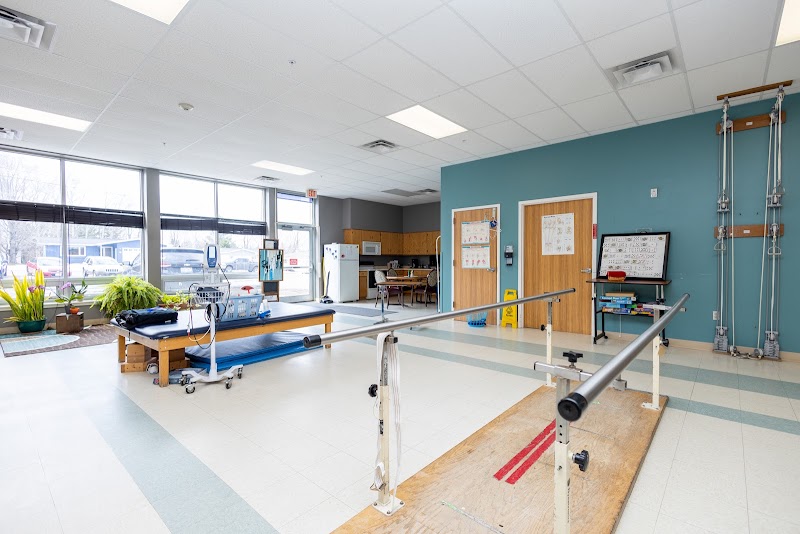
How is Mission Point Nursing & Physical Rehabilitation Ce Staffed?
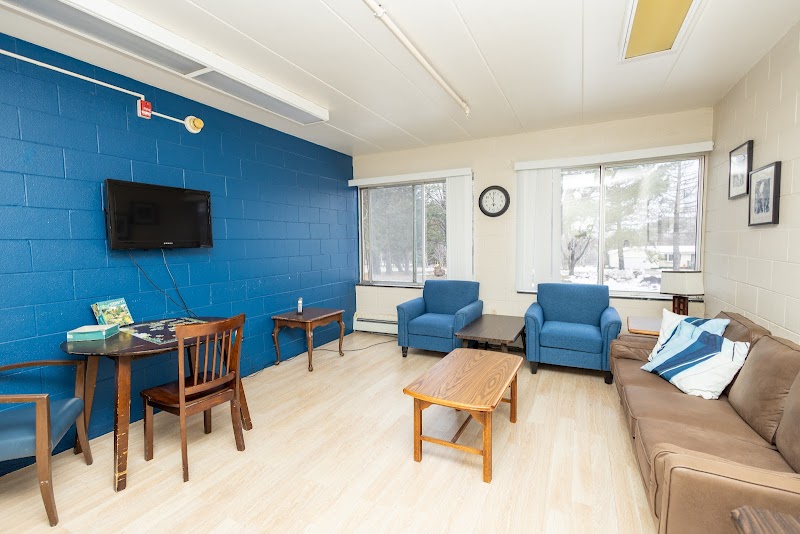
CMS rates Mission Point Nursing & Physical Rehabilitation Ce's staffing level at 4 out of 5 stars, which is above average compared to other nursing homes. Staff turnover is 46%, compared to the Michigan average of 46%.

What Have Inspectors Found at Mission Point Nursing & Physical Rehabilitation Ce?

State health inspectors documented 52 deficiencies at Mission Point Nursing & Physical Rehabilitation Ce during 2023 to 2025. These included: 1 Immediate Jeopardy (the most serious level, indicating potential for serious harm or death), 1 that caused actual resident harm, and 50 with potential for harm. Immediate Jeopardy findings are rare and represent the most serious regulatory concerns. They require immediate corrective action.
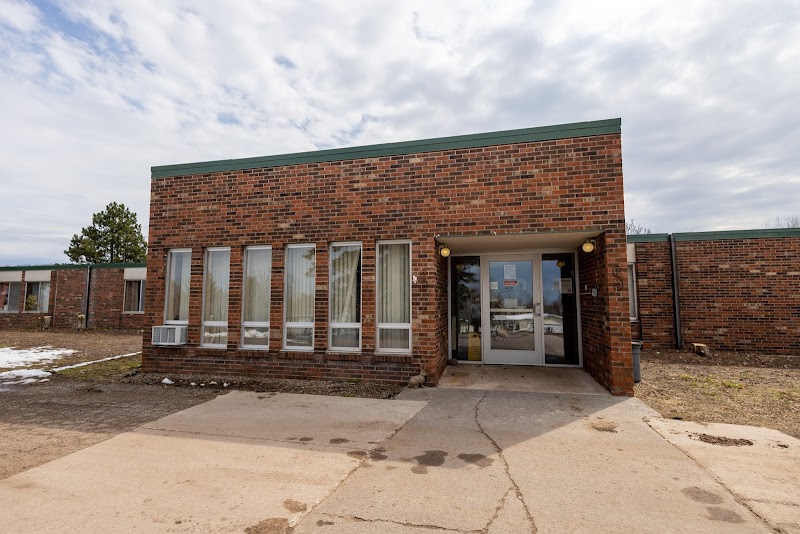
Who Owns and Operates Mission Point Nursing & Physical Rehabilitation Ce?

Mission Point Nursing & Physical Rehabilitation Ce is owned by a for-profit company. For-profit facilities operate as businesses with obligations to shareholders or private owners. The facility is operated by MISSION POINT HEALTHCARE SERVICES, a chain that manages multiple nursing homes. With 63 certified beds and approximately 37 residents (about 59% occupancy), it is a smaller facility located in Hancock, Michigan.

How Does Mission Point Nursing & Physical Rehabilitation Ce Compare to Other Michigan Nursing Homes?

Compared to the 100 nursing homes in Michigan, Mission Point Nursing & Physical Rehabilitation Ce's overall rating (1 stars) is below the state average of 3.1, staff turnover (46%) is near the state average of 46%, and health inspection rating (1 stars) is much below the national benchmark.

What Should Families Ask When Visiting Mission Point Nursing & Physical Rehabilitation Ce?

Based on this facility's data, families visiting should ask: "What changes have been made since the serious inspection findings, and how are you preventing similar issues?" "Can I visit during a mealtime to observe dining assistance and food quality?" "How do you handle medical emergencies, and what is your hospital transfer rate?" "Can I speak with family members of current residents about their experience?" These questions are particularly relevant given the facility's Immediate Jeopardy citations.

Is Mission Point Nursing & Physical Rehabilitation Ce Safe?

Based on CMS inspection data, Mission Point Nursing & Physical Rehabilitation Ce has documented safety concerns. Inspectors have issued 1 Immediate Jeopardy citation (the most serious violation level indicating risk of serious injury or death). The facility is currently on the Special Focus Facility watch list (a federal program monitoring the lowest-performing 1% of nursing homes nationwide). The facility has a 1-star overall rating and ranks #100 of 100 nursing homes in Michigan. Families considering this facility should ask detailed questions about what corrective actions have been taken since these incidents.

Do Nurses at Mission Point Nursing & Physical Rehabilitation Ce Stick Around?

Mission Point Nursing & Physical Rehabilitation Ce has a staff turnover rate of 46%, which is about average for Michigan nursing homes (state average: 46%). Moderate turnover is common in nursing homes, but families should still ask about staff tenure and how the facility maintains care continuity when employees leave.

Was Mission Point Nursing & Physical Rehabilitation Ce Ever Fined?

Mission Point Nursing & Physical Rehabilitation Ce has been fined $180,775 across 1 penalty action. This is 5.2x the Michigan average of $34,887. Fines at this level are uncommon and typically indicate a pattern of serious deficiencies, repeated violations, or failure to correct problems promptly. CMS reserves penalties of this magnitude for facilities that pose significant, documented risk to resident health or safety. Families should request specific documentation of what issues led to these fines and what systemic changes have been implemented.

Is Mission Point Nursing & Physical Rehabilitation Ce on Any Federal Watch List?

Mission Point Nursing & Physical Rehabilitation Ce is currently an SFF Candidate, meaning CMS has identified it as potentially qualifying for the Special Focus Facility watch list. SFF Candidates have a history of serious deficiencies but haven't yet reached the threshold for full SFF designation. The facility is being monitored more closely — if problems continue, it may be added to the official watch list. Families should ask what the facility is doing to address the issues that led to this status.