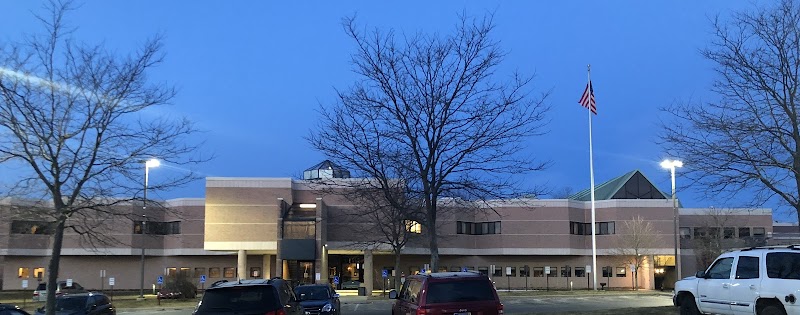
Jackson County Medical Care Facility

524 Lansing Avenue, Jackson, MI 49201 (517) 782-8500
Government - County 194 Beds Independent Data: November 2025
Trust Grade
73/100
#34 of 422 in MI
Last Inspection: January 2025

Within standard 12-15 month inspection cycle. Federal law requires annual inspections.

Overview

Jackson County Medical Care Facility has a Trust Grade of B, indicating it is a good choice for families seeking care, solidly positioned in the middle of the pack. It ranks #34 out of 422 facilities in Michigan, placing it in the top half, and is the best option among the seven facilities in Jackson County. The facility is improving, with a decrease in reported issues from 7 in 2023 to 6 in 2025. Staffing is a strength here, with a 5/5 star rating and a turnover rate of 26%, which is significantly lower than the state average of 44%. However, the facility has incurred $68,744 in fines, which is concerning and suggests some ongoing compliance challenges. While the facility boasts excellent RN coverage, it has faced some serious issues, including a nurse improperly handling medications, which raises concerns about medication safety. Additionally, four out of five residents were found to be overdue for important vaccinations, potentially putting their health at risk. Overall, while there are notable strengths in staffing and care quality, families should also consider the recent incidents and fines when making their decision.

Trust Score
B
73/100
In Michigan
#34/422
Top 8%
Safety Record
Moderate
Needs review
Inspections
Getting Better
7 → 6 violations
Staff Stability
✓ Good
26% annual turnover. Excellent stability, 22 points below Michigan's 48% average. Staff who stay learn residents' needs.
Penalties
✓ Good
$68,744 in fines. Lower than most Michigan facilities. Relatively clean record.
Skilled Nurses
✓ Good
Each resident gets 55 minutes of Registered Nurse (RN) attention daily — more than average for Michigan. RNs are trained to catch health problems early.
Violations
⚠ Watch
20 deficiencies on record. Higher than average. Multiple issues found across inspections.
★★★★★
5.0
Overall Rating
★★★★★
5.0
Staff Levels
★★★★☆
4.0
Care Quality
★★★★☆
4.0
Inspection Score
Stable
2023: 7 issues
2025: 6 issues

The Good

  • 5-Star Staffing Rating · Excellent nurse staffing levels
  • 4-Star Quality Measures · Strong clinical quality outcomes
  • Low Staff Turnover (26%) · Staff stability means consistent care
  • Full Sprinkler Coverage · Fire safety systems throughout facility
  • No fines on record
  • Staff turnover is low (26%)

    22 points below Michigan average of 48%

Facility shows strength in staffing levels, quality measures, staff retention, fire safety.

The Bad

Federal Fines: $68,744

Well above median ($33,413)

Moderate penalties - review what triggered them

The Ugly 20 deficiencies on record

1 actual harm
Jan 2025 6 deficiencies
CONCERN (D)

Potential for Harm - no one hurt, but risky conditions existed

Deficiency F0578 (Tag F0578)

Could have caused harm · This affected 1 resident

Based on interview, and record review the facility failed to ensure accurate advance directive (legal documents that allow a person to identify decisions about end-of-life care ahead of time) informat...

Read full inspector narrative →
Based on interview, and record review the facility failed to ensure accurate advance directive (legal documents that allow a person to identify decisions about end-of-life care ahead of time) information was in place for one resident (#319) of one resident reviewed for advance directives from a total sample of 35 residents. Findings included: Resident #319 (R319) Review of the medical record revealed R319 was admitted to the facility 01/16/2025 with diagnoses that included end stage renal disease, dependence on renal dialysis, gastro-esophageal reflux, congestive heart failure (CHF), atherosclerotic heart disease (plaque build up in artery wall), hyperlipidemia (high fat content in blood), obstructive sleep apnea, type 2 diabetes, hypothyroidism (low thyroid hormone), morbid obesity, anemia (low number of red blood cells), cancer of kidney, hypertension, and spinal disc degeneration. Review of R319's medical record demonstrated a physician order for advance directives of DNR (Do Not Resuscitate). No facility document entitled DO-NOT-RESUSCITATE ORDER was found in R319's medical record, that was entered 01/21/2025. In an interview on 01/23/25 at 09:08 a.m. Unit Manager (UM) C explained that when a resident is admitted , the social worker would discuss the advance directives with the resident. UM C explained that the social worker would then obtain a resident signature and two witness signatures. UM C explained that then the document entitled DO-NOT-RESUSCITATE ORDER would be sign by the attending physician. UM C explained once the document entitled DO-NOT-RESUSCITATE ODER was completed a physician order would be entered for into the medical record. UM C explained that the completed DO-NOT-RESUSCITATE ORDER document would be scanned into the medical record. UM C confirmed that R319 had a physicians order which stated DNR (Do not Resuscitate), that had been entered 01/21/2025. UM C could not locate the document DO-NOT-RESUSCITATE ORDER in R319's medical record. In an interview on 01/23/2025 at 09:13 a.m. Social Worker (SW) D explained that she was responsible to discuss advance directives with newly admitted residents at the facility. SW D explained that she would assist resident to complete the document entitled DO-NOT-RESUSCITATION ORDER. SW D explained that once the resident signed the document, two witnesses would sign the document, then the document would be signed by the physician. SW D explained that once the document DO-NOT-RESUSCITATE ORDER is completed a physician order would be written and the completed document would be scanned in the resident's medical record. SW D could not locate R319's DO-NOT-RESUSCITATE ORDER document and explained it still must be in the physician folder, located at the nurse's station. SW D could not explain why an DNR order was present in R319's medical record but not the completed DO-NOT-RESUSCITATE ORDER document. SW D then proceeded to the nurse's station and located R319's DO-NOT-RESUSCITATE ORDER document. Review of R319's DO-NOT-RESUSCITATE ORDER document (which was located in the physicians folder) contained R319's signature on 01/21/2025, two witness signatures signed on 01/21/2025, but no physician signature. In an interview on 01/23/2025 at 09:24 a.m. Director of Nursing (DON) B explained that a resident's advance directive is reviewed upon admission with the social worker or physician. DON B explained that a completed document entitled DO-NOT-RESUSCITATE ORDER is completed, which includes the resident's signature, two witness signatures, then a physician signature. DON B explained once the document DO-NOT-RESUSCITATE ORDER is completed then an order for Do not Resuscitate would be written. DON B confirmed that R319 did not have a completed document DO-NOT-RESUSCITATE ORDER in his medical record and should have not had a completed DNR order until the document had been completed. DON B could not explain why the DNR order for R319 had been written prior to the completion of the DO-NOT-RESUSCITATE ORDER document.
CONCERN (D)

Potential for Harm - no one hurt, but risky conditions existed

Deficiency F0645 (Tag F0645)

Could have caused harm · This affected 1 resident

Based on interview and record review the facility failed to ensure a Preadmission/Annual Resident Review (PAS/ARR) was completed after the 30 day exemption period and failed to notify the State Agency...

Read full inspector narrative →
Based on interview and record review the facility failed to ensure a Preadmission/Annual Resident Review (PAS/ARR) was completed after the 30 day exemption period and failed to notify the State Agency Health Authority for 1 Residents ( #62) of 3 residents reviewed for PAS/ARR. Findings include: Review of the clinical record reflected Resident # 62 (R62) was admitted to the facility with diagnoses that included major depression. Review of R62's PAS/ARR 3877 screening dated 8/24/23 reflected R62 had a mental illness diagnosis and was prescribed an anti-depressant medication. Review of the 3878 dated 8/26/23 reflected R62 was on a 30 day exemption and was expected to be discharged from the facility within the next 30 days. There was no further level I or level II screenings, no indication or documentation that the State Mental Health Authority was aware R62 resided at the facility and no documentation regarding R62 not meeting criteria or needing level II assessment from Community Mental Health. Further review of R62's clinical record reflected R62 had psychotropic medication changes (wellbutrin was ordered on 10/5/24) and a new diagnosis of anxiety was added on 10/07/24. On 01/27/25 at 09:11 AM, during an interview with Case Manager/ Social Service Director X he reported the Social Workers on each unit was responsible for tracking the PAS/ARR were due including 30 day exemptions and they were to notify Case Manager/ Social Service Director X who completes them and was responsible for submitting them to Community Mental Health (CMH). R62's medical record was reviewed with Case Manager/ Social Service Director X who agreed there was no further required documentation related to PAS/ARR. Case Manager/ Social Service Director X then went into the portal for CMH to ensure the PAS/ARR was updated and possibly just not entered into the medical record. Case Manager/ Social Service Director X confirmed there was no information in CMH portal and offered no explanation as to how/why the required documentation was not completed.
CONCERN (D)

Potential for Harm - no one hurt, but risky conditions existed

Comprehensive Care Plan (Tag F0656)

Could have caused harm · This affected 1 resident

**NOTE- TERMS IN BRACKETS HAVE BEEN EDITED TO PROTECT CONFIDENTIALITY** Based on observation, interview and record review, the facility failed to formulate comprehensive Care Plans for two (Resident #...

Read full inspector narrative →
**NOTE- TERMS IN BRACKETS HAVE BEEN EDITED TO PROTECT CONFIDENTIALITY** Based on observation, interview and record review, the facility failed to formulate comprehensive Care Plans for two (Resident #92 and Resident #370) of 35 reviewed for Care Plans. Findings include: Resident #92 (R92) Review of the medical record reflected R92 was admitted to the facility on [DATE], with diagnoses that included atrial fibrillation (irregular heartbeat). The Minimum Data Set (MDS), with an Assessment Reference Date (ARD) of 12/9/24, reflected R92 scored 7 out of 15 (cognitively impaired) on the Brief Interview for Mental Status (BIMS-a cognitive screening tool). On 1/21/25 at 9:31 AM, R92 was observed in a recliner chair watching television. Review of the Physician Orders revealed R92 had an active order with at start date of 10/42/24 for Eliquis 5 milligrams (a blood thinning medication). Review of R92's Care Plan revealed no Care Plan for the anticoagulant. In an interview on 1/27/25 at 1:59 PM, Director of Nursing (DON) B reviewed the Care Plan for R92 and confirmed that there was no Care Plan for the anticoagulant use for R92. DON B stated that the expectation would be to have a Care Plan in place for the high risk medication. Resident #370 (R370) Review of the medical record reflected R370 was admitted to the facility on [DATE] and readmitted to the facility on [DATE], with diagnoses that included end stage renal disease and dependence on dialysis. The Minimum Data Set (MDS), with an Assessment Reference Date (ARD) of 1/18/25, reflected R370 scored 15 out of 15 (cognitively intact) on the Brief Interview for Mental Status (BIMS-a cognitive screening tool). On 1/22/25 at 8:52 AM, R370 was observed in bed watching television. R370 confirmed that she attended outside dialysis appointments and shared her routine for her dialysis days. Review of R370's Care Plan and Physician Order's revealed an absence of any mention of dialysis including when she attended, where she attended, and required assessments. In an interview on 1/24/25 at 8:41 AM, Registered Nurse (RN) W stated that typically dialysis residents had a dialysis Care Plan and Physician Orders however, when asked to located R370's Care Plan and orders, RN W confirmed an absence of both. In an interview on 1/24/25 at 12:49 PM, Nursing Unit Manager V stated that residents receiving dialysis services would typically have a dialysis Care Plan and Physician Orders however, it was identified that day that R370 did not have a Care Plan or Physician Orders. In an interview on 1/27/25 at 1:56 PM, Director of Nursing (DON) B stated stated that dialysis Care Plans and Physician orders were an important part of Care to ensure effective communication and assessments were being completed.
CONCERN (D)

Potential for Harm - no one hurt, but risky conditions existed

ADL Care (Tag F0677)

Could have caused harm · This affected 1 resident

**NOTE- TERMS IN BRACKETS HAVE BEEN EDITED TO PROTECT CONFIDENTIALITY** Based on observation, interview and record review the facility failed to provide assistance with activities of daily living (ADL...

Read full inspector narrative →
**NOTE- TERMS IN BRACKETS HAVE BEEN EDITED TO PROTECT CONFIDENTIALITY** Based on observation, interview and record review the facility failed to provide assistance with activities of daily living (ADL) for one (R12) of five residents reviewed for ADL's, resulting in the potential for unmet needs. Findings include: Review of the clinical record revealed R9 was admitted into the facility on 5/30/24 with diagnoses that included: congestive heart failure and arthritis. According to the Minimum Data Set (MDS) assessment dated [DATE], R12 scored 9/15 on the Brief Interview for Mental Status exam (which indicated moderately impaired cognition). Section GG (Functional Abilities and Goals) of MDS assessment dated [DATE] indicated resident was dependent (Helper does all of the effort. Resident does none of the effort to complete the activity.) with personal hygiene. Review of the photo taken of resident on admission revealed short facial hair, stubble only, no beard. On 1/22/25 at 9:23 AM, R12 was observed lying in bed on his back. R12 was noted to have a long, full, unkempt beard. When asked on what his preference was he reported that he prefers to be shaved and not to have a beard. R12 stated that he has reported this to staff in the past. On 1/24/25 at 2:22 PM, R12 was observed lying in bed on his back with a full, ungroomed beard. He reported that he still has not been shaved and did not express a preference for who shaved him. On 1/27/25 at 10:36 AM, R12 was observed to still have a long, full, unkempt beard. Review of R12's [NAME] (document used by facility staff to communicate the needs of the residents) revealed I am dependent on staff for my AM/HS care/personal hygiene .Use an electric razor for shaving. Review of R12's task log titled Personal Hygiene revealed resident required substantial/maximal assistance to fully dependent for Personal hygiene tasks for the past 30-day span (12/29/24 through 1/27/25). During an interview on 1/27/25 at 10:41 AM, Certified Nursing assistant (CNA) Y was asked on how she would determine a male's preference for shaving. CNA Y reported that she would look at their [NAME] or ask the resident if they are coherent. When asked about the facial care for R12 she reported that he prefers to have the beautician shave him and he has an appointment for that sometime this week. During an interview on 1/27/25 at 10:46 AM, Unit Manager (UM) V reported that preferences for facial hair for men would be found in the residents [NAME]. When asked if she was aware of R12's preference for who shaves him UM V reported that he doesn't have a preference to see the beautician for shaving. She further reported that if it was his preference to be shaved by the beautician it should be indicated in his [NAME] as such. UM V reported that the CNA's should be offering to shave him or helping him get set up so that he can shave himself and that she could reach out to R12's nephew if his razor needed to be replaced. UM V reported that she would ensure the resident got shaved. Review of the facilities policy titled Activities of Daily Living (ADL) updated 12/29/23, documented in part The facility must provide care and services in accordance with CMS (Centers of Medicare and Medicaid Services) regulations for the following activities of daily living: hygiene-bathing, dressing, grooming and oral care . Review of the facilities policy titled Shaving Male Residents updated 12/5/20, documented in part Nursing department will pursue and provide such care as the Resident desires and provide comfort to the Resident .Purpose: To provide cleanliness and improve morale and well-being .Offer Resident the opportunity to shave self: if unable, then assist .Use new safety razor or Resident's personal electric razor .
CONCERN (D)

Potential for Harm - no one hurt, but risky conditions existed

Deficiency F0685 (Tag F0685)

Could have caused harm · This affected 1 resident

**NOTE- TERMS IN BRACKETS HAVE BEEN EDITED TO PROTECT CONFIDENTIALITY** Based on observation, interview and record review the facility failed to provide proper assistive devices to maintain hearing fo...

Read full inspector narrative →
**NOTE- TERMS IN BRACKETS HAVE BEEN EDITED TO PROTECT CONFIDENTIALITY** Based on observation, interview and record review the facility failed to provide proper assistive devices to maintain hearing for one (Resident 25) of one reviewed for specialty services, resulting in unmet needs. Findings include: Review of the clinical record revealed R25 was admitted into the facility on 7/27/19 with diagnoses that included: Alzheimer's disease and major depressive disorder. According to the Minimum Data Set (MDS) assessment dated [DATE] R25 had adequate hearing with hearing aids. A review of R25's [NAME] (document used by facility to communicate the needs of the resident) revealed no documentation of hearing aids. On 1/22/25 at 9:33 AM, R25's roommate reported that R25 was missing her hearing aids and had been for an extended period. On 1/22/25 at 9:42 AM, R25 was observed sitting up in recliner with television on without hearing aids in place. R25 was able to answer yes/no questions when spoken to in a loud voice and at a slow pace. R25 confirmed she was missing her hearing aids. On 1/23/25 at 12:18 PM, R25 was observed sitting in recliner with television on. No hearing aids in place. On 1/23/25 at 12:26 PM during an interview with LPN U she reported R25 had thrown away her hearing aids in the past despite interventions put in place and she no longer wears them. LPN U reported that family was aware of R25 not currently having any hearing aids and that resident can hear if you enunciate and speak slowly. On 1/24/25 at 1:07 PM during an interview with Social work director X he reported being aware R25 was missing her hearing aids and that R25's family member had stopped by to see him. He was unsure of an exact date but recalled it was a while ago but not years ago. Social work director X turned away from his desk and attempted to locate a paper in a drawer full of paperwork. He reported that there should be a missing item report for the missing hearing aids. At the end of the interview SW director X reported that he would continue to look for documentation related to R25's missing hearing aids. On 1/24/25 at 2:25 PM during an interview with R25's family member Z, in R25's room, she stated that R25 has had two pairs of hearing aids go missing since being in the facility. Family member Z reported that R25 should have her hearing aids to help with conversations and for her to hear the television. Family member Z reported R25 enjoys watching TV but is not able to hear it without her hearing aids. Family member Z stated that the floor staff is aware of the missing hearing aids but was unable to recall specifically who was told or when (reported that it had been at least one year since R25 has had her hearing aids). On 1/27/25 at 9:47 AM during a telephone interview with R25's family member AA, he reported that R25 has not had her hearing aids for at least a year and he felt that she could really use them as she reported feeling isolated. He further reported they have to speak directly into her ear to communicate with her. R25's family member AA stated that a facility social worker is supposed to see her each week as the family had reported R25's report of feeling isolated. On 1/27/25 at 10:51 AM during an interview with unit manager V she reported that the facility is working on getting R25 new hearing aids based on a recent email from Social Work Director X. When quired about why care plan interventions related to hearing aids had been removed she reported she was not aware of the reason why but they had been removed by an MDS (Minimum Data Set) nurse. On 1/27/25 at 2:50 PM during an interview with NHA (nursing home administrator) A she reported that there is a lot of confusion around R25's hearing aids and confirmed she does not currently have hearing aids. NHA A further reported that the facility is working on getting R25 a new pair of hearing aids and they plan to have her seen by a local audiologist as soon as possible. A review of the facilitate policy titled Grievances/Complaints: Resident & Non-Employee documented in part, Investigations will be done promptly, with every effort to complete the investigation and hold outcome meeting with in ten working days .Every action will be taken to resolve grievances within 30 days .
CONCERN (D)

Potential for Harm - no one hurt, but risky conditions existed

Medication Errors (Tag F0758)

Could have caused harm · This affected 1 resident

**NOTE- TERMS IN BRACKETS HAVE BEEN EDITED TO PROTECT CONFIDENTIALITY** Based on observation, interview and record review the facility failed to justify continued use of psychotropic medications for o...

Read full inspector narrative →
**NOTE- TERMS IN BRACKETS HAVE BEEN EDITED TO PROTECT CONFIDENTIALITY** Based on observation, interview and record review the facility failed to justify continued use of psychotropic medications for one residents (#154) of five residents reviewed. Findings include: Resident #154 (R154) Review of the Face Sheet and Minimum Data Set (MDS) dated [DATE], reflected R154 was a [AGE] year old female admitted to the facility on [DATE], with diagnoses that included hypertension (high blood pressure), heart disease, major depressive disorder, transient ischemic attach (small stroke), cerebral infarction, dementia with anxiety, adjustment disorder with anxiety and depression, and delusional disorders. The MDS reflected R154 had a BIM (assessment tool) score of 9 which indicated her ability to make daily decisions was moderately impaired, and she required partial to moderate physical assist with dressing, hygiene, toileting, bathing and transfers. Continued review of the MDS reflected R154 had not had any behaviors including delusions, hallucinations, physical or verbal. R154 was observed throughout the survey dates of 1/21-1/24 to be pleasant, up daily for meals and socially engaging with staff, other residents and visitors. Review of R154's Physician's Orders, dated 9/26/24 though current, for antipsychotic Seroquel 75 mg daily at bedtime for delusions. Continued review reflected R154 had physician order for antidepressant Effexor 225 mg daily for depression with order start date 8/1/24 to current. Review of the Medication and Treatment Administration Record, dated 12/1/24 through 1/27/25, reflected, Is the resident experiencing any concerns with mood/mental health or any behaviors this shift? If yes, please document what s/sx resident is presenting in behavior PN/ note section? every shift for Mood and behavior monitoring. The documents reflected a response of, No for both months on every shift. Review of the Psychiatric consult, dated 9/13/24, reflected R154 was on Effexor 225 mg daily and Seroquel 100 mg daily. Continued review reflected physician completed chart review discussed case with facility staff who reported R154 psychiatric condition had remained unchanged. Continued review reflected R154 had record of depressive symptoms that were not distressful to R154. Consult reflected R154 appeared happy, smiled throughout exam and denied depression or anxiety. Note reflected, Documentation reviewed for this visit includes: current medication list, any recent changes to psychiatric medications, recent labs and diagnostic testing results/behavior tracking tool which were all considered as a part of the plan of care. Based on the data obtained and discussions with patient and staff, this provider concludes: a change in medication was considered but will not be implemented/recommended as current plan is most effective at present time. (Seroquel was reduced 13 days later on 9/26/24.) Continued review reflected, Continue to monitor for anxiety agitation, aggression and document. Encourage relaxation techniques and distraction. Promote non-pharmalogical method to assist with processing frustration and adjustment challenges . Review of the Psychiatric Consult, dated 12/23/24, reflected R154 was on Effexor 225 mg daily and Seroquel 75 mg daily. Consult reflected provider reviewed chart and discussed R154 and reported R154 psychiatric condition had remained unchanged. Continued review reflected R154 had record of depressive symptoms that were not distressful. The Consult reflected no dose reduction was recommended. Review of the Behavior Well Being assessments, dated 1/25/24, 4/2/24, 6/17/24, 9/24/24, 10/23/24 and 12/12/24, for R154, reflected section labeled, Behavior Incident Huddle Review with response, There have been no incident huddle reviews this past quarter. Continued review of the assessment dated [DATE] reflected R154 had irritability, agitation, and hallucinations and delusional thinking at times. Review of the Behavior Tracking, dated 9/24/24 through 12/31/24, reflected R154 had seven documented behaviors three months that included wandering or refusal of care.(Reviewed by psychiatric services as not be distressing to R154). Review of the facility Behavior log, dated 1/1/25 through current reflected R154 had 4 documented behaviors that including wandering, yelling and/or screaming. Review of the Electronic Medical Record, dated 9/19/24 through current, reflected R154 had five falls including with injury. Review of R154 Psychosocial Note, dated 1/22/2025 at 1:01 p.m., reflected, Quarterly Note: [named R154] overall mood is stable with her current psychotropic medication regiment .She reports no concerns with her appetite, sleep appetite or activity participation. [named R154] has been pleasant and cooperative with her care partners and reports she is receiving good care and treatment . During a telephone interview on 1/24/25 at 3:45 PM, Social Worker (SW) BB reported, would expect Certified Nurse Aids to document behaviors in facility Electronic Medical Record under tasks and Nurses and Social Workers to document in Progress Notes. SW BB reported facility completed Behavior Well Being assessments quarterly. SW BB reported R154 had behaviors that included delusions/hallucinations, refusal of care, irritation and agitation. SW BB reported behaviors documented in tasks and progress notes were reviewed quarterly. SW BB reported recalled R154 had behaviors after September Gradual Dose Reduction(GDR) but unsure if documented in R154 medical record but should have been. SW BB reported would review R154 medical record upon return to the facility, prior to survey exit, for supporting documentation. A request was made for clinical documentation for the continued use of Seroquel 75 mg without a gradual dose reduction. Documentation was not received prior to the survey exit.
Dec 2023 7 deficiencies 1 Harm
SERIOUS (H)

Actual Harm - a resident was hurt due to facility failures

Infection Control (Tag F0880)

A resident was harmed · This affected multiple residents

**NOTE- TERMS IN BRACKETS HAVE BEEN EDITED TO PROTECT CONFIDENTIALITY** On 12/05/23 at 12:21 PM, Registered Nurse (RN) K was observed to prepare multiple medications for administration to Resident #10...

Read full inspector narrative →
**NOTE- TERMS IN BRACKETS HAVE BEEN EDITED TO PROTECT CONFIDENTIALITY** On 12/05/23 at 12:21 PM, Registered Nurse (RN) K was observed to prepare multiple medications for administration to Resident #100 (R100). RN K was observed to move medication cart to just outside of R100's open door, place a tissue on top of the cart and then place an empty medication cup on top of the tissue. RN K proceeded to dispense Duloxetine 1 capsule and Potassium 1 tablet directly from each blister pack into the medication cup as well as Senna 1 tablet from a medication bottle. RN K was then observed to remove R100's Thiamine blister pack from the medication cart, pop one tablet from the blister pack which landed on the tissue positioned beneath the medication cup, pick up the Thiamine tablet with her bare fingers and place the tablet directly into the medication cup containing R100's Duloxetine, Potassium, and Senna Tablets. RN K then proceeded to the doorway of R100's room with the cup of medications, questioned R100 regarding her Senna tablet and as R100 refused the medication, RN K returned to and reopened the medication cart, reached into the medication cup containing R100's medications with her bare fingers, removed the Senna tablet, and placed in a drug disposal bottle in the bottom drawer of the cart. RN K then returned to R100's room, mixed the 3 remaining medications with a small amount of pudding and administered them one at a time via spoon. On 12/06/23 at 8:26 AM, RN K was observed to prepare multiple medications for administration to Resident #159 (R159). RN K was observed to place an empty medication cup on a Styrofoam tray on top of the medication cart, remove multiple blister packs containing R159's medications from the medication cart, dispense Glipizide and Tamsulosin directly from the individual blister pack into the medication cup, and dispense Eliquis directly from the blister pack into her bare right hand and then place in medication cup already containing the Glipizide and Tamsulosin. After next dispensing Ferosul from a stock medication bottle and Lasix from R159's blister pack into the same medication cup, RN K was observed to unlock the medication cart narcotic box, remove R159's Tramadol and Neurontin blister packs and dispense 1 tablet of each directly into her bare left hand and then place into the medication cup with remainder of prepared medications. RN K was then observed to dispense R159's Amlodipine, Hydroxyzine, and Jardiance from the individual blister packs directly into the same medication cup prior to dispensing R159's Magnesium. RN K was observed to remove a Magnesium bottle from the medication cart, remove lid, dispense three tablets directly onto the inside lid of the bottle, hold 1 tablet against the inside lid with a bare finger, dispense the remaining two tablets from the lid into the medication cup and then proceed to dump the 1 remaining tablet that had been secured against the inside of the lid with a bare finger back into the magnesium bottle that still contained numerous tablets, replace lid to bottle, and place bottle back in medication cart. RN K confirmed that the Magnesium bottle was a house stock medication from which any resident that received Magnesium would be dispensed from. RN K then proceeded to dispense R159's remaining three medications (Metoprolol Succinate, Multiple Vitamin, and Sertraline) into the same medication cup, entered room, provided medication cup to R159, with R159 observed to take all medications with sips of coffee. In an interview on 12/06/23 at 8:44 AM, Licensed Practical Nurse/Nursing Supervisor (LPN/NS) L stated that with oral medication preparation, the nurse should complete hand hygiene, use either a Styrofoam tray or tissue barrier, and make sure that the medication was not touched when putting them into the medication cup. LPN/NS L stated that when a medication was dispensed from a blister pack, the blister pack should be held over the medication cup on the barrier and dispensed directly into the cup. LPN/NS L further stated that if a medication was popped outside of the medication cup and landed on the barrier beneath, that the medication should be wasted and a new one dispensed. Per LPN/NS L, when medications were dispensed from a stock medication bottle, the ordered number of pills would be dispensed directly onto the inside of the medication bottle cap and then placed directly into the medication cup using caution to not touch the inside of the cap or the medication. LPN/NS L further stated that as long as the inside of the lid or any extra pills were not touched, the extra pills could be placed back into the bottle. Upon conclusion of the interview, LPN/NS L reiterated that no touching of the medication whatsoever with bare hands should ever be happening and that all staff were provided with exactly that education. In an interview on 12/6/23 at 1:38 PM, Infection Preventionist (IP) C stated that the nurse managers monitored infection control practices during medication pass audits, did not know at what frequency these audits were completed, but would expect that if an isolated infection control concern was observed during an audit that the nurse manager would just provide education at that time but if a pattern was noted, would expect that she would be notified. IP C denied that she had completed any infection control audits pertaining to medication administration or knowledge that any nurse manager had identified any infection control issues during their medication pass audits. On 12/05/23 at 09:45 AM, room [ROOM NUMBER] was observed to have a trash receptacle for disposal of contaminated personal protective equipment (PPE) inside the room, near the door. There was no lid on the trash receptacle. The discarded, contaminated PPE was nearing the top of the receptacle. On 12/05/23 at 10:01 AM, room [ROOM NUMBER] was observed to have a trash receptacle for disposal of contaminated PPE in the bathroom. There was no lid on the trash receptacle. The discarded, contaminated PPE was nearing the top of the receptacle. On 12/05/23 at approximately 10:25 AM, room [ROOM NUMBER] was observed to have a trash receptacle for disposal of contaminated PPE in the bathroom. There was no lid on the receptacle, and it was overflowing with discarded, contaminated PPE. Based on interview and record review, the facility failed to follow best practices to prevent infections including the spread of coronavirus and continued exposure to coronavirus in 15 of 174 residents (Resident #17, #18, #26, #32, #48, #74, #84, #89, #100, #110, #123, #133, #137, #147, #284), resulting in the hospitalization of R147, the continued spread of coronavirus and decreased quality of life. Findings include: The Centers for Disease Control and Prevention published recommendations for updated COVID-19 Vaccine for the 2023/2024 Fall/Winter Virus Season: Vaccination remains the best protection again's COVID-19 related hospitalization and death. Vaccination also reduces your chance of suffering the effects of Long COVID, with can develop during or following acute infection and last for an extended duration. The vaccines became available for administration beginning in mid October 2023. However, the facility had not administered the COVID vaccine to residents who requested to be vaccinated as part of infection prevention and control. Resident #32 (R32) Minimum Data Set (MDS) assessment dated [DATE] indicated she admitted to the facility on [DATE], had a brief interview for mental status (BIMS), a short performance-based cognitive screener, score of 04 (00-07 Severe Impairment). The same MDS indicated she had the diagnoses of diabetes and renal failure. In review of COVID outbreak report provided on 12/06/23; R32 had a temperature on 11/02/23, had not had a history of COVID, and had not had the updated COVID vaccine. The same document revealed R32 could exit quarantine on 11/13/23. R32 shared a room and bathroom with Resident #137. The same COVID outbreak report revealed 4 residents tested positive for COVID-19 on 11/03/23 (Resident #32, #74, #26, #100) and their roommates tested negative for COVID on the same day (Resident #18, #137, #123, #110). On 11/03/23, there was an opportunity to move COVID positive residents with other COVID positive residents; and move exposed residents in rooms with other exposed residents. The same report revealed R32's roommate, R137 tested positive for COVID on 11/09/23. R74's roommate, R18 tested positive for COVID on 11/06/23. R26's roommate tested positive for COVID on 11/06/23. R100's roommate, R110 tested positive for COVID-19 and had a cough and congestion on 11/17/23, 14 days after R100 tested positive for COVID-19. The same report indicated 2 staff tested positive for COVID on 11/03/23. Resident #137 (R137) R137's MDS dated [DATE] revealed she admitted to the facility on [DATE] and had a BIMS score of 15 (13-15 Cognitively Intact). The COVID outbreak report provided on 12/06/23 revealed R137 developed a cough and congestion and tested positive for COVID on 11/09/23, 6 days after her roommate. R137's COVID vaccination status was not up to date and was waiting to receive the updated vaccine, according to the list of residents that had signed a consent to receive the updated COVID vaccine provided during the survey. Resident #147 (R147) R147's MDS assessment dated [DATE] indicated she admitted to the facility on [DATE], had a BIMS score of 15 (13-15 Cognitively intact). R147's admission record indicated she resided on Unit 4 and had the diagnoses of Chronic Obstructive Pulmonary Disease (COPD, lung disease), heart failure, diabetes and a history of COVID-19. R147's Transfer form dated 11/30/23 at 8:24 AM revealed her blood pressure was 97/50 millimeters of mercury (mm Hg, normal 120/80), and her pulse oximetry (oxygen in bloodstream) was 89 percent (%, normal 95 to 100%). The same form revealed R147 had a new cough, abnormal lung sounds, weakness, and difficulty breathing. Hospital notes dated 11/30/23 indicated R147 had shortness of breath, worsening swelling of her upper extremities, and tested positive for COVID-19. R147 reported she had nasal discharge the week prior that lasted three days. The same note indicated that may have been the onset of R147's COVID symptoms. R147 received three doses of DuoNeb's (breathing treatment to open airways) and intravenous Lasix (diuretic) and was admitted to the hospital for continued treatment. R147's returned to the facility on [DATE] and was re-admitted into the same room with roommate Resident #89, whom did not have signs or symptoms of COVID/respiratory illness. R147's COVID vaccination status was not up to date and was waiting to receive the updated vaccine, according to the list of residents that had signed a consent to receive the updated COVID vaccine provided during the survey. Resident #89 (R89) R89's MDS dated [DATE] revealed she was admitted to the facility on [DATE], had a BIMS score of 12 (08-12 Moderate Cognitive Impairment), and had the diagnoses of diabetes and heart failure. Covid outbreak report provided on 12/06/23 indicated R89 tested positive for COVID-19 on 12/06/23 and had symptoms including a cough and congestion. R89's COVID vaccination status was not up to date and was waiting to receive the updated vaccine, according to the list of residents that had signed a consent to receive the updated COVID vaccine provided during the survey. Resident #48 (R48) On 12/4/23 at 8:56 AM R48 was observed seated in her wheelchair, in the hallway on Unit 4, wearing a mask. R48 stated she had just returned from dialysis and was pissed off that she had to stay in room with a COVID positive resident, who was coughing up a lung, per her report. R48 reported she went out of the building for dialysis every Monday, Wednesday, and Friday. R48's MDS dated [DATE] revealed she was admitted to nursing home on [DATE], had a BIMS score of 15 (13-15 Cognitively Intact), and diagnoses included cancer, end-stage renal failure, and pulmonary disease. R48's COVID vaccination status was not up to date and was waiting to receive the updated vaccine, according to the list of residents that had signed a consent to receive the updated COVID vaccine provided during the survey. The same document indicated R48 shared a room and bathroom with Resident #17. Resident #17 (R17) COVID outbreak report provided on 12/06/23, indicated R17 had symptoms of a low-grade temperature and chills that began on 11/27/23 and tested positive for COVID on 11/27/23. R17's COVID vaccination status was not up to date and was waiting to receive the updated vaccine, according to the list of residents that had signed a consent to receive the updated COVID vaccine provided during the survey. In review of the COVID outbreak report provided on 12/06/23, R17 was the only resident that test positive for COVID on 11/27/23. In review of Unit 4's census on 11/27/23, there was an empty room available on that unit; and the census in the facility was 179 and had 194 beds. Resident #84 (R84) COVID outbreak report provided on 12/06/23, indicated R84 symptoms of congestion and runny nose began on 11/06/23, and was the first resident on Unit 4 to have symptoms. R284's electronic medical record indicated she admitted to the facility on [DATE], less than 14 days after R84 tested positive for COVID. COVID outbreak report provided on 12/06/23, revealed R284 symptoms began and tested positive for COVID on 11/28/23. R284 shared a room and bathroom with Resident #133. Resident #133 (R133) R133's MDS dated [DATE] revealed she was admitted to the facility on [DATE], had a BIMS score of 13 (13-15 Cognitely Intact), and had a diagnosis of cancer. COVID outbreak report provided on 12/06/23, revealed R133 symptoms began and tested positive for COVID on 12/02/23 COVID outbreak report provided on 12/06/23, revealed R133's symptoms began and tested positive for COVID on 12/02/23. Registered Nurse/Infection Control Practitioner (ICP) C was interviewed on 12/06/23 at 1:05 PM and stated the local health department in the past had provided COVID-19 vaccines and no longer provided that service. The facility pharmacy did not have the vaccine in stock. ICP C indicated the facility currently had a COVID-19 outbreak. The interdisciplinary team considered implementing a positive COVID-19 unit, but the Director of Nursing (DON) instructed to keep residents in the same rooms. DON B was on vacation during the annual survey. ICP C stated the COVID-19 outbreak started on Unit 3, a resident tested positive first, following a staff member that worked on that unit. All residents on Unit 3 were tested for COVID-19. ICP stated they tried to keep staff dedicated to that unit. No education was provided, staff were instructed on what to wear. A N-95 mask was to be worn at all times and not changed when exiting a COVID-19 positive room to care for a resident that was not COVID positive. ICP stated no new admissions were placed on Unit 3 during the outbreak. ICP confirmed that residents positive for COVID-19 that had roommates that were negative COVID19 were not moved to a private room. The facility had 194 beds and the census was 174 on the day of the interview. ICP C stated a COVID-19 vaccine clinic was set for vaccines to be administered on 12/12/23 from 10:00 AM to 4:00 PM. ICP C stated in the same interview that COVID negative residents cohorting with COVID positive residents was not reported to the health department, that she just updated the department with names of COVID positive residents. ICP C stated in the same interview, she had not received any recommendations from the local health department. ICP C stated she identified a trend with one roommate testing positive after their roommate tested positive, but no changes to the practice were made. During the same interview ICP was asked if a COVID negative resident was rooming with a COVID-19 resident, and sharing a bathroom, what was the cleaning protocol; ICP stated she would have to ask the housekeeping department. ICP C stated the privacy curtain was pulled between roommates when one roommate tested positive for COVID and the other resident tested negative for COVID. ICP C and Nursing Home Administrator NHA A were interviewed on 12/07/23 at approximately 9:00 AM, and stated they had followed CDC's recommendations. In an electronic mail document presented to survey team by ICP on 12/06/23, the local health department provided a link to the CDC's website: Infection Control: severe acute respiratory syndrome coronavirus 2 (SARS-CoV-2) CDC, under Nursing Homes instructed: placement of residents with suspected or confirmed SARS-CoV-2 infection ideally, residents should be placed in a single-person room. If limited single rooms are available, or if numerous residents are simultaneously identified to have known SARS-CoV-2 exposures or symptoms concerning for COVID-19, residents should remain in their current location. CDC's article Testing and Management Considerations for Nursing Home Residents with Acute Respiratory Illness Symptoms when severe acute respiratory syndrome coronavirus 2 (SARS-CoV-2) and Influenza Viruses are Co-circulating, last reviewed 11/14/23, instructed residents in the facility who develop symptoms of acute illness consistent with influenza or COVID-19 should be moved to a single room, if available, or remain in their current room, pending results of viral testing. They should not be placed in a room with new roommates, nor should they be moved to a COVID-19 care unit (if one exists), unless they are confirmed to have COVID-19 by SARS-CoV-2 testing. Residents confirmed to have SARS-CoV-2 infection should be placed in a single room, if available, or housed with other residents with only SARS-CoV-2 infection. If unable to move a resident, he or she could remain in the current room with measures in place to reduce transmission to roommates (e.g., optimizing ventilation). Article titled Interim Infection Prevention and Control Recommendations for Healthcare Personnel During the Coronavirus Disease 2019 (COVID-19) Pandemic, Updated May 8, 2023, revealed the National Institute for Occupational Safety and Health (NIOSH) recommended respirators with N95 filters be used for a patients with SARS-CoV-2 infection, during care of a patient on Droplet Precautions, and N95 mask should be removed and discarded after the patient care encounter and a new one should be donned. On 12/05/23 at 09:35 AM, room [ROOM NUMBER] was observed to have a trash receptacle for disposal of contaminated personal protective equipment (PPE) inside the room, near the door. There was no lid on the trash receptacle. The discarded, contaminated PPE was nearing the top of the receptacle. On 12/05/23 at 09:21 AM, room [ROOM NUMBER] was observed to have a trash receptacle for disposal of contaminated PPE in the bathroom. There was no lid on the trash receptacle. The discarded, contaminated PPE was nearing the top of the receptacle. On 12/06/23 during the lunch meal 2 unidentified staff were observed on unit 4, neither staff were observed to have worn the face shield that the facility deemed required on unit 4.
CONCERN (D)

Potential for Harm - no one hurt, but risky conditions existed

Comprehensive Care Plan (Tag F0656)

Could have caused harm · This affected 1 resident

**NOTE- TERMS IN BRACKETS HAVE BEEN EDITED TO PROTECT CONFIDENTIALITY** Based on observation, interview and record review the facility failed to implement the care plan for one resident (R#101) of 22 ...

Read full inspector narrative →
**NOTE- TERMS IN BRACKETS HAVE BEEN EDITED TO PROTECT CONFIDENTIALITY** Based on observation, interview and record review the facility failed to implement the care plan for one resident (R#101) of 22 residents reviewed for care plans, resulting in hunger and frustration. Findings include: According to the clinical record including the Minimum Data Set (MDS) dated [DATE], Resident # 101 (R101) was admitted to the facility with diagnoses that included heart failure, diabetes, chronic obstructive pulmonary disease, epilepsy and Covid. Review of the MDS reflected R101 had limited range of motion of both upper extremities and scored 8 out of 15 (moderate cognitive impairment) on the Brief Interview for Mental Status (BIMS). On 12/05/23 at 09:23 AM, while donning personal protective equipment (PPE) outside of R101's door, there was a constant clicking/banging, the sound was coming from inside R101's room. Upon entering the room, R101 was observed sitting up in recliner chair his over bed table was approximately a foot in front of him to his right, R101 was holding a plate with his left hand, the plate consisted of 2 hard boiled eggs cut open, sausage links and R101 was observed to be holding a regular (non-weighted or built up) fork in his right hand, R101 kept trying to stab the egg and missing it, hitting the plate over and over (hence the clicking/banging) there were noticeable tremors of both hands. Resident # 101 was not able to make contact with the eggs or sausage links. The sausage links were not cut up bite sized and R101 was not able of completing the task of feeding himself without assistance. Upon approach R101 reported he was hungry - resident was queried if he thought he could make stab the food if the plate was placed on the over bed table, R101 responded he could not reach the over bed table. On 12/06/23 at 08:46 AM, R101 observed sitting in his recliner next to bed, his breakfast was observed sitting on the over bed tray, which consisted of a divided plate (still covered) that held 3 sausage links and two hard boiled eggs (nothing was cut up) a bottle of hot sauce next to plate, orange slices in a bowl tightly wrapped in plastic wrap was observed on the upper left hand corner of the tray. Regular silverware (not weighted) was wrapped in a napkin and 5 full glasses of water was observed . When queried - how are you today? R101 stated that he was hungry and asked writer to turn on call light so he could get some help with his breakfast. When queried how long ago his breakfast was delivered, R101 stated he was not sure. On 12/06/23 at 12:03 PM, R101 was observed sitting in his recliner, feeding him self lunch, R101 was observed holding a regular fork (not weighted) with his right hand which was observed to have significant tremors. The divided plate was observed to have turkey, carrots dressing, non of which had been eaten along with 2 full glasses of unthickened water, a bowl of strawberries were observed still wrapped in clear plastic wrap. R101's right hand was observed to have a significant tremor. Certified Nursing Assistant (CNA) O was interviewed and stated R101 didn't need assistance eating and his tray was all set. Review of R101's monthly December physician orders reflected non-therapeutic diet, regular texture, nectar thick Liquids consistency and weighted silverware , divided plate with meals. written on 10/05/22. Review of the [NAME] (tool used by the Certified Nurse Aide to guide them as to the care needs of a specific resident) dated 12/06/23 indicated R101 was to have Nectar-thick liquids and was to be provided with built up utensils and a plate divider for meals. The [NAME] also indicated that when R101 had severe bilateral upper extremity tremors he was to be assisted with feeding tasks and supervision as appropriate. Review of R101's Nutritional care plan dated 7/10/20 with a most recent revision date of 11/08/23 reflected I have BUE (bilateral upper extremity) tremors which can sometimes affect my ability to feed myself. Some of the interventions for the identified problem were 1. Weighted silverware and divided plate to help with self-feeding. The care plan also reflected R101 preferred to eat some items with a large soup spoon (non of which was observed as being provided during the survey), the care plan also reflected R101 was to have nectar-thick liquids, and when having increased difficulty feeding himself due to hand tremors to offer assistance.
CONCERN (D)

Potential for Harm - no one hurt, but risky conditions existed

Deficiency F0676 (Tag F0676)

Could have caused harm · This affected 1 resident

**NOTE- TERMS IN BRACKETS HAVE BEEN EDITED TO PROTECT CONFIDENTIALITY** Based on observation, interview and record review the facility failed to ensure one resident (R#101) of one reviewed for assista...

Read full inspector narrative →
**NOTE- TERMS IN BRACKETS HAVE BEEN EDITED TO PROTECT CONFIDENTIALITY** Based on observation, interview and record review the facility failed to ensure one resident (R#101) of one reviewed for assistance with meals was provided the physician ordered dishware/utensils, beverage consistency and physical assistance needed to for meals, resulting in hunger and frustration. Findings include: According to the clinical record including the Minimum Data Set (MDS) dated [DATE], Resident # 101 (R101) was admitted t the facility with diagnoses that included heart failure, diabetes, chronic obstructive pulmonary disease, epilepsy and Covid. Review of the MDS reflected R101 had limited range of motion of both upper extremities and scored 8 out of 15 (moderate cognitive impairment) on the Brief Interview for Mental Status (BIMS). On 12/05/23 at 09:23 AM, while donning personal protective equipment (PPE) outside of R101's door, there was a constant clicking/banging, the sound was coming from inside R101's room. Upon entering the room, R101 was observed sitting up in recliner chair his over bed table was approximately a foot in front of him to his right, R101 was holding a regular plate with his left hand, the plate consisted of 2 hard boiled eggs cut open, sausage links, two clear glasses of water, one glass of orange juice and R101 was observed to be holding a regular (non-weighted or built up) fork in his right hand, R101 kept trying to stab the egg and missing it, hitting the plate over and over (hence the clicking/banging) there were noticeable tremors of both hands. Resident # 101 was not able to make contact with the eggs or sausage links. The sausage links were not cut up bite sized and R101 was not able of completing the task of feeding himself without assistance. Upon approach R101 reported he was hungry - resident was queried if he thought he could make stab the food if the plate was placed on the over bed table, R101 responded he could not reach the over bed table. On 12/06/23 at 08:46 AM, R101 observed sitting in his recliner next to bed, his breakfast was observed sitting on the over bed tray, which consisted of a divided plate (still covered) that held 3 sausage links and two hard boiled eggs (nothing was cut up) a bottle of hot sauce next to plate, orange slices in a bowl tightly wrapped in plastic wrap was observed on the upper left hand corner of the tray. Regular silverware (not weighted) was wrapped in a napkin and 5 full glasses of unthickened water was observed . When queried - how are you today? R101 stated that he was hungry and asked writer to turn on call light so he could get some help with his breakfast. When queried how long ago his breakfast was delivered, R101 stated he was not sure. On 12/06/23 at 12:03 PM, R101 was observed sitting in his recliner, feeding him self lunch, R101 was observed holding a regular fork (not weighted) with his right hand which was observed to have significant tremors. The divided plate was observed to have turkey, carrots dressing, non of which had been eaten along with 2 full glasses of unthickened water, a bowl of strawberries were observed still wrapped in clear plastic wrap. R101's right hand was observed to have a significant tremor. Certified Nursing Assistant (CNA) O was interviewed and stated R101 didn't need assistance eating and his tray was all set. Review of R101's monthly December physician orders reflected non-therapeutic diet, regular texture, nectar thick Liquids consistency and weighted silverware and divided plate with meals. which was written on 10/05/22. Review of the [NAME] (tool used by the Certified Nurse Aide to guide them as to the care needs of a specific resident) dated 12/06/23 indicated R101 was to have Nectar-thick liquids and was to be provided with built up utensils and a plate divider for meals. The [NAME] also indicated that when R101 had severe bilateral upper extremity tremors he was to be assisted with feeding tasks and supervision as appropriate. On 12/06/23 at 12:16 PM, during an interview with Unit Manager (UM) M she reported R101's hand tremors fluctuated and were worse on someday's, when queried why the Physician order and [NAME] reflected R101 was to have nectar thick liquids, why he provided thin liquids on breakfast 12/5 and breakfast and lunch on 12/06, UM M reported it was because R101 refused the thickened liquid, when asked where that was documented and if there was education provided to R101 on the need for the nectar thick liquids, Um M stated she didn't know. When queried why the three meal observations did not contain any weighted silverware as ordered by R101's physician, UM M did not respond. Review of the medical record did not reflect any refusals from R101 that pertained to acceptance of assistance for eating, thickened liquids or weighted silverware.
CONCERN (D)

Potential for Harm - no one hurt, but risky conditions existed

Deficiency F0685 (Tag F0685)

Could have caused harm · This affected 1 resident

**NOTE- TERMS IN BRACKETS HAVE BEEN EDITED TO PROTECT CONFIDENTIALITY** Based on observation, interview and record review, the facility failed to ensure timely optometry services for one (Resident #67...

Read full inspector narrative →
**NOTE- TERMS IN BRACKETS HAVE BEEN EDITED TO PROTECT CONFIDENTIALITY** Based on observation, interview and record review, the facility failed to ensure timely optometry services for one (Resident #67) of one reviewed for vision, resulting in lack of timely eye care services and the potential for delayed treatment. Findings include: Review of the medical record reflected Resident #67 (R67) admitted to the facility on [DATE], with diagnoses that included diabetes and vascular dementia. The quarterly Minimum Data Set (MDS), with an Assessment Reference Date (ARD) of 8/24/23, reflected R67 scored 14 out of 15 (cognitively intact) on the Brief Interview for Mental Status (BIMS-a cognitive screening tool). On 12/04/23 at 10:13 AM, R67 was observed in his room and reported for about nine months, he had been wanting to see the eye doctor. He reported he had told five or six staff that he wanted to see the eye doctor, but it had not done any good yet. R67 stated he could hardly get around any longer because he could not see. He reported he had glasses, but they were not doing much. An eye care visit summary for 9/13/22 reflected R67 had dry eye, in both eyes. Recommendations included artificial tears twice daily, indefinitely, as well as lid scrub pads to both eyes every morning for 90 days. There was notation for Follow-Up: Priority Comprehensive 11/05/2022. There were no eye care visit notes in R67's medical record since the last date of service for 9/13/22. In an interview on 12/06/23 at 03:03 PM, Nursing Home Administrator (NHA) A reported R67 was on the list to be seen for eye care services on the next visit, per R67's request. NHA A reported there were no additional eye care visit notes after 9/2022, and the facility was reaching out to the provider to see if there had been any additional visits. During an interview on 12/06/23 at 03:07 PM, Nursing Administrative Assistant (NAA) F reported being responsible for ancillary services, such as eye care. She reported R67 was on the list to be seen, and optometry would be visiting the facility on 12/7/23 for a planned visit. NAA F reported the Social Worker sent her an email on 11/30/23, requesting R67 be added to the list to see the eye doctor due to his report of having trouble reading. NAA F stated that was the first request she had been made aware of for R67 since his last eye care visit (in 9/2022). NAA F was unable to state why there was no follow-up in R67's medical record, as recommended for 11/5/22. She reported her process was to provide the Unit Managers with the list of who was seen and any recommendations. No additional eye care visit notes were received prior to the survey exit on 12/7/23.
CONCERN (D)

Potential for Harm - no one hurt, but risky conditions existed

Deficiency F0692 (Tag F0692)

Could have caused harm · This affected 1 resident

**NOTE- TERMS IN BRACKETS HAVE BEEN EDITED TO PROTECT CONFIDENTIALITY** Resident #52 (R52) Review of the Face Sheet and Minimum Data Set (MDS) dated [DATE] revealed R52 admitted to the facility on [DA...

Read full inspector narrative →
**NOTE- TERMS IN BRACKETS HAVE BEEN EDITED TO PROTECT CONFIDENTIALITY** Resident #52 (R52) Review of the Face Sheet and Minimum Data Set (MDS) dated [DATE] revealed R52 admitted to the facility on [DATE] and had diagnoses of right scapula (shoulder blade) fracture, depression, chronic pain, constipation, and anxiety disorder. Brief Interview for Mental Status (BIMS) score was a 13 which indicated her cognition was intact (13-15 cognitively intact). During an interview on 12/4/2023 at 12:13 PM, R52 was eating lunch in her room. R52 stated that she thought she lost weight since admission. She was eating a salad and a ham sandwich and said, I want some baked potato chips and asked for it when I saw a staff member and I'm still waiting for it. During another interview on 12/6/2023 at 2:41 PM, R52 reported that she asked for ice cream and chips again yesterday and no one brought it to her. She (R52) said she doesn't get what she wants typically so sometimes she doesn't ask for food items and she was pretty sure she had lost weight. R52 said, I don't even get ice water and I like ice in my water. Instead, I get water that gets warm and I don't like drinking warm water. Review of R52's weights in the electronic medical record (EMR) revealed: 11/4/2023: 125.2 pounds (lbs) 10/9/2023: 125.0 lbs 9/15/2023: 133.0 lbs 9/8/2023: 133.4 lbs 9/5/2023: 132.2 lbs 8/30/2023: 135.0 lbs 8/24/2023: 138.8 lbs 8/11/2023: 140.2 lbs On 08/11/2023, R52 weighed 140.2 lbs. On 11/4/2023, R52 weighed 125.2 pounds which was a severe weight loss of 10.70 percent (%) loss in 3 months. Review of R52's EMR revealed that a comprehensive nutrition assessment was completed on 8/21/2023 and the next nutrition note was the quarterly assessment completed on 11/16/2023 by Registered Dietitian (RD) H. During an interview on 12/5/23 at 2:29 PM, RD H and RD I were asked if the EMR had any other nutrition notes (besides the comprehensive nutrition assessment and quarterly assessment note) between 8/21/2023 and 11/16/2023. RD H and RD I both looked on their computer and couldn't find any other notes. RD I stated that there wasn't anything in the EMR but there were probably emails between staff regarding her weight loss. When asked what was done after the weight loss noted on 10/9/2023, RD H said that health shakes were started on 11/15/2023 when she was completing her (R52's) quarterly assessment. When asked about the supplements being started on 11/15/2023 and not after the weight loss noted on 10/9/2023, RDH stated that R52 had good food acceptance so she thought it was fluid loss which wasn't as concerning as actual weight loss. RD H said that sometimes residents are put on weekly weights when weights drop. Per the EMR a reweight wasn't completed after the 10/9/2023 weight was obtained and the next weight was obtained on 11/4/2023. RD H verified that R52 did not have another weight after 10/9/2023 until 11/4/2023. She (RD H) said the RDs review monthly weights and if the weight was off, they let the nurse know and ask for a reweigh. RD I said that they used to have meetings about weight loss before the pandemic but they don't have any specific meetings now because it wasn't efficient and they now have an email thread with staff regarding anyone with weight loss. Review of Weight Policy and Procedure with no effective date and a review date of 4/5/2022 revealed, Residents weighing greater than 100 pounds with a five (5) pound loss or gain from one weight to the next (or a 3 pound or more loss/gain for Residents less than 100 pounds), require a re-weight to be done as soon as possible. If the loss or gain is verified, the weight will be documented. It also states, The IDT will attempt to determine the cause of the loss/gain/discrepancy and implement any approaches necessary to address the issue. Care Plans will be updated accordingly along with [NAME] for CNAs. A Resident with weight loss/gain may be added to the weekly weight list if the team feels it is necessary. Based on observation, interview and record review, the facility failed to 1) ensure timely assessment and follow-up of weight loss for one (Resident #103); and 2) implement additional interventions to prevent continued weight loss for three (Resident #52, #103 and #152) of four reviewed for nutrition, resulting in the potential for further weight loss. Findings include: Resident #103 (R103): Review of the medical record reflected R103 admitted to the facility on [DATE], with diagnoses that included pneumonia, chronic obstructive pulmonary disease (COPD) and diabetes. On 12/06/23 at approximately 08:35 AM, R103 was observed in her room, seated in her wheelchair, with her legs stretched out, head back and eyes closed. A breakfast plate was observed in front of her, and she was not making attempts to consume her meal. Two staff were observed to put on gowns and gloves, in addition to their N95s and face shields, and enter the room. The door was closed behind them. Upon a follow-up observation, staff were no longer present in the room, and R103's plate was no longer in her room. A staff member was queried on R103's acceptance of her breakfast, and she stated she was unsure. She indicated she did not know how much R103 ate or if she was offered anything else. She indicated another CNA may know. The Comprehensive Nutritional Assessment, dated 9/18/23, reflected R103 had a possible four pound/three percent weight loss over the past month (if using a weight from her prior admission to the facility). The plan was to continue to monitor R103's weight weekly, with a goal for weight maintenance/no further weight loss. On 12/5/23, R103's Food Acceptance Record for the past 30 days reflected varying amounts were consumed at meals, including 0-25% up to 76-100%. A Physician's Order, dated 9/19/23, reflected R103 was to receive one carton of a health shake twice daily and preferred chocolate flavored. A Physician's Order, with a revision date of 9/20/23, reflected R103 was on a non-therapeutic diet, soft texture, thin consistency liquids and was to receive a divided plate for meals. R103's medical record, including the Medication Administration Record (MAR), was not reflective of the percentage of health shake that was accepted. On 12/05/23 at 02:56 PM, R103's medical record reflected the following weight history: 11/22/2023: 153.8 pounds (Lbs) 11/14/2023: 161.2 Lbs 11/10/2023: 165.8 Lbs 11/2/2023: 153.8 Lbs 10/19/2023: 151.4 Lbs 10/18/2023: 157.2 Lbs 10/12/2023: 165.4 Lbs 10/4/2023: 152.4 Lbs 9/27/2023: 144.2 Lbs 9/19/2023: 144.0 Lbs 9/12/2023: 140.4 Lbs On 11/10/2023, R103 weighed 165.8 lbs. On 11/22/2023, the resident weighed 153.8 pounds, which was a -7.24 % loss. The medical record did not reflect that R103 had been weighed since 11/22/23. Review of R103's Progress Notes reflected a Nutrition/Dietary Note, dated 9/19/23, which reflected R103's family reported she liked health shakes, so an order would be initiated for health shakes twice daily. Review of R103's Progress Notes reflected a Weight Change Note had not been entered since 8/15/23, during their prior admission to the facility. During an interview with Registered Dietitian (RD) F and RD G on 12/06/23 at 01:38 PM, it was reported that R103 was on the weekly weight list. When asked why there had been no recorded weight since 11/22/23, it was reported that R103 had a weight of 147.2 lbs from 12/5/23 that had not been recorded in the medical record. When asked why almost two weeks had passed since R103 had been weighed, it was reported she had a weight on 11/29/23, which was 158.2 lbs. That weight was not recorded in R103's medical record. RD G entered R103's 11/29/23 and 12/5/23 weights into the medical record during the interview with the State Agency. During the same interview, it was reported that R103 had been on weekly weights since admission, which would continue until there was a month worth of weights that were stable. Follow-up weights were to be obtained if the weight was off by five pounds from the previous weight. When asked about the expectation for the time frame to obtain follow-up weights, it was reported they tried to get them before the end of the week. When asked about the trend they were seeing with R103's most recent weights, it was reported that her weights went up and down, and her weight from 12/5/23 was close to what it was upon admission. It was reported that their thought was R103's baseline weight was in the 140 pound range. When asked about nutritional interventions for R103, it was reported that health shakes had been implemented due to not always eating three full meals a day. When asked how acceptance of health shake consumption was monitored, it was reported that done by speaking to the nurses. A check mark on the MAR meant the shake was accepted. Additional dietary interventions included a divided plate at meals to assist with self-feeding. It was reported that an intervention for R103 was to keep her on weekly weights. Resident #152 (R152) 12/04/23 at 8:48 AM R152 was observed sitting in a chair in her room, with a plate of food placed directly on lap and eating. R152 Minimum Data Set (MDS) assessment dated [DATE] revealed she admitted to the facility on [DATE], had a diagnosis of Alzheimer's Disease, a brief interview for mental status (BIMS, a brief performance-based cognitive screener) score of 04 (00-07 Severe Impairment) and needed set-up assistance for eating. Care plan for alteration in nutritional status with last revision date of 9/27/23, indicated because of R152's dementia, it could affect her ability to recall the importance of adequate daily nutrition and she could miss a meal because of sleeping through it. The same care plan instructed to observe for any signs/symptoms of diet distress (pocketing of food, slow eating, food falling from her mouth while eating, choking/coughing) and report to the nurse. R152's goal was to accept an average of 50 percent (%) or more at meals. In review of R152's electronic medical record, on 6/23/23, the resident weighed 124.8 pounds (lbs.) On 12/01/23, R152 weighed 101.6 pounds which was an 18.59 % severe weight loss over 6 months. On 9/22/23, R152 weighed 111.2 lbs. in which was an 8.63 % severe weight loss over 3 months. In review of R152's last nutritional progress notes, dated 9/28/23 at 11:07 AM, she previously had maintained her weight in the 124-129 lbs. range from July 2022-July 2023. R152 feeds herself the regular diet which she accepts and tolerates well, so unclear etiology for her potential weight loss. RD did speak R152's daughter and it was agreed upon for her to begin receiving health shakes for supplementation with goal for weight maintenance and no further weight loss. During an interview with Registered Dietician (RD) H on 12/05/23 at 2:55 PM, she stated she had implemented a health shake three times a day and were monitoring R152's weight. RD H stated R152 was accepting the health shake on and off. At times R152 may sleep through a meal and was offered something when she got up. RD H and G stated the facility did not have a restorative dining program or fortified diets (increased calorie foods). RD H stated a substantial night-time snack had not been considered for R152 and stated that was a good idea. In review of R152's food acceptance over the last 30 days, she accepted 26 to 50 % of meals 39 times; and five meals she ate 0 to 25 %. On 12/06/23 at 8:17 AM R152 was observed in dining room eating breakfast and taking very small bites. R152 was seated at a table with two other residents. On 12/06/23 at 8:43 AM R152 still eating her breakfast, her eggs were untouched and she had ate a few bites of toast and 1/2 strip of bacon. The other residents that were seated at the same table had finished eating and were no longer seated.
CONCERN (E)

Potential for Harm - no one hurt, but risky conditions existed

Deficiency F0883 (Tag F0883)

Could have caused harm · This affected multiple residents

**NOTE- TERMS IN BRACKETS HAVE BEEN EDITED TO PROTECT CONFIDENTIALITY** Based on interview and record review, the facility failed to ensure that four of five residents reviewed for vaccinations (Resid...

Read full inspector narrative →
**NOTE- TERMS IN BRACKETS HAVE BEEN EDITED TO PROTECT CONFIDENTIALITY** Based on interview and record review, the facility failed to ensure that four of five residents reviewed for vaccinations (Residents #101, #50, #51, #133) were up to date on their Prevnar 20/Pneumococcal 20/PVC 20 vaccine, resulting in residents potentially getting pneumonia, having medical complications and decreased quality of life. Findings include: Resident #50 (R50) Review of the electronic medical record (EMR) revealed R50's last pneumonia vaccine (Prevnar 13) was administered on 3/12/2015 and refusals or consents were not found after that date. Resident #51 (R51) Review of EMR revealed R51's last pneumonia vaccine (Prevnar 13) was administered on 9/22/2015 and refusals or consents were not found after that date. During an interview on 12/6/2023 at 1:06 PM, the Infection Control Preventionist (ICP) C was asked about the pneumonia vaccines and she stated that if a resident declined to have the pneumonia vaccine, then they ask them again the next year to see if they want it. ICP C said she would check into the last pneumonia vaccination for R50 and R51. During another interview on 12/7/2023 in the morning, the Infection Control Preventionist (ICP) C stated that no residents were offered PCV 20 because she didn't think of it. Review of the Pneumococcal Vaccine Policy with an effective date of 6/13/2002 and a review date of 7/21/2023 revealed under Procedure and #14, For adults 19 years and older who have received the PCV-13 but have not completed their recommended pneumococcal vaccine series with PPSV-23, 1 dose of PCV-20 may be used if PPSV-23 is not available. If PCV-20 is used their pneumococcal vaccinations are now complete. Resident #133 (R133): Review of the medical record reflected R133 was [AGE] years old and admitted to the facility on [DATE] and readmitted [DATE], with diagnoses that included malignant neoplasm of the brain (cancer), epilepsy (seizure disorder) and dementia. R133's immunization history reflected they received Pneumovax Dose 1 on 11/22/21. Dose 1 was documented as pneumococcal polysaccharide PPV23. The immunization history reflected R133 was not eligible for Prevnar 13 (pneumococcal conjugate vaccine). There was no documentation reflective of additional pneumococcal vaccinations being offered. An email from Nursing Home Administrator (NHA) A on 12/07/23 at 11:49 AM reflected R133 had not been offered any additional pneumococcal vaccinations. According to the Centers for Disease Control and Prevention (CDC) guidance titled, Pneumococcal Vaccination: Summary of Who and When to Vaccinate, .There are 2 types of pneumococcal vaccines recommended in the United States: Pneumococcal conjugate vaccines (PCVs, specifically PCV15 and PCV20) [and] Pneumococcal polysaccharide vaccine (PPSV23) .Adults 19 Through [AGE] years old With Certain Risk Conditions .For adults with any of these conditions or risk factors: .Immunocompromising conditions include: .Diseases or conditions treated with immunosuppressive drugs or radiation therapy ++ . ++ Includes .malignant neoplasms . (https://www.cdc.gov/vaccines/vpd/pneumo/hcp/who-when-to-vaccinate.html) According to the CDC's PneumoRecs VaxAdvisor found at https://www2a.cdc.gov/vaccines/m/pneumo/pneumo.html, it was recommended that R133 receive one dose of PCV15 or PCV20 at least 1 year after their last dose of PPSV23. Resident 101 (R101) According to the clinical record including the Minimum Data Set (MDS) dated [DATE], Resident # 101 (R101) was admitted t the facility with diagnoses that included heart failure, diabetes, chronic obstructive pulmonary disease, epilepsy and Covid. Review of the MDS reflected R101 had limited range of motion of both upper extremities and scored 8 out of 15 (moderate cognitive impairment) on the Brief Interview for Mental Status (BIMS). R101's immunization history reflected they received Pneumovax Dose 1 on 09/14/12. Dose 1 was documented as pneumococcal polysaccharide PPV23. The immunization history reflected R101 was not eligible for Prevnar 13 (pneumococcal conjugate vaccine). There was no documentation reflective of additional pneumococcal vaccinations being offered. On 12/07/23 at 10:50 AM, during an interview with Infection Preventionist Control Nurse (ICP) C , acknowledged R101 was eligible and should have been but was not offered the Prevnar 20 vaccine- which the facility did have in house but had not offered the vaccine to any residents with the exclusions of new admissions. ICP Nurse C elaborated that she had been so concerned and involved with Respiratory Syncytial Virus (RSV) and Covid that the pneumococcal vaccines have been overlooked.
CONCERN (F)

Potential for Harm - no one hurt, but risky conditions existed

Deficiency F0887 (Tag F0887)

Could have caused harm · This affected most or all residents

Deficiency Text Not Available

Read full inspector narrative →
Deficiency Text Not Available
Sept 2022 7 deficiencies
CONCERN (D)

Potential for Harm - no one hurt, but risky conditions existed

Deficiency F0578 (Tag F0578)

Could have caused harm · This affected 1 resident

**NOTE- TERMS IN BRACKETS HAVE BEEN EDITED TO PROTECT CONFIDENTIALITY** Based on observation, interview, and record review the facility failed to ensure the appropriate decision maker signed a Do-Not-...

Read full inspector narrative →
**NOTE- TERMS IN BRACKETS HAVE BEEN EDITED TO PROTECT CONFIDENTIALITY** Based on observation, interview, and record review the facility failed to ensure the appropriate decision maker signed a Do-Not-Resuscitate (DNR) order for one (Resident #38) of one reviewed, resulting in the potential for decisions to be made against the resident's wishes. Findings include: Review of the medical record revealed Resident #38 (R38) was admitted on [DATE] with diagnoses that included peripheral vascular disease, adult failure to thrive, dementia, diabetes, and hypertension. The significant change Minimum Data Set (MDS) with an Assessment Reference Date (ARD) of 6/9/22 revealed R38 scored 6 out of 15 (severe cognitive impairment) on the Brief Interview for Mental Status (BIMS-a cognitive screening tool). On 09/07/22 at 10:08 AM, R38 was observed sitting in his wheelchair in the hallway. Review of the Significant Change Note dated 6/15/22 revealed His capacity form states that he has capacity to make his own decisions, but this will need to be reevaluated. He has chosen from the beginning of his stay here deferred decision making to his daughter . Review of Do-Not-Resuscitate Order revealed on 6/17/22, R38's daughter signed for R38's code status to be DNR. Review of the physician's determination of resident capacity/incapacity to make medical care decisions revealed on 6/30/22, R38's physician determined that R38 had the capacity to make informed decisions. A note written on the form revealed with family help. In an interview on 09/08/22 at 10:32 AM, Social Worker (SW) I reported R38 was his own responsible party with family help. When asked about R38's daughter signing the DNR order instead of R38, SW I reported that R38 may need his decision-making capacity re-evaluated.
CONCERN (D)

Potential for Harm - no one hurt, but risky conditions existed

Report Alleged Abuse (Tag F0609)

Could have caused harm · This affected 1 resident

**NOTE- TERMS IN BRACKETS HAVE BEEN EDITED TO PROTECT CONFIDENTIALITY** This citation pertains to MI00122761 Based on observation, interview, and record review, the facility failed to report an alleg...

Read full inspector narrative →
**NOTE- TERMS IN BRACKETS HAVE BEEN EDITED TO PROTECT CONFIDENTIALITY** This citation pertains to MI00122761 Based on observation, interview, and record review, the facility failed to report an allegation of abuse, injury of unknown injury, to the State Agency for one Resident (R307) of ten reviewed, resulting in an allegation of abuse that went unreported and the potential for further allegations to go unreported. Findings include: Review of the Face Sheet and Minimum Data Set (MDS) dated [DATE], reflected R307 was a [AGE] year old female admitted to the facility on [DATE], with diagnoses that included coronary artery disease, hypertension, renal failure, diabetes, chronic obstructive pulmonary disease, seizure disorder, malnutrition, anxiety, depression, and bipolar disease. The MDS reflected R307 had a BIM (assessment tool) score of 3 which indicated her ability to make daily decisions was severely impaired, and she required two person physical assist with bed mobility, transfers, dressing, hygiene, bathing, toileting, and one person physical assist with eating and locomotion on unit. Review of R307 MDS's dated 7/20/12 through 9/13/21 reflected no record of osteoporosis. Review of the MDS, dated [DATE], reflected R307 passed away in the facility. Review of the Nurse Progress Notes, dated 9/12/2021 12:28 a.m., for R307, reflected Resident had a planned skin assessment today in the shower room; prior to the transfer onto the shower cart from her bed, the resident was expressing excruciating amounts of pain, but could not specify exactly where. It was noted from other staff that the resident has had similar pain severity the past few days. Further assessment on the shower cart revealed a swollen right hip with right leg asymmetry. As a result, the shower was abruptly stopped and the resident was transferred back to her room where PRN Roxanol was given by the nurse to subside the pain. X-ray ordered by [named provider] (On-call NP) appx. 1500[3:00 p.m.]. X-ray revealed a positive proximal right femur fracture with angulation @ appx. 2030[8:30 p.m.]. [Named Care Guardian], [named Hospice], and named physician] notified shortly afterwards of the abnormal result. [Named] ambulance notified at 2100 for further evaluation. Per [named guardian] wishes, the nurse told the paramedics that a workup on the right hip to determine the origin of the fracture was to be done FIRST and then notify [named guardian] to determine if the resident wishes to be taken off hospice for invasive treatment. Review of the Progress Notes, dated 9/12/2021 at 6:28 a.m., for R307, reflected, Resident returned from [named]/ER at 0523 via ambulance. VSS and charted, resting comfortably with eyes closed. Per report from [named hospital] personnel, res had Dilaudid at 0455 before leaving the ER. Per Discharge instructions/after visit summary: F/U with [named physician]/Ortho in one week for closed fracture of right femur. No new orders, continue all orders as before. Will continue to monitor, call light in reach. Review of the Communication with Physician Progress Notes, dated 9/15/2021 at 2:39 p.m., for R307, reflected [Named R307] had been sent out to [named] ER for right hip pain and swelling. X-rays were completed at [named hospital] she was administered pain medication then sent back to our facility with orders to F/U in 1 week. Contact was made to set up appointment with orthopedic. Call was received today from [named staff] at [named orthopedic physician] office regarding f/u after their review there is nothing further they would do for a follow up as it was determined to be a pathological fracture. [Named R307] is currently on [named] Hospice services and will continue with services at this time. Pain will be controlled at the facility using medication, repositioning, LAL mattress and high back w/c with ROHO cushion .Recommendations: [named facility physician] was notified of recommendations. Guardians office was on the conference call with [named orthopedic physician] office. Review of the Medication Administration Record, dated 9/1/21 through 9/30/21, reflected R307 had new onset of 10 out of 10 pain on 9/9/21 and documented pain through 9/11/21(time of right femur identified). Review of the mobile Radiology Report, dated 9/11/21 at 8:03 p.m, reflected R307 had a right hip x-ray for pain that revealed, Conclusion: subtrochanteric femur fracture with angulation. Review of the hospital Radiology Imaging Results, dated 9/11/21 at 11:26 p.m., reflected R307 had x-ray of Right Femur related to right femur fracture and pain. The report revealed, Impression: Fracture right proximal femoral shaft just below the level of the trochanters. There is deformity at fracture site. Possibility of pathological fracture to be ruled out with CT scan . During a telephone interview on 9/07/22 at 4:40 p.m., Registered Nurse(RN) HH reported had worked at the facility over 10 years. RN HH reported was working on 9/11/21 with another nurse who had provided direct care to R307. RN HH reported Certified Nurse Aid (CNA) had reported R307 had increased pain and leg was observed in shower room and appeared abnormal. RN HH reported x-ray was ordered and came back positive for fracture. RN HH reported R307 had been bedbound and required total assist prior to fracture. Received R307's Injury of Unknown Origin Report on 9/8/22 at 12:19 p.m. via email after requesting complete investigation. The Injury of Unknown Origin, dated 9/11/21 at 4:10 p.m., reflected, Incident Description: Nursing description: called to shower room, resident on shower guerney in pain, right leg internal rotation, hip and thigh area is larger on right than left. The report indicated the Director of Nursing was notified at 5:00 p.m. The report reflected no injuries post incident (R307 had confirmed right femur fracture). Continued review of the reported reflected no witnesses found. Review of the Notes section of the report reflected several notes dated 9/17/21 with interviews from two CNA staff from 9/11/21 and one from 9/10/21 with no mention of when interviews conducted, other staff who had cared for R307, who required total assist, days prior to R307 identified positive right femur fracture on 9/11/21. Review of EMR, dated 9/11/21 through 9/21/21, reflected no evidence of R307 pathological fracture including physician follow up visits dated 9/13/21, 9/14/21 or 9/21/21. During an interview on 9/08/22 at 1:31 PM, RN Unit Manager (UM) W, reported working as unit manager for six years at the facility and 16 years overall. RNUM W reported she would expect CNA staff to reported to nurse of resident reports or shows signs of increased pain. RNUM W reported she would expect nurses to then complete pain assessment. RNUM W staff are expected to reported injury of unknown origin to nurse, who would complete assessment and if injury to call provider and complete incident report. RNUM W reported nurse documents observation of resident, resident response, pain assessment, and if fall incident statements from other staff and document in EMR and provided completed documents to UM(herself). RNUM W checks risk management daily Monday through Friday and at times Tuesday through Friday to review interventions. RNUM W reported if Resident had an injury nurse contacts Director of Nursing who reports to Administrator and they determine if incident needs to be reported to the State of Michigan. RNUM W reported unable to recall when she was notified of R307 pain and fracture of Right femur on 9/11/21 and verified was a Saturday and would not have known until that next Monday. RNUM W reported R307 right femur fracture was determined to be pathological fracture. Request was made for evidence of pathologic fracture. During an interview on 9/08/22 at 2:35 PM, CNA II reported working for the facility for over one year and was familiar with R307. CNA II reported R307 required total care and assist with everything and was non weight bearing. CNA II reported if residents reported pain of staff noticed increased pain or injury of unknown origin they report to nurse on duty or unit manager. During an interview on 9/9/22 at 9:45 a.m., Director of Nursing (DON) B reported R307 right femur fracture was not reported as an injury of unknown origin. DON B reported was called by staff on 9/11/21 related to R307's right femur fracture. DON B reported she received a call from R307 guardian from the hospital, who was with the orthopedic physician, who reportedly indicated R307s fracture was pathological with 2 hours and that was why it was not reported to the state of Michigan. DON B reported should be documented on incident report or EMR. DON B confirmed this surveyor had received the complete investigation. Request was made for evidence of complete investigation including when and who had been interviewed and evidence of R307's fracture was pathological. DON B reported facility had contacted R307 for follow up visit and they indicated no need for follow up or CT scan. Prior to survey exit on 9/9/22 at 12:30 p.m., the facility failed to provided evidence that R307 right femur fracture was a pathologic fracture and evidence of thorough investigation related to an injury of unknown origin.
CONCERN (D)

Potential for Harm - no one hurt, but risky conditions existed

Deficiency F0688 (Tag F0688)

Could have caused harm · This affected 1 resident

**NOTE- TERMS IN BRACKETS HAVE BEEN EDITED TO PROTECT CONFIDENTIALITY** Based on observation, interview, and record review, the facility failed to ensure positioning equipment was in place for one (Re...

Read full inspector narrative →
**NOTE- TERMS IN BRACKETS HAVE BEEN EDITED TO PROTECT CONFIDENTIALITY** Based on observation, interview, and record review, the facility failed to ensure positioning equipment was in place for one (Resident #108) of two reviewed resulting in the potential for decreased range of motion, worsening contracture, and pain. Findings include: Review of the medical record revealed Resident #108 (R108) was admitted to the facility on [DATE] with diagnoses that included hemiplegia and hemiparesis following cerebral infarction affecting right dominant side, vascular dementia, and contracture of the right hand. The Minimum Data Set (MDS) with an Assessment Reference Date (ARD) of 7/21/22 revealed R108 was rarely/never understood, had modified independence with cognitive skills for daily decision making, and had upper and lower extremity functional limitation in range of motion on one side. Review of R108's Activities of Daily Living (ADL) care plan revealed an intervention initiated on 4/14/22 that read SPLINT: Right functional hand splint: Apply in AM, On at all times except during daily hygiene. The intervention was also listed on the [NAME] (nurse aide care guide). On 09/02/22 at 09:44 AM and 10:30 AM, R108 was dressed and asleep in her recliner. R108's splint was sitting on her bed and not in place on her right hand. On 09/02/22 at 11:17 AM, a staff member exited R108's room. R108 was awake in her recliner and still did not have the splint on her right hand. The splint was still on her bed. On 09/02/22 at 11:56 AM, R108 was still seated in her recliner with the splint sitting on her bed. On 09/02/22 at 01:31 PM, two staff members were in with R108's roommate. R108 was asleep in her recliner. The hand splint was still not in place and sitting on her bed. On 09/07/22 at 10:05 AM, R108 was asleep in her recliner. R108 did not have the splint on her right hand. The splint was sitting on her bed. On 09/07/22 at 04:10 PM, R108 was observed seated in her recliner. R108 did not have the splint on her right hand. On 09/08/22 at 08:21 AM, R108 was observed sitting in her recliner, feeding herself breakfast with her right hand. R108 did not have the splint on her right hand. On 09/08/22 at 08:23 AM, the nurse was observed administering medication to R108. The nurse did not ask R108 about her splint nor offer to don the splint. In an interview on 09/08/22 at 08:24 AM, Certified Nursing Assistant (CNA) E reported R108 wore her splint last night and that she removed it this morning. CNA E then found R108's splint in her top dresser drawer. When asked about the splint schedule, CNA E reported R108 only wore the splint at night and sometimes at 11:00 AM she would put it back on R108. Review of the last 14 days of the splint documentation revealed R108 wore her splint four times in 14 days. Not applicable was documented eight times. The documentation revealed the following: 8/26/22 at 4:48 AM-resident refused 8/26/22 at 8:39 AM-splint off 8/26/22 at 6:06 PM-not applicable 8/27/22 at 4:45 AM-splint on 8/27/22 at 1:46 PM-resident refused 8/27/22 at 2:46 PM-splint on 8/28/22 at 5:33 AM-splint off 8/28/22 at 7:49 AM-splint off 8/29/22 at 5:01 AM-splint off 8/29/22 at 8:49 AM-splint on 8/29/22 at 2:48 PM-splint off 8/30/22 at 1:56 AM-splint off 8/30/22 at 11:03 AM-splint off 8/30/22 at 9:01 PM-splint off 9/1/22 at 5:53 AM-splint off 9/1/22 at 1:59 AM-not applicable 9/1/22 at 6:24 PM-not applicable 9/2/22 at 2:33 AM-splint off 9/2/22 at 7:47 AM-splint off 9/3/22 at 5:59 AM-splint off 9/3/22 at 1:59 PM-not applicable 9/4/22 at 12:19 PM-not applicable 9/4/22 at 8:56 PM-splint off 9/5/22 at 1:53 AM-splint off 9/5/22 at 12:50 PM-not applicable 9/5/22 at 6:02 PM-not applicable 9/6/22 at 2:06 AM-splint off 9/6/22 at 10:45 AM-splint off 9/6/22 at 9:58 AM-not applicable 9/7/22 at 2:06 AM-splint off 9/7/22 at 10:50 AM-splint off 9/7/22 at 8:51 AM-splint off 9/8/22 at 10:06 AM-splint on In an interview on 09/08/22 at 10:36 AM, Unit Manager (UM) G reported R108's splint was to be applied in the morning and on at all times except during daily hygiene. UM G reported staff was good about notifying her of residents refusing care and reported she had not been notified of R108 refusing the right hand splint. The splint task documentation was reviewed with UM G. When asked when not applicable would be documented, UM G reported she would have to ask the aide. UM G agreed that the documentation showed that in the last 14 days, R108 had her splint in place three days (8/26/22, 8/27/22, and 9/8/22 at 10:06 AM). It was noted that CNA H routinely documented not applicable for R108's right hand splint. In an interview on 09/08/22 at 10:57 AM, CNA H reported that not applicable was only used if the task was not appropriate. CNA H reported if a R108 refused her splint, it should be documented as a refusal. When the documentation was reviewed with CNA H, she reported she cared for R108 often and was not sure why she documented not applicable. CNA H reported it could have been an error. In an interview on 09/08/22 at 11:26 AM, Registered Nurse (RN) D reported she managed the restorative nursing program. RN D reported splint schedules were based on therapy orders. When asked what not applicable meant in the splint task documentation, RN D reported there was never an instance she could think of where not applicable would be documented In an interview on 09/09/22 at 10:39 AM, Director of Nursing (DON) B reported staff documenting not applicable could be a documentation error.
CONCERN (D)

Potential for Harm - no one hurt, but risky conditions existed

QAPI Program (Tag F0867)

Could have caused harm · This affected 1 resident

**NOTE- TERMS IN BRACKETS HAVE BEEN EDITED TO PROTECT CONFIDENTIALITY** Based on interview and record review the facility failed to identify, correct, and ensure through the facility's Quality Assuran...

Read full inspector narrative →
**NOTE- TERMS IN BRACKETS HAVE BEEN EDITED TO PROTECT CONFIDENTIALITY** Based on interview and record review the facility failed to identify, correct, and ensure through the facility's Quality Assurance and Performance Improvement (QAPI) program, an effective resident grievance process for three out of eight residents (Resident #'s 23, 76, and 96) resulting in the potential for all 157 residents who resided at the facility to have unresolved concerns/grievances. Findings Included: Resident #96 (R96): Per the facility face sheet R96 was admitted to the facility on [DATE]. Record review of a Minimum Data Set (MDS), dated [DATE], revealed R96 had a Brief Interview for Mental Status (BIMS) score of 13 out of 15, which indicated R96 was cognitively intact. In an interview on 9/07/2022, at 11:28 AM, R96 stated that her smart phone was missing, and thought it had been stolen few months ago. In another interview on 9/08/2022, at 8:38 AM, R96 stated she had told many staff members, including Social Worker (SW) Y that her smart phone was missing. R96 said she was never given a concern/grievance to fill out regarding her missing smart phone, and stated she did not know where the concern/grievance forms were located. R96 also stated that she had never seen concern/grievance form before. R96 stated that her family provided a landline phone for her, but stated she did not like the landline phone because it did not work well. In an interview on 9/08/2022, 8:57 AM, SW Y said R96 did have a smart phone at one time, but said R96's family had taken it home, and replaced it with a land line phone. In an interview on 9/08/2022, at 9:04 AM, R96's Family Member (FM) BB stated that R96's smart phone did go missing, and SW Y was aware of it. FM BB said SW BB had a lot of staff looking for it but it was never located, and stated she then provided R96 with a landline phone. In another interview on 9/08/2022, at 9:22 AM, SW Y said she did not know who R96 had first told about her missing phone. SW Y said she searched R96's room, and the laundry department for the smart phone however, never was able to locate it. SW Y stated that she had filled out a concern form and gave it to Administrator A, which SWY stated was a missing property report. SW Y said the missing property report document was located in a drawer behind the nurses' station, and not accessible to residents. SW Y was observed to removed a document titled, Property Incident Report from a drawer located at the nurses' station. SW Y further stated that she did not know what a concern/grievance form was, where the forms were located, and that no such form was available or accessible to residents in the event a resident had a concern or grievance. In an interview on 9/07/2022, at 4:17 PM, Administrator A stated that she did not have any concern forms, grievance forms, regarding R96 having a stolen or missing smart phone. In another interview on 9/08/2022, at 9:50 AM, Administrator A stated that no staff had reported to her that R96 had her smart phone come up missing. In an interview on 9/09/2022, at 10:33 AM, Administrator A stated that the QAPI committee met every three months, but frequently met monthly. Administrator A stated that the committee only identified resident concerns/grievances by reviewing resident council meeting minutes. Administrator A said when concerns/grievances were identified the appropriate department manager would receive the meeting minutes, and put a plan in place to correct or resolve the resident(s) concern. Administrator A said she would receive the manager's documented plan, approve the plan with her signature, present the plan to residents at the next month's council meeting, in which the residents were then asked if the concern was resolved. Administrator A stated the QAPI committee had not identified through the QAPI process that a concern/grievance process was not in place for individual resident specific concerns/grievances. Administrator A said a verbal grievance process was used, that did not include paper documentation of resident concerns/grievances. Resident #23 According to the clinical record, including the Minimum Data Set (MDS) dated [DATE] Resident # 23 (R23) scored 11 out of 15, (moderate cognitive impairment) on the Brief Interview for Mental Status (BIMS). On 09/07/22 10:37 AM during the Resident Council meeting, R23 verbalized a concern with missing money (one episode $40.00 and $60.00) and 3 missing pairs of eyeglasses's the first pair with a cost of approximately $500.00 and the other 2 pair were Cheaters, the drug store kind. R23 expressed a concern over price of prescription glasses's and opted to replace with drug store kind as facility staff did not resolve any of her concerns and made little to no effort in helping her with her missing items. R23 reported she had met with Social Worker (SW) U and Registered Nurse/Unit Manager (RN/UM) W. When queried if a grievance/concern or missing item type form was completed, R23 stated she did not know of any such forms and thought by reporting it to SW U and RN/UM W it would have been handled. On 09/08/22 at 02:18 PM, during an interview with SW U she reported being employed at the facility for approximately 9 years, expressed the process with missing items was staff and or residents, resident family's were to notify her and or RN/UM W. SW U stated if items were not found then they would go to a missing item form and to the Nursing Home Administrator (NHA) A and residents were generally reimbursed. SW U reported she retained a final copy of the missing items forms and acknowledged she was aware that R23 had missing money. It was requested at that time to view R23's missing item forms for the 2 separate incidents of missing money and the 3 pairs of eyeglasses's. SW U had no such forms on behalf of R23 and stated she thought the items were returned, thus there wouldn't be any missing items forms on R23's behalf. When queried what made her think the $60.00 and $40.00 dollars had been returned or the 3 pair of glasses found, SW U declined to answer. On 09/09/22 at 10:35 AM, during an interview with Social Worker U she had followed up with R23 on 09/08/22 and R23 was consistent with the report of missing money and eyeglasses. SW U elaborated she educated R23 on the use of a lock box and a trust account, and R23 was on the list to be evaluated by the eye Doctor. When queried why these had not been offered to safeguard R23's property prior to today, SW U repeated forms were only filled out if items were not found. When SW U was asked if R23 reported any of her items were found during her follow up, SW U confirmed the money and the glasses were not found or returned. Resident #76 According to the clinical record including the Minimum Data Set (MDS) dated [DATE] Resident 76 (R76) was a [AGE] year old female admitted to the facility with multiple medical comorbidities, R76 scored 14 out 15 (cognitively intact) on the Brief Interview for Mental Status. R76 was coded as having hearing loss and utilized a hearing aide. On 09/02/22 at 02:04 PM, during the screening process R76 reported she had lost her hearing aide. On 09/08/22 at 09:51 AM, during an interview with Certified Nursing Assistant (CNA) CC she reported R76 lost her hearing aid 1 to two weeks ago. CNA CC stated she and another CNA looked for it but did not find it and she reported it to SW Y and RN/UM DD. CNA CC elaborated that R76 was going out to an appointment today in attempts to have the hearing aide replaced. During an interview with SW Y and RN/UM DD, they both acknowledged being aware of the missing hearing aid. SW Y stated R76 wanted to get another hearing aid and she directed her to the appropriate person and there was an appointment for today. When queried if she was in responsible for filing missing item reports, both acknowledged it was a shared responsibility. It was requested at that time to view R76's missing item form, SW Y reported she didn't fill out the form because R76 said she would handle it. When queried about the facility policy on missing items, SW Y repeated it was not reported and or a missing item filled out because the resident said she would handle it. On 09/07/22 10:37 AM during the Resident Council meeting, all 11 participants reported they complain regularly about missing laundry, staff texting and talking on their phones while providing care, second and third shift staff sleeping on couches in common areas and call light response times. The Resident Council group stated things will improve for a few days and revert back. The Council members had individual concerns related to not getting a shower, 2 residents not getting water passed to them, 3 residents complained of room temperatures and missing money. When queried if these things were reported all residents reported it is discussed at the monthly meetings and been reported to Nurses, Social Workers or Certified Nursing Assistants. When queried if anyone from the Resident Council had ever filed a grievance, none of the participants were aware that was an option, had no knowledge of the process, who was the grievance officer, or where to locate the forms. During an interview on 9/08/2022, at 9:22 AM, Social Worker (SW) Y reported she did not know what a concern/grievance form was, where the forms were located, and that no such form was available or accessible to residents in the event a resident needed to fill the form out. On 09/08/22 at 02:18 PM, during an interview with SW U she reported being employed at the facility for approximately 9 years, when queried about the grievance process, SW U stated she used missing items forms if items were not found. When redirected about grievances or concerns such as call light response time, cold food, showers not being given etc SW U reported it was handled verbally. A copy of the grievance form was requested from SW U who was unaware of where to locate the form. On 09/09/22 at 09:27 AM, during an interview with Activity Director FF she reported she runs the monthly Resident Council Meetings, and writes concerns in a word document and give to appropriate department for follow up. Activity Director FF stated she was not aware the facility had forms for grievances and concerns, therefore the grievance process was never explained to the Resident Council. On 09/08/22 01:00 PM , family members/responsible parties of Resident 80 and Resident 96 approached the survey team in the conference room with multiple concerns related to care and services. Resident 80's Family member AA and resident 96's Family member Z both reported their loved one had resided at the facility for several years and both verbalize their concerns regularly to the Nursing staff without any resolution. When queried if they had ever filed a grievance neither family member AA or Z was aware there was a process in place for written grievances. Family member Z reported she visits daily for several hours at a time and had never been informed that was a possibility, Family member Z elaborated to say the facility had a phone number report complaints and that it was an automated response and that she had utilized that but never received a response and her concerns were unresolved and she had given up. During an interview with Nursing Home Administrator (NHA) A on 09/09/22 10:47 AM, she reported grievances, missing items, concerns had a long standing history of being handled by word of mouth. When queried how the facility identified a root cause of the concerns , prevention of further concerns, monitoring , tracking and trending of concerns/grievances NHA A offered no explanation.
CONCERN (E)

Potential for Harm - no one hurt, but risky conditions existed

Safe Environment (Tag F0584)

Could have caused harm · This affected multiple residents

**NOTE- TERMS IN BRACKETS HAVE BEEN EDITED TO PROTECT CONFIDENTIALITY** Resident 128 (R128): During an interview on 09/08/22 at 10:06 AM with R128, she reported I have stuff missing. It is like the ap...

Read full inspector narrative →
**NOTE- TERMS IN BRACKETS HAVE BEEN EDITED TO PROTECT CONFIDENTIALITY** Resident 128 (R128): During an interview on 09/08/22 at 10:06 AM with R128, she reported I have stuff missing. It is like the apple watch that connects to my Samsung cell phone. I hid the charger, so it is no good to nobody. I reported to unit manager W. They think it is someone during the night, they told me they saw someone on the camera, but never showed me the video. I have had other things lost that were found. I put the earrings in the safe. During an interview on 9/8/22 at 2:18 PM with Social Worker (SW) U, who covers Ever [NAME] Meadows unit, about R128's missing items. R128 reported to writer that her watch, like an apple watch that connected to her cell phone was missing. R128 also reported that she told unit manager W. SW U stated I knew nothing about it. When asked what the process is for reporting missing items, SW U replied, When I am notified about something missing, I try to locate it. We verbally report it to the unit manager or nursing manager depending on the topic involved. If I cannot locate the item, I fill out a missing item form. Asked to clarify use of this form. If I find the item missing, I do not fill out any form, only if it cannot be found. During an interview on 09/09/22 at 09:30 AM, with unit manager W was asked about R128 missing items. I know nothing about it. Nobody informed me. SW U was present during this interview, and she replied, I spoke to R128 last night, she was getting cleaned up, so I told her I would stop back. When I stopped back in to talk to her, she was getting ready to eat dinner, so I told her I would come back in the morning. I talked to her this am, it was a Samsung watch missing, not apple watch, R128 allowed me to look through her drawers, unable to locate it. R128 made a comment, that I do not believe her, R128 stated I feel violated, so I left the room. During an interview on 09/09/22 at 09:46 AM, with Administrator A regarding the process for reporting missing items. Once we become aware, we look for the items, if not found, then we would fill out the missing item form, contact laundry. Laundry will look for it as well, items get left in the linen or sheets. If its money, we assume family did not take it home, so I would sign off on replacement, pay back, replace items. On higher dollar items, we may ask for receipt to verify item. When asked about using any other forms or process for follow through. No, we do not use any other forms, we verbally report concerns between the staff. When asked about the process for follow up or patterns if not all incidents are documented. We use for missing item form for items not found. During an interview on 09/09/22 at 10:47 AM with R128, she voiced the SW U was in my room looking through all my things to find the watch. Asked if she requested permission to search? Yes, but after a while of someone going through all of her things, you would feel violated too. During an interview on 09/09/22 at 10:50 AM with SW U I looked for the watch in the resident's room with her permission, was not able to locate it yet. She reported feeling violated so I stopped searching and completed a missing item form and will submit it to the Administrator for approval to replace her watch. Based on observation, interview, and record review the facility failed to ensure a process was in place and implemented for the protection of the resident's property from loss or theft for four out of six residents (Residents 23, 76, 96, & 128) resulting in residents having no follow-up with missing property. Finding Included: Resident #96 (R96): Per the facility face sheet R96 was admitted to the facility on [DATE]. Record review of a Minimum Data Set (MDS), dated [DATE], revealed R96 had a Brief Interview for Mental Status (BIMS) score of 13 out of 15, which indicated R96 was cognitively intact. In an interview on 9/07/2022, at 11:28 AM, R96 stated that her smart phone was missing, and thought it had been stolen few months ago. In another interview on 9/08/2022, at 8:38 AM, R96 stated she had told many staff members, including Social Worker (SW) Y that her smart phone was missing. R96 said she was never given a concern/grievance to fill out regarding her missing smart phone, and stated she did not know where the concern/grievance forms were located. R96 also stated that she had never seen concern/grievance form before. R96 stated that her family provided a landline phone for her, but stated she did not like the landline phone because it did not work well. During the interview a landline phone was observed to be in place in R96's room, which was lying on her bed. In an interview on 9/08/2022, 8:57 AM, SW Y said R96 did have a smart phone at one time, but said R96's family had taken it home, and replaced it with a land line phone. In an interview on 9/08/2022, at 9:04 AM, R96's Family Member (FM) BB stated that R96's smart phone did go missing, and SW Y was aware of it. FM BB said SW BB had a lot of staff looking for it but it was never located, and stated she then provided R96 with a landline phone. In another interview on 9/08/2022, at 9:22 AM, SW Y said she did not know who R96 had first told about her missing phone. SW Y said she searched R96's room, and the laundry department for the smart phone however, never was able to locate it. SW Y stated that she had filled out a concern form and gave it to Administrator A, which SWY stated was a missing property report. SW Y said the missing property report document was located in a drawer behind the nurses' station, and not accessible to residents. SW Y was observed to removed a document titled, Property Incident Report from a drawer located at the nurses' station. In an interview on 9/07/2022, at 4:17 PM, Administrator A stated that she did not have any concern forms, grievance forms, regarding R96 having a stolen or missing smart phone. In another interview on 9/08/2022, at 9:50 AM, Administrator A stated that no staff had reported to her that R96 had her smart phone come up missing. Review of the facility policy and procedure titled, LOST AND FOUND FOR RESIDENT ITEMS, dated 1/29/1997, revealed under, PROCEDURE, 4. An employee who receives a complaint of a lost item, will tell the nurse on the Resident's Neighborhood. If the item is not found a reasonable search by Nursing for the missing item will be initiated. A Resident Lost Item Report will be completed by a Nurse and referred to Social Work. The report will be routed to the appropriate department. 5. The Social Worker will utilize the Resident Lost Item Report to document reports of missing items and follow-up. The Resident Lost Item Report shall be maintained by the Social Worker until completed. The Administrator will sign the report and approve all replacement items. 6. The Social Worker will keep the Resident/family informed of the progress of the search as needed. At the end of the search process, regardless of outcome, the Administrator will sign and date the Resident Lost Item Report indicating the resolution to the issue and the date of the resolution. Resident #23 According to the clinical record, including the Minimum Data Set (MDS) dated [DATE] Resident # 23 (R23) scored 11 out of 15, (moderate cognitive impairment) on the Brief Interview for Mental Status (BIMS). On 09/07/22 10:37 AM during the Resident Council meeting, R23 verbalized a concern with missing money (one episode $40.00 and $60.00) and 3 missing pairs of eyeglasses's the first pair with a cost of approximately $500.00 and the other 2 pair were Cheaters, the drug store kind. R23 expressed a concern over price of prescription glasses's and opted to replace with drug store kind as facility staff did not resolve any of her concerns and made little to no effort in helping her with her missing items. R23 reported she had met with Social Worker (SW) U and Registered Nurse/Unit Manager (RN/UM) W. When queried if a grievance/concern or missing item type form was completed, R23 stated she did not know of any such forms and thought by reporting it to SW U and RN/UM W it would have been handled. On 09/08/22 at 02:18 PM, during an interview with SW U she reported being employed at the facility for approximately 9 years, expressed the process with missing items was staff and or residents, resident family's were to notify her and or RN/UM W. SW U stated if items were not found then they would go to a missing item form and to the Nursing Home Administrator (NHA) A and residents were generally reimbursed. SW U reported she retained a final copy of the missing items forms and acknowledged she was aware that R23 had missing money. It was requested at that time to view R23's missing item forms for the 2 separate incidents of missing money and the 3 pairs of eyeglasses's. SW U had no such forms on behalf of R23 and stated she thought the items were returned, thus there wouldn't be any missing items forms on R23's behalf. When queried what made her think the $60.00 and $40.00 dollars had been returned or the 3 pair of glasses found, SW U declined to answer. On 09/09/22 at 10:35 AM, during an interview with Social Worker U she had followed up with R23 on 09/08/22 and R23 was consistent with the report of missing money and eyeglasses. SW U elaborated she educated R23 on the use of a lock box and a trust account, and R23 was on the list to be evaluated by the eye Doctor. When queried why these had not been offered to safeguard R23's property prior to today, SW U repeated forms were only filled out if items were not found. When SW U was asked if R23 reported any of her items were found during her follow up, SW U confirmed the money and the glasses were not found or returned. Resident #76 According to the clinical record including the Minimum Data Set (MDS) dated [DATE] Resident 76 (R76) was a [AGE] year old female admitted to the facility with multiple medical comorbidities, R76 scored 14 out 15 (cognitively intact) on the Brief Interview for Mental Status. R76 was coded as having hearing loss and utilized a hearing aide. On 09/02/22 at 02:04 PM, during the screening process R76 reported she had lost her hearing aide. On 09/08/22 at 09:51 AM, during an interview with Certified Nursing Assistant (CNA) CC she reported R76 lost her hearing aid 1 to two weeks ago. CNA CC stated she and another CNA looked for it but did not find it and she reported it to SW Y and RN/UM DD. CNA CC elaborated that R76 was going out to an appointment today in attempts to have the hearing aide replaced. During an interview with SW Y and RN/UM DD, they both acknowledged being aware of the missing hearing aid. SW Y stated R76 wanted to get another hearing aid and she directed her to the appropriate person and there was an appointment for today. When queried if she was in responsible for filing missing item reports, both acknowledged it was a shared responsibility. It was requested at that time to view R76's missing item form, SW Y reported she didn't fill out the form because R76 said she would handle it. When queried about the facility policy on missing items, SW Y repeated it was not reported and or a missing item filled out because the resident said she would handle it. According to the facility policy and procedure titled LOST AND FOUND FOR RESIDENT ITEMS last reviewed 11/09/2017 : 3 Residents are discouraged from keeping large sums of money or valuables in their rooms. The Business Office is equipped to safeguard money and valuables for the Residents via Trust Accounts, and a locked safe. Further, there is a locked safe on each Neighborhood. 4 An employee who receives a complaint of a lost item, will tell the nurse on the Resident's Neighborhood. If the item is not found a reasonable search by Nursing for the missing item will be initiated. A Resident Lost Item Report will be completed by a Nurse and referred to Social Work. The report will be routed to the appropriate department.
CONCERN (E)

Potential for Harm - no one hurt, but risky conditions existed

Grievances (Tag F0585)

Could have caused harm · This affected multiple residents

**NOTE- TERMS IN BRACKETS HAVE BEEN EDITED TO PROTECT CONFIDENTIALITY** Resident #80 Review of the Face Sheet and Minimum Data Set (MDS) dated [DATE], reflected R80 was a [AGE] year old male admitted ...

Read full inspector narrative →
**NOTE- TERMS IN BRACKETS HAVE BEEN EDITED TO PROTECT CONFIDENTIALITY** Resident #80 Review of the Face Sheet and Minimum Data Set (MDS) dated [DATE], reflected R80 was a [AGE] year old male admitted to the facility on [DATE], with diagnoses that included coronary artery disease, hypertension, and diabetes. The MDS reflected R80 had a BIM (assessment tool) score of 14 which indicated his ability to make daily decisions was intact, and he required one person physical assist with bed mobility, transfers, dressing, hygiene, bathing, and toileting. The MDS reflected R80 did not have any behaviors including rejection of care. During an interview on 9/08/22 at 9:50 a.m., R80 was in room sitting in recliner and reported he was very upset that staff will not assist him to the bathroom when needed. R80 reported that morning he waited 40 minutes for call light to be answered and then had to wait again for staff to return to assist and was incontinent of stool. R80 reported was very mad because he knows when he has to go but can not get assistance(R80 voice started to elevate talking about incident and appeared upset.) R80 reported had complained to Unit Manager prior about two weeks ago about same issue with no changes or follow up. R80 reported unaware of grievance process and not sure if anyone completed forms. During an interview on 9/08/22 at 9:56 AM, Unit Manager (UM) DD reported was 300 hall UM and verified R80 did reported to her about 2 weeks prior complaint of slow call light response times. UM DD reported to administrator who verified not long according to call light audit report. UM DD reported grievance form was not completed because she did not think those were available for residents to complete for that call light response complaints. During an interview on 9/08/22 at 10:37 a.m., Administrator(ADM) A verified did run call light report on 8/25/22 for R80 requested by UM DD. ADM A reported recalled average time was reasonable for what she could expect to be between 6 to 8 minutes with goal less than 20 minutes. ADM A reported would expect staff to meet resident needs when call light answered. ADM A reported could do better at tacking resident call light response times and documentation of follow up. ADM A reported no grievance completed for R80 concern about call light response times and reported concerns like that addressed and verbally spoke about at Monday through Friday management meetings. ADM A reported no record of verbal conversation and reported could do better and reported follow up was done at more of global approach at Resident council meetings. Request for R80 call light report and told unable for 9/8/22 but would look for 8/25/22 report. During an interview and record review on 9/08/22 at 12:05 PM, ADM A reported did locate report from 8/25/22 that included three long times. Review of R80 call light response time, dated 8/25/22, reflected seven response times greater than 30 minutes and three with greater than 45 minutes. Resident #96 (R96): Per the facility face sheet R96 was admitted to the facility on [DATE]. Record review of a Minimum Data Set (MDS), dated [DATE], revealed R96 had a Brief Interview for Mental Status (BIMS) score of 13 out of 15, which indicated R96 was cognitively intact. In an interview on 9/07/2022, at 11:28 AM, R96 stated that her smart phone was missing, and thought it had been stolen few months ago. In another interview on 9/08/2022, at 8:38 AM, R96 stated she had told many staff members, including Social Worker (SW) Y that her smart phone was missing. R96 said she was never given a concern/grievance to fill out regarding her missing smart phone, and stated she did not know where the concern/grievance forms were located. R96 also stated that she had never seen concern/grievance form before. R96 stated that her family provided a landline phone for her, but stated she did not like the landline phone because it did not work well. In an interview on 9/08/2022, 8:57 AM, SW Y said R96 did have a smart phone at one time, but said R96's family had taken it home, and replaced it with a land line phone. In an interview on 9/08/2022, at 9:04 AM, R96's Family Member (FM) BB stated that R96's smart phone did go missing, and SW Y was aware of it. FM BB said SW BB had a lot of staff looking for it but it was never located, and stated she then provided R96 with a landline phone. In another interview on 9/08/2022, at 9:22 AM, SW Y said she did not know who R96 had first told about her missing phone. SW Y said she searched R96's room, and the laundry department for the smart phone however, never was able to locate it. SW Y stated that she had filled out a concern form and gave it to Administrator A, which SWY stated was a missing property report. SW Y said the missing property report document was located in a drawer behind the nurses' station, and not accessible to residents. SW Y was observed to removed a document titled, Property Incident Report from a drawer located at the nurses' station. SW Y further stated that she did not know what a concern/grievance form was, where the forms were located, and that no such form was available or accessible to residents in the event a resident had a concern or grievance. In an interview on 9/07/2022, at 4:17 PM, Administrator A stated that she did not have any concern forms, grievance forms, regarding R96 having a stolen or missing smart phone. In another interview on 9/08/2022, at 9:50 AM, Administrator A stated that no staff had reported to her that R96 had her smart phone come up missing. Based on observation, interview and record review the facility failed to ensure that grievances were documented, investigated, tracked and resolved for Resident 80, family members of Resident 80 and 96 and members of the Resident Council, and failed to make information on how to file a grievance or a complaint in writing, resulting in feelings of anger, frustration and feelings of not being heard. Findings include: Review of the facility grievance log for 3 years reflected one concern in a three year period. On 09/07/22 at 02:40 PM during an interview with Nursing Home Administrator (NHA) A stated a grievance form was given to the family but never returned. Thus, resulting in 0 concerns/grievances in 3 years. On 09/07/22 10:37 AM during the Resident Council meeting, all 11 participants reported they complain regularly about missing laundry, staff texting and talking on their phones while providing care, second and third shift staff sleeping on couches in common areas and call light response times. The Resident Council group stated things will improve for a few days and revert back. The Council members had individual concerns related to not getting a shower, 2 residents not getting water passed to them, 3 residents complained of room temperatures and missing money. When queried if these things were reported all residents reported it is discussed at the monthly meetings and been reported to Nurses, Social Workers or Certified Nursing Assistants. When queried if anyone from the Resident Council had ever filed a grievance, none of the participants were aware that was an option, had no knowledge of the process, who was the grievance officer, or where to locate the forms. During an interview on 9/08/2022, at 9:22 AM, Social Worker (SW) Y reported she did not know what a concern/grievance form was, where the forms were located, and that no such form was available or accessible to residents in the event a resident needed to fill the form out. On 09/08/22 at 02:18 PM, during an interview with SW U she reported being employed at the facility for approximately 9 years, when queried about the grievance process, SW U stated she used missing items forms if items were not found. When redirected about grievances or concerns such as call light response time, cold food, showers not being given etc SW U reported it was handled verbally. A copy of the grievance form was requested from SW U who was unaware of where to locate the form. On 09/09/22 at 09:27 AM, during an interview with Activity Director FF she reported she runs the monthly Resident Council Meetings, and writes concerns in a word document and give to appropriate department for follow up. Activity Director FF stated she was not aware the facility had forms for grievances and concerns, therefore the grievance process was never explained to the Resident Council. On 09/08/22 01:00 PM , family members/responsible parties of Resident 80 and Resident 96 approached the survey team in the conference room with multiple concerns related to care and services. Resident 80's Family member AA and resident 96's Family member Z both reported their loved one had resided at the facility for several years and both verbalize their concerns regularly to the Nursing staff without any resolution. When queried if they had ever filed a grievance neither family member AA or Z was aware there was a process in place for written grievances. Family member Z reported she visits daily for several hours at a time and had never been informed that was a possibility, Family member Z elaborated to say the facility had a phone number report complaints and that it was an automated response and that she had utilized that but never received a response and her concerns were unresolved and she had given up. According to the facility Policy titled GRIEVANCES/COMPLAINTS: RESIDENT & NON-EMPLOYEE with a review date of 8/10/2021. The Policy statement read in part; POLICY STATEMENT: .It is the policy of our facility to encourage all residents, and visitors to bring their complaints to the attention of the Resident Representative, Social Work Department, Neighborhood Manager, or Administrator. All persons will be provided with an opportunity to present their complaints through a formal grievance procedure. All complaints or grievances will be resolved promptly and fairly. The Administrator is the designated Grievance Officer and will oversee the grievance process. PROCEDURE: .2. All concerns are documented and the incident or grievance investigation process is fully investigated by the Grievance Officer. Written documentation of the investigation and all its components will be completed. 3. The Administrator will meet with the complainant to discuss findings and seek resolution. 4. Investigations will be done promptly, with every effort to complete the investigation and hold outcome meeting with in ten working days. During an interview with Nursing Home Administrator (NHA) A on 09/09/22 10:47 AM, she reported grievances, missing items, concerns had a long standing history of being handled by word of mouth.
CONCERN (E)

Potential for Harm - no one hurt, but risky conditions existed

Investigate Abuse (Tag F0610)

Could have caused harm · This affected multiple residents

**NOTE- TERMS IN BRACKETS HAVE BEEN EDITED TO PROTECT CONFIDENTIALITY** Resident 128 (R128) During an interview on 09/08/22 at 10:02 AM, with R128 about an incident in the bingo hall. You mean GG from...

Read full inspector narrative →
**NOTE- TERMS IN BRACKETS HAVE BEEN EDITED TO PROTECT CONFIDENTIALITY** Resident 128 (R128) During an interview on 09/08/22 at 10:02 AM, with R128 about an incident in the bingo hall. You mean GG from 200 hall? He is verbally abusive; they tell him to stop but he still is allowed to play. He called me a Black Bitch. Other women play at his table, and he talks to women like that. Especially if you are winning, he is a poor loser. Activity Director FF and activity assistant EE know about this. During an interview on 09/08/22 at 02:48 PM with U, I can tell you that, there was and back and forth between R128 and her old roommate. With GG? He did use a word that was unkind, I believe I did follow up with R128 about that. Was not aware of any name calling in the last month. The last month has gone well. I know I would have followed up on something like that, I did not put a note in. I know I would have spoken to her about something like that. I have not received any reports on her, she continues to enjoy Bingo or other activities. When asked about completing an incident report, she replied, I do not know what that is. I only use a missing items form, that is only filled out if I cannot locate the item. When asked how they report situations like this, I report it verbally, sometimes I write it in the progress notes. During an interview on 09/09/22 at 08:57 AM, with activity assistant EE regarding the incident with R128 and GG, I reported that to unit manager, DD via email and SW Y and U, they talked to GG. Separated them now at different tables, not having much interaction now. During an interview on 09/09/22 at 09:01 AM, with activity director FF, I spoke with unit manager (UM) Y and U regarding this incident in a verbal conversation. He still gets boisterous when he gets annoyed with people. I always report any issues to the SW and unit managers. During an interview on 09/09/22 at 09:37 AM, with both UM W and SW U regarding this incident. Usually, if we have a conversation, I document it. W appeared surprised to hear this. Asked about process for identifying, investigating and reporting incidents. We usually put in a communication form about the resident. When asked about using incident reports or grievance reports, U replied, no, I am not sure what those are. I am sure they are somewhere on the computer. I only use the missing item form. When asked for clarification of the investigation process, U replied, I report it to the UM or administrator verbally. I do not fill out a form for this. During an interview on 09/09/22 at 09:50 AM, with License Nursing Home Administrator (LNA) A regarding the reporting process for allegations and incidents. Once there is any allegation I am to be called, I am available 24/7. Once I receive that call, I investigate it, they may not have been abused. Examples, I do not like the CNA, or the way they treated them. If a resident is mistreated, or potential allegation, I report after 2 hours. When asked about verbal abuse incident at Bingo. Not aware, verbal abuse is a little more complicated, physical abuse is cut and dry. Resident hearing the words, the impact and how it makes them feel. When asked if this situation was Investigated? We have a verbal conversation, we separated them. If it was offensive, it should have been documented and reported. When asked about abuse training, We provide written in-service, health care academy abuse and reporting. During an interview on 09/09/22 at 10:46 AM, with activity assistant EE Writer requested a copy of the email he sent to unit manager and SW regarding the incident to be emailed to writer, given business card with email address on it. I can do that. According to the interviews and record reviews, the facility failed to follow their policy titled Abuse Program, approved by the Policy and Procedure Committee, listed under Category; Rights, Dignity and Respect. Policy was reviewed on 03/21/2022. POLICY STATEMENT: It is the policy of (name of facility) that mistreatment, neglect, and abuse of Residents as well as misappropriation of Resident property is strictly prohibited. (NAME OF FACILITY) shall adhere to the following procedures for screening and training CarePartners, protecting Residents, and prevention, identification, investigation, and reporting of abuse and neglect, mistreatment or misappropriation of property. (NAME OF FACILITY) Policy & Procedure is in accordance with State and Federal regulations for the prevention of Resident Abuse. PROCEDURE DEFINITIONS: ABUSE: Abuse is the willful inflection of injury, unreasonable confinement, intimidation, or punishment with resulting physical harm, pain, or mental anguish. Abuse also includes the deprivation by an individual, including a caretaker, of goods or services that are necessary to attain or maintain physical, mental, and psychosocial well-being. Instances of abuse of all Residents, irrespective of any mental or physical condition, cause physical harm, pain or mental anguish. It includes verbal abuse, sexual abuse, physical abuse, and mental abuse including abuse facilitate or enabled through the use of technology. EXPLOITATION: Exploitation means taking advantage of a Resident for personal gain through the use of manipulation, intimidation, threats, or coercion. INVOLUNTARY SECLUSION: Is defined as separation of a Resident from other Residents or from his/her room or confinement to his/her room (with or without roommates) against the Resident¡¦s will, or the will of the Resident¡¦s legal representative. Emergency of short-term monitored separation from other Residents will not be considered involuntary seclusion and may be permitted if used for a limited period of time as a therapeutic intervention to reduce agitation until professional CarePartners can develop a plan of care to meet the Resident¡¦s needs. MENTAL ABUSE: Includes, but is not limited to humiliation, harassment, and threats of punishment or deprivation. MISAPPROPRIATION OF RESIDENT PROPERTY: Means the deliberate misplacement, exploitation, or wrongful, temporary or permanent use of a Resident¡¦s belongings or money without the Resident¡¦s consent. Policy: Abuse Program Page 2 of 4 MISTREATMENT: Means inappropriate treatment or exploitation of a Resident. NEGLECT: Is the failure of the facility, its employees or service providers to provide goods and services to a Resident that are necessary to avoid physical harm, pain, mental anguish, or emotional distress. PHYSICAL ABUSE: Is not limited to hitting, slapping, pinching, and kicking. It also includes controlling behavior through corporal punishment. Corporal punishment is a kind of physical punishment that involves the deliberate infliction of pain as retribution for an offense, or for the purpose of disciplining or reforming a wrongdoer, or to deter attitudes or behavior deemed unacceptable. SEXUAL ABUSE: Is non-consensual sexual contact of any type with a Resident. VERBAL ABUSE: Defined as the use of oral, written or gestured language that willfully includes disparaging and derogatory terms directly to Residents meant to intentionally cause mental anguish. WILLFUL: As used in this definition of abuse, means the individual must have acted deliberately, not that the individual must have intended to inflect injury or harm. SOCIAL MEDIA/INTERNET: Unauthorized posting of pictures of Elders on the internet or any form of social medial is illegal and constitutes a violation of Elder rights, dignity, and respect and is considered Elder Abuse by [NAME] County Medical Care, the State of Michigan and the Federal Government. CATASTROPHIC REACTION: How a cognitively impaired Resident may react to ordinary stimuli, such as bathing, dressing, or having a question asked of them. Examples of physical harm, pain or mental anguish are: * Cuts, skin tears, bruising, puffiness, tenderness that impair function or limited range of motion or mobility. * Sprains, fractures, and broken bones * 1st or 2nd degree burns * Any injury that impairs function of arm, leg or hand *Visible emotional distress, withdrawal or fear. S&C 16-33 * Freedom from Abuse: Each Resident has the right to be free from all types of abuse, including mental abuse. Mental abuse includes, but is not limited to, abuse that is facilitated or caused by nursing home CarePartners taking or using photographs or recording in any manner that would demean or humiliate a Resident(s). Policy: Abuse Program Page 3 of 4 PREVENTION of abuse will be communicated to families and CarePartners through meetings regarding abuse complaints. They are encouraged to report concerns, incidents, and complaints without fear of retribution and will be provided with feedback regarding the concerns that have been expressed. Unit Managers and Social Workers will routinely monitor AM Reports for potential abuse or neglect concerns. Any concerns will immediately be reported to the Administrator, DON and ADON. SCREENING of potential CarePartners will include requesting information from previous and/or current CarePartners and verifying information with appropriate licensing boards and certification registries; CarePartners, volunteers and others who have direct/prolonged interaction with Residents will have a criminal background check completed following PA 28 as amended April 1, 2011. IDENTIFY The facility will identify, correct and intervene in situations in which abuse, neglect and/or misappropriation of Resident property is more likely to occur. The facility will monitor the following: * The distribution of CarePartners on each shift in sufficient numbers to meet the needs of the Residents and assure that CarePartners assigned has knowledge of individual care needs. * The supervisor of CarePartners will identify inappropriate behavior such as using derogatory language, rough handling, and ignoring Residents during care. * Residents exhibiting needs and behaviors that predispose them to have conflict with others or that subject those to neglect by CarePartners (aggressive Residents, wandering Residents, Residents who injure themselves, Residents with communication disorders total care Residents). * Areas in the facility where abuse is more likely to occur (secluded areas). TRAINING All CarePartners or volunteers will receive annual information, training and on-going InServices about: * Appropriate interventions to deal with aggressive and/or catastrophic reactions of Residents. * How CarePartners should report their knowledge of allegations without fear of reprisal. * How to recognize signs of burnout, frustrations and stress that may lead to abuse. S&C 16-33 Training on Abuse Prevention * Must provide training on abuse prohibition policies that prohibit CarePartners from using any type of equipment (e.g., cameras, smart phones, and other electronic devices) to take, keep, or distribute photographs and recordings of Residents that are demeaning or humiliating. * Mandatory Reporting ¡V SA, Law Enforcement, Boards and Registries Policy: Abuse Program Page 4 of 4 * What constitutes abuse, neglect and misappropriation of Resident property. PROTECT During and after the investigation the Residents will be protected from harm through frequent supervision by CarePartners; this includes being protected from potential abusive situations. REPORT/INVESTIGATE All allegations of abuse are immediately reported to the Administrator. Allegations of abuse are reported to the State per State guidelines. The facility will report and investigate all suspicion or allegations of abuse (suspicious bruising); reviewing the occurrence, patterns and trends that may constitute abuse and will be used to determine the direction of the investigation. The investigation will include statements from CarePartners or Residents involved in the case. Social Work will monitor Residents who are the subject of an abuse investigation immediately following the allegation and for 2 subsequent days. Social work will immediately interview the Resident and monitor by observation and interview following the initial post allegation interview. RESPOND All substantiated instances of abuse will be reported to the appropriate agencies and licensing boards following the required reporting process outlined in the MDCH Operating Manual. The Quality Assurance Committee will review the circumstances of the Facility Reported Incidents to determine if changes in policies and procedures are necessary to provide further preventive measures. COORDINATION: The Abuse Prevention Program will be coordinated with the overarching QAPI program to ensure continued vigilance and training. References: * F600 * PA28 as amended April 2, 2011 * S&C 16-33 Approved By: _________________________________ Date: _______________________ Administrator Resident #307(R307) Review of the Face Sheet and Minimum Data Set (MDS) dated [DATE], reflected R307 was a [AGE] year old female admitted to the facility on [DATE], with diagnoses that included coronary artery disease, hypertension, renal failure, diabetes, chronic obstructive pulmonary disease, seizure disorder, malnutrition, anxiety, depression, and bipolar disease. The MDS reflected R307 had a BIM (assessment tool) score of 3 which indicated her ability to make daily decisions was severely impaired, and she required two person physical assist with bed mobility, transfers, dressing, hygiene, bathing, toileting, and one person physical assist with eating and locomotion on unit. Review of R307 MDS's dated 7/20/12 through 9/13/21 reflected no record of osteoporosis. Review of the MDS, dated [DATE], reflected R307 passed away in the facility. Review of the Nurse Progress Notes, dated 9/12/2021 12:28 a.m., for R307, reflected Resident had a planned skin assessment today in the shower room; prior to the transfer onto the shower cart from her bed, the resident was expressing excruciating amounts of pain, but could not specify exactly where. It was noted from other staff that the resident has had similar pain severity the past few days. Further assessment on the shower cart revealed a swollen right hip with right leg asymmetry. As a result, the shower was abruptly stopped and the resident was transferred back to her room where PRN Roxanol was given by the nurse to subside the pain. X-ray ordered by [named provider] (On-call NP) appx. 1500[3:00 p.m.]. X-ray revealed a positive proximal right femur fracture with angulation @ appx. 2030[8:30 p.m.]. [Named Care Guardian], [named Hospice], and named physician] notified shortly afterwards of the abnormal result. [Named] ambulance notified at 2100 for further evaluation. Per [named guardian] wishes, the nurse told the paramedics that a workup on the right hip to determine the origin of the fracture was to be done FIRST and then notify [named guardian] to determine if the resident wishes to be taken off hospice for invasive treatment. Review of the Progress Notes, dated 9/12/2021 at 6:28 a.m., for R307, reflected, Resident returned from [named]/ER at 0523 via ambulance. VSS and charted, resting comfortably with eyes closed. Per report from [named hospital] personnel, res had Dilaudid at 0455 before leaving the ER. Per Discharge instructions/after visit summary: F/U with [named physician]/Ortho in one week for closed fracture of right femur. No new orders, continue all orders as before. Will continue to monitor, call light in reach. Review of the Communication with Physician Progress Notes, dated 9/15/2021 at 2:39 p.m., for R307, reflected [Named R307] had been sent out to [named] ER for right hip pain and swelling. X-rays were completed at [named hospital] she was administered pain medication then sent back to our facility with orders to F/U in 1 week. Contact was made to set up appointment with orthopedic. Call was received today from [named staff] at [named orthopedic physician] office regarding f/u after their review there is nothing further they would do for a follow up as it was determined to be a pathological fracture. [Named R307] is currently on [named] Hospice services and will continue with services at this time. Pain will be controlled at the facility using medication, repositioning, LAL mattress and high back w/c with ROHO cushion .Recommendations: [named facility physician] was notified of recommendations. Guardians office was on the conference call with [named orthopedic physician] office. Review of the Medication Administration Record, dated 9/1/21 through 9/30/21, reflected R307 had new onset of 10 out of 10 pain on 9/9/21 and documented pain through 9/11/21(time of right femur identified). Review of the mobile Radiology Report, dated 9/11/21 at 8:03 p.m, reflected R307 had a right hip x-ray for pain that revealed, Conclusion: subtrochanteric femur fracture with angulation. Review of the hospital Radiology Imaging Results, dated 9/11/21 at 11:26 p.m., reflected R307 had x-ray of Right Femur related to right femur fracture and pain. The report revealed, Impression: Fracture right proximal femoral shaft just below the level of the trochanters. There is deformity at fracture site. Possibility of pathological fracture to be ruled out with CT scan . During a telephone interview on 9/07/22 at 4:40 p.m., Registered Nurse(RN) HH reported had worked at the facility over 10 years. RN HH reported was working on 9/11/21 with another nurse who had provided direct care to R307. RN HH reported Certified Nurse Aid (CNA) had reported R307 had increased pain and leg was observed in shower room and appeared abnormal. RN HH reported x-ray was ordered and came back positive for fracture. RN HH reported R307 had been bedbound and required total assist prior to fracture. Received R307's Injury of Unknown Origin Report on 9/8/22 at 12:19 p.m. via email after requesting complete investigation. The Injury of Unknown Origin, dated 9/11/21 at 4:10 p.m., reflected, Incident Description: Nursing description: called to shower room, resident on shower guerney in pain, right leg internal rotation, hip and thigh area is larger on right than left. The report indicated the Director of Nursing was notified at 5:00 p.m. The report reflected no injuries post incident (R307 had confirmed right femur fracture). Continued review of the reported reflected no witnesses found. Review of the Notes section of the report reflected several notes dated 9/17/21 with interviews from two CNA staff from 9/11/21 and one from 9/10/21 with no mention of when interviews conducted, other staff who had cared for R307, who required total assist, days prior to R307 identified positive right femur fracture on 9/11/21. Review of EMR, dated 9/11/21 through 9/21/21, reflected no evidence of R307 pathological fracture including physician follow up visits dated 9/13/21, 9/14/21 or 9/21/21. During an interview on 9/08/22 at 1:31 PM, RN Unit Manager (UM) W, reported working as unit manager for six years at the facility and 16 years overall. RNUM W reported she would expect CNA staff to reported to nurse of resident reports or shows signs of increased pain. RNUM W reported she would expect nurses to then complete pain assessment. RNUM W staff are expected to reported injury of unknown origin to nurse, who would complete assessment and if injury to call provider and complete incident report. RNUM W reported nurse documents observation of resident, resident response, pain assessment, and if fall incident statements from other staff and document in EMR and provided completed documents to UM(herself). RNUM W checks risk management daily Monday through Friday and at times Tuesday through Friday to review interventions. RNUM W reported if Resident had an injury nurse contacts Director of Nursing who reports to Administrator and they determine if incident needs to be reported to the State of Michigan. RNUM W reported unable to recall when she was notified of R307 pain and fracture of Right femur on 9/11/21 and verified was a Saturday and would not have known until that next Monday. RNUM W reported R307 right femur fracture was determined to be pathological fracture. Request was made for evidence of pathologic fracture. During an interview on 9/08/22 at 2:35 PM, CNA II reported working for the facility for over one year and was familiar with R307. CNA II reported R307 required total care and assist with everything and was non weight bearing. CNA II reported if residents reported pain of staff noticed increased pain or injury of unknown origin they report to nurse on duty or unit manager. During an interview on 9/9/22 at 9:45 a.m., Director of Nursing (DON) B reported R307 right femur fracture was not reported as an injury of unknown origin. DON B reported was called by staff on 9/11/21 related to R307's right femur fracture. DON B reported she received a call from R307 guardian from the hospital, who was with the orthopedic physician, who reportedly indicated R307s fracture was pathological with 2 hours and that was why it was not reported to the state of Michigan. DON B reported should be documented on incident report or EMR. DON B confirmed this surveyor had received the complete investigation. Request was made for evidence of complete investigation including when and who had been interviewed and evidence of R307's fracture was pathological. DON B reported facility had contacted R307 for follow up visit and they indicated no need for follow up or CT scan. Prior to survey exit on 9/9/22 at 12:30 p.m., the facility failed to provided evidence that R307 right femur fracture was a pathologic fracture and evidence of thorough investigation related to an injury of unknown origin. This citation pertains to intake MI00122761. Based on observation, interview and record review, the facility failed to implement the abuse policy in 4 of 10 residents reviewed for abuse (Resident #3, #51, #128, and #307), resulting in the potential for abuse. Findings include: Resident #51 (R51) On 9/02/22 at 11:39 AM R51 was observed on the way to the dining area with staff pushing her in her wheelchair. R51 yelled loudly before getting into the dining area. After staff positioned R51 at the dining table, R51 yelled that she wanted some water. R51's Minimum Data Set (MDS) assessment dated [DATE] indicated R51 was admitted to the facility on [DATE], had a diagnosis of dementia, a brief interview for mental status (BIMS), a short performance-based cognitive screener, score of 03 (00-07 severe impairment). The same MDS revealed she had verbal behavioral symptoms directed toward others (threatening others, screaming at others, cursing at others) during the 7-day look-back period. Resident #3 (R3) R3's MDS dated [DATE] revealed he was admitted to the facility on [DATE], had a BIMS score of 03, and a diagnosis of Alzheimer's disease. R51's progress note dated 2/24/22 at 4:24 PM revealed an incident occurred with R3 at 12:45 PM. R3 was observed throwing his pop at R51, the pop landed on R51's face and shirt. R51 responded with you son of a b****. The same note indicated R51 and R3 were separated and R51 was assisted to her room to clean up and change her clothing. R51's Psychosocial Note dated 2/24/2022 at 3:42 PM indicated social work interviewed R51 while she was preparing to have her wet clothing changed and was at her baseline. During an interview with Social Worker (SW) X on 9/09/22 at 8:30 AM and stated the altercation between R3 and R51 on 2/24/22 occurred in the atrium, R51 was self-propelling her wheelchair and went by R3, who was sitting in a recliner chair. As R3 was in one of his moods and through his pop at R51. SW X stated she thought R51 was talking loudly at the time. SW X stated she had 24 hours to report a resident-to-resident altercation to the nursing home administrator. SW X stated R3 would get agitated very easily, and in most cases was not provoked. On 9/09/22 at 11:03 AM Nursing Home Administrator (NHA) A stated she did not report the incident between R51 and R3 to State Agency because there was no physical contact.
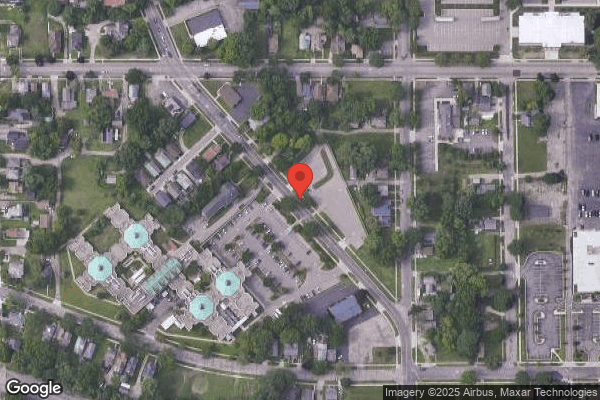
Understanding Severity Codes (click to expand)
Life-Threatening (Immediate Jeopardy)
J - Isolated K - Pattern L - Widespread
Actual Harm
G - Isolated H - Pattern I - Widespread
Potential for Harm
D - Isolated E - Pattern F - Widespread
No Harm (Minor)
A - Isolated B - Pattern C - Widespread

Questions to Ask on Your Visit

  • "Can I speak with families of current residents?"
  • "What's your RN coverage like on weekends and overnight?"

Our Honest Assessment

Strengths
  • • 26% annual turnover. Excellent stability, 22 points below Michigan's 48% average. Staff who stay learn residents' needs.
Concerns
  • • 20 deficiencies on record, including 1 serious (caused harm) violation. Ask about corrective actions taken.
  • • $68,744 in fines. Extremely high, among the most fined facilities in Michigan. Major compliance failures.
Bottom line: Mixed indicators with Trust Score of 73/100. Visit in person and ask pointed questions.

About This Facility

What is Jackson County Medical Care Facility's CMS Rating?

CMS assigns Jackson County Medical Care Facility an overall rating of 5 out of 5 stars, which is considered much above average nationally. Within Michigan, this rating places the facility higher than 99% of the state's 100 nursing homes. This rating reflects solid performance across the metrics CMS uses to evaluate nursing home quality.

How is Jackson County Medical Care Facility Staffed?

CMS rates Jackson County Medical Care Facility's staffing level at 5 out of 5 stars, which is much above average compared to other nursing homes. Staff turnover is 26%, compared to the Michigan average of 46%. This relatively stable workforce can support continuity of care.

What Have Inspectors Found at Jackson County Medical Care Facility?

State health inspectors documented 20 deficiencies at Jackson County Medical Care Facility during 2022 to 2025. These included: 1 that caused actual resident harm and 19 with potential for harm. Deficiencies causing actual harm indicate documented cases where residents experienced negative health consequences.

Who Owns and Operates Jackson County Medical Care Facility?

Jackson County Medical Care Facility is owned by a government entity. Government-operated facilities are typically run by state, county, or municipal agencies. The facility operates independently rather than as part of a larger chain. With 194 certified beds and approximately 181 residents (about 93% occupancy), it is a mid-sized facility located in Jackson, Michigan.

How Does Jackson County Medical Care Facility Compare to Other Michigan Nursing Homes?

Compared to the 100 nursing homes in Michigan, Jackson County Medical Care Facility's overall rating (5 stars) is above the state average of 3.2, staff turnover (26%) is significantly lower than the state average of 46%, and health inspection rating (4 stars) is above the national benchmark.

What Should Families Ask When Visiting Jackson County Medical Care Facility?

Based on this facility's data, families visiting should ask: "Can I visit during a mealtime to observe dining assistance and food quality?" "How do you handle medical emergencies, and what is your hospital transfer rate?" "Can I speak with family members of current residents about their experience?"

Is Jackson County Medical Care Facility Safe?

Based on CMS inspection data, Jackson County Medical Care Facility has a clean safety record: no substantiated abuse findings (meaning no confirmed cases of resident harm), no Immediate Jeopardy citations (the most serious violation level indicating risk of serious injury or death), and is not on the Special Focus Facility watch list (a federal program monitoring the lowest-performing 1% of nursing homes). The facility has a 5-star overall rating and ranks #1 of 100 nursing homes in Michigan. While no facility is perfect, families should still ask about staff-to-resident ratios and recent inspection results during their visit.

Do Nurses at Jackson County Medical Care Facility Stick Around?

Staff at Jackson County Medical Care Facility tend to stick around. With a turnover rate of 26%, the facility is 19 percentage points below the Michigan average of 46%. Low turnover is a positive sign. It means caregivers have time to learn each resident's needs, medications, and personal preferences. Consistent staff also notice subtle changes in a resident's condition more quickly. Registered Nurse turnover is also low at 5%, meaning experienced RNs are available to handle complex medical needs.

Was Jackson County Medical Care Facility Ever Fined?

Jackson County Medical Care Facility has been fined $68,744 across 1 penalty action. This is above the Michigan average of $33,766. Fines in this range indicate compliance issues significant enough for CMS to impose meaningful financial consequences. Common causes include delayed correction of deficiencies, repeat violations, or care failures affecting resident safety. Families should ask facility leadership what changes have been made since these penalties.

Is Jackson County Medical Care Facility on Any Federal Watch List?

Jackson County Medical Care Facility is not on any federal watch list. The most significant is the Special Focus Facility (SFF) program, which identifies the bottom 1% of nursing homes nationally based on persistent, serious quality problems. Not being on this list means the facility has avoided the pattern of deficiencies that triggers enhanced federal oversight. This is a positive indicator, though families should still review the facility's inspection history directly.