Alamo Nursing Home Inc
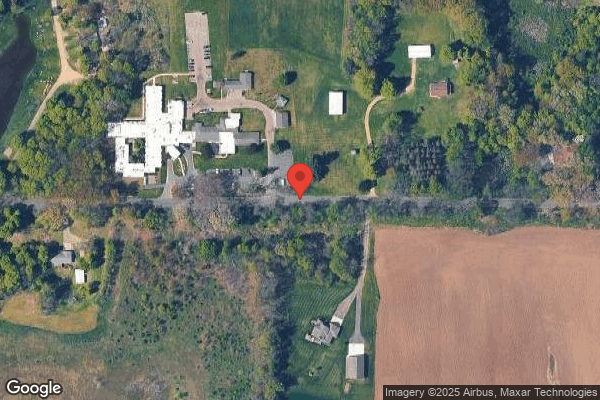

8290 W C Ave, Kalamazoo, MI 49009 (269) 343-2587
For profit - Corporation 100 Beds Independent Data: November 2025
Trust Grade
0/100
#358 of 422 in MI
Last Inspection: February 2025

Within standard 12-15 month inspection cycle. Federal law requires annual inspections.

Overview

Alamo Nursing Home Inc has a Trust Grade of F, indicating significant concerns about the quality of care provided. Ranking #358 out of 422 facilities in Michigan places it in the bottom half, while its county rank of #5 out of 9 suggests only four local options are worse. The facility is worsening, with the number of reported issues increasing from 19 in 2024 to 28 in 2025. Staffing is a concern, rated at 2 out of 5 stars, with a high turnover rate of 64%, significantly above the state average. Additionally, the nursing home has faced serious incidents, including inadequate care leading to worsening pressure ulcers for residents and a failure to provide proper supervision, resulting in falls and injuries. While the facility does have average RN coverage, these concerning deficiencies highlight the need for families to carefully consider their options.

Trust Score
F
0/100
In Michigan
#358/422
Bottom 16%
Safety Record
High Risk
Review needed
Inspections
Getting Worse
19 → 28 violations
Staff Stability
⚠ Watch
64% turnover. Above average. Higher turnover means staff may not know residents' routines.
Penalties
✓ Good
$18,274 in fines. Lower than most Michigan facilities. Relatively clean record.
Skilled Nurses
⚠ Watch
Each resident gets only 27 minutes of Registered Nurse (RN) attention daily — below average for Michigan. Fewer RN minutes means fewer trained eyes watching for problems.
Violations
⚠ Watch
60 deficiencies on record. Higher than average. Multiple issues found across inspections.
★☆☆☆☆
1.0
Overall Rating
★★☆☆☆
2.0
Staff Levels
★★★☆☆
3.0
Care Quality
★☆☆☆☆
1.0
Inspection Score
Stable
2024: 19 issues
2025: 28 issues

The Good

  • Full Sprinkler Coverage · Fire safety systems throughout facility
  • No fines on record

Facility shows strength in fire safety.

The Bad

1-Star Overall Rating

Below Michigan average (3.1)

Significant quality concerns identified by CMS

Staff Turnover: 64%

17pts above Michigan avg (46%)

Frequent staff changes - ask about care continuity

Federal Fines: $18,274

Below median ($33,413)

Minor penalties assessed

Staff turnover is elevated (64%)

16 points above Michigan average of 48%

The Ugly 60 deficiencies on record

5 actual harm
Sept 2025 3 deficiencies 1 Harm
SERIOUS (G) 📢 Someone Reported This

A family member, employee, or ombudsman was alarmed enough to file a formal complaint

Actual Harm - a resident was hurt due to facility failures

Pressure Ulcer Prevention (Tag F0686)

A resident was harmed · This affected 1 resident

**NOTE- TERMS IN BRACKETS HAVE BEEN EDITED TO PROTECT CONFIDENTIALITY** This citation pertains to intake #2595324.Based on observation, interview, and record review the facility failed to provide adeq...

Read full inspector narrative →
**NOTE- TERMS IN BRACKETS HAVE BEEN EDITED TO PROTECT CONFIDENTIALITY** This citation pertains to intake #2595324.Based on observation, interview, and record review the facility failed to provide adequate care to prevent skin breakdown and worsening of pressure ulcers in 1 resident (Resident #108) of 3 residents reviewed for pressure ulcers, resulting in actual skin breakdown and worsening of pressure ulcers due to inadequate treatments, proper repositioning and incontinence care.Findings include:Review of an admission Record revealed Resident #108 was originally admitted to the facility on [DATE], with pertinent diagnoses which included: fall and pressure ulcer of sacrum (tailbone). Review of Resident #108's Kardex (direct care guide) revealed, Gloves and Gowns (enhanced barrier precautions/EBP) (an infection control strategy that uses gloves and gowns during high-contact resident care to reduce the spread of and/or risk of acquiring drug-resistant bacteria) Required for following: dressing, bathing, showering, changing of briefs or toileting, personal hygiene, transferring, changing linens, device and/or wound care.Check resident every two hours and assist with toileting.Elevate heels off bed surface while at rest.Review of Resident #108's Braden Scale for predicting pressure sore risk dated 9/3/25 revealed, High Risk .Ability to change and control body position: Very Limited.Friction & Shear: Problem: Requires moderate to maximum assistance in moving . Frequently slides down in bed or chair, requiring frequent repositioning with maximum assistance.During an observation and interview on 9/16/25 at 3:54 PM Resident #108 was lying in bed flat on her back with her feet and heels pressed on the surface of the bed. A foley catheter bag was noted hanging from the bed rail. Resident #108 reported that she would like to have an aide come and place a pillow under her butt to relieve pain. Resident #108 reported that she had a wound on her butt that was getting worse. Resident #108 reported that staff had been putting cream on the wound but they didn't have it with them when they came in that morning, so her butt was burning. Resident #108 reported that she doesn't move around in bed because of her pain but can help roll when staff provide care. Review of Resident #108's Wound Note dated 9/9/25 revealed, .right gluteal (buttock) Stage 3, 0.3 (centimeters) x 0.6.scant amount of serosanguineous drainage, area fragile and stable.Review of Resident #108's Wound Note dated 9/16/25 revealed, right gluteal (buttock) Stage 3, 6.0 (centimeters) x 2.9 x 0.1.scant amount of serosanguineous (containing blood) drainage, area fragile and declined. It was noted that the wound significantly increased in size between assessments. Review of Resident #108's Physician Orders start date 8/19/25 revealed, every shift for wound care right gluteal stage 3, cleanse with soap and water, apply barrier cream BID (twice daily).Review of Resident #108's Physician Orders start date 8/26/25 revealed, Enhanced barrier precautions r/t (related to) foley (urine catheter) and pressure wounds. In an interview on 9/16/25 at 4:06 PM Certified Nursing Assistant (CNA) S reported that she had started at 2:00 PM that day, was assigned to Resident #108 but had not checked on the resident yet. CNA S reported that Resident #108 did not have any wounds that she was aware of. During an observation and interview on 9/17/25 at 8:24 AM in Resident #108's room, the resident was lying in bed on her back with a catheter bag noted hanging on the bed frame. Resident #108 reported burning pain on her butt from her wound. Resident #108 reported that her wound was not covered with a bandage and the aides had not been in to apply the cream that day. Resident #108 reported that her catheter had leaked and soaked her clothes multiple times over the past few days. During an observation on 9/17/25 at 8:45 AM in Resident #108's room with CNA Y and LPN OO. Resident #108 is reporting that her pants are soaking wet. Observed catheter tubing twisted on Resident #108's leg and tubing full of urine. LPN OO reported that the resident's urine was flowing back to her bladder because the placement of the catheter tubing is not below her bladder and therefore overflowing onto the bed. LPN OO adjusted the catheter and removed the catheter securement device from the resident's leg. Observed Resident #108's buttocks with a large non-blanchable area in the middle and a large open wound on the right buttocks. The wound on the right buttocks had an area of eschar (dead tissue) and a bright red linear (line) open wound approximately 4 inches long that was actively bleeding. CNA Y reported that the red wound was new. CNA Y performed incontinence care, rolled up the wet pad underneath the resident and then pulled it out from under the resident's butt. CNA Y obtained a tube of barrier cream that was sitting on the resident's nightstand and applied the cream over the wounds. CNA Y reported that the day before the barrier cream was missing, but normally the CNA's apply cream to wounds during incontinence care. CNA Y reported that Resident #108 did not use incontinence briefs and was always continent of bowel and bladder. It was observed that CNA Y and LPN OO did not maintain EBP and wear a gown prior to providing direct care. In an interview on 9/17/25 at 9:12 AM, LPN OO reported that she frequently worked Resident #108's hall but had not observed Resident #108's wound on her buttocks. In an interview on 9/17/25 at 10:06 AM, Unit Manager (UM) X reported she had assessed Resident #108's wound on 9/16/25 along with the wound provider; Resident #108's wound on her right buttocks was superficial but had worsened since the previous assessment. UM X reported that the wound is not being covered with a bandage, but that the CNA's have a barrier cream in the room to use as needed. Resident #108's wound was observed at 10:10 AM along with UM X who reported the wound looked much worse than the day before. UM X pointed out a small superficial round wound on the lower right buttock that she was aware of and reported that the area of eschar and the bright red linear wound were new. UM X reported that staff should not pull the linens, pads or briefs out from under the resident due to potential for shearing (skin on the surface is pulled away from underlying tissue when linen is pulled across skin). UM X reported that Resident #108 required EBP due to wounds and catheter, but that it was not posted at the door. In an interview on 9/17/25 at 10:39 PM, Director of Nursing (DON) B reported that Resident #108 was cognitively intact and would be able to verbalize events related to her care. DON B reported that all wound care treatment orders should be administered by nursing staff so that the nurse was observing the wound routinely. In an interview on 9/17/25 at 12:27 PM, CNA DD reported working with Resident #108 the previous night shift. CNA DD reported that Resident #108 had a painful wound on her bottom, CNA DD used a spray wound cleanser, applied barrier cream, and change the resident's brief once that night. CNA DD reported that the wound was red, elongated and had yellow open areas. In an interview on 9/17/25 at 12:31 PM, LPN BB reported that she had not seen Resident #108's wound; that hall is very busy and difficult to get through medication pass. In an interview on 9/17/25 at 1:50 PM, UM X reported that she had spoken to the provider and Resident #108 wound orders have been changed to Medi Honey (a topical medication that promotes a moist wound environment and debridement (removes dead, infected, or damaged tissue from a wound) and will be covered with a bandage. UM X had applied the new wound dressing.Review of Resident #108's Physician Orders start dated 9/18/25 revealed, Right gluteal unstageable (pressure injury where the depth cannot be determined due to slough (dead tissue) or eschar) wound, cleanse with wound cleanser apply Medi Honey and collagen (maintains moist environment) cover with border gauze in the morning for wound care.
CONCERN (D) 📢 Someone Reported This

A family member, employee, or ombudsman was alarmed enough to file a formal complaint

Potential for Harm - no one hurt, but risky conditions existed

Deficiency F0658 (Tag F0658)

Could have caused harm · This affected 1 resident

This citation pertains to intake: 2612703Based on interview and record review, the facility failed to ensure residents received care in accordance with professional standards upon admission for 1 resi...

Read full inspector narrative →
This citation pertains to intake: 2612703Based on interview and record review, the facility failed to ensure residents received care in accordance with professional standards upon admission for 1 resident (Resident #106) of 8 residents reviewed for quality of care, when nursing staff failed to implement hospital discharge orders timely for medication administration, resulting in the potential for worsening of health conditions and a delay in treatment.Findings include:Resident #106Review of an admission Record revealed Resident #106 was a female, with pertinent diagnoses which included: gastroparesis (delayed gastric emptying). In an interview on 9/17/25 at 8:44 AM, Resident #106 reported that she returned from the hospital on 9/4/25 and did not receive her medications that the hospital had prescribed for nausea and vomiting and ended up back in the hospital on 9/6/25.Review of Resident #106's Hospital Discharge Summary dated 9/4/25 at 12:04 PM revealed, .Start taking these medications: Dimenhydrinate 50 mg (milligrams) tablet Take 1 tablet by mouth every 6 hours as needed for NauseaMetoclopramide HCl 10 mg tablet Take 1 tablet by mouth 3 times daily before mealsPotassium Chloride 20 mEq (milliequivalents) tablet Take 1 tablet by mouth 2 times dailyAcetaminophen 500 mg tablet Take 2 tablets by mouth every 6 hours as needed for moderate pain or feverAluminum-magnesium hydroxide-simethicone 200 mg/5 mL (milliliter) suspension Take 15 mLs by mouth every 4 hours as needed for heartburnAspirin acetaminophen-caffeine 250-250-65 mg per tablet Take 2 tables by mouth every 6 hours as needed for HeadachesBaclofen 5 mg tablet Take 3 tablets by mouth every 6 hoursBuspirone 15 mg tablet Take 3 tables by mouth every 6 hoursCalcium carbonate 200 mg calcium chewable tablet Chew 2 tablets by mouth every 4 hours as needed for heartburnDiphenhydramine 50 mg tablet Take 2 tables by mouth every 8 hours as needed for itchingDocusate sodium 100 mg capsule Take 1 capsule by mouth 2 times dailyDuloxetine 30 mg capsule Take 1 capsule by mouth once dailyDuloxetine 60 mg capsule Take 1 capsule by mouth once dailyEmpagliflozin 10 mg tablet Take 1 tablet by mouth once dailyFexofenadine 180 mg tablet Take 1 tablet by mouth once dailyFlutcasone-umeclidin-vilanter 200-62.5-25 mcg (micrograms) powder for inhalation Inhale 1 puff into the lungs once dailyGabapentin 400 mg capsule Take 1 capsule by mouth at BedtimeIsosorbide Mononitrate 30 mg tablet Take 1 tablet by mouth once dailyMetoprolol Succinate 25 mg tablet Take 1 tablet by mouth once dailyMontelukast 10 mg tablet Take 1 tablet by mouth once dailyNaloxegol 25 mg tablet Take 1 tablet by mouth once dailyOndansetron 4 mg tablet Take 1 tablet by mouth every 6 hours as needed for Nausea or VomitingOxycodone 5 mg immediate release tablet Take 1 tablet by mouth every 4 hours as needed for moderate painPantoprazole 40 mg tablet Take 1 tablet by mouth once dailyPolyethylene glycol 17 gm (gram) packet Take 17 g (gram) by mouth once dailySaccharomyces Boulardii 250 mg capsule Take 1 capsule by mouth once dailySenna 8.6 mg tablet Take 1 tablet by mouth 2 times dailySodium Chloride 0.65% nasal spray 1 spray by Nasal route every 2 hours as neededSumatriptan 25 mg tablet Take 1 tablet by mouth once daily as needed for MigraineTopiramate 100 mg tablet Take 2 tablets by mouth 2 times dailyVentolin HFA 90 mcg/actuation inhaler Inhale 1 puff into the lungs every 4 hours as needed for wheezing or shortness of breath.In an interview on 9/17/25 at 9:24 AM, Licensed Practical Nurse (LPN) GG reported she had completed Resident #106's readmission assessment on 9/4/25 at approximately 2:25 PM and entered her medication orders in the computer and did not recall any concerns with entering the medications. LPN GG reported typically with an admission, the orders would get entered into the computer as soon as the resident arrived. LPN GG reported if medication orders are placed with the pharmacy before 5:00 PM, they would be delivered by 8:00 PM that evening. In an interview on 9/18/25 at 4:40 PM Pharmacy Technician (PT) MM reported any orders received by the pharmacy by 5 PM can be delivered the same day; otherwise it would be the following day. PT MM reported the pharmacy delivers medications daily at 12:00 pm and 6:00 pm. If they receive orders prior to 5:00 PM, those will be delivered to the facility with the 6:00 PM shipment. PT MM confirmed they did not receive any orders for Resident #106 on 9/4/25 and that the first orders for Resident #106 were received at approximately 6:44 AM on 9/5/25. In an interview on 9/18/25 at 4:12 PM, LPN LL reported when she arrived for her shift on 9/5/25 at approximately 6:00 AM, Agency Licensed Practical Nurse (ALPN) KK had reported that she had not been able to confirm/activate Resident #106's medication orders that LPN GG had entered into the computer. LPN LL reported she confirmed/activated the orders herself. LPN LL reported she then gave Resident #106 the medications she had on hand right away. LPN LL reported later that afternoon, additional medications were delivered from the pharmacy and were administered to Resident #106. LPN LL reported at that time, the resident was still awaiting some medications to be delivered.In an interview on 9/17/25 at 5:40 PM, ALPN KK reported that she was not assigned to Resident #106 the day she re-admitted to the facility until 11:00 PM and was not told that she needed to confirm/activate Resident #106's medications. ALPN KK reported that Resident #106 was complaining of pain that night but did not have any medications ordered to administer.In an interview on 9/18/25 at 12:58 PM, Director of Nursing (DON) B reported Resident #106's medications had been put into the system and put into a que by LPN GG on 9/4/25. DON B reported the current practice was that another nurse would then go into the que and complete a double check on the medications and then activate the order at which point the orders go to the pharmacy. DON B reported the second check was not done by the night shift nurse which would have been her expectation. DON B reported LPN LL came in in the morning on 9/5/25 and saw there were still orders for Resident #106 in the que and did the second check and activated them to go to pharmacy. DON B reported the pharmacy received the transmission for Resident #106's medications at approximately 6:44 AM on 9/5/25. Review of a list of scheduled doses of medications that Resident #106 missed per documentation provided by DON B revealed:Metoclopramide HCl 10 mg missed 8 PM dose on 9/4 and 8 AM dose on 9/5Potassium Chloride 20 mEq missed 8 PM dose on 9/4 and 8 AM dose on 9/5Baclofen 5 mg missed 5:30 PM on 9/4, 11:30 PM on 9/4, 5:30 AM on 9/5Buspirone 15 mg missed 8 PM dose on 9/4 and 8 AM dose on 9/5Docusate Sodium 100 mg missed 8 PM dose on 9/4Duloxetine 30 mg missed 8 AM dose on 9/5Gabapentin 400 mg missed 8 PM dose on 9/4Montelukast 10 mg missed 8 AM dose on 9/5Naloxegol 25 mg missed 8 AM dose on 9/5Pantoprazole 40 mg missed 8 AM dose on 9/5Senna 8.6 mg missed 8 PM dose on 9/4Topiramate 100 mg missed 8 PM dose on 9/4
CONCERN (D) 📢 Someone Reported This

A family member, employee, or ombudsman was alarmed enough to file a formal complaint

Potential for Harm - no one hurt, but risky conditions existed

Infection Control (Tag F0880)

Could have caused harm · This affected 1 resident

**NOTE- TERMS IN BRACKETS HAVE BEEN EDITED TO PROTECT CONFIDENTIALITY** This citation pertains to intake #1359687.Based on observation, interview and record review the facility failed to implement phy...

Read full inspector narrative →
**NOTE- TERMS IN BRACKETS HAVE BEEN EDITED TO PROTECT CONFIDENTIALITY** This citation pertains to intake #1359687.Based on observation, interview and record review the facility failed to implement physician orders for Enhanced Barrier Precautions (EBP: an infection control strategy where gloves and gowns are worn during high-contact resident care to reduce the spread of and/or risk of acquiring drug-resistant bacteria) for 1 resident (Resident #108) of 3 residents reviewed for infection control, resulting in the potential for residents to acquire avoidable drug-resistant infections.Findings include: Review of an admission Record revealed Resident #108 was originally admitted to the facility on [DATE], with pertinent diagnoses which included: pressure ulcer of sacrum (tailbone). Review of Resident #108's Physician Orders start date 8/26/25 revealed, Enhanced barrier precautions r/t (related to) foley (urine catheter) and pressure wounds.Review of Resident #108's Kardex (direct care guide) revealed, Gloves and Gowns (enhanced barrier precautions/EBP) Required for following: dressing, bathing, showering, changing of briefs or toileting, personal hygiene, transferring, changing linens, device and/or wound care .Review of Resident #108's Wound Note dated 9/16/25 revealed, right gluteal (buttock) Stage 3, 6.0 (centimeters) x 2.9 x 0.1.scant amount of serosanguineous (containing blood) drainage, area fragile and declined. It was noted that the wound significantly increased in size between assessments. During an observation on 9/17/25 at 8:45 AM in Resident #108's room with CNA Y and LPN OO. CNA Y and LPN OO did not don gowns prior to care. Resident #108 was reporting that her pants are soaking wet. Observed catheter tubing twisted on Resident #108's leg and tubing full of urine. LPN OO reported that the resident's urine was flowing back to her bladder because the placement of the catheter tubing is not below her bladder and therefore overflowing onto the bed. LPN OO adjusted the catheter and removed the catheter securement device from the resident's leg. Observed Resident #108's buttocks with a large non-blanchable area in the middle and a large open wound on the right buttocks. CNA Y performed incontinence care, rolled up the wet pad underneath the resident and then pulled it out from under the resident's butt. CNA Y obtained a tube of barrier cream that was sitting on the resident's nightstand and applied the cream over the wounds. It was observed that CNA Y and LPN OO did not maintain EBP and wear a gown prior to providing direct care. In an interview on 9/17/25 at 10:06 AM, Unit Manager (UM) X reported she had assessed Resident #108's wound on 9/16/25 and it had worsened since the previous assessment. Resident #108's wound was observed at 10:10 AM along with UM X who reported the wound looked much worse than the day before. UM X was not wearing a gown while she assisted the resident to reposition in bed for the observation. UM X reported that Resident #108 required EBP due to wounds and catheter, but that it was not posted at the door.
Feb 2025 20 deficiencies
CONCERN (D)

Potential for Harm - no one hurt, but risky conditions existed

Resident Rights (Tag F0550)

Could have caused harm · This affected 1 resident

**NOTE- TERMS IN BRACKETS HAVE BEEN EDITED TO PROTECT CONFIDENTIALITY** Based on observation, interview, and record review, the facility failed to provide care and services to promote dignity and resp...

Read full inspector narrative →
**NOTE- TERMS IN BRACKETS HAVE BEEN EDITED TO PROTECT CONFIDENTIALITY** Based on observation, interview, and record review, the facility failed to provide care and services to promote dignity and respect in 3 of 3 residents (Resident #13, #44, & #54) reviewed for dignity/respect, and 11 of 11 residents from the confidential group meeting, resulting in unmet care needs and the potential for feelings of diminished self-worth, sadness, and frustration. Findings include: According to [NAME], [NAME] A.; [NAME], [NAME] Griffin; Stockert, [NAME]; Hall, [NAME]. Fundamentals of Nursing - E-Book (Kindle Locations 1589-1592). Elsevier Health Sciences. Kindle Edition.Time management, therapeutic communication, patient education, and compassionate implementation of bedside skills are just a few of the essential skills you need. It is important for your patients to leave the health care setting with a positive image of nursing and a feeling that they received quality care. Your patients should never feel rushed. They need to feel that they are important and are involved in decisions and that their needs are met . Resident #13 Review of an admission Record revealed Resident #13 was originally admitted to the facility on [DATE]. Review of a Minimum Data Set (MDS) assessment for Resident #13, with a reference date of 12/13/24 revealed a Brief Interview for Mental Status (BIMS) score of 10, out of a total possible score of 15, which indicated Resident #13 was cognitively impaired. Review of the Functional Abilities revealed that Resident #13 was dependent on staff for all toileting and personal hygiene needs. Review of Resident #13's Kardex (care guide) revealed, Bowel/Bladder: Apply barrier cream to perineal (private area) area after each incontinence episode and as needed. 2. Brief use: Resident uses incontinence management products. Change per protocol, preference, and as needed. 3. Brief use: Resident uses incontinence management products. Change per protocol, preference, and as needed. Brief Lg (large). 4. Check resident every two hours and assist with toileting as needed. Review of Resident #13's Kardex revealed, Special Needs: .Resident has a pocket talker (headphones attached to a voice amplifier speaker, used for residents with hearing loss) for hearing. During an observation on 02/25/25 at 08:09 AM Resident #13 was in his broda (specialized chair for comfort and positioning) chair in the dining room eating breakfast. At 10:22 AM the resident was observed in his room sitting bedside in his broda chair, and asked this surveyor to come into the room. Resident #13 was observed with crumbs on his shirt and his pants were wet around his groin area. Resident #13 was unable to verbalize clearly, but with his hand he patted his groin area and pointed to his bed. This surveyor urged the resident to press his call light, which he did at 10:24 AM. During an observation and interview on 02/25/25 at 10:27 AM, CNA (Certified Nursing Assistant) J answered Resident #13's call light and when the CNA asked the resident what he needed, the resident spoke quietly and pulled at his pants with his hand. CNA J responded by asking the resident if he was ready for lunch, turned off the call light and told the resident that she was going to ask his CNA, CNA P about what to do with him (Resident #13). CNA J did not meet the resident's needs prior to turning the call light off. CNA J did not speak into Resident #13's pocket talker, acknowledge the resident's non-verbal cues, and/or give the resident time to respond. CNA J reported that she did not know the resident, and did not normally work that hall. During continuous observations, no one had been in the room to check on Resident #13, until 2/25/25 at 11:32 AM when the resident pressed his call light again. At that time Director of Nursing (DON) B entered the room, and asked Resident #13 if he needed anything. DON B asked the resident what he was listening to on his headphones and then turned the television on. Resident #13 was observed with his mouth moving, trying to get words out, and pulling at his pants, which were still wet. DON B did not speak into the resident's pocket talker and/or acknowledge the residents non-verbal cues. DON B turned the call light off and exited the room. During an observation on 02/25/25 at 11:34 AM in Resident #13's room, CNA P and CNA J entered the room and boosted Resident #13 up in his broda chair, then exited his room. The CNA's did not address the resident's wet pants. In an interview and observation on 02/25/25 at 11:36 AM, CNA J reported that she saw the dark area on Resident #13's pants earlier that day and thought that it was a stain. This surveyor requested that CNA J check Resident #13 for wetness. CNA J went back into Resident #13's room and reported that his pants were wet, and then observed that his incontinence brief was bulging with urine. CNA J walked out into the hallway to find assistance. Then CNA P stated, .he spilled his water .or coffee on himself this morning . Both CNA's entered the resident's room to check him again. CNA P reported that she thought she had changed the resident's pants after he spilled, but she could be wrong. In an interview on 02/26/25 at 11:12 AM, DON B reported that she did not remember at the time that Resident #13 was using the headphones as a hearing device, and did not notice that his pants were wet. DON B reported that Resident #13 should be checked for incontinence every 2 hours and laid down to change his brief. Resident #44 Review of an admission Record revealed Resident #44 was originally admitted to the facility on [DATE], with pertinent diagnoses which included: traumatic brain injury and aphasia (speech disorder that effects a person's ability to communicate effectively). Review of a MDS assessment for Resident #44, with a reference date of 1/27/24 revealed a Staff Assessment for Mental Status indicating that the resident was severely impaired. Review of the Hearing, Speech, and Vision indicated that Resident #44 had adequate hearing and vision, but no speech. Review of Resident #44's Functional Abilities indicated that the resident was completely dependent on staff for toileting, personal hygiene and all physical mobility. During an observation on 02/24/25 at 01:26 PM in Resident #44's room, CNA Q and CNA S transferred the resident into bed. CNA Q reported that the resident could not speak, but that he could hear and see. The CNA's were talking amongst themselves, while performing incontinence care, and they were not talking to the resident. CNA S stated, I wonder what he (Resident #44) used to do .from these pictures it looks like it was something important for sure .maybe a surgeon . In an interview on 02/26/25 at 01:50 PM, Social Worker (SW) II reported that when residents admit the the facility, their psychosocial assessment includes a review of their job occupation, but that it was not currently included in the care plan. SW II reported that they currently do not have a good way to ensure staff have knowledge of the resident's life before coming to the facility. SW II reported that Resident #44 had minimal comprehension, but was able to hear everything that staff are saying. SW II agreed that talking about the resident during care, and not talking to the resident would be disrespectful. Resident #54 In an interview on 02/26/25 at 09:55 AM, Resident #54 reported that he did not sleep well the night before due to pain and reported that he had to go looking for a nurse. Resident #54 reported that when he found the nurse, she snapped at him, before he could even ask her for pain medication. Resident #54 reported that the nurse told him all the things she would have to do before she would be able to get to him. During a confidential group meeting on 02/25/25 at 01:31 PM 11 of 11 residents agreed that staff do not treat them with dignity and respect and reported, agency staff are not familiar with the resident needs; staff have their personal phones out; staff constantly complain about being short handed; third shift does not do check and changes every 2 hours; it's hard to find staff on night shift; they have to wait a long time for nurses on night shift; staff tell them that they have to wait their turn, or that it's not time for them to be changed yet.
CONCERN (D)

Potential for Harm - no one hurt, but risky conditions existed

Deficiency F0554 (Tag F0554)

Could have caused harm · This affected 1 resident

Based on observation, interview, and record review, the facility failed ensure residents did not self-adminster medications that were not assessed as safe to self-administer in 2 of 11 residents (Resi...

Read full inspector narrative →
Based on observation, interview, and record review, the facility failed ensure residents did not self-adminster medications that were not assessed as safe to self-administer in 2 of 11 residents (Resident #28, #69) reviewed for self administration, resulting in the potential for mismanagement of medications and worsening medical conditions. Findings include: Resident #28 During an observation on 02/24/25 at 09:41 AM in Resident #28's room, a medication cup containing 5 pills was sitting on the resident's tray table. Resident #28 reported that the nurse had left the pills for him to take later. Review of Resident #28's Self-Administration of Medications Assessment revealed no assessment or orders in the record. Resident #69 During an observation of medication administration on 02/25/25 at 08:12 AM on north hall, Resident #69 ambulated into the hall with a medication cup. Resident #69 reported that she knew what most of her pills were and stated, .what is this one? LPN (Licensed Practical Nurse) RR reported that it was a pancreatic enzyme pill. LPN RR reported that she had given Resident #69 her pills earlier that morning, but that she must not have taken that one. LPN RR reported that Resident #69 can administer her own medications because she is alert x4. Review of Resident #69's Self-Administration of Medications Assessment revealed no assessment or orders in the record. In an interview on 02/26/25 at 03:34 PM, Director of Nursing (DON) B reported that there were no resident's in the facility that administer medications on their own, no medications should be left in the room, and that nursing staff should supervise all resident to ensure that medications are taken prior to leaving the resident's room.
CONCERN (D) 📢 Someone Reported This

A family member, employee, or ombudsman was alarmed enough to file a formal complaint

Potential for Harm - no one hurt, but risky conditions existed

Free from Abuse/Neglect (Tag F0600)

Could have caused harm · This affected 1 resident

**NOTE- TERMS IN BRACKETS HAVE BEEN EDITED TO PROTECT CONFIDENTIALITY** This citation pertains to intake #MI00149980 Based on interview and observation, the facility failed to protect the resident's r...

Read full inspector narrative →
**NOTE- TERMS IN BRACKETS HAVE BEEN EDITED TO PROTECT CONFIDENTIALITY** This citation pertains to intake #MI00149980 Based on interview and observation, the facility failed to protect the resident's right to be free from mental, verbal and physical abuse by staff for 1 resident (Resident #49) of 2 residents reviewed for abuse, resulting in verbal intimidation and physical restraint. Findings include: Resident #49 Review of an admission Record revealed Resident #49 was originally admitted to the facility on [DATE] and expired in the facility on [DATE]. Review of Resident #49's Care Plan revealed, Resident is resistant to care (showers, alterative offered and adl (activities of daily living) care) r/t (related to) Alzheimer's. Date initiated: [DATE] .Allow resident to make decisions about treatment regimen, to provide sense of control. Revision [DATE] .If resident resists with ADLs, reassure resident, ensure safe environment, leave and return 5-10 minutes later and try again. Date initiated: [DATE]. May resist care: triggers for resisting care are (adl care and showers). De-escalate by giving time to cool down and reapproach or providing a bed bath as resident will allow. Date initiated: [DATE] . Review of a Facility Reported Incident (FRI) dated [DATE] submitted at 10:38 PM revealed, Date of Alleged Event: [DATE] at 8:30 PM .Incident Summary: It was reported to the Administrator that a CNA potentially restrained (Resident #49) during care due to the resident having aggressive behavior. CNA was suspended immediately. Resident was noted to have no injury and no signs of pain or discomfort. A full investigation to follow. In an interview on [DATE] at 10:46 AM, CNA P reported that Resident #49 typically was combative with care, and was just a little twitchy on [DATE]. CNA P reported that it took three staff to assist, in order to get the care done. CNA P reported that she helped Resident #49 by holding his hands to his chest, while CNA BBB and CNA CCC did his incontinence care. CNA P reported that later that evening during final rounds around 9:00-10:00 PM, Director of Nursing (DON) B came in and talked to her about the allegations. CNA P reported that the incident happened right after dinner, about half way through her shift, and that she continued working on the floor until DON B came in. In an interview on [DATE] at 1:07 PM, CNA BBB reported that Resident #49 was typically combative during cares, and required at least 2 people for incontinence care. CNA BBB reported that she had been walking by the resident's room, and overheard CNA P in the room, so she stopped to offer help, and that CNA CCC came into the room to help also. CNA BBB reported that the resident was swinging his arms and name calling. CNA BBB reported that CNA P stood at the top of the bed, pinned the resident's arms down to his chest, and stated, .I know you are, but what am I . CNA BBB reported that she repeatedly told CNA P to let go of the resident's arms, but that CNA P said it was what she always had to do. CNA BBB reported that CNA P then pulled the sheet over the resident's head and used it to roll the resident. CNA BBB reported that the sheet was soiled with feces, but that CNA P reported that is was keeping the resident safe. CNA BBB reported that she immediately reported these observations as abusive treatment to the charge nurse. CNA BBB reported that after she reported the allegation of abuse, she felt threatened by NHA A, and therefore quit working at the facility. In an interview on [DATE] at 05:30 PM, CNA CCC reported that Resident #49 was yelling and being very combative, and that the other CNA's requested her help with incontinence care. CNA CCC reported that CNA P stood at the head of the bed, was yelling in the resident's face, telling him to stop, holding his arms down, and then wrapped up his face and arms with the sheet. CNA CCC reported that she pulled the sheet off and asked CNA P to stop talking to the resident that way multiple times. CNA CCC reported that she was told by the NHA that she (CNA CCC) would get in trouble too because she left CNA P alone with the resident. CNA CCC felt threatened and quit working at the facility. In an interview on [DATE] at 02:35 PM, LPN SS reported that two CNA's reported concerns related to CNA P abusing Resident #49, but that she did not remember their names. LPN SS reported that one CNA had scratches on her arms because the resident was being combative, and reported that CNA P was holding the resident down and not letting him move. LPN SS reported that both CNA's verbalized that the way CNA P was treating the resident was abusive. LPN SS told them that they should contact NHA A because they were witnesses to the abuse. LPN SS reported that CNA P continued to work on the floor after the allegation of abuse, and that LPN SS did not feel the need to talk to CNA P because she was finished caring for the resident. LPN SS reported that CNA P came to her crying later that evening and said that she was overwhelmed because she had worked a double shift. LPN SS reported that after the allegation was reported to NHA A, DON B and NHA A came into the facility and stopped CNA P from working. LPN SS reported that she was not sure if she was supposed to report the allegation herself, and/or if she was supposed to have removed CNA P from providing further care. In an interview on [DATE] at 11:30 AM, DON B reported that she called the facility when the allegation was reported, and instructed LPN SS to ensure that Resident #49 was safe, and then made her way to the facility to begin the investigation. In an interview on [DATE] at 01:13 PM, NHA A reported that when a resident was resistive or combative with care, the protocol is to back away and reapproach, but that Resident #49 was always aggressive with care. NHA A reported that the CNA's did not back away and reapproach later because he needed to be cleaned, and they could not change his brief with him grabbing and being combative. NHA A reported that she had received a phone text from a CNA, and then called the building a spoke to the nurse, who reported that a CNA had thought CNA P was being too aggressive with Resident #49. NHA A reported that she and DON B entered the facility shortly after the allegation of abuse, suspended CNA P and started an investigation.
CONCERN (D) 📢 Someone Reported This

A family member, employee, or ombudsman was alarmed enough to file a formal complaint

Potential for Harm - no one hurt, but risky conditions existed

Investigate Abuse (Tag F0610)

Could have caused harm · This affected 1 resident

**NOTE- TERMS IN BRACKETS HAVE BEEN EDITED TO PROTECT CONFIDENTIALITY** Resident #49 Review of an admission Record revealed Resident #49 was originally admitted to the facility on [DATE] and expired i...

Read full inspector narrative →
**NOTE- TERMS IN BRACKETS HAVE BEEN EDITED TO PROTECT CONFIDENTIALITY** Resident #49 Review of an admission Record revealed Resident #49 was originally admitted to the facility on [DATE] and expired in the facility on [DATE]. Review of Resident #49's Care Plan revealed, Resident is resistant to care (showers, alterative offered and adl (activities of daily living) care) r/t (related to) Alzheimer's. Date initiated: [DATE] .Allow resident to make decisions about treatment regimen, to provide sense of control. Revision [DATE] .If resident resists with ADLs, reassure resident, ensure safe environment, leave and return 5-10 minutes later and try again. Date initiated: [DATE]. May resist care: triggers for resisting care are (adl care and showers). De-escalate by giving time to cool down and reapproach or providing a bed bath as resident will allow. Date initiated: [DATE] . Review of a Facility Reported Incident (FRI) dated [DATE] submitted at 10:38 PM revealed, Date of Alleged Event: [DATE] at 8:30 PM .Incident Summary: It was reported to the Administrator that a CNA potentially restrained (Resident #49) during care due to the resident having aggressive behavior. CNA was suspended immediately. Resident was noted to have no injury and no signs of pain or discomfort. A full investigation to follow. In an interview on [DATE] at 10:46 AM, CNA P reported that Resident #49 typically was combative with care, and was just a little twitchy on [DATE]. CNA P reported that it took three staff to assist, in order to get the care done. CNA P reported that she helped Resident #49 by holding his hands to his chest, while CNA BBB and CNA CCC did his incontinence care. CNA P reported that later that evening during final rounds around 9:00-10:00 PM, Director of Nursing (DON) B came in and talked to her about the allegations. CNA P reported that the incident happened right after dinner, about half way through her shift, and that she continued working on the floor until DON B came in. In an interview on [DATE] at 1:07 PM, CNA BBB reported that Resident #49 was typically combative during cares, and required at least 2 people for incontinence care. CNA BBB reported that she had been walking by the resident's room, and overheard CNA P in the room, so she stopped to offer help, and that CNA CCC came into the room to help also. CNA BBB reported that the resident was swinging his arms and name calling. CNA BBB reported that CNA P stood at the top of the bed, pinned the resident's arms down to his chest, and stated, .I know you are, but what am I . CNA BBB reported that she repeatedly told CNA P to let go of the resident's arms, but that CNA P said it was what she always had to do. CNA BBB reported that CNA P then pulled the sheet over the resident's head and used it to roll the resident. CNA BBB reported that the sheet was soiled with feces, but that CNA P reported that is was keeping the resident safe. CNA BBB reported that she immediately reported these observations as abusive treatment to the charge nurse. CNA BBB reported that after she reported the allegation of abuse, she felt threatened by NHA A, and therefore quit working at the facility. In an interview on [DATE] at 05:30 PM, CNA CCC reported that Resident #49 was yelling and being very combative, and that the other CNA's requested her help with incontinence care. CNA CCC reported that CNA P stood at the head of the bed, was yelling in the resident's face, telling him to stop, holding his arms down, and then wrapped up his face and arms with the sheet. CNA CCC reported that she pulled the sheet off and asked CNA P to stop talking to the resident that way multiple times. CNA CCC reported that she was told by the NHA that she (CNA CCC) would get in trouble too because she left CNA P alone with the resident. CNA CCC felt threatened and quit working at the facility. In an interview on [DATE] at 02:35 PM, LPN SS reported that two CNA's reported concerns related to CNA P abusing Resident #49, but that she did not remember their names. LPN SS reported that one CNA had scratches on her arms because the resident was being combative, and reported that CNA P was holding the resident down and not letting him move. LPN SS reported that both CNA's verbalized that the way CNA P was treating the resident was abusive. LPN SS told them that they should contact NHA A because they were witnesses to the abuse. LPN SS reported that CNA P continued to work on the floor after the allegation of abuse, and that LPN SS did not feel the need to talk to CNA P because she was finished caring for the resident. LPN SS reported that CNA P came to her crying later that evening and said that she was overwhelmed because she had worked a double shift. LPN SS reported that after the allegation was reported to NHA A, DON B and NHA A came into the facility and stopped CNA P from working. LPN SS reported that she was not sure if she was supposed to report the allegation herself, and/or if she was supposed to have removed CNA P from providing further care. In an interview on [DATE] at 11:30 AM, DON B reported that she called the facility when the allegation was reported, and instructed LPN SS to ensure that Resident #49 was safe, and then made her way to the facility to begin the investigation. In an interview on [DATE] at 01:13 PM, NHA A reported that when a resident is resistive or combative with care, the protocol is to back away and reapproach, but that Resident #49 was always aggressive with care. NHA A reported that the CNA's did not back away and reapproach later because he needed to be cleaned, and they could not change his brief with him grabbing and being combative. NHA A reported that she had received a phone text from a CNA, and then called the building a spoke to the nurse, who reported that a CNA had thought CNA P was being too aggressive with Resident #49. NHA A reported that she and DON B entered the facility shortly after the allegation of abuse, suspended CNA P and started an investigation. Review of Facility Reported Investigation Summary submitted by NHA A on [DATE] at 4:07 PM revealed, .Incident: It was reported to the Administrator that a CNA potentially restrained a resident having aggressive behavior. (Resident #49) was found to have had a bowel movement by his CNA (CNA P). During the brief change (CNA BBB and CNA CCC) assisted (CNA P) .During the care (Resident #49) became physically and verbally aggressive. (CNA P) asked (Resident #49) to stop and calm down placing her hands on his arm. He calmed down, brief change was completed. After brief change was completed, it was noticed there was BM (bowel movement) on the bottom sheet, so they proceeded to change the sheet releasing it and replacing it with a clean bottom sheet. During the bed change (Resident #49) became aggressive again as he does not like to be rolled. The CNAs rolled the sheet and used it to help turn him back and forth. The care was completed, (Resident #49) was made comfortable, and staff left the room. Review of Facility Reported Investigation Summary submitted by NHA A revealed, Interviews: (CNA P) .with the assistance of (CNA CCC and CNA BBB) .took the bottom sheet off using it to roll him to prevent injury to resident and staff during this time he was being verbally and physically aggressive. Using sheet resident was rolled towards (CNA P) first. The clean fitted sheet was secured to the bed. Then, we released the dirty sheet and rolled it up tucking the sheet and placed a chuck pad under him on the side where (CNA P) was. (CNA P) lifted his hips and buttocks up and (CNA BBB) pulled the dirty sheet out. The clean sheet was applied There was no information related to the allegation of CNA P yelling at the resident, and/or holding the resident down. Review of Facility Reported Investigation Summary submitted by NHA A revealed, Interviews: (CNA BBB) . (CNA P) was in (Resident #49's) room starting to provide care .(Resident #49) was becoming more agitated and flailing his arms and legs . (CNA P) then went to the head of the bed, crossed (Resident #49's) arms over his chest and held them in place while stating No, Stop in a calm/direct tone .After applying the brief, we noticed BM on the fitted sheet. (CNA P) rolled (Resident #49) over with the fitted sheet which covered his body and face. (CNA CCC) and I removed the sheet from his face area 2-3 times Subsequent review of CNA BBB's Written Witness Statement did not include that CNA P spoke to Resident #49 in a calm/direct tone, as noted in the NHA's interview with CNA BBB. Review of Facility Reported Investigation Summary submitted by NHA A revealed, Interviews: (CNA CCC) revealed (CNA P) asked (CNA CCC) to help with care for (Resident #49) (CNA P) was standing over him and holding his arms as he was flailing them about, so he did not hit into anything. (Resident #49) was being very physically and verbally aggressive Subsequent review of CNA CCC's Written Witness Statement revealed, .(CNA P) was standing over him and holding his arms crisscross as we were turning him. (CNA P) stated I know I am but what are you. This information was not include in the summary of NHA's interview CNA CCC. Review of Facility Reported Investigation Summary submitted by NHA A revealed, Determination of findings: After careful review of the medical records and staff/resident interviews, the facility determined the event was not a result of abuse or neglect .The evidence supports that (Resident #49) was not restrained at any time . This citation pertains to intake #MI00149980 Based on interview and record review, the facility failed to 1. investigate an allegation of abuse for 1 resident (Resident #37) 2. provide an accurate investigation and prevent the potential for further abuse after an allegation of abuse for 1 resident (Resident #49) of 2 total residents reviewed for abuse resulting in the potential for the allegation to not be thoroughly investigated and further abuse to occur. Findings include: Resident #37 (R37) Review of the admission Record and Minimum Data Set (MDS) dated [DATE] revealed R37 admitted to the facility on [DATE] with diagnoses including acute respiratory failure with hypoxia (low level of oxygen in body tissues), chronic obstructive pulmonary disease (lung disease), diabetes {disease that affects how the body uses blood sugar (glucose)}, depression and anxiety. Brief Interview for Mental Status (BIMS) reflected a score of 12 out of 15 which indicated R37 was cognitively intact (13 to 15 cognitively intact). Resident was discharged from the facility on [DATE]. During an interview on [DATE] at 9:08 AM, R37 reported that his thumbs hurt since a staff member {Certified Nursing Assistant (CNA) UU} went into his room on [DATE] and bent both of his thumbs backwards. R37 stated that he told someone in management about it and they didn't inform him of what they were doing about it. R37 said both my thumbs still hurt and it is difficult to grip things and open pop bottles. R37 couldn't remember if anyone assessed him after the incident. Review of R37's chart revealed no information regarding the allegation on [DATE]. During an interview on [DATE] at 9:48 AM, Social Service Aide (SSA) HH stated that she wasn't aware of R37's allegation of abuse on [DATE]. SSA HH stated talk to {Nursing Home Administrator (NHA) A} since she must know about it. During an interview on [DATE] at 10:06 AM, NHA A stated that the allegation was not brought to her attention. During another interview on [DATE], SSA HH stated that she did remember the incident on [DATE] since she was the manager in the building that day. SSA HH said that she spoke with R37 regarding the allegation, wrote a statement which she gave to Director of Nursing (DON) B. During an interview on [DATE] at 11:06 AM, DON B stated that she remembered something about the allegation on [DATE] and said it was probably in a soft file and she will look for it. During an interview on [DATE] at 2:23 PM, DON B stated that she didn't have a soft file for the allegation. DON B also stated that if it was something important then she would have made a soft file and kept information in there. DON B did not remember receiving a statement from SSA HH and didn't remember who told her about the allegation. During an interview on [DATE] at 9:11 AM, SSA HH stated that any allegation of abuse, neglect, staff to resident allegations and resident to resident allegations should be reported to the NHA and DON so they can conduct an investigation. During an interview on [DATE] at 9:07 AM, DON B stated that she would investigate any allegation of abuse, neglect, staff to resident allegations and resident to resident allegations and would report this to the State Agency depending on the investigation details. During an interview on [DATE] at 10:00 AM, NHA A stated that she would investigate any allegations of abuse and then report this to the State Agency if needed. There were no incidents/accident reports from the incident on [DATE]. Review of the Abuse and Neglect Policy with a revision date of [DATE] revealed Policy The facility follows the federal guidelines dedicated to prevention of abuse and timely and thorough investigations of allegations Abuse Coordinator: The administrator is the abuse coordinator in this facility and is responsible for conducting the investigation in situations of alleged abuse/neglect. Steps of Prevention V. Investigation: Have procedures to: Investigate all allegations of abuse, neglect, misappropriation of property and incidents such as injuries of unknown source. All allegations will be investigated by the Administrator or Designee immediately.
CONCERN (D)

Potential for Harm - no one hurt, but risky conditions existed

Deficiency F0625 (Tag F0625)

Could have caused harm · This affected 1 resident

**NOTE- TERMS IN BRACKETS HAVE BEEN EDITED TO PROTECT CONFIDENTIALITY** Resident #43 Review of an admission Record revealed Resident #43 was a male who initially admitted to the facility on [DATE] an...

Read full inspector narrative →
**NOTE- TERMS IN BRACKETS HAVE BEEN EDITED TO PROTECT CONFIDENTIALITY** Resident #43 Review of an admission Record revealed Resident #43 was a male who initially admitted to the facility on [DATE] and had pertinent diagnoses which included: encephalopathy (a disease when an outside agent or infection affects the functioning of the brain) and urinary tract infection. Review of General Progress Note for Resident #43 dated 2/16/25 at 14:17 (2:17 pm) revealed Resident's wife requested that resident be sent to (Name Omitted) acute care hospital for evaluation d/t (due to) resident continuing to not eat very much or sometimes at all for meals and not yet back to overall baseline . Review of Resident #43's record revealed no noted documented bed hold notice provided to the resident or resident's representative prior to transfer to acute care hospital. Email sent to Nursing Home Administrator (NHA) A on 2/26/25 at 10:44 AM., requested a copy of the bed hold notice provided to Resident #43 prior to transfer to acute care hospital on 2/16/25. Email response from NHA A on 2/26/25 at 11:10 AM revealed we are unable to locate the requested documentation. No bed hold notice was provided by the facility for Resident #43 for the date of 2/16/25 by the time of exit. Based on interview and record review, the facility failed to notify the resident/resident representative of the facility bed hold policy and provide a written copy upon hospital transfer for 2 residents (Resident #37, Resident #43) of 3 residents reviewed for hospitalizations, resulting in the potential of residents and/or resident representatives being uninformed of the bed hold policy. Findings include: Resident #37 (R37) Review of the admission Record and Minimum Data Set (MDS) dated [DATE] revealed R37 admitted to the facility on [DATE] with diagnoses including acute respiratory failure with hypoxia (low level of oxygen in body tissues), chronic obstructive pulmonary disease (lung disease), diabetes {disease that affects how the body uses blood sugar (glucose)}, depression and anxiety. Brief Interview for Mental Status (BIMS) reflected a score of 12 out of 15 which indicated R37 was cognitively intact (13 to 15 cognitively intact). Resident was discharged from the facility on 2/24/2025. Review of R37's chart revealed he went to the hospital on 1/7/2025 after having a headache due to a fall. On 1/27/2025 R37 went to the hospital due to lethargy (feeling of exhaustion, drowsiness and low energy) and difficulty maintaining oxygen levels. Review of R37's chart revealed there was no documentation that R37 received a written bed hold notice upon transfer to the hospital on 1/7/2025 and 1/27/2025. During an interview on 2/25/2025 at 2:55 PM, Director of Nursing (DON) B stated that the nurses should give a bed hold form to the resident at the time of each transfer to the hospital. During an interview on 2/26/2025 at 8:52 AM, Licensed Practical Nurse (LPN) XX stated that a bed hold form was given every time a resident was sent to the hospital. During an interview on 2/26/2025 at 8:58 AM, LPN YY stated that a bed hold form was given every time a resident was sent to the hospital. On 2/26/2025 at 7:04 AM, Nursing Home Administrator (NHA) A provided the following information, For 1/7 and 1/27 we were unable to locate the documentation (bed hold policy that was given to R37). During an interview on 2/26/2025 at 10:00 AM, NHA A stated that a bed hold form should be sent with a resident every time they go to the hospital and they couldn't find any documentation that one was given to R37 on 1/7/2025 and 1/27/2025. Review of the Bed Hold Policy with a revision date of 1/21/2019 revealed Policy: Facility must provide a copy of this policy (bed hold policy) to the resident and an immediate family member or legal representative before and when a resident is transferred for hospitalization or therapeutic leave.
CONCERN (D)

Potential for Harm - no one hurt, but risky conditions existed

Deficiency F0658 (Tag F0658)

Could have caused harm · This affected 1 resident

Based on observation, interview the facility failed follow professional standards for medication administration for 1 out of 11 residents (Resident #332) reviewed for standards of practice, resulting ...

Read full inspector narrative →
Based on observation, interview the facility failed follow professional standards for medication administration for 1 out of 11 residents (Resident #332) reviewed for standards of practice, resulting in the potential for cross contamination. Findings include: During an observation of medication administration on 02/25/25 at 08:30 AM in Resident #332's room, LPN RR was observed administering and insulin injection (medication that is administered using a needle and injected under the skin) with no gloves on. LPN RR then left the resident's room and returned to the medication cart, but did not perform any hand hygiene. At 08:32 AM LPN RR walked into a different resident's room, discussed pain medication, and then carried that resident's meal tray to the cart in the hallway. LPN RR did not perform hand hygiene prior to entering the resident's room. In an interview on 02/25/25 at 08:41 AM, LPN RR reported that she did not wear gloves for the insulin injection and/or perform hand hygiene, because she was not dealing with blood or body fluids. According to the Centers for Disease Control, Infection Prevention during Blood Glucose Monitoring and Insulin Administration revealed, Wear gloves during blood glucose monitoring and during any other procedure that involves potential exposure to blood or body fluids .Perform hand hygiene immediately after removal of gloves and before touching other medical supplies intended for use on other persons.
CONCERN (D)

Potential for Harm - no one hurt, but risky conditions existed

ADL Care (Tag F0677)

Could have caused harm · This affected 1 resident

**NOTE- TERMS IN BRACKETS HAVE BEEN EDITED TO PROTECT CONFIDENTIALITY** Resident #76 Review of an admission Record revealed Resident #76 was originally admitted to the facility on [DATE]. Review of a...

Read full inspector narrative →
**NOTE- TERMS IN BRACKETS HAVE BEEN EDITED TO PROTECT CONFIDENTIALITY** Resident #76 Review of an admission Record revealed Resident #76 was originally admitted to the facility on [DATE]. Review of a Minimum Data Set (MDS) assessment for Resident #76's, with a reference date of 1/27/25 revealed a Brief Interview for Mental Status (BIMS) score of 15, out of a total possible score of 15, which indicated Resident #76 was cognitively intact. Review of the Functional Abilities revealed that Resident #76 required substantial/maximal assistance (helper does more than 50% the effort) for showers, and partial/moderate (helper does less than half the effort) up to substantial/maximal assistance to get dressed and perform personal hygiene. During an observation and interview on 02/24/25 at 09:28 AM Resident #76 was lying in bed, and reported that he was waiting for a shower. Resident #76's shirt was observed soiled with food, his hair was messy, black substance under his long fingernails, hands with dark substance on fingers, and his facial hair was overgrown. Resident #76 reported that he had not received a shower for approximately 2-3 weeks, and that was the last time that staff helped him shave. Resident #76 reported that he had been wearing the same shirt for 2 days, and was going to ask to have it changed today, but that he had asked to have a shower instead. Resident #76 reported that he did not know when his showers were scheduled, but that he would like to have one at least once a week. Resident #76 reported that he does not get a bed bath, unless he was incontinent and the bed was wet, but that he would appreciate at least a wash cloth to clean his face and hands everyday. At 09:40 AM Registered Nurse (RN) GG walked into Resident #76's room and administered his medication. RN GG did not offer any assistance to the resident. During an observation on 02/24/25 at 12:39 PM Resident #76 was walking back to his room from having lunch in the dining room. Resident #76 was still dressed in the same dirty shirt, his hair was messy, and his facial hair overgrown. In an interview on 02/24/25 at 12:40 PM, Shower Aide (SA) R reported that Resident #76 was scheduled for a shower that day, but had refused that morning. SA R reported that it was very early when she asked Resident #76 if he wanted a shower, and that maybe he was tired. SA R reported that she had given Resident #76 one or two showers since he had admitted , but that the last time she did not have a shaver to use on him. During an observation on 02/24/25 at 01:00 PM in Resident #76's room, SA R offered to assist the resident with a shower. Resident #76 replied, I waited all morning for you .I am leaving for an appointment at 1:30 PM . SA R reported that she could give him a quick shower before his appointment, and the resident said yes. While they were walking to the shower room, SA R stopped and grabbed washcloths and towels from the linen closet. Resident #76 noticed and reported that it would be nice to have washcloths in his room. In an interview on 02/24/25 at 01:08 PM, Certified Nursing Assistant (CNA) P reported that she typically set up Resident #76 in the morning with washcloths, a basin of water, and his toothbrush. CNA P reported that she had not assisted the resident that day, because he had gotten a shower that morning. CNA P was not aware that Resident #76 had not gotten a shower that morning. CNA P did not assist the resident with ADL's. Review of Resident #76's Shower Task Record indicated that the resident had received showers on 1/27/25 and 2/3/25. There were no bed baths recorded. Based on observation, interview, and record review the facility failed to provide activities of daily living (ADL) to dependent residents, including showers, shaving, nail care, and the application of ted hose (stocking) to 2 (Resident #19 and Resident #76) of 4 residents reviewed for activities of daily living, resulting in an unkempt appearance and the potential for unmet care needs. Findings include: Resident #19 Review of an admission Record revealed Resident #19 was a female who initially admitted to the facility on [DATE] and had pertinent diagnoses which included: localized edema (edema noted in one area of the body), atrial fibrillation (an irregular and fast heartbeat that can lead to blood clots), and aphasia following a cerebral infarct (difficulty speaking following a stroke). Review of Order Summary for Resident #19 revealed ted hose (compression style stockings) to resident on in am/off at hs (evening) every morning and at bedtime with a start date of 7/5/2024. Review of Kardex (a quick reference sheet for staff with resident specific needs) for Resident #19 revealed special needs ted hose for edema, on in am and off in pm. Review of Care Plan for Resident #19 revealed Focus/Goal/Interventions: Resident has an ADL (activities of daily living) self-care deficient r/t (related to) bilateral (both sides of the body) LE (lower extremities / legs) edema (swelling) . will maintain current level of functioning, provide supportive care, dependent assistance with daily care needs .Resident requires extensive-dependent assistance dressing upper/lower/foot ware .initiated on 6/30/2024 On 2/24/2025 at 10:34 AM., Resident #19 was observed sitting in her wheelchair, in her room, she was not wearing ted hose. Noted taped to the headboard of Resident #19's bed was a laminated sign, yellow in color, with red and green writing and a picture of a leg and foot and hands applying a sock to the foot with the words Reminder ted hose on every morning and off every night. On 2/25/25 at 9:53 AM., Resident #19 was sitting in her wheelchair in her room wearing socks and shoes, no ted hose noted. In an interview on 2/25/25 at 9:45 AM., Licensed Practical Nurse (LPN) AA reported that the nurse must document in the medication administration record (MAR) that Resident #19's ted hose was applied and taken off each day. In an interview on 2/25/25 at 10:13 AM., Certified Nurse Assistant (CNA) R reported that CNAs were responsible for putting a resident's ted hose on in the morning with morning ADL care. On 2/25/25 at 12:19 PM., Resident #19 was observed in the dining room eating lunch and she did not have ted hose on. Review of MAR for Resident #19 for the dates of 2/24/25 and 2/25/25 revealed Ted hose to resident on in am/off at hs every morning and at bedtime; Day shift documented by LPN AA as ted hose were on Resident #19. In an interview on 2/25/25 at 2:16 PM., CNA T reported that CNAs were to put on ted hose during morning ADL care for residents who wore them, and the nurse was to verify that the resident did have them on. CNA T reported Resident #19 did not refuse to wear her ted hose. In an interview on 2/25/25 at 2:27 PM., LPN AA confirmed that Resident #19 was not wearing her ted hose. LPN AA confirmed that she had documented that she was wearing them on 2/24/25 and 2/25/25 and stated, I will have to change that. LPN AA reported she trusted the CNAs to put Resident #19's ted hose on with morning care and she did not check to see if it was done. In an interview on 2/26/25 at 9:44 AM., Director of Nursing (DON) B reported her expectations were that the nurse applies a resident's ted hose as they were physician ordered, and after application the nurse should then document in the MAR they were applied. DON B reported a nurse should not document the application of ted hose if they did not confirm that the resident was wearing them. Review of facility policy Elastic Stockings (TED Hose) with a date of 7/11/2018 revealed .the policy of this facility to ensure that residents who need elastic stockings will receive them according to physician orders .Draw the stocking up the resident's leg until stocking is fully extended .check the physician's order for removal instructions .document all appropriate information in the medical record .
CONCERN (D)

Potential for Harm - no one hurt, but risky conditions existed

Pressure Ulcer Prevention (Tag F0686)

Could have caused harm · This affected 1 resident

**NOTE- TERMS IN BRACKETS HAVE BEEN EDITED TO PROTECT CONFIDENTIALITY** Based on observation, interview and record review, the facility failed to provide preventative care, consistent with professiona...

Read full inspector narrative →
**NOTE- TERMS IN BRACKETS HAVE BEEN EDITED TO PROTECT CONFIDENTIALITY** Based on observation, interview and record review, the facility failed to provide preventative care, consistent with professional standards of practice for 2 of 2 residents (Resident #13 & #44) reviewed for at risk to develop pressure injuries, resulting in the potential for the development of an avoidable pressure ulcer, infection, and overall deterioration in health status. Findings include: Resident #13 Review of an admission Record revealed Resident #13 was originally admitted to the facility on [DATE]. Review of a Minimum Data Set (MDS) assessment for Resident #13, with a reference date of 12/13/24 revealed a Brief Interview for Mental Status (BIMS) score of 10, out of a total possible score of 15, which indicated Resident #13 was cognitively impaired. Review of the Functional Abilities revealed that Resident #13 was dependent on staff for all toileting and personal hygiene needs. Review of Resident #13's Braden Scale for Predicting Pressure Sore Risk dated 12/11/24 revealed, 11, which indicated that the resident was at high risk for developing a pressure sore. Review of Resident #13's Pressure Sore Care Plan revealed, no care plan developed related to pressure sore risk or preventative interventions. There was a skin care plan that indicated Resident #13 had an actual or potential for risk to skin integrity related to skin tears. Review of Resident #13's Kardex (care guide) revealed, Skin Care: 1. Apply barrier cream to perineal (privates) area as needed. 2. Bilateral geri-sleeves (arm protection) while out of bed and transferring. There were no interventions related to pressure sore prevention. During an observation on 02/24/25 at 08:52 AM Resident #13 was in the dining room in his broda chair (special wheelchair that provides comfort and postural support). During subsequent observations the resident remained in his broda chair in the hallway, activity room, and then at his bedside until 11:30 AM when the resident was brought to the dining room for lunch. At 1:12 PM Certified Nursing Assistant (CNA) P and CNA S transferred Resident #13 into his bed using a hoyer (mechanical lift), lowered the bed and left the room. Resident #13 was lying on his back with the HOB (head of bed) raised to approximately 30 degrees, the hoyer sling underneath him and his heels flat on the surface of the bed. The CNA's did not check or change Resident #13's brief, and did not float the resident's heels. In an interview on 02/24/25 at 04:32 PM, CNA K reported that she was working Resident #13's hall by herself until 6:00 PM, and had at least 6 resident's that needed two assist to get out of bed for supper, so she was going to be very busy. During an observation and interview on 02/24/25 at 04:36 PM, Family Member (FM) WW was at Resident #13's bedside. Resident #13 was in the same position as last seen at 1:12 PM, with his heels on the surface of the bed, and the hoyer sling still underneath him. During an observation on 02/25/25 at 08:09 AM Resident #13 was in his broda chair in the dining room eating breakfast. At 10:22 AM the resident was observed in his room sitting bedside in his broda chair. Resident #13 signaled this surveyor to come in the room. Resident #13 was observed with crumbs on his shirt and pants with wetness around his groin area. During an observation and interview on 02/25/25 at 10:27 AM, CNA J answered Resident #13's call light and when she asked the resident was he needed, the resident was speaking quietly and pulling at his pants. CNA J responded by asking the resident if he was ready for lunch, turned off the call light and told the resident that she was going to ask his CNA, CNA P about what to do with him (Resident #13). CNA J reported that she did not know the resident, and did not normally work that hall. In an interview on 02/25/25 at 10:53 AM, CNA P reported that Resident #13 had been up in his chair since early that morning, and normally did not lay down until after lunch. CNA P reported that the resident wore an incontinence brief but was not a frequent wetter, and it was not unheard for him to not urinate all shift. CNA P reported that Resident #13 should be repositioned every 2 hours while in his chair, and that is done by boosting him up 3-4 times a shift. CNA P did not check on the resident or reposition him at that time. During continuous observations, no one had been in the room to check on Resident #13, until 2/25/25 at 11:32 AM when the resident pressed his call light again. At that time Director of Nursing (DON) B entered the room, and asked Resident #13 if he needed anything. Resident #13 was observed with his mouth moving, trying to get words out, and pulling at his pants, which were still wet. DON B turned the call light off and exited the room. During an observation on 02/25/25 at 11:34 AM in Resident #13's room, CNA P and CNA J entered the room and boosted Resident #13 up in his broda chair, then exited his room. The CNA's did not address the resident's wet pants. In an interview and observation on 02/25/25 at 11:36 AM, in resident #13's room, CNA P and CNA J transferred the resident into his bed to provide incontinence care. CNA P removed Resident #13's saturated incontinence brief, and began cleaning Resident #13's bottom. There was feces observed on the disposable wipes and CNA P reported that the resident had a bowel movement. Resident #13's buttocks were observed with red wrinkled skin in the sacral (tailbone) area and white macerated (condition that occurs when skin is exposed to moisture for too long) skin in the perineum (area between anus and scrotum). In an interview on 02/26/25 at 11:12 AM, DON B reported that Resident #13 should be checked for incontinence every 2 hours and laid down to change his brief, and repositioned to offload pressure every 2 hours. DON B reported that Resident #13 should have a care plan that identified interventions related to pressure ulcer prevention. Review of Resident #13's Progress Notes revealed the following notes related to MASD (moisture associated skin damage), 2/19/2025 at 10:03 AM .Assessed MASD coccyx (tailbone). No open areas or drainage peri (around) wound fragile and erythemic (red). Stable at this time. Interventions in place. Care plan and orders reviewed .2/12/2025 at 08:14 AM .MASD to coccyx, no drainage, no open areas, peri-wound fragile, and erythemic, stable at this time. CP (care plan) reviewed, interventions in place, cont. current orders . 2/5/2025 at 3:40 PM . MASD to coccyx, no drainage, no open areas, peri-wound fragile, and erythemic, stable at this time. CP reviewed, interventions in place, no new orders . Resident #44 Review of an admission Record revealed Resident #44 was originally admitted to the facility on [DATE], with pertinent diagnoses which included: traumatic brain injury and aphasia (speech disorder that effects a person's ability to communicate effectively). Review of a Minimum Data Set (MDS) assessment for Resident #44, with a reference date of 1/27/24 revealed a Staff Assessment for Mental Status indicating that the resident was severely impaired. Review of the Hearing, Speech, and Vision indicated that Resident #44 had adequate hearing and vision, but no speech. Review of Resident #44's Functional Abilities indicated that the resident was completely dependent on staff for toileting, personal hygiene and all physical mobility. Review of Resident #44's Braden Scale for Predicting Pressure Sore Risk dated 12/2/24 revealed, 9 indicating that the resident was at very high risk for developing a pressure sore. Review of Resident #44's Care Plan for Pressure Sore Prevention revealed there was no information related to the resident's risk of pressure sore development. Review of Resident #44's Kardex revealed, .Daily Routine: Bed mobility: The resident is totally dependent on 1-2 staff for repositioning and turning in bed every 2 hours and as necessary .Skin Care: Elevate heels off bed surface while at rest in bed as tolerated. Resident needs pressure reduction interventions: roho cushion (to reduce pressure while in wheelchair) .Bowel/Bladder: Apply barrier cream to perineal area after each incontinence episode and as needed. Brief use: Resident used incontinence management products, change per protocol, preference, and as needed. Brief XLg (extra large) During an observation on 02/24/25 at 01:26 PM in Resident #44's room, CNA Q and CNA S transferred the resident into bed. Both CNA's donned gloves. CNA Q reported that the resident could not speak, but that he could hear and see. CNA Q reported that the resident had been up in his chair since early that morning. CNA Q cleaned Resident #44's peri area using disposable wipes and then applied a clean brief. Resident #44 was left positioned in bed lying on his back, with his heels laying flat on the bed surface and no devices or pillows used for offloading areas of pressure. During an observation on 02/25/25 at 07:45 AM Resident #44 was in his broda chair sitting in the dining room. During an observation on 02/25/25 at 09:04 AM Resident #44 was in his broda chair in his room. Continuous observations were made until 11:53 AM, and Resident #44 remained in the same position and location. In an interview on 02/25/25 at 10:32 AM, Hospice Nurse AAA reported that Resident #44 received services twice a week, and was seen the day before for a shower. During an observation and interview on 02/25/25 at 11:53 AM in Resident #44's room, FM ZZ was visiting. FM ZZ reported that her worst fear was that Resident #44 would get a pressure wound, therefore she insists that staff lay the resident down after every meal, and did not sit in his chair all morning. During an observation on 02/26/25 at 7:45 AM Resident #44 was sitting in his broda chair in the dining room. The resident had rolled up washcloths placed in both hands. During an observation on 02/26/25 at 09:53 AM Resident #44 was sitting in his broda chair in his room, with the curtain pulled and only his feet were visible from the doorway. There were washcloths rolled up and placed in Resident #44's hands. There was a pillow under his knees, and his heels were resting on the surface of the foot rest. At 10:25 AM the resident was in the same place and position. CNA W was the only CNA working on the hall, and observed walking up and down the hall, sitting at the charting station, but was not observed providing care to Resident #44. At 11:04 AM CNA K came onto the hall to help, but was not observed checking on, or providing care to Resident #44. In an interview on 02/26/25 at 11:12 AM, DON B reported that Resident #44 should be laid down in bed after meals, and checked and changed every 2 hours. DON B reported that the resident should not be left sitting in his chair for more than a couple hours at a time. During an observation and interview on 02/26/25 at 11:37 AM in Resident #44's room, FM ZZ reported that she was very upset because the resident was soaking wet, did not have his right arm elevated and had not been laid down after breakfast. Observed Resident #44's incontinence brief bulging and his pants were wet. FM ZZ pointed out that there was a sign in the resident's room indicating to keep right arm elevated at all times. Review of Fundamentals of Nursing ([NAME] and [NAME]) 9th edition revealed, The presence and duration of moisture on the skin increases the risk of ulcer formation. Moisture reduces the resistance of the skin to other physical factors such as pressure and/ or shear force. Prolonged moisture softens skin, making it more susceptible to damage. Immobilized patients who are unable to perform their own hygiene needs depend on nurses to keep the skin dry and intact. Skin moisture originates from wound drainage, excessive perspiration, and fecal or urinary incontinence. [NAME], [NAME] A.; [NAME], [NAME] Griffin; Stockert, [NAME]; Hall, [NAME]. Fundamentals of Nursing - E-Book (Kindle Locations 71334-71338). Elsevier Health Sciences. Kindle Edition. Review of Fundamentals of Nursing ([NAME] and [NAME]) 9th edition revealed, Usually the time that a patient sits uninterrupted in a chair is limited to 1 hour. This interval is shortened in patients who are at very high risk for skin breakdown. Reposition patients frequently because uninterrupted pressure causes skin breakdown. Teach patients to shift their weight in a chair every 15 minutes. [NAME], [NAME] A.; [NAME], [NAME] Griffin; Stockert, [NAME]; Hall, [NAME]. Fundamentals of Nursing - E-Book (Kindle Locations 28081-28083). Elsevier Health Sciences. Kindle Edition.
CONCERN (D)

Potential for Harm - no one hurt, but risky conditions existed

Accident Prevention (Tag F0689)

Could have caused harm · This affected 1 resident

**NOTE- TERMS IN BRACKETS HAVE BEEN EDITED TO PROTECT CONFIDENTIALITY** Based on observation, interview, and record review the facility failed to 1.) ensure safe transport in a wheelchair with foot pe...

Read full inspector narrative →
**NOTE- TERMS IN BRACKETS HAVE BEEN EDITED TO PROTECT CONFIDENTIALITY** Based on observation, interview, and record review the facility failed to 1.) ensure safe transport in a wheelchair with foot pedals in place for 1 resident (Resident #63); 2.) implement gait belt (a device put on a resident who has mobility issues, by a caregiver, prior to that caregiver moving the resident) use for safety during transfers for 2 (Resident #63 and Resident #37) of 3 total residents reviewed for transport safety and transfers resulting in the potential for injury. Findings include: Resident #63 Review of an admission Record revealed Resident #63 was a female who initially admitted to the facility on [DATE] and had pertinent diagnoses which included: repeated falls and weakness. Review of a Minimum Data Set (MDS) assessment for Resident #63, with a reference date of 11/22/2024 revealed a Brief Interview for Mental Status (BIMS) score of 14/15 which indicated Resident #63 was cognitively intact. (BIMS score 12-15 indicates cognitively intact). On 2/24/25 at 12:03 PM., Certified Nurse Assistant (CNA) T was observed pushing Resident #63 in her wheelchair down the hallway from her room to the communal bathroom. There were no foot pedals in place on the wheelchair and the resident was observed holding her feet off the floor while in motion. On 2/24/25 at 12:04 PM., CNA T was observed transferring Resident #63 from her wheelchair onto the commode in the bathroom. CNA T did not use a gait belt. On 2/24/25 at 12:07 PM., CNA T was observed transferring Resident #63 from the commode in the bathroom into her wheelchair. CNA T did not use a gait belt. On 2/24/25 at 12:08 PM., CNA T was observed pushing Resident #63 in her wheelchair in the hallway from the communal bathroom to her room. There were no foot pedals in place on the wheelchair and the resident was observed holding her feet off the floor while in motion. On 2/24/25 at 12:10 PM., Resident #63 reported the staff does not use a gait belt when transferring her. Two gait belts were observe hanging from hooks on the back of the door in Resident #63's room. In an interview on 2/25/25 at 12:07 PM., Licensed Practical Nurse (LPN) AA reported a gait belt should be used for all transfers that do not require a mechanical lift. In an interview on 2/25/25 at 12:10 PM., CNA T reported that Resident #63 should have a gait belt for all transfers. CNA T reported Resident #63's gait belt was on the back of the door in her room. CNA T then pulled a gait belt from her scrub top pocket and displayed it to this surveyor. When queried, CNA T confirmed that she did not use a gait belt when transferring Resident #63, nor did she have the foot pedals in place on her wheelchair when she pushed Resident #63 in the hallway to and from the bathroom. In an interview on 2/25/25 at 2:47 PM., Registered Nurse/Unit Manager (RN/UM) GG reported Resident #63 should have a gait belt in use when she was transferred. In an interview on 2/26/25 at 9:51 AM., Director of Rehab Services (DRS) PP reported every resident transfer should use a gait belt unless it was a mechanical lift transfer. In an interview on 2/26/25 at 10:15 AM., RN/UM FF reported a gait belt should be used for all transfers and when assisting a resident to walk. RN/UM FF reported each resident who needed a gait belt should have one in their room. RN/UM FF reported that a gait belt should be used when there was movement from one position to another such as wheelchair to commode transfers. RN/UM FF reported all wheelchairs should have foot pedals in place if the resident was being pushed by someone. In an interview on 2/26/25 at 10:20 AM., Director of Nursing (DON) B reported that her expectations were that gait belts be used for all transfers that were not mechanical lifts and that all wheelchairs have foot pedals in place when being pushed by someone. Review of facility policy Gait Belt - Transfer Belt with a date of 7/11/2018 revealed provide safety .aid in transfer .prevent injuries .prevent resident falls .place gait belt around resident's waist .Resident #37 (R37) Review of the admission Record and Minimum Data Set (MDS) dated [DATE] revealed R37 admitted to the facility on [DATE] with diagnoses including acute respiratory failure with hypoxia (low level of oxygen in body tissues), chronic obstructive pulmonary disease (COPD-lung disease), diabetes {disease that affects how the body uses blood sugar (glucose)}, depression and anxiety. Brief Interview for Mental Status (BIMS) reflected a score of 12 out of 15 which indicated R37 was cognitively intact (13 to 15 cognitively intact). Resident was discharged from the facility on 2/24/2025. Review of R37's incident report dated 1/21/2025 revealed Incident Description: this nurse was called to resident's room by CNA ({Certified Nursing Assistant (CNA) V}. Observed resident laying on the floor on his back with his pants around his ankles. CNA stated that she was changing resident's brief and he went to sit down before she was done changing him and she lowered him to the floor Notes .IDT agrees with education to staff about utilizing gait belt for safety. Review of CNA V's New Employee Performance Evaluation revealed her date of hire was 1/16/2025. Review of CNA V's Employee 1:1 Education dated 1/21/2025 revealed Topic: Falls-use of GB (Gait Belt): when transferring resident use a gait belt. During an interview on 2/25/2025 at 2:55 PM, Director of Nursing (DON) B stated that CNA V was a new hire at the facility and she did not use a gait belt with R37 when the fall occurred on 1/21/2025. DON B said that CNA V should have used a gait belt and didn't so she received education on gait belt use.
CONCERN (D)

Potential for Harm - no one hurt, but risky conditions existed

Incontinence Care (Tag F0690)

Could have caused harm · This affected 1 resident

**NOTE- TERMS IN BRACKETS HAVE BEEN EDITED TO PROTECT CONFIDENTIALITY** Based on observation, interview, and record review, the facility failed to provide timely incontinence care and perform hand hyg...

Read full inspector narrative →
**NOTE- TERMS IN BRACKETS HAVE BEEN EDITED TO PROTECT CONFIDENTIALITY** Based on observation, interview, and record review, the facility failed to provide timely incontinence care and perform hand hygiene in accordance with standard infection control practices in 2 residents (Resident #13 & #44) of 2 residents reviewed for bowel/bladder incontinence, resulting in the potential for skin breakdown and UTI (urinary tract infection). Findings include: Resident #13 Review of an admission Record revealed Resident #13 was originally admitted to the facility on [DATE]. Review of a Minimum Data Set (MDS) assessment for Resident #13, with a reference date of 12/13/24 revealed a Brief Interview for Mental Status (BIMS) score of 10, out of a total possible score of 15, which indicated Resident #13 was cognitively impaired. Review of the Functional Abilities revealed that Resident #13 was dependent on staff for all toileting and personal hygiene needs. Review of Resident #13's Kardex (care guide) revealed, Bowel/Bladder: Apply barrier cream to perineal area after each incontinence episode and as needed. 2. Brief use: Resident uses incontinence management products. Change per protocol, preference, and as needed. 3. Brief use: Resident uses incontinence management products. Change per protocol, preference, and as needed. Brief Lg (large). 4. Check resident every two hours and assist with toileting as needed. During an observation on 02/24/25 at 08:52 AM Resident #13 was in the dining room in his broda chair (special wheelchair that provides comfort and postural support). During subsequent observations the resident remained in his broda chair in the hallway, activity room, and then at his bedside until 11:30 AM when the resident was brought to the dining room for lunch. At 1:12 PM CNA P and CNA S transferred Resident #13 into his bed using a hoyer (mechanical lift), lowered the bed and left the room. Resident #13 was lying on his back with the HOB (head of bed) raised to approximately 30 degrees, the hoyer sling was underneath him and his heels flat on the surface of the bed. The CNA's did not check or change Resident #13's brief, and did not float the resident's heels. In an interview on 02/24/25 at 04:32 PM, CNA K reported that she was working Resident #13's hall by herself until 6:00 PM, and had at least 6 resident's that needed two assist to get out of bed for supper, so she was going to be very busy. During an observation and interview on 02/24/25 at 04:36 PM, Family Member (FM) WW was at Resident #13's bedside. Resident #13 was in the same position as last seen at 1:12 PM. FM WW reported that Resident #13 had a history of severe UTI's and that he had recently been more confused. During an observation on 02/25/25 at 08:09 AM Resident #13 was in his broda chair in the dining room eating breakfast. At 10:22 AM the resident was observed in his room sitting bedside in his broda chair. Resident #13 signaled this surveyor to come in the room. Resident #13 was observed with crumbs on his shirt and his pants were wet around his groin area. Resident #13 was unable to verbalize clearly, but with his hand he patted his groin area and pointed to his bed. This surveyor urged the resident to press his call light, which he did at 10:24 AM. During an observation and interview on 02/25/25 at 10:27 AM, CNA J answered Resident #13's call light and when she asked the resident was he needed, the resident was speaking quietly and pulling at his pants. CNA J responded by asking the resident if he was ready for lunch, turned off the call light and told the resident that she was going to ask his CNA, CNA P about what to do with him (Resident #13). CNA J did not meet the resident's needs prior to turning the call light off. CNA J reported that she did not know the resident, and did not normally work that hall. In an interview on 02/25/25 at 10:53 AM, CNA P reported that Resident #13 had been up in his chair since early that morning, and normally did not lay down until after lunch. CNA P reported that the resident wore an incontinence brief but was not a frequent wetter, and it was not unheard for him to not urinate all shift. CNA P reported that Resident #13 should be repositioned every 2 hours while in his chair, and that is done by boosting him up 3-4 times a shift. CNA P did not check on the resident or reposition him at that time. During continuous observations, no one had been in the room to check on Resident #13, until 2/25/25 at 11:32 AM when the resident pressed his call light again. At that time Director of Nursing (DON) B entered the room, and asked Resident #13 if he needed anything. DON B asked the resident what he was listening to on his headphones and then turned the television on. (Resident #13 had hearing loss, and wore headphones that were attached to a voice amplifier that was clipped to his shirt, which helped him to hear.) Resident #13 was observed with his mouth moving, trying to get words out, and pulling at his pants, which were still wet. DON B turned the call light off and exited the room. In an interview on 02/26/25 at 11:12 AM, DON B reported that she did not notice that his pants were wet when she answered his call light the day before. DON B reported that Resident #13 should be checked for incontinence every 2 hours and laid down to change his brief. During an observation on 02/25/25 at 11:34 AM in Resident #13's room, CNA P and CNA J entered the room and boosted Resident #13 up in his broda chair, then exited his room. The CNA's did not address the resident's wet pants. In an interview and observation on 02/25/25 at 11:36 AM, CNA J reported that she saw the dark area on Resident #13's pants earlier that day and thought that it was a stain. This surveyor requested that CNA J check Resident #13 for wetness. CNA J went back into Resident #13's room and reported that his pants were wet, and then observed that his incontinence brief was bulging with urine. CNA J walked out into the hallway to find assistance. Then CNA P stated, .he spilled his water .or coffee on himself this morning . Both CNA's entered the resident's room to check him again. CNA P reported that she thought she had changed the resident's pants after he spilled, but she could be wrong. The CNA's transferred Resident #13 into his bed to provide incontinence care. Both CNA's donned gloves, and CNA P was designated to wash the resident. With gloves on CNA P pulled down Resident #13's heavily saturated brief, and with CNA J's assistance rolled the resident onto his right side. CNA P then removed the brief, and began cleaning Resident #13's bottom. There was feces observed on the disposable wipes and CNA P reported that the resident had a bowel movement. Resident #13's buttocks were observed with red wrinkled skin in the sacral (tailbone) area and white macerated (condition that occurs when skin is exposed to moisture for too long) skin in the perineum (area between anus and scrotum). After CNA P was finished cleaning the resident's bottom, she requested that CNA J grab the skin barrier cream from the nightstand. CNA P was observed applying barrier cream on the resident's bottom, while still wearing soiled gloves. CNA P then assisted CNA J to turn Resident #13 onto his back, and began washing his front peri area (penis and groin), while still wearing soiled gloves. The CNA's worked together to get clean pants on the resident, and positioning the hoyer sling underneath the resident. The CNA's both removed their gloves just before they transferred the resident back to his chair. CNA P did not clean the resident from front to back during incontinence care, per standards of practice. CNA P used soiled gloves to apply barrier cream, to wash the resident's penis, and while handling clothing and the hoyer sling. Review of Resident #13's Progress Notes revealed the following notes related to MASD (moisture associated skin damage), 2/19/2025 at 10:03 AM .Assessed MASD coccyx (tailbone). No open areas or drainage peri (around) wound fragile and erythemic (red). Stable at this time. Interventions in place. Care plan and orders reviewed .2/12/2025 at 08:14 AM .MASD to coccyx, no drainage, no open areas, peri-wound fragile, and erythemic, stable at this time. CP (Care pan) reviewed, interventions in place, cont. current orders . 2/5/2025 at 3:40 PM . MASD to coccyx, no drainage, no open areas, peri-wound fragile, and erythemic, stable at this time. CP reviewed, interventions in place, no new orders . Review of Resident #13's Provider Visit Note dated 02/21/2025 revealed, .seen today for follow up on bilateral flank (lower back) pain . Assessment and Plan: . Obtain UA (urine test) and reflex UCx (urine culture if UA positive), await results for UCx to start abx (antibiotic) . In an interview on 02/26/25 at 10:35 AM, Registered Nurse (RN) FF reported that Resident #13's urine test results were not in his record yet. Then at 10:56 AM RN FF reported that the results were negative for infection, and that the provider would be following up with the resident later today regarding the lower back pain. Resident #44 Review of an admission Record revealed Resident #44 was originally admitted to the facility on [DATE], with pertinent diagnoses which included: traumatic brain injury and aphasia (speech disorder that effects a person's ability to communicate effectively). Review of a MDS assessment for Resident #44, with a reference date of 1/27/24 revealed a Staff Assessment for Mental Status indicating that the resident was severely impaired. Review of Resident #44's Functional Abilities indicated that the resident was completely dependent on staff for toileting, personal hygiene and all physical mobility. Review of Resident #44's Kardex revealed, .Daily Routine: .Bowel/Bladder: Apply barrier cream to perineal area after each incontinence episode and as needed. Brief use: Resident used incontinence management products, change per protocol, preference, and as needed. Brief XLg (extra large) During an observation on 02/24/25 at 01:26 PM in Resident #44's room, CNA Q and CNA S transferred the resident into bed. CNA Q reported that the resident had been up in his chair since early that morning. During an observation on 02/25/25 at 07:45 AM Resident #44 was in his broda chair sitting in the dining room. During an observation on 02/25/25 at 09:04 AM Resident #44 was sitting in his broda chair in his room. Continuous observations were made until 11:53 AM, and Resident #44 remained in the same position and location. During an observation on 02/26/25 at 7:45 AM Resident #44 was sitting in his broda chair in the dining room. During an observation on 02/26/25 at 09:53 AM Resident #44 was sitting in his broda chair in his room, with the curtain pulled and only his feet visible from the doorway. At 10:25 AM the resident was in the same place and position. CNA W was the only CNA working on the hall, and observed walking up and down the hall, sitting at the charting station, but did not provide any care to Resident #44. At 11:04 AM CNA K came onto the hall to help, but did not provide any care to Resident #44. In an interview on 02/26/25 at 11:12 AM, DON B reported that Resident #44 should be laid down in bed after meals, and checked and changed every 2 hours. During an observation and interview on 02/26/25 at 11:37 AM in Resident #44's room, FM ZZ reported that she was very upset because the resident was soaking wet and had not been laid down after breakfast. Observed Resident #44's incontinence brief bulging and his pants were wet.
CONCERN (D)

Potential for Harm - no one hurt, but risky conditions existed

Respiratory Care (Tag F0695)

Could have caused harm · This affected 1 resident

**NOTE- TERMS IN BRACKETS HAVE BEEN EDITED TO PROTECT CONFIDENTIALITY** Based on observation, interview, and record review, the facility failed to ensure the maintenance, and storage in a sanitary man...

Read full inspector narrative →
**NOTE- TERMS IN BRACKETS HAVE BEEN EDITED TO PROTECT CONFIDENTIALITY** Based on observation, interview, and record review, the facility failed to ensure the maintenance, and storage in a sanitary manner of CPAP (continuous positive airway pressure machine increases the air pressure in the throat to prevent airway collapse) machine equipment according to professional standards for 1 of 18 residents (Resident #76) reviewed for respiratory care, resulting in an increased potential for respiratory infection and respiratory distress. Findings include: Review of an admission Record revealed Resident #76 was originally admitted to the facility on [DATE], with pertinent diagnoses which included: obstructive sleep apnea (when someone stops breathing in their sleep). Review of a Minimum Data Set (MDS) assessment for Resident #76's, with a reference date of 1/27/25 revealed a Brief Interview for Mental Status (BIMS) score of 15, out of a total possible score of 15, which indicated Resident #76 was cognitively intact. Review of the Special Treatments revealed that Resident #76 had a CPAP machine upon admission. Review of Resident #76's Orders revealed, Cleanse CPAP equipment. Wash with warm soapy water and rinse in A.M., leave out to dry for night time use. every day shift every Sun (Sunday) for equipment maintenance. Active 1/26/2025 CPAP via full mask with 11 CWP (power level). at bedtime for sleep apnea AND as needed for sleep apnea whenever asleep. Active 1/21/2025. The record indicated that nursing staff had documented that the machine was cleaned on 2/23/25, and that it was checked every day and night in February. During an observation and interview on 02/24/25 at 09:28 AM Resident #76 was lying in bed. There was a CPAP machine observed on the tray table still powered on; the hose was laying on the ground, and the mask was laying on the bed. The machine, hose and mask were heavily soiled with dirt and grime, and water container was observed empty with dried white substance in it. Resident #76 reported that no one cleans the CPAP machine. At 09:40 AM Registered Nurse (RN) GG walked into Resident #76's room and administered his medication. RN GG did not address the running CPAP machine, or offer any assistance to the resident. During an observation on 02/25/25 at 11:20 AM Resident #76's CPAP machine was observed running and still heavily soiled with dirt and grime. Resident #76 was not in his room. In an interview on 02/25/25 at 11:28 AM, Director of Nursing (DON) B reported that Resident #76's CPAP machine should be cleaned by the nursing staff weekly. DON B reported that there are also orders to make sure that he has the mask in place properly at night and that it is removed and stored in a plastic bag in the morning. DON B observed the residents CPAP equipment and reported that she could not get it clean, but would call to have the equipment replaced by the durable medical equipment company. Review of Resident #76's Care Plan did not indicate that he had sleep apnea and/or used a CPAP machine at night.
CONCERN (D)

Potential for Harm - no one hurt, but risky conditions existed

Medication Errors (Tag F0758)

Could have caused harm · This affected 1 resident

**NOTE- TERMS IN BRACKETS HAVE BEEN EDITED TO PROTECT CONFIDENTIALITY** Based on interview and record review the facility failed to ensure that PRN (as needed) psychotropic medications were limited to...

Read full inspector narrative →
**NOTE- TERMS IN BRACKETS HAVE BEEN EDITED TO PROTECT CONFIDENTIALITY** Based on interview and record review the facility failed to ensure that PRN (as needed) psychotropic medications were limited to 14 days unless documented rationale by the physician was present in the medical record in 1 (Resident #9) of 5 residents reviewed for unnecessary medications. Findings include: Resident #9 Review of an admission Record revealed Resident #9 was a female who initially admitted to the facility on [DATE] and had pertinent diagnoses which included: PTSD (Post traumatic stress disorder), bipolar disorder (mental health disorder that causes extreme mood swings), anxiety disorder, and dementia. Review of a Minimum Data Set (MDS) assessment for Resident #9, with a reference date of 11/29/2024 revealed a Brief Interview for Mental Status (BIMS) score of 15/15 which indicated Resident #9 was cognitively intact. (BIMS score 12-15 indicates cognitively intact). Review of Physician Recommendations for Resident #9 dated 12/27/24 revealed This resident is currently receiving Xanax 1mg (milligram) BID (twice a day) at 0800 (8:00 am) and 2000 (8:00 pm) and Ativan 1mg at 2000 was added 12/10/24 .Please consider treating this resident's anxiety with a single medication . Hand written response from the provider on this same paper revealed Xanax 1mg BID to Xanax 1mg BID PRN attempting to GDR/DC (gradual dose reduction/discontinue) dated 12/30/2024. Review of Physician Order for Resident #9 dated 12/30/2024 revealed .Xanax give 1 mg by mouth as needed every 24 hours for anxiety .indefinite. The order was not for 14 days and there was no noted stop date. In an interview on 2/26/25 at 1:53 PM., Social [NAME] Director (SSD) II reported all as needed psychotropic medications, which included Xanax, should be ordered for 14 days at a time, unless the provider documents a reason for extension. SSD II confirmed Resident #9's Xanax order from 12/30/24 was not ordered for only 14 days and did not have a stop date. Review of facility policy Psychoactive Drug Use with a date of 7/11/2018 revealed .psychotropic PRN (as needed) orders are limited to 14 days, if the attending physician or prescribing practitioner believe it is appropriate for the PRN to be extended beyond 14 days he/she will document the rationale in the resident's medical record and indicate the duration of the PRN order. Review of Resident #9's record revealed no noted documented rationale for a psychoactive drug to be prescribed longer than 14 days.
CONCERN (D)

Potential for Harm - no one hurt, but risky conditions existed

Deficiency F0761 (Tag F0761)

Could have caused harm · This affected 1 resident

Based on observation, interview, and record review, the facility failed to ensure a double-lock system for a controlled substance in the facility's medication refrigerator resulting in the potential f...

Read full inspector narrative →
Based on observation, interview, and record review, the facility failed to ensure a double-lock system for a controlled substance in the facility's medication refrigerator resulting in the potential for diversion and/or misappropriation of medication. Findings include: During an observation, interview, and record review on 4/30/35 at 8:40 AM, Licensed Practical Nurse (LPN) D entered the Nursing Station where the medication refrigerator was kept. LPN D did not have to use her key to enter the room. The keyed door was not locked; it was not shut all the way. In the room was the medication refrigerator which held narcotics in a locked box along with a box of back-up box of insulin. Other medications included were resident-specific non-narcotics and vaccines. LPN D stated, The door to this room should always be locked. You must make sure the door is shut behind you because it is hard to shut. The door counts as one of the double-locks the narcotics must be in. The refrigerator is not locked because the narcotics are kept in a locked box which counts as the second double-lock for the narcotics. Only nurses have access in this room. At this time, Environmental Services Manager X used a key to enter the room to drop off supplies. During an interview on 4/30/35 at 3:12 PM Director of Nursing (DON) B stated, Med storage is in the nursing station. There are two locks for narcotics; the door is locked and the box that contains the narcotic is locked. Only nurses with the med cart keys and me have access. Environmental Services must ask to be let in by a nurse or myself.
CONCERN (D)

Potential for Harm - no one hurt, but risky conditions existed

Deficiency F0813 (Tag F0813)

Could have caused harm · This affected 1 resident

Based on observation, interview, and record review, the facility failed to follow protocol for one resident (R9) of 3 residents reviewed to ensure food brought into the facility was labeled and dated ...

Read full inspector narrative →
Based on observation, interview, and record review, the facility failed to follow protocol for one resident (R9) of 3 residents reviewed to ensure food brought into the facility was labeled and dated with an expiration date, resulting in the potential for food born illness. Findings include: Observed on 4/29/25 at 11:15 AM, on top of R9's bedside dresser was one-opened bottle of red-colored salad dressing, one-opened white-colored buttermilk salad dressing with manufacturing labeling that stated to be refrigerated after opening, and one-opened jar of bread and butter pickles. None of the three jars were labeled with R9's name or dated with an open date. R9 stated, No one said anything to me about keeping them cold. They been there for a while. During an interview on 4/30/35 at 3:12 PM, Director of Nursing (DON) B stated, If food is brought from home it is to be labeled and dated. If it is has to be refrigerated, within 3 days of dated when brought from home it must be thrown away per policy. (R9) should be care planned if she doesn't want it refrigerated. According to United States Department of Agriculture at USDA.gov, the USDA recommends refrigerating ranch dressing after opening to ensure food safety. Ranch dressing contains perishable ingredients like buttermilk, which can spoil quickly at room temperature. Refrigeration slows down the growth of bacteria and helps to maintain freshness and safety. According to USDA.gov, Once a jar of bread and butter pickles is opened, refrigerate and consume within 3 months.
CONCERN (E)

Potential for Harm - no one hurt, but risky conditions existed

Comprehensive Care Plan (Tag F0656)

Could have caused harm · This affected multiple residents

**NOTE- TERMS IN BRACKETS HAVE BEEN EDITED TO PROTECT CONFIDENTIALITY** Based on observation, interview, and record review, the facility failed to develop and implement comprehensive care plans in 4 o...

Read full inspector narrative →
**NOTE- TERMS IN BRACKETS HAVE BEEN EDITED TO PROTECT CONFIDENTIALITY** Based on observation, interview, and record review, the facility failed to develop and implement comprehensive care plans in 4 of 19 residents (Resident #13, #38, #44, & #76) reviewed for comprehensive care plans, resulting in the unmet needs related to incontinence care, pressure ulcer prevention, skin integrity, respiratory care, and the potential for an overall decline in physical, mental, and psychosocial wellness. Findings include: Resident #13 Review of an admission Record revealed Resident #13 was originally admitted to the facility on [DATE]. Review of a Minimum Data Set (MDS) assessment for Resident #13, with a reference date of 12/13/24 revealed a Brief Interview for Mental Status (BIMS) score of 10, out of a total possible score of 15, which indicated Resident #13 was cognitively impaired. Review of the Functional Abilities revealed that Resident #13 was dependent on staff for all toileting and personal hygiene needs. Review of Resident #13's Braden Scale for Predicting Pressure Sore Risk dated 12/11/24 revealed, 11, which indicated that the resident was at high risk for developing a pressure sore. Review of Resident #13's Pressure Sore Care Plan revealed, no care plan developed related to his high pressure sore risk or preventative interventions. There was a skin care plan that indicated Resident #13 had an actual or potential for risk to skin integrity related to skin tears. Review of Resident #13's Kardex (care guide) revealed, Skin Care: 1. Apply barrier cream to perineal (privates) area as needed. 2. Bilateral geri-sleeves (arm protection) while out of bed and transferring. There were no interventions related to pressure sore prevention. During an observation on 02/24/25 at 08:52 AM Resident #13 was in the dining room in his broda chair (special wheelchair that provides comfort and postural support). During subsequent observations the resident remained in his broda chair in the hallway, activity room, and then at his bedside until 11:30 AM when the resident was brought to the dining room for lunch. At 1:12 PM Certified Nursing Assistant (CNA) P and CNA S transferred Resident #13 into his bed using a hoyer (mechanical lift), lowered the bed and left the room. Resident #13 was lying on his back with the HOB (head of bed) raised to approximately 30 degrees, the hoyer sling underneath him and his heels flat on the surface of the bed. The CNA's did not check or change Resident #13's brief, and did not float the resident's heels. CNA P reported that they would lay everyone down and then go back and do incontinence care to those that need it. During an observation and interview on 02/24/25 at 04:36 PM, Family Member (FM) WW was at Resident #13's bedside. Resident #13 was in the same position as last seen at 1:12 PM, with his heels on the surface of the bed, and the hoyer sling still underneath him. During an observation on 02/25/25 at 08:09 AM Resident #13 was in his broda chair in the dining room eating breakfast. At 10:22 AM the resident was observed in his room sitting bedside in his broda chair. Resident #13 signaled this surveyor to come in the room. Resident #13 was observed with crumbs on his shirt and pants with wetness around his groin area. Resident #13 was not wearing geri-sleeves, and there was a bandage on his left forearm. In an interview on 02/25/25 at 10:53 AM, CNA P reported that Resident #13 had been up in his chair since early that morning, and normally did not lay down until after lunch. CNA P reported that the resident wore an incontinence brief but was not a frequent wetter, and it was not unheard for him to not urinate all shift. CNA P reported that Resident #13 should be repositioned every 2 hours while in his chair, and that is done by boosting him up 3-4 times a shift. CNA P reported that the resident had a new skin tear on his left arm that was identified that morning. CNA P did not check on the resident or reposition him at that time. During continuous observations, no one had been in the room to check on Resident #13, until 2/25/25 at 11:32 AM when the resident pressed his call light again. At that time Director of Nursing (DON) B entered the room, and asked Resident #13 if he needed anything. DON B turned the TV on and asked the resident what he was listening to on his headphones. (Resident #13 had hearing loss, and wore headphones that were attached to a pocket talker that amplified voices) Resident #13 was observed with his mouth moving, trying to get words out, and pulling at his pants, which were still wet. During an observation on 02/25/25 at 11:34 AM in Resident #13's room, CNA P and CNA J entered the room and boosted Resident #13 up in his broda chair, then exited his room. Resident #13 was not wearing geri-sleeves. The CNA's did not address the resident's wet pants. In an interview on 02/26/25 at 11:12 AM, DON B reported that Resident #13 should be checked for incontinence every 2 hours and laid down to change his brief, and repositioned to offload pressure every 2 hours. DON B reported that Resident #13 should have a care plan that identified interventions related to pressure ulcer prevention. Resident #38 Review of an admission Record revealed Resident #38 was originally admitted to the facility on [DATE], with pertinent diagnoses which included: alzheimer's disease (destroys memory and other mental functions). Review of a Minimum Data Set (MDS) assessment for Resident #38, with a reference date of 1/17/25 indicated that the resident was receiving hospice services. In an interview on 02/25/25 at 10:32 AM, Hospice Nurse AAA reported that the resident was receiving hospice visits three times a week. Review of Resident #38's electronic health record indicated that hospice services had been in place since 1/10/25. Review of Resident #38's Care Plan revealed, no mention of hospice services. Resident #44 Review of an admission Record revealed Resident #44 was originally admitted to the facility on [DATE], with pertinent diagnoses which included: traumatic brain injury and aphasia (speech disorder that effects a person's ability to communicate effectively). Review of a Minimum Data Set (MDS) assessment for Resident #44, with a reference date of 1/27/24 revealed a Staff Assessment for Mental Status indicating that the resident was severely impaired. Review of the Hearing, Speech, and Vision indicated that Resident #44 had adequate hearing and vision, but no speech. Review of Resident #44's Functional Abilities indicated that the resident was completely dependent on staff for toileting, personal hygiene and all physical mobility. Review of Resident #44's Braden Scale for Predicting Pressure Sore Risk dated 12/2/24 revealed, 9 indicating that the resident was at very high risk for developing a pressure sore. Review of Resident #44's Care Plan for Pressure Sore Prevention revealed there was no information related to the resident's high risk for developing pressure sores. Review of Resident #44's Kardex revealed, .Daily Routine: Bed mobility: The resident is totally dependent on 1-2 staff for repositioning and turning in bed every 2 hours and as necessary .Skin Care: Elevate heels off bed surface while at rest in bed as tolerated. Resident needs pressure reduction interventions: roho (used in the wheelchair to relieve pressure) cushion .Bowel/Bladder: Apply barrier cream to perineal area after each incontinence episode and as needed. Brief use: Resident used incontinence management products, change per protocol, preference, and as needed. Brief XLg (extra large) During an observation on 02/24/25 at 01:26 PM in Resident #44's room, CNA Q and CNA S transferred the resident into bed. CNA Q reported that the resident could not speak, but that he could hear and see. The CNA's were talking amongst themselves and not talking to the resident. CNA S stated, I wonder what he (Resident #44) used to do .from these pictures, it looks like it was something important for sure .maybe a surgeon . After incontinence care was provided, Resident #44 was positioned in bed lying on his back, with his heels laying flat on the bed surface and no devices or pillows used for offloading areas of pressure. During an observation on 02/26/25 at 7:45 AM Resident #44 was sitting in his broda chair in the dining room. The resident had rolled up washcloths placed in both hands. During subsequent observations on 02/26/25 from 09:53 AM-11:37 AM Resident #44 was sitting in his broda chair in his room, with the curtain pulled and only his feet visible from the doorway. There were washcloths rolled up and placed in Resident #44's hands. There was a pillow under his knees, and his heels were resting on the surface of the foot rest. Resident #44 had been in his chair without incontinence care and/or repositioning for approximately 4 hours. During an observation and interview on 02/26/25 at 11:37 AM in Resident #44's room, FM ZZ reported that she was very upset because the resident was soaking wet, did not have his right arm elevated and had not been laid down after breakfast. Observed Resident #44's incontinence brief bulging and his pants wet. FM ZZ pointed out that there was a sign in the resident's room indicating to keep right arm elevated at all times. Review of Resident #44's Orders revealed, Ensure placement of bilateral palm guards every shift for comfort and contracture (joint stiffness and immobility) prevention. Pt (patient) to wear as tolerated. may remove every shift to provide care and check skin integrity. Active 2/21/2025. Review of Resident #44's Care Plan did not include any information related to contractures, the use of palm protectors, and/or keeping his right arm elevated. Resident #44's care plan did not include any personalized information related to his life prior to coming to the facility. In an interview on 02/26/25 at 01:50 PM, Social Worker (SW) II reported that when residents admit the the facility, their psychosocial assessment includes a review of their job occupation, but that it was not currently included in the care plan. SW II reported that they currently do not have a good way to ensure staff have knowledge of the resident's life before coming to the facility. SW II reported that Resident #44 had minimal comprehension, but was able to hear everything that staff are saying. SW II agreed that talking about the resident during care, and not talking to the resident would be disrespectful. Resident #76 Review of an admission Record revealed Resident #76 was originally admitted to the facility on [DATE], with pertinent diagnoses which included: obstructive sleep apnea (when someone stopped breathing on and off in their sleep). Review of a Minimum Data Set (MDS) assessment for Resident #76's, with a reference date of 1/27/25 revealed a Brief Interview for Mental Status (BIMS) score of 15, out of a total possible score of 15, which indicated Resident #76 was cognitively intact. Review of the Special Treatments revealed that Resident #76 had a CPAP machine upon admission. During an observation and interview on 02/24/25 at 09:28 AM Resident #76 was lying in bed, and reported that he was waiting for a shower. There was a CPAP machine observed on the tray table powered on; the hose was laying on the ground, and the mask was laying on the bed. The machine, hose, and mask were heavily soiled with dirt and grime, and the water container was observed empty with dried white substance in it. Resident #76 reported that no one cleaned the CPAP machine. At 09:40 AM Registered Nurse (RN) GG walked into Resident #76's room and administered his medication. RN GG did not address the running CPAP machine, or offer any assistance to the resident. Review of Resident #76's Care Plan did not indicate that he had sleep apnea and/or used a CPAP machine at night. Review of Resident #76's Orders revealed, Cleanse CPAP equipment. Wash with warm soapy water and rinse in A.M., leave out to dry for night time use. every day shift every Sun (Sunday) for equipment maintenance. Active 1/26/2025 CPAP via full mask with 11 CWP (power level). at bedtime for sleep apnea and as needed for sleep apnea whenever asleep. Active 1/21/2025. The record indicated that nursing staff had documented that the machine was cleaned on 2/23/25, and that it was checked every day and night in February. In an interview on 02/25/25 at 11:28 AM, Director of Nursing (DON) B reported that Resident #76's CPAP machine should be cleaned by the nursing staff weekly. DON B reported that there are also orders to make sure that he had the mask in place properly at night, and that it is removed and stored in a plastic bag in the morning. DON B observed the residents CPAP equipment and reported that she could not get it clean, but would call the durable medical equipment company to bring replacement equipment. Review of the Long-Term Care Facility Resident Assessment Instrument 3.0 User's Manual, v1.19.1, Chapter 4: Care Area Assessment (CAA) Process and Care Planning, dated October 2024, revealed .the comprehensive care plan is an interdisciplinary communication tool. It must include measurable objectives and time frames and must describe the services that are to be furnished to attain or maintain the resident's highest practicable physical, mental, and psychosocial well-being. The care plan must be reviewed and revised periodically, and the services provided or arranged must be consistent with each resident's written plan of care . According to [NAME], [NAME] A.; [NAME], [NAME] Griffin; Stockert, [NAME]; Hall, [NAME]. Fundamentals of Nursing, Tenth Edition - E-Book (Kindle Location 15861 of 76897). Elsevier Health Sciences.A nursing care plan includes nursing diagnoses, goals and/or expected outcomes, individualized nursing interventions, and a section for evaluation findings .The plan promotes continuity of care and better communication because it informs all health care providers about a patient's needs and interventions and reduces the risk for incomplete, incorrect, or inappropriate care measures. Nurses revise a plan when a patient's status changes .The plan of care communicates nursing care priorities to nurses and other health care providers. It also identifies and coordinates resources for delivering nursing care .
CONCERN (E)

Potential for Harm - no one hurt, but risky conditions existed

Deficiency F0804 (Tag F0804)

Could have caused harm · This affected multiple residents

**NOTE- TERMS IN BRACKETS HAVE BEEN EDITED TO PROTECT CONFIDENTIALITY** Based on observation, interview, record review the facility failed to provide palatable food products in 2 (#17, #45) of 18 samp...

Read full inspector narrative →
**NOTE- TERMS IN BRACKETS HAVE BEEN EDITED TO PROTECT CONFIDENTIALITY** Based on observation, interview, record review the facility failed to provide palatable food products in 2 (#17, #45) of 18 sampled residents, and 11 of 11 residents from the confidential group meeting, effecting 84 residents, resulting in the increased likelihood for decreased resident food acceptance and nutritional decline. Findings include: On 02/25/25 at 11:33 A.M., An interview was conducted with Dietary Director X regarding the resident food tray delivery schedule. Dietary Director X stated: We deliver to 400 Hall, 200 Hall, 100 Hall, 500-600 Hall, 300 Hall, Sunroom, and Main Dining Room last. On 02/25/25 at 11:47 A.M., Resident lunch meal food trays were observed leaving the food production kitchen, within an insulated Cambro food transportation cart. On 02/25/25 at 11:50 A.M., Resident lunch meal food trays were observed arriving to the 100 Hall corridor, within an insulated Cambro food transportation cart. On 02/25/25 at 11:55 A.M., Food product temperatures were monitored utilizing a ThermoWorks Super-Fast Thermapen model CR2032 digital thermometer. The following food product temperatures were recorded for Resident #45's lunch meal food tray: Pork Fritter - 128.0* Mashed Potatoes - 125.3* Peas - 124.7* Cake - Room Temperature Beverage (Coffee) - 127.5 Beverage (Ice Water) - 41.8* (*) The 2022 FDA Model Food Code section 3-501.16 states: (A) Except during preparation, cooking, or cooling, or when time is used as the public health control as specified under §3-501.19, and except as specified under (B) and in (C) of this section, TIME/TEMPERATURE CONTROL FOR SAFETY FOOD shall be maintained: (1) At 57°C (135°F) or above, except that roasts cooked to a temperature and for a time specified in 3-401.11(B) or reheated as specified in 3-403.11(E) may be held at a temperature of 54oC (130oF) or above; or (2) At 5°C (41°F) or less. On 02/25/25 at 12:00 P.M., Resident lunch meal food trays were observed leaving the food production kitchen, within an insulated Cambro food transportation cart. On 02/25/25 at 12:03 P.M., Resident lunch meal food trays were observed arriving to the 600 Hall corridor, within an insulated Cambro food transportation cart. On 02/25/25 at 12:05 P.M., Food product temperatures were monitored utilizing a ThermoWorks Super-Fast Thermapen model CR2032 digital thermometer. The following food product temperatures were recorded for Resident #63's lunch meal food tray: Pork Fritter (Mechanical Soft) - 118.9* Mashed Potatoes - 127.6* Apple Sauce - 44.5* Peas - 122.5* Beverage (Chocolate Mighty Shake) - 49.8* Beverage (Whole Milk) - 48.0* (*) The 2022 FDA Model Food Code section 3-501.16 states: (A) Except during preparation, cooking, or cooling, or when time is used as the public health control as specified under §3-501.19, and except as specified under (B) and in (C) of this section, TIME/TEMPERATURE CONTROL FOR SAFETY FOOD shall be maintained: (1) At 57°C (135°F) or above, except that roasts cooked to a temperature and for a time specified in 3-401.11(B) or reheated as specified in 3-403.11(E) may be held at a temperature of 54oC (130oF) or above; or (2) At 5°C (41°F) or less. On 02/27/25 at 08:45 A.M., review of the Policy/Procedure entitled: Maintaining a Sanitary Tray Line dated 07/10/18 revealed under Policy: This facility prioritizes tray assembly to ensure foods are handled safely and held at proper temperatures in order to prevent the spread of bacteria that may cause foodborne illness. On 02/27/25 at 11:00 A.M., review of the Policy/Procedure entitled: Proper Food Portion and Plating dated (no date) revealed under Policy: It is the policy of this facility to ensure that all meals are portioned appropriately according to standardized recipes and plating procedures, providing adequate food quantity while maintaining palatability and visual appeal. During a confidential group meeting on 02/25/25 at 01:31 PM, 11 of 11 residents agreed that hot food is not served hot enough, meals are of poor quality, and they are constantly missing items on their meal trays. Resident #17 Review of an admission Record revealed Resident #17 was a female, with pertinent diagnoses which included: major depressive disorder and anxiety disorder. Review of a Minimum Data Set (MDS) assessment for Resident #17, with a reference date of 1/31/25, revealed a Brief Interview for Mental Status (BIMS) score of 15, out of a total possible score of 15, which indicated Resident #17 was cognitively intact. In an interview on 2/24/25 at 9:45 AM, Resident #17 reported the food served was not hot enough, especially for the evening meals. In an interview on 2/25/25 at 8:49 AM, Resident #17 reported she had ordered an egg sandwich for dinner the night before and the egg was undercooked as evidenced by the fact that the white part of the egg was still slimy. Resident #17 reported she had complained to the Dietary Manager about the egg. In an interview on 2/25/25 at 1:25 PM, Dietary Manager (DM) X reported Resident #17 had complained to her that the egg on her egg sandwich was not thoroughly cooked. DM X confirmed the egg was not thoroughly cooked and reported the cook hadn't cooked it all the way prior to serving it. DM X reported residents have complained about the food temperatures. Resident #45 Review of the admission Record and Minimum Data Set (MDS) dated [DATE] revealed R45's initial admission date was 3/6/2024. Brief Interview for Mental Status (BIMS) reflected a score of 15 out of 15 which indicated R45 was cognitively intact (13 to 15 cognitively intact). During an interview on 2/24/2025 at 9:37 AM, R45 stated that she eats in her room and the food is cold a lot. During an interview on 2/25/2025 at 8:42 AM, R45 reported that she spoke to Dietary Manager (DM) X in the past and told her that she needed to do something to keep the food warm when it leaves the kitchen. R45 said that she told DM X that the food temperatures need to be warmer on the steam tables before it gets plated and goes down the halls. During an interview on 2/25/2025 at 8:45 AM, DM X stated that she takes the temperature of all food items before it leaves the kitchen. DM X stated that they don't have plate warmers underneath each plate that can keep the food warm when it goes down the halls, but they do have a warmer in the kitchen for the plates before the food gets plated. DM X said that they don't have a food committee where residents with food concerns can bring these concerns to her.
CONCERN (E)

Potential for Harm - no one hurt, but risky conditions existed

Deficiency F0806 (Tag F0806)

Could have caused harm · This affected multiple residents

**NOTE- TERMS IN BRACKETS HAVE BEEN EDITED TO PROTECT CONFIDENTIALITY** Based on observation, interview, record review the facility failed to honor resident food choice preferences in 5 (#63, #44, #73...

Read full inspector narrative →
**NOTE- TERMS IN BRACKETS HAVE BEEN EDITED TO PROTECT CONFIDENTIALITY** Based on observation, interview, record review the facility failed to honor resident food choice preferences in 5 (#63, #44, #73, #17, and #21) of 18 residents and 2 of 11 residents from the confidential group meeting, resulting in the increased likelihood for decreased resident food acceptance and nutritional decline. Findings include: Resident #63 On 02/25/25 at 12:10 P.M., An interview was conducted with Resident #63 regarding facility food products. Resident #63 stated: Gravy and Peas., referring to her lunch meal card dislikes list. On 02/25/25 at 12:20 P.M., Record review of Resident #63's lunch meal card revealed the following: Dislikes: Corn, Onions; Other-All Condiments and Gravy; Other-Small Veggies; Peas. On 02/27/25 at 11:15 A.M., Record review of the Policy/Procedure entitled: Resident Allergies, Preferences, and Substitutes dated 11/01/17 revealed under Policy: To identify and record food allergies of residents prior to feeding in an attempt to prevent allergic reactions. Food service staff will work in a manner that promotes safety of residents and avoids cross-contamination. Record review of the Policy/Procedure entitled: Resident Allergies, Preferences, and Substitutes dated 11/01/17 further revealed under Policy Explanation and Compliance Guidelines: (4) Food served will accommodate resident's allergies, intolerances, and preferences. (5) Alternate options will be available of similar nutritive value to residents who have allergies, choose not to eat food that is initially served, or who request a different meal choice. On 02/27/25 at 11:30 A.M., Record review of the Policy/Procedure entitled: Food Preparation Guidelines dated 04/05/22 revealed under Policy: It is the policy of this facility to prepare foods in a manner to preserve or enhance a resident's nutrition and hydration status. Record review of the Policy/Procedure entitled: Food Preparation Guidelines dated 04/05/22 further revealed under Policy Explanation and Compliance Guidelines: (5) Staff shall accommodate resident allergies, intolerances, and preferences, providing appropriate alternatives when needed: (a) Alternatives shall be appealing and of similar nutritive value to the food that is being substituted. (b) Alternatives shall be consistent with the usual and/or ordinary food items provided by the facility. Resident #44 Review of an admission Record revealed Resident #44 was originally admitted to the facility on [DATE], with pertinent diagnoses which included: traumatic brain injury and aphasia (speech disorder that effects a person's ability to communicate effectively). Review of Resident #44's Care Plan revealed, Resident has nutritional problem or potential nutritional problem .need for thickened liquids, altered texture and therapeutic diet .Interventions: .Diet: enhanced, 2x meat portions, fruit for dessert, no mixed consistencies . During an observation and interview on 02/25/25 at 11:53 AM in Resident #44's room, Family Member (FM) ZZ was visiting the resident. Staff brought Resident #44's lunch tray in the room. Whole peas and applesauce were observed on the tray. FM ZZ reported that the resident was not supposed to have gotten peas, unless they are pureed. FM ZZ also reported that she had requested that he did not get applesauce. Review of Resident #44's Meal tray ticket indicated peas and applesauce as dislikes. Resident #73 Review of an admission Record revealed Resident #73 was originally admitted to the facility on [DATE]. Review of a Minimum Data Set (MDS) assessment for Resident #73, with a reference date of 1/24/25 revealed a Brief Interview for Mental Status (BIMS) score of 12, out of a total possible score of 15, which indicated Resident #73 was mildly cognitively impaired. In an interview on 02/24/25 at 09:06 AM, Resident #73 reported that food portions were small. Resident #73 reported that he had requested large portions for all meals, and often had to ask for them because the tray did not come that way. Resident #73 reported that he had lost 50 unintentional pounds since admission, and that it was because of not getting enough food. During an observation on 02/24/25 at 12:11 PM Resident #73 received his lunch, and had the entire meal and drinks gone in less than 10 minutes. At 12:21 PM, Certified Nursing Assistant (CNA) TT entered the resident's room to pick up his tray. In an interview on 02/24/25 at 12:21 PM, Resident #73 reported that he finished lunch very fast, because there was not enough food on his tray, and that he would like more to eat. Review of Resident #73's Meal Ticket indicated large portions. Review of Resident #73's Weight Record indicated that he weighed 276 pounds on 12/13/24, and last recorded weight on 2/12/2025 was 259 pounds. During a confidential group meeting on 02/25/25 at 01:31 PM, 11 of 11 residents reported that they are constantly missing items on their meal trays. Resident #17 Review of an admission Record revealed Resident #17 was a female, with pertinent diagnoses which included: major depressive disorder and anxiety disorder. Review of a Minimum Data Set (MDS) assessment for Resident #17, with a reference date of 1/31/25, revealed a Brief Interview for Mental Status (BIMS) score of 15, out of a total possible score of 15, which indicated Resident #17 was cognitively intact. In an interview on 2/24/25 at 9:45 AM, Resident #17 reported the kitchen was often out of everyday items and gave the example of fruit or yogurt. Resident #17 also reported she did not always receive what she had ordered. Resident #17 gave the example of an evening when she had requested French fries with her dinner meal and received potato chips instead. Resident #17 reported she had not been informed of the substitution prior to receiving her meal. Review of Resident #17's Grievance and Satisfaction Form dated 11/27/24 revealed, .Describe Grievance or Satisfaction Happens a lot, main dining room always runs out of food and has to be changed to something else . Review of Resident #17's Grievance and Satisfaction Form dated 1/14/25 revealed, .Describe Grievance or Satisfaction States we are always out of everyday items - example shredded cheese, jelly, bread, butter . Resident #21 Review of an admission Record revealed Resident #21 was a female, with pertinent diagnoses which included: type 2 diabetes mellitus (a condition where the body is not able to properly use sugar from the blood). Review of a Minimum Data Set (MDS) assessment for Resident #21, with a reference date of 11/27/24, revealed a Brief Interview for Mental Status (BIMS) score of 14, out of a total possible score of 15, which indicated Resident #21 was cognitively intact. In an interview and record review on 2/24/25 at 10:41 AM, Resident #21 was queried as to how her breakfast was that morning. Resident #21 reported she had not received her grapes. Review of Resident #21's Tray Ticket revealed, Breakfast .Notes: red grapes with meal, cream of wheat, rice Krispies or corn [NAME] (sic); ketchup for eggs, sf (sugar free) strawberry jelly . Resident #21 reported no alternate fruit had been offered to her. In an interview on 2/25/25 at 8:44 AM, Resident #21 reported she had not received grapes on her tray for breakfast that morning. Resident reported no alternate fruit had been offered to her. In an interview on 2/25/25 at 1:21 PM, Dietary Manager (DM) X reported she knew Resident #21 well and knew she liked grapes. DM X reported grapes had just come in on the truck and that they had been out of them. DM X reported if a resident has something on their tray tickets that the kitchen was out of, staff should offer the resident an alternate item. Review of the Resident Council Meeting Minutes dated 2/7/25 revealed, .Dietary .Kitchen not asking what residents want (sic) to eat or changing the menu and not telling residents .
CONCERN (E)

Potential for Harm - no one hurt, but risky conditions existed

Infection Control (Tag F0880)

Could have caused harm · This affected multiple residents

**NOTE- TERMS IN BRACKETS HAVE BEEN EDITED TO PROTECT CONFIDENTIALITY** Based on observation, interview, and record review, the facility failed to ensure proper glove use during incontinence care and ...

Read full inspector narrative →
**NOTE- TERMS IN BRACKETS HAVE BEEN EDITED TO PROTECT CONFIDENTIALITY** Based on observation, interview, and record review, the facility failed to ensure proper glove use during incontinence care and injection administration, and ensure sanitary storage of respiratory equipment in 3 residents (Resident #13, #44, and #76) of 18 residents reviewed for infection control, resulting in the potential for skin breakdown, UTI (urinary tract infection), bacterial harborage, cross contamination and the spread of disease to a vulnerable population. Findings include: Resident #13 Review of an admission Record revealed Resident #13 was originally admitted to the facility on [DATE]. Review of a Minimum Data Set (MDS) assessment for Resident #13, with a reference date of 12/13/24 revealed a Brief Interview for Mental Status (BIMS) score of 10, out of a total possible score of 15, which indicated Resident #13 was cognitively impaired. Review of the Functional Abilities revealed that Resident #13 was dependent on staff for all toileting and personal hygiene needs. During an observation and interview on 02/24/25 at 04:36 PM, Family Member (FM) WW was at Resident #13's bedside. FM WW reported that Resident #13 had a history of severe UTI's (urinary tract infections) and that he had recently been more confused. In an interview and observation on 02/25/25 at 11:36 AM, CNA J reported that she saw the dark area on Resident #13's pants earlier that day and thought that it was a stain. This surveyor requested that CNA J check Resident #13 for wetness. CNA J went back into Resident #13's room and reported that his pants were wet, and then observed that his incontinence brief was bulging with urine. CNA J walked out into the hallway to find assistance. CNA P stated, .he spilled his water .or coffee on himself this morning . The CNAs both entered the resident's room to check him again. CNA P reported that she thought she had changed the resident's pants after he spilled, but she could be wrong. The CNA's transferred Resident #13 into his bed to provide incontinence care. Both CNA's donned gloves, and CNA P was designated to wash the resident. With gloves on CNA P pulled down Resident #13's heavily saturated brief, and with CNA J's assistance rolled the resident onto his right side. CNA P then removed the brief, and began cleaning Resident #13's bottom. There was feces observed on the disposable wipes and CNA P reported that the resident had a bowel movement. Resident #13's buttocks were observed with red wrinkled skin in the sacral (tailbone) area and white macerated (condition that occurs when skin is exposed to moisture for too long) skin in the perineum (area between anus and scrotum). After CNA P was finished cleaning the resident's bottom, she requested that CNA J grab the skin barrier cream from the nightstand. CNA P was observed applying barrier cream on the resident's bottom, while still wearing soiled gloves. CNA P then assisted CNA J to turn Resident #13 onto his back, and began washing his front peri area (penis and groin), while still wearing soiled gloves. The CNA's worked together to get clean pants on the resident, and positioning the hoyer sling underneath the resident. The CNA's both removed their gloves just before they transferred the resident back to his chair. CNA P did not clean the resident from front to back during incontinence care, per standards of practice. CNA P used soiled gloves to apply barrier cream, to wash the resident's penis, and while handling clothing and the hoyer sling. Review of Resident #13's Provider Visit Note dated 02/21/2025 revealed, .seen today for follow up on bilateral flank (lower back) pain . Assessment and Plan: . Obtain UA (urine test) and reflex UCx (urine culture if UA positive), await results for UCx to start abx (antibiotic) . In an interview on 02/26/25 at 10:35 AM, Registered Nurse (RN) FF reported that Resident #13's urine test results were not in his record yet. At 10:56 AM RN FF reported that results were negative for infection, and that the provider would be following up with the resident later today regarding the flank pain. Resident #44 Review of an admission Record revealed Resident #44 was originally admitted to the facility on [DATE], with pertinent diagnoses which included: traumatic brain injury and aphasia (speech disorder that effects a person's ability to communicate effectively). During an observation on 02/24/25 at 01:26 PM in Resident #44's room, CNA Q and CNA S transferred the resident into bed. Both CNA's donned gloves. CNA Q cleaned Resident #44's peri area using disposable wipes and then applied a clean brief. CNA Q was looking for a blanket in Resident #44's closet, and handling clean objects while still wearing soiled gloves. When there was no blanket found, CNA Q opened the door, then removed her gloves and exited the room to find a blanket. Resident #76 Review of an admission Record revealed Resident #76 was originally admitted to the facility on [DATE], with pertinent diagnoses which included: obstructive sleep apnea (when someone stops breathing in their sleep). Review of Resident #76's Orders revealed, Cleanse CPAP equipment. Wash with warm soapy water and rinse in A.M., leave out to dry for night time use. every day shift every Sun (Sunday) for equipment maintenance. Active 1/26/2025 CPAP via full mask with 11 CWP (power level). at bedtime for sleep apnea AND as needed for sleep apnea whenever asleep. Active 1/21/2025. The record indicated that nursing staff had documented that the machine was cleaned on 2/23/25, and that it was checked every day and night in February. During an observation and interview on 02/24/25 at 09:28 AM Resident #76 was lying in bed. There was a CPAP machine observed on the tray table still powered on; the hose was laying on the ground, and the mask was laying on the bed. The machine, hose and mask were heavily soiled with dirt and grime, and water container was observed empty with dried white substance in it. Resident #76 reported that no one cleans the CPAP machine. At 09:40 AM Registered Nurse (RN) GG walked into Resident #76's room and administered his medication. RN GG did not address the running CPAP machine, or offer any assistance to the resident. During an observation on 02/25/25 at 11:20 AM Resident #76's CPAP machine was observed running and still heavily soiled with dirt and grime. Resident #76 was not in his room. In an interview on 02/25/25 at 11:28 AM, Director of Nursing (DON) B reported that Resident #76's CPAP machine should be cleaned by the nursing staff weekly. DON B reported that there are also orders to make sure that he has the mask in place properly at night and that it is removed and stored in a plastic bag in the morning. DON B observed the residents CPAP equipment and reported that she could not get it clean, but would call to have the equipment replaced by the durable medical equipment company. During an observation of medication administration on 02/25/25 at 08:30 AM in Resident #332's room, Licensed Practical Nurse (LPN) RR was observed administering and insulin injection (medication that is administered using a needle and injected under the skin) with no gloves on. LPN RR then left the resident's room and returned to the medication cart, but did not perform any hand hygiene. At 08:32 AM LPN RR walked into a different resident's room, discussed pain medication, and then carried that resident's meal tray to the cart in the hallway. LPN RR did not perform hand hygiene prior to entering the resident's room. In an interview on 02/25/25 at 08:41 AM, LPN RR reported that she did not wear gloves for the insulin injection and/or perform hand hygiene, because she was not dealing with blood or body fluids. Review of the Centers for Disease Control website (https://www.cdc.gov/handhygiene/providers/index.html) last revised on June 25, 2018 revealed, When to Perform Hand Hygiene .before and after having direct contact with a patient ' s intact skin (taking a pulse or blood pressure, performing physical examinations, lifting the patient in bed) .After contact with blood, body fluids or excretions, mucous membranes, non-intact skin, or wound dressings .After contact with inanimate objects (including medical equipment) in the immediate vicinity of the patient .If hands will be moving from a contaminated body site to a clean body site during patient care .The CDC Guideline for Hand Hygiene in Healthcare Settings recommends: .Wearing gloves is not a substitute for hand hygiene. Dirty gloves can soil hands .Steps for Glove Use .Change gloves during patient care if the hands will move from a contaminated body-site (e.g., perineal area) to a clean body-site (e.g., face) .Remove gloves after contact with a patient and/or the surrounding environment (including medical equipment) using proper technique to prevent hand contamination. Failure to remove gloves after caring for a patient may lead to the spread of potentially deadly germs from one patient to another.
CONCERN (F)

Potential for Harm - no one hurt, but risky conditions existed

Food Safety (Tag F0812)

Could have caused harm · This affected most or all residents

Based on observation, interview, and record review, the facility failed to: (1) effectively clean and maintain food service equipment, (2) label and store food products, (3) date mark all potentially ...

Read full inspector narrative →
Based on observation, interview, and record review, the facility failed to: (1) effectively clean and maintain food service equipment, (2) label and store food products, (3) date mark all potentially hazardous ready-to-eat food products, and (4) maintain plumbing fixtures effecting 84 residents, resulting in the increased potential for cross-contamination, bacterial harborage, and resident foodborne illness. Findings include: On 02/25/25 at 10:10 A.M., A comprehensive tour of the kitchen was conducted with Dietary Director X. The following items were noted: 1 of 2 hand sink basins were observed draining slowly. Dietary Director X indicated she would contact maintenance for necessary repairs as soon as possible. The 2022 FDA Model Food Code section 5-205.15 states: A plumbing system shall be: (A) Repaired according to LAW; and (B) Maintained in good repair. Pantry: Plastic forks were observed uncovered resting within a plastic sleeved clear container without an appropriate cover lid. Plastic spoons were also observed uncovered resting within two clear plastic containers without appropriate cover lids. Dietary Director X indicated she would purchase appropriate cover lids for both plastic fork and spoon containers as soon as possible. The 2022 FDA Model Food Code section 4-903.11 states: (A) Except as specified in (D) of this section, cleaned EQUIPMENT and UTENSILS, laundered LINENS, and SINGLE-SERVICE and SINGLE-USE ARTICLES shall be stored: (1) In a clean, dry location; (2) Where they are not exposed to splash, dust, or other contamination; and (3) At least 15 cm (6 inches) above the floor. (B) Clean EQUIPMENT and UTENSILS shall be stored as specified under (A) of this section and shall be stored: (1) In a self-draining position that allows air drying; and (2) Covered or inverted. (C) SINGLE-SERVICE and SINGLE-USE ARTICLES shall be stored as specified under (A) of this section and shall be kept in the original protective PACKAGE or stored by using other means that afford protection from contamination until used. (D) Items that are kept in closed PACKAGES may be stored less than 15 cm (6 inches) above the floor on dollies, pallets, racks, and skids that are designed as specified under § 4-204.122. Pantry: Two light gray plastic resin food transportation carts were observed soiled with accumulated and encrusted food residue. Dietary Director X indicated she would have staff thoroughly clean and sanitize the food transportation carts as soon as possible. The interior and exterior surfaces of the Coffee Machine were observed soiled with accumulated and encrusted food residue. The underplash and backsplash were also observed soiled with accumulated and encrusted food residue. The McCall one-door refrigerator interior door gasket was observed soiled with accumulated and encrusted (dust, dirt, and food residue). Dietary Director X indicated she would have staff thoroughly clean and sanitize the soiled door gasket as soon as possible. The 2022 FDA Model Food Code section 4-601.11 states: (A) EQUIPMENT FOOD-CONTACT SURFACES and UTENSILS shall be clean to sight and touch. (B) The FOOD-CONTACT SURFACES of cooking EQUIPMENT and pans shall be kept free of encrusted grease deposits and other soil accumulations. (C) NonFOOD-CONTACT SURFACES of EQUIPMENT shall be kept free of an accumulation of dust, dirt, FOOD residue, and other debris. Two 5-pound containers of Glenview Farms sour cream were observed within the walk-in cooler with a best-by-date that read 02/22/2025. One of the two 5-pound containers of Glenview Farms sour cream was also observed open, without an effective open or discard date written on the container. One gallon of Country Fresh whole milk was observed without an effective open or discard date. The whole milk container manufacturer's best-by-date was also observed to read 3/2/25. The 2022 FDA Model Food section 3-501.17 states: (A) Except when PACKAGING FOOD using a REDUCED OXYGEN PACKAGING method as specified under § 3-502.12, and except as specified in (E) and (F) of this section, refrigerated, READY-TO-EAT, TIME/TEMPERATURE CONTROL FOR SAFETY FOOD prepared and held in a FOOD ESTABLISHMENT for more than 24 hours shall be clearly marked to indicate the date or day by which the FOOD shall be consumed on the PREMISES, sold, or discarded when held at a temperature of 5ºC (41ºF) or less for a maximum of 7 days. The day of preparation shall be counted as Day 1. On 02/25/25 at 02:15 P.M., A comprehensive tour of the food service was continued with Dietary Director X. The following items were noted: The Blodgett convection oven interior surfaces were observed heavily soiled with accumulated and encrusted food residue. The Vulcan Automix mini stand mixer was observed soiled with accumulated and encrusted food residue. The backsplash and spindle guard assembly were also observed soiled with accumulated and encrusted food residue. The 2022 FDA Model Food Code section 4-601.11 states: (A) EQUIPMENT FOOD-CONTACT SURFACES and UTENSILS shall be clean to sight and touch. (B) The FOOD-CONTACT SURFACES of cooking EQUIPMENT and pans shall be kept free of encrusted grease deposits and other soil accumulations. (C) NonFOOD-CONTACT SURFACES of EQUIPMENT shall be kept free of an accumulation of dust, dirt, FOOD residue, and other debris. The Blodgett convection oven interior light bulbs (2) were observed missing. The 2022 FDA Model Food Code section 6-303.11 states: The light intensity shall be: (A) At least 108 lux (10 foot candles) at a distance of 75 cm (30 inches) above the floor, in walk-in refrigeration units and dry FOOD storage areas and in other areas and rooms during periods of cleaning; (B) At least 215 lux (20 foot candles): (1) At a surface where FOOD is provided for CONSUMER self-service such as buffets and salad bars or where fresh produce or PACKAGED FOODS are sold or offered for consumption, (2) Inside EQUIPMENT such as reach-in and under-counter refrigerators; and (3) At a distance of 75 cm (30 inches) above the floor in areas used for handwashing, WAREWASHING, and EQUIPMENT and UTENSIL storage, and in toilet rooms; and (C) At least 540 lux (50 foot candles) at a surface where a FOOD EMPLOYEE is working with FOOD or working with UTENSILS or EQUIPMENT such as knives, slicers, grinders, or saws where EMPLOYEE safety is a factor. The Blodgett convection oven interior lighting glass globe covers (2) were observed missing, exposing the electrical socket opening. Dietary Director X indicated she would contact maintenance for necessary repairs as soon as possible. The 2022 FDA Model Food Code section 6-202.11 states: (A) Except as specified in (B) of this section, light bulbs shall be shielded, coated, or otherwise shatter-resistant in areas where there is exposed FOOD; clean EQUIPMENT, UTENSILS, and LINENS; or unwrapped SINGLE-SERVICE and SINGLE-USE ARTICLES. (B) Shielded, coated, or otherwise shatter-resistant bulbs need not be used in areas used only for storing FOOD in unopened packages, if: (1) The integrity of the packages cannot be affected by broken glass falling onto them; and (2) The packages are capable of being cleaned of debris from broken bulbs before the packages are opened. (C) An infrared or other heat lamp shall be protected against breakage by a shield surrounding and extending beyond the bulb so that only the face of the bulb is exposed. Skilled Nourishment Room: The hand sink gooseneck faucet assembly was observed lose-to-mount. Dietary Director X indicated she would contact maintenance for necessary repairs as soon as possible. The 2022 FDA Model Food Code section 5-205.15 states: A plumbing system shall be: (A) Repaired according to LAW; and (B) Maintained in good repair. On 02/27/25 at 08:00 A.M., Record review of the Policy/Procedure entitled: Date Marking for Food Safety dated 04/05/22 revealed under Policy: The facility adheres to a date marking system to ensure the safety of ready-to-eat, time/temperature control for safety food. Record review of the Policy/Procedure entitled: Date Marking for Food Safety dated 04/05/22 further revealed under Policy Explanation and Compliance Guidelines for Staffing: (1) Refrigerated, ready-to-eat, time/temperature control for safety food (i.e. perishable food) shall be held at a temperature of 41 degrees Fahrenheit or less for a maximum of 7 days. (2) The food shall be clearly marked to indicate the date or day by which the food shall be consumed or discarded. (5) The discard day or date may not exceed the manufacturer's use-by-date, or four days, whichever is earliest. The date of opening or preparation counts as day 1. (For example, food prepared on Tuesday shall be discarded on or by Friday.) On 02/27/25 at 08:15 A.M., Record review of the Policy/Procedure entitled: Food Receiving and Storage dated 07/11/2018 revealed under Policy: It is the policy of this facility that foods shall be received and stored in a manner that complies with safe food handling practices. Record review of the Policy/Procedure entitled: Food Receiving and Storage dated 07/11/2018 further revealed under Procedures: (8) All foods stored in the refrigerator or freezer will be covered, labeled, and dated (use by date). On 02/27/25 at 08:30 A.M., Record review of the Policy/Procedure entitled: Sanitation dated 07/11/2018 revealed under Policy: It is the policy of this facility that food service areas shall be maintained in a clean and sanitary manner. Record review of the Policy/Procedure entitled: Sanitation dated 07/11/2018 further revealed under Procedures: (1) All kitchens, kitchen areas, and dining areas shall be kept clean, free from litter and rubbish, and protected from rodents, flies, and other insects. (2) All utensils, counters, shelves, and equipment shall be kept clean, maintained in good repair, and shall be free from breaks, corrosions, open seams, cracks, and chipped areas that may affect their use or proper cleaning. Seals, hinges, and fasteners will be kept in good repair. (3) All equipment, food contact surfaces, and utensils shall be washed to remove or completely loosen soils by using the manual or mechanical means necessary and sanitized using hot water and/or chemical sanitizing solutions. An initial kitchen/food service tour was conducted on 2/24/25 beginning at 8:23 AM with Dietary Manager (DM) X. The following observations/interviews were completed: At 8:30 AM in the storeroom, it was noted that a bag of chocolate chips, a bag of cake mix, and a bag of spaghetti pasta were opened but not securely sealed. At 8:34 AM in the walk-in freezer, it was noted that a box of hamburger patties was opened but not securely sealed. A case of bread was stored on the freezer floor. At 8:36 AM in the walk-in cooler, it was noted that there was an uncovered plate with a half-eaten piece of cheesecake located on top of a box of processed cheese on the shelf in the corner. DM X reported the cheesecake should not have been there. There was a container of cut-up lettuce that was not labeled or dated. There was a container of what DM X reported to be pimento and cheese with a use by date of 2/22/25. DM X reported it should have already been discarded. At 8:42 AM in the refrigerator in the nourishment room on the main hall across from facility entrance, it was noted that there was an opened bottle of juice dated 2/7/25. There was an opened box of honey thickened water that was not labeled with an opened or discard date. There were opened bottles of ranch dressing and barbecue sauce that were not labeled with opened or discard dates. There was a styrofoam container of food with a resident's name written on it but no discard date. There was gel-like spillage on one of the shelves of the refrigerator. DM X reported housekeeping was responsible for cleaning the refrigerator. DM X reported items should be labeled with the opened date and the discard date and that items past the discard date should have already been discarded. There was a shelf above the refrigerator that had a loaf of bread with a best by date of 12/19/24. At 8:48 AM in the basic nourishment room, there was a prepared coffee drink that was not labeled or dated. There was a box of honey thickened water and a container of prepared tea, both of which were not labeled with opened or discard dates.
CONCERN (F)

Potential for Harm - no one hurt, but risky conditions existed

Safe Environment (Tag F0921)

Could have caused harm · This affected most or all residents

Based on observation, interview, and record review, the facility failed to effectively clean and maintain the physical plant effecting 84 residents, resulting in the increased likelihood for cross-con...

Read full inspector narrative →
Based on observation, interview, and record review, the facility failed to effectively clean and maintain the physical plant effecting 84 residents, resulting in the increased likelihood for cross-contamination, bacterial harborage, and decreased air quality. Findings include: On 02/26/25 at 09:30 A.M., A common area environmental tour was conducted with Maintenance Aide CC. The following items were noted: Service Corridor Staff Break Room: 2 of 2 microwave ovens were observed (etched, scored, corroded, particulate). The Rival toaster interior was also observed (corroded, burnt, soiled). Janitor Closet: The flooring surface was observed soiled with accumulated dust and dirt deposits. The room was also observed in complete disarray. Maintenance Aide CC stated: I will have staff take care of the room. 100 Hall Soiled Utility Room: The countertop was observed missing laminate, adjacent to the waste hopper. The missing laminate surface measured approximately 30-inches-long. Maintenance Aide CC indicated he would make necessary repairs as soon as possible. Skilled Equipment Room: The hand sink faucet assembly was observed loose-to-mount. 200 Hall Janitor Closet: The return-air-exhaust ventilation grill was observed heavily soiled with accumulated and encrusted dust and dirt deposits. Activity Room: 3 of 5 chairs were observed were observed (etched, scored, particulate). The refrigerator/freezer door gaskets were also observed heavily soiled with accumulated and encrusted (dust, dirt, food residue). 400 Hall (Rehabilitation) Janitor Closet: The flooring surface was observed soiled with dust and dirt deposits. The return-air-exhaust ventilation grill was also observed heavily soiled with accumulated dust and dirt deposits. Maintenance Aide CC stated: I will have staff clean the room. 300 Hall Shower/Bathroom: The commode support was observed loose-to-mount. The commode base caulking was also observed (etched, scored, stained, particulate). 600 Hall Nourishment Room: The front edge of the 60-inch-long laminate desktop surface was observed (etched, scored, particulate). The damaged laminate surface measured approximately 30-inches-long. 1 of 2 chairs were also observed (etched, scored, particulate), exposing the inner Styrofoam padding. Maintenance Aide CC indicated he would have staff remove the damaged chair and repair the laminate desktop surface as soon as possible. Day Room: 1 of 9 chairs were observed (etched, scored, particulate). Janitor Closet: The return-air-exhaust ventilation grill was observed heavily soiled with accumulated and encrusted dust/dirt deposits. The oscillating wall mounted fan was observed heavily soiled with accumulated dust and dirt deposits. Oxygen Supply Closet: The flooring surface was observed soiled with accumulated dust, dirt, and debris. The closet was also observed in disarray. Maintenance Aide CC indicated he would have staff clean and organize the room as soon as possible. On 02/26/25 at 11:20 A.M., An interview was conducted with Maintenance Aide CC regarding the facility maintenance work order system. Maintenance Aide CC stated: We have the TELS program. On 02/26/25 at 12:35 P.M., An environmental tour of sampled resident rooms was conducted with Maintenance Aide EE. The following items were noted: 204: The Bed 2 oscillating desk fan was observed soiled with accumulated dust and dirt deposits. Maintenance Aide EE indicated he would have housekeeping staff clean the desk fan as soon as possible. 205: The Bed 2 stationary desk fan was observed soiled with accumulated dust and dirt deposits. Maintenance Aide EE indicated he would have housekeeping staff clean the desk fan as soon as possible. 300: The commode base caulking was observed (etched, scored, particulate). Maintenance Aide EE indicated he would have staff remove and replace the worn caulking as soon as possible. 303: The commode support was observed loose-to-mount. Maintenance Aide EE indicated he would have staff make necessary repairs as soon as possible. On 02/27/25 at 11:45 A.M., Record review of the Policy/Procedure entitled: Preventative Maintenance dated 04/12/2021 revealed under Policy: Each facility will have a preventative maintenance program in place that scheduled preventative maintenance on equipment and the physical plant. On 02/27/25 at 12:00 P.M., Record review of the Policy/Procedure entitled: Housekeeping Guidelines dated 03/08/2021 revealed under Policy: To provide guidelines to maintain a safe and sanitary environment for residents, facility staff, and visitors. On 02/27/25 at 12:15 P.M., Record review of the Policy/Procedure entitled: Environmental Services Cleaning Schedule dated 03/08/2021 revealed under Policy: To establish a schedule which ensures the building and equipment is maintained in a clean and sanitary manner. All items may be cleaned more frequently, if necessary. Record review of the Policy/Procedure entitled: Environmental Services Cleaning Schedule dated 03/08/2021 further revealed under Procedure: (4) Quarterly: (a) Cubicle curtains in bathing areas. (b) Linen closets. (c) Air vents. On 02/27/25 at 12:30 P.M., Record review of the Direct Supply TELS Work Orders for the last 60 days revealed no specific entries related to the aforementioned maintenance concerns.
Jan 2025 5 deficiencies
CONCERN (D) 📢 Someone Reported This

A family member, employee, or ombudsman was alarmed enough to file a formal complaint

Potential for Harm - no one hurt, but risky conditions existed

Report Alleged Abuse (Tag F0609)

Could have caused harm · This affected 1 resident

**NOTE- TERMS IN BRACKETS HAVE BEEN EDITED TO PROTECT CONFIDENTIALITY** This citation pertains to intake #MI00149360. Based on interview and record review, the facility failed to implement policies an...

Read full inspector narrative →
**NOTE- TERMS IN BRACKETS HAVE BEEN EDITED TO PROTECT CONFIDENTIALITY** This citation pertains to intake #MI00149360. Based on interview and record review, the facility failed to implement policies and procedures for ensuring the reporting of an allegation of abuse in 1 resident (Resident #114) of 15 residents reviewed for abuse reporting, resulting in the potential for a delayed investigation and further abuse. Findings include: Review of an admission Record revealed Resident #114 was originally admitted to the facility on [DATE], with pertinent diagnoses which included: kidney failure. In an interview on 1/6/25 at 2:45 PM, Nursing Home Administrator (NHA) A reported that she had submitted a facility reported incident (FRI) that morning, after Social Worker (SW) C spoke with Family Member (FM) P. NHA A reported that FM P had informed SW C that Resident #114 alleged that he had been abused by staff at the facility. NHA A reported that she had started the 5 day investigation, but did not have any additional information at that time. In an interview on 1/6/25 at 3:08 PM, SW C reported that she had spoken to FM P that morning, who reported that Resident #114 was in the hospital and had sustained cracked ribs. FM P also reported that Resident #114 continued to be adamant that he had been kicked. SW C reported that Resident #114's BIMS (brief interview for mental status) score was 13, indicating that he was cognitively intact. SW C stated that she reported the allegation immediately to NHA A. In an interview on 1/7/25 at 12:11 PM, Registered Nurse (RN) M reported that Resident #114 was complaining of back pain on 1/6/25 at about 12:30 AM, and said that it was a result of being kicked by a staff member. Resident #114 was also requesting to be sent to the hospital. RN M reported that she contacted Unit Manager (UM) J (on-call manager), who instructed her to report the allegation of abuse to NHA A. RN M called NHA A at about 1:00 AM and then shortly afterwards, Resident #114 was discharged to the hospital. In an interview on 1/7/25 at 1:31 PM, UM J reported that she received a phone call on 1/6/25 around 1:00 AM from RN M, and she instructed her to call NHA A immediately to report the allegation of abuse. In a follow up interview on 1/7/25 at 2:37 PM, NHA A reported that RN M had notified her on 1/6/25 at about 1:00 AM that Resident #114 was requesting to leave, and had alleged that he was kicked by staff. NHA A reported that she submitted the FRI on 1/6/25 when she was informed that the resident had been admitted to the hospital and had sustained broken ribs. This was approximately 10 hours after NHA A was notified about the allegation of abuse. Review of Resident #114's FRI was submitted on 1/6/25 at 10:39 AM revealed, .It was reported to the Administrator that (Resident #114) went to the hospital on 1/6/24 per his request. Resident was admitted to the hospital. Resident had fallen recently and was experiencing confusion and hallucinations. Facility assessed resident at the time of the falls and resident had no complaint of pain. Upon report from the hospital the resident stated that he had been kicked in the back. Resident remains at the hospital. Facility will follow up with five-day investigation .
CONCERN (D) 📢 Someone Reported This

A family member, employee, or ombudsman was alarmed enough to file a formal complaint

Potential for Harm - no one hurt, but risky conditions existed

Accident Prevention (Tag F0689)

Could have caused harm · This affected 1 resident

**NOTE- TERMS IN BRACKETS HAVE BEEN EDITED TO PROTECT CONFIDENTIALITY** This citation pertains to intake #MI00149360. Based on observations, interviews and record review, the facility failed to provid...

Read full inspector narrative →
**NOTE- TERMS IN BRACKETS HAVE BEEN EDITED TO PROTECT CONFIDENTIALITY** This citation pertains to intake #MI00149360. Based on observations, interviews and record review, the facility failed to provide increased supervision for 3 residents (Resident #114, #108, & #106) of 5 residents reviewed for being at risk for falls, resulting in repeated falls for all 4 residents, and Resident #114 sustaining fractured ribs. Findings include: Resident #114 Review of an admission Record revealed Resident #114 was originally admitted to the facility on [DATE], with pertinent diagnoses which included: kidney failure. Review of Resident #114's Care Plan revealed, .at risk for falls r/t (related to) weakness, impulsive with transfer, seizures. Date initiated: 1/2/25, Revision on: 1/4/25. Interventions: PA (physician assistant) to review medication r/t low BP (blood pressure). dated initiated 1/2/25. Room Closer to nurse's station. date initiated: 1/5/25 .Ensure call light is within reach, provide cueing and reminders for use as appropriate with level of cognition. date initiated: 1/2/25. Ensure resident is wearing appropriate footwear when ambulating or mobilizing in wc (wheelchair) .date initiated: 1/2/25 .Call light signage in room. date initiated: 1/3/25. Call light usage education. date initiated: 1/3/25. Review of Resident #114's Fall Risk Assessments revealed, on 12/31/24 a score of 25, indicating a moderate risk, 1/2/25 90 indicating a high risk, and on 1/3/25 65 indicating a high risk. Review of Resident #114's unwitnessed fall reports revealed the following: 1. 1/2/25 at 12:30 AM, Registered Nurse (RN) M was called to the resident's room by a CNA (Certified Nursing Assistant), to find the resident on the floor in the bathroom. The immediate intervention was to remind the resident to use his call light, and to check on the resident often throughout the shift. The IDT (interdisciplinary team) agreed with these interventions and did not implement anything further. 2. 1/2/25 at 2:00 PM, CNA alerted RN D that the resident was on the floor in his room. The resident had reported forgetting to ask for assistance. The IDT noted that the provider was notified to review the resident's medications due to low blood pressure. 3. 1/3/25 at 6:00 AM, CNA alerted RN D that the resident was on the floor in his room. Resident #114 had a lump above his right eyebrow and reported hitting his head. The resident was sent to the hospital for evaluation and returned with an Aspen collar (neck brace) due to fracture of C3 (cervical vertebrae #3). The resident's room was moved closer to the nurse's station. 4. 1/5/25 at 9:58 PM, Licensed Practical Nurse (LPN) T indicated that the resident was observed in his room on the floor at 5:20 PM (4.5 hours earlier) with no injuries and was educated to utilize the call light for assistance. This report was entered late. 5. 1/5/25 at 8:13 PM, Family Member (FM) P had notified the facility by phone that the resident was on the floor in his room. LPN T found the resident on the floor next to his bed. LPN T left the room to find assistance, and the resident scooted himself into the hallway. The resident was assisted to bed and educated to use the call light for assistance. In an interview on 1/6/25 at 1:58 PM, RN D reported that Resident #114 resided on the rehabilitation (rehab) hall, but was currently in the hospital. RN D reported that the resident did not use his call light or request assistance when he needed to transfer out of his chair or bed, regardless of call light education. RN D reported that the resident had only been in the facility a few days, and needed constant reminders about where his belongings were, and why he was at the facility. RN D reported that along with the rehab, that her regular assignment also included part of west hall, and that she was not able to help answer call lights and get medications passed on time. RN D reported that on first shift there are 2 CNA's assigned to the rehab hall but they each also have assignments on west and south halls. RN D reported that at times all nursing staff may be off the rehab hall at the same time, and that the rehab hall is not visible from other areas of the facility. In an interview on 1/7/25 at 2:08 PM, CNA N reported that on 1/5/25 she was assigned to rehab hall, but was in another resident's room when Resident #114 fell the first time, and the second time he fell she was in the dining room cleaning up after dinner. CNA N reported that Resident #114 was agitated that evening and did not want to be there. CNA N reported that staff was not able to provide adequate supervision of residents like Resident #114, because of short staffing, and having assignments off of the hall. In an interview on 1/7/25 at 11:20 AM, CNA G reported on 1/5/25 they were working on another hall, when Licensed Practical Nurse (LPN) T requested assistance to get the resident off of the floor. CNA G reported that Resident #114 did not appear to be injured at that time but that later that evening had complained of back pain. CNA G reported that there were 2 CNA's assigned to the rehab hall that evening, but they were both assisting other resident at the time of the fall. CNA G reported that lately they are not able to spend as much time with each resident. In an interview on 1/7/25 at 2:59 PM, LPN T reported that on 1/5/25 she had found Resident #114 on the floor around dinner time, and that the resident was agitated. LPN T reported that later that evening FM P called the facility and reported that Resident #114 had called her by phone and said that he needed assistance. When LPN T entered the resident's room, she found him on the floor again. LPN T reported that she was not able to find a CNA to assist with Resident #114's fall right away, and by the time she got back to assist him off the floor, he had crawled into the hallway. LPN T reported that she was employed by an agency and that 1/5/25 was her third shift working at the facility. In an interview on 1/7/25 at 12:11 PM, RN M reported that Resident #114 was very new to the facility and was sometimes confused and other times seemed very alert and oriented. RN M reported that Resident #114 had fallen twice on 1/5/25 during second shift, and then a few hours later, around midnight on 1/6/25 was extremely agitated, complained of severe back pain, and requested to go to the hospital. RN M reported that on third shift, the nurse was responsible for rehab, west and south hall, and that she was in a room on west hall when Resident #114 had reported the pain. RN M reported that the facility recently decreased the number of nurses on third shift from 3 to 2, which made it difficult to take care of residents during urgent situations. Review of Resident #114's Hospital Records indicated that on 1/3/25 the resident had been evaluated in the hospital following back-to-back falls in the facility, and revealed a finding of cervical (neck) fracture, that could not be confirmed as a new finding. Then on 1/6/25 indicated that the resident was admitted to the hospital after multiple falls and confirmed a finding of acute (new) fractures of right ribs 8 and 9, and subacute (recent) fracture of left rib 7. In an interview on 1/6/25 at 2:17 PM, CNA EE reported that the rehab hall had a lot of residents that required 2 person assistance. CNA EE reported that along with her assignment on rehab hall, she also had to assist west hall with 2 person assists, for transfers and check and changes, to answer call lights, and then to the dining room to assist with meals. CNA EE reported that for one of Resident #114's falls, she was helping on a different hall. In an interview on 1/7/25 at 10:24 AM, CNA F reported that Resident #114 did not remember to use his call light. CNA F reported that the rehab hall residents were constantly putting their call lights on for assistance, and demanded help immediately, or they just tried to do it themselves and stated, .they are here to rehab and are used to doing things on their own at home . CNA F reported that she was not able to supervise residents sufficiently, considering that she had to leave the rehab hall and help on other halls. CNA F reported that she was not able to hear or see the rehab hall when she was helping on another hall. CNA F reported that the rehab hall only had one CNA on third shift, and that CNA also had residents on west hall. In an interview on 1/6/25 at 3:57 PM, CNA I reported that Resident #114 had fallen several times during her shifts, and that during those times, she had been partnered up with other staff, so that they could do cares on residents that required 2 person assistance. CNA I reported that staff often have to leave the rehab hall to complete cares on other halls, and/or answer call lights. CNA I reported that Resident #114 was able to follow cues, but did not remember to use his call light when he needed to use the bathroom. CNA I reported that one of the times Resident #114 had fallen, he had been found in the bathroom and had messed himself. CNA I reported that at times she had to leave her assigned hall for 30 minutes at a time to assist on other halls with residents, and during those times, she hoped the nurse didn't also get called away. Resident #108 Review of an admission Record revealed Resident #108 was originally admitted to the facility on [DATE], with pertinent diagnoses which included: partial paralysis following a stroke. Review of Resident #108's Fall Risk Assessments revealed, upon admission on [DATE] a score of 40 which was a moderate risk for falls, on 10/29/24 35 a moderate risk, on 10/31/24 75 a high risk for falls, on 11/9/24 75, on 11/10/24 75, and on 12/24/24 55 also a high risk for falls. Review of Resident #108's Fall Reports revealed the following: 1. 10/31/24 at 3:42 PM the resident was found on the floor beside his bed, with no injuries. Resident #108 was relocated to a common area to monitor. 2. 10/31/24 at 11:12 PM the resident was found on the floor beside his bed, with the nightstand on top of his head. The resident was sent to the hospital for evaluation of head trauma. 3. 11/9/24 at 2:45 AM the resident was found on the floor in his room, incontinent of urine and had a wet brief on. Resident had a bruise noted on his left shoulder. Resident #108 was placed in his wheelchair and was to be kept in eye view of nurse's station. 4. 11/10/24 at 2:30 AM the resident was found on the floor in his room, lying on his stomach. The resident was assisted into bed and educated to use call light. 5. 12/21/24 at 3:39 AM the resident was found on the floor in his room. Resident #108 was assisted into his chair and placed in the hallway. 6. 12/24/24 at 5:02 PM the resident was found on the floor in the hallway, halfway out of his room. Resident #108 had been noted with increased restlessness, agitation and combativeness, and was sent to the hospital for evaluation. During an observation on 1/6/25 at 1:54 PM Resident #108 was lying in his bed, undressing himself and rolling side to side in bed. There was no staff in the hall to monitor the resident. In an interview on 1/7/25 at 11:20 AM, CNA G reported that Resident #108 was very restless almost all of the time, constantly tried to get out of bed, therefore they try to keep the resident up in his chair in the hall. CNA G reported that Resident #108 resided on south hall, and that there were several residents on the hall that required 2 person assistance. CNA G reported that on third shift there was only one CNA assigned to south hall, and the nurse was also responsible for rehab and west hall. In an interview on 1/7/25 at 9:45 AM, CNA Q reported that it was very hard to keep Resident #108 in bed, and at night with only one CNA on the south hall, we are in rooms and helping other CNA's and cannot watch him all the time. Resident #106 Review of an admission Record revealed Resident #106 was originally admitted to the facility on [DATE], with pertinent diagnoses which included: dementia. Review of Resident #106's Fall Risk Assessments revealed, upon admission on [DATE] a score of 65 a high risk for falling, and on 10/28/24 75 a high risk for falling. Review of Resident #106's Fall Reports revealed the following: 1. 9/25/24 at 5:55 PM the resident was found on the floor between the foot pedals of her wheelchair in the sun room. Resident #106 was placed back into her chair and was to be monitored in the sun room. 2. 10/1/24 at 9:00 AM the resident was found on the floor in front of her wheelchair in the hallway, and the wheelchair was tipped over. Resident #106 was placed in a common area while up in wheelchair. 3. 10/7/24 at 10:04 PM the resident was found in her room, hanging off the bed, with the bottom half of her body on the floor. Resident #108's bed was placed in the lowest position and anti-anxiety medications were administered. A new intervention of body pillow on left side while in bed was started. 4. 10/16/24 at 5:00 PM the resident was found sitting on the floor next to her bed. The CNA had reported that the resident was on the edge of her bed trying to stand, and she lowered her to the floor. Intervention was to keep resident in line of sight when restless. 5. 10/2/24 at 6:30 PM the resident was observed on the floor near her bedroom door. Intervention was to assist out of bed and provide activities in staff line of sight. 6. 10/28/24 at 9:35 AM the resident was found on the floor next to her bed and reported having to use the bathroom. 7. 10/28/24 at 8:00 PM the resident was found on the floor next to her bed. 8. 11/16/24 at 3:55 PM the resident was observed by staff sliding out of her bed and onto the floor. A new intervention of gripper socks was started. During an observation on 1/6/25 at 9:07 AM Resident #106 was observed sleeping in her wheelchair near the nurse's station. Subsequent observations until 11:41 AM the resident remained in the same place, sleeping. In an interview on 1/6/25 at 12:00 PM, CNA K reported that Resident #106 resided on west hall, and that the resident just sits in her chair all day by the nurse's station due to her risk of falling. CNA K reported that the resident did not participate in any activities. CNA K reported that west hall is only staffed with 1 CNA on all shifts, and that there were 7 residents that required 2 assist for mechanical lift transfers. In an interview on 1/7/25 at 10:00 AM, Director of Nursing (DON) B reported that she had started a fall improvement plan on 12/24/24, due to the high number of falls in the facility. Review of the plan document, indicated information related to improving documentation of falls, identifying residents that are at risk, implementing interventions, and did not include a review of staffing levels or staff competency.
CONCERN (D) 📢 Someone Reported This

A family member, employee, or ombudsman was alarmed enough to file a formal complaint

Potential for Harm - no one hurt, but risky conditions existed

Deficiency F0725 (Tag F0725)

Could have caused harm · This affected 1 resident

This citation pertains to intake # MI00147413 Based on observation, interview, and record review, the facility failed to provide sufficient staff to meet resident needs in 3 residents (Resident #114, ...

Read full inspector narrative →
This citation pertains to intake # MI00147413 Based on observation, interview, and record review, the facility failed to provide sufficient staff to meet resident needs in 3 residents (Resident #114, #108, & #106) of 15 residents reviewed for sufficient staffing, with the potential for all residents to be affected, resulting in a lack of supervision of residents at risk for falls. For additional information see citations F689. Findings include: In an interview on 1/8/25 at 10:52 AM, Scheduler (SCH) FF reported that she is only able to schedule staff based off of the census, and that the facility is currently using agency for licensed nurses, and not for Certified Nursing Assistants (CNA). SCH FF reported that on third shift for a census of 80 residents, she schedules 1 CNA for North hall, 1 for South hall, 1 for Rehabilitation hall, 1 for the Basic unit. There is no CNA scheduled for [NAME] hall, but there is a float CNA that is responsible for [NAME] hall, to help North hall, and cover all lunch breaks. SCH FF reported that there are 2 licensed nurses scheduled on third shift, 1 to cover Basic unit and North hall, and the other to cover Rehab hall, South hall and [NAME] hall. SCH FF reported that every hall had residents that require 2 person assist, and the float CNA would also be responsible for helping with those residents. SCH FF reported that occasionally they are not able to schedule a float CNA. SCH FF reported that when the facility is fully staffed on third shift, each CNA would have approximately 17 residents on their assignment. SCH FF reported that she knows that staff are overwhelmed some days, and at this time she is aware of 3 CNA's that are leaving the facility for various reasons. In an interview on 1/7/25 at 10:00 AM, Director of Nursing (DON) B reported that she had started a fall improvement plan on 12/24/24, due to the high number of falls in the facility. Review of the plan document, indicated information related to improving documentation of falls, identifying residents that are at risk, implementing interventions, and did not include a review of staffing levels or staff competency. In an interview on 1/6/25 at 12:00 PM, CNA K reported that the facility is short staffed, and management does not help. Resident #114 In an interview on 1/6/25 at 1:58 PM, Registered Nurse (RN) D reported that Resident #114 resided on the rehab hall, and that was where she normally was scheduled. RN D reported that along with the rehab, her regular assignment also included part of west hall, and that she was not able to help answer call lights and get medications passed on time. RN D reported that on first shift there are 2 CNA's assigned to the rehab hall, but they each also have assignments on west and south halls. RN D reported that at times all nursing staff may be off the rehab hall at the same time, and that the rehab hall is not visible from other areas of the facility. In an interview on 1/7/25 at 2:08 PM, CNA N reported that on 1/5/25 she was assigned to rehab hall, but was in another resident's room when Resident #114 fell the first time, and the second time he fell she was in the dining room cleaning up after dinner. CNA N reported that staff was not able to provide adequate supervision of resident's like Resident #114, because of short staffing, and having assignments off of the hall. In an interview on 1/7/25 at 11:20 AM, CNA G reported on 1/5/25 they were working on another hall, when Licensed Practical Nurse (LPN) T requested assistance to get the resident off of the floor. CNA G reported that CNA G reported that there were 2 CNA's assigned to the rehab hall that evening, but they were both assisting other resident at the time of the fall. CNA G reported that lately they are not able to spend as much time with each resident. In an interview on 1/7/25 at 2:59 PM, LPN T reported that she was not able to find a CNA to assist with Resident #114's fall right away on 1/5/25 around dinner time, and by the time she got back to assist him off of the floor, he had crawled into the hallway. LPN T reported that she was employed by an agency and that 1/5/25 was her third shift working at the facility. In an interview on 1/7/25 at 12:11 PM, RN M reported that on third shift, the nurse was responsible for rehab, west and south hall, and that she was in a room on west hall when Resident #114 had reported pain in his back. RN M reported that the facility recently decreased the number of nurses on third shift from 3 to 2, which made it difficult to take care of residents during urgent situations. In an interview on 1/6/25 at 2:17 PM, CNA EE reported that the rehab hall had a lot of residents that required 2 person assistance. CNA EE reported that along with her assignment on rehab hall, she also had to assist west hall with 2 person assists, for transfers and check and changes, to answer call lights, and then to the dining room to assist with meals. CNA EE reported that for one of Resident #114's falls, she was helping on a different hall. In an interview on 1/7/25 at 10:24 AM, CNA F reported that the rehab hall residents were constantly putting their call lights on for assistance, and demanded help immediately, or they just tried to do it themselves and stated, .they are here to rehab and are used to doing things on their own at home . CNA F reported that she was not able to supervise residents sufficiently, considering that she had to leave the rehab hall and help on other halls. CNA F reported that she was not able to hear or see the rehab hall when she was helping on another hall. CNA F reported that the rehab hall only had one CNA on third shift, and that CNA also had residents on west hall. CNA F reported that staff are quitting due to burn out and not being able to provide adequate care to the residents. In an interview on 1/6/25 at 3:57 PM, CNA I reported that Resident #114 had fallen several times during her shifts, and that during those times, she had been partnered up with other staff, so that they could do cares on residents that required 2 person assistance. CNA I reported that staff often have to leave the rehab hall to complete cares on other halls, and/or answer call lights. CNA I reported that at times she had to leave her assigned hall for 30 minutes at a time to assist on other halls with residents, and during those times, she hoped the nurse didn't also get called away. CNA I reported that the regular staff is getting burned out. Review of Resident #114's unwitnessed fall reports revealed the following: 1. 1/2/25 at 12:30 AM, Registered Nurse (RN) M was called to the resident's room by a CNA (Certified Nursing Assistant), to find the resident on the floor in the bathroom. 2. 1/2/25 at 2:00 PM, CNA alerted RN D that the resident was on the floor in his room. The resident had reported forgetting to ask for assistance. 3. 1/3/25 at 6:00 AM, CNA alerted RN D that the resident was on the floor in his room. Resident #114 had a lump above his right eyebrow and reported hitting his head. The resident was sent to the hospital for evaluation, and returned with an Aspen collar (neck brace) due to fracture of C3 (cervical vertebrae #3). 4. 1/5/25 at 9:58 PM, Licensed Practical Nurse (LPN) T indicated that the resident was observed in his room on the floor at 5:20 PM (4.5 hours earlier) with no injuries. 5. 1/5/25 at 8:13 PM, Family Member (FM) P had notified the facility by phone that the resident was on the floor in his room. LPN T found the resident on the floor next to his bed. LPN T left the room to find assistance, and the resident scooted himself into the hallway. Resident #108 During an observation on 1/6/25 at 1:54 PM Resident #108 was lying in his bed, undressing himself and rolling side to side in bed. There was no staff in the hall to monitor the resident. In an interview on 1/7/25 at 11:20 AM, CNA G reported that Resident #108 was very restless almost all of the time, constantly tried to get out of bed, therefore they try to keep the resident up in his chair in the hall. CNA G reported that Resident #108 resided on south hall, and that there were several residents on the hall that required 2 person assistance. CNA G reported that on third shift there was only one CNA assigned to south hall, and the nurse was also responsible for rehab and west hall. In an interview on 1/7/25 at 9:45 AM, CNA Q reported that it was very hard to keep Resident #108 in bed, and at night with only one CNA on the south hall, they are in rooms and helping other CNA's and cannot watch him all the time. CNA Q reported the facility had reduced the number of staff that work at night, and the work load was nearly impossible. Review of Resident #108's Fall Reports revealed the following: 1. 10/31/24 at 3:42 PM the resident was found on the floor beside his bed, with no injuries. 2. 10/31/24 at 11:12 PM the resident was found on the floor beside his bed, with the nightstand on top of his head. The resident was sent to the hospital for evaluation of head trauma. 3. 11/9/24 at 2:45 AM the resident was found on the floor in his room, incontinent of urine and had a wet brief on. Resident had a bruise noted on his left shoulder. 4. 11/10/24 at 2:30 AM the resident was found on the floor in his room, lying on his stomach. The 5. 12/21/24 at 3:39 AM the resident was found on the floor in his room. 6. 12/24/24 at 5:02 PM the resident was found on the floor in the hallway, halfway out of his room. Resident #106 In an interview on 1/6/25 at 12:00 PM, CNA K reported that Resident #106 was on west hall, and that the resident just sits in her chair all day by the nurse's station due to her risk of falling. CNA K reported that west hall is only staffed with 1 CNA on all shifts, and that there were 7 residents that required 2 assist for mechanical lift transfers. Review of Resident #106's Fall Reports revealed the following: 1. 9/25/24 at 5:55 PM the resident was found on the floor between the foot pedals of her wheelchair in the sun room. 2. 10/1/24 at 9:00 AM the resident was found on the floor in front of her wheelchair in the hallway, and the wheelchair was tipped over. 3. 10/7/24 at 10:04 PM the resident was found in her room, hanging off the bed, with the bottom half of her body on the floor. 4. 10/16/24 at 5:00 PM the resident was found sitting on the floor next to her bed. The CNA had reported that the resident was on the edge of her bed trying to stand, and she lowered her to the floor. 5. 10/2/24 at 6:30 PM the resident was observed on the floor near her bedroom door. 6. 10/28/24 at 9:35 AM the resident was found on the floor next to her bed, and reported having to use the bathroom. 7. 10/28/24 at 8:00 PM the resident was found on the floor next to her bed. 8. 11/16/24 at 3:55 PM the resident was observed by staff sliding out of her bed and onto the floor.
CONCERN (D) 📢 Someone Reported This

A family member, employee, or ombudsman was alarmed enough to file a formal complaint

Potential for Harm - no one hurt, but risky conditions existed

Deficiency F0809 (Tag F0809)

Could have caused harm · This affected 1 resident

Based on observation, interview and record review, the facility failed to consistently offer/provide HS (hour of sleep) snacks to 2 residents (Resident #102 & #113) of 4 residents reviewed for snacks,...

Read full inspector narrative →
Based on observation, interview and record review, the facility failed to consistently offer/provide HS (hour of sleep) snacks to 2 residents (Resident #102 & #113) of 4 residents reviewed for snacks, resulting in resident dissatisfaction. Findings include: In an interview on 1/2/25 at 11:35 AM, Resident #102 reported that the facility does not have snacks available in the evening. In an interview on 1/6/25 at 11:45 AM, Resident #113 reported that snacks are very limited in the facility, and that if your name isn't on the list when they are passed out at night, you do not get anything. Resident #113 reported that staff does not offer snacks in the evening. In an interview on 1/6/25 at 3:57 PM, CNA I reported that sandwiches are not available for residents after the kitchen closed at 8:00 PM, and that often times the kitchen only brought snacks for diabetic residents. CNA I reported that she could usually find a snack somewhere if a resident asked for one, but sometimes she had to go to the vending machine. In an interview on 1/6/25 at 12:00 PM CNA K reported that the kitchen was supposed to bring snacks out for second and third shift, but they have not been. CNA K reported that the kitchen is locked and if residents request snacks, sometimes staff drive to the gas station and buy them. In an interview on 1/6/25 at 12:16 PM, Dietary Manager (DM) GG reported that the kitchen staff was recently reduced in the evening, therefore it had been harder to get dinner and beverages served on time. DM GG reported that snacks are delivered around 7:30 PM to the halls for diabetic residents, and the kitchen closed at 8:00 PM. DM GG reported that the nourishment rooms should be stocked with extra snacks, along with bread and peanut butter for sandwiches. During an observation on 1/6/25 at 12:20 PM of the nourishment room in the hall nearest to the kitchen, revealed a locked door and DM GG had to ask staff for the code. After opening the door, in the cabinet located above the refrigerator there was a plastic bag with 4 slices of bread, and a basket of (single serve) peanut butter containers. The refrigerator was soiled with liquid spillage and contained mostly juice and applesauce for the nurses to use for medication administration. There were ice cream cups in the freezer. DM GG reported that the nurses should have snack bars on their medication carts, left over from when snacks are passed in the evening. In an interview on 1/6/25 at 2:17 PM, CNA EE reported that only diabetic residents get snacks, and that the rehab hall never had extra snacks to give other residents, unless the kitchen was open. CNA EE reported that the nourishment room was only used for resident's personal food, and that the kitchen did not stock the room with sandwiches or snacks. During an observation on 1/6/25 at 2:17 PM of the Nourishment Room on rehab hall, revealed no snacks or sandwiches. In an interview on 1/7/25 at 10:24 AM, CNA F reported that there are no snacks available for residents, except for the diabetic people. CNA F reported that the staff use their own money and buy snacks from the vending machines. CNA F reported that the rehab nourishment room is not ever stocked with food or snacks, and that the kitchen sometimes leaves bread and peanut butter in the nourishment room by the front offices. In an interview on 1/7/25 at 11:20 AM, CNA G reported that the kitchen usually sends snacks for certain residents, and then if other residents request snacks, the staff have to try to find extras. In an interview on 1/7/25 at 12:11 PM, Registered Nurse (RN) M reported that the kitchen sent snacks for diabetic residents, but that during the night residents ask for additional snack and get very hungry. RN M reported that the kitchen was supposed to send snacks and sandwiches, but at times there was nothing. 1/8/25 at 11:24 DON reported that she was not aware that there were concerns about residents not having access to snacks after the kitchen is closed. There should always be sandwiches available.
CONCERN (D) 📢 Someone Reported This

A family member, employee, or ombudsman was alarmed enough to file a formal complaint

Potential for Harm - no one hurt, but risky conditions existed

Infection Control (Tag F0880)

Could have caused harm · This affected 1 resident

Based on interview and record review, the facility failed to implement Enhanced Barrier Precautions (EBP) for residents with chronic wounds or indwelling medical devices in 2 residents (Resident #112 ...

Read full inspector narrative →
Based on interview and record review, the facility failed to implement Enhanced Barrier Precautions (EBP) for residents with chronic wounds or indwelling medical devices in 2 residents (Resident #112 & #115) of 5 residents reviewed for infection control practice, resulting in the potential for transmission of MDRO (multidrug-resistant organisms). Findings include: Review of the CDC (Centers for Medicare & Medicaid Services) Center for Clinical Standards and Quality/Quality, Safety & Oversight Group Memorandum (Ref: QSO-24-08-NH) with an effective Date of April 1, 2024 revealed, .The new guidance related to EBP is being incorporated into F-880 Infection Prevention and Control .GUIDANCE Enhanced Barrier Precautions (EBP) refer to an infection control intervention designed to reduce transmission of multidrug-resistant organisms that employs targeted gown and glove use during high contact resident care activities. EBP are used in conjunction with standard precautions and expand the use of PPE to donning of gown and gloves during high-contact resident care activities that provide opportunities for transfer of MDRO's to staff hands and clothing. EBP are indicated for residents with any of the following: .Wounds and/or indwelling medical devices even if the resident is not known to be infected or colonized with a MDRO .For residents for whom EBP are indicated, EBP is employed when performing the following high-contact resident care activities: Dressing, Bathing/showering, Transferring, Providing hygiene, Changing linens, Changing briefs or assisting with toileting, .Wound care: any skin opening requiring a dressing . Resident #112 During an observation on 1/2/25 at 11:35 AM in Resident #112's room. The room was posted with EBP signage, and there was a PPE (personal protective equipment cart) with gowns and gloves outside of the room. Certified Nursing Assistant (CNA) H was repositioning the resident, hooking up a hoyer (mechanical lift) sling, and preparing to transfer the resident to her chair via the hoyer lift. CNA H had just finished getting the resident ready for the day, and was at the bedside waiting for help from another CNA. CNA H was not wearing gloves or a gown. Resident #112's right heel was covered with a bandage and with a wound vac (a medical device that helps wounds to heal) attached to the residents foot. CNA L was observed assisting with the hoyer lift transfer, and positioning Resident #112 in her wheelchair. CNA L was not wearing a gown or gloves. Review of Resident #112's Physician Orders revealed, Wound vac (Change wound vac canister) every day shift every 7 day(s) for wound care and as needed. Active 12/3/2024. In an interview on 1/2/25 at 2:09 PM, CNA H reported that the CNA's do not have to wear PPE for Resident #112, only the nurses when they provide wound care. In an interview on 1/2/25 at 2:20 PM, Infection Preventionist (IP) E reported that it was her understanding that EBP for wounds only needed to be implemented when providing wound care when the wound is covered. In an interview on 1/2/25 at 2:58 PM, Director of Nursing (DON) B reported that it was also her understanding that EBP was only required when a wound had drainage and was not contained, and that Resident #112's wound was covered. This surveyor reviewed the regulation and CDC recommendations with DON B, and she reported that they would be starting EBP re-education. Resident #115 During an observation and interview on 1/2/25 at 2:31 PM Resident #115's room was posted with Contact Precaution signage. CNA N reported that Resident #115 had a large wound on her bottom, that was covered with a dressing. CNA N did not know if the wound was infected. During an observation on 1/2/25 at 3:23 PM in Resident #115's room, CNA N was standing at the resident's bedside, and removing the resident's incontinence brief. CNA N was wearing gloves, but was not wearing a gown. CNA N reported that the PPE usage was confusing and that without a cart in the hall, she did not know when to use it. In an interview on 1/2/25 at 4:15 PM, IP E reported that when residents have orders for EBP, the PPE is located inside of the room, on the back of the door. IP E also added that Resident #115 is not on contact precautions, and that the signage would be changed to EBP for her chronic wound.
Aug 2024 6 deficiencies 3 Harm
SERIOUS (G) 📢 Someone Reported This

A family member, employee, or ombudsman was alarmed enough to file a formal complaint

Actual Harm - a resident was hurt due to facility failures

Pressure Ulcer Prevention (Tag F0686)

A resident was harmed · This affected 1 resident

**NOTE- TERMS IN BRACKETS HAVE BEEN EDITED TO PROTECT CONFIDENTIALITY** This citation pertains to intakes M100146395 and M100146349. Based on interview and record review, the facility failed to follow...

Read full inspector narrative →
**NOTE- TERMS IN BRACKETS HAVE BEEN EDITED TO PROTECT CONFIDENTIALITY** This citation pertains to intakes M100146395 and M100146349. Based on interview and record review, the facility failed to follow their policy and appropriately provide pressure ulcer care as ordered for 1 (Resident #2) of 4 residents reviewed for pressure ulcers, resulting in hospitalization. Findings include: A Wound Vacuum-Assisted Closure (or wound VAC) is a method used to decrease air pressure around a wound to assist the healing. It is also referred to as negative pressure wound therapy. During a VAC procedure, a healthcare professional applies a foam bandage over an open wound, and a vacuum pump creates negative pressure around the wound. This means the pressure over the wound is lower than the pressure in the atmosphere. The pressure pulls the edges of the wound together while removing fluids and infections from the wound. https://www.webmd.com/a-to-z-guides/what-is-vacuum-assisted-wound-closure Review of a Face Sheet for R2 revealed she admitted to the facility on [DATE] with pertinent diagnoses of osteomyelitis of vertebral, sacral and sacrococcygeal region and pressure ulcers of right hip and sacral region. In an interview on 8/28/24, Family Member (FM) M reported R2 was sent to the facility for care of her pressure ulcers. There was a malfunction with the wound vac for at least 3 days and R2 did not receive any wound care when it was not working. She is now in the hospital because of it. FM M reported he and R2 did express concerns to staff that wound care was not being done. In an interview on 8/27/24 at 4:00 PM, Confidential Informant (CI) N reported R2 did not have wound care services as ordered. The wound vac was not working because the nursing staff did not know how to use it. One time the wound vac was not working and R2 had a wet to dry dressing in place that was in place for several days. When it was finally changed, the dressing was dry and hard to get out of the wound. Review of Hospital Records dated 8/5/24 for R2 revealed she was sent to the emergency department with a chief complaint of increased confusion. Had wound vac in place for known decubitus ulcer but was removed on 8/1 because the facility 'had no more canisters. Pt (patient) now febrile (fever) and tachycardic (increased heart rate) . Apparently, they ran out of the canisters was for osteomyelitis (bone infection) of the sacral (base of spine in pelvic area) and coccygeal (tailbone) region and they therefore took off the wound VAC. Assessment: 1. MRSA (methicillin-resistant Staphylococcus aureus) Septicemia (blood poisoning) in setting of stage IV decubitus ulcer, 2. Subacute/chronic osteomyelitis with a contiguous focus of infection. CT Abdomen and Pelvis with Contrast: Final Result- 1. Worsened sacral decubitus ulcer with worsened associated osteomyelitis and myositis (muscle inflammation). In an interview on 8/27/24 at 9:15 AM, Wound Care Nurse Practitioner (NP) P reported if the staff had a problem with the wound vac for R2, they are to do a wet to dry dressing in its place. If staff were not able to troubleshoot the wound vac, they are to call the Director of Nursing (DON), the Unit Manager, or their direct supervisor. NP P was aware the facility had a problem with the wound vac for R2. Review of a Nursing Progress note dated 7/9/24 for R2 revealed Wound vac removed due to machine malfunction. Wet to dry dressing placed on open areas. Wound vac reordered, awaiting arrival. Review of the Practitioner Progress note dated 7/9/24 for R2 revealed: The patient has a large sacral wound with wound VAC. The margins of which are increasing, and she has some slight purulent material with discharge on the lateral aspect of the wound. Review of the Practitioner Wound Care Progress Notes dated 7/10/24 for R2 revealed: -Wound 1: Pressure wound sacral stage IV- Plan: Clean with normal saline and wound VAC to be applied and changed on Tuesday, Thursday, and Saturday. Measurement: 10.1 x 9.7 x 1.4. Post debridement: 10.1 x 9.7 x 1.5 cm. -Wound 2: Right trochanter, unstageable pressure-induced tissue damage. Plan: Cleanse with normal saline and apply Santyl and then wound VAC to be applied and changed on Tuesday, Thursday, and Saturday. Measurement: 4.3 x 4.4 cm x undetermined. Post debridement measurements: 4.4 x 4.6 cm x undetermined. -Wound 3: Left heel, stage III pressure wound. Plan: Cleanse with normal saline and apply A&D ointment daily. Measurement: 0.3 x 0.5 cm x scab. Review of the Practitioner Wound Care Progress Notes dated 7/23/24 for R2 revealed: -Wound 1: Pressure wound sacral stage IV- Plan: Cleanse with Dakin's and apply wound Vac to be changed Tuesday, Thursday, and Saturday. -Wound 2: Right trochanter, unstageable pressure-induced tissue damage, which is now reclassified to stage IV pressure wound. - Plan: Cleanse with normal saline and apply Santyl and bridge wound VAC to be changed on Tuesday, Thursday, and Saturday. -Wound 3: Left heel, stage III pressure wound. - Plan: Cleanse with normal saline and apply A&D ointment daily. Review of Wound Care Progress Notes dated 7/30/24 for R2 revealed: -Wound 1: Pressure wound sacral stage IV- Plan: Cleanse with Dakin's and apply wound Vac to be changed Tuesday, Thursday, and Saturday and apply barrier cream to surrounding tissue. Apply Flagyl (antifungal) powder. Measurement: 11.6 x 12.8 x 1.4 cm. No undermining or tunneling was noted. Post-debridement Measurement 11.8 x 12.8 x 1.5 cm. -Wound 2: Right trochanter, unstageable pressure-induced tissue damage, which is now reclassified to stage IV pressure wound. - Plan: Cleanse with normal saline and apply Flagyl powder and then apply wet-to-dry dressing daily and apply barrier cream to surrounding to tissue. Measurement: 3.7 x 3.9 x 1.2 cm with undermining of 1.7 at 5 o'clock. Post-debridement Measurement: 3.8 x 4.0 x 1.4, with undermining of 1.9 cm at 5 o'clock. -Wound 3: Left heel, stage III pressure wound. - Plan: Apply A&D ointment daily. Review of a Physician Progress note dated 8/1/24 for R2 revealed: Have asked the nursing staff to apply Dakins wet to dry for the wound infection of the right hip. Review of the Order Summary and the Treatment Administration Record (TAR) for R2 revealed the following orders: 6/25/24- Apply Triple antibiotic ointment to left heel. Present as small, scabbed area on outer aspect. Monitor for any changes, every day and night shift. Not documented as done on the day shift on 7/23, 7/25, or 7/30. 6/26/24 - Negative pressure wound therapy to Sacrum and right hip @ 125 mmHg continuous: Cleanse areas with NS, pat dry, skin prep wound edges, Apply black sponge, cut to fit wound cavity, cover with plastic drape- bridge areas together and secure vac (Ensure Black foam is not touching any intact skin) every day shift, every Tue, Thu, Sat. use Dakins to cleanse coccyx wound. (sic) -Not documented as done on 7/23/24, 7/27/24, 7/30/24 or 8/1. (The resident received one wound vac dressing change from 7/20 to 8/3 (7/25/24 and 8/3/24 only). 6/26/24 - Santyl Ointment 250 UNIT/GM (Collagenase) Apply to right hip wound topically every day shift every Tue, Thu, Sat for wound care. -Santyl Ointment to the right hip was documented as a see nursing notes (code 9) on 7/9 and 7/11, not documented as done on 7/27, documented as a refusal (code2) on 8/1, and not documented as done on 8/3. 7/19/24-Wound Care for Stage 4 on Sacrum and Stage 3 on right hip: Cleanse with Normal saline; Apply wet to dry dressing. when wound vac is not connected or fail, as needed for wound care change daily if wound vac is not in use. -Not documented as done 7/20 to 7/23 then it was discontinued. 7/23/24- Wound Care for Stage 4 on Sacrum and Stage 3 on right hip: Cleanse with Dakins solution; Apply wet to dry dressing. when wound vac is not connected or fail, as needed for wound care change daily if wound vac is not in use. -Not documented as done on the TAR 7/24 to 7/31 when it was discontinued. 7/23/24- H-Chlor 12 External Solution (Sodium Hypochlorite) Apply to coccyx topically every day shift every 3 day(s) for stage 3 wound too be used with dressing change. -Not documented as done on 7/24, 7/27, or 7/30 and was discontinued on 7/31/24. 7/31/24- Right trochanter wound- cleanse with dakins and soak for 5 minutes apply flagyl 250 mg crushed tablet to wound bed and apply wet to dry drsg daily every day shift. (sic) - not documented as done on 7/31 or 8/1. 7/31/24- Sacral wound- cleanse with dakins solution 0.125% and let soak for 5 minutes. Apply flagyl 250 mg crushed tablet to wound bed and apply wound vac every tues, thurs, sat. use wet to dry drsg (dressing) if wound vac is not working properly daily as needed for daily wet to dry drsg change. (sic) -Not documented as done on 7/31 and discontinued 8/1. 7/31/24- Sacral wound- cleanse with dakins solution 0.125% and let soak for 5 minutes. Apply flagyl 250 mg crushed tablet to wound bed and apply wound vac every tues, thurs, sat. use wet to dry drsg if wound vac is not working properly daily every day shift every Tue, Thu, Sat. (sic) -Not documented as done on 8/1. In an interview on 11/28/24 at 11:20 AM, the Assistant Director of Nursing (ADON) L reported it had been a very long time since the facility took care of a resident who had a wound vac before R2. She confirmed the staff did not have any training for the wound vac R2 needed for her wounds. When asked if staff knew how to care for a resident with a wound vac, she reported she was not told specifically that staff didn't know how to use a wound vac but knew they were not comfortable doing it. ADON L reported she was not aware of any concerns that R2 was not receiving her pressure ulcer dressing changes. In an interview on 8/28/24 at 12:30 PM, the Director of Nursing (DON) reported she has been here since April and is not aware of nursing staff having any training on wound Vacs. When asked about the wound Vac not working for R2 and wound care not being done for several days in July and August, the DON reported she did not know about it. The DON expected her staff to report to her if there were any complications with the wound vac and notify the physician. The staff are to do a wet to dry dressing when the wound vac is not working and confirmed that it was not done. The DON does expect to see documentation regarding the missed treatments and notify the physician. Review of a Skin Monitoring and Management - Pressure Ulcer adopted 7/11/18 revealed: It is the policy of this facility that: A resident having pressure ulcers receives necessary treatment and services to promote healing, prevent infection, and prevent new, unavoidable sores from developing.
SERIOUS (G) 📢 Someone Reported This

A family member, employee, or ombudsman was alarmed enough to file a formal complaint

Actual Harm - a resident was hurt due to facility failures

Accident Prevention (Tag F0689)

A resident was harmed · This affected 1 resident

**NOTE- TERMS IN BRACKETS HAVE BEEN EDITED TO PROTECT CONFIDENTIALITY** This citation pertains to intakes: MI00146486 and 146502 Based on interview and record review the facility failed to provide sup...

Read full inspector narrative →
**NOTE- TERMS IN BRACKETS HAVE BEEN EDITED TO PROTECT CONFIDENTIALITY** This citation pertains to intakes: MI00146486 and 146502 Based on interview and record review the facility failed to provide supervision and assistance in 1 of 4 residents (R1) reviewed for falls/safety, resulting in falls and injuries. Findings included: Review of R1's face sheet dated 8/26/24 revealed he was a [AGE] year-old male admitted to the facility on [DATE] and had diagnoses that included: personal history of traumatic brain injury, mild neurocognitive disorder, severe protein-calorie malnutrition, post-traumatic stress disorder and repeated falls. R1 was not his own responsible party. Review of R1's fall care plan dated 4/26/24 revealed, resident at risk for falls r/t (related to) weakness, repeated falls encephalopathy and debility. HX (history) of TBI (traumatic brain injury) with cognitive deficit, removing socks and shoes, impulsive with transfer. Actual fall on 4/26/24 review of interventions revealed no interventions for supervision. Review of R1's incident and accident reports from 4/24/24 to 5/15/24 revealed R1 had 9 unwitnessed (unsupervised) falls. Review of the incident/accident reports and the post fall evaluations for these falls revealed the facility did not add any supervision interventions to R1's care plan. Review of R1's incident and accident report dated 4/26/24 at 21:45 (9:45 PM) revealed he was found in bed with blood coming from above his right eyebrow and his right elbow. He reported he fell and got into bed. He required medical treatment to stop the bleeding. The report documented he was noncompliant and forgetful to call for assistance. There was no indication of any supervision being added to his plan of care. Review of the Progress Noted dated 5/6/24 at 1:00PM revealed the Nurse Practitioner had seen R1 due to having multiple falls and need for medication changes. There was no mention of an injury of any type (including right elbow) for R1 due to falls but that an xray of the ribs had been completed with no negative results. Review of R1's incident and accident report dated 5/14/24 at 1:37 AM revealed R1 had an unwitnessed fall. R1 said he made it to the toilet but did not know exactly where he fell, he did not know what happened. R1 was educated to use the call light. No new intervention for supervision or assistance was located. Under injury, skin tear to the right elbow was listed. Review of R1's fall report dated 5/14/24 at 1:37 AM and locked on 5/23/24 revealed, pt (patient) has a large skin tear on right elbow. Cleaned and bandaged. Review of the Progress Noted dated 5/15/24 at 1:00PM revealed the Nurse Practitioner had seen R1 due to having multiple falls and an xray of his elbow was ordered due to swelling and limited mobility in the right elbow that had begun after R1's fall on 5/14/24. Review of the Progress Noted dated 5/17/24 at 1:00PM revealed the Nurse Practitioner (NP) had seen R1 as a follow up to the xray of his right elbow. Xray showed no acute fracute, but did show olecranon bursitis. R1 had redness and swelling and warmth in his right elbow indicative of cellulitis. The NP wrote that R1's frequent falls and injury to his elbow could have caused the cellulitis due to the skin tear which would have allowed bacteria in. The practitioner wrote there was a concern for a septic elbow and ordered labs for a C-reactive protein and uric acid levels. Review of R1's Emergency Department History and Physical Note dated 5/19/24 revealed he had been treated at the nursing home for 2 weeks for cellulitis of his right arm and a urinary tract infection. Orthopedic surgery was consulted for irrigation and debridement of the right olecranon septic bursitis with bursectomy as well as irrigation and debridement of the right foream abscess that was deep and multiloculated. Review of R1's hospital Discharge summary dated [DATE] revealed he had surgical treatment for a septic olecranon bursitis (elbow injury resulting in infection), he was treated for urinary tract infection, he had a feeding tube placed on 5/26/24. Outpatient follow up issues included: 1:1 feeding, ortho follow up for suture removal. Keep are wound open to air, ongoing wound care, and complete IV (intravenous) antibiotics. During an interview with the Assistant Director of Nursing (ADON) V on 8/27/24 at 11:10 AM she recalled caring for R1 during his stay at the facility. ADON V recalled R1 having multiple falls and did not recall any time the treatment team recommended activities or any way to supervise R1 when he was awake. During an interview with the Director of Nursing (DON) on 8/27/24 at 12:30 PM R1's 9 falls and post fall evaluations were reviewed. The DON confirmed that R1 was not his own responsible party, he was impulsive and unsafe. The DON could not locate any documentation that the facility implemented any care plan to supervise R1 when he was awake. The DON could not find any summary of an interdisciplinary review post fall or any investigation into R1's status prior to each fall.
SERIOUS (G) 📢 Someone Reported This

A family member, employee, or ombudsman was alarmed enough to file a formal complaint

Actual Harm - a resident was hurt due to facility failures

Tube Feeding (Tag F0693)

A resident was harmed · This affected 1 resident

**NOTE- TERMS IN BRACKETS HAVE BEEN EDITED TO PROTECT CONFIDENTIALITY** This citation pertains to intake MI00146486. Based on interview and record review, the facility failed to ensure adequate care ...

Read full inspector narrative →
**NOTE- TERMS IN BRACKETS HAVE BEEN EDITED TO PROTECT CONFIDENTIALITY** This citation pertains to intake MI00146486. Based on interview and record review, the facility failed to ensure adequate care for a resident who required tube feeding in 1 of 1 resident (R1) reviewed for tube feeding, resulting in an acute change of condition immediate need for ambulance transport to the hospital. Findings include: Review of R1's face sheet dated 8/26/24 revealed he was a [AGE] year-old male admitted to the facility on [DATE] and had diagnoses that included: personal history of traumatic brain injury, mild neurocognitive disorder, severe protein-calorie malnutrition, post-traumatic stress disorder and repeated falls. R1 was not his own responsible party. Review of R1's hospital Discharge summary dated [DATE] revealed he had surgical treatment for a septic olecranon bursitis (elbow injury resulting in infection), he was treated for urinary tract infection, he had a feeding tube placed on 5/26/24. Review of R1's Emergency department history and physical note dated 6/3/24 revealed, Patient was residing at nursing home facility, was on tube feeds and per daughter was supposed to have his head elevated at 30 degrees. However, when she arrived, he was not responsive, irregular breathing while lying flat. In transit to the hospital, pulses were lost, and family had elected to allow natural death. Patient pronounced upon arrival to the emergency department. Review of R1's progress noted dated 6/4/24 at 00:38 (12:38 AM) revealed, when I arrived for my shift (10:00PM), I was alerted that the patient needs to be assessed. Pt (patient) was grayish in color, gurgling, and short of breath, sweating profusely. T (temperature) 97.4, HR (heart rate) 27 then 115, unable to get O2 reading, reading as low. Put on 4 L (liters) NC (nasal canula) and sat patient up completely from his 45-degree angle that increased to 63 %. Unable to obtain BP. Patient left with (name of ambulance company and his sister at 10:58 PM. Name of hospital ER (emergency room) called at 12:34 AM and informed us that patient passed away en route. Signed electronically by, Licensed Practical Nurse (LPN) T During a telephone interview with LPN T on 8/27/24 at 8:33 AM, LPN T said she started her shift on 6/3/24 at approximately 10:00 PM. She could not recall which certified nurse told her R1 was distress and recalled the nurse in charge at the time was an agency nurse but could not recall her name. LPN T recalled R1 was lying flat in bed when she arrived with his tube feeding running. LPN T said R1 was known to scoot down and slide down in bed with his tube feeding running. During a telephone interview with LPN B on 8/28/24 LPN B confirmed she was the nurse on R1's unit 6/3/24. Record review showed LPN B gave R1 medications at 6:00 PM that night. LPN B could not recall what R1 was like between 6:00 PM and 10:00 PM when he was found flat and unresponsive in bed. LPN B did not recall why she did not document on R1 condition in the medical record. LPN B did not recall why other nurses did the transfer notes and did the assessment on R1. LPN B was aware R1 slid down in bed when his tube feeding was running. LPN B said she tried to do frequent checks due to his unsafe behaviors but had no recall of the last time she saw him on 6/3/24. During a telephone interview with LPN U on 8/28/24 at 9:42 AM, LPN U recalled doing the hospital transfer sheet for R1 on 6/3/24. LPN U had no recall of seeing R1 at any time on 6/3/24. During an interview with the Assistant Director of Nursing (ADON) V on 8/27/24 at 11:10 AM she recalled caring for R1 during his stay at the facility. ADON V said she did not know R1 was scooting down or sliding down in his bed when his tube feeding was running. During an interview on 8/27/24 at 12:30 PM, Director of Nursing (DON) denied any knowledge of R1 sliding or scooting down in bed when his tube feeding was running. The DON did not have any investigation or documentation of any care provided for R1 from 6:00 PM to 10:00 PM on 6/3/24 when he was found lying flat in bed, tube feeding running and in respiratory distress.
CONCERN (D) 📢 Someone Reported This

A family member, employee, or ombudsman was alarmed enough to file a formal complaint

Potential for Harm - no one hurt, but risky conditions existed

Grievances (Tag F0585)

Could have caused harm · This affected 1 resident

**NOTE- TERMS IN BRACKETS HAVE BEEN EDITED TO PROTECT CONFIDENTIALITY** This citation pertains to intakes M100146395 and M100146349. Based on interview and record review, the facility failed to ensure...

Read full inspector narrative →
**NOTE- TERMS IN BRACKETS HAVE BEEN EDITED TO PROTECT CONFIDENTIALITY** This citation pertains to intakes M100146395 and M100146349. Based on interview and record review, the facility failed to ensure an effective process for receiving and addressing grievances in 1 (Resident #2) of 1 resident reviewed for grievances, resulting in unresolved concerns. Findings include: In an interview on 8/28/24, Family Member (FM) M reported R2 was sent to the facility for care of her pressure ulcers. There was a malfunction with the wound vac (vacuum-assisted closure) for at least 3 days and R2 did not receive any other wound care when it was not working. She is now in the hospital because of it. FM M reported he filled out a grievance form on behalf of R2 who dictated to him what to write down because she was not feeling well and could not write herself. R2 was having concerns with pain and needed assistance with care and a nurse was mouthy, [NAME], and ignored her. A Certified Nursing Assistant (CNA) overheard what the staff member said and advised them to put it in writing. The CNA told him she took the grievance form to the Administrator. In an interview on 8/27/24 at 3:00 PM CNA O was questioned about R2 and FM M having a grievance about her care at the facility. CNA O reported she did work the day she overheard the nurse being rude to R2. R2 complained of not getting her medications or pressure ulcer treatments. CNA O reported she gave the grievance form to the Director of Nursing (DON). In an interview on 8/28/24 at 11:18 AM, the Nursing Home Administrator (NHA), the DON, and the Assistant Director of Nursing (ADON) reported they did not receive any grievances forms from R2 and is not aware of R2 having concerns about her care or complaints of a staff member caring for her. Review of a policy titled Resident Rights- Grievances last updated on 5/2/19 revealed: 4. Any resident or representative or member of the resident's family of the resident council may present a grievance to the Administrator orally or in writing giving the rise to the grievance. 5. The Administrator or designee in the absence of the administrator, shall confer with persons involved in the incident and other relevant persons and within three to seven days of receiving the grievance shall provide a written explanation, upon request, of findings and proposed remedies to the complainant and the aggrieved party, if other than the complainant and legal representative, if any. 8. All written grievance decisions will include the date the grievance was received, a summary statement of the residents grievance, the steps taken to investigate the grievance, a summary of the pertinent findings or conclusions regarding the resident's concerns(s), a statement as to whether the grievance was confirmed or not confirmed, any corrective action taken to be taken by the facility as a result of the grievance, and the date the written decision was issued.
CONCERN (D) 📢 Someone Reported This

A family member, employee, or ombudsman was alarmed enough to file a formal complaint

Potential for Harm - no one hurt, but risky conditions existed

Quality of Care (Tag F0684)

Could have caused harm · This affected 1 resident

**NOTE- TERMS IN BRACKETS HAVE BEEN EDITED TO PROTECT CONFIDENTIALITY** This citation refers to MI0014459 and MI00146322. Based on interview and record review, the facility failed to follow physician ...

Read full inspector narrative →
**NOTE- TERMS IN BRACKETS HAVE BEEN EDITED TO PROTECT CONFIDENTIALITY** This citation refers to MI0014459 and MI00146322. Based on interview and record review, the facility failed to follow physician orders for 1 of 8 residents ( R4) reviewed, resulting in R4 not receiving medications per the physician's order, and the physician not being notified of R4's high blood sugar readings per the physician's order. Findings include: A review of R4's admission Record, dated 8/26/24, revealed R4 was a [AGE] year-old resident admitted to the facility on [DATE] with multiple diagnoses that included diabetes. A review of R4's Minimum Data Set (MDS) (a tool used for assessing a resident's care needs), dated 5/13/24, revealed a Brief Interview for Mental Status (BIMS) (a scale used to determine a resident's cognitive status) assessment which revealed R4 had short-term and long-term memory problems with inattention and disorganized thinking. In addition, R4's MDS revealed he had severely impaired cognitive decision-making skills. During an interview on 8/26/24 at 10:25 AM, Certified Nursing Assistant (CNA) E stated there are nurses not administering medications to the residents. She stated she heard from residents that they were not receiving their prescribed medications. However, she did not know the names of any of the nurses who were allegedly not administering medications to residents. A review of R4's May 2024 Medication Administration Record (MAR), revealed the following: - Licensed Practical Nurse (LPN) B had documented NA in the boxes marked for blood sugar level in the Novolog insulin per sliding scale times on 5/13/24 at 1630 (4:30 PM) and 5/13/24 at 2000 (8:00 PM). - LPN C had documented NA in the boxes marked for blood sugar level in the Novolog insulin per sliding scale times on 5/14/24 at 1130 (11:30 AM). In addition, LPN C had marked in the box with her initials a code of 9 (Other/See Progress Notes). A review of R4's progress notes, dated 5/7/24 to 5/14/24, revealed the following: - Default PN (Pharmacy Note) Type for eMAR (electronic medical record) progress note, dated 5/13/24 at 1630, revealed, BS = HI (blood sugar reading was HI (a value above the maximum range of the machine to read)- 12 units [Novolog insulin] given and physician called. - Default PN Type for eMAR progress note, dated 5/13/24 at 2000, revealed, BS= HI- 12 units given. - Default PN Type for eMAR progress note, dated 5/14/24 at 1130, revealed, BS= HI- 1 unit given and logged for physician whom is in house (at the facility) at the time. A review of R4's physician order, dated 5/8/24, revealed R4 was to receive Novolog Insulin before meals and at bedtime. The order also revealed if R4's blood sugar was greater than 349, then R4 should receive 12 units of insulin and the physician should be called. During an interview on 8/27/24 at 3:45 PM, the Director of Nursing (DON) was notified that it appeared on 5/13/24 at 8:00 PM R4's blood sugar reading was HI and the nurse gave 12 units of Novolog insulin. However, it did not appear that they had called (notified) the physician per the physician's order. The DON was also notified that the nurse documented she gave 1 unit of Novolog insulin for a HI blood sugar reading on 5/14/24 at 11:30 AM and logged for physician (wrote/sent a message to the physician) the HI reading instead of giving 12 units of Novolog insulin and calling the physician per the physician's order. The DON stated she thinks the 1 unit might have been a typo, but she agreed that it appears that the nurse only gave 1 unit and there is no way she can see if it was a typo or not because the nurse no longer works for the facility. The DON was also notified that the surveyor could not find any documentation that the physician addressed R4's HI blood sugar reading on 5/13/24 at 4:30 PM and/or was even aware that R4 had HI blood sugar readings on 5/13/24 at 8:00 PM and 5/14/24 at 11:30 AM. The DON stated she would check and see if there were any notes that the physician was actually notified of the HI blood sugar readings on 5/13/24 at 8:00 PM and 5/14/24 at 11:30 AM. She stated she would also check and see if she can find a note or any documentation that the physician had addressed R4's HI blood sugar reading on 5/13/24 at 4:30 PM. Copies were requested from the DON of any documentation that the physician was notified and/or made aware of R4's HI blood sugar readings on 5/13/24 at 4:30 PM, 5/13/24 at 8:00 PM, and 5/14/24 at 11:30 AM, if found. As of the completion of the survey and exit from the facility, the facility failed to provide any additional documentation. During an interview on 8/28/24 at 9:45 AM, Licensed Practical Nurse (LPN) A stated that when a nurse documents logged for physician in the MAR (Default PN Type for eMAR progress note) it means that the nurse wrote a note to the physician on the log sheet in the physician's book at the nurse's station. She stated the physician will then review the physician's book when they are in the facility and should see the note. She further stated that logging the note in the physician's book was not the same as calling them.
CONCERN (D) 📢 Someone Reported This

A family member, employee, or ombudsman was alarmed enough to file a formal complaint

Potential for Harm - no one hurt, but risky conditions existed

Deficiency F0726 (Tag F0726)

Could have caused harm · This affected 1 resident

This citation pertains to intake M100146395. Based on interview and record review, the facility failed to ensure there was adequate competencies to provide nursing related services for 1 (Resident #2)...

Read full inspector narrative →
This citation pertains to intake M100146395. Based on interview and record review, the facility failed to ensure there was adequate competencies to provide nursing related services for 1 (Resident #2) of 1 resident reviewed for skilled nursing services. Findings include: In an interview on 8/28/24, Family Member (FM) M reported R2 was sent to the facility for care of her pressure ulcers. There was a malfunction with the wound vac (vacuum assisted closure) for at least 3 days and R2 did not receive any wound care when it was not working. She is now in the hospital because of it. FM M reported he and R2 did express concerns to staff that wound care was not being done. In an interview on 8/27/24 at 4:00 PM, Confidential Informant (CI) N reported R2 did not have wound care services as ordered. The wound vac was not working because the nursing staff did not know how to use it. One time the wound vac was not working and R2 had a wet to dry dressing in place that was in place for several days. When it was finally changed, the dressing was dry and hard to get out of the wound. In an interview on 11/28/24 at 11:20 AM, the Assistant Director of Nursing (ADON) L reported it had been a very long time since the facility took care of a resident who had a wound vac before R2. She confirmed the staff did not have any training for the wound vac R2 needed for her wounds. When asked if staff knew how to care for a resident with a wound vac, she reported she was not told specifically that staff didn't know how to use a wound vac but knew they were not comfortable doing it. ADON L reported she was not aware of any concerns that R2 was not receiving her pressure ulcer dressing changes. In an interview on 8/28/24 at 12:30 PM, the Director of Nursing (DON) reported she has been here since April and is not aware of nursing staff having any training on wound Vacs before or after R2 admitted to the facility with a wound vac. When asked about the wound Vac not working for R2 and wound care not being done for several days in July and August, the DON reported she did not know about it. The DON expected her staff to report to her if there were any complications with the wound vac and notify the physician. The staff are to do a wet to dry dressing when the wound vac is not working and confirmed that it was not done. The DON does expect to see documentation regarding the missed treatments and notify the physician. When queried about the last time nursing competency skills and education was done, the DON did not know the answer. The nursing management received in service education for skin management on 7/16/24 but the floor nursing staff had not received this education yet. Review of the Medication/Treatment Administration Record (MAR/TAR) revealed R2 missed several wound vac treatments and pressure ulcer dressing treatments in July and August 2024.
May 2024 13 deficiencies
CONCERN (D)

Potential for Harm - no one hurt, but risky conditions existed

Resident Rights (Tag F0550)

Could have caused harm · This affected 1 resident

**NOTE- TERMS IN BRACKETS HAVE BEEN EDITED TO PROTECT CONFIDENTIALITY** Based on observation and interview, the facility failed to maintain a dignified existence for 3 residents (Resident #81, Residen...

Read full inspector narrative →
**NOTE- TERMS IN BRACKETS HAVE BEEN EDITED TO PROTECT CONFIDENTIALITY** Based on observation and interview, the facility failed to maintain a dignified existence for 3 residents (Resident #81, Resident #9, and Resident #10) of 18 residents reviewed for dignity, resulting in long call light wait times, residents being left wet and soiled, and feelings of frustration, anxiety, and embarrassment. Findings include: Resident #81 Review of an admission Record revealed Resident #81, was originally admitted to the facility on [DATE] with pertinent diagnoses which included: repeated falls, weakness, and age-related physical debility. Review of a Minimum Data Set (MDS) assessment for Resident #81, with a reference date of 3/18/24, revealed a Brief Interview for Mental Status (BIMS) which indicated Resident #81 was cognitively intact. Section D of the MDS revealed Resident #81 experienced feeling down, depressed, or hopeless during 2-6 days of the 14-day assessment period. Section E of the MDS revealed Resident #81 did not reject care. Review of a Care Plan for Resident #81 with a reference date of 3/7/24 revealed a focus/goal/interventions: Focus: Resident has an ADL self-care performance deficit .related to repeated falls, Goal: Resident will maintain current function .Interventions: assist resident to meet toileting needs . In an interview on 4/30/24 at 1:39pm, Resident #81 reported she was unable to safely take herself to the bathroom and always used to call light when she needed assistance. Resident #81 reported she had waited up to 2 hours for a staff member to respond after her call light had been activated. Resident #81 reported at times her significant other would come and take her to bathroom because she'd waited so long, but that really wasn't safe for either of them do to that. In an interview on 4/30/24 at 4:20pm, Certified Nursing Assistant (CNA) P, a CNA on Resident #81's hall, reported it had becoming increasingly difficult to answer call lights in a timely manner and she was aware that residents were experiencing long wait times and several residents, including Resident #81, had expressed frustration with the slow response. In an interview on 5/2/24 at 11:31am, Certified Nursing Assistant (CNA) J reported she was aware residents had experienced long call light wait times, greater than 30 minutes in recent months. CNA J reported they (the residents) are paying for good care, and they're not getting it. In an interview on 5/2/24 at 11:21am, Resident #81 reported staff members frequently told her there was not enough staff to allow for call lights to responded to in a timely manner. Resident #81 reported felt frustrated by the long waits to use the bathroom and also became anxious while waiting because she was concerned she'd have an episode of incontinence. Resident #9 Review of an admission Record revealed Resident #9 was originally admitted to the facility on [DATE], with pertinent diagnoses which included: anxiety, depression, and prostate gland enlargement that can cause urination difficulty. Review of a Minimum Data Set (MDS) assessment for Resident #9, with a reference date of 3/15/24 revealed a Brief Interview for Mental Status (BIMS) which indicated Resident #9 was cognitively impaired. In an interview on 04/30/24 at 10:10 AM, Resident #9 reported that his call light had been on for over 30 minutes, and at times he had waited up to 6 hours to have his brief changed, especially if it was between shifts or around meal times, and stated, .I hear them in the hall .they say let that one go, he wants help all the time . Resident #9 reported that he would rather be changed in bed, because it hurts to stand and he gets left on the commode for hours. Resident #9 reported that his brief was soaking wet and that the last time he had been changed was at 5:00 AM (5 hours ago) that day. In an interview on 05/01/24 at 08:04 AM, Resident #9 reported that he had a wet brief, and had not been changed or cleaned up since 3:00 AM that day. Resident #9 reported that the CNA's (Certified Nursing Assistant) were busy getting people up now, and then they have to feed everyone, and then they will have to pick up all the trays, and then they will get busy changing people. Resident #9 reported that the CNA's have told him those things, and stated, .they will get mad at me if I bother them while they are busy .they will do it when they are ready .if I put my call light on now I will wait and wait and they will say they don't have time .I don't want them mad at me . Resident #9 pressed his call light at 8:12 AM. During subsequent observations on 05/01/24 from 8:12 AM-8:22 AM there were 2 CNA's in the hall passing trays and 2 Activity staff in the hallway passing out calendars. At 8:22 AM Registered Nurse (RN) KK walked down the hall and stated, I miss the old call lights, and then informed CNA W that Resident #9's call light was on. During an observation on 05/01/24 at 8:23 AM, CNA W entered Resident #9's room, and the resident said I need to be changed, but I don't want to stand up. CNA W asked Resident #9 which brief he wanted, and then turned to this surveyor and said, He gets really picky about his brief. Resident #9 heard the comment, but did not say anything. CNA W donned gloves, and changed the resident's brief that was heavily saturated with urine. Afterwards, Resident #9 stated, .I really appreciate you doing this ., and CNA W replied, .yeah, usually I don't have time to do it . In an interview on 05/01/24 at 8:19 AM, Activity Aide (AA) ZZ reported that she was expected to help answer call lights, but that she didn't know if a resident's call light was on until she went into their room. AA ZZ reported that she did not carry a call light cell phone, so she did not get the alerts. Resident #10 Review of an admission Record revealed Resident #10 was originally admitted to the facility on [DATE], with pertinent diagnoses which included: depression, PTSD (post traumatic stress disorder) cerebral palsy (birth defect that causes disorder of movement, muscle tone and posture) and an overactive bladder. Review of a Minimum Data Set (MDS) assessment for Resident #10, with a reference date of 3/1/24 revealed a Brief Interview for Mental Status (BIMS) which indicated Resident #10 was cognitively intact. Review of Resident #10's Care Plan revealed, Focus: .has frequent bladder incontinence at night only and I am usually continent of bowel .Wears briefs at night .Date Initiated: 3/19/24 . In an interview on 04/30/24 at 01:34 PM, Resident #10 reported that staff frequently complained about being short handed and that it is the worst during the night hours. Resident #10 reported that at times she presses her call light to have her incontinence brief changed, and that at times she has waited over 2 hours and stated, .I get sore .it burns .it soaks through my sheets .it doesn't make me feel very good . Resident #10 reported that half of the time the CNA's don't even know that her light was on when they come into the room, because they weren't carrying a call light phone with them. Resident #10 reported she waited from 5:20 AM to 8:00 AM that day for her call light to get answered, and the whole time she laid in a wet brief.
CONCERN (D)

Potential for Harm - no one hurt, but risky conditions existed

Deficiency F0582 (Tag F0582)

Could have caused harm · This affected 1 resident

**NOTE- TERMS IN BRACKETS HAVE BEEN EDITED TO PROTECT CONFIDENTIALITY** Based on interview, and record review, the facility failed to issue a Notice of Medicare Non-Coverage (NOMNC) for Medicare Part ...

Read full inspector narrative →
**NOTE- TERMS IN BRACKETS HAVE BEEN EDITED TO PROTECT CONFIDENTIALITY** Based on interview, and record review, the facility failed to issue a Notice of Medicare Non-Coverage (NOMNC) for Medicare Part A services in 3 of 3 residents (Resident #89, #90, & #91) reviewed for timely provision of notifications, resulting in the potential for the resident or resident representative to be unaware of changes in regard to financial liability, frustration, and a delay in the ability to file an appeal. Findings include: Review of the Centers for Medicare and Medicaid Services (CMS) page titled Beneficiary Notices Initiative (BNI) revealed .Both Medicare beneficiaries and providers have certain rights and protections related to financial liability and appeals under the Fee-for-Service (FFS) Medicare and the Medicare Advantage (MA) Programs. These financial liability and appeal rights and protections are communicated to beneficiaries through notices given by providers . Retrieved from https://www.cms.gov/medicare/forms-notices/beneficiary-notices-initiative Review of the Centers for Medicare and Medicaid Services (CMS) page titled FFS & MA NOMNC/DENC revealed .HHAs (Home Health Agencies), SNFs (Skilled Nursing Facilities), Hospices, and CORFs (Comprehensive Outpatient Rehabilitation Facilities) are required to provide a Notice of Medicare Non-Coverage (NOMNC) to beneficiaries when their Medicare covered service(s) are ending. The NOMNC informs beneficiaries on how to request an expedited determination from their Beneficiary and Family Centered Care Quality Improvement Organization (BFCC-QIO) and gives beneficiaries the opportunity to request an expedited determination from a BFCC-QIO . Retrieved from https://www.cms.gov/medicare/forms-notices/beneficiary-notices-initiative/ffs-ma-nomnc-denc Review of the Form Instructions for the Notice of Medicare Non-Coverage (NOMNC) CMS-10123, no date, revealed .Medicare provider or health plan (Medicare Advantage plans and cost plans, collectively referred to as plans) must deliver a completed copy of the Notice of Medicare Non-Coverage (NOMNC) to beneficiaries/enrollees receiving covered skilled nursing, home health (including psychiatric home health), comprehensive outpatient rehabilitation facility, and hospice services. The NOMNC must be delivered at least two calendar days before Medicare covered services end or the second to last day of service if care is not being provided daily . Resident #89 Review of an admission Record revealed Resident #89 was a female, who originally admitted to the facility on [DATE] with Medicare Part A as her primary payer, which indicated Medicare Part A paid for services provided to the resident beginning on that date. Noted Resident #89 discharged from the facility to home on 3/21/24. Review of Resident #89's MDS records revealed a Discharge Assessment was completed with a reference date of 3/21/24. Review of Section A2400 revealed Resident #89 had a Medicare covered stay, with a start date of 3/1/24 and an end date of 3/21/24. Review of the SNF Beneficiary Notification Review form for Resident #89, completed by facility staff, revealed .Last covered day of Part A Service .3-20-24 .Was a NOMNC, Form CMS-10123 provided to the resident? .No .The beneficiary initiated the discharge. If the beneficiary initiated the discharge, provide documentation of these circumstances (examples: Resident asked doctor to go home, got orders, & discharged in the same day; Resident discharged AMA) . Review of the Discharge Instructions for Resident #89, dated 3/20/24, revealed .Date of Discharge .03/21/2024 .Reason for Discharge .Discharge goals met .Completion of therapy . No documentation was provided by the facility prior to survey exit to indicate that the beneficiary initiated the discharge. Resident #90 Review of an admission Record revealed Resident #90 was a female, who originally admitted to the facility on [DATE] with Medicare Part A as her primary payer, which indicated Medicare Part A paid for services provided to the resident beginning on that date. Noted Resident #90 discharged from the facility to home on 3/7/24. Review of Resident #90's MDS records revealed a Discharge Assessment was completed with a reference date of 3/7/24. Review of Section A2400 revealed Resident #90 had a Medicare covered stay, with a start date of 2/23/24 and an end date of 3/7/24. Review of the SNF Beneficiary Notification Review form for Resident #90, completed by facility staff, revealed .Last covered day of Part A Service .3-6-24 .Was a NOMNC, Form CMS-10123 provided to the resident? .No .The beneficiary initiated the discharge. If the beneficiary initiated the discharge, provide documentation of these circumstances (examples: Resident asked doctor to go home, got orders, & discharged in the same day; Resident discharged AMA) . Review of the Discharge Instructions for Resident #90, dated 3/6/24, revealed .Date of discharge .3/7/24 .Reason for discharge .Discharge goals met . No documentation was provided by the facility prior to survey exit to indicate that the beneficiary initiated the discharge. Resident #91 Review of an admission Record revealed Resident #91 was a female, who originally admitted to the facility on [DATE] with Medicare Part A as her primary payer, which indicated Medicare Part A paid for services provided to the resident beginning on that date. Noted Resident #91 discharged from the facility to home on 3/8/24. Review of Resident #91's MDS records revealed a Discharge Assessment was completed with a reference date of 3/8/24. Review of Section A2400 revealed Resident #91 had a Medicare covered stay, with a start date of 2/3/24 and an end date of 3/8/24. Review of the SNF Beneficiary Notification Review form for Resident #91, completed by facility staff, revealed .Last covered day of Part A Service .3-7-24 .Was a NOMNC, Form CMS-10123 provided to the resident? .No .The beneficiary initiated the discharge. If the beneficiary initiated the discharge, provide documentation of these circumstances (examples: Resident asked doctor to go home, got orders, & discharged in the same day; Resident discharged AMA) . Review of the Discharge Instructions for Resident #91, dated 3/6/24, revealed .Date of discharge .3/8/24 .Reason for discharge .Discharge goals met .Completion of therapy . No documentation was provided by the facility prior to survey exit to indicate that the beneficiary initiated the discharge. In an interview on 5/2/24 at 1:44 PM, Rehab Director NN reported Resident #89, #90, and #91 met their rehabilitation goals prior to discharge from the facility. In an interview on 5/2/24 at 2:43 PM, Business Office Manager (BOM) H reported NOMNC forms were not provided to Resident #89, #90, and #91. BOM H reported all three of the residents reviewed had met their goals and were ready for discharge home. BOM H reported the facility only issues NOMNC forms to residents who discharge from therapy services, but remain in the facility.
CONCERN (D)

Potential for Harm - no one hurt, but risky conditions existed

Comprehensive Care Plan (Tag F0656)

Could have caused harm · This affected 1 resident

**NOTE- TERMS IN BRACKETS HAVE BEEN EDITED TO PROTECT CONFIDENTIALITY** Resident #13 Review of an admission Record revealed Resident #13, was originally admitted to the facility on [DATE] with pertine...

Read full inspector narrative →
**NOTE- TERMS IN BRACKETS HAVE BEEN EDITED TO PROTECT CONFIDENTIALITY** Resident #13 Review of an admission Record revealed Resident #13, was originally admitted to the facility on [DATE] with pertinent diagnoses which included: depression, anxiety disorder, bipolar disorder (disorder causing extreme mood swings). Review of a Minimum Data Set (MDS) assessment for Resident #13, with a reference date of 3/26/24 revealed a Brief Interview for Mental Status (BIMS) score of 15/15 which indicated Resident #13 was cognitively intact. Section D of the MDS revealed: Resident #13 had experienced feeling down, depressed, or hopeless during half or more of the 14-day assessment period and had trouble sleeping nearly every day. Review of a Kardex (brief overview of care needs) for Resident #13 revealed in a section titled Behavior/Mood: Resident is specifically anxious at night and being along .remind resident of her safety, check on her if she is awake at night .make sure she knows she is safe during fire drills . Review of a Social Service Initial Evaluation for Resident #13 with a reference date of 3/18/24 revealed under section IV, Trauma Informed Care: Resident was recently in a fire where she was residing .had to pulled out by firefighters and was hurt physically .resident gets tearful talking about it. Further review revealed Resident #13 reported she had trouble sleeping, fear of going to sleep, sadness, and anxiety when she relived the experiences she had during the fire. Review of a Psychiatric Evaluation and Consultation report with a reference date of 3/19/24 revealed in a section titled Current Assessment: Resident does report feeling sad, down .I wish I could stop crying .Resident does admit to nightmares, flashbacks of the fire .Resident lived in a hotel prior to coming to the facility and her hotel caught fire. Review of a section titled Plan revealed: To ensure the resident Is on the lowest dose of psychotropic medication, nursing staff will .utilize 1:1 time with the resident, redirection, assisting the resident to a less stimulating environment when behaviors occur . These interventions were not present in the plan of care. Review of a Psychiatric Evaluation and Consultation report with a reference date of 4/8/24 revealed in a section titled Current Assessment: Staff report that (Resident #13) is tearful .more agitated/anxious daily .continues to stay in her bed, not often out of her room to socialize .she (Resident #13) does admit to hallucinations, I smell smoke, and see smoke. Reveal of a section titled Plan revealed: Care partners will .continue to provide nonpharmacological interventions to resident as needed . Review of a Care Plan for Resident #13 with a reference date of 3/15/24 revealed no focus/goal/interventions related to the recent trauma Resident #13 experienced during a fire. In an interview on 5/1/24 at 2:22pm, Resident #13 reported she continued to recover from the trauma of being in a life-threatening situation during a recent fire. Resident #13 reported shortly after her admission to the facility, she was scared and became very anxious when a fire drill was implemented. Resident #13 stated I went into a panic and was thinking about how I could get out of the building because I thought there was a fire. Resident #13 reported she preferred to be out of the building during fire drills, but at a minimum needed to be aware of the drill prior to it happening. Resident #13 reported she also wanted staff to know that she felt anxious when her door was closed and that she was worried that she smelled campfire smoke from a nearby campground during the upcoming summer, she may become more anxious and need additional reassurance. Resident #13 also wanted those that provided her care to know that she benefited emotionally from talking about her recent trauma. Resident #13 reported she felt these needs should be shared in her plan of care. In an interview on 05/02/24 at 10:11am, Social Services Director (SS) OO reported it was important to put interventions into place and educate staff about residents' trauma triggers to avoid additional trauma. SS OO reported Resident #13 had experienced a fire in her home prior to coming to the facility and had ongoing symptoms of trauma as a result. SS OO reported she had no educated all the staff that cared for Resident #13 about the resident's history of trauma, her triggers, or care interventions. SS OO reported Resident #13 frequently thought she smelled smoke, had trouble sleeping, and needed ongoing reassurance that she was safe. SS OO confirmed that a care plan should have been developed to address Resident #13's psychosocial needs related to her history of trauma. Review of the Long-Term Care Facility Resident Assessment Instrument 3.0 User's Manual, v1.18.11, Chapter 4: Care Area Assessment (CAA) Process and Care Planning, dated October 2023, revealed .the comprehensive care plan is an interdisciplinary communication tool. It must include measurable objectives and time frames and must describe the services that are to be furnished to attain or maintain the resident's highest practicable physical, mental, and psychosocial well-being. The care plan must be reviewed and revised periodically, and the services provided or arranged must be consistent with each resident's written plan of care . According to [NAME], [NAME] A.; [NAME], [NAME] Griffin; Stockert, [NAME]; Hall, [NAME]. Fundamentals of Nursing, Tenth Edition - E-Book (Kindle Location 15861 of 76897). Elsevier Health Sciences.A nursing care plan includes nursing diagnoses, goals and/or expected outcomes, individualized nursing interventions, and a section for evaluation findings .The plan promotes continuity of care and better communication because it informs all health care providers about a patient's needs and interventions and reduces the risk for incomplete, incorrect, or inappropriate care measures. Nurses revise a plan when a patient's status changes .The plan of care communicates nursing care priorities to nurses and other health care providers. It also identifies and coordinates resources for delivering nursing care . Based on observation, interview, and record review, the facility failed to develop and implement comprehensive care plans in 2 of 18 residents (Resident #11 & #13) reviewed for comprehensive care plans, resulting in the potential for falls/injury for Resident #11 and a lack of resident-centered interventions related to a history of trauma for Resident #13. Findings include: Resident #11 Review of an admission Record revealed Resident #11 was a female, with pertinent diagnoses which included Alzheimer's disease, depression, and anxiety. Review of a Minimum Data Set (MDS) assessment for Resident #11, with a reference date of 3/29/24, revealed a Brief Interview for Mental Status (BIMS) score of 2, out of a total possible score of 15, which indicated severe cognitive impairment. Review of a current Care Plan for Resident #11 revealed the focus .I require Routine Fall Precautions per Fall Assessment . revised 2/20/24, with interventions which included .Gripper socks on when in bed . revised 2/5/24, and .Bed: [NAME] bed, low in use with fall mat . revised 4/4/24. Review of a current Care Plan for Resident #11 revealed the focus .I have a Self Care and Mobility deficit with weakness, confusion and H/O (history of) L (left) hip fx (fracture) .I have slowly recovered my ambulation skills with device and assist. I have high confusion with need for existing care assist with continued LTC (Long-Term Care) . revised 2/7/24, with interventions which included .BED MOBILITY: Needs ext-dep (extensive to dependent) assist, bed low in use with fall mat . revised 4/11/24. In an observation on 4/30/24 at 4:27 PM, Resident #11 was in bed in her room. Noted Resident #11 was wearing regular socks (not gripper socks). Observed a blue padded floor mat folded and leaning against Resident #11's tray table, on the opposite side of the room (not in place along Resident #11's bed). In an interview on 5/2/24 at 9:22 AM, Certified Nursing Assistant (CNA) N reported Resident #11 is a fall risk. CNA N reported when Resident #11 is in bed, the bed should be in the lowest position with a padded fall mat in place along the side. In an observation on 5/2/24 at 1:34 PM, Resident #11 was in bed in her room. Observed a blue padded floor mat folded and positioned behind the head of the bed (not in place along Resident #11's bed). Noted Resident #11 appeared restless, and was attempting to roll toward the edge of the bed.
CONCERN (D) 📢 Someone Reported This

A family member, employee, or ombudsman was alarmed enough to file a formal complaint

Potential for Harm - no one hurt, but risky conditions existed

Incontinence Care (Tag F0690)

Could have caused harm · This affected 1 resident

**NOTE- TERMS IN BRACKETS HAVE BEEN EDITED TO PROTECT CONFIDENTIALITY** This citation pertains to Intake #MI00142619. Based on observation, interview, and record review, the facility failed to maintai...

Read full inspector narrative →
**NOTE- TERMS IN BRACKETS HAVE BEEN EDITED TO PROTECT CONFIDENTIALITY** This citation pertains to Intake #MI00142619. Based on observation, interview, and record review, the facility failed to maintain professional standards of care and provide adequate incontinence care in 2 of 3 residents (Resident #9 & #41) reviewed for bowel and bladder incontinence, resulting in an increased risk for UTI (urinary tract infection) and the potential for skin breakdown. Findings include: Resident #9 Review of an admission Record revealed Resident #9 was originally admitted to the facility on [DATE], with pertinent diagnoses which included: prostate gland enlargement that can cause urination difficulty. Review of a Minimum Data Set (MDS) assessment for Resident #9, with a reference date of 3/15/24 revealed a Brief Interview for Mental Status (BIMS) which indicated Resident #9 was cognitively impaired. Review of Resident #9's ADL (activities of daily living) Care Plan revealed, .self-care performance deficit r/t (related to) mobility deficit and continued coordination/motor panning challenges .Interventions: .Toilet Use: The resident requires ext-dep (extensive to dependent care) by 1 staff for toileting. Wears briefs. Date Initiated: 3/29/24 . Review of Resident #9's Incontinence Care Plan revealed, .has bladder/bowel incontinence r/t (related to) decreased sensation/control .Goal: Resident will be clean, dry, and odor-free though the review date. Resident will be continent during waking hours . Resident will remain free from skin breakdown due to incontinence and/or incontinence product use .Resident's risk for urinary infections and complications will be minimized .Date Initiated: 3/29/24. Interventions: .uses incontinence management products. Change per protocol, preference and as needed. Clean peri-area with each incontinence episode . Date Initiated: 3/29/24. In an interview on 04/30/24 at 10:10 AM, Resident #9 reported that his call light had been on for over 30 minutes, and at times he had waited up to 6 hours to have his brief changed, that his brief was soaking wet and that the last time he had been changed was at 5:00 AM (5 hours ago) that day. In an interview on 05/01/24 at 08:04 AM, Resident #9 reported that he had a wet brief, and had not been changed or cleaned up since 3:00 AM that day. During an observation on 05/01/24 at 8:23 AM, CNA (Certified Nursing Assistant) W entered Resident #9's room, and the resident said I need to be changed, but I don't want to stand up. CNA W donned gloves, asked Resident #9 to roll to his side, she removed the brief that was heavily saturated with urine on the bottom side, and quickly applied a clean brief, and pulled the resident's pants back up with the same gloves on. CNA W did not wash the resident's buttocks or penis. Resident #9 asked CNA W if she had cleaned his butt and the CNA replied, You didn't have a BM (bowel movement). Resident #9 requested that the CNA wash him. CNA W grabbed a disposable wipe and swiped it over the resident buttocks and then used another wipe and swiped down both sides of the residents groin fold. CNA W did not wash the penis at all. Resident #9 stated, .I really appreciate you doing this ., and CNA W replied, .yeah, usually I don't have time to do it . In an interview on 05/01/24 at 08:36 AM, CNA W reported that she wasn't going to wash Resident #9's peri-area because he did not have a BM, and then when she did wash him, she forgot to clean his penis. Resident #41 Review of an admission Record revealed Resident #41 was originally admitted to the facility on [DATE], with pertinent diagnoses which included: stroke and paralysis (inability to move body). Review of a Minimum Data Set (MDS) assessment for Resident #41, with a reference date of 3/22/24 revealed a Brief Interview for Mental Status (BIMS) which indicated Resident #41 was cognitively intact. Review of Resident #41's Kardex (direct care guide) revealed, .Bladder/Bowel: Brief use: The resident uses adult disposable briefs. Goal of check/change Q2-3hrs (every 2-3 hours) & PRN (as needed) . In an interview on 05/01/24 at 12:11 PM, Resident #41 reported that he received incontinence care at 11:30 PM the night before and then not again until 6:00 AM today, when the shower aide came to get him for a shower. Resident #41 reported that CNA V came in that morning and told him that she would come change me when she was done with the other residents and stated, .the last time I was changed was 6:30 AM with my shower .they are short staffed .they told me 2 or 3 people called in today . In an interview on 05/01/24 at 01:04 PM, CNA V reported that she would be doing cares on Resident #41 as soon as she can and stated, .there's still a couple people ahead of him . During an observation on 05/01/24 at 01:33 PM, CNA V reported that she had to go retrieve linens from the laundry room for Resident #41. At 1:37 PM CNA V entered Resident #41's room and told him that she was waiting for CNA MM to come from another hall to assist her. At 1:41 PM CNA MM arrived to assist with Resident #41's care. CNA V detached Resident #41's brief and it was noted soaking wet with urine. CNA V wash the front peri-area, but did not touch or clean the penis. The CNA's then turned Resident #41 onto his left side and there was dried BM (bowel movement) noted on Resident #41's buttocks, and a superficial wound noted on the right buttock. CNA V reported that the wound is chronic and fluctuates being open and closed. In a interview on 05/01/24 at 01:53 PM, CNA V reported that she did not clean Resident #41's penis, and that she was not sure when gloves needed to be changed during incontinence care. CNA V reported that she usually tried to get to Resident #41 before lunch, but she had to wait for help form another hall. In an interview on 05/02/24 at 09:30 AM, Resident #41 reported that he does not refuse incontinence care, and knows that staff should come in every 2 hours and stated, .last night no one came until 5:00 AM . In an interview on 05/02/24 at 01:59 PM, CNA BBB reported that Resident #41 had never refused incontinence care for her.
CONCERN (D)

Potential for Harm - no one hurt, but risky conditions existed

Deficiency F0699 (Tag F0699)

Could have caused harm · This affected 1 resident

**NOTE- TERMS IN BRACKETS HAVE BEEN EDITED TO PROTECT CONFIDENTIALITY** Based on interview, and record review the facility failed to identify traumatization triggers and implement interventions to mit...

Read full inspector narrative →
**NOTE- TERMS IN BRACKETS HAVE BEEN EDITED TO PROTECT CONFIDENTIALITY** Based on interview, and record review the facility failed to identify traumatization triggers and implement interventions to mitigate these triggers for 1 (Resident #13) of 18 residents reviewed for trauma informed care, resulting in Resident #13, who had recently survived a life-threatening fire, experiencing fear and anxiety during a fire drill, and a potential for unmet psychosocial needs. Findings include: Review of an admission Record revealed Resident #13, was originally admitted to the facility on [DATE] with pertinent diagnoses which included: depression, anxiety disorder, bipolar disorder (disorder causing extreme mood swings). Review of a Minimum Data Set (MDS) assessment for Resident #13, with a reference date of 3/26/24 revealed a Brief Interview for Mental Status (BIMS) score of 15/15 which indicated Resident #13 was cognitively intact. Section D of the MDS revealed: Resident #13 had experienced feeling down, depressed, or hopeless during half or more of the 14-day assessment period and had trouble sleeping nearly every day. Review of a Care Plan for Resident #13 with a reference date of 3/15/24 revealed no focus/goal/interventions related to the recent trauma Resident #13 she experienced during a fire in her residence. Review of a Social Service Initial Evaluation for Resident #13 with a reference date of 3/18/24 revealed under section IV, Trauma Informed Care: Resident was recently in a fire where she was residing .had to be pulled out by firefighters and was hurt physically .resident gets tearful talking about it. Further review revealed Resident #13 reported she had trouble sleeping, fear of going to sleep, sadness, and anxiety when she relived the experiences she had during the fire. Review of a Psychiatric Evaluation and Consultation report with a reference date of 3/19/24 revealed in a section titled Current Assessment: Resident does report feeling sad, down .I wish I could stop crying .Resident does admit to nightmares, flashbacks of the fire .Resident lived in a hotel prior to coming to the facility and her hotel caught fire. Review of a Psychiatric Evaluation and Consultation report with a reference date of 4/8/24 revealed in a section titled Current Assessment: Staff report that (Resident #13) is tearful .more agitated/anxious daily .continues to stay in her bed, not often out of her room to socialize .she (Resident #13) does admit to hallucinations, I smell smoke, and see smoke. Review of a Fire Drill and Emergency Plan Training record revealed the facility completed a fire drill on 3/29/24 at 10:45pm. The overhead alarms were activated at 10:45pm and ended at 11:05pm. In an interview on 5/1/24 at 2:41pm, Maintenance Director (MD) GG he planned the monthly fire drills that were conducted throughout the facility. During the drills the overhead alarms sounded, a flashing red light was placed somewhere in the building, staff members were expected to race to the fire carrying fire extinguishers, the magnetic doors in the halls closed immediately, staff closed resident doors as quickly as possible and maintenance staff asked staff members Do you smell smoke?! and similar questions to simulate a real emergency. When further queried, MD GG reported he was not aware of any residents who could potentially be re-traumatized by fire drill activities. In an interview on 4/30/24 at 11:02am, Resident #13 reported she was admitted to the facility after she fell and was injured while trying to escape a fire in her residence. Resident reported she was pulled from the fire by a firefighter. Resident #13 reported after her experience during the fire, she was afraid to try to walk and was mentally unable to do so for several weeks. In an interview on 5/1/24 at 2:22pm, Resident #13 reported she continued to experience symptoms from the trauma of being in a life-threatening situation during a recent fire. Resident #13 reported the fire happened in the middle of the night and she awoke, gasping for air in thick smoke, then fell and could not get up as she tried to exit the building. Resident #13 reported she felt the heat from the fire on her back as she tried to get up, and recalled being struck by small embers as she was pulled from the fire. Resident #13 reported she continued to experience hallucinations of smelling smoke and seeing fire, and continued to constantly question her own safety. Resident #13 reported shortly after her admission to the facility, she was scared and became very anxious when a fire drill was implemented. Resident #13 stated I went into a panic and was thinking about how I could get out of the building because I thought there was a fire. Resident #13 reported she would prefer to be out of the building when possible, during fire drills, and at a minimum needed to be aware of the drill prior to it happening. In an interview on 05/02/24 at 10:11am, Social Services Director (SS) OO reported it was important to put interventions into place and educate staff about residents' trauma triggers to avoid additional trauma. SS OO reported Resident #13 had experienced a fire in her home prior to coming to the facility and had ongoing symptoms of trauma as a result. SS OO reported she had no educated all the staff that cared for Resident #13 about the resident's history of trauma, triggers, and care interventions. SS OO reported Resident #13 frequently thought she smelled smoke, had trouble sleeping, and needed ongoing reassurance that she was safe. When further queried about interventions in place for Resident #13 regarding the facility's monthly fire drills, SS OO reported the facility had not put any interventions in place when Resident #13 experienced a fire drill shortly after her admission and during the fire drill, Resident #13 experienced fear and anxiety. Review of a facility Behavioral Health Services policy with a reference date of 7/11/18 revealed a policy statement: It is the policy of this facility that each resident must receive the necessary behavioral health care .to attain the highest practicable .mental and psychosocial well-being in accordance with the comprehensive assessment and plan of care .a resident .who has a history of trauma .receives appropriate treatment and services .to attain the highest practicable mental and psychosocial well-being.
CONCERN (D)

Potential for Harm - no one hurt, but risky conditions existed

Drug Regimen Review (Tag F0756)

Could have caused harm · This affected 1 resident

**NOTE- TERMS IN BRACKETS HAVE BEEN EDITED TO PROTECT CONFIDENTIALITY** Based on interview and record review the facility failed to ensure that monthly medication regimen review (MRR) recommendations ...

Read full inspector narrative →
**NOTE- TERMS IN BRACKETS HAVE BEEN EDITED TO PROTECT CONFIDENTIALITY** Based on interview and record review the facility failed to ensure that monthly medication regimen review (MRR) recommendations were documented in the resident's record and ensure timely physician response to pharmacy recommendations for 1 of 5 residents (Resident #9) reviewed for MRR, resulting in the potential for medication side effects and/or unnecessary medications. Findings include: Review of an admission Record revealed Resident #9 was originally admitted to the facility on [DATE]. Review of Resident #9's current Physician Orders revealed, Xarelto Oral Tablet 20 MG (Rivaroxaban) (inhibits the formation of blood clots) Give 1 tablet by mouth at bedtime related to PAROXYSMAL ATRIAL FIBRILLATION (irregular heartbeat) Active 2/15/2024. Review of Resident #9'sPharmacy Regimen Review's dated 2/17/24 and 4/11/24 indicated that the pharmacist had submitted a follow up report with physician recommendations. Review of documents in Resident #9's health record, did not include the corresponding reports. In an interview on 05/02/24 at 02:08 PM, Social Services (SS) PP reported that monthly medication regimen reviews are completed by an outside pharmacy during the middle of every month. SS PP reported that the corresponding recommendations are sent via email and distributed to the physician for review, then given to nursing to implement, and lastly, scanned into the resident's record. SS PP reviewed Resident #9's records and did not find the corresponding recommendations for 2/17/24 and 4/11/24. SS PP reviewed her emails and found that the pharmacy had in fact sent Physician Recommendations for those dates via email and they should have been printed for the physician to address. SS PP reported that it did not look like the recommendations had been addressed. Review of Resident #9's Physician Recommendations dated 2/17/24 revealed, .resident is receiving oral anticoagulant Rivaroxaban 20mg QD (every day) for A-Fib (atrial fibrillation). Based on this indication, the resident's relevant clinical factors and the medications' safety/efficacy profiles, consider making the clinically appropriate therapeutic interchange to Apixaban .Beer Criteria: According to the 2023 Updated Beers Criteria, Rivaroxaban is a potentially inappropriate medication in older adults .this drug confers a higher risk of major and gastrointestinal bleeding in older adults . The document had noted been addressed or signed by the physician. Review of Resident #9's Physician Recommendations dated 4/11/24 revealed, .resident is receiving oral anticoagulant Rivaroxaban 20mg QD (every day) for A-Fib (atrial fibrillation). Based on this indication, the resident's relevant clinical factors and the medications' safety/efficacy profiles, consider making the clinically appropriate therapeutic interchange to Apixaban .Beer Criteria: According to the 2023 Updated Beers Criteria, Rivaroxaban is a potentially inappropriate medication in older adults .this drug confers a higher risk of major and gastrointestinal bleeding in older adults . The document had not been addressed or signed by the physician. In an interview on 05/02/24 at 02:23 PM, Regional Director of Clinical Services (RDCS) D, the recommendations from 2/17/24 and 4/11/24 were printed and given to Medical Director (MD) DDD to address, but that they had not been returned by the physician yet. RDCS D phoned the MD DDD while this surveyor was present and MD DDD indicated that he wanted the recommendations implemented as written by the pharmacist. RDCS D reported that MD DDD had physician recommendations printed in a folder and had not addressed them yet. RDCS D reported that the facility failed to follow up to ensure the recommendations were addressed timely.
CONCERN (E) 📢 Someone Reported This

A family member, employee, or ombudsman was alarmed enough to file a formal complaint

Potential for Harm - no one hurt, but risky conditions existed

Deficiency F0725 (Tag F0725)

Could have caused harm · This affected multiple residents

**NOTE- TERMS IN BRACKETS HAVE BEEN EDITED TO PROTECT CONFIDENTIALITY** Resident #55 Review of an admission Record revealed Resident #55, was originally admitted to the facility on [DATE] with pertine...

Read full inspector narrative →
**NOTE- TERMS IN BRACKETS HAVE BEEN EDITED TO PROTECT CONFIDENTIALITY** Resident #55 Review of an admission Record revealed Resident #55, was originally admitted to the facility on [DATE] with pertinent diagnoses which included: alzheimer's disease, and major depressive disorder. Review of a Minimum Data Set (MDS) assessment for Resident #55, with a reference date of 2/9/24 revealed the resident was not able to complete a Brief Inventory for Mental Status assessment due to inability to make herself understood. Section GG of the MDS revealed Resident #55 required maximal assistance (helper does more than half the effort) for eating, toileting, dressing, and personal hygiene. Review of a [NAME] (a summary of care instructions) for Resident #55 revealed the resident used adult disposable incontinence briefs, was to be checked for incontinence every 2 hours and changed as needed. During an observation on 4/30/23 at 10:05am, Resident #55 sat in a wheelchair near the doorway of her room wearing sleepwear. Resident #55's hair was disheveled, appeared uncombed with the back of her hair pressed to her head. In an interview on 4/30/24 at 10:12am, Family Member (FM) AAA reported he visited Resident #55 3 times a week and had noticed in the last few months, Resident #55 was frequently not dressed when he arrived around 10:00am. FM AAA reported it had become increasingly difficult to find staff when Resident #55 needed assistance, and this resulted in delays in the resident receiving care. FM AAA also reported he noticed at times Resident #55 smelled of urine and had a saturated brief when he arrived. FM AAA stated I can smell that she needs to be changed right now. It looks like she hasn't been changed at all this morning. In an interview on 5/1/24 at 12:49pm, Certified Nursing Assistant (CNA) Q reported the facility had reduced the number of CNA's required for Resident #55's hallway in recent months. CNA Q reported since the reduction in staff, residents were experiencing longer wait times for care, it was not possible to meet all care needs, and staff felt increasingly stressed. In an interview on 5/2/24 at 9:07am, Registered Nurse (RN) LL reported staffing levels were too low to meet the needs of residents. RN LL reported some basic care needs like getting dressed in the morning were not being done on time. In an interview on 5/2/24 at 10:34am, Registered Nurse (RN) SS reported she observed residents, including Resident #55, not getting assistance with dressing before 10:00am, others experiencing long call light response times, and waiting for assistance with eating breakfast at 9:00am. In an interview on 5/2/24 at 11:31am, Certified Nursing Assistant CNA J reported the facility recently reduced the number of nursing staff and as a result, care needs were going unmet. CNA J reported due to the staffing reduction, resident care needs were going unmet because there was not enough time to complete the tasks.CNA J reported she could no longer provide individualized care because of time constraints. CNA J reported many members of the nursing staff felt very stressed and often had to choose between taking their breaks or meeting the needs of the residents. CNA J reported she was concerned about staff burnout due to the high level of stress. In an interview on 5/1/24 at 1:26pm, Registered Nurse (RN) JJ reported the facility had faced nursing staffing issues in recent months and openings in the schedule that were created by staff members calling in, went unfilled at times. In an interview on 5/1/24 at 12:24pm, Scheduler/Business Office (BO) G reported the facility had not been able to meet nursing staffing goals at times, primarily due to staff call-ins. BO G reported the facility did not pursue using agency staff to cover open CNA shifts unless there was more than 1opening, because the staff can get by when 1 CNA position is left open. According to [NAME], [NAME] A.; [NAME], [NAME] Griffin; Stockert, [NAME]; Hall, [NAME]. Fundamentals of Nursing - E-Book (Kindle Locations 1589-1592). Elsevier Health Sciences. Kindle Edition.Time management, therapeutic communication, patient education, and compassionate implementation of bedside skills are just a few of the essential skills you need. It is important for your patients to leave the health care setting with a positive image of nursing and a feeling that they received quality care. Your patients should never feel rushed. They need to feel that they are important and are involved in decisions and that their needs are met . Review of the policy/procedure Staffing, dated 7/11/2018, revealed .Our facility provides adequate staffing to meet needed care and services for our resident population .Our facility maintains adequate staffing on each shift to ensure that our resident's needs and services are met. Licensed registered nursing and licensed nursing staff are available to provide and monitor the delivery of resident care services. Certified Nursing Assistants (CNA's) are available on each shift to provide the needed care and services of each resident as outlined on the resident's comprehensive care plan . Resident #9 Review of an admission Record revealed Resident #9 was originally admitted to the facility on [DATE], with pertinent diagnoses which included: anxiety, depression, and prostate gland enlargement that can cause urination difficulty. In an interview on 04/30/24 at 10:10 AM, Resident #9 reported that his call light had been on for over 30 minutes, and at times he had waited up to 6 hours to have his brief changed, especially if it was between shifts or around meal times, and stated, .I hear them in the hall .they say let that one go, he wants help all the time . Resident #9 reported that he would rather be changed in bed, because it hurts to stand and he gets left on the commode for hours. Resident #9 reported that his brief was soaking wet and that the last time he had been changed was at 5:00 AM (5 hours ago) that day. In an interview on 05/01/24 at 08:04 AM, Resident #9 reported that he had a wet brief, and had not been changed or cleaned up since 3:00 AM that day. Resident #9 reported that the CNA's (Certified Nursing Assistant) were busy getting people up, then they would have to feed everyone, then they have to pick up all the trays, and then they get busy changing people. Resident #9 reported that the CNA's have told him those things, and stated, .they will get mad at me if I bother them while they are busy .they will do it when they are ready .if I put my call light on now I will wait and wait and they will say they don't have time .I don't want them mad at me . Resident #9 pressed his call light at 8:12 AM. During observations on 05/01/24 from 8:12 AM-8:22 AM there were 2 CNA's in the hall passing meal trays and 2 Activity staff in the hallway passing out calendars. At 8:22 AM Registered Nurse (RN) KK walked down the hall and stated, I miss the old call lights, and then informed CNA W that Resident #9's call light was on. During an observation on 05/01/24 at 8:23 AM, CNA W entered Resident #9's room, and the resident said I need to be changed, but I don't want to stand up. CNA W donned gloves, asked Resident #9 to roll to his side, she removed the brief that was heavily saturated with urine on the bottom side, and quickly applied a clean brief, and pulled the resident's pants back up with the same gloves on. Resident #9 stated, .I really appreciate you doing this ., and CNA W replied, .yeah, usually I don't have time to do it . In an interview on 05/01/24 at 08:36 AM, CNA W reported that she doesn't normally get time to care for Resident #9 until mid morning. CNA W reported that she was the only CNA on the unit (over 20 residents) for an hour, until CNA V came to help and stated, .there was no CNA on third shift when I got here .I did not get any report . In an interview on 05/01/24 at 08:43 AM, RN KK reported that she was behind on medication pass because she had been helping the CNA's and stated, .2 CNA's is not enough on basic hall, they can't do it on their own .I help with call lights, transfers .we have lots of fall risks, behaviors and 2 person assists . RN KK reported that the shift started short handed that day and stated, .the CNA on third shift left at 4:00 AM and there was only 1 nurse for this unit and north unit .and there was only 1 CNA here for the first hour of first shift because there was a call in . In an interview on 05/02/24 at 09:43 AM, Employee Scheduler (ES) G regarding why there was no CNA on basic hall on 5/1/24 when first shift staff arrived. ES G reported that CNA CCC was scheduled until 4:00 AM on 5/1/24 and CNA S was scheduled to come in early at 4:00 AM to cover the shift. ES G reported that the third shift staff (1 nurse and 1 CNA) on basic hall are expected to help with morning cares and getting residents out of bed. ES G reported that on first shift 5/1/24 there was also a call in for basic hall, and one on rehab hall, therefore CNA V was pulled from south hall to cover basic, and CNA MM was pulled from her normal job of assisting with meals, weights, and ambulation programs to help on rehab and south halls. ES G reported that CNA V should have been pulled as soon as she arrived at 6:00 AM. ES G reported that CNA MM normally gets pulled a couple times a week to cover call ins and had been pulled the past 2 days. ES G reported that when there was a float CNA scheduled on first shift, they will go between basic and north hall, but there was not one scheduled on 5/1/24. In a subsequent interview on 05/02/24 at 10:01 AM, CNA S reported that she had not been scheduled to report to work at 4:00 AM on 5/1/24 to cover basic hall. CNA S reported that she arrived just before 5:00 AM on 5/1/24 to work on Rehab hall, so that she could get an early start on showers and getting residents out of bed just like she normally does. Review of Time Clock Record revealed that CNA S arrived to work that day at 4:54 AM, possibly indicating that ES G had given inaccurate information in the previous interview. Resident #10 Review of an admission Record revealed Resident #10 was originally admitted to the facility on [DATE], with pertinent diagnoses which included: depression, PTSD (post traumatic stress disorder) cerebral palsy (birth defect that causes disorder of movement, muscle tone and posture) and an overactive bladder. Review of Resident #10's Care Plan revealed, Focus: .has frequent bladder incontinence at night only and I am usually continent of bowel .Wears briefs at night .Date Initiated: 3/19/24 . In an interview on 04/30/24 at 01:34 PM, Resident #10 reported that staff frequently complained about being short handed and that it was worse during the night hours. Resident #10 reported that at times she pressed her call light to have her incontinence brief changed, and waited over 2 hours and stated, .I get sore .it burns .it soaks through my sheets .it doesn't make me feel very good . Resident #10 reported that half of the time the CNA's don't even know that her light was on when they come into the room, because they weren't carrying a call light phone with them. Resident #10 reported she waited from 5:20 AM to 8:00 AM that day for her call light to get answered, and the whole time she laid in a wet brief. Resident # 33 Review of a Minimum Data Set (MDS) assessment for Resident #33, with a reference date of 11/17/23 revealed a Brief Interview for Mental Status (BIMS) score of 15, out of a total possible score of 15, which indicated Resident #33 was cognitively intact. In an interview on 04/30/24 at 11:05 AM, Resident #33 reported that the facility had decrease the amount of CNA's per hall and now she has to wait longer for cares. Resident #33 reported that she prefers to get out of bed at 10:00 AM, but that on the weekends sometimes had to wait until 2:00 PM. Resident #33 reported that CNA's will often use the lift with 1 person because there's no one else to help. Resident #33 reported that when they pull the shower aide to help on the floor, then she does not get a shower. In an interview on 05/01/24 at 08:39 AM, Resident #33 reported that there was no CNA from 4:00 AM - 6:00 AM that day, and the nurse on the hall does not help with rounds, and was also responsible for another hall on the other side of the facility. Resident #41 Review of an admission Record revealed Resident #41 was originally admitted to the facility on [DATE], with pertinent diagnoses which included: stroke and paralysis (inability to move body). Review of Resident #41's [NAME] (direct care guide) revealed, .Bladder/Bowel: Brief use: The resident uses adult disposable briefs. Goal of check/change Q2-3hrs (every 2-3 hours) & PRN (as needed) . In an interview on 04/30/24 at 10:30 AM, Resident #41 reported that he has a friend that comes in to shave him and cut his nails and stated, .I don't think the facility has enough people to do those things . Resident #41 reported that day third shift had provided incontinence care only one time and the CNA had to do it by herself because she couldn't find anyone to help. Resident #41 reported that it is not safe to roll him in bed without someone on the other side to keep him from falling off the bed and stated, .but she used all of her power to hold me . In an interview on 05/01/24 at 12:11 PM, Resident #41 reported that he received incontinence care at 11:30 PM by 2 CNA's and then not again until 6:00 AM when the shower aide came to get him for a shower. Resident #41 reported that he was supposed to have his shower the day before (4/30/24), but the shower aide was pulled to work on the floor. Resident #41 reported that CNA V came in that morning and told him that she would come change him when she was done with the other residents and stated, .the last time I was changed was 6:30 AM with my shower .they are short staffed .they told me 2 or 3 people called in today . In an interview on 05/01/24 at 01:04 PM, CNA V reported that she would be doing cares on Resident #41 as soon as she could and stated, .there's still a couple people ahead of him . During an observation on 05/01/24 at 01:33 PM, CNA V reported that she had to go retrieve linens from the laundry room for Resident #41. At 1:37 PM CNA V entered Resident #41's room and told him that she was waiting for CNA MM to come from another hall to assist her. At 1:41 PM CNA MM arrived to assist with Resident #41's care. CNA V detached Resident #41's brief and it was noted soaking wet with urine and dried BM on his buttocks. In a interview on 05/01/24 at 01:53 PM, CNA V reported that she usually tried to get to Resident #41 before lunch, but she had to wait for help. CNA V was visably frustrated and reported that she started the day on another hall for the first hour and then was pulled to the basic hall because someone called in. In an interview on 05/02/24 at 09:30 AM, Resident #41 reported that he does not refuse incontinence care, and knows that staff should come in every 2 hours and stated, .last night no one came until 5:00 AM . This citation pertains to Intake # MI00142619. Based on observation, interview, and record review, the facility failed to provide sufficient staff to meet resident needs in 5 of 8 residents (Resident #9, #10, #33, #41, & #55) reviewed for sufficient staffing, resulting in long call light wait times, residents being left wet and/or soiled for extended periods of time, missed showers/baths, late medications, and staff burnout. For additional information see citation F550 and F919. Findings include: Review of the Resident Council meeting minutes, dated 3/1/24, revealed .Residents not receiving showers on their selected day and time. Staff tell residents they are unable to give showers or tub baths due to not enough staff scheduled .Some residents have gone 8 days in a row without a shower .Residents wanting a tub bath are told they cannot get one due to time allowed and not enough staff .Residents who require a 2-person assist are only being assisted with 1 staff person. This happens often on 2nd and 3rd shift including weekends .Residents are fearful that staff will not be able to assist them on weekends when they do not see enough staff in the building on weekends .Residents state they are not given pain medication in a timely manner. Often, they are 1-2 hours late .Residents state that daily medications are not given in a timely manner. Medications are usually 2-4 hours late .Residents state they are not (being) assisted to get up in the morning in a timely manner .Residents often miss morning activities due to being left in bed. Staff tell the residents that they are short-staffed .Long call light waits 2nd and 3rd shift. On weekends residents state they can wait up to an hour before someone assists them . In an interview on 5/1/24 at 3:55 PM, Licensed Practical Nurse (LPN) FF reported staffing is an issue at the facility. LPN FF reported when short-staffed, call lights go unanswered for extended periods of time, sometimes .hours . LPN FF reported management often does not assist when short-staffed, and stated .many days we don't get our lunch breaks .It's a struggle . LPN FF reported sometimes the CNA's are not able to complete scheduled showers due to low staffing, and residents often have to wait long periods of time to be toileted. LPN FF reported when short-staffed it can be difficult to complete two person transfers timely, and stated .They (the residents) have to wait a while .
CONCERN (E)

Potential for Harm - no one hurt, but risky conditions existed

Deficiency F0730 (Tag F0730)

Could have caused harm · This affected multiple residents

Based on interview, and record review, the facility failed to complete annual performance reviews for 5 Certified Nursing Assistants (CNA's) (CNA's T, U, V, S, and XX) of 5 reviewed for regular in-ser...

Read full inspector narrative →
Based on interview, and record review, the facility failed to complete annual performance reviews for 5 Certified Nursing Assistants (CNA's) (CNA's T, U, V, S, and XX) of 5 reviewed for regular in-service training, resulting in the potential for unidentified CNA performance concerns, a lack of training related to staff performance review outcomes, and the potential for unmet care needs. Findings include: In an interview with NHA A on 5/1/24 at 4:19pm, annual performance reviews were requested for CNA's T, U, V, S, and XX. Review of personnel files for CNA's T, U, V, S and XX, revealed no annual reviews were present for the past 12 months. Further review of the employee files revealed all CNA's had been employed by the facility for more than 12 months. In an interview on 5/2/24 at 1:41pm, Regional Human Resources Director (HR) RR reported the facility had recently determined that some nursing staff had not received annual performance reviews in the past year. HR RR reported the previous owner's of the facility had relied solely on competency training to ensure staff the necessary skills to perform their job duties. When further queried, HR RR reported CNA's T, U, V, S, and XX did not receive annual performance evaluations in the last 12 months. HR RR confirmed that performance reviews were important to ensure staff had the skills needed to complete their job duties. Review of a facility policy titled Annual Performance Evaluation Process with a reference date of 5/1/24 revealed: It is the protocol of this facility to provide an annual evaluation of all employee's performance .to ensure staff are aware of any deficiencies in their performance and .to develop a plan for continued improvement . Review of The Essentials Guide to Healthcare Performance Reviews, www.hrforhealth.com , 2024, revealed The benefits of healthcare performance reviews go beyond creating a better experience for your team .the most important (benefit) is performance reviews lead to improved performance .greater productivity and better overall experience for your patients.
CONCERN (E)

Potential for Harm - no one hurt, but risky conditions existed

Infection Control (Tag F0880)

Could have caused harm · This affected multiple residents

**NOTE- TERMS IN BRACKETS HAVE BEEN EDITED TO PROTECT CONFIDENTIALITY** In an interview on 05/01/24 at 12:42 PM, Registered Nurse (RN) II reported that she was transitioning into the Infection Prevent...

Read full inspector narrative →
**NOTE- TERMS IN BRACKETS HAVE BEEN EDITED TO PROTECT CONFIDENTIALITY** In an interview on 05/01/24 at 12:42 PM, Registered Nurse (RN) II reported that she was transitioning into the Infection Preventionist (IP) position, but was still trying to complete her certification course and stated, .so right now I am just doing it partially .mostly working on the floor . In the Infection Control Interview on 05/02/24 at 10:10 AM, Regional Director of Clinical Services/Infection Preventionist (IP) D reported that she was typically present in the facility 2-3 days a week and Regional Nurse Consultant (RNC) TT was present the other week days to assist with the infection control program tasks. RNC TT was not a Certified Infection Preventionist. IP D reported that the facility had recently noticed an increase in UTI's (urinary tract infections) and changes in the continence status of residents. IP D reported that the Interim DON (Director of Nursing) B and DON C who was in training, would be starting staff re-education and audits of incontinence care and hand hygiene practices soon. IP D reported that they had not done any audits or bedside observations since they noticed the concern a couple weeks ago. Resident #41 During an observation on 05/01/24 at 01:41 PM in Resident #41's room, Certified Nursing Assistant (CNA) V and CNA MM were preparing to provide incontinence care. Both CNA's donned gloves, CNA V detached Resident #41's brief and it was noted soaking wet with urine. CNA V washed the front peri-area first, and then the CNA's turned Resident #41 onto his left side and there was dried BM (bowel movement) noted on Resident #41's buttocks. CNA V used multiple disposable wipes to remove the BM, handing them to CNA MM to throw away. CNA MM was also holding the resident to ensure that he didn't roll off the bed. CNA V reached into the nightstand to retrieve topical barrier cream, and applied it to Resident #41's buttocks, and the open wound on his right buttock. CNA V was still wearing the same gloves that she had donned at the start of care. Both CNA's then rolled the resident onto his back and put a clean brief on him. Both CNA's positioned Resident #41's arms back to his sides, adjusted his pillow, boosted him up in bed, covered him with a blanket, and used the bed controls, while still wearing the same gloves. The CNA's handled the resident, bedding, and other surfaces in the room with soiled gloves. In a interview on 05/01/24 at 01:53 PM, CNA V reported that she was not sure when gloves needed to be changed during incontinence care. Resident #33 During an observation on 05/01/24 at 01:06 PM, CNA W and CNA V were assisting Resident #33 in the bathroom. Resident #33 had a BM in the toilet. They used the mechanical sit to stand lift to assist Resident #33 to a standing position, CNA W used toilet paper with a gloved hand to wipe the resident's bottom, and then used the same hand to pull the resident's pants up, and guide her into her into the wheelchair and handle the lift during the transfer. The mechanical lift was noted to have a torn leather knee rest that was taped closed; the tape was worn and frayed. Resident #9 During an observation on 04/30/24 at 10:10 AM in Resident #9's room. There was a pile of linens near the wall that was observed to have a brown substance on them. During an observation on 05/01/24 at 8:23 AM, CNA W entered Resident #9's room, and the resident said I need to be changed. CNA W donned gloves, asked Resident #9 to roll to his side, removed the incontinence brief that was heavily saturated with urine on the bottom side, quickly applied a clean brief, and pulled the resident's pants back up with the same gloves on. CNA W did not wash the resident's buttocks or penis. Resident #9 asked CNA W if she had cleaned his butt and the CNA replied, You didn't have a BM (bowel movement). Resident #9 requested that the CNA wash him. With the same soiled gloves on, CNA W grabbed a disposable wipes out of the drawer and wiped over the resident's buttocks and then used another wipe and swiped down both sides of the residents groin fold. CNA W then exited the room, and there was a pile of soiled linens on the floor by the wall, as observed the day before. In an interview on 05/01/24 at 08:36 AM, CNA W reported that she doesn't nomally get time to care for Resident #9 until mid morning. CNA W reported that she wasn't going to wash Resident #9's peri-area because he did not have a BM, and then when she did wash him, she had forgot to clean his penis. Review of a facility policy Hand Hygiene last updated 3/24/22 revealed, It is the policy of this facility that hand hygiene be regarded as the single most important means of preventing the spread of infection. PURPOSE: Healthcare personnel should use an alcohol-based hand rub or wash with soap and water for the following clinical indications: 1. Immediately before touching a resident. 2. Proper hand hygiene should be performed between all services to residents. 3. Before performing an aseptic task or handling of invasive medical devices. 4. Before moving from work on a soiled body site to a clean body site on the same resident. 5. After touching a resident or the resident ' s immediate environment. 6. After contact with blood, body fluids, or contaminated surfaces. 7. Immediately after glove removal. 8. To cleanse hands to prevent transmission of possible infectious material. To provide clean, healthy environment for residents and staff . Based on observation, interview, and record review, the facility failed to 1.) maintain an Infection Prevention and Control Program. 2). follow the standards of infection control for hand hygiene, and glove use during incontinence care for 3 residents (Resident #41, #33 and #9) of 5 reviewed for infection control. 3). to ensure infection control practices were followed for adequate cleanliness of resident shared equipment (including but not limited to: transfer lifts, bath/shower rooms and commonly used surfaces) resulting in the potential for bacterial harborage, cross contamination, and the spread of disease to a vulnerable population. Findings include: In an observation on 4/30/24 at 10:39 AM., noted room [ROOM NUMBER] with a shared bathroom for 3 residents. The bathroom sink had 3 toothbrushes placed on the sink, which was visibly soiled. 2 of the toothbrushes were touching one another, the other was noted in a small pool of water on the sink base near the faucet. During an interview on 4/30/24 at 1:40 PM., Housekeeper (Hsk) Z reported housekeeper are responsible for cleaning resident rooms, common areas, and high touch surfaces. Hsk Z reported if nursing staff needs assistance with cleaning an item, or area housekeeping staff area available to assist. Hsk Z reported the housekeeping staff typically does not move resident personal hygiene items that are placed in bathrooms/bedroom unless asked to do so. Hsk Z reported the housekeeping staff will lift some items, and clean under or around them, but do not move any items from where they are placed by the residents or nursing staff. In an observation on 4/30/24 at 4:13 PM., noted a vitals machine near the medication cart parked next to room [ROOM NUMBER]. The base of the machine was noted to have dust, and debris on it. The blood pressure cuffs were noted to have crusted substances on them, and the finger probe (measures blood oxygen levels) was visibly soiled and had an accumulation of grime in the crevasses. In an observation on 4/30/24 at 4:17 PM., noted a seated scale parked next to room [ROOM NUMBER] in an alcove. The seat and back rest were visibly soiled. The frame of the scale had an accumulation of dust on it, and an overall soiled appearance. In an observation on 4/30/24 at 4:25 PM., noted a vitals machine on parked next to the medication cart by room [ROOM NUMBER]. The base of the machine was heavily soiled with dust and debris. the blood pressure (BP) cuffs were noted to have dried, crusted substances on the surface and the finger probe soiled was visibly soiled with grime. In an observation on 4/30/24 at 4:30 PM., noted a hoyer lift parked next to room [ROOM NUMBER]. The grab bar with a soft blue fabric cushion was visibly soiled with dried stuck on substances, and had an overall soiled appearance. In an observation on 5/01/24 at 9:14 AM., noted a sit to stand lift parked outside room [ROOM NUMBER]. The base of the lift was visibly soiled with food crumbs, dust and debris. The knee pad (padded area residents shins are placed to stabilize during lift) was noted to be visibly soiled with dried crusted substance, and an overall soiled appearance. In an observation on 5/01/24 at 9:17 AM., noted a vitals machine on parked next to room [ROOM NUMBER]. The base of the machine was heavily soiled with dust and debris. the BP cuffs were noted to have dried, crusted substances on the surface and the finger probe soiled was visibly soiled with grime. In an observation on 5/01/24 at 9:24 AM., noted a sit to stand lift parked next to the shower/bathroom near room [ROOM NUMBER]. The base of the lift was heavily soiled with dust, debris and food crumbs. During an interview on 5/01/24 at 1:18 PM., Certified Nurse Aide (CNA) K nursing staff are suppose to wipe down/sanitize all resident shared equipment in between uses. CNA K reported at times it's difficult to do so, because sanitizing wipes are not always available in an easily accessible area to utilize. CNA K reported there should be a clear plastic bag with wipes hanging from/on the lifts. CNA K reported sometimes the wipes are there, and sometimes the bag is empty. CNA K reported nursing staff was short on most shifts so a lot of things do not get completed as should be. In an observation on 5/01/24 at 9:18 AM., noted a floor scale (large for wheelchairs) near room W402. The scale was noted to be heavily soiled with dust, debris and grime in the crevasses of the surface base of the scale. In an observation on 5/02/24 at 8:45 AM., noted a hoyer lift parked outside room [ROOM NUMBER]. The handle bar (black apparatus residents hold onto during lift) was noted to be soiled with dried crusted substances. Review of a facility Policy dated 7/11/2018 revealed: POLICY: It is the policy of this facility to provide supplies and equipment that are adequately cleaned, disinfected, or sterilized .PROCEDURE: 1. CLEANING: Supplies and equipment will be cleaned immediately after use. Gross blood, secretions and debris will be removed as soon as possible. Cleaning may be done in the resident's room or the soiled utility room. 2. DISINFECTION/STERILIZATION: Resident care equipment that enters normally sterile tissue or the vascular system, or through which blood flows, will be sterile. Respiratory therapy equipment that touches mucous membranes should be subjected to sterilization before each use; if not feasible, it will receive high-level disinfection
CONCERN (E)

Potential for Harm - no one hurt, but risky conditions existed

Deficiency F0883 (Tag F0883)

Could have caused harm · This affected multiple residents

**NOTE- TERMS IN BRACKETS HAVE BEEN EDITED TO PROTECT CONFIDENTIALITY** Based on interview and record review, the facility failed to ensure residents who were eligible for recommended vaccines were of...

Read full inspector narrative →
**NOTE- TERMS IN BRACKETS HAVE BEEN EDITED TO PROTECT CONFIDENTIALITY** Based on interview and record review, the facility failed to ensure residents who were eligible for recommended vaccines were offered vaccination in a timely manner for 5 residents (Resident #9, #58, #56, #76, ½) out of 5 residents reviewed for immunizations resulting in the potential for developing vaccine preventable disease. Findings include: In an interview on 05/01/24 at 12:42 PM, Registered Nurse (RN) II reported that she was transitioning into the Infection Preventionist (IP) position, but was still trying to complete her certification course and stated, .so right now I am just doing it partially . RN II reported that the Interim DON (Director of Nursing) B was responsible for tracking resident vaccinations. In an interview on 05/01/24 at 12:46 PM, DON B reported that she pulls reports from Michigan vaccine registry upon admission for residents, but did not know who was responsible to ensure resident immunizations are up to date. In an interview on 05/01/24 at 12:49 PM, Regional Director of Clinical Services/Infection Preventionist (IP) D reported that the facility had just started to look at resident immunizations, and she was not sure what the current status was. In the Infection Control Interview on 05/02/24 at 10:10 AM, IP D reported that immunizations are supposed to be part of the admission/nursing assessment, but was not being followed through with at that time. IP D reported that there are multiple resident immunizations not in compliance with regulations. The following records were reviewed with IP D: Review of Resident #58's Immunization Records indicated that he admitted on [DATE], but there was no record of pneumococcal and/or influenza vaccines, and no consents or declinations. Review of Resident #56's Immunization Records indicated that she admitted on [DATE], but nothing related to pneumococcal and/or influenza, and no consents or declinations. Review of Resident #9's Immunization Records indicated that he admitted on [DATE], but nothing related to pneumococcal and/or influenza, and no consents or declinations. Review of Resident #189's Immunization Records indicated that he admitted on [DATE], but nothing related to pneumococcal and/or influenza, and no consents or declinations. Review of Resident #76's Immunization Records indicated that she admitted on [DATE], but nothing related to pneumococcal and/or influenza, and no consents or declinations. Review of the facility policy Immunizations-Pneumococcal dated 7/11/18 revealed, It is the policy of this facility that all residents will be offered the pneumococcal vaccines to aid in preventing pneumonia. 1. Upon admission, residents will be assessed for eligibility to receive the pneumococcal vaccines and when indicated, will be offered the vaccinations, unless medically contraindicated or the resident has already been vaccinated. 2. Before receiving the pneumococcal vaccines, the resident or responsible party shall receive information and education regarding the benefits and potential side effects of the pneumococcal vaccines. This information will be provided in the Consent to Administer Pneumococcal Vaccine. Telephone consent from the responsible party is acceptable if the resident is unable to sign. 3. Pneumococcal vaccinations will be administered to residents (unless medically contraindicated, already given or refused) per the medical director ' s standing orders .5. A resident ' s refusal of the vaccine shall be documented in the resident ' s medical record .8. Administration of the pneumococcal vaccinations or revaccinations will be made in accordance with current Centers for Disease Control and Prevention (CDC) recommendations at the time of the vaccination .
CONCERN (E)

Potential for Harm - no one hurt, but risky conditions existed

Deficiency F0887 (Tag F0887)

Could have caused harm · This affected multiple residents

**NOTE- TERMS IN BRACKETS HAVE BEEN EDITED TO PROTECT CONFIDENTIALITY** Based on interview and record review, the facility failed to ensure residents' medical records included documentation that resid...

Read full inspector narrative →
**NOTE- TERMS IN BRACKETS HAVE BEEN EDITED TO PROTECT CONFIDENTIALITY** Based on interview and record review, the facility failed to ensure residents' medical records included documentation that residents/resident representatives were educated, offered and/or received timely, the COVID-19 immunization as recommended by the Centers for Disease Control and Prevention (CDC) for 5 resident (Resident #9, #58, #56, #76, & #189) of 5 residents reviewed for immunizations, resulting in residents not receiving the Covid-19 immunization per CDC guidelines, the potential for incomplete vaccination, and the potential for serious illness and complications from COVID-19 (SARS-CoV-2). Findings include: In an interview on 05/01/24 at 12:42 PM, Registered Nurse (RN) II reported that she was transitioning into the Infection Preventionist (IP) position, but was still trying to complete her certification course and stated, .so right now I am just doing it partially . RN II reported that the Interim DON (Director of Nursing) B was responsible for tracking resident vaccinations. In an interview on 05/01/24 at 12:46 PM, DON B reported that she pulls reports from Michigan vaccine registry upon admission for residents, but did not know who was responsible to ensure resident immunizations are up to date. In an interview on 05/01/24 at 12:49 PM, Regional Director of Clinical Services/Infection Preventionist (IP) D reported that the facility had just started to look at resident immunizations, and she was not sure what the current status was. In the Infection Control Interview on 05/02/24 at 10:10 AM, IP D reported that immunizations are supposed to be part of the admission/nursing assessment, but was not being followed through with at that time. IP D reported that there are multiple resident immunizations not in compliance with regulations. Review of Resident #58's Immunization Records indicated that he admitted on [DATE], with one COVID-19 vaccine on 12/18/21, with no indication of a booster being offered, and no consents or declinations. Review of Resident #56's Immunization Records indicated that she admitted on [DATE], with previous COVID-19 vaccines on 6/3/21 and 7/1/21, with no indication of a booster being offered, and no consents or declinations. Review of Resident #9's Immunization Records indicated that he admitted on [DATE], had 3 COVID-19 vaccines on 11/4/21, 7/15/22 and 12/27/22, with no indication of a booster being offered, and no consents or declinations. Review of Resident #189's Immunization Records indicated that he admitted on [DATE], with previous COVID-19 vaccines on 3/31/21 and 4/28/21, with no indication of a booster bieng offered, and no consents or declinations. Review of Resident #76's Immunization Records indicated that she admitted on [DATE], with previous COVID-19 vaccines on 3/12/21, 4/9/21, and 12/3/21, with no indication of a booster being offered, and no consents or declinations. Review of the facility policy Immunizations-COVID-19 Vaccine last updated 9/23/23 revealed, It is the policy of this facility that all residents will be offered the COVID19 vaccines to aid in preventing COVID19 infections and outbreaks. 1. Residents will be assessed for eligibility to receive COVID19 vaccines and when indicated, will be offered the vaccinations, unless medically contraindicated or the resident is up to date with vaccination, as recommended by CDC and approved by FDA (Food and Drug Administration) .2. Before receiving the COVID19 vaccines, residents or responsible parties shall receive information and education regarding the benefits and potential side effects of the COVID19 vaccines. Telephone consent from the responsible party is acceptable if the resident is unable to sign. a. In situations where COVID19 vaccination requires multiple doses, the resident or responsible party will be provided with current information regarding those additional doses, including any changes in the benefits or risks and potential side effects associated with the COVID19 vaccine, before requesting consent of administration for any additional doses .5. The resident's medical record will include the following documentation: a. That the resident/responsible party was provided education regarding the benefits and potential risks associated with the vaccine. b. Each dose of the COVID19 vaccine administered. c. If the vaccine was not received due to refusal or medical contraindications .8. Administration of the COVID19 vaccinations or revaccinations will be made in accordance with current Centers for Disease Control and Prevention (CDC) recommendations at the time of the vaccination .
CONCERN (E)

Potential for Harm - no one hurt, but risky conditions existed

Safe Environment (Tag F0921)

Could have caused harm · This affected multiple residents

**NOTE- TERMS IN BRACKETS HAVE BEEN EDITED TO PROTECT CONFIDENTIALITY** In an observation on 4/30/24 at 10:39 AM., noted room [ROOM NUMBER]'s bathroom toilet caulking around the base of the toilet was...

Read full inspector narrative →
**NOTE- TERMS IN BRACKETS HAVE BEEN EDITED TO PROTECT CONFIDENTIALITY** In an observation on 4/30/24 at 10:39 AM., noted room [ROOM NUMBER]'s bathroom toilet caulking around the base of the toilet was heavily soiled. The caulking was discolored with a dark yellow and black stains. Noted under the sink 3 soiled coffee cups were on the ledge. The bathroom had a strong odor of stale urine. In an observation on 4/30/24 at 10:51 AM., noted room [ROOM NUMBER]'s bathroom toilet caulking around the base was visibly soiled with yellow and black stains. The outer front portion of the toilet bowl was noted to have a buildup of dried yellow urine. Noted the privacy curtain in the bedroom area was visibly soiled in various areas with multiple stains. In an observation on 4/30/24 at 11:00 AM., room [ROOM NUMBER]'s bathroom toilet caulking around the base of the toilet was heavily soiled. There was a strong smell of stale urine. The toilet bowl outside front area was noted to have feces on it. There was a thick buildup of dried urine around the base and bolts of the toilet. The wall next to the toilet where the toilet paper holder was attached, noted multiple areas of what appeared to be dried feces on the wall. In an observation on 4/30/24 at 11:10 AM., room [ROOM NUMBER]'s bathroom toilet seat was heavily soiled with both dried and wet urine on the seat. There was a strong smell of urine in bathroom. The base of the toilet had very thick caulking with dark black and yellow stains. The bed side table in room [ROOM NUMBER] was heavily soiled with dried food, dried cup marks, and food crumbs. The recliner in the bedroom was very heavily soiled dark stains, spillage and a foul odor. The metal door frame of bathroom was heavily corroded, approximately 1-4 inches from the floor upward was noticed exposing corrosion of metal edges, chipped paint, and a buildup of dirt and grime. In an observation on 4/30/24 at 11:36 AM., noted the bathroom in room [ROOM NUMBER]. The toilet riser was heavily soiled with hair, wet and dried urine. There was a strong smell of urine noted in the bathroom, as well as the bathroom floor which was soiled and sticky. During an interview/observation on 4/30/24 at 1:40 PM., Housekeeper (Hsk) Z reported housekeeper are responsible for cleaning resident rooms, common areas, and high touch surfaces. Hsk Z reported if nursing staff needs assistance with cleaning an item, or area housekeeping staff area available to assist. Hsk Z reported resident rooms get cleaned once daily, and if nursing staff assists residents with toileting, the nursing staff are expected to clean up after the resident uses the bathroom, and or call housekeeping if they do not have time to clean something. Hsk Z reported the bathrooms should be cleaned and sanitized including both the inside and outside of the toilets, sweeping and mopping the floors in both resident rooms and their bathroom. Hsk Z reported (as this surveyor and Hsk Z) the observed bathrooms/bedrooms on the 300 unit should not be in the condition they are in, and she was unsure why they had not been properly cleaned. In an observation on 5/01/24 at 8:50 AM., room [ROOM NUMBER]'s bathroom toilet seat was heavily soiled with both dried and wet urine on the seat. There was a strong smell of urine in bathroom. The base of the toilet had very thick caulking with dark black and yellow stains. Next to the toilet on the floor was a pool of wet urine, and a large wad of yellow/wet toilet paper balled up. The bed side table in room [ROOM NUMBER] was heavily soiled with dried food, dried cup marks, and food crumbs. The recliner in the bedroom was very heavily soiled dark stains, spillage and a foul odor. In an observation on 5/01/24 at 1:35 PM., room [ROOM NUMBER]'s bathroom toilet caulking around the base of the toilet was heavily soiled. There was a strong smell of stale urine. The toilet bowl outside front area was noted to have feces on it. There was a thick buildup of dried urine around the base and bolts of the toilet. The wall next to the toilet where the toilet paper holder was attached, noted multiple areas of what appeared to be dried feces on the wall. In an observation on 5/01/24 at 1:41 PM., noted room [ROOM NUMBER]'s bathroom toilet caulking around the base of the toilet was heavily soiled. The caulking was discolored with a dark yellow and black stains. Noted under the sink 3 soiled coffee cups were on the ledge. The bathroom had a strong odor of stale urine. In an observation on 5/01/24 at 2:10 PM., room [ROOM NUMBER]'s bathroom toilet seat was heavily soiled with both dried and wet urine on the seat. There was a strong smell of urine in bathroom. The base of the toilet had very thick caulking with dark black and yellow stains. Next to the toilet on the floor was a pool of wet urine, and a large wad of yellow/wet toilet paper balled up (as previously observed at 8:50 AM). The bed side table in room [ROOM NUMBER] was heavily soiled with dried food, dried cup marks, and food crumbs. The recliner in the bedroom was very heavily soiled dark stains, spillage and a foul odor. In an observation on 5/02/24 at 11:36 AM., noted 4 large windows (1 upper & 1 lower for each of the 4 windows) to the outside back entrance of the facility, located in the hallway across from the sun room. The (2nd from the right facing outside) upper window had a large crack with linear cracking approximately 6-8 inches across in each direction in the right lower corner. The 4th lower window to the right (last in the series of the 4 windows) looking outside had 2 long cracks noted to be approximately 4-6 inches in length of the lower left area of the window. During an observation/interview on 5/02/24 at 12:41 PM., Maintenance Director (Mtn-D) GG reported the bathroom door frame for room [ROOM NUMBER] is in definite need of repair. Mtn-D GG reported he was not aware of the current condition of the the frame. Review of a facility Policy dated 3/8/21 revealed: POLICY: To provide guidelines to maintain a safe and sanitary environment for residents, facility staff and visitors. PROCEDURES 2. Infection Control Procedures will be revised as necessary to maintain current infection control standards as determined by the local, state and federal agencies . 5. Housekeeping equipment shall be kept clean and in good repair. Daily cleaning will be the responsibility of the user. 6. Housekeeping personnel shall adhere to daily cleaning assignments developed so to maintain the facility in a clean and orderly manner Review of a facility Policy dated 7/11/2018 revealed: POLICY: It is the policy of this facility to provide supplies and equipment that are adequately cleaned, disinfected, or sterilized .PROCEDURE: 1. CLEANING: Supplies and equipment will be cleaned immediately after use. Gross blood, secretions and debris will be removed as soon as possible. Cleaning may be done in the resident's room or the soiled utility room. 2. DISINFECTION/STERILIZATION: Resident care equipment that enters normally sterile tissue or the vascular system, or through which blood flows, will be sterile. Respiratory therapy equipment that touches mucous membranes should be subjected to sterilization before each use; if not feasible, it will receive high-level disinfection Based on observations, interviews, and record reviews, the facility failed to effectively clean and maintain the physical plant effecting 81 residents, resulting in the increased likelihood for cross-contamination, bacterial harborage, and decreased air quality. Findings include: On 05/01/24 at 08:15 A.M., An environmental tour of the facility Laundry Service was conducted with Director of Environmental Services BB. The following items were noted: Clean Laundry Room: 9 of 18 overhead 48-inch-long fluorescent light bulbs were observed non-functional. The return-air-exhaust ventilation grill was also observed heavily soiled with dust and dirt deposits. The flooring surface was further observed soiled with accumulated and encrusted dust and dirt deposits. Soiled Laundry Room: The flooring surface was observed soiled with accumulated and encrusted dust and dirt deposits. Director of Environmental Services BB indicated she would have staff thoroughly clean all surfaces as soon as possible. On 05/01/24 at 10:15 A.M., A common area environmental tour was conducted with Maintenance Director GG. The following items were noted: Visitor Restroom: The return-air-exhaust ventilation grill was observed soiled with accumulated and encrusted dust and dirt deposits. 100 Hall Soiled Utility Room: The countertop laminate edge surface was observed missing. The missing laminate surface measured approximately 2-inches-wide by 36-inches-long. 1 of 2 overhead light assemblies were also observed non-functional. 200 Hall Janitor Closet: The return-air-exhaust ventilation grill was observed soiled with accumulated and encrusted dust and dirt deposits. 300 Hall Shower/Bathroom: 2 of 2 return-air-exhaust ventilation grills were observed soiled with accumulated and encrusted dust and dirt deposits. The atmospheric vacuum breaker was also observed missing on 1 of 2 shower wand assemblies. The commode base caulking was further observed (etched, scored, stained, particulate). 400 Hall Nourishment Room: The Toshiba microwave oven interior was observed (etched, scored, particulate). The damaged interior surface measured approximately 2-inches-wide by 4-inches-long, exposing the inner corroded metal subsurface. Tub Room: The spa tub water inlet surface was observed stained with iron and mineral (calcium and lime) deposits. Nurses Station: The return-air-exhaust ventilation grill was observed soiled with accumulated and encrusted dust and dirt deposits. Resident Restroom: The return-air-exhaust ventilation grill was observed soiled with accumulated and encrusted dust and dirt deposits. The commode base caulking was also observed (etched, scored, stained, particulate). Activity Room: The return-air-exhaust ventilation grill was observed heavily soiled with accumulated and encrusted dust and dirt deposits. 500 Hall Basic Nourishment Room: The return-air-exhaust ventilation grill was observed soiled with accumulated and encrusted dust and dirt deposits. Main Lobby: The return-air-exhaust ventilation grill was observed soiled with accumulated and encrusted dust and dirt deposits. 600 Hall Clean Linen Storage Closet: 1 of 2 overhead light assemblies were observed non-functional. Janitor Closet: The return-air-exhaust ventilation grill was observed heavily soiled with accumulated and encrusted dust and dirt deposits. Resident Restroom: The commode base caulking was observed (etched, scored, stained, particulate). Shower Room: The return-air-exhaust ventilation grill was observed heavily soiled with accumulated and encrusted dust and dirt deposits. The atmospheric vacuum breaker was also observed missing on the shower wand assembly. On 05/01/24 at 12:55 P.M., An environmental tour of sampled resident rooms was conducted with Maintenance Director GG. The following items were noted: 101: The restroom commode base caulking was observed (etched, scored, stained, particulate). The restroom commode base was also observed heavily soiled with bodily fluid (urine) residue. The restroom return-air-exhaust ventilation grill was further observed soiled with accumulated dust and dirt deposits. The restroom hand sink basin was also observed draining very slow. The Bed A desk fan was additionally observed heavily soiled with dust and dirt deposits. 108: The Bed B overbed light assembly was observed non-functional. The restroom return-air-exhaust ventilation grill was also observed soiled with accumulated dust and dirt deposits. 110: The restroom return-air-exhaust ventilation grill was observed heavily soiled with accumulated and encrusted dust and dirt deposits. The commode base caulking was also observed (etched, scored, particulate). 114: The restroom commode base caulking was observed (etched, scored, particulate). The restroom commode base was also observed heavily soiled with bodily fluid (urine) residue. 202: The restroom hand sink basin was observed draining very slow. The restroom return-air-exhaust ventilation grill was also observed soiled with accumulated dust and dirt deposits. 205: The Bed B overbed light assembly switch was observed broken and non-functional. 308: The restroom hand sink basin was observed draining very slow. The restroom commode base caulking was also observed (etched, scored, particulate). The restroom commode base was further observed soiled with accumulated bodily fluid (urine) residue. 309: The restroom commode base caulking was observed (etched, scored, particulate). The restroom commode base was also observed soiled with accumulated bodily fluid (urine) residue. The Bed A overbed light assembly was further observed non-functional. 402: The restroom return-air-exhaust ventilation grill was observed soiled with accumulated dust and dirt deposits. 405: The restroom return-air-exhaust ventilation grill was observed soiled with accumulated dust and dirt deposits. 408: The restroom return-air-exhaust ventilation grill was observed soiled with accumulated dust and dirt deposits. The commode base caulking was also observed (etched, scored, particulate). 501: The drywall surface was observed (etched, scored, particulate), directly behind the Bed A headboard. The damaged drywall surface measured approximately 4-inches-wide by 24-inches-long. 503: The Bed A oscillating floor fan was observed heavily soiled with accumulated dust and dirt deposits. 603: The flooring surface was observed soiled with accumulated dust and dirt deposits. 604: The Bed A overbed light assembly upper 48-inch-long fluorescent bulb was observed non-functional. On 05/01/24 at 02:23 P.M., An interview was conducted with Maintenance Director GG regarding the facility maintenance work order system. Maintenance Director GG stated: We have the TELS software system. Maintenance Director GG further stated: We have only had TELS for about two months. On 05/02/24 at 10:45 A.M., Record review of the Policy/Procedure entitled: Preventative Maintenance dated 04/12/2021 revealed under Policy: Each facility will have a preventative maintenance program in place that scheduled preventative maintenance on equipment and the physical plant. Record review of the Policy/Procedure entitled: Preventative Maintenance dated 04/12/2021 further revealed under Procedures: (4) The Maintenance Director is responsible to perform preventative maintenance on equipment and physical plant on a schedule which factors in operational activity and complies with applicable code requirements. On 05/02/24 at 11:00 A.M., Record review of the Policy/Procedure entitled: Physical Environment Housekeeping Guidelines dated 03/08/2021 revealed under Policy: To provide guidelines to maintain a safe and sanitary environment for residents, facility staff, and visitors. Record review of the Policy/Procedure entitled: Physical Environment Housekeeping Guidelines dated 03/08/2021 further revealed under Procedures: (9) The Administrator and Environmental Services Director will routinely make visual quality control observations to ensure that a high level of sanitation is maintained. On 05/02/24 at 11:15 A.M., Record review of the Direct Supply TELS Work Orders for the last 60 days revealed no specific entries related to the aforementioned maintenance concerns.
CONCERN (F)

Potential for Harm - no one hurt, but risky conditions existed

Deficiency F0919 (Tag F0919)

Could have caused harm · This affected most or all residents

**NOTE- TERMS IN BRACKETS HAVE BEEN EDITED TO PROTECT CONFIDENTIALITY** In an interview on 04/30/24 at 02:28 PM, RN KK reported that at times the call light phones do not connect to the internet and s...

Read full inspector narrative →
**NOTE- TERMS IN BRACKETS HAVE BEEN EDITED TO PROTECT CONFIDENTIALITY** In an interview on 04/30/24 at 02:28 PM, RN KK reported that at times the call light phones do not connect to the internet and she will have to go phone to phone to see the call lights. RN KK reported that she used to be able to see the call lights on the monitor in the nursing office, but the monitor no longer works. During subsequent observations on 05/01/24 from 8:12 AM-8:22 AM there were 2 CNA's in the hall passing trays and 2 Activity staff in the hallway passing out calendars. Resident #9's call light was on this during this time. At 8:22 AM Registered Nurse (RN) KK walked down the hall and stated, I miss the old call lights, and then informed CNA W that Resident #9's call light was on. In an interview on 05/01/24 at 8:19 AM, Activity Aide (AA) ZZ reported that she is expected to help answer call lights, but that she doesn't know if a resident's call light is on until she goes into their room. AA ZZ reported that she does not carry a call light cell phone, so she does not get the alerts. In an interview on 05/01/24 at 8:22 AM, CNA V reported that she did not like the new call light system because half of the time the phone won't stay connected to the internet, and the monitor in the nursing office doesn't work anymore. In an interview on 5/1/24 at 3:55 PM, Licensed Practical Nurse (LPN) FF reported the facility uses a phone based call light system to identify residents who need assistance, and stated .Not all of those phones work . LPN FF reported the facility used to have a phone for every staff member, along with a monitor at the nurses station that would list activated call lights. LPN FF reported the monitors no longer work, and staff often have to share phones as many have gone missing. LPN FF reported there are often issues with the connection/Internet service, and stated .When the Internet is not working we do rounds to check the call lights . and identify which residents need assistance. In an interview on 5/2/24 at 9:54 AM, Certified Nursing Assistant (CNA) S reported the facility uses a phone based call light system to identify residents who need assistance. CNA S reported the facility does not have enough phones for all nurses/CNA's on the floor. CNA S reported there are often issues with the connection between the phone and the call light system. CNA S reported if the phone is carried around the facility, it will disconnect from the Internet and notifications for activated call lights will not be received. CNA S reported staff often have to share one phone between multiple employees. CNA S reported nursing staff will leave the phone in a central area, and staff will check the phone periodically for activated call lights. Based on observation, interview and record review, the facility failed to ensure residents had a functional nurse call system at all times resulting in the potential for serious psychosocial or physical harm for vulnerable residents who were often at times without a way to call for routine or emergency assistance. Findings include: Review of a facility Policy subject Call Light with an adopted date of 7/11/2018 revealed: POLICY: It is the policy of this facility to provide the resident a means of communication with nursing staff. PROCEDURE: 1. All facility personnel must be aware of call lights at all times. 2. Facility shall answer call lights in a timely manner. 3. Answer all call lights in a prompt, calm, courteous manner; turn off the call light as soon as you enter the room and attend to the resident needs. 4. Orient all new residents as appropriate to the call light at bedside as well as the call light in the bathroom and in the shower or tub rooms. 5. Nursing staff shall check all call lights daily and report any report defective call lights to the administrator/maintenance immediately for repair. 6. If a call light is not functional, evaluate and provide another means in order for the resident to call for assistance (i.e. bell) until the call light is fixed. 7. Be sure call lights are placed within reach of residents who are able to use it at all times. There is no reason to place the call light within the reach of a resident who is physically and cognitively unable to use the call light. 8. Be sure that when the call light is triggered, it will either alert the staff visually or audibly or both . In an observation on 4/30/24 at 11:10 AM., room [ROOM NUMBER]'s bathroom call light was hanging loosely from the wall. The call light apparatus was noted to be attached to the wall with medical paper tape. The call light was tested by pulling the cord, which did not trigger a sound. This surveyor walked down to an alcove area were the cell phone which was to display/sound when a call light or bathroom call light was utilized. The cell phone was observed to have no display of room [ROOM NUMBER]'s bathroom call light. During an interview on 4/30/24 at 11:30 AM., Certified Nursing Assistant (CNA) L reported the call light in room [ROOM NUMBER]'s bathroom has been like that for a long time CNA L reported the above the door call lights do not work, they do not make sound, nor do they light up. CNA L reported the facility uses a wireless cell phone connection for their call light system. CNA L reported when a resident turns on their call light, it should go directly to the cell phone on each unit. CNA L reported each CNA used t o have their own individual cell phone which they carried on their person. CNA L reported some of those were dropped/broken, and or staff has accidentally taken them home, so currently the units each have one stationary cell phone in which staff have to walk up to and look at the screen to see the call lights for resident rooms that are on. CNA L reported due to wireless signal, and weak Internet, call lights often do not go to the cell phones. CNA L reported many residents complain about long call light wait times. In an interview on 4/30/24 at 4:20 PM., CNA P reported the phone she carried that alerted her to activated call lights did not work properly and this had been an ongoing problem. CNA P reported the call light alert phone frequently disconnected from the wireless internet and when it did so, she had no other way of knowing when a resident had activated their call light. CNA P reported residents had expressed anger and frustration when they experienced long call light response times that had resulted. In an interview on 5/1/24 at 12:49 PM., CNA Q reported the facility did not have enough phones for the call light system and that the phones frequently malfunctioned. CNA Q reported most of the time 2 staff members had to share a phone and it was left in the hallway workstation so both staff members could access it. CNA Q reported staff turned the volume all the way on the shared phone, but it was not always audible, and it frequently lost the connection to the wireless Internet so it would not alert staff to activated call lights. CNA Q reported the facility was aware of the problem for several months. In an observation on 05/01/24 01:41 PM., room [ROOM NUMBER]'s bathroom call light was hanging loosely from the wall. The call light apparatus was noted to be attached to the wall with medical paper tape. The call light was tested by pulling the cord, which did not trigger a sound. The call light did not trigger the cell phone in the alcove/cna desk area. In an interview on 5/01/24 at 1:45 PM., Registered Nurse (RN) LL reported the call lights have been an ongoing concern amongst resident and nursing staff. RN LL reported staff have to walk to the CNA desk area to view a cell phone that has the call lights that are triggered for each room. RN LL reported the internet in the facility loses connection often during the day (and night). RN LL reported it is extremely difficult because the nursing staff cannot see or hear call lights when they are triggered, so it is a constant issue and takes a lot of extra time to get to the cell phones, especially when nursing staff are covering more than one unit. RN LL reported the call light wait times are a common complaint and concern from residents, their families and staff. During an interview on 5/02/24 at 10:26 AM., CNA I reported the call light system does not always work and has glitches. CNA I reported nursing staff has to go into the corner office to see what call lights on are on depending on the unit they are assigned. CNA I reported a few halls have cell phones on the unit at the CNA desk. CNA I reported the cell phone signal inside the building is weak, and does not always work when the phone goes off-line from the Internet which was very slow too. CNA I reported the internet in the facility goes out often, and the call light system does not work the way it should. CNA I reported the residents are frustrated with the system, because it takes more time to keep going to an area to look and see what call lights are on, and if the information on the cell phone is correct, which in return takes us (nursing staff) longer to answer the residents call for assistance. During an observation/interview on 5/02/24 at 12:41 PM., Maintenance Director (Mtn-D) GG reported the call light program used by the facility computerized system has been locked out. Mtn-D GG reported he has been unable to get the code/password to be able to get into the program and adjust anything. Mtn-D GG reported not being able to access the call light program inhibits the ability to properly audit, and be able to even check if and when the call light system throughout the facility is down/not active, especially if the internet is down, and or the cell phone signal. Mtn-D GG reported he was unaware of the broken call light in room [ROOM NUMBER]. Mtn-D GG reported typically staff who notice something broken, should be completing a work order for the issue, but it is clear whomever placed the medical tape over the call light box, did not do a work order and or inform him at the time it was noticed to be off the wall unit.
Dec 2023 8 deficiencies 1 Harm
SERIOUS (G) 📢 Someone Reported This

A family member, employee, or ombudsman was alarmed enough to file a formal complaint

Actual Harm - a resident was hurt due to facility failures

Free from Abuse/Neglect (Tag F0600)

A resident was harmed · This affected 1 resident

**NOTE- TERMS IN BRACKETS HAVE BEEN EDITED TO PROTECT CONFIDENTIALITY** This citation pertains to intake # MI00141109 Based on interview and record review, the facility failed to maintain an environme...

Read full inspector narrative →
**NOTE- TERMS IN BRACKETS HAVE BEEN EDITED TO PROTECT CONFIDENTIALITY** This citation pertains to intake # MI00141109 Based on interview and record review, the facility failed to maintain an environment free from abuse for 2 (Resident #105 and Resident #108) of 8 residents reviewed for abuse, resulting in physical injury, feelings of frustration, mental anguish, and a potential for psychosocial harm. Findings include: Resident #105 Review of an admission Record revealed Resident #105 was admitted to the facility on [DATE] with the following pertinent diagnoses: unspecified dementia without behavioral, psychotic, or mood disturbance (condition characterized by progressive loss of intellectual functioning), and hemiplegia (loss of movement on one side of the body). Review of a Minimum Data Set (MDS) assessment for Resident #105 dated 11/10/23 revealed was usually able to make self understood, usually understood others. Resident #105 scored 11/15 on a Brief Inventory for Mental Status (BIMS) assessment which suggested he had a moderate cognitive impairment. Section E of the MDS revealed Resident #105 displayed no physical or verbal behavioral symptoms directed toward others during the 14-day assessment period. Section GG of the MDS revealed Resident #105 required dependent assistance for transferring from a lying to sitting position, transferring to and from a wheelchair, bathing, lower body dressing, and toileting. Review of a care plan dated 11/15/23 revealed the following pertinent problems: I present as alert and oriented but have memory problems. I prefer to be in my room watching TV. I have a dx (diagnosis) of dementia and have a potential to display signs and symptoms of .memory deficits. Pertinent approaches within the care plan included: Anticipate and meet the resident's needs. Monitor me for changes in mood . Review of a facility policy titled Abuse Program Policy and Procedure last revised on 8/5/16 revealed a definition: Abuse means the willful infliction of injury .intimidation .with resulting physical harm or pain, mental anguish . Under the heading of Policy was a statement: It is the policy of (name of the facility) that Residents will not be subjected to abuse by .facility staff, other residents . Review of a progress note for Resident #106 dated 7/25/23 revealed: Quickly went to room as resident was yelling at his roommate (Resident #105) to get out and swore at him. Review of a progress note for Resident #106 dated 9/7/23 revealed: Resident being aggressive towards (sic) roommate (Resident #105). Saying nasty things and swinging his arm to hit his roommate's feet. Review of a progress note for Resident #106 dated 9/18/23 revealed: Resident heard taunting roommate (Resident #105) from hallway. Resident calling roommate names, and harassing roommate. Review of a progress note for Resident #105 dated 9/18/23 revealed: Resident notably agitated this AM (sic) in correlation with roommate calling resident names, taunting, and harrassing. Resident asked this nurse if resident can not be in the same room with roommate. This nurse told resident this nurse will inform assigned SW (social worker). Review of a progress note for Resident #106 dated 10/13/23 revealed: Resident could be heard from assigned unit hallway, verbally accosting roommate (Resident #105). Using foul language, calling roommate insulting names. In an interview on 12/18/23 at 10:42am, Resident #105 reported he recently moved to a new room and that he liked it much better. Resident #105 described his previous roommate (Resident #106) as an a**hole that yelled at him repeatedly and eventually hit him in the mouth with his fist. When asked if staff were aware of the issues he had, Resident #105 stated the staff knew, and they didn't do anything about it. Resident #105 reported the situation was emotionally upsetting and caused him to feel frustrated frequently prior to moving to a new room. In an interview on 12/18/23 at 12:02pm, Social Worker (SW) N reported Resident #105 and Resident #106 had been roommates for several months during which time they had ongoing verbal altercations involving swearing at each other, yelling, and name calling. SW N reported she was aware of an initial physical altercation in which Resident #106 grabbed Resident #105's feet, as well as the physical altercation during which Resident #106 punched Resident #105 in the face. When queried about the facility's efforts to curtail the verbal and physical abuse, SW N reported the facility had not attempted to move one of the residents to another room until Resident #105 was physical injured. SW N reported she considered offering Resident #105 the opportunity to move to another room due to the abusive nature of the interactions he was enduring, but to do so, other residents would have needed to be moved. SW N reported at times during the ongoing issues between Resident #105 and Resident #106, the facility had open rooms in the rehab area of the facility, but she did not ask the NHA for permission to move Resident #105. SW N reported she would have needed authorization from management to offer Resident #105 a room in the rehab area. In an interview on 12/19/23 at 11:47am, Nursing Home Administrator (NHA) A reported the facility had not offered Resident #105 the opportunity to change rooms despite ongoing verbal altercations with his roommate. When asked about the possibility of Resident #105 being moved to a room in the rehab area of the building, where the facility had open beds at times, NHA A stated we don't like to do that. NHA A reported Resident #105 was assisted with moving after he was physically assaulted, and a room was available on his unit. NHA A reported Resident #106 remained in a double occupancy room but would not have a roommate because it's not safe to have another resident in there. In an interview on 12/14/23 at 2:44pm, Certified Nursing Assistant (CNA) TT reported they witnessed Resident #106 displaying ongoing verbally aggressive behaviors toward Resident #105 in the months leading up to the physical altercation that took place on 11/8/23. CNA TT reported the verbal aggression directed toward Resident #105 included almost daily swearing, yelling, and name calling. CNA TT reported on 11/8/23 the residents were seated near each other in their room while CNA TT assisted them with grooming. CNA TT reported Resident #106 unloaded on (Resident #105) and punched him three times in the face. CNA TT reported he and another staff member separated the residents and noted Resident #105 had a cut and swelling on his lower lip. CNA TT reported after the residents were separated, the privacy curtain was pulled between them to reduce their interactions. CNA TT reported he did not know if either resident had previously been given the opportunity to move to another room, but ultimately Resident #105 was moved within days, after the physical altercation. In an interview on 12/18/23 at 12:50pm, Licensed Practical Nurse (LPN) D reported she witnessed Resident #105 being verbally accosted nearly every day by Resident #106 and documented the incidents in the 24-hour report reviewed by management. LPN D reported she never witnessed Resident #105 initiate any verbal or physical aggression toward Resident #106. LPN D reported Resident #105 asked her on 9/18/23 if he could move to a different room and his request was shared with social services. In an interview on 12/18/23 at 4:00pm, Family Member (FM) R, reported he was the Durable Power of Attorney (DPOA) for Resident #105 and visited him regularly. FM R reported he witnessed Resident #106 yelling and swearing at Resident #105 during his visits. FM R reported Resident #105 expressed to him that he (Resident #105) did not like sharing a room with Resident #106. FM R reported Resident #105 appeared stressed and frustrated by the interactions he experienced with Resident #106. Applying the reasonable person concept, though Resident #105 had decreased ability to verbalize his thoughts and recall events due to his medical diagnosis, he was clearly frustrated and emotionally upset about the verbal and physical altercations he experienced with another resident. This frustration and emotional upset have the potential to continue well past the date of the incidents based on the reasonable person concept. Resident #108 Review of an admission Record for Resident #108 dated 1/23/19 revealed the resident was admitted to the facility with the following pertinent diagnoses: major depressive disorder (persistent feeling of sadness and loss of interest). Review of a Minimum Data Set (MDS) assessment dated [DATE] revealed Resident #108 scored 15/15 on a Brief Interview for Mental Status (BIMS) assessment which indicated she was cognitively intact. Section E of the MDS revealed Resident #108 had no delusions (misconceptions held contrary to reality) and no behaviors directed toward others. Review of a care plan for Resident #108 dated 11/21/23 revealed relevant problem/goal/approaches as follows: Problem: I have a dx (diagnosis) of depression. Goal: My goal is to participate with monitoring of my moods and communicate my emotions to staff social worker .Approaches: staff will provide me with positive reinforcement for positive coping skills . In an interview on 12/14/23 at 12:47pm, Resident #108 reported she felt she experienced verbal abuse during an interaction with Director of Nursing (DON) B on 12/7/23 at approximately 10:00am. Resident #108 reported DON B stood over her and yelled at her in angry tone, stated You had your sister-in-law call me and yell at me regarding an issue related to a dental appointment. Resident #108 described DON B facial expression as angry and frustrated during the interaction and that DON B blamed the resident for having a dental emergency because she cancelled two other appointments. Resident #108 reported she felt embarrassed and disrespected by the interaction. In an interview on 12/14/23 at 12:55pm, Confidential Informant (CI) L reported she overheard the interaction between DON B and Resident #108 on 12/7/23 and was appalled by the tone of voice that DON B used toward Resident #108. CI L described the tone of voice and wording used by DON B as disrespectful, emotionally charged, and blaming. CI L reported clearly hearing DON B's comments from more than 30 feet away because he was yelling. In an interview on 12/14/23 at 1:14pm, NHA A reported she was aware that Resident #108 felt as though DON B had yelled at her but had not followed up with an investigation. NHA A reported DON B talked with Resident #108 afterward and entered a progress note. NHA A reported an investigation of abuse would be initiated. Review of a progress note entered by DON B on 12/11/23 at 11:39am revealed a statement: (Resident's name) came to this writer's office and asked why I yelled at her last Thursday .I explained I did not yell .I was sorry but .I was upset because I got a phone call from her sister .but not once did you (Resident #108) approach me about .having increased pain . In an interview on 12/14/23 at 3:32pm, Resident #108 approached the surveyor and reported NHA A asked her to come down and voice that she (Resident #108) was not damaged from the interaction with DON B on 12/7/23. Resident #108 confirmed that during the interaction DON B acted unprofessional, appeared angry, and confrontational. Resident #108 reported she felt disrespected and frustrated at the time of the interaction. Review of an investigation summary documented on 12/15/23 revealed Resident #108 continued to express that DON B yelled at her, and was unprofessional, and his behavior was uncalled for on 12/7/23, causing her to feel emotionally upset, disrespected, and unheard. Resident #108 felt she was yelled at for advocating for herself. The investigation summary revealed that DON B confirmed his emotions got the best of him during that interaction. Review of Fast Facts: Preventing Elder Abuse dated 6/2/21, https://www.cdc.gov/violenceprevention/elderabuse/fastfact.html, revealed a definition: Emotional Abuse: refers to verbal or nonverbal behaviors that inflict anguish, mental pain, fear, or distress on an older adult. Examples include humiliation or disrespect, verbal and non-verbal threats, harassment, and geographic or interpersonal isolation.
CONCERN (D) 📢 Someone Reported This

A family member, employee, or ombudsman was alarmed enough to file a formal complaint

Potential for Harm - no one hurt, but risky conditions existed

Resident Rights (Tag F0550)

Could have caused harm · This affected 1 resident

**NOTE- TERMS IN BRACKETS HAVE BEEN EDITED TO PROTECT CONFIDENTIALITY** This citation pertains to intake #MI0014109 and intake #MI0014115 Based on observation, interview, and record review, the facili...

Read full inspector narrative →
**NOTE- TERMS IN BRACKETS HAVE BEEN EDITED TO PROTECT CONFIDENTIALITY** This citation pertains to intake #MI0014109 and intake #MI0014115 Based on observation, interview, and record review, the facility failed to provide a dignified dining experience for 2 (Resident #107 and Resident #104) of 8 residents reviewed for dignity, resulting feelings of frustration, a potential for decreasing feelings of self-worth, humiliation, and potential for injury related to inattention while physically assisting residents with eating. Findings include: Resident #107 Review of an admission Record dated 9/14/20 revealed Resident #107 was admitted to the facility with the following pertinent diagnoses: alzheimer's disease (disease characterized by progressive cognitive deterioration) and major depressive disorder (persistent sadness with loss of interest). Review of a care plan for Resident #107 dated 11/20/23 revealed problem/goal/approaches: Problem: I am at risk for nutrition due to my dementia and needing assistance with meal set up. Goal: Weight stable +/- 3%. Food Acceptance >75%. Approaches: Assistance with meals. Review of a Minimum Data Set (MDS) assessment dated [DATE], Section C revealed Resident #107 had a short and long-term memory impairment, could not recall staff names, or faces, the location of her room, the season, or her own location. Resident #107 was not able to complete a Brief Inventory for Mental Status (BIMS) assessment due to her cognitive impairment. Resident #107 displayed continuous inattention and disorganized thinking during the 14-day assessment period. Section GG of the MDS revealed Resident #107 was dependent (helper does all the effort) for eating. During an observation in the dining room on 12/14/23 at 12:16pm, a Certified Nursing Assistant (CNA) observed using her right hand to feed Resident #107 with a spoon and simultaneously using her left hand on the screen of a personal cell phone. The CENA was facing the cellphone with Resident #107 positioned to her right side. During an observation in the dining room on 12/14/23 at 12:22pm, the same CNA as was observed at 12:16pm, was again observed using her personal cell phone with one hand while feeding Resident #107 with her other hand. In an interview on 12/19/23 at 1:17pm, Nursing Home Administrator (NHA) A reported staff should not have their cell phone present when providing any care to residents, including when assisting them with eating. NHA A said the staff have been educated on this matter and that using a personal cell phone while assisting a resident with eating is a considered a dignity issue. Using the reasonable person concept, though Resident #107 had decreased ability to verbally express her own thoughts due to her medical diagnoses, any reasonable person would likely feel a decreased sense of self-worth, frustration, and humiliation in the situations observed. Resident #104 According to R104's medical records, the resident's medical diagnoses included his principal diagnoses paralytic syndrome following cerebral infarction, bilateral (stroke affecting both sides), and contracture right and left hand. Review of R104's Care Plan, 10/12/2023, reported the resident was alert and oriented times 3 (person, place, and time) and was capable of making his own decisions. During an interview on 12/14/2023 at 1:15 PM, R104 stated, It was one day last week, a CNA was feeding me here in my room and she was texting on her cell phone not paying attention and stabbed me in the lip with a fork. I yelled Get out of here! Why should I have to be treated like that? It makes me mad. I cannot do anything for myself. Staff right down I refuse things or am aggressive. That day it was staff's fault and no one says anything to them. During an interview on at 12/18/2023 at 12:49 PM Wound Nurse (WN) D stated, Being on cell phone (when feed a residents) is unacceptable. I nip it on the bud right away when I am working on the floor. Review of a facility policy titled Promoting/Maintaining Resident Dignity dated 6/1/23 revealed a statement: It is the practice of this facility to protect and promote residents rights and treat each resident with respect and dignity . Under compliance guidelines, statement #1 read: All staff members are involved in provided care to residents to promote and maintain resdient dignity . Statement #5 read: When interacting with a resident, pay attention to the resident as an individual. Statement #14 read: Each resident will be provided equal access to quality of care regardless of diagnosis, severity of condition .
CONCERN (D) 📢 Someone Reported This

A family member, employee, or ombudsman was alarmed enough to file a formal complaint

Potential for Harm - no one hurt, but risky conditions existed

Deficiency F0558 (Tag F0558)

Could have caused harm · This affected 1 resident

**NOTE- TERMS IN BRACKETS HAVE BEEN EDITED TO PROTECT CONFIDENTIALITY** This citation pertains to intake MI00140649. Based on observation, interview, and record review, the facility failed to ensure a...

Read full inspector narrative →
**NOTE- TERMS IN BRACKETS HAVE BEEN EDITED TO PROTECT CONFIDENTIALITY** This citation pertains to intake MI00140649. Based on observation, interview, and record review, the facility failed to ensure access to a call-light for 1 (R104) of 9 residents reviewed for call-light placement, resulting in the inability to call for assistance and the potential for unmet care needs. Findings include: According to R104's medical records, the resident's medical diagnoses included his principal diagnoses paralytic syndrome following cerebral infarction, bilateral (stroke affecting both sides). During an observation on 12/14/2023 at 1:15 PM, R104 was supine (on his back) in bed with his soft touch call light behind the head-of- bed almost touching the floor. During an observation on 12/14/2023 at 2:30 PM, R104 was supine in bed with his soft touch call light behind the head-of-bed almost touching the floor. During an observation on 12/14/2023 at 3:30 PM, R104 was supine in bed with his soft touch call light behind the head-of-bed almost touching the floor. During an observation and interview on 12/14/2023 at 4:00 PM in R104's room, R104 was supine in bed with his soft touch light behind the head-of-bed almost touching the floor. R104 stated, I have tried a blow-type call light. It had to be kept by my mouth for me to use because I am paralyzed from the neck down. Staff would have to make sure the thing would be where I could use it and they did not always do that, so I had to yell out when I needed something. Then they gave me the call light to keep by my chin. Well, again, staff has to make sure it is there on my shoulder to use, and they do note always do that either. I must yell out when I need something. Family Member (FM) O stated, (R104) cannot use his arms or hands. Staff are to put the soft touch call light on his shoulder for him to use by touching it with his chin. Sometimes when he goes to use it, he knocks it off his shoulder when trying to reach it with his chin. Other times staff just does not put it where he can reach it. Like now, I do not even see it. (R104) has to yell out for help. FM O stated, If (R104) is not feeling well or coughing and choking he cannot yell out loud enough for staff to hear him. If I needed the call light right now, I do not know if I could reach it to use it. I cannot move that well to get behind his bed. During an observation and interview on 12/18/2023 at 12:00 PM, Certified Nurse Assistant (CNA) H was providing feeding assistance to R104 at his bedside. The call light was behind the resident's head of bed almost touching the floor. CNA H stated, I have been told (R104) has a soft touch call light. When he is being fed it is to be behind him. When he is not being fed, it is to be next to his right shoulder so he can initiate it with his chin. The Care Acceptance documentation should be done every 2 hours, but we were told by Administration we could do it at the end of the day. Sometimes it is hard to remember what (R104) did or had done at the end of the day when the sheet is filled out. Filling it out every 2 hours is difficult too because staff is in such a hurry to go to the next resident that needs something, or you just forget to fill out the form. Review of R104's Care Acceptance Sheet dated 12/14 (2023) that was placed next to the resident's bed reported from 6:30 AM to 8:30 PM in 2-hour intervals, the resident's call light was in place. Review of R104's Care Plan, 10/26/2023, reported, . readmitted facility has offered me (R104) a touch call light that can be placed near my chin . The goal for R104 was for him to be able to get the assistance that he needed within a reasonable time-period. Interventions to meet the resident's goal included staff having a documentation sheet that they would use to document R104's acceptance and refusal of care. Review of R104's Care Plan, 10/27/2023, reported the resident had a self-care and mobility deficit with absent bilateral upper and lower arms/legs movement/quadriplegia related to a brain stem CVA (stroke). R104 needed full assist for mobility with all care including incontinence/feeding, and transfers. The goal was for the resident to choose how and when care would be received. Interventions to meet this goal included touch call light placed at resident's shoulder near his chin. Review of R104's [NAME] (CNA guide to resident-specific care) revealed, 10/26/2023 resident re-admitted s/p hospitalization-touch call light placed on resident shoulder near chin .Communication: 10/26/2023 touch call light provided encourage use be sure it is placed on shoulder near his chin .
CONCERN (D) 📢 Someone Reported This

A family member, employee, or ombudsman was alarmed enough to file a formal complaint

Potential for Harm - no one hurt, but risky conditions existed

Report Alleged Abuse (Tag F0609)

Could have caused harm · This affected 1 resident

**NOTE- TERMS IN BRACKETS HAVE BEEN EDITED TO PROTECT CONFIDENTIALITY** This citation pertains to intake #MI00141109 Based on interview and record review, the facility failed to immediately recognize ...

Read full inspector narrative →
**NOTE- TERMS IN BRACKETS HAVE BEEN EDITED TO PROTECT CONFIDENTIALITY** This citation pertains to intake #MI00141109 Based on interview and record review, the facility failed to immediately recognize and report allegations of abuse for 2 (Resident #105 and Resident #108) of 8 residents sampled for abuse, resulting in the potential for abuse to continue and go unreported. Findings include: Resident #105 Review of an admission Record revealed Resident #105 was admitted to the facility on [DATE] with the following pertinent diagnoses: unspecified dementia without behavioral, psychotic, or mood disturbance (condition characterized by progressive loss of intellectual functioning), and hemiplegia (loss of movement on one side of the body). Review of a Minimum Data Set (MDS) assessment for Resident #105 dated 11/10/23 revealed was usually able to make self understood, usually understood others. Resident #105 scored 11/15 on a Brief Inventory for Mental Status (BIMS) assessment which suggested he had a moderate cognitive impairment. Section E of the MDS revealed Resident #105 displayed no physical or verbal behavioral symptoms directed toward others during the 14-day assessment period. Review of a progress note for Resident #106 dated 7/25/23 revealed: Quickly went to room as resident was yelling at his roommate (Resident #105) to get out and swore at him. Review of a progress note for Resident #106 dated 9/7/23 revealed: Resident being aggressive towards (sic) roommate (Resident #105). Saying nasty things and swinging his arm to hit his roommate's feet. Review of a progress note for Resident #106 dated 9/18/23 revealed: Resident heard taunting roommate (Resident #105) from hallway. Resident calling roommate names, and harassing roommate. Review of a progress note for Resident #106 dated 10/13/23 revealed: Resident could be heard from assigned unit hallway, verbally accosting roommate (Resident #105). Using foul language, calling roommate insulting names. In an interview on 12/18/23 at 10:42am, Resident #105 reported he recently moved to a new room and that he liked it much better. Resident #105 described his previous roommate as an a**hole that yelled at him repeatedly and eventually hit him in the mouth with his fist. When asked if staff were aware of the issues he had, Resident #105 stated the staff knew, and they didn't do anything about it. Resident #105 reported the situation was emotionally upsetting and caused him to feel frustrated frequently prior to moving to a new room. In an interview on 12/14/23 at 2:44pm, Certified Nursing Assistant (CENA) TT reported they witnessed ongoing verbal altercations between Resident #105 and Resident #106 (his roommate), as well as a physical altercation that took place on 11/8/23. CENA TT reported the residents had verbal altercations that included swearing and name calling almost daily in the months leading up to the physical altercation. CENA TT reported on 11/8/23 the residents were seated near each other in their room while CENA TT assisted them with grooming. They began swearing at each other and Resident #106 unloaded on (Resident #105) and punched him three times in the face. CENA TT reported he and another staff member separated the residents and noted Resident #105 had a cut and swelling on his lower lip. In an interview on 12/18/23 at 12:02pm, Social Worker (SW) N reported Resident #105 and Resident #106 had been roommates for several months during which time they had ongoing verbal altercations involving swearing at each other, yelling, and name calling. SW N reported she was aware of an initial physical altercation in which Resident #106 grabbed Resident #105's feet, as well as the physical altercation during which Resident #106 punched Resident #105 in the face. In an interview on 12/18/23 at 12:50pm, Licensed Practical Nurse (LPN) D reported she witnessed Resident #105 being verbally accosted nearly every day by Resident #106 and documented the incidents in the 24-hour report reviewed by management. LPN D reported she never witnessed Resident #105 initiate any verbal or physical aggression toward Resident #106. LPN D reported Resident #105 asked her on 9/18/23 if he could move to a different room and his request was shared with social services. In an interview on 12/19/23 at 11:47am, Nursing Home Administrator (NHA) A reported she had completed an investigation related to the physical altercation in which Resident #106 hit Resident #105 but ultimately felt it was not necessary to report the incident to the Survey Agency because both residents had dementia and didn't remember anything that happened. Resident #108 Review of an admission Record for Resident #108 dated 1/23/19 revealed the resident was admitted to the facility with the following pertinent diagnoses: major depressive disorder (persistent feeling of sadness and loss of interest). Review of a Minimum Data Set (MDS) assessment dated [DATE] revealed Resident #108 scored 15/15 on a Brief Interview for Mental Status (BIMS) assessment which indicated she was cognitively intact. Section E of the MDS revealed Resident #108 had no delusions (misconceptions held contrary to reality) and no behaviors directed toward others. In an interview on 12/14/23 at 12:47pm, Resident #108 reported she felt she experienced verbal abuse during an interaction with Director of Nursing (DON) B on 12/7/23 at approximately 10:00am. Resident #108 reported DON B stood over her and yelled at her in a loud, angry tone. DON B stated You had your sister-in-law call me and yell at me regarding an issue related to a dental appointment. Resident #108 described DON B facial expression as angry and frustrated during the interaction and that DON B blamed the resident for having a dental emergency because she cancelled two other appointments. Resident #108 reported she felt embarrassed and disrespected by the interaction. In an interview on 12/14/23 at 12:55pm, Confidential Informant (CI) L reported she overheard the interaction between DON B and Resident #108 on 12/7/23 and was appalled by the tone of voice that DON B used toward Resident #108. CI L described the tone of voice and wording used by DON B as disrespectful, emotionally charged, and blaming. CI L reported clearly hearing DON B's comments from more than 30' away because he was yelling. In an interview on 12/14/23 at 1:14pm, NHA A reported she was aware that Resident #108 felt as though DON B had yelled at her on 12/7/23 she but had not report the incident to the Survey Agency. NHA A reported DON B talked with Resident #108 afterward and had entered a progress note. NHA A reported she felt there was no need to report the incident.
CONCERN (D) 📢 Someone Reported This

A family member, employee, or ombudsman was alarmed enough to file a formal complaint

Potential for Harm - no one hurt, but risky conditions existed

Investigate Abuse (Tag F0610)

Could have caused harm · This affected 1 resident

**NOTE- TERMS IN BRACKETS HAVE BEEN EDITED TO PROTECT CONFIDENTIALITY** Based on interview and record review, the facility failed to investigate an allegation of abuse for 1 (Resident #108) of 8 resid...

Read full inspector narrative →
**NOTE- TERMS IN BRACKETS HAVE BEEN EDITED TO PROTECT CONFIDENTIALITY** Based on interview and record review, the facility failed to investigate an allegation of abuse for 1 (Resident #108) of 8 residents sampled for abuse, resulting in the potential for abuse to continue, for allegations to not be thoroughly investigated to remove the root cause of the problem, and identify interventions to prevent the reoccurrence of the problem. Findings include: Review of an admission Record for Resident #108 dated 1/23/19 revealed the resident was admitted to the facility with the following pertinent diagnoses: major depressive disorder (persistent feeling of sadness and loss of interest). Review of a Minimum Data Set (MDS) assessment dated [DATE] revealed Resident #108 scored 15/15 on a Brief Interview for Mental Status (BIMS) assessment which indicated she was cognitively intact. Section E of the MDS revealed Resident #108 had no delusions (misconceptions held contrary to reality) and no behaviors directed toward others. In an interview on 12/14/23 at 12:47pm, Resident #108 reported she felt she experienced verbal abuse during an interaction with Director of Nursing (DON) B on 12/7/23 at approximately 10:00am. Resident #108 reported DON B stood over her and yelled at her in a loud, angry tone. DON B stated You had your sister-in-law call me and yell at me regarding an issue related to a dental appointment. Resident #108 described DON B facial expression as angry and frustrated during the interaction and that DON B blamed the resident for having a dental emergency because she cancelled two other appointments. Resident #108 reported she felt embarrassed and disrespected by the interaction. In an interview on 12/14/23 at 12:55pm, Confidential Informant (CI) L reported she overheard the interaction between DON B and Resident #108 on 12/7/23 and was appalled by the tone of voice that DON B used toward Resident #108. CI L described the tone of voice and wording used by DON B as disrespectful, emotionally charged, and blaming. CI L reported clearly hearing DON B's comments from more than 30' away because he was yelling. In an interview on 12/14/23 at 1:14pm, NHA A reported she was aware that Resident #108 felt as though DON B had yelled at her on 12/7/23 she but had not followed up with an investigation and/or reported the incident to the Survey Agency. NHA A reported DON B talked with Resident #108 afterward and had entered a progress note. NHA A reported that although she did not investigate the situation, she felt the resident's perception of being yelled at by DON B was just because DON B generally spoke in a loud tone of voice. NHA A reported she felt there was no need to report the incident or initiate an investigation. NHA A reported an investigation of abuse would be initiated on this date. Review of a progress note entered by DON B on 12/11/23 at 11:39 am revealed a statement: (Resident's name) came to this writer's office and asked why I yelled at her last Thursday .I explained I did not yell .I was sorry but .I was upset because I got a phone call from her sister .but not once did you (Resident #108) approach me about .having increased pain . In an interview on 12/14/23 at 3:32pm, Resident #108 approached the surveyor and reported NHA A asked her to come down and voice that she (Resident #108) was not damaged from the interaction with DON B on 12/7/23. Resident #108 confirmed that during the interaction DON B acted unprofessional, appeared angry, and confrontational. Resident #108 reported she felt disrespected and frustrated at the time of the interaction. Review of an investigation summary documented on 12/15/23 revealed Resident #108 continued to express that DON B yelled at her, and was unprofessional, and his behavior was uncalled for on 12/7/23, causing her to feel emotionally upset, disrespected, and unheard. Resident #108 felt she was yelled at for advocating for herself. The investigation summary revealed that DON B confirmed his emotions got the best of him during that interaction. Review of Fast Facts: Preventing Elder Abuse dated 6/2/21, https://www.cdc.gov/violenceprevention/elderabuse/fastfact.html, revealed a definition: Emotional Abuse: refers to verbal or nonverbal behaviors that inflict anguish, mental pain, fear, or distress on an older adult. Examples include humiliation or disrespect, verbal and non-verbal threats, harassment, and geographic or interpersonal isolation.
CONCERN (D) 📢 Someone Reported This

A family member, employee, or ombudsman was alarmed enough to file a formal complaint

Potential for Harm - no one hurt, but risky conditions existed

Quality of Care (Tag F0684)

Could have caused harm · This affected 1 resident

**NOTE- TERMS IN BRACKETS HAVE BEEN EDITED TO PROTECT CONFIDENTIALITY** This citation pertains to intakes MI0014069 and MI00141115. Based on observation, interview and record review, the facility fail...

Read full inspector narrative →
**NOTE- TERMS IN BRACKETS HAVE BEEN EDITED TO PROTECT CONFIDENTIALITY** This citation pertains to intakes MI0014069 and MI00141115. Based on observation, interview and record review, the facility failed to provide care that meets the resident needs for the treatment and/or maintenance of a skin condition in 1 (R104) of 9 residents reviewed for quality of care, resulting in the potential of worsening of skin conditions, lack of monitoring, and effective treatment. Findings include: According to R104's medical records, the resident's medical diagnoses included his principal diagnoses paralytic syndrome following cerebral infarction, bilateral (stroke affecting both sides), seborrheic dermatitis (causes scaly patches, inflamed skin and stubborn dandruff), foot drop right and left, and contracture right and left hand. Review of R104's Care Plan, 10/12/2023, reported the resident was alert and oriented times 3 (person, place, and time) and was capable of making his own decisions. During an observation and interview in the resident room on 2/14/2023 at 1:15 PM, R104 stated, I can only move my head from side-to-side. Today was a good day, I had two good CNAs. It is not always like that for me. Today, the CNAs asked me if I got a bath on Tuesday. I told them I did, but that CNA only put me in the tub and did not wash me good. She did not wash me under my armpits, and I stink. I am sorry to tell you that. The CNA did not wash my hair either very good. I need to use a dandruff shampoo and she just rinsed my hair and her and another girl got me out of the tub. The two CNAs today, gave me a bed bath and washed me good. I have seborrheic dermatitis (common skin condition that mainly affects scalp. It causes scaly patches, inflamed skin and stubborn dandruff. It usually affects oily areas of the body, such as the face, sides of the nose, eyebrows, ears, eyelids, and chest). I need to have a special shampoo used on my hair. When I first was admitted here, 5-6 months ago, it was used a few times, but now, most CNAs do not wash me very good or use the special shampoo. Observed R104 to have dime to penny size flakes of yellow, flaky skin in his hair, scalp, nap of neck, inside of ears, eyebrows, side of nose, and across his forehead. According to the National Eczema Foundation (https://nationaleczema.org/eczema/types-of-eczema/seborrheic-dermatitis), Seborrheic dermatitis is a common form of eczema that usually affects the scalp, though it can affect other parts of the body as well. While it rarely causes severe harm to the body, it can be uncomfortable to live with the constant itch, rash and other symptoms of seborrheic dermatitis. Common symptoms experienced by many with this condition. These symptoms include: Flaking skin or dandruff; Patchy of flaky white or yellow scales on top of greasy skin; A irritable rash which looks dark in brown and Black skin and lighter in white skin; Ring-shaped rash for those with petaloid seborrheic dermatitis; Itchiness. The affected skin sometimes crusts over and lesions containing sebum can form. Erythema, or redness of the skin caused by inflammation, may also be experienced. Following a skincare routine can help keep symptoms under control. Wash affected areas daily with a gentle, zinc-containing cleanser (2% zinc pyrithione) and follow up with a lotion or moisturizer. If the hairline is affected, consider a dandruff shampoo and hair products designed for sensitive skin. Some of the best non prescription dandruff shampoos include those with: Pyrithione zinc. Selenium sulfide; Ketoconazole 1%; Tar; Salicylic acid. Dermatologists usually begin treating mild cases with a topical antifungal cream or medicated shampoo, such as a prescription anti-fungal shampoo or over-the-counter dandruff product. During an interview on 12/14/2023 at 4:00 PM Family Member (FM) O stated, (R104) has seborrhea. The nurses that care for him tell us the facility will not pay for the special shampoo. He had a prescription for years before he came here and then when he first came here 5-6 months ago. Now, the facility uses an over the counter (OTC) cortisone ointment that does not solve the problem. During an interview on 12/18/2023 at 11:31 AM, Registered Nurse (RN) Supervisor E stated, The wound nurse (D) orders ointments for (R104's) face. It should be charted in his wound care stuff. During an interview and record review on 12/18/2023 at 12:49 PM, Wound Nurse (WN) D stated, (R104) he was not admitted with the seborrheic dermatitis. (RN Supervisor E) did his skin evaluation at admission. I noticed the seborrheic dermatitis comes and goes with localized dry patches around his nose and eyebrows. The DON (Director of Nursing B) initiated hydrocortisone ointment for (R104) admission on [DATE]. WN D reviewed R104's medical chart with Surveyor, stating, (R104's) skin was documented as redness, dry flaky skin upon admission. Looking at his admission he did have seborrhea dermatitis at admission. I remember (R104) having seborrhea dermatitis once when I worked the floor passing medications. I did not have time to do a documented assessment. I have not followed up on his seborrhea dermatitis. I reported it to his actual assigned nurse that day. Her responsibility would be to go into (R104's) room, assess what I told her and follow up. WN D reviewed R104's Progress Notes, stating, It was documented by me on 11/10/2023 at 0944 (AM). I usually go to the Nurse Practitioner personally, but I did not because I was not his nurse that day. I guess I'm in charge of (R104's dermatitis). I do not see a special shampoo ordered for him. Review of R104's Baseline Care Plan, dated 4/11/2023, reported seborrhea dermatitis with a goal of the resident's immediate needs to be met and care needed will be provided based on admission, physician orders, and professional standards of quality care through his next review date of 4/14/2023. Interventions to meet the baseline goals did not include physician orders. Review of R104's Post Acute/Long Term Care Progress Note, 4/12/2023, revealed, .seborrheic and contact dermatitis especially of the face . Review of R104's Progress Note 10/18/2023 08:00 (AM) revealed, .resident's face presents with erythemic tissue to (bilateral) cheeks, chin, nose, and forehead .staff continue to apply Hydrocortisone cream to all affected areas (twice daily) per order. TAR in place. Care Plan updated.
CONCERN (D) 📢 Someone Reported This

A family member, employee, or ombudsman was alarmed enough to file a formal complaint

Potential for Harm - no one hurt, but risky conditions existed

Pressure Ulcer Prevention (Tag F0686)

Could have caused harm · This affected 1 resident

**NOTE- TERMS IN BRACKETS HAVE BEEN EDITED TO PROTECT CONFIDENTIALITY** This citation pertains to intakes MI0014069 and MI00141115. Based on observation, interview and record review, the facility fail...

Read full inspector narrative →
**NOTE- TERMS IN BRACKETS HAVE BEEN EDITED TO PROTECT CONFIDENTIALITY** This citation pertains to intakes MI0014069 and MI00141115. Based on observation, interview and record review, the facility failed to float resident heels per the standards of practice to prevent the development of pressure ulcers in 1 (R104) of 9 residents reviewed for pressure ulcers, resulting in the potential for pressure ulcer developement. Findings include: According to R104's medical records, the resident's medical diagnoses included his principal diagnoses paralytic syndrome following cerebral infarction, bilateral (stroke affecting both sides), seborrheic dermatitis (causes scaly patches, inflamed skin and stubborn dandruff), foot drop right and left, and contracture right and left hand. Review of R104's Care Plan, 10/12/2023, reported the resident was alert and oriented times 3 (person, place, and time) and was capable of making his own decisions. During an observation on 12/14/2023 at 1:15 PM, R104 was supine (on his back) in bed with both of his heels directly on the bed. During an observation on 12/14/2023 at 2:30 PM, R104 was supine (on his back) in bed with both of his heels directly on the bed. During an observation on 12/14/2023 at 3:30 PM, R104 was supine (on his back) in bed with both of his heels directly on the bed. During an observation on 12/14/2023 at 4:00 PM, R104 was supine (on his back) in bed with both of his heels directly on the bed. During an observation on 12/18/2023 at 9:30 AM, R104 was supine (on his back) in bed with both of his heels directly on the bed. During an observation and interview on 12/18/2023 at 12:00 PM Certified Nursing Assistant (CNA) H stated, I do not put anything under (R104's) heels. I did not know he had anything to lift his heels. I do not see one in this room. Observed in resident closet a blue heel lift device. CeNA looked at the device, stating, I did not know he had one. I've never seen it. Review of R104's MAR/TAR October 2023 revealed, Encourage resident to float heels with use of HeelzUp device throughout shift. Document refusals every shift for skin integrity, pressure relief Start Date 10/26/2023 2200 (10:00 PM). It was noted there were no refusals documented for October 2023. Review of R104's MAR/TAR November 2023 revealed, Encourage resident to float heels with use of HeelzUp device throughout shift. Document refusals every shift for skin integrity, pressure relief Start Date 10/26/2023 2200 (10:00 PM). Review of R104's MAR/TAR December 2023 revealed, Encourage resident to float heels with use of HeelzUp device throughout shift. Document refusals every shift for skin integrity, pressure relief Start Date 10/26/2023 2200 (10:00 PM). Review of R104's Care Plan, 10/26/2023, reported the resident had the potential for alteration in skin integrity AEB (as evidenced by) decreased mobility with need for assist with ADLS (activities of daily living). The goal was for R104 to have no greater than a partial thickness breakdown that heals without difficulty. To meet this goal, interventions included staff to float heels when in bed as resident allows (initiated 4/14/2023). Review of R104's [NAME] (CNA guide to resident care) revealed, Skin: Staff will offer to float my heels when in bed .
CONCERN (D) 📢 Someone Reported This

A family member, employee, or ombudsman was alarmed enough to file a formal complaint

Potential for Harm - no one hurt, but risky conditions existed

Deficiency F0687 (Tag F0687)

Could have caused harm · This affected 1 resident

**NOTE- TERMS IN BRACKETS HAVE BEEN EDITED TO PROTECT CONFIDENTIALITY** This citation pertains to intake MI00141115 Based on observation, interview, and record review the facility failed to ensure tha...

Read full inspector narrative →
**NOTE- TERMS IN BRACKETS HAVE BEEN EDITED TO PROTECT CONFIDENTIALITY** This citation pertains to intake MI00141115 Based on observation, interview, and record review the facility failed to ensure that podiatry services were offered to one resident (R104) of 9 reviewed for ancillary services, resulting in dissatisfaction with services. Findings include: According to R104's medical records, the resident's medical diagnoses included his principal diagnoses paralytic syndrome following cerebral infarction, bilateral (stroke affecting both sides), seborrhea dermatitis (causes scaly patches, inflamed skin and stubborn dandruff), foot drop right and left, and contracture right and left hand. Review of R104's Care Plan, 10/12/2023, reported the resident was alert and oriented times 3 (person, place, and time) and was capable of making his own decisions. During an observation and interview on 12/14/2023 at 1:15 PM, R104 was supine in bed in the room covered with a sheet from his chest to his ankles. The resident's feet were uncovered. R104's 10 toes had nails that extended past the end of his toes. The nails were thick, yellowed, with cuticles that were torn. R104 stated, I can only move my head from side-to-side. During an observation and interview on 12/14/2023 at 3:30 PM, R104 was supine in bed in the room covered with a sheet from his chest to his ankles. The resident's feet were uncovered. R104's 10 toes had nails that extended past the end of his toes. The nails were thick, yellowed, with cuticles that were torn. R104 stated, When I first came here 5-6 months ago the Podiatrist was here and he said he knew me from the other facility I was at and would cut my toenails for free. Since then, no one has touched my toenails. I was told it would cost money to have my nails cut. Family Member (FM) O stated, When (R104) came to here, I was given paperwork to fill out for services. I just found it the other day and podiatry was offered. I did not check podiatry because I was afraid, I would have to pay for it. No one told me Medicaid would pay for it. (R104's) toenails are long and really need to be trimmed. I do not understand why this facility does not trim his toenails. The other facility had a podiatrist that trimmed his toenails, and we were not charged for it. During an interview and record review on 12/18/2023 at 12:49 PM, Wound Nurse (WN) D stated, CNAs (certified nursing assistants) and shower aides are responsible for trimming toenails. Unless the resident is diabetic, then a RN (registered nurse) can trim the nail. If the nail is too thick, then the nurse informs the social worker, and the resident is put on the podiatry list. I have seen (R104's) toenails. They are yellow, and thick. I have seen (R104's) nails and have not notified the social worker. During an interview and record review on 12/18/23 at 3:16 PM, Social Worker (SW) C stated, Social Work coordinates residents to be seen by podiatry. The residents are put on a list for the Podiatrist. Nursing or family tell Social Work that the resident needs to be seen then the podiatrist will make the schedule for how often that resident can be seen. The Podiatrist told me (R104) needs his toenails done regularly. The Podiatrist could not get (R104) pre-certified when he initially came to the facility, but did a free service because he knew (R104) from his previous residence. No staff have told me in the last 6 months that (R104) needed to be seen by podiatry. (R104) was last seen June 27, 2023, and the Podiatrist recommended he be seen as medically necessary and every 2 months. (R104) should have been seen in August (2023). I do not know why he was not seen. I think (R104) was on the list for October (2023) but I do not know. (R104) must have fallen between the cracks. (R104) would not refuse to see the podiatrist, he thinks highly of him. Review of R104's Order Summary (4/11/2023) revealed, May receive Podiatry .services as needed. Review of R104's [NAME] (CNA guide for resident-specific care needs) revealed, Resident Care: TASK - NAIL CARE Review of R104 Progress Note 12/17/2023 21:39 (9:39 AM) reported .noted possible fungus to his toenails.
Mar 2023 5 deficiencies
CONCERN (D)

Potential for Harm - no one hurt, but risky conditions existed

Notification of Changes (Tag F0580)

Could have caused harm · This affected 1 resident

**NOTE- TERMS IN BRACKETS HAVE BEEN EDITED TO PROTECT CONFIDENTIALITY** Resident #62 Review of an admission Record Revealed Resident #62 was admitted to the facility 4/1/21 with pertinent diagnoses wh...

Read full inspector narrative →
**NOTE- TERMS IN BRACKETS HAVE BEEN EDITED TO PROTECT CONFIDENTIALITY** Resident #62 Review of an admission Record Revealed Resident #62 was admitted to the facility 4/1/21 with pertinent diagnoses which included Alzheimer's Disease (disease causing progressive cognitive deterioration) and Chronic Obstructive Pulmonary Disease (lung damage causing shortness of breath and decreased endurance). Review of a Minimum Data Set (MDS) assessment for Resident #62 with a reference date of 2/17/23 revealed a Brief Interview for Mental Status (BIMS) score of 99 which indicated Resident's level of impairment did not allow for completion of the assessment. Review of fall incident report for Resident #62, dated 11/24/22 revealed that the nursing staff failed to contact the medical provider after Resident #62 fell. Review of fall incident report for Resident #62, dated 12/6/22 revealed that the nursing staff failed to contact the medical provider after Resident #62 fell. Review of fall incident report for Resident #62, dated 1/12/23 revealed that the nursing staff failed to contact a family member or the medical provider after Resident #62 fell. Review of fall incident report for Resident #62, dated 3/19/23 revealed that the nursing staff failed to contact the medical provider after Resident #62 fell. Review of facility policy titled Fall Prevention Program dated 4/1/22 revealed section 9 which stated, When any Resident experiences a fall the facility will . (d.) Notify physician and family. Based on interview and record review, the facility failed to notify the medical provider and family after falls for 2 residents (Resident #56 and #62) of 5 residents reviewed for accidents, resulting in the family and medical provider being unaware of resident falls and the potential for residents to not meet their highest practicable physical, mental, and psychosocial well-being. Findings include: Resident #56 Review of an admission Record revealed Resident #56 admitted to the facility on [DATE] with pertinent diagnoses which included Alzheimer's Disease and anxiety. Review of a Minimum Data Set (MDS) assessment for Resident #56, with a reference date of 1/13/2023 revealed a Brief Interview for Mental Status (BIMS) score of 9, out of a total possible score of 15, which indicated Resident #56 was moderately cognitively impaired. Review of fall incident report for Resident #56, dated 2/15/2023 revealed that nursing staff failed to contact family or the medical provider after Resident #56 fell. Review of fall incident report for Resident #56, dated 3/11/2023 revealed that nursing staff failed to contact the medical provider after Resident #56 fell. Review of fall incident report for Resident #56, dated 3/16/2023 revealed that nursing staff failed to contact the medical provider after Resident #56 fell. Review of fall incident report for Resident #56, dated 3/20/2023 revealed that nursing staff failed to contact the medical provider after Resident #56 fell. In an interview on 3/28/2023 at 2:30 PM, DON B reviewed fall documentation from Resident #56's fall on 3/16/2023 and reported that nursing staff did not contact the medical provider after the fall and should have per facility policy. In an interview on 3/29/2023 at 10:24 AM, DON B reviewed fall documentation from Resident #56's fall on 2/15/2023 and reported that nursing staff did not contact family or the medical provider after Resident #56 fell. DON B reviewed fall documentation from Resident #56's fall on 3/11/2023 and reported that nursing staff did not contact the medical provider after Resident #56 fell. DON B reviewed fall documentation from Resident #56's fall on 3/20/2023 and reported that nursing staff did not contact the medical provider after Resident #56 fell. DON B reported that according to facility policy nursing staff should notify the family and medical provider after every resident fall, regardless of whether there was an injury to the resident. In an interview on 3/28/2023 at 3:40 PM, LPN KK reported that she did not contact the medical provider after Resident #56 fell on 3/16/2023 because the resident was not seriously injured. LPN KK reported that she does not always contact a medical provider after a fall, unless serious injury is sustained, and the resident needs to go out to the hospital. Review of facility policy/procedure Fall Prevention Program, reviewed 4/1/2022, revealed .When any resident experiences a fall, the facility will . notify physician and family .
CONCERN (D)

Potential for Harm - no one hurt, but risky conditions existed

Comprehensive Care Plan (Tag F0656)

Could have caused harm · This affected 1 resident

**NOTE- TERMS IN BRACKETS HAVE BEEN EDITED TO PROTECT CONFIDENTIALITY** Based on observation, interview and record review, the facility failed to develop a care plan for 1 of 18 Residents (Resident #4...

Read full inspector narrative →
**NOTE- TERMS IN BRACKETS HAVE BEEN EDITED TO PROTECT CONFIDENTIALITY** Based on observation, interview and record review, the facility failed to develop a care plan for 1 of 18 Residents (Resident #48) reviewed for respiratory care, resulting in a potential for unmet care needs and/or inappropriate delivery of care. Findings include: Review of an admission Record revealed Resident # 48 was admitted to the facility on [DATE] with pertinent diagnoses which included unspecified dementia, cerebral infarction (interruption of blood flow within the brain) and pulmonary embolism (blood clot in the lung). Review of a Minimum Data Set (MDS) assessment for Resident #48 dated 3/3/23, revealed a Brief Mental Status (BIMS) assessment score of 5 which indicated Resident #48 was severly cognitively impaired. Section O of the MDS revealed Resident #48 had received oxygen therapy within the last 14 days. Review of Medical Orders revealed an order for oxygen per nasal cannula (tubing with two prongs which are placed in the nostrils)/mask at 2-4 liters to maintain SP02(blood oxygenation level) at greater than 88%, with a start date of 6/29/22. The status of the order was listed as active. During an observation on 3/27/23 at 1:44pm, Resident #48 was observed with nasal cannula in place, tubing connected to an oxygen concentrator that was administering oxygen at a rate of 2 liters. In an interview on 3/28/23 at 9:11am, Licensed Practical Nurse O confirmed that Resident #48 had active physician orders that directed the use of oxygen therapy at all times. Review of a care plan dated 3/7/23 revealed no active care plan related to Resident's need for oxygen therapy.
CONCERN (D)

Potential for Harm - no one hurt, but risky conditions existed

Deficiency F0658 (Tag F0658)

Could have caused harm · This affected 1 resident

**NOTE- TERMS IN BRACKETS HAVE BEEN EDITED TO PROTECT CONFIDENTIALITY** Based on interview and record review, the facility failed to monitor skin according to the physician order for 1 resident (Resid...

Read full inspector narrative →
**NOTE- TERMS IN BRACKETS HAVE BEEN EDITED TO PROTECT CONFIDENTIALITY** Based on interview and record review, the facility failed to monitor skin according to the physician order for 1 resident (Resident #6) of 4 residents reviewed for skin conditions, resulting in the potential for unnoticed worsening of skin condition and delayed treatment. Findings include: Review of an admission Record revealed Resident #6 admitted to the facility on [DATE] with pertinent diagnoses which included dementia and type II Diabetes. Review of a Minimum Data Set (MDS) assessment for Resident #6, with a reference date of 2/17/2023 revealed a Brief Interview for Mental Status (BIMS) score of 6, out of a total possible score of 15, which indicated Resident #6 was severely cognitively impaired. Further review of same MDS assessment revealed Resident #6 was at risk for developing pressure ulcers. Review of a Physician's Order for Resident #6 revealed an order active 2/18/2023 for nursing to monitor buttocks and coccyx area weekly. Review of the electronic medical record revealed a nursing Wound Note dated 3/1/2023 at 12:46 PM describing MASD (moisture associated skin damage) to bilateral buttocks with plans to continue to monitor weekly. No further wound documentation could be found during the month of March. In an interview on 3/29/2023 at 11:51 AM, LPN wound nurse I reported that Resident #6 is ordered to have weekly nursing wound checks of buttocks and coccyx. LPN I reported that nursing staff evaluated the wound on 3/1/2023 but had not evaluated it again in March until that morning, on 3/29/2023. LPN I reported that 3 weeks of nursing wound observations were missed. LPN I reported that if she is pulled to the floor, the nurse assigned to the resident should complete the weekly wound check. LPN I reported that she is not able to perform wound nurse duties when she is working a floor assignment.
CONCERN (D) 📢 Someone Reported This

A family member, employee, or ombudsman was alarmed enough to file a formal complaint

Potential for Harm - no one hurt, but risky conditions existed

Pressure Ulcer Prevention (Tag F0686)

Could have caused harm · This affected 1 resident

**NOTE- TERMS IN BRACKETS HAVE BEEN EDITED TO PROTECT CONFIDENTIALITY** This citation pertains to intake MI00132739. Based on interview and record review the facility failed to prevent, identify, and ...

Read full inspector narrative →
**NOTE- TERMS IN BRACKETS HAVE BEEN EDITED TO PROTECT CONFIDENTIALITY** This citation pertains to intake MI00132739. Based on interview and record review the facility failed to prevent, identify, and treat pressure ulcers for 1 resident (Resident #272) of 4 residents reviewed for treatment of pressure ulcers, resulting in the formation of unidentified and untreated pressure ulcers that prevented the resident from reaching his highest practicable physical, mental, and psychosocial well-being. Findings include: In an interview on 3/23/2023 at 1:42 PM, Family member of Resident #272 LL reported that it surprised him to see deep wounds on the feet of Resident #272 when he admitted to the local hospital emergency department on 11/8/2022. Family member of Resident #272 LL reported that these wounds on Resident #272's feet were covered by socks, had sock fibers embedded in them, and did not appear to have been treated by the facility. Family member of Resident #272 LL reported that the family was not aware of these wounds prior to them being found upon admission to the local hospital. Review of an admission Record revealed Resident #272 admitted to the facility on [DATE] with pertinent diagnoses which included acute kidney failure, depression, and muscle weakness. Review of a Minimum Data Set (MDS) assessment for Resident #272, with a reference date of 9/16/2022 revealed a Brief Interview for Mental Status (BIMS) score of 6, out of a total possible score of 15, which indicated Resident #272 was severely cognitively impaired. Further review of same MDS assessment revealed Resident #272 required physical assistance with bed mobility, transfers, toilet use, and personal hygiene. Review of a current Care Plan for Resident #272, initiated 9/9/2022, revealed Resident #272 had potential for alteration in skin integrity related to decreased mobility, dependance on assistance with activities of daily living, and incontinent episodes. Review of a current Self Care and Mobility Deficit Care Plan for Resident #272, initiated 9/8/2022, revealed Resident #272 required extensive two-person assistance with bathing. Review of a Braden Scale for Predicting Pressure Sore Risk, dated 9/6/2022, revealed Resident #272 was at risk for pressure injury upon admission to the facility. Review of the Resident #272's EHR (Electronic Health Record) on 3/27/2023 at 10:54 AM revealed no documentation of the identification or treatment of pressure sores prior to his discharge to the local hospital on [DATE]. Further review revealed Resident #272 went to an offsite appointment for dialysis treatment on 11/8/2022, was transferred to the local hospital, and never returned to the facility. Review of a Health Status Note, dated 11/8/2022 at 16:24 PM, revealed Resident #272 became unresponsive at his dialysis appointment, at which time emergency services were activated. In an interview on 3/28/2023 at 2:42 PM, DON B reported that the facility was not aware that Resident #272 had any pressure injuries prior to his discharge from the facility on 11/8/2022. In an interview on 3/29/2023 at 2:46 PM, Wound LPN I reported that she was not aware that Resident #272 had any pressure wounds prior to his discharge from the facility on 11/8/2022. In an interview on 3/29/2023 at 11:55 AM, Wound LPN I reported that the last head to toe skin assessment documented for Resident #272 was completed on 10/26/2022 during his shower. Wound LPN I reported that certified nursing assistants would have reported any new skin issues to nursing staff had they been identified prior to Resident #272's discharge, and nursing staff would have notified Wound LPN I had any pressure wounds been reported to them. Review of Resident #272's Shower Sheet Skin Monitoring documentation dated 10/26/2022 revealed no new skin issues were identified during his shower that day. Review of Resident #272's Shower Sheet Skin Monitoring documentation dated 11/2/2022 revealed Resident #272 refused his shower on 11/2/2022. In an interview on 3/29/2023 at 10:45 AM, NHA A reported that the facility was not aware that Resident #272 had any existing pressure injuries prior to his discharge on [DATE]. Review of local hospital documentation for Resident #272's evaluation and admission on [DATE] revealed Resident #272 was evaluated in the emergency department after an episode of unresponsiveness at dialysis and admitted to critical care with septic shock. admission workup documentation reported multiple pressure ulcers on sacrum, left heel, left and right great toes, and left lateral foot were present on admission. Origination of infection was noted possibly from permanent catheter infection, from extremity wound infections, or from a urinary tract infection. Review of the hospital History & Physical dated 11/8/22 revealed Resident #272 had a left lateral foot puncture wounds, left heel and great toe pressure ulcers, right great toe pressure ulcer and a sacral decubitus ulcer. Review of facility policy/procedure Pressure Injury Prevention and Management, revised 6/1/2022, revealed .The facility shall establish and utilize a systemic approach for pressure injury prevention and management, including prompt assessment and treatment .Weekly assessments will also be done by CNA during weekly bath and daily with routine care . The nurse will be notified of any negative changes . Finding will be documented in the medical record .
CONCERN (D)

Potential for Harm - no one hurt, but risky conditions existed

Deficiency F0761 (Tag F0761)

Could have caused harm · This affected 1 resident

Based on observation, interview, and record review, the facility failed to 1) monitor and maintain proper storage temperatures in 2 of 2 medication refrigerators reviewed and 2) label PPD (purified pr...

Read full inspector narrative →
Based on observation, interview, and record review, the facility failed to 1) monitor and maintain proper storage temperatures in 2 of 2 medication refrigerators reviewed and 2) label PPD (purified protein derivative) vials upon opening, resulting in the potential for decreased potency and efficacy of medications and the exacerbation of resident medical conditions. Findings include: In an observation and interview in the Skilled Medication Room on 3/27/2023 at 1:17 PM, the medication room refrigerator temperature log had no temperature documented on 3/9/2023 and 3/11/2023, and the temperature was documented as 50 degrees on 3/17/2023 with no intervention documented on the log. A PPD (purified protein derivative) vial was opened but not dated. RN Y reported that PPD vials are expected to be dated when opened and disposed of after 30 days. In an observation and interview in the Basic Medication Room on 3/27/2023 at 1:33 PM, the medication room refrigerator temperature log had no temperature documented on 3/8/2023, 3/24/2023, and 3/25/2023. A PPD vial was opened but not dated. LPN I reported that she was not aware of what temperature the medication refrigerator was required to be maintained at. LPN I reported that she was not aware how long PPD vials are good for after being opened, stating I assume until the date of the expiration. In an interview on 3/27/2023 at 1:39 PM, DON B reported that medication refrigerators are required to be maintained between 33 and 40 degrees. DON B reported that nursing staff document temperatures every day. DON B reported that PPD vials should be dated with an ear tag when opened. DON B reported that he was not sure how long PPD bottles are good for after being opened. Review of facility policy/procedure Medication Storage, reviewed 4/1/2022, revealed .It is the policy of this facility to ensure that all medications housed on our premises will be stored in the medication carts/rooms according to the manufacturer's recommendations . All medications requiring refrigeration are stored in refrigerators located in the pharmacy and at each medication room . Temperatures are maintained within 36-46 degrees F. Charts are kept on each refrigerator and temperature levels are recorded daily by the charge nurse or other designee . In the event that a refrigerator is malfunctioning, the person discovering the malfunction must promptly report such finding to Maintenance Department for emergency repair .
Understanding Severity Codes (click to expand)
Life-Threatening (Immediate Jeopardy)
J - Isolated K - Pattern L - Widespread
Actual Harm
G - Isolated H - Pattern I - Widespread
Potential for Harm
D - Isolated E - Pattern F - Widespread
No Harm (Minor)
A - Isolated B - Pattern C - Widespread

Questions to Ask on Your Visit

  • "What safeguards are in place to prevent abuse and neglect?"
  • "Why is there high staff turnover? How do you retain staff?"
  • "Can I speak with families of current residents?"
  • "What's your RN coverage like on weekends and overnight?"

Our Honest Assessment

Strengths
  • • Licensed and certified facility. Meets minimum state requirements.
Concerns
  • • Multiple safety concerns identified: Federal abuse finding, 5 harm violation(s). Review inspection reports carefully.
  • • 60 deficiencies on record, including 5 serious (caused harm) violations. Ask about corrective actions taken.
  • • $18,274 in fines. Above average for Michigan. Some compliance problems on record.
  • • Grade F (0/100). Below average facility with significant concerns.
Bottom line: This facility has a substantiated abuse finding. Extreme caution advised. Explore alternatives.

About This Facility

What is Alamo Nursing Home Inc's CMS Rating?

CMS assigns Alamo Nursing Home Inc an overall rating of 1 out of 5 stars, which is considered much below average nationally. Within Michigan, this rating places the facility higher than 0% of the state's 100 nursing homes. A rating at this level reflects concerns identified through health inspections, staffing assessments, or quality measures that families should carefully consider.

How is Alamo Nursing Home Inc Staffed?

CMS rates Alamo Nursing Home Inc's staffing level at 2 out of 5 stars, which is below average compared to other nursing homes. Staff turnover is 64%, which is 17 percentage points above the Michigan average of 46%. High turnover can affect care consistency as new staff learn residents' individual needs. RN turnover specifically is 77%, which is notably high. RNs provide skilled clinical oversight, so turnover in this role can affect medical care quality.

What Have Inspectors Found at Alamo Nursing Home Inc?

State health inspectors documented 60 deficiencies at Alamo Nursing Home Inc during 2023 to 2025. These included: 5 that caused actual resident harm and 55 with potential for harm. Deficiencies causing actual harm indicate documented cases where residents experienced negative health consequences.

Who Owns and Operates Alamo Nursing Home Inc?

Alamo Nursing Home Inc is owned by a for-profit company. For-profit facilities operate as businesses with obligations to shareholders or private owners. The facility operates independently rather than as part of a larger chain. With 100 certified beds and approximately 89 residents (about 89% occupancy), it is a mid-sized facility located in Kalamazoo, Michigan.

How Does Alamo Nursing Home Inc Compare to Other Michigan Nursing Homes?

Compared to the 100 nursing homes in Michigan, Alamo Nursing Home Inc's overall rating (1 stars) is below the state average of 3.1, staff turnover (64%) is significantly higher than the state average of 46%, and health inspection rating (1 stars) is much below the national benchmark.

What Should Families Ask When Visiting Alamo Nursing Home Inc?

Based on this facility's data, families visiting should ask: "What safeguards and monitoring systems are in place to protect residents from abuse or neglect?" "How do you ensure continuity of care given staff turnover, and what is your staff retention strategy?" "Can you walk me through typical staffing levels on day, evening, and night shifts?" "Can I visit during a mealtime to observe dining assistance and food quality?" These questions are particularly relevant given the substantiated abuse finding on record, the facility's high staff turnover rate, and the below-average staffing rating.

Is Alamo Nursing Home Inc Safe?

Based on CMS inspection data, Alamo Nursing Home Inc has documented safety concerns. The facility has 1 substantiated abuse finding (meaning confirmed case of resident harm by staff or other residents). The facility has a 1-star overall rating and ranks #100 of 100 nursing homes in Michigan. Families considering this facility should ask detailed questions about what corrective actions have been taken since these incidents.

Do Nurses at Alamo Nursing Home Inc Stick Around?

Staff turnover at Alamo Nursing Home Inc is high. At 64%, the facility is 17 percentage points above the Michigan average of 46%. Registered Nurse turnover is particularly concerning at 77%. RNs handle complex medical decisions and coordinate care — frequent RN changes can directly impact care quality. High turnover means new staff may not know residents' individual needs, medications, or preferences. It can also be disorienting for residents, especially those with dementia who rely on familiar faces. Families should ask: What is causing the turnover? What retention programs are in place? How do you ensure care continuity during staff transitions?

Was Alamo Nursing Home Inc Ever Fined?

Alamo Nursing Home Inc has been fined $18,274 across 1 penalty action. This is below the Michigan average of $33,262. While any fine indicates a compliance issue, fines under $50,000 are relatively common and typically reflect isolated problems that were subsequently corrected. Families should ask what specific issues led to these fines and confirm they've been resolved.

Is Alamo Nursing Home Inc on Any Federal Watch List?

Alamo Nursing Home Inc is not on any federal watch list. The most significant is the Special Focus Facility (SFF) program, which identifies the bottom 1% of nursing homes nationally based on persistent, serious quality problems. Not being on this list means the facility has avoided the pattern of deficiencies that triggers enhanced federal oversight. This is a positive indicator, though families should still review the facility's inspection history directly.