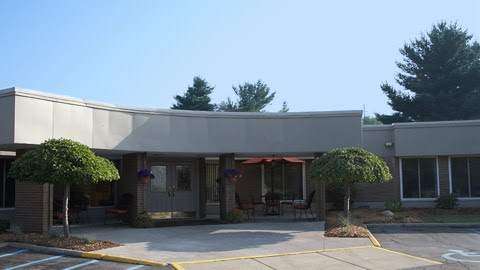
Medilodge of Kalamazoo

1701 S 11th Street, Kalamazoo, MI 49009 (269) 375-2020
For profit - Limited Liability company 39 Beds MEDILODGE Data: November 2025
Trust Grade
55/100
#210 of 422 in MI
Last Inspection: July 2025

Inspected within the last 6 months. Data reflects current conditions.

Overview

Medilodge of Kalamazoo has received a Trust Grade of C, meaning it is average and falls in the middle of the pack among nursing homes. It ranks #210 out of 422 facilities in Michigan, placing it in the top half, and #2 out of 9 in Kalamazoo County, indicating that only one local option is better. However, the facility's trend is concerning as it has worsened, increasing from 6 issues in 2024 to 7 in 2025. On the positive side, staffing is a strength with a rating of 4 out of 5 stars and a turnover rate of 40%, which is below the state average. Importantly, there have been no fines, and while RN coverage is average, there are serious concerns, including a failure to prevent pressure wounds for a resident with severe cognitive impairment, and a report of physical abuse towards another resident, which raises significant concerns about resident safety and care quality.

Trust Score
C
55/100
In Michigan
#210/422
Top 49%
Safety Record
Moderate
Needs review
Inspections
Getting Worse
6 → 7 violations
Staff Stability
○ Average
40% turnover. Near Michigan's 48% average. Typical for the industry.
Penalties
✓ Good
No fines on record. Clean compliance history, better than most Michigan facilities.
Skilled Nurses
○ Average
Each resident gets 41 minutes of Registered Nurse (RN) attention daily — about average for Michigan. RNs are the most trained staff who monitor for health changes.
Violations
⚠ Watch
20 deficiencies on record. Higher than average. Multiple issues found across inspections.
★★★☆☆
3.0
Overall Rating
★★★★☆
4.0
Staff Levels
★★★★☆
4.0
Care Quality
★★★☆☆
3.0
Inspection Score
Stable
2024: 6 issues
2025: 7 issues

The Good

  • 4-Star Staffing Rating · Above-average nurse staffing levels
  • 4-Star Quality Measures · Strong clinical quality outcomes
  • Full Sprinkler Coverage · Fire safety systems throughout facility
  • No fines on record
  • Staff turnover below average (40%)

    8 points below Michigan average of 48%

Facility shows strength in staffing levels, quality measures, fire safety.

The Bad

3-Star Overall Rating

Near Michigan average (3.1)

Meets federal standards, typical of most facilities

Staff Turnover: 40%

Near Michigan avg (46%)

Typical for the industry

Chain: MEDILODGE

Part of a multi-facility chain

Ask about local staffing decisions and management

The Ugly 20 deficiencies on record

2 actual harm
Jul 2025 6 deficiencies 1 Harm
SERIOUS (G)

Actual Harm - a resident was hurt due to facility failures

Pressure Ulcer Prevention (Tag F0686)

A resident was harmed · This affected 1 resident

**NOTE- TERMS IN BRACKETS HAVE BEEN EDITED TO PROTECT CONFIDENTIALITY** Based on observation, interview, and record review, the facility failed to provide positioning for the prevention of pressure wo...

Read full inspector narrative →
**NOTE- TERMS IN BRACKETS HAVE BEEN EDITED TO PROTECT CONFIDENTIALITY** Based on observation, interview, and record review, the facility failed to provide positioning for the prevention of pressure wounds in 1 (R1) of 4 residents reviewed for pressure wounds resulting in the development of a pressure wound. Findings include:According to the Minimum Data Set (MDS) dated [DATE], R1 was unable to complete her BIMS (Brief Interview Mental Status) indicating she was severely cognitively impaired. Her diagnoses included traumatic brain injury (TBI), quadriplegia (paralyzed in all four limbs), and contractures. Section GG-Functional Ability and Goals revealed R1 was dependent for all cares including mobility and positioning. Section M-Skin Conditions revealed R1 was at risk for pressure ulcers/wounds. Observed on 7/7/25 at 2:18 PM, R1 in bed lying on her back. Both legs contracted (pulled up) with knees rubbing/resting together with her heels resting directly on the bed. No wedges or padding underneath her heels, knees, or back to position and off-load her from bony prominences. Two leg braces were on a dresser top. During an observation and interview 7/8/25 at 2:41 PM, R1 was awake in bed with her torso (body) flat on her back and her hips and both legs positioned to her left. No pillows or wedges were being used for positioning or off-loading. Two leg braces were on a dresser top. Registered Nurse (RN) E was providing R1 care. Observed with the RN E, R1's left outer thigh to have a red area with a darker red/purple area in the middle. R1's outer left calf to have a red area with a nickel-sized open area. Underneath the left calf was a blanket with the corner piece directly under the left calf approximately the same size as the open area. RN E stated, The round area looks to be open. There was no pillow or wedge under (R1's) legs or buttocks to off-load. I think Therapy has ordered (R1) something to use but it has not come yet. During an observation and interview on 7/9/25 at 8:25 AM, Certified Nursing Assistant (CNA) V was providing cares for R1 who was dressed including leggings and in her Broda chair (type of high-backed wheelchair). CNA V stated, (R1) was dressed when I came in here to get her ready to go up front. Therapy worked with her this morning. Therapy dressed her and got her in the chair. Observed with CNA V R1's left outer calf. A nickel-sized open area was seen. CNA V stated, I did not know that it was there. No one said anything about this to me this morning. That looks like it is from shearing (a force that acts parallel to the skin's surface, causing the underlying tissue layers to slide against each other. This force, often occurring with pressure and friction, can lead to tissue damage and pressure ulcers). There is nothing on it, no cream or dressing. (R1) should have pillows between her legs, and under her knees and heels to keep things like this from happening. I do not see any extra pillows in (R1's) room to do this. (R1) needs to be positioned and turned by staff.During an observation and interview on 7/9/25 at 8:25 AM, Therapy Y observed R1's left outer calf stating, There is something there on her calf. (R1) cannot position herself and needs assistance to do that from staff. Pillows or wedges could be used to off-load areas of the body to relieve pressure and prevent pressure wounds. There is no wedge or extra pillows in (R1) that I see to aide in positioning (R1).During an interview on 7/9/25 at 8:30 AM, RN E stated, I reported (R1's) skin area on her leg and ordered Zinc (type of barrier cream).Review of R1's Order Summary dated 7/9/25 at 8:45 AM, Zinc Oxide Ointment 10 % Apply to L (left) calf redness topically two times a day for skin condition redness. It was noted the order was placed in R1's medical chart 15 minutes after interview with RN E.Review of R1's MAR/TAR (Medication/Treatment Administration Record) dated July 1-31, 2025, revealed Zinc Oxide Ointment 10 % Apply to L calf redness topically two times a day for skin condition redness -Start Date 07/09/2025 2000. It was noted this treatment was not to be put into place until over 29 hours after the wound was discovered. Review of R1's Care Plan, dated 6/9/25, Focus: at risk for impaired skin integrity, identified goals that included having intact skin. Interventions that were to be implemented to meet and maintain this goal included - assist resident with turning and repositioning as needed (initiated 10/12/2023). - encourage/assist as needed to elevate heels off the mattress as tolerated (initiated 10/12/2023). Further review of R1's Care Plan dated 6/9/25, Impaired Skin Integrity related to and including diffuse traumatic brain injury, quadriplegia, and contractures. The goal indicated the resident was to maintain intact skin. Interventions did not include offering off-loading (process of reducing or redistributing pressure on the affected area to promote healing and prevent further tissue damage) of bony-prominences or areas of body that came into contact of any surface. Review of R1's Progress Notes as of 7/9/25 at 10:32 AM did not have documentation of an opened area on the resident's left outer calf that was discovered on 7/8/25 at 2:41 PM. Review of R1's Skin assessment dated [DATE] at 8:55 AM, indicated a new abnormal skin area was identified to the resident's left lower leg with treatment having been initiated. It was noted this assessment was not documented until the day after the wound was discovered.During an interview and record review on 7/9/25 at 11:00 AM, RN/Unit Manager/Wound Nurse (RN) H stated, I am the Unit Manager for (R1). I saw on the 24-hour report this morning an alert new skin issue for (R1). RN H reviewed R1's Skin assessment dated [DATE] at 8:55 AM and stated, The new skin alert should be reported within 30-60 minutes to the same day it was discovered. I see nothing in (R1's) Progress Notes for a new skin issue. There should be something in Progress Notes. According to (R1's) Care Plans, she is 100% at risk for developing wounds. In her care plan, under at risk for skin integrity, interventions should be followed and they include assist turning and positioning as needed, elevate heels, notify nurse of red areas, NP notified after management on-call is contacted, a non-irritating surface (to prevent shearing) with the RN providing the example of a blanket corner). With continued review of R1's medical records, RN H reported, There is no nurse note for the new skin area. Technically, all nurses can update and adjust the care plan. There is not an updated care plan. RN H Reviewed R1's order summary stating, house stock zinc barrier cream was ordered. House stock does not have to be ordered and should be in stock. Looks like (RN E) ordered it from pharmacy and it is available in the facility's stock supply. The zinc barrier cream was available when (RN E) first saw the red area. The barrier cream should have been applied right away to (R1). Pillows or wedges should be used to keep knees and heels and hips/buttocks from getting sores.Observed on 7/9/25 at 11:20 AM, R1 in Broda chair in same position as 8:30 AM observation. During an interview on 7/9/25 at 1:54 PM, Director of Nursing (DON) B stated, (RN E) completed the skin assessment today and did not do one yesterday (7/8/25). (RN E) did not notify me yesterday of the newly discovered red area on (R1). I had to ask him about it today after I read it in the 24-hour report. Treatment for (R1) was not ordered until today. This should have all been done yesterday.Review of R1 Braden Scale for Predicting Pressure Sore Risk (SCORING: AT RISK 15-18, MODERATE RISK 13-14, HIGH RISK 10-12, VERY HIGH RISK 9 or below) dated:-3/02/25 revealed a score of 12.0 - 5/23/25 revealed a score of 15.0 -12/7/25 revealed a score of 11.0Review of the facility's policy, Pressure Ulcer/Skin Breakdown-Clinical Protocol dated 3/20/2024, revealed, Policy: Based on the comprehensive assessment of a resident, a resident receives care, consistent with professional standards of practice, to prevent pressure ulcers and does not develop pressure ulcers . and prevent new ulcers from developing . The plan of care for prevention and/or treatment of PU/PI's will be developed based on the assessments above to include but not limited to; (not all inclusive) . - Turning schedule/off-loading .
CONCERN (D)

Potential for Harm - no one hurt, but risky conditions existed

Notification of Changes (Tag F0580)

Could have caused harm · This affected 1 resident

This citation pertains to intake 2590016.Based on interview and record review the facility failed to ensure the designated resident representative was notified of changes for 1 (Resident #501) of 3 re...

Read full inspector narrative →
This citation pertains to intake 2590016.Based on interview and record review the facility failed to ensure the designated resident representative was notified of changes for 1 (Resident #501) of 3 residents reviewed for notification of changes resulting in a resident representative being unaware of x-ray results and falls, a resident representative experienced the feeling of uncertainty of how their family member was being cared for at the facility, and the potential for resident representatives to be unable to make timely care decisions. Findings include:Review of Resident #501's admission record, print date 8/20/25, revealed Resident #501 had diagnoses of senile (exhibiting a decline of cognitive abilities) degeneration of brain, dementia (decline in cognitive function), unspecified psychosis (trouble telling the difference between what's real and what's not), cognitive communication deficit, muscle weakness, anxiety, disorientation, and falls. Resident Representative M was listed first under Resident #501's Contacts indicating he was Resident #501's Responsible Party-Financial.Responsible Party - Clinical.POA (Power of Attorney) - Medical (Activated).Emergency Contact #1. Review of Resident #501's most recent brief interview for mental status, dated 7/30/25, was scored 6 which reflected severe cognitive impairment.During an interview on 8/18/25 at 9:59 AM, Resident #501's activated Resident Representative (RR) (resident's responsible person/party) M reported he was not notified of all falls and x-ray results by the facility. RR M reported he was uncertain of how many falls his father (Resident #501) had because he wasn't always contacted. RR M reported he was notified of the fall on 7/21/25 and on 7/22/25 he was told the facility had found a contusion (bruise) on his knee. RR M reported he wasn't notified of x-ray results of the right knee. RR M reported the hospice company (not the facility) called him on 7/25/25 at 7:15 AM to tell him about Resident #501's broken femur stating that was the first he had heard of the fracture. RR M confirmed he learned of the fracture from hospice and not the facility. RR M reported he called the facility and questioned them about their protocol for contacting representatives if a person had a broken bone, informed the facility they hadn't informed him of the fracture, but instead hospice did. RR M reported he expected a call from the facility in addition to hospice.During an interview on 8/20/25 at 10:30 AM, Resident #501's Resident Representative M reported he didn't know if there was an issue if the facility didn't tell him. RR M reported he didn't like not knowing what was going on with his father (Resident #501) and wanted updates so he would know what was going on with his father. RR M reported he wasn't immediately notified of the fall on 7/27/25 by the facility.During an interview on 8/18/25 at 12:50 PM, Nursing Home Administrator (NHA) A confirmed the facility failed to communicate all changes in condition, falls, and x-rays to Resident #501's Resident Representative M and hospice had reported the x-ray result (The x-ray showing a broken bone was completed on 7/24/25 and communicated to Resident Representative M by hospice and not the facility on 7/25/25) that showed a fracture and not the facility themselves. NHA A reported the responsible party should always be called after a fall even if it was in the middle of the night and the facility staff should make immediate notification to the resident representative. When discussing if there were any notes to indicate Resident #501's family wanted hospice to notify them instead of the facility NHA A stated, Not that I'm aware of. No documentation was provided by the end of the survey that indicated hospice should contact Resident Representative M instead of the facility.Review of Resident #501's fall timeline, undated, revealed on 7/22/25 at 11:49 PM the facility's medical doctor was notified of right knee x-ray results, but Resident #501's Resident Representative (RR) M was not. The timeline revealed that on 7/24/25 at 3:04 PM an x-ray showed a fracture of the left femur bone and Resident #501's RR M was not made aware that day. The timeline also indicated RR M was not contacted on 7/27/25 after a fall at 3:25 AM but instead hospice was.Review of Resident #501's Un-witnessed Fall report, dated 7/27/25, stated, Resident was found by aide crouched up on the floor mat right next to his (Resident #501) bed.Agencies/People Notified.Administrator.DON/On Call Nurse.Hospice.Physician. Resident #501's responsible party was not contacted or documented as having been contacted after the fall.Review of Registered Nurse (RN) T's Teachable Moment (an employee write-up), stated, .Date of Incident: 07/27/25.Concern: (RN T) did not notify responsible party of a fall.responsible party must be notified. This was regarding Resident #501's unwitnessed fall on 7/27/25.Review of Resident #501's radiology (imaging such as x-ray) record indicated x-rays were obtained for the right knee on 7/22/2025 (results available/reported 7/23/25 at 1:24 AM) and right hip on 7/24/25 (results available/reported 7/24/25 at 5:44 PM).Review of Resident #501's progress note, dated 7/22/25, stated, Xray on res (resident) R (right) knee was completed at 2345 (23:45;11:45PM) . No available information indicated Resident #501's Resident Representative M was notified of the x-ray on 7/22/25 timely.Review of Resident #501's progress note, dated 7/25/25 at 05:23 AM, stated, Called hospice [hospice company name] and notified them of residents injury and change in condition. The note did not indicate Resident #501's Resident Representative M was notified as well.Review of Resident #501's care plan, print date 8/20/25, revealed .is at risk for/has impaired communication related to cognitive impairment, confusion, dementia.is at risk for falls/injury.terminal prognosis.left hip fracture.Review of the facility's Notification of Changes policy, revised 8/29/2024, stated, The purpose of this policy is to ensure the facility promptly informs the.resident's representative when there is a change requiring notification.Circumstances requiring notification include:.1. Accidents.Resulting in injury.Potential to require physician intervention.Significant change in the resident's physical, mental or psychosocial condition such as deterioration in health, mental or psychosocial status.Residents incapable of making decisions:.The representative would make any decisions that have to be made.
CONCERN (D)

Potential for Harm - no one hurt, but risky conditions existed

Deficiency F0679 (Tag F0679)

Could have caused harm · This affected 1 resident

**NOTE- TERMS IN BRACKETS HAVE BEEN EDITED TO PROTECT CONFIDENTIALITY** Based on observation, interview, and record review, the facility failed to support meaningful involvement in activities of choic...

Read full inspector narrative →
**NOTE- TERMS IN BRACKETS HAVE BEEN EDITED TO PROTECT CONFIDENTIALITY** Based on observation, interview, and record review, the facility failed to support meaningful involvement in activities of choice, for 1 (Resident #14) of 12 residents reviewed for meaningful activities resulting in the potential for feelings of boredom, loneliness, and unmet psychosocial needs. Findings include:Review of an admission Record revealed Resident #14 was a female who originally admitted to the facility on [DATE] and had pertinent diagnoses which included: Alzheimer's disease, anxiety disorder, major depressive disorder, and unspecified dementia, unspecified severity without behavioral disturbances, psychotic disturbance, mood disturbance and anxiety.Review of a Minimum Data Set (MDS) assessment for Resident #14, with a reference date of 6/2/2025 revealed a Brief Interview for Mental Status (BIMS) assessment should not be conducted due to Resident #14 is rarely/never understood and Resident #14 has memory problems, Resident #14 cognitive skills for daily decision making are 3. Severely impaired-never/rarely made decisions. Resident #14 was severely cognitively impaired.On 7/7/25 at 10:07 am, 11:31 am, 2:38pm, and 7/8/25 at 2:12 pm, Resident #14 was observed sitting in a Broda chair (a high back reclining wheelchair) in what the facility refers to as a sensory room. The sensory room was dark with the blinds closed, it was quiet with no sounds, and an essential oil diffuser (used for aromatherapy) was on the table, not on. Resident #14 was alone in the room at each observation. During an observation and interview on 7/7/25 at 10:07 am, Resident #14 was reclined in her Broda chair, in the sensory room, and Resident #14 was fidgeting with her blanket in her lap. The room was dark, quiet, and Resident #14 was alone. Resident #14 was unable to engage in meaningful conversation and only responded with one-word answers that were not appropriate to the conversation, Resident #14 did respond when spoke to. Resident #14 did not express any noted emotions and appeared stoic and unengaged. During this observation, Director of Nursing (DON) B approached this surveyor and stated, Resident #14 loves to be in the [NAME] room. Review of Care Plan for Resident #14 revealed .Focus . Resident is at risk for altered activity patterns/pursuits related to decline in health status comfort care. Initiated on 9/12/2023 revision on 6/7/2024 . Goal . Resident will accept/interact with others during 1:1 visits for stimulation through the next review as tolerated. Initiated on 9/12/2023 revision on 9/23/2024 . Resident will participate in leisure interests in a group setting for stimulation at lease weekly as tolerated through the next review. Initiated on 7/1/2024 revision on 9/23/2024 . Interventions .1:1 visits from staff and volunteers .sensory stimulation, aromatherapy, being read to from the bible, set up with religious music. Initiated on 9/12/2023 revised on 12/14/2023 .allow resident to make choices/decisions about their preferred activity pursuits initiated 9/12/2023 .Encourage to attend and participate in activity programs at highest functioning level and provide cues/adaptations as needed initiated 9/12/2023 .Involve resident in simple/structured activities with cues/adaptations initiated 9/12/2023 .Offer and encourage resident to accept supplies from the activity cart as desired throughout the day for independent pursuits initiated 9/12/2023 . Resident enjoys music: religious, hymns initiated 9/12/2023, revision 12/14/2023 . Resident's preferred activities are: family visits from her son (Name Omitted), enjoys listening to religious music/hymns or Elvis, pet visits, aromatherapy, being read to from the Bible (used to teach Sunday school) initiated on 9/12/2023 revision on 12/27/2024 .Focus .Resident has an ADL self-care performance deficit related to dementia .dressing: total dependence .eating: dependent on staff .personal hygiene: total dependence .transfers: Hoyer . all initiated 9/12/2023 .Focus . Resident has behaviors as evidenced by resist feedings at time and she also performs acrobatics in her chair and bed occasionally .Interventions .approach resident in a calm manner to avoid frustration and behavior escalation initiated 9/12/2023 .Focus . Resident is at risk for/has an impaired mood/psychiatric status related to dx of major depression and anxiety .Goal . will remain free of signs and symptoms of distress depression, anxiety .Interventions . encourage participation in activities .provide a calm safe environment when resident is emotional and frustrated .resident is calmed by playing religious music . all initiated 9/12/2023 .Focus: Resident has visual impairment .has eyes closed most of the time .Intervention: Announce yourself when entering the resident's room/spaceIn an observation on 7/8/25 at 10:38 am, Resident #14 was in her Broda chair, reclined, in the sensory room with two other residents. One resident was yelling out and each time the resident yelled, Resident #14 was observed flinching demonstrating a physical reaction to the yelling. Resident #14 would verbally respond to the other resident who was yelling with a single word. Neither resident was engaging in a meaningful conversation with the other.In an observation and interview on 7/8/25 at 11:39 am, Certified Nurse Assistant (CNA) C was observed removing Resident #14 from the sensory room. CNA C reported that Resident #14 was placed in the sensory room when she acted out to help her to calm down. CNA C reported that Resident #14 spends time in the sensory room because she remained calm while in there. CNA C reported there should be white noise such as the sound of rain or water, but it was not on. During the interview with CNA C Resident #14 did interject single words as an engagement in the conversation. In an observation and interview on 7/8/25 at 12:19 pm, Resident #14 was observed being assisted to eat lunch in the dining room by CNA C. CNA C reported that Resident #14 was completely dependent on staff for all care including activity participation. CNA C, CNA Q and CNA K all reported that Resident #14 did participate in activities and that the sensory room was Resident #14's activity, they were unaware of any other activity preferences Resident #14 had. CNA K reported that the sensory room kept Resident #14 quiet. During this conversation, Resident #14 would interject single words as an engagement in the conversation. On 7/8/25 at 4:14 pm, Resident #14 was observed sitting in her Broda chair in a reclined position at a table in the dining room during the bingo activity. Resident #14 was heard repeating random words that were being spoken around her.On 7/8/25 at 4:30 pm, Activity Aide (AA) U reported that Resident #14 was never in the bingo activity prior to today. AA U reported Resident #14's could not independently participate in bingo; AA U reported she was playing Resident #14's bingo card for her, and considered Resident #14 to be actively engaged in the activity since Resident #14 was frequently repeating the numbers AA U was calling. AA U reported that occasionally Resident #14 would attend movie activities, but the majority of her time was spent in the sensory room. AA U reported the sensory room had natural light, with fish to watch, and was a calming room for people to get away from their neighbors and have some quiet time. AA U reported when she saw Resident #14 in the sensory room, she would document that Resident #14 had sensory activity for the day. AA U reported Resident #14 liked to socialize, and she would talk when you talk to her. AA U reported that Resident #14 would participate in other activities if she was included in them. AA U reported she was not sure what Resident #14's preferred activities were. Review of Activities Quarterly Progress Note for Resident #14 dated 9/25/2024 and 3/10/2025 revealed .at ease interacting with others, at ease doing planned activities, can't initiate activity . enjoys structured activities . social .activity pursuits, needs prompts/encouragement, preferred setting, day activity room . enjoys social visits .being read to .listening to music .taught Sunday school so she may enjoy being read to from the Bible/Sunday Devotions .social with other when they initiate .staff also offer 1:1 when restless .Review of Activities Evaluation for Resident #14 dated 6/20/2024 revealed .former occupation . taught Sunday school Clubs . active with her church years ago .Finds strength in faith/religion -answer-yes .Religious affiliation Christian . place of worship staff read to her the Sunday Devotions .Activities (the resident enjoys) family friend visits, religious activities, music/talk radio, other sensory room . what self-recreating material is needed Sunday Devotions .Review of Activities Evaluation for Resident #14 dated 6/4/2025 revealed .former occupation . taught Sunday school Clubs . active with her church years ago .Finds strength in faith/religion-answer- yes .Religious affiliation Christian . place of worship staff read to her the Sunday Devotions .Activities (the resident enjoys) family friend visits, religious activities, music/talk radio, other sensory room, being read to, listening to her radio in her room . what self-recreating material is needed Sunday Devotions .In an observation and interview on 7/9/25 at 9:52 am, Resident #14 was observed sitting in her Broda chair, in a reclined position, in the sensory room, alone, with active aroma therapy and ocean sounds. Resident #14 appeared to be stoic and without any engagement. CNA X reported Resident #14 likes the quiet room and that Resident #14 was in there quite a bit. When queried how she knew Resident #14 liked the sensory room, CNA X replied because she doesn't' get wound up. CNA X reported that Resident #14 used to baby-sit children and liked when kids were around but was not aware of any other interests Resident #14 had. CNA X reported that she liked it when Resident #14 was in the sensory room, because she could walk by and watch her. In an interview on 7/9/25 at 9:52 am, CNA Q reported she was new to the building and was not aware of any interest that Resident #14 had. Review of Activity Calendars for the months of April, May, June, July 2025 revealed 3:00 Sunday Devotions on every Sunday for all 4 months. Review of Activity Log for Resident #14 for the moths of April, May, June, and July 2025 revealed April 2025, 11 of 30 days Resident #14's documented activity was the sensory room, no documentation was noted for 9 days, and 0 days had any type of religious activities documented. May 2025, 20 of 31 days Resident #14's documented activity was the sensory room, no documentation was noted for 8 days, and 0 days had any type of religious activities documented. June 2025, 10 of 30 days Resident #14's documented activity was the sensory room, no documentation was noted for 6 days, and 0 days had any type of religious activities documented. July 2025 (through 7/7/25) 5 of 7 days Resident #14's documented activity was the sensory room, and 0 days had any type of religious activities. Review of Behavior Logs for Resident #14 for the Months of May, June, and July 2025 revealed .May 2025, Resident #14 had no documented behaviors for day shift; 3 documented days with behaviors (pushing, grabbing, repeats movements) on afternoon shift, no documented interventions that were tried were noted, but all interventions were documented as ineffective; 7 documented days with behaviors (grabbing, repeats movements, yelling/screaming) on night shift, no documented interventions that were tried were noted, but all interventions were documented as ineffective; 8 shifts were left blank. June 2025, Resident #14 had no documented behaviors for day or afternoon shift; 4 documented days with behaviors (grabbing, repeats movements, yelling/screaming) on night shift, no documented interventions that were tried were noted, but all interventions were documented as ineffective; one shift was left blank. July 2025 Resident #14 had no documented behaviors on any shift through July 8, 2025 .In an interview on 7/9/25 at 1:17 pm Social Service Director (SSD) M, when queried about Resident #14's interests stated, She used to teach Sunday School and is very religious. SSD M reported Resident #14 enjoys music, Sunday Devotions, and bible study. When queried, SSD M reported that bible study was not on the activity calendar and only occurred if she had volunteers to lead the activity, maybe twice a month. SSD M reported that Resident #14 attended Sunday Devotions weekly. SSD M reported Resident #14 had episodes of restlessness and the sensory room helps with that. SSD M reported that staff was very good at utilizing the sensory room for Resident #14. SSD M reported that Resident #14 enjoyed the sensory room, as it appeared to calm her down and she seemed at ease when she was in the sensory room. SSD M reported the sensory room was for sensory stimulation, it was a great tool for behavioral things, and was multi-sensory which included aromatherapy, soothing sounds, and overhead lights were off, shades were drawn, and a person can center themselves, sometimes there was music, but mostly it was white noise such as ocean sounds. When queried regarding the length of time a resident should utilize the sensory room, SSD M replied there is no set amount of them a resident can spend in there. SSD M reported that activities were documented, and the activities Resident #14 participated in should be documented accordingly. SSD M reported when Resident #14 was in the sensory room it was documented as sensory room, and religious activities were documented as religious activities. SSD M reviewed Resident #14's activity participation documentation and confirmed there was no religious activity documented for the months of April, May, June, or July 2025. In an interview on 7/9/25 at 2:02 pm, AA N reported Resident #14 spends most of her time in the sensory room. AA N reported he passes out the Sunday Devotional, which was a printed paper of devotions, but Resident #14 cannot read it, because she was blind, so if he had time when he passed it out her would read her a verse. AA N reported he was not aware of any other religious activities offered to the residents. In an interview on 7/9/25 at 2:05 pm, SSD M reported the facility did not offer any kind of church service activity. The only religious activities offered were volunteer to lead bible study, if they were available, and Sunday Devotions. SSD M reported the residents are asked if they would like a copy of Sunday Devotions and if they would like the staff to read it to them. SSD M reported that Resident #14 was unable to read Sunday Devotions independently. Using the reasonable person concept, though Resident #14 had a decreased ability to verbally express her own thoughts due to her mental diagnoses, the facility had noted Resident #14's strong religious beliefs and previous involvement in religious activities. This religious belief and desired involvement in religious activities has the potential to continue indefinitely while residing in the facility, using the reasonable person concept. As the resident was unable to speak for herself and attempts to contact family for interview regarding her religious beliefs and desired involvement were unsuccessful related to Resident #14 presumed wish to still participate in religious activities.
CONCERN (D)

Potential for Harm - no one hurt, but risky conditions existed

Accident Prevention (Tag F0689)

Could have caused harm · This affected 1 resident

**NOTE- TERMS IN BRACKETS HAVE BEEN EDITED TO PROTECT CONFIDENTIALITY** Based on observation, interview, and record review the facility failed to provide adequate supervision and ambulation device to ...

Read full inspector narrative →
**NOTE- TERMS IN BRACKETS HAVE BEEN EDITED TO PROTECT CONFIDENTIALITY** Based on observation, interview, and record review the facility failed to provide adequate supervision and ambulation device to prevent falls and fall with injury in 1 (R31) of 4 residents reviewed for accidents resulting in injury and the potential of further falls with injury.Findings include:According to the Minimum Data Set (MDS) dated [DATE], R31 scored 5/15 on her BIMS (Brief Interview Mental Status) indicating she was cognitively impaired. Diagnoses included dementia. Section GG-Functional Abilities and Goals indicated supervision was required for walking from 10 to 150 feet. Review of R31's Incident Report dated 2/22/25 at 11:10 PM indicated the resident had a witnessed fall when her feet got tangled together causing her to hit her head on the floor. Upon assessment the resident was found to have an abrasion to her left forehead. The IDT (interdisciplinary team) met with new interventions including therapy to initiate a walker for safety. Review of R31's Care Plan, ADLS or Falls, print date 7/7/25 did not report a wheeled walker had been implemented for the resident's use before or after the resident had fallen causing injury on 2/22/25. Review of R31's Fall assessment dated [DATE] indicating the resident had a fall on this date while attempting to sit in a chair in the lobby. A fall reevaluation indicated a change in gait status and a plan of care review included an equipment modification with the use of a 2-wheeled walker (WW).Review of R31's Care Plan ADLs or Falls did not include equipment modification with the use of a 2-wheeled walker for a fall on 4/11/25. Review of R31's Progress Note dated 4/21/2025 11:45 IDT-Interdisciplinary Progress Note Late Entry: Note Text: IDT met regarding residents fall this am. Resident found in another resident's room on the floor. Resident with history of weakness and cognitive deficits .Review of R31's Incident Report dated 4/28/25 7:20 AM, indicated the resident had a witnessed fall by staff when she fell while walking independently in a hallway when she lost her balance landing on her left shoulder. A bruise to the left should was observed with a pain score of 5/10 upon assessment. Predisposing situation factor was reported as ambulating without assistance or the use of a wheeled walker. Review of R31's Fall assessment dated [DATE] indicated the resident was ambulating independently and fell injuring left shoulder that required x-rays. Review of R31's Progress Note dated 4/28/25 11:21 AM indicated the resident was limiting the use of her left arm/shoulder and stated she had some pain evident by guarding the area. Review of R31's Radiology Results Report dated 4/29/25, indicated the resident had pain in left shoulder after a fall requiring 2 plus views (x-rays) of the left shoulder. Review of R31's Physician Progress Note dated 4/29/25 10:21 AM, indicated the resident had been seen after a fall with complaints of shoulder pain requiring x-rays with negative results for any type of fracture. The resident had been observed ambulating independently, lost her balance fell onto her shoulder. During an observation and interview on 7/7/25 at 2:03 PM, R31 was in her room with nothing on her feet stating, I walk by myself. I used to use a walker. I think I have a walker. No walker, wheeled or otherwise, was visible in the room, closet, or bathroom.Observed 7/8/25 at 2:28 PM, R31 in dining room with a group of peers and the Life Enrichment Director/Social Worker. No wheeled walked was visible. R31 stated, I walked by myself.During an interview on 7/9/25 at 8:35 AM, Therapy Y stated, (R31) should have a walker to use while ambulating.During an observation and interview on 7/9/25 at 8:40 AM, R31 was in bed awake. No walker visible in resident's closet, room, or bathroom. R31 stated, I don't see a walker here. I walk where I need to go.During an observation and interview on 7/9/25 at 8:45 AM, Registered Nurse (RN) E stated, (R31) uses a walker to ambulate. She has had some falls. Observed R31's room with RN E with no walker in the resident's closet, room, or bathroom.During an interview and record review on 7/9/25 at 11:30 AM, Unit Manager (UM) H stated while reviewing R31's medical chart, I think (R31) has had some falls. I saw her walking independently yesterday with no wheeled walker. Her care plan focus for falls does not have an intervention for the use of a wheeled walker. She has walked on her own for the last month I've been here. She has never had a device with her. I see her walking all around the facility independently.Review of R31's Activities of Daily (ADL) Care Plan print date 7/7/25 did not indicate a wheeled walker for had been implemented for the resident's safety until 6/11/25. During an interview and record on 7/9/25 at 1:25 PM, Director of Nursing (DON) B stated while reviewing R31's medical records, (R31) does not have documentation of not wanting to use a wheeled walker. Therapy does a screen after each screen into me. Once I receive the form and take Therapy's suggestion and decide if their recommendations are something nursing wants to implement. For (R31's) fall on 6/10/25, the form was not signed by myself or Therapy. Therapy wanted (R31) to use a rolling walker (wheeled walker) and supervision with ambulation in facility. I do not have any idea when this was written or how medical records would have gotten it without me seeing it. Reviewed 5/12/25 therapy to nursing communication form with recommendation that R31 transfer with a 1 person assist and use a rolling walker. DON B stated, I do not see that this was implemented in (R31's) Care Plan. The facility is very good at putting interventions in a resident's care plan. The Care Plan dated 6/11/25, Focus ADLs has use of rolling walker should have been discussed in morning meetings. I don't know if (R31) has anything in her behavior care plan about not using wheeled walker. I don't see any documentation she won't use the walker. She was non-complainant with getting out of chairs without help but staff should be with her.Review of R31's Therapy to Nursing Communication Form dated 5/12/25 recommends the resident uses 1-person assist and rolling walker. The form was signed by both Therapy and Nursing. Review of R31's Therapy to Nursing Communication Form, undated, recommended the resident use a rolling walker and supervision with ambulation in facility with and without the rolling walker. Review of R31's Therapy Screen dated 6/10/25 recommends the resident uses a rolling walker and supervision while walking. It was noted that neither therapy or nursing had dated or signed the document.
CONCERN (D)

Potential for Harm - no one hurt, but risky conditions existed

Infection Control (Tag F0880)

Could have caused harm · This affected 1 resident

**NOTE- TERMS IN BRACKETS HAVE BEEN EDITED TO PROTECT CONFIDENTIALITY** Based on observation, interview, and record review, the facility failed to: 1.) maintain proper infection control practices whil...

Read full inspector narrative →
**NOTE- TERMS IN BRACKETS HAVE BEEN EDITED TO PROTECT CONFIDENTIALITY** Based on observation, interview, and record review, the facility failed to: 1.) maintain proper infection control practices while utilizing resident shared equipment (a glucometer- a machine that uses a drop of blood to analyze the level of glucose (sugar) in a person's blood stream) during medication administration for 1 (Resident #88) of 5 residents reviewed for medication administration and 2.) ensure appropriate use of Enhanced Barrier Precautions (EBP) in 1 of 12 residents (Resident #1 (R1) reviewed for infection control, resulting in the potential for the spread of infection, cross contamination and disease transmission. Findings include:Resident #88Review of an admission Record revealed Resident #88 was a male who was originally admitted to the facility on [DATE] and had pertinent diagnoses which included: Type 2 diabetes mellitus with complications (a condition when the body is unable to produce or use insulin correctly resulting in high blood sugar). Review of Order Summary for Resident #88 revealed Accucheck- (blood sugar testing) 2 times a day two times a day call if <70 (less than) or >450 (greater than) . with a start date 6/26/2025 . Humalog Kwik pen 100 unit/ml (Milliliters) solution pen-injector insulin inject 4 units subcutaneously before meals related to type 2 diabetes mellitus . with a start date of 6/19/25 .Lantus SoloStar Subcutaneous Solution Pen-Injector 100 unit/ml (insulin glargine) inject 18 unit subcutaneously one time a day related to Type 2 diabetes . with a start date of 7/1/2025. During an observation on 7/8/25 at 11:22 am, Registered Nurse (RN) E removed Resident #88's Humalog and Lantus insulin pens from the medication cart, removed the pen cap, screwed the safety needle onto the top of the insulin pen, and then placed both insulin pens into the pocket of his shirt. RN E then located Resident #88 in the therapy room, sitting on an exercise machine. RN E was then observed placing the glucometer onto a stool at a countertop next to where Resident #88 was using exercise equipment. RN E was observed preparing Resident #88's right hand for a blood sugar check (the poking of a fingertip with a needle to obtain a drop of blood for sampling on a test strip in a glucometer), RN E retrieved the glucometer from the stool, completed Resident #88's blood sugar check and then replaced the glucometer onto the countertop next to where Resident #88 was sitting. RN E did not have a barrier present between the glucometer and the stool, nor a barrier between the glucometer and the countertop. RN E then retrieved the Lantus insulin pen from his shirt pocket and administered the insulin into Resident #88's abdomen. After the insulin administration, RN E replaced the used insulin pen back into his shirt pocket along with the Humalog insulin pen. RN E returned to the medication cart, removed the needles from both the Lantus and Humalog insulin pens, and replaced them into the medication cart. In an interview on 7/8/25 at 4:14 pm Wound Nurse/Unit Manager (WN/UM) H reported insulin pens should not be put into a pocket. WN/UM H reported that glucometers could be placed directly onto a surface at the resident's side without a barrier. WN/UM H reported that they did not use a barrier between a tabletop and supplies when checking a blood sugar. In an interview on 7/9/25 at 10:46 am, RN E reported the only barrier he needed to use during a blood sugar check was gloves. When queried regarding a barrier to place clean supplies on prior to procedure, RN E I just use the table as the barrier and I hope it's clean. RN E reported he did not use a barrier for supplies when he checked Resident #88's blood sugar, RN E stated the therapy room is a tough place to do a blood sugar check, there is no place to set anything down. When further queried, RN E reported he should not transport insulin in his shirt pocket like he did for Resident #88. In an interview on 7/9/25 at 10:57 am Director of Nursing (DON) B reported her expectation was that a barrier be used when placing supplies down prior to a blood sugar check. DON B stated it can be a paper towel but put something down. DON B reported her expectations were that insulin should never be placed into a pocket for transport before or after administration. DON B reported that her expectations were the same as the facility policy Validation Checklist Glucometer Disinfection related to blood sugar checks.Review of Validation Checklist Glucometer Disinfection provided by DON B with a date of 2022, revealed purpose: to determine if the nurse is performing the procedure in accordance with the facility's standard of practice .7. Provided barrier on clean work surface for device . Resident #1According to the Minimum Data Set (MDS) dated [DATE], R1 was unable to complete her BIMS (Brief Interview Mental Status) indicating she was severely cognitively impaired. Her diagnoses included traumatic brain injury (TBI), quadriplegia (paralyzed in all four limbs), and contractures. Section K-Swallowing and Nutritional Status indicated R1 received nutrition via a feeding tube.During an observation and interview 7/8/25 at 2:41 PM, R1's door held an Enhanced Barrier Precautions (EBP) sign revealing direct care required PPE (personal protection equipment) while providing direct care to the resident. Registered Nurse (RN) E was observed wearing disposable gloves and no other PPE including gown or mask while cleaning the resident's PEG (Percutaneous Endoscopic Gastrostomy tube, a feeding tube inserted through the abdominal wall into the stomach) tube insertion site and flushing the tubing with normal saline. RN E did not reply when asked if R1 was on EBP and what PPE should be worn while providing direct care. Review of R1's Order Summary dated 4/1/25 indicated the use of enhanced barriers while performing high-contact (direct care) activity with the resident for tube feeding.
CONCERN (E)

Potential for Harm - no one hurt, but risky conditions existed

Deficiency F0883 (Tag F0883)

Could have caused harm · This affected multiple residents

**NOTE- TERMS IN BRACKETS HAVE BEEN EDITED TO PROTECT CONFIDENTIALITY** Based on interview and record review the facility failed to develop policy and procedure to include current standards of practic...

Read full inspector narrative →
**NOTE- TERMS IN BRACKETS HAVE BEEN EDITED TO PROTECT CONFIDENTIALITY** Based on interview and record review the facility failed to develop policy and procedure to include current standards of practice in regard to pneumococcal (pneumonia) immunizations for 2 (Residents #1 and 10) of 5 residents reviewed for immunizations and the potential for eligible residents to not be offered the PCV21 (Pneumococcal 21-valent Conjugate Vaccine), with the potential of increasing the risk of acquiring, transmitting, or experiencing complications from pneumonia.Findings include:Review of the facility's Pneumococcal Vaccine (Series) policy, Date reviewed/revised: 10/30/2023, stated, It is our (the facility) policy to offer our residents .immunization against pneumococcal disease in accordance with current CDC guidelines and recommendations The type of pneumococcal vaccine (PCV15, PCV20, or PPSV23/PPSV (pneumococcal polysaccharide vaccine)) . There was no mention of PCV21 in the policy or its existence.Resident #1:Review of Resident #1's immunization report, print date 7/8/25, stated Resident #1 was Not Eligible for the vaccines PCV20 or PCV15, but nothing to address PCV21. PCV21 was not mentioned on the immunization report. PCV23 and PCV13 were noted as having been completed after Resident #1 was aged 65 years or older.Review of the CDC's Pneumococcal Vaccine Recommendations, dated 10/26/2024 and found at https://www.cdc.gov/pneumococcal/hcp/vaccine-recommendations/index.html, stated, Recommendation for shared clinical decision-making .Based on shared clinical decision-making, adults 65 years or older have the option to get PCV20 or PCV21, or to not get additional pneumococcal vaccines. They can get PCV20 or PCV21 if they have received both .PCV13 (but not PCV15, PCV20, or PCV21) at any age and PPSV23 at or after the age of [AGE] years old The United States uses 2 types of pneumococcal vaccines. Each individual vaccine helps protect against different serotypes (distinct variation) of pneumococcal bacteria.Pneumococcal conjugate vaccines (PCVs) .PCV15 .PCV20 .PCV21 .Pneumococcal polysaccharide vaccine .PPSV23.Resident #10:Review of Resident #10's immunization report, print date 7/8/25, indicated Resident #10 received PCV13 on 9/10/2016 and PCV23 on 11/05/2014, but nothing was noted regarding PCV15, PCV20, or PCV21. Utilizing the Centers for Disease Control and Prevention Pneumococcal Vaccine Recommendations (https://www2a.cdc.gov/vaccines/m/pneumo/agegroup.html) it stated, Recommendation .Based on shared clinical decision-making, decide whether to administer one dose of PCV20 or PCV21 at least 5 years after the last pneumococcal vaccine dose.)During an interview and record review on 07/08/25 at 09:09 AM, Director of Nursing (DON) and Infection Preventionist B confirmed she wasn't aware that the PCV21 had been released and available and stated, I'll have to add that (PCV21) to my grids. (Grids was referring to the pneumococcal vaccine schedule grid/chart from the Centers for Disease Control and Prevention (CDC). DON B reported PCV21 was not available or offered at the facility. DON B reviewed their pneumococcal policy, revised 10/30/2023, and confirmed their policies & procedures didn't mention PCV21 and reported she would reach out to their corporate infection control staff person. The version of the CDC's Pneumococcal Vaccine Timing grid/chart DON B had available and viewed on her computer included PCV20 but didn't include PCV21. A newer version of the pneumococcal vaccine timing grid/chart for adults that includes PCV21 can be found at https://www.cdc.gov/pneumococcal/downloads/Vaccine-Timing-Adults-JobAid.pdf. The updated version, dated March 2025, included PCV20 or PCV21 as an option. DON B confirmed she had and was viewing a version prior to this one and it only included PCV20; it didn't mention PCV21. Review of the CDC's Shared Clinical Decision-Making PCV20 or PCV21 Vaccination for Adults 65 Years or Older, dated, 09/11/2024, stated, Consider: .increased risk of exposure to PCV20 or PCV21 serotypes may occur among people who are living in: . Nursing homes or other long-term care facilities.Review of Use of 21-Valent Pneumococcal Conjugate Vaccine Among U.S. Adults: Recommendations of the Advisory Committee on Immunization Practices - United States, 2024, dated 9/12/2024 and found at https://www.cdc.gov/mmwr/volumes/73/wr/mm7336a3.htm#T1_down, stated, What is added by this report? .On June 27, 2024, the Advisory Committee on Immunization Practices recommended 21-valent PCV (PCV21) as an option for adults aged greater than or equal to 19 years who are currently recommended to receive PCV15 or PCV20. PCV21 contains eight serotypes not included in other licensed vaccines. What are the implications for public health practice? Adding PCV21 as an option in the current PCV recommendation is expected to prevent additional disease caused by pneumococcal serotypes unique to PCV21 .
May 2025 1 deficiency
CONCERN (D) 📢 Someone Reported This

A family member, employee, or ombudsman was alarmed enough to file a formal complaint

Potential for Harm - no one hurt, but risky conditions existed

ADL Care (Tag F0677)

Could have caused harm · This affected 1 resident

**NOTE- TERMS IN BRACKETS HAVE BEEN EDITED TO PROTECT CONFIDENTIALITY** This citation pertains in intake MI00152648 Based on observation, interview, and record review, the facility failed to provide a...

Read full inspector narrative →
**NOTE- TERMS IN BRACKETS HAVE BEEN EDITED TO PROTECT CONFIDENTIALITY** This citation pertains in intake MI00152648 Based on observation, interview, and record review, the facility failed to provide assistance with toileting for 1 (Resident #103) of 5 residents reviewed for activities of daily living (ADL) care resulting in the potential for avoidable negative physical outcomes for resident's who are dependent on staff for assistance. Findings include: Review of an admission Record revealed Resident #103 was originally admitted to the facility on [DATE] with pertinent diagnoses which included difficulty in walking and pain in left foot. Review of a Minimum Data Set (MDS) assessment for Resident #103, with a reference date of 3/26/25 revealed a Brief Interview for Mental Status (BIMS) score of 8/15 which indicated Resident #103 was moderately cognitively impaired. Review of Resident #103's [NAME] (Care area report for staff to reference to determine what kind of care residents need) revealed, ADL'S: TOILETING: 2 person assist. TRANSFERS: 2 person assist with sit-to-stand . Review of facility's Incident report dated 4/22/25, revealed, Incident Summary: Staff (Certified Nursing Assistant (CNA) D) allegedly told (Resident #103) to use the bathroom in her pants. That she was not going to transfer her to rest room. Investigation Summary: (CNA D) was suspended pending investigation. (CNA D) was terminated after the allegation was verified All resident with a BIMS of 10 or higher were interviewed and no concerns were raised. Those that could not be interviewed had skin and pain assessment completed. No concerns were found during the audit. All staff are being educated on neglect/abuse and care plans prior to working the next shift . In an observation and interview on 5/13/25 at 3:33 PM, Resident #103 was sitting in her room. Resident #103 reported that she no longer had any concerns with staff at the facility. Resident #103 was unable to recall the details of the incident between her and CNA D. In an interview on 5/13/25 at 3:54 PM, Licensed Practical Nurse (LPN) M reported that she was caring for Resident #103 on 4/22/25. LPN M reported that she had gone into Resident #103's room to administer medications to her. LPN M reported that Resident #103 had asked to use the restroom before LPN M started her intravenous (IV) medication. LPN M reported that she had asked CNA D to assist Resident #103 to the bathroom, and CNA D had reported that she did not know how to transfer Resident #103, so LPN M instructed her to check Resident #103's [NAME] and let her know if she needed assistance. LPN M reported that around ten minutes later, CNA D approached her and let her know that Resident #103 was all set. LPN M reported that when she went into Resident #103's room, Resident #103 asked her for help and told her that CNA D told her to just go to the bathroom in her brief. LPN M reported that she further queried Resident #103 and that Resident #103 had confirmed that CNA D had told her that she couldn't take her to the bathroom, and she should pee in her brief and then she would come back to clean her up. LPN M' reported that she asked CNA D if she had told Resident #103 to go to the bathroom in her brief, and that CNA D confirmed that she did tell Resident #103 to go to the bathroom in her brief. LPN M reported that she notified Nursing Home Administrator (NHA) A immediately after CNA D confirmed that she had told Resident #103 to go to the bathroom in her brief. In an interview on 5/14/25 at 8:23 AM, LPN L reported that she had worked with CNA D frequently and was familiar with her. LPN L reported that CNA D was a new CNA, and inexperienced. LPN L reported that she did not have concerns with CNA D and how she interacted with residents, but that CNA D seemed to be afraid to ask staff for help and seemed to get offended easily when staff tried to coach and redirect her. LPN L reported that CNA D was aware of how to review a resident's [NAME] and knew how to transfer residents, but seemed to hesitate to provide certain care. In an interview on 5/13/25 at 4:17 PM, CNA D reported that she was a new CNA, and had started working at the facility in February 2025. CNA D reported that she had always checked and changed Resident #103, and that she never took her to the restroom. CNA D reported that she had observed staff use a hoyer (machine used to transfer residents with limited mobility) before and she did not trust using it because it looked dangerous. CNA D confirmed that Resident #103's care plan noted that she would use a sit to stand (a device used to assist residents with limited mobility with transfer) but that she was also not comfortable with using the sit to stand on Resident #103, because Resident #103 did not like the sit to stand. CNA D reported that she had explained to Resident #103 that she did not want to assist her to the restroom because she was afraid she would fall, so she asked her to go in her brief. CNA D confirmed that Resident #103 did not want to urinate in her brief, and wanted to transfer to the toilet. CNA D reported that she had always planned to clean Resident #103 up after she soiled herself in her brief. CNA D reported that she should have offered to let Resident #103 use a bed pan since I was not going to transfer her. CNA D confirmed that she did not ask any staff members to help her transfer Resident #103. In an interview on 5/13/25 at 3:06 PM, Nursing Home Administrator (NHA) A reported that she was notified on 4/22/25 by LPN M that CNA D had told Resident #103 to go to the bathroom in her brief instead of taking her to the restroom. NHA A reported that she immediately suspended CNA D and began an investigation into the allegation. NHA A interviewed Resident #103 who confirmed that CNA D asked her to go to the bathroom in her brief. NHA A reported that CNA D did admit to telling Resident #103 to go to the bathroom in her brief, and had said that she did not know Resident #103's transfer status, so she did not know how to transfer her. NHA A reported that she re-educated all staff on 4/22/25 or before they started their next shift on abuse and neglect, and how to find a resident's [NAME], which shows the resident transfer status. NHA A confirmed that CNA D had signed off on education in her orientation stating she knew how to transfer residents and review their [NAME] information. During the onsite survey, past noncompliance (PNC) was cited after the facility implemented actions to correct the noncompliance which included educating all staff members in the facility on the abuse policy, [NAME] information, honoring resident wishes and following the [NAME] for ADL care, and when to contact the abuse coordinator. The facility was able to demonstrate monitoring of the corrective action and maintained compliance.
Aug 2024 5 deficiencies
CONCERN (D)

Potential for Harm - no one hurt, but risky conditions existed

Transfer Notice (Tag F0623)

Could have caused harm · This affected 1 resident

**NOTE- TERMS IN BRACKETS HAVE BEEN EDITED TO PROTECT CONFIDENTIALITY** Based on interview and record review the facility failed to provide timely notification to a representative of the Office of the...

Read full inspector narrative →
**NOTE- TERMS IN BRACKETS HAVE BEEN EDITED TO PROTECT CONFIDENTIALITY** Based on interview and record review the facility failed to provide timely notification to a representative of the Office of the State Long-Term Care Ombudsman for emergency transfer and written notice of transfer for 2 of 2 residents (Resident #2 and #9) reviewed for notification of transfers for hospitalization, resulting in the potential for residents being inappropriately discharged , residents left without an advocate to inform them of their rights, and for the Office of the State Long-Term Care Ombudsman to be unaware of the facilities practices related to transfers and discharges. Findings include: Resident #2: Review of Nurses' Notes dated 12/17/2023 at 3:31 PM, revealed, .Resident is seen sitting on his bed when passing by, resident appears very pale. Resident states where am I? Resident questions why he is here, how he arrived, where he came from. Resident is visibly upset. Vital signs taken- 117/76, pulse 98, respirations 18, temp 98.7, and PSO2 varies from 68-77%. Per NP .- administer oxygen to keep resident >90%, obtain CXR for hypoxia. Resident placed on O2 at 2 L and continues to stat in low 80's. Resident finally reaches 90% when placed on 3L. Resident is advised to rest, use call light when/if he needs to get up and keep O2 on. Resident is then found on floor at 10:45a, having tried to get up on his own he slid to his bottom. see incident report. Resident at this time is noted to have nasal cannula off, its laying on the floor. O2 sat is 77%. Resident is again reminded to keep O2 on, and use call light for assistance. At 11:40 resident is observed up in his electric wheelchair, in the hallway on the phone. Resident again asks where he is, what city, what time of day it is. Resident again assisted with O2. On call provider contacted regarding fall- UA ordered . Review of Resident #2's medical record revealed, Resident was out at the hospital from [DATE] to 12/21/23. Review of Pertinent Charting-Infections/Signs Symptoms dated 12/21/2023 at 3:20 PM, revealed, .Event Date: 12/21/2023: Site of infection: PNEUMONIA: Reason on antibiotics/new signs & symptoms: admitted from (Local Hospital) on ABT (antibiotic) for PNEUMONIA and DIVERTICULITIS OF INTESTINE .Intervention(s): Oxygen 2L (liters) NC (nasal cannula), increase fluids .Precautions followed: Standard . Resident #9: Review of Nurses' Notes dated 1/14/2024 at 12:31 PM, revealed, .This RN went to resident's room to check in and discuss going to the ER d/t being weak, lethargic, too weak to stand on her own. Resident states I don't need to go to the hospital, I'm already feeling better. This RN informed resident about her vitals and that it looks like she has an infection she is fighting. Resident states I know I probably and infection, it might be my urine, but I' don't need to be seen. Asked if she had any dysuria, burning, increased frequency. Resident stated she had not symptoms. Still recommended going to the ER to make sure. Resident still refused. Resident stated she will inform staff if she starts to feel worse. Will cont. to monitor . Review of Nurses' Notes dated 1/14/2024 at 2:46 PM, revealed, .Obtained urine sample using [NAME] procedure. Resident tolerated well. Spoke with (staff at shipping facility) regarding pickup scheduled for 1/15/2024 . Review of Nurses' Notes dated 1/14/2024 at 1:12 PM, revealed, .Resident noted to have increased weakness, stated she was unable to transfer to the commode and refused the bed pan. Vitals 120/48 130 20 110.7 and blood sugar 398. Notified on NP (nurse practitioner), new order to send to ER (emergency room) for eval and treatment. Resident refused to be transferred. Notified NP, new order for CBC, CMP, and UA with C and S. Residents COVID test was negative. Resident informed of new orders . Review of Pertinent Charting-Infections/Signs Symptoms dated 1/22/2024 at 11:18 AM, revealed, .Event Date: 01/15/2024: Site of originally identified infection: sepsis (life threatening complication of infection), .Resident continues on PO Bactrim for sepsis. No s/s of adverse reaction observed or reported . Review of the medical record for Resident #9 revealed, resident went to the hospital on 1/15/24 and returned on 1/18/24. In an interview on 08/01/24 at 10:18 AM, Social Services O reported she does not keep track of or report the emergent transfers to the Ombudsman. In an interview on 08/01/24 at 10:31 AM, Medical Records (MR) G reported the nurses were the ones to follow up with the resident and/or representative for the completion of the documents. Review of electronic correspondence provided by the State Long Term Care Ombudsman dated 7/24/24, revealed the facility was not sending the emergent transfer notices to the local Ombudsman. In an interview on 08/01/24 at 10:38 AM, Unit Manager (UM) L reported if a person was their own person and not an emergent transfer, staff would review the bed hold policy and have them sign if they were able, if it was an emergent transfer it would be sent with the resident. If the resident was not their own person, the facility would contact the representative by phone and review the bed hold policy. After that discussion, if they were unable to come to the facility the nurse would make note on the bed hold and transfer notice of their discussion with the representative. UM L reported the nurse would document in a progress note in the medical record the bed hold and transfer was reviewed. UM L reported both would need to be signed and then scanned into the medical record. Review of Transfer Notice (Resident Expected to Return revealed, .Copies of this notice will be sent to the State Long-Term Care Ombudsman as soon as practicable, but no later than 30 days from the date of Transfer .For any questions, please call the Administrator of the Facility at (telephone number) .
CONCERN (D)

Potential for Harm - no one hurt, but risky conditions existed

Deficiency F0625 (Tag F0625)

Could have caused harm · This affected 1 resident

**NOTE- TERMS IN BRACKETS HAVE BEEN EDITED TO PROTECT CONFIDENTIALITY** Based on interview and record review, the facility failed to provide written notification of the facility bed hold policy upon d...

Read full inspector narrative →
**NOTE- TERMS IN BRACKETS HAVE BEEN EDITED TO PROTECT CONFIDENTIALITY** Based on interview and record review, the facility failed to provide written notification of the facility bed hold policy upon discharge to an acute care hospital for 2 of 2 residents (Resident #2 and #9) reviewed for bed hold, resulting in possible unanticipated expense or the loss of desired room placement in the facility. Findings include: Resident #2: Review of Nurses' Notes dated 12/17/2023 at 3:31 PM, revealed, .Resident is seen sitting on his bed when passing by, resident appears very pale. Resident states where am I? Resident questions why he is here, how he arrived, where he came from. Resident is visibly upset. Vital signs taken- 117/76, pulse 98, respirations 18, temp 98.7, and PSO2 varies from 68-77%. Per NP . - administer oxygen to keep resident >90%, obtain CXR for hypoxia. Resident placed on O2 at 2 L and continues to stat in low 80's. Resident finally reaches 90% when placed on 3L. Resident is advised to rest, use call light when/if he needs to get up and keep O2 on. Resident is then found on floor at 10:45a, having tried to get up on his own he slid to his bottom. see incident report. Resident at this time is noted to have nasal cannula off, its laying on the floor. O2 sat is 77%. Resident is again reminded to keep O2 on, and use call light for assistance. At 11:40 resident is observed up in his electric wheelchair, in the hallway on the phone. Resident again asks where he is, what city, what time of day it is. Resident again assisted with O2. On call provider contacted regarding fall- UA ordered . Review of Resident #2's medical record revealed, Resident was out at the hospital from [DATE] to 12/21/23. Resident #9: Review of Nurses' Notes dated 1/14/2024 at 12:31 PM, revealed, .This RN went to resident's room to check in and discuss going to the ER d/t (due to) being weak, lethargic, too weak to stand on her own. Resident states I don't need to go to the hospital, I'm already feeling better. This RN informed resident about her vitals and that it looks like she has an infection she is fighting. Resident states I know I probably and infection, it might be my urine, but I' don't need to be seen. Asked if she had any dysuria, burning, increased frequency. Resident stated she had not symptoms. Still recommended going to the ER to make sure. Resident still refused. Resident stated she will inform staff if she starts to feel worse. Will cont. to monitor . Review of Nurses' Notes dated 1/14/2024 at 1:12 PM, revealed, .Resident noted to have increased weakness, stated she was unable to transfer to the commode and refused the bed pan. Vitals 120/48 130 20 110.7 and blood sugar 398. Notified on NP (nurse practitioner), new order to send to ER (emergency room) for eval and treatment. Resident refused to be transferred. Notified NP, new order for CBC, CMP, and UA with C and S. Residents COVID test was negative. Resident informed of new orders . Review of the medical record for Resident #9 revealed, resident went to the hospital on 1/15/24 and returned on 1/18/24. In an interview on 7/31/24 at 1:45 PM, Medical Records G reported they do not have the signed bed holds or the transfer notices for the residents when they were sent out to the hospital. The nurses should have made a call to the family about the bed hold. Medical Records G reported there was a packet kept at the nurse's station and would have been sent with the resident to the hospital. In an interview on 08/01/24 at 10:38 AM, Unit Manager (UM) L reported if a person was their own person and not an emergent transfer, staff would review the bed hold policy and have them sign if they were able, if it was an emergent transfer it would be sent with the resident. If the resident was not their own person, the facility would contact the representative by phone and review the bed hold policy. After that discussion, if they were unable to come to the facility the nurse would make note on the bed hold and transfer notice of their discussion with the representative. UM L reported the nurse would document in a progress note in the medical record the bed hold and transfer was reviewed. UM L reported both would need to be signed and then scanned into the medical record. Review of Notice of Bed Hold Policy revealed, .A bed hold means the Center shall not allow another resident to occupy your bed while you are temporarily away from the Center (either due to hospitalization or therapeutic leave) and shall return you to that bed when you return to the Center .The Center will hold your bed upon your request, subject to the following conditions: For private pay residents, we will hold your bed at our daily room and board rate for the number of days you request. If you are unsure of the number of days, we will hold your bed until you notify us to stop .For residents receiving Medicaid, the Michigan Department of Health and Human Services provides the following: HOSPITAL TRANSFERS: Bed holds shall be paid for a maximum of ten days only when the facility's total available bed occupancy is at 98 percent or more on the day the resident leaves the facility. There is no limit to the number of hospital leave days per resident as long as there are no more than ten consecutive leave days per hospital stay .THERAPEUTIC Leave: Therapeutic leave days are limited to a total of eighteen days during a 365-day period .
CONCERN (D)

Potential for Harm - no one hurt, but risky conditions existed

Deficiency F0699 (Tag F0699)

Could have caused harm · This affected 1 resident

**NOTE- TERMS IN BRACKETS HAVE BEEN EDITED TO PROTECT CONFIDENTIALITY** Based on interview and record review, the facility failed to ensure that residents with a history of trauma received trauma info...

Read full inspector narrative →
**NOTE- TERMS IN BRACKETS HAVE BEEN EDITED TO PROTECT CONFIDENTIALITY** Based on interview and record review, the facility failed to ensure that residents with a history of trauma received trauma informed care for 1 (Resident #4) of 12 sampled residents resulting in the potential for exposure to trauma triggers and re-traumatization. Findings include: .According to the National Institute on Mental Health, 2019, PTSD is a disorder that some people develop after experiencing a shocking, scary, or dangerous event. It is natural to feel afraid during and after a traumatic situation. This fear triggers many split-second changes in the body to respond to danger and help a person avoid danger in the future. The fight or flight response is typical reaction meant to protect a person from harm. Nearly everyone will experience a range of reactions after trauma, yet most people will recover from those symptoms naturally. Those who continue to experience problems may be diagnosed with PTSD (Post Traumatic Stress Disorder). People who have PTSD may feel stressed or frightened even when they are no longer in danger . https://www.nimh.nih.gov/health/publications/post -traumatic-stress-disorder-ptsd/ptsd-508-0517201. Review of an admission Record revealed Resident #4, was originally admitted to the facility on [DATE] with pertinent diagnoses which included: schizophrenia, anxiety disorder, and major depressive disorder, recurrent severe without psychotic features. Review of a Minimum Data Set (MDS) assessment for Resident #4, with a reference date of 1/16/24, revealed a Brief Interview for Mental Status (BIMS) score of 11/15 which indicated Resident #4 was moderately cognitively impaired. Section D of the MDS revealed Resident #4 experienced feeling down, depressed, or hopeless during 2-6 days of the 14-day assessment period. Review of a Care Plan for Resident #4, with a reference date of 9/21/23, revealed a focus/goal/interventions of: Resident is at risk for/has an impaired mood/psychiatric status related to dxs (diagnoses) (sic) of schizophrenia and anxiety. Goal: Resident will have reduced complications related to altered mood/psychiatric status through the next review. Interventions: . Behavioral health consults as needed (psycho-geriatric team, psychiatrist, etc.) .Provide a calm, safe environment when resident is emotional and frustrated, and allow time to voice feelings . Review of a Social Services Progress Review with a reference date of 7/15/24 section E, Trauma Informed Care revealed Resident #4 was assessed as not having a diagnosis of post traumatic stress disorder (PTSD), and never experienced physical or sexual assault/abuse. Review of a Behavioral Health Progress Note with a reference date of 6/18/24 revealed Resident #4 was referred to the contractual behavioral health provider for concerns of depression and suicidal ideation. A section titled history of psychiatric illness revealed: Resident's mental health history prior to admission is unknown. Psychiatric diagnoses listed in the note included: anxiety/depression, schizoaffective disorder, bipolar type, schizo-affective, psychosis, and substance abuse history. Review of a Comprehensive Level II Evaluation for Resident #4, with a reference date of 9/19/17, section 4 revealed DSM (Diagnostic and Statistical Manual of Mental Disorders) Diagnoses: AXIS 1 .Post Traumatic Stress Disorder . Section D History of Presenting Problems revealed . Affective Domain: (Resident #4, name omitted) reported .she was physically and sexually assaulted as a child .witnessed domestic violence .in 2005 was taken at gunpoint for three days and .raped .again assaulted by 2014 by a friend . (Resident #4's, name omitted) ability to form emotional relationships has been severely negatively impacted . In an interview on 7/31/24, at 11:39am, Social Services Director (SSD) O reported she coordinated services to support each resident's psychosocial wellbeing. SSD O reported during the assessment process she gathered information from residents, family members, and the comprehensive level II evaluations to identify each residents needs. SSD O reported she also completed referral intake documentation that outlined a resident's mental health history and psychosocial issues when a resident needed behavioral health services. When further queried about Resident #4's needs related to a history of trauma, SSD O reported to her knowledge, the resident did not have a diagnosis of post-traumatic stress disorder, or a history of trauma related to physical or sexual assault. In an interview on 7/31/24 at 1:46pm, Clinical Social Worker (SW) X reported she provided contractual mental health services for Resident #4. When queried about how the clinician generally obtained a resident's psychiatric history, SW X declined to answer but reported she received a referral for services from SSD O and that she and SSD O collaborated to determine a resident's needs. In an interview on 8/1/24 at 8:53am, Certified Nursing Assistant (CNA) K reported she was not aware Resident #4 had a history of trauma or a diagnosis of post-traumatic stress disorder. CNA K reported the resident did become upset at and times and would blurt out I want to die. In an interview on 8/1/24 at 9:31am, Certified Nursing Assistant (CNA) E reported she was not aware Resident #4 had a history of trauma or a diagnosis of post-traumatic stress disorder. CNA E reported she heard Resident #4 talk about bad things that happened to her during her life and the resident reflected on being mistreated by a male in the past. In an interview on 8/1/24 at 11:36am, Director of Nursing (DON) B reported upon review of Resident #4's Comprehensive Level II Evaluation she determined the resident did have a history of trauma and a diagnosis of post-traumatic stress disorder. Review of the facility's policy, Trauma Informed Care with a reference date of 10/23/23 revealed the definitions: Trauma is .an event experienced by an individual as harmful or life threatening .common sources of trauma may include .physical, emotional, or sexual abuse at any age .rape .trauma informed care is a .framework that involves understanding, recognizing and responding to the effects of all types of traumas.
CONCERN (D)

Potential for Harm - no one hurt, but risky conditions existed

Infection Control (Tag F0880)

Could have caused harm · This affected 1 resident

Based on observation, interview, and record review the facility failed to ensure infection control practices were maintained for 2 (Resident #38 and Resident #191) of 2 residents reviewed for catheter...

Read full inspector narrative →
Based on observation, interview, and record review the facility failed to ensure infection control practices were maintained for 2 (Resident #38 and Resident #191) of 2 residents reviewed for catheter care, resulting in the catheter bag and/or tubing being left on the floor and an increased risk of cross contamination and infection. Findings include: Review of Guidelines for Prevention of Catheter-Associated Urinary Tract Infections, Infection Control, 3/25/24, https://www.cdc.gov/infection-control/hcp/cauti/summary-of-recommendations.html, revealed Summary of Recommendations .III. Proper Techniques for Urinary Catheter Maintenance: Recommendation III.B.2, Keep the collecting bag below the level of the bladder . Do not rest the bag on the floor. Resident #38 Review of a Care Plan for Resident # 38, with a reference date of 7/8/24, revealed a focus/goal/interventions: Focus: Resident has an alteration in elimination related to renal insufficiency; urinary retention, admitted with a Foley Catheter, Goal: Resident will show no signs/symptoms of UTI's through the next review. Interventions: Assist resident with Foley catheter care as needed, keep tubing free of kinks, maintain drainage bad below the bladder level, privacy cover to drainage bag. Review of a list of medical diagnoses for Resident #38 revealed the resident was diagnosed with a urinary tract infection on 7/8/24. During an observation on 7/30/24 at 9:51am, Resident #38 slept in his bed. The urinary catheter bag rested on the floor on the right side of his bed. During an observation on 7/31/24 at 1:14pm, Resident #38 slept in his bed. The urinary catheter bag rested on the floor to the right of his bed. Resident #191 Review of a Care Plan for Resident #191, with a reference date of 7/25/24, revealed a focus/goal/interventions: Resident has a need for indwelling catheter related to Benign Prostatic Hypertrophy (BPH)secondary to obstructive uropathy. Goal: Resident will have reduced catheter-related complications .Interventions: Assist resident with indwelling catheter care as needed. During an observation on 7/30/24 at 11:10am, Resident #191's catheter bag rested on the floor on the left side of his bed. During an observation on 7/31/24 at 1:20pm, the tubing for Resident #191's catheter rested on the floor on the right side of his bed. In an interview on 8/1/24 at 9:31am, Certified Nursing Assistant (CNA) E reported for infection prevention, it was important to ensure the resident's catheter bag did not touch or lay on the floor. In an interview on 8/1/24 at 11:06am, Licensed Practical Nurse (LPN) V reported a resident's catheter bag, privacy bag, and/or tubing should not touch or rest on the floor due to the risk of potential cross contamination. In an interview on 8/1/24 at 11:36am, Director of Nursing (DON) B reported if a resident's catheter bag, privacy bag, or tubing touched the floor, it could increase the risk of cross contamination and infection.
CONCERN (F)

Potential for Harm - no one hurt, but risky conditions existed

Food Safety (Tag F0812)

Could have caused harm · This affected most or all residents

Based on observation, interview, and record review, the facility failed to maintain sanitary conditions in the kitchen, resulting in the potential to spread food borne illness to all residents that co...

Read full inspector narrative →
Based on observation, interview, and record review, the facility failed to maintain sanitary conditions in the kitchen, resulting in the potential to spread food borne illness to all residents that consume food from the kitchen. Findings include: During an initial kitchen tour on 7/30/24 at 8:43am, the reach in refrigerator contained the following expired food items: a container of sour cream with a use by date of 7/24/24, 2 ham sandwiches in plastic bags with use by date of 7/28/24, and 3, 8 count packages of hamburger buns with use by date of 7/24/24. 1 package of hot dog buns dated 6/14/24 was present with no use by date, upon examination, the hot dog buns were hard to the touch. During the initial kitchen tour on 7/30/24 at 8:47am, the reach in freezer in the main kitchen area contained a 3-gallon container of vanilla ice cream that had a torn and damaged cardboard lid placed on top of the opening. The lid had a torn opening across it and did not seal the container, which resulted in an opportunity for the food inside to become contaminated. During the initial kitchen tour on 7/30/24 at 8:56am, the reach in freezer in the dry storage room contained 3 large packages of hoagie style buns that were beyond their expiration date. During an observation on 7/30/24 at 8:59am, a large bag of fish batter in a paper-based manufacturers bag sat on a shelf with the opened top exposed. The unsealed opening created an opportunity for contamination and exposure to pests. In an interview on 7/30/24 at 9:06am, Dietary Director (DD) J reported any food that was not properly labeled, dated, and/or stored could pose a threat for the spread of food borne illness. DD J reported food should be stored in sealed containers. DD J reported the food identified as a concern during the initial kitchen tour would be disposed of immediately. During a tour of the kitchen, at 8:30 AM on 7/31/24, it was found that a box of nutritional shakes were in the bottom of the reach in refrigerator. The box of shakes was 3/4 full, with no date to indicate discard of the items. A review of the manufactures label states the shakes are good for 14 days after thaw. During a tour of the dining room refrigerator, with Registered Dietitian W, at 9:25 AM on 7/31/24, it was observed that multiple items were not dated or held passed their discard date, the following items were observed: an un opened box container of a dozen yogurts with a best by date of 7/30/24, an open container of thickened pomegranate juice with no date to indicate discard (item states its good for 7 days), a container of a dozen raw shell eggs looking to have come from a home source and not an approved vendor (some eggs cracked and open in case), a plastic container of cut pineapple with a sell by date of 7/10/24, two deli sandwiches dated 7/27-7/29, and a container of ranch dressing with a best by date of July 12, 2024. When asked how often the unit should get checked, Dietitian W stated it should get done daily, but I am newer to the facility. According to the 2017 FDA Food Code section 3-302.11 Packaged and Unpackaged Food -Separation, Packaging, and Segregation. (A) FOOD shall be protected from cross contamination by: (1) Except as specified in (1)(d) below, separating raw animal FOODS during storage, preparation, holding, and display from: (a) Raw READY-TO-EAT FOOD including other raw animal FOOD such as FISH for sushi or MOLLUSCAN SHELLFISH, or other raw READY-TO-EAT FOOD such as fruits and vegetables,(b) Cooked READY-TO-EAT FOOD . According to the 2017 FDA Food Code section 3-501.17 Ready-to-Eat, Time/Temperature Control for Safety Food, Date Marking. (A) Except when PACKAGING FOOD using a REDUCED OXYGEN PACKAGING method as specified under § 3-502.12, and except as specified in (E) and (F) of this section, refrigerated, READY-TOEAT, TIME/TEMPERATURE CONTROL FOR SAFETY FOOD prepared and held in a FOOD ESTABLISHMENT for more than 24 hours shall be clearly marked to indicate the date or day by which the FOOD shall be consumed on the PREMISES, sold, or discarded when held at a temperature of 5ºC (41ºF) or less for a maximum of 7 days. The day of preparation shall be counted as Day 1. (B) Except as specified in (E) -(G) of this section, refrigerated, READY-TO-EAT TIME/TEMPERATURE CONTROL FOR SAFETY FOOD prepared and PACKAGED by a FOOD PROCESSING PLANT shall be clearly marked, at the time the original container is opened in a FOOD ESTABLISHMENT and if the FOOD is held for more than 24 hours, to indicate the date or day by which the FOOD shall be consumed on the PREMISES, sold, or discarded, based on the temperature and time combinations specified in (A) of this section and: (1) The day the original container is opened in the FOOD ESTABLISHMENT shall be counted as Day 1; and (2) The day or date marked by the FOOD ESTABLISHMENT may not exceed a manufacturer's use-by date if the manufacturer determined the use-by date based on FOOD safety . According to the 2017 FDA Food Code section 3-501.18 Ready-to-Eat, Time/Temperature Control for Safety Food, Disposition. (A) A FOOD specified in 3-501.17(A) or (B) shall be discarded if it: (1) Exceeds the temperature and time combination specified in 3-501.17(A), except time that the product is frozen; (2) Is in a container or PACKAGE that does not bear a date or day; or (3) Is inappropriately marked with a date or day that exceeds a temperature and time combination as specified in 3501.17(A) . During a revisit of the kitchen, at 8:45 AM on 7/31/24, it was observed that the top gaskets of the two-door victory cooler were found with an accumulation of black debris. Debris could be wiped off when a wiping cloth was run through the surface. During a revisit of the kitchen, at 8:50 AM on 7/31/24, it was observed that the top portion of the gasket on the two door delfield freezer was found with an accumulation of black debris that was able to be wiped away. During a tour of the dining room refrigeration unit, at 9:27 AM on 7/31/24, it was found that accumulation of staining and spilling was evident in the unit. A red sticky spot was observed on the bottom shelf. According to the 2017 FDA Food Code section 4-601.11 Equipment, Food-Contact Surfaces, Nonfood-Contact Surfaces, and Utensils. (A) EQUIPMENT FOOD-CONTACT SURFACES and UTENSILS shall be clean to sight and touch. (B) The FOOD-CONTACT SURFACES of cooking EQUIPMENT and pans shall be kept free of encrusted grease deposits and other soil accumulations. (C) NonFOOD-CONTACT SURFACES of EQUIPMENT shall be kept free of an accumulation of dust, dirt, FOOD residue, and other debris. During a tour of the cook line, at 11:30 AM on 7/31/24, it was observed that a 14-inch sauce pan and a 12 inch sauce pan was found with excess carbon build up on the inside cooking surface. Accumulation of excess carbon was evident. According to the 2017 FDA Food Code section 4-501.11 Good Repair and Proper Adjustment. (A) EQUIPMENT shall be maintained in a state of repair and condition that meets the requirements specified under Parts 4-1 and 4-2.
May 2024 1 deficiency 1 Harm
SERIOUS (G) 📢 Someone Reported This

A family member, employee, or ombudsman was alarmed enough to file a formal complaint

Actual Harm - a resident was hurt due to facility failures

Free from Abuse/Neglect (Tag F0600)

A resident was harmed · This affected 1 resident

**NOTE- TERMS IN BRACKETS HAVE BEEN EDITED TO PROTECT CONFIDENTIALITY** This citation pertains to MI00143151. Based on interview and record review, the facility failed to provide an environment free f...

Read full inspector narrative →
**NOTE- TERMS IN BRACKETS HAVE BEEN EDITED TO PROTECT CONFIDENTIALITY** This citation pertains to MI00143151. Based on interview and record review, the facility failed to provide an environment free from physical abuse from staff to one resident (R105) of six residents reviewed for abuse, resulting in physical abuse, and the potential for continued fear, anxiety, and psychosocial harm. Findings include: According to the Minimum Data Set (MDS) dated [DATE], R105 scored 4/15 (severely cognitively impaired) on her BIMS (Brief Interview Mental Status). Section E-Behavior indicated the resident did not have hallucinations or delusions as potential indicators of psychosis or behavioral symptoms. R105 did direct verbal behavioral symptoms towards others that significantly interfered with resident's care occurring 1 to 3 days during the last reporting period. Review of R105's Care Plan, revised 10/17/23, indicated the resident had an ADL (Activities of Daily Living) self-care performance deficit related to and including dementia, without behavioral disturbance, psychotic disturbance, mood disturbance and anxiety, and depression. The goal was to meet the resident's needs using interventions that included: 1-person assist for personal hygiene (initiated 10/16/23), and 2-person assist as resident can be combative for toileting (initiated 2/12/24). Review of R105's Behavior Health Progress Note date of service 1/31/24, revealed, .has a history of depression and Alzheimer's disease prior to facility admission .PASRR/Level 2 dated 3/31/23, indicates resident has no history of intellectual disability, developmental disability, or serious mental illness . Review of R105's Progress Note dated 2/10/24 at 15:54 (3:54 PM), revealed, While receiving report this AM (morning), resident (R106) got my attention and stated, That's the one, that's her. I'll tell you later. There was a night shift CNA (Certified Nursing Assistant) standing in front of (R106). Shortly after (R106) stated, Poor (R105) she's a sweet lady. That shouldn't have happened to her, that girl is mean, real mean. At this time, I asked (R106) if we could speak in private. (R106) informed me he watched the CNA being rough pulling on (R106's) arm yanking her around hitting her. At this time, I contacted the DON. Review of R106's Progress Note 2/10/24 at 15:56 (3:56 PM) revealed, .Potential abuse .report resident was struck in the head . Review of R106's Progress Note 2/11/24 at 12:22 (PM) revealed, Originally identified pain type .monitoring for pain r/t (related to) allegation of abuse. Resident alert, oriented to self. Resident denies pain at this time. Resident answers No, not since the fight. When asked if she is currently experiencing pain. Review of Statement of Witness dated 2/10/24, R105 stated to Director of Nursing (DON) B, That is where I got this bruise. Review of Witness Statement dated 2/12/24, no time indicated, revealed CNA H stated, The incident occurred 2/10/24 at approximately 5:00 AM when the resident (R105) was changed in bed on this morning and she was mildly resistant to care. She started yelling and said You guys are a bunch of (swear word B******) (swear word F***) you guys. After I changed her, I got her up in her wheelchair so I could change her linens for a complete bed change. Staff exited the building at 06:30 AM. The staff (CNA H) was notified of suspension 2/10/24. Review of Witness Statement dated 2/12/24, no time indicated, revealed Registered Nurse (RN) J stated, I heard hollering from down C Hall that I recognized as (R105). I know she can get feisty during her ADL care. I started to go down to help and then quieted down, so I continued my work. Review of R105's Witness Statement dated 2/12/24, no time indicated, stated the date and time of the incident occurred on 2/3/24 at 7:00 AM. Confidential Informant (CI) L stated, I was getting ready to go to breakfast. I heard yelling, Get away from me, leave me alone coming from across the hall (room C9). I came out to the hall and saw a big black Aide (CNA) pulling on the resident's (R105) wrist, slapping her on the face and pulling her hair. I then headed to the nurse's station. As I was waiting at the nurse's station until the Aide and resident went to the dining hall and then I followed. After breakfast I went back to the nurse's station. The staff was speaking to the resident. I do not recall the staff member's name of who I told. I could recognize the Aide again if I saw her. Review of R105's Witness Statement dated 2/12/24, no time indicated, revealed CNA U stated, I didn't see or hear anything. I have no reason to feel my residents were in danger or harm's way. (CNA H) is a loud talker and maybe (CI L misinterpreted (R105's) yelling for the CNA. Review of R105's Skin Assessment, dated 2/7/24 at 16:30 (4:30 PM) indicated there were no new abnormal skin areas. Review of R105's Skin Assessment, dated, 2/10/24 at 10:17 AM, indicated there were new abnormal skin areas, purple/red discoloration to the left and right forearm and back of the right hand. These were no existing abnormal skin areas. Review of R105's Pain Evaluation, dated 2/10/24 at 10:06 AM, indicated the resident stated she had pain and hurting occasionally in the last five days. The resident points to her head to describe the location of her pain. The pain was described as aching, dull, and throbbing. The pain impacted the resident's mood. During an interview on 5/21/24 at 1:00 PM, Nursing Home Administrator (NHA) A stated, The police were contacted regarding the incident with (R106) and a staff member. I got a report number, but the police never came here to investigate. Review of a document received 5/21/24 at 13:34 (1:34 PM), dated 2/10/24 from NHA A revealed, On February 10, 2024, the (name of county) Sheriff's Office was contacted in regards to the alleged abuse with (R105). The officer contacted was (Deputy P). The case number assigned was 24-4745. (Deputy P) took down the incident information, generated a case number and stated no officer would come out unless our investigation warranted further involvement. On 5/21/24 at 2:21 PM, an attempt was made to contact CNA H via telephone. The number was not in service. During an interview on 5/21/24 at 4:02 PM, Licensed Practical Nurse (LPN) K stated, (R105) would scream, yell and non-sense talk. She would have different tones to yelling for different things. (R106) came to me early one morning, when an aide walked by both of use. The resident said, That is her, she is the one that hurt (R105). When the aide walked by, she turned around and looked at him in a weird way. She snapped her head back and glared at him and walked away. He got quiet then. She was a new aide. He said the aide hurt R105, and he had seen her do it. I called the DON right away to report it. According to R106's MDS dated [DATE], the resident scored 15/15 (cognitively intact) on his BIMS. On 5/22/23 at 9:08 AM, a message was left Deputy P to call surveyor with no call back by end of survey 5/23/24 at 5:30 PM. During an observation and interview on 5/22/24 at 10:00 AM, R105 was self-propelling her wheelchair around the nursing station. Surveyor complimented her manicured nails. The resident was smiling while stating she loved her nails and went over to another resident and offered the peer a drink from her Styrofoam drinking cup in a polite manner. During an interview and record review on 5/22/24 at 10:10 AM, NHA A stated, February 10 (2024) was a Saturday. I was at home and got called in to investigate the incident. I asked the CNA (R105) if anything unusual happened during her shift. She told me no. I asked if anything unusual happened with (R105), (CNA H) said the usual behaviors. I asked what she meant by that. She said (R105) was flinging her arms and said F*** you B******(swear words) while I was dressing her. She said she forgot to tell me the resident was displaying behaviors during morning ADL care. (CNA H) did not admit to hitting or pulling the resident's hair). I knew the abuse had to have happened by what (R106) told me because he had a BIMS of 15 (cognitively intact). During an interview on 5/22/24 at 1:42 PM, RN J stated, When I worked with (CNA H) she was a loud and boisterous person. I did not like how she talked to some of the residents. She was rough talking to them. I was at the desk one night; I walked down to her when I heard her talking loud and rough to the resident in room A bed 3. She was saying to the resident, You're not listening You're not staying in bed Stay in bed. She stopped when she saw me. I had talked to her about her verbal tone to other residents also. I told her she had to be gentler. She just shrugged her shoulders. I did not tell management at that time about how (CNA H) talked to the residents. I did not tell management until after the allegation of abuse to (R105). Management should be told when any type of abuse is suspected. I did not know (CNA H) had been rough to (R105) on February 3 (2024) until shift change. No one said anything to me. That is when (R106) told me. Then I saw (R105) had bruises on her arm. (R106) was directly across from (R105) and saw (CNA H) hit R105 on the right side of her head. (R105) told me I don't like that woman, she hit me in the head when I asked her about (CNA H). I did not go down to check on (R105) when she was yelling that night. (CNA U) and I started walking down to (R105's) room when we heard her yelling, but she was done yelling by the time we got there. At that point we had no reason to believe anything had happened because I asked (CNA H) what was going on and she didn't say anything. I did not go in and check on (R105). (R105) yells and can swear quite a bit when she is being changed if staff rushes her. It is better to have two staff when (R105) needs to be changed. That way one staff can talk to her and calm her down when the other staff is changing her. I did say to (CNA H) to ask me to help her with (R105) but that wasn't until after the incident. (R105) makes weird noises but usually can speak well enough to ask for water. She does not yell out unless something is bothering her. (R105) needs someone quiet and not pushy. It was not (CNA H's) first time working with (R105). I believe (R105) yelled out because (CNA H) was too rough with her and went too fast with her. Anytime abuse is suspected it should be reported to the Administrator. During an interview on 5/22/24 at 4:18 PM, R106 stated, I was standing in my doorway in my room, facing (R105's) door, she was yelling and screaming with an Aide grabbing her hands. I looked and saw the Aide grabbing her (R105) hair and jerking her around. The aide slapped her in her face. A heavy-set black girl was the aide. She saw me looking at her shaking my head. She stopped. She followed me to the nurse's desk where I was going to tell the staff what I saw. The resident was (R105). (CNA H asked me if I saw what happened. I told her What do you think. You were loud and mean. The Aide just stared at me. The only thing I got to do was tell a staff, I think a nurse. I did not like what was going on. I felt kind of sick about it. I wondered what the heck is going on and does it go on all the time. No one else was around when it happened. The Aide was by herself, and no other staff was down there to see what she was doing. That was not right. During an interview on 5/23/24 11:13 AM CNA U stated, I work at night 10:30 PM until 6:30 AM. I worked with (CNA H). She was loud; her tone was loud. It was nights and she was loud when the rest of were whispering. (R105) is very hard to approach. You must approach her in a baby/happy tone. There are times she will tell me not to touch her. I recall on 2/3/24, I heard the resident holler. She was yelling that night when (CNA H) was in her room doing cares. She was screaming and yelling louder than usual that night. She was at the end of the hall and the other staff were at the nurse's station. I thought I should go down there to see what the hollering was about and by the time I decided to go down there (R105) had stopped yelling. The CNA did not tell me what happened. (R105) would say Look, Look, she hit me right there pointing to her arm. The next time I worked with her she would repeat the story for a couple of days after it happened. Staff told (CNA H) If you need help come ask for help. It was not criteria until after the incident to take two staff when providing cares. Review of the Psychosocial Outcomes Guide revealed that it is appropriate for the use the reasonable person concept to determine a resident's psychosocial outcome, which may not be readily determined when a resident may not be able to express their feelings, there is no discernable response, or when circumstances may not permit the direct evaluation of the resident's psychosocial outcome. Such circumstances may include, but are not limited to .cognitive impairments, or insufficient documentation by the facility; or when a resident's reaction to a deficient practice is markedly incongruent (or different) with the level of reaction a reasonable person would have to the deficient practice. Reasonable Care is the degree of care that a person of ordinary [NAME] would exercise in the same or similar circumstances. Reasonable Person standard is a legal concept that describes what a fictitious person of ordinary [NAME] would do under the circumstances. Using the Reasonable Person concept, R105 would not have wanted to be left vulnerable to experience the attack by staff in a facility she lived and relied on staff to keep her safe. Resident 105 was able to voice some evidence of harm, and it is reasonable to assume that the resident experienced fear, humiliation, and increased anxiety with behavioral outbursts due to the possibility of being confronted during future encounters of staff diminishing her level of anticipation during ADLs/ personal cares where staff may be which could increase the potential for even more increased anxiety that she could not verbalize but express in behavior(s). Resident 105 would like to have ongoing feelings of wanted socialization if she had not been cognitively impaired. Resident 105 was unable to voice the extent of psychosocial harm experienced, but it is reason to assume that R105 would experience fear, humiliation, anxiety and avoidance due to the possibility of being confronted and attacked; potentially diminishing her level of participation in ADLs which could increase her socialization cognition. Resident 105 would likely have ongoing feelings of fear and anxiety if she had not been cognitively impaired. Review of facility's 5-Day Submission, MI-FRI ID 00054861, stated, .Due to the statement of the resident who witnessed the event, the positive assessment for pain, and bruises present on forearm, the facility is substantiating that some type of physical abuse occurred . During the onsite survey, past noncompliance (PNC) was cited after the facility implemented actions to correct the noncompliance which included staff abuse education and auditing staff to resident interactions. The facility was able to demonstrate monitoring of the corrective action and maintained compliance.
Jun 2023 7 deficiencies
CONCERN (D) 📢 Someone Reported This

A family member, employee, or ombudsman was alarmed enough to file a formal complaint

Potential for Harm - no one hurt, but risky conditions existed

Deficiency F0573 (Tag F0573)

Could have caused harm · This affected 1 resident

This citation pertains to Intake # MI00135264. Based on interview and record review, the facility failed to respond timely to a request for medical records in 1 resident (Resident #38) of 1 resident r...

Read full inspector narrative →
This citation pertains to Intake # MI00135264. Based on interview and record review, the facility failed to respond timely to a request for medical records in 1 resident (Resident #38) of 1 resident reviewed for medical record requests, resulting in delayed access to a resident's medical records and dissatisfaction with the services provided. Findings include: Review of the policy/procedure Preparing for Release, dated 2017, revealed .To protect the individual's right to privacy by releasing confidential information only to authorized persons/entities, and only in accordance with Facility policy, federal and state laws .Procedure .Require request to be in writing .Facility must provide access to resident the requested records for inspection within 24 hours excluding holidays and weekends .If family member is the legal representative, follow the same process as requested from the resident . Resident #38 Review of an admission Record revealed Resident #38 was a female, with pertinent diagnoses which included Alzheimer's disease, arthritis, depression, and high blood pressure. Noted Family Member V was identified as Resident #38's responsible party. Review of a Minimum Data Set (MDS) assessment, with a reference date of 2/10/23, revealed Resident #38 had severe cognitive impairment with behaviors that included inattention and disorganized thinking. Review of a Care Plan for Resident #38 revealed the focus .Resident representative, (Family Member V), involved in care planning . initiated 12/13/21. In an interview on 6/13/23 at 9:39 a.m., Family Member V reported they submitted a written request for Resident #38's medical records in March 2023. Family Member V reported these records have not been provided by the facility. Review of an Authorization for Use or Disclosure of Protected Health Information form for Resident #38, revealed Family Member V submitted a written request for medical records on 3/24/23. The section For Office Use Only was incomplete, with no information noted as to whether or not the request was fulfilled. In an interview on 6/14/23 at 2:26 p.m., Administrator A reported Family Member V submitted a request for Resident #38's medical records. Administrator A unable to provide documentation that this request was fulfilled in a timely manner prior to survey exit.
CONCERN (D) 📢 Someone Reported This

A family member, employee, or ombudsman was alarmed enough to file a formal complaint

Potential for Harm - no one hurt, but risky conditions existed

Transfer Notice (Tag F0623)

Could have caused harm · This affected 1 resident

Resident #6 Review of an admission Record revealed Resident #6 was a female with pertinent diagnoses which included bipolar disorder, PTSD (post-traumatic stress disorder), chronic pain syndrome, mild...

Read full inspector narrative →
Resident #6 Review of an admission Record revealed Resident #6 was a female with pertinent diagnoses which included bipolar disorder, PTSD (post-traumatic stress disorder), chronic pain syndrome, mild cognitive impairment, sleep disorder, muscle weakness, and diverticulitis (inflammation/infection in one or more small pouches of the digestive tract) of large intestine with perforation and abscess. Review of Nurses' Notes for Resident #6, dated 1/22/2023 at 03:38 AM, revealed .Resident c/o (complained of) abdominal pain since shift started, On-call NP (nurse practitioner) ordered Simethicone x1 time, after giving it resident has emesis x1 undigested food noted. VS (vital signs) temp (temperature) 97.4, PR (pulse rate) 64, RR (respiratory rate) 18, BP (blood pressure) 116/70 noted P.Ox (pulse oximetry) 96% in room air. reposition resident after an hour, rechecked and still could not sleep, c/o lower back pain and uncomfortable in abdomen again, writer notified NP at 3:23 am and notified again resident, could not sleep, worry and nervous then request to go to hospital, order to send her to hospital, LG (Legal Guardian) (Name of Guardian) notified at 3:35am. DON (Director of Nursing) notified. called (Ambulance Service Name) .and transfer resident to (Hospital Name) at 3:52 AM . Review of Resident #6's medical record revealed no documentation to indicate that a written transfer notice was provided upon her transfer to the hospital on 1/22/23. Resident #23 Review of an admission Record revealed Resident #23 was a female with pertinent diagnoses which included leukemia of B-Cell, Alzheimer's disease, diabetes, adult failure to thrive, pain, stroke, and anemia. Review of Nurses' Notes for Resident #23, dated 1/14/2023 at 03:43 AM, revealed .Lab called at approx (approximately 3:35 a.m.) with a critical hemoglobin of 5.7 for this (resident) NP (Nurse Practitioner) on call (Given name of NP) gave the order to send (resident) to the hospital .residents daughter/POA (power of attorney) was called and a message was left for her. I also called (resident's) substitute decision maker (resident's) granddaughter (Given name) who answered and requested (resident) be taken to (Hospital Name). (Ambulance Service Name) picked (resident) up at (3:45 a.m.) and assisted (resident) via stretcher to (Hospital Name). vitals remained wnl (within normal limits) though resident did appear pale. Resident was alert at baseline prior to leaving. DON .notified . Review of Resident #23's medical record revealed no documentation to indicate that a written transfer notice was provided upon her transfer to the hospital on 1/14/23. In an interview on 6/13/23 at 2:43 PM, Medical Records (MR) F reported there was a packet in a green folder kept at the nurse's station and this was given to the resident when they were taken out to the hospital. Nurses were to have them sign they received the documents (transfer notice and bed hold policy) and resident representatives were contacted to come and sign they received the transfer notice and bed hold information. This citation pertains to Intake # MI00135264. Based on interview and record review, the facility failed to notify the resident and/or the resident's representative in writing of the reason for a transfer to the hospital in 3 of 5 residents (Resident #38, #6, & #23) reviewed for transfer and discharge requirements, resulting in the potential for residents and/or their representatives to not be fully informed of the reason for a hospital transfer and their rights in regard to an appeal hearing. Findings include: Review of the policy/procedure Transfer and Discharge, dated 1/1/22, revealed .It is the policy of this facility to permit each resident to remain in the facility, and not transfer or discharge the resident from the facility except in limited situations when the health and safety of the individual or other residents are endangered .Emergency Transfers/Discharges - initiated by the facility for medical reasons, or for the immediate safety and welfare of a resident (nursing responsibilities unless otherwise specified) .Complete and send with the resident (or provide as soon as practicable) a Transfer Form which documents .Resident status, including baseline and current mental, behavioral and functional status and recent vital signs .Current diagnosis, allergies and reasons for transfer/discharge .The original copies of the transfer form and Advance Directive accompany the resident. Copies are retained in the medical record .Provide orientation for transfer or discharge to minimize anxiety and to ensure safe and orderly transfer or discharge, in a form and manner that the resident can understand .Provide transfer notice as soon as practicable to resident and representative . Resident #38 Review of an admission Record revealed Resident #38 was a female, with pertinent diagnoses which included Alzheimer's disease, arthritis, depression, and high blood pressure. Noted Family Member V was identified as Resident #38's responsible party. Review of a Minimum Data Set (MDS) assessment, with a reference date of 2/10/23, revealed Resident #38 had severe cognitive impairment with behaviors that included inattention and disorganized thinking. Review of a Care Plan for Resident #38 revealed the focus .Resident representative, (Family Member V), involved in care planning . initiated 12/13/21. Review of a Progress Note for Resident #38, dated 3/16/23 at 12:54 a.m., revealed .Lab notified facility of critical Sodium level of 164. (Nurse Practitioner) on call notified. Stated to call (Family Member V) to see what he wanted. Called (Family Member V) and explained situation and critical lab. (Family Member V) stated to send resident to (Hospital Name). (Ambulance Service) notified. Paramedic spoke with (Family Member V) after assessing resident. A copy of the DNR (Do-Not-Resuscitate Order) was sent with paramedic. Resident transferred to (Hospital Name). DON (Director of Nursing) notified . Review of Resident #38's medical record revealed no documentation to indicate that a written transfer notice was provided to Resident #38's representative upon her transfer to the hospital on 3/16/23.
CONCERN (D) 📢 Someone Reported This

A family member, employee, or ombudsman was alarmed enough to file a formal complaint

Potential for Harm - no one hurt, but risky conditions existed

Deficiency F0625 (Tag F0625)

Could have caused harm · This affected 1 resident

Resident #6 Review of an admission Record revealed Resident #6 was a female with pertinent diagnoses which included bipolar disorder, PTSD (post-traumatic stress disorder), chronic pain syndrome, mild...

Read full inspector narrative →
Resident #6 Review of an admission Record revealed Resident #6 was a female with pertinent diagnoses which included bipolar disorder, PTSD (post-traumatic stress disorder), chronic pain syndrome, mild cognitive impairment, sleep disorder, muscle weakness, and diverticulitis (inflammation/infection in one or more small pouches of the digestive tract) of large intestine with perforation and abscess. Review of Nurses' Notes for Resident #6, dated 1/22/2023 at 03:38 AM, revealed .Resident c/o (complained of) abdominal pain since shift started, On-call NP (nurse practitioner) ordered Simethicone x1 time, after giving it resident has emesis x1 undigested food noted. VS (vital signs) temp (temperature) 97.4, PR (pulse rate) 64, RR (respiratory rate) 18, BP (blood pressure) 116/70 noted P.Ox (pulse oximetry) 96% in room air. reposition resident after an hour, rechecked and still could not sleep, c/o lower back pain and uncomfortable in abdomen again, writer notified NP at 3:23 am and notified again resident, could not sleep, worry and nervous then request to go to hospital, order to send her to hospital, LG (Legal Guardian) (Name of Guardian) notified at 3:35am. DON (Director of Nursing) notified. called (Ambulance Service Name) .and transfer resident to (Hospital Name) at 3:52 AM . Review of Resident #6's medical record revealed no documentation to indicate that a written bed-hold notice was provided to Resident #6's representative within 24 hours of her transfer to the hospital on 1/22/23. No signed/dated copy of the bed-hold notice information was noted in Resident #6's medical record. In an interview on 6/14/23 at 10:44 AM, Administrator A reported the facility was not able to locate documentation that the bed-hold policy information was provided to Resident #6's representative after her transfer to the hospital on 1/22/23. Resident #23 Review of an admission Record revealed Resident #23 was a female with pertinent diagnoses which included leukemia of B-Cell, Alzheimer's disease, diabetes, adult failure to thrive, pain, stroke, and anemia. Review of Nurses' Notes for Resident #23, dated 1/14/2023 at 03:43 AM, revealed .Lab called at approx (approximately 3:35 a.m.) with a critical hemoglobin of 5.7 for this (resident) NP (Nurse Practitioner) on call (Given name of NP) gave the order to send (resident) to the hospital .residents daughter/POA (power of attorney) was called and a message was left for her. I also called (resident's) substitute decision maker (resident's) granddaughter (Given name) who answered and requested (resident) be taken to (Hospital Name). (Ambulance Service Name) picked (resident) up at (3:45 a.m.) and assisted (resident) via stretcher to (Hospital Name). vitals remained wnl (within normal limits) though resident did appear pale. Resident was alert at baseline prior to leaving. DON .notified . Review of Resident #23's medical record revealed no documentation to indicate that a written bed-hold notice was provided to Resident #23's representative within 24 hours of her transfer to the hospital on 1/14/23. No signed/dated copy of the bed-hold notice information was noted in Resident #23's medical record. In an interview on 6/14/23 at 10:44 AM, Administrator A reported the facility was not able to locate documentation that the bed-hold policy information was provided to Resident #23's representative after her transfer to the hospital on 1/14/23. In an interview on 6/13/23 at 2:43 PM, Medical Records (MR) F reported there was a packet in a green folder kept at the nurse's station and this was given to the resident when they were taken out to the hospital. Nurses were to have them sign they received the documents (transfer notice and bed hold policy) and resident representatives were contacted to come and sign they received the transfer notice and bed hold information. This citation pertains to Intake # MI00135264. Based on interview and record review, the facility failed to provide written notification of the bed hold policy upon transfer to the hospital in 3 of 5 residents (Resident #38, #6, & #23) reviewed for transfer and discharge requirements, resulting in the potential for residents and/or their representatives to be unaware of their rights in regard to facility bed holds. Findings include: Review of the policy/procedure Bed Hold Notice Upon Transfer, dated 2/1/22, revealed .At the time of transfer for hospitalization or therapeutic leave, the facility will provide to the resident and/or the resident representative written notice which specifies the duration of the bed-hold policy and addresses information explaining the return of the resident to the next available bed .Before a resident is transferred to the hospital or goes on therapeutic leave, the facility will provide to the resident and/or the resident representative written information that specifies .The duration of the state bed-hold policy, if any, during which the resident is permitted to return and resume residence in the nursing facility .The reserve bed payment policy in the state plan policy, if any .The facility policies regarding bed-hold periods to include allowing a resident to return to the next available bed .Conditions upon which the resident would return to the facility .In the event of an emergency transfers of a resident, the facility will provide within 24 hours written notice of the facility's bed-hold policies, as stipulated in the State's plan .The facility will keep a signed and dated copy of the bed-hold notice information given to the resident and/or resident representative in the resident's file . Resident #38 Review of an admission Record revealed Resident #38 was a female, with pertinent diagnoses which included Alzheimer's disease, arthritis, depression, and high blood pressure. Noted Family Member V was identified as Resident #38's responsible party. Review of a Minimum Data Set (MDS) assessment, with a reference date of 2/10/23, revealed Resident #38 had severe cognitive impairment with behaviors that included inattention and disorganized thinking. Review of a Care Plan for Resident #38 revealed the focus .Resident representative, (Family Member V), involved in care planning . initiated 12/13/21. Review of a Progress Note for Resident #38, dated 3/16/23 at 12:54 a.m., revealed .Lab notified facility of critical Sodium level of 164. (Nurse Practitioner) on call notified. Stated to call (Family Member V) to see what he wanted. Called (Family Member V) and explained situation and critical lab. (Family Member V) stated to send resident to (Hospital Name). (Ambulance Service) notified. Paramedic spoke with (Family Member V) after assessing resident. A copy of the DNR (Do-Not-Resuscitate Order) was sent with paramedic. Resident transferred to (Hospital Name). DON (Director of Nursing) notified . Review of Resident #38's medical record revealed no documentation to indicate that a written bed-hold notice was provided to Resident #38's representative within 24 hours of her transfer to the hospital on 3/16/23. No signed/dated copy of the bed-hold notice information was noted in Resident #38's medical record. In an interview on 6/14/23 at 2:26 p.m., Administrator A reported the facility was not able to locate documentation that the bed-hold policy information was provided to Resident #38's representative after her transfer to the hospital on 3/16/23. Administrator A reported the bed-hold policy should be reviewed with the resident and/or resident representative upon transfer to the hospital. Administrator A reported a copy of the signed bed-hold notice should be uploaded to the medical record.
CONCERN (D) 📢 Someone Reported This

A family member, employee, or ombudsman was alarmed enough to file a formal complaint

Potential for Harm - no one hurt, but risky conditions existed

Comprehensive Care Plan (Tag F0656)

Could have caused harm · This affected 1 resident

**NOTE- TERMS IN BRACKETS HAVE BEEN EDITED TO PROTECT CONFIDENTIALITY** This citation pertains to Intake # MI00130822. Based on observation, interview, and record review the facility failed to develop...

Read full inspector narrative →
**NOTE- TERMS IN BRACKETS HAVE BEEN EDITED TO PROTECT CONFIDENTIALITY** This citation pertains to Intake # MI00130822. Based on observation, interview, and record review the facility failed to develop and implement person centered care plans for 3 of 12 residents (Resident #15, Resident #27 and Resident #21) reviewed for care plans, resulting in the potential for staff to not know how to care for resident conditions or follow resident care interventions. Findings include: Review of the Long-Term Care Facility Resident Assessment Instrument 3.0 User's Manual, v1.16, Chapter 4: Care Area Assessment (CAA) Process and Care Planning, revealed .the comprehensive care plan is an interdisciplinary communication tool. It must include measurable objectives and time frames and must describe the services that are to be furnished to attain or maintain the resident's highest practicable physical, mental, and psychosocial well-being. Resident #15 Review of an admission Record dated 9/29/17 revealed Resident #15 was admitted to the facility with the following pertinent diagnoses: Alzheimer's Disease (disease characterized by progressive mental deterioration), muscle weakness, cognitive communication deficit, other symptoms and signs involving cognitive functions and awareness, Type 2 Diabetes Mellitus (chronic disease characterized elevated blood sugar levels which leads to damage to blood vessels), Major Depressive Disorder and Osteoarthritis (degeneration of joint cartilage and bone causing stiffness and pain). Review of a Minimum Data Set (MDS) assessment dated [DATE], Section C revealed Resident #15 was severely impaired (never/rarely made decisions) for daily decision making, continuously had difficulty focusing her attention, and continuously presented with disorganized thinking. Section G of the MDS revealed Resident #15 was dependent for bed mobility (how the Resident moves to and from lying position, turns side to side, and positions body while in bed or alternate sleep furniture). Section J revealed Resident #15 had not displayed indicators of pain in the previous 5 days leading up to the time of the assessment. Section M revealed Resident #15 had no pressure ulcers/injuries at the time of assessment but was at risk for developing pressure ulcers. Review of a wound assessment dated [DATE] revealed Resident #15 had a stage 2 pressure ulcer on the right heel. The pressure ulcer was labeled as status new-age unknown. Review of a Care Plan for Resident #15, dated 6/12/23 revealed focus/goal/interventions that stated: The Resident has the actual impairment to skin integrity right heel r/t (related to) fragile skin-pressure, Goal: Resident will develop intact skin .Interventions: float heels .air pressure mattress .yellow dot program: turn and reposition every 2 hours (initiated on 4/17/21) . Review of task documentation labeled Turn and Reposition per Care Plan dated 5/15/23-6/13/23 revealed Resident #15 had been repositioned every 2 hours during 0 of 30 days listed. During an observation on 6/13/23 at 10:31 a.m., Resident #15 was sleeping in bed, lying on her back. During an observation on 6/13/23 at 12:29 p.m., Resident #15 was sleeping in bed, lying on her back. During an observation and interview on 6/13/23 at 12:54 p.m., Licensed Practical Nurse (LPN) G completed wound care to Resident #15's right heel. LPN G reported the pressure ulcer wound was unstageable because it was scabbed over. Resident #15 stated It's burning while LPN G cleaned the wound. LPN G confirmed that Resident #15 was in the yellow dot program and should be repositioned every two hours. Resident #15 remained on her back, lying in bed during and after the wound care. During an observation on 6/13/23 at 1:39 p.m., Resident #15 was awake, lying on her back when Certified Nursing Assistant (CENA) D entered the room and provided incontinence care. Following the care, Resident #15 was observed still lying on her back in bed. During an observation on 6/13/23 at 2:30 p.m., Resident #15 was lying on her back in bed, talking to self. During an observation on 6/13/23 at 3:33 p.m., Resident #15 was lying on her back in bed, talking loudly with an urgent tone, and stated Ok, right here, right here!. In an interview on 6/14/23 at 8:39 a.m., CENA Q reported Resident #15 was on the yellow dot program which indicated the resident should be turned/repositioned every two hours to protect her skin integrity. CENA Q reported staff knew when a resident is on that program because a yellow dot is placed on their name plaque by their room door. During an observation on 6/14/23 at 8:44 a.m., a yellow dot sticker was present by Resident #15's name plaque outside her room. During an observation on 6/14/23 at 11:06 a.m., Resident #15 was awake, sitting up in her wheelchair near the nurse's station. During an observation on 6/14/23 at 12:21 p.m., Resident #15 was seated in her wheelchair at a table in the dining room, awake and talking quietly to herself. During an observation on 6/14/23 at 1:22 p.m., Resident #15 was awake, remained sitting up in her wheelchair, was now in her room alone, yelling Help me, help me, come here. Resident #15 rubbed her right thigh and stated, Oh God, help me, facial grimace and furrowed eyebrows noted at that time. Resident #15 attempted to change the position of her right leg but could not do so. In an interview with Director of Nursing (DON) B on 6/14/23 at 1:38 p.m., it was revealed that all interventions for prevention and treatment of pressure ulcers should be person centered and carried out by staff as outlined in the plan of care, including repositioning of residents who are dependent for mobility. DON B agreed that Resident #15 should be repositioned every two hours as outlined in her plan of care. Resident #27 Review of an admission Record dated 1/28/23 revealed Resident #27 was admitted to the facility with the following pertinent diagnoses: Senile Degeneration of the Brain (loss of intellectual ability associated with old age), Depression, Unspecified Dementia (progressive loss of intellectual functioning), Adult Failure to Thrive (state of decline that is multifactorial). Review of a Minimum Data Set (MDS) assessment for Resident #27, dated 4/13/23, revealed a Brief Interview for Mental Status (BIMS) score of 9 indicating the Resident had a moderate level of cognitive impairment (difficulty with problem solving, remembering details, learning new things). Section V of the MDS indicated Resident #27 had a 3-point decrease in from a BIMS completed on 2/2/23. The MDS also indicated Residents #27 had continuous presence of disorganized thinking, was dependent for transfers (moving from one surface to another) and had a life expectancy of 6 months or less. Review of a Care Plan for Resident #27, dated 4/24/23, revealed focus/goal/ interventions as follows: Focus: Resident exhibits behaviors r/t (related to) dementia .emotional discomfort .Goal: will have no increase in symptoms .Interventions: administer medications .assist Resident to develop more appropriate methods of coping . During an observation on 6/12/23 at 10:13 a.m., Resident #27 was lying in his bed and could be heard from the nurse's station, approximately thirty feet from his doorway, yelling Hello, hello, hello. During an observation on 6/12/23 at 2:39 p.m., Resident #27 was sitting in a recliner chair in his room yelling Dad .Dad .[NAME] .hello, hello? During an observation on 6/13/23 at 3:32 p.m., Resident #27 was lying in his bed yelling Hello, hello ! and could be heard from the hallway, approximately twenty feet from his doorway. During an observation on 6/14/23 at 11:06 a.m., Resident #27 was sitting in a recliner chair near the nurse's station, when greeted Resident #27 stated Everybody is out and about and it's a nice day. Resident #27 appeared calm, smiled during the interaction. In an interview on 6/14/23 at 8:39 a.m. Certified Nursing Assistant (CENA) Q reported Resident #27 called out frequently. CENA Q described Resident #27 as a very social person and reported the staff that knew him well help reduce his behaviors by bringing him to the nurse's station area where he can visit with others, giving him his favorite drink (vegetable juice), helping him call his wife and assisting him to the Movies & Popcorn activity. CENA Q reported she learned this information about Resident #27 by interacting with him. These interventions were not present in Resident #27's care plan. In an interview on 6/14/23 at 9:07 a.m., Activities Director (AD) S reported that Resident #27 sometimes appeared to enjoy group activities. AD S reported Resident #27 enjoyed chatting with others, people watching and reminiscing about owning a restaurant chain. AD S also reported Resident #27 enjoyed drinking vegetable juice. These interventions were not reflected in Resident #27's care plan. Resident #21 Review of an admission Record revealed Resident #21 was a male with pertinent diagnoses which included stroke, fluency disorder following a stroke, sleep disorder, repeated falls, muscle weakness, reduced mobility, diabetes, anxiety, cognitive communication deficit, chronic pain, senile degeneration of brain, epilepsy, mood disorder, fracture of right acetabulum, fracture of upper end of right humerus, and lower urinary tract symptoms. Review of a current Care Plan for Resident #21, revised on 3/20/23, revealed the focus .Resident structures his leisure time independently thru own independent activities. Strong preference to stay in his room; can be difficult to engage in activity groups. Prefers nicknames . with the interventions .CD player with Cuban music, enjoys snacks delivered to room .Favorite activities include snacks delivered to his room (cookies and coffee and his ethnic snacks), TV, social with others often initiating conversations independently. *ordered him Cuban CDs; also provided resident with CD player. Staff offer room visits as tolerated . Review of a current Care Plan for Resident #21, revised on 3/23/23, revealed the focus .The resident is a risk for falls related to, history of falls, reduced mobility, abnormalities of gait and mobility, muscle weakness, poor communication/comprehension, and dementia unaware of safety needs . with the intervention .Broda to be locked at bedside at all times .Recliner to be placed in the near vicinity of bed for easy access .Keep bed in low position . In an observation on 06/12/23 at 10:51 AM, Resident #21 was observed lying in his bed, facing the window in the room. Resident #21's bed was not in the low position, Broda chair was not locked at the bedside, and recliner was placed approximately 6 feet away from the bed. If the resident were to self-ambulate, it was not placed for easy access. Noted no Cuban music playing, and the TV was not on. CD player was located on a stand next to the recliner. In an observation on 06/12/23 at 10:55 AM, Licensed Practical Nurse (LPN) G and Certified Nursing Assistant (CNA) O did not check in on Resident #21 in his room when leaving Resident #23's room. Noted no Cuban music playing, and the TV was not on. CD player was located on a stand next to the recliner. In an observation on 06/13/23 at 09:44 AM, Resident #21 was observed seated in his bed, bed was not in the low position, and the head of the bed was approximately 80 degrees. Resident #21 was noted to not have on socks or shoes. Resident #21's Broda chair was placed along the wall over by the entry way to the room not locked at the bedside. Resident #21's recliner was not placed for easy access from the bed if resident were to attempt to self-ambulate to the chair. It was placed approximately 6 feet away from bed. LPN G offered Resident #21 his water from his rolling bedside table, which was not in his reach, and he drank the full cup of water. Noted no Cuban music playing, and the TV was not on. CD player was located on a stand next to the recliner. In an observation on 06/13/23 at 01:51 PM, Resident #21 was in his room yelling, hollering out. Note: No staff proceeded to provide interventions. Resident #21's bed was not in the low position, Broda chair was not locked at the bedside, and recliner was placed approximately 6 feet away from the bed. If the resident were to self-ambulate, it was not placed for easy access. Noted no Cuban music playing, and the TV was not on. CD player was located on a stand next to the recliner. In an interview on 06/14/23 at 10:14 AM, CNA D reported the CNA's have access to the [NAME] with the resident's care plan interventions via the computer or tablets. CNA D reported she would go to the EMR (electronic medical record) if she was unsure what interventions the resident required for behaviors, ADL (activities of daily living) care/preferences, or other needs for the resident. In an interview on 06/13/23 at 02:18 PM, Director of Nursing (DON) B reported the expectation would be the nursing staff would assist with the residents' participation in activities, including to go to residents and promote participation in activities. DON B reported she depends on the unit managers and floor nurses to ensure the staff were observing what occurred on the units, by their daily notes, 24-hour reports, and review of documentation would be how she would ensure the care plan interventions were implemented. DON B reported the care plan should have individualized interventions to address residents' behaviors and with dementia care. DON B reported staff are to supervise the residents to ensure those who wander have time to rest, or were safe during ambulation.
CONCERN (D) 📢 Someone Reported This

A family member, employee, or ombudsman was alarmed enough to file a formal complaint

Potential for Harm - no one hurt, but risky conditions existed

Pressure Ulcer Prevention (Tag F0686)

Could have caused harm · This affected 1 resident

**NOTE- TERMS IN BRACKETS HAVE BEEN EDITED TO PROTECT CONFIDENTIALITY** This citation pertains to Intake # MI00130822. Based on observation, interview, and record review the facility failed to prevent...

Read full inspector narrative →
**NOTE- TERMS IN BRACKETS HAVE BEEN EDITED TO PROTECT CONFIDENTIALITY** This citation pertains to Intake # MI00130822. Based on observation, interview, and record review the facility failed to prevent the development of an avoidable pressure ulcer for 1 of 12 sampled residents (Resident #15) resulting in the development of a pressure ulcer and the potential for delayed wound healing, pain, infection and overall deterioration in health status. Findings include: Review of a facility policy titled Pressure Injury Prevent and Management, dated 1/2/22, revealed the facility definition of an avoidable pressure ulcer as: Avoidable means that the resident developed a pressure ulcer/injury and that the facility did not do one or more of the following: evaluate the resident's clinical condition and risk factors; define and implement interventions that are consistent with resident needs, resident goals, and professional standards of practice; monitor and evaluate the impact of the interventions; or revise the interventions as appropriate. Section 4 of the policy (Interventions for Prevention and to Promote Healing) states: Evidence-based interventions for prevention will be implemented for all residents who are assessed at risk or who have a pressure injury present. Basic or routine care interventions could include, but are not limited to: i Redistribute pressure (such as repositioning .) Resident #15 Review of an admission Record dated 9/29/17 revealed Resident #15 was admitted to the facility with the following pertinent diagnoses: Alzheimer's Disease (disease characterized by progressive mental deterioration), muscle weakness, cognitive communication deficit, other symptoms and signs involving cognitive functions and awareness, Type 2 Diabetes Mellitus (chronic disease characterized elevated blood sugar levels which leads to damage to blood vessels), Osteoarthritis (deterioration of cartilage and bone resulting in stiffness and decreased mobility) and Major Depressive Disorder. Review of a Minimum Data Set (MDS) assessment dated [DATE], section C revealed Resident #15 was severely impaired (never/rarely made decisions) for daily decision making, continuously had difficulty focusing her attention, and continuously presented with disorganized thinking. Section E of the MDS revealed Resident #15 did not reject care. Section G revealed Resident #15 was dependent for bed mobility (how the Resident moves to and from lying position, turns side to side, and positions body while in bed or alternate sleep furniture). Section J revealed Resident #15 had not displayed indicators of pain in the previous 5 days leading up to the time of the assessment. Section M revealed Resident #15 had no pressure ulcers/injuries at the time of assessment but was at risk for developing pressure ulcers. Review of a wound assessment dated [DATE] revealed Resident #15 had a stage 2 pressure ulcer on the right heel. The pressure ulcer was labeled as status new-age unknown. Review of a wound assessment dated [DATE] revealed Resident #15's wound to the right heel was labeled In-House Acquired. Review of a Care Plan for Resident #15, dated 6/12/23, revealed focus/goal/interventions that stated: The Resident has the actual impairment to skin integrity right heel r/t (related to) fragile skin-pressure, Goal: Resident will develop intact skin .Interventions: float heels .air pressure mattress .yellow dot program: turn and reposition every 2 hours (initiated on 4/17/21) . Review of task documentation labeled Turn and Reposition per Care Plan dated 5/15/23-6/13/23 revealed Resident #15 had been repositioned every 2 hours 0 of 30 days listed. During an observation on 6/13/23 at 10:31 a.m., Resident #15 was sleeping in bed, lying on her back. During an observation on 6/13/23 at 12:29 p.m., Resident #15 was sleeping in bed, lying on her back. During an observation and interview on 6/13/23 at 12:54 p.m., Licensed Practical Nurse (LPN) G completed wound care to Resident #15's right heel. LPN G reported the pressure ulcer wound was unstageable because it was scabbed over. Resident #15 stated It's burning while LPN G cleaned the wound. LPN G confirmed that Resident #15 was in the yellow dot program and should be repositioned every two hours. Resident #15 remained on her back, lying in bed after the wound care. During an observation on 6/13/23 at 1:39 p.m., Resident #15 was awake, lying on her back when Certified Nursing Assistant (CENA) D entered the room and provided incontinence care. Following the care, Resident #15 was observed still lying on her back in bed. During an observation on 6/13/23 at 2:30 p.m., Resident #15 was lying on her back in bed, talking to self. During an observation on 6/13/23 at 3:33 p.m., Resident #15 was lying on her back in bed, talking loudly with an urgent tone, and stated Ok, right here, right here!. In an interview on 6/14/23 at 8:39 a.m., CENA Q reported Resident #15 was on the yellow dot program which indicated the Resident should be turned/repositioned every two hours to protect her skin integrity. CENA Q reported staff knew when a resident is on that program because a yellow dot is placed on their name plaque by their room door. During an observation on 6/14/23 at 8:44 a.m., a yellow dot sticker was present by Resident #15's name plaque outside her room. During an observation on 6/14/23 at 11:06 a.m., Resident #15 was awake, sitting up in her wheelchair, sitting near the nurse's station. During an observation on 6/14/23 at 12:21 p.m., Resident #15 was seated in her wheelchair at a table in the dining room, awake and talking quietly to herself. During an observation on 6/14/23 at 1:22 p.m., Resident #15 was awake, remained sitting up in her wheelchair, was now in her room alone, yelling Help me, help me, come here. Resident #15 rubbed her right thigh and stated, Oh God, help me, facial grimace and furrowed eyebrows noted at that time. Resident #15 attempted to change the position of her right leg but could not do so. In an interview with Director of Nursing (DON) B on 6/14/23 at 1:38 p.m., it was revealed that all interventions for prevention and treatment of pressure ulcers should be person centered and carried out by staff as outlined in the plan of care, including repositioning of residents who are dependent for mobility. DON B agreed that Resident #15 should be repositioned every two hours as outlined in her plan of care.
CONCERN (D)

Potential for Harm - no one hurt, but risky conditions existed

Accident Prevention (Tag F0689)

Could have caused harm · This affected 1 resident

**NOTE- TERMS IN BRACKETS HAVE BEEN EDITED TO PROTECT CONFIDENTIALITY** Based on observation, interview, and record review, the facility failed to provide supervision according to the standards of car...

Read full inspector narrative →
**NOTE- TERMS IN BRACKETS HAVE BEEN EDITED TO PROTECT CONFIDENTIALITY** Based on observation, interview, and record review, the facility failed to provide supervision according to the standards of care and consistently implement adequate and effective interventions to prevent further falls in 1 of 7 residents (Resident #22) reviewed for safety, resulting in the potential for wandering into other residents' rooms, accidents/hazards with the potential for injury and/or resident to resident altercations. Findings include: .One of the biggest safety challenges is preventing falls .3 of every 4 nursing center residents fall each year .Nursing staff must have the knowledge and skills to prevent injury from falls .Previous falls, diminished strength, gait and balance impairments, medications, Alzheimer's disease or dementia, vision impairment and environmental risk factors .Staffing and organization of care. Inadequate staffing may leave residents who are likely to fall without proper supervision . https://www.ahrq.gov/patient-safety/settings/long-term-care/resource/facilities/ltc/mod3sess3.html Resident #22 Review of an admission Record revealed Resident #22 was a male with pertinent diagnoses which included Alzheimer's disease, early onset, muscle weakness, reduced mobility, cognitive communication deficit, psychotic disorder with delusions, unsteadiness on feet, and abnormalities of gait and mobility. Review of a Minimum Data Set (MDS) assessment for Resident #22, dated 3/14/23, revealed .Documented behaviors included physical behaviors towards staff and also wandering with attempts to leave thru doors .Physical towards staff during care. No patterns with wandering as it occurs throughout the day .Early onset dementia with depression and anxiety; see medical record .Agitation with care .Dx (diagnosis) of early onset Alzheimer's .Section E: Behavior: Wandering impact .A. Does the wandering place the resident at significant risk of getting to a potentially dangerous place .Yes .E1100. Change in Behavior of Other Symptoms .How does the resident's current behavior status, care rejection, or wandering compare to prior assessment? .2. Worse . Section F: Customary Routine and Activities: Resident #22 finds it important to listen to music he likes, be around animals, do things with groups of people, do favorite activities, and go outside. Review of a current Care Plan for Resident #22, revised on 5/11/23, revealed the focus .(Resident #22) is at risk for falls related to Alzheimer's, Dementia, Seizures, unsteadiness on feet, abnormalities of gait and mobility, history of falls . with the intervention .Staff to encourage resident to not sit on chairs/walker improperly. Redirect from this (12/15/2022) .Ensure walkway is free of clutter leaving no obstruction and well lit (5/11/2023) . Review of a SOC (Standards of Care) -Fall assessment for Resident #22, dated 12/15/22 at 9:36 AM, revealed .Date and time of fall: 12/13/22 at 1:45 PM .Resident tried to sit on a different resident's walker and fell to a sitting position. Resident got himself back up off the floor with no complaints of pain or visible injury .Resident continues to be a risk for fall due to his cognitive status and lack of safety awareness . Review of a SOC - Fall assessment for Resident #22, dated 12/27/22 at 9:24 AM, revealed .Date and time of fall: 12/23/22 at 2:15 PM .Staff observed resident sitting on floor in front of recliner in peer's room. Unable to verbalize what happened but appears as he attempted to sit in the chair and ended up on the floor .Review of ortho (orthostatic) BP's (blood pressures) does not indicate a concern. Goal will be to prevent injury as resident has significant cognitive impairment, no safety awareness and is independently ambulatory and wanders .Goal to ensure resident is safe/prevent injury . Review of Nurses' Notes for Resident #22, dated 12/23/22 at 6:04 PM, revealed .Resident was previously in other residents room in her bed, staff were assisting female resident back to her room when they observed this resident laying in her bed, they assisted male resident out of her bed as she was yelling at him to get out of her room, male resident started walking down hallway not understanding the situation, short while later female resident came out into hallway grabbed residents arms and was hold them behind him when he was trying to get away he turned around and with a closed fist made contact with female resident's chest . Note: Requested incidents to include this time frame and no incident report provided for this incident. Review of a SOC - Fall assessment for Resident #22, dated 2/27/23 at 10:50 AM, revealed .Date and time of fall: 2/26/23 at 2:46 PM .Resident was observed in another resident's room sitting on his bottom in front of her recliner. Appearing as though he slid from the recliner to hit (sic) bottom. No apparent injury noted; neuro and vitals WNL (within normal limits) for resident. When resident sits in chairs he is noted to slid (sic) down and is slouching . Review of a Fall - Initial assessment for Resident #22, dated 2/26/23 at 2:55 PM, revealed .What was resident doing prior to fall? Resident was walking the hall within minutes of being found on the floor . Requested incident reports for Resident #22 and did not receive for this incident dated 2/26/23. Review of Nurses' Notes for Resident #22, dated 5/4/223 at 9:13 PM, revealed .Staff called this nurse to memory care unit as they observed blood coming from scalp nearest his forehead. The resident was not In distress, no behaviors were observed. The resident was pacing the hall, which was free of clutter and debris. This writer applied pressure to abrasion, to stop bleeding. Cleaned blood from forehead and hair with warm washcloths. Assessed area. No openings observed. Left OTA (open to air), as a bandage would not adhere due to location of injury. DON (Director of Nursing) notified . Requested incident reports for Resident #22 and did not receive for this incident dated 5/4/23. Review of Nurses' Notes for Resident #22, dated 5/6/2023 at 05:57 AM, revealed .resident found on floor in room. no apparent injuries noted . Review of a SOC Fall assessment for Resident #22, dated 5/6/23, revealed .Resident was found on the floor in his bedroom on his bottom near his bed and the roommate's Broda chair in the early morning hours as he was getting up for the day on his own accord .He is unable to tell the staff what happened and upon assessment there were no injuries observed, vital signs were within normal limits .(Resident #22) has significant cognitive decline and displays no safety awareness. He walks up and down the corridor throughout the day which seems to bring him contentment .His most recent falls have occurred r/t (related to) trying to sit on furniture not on the seat, but the arm of the chair .Staff thought related to the size and positioning of the Broda chair that it may have obstructed the pathway and (Resident #22) typically walks with his head down and may have been unaware that the Broda was blocking his path. He had also just roused from sleep and may have been drowsy adding to the incident .Roommate's Broda chair to be placed outside of room at night to allow more functional space for resident care . Review of a Fall Initial assessment for Resident #22, dated 5/6/23, revealed .Describe other intervention(s): Remove resident's roommate's w/c (wheelchair) when not in use. Resident's w/c (wheelchair) belongs to is bedridden and only gets up with hoyer (dependent lift) . Review of a NP/PA (Nurse Practitioner/Physician Assistant) Progress Note for Resident #22, dated 5/9/2023 at 09:50 AM, revealed .being seen for follow up after the nursing staff found pt (patient) on the floor on 5/6/23- there appeared to be no noted injuries at that time-pt appears to be at his baseline today- he is up and walking the memory care unit without any problems-pt walks in the hallways without any type of assistive device- he does walk with his head bent down .pt speaks very few words at this time .Integumentary: Warm, Pink, pt does have a small scab on the left top of his scalp just back in his hair line- there area is closed .Documentation reviewed: Case discussed with: spoke with the nursing staff on the unit today .Condition: Guarded .Impression and Plan .Diagnosis: Fall at nursing home .pt has very poor safety awareness d/t (due to) his advanced dementia-when pt is up and walking he always appears to have good shoe support-no injuries noted from the fall-nursing staff to continue to monitor and report changes . Requested incident reports for Resident #22 and did not receive for this incident dated 5/6/23. Review of an Incident Report for Resident #22, dated 5/26/23 at 1:15 PM, revealed .While standing near (memory care unit) entrance door RN (Registered Nurse) heard what sounded like a chair scooting across the floor and someone yelling whoa. Upon entering the (memory care unit) the resident was sitting in the day room, on the floor, in front of the lounge chair . Review of a NP/PA Progress Note for Resident #22, dated 6/1/23 at 12:47 PM, revealed .seen per the request of the staff at the nursing home that pt appears more agitated and he is not sleeping well at night .Pt has advanced dementia and at this time is unable to make his needs known for the most part .Pt walks in the hallways without any type of assistive device-he does walk with his head bent down .I suspect there are other pt's on the memory care unit that might get pt a bit worked up also .Nursing staff will continue to monitor and report changes . In an observation on 06/12/23 at 10:39 AM, Resident #22 was observed in the hallway on the memory care unit walking from one end to the other end. Pacing back and forth down the hallway. In an observation on 06/12/23 at 11:25 AM, Resident #22's roommate's Broda chair was observed to be placed on Resident #22's side of the room blocking his path for safe ambulation in his room. In an observation on 06/12/23 at 11:27 AM, Resident #22 went into Resident #21's room exited and entered Resident #12's room who was lying in her bed. Resident #12 was looking at Resident #22 as he stood over her at the right side of the bed where her upper body was. Resident #22 was observed to be side stepping down the right side of Resident #12's bed, to the foot of her bed, along the foot board of her bed, then along the wall and to far right corner of her room. In an observation on 06/12/23 at 11:29 AM, Resident #22 exited Resident #12's room and went to Resident #21's room and proceeded to seat himself sideways in the resident's recliner. In an observation on 06/12/23 at 11:32 AM, Resident #22 exited Resident #22's room and stood in the doorway of Resident #12's room. Resident #22 proceeded to turn around and then stood in the doorway of Resident #21's room, then leaned on the door frame and looked down the hallway. No staff were present on the hallway to intervene or determine if Resident #22 was tired and needed to rest. In an observation on 06/12/23 at 11:33 AM, Resident #22 proceeded to enter Resident #12's room and stood at the foot of her bed. Resident #12 was holding up her baby doll and showing it to Resident #22. Resident #22 exited her room and then proceeded back to Resident #21's room. No staff came to intervene during his time entering other resident's rooms. No staff were observed on the hallway. In an observation on 06/12/23 at 11:34 AM, Resident #22 walked up to Resident #21's bed while he was lying in it. There was a fall mat on the left side of the bed, the right side was against the wall. Resident #22 attempted to step up on the fall mat to walk along the side of Resident #21's bed. Resident #22 was unable to step on the mat and walked across the corner of it over to the recliner in Resident #21's room then proceeded out of the room and ambulated down the hallway towards the main entrance of the unit. Resident #12 moved herself to the side of the bed, still in a lying position, leaned over and grabbed the wheelchair which was about 3 feet away and pulled it to the right side of her bed. No staff came to intervene during Resident #22's time entering other resident's rooms. No staff were observed on the hallway. In an observation on 06/12/23 at 11:36 AM, Resident #22 proceeded to enter his room then exited and proceeded to stand in the doorway of Resident #12's room. Resident #12 was touching the wheelchair and Resident #22 walked over to the foot of her bed, and she pushed the wheelchair away from the side of her bed out of her reach all the while she was looking at Resident #22 as he stood in the far-right corner of her room. Resident #22 exited her room and stood outside of Resident #21's room and then proceeded to ambulate down the hallway. No staff came to intervene during Resident #22's time entering other resident's rooms. No staff were observed on the hallway. In an observation on 06/12/23 at 02:32 PM, Resident #22 was standing just inside the doorway to Resident #21's room by his chair by the door. Resident #21 was on his side facing away from the wall and he had his head covered. Resident #22 was walking towards Resident #21's bed and was positioned at the head of his bed, looked down at the fall mat. Resident #22 waved his hand in the air, made some nonsensical statements, and proceeded to step on the fall mat with his right foot, it moved some as he was unable to raise his foot high enough to step on it, proceeded to walk over the corner of the fall mat while he mumbled and stepped towards the recliner and sat down in Resident #21's recliner. No staff intervened while Resident #22 had entered another resident's room. In an observation on 06/12/23 at 02:38 PM, Resident #22 was observed seated on Resident #21's recliner sideways on his left hip, hanging on to the table with his right hand while mumbling to himself. Resident #22 proceeded to remove his hand from the table but did not sit back in the recliner with his back against the back of the chair. No staff intervened while Resident #22 had entered another resident's room. In an interview on 06/12/23 at 02:48 PM, Registered Nurse (RN) C reported Resident #22 liked recliners and he would go to the other residents' rooms with recliners and would sit in them. In an observation on 06/13/23 at 01:41 PM, Resident #22 exited the dining/day room and entered Resident #8's room. Resident #22 stood at the foot of her bed, walked along the side of the bed, went to the other side of the room and was touching the wall, looking at items on her rolling table, exited to her room, came over to this writer, looked at the computer, made a nonsensical statement, and turned and headed down the hallway. In an observation on 06/13/23 at 01:53 PM, Resident #22 was observed standing at the back door looking out the back door windows. Resident #22 was walking back down the hallway. Resident #26 repeatedly stated Resident #22 stinks and he was dirty as he passed her in the hallway. As he proceeded back down the hallway, Resident #26 was yelling at him to go home, he wasn't coming with them. Resident #22 walked past her with his head down and he tensed up his body inward as he passed her. Resident #26 reached out to grab him and she stopped as she saw this writer looking at her and continued yelling at him and continued down the hallway with her rant about Resident #22. Note: No staff came to the hallway to observe or intervene in this situation. In an interview on 06/13/23 at 01:58 PM, Licensed Practical Nurse (LPN) P reported the facility was aware Resident #22 was going into other resident's room and some residents requested to have the stop sign banner placed over their door entry way to prevent him from entering their room. LPN P reported interventions for him were to check on him frequently when he was wandering. In an interview on 06/14/23 at 09:09 AM, Staff Development (SD) I reported if a CNA observed a behavior, they could review Alert charting, or create a Stop and Watch to document in the record. SD I reported if there was verbal aggression between two residents the staff would introduce redirection and separation of the residents. SD I reported staff could try different interventions to interrupt the behavior or stop the behavior. When presented with the fact Resident #22 liked recliners, SD I expressed questioning of why the facility had not tried a recliner in the resident's room to prevent the wandering. SD I reported this was the resident's home and the facility should do things to make it a good place to live and .do anything to make it comfortable for our residents . In an interview on 06/14/23 at 01:19 PM, Certified Nursing Assistant (CNA) Z reported the CNA's review the [NAME] in the electronic medical record (EMR) for what interventions were in place for the resident. They would also review the alert charting in the EMR which would alert them to changes in the resident's condition, observations of residents to be aware of, etc. In an interview on 06/13/23 at 02:18 PM, Director of Nursing (DON) B reported the expectation would be the nursing staff would assist with the residents' participation in activities, including to go to residents and promote participation in activities. DON B reported she depends on the unit managers and floor nurses to ensure the staff were observing what occurred on the units, but their daily notes, 24-hour reports, and review of documentation would be how she would ensure the care plan interventions were implemented. DON B reported the care plan should have individualized interventions to address residents' behaviors and with dementia care. DON B reported staff are to supervise the residents to ensure those who wander are rested or were safe during ambulation.
CONCERN (E)

Potential for Harm - no one hurt, but risky conditions existed

Deficiency F0744 (Tag F0744)

Could have caused harm · This affected multiple residents

**NOTE- TERMS IN BRACKETS HAVE BEEN EDITED TO PROTECT CONFIDENTIALITY** Review of The Needs of Older People with Dementia in Residential Care, Woods & [NAME] (2006), published in the International Jou...

Read full inspector narrative →
**NOTE- TERMS IN BRACKETS HAVE BEEN EDITED TO PROTECT CONFIDENTIALITY** Review of The Needs of Older People with Dementia in Residential Care, Woods & [NAME] (2006), published in the International Journal of Geriatric Psychiatry revealed Determining which activities have high degree of meaningfulness can aide recreation staff in creating programs more likely to promote health and wellness for persons with dementia. Review of Activity Involvement and Quality of Life of People at Different Stages of Dementia in Long Term Care Facilities, [NAME] & Twist (2015), published in Aging Mental Health, revealed Despite a Resident's cognitive status, their activity involvement was significantly related to better scores on care relationships, positive affect, restless tense behavior, social relations and having something to do. Resident #15 Review of an admission Record dated 9/29/17 revealed Resident #15 was admitted to the facility with the following pertinent diagnoses: Alzheimer's Disease (disease characterized by progressive mental deterioration), muscle weakness, cognitive communication deficit, other symptoms and signs involving cognitive functions and awareness, and Major Depressive Disorder. Review of a Minimum Data Set (MDS) assessment dated [DATE], Section C revealed Resident #15 was severely impaired (never/rarely made decisions) for daily decision making, continuously had difficulty focusing her attention, and continuously presented with disorganized thinking. Section D revealed Resident #15 had trouble concentrating on things, such as reading the newspaper or watching television. Section E revealed Resident #15 experienced hallucinations (perceptual experiences in the absence of real external sensory stimuli). Section F identified the following activities were assessed as being very important to Resident #15: listening to music, doing things with groups of people, doing favorite activities, and participating in religious services. Section G indicated Resident #15 was dependent for mobility in her wheelchair and could not walk. Review of an Activities Evaluation of Resident #15 dated 4/26/23, revealed the resident preferred to be addressed by a nickname, was born in (State Name), spoke Italian and English and described her former occupation as taking care of my kids. Resident #15 preferred to be up in the morning for breakfast then nap between meals if tired. Family members provided the information for the assessment and described Resident #15 as a social person who was usually cheerful. In an interview with Activities Director (AD) S on 6/15/23 at 9:14 a.m., revealed activity programming for residents with dementia should include a predictable routine each day with activities tailored to their interests and abilities. AD S also reported that an important part of activity programming to meet the needs of residents with dementia was providing regular sensory stimulation activities. AD S reported two activity calendars were developed each month at the facility. One activity calendar was tailored to the residents in memory care, and the other calendar outlined activities for the residents in the main area of the building, where Resident #15 resides. Residents were not brought from the main area of the building to pursue activities in the memory care program. Review of the Activity Calendars (for the area of the building in which Resident #15 resides) dated 4/23-6/23 revealed sensory stimulation was scheduled one time per week and 1:1 room visits were scheduled twice a week. Review of a Planned Activity attendance record for Resident #15 dated 5/15-6/13/23 revealed Resident #15 attended a total of 5 group activities in a month (a social activity, one table game, one session of sensory stimulation, one gardening activity, a religious activity and had in-room visits). Resident #15's response to activity involvement, modifications made to accommodate the resident's abilities/needs, progress toward goals, alleviation of distress was not documented. Review of a Care Plan for Resident #15, dated 4/26/23, revealed conflicting information about the name resident preferred to be called, her preference to be up in the morning for breakfast, her occupation, and a lack of personalized interventions to reduce her emotional distress/behaviors of calling out. Review of The Unmet Needs Model, [NAME]-[NAME] and [NAME] (1995), revealed that those with Dementia develop problem behaviors from an imbalance in the interaction between life-long habits and personality, current physical and mental states and less than optimal environmental conditions. Review of Alert Notes dated 3/6/23-6/13/23 revealed seven occurrences of Resident #15 getting no relief from interventions following episodes of behaviors. In an interview on 6/14/23 at 8:39 a.m., Certified Nursing Assistant (CENA) Q reported Resident #15 often called out for help, yelled nonsensical statements, and spent most of her time in her room alone. When asked what interventions were helpful in reducing Resident #15's distress, CENA Q said I don't really know, she likes snacks. CENA Q reported the staff were instructed to only get Resident #15 out of bed every other day due to her pressure ulcer. Review of Physician Orders dated 6/13/23 revealed no order for Resident #15 to remain in bed every other day. In an interview on 6/13/23 at 10:33 a.m., another resident (Resident #19 who was cognitively intact and who's room was adjacent to Resident #15's) reported he heard Resident #15 calling out much of the day and night. Resident #19 reported he felt sorry for Resident #15 because she was upset so often. During an observation on 6/13/23 at 2:30 p.m., Resident #15 was lying on her back in bed, talking to self. The television in Resident #15's room was on but she appeared unaware of it. During an observation on 6/13/23 at 3:33 p.m., Resident #15 was lying on her back in bed, talking loudly with an urgent tone, and stated Ok, right here, right here!. During an observation on 6/14/23 at 11:06 a.m., Resident #15 was awake, sitting up in her wheelchair, sitting near the nurse's station. Resident #15 appeared calm, was not calling out and was noted to watch others walking by. During an observation on 6/14/23 at 12:21 p.m., Resident #15 was seated in her wheelchair at a table in the dining room, awake and talking quietly to herself. During an observation on 6/14/23 at 1:22 p.m., Resident #15 was awake, in her wheelchair alone in her room, yelling Help me, help me, come here. Resident #15 rubbed her right thigh and stated, Oh God, help me. Resident #27 Review of an admission Record dated 1/28/23 revealed Resident #27 was admitted to the facility with the following pertinent diagnoses: Senile Degeneration of the Brain (loss of intellectual ability associated with old age), Depression, Unspecified Dementia (progressive loss of intellectual functioning), Adult Failure to Thrive (state of decline that is multifactorial) and low back pain. Review of a Minimum Data Set (MDS) assessment for Resident #27, dated 4/13/23, revealed a Brief Interview for Mental Status (BIMS) score of 9 indicating the Resident was moderately cognitively impaired (difficulty with problem solving, remembering details, learning new things). Section V of the MDS indicated Resident #27 had a 3-point decrease in score from a BIMS completed on 2/2/23. The MDS also indicated Residents #27 had continuous presence of disorganized thinking, was dependent for transfers (moving from one surface to another) and had a life expectancy of 6 months or less. Review of a Care Plan for Resident #27, dated 4/24/23, revealed a focus/goal and interventions as follows: Focus: Resident exhibits behaviors r/t (related to) dementia .emotional discomfort .Goal: will have no increase in symptoms .Interventions: administer medications .assist Resident to develop more appropriate methods of coping . In an interview on 6/14/23 at 8:39 a.m., Certified Nursing Assistant (CENA) Q reported Resident #27 called out frequently. CENA Q described Resident #27 as a very social person and reported the staff who knew him well often brought him to the nurse's station area where he could socialize with others, gave him his favorite drink (vegetable juice), helped him call his wife and assisted him to the Movies & Popcorn activity. CENA Q reported she learned this information about Resident #27 by interacting with him, and the interventions seemed to reduce his episodes of calling out. These interventions were not present in Resident #27's care plan. In an interview on 6/14/23 at 9:07 a.m., Activities Director (AD) S reported that Resident #27 sometimes appeared to enjoy group activities, but was care planned for independent leisure involvement because he had voiced a desire to leave group activities in the past. AD S reported Resident #27 responded well to some interventions, including chatting with others in common areas of the building, people watching and reminiscing about owning a restaurant chain. AD S also reported Resident #27 enjoyed drinking vegetable juice. These interventions were not reflected in Resident #27's care plan. During an observation on 6/12/23 at 10:13 a.m., Resident #27 was alone in his room, lying in bed and could be heard from the nurse's station, approximately thirty feet from his doorway, yelling Hello, hello, hello. During an observation on 6/12/23 at 2:39 p.m., Resident #27 was alone in his room, sitting in a recliner chair yelling Dad .Dad .[NAME] .hello, hello?. During an observation on 6/12/23 at 2:40 p.m., Certified Nursing Assistant (CENA) J and Licensed Practical Nurse (LPN) K stood at the nurse's station, giggled as Resident #27 continued to yell [NAME], hello, hello?. CENA J turned to the surveyor, who had just left Resident #27's room, and asked Did you help him find [NAME]?, then giggled and commented to coworker about the resident yelling. CENA J then went to Resident #27's room briefly, returned to the nurse's station and Resident #27 continued to call out. During an observation on 6/13/23 at 3:32 p.m., Resident #27 was in his room alone, lying in bed yelling Hello, hello! and could be heard from the hallway, approximately twenty feet from his doorway. During an observation on 6/14/23 at 11:06 a.m., Resident #27 was sitting in a recliner chair near the nurse's station, when greeted Resident #27 stated Everybody is out and about and it's a nice day. Resident #27 appeared calm, smiled during the interaction. No episodes of calling out were noted while Resident #27 was in a common area. Review of a Target Behavior record dated 5/16/23-6/13/23 revealed Resident #27 had 26 occurrences of behavioral symptoms and 15 occurrences in which interventions were not effective in providing the Resident relief. Review of The Unmet Needs Model, [NAME]-[NAME] and [NAME] (1995), revealed that those with Dementia develop problem behaviors from an imbalance in the interaction between life-long habits and personality, current physical and mental states and less than optimal environmental conditions. Based on observation, interview, and record review the facility failed to engage and enrich the residents' quality of life by failing to develop person centered individualized care plan interventions and to provide meaningful preferred activities for 10 residents (Resident #22, #21, #16, #8, #12, #20, #26, #28, #15, and #27) of 10 residents reviewed for dementia care, resulting in the potential for increased behaviors such as wandering, physical and verbal aggression, agitation, and increased potential for adverse outcomes due to cognitive impairment in order to maintain their highest practicable physical, mental, and psychosocial well-being. Findings include: Resident #22 Review of an admission Record revealed Resident #22 was a male with pertinent diagnoses which included Alzheimer's disease, early onset, muscle weakness, reduced mobility, cognitive communication deficit, psychotic disorder with delusions, unsteadiness on feet, and abnormalities of gait and mobility. Review of a Minimum Data Set (MDS) assessment for Resident #22, dated 3/14/23, revealed .Documented behaviors included physical behaviors towards staff and also wandering with attempts to leave thru doors .Physical towards staff during care. No patterns with wandering as it occurs throughout the day .Early onset dementia with depression and anxiety; see medical record .Agitation with care .Dx (diagnosis) of early onset Alzheimer's .Section E: Behavior: Wandering impact .A. Does the wandering place the resident at significant risk of getting to a potentially dangerous place .Yes .E1100. Change in Behavior of Other Symptoms .How does the resident's current behavior status, care rejection, or wandering compare to prior assessment? .2. Worse .Section F: Customary Routine and Activities: (Resident #22) finds it important to listen to music - he likes rock and roll and loves to dance, be around animals - always had dogs, enjoys snacks of any kind, gravitates towards where people are on the unit, enjoys taking his walks and sometimes runs, do favorite activities such as hunting, fishing, trucks, and motorcycles, and enjoys going outside . Review of the Care Plan for Resident #22, revised on 8/10/21, revealed, the focus .(Resident #22) has altered thought processes and cognitive changes related to Alzheimer's . with the intervention .Ask yes/no questions in order to determine the resident's needs .Communicate with the resident/guardian/caregivers regarding resident's capabilities and needs .Cue, reorient, and supervise as needed . Review of the Care Plan for Resident #22, revised on 8/10/21, revealed, the focus .The resident is dependent on staff for meeting emotional, intellectual, physical, and social needs r/t (related to) cognitive deficits secondary to dementia . with the intervention .Converse with resident while providing care .ensure the activities the resident is attending are: compatible with physical and mental capabilities, compatible with know interests and preferences; Adapted as needed; compatible with individual needs and abilities .Observe for verbal and nonverbal response .review resident's activity needs .The resident needs assistance with ADLs (Activities of Daily Living) as required during the activity .The resident needs assistance/escort to activity functions .The resident's preferred activities are: music (80s rock), enjoys taking walks/touring unit, snacks (juice/coffee & cookies), socializing with other residents & staff during his walks, busy hands, special events, coffee hour (hx (history) of outdoors/hunting, trucks, crossword puzzles & construction) .When experiencing agitation take for a walk, offer snack/drink, allow to vent feelings, offer rest period after lunch .When asking direct questions during activity, phrase questions for a yes or no response. Allow ample response time . Review of an Activities Evaluation dated 3/14/23, revealed .Interested in life/activities 2. Interested .Activities: Beauty/Barber, Cultural events/news, Exercise/Sports, Family/Friend visits, Gardening/Outdoor, Walking, Parties/Social events, Pet events, Music/Talk radio, Other - Motorcycles, Trucks .Attitude: Cooperative, Active, and Social person .Special Considerations: Wanderer, Pain management, and Task segmentation . In an observation on 06/12/23 at 10:39 AM, Resident #22 was observed in the hallway on the memory care unit walking from one end to the other end. Pacing back and forth down the hallway. Review of Nurses' Notes dated 12/23/22 at 6:04 PM, revealed .Resident was previously in other residents room in her bed, staff were assisting female resident back to her room when they observed this resident laying in her bed, they assisted male resident out of her bed as she was yelling at him to get out of her room, male resident started walking down hallway not understanding the situation, short while later female resident came out into hallway grabbed residents arms and was hold them behind him when he was trying to get away he turned around and with a closed fist made contact with female resident's chest . Note: Requested incidents and no incident report provided for this incident. Review of NP/PA (Nurse Practitioner/Physician Assistant) Progress Note dated 6/1/23 at 12:47 PM, revealed .being seen per the request of the staff at the nursing home that pt (patient) appears more agitated and he is not sleeping well at night .Pt has advanced dementia and at this time is unable to make his needs known for the most part .Pt walks in the hallways without any type of assistive device-he does walk with his head bent down .I suspect there are other pt's on the memory care unit that might get pt a bit worked up also .Nursing staff will continue to monitor and report changes . Resident #12 Review of an admission Record revealed Resident #12 was a female with pertinent diagnoses which included dementia, anemia, pain, and a tendency to fall. In an observation on 06/12/23 at 11:27 AM, Resident #22 went into Resident #21's room exited and entered Resident #12's room who was lying in her bed. Resident #12 was looking at Resident #22 as he stood over her at the right side of the bed where her upper body was. Resident #22 was observed to be side stepping down the right side of Resident #12's bed, to the foot of her bed, along the foot board of her bed, then along the wall and to far right corner of her room. At 11:29 AM, Resident #22 exited Resident #12's room and went to Resident #21's room and proceeded to seat himself sideways in the resident's recliner. Resident #26 Review of an admission Record revealed Resident #26 was a female with pertinent diagnoses which included Alzheimer's disease, dementia, heart failure, depression, back pain, and obstructive lung disease. In an observation on 06/12/23 at 10:44 AM, observed Resident #26 was angrily raising her voice and was aggressively telling Resident #22 he was stinky and had dandruff. Resident #26 told this writer to not let Resident #22 .get close to the computer otherwise the screen would be covered in dandruff . Staff who were present did not intervene or provide redirection for Resident #26 to remove her from Resident #22's path while he walked in the hallway by the dayroom. Resident #22 proceeded around her and went on down the hallway. In an observation on 06/12/23 at 11:20 AM, Resident #22 was walking in the hallway down by the dayroom headed down to the end of the hallway. Resident #26 was walking in the other direction reporting that Resident #22 stunk, and the staff needed to use .the spray . to get rid of his smell and continued to focus on his smell and how to get rid of it as he continued to walk down the hallway. No staff intervened or provided intervention or redirection to Resident #26 or to assist Resident #22 with an alternative activity. In an observation on 06/12/23 at 11:32 AM, Resident #22 exited his room and stood in the doorway of Resident #12's room. Resident #22 proceeded to turn around and then stood in the doorway of Resident #21's room, then leaned on the door frame and looked down the hallway. No staff were present on the hallway to intervene or determine if Resident #22 was tired and needed to rest. In an observation on 06/12/23 at 11:33 AM, Resident #22 proceeded to enter Resident #12's room and stood at the foot of her bed. Resident #12 was holding up her baby doll and showing it to Resident #22. Resident #22 exited her room and then proceeded back to Resident #21's room. No staff came to intervene during his time entering other resident's rooms. No staff were observed on the hallway. In an observation on 06/12/23 at 11:34 AM, Resident #22 walked up to Resident #21's bed while he was lying in it. There was a fall mat on the left side of the bed, the right side was against the wall. Resident #22 attempted to step up on the fall mat to walk along the side of Resident #21's bed. Resident #22 was unable to step on the mat and walked across the corner of it over to the recliner in Resident #21's room then proceeded out of the room and ambulated down the hallway towards the main entrance of the unit. Resident #12 moved herself to the side of the bed, still in a lying position, leaned over and grabbed the wheelchair which was about 3 feet away and pulled it to the right side of her bed. No staff came to intervene during Resident #22's time entering other resident's rooms. No staff were observed on the hallway. In an observation on 06/12/23 at 11:36 AM, Resident #22 proceeded to enter Resident #21's room, then exited and proceeded to stand in the doorway of Resident #12's room. Resident #12 was touching the wheelchair and Resident #22 walked over to the foot of her bed, and she pushed the wheelchair away from the side of her bed out of her reach all the while she was looking at Resident #22 as he stood in the far right corner of her room. Resident #22 exited her room and stood outside of Resident #21's room and then proceeded to ambulate down the hallway. No staff came to intervene during his time entering other resident's rooms. No staff were observed on the hallway. Resident #20 Review of an admission Record revealed Resident #20 was a female with pertinent diagnoses which included Alzheimer's disease, anxiety, depression, obstructive lung disease, osteoarthritis, adult failure to thrive, and pain. Resident #28 Review of an admission Record revealed Resident #28 was a male with pertinent diagnoses which included dementia, diabetes, UTI (urinary tract infection), anxiety, neuropathy (nerve damage), arthritis, and dysphagia. In an observation on 06/12/23 11:47 AM, Resident #26, Resident #20, and Resident #28 were in the day room. Resident #20 had a fidget mat on her lap as her eyes were closed and she was not interacting with the mat. Activities Aide (AA) EE was observed seated at the table talking with Resident #26. In an observation on 06/12/23 at 02:31 PM, Resident #22 was observed walking out of Resident #12's room and into Resident #21's room. The Certified Nursing Assistant (CNA) staff on the unit were providing report to the second shift staff and no staff intervened or redirected Resident #22 away from entering another resident's room. In an observation on 06/12/23 at 02:32 PM Resident #22 was standing just inside the doorway to Resident #21's room by his chair by the door. Resident #21 was on his side facing away from the wall and he had his head covered. Resident #22 was walking towards Resident #21's bed and was positioned at the head of his bed, looked down at the fall mat. Resident #22 waved his hand in the air, made some nonsensical statements, and proceeded to step on the fall mat with his right foot, it moved some as he was unable to raise his foot high enough to step on it, proceeded to walk over the corner of the fall mat while he mumbled and stepped towards the recliner and sat down in Resident #21's recliner. No staff intervened when Resident #22 entered another resident's room. In an observation on 06/12/23 at 02:38 PM, Resident #22 was observed seated on Resident #21's recliner sideways on his left hip, hanging on to the table with his right hand while mumbling to himself. Resident #22 proceeded to remove his hand from the table but did not sit back in the recliner with his back against the back of the chair. In an observation on 06/12/23 at 02:43 PM, CNA H observed Resident #22 and proceeded to assist him with the use of a gait belt to help him up out of the recliner as he was talking to them. Resident #22 was observed leaning forward with his forearms on his knees. In an interview on 06/12/23 at 02:48 PM, Registered Nurse (RN) C reported Resident #22 liked recliners and he would go to the other residents' rooms with recliners and would sit in them. Resident #8 Review of an admission Record revealed Resident #8 was a female with pertinent diagnoses which included dementia, diabetes, stroke, obstructive lung disease, dysphagia, and cataracts. In an observation on 06/12/23 at 02:59 PM, Resident #28, Resident #22, Resident #26, and Resident #8 were observed in the day room with the Activities Director S doing some folding of washcloths. Resident #22 observed sitting there, not folding the washcloths. He did not appear happy based on his facial expressions and was mumbling to himself. In an observation on 06/13/23 at 10:06 AM, Resident #22's room had a nightstand, with a 3-drawer plastic dresser next to it along the wall in his room. There were no noted pictures, magazines/books, CD player or other items related to his interests and no noted personal items in his room. In an observation on 06/13/23 at 01:20 PM, Resident #22 was observed seated at a table with his left hand on his face with his elbow on the arm rest, and his eyes were closed. Resident #20 was lying in her Broda chair, eyes closed, had her legs drawn up to her body and was covered with a couple blankets. Resident #26 started to raise her voice at Resident #21 about how loud he was and told him to .Shut up . then continued to talk nonsensically. Note: At this time Activities Director S was the only staff on the unit. In an observation on 06/13/23 at 01:35 PM, Resident #26 was seated at the table by the door and was talking to herself about her father, poison oak, and doctor's appointment. Resident #22 got up to walk out of the door and Activities Director (AD) S stopped him as he was close to the exit of the room and redirected him back into the room. Resident #26 started focusing on Resident #22 and began saying he doesn't shampoo his hair, he stinks, and he wasn't going with them to her destination she was talking about. Resident #22 proceeded towards the back part of the room and Resident #26 continued to raise her voice to him and say those statements. AD S walked over to the Styrofoam cups and got Resident #22 a cup to get him a drink. In an observation on 06/13/23 at 01:41 PM, Resident #22 exited the dining/day room and entered Resident #8's room. Resident #22 stood at the foot of her bed, walked along the side of the bed, went to the other side of the room and was touching the wall and looking at items on her rolling table. Resident #22 then exited to Resident #8's room, came over to this surveyor, looked at the computer and made a nonsensical statement, and turned and ambulated down the hallway. In an observation on 06/13/23 at 01:53 PM, Resident #22 was observed standing at the back door looking out the back door windows. As Resident #22 walked back down the hallway, Resident #26 repeatedly stated Resident #22 stinks and he was dirty as he passed her in the hallway. As he proceeded back down the hallway, Resident #26 yelled at him to go home, he wasn't coming with them. Resident #22 walked past her with his head down and he tensed up his body inward as he passed her. Resident #26 reached out to grab him and she stopped as she saw this writer looking at her and continued yelling at him and continued down the hallway with her rant about Resident #22. Note: No staff came to the hallway to observe or intervene in this situation. In an interview on 06/13/23 at 01:58 PM, Licensed Practical Nurse (LPN) P reported the facility was aware Resident #22 was going into other resident's rooms and some residents requested to have the stop sign banner placed over their door entry way to prevent him from entering their room. LPN P reported interventions for him were to check on him frequently when he was wandering, there was also the activity busy hands which has the different locks, knobs and other fidget items, and there were the popper items. Resident #21 Review of an admission Record revealed Resident #21 was a male with pertinent diagnoses which included stroke, fluency disorder following a stroke, sleep disorder, repeated falls, muscle weakness, reduced mobility, diabetes, anxiety, cognitive communication deficit, chronic pain, senile degeneration of brain, epilepsy, mood disorder, fracture of right acetabulum, fracture of upper end of right humerus, and lower urinary tract symptoms. Review of a current Care Plan for Resident #21, revised on 9/29/21, revealed the focus .The resident has vascular dementia with behavioral disturbance . with the interventions .Administer medications as ordered .use preferred name, identify yourself with each interaction, face the resident when speaking, make eye contact, provide with necessary cues. Stop and return if agitated .Cue, reorient, and supervise as needed .Present just one thought, idea, question or command at a time . Review of a current Care Plan for Resident #21, revised on 3/20/23, revealed the focus .Resident structures his leisure time independently thru own independent activities. Strong preference to stay in his room; can be difficult to engage in activity groups. Prefers nicknames . with the intervention .Resident will continue to make activity preferences/choices .Resident will continue to structure their leisure time independently at the center .Ensure resident has the supplies needed to participate in activities in their room independently. CD player with Cuban music, enjoys snacks delivered to room .Favorite activities include snacks delivered to his room (cookies and coffee and his ethnic snacks), TV, social with others often initiating conversations independently. *ordered him Cuban CDs; also provided resident with CD player. Staff offer room visits as tolerated . Review of an Alert Note dated 2/16/2023 at 3:26 PM, revealed .Behavior occurred - interventions ineffective . Review of an Alert Note dated 2/21/2023 at 6:53 PM, revealed .Behavior occurred - interventions ineffective .behaviors continue/treatments in place . Review of Nurse's Note dated 2/22/23 at 5:48 AM, revealed, .Resistant to CENA care, nurse went in and talked to res and gave snack, res. Calmed down. Review of an Alert Note dated 3/6/2023 at 3:00 PM, revealed .no change in behaviors, all treatments are in place . Review of Nurse's Note dated 3/7/23 at 11:32 PM, revealed, .res yelling out and swatting at CENA during routine HS care .res now resting comfortably with eyes closed . Review of an Alert Note dated 3/12/2023 00:46 AM, revealed .behavior continues, all interventions are in place . Review of an Alert Note dated 3/12/2023 00:48 AM, revealed .behavior continues, all interventions are in place .resident refusing to bathe at this time . Review of Nurse's Note dated 3/17/23 at 1:53 AM, revealed, .resident yelling out . Review of Nurse's Note dated 3/20/23 at 6:28 AM, revealed, .Behavior occurred - interventions ineffective . Review of an Alert Note dated 3/21/2023 05:39 A[TRUNCATED]
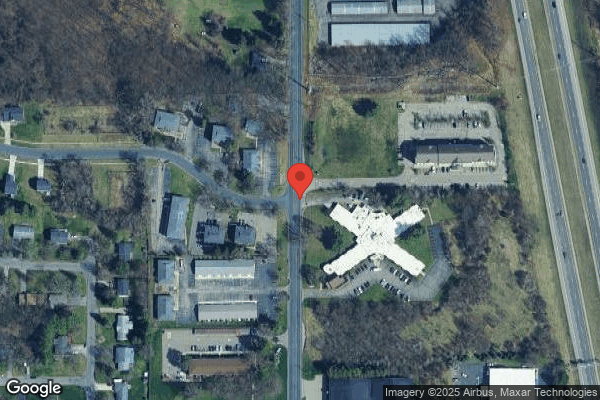
Understanding Severity Codes (click to expand)
Life-Threatening (Immediate Jeopardy)
J - Isolated K - Pattern L - Widespread
Actual Harm
G - Isolated H - Pattern I - Widespread
Potential for Harm
D - Isolated E - Pattern F - Widespread
No Harm (Minor)
A - Isolated B - Pattern C - Widespread

Questions to Ask on Your Visit

  • "Can I speak with families of current residents?"
  • "What's your RN coverage like on weekends and overnight?"

Our Honest Assessment

Strengths
  • • No fines on record. Clean compliance history, better than most Michigan facilities.
  • • 40% turnover. Below Michigan's 48% average. Good staff retention means consistent care.
Concerns
  • • 20 deficiencies on record, including 2 serious (caused harm) violations. Ask about corrective actions taken.
  • • Grade C (55/100). Below average facility with significant concerns.
Bottom line: Mixed indicators with Trust Score of 55/100. Visit in person and ask pointed questions.

About This Facility

What is Medilodge Of Kalamazoo's CMS Rating?

CMS assigns Medilodge of Kalamazoo an overall rating of 3 out of 5 stars, which is considered average nationally. Within Michigan, this rating places the facility higher than 0% of the state's 100 nursing homes. This mid-range rating indicates the facility meets federal standards but may have areas for improvement.

How is Medilodge Of Kalamazoo Staffed?

CMS rates Medilodge of Kalamazoo's staffing level at 4 out of 5 stars, which is above average compared to other nursing homes. Staff turnover is 40%, compared to the Michigan average of 46%. This relatively stable workforce can support continuity of care.

What Have Inspectors Found at Medilodge Of Kalamazoo?

State health inspectors documented 20 deficiencies at Medilodge of Kalamazoo during 2023 to 2025. These included: 2 that caused actual resident harm and 18 with potential for harm. Deficiencies causing actual harm indicate documented cases where residents experienced negative health consequences.

Who Owns and Operates Medilodge Of Kalamazoo?

Medilodge of Kalamazoo is owned by a for-profit company. For-profit facilities operate as businesses with obligations to shareholders or private owners. The facility is operated by MEDILODGE, a chain that manages multiple nursing homes. With 39 certified beds and approximately 37 residents (about 95% occupancy), it is a smaller facility located in Kalamazoo, Michigan.

How Does Medilodge Of Kalamazoo Compare to Other Michigan Nursing Homes?

Compared to the 100 nursing homes in Michigan, Medilodge of Kalamazoo's overall rating (3 stars) is below the state average of 3.1, staff turnover (40%) is near the state average of 46%, and health inspection rating (3 stars) is at the national benchmark.

What Should Families Ask When Visiting Medilodge Of Kalamazoo?

Based on this facility's data, families visiting should ask: "Can I visit during a mealtime to observe dining assistance and food quality?" "How do you handle medical emergencies, and what is your hospital transfer rate?" "Can I speak with family members of current residents about their experience?"

Is Medilodge Of Kalamazoo Safe?

Based on CMS inspection data, Medilodge of Kalamazoo has a clean safety record: no substantiated abuse findings (meaning no confirmed cases of resident harm), no Immediate Jeopardy citations (the most serious violation level indicating risk of serious injury or death), and is not on the Special Focus Facility watch list (a federal program monitoring the lowest-performing 1% of nursing homes). The facility has a 3-star overall rating and ranks #100 of 100 nursing homes in Michigan. While no facility is perfect, families should still ask about staff-to-resident ratios and recent inspection results during their visit.

Do Nurses at Medilodge Of Kalamazoo Stick Around?

Medilodge of Kalamazoo has a staff turnover rate of 40%, which is about average for Michigan nursing homes (state average: 46%). Moderate turnover is common in nursing homes, but families should still ask about staff tenure and how the facility maintains care continuity when employees leave.

Was Medilodge Of Kalamazoo Ever Fined?

Medilodge of Kalamazoo has no federal fines on record. CMS issues fines when nursing homes fail to meet care standards or don't correct problems found during inspections. The absence of fines suggests the facility has either maintained compliance or corrected any issues before penalties were assessed. This is a positive indicator, though families should still review recent inspection reports for the full picture.

Is Medilodge Of Kalamazoo on Any Federal Watch List?

Medilodge of Kalamazoo is not on any federal watch list. The most significant is the Special Focus Facility (SFF) program, which identifies the bottom 1% of nursing homes nationally based on persistent, serious quality problems. Not being on this list means the facility has avoided the pattern of deficiencies that triggers enhanced federal oversight. This is a positive indicator, though families should still review the facility's inspection history directly.