Medilodge of Westwood

2575 N Drake Road, Kalamazoo, MI 49006 (269) 342-0206
For profit - Limited Liability company 97 Beds MEDILODGE Data: November 2025 3 Immediate Jeopardy citations
Trust Grade
0/100
#390 of 422 in MI
Last Inspection: June 2025

Inspected within the last 6 months. Data reflects current conditions.

Overview

Medilodge of Westwood in Kalamazoo, Michigan has a Trust Grade of F, which indicates significant concerns and is among the poorest-rated facilities. They rank #390 out of 422 nursing homes in Michigan, placing them in the bottom half of facilities statewide, and #6 out of 9 in Kalamazoo County, meaning only three local options are worse. While the facility shows an improving trend in issues, reducing from 26 in 2024 to 23 in 2025, it still has serious problems, including $157,270 in fines, which is higher than 92% of Michigan facilities. Staffing is rated average with a 3/5 star rating and a 45% turnover rate, which aligns with the state average, but they do provide more RN coverage than 77% of facilities, indicating some strength in nursing care. However, critical incidents include failures to perform CPR on a resident in cardiac arrest and not communicating significant health changes to medical providers, which poses significant risks to residents' safety and well-being.

Trust Score
F
0/100
In Michigan
#390/422
Bottom 8%
Safety Record
High Risk
Review needed
Inspections
Getting Better
26 → 23 violations
Staff Stability
○ Average
45% turnover. Near Michigan's 48% average. Typical for the industry.
Penalties
○ Average
$157,270 in fines. Higher than 69% of Michigan facilities. Some compliance issues.
Skilled Nurses
✓ Good
Each resident gets 49 minutes of Registered Nurse (RN) attention daily — more than average for Michigan. RNs are trained to catch health problems early.
Violations
⚠ Watch
84 deficiencies on record. Higher than average. Multiple issues found across inspections.
★☆☆☆☆
1.0
Overall Rating
★★★☆☆
3.0
Staff Levels
★★★☆☆
3.0
Care Quality
★☆☆☆☆
1.0
Inspection Score
Stable
2024: 26 issues
2025: 23 issues

The Good

  • Full Sprinkler Coverage · Fire safety systems throughout facility
  • No fines on record
  • Staff turnover below average (45%)

    3 points below Michigan average of 48%

Facility shows strength in fire safety.

The Bad

1-Star Overall Rating

Below Michigan average (3.1)

Significant quality concerns identified by CMS

Staff Turnover: 45%

Near Michigan avg (46%)

Typical for the industry

Federal Fines: $157,270

Well above median ($33,413)

Significant penalties indicating serious issues

Chain: MEDILODGE

Part of a multi-facility chain

Ask about local staffing decisions and management

The Ugly 84 deficiencies on record

3 life-threatening 3 actual harm
Jun 2025 19 deficiencies 1 Harm
SERIOUS (G)

Actual Harm - a resident was hurt due to facility failures

Accident Prevention (Tag F0689)

A resident was harmed · This affected 1 resident

**NOTE- TERMS IN BRACKETS HAVE BEEN EDITED TO PROTECT CONFIDENTIALITY** Based on observation, interview and record review, the facility failed to provide adequate supervision and implement appropriate...

Read full inspector narrative →
**NOTE- TERMS IN BRACKETS HAVE BEEN EDITED TO PROTECT CONFIDENTIALITY** Based on observation, interview and record review, the facility failed to provide adequate supervision and implement appropriate care planned interventions to prevent a fall in 2 of 7 residents (Resident #77, #75) reviewed for accidents and hazards, resulting in a fall with fracture for Resident #77 and the potential to negatively affect the residents' highest practicable physical, mental, and psychosocial well-being. Findings include: Resident #77: Review of an admission Record revealed Resident #77 was a female with pertinent diagnoses which included dementia, history of falling, multiple fractures of pelvis, unsteadiness on feet, insomnia, muscle weakness, reduced mobility, adult failure to thrive, aphasia ((loss of the ability to understand or express speech caused by brain damage, like with a stroke) and cognitive communication deficit (progressive degenerative brain disorder resulting in difficulty with thinking and how someone uses language). Review of a Care Plan for Resident #77 revised on 5/23/35 revealed the focus, .Resident is at risk for falls/injury related to history of falling, adult failure to thrive, muscle weakness, arthritis, cognitive status, pelvic fractures . with the intervention .Bed in low position .Frequent reorientation .Activity program/group program .Educate resident on safety interventions .Encourage resident to keep needed items within reach .Encourage resident to use call light .Ensure the resident's room is free from accident hazards (e.g., providing adequate lighting, ensuring there are no trip hazards, providing assistive devices) .Mat to floor next to bed on the left side .Bed against wall for better mobility around room, safety and to provide space to provide care in a safe manner . Review of an IDT Functional Abilities Assessment for Resident #77, dated 3/19/25, revealed, .8. Chair/bed-to-chair transfer: The ability to transfer to and from a bed to a chair (or wheelchair) .03. Partial/moderate assistance .10. Walk 10 feet .88. Not attempted due to medical condition or safety concerns . Review of a Therapy Fall Screen for Resident #77, dated 4/5/25, revealed, .Visual Observations: Transfer concerns - yes .Ambulation concerns .yes .Balance concerns .yes .Safety awareness concerns .yes .Pain concerns .yes .Staff Questions: Any noted change in mobility or ADLs? .yes .Any pain or change in ROM (range of motion)? .yes .Any therapy needs (PT,OT,SLP)? .yes . Review of an Encounter note for Resident #77, dated 4/20/2025 at 00:00 AM, revealed, .Reported unwitnessed fall at 2335 (11:35 PM). No injury noted, able to move all extremities and bear weight. Pt (Patient) is confused per baseline and unable to state how fall occurred. Neuro checks initiated. Monitoring . Review of Progress Notes for Resident #77, dated 04/21/25 at 00:00 AM, revealed, .Patient is 87- year-old female with history of diet controlled diabetes and dementia. She is being seen for follow-up following a reported fall with no injuries. Patient is seen today, no obvious injuries, or bruising. She denies pain. Due to advance dementia is unable to give any more valuable assessment data. Nursing has no concerns about her care at this time. Vitals reviewed and remain stable .ASSESSMENTS AND PLANS: Muscle weakness (generalized):Patient seen, no visible injuries , no indication for imaging at this time. Denies pain from fall and unable to give any more valuable details due to cognitive impairment. Nursing has no new concerns at this time .Continue fall and safety precautions as patient is confused at baseline . Review of an Alert Note for Resident #77, dated 4/21/2025 at 03:16 AM, revealed, .Was observed by both nurse and CNA (Certified Nursing Assistant), approximately 10-15 minutes prior to fall (in hall), laying in bed. Bed was at w/c (wheelchair) height and call light was within reach. This nurse was at med cart prior to fall, which was parked next to patient's room. At 2335 (11:35 PM), This nurse and CNA were walking down hall and observed resident sitting on the floor, in the hallway, across from room. She was sitting next to room [ROOM NUMBER] doorway with back against wall. She was sitting on her bottom with legs out in front of her and gown was half off. She was not wearing a brief .She was trying to scoot towards her room. The floor was clean and dry in hallway where she was sitting and also in room. Call light was on bed and was not activated. When asked how she ended up on the floor in the hall, she stated, I don't know and I guess I fell. Nursing assessment completed prior to assisting off of the floor with x2 assist. No injury was noted. Able to move all extremities and bear weight without difficulty. Was assisted into w/c and assisted to bathroom for toileting/incontinence cares. Wet brief was observed at the foot of the bed. Gripper socks put on and was assisted back into bed. Bed placed in low position and call light within reach Review of a Therapy Screen for Resident #77, dated 4/21/25, revealed, .Provided to hall staff with importance for pt's (patient's) needs anticipation as pt is not alert enough to request for help . Review of Nurses' Notes for Resident #77, dated 4/25/2025 at 13:41 PM (1:41 PM), revealed, .Resident taken to (local hospital) via (Emergency Transport Company) at 1341. Increased pain in left hip. x-rays confirm fracture . Review of Progress Notes for Resident #77, dated 4/25/25 at 00:00 AM, revealed, .Received following message from nurse resident returned from ER. Family declined hip surgery new order for Keflex 500mg QID for 7 DAYS. Notified rounding for follow up . Review of an Emergency Department (Local Hospital) note for Resident #77, dated 4/25/25 revealed, .Started cephalexin (Keflex) .Reason for Visit: Hip Injury .Diagnoses: - Fall at nursing home, initial encounter .Closed fracture of multiple pubic rami, initial encounter . Review of Progress Notes for Resident #77, dated 4/28/2025 at 00:00 AM, revealed, .Patient is [AGE] year-old female with history of diet controlled diabetes and dementia being seen to follow-up on ER visit of 4/25 where patient was evaluated for left hip fracture. Not a candidate for surgical intervention and return to facility same day pain /conservative management. Also noted with UTI (Urinary Tract Infection) and sent back to complete course of Keflex .Reported left hip pain when being assisted with ADLs .Apply lidocaine 4% patch daily. Continue Tylenol . Review of a Progress Note-General Note for Resident #77, dated 4/29/2025 at 10:48 AM, revealed, .(Resident #77) had a fall on 4/20/25, resulting in a closed fracture of multiple pubic rami per x-ray. She has complaints of pain, reduced mobility, and has experienced a reduction in ADL's. It was determined by the IDT team that a significant change in status has occurred, and an assessment is scheduled. Based on the severity of her injury, a return to her baseline is not expected within 2 weeks. A referral to therapy has been placed . During an observation on 06/03/25 at 08:51 AM, Resident #77 was lying in her bed, the lights were off. Observed no fall mat next to the side of her bed, wheelchair was not by the side of the bed as it was located at the end of the foot of the bed at an angle to the side of the foot of the bed, the seat of her wheelchair was facing away from the resident, and it was not in reach. During an observation on 06/03/25 at 09:44 AM, Resident #77 was observed in her bed, she did not have a fall mat next to the side of her bed per the care planned need. The fall mat was folded up and was placed behind the head of her bed. During an observation on 06/03/25 at 11:40 AM, Resident # 77 was observed lying in her bed, she did not have a fall mat next to the side of her bed. There was a blue mat folded up behind the head of her bed. The bed was observed to be low to the ground and her wheelchair was out of reach in the same position it was earlier. During an observation on 06/03/25 at 02:40 PM, Resident #77 was observed in the dining room unsupervised seated in her wheelchair with coloring papers all over the floor, no staff were observed in the small area of the dining room as well as the larger dining room area. Resident #77 was attempting to pick up the papers off the floor as she was leaning forward in her wheelchair attempting to grab a paper. During an observation on 06/04/25 at 10:28 AM, Resident #77 was observed lying in her bed, tray table over her bed, fall mat was on the floor but not next to the bed it was at an angle away from the side of the bed at the head of the bed providing no safety if Resident #77 fell and angled with the bottom more towards the foot of the bed. In an interview on 06/04/25 at 10:16 AM, Unit Manager (UM) XX reported staff had to keep a close eye on Resident #77 as she would free roam the halls and would go into other resident's rooms. UM XX reported activities staff help supervise Resident #77. In an interview on 06/04/25 at 01:19 PM, UM RR reviewed the record, reported Resident #77 had a fall on 4/20/25 and ultimately fractured her hip. UM RR reported for a resident who had a need for increase in supervision, the staff would want them in visible areas like the nurse's station or with activities. UM RR reported the facility did not send Resident #77 to the emergency room following her fall as she had not complained of any pain. UM RR reported after a few days, she noticed the resident wasn't weight bearing on that leg and sent her out for an x-ray and evaluation. In an interview on 06/04/25 at 09:52 AM, Family Member (FM) VV reported Resident #77 could be impulsive and the facility should keep a closer eye on her due to her impulsiveness and dementia. Review of Fall Prevention Program reviewed/revised on 1/1/2022, revealed, .Each resident will be assessed for the risks of falling and will receive care and services in accordance with the level of risk to minimize the likelihood of falls .4. When a resident who does have a history of falling experiences a fall, the resident will be placed on the facility's Fall Prevention Program .5. Each resident's risk factors and environmental hazards will be evaluated when developing the resident's comprehensive plan of care .a. Interventions will be monitored for effectiveness .b. The plan of care will be revised as needed . Resident #75 Review of an admission Record revealed Resident #75 was a female with pertinent diagnoses which included stroke, paralysis on right dominant side, anxiety, muscle weakness, reduced mobility, lack of coordination, and bed confinement status. Review of a current Care Plan for Resident #75, revised on 3/24/25 revealed the focus, .Care Plan: Resident has an ADL (Activities of Daily Living) self-care performance deficit related to generalized weakness following hospitalization for acute cystitis and encephalopathy, right sided weakness following stroke . with the interventions .AMBULATION: 2 person assist with use of FWW (four wheeled walker) until screened by therapy .TRANSFERS: 2 person assist .Reduce the risk of injury through the next review .2 person assist for toileting, transfers and ambulation until screened by therapy . Review of an IDT (Interdisciplinary Team) Functional Abilities Assessment for Resident #75, dated 3/24/25 at 4:00 PM, revealed, .B. Activities of Daily Living: 8. Chair/Bed to Chair Transfer: The ability to transfer to and from a bed to a chair (or wheelchair) .02. Substantial/Maximal assistance .10. Walk 10 feet: Once standing, the ability to walk at least 10 feet in a room, corridor, or similar space .88. Not attempted due to medical condition or safety concerns . During an observation on 06/02/25 at 10:30 AM, Resident #75 was observed in her room seated in her wheelchair. Resident #75 had her call light on and Certified Nursing Assistant (CNA) II responded. CNA II backed Resident #75's wheelchair to the head of the bed and placed it along the side of her bed. CNA II leaned over and told Resident #75 to give her a hug, counted and then assisted her to her feet. CNA II did not have a gait belt around Resident #75's body for her safety. CNA II did not use the wheeled walker to assist with her mobility. CNA II prompted Resident #75 to shuffle her feet as she was assisting her in turning to back up and sit on the side of the bed. CNA II had her sit on the side of her bed while still hugging her. CNA II moved her wheelchair out of the way, had Resident #75 hug her again, stood her up, and had her sit down further back on the bed. CNA II did not have a gait belt around Resident #75 for safety. CNA II placed Resident #75's wheelchair out of her reach along the wall, at the foot of the bed, on the left side of her room, where her wheeled walker was located at as well. In an interview on 06/04/25 at 01:25 PM, Unit Manager (UM) RR reported a gait belt should be used every time the staff were to transfer a resident. Review of a document titled Using a Gait Belt received on 6/4/25, revealed, .Why should I use a gait belt? Gait belts prevent falls .Use a gait belt whenever the person is weak or unsteady .gait belt should go at the patient's waist and be snug .
CONCERN (D)

Potential for Harm - no one hurt, but risky conditions existed

Resident Rights (Tag F0550)

Could have caused harm · This affected 1 resident

Based on observation and interview, the facility failed to ensure a dignified dining experience for 2 (Residents #590 and #50) of 4 residents reviewed for a dignified dining experience, resulting in t...

Read full inspector narrative →
Based on observation and interview, the facility failed to ensure a dignified dining experience for 2 (Residents #590 and #50) of 4 residents reviewed for a dignified dining experience, resulting in the potential for feelings of frustration and loss of self-worth. Findings include: During a dining observation in the main dining room on 6/3/25 beginning at 12:09 PM, it was noted that Resident #56 and Resident #590 were seated at the same table. Resident #56 had received his lunch meal and was eating, while Resident #590 had not. At 12:12 PM, 2 additional residents arrived at the same table, Resident #50 and an unnamed male resident. At 12:17 PM, the unnamed male received his lunch meal and began eating. Resident #56 continued to eat his meal as well. Neither Resident #590 nor Resident #50 had their meals. At 12:24 PM, the unnamed male finished eating his meal and left the table. At 12:30 PM, Resident #56 finished eating and left the table and Resident #590 was served her lunch meal. At 12:32 PM, Resident #50 took a baggie with an uneaten slice of bread from the place where the unnamed male had been eating and began to consume the slice of bread. At 12:36 PM, Resident #590 left the table with her meal uneaten. Resident #50 remained at the table alone. At 12:37 PM, Resident #50 was served his meal tray. In an interview on 6/3/25 at 1:27 PM, Regional Registered Dietitian (RRD) MM reported if residents are seated at the same table, they should get their meals at the same time. RRD MM reported when a resident arrived at a table with others already eating, that resident should be the next tray to be served or as soon as possible. RRD MM reported waiting 20 minutes or more to be served a tray when other residents were eating was a bit longer than normal.
CONCERN (D)

Potential for Harm - no one hurt, but risky conditions existed

Deficiency F0582 (Tag F0582)

Could have caused harm · This affected 1 resident

**NOTE- TERMS IN BRACKETS HAVE BEEN EDITED TO PROTECT CONFIDENTIALITY** Based on interview and record review the facility failed to provide a Skilled Nursing Facility-Advanced Beneficiary Notice of No...

Read full inspector narrative →
**NOTE- TERMS IN BRACKETS HAVE BEEN EDITED TO PROTECT CONFIDENTIALITY** Based on interview and record review the facility failed to provide a Skilled Nursing Facility-Advanced Beneficiary Notice of Non-coverage (SNF-ABN) and Notice of Medicare Non-coverage (NOMNC) to 2 (Resident #642 and Resident #643) of 3 residents reviewed for proper notification related to Medicare A insurance Coverage, resulting in the potential for the loss of the right to appeal insurance benefit coverage. Findings include: Resident #642 Review of an admission Record revealed Resident #642 was a female who was originally admitted to the facility on [DATE] and had pertinent diagnoses which included: malignant neoplasm of the upper lobe right bronchus or lung (metastatic lung cancer), chronic obstructive pulmonary disease (COPD), and weakness. Resident #642 discharged from the facility on 1/25/25. Resident #643 Review of an admission Record revealed Resident #643 was a female who was originally admitted to the facility on [DATE] and had pertinent diagnoses which included: malnutrition (inadequate nutritional intake) and a cognitive deficit. Resident #643 discharged from the facility on 2/20/25. On 6/3/25 at 9:36 am, via e-mail, a request was made to Regional Director of Operations (RDO) C for a copy of the SNF-ABN and the NOMNC forms that were provided to Resident #642 and Resident #643 prior to their discharges from the facility. On 6/3/25 at 3:00 pm Social Services Director (SSD) D reported she was responsible for issuing SNF-ABN and NMNOC forms to residents two days prior to their discharge from the facility. SSD D reported she took over the role of director in the middle of February, and that she did not issue SNF-ABN or NMNOC forms until she was in the director role. SSD D reported she was not able to locate SNF-ABN nor NMNOC forms for Resident #642 nor Resident #643. On 6/3/25 at 3:09 pm, RDO C reported there was a transition with social services directors during the time of Resident #642 and #643's stays, and the forms were not being completed as they should have been. RDO C reported she could not locate the SNF-ABN and NMNOC forms for Resident #642 and Resident #643. No SNF-ABN nor NMNOC forms were provided to surveyors for Resident #642 and Resident #643 by the time of exit.
CONCERN (D)

Potential for Harm - no one hurt, but risky conditions existed

Deficiency F0628 (Tag F0628)

Could have caused harm · This affected 1 resident

Based on interview and record review, the facility failed to ensure proper discharge notifications were completed in 2 residents (Resident #88 & #640) of 2 residents reviewed for discharge process, re...

Read full inspector narrative →
Based on interview and record review, the facility failed to ensure proper discharge notifications were completed in 2 residents (Resident #88 & #640) of 2 residents reviewed for discharge process, resulting in the State Long-Term Care (LTC) Ombudsman not receiving notification of resident's discharge to the hospital. Findings include: In an interview on 6/3/25 at 10:24 AM, State LTC Ombudsman AAA reported that the ombudsman's office had not received any discharge notifications from the facility for the past few months. Resident #88 Review of Resident #88's Progress Note dated 4/26/2025 revealed, Per nurse client (Resident #88) will be sent ED (emergency department) . Review of Resident #88's Physician Orders indicated that all orders were discontinued on 4/29/25. Resident #640 Review of Resident #640's Progress Notes dated 4/5/25 at 3:57 PM revealed, .patient became unresponsive .nurse contacted provider and hospital .nurse sent patient to (name omitted) hospital . In an interview on 06/03/25 at 02:23 PM, Social Worker (SW) D reported that she was not involved in discharge notifications to the ombudsman's office. SW D reported that she started about 3 months ago at the facility and received her official training about 2 weeks ago. In an interview on 06/03/25 at 03:26 PM, Nursing Home Administrator (NHA) A reported that SW D was responsible for notifying the ombudsman's office of all emergent hospital transfers. NHA A reported that a report should be sent monthly.
CONCERN (D)

Potential for Harm - no one hurt, but risky conditions existed

Assessment Accuracy (Tag F0641)

Could have caused harm · This affected 1 resident

Based on interview and record review, the facility failed to ensure 1 resident (Resident #4) of 18 residents received an accurate clinical assessment, reflective of the resident's status at the time o...

Read full inspector narrative →
Based on interview and record review, the facility failed to ensure 1 resident (Resident #4) of 18 residents received an accurate clinical assessment, reflective of the resident's status at the time of the assessment, resulting in inaccurate diagnosis of schizophrenia documented on MDS (Minimum Data Set) assessment. Findings include: Resident #4 Review of an MDS assessment for Resident #4, with a reference date of 4/25/25 revealed no behaviors of psychosis (mental disorder characterized by a disconnection from reality), and an active diagnosis of schizophrenia (disorder that affects a person's ability to think, feel, and behave clearly). Review of Resident #4's Medical Diagnosis List revealed, Schizophrenia, unspecified, Medical Management dated 2/15/2012, created date 5/19/2023. In an interview on 06/03/25 at 02:31 PM, Social Worker (SW) D reported Resident #4 did not have any schizophrenia related behaviors that she was aware of. SW D reported that Resident #4's depression medication was being managed by a psychiatrist, and that she was not being treated for schizophrenia. In an interview on 06/04/25 at 12:50 PM, MDS/Registered Nurse (RN) I reported that Resident #4 was coded in the MDS assessment as having a diagnosis of schizophrenia, but had never been treated or prescribed antipsychotic medication while at the facility. Review of MDS 3.0 RAI (Resident Assessment Instrument) manual revealed, .an accurate assessment requires collecting information from multiple sources, some of which are mandated by regulations .It is important to note here that information obtained should cover the same observation period as specified by the MDS items on the assessment, and should be validated for accuracy (what the resident's actual status was during that observation period) by the IDT completing the assessment. As such, nursing homes are responsible for ensuring that all participants in the assessment process have the requisite knowledge to complete an accurate assessment .I: Active Diagnoses in the Last 7 Days (cont.) 4. The resident was admitted without a diagnosis of schizophrenia. After admission, the resident is prescribed an antipsychotic medication for schizophrenia by the primary care physician. However, the resident's medical record includes no documentation of a detailed evaluation by an appropriate practitioner of the resident's mental, physical, psychosocial, and functional status (§483.45(e)) and persistent behaviors for six months prior to the start of the antipsychotic medication in accordance with professional standards. Coding: Schizophrenia item (I6000), would not be checked. Rationale: Although the resident has a physician diagnosis of schizophrenia and is receiving antipsychotic medications, coding the schizophrenia diagnosis would not be appropriate because of the lack of documentation of a detailed evaluation, in accordance with professional standards (§483.21(b)(3)(i)), of the resident's mental, physical, psychosocial, and functional status (§483.45(e)) and persistent behaviors for the time period required .
CONCERN (D)

Potential for Harm - no one hurt, but risky conditions existed

Deficiency F0658 (Tag F0658)

Could have caused harm · This affected 1 resident

**NOTE- TERMS IN BRACKETS HAVE BEEN EDITED TO PROTECT CONFIDENTIALITY** Based on interview and record review, the facility failed to follow professional standards of nursing practice related to physic...

Read full inspector narrative →
**NOTE- TERMS IN BRACKETS HAVE BEEN EDITED TO PROTECT CONFIDENTIALITY** Based on interview and record review, the facility failed to follow professional standards of nursing practice related to physician ordered medication and treatments for 2 residents (Resident #21 & #540) of 18 residents reviewed for the provision of nursing services, resulting in false documentation of medication and treatment administration, the lack of physician notification of missed medication, and and the potential for the worsening of medical conditions. Findings include: Resident #21 Review of an admission Record revealed Resident #21 was originally admitted to the facility on [DATE], with pertinent diagnoses which included: bipolar disorder (mental disorder characterized by periods of depression and periods of abnormal elevated mood), depression and suicidal ideations. Review of Resident #21's Care Plan revealed, .at risk for an impaired mood/psychiatric status related to history of suicidal ideations (no plan or attempt) and bipolar disorder and depression. Date initiated: 8/17/2023 .Interventions: Administer medications and treatments as ordered . Review of Resident #21's Medication Administration Record (MAR) revealed orders for Wellbutrin (antidepressant medication) XL (extended-release) 24 hour 150 mg, give one pill in the morning for depression. The start date was 11/28/24. The record indicated that the medication was administered on 6/1/25 (by Registered Nurse (RN) FF), 6/2/25 (by RN FF) and 6/4/25 (by RN FF), but was not given on 6/3/25 (by RN EE) and noted to see progress note. Review of Resident #21's Progress Note (as mentioned above) written by RN EE revealed. Wellbutrin XL 150 mg .on order. There was no documentation of the provider being notified. In an interview and observation on 06/04/25 at 09:49 AM, RN FF was assigned to the medication cart for Resident #21's hall and reported that she had administered Resident #21's Wellbutrin as scheduled that morning. Observed the medication cart's main drawer of medication cards with no Wellbutrin found for the resident. RN FF reported that she had made an error; she documented that she administered the medication, but did not. RN FF falsely documented the administration of Wellbutrin. In an interview on 06/04/25 at 11:07 AM, Nurse Practitioner (NP) PP reported that she had not been notified that the resident had missed any doses of Wellbutrin. Review of Fundamentals of Nursing ([NAME] and [NAME]) 10th edition revealed, Never document that you have given a medication until you have actually given it. Document the name of the medication, the dose, the time of administration, and the route on the MAR. [NAME], [NAME] A.; [NAME], [NAME] Griffin; Stockert, [NAME] A.; Hall, [NAME]. Fundamentals of Nursing - E-Book (p. 610). Elsevier Health Sciences. Kindle Edition. Resident #540: Review of an admission Record revealed Resident #540 was a male with pertinent diagnoses which included right foot trans metatarsal amputation (partial foot amputation where the bones of the forefoot (metatarsals) are removed while preserving the ankle joint and most of the foot's length: often performed as a limb saving procedure for conditions like infection, gangrene, or diabetic ulcers), cellulitis of right lower limb, foot drop-right foot, edema, diabetes with right foot ulcer, right second toe amputation, and muscle weakness. Review of a current Care Plan for Resident #540, revised on 5/22/25, revealed the focus, .Resident has impaired skin integrity as evidenced by (SPECIFY: wound type and location) related to . with the interventions .Administer treatment (s) per orders .Notify Nurse of any new areas of skin impairment noted during bathing or daily care .Notify physician/NP (Nurse Practitioner)/PA (Physician Assistant) of noted worsening skin condition or any new areas of skin impairment .Notify physician/NP/PA of signs/symptoms of infection . Review of an Order dated 5/12/25 for Resident #540, revealed, .Patient to consult wound clinic due to worsening foot wound . Review of an Order dated 5/26/25 for Resident #540, revealed, .Please have pt (patient) follow up with vascular (Name of Vascular surgeon) for possible wound dehiscence . Review of an Order dated 5/26/25 for Resident #540, revealed, .TX (treatment): R (right) foot surgical site: Cleanse area with normal saline and blot dry. Apply Bacitracin Zinc Ointment to surgical site BID (twice a day). Leave open to air. Monitor area for any worsening s/sx (signs and symptoms) of skin integrity. Notify MD/NP of any s/sx of infection. every day and evening shift for RLE (right lower extremity) stump wound . Review of an Order dated 5/28/25 for Resident #540, revealed, .TX: R foot: Encourage and assist resident with placement of BLUE BOOT/HEEL PROTECTOR to R foot r/t (related to) surgical site/skin protection to area. Monitor area daily for any worsening s/sx of skin integrity .every shift for Wound care, Skin Protection . Review of a Treatment Administration Record (TAR) entry for Resident #540, dated 5/4/25, revealed, .TX: cleanse right foot with dakins 1/4%. Pat dry. Apply medihoney to wound bed and cover with border gauze. Change daily at bedtime for wound tx (treatment) .Start date: 4/12/25 DC date: 5/14/25 . revealed, on 5/4/25 no treatment was documented. Review of the TAR for May 2025 revealed numerous omissions of completion of treatments for Resident #540. Review of the TAR for Resident #540 for May 2025 and June 2025, order dated 5/26/25, revealed, .TX: R (right) foot surgical site: Cleanse area with normal saline and blot dry. Apply Bacitracin Zinc Ointment to surgical site BID (twice a day). Leave open to air. Monitor area for any worsening s/sx (signs and symptoms) of skin integrity. Notify MD/NP of any s/sx of infection. every day and evening shift for RLE (right lower extremity) stump wound . Noted on 5/30/25, Evening was documented as completed, on 5/31/25 Day and Evening was documented as completed, and 6/1/25 Day and Evening was documented as completed. Review of the Progress Notes for 5/30/25, 5/31/25, and 6/1/25 revealed no documentation of Resident #540 refusing treatment. During an observation and interview on 06/02/25 at 11:35 AM, Wound Care Nurse (WCN) BB had donned appropriate personal protective equipment (PPE) and entered Resident #540's room. WCN BB asked Resident #540 to lie down on his bed, she placed the blue boot for the right foot under his right calf area. WCN BB was attempting to remove Resident #540's heavily soiled nonslip sock, as she came to the end of his foot where the amputation was, she was attempting to remove the sock and it was stuck to the end of his foot where the surgical open site was. Observed no bandage covering the surgical site and WCN BB had to slowly remove the sock from his foot little by little. The bandage was observed under the pad of his foot. When requested to see the dated bandage, it was dated for 5/30/25 and initialed with WCN BB's initials. WCN BB reported Resident #540's wound was last changed when she did the dressing change on 5/30/25, queried how often his treatment and dressing change was to be done, she reported twice a day. This writer had WCN BB clarify the treatment, and dressing had not been completed since 5/30/25, she indicated Yes. This writer observed the surgical site for the amputation and the wound appeared it was expected to dehisce (closed incision reopens exposing internal tissues) as it was swollen and red tissue was expanding out of the sutures where his second, third and first metatarsals were located, and the foot was swollen. WCN BB cleaned the wound as well as the area around the surgical site with normal saline. WCN BB measured his wound with the tablet to measure the area, length, and width of the wound. WCN BB sprayed the wound with skin prep, used swab to apply zinc ointment to the wound, placed gauze over the wound with the date and initials. Placed the blue boot back on his right foot. WCN BB sanitized her hands, tablet, and the wound cart. In an interview on 06/03/25 at 03:18 PM, WCN BB reported the surgical wound was beginning to dehisce and had light to moderate drainage today. WCN BB reported the provider completed an order to send him back to the vascular surgeon who did the surgery, but the same day placed on hospice so now can't send to vascular surgeon. WCN BB reported it was important the dressing was changed every day, twice a day as the provider ordered and it should be followed. WCN BB reported it was important for the staff to observe the wound to ensure it was healing appropriately, didn't have drainage, or wasn't dehiscing as it had started to do. WCN BB reviewed the treatment administration record (TAR), and it showed the nurses were able to click either yes, no or refused under the resident in the nurse's view. WCN BB went to the Orders Administration Treatment report, and it showed that Resident #540's dressings were documented as changed on 5/30/25 - PM shift, 5/31/25 AM & PM Shifts were selected as completed, and 6/1/25 AM & PM Shifts were selected as completed. WCN BB confirmed the dressing from yesterday's wound treatment was dated from the AM shift treatment she had completed on 5/30/25. In an interview on 06/04/25 at 09:43 AM, Registered Nurse (RN) DD reported if a resident refused cares, he would educate them and document in a progress note the resident refused the care. RN DD reported he couldn't remember if he did the treatments and dressing changes on Resident #540 over the weekend as he was the nurse on first shift (6AM to 6PM) on Saturday, 5/31/25 and Sunday 6/1/25. RN DD reported as the nurse he was responsible for the treatment and dressing changes for the resident when the wound nurse was not working. RN DD reported it would be documented in the treatment administration record (TAR) and if Resident #540 had refused he would have documented he had refused. RN DD when queried reported that sometimes the nurses get busy and forget to document refusals. In an interview on 06/04/25 01:34 PM, Director of Nursing (DON) B reported the nurse's would follow the order as specified. DON B reported if the resident refused treatment the nurses should notify the doctor of the refusal and direction, place a nursing note for the refusal, and notify the resident's responsible person, if they have one, hospice etc. DON B reported when the refusal was documented in the TAR it would bring up a prompt to enter a progress note, if it was documented as completed there would be no prompt to enter a note. Review of the policy, Wound Treatment Management reviewed/revised on 10/26/2023, revealed, .1. Wound treatments will be provided in accordance with physician orders, including the cleansing method, type of dressing, and frequency of dressing changes . The medical record is a legal document and is used to protect the patient as well as the professional practice of those in healthcare. Documentation of the care you give is proof of the care you provide .Charting is objective, not subjective. This means chart only what you see, hear, feel, measure, and count, not what you infer or assume. All nurses know that if it wasn't charted, it wasn't done the patient's complete and accurate medical record the most reliable source of information on the care of that patient. Proper nursing documentation prevents errors and facilitates continuity of care. (https: //www. asrn.org/journal-chronicle-nursing/341-charting-and- documentation.html) .The health care provider (physician or advanced practice nurse) is responsible for directing medical treatment. Nurses follow health care providers' orders unless they believe that the orders are in error, violate agency policy, or are harmful to the patient . [NAME], [NAME] A.; [NAME], [NAME] Griffin; Stockert, [NAME]; Hall, [NAME]. Fundamentals of Nursing - E-Book (Kindle Locations 20717- 20719). Elsevier Health Sciences. Kindle Edition.
CONCERN (D)

Potential for Harm - no one hurt, but risky conditions existed

ADL Care (Tag F0677)

Could have caused harm · This affected 1 resident

**NOTE- TERMS IN BRACKETS HAVE BEEN EDITED TO PROTECT CONFIDENTIALITY** Based on observation, interview, and record review the facility failed to provide activities of daily living (ADLs) to a depende...

Read full inspector narrative →
**NOTE- TERMS IN BRACKETS HAVE BEEN EDITED TO PROTECT CONFIDENTIALITY** Based on observation, interview, and record review the facility failed to provide activities of daily living (ADLs) to a dependent resident, including shampooing of hair, for 1 (Resident #37) of 18 resident reviewed for activities of daily living, resulting in an unkempt appearance and the potential for feelings of diminished self-worth. Findings include: Review of an admission Record revealed Resident #37 was a female who was originally admitted to the facility on [DATE] and had pertinent diagnoses which included: hemiplegia and hemiparesis following cerebral infarction affecting the right dominant side, need for assistance with personal care, and reduced mobility. Review of a Minimum Data Set (MDS) assessment for Resident #37, with a reference date of 5/6/2025 revealed a Brief Interview for Mental Status (BIMS) score of 13/15 which indicated Resident #37 was cognitively intact. During an observation on 6/2/25 at 2:23 pm, Resident #37 was in bed wearing a light pink colored shirt and her hair appeared to be unkept and greasy. During an observation on 6/3/25 at 11:18 am, Resident #37 was in bed wearing a dark pink colored shirt and her hair appeared to be very greasy. Review of Task for Resident #37 revealed . GG- Shower /bathe self-Wednesday and Saturday 1st shift. During an observation and interview on 6/4/25 at 9:49 am, Resident #37 was in bed wearing a dark pink colored shirt. The same shirt she was wearing the day before. Resident #37's hair appeared greasy and unkept. Resident #37 reported her hair would be washed once or twice a week. Resident #37 reported she would prefer for her hair to be washed three to four times a week since it was very oily. Resident #37 stated I could not tell you the last time my hair was washed. Review of Care Plan for Resident #37 revealed .Resident has an ADL self-care performance deficit . Resident prefers bed-baths .with a date of 1/31/2025. Review of Shower Documentation for Resident #37 for the month of May 2025, indicated that a shower/bed bath was completed on 5/7, 5/10, 5/14, 5/21, 5/24, and 5/28. There was no documentation provided for the dates of 5/3, 5/17, and 5/31. In an interview on 6/4/25 at 9:50 am, Certified Nurse Assistant (CNA) N' reported that shampooing hair was included in a shower assignment. CNA N reported that Resident #37 preferred bed bath and her hair was washed using a basin in bed or a shampooing cap that was available in the supply closet. In an interview on 6/4/25 at 11:30 am, CNA WW reported she was going to give Resident #37 her bed bath in a bit and it was Resident #37's shower day and she would get her hair washed. In an observation and interview on 6/4/25 at 12:45 pm, Resident #37 was lying in bed, wearing a white in color shirt, and her hair was noticeably combed, but appeared very greasy still. Resident #37 stated she did not get her hair washed. In an interview on 6/4/25 at 12:55 pm, CNA WW reported she did not wash Resident #37's hair. CNA WW stated night shift had done Resident #37's am care and she had realized that Resident #37 had already been cleaned up for the day, so she did not have to give her a bath. When queried regarding Resident #37 getting her hair washed, CNA WW stated it could still get done today. In an interview on 6/4/25 at 2:05 pm, Unit Manager (UM) RR reported residents should get their hair washed during their showers, on their shower days unless it was indicated to not be done. UM RR reported that Resident #37's hair should be washed on her shower days. UM RR reported there was no place for shampooing to be documented separately in CNA documentations, and the nurse would need to document a progress note if it wasn't done. Review of Progress Notes for Resident #37 for the month of May 2025, revealed no noted documented refusal of care, or incomplete showering, nor refused or incomplete shampooing. In an interview on 6/4/25 at 2:10 pm Director of Nursing (DON) B reported the expectations were that shampooing was a part of the shower care residents received, and if it was not performed it needed to be documented with a reason why it wasn't done.
CONCERN (D)

Potential for Harm - no one hurt, but risky conditions existed

Quality of Care (Tag F0684)

Could have caused harm · This affected 1 resident

**NOTE- TERMS IN BRACKETS HAVE BEEN EDITED TO PROTECT CONFIDENTIALITY** Based on observation, interview and record review the facility failed to ensure residents received care in accordance with profe...

Read full inspector narrative →
**NOTE- TERMS IN BRACKETS HAVE BEEN EDITED TO PROTECT CONFIDENTIALITY** Based on observation, interview and record review the facility failed to ensure residents received care in accordance with professional standards in 2 residents (Resident #21 & #540) of 18 residents reviewed for quality of care, resulting in medication not being administered per physician order for the treatment of a mental disorder for Resident #21, wound care not provided per physician order for Resident #540, and the potential for residents to not meet their highest practicable physical, mental, and psychosocial well-being. Findings include: Resident #21 Review of an admission Record revealed Resident #21 was originally admitted to the facility on [DATE], with pertinent diagnoses which included: bipolar disorder (mental disorder characterized by periods of depression and periods of abnormal elevated mood), depression and suicidal ideations. Review of Resident #21's Care Plan revealed, .at risk for an impaired mood/psychiatric status related to history of suicidal ideations (no plan or attempt) and bipolar disorder and depression. Date initiated: 8/17/2023 .Interventions: Administer medications and treatments as ordered . During an observation of medication administration on 06/03/25 at 08:48 AM with Registered Nurse (RN) EE for Resident #21 revealed that Resident #21 did not receive her Wellbutrin (antidepressant) 150 mg (milligram) as ordered. Observed RN EE prepare all of Resident #21's medications and report that Wellbutrin was not available to administer, but the medication was on order from the pharmacy. RN EE reported that some residents go several days without medications, and that she was not sure how long Resident #21 had been without her Wellbutrin. RN EE did not search the bottom drawer of the medication cart where extra medications are kept and did not notify the provider. Review of Resident #21's Medication Administration Record (MAR) revealed orders for Wellbutrin XL (extended-release) 24 hour 150 mg, give one pill in the morning for depression. The start date was 11/28/24. The record indicated that the medication was administered on 6/1/25 (by RN FF), 6/2/25 (by RN FF) and 6/4/25 (by RN FF), but was not given on 6/3/25 (by RN EE) and noted to see progress note. Review of Resident #21's Progress Note (as mentioned above) written by RN EE revealed. Wellbutrin XL 150 mg .on order. In an interview and observation on 06/04/25 at 09:49 AM, RN FF was assigned to the medication cart for Resident #21's hall and reported that she had administered Resident #21's Wellbutrin as scheduled that morning. Observed the medication cart's main drawer of medication cards with no Wellbutrin found for the resident. RN FF reported that she had made an error; she documented that she administered the medication, but did not. RN FF then looked in the bottom drawer that contained extra medication and found a new card of Wellbutrin dated 5/20/25 (14 days ago) for the resident. RN FF reported that she did not remember when Resident #21 ran out of the medication, but that she would administer it immediately. RN FF falsely documented the administration of Wellbutrin. In an interview on 06/04/25 at 10:02 AM, UM RR reported that per the Wellbutrin order audit report, Resident #21's Wellbutrin was due to exhaust on 5/20/25 (14 days ago) and was refilled/dispensed automatically by the pharmacy that same day. UM RR reported that there was no way to determine how many doses Resident #21 had been missed, considering that the nursing staff had documented administering Wellbutrin every day since 5/20/25, except for 6/3/25 when this surveyor was observing medication pass. UM RR reported that the pharmacy only sends a 30 day supply. In an interview on 06/04/25 at 11:07 AM, Nurse Practitioner (NP) PP reported that Resident #21 was being followed closely for her mental health and recently had new medication added due to an increase in symptoms of depression. NP PP reported that she had not been notified that the resident had missed any doses of her Wellbutrin and that Wellbutrin was important due to Resident #21's complex psychological issues and trying to find a balance to control her depression. Review of Resident #21's Psychiatry Visit Note dated 5/28/25 revealed, .Chief Complaint: Bipolar disorder .moderate depression, irritability, anxiety, and occasional insomnia .intermittent thoughts that she would be better off dead. However, denies suicidal ideation, plan or intent .Medications: .Lamictal (delays mood episodes of bipolar) .for bipolar 2 disorder, .Wellbutrin XL 150 mg .1 tablet in the morning for depression . Sertraline (antidepressant) 100 mg tablet .for depression . Gradual dose reduction was noted to be contraindicated for all of the above medications. Resident #540: Review of an admission Record revealed Resident #540 was a male with pertinent diagnoses which included right foot trans metatarsal amputation (partial foot amputation where the bones of the forefoot (metatarsals) are removed while preserving the ankle joint and most of the foot's length: often performed as a limb saving procedure for conditions like infection, gangrene, or diabetic ulcers), cellulitis of right lower limb, foot drop-right foot, edema, diabetes with right foot ulcer, right second toe amputation, and muscle weakness. Review of a current Care Plan for Resident #540, revised on 5/22/25, revealed the focus, .Resident has impaired skin integrity as evidenced by (SPECIFY: wound type and location) related to . with the interventions .Administer treatment (s) per orders .Notify Nurse of any new areas of skin impairment noted during bathing or daily care .Notify physician/NP (Nurse Practitioner)/PA (Physician Assistant) of noted worsening skin condition or any new areas of skin impairment .Notify physician/NP/PA of signs/symptoms of infection . Review of an Order dated 5/12/25 for Resident #540, revealed, .Patient to consult wound clinic due to worsening foot wound . Review of an Order dated 5/26/25 for Resident #540, revealed, .Please have pt (patient) follow up with vascular (Name of Vascular surgeon) for possible wound dehiscence . Review of an Order dated 5/26/24 for Resident #540, revealed, .TX (treatment): R (right) foot surgical site: Cleanse area with normal saline and blot dry. Apply Bacitracin Zinc Ointment to surgical site BID (twice a day). Leave open to air. Monitor area for any worsening s/sx (signs and symptoms) of skin integrity. Notify MD/NP of any s/sx of infection. every day and evening shift for RLE (right lower extremity) stump wound . Review of an Order dated 5/28/25 for Resident #540, revealed, .TX: R foot: Encourage and assist resident with placement of BLUE BOOT/HEEL PROTECTOR to R foot r/t (related to) surgical site/skin protection to area. Monitor area daily for any worsening s/sx of skin integrity .every shift for Wound care, Skin Protection . Review of a Treatment Administration Record (TAR) entry for Resident #540, dated 5/4/25, revealed, .TX: cleanse right foot with dakins 1/4%. Pat dry. Apply medihoney to wound bed and cover with border gauze. Change daily at bedtime for wound tx (treatment) .Start date: 4/12/25 DC date: 5/14/25 . revealed, on 5/4/25 no treatment was documented. Review of the TAR for May 2025 revealed numerous omissions of completion of treatments for Resident #540. Review of the TAR for Resident #540 for May 2025 and June 2025, revealed, .TX: R (right) foot surgical site: Cleanse area with normal saline and blot dry. Apply Bacitracin Zinc Ointment to surgical site BID (twice a day). Leave open to air. Monitor area for any worsening s/sx (signs and symptoms) of skin integrity. Notify MD/NP of any s/sx of infection. every day and evening shift for RLE (right lower extremity) stump wound . Noted on 5/30/25, Evening was documented as completed, on 5/31/25 Day and Evening was documented as completed, and 6/1/25 Day and Evening was documented as completed. Review of the Progress Notes for 5/30/25, 5/31/25, and 6/1/25 revealed no documentation of Resident #540 refusing treatment. Review of an Authorization for Ancillary and Medical Services form for Resident #540, in admission Packet received on 6/4/25, revealed, Podiatry services were included with the signed authorization of services. Review of the admission Checklist for Resident #540 revealed the Authorization Form for Ancillary & Medical Services was checked and the documented was signed by the Business Office and Administrator dated 11/12/18. Review of the medical record revealed no refusals documented for Podiatry services for Resident #540. In an interview on 06/02/25 at 10:37 AM, Resident #540 reported he had to have his toes amputated, it was healing but it was kinda slow. Resident #540 reported no pain, but he doesn't feel his feet. Resident #540 reported he was taking an antibiotic for his surgical wound. During an observation and interview on 06/02/25 at 11:35 AM, Wound Care Nurse (WCN) BB had donned appropriate personal protective equipment (PPE) and entered Resident #540's room. WCN BB asked Resident #540 to lie down on his bed, she placed the blue boot for the right foot under his right calf area. WCN BB was attempting to remove Resident #540's heavily soiled nonslip sock, as she came to the end of his foot where the amputation was, she was attempting to remove the sock, and it was stuck to the end of his foot where the surgical open site was. Observed no bandage covering the surgical site and WCN BB had to slowly remove the sock from his foot little by little. The bandage was observed under the pad of his foot. When requested to see the dated bandage, it was dated for 5/30/25 and initialed with WCN BB's initials. WCN BB reported Resident #540's wound was last changed when she did the dressing change on 5/30/25, queried how often his treatment and dressing change was to be done, she reported twice a day. This writer had WCN BB clarify the treatment, and dressing had not been completed since 5/30/25, she indicated Yes. This writer observed the surgical site for the amputation and the wound appeared it was expected to dehisce (closed incision reopens exposing internal tissues) as it was swollen and red tissue was expanding out of the sutures where his second, third and first metatarsals were located, and the foot was swollen. WCN BB cleaned the wound as well as the area around the surgical site with normal saline. WCN BB measured his wound with the tablet to measure the area, length, and width of the wound. WCN BB sprayed the wound with skin prep, used swab to apply zinc ointment to the wound, placed gauze over the wound with the date and initials. Placed the blue boot back on his right foot. WCN BB sanitized her hands, tablet, and the wound cart. Review of Progress Notes for Resident #540, dated 3/20/25 at 00:00 AM, revealed, .Acute: Right foot wound .General: Patient is 68 y.o (year-old) male with PMH (primary medical history) including HTN (high blood pressure), leg edema, DM2 (diabetes), HLD (high levels of fat in the blood) .seen per nurse request to evaluate noted wound to right foot .Patient seen in room, is afebrile and in no distress at this time. Noted with gulf-ball (spelling?) size ulcer to planter surface of foot with eschars (Thick leathery, dead tissue layer that forms on the surface of a full thickness wound, such as a burn or pressure ulcer). Patient related that he did not know it was there as it does not hurt. No other acute concerns at this time .E11.621 - TYPE 2 DIABETESMELLITUS WITH FOOT ULCER: Ulcer to right foot plantar surface. Cleanse with wound wash, pat dry, apply medihoney, cover with border gauze, wrap secure with kerlix and change dressing daily .Get x-rays of right foot for further evaluation .Labs of 1/10/25 A1C=6.1 %. Continue diabetes regimen as ordered . Review of Xray Exam of Foot for Resident #540, results dated 3/20/25, revealed, .Rule out Osteomyelitis (infection in the bone when a bacterial or fungal infection spreads from another part of the body to the bone marrow) .IMPRESSION:1. Multiple toe amputations with post-surgical changes. No evidence of acute complications.2. Plantar calcaneal enthesophyte, suggesting chronic traction at the Achilles tendon insertion.3. No acute bony injury or dislocation.4. No significant soft tissue abnormality . Review of Skin & Wound Evaluation for Resident #540, dated 3/20/25 at 1:03 PM, revealed, .Diabetic .Right Plantar 1st Interdigital Space (Foot), Distal .Acquired: In house .How long has wound been present: Unknown .Staged by In house Nursing .Area: 8.8 CM, Length: 3.6 .Width: 3.4 .Depth: 0.4 .10% of wound covered .Eschar .90% of wound filled .Odor noted after cleansing: Faint .Attached: Edge appears flush with wound bed or as a sloping edge .Rolled edge (Epibole): Edge appears curled under .Goal of Care: Not answered .Treatment: Missing .Generic wound cleanser .Debridement: Autolytic (breakdown of cellular components by own enzymes) .antimicrobial dressing .Hydrogel (water based gel that can absorb a large amount of water) .Bordered gauze .Stable .Infection: Not answered Review of Progress Notes for Resident #540, dated 3/25/25 at 00:00 AM, revealed, .Continues with 2+ pitting edema to lower extremities .right foot ulcer with no signs of surrounding cellulitis .Skin: Positive: Dry, Warm, Wounds .Ulcer to planter surface of right foot .Blood sugars have been stable. Continue local wound care to right sole ulcer . Review of Progress Notes dated 3/28/2025 at 00:00 AM, revealed, .Wound Care .CHIEF COMPLAINT: Wound care .General: (Resident #540) is a [AGE] year-old male with Right Plantar 1st Interdigital Space wound that is being managed by wound services. Wound is still present. Wound services will continue to follow .,type 2 diabetes mellitus with foot ulcer, right second toes amputation, essential(primary) hypertension, elevated white blood cell count, unspecified, hyperlipidemia .Patient was alert. Does not report pain during assessment or wound intervention. Will continue to apply medihoney and a bordered gauze. Will adjust treatment plan and reassess all sites in 1 week for progress .Skin: Positive: Wounds .Notes: 1. (2) Right Plantar 1st Interdigital Space Foot Diabetic - This wound measures 2.84 x 2.39 centimeters with a depth of 0.3 centimeters. This wound is full thickness. There is a light amount of serous drainage from this area. Wound bed consists of 60% granulation and 40% eschar tissue. Edges are attached and there is no eschar (note was 40% eschar), tunneling or undermining. The surrounding tissue is fragile .Tx: This area is to be cleaned daily with dakins. Apply medihoney to the wound and eschar tissue. Wound should be covered with a bordered gauze. Initial and date. Daily . Review of Progress Notes for Resident #540 dated 4/2/25 at 00:00 AM, revealed, .He is seen today acutely due to concern of right leg redness and swelling. He has been in bed the last few days which is unlike him. Had u/a (urinalysis) done yesterday which is pending .MODERATE: Localized swelling, mass and lump, right lower limb: Concern with swelling and redness of right leg, get ultrasound to rule out DVT (blood clot). If negative, likely treat as cellulitis. Get cbc (complete blood count) to rule out infection . Review of Progress Notes for Resident #540 dated 4/3/25 at 00:00 AM, revealed, .General: Patient is 68 y.o male with PMH (past medical history) including HTN (high blood pressure) , leg edema , DM2,HLD and ongoing disorganized thinking whom was evaluated for right leg edema on 4/2 with Doppler US (ultrasound) ordered and needs follow-up today. Also, he had urinalysis done for intermittent confusion. Patient is seen sitting up in wheel chair, is afebrile and in no distress. Able to make needs known. He denies pain to right leg and Doppler US (ultrasound) is negative for DVT (deep vein thrombosis). Continue with 2+ edema and mild warm with erythema (reddening of the skin) .Urine C&S (culture and sensitivity) is also pending .Risk of Complications and/or Morbidity or Mortality of Patient Management: MODERATE .Localized swelling, mass and lump, right lower limb: Doppler Ultrasound of 4/3/25 negative for DVT .CELLULITIS OF RIGHTLOWER LIMB: will treat with Keflex 500mg twice daily for 7 days .TYPE 2 DIABETESMELLITUS WITH FOOT ULCER: Right planter surface ulcer. Continue local wound care . Review of Progress Notes for Resident #540, dated 4/14/2025 at 00:00 AM, revealed .Edema .Positive: Edema in lower right extremities, Edema in lower left extremities Notes: 2+ .Notes: Ulcer to planter surface of right foot .Temperature 97.3 degrees Fahrenheit .COVID positive . Review of Progress Notes for Resident #540, dated 4/28/25 at 3:04 PM, revealed, .Noted pitting edema 3+ B:E (bilateral extremities), notified NP (nurse practitioner) received new order, continue monitor . Review of Progress Notes for Resident #540, dated 4/30/25 at 00:00 AM, revealed, .Noted with increase edema to +2 to lower extremities .negative for DVT (deep vein thrombosis) on 4/3/25 .no signs of cellulitis on exam .Lasix added to regimen on 4/29 . Review of Progress Notes for Resident #540, dated 5/5/25 at 00:00 AM, revealed, .Weakness: R (right) hand weakness .new this AM .Temperature: 98.7 degrees Fahrenheit .weakness in BLE (bilateral lower extremities) .Send to ER (emergency room) to rule out stroke . Review of Progress Notes for Resident #540, dated 5/12/25 at 00:00 AM, revealed, .Chief Complaint: Planter wound with malodor (smelling very unpleasant) .seen to evaluate noted odor to right foot wound. Wound is deep with slough and drainage .Ascending ankle/foot continue with +2 tense edema (dent or indentation is seen after pressure is applied and it disappears within 15 seconds caused by excess fluid trapped in the body's tissues) Edema in right lower and left lower extremities .Temperature: 97.9% .Non-pressure chronic ulcer of right heel and midfoot with necrosis of muscle: with correct infection Start doxycycline , 1 tablet twice daily for 7 days .Continue local wound dressing .Patient to consult with wound clinic . Review of Pertinent Charting-Infections/Signs Symptoms for Resident #540, dated 5/13/2025 at 01:40 AM, revealed, .Event Date: 05/12/2025 .Site of infection: rt (right) foot .Reason on antibiotics/new signs &symptoms: infection rt foot . Review of Progress Notes for Resident #540, dated 5/15/25 at 00:00 AM, revealed, .Chief Complaint: Fall follow-up, right foot cellulitis .Seen to follow-up on fall and right foot cellulitis. Endorsed pain to right lower extremity and swelling in not receding. Of note, prior Doppler studies have been negative for DVT. Right foot sole wound with slough and drainage .Doxycycline Hyclate Tablet 100 MG: Give 1 tablet by mouth two times a day for infection-right foot wound infection for 7 Days / undefined tablet / May 15,2025 to May 20, 2025 .E11.621 - TYPE 2 DIABETESMELLITUS WITH FOOT ULCER: Right foot planter wound slow to heal. Continue Bactrim until 5/20 Get right foot x-rays, 3 view to further evaluate for osteomyelitis .Check CBC, BMP, CRP .M62.81 - MUSCLE WEAKNESS(GENERALIZED): reported lower self to floor. No pain or injury .Patient reminded to call staff for assistance with ADLs (Activities of Daily Living) . Review of Nurses' Notes for Resident #540, dated 5/16/2025 at 3:39 PM, revealed, .Resident sent to (Local Hospital) ED (emergency department) for evaluation for right foot possible osteomyelitis seen in x-ray . Review of Progress Notes for Resident #540, dated 5/22/2025 at 00:00 AM, revealed, .Acute: Readmit right foot osteomyelitis .admitted to hospital for right foot osteomyelitis and treated with IV antibiotics and tarsometatarsal amputation .Seen lying in bed, report fatigue and decrease in appetite . Review of a History and Physical for Resident #540, dated 5/26/2025 at 00:00 AM, revealed, .CHIEF COMPLAINT: osteomyelitis .General: [AGE] year old male with R osteomyelitis of metatarsal 2-5. ESBL Proteus and Bacteroides fragilis and Morganella, B-hemolytic strep, E faecalis Enterobacter placed on Ertapenem (an antibiotic). R (Right) TMA (Trans Metatarsal Amputation) 5/19 and started on Bactrim upon discharge. Pt (patient) injured foot and wound care nurse is concerned about dehiscence (closed incision reopens, exposing internal tissues). No bleeding or drainage. No fever . In an interview on 06/03/25 at 03:18 PM, WCN BB reported the surgical wound was beginning to dehisce and had light to moderate drainage today. WCN BB reported the provider completed an order to send him back to the vascular surgeon who did the surgery, but the same day placed on hospice so now can't send to vascular surgeon. WCN BB reported it was important the dressing was changed every day, twice a day as the provider ordered and it should be followed. WCN BB reported it was important for the staff to observe the wound to ensure it was healing appropriately, didn't have drainage, or wasn't dehiscing as it had started to do. WCN BB reviewed the treatment administration record (TAR), and it showed the nurses were able to click either yes, no or refused under the resident in the nurse's view. WCN BB went to the Orders Administration Treatment report, and it showed that Resident #540's dressings were documented as changed on 5/30/25 - PM shift, 5/31/25 AM & PM Shifts were selected as completed, and 6/1/25 AM & PM Shifts were selected as completed. WCN BB confirmed the dressing from yesterday's wound treatment was dated from the AM shift treatment she had completed on 5/30/25. In an interview on 06/04/25 at 09:43 AM, Registered Nurse (RN) DD reported if a resident refused cares, he would educate them and document in a progress note the resident refused the care. RN DD reported he couldn't remember if he did the treatments and dressing changes on Resident #540 over the weekend as he was the nurse on first shift (6AM to 6PM) on Saturday, 5/31/25 and Sunday 6/1/25. RN DD reported as the nurse he was responsible for the treatment and dressing changes for the resident when the wound nurse was not working. RN DD reported it would be documented in the treatment administration record (TAR) and if Resident #540 had refused he would have documented he had refused. RN DD when queried reported that sometimes the nurses get busy and forget to document refusals. In an interview on 06/04/25 01:34 PM, Director of Nursing (DON) B reported the nurses should follow the order as specified. DON B reported if the resident refused treatment the nurses should then notify the doctor of the refusal and direction, place a nursing note for the refusal, and notify the resident's responsible person, if they have one, hospice etc. DON B reported when the refusal was documented in the TAR it would bring up a prompt to enter a progress note, if it was documented as completed there would be no prompt to enter a note. Review of the policy, Wound Management reviewed/revised on 10/26/2023, revealed, .Policy: To promote wound healing of various types of wounds, it is the policy of this facility to provide evidence-based treatments in accordance with current standards of practice and physician orders. Policy Explanation and Compliance Guidelines: Wound treatments will be provided in accordance with physician orders, including the cleansing method, type of dressing, and frequency of dressing change .2. In the absence of treatment orders, the licensed nurse will notify physician to obtain treatment orders. This may be the treatment nurse, or the assigned licensed nurse in the absence of the treatment nurse Dressing changes may be provided outside the frequency parameters in certain situations: a. Feces has seeped underneath the dressing .b. The dressing has dislodged .c. The dressing is soiled otherwise or is wet .1. Dressings will be applied in accordance with manufacturer recommendations .Treatment decisions will be based on: a. Etiology of the wound: 1. Pressure injuries will be differentiated from non-pressure ulcers, such as arterial, venous, diabetic, moisture or incontinence related skin damage .
CONCERN (D)

Potential for Harm - no one hurt, but risky conditions existed

Deficiency F0688 (Tag F0688)

Could have caused harm · This affected 1 resident

**NOTE- TERMS IN BRACKETS HAVE BEEN EDITED TO PROTECT CONFIDENTIALITY** Based on observations, interviews, and record review, the facility failed to ensure a positioning device was consistently applie...

Read full inspector narrative →
**NOTE- TERMS IN BRACKETS HAVE BEEN EDITED TO PROTECT CONFIDENTIALITY** Based on observations, interviews, and record review, the facility failed to ensure a positioning device was consistently applied for 1 (Resident #56) of 1 resident reviewed for positioning, resulting in the potential for decreased range of motion and related complications, skin breakdown, worsening of contracture (hardening of the muscles, tendons, and other tissues) and pain. Findings include: Resident #56 Review of an admission Record revealed Resident #56 was a male, with pertinent diagnoses which included: hemiplegia and hemiparesis (muscle weakness or partial paralysis on one side of the body) following cerebral infarction (stroke) affecting right dominant side. Review of a Minimum Data Set (MDS) assessment for Resident #56, with a reference date of 3/9/25 revealed Resident #56 had a functional limitation in range of motion in upper extremity. Review of Resident #56's current Care Plan revealed a focus of Resident has an ADL (activities of daily living) self-care performance deficit related to weakness, tremors, gout, hemiplegia, unsteady gait, dysphagia (swallowing difficulty), hearing loss, ataxia (impaired coordination), chronic pain last revised 3/27/25 with care planned interventions which included Other: Splinting: apply RUE (right upper extremity) [NAME] hand splint (a resting hand splint used for positioning to improve or prevent worsening of contracture) for 4 hours daily in the morning, then remove for the rest of the day. DO NOT leave on over night. Apply carrot splint (a splint used to position the fingers away from the palms of the hand to protect the skin) into right [NAME] surface of right hand as tolerates during the day and night with a date initiated and revised of 11/20/23. Review of Resident #56's Kardex (an individualized care guide to direct staff on how to care for the resident) revealed, ADL's .Other: Splinting: apply RUE [NAME] hand splint for 4 hours daily in the morning, then remove for the rest of the day. DO NOT leave on over night. Apply carrot splint into right [NAME] surface of right hand as tolerates during day and night. During an observation on 6/3/25 at 8:23 AM, Resident #56 was seated in his wheelchair wheeling himself down the hallway. Resident #56 had a notable contracture of the right hand. There was no splint or other device applied to Resident #56's right hand. During an observation on 6/3/25 at 12:05 PM, Resident #56 was observed seated in his wheelchair wheeling himself to the dining room. There was no splint or other device applied to Resident #56's right hand. In an interview on 6/3/25 at 8:29 AM, Certified Nurse Aide (CNA) Q reported Resident #56 did not wear any type of brace or splint on his right hand. CNA Q reported in the seven months she had worked at the facility, she had not seen any type of brace or splint on Resident #56's right hand. In an interview on 6/3/25 at 10:09 AM, Licensed Practical Nurse (LPN) Z reported she did not know of any devices that Resident #56 was to wear on his right hand. LPN Z reported she was not aware of a splint for Resident #56 and that he did not have one on yesterday or today. LPN Z reported she would have to follow up on whether or not Resident #56 was to wear a device on his right hand for his contracture. In an interview on 6/3/25 at 10:29 AM, Senior Director of Nursing (SDON) NN reported Resident #56's care plan and Kardex listed that he would have a splint and carrot applied daily. SDON NN reported since the splint and carrot were on the care plan and Kardex, the CNA should document in the tasks that they were applied. SDON NN reported there was no documentation in Resident #56's medical record that Resident #56's splint and carrot had been applied.
CONCERN (D)

Potential for Harm - no one hurt, but risky conditions existed

Respiratory Care (Tag F0695)

Could have caused harm · This affected 1 resident

**NOTE- TERMS IN BRACKETS HAVE BEEN EDITED TO PROTECT CONFIDENTIALITY** Based on observation, interview, and record review the facility failed to 1). Ensure that supplemental oxygen was continuously s...

Read full inspector narrative →
**NOTE- TERMS IN BRACKETS HAVE BEEN EDITED TO PROTECT CONFIDENTIALITY** Based on observation, interview, and record review the facility failed to 1). Ensure that supplemental oxygen was continuously supplied at the rate ordered by the physician for 1 (Resident #37) and 2). Obtain physician orders for use of a continuous positive airway pressure (CPAP) machine and provide routine cleaning of CPAP mask for 1 (Resident #81) of 2 total residents reviewed for respiratory care resulting in the potential for excessive oxygen administration, improper use and/or inaccurate settings of an CPAP machine, and respiratory infection. Findings include: Resident #37 Review of an admission Record revealed Resident #37 was a female who was originally admitted to the facility on [DATE] and had pertinent diagnoses which included: hemiplegia and hemiparesis following cerebral infarction affecting the right dominant side, need for assistance with personal care, and reduced mobility. Review of a Minimum Data Set (MDS) assessment for Resident #37, with a reference date of 5/6/2025 revealed a Brief Interview for Mental Status (BIMS) score of 13/15 which indicated Resident #37 was cognitively intact. During an observation on 6/2/25 at 1:33 pm, Resident #37 was lying in bed, oxygen nasal cannula (tubing that is connected to an oxygen concentrator machine on one end and the other end with two prongs were inserted into the person's nose to deliver supplemental oxygen) not correctly applied to her face, and the concentrator was noted to be set at 5 liters (L). Review of Order Summary for Resident #37 revealed .Oxygen: RUN @ (at) 2-4 L/Min via N/C .24 hours a day continuous with a start date of 1/31/2025. During an observation 6/3/25 at 11:18 am, Resident #37 was in bed sleeping, with her nasal cannula in place on her face and the oxygen concentrator was noted to be set at 5L. Review of Care Plan for Resident #37 revealed .Focus/Intervention . Resident has an impaired cardiovascular status related to congestive heart failure .Provide oxygen as ordered With a start date of 1/31/2025. During an observation on 6/3/25 at 1:47 pm, Resident #37 was in bed with her nasal cannula in place on her face and her oxygen concentrator was noted to be set on 5L. During an observation on 6/3/25 at 2:29 pm, Resident #37 was in bed with her nasal cannula skewed on her face, and the nasal prongs not in both of her nostrils. Oxygen concentrator was noted to be set on 5L. In an interview on 6/3/25 at 2:33 pm, Licensed Practical Nurse (LPN) Y reported she did not have to do anything with resident's oxygen concentrators. During an observation on 6/4/25 at 8:41 am, Resident #37 was in bed, eating breakfast, with her nasal cannula in place and her oxygen concentrator was noted to be set on 5L. In an observation and interview on 6/4/25 at 9:30 am, Unit Manager (UM) RR reported the nurse was responsible for making sure the resident's oxygen setting was accurate and matched what was ordered. When queried, UM RR reviewed Resident #37's physician order for oxygen, reported her settings should be 2 to 4 liters. UM RR then accompanied this surveyor to Resident #37's room and observed the oxygen concentrator at her bedside. UM RR confirmed the setting on the oxygen concentrator was 4.5 to 5L. UM RR reported she would need to complete an assessment on Resident #37 and adjust her oxygen settings. In an interview on 6/4/25 at 9:05 am, Director of Nursing (DON) B reported her expectations were that the nurse verified the resident's oxygen settings every shift and follow the order. Resident #81 Review of an admission Record revealed Resident #81 was a female who was originally admitted to the facility on [DATE] and had pertinent diagnoses which included: Pulmonary embolism (blood clot in the lungs) and obstructive sleep apnea (periods of not breathing while sleeping). Review of a Minimum Data Set (MDS) assessment for Resident #81, with a reference date of 3/15/2025 revealed a Brief Interview for Mental Status (BIMS) score of 15/15 which indicated Resident #81 was cognitively intact. During an observation and interview on 6/2/25 at 2:34 pm. Resident #81 was in her room and was noted to have a CPAP mask laying across a CPAP machine on the bedside dresser. Resident #81 reported she was able to put the CPAP mask on, but they staff should clean it for her. When queried how often staff cleaned her CPAP mask Resident #81 stated I wish they would! My CPAP mask has never been washed since I've been here. CPAP mask was noted to be soiled with dirt, debris, and skin oils. On 6/3/25 at 8:50 am Resident #81 was observed sleeping in her bed with her CPAP mask in place on her face. Review of Order Summary for Resident #81 revealed .Remove c-pap and rinse out mask in the morning . : with a start date of 5/15/25 and Wash C-pap straps by hand and leave out to dry in the morning every Mon . with a start date of 5/15/25. Review of Resident #81's medical record revealed no noted active order for CPAP use. Review of Care Plan for Resident #81 revealed Focus/Intervention .Resident has impaired pulmonary respiratory status related to sleep apnea . CPAP .machine as ordered . with an initiation date of 12/10/24. In an interview on 6/3/25 at 2:30 pm, LPN Y reported there was an order for Resident #81's CPAP mask to be rinsed every morning, and that the nurse was responsible for completing that task and documenting it in the treatment administration record (TAR). LPN Y reported today would be her first time completing that task. When queried, LPN Y confirmed that she was Resident #81's nurse the day before also but she had not rinsed the mask or cleaned the straps. Review of TAR for Resident #81 for the month of May 2025 revealed documentation that indicated that Resident #81's CPAP mask had been rinsed in the morning every day except 1 between 5/15/25 when the order was started and the end of the month 5/31/25. 5/17/25 was blank, there was no documentation for that date. Documentation indicated that Resident #81's CPAP straps were washed and left out to dry in the morning on Mondays from the start date of 5/15/25 through the end of the month 5/31/25. In an interview on 6/3/25 at 2:40 pm, LPN V reported a physician order was required for CPAP use and the mask was to be cleaned when it was removed in the morning. In an interview on 6/3/25 at 2:42 pm, Registered Nurse (RN) EE reported a CPAP mask should be rinsed every morning after use and a physician order was required for a resident to use a CPAP. In an interview on 6/4/25 at 8:44 am, Resident #81 reported she used her CPAP last night. Resident #81 reported her CPAP mask had not been washed. Resident #81 reported it would be nice if the staff would clean it for her. In an interview on 6/4/25 at 8:54 am, UM RR reported CPAP use required a physician order and that the assigned nurse was to wash the mask every morning after use. UM RR reviewed Resident #81's record and confirmed there was no active order for her CPAP use. In an interview on 6/4/25 at 9:08 am, DON B reported her expectations were that there was an order in place for use and cleaning and that the mask should be rinsed daily and cleaned along with the tubing weekly. DON B reviewed Resident #81's record and confirmed there was no noted active order for CPAP use. Review of facility policy CPAP/BiPAP/NIPPV (non-invasive positive pressure ventilation) support with a revision date of 1/1/2021 revealed .CPAP is the continuous delivery of air under pressure to a residents airway commonly utilized of obstructive sleep apnea .review the physician's order to determine the oxygen concentration or liter flow and the pressure . for the machine .
CONCERN (D)

Potential for Harm - no one hurt, but risky conditions existed

Deficiency F0698 (Tag F0698)

Could have caused harm · This affected 1 resident

Based on interview and record review the facility failed ensure post dialysis assessment and monitoring was completed and documented for 1 (Resident #6) of 1 resident reviewed for dialysis care, resul...

Read full inspector narrative →
Based on interview and record review the facility failed ensure post dialysis assessment and monitoring was completed and documented for 1 (Resident #6) of 1 resident reviewed for dialysis care, resulting in the potential for the resident to not meet his highest practicable physical, mental, and psychosocial well-being. Findings include: Resident #6 Review of an admission Record revealed Resident #6 was a male, with pertinent diagnoses which included: end stage renal disease (a disease in which the kidneys don't filter excess waste and fluid from the blood effectively) and dependence on renal dialysis (a treatment that filters excess waste and fluid from the blood when the kidneys don't function properly). Review of Resident #6's current Order Summary revealed no physician's orders for monitoring and assessment of Resident #6 upon return to the facility from his dialysis treatments. In an interview on 6/3/25 at 1:09 PM, Licensed Practical Nurse (LPN) Z reported when Resident #6 returned from dialysis, the nurse was supposed to check his weight and vital signs. In an interview on 6/4/25 at 9:50 AM, Staff Development Nurse (SDN) KK reported when a resident came back from dialysis, the nurse should obtain a post dialysis weight, vital signs, check the dialysis access site, and write a progress note stating when the resident got back to the building and what their transportation was and any concern that were noted. SDN KK reported the nurse should also check the thrill (a vibratory sensation) and bruit (a murmur) before the resident left the facility for dialysis and upon return from dialysis. SDN KK reported there would definitely need to be a progress note when the resident returned to the facility with the post-dialysis assessment information. SDN KK reported that was something the facility could improve upon. In an interview on 6/4/25 at 9:59 AM, Registered Nurse (RN) I reported when a resident returned from dialysis, there was a paper (referring to the hemodialysis communication record form) that should be filled out to document the post dialysis assessment of the resident. RN I reported the assessment entailed taking vitals, assessing how the resident was feeling, if the resident was in any pain, and checking the thrill and bruit three times a day. In an interview on 6/4/25 at 10:03 AM, RN FF reported when a resident returned from dialysis, the nurse should check the vitals, check for any bleeding, check the thrill and bruit, make sure the port at the dialysis site was capped, look for any signs and symptoms of infection and fill out the bottom of the communication record (referring to the hemodialysis communication record form) with all the pertinent information. A review of the Hemodialysis Communication Record form revealed, .To be completed by facility upon return from dialysis Vital Signs BP (blood pressure) Pulse Resp. (respirations) Temp (temperature) Shut Site: Observation .Auscultation (listening for sound with a stethoscope) (bruit) .Palpation (feeling the surface of the body at the access site) (thrill) .Ports capped and clamped Yes No .Resident reports pain Yes No .Time of return from dialysis AM PM . Review of Resident #6's Hemodialysis Communication Records from 3/3/25 - 5/30/25 revealed no documentation on any of the communication records under the section To be completed by facility upon return from dialysis. Review of a MARTAR (medication administration record treatment administration record) for Resident #6 for March, 2025 revealed, Weight after dialysis every evening shift every Mon (Monday), Wed (Wednesday), Fri (Friday) for post dialysis Start Date 1/27/25 DC (discontinue) Date 3/27/25. There was documentation as ordered through 3/27/25. Review of a MARTAR for Resident #6 for March, 2025 revealed, Vital signs before and after dialysis every day and evening shift every Mon, Wed, Fri for dialysis Start Date 1/27/25 DC Date 3/27/25. There was documentation as ordered through 3/27/25. Review of a MARTAR for Resident #6 for March, 2025 revealed, AV shunt site RIGHT intro-jugular Monitor for thrill and bruit every shift. Call provider if absent. Start Date 2/28/25 DC Date 3/27/25 There was documentation as ordered through 3/27/25. Review of a MARTAR for Resident #6 for April, 2025 - June 3, 2025 revealed no documentation of weights, vital signs, or monitoring of thrill and bruit every shift as was the case through March 27, 2025. Review of Resident #6's progress notes from 3/27/25 to present revealed no documentation of post-dialysis assessment and monitoring following Resident #6's return from dialysis. In an interview on 6/3/25 at 1:40 PM Director of Nursing (DON) B reported Resident #6 had had orders in place for monitoring parameters post dialysis upon return to the facility, but they somehow got discontinued. DON B reported it was important to have orders in place for the nurse to document what was monitored. DON B reported if it was not charted, it was not done. In a follow-up interview on 6/3/25 at 4:08 PM, Director of Nursing (DON) B reported the facility had a Hemodialysis Communication Record form that was started by the facility prior to transfer to the dialysis facility and then the dialysis facility completed a portion and sent it back to the facility and that the bottom of the communication form was completed by the facility upon return to the facility for post-dialysis monitoring. In electronic correspondence on 6/4/25 at 9:26 AM, the DON was requested to provide this surveyor with any evidence for the last 3 months that Resident #6's post dialysis assessments were completed upon return to the facility. (Note that this would include time after 3/27/25.) In return electronic correspondence on 6/4/25 at 11:05 AM, DON reported unable to locate any.
CONCERN (D)

Potential for Harm - no one hurt, but risky conditions existed

Deficiency F0699 (Tag F0699)

Could have caused harm · This affected 1 resident

**NOTE- TERMS IN BRACKETS HAVE BEEN EDITED TO PROTECT CONFIDENTIALITY** Based on observation, interview, and record review the facility failed to identify post-traumatic stress disorder (PTSD) trigger...

Read full inspector narrative →
**NOTE- TERMS IN BRACKETS HAVE BEEN EDITED TO PROTECT CONFIDENTIALITY** Based on observation, interview, and record review the facility failed to identify post-traumatic stress disorder (PTSD) triggers and develop individualized care plan interventions to mitigate triggers for 2 (Resident #83, #63) of 18 residents reviewed for trauma informed care, resulting in the potential of re-traumatization due to staff not being informed and knowledgeable of the resident's past trauma. Findings include: Resident #83 Review of an admission Record revealed Resident #83 was a female with pertinent diagnoses which included below the knee amputation, bilaterally, frostbite with tissue necrosis of right foot, frostbite with tissue necrosis of left foot, gangrene, bipolar, schizophrenia, and respiratory failure with hypoxia. Review of current Care Plan for Resident #83, revised on 2/26/25, revealed the focus, .Resident is at risk for an impaired mood/psychiatric status related to bipolar disorder, schizophrenia . with the interventions .Administer medications and treatments as ordered .Behavioral health consults as needed for meds and psychotherapy .Encourage resident to express their feelings . Review of Comprehensive Level II Evaluation dated 4/4/25, revealed, .Schizoaffective disorder: Bipolar type .Substance related disorder, secondary .Personality disorder .D. History of Presenting Problem: Resident #83 has a history of services with (Community Mental Health (CMH)) including case management, however, case management services were closed (October 2024) due to noncompliance with care. She continued to receive medication reviews. (CMH) records show she was hospitalized at (Psychiatric Hospital) for one month (8/29/24-10/3/24). When discharged , she requested being stepped up to case management. She was experiencing hallucinations, delusions, and depression. (Resident #83) reports four psychiatric inpatient hospitalizations. She was first referred to (CMH) in 2012. (CMH) diagnosis: schizoaffective disorder, tobacco use disorder, amphetamine type substance use disorder, cannabis use disorder, and cocaine use disorder. Her (CMH) notes reflect her grandfather, cousin, and uncle have history of suicide. Her daughter has bipolar, and her son has ADHD. She had domestic violence charge, and she was sent to (State Psychiatric) Evaluation Hospital which found her unfit to stand trial. The charge pled down to disturbing the peace. The incident occurred with her father and contributed to her becoming homeless .F. History of CPS involvement having her children temporarily removed and history of legal charges due to substance abuse. She has a history of sexual abuse .H. (Resident #83)'s father charged her with domestic violence on March 11, 2023. She was arrested and found not competent to stand trial. Her charges were reduced to disturbing the peace and she was released from jail May 18, 2023. She could not go back to her father. Before living with her father, she resided with her grandfather. She and her grandfather clashed. She reported always living in private residence and no history of AFC (adult foster care) placement. She has primarily lived in the (local town) area, with family .I. Reports suicidal ideation contributed to inpatient psychiatric hospitalization at (Psychiatric Hospital) .(Resident #83) has additional diagnosis with (CMH) of amphetamine type substance use disorder, cannabis use disorder, and cocaine use disorder. (Resident #83) reported a history of being clean for six years until she relapsed. (CMH) notes reflect a history of SUD (substance use disorder) treatment. Resident #83 reports no current substance use. She reports currently being two months clean. She states relapse won't be an issue. She did not wish to discuss her history of use any further .K. Discharging from the facility is distressing to her .Resident #83 presents with complex medical and mental health needs. She recently underwent bilateral below-knee amputations (BKA) and requires ongoing assistance with activities of daily living (ADLs). Additionally, she needs support in managing the multifaceted medical and emotional challenges associated with her recent amputations. Continued placement in a skilled nursing facility is essential to ensure appropriate care and comprehensive support during her recovery and adjustment process .Psychiatric Assessment: A. She has been noted to be anxious, agitated, impulsive, and tearful .Resident #83 admits to crying at least once since admitted to the facility. She has anxiety in the chest and can feel overwhelmed. She had a difficult time remembering her history of symptoms, but endorsed excessive energy, hallucinations, and delusions. She was paranoid and had a history of risky, unsafe behaviors. Currently she is stable .Her sleep is good with the Trazodone. She reports no concerns with appetite or energy. She continues to smoke up to five cigarettes per day. She reports no current substance use and no current triggers for use. She has a history of unstable relationships. She has been unable to maintain housing and met aspects of stable living. She has a history of aggression resulting in arrests. (CMH) reported a history of sexual abuse and CPS (Child Protective Services) involvement which resulted in temporary placement of her children .C. Her mood was euthymic (stable), affect flat (total absence of emotional responses). She often persevered (kept going) back to not wanting AFC placement and concerns with being discharged . She needed reassurance. She was guarded and suspicious .History of significant substance abuse but denies concerns with relapse. History of suicidal ideation .Family History of suicide .F. Schizoaffective disorder, bipolar typer: Resident #83 was hospitalized at (Psychiatric Hospital) (8/29/24-10/3/24) due to experiencing hallucinations, delusions, and depression. She is noted to be anxious, agitated, impulsive, and tearful. Resident #83 admits to crying at least once since admitted to the facility. She has anxiety in the chest and can feel overwhelmed. History of symptoms, but endorsed excessive energy, hallucinations, and delusions. She was paranoid and had a history of risky, unsafe behaviors . Review of Psychiatry Initial Evaluation dated 5/14/25, revealed, .Progress notes show that she was reporting nightmares to her PCP (primary care provider) and was started on Propranolol (this drug can cause drowsiness .helps reduce the physical symptoms of anxiety, does slow down your heart rate) which she has used in the past with good relief .She endorses moderate anxiety, moderate depression, agitation, and insomnia. She reports feeling internally in contempt. I feel like I did something wrong in my life and I am being punished. I feel guilty. History of former use of marijuana, crack and methamphetamine .History of 6 psychiatric hospitalizations and 1 suicide attempt .History of homelessness .Judgment: Marginal . Review of Social Services Progress Review dated 5/21/25, revealed, .D. Mood/Behavior/Emotional Status: 8a. Mood: Feeling down, depressed, or hopeless: Yes .2. 7-11 days (half or more of the days) .21. history/diagnosis of polysubstance abuse (alcoholism/drug addition)? .Yes .Alcohol .She was homeless and had BKA (below the knee amputation) bilaterally in February .Trazadone - insomnia, Haldol - bipolar disorder, Zyprexa - bipolar disorder . Review of Progress Notes dated 5/5/2025 at 00:00 AM, .Chief Complaint: Nightmares XXX[AGE] year old female with recent gangrene and BKA (below knee amputation) having nightmares. Used to be on propranolol for these and wants it restarted . Review of medical record progress notes revealed no social service notes created by SSD D. In an interview on 06/04/25 at 09:07 AM, Social Services Director (SSD) D reported she had completed the PHQ-9 (Depression Assessment) for Resident #83. SSD D reported Resident #83 had a past history of depression, and childhood trauma. She was referred to (behavioral services provider) and had an initial evaluation recently. Resident #83 will also see them for medication management. SSD D reported she had not assessed Resident #83 for trauma and there was no care plan to address trauma and potential triggers for facility staff when interacting with Resident #83. In an interview on 06/04/25 at 09:26 AM, Regional Director of Operations (RDO) C reported when the residents were admitted there were questions on the admission assessment. RDO C reported depending on each resident would determine the referral to psych services to come and complete an assessment with the resident. RDO C reported the resident's history in the community and events which had occurred would also determine their connection to services. RDO C reported a trauma assessment was completed initially and quarterly by the SSD it was built into the social services assessment. RDO C reported there was no trauma care plan or psychiatric care plan for Resident #83 based on the resident's history, recent experiences, information received from Obra, substance abuse, psychiatric hospitalizations, psychiatric diagnoses, her expression of nightmares but no indicated cause, the bilateral below the knee amputation due to gangrene and frostbite due to homelessness. Resident #63 Review of an admission Record revealed Resident #63 was a female who was originally admitted to the facility on [DATE] and had pertinent diagnoses which included: acute respiratory failure, generalized anxiety disorder, and major depressive disorder. Review of a Minimum Data Set (MDS) assessment for Resident #63, with a reference date of 4/15/2025 revealed a Brief Interview for Mental Status (BIMS) score of 14/15 which indicated Resident #63 was cognitively intact. During an observation and interview on 6/2/25 at 11:50 am, Resident #63 reported she was stuck in the facility since she lost all of her identification papers in a house fire. Resident #63 reported she had lived in that house for over 40 years, and it burned to the ground. Resident #63 was observed staring off, unfocused, emotional with tears in her eyes while talking about the fire that destroyed her home. When queried, Resident #63 reported she remember every single detail of the fire, stating I'll never forget. Review of Order Summary for Resident #63 revealed Consult with (Name Omitted) (psychological services) for anxiety . with a start date of 5/21/2025. Review of IDT-Progress Note for Resident #63 dated 4/17/25 at 13:07 (1:07 pm) revealed .D/C (discharge) plan is unknown at this time, but she would not like to stay long term. May need to look at D/c'ing to a shelter . Review of Social Services Progress Note dated 4/21/25 at 11:39 am, revealed .Resident disclosed her house had burned down and is working on getting housing . Review of IDT-Progress Note dated 4/24/25 at 13:09 (1:09 pm) revealed .DC Plan- homeless due to house fire . Review of NHA-Asst NHA progress note dated 5/2/25 revealed .informed resident that appeal has been denied. Review of Social Services Progress Note dated 5/5/24 revealed .she (resident) disclosed she was going to re-appeal again because she does not feel like she is ready to discharge . Review of Progress Note dated 5/15/25 revealed .Control anxiety with Xanax 0.25mg, 3 tables every 6 hours as needed. Will have patient consult with house psyche provided . authored by Nurse Practitioner (NP) PP. Review of Care Plan for Resident #63 revealed Focus/Goal/Intervention .Resident has an impaired mood/psychiatric status relate to anxiety and depression . Resident will have reduced complications related to altered mood/psychiatric status .administer medications as ordered .behavioral health consults as needed . if resident presents/vocalizes self-harm ensure resident safety and notify nurse .provide opportunity for the resident to communicate feeling regarding skilled nursing facility placement . refer to social services as needed if resident communicates need to speak with someone . with an initiation date of 3/27/2025. In an observation and interview on 6/4/25 at 9:59 am, Resident #63 reported she did not feel her emotional needs were being met since she has been in the facility. Resident #63 reported she had a counselor before she came to the facility and the facility told her they would have someone for her to talk to, but she has not spoken to anyone since she has been here. Resident #63 stated It has been very rough being here, very stressful. My house burnt to the ground, I lost my appeal for Medicaid insurance, the facility sent me a $3000 bill, I'm trying to find an apartment, but I cannot apply for anything because my legal identifications were lost in the fire, my daughter is sick and, in the hospital, and I can't go see her. Everything adds more stress. Resident #63 stated It would be nice to have someone to talk to and someone to help me figure things out with where I go after here. I have no idea who to talk to about my living situation or to tell that I had to watch my dog take his last breath or how I felt being told my kitty was found dead later. Resident #63 was observed to be emotional, crying, and visibly shaking. During the conversation, Resident #63's talking became quicker and louder and the emotional stress was noted on her face and posture of her body as she continued to list each individual stressor she was trying to navigate. Resident #63 stated I have so many unanswered questions with no guidance, and I need some help. I haven't even dealt with the trauma yet. I remember what happened (sic the fire), it was the most traumatic thing I have every been through in my life. In an interview on 6/4/25 at 11:28 am, Director of Social Services (DSS) D reported she was unsure of any care plan interventions for Resident #63's trauma. DDS D stated I know her house burnt down and I think she is on medications for depression. DDS D reported there was nothing in her care plan regarding her being in a house fire or losing her pets. DSS D reported she had not referred Resident #63 to any psychological services or counseling since Resident #63 was supposed to be a short term stay in the facility. SSD D reported she was not aware of the physician order to refer Resident #63 to (Name Omitted) psychological services. Review of Initial Social Service History Assessment completed on 4/8/25 by SSD D revealed .I. Behavior medical and psychiatric history .2. Document major health occurrences and the social, behavioral, emotional impact . her home burning down and losing her animals . discharge planning .2. Current discharge goals/needs . go home and find housing . According to, National Alliance on Mental Illness (NAMI) Post-traumatic stress disorder (PTSD) is an anxiety disorder that can occur after someone experiences a traumatic event that caused intense fear, helplessness, or horror. PTSD can result from personally experienced traumas (e.g., rape, war, natural disasters, abuse, serious accidents, and captivity) or from the witnessing or learning of a violent or tragic event .While it is common to experience a brief state of anxiety or depression after such occurrences, people with PTSD continually re-experience the traumatic event; avoid individuals, thoughts, or situations associated with the event; and have symptoms of excessive emotions. People with this disorder have these symptoms for longer than one month and cannot function as well as they did before the traumatic event. PTSD symptoms usually appear within three months of the traumatic experience; however, they sometimes occur months or even years later . https://namimi.org/mental-illness/ptsd According to Substance Abuse and Mental Health Services Administration (SAMHSA) publication, Trauma- Informed Care in Behavioral Health Services revealed, .Use of substances can vary based on a variety of factors, including which trauma symptoms are most prominent for an individual and the individual's access to particular substances. Unresolved traumas sometimes lurk behind the emotions that clients cannot allow themselves to experience. Substance use and abuse in trauma survivors can be a way to self-medicate and thereby avoid or displace difficult emotions associated with traumatic experiences. When the substances are withdrawn, the survivor may use other behaviors to self-soothe, self-medicate, or avoid emotions. As likely, emotions can appear after abstinence in the form of anxiety and depression . https://www.ncbi.nlm.nih.gov/books/NBK207191/
CONCERN (D)

Potential for Harm - no one hurt, but risky conditions existed

Deficiency F0740 (Tag F0740)

Could have caused harm · This affected 1 resident

**NOTE- TERMS IN BRACKETS HAVE BEEN EDITED TO PROTECT CONFIDENTIALITY** Based on interview and record review the facility failed to provide specialized and individual mental health services for 1 (Res...

Read full inspector narrative →
**NOTE- TERMS IN BRACKETS HAVE BEEN EDITED TO PROTECT CONFIDENTIALITY** Based on interview and record review the facility failed to provide specialized and individual mental health services for 1 (Resident #63) of 1 resident reviewed for mental health services resulting in psychological support service recommendations not being addressed, support services not being initiated when ordered by the physician, and the potential for a decline in psychological well-being. Findings include: Resident #63 Review of an admission Record revealed Resident #63 was a female who was originally admitted to the facility on [DATE] and had pertinent diagnoses which included: acute respiratory failure, generalized anxiety disorder, and major depressive disorder. Review of a Minimum Data Set (MDS) assessment for Resident #63, with a reference date of 4/15/2025 revealed a Brief Interview for Mental Status (BIMS) score of 14/15 which indicated Resident #63 was cognitively intact. In an interview on 6/4/25 at 9:59 am, Resident #63 reported she was told when she was first admitted to the facility, she would have someone talk to her about her emotional status, but that has not happened. Resident #63 reported she was rescued from a house fire and was in the facility for rehabilitations. Resident #63 reported that she had a counselor when she lived at home. Resident #63 stated I could really use some support since I lost everything in the fire. I need some help. I haven't dealt with the trauma (of the fire)(Sic). Review of Order Summary for Resident #63 revealed Consult with (Name Omitted) for anxiety . with a start date of 5/21/2025. Review of Care Plan for Resident #63 revealed Focus/Goal/Intervention .Resident has an impaired mood/psychiatric status relate to anxiety and depression . Resident will have reduced complications related to altered mood/psychiatric status .behavioral health consults as needed .refer to social services as needed if resident communicates need to speak with someone . with an initiation date of 3/27/2025. In an interview on 6/4/25 at 11:28 am, Director of Social Services (DSS) D reported she had not referred Resident #63 to any psychological services or counseling since Resident #63 was supposed to be a short term stay in the facility. SSD D reported she was not aware of the physician order to refer Resident #63 to (Name Omitted) psychological services.
CONCERN (D)

Potential for Harm - no one hurt, but risky conditions existed

Unnecessary Medications (Tag F0759)

Could have caused harm · This affected 1 resident

**NOTE- TERMS IN BRACKETS HAVE BEEN EDITED TO PROTECT CONFIDENTIALITY** Based on observation, interview and record review the facility failed to maintain a medication error rate less than 5% in 2 resi...

Read full inspector narrative →
**NOTE- TERMS IN BRACKETS HAVE BEEN EDITED TO PROTECT CONFIDENTIALITY** Based on observation, interview and record review the facility failed to maintain a medication error rate less than 5% in 2 residents (Resident #33 & #21) of 5 residents reviewed for medication administration, resulting in the potential for medication adverse effects and complications. Findings include: Resident #33 During an observation of medication administration on 06/03/25 at 08:32 AM Registered Nurse (RN) EE prepared an insulin (used to manage blood sugar levels) injection (when a needle is used to administer medication) for Resident #33. The medication was labeled Lantus (a long acting insulin) Pen and was dated as opened on 4/26/25 (38 days ago). Observed RN EE inject 10 units of the Lantus into Resident #33's right abdomen. RN EE administered insulin from a pen that was over 28 days past the open date. In a subsequent interview on 6/3/25 at 8:35 AM, RN EE reported that the facility goes by the manufacturer expiration date for insulin pens and not the open date. During an observation of the medication cart of 100 hall on 6/3/25 at 10:30 AM with Unit Manager (UM) RR reported that the facility policy is to discard insulin pens 30 days after opening. UM RR reported that monitoring medication storage was a third shift task, but that every nurse should check dates prior to administering medications. UM RR reported that knowledge of when to discard insulin pens was taught in nursing school, and not part of the facility's orientation education. Review of the manufacturer guidelines for Lantus (insulin) dated 2018 revealed, Do not use LANTUS after the expiration date stamped on the label or 28 days after you first use it (opened date). ©2018 sanofi-aventis U.S. LLC http://products.sanofi.us/lantus/lantus.html Resident #21 During an observation of medication administration on 06/03/25 at 08:48 AM with RN EE for Resident #21 revealed that Resident #21 did not receive Wellbutrin (antidepressant) 150 mg (milligram) as ordered. Observed RN EE prepare all of Resident #21's medications and report that Wellbutrin was not available to administer, but that it was on order from the pharmacy. RN EE reported that some residents go several days without medications, and that she was not sure how long Resident #21 had been without her Wellbutrin. RN EE did not search the bottom drawer of the medication cart where extra medications are kept. Review of Resident #21's Medication Administration Record (MAR) revealed orders for Wellbutrin XL (extended-release) 24 hour 150 mg, give one pill in the morning for depression. The start date was 11/28/24. The record indicated that the medication was administered on 6/1/25, 6/2/25, 6/4/25, and was not given on 6/3/25. In an interview and observation on 06/04/25 at 09:49 AM, RN FF reported that she had administered Resident #21's Wellbutrin as scheduled that morning. Observed the medication cart's main drawer of medication cards with no Wellbutrin for the resident. RN FF reported that she made an error; RN FF reported she documented that she administered the medication, but did not. RN FF then looked in the bottom drawer that contained extra medication and found a new card of Wellbutrin dated 5/20/25 for the resident. In an interview on 06/04/25 at 10:02 AM, UM RR reported that per the Wellbutrin order audit report, Resident #21's Wellbutrin was due to exhaust on 5/20/25 (14 days ago) and was refilled/dispensed automatically by the pharmacy on that day. UM RR reported that there was no way to determine how many doses Resident #21 had been missed, considering that the nursing staff had documented administering Wellbutrin everyday since 5/20/25, except for 6/3/25 when this surveyor was observing medication pass. UM RR reported that she would expect that staff search the bottom drawer of the medication cart prior to marking the medication as not available. During an observation of medication administration on 06/03/25 at 08:48 AM with RN EE for Resident #21 revealed that Resident #21 did not receive her scheduled dose of Morphine Sulfate (opioid pain reliever), but instead was given Oxycodone 5 mg. RN EE administered Resident #21's morning medications and also Oxycodone 5 mg. Review of Resident #21's Medication Administration Record (MAR) revealed orders for Morphine Sulfate ER (extended-release) give one tablet three times a day (every 8 hours) for pain, with a start 1/2/25. The record indicated that the resident received the medication as scheduled on 6/3/24. This was not accurate. Review of Resident #21's MAR revealed orders for Oxycodone (opioid pain reliever) 5 mg, give one tablet every 6 hours as needed for pain, with a start date of 4/25/24. The record indicated that the medication was last administered at 2:21 AM on 6/3/25. The medication had not been documented as administered as this surveyor observed at 8:48 AM. In an interview on 6/3/25 at 09:54 AM, RN EE reported that she accidentally administered Oxycodone 5 mg, instead of the resident's scheduled Morphine, and then documented it as Morphine being administered. RN EE reported that she would need to make corrections to the documentation. Unit Manager (UM) RR was assisting RN EE with medication pass and reported the Morphine should have been administered as scheduled with the morning medications, and then the Oxycodone 5 mg if the Morphine was not effective. Review of the facility policy Medication Storage dated 10/30/2020 revealed, .It is the policy of this facility to ensure all medications housed on our premises will be stored according to the manufacturer's recommendations . Review of the facility policy Medication Administration dated 10/30/2020 revealed .1. Keep medication cart clean, organized, and stocked with adequate supplies .10. Review MAR to identify medication to be administered. 11. Compare medication source with MAR to verify .12. Identify expiration date . Review of Fundamentals of Nursing ([NAME] and [NAME]) revealed, Professional standards such as Nursing: Scope and Standards of Practice (ANA, 2010) .apply to the activity of medication administration. To prevent medication errors, follow the six rights of medication administration consistently every time you administer medications. Many medication errors can be linked in some way to an inconsistency in adhering to these six rights: 1. The right medication 2. The right dose 3. The right patient 4. The right route 5. The right time 6. The right documentation. [NAME], [NAME] A.; [NAME], [NAME] Griffin; Stockert, [NAME]; Hall, [NAME]. Fundamentals of Nursing - E-Book (Kindle Locations 39307-39313). Elsevier Health Sciences. Kindle Edition.
CONCERN (D)

Potential for Harm - no one hurt, but risky conditions existed

Deficiency F0761 (Tag F0761)

Could have caused harm · This affected 1 resident

**NOTE- TERMS IN BRACKETS HAVE BEEN EDITED TO PROTECT CONFIDENTIALITY** Based on observation, interview, and record review, the facility failed to store drugs per manufacturer instructions and facilit...

Read full inspector narrative →
**NOTE- TERMS IN BRACKETS HAVE BEEN EDITED TO PROTECT CONFIDENTIALITY** Based on observation, interview, and record review, the facility failed to store drugs per manufacturer instructions and facility policy in 2 out of 6 medication carts, resulting in the potential for decreased efficacy of medications. Findings include: During an observation of medication administration on [DATE] at 08:32 AM on 100 hall, Registered Nurse (RN) EE prepared an insulin (used to manage blood sugar levels) injection pen (when a needle is used to administer medication) for Resident #33. The medication was labeled Lantus pen (a long acting insulin) and was dated as opened on [DATE] (38 days ago) with an expiration date of [DATE]. RN EE was observed injecting 10 units of the Lantus into Resident #33's right abdomen. The insulin was labeled use within 28 days of opening from the manufacturer. In a subsequent interview on [DATE] at 8:35 AM, RN EE also reported that the facility goes by the expiration date for insulin pens, and she had never came across one that was expired. During an observation of the medication cart of 100 hall on [DATE] at 10:30 AM with Unit Manager (UM) RR observed 2 additional Insulin pens that were dated as opened on [DATE] (51 days ago) and [DATE] (33 days ago). UM RR reported that the facility policy is to discard insulin pens 30 days after opening. UM RR reported that monitoring medication storage was a third shift task, but that every nurse should check dates prior to administering medications. UM RR reported that knowledge of when to discard insulin pens was taught in nursing school, and not part of the facility's orientation education. During an observation of medication administration on [DATE] at 08:46 AM a Anoro Ellipta inhaler (a medication that is inhaled into the lungs) was observed on the table in Resident #140's room. RN EE reported that it should be stored in the medication cart. During an observation of medication administration on [DATE] at 08:48 AM with RN EE reported that the medication cart is very disorganized and resident medication cards were not alphabetized, nor were they separated by room. Review of the manufacturer guidelines for Lantus (insulin) dated 2018 revealed, Do not use LANTUS after the expiration date stamped on the label or 28 days after you first use it. ©2018 sanofi-aventis U.S. LLC http://products.sanofi.us/lantus/lantus.html Resident #35 During an observation of medication administration on [DATE] at 09:15 AM on 400 hall, RN KK prepared medications for Resident #35. RN KK retrieved an Incruse Ellipta inhaler from the medication cart; the inhaler had no open date and indicated to discard after 6 weeks. RN KK reported she was not sure when the inhaler was opened. According to the manufacturer's guideline for Incruse Ellipta dated [DATE] revealed, .Throw the inhaler away 6 weeks after opening . Review of the facility policy Medication Storage dated [DATE] revealed, .It is the policy of this facility to ensure all medications housed on our premises will be stored according to the manufacturer's recommendations . Review of the facility policy Medication Administration dated [DATE] revealed .1. Keep medication cart clean, organized, and stocked with adequate supplies .10. Review MAR to identify medication to be administered. 11. Compare medication source with MAR to verify .12. Identify expiration date .
CONCERN (D)

Potential for Harm - no one hurt, but risky conditions existed

Deficiency F0813 (Tag F0813)

Could have caused harm · This affected 1 resident

Based on observation, interview and record review, the facility failed to fully implement a policy regarding use and storage of foods brought to residents by family and other visitors to ensure safe s...

Read full inspector narrative →
Based on observation, interview and record review, the facility failed to fully implement a policy regarding use and storage of foods brought to residents by family and other visitors to ensure safe storage and consumption. This deficient practice resulted in unknown discard dates and potentially hazardous foods being held passed their discard date, increasing the risk of contamination and food borne illness among residents who store personal food product in the facility. Findings include: During the initial kitchen tour with Regional Registered Dietitian (RRD) MM on 6/2/25 at 9:53 AM at the Resident Refrigerator, the following was noted: prepared macaroni salad that was opened but not labeled with an opened or discard date; prepackaged apples with a good through date of 5/15/25; a bottle of sweet tea that was opened but not labeled with an opened or discard date; 2 bottles of thickened lemon water that were not labeled with an opened or discard date; and an opened bottle of ranch dressing that was not labeled with an opened or discard date. In an interview on 6/4/25 at 8:41 AM, RRD MM reported the resident refrigerator was the worst on Monday because of the weekend. RRD MM reported the Dietary Manager usually checked the refrigerator on Monday morning and discarded what was unlabeled or outdated. RRD MM reported items placed in the refrigerator should be labeled with the resident name and discard date and opened items should have an opened and discard date. RRD MM reported the process needed to be tightened up a bit. Review of the policy Use and Storage of Food Brought in by Family or Visitors last revised 1/1/22 revealed, Policy: It is the right of the residents of this facility to have food brought in by family or other visitors; however, the food must be handled in a way to ensure the safety of the resident. Policy Explanation and Compliance Guidelines .2. All food items that are already prepared by the family or visitor brought in must be labeled with the content and dated .b. The prepared food must be consumed by the resident within 3 days .
CONCERN (E) 📢 Someone Reported This

A family member, employee, or ombudsman was alarmed enough to file a formal complaint

Potential for Harm - no one hurt, but risky conditions existed

Grievances (Tag F0585)

Could have caused harm · This affected multiple residents

**NOTE- TERMS IN BRACKETS HAVE BEEN EDITED TO PROTECT CONFIDENTIALITY** In a Confidential Group Meeting on 06/03/25 at 10:40 AM, 3 of 7 residents reported that their concerns and missing items were no...

Read full inspector narrative →
**NOTE- TERMS IN BRACKETS HAVE BEEN EDITED TO PROTECT CONFIDENTIALITY** In a Confidential Group Meeting on 06/03/25 at 10:40 AM, 3 of 7 residents reported that their concerns and missing items were not being addressed and/or resolved. Resident #55 Review of an admission Record revealed Resident #55 was a male with pertinent diagnoses which included legal blindness, stroke, end stage renal disease, dialysis, and depression. Review of a current Care Plan for Resident #55, revised on 3/6/25, revealed the focus, .Resident has visual impairment related to legally blind . with the interventions .Announce yourself when entering the resident's room/space .Encourage resident to keep call bell, water pitcher, and personal belongings in the same place . In an interview on 06/02/25 at 10:55 AM, Resident #55 reported his debit care information was stolen. Resident #55 reported he had staff assist him with purchases at the facility when he was having issues using his phone applications. Resident #55 reported he was unsure what was happening with his concern as he had not heard anything from the facility administration or the local police. Resident #55 reported he had to call his bank and dispute the transactions. Resident #55 reported when he contacted one of the companies about the charge to his debit card, they suggested to him he should contact the police and file a report and Resident #55 reported he did contact the police. Resident #55 reported the card was used at (local grocery store) he had never shopped at, there were a couple transport service company charges on his card, and there were charges at (local restaurants) as well. Resident #55 reported there were cameras in the transport service company's vehicles the police should be able to determine who used the card. Resident #55 reported $202.00 was charged to his card and he was requesting to be discharged to another facility as he was concerned with the fact staff had used his card and he had items stolen when he was at the hospital and the facility had not followed up with him on the concerns. Resident #55 reported this morning the staff tried to give him clothes to wear that were another residents, and he has had multiple items of clothing lost even with the items labeled. Resident #55 reported this happened quite frequently to him and other residents. Review of Social Services Progress Notes dated 5/20/2025 at 08:00 AM, revealed, .SSD (Social Services Director) reported incident to administrator and wrote it on a concern form. The appropriate steps will be taken to make sure resident is reimbursed . Review of Social Services Progress Notes dated 5/20/2025 at 11:56 AM, revealed, .SSD spoke with resident in room regarding him wanting to be transferred out of the facility due to some suspicious activity. SSD told him they would put it on a concern form and let the administrator know. Resident disclosed there have been some odd charges on his card that he has never made before . In an interview on 06/03/25 at 11:32 AM, SSD D reported Resident #55 had concerns with someone using his debit card. SSD D reported she let the previous administrator know right away and completed a concern form. SSD D reported he cancelled his debit card. SSD D reported she thought the facility was going to reimburse him for his losses when informed Resident #55's concerns had not been addressed. Review of a Quality Assurance Form for Resident #55, dated 5/20/25, revealed, .Resident states toothbrush, shampoo, and conditioner were stolen when he was in the hospital. States there are charges on his credit card for (local grocery store), (local Mexican restaurant), (local chicken restaurant), and 2 (transportation services company) rides that he did not have. He states only (Receptionist GG) and (CNA N or CNA O) have helped him make purchases in the past . Further review of the Quality Assurance Form for Resident #55, dated 5/20/25, revealed the concern was not assigned to a department head, investigation was not completed or follow up completed noted on the form. There was not a signature from Previous Nursing Home Administrator E. Review of an Incident Summary for Resident #55 revealed, .Resident alleging charges on debit card that he did not approve, for items he did not purchase .Resident alleges that receptionist or CNA must have stolen from him. Resident reports that his debit card is never off of his person, and that he has charges on his account that he does not recognize. He alleges that one of the staff members that have assisted him with transactions due to visual impairment had to have stolen his information. He alleges that (CNA, N or O, or receptionist, GG) must have stolen from him. Provider notified. Law enforcement notified. Alleged staff members suspended pending full investigation to follow. Resident will be monitored for changes in psychosocial well-being . This writer attempted to contact Previous Nursing Home Administrator E to discuss investigation and was unable to speak to her prior to exit from facility. In an interview on 06/03/25 at 12:48 PM, Receptionist GG reported she had assisted Resident #55 with a food order for a local Chinese restaurant due to his (food ordering service app) was not working and she used her personal cell phone to call the restaurant. Receptionist GG reported the resident handed her his card and she had it long enough to give the number to the person on the phone taking the food order for the local Chinese restaurant. In an interview on 06/03/25 at 10:54 AM, Regional Director of Operations (RDO) C reported the staff were returned back to work following the investigation. This writer asked for the full investigation as the report indicated it was Pending final investigation. This writer also inquired from RDO C what was the outcome of the investigation to the use of Resident #55's debit card as well as the replacement of the missing items, toothbrush, shampoo, and conditioner, which Resident #55 reported missing after his return from the hospital, and she indicated she would have to follow up on the concerns to ensure what the outcome was. In an interview on 06/03/25 at 12:41 PM, Human Resources HH reported the staff members were allowed to come back to work following the approval of the previous Nursing Home Administrator on 5/28/25. In an interview on 06/04/25 at 09:06 AM, Social Services Director (SSD) D reported she would assist Resident #55 with any assistance he needed and with financial transactions there would be a witness at all times. SSD D reported if she was unavailable to assist him then administration or a nurse would be the one to help him, no other staff members should be assisting him with any updating or ordering. In an interview on 06/04/25 at 01:51 PM, RDO C reported the police were unable to go any further with the investigation, therefore the facility was unable to substantiate the allegations. RDO C reported as Resident #55 did have a visual impairment, SSD D with another staff member present would assist Resident #55 with any financial needs he may have. RDO C reported there would be two staff members present for any transaction assistance. RDO C reported there was always a manager on duty in the building to assist him with any needs he may have outside of SSD D's working hours. RDO C reported Resident #55 had not been reimbursed for the $202.00 used on his debit card as well as the personal care items missing upon his return from the hospital on 5/13/25. This citation pertains to MI00152360 and MI00153353. Based on observation, interview, and record review, the facility failed to follow up and resolve grievances for 12 residents (R34, R2, R52, R15, R26, R17, R54, R12, R65, R5, R32, R55) of 12 reviewed for grievances and 3 of 7 residents in Resident Council resulting in residents missing items and the potential for further unresolved grievances to occur. Findings include: Resident #34(R34) Review of the admission Record and Minimum Data Set (MDS) dated [DATE] revealed R34 admitted to the facility on [DATE]. Brief Interview for Mental Status (BIMS) reflected a score of 15 out of 15 which indicated R34 was cognitively intact (13 to 15 cognitively intact). During an interview on 6/02/2025 at 9:23 AM, R34 reported that on 4/8/2025 during the overnight shift she had $150 in her phone wallet and when she woke up, her phone wallet was moved and out of reach and her money was gone. R34 said the facility looked into her concern but she didn't hear anything about the outcome of whether she would be reimbursed for her missing money. Review of R34's Quality Assistance form dated 4/9/2025 revealed Details: Money was taken from her wallet phone. $150 cash was in her wallet. She noticed the money missing at 6am on 4/9/25 Findings: Administrator notified at 10:21 am on 4/10/25. Interviewed resident 10:30 am on 4/10/25 . Plan/Actions, whether the concern was resolved, whether the results were reported to R34, whether R34 was satisfied with the resolution, and signatures of completion were blank. During an interview on 6/3/2025 at 7:45 AM, Social Services Director (SSD) D reported that she wasn't involved with the investigation of R34's missing money. SSD D said the previous Nursing Home Administrator (NHA) E was taking care of the incident but she thought R34 was reimbursed the money. Review of R2's Quality Assistance form dated 4/10/2025 revealed Assistance needed: lost clothing, lost item. Details: Jeans, scarf, and a list she (resident) has already inquired about Findings: Unable to find items. Plan/Actions, whether the concern was resolved, whether the results were reported to R2, and whether R2 was satisfied with the resolution were blank. Review of R52's Quality Assistance form dated 4/10/2025 revealed Assistance needed: lost clothing. Details:1 pair of sweatpants, med (medium) blue with hole in thigh of L (left) leg-XL (extra-large) .Findings unable to locate . The form didn't indicate whether the concern was resolved, whether the results were reported to R52, and whether R52 was satisfied with the resolution. Review of R15's Quality Assistance form dated 4/10/2025 revealed Assistance needed: lost item. Details: Phone cord. Findings R15 claims it is rainbow colored .Plan/Actions: check inventory list-phone cord was placed on inventory list. Search for phone cord in resident room. The form didn't indicate whether the concern was resolved, whether the results were reported to R15, and whether R15 was satisfied with the resolution. Review of R26's Quality Assistance form dated 4/10/2025 revealed Assistance needed: lost clothing. Details: 2 shirts (blue, Pfizer), 2 scrub pants, 1 camo pants Findings .checked closet and lost and found-unable to find The form didn't indicate whether the concern was resolved, whether the results were reported to R26, and whether R26 was satisfied with the resolution. Another Quality Assistance form for R26 dated 4/11/2025 revealed Details: 2 light blue Pfizer t-shirts, 2 pairs grey scrub pants XL (extra-large), 2 black t-shirts (Bleached), camo pants-hole, black Findings unable to find Pfizer t-shirts and grey scrub pants . Plan/Actions, whether the concern was resolved, whether the results were reported to R26 and whether R26 was satisfied with the resolution were blank. Review of R17's Quality Assistance form dated 4/10/2025 revealed Assistance needed: lost item. Details: Passport Findings .found bag, passport not in bag. Resident does have papers and documents stacked up throughout room. Passport missing for months The form didn't indicate whether the concern was resolved, whether the results were reported to R32, and whether R32 was satisfied with the resolution. Review of R54's Quality Assistance form dated 4/10/2025 revealed Assistance needed: lost clothing. Details: 4 t-shirts, black pants w/ (with) zipper on side-XL (extra-large), shrinkage sock for leg-grey Findings .unable to locate items in room, laundry room or lost and found . Plan/Actions, whether the concern was resolved, whether the results were reported to R54 and whether R54 was satisfied with the resolution were blank. Review of R12's Quality Assistance form dated 4/10/2025 revealed Assistance needed: lost clothing, lost item. Details: 2-3 shirts, 2 lounge wear pants .Findings .unable to locate any of these items in room, laundry or lost and found. The form didn't indicate whether the concern was resolved, whether the results were reported to R12, and whether R12 was satisfied with the resolution. Review of R65's Quality Assistance form dated 4/10/2025 revealed Assistance needed: lost clothing. Details: clothing (not sure what clothes)-Resident states this was before she switched rooms. She asked about the clothes and never got them back The form didn't indicate whether the concern was resolved, whether the results were reported to R65, and whether R65 was satisfied with the resolution. Review of R5's Quality Assistance form dated 4/10/2025 revealed Assistance needed: lost clothing. Details: 1 pair of socks and 2 shirts . The form didn't indicate whether the concern was resolved, whether the results were reported to R5, and whether R5 was satisfied with the resolution. Review of R32's Quality Assistance form dated 4/10/2025 revealed Assistance needed: lost clothing, lost item. Details: 1 pair of socks, [NAME] colors, tube socks Findings .not in laundry, resident room or lost and found. Wears size 8W . The form didn't indicate whether the concern was resolved, whether the results were reported to R32, and whether R32 was satisfied with the resolution. Review of R55's Quality Assistance form dated 4/10/2025 revealed Assistance needed: lost clothing, lost item. Details: 1 pair of jeans and 1 belt .Findings .unable to locate items . The form didn't indicate whether the concern was resolved, whether the results were reported to R55, and whether R55 was satisfied with the resolution. Review of Resident Council Minutes dated 4/23/2025 revealed Laundry is not coming back some residents are missing things that go to laundry and they don't come back Review of the Quality Assistance form dated 4/23/2025 from the Resident Council Meeting revealed Laundry is not coming back on time and lost clothing. Potential Department involved: Laundry Findings and Plan/Actions were blank. Review of Resident Council Minutes dated 5/21/2025 revealed .Old Business Review: Issue: Old Business Review . Status Update and Person Responsible were blank. There was no mention of April's meeting and concerns regarding laundry. Review of Resident Council Minutes dated 5/24/2025 revealed .Old Business Review There was no mention of April's meeting and concerns regarding laundry. An email received from NHA A on 6/2/2025 at 2:59 PM revealed We do not have a specific policy regarding missing items. However, if the facility is at fault for the missing item, we will replace the item. During an interview on 6/3/2025 at 12:02 PM, Regional Director of Operations (RDO) C acknowledged that the forms did not have a thorough investigation, resolution and the residents weren't informed of the resolution. RDO C' reported that she realized the facility was late in resolving these grievances but a staff member was going around and checking with these residents to see if their missing items concerns from April were resolved. RDO C said that she was going through Amazon to see if items were purchased for reimbursement for these specific residents. Review of the Quality Assistance Policy with a review date of 10/30/2023 revealed Policy Explanation and Compliance Guidelines 4. Quality Assistance request may be submitted orally or in writing. The administrator may delegate the responsibility of Quality Assistance investigation to appropriate department manager. 5. Upon receipt of a written Quality Assistance Form/request, the department manager will investigate the allegations and submit a written report of such findings to the administrator 6. The administrator will review the findings with the person investigating the complaint to determine what corrective actions, if any, need to be taken 7. The resident, or person filing the Quality Assistance Form on behalf of the resident, will be informed of the findings of the investigation and the actions that will be taken to correct any identified problems.
CONCERN (E)

Potential for Harm - no one hurt, but risky conditions existed

Infection Control (Tag F0880)

Could have caused harm · This affected multiple residents

**NOTE- TERMS IN BRACKETS HAVE BEEN EDITED TO PROTECT CONFIDENTIALITY** Resident #33 During an observation of medication administration on 06/03/25 at 08:32 AM Registered Nurse (RN) EE prepared an in...

Read full inspector narrative →
**NOTE- TERMS IN BRACKETS HAVE BEEN EDITED TO PROTECT CONFIDENTIALITY** Resident #33 During an observation of medication administration on 06/03/25 at 08:32 AM Registered Nurse (RN) EE prepared an insulin (used to manage blood sugar levels) injection (when a needle is used to administer medication) for Resident #33. The medication was labeled Lantus (a long acting insulin). Observed RN EE inject 10 units of the Lantus into Resident #33's right abdomen. RN EE did not use hand sanitizer prior to entering the room and did not wear gloves during the injection. In a subsequent interview on 6/3/25 at 8:35 AM, RN EE reported that she did not normally wear gloves with injections, nor did the person that trained her. Review of Centers for Disease Control and Prevention (CDC) dated March 20,2024, revealed, .Enhanced Barrier Precautions (EBP) refer to an infection control intervention designed to reduce transmission of multidrug-resistant organisms that employs targeted gown and glove use during high contact resident care activities .EBP are used in conjunction with standard precautions and expand the use of PPE to donning of gown and gloves during high-contact resident care activities that provide opportunities for transfer of MDROs to staff hands and clothing .EBP are indicated for residents with any of the following: o Infection or colonization with a CDC-targeted MDRO when Contact Precautions do not otherwise apply; or o Wounds and/or indwelling medical devices even if the resident is not known to be infected or colonized with a MDRO .Effective Date: April 1, 2024 . Review of Centers for Disease Control (CDC) poster for Enhanced Barrier Precautions, revealed, .Enhanced Barrier Precautions: Everyone Must .Clean Their Hands, including before entering and when leaving a room .Providers and Staff Must Also .Wear Gown and Gloves for the following High Contact Resident Care Activities .Dressing .Bathing/Showering .Transferring .Changing linens .Providing hygiene .Changing briefs or assisting with toileting .Device care or use: central line, urinary catheter, feeding tube, tracheostomy .Wound Care: any skin opening requiring a dressing . Based on observation, interview, and record review the facility failed to ensure proper infection control protocols and practices for 1. enhanced barrier precautions (EBP) for 3 residents (Resident #30, #540, #37) and 2. infection control practices with injections for 1 (Resident #33) and 3. soiled shared equipment from of total sample of 18 residents reviewed for infection control, resulting in the increased potential for the spread of infection, bacterial harborage, cross contamination, and disease transmission for residents residing in the facility. Findings include: Resident #30 Review of an admission Record revealed Resident #30 was a male with pertinent diagnoses which included diabetes, heart failure, COPD, bipolar disorder, and mitral valve disorder. Review of current Care Plan for Resident #30, revised on 5/1/2025, revealed the focus, .The resident is at risk for skin impairment related to hx (history) of wound to left heel which resolved .Resident frequently refused to wear heel protection boots . Review of current Care Plan for Resident #30, revised on 6/2/2025, revealed, the focus, .Resident requires enhanced barrier precautions related to pressure ulcer . with no interventions. Review of Skin & Wound Evaluation dated 5/26/25, revealed, .Pressure .Deep Tissue Injury .Left heel .In house acquired .length 0.3 CM x width 0.5 CM x depth < 0.1 CM .90% of wound covered .10% affected area covered with dermal tissue . Review of Skin Assessment dated 6/3/25, revealed, .Left heel .black/purple spot on heel . During an observation on 06/03/25 at 08:56 AM, Resident #30 had a PPE bin and a sign on the wall outside of his room which indicated he was under EBP. This side was not present the previous day. In an interview on 06/03/25 at 11:53 AM, Registered Nurse (RN) YY reported Resident #30 had a wound on his heel and he had it prior to entry on 6/2/25. Resident #540 Review of an admission Record revealed Resident #540 was a male with pertinent diagnoses which included right foot transmetarsal amputation (partial foot amputation where the bones of the forefoot (metatarsals) are removed while preserving the ankle joint and most of the foot's length: often performed as a limb saving procedure for conditions like infection, gangrene, or diabetic ulcers), cellulitis of right lower limb, foot drop-right foot, edema, and muscle weakness. Review of current Care Plan for Resident #540, revised on 5/22/25, revealed the focus, .Resident requires enhanced barrier precautions related to R (right) foot surgical incision . with the interventions .Use gown and gloves when providing direct care. Face protection may be needed if performing activity with risk of splash or spray .Utilize enhanced barrier precautions when providing high contact resident care activities (dressing, bathing, transferring, personal hygiene, changing linens, changing briefs/assisting with toileting, device care: central lines, urinary catheters, feeding tubes, tracheostomy/ventilators, wound care, dialysis) .Review with visitors and family members how to follow the recommended precautions when visiting if prolonged physical contact is anticipated . Review of current Care Plan for Resident #540, revised on 5/22/25, revealed the focus, .Resident has impaired skin integrity as evidenced by (SPECIFY: wound type and location) related to . with the interventions .Administer treatment (s) per orders .Notify Nurse of any new areas of skin impairment noted during bathing or daily care .Notify physician/NP/PA of noted worsening skin condition or any new areas of skin impairment .Notify physician/NP/PA of signs/symptoms of infection . Review of Order dated 5/7/25 for Resident #540, revealed, .Use enhanced barrier while performing high-contact activity with the resident related to wounds. every shift . Review of Order dated 5/12/25 for Resident #540, revealed, .Patient to consult wound clinic due to worsening foot wound . Review of Order dated 5/26/24 for Resident #540, revealed, .TX: R (right) foot surgical site: Cleanse area with normal saline and blot dry. Apply Bacitracin Zinc Ointment to surgical site BID (twice a day). Leave open to air. Monitor area for any worsening s/sx (signs and symptoms) of skin integrity. Notify MD/NP of any s/sx of infection. every day and evening shift for RLE (right lower extremity) stump wound . During an observation on 06/02/25 at 09:35 AM, a personal protective equipment (PPE) cart was observed placed along the wall outside Resident #540's room. There was no enhanced barrier precautions sign on the wall outside of the room to indicate enhanced barrier precautions were required when providing high contact resident care activities. During an observation on 06/02/25 at 10:16 AM, Resident #540 was seated on the side of his bed, he was dressed. Next to the recliner over on the far wall was placed a black trash bin traditional used for PPE when staff were finished providing high contact resident care activities. During an observation on 06/02/25 at 10:27 AM, Resident #540 was observed sitting on the side of his bed. Certified Nursing Assistant (CNA) II donned gloves and was observed entering Resident #540's room. CNA II went to his bed, grabbed the urinal hanging from the enabler bar on his bed, and went to the bathroom to empty it. CNA II did not don any other PPE prior to performing this care. CNA II doffed her gloves, grabbed the trash in his room, and performed hand sanitization as she exited the room. In an interview on 06/02/25 at 10:37 AM, Resident #540 reported he had to have his toes amputated, they were healing but kinda slow. In an interview on 06/02/25 09:38 AM, Unit Manager (UM) RR reported for a resident who was on enhanced barrier precautions (EBP), the facility normally had a sign for EBP, and highlighted the resident's name which would indicate who had the precautions. UM RR reported it was a team effort for the placement of the EBP signs but the infection preventionist was the responsible person. When queried if staff had been providing high contact resident care activities for Resident #540 since his return from the hospital, she reported he had wounds and required hands on assistance, so it would be logical staff would have been providing care without PPE. UM RR reported the PPE carts were strategically placed and not necessarily for this room so if not the PPE bin wasn't present, staff and visitors would not know their were residents in the room under EBP. During an observation on 06/02/25 at 09:42 AM, observed UM RR place an Enhanced Barrier Precautions (EBP)sign on the wall outside the door for Resident #540's room. During an observation on 06/02/25 10:24 AM hoyer was observed outside of room [ROOM NUMBER] in the the hallway, purple wipes, plastic bag. The blue grasp cover for residents had dried soiled material which was tan in color and appeared to be soiled with dried food and dirt. Resident #37 During an observation on 6/2/25 no signage was noted outside or around Resident #37's room indicating to staff that resident was in enhanced barrier precautions (EBP), and that personal protective equipment should been work during high contact care activities. Review of Order Summary for Resident #37 revealed .Use enhanced barrier precautions while performing high-contact activity with the resident every shift for wound care with a start date of 3/31/2025. Review of Care plan for Resident #37 revealed no indication of enhanced barrier precautions use. Review of Skin and Wound Evaluation for Resident #37 dated 6/2/25 revealed pressure .stage 2- partial thickness skin loss with exposed dermis .location-coccyx .exact stated it began was 5/19/2025 . During an observation and interview on 6/3/25 at 4:20 pm Licensed Practical Nurse (LPN) V visualized Resident #37's wound dressing to be dry and intact, and repositioned Resident #37 in bed and adjusted her bed linens. LPN V was not wearing an PPE while providing care with Resident #37. LPN V reported she was assisting Resident #37 to reposition in bed, and she wanted to make sure Resident #37's dressing was still intact. LPN V reported she did not think that Resident #37 was in EBP. In an interview on 6/4/25 at 11:15 am Unit Manger (UM) RR reported Resident #37's wound was resolved, and she was not in EBP. In an interview on 6/4/25 at 11:21 am, Registered Nurse (RN) BB reported she was the wound nurse, and Resident #37 did have a wound on her coccyx. RN BB reported Resident #37 should be in EBP and that she should fix that. RN BB reported she was responsible for updating care plans, and confirmed Resident #37's care plan did not include EBP and that she would need to fix that too.
CONCERN (E)

Potential for Harm - no one hurt, but risky conditions existed

Safe Environment (Tag F0921)

Could have caused harm · This affected multiple residents

**NOTE- TERMS IN BRACKETS HAVE BEEN EDITED TO PROTECT CONFIDENTIALITY** Based on observation, interview, and record review, the facility failed to maintain a safe, functional, sanitary, and comfortabl...

Read full inspector narrative →
**NOTE- TERMS IN BRACKETS HAVE BEEN EDITED TO PROTECT CONFIDENTIALITY** Based on observation, interview, and record review, the facility failed to maintain a safe, functional, sanitary, and comfortable environment. This resulted in an increased potential for contamination and a possible decrease in satisfaction of living, affecting the following areas: Findings Include During a tour of the kitchen, at 8:48 AM on 6/3/25, observation of the dish machine area found worn and missing grout along portions of the back left floor juncture underneath the dish machine. Further review found multiple tiles pushed up from the floor underneath the garbage disposal allowing moisture to accumulate and create an environment conducing for the growth of insects and bacteria. Multiple gnats were found under the dish machine at this time. Mainly grouping around the unused floor drain and sections of the floor where grout is worn low, and water can accumulate and stagnate. An interview with Dietitian SS, at 8:50 AM on 6/3/25, found that the exhaust for the dish machine has been down for some time and the facility is looking to replace it, but she's not sure where the repair is at this point. The surveyor noted the moisture accumulation in and around the dish machine area is being exacerbated by the fact there is no exhaust for the high temperature dish machine, which creates a large amount of steam and humidity. During a tour of the B hall shower room, at 11:11 AM on 6/3/25, with Maintenance Director (MD) UU and Housekeeping General Manager (HGM) TT, it was found that a crusted white powder debris was found on the back top of the commode seat and further observation of the room found that no paper towels or holder was available in the shower room. An interview with MD UU found that there was a large renovation project in the shower room awhile back and they must not have installed a new paper towel holder when they were done. Observation of the shower bed found an accumulation of trash, debris, and white and brown staining underneath the shower mat stuck into the crevices and holes of the netting underneath. When asked who would typically take care of this area. HGM TT stated that care staff should be cleaning this area between residents. During a tour of the central supply room, off the service hall, at 11:28 AM on 6/3/25, it was observed that numerous boxes of briefs were found stored on the floor of the room. Further observation found that two newer shelving units were found with press-board racks that are not smooth and easily cleanable. During a tour of the C Hall Soiled Utility room, at 1:57 PM on 6/3/25, it was found that vinyl coving had fallen and was observed sunk back into the wall for portions of the perimeter of the room. Further observation found that coving was placed over areas with little to no backing to give structure or support to the coving. During a tour of the D Hall Soiled Utility room, at 2:11 PM on 6/3/25, it was found that no exhaust fan was working in the room. When asked if the whole hall would be out if this one exhaust was not working, MD UU stated the whole hall is connected to this one, so yes. During an observation on 06/02/25 at 10:37 AM, room [ROOM NUMBER], bed 1 this writer observed on the floor along the side of the head of the bed, running over to the recliner was dried liquid on the tile floor, and it had brown outline to it. The wall next to the side of the bed had brown dried material smeared on the wall. During an observation on 06/03/25 at 11:44 AM, this writer observed the floor in room [ROOM NUMBER], bed 1 and it still had the dried spilled liquid on the floor by the side of the bed, and then flowing over to the recliner. The wall next to the side of the bed had brown dried material smeared on the wall. During an observation on 06/02/25 at 01:39 PM, room [ROOM NUMBER] this writer observed the window in the room had cobwebs in the corner of the sills attached to his blinds, the window sill had not been dusted. There were cobwebs noted to be in the upper corner of the wall by the bathroom. During an observation on 06/03/25 11:45 AM, room [ROOM NUMBER] still had cobwebs in the corners of the window. far right left corner of the window. The wall in the room had scraps along the walls and baseboard areas. The threshold to the room was dirty appearing and appeared to need to be stripped. During an observation on 06/02/25 at 02:00 PM, room [ROOM NUMBER] this writer observed several cobwebs on his window sill which were attached to the blinds. There was dirt and debris on the window sill. As well as cobwebs in the upper right corner of his wall by the head of the bed. During an observation on 06/03/25 09:03 AM, room [ROOM NUMBER] the wall bead strip came off and was leaning against the wall in the corner of the room by the window, the heater had chips of paint missing from the sides of the box, cracks on the wall. The front of the heater had paint missing scrapped off, and there were nails/screws in the wall where the strip was supposed to go. In an interview on 06/04/25 at 09:31 AM, Housekeeper ZZ reported when she entered a room she would do all the trash first, wipe all surfaces, such as the table, light and dust too the window sills and everything else, then she would sweep all the floors and mop. She reported when she dusted she would dust the light fixtures, tv, and the upper areas in the room. Housekeeper ZZ reported she would ensure the room was stocked with needed toiletry items as well. Housekeeper ZZ reported the housekeepers followed a 5 or 7 step procedure when they cleaned the rooms. She reported she had worked for the facility for several years as when she originally started she was trained to follow the steps she reported during the interview. She reported if the resident was in the room, the housekeepers would ask if they could clean the room and it would be noted on the checklist they were unable to clean the room. In an interview on 06/04/25 at 02:13 PM, Registered Nurse (RN) KK reported there was an electronic system for maintenance work orders so they would be assigned by maintenance for completion. If staff noticed a need for maintenance, they would complete an online work order for maintenance.
Feb 2025 4 deficiencies 1 Harm
SERIOUS (G) 📢 Someone Reported This

A family member, employee, or ombudsman was alarmed enough to file a formal complaint

Actual Harm - a resident was hurt due to facility failures

Accident Prevention (Tag F0689)

A resident was harmed · This affected 1 resident

**NOTE- TERMS IN BRACKETS HAVE BEEN EDITED TO PROTECT CONFIDENTIALITY** This citation pertains to Intakes: MI00147677 and MI00149818. Based on interview and record review, the facility failed to ensur...

Read full inspector narrative →
**NOTE- TERMS IN BRACKETS HAVE BEEN EDITED TO PROTECT CONFIDENTIALITY** This citation pertains to Intakes: MI00147677 and MI00149818. Based on interview and record review, the facility failed to ensure the safety and 1.) fully implement a documented intervention of 1:1 supervision to prevent a fall for 1 (Resident #102) resident and 2.) ensure an enabler (grab) bar was securely engaged before moving a resident in bed for 1 (Resident #103) resident of 3 residents reviewed for accidents/hazards/falls, resulting in a preventable fall with a head injury for Resident #102 and a preventable fall with a skin tear for Resident #103. Findings include: Resident #102 Review of an admission Record revealed Resident #102 was a female, with pertinent diagnoses which included: Alzheimer's disease, unspecified (a form of dementia), muscle weakness (generalized), and repeated falls. Review of a Minimum Data Set (MDS) assessment for Resident #102, with a reference date of 3/18/24 revealed a Staff Assessment for Mental Status assessment that Resident #102 was Moderately impaired for cognitive skills for daily decision making. Review of Resident #102's Incident Report dated 6/2/24 revealed, Incident Description Nursing Description: Nurse found resident on the floor of C hall. Resident was self transferring down the hall without her walker .Resident Description: I was walking and tripped over my own feet. I fell on my right arm and then right leg . Review of Resident #102's IDT Interdisciplinary Progress Note dated 6/3/24 at 10:56 AM revealed, Note Text: IDT review of resident fall on 6/2/24. Resident found on floor, VS (vital signs) and ROM (range of motion) assessed, resident sent to ER (emergency room) for evaluation of pain in right upper and lower extremity. Immediate intervention of added 1:1 (one on one supervision) when resident returns from ER due to fall risk and resident is uncooperative with use of walker. Review of Resident #102's Incident Report dated 6/7/24 revealed, resident was walking out of her room towards the nursing station, she stumbled over her own feet looking dizzy, then fell onto her right side hitting her hip, shoulder then head. immediately after the fall she was unresponsive for 6 min (minutes), breathing normally .Immediate Action Taken Description: called 911, placed into spinal precautions and laid resident on back as directed by 911 dispatch . Review of a statement dated 6/7/24 by Certified Nurse Aide (CNA) E (the staff assigned to provide 1:1 supervision for Resident #102 at the time of the fall) revealed, At approximately 3:30 p.m. (Resident #102) was in her bed watching T.V. Went to let her nurse know that her brace on the L (Left) leg was taken off and roommate needed something for pain. When I returned to room, she was on the floor in the hall. She landed on her R (right) side sorning (sic). Vital (sic) were taken lot of movement on L side. She was communicating with staff EMS (Emergency Medical Services) was called .Additional Questions: 1. Do you know that you should never leave a 1:1? Answer: I know I should never leave a 1:1 . In an interview on 2/19/25 at 2:16 PM, CNA E reported she had been the staff providing the 1:1 supervision for Resident #102 at the time of the fall on 6/7/24. CNA E reported Resident #102 had been complaining about the brace on her leg and wanted to take it off. CNA E reported the other resident in the room needed assistance and she (CNA E) had gone to find somebody to assist the other resident and to look at Resident #102's brace. CNA E reported as soon as she walked out of the room, Resident #102 was on the floor. Review of Resident #102's Emergency Department report dated 6/7/24 at 4:28 PM revealed, HPI (history of present illness) .Patient is an [AGE] year-old female presents from (Facility Name) with concerns for a ground-level fall today with loss of consciousness and subsequent altered mental status .Patient is anticoagulated on Eliquis . Review of a Radiology CT (a form of imaging that uses x-rays) Trauma Brain Without Contrast report from (hospital name omitted) for Resident #102 signed on 6/7/24 at 6:62 PM revealed, Final Result 1. Acute focal hematoma (blood clot) in the right middle cranial fossa (a depression in the inner surface of the skull that houses the brain)/right anterior temporal lobe (a part of the brain on the sides of the head) measuring up to 0.8 cm (centimeters) .2. Additional focal hematomas in the right [NAME] (a part of the brain stem) measuring up to 0.5 cm .4. Moderate to large right-sided scalp hematoma (bruise) and soft tissue swelling . In an interview on 2/19/25 at 10:57 AM, Regional Nurse Consultant (RNC) G reported Resident #102 had been on 1:1 supervision on 6/7/24 at the time of her fall because she was a fall risk. RNC G reported a 1:1 supervision entails that the CNA should be sitting at the bedside with the resident watching for the resident to get up or try to walk and to walk with the resident if the resident chose to do so. RNC G reported the resident fell because the CNA had turned her back and was not watching the resident at the time of the fall. Resident #103 Review of an admission Record revealed Resident #103 was a male, with pertinent diagnoses which included: morbid (severe) obesity due to excess calories, pain in right knee, and gout (a form of arthritis resulting in severe pain and swelling in the joints). Review of a Minimum Data Set (MDS) assessment for Resident #103, with a reference date of 11/23/24 revealed a Brief Interview for Mental Status (BIMS) score of 14, out of a total possible score of 15, which indicated Resident #103 was cognitively intact. Review of Resident #103's Incident Report dated 12/3/24 revealed, Incident Description Nursing Description: CNA (Certified Nurse Aide) was in room performing AM (morning) care, resident rolled to the right, grab bar was not locked in place, as the resident rolled he grabbed the bar and it moved causing resident to roll out of bed, resident was laying prone (lying face-down on the stomach). Resident Description: I just rolled out of bed and banged up my elbow .Immediate Action Taken Description: resident was assessed for injury, found skin tear on right forearm . In an interview on 2/13/25 at 11:47 AM, Resident #103 reported a CNA was giving him a bed bath and when she told him to roll over, he rolled out of bed and onto the floor. Resident #103 reported when he fell, he had blood all over his elbow and a lot of black and blue marks on his shoulder. In an interview on 2/18/25 at 1:43 PM, Nursing Home Administrator (NHA) A reported Resident #103 had fallen out of bed on 12/3/24 because one of the enabler bars on the side of Resident #103's bed wasn't latched properly and had moved when he rolled over. In an interview on 2/19/25 at 9:59 AM, CNA F reported she was the staff member giving Resident #103 a bed bath when he fell out of bed on 12/3/24. CNA F reported Resident #103 was turning toward the door and the enabler bar was not properly engaged. CNA F reported when Resident #103 went to grab the bar, the bar went flying in the opposite direction and he fell onto the floor.
CONCERN (D) 📢 Someone Reported This

A family member, employee, or ombudsman was alarmed enough to file a formal complaint

Potential for Harm - no one hurt, but risky conditions existed

Deficiency F0565 (Tag F0565)

Could have caused harm · This affected 1 resident

This citation pertains to intake: MI00147428. Based on interview and record review, the facility failed to take prompt action to resolve resident concerns of lengthy call light wait times in 3 (Reside...

Read full inspector narrative →
This citation pertains to intake: MI00147428. Based on interview and record review, the facility failed to take prompt action to resolve resident concerns of lengthy call light wait times in 3 (Resident #107, #106, and #101) of 3 residents reviewed for concern resolution, resulting in dissatisfaction with call light response and the potential for feelings of frustration as well as the potential for additional care concerns to go unaddressed. Findings include: Review of Resident Council Minutes for 7/18/24 meeting revealed concern with long call light response on 2nd shift and on all shifts on the weekends. There was no indication in the documentation that any follow up occurred. Review of Resident Council Minutes for 10/24/24 meeting revealed concern with call lights not being answered. The Plan/Action was continue to audit. Review of Resident Council Minutes for 1/15/25 meeting revealed contineud concern with long call light response on 2nd and 3rd shifts. There was no indication in the documentation that any follow up occurred. Resident #107 Review of an admission Record revealed Resident #107 was a female, with pertinent diagnoses which included: bipolar II disorder. Review of a Minimum Data Set (MDS) assessment for Resident #107, with a reference date of 1/12/25 revealed a Brief Interview for Mental Status (BIMS) score of 15, out of a total possible score of 15, which indicated Resident #107 was cognitively intact. In an interview on 2/18/25 at 9:20 AM, Resident #107 reported she has waited an hour for her call light to be answered. Resident #107 reported this has happened a couple times a week. Resident #106 Review of an admission Record revealed Resident #106 was a female, with pertinent diagnoses which included: muscle wasting, generalized. Review of a Minimum Data Set (MDS) assessment for Resident #106, with a reference date of 12/17/24 revealed a Brief Interview for Mental Status (BIMS) score of 15, out of a total possible score of 15, which indicated Resident #106 was cognitively intact. In an interview on 2/18/25 at 9:43 AM, Resident #106 reported there was no way to tell how long it would take for staff to answer her call light and that, at times, it has taken 30 minutes. Resident #106 reported longer wait times occurred late at night and early morning. Resident #101 Review of an admission Record revealed Resident #101 was a female, with pertinent diagnoses which included: multiple sclerosis (a disease that causes damage to the protective covering of the nerves resulting in symptoms including muscle weakness and numbness). Review of a Minimum Data Set (MDS) assessment for Resident #101, with a reference date of 11/18/24 revealed a Brief Interview for Mental Status (BIMS) score of 15, out of a total possible score of 15, which indicated Resident #101 was cognitively intact. In an interview on 2/18/25 at 10:34 AM, Resident #101 reported call light wait times depended on whether there was 1 CNA (Certified Nurse Aide) or 2 CNAs working on the hall. Resident #101 reported when there was 1 CNA working the hall, it takes a while for her call light to be answered. In an interview on 2/19/25 at 8:54 AM, CNA J reported residents had complained to her about long call light wait times. CNA J reported longer call light wait times usually happened when there was only 1 CNA on the hall because the other CNA working the hall was on their break. In an interview on 2/19/25 at 9:59 AM, CNA F reported sometimes residents did have to wait a long time for their call light to be answered if staffing was running short that day. CNA F reported she had seen call lights sit on (meaning unanswered) for quite a long time.
CONCERN (D) 📢 Someone Reported This

A family member, employee, or ombudsman was alarmed enough to file a formal complaint

Potential for Harm - no one hurt, but risky conditions existed

Deficiency F0804 (Tag F0804)

Could have caused harm · This affected 1 resident

This citation pertains to intake MI00147428. Based on interview and record review, the facility failed to provide food products at a palatable temperature for 2 (Resident #106 and Resident #101) of 3 ...

Read full inspector narrative →
This citation pertains to intake MI00147428. Based on interview and record review, the facility failed to provide food products at a palatable temperature for 2 (Resident #106 and Resident #101) of 3 residents reviewed for food, resulting in dissatisfaction with meals and the potential for nutritional decline. Findings include: Resident #106 Review of an admission Record revealed Resident #106 was a female, with pertinent diagnoses which included: type 2 diabetes mellitus (a condition where the body is not able to properly use sugar from the blood) with diabetic nephropathy (diabetic kidney disease) and long term (current) use of insulin. Review of a Minimum Data Set (MDS) assessment for Resident #106, with a reference date of 12/17/24 revealed a Brief Interview for Mental Status (BIMS) score of 15, out of a total possible score of 15, which indicated Resident #106 was cognitively intact. In an interview on 2/18/25 at 9:43 AM, Resident #106 reported the food was hardly ever hot enough and that the residents deserved to have a decent meal. Resident #101 Review of an admission Record revealed Resident #101 was a female, with pertinent diagnoses which included: type 2 diabetes mellitus. Review of a Minimum Data Set (MDS) assessment for Resident #101, with a reference date of 11/18/24 revealed a Brief Interview for Mental Status (BIMS) score of 15, out of a total possible score of 15, which indicated Resident #101 was cognitively intact. In an interview on 2/18/25 at 10:34 AM, Resident #101 reported the food was not always hot enough with breakfast being the worst for temperatures. In an interview on 2/19/25 at 8:29 AM, Certified Nurse Aide (CNA) K reported residents had complained to her that the food was not hot enough. In an interview on 2/19/25 at 8:54 AM, CNA J reported residents have complained that the food served was cold. In an interview on 2/19/25 at 8:59 AM, Registered Nurse (RN) N reported the residents have complained about the food temperature not being hot enough when the food was served. In an interview on 2/19/25 at 9:59 AM, CNA F reported residents have complained that their food was served cold. In an interview on 2/19/25 at 1:02 PM, CNA D reported residents complain that their food was not hot enough. In an interview on 2/19/25 at 2:16 PM, CNA E reported residents complain that food was cold when it was served to them. Review of the Temperature Logs revealed that temperature was taken for 2/16/25 with no concerns. No documented temps for 2/17/25. No documented temps for breakfast or lunch on 2/18/25.
CONCERN (D) 📢 Someone Reported This

A family member, employee, or ombudsman was alarmed enough to file a formal complaint

Potential for Harm - no one hurt, but risky conditions existed

Deficiency F0806 (Tag F0806)

Could have caused harm · This affected 1 resident

This citation pertains to intake MI00147428. Based on interview and record review, the facility failed to ensure residents received requested food items for 2 (Resident #106 and Resident #101) of 3 re...

Read full inspector narrative →
This citation pertains to intake MI00147428. Based on interview and record review, the facility failed to ensure residents received requested food items for 2 (Resident #106 and Resident #101) of 3 residents reviewed for food, resulting in dissatisfaction with meals and the potential for nutritional decline. Findings include: Resident #106 Review of an admission Record revealed Resident #106 was a female, with pertinent diagnoses which included: type 2 diabetes mellitus (a condition where the body is not able to properly use sugar from the blood) with diabetic nephropathy (diabetic kidney disease) and long term (current) use of insulin. Review of a Minimum Data Set (MDS) assessment for Resident #106, with a reference date of 12/17/24 revealed a Brief Interview for Mental Status (BIMS) score of 15, out of a total possible score of 15, which indicated Resident #106 was cognitively intact. In an interview on 2/18/25 at 9:43 AM, Resident #106 reported she often did not receive what she ordered on her meal tray. Resident #106 reported this morning for breakfast she was supposed to get 2 eggs and 2 pieces of toast, but she got 1 egg and 1 piece of toast. Resident #106 reported she had to ask for her second egg and that they never did bring her second piece of toast. Resident #106 reported she didn't eat pork or shellfish so when they had those items on the menu, the kitchen gave her substituted items that she didn't want and hadn't ordered instead of giving her what she had previously asked for (a chef salad or chicken noodle soup) because they never wrote it down. Resident #106 reported it was frustrating. Resident #101 Review of an admission Record revealed Resident #101 was a female, with pertinent diagnoses which included: type 2 diabetes mellitus. Review of a Minimum Data Set (MDS) assessment for Resident #101, with a reference date of 11/18/24 revealed a Brief Interview for Mental Status (BIMS) score of 15, out of a total possible score of 15, which indicated Resident #101 was cognitively intact. In an interview on 2/18/25 at 10:34 AM, Resident #101 reported she did not always get what she ordered for her meals. Resident #101 gave the example of the previous evening and that she had just wanted some cottage cheese and pineapple because she had already eaten food from her family. Resident #101 reported she got pineapple, a hot dog, and coleslaw but not the cottage cheese. In an interview on 2/19/25 at 8:33 AM, Licensed Practical Nurse (LPN) M reported residents complained to her that they don't get what they order. LPN M reported when a resident relayed their food preferences to the nursing staff and they relayed the preference to the dietary manager, sometimes it took a few days for the preference to be updated on the tray ticket because tickets were printed in advance. LPN M reported sometimes the resident preferences didn't get communicated to the kitchen. In an interview on 2/19/25 at 8:54 AM, CNA J reported residents complained occasionally that they don't get what they order but that was because the kitchen didn't have it. In an interview on 2/19/25 at 8:59 AM, Registered Nurse (RN) N reported sometimes the residents did not receive their requested beverages, nutritional supplements, or ice cream on their meal trays. In an interview on 2/19/25 at 9:59 AM, CNA F reported residents have complained that they don't get what they order and when the CNA attempted to retrieve it from the kitchen, they were told they didn't have it. In an interview on 2/19/25 at 2:16 PM, CNA E reported the other day residents were supposed to get a grilled ham and cheese sandwich and they received a cold ham and cheese sandwich instead and that some residents ended up ordering food from local restaurants and had it delivered instead of eating the cold ham and cheese sandwich. CNA E reported residents complained about not getting what they ordered and then get frustrated that they had to wait while the CNA went back to the kitchen to get the item. Review of the facility Menu for February 18, 2025, revealed, DINNER Grilled Ham & Cheese Sandwich .
Jul 2024 1 deficiency
CONCERN (D) 📢 Someone Reported This

A family member, employee, or ombudsman was alarmed enough to file a formal complaint

Potential for Harm - no one hurt, but risky conditions existed

Respiratory Care (Tag F0695)

Could have caused harm · This affected 1 resident

Based on observation, interview, and record review, the facility failed to administer oxygen per physician order and professional standards of practice, and store oxygen tubing in a manner to prevent ...

Read full inspector narrative →
Based on observation, interview, and record review, the facility failed to administer oxygen per physician order and professional standards of practice, and store oxygen tubing in a manner to prevent cross-contamination in 1 of 4 residents (Resident #104) reviewed for oxygen administration, resulting in the potential for respiratory distress, worsened respiratory status, and the spread of infection. Findings include: Review of an admission Record revealed Resident #104 was a female, with pertinent diagnoses which included obstructive lung disease, heart failure, anemia, kidney disease, asthma, and dementia. Review of a Minimum Data Set (MDS) assessment for Resident #104, with a reference date of 6/16/24, revealed a Brief Interview for Mental Status (BIMS) score of 2, out of a total possible score of 15, which indicated she had severe cognitive impairment. Review of a current Care Plan for Resident #104 revealed the focus .Resident has an impaired pulmonary/respiratory status related to COPD (chronic obstructive pulmonary disease)/Emphysema (oxygen at 2 Liters per minute) via (nasal cannula) continuous . and interventions which included .Oxygen as ordered . both with a start date of 7/1/24. Review of an Order Summary Report for Resident #104 revealed the active physician order .Oxygen: RUN (at) (2 Liters per minute) VIA (nasal cannula) CONTINUOUS every shift . with a start date of 3/13/24. In an observation on 7/2/24 at 2:42 PM, Resident #104 was noted in bed in her room, with her eyes closed. No oxygen in use at this time. Observed an oxygen concentrator along the wall near the entrance to Resident #104's room. Noted the oxygen concentrator was turned off, and the oxygen tubing was draped over the top of Resident #104's nightstand (not in the designated storage bag). In an observation on 7/2/24 at 4:26 PM, Resident #104 was noted in bed in her room, with her eyes closed. No oxygen in use at this time. Observed an oxygen concentrator along the wall near the entrance to Resident #104's room. Noted the oxygen concentrator was turned off, and the oxygen tubing was draped over the top of Resident #104's nightstand (not in the designated storage bag). In an interview on 7/2/24 at 4:30 PM, Licensed Practical Nurse (LPN) J reported (when queried about the oxygen concentrator in Resident #104's room) that Resident #104 does not use the oxygen concentrator and does not have orders for oxygen via nasal cannula. LPN J then reviewed Resident #104's active physician orders and stated .(Resident #104) is on oxygen . In an observation and interview on 7/2/24 at 4:45 PM, Certified Nursing Assistant (CNA) D reported Resident #104 receives oxygen via nasal cannula at 2 Liters per minute. Observed CNA D enter Resident #104's room and note the oxygen tubing was not in place. CNA D placed the oxygen tubing on Resident #104 and turned on the oxygen concentrator. Observed CNA D note the oxygen concentrator was not set to the correct flow rate, and adjust the oxygen concentrator to 2 Liters prior to exiting Resident #104's room. In an observation on 7/3/24 at 11:17 AM, noted Resident #104 was not in her room. Observed the oxygen concentrator in Resident #104's room was turned off, with the oxygen tubing draped over the top of Resident #104's nightstand (not in the designated storage bag). In an observation on 7/3/24 at 3:08 PM, noted Resident #104 was not in her room. Observed the oxygen concentrator in Resident #104's room was turned off, with the oxygen tubing coiled on the top of Resident #104's tray table (not in the designated storage bag). In an interview on 7/3/24 at 3:15 PM, CNA G reported if an aide were to question the oxygen concentrator settings, they should check with the nurse to verify the orders. CNA G reported CNA's should not make adjustments to the oxygen concentrator settings, as that is the responsibility of the licensed nurse. CNA G reported oxygen tubing should be stored in a plastic bag when not in use. Review of the policy/procedure Oxygen Administration, dated 10/26/23, revealed .Oxygen is administered to residents who need it, consistent with professional standards of practice, the comprehensive person-centered care plans, and the residents' goals and preferences .Oxygen is administered under orders of a physician .Personnel authorized to initiate oxygen therapy include physicians, RNs (Registered Nurses), LPNs (Licensed Practical Nurses), and respiratory therapists .Staff shall perform hand hygiene and don gloves when administering oxygen or when in contact with oxygen equipment. Other infection control measures include .Keep delivery devices covered in plastic bag when not in use .
Jun 2024 15 deficiencies
CONCERN (D) 📢 Someone Reported This

A family member, employee, or ombudsman was alarmed enough to file a formal complaint

Potential for Harm - no one hurt, but risky conditions existed

Safe Environment (Tag F0584)

Could have caused harm · This affected 1 resident

Deficiency Text Not Available

Read full inspector narrative →
Deficiency Text Not Available
CONCERN (D) 📢 Someone Reported This

A family member, employee, or ombudsman was alarmed enough to file a formal complaint

Potential for Harm - no one hurt, but risky conditions existed

Free from Abuse/Neglect (Tag F0600)

Could have caused harm · This affected 1 resident

This citation pertains to intake #MI00145044. Based on observation, interview, and record review, the facility failed to protect the residents' right to be free from verbal and physical abuse by a res...

Read full inspector narrative →
This citation pertains to intake #MI00145044. Based on observation, interview, and record review, the facility failed to protect the residents' right to be free from verbal and physical abuse by a resident for 2 residents (Resident #15 & #40) of 4 residents, reviewed for abuse, resulting in the potential for physical harm, pain and mental anguish. Findings include: Resident #15 Review of a Minimum Data Set (MDS) assessment for Resident #15, with a reference date of 5/28/24 revealed a Brief Interview for Mental Status (BIMS) score of 11, out of a total possible score of 15, which indicated Resident #15 was cognitively impaired. Review of Resident #15's Care Plan revealed, .Resident has behavior as evidenced by: verbally aggressive toward staff such as yelling and cursing. Resident may also become resistive or display verbal threats towards staff when providing care and/or transfers .Resident has an antagonistic joking relationship with another resident. Resident has a history of grabbing hair/head and staffs clothing, throwing trays. 6/9/24 resident aggressive to other resident .Date initiated: 9/15/23. Revision on: 6/11/24 .INTERVENTIONS: .Monitor resident when he is up in chair around other residents . In an interview on 06/11/24 at 12:32 PM, Resident #15 reported that he slapped a guy and now he had to have a babysitter with him all the time and stated loudly, .I might just do it again just because they put that sitter with me! In an interview on 06/11/24 at 02:33 PM, Family Member (FM) OO reported that she was notified the day before that Resident #15 had been violent with another resident. FM OO reported that it had happened several times in the past. Resident #40 Review of a Minimum Data Set (MDS) assessment for Resident #40, with a reference date of 4/22/24 revealed a Brief Interview for Mental Status (BIMS) score of 12, out of a total possible score of 15, which indicated Resident #40 was cognitively impaired. In an interview on 06/13/24 at 01:39 PM, Resident #40 reported that he was easily irritated with Resident #15 and stated, .he is an idiot . Review of Resident #15's Incident Report dated 6/9/24 revealed, .heard (Resident #15) yelling at (Resident #40) .noticed (Resident #15) leaning out of his chair and grabbing (Resident #40's) chair .nurse stood between the residents .(Resident #15) punched (Resident #40) in the face with a closed fist. (Resident #15) then told (Resident #40) if he came near him again, he would knock his head off his shoulders. (Resident #15) stated that (Resident #40) called him a fat faggot and many other names, so he hit him . Review of Resident #15's Progress Note dated 6/9/2024 at 4:01 PM written by Nursing Home Administrator A revealed, Reported by charge nurse (Licensed Practical Nurse (LPN) G). This nurse was standing inside of the circle of the nurse's station when I heard (Resident #15) yelling at another resident in the Dining Room. (Resident #15) leaning out of his chair and grabbing other residents chair to bring him closer. yelled into the dining room for (Resident #15) to let chair go and at the same time went into DR (dining room) and another Nurse ran to the dining room to separate the two residents. The nurse stood between the residents . (Resident #15) swung and hit other in the face with a closed fist. (Resident #15)then told other resident If he came near him again, he was gonna knock his head off his shoulders. During an observation on 06/12/24 at 11:01 AM in the dining room, Resident #15 was sitting in his wheelchair. Resident #15 was speaking in a very loud voice, and continuously commented and antagonized several residents and staff for approximately one hour. There was a staff member nearby, that was assigned to supervise Resident #15. During an observation on 06/12/24 at 11:51 AM Registered Nurse (RN) S wheeled Resident #15 out of the dining room and down the hall, and left him sitting in his wheelchair outside of his room. RN S reported that the resident had asked to be brought to his room and be laid down in bed, but would have to wait for the aides. RN S continued with other tasks and did not supervise Resident #15. During observations on 06/12/24 from 11:51 AM to 12:06 PM there was no one supervising Resident #15. Resident #15 was loudly speaking and singing in the hall, using condescending and sexually inappropriate words. At one point, Resident #15 looked into a female resident's room and loudly made a sexually inappropriate remark. At 12:08 PM Resident #40 came out of his room in his wheelchair, stopped near Resident #15 and stated, Stick it up your a** you jerk! Resident #15 immediately began name calling, and swinging his arms towards Resident #40. Certified Nursing Assistant (CNA) PP came out of a resident's room to redirect the residents. In an interview on 06/12/24 at 12:28 PM, CNA PP reported that she wished Resident #15 and Resident #40 could live on separate halls and stated, .they just keep doing the same thing because they pass by each other all the time . CNA PP reported that they cannot have someone sit and watch them all the time. In an interview on 06/12/24 at 02:59 PM, Licensed Practical Nurse (LPN) G reported that a lot of residents have concerns with Resident #15 and Resident #40, because they both treat staff badly. LPN G reported that during shift change on 6/9/24, Resident #40 called Resident #15 a couple of insulting names, and in turn Resident #15 hit Resident #40 in the face. LPN G reported that staff tried to intervene prior to the physical altercation, but were unsuccessful. LPN G reported that Resident #15 was always verbally inappropriate to staff and residents, when he was in the dining room. In an interview on 06/12/24 at 03:10 PM, Nursing Home Administrator (NHA) A reported that after the incident on 6/9/24, Resident #15 and Resident #40 had not had any additional concerning encounters with one another and stated, .(Resident #40) has not instigated or name called . NHA A was not aware that the residents had a verbal altercation earlier that day.
CONCERN (D) 📢 Someone Reported This

A family member, employee, or ombudsman was alarmed enough to file a formal complaint

Potential for Harm - no one hurt, but risky conditions existed

Investigate Abuse (Tag F0610)

Could have caused harm · This affected 1 resident

This citation pertains to intake #MI00145044. Based on observation, interview, and record review, the facility failed to implement interventions to prevent further abuse during an ongoing investigatio...

Read full inspector narrative →
This citation pertains to intake #MI00145044. Based on observation, interview, and record review, the facility failed to implement interventions to prevent further abuse during an ongoing investigation of abuse for 2 residents (Resident #15 & #40) of 4 residents, reviewed for abuse, resulting in the potential for physical harm, pain and mental anguish. Findings include: Resident #15 Review of a Minimum Data Set (MDS) assessment for Resident #15, with a reference date of 5/28/24 revealed a Brief Interview for Mental Status (BIMS) score of 11, out of a total possible score of 15, which indicated Resident #15 was cognitively impaired. Review of Resident #15's Care Plan revealed, .Resident has behavior as evidenced by: verbally aggressive toward staff such as yelling and cursing. Resident may also become resistive or display verbal threats towards staff when providing care and/or transfers .Resident has an antagonistic joking relationship with another resident. Resident has a history of grabbing hair/head and staffs clothing, throwing trays. 6/9/24 resident aggressive to other resident .Date initiated: 9/15/23. Revision on: 6/11/24 .INTERVENTIONS: .Monitor resident when he is up in chair around other residents . In an interview on 06/11/24 at 12:32 PM, Resident #15 reported that he slapped a guy and now he had to have a babysitter with him all the time and stated loudly, .I might just do it again just because they put that sitter with me! Resident #40 Review of a Minimum Data Set (MDS) assessment for Resident #40, with a reference date of 4/22/24 revealed a Brief Interview for Mental Status (BIMS) score of 12, out of a total possible score of 15, which indicated Resident #40 was cognitively impaired. In an interview on 06/13/24 at 01:39 PM, Resident #40 reported that he was easily irritated with Resident #15 and stated, .he is an idiot . Review of Resident #15's Incident Report dated 6/9/24 revealed, .heard (Resident #15) yelling at (Resident #40) .noticed (Resident #15) leaning out of his chair and grabbing (Resident #40's) chair .nurse stood between the residents .(Resident #15) punched (Resident #40) in the face with a closed fist. (Resident #15) then told (Resident #40) if he came near him again, he would knock his head off his shoulders. (Resident #15) stated that (Resident #40) called him a fat faggot and many other names, so he hit him . During an observation on 06/12/24 at 11:01 AM in the dining room, Resident #15 was sitting in his wheelchair. Resident #15 was speaking in a very loud voice, and continuously commented and antagonized several residents and staff for approximately one hour. During an observation on 06/12/24 at 11:51 AM Registered Nurse (RN) S wheeled Resident #15 out of the dining room and down the hall, and left him outside of his room. RN S reported that the resident had asked to be brought to his room and be laid down in bed, but would have to wait for the aides. RN S continued with other tasks and did not supervise Resident #15. During observations on 06/12/24 from 11:51 AM to 12:06 PM Resident #15 was in the hall outside of his room, an unsupervised. Resident #15 was loudly speaking and singing in the hall, using condescending and sexually inappropriate words. At one point, Resident #15 looked into a female resident's room and loudly made a sexually inappropriate remark. At 12:08 PM Resident #40 came out of his room in his wheelchair, stopped near Resident #15 and stated, Stick it up your a** you jerk! Resident #15 immediately began name calling, and swinging his arms towards Resident #40. Certified Nursing Assistant (CNA) PP came out of a resident room to redirect the residents. In an interview on 06/12/24 at 12:28 PM, CNA PP reported that she wished Resident #15 and Resident #40 could live on separate halls and stated, .they just keep doing the same thing because they pass by each other all the time . CNA PP reported that they cannot have someone sit and watch them all the time. In an interview on 06/12/24 at 03:10 PM, Nursing Home Administrator (NHA) A reported that after the incident on 6/9/24, Resident #15 and Resident #40 have not had any additional concerning encounters with one another and stated, .(Resident #40) has not instigated or name called . NHA A reported that the abuse was reported to the state immediately and is still under investigation. NHA A was not aware that the residents had a verbal altercation earlier that day.
CONCERN (D)

Potential for Harm - no one hurt, but risky conditions existed

Transfer Notice (Tag F0623)

Could have caused harm · This affected 1 resident

**NOTE- TERMS IN BRACKETS HAVE BEEN EDITED TO PROTECT CONFIDENTIALITY** Resident #30 (R30) Review of the Face Sheet and Minimum Data Set (MDS) dated [DATE] revealed R30's original admission date was o...

Read full inspector narrative →
**NOTE- TERMS IN BRACKETS HAVE BEEN EDITED TO PROTECT CONFIDENTIALITY** Resident #30 (R30) Review of the Face Sheet and Minimum Data Set (MDS) dated [DATE] revealed R30's original admission date was on 4/7/2023 with diagnoses of dysphagia (difficulty swallowing), anxiety, and hemiplegia and hemiparesis following cerebral infarction affecting left non-dominant side (stroke). Brief Interview for Mental Status (BIMS) reflected a score of 14 out of 15 which indicated R30 was cognitively intact (13-15 is cognitively intact). Resident was discharged to the hospital on 3/2/2024 due to congestion and shortness of breath and returned to the facility on 3/7/2024. During an interview on 6/11/2024 at 2:15 PM, R30 stated he had to go to the hospital several months ago due to pneumonia. R30 was unable to remember if he received a written transfer notice when he went to the hospital. Review of R30's chart revealed no evidence that R30 received a written notice of transfer when he went to the hospital and which included the following information: (i) The reason for transfer or discharge; (ii) The effective date of transfer or discharge; (iii) The location to which the resident is transferred or discharged ; (iv) A statement of the resident's appeal rights, including the name, address (mailing and email), and telephone number of the entity which receives such requests; and information on how to obtain an appeal form and assistance in completing the form and submitting the appeal hearing request; (v) The name, address (mailing and email) and telephone number of the Office of the State Long-Term Care Ombudsman; (vi) For nursing facility residents with intellectual and developmental disabilities or related disabilities, the mailing and email address and telephone number of the agency responsible for the protection and advocacy of individuals with developmental disabilities established under Part C of the Developmental Disabilities Assistance and [NAME] of Rights Act of 2000 (Pub. L. 106-402, codified at 42 U.S.C. 15001 et seq.); and (vii) For nursing facility residents with a mental disorder or related disabilities, the mailing and email address and telephone number of the agency responsible for the protection and advocacy of individuals with a mental disorder established under the Protection and Advocacy for Mentally Ill Individuals Act. During an interview on 6/12/202, Registered Nurse (RN) AA discussed the process when someone discharges to the hospital. When asked if she gives a written transfer notice to residents when they discharge to the hospital, RN AA stated that she doesn't send the written transfer notice with the resident. During an interview on 6/12/2024 at 1:28 PM, Director of Nursing (DON) B stated that the transfer/discharge notice paperwork should be part of the green packet that goes to the hospital with the resident and a copy should be put in the electronic medical record (EMR) but she wasn't sure if it this was being done. When it was discussed that a transfer/discharge notice wasn't found for R30 in his EMR, DON B stated If it's not in (name of EMR program) then we don't have it. Review of the Transfer and Discharge (including AMA) Policy with an implementation date of 7/28/2020 and a reviewed/revised date of 1/01/2022 under Policy Explanation and Compliance Guidelines #7 stated, Emergency Transfers/Discharges - initiated by the facility for medical reasons, or for the immediate safety and welfare of a resident (nursing responsibilities unless otherwise specified) j. Provide transfer notice as soon as practicable to resident and representative. Based on interview and record review, the facility failed to provide transfer/discharge notice upon discharge to two residents and/or representatives (R43 and R30) for transfer to the hospital of four residents reviewed for reviewed for transfers out-of-the facility, resulting in the potential for the resident to be misinformed, an inappropriate discharge, and/or not have an advocate to ensure their rights. Findings include: According to the Minimum Data Set (MDS) dated [DATE], R43 scored 15/15 (cognitively intact) on his BIMS (Brief Interview Mental Status) with diagnoses that included right leg amputation and septicemia. During an interview on 6/11/24 at 11:24 AM, R43 stated, I went to the hospital. Review of R43's Census indicated the resident was sent out of the facility on 1/27/24. Review of R43's Hospital Discharge Summary indicated the resident was admitted [DATE] until 2/9/2/24. Review of R43's medical records did not reveal transfer documentation for 1/27/24. Received email communication sent 6/13/24 at 3:49 AM from Nursing Home Administrator (NHA) A that stated, We do not have this regarding R43's emergent transfer notification on 1/27/24.
CONCERN (D)

Potential for Harm - no one hurt, but risky conditions existed

Deficiency F0625 (Tag F0625)

Could have caused harm · This affected 1 resident

**NOTE- TERMS IN BRACKETS HAVE BEEN EDITED TO PROTECT CONFIDENTIALITY** Based on interview and record review, the facility failed to notify the resident of the facility bed hold policy and provide a w...

Read full inspector narrative →
**NOTE- TERMS IN BRACKETS HAVE BEEN EDITED TO PROTECT CONFIDENTIALITY** Based on interview and record review, the facility failed to notify the resident of the facility bed hold policy and provide a written copy upon hospital transfer for two residents (Resident #30, Resident #43) of four reviewed for hospitalizations, resulting in the potential of residents and/or resident representatives being uninformed of the bed hold policy. Finding include: Resident #30(R30) Review of the Face Sheet and Minimum Data Set (MDS) dated [DATE] revealed R30's original admission date was on 4/7/2023 with diagnoses of dysphagia (difficulty swallowing), anxiety, and hemiplegia and hemiparesis following cerebral infarction affecting left non-dominant side (stroke). Brief Interview for Mental Status (BIMS) reflected a score of 14 out of 15 which indicated R30 was cognitively intact (13-15 is cognitively intact). Resident was discharged to the hospital on 3/2/2024 due to congestion and shortness of breath and returned to the facility on 3/7/2024. During an interview on 6/11/2024 at 2:15 PM, R30 stated that he had to go to the hospital several months ago due to pneumonia. R30 was unable to remember if he received a bed hold policy notice when he went to the hospital. Review of the R30's chart revealed no documentation that he received a written bed hold policy. During an interview on 6/12/202, Registered Nurse (RN) AA discussed the process when someone discharges to the hospital. When asked if she gives a written bed hold policy to residents when they discharge to the hospital, RN AA stated that she doesn't send the bed hold policy with residents. During an interview on 6/12/2024 at 1:28 PM, Director of Nursing (DON) B stated that she wasn't sure if the nursing staff gives a written bed hold policy to the resident when they go to the hospital. When it was discussed that a written bed hold notice wasn't found for R30 in his electronic medical record (EMR), DON B stated If it's not in PCC (Point Click Care-their EMR) then we don't have it. R43 According to the Minimum Data Set (MDS) dated [DATE], R43 scored 15/15 (cognitively intact) on his BIMS (Brief Interview Mental Status) with diagnoses that included right leg amputation and septicemia. During an interview on 6/11/24 at 11:24 AM, R43 stated, I went to the hospital. Review of R43's Census indicated the resident was sent out of the facility on 1/27/24. Review of R43's Hospital Discharge Summary indicated the resident was admitted [DATE] until 2/9/2/24. Review of R43's medical records did not reveal bed hold documentation for 1/27/24. Received email communication sent 6/13/24 at 3:49 AM from Nursing Home Administrator (NHA) A that stated, We do not have this regarding R43's Bed Hold for 1/27/24. Review of facility policy Bed Hold Notice Upon Transfer revised date 2/1/2022, revealed, Policy: At the time of transfer for hospitalization or therapeutic leave, the facility will provide to the resident and/or the resident representative written notice which specifies the duration of the bed-hold policy and addresses information explaining the return of the resident to the next available bed .Bed-Hold means the holding or reserving a resident's bed while the resident is absent from the facility for therapeutic leave or hospitalization .Bed Hold Notice Upon Transfer .Before a resident is transferred to the hospital or goes on therapeutic leave, the facility will provide to the resident and/or the resident representative written information that specifies: The duration of the state bed-hold policy, if any, during which the resident is permitted to return and resume residence in the nursing facility .The reserve bed payment policy in the state plan policy, if any .The facility policies regarding bed-hold periods to include allowing a resident to return to the next available bed .Conditions upon which the resident would return to the facility: In the even of an emergency transfers of a resident, the facility will provide within 24 hours written notice of the facility's bed-hold policies, as stipulated in the State's plan .
CONCERN (D)

Potential for Harm - no one hurt, but risky conditions existed

Deficiency F0658 (Tag F0658)

Could have caused harm · This affected 1 resident

**NOTE- TERMS IN BRACKETS HAVE BEEN EDITED TO PROTECT CONFIDENTIALITY** Based on observation, interview and record review, the facility failed to follow professional standards of nursing practice for ...

Read full inspector narrative →
**NOTE- TERMS IN BRACKETS HAVE BEEN EDITED TO PROTECT CONFIDENTIALITY** Based on observation, interview and record review, the facility failed to follow professional standards of nursing practice for medication administration for one (Resident #141) of 20 residents reviewed for the provision of nursing services, resulting in IV (intravenous) medications being administered outside of the physician ordered parameters. Findings include: Review of an admission Record revealed Resident #141 was originally admitted to the facility on [DATE], with pertinent diagnoses which included: severe sepsis (life-threatening condition cause by infection) and cellulitis (infection in the skin). In an interview on 06/12/24 at 09:31 AM, Registered Nurse (RN) T reported that medication pass was running late that day. During an observation and interview on 06/12/24 at 11:04 AM in Resident #141's room. Resident #141 was lying in bed and there was an IV pole at the bedside with a bag and tubing attached. The tubing had a piece of tape on it that revealed, 6/12/24 10:30 (am). The bag of fluid was labeled Cefazolin (antibiotic). Resident #141 reported he was supposed to have IV antibiotics three times a day, and had gotten the antibiotics very late that morning. Resident #67 reported the medication had been administered late multiple times, and at times he wasn't even sure if he had gotten the medication at all. Resident #141 reported that he had sepsis in the hospital and was prescribed an antibiotic regimen for several months. Review of Resident #141's Medication Administration Record revealed the following order, Cefazolin .intravenously three times a day .until 8/25/2024 .At 8:00 AM, 12:00 PM, 6:00 PM. Start date 6/6/24 at 12:00 PM, D/C (discontinue date) 6/12/24 at 11:26 AM. The doses of medication were not scheduled to be administered evenly throughout the day. In an interview on 06/12/24 at 11:14 AM, RN T reported she had administered Resident #141's IV antibiotic Cefazolin late that morning at about 10:00 AM, but she did not label or date the bag or tubing, and did not know who did. In an interview on 06/12/24 at 11:20 AM, Director of Nursing (DON) B reported that Resident #141's IV medication can be administered up to an hour before or after the designated time frame. Review of Resident #141's Medication Administration Record revealed the following order, Cefazolin .Intravenously every shift .Day, Evening, Night .Start date: 6/12/24 at 2:00 PM. This was a change to the existing order. It was noted there were no time frames indicated in the new order. In an interview on 06/13/24 at 10:12 AM, Licensed Practical Nurse (LPN) D reported he administered Resident #141's IV Cefazolin at 8:00 AM that morning, because that was the time he thought it should be given, but he did not know when the previous dose had been administered. LPN D reported the order did not indicate a specific time to be administered. In an interview on 06/13/24 at 10:17 AM, Nurse Practitioner (NP) II reported that Resident #141's IV Cefazolin should be administered every 8 hours around the clock to ensure the medication is consistently in the resident's blood. NP II reported she had clarified this to nursing staff the day before. NP II reported the IV medication order should reflect a specific time to administer the medication, so the doses are evenly spaced apart. Review of Resident #141's Medication Administration Record indicated following entries for Cefazolin. It was noted that 17 out of 17 doses of the IV medication were outside of the recommended timeframe, per NP II. 6/6/24 at 5:06 PM 6/7/24 at 8:14 AM (15 hours apart) 6/7/24 at 1:05 PM (5 hours apart) 6/7/24 at 5:04 PM (4 hours apart) 6/8/24 at 9:15 AM (15 hours apart) 6/8/24 at 12:29 PM (3.25 hours apart) 6/8/24 at 9:24 PM (9 hours apart) 6/9/24 at 8:44 AM (11 hours apart) 6/9/24 at 1:52 PM (5 hours apart) 6/9/24 at 6:48 PM (5 hours apart) 6/10/24 at 8:16 AM (13.5 hours apart) 6/10/24 at 11:04 AM (2.75 hours apart) 6/10/24 at 5:10 PM (6 hours apart) 6/11/24 at 8:19 AM (13 hours apart) 6/11/24 at 12:11 PM (4 hours apart) 6/11/24 at 5:08 PM (5 hours apart) 6/12/24 at 9:56 AM (14.5 hours apart)
CONCERN (D)

Potential for Harm - no one hurt, but risky conditions existed

ADL Care (Tag F0677)

Could have caused harm · This affected 1 resident

**NOTE- TERMS IN BRACKETS HAVE BEEN EDITED TO PROTECT CONFIDENTIALITY** Based on observation, interview, and record review, the facility failed to identify a need for increased assistance with Activit...

Read full inspector narrative →
**NOTE- TERMS IN BRACKETS HAVE BEEN EDITED TO PROTECT CONFIDENTIALITY** Based on observation, interview, and record review, the facility failed to identify a need for increased assistance with Activities of Daily Living (ADL) care and provide the necessary assistive devices, for one resident (Resident #67) of six reviewed for ADL care, resulting in the potential for avoidable negative physical and psychosocial outcomes for residents who are dependent on staff for assistance. Findings include: Resident #67 Review of an admission Record revealed Resident #67 was originally admitted to the facility on [DATE], with pertinent diagnoses which included: pyogenic (infected) arthritis (inflammation of the joints). Review of a Minimum Data Set (MDS) assessment for Resident #67, with a reference date of 5/23/24 revealed a Brief Interview for Mental Status (BIMS) score of 15, out of a total possible score of 15, which indicated Resident #67 was cognitively intact. Review of Resident #67's ADL Care Plan revealed, .ADL self-care performance deficit related to pyogenic arthritis .weakness, deconditioning. Date Initiated: 11/15/23 .Interventions: Ambulation: Independent - offer setup help as needed, Dressing: Independent - offer setup help as needed, Personal hygiene: Independent - offer setup help as needed, Toileting: Independent - offer set up help as needed, Transfers: Independent: offer setup help as needed with two wheeled walker . During an interview and observation on 06/11/24 at 12:26 PM Resident #67 was lying in his bed and reported the arthritis in his knee got really bad a couple weeks ago and he can no longer walk with his walker safely. Resident #67 reported that he had spoken to the nursing staff, saw the doctor, and spoke with the therapy department at the facility, but no one was able to find a wheelchair for him to use. Resident #67 reported that he had struggled to get to the bathroom, had incontinence, and had not been able to clean himself adequately for the past couple weeks. Resident #67 reported that he had an x-ray about a week ago. In an interview on 06/13/24 at 12:01 PM, Certified Occupational Therapy Assistance (COTA) MM reported Resident #67 discharged from therapy services about a month ago, and was able to walk long distances with his walker at that time. COTA MM reported that Resident #67 recently reported to her he had been having trouble walking and asked for a wheelchair to use. COTA MM stated, .I assumed that he said something to the nurses .we have been expecting a referral to see him . In an interview on 06/13/24 at 12:06 PM, Resident #67 reported he still had not heard anything about his knee x-ray, and he did not have a wheelchair to use. Resident #67 reported that nursing staff is aware of his pain, and had been applying topical pain reliever on his knee. The resident reported his son had visited the night before and helped him get out of bed to use the bathroom and that he had made a mess in the bathroom and the nurse was going to help him get in the shower, but she did not come back. In an interview on 06/13/24 at 12:12 PM, Certified Nursing Assistant (CNA) PP reported working regularly with Resident #67, and the resident was completely independent, and able to walk into the bathroom by himself. CNA PP reported she was not aware that Resident #67 needed increased assistance recently. In an interview on 06/13/24 at 12:15 PM, Registered Nurse (RN) S reported Resident #67 had been complaining of knee pain, had an x-ray last week, and was prescribed topical pain reliever. RN S reported the therapy department would handle getting a wheelchair for a resident, and they did not know how to refer a resident to the therapy department. In an interview on 06/13/24 at 12:19 PM, Unit Manager (UM) DD reported she was aware Resident #67 had received therapy for his knee pain in the past, and he had been prescribed medication. UM DD reported she was not aware that Resident #67 was in need of more assistance. UM DD reported she could easily get Resident #67 a wheelchair, but she was not aware that he wanted or needed one. In an interview on 06/13/24 at 02:42 PM, Family Member (FM) RR reported he had driven Resident #67 to the bank a couple days earlier and Resident #67 was not able to walk and stated, .I had to do everything for him .I told someone when we got back . FM RR reported when he visited Resident #67 on 6/12/24, the resident was trying to get himself to the bathroom, but was not able to get there, and ended up having a accident. FM RR reported Resident #67 had fallen multiple times prior to admitting to the facility. Review of Resident #67's Progress Note dated 6/4/24 revealed, .being seen this morning per request of nursing staff for follow-up on his knee pain .says his knee pain is back and is worse this morning .Voltaren (reduces inflammation) external gel 1 % added to his regimen and patient encouraged to request it for his pain . Review of Resident #67's Left Knee X-Ray dated 6/5/24 revealed, .Findings: .Mild osteoarthritis (degenerative joint disease) .If there is further concern, recommend follow-up radiographs (images) or MRI (more detailed image than an x-ray) for complete assessment . Review of Resident #67's Progress Note dated 6/11/24 revealed, .Patient reported his right (sic) knee hurt due to arthritis Assessments and Plans: .arthritis left knee .Continue daily lidocaine (pain reliever) patch . Review of Resident #67's Fall Risk Evaluation dated 5/16/24 indicated, a high risk for falling.
CONCERN (D) 📢 Someone Reported This

A family member, employee, or ombudsman was alarmed enough to file a formal complaint

Potential for Harm - no one hurt, but risky conditions existed

Pressure Ulcer Prevention (Tag F0686)

Could have caused harm · This affected 1 resident

**NOTE- TERMS IN BRACKETS HAVE BEEN EDITED TO PROTECT CONFIDENTIALITY** This citation pertains to intake # MI00143208 Based on observation, interview and record review, the facility failed to ensure r...

Read full inspector narrative →
**NOTE- TERMS IN BRACKETS HAVE BEEN EDITED TO PROTECT CONFIDENTIALITY** This citation pertains to intake # MI00143208 Based on observation, interview and record review, the facility failed to ensure residents received the necessary care and services to prevent the worsening of pressure ulcers in onr resident (Resident #15) of four residents reviewed for pressure ulcers, resulting in not receiving wound treatments per physician orders for pressure ulcers, and the potential for infection and worsening of pressure ulcers. Findings include: Resident #15 Review of an admission Record revealed Resident #15 was originally admitted to the facility on [DATE], with pertinent diagnoses which included: heart and respiratory failure. Review of a Minimum Data Set (MDS) assessment for Resident #15, with a reference date of 5/28/24 revealed a Brief Interview for Mental Status (BIMS) score of 11, out of a total possible score of 15, which indicated Resident #15 was cognitively impaired. Review of Resident #15's Pressure Ulcer Care Plan revealed, .Chronic surgical ulcer stage 4 to left trochanter (hip), unstageable left heel .Date initiated 9/15/23, Revised on 6/8/24. Interventions: .administer treatments per orders. Date initiated: 9/15/23 . In an interview on 06/11/24 at 12:32 PM, Resident #15 reported he was very unhappy with the care he received for his wounds. In an interview on 06/11/24 at 02:33 PM, Family Member (FM) OO reported Resident #15's wound dressings did not get changed as frequently as they should and she felt like that was why his wounds had not healed. FM OO reported Resident #15's wounds stink with infection. Review of Resident #15's Progress Note dated 6/6/24 indicated that the resident had returned from the hospital at 4:45 PM. During an observation and interview on 06/12/24 at 12:15 PM in Resident #15's room. Registered Nurse (RN) S detached Resident #15's incontinence brief and a large white dressing was observed, dated June 7th with Wound Nurse (WN) X's initials on it. RN S removed the resident's sock on his left foot and a large white dressing was observed, dated June 7th with WN X's initials on it. Resident #15 reported that the wound dressings are supposed to be changed every day, but its more like every month. RN S reported that WN X completes the wound care and dressing changes on Monday, Wednesday and Friday, and then the floor nurses are supposed to do them the other days. In an interview on 06/12/24 at 01:08 PM, WN X reported that Resident #15 has had the wound on his left hip for a very long time and the wound on his left heel is almost healed. WN X reported Resident #15's wound dressings on his left hip and left heel should be changed daily and as needed. WN X reported he typically completed wound care on Mondays, Wednesdays and Fridays, but the floor nurse was ultimately responsible for ensuring the wound care was competed as ordered on a daily basis. WN X reported he had performed wound care for Resident #15 on Friday 6/7/24, but did not see documentation in the record, and could not remember if he had seen Resident #15 on Monday 6/10/24, but must not have since the dressing was dated June 7th. Review of Resident #15's Physician Orders revealed, Left trochanter wound: cleanse with wound wash, pat dry, apply collagen (aids in healing) in undermined area, then apply thin coat of triad cream (skin protectant) on base of wound, cover with bordered dressing daily and PRN (as needed) if soiled or missing. Order/Start date 6/9/24. There was no order to complete the wound care on 6/7/24 or 6/8/24. Review of Resident #15's Treatment Administration Record (TAR) for the dressing noted above on the left trochanter indicated that the wound care was completed on 6/9/24, 6/10/24 and 6/11/24. That was inaccurate documentation, considering the dressing on 6/12/24 was dated 6/7/24. Review of Resident #15's Physician Orders revealed, Left heel: cleanse with wound wash, pat dry, apply Santyl (removes damaged tissue and aids in healing) to slough (dead skin cells), cover with collagen pad, secure with ABD (thick cotton) pad, foam and stretchy kerlix (wrap), daily PRN application along with floating heel while in bed all times as tolerated. Every evening shift for left heel wound. Order/Start date 6/9/24. There was no order to complete the wound care on 6/7/24 or 6/8/24. Review of Resident #15's TAR for the dressing noted above on the left heel indicated the wound care was completed on 6/9/24, 6/10/24 and 6/11/24. During an observation on 06/12/24 at 02:00 PM in Resident #15's room along with WN X to complete wound care and dressing changes. WN X removed the dressing from Resident #15's left hip was dated June 7th, which revealed a deep wound with black crusting covering the wound. WN X reported the black crusting was a dried scab. At 2:17 PM WN X removed the dressing dated June 7th from Resident #15's left heel, which revealed multiple small areas of open skin, and a dried piece of collagen. When NW X cleaned the wound, the resident yelled and jerked his foot away. WN X reported that the wound was still unstageable, there was some maceration, light drainage, no odor after it was cleaned, and approximately 80% slough. Review of Resident #15's Progress Note dated 6/8/24 at 1:31 PM revealed, Nurses Note: Resident has impaired skin integrity as evidenced by: chronic surgical ulcer stage 4 to left trochanter, unstageable left heel .Resident is at risk for further impaired skin integrity .Wound treatment in place . Review of Resident #15's Weekly Skin Assessment dated 6/9/24 indicated there was nothing new, and to see skin and wound notes for further information. Review of Resident #15's records, indicated no further documentation from 6/9/24-6/11/24 related to skin and wounds.
CONCERN (D)

Potential for Harm - no one hurt, but risky conditions existed

Deficiency F0698 (Tag F0698)

Could have caused harm · This affected 1 resident

Based on interview and record review, the facility failed to ensure that pre and post dialysis (procedure that removes excess water, solutes, and toxins from the blood for people whose kidneys cannot ...

Read full inspector narrative →
Based on interview and record review, the facility failed to ensure that pre and post dialysis (procedure that removes excess water, solutes, and toxins from the blood for people whose kidneys cannot perform these functions) treatment assessment and monitoring communication between themselves (the facility) and the dialysis provider (Name Omitted) was maintained in one (Resident #17) of one resident reviewed for dialysis services resulting in the potential for unrecognized adverse reactions and/or resident decline related to adverse reactions of dialysis treatments. Findings include: Resident #17 Review of an admission Record revealed Resident #17 had pertinent diagnoses which included: end stage renal disease and dependence on renal dialysis. Review of a Minimum Data Set (MDS) assessment for Resident #17, with a reference date of 5/17/24 revealed a Brief Interview for Mental Status (BIMS) score of 15/15 which indicated Resident #17 was cognitively intact. Review of Dialysis section of miscellaneous documents in Resident #17's medical record revealed the last uploaded dialysis communication was dated 2/17/2024. During an interview on 6/13/24 at 8:22 AM., Registered Nurse (RN) S reported the nurse should complete the (dialysis) communication packet to send with Resident #17 to dialysis and the dialysis center (Name Omitted) should complete their section of the communication packet and send it back. RN S reported the dialysis center (Name Omitted) does complete the communication packet. RN S reported that the dialysis communication form should be given to medical records to be scanned into Resident #17's medical record. During an interview on 6/13/24 at 8:29 AM., Medical Records (MR) N reported when she received dialysis communication forms she would scan them into Resident #17's medical chart under miscellaneous documents, dialysis. MR N reported Resident #17 had a binder the communication forms were kept in while she traveled between the facility and the dialysis treatment center. During an interview on 6/13/24 at 9:11 AM., MR N reported Resident #17's binder for dialysis communication was missing. MR N reported that she was unaware the dialysis communication binder was missing. When asked if MR N had received any dialysis communication forms for Resident #17 since the last uploaded communication form from 2/17/24, MR N stated No, I have not received communication forms for the last 3 months. MR N reported as of today (6/13/24), Resident #17 had a new communication binder and it was with her on the way to dialysis treatment. During an interview on 6/13/24 at 9:37 AM., Licensed Practical Nurse (LPN) BB reported that a dialysis communication form should be sent with Resident #17 when she goes for dialysis treatment. LPN BB reported if she does not receive the communication form when Resident #17 returned from dialysis treatment, she would call the dialysis treatment center (Name Omitted) for a report. When asked if telephone communication should be documented in Resident #17's medical record, LPN BB stated, Yes, it should be. During an interview on 6/13/24 at 09:00 AM., Director of Nursing (DON) B reported her expectations were if a dialysis communication form did not come back with Resident #17 after dialysis treatment, the nurse should call the dialysis center and request a report be faxed to the facility. DON B reported if the binder was missing then no communication was occurring between the facility and the dialysis center (Name Omitted). DON B reported her expectation was the nurse should document their communication and documentation request from the dialysis center (Name Omitted) in Resident #17's medical record. DON B stated .if they are not documenting that, then it is not happening . The facility was unable to provided any documentation regarding communication about Resident #17's dialysis treatments between the facility and the dialysis center (Name Omitted) between the dates of 2/18/24 and the date of exit by the time of survey exit.
CONCERN (D)

Potential for Harm - no one hurt, but risky conditions existed

Unnecessary Medications (Tag F0759)

Could have caused harm · This affected 1 resident

Based on observation, interview, and record review, the facility failed to maintain a medication error rate of less than five percent in 2 of 4 residents (Resident #7 & #340) reviewed for medication a...

Read full inspector narrative →
Based on observation, interview, and record review, the facility failed to maintain a medication error rate of less than five percent in 2 of 4 residents (Resident #7 & #340) reviewed for medication administration, resulting in a medication error rate of 16% (4 errors from a total of 25 opportunities for error). Findings include: Review of Resident #7's Physician Orders revealed an active order for Aripiprazole 5 mg 1 pill every morning for intermittent explosive disorder. Review of Resident #7's Physician Orders revealed an active order for 3 tablets of Calcitriol (Vitamin D) 0.25 mcg to be administered every morning on Monday, Wednesday and Friday for end stage renal disease. Review of Resident #7's Physician Orders revealed an active order for Nepro (supplemental drink) 1 can in the morning for supplement. During medication administration observation and interview on 06/12/24 at 08:12 AM, Registered Nurse (RN) AA was preparing morning medications for Resident #7, and reported that Aripiprazole 5 mg was not available to administer as ordered, and that she had used the last dose the day before. RN AA reported that Calcitriol was not available, and that Resident #7 was supposed to get the medication prior to dialysis (treatment to remove toxins and fluids in someone with kidney failure), which was scheduled later that morning. RN A reported that Nepro supplemental drink was not in the medication cart, and/or in the supply closet, and that the resident usually received one can of it in the morning. RN AA reported that a refill of Resident #7's Ariprazole was ordered 1 day ago, and Calcitriol was ordered on 5/31/24. RN AA reported that there is usually extra Nepro in the supplement closet, but it was gone too. Review of Resident #7's Medication Administration Record (MAR) indicated that Ariprazole 5 mg, Calcitriol, and Nepro were not given on 6/12/24, due to being unavailable. Resident #340 Review of Resident #340's Physician Orders revealed an active order for Fexofenadine (for allergies) 180 mg, 1 pill in the morning. During medication administration observation on 06/12/24 at 09:31 AM, RN T was preparing morning medications for Resident #340. RN T administered Allergy relief (Fexofenadine) 60 mg, 1 pill to Resident #340. In an interview on 06/12/24 at 09:51 AM, RN T reported that the Fexofenadine pill strength that was administered to Resident #340 was 60 mg. After review of the order, RN T reported that she would give Resident #340 two more of the 60 mg pills to total the actual ordered dose of 180 mg.
CONCERN (D)

Potential for Harm - no one hurt, but risky conditions existed

Deficiency F0761 (Tag F0761)

Could have caused harm · This affected 1 resident

**NOTE- TERMS IN BRACKETS HAVE BEEN EDITED TO PROTECT CONFIDENTIALITY** Based on observation, interview, and record review, the facility failed to ensure appropriate storage of medication and a self-a...

Read full inspector narrative →
**NOTE- TERMS IN BRACKETS HAVE BEEN EDITED TO PROTECT CONFIDENTIALITY** Based on observation, interview, and record review, the facility failed to ensure appropriate storage of medication and a self-administration of medications evaluation was conducted for two (R140 and R49) of two residents reviewed for self-administration of medications, including narcotics, resulting in the potential for adverse reactions and overdose. Findings include: R140 According to the Minimum Data Set (MDS) dated [DATE], R140's BIMS (Brief Interview of Mental Status) had not been conducted as of 6/11/24. However, during observation and interview revealed the resident was attentive and interested during the interviews the surveyor conducted displaying a concrete thought process, with clear and concise speech. During an observation and interview on 6/12/24 at 8:37 AM, Registered Nurse (RN) T was observed leaving a medication cup (med cup) with various pills on R140's bedside table and exiting room without observing the resident taking them. R140 stated, The nurses do not normally leave meds with me. I've never met the nurse that left these medications with me. During an interview on 6/12/24 at 8:43 AM, RN T stated, I don't know of any residents that take their medications on their own. The RN did not respond when asked if she had left medications with R140 to take on her own. Review of R140's Order Summary did not reveal the resident had orders to self-administer medications. Review of R140's Medication Administration Record/Treatment Administration Record (MAR/TAR) dated June 2024, indicated five medications including one controlled substance were documented as being administered to the resident during the morning pass on 6/12/24. No orders or assessments indicated the resident was able to self-administer medications. Review of R140's Care Plan did not include a focus regarding self-administrating medications. Review of R140's medical chart did not reveal a Self-Administer Medications evaluation had been done. R49 During an observation on 6/12/24 at 1:00 PM, RN S left a med cup of medications including two different kinds of controlled substances, in front of R49 on a bedside table before beginning wound care. Multiple times, the RN exited the room for more than 3 minutes at a time, completely out-of-sight with the door closed and privacy curtain pulled to gather wound care supplies. According to the MDS dated [DATE], R49 scored 15/15 (cognitively intact) on his BIMS and had diagnoses that included anxiety and depression. Review of R49's Order Summary did not reveal the resident had orders to self-administer medications. Review of R49's MAR/TAR dated 6/1/2024-6/30/14 indicated RN S documented he had signed out and administered 2-controlled substance at the time of the observation. Review of R49's Care Plan did not include a focus regarding self-administrating medications. Review of R49's medical chart did not reveal a Self-Administer Medications evaluation had been done. During an interview on 6/13/24 at 9:35 AM, Director of Nursing (DON) B stated, There are no residents in the facility that self-administer their medications. Nor should medications, including controlled substances, be left at bedside for any amount of time.
CONCERN (D) 📢 Someone Reported This

A family member, employee, or ombudsman was alarmed enough to file a formal complaint

Potential for Harm - no one hurt, but risky conditions existed

Medical Records (Tag F0842)

Could have caused harm · This affected 1 resident

This citation pertains to intake #MI00143208. Based on observation, interview, and record review, the facility failed to ensure the accuracy of the documentation of pressure ulcer care and dressings c...

Read full inspector narrative →
This citation pertains to intake #MI00143208. Based on observation, interview, and record review, the facility failed to ensure the accuracy of the documentation of pressure ulcer care and dressings changes for one (Resident #15) of four residents reviewed for pressure ulcers, resulting in the potential for inappropriate follow up care, lack of continued assessment, and worsening of the skin injury. Findings include: Resident #15 In an interview on 06/11/24 at 02:33 PM, Family Member (FM) OO reported that Resident #15's wound dressings did not get changed as frequently as they should and that she felt like that was why his wounds had not healed. Review of Resident #15's Progress Note dated 6/6/24 indicated that the resident had returned from the hospital at 4:45 PM that day. During an observation and interview on 06/12/24 at 12:15 PM in Resident #15's room. Registered Nurse (RN) S detached Resident #15's incontinence brief and a large white dressing was observed, dated June 7th with Wound Nurse (WN) X's initials on it. RN S removed the resident's sock on his left foot and a large white dressing was observed, dated June 7th with WN X's initials on it. Resident #15 reported the wound dressings are supposed to be changed every day, but its more like every month. RN S reported that WN X completes the wound care and dressing changes on Monday, Wednesday and Friday, and then the floor nurses are supposed to do them the other days. Resident #15's wound care had not been completed for the past 5 days. In an interview on 06/12/24 at 01:08 PM, WN X reported Resident #15 had the wound on his left hip for a very long time, and a wound on his left heel, and both have orders for daily wound care and dressing changes. WN X reported that he had performed wound care for Resident #15 on Friday 6/7/24, but did not see documentation in the record, and could not remember if he had seen Resident #15 on Monday 6/10/24, but must not have since the dressing was dated June 7th. Review of Resident #15's Physician Orders revealed, Left trochanter wound: cleanse with wound wash, pat dry, apply collagen (aids in healing) in undermined area, then apply thin coat of triad cream (skin protectant) on base of wound, cover with bordered dressing daily and PRN (as needed) if soiled or missing. Order/Start date 6/9/24. There was no order to complete the wound care on 6/7/24 or 6/8/24. Review of Resident #15's Treatment Administration Record (TAR) for the dressing noted above on the left trochanter indicated the wound care was completed on 6/9/24, 6/10/24 and 6/11/24. That was inaccurate documentation, considering the dressing on 6/12/24 was dated 6/7/24. Review of Resident #15's Physician Orders revealed, Left heel: cleanse with wound wash, pat dry, apply Santyl (removes damaged tissue and aids in healing) to slough (dead skin cells), cover with collagen pad, secure with ABD (thick cotton) pad, foam and stretchy kerlix (wrap), daily PRN application along with floating heel while in bed all times as tolerated. Every evening shift for left heel wound. Order/Start date 6/9/24. There was no order to complete the wound care on 6/7/24 or 6/8/24. Review of Resident #15's TAR for the dressing noted above on the left heel indicated the wound care was completed on 6/9/24, 6/10/24 and 6/11/24. That was inaccurate documentation, considering the dressing on 6/12/24 was dated 6/7/24. Review of Resident #15's Pressure Ulcer Care Plan revealed, .Chronic surgical ulcer stage 4 to left trochanter (hip), unstageable left heel .Date initiated 9/15/23, Revised on 6/8/24. Interventions: .administer treatments per orders. Date initiated: 9/15/23 .
CONCERN (E)

Potential for Harm - no one hurt, but risky conditions existed

Accident Prevention (Tag F0689)

Could have caused harm · This affected multiple residents

Based on observation and interview the facility failed to minimize the risk of scalding and burns by allowing domestic hot water to exceed 120°F. This resulted in an increased risk of injury among...

Read full inspector narrative →
Based on observation and interview the facility failed to minimize the risk of scalding and burns by allowing domestic hot water to exceed 120°F. This resulted in an increased risk of injury among residents who reside in the B hall. Findings Include: During a tour of the B hall shower room, at 10:07 AM on 6/12/24, the hot water was checked with a rapid read digital thermometer and found to be 127F. When asked if hot water temperatures were taken today, Maintenance Director (MD) FF stated yes, Maintenance (M) O usually does it in the morning. Observation of the B hall soiled utility room sink, at 10:09 AM on 6/12/24, found the hot water to reach 128F. When asked if each hall has their own hot water system, MD FF stated yes. Observation of the B hall boiler room, at 10:11 AM on 6/12/24, found that the thermometer showing outgoing hot water to the B hall domestic fixtures read 128F with no mixing valves at point of use to further temper the water. An interview with MD FF, at 10:15 AM on 6/12/24, found that M O checked the water temperatures this morning and found it under 120F in the B hall. When asked if he varies his temperatures, or usually takes them in the morning. MD FF was unsure. An interview with M O at 10:40 AM on 6/12/24, found that he typically checks hot water temperatures each morning when he gets to work and has not tracked how hot water temperatures might fluctuate during the day as demand for hot water changes.
CONCERN (E) 📢 Someone Reported This

A family member, employee, or ombudsman was alarmed enough to file a formal complaint

Potential for Harm - no one hurt, but risky conditions existed

Infection Control (Tag F0880)

Could have caused harm · This affected multiple residents

**NOTE- TERMS IN BRACKETS HAVE BEEN EDITED TO PROTECT CONFIDENTIALITY** This citation has two deficient practice statements. Deficient Practice Number 1. Based on observation, interview, and record re...

Read full inspector narrative →
**NOTE- TERMS IN BRACKETS HAVE BEEN EDITED TO PROTECT CONFIDENTIALITY** This citation has two deficient practice statements. Deficient Practice Number 1. Based on observation, interview, and record review, the facility failed to ensure proper infection control protocols and practices in seven of 20 residents reviewed for infection control (Resident #46, Resident #57, Resident #48, Resident #49, Resident #65, Resident #15, Resident #83) including 1. Enhanced Barrier Precautions (EBP) per national standards of practice, 2. Routine cleaning and proper storage of continuous positive airway pressure (CPAP) machines and tubing 3. Proper use of PPE (Personal Protective Equipment) during catheter care and dressing changes, 4. Keeping an intravenous therapy (IV) pole clean, 5. Tube feeding practices and 6. Proper wheelchair cleaning resulting in the potential for the spread of infection, cross-contamination, and disease transmission for residents residing in the facility. Findings include: During an observation on 6/11/2024 at 10:14 AM down D-Hall, one cart with PPE was noted to not have any hand sanitizer on it. Another cart with PPE down the hall had a push sanitizer device on the cart but it was empty. Enhanced Barrier Precautions Review of Centers for Disease Control and Prevention (CDC) dated March 20, 2024, revealed, .Enhanced Barrier Precautions (EBP) refer to an infection control intervention designed to reduce transmission of multidrug-resistant organisms that employs targeted gown and glove use during high contact resident care activities .EBP are used in conjunction with standard precautions and expand the use of PPE (personal protective equipment) to donning of gown and gloves during high-contact resident care activities that provide opportunities for transfer of MDROs (multi-drug resistant organisms) to staff hands and clothing .EBP are indicated for residents with any of the following: *Infection or colonization with a CDC-targeted MDRO when Contact Precautions do not otherwise apply; or *Wounds and/or indwelling medical devices even if the resident is not known to be infected or colonized with a MDRO .Effective Date: April 1, 2024 . Resident #46 (R46) Review of the Face Sheet and Minimum Data Set (MDS) dated [DATE] revealed R46's admission date was on 8/17/2022 with diagnoses of benign prostatic hypertrophy (BPH, enlarged prostate gland that causes urination difficulty) and urinary retention. Brief Interview for Mental Status (BIMS) reflected a score of 4 out of 15 which indicated R46 was severely impaired (0-7 severe impairment). During initial screening on 6/11/2024 at 9:40 AM, it was observed that R46 had an indwelling medical device (catheter) and didn't have an enhanced barrier precaution sign posted outside his door or personal protective equipment (PPE) available. Review of R46's chart revealed the following physician order Monitor foley cath (catheter) 16F (French size) with 10cc (volume) balloon to dependent drainage every shift for urinary retention. And Foley cath care and check to see cath in secure every shift for urinary retention. Review of R46's care plan revealed, Resident has a need for an indwelling catheter (16F, inflate balloon 10 ml (milliliters)) related to BPH and urinary retention, bladder calculus (bladder stone in urinary bladder), frequent UTIs (urinary tract infections). Resident requires enhanced barrier precautions related to urinary catheter. Under Interventions, Use gown and gloves when providing direct care. Face protection may be needed if performing activity with risk of splash or spray. Utilize Enhanced Barrier Precautions when providing high contact resident care activities (dressing, bathing, transferring, personal hygiene, changing linens, changing briefs/assisting with toileting, device care: central lines, urinary catheters, feeding tubes, tracheostomy/ventilators, wound care, dialysis). Resident #57 (R57) Review of the Face Sheet and Minimum Data Set (MDS) dated [DATE] revealed R57's admission date was on 11/5/2022 with diagnoses of neurogenic bladder, neuromuscular dysfunction of the bladder and chronic respiratory failure with hypoxia (low oxygen). Brief Interview for Mental Status (BIMS) reflected a score of 15 out of 15 which indicated R57 was cognitively intact (13-15 cognitively intact). During initial screening on 6/11/2024 at 10:12 AM, it was observed that R57 had an indwelling medical device (catheter) and didn't have an enhanced barrier precaution sign posted outside her door or personal protective equipment (PPE). Review of R57's chart revealed the following physician order Change indwelling Foley catheter 14 fr (French size); balloon:10cc r/t (related to) neuromuscular dysfunction of bladder PRN (as needed) as clinically indicated: s/s (signs/symptoms) of obstruction (leakage, increased sediment, etc.), infection, or if closed system was compromised. Change catheter drainage bag as needed. And Use enhanced barriers while performing high-contact activity with the resident every shift for urinary catheter. Another order related to the CPAP, Wash C-pap straps and hand to dry in the morning every Fri (Friday). And Remove C-pap and rinse out mask in the morning due to chronic respiratory failure with hypoxia. Review of R57's care plan revealed, Resident has a need for an indwelling catheter related to neurogenic bladder and neuromuscular dysfunction of the bladder. Also, Resident requires enhanced barrier precautions related to urinary catheter. Under Interventions, Use gown and gloves when providing direct care. Face protection may be needed if performing activity with risk of splash or spray. Utilize Enhanced Barrier Precautions when providing high contact resident care activities (dressing, bathing, transferring, personal hygiene, changing linens, changing briefs/assisting with toileting, device care: central lines, urinary catheters, feeding tubes, tracheostomy/ventilators, wound care, dialysis). During an interview on 6/11/2024 at 10:12 AM, in R57's room, it was observed she had a CPAP machine, mask and tubing without any barrier or stored in a plastic bag on her bedside table. R57 stated her CPAP wasn't cleaned in a long time. R57 was also observed to have an indwelling catheter. During an interview on 6/12/2024 at 1:52 PM, R57 stated staff don't wear gowns when providing care and she said they only wear gloves sometimes. Resident #48 (R48) Review of the Face Sheet and Minimum Data Set (MDS) dated [DATE] revealed R48's admission date was on 7/19/2023 with diagnoses of obstructive sleep apnea and shortness of breath. Brief Interview for Mental Status (BIMS) reflected a score of 15 out of 15 which indicated R48 was cognitively intact (13-15 cognitively intact). Review of R48's chart revealed the following physician order, Wash C-pap straps and hand to dry in the morning every Mon (Monday). And Remove C-pap and rinse out mask in the morning due to obstructive sleep apnea. During an interview on 6/11/2024 at 9:43 PM, in R48's room, it was observed that the CPAP machine, mask and tubing were on his bedside table and without a barrier and it wasn't put in a plastic bag. R48 stated that it was always laying on the bedside table during the day. During another observation on 6/12/2024 at1:54 PM, in R48's room, it was observed that the CPAP machine, mask and tubing were on his bedside table and without a barrier and it wasn't put in a plastic bag. During an interview on 6/11/2024 at 12:30 PM, Registered Nurse (RN) AA stated EBP is used when a resident has any indwelling device such as a PEG tube (percutaneous endoscopic tube for nutrition) and catheter and the staff should gown up when giving care. RN AA stated that R46 and R57 should both have EBP signs outside their room since they have catheters and she didn't know why they didn't have signs. She stated she would get a sign up outside their rooms. RN AA also stated that she thought Certified Nursing Assistants (CNAs) were responsible for cleaning CPAP machines and tubing. She also said, CPAP cleaning uses sterile water. During an interview on 6/12/2024, CNA F stated she doesn't do anything with the cleaning of CPAP machines, masks, or tubing. CNA F said nurses should be taking care of CPAP machines and tubing not CNAs. During an interview on 6/12/2024 at 1:28 PM, Director of Nursing (DON) B stated residents with open sores, central lines and ports should be on EBP, signs should be posted outside the door and the resident's name plate is colored green with a green highlighter. When discussing CPAP machines and tubing, DON 'B said CPAP masks and tubing should be cleaned by nurses after each use in the morning when it's taken off. During an interview on 6/13/2024, Licensed Practical Nurse (LPN) BB stated the CPAP process should be that it should be cleaned and rinsed every morning when it's taken off and that she wasn't sure who was responsible to do it but she does it on her shift. During an interview on 6/13/2024 at 10:02 AM, Infection Preventionist (IP) DD and DON B stated a resident should be on EBP when they have a feeding tube, catheter, IV (intravenous) access and wounds. IP DD said that gowns and gloves should be used for direct care. DON B stated that the resident name should be highlighted green, a EBP sign should be posted outside the door and a cart with PPE should be outside the room for staff to put on PPE before entering resident's room. IP DD and DON B were notified of D-Hall residents not having appropriate EBP signs outside of their door. When asked when the last EBP education was done DON B stated that it has been about 1-2 months when the last IP was there. DON B said that staff needs reeducation on EBP procedures. DON B also stated that each cart should have a bottle of sanitizer on it. DON B said the last education on CPAP cleaning and care was done about 6 months ago. Resident #83 Review of an admission Record revealed Resident #83 had pertinent diagnoses which included: bladder-neck obstruction (a blockage that does not allow urine to flow from the body), urinary tract infection, cognitive communication deficit. Review of a Minimum Data Set (MDS) assessment for Resident #83, with a reference date of 3/5/24 revealed a Brief Interview for Mental Status (BIMS) score of 3/15 which indicated Resident #83 was severely cognitively impaired. On 6/12/24 at 11:35 AM., an observation of signage posted outside of Resident #83's room indicated enhanced barrier precautions, per Centers for Disease Control and Prevention (CDC), should be used by staff when providing care. The signage revealed .everyone must clean their hands including before entering and when leaving the room . provider and staff must also wear gloves and gowns for the following high-contact resident care activities .device care or use: . urinary catheter . During an observation on 6/12/24 at 11:37 AM., Registered Nurse (RN) S entered Resident #83's room to change Resident #83's catheter drainage bag (a bag that collects urine from a catheter) due to leakage. RN S entered Resident #83's room carrying an unopened packaged urinary drainage bag. RN S closed the door to the room and applied gloves. Resident #83 placed drainage bag into the garbage can. RN S opened the packaging of the new catheter drainage bag, removed the end cap, pinched the catheter that was inserted into Resident #83's body, disconnected the leaking drainage bag and dropped the tubing into the garbage can. RN S then connected the new catheter drainage bag to the catheter inserted into Resident #83's body. RN S then removed his gloves, gathered the garbage bag containing the discard urinary drainage bag and exited the room. At no time did RN S perform hand hygiene, nor did RN S apply personal protective equipment (to include gown and gloves) per enhanced barrier precautions guidelines as indicated by the signage posted outside of Resident #83's room. Review of Physician Orders for Resident #83 revealed .use enhanced barrier while performing high-contact activity with the resident. every shift for chronic suprapubic catheter . ordered on 4/11/24. Review of Care Plan for Resident #83 revealed . Goal . resident requires enhanced barrier precautions related to urinary catheter date initiated 4/11/24 .interventions . use gown and gloves when providing direct care face protection may be needed if performing activity with risk of splash .Utilize enhanced barrier precautions when providing high contact resident care activity .urinary catheters . An observation of the D hall spa room, at 1:42 PM on 6/12/24, with District Housekeeping Manager GG, found the underside of the shower bed mat and mesh netting, were found with increased amounts of dirt and debris remnants from previous resident showers. Further observation found multiple quarter size brown stains on the mesh with stuck on brown debris on the underside of the mat. Review of Enhanced barrier Precautions (EBP) Policy with an implementation date of 5/10/2023 and review/revision date of 3/26/2024 under Policy Explanation and Compliance Guidelines revealed, 2. Initiation of Enhanced Barrier Precautions b. If the resident is not known to be infected or colonized with a MDRO, an order for enhanced barrier precautions will be obtained for residents with the following: II. Indwelling medical devices (e.g. central lines, urinary catheters, feeding tubes, tracheostomy/ventilator tubes). Review of the CPAP/BiPAP Cleaning Policy with an implementation date of 7/1/2020 and a review/revision date of 12/13/2023 under Policy Explanation and Compliance Guidelines #5, clean mass frame daily after use with cpap cleaning wipe or soap and water. Dry well, ensuring no visible moisture or water droplets remain on the equipment prior to storing. Cover with plastic bag or completely enclosed in machine storage when not in use. And #6, weekly cleaning activities: a. wash headgear/slash straps in warm soapy water and air dry, b. wash tubing with warm soapy water and air dry. Resident #15 During an observation on 06/11/24 at 12:32 PM Enhanced Barrier Precautions signage was on the wall outside of Resident #15's room and his name was highlighted on the name plate. There was a cart located a few rooms down the hallway that contained the necessary PPE. Review of Resident #15's Physician Orders revealed, no orders for Enhanced Barrier Precautions. Review of Resident #15's Physician Orders revealed, Left trochanter (hip) wound: cleanse with wound wash, pat dry, apply collagen (aids in healing) in undermined area, then apply thin coat of triad cream (skin protectant) on base of wound, cover with bordered dressing daily and PRN (as needed) if soiled or missing. Order/Start date 6/9/24. Review of Resident #15's Physician Orders revealed, Left heel: cleanse with wound wash, pat dry, apply Santyl (removes damaged tissue and aids in healing) to slough (dead skin cells), cover with collagen pad, secure with ABD (thick cotton) pad, foam and stretchy kerlix (wrap), daily PRN application along with floating heel while in bed all times as tolerated. Every evening shift for left heel wound. Order/Start date 6/9/24. During an observation and interview on 06/12/24 at 12:15 PM in the hall outside of Resident #15's room and in his room, Registered Nurse (RN) S, DON B and Certified Nursing Assistant (CNA) PP were preparing to transfer the resident from his chair to bed, using the mechanical hoyer lift. Staff were wearing gloves, but did not don gowns. All 3 staff were physically involved in the transfer as it was difficult to maneuver Resident #15 out of his chair, through the doorway and then into his bed. RN S detached Resident #15's incontinence brief to visualize his wound dressing and also removed the resident's sock. During an observation on 06/12/24 at 02:00 PM in Resident #15's room along with Wound Nurse (WN) X to complete wound care and dressing changes. Enhanced Barrier Precautions signage was observed posted outside of Resident #15's room. WN X donned gloves, but did not don a gown. WN X removed the dressing from Resident #15's left hip that was dated June 7th, which revealed a deep wound with black crusting covering the wound. At 2:17 PM WN X removed the dressing dated June 7th from Resident #15's left heel, which revealed multiple small areas of open skin, and a dried piece of collagen. In an interview on 06/12/24 at 02:38 PM, WM X reported that he did not know what Enhanced Barrier Precautions meant, and/or why there were signs posted outside of several resident's rooms. In an interview on 06/12/24 at 02:40 PM, CNA PP reported that a gown was not needed to perform transfers for someone that was on enhanced barrier precautions and stated, .only when you are working with their catheter or wounds . Resident #65 During an observation on 06/12/24 at 01:44 PM RN S was observed entering Resident #65's room, that had signage indicating Enhanced Barrier Precautions, and was carrying peroxide and gauze. In a subsequent interview on 06/12/24 at 01:48 PM, RN S reported that he had cleaned up Resident #65's peg tube (feeding tube in stomach), because there was some drainage around it and stated, .I was in a hurry, but with enhanced barrier precautions I should have worn a gown . Deficient Practice Number 2. Based on observation, interview, and record review, the facility failed to have an active and ongoing plan for reducing the risk of legionella and other opportunistic pathogens of premise plumbing. Findings include: During a tour of the facility, starting at 9:33 AM on 6/12/24, it was observed that brown water, momentarily, came out of the faucet fixtures located on the hoppers of A and B hall. Observation of the hopper and on C hall found that it would not flush when the handle was pulled. An interview with Maintenance (M) O at 3:00 PM on 6/12/24, found that he does regular flushing of the hoppers, but only flushes the commode portion, and had not been flushing out the stagnant water that had been sitting in the pipes of the faucet over the hopper. When asked if there were other areas of the facility where regular flushing of water fixtures was occurring due to minimal use or inactivity, M O was unsure. When asked if there was a team that oversaw the Water Management Plan, M O was unsure. When asked if any samples are routinely taken of the facilities water supply, Maintenance Director FF and M O stated that Legionella and free chlorine is monitored. A review of the free chlorine samples found all the 2024 monthly samples were logged as .4 parts per million (ppm) of free chlorine. A review of the test strips indicate the level of free chlorine would be between 0 - 20 ppm, with no way to accurately assess samples to the tenth degree. A review of the facilities Water Management Program, not dated, found that: 1. A water management team has been established to develop and implement the facility's water management program, including facility leadership, the Infection Preventionist, maintenance employees, safety officers, risk and quality management staff, and Director of Nursing. and 5. Based on the risk assessment, control points will be identified. The list of identified points shall be keptin the water management program binder.6. Control measures will be applied to address potential hazards at each control point A variety of measures may be used, including physical controls, temperature management, disinfectant level control, visual inspections, or environmental testing for pathogens. The measures shall be specified in the water management program action plan. No observation of documented control points or active control measures were found to have been established or monitored. R49 According to the Minimum Data Set (MDS) dated [DATE], R49 scored 15/15 (cognitively intact) on his BIMS (Brief Interview Mental Status), had an impairment on left side of his upper and lower body, was dependent on staff for ADLs (activities of daily living) which included toileting, bathing, and transfers. He was incontinent of bowel and bladder. Diagnoses included cancer, diabetes, stroke, dementia, and partial paralysis. Further review of R49's MDS included Section M-Skin Conditions indicating the resident was at risk for developing a pressure ulcer and had in fact had developed a stage 3 pressure ulcer. Enhanced Barrier Precautions (EBP)/ Wound Dressing Change Review of R49's Order Summary dated 4/11/2024 revealed, Use Enhanced Barriers while performing high-contact activity with the resident every shift for pressure ulcer. Review of R49's MAR/TAR dated 6/1/2024-6/30/14 indicated RN S documented he had documented in agreement with Use enhanced barriers while performing high-contact activity with the resident every shift for pressure ulcer (start dated 4/11/2024). Review of R49's Care Plan, dated 4/11/2024, indicated a Focus of Enhanced Barrier Precautions related to pressure ulcer. The goal was for the resident to have reduced risk of acquiring an infection with interventions that included Utilize Enhanced Barrier Precautions when providing high contact resident care activities .wound care .use gown and gloves when providing direct care . During an interview on 6/12/24 at 8:17 AM, Registered Nurse/Wound Nurse (RN) X stated, There is no wound doctor that comes in. Between myself, the doctor and two nurse practitioners, we follow the residents with wounds. (R49) has a stage 3 wound identified on his left lateral knee. The other wound is on the left leg above his ankle. Observed on 6/12/2024 at 1:00 PM, Enhanced Barrier Precautions signage including the direction CDC (Centers for Disease Control) guidance of wearing gown and gloves when performing direct care for residents with wound care. During an observation and interview on 6/12/24 at 1:00 PM, RN S gathered supplies to change wound dressings for R49's left popliteal fossa (behind left knee) and anterior left lower calf and entered the resident's room. -RN laid supplies on top of resident's blankets at the foot of the bed without a barrier. -No garbage can was placed within reach of the RN. - No barrier was placed underneath either wound. -RN used green handled scissors to remove gauze around knee then placed them on the bed sheets and removed a small square dressing directly touching the wound that was seeping serosanguinous drainage. RN laid the soiled dressing directly on the resident's bottom sheet then picked it and held onto it in right hand. -The would appeared to be smaller than a quarter in size with a scab that had sloughed off leaving a red wound that was had serosanguinous drainage. -With a soiled gauze in hand, the RN cleaned the wound with wound cleaner. -RN placed the small gauze and gauze used for cleaning the wound on the bed. Both were soiled with serosanguinous drainage that left a drop of the drainage on resident's sheet. -RN placed clean small gauze over wound then wrapped with kerlix using the unclean scissors to cut it to length. -RN placed contaminated scissors on resident's blanket at foot of bed. -RN then went to the left lower calf and used the contaminated scissors to cut off the kerlix then placed them back on the blanket at the end of bed. -RN removed dressing from lower calf wound that presented draining serosanguinous drainage, then removed the gauze immediately covering the wound which was soiled with the drainage. -Without changing gloves, the RN cleaned the wound, applied ointment, covered it with a square of gauze and then wrapped it with kerlix. The RN used the contaminated scissors to cut to length. -RN gathered soiled dressings and placed in garbage. Then gathered supplies and placed them in the wound treatment cart. -Without changing resident's bottom sheet that had come into contact with soiled dressing, the RN smoothed a sheet over the resident's legs and left the room. During an interview on 6/13/24 at 2:30 PM, RN S stated, I know (R49) is on Enhanced Barrier Precautions. When doing direct care or treatments a gown and gloves need to be worn. I did not wear a gown when doing the dressing change. I have had infection control training at nursing school and here at the facility, but I do not remember when. R65 According to the MDS dated [DATE], R65 scored 10/15 (moderately cognitively impaired) on his BIMS. Section K-Swallowing/Nutrition Status indicated the resident had difficulty swallowing and required a feeding tube. His diagnoses included partial paralysis related to stroke. Nebulizer Review of R65's Order Summary dated 2/14/24, indicated the resident was receiving nebulizer (breathing treatment machine) treatments two times a day. Review of R65's MAR/TAR dated 6/1/24-6/30/24, indicated the resident received the nebulizer treatment at 6:00 AM 6/12/24 and 6/13/24. Observed on 6/11/24 at 11:45 AM, R65's nebulizer machine and mask that was not attached to tubing were laying on the windowsill. The machine and mask were covered with splatters of clear liquid and dust. Observed on 6/12/24 at 11:15 AM, R65's nebulizer machine and mask were not attached to tubing and were laying on the windowsill. The machine and mask were covered with splatters of clear liquid and dust. Observed on 6/13/24 at 8:50 AM, R65's nebulizer machine and mask were not attached to tubing, were laying on the windowsill. The machine and mask were covered with splatters of clear liquid, fuzz, and dust and completely covered by a fleece blanket. EBP/Enteral (Tube) Feeding Review of R65's Order Summary dated 4/14/2023 indicated the resident was to receive enteral feeding every 6 hours via a G-tube (gastrostomy tube/PEG (feeding tube)). Review of R65's Care Plan, dated Observed on 6/11/24 at 10:20 AM, R65 had an Enhanced Barrier Precautions (EBP) sign outside his room next to his door. His name on the plaque also outside his door was not highlighted in any color. The EBP CDE guidelines (Centers for Disease Control) indicated PPE (Personal Protection Equipment) of gown and gloves must be work while performing direct care with a resident in the room. During an interview and record review on 06/11/24 10:22 AM, RN R stated, I have (R65) on my assignment. I saw he was on Enhanced Barrier Precautions, but I do not know why. Reviewed resident's MDS provided by the facility SHING. RN stated, I did not know he had shingles. During an observation and interview on 6/11/24 at 11:45 AM, R65 was in his bed with shirt pulled up. There was no dressing at PEG (feeding tube) insertion site. A bottle of enteral feeding was hung on an IV pole to the right of the resident's head. The feeding was not running. A bag of clear liquid flush was hanging next to it. The tubing was wrapped back up on the IV pole with no end cap and a dribble of feeding was dried on the end. The feeding pump was sitting on a bedside table next to the IV pole. The table and pump were covered with splatters of tan substance resembling tube feeding. The IV pole was also covered with splatters of tan substance resembling tube feeding as was base of pole along with dirt, dust, debris on it and the floor. During an observation on 6/12/24 at 9:55 AM, R65 was in bed with an IV pole next to the right side of him along with an enteral feeding pump on a bedside table. A bottle of enteral feeding was hung on the IV pole but not running. The tubing was hung over the top of the bottle with no end cap. During an observation on 6/12/24 at 11:15 AM, R65 was sitting in a high-backed chair in his room. Behind the resident was an IV pole with tube feeding hung. The tubing was running into a feeding pump on a bedside table with the end of the tubing lying on the floor without an end cap. The IV pole, base of the pole, and feeding pump were covered with dried tan substance resembling tube feeding. The bedside table had splatters of the tan substance as did the floor under the bedside table and floor. Observed on 6/12/24 at 12:30 PM R65's tube feeding tubing on floor with no end cap. The IV pole and its base had splatters of the same substance. The base had dirt, dust, and debris on it. The bedside table had splatters of the tan substance as did the floor under the bedside table and floor. Observed on 6/12/24 at 1:15 PM R65's tube feeding tubing on floor with no end cap. IV pole and pump splattered with tan substance. The IV pole and its base had splatters of the same substance. The base had dirt, dust, and debris on it. The bedside table had splatters of the tan substance as did the floor under the bedside table and floor. During an interview on 6/13/24 at 8:41 AM, ICP DD stated, I am the Infection Control Preventionist, scheduler, Unit Manager, and Staff Education. During dressing change a barrier should be put under the wound in case there is drainage which you do not want contaminating bed linens. The same for supplies; they need to be placed on a barrier to. A garbage can should be close to the nurse doing the dressing change to put soiled dressings and not contaminate the clean field. Scissors should be cleaned after each use so they do not contaminate other areas. Infection can spread this way. There have been no audits done on wound care. All staff have been educated on infection control practices in the last 2 months plus they learn this in nursing school. If a soiled dressing touches the bed, staff should change the bedding. When a resident is on EBP for any kind of direct care PPE of gown and glove must be worn. IV poles, bases, and pumps should be cleaned each time something is dripped on them to prevent the spread of infection. The end of a tube feeding line should have an end cap so contaminates do not travel in the line to the resident. The end of the line should be kept sterile. If the tubing is on the floor or no end cap is on it the entire system should be changed. Observed on 6/13/24 at 8:50 AM R65's tube feeding pump had splatters of tan substance resembling tube feeding all over it. The IV pole and its base had splatters of the same substance. The base had dirt, dust, and debris on it. The bedside table had splatters of the tan substance as did the floor under the bedside table and floor. The tubing laid on the floor with no end cap. A drop of feeding was dribbling out onto the floor. During an interview on 6/13/24 at 9:35 AM, DON B stated, When staff enter a resident room to perform direct care that has Enhanced Barrier Precautions (EBP) signage and orders for EBP, they should be wearing PPE including gown and gloves. The resident's name on the name plaque should be highlighted in green. Observed R141's name at doorway not highlighted in green. DON B indicated it should have been done to alert staff. DON B stated, A PICC (, central line, catheter, and PEG should all be on EBP. All licensed staff have received infection control training/education within the last 2 months. Observed on 6/13/24 at 1:20 PM, R65's tube [TRUNCATED]
CONCERN (F)

Potential for Harm - no one hurt, but risky conditions existed

Food Safety (Tag F0812)

Could have caused harm · This affected most or all residents

**NOTE- TERMS IN BRACKETS HAVE BEEN EDITED TO PROTECT CONFIDENTIALITY** Based on observation, interview, and record review, the facility failed to maintain sanitary conditions in the kitchen resulting...

Read full inspector narrative →
**NOTE- TERMS IN BRACKETS HAVE BEEN EDITED TO PROTECT CONFIDENTIALITY** Based on observation, interview, and record review, the facility failed to maintain sanitary conditions in the kitchen resulting in the potential to spread food borne illness potentially affecting all 87 residents that reside in the facility. Findings Include: During an initial kitchen tour on 6/11/2024 at 8:33 AM, the following was observed in the reach in refrigerator: The outside temperature gauge temperature was at 53 degrees. The inside temperature gauge was at 46 degrees. On 6/11/2024 at 11:52 AM, it was observed the reach in refrigerator outside temperature gauge was 52 degrees and the inside temperature gauge was 45 degrees. The reach in refrigerator was still packed with food. During an interview on 6/11/2024 at 12:25 PM, Maintenance Director (MD) FF stated that ice froze up on the fan in the reach in refrigerator and he was trying to chip it away so it could start working again and the temperatures should come back down. On 6/11/2024 at 1:41 PM, it was observed the reach in refrigerator outside temperature gauge was 58 degrees and the inside temperature gauge was 50 degrees. The reach in refrigerator was still packed with food. During an interview on 6/11/2024 at 1:56 PM, Dietary Director (DD) Z stated that she told her kitchen staff to stay out of the reach in refrigerator so the temperature doesn't go up more. When asked what she was going to do with the food in the reach in refrigerator, she stated she would throw out all perishable food items. During an interview on 6/11/2024 at 2:15 PM, MD FF stated that he put a flame in the reach in refrigerator to get rid of the ice so he said, Of course the temperature would go up in the reach in refrigerator. On 6/11/2024 at 2:31 PM, it was observed that the reach in refrigerator was cleared out except for one metal container of condiments and two boxes of tomatoes which were on the bottom shelf. The dietary staff said that they would get rid of the condiments and move the tomatoes to another refrigerator. During an interview on 6/11/2024 at 2:35 PM, Nursing Home Administrator (NHA) A stated she wasn't aware of the reach in refrigerator temperatures being high since no one told her. NHA A said she would follow up and make sure things are cleaned out in the reach in refrigerator. On 6/11/2024 at 3:30 PM, it was observed with DD Z that all food in the reach in refrigerator was cleaned out. Review of the Food Receiving and Storage Policy with an implementation date of 7/31/2020 and a reviewed/revised date of 01/01/2022 states, Foods shall be received and stored in a manner that complies with safe food handling practices, as outlined in the FDA Food Code. Under Policy Explanation and Compliance Guidelines #8, Refrigerated foods should be stored at or below 41(degrees) F (Fahrenheit) unless otherwise specified by law. According to the 2017 FDA Food Code section 3-501.16 Time/Temperature Control for Safety Food, Hot and Cold Holding. (A) Except during preparation, cooking, or cooling, or when time is used as the public health control as specified under §3-501.19, and except as specified under (B) and in (C ) of this section, TIME/TEMPERATURE CONTROL FOR SAFETY FOOD shall be maintained: .(2) At 5C (41F) or less. During a follow up tour of the kitchen, at 8:18 AM on 6/12/24, an interview with DD Z and Maintenance Director FF, found that the three-door continental refrigeration unit was having a hard time keeping temperature yesterday. When asked what was going to happen to the unit, MD FF stated that they have a vendor coming out to check on the unit, but its looking like it's going to have to get replaced. When asked if they had to discard any food yesterday, DD Z stated they did. During a revisit to the kitchen, at 8:42 AM on 6/12/24, it was observed that a spray bottle was tucked into the bottom left side of the three-compartment sink. Upon grabbing the spray bottle, it was observed it stated H20 and contained a green solution. MD FF removed the bottle from the kitchen. According to the 2017 FDA Food Code section 7-102.11 Common Name. Working containers used for storing POISONOUS OR TOXICMATERIALS such as cleaners and SANITIZERS taken from bulk supplies shall be clearly and individually identified with the common name of the material. During a revisit to the kitchen, at 11:55 AM on 6/12/24, observation of the three door [NAME] refrigeration unit found shredded lettuce stored on the bottom shelf behind a couple cases of raw pork chops. When asked if this was were the lettuce is normally, DD Z stated No. According to the 2017 FDA Food Code section 3-302.11 Packaged and Unpackaged Food -Separation, Packaging, and Segregation. (A) FOOD shall be protected from cross contamination by: (1) Except as specified in (1)(d) below, separating raw animal FOODS during storage, preparation, holding, and display from: (a) Raw READY-TO-EAT FOOD including other raw animal FOOD such as FISH for sushi or MOLLUSCAN SHELLFISH, or other raw READY-TO-EAT FOOD such as fruits and vegetables,(b) Cooked READY-TO-EAT FOOD .
Feb 2024 9 deficiencies
CONCERN (D) 📢 Someone Reported This

A family member, employee, or ombudsman was alarmed enough to file a formal complaint

Potential for Harm - no one hurt, but risky conditions existed

Free from Abuse/Neglect (Tag F0600)

Could have caused harm · This affected 1 resident

**NOTE- TERMS IN BRACKETS HAVE BEEN EDITED TO PROTECT CONFIDENTIALITY** This citation pertains to intake #MI00140233. Based on interview, and record review, the facility failed to protect the resident...

Read full inspector narrative →
**NOTE- TERMS IN BRACKETS HAVE BEEN EDITED TO PROTECT CONFIDENTIALITY** This citation pertains to intake #MI00140233. Based on interview, and record review, the facility failed to protect the residents right to be free from staff to resident verbal abuse in 1 of 4 residents (Resident #207) reviewed for abuse, resulting in the potential for a decline in physical, mental, and psychosocial well-being. Findings include: Review of an admission Record revealed Resident #207 was originally admitted to the facility on [DATE], with pertinent diagnoses which included: overactive bladder and history of falling. Review of a Minimum Data Set (MDS) assessment for Resident #207, with a reference date of 10/3/23 revealed a Brief Interview for Mental Status (BIMS) score of 15, out of a total possible score of 15, which indicated Resident #207 was cognitively intact. Review of Resident #207's Kardex (care guide) indicated that she required assistance of 1 person for toileting and transfers. Review of Resident #207's Alleged Abuse Incident Report dated 10/4/23 at 10:00 PM revealed, .Resident reports that CENA (certified nursing assistant) came into her room and stated If you press that call light one more time, I am going to take it away from you. Resident is able to give a physical description of CENA and what she was wearing but is not able to recall her name. Immediate action taken: Through investigation and review of schedule, it was determined that (Certified Nursing Assistant (CNA) Z) was the CENA providing care to resident at the time of the alleged abuse. (CNA Z) was immediately placed on suspension pending investigation .At the conclusion of the investigation it was substantiated .(CNA Z) was terminated . In an interview on 2/8/24 at 3:54 PM, Resident #207 reported that she had an overactive bladder and needed to use the bathroom frequently when she resided at the facility. Resident #207 reported that she had to wait long periods of time for her call light to be answered, and frequently staff would complain and say that she had just been in the bathroom. Resident #207 reported that one night around 10:00 PM, she had her call light on to use the bathroom and a CNA came into her room and stated, .if you don't stop this I am gonna take it away from you . Resident #207 reported that after the incident, she was afraid to press her call light because she didn't know what kind of treatment she was going to get, and that was the last straw; she discharged home soon after the incident. In an interview on 2/8/24 at 11:45 AM, Registered Nurse (RN) N reported on 10/4/23 CNA Z came to her fit to be tied and upset, requesting that RN N go and help Resident #207. RN N reported that CNA Z said that Resident #207 was making her crazy. RN N told CNA Z to go take a break and that RN N would assist Resident #207. RN N reported that when she entered the room, Resident #207 was hysterical, complaining of pain and requesting to use the bathroom. RN N reported that CNA Z had a hard personality, and that she believed that CNA Z had told Resident #207 that she was going to take away her call light. In an interview on 2/13/24 at 2:54 PM, Speech Therapist (ST) RR reported that she was working with Resident #207 on 10/5/23 when she reported that a CNA had threatened to take away her call light the night before. ST RR stated, .it definitely heightened her anxiety .she had an anxious undertone .she was worrying about not getting help when she needed it . ST RR reported that in her experience, Resident #207 was cognitively intact and competent. ST RR reported the allegation to NHA immediately. In an interview on 2/13/24 at 12:30 PM, CNA Z reported that on 10/4/23 Resident #207 had pressed her call light a lot, but that she did not recall any issues. CNA Z reported that she did not have any stress during her shift and was not frustrated with Resident #207, nor did she threaten to take away her call light. In an interview on 2/13/24 at 4:37 PM, DON reported that on 10/4/23 CNA Z was not happy and got upset that DON was helping answer call lights for her assigned residents. DON reported everyone knew CNA Z had a bad attitude and if a resident knew CNA Z was working they would say, oh no. In an interview on 2/13/24 at 9:10 AM, CNA W reported that CNA Z was very loud, residents complained that they didn't like the way she treated them, and CNA Z always complained about the resident assignment that she had. Review of CNA Z's Performance Improvement Form dated 10/11/23 revealed, .Employee is being discharged due to violation of code of conduct #1. Violating the rights of residents and patients including abuse, neglect . Review of a facility policy Abuse, Neglect and Exploitation last revised 1/10/24 revealed, .Prevention of Abuse, Neglect and Exploitation: The facility will implement policies and procedures to prevent and prohibit all types of abuse .B. Identifying, correcting, and intervening in situations in which abuse .is more likely to occur .C. The identification, ongoing assessment, care planning for appropriate interventions, and monitoring of residents with needs and behaviors which might lead to conflict or neglect .H. Assigning responsibility for the supervision of staff on all shifts for identifying inappropriate staff behaviors .
CONCERN (D) 📢 Someone Reported This

A family member, employee, or ombudsman was alarmed enough to file a formal complaint

Potential for Harm - no one hurt, but risky conditions existed

Deficiency F0602 (Tag F0602)

Could have caused harm · This affected 1 resident

This citation pertains to Intake # MI00141758. Based on interview, and record review, the facility failed to prevent the misappropriation of controlled resident medications in 2 of 5 residents (Reside...

Read full inspector narrative →
This citation pertains to Intake # MI00141758. Based on interview, and record review, the facility failed to prevent the misappropriation of controlled resident medications in 2 of 5 residents (Resident #212 and #201) reviewed for misappropriation of property, resulting in loss of resident's pain medication, and the potential for uncontrolled pain and discomfort. Findings include: Resident #212 Review of a Minimum Data Set (MDS) assessment for Resident #212, with a reference date of 11/12/23 revealed a Brief Interview for Mental Status (BIMS) score of 15, out of a total possible score of 15, which indicated Resident #212 was cognitively intact. Review of Resident #212's Medication Administration Record (MAR) revealed orders for Percocet (narcotic pain medication) 10-325 mg one pill to be given as needed every 4 hours for pain. The record indicated that 47 of 48 doses had been administered between the hours of 8:00 AM and 11:00 PM for December 2023, and 1 dose had been documented as administered at 3:18 AM on 12/26/23 by RN II. In an interview on 2/9/24 at 12:15 PM, Resident #212 reported that she did not take Percocet during the night. Resident #212 reported that on the night of 12/25/23 into 12/26/23, she was awake all night long watching movies, and did not request or receive any pain medication from Registered Nurse (RN) II. Resident #212 reported that RN II had been in her room earlier that evening and had been acting strange. In an interview on 2/9/24 at 9:00 AM, RN I reported that on 12/26/23, she was taking over the B hall medication cart from RN II, and that RN II couldn't stand still, she was not making sense, and was making unusual movements with her mouth during report. RN I reported that RN II had counted and signed the narcotic count sheet herself, so RN I decided to repeat the narcotic count behind RN II. While performing narcotic count, RN I had discovered that RN II documented Percocet had been administered during the night to Resident #212, so RN I checked in with Resident #212 to make sure that she was feeling ok, since she did not normally take pain medication during the night; Resident #212 denied having pain during the night, and/or taking Percocet. Review of RN II's employee file, included onboarding documents from 2015 and 2023, and no documents related to discipline and/or termination of employment for 2015 or 2023. In an interview on 2/8/24 at 4:12 PM, NHA reported that RN II had been previously employed at the facility in 2015, and then again for a very short time in 2023 (11/21/23-12/31/23), that there were no documents available related to her resignation and/or termination in 2015, and that RN II had voluntarily resigned on 12/31/23. NHA denied having any knowledge of RN II having disciplinary actions in 2015 and that she did not have any disciplinary actions during her time with the facility in 2023, but would print RN II's resignation letter for this surveyor to review. In an interview on 2/9/24 at 9:51 AM, RN II reported that she resigned from the facility in December 2023, after being suspended pending an investigation of medication records. RN II reported that the facility did not tell her what the concern was about, and after a few days with no communication, she decided to resign. In an interview on 2/9/24 at 10:09 AM, Regional RN (RRN) NN reported that she had been notified on 12/26/23 at approximately 8:00 AM by RN I of a narcotic diversion concern; RN II had documented the administration of Percocet to Resident #212 at 3:18 AM on 12/26/23, but the resident had reported that she did not request or receive the medication. RRN NN reported that the concern was discussed in morning meeting with NHA, and then an investigation was started. RRN NN interviewed several staff members that reported RN II had been fidgety, and acting strange during her shift from 12/25/23 at 10:00 PM-12/26/23 at 6:00 AM. RRN NN reported that Resident #212 was alert, oriented and competent. When RRN NN interviewed Resident #212, she had denied receiving Percocet at 3:18 AM on 12/26/23, as it had been documented by RN II. RRN NN reported that she called RN II in for an interview on 12/26/23 at approximately 3:00 PM (7 hours after the allegation) regarding the allegation, and then placed her on suspension pending the full investigation. RRN NN did not request that RN II complete a drug test. Prior to the completion of the investigation, on 12/31/23, RN II resigned, therefore RRN NN did not investigate any further. RRN NN reported that there was no proof that RN II had misappropriated Resident #212's Percocet. This surveyor requested the investigation file for review. Review of the Investigation File provided by NHA included a performance improvement form for RN II dated 12/26/23 for possible drug diversion, and witness statements from RN II dated 12/26/23 at 3:00 PM, RN I dated 12/26/23 at 2:40 PM, LPN J on 12/27/23, CNA VV on 12/27/23, & LPN G on 12/27/23. There were statements from Resident #212, and #201, indicating that they had not received the medication that RN I documented having administered on 12/26/23. There were narcotic count sheets from 6 additional residents that had received narcotics during RN I's shift from 12/25/23 at 10:00 PM-12/26/23 at 6:00 AM, along with the residents' witness statements. Two of the six witness statements from residents were not completed, and the remaining four indicated that the residents were not able to recall whether they received the medication or not. The file did not include witness statements from RN Q that had reported off on second shift with RN II on 12/25/23, and/or RN Y that received report and counted narcotics with RN II on 12/26/23 for C hall. The file also did not include a witness statement from Unit Manager (UM) DD. In an interview on 2/9/24 at 11:23 AM, NHA reported that RN II was not required to drug test per facility policy related to the allegation of narcotic drug misappropriation on 12/26/23. NHA reported that she had interviewed Unit UM DD who had performed narcotic count with RN II on 12/26/23, and UM DD did not have a concern with how RN II was acting, therefore there was no grounds to drug test. (see below for UM DD's interview) NHA reported that RN II did not appear under the influence on 12/26/23 at 3:00 PM when she was brought into the facility to be interviewed. NHA reported that the fact that residents had reported that they did not receive their narcotic medications was hearsay, and because all of RN II's documentation was in place, there was no proof that medications had been misappropriated. NHA reported that because RN II had already left the facility when the allegation was made, they were not able to request that she be drug tested. In an interview on 2/9/24 at 2:11, UM DD reported that she had worked on 12/26/23, the day that the narcotic diversion allegation occured, but had arrived after RN II had gone home for the day. UM DD reported that there was only one day (unknown) that she had worked with RN II; RN II was all over the place on that day, and UM DD could see in her eyes that she was tired. UM DD reported that that was the only time she had worked with RN II, because RN II worked third shift and UM DD worked first shift. UM DD reported that she had not provided a witness statement to NHA related to RN II's actions or condition on 12/26/23, but had discussed RN II with NHA prior to 12/26/23 due to staff complaints that RN II had appeared to be working while under the influence of drugs or alcohol. In an interview on 2/9/24 at 12:46 PM, RN Q reported that at the end of her shift (second shift) on 12/25/23 she gave report to RN II and stated, .she was hyper all the time, but that specific day was unusal . RN Q reported that RN II was in a big hurry and was not listening to report, and that RN II kept saying things like, .ok, ok, keep going, keep going . In an interview on 2/9/24 at 1:26 PM, Staff Member JJ reported that she had observed RN II on 12/25/23 at 6:00 AM acting like she was high on drugs, and extremely nervous. Staff Member JJ reported that she informed NHA and former DON about her concerns, and they told her that there was nothing they could do because the nurse had already left the facility. Staff Member JJ reported that RN II worked again the next day (third shift), and then was suspended. In an interview on 2/8/24 at 11:15 AM, Licensed Practical Nurse (LPN) E reported that she had worked with RN II on third shift (date unknown), and had noticed that she was moving very fast, rocking back and forth, her mouth was twisted, her nose was red and she would disappear for 30-45 minutes at a time. LPN E reported that she notified Facility Staff (JJ) and NHA, but was told that there was nothing that the facility could do about it, because LPN E had already left the facility. LPN E reported that RN II quit a few days later, after being suspended for suspected narcotic diversion. LPN E reported that it was not typical for Resident #212 to take pain medications during the night. In an interview on 2/9/24 at 1:41 PM, LPN H reported she had expressed concerns about RN II being under the influence of drugs or alcohol while working, to the NHA and DON on multiple occasions. LPN H reported that there were several times when RN II could not hold a conversation, and couldn't keep her eyes open at work. In an interview on 2/13/24 at 11:51 AM, RN Y reported they took over the C hall medication cart from RN II on 12/26/23 at 6:00 AM, and recalled that RN II was frantic all the time, and seemed strung out. RN Y reported that Resident #212 did not normally request pain medications during the night, and that it would be unusual for her to receive Percocet at 3:18 AM. Review of Narcotic Shift Count documents for 12/25/23-12/26/23 (third shift), indicated that RN II was assigned to C hall and B hall medication carts. In an interview on 2/13/23 at 3:00 PM, NHA reported that she had received notification on 12/26/23 between 8:00 AM and 9:30 AM, that Resident #212 had reported that she had not received a dose of Percocet that RN II had documented as administered on 12/26/23 at 3:18 AM, and that staff were reporting that RN II had appeared to be working while under the influence of drugs during that time. NHA reported that she did not report the allegations to the state. NHA reported that she had also received a call from two other staff members on 12/25/23 concerned that RN II had been working while under the influence, but that it was purely hearsay and there were no residents saying that they were missing pills at that time. Resident #201 Review of a Minimum Data Set (MDS) assessment for Resident #201, with a reference date of 1/28/24 revealed a Brief Interview for Mental Status (BIMS) score of 14, out of a total possible score of 15, which indicated Resident #201 was cognitively intact. Review of Resident #201's MAR indicated that he received Oxycodone (narcotic pain medication) on 12/26/23 at 4:06 AM, administered by RN II. The MAR indicated that the resident resided on C hall. Review of Resident #201's Statement of Witness dated 12/26/23 revealed, I did not get any pain medication at 4 AM. In an interview on 2/14/24 at 3:28 PM , LPN J reported that she was surprised that the facility had rehired RN II after her previous incident of narcotic diversion at the facility in 2015. LPN J reported that RN II always acted like she was high on a ton of caffiene, her eyes rolled back in her head, she disappeared for extended periods of time, and she frequently complained about being tired. RN II reported that Resident #201 was in constant pain and well aware of when/if he received his pain medication. Review of a facility policy Determining reasonable suspicion for drug/alcohol use last revised on 1/1/22 revealed, .You should ask an employee to undergo a drug/alcohol test only if you have a reasonable suspicion that he/she is impaired by drugs or alcohol while on the job .If a co-worker reports that an employee is behaving in an impaired manner, or smells of alcohol, you or another manager should observe the employee directly .
CONCERN (D) 📢 Someone Reported This

A family member, employee, or ombudsman was alarmed enough to file a formal complaint

Potential for Harm - no one hurt, but risky conditions existed

Report Alleged Abuse (Tag F0609)

Could have caused harm · This affected 1 resident

This citation pertains to Intake # MI00141758. Based on interview and record review, the facility failed to implement policies and procedures for ensuring immediate reporting to the State Agency alleg...

Read full inspector narrative →
This citation pertains to Intake # MI00141758. Based on interview and record review, the facility failed to implement policies and procedures for ensuring immediate reporting to the State Agency allegations of misappropriation of resident property (narcotics) and the investigation results to the State Agency within 5 working days, resulting in the potential for continued abuses to go unreported and for residents to not be protected from abusive individuals due to inaccurate investigations. Findings include: In an interview on 2/9/24 at 10:09 AM, Regional Registered Nurse (RRN) NN reported that she had been notified on 12/26/23 at approximately 8:00 AM by Registered Nurse (RN) I of a concern of narcotic diversion; RN II had documented the administration of Percocet (narcotic pain medication) to Resident #212 at 3:18 AM on 12/26/23, but the resident had reported that she did not request or receive the medication. RRN NN reported that the concern was discussed in morning meeting with NHA on 12/26/23, and then RRN NN began an investigation. RRN NN interviewed several staff members that reported that the nurse working third shift on 12/26/23, RN II, had been fidgety and acting strange during her shift. RRN NN reported that Resident #212 was alert, oriented and competent. When interviewed, Resident #212 had denied receiving Percocet at 3:18 AM on 12/26/23, as it was documented by RN II. RRN NN reported that she called RN II into the facility for an interview on 12/26/23 at approximately 3:00 PM (6 hours after the allegation was reported) regarding the allegation, and then placed her on suspension pending the full investigation. Prior to the completion of the investigation, on 12/31/23, RN II submitted her resignation via email, therefore RRN NN did not investigate the concern any further. This surveyor requested the investigation for review. In an interview on 2/13/23 at 3:00 PM, NHA reported that she had received notification from RRN NN on 12/26/23 between 8:00 AM and 9:30 AM, that Resident #212 had reported that she had not received a dose of Percocet that RN II had documented as administered on 12/26/23 at 3:18 AM, and that staff were reporting that RN II had appeared to be working while under the influence of drugs during that time. NHA reported that she did not report the allegations to the state. NHA reported that she had also received a call from two other staff members on 12/25/23 concerned that RN II had been working while under the influence, but that it was purely hearsay and there were no residents saying that they were missing pills at that time. Review of a Minimum Data Set (MDS) assessment for Resident #212, with a reference date of 11/12/23 revealed a Brief Interview for Mental Status (BIMS) score of 15, out of a total possible score of 15, which indicated Resident #212 was cognitively intact. In an interview on 2/9/24 at 12:15 PM, Resident #212 reported that she does not take Percocet (narcotic pain medication) during the night. Resident #212 reported that on the night of 12/25/23 into 12/26/23, she was awake all night long watching movies, and did not request or receive any pain medication from Registered Nurse (RN) II. Resident #212 reported that RN II had been in her room earlier that evening and had been acting strange. Resident #212 reported that RN II had brought 2 Tylenol in with her regular medications, and when the resident questioned what the pills were, RN II said that she had thought the resident had asked for them. Resident #212 reported that she had not requested any Tylenol or Percocet from RN II. Review of Resident #212's Medication Administration Record (MAR) revealed orders for Percocet (narcotic pain medication) 10-325 mg one pill to be given as needed every 4 hours for pain. The record indicated that 47 of 48 doses had been administered between the hours of 8:00 AM and 11:00 PM during the month of December 2023, and 1 dose was documented as administered at 3:18 AM on 12/26/23 by RN II. In an interview on 2/9/24 at 9:00 AM, RN I reported that on 12/26/23, she was taking over the medication cart from RN II, and that RN II couldn't stand still, she was not making sense, and was making unusual movements with her mouth. RN I reported that RN II had counted and signed the narcotic count sheet herself, so RN I decided to repeat the narcotic count behind RN II. While performing narcotic count, RN I had discovered that RN II documented Percocet had been administered during the night to Resident #212, so RN I checked in with Resident #212 to make sure that she was feeling ok, since she did not normally need pain medication during the night, and that was when Resident #212 denied having pain during the night, and/or taking Percocet. In an interview on 2/9/24 at 9:51 AM, RN II reported that she resigned from the facility in December 2023, after being suspended pending an investigation of medication records. RN II reported that the facility did not tell her specifically what the concern was about, and after a few days with no communication, she decided to resign. Review of the Investigation File provided by NHA included a performance improvement form for RN II dated 12/26/23 for possible drug diversion, and statements from staff and residents. There were statements from Resident #212, and #201, indicating that they had not received the medication that RN I documented having had administered. There were narcotic count sheets and witness statement documents from 6 additional residents that had received narcotics during RN I's shift from 12/25/23 10:00 PM-12/26/23 6:00 AM. Two of those six witness statement documents did not include a resident's statement, and the remaining four indicated that the residents were not able to recall whether they had received the medication or not. Review of the facility Abuse, Neglect, and Exploitation policy dated 7/28/20 and revised 1/10/24 revealed, Reporting/Response: A. The facility will have written procedures that include: 1. Reporting of alleged violations to the Administrator, state agency, adult protective services and to all other required agencies (e.g., law enforcement when applicable) within specified timeframes as required by state and federal regulations: a. Immediately, but not later than 2 hours after the allegation is made, if the events that cause the allegation involve abuse or result in serious bodily injury, or b. Not later than 24 hours if the events that cause the allegation do not involve abuse and do not result in serious bodily injury; B. The Administrator will follow up with government agencies, during business hours, to confirm the initial report was received, and to report the results of the investigation when final within 5 working days of the incident, as required by state agencies.
CONCERN (D) 📢 Someone Reported This

A family member, employee, or ombudsman was alarmed enough to file a formal complaint

Potential for Harm - no one hurt, but risky conditions existed

Deficiency F0658 (Tag F0658)

Could have caused harm · This affected 1 resident

**NOTE- TERMS IN BRACKETS HAVE BEEN EDITED TO PROTECT CONFIDENTIALITY** Based on interview and record review, the facility failed to provide adequate post-fall assessment and monitoring for 1 (Residen...

Read full inspector narrative →
**NOTE- TERMS IN BRACKETS HAVE BEEN EDITED TO PROTECT CONFIDENTIALITY** Based on interview and record review, the facility failed to provide adequate post-fall assessment and monitoring for 1 (Resident #211) of 5 residents reviewed for falls, resulting in a delay of treatment for spinal fractures and the potential for unidentified neurological changes, when Resident #211 sustained an unwitnessed fall with reported head trauma, and staff did not implement spinal cord precautions (prevent movement of the spine) prior to transfer into bed, did not implement neurological checks and/or monitor vital signs. Findings include: Review of an admission Record revealed Resident #211 was originally admitted to the facility on [DATE], with pertinent diagnoses which included: urinary tract infection, frequent falls, osteoporosis (condition in which bones become brittle and fragile), hypertension (high blood pressure), low back pain, hyponatremia (low sodium (electrolyte), and depression. Review of a Minimum Data Set (MDS) assessment for Resident #211, with a reference date of 1/23/24 revealed a Brief Inventory for Mental Status (BIMS) assessment score of 9/15 which indicated the resident was cognitively impaired. Section GG revealed Resident #211 required moderate assistance for toileting and transferring from one surface to another. Review of Resident #211's Care Plan revealed, .Resident is at risk for falls/injury related to history of falls .recent UTI . Date initiated 1/18/24. In an interview on 2/14/24 at 9:15am, Resident #211 sat supported in bed, wearing a neck brace. Resident #211 reported she fell at the facility but did not recall any specific information about the event. Resident #211 reported she had pain in her upper back. Resident #211 expressed fear of falling again and stated, God forbid I should have to wear this neck brace forever. Review of a history and physical report from a local emergency room with a reference date of 1/30/24 revealed Resident #211 complained of back pain that was worse than her baseline level of pain. Review of a radiology report from a local hospital with a reference date of 1/30/24, revealed Resident #211 underwent a cervical spine computed tomography (CT) exam due to neck pain after the fall that occurred on 1/29/24, and was diagnosed with a cervical fracture. Review of a Progress Note written by Director of Nursing (DON) B on 2/5/24, revealed while at a local emergency room on 1/30/24, Resident #211 was diagnosed with an acute compression fractures of C7 (neck vertebrae) and T2 (chest vertebrae). Review of an Incident Report dated 1/18/24 revealed Resident #211 had an unwitnessed fall and was found sitting on the floor next to her bed. Review of Resident #211's Un-Witnessed Fall Report dated 1/29/2024 at 11:00 PM revealed, Resident's roommate came out of their room stating that the resident was on the floor. This nurse and the aide on the hall went to assess the resident. Resident was found on the floor with her head towards the door and leg going towards her bed. The resident was lying with her head on a blanket. This nurse assessed the resident for any injuries. There was none obvious, but resident did state that she hit her head. This nurse and aide helped the resident to her feet and back into bed. Resident stated she was trying to go to the bathroom, but fell after taking a few steps. Vital signs T:97.8, P:95, R:16, B/P:120/64, 02 (oxygen):97. On call provider was notified and after talking to the DON it was decided to put the resident's bed against the wall. The resident agreed. After the bed was moved, the resident complained of some right elbow and shoulder pain 4/10. This nurse administered PRN (as needed) tylenol for the resident which was effective. After resident took tylenol, this nurse offered her to go to the bathroom. She stated she was fine and would stay in her bed. Immediate action taken: This nurse assessed the resident immediately. After initial assessment this nurse and aide helped the resident to her and took a set of vitals .Injuries observed at time of incident: Right iliac crest, right elbow. Level of pain: 4 .Resident has some small bruised areas on the right elbow and right lower back. She stated that is was causing some pain .Resident has had falls before. Resident is encouraged to stay in bed and use call light if she needs assistance with going to the bathroom . Review of Resident #211's Progress Notes dated 1/29/24 written by Nurse Practitioner (NP) LL revealed, Telehealth .Resident had change of elevation (fall) when trying to walk unassisted to the bathroom. No injury noted does not take blood thinners. Vitals and (sic) reviewed and care team notified. In an interview on 2/14/24 at 12:59 PM, NP LL reported that she did not recall her phone conversation on 1/29/24 with the nurse regarding Resident #211's fall, and was not certain if the resident had hit her head. NP LL reported that when a resident has an unwitnessed fall, neurological checks and vital signs should be performed based on facility policy for a set period of time, regardless of if the resident reported having hit their head or not. NP LL reported that standard of care for an unwitnessed fall, is to complete a thorough assessment prior to moving the resident, then if no pain, injury, neurological and/or range of motion concerns, then transfering the resident with a hoyer lift is recommended, to avoid further injury by lifting and pulling. In an interview on 2/14/24 at 11:41 AM, NP XX reported that when a resident reports a fall and hitting their head, neurological checks and vital signs would be ordered for at least 24 hours; staff are expected to transfer the resident using a board or hoyer lift out of concern for head or neck injury. In an interview on 2/14/24 at 2:15 PM, NHA reported that for an unwitnessed fall, the facility policy is to only implement neurological checks if ordered by the provider, and the provider did not order neurological checks for Resident #211 after her fall on 1/29/24. NHA did not know if the provider was aware that Resident #211 had hit her head, and/or why neurological checks were not ordered. In an interview on 2/14/24 at 3:18 PM, Unit Manager (UM) DD reported that licensed nurses are expected to document on an initial fall assessment record, and then the follow-up assessments are triggered automatically so that the nurse is required to complete them. UM DD reported that there was no initial fall assessment record and no neuro-check documentation completed for Resident #211's fall on 1/29/24. In an interview on 2/14/24 at 3:28 PM, Licensed Practical Nurse (LPN) J reported that when a resident sustains an unwitnessed fall, staff should use a hoyer lift to help the resident off of the floor, and perform neurological checks to monitor and determine affects of the fall. In an interview on 2/14/24 at 10:36am Unit Manager (UM) EE reported if a resident has an unwitnessed fall and reports they hit their head, the facility staff should not move the resident until cleared to do so by a provider. UM EE reported implementation of neuro-checks (evaluation of a person's nervous system, vital signs, level of consciousness, motor strength, sensation, and mental status done at timed intervals for a pre-determined period of time) is a standard care practice after an unwitnessed fall. Review of a Blood Pressure Summary for Resident #211 revealed no documented blood pressure monitoring from 1/17/24-1/30/24. Review of a Temperature Summary for Resident #211 revealed no documented temperature monitoring from 1/17/24-1/30/24. At the time of exit, no documentation of neuro-checks for Resident #211 was provided. Attempts where made to contact Licensed Practical Nurse (LPN) E to discuss Resident #211's fall on 2/13/24 at 3:34pm and 3:37pm, again on 2/14/24 at 7:51am, and were not successful. LPN E completed the incident report for Resident #211's fall. Attempts where made to contact Certified Nursing Assistant (CENA) ZZ to discuss Resident #211's fall on 2/13/24 at 8:11am and 2/14/24 at 8:35am, and were not successful. CENA ZZ was assigned to care for Resident #211 at the time of her fall. Review of Post-Fall Assessments published by the American Association of Post-Acute Care Nursing 2021, revealed Before a resident can be moved, the nurse must assess them for an injury to the spinal column .signs of spinal fracture include: .pain (may not be severe) .tenderness .if a spinal injury is suspected, stabilize the neck until EMS arrives. An assessment of neurological status, often called a neuro check should be done when a resident hits his or her head or if it is unknown if they hit their head (unwitnessed fall). Review of a facility policy Falls-Clinical Protocol with a reference date of 11/2/23 revealed .Residents who have fallen and have been witnessed to hit their head, suspected to have hit their head, and all unwitnessed falls .should have neurochecks (sic) per MD (physician) orders or protocol. Review of a facility policy Fall Prevention Program last revised 10/26/23 revealed, .Each resident will be assessed for the risks of falling and will receive care and services in accordance with the level of risk to minimize the likelihood of falls .2. Upon admission, the nurse will complete a fall risk assessment along with the admission assessment to determine the resident's level of fall risk. 3. The nurse will indicate the resident's fall risk and initiate interventions .6. When a resident experiences a fall, the facility will: a. Assess the resident. b. Complete a post-fall assessment .
CONCERN (D) 📢 Someone Reported This

A family member, employee, or ombudsman was alarmed enough to file a formal complaint

Potential for Harm - no one hurt, but risky conditions existed

ADL Care (Tag F0677)

Could have caused harm · This affected 1 resident

**NOTE- TERMS IN BRACKETS HAVE BEEN EDITED TO PROTECT CONFIDENTIALITY** This citation pertains to intake #MI00137198. Based on observation, interview, and record review, the facility failed to provide...

Read full inspector narrative →
**NOTE- TERMS IN BRACKETS HAVE BEEN EDITED TO PROTECT CONFIDENTIALITY** This citation pertains to intake #MI00137198. Based on observation, interview, and record review, the facility failed to provide scheduled showers/bathing for 2 (Resident #202 and Resident #203) of 3 residents reviewed for showers, resulting in the potential for skin irritation and breakdown and feelings of decreased dignity. Findings include: Resident #202 Review of an admission Record dated 8/25/22 revealed Resident #202 was admitted to the facility with pertinent diagnoses that included: hemiplegia following a cerebral infarction (loss of movement on one side of the body following a stroke), repeated falls, major depressive disorder (persistent depressed mood with loss of interests and motivation). Review of a Minimum Data Set (MDS) assessment dated [DATE] revealed Resident #202 scored 14/15 on a Brief Inventory for Mental Status (BIMS) assessment which indicated the resident was cognitively intact. Section GG indicated bathing was not attempted with Resident #202 during the 14-day assessment period. Review of a Care Plan for Resident #202 dated 12/1/23 revealed focus/goal/interventions as follows: Resident has behavior diagnosis .refusing bathing. Goal: Resident will participate in care through next review. Interventions: Approach resident in calm manner, educate on need/benefit for personal hygiene, offer assistance. Review of a Shower/Bath tracking record for Resident #202 dated 1/11-2/2/24 revealed Resident #202 preferred bathing on Monday and Thursday. During the 3-week period, which afforded 7 opportunities based on the resident's preferred schedule for bathing, 1 shower, and 2 refusals were documented. During an observation on 2/7/24 at 2:25pm, Resident #202 was awake, lying in bed. The resident's hair was disheveled and oily, face unshaven with several days of facial hair growth present. In an interview on 2/7/24 at 2:26pm, Resident #202 reported staff did not ask him regularly if he wanted to shower. In an interview on 2/7/24 at 10:36am Family Member (FM) UU reported Resident #202 appeared unclean and had body odor at times during her visits. Resident #203 Review of an admission Record dated 2/11/23 revealed Resident #203 was admitted to the facility with pertinent diagnoses that included: hemiplegia following cerebral infarction (loss of movement on one side of the body after a stroke), and depression. Review of a Minimum Data Set (MDS) assessment dated [DATE] revealed Resident #203 was dependent on staff to complete bathing. Review of a Care Plan for Resident #203, dated 5/1/23, revealed the following focus/goal/interventions: Focus: The resident needs activity of daily living assistance related to previous CVA (stroke) .Goal: The resident will improve current level of function .Interventions: provide sponge bath when a full bath or shower cannot be tolerated .first shift Wednesday and Saturday. Review of a Bath Report for Resident #203 dated 3/11-4/24/23 revealed documentation of 5 baths during the 6-week period, a total of 5 baths during 14 scheduled opportunities. In an interview on 2/8/24 at 12:46pm, Family Member (FM) TT reported Resident #203 often appeared disheveled and unkempt, smelled of body odor when she resided at the facility. FM TT described Resident #203's hair as oily and matted throughout the resident's stay. FM TT reported the facility did not meet Resident #203's bathing needs. During an interview on 2/8/24 at 4:24pm, Nursing Home Administrator (NHA) A confirmed the facility had no additional information regarding showering/bathing for Resident #202 or Resident #203. In an interview on 2/9/24 at 9:04am, Certified Nursing Assistant (CENA) AA reported residents missed showers/bathing at times due to lack of time. In an interview on 2/7/24 at 1:04pm, Certified Nursing Assistant (CENA) V reported that since the facility no longer had Shower Aides who's primary job was to provide bathing to the residents, it had been difficult to ensure residents were bathed twice a week. According to [NAME], [NAME] A.; [NAME], [NAME] Griffin; Stockert, [NAME]; Hall, [NAME]. Fundamentals of Nursing - E-Book (Kindle Locations 50742-50744). Elsevier Health Sciences. Kindle Edition.Personal hygiene affects patients' comfort, safety, and well-being. Hygiene care includes cleaning and grooming activities that maintain personal body cleanliness and appearance. Personal hygiene activities such as taking a bath or shower and brushing and flossing the teeth also promote comfort and relaxation, foster a positive self-image, promote healthy skin, and help prevent infection and disease .
CONCERN (D) 📢 Someone Reported This

A family member, employee, or ombudsman was alarmed enough to file a formal complaint

Potential for Harm - no one hurt, but risky conditions existed

Accident Prevention (Tag F0689)

Could have caused harm · This affected 1 resident

**NOTE- TERMS IN BRACKETS HAVE BEEN EDITED TO PROTECT CONFIDENTIALITY** This citation pertains to intake #MI00141496 Based on interview and record review the facility failed to provide adequate superv...

Read full inspector narrative →
**NOTE- TERMS IN BRACKETS HAVE BEEN EDITED TO PROTECT CONFIDENTIALITY** This citation pertains to intake #MI00141496 Based on interview and record review the facility failed to provide adequate supervision during a mechanical lift transfer for 1 (Resident #201) of 3 residents reviewed for falls, resulting in the potential for injury. Findings include: Review of an admission Record dated 9/28/23 revealed Resident #201was admitted to the facility with pertinent diagnoses that included: acquired absence of right leg below the knee (11/29/23), acquired absence of left leg below the knee (11/15/22), peripheral vascular disease (condition in which blood flow is reduced to the extremities), chronic pain. Review of a Minimum Data Assessment (MDS) assessment dated [DATE] revealed Resident #201was dependent for transfers (helper provided all the effort). Review of a Care Plan for Resident #201, dated 9/29/23, revealed a focus/goal/approach of: Focus/Goal/Interventions: Focus: Resident has an ADL self-care performance deficit, Goal: Resident's Activities of Daily Living needs will be met. Interventions: transfers with 2 person assist AND use of mechanical lift with large sling. Review of a Kardex care guide for Resident #201 revealed caregiver instructions: transfers: with 2 person assist AND use of mechanical lift with large sling. Review of a Nursing admission Evaluation dated 11/29/23, section III revealed a Fall Risk Evaluation in which Resident #201 scored a 12, high risk for falls. Review of Discharge Summary for Resident #20, dated 12/11/24, provided by a local acute care hospital revealed Resident #201 complained of pain to his right residual leg after staff at the nursing facility dropped him on 12/9/24. The injury site was otherwise healing well, no evidence of fracture or dislocation. Review of an Incident Report dated 12/9/23 revealed Licensed Practical Nurse (LPN) E witnessed Resident #201 lying on the floor between his wheelchair and the legs of a mechanical lift on 12/9/23 at 7:18am. A small amount of blood came from the incision on his right residual leg and Resident #201 stated he was dropped on his stump (residual leg) . In an interview on 2/8/24 at 11:08am, Licensed Practical Nurse (LPN) E reported she found Resident #201 lying on the floor between the legs of the mechanical lift with his head near the base of the lift. His wheelchair was facing him and parked at the end of the mechanical lift's legs. Certified Nursing Assistant (CENA) SS was the only other staff member present. LPN EE reported CENA SS transferred Resident #201 alone and never should have done that. LPN EE reported that the facility policy was to use 2 staff members to transfer a resident with a mechanical lift, to maintain the resident's safety. LPN EE reported Resident #201 recently underwent surgical amputation of his right leg and did not demonstrate safety awareness skills at that point in his recovery. LPN EE reported a second staff member should have been present during the transfer. In an interview on 2/14/24 at 12:55pm, Certified Nursing Assistant (CENA) SS reported the facility policy required the use of 2 staff to complete mechanical lift transfers. CENA SS reported the use of 2 staff members during mechanical lift transfers was recommended for safety. When queried, CENA SS reported she could not recall specific information about Resident #201's fall on 12/9/23 but at times she completed mechanical lift transfers alone, rather than with the assist of another staff member. In an interview on 2/13/24 at 9:00am, Certified Nursing Assistant (CENA) W reported 2 staff members were required to transfer a resident using a mechanical lift. Review of a Falls-Clinical Protocol policy dated 11/2/23 revealed statements: The MDS .will be utilized to develop the comprehensive plan of care to minimize falls .interventions to remember when developing the plan of care include .proper use of mechanical lifts .
CONCERN (D) 📢 Someone Reported This

A family member, employee, or ombudsman was alarmed enough to file a formal complaint

Potential for Harm - no one hurt, but risky conditions existed

Incontinence Care (Tag F0690)

Could have caused harm · This affected 1 resident

**NOTE- TERMS IN BRACKETS HAVE BEEN EDITED TO PROTECT CONFIDENTIALITY** Based on interview and record review, the facility failed to provide appropriate monitoring and treatment for a resident experie...

Read full inspector narrative →
**NOTE- TERMS IN BRACKETS HAVE BEEN EDITED TO PROTECT CONFIDENTIALITY** Based on interview and record review, the facility failed to provide appropriate monitoring and treatment for a resident experiencing symptoms of a Urinary Tract Infection (UTI), (confusion, painful and frequent urination, and cloudy urine with a strong odor) for 1 resident (Resident #211) out of 4 residents reviewed for urinary care, resulting in a lack of monitoring, a delay in the treatment of UTI (urinary tract infection), hospitalization, and the potential for sepsis (a life threatening complication of infection.) Findings include: Review of an admission Record revealed Resident #211 was originally admitted to the facility on [DATE], with pertinent diagnoses which included: urinary tract infection, frequent falls, osteoporosis (condition in which bones become brittle and fragile), hypertension (high blood pressure), low back pain, hyponatremia (low sodium (electrolyte), and depression. Review of a Minimum Data Set (MDS) assessment for Resident #211, with a reference date of 1/23/24 revealed under the Bladder and Bowel section that no toileting program had been attempted on admission because the resident was continent of urine. The answer under urinary continence indicated that Resident #211 was occasionally incontinent (less than 7 episodes of incontinence). Review of Resident #211's Care Plan revealed, .Resident is at risk for falls/injury related to history of falls .recent UTI . Date initiated 1/18/24. There was no care plan related to the resident's continent/incontinent status, and/or UTI monitoring. Review of Resident #211's Bladder Elimination Record on 2/15/24 indicated that staff had coded the resident as incontinent on 16 of the past 25 days documented. In an interview on 2/14/24 at 11:35 AM, Certified Nursing Assistant (CNA) S reported she cared for Resident #211 regularly and the resident had episodes of urinary incontinence since her admission. In an interview on 2/15/24 at 1:33 PM, Certified Nursing Assistant (CNA) BB reported she regularly cared for Resident #211 and noticed the resident had become more confused in the days prior to her hospitalization on 1/30/24. CNA BB also reported Resident #211 had episodes of urinary incontinence since her admission. Review of Resident #211's Hospital Discharge Paperwork from prior to admission to the facility indicated that the resident was admitted on [DATE] and discharged on 1/17/24. The discharge summary revealed, Primary Diagnosis: COVID-19 infection, UTI, completed course of antibiotics during her hospitalization .recurrent falls . In an interview on 2/14/24 at 4:12 PM, Registered Nurse (RN) Y reported that Resident #211 wore an incontinence brief, was incontinent, but would also sometimes use the toilet. RN Y reported that while toileting Resident #211 on 1/27/24, the resident complained of painful and frequent urination, and her urine was cloudy. RN Y notified the provider and obtained an order for a urine test to rule out a UTI. RN Y reported that he did not share his concerns with other nursing staff and CNA's (certified nurse assistants). RN Y reported that he did not alert staff to monitor Resident #211's vital signs, encourage fluids, offer cranberry juice, or increase supervision for a potential increased fall risk due to UTI. Review of Resident #211's Vital Sign Record revealed no documentation of any vital signs between 1/17/24-1/30/24. Review of Resident #211's Fluid Intake Record indicated that the resident drank approximately 15 ounces on 1/27/24, 8 ounces on 1/28/24, and 21 ounces on 1/29/24. There was no documented refusals. Review of Resident #211's Progress Notes written by Nurse Practitioner (NP) MM) revealed, .1/27/24 .Telehealth (virtual visit) .Staff reports that the resident has painful urination and it is noted that the urine has a foul odor and is cloudy. Ordered a UA (urine test) with C&S (culture and sensitivity to determine effective treatment options) if indicated. There were no other progress notes until NP LL documented on 1/29/24 which revealed, Telehealth .Resident had change of elevation (fall) when trying to walk unassisted to the bathroom. No injury noted does not take blood thinners. Vitals and (sic) reviewed and care team notified. In an interview on 2/15/24 at 7:55 AM, NP MM reported she was the on-call provider contacted on 1/27/24 regarding Resident #211's symptoms of a urinary tract infection. NP MM reported she was not told of Resident #211's increase in confusion, that the contacting nurse did not report specifically if the resident had a fever. NP MM reported she was told Resident #211's vital signs were stable. NP MM reported the documentation provided by the facility did not indicate if the facility had completed a urine dip test. NP MM reported if the resident had a fever along with the other reported symptoms, the clinical protocol would have warranted the use of an antibiotic while awaiting test results. NP MM reported that she would have expected staff to monitor vital signs, increase supervision and encourage fluids as necessary, and that she would not order those things. NP MM reported she was not aware Resident #211 had been hospitalized for a severe urinary tract infection prior to her admission to the facility on 1/17/24. Review of Resident #211's Emergency Department Hospital Records revealed .1/30/24 at 9:10 AM Chief Complaint: Hematuria (blood in urine) Pt (patient) BIB (brought in by) EMS (emergency medical services) from (facility). Complains of blood in urine starting today. Fall last night with cervical (neck) tenderness .Patient states she fell and is complaining of neck and back pain. She states she is also here because there is some bleeding coming from her pelvic area .The staff however notes that the patient had some pink tinge in her diaper. Patient has had a recent urinary infection .Physical Exam: .was found to have a temperature of 100.4 .complains of neck pain .patients urine obtained by catheter was thick purulent and pink in color. Urine reveals evidence of significant infection .started on Rocephin (IV antibiotic) for urinary infection .Final Impression: Acute febrile illness, Urinary tract infection (acute), Fall, closed nondisplaced fracture of seventh cervical vertebra (neck) . Review of Resident #211's Urinalysis with Culture & Sensitivity (urine test to identify type of infection and proper treatment regimen) collected on 1/28/24, reported on 1/31/24 while resident was in the hospital indicated, pseudomonas (bacteria) infection, that would be best treated with Fosfomycin or Ciprofloxin (antibiotics). In an interview on 2/14/24 at 2:22 PM, Infection Preventionist (IP) F reported that Resident #211 admitted to the facility on [DATE] following hospitalization for a UTI. IP F reported that the facility policy is to obtain vital signs every shift for 3 days for new admits, but that Resident #211 only have vital signs documented once on 1/17/24 and then on 1/30/24 just prior to her transfer to the emergency room. IP F reported that she had been aware that Resident #211 had a urine test pending results on 1/28/24, and those results came back on 1/31/24 while the resident was in the hospital. IP F reported that a urine test was ordered because Resident #211 had increased confusion, painful urination, and frequent urination; these symptoms met the facilities criteria to begin antibiotics for a suspected UTI, but the provider did not order any medication. IP F reported that when a resident has a history of UTI sometimes the provider will order antibiotics with only one symptom of UTI present, and in this case Resident #211 met criteria on 1/27/24. IP F reported that the minimum care per standard of practice while awaiting the urine test results would be to monitor for worsening symptoms, monitor vital signs, encourage fluids, and offer cranberry juice, but that based on the documentation, none of those things were done. In an interview on 2/14/24 at 3:18 PM, Unit Manager (UM) DD reported that a UTI placed a resident at an increased risk for falls and sepsis. UM DD reported that the floor nurse would be expected to enter orders to push fluids, increase supervision, and communicate the concern to oncoming staff. UM DD reported that she was not made aware of Resident #211's signs and symptoms of UTI, and/or the pending urine test. In an interview on 2/15/24 at 9:27 AM, DON reported that residents that are newly admitted to the facility are expected to have vital signs obtained/recorded every shift for 72 hours and then weekly. DON reported that when a UTI is suspected, it would be important to increase monitoring of vitals signs, specifically temperature due to the threat of sepsis. In an interview on 2/13/24 at 2:41 PM, Licensed Practical Nurse (LPN) reported that obtaining vitals signs were the nurse's responsibility, but was challenging to complete due to the lack of equipment available in the facility; the vital signs equipment carts are not reliable and frequently have dead batteries. According to the facility policy Infection Prevention and Control Program last revised 12/27/23 revealed, .Surveillance: .c. Licensed nurses participate in surveillance through assessment/evaluation of residents and reporting changes in condition to the residents ' physicians and management staff, per protocol for notification of changes and in-house reporting of communicable diseases and infections .
CONCERN (D) 📢 Someone Reported This

A family member, employee, or ombudsman was alarmed enough to file a formal complaint

Potential for Harm - no one hurt, but risky conditions existed

Medical Records (Tag F0842)

Could have caused harm · This affected 1 resident

**NOTE- TERMS IN BRACKETS HAVE BEEN EDITED TO PROTECT CONFIDENTIALITY** Based on interview and record review, the facility failed to maintain complete and accurate medical records for 1 out of 14 resi...

Read full inspector narrative →
**NOTE- TERMS IN BRACKETS HAVE BEEN EDITED TO PROTECT CONFIDENTIALITY** Based on interview and record review, the facility failed to maintain complete and accurate medical records for 1 out of 14 residents (Resident #211) reviewed for medical records, resulting in inaccurate fall risk assessment and incomplete fall documentation, and the potential for facility staff and providers not having all of the pertinent information to care for residents. Findings include: Review of an admission Record revealed Resident #211 was originally admitted to the facility on [DATE], with pertinent diagnoses which included: urinary tract infection, frequent falls, osteoporosis (condition in which bones become brittle and fragile), hypertension (high blood pressure), low back pain, hyponatremia (low sodium (electrolyte), and depression. Review of Resident #211's Fall Risk Evaluation dated 1/18/24 at 1:07 AM indicated a history of 1-2 falls in the last 90 days with the last fall on 1/16/24, was independent and continent with toileting, no osteoporosis, no depression, no medications taken currently or within the last 7 days for antidepressant, or antihypertensive (blood pressure), and scored at a low-risk for falls. Review of Resident #211's Physician Orders indicated Amlodipine (for high blood pressure), Escitalopram (for depression), and Alendronate (for osteoporosis). It was noted that Resident #211's fall risk evaluation completed on 1/18/24 did not include these medications and/or conditions. In an interview on 2/15/23 at 11:13 AM, NHA reported that Resident #211's fall risk assessment completed on 1/18/24 was inaccurate and did not reflect the resident's actual health status. Review of Resident #211's Un-Witnessed Fall Report dated 1/29/2024 at 11:00 PM revealed, Resident's roommate came out of their room stating that the resident was on the floor. This nurse and the aide on the hall went to assess the resident. Resident was found on the floor with her head towards the door and leg going towards her bed . Review of Resident #211's Initial Fall Assessment Record revealed no assessment completed for 1/29/24. In an interview on 2/14/24 at 3:18 PM, Unit Manager (UM) DD reported that licensed nurses are expected to document on an initial fall assessment record, and then the follow-up assessments are triggered automatically so that the nurse is required to complete them. UM DD reported that there was no initial fall assessment record and no neuro-check documentation completed for Resident #211's fall on 1/29/24. UM DD reported that prior to 1/29/24, Resident #211 was at an increased risk for falls due to having a UTI, and also a previous fall on 1/18/24. UM DD reported that when staff identified that Resident #211 had signs and symptoms of a UTI on 1/27/24, there should have been interventions in place to increase supervision for fall prevention, but there was nothing documented and UM DD was not aware of the resident's symptoms. Review of Resident #211's Skilled Daily note dated 1/30/24 at 1:09 PM indicated, the resident was not receiving blood pressure medication, did not have any signs or symptoms of infection, no pain, and had no labs or tests ordered. In an interview on 2/15/24 at 10:45 AM, Unit Manager (UM) DD reported that Resident #211 should have daily skilled documentation, and did not have any nursing documentation between 1/26/24 and 1/30/24, there were also no nursing progress notes for that timeframe. UM DD reported that the skilled documentation on 1/30/24 was completed for 1:09 PM and the resident had been sent to the hospital approximately 4 hours earlier; the documentation did not accurately reflect Resident #211's status. Review of a facility policy Falls-Clinical Protocol with a reference date of 11/2/23 revealed .Residents who have fallen and have been witnessed to hit their head, suspected to have hit their head, and all unwitnessed falls .should have neurochecks (sic) per MD (physician) orders or protocol. Review of a facility policy Fall Prevention Program last revised 10/26/23 revealed, .Each resident will be assessed for the risks of falling and will receive care and services in accordance with the level of risk to minimize the likelihood of falls .2. Upon admission, the nurse will complete a fall risk assessment along with the admission assessment to determine the resident's level of fall risk. 3. The nurse will indicate the resident's fall risk and initiate interventions .6. When a resident experiences a fall, the facility will: a. Assess the resident. b. Complete a post-fall assessment . Review of the facility policy Falls-Clinical Protocol last revised 11/2/23 revealed, .1. As part of an initial and ongoing resident assessment, the staff will help identify individuals with a history of falls and risk factors for subsequent falling. This will be accomplished by the following task; .admission Evaluation Data Form, which includes the falls risk evaluation (for facilities with electronic health records (EHR) the assessments and forms identified in this protocol are completed in the EHR). This form is completed upon admission, quarterly, and with significant change in status. Information obtained from this assessment includes, but is not limited to vital signs, orientation, diagnoses, cognitive and communication abilities, behavioral symptoms, vision, hearing, skin conditions, foot/feet problems, ADL abilities, cardiovascular and circulatory status, GI status, bowel and bladder status, gait, balance, involuntary movements, ROM and sleep patterns, nutritional risk, medication considerations, devices and restraints, pain, falls risk/s, etc. The falls section (fall risk evaluation) is inclusive of; History of falls, cognitive status/behavioral symptoms, vision status, continence, mobility, balance, vital signs and orthostatic blood pressure evaluation, age, health conditions/risk factors, and medications. Staff will ask the resident and the caregiver or family about a history of falling. 2. Based on the assessment an initial plan of care will be developed and implemented to address identified risk. This will be revised as necessary. 3. The Minimum Data Set (MDS) and subsequent CAAs will be utilized to develop the comprehensive plan of care to minimize falls and injuries from falls. 4. Goals of the plan of care may include the interdisciplinary team, physician, resident and responsible party when possible .Clinical Protocol: 8. For an individual who has fallen, staff should attempt to define possible causes within 24 hours of the fall .Residents who have fallen and have been witnessed to hit their head, suspected to have hit their head, and all un-witnessed falls regardless of the resident's cognitive status should have neurochecks per MD orders or protocol. The Physician and Responsible party should be notified as soon as the resident is stabilized. Document findings in the resident's medical record or EHR per standard protocol. Complete the Fall Re-evaluation in EHR, to determine if there are new or additional risk factors and address as appropriate .An accident/incident report will be completed and forwarded to the DON According to Legal and Ethical Issues in Nursing, by G. [NAME] (2006), A major responsibility of all health care providers is that they keep accurate and complete medical records. From a nursing perspective, the most important purpose of documentation is communication. The standards for record keeping attempt to ensure, patient identification, medical support for the selected diagnoses, justification of the medical therapies used, accurate documentation of that which has transpired, and preservation of the record for a reasonable time period. Documentation must show continuity of care, interventions used, and patient responses. Nurses' notes are to be concise, clear, timely, and complete.
CONCERN (E) 📢 Someone Reported This

A family member, employee, or ombudsman was alarmed enough to file a formal complaint

Potential for Harm - no one hurt, but risky conditions existed

Safe Environment (Tag F0921)

Could have caused harm · This affected multiple residents

**NOTE- TERMS IN BRACKETS HAVE BEEN EDITED TO PROTECT CONFIDENTIALITY** This citation pertains to intakes: MI00136843, MI00137001 Based on observation, interview, and record review, the facility faile...

Read full inspector narrative →
**NOTE- TERMS IN BRACKETS HAVE BEEN EDITED TO PROTECT CONFIDENTIALITY** This citation pertains to intakes: MI00136843, MI00137001 Based on observation, interview, and record review, the facility failed to maintain general cleanliness of the premises including floor care (Rooms 402, 306, 102, 203, 205), cleaning of high contact surfaces, and resident personal and shared equipment, resulting in the potential for the spread of infection. Findings include: During an observation on 2/9/24 at 9:37am, the floor in the doorway of room [ROOM NUMBER] was soiled with a dried dark liquid, within room [ROOM NUMBER] the floor was soiled by a dried, darkened area of residue that measured 5' wide and extended from the door to bed. In an interview on 2/9/24 at 9:39am, the resident who resided in room [ROOM NUMBER], stated my floor is dirty, and it bothers me. It's been like that since I came here then pointed to a large, darkened area of residue on her room floor. The resident reported the environment was not home-like and felt unclean. In an interview on 2/7/24 at 10:36am, Family Member (FM) UU reported she brought cleaning supplies and cleaned the residents room herself during her visits because the room always appeared dirty. FM UU reported she mopped the floor and wiped down the high contact surfaces of the room during each visit because the cleanliness of the room was always lacking. FM UU reported the resident seemed to appreciate having his room cleaned and that she did so to reduce the risk of potential infection and to support the resident's psychosocial well-being. During an observation on 2/9/24 at 9:09am, the hallway floor near to boiler room in the 100-hall was soiled with a dried brown liquid that measured 2x6. The hallway floor outside room [ROOM NUMBER] had 30 droplets of dried brownish black liquid that extended across 9 floor tiles. The floor in room [ROOM NUMBER] had a dried brown liquid that covered 2 12x12 tiles, a darkened path of dried debris extended from the door to the bed and measured approximately 12 in width. 4 dead insects and a dried brown liquid that measured 4x8 were observed on the floor outside room [ROOM NUMBER]. During an observation on 2/9/24 at 9:15am, the floor in room [ROOM NUMBER] was soiled by a dried brown substance in four locations, each approximately the size of a baseball. The exit door located at the far end of the 200 hall was soiled with a dried, yellow, mucous like substance that measured 1x3. During an observation on 2/13/24 at 8:41am, the exit door located at the far end of the 200-hall remained soiled with a dried, yellow, mucous like substance that was approximately 3 in length. During an observation on 2/9/24 at 8:54am, an unoccupied blue resident wheelchair sat outside room [ROOM NUMBER]. The wheelchair had dried white liquid in 4 spots on the footrest, along the edge of the leg supports. During an observation on 2/9/24 at 9:09am, an unoccupied blue resident wheelchair outside room [ROOM NUMBER], was soiled with a dried white substance along the right edge of the leg supports. Debris, crumbs, and flakes of dried skin were observed on the footrests, along with dried white liquid droplets on the right armrest. During an observation on 2/9/24 at 9:13am, a wheelchair accessible resident scale located in an alcove on the 400-hall, was soiled with dust across the handrails, screen and standing platform. The standing platform was also covered with debris and crumbs. During an observation on 2/9/24 at 9:16am, a 12-gallon black trash can in the private dining room was soiled with a dried thick dark substance on the hand grip of the lid. A fingerprint was present in the dried substance. In an interview on 2/13/24 at 9:00am, Certified Nursing Assistant (CENA) W reported the floors and resident bathrooms were often soiled with debris and there was a lack of housekeeping being done. In an interview on 2/13/24 at 10:02am, former Director of Nursing (DON) KK reported the facility looked dingy and she often found resident bathrooms in unsanitary conditions, after housekeeping had serviced the rooms. Review of Resident Council minutes revealed the council voiced monthly concerns related to the cleanliness of the building in the last 4 months.
Jan 2024 1 deficiency 1 Harm
SERIOUS (G) 📢 Someone Reported This

A family member, employee, or ombudsman was alarmed enough to file a formal complaint

Actual Harm - a resident was hurt due to facility failures

Quality of Care (Tag F0684)

A resident was harmed · This affected 1 resident

**NOTE- TERMS IN BRACKETS HAVE BEEN EDITED TO PROTECT CONFIDENTIALITY** This citation pertains to intake #MI00141735 Based on interview, and record review, the facility failed to assess a resident aft...

Read full inspector narrative →
**NOTE- TERMS IN BRACKETS HAVE BEEN EDITED TO PROTECT CONFIDENTIALITY** This citation pertains to intake #MI00141735 Based on interview, and record review, the facility failed to assess a resident after a outpatient medical procedure in 1 (Resident #100) of 4 residents reviewed for quality of care, resulting in a delay of treatment for Resident #100, who ultimately passed away. Findings include: Review of an admission Record dated 10/18/23 revealed Resident #100 was admitted to the facility with the following pertinent diagnoses: wedge compression fracture of second lumbar vertebra (fracture of the spine), dependence on renal dialysis (procedure to remove waste products and excessive fluid from the blood), chronic systolic heart failure (condition in which the heart does not properly circulate the blood), peripheral vascular disease (circulatory condition in which narrowed blood vessels reduce blood flow to the limbs), chronic respiratory failure (chronic respiratory condition causing inadequate exchange of oxygen and carbon dioxide in the body), hypertension (condition in which the force of the blood against the artery walls is too high), and diabetes with hyperosmolarity (condition resulting elevated blood sugar levels over a long period of time often with serious and potentially fatal complications). Review of a Minimum Data Set (MDS) assessment dated [DATE] revealed Resident #100 was admitted from an acute care hospital, required assistance with dressing, toileting, transferring from one surface to another, and changing position in bed. The MDS reflected Resident #100 used a power wheelchair for mobility. The primary diagnosis for this admission was indicated as fractures. Review of hospital records for Resident #100, dated 10/26/23, revealed the resident underwent replacement of an internal jugular catheter (an indwelling device inserted into a large, central vein in the neck) due to occlusion at 12:10pm. A nursing report was given to Unit Manager Q at 12:42pm via telephone. The records revealed Resident #100 was anxious, restless, drowsy, and complained of pain at a level as high as 8 on the pain scale. Resident #100 had a rapid heart rate ranging from 95-120 beats per minute during the outpatient stay. According to the American Nephrology Nurses Association (https://www.annanurse.org/download/reference/practice/vascularAccessFactSheet.pdf), A Central Venous Catheter (CVC) is a narrow, flexible tube used to access the bloodstream. The CVC may be inserted into a large vein in the neck, chest, back, or groin. There are tunneled and non-tunneled catheters. Sites preferred for tunneled catheter insertion are the right internal jugular or the right external jugular. While CVCs have the advantage of being ready for use immediately after placement, CVCs: · Have a greater chance of becoming infected or clotted. · Have a slower blood flow, thus not adequately cleaning the blood. · Are at greater risk for central vein thrombosis or stenosis. · Cause high risk for sepsis, hemorrhage, or air embolism. In an interview on 1/17/24 at 4:39 pm, Business Owner (BO) T, owner of the transportation service that transported Resident #100 back to the facility on [DATE], reported the company uses a GPS (global positioning system) that was time stamped to track customer pick up and drop off times. Review of a transportation record provided by BO T revealed Resident #100 left the hospital at 1:33pm and returned to the facility at 1:55pm on 10/26/23. In an interview on 1/18/24 at 4:45pm, Nursing Home Administrator (NHA) A reported she reviewed the facility's video surveillance footage and confirmed that Resident #100 returned to the facility at 1:55pm on 10/26/23. In an interview on 1/17/24 at 3:41pm, Unit Manager (UM) Q reported he received a telephoned report from a nurse at the hospital regarding Resident #100. UM Q reported Resident #100's assigned facility nurse, Registered Nurse (RN) K, was too busy to take the call, so UM Q assisted by taking the report. UM Q reported the hospital nurse told him Resident #100 did not tolerate the procedure well, that the resident didn't seem very healthy, and had been approached at the hospital about signing on for end-of-life care. UM Q reported he share the nursing report with RN K but was unsure what time he did so. UM Q reported he did not see Resident #100 when he returned to the facility because he was in his office in a meeting regarding employee insurance benefits. When queried about the facility's process for ensuring nursing staff is aware when a resident is returned to the facility, UM Q reported sometimes the staff see them come in, I don't really know if there's a process. In an interview on 1/17/24 at 3:03pm, Registered Nurse (RN) K reported Resident #100 was on his caseload on 10/26/23. RN K reported he was unsure what type of procedure Resident #100 had on 10/26/23 but received a summary of a nursing report for Resident #100 from Unit Manager (UM) Q upon returning from a break. RN K reported he did not know what time Resident #100 returned from the procedure, but that the resident must have returned while I was on my break. RN K reported he went to check on Resident #100 for the first time at approximately 3:15pm (1 hour and 20 minutes after returning from the hospital) and found the resident unresponsive. In an interview on 1/18/24 at 4:45pm, Nursing Home Administrator (NHA) A reported she reviewed the facility's video surveillance and confirmed that Registered Nurse (RN) K went on a 30-minute break at 2:30pm (35 minutes after Resident #100 had returned from hospital) on 10/26/23. In an interview on 1/18/24 at 2:14pm Registered Nurse (RN) H reported he was the nurse covering Resident #100's hall on 10/26/23 while RN K took his break. RN H reported he recalled giving Resident #100 pain medication while covering for RN K but was unsure how he became aware that Resident #100 was experiencing pain. RN K reported the resident's complaint of pain may have been reported by a staff member or the resident may have put his call light on. RN K reported he did not do a full assessment of Resident #100 when he provided the pain medication and was unsure what type of procedure the resident had. RN K reported he was unsure what time Resident #100 returned to the facility on [DATE] then added that overall notification of a resident's return to the facility was not very well communicated. RN K reported it was not uncommon for a resident to return to the facility following a medical appointment or procedure and the nurse was unaware. In an interview on 1/18/24 at 9:20am Confidential Informant (CI) C reported Resident #100 reported pain and difficulty breathing upon returning to the facility on [DATE]. CI C reported Resident #100 sat with his eyes closed, head down and had a pale complexion. CI C stated something just looked off about him (Resident #100). When queried as to whether a nurse was informed about Resident #100's condition, CI C reported I told several nurses, but they didn't come. In an interview on 1/18/24 at 10:19am, Certified Nursing Assistant (CENA) I reported she heard Confidential Informant (CI) C tell Registered Nurse K on 10/26/23 that Resident #100 was not feeling well and needed to be assessed. CENA I was unsure what time this occurred. In an interview on 1/18/24 at 2:06pm, Certified Nursing Assistant (CENA) L reported she saw Resident #100 after he returned from his procedure on 10/26/23. CENA L reported the resident was sitting in his wheelchair in his room with his head down, eyes closed, appeared sleepy. CENA L described Resident #100's appearance as tired and worn out. CENA L reported she heard Confidential Informant (CI) C tell a nurse that Resident #100 said he didn't feel right. In an interview on 10/18/23 at 2:43pm, Unit Manager (UM) P reported she was unaware Resident #100 had returned from his procedure on 10/26/23 but responded to his room when a code blue (cardiac arrest) was called. UM P reported a resident who had undergone placement of an intrajugular catheter would need a full nursing assessment upon their return to the facility. When queried, UN P confirmed that it was a concern that Resident #100 had not been assessed following his return to the facility. In an interview on 10/18/23 at 3:44pm, Director of Nursing (DON) B reported the facility did not have a specific process it followed regarding alerting nursing staff when a resident returned from a procedure. DON B stated our nurses are always on the floor, so they see them. DON B reported when a resident returns from a procedure the floor nurse would complete an assessment when they did rounds and passed medications. Regarding Resident #100, DON B stated he was alert and oriented so he could tell the nurses what he needs, and it doesn't sound like he seeked (sic) out anybody. DON B reported she did not see Resident #100 when he returned from the hospital on [DATE]. When further queried regarding what actions a nurse should take when caring for a resident who had just undergone placement of an internal jugular catheter, DON B stated assessing the dressing to ensure it's dry and intact, getting a good set of vitals and writing a progress note detailing how they're doing. In an interview on 10/18/24 at 2:21pm, Registered Nurse (RN) K reported he did not complete an assessment on Resident #100 when the resident came back to the facility following a procedure because he did not have time. RN K. RN K upon returning from a break at approximately 3:15pm, he went to check on Resident #100 and he had passed out. RN K confirmed that a resident should be assessed following the procedure Resident #100 had, and that assessment should include monitoring of blood pressure, pulse oxygenation and pulses. Review of nursing assessments for Resident #100 revealed the only assessment completed for the resident on 10/26/23 was a Fall Assessment with an effective date and time of 10/26/23 at 3:34pm (after the resident had a cardiac arrest on 10/26/23 at 3:17pm). The assessment contains the most recent vital signs which were taken at 1:38am on 10/26/23. Review of a nursing progress note written by Registered Nurse (RN) K for Resident #100, dated 10/26/23 at 3:17pm, revealed a statement: nurse came back from a 15-minute break and went down to assess resident following graft procedure at (name of local hospital) .(Resident #100) leaving the building early AM and returning at approx (sic) 3pm. Nurse observed resident face down .nurse did not find a pulse and initiated code blue . Review of a nursing progress note written by Unit Manager (UM) Q, for Resident #100 dated 10/26/23 at 5:38pm, revealed a statement: This writer was in a meeting .a code blue was called overhead .this writer arrived, and a nurse was doing compressions .EMS arrived at 1548 .first responds (sic) continued care until 1604 when time of death was called by the first responder team. Review of a Prehospital Care Report Summary provided the emergency medical service, dated 10/26/23, revealed under a section titled Narrative History Text a statement: Patient (Resident #100) had right tunneled dialysis catheter replacement performed in hospital this morning .discharged back to SNF (skilled nursing facility) .last seen by staff looking unwell. Review of Completing a Health Assessment in Nursing written by Nalea [NAME], MFA, 9/22/22 revealed .Nursing health assessments help health professionals diagnose diseases and illnesses. Assessments also inform preventative care plans . A complete nursing health assessment requires a health professional to examine a patient in a systematic fashion, from head to toe. Nurses rely on self-reported symptoms, visual observation, reported health histories, and a physical medical examination to make a health assessment. This data then informs the nursing care plan . A proper nursing health assessment can lead to early intervention, which saves lives . https://nursejournal.org/resources/nursing-health-assessment/
May 2023 35 deficiencies 3 IJ
CRITICAL (J)

Immediate Jeopardy (IJ) - the most serious Medicare violation

Deficiency F0678 (Tag F0678)

Someone could have died · This affected 1 resident

**NOTE- TERMS IN BRACKETS HAVE BEEN EDITED TO PROTECT CONFIDENTIALITY** Based on interview and record review, the facility failed to provide immediate cardiopulmonary resuscitation (CPR) per the stand...

Read full inspector narrative →
**NOTE- TERMS IN BRACKETS HAVE BEEN EDITED TO PROTECT CONFIDENTIALITY** Based on interview and record review, the facility failed to provide immediate cardiopulmonary resuscitation (CPR) per the standards of practice and facility policy for 1 of 1 resident (Resident #382) reviewed for CPR, from a total sample of 24 Residents, resulting in an immediate jeopardy for Resident #382 whose advanced directive indicated she was a full code. Resident #382 was found by Licensed Practical Nurse (LPN) S on [DATE] at 11:48pm without respirations or a pulse and did not receive CPR for at least 15 minutes. Resident #382 was pronounced dead at 12:37am on [DATE]. Findings include: A review of a facility policy titled Cardiopulmonary Resuscitation (CPR) and Basic Life Support (BLS), dated [DATE] revealed guidelines as follows: If a Resident experiences a cardiac arrest or respiratory arrest .facility staff must provide basic life support, including CPR, prior to the arrival of emergency medical services, in accordance with the Resident's advance directives and any related physician order, such as code status or in the absence of advance directives or a DNR order. A review of the American National Red Cross CPR and AED for Professional Rescuers Participant Handbook (2016) revealed that for every minute Cardiopulmonary Resuscitation is delayed, the victim's chance for survival is reduced by about 10 percent. A review of an admission Record for Resident #382 dated [DATE], revealed pertinent diagnoses that included: Chronic Respiratory Failure (condition in which the lungs cannot get adequate oxygen into the blood), Chronic Obstructive Pulmonary Disease (constriction of the airways), Pulmonary Embolism (blood clot in the lungs), Congestive Heart Failure (chronic condition in which the heart does not pump the blood as well as it should) and Diabetes Mellitus (chronic condition that affects the way the body processes blood sugar). In an interview on [DATE] at 2:31pm Confidential Informant NNN revealed that Resident #382's Cardiopulmonary Resuscitation was delayed as the result of staff not correctly identifying the Resident during a cardiac arrest. Confidential Informant NNN reported that all staff had been re-educated regarding identifying a Resident's code status because of the incident. A review of an Admissions Worksheet for Resident #382, dated [DATE], revealed Advanced Directives: Full Code. A review of Orders- Administration Note for Resident #382, dated [DATE] at 12:08pm, entered by Registered Nurse UU, revealed Resident #382 was pronounced deceased at 0037 that day. In an interview on [DATE] at 2:35pm, Admissions Coordinator T revealed that Resident #382 was admitted to the facility after 6:30pm on [DATE]. The admission Coordinator was not present at the time of Resident #382's admission to the facility. admission Coordinator T reported Resident #382's code status was listed as full code in the admissions worksheet which was included in an admission packet left at the nurse's station on [DATE] at 6:00pm. In a telephone interview on [DATE] at 3:08pm, Registered Nurse (RN) UU reported she completed the nursing admission assessment for Resident #382 on [DATE] and that Resident #382 was listed as a full code for her advanced directives. In a telephone interview on [DATE] at 3:40pm, Certified Nursing Assistant (CENA) MMM reported [DATE] was the first time in which she had cared for Resident #382. CENA MMM reported that at 11:48pm on [DATE], CENA MMM saw a Resident (whom she believed to be Resident #61) lying face down on the bathroom floor with blood coming from her mouth. CENA MMM went to get a nurse, found Licensed Practical Nurse (LPN) S on A Hall, and they returned to Resident who was laying on bathroom the floor unresponsive. CENA MMM stated we thought it (the Resident on the floor) was (Resident #61 who shared an adjoining bathroom with Resident #382) . because Resident #382 was doing so well, we could not imagine it was her. As a result, CENA MMM and LPN S asked for the code status for Resident #61, rather than for Resident #382. CENA MMM stated it was confusing because both Residents were new, they had names that sounded similar, and we didn't know them very well. CENA MMM reported that when the staff realized the Resident on the floor was Resident #382 and that her advanced directives were for a full code, Registered Nurse (RN) LLL began chest compressions. CENA MMM recalled hearing RN LLL call out compressions initiated at 12:06am. In a telephone interview on [DATE] at 3:58pm, Licensed Practical Nurse (LPN) S reported she was working on A hall on [DATE] at 11:50pm, when Certified Nursing Assistant MMM approached her for help with a Resident who had fallen in the bathroom. LPN S reported she ran to a bathroom which was shared by two Residents and found a Resident lying on her left side, partially face down with no pulse. LPN S instructed CENA MMM to get the crash cart and LPN S ran to the hallway to a nearby phone to call a code. LPN S reported that Registered Nurse LLL, the nurse responsible for Resident #382's hall, yelled from the nurse's station that the Resident down had a do not resuscitate (DNR) code status. As a result, LPN S did not initiate cardiopulmonary resuscitation. LPN S then called a Unit Manager on the telephone to report the death. During that conversation, the staff realized the Resident's name and room number did not match. The Unit Manager described Resident #61 and that description did not match the Resident who was on the floor. The staff realized the Resident on the floor, with no pulse, was Resident #382. LPN S reported several minutes had passed since Resident #382 had been found. Both LPN S and Registered Nurse (RN) LLL returned to the nurse's station to determine Resident #382's code status. Upon finding Resident #382 advanced directive status was for a full code, Registered Nurse (RN) LLL ran back to Resident #382 and began chest compressions. In an interview on [DATE] at 7:44am, Registered Nurse (RN) LLL reported on [DATE] she was assigned to Resident #382's hall. RN LLL reported she had been off work for several days prior to that night and had not cared for Resident #61 or Resident #382 before. RN LLL also reported that because Residents frequently changed rooms, it was often difficult to know the Residents' room assignments. At 11:45pm, RN LLL was on another hall signing out a narcotic when she heard someone say they needed the crash cart. RN LLL pushed the crash cart toward the scene but stopped at the nurse's station when Licensed Practical Nurse (LPN) S asked for the code status of (Resident #61). RN LLL looked in Resident #61's paper chart, located the code status and yelled back that the Resident had a Do Not Resuscitate (DNR) code status. RN LLL reported that the internet service was down that night so staff did not have access to the electronic medical record and had to rely on the paper charts, which had limited information. RN LLL noticed that LPN S came from Resident #382's room, rather than from Resident #61's room, and RN LLL realized the Resident experiencing cardiac arrest was Resident #382. Both staff quickly returned to the nurse's station to review the code status for Resident #382. RN LLL then returned to Resident #382's room, 2 staff members positioned Resident #382 on her back and RN LLL began chest compressions. RN LLL confirmed the time was 12:06am when chest compressions began. Review of a Prehospital Care Report Summary provided by the responding Emergency Medical Services company, section titled Cardiac Arrest Information included the estimated time of arrest as: 23:42 (11:42pm), Time of First CPR: 00:06 (12:06am). Section titled Additional Assessment Notes revealed the following information: Pt (patient) found at 23:48 face down in restroom. Staff stated initial discrepancy on DNR (Do Not Resuscitate) status and CPR (Cardiopulmonary Resuscitation) was not initiated until 0006. Staff initially did not have Pt hx (history) and demographics. Pt was pronounced dead in field by physician on scene. On [DATE] at 5:15pm Nursing Home Administrator (NHA) A was notified of an Immediate Jeopardy concern that began on [DATE] and was identified on [DATE] when staff failed to provide Cardiopulmonary resuscitation to Resident #382. On [DATE] the survey team verified the facility completed the following steps to remove the Immediate Jeopardy: 1. On [DATE], the facility audited Resident names on door plaques to ensure accuracy. 2. On [DATE], the facility audited Resident code status to ensure each Resident had a code status listed and the information matched. 3. On [DATE], the facility audited the purple binder in the nurse's station to ensure each Resident had a face sheet. 4. On [DATE] the facility completed educated of all staff regarding: a. Actions to take when a Resident is found unresponsive. b. During a code, Residents should always be referred to by their room number c. Ways to confirm a Resident's identity d. When in doubt, divert to Full code and start cardiopulmonary resuscitation e. Code status location in medical record f. How to announce a code g. Code status must be obtained at admission and entered in electronic medical record h. Overnight and weekend admissions will have a resident photo taken by the Manager on Duty and uploaded into the electronic medical record. Manager on Duty will print the face sheet with the photo and place it in the Resident's chart and the purple binder. 5. An Adhoc QAPI meeting was held on [DATE] 6. DON (Director of Nursing) or designee will review new admissions to ensure code status was ordered and identified in each location of the medical record, a picture was taken and uploaded to the electronic medical record, face sheet was added to the Resident's paper chart and the purple binder. 7. DON(Director of Nursing) or designee will audit new admissions weekly. The facility was identifed as in compliance effective [DATE] due to a concern identified during the onsite survey of inaccurate medical record for code status.
CRITICAL (J) 📢 Someone Reported This

A family member, employee, or ombudsman was alarmed enough to file a formal complaint

Immediate Jeopardy (IJ) - the most serious Medicare violation

Quality of Care (Tag F0684)

Someone could have died · This affected 1 resident

**NOTE- TERMS IN BRACKETS HAVE BEEN EDITED TO PROTECT CONFIDENTIALITY** This citation pertains to intake MI00133629. Based on interview and record review, the facility failed to ensure licensed staff ...

Read full inspector narrative →
**NOTE- TERMS IN BRACKETS HAVE BEEN EDITED TO PROTECT CONFIDENTIALITY** This citation pertains to intake MI00133629. Based on interview and record review, the facility failed to ensure licensed staff adequately assessed and communicated an acute change in condition to the medical provider for 1 if 1 resident (Resident #331) reviewed for acute change in condition, resulting in an immediate jeopardy beginning the morning of [DATE] when the CNA (certified nursing assistant) recognized a change of condition in Resident #331 and notified the RN (Registered Nurse) who noted the change of condition but failed to contact the medical provider for further orders. Resident #331 was transported to the local hospital on [DATE] when during a video chat her family member demanded that the facility send her to the hospital due to her lethargy and decreased responsiveness. Resident #331 was evaluated at the local Emergency Department and was found to be actively having a myocardial infarction with a completely blocked coronary artery (STEMI). Resident #331 was admitted to critical care with cardiogenic shock and urosepsis and expired on [DATE]. This deficient practice placed all residents in the facility (79 residents on [DATE]) at risk for serious harm, injury, and/or death. Findings include: Review of an admission Record revealed Resident #331 admitted to the facility on [DATE] with pertinent diagnoses which included Alzheimer's Disease, cognitive communication deficit, and bipolar disorder. Review of a Minimum Data Set (MDS) assessment for Resident #331, with a reference date of [DATE] revealed a Staff Assessment for Mental Status score of 3, which indicated Resident #331 was severely cognitively impaired. Review of Resident #331's active orders on [DATE] revealed that Resident #331 was full resuscitate (full code). Review of a current Care Plan focus for Resident #331, initiated [DATE], revealed that Resident #331 had elected full code status. Further review revealed a current dementia and anxiety Care Plan intervention, initiated [DATE], directing staff to observe Resident #331 for symptoms of an acute physical/psychiatric condition and notify the medical provider as indicated. Further review revealed a current altered cardiovascular status Care Plan intervention, initiated [DATE], directing staff to monitor, document, and report to the medical provider as needed any symptoms of coronary artery disease including shortness of breath. In an interview on [DATE] at 3:45 PM, Family Member of Resident #331 GGG reported he requested the facility send Resident #331 to the hospital on [DATE] when during a video chat he noticed that she did not look good and staff were unable to wake her for the visit. In an interview on [DATE] at 8:46 AM, CNA C reported the morning before Resident #331 went to the hospital he noticed she was hardly talking, was breathing different, and she was gasping for breath. CNA C stated she (Resident #331) just seemed really different. CNA C reported he notified the nurse of Resident #331's change in condition. CNA C reported the next day Resident #331 was a little worse and he was present during the video chat when Family Member of Resident #331 GGG noticed that something was wrong with Resident #331 and wanted her to be sent to the hospital. CNA C' reported he notified the nearest nurse of Family Member of Resident #331 GGG's request and RN (Registered Nurse) QQ coordinated transfer of Resident #331 to the local emergency department. In an interview on [DATE] at 9:25 AM, CNA C reported that Resident #331 had dementia and was unable to communicate her condition to staff. CNA C reported that Resident #331 relied on staff to recognize any changes from her baseline. In an interview on [DATE] at 2:19 PM, RN QQ reported he was Resident #331's nurse the day that she was sent to the hospital and the prior day. RN QQ reported he was notified by CNA C that Resident #331 was not acting like herself the day before she was transferred to the hospital. RN QQ reported Resident #331 was lethargic, not yelling out like she normally would, and was slumped over in her chair more than normal. RN QQ reported Resident #331 was still acting lethargic the next day and was quiet. RN QQ reported that Resident #331's family member during a video chat insisted that she be sent to the hospital. RN QQ reported that he coordinated EMS transfer to the hospital at the son's request and then notified the on-call doctor. In an interview on [DATE] at 2:48 PM, RN QQ reported he took Resident #331's vital signs the day before she went to the hospital when her change in condition was reported to him. RN QQ checked the electronic medical record and was unable to find any documentation of these vital signs. RN QQ reported that he did not notify the medical provider of Resident #331's change of condition when he was first aware the day prior to her hospitalization. RN QQ reported he did not notify the medical provider of the change in condition until the following day when Family Member of Resident #331 GGG requested she be sent to the local emergency department. In an interview on [DATE] at 9:59 AM, CNA OO reported she was working with Resident #331 the day she went to the hospital and the day before. CNA OO reported she noticed something was off with Resident #331, she was having a hard time breathing. CNA OO reported during a video chat Resident #331's son stated, I want her out now. In an interview on [DATE] at 10:06 AM, Activities Aide G reported he went to Resident #331's room at noon the day she went to the hospital to initiate a video chat with Family Member of Resident #331 GGG. Activities Aide G reported Family Member of Resident #331 GGG requested she be sent to the hospital when she did not respond to him on the video chat. Activities Aide G reported Resident #331 was not talkative like normal, was not moving much, and sounded wheezy. Activities Aide G reported Resident #331 could not articulate well and was not able to verbalize what was wrong with her because of her dementia. In an interview on [DATE] at 8:35 AM, Medical Doctor RRR reported he expects to be contacted by nursing staff for new open wounds, fevers, abnormal vital signs, patient complaints, new admissions, history and physicals, discharges, and changes in resident condition. Review of hospital records from Resident #331's hospitalization on [DATE] revealed the local hospital found Resident #331 to be actively having a myocardial infarction upon her arrival to the emergency department. Resident #331 was reported as having shortness of breath that was abnormal for her by family members in the emergency department. An EKG (electrocardiogram) revealed Resident #331 to be having a STEMI (ST Elevation Myocardial Infarction) and she was sent to the cardiac catheterization lab and treated for total occlusion of the left anterior descending artery of the heart by stenting. Resident #331 was admitted to critical care with cardiogenic shock versus sepsis and expired two days later on [DATE]. Review of Resident #331's death certificate revealed cause of death to be multiple organ failure, refractory shock, STEMI, and sepsis due to complicated UTI (urinary tract infection). Review of facility policy/procedure Notification of Changes, reviewed [DATE], revealed .The purpose of this policy is to ensure the facility promptly informs the resident, consults the resident's physician; and notifies, consistent with his or her authority, resident's representative when there is a change requiring notification . Circumstances requiring notification include: Significant change in the resident's physical, mental, or psychosocial condition such as deterioration in health, mental or psychosocial status. This may include: life-threatening conditions, or clinical complications . Circumstances that require a need to alter treatment . On [DATE] at 11:35 AM, NHA (Nursing Home Administrator) A was notified of an Immediate Jeopardy that began on [DATE] and was identified on [DATE] when clinical staff failed to recognize an acute change of condition in Resident #331 and the need to notify the medical provider. On [DATE], the survey team verified the facility completed the following to remove the Immediate Jeopardy. 1- Resident #331 expired on [DATE]. 2- On [DATE], the Medical Director was notified of the immediate jeopardy. The Medical Director reviewed the Ad-Hoc QAPI plan for assessing residents residing in the facility for a change of condition and deemed the actions appropriate. 3- On [DATE], all 72 residents were assessed by the licensed nurse and direct care staff were interviewed for changes in condition. Any identified changes were reviewed with the provider with orders received as needed for treatment. 4- On [DATE], the Notification of Change policy was reviewed by the NHA and DON and deemed appropriate. 5- On [DATE], an Ad-Hoc QAPI was meeting was held to review the Notification of Changes Policy and this plan. 6- Beginning on [DATE], direct care staff is being re-educated on the Notification of Changes Policy, including education regarding SBAR and/or Stop and Watch program for changes in condition. At the time this abatement was submitted, 24 of 67 direct care staff members have been educated. No direct care staff member will be allowed to work without education. 7- New admissions and residents with any changes in condition will be reviewed 5x per week by the DON/designee to ensure that the provider was notified and any ordered follow up was completed. 8- Weekly x 4 and then monthly the DON/designee will conduct an audit of residents with changes in condition to ensure that the provider was notified and that the follow up was completed. Although the Immediate Jeopardy was removed on [DATE], the facility remained out of compliance at a scope of actual harm that is not immediate jeopardy, and severity of isolated due to not all education had been completed and sustained compliance had not yet been verified by the State Agency.
CRITICAL (J) 📢 Someone Reported This

A family member, employee, or ombudsman was alarmed enough to file a formal complaint

Immediate Jeopardy (IJ) - the most serious Medicare violation

Accident Prevention (Tag F0689)

Someone could have died · This affected 1 resident

**NOTE- TERMS IN BRACKETS HAVE BEEN EDITED TO PROTECT CONFIDENTIALITY** DPS # 4 Based on observation, interview, and record review, the facility failed to implement interventions to prevent a fall for...

Read full inspector narrative →
**NOTE- TERMS IN BRACKETS HAVE BEEN EDITED TO PROTECT CONFIDENTIALITY** DPS # 4 Based on observation, interview, and record review, the facility failed to implement interventions to prevent a fall for 1 of 13 residents (Resident #39) revewed for accidents/hazards, resulting in the resident performing an unsafe self-transfer and the potential for major injury. Findings include: Review of an admission Record revealed Resident #39, was originally admitted to the facility on [DATE] with pertinent diagnoses which included cognitive communication deficit, muscle weakness, repeated falls, and difficulty in walking. Review of a Minimum Data Set (MDS) assessment for Resident #39, with a reference date of 3/9/2023 revealed a Brief Interview for Mental Status (BIMS) score of 6/15 which indicated Resident #39 was severely cognitively impaired. In an observation on 5/09/23 at 9:20 AM, Resident #39 was observed lying on back in bed. Resident #39's call light was observed hanging on the floor underneath the bed and out of reach. In an observation on 5/10/23 at 09:05 AM, Resident #39 was observed lying in bed on his back. Resident #39's call light was on the floor under the bed and out of reach. During an interview on 5/9/23 at 9:10 AM, Registered Nurse (RN) XX reported that Resident #39 does use his call light when he needs help. In an observation on 5/15/23 at 09:01 AM, Resident #39 was observed lying in bed on back. Resident #39's call light was clipped to his bed, but hanging down towards the floor out of reach. In an observation on 5/16/23 at 09:54 AM, Resident #39's roommate (Resident #47) was observed yelling out for staff assistance in the hallway outside of Resident #39's room. Resident #47 reported Resident #39 was on the floor. Resident #39 was observed kneeling on the floor next to his bed using his arms to hold onto the bed. The call light was observed lying on the ground under Resident #39's bed. Resident #39 stated loudly, My knees are killing me. I have been waiting 45 minutes for someone to come help me. Regional Clinical Care Coordinator (RCCC) M, Licensed Practical Nurse (LPN-UM) Unit Manager O and RN E entered Resident#39 room and assisted Resident #39 back to bed using a hoyer (device to help transfer residents) lift. Resident #39 reported that he was trying to get out of bed. LPN-UM O clipped Resident #39's call light to his bed near his right shoulder (out of reach), and then LPN-UM O and RN XX left the room. During an interview on 5/16/23 at 11:00 AM, Resident #39 asked this surveyor for assistance in finding his call light. Resident #39 was unable to see or grab his call light which was clipped to his bed near his right shoulder. RN XX entered Resident #39's room and confirmed that Resident #39 could not reach the call light. During an interview on 5/16/23 at 10:25 AM, Certified Nursing Assistant (CNA) BBB reported that Resident #39 had been telling staff all morning that he wanted to go home, and he was attempting to get out bed earlier to go home. CNA BBB reported that the last time she checked on Resident #39 was around 9:00 AM, and she had helped place his legs back in his bed and told him to stay in bed. CNA BBB reported she did not know if Resident #39's call light had a clip to prevent the call light from falling to the floor. During an interview with 5/16/23 at 10:59 AM, Resident #39's roommate (Resident #47) reported that he had observed Resident #39 attempting to get out of bed earlier in the morning and that staff assisted Resident #39 back into bed. Review of Resident #47's Brief Interview for Mental Status (BIMS) score revealed a score of 15/15 which indicated Resident #47 was cognitively intact. Review of Resident #39's Care Plan revealed, . At risk for falls related to deconditioning. Date initiated 3/3/2023. Goal: The resident will be free of falls. Interventions: .Anticipate resident's needs based on nursing assessments. Date initiated 3/6/2023. Be sure resident's call light is within reach and encourage the resident to use it for assistance as needed. Dated initiated 3/3/2023 . Review of Resident #39's Post fall assessment dated 5/16/23 revealed, .Date of fall: 5/16/23 .9a. Describe new physician orders: x-ray of pelvis .Fall re-evaluation: .8. Change in mood/behavior that may have contributed to the fall? YES. 8a. Describe change in mood/behavior: Res. was asking to move to new room, res. confused at times .Plan of care Review: 1. New interventions implemented post fall: (no completed) .2. Date care plan reviewed and/or updated, as indicated: 5/16/23. DPS #5 Based on observation, interview, and record review, the failed to provide adequate supervision with eating/drinking based on assessment and plan of care for 1 of 13 resident (Resident #39) reviewed for accident hazards, from a total sample of 24 residents, resulting in the potential for aspiration (accidentally inhaling fluid into the lungs). Findings include: Review of an admission Record revealed Resident #39, was originally admitted to the facility on [DATE] with pertinent diagnoses which included: dysphasia (difficulty swallowing), cognitive communication deficit, muscle weakness, repeated falls, and difficulty in walking. Review of a Minimum Data Set (MDS) assessment for Resident #39, with a reference date of 3/9/2023 revealed a Brief Interview for Mental Status (BIMS) score of 6/15 which indicated Resident #39 was severely cognitively impaired. Review of Resident #39's Orders revealed, NPO (nothing by mouth) diet. NPO texture, for NPO, may have ice chips with supervision. Date initiated 3/3/2023. Review of Resident #39's Care Plan revealed, Resident requires tube feeding (device used to provide nutrition to people who cannot eat or drink by mouth) related to Dysphasia (difficulty swallowing). Goal: The resident will be free of aspiration through review date. Interventions: May have ice chips supervised. Date initiated 3/3/2023 . Review of Resident #39's Speech Therapy Evaluation and Plan of Treatment dated 4/20/23-5/19/23 revealed, . Clinical Bedside Assessment of Swallowing: .During ice chip trials, pt (patient) demonstrated mild prolonged mastication (chewing) and mild difficulty with manipulation in oral cavity .During 1/4 trials, pt began chewing ice chip, against stated recommendations, and then began coughing intensely; presumably pt had premature spillage over BOT (base of tongue) and then did not initiate swallow while chewing causing possible penetration/aspiration. In the past, pt has has silent aspiration (choking), but pt was able to cough during these trials .How often does patient require supervision/assistance at mealtime d/t (due to) swallowing safety? 0-25% of the time . Recommendations: .When trialing ice chips, pt should be upright and take one at a time . Review of Resident #39's most recent Speech Therapy Treatment Encounter Notes revealed, dated 5/9/2023: Precautions: .impulsive, aspiration risk, reduced deficit awareness. Summary of daily skilled service: .continues to demonstrate great difficulty initiating swallow and demonstrates fatigue throughout task . In an observation on 5/10/23 at 10:04 AM Resident #39 was observed lying in bed on his back with head of bed elevated to 45 degrees. Resident #39's tray table was observed with a cup of ice chips with a spoon in the cup. Resident #39's tray table was at the bedside in reach of Resident #39. There were no staff members present in Resident #39's room. In an observation on 5/11/23 at 04:22 PM a loud noise was heard near Resident #39's room. When Resident #39's room was entered a cup of ice was observed on the floor and Resident #39 reported he had dropped it. There were no staff supervising Resident #39 at this time. During an interview on 5/11/23 at 04:23 PM, LPN LL reported that she thought Resident #39 was allowed to have ice chips unsupervised. LPN LL checked Resident #39 care plan and reported that she did not see any requirements for supervision when eating ice chips. LPN LL reviewed Resident #39 orders with this surveyor, which revealed the order requiring supervision with ice chips. LPN LL reported that she was unaware of that order and was surprised that this order had not been communicated to her in shift report before. During an interview on 5/11/23 at 4:42 PM, Registered Nurse (RN) Unit Manager P reported that he expected nurses to look under orders for dietary recommendations, and was not normally discussed in shift report. In an observation on 5/15/23 at 9:01 AM, Resident #39 was observed lying in bed on his back with head of bed elevated to 45 degrees. A cup of ice chips with a spoon was observed on Resident #39's tray table in reach for Resident #39. There were no staff in Resident #39's room during observation. In an observation on 5/15/23 at 09:31 AM, Resident #39 was observed sitting up in bed eating ice chips and there were no staff supervising Resident #39. During an interview on 5/15/23 at 09:35 AM, RN XX reported that Resident #39 should not have ice chips unsupervised because his diet is NPO due to swallowing difficulties. RN XX was unaware that Resident #39 had ice chips in his room, and was not sure who had given Resident #39 the ice chips. During an interview on 5/15/23 at 09:54 AM, LPN-UM O reported that Resident #39's diet order is NPO because of swallowing difficulties, and that he required supervision when eating ice chips. LPN-UM O reported that there had been several nursing meetings where this had been discussed so all staff were aware of this order. LPN-UM O also reported that the information was noted in Resident #39's Kardex (Care order for CNA's). During an interview on 5/15/23 at 10:22 AM, Program Manager Physical Therapy Assistant (PTA) EEE reported that Resident #39 was ordered strict NPO with ice chips only with supervision by the Speech Language Pathologist. During an interview on 5/15/23 at 10:15 AM, CNA CCC was not able to identify Resident #39 as a resident that required supervision for eating. In an observation on 5/15/23 at 2:31 PM in Resident #39's room, a full cup of ice chips was observed on the night stand. The cup was dated 5/15/23 and writing on the cup stated full cup of ice chips. In an observation on 5/17/23 at 03:59 PM Resident #39 was observed lying in bed on his back with the head of the bed elevated to 45 degrees. There was a cup of ice dated 5/17/23 sitting on Resident #39's bed, within reach. There were no staff supervising Resident #39. During an in interview on 5/17/23 at 04:11 PM, CNA DD reported that she had passed the water and ice chips for residents earlier in the afternoon, but she did not pass one to Resident #39. CNA DD reported that she did not know Resident #39 had ice chips in his room. CNA DD reported that she was aware that Resident #39 could not have ice chips without supervision. CNA DD reported there was no place that CNA's have this information wrote down for passing water and ice, and that she just knew of this order because she was there when Resident #39 was admitted . DPS #3 This citation pertains to intake # MI00135634 Based on observation, interview, and record review, the facility failed to identify hazards and risks for 2 of 6 Residents (Resident #49 and Resident #72) who were seated in specialty wheelchairs not recommended for transport use when transported by the facility to medical appointments, resulting in a fall for Resident #49, emotional distress, and a potential for more than minimal harm as the result of improper use of assistance devices. Findings include: Resident #49 Review of an admission Record for Resident #49, dated 3/14/23 revealed pertinent diagnoses which included: unspecified sequelae of cerebral infarction(residual effects of a stroke), left hemiplegia and hemiparesis (loss of movement and paralysis on left side of the body), diabetes mellitus(chronic metabolic disease characterized by elevated blood sugar levels), malignant neoplasm of the lung (cancer of the lung that may spread to other parts of the body), major depressive disorder, muscle weakness, lack of coordination, reduced mobility. Review of a Minimum Data Set (MDS) assessment for Resident #49 dated 2/24/23, section G Functional Status revealed Resident #49 required total assistance for bed mobility and transferring (moving from one surface to another) and required a wheelchair for mobility. Review of a care plan for Resident 349 dated 11/5/22 revealed focus/goal/interventions as follows: Resident is at risk for falls related to .weakness .hemiplegia . Goal: Reduce risk of serious injury .Interventions: Determine causative factors of fall and resolve . Review of a Incident Report for Resident #49 dated 3/13/23 at 10:40am revealed the Resident was being transported in the facility van while seated in his specialty wheelchair. The van turned a corner and the specialty wheelchair tipped to the left and landed on the floor of the van, resting on its side. Resident #49 remained in the specialty wheelchair, also resting on his life side. Transportation Driver Y called the facility, described Resident #49's position on the floor of the van to Director of Nursing(DON) B, and under the direction of DON B, Resident #49 was transported back to the facility (distance of 1.5 miles) in the specialty wheelchair as it rested on its side on the van floor. Resident #49 was assessed for injuries, assisted to the original upright position, and then transported to a medical appointment approximately 100 miles away. In an interview on 5/9/23 at 10:22am Resident #49 reported he had a fall in his specialty wheelchair during transport to a medical appointment. Resident #49 reported feelings of distress about the fall, and that he worried regularly that he may have undiagnosed injuries as a result of the fall. Resident #49 did not recall the date of the incident, but reported it occured when he was en route to a dental appointment. Resident #49 described seeing the driver fasten the wheelchair to the floor and placing a seatbelt across Resident #49's body. When the van hit a curb, the chair tipped over and landed on its side. Resident #49 reported feeling emotional distress about possibly being required to use the specialty chair again for transport and stated it's not safe. Resident #49 reported feeling emotional distress because he wanted an appointment to get fitted for dentures, felt dentures would improve his quality of life, but was fearful of using the specialty wheelchair in the van again. Resident #49 reported having weakness in his torso and left side and stated If I start to fall, I can't stop myself. I was really scared that day (referring to the incident on 3/13/23). In an interview on 5/10/23 at 9:23am, Transportation Driver Y reported he had worked for the facility for about a year and half and had received a brief (5-10 minute) training on securing wheelchairs using the van's four-point tie down system when he began the job. Transportation Driver Y reported Resident #49 was transported in his specialty wheelchair on 3/13/23. Resident #49's wheelchair was affixed to the floor of the van using the van's four-point tiedown system and a seatbelt which also connect to the floor, was positioned across the torso of the Resident. Transportation Driver Y reported he hit a curb on the second turn of the trip at which time Resident #49's wheelchair tipped onto its side, resting on the van floor with Resident #49 still seated in it. Transportation Driver Y stopped the van, attempted to lift Resident #49 and his wheelchair back into an upright position but could not do so. He called the facility, explained the incident/Resident #49's positioning on the floor of the van to Director of Nursing (DON) B who instructed him to transport Resident #49 back to the facility. The Resident was assessed at the facility, cleared to resume transport to the medical appointment and Resident #49 agreed. Transportation Driver Y reported Resident #49 whined the whole way to the appointment and was frustrated when he arrived too late and could not be seen. When queried about how the chair tipped over, Transportation Driver Y stated I think the front tiedowns came off the chair. Transportation Driver Y reported there were no factory installed tie down latches on Resident #49's specialty chair. Transportation Driver Y reported feeling uncomfortable using this type of wheelchair for transporting Residents, that he believed the chairs aren't necessarily safe for this use, but the facility had continued to do so. Transportation Driver Y confirmed he had transported Resident #49 and Resident #72 multiple times in their specialty wheelchairs. Review of Resident transportation trips from 2/23-5/23 (provided by the facility) revealed Resident #49 had been transported by the facility on 2/6/23, 2/14/23 and 3/13/23. In an interview on 5/10/23 at 11:58am, Unit Manager, Registered Nurse (UM,RN)P reported he assessed Resident #49 in the facility parking lot on 3/13/23. Resident #49 was initially lying on his left side, encased in the wheelchair which was also lying on its side. UM, RN P reported Resident #49 had no visible injuries, voiced a desire to continue to his medical appointment so UM, RN P lifted the Resident and his wheelchair to into an upright position, Transportation Driver Y affixed the chair using the same four-point tie down system and the van left. UM, RN P reported the Interdisciplinary Team (IDT) later decided Resident #49 would only be transported via stretcher for subsequent medical appointments. UM, RN P was unsure if anyone told Resident #49 about the plan to use a stretcher for future transport. In an interview on 5/11/23 at 11:31am Rehab Program Manager EEE reported therapy staff recommended the specialty wheelchair used by Resident #49 due to his poor trunk control and rotated posture. Rehab Program Manager EEE reported the manuals for specialty chairs are kept with the device so the information is accessible to all staff. When queried about the appropriateness of Resident #49 using the specialty wheelchair for vehicle transport, Rehab Program Manager said she was unsure if the manufacturer recommended use for transport for that particular device. In an interview on 5/16/23 at 9:53am with Nursing Home Administrator A, it was revealed that therapy staff determine when a Resident needs a specialty wheelchair and select the wheelchair that best meets the Resident's needs. NHA A reported she did not know if staff members reviewed the manuals provided with each specialty chair to determine appropriate use, if staff members were trained on appropriate use of specialty chairs, and reported she was unsure if specialty wheelchairs in use were regularly inspected for defects. NHA A reported she would look into the questions and follow up. At the conclusion of the survey, no additional information had been provided by NHA A. NHA A did report she was believed all (name brand)specialty chairs being used to transport Residents of the facility were approved for such use. Review of the manufacturer's manual (2018) for Resident #49's specialty wheelchair, revealed section 2 titled Safety Requirements, 2.1 stated: Before the chair is put into service, this manual must be read thoroughly by the caregiver(s) directly responsible for the resident's care. Section 2.5.6 Unintended Movement-Danger of Falling stated: We recommend (brand name) chairs for indoor use within a long-term care institution and where there is not enough slope to cause the chairs to move unaided. Chairs used where the surface is uneven or sloped are at risk of unintended movement and could become a serious danger to the resident . Section 2.8 Maintenance stated: In regular use, after the initial inspection and functional testing, the chair should be inspected and tested bimonthly. We recommend visually inspecting for signs of wear, damage, loose or missing fasteners, and other safety concerns. Section 7 Warranty revealed WC-19 Transportation Certified Products (a standard that specifies design and performance requirements for wheelchairs that are suitable for use as seats in motor vehicles. The guiding principles for the standard originate from automotive crash-protection principles that are effective in reducing occupant injuries and fatalities.) Vehicle Transport Products and Options are available by factory install only. It can NOT be retrofit to existing models or serviced in the field. All components of the vehicle transport packages are subject to specific maintenance requirements, to maintain the manufacturer's' warranty. Resident #72 Review of an admission Record for Resident #72 dated 1/20/23 revealed pertinent diagnoses that included: Cerebral Infarction (area of tissue death in the brain), Hemiplegia and Hemiparesis (loss of movement and paralysis on one side of the body), Muscle Weakness. Review of a Minimum Data Set (MDS) assessment for Resident #72 dated 4/28/23, Section G revealed the Resident required extensive assistance for bed mobility, transferring (moving from one surface to another) and moving his wheelchair. Review of a care plan for Resident #72 dated 1/23/23 revealed focus/goal/interventions as follows: Focus Resident is at risk for falls related to recent CVA(stroke) with profound weakness and lack of safety awareness, Goal The Resident will not sustain serious injury, Interventions Anticipate and meet needs, Staff do not park (brand name of Resident #72's specialty wheelchair) chair in room unattended. Review of Resident transportation trips from 2/23-5/23 (provided by the facility) revealed Resident #72 had been transported by the facility on 3/8/23, 4/3/23, 4/5/23 and 5/4/23. In a telephone interview with Manufacturer Representative (representative of the specialty wheelchair manufacturer) CCCC on 5/10/23 at 9:00am the serial number for Resident #49 and Resident #72's wheelchair was provided. Manufacturer Representative CCCC reviewed the serial numbers and reported that neither wheelchair was recommended for use during vehicle transport. Manufacturer Representative CCCC reported that the wheelchairs lacked factory installed tie down latches which would make the chairs at risk for tipping over when used for transport in a vehicle with a four-point tie down system. During an observation of Resident #49 and Resident #72's specialty wheelchairs on 5/11/23 at 9:15am, it was confirmed that the wheelchairs did not factory installed tiedown latches on the frames. This citation has five (5) Deficiency Practice Statements (DPS). DPS #1 Based on observation, interview and record review, the facility failed to properly identify and accurately assess residents to ensure safety and prevent an elopement for 1 of 4 residents (Resident #71) reviewed for elopement/wandering, resulting in an Immediate Jeopardy when on 5/13/23 Resident #71 exited the facility at an unknown time, unbeknownst to staff, and was identified walking outside by a laundry staff member, between 6:30PM-7:00PM. This deficient practice placed 4 residents, identified as at risk for elopement, at risk for serious harm, injury, and/or death. Findings include: Review of an admission Record revealed Resident #71 was originally admitted to the facility on [DATE], with pertinent diagnoses which included: cerebral infarction (stroke) and hemiplegia (paralysis) effecting right dominant side. Review of a Minimum Data Set (MDS) assessment for Resident #71, with a reference date of 4/21/23 revealed a Brief Interview for Mental Status (BIMS) score of 8, out of a total possible score of 15, which indicated Resident #71 was cognitively impaired. Review of the Functional Status revealed that Resident #71 was independent with transfers and ambulation. In an interview on 05/15/23 at 12:54 PM, Assistant Manager Housekeeping (AMH) AA reported that she exited the facility's service door to get some fresh air on 5/13/23 at approximately 6:30-7:00 PM, to find Resident #71 walking in the driveway. AMH AA reported that she did not encourage Resident #71 to come back into the facility, but immediately went back into the facility and notified Licensed Practical Nurse (LPN) ZZ. In an interview on 05/15/23 at 01:38 PM, LPN ZZ reported that AMH AA told her that Resident #71 was outside of the patio in the driveway and stated, .I had just started my shift and was getting report .so I went out and he (Resident #71) was just about to cross the street .I followed him down the sidewalk .then he turned around and walked right back in with me . LPN ZZ reported that she did not observe Resident #71 exit the building and did not know how long he had been outside. LPN ZZ reported that Resident #71 is a smoker and goes outside to the patio on his own to smoke, but that she had not given him cigarrettes that night. LPN ZZ reported that she phoned Director of Nursing (DON) while she was outside with Resident #71 and stated, .she (DON) did not have any concerns .just to do the assessments and to explain to the resident that he had to sign the LOA book before he left the facility . In an interview on 05/15/23 at 01:24 PM, DON reported that she had received a call from LPN ZZ on 5/13/23 reporting that Resident #71 had exited the building and stated .she (LPN ZZ) said that he (Resident #71) was on the sidewalk across the street by the high school .taking a walk while he was smoking .he was never out of her (LPN ZZ's) sight .she (LPN ZZ) saw him walk out the door and was trying to catch up with him (Resident #71) when she called . DON reported that this was not an elopement because Resident #71 was never out of sight and stated, .I don't know what door he exited .I assumed the front door .I didn't ask . DON reported that she requested that LPN ZZ complete a safe smoking assessment and an elopement risk assessment for Resident #71 following the incident on 5/13/23, and that the assessment confirmed that Resident #71 was not at risk for elopement and was safe to smoke unsupervised on the patio. DON reported that the incident was discussed in a managers meeting that morning. In an interview on 05/15/23 at 01:15 PM, Resident #71 reported that on 5/13/23 he had asked for his cigarettes around 6:30 PM and then went outside to smoke on the patio. Resident #71 reported that there was no one around, he was out there for a while, and then decided to go for a walk. Resident #71 reported that he knew that facility didn't want him to do that, but that he had done it before and just came back before anyone noticed him gone. In an interview on 05/15/23 at 01:46 PM, Resident #71's legal guardian (LG) QQQ reported that Resident #71 has always been a smoker and reported that Resident #71 was allowed to smoke on the back patio of the facility alone. LG QQQ reported that he does not want Resident #71 to leave the facility unsupervised, except when Resident #71 is on the patio smoking and stated, .he still gets confused and forgets what he is doing and where he is sometimes .I don't want him walking around outside alone . LG QQQ reported that he had not been contacted by the facility at all regarding Resident #71 exiting the building unsupervised on 5/13/23 and stated, .I went through my phone and don't see any contact from the facility . In an interview on 05/15/23 at 03:30 PM, DON reported that Resident #71 was assessed not at risk for elopement upon admission on [DATE] because he was not able to ambulate safely, and when he did try to walk he fell and stated, .he has improved since then, but was not reevaluated . DON reported that Resident #71 had been assessed on 1/14/23 as non-smoking, and did not know when Resident #71 started smoking or where Resident #71 got his cigarettes. DON reported that Resident #71 was reassessed for elopement risk on 5/14/23 by LPN ZZ (the nurse that assisted him back into the facility) and he was determined not at risk, and was also determined to be safe to smoke independently. In a subsequent interview on 5/15/23 at 3:40 PM, DON reported that she had found another elopement risk assessment completed on 4/17/23 for Resident #71 and that he was determined to not be at risk at that time. DON reiterated and reported that on 5/13/23 Resident #71 did not elope, but that he left the building unsupervised and did not tell anyone, and that Resident #71 did not have orders for independent LOA. Review of Resident #71's Progress Note dated 05/13/2023 at 6:48 PM written by DON revealed, (Resident #71) decided to go out the front door to smoke and took a walk with (LPN ZZ) directly behind him. (Resident #71) was in no danger, stayed on the side walk, and was never out of visual site of nurse. (Resident #71) came back to facility with (LPN ZZ) without complications. No concerns/ Educated on him needing to sign out in the LOA book and have his dad's permission to go for walks. This note was inaccurate considering the above statements from staff. Review of Resident #71's Progress Note dated 05/14/2023 at 12:31 AM written by LPN ZZ revealed, .multiple attempt to notify resident's son that resident left campus this evening vm (voicemail) is full and no call back thus far. This nurse immediately notified (on call staff) of walk, no new orders att (at this time). This nurse educated (Resident #71) on importance of using LOA book and having permission of guardian for going off campus to maintain safety also went over safe smoking practices with (Resident #71) who verbalized understanding. Review of Resident #71's Care Plan revealed no care plan related to smoking, and no care plan related to independent LOA (leave of absence). Review of Resident #71's Physician Orders indicated that Resident #71 did not have orders for an independent LOA (leave of absence), and did not have orders for being safe to smoke. Review of Resident #71's Nursing admission Evaluation dated 1/14/23 indicated that Resident #71 was not a smoker at that time, and had no plans to smoke or use tobacco related products while staying at the facility. Review of Resident #71's Safe Smoking Evaluation revealed no record existed. Review of Resident #71's Fall Risk Evaluation dated 5/3/23 indicated that over the past 90 days, Resident #71 had 1-2 falls, no change in cognition and was at low risk for falls. Review of Resident #71's Risk of Elopement/Wandering Review dated 4/17/23 revealed, 1. Is the resident cognitively impaired with poor decision [NAME][TRUNCATED]
CONCERN (D)

Potential for Harm - no one hurt, but risky conditions existed

Deficiency F0558 (Tag F0558)

Could have caused harm · This affected 1 resident

**NOTE- TERMS IN BRACKETS HAVE BEEN EDITED TO PROTECT CONFIDENTIALITY** Resident #39 Review of Resident #39's admission Record revealed Resident #39, was originally admitted to the facility on [DATE] ...

Read full inspector narrative →
**NOTE- TERMS IN BRACKETS HAVE BEEN EDITED TO PROTECT CONFIDENTIALITY** Resident #39 Review of Resident #39's admission Record revealed Resident #39, was originally admitted to the facility on [DATE] with pertinent diagnoses which included: dysphagia (difficulty swallowing), cognitive communication deficit, muscle weakness, repeated falls, and difficulty in walking. Review of a Minimum Data Set (MDS) assessment for Resident #39, with a reference date of 3/9/2023 revealed a Brief Interview for Mental Status (BIMS) score of 6/15 which indicated Resident #39 was severely cognitively impaired. In an observation on 5/09/23 at 9:20 AM, Resident #39 was observed lying on his back in bed. Resident #39's call light was observed hanging on the floor underneath the bed and out of reach. During an interview on 5/09/23 at 12:28 PM, Family Member (FM) YYY reported that Resident #39's call light is frequently observed on the floor and out of reach. In an observation on 5/10/23 at 09:05 AM, Resident #39 was observed lying in bed on his back. Resident #39's call light was on the floor under the bed and out of reach. Resident #39 reported that he needed to be cleaned up and had been waiting for 1.5 hours for someone to come in and check on him. During an interview on 5/9/23 at 9:10 AM, Registered Nurse (RN) XX reported that Resident #39 does use his call light when he needs help. In an observation on 5/15/23 at 09:01 AM, Resident #39 was observed lying in bed on his back. Resident #39's call light was clipped to his bed, but hanging down towards the floor out of reach. In an observation on 5/16/23 at 09:54 AM, Resident #39's roommate, Resident #47 was observed yelling out for staff assistance in the hallway outside of Resident #39's room. Resident #47 reported there was a man on the floor. Resident #39 was observed kneeling on the floor next to his bed, using his arms to hold onto his bed. The call light was observed lying on the ground under Resident #39's bed. Resident #39 stated loudly, My knees are killing me. I have been waiting 45 minutes for someone to come help me. Regional Clinical Care Coordinator (RCCC) M, Licensed Practical Nurse (LPN-UM) Unit Manager O and RN E entered Resident #39's room and assisted Resident #39 back to bed using a hoyer lift (assistive device used to transfer residents).Resident #39 reported he was trying to get out of bed. LPN-UM O clipped Resident #39's call light to his bed near his right shoulder and then LPN-UM O and RN XX left the room. During an interview on 5/16/23 at 11:00 AM, Resident #39 asked this surveyor for assistance in finding his call light. Resident #39 was unable to see or grab his call light which was clipped to his bed near his right shoulder. RN XX entered Resident #39's room and confirmed that Resident #39 could not reach the call light. During an interview on 5/16/23 at 10:25 AM, Certified Nursing Assistant (CNA) BBB reported that Resident #39 had been telling staff all morning that he wanted to go home, and he was attempting to get out bed earlier to go home. CNA BBB reported that the last time she checked on Resident #39 was around 9:00 AM, and she had helped place his legs back in his bed and told him to stay in bed. CNA BBB reported she did not know if Resident #39's call light had a clip to prevent the call light from falling to the floor. During an interview on 5/16/23 at 10:59 AM, Resident #47 reported that he had observed Resident #39 attempting to get out of bed earlier in the morning and that staff assisted Resident #39 back into bed. Resident #47 reported that he heard Resident #39 asking for help and saying he was on the floor. Resident #47 reported he checked on Resident #39 and witnessed him on the floor and immediately went into the hallway to yell for help. Review of Resident #47 Brief Interview for Mental Status (BIMS) score revealed a score of of 15/15 which indicated Resident #47 was cognitively intact. Review of Resident #39's Care Plan revealed, . At risk for falls related to deconditioning. Date initiated 3/3/2023. Goal: The resident will be free of falls. Interventions: .Anticipate resident's needs based on nursing assessments. Date initiated 3/6/2023. Be sure resident's call light is within reach and encourage the resident to use it for assistance as needed. Dated initiated 3/3/2023 . Review of the policy/procedure Call Lights: Accessibility and Timely Response, dated 1/1/22, revealed .The purpose of this policy is to assure the facility is adequately equipped with a call light at each residents' bedside, toilet, and bathing facility to allow residents to call for assistance .All staff will be educated on the proper use of the resident call system, including how the system works and ensuring resident access to the call light .All residents will be educated on how to call for help by using the resident call system .Each resident will be evaluated for unique needs and preferences to determine any special accommodations that may be needed in order for the resident to utilize the call system . Based on observation, interview, and record review, the facility failed to ensure call lights were within resident reach in 2 of 2 residents (Resident #32 & Resident #39) reviewed for call light placement, resulting in the inability to call staff for assistance and the potential for unmet care needs. Findings include: Resident #32 Review of an admission Record revealed Resident #32 was a male, with pertinent diagnoses which included stroke, diabetes, high blood pressure, aphasia (difficulty with speech expression), chronic pain, depression, arthritis, and muscle weakness, and a history of falls. Review of a Minimum Data Set (MDS) assessment for Resident #32, with a reference date of 1/2/23, revealed a Brief Interview for Mental Status (BIMS) score of 11, out of a total possible score of 15, which indicated moderate cognitive impairment. Review of a current Care Plan for Resident #32 revealed the focus .The resident is at risk for falls related to: Bil. (bilateral) LE (lower extremity) amputation and impaired thought processes . initiated 8/5/22, with interventions which included .Be sure the resident's call light is within reach and encourage the resident to use it for assistance as needed . initiated 8/16/22. In an observation on 5/9/23 at 11:48 a.m., Resident #32 was noted in bed in his room, leaning to the far left side of his bed. Observed a paddle-style call light hanging off the right side of his bed, out of reach. In an interview on 5/16/23 at 9:47 a.m., Director of Nursing (DON) B reported Resident #32 has a history of falls at the facility. DON B reported Resident #32 is able to understand the need for and utilize his call light for assistance.
CONCERN (D)

Potential for Harm - no one hurt, but risky conditions existed

Deficiency F0561 (Tag F0561)

Could have caused harm · This affected 1 resident

**NOTE- TERMS IN BRACKETS HAVE BEEN EDITED TO PROTECT CONFIDENTIALITY** Resident #33 Review of an admission Record revealed Resident #33 was originally admitted to the facility on [DATE]. Review of a...

Read full inspector narrative →
**NOTE- TERMS IN BRACKETS HAVE BEEN EDITED TO PROTECT CONFIDENTIALITY** Resident #33 Review of an admission Record revealed Resident #33 was originally admitted to the facility on [DATE]. Review of a Quarterly Minimum Data Set (MDS) assessment for Resident #33, with a reference date of 3/9/23 revealed Section F Preferences for Customary Routine and Activities was not included on the assessment. During an observation and interview on 05/18/23 at 07:53 AM in the main dining room Resident #33 ambulating himself into the dining room in his wheelchair. Dietary Aide (DA) TT told Resident #33 that he could not have a cup of coffee and continued passing prepping meal trays and passing breakfast to other residents. In an interview on 05/18/23 at 7:58 AM, Resident #33 reported that he was waiting for his coffee and that he liked to have coffee first thing in the morning. In an interview on 05/18/23 at 8:01 AM, DA TT reported that Resident #33 could not have a cup of coffee, that he had to wait for his tray to go to his hall and stated, .he is on fluid restriction and he will just drink and drink if I give it to him . In a follow up interview on 05/18/23 at 3:30 PM, DA TT reported that she could have offerred Resident #33 a cup of coffee to drink in the dining room instead of waiting for his trays to go to his room. DA TT reported that she had been informed by the nurse that Resident #33 is not on a strict fluid restriction. Review of Resident #33 Physician Orders revealed, Regular diet, Regular texture, Regular fluid, thin consistency. If Diet Type is Other: (SPECIFY Diet) Fluid Restriction: YES .2,000 mls/24hours for CHF. Active 2/4/2023. Based on observation, interview, and record review, the facility failed to honor resident choice in regard to activities and schedules that are significant to the resident in 2 of 5 residents (Resident #19 & Resident #33) reviewed for choices, resulting in dissatisfaction with care provided and the potential for frustration. Findings include: Review of the policy/procedure Resident Rights, dated 1/1/22, revealed .Employees shall treat all residents with kindness, respect, and dignity .Residents are entitled to exercise their rights and privileges to the fullest extent possible .Our facility will make every effort to assist each resident in exercising his/her rights to assure that the resident is always treated with respect, kindness, and dignity . Resident #19 Review of an admission Record revealed Resident #19 was a female, with pertinent diagnoses which included heart failure, obstructive lung disease, heart disease, kidney disease, diabetes, depression, arthritis, muscle weakness, and reduced mobility. Review of a Minimum Data Set (MDS) assessment for Resident #19, with a reference date of 2/19/23, revealed a Brief Interview for Mental Status (BIMS) score of 15, out of a total possible score of 15, which indicated she was cognitively intact. Further review of this MDS assessment, with a reference date of 2/19/23, revealed Resident #19 was totally dependent on staff for bathing. In an interview on 5/10/23 at 9:49 a.m., Resident #19 reported her showers are scheduled on second shift on Monday and Friday. Resident #19 reported second shift Certified Nursing Assistants (CNA's) often wait until everyone else is in bed before offering her shower. Resident #19 reported at times she wouldn't get her shower until 9:30 p.m. to 10:00 p.m. at night. Resident #19 reported her showers are scheduled the day before her dialysis appointments, and stated she would .prefer to not be up that late . Resident #19 reported she would like her scheduled shower sometime between lunch and dinner, and does not want a late night shower.
CONCERN (D) 📢 Someone Reported This

A family member, employee, or ombudsman was alarmed enough to file a formal complaint

Potential for Harm - no one hurt, but risky conditions existed

Notification of Changes (Tag F0580)

Could have caused harm · This affected 1 resident

**NOTE- TERMS IN BRACKETS HAVE BEEN EDITED TO PROTECT CONFIDENTIALITY** This citation pertains to intake MI00133629. Based on interview and record review, the facility failed to inform the resident's ...

Read full inspector narrative →
**NOTE- TERMS IN BRACKETS HAVE BEEN EDITED TO PROTECT CONFIDENTIALITY** This citation pertains to intake MI00133629. Based on interview and record review, the facility failed to inform the resident's physician and family/guardian of a change in condition for 2 of 2 residents (Resident #331 and #44) reviewed for notifications, resulting in the physician and family/guardian not being notified of resident change in condition and the potential for delayed medical intervention and care. Findings include: Resident #331 Review of an admission Record revealed Resident #331 admitted to the facility on [DATE] with pertinent diagnoses which included Alzheimer's Disease, cognitive communication deficit, and bipolar disorder. Review of a Minimum Data Set (MDS) assessment for Resident #331, with a reference date of 3/3/2023 revealed a Staff Assessment for Mental Status score of 3, which indicated Resident #331 was severely cognitively impaired. Review of a current dementia and anxiety Care Plan intervention for Resident #331, initiated 8/27/2018, directing staff to observe Resident #331 for symptoms of an acute physical/psychiatric condition and notify the medical provider as indicated. Further review revealed a current altered cardiovascular status Care Plan intervention, initiated 1/27/2023, directing staff to monitor, document, and report to the medical provider as needed any symptoms of coronary artery disease including shortness of breath. In an interview on 5/11/2023 at 8:46 AM, CNA C reported the morning before Resident #331 went to the hospital he noticed she was hardly talking, was breathing different, and she was gasping for breath. CNA C stated she (Resident #331) just seemed really different. CNA C reported he notified the nurse of Resident #331's change in condition. In an interview on 5/10/2023 at 2:19 PM, RN QQ reported he was Resident #331's nurse the day that she was sent to the hospital and the prior day. RN QQ reported he was notified by CNA C that Resident #331 was not acting like herself the day before she was transferred to the hospital. RN QQ reported Resident #331 was lethargic, not yelling out like she normally would, and was slumped over in her chair more than normal In an interview on 5/10/2023 at 2:48 PM, RN QQ reported he did not notify the medical provider or family of Resident #331's change of condition when he was first aware the day prior to her hospitalization. RN QQ reported he did not notify the medical provider of the change in condition until the following day when Family Member of Resident #331 GGG requested she be sent to the local emergency department. In an interview on 5/15/2023 at 8:35 AM, Medical Doctor RRR reported he expects to be contacted by nursing staff for new open wounds, fevers, abnormal vital signs, patient complaints, new admissions, history and physicals, discharges, and changes in resident condition. Review of facility policy/procedure Notification of Changes, reviewed 1/1/2022, revealed .The purpose of this policy is to ensure the facility promptly informs the resident, consults the resident's physician; and notifies, consistent with his or her authority, resident's representative when there is a change requiring notification . Circumstances requiring notification include: Significant change in the resident's physical, mental, or psychosocial condition such as deterioration in health, mental or psychosocial status. This may include: life-threatening conditions, or clinical complications . Circumstances that require a need to alter treatment . Resident #44: Review of an admission Record revealed Resident #44 was a female with pertinent diagnoses which included kidney disease, arthritis, anemia, GERD, cognitive communication deficit, history of falling, heart failure, chronic embolism (piece of the blood clot becomes stuck in a blood vessel) and thrombosis (blood clot develops in the vein) of the femoral vein both legs, cardiac murmur, enlarged heart, nephrotic syndrome (damage to blood vessels in kidneys, excrete too much protein in the urine), low blood sugar, metabolic encephalopathy (caused by chemical imbalance in the blood affecting the brain) and immunodeficiency (the immune system was unable to mount an adequate immune response). Review of a Minimum Data Set (MDS) assessment for Resident #44, with a reference date of 4/12/23 revealed a Brief Interview for Mental Status (BIMS) score of 10 out of 15 which indicated Resident #44 was moderately cognitively impaired. Review of current Care Plan for Resident #44, revised on 4/26/23, revealed the focus, .Self-determination related to advanced directive full code status . with the interventions .Implement resident decisions . Review of Orders for Resident #44 revealed, .Full Resuscitate .Active .Dated: 4/30/23 . Review of Do Not Resuscitate (DNR) document in the purple code status book at the nurse's station on 05/17/23 at 4:27 PM, revealed the document had not been signed by the provider. The DNR had been signed by Resident #44 and two staff members on 5/3/2023. In an interview on 05/18/23 at 11:06 AM, MDS Coordinator U reported the facility changed providers at the end of March/April and with the new providers the facility would fax over the document to the provider for signature. In an interview on 05/18/23 at 11:12 AM, Licensed Practical Nurse (LPN) X reported the document would be scanned and sent to the provider via the printer/scanner which had a saved email for the DNR to be sent to the provider for their review and signature. During an observation on 05/18/23 at 11:13 AM, the wall by the printer/scanner also had the emails listed for certain documents to be sent to certain emails. This writer observed the email for DNRs to be sent to for review. In an interview on 05/18/23 at 11:18 AM, Registered Nurse (RN) E reported they would obtain the required signatures for completion and the document would be placed in the physician's bin at the nurse's station for their review and signature. RN E reported once signed by the provider, it was recorded in the medical record and then scanned in. In an interview on 05/18/23 at 11:18 AM, LPN VVV reported if the provider was in the building the staff would have the provider review and sign, if not, it would be faxed over to the provider for review. LPN VVV reported they would follow up with the provider to ensure the document was completed and it doesn't get lost. LPN VVV reported if the change was a no code to a full code they would be able to change the code status right away but if it was a change to a DNR, the facility would contact the doctor right a way for that change. In an interview on 05/18/23 at 11:25 AM, Nursing Home Administrator (NHA) A reported the nurses would fax over the completed DNR for physician signature to the designated email address for the provider for review and signature. The staff once the document has been faxed over would save the fax cover sheets for proof of the document being faxed to the provider. Note: Review of Resident #44s record showed no designation to a DNR nor any scanned documents in the document section in the record.
CONCERN (D) 📢 Someone Reported This

A family member, employee, or ombudsman was alarmed enough to file a formal complaint

Potential for Harm - no one hurt, but risky conditions existed

Safe Environment (Tag F0584)

Could have caused harm · This affected 1 resident

**NOTE- TERMS IN BRACKETS HAVE BEEN EDITED TO PROTECT CONFIDENTIALITY** This cite pertains to intake MI00134949. Based on observation, interview, and record review the facility failed to maintain an ...

Read full inspector narrative →
**NOTE- TERMS IN BRACKETS HAVE BEEN EDITED TO PROTECT CONFIDENTIALITY** This cite pertains to intake MI00134949. Based on observation, interview, and record review the facility failed to maintain an environment with comfortable sound levels for 1 of 24 residents (Resident #22) reviewed for [NAME] levels, resulting in the loss of a comfortable home like environment affecting the resident's quality of life. Findings include: Review of an admission Record revealed Resident #22 was a female with pertinent diagnoses which included fractured left acetabulum (hip fracture), cancer, anemia, high blood pressure, GERD, kidney disease, arthritis, stroke, and difficulty walking. Review of a Minimum Data Set (MDS) assessment for Resident #22, with a reference date of 3/22/23 revealed a Brief Interview for Mental Status (BIMS) score of 14 out of 15 which indicated Resident #22 was cognitively intact. In an interview on 05/09/23 at 09:14 AM, Resident #22 reported the call light alert buzzer on the wall outside of her room was very annoying. Resident #22 reported it beeps all day and night, it was very irritating and like Chinese water torture. Resident #22 reported the only time she gets any peace from the noise was when she was asleep, the beeping was an alert for staff that a call light was activated. Resident #22 reported the service hallway entrance was across the hall and she would hear the alarm for the door going off because staff did not enter the code or entered incorrectly and entered the hallway. Resident #22 reported the TV across the hallway was very loud well after 10:00 PM sometimes all night long. Resident #22 reported the staff on the night shift were so loud in the hallways and the nurse's station and this was when residents were trying to sleep. Resident #22 reported she was interested in moving facilities and discussed this with the social worker. Resident #22 reported she had lived by herself for many years and any noise made in the house was by her and she had a hard time with all the noise all day and night. This writer attempted to follow up with the Social Worker in regard to her discussion with the resident, but she was no longer employed at the facility. In an interview on 05/15/23 at 2:40 PM, Resident #22 reported she does try to shut the door to her room but then there was no air circulation and with the temperature rising she would need to leave her door open due to the temperature in the room rises and would need to pull in the air conditioning from the hallway. This writer had multiple observations of the call light alert system beeping during the duration of the survey 5/8/23 to 5/18/23. This alert system was on the wall outside the room opposite of where the resident's bed was located. The call light alert system has a standard beep with a hesitation and a fast beep for when a resident was in the restroom and needed assistance. The call light alert system was placed on all halls located by the soiled utility room, and it alerted for all call lights activated in the building. In an interview on 05/09/23 at 09:49 AM, Certified Nursing Assistant (CNA) BBB reported the call light system had an alert on each hallway located by the soiled utility rooms and the alert would sound when any call light in the building was activated.
CONCERN (D) 📢 Someone Reported This

A family member, employee, or ombudsman was alarmed enough to file a formal complaint

Potential for Harm - no one hurt, but risky conditions existed

Free from Abuse/Neglect (Tag F0600)

Could have caused harm · This affected 1 resident

This citation pertain intake MI00131068 Based on interview and record review, the facility failed to provide an environment free from verbal abuse for 1 (Resident #18) of 3 residents reviewed for abus...

Read full inspector narrative →
This citation pertain intake MI00131068 Based on interview and record review, the facility failed to provide an environment free from verbal abuse for 1 (Resident #18) of 3 residents reviewed for abuse, resulting in the resident exposed to profanity, angriness and irritableness creating a hostile environment, and presenting themselves in an unprofessional manner. Findings include: Review of an admission Record revealed Resident #18 was a male with pertinent diagnoses which included paraplegia, stroke, neuropathy (numbness, weakness, and pain in hands and feet form nerve damage), diabetes, contracture (tightening of the tendon) of right hand, muscle weakness, osteoarthritis, and blood clotting disorder. Review of a Minimum Data Set (MDS) assessment for Resident #18, with a reference date of 12/26/23 revealed a Brief Interview for Mental Status (BIMS) score of 15 out of 15 which indicated Resident #18 was cognitively intact. In an interview on 05/16/23 at 04:18 PM, Resident #18 reported Licensed Practical Nurse (LPN) X was in his room performing care on him with another nurse. Resident #18 reported the staff member was using profanity, complaining about having to work as a CNA that shift. Resident #18 looked at the other nurse and gave her a hush like signal moving his finger to his mouth and shaking his head so she would not say anything. Resident #18 did not want LPN X to react in an explosive manner as she was already using profanity and expressing her dissatisfaction with her assignment for the day. Resident #18 stated, her behavior and using inappropriate language was not professional and should not have been conducted in front of residents. In an interview on 05/09/23 at 09:40 PM, Registered Nurse (RN) E reported the facility was not very good at holding staff accountable and proceeded to inform this writer of an incident involving LPN X who had reported for her shift and was using profanity in the common area in front of residents saying, F*** this place, F*** this (she was assigned to work as a CNA this shift as the facility was short of staff). RN E reported while LPN X was in a resident's room providing care to the resident with another staff member, she was using disparaging language about having to be a CNA, yelling, using profanity in the room. RN E reported she finished her task with the one resident and went into another resident's room and proceeded to yell at CNA OO who was providing care to a resident. RN E reported she proceeded escort LPN X out of the building and completed a write up. RN E reported she was told by DON B she was being too touchy and harsh to write up LPN X and the write up was disposed of for LPN X. Review of full employee file of LPN X revealed no verbal or written write ups in her record. In an interview on 05/15/23 at 03:04 PM, LPN J and LPN S both reported LPN X had on numerous occasions come into the building using profanity and yelling and residents were able to hear her. LPN J and LPN S both reported LPN X had been walked out of the facility more than once. In an interview on 05/16/23 at 09:03 AM, Resident #16 reported LPN X was swearing in the common area in front of other residents. Resident #16 stated, Sometimes she loses her cool. In an interview on 05/16/23 at 09:34 AM, RN E reported CNA OO was crying and it was a big thing. In an interview on 05/16/23 at 11:21 AM, Social Services Director (SSD) F reported LPN X made an inappropriate comment in regards to a resident who had choked on brussel sprouts and was very inappropriate with the profanity she used frequently in front of residents and while taking care of residents. In an interview on 5/16/23 at 1:52 PM, RN R reported while working with LPN X in Resident #18's room providing care to him. LPN X was using profanity, derogatory language about having to work as a CNA. RN R reported she was just trying to get the resident cleaned up so she could leave the room. RN R reported she saw LPN X entered the room with CNA. RN R reported the CNA had left the room crying, left the floor for approximately 30 minutes. RN R reported she asked the charge nurse to go find the CNA and find out what exactly happened in the room. In an interview on 5/17/23 at 8:59 AM, CNA OO reported LPN X had to work as a CNA that day and the language she was using was ridiculous and she was using profanity at the nurse's station. CNA OO reported she told LPN X she would go and provide care to this specific resident who was very particular about who provided care to her. LPN X came into the room when I was providing care. CNA OO reported she was not going to be threatened, talked down to. CNA OO reported LPN X's behavior was affecting everyone at the facility, residents included by her yelling, using profanity, and made residents uncomfortable with her unprofessional behavior. In an interview on 05/17/23 at 11:30 AM, CNA SSS reported verbal abuse would be reported to the nurse and then would go and talk with the Administrator. In an interview on 05/17/23 at 01:39 PM, Human Resources L reported they typically would receive a paper form which documents the infraction from the DON or the Administrator with instructions indicating the write up be placed in the employee file. HR L reviewed the employee file and there were no write ups in the file. HR L reviewed a basket of papers which needed to be filed and there was no write up in their as well. HR L reported if there were intrusive behaviors in front of a resident, directing aggression in the common area it should be reported. The write ups typically start with the DON and the Administrator. In an interview on 05/18/23 11:22 AM, LPN VVV reported if a staff member swore, cussed, and made unprofessional comments about the facility in front of a resident and while providing care to a resident this was not fair to the resident, and they deserve the respect not to hear that. In an interview on 05/17/23 at 02:43 PM, Corporate Temporary NHA WWW reported if the concern brought to them was an allegation of verbal abuse this would be reported to the state licensing authority within the two hour time frame. Review of Abuse Education Report submitted on 5/18/23, revealed, LPN X did not complete the required annual training; Recognizing, Reporting, and Preventing Abuse and Understanding Abuse and Neglect. Review of policy, Abuse Prevention Program revised on 2/22/18, revealed, .Our residents have the right to be free from abuse, neglect, misappropriation of resident property, exploitation, corporal punishment and involuntary seclusion and any physical or chemical restraint not required to treat the resident's symptom. (Collectively, hereinafter abuse) .Abuse Identification, Training and Education: 3. Our abuse prevention/intervention education program includes, but is not necessarily limited to, the following: Monitoring staff on all shifts to identify inappropriate behaviors toward residents (e.g. using derogatory language, rough handling) .Striving to maintain adequate staffing on all shifts to ensure that the needs of each resident are met .Expect all personnel, residents, family members, visitors, etc., to report any signs or suspected incidents of abuse to facility management immediately . 5. When an alleged or suspected case of mistreatment, neglect, injuries of unknown source, or abuse is reported, the facility Administrator, DON, or individuals designated will immediately (not to exceed 24 hours if the event does not result in serious bodily injury. NO LATER THAN 2 HOURS IF THE EVENT IS AN ALLEGATION OF ABUSE OR WHERE THERE IS SIGNIFICANT INJURY, OR NEGLECT WHERE THERE IS SERIOUS BODILY INJURY) notify the following persons or agencies of such incident: 1. The State licensing/certification agency responsible for surveying/licensing the facility; 2. The Resident's Representative (Sponsor) of Record; 3. The Resident's Attending Physician and/or the Medical Director; and 4. Any agencies as required by your state's laws (e.g. Adult Protective Services) .
CONCERN (D)

Potential for Harm - no one hurt, but risky conditions existed

Report Alleged Abuse (Tag F0609)

Could have caused harm · This affected 1 resident

**NOTE- TERMS IN BRACKETS HAVE BEEN EDITED TO PROTECT CONFIDENTIALITY** Resident #382 Review of an Admissions Worksheet for Resident #382, dated [DATE], revealed Advanced Directives: Full Code. In an ...

Read full inspector narrative →
**NOTE- TERMS IN BRACKETS HAVE BEEN EDITED TO PROTECT CONFIDENTIALITY** Resident #382 Review of an Admissions Worksheet for Resident #382, dated [DATE], revealed Advanced Directives: Full Code. In an interview on [DATE] at 2:31pm Confidential Informant NNN revealed that Resident #382's Cardiopulmonary Resuscitation was delayed as the result of staff not correctly identifying the Resident during a cardiac arrest. Confidential Informant NNN reported during a special training on [DATE] staff were made aware of the incident and were re-educated regarding Resident code status and responding to cardiac arrest. Review of Resident #382's incident reports revealed no reports. Review of Resident #382's progress notes revealed no incidents. In a telephone interview on [DATE] at 3:40pm, Certified Nursing Assistant (CENA) MMM reported [DATE] was the first time in which she had cared for Resident #382. CENA MMM reported that at 11:48pm on [DATE], CENA MMM saw a Resident (whom she believed to be Resident #61) lying face down on the bathroom floor with blood coming from her mouth. CENA MMM went to get a nurse, found Licensed Practical Nurse (LPN) S on A Hall, and they returned to Resident who was laying on bathroom the floor unresponsive. CENA MMM stated we thought it (the Resident on the floor) was (Resident #61 who shared an adjoining bathroom with Resident #382) . because Resident #382 was doing so well, we could not imagine it was her. As a result, CENA MMM and LPN S asked for the code status for Resident #61, rather than for Resident #382. CENA MMM stated it was confusing because both Residents were new, they had names that sounded similar, and we didn't know them very well. CENA MMM reported that when the staff realized the Resident on the floor was Resident #382 and that her advanced directives were for a full code, Registered Nurse (RN) LLL began chest compressions. CENA MMM recalled hearing RN LLL call out compressions initiated at 12:06am. In a telephone interview on [DATE] at 3:58pm, Licensed Practical Nurse (LPN) S reported she was working on A hall on [DATE] at 11:50pm, when Certified Nursing Assistant MMM approached her for help with a resident who had fallen in the bathroom. LPN S reported she ran to a bathroom shared by two residents and found a resident lying on her left side, partially face down with no pulse. LPN S instructed CENA MMM to get the crash cart and LPN S ran to the hallway to a nearby phone to call a code. LPN S reported that Registered Nurse LLL, the nurse responsible for Resident #382's hall, yelled from the nurse's station that the Resident down had a do not resuscitate (DNR) code status. As a result, LPN S did not initiate cardiopulmonary resuscitation. LPN S then called a Unit Manager on the telephone to report the death. During that conversation, the staff realized the Resident's name and room number did not match. The Unit Manager described Resident #61 and that description did not match the Resident who was on the floor. The staff realized the Resident on the floor, with no pulse, was Resident #382. LPN S reported several minutes had passed since Resident #382 had been found. Both LPN S and Registered Nurse (RN) LLL returned to the nurse's station to determine Resident #382's code status. Upon finding Resident #382 advanced directive status was for a full code, Registered Nurse (RN) LLL ran back to Resident #382 and began chest compressions. In an interview on [DATE] at 7:44am, Registered Nurse (RN) LLL reported on [DATE] she was assigned to Resident #382's hall. RN LLL reported she had been off work for several days prior to that night and had not cared for Resident #61 or Resident #382 before. RN LLL also reported that because Residents frequently changed rooms, it was often difficult to know which room they were in. At 11:45pm, RN LLL was on another hall signing out a narcotic when she heard someone say they needed the crash cart. RN LLL pushed the crash cart toward the scene but stopped at the nurse's station when Licensed Practical Nurse (LPN) S asked for the code status of (Resident #61). RN LLL looked in Resident #61's paper chart, located the code status and yelled back that the Resident had a Do Not Resuscitate (DNR) code status. RN LLL reported that the internet service was down that night so staff did not have access to the electronic medical record and had to rely on the paper charts, which had limited information. RN LLL noticed that LPN S came from Resident #382's room, rather than from Resident #61's room, and RN LLL realized the Resident experiencing cardiac arrest was Resident #382. Both staff quickly returned to the nurse's station to review the code status for Resident #382. RN LLL then returned to Resident #382's room, 2 staff members positioned Resident #382 on her back and RN LLL began chest compressions. RN LLL confirmed the time was 12:06am when chest compressions began. Review of a Prehospital Care Report Summary provided by the responding Emergency Medical Services company, section titled Cardiac Arrest Information included the estimated time of arrest as: 23:42 (11:42pm), Time of First CPR: 00:06 (12:06am). Section titled Additional Assessment Notes revealed the following information: Pt (patient) found at 23:48 face down in restroom. Staff stated initial discrepancy on DNR (Do Not Resuscitate) status and CPR (Cardiopulmonary Resuscitation) was not initiated until 0006. Staff initially did not have Pt hx (history) and demographics. Pt was pronounced dead in field by physician on scene. Review of policy, Abuse Prevention Program revised on [DATE], revealed, .Our residents have the right to be free from abuse, neglect, misappropriation of resident property, exploitation, corporal punishment and involuntary seclusion and any physical or chemical restraint not required to treat the resident's symptom. 5. When an alleged or suspected case of mistreatment, neglect, injuries of unknown source, or abuse is reported, the facility Administrator, DON, or individuals designated will immediately (not to exceed 24 hours if the event does not result in serious bodily injury. NO LATER THAN 2 HOURS IF THE EVENT IS AN ALLEGATION OF ABUSE OR WHERE THERE IS SIGNIFICANT INJURY, OR NEGLECT WHERE THERE IS SERIOUS BODILY INJURY) notify the following persons or agencies of such incident: 1. The State licensing/certification agency responsible for surveying/licensing the facility . Based on interview and record review, the facility failed to immediately report allegations of abuse and neglect for 2 (Resident #18, and #382) of 3 residents reviewed for abuse and neglect, resulting in allegations of abuse that were not reported to the State Agency timely and the potential for further allegations of abuse and neglect to go unreported. Findings include: Resident #18: In an interview on [DATE] at 04:18 PM, Resident #18 reported LPN X was in his room performing care on him with another nurse. Resident #18 reported the staff member was using profanity, complaining about having to work as a CNA that shift. Resident #18 looked at the other nurse and gave her a hush like signal moving his finger to his mouth and shaking his head so she would not say anything. Resident #18 did not want LPN X to react in an explosive manner as she was already using profanity and expressing her dissatisfaction with her assignment for the day. Resident #18 stated, her behavior and using inappropriate language was not professional and should not have been conducted in front of residents. Review of Resident #18's incident reports revealed no reports. Review of Resident #18's progress notes revealed no documentation of the incident occurring. In an interview on [DATE] at 09:40 PM, Registered Nurse (RN) E reported the facility was not very good at holding staff accountable and proceeded to inform this writer of an incident involving LPN X who had reported for her shift and was using profanity in the common area in front of residents saying, F*** this place, F*** this (she was assigned to work as a CNA this shift as the facility was short of staff). RN E reported while LPN X was in a resident's room providing care to the resident with another staff member, she was using disparaging language about having to be a CNA, yelling, using profanity in the room. RN E reported she finished her task with the one resident and went into another resident's room and proceeded to yell at CNA OO who was providing care to a resident. RN E reported she proceeded escort LPN X out of the building and completed a write up. RN E reported she was told by DON B she was being too touchy and harsh to write up LPN X and the write up was disposed of for LPN X. In an interview on [DATE] at 09:03 AM, Resident #16 reported LPN X was swearing in the common area in front of other residents. Resident #16 stated, Sometimes she loses her cool. In an interview on [DATE] at 8:59 AM, CNA OO reported LPN X had to work as a CNA that day and the language she was using was ridiculous and she was using profanity at the nurse's station. CNA OO reported she told LPN X she would go and provide care to this specific resident who was very particular about who provided care to her. LPN X came into the room when I was providing care. CNA OO reported she was not going to be threatened, talked down to. CNA OO reported LPN X's behavior was affecting everyone at the facility, residents included by her yelling, using profanity, and made residents uncomfortable with her unprofessional behavior. In an interview on [DATE] at 01:39 PM, Human Resources L reported they typically would receive a paper form which documents the infraction from the DON or the Administrator with instructions indicating the write up be placed in the employee file. HR L reviewed the employee file and there were no write ups in the file. HR L reviewed a basket of papers which needed to be filed and there was no write up in their as well. HR L reported if there were intrusive behaviors in front of a resident, directing aggression in the common area it should be reported. The write ups typically start with the DON and the Administrator. The Director of Nursing (DON) was unavailable for interview during the survey but had specific knowledge of this event. Review of facility reported incidents revealed no reported allegations of verbal abuse involving LPN X.
CONCERN (D)

Potential for Harm - no one hurt, but risky conditions existed

Investigate Abuse (Tag F0610)

Could have caused harm · This affected 1 resident

Based on interview and record review, the facility failed to investigate an allegation of abuse for 1 (Resident #18) of 3 residents reviewed for abuse, resulting in an allegation of abuse not being id...

Read full inspector narrative →
Based on interview and record review, the facility failed to investigate an allegation of abuse for 1 (Resident #18) of 3 residents reviewed for abuse, resulting in an allegation of abuse not being identified and thoroughly investigated allowing for the potential for future mistreatment and/or abuse. Findings include: Review of an admission Record revealed Resident #18 was a male with pertinent diagnoses which included paraplegia, stroke, neuropathy (numbness, weakness, and pain in hands and feet form nerve damage), diabetes, contracture (tightening of the tendon) of right hand, muscle weakness, osteoarthritis, and blood clotting disorder. Review of a Minimum Data Set (MDS) assessment for Resident #18, with a reference date of 12/26/23 revealed a Brief Interview for Mental Status (BIMS) score of 15 out of 15 which indicated Resident #18 was cognitively intact. In an interview on 05/16/23 at 04:18 PM, Resident #18 reported LPN X was in his room performing care on him with another nurse. Resident #18 reported the staff member was using profanity, complaining about having to work as a CNA that shift. Resident #18 looked at the other nurse and gave her a hush like signal moving his finger to his mouth and shaking his head so she would not say anything. Resident #18 did not want LPN X to react in an explosive manner as she was already using profanity and expressing her dissatisfaction with her assignment for the day. Resident #18 stated, her behavior and using inappropriate language was not professional and should not have been conducted in front of residents. Review of Resident #18's incident reports revealed no reports. Review of Resident #18's progress notes revealed no documentation of the incident occurring. In an interview on 05/09/23 at 09:40 PM, Registered Nurse (RN) E reported the facility was not very good at holding staff accountable and proceeded to inform this writer of an incident involving LPN X who had reported for her shift and was using profanity in the common area in front of residents saying, F*** this place, F*** this (she was assigned to work as a CNA this shift as the facility was short of staff). RN E reported while LPN X was in a resident's room providing care to the resident with another staff member, she was using disparaging language about having to be a CNA, yelling, using profanity in the room. RN E reported she finished her task with the one resident and went into another resident's room and proceeded to yell at CNA OO who was providing care to a resident. RN E reported she proceeded escort LPN X out of the building and completed a write up. RN E reported she was told by DON B she was being too touchy and harsh to write up LPN X and the write up was disposed of for LPN X. Review of full employee file of Licensed Practical Nurse (LPN) X revealed no verbal or written write ups in her record. In an interview on 5/16/23 at 1:52 PM, RN R reported while working with LPN X in Resident #18's room providing care to him. LPN X was using profanity, derogatory language about having to work as a CNA. RN R reported she was just trying to get the resident cleaned up so she could leave the room. RN R reported she saw LPN X entered the room with CNA. RN R reported the CNA had left the room crying, left the floor for approximately 30 minutes. RN R reported she asked the charge nurse to go find the CNA and find out what exactly happened in the room. In an interview on 5/17/23 at 8:59 AM, CNA OO reported LPN X had to work as a CNA that day and the language she was using was ridiculous and she was using profanity at the nurse's station. CNA OO reported she told LPN X she would go and provide care to this specific resident who was very particular about who provided care to her. LPN X came into the room when I was providing care. CNA OO reported she was not going to be threatened, talked down to. CNA OO reported LPN X's behavior was affecting everyone at the facility, residents included by her yelling, using profanity, and made residents uncomfortable with her unprofessional behavior. The Director of Nursing (DON) was unavailable for interview during the survey and had specific knowledge of this event. Review of facility reported incidents revealed no reported allegations of verbal abuse involving LPN X. No investigation was completed in regards to the allegations of verbal abuse. Review of policy, Abuse Prevention Program revised on 2/22/18, revealed, .Our residents have the right to be free from abuse, neglect, misappropriation of resident property, exploitation, corporal punishment and involuntary seclusion and any physical or chemical restraint not required to treat the resident's symptom. (Collectively, hereinafter abuse) .Abuse Identification, Training and Education: 3. Our abuse prevention/intervention education program includes, but is not necessarily limited to, the following: Monitoring staff on all shifts to identify inappropriate behaviors toward residents (e.g. using derogatory language, rough handling) .Striving to maintain adequate staffing on all shifts to ensure that the needs of each resident are met .Expect all personnel, residents, family members, visitors, etc., to report any signs or suspected incidents of abuse to facility management immediately .
CONCERN (D)

Potential for Harm - no one hurt, but risky conditions existed

Assessment Accuracy (Tag F0641)

Could have caused harm · This affected 1 resident

**NOTE- TERMS IN BRACKETS HAVE BEEN EDITED TO PROTECT CONFIDENTIALITY** Based on interview, and record review, the facility failed to ensure complete and accurate Minimum Data Set (MDS) assessments we...

Read full inspector narrative →
**NOTE- TERMS IN BRACKETS HAVE BEEN EDITED TO PROTECT CONFIDENTIALITY** Based on interview, and record review, the facility failed to ensure complete and accurate Minimum Data Set (MDS) assessments were completed in 3 of 24 residents (Resident #33, #52 & Resident #71) reviewed for accuracy of assessments, resulting in the potential for inaccurate care plans and unmet care needs. Findings include: Review of the MDS 3.0 RAI Manual v1.16, Chapter 1: Resident Assessment Instrument (RAI), revealed .an accurate assessment requires collecting information from multiple sources, some of which are mandated by regulations .It is important to note here that information obtained should cover the same observation period as specified by the MDS items on the assessment, and should be validated for accuracy (what the resident's actual status was during that observation period) by the IDT completing the assessment. As such, nursing homes are responsible for ensuring that all participants in the assessment process have the requisite knowledge to complete an accurate assessment . Resident #33 Review of an admission Record revealed Resident #33 was originally admitted to the facility on [DATE]. Review of an admission Minimum Data Set (MDS) assessment for Resident #33, with a reference date of 12/7/22 revealed Section F Preferences for Customary Routine and Activities was included on the assessment, but was left blank. Review of a Modified Minimum Data Set (MDS) assessment for Resident #33, with a reference date of 12/7/22 revealed Section F Preferences for Customary Routine and Activities was included on the assessment, but was left blank. Review of a End of Part A Stay Minimum Data Set (MDS) assessment for Resident #33, with a reference date of 12/29/22 revealed Section F Preferences for Customary Routine and Activities was not included on the assessment at all. Review of a Quarterly Minimum Data Set (MDS) assessment for Resident #33, with a reference date of 3/9/23 revealed Section F Preferences for Customary Routine and Activities was not included on the assessment at all. Resident #52 Review of the current quarterly Minimum Data Set (MDS) assessment for Resident #52, with a reference date of 03/31/23 revealed that the Brief Interview for Mental Status (BIMS) was recorded as not assessed. Resident #71 Review of an admission Record revealed Resident #71 was originally admitted to the facility on [DATE], with pertinent diagnoses which included: cerebral infarction (stroke) and hemiplegia (paralysis) effecting right dominant side. Review of a Minimum Data Set (MDS) assessment for Resident #71, with a reference date of 4/21/23 revealed that Resident #71 had 0 falls prior to and since admission. Review of Resident #71's Incident Reports indicated falls on 1/15/23 at 1:25 PM and on 3/14/23 at 11:35 AM. The MDS assessment on 4/21/23 did not accurately reflect the resident's fall history. Review of Resident #71's Fall Risk Evaluation dated 5/3/23 indicated that over the past 90 days, Resident #71 had 1-2 falls, no change in cognition and was at low risk for falls. In an interview on 05/15/23 at 03:30 PM, Director of Nursing (DON) reported that Resident #71 was not able to safely ambulate when he admitted to the facility, and when he did try to walk he fell. In an interview on 05/18/23 at 02:12 PM, MDS Coordinator (MDS) U reported that the MDS assessments are a multidisciplinary effort, but ultimately MDS U is responsible to ensure completeness. MDS U reported that the Social Worker (SW) is supposed to complete the BIMS and the Activities Director completes the Preferences for Customary Routine and Activities section of the MDS assessment. MDS U reported that all residents should have these areas assessed quarterly and stated, .I noticed that parts of the MDS were not being completed .I brought the concern to QAPI a few months ago .but it had not been addressed .
CONCERN (D)

Potential for Harm - no one hurt, but risky conditions existed

PASARR Coordination (Tag F0644)

Could have caused harm · This affected 1 resident

**NOTE- TERMS IN BRACKETS HAVE BEEN EDITED TO PROTECT CONFIDENTIALITY** Based on interview and record review, the facility failed to ensure an annual Level II evaluation was completed for 1 (Resident ...

Read full inspector narrative →
**NOTE- TERMS IN BRACKETS HAVE BEEN EDITED TO PROTECT CONFIDENTIALITY** Based on interview and record review, the facility failed to ensure an annual Level II evaluation was completed for 1 (Resident #16) of 3 residents reviewed for Preadmission Screening and Resident Review (PASARR Screening), resulting in the potential for unmet mental health and psychiatric care needs. Findings include: Review of Resident #16 admission Record revealed Resident #16, was originally admitted to the facility on [DATE] with pertinent diagnoses which included adjustment disorder with anxiety, psychotic disorder with delusions, major depressive disorder, post-traumatic stress disorder, and alzheimer disease with late onset. Review of a Minimum Data Set (MDS) assessment for Resident #16, with a reference date of 2/25/2023 revealed a Brief Interview for Mental Status (BIMS) score of 15/15 which indicated Resident #16 was cognitively intact. Review of Resident #16's Preadmission Screening (PAS) Annual Resident Review (ARR) dated 4/16/2022 indicated the following: Questions 1-4 in section II were marked Yes: 1. Resident #16 had a current diagnosis of mental illness and dementia. 2. Resident #16 had received treatment for mental illness and dementia. 3. Resident #16 had routinely received one or more prescribed antipsychotic or antidepressant medications within the last 14 days. 4. There is presenting evidence of mental illness or dementia, including significant disturbance in thought, conduct, emotions or judgement. Presenting evidence may include, but is not limited to, suicidal ideations, hallucinations, delusions, serious difficulty completing tasks, or serious difficulty interacting with others. The instructions at the bottom of the page indicated that if any answers to items 1-6 in Section II were marked YES to send one copy to the local Community Mental Health Services program (CMHSP), with a copy of form DCH-3878 if an exemption is requested . During an interview on 5/15/23 at 09:06 AM, Social Services Director (SSD) F reported that she was not responsible for completing Pre admission Screening Annual Resident Review (PASARR) forms for residents. SSD F reported that Regional Social Worker (RSW) AAA was responsible for PASARR forms. During an interview on 5/10/23 at 12:50 PM, RSW AAA reported that she was aware that there was an outstanding PASARR for Resident #16. RSW AAA reported that the PASARR form completed for Resident #16 on 4/16/2022 was never signed by the physician so it could not be submitted. RSW AAA reported that the facility should have looked into it, but they did not have anyone in the facility that was responsible for reviewing and following up on the PASARR screenings, so it was missed. In an interview on 5/16/23 at 4:37 PM, NHA reported not having any additional information on Resident #16's PASARR level II screening.
CONCERN (D)

Potential for Harm - no one hurt, but risky conditions existed

Comprehensive Care Plan (Tag F0656)

Could have caused harm · This affected 1 resident

**NOTE- TERMS IN BRACKETS HAVE BEEN EDITED TO PROTECT CONFIDENTIALITY** Resident #16 Review of Resident #16 admission Record revealed Resident #16, was originally admitted to the facility on [DATE] w...

Read full inspector narrative →
**NOTE- TERMS IN BRACKETS HAVE BEEN EDITED TO PROTECT CONFIDENTIALITY** Resident #16 Review of Resident #16 admission Record revealed Resident #16, was originally admitted to the facility on [DATE] with pertinent diagnoses which include: Post-Traumatic Stress Disorder. Review of a Minimum Data Set (MDS) assessment for Resident #16, with a reference date of 2/25/2023 revealed a Brief Interview for Mental Status (BIMS) score of 15/15 which indicated Resident #16 was cognitively intact. Review of Resident #16's admission Record Revealed Resident #16 revealed a diagnosis of Chronic Post-Traumatic Stress Disorder (PTSD) with onset date of 3/3/2021. Review of Resident #16's Care Plan did not reveal any care plan goals and interventions related to Resident #16's PTSD diagnosis. Review of Resident #16's Social Services Progress Review Assessment with reference date of 2/20/23 revealed, .Trauma Informed Care: 1. Does Resident have a diagnosis of Post-Traumatic Stress Disorder? Yes. 2. Are your PTSD symptoms being managed effectively? Yes. 3. What are your known triggers? War Memories . Social Services Intervention Status: Resident experiences fluctuations in his mood. Resident is being seen by (local Psych services provider) and has med changes . During an interview on 5/11/23 at 10:29 AM, Social Services Director (SSD) F reported that Resident #16's PTSD diagnosis is related to his military experience, however, the military experience had not been verified. SSD F reviewed Resident #16's care plan and reported that the care plan does not address PTSD diagnosis or Resident #16's reported triggers related to talking about the military. Review of Resident #16's Psychiatry Progress note dated of 3/3/2021 revealed, . Assessment and plan: PTSD: Mildly stable. Staff report this resident is trigger (sic) by anything that reminds him of his military service. Continue Behavioral Health Services . Review of Resident #16's Psychiatry Progress note dated 5/8/23 revealed, . Diagnosis, A/P (assessment and plan), & [NAME] and Plan: Post-Traumatic Stress Disorder, chronic. Appears stable. Continue SSRI (antidepressant medication) as ordered. Continue behavioral health services. Based on observation, interview and record review the facility failed to develop a person centered, comprehensive care plan for 2 of 24 (Resident #49 and Resident #16) residents reviewed for care planning, resulting in the potential for re-traumatization, unmet care needs and inappropriate Resident care and services. Findings include: Resident #49 Review of an admission Record for Resident #49, dated 3/14/23 revealed pertinent diagnoses which included: unspecified sequelae of cerebral infarction(residual effects of a stroke), left hemiplegia and hemiparesis (loss of movement and paralysis on left side of the body), diabetes mellitus(chronic metabolic disease characterized by elevated blood sugar levels), malignant neoplasm of the lung (cancer of the lung that may spread to other parts of the body), major depressive disorder, muscle weakness, lack of coordination, reduced mobility. Review of a Minimum Data Set (MDS) assessment for Resident #49 dated 2/24/23, section G Functional Status revealed Resident #49 required total assistance for bed mobility and transferring from one surface to another and required a wheelchair for mobility. Review of a Incident Report for Resident #49 dated 3/13/23 at 10:40am revealed the Resident was being transported in the facility van while seated in his specialty wheelchair. The van turned a corner and the specialty wheelchair tipped to the left and landed on the floor of the van, resting on its side. Resident #49 remained in the specialty wheelchair, also resting on his life side. Resident was assessed for injuries, none apparent at that time. In an interview on 5/9/23 at 10:22am Resident #49 reported having a fall in his specialty wheelchair during transport to a medical appointment. Resident #49 reported seeing the driver fasten the wheelchair to the floor and affixing a seatbelt across his body but when the van hit a curb, the chair tipped over and landed on its side. Resident #49 reported feeling emotional distress about possibly being required to use the specialty chair again for transport. Resident #49 reported he wanted to get fitted for dentures, was originally going to an appointment for that process on 3/13/23, arrived too late to be seen, but was fearful of trying to go again. Resident #49 reported having weakness in his torso and left side and stated If I start to fall, I can't stop myself. I was really scared that day (referring to the incident on 3/13/23). In an interview on 5/10/23 at 11:58am, Unit Manager, Registered Nurse (UM,RN)P reported he assessed Resident #49 in the facility parking lot on 3/13/23. Resident #49 was initially lying on his left side, encased in the wheelchair which was also lying on its side. UM, RN P reported Resident #49 had no visible injuries, voiced a desire to continue to his medical appointment so UM, RN P lifted the Resident and his wheelchair to into an upright position, Transportation Driver Y affixed the chair using the same four-point tie down system and the van left. UM, RN P reported the Interdisciplinary Team (IDT) later decided Resident #49 would only be transported via stretcher for subsequent medical appointments. In an interview on 5/16/23 at 9:53am with Nursing Home Administrator A, it was revealed that therapy staff determine when a Resident needs a specialty wheelchair and select the wheelchair that best meets the Resident's needs. The nursing staff develop a care plan outlining appropriate use of the chair and Resident's needs. In an interview on 5/16/23 at 10:49am, Certified Nursing Assistant (CENA) GG reported she did not know Resident #49 well but would look at his care plan and [NAME] to obtain any information about his care needs. Review of Resident #49's care plan revealed no instructions regarding appropriate use of the specialty wheelchair or the Interdisciplinary Team's (IDT)recommendation to transport Resident #49 via stretcher.
CONCERN (D) 📢 Someone Reported This

A family member, employee, or ombudsman was alarmed enough to file a formal complaint

Potential for Harm - no one hurt, but risky conditions existed

Pressure Ulcer Prevention (Tag F0686)

Could have caused harm · This affected 1 resident

**NOTE- TERMS IN BRACKETS HAVE BEEN EDITED TO PROTECT CONFIDENTIALITY** Based on interview and record review, the facility failed to provide pressure ulcer care and treatment consistent with professio...

Read full inspector narrative →
**NOTE- TERMS IN BRACKETS HAVE BEEN EDITED TO PROTECT CONFIDENTIALITY** Based on interview and record review, the facility failed to provide pressure ulcer care and treatment consistent with professional standards of practice for 1 (Resident #80) of 5 residents reviewed for pressure ulcer treatment, resulting in the potential for further skin breakdown and overall deterioration in health status. Findings include: Review of an admission Record revealed Resident #80 admitted to the facility on [DATE] with pertinent diagnoses which included multiple sclerosis and quadriplegia. Review of a Minimum Data Set (MDS) assessment for Resident #80, with a reference date of 1/2/2023 revealed a Brief Interview for Mental Status (BIMS) score of 15, out of a total possible score of 15, which indicated Resident #80 was cognitively intact. Review of Resident #80's local hospital documentation from her 12/6/2022 to 12/27/2022 admission revealed .(stage) 2 coccygeal and back decubitus ulcers - present on admission . Review of Resident 80's Electronic Health Record on 5/18/2023 at 10:54 AM revealed no routine documentation of wound assessments or measurements. Review of Resident #80's Electronic Health Record Discharge form revealed she discharged home with her daughter 2/4/2023 with wound treatment orders for her left upper back and left gluteal fold. Review of Resident #80's Physician's Orders, discontinued 2/6/2023, revealed .left upper back: cleanse with (normal saline), apply collagen with silver to wound bed and cover with Optifoam . left lower gluteal fold: cleanse with (normal saline) air dry and apply Optifoam daily . In an interview on 5/18/2023 at 11:36 AM, Regional Clinical Care Coordinator M reported there is not much documented for Resident # 80's wound measurements and treatments. Regional Clinical Care Coordinator M was not able to find any wound measurement documentation and no documentation regarding the improvement or decline of Resident #80's wounds. Regional Clinical Care Coordinator M reported Unit Manager O was in charge of wound care during this time frame. Regional Clinical Care Coordinator M reported pressure ulcer and wound care was identified as an area needing improvement and and ongoing QAPI was being completed on this. In an interview on 5/18/2023 at 1:30 PM, Unit Manager O reported resident had MASD (moisture associated skin damage) for a long time prior to her hospitalization in December and returned from the hospital with a decubitus ulcer. Review of facility policy/procedure Pressure Injury Prevention and Management, revised 1/1/2022, revealed .This facility is committed to the prevention of avoidable pressure injuries and the promotion of healing of existing pressure injuries . The facility shall establish and utilize a systemic approach for pressure injury prevention and management, including prompt assessment and treatment; intervening to stabilize, reduce or remove underlying factors; monitoring the impact of the interventions; and modifying the interventions as appropriate . Review of the past non-compliance documentation during an annual and abbreviated survey from 5/8/2023-5/18/2023 reflected the facility implemented the following interventions that resolved the non-compliance: 1. Skin sweep performed by nursing management and any issues identified were measured with updated orders and updated care plans. 2. Education on skin assessments, documentation of skin impairments, and entering of treatment orders completed with nursing staff. 3. Skin assessments to be completed upon admission and when scheduled. When indicated, orders for treatment will be initiated and the care plan will be updated. 4. Identified issues will be reviewed in the next clinical meeting by the interdisciplinary team to ensure appropriate treatment and that the care plan reflects the clinical needs of the resident. Updates will be made by the interdisciplinary team as indicated. 5. Weekly, identified wounds will be measured and assessed for needs or changes to the treatment and plan of care. Any changes needed will be reviewed with the provider and treatment orders will be updated. 6. The DON/Designee will audit 3 new admissions per week to ensure that the skin assessment is accurate and that treatments are appropriate. 7. The DON/Designee will audit 10 resident skin assessments for accuracy and to ensure identified concerns have orders for treatments and their care plan is updated. 8. The DON/Designee will audit 3 residents with wounds to ensure that they are classified correctly, the treatment is appropriate, and that the provider was notified when indicated. 9. Audit findings will be presented to the facility QAPI committee and will only be discontinued with substantial compliance and with approval of the facility QAPI Committee. The facility stated compliance with this action plan was achieved as of 2/7/2023.
CONCERN (D) 📢 Someone Reported This

A family member, employee, or ombudsman was alarmed enough to file a formal complaint

Potential for Harm - no one hurt, but risky conditions existed

Incontinence Care (Tag F0690)

Could have caused harm · This affected 1 resident

**NOTE- TERMS IN BRACKETS HAVE BEEN EDITED TO PROTECT CONFIDENTIALITY** Resident #73 Review of an admission Record revealed Resident #73 admitted to the facility on [DATE] with pertinent diagnoses whi...

Read full inspector narrative →
**NOTE- TERMS IN BRACKETS HAVE BEEN EDITED TO PROTECT CONFIDENTIALITY** Resident #73 Review of an admission Record revealed Resident #73 admitted to the facility on [DATE] with pertinent diagnoses which included rectal abscess and encephalopathy. Review of a Minimum Data Set (MDS) assessment for Resident #73, with a reference date of 3/7/2023 revealed a Brief Interview for Mental Status (BIMS) score of 12, out of a total possible score of 15, which indicated Resident #73 was moderately cognitively impaired. In an observation on 5/10/2023 at 8:41 AM, Resident #73's urinary catheter bag was hanging from his bed frame, and urinary catheter bag and tubing were lined heavily with old sediment to the point that it was difficult to ascertain the color and cloudiness of the urine. Review of Resident #73's Electronic Health Record on 5/10/2023 at 12:07 PM revealed no documentation of change of urine collection bag, tubing, or catheter since his admission to the facility on 3/1/2023. Review of Resident #73's active Physician's Orders on 5/10/2023 at 12:07 PM revealed an order to monitor urine from indwelling catheter for color and cloudiness, and to change indwelling catheter as needed as clinically indicated if signs and symptoms of obstruction including leakage and increased sediment, infection, or if the closed system was compromised. In an observation and interview on 5/10/2023 at 1:48 PM, DON (Director of Nursing) B reported Resident #73's order is to change urinary catheter as needed. DON B reported Resident #73's urinary catheter, collection bag, and tubing had not been changed since his admission to the facility. Upon observation of Resident #73's urinary catheter bag and tubing, DON B noted the heavy sediment and reported at the least his urinary collection bag and tubing should be changed. DON B instructed Unit Manager P to contact the medical provider for further direction. In an observation on 5/11/2023 at 1:23 PM in Resident #73's room, his urinary collection bag and tubing had been replaced. In an interview on 5/11/2023 at 1:28 PM, Unit Manager P reported Resident #73's urinary catheter collection bag and tubing had been replaced yesterday per the medical provider. This citation pertains to intake #MI00131068. Based on observation, interview and record review, the facility failed to provide coordination of care and services for a Foley catheter (flexible tube inserted through the urethra and into the bladder to drain urine) and maintenance of a suprapubic catheter (a tube inserted into the bladder through the abdominal wall to drain urine) according to professional standards of practice for urinary catheters for 2 of 5 residents (Resident #52 and Resident #73), resulting in the potential for unnecessary use of a catheter and infections. Findings include: Resident #52 Review of an admission Record revealed Resident #52 was originally admitted to the facility on [DATE], with pertinent diagnoses which included: cerebral infarction (stroke) and Benign Prostatic Hyperplasia (BPH) with lower urinary tract symptoms. Review of a Minimum Data Set (MDS) assessment for Resident #52, with a reference date of 12/29/22 revealed a Brief Interview for Mental Status (BIMS) score of 15, out of a total possible score of 15, which indicated Resident #52 was cognitively intact. This was the most recent BIMS assessment for Resident #52. In an observation and interview on 05/09/23 at 10:31 AM, Resident #52 was lying in bed, and a catheter bag was observed hanging from the bed frame. Resident #52 reported that he has been trying to get rid of his catheter and was told that someone was going to come talk to him about it and stated, .I don't want it in .I don't know why they want to keep it .I don't know why I have it in the first place .its been there for months . In an interview on 05/15/23 at 09:53 AM, Resident #52 reported that the foley catheter feels terrible and that he was told weeks ago that it was going to be removed, but that the doctor is no longer working in the facility and stated, .it hurts .its tender inside .I hope it comes out soon . Review of Resident #52 Responsible Party on record indicated that Resident #52 made his own medical and financial decisions. Review of Resident #52's Physician Orders revealed Monitor urine from indwelling catheter .every shift for urine monitoring. Start date: 2/9/23. Review of Resident #52's Physician Orders revealed PLEASE DC (discontinue) FOLEY (catheter), BLADDER SCAN (check for amount of urine in bladder) Q (every) SHIFT AND ST (straight) CATH IF RESIDUAL IS OVER 300 CC. Start date: 3/29/23. The order was not completed and was discontinued on 5/4/23 verbally by the DON with the comment voiding without complications. The order comment did not include why the foley catheter was not removed. In an interview on 05/17/23 at 11:10 AM, Certified Nursing Assistant (CNA) VV reported that Resident #52 went to the hospital a couple months ago for a breathing issue and came back with a foley catheter and stated, .he complains that it hurts . In an interview on 05/17/23 at 11:18 AM, Licensed Practical Nurse (LPN) J reported that Resident #52 had an order to remove the foley catheter on 3/29/23, but that it was not removed and there were no progress notes or physician notes related to the reason Resident #52 needed a foley catheter long-term. In an interview on 05/17/23 at 11:28 AM, Registered Nurse (RN) XX reported that Resident #52 had requested the foley catheter be taken out after he returned from the hospital in March and that she informed Unit Manager-LPN O of the resident's request. In an interview on 05/17/23 at 11:34 AM, LPN VVV reported that Resident #52's orders for foley catheter were unclear, and voiding without complications would be a reason to remove the foley catheter, and not a reason to keep the catheter. Review of Resident #52's Census Record indicated that he was transferred to the hospital 2/4/23, and returned to the facility on 2/7/23, and then transferred to the hospital on 3/20/23, and returned to the facility on 3/23/23. Review of Resident #52's Nursing Evaluation Summary dated 2/7/2023 at 8:12 PM revealed, arrived by ambulance from (Hospital) after being there since 2/5/23- cath to dependent drainage with tea colored urine- earlier today is was reddish due to him trying to pull out his cath- he reportedly was on supervised status to prevent him from pulling on it, did ask to have it taken out but no pulling observed or reported . Review of Resident #52's Hospital Discharge Summary dated 2/7/23 indicated to schedule an appointment with the urology (urinary system) and continence specialist in 2-3 weeks for follow-up of urinary obstruction and foley catheter. Review of Resident #52's Urinary Continence Evaluation dated 3/31/23 revealed, 1. Diagnosis that may impact urinary continence: (BPH) and urinary tract infection .Was resident continent of urine at the time of admission: YES .Is a catheter in use: YES. Date inserted: (space is blank). Reason for catheter: obesity and (BPH) . In an interview on 05/17/23 at 10:46 AM, Resident #52 reported that he had not had a follow up appointment with a Urologist (doctor that specializes in diseases of the urinary tract) and stated, .I don't know why I have it (catheter) .I have asked them to take it out .they say I have to talk to a doctor about it but nobody comes to talk to me . In an interview on 05/17/23 at 11:48 AM, UM-LPN O reported that she was not aware of an order to remove Resident #52's catheter, and reported that Resident #52 had a diagnosis of obstructive uropathy (a disorder of the urinary tract that occurs due to obstructed urinary flow), which was diagnosed at the hospital from a CT scan. UM-LPN O was not able to confirm that the resident had been informed and education about his catheter, that he was provided information related to the risks and benefits for the use of a catheter and/or involved in the care planning related to the use of a foley catheter while in the facility. Review of the facility policy Catheterization dated 10/20/20 revealed, .1. Any decision regarding the use of an indwelling urinary catheter will be based on the resident's condition and goals for treatment. The resident and/or representative will be included in discussions about the indications, use, potential benefits and risks of urinary catheters, and alternatives to help support the resident ' s right to make an informed decision. 2. The use of an indwelling urinary catheter will be in accordance with physician orders, which will include the diagnosis or clinical condition making the use of the catheter necessary, size of the catheter and balloon, and frequency of change (if applicable). 3. Examples of appropriate indications for indwelling urethral catheter use: a. Resident has acute urinary retention or bladder outlet obstruction; b. Need for accurate measurements of urinary output; .4. Documentation to support decision making will be included in the medical record, including but not limited to: a. Clinical or medical conditions demonstrating the need for an indwelling urinary catheter. b. Assessment of incontinence, including the type, frequency, duration, and complicating factors associated with the incontinence. c. Assessment of psychosocial and functional factors affecting urinary continence status. d. Services provided to restore normal bladder function to the extent possible. e. Response to interventions prior to the decision to use an indwelling catheter. f. Resident's wishes and prognosis. 5. Indwelling urinary catheters will be used on a short-term basis, unless the resident's clinical condition warrants otherwise. The interdisciplinary team, with the support and guidance from the physician, will assure the ongoing review, evaluation, and decision making regarding the insertion, continuation, or removal of an indwelling urinary catheter. 6. Indwelling urinary catheters (urethral or suprapubic) will be utilized in accordance with current standards of practice, with interventions to prevent complications to the extent possible. Possible complications include, but are not limited to: urinary tract infection, blockage of the catheter, expulsion of the catheter, pain, discomfort, and bleeding. 7. The plan of care will address the use of an indwelling urinary catheter, including strategies to prevent complications.
CONCERN (D) 📢 Someone Reported This

A family member, employee, or ombudsman was alarmed enough to file a formal complaint

Potential for Harm - no one hurt, but risky conditions existed

Deficiency F0692 (Tag F0692)

Could have caused harm · This affected 1 resident

**NOTE- TERMS IN BRACKETS HAVE BEEN EDITED TO PROTECT CONFIDENTIALITY** This citation pertains to intake MI00133629. Based on interview and record review, the facility failed to ensure care and servic...

Read full inspector narrative →
**NOTE- TERMS IN BRACKETS HAVE BEEN EDITED TO PROTECT CONFIDENTIALITY** This citation pertains to intake MI00133629. Based on interview and record review, the facility failed to ensure care and services were provided to maintain sufficient hydration for a resident at risk for altered hydration status for 1 (Resident #331) of 2 residents reviewed for hydration, resulting in the potential for dehydration, unmet resident needs, and unnecessary negative physical, mental, and psychosocial outcomes. Findings include: Review of an admission Record revealed Resident #331 admitted to the facility on [DATE] with pertinent diagnoses which included Alzheimer's Disease, cognitive communication deficit, and bipolar disorder. Review of a Minimum Data Set (MDS) assessment for Resident #331, with a reference date of 3/3/2023 revealed a Staff Assessment for Mental Status score of 3, which indicated Resident #331 was severely cognitively impaired. Review of a current potential for skin alteration Care Plan intervention for Resident #331, initiated 6/8/2022, directed staff to encourage good nutrition and hydration. Review of a current renal insufficiency Care Plan intervention for Resident #331, initiated 1/10/2022, directed staff to encourage fluids throughout the shift. In an interview on 5/4/2023 at 3:45 PM, Family Member of Resident #331 GGG reported facility staff were not offering Resident #331 water according to her care plan. Family Member of Resident #331 GGG reported Resident #331 had dementia and didn't remember to drink. Family Member of Resident #331 GGG reported there have been times that he visited Resident #331 and there was no water available to her in the room. In an interview on 5/15/2023 at 11:05 AM, Confidential Informant NNN reported during Resident #331's bi-weekly video chats, Family Member of Resident #331 GGG would have her hold up Resident #331's hand and pinch her knuckle to check for dehydration. Confidential Informant NNN reported Family Member of Resident #331 GGG frequently mentioned dehydration during video chats. Confidential Informant NNN reported Resident #331 was frequently dehydrated when skin turgor was checked. Confidential Informant NNN reported that she brought this up at morning meetings with NHA (Nursing Home Administrator) A, DON (Director of Nursing) B, and Unit Managers present. Confidential Informant NNN reported these conversations were not taken seriously. Confidential Informant NNN reported when she was in the room Resident #331's water was always full with the ice melted, as if it had been sitting and not used. Confidential Informant NNN reported Resident #331 would not drink without staff assistance, requiring prompting.
CONCERN (D)

Potential for Harm - no one hurt, but risky conditions existed

Deficiency F0699 (Tag F0699)

Could have caused harm · This affected 1 resident

Based on observation, interview, and record review the facility failed to identify post traumatic stress disorder (PTSD) triggers and develop individualized care plan interventions to mitigate trigger...

Read full inspector narrative →
Based on observation, interview, and record review the facility failed to identify post traumatic stress disorder (PTSD) triggers and develop individualized care plan interventions to mitigate triggers for 1 (Resident #65) of 24 residents reviewed for trauma informed care, resulting in the potential of re-traumatization due to staff not being informed and knowledgeable of the resident's past trauma. Findings include: Review of an admission Record revealed Resident #65 was a female with pertinent diagnoses which included traumatic brain injury, diffuse traumatic brain injury (used to describe prolonged posttraumatic state in which there was loss of consciousness from the time of injury that continues beyond 6 hours), repeated falls, lack of coordination, contusion (bruising) and laceration (tears in brain tissue) of cerebrum with loss of consciousness, alcohol dependence with intoxication delirium (altered level of consciousness, impaired attention, disorientation, and visual hallucinations), anxiety, and cognitive social or emotional deficit following a stroke. Review of a Minimum Data Set (MDS) assessment for Resident #65, with a reference date of 5/5/23 revealed a Brief Interview for Mental Status (BIMS) score of 5 out of 15 which indicated Resident #65 was cognitively impaired. Review of current Care Plan for Resident #65, revised on 2/14/23, revealed the focus, .The resident has impaired cognitive function impaired thought processes r/t (related to) Psychotropic drug use, Short term memory loss, h/x PTSD and alcohol dependency . with the intervention .The resident will maintain current level of cognitive function through the review date .The resident will be able to communicate basic needs on a daily basis through the review date .Resident needs will be anticipated by staff through the review date .Communicate with the resident/family/caregivers regarding resident's capabilities and needs .Cue, reorient and supervise as needed .Keep the resident's routine consistent and try to provide consistent care givers as much as possible in order to decrease confusion .Present just one thought, idea, question or command at a time .Provide the resident with a homelike environment . Review of Orders for Resident #65 revealed, .BusPIRone HCl Tablet 5 MG .Give 1 tablet by mouth three times a day for anxiety .Start Date: 05/04/23 . Review of Resident #65's medical record does not show any services provided by facility behavioral health care services providers to address PTSD. Review of Social Serviced Progress Review completed on 5/4/23, revealed, .E. Trauma Informed Care (PC-PTSD-5) .1. Does the resident have a diagnosis of Post-Traumatic Stress Disorder (PTSD) .Yes .2. Are your PTSD symptoms being manager effectively? .Yes .3. What are your known triggers? .Uncertain . Review of Social Serviced Progress Review completed on 5/4/23, revealed, .C. Cognitive Mental Status .2. Memory issue(s) .Yes .Short and long term memory lapses .Disorganized thinking .Brief Interview for Mental Status (BIMS) score of 7 .Feeling down, depressed, or hopeless .Poor appetite or overeating .Trouble concentrating on things, such as reading the newspaper or watching television .Wandering .Things that make you become anxious/agitated: Wanting to get out of her but is stuck .Resident's relationship with the roommate, other residents and staff/volunteers .Depends on the day . Review of Resident #65's progress notes in her medical record showed no mention of trauma or any trauma triggers or interventions. Review of Task - Mood/Behavior revealed no interventions or triggers for trauma. In an interview on 05/15/23 at 04:40 PM, Social Services Director (SSD) F reported the resident had the diagnosis of PTSD and was not sure why, she was a resident at a sister facility in town and she entered with that diagnosis. SSD F reported she was behind on assessments as those prior to her had not kept up to date with the social services requirements and she had not been given her full responsibilities and was supported by corporate. SSD F reported there was an initial social work assessment which included the trauma assessment and then there was a quarterly assessment. SSD F reported based on those assessments she hasn't had anyone go that far to need services. In an interview on 05/16/23 at 02:59 PM, Social Services Director (SSD) F reported she had a conversation with Resident #65 and her sisters and discovered the resident had a history of abusive relationships, was an alcoholic, experienced homelessness, infidelity in her marriage. SSD F reported her last husband left her for someone else and this caused Resident #65 to begin drinking again after being sober for 8 years. According to Substance Abuse and Mental Health Services Administration (SAMHSA) publication, Trauma- Informed Care in Behavioral Health Services revealed, .Use of substances can vary based on a variety of factors, including which trauma symptoms are most prominent for an individual and the individual's access to particular substances. Unresolved traumas sometimes lurk behind the emotions that clients cannot allow themselves to experience. Substance use and abuse in trauma survivors can be a way to self-medicate and thereby avoid or displace difficult emotions associated with traumatic experiences. When the substances are withdrawn, the survivor may use other behaviors to self-soothe, self-medicate, or avoid emotions. As likely, emotions can appear after abstinence in the form of anxiety and depression . https://www.ncbi.nlm.nih.gov/books/NBK207191/
CONCERN (D) 📢 Someone Reported This

A family member, employee, or ombudsman was alarmed enough to file a formal complaint

Potential for Harm - no one hurt, but risky conditions existed

Deficiency F0760 (Tag F0760)

Could have caused harm · This affected 1 resident

**NOTE- TERMS IN BRACKETS HAVE BEEN EDITED TO PROTECT CONFIDENTIALITY** This citation pertains to MI00134146. Based on interview and record review, the facility failed to prevent significant medicatio...

Read full inspector narrative →
**NOTE- TERMS IN BRACKETS HAVE BEEN EDITED TO PROTECT CONFIDENTIALITY** This citation pertains to MI00134146. Based on interview and record review, the facility failed to prevent significant medication errors in 1(Resident #24) of 2 residents reviewed for antibiotic use, resulting in the potential for infection and negative physical, mental, and psychosocial outcome. Findings include: Review of an admission Record revealed Resident #24 admitted to the facility on [DATE] with pertinent diagnoses which included spinal stenosis and right artificial hip joint. Review of a Minimum Data Set (MDS) assessment for Resident #24, with a reference date of 4/12/2023 revealed a Brief Interview for Mental Status (BIMS) score of 15, out of a total possible score of 15, which indicated Resident #24 was cognitively intact. In an interview on 5/8/2023 at 2:28 PM, Resident #24 reported that she returned to the facility on [DATE] following hip surgery and instructed the nurse that her IV antibiotics were to start immediately. Resident #24 reported that it took a week for the facility to begin administering her IV antibiotics. Review of Resident #24's local hospital Final Report Infectious Disease Antibiotics Summary, dated 12/23/2022 at 2:05 PM, revealed an order for Resident #24 to receive 2 Grams of Cefazolin beginning 12/23/2022 and stopping 2/4/2023. Review of Resident #24's local hospital Final Report Progress Note, dated 12/25/2022 at 5:37 PM, revealed the plan to discharge to the skilled nursing facility with antibiotic orders via PICC line per Infectious Disease. Review of a Nursing Evaluation Summary progress note dated 12/28/2022 at 6:00 PM revealed Resident #24 returned from a local hospital following right hip surgery and medications were reviewed by the medical doctor. Review of a Nursing Evaluation Summary progress note dated 12/29/2022 at 5:49 AM revealed Resident #24 had a PICC (Peripherally Inserted Central Catheter) line and stated that she was to have 6 weeks of IV antibiotics. The medical doctor instructed staff to maintain the PICC line until IV medications could be verified. Review of a Nurses' Notes progress note dated 1/1/2023 at 12:21 PM revealed the medical doctor gave an order to discontinue Resident #24's PICC line but the resident stated that she was to have 6 weeks of antibiotics. The medical doctor then ordered PICC line flushes until antibiotics could be clarified. Review of Resident #24's Physician's Orders revealed an order for IV Cefazolin being placed on 1/3/2023 at 10:00 PM. Review of Resident #24's Medication Administration Record revealed IV Cefazolin beginning the evening of 1/3/2023. Review of a Nurses' Notes progress note dated 1/4/2023 at 3:23 PM revealed antibiotics given via Resident #24's PICC line. In an interview on 5/11/2023 at 1:32 PM, Admissions Coordinator T reported that she was not working for the facility when Resident #24 admitted in December. Admissions Coordinator T reported that typically centralized admissions would send all admission information to her prior to admission. Admissions Coordinator T reported that she would communicate IV antibiotic orders to the Unit Managers and would expect any such medications to start immediately upon admission. In an interview on 5/11/2023 at 1:54 PM, Unit Manager O reviewed Resident #24's local hospital discharge documentation and reported the admitting nurse should have contacted the pharmacy to verify orders to ensure the antibiotics start immediately or as soon as possible. Unit Manager O reported there was no reason Resident #24's IV antibiotics could not have started upon admission to the facility. Unit Manager O reported that maybe the medical doctor dropped the ball.
CONCERN (D)

Potential for Harm - no one hurt, but risky conditions existed

Deficiency F0761 (Tag F0761)

Could have caused harm · This affected 1 resident

**NOTE- TERMS IN BRACKETS HAVE BEEN EDITED TO PROTECT CONFIDENTIALITY** Based on observation, interview, and record review, the facility failed to securely store and label resident medications for 1 o...

Read full inspector narrative →
**NOTE- TERMS IN BRACKETS HAVE BEEN EDITED TO PROTECT CONFIDENTIALITY** Based on observation, interview, and record review, the facility failed to securely store and label resident medications for 1 of 6 residents (Resident #39) and 1 of 4 medication carts, resulting in the potential for the compromise of medications, and or the misappropriation of medications. Findings include: Resident #39 Review of Resident #39's admission Record revealed Resident #39, was originally admitted to the facility on [DATE] with pertinent diagnoses which included: dysphagia (difficulty swallowing), cognitive communication deficit, muscle weakness, repeated falls, and difficulty in walking. Review of a Minimum Data Set (MDS) assessment for Resident #39, with a reference date of 3/9/2023 revealed a Brief Interview for Mental Status (BIMS) score of 6/15 which indicated Resident #39 was severely cognitively impaired. In an observation on 5/17/23 at 10:21 AM Resident #39 was observed lying in bed on his back with the head of the bed elevated to 45 degrees. Resident #39's tube feed (a tube used to provide nutrition to people who cannot obtain nutrition by mouth) was running Jevity (tube feed nutritional supplement) and there was no open date, no start date, no start time, or initials of the nursing staff member that started the tube feed on the bottle. The bottle of Jevity was observed with approximately 200 of 1000 ml left in the bottle. During an interview on 5/17/23 at 10:35 AM, Registered Nurse (RN) XX reported that she had not observed Resident #39's tube feed that day and that the bottle of Jevity was started by the night shift nurse. Review of Resident #39's Medication Administration Record (MAR) revealed, Enteral Feed Order. One time a day for NPO (Nothing by mouth diet). OFF Jevity 1.5 22 hours a day 70 cc/hr. Start date 5/11/2023 at 1400. During an observation on 5/15/23 at 8:55am, the medication cart in D Hall was unlocked with no nursing staff present. Drawers to the cart opened freely. Resident # 68 was walking alone nearby and was observed opening the door to the food cart independently. A review of Resident #68's Minimum Data Set (MDS) assessment dated [DATE] revealed a Brief Interview for Mental Status (BIMS) score of 12, which indicated the Resident was moderately cognitively impaired. Section I of the MDS revealed Resident #16 had a diagnosis of Metabolic Encephalopathy (alteration in consciousness caused by brain dysfunction). At 9:02am, Registered Nurse (RN) UU opened a door from a resident's room and entered the hallway. In an interview on 5/15/23 at 9:02am, Registered Nurse (RN) UU reported she was the nurse for the unit and was responsible for the medication cart. RN UU reported she mistakenly left the cart unlocked when she stepped into a Resident's room to administer insulin. RN UU reported the cart should always be locked when unattended and failure to do so could result in medication diversion and /or accidental ingestion of medication.
CONCERN (D)

Potential for Harm - no one hurt, but risky conditions existed

Deficiency F0813 (Tag F0813)

Could have caused harm · This affected 1 resident

Based on observation, interview and record review the facility failed to monitor personal refrigerators for 2 of 2 residents (Resident #52 and #8) reviewed for food storage, resulting in unsafe food s...

Read full inspector narrative →
Based on observation, interview and record review the facility failed to monitor personal refrigerators for 2 of 2 residents (Resident #52 and #8) reviewed for food storage, resulting in unsafe food storage and the potential for food borne illness. Findings include: Resident #52 Review of a Minimum Data Set (MDS) assessment for Resident #52, with a reference date of 12/29/22 revealed a Brief Interview for Mental Status (BIMS) score of 15, out of a total possible score of 15, which indicated Resident #52 was cognitively intact. Review of Functional Status revealed, Resident #52 was totally dependent on staff for transfers and moving between locations in his room once in his wheelchair. During an observation and interview on 05/09/23 at 10:31 AM in Resident #52's room, a small refrigerator was observed next to Resident #52's bed. The contents of the refrigerator included soda, condiments, an opened container of Eggnog with an expiration date of February 2023 and a container of butter with an expiration date of February 2023. None of the containers were dated with an open date. Resident #52 reported that he is supposed to take care of the refrigerator, but that he was not able to get out of bed. Resident #52 was not able to confirm when the last time the refrigerator had been cleaned or monitored for safe temperature range. On 5/9/23 at 10:35 AM review of a Log that was hanging on the front of Resident #52's refrigerator was labeled with Resident #52's name, there was not a month recorded on the log, but the 1st and 2nd dates were completed and indicated 38 with the initials JO. The top of the log included the text Temp Range 37-42 Degrees F (fahrenheit). Resident #8 Review of an admission Record revealed Resident #8 was a female, with pertinent diagnoses which included diabetes, heart failure, high blood pressure, arthritis, reduced mobility, and muscle weakness. Review of a Minimum Data Set (MDS) assessment for Resident #8, with a reference date of 2/15/23, revealed a Brief Interview for Mental Status (BIMS) score of 15, out of a total possible score of 15, which indicated she was cognitively intact. Further review of this MDS assessment, dated 2/15/23, revealed Resident #8 was totally dependent on staff for transfers and moving between locations in her room once in her wheelchair. In an observation and interview on 5/9/23 at 9:18 a.m., Resident #8 was noted in bed in her room. Observed a small dorm-style fridge (which contained personal food items) in her room, along the wall with a temperature log on the front. Noted the only dates filled out on the log were the 1st (39 degrees Fahrenheit) and the 2nd (37 degrees Fahrenheit). No additional temperatures documented on log. Resident #8 stated in regard to the temperature log .They (staff) always tell me that I'm supposed to do that . In an observation and interview on 5/10/23 at 10:18 a.m., observed the small dorm-style fridge in Resident #8's room. Noted the temperature log on the front had an additional temperature documented on the 3rd (40 degrees Fahrenheit). Resident #8 reported a staff member checked the temperature of the fridge the night before and documented this additional temperature. In an interview on 5/16/23 at 9:47 a.m., Director of Nursing (DON) B reported if a resident is physically able, it is the resident's responsibility to monitor personal fridge temperatures and discard expired food items. DON B reported if a resident is physically unable, staff would be responsible to go through the personal fridge to check temperatures and throw out old food items. DON B reported Resident #8 is responsible for her own fridge. DON B reported she was unsure if there was a facility policy in place in regard to personal refrigerators in resident rooms. Review of a facility policy Use and Storage of Food Brought in by Family or Visitors Date Implemented: 07/31/2020 Date Reviewed/ Revised: 01/01/2022 revealed, It is the right of the residents of this facility to have food brought in by family or other visitors, however, the food must be handled in a way to ensure the safety of the resident. Policy Explanation and Compliance Guidelines: 1.Family members or other visitors may bring the resident food of their choosing. 2.All food items that are already prepared by the family or visitor brought in must be labeled with content and dated. a.The facility may refrigerate labeled and dated prepared items in the nourishment refrigerator. b.The prepared food must be consumed by the resident within 3 days. c.If not consumed within 3 days, food will be thrown away by facility staff .4.It is the responsibility of the resident and/or resident representative to maintain said container and items in the container .7.The facility staff will assist residents in accessing and consuming food that is brought in by resident and family or visitors if the resident is not able to do so on their own.
CONCERN (E) 📢 Someone Reported This

A family member, employee, or ombudsman was alarmed enough to file a formal complaint

Potential for Harm - no one hurt, but risky conditions existed

Resident Rights (Tag F0550)

Could have caused harm · This affected multiple residents

**NOTE- TERMS IN BRACKETS HAVE BEEN EDITED TO PROTECT CONFIDENTIALITY** Resident #16 Review of Resident #16 admission Record revealed Resident #16 was originally admitted to the facility on [DATE] wi...

Read full inspector narrative →
**NOTE- TERMS IN BRACKETS HAVE BEEN EDITED TO PROTECT CONFIDENTIALITY** Resident #16 Review of Resident #16 admission Record revealed Resident #16 was originally admitted to the facility on [DATE] with pertinent diagnoses which included: major depressive disorder and heart failure. Review of a Minimum Data Set (MDS) assessment for Resident #16 with a reference date of 2/25/2023 revealed a Brief Interview for Mental Status (BIMS) score of 15/15 which indicated Resident #16 was cognitively intact. During an interview on 5/09/23 at 09:07 AM, Resident #16 was observed lying on his back in bed without a shirt on and wearing a brief. Resident #16 did not have a sheet covering his lower body. Resident #16's room door was open and his body was in view of anyone that walked past his room. Resident #16 reported that he was upset about how he was left, and that he had turned his call light on to get help, but it would be a long time before anyone came to assist him because it always took a long time. Resident #16 reported that he hated living at the facility because staff acted like they did not care about him and he felt like a secondary citizen. Resident #16 reported that staff frequently walked by his room when his call light was on but would not stop and check on him. Resident #16 pointed down at his toe and reported that his big toe nail was falling off and that the nurse had recently put a band aid over it and just left his toe dirty. Resident #16 reported This is the kind of care I get all the time, you see what I mean?. Resident #16's right foot was observed as covered with a sock that was visibly soiled with blood. During an interview on 5/9/2023 at 9:15 AM, Licensed Practical Nurse (LPN) X reported that she was aware that Resident #16's toe was bleeding and that she had already addressed it by looking at it and messaging the provider on call about it. LPN X reported that the she was aware that the sock on Resident #16's right foot was soiled because that was the same sock he had on earlier. During an interview on 5/09/23 at 02:30 PM, Registered Nurse/Unit Manager (RN/UM) P reported that he he looked at the bandage on Resident #16's toe. RN/UM P observed the sock on Resident #16's right foot which was soiled with blood and reported that he felt that the sock should be changed and the bandage should be cleaned up. Resident #17 Review of an admission Record dated 7/1/21 for Resident #17 revealed pertinent diagnoses that included: Alzheimer's Disease (progressive disease resulting in memory loss of loss of functional abilities), Major Depressive Disorder, Anxiety Disorder and Psychotic Disorder with delusions (mental disorder characterized by disconnection with reality). Review of a Minimum Data Set (MDS) assessment for Resident #17dated 5/8/23 revealed the Resident could hear adequately without a device, was usually able to make self-understood and usually understood verbal content. Resident #17 had no current indications of psychosis. Review of a care plan for Resident #17, revised on 2/8/23, revealed a focus: Resident needs activities of daily living assistance . With interventions of: wears briefs, check and change with rounds and PRN (as needed). A focus that was last revised on 10/14/22 stated: (Resident #17) is dependent on staff for meeting her psychosocial wellbeing. During on observation on 5/16/23, Resident #17 was in the hallway, self-propelling her specialty wheelchair with 2 other residents and a visitor nearby. Social Services Director(SSD) F approached the group and asked Resident #17 if she got changed yet. Resident #17 did not respond but a Certified Nursing Assistant was overheard saying Resident #17 was going to be assisted next. SSD F then said to Resident #17, in a loud tone of voice: (Resident #17) let's go. We've got to get your butt changed. You're wet and I told you to wait in your room! Resident #17 then cast her eyes to the floor, hung her head and stopped moving her chair. SSD F began walking away and was heard referring to Resident #17 stinking up the hall. Resident #24 Review of a Minimum Data Set (MDS) assessment for Resident #24, with a reference date of 4/12/2023 revealed a Brief Interview for Mental Status (BIMS) score of 15, out of a total possible score of 15, which indicated Resident #24 was cognitively intact. In an interview on 5/8/2023 at 2:28 PM, Resident #24 reported that it can take 1 ½ hours for call lights to be answered. Resident #24 reported that this occurs a couple times a week. In an interview on 5/15/2023 at 9:45 AM, Resident #24 reported she turned her call light on Friday after lunch because she had a bowel movement in her brief. Resident #24 reported an aide came in, turned her call light off and left the room, stating that she would return. Resident #24 reported that staff did not return until 5:00 PM to change her, leaving her soiled in her brief for several hours. Resident #24 reported this made her feel neglected, left out, and invisible. Dining Observation In an observation in the Grand Oak Dining Room on 5/8/2023 at 12:46 PM, a bed frame was pushed against a wall, along with two rolling stools on wheels, a large empty cardboard box, and a disheveled stack of mattresses. In an interview on 5/25/2023 at 12:16 PM, Resident #18 reported it bothered him that the resident dining hall was being used for storage. Resident #18 reported this makes him feel disrespected. Resident #62: Review of an admission Record revealed Resident #62 was a female with pertinent diagnoses which included end stage heart failure, diabetes, COPD, high blood pressure, atrial fibrillation (an irregular, often rapid heart rate), depression, anxiety, and anemia. Review of a Minimum Data Set (MDS) assessment for Resident #62, with a reference date of 1/9/23 revealed a Brief Interview for Mental Status (BIMS) score of 15 out of 15 which indicated Resident #62 was cognitively intact. In an interview on 05/15/23 at 08:53 AM, Resident #62 reported she had asked CNA Z to get her some water. Resident #62 reported she does get her own water at times but at this time she was hurting and felt like she had been hit in the head with a baseball bat and asked the CNA to get the water for her. Resident #62 reported she was told by CNA Z you know where it is, get up and go get it yourself. Resident #62 reported was upset and reported she began to cry because of how she talked to her. Resident #62 reported the staff member never did go and get her some water, she had left her meal tray in her room on the table for hours and it was there still in the morning. Resident #62 reported you should never treat anyone with such disrespect at that. Resident #62 reported the staff won't change my sheets to my bed either, they have me do it myself, Resident #62 reported she was told this was Because she can change the sheets yourself. Resident #62 reported she has a weak heart and only 10% of her heart was working. In an interview on 05/17/23 at 02:09 PM, Resident #22 reported she was in the restroom, and she heard the whole exchange between Resident #62 and the aide. Resident #22 overheard the CNA (Z) tell Resident #62 to get up and get her own water, shaking her head as she was telling this writer at the disbelief of what the aide said. In an interview on 05/18/23 at 11:11 AM, Activities Director I reported it was not appropriate for a staff member to tell a resident to get up and get their own water, even if they were capable of doing so. In an interview on 05/18/23 at 11:20 AM, LPN VVV reported it was inappropriate for a staff member to tell a resident to get up and go get their own water. Resident #9 Review of a Minimum Data Set (MDS) assessment for Resident #9, with a reference date of 3/4/23 revealed a Brief Interview for Mental Status (BIMS) score of 15, out of a total possible score of 15, which indicated Resident #9 was cognitively intact. Review of FRI (Facility Reported Incident) dated 5/17/23 at 2:31 PM revealed, .Incident Summary (Resident #9) alleges that (NHA) (Nursing Home Administrator) threatened to discharge her to a hotel with no services, causing her mental anguish for that past 2 weeks. In an interview on 05/09/23 at 09:26 AM, Resident #9 reported that the NHA (A) can be antagonizing. In an interview on 05/17/23 at 12:48 PM, Confidential Informant (CI) DDDD reported that the NHA (A) is very mean, rude to everyone here, including the residents and staff. CI DDDD reported that NHA (A) made Resident #9 cry and stated the NHA (A) , .told her that she had 30 days to get out and it didn't matter if she went to a hotel or a homeless shelter . In an interview on 05/17/23 at 2:28 PM, Resident #9 reported that NHA (A) told her that she needed to pay or be discharged and that she would send her to a hotel and stated, .she was being rude and very matter of fact .like she always does .I am used to it . Resident #9 reported that the Director of Nursing (DON B) is worse. Resident #33 Review of a Quarterly Minimum Data Set (MDS) assessment for Resident #33, with a reference date of 3/9/23 revealed a Brief Interview for Mental Status (BIMS) score of 6, out of a total possible score of 15, which indicated Resident #33 was cognitively impaired. Section F Preferences for Customary Routine and Activities was not included on the assessment. During an observation and interview on 05/18/23 at 07:53 AM in the main dining room Resident #33 ambulating himself into the dining room in his wheelchair. Dietary Aide (DA) TT spoke to Resident #33 with a firm loud voice stating, Don't go over there for your coffee (Resident #33)! and the resident responded submissively, I won't, I am just waiting ., then DA TT stated, You better! DA TT went on passing breakfast trays to other residents in the dining room and Resident #33 waited anxiously and fidgeting in his chair. In an interview on 05/18/23 at 7:58 AM, Resident #33 reported that he was waiting for his coffee and that he like to have coffee first thing in the morning. At 8:00 AM, another male resident ambulated into the dining room and ask for a cup of coffee, and DA TT stopped prepping trays and got a cup of coffee for that resident, all awhile Resident #33 was watching and waiting for his coffee. In an interview on 05/18/23 at 8:01 AM, DA TT reported that Resident #33 could not have a cup of coffee, that he had to wait for his tray to go to his hall and stated, .he is on fluid restriction and he will just drink and drink if I give it to him . During an observation on 05/18/23 at 8:02 AM in the main dining room, the hall meal cart was wheeled out and into the hall. Resident #33 wheeled himself down to his room briskly. In an interview on 05/18/23 at 3:30 PM, DA TT reported that she did not treat Resident #33 undignified, and thought that was what she had to do. DA TT reported that she could have offered him a cup of coffee to drink in the dining room instead of waiting for his trays (which had coffee on them) to go to his room. DA TT reported that she had been informed by the nurse that Resident #33 is not on a strict fluid restriction. Review of Resident #33 Physician Orders revealed, Regular diet, Regular texture, Regular fluid, thin consistency. If Diet Type is Other: (SPECIFY Diet) Fluid Restriction: YES .2,000 mls/24hours for CHF (congestive heart failure). Active 2/4/2023. This citation pertains to Intake # MI00130764. Based on observation, interview, and record review, the facility failed to ensure timely care and services to promote dignity, treat residents with dignity/respect, and ensure a dignified environment in 8 of 12 residents (Resident #4, #19, #9, #33, #62, #24, #17, & #16) reviewed for dignity/respect, resulting in long call light wait times, a cluttered, noisy environment, and the potential for feelings of diminished self-worth, sadness, and frustration. Findings include: Review of the policy/procedure Resident Rights, dated 1/1/22, revealed .Employees shall treat all residents with kindness, respect, and dignity .Our facility will make every effort to assist each resident in exercising his/her rights to assure that the resident is always treated with respect, kindness, and dignity . Resident #4 Review of a Minimum Data Set (MDS) assessment for Resident #4, with a reference date of 1/3/23, revealed a Brief Interview for Mental Status (BIMS) score of 15, out of a total possible score of 15, which indicated she was cognitively intact. In an interview on 5/8/23 at 3:26 p.m., Resident #4 reported the Certified Nursing Assistants (CNA's) often wear ear phones while in the rooms providing care. Resident #4 reported CNA's will make calls while in the room and carry on phone conversations with other people in front of the residents. In an interview on 5/9/23 at 3:58 p.m., Resident #4 reported long wait times for care, with call light response times as long as 1-2 hours. Resident #4 described an incident where staff left her room before care was complete, leaving her naked in bed. Resident #4 stated .It took so long for (staff) to come back I was getting cold . Resident #19 Review of a Minimum Data Set (MDS) assessment for Resident #19, with a reference date of 2/19/23, revealed a Brief Interview for Mental Status (BIMS) score of 15, out of a total possible score of 15, which indicated she was cognitively intact. In an interview on 5/10/23 at 9:49 a.m., Resident #19 described an instance where her schedule shower had not been provided. Resident #19 reported when she asked about it, the Certified Nursing Assistant (CNA) assigned to her .came out yelling . and told her (Resident #19) that because she (Resident #19) wasn't in her room, it was her fault she missed the shower. Resident #19 reported the CNA yelled at her in the hallway .in front of everybody .(It) made me feel like I was doing something wrong . Resident #19 reported many CNA's have .bad attitudes . when working with residents.
CONCERN (E) 📢 Someone Reported This

A family member, employee, or ombudsman was alarmed enough to file a formal complaint

Potential for Harm - no one hurt, but risky conditions existed

Grievances (Tag F0585)

Could have caused harm · This affected multiple residents

**NOTE- TERMS IN BRACKETS HAVE BEEN EDITED TO PROTECT CONFIDENTIALITY** This citation pertains to Intake # MI00130764 #MI00134506, #MI00131068 #MI00131761, & #MI00134949. Based on interview and record...

Read full inspector narrative →
**NOTE- TERMS IN BRACKETS HAVE BEEN EDITED TO PROTECT CONFIDENTIALITY** This citation pertains to Intake # MI00130764 #MI00134506, #MI00131068 #MI00131761, & #MI00134949. Based on interview and record review, the facility failed to provide and document evidence of prompt resolution of grievances in 3 residents (Resident #430, #39 & #62) and 8 residents from a confidential interview from a total of 11 residents reviewed for resolution of grievances, resulting in unresolved grievances and the potential to experience frustration, apprehension, helplessness, and a negative psychosocial outcome for the residents impacting their quality of life. Findings include: Resident #430 Review of an admission Record revealed Resident #430, was originally admitted to the facility on [DATE] with pertinent diagnoses which included: difficulty in walking and type 2 diabetes. During an interview on 5/09/23 at 01:25 PM, Family Member (FM) AAAA reported that Resident #430 was admitted to the facility on [DATE] with a purse that was placed in a larger beach bag which was then placed in Resident #430's closet. FM AAAA reported that she remembered the purse was in the closet because on 8/30/22 she had gotten into the purse to obtain Tylenol for Resident #430 and placed the purse back in the closet. On 09/1/2022, FM AAAA noticed the purse was missing from Resident #430's closet. FM AAAA reported that she immediately informed the former NHA (NHA GGGG) about the missing items, but did not feel like NHA GGGG was taking appropriate action, so she called the police. FM AAAA reported that the responding police officer talked to Resident #430 and reported that they would be reviewing the facility tapes. FM AAAA reported that she did not hear back from NHA GGGG regarding the missing items, and the missing contents of the purse were not replaced. FM AAAA reported that missing contents form the purse included a visa card, insurance and state ID card, prescription sunglasses, medical alert bracelet, and $194. FM AAAA reported that NHA GGGG did not reach out to her after 9/1/2022, but did call another family member to let that family member know that he (NHA GGGG) did not think the purse was ever in the facility. FM AAAA reported that facility staff did not complete an inventory list with Resident #430 upon admission. Review of Resident #430's Quality Assurance form dated 9/1/22 revealed, .bra inserts were ruined in wash. 9/1 Purse missing from cabinet .Findings: Laundry washed inserts in the wash. Plan/Actions: Will replace inserts . Resolution: No .Inserts will be replaced. Purse was reported missing to the State of Michigan. Reporter Satisfied: No .(FM AAAA) wants contents of purse replaced . Receipts attached to form revealed 1 mastectomy insert and 1 medical alert bracelet was replaced by facility. Review of Resident #430's Inventory List dated 9/1/22 did not include Resident #430's purse and was not signed by Resident #430. This form was completed after Resident #430's purse was reported missing. During an interview on 5/15/23 at 03:09 PM, NHA A reported that the investigation was completed by the former NHA GGGG and was unable to explain why the inventory sheet was not completed for Resident #430 until after the purse was reported missing, was unsure if the concern was ever resolved, and/or if any of the contents of the purse were replaced. Resident #39 Review of Resident #39's admission Record revealed Resident #39, was originally admitted to the facility on [DATE] with pertinent diagnoses which included: dysphagia (difficulty swallowing), cognitive communication deficit, muscle weakness, repeated falls, and difficulty in walking. Review of a Minimum Data Set (MDS) assessment for Resident #39, with a reference date of 3/9/2023 revealed a Brief Interview for Mental Status (BIMS) score of 6/15 which indicated Resident #39 was severely cognitively impaired. During an interview on 5/17/2023 at 2:20 PM, Family Member (FM) YYY reported that Resident #39 had several clothing items missing from his room which included two turtle neck shirts, one green shirt, one pair of bermuda shorts, and a pair of sweat pants. FM YYY reported that they had spoken with Assistant Housekeeping Manager AA two days ago and was told they would look for the clothes. FM YYY reported that they were not offered any forms to complete regarding the missing items. Review of Resident #39's Grievance/Missing items Forms revealed no forms related to the missing items mentioned above. During an interview on 5/17/23 at 02:56 PM, Assistant Housekeeping Manager (AHM) AA reported that she had received a list of missing items from FM YYY the day before, and that she would try to find the items. Assistant Housekeeping Manager AA reported that she did not complete a quality assurance form because it was facility process to try to find the missing items first and if they were not found after a few days, a quality assurance form would be completed and given to the administrator. Assistant Housekeeping Manager AA reported that she had not had a chance to look for the missing items yet. Assistant Housekeeping Manager AA also reported that Resident #39's family does his laundry, so his clothing items would not be labeled, which made it more complicated to look for. Assistant Housekeeping Manager AA reported that there was not a set amount of days to search for missing items before completing a form, but that it was just something she kept track of herself. AHM AA reported that Resident #39 should have an inventory list in the scanned documents section of the medical record. Review of Resident #39's Scanned Documents revealed no admission inventory list. In an email on 5/17/23 at 4:39 PM, Corporate Temporary NHA reported that she was unable to provide an inventory list for Resident #39. Resident #39's inventory list was not received prior to exit. In a confidential group Resident meeting held on 5/11/23 at 2:30pm, 8 of 13 Residents in attendance reported the facility had not made prompt efforts to resolve their grievances. These 8 Residents reported a lack of follow up on proposed steps toward resolution of grievances which caused them to feel as though their concerns were not important to the Grievance Officer. The Residents also voiced frustration that they often never saw the grievance form again after submitting it, and were not given the opportunity to sign the form to indicate if they were in agreement with the resolution efforts. Resident #62: Review of an admission Record revealed Resident #62 was a female with pertinent diagnoses which included end stage heart failure, diabetes, COPD, high blood pressure, atrial fibrillation (an irregular, often rapid heart rate), depression, anxiety, and anemia. Review of a Minimum Data Set (MDS) assessment for Resident #62, with a reference date of 1/9/23 revealed a Brief Interview for Mental Status (BIMS) score of 15 out of 15 which indicated Resident #62 was cognitively intact. In an interview on 05/18/23 at 11:20 AM, LPN VVV reported they would try to address the complaint immediately, if they were able to. LPN VVV reported the complaint form would be completed and submitted to the administrator. LPN VVV reported when she returned to work after being off, she would follow up with the resident to see if the grievance was resolved. In an interview on 05/17/23 at 02:06 PM, CNA C reported they would take the concern to the nurse, let them know of the concern, and allow them to handle the concern for the resident. In an interview on 05/15/23 09:13 AM, Resident #62 reported she submitted a grievance form because she had concerns with not getting her bedding changed, staff care, not receiving water for over 12 hours, not receiving an alternative meal when requested, and being threatened with discharge due to her hospice provider. Review of the Quality Assurance Form submitted on 1/31/23 revealed, no signature from Resident #62 agreeing to the resolution. Further review revealed Resident #62's concerns for not getting her bedding changed, staff care, not receiving water for over 12 hours, not receiving an alternative meal when requested, and her missing items were not reviewed or resolved by the grievance officer. Review of the Quality Assurance Form submitted on 1/31/23 by Resident #62 revealed, no signature by Resident #62 on the document which indicated she was in agreement with any possible solution. Though no possible resolutions were documented for not getting her bedding changed, staff care, not receiving water for over 12 hours, and not receiving an alternative meal when requested. In an interview on 05/16/23 at 11:28 AM, Confidential Informant NNN reported many grievance forms turned in to the grievance officer were missing or did not come back to the resident. Confidential Informant NNN reported many residents had expressed their concerns/grievances have gone unheard or had no follow through or had been addressed. In an interview on 05/15/23 09:13 AM, Resident #62 reported the grievance officer never came and talked to her about her grievance form submitted on 1/31/23. In an interview on 05/18/23 11:53 AM, MDS Coordinator U wet and soiled she would bring it to the DON's office for them to address with the staff who were on shift or whatever was relevant towards the wet and soiled, she would complete a concern form for the resident who brought it to her attention. In an interview on 05/17/23 at 02:43 PM, Corporate Temporary NHA WWW reported when a staff member was informed of a concern or grievance, the staff member would obtain a quality assistance form and complete the form with the resident, if needed. Corporate Temporary NHA WWW reported the form would be given to the grievance coordinator to follow up on the concern/grievance. Corporate Temporary NHA WWW reported the grievance coordinator would assign the appropriate department to address the concern/grievance, once completed the form returns to the grievance coordinator and if it was not resolved to follow up with the resident and take the steps necessary to address the concern/grievance. Corporate Temporary NHA WWW reported the quality assistance form should be signed by the resident/representative to ensure the resolution was satisfactory to the resident. Corporate Temporary NHA WWW stated, .I follow up with every single grievance and if it wasn't resolved I would go and have a conversation with the resident to see how we could come to a solution .
CONCERN (E) 📢 Someone Reported This

A family member, employee, or ombudsman was alarmed enough to file a formal complaint

Potential for Harm - no one hurt, but risky conditions existed

ADL Care (Tag F0677)

Could have caused harm · This affected multiple residents

**NOTE- TERMS IN BRACKETS HAVE BEEN EDITED TO PROTECT CONFIDENTIALITY** Resident #39 Review of Resident #39's admission Record revealed Resident #39, was originally admitted to the facility on [DATE] ...

Read full inspector narrative →
**NOTE- TERMS IN BRACKETS HAVE BEEN EDITED TO PROTECT CONFIDENTIALITY** Resident #39 Review of Resident #39's admission Record revealed Resident #39, was originally admitted to the facility on [DATE] with pertinent diagnoses which included: Dysphagia (difficulty swallowing), cognitive communication deficit, muscle weakness, repeated falls, and difficulty in walking. Review of Minimum Data Set (MDS) assessment for Resident #39, with a reference date of 3/9/2023 revealed a Brief Interview for Mental Status (BIMS) score of 6/15 which indicated Resident #39 was severely cognitively impaired. Review of Resident #39's Care Plan revealed, Resident needs activities of daily living assistance related to: Dementia. Date initiated 3/3/2023. Goal: Resident will maintain current level of function by next review date. Date initiated 3/3/2023. Interventions: . Bathing/Showering: Showers scheduled for Tues and Fri 2nd shift. Date initiated 3/3/2023. Oral Care Routine: (AM, PC, HS): Specify brush teeth, rinse dentures, clean gums with toothette, rinse mouth with wash. Date initiated 3/3/2023 . Review of Resident #39's Orders revealed, Oral Care every shift and PRN (as needed) for NPO (Nothing by mouth diet). Order start date 3/3/2023. During an interview on 5/09/23 at 09:20 AM, Resident #39 reported he could not remember the last time he had a shower or bed bath. During an interview on 5/09/23 at 12:28 PM, Family Member (FM) YYY reported that Resident #39 was only getting one shower a week. FM YYY reported that they had arrived to visit Resident #39 around noon recently, and Resident #39 was still in the clothes that Resident #39 had been in the day before, was visibly soiled, and morning care had not been completed yet. FM YYY reported that they are often the person to assist Resident #39 in getting ready and completing oral care on Resident #39 because staff were not doing it. In an observation on 5/10/23 at 09:05 AM, Resident #39 was observed lying in bed on his back. Resident #39 appeared disheveled, with messy hair. Resident #39 reported that he was wet (incontinent), needed to be cleaned up and that he had been waiting about 1.5 hours for someone to come in and check on him. In an observation on 5/11/23 at 01:23 PM, Resident #39 was observed lying on his back in bed. Resident appeared disheveled with messy hair. Resident #39's dentures were laying on bedside table. During an subsequent interview on 5/11/23 at 01:29 PM, Registered Nurse (RN) XX reported that staff had been in to assist Resident #39 this morning, and his care had been completed. RN XX reported that Bath Time Skin Anatomy Diagram forms are completed by the Certified Nursing Assistant (CNA) every time a resident receives a shower or bed bath, and if the resident refuses the CNA would still complete the form by marking on the sheet that the resident refused care. Review of Bath Time Skin Anatomy Diagram forms in a binder at nurses station revealed two forms were completed on Resident #39 for April 2023, dated 4/1/23 and 4/8/23. There were no forms for March or May. Review of Resident #39 ADL-Bathing tasks revealed documentation of one bed bath completed for a look back period of 30 days. The bed bath documented on 5/5/23 indicated Resident #39 required total dependence for bed bath. There were no showers documented for the look back period of 30 days. During an interview on 5/11/23 01:39 PM, Registered Nurse (RN) Unit Manager P reported that the process for reviewing shower completions had just been changed on 5/8/23 and that the unit managers were now responsible for reviewing the bath sheets and ensuring each resident received a shower on their scheduled shower days. RN-UM P reported that prior to May 8th, the facility did not have a official process for ensuring showers were completed. RN-UM P reported that the management team was aware that residents were reporting missing scheduled showers. RN-UM P reported CNA's were suppose to document showers in the bathing task and complete the bath time sheets. RN-UM P reported that he could not explain why there was only one bed bath documented under the bathing task for the last 30 days, or why there were only two bath time sheets completed for Resident #39 for the months of March, April, and May. During an interview on 05/11/23 at 10:57 AM, CNA VV reported that there was usually only two CNA's assigned to each hall, and that management did not help. CNA VV reported that the managers were aware of the concerns that the CNA's had regarding their current workload. CNA VV reported that she cannot provide the care that she would like for residents due to workload. CNA VV reported that the majority of the residents on the hall required two person assist, in addition to high fall risks and behaviors that required frequent supervision. CNA VV reported that showers get missed because they required two staff, and that would leave the rest of the residents unsupervised. Review of Facility Assessment indicated that 31 residents in the facility required limited to extensive assistance with 1-2 staff members, and 39 residents that were completely dependent on staff for assistance. Resident census at the time of survey was 78. During an interview on 5/11/23 at 03:18 PM, CNA EE reported that most days each hall had two CNA's and the workload was not manageable. CNA EE reported that CNA's were not able to complete showers because they didn't have time. CNA EE reported that it was not safe for two CNA's to leave the floor to complete a shower for a resident that required two staff members to assist because it would leave the rest of the hall unsupervised. CNA EE reported that many residents required two person assist for transfers, and some for behaviors. CNA EE reported that management was aware of CNA's concerns but they did not offer to help. CNA EE reported that CNA's were usually the only staff members to answer call lights.CNA EE reported feeling unsupported by the nurses and management team. In an observation on 5/15/23 at 02:47 PM, Resident #39 was observed sitting in a wheelchair in the hallway. Resident #39 hair was greasy and unkempt. Resident #39's shirt was covered with dry skin and his mouth was observed dry with cracked upper and lower lips. During an interview on 5/18/23 at 12:06 PM, FM YYY reported that they were concerned that Resident #39 had missed another shower this week, and that the staff member they spoke to was unable to provide any evidence that a shower was completed when asked. FM YYY reported that Resident #39 does not like for his hair to go unwashed, and that it can be upsetting for him to miss out on this. Resident #49 Review of an admission Record for Resident #49, dated 3/14/23 revealed pertinent diagnoses which included: unspecified sequelae of cerebral infarction(residual effects of a stroke), left hemiplegia and hemiparesis (loss of movement and paralysis on left side of the body), diabetes mellitus(chronic metabolic disease characterized by elevated blood sugar levels), malignant neoplasm of the lung (cancer of the lung that may spread to other parts of the body), major depressive disorder, muscle weakness, lack of coordination, reduced mobility. Review of a Minimum Data Set (MDS) assessment for Resident #49 dated 2/24/23 revealed a Brief Inventory for Mental Status (BIMS) score of 11 which indicated Resident #49 was cognitively impaired. Section G of the MDS labeled Functional Status, revealed Resident #49 scored a 4 for personal hygiene and bathing which indicated he was totally dependent (full staff performance for completion of hygiene tasks). Review of a care plan for Resident #49 dated 3/8/23 revealed a focus which stated: The Resident needs activities of daily living assistance. Goal: The Resident will maintain current ability. Interventions: Provide sponge bath when full bath or shower cannot be tolerated, prefers bed baths on Tuesday, Friday, continue to offer showers. Review of a bed bath and shower records for Resident #49 dated 4/15/23-5/15-23 revealed 2 bed baths were documented in a 30-day period. No showers were documented during that same period. During an observation on 5/9/23 at 10:15am, Resident #49 lying in bed in a hospital gown, his hair was disheveled and appeared oily, fingernails were noted to extend beyond the tips of the fingers and a black substance coated the underside of several nails. In an interview on 5/9/23 at 10:22am, Resident #49 voiced feelings of frustration and being uncared for regarding the condition of his fingernails. Resident #49 reported asking staff to clean and trim his fingernails, but the task had not been done regularly. Resident #49 reported worrying about the condition of his fingernails because he was feared he would develop a fungal infection. During an observation on 5/15/23 at 2:33pm, Resident #49 was lying in bed, wearing a hospital gown. Resident #49's fingernails on both hands were longer than the fingertips, some had jagged edges and a black substance coated the underside of the nails. In an interview on 5/15/23 at 2:43 pm, Certified Nursing Assistant (CENA) VV reported Resident #49's fingernails can only be trimmed by a nurse because of his diagnosis of diabetes. CENA VV reported if a resident needs their nails trimmed but they have diabetes, the CENA's will ask the nurse to complete the task. Resident #68 Review of an admission Record for Resident #68 dated 3/21/23 revealed pertinent diagnoses that included: Adult Failure to Thrive (state of decline that is multifactorial), cognitive communication deficit. Review of a Minimum Data Set (MDS) assessment for Resident #68 dated 2/9/23 revealed a Brief Inventory for Mental Status (BIMS) score of 12 which indicated Resident #68 was cognitively impaired. Section G revealed bathing had not occured in the last seven days. Section GG labeled Functional Abilities revealed Resident #68 required substantial/maximal assistance with bathing and toilet hygiene. Review of a care plan for Resident #68 dated 12/1/22 revealed focus/goal/interventions which stated The Resident needs activities of daily living assistance related to activity intolerance, deconditioning .Goal: manage decline, Interventions: showers on Wednesday and Sunday . Review of Resident #68's shower records for 4/15/23-5/15/23 revealed only 2 showers had been offered and both were refused by Resident. During on observation on 5/15/23 at 2:34pm, Resident #68 was sitting in his wheelchair in the dining room, hair appeared oily and disheveled, face unshaven with whiskers an 1/8 of an inch in length. During on observation on 5/16/23 at 11:51am, Resident #68 was propelling his wheelchair around the nurse's station with hair that was disheveled and oily, several days of facial hair growth present and a strong smell of urine surrounded the resident. During on observation on 5/17/23 at 10:16am, Resident #68 was dressed, lying on his bed with disheveled and oily hair, several days growth of facial hair was present, his fingernails were long, and a black substance coated the underside of several nails. A strong smell of urine was present, and Resident #68 was alone in the room. Resident #48: Review of a Minimum Data Set (MDS) assessment for Resident #48, with a reference date of 4/18/23 revealed a Brief Interview for Mental Status (BIMS) score of 15 out of 15 which indicated Resident #48 was cognitively intact. Review of current Care Plan for Resident #48, revised on 7/10/2018, revealed the focus, .The resident needs activities of daily living assistance related to: Deconditioning , Impaired balance, right foot non weight bearing . with the intervention .BATHING/SHOWERING: Check nail length and trim and clean on bath day and as necessary. Report any changes to the nurse .BATHING/SHOWERING: Provide sponge bath when a full bath or shower cannot be tolerated .BATHING/SHOWERING: The resident prefers showers on Tuesday and Fridays on second shift .TRANSFER: The resident requires limited assist by (1) staff to move between surfaces as necessary . Review of MDS: Section G assessment for Resident #48 dated 4/18/23, revealed, .Bathing: 3. Physical help in part of bathing activity .One-person physical assist .Surface to surface transfer .Not steady, only able to stabilize with human assistance . In an interview on 05/08/23 at 02:46 PM, Resident # 48 last night it took the CNAs an hour to come get me out of the bathroom. Resident #48 reported she currently believes she has a yeast infection and needs some medication. Resident #48 reported she believed the yeast infection developed because she was a heavier woman, and she was not getting bathed as often as she should. Resident #48 reported she would like to get a shower every day but understands that was not how it works here. Resident #48 reported she was doing all she could to stop the fish smell and she reported she was aware her hair was greasy and was ready to get another shower. When this writer queried the resident on when she received her last shower/bath she reported last Monday (5/1/23). Resident #48 reported therapy provided the bath to her then in the tub and they let her wash herself. Resident #48 reported her hair was so greasy it had to be washed 3 times to remove the greasiness from it. Resident #48 could not remember the last time she had her hair washed prior to 5/1/23. Resident #48 reported she was supposed to get a shower twice a week and when she gets a shower with the CNAs, they want her to get in and get out. Resident #48 reported she feels very rushed by the staff. During an observation on 05/09/23 at 12:50 PM, Resident #48 was observed lying in her bed with greasy hair. Resident #48 reported she did not get a shower yesterday when working with occupational therapy assistant (OTA). During an observation on 05/10/23 10:58 AM, Resident #48 was observed lying in her bed with very greasy hair. In an interview on 05/15/23 at 02:39 PM, Resident #48 reported she had received a shower on Wednesday last week (5/10/23) and she hopes to get one tomorrow as she has an appointment on Wednesday (5/17/23) with her surgeon for her wound on her foot. Review of the Shower Schedule revealed, Resident #48 was to received showers on Mondays and Fridays. Review of Task - Bathing for Resident #48 revealed, From 4/10/23 to 5/10/23 there were 9 opportunities for staff to provide a shower to Resident #65 with only 3 showers provided. Review of Progress Notes for Resident #48 revealed, no documented refusals. Review of Shower Sheets for Resident #48 revealed, 1 shower sheet completed for the resident on 4/26/23. Resident #65: Review of a Minimum Data Set (MDS) assessment for Resident #65, with a reference date of 5/5/23 revealed a Brief Interview for Mental Status (BIMS) score of 5 out of 15 which indicated Resident #65 was cognitively impaired. Review of current Care Plan for Resident #65, revised on 3/28/23, revealed the focus, .The resident needs activities of daily living assistance related to: traumatic brain injury and frequent falls . with the intervention BATHING/SHOWERING: The resident prefers showers on Monday and Thursdays second shift . Review of MDS: Section G assessment for Resident #65 dated 11/2/22, revealed, .Bathing: 8. Activity itself did not occur during the entire period .One-person physical assist .Surface to surface transfer .Not stead, only able to stabilize with human assistance . Review of MDS: Section G assessment for Resident #65 dated 2/2/23, revealed, .Bathing: 8. Activity itself did not occur during the entire period .One-person physical assist .Surface to surface transfer .Not stead, only able to stabilize with human assistance .Personal Hygiene: Limited assistance .One-person physical assist . Review of the Shower Schedule revealed, Resident #65 was to received showers on Tuesdays and Fridays. Review of Task - Bathing for Resident # 65 revealed, From 4/17/23 to 5/17/23 there were 9 opportunities for staff to provide a shower to resident #65 with only 3 showers provided. During an observation on 5/9/23 at 2:37 PM, Resident #65 was observed after having had a shower. Resident #65 stated, That feels great after months of not getting a shower. Review of Shower Sheets for Resident #65 revealed, no shower sheets completed for the resident. During an observation on 05/18/23 at 02:03 PM, Resident #65 appeared very unkempt, and her hair appeared very greasy and was uncombed. In an interview on 05/17/23 at 10:49 AM, Activity Aide (AA) G reported he stopped working as a CNA at the facility because there were numerous instances of him working alone on a hallway quite frequently. AA G reported when working alone and you have a whole hallway to yourself you don't have the time to complete the showers for the residents. In an interview on 05/17/23 at 11:30 AM, CNA SSS reported when she was on a hallway with only me, which happens a lot, have even been alone on the A hallway, the residents were not getting showers. CNA SSS stated, I can't do it! In an interview on 05/09/23 at 12:02 PM, Unit Manager (UM) P reported the shower sheet was completed with each shower that was given. In an interview on 05/09/23 at 04:56 PM, UM P reported for shower refusals the staff were to approach twice and ask the resident if they would like a shower. The CNA and the nurse would sign the shower sheet and note the refusal on the shower sheets and in the electronic medical record. This citation pertains to Intake # MI00130764, # MI00132304, & # MI00135661. Based on observation, interview, and record review, the facility failed to ensure showers/bed baths were provided per resident preference and plan of care in 8 of 13 residents (Resident #8, #32, #80, #48, #65, #49, #68, & #39) reviewed for Activities of Daily Living (ADL) care, resulting in the potential for dissatisfaction with care, hygiene concerns, skin irritation, and low self-esteem. Findings include: According to [NAME], [NAME] A.; [NAME], [NAME] Griffin; Stockert, [NAME]; Hall, [NAME]. Fundamentals of Nursing - E-Book (Kindle Locations 50742-50744). Elsevier Health Sciences. Kindle Edition.Personal hygiene affects patients' comfort, safety, and well-being. Hygiene care includes cleaning and grooming activities that maintain personal body cleanliness and appearance. Personal hygiene activities such as taking a bath or shower and brushing and flossing the teeth also promote comfort and relaxation, foster a positive self-image, promote healthy skin, and help prevent infection and disease . Review of the policy/procedure Activities of Daily Living (ADLs), dated 1/1/22, revealed .The facility will ensure a resident's abilities in ADLs do not deteriorate unless deterioration is unavoidable. This includes the resident's ability to .Bathe, dress, and groom .A resident who is unable to carry out activities of daily living will receive the necessary services to maintain good nutrition, grooming, and personal and oral hygiene . Resident #8 Review of a Minimum Data Set (MDS) assessment for Resident #8, with a reference date of 2/15/23, revealed a Brief Interview for Mental Status (BIMS) score of 15, out of a total possible score of 15, which indicated she was cognitively intact. Further review of this MDS assessment, with a reference date of 2/15/23, revealed Resident #8 was totally dependent on staff for bathing. In an interview on 5/9/23 at 9:18 a.m., Resident #8 reported when only one Certified Nursing Assistant (CNA) is working on the hall .you can't get a shower. Who's going to watch the hall? Resident #8 stated .If you don't tell (the CNA) you want a shower they don't even ask . Resident #8 reported even when she asks, often there are not enough staff at the facility to complete her shower. Resident #8 stated .I had two weeks, almost three, without a shower recently . Resident #8 reported she recently asked to have one of her shower days moved to Thursday, because the originally scheduled day (Friday) was always too short-staffed. Review of a current Care Plan for Resident #8 revealed the focus .The resident needs activities of daily living assistance . initiated 5/8/19, with interventions which included .BATHING/SHOWERING: The resident requires EAx1 (extensive assistance of one staff member). Prefers showers Monday and Thursday morning . revised 5/2/23. Review of Resident #8's shower/bathing documentation from 2/11/23 to 5/11/23 revealed a total of 13 missed showers/bed baths (no documentation), from a total of 25 scheduled opportunities. Resident #32 Review of a Minimum Data Set (MDS) assessment for Resident #32, with a reference date of 1/2/23, revealed a Brief Interview for Mental Status (BIMS) score of 11, out of a total possible score of 15, which indicated moderate cognitive impairment. Further review of this MDS assessment, with a reference date of 1/2/23, revealed Resident #32 required extensive staff assistance for bathing. In an interview on 5/9/23 at 11:48 a.m., Resident #32 reported he has missed showers/bed baths while at the facility. Resident #32 unable to clarify time period for missed showers/bed baths. Review of a current Care Plan for Resident #32 revealed the focus .The resident needs activities of daily living assistance . initiated 8/5/22, with interventions which included .BATHING/SHOWERING: The resident prefers showers tuesdays and Fridays Second . initiated 10/28/22, and .BATHING/SHOWERING: Provide sponge bath when a full bath or shower cannot be tolerated . initiated 12/15/22. Review of Resident #32's shower/bathing documentation from 2/12/23 to 5/11/23 revealed a total of 16 missed showers/bed baths (no documentation), from a total of 25 scheduled opportunities. Resident #80 Review of a Minimum Data Set (MDS) assessment for Resident #80, with a reference date of 2/2/23, revealed a Brief Interview for Mental Status (BIMS) score of 11, out of a total possible score of 15, which indicated moderate cognitive impairment. Further review of this MDS assessment, with a reference date of 2/2/23, revealed Resident #80 was totally dependent on staff for bathing. In an interview on 5/10/23 at 4:30 p.m., Family Member (FM) BBBB reported while at the facility, Resident #80 went two weeks without a shower or bed bath. Family Member BBBB reported they could see Resident #80's dry/scaly skin via FaceTime. Family Member BBBB reported at times staff would do a bed bath instead of a shower because .they (staff) don't want to use the dependent lift to get her up . Family Member BBBB reported they attempted to contact Director of Nursing (DON) B multiple times about the missed showers and left messages, but the calls were never returned. Review of a Care Plan for Resident #80 revealed the focus .The resident needs activities of daily living assistance related to CVA (stroke) . initiated 1/27/23, with interventions which included .BATHING/SHOWERING: Check nail length and trim and clean on bath day and as necessary. Report any changes to the nurse. shower schedule Monday and Thursday second shift . and .BATHING/SHOWERING: Provide sponge bath when a full bath or shower cannot be tolerated . both initiated 2/13/23. Review of Resident #80's shower/bathing documentation from 1/27/23 to 2/24/23 revealed a total of 7 missed showers/bed baths (no documentation), from a total of 8 scheduled opportunities. Review of Resident #80's shower/bathing documentation from 3/6/23 to 4/6/23 revealed a total of 4 missed showers/bed baths (no documentation), from a total of 6 scheduled opportunities. In an interview on 5/16/23 at 9:47 a.m., Director of Nursing (DON) B reported most residents are scheduled for/offered two showers per week unless they prefer otherwise. DON B reported missed showers/bed baths were identified as an area of concern around January/February 2023, and the shower schedule was revamped in an attempt to correct the issue. DON B reported many residents refuse showers/bed baths, however, this information is not captured in the documentation. DON B reported missed showers/bed baths are discussed daily in the morning meeting, and residents who missed a shower/bed bath should be offered one as soon as the missed care is identified.
CONCERN (E) 📢 Someone Reported This

A family member, employee, or ombudsman was alarmed enough to file a formal complaint

Potential for Harm - no one hurt, but risky conditions existed

Medical Records (Tag F0842)

Could have caused harm · This affected multiple residents

**NOTE- TERMS IN BRACKETS HAVE BEEN EDITED TO PROTECT CONFIDENTIALITY** Resident #331 Review of an admission Record revealed Resident #331 admitted to the facility on [DATE] with pertinent diagnoses w...

Read full inspector narrative →
**NOTE- TERMS IN BRACKETS HAVE BEEN EDITED TO PROTECT CONFIDENTIALITY** Resident #331 Review of an admission Record revealed Resident #331 admitted to the facility on [DATE] with pertinent diagnoses which included Alzheimer's Disease, cognitive communication deficit, and bipolar disorder. Review of a Minimum Data Set (MDS) assessment for Resident #331, with a reference date of [DATE] revealed a Staff Assessment for Mental Status score of 3, which indicated Resident #331 was severely cognitively impaired. In an interview on [DATE] at 2:48 PM, RN QQ reported he took Resident #331's vital signs the day before she went to the hospital ([DATE]) when her change in condition was reported to him. RN QQ checked the electronic medical record and was unable to find any documentation of these vital signs. Review of the electronic medical record on [DATE] at 2:30 PM revealed no evidence of vital signs being documented on [DATE]. Based on interview and record review, the facility failed to maintain complete and accurate medical records for 4 out of 24 residents (Resident #71, #5, #1, and #331) reviewed for medical records, resulting in inaccurate and incomplete medical records and the potential for facility staff and providers not having all of the pertinent information to care for residents. Findings include: According to the Fundamentals of Nursing, 6th Edition (Mosby, [NAME] A. [NAME], [NAME] G. [NAME], 2005 Page 481) High quality documentation and reporting are necessary to enhance efficient, individualized client care. Quality documentation and reporting have five important characteristics: They are factual, accurate, complete, current, and organized. Resident #71 Review of an admission Record revealed Resident #71 was originally admitted to the facility on [DATE], with pertinent diagnoses which included: cerebral infarction (stroke) and hemiplegia (paralysis) effecting right dominant side. Review of a Minimum Data Set (MDS) assessment for Resident #71, with a reference date of [DATE] revealed a Brief Interview for Mental Status (BIMS) score of 8, out of a total possible score of 15, which indicated Resident #71 was cognitively impaired. In an interview on [DATE] at 01:38 PM, Licensed Practical Nurse (LPN) ZZ reported that Assistant Manager Housekeeping (AMH) AA came to her on [DATE] between 6:30-7:00 PM and reported that Resident #71 was outside of the patio in the driveway and stated, .I had just started my shift and was getting report .so I went out and he (Resident #71) was just about to cross the street .I followed him down the sidewalk .then he turned around and walked right back in with me . LPN ZZ reported that she did not observe Resident #71 exit the building and did not know how long he had been outside. LPN ZZ reported that Resident #71 is a smoker and goes outside to the patio on his own to smoke. Review of Resident #71's Progress Note dated [DATE] at 6:48 PM written by the Former DON revealed, (Resident #71) decided to go out the front door to smoke and took a walk with (LPN ZZ) directly behind him. (Resident #71) was in no danger, stayed on the side walk, and was never out of visual site of nurse. (Resident #71) came back to facility with (LPN ZZ) without complications. No concerns/ Educated on him needing to sign out in the LOA book and have his dad's permission to go for walks. The progress note was inaccurate considering the above statement from staff. In an interview on [DATE] at 01:46 PM, Resident #71's legal guardian (LG) QQQ reported that Resident #71 has always been a smoker and reported that Resident #71 had been allowed to smoke on the back patio of the facility independently. Review of Resident #71's Nursing admission Evaluation dated [DATE] indicated that Resident #71 was not a smoker at that time, and had no plans to smoke or use tobacco related products while staying at the facility. There were no other evaluations on record for Resident #71 related to smoking. Review of Resident #71's Safe Smoking Evaluation revealed no evaluation existed in the record. Review of Resident #71's Physician Orders on [DATE] indicated that Resident #71 did not have orders for being safe to smoke independently. Review of Resident #71's Care Plan on [DATE] revealed no care plan related to smoking and/or at risk for elopement. Review of Resident #71's Risk of Elopement/Wandering Review dated [DATE] at 1:08 AM revealed, 1. Is the resident cognitively impaired with poor decision making skills (ie. intermittent confusion, cognitive defects or disorientation)? NO, 2. Elopement History: .Leaving the facility without supervision when supervision is required? NO. Leaving the facility without informing staff? NO .Summary of Review: Resident is at list for elopement/wandering at this time? NO . This document was inaccurate considering that Resident #71 eloped on [DATE] and has a BIMS of 8, which would indicate cognitive impairment. Resident #5 Review of an admission Record revealed Resident #5 was originally admitted to the facility on [DATE]. Review of Responsible party - clinical indicated Resident #5 was listed. Review of Resident #5's Physician Orders indicated that Resident #5 was Full Code status, indicating that Resident #5 would want CPR (cardiopulmonary resuscitation) active date [DATE]. Review of Resident #5 Advance Directive signed and dated [DATE] by Resident #5 revealed, I do not choose to formulate or issue any Advance Directives at this time. I want efforts made to prolong my life and want life sustaining treatment to be provided. Review of Resident #5's Hospice Records located in Resident #5's paper chart revealed a DNR (Do Not Resuscitate: No CPR) order signed and dated on [DATE] by Resident #5, and signed and dated on [DATE] by a physician. In an interview on [DATE] at 02:44 PM, Social Services Director (SSD) F reported that Resident #5 was competent to make her own medical decisions and she has chosen hospice services and stated, .not aware of the DNR order . SSD F reported that the facility currently had Resident #5's code status order as Full Code, which contradicts with the DNR document in the hospice records. In an interview on [DATE] at 10:21 AM, Resident #5 reported that she did not want CPR to be performed in the event of a medical emergency. In an interview on [DATE] at 10:53 AM, SSD F reported that Resident #5 had chosen a DNR code status and that the facility had completed a new order for her that day. Review of Resident #5's newly formulated DNR Order indicated signed and dated on [DATE] by Resident #5, and signed and dated on [DATE] by a physician. Resident #1 Review of an admission Record revealed Resident #1 was originally admitted to the facility on [DATE]. Review of a Minimum Data Set (MDS) assessment for Resident #1, with a reference date of [DATE] revealed a Brief Interview for Mental Status (BIMS) score of 15, out of a total possible score of 15, which indicated Resident #1 was cognitively intact. In an interview on [DATE] at 01:00 PM, Resident #1 reported that she had fallen on [DATE] just before 2:00 PM, and Unit Manager Registered Nurse (UM-RN) P had heard the crash and came to see what happened. Resident #1 reported that she did not feel bad initially, but then later that day she began having pain in her tailbone and stated, .the nurses and aides knew .they got me ice packs . Resident #1 reported that she had a brief visit with the doctor and he had mentioned doing an x-ray and stated, .I guess he forgot . Review of Resident #1's records did not contain any documentation related to a fall on [DATE]. Review of Resident #1's Fall Risk Evaluation dated [DATE] indicated that Resident #1 had no falls in the past 90 days and was at low risk for falls. This was the most recent documentation related to falls. In an interview on [DATE] at 01:47 PM, UM-RN P reported that he had heard crash in Resident #1's room and he had went to see what the noise was and stated, .she was on the ground .she said that she had slipped and fell against the bed, but couldn't get up so she lowered herself to the floor . UM-RN P reported that this was not considered a fall, he did not document it, and that Resident #1 did not have any injuries and stated, .she always has pain . UM-RN P reported that he did not know if the physician was notified. In an interview on [DATE] at 04:08 PM, UM-LPN O reported that she was not aware of Resident #1 falling on [DATE] and that there was no documentation in the record of a fall. UM-LPN O reported that if Resident #1 fell back onto her bed, it was still considered a fall, and an assessment should be documented, and the physician should be notified. Review of Resident #1's Nurse Note dated [DATE] at 6:52 PM revealed, This nurse was made aware of this incident today and went to speak with the resident to see what she needed if she was ok and what her pain level was. She indeed is doing ok her tailbone hurts, and she is still able to independently ambulate around her room and down the hall provider notified.
CONCERN (E)

Potential for Harm - no one hurt, but risky conditions existed

Deficiency F0865 (Tag F0865)

Could have caused harm · This affected multiple residents

Based on interview, and record review, the facility failed to identify quality deficiencies and implement appropriate corrective action plans in a timely manner, resulting in the potential for negativ...

Read full inspector narrative →
Based on interview, and record review, the facility failed to identify quality deficiencies and implement appropriate corrective action plans in a timely manner, resulting in the potential for negative physical and psychosocial outcomes and decreased quality of life. Findings include: Review of the policy/procedure QAPI (Quality Assistance and Performance Improvement) Plan, dated 10/24/22, revealed .It is the policy of this facility to systematically collect data as part of the QAPI program to ensure the care and services it delivers meet acceptable standards of quality in accordance with recognized standards of practice. In addition the purpose of this document is to serve as a plan to assist the facility in development, implementation, and maintenance of an effective, comprehensive, data driven QAPI program that focuses on indicators of the outcomes of care and quality of life. The goal is to create a process that ensures care and services delivered meet accepted standards of quality .Key components of this plan may include .Identifying and prioritizing quality deficiencies .Systematically analyzing underlying causes of systemic quality deficiencies .Developing and implementing corrective action or performance improvement activities .Monitoring and evaluating the effectiveness of corrective action/performance improvement activities and revising as needed . In an interview on 5/8/23 at 12:43 p.m., Ombudsman FFFF reported missed showers/baths have been a .big issue . at the facility. Ombudsman FFFF stated .For a while, many people weren't getting showers .Only those who would fight for it . Ombudsman FFFF reported for a period of time, staff would say many of the residents declined/refused showers, however many of the residents say they .are not even being asked . Review of a Resident Council Concern Form, dated 3/17/23, revealed .CNA's (Certified Nursing Assistants) write that showers are being refused but they aren't. Residents state they ask CNA to come back but they don't .Resolution: Showers have to be signed by resident (and) staff if shower is refused . In an interview on 5/16/23 at 9:47 a.m., Director of Nursing (DON) B reported missed showers/baths were identified as an issue around January/February 2023. DON B reported as part of the process to correct the issue, the residents were interviewed for preferences and the shower schedule was modified. DON B reported missed showers/baths was a current, ongoing QAPI corrective action plan. DON B reported there have been some improvements, however documentation of showers/baths and bathing refusals still .has a lot of room to grow . In an interview on 5/18/23 at 11:31 a.m., Confidential Informant (CI) PPP reported they regularly attend QAPI meetings. CI PPP reported identified issues or concerns should be brought to QAPI by each department. CI PPP reported missed showers/baths have not been discussed in QAPI, and no corrective action plan has been initiated. In an interview on 5/18/23 at 11:48 a.m., Social Services Director (SSD) F recalled one QAPI meeting was held within the past few months. SSD F reported the April 2023 meeting kept .getting put off and postponed . until it didn't happen. SSD F reported missed showers/baths were never discussed in QAPI, and no corrective action plans were implemented. SSD F reported .a while back . Administrator A had management survey the residents for shower preferences, saying that they were going to redo the schedule, however this was never completed. SSD F reported there was no follow-up in regard to the missed showers/baths, and no audits completed. In an interview on 5/18/23 at 1:35 p.m., Administrator A reported QAPI meetings are held monthly, and include department heads and the Medical Director. Administrator A reported the last QAPI meeting was held 3/24/23. Administrator A reported a QAPI meeting was not held in April 2023. Administrator A reported missed showers/baths was a recently identified concern. Administrator A stated .We found out that the managers weren't following up on refusals . Administrator A reported this concern initially came up during resident council. Administrator A reported part of the corrective action plan was to have the residents sign their shower sheet to verify the refusal. Administrator A reviewed the notes in regard to the missed showers/baths and confirmed that the corrective action plan in regard to missed showers/baths started on 5/5/23. Administrator A confirmed that the topic of missed showers/baths has not yet been discussed in a QAPI meeting, and at this point is an informal project.
CONCERN (F) 📢 Someone Reported This

A family member, employee, or ombudsman was alarmed enough to file a formal complaint

Potential for Harm - no one hurt, but risky conditions existed

Deficiency F0725 (Tag F0725)

Could have caused harm · This affected most or all residents

**NOTE- TERMS IN BRACKETS HAVE BEEN EDITED TO PROTECT CONFIDENTIALITY** During an interview on 05/11/23 at 10:57 AM, CNA VV reported that there was usually only two CNA's assigned to each hall, and th...

Read full inspector narrative →
**NOTE- TERMS IN BRACKETS HAVE BEEN EDITED TO PROTECT CONFIDENTIALITY** During an interview on 05/11/23 at 10:57 AM, CNA VV reported that there was usually only two CNA's assigned to each hall, and that management did not help. CNA VV reported that the managers were aware of the concerns that the CNA's had regarding their current workload. CNA VV reported that she cannot provide the care that she would like for residents due to workload. CNA VV reported that the majority of the residents on the hall required two person assist, in addition to high fall risks and behaviors that required frequent supervision. CNA VV reported that showers get missed because they required two staff, and that would leave the rest of the residents unsupervised. Review of Facility Assessment indicated that 31 residents in the facility required limited to extensive assistance with 1-2 staff members, and 39 residents that were completely dependent on staff for assistance. During an interview on 5/11/23 at 03:18 PM, CNA EE reported that most days each hall had two CNA's and the workload was not manageable. CNA EE reported that CNA's were not able to complete showers because they didn't have time. CNA EE reported that it was not safe for two CNA's to leave the floor to complete a shower for a resident that required two staff members to assist because it would leave the rest of the hall unsupervised. CNA EE reported that many residents required two person assist for transfers, and some for behaviors. CNA EE reported that management was aware of CNA's concerns but they did not offer to help. CNA EE reported that CNA's were usually the only staff members to answer call lights.CNA EE reported feeling unsupported by the nurses and management team. Review of Fundamentals of Nursing ([NAME] and [NAME]) 8th edition revealed: Burnout is the condition that occurs when perceived demands outweigh perceived resources ([NAME] et al., 2013a). It is a state of physical and mental exhaustion that often affects health care providers because of the nature of their work environment. Over time, giving of oneself in often intense caring environments sometimes results in emotional exhaustion, leaving a nurse feeling irritable, restless, and unable to focus and engage with patients ([NAME] et al., 2013b) .Compassion fatigue impacts the health and wellness of nurses and the quality of care provided to patients .When a nurse experiences ongoing stressful patient relationships, he or she often disengages ([NAME] et al., 2011) .It is not uncommon for nurses who are experiencing compassion fatigue to become angry or cynical and have difficulty relating with patients and co-workers (Young et al., 2011). [NAME], [NAME] A.; [NAME], [NAME] Griffin; Stockert, [NAME]; Hall, [NAME]. Fundamentals of Nursing - E-Book (Kindle Locations 1671-1672). Elsevier Health Sciences. Kindle Edition. In an interview on 5/18/2023 at 12:27 PM, Activities Aide/Certified Nursing Assistant G reported he began working at the facility as a CNA. Activities Aide/Certified Nursing Assistant G reported that he worked alone on a hall as a CNA a couple times. Activities Aide/Certified Nursing Assistant G reported when working alone on a hall as a CNA, it is harder to get people up, showers are not able to be performed, and call lights take up to 2 or 3 hours to be responded to. This citation pertains to Intake numbers MI00130764, MI00132304, MI00130620, MI00134506, MI00131068, MI00132056, MI00133919, MI00133629 and MI00134227. Based on observation, interview, and record review, the facility failed to ensure adequate nurse staffing to promote the physical, mental, and psychosocial well-being in 7 of 24 sampled residents (Resident #48, #62, #4, #8, #19, #42, and #18) reviewed for staffing, resulting in unmet care needs and the potential for physical and psychosocial harm for all residents in the facility. Findings include: Review of the Centers for Medicare and Medicaid (CMS) Form 672 (Resident Census and Conditions of Residents) submitted for review on 3/22/21 indicated a census of 78. The form revealed 75 residents were dependent on staff for bathing; 73 residents were dependent on staff for dressing; 68 residents were dependent on staff for transferring, and 70 residents were dependent on staff for toilet use. Review of the Master Schedule for Nurse Supervisor First Shift 6:45 AM to 3:15 PM had an open position for part time nurse and a full-time nurse; Second shift 2:45 PM to 11:15 PM, had an open position for a part time nurse for coverage on Saturday and Sunday on the first week of the rotation. Nurse Supervisor Third Shirt 10:45 PM to 7:15 AM, had an open full-time position . Review of the Master Schedule for Nurse Aide First Shift 6a - 6p had one full time opening, and two part time openings; Nurse Aide Second Shift 3pm-11pm had three full time openings and one part time opening; Nurse Aide Third Shift 11pm - 7am had a part time opening . Review of Birchwood BLC Hall Group List 1st and 2nd Shift revealed, .Group 1 (Hall Trays) Vitals Soiled Utility .201-1, 201-2, 203-1. 203-2, 206-1, 206-2, 208-1, 208-2, 211-1, 211-2, 215-1, 215-2 . (Note: 12 residents) .Group 2: (DR/Water/Meal Tickets) .202-1, 202-2, 2-4-1, 204-2, 205-1, 205-2, 207-1, 207-2, 209-1, 209-2, 213-1, 213-2 .(Note: 12 residents) . Review of A Hall Group List revealed, .A1: Waters/Hall Trays .101, 103-1, 103-2, 104-1, 104-2, 105-1, 105-2, 108-1, 108-2, 116-1, 116-2 .(Note: 11 Residents) A2: Vitals/DR .102-1, 102-2, 107-1, 107-2, 109-1. 109-2, 110-1, 110-2, 111-1, 111-2, 117-1, 117-2 .(Note: 12 Residents) .A3: Hall Trays/Trash .106-1, 106-2, 112-1, 112-2, 113-1, 113-2, 114-1, 114-2, 115-1, 115-2 .(Note: 10 Residents) . Review of the Time Detail for 4/23/23, revealed, 7 Certified Nurse Aides (CNAs) worked on 1st shift, 7 CNAs worked on 2nd shift, and 6 CNAs worked on 3rd shift. Review of the Time Detail for 1/31/23, revealed, 1st Shift: 1 CNA - 6 AM - 10 AM, 1 CNA 10 AM - 2 PM, 1 CNA 4:20 - 6:30 PM, 1 CNA 10 AM - 8 PM, 1 10 AM - 6:18 PM, 1 CNA 6 AM - 12 PM, and 3 CNA who worked 6 AM - 6 PM which equals 5.5 CNAs on the floor for 1st shift. This includes coverage from the Scheduler K and Unit Manager O. Review of the Time Detail for 1/17/23, revealed, 1st shift had 6 CNAs minimum was to be 8 CNAs; and 2nd shift of the facility had 5 CNAs minimum was 8 CNAs. Review of the Time Detail for 10/13/22, revealed, 1st shift: 3 CNAs 6 AM - 2 PM, 1 CNA - 6 AM - 10 AM, 1 CNA 11:36 AM -1:46 PM, 1 CNA 6 AM - 6 PM which equals 5 CNAs worked and no coverage was provided Scheduler K or a Unit Manager. 7 CNAs worked on 2nd shift (2:00 PM - 10:00 PM) and 4 CNAs worked on 3rd shift (10:00 PM to 6:00 AM). Review of the Time Detail for 9/8/22, revealed, 1st: 5 CNAs in 6 AM, 1 CNA in 10 AM equal to 6 CNAs, 4 CNAs only from 2 PM to 6 PM, 6 CNAs 6 PM to 10 PM, and 5 CNAs 10 PM to 6 AM. In an interview on 05/09/23 at 09:40 AM, Registered Nurse (RN) E reported on the weekends the facility had very low staffing due to the low staffing because of call ins and staff members just not showing up. In an interview on 05/10/23 at 08:56 AM, Housekeeper IIII reported sometimes in the evenings there would be one CNA and they would ask me to help them so the resident doesn't fall and hurt themselves. Housekeeper IIII reported at times the housekeeping department was short staffed and the CNAs were having to do housekeeping duties in the resident's rooms. During an observation on 05/15/23 08:45 AM, Scheduler K was observed working on the floor as a CNA on B hall. This writer observed Admissions Coordinator T assisting a resident. In an interview on 05/15/23 at 09:57 AM, Staff Development (SD) V reported the education was assigned monthly to be completed by the end of the month. SD V reported halfway through the month she runs a report to see where the staff were in all completing the educations. SD V reported the facility does not allow staff to complete the trainings at home via the app and there were not a lot of extra computers so they would print out the training as a PDF, include the test, and an answer sheet in a folder kept at the nurse's station for those not able to get on a computer or who may learn better with paper in hand. SD V reported she would come to the floor and do spot checks or offer to assist with a task with the nursing staff to determine their competency with their duties. SD V reported she does not document the education provided on the spot. In an interview on 05/15/23 at 10:04 AM, SD V reported she had observed a concern with customer service she would have a one on one conversation with the staff person and discuss the expectations of how to treat residents with dignity, respect, and to meet their needs. In an interview on 05/15/23 at 10:28 AM, Admissions Coordinator T reported she was pulled from working as Admissions today to work on the floor as a CNA, she reported she was certified as a CNA, and she has been pulled from her Admissions duties other times to work on the floor due to low staffing. Admissions Coordinator T reported she would be working on the floor as a CNA today until we leave the facility for the day. During an observation on 05/16/23 at 09:24 AM, there were only two CNAs on the floor. Review of the Nursing Schedule for 5/16/23 revealed, there were only two CNAs on A hall and B hall, the facility had to pull the scheduler to help cover the floor due to call ins. In an interview on 05/16/23 at 09:35 AM, Scheduler K reported she was working on the floor again today to fill in for call ins. In an interview on 05/16/23 at 11:09 AM, Social Services Director F reported she had observed the lack of support for the CNAs, for the new CNAs not being mentored and placed on the floor to work when not done with orienting to the floor and then other staff getting upset because the new ones were not picking it up quickly. In an interview on 5/16/23 at 04:00 PM Unit Manager (UM) O reported the facility first shift nurses left at 2:00 PM, The SD F covered C hall, Unit Manager O covered B hall, and MDS Coordinator U covered D hall. UM O reported the second shift nurses do not come in until 6 PM. In an interview on 05/17/23 at 10:49 AM, Activity Aide (AA) G reported he stopped working as a CNA at the facility because there were numerous instances of him working alone on a hallway quite frequently. AA G reported when you are working alone and you have a whole hallway to yourself you don't have the time to complete the showers for the residents. AA G reported it was difficult to find anyone to assist when need for providing personal care for those who were two person assists. During an observation on 05/17/23 at 11:10 AM, observed Licensed Practical Nurse (LPN) J covering both A Hall and C Hall. There was no CNA assigned to C Hall until 10:00 AM and she was covering D Hall as well. In an interview on 05/17/23 at 11:30 AM, CNA SSS reported when she was on a hallway with only her, which happens a lot, have even been alone on the A hallway, the residents were not getting showers. CNA SSS stated, I can't do it! CNA SSS reported she went to PRN and I make my own schedule as I have another job. CNA SSS reported the facility was contacting her every other day. In an interview on 05/17/23 at 12:54 PM, Licensed Practical Nurse (LPN) Q reported she works as a PRN staff. LPN Q reported she was contacted by the facility quite often to work, almost every day. LPN Q stated reported she had a full time job and she works at the facility when she was able to. LPN Q reported staffing wise the facility was short staffed with CNAs, they need help and some days only the nurse was on the hallway, the facility was short all the time. In an interview on 05/17/23 at 02:02 PM, CNA C reported they had worked at the facility for a long time as a Restorative Aide but due to staffing they do not have the program anymore. CNA C reported staffing was hit and miss and most for the time they worked with 5 or 6 CNAs. In an interview 05/18/23 at 10:05 AM, Scheduler K reported there were a couple of call ins today and she was working to find staff to fill those openings, but she was also working on the floor to assist the CNAs due to those call ins. Resident #48: Review of an admission Record revealed Resident #48 was a female with pertinent diagnoses which included diabetic, cellulitis of right lower limb, high blood pressure, thyroid disorder, high cholesterol, anxiety and wound on her right foot. Review of current Care Plan for Resident #48, revised on 7/10/2018, revealed the focus, .The resident needs activities of daily living assistance related to: Deconditioning , Impaired balance, right foot non weight bearing . with the intervention .BATHING/SHOWERING: Check nail length and trim and clean on bath day and as necessary. Report any changes to the nurse .BATHING/SHOWERING: Provide sponge bath when a full bath or shower cannot be tolerated .BATHING/SHOWERING: The resident prefers showers on Tuesday and Fridays on second shift .TRANSFER: The resident requires limited assist by (1) staff to move between surfaces as necessary . In an interview on 05/08/23 at 02:46 PM, Resident # 48 last night it took the CNAs an hour to come get me out of the bathroom. Resident #48 reported she currently believes she has a yeast infection and needs some medication. Resident #48 reported she believed the yeast infection developed because she was a heavier woman, and she was not getting bathed as often as she should. Resident #48 reported she would like to get a shower every day but understands that was not how it works here. Resident #48 reported she was doing all she could to stop the fish smell and she reported she was aware her hair was greasy and was ready to get another shower. When this writer queried the resident on when she received her last shower/bath she reported last Monday (5/1/23). Resident #48 reported therapy provided the bath to her then in the tub and they let her wash herself. Resident #48 reported her hair was so greasy it had to be washed 3 times to remove the greasiness from it. Resident #48 could not remember the last time she had her hair washed prior to 5/1/23. Resident #48 reported she was supposed to get a shower twice a week and when she gets a shower with the CNAs, they want her to get in and get out. Resident #48 reported she feels very rushed by the staff. Resident #62: Review of an admission Record revealed Resident #62 was a female with pertinent diagnoses which included end stage heart failure, diabetes, COPD, high blood pressure, atrial fibrillation (an irregular, often rapid heart rate), depression, anxiety, and anemia. Review of a Minimum Data Set (MDS) assessment for Resident #62, with a reference date of 1/9/23 revealed a Brief Interview for Mental Status (BIMS) score of 15 out of 15 which indicated Resident #62 was cognitively intact. In an interview on 05/15/23 at 08:53 AM, Resident #62 reported a couple of weeks ago a hall didn't have an aide and they took an aide from B hallway to work on that hallway. Resident #62 reported there was only one aide on our hallway because of moving them. Resident #62 reported a lot of staff had walked out on the facility due to the way they were spoken to. Resident #62 reported the administration had yelled at a CNA and she had screamed back at them if the managers treated staff decently and staff wouldn't leave, then the work would get done. Resident #62 reported the administration staff and unit managers were very rude to the new CNAs and it appeared they expected them to be pros and did not provide them with any support. In an interview on 05/16/23 at 10:33 AM, Scheduler K reported she wore scrubs to work because she never knew if she would be needed on the floor due to call offs. Scheduler K stated, .Like today, there were call ins and when I get the chance I try to call and text people to see if they would come in . Scheduler K was working on the floor today as a CNA due to the call ins. Scheduler K reported the master schedule was posted and it was a period of 4 weeks. The schedule never changes unless staff request a PTO day. Scheduler K reported the facility used a system which sends out a mass alert to staff and it will send me alerts if the a staff member would like to pick up a shift. If she was not able to get anyone to pick up, she then starts to make phone calls and sends out texts. Scheduler K reported the facility was staffed with 8 CNAs and 4 Nurses on first shift, 8 CNAs an d4 Nurses on 2nd shift, and 5 CNAs and 2 Nurses on 3rd shift. Scheduler K reported the break down was A hall: 3 CNAS as there is more need there .B hall: 2 CNAs there .C hall: 1 CNA as there were 8 residents there and the other hallways would come to assist for those who need two assist; and D hall: 2 CNAs there. Scheduler K reported the facility did use a mandation system with a green dot on the schedule so staff know the days they were likely to get mandated and could make arrangements for child care and such. Scheduler K reported the facility could only use the green dot mandation to mandate a staff member for call ins and not for not having enough coverage that day due to the hole in the master schedule. Scheduler K reported one of their weeks on the master schedule was not scheduled as it should be and she worked on trying to get it filled. Review of the Facility Assessment updated on 4/27/23, revealed, .Facility Resources Needed to Provide Competent Support and Care for our Resident Population Every Day and During Emergencies Number Needed Daily on Average Based on Acuity .RNs to Acuity .3 .LPN to Acuity .6 .Nursing Assistants to Acuity .20 .Resident #4 Review of a Minimum Data Set (MDS) assessment for Resident #4, with a reference date of 1/3/23, revealed a Brief Interview for Mental Status (BIMS) score of 15, out of a total possible score of 15, which indicated she was cognitively intact. In an interview on 5/8/23 at 3:26 p.m., Resident #4 reported staffing is an issue at the facility, and at times there is only one Certified Nursing Assistant (CNA) assigned to D-Hall on day shift. Resident #4 reported when only one CNA is assigned to D-Hall on day shift, beds are not made and call lights are not responded to in a timely manner. Resident #8 Review of a Minimum Data Set (MDS) assessment for Resident #8, with a reference date of 2/15/23, revealed a Brief Interview for Mental Status (BIMS) score of 15, out of a total possible score of 15, which indicated she was cognitively intact. In an interview on 5/9/23 at 9:18 a.m., Resident #8 reported staffing at the facility is .very light . Resident #8 stated .They say we have enough .(but) we don't have enough at all . Resident #8 reported last night there was only one Certified Nursing Assistant (CNA) assigned to D-Hall on second shift. Resident #8 reported the CNA was unable to assist all of the residents to bed, and had to get help from another hall to complete the assignment. Resident #8 reported she requires two staff members for assistance with transfers and stated .When it's time for me to get up and they only have one person, that person has to go find someone to help . which takes additional time. Resident #8 reported call light response times can be 45 minutes to an hour at times, depending on the staffing levels. Resident #8 reported medications have been late and showers have been missed due to low staffing. Resident #19 Review of a Minimum Data Set (MDS) assessment for Resident #19, with a reference date of 2/19/23, revealed a Brief Interview for Mental Status (BIMS) score of 15, out of a total possible score of 15, which indicated she was cognitively intact. In an interview on 5/10/23 at 9:49 a.m., Resident #19 reported staffing is an issue at the facility, often due to staff calling in and the shifts not being filled. Resident #19 reported showers are missed/pushed off until the next shift and call lights are not responded to in a timely manner due to low staffing. Resident #42 Review of a Minimum Data Set (MDS) assessment for Resident #42, with a reference date of 12/13/22, revealed a Brief Interview for Mental Status (BIMS) score of 15, out of a total possible score of 15, which indicated she was cognitively intact. In an interview on 5/11/23 at 8:52 a.m., Resident #42 stated .Most of the time we are short-staffed, especially with CNA's (Certified Nursing Assistants) . Resident #42 reported at times the nurses are assigned two halls, which results in late medications. Resident #42 reported showers have been missed due to low staffing. Resident #18 Review of a Minimum Data Set (MDS) assessment for Resident #18, with a reference date of 12/26/22, revealed a Brief Interview for Mental Status (BIMS) score of 15, out of a total possible score of 15, which indicated he was cognitively intact. In an interview on 5/11/23 at 11:42 a.m., Resident #18 reported there is often only one Certified Nursing Assistant (CNA) assigned to D-Hall in the afternoon. Resident #18 reported staffing has been an issue at the facility for a long time, with one nurse often assigned two hallways. Resident #18 reported this has resulted in late medications and long call light wait times. Resident #18 stated showers have been missed .because they are short of staff . Resident #18 reported staffing is even worse on the weekends, and stated .They will hardly have nobody to work . In an interview on 5/10/23 at 12:09 p.m., Certified Nursing Assistant (CNA) EE reported at times, there is only one CNA scheduled on D-Hall, and stated it .takes time . to find assistance for residents who require two person care. CNA EE reported care for residents on D-Hall can be time consuming, and take upwards of 45 minutes to an hour for each person, which results in long wait times for the remaining residents. CNA EE stated .It's a lot . CNA EE stated in regard to scheduled showers .We just do what we can .(and) pray the managers come help. We work short a lot . CNA EE stated .It's impossible for me as one person to get everybody up, and feed them, and change them . CNA EE reported the staffing issue is often due to call-ins where management doesn't step in to fill the open position, and stated .They just leave us by ourselves .
CONCERN (F) 📢 Someone Reported This

A family member, employee, or ombudsman was alarmed enough to file a formal complaint

Potential for Harm - no one hurt, but risky conditions existed

Deficiency F0804 (Tag F0804)

Could have caused harm · This affected most or all residents

Resident #57 Review of a Minimum Data Set (MDS) assessment for Resident #57, with a reference date of 11/28/2022 revealed a Brief Interview for Mental Status (BIMS) score of 14, out of a total possibl...

Read full inspector narrative →
Resident #57 Review of a Minimum Data Set (MDS) assessment for Resident #57, with a reference date of 11/28/2022 revealed a Brief Interview for Mental Status (BIMS) score of 14, out of a total possible score of 15, which indicated Resident #57 was cognitively intact. In an interview on 5/8/2023 at 12:14 PM, Resident #57 reported breakfast is often cold because it takes a long time for the aides to pass trays. In an interview on 5/15/2023 at 10:39 AM, Resident #57 reported breakfast was cold over the weekend. Resident #57 reported the eggs were cold this morning but she ate them anyway. Resident #57 stated, Don't they have containers, to keep the food warm? In an interview on 5/16/2023 at 9:14 AM, Resident #57 reported the eggs on her breakfast tray were cold again this morning. Resident #57 reported she wished the facility would put the eggs in a bowl with an insulated cover to keep them warm. Resident #22: Review of a Minimum Data Set (MDS) assessment for Resident #22, with a reference date of 3/22/23 revealed a Brief Interview for Mental Status (BIMS) score of 14 out of 15 which indicated Resident #22 was cognitively intact. In an interview on 05/09/23 at 09:14 AM, Resident #22 reported she believed the items on her breakfast tray were supposed to be something like an egg McMuffin without the egg. Resident #22 reported she thought the meat was supposed to be ham but it was too thick, tough, and salty. Resident #22 reported the eggs here taste like powdered eggs, dry and always cold. Resident #22 reported the food was like institutionalized food, definitely not home cooked. Resident #62: Review of a Minimum Data Set (MDS) assessment for Resident #62, with a reference date of 1/9/23 revealed a Brief Interview for Mental Status (BIMS) score of 15 out of 15 which indicated Resident #62 was cognitively intact. During an observation on 05/15/23 at 8:53 AM, observed a cup of coffee and eggs on Resident #62's breakfast tray. Resident #62 reported she had to ask the staff to go and get her a cup of hot chocolate for her breakfast. Resident #62 reported the food was always cold and when she had asked for a salad, she only received lettuce with a bunch of onions, staff had to go and get her some cheese for her salad. Resident #62 had received fish for dinner, and she does not like fish and had asked for a salad to replace it. Resident #62 reported the staff member she had asked had forgotten the salad and she had to ask another staff member to bring her a salad. Review of Resident #62's meal tickets for breakfast, lunch, and dinner revealed, .No coffee, no mushrooms, no fish .Breakfast: Wants hot chocolate, no eggs, give yogurt or cottage cheese, and wants oatmeal . Resident #44: Review of a Minimum Data Set (MDS) assessment for Resident #44, with a reference date of 4/12/23 revealed a Brief Interview for Mental Status (BIMS) score of 10 out of 15 which indicated Resident #44 was moderately cognitively impaired. In an interview on 05/09/23 at 08:40 AM, Resident #44 reported her eggs were ice cold and her breakfast was not very good, and the food was always cold. In an interview on 05/18/23 at 09:56 AM, Dietary Director FF reported she had interviewed the resident on their preferences, allergies, whole food groups, juices prefer. DD FFF reported when there were new employees, she met with them and would inform them if a resident makes a request or doesn't want or like something they should let her know as her door is always open, or they could put a note in my box. DD FFF reported the CNAs go to the residents with the meal tickets and take their orders, bring those back to the kitchen for the meal preparation based on those tickets. Resident #52 Review of a Minimum Data Set (MDS) assessment for Resident #52, with a reference date of 12/29/22 revealed a Brief Interview for Mental Status (BIMS) score of 15, out of a total possible score of 15, which indicated Resident #52 was cognitively intact. In an interview on 5/9/23 at 10:31 AM, Resident #52 reported that the food is terrible and the vegetables that the facility served are semi raw, and he will not eat them. Review of Resident #52's Weight Records revealed 198.2 Lbs (pounds) on 5/1/23 .206.2 Lbs on 11/11/22 This indicated a 3.88% weight loss over the past 6 months. An interview with Dietary Director (DD) FF, at 12:05 PM on 5/8/23, found that the facility does pull test trays on occasion. When asked what the tray is evaluated for, Dietary Director FF stated, appearance, texture, and temperature. When asked what the ideal temperature is for hot food being served, DD FF stated over 145F or higher. A test tray was plated at 12:40 PM on 5/8/23, for B hall, the test tray made it to B hall at 12:55 PM and after all trays were delivered, the surveyor brought the tray back to the conference room at 1:03 PM. Temperatures at this time were Pork 110F, Stewed tomatoes 135F, and white beans 135F. The pork was served in a stir fry seasoning and was the only thing on the plate. The tomatoes and beans came in covered insulated bowls. This citation pertains to Intake # MI00130764, #MI00132304, MI00134949 & # MI00133919. Based on observation, interview, and record review, the facility failed to provide palatable food products in 8 of 9 residents (Resident #8, #19, #42, #52, #22, #62, #44, & #57) reviewed for food palatability, and 6 of 13 residents from the confidential group interview, resulting in dissatisfaction with meals, decreased food acceptance, and the potential for nutritional decline. Findings include: Review of the policy/procedure Menus and Adequate Nutrition, dated 1/1/22, revealed .The purpose of this policy is to assure menus are developed and prepared to meet resident choices including their nutritional, religious, cultural, and ethnic needs, while using established guidelines .Menus shall reflect input from residents and resident groups .The resident council will be included periodically in menu planning, and efforts will be made to accommodate requests . In a confidential group interview on 5/11/23 at 2:30 p.m., 6 of 13 residents in attendance reported a lack of variety in the menu. Review of a Resident Council Concern Form, dated 3/17/23, revealed .Quality of food could be better. Would like to know about changing food vendors/companies .Want to talk to corporate about menu .Asked Council to clarify quality of food (and) they stated they're tired of seeing the same meal over (and) over . Resident #8 Review of a Minimum Data Set (MDS) assessment for Resident #8, with a reference date of 2/15/23, revealed a Brief Interview for Mental Status (BIMS) score of 15, out of a total possible score of 15, which indicated she was cognitively intact. In an interview on 5/9/23 at 9:18 a.m., Resident #8 reported she just finished her breakfast meal (a hot pocket from her personal food items). Resident #8 stated .They (staff) didn't heat it right . referring to the hot pocket. Resident #8 reported the muffin sandwich that was sent down from the kitchen was cold and she didn't like the type of bread used. Resident #8 reported the flavor of the food served is .not good . and stated .I don't know who plans the meals. Some of the stuff (doesn't) even go together . (referencing a day when pork loin was served with white beans and stewed tomatoes). Resident #8 stated .Usually when the food gets to us it's cold. Every once and awhile you get lucky . Resident #8 reported food concerns have been brought to both Resident Council and the Food Council meetings .over and over again . with no improvement in food temperature or quality. Resident #19 Review of a Minimum Data Set (MDS) assessment for Resident #19, with a reference date of 2/19/23, revealed a Brief Interview for Mental Status (BIMS) score of 15, out of a total possible score of 15, which indicated she was cognitively intact. In an interview on 5/10/23 at 9:49 a.m., Resident #19 reported the food served at the facility .is terrible . Resident #19 reported the menu is repetitive, the chicken served is .rubbery ., and the other meats are often overcooked and tough. Resident #19 reported the food is often cold by the time it is served, especially when she eats in her room. Resident #42 Review of a Minimum Data Set (MDS) assessment for Resident #42, with a reference date of 12/13/22, revealed a Brief Interview for Mental Status (BIMS) score of 15, out of a total possible score of 15, which indicated she was cognitively intact. In an interview on 5/11/23 at 8:52 a.m., Resident #42 stated she started eating her meals in the dining room because the food is .supposed to be hot, and it's not . Resident #42 reported staff often leave the meal cart door open in the dining room when serving trays, letting the food get cold. Resident #42 reported the flavor leaves .more to be desired . and the sides served .are not very good. I hate stewed tomatoes .
CONCERN (F) 📢 Someone Reported This

A family member, employee, or ombudsman was alarmed enough to file a formal complaint

Potential for Harm - no one hurt, but risky conditions existed

Administration (Tag F0835)

Could have caused harm · This affected most or all residents

**NOTE- TERMS IN BRACKETS HAVE BEEN EDITED TO PROTECT CONFIDENTIALITY** In an observation on 5/09/23 at 9:20 AM, Resident #39 was observed lying on his back in bed. Resident #39's call light was obser...

Read full inspector narrative →
**NOTE- TERMS IN BRACKETS HAVE BEEN EDITED TO PROTECT CONFIDENTIALITY** In an observation on 5/09/23 at 9:20 AM, Resident #39 was observed lying on his back in bed. Resident #39's call light was observed hanging on the floor underneath the bed and out of reach. During an interview on 5/09/23 at 12:28 PM, Family Member (FM) YYY reported that Resident #39's call light is frequently observed on the floor and out of reach. During an interview on 5/09/23 at 09:20 AM, Resident #39 reported he could not remember the last time he had a shower or bed bath. During an interview on 5/09/23 at 12:28 PM, Family Member (FM) YYY reported that Resident #39 was only getting one shower a week. FM YYY reported that they had arrived to visit Resident #39 around noon recently, and Resident #39 was still in the clothes that Resident #39 had been in the day before, was visibly soiled, and morning care had not been completed yet. FM YYY reported that they are often the person to assist Resident #39 in getting ready and completing oral care on Resident #39 because staff were not doing it. In an observation on 5/10/23 at 09:05 AM, Resident #39 was observed lying in bed on his back. Resident #39's call light was on the floor under the bed and out of reach. Resident #39 reported that he needed to be cleaned up and had been waiting for 1.5 hours for someone to come in and check on him. In an observation on 5/11/23 at 01:23 PM, Resident #39 was observed lying on his back in bed. Resident appeared disheveled with messy hair. Resident #39's dentures were laying on bedside table. During an subsequent interview on 5/11/23 at 01:29 PM, Registered Nurse (RN) XX reported that staff had been in to assist Resident #39 this morning, and his care had been completed. RN XX reported that Bath Time Skin Anatomy Diagram forms are completed by the Certified Nursing Assistant (CNA) every time a resident receives a shower or bed bath, and if the resident refuses the CNA would still complete the form by marking on the sheet that the resident refused care. Review of Bath Time Skin Anatomy Diagram forms in a binder at nurses station revealed two forms were completed on Resident #39 for April 2023, dated 4/1/23 and 4/8/23. There were no forms for March or May. Review of Resident #39 ADL-Bathing tasks revealed documentation of one bed bath completed for a look back period of 30 days. The bed bath documented on 5/5/23 indicated Resident #39 required total dependence for bed bath. There were no showers documented for the look back period of 30 days. During an interview on 5/11/23 01:39 PM, Registered Nurse (RN) Unit Manager P that he could not explain why there was only one bed bath documented under the bathing task for the last 30 days, or why there were only two bath time sheets completed for Resident #39 for the months of March, April, and May. During an interview on 05/11/23 at 10:57 AM, CNA VV reported that there was usually only two CNA's assigned to each hall, and that management did not help. CNA VV reported that the managers were aware of the concerns that the CNA's had regarding their current workload. CNA VV reported that she cannot provide the care that she would like for residents due to workload. CNA VV reported that the majority of the residents on the hall required two person assist, in addition to high fall risks and behaviors that required frequent supervision. CNA VV reported that showers get missed because they required two staff, and that would leave the rest of the residents unsupervised. Review of Facility Assessment indicated that 31 residents in the facility required limited to extensive assistance with 1-2 staff members, and 39 residents that were completely dependent on staff for assistance. Resident census at the time of survey was 78. During an interview on 5/11/23 at 03:18 PM, CNA EE reported that most days each hall had two CNA's and the workload was not manageable. CNA EE reported that CNA's were not able to complete showers because they didn't have time. CNA EE reported that it was not safe for two CNA's to leave the floor to complete a shower for a resident that required two staff members to assist because it would leave the rest of the hall unsupervised. CNA EE reported that many residents required two person assist for transfers, and some for behaviors. CNA EE reported that management was aware of CNA's concerns but they did not offer to help. CNA EE reported that CNA's were usually the only staff members to answer call lights.CNA EE reported feeling unsupported by the nurses and management team. In an observation on 5/15/23 at 02:47 PM, Resident #39 was observed sitting in a wheelchair in the hallway. Resident #39 hair was greasy and unkempt. Resident #39's shirt was covered with dry skin and his mouth was observed dry with cracked upper and lower lips. During an interview on 5/18/23 at 12:06 PM, FM YYY reported that they were concerned that Resident #39 had missed another shower this week, and that the staff member they spoke to was unable to provide any evidence that a shower was completed when asked. FM YYY reported that Resident #39 does not like for his hair to go unwashed, and that it can be upsetting for him to miss out on this. During an interview on 5/09/23 at 12:28 PM, Confidential informant (CI) KKK reported that they had expressed their concerns related to Resident #39's care to management the management team on multiple occasions, but the concerns were never addressed. CI KKK reported that there had been multiple occasions when they were told that the Nursing Home Administrator A (NHA) would call them, but that the NHA A never called them back. In an interview on 05/09/23 at 09:40 AM, Registered Nurse (RN) E reported on the weekends the facility had very low staffing due to the low staffing because of call ins and staff members just not showing up. In an interview on 05/10/23 at 08:56 AM, Housekeeper IIII reported sometimes in the evenings there would be one CNA and they would ask me to help them so the resident doesn't fall and hurt themselves. Housekeeper IIII reported at times the housekeeping department was short staffed and the CNAs were having to do housekeeping duties in the resident's rooms. During an observation on 05/15/23 08:45 AM, Scheduler K was observed working on the floor as a CNA on B hall. This writer observed Admissions Coordinator T assisting a resident. In an interview on 05/15/23 at 09:57 AM, Staff Development (SD) V reported the education was assigned monthly to be completed by the end of the month. SD V reported halfway through the month she runs a report to see where the staff were in all completing the educations. SD V reported the facility does not allow staff to complete the trainings at home via the app and there were not a lot of extra computers so they would print out the training as a PDF, include the test, and an answer sheet in a folder kept at the nurse's station for those not able to get on a computer or who may learn better with paper in hand. SD V reported she would come to the floor and do spot checks or offer to assist with a task with the nursing staff to determine their competency with their duties. SD V reported she does not document the education provided on the spot. In an interview on 05/15/23 at 10:04 AM, SD V reported she had observed a concern with customer service she would have a one on one conversation with the staff person and discuss the expectations of how to treat residents with dignity, respect, and to meet their needs. In an interview on 05/15/23 at 10:28 AM, Admissions Coordinator T reported she was pulled from working as Admissions today to work on the floor as a CNA, she reported she was certified as a CNA, and she has been pulled from her Admissions duties other times to work on the floor due to low staffing. Admissions Coordinator T reported she would be working on the floor as a CNA today until we leave the facility for the day. During an observation on 05/16/23 at 09:24 AM, there were only two CNAs on the floor. Review of the Nursing Schedule for 5/16/23 revealed, there were only two CNAs on A hall and B hall, the facility had to pull the scheduler to help cover the floor due to call ins. In an interview on 05/16/23 at 09:35 AM, Scheduler K reported she was working on the floor again today to fill in for call ins. In an interview on 05/16/23 at 11:09 AM, Social Services Director F reported she had observed the lack of support for the CNAs, for the new CNAs not being mentored and placed on the floor to work when not done with orienting to the floor and then other staff getting upset because the new ones were not picking it up quickly. In an interview on 5/16/23 at 04:00 PM Unit Manager (UM) O reported the facility first shift nurses left at 2:00 PM, The SD F covered C hall, Unit Manager O covered B hall, and MDS Coordinator U covered D hall. UM O reported the second shift nurses do not come in until 6 PM. In an interview on 05/17/23 at 10:49 AM, Activity Aide (AA) G reported he stopped working as a CNA at the facility because there were numerous instances of him working alone on a hallway quite frequently. AA G reported when you are working alone and you have a whole hallway to yourself you don't have the time to complete the showers for the residents. AA G reported it was difficult to find anyone to assist when need for providing personal care for those who were two person assists. During an observation on 05/17/23 at 11:10 AM, observed Licensed Practical Nurse (LPN) J covering both A Hall and C Hall. There was no CNA assigned to C Hall until 10:00 AM and she was covering D Hall as well. In an interview on 05/17/23 at 11:30 AM, CNA SSS reported when she was on a hallway with only her, which happens a lot, have even been alone on the A hallway, the residents were not getting showers. CNA SSS stated, I can't do it! CNA SSS reported she went to PRN and I make my own schedule as I have another job. CNA SSS reported the facility was contacting her every other day. In a confidential group interview held on 5/11/23 at 2:30pm 8 of 13 Residents voiced concern regarding a lack of leadership at the facility. Residents reported grievances not being addressed, missing items not being replaced, staff members not being held accountable to facility policies, and care needs going unmet as a result. One resident stated Our concerns don't mean anything to Nursing Home Administrator (NHA) A, others agreed. In an interview on 5/15/23 at 10:32am at Confidential Informant (CI) NNN reported Nursing Home Administrator (NHA) A directed CI NNN to omit specific content from several requested documents prior to submitting them to the survey team. CI NNN reported the information was valid and relevant to the care of Residents but NHA A did not want surveyors to have the information. Resident #331 Review of an admission Record revealed Resident #331 admitted to the facility on [DATE] with pertinent diagnoses which included Alzheimer's Disease, cognitive communication deficit, and bipolar disorder. Review of a Minimum Data Set (MDS) assessment for Resident #331, with a reference date of 3/3/2023 revealed a Staff Assessment for Mental Status score of 3, which indicated Resident #331 was severely cognitively impaired. Review of a current potential for skin alteration Care Plan intervention for Resident #331, initiated 6/8/2022, directed staff to encourage good nutrition and hydration. Review of a current renal insufficiency Care Plan intervention for Resident #331, initiated 1/10/2022, directed staff to encourage fluids throughout the shift. In an interview on 5/4/2023 at 3:45 PM, Family Member of Resident #331 GGG reported facility staff were not offering Resident #331 water according to her care plan. Family Member of Resident #331 GGG reported Resident #331 had dementia and didn't remember to drink. Family Member of Resident #331 GGG reported there have been times that he visited Resident #331 and there was no water available to her in the room. In an interview on 5/15/2023 at 11:05 AM, Confidential Informant NNN reported during Resident #331's bi-weekly video chats, Family Member of Resident #331 GGG would have her hold up Resident #331's hand and pinch her knuckle to check for dehydration. Confidential Informant NNN reported Family Member of Resident #331 GGG frequently mentioned dehydration during video chats. Confidential Informant NNN reported Resident #331 was frequently dehydrated when skin turgor was checked. Confidential Informant NNN reported that she brought this up at morning meetings with NHA (Nursing Home Administrator) A, DON (Director of Nursing) B, and Unit Managers present. Confidential Informant NNN reported these conversations were not taken seriously. Confidential Informant NNN reported when she was in the room Resident #331's water was always full with the ice melted, as if it had been sitting and not used. Confidential Informant NNN reported Resident #331 would not drink without staff assistance, requiring prompting. Resident #48 Review of an admission Record revealed Resident #48 was a female with pertinent diagnoses which included diabetic, cellulitis of right lower limb, high blood pressure, thyroid disorder, high cholesterol, anxiety and wound on her right foot. Review of current Care Plan for Resident #48, revised on 7/10/2018, revealed the focus, .The resident needs activities of daily living assistance related to: Deconditioning , Impaired balance, right foot non weight bearing . with the intervention .BATHING/SHOWERING: Check nail length and trim and clean on bath day and as necessary. Report any changes to the nurse .BATHING/SHOWERING: Provide sponge bath when a full bath or shower cannot be tolerated .BATHING/SHOWERING: The resident prefers showers on Tuesday and Fridays on second shift .TRANSFER: The resident requires limited assist by (1) staff to move between surfaces as necessary . In an interview on 05/08/23 at 02:46 PM, Resident # 48 last night it took the CNAs an hour to come get me out of the bathroom. Resident #48 reported she currently believes she has a yeast infection and needs some medication. Resident #48 reported she believed the yeast infection developed because she was a heavier woman, and she was not getting bathed as often as she should. Resident #48 reported she would like to get a shower every day but understands that was not how it works here. Resident #48 reported she was doing all she could to stop the fish smell and she reported she was aware her hair was greasy and was ready to get another shower. When this writer queried the resident on when she received her last shower/bath she reported last Monday (5/1/23). Resident #48 reported therapy provided the bath to her then in the tub and they let her wash herself. Resident #48 reported her hair was so greasy it had to be washed 3 times to remove the greasiness from it. Resident #48 could not remember the last time she had her hair washed prior to 5/1/23. Resident #48 reported she was supposed to get a shower twice a week and when she gets a shower with the CNAs, they want her to get in and get out. Resident #48 reported she feels very rushed by the staff. Resident #62 Review of an admission Record revealed Resident #62 was a female with pertinent diagnoses which included end stage heart failure, diabetes, COPD, high blood pressure, atrial fibrillation (an irregular, often rapid heart rate), depression, anxiety, and anemia. Review of a Minimum Data Set (MDS) assessment for Resident #62, with a reference date of 1/9/23 revealed a Brief Interview for Mental Status (BIMS) score of 15 out of 15 which indicated Resident #62 was cognitively intact. In an interview on 05/15/23 at 08:53 AM, Resident #62 reported a couple of weeks ago a hall didn't have an aide and they took an aide from B hallway to work on that hallway. Resident #62 reported there was only one aide on our hallway because of moving them. Resident #62 reported a lot of staff had walked out on the facility due to the way they were spoken to. Resident #62 reported the administration had yelled at a CNA and she had screamed back at them if the managers treated staff decently, the staff wouldn't leave, then the work would get done. Resident #62 reported the administration staff and unit managers were very rude to the new CNAs and it appeared they expected them to be pros and did not provide them with any support. In an interview on 05/15/23 at 09:02 AM, Resident #62 reported last week someone came into her room as she was asleep. Resident #62 reported the staff member informed her keep her ink warm to sign the (discharge) paper as she was out of here. Resident #62 reported she had received a discharge notice indicated she had 90 days to be out of the facility. In an interview on 05/09/23 09:40 PM, Registered Nurse (RN) N reported the weekends, most of them were below state minimums, there were those staff who call in and don't show up, no consequences for the staff, there were staff who argue with residents and nothing happened to them. RN N reported the administration was not very good at holding staff accountable for the treatment of residents. RN N reported the staff were very aware you don't defy managers or question what they tell you and were very afraid of losing their jobs. RN N reported the NHA and DON were very confrontational, they let you know you will lose your job. RN N reported when they were off they worried about the treatment and safety of the residents at the facility. In an interview on 05/17/23 at 01:39 PM, Human Resources (HR) L reported the DON, who was suspected pending investigation at that time, contacted him and provided him with a list of employees she wanted written up. HR L reported there was no context or background of an incident or action to justify writing those staff members up, just the list was provided. HR L reported he had received numerous complaints in regards to the Administrator and had forwarded them to the corporate office with no follow up from them, he was aware of. Review of Vendor Course Completion Report dated 5/18/2023, revealed, the Nursing Home Administrator had not completed the education for Resident Rights. Review of Vendor Course Completion Report dated 5/18/2023, revealed, the Nursing Home Administrator and the Director of Nursing had not completed the education for Effective Communication. Resident #9 Review of an admission Record revealed Resident #9 was originally admitted to the facility on [DATE]. Review of a Minimum Data Set (MDS) assessment for Resident #9, with a reference date of 3/4/23 revealed a Brief Interview for Mental Status (BIMS) score of 15, out of a total possible score of 15, which indicated Resident #9 was cognitively intact. Review of FRI (Facility Reported Incident) dated 5/17/23 at 2:31 PM revealed, .Incident Summary (Resident #9) alleges that (NHA) threatened to discharge her to a hotel with no services, causing her mental anguish for that past 2 weeks. In an interview on 05/09/23 at 09:26 AM, Resident #9 reported that the NHA can be antagonizing. In an interview on 05/17/23 at 12:48 PM, Confidential Informant (CI) DDDD reported that the NHA made Resident #9 cry and stated, .told her that she had 30 days to get out and it didn't matter if she went to a hotel or a homeless shelter . In an interview on 05/17/23 at 02:28 PM, Resident #9 reported that the NHA told her that she needed to pay or be discharged and that she would send her to a hotel and stated, .she was being rude and very matter of fact .like she always does .I am used to it . Resident #9 reported that the DON is worse. Resident #71 Review of an admission Record revealed Resident #71 was originally admitted to the facility on [DATE]. In an interview on 05/15/23 at 01:38 PM, Licensed Practical Nurse (LPN) ZZ reported that Assistant Housekeeping Manager (AMH) AA came to her and reported that Resident #71 was outside of the patio in the driveway and stated, .I had just started my shift and was getting report .so I went out and he (Resident #71) was just about to cross the street .I followed him down the sidewalk .then he turned around and walked right back in with me . LPN ZZ reported that she did not observe Resident #71 exit the building and did not know how long he had been outside. LPN ZZ reported that Resident #71 is a smoker and goes outside to the patio on his own to smoke, but that she had not given him cigarrettes that night. LPN ZZ reported that she phoned Director of Nursing (DON) while she was outside with Resident #71 and stated, .she (DON) did not have any concerns .just to do the assessments and to explain to the resident that he had to sign the LOA book before he left the facility . In an interview on 05/15/23 at 01:24 PM, DON reported that she had received a call from LPN ZZ on 5/13/23 reporting that Resident #71 had exited the building and stated .she (LPN ZZ) said that he (Resident #71) was on the sidewalk across the street by the high school .taking a walk while he was smoking .he was never out of her (LPN ZZ's) sight .she (LPN ZZ) saw him walk out the door and was trying to catch up with him (Resident #71) when she called . DON reported that this was not an elopement because Resident #71 was never out of sight and stated, .I don't know what door he exited .I assumed the front door .I didn't ask . DON reported that she requested that LPN ZZ complete a safe smoking assessment and an elopement risk assessment for Resident #71 following the incident on 5/13/23, and that the assessment confirmed that Resident #71 was not at risk for elopement and was safe to smoke unsupervised on the patio. DON reported that the incident was discussed in a managers meeting that morning. In an interview on 05/15/23 at 03:30 PM, DON reported that Resident #71 was assessed not at risk for elopement upon admission on [DATE] because he was not able to ambulate safely, and when he did try to walk he fell and stated, .he has improved since then, but was not reevaluated . DON reported that Resident #71 had been assessed on 1/14/23 as non-smoking, and did not know when Resident #71 started smoking or where Resident #71 got his cigarettes. DON reiterated and reported that on 5/13/23 Resident #71 did not elope, but that he left the building unsupervised and did not tell anyone, and that Resident #71 did not have orders for independent LOA. Review of Resident #71's Progress Note dated 05/13/2023 at 6:48 PM written by DON revealed, (Resident #71) decided to go out the front door to smoke and took a walk with (LPN ZZ) directly behind him. (Resident #71) was in no danger, stayed on the side walk, and was never out of visual site of nurse. (Resident #71) came back to facility with (LPN ZZ) without complications. No concerns/ Educated on him needing to sign out in the LOA book and have his dad's permission to go for walks. This note was inaccurate considering the above statements from staff. Resident #1 Review of an admission Record revealed Resident #1 was originally admitted to the facility on [DATE]. Review of a Minimum Data Set (MDS) assessment for Resident #1, with a reference date of 3/23/23 revealed a Brief Interview for Mental Status (BIMS) score of 15, out of a total possible score of 15, which indicated Resident #1 was cognitively intact. In an interview on 05/09/23 at 10:04 AM, Resident #1 reported that she had problems getting assistance during the night, the facility is very short-handed, and sometimes it takes 1-2 hours for the call light to be answered. Resident #1 reported that the long call light response time is frequently discussed in resident council, and that during the last resident council meeting it was discovered that the NHA had resolved the concern forms, but had not actually done anything. In an interview on 05/18/23 at 02:12 PM, MDS Coordinator (MDS) U reported that the MDS assessments are a multidisciplinary effort, but ultimately MDS U is responsible to ensure completeness. MDS U reported that the Social Worker (SW) is supposed to complete the BIMS and the Activities Director completes the Preferences for Customary Routine and Activities section of the MDS assessment. MDS U reported that all residents should have these areas assessed quarterly and stated, .I noticed that parts of the MDS were not being completed .I brought the concern to QAPI a few months ago .but it has not been addressed . This citation pertains to intake #MI00134506. Based on interview, and record review, the facility failed to ensure the facility was administered in a manner that maintains the safety and care of residents so residents may reach their highest practicable physical, mental, and psychosocial well-being for all 78 residents who reside at the facility, resulting in quality care not being provided to residents, insufficient management of facility staffing, a lack of follow-up in regard to concerns voiced by staff, and unresolved resident grievances. Findings include: In an interview on 5/8/23 at 12:43 p.m., Ombudsman FFFF reported ongoing issues at the facility involving staffing, missed showers/baths, and unresolved resident grievances. Ombudsman FFFF reported attempts have been made to resolve these issues, however Administrator A is .difficult to work with . Ombudsman FFFF reported they have been working with corporate staff for many of these issues because .we didn't feel like we were getting anywhere with management . In an interview on 5/8/23 at 2:56 p.m., Ombudsman EEEE reported when residents bring up concerns to management, Administrator A signs off on the concerns as resolved, even when the residents were not informed of a resolution or aware of any follow-up. In an interview on 5/18/23 at 11:31 a.m., Confidential Informant (CI) PPP reported they regularly attend Quality Assurance and Performance Improvement (QAPI) meetings. CI PPP reported staffing levels for nurses and Certified Nursing Assistants (CNA's) have been an issue for a period of time. CI PPP reported they have asked about bringing the concerns involving staffing to the QAPI meeting to develop a corrective action plan, however, Administrator A turned down the proposal. In an interview on 5/18/23 at 11:48 a.m., Social Services Director (SSD) F reported Administrator A often treats staff and management poorly, and described an instance where she was .scolded . in front of her peers for her response to a surveyor's question. SSD F stated .Good people (staff) are leaving and the residents are just collateral damage . SSD F reported several department heads are actively seeking new positions, and multiple staff have already left due to poor treatment by Administrator A. SSD F stated Administrator A .talks at the residents, not to them . and is disrespectful to staff. SSD F reported the facility has a hard time obtaining and keeping staff due to these issues. Review of a Resident Council Concern Form, dated 2/16/23, revealed .Administrator is unapproachable. Would like to see her on the floor getting to know residents instead of sitting in her office (with) the door closed . Review of a Resident Council Concern Form, dated 2/16/23, revealed .Many concern forms are not really followed up on, especially the ones from Res (resident) council. We have said the same concerns about (Administrator A) since Nov (November) (2022) . Review of a Resident Council Concern Form, dated 2/16/23, revealed .Communication is lacking in all departments .Residents feel that staff members (have) a hard time following through with things . Review of a Resident Council Concern Form, dated 2/16/23, revealed .Residents feel like (Administrator A) talks at people instead of to them. Lacks empathy, compassion (and) understanding . Review of the Resident Council Meeting Minutes, dated 4/27/23, revealed issues with concern forms not being followed up on. In a confidential group interview on 5/11/23 at 2:30 p.m., 8 of 13 residents in attendance reported issues with resolution of grievances and a lack of follow-up in regard to resident concern forms.
CONCERN (F) 📢 Someone Reported This

A family member, employee, or ombudsman was alarmed enough to file a formal complaint

Potential for Harm - no one hurt, but risky conditions existed

Safe Environment (Tag F0921)

Could have caused harm · This affected most or all residents

**NOTE- TERMS IN BRACKETS HAVE BEEN EDITED TO PROTECT CONFIDENTIALITY** In an interview on 05/16/23 at 09:54 AM, Family Member (FM) TTT reported the handles for the heater in her room were broken and ...

Read full inspector narrative →
**NOTE- TERMS IN BRACKETS HAVE BEEN EDITED TO PROTECT CONFIDENTIALITY** In an interview on 05/16/23 at 09:54 AM, Family Member (FM) TTT reported the handles for the heater in her room were broken and it was extremely hot in her room, the windows were so frosted the resident could not see out of them, there was a hole in the wall with no patch on it, the bathroom vent was extremely dirty and the louvres of the vent were coated. FM TTT reported the resident's room was very dusty and the foot board to her bed was cracked. Resident #62: Review of an admission Record revealed Resident #62 was a female with pertinent diagnoses which included end stage heart failure, COPD, and atrial fibrillation (an irregular, often rapid heart rate). Review of a Minimum Data Set (MDS) assessment for Resident #62, with a reference date of 1/9/23 revealed a Brief Interview for Mental Status (BIMS) score of 15 out of 15 which indicated Resident #62 was cognitively intact. In an interview on 05/15/23 at 09:02 AM, Resident #62 reported housekeeping does not completely clean the room when they come in to clean. Resident #62 reported the housekeeper will sweep/mop the area from the entry door, across the room which was at the foot of their beds but does not get between the two beds or the sides of the beds closest to the walls for her and her roommate. Resident #62 reported they don't dust, wipe down areas, clean our tables, clean the windows, nothing gets done except to empty the garbage. In an interview on 05/17/23 at 09:30 AM, Housekeeper ZZZ reported she had an assigned hallway, cleaned the nurse's station, entry foyer, bathroom, dining room, employee break room, and then goes back and checks the dining room prior to leaving. Housekeeper ZZZ reported the housekeepers do complete the checklist and sign off when they were done with their assignments. In an interview on 05/08/23 at 02:10 PM, revealed, Assistant Housekeeping Manager AA reported the housekeeping staff complete a checklist which indicated they have cleaned the room. Assistant Housekeeping Manager AA reported they also have the QCI (quality control inspection) to follow up and would pick random rooms on the list to inspect. Review of the Housekeeper Checklist revealed, .Begin cleaning resident rooms (using the 5 and 7 step cleaning method) .5 Step Procedure: Pull trash/Replace liner .Horizontal Surfaces .Vertical Surfaces .Dust Mop .Damp Mop .7 Step Procedure: Check/refill supplies .Pull trash/Replace liner .Dust Mop/Sweep .Clean Sink Area/Tub .Clean Commode/Base .Clean Walls/Partitions .Damp Mop . During a tour of the environment, with Maintenance Director SS and Regional Housekeeping Manager CC, at 2:20 PM on 5/8/23, it was observed that the shower floor in the D hall spa room was found with excessive black slime accumulation on the back right shower. When asked about the black accumulation, Maintenance Director and Regional Housekeeping Manager CC stated that they have had troubles maintaining this section of the floor and have tried multiple cleaning agents to take off the black in the grout and on the tiles. Further review of the room found a shower chair with heavy accumulation of slime debris on the underside crevices on each side of the chair. During a tour of the D hall shower room, at 8:42 AM on 5/10/23, it was observed that shower room had been used in the morning, due to water on the floor and wet shower beds, and was found humid and muggy with no obvious signs that the ventilation was working. One of the shower beds was observed with skin flakes on the mesh netting and the other shower bed was found with black accumulation along the back perimeter of the mesh netting where the upper body would lay. A review of the back shower floor found it had been cleaned since last observation, but still shown black staining in the grout and some portions of the tile. An interview with Maintenance Director SS at 8:55 AM on 5/10/23, found that there were concerns over ventilation not working in the D hall shower room. A review of the D hall shower room and the D hall soiled Utility room, starting at 9:00 AM on 5/10/23, found that neither was showing working ventilation after the surveyor placed paper towel over the exhaust ducts in each room. Maintenance Director SS stated he would go on the roof and get it checked out. At 9:05 AM on 5/10/23, Maintenance Director SS and the surveyor went on the roof to evaluate the exhaust fan for D hall, it was found that the belt for the fan was broken and the motor would not start. Maintenance Director SS stated he would check into the issue and make sure it gets repaired. During a tour of B hall, at 3:25 PM on 5/10/23, it was observed that the exhaust ventilation system in 202 Resident Bathroom and B hall soiled utility room, did not seem to be working. It was also observed that no light shield was present on the B hall by resident room [ROOM NUMBER]. Review of the policy/procedure Routine Cleaning and Disinfection, dated 2/1/22, revealed .It is the policy of this facility to ensure the provision of routine cleaning and disinfection in order to provide a safe, sanitary environment and to prevent the development and transmission of infections to the extent possible . Review of the policy/procedure Routine Bathroom Cleaning, dated 2/1/22, revealed .It is the policy of this facility to establish policies, procedures and guidelines to provide a clean and sanitary environment for residents, staff and visitors in order to prevent cross contamination and transmission of healthcare-associated infection (HAI) .Report areas of mold, cracked, leaking or damaged items in need of repair . This citation pertains to Intake # MI00130764. #MI00132056, #MI00134949 & # MI00132304. Based on observation, interview, and record review, the facility failed to maintain shared resident equipment, spa rooms, and general cleanliness of resident rooms in 3 of 7 residents (Resident #8, #19, & #62) reviewed for environment, resulting in the potential for contamination, poor ventilation, and decreased satisfaction in living environment. Findings include: Resident #8 Review of an admission Record revealed Resident #8 was a female, with pertinent diagnoses which included heart failure. Review of a Minimum Data Set (MDS) assessment for Resident #8, with a reference date of 2/15/23, revealed a Brief Interview for Mental Status (BIMS) score of 15, out of a total possible score of 15, which indicated she was cognitively intact. In an observation and interview on 5/9/23 at 9:18 a.m., Resident #8 was in bed in her room. Resident #8 reported she had a shower yesterday and stated .They need better ventilation in the shower room because you can't breathe in there .it was so stuffy . Resident #8 reported room cleanings are not thorough. Observed a standing pedestal fan at the foot of Resident #8's bed with a large amount of visible dust buildup on the back of the fan. Resident #19 Review of an admission Record revealed Resident #19 was a female, with pertinent diagnoses which included heart failure, obstructive lung disease, and heart disease. Review of a Minimum Data Set (MDS) assessment for Resident #19, with a reference date of 2/19/23, revealed a Brief Interview for Mental Status (BIMS) score of 15, out of a total possible score of 15, which indicated she was cognitively intact. In an observation and interview on 5/10/23 at 9:49 a.m., Resident #19 was in bed in her room. Resident #19 reported the shower rooms are often messy, with towels on the floor. Resident #19 stated in regard to the cleanliness of the shower chairs .I don't trust the seats so I make them wipe them down . Observed a large white pedestal fan in Resident #19's room, near the bathroom, with a significant buildup of visible dust on the surface of the fan. Resident #19 reported the fan had not been cleaned since the previous summer. Observed the air vent on the ceiling of Resident #19's bathroom had a visible buildup of dust.
CONCERN (F)

Potential for Harm - no one hurt, but risky conditions existed

Deficiency F0941 (Tag F0941)

Could have caused harm · This affected most or all residents

Based on interview and record review, the facility failed to ensure the provision of effective communication training for 103 staff review for communication training. This deficient practice had the p...

Read full inspector narrative →
Based on interview and record review, the facility failed to ensure the provision of effective communication training for 103 staff review for communication training. This deficient practice had the potential affect all 79 residents in the facility. Findings include: Review of Vendor Course Completion Report dated 5/18/2023, revealed, 103 employees out of 126 employees had not completed the education for Effective Communication. No Therapy staff or Housekeeping staff listed on the report for completion of the education. Review of Facility Assessment reviewed by the QAPI Committee on 5/1/2023, revealed, the effective communication training was not referenced in the facility training topics as required training for facility staff. In an interview on 05/15/23 at 09:57 AM, Staff Development (SD) V reported the education in the vendor education system was assigned monthly to be completed by the end of the month. SD V reported halfway through the month she runs a report to see where the staff were in completing the educations. SD V reported the facility does not allow staff to complete the trainings at home via the app and there were not a lot of extra computers so she would print out the training as a PDF, include the test, and an answer sheet in a folder kept at the nurse's station for those not able to get on a computer or who may learn better with paper in hand. In an interview on 05/18/23 at 02:04 PM, NHA A reported the vendor education system was monitored by the NHA and the Staff Development coordinator and a report was ran to see who may be struggling to complete the trainings. NHA A reported the corporate office assigned the vendor education system trainings to be completed monthly. This writer requested the monthly calendar of assigned vendor education training, but it was not received prior to exit.
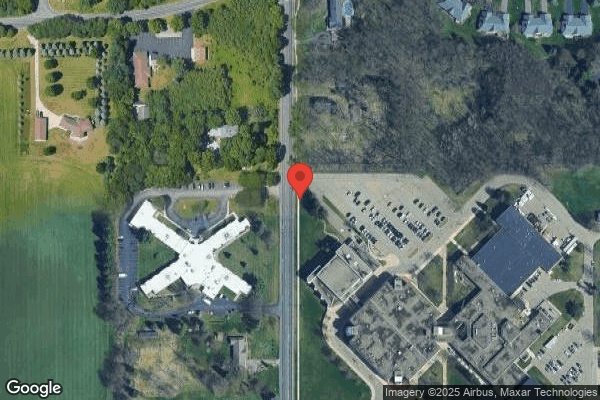
CONCERN (F)

Potential for Harm - no one hurt, but risky conditions existed

Deficiency F0942 (Tag F0942)

Could have caused harm · This affected most or all residents

Based on interview and record review, the facility failed to ensure the provision of training for compliance and ethics requirements for 81 employees out of 126 employees reviewed for resident rights ...

Read full inspector narrative →
Based on interview and record review, the facility failed to ensure the provision of training for compliance and ethics requirements for 81 employees out of 126 employees reviewed for resident rights training. This deficient practice had the potential to result in all resident rights and the facility's responsbilities for care with the potential to affect all 79 facility residents. Findings include: Review of Vendor Course Completion Report dated 5/18/2023, revealed, 81 employees out of 126 employees had not completed the education for Resident Rights. No Therapy staff or Housekeeping staff listed on the report. Review of Facility Assessment reviewed by the QAPI Committee on 5/1/2023, revealed, the resident rights training was not referenced in the facility training topics as required training for facility staff. In an interview on 05/15/23 at 09:57 AM, Staff Development (SD) V reported the education in the vendor education system was assigned monthly to be completed by the end of the month. SD V reported halfway through the month she runs a report to see where the staff were in completing the educations. SD V reported the facility does not allow staff to complete the trainings at home via the app and there were not a lot of extra computers so she would print out the training as a PDF, include the test, and an answer sheet in a folder kept at the nurse's station for those not able to get on a computer or who may learn better with paper in hand. In an interview on 05/18/23 at 02:04 PM, NHA A reported the vendor education system was monitored by the NHA and the Staff Development coordinator and a report was ran to see who may be struggling to complete the trainings. NHA A reported the corporate office assigned the vendor education system trainings to be completed monthly. This writer requested the monthly calendar of assigned vendor education training, but it was not received prior to exit. Review of policy, Resident Rights reviewed 1/1/22, revealed, .Employees shall treat all residents with kindness, respect, and dignity . Our facility will make every effort to assist each resident in exercising his/her rights to assure that the resident is always treated with respect, kindness, and dignity .Orientation and in-service training programs are conducted to assist our employees in understanding our resident's rights .
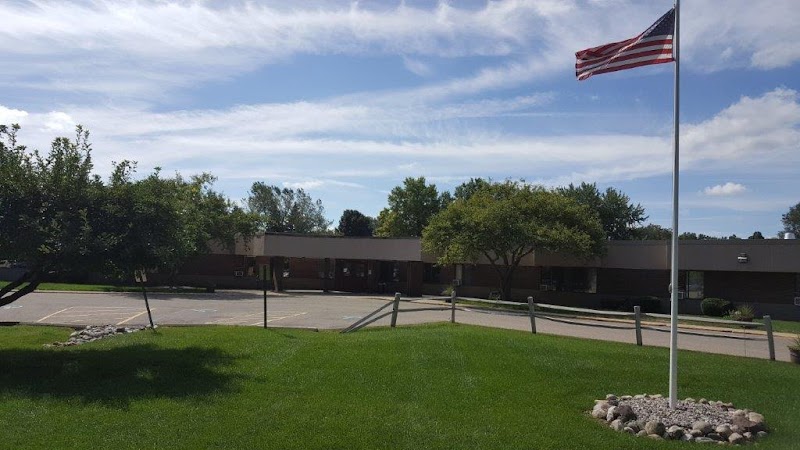
CONCERN (F)

Potential for Harm - no one hurt, but risky conditions existed

Deficiency F0943 (Tag F0943)

Could have caused harm · This affected most or all residents

Based on interview and record review, the facility failed to provide annual required abuse prevention education for 27 employees. This has the potential to affect all 79 residents residing in the faci...

Read full inspector narrative →
Based on interview and record review, the facility failed to provide annual required abuse prevention education for 27 employees. This has the potential to affect all 79 residents residing in the facility at the time of the survey. Findings include: Review of Vendor Course Completion Report dated 5/18/2023, revealed, 27 employees out of 126 employees had not completed Understanding Abuse and Neglect and/or Recognizing, Reporting, and Preventing Abuse. No Therapy staff or Housekeeping staff listed on the report. Review of Facility Assessment reviewed by the QAPI Committee on 5/1/2023, revealed, the abuse training was not referenced in the facility training topics as required training for facility staff. In an interview on 05/15/23 at 09:57 AM, Staff Development (SD) V reported the education in the vendor education system was assigned monthly to be completed by the end of the month. SD V reported halfway through the month she runs a report to see where the staff were in completing the educations. SD V reported the facility does not allow staff to complete the trainings at home via the app and there were not a lot of extra computers so she would print out the training as a PDF, include the test, and an answer sheet in a folder kept at the nurse's station for those not able to get on a computer or who may learn better with paper in hand. In an interview on 05/18/23 at 02:04 PM, NHA A reported the vendor education system was monitored by the NHA and the Staff Development coordinator and a report was ran to see who may be struggling to complete the trainings. NHA A reported the corporate office assigned the vendor education system trainings to be completed monthly. This writer requested the monthly calendar of assigned vendor education training, but it was not received prior to exit. Review of policy, Abuse Prevention Program revealed, .Comprehensive policies and procedures have been developed to aid our facility in preventing abuse, neglect, or mistreatment of our residents. Our abuse prevention program provides policies and procedures that govern, at a minimum: o Protocols for conducting employment background checks; o Mandated annual staff training/orientation programs that include such topics as abuse prevention, identification and reporting of abuse, exploitation, mistreatment, neglect, stress management, dealing with violent behavior or catastrophic reactions, etc; .Abuse Identification, Training and Education: 3. Our abuse prevention/intervention education program includes but is not necessarily limited to, the following: Training all staff and practitioners how to resolve conflicts appropriately; o Allowing staff to express frustration with their job, or in working with difficult residents; o Assisting or rotating staff working with difficult or aggressive residents; o Informing residents and family members upon the resident's admission to the facility how and to whom to report complaints, grievances, and incidents of abuse; o Involving the resident/family group council in developing, monitoring and evaluating the facility's abuse prevention program; o Helping staff to deal appropriately with stress and emotions; o Training staff to understand and manage a resident's verbal or physical aggression; o Instructing staff about how cultural, religious and ethnic differences can lead to misunderstanding and conflicts; o Monitoring staff on all shifts to identify inappropriate behaviors toward residents (e.g., using derogatory language, rough handling of residents, ignoring residents while giving care, directing residents who need toileting assistance to urinate or defecate in their clothing/beds, etc.); o Assessing, care planning, and monitoring residents with needs and behaviors that may lead to conflict or neglect; o Assessing residents with signs and symptoms of behavior problems and developing and implementing care plans to address behavioral issues; o Conducting background checks to avoid hiring persons or admitting new residents who have been found guilty (by a court of law) of abusing, neglecting, or mistreating individuals or those who have had a finding of such action entered into the state nurse aide registry or state sex offender registry; o Involving Attending Physicians and the Medical Director when findings of abuse have been determined; o Involving qualified psychiatrists and other mental health professionals to help the staff manage difficult or aggressive residents; o Identifying areas within the facility that may make abuse and/or neglect more likely to occur (e.g., secluded areas) and monitoring these areas regularly; o Striving to maintain adequate staffing on all shifts to ensure that the needs of each resident are met; and o Expect all personnel, residents, family members, visitors, etc., to report any signs or suspected incidents of abuse to facility management immediately .
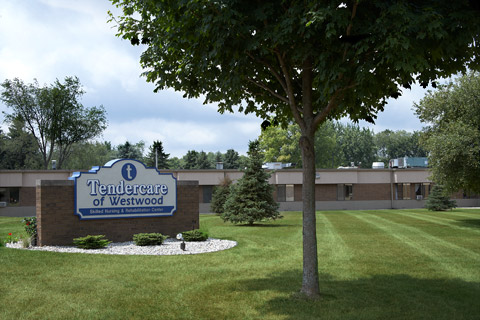
CONCERN (F)

Potential for Harm - no one hurt, but risky conditions existed

Deficiency F0944 (Tag F0944)

Could have caused harm · This affected most or all residents

Based on interview and record review, the facility failed to complete Quality Assurance and Improvement (QAPI) training for 126 staff reviewed out of 126 staff, resulting in the potential for staff fo...

Read full inspector narrative →
Based on interview and record review, the facility failed to complete Quality Assurance and Improvement (QAPI) training for 126 staff reviewed out of 126 staff, resulting in the potential for staff for lack of knowledge of the elements and goals of the facility's QAPI program, their role and potential input, and unmet resident care needs due to an ineffective QAPI program. Findings include: Review of Vendor Course Completion Report dated 5/18/2023, revealed, 126 employees out of 126 employees had not completed the education for QAPI. No Therapy staff or Housekeeping staff listed on the report. Review of Facility Assessment reviewed by the QAPI Committee on 5/1/2023, revealed, the quality assurance resident rights training was not referenced in the facility training topics as required training for facility staff. In an interview on 05/15/23 at 09:57 AM, Staff Development (SD) V reported the education in the vendor education system was assigned monthly to be completed by the end of the month. SD V reported halfway through the month she runs a report to see where the staff were in completing the educations. SD V reported the facility does not allow staff to complete the trainings at home via the app and there were not a lot of extra computers so she would print out the training as a PDF, include the test, and an answer sheet in a folder kept at the nurse's station for those not able to get on a computer or who may learn better with paper in hand. In an interview on 05/18/23 at 02:04 PM, NHA A reported the vendor education system was monitored by the NHA and the Staff Development coordinator and a report was ran to see who may be struggling to complete the trainings. NHA A reported the corporate office assigned the vendor education system trainings to be completed monthly. This writer requested the monthly calendar of assigned vendor education training, but it was not received prior to exit. Review of policy, QAPI Plan reviewed/revised on 10/24/22, revealed, .e. QAPI training that outlines and informs staff of the elements of QAPI and goals of the facility will be mandatory for all staff. (At the facility level, regional level and the corporate level, completed in Relias) .
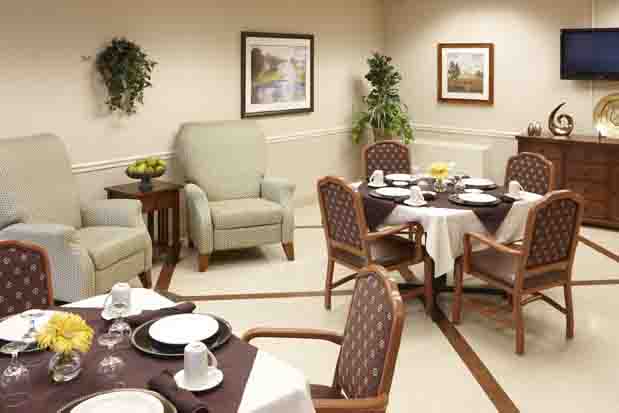
CONCERN (F)

Potential for Harm - no one hurt, but risky conditions existed

Deficiency F0946 (Tag F0946)

Could have caused harm · This affected most or all residents

Based on interview and record review, the facility failed to ensure the provision of training for compliance and ethics requirements for 30 employees reviewed for compliance training. This deficient p...

Read full inspector narrative →
Based on interview and record review, the facility failed to ensure the provision of training for compliance and ethics requirements for 30 employees reviewed for compliance training. This deficient practice had the potential to result in unethical and unprofessional staff conduct, with the potential to affect all 79 facility residents. Findings include: Review of Vendor Course Completion Report dated 5/18/2023, revealed, 30 employees out of 126 employees had not completed at least one of the following educations, PSTG Compliance Code of Conduct and/or Basics of Corporate Compliance. No Therapy staff or Housekeeping staff listed on the report, per the regulatory updated requirements. Review of Facility Assessment reviewed by the QAPI Committee on 5/1/2023, revealed, the compliance and ethics training was not referenced in the facility training topics as required training for facility staff. In an interview on 05/15/23 at 09:57 AM, Staff Development (SD) V reported the education in the vendor education system was assigned monthly to be completed by the end of the month. SD V reported halfway through the month she runs a report to see where the staff were in completing the educations. SD V reported the facility does not allow staff to complete the trainings at home via the app and there were not a lot of extra computers so she would print out the training as a PDF, include the test, and an answer sheet in a folder kept at the nurse's station for those not able to get on a computer or who may learn better with paper in hand. In an interview on 05/18/23 at 02:04 PM, NHA A reported the vendor education system was monitored by the NHA and the Staff Development coordinator and a report was ran to see who may be struggling to complete the trainings. NHA A reported the corporate office assigned the vendor education system trainings to be completed monthly. This writer requested the monthly calendar of assigned vendor education training, but it was not received prior to exit.
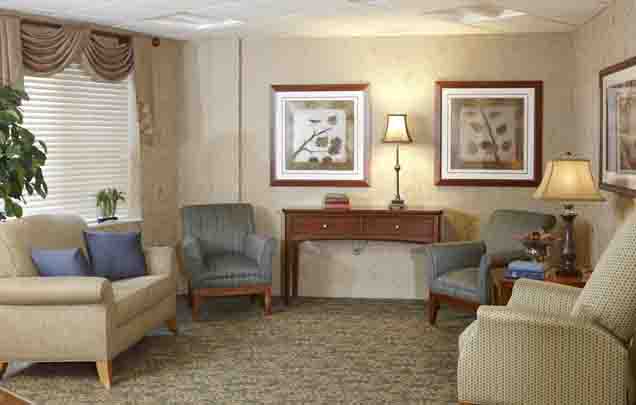
CONCERN (F)

Potential for Harm - no one hurt, but risky conditions existed

Deficiency F0949 (Tag F0949)

Could have caused harm · This affected most or all residents

Based on interview and record review, the facility failed to ensure the provision of training for behavioral health care and services for 36 staff reviewed for behavioral health care training. This de...

Read full inspector narrative →
Based on interview and record review, the facility failed to ensure the provision of training for behavioral health care and services for 36 staff reviewed for behavioral health care training. This deficient practice had the potential to result in unmet behavioral health care needs and services for residents, with the potential to affect all 79 facility residents. Findings include: Review of Vendor Course Completion Report dated 5/18/2023, revealed, 36 employees out of 126 employees had not completed at least one of the following educations, Teepa Snow Challenging Behaviors and/or Dementia Care: Challenging Behaviors and Direct Care Staff. No Therapy staff or Housekeeping staff listed on the report. Review of Facility Assessment reviewed by the QAPI Committee on 5/1/2023, revealed, the behavioral management training was not referenced in the facility training topics as required training for facility staff. In an interview on 05/15/23 at 09:57 AM, Staff Development (SD) V reported the education in the vendor education system was assigned monthly to be completed by the end of the month. SD V reported halfway through the month she runs a report to see where the staff were in completing the educations. SD V reported the facility does not allow staff to complete the trainings at home via the app and there were not a lot of extra computers so she would print out the training as a PDF, include the test, and an answer sheet in a folder kept at the nurse's station for those not able to get on a computer or who may learn better with paper in hand. In an interview on 05/18/23 at 02:04 PM, NHA A reported the vendor education system was monitored by the NHA and the Staff Development coordinator and a report was ran to see who may be struggling to complete the trainings. NHA A reported the corporate office assigned the vendor education system trainings to be completed monthly. This writer requested the monthly calendar of assigned vendor education training, but it was not received prior to exit.
Understanding Severity Codes (click to expand)
Life-Threatening (Immediate Jeopardy)
J - Isolated K - Pattern L - Widespread
Actual Harm
G - Isolated H - Pattern I - Widespread
Potential for Harm
D - Isolated E - Pattern F - Widespread
No Harm (Minor)
A - Isolated B - Pattern C - Widespread

Questions to Ask on Your Visit

  • "What changes have you made since the serious inspection findings?"
  • "Can I speak with families of current residents?"
  • "What's your RN coverage like on weekends and overnight?"

Our Honest Assessment

Strengths
  • • 45% turnover. Below Michigan's 48% average. Good staff retention means consistent care.
Concerns
  • • Multiple safety concerns identified: 3 life-threatening violation(s), 3 harm violation(s), $157,270 in fines, Payment denial on record. Review inspection reports carefully.
  • • 84 deficiencies on record, including 3 critical (life-threatening) violations. These warrant careful review before choosing this facility.
  • • $157,270 in fines. Extremely high, among the most fined facilities in Michigan. Major compliance failures.
  • • Grade F (0/100). Below average facility with significant concerns.
Bottom line: This facility has 3 Immediate Jeopardy findings. Serious concerns require careful evaluation.

About This Facility

What is Medilodge Of Westwood's CMS Rating?

CMS assigns Medilodge of Westwood an overall rating of 1 out of 5 stars, which is considered much below average nationally. Within Michigan, this rating places the facility higher than 0% of the state's 100 nursing homes. A rating at this level reflects concerns identified through health inspections, staffing assessments, or quality measures that families should carefully consider.

How is Medilodge Of Westwood Staffed?

CMS rates Medilodge of Westwood's staffing level at 3 out of 5 stars, which is average compared to other nursing homes. Staff turnover is 45%, compared to the Michigan average of 46%. This relatively stable workforce can support continuity of care.

What Have Inspectors Found at Medilodge Of Westwood?

State health inspectors documented 84 deficiencies at Medilodge of Westwood during 2023 to 2025. These included: 3 Immediate Jeopardy (the most serious level, indicating potential for serious harm or death), 3 that caused actual resident harm, and 78 with potential for harm. Immediate Jeopardy findings are rare and represent the most serious regulatory concerns. They require immediate corrective action.

Who Owns and Operates Medilodge Of Westwood?

Medilodge of Westwood is owned by a for-profit company. For-profit facilities operate as businesses with obligations to shareholders or private owners. The facility is operated by MEDILODGE, a chain that manages multiple nursing homes. With 97 certified beds and approximately 91 residents (about 94% occupancy), it is a smaller facility located in Kalamazoo, Michigan.

How Does Medilodge Of Westwood Compare to Other Michigan Nursing Homes?

Compared to the 100 nursing homes in Michigan, Medilodge of Westwood's overall rating (1 stars) is below the state average of 3.1, staff turnover (45%) is near the state average of 46%, and health inspection rating (1 stars) is much below the national benchmark.

What Should Families Ask When Visiting Medilodge Of Westwood?

Based on this facility's data, families visiting should ask: "What changes have been made since the serious inspection findings, and how are you preventing similar issues?" "Can I visit during a mealtime to observe dining assistance and food quality?" "How do you handle medical emergencies, and what is your hospital transfer rate?" "Can I speak with family members of current residents about their experience?" These questions are particularly relevant given the facility's Immediate Jeopardy citations.

Is Medilodge Of Westwood Safe?

Based on CMS inspection data, Medilodge of Westwood has documented safety concerns. Inspectors have issued 3 Immediate Jeopardy citations (the most serious violation level indicating risk of serious injury or death). The facility has a 1-star overall rating and ranks #100 of 100 nursing homes in Michigan. Families considering this facility should ask detailed questions about what corrective actions have been taken since these incidents.

Do Nurses at Medilodge Of Westwood Stick Around?

Medilodge of Westwood has a staff turnover rate of 45%, which is about average for Michigan nursing homes (state average: 46%). Moderate turnover is common in nursing homes, but families should still ask about staff tenure and how the facility maintains care continuity when employees leave.

Was Medilodge Of Westwood Ever Fined?

Medilodge of Westwood has been fined $157,270 across 3 penalty actions. This is 4.5x the Michigan average of $34,652. Fines at this level are uncommon and typically indicate a pattern of serious deficiencies, repeated violations, or failure to correct problems promptly. CMS reserves penalties of this magnitude for facilities that pose significant, documented risk to resident health or safety. Families should request specific documentation of what issues led to these fines and what systemic changes have been implemented.

Is Medilodge Of Westwood on Any Federal Watch List?

Medilodge of Westwood is not on any federal watch list. The most significant is the Special Focus Facility (SFF) program, which identifies the bottom 1% of nursing homes nationally based on persistent, serious quality problems. Not being on this list means the facility has avoided the pattern of deficiencies that triggers enhanced federal oversight. This is a positive indicator, though families should still review the facility's inspection history directly.