Fountain Bleu Health and Rehabilitation
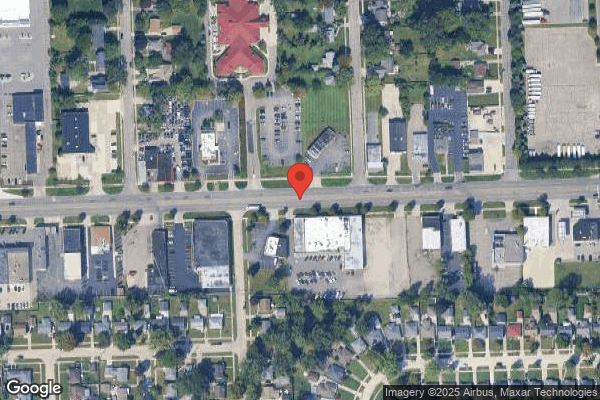
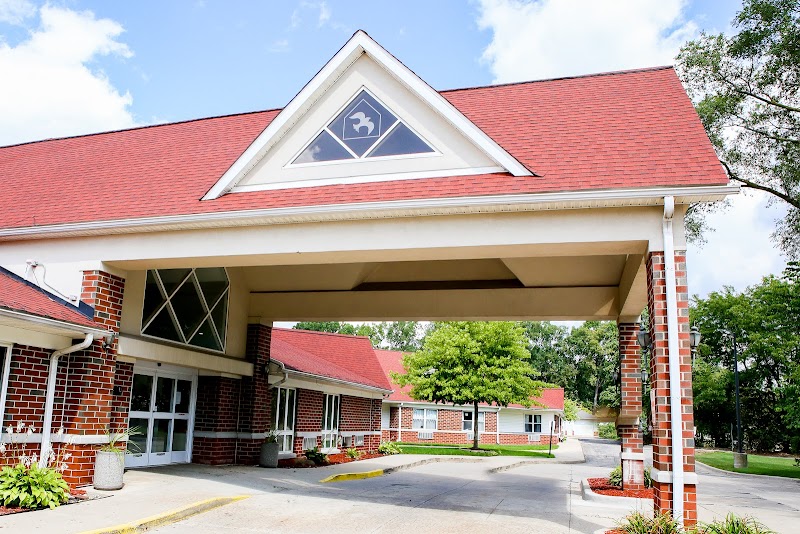
28910 Plymouth Road, Livonia, MI 48150 (734) 425-4814
For profit - Corporation 108 Beds OPTALIS HEALTH & REHABILITATION Data: November 2025
Trust Grade
48/100
#116 of 422 in MI
Last Inspection: August 2024

Within standard 12-15 month inspection cycle. Federal law requires annual inspections.

Overview

Fountain Bleu Health and Rehabilitation has a Trust Grade of D, indicating below average performance with some significant concerns. It ranks #116 out of 422 facilities in Michigan, placing it in the top half, and #13 out of 63 in Wayne County, meaning there are only 12 local options considered better. The facility's trend is improving, with issues decreasing from 6 in 2024 to just 1 in 2025. Staffing is a concern here, with a 3 out of 5 star rating and a turnover rate of 56%, which is higher than the state average. While they received an average of $8,985 in fines, this is not excessively high, but there are issues with RN coverage, which is below that of 84% of facilities in the state. Specific incidents include a serious fall where a resident sustained a head injury during a transfer that was not performed safely, as well as another case where a resident experienced delays in obtaining necessary radiology services, resulting in pain and hospitalization. These examples highlight some of the weaknesses in care, but it is important to note that the facility is making progress in addressing prior issues.
Trust Score
D
48/100
In Michigan
#116/422
Top 27%
Safety Record
High Risk
Review needed
Inspections
Getting Better
6 → 1 violations
Staff Stability
⚠ Watch
56% turnover. Above average. Higher turnover means staff may not know residents' routines.
Penalties
⚠ Watch
$8,985 in fines. Higher than 76% of Michigan facilities, suggesting repeated compliance issues.
Skilled Nurses
⚠ Watch
Each resident gets only 26 minutes of Registered Nurse (RN) attention daily — below average for Michigan. Fewer RN minutes means fewer trained eyes watching for problems.
Violations
⚠ Watch
21 deficiencies on record. Higher than average. Multiple issues found across inspections.
★★★★☆
4.0
Overall Rating
★★★☆☆
3.0
Staff Levels
★★★☆☆
3.0
Care Quality
★★★★☆
4.0
Inspection Score
Stable
2024: 6 issues
2025: 1 issues

The Good

  • Full Sprinkler Coverage · Fire safety systems throughout facility
  • No fines on record

Facility shows strength in fire safety.

The Bad

Staff Turnover: 56%

10pts above Michigan avg (46%)

Frequent staff changes - ask about care continuity

Federal Fines: $8,985

Below median ($33,413)

Minor penalties assessed

Chain: OPTALIS HEALTH & REHABILITATION

Part of a multi-facility chain

Ask about local staffing decisions and management

Staff turnover is elevated (56%)

8 points above Michigan average of 48%

The Ugly 21 deficiencies on record

3 actual harm
Apr 2025 1 deficiency
CONCERN (D) 📢 Someone Reported This

A family member, employee, or ombudsman was alarmed enough to file a formal complaint

Potential for Harm - no one hurt, but risky conditions existed

Accident Prevention (Tag F0689)

Could have caused harm · This affected 1 resident

**NOTE- TERMS IN BRACKETS HAVE BEEN EDITED TO PROTECT CONFIDENTIALITY** This citation pertains to Intake MI00152110. Based on observation, interview, and record review, the facility failed to implemen...

Read full inspector narrative →
**NOTE- TERMS IN BRACKETS HAVE BEEN EDITED TO PROTECT CONFIDENTIALITY** This citation pertains to Intake MI00152110. Based on observation, interview, and record review, the facility failed to implement a fall intervention for one resident (R704) out of one reviewed for falls. Findings include: On 4/15/2025 at 10:24 AM, R704 was observed laying in bed. R704 was noted to have fall mats on the side and was in a low position. R704 stated they had no complaints about the care in the facility and were about to get some sleep because they were up all night. A review of the medical record revealed R704 was admitted into the facility on [DATE] with the following medical diagnoses, Cerebral Infarction and Muscle Weakness. A review of the Minimum Data Set (MDS) assessment revealed a Brief Interview for Mental Status (BIMS) score of 10/15 indicating an impaired cognition. R704 also required staff assistance with bed mobility and transfers. Further review of the Incident and Accident (I/As) for R704 noted they had falls on the following days within the last six months: 11/1/2024, 11/8/2024, 12/13/2024, 1/13/2025, 2/14/2025, and 3/23/2025. Further review of the fall care plan noted an intervention dated 5/15/2024 documented R704 was supposed to have a scoop/perimeter mattress. On 4/15/2025 at 12:15 PM, R704 was observed laying in bed, on a regular mattress. Registered Nurse (RN) A. RN A was shown the bed and confirmed that R704 was not on a scoop/perimeter mattress. RN A indicated when a resident needs a scoop/perimeter mattress, the restorative team usually writes the order and informs maintenance the mattress is needed. RN A indicated the mattress may be in the facility, or they may have to order it and then maintenance puts the mattress in place. On 4/15/2025 at 1:36 PM, an interview was conducted with the Director of Nursing (DON). The DON indicated R704 is supposed to have a scoop/perimeter mattress, and they are unsure why they do not have one. The DON reported R704 has had a lot of falls in the facility. The DON reported they were going to talk to maintenance and get a scoop/perimeter mattress on the bed. A review of a facility policy titled, Fall Risk/Injury Prevention noted the following, It is the policy of this facility to assess every resident for fall risk and provide an environment that is free from accident hazards over which the facility has control, and provides supervision and assistive devices to each resident to prevent avoidable accidents.
Aug 2024 4 deficiencies 1 Harm
SERIOUS (G) 📢 Someone Reported This

A family member, employee, or ombudsman was alarmed enough to file a formal complaint

Actual Harm - a resident was hurt due to facility failures

Accident Prevention (Tag F0689)

A resident was harmed · This affected 1 resident

**NOTE- TERMS IN BRACKETS HAVE BEEN EDITED TO PROTECT CONFIDENTIALITY** Based on observation, interview, and record review, the facility failed to ensure safety during a transfer for one sampled resid...

Read full inspector narrative →
**NOTE- TERMS IN BRACKETS HAVE BEEN EDITED TO PROTECT CONFIDENTIALITY** Based on observation, interview, and record review, the facility failed to ensure safety during a transfer for one sampled resident (R26) of six reviewed for accidents, resulting in a laceration to the head and emergency transfer to the hospital. Findings include: R26 On 8/13/24 at 10:06 AM, R26 was asked about the care at the facility. R26 stated, I had a really bad fall, the sling broke. R26 explained they had a fall during a transfer using the sit to stand lift. R26 was asked if they were hurt during that fall. R26 explained, they had a head injury. R26 was asked how many staff were with her to help with the transfer. R26 stated, It may have been one person. They don't want to ask for help Because they say they are short (staff). A review of the incident and accident report noted, Incident Description. Nursing Description: Writer called in the room at approximately 10:45 am. Writer entered room, resident lying flat on [R26's] back on the floor, with Aide (Certified Nursing Assistant), two nurses, and restorative aide present. Resident observed bleeding from the back of [their] head. Laceration observed. Unable to measure due to hair, bleeding, and unable to move resident for safety. 911 called for further evaluation. Resident Description: Resident alert and oriented x3 able to make needs known. Per resident, [they] was with Aide (CNA F) and being transferred from bed to chair using a sit to stand lift. Per resident, [they] was unable to hold on, slipped under the sling, fell on [their] buttocks, then fell backwards, hitting head to the bottom corner of the bedside dresser. Immediate Action Taken: VS (vital signs) taken, Resident denies any dizziness, blurry vision. Neuro Checks initiated. ROM (Range of Motion) to BLE (bilateral lower extremities) assessed . Resident c/o (complained of) pain to back of head. Applied pressure to back of head . Resident taken to hospital? Y (yes) . A review of the hospital Discharge summary dated [DATE], revealed, Your evaluated in the ED (emergency department) for a fall and subsequent head laceration. Your scalp required complex sutures (stiches) and special dressing . Brusing will be anticipated near your head injury is and you might have some hair loss . A review of R26's medical record revealed, Progress notes: 12/8/2023 16:28 Nursing Progress Note: @ (at) 1620 resident returned to facility accompanied by two EMS (emergency medical service) paramedics with instructions. Instructions detail how to take care, replace, and properly maintain head bandage which can be found in the unit clerks basket. Resident is sitting upright in wheelchair watching television. No further new orders will continue to monitor and maintain safety. Further review of R26's medical record noted, R26 was admitted to the facility on [DATE] and readmitted on [DATE] with diagnosis of Chronic Kidney Disease, Stage 4. A review of R27's Minimum Data set noted R26's ability for sit to stand: The ability to come to a standing position from sitting in a chair, wheelchair, or the side of the bed: Dependent. A review of R26's care plan noted, Focus: Alteration in Mobility r/t (related to): Resident has Impaired with limited mobility/ROM (range of motion) to both lower extremities to both knees and ankle, and limited ROM to left shoulder. Date Initiated: 09/21/2020. Goal: Resident will continue to participate in ADLs within functional mobility daily x 90 days. Date Initiated: 09/21/2020. Interventions: Assess need for and provide as indicated adaptive devices for mobility. Date Initiated: 09/21/2020. Focus: Resident has A Scalp laceration on head. No treatment needed. Date Initiated: 12/09/2023. Goal: Will heal within the limits of disease process. Date Initiated: 12/11/2023. Interventions: report evidence of infection such as prurient drainage, swelling, localized heat, increase pain, etc (et cetera), Notify physician prn (as needed). On 8/15/24 at 1:57 PM, the Therapy Director was asked how many staff are required to use the sit to stand lift. The Therapy Director explained, it can be one to two but, it depends on the resident. The Therapy Director was asked for clarification and ask if one staff could transfer a resident using a sit to stand lift. The Therapy Director stated, Well I don't think we have anyone that is one a person (transfer with lift). The Therapy Director was asked R26's transfer status at the time of the fall. The Therapy Director reported, We discharged [R26] from therapy on 10/31 and they were a sit to stand with two staff. On 8/15/24 at 2:14 PM, the Director of Nursing (DON) was asked the facility's expectations for the number of staff during a transfer with a sit to stand lift. The DON explained, any staff that uses a device should have two staff. On 8/15/24 at 2:24 PM, Licensed Practical Nurse (LPN E) was asked about the fall with R26. LPN E stated, The aide had came and got me and said that she needed help because she had a fall. LPN E was asked if CNA F was alone. LPN E stated, She was alone when I walked in. LPN E stated, [R26] was laying on the floor bleeding, we didn't move [R26] we let the EMS move [R26]. I took the vitals and made sure [R26] was still alert. LPN E was asked if CNA F was required to have one or two with a sit to stand lift and explained, CNA F is required to have two people to prevent accidents and for safety. On 8/15/24 at 3:04 PM, CNA F was called via phone a error message was recevied from CNA F's phone. A review of the facility's policy titled, Activities of Daily Living (ADL) dated 8/21/2023, noted, Policy overview: Residents will be provided with care, treatment, and services as appropriate to maintain or improve their ability to carry out activities of daily living (ADLs). Residents who are unable to carry out activities of daily living independently will receive the services necessary to maintain good nutrition, grooming, personal, and oral hygiene . The policy did not address the use of a mechanical lift.
CONCERN (D) 📢 Someone Reported This

A family member, employee, or ombudsman was alarmed enough to file a formal complaint

Potential for Harm - no one hurt, but risky conditions existed

Comprehensive Care Plan (Tag F0656)

Could have caused harm · This affected 1 resident

**NOTE- TERMS IN BRACKETS HAVE BEEN EDITED TO PROTECT CONFIDENTIALITY** Based on observation, interview, and record review, the facility failed to implement dietary care plan interventions for one res...

Read full inspector narrative →
**NOTE- TERMS IN BRACKETS HAVE BEEN EDITED TO PROTECT CONFIDENTIALITY** Based on observation, interview, and record review, the facility failed to implement dietary care plan interventions for one residents (R22) out of two reviewed for care plans. Findings include: R22 On 8/13/2024 at 12:41 PM, R22 was observed in their room eating lunch. R22's meal ticket stated, No straws. R22 was observed to have a cup of water dated 8/13/2024 with a straw in it. A review of the medical record revealed that R22 admitted into the facility on [DATE] with the following diagnoses, Dysphagia and Multiple Sclerosis. A review of the Minimum Data Set assessment revealed a Brief Interview for Mental Status score of 9/15 indicating an impaired cognition. R9 also required staff assistance with bed mobility and transfers. Further review of R22's diet order noted the following, Order: Regular diet, Mechanical Soft texture, thin consistency. Directions: No straws for nutrition. Status: Active A review of the nutrition care plan revealed the following intervention, Provide regular diet, mechanical soft texture, thin liquids. No straws per SLP (Speech Language Pathologist). Date initiated: 3/23/2023. On 8/13/2024 at 1:04 PM, R22 was observed taking a drink of water from the straw. Registered Nurse (RN) A was brought into room and shown R22 drinking out of straw. RN A stated the assigned certified nursing assistant (CNA) brought R22 the straw. RN A was noted to take the straw out of R22's water cup. On 8/14/2024 at 12:55 PM and 1:30 PM, R22 was observed eating lunch. A straw was observed in their water cup on their nightstand. On 8/15/2024 at 9:29 AM, R22 was observed up in their wheelchair. Licensed Practical Nurse (LPN) C was observed getting vital signs on R22. A straw was noted to be in the water cup. LPN C was asked if R22 should have a straw in their beverages. LPN C stated R22 should not have a straw and they told the CNA this already. LPN C was observed taking the straw out of the water. On 8/15/2024 at 9:49 AM, an interview was conducted with Registered Dietitian (RD) B. RD B stated R22 spoke with the speech therapist and the no straw order is going to stay active because of R22's long history with aspiration (choking) and the straw is just to fast, which causes R22 to choke. A review of the nutrition care plan revealed the following intervention, Provide regular diet, mechanical soft texture, thin liquids. No straws per SLP (Speech Language Pathologist). Date initiated: 3/23/2023. A review of a facility policy titled, Nutritional Management noted the following, b. Interventions will be individualized to address the specific needs of the resident. Examples include, but are not limited to: i.Diet liberalization unless the resident's medical condition warrants a therapeutic diet ii.Altered-consistency food/liquids after underlying causes of symptoms are addressed (i.e. new dentures, dental consult, dysphagia therapy) iii.Weight-related interventions iv.Environmental interventions v.Disease-specific interventions vi.Physical assistance or provision of assistive devices vii.Interventions to address food-drug interactions or medication side effects.
CONCERN (D) 📢 Someone Reported This

A family member, employee, or ombudsman was alarmed enough to file a formal complaint

Potential for Harm - no one hurt, but risky conditions existed

Deficiency F0657 (Tag F0657)

Could have caused harm · This affected 1 resident

Based on observation, interview and record review, the facility failed to revise an individualized, person-centered care plan for one resident (R8) of two residents reviewed for care plans. Findings i...

Read full inspector narrative →
Based on observation, interview and record review, the facility failed to revise an individualized, person-centered care plan for one resident (R8) of two residents reviewed for care plans. Findings include: On 8/14/24 at 11:39 AM, R8 was observed lying in bed asleep on a perimeter mattress without heel protectors. A review of R8's medical record revealed R8 was admitted into the facility on 2/25/2020 with diagnoses which included Alzheimer's Disease, Hypertension, and Muscle Weakness. Further review revealed the resident was significantly cognitively impaired, and required one person assistance for bed mobility. Further review of R8's medical record revealed the following care plan, Actual Pressure Ulcer Formation Related to: Resident was admitted with or has pressure ulcer, with risk for delayed wound healing secondary to progressing comorbidities, Debility and generalized weakness with decreased physical mobility and bowel/ bladder incontinence daily. Resident has pressure ulcer/ wound Left Foot. Update 11/21/22 Resident has history of PVD (peripheral vascular disease). Vascular ulcers to left lateral foot and left lateral ankle as [their] clinical status declines resident is at risk for unavoidable further skin breakdown. Date Initiated: 10/26/2022 .Interventions: bilateral heel protectors as tolerated. Date Initiated: 10/26/2022. Encourage resident to float heels and /or wear heel boots. Date Initiated: 10/26/2022. Low Air Loss mattress. Date Initiated: 10/26/2022 . Further review of R8's medical record revealed an active physician order dated 10/26/22 revealing the following, Order Summary: Air Loss Mattress. On 8/14/24 at 12:52 PM, an observation of R8's mattress did not reveal an air loss mattress in place. On 8/15/24 at 9:17 AM, an observation of R8's mattress did not reveal an air loss mattress in place. On 8/15/24 at 3:42 PM, the Director of Nursing (DON) and Licensed Practical Nurse (LPN B) explained the resident no longer needs the air loss mattress as their wound has healed. They both acknowledged the care plan should have been updated to reflect the resident's current status. A review of the facility's Care Plan-Comprehensive and Revision policy revealed the following, .Assessments of residents are ongoing and care plans are revised as information about the residents and the residents ' conditions change. The interdisciplinary team reviews and updates the care plan: o When there has been a significant change in the resident ' s condition. o When the desired outcome is not met. o When the resident has been readmitted to the facility from a hospital stay. o At least quarterly, in conjunction with the required quarterly MDS assessment .
CONCERN (D) 📢 Someone Reported This

A family member, employee, or ombudsman was alarmed enough to file a formal complaint

Potential for Harm - no one hurt, but risky conditions existed

Deficiency F0919 (Tag F0919)

Could have caused harm · This affected 1 resident

**NOTE- TERMS IN BRACKETS HAVE BEEN EDITED TO PROTECT CONFIDENTIALITY** Based on observation, interview, and record review, the facility failed to ensure three residents (R11, R13, R64) of three resid...

Read full inspector narrative →
**NOTE- TERMS IN BRACKETS HAVE BEEN EDITED TO PROTECT CONFIDENTIALITY** Based on observation, interview, and record review, the facility failed to ensure three residents (R11, R13, R64) of three residents reviewed, call lights were accessible. Findings include: R11 A review of the facility record revealed R11 admitted into the facility on [DATE]. R11's relevant diagnoses include vascular dementia, muscle weakness, diabetes, psychotic disorder, and failure to thrive. A review of the Minimum Data Set assessment revealed a Brief Interview for Mental Status score of 00/15 indicating an severely impaired cognition. A review of R11's care plan indicated they required a two-person assist for bed mobility. On 8/13/2024 at 11:50 AM, an observation revealed the call light was hanging, tied to the left bed assist rail, touching the floor. On 8/14/2024 at 10:47 AM, an observation revealed R11's call light was tied to the left bed assist bar, hanging, touching the floor, out of resident reach. Head of bed was elevated to 90 degrees, R11 was awake and conversant. An inquiry of resident to press the call light, revealed she was unable to locate it. When queried how they would let staff know they were needed, they revealed, I yell. On 8/14/2024 at 02:12 PM, an observation revealed that R11's call light was tied to bed assist rail, hanging to the floor. Certified Nurse Assistant (CNA) A revealed they check on R11 every 2 hours and R11 does not use call light, they just check on them often. R13 A review of the facility record revealed R13 was admitted into the facility on 5/7/2024 with diagnoses which included, dementia, frontal lobe and executive function deficit with speech and language deficits following cerebral infarction (stroke). A review of the Brief Inventory of Mental Status revealed a score of 00 indicating severely impaired cognition. A review of R13's care plan indicated a two-person assist was required for bed mobility. On 08/13/24 at 09:50 AM, upon entering R13's room meet with an individual identifying themselves as R13's family member. When queried regarding the call light, the family member looked for the device around R13's upper body and bed. They were unable to locate the light. On 8/14/2024 at 8:30 AM, 10:52 AM, and 2:00 PM, observations revealed a soft touch call light lying behind the oxygen concentrator on the floor. On 8/15/2024 at 8:55 AM an observation revealed R13 had received morning care. R13's call light was still located behind the oxygen concentrator on the floor. R34 A review of the facility record revealed R34 was admitted into the facility on [DATE]. A further review revealed the following pertinent diagnoses: vascular dementia, cerebral infarction (stroke), anxiety disorder, difficulty walking, adjustment disorder with anxiety and depression. The facility record revealed a Brief Inventory of Mental Status score to be 03/15 indicating severely impaired cognition A review of R34's care plan indicated a one-person assist was required for bed mobility. On 8/13/2024 at 11:55 AM, an observation revealed resident call light was under the bed covers at the bottom of the bed. R34 was asked if they could reach the call light and though attempted, was unable to locate it. On 8/13/2024 at 1:53 PM, an observation revealed resident was in previous position, call light under covers out of the resident's reach. On 8/14/2024 at 8:34 AM, an observation revealed R34's call light was lying on the floor at the foot of the bed. On 8/14/2024 at 10:44 AM, R34's call light was on the floor at the foot of the bed. R34 was asked if they could reach the call light. R34 attempted to locate the call light on the bed and was unable. R34 was queried how they would obtain assistance if needed and R34 revealed she would yell out for staff. 8/15/2024 at 8:21 AM, R34 revealed they had completed breakfast and was going to nap. R34's call light was within reach, lying on the bed. On 8/15/2024 at 9:24 AM, the Director of Nursing (DON) was interviewed regarding call light placement. The DON confirmed R11, R13, and R34 were all capable of using their call lights. The DON revealed the expectation is resident call lights should be within resident reach. The DON further revealed R11 and R13 tend to yell when they wanted anything. On 8/15/2024 the Restorative Nurse B was queried regarding R11, R13, and R34's ability to effectively use the call light. They indicated R11, R13, and R34 have the physical ability to activate the call light. The policy , Call Light Accessibility and Timely Response, dated 8/16/2023 under Guidance, revealed Staff will ensure the call light is plugged in, functioning, within reach of residents, and secured, as needed.
Jun 2024 2 deficiencies
CONCERN (D) 📢 Someone Reported This

A family member, employee, or ombudsman was alarmed enough to file a formal complaint

Potential for Harm - no one hurt, but risky conditions existed

Comprehensive Care Plan (Tag F0656)

Could have caused harm · This affected 1 resident

**NOTE- TERMS IN BRACKETS HAVE BEEN EDITED TO PROTECT CONFIDENTIALITY** This citation pertains to Intake: MI00145063. Based on observation, interview, and record review, the facility failed to impleme...

Read full inspector narrative →
**NOTE- TERMS IN BRACKETS HAVE BEEN EDITED TO PROTECT CONFIDENTIALITY** This citation pertains to Intake: MI00145063. Based on observation, interview, and record review, the facility failed to implement care plan interventions for two residents (R706 and R708), of four residents reviewed for falls. Findings include: R706 On 6/18/24 at 9:34 AM, R706 was observed lying in bed on a regular mattress, bed low to the floor, with one floor mat on the right side of the bed. R706's face was observed with bruising under both eyes. R706 was asked what happened to cause the bruising. R706 stated, I fell. R706 was asked how they fell and explained they fell out of bed. Further observation noted, R706's call light at the foot of the bed, hanging through the frame of the bed. On 6/18/24 at 11:52 AM, R706 was observed in the same condition as above at 9:34 AM. A review of R706's medical record noted, R706 was admitted to the facility on [DATE] with diagnoses of Cerebral infarction, unsteadiness on feet, repeated falls, and history of falling. A review of R706's care plan noted, Focus: At risk for falls due to history of falls, impaired balance/poor coordination, potential medication side effects, unsteady gait. Date Initiated: 12/11/2023. Goal: Minimize risk for injury r/t (related to) falls. Date Initiated: 12/11/2023. Interventions: Floor mats while on bed. Date Initiated: 02/05/2024. Scoop/perimeter mattress. Date Initiated: 05/15/2024. Call light within reach. Date Initiated: 12/13/2023 . On 6/18/24 at 1:46 PM, the Director of Nursing (DON) was asked to take a look at R706's mattress. R706's bed was observed to have a new mattress that was not in the room during the earlier observations. The new mattress was observed to be a perimeter mattress (for patients that are prone to exiting the bed unassisted or to falling out of bed), during this time of the observation. While in R706's room, their was a discussion about the new mattress and when it arrived on R706's bed. R706's roommate overheard the discussion and reported the mattress was just put on. On 6/18/24 at 2:37 PM, the DON was asked about the mattress. The DON explained, R706 was moved closer to the nurses station as an intervention for falls about a week ago. The DON further explained during the move the correct mattress may not have transfer to the new room with R706. The DON was asked the facility's expectations and which staff would be responsible to check R706's mattress. The DON explained, the Unit Managers are responsible for making sure the interventions are in place. R708 On 6/18/24 at 9:44 AM, R708 was observed in a bed that was not low to the floor. R708 was asleep and did not awaken for an interview. On 6/8/24 at 11:41 AM, R708 was observed in a bed that was not low to the floor. R708 was asked about falls at the facility. R708 reported they had a fall awhile ago and it was something that just happened. R708 was asked if it was during care or if they were alone. R708 stated they were alone and they did not have an injury from the fall. A review of R708's medical record noted, R708 was admitted to the facility on [DATE] with diagnoses of Seizures and Vertigo. A review of R708's care plan noted, Focus: Resident is at Risk for Falls and Potential for Injury r/t: Confusion, history of falls, muscle weakness, poor balance, potential side effects of medications used, psychotropic medication use, require assistance with Activites of Daily Living (ADL) care and transfers but is alert and chooses not to ask for assistance, unsteady gait, use of antihyertensive medication, use of opioid medications and poor safety awareness. Date Initiated: 09/02/2022. Goal: Resident will have decrease risk factors for falls with currently interventions x 90 days. Date Initiated: 04/04/2023. Interventions: Bed to be in low position when in bed. Date Initiated: 04/04/2023. Low bed. Date Initiated: 5/22/2024 . On 6/18/24 at 1:48 PM, the DON was asked to observe R708's bed and was asked if the bed was in the lowest position. The DON stated, No it's not. The DON was observed to use R708's bed remote to lower the bed and was unable to lower the bed due to the bed not functioning properly. On 6/18/24 at 2:05 PM, the DON and the Maintenance Director reported that a work order was put in this morning regarding the bed not lowering back down. A review of the facility policy titled Care Plan- Comprehensive and Revision revised date, 8/25/23 noted, Policy overview: A comprehensive, person-centered care plan that includes measurable objectives and timetables to meet the resident ' s physical, psychosocial and functional needs is developed and implemented for each resident . Care plan interventions are chosen only after data gathering, proper sequencing of events, careful consideration of the relationship between the resident's problem areas and their causes, and relevant clinical decision making. When possible, interventions address the underlying source(s) of the problem area(s), not just symptoms or triggers. Assessments of residents are ongoing and care plans are revised as information about the residents and the residents' conditions change .
CONCERN (D) 📢 Someone Reported This

A family member, employee, or ombudsman was alarmed enough to file a formal complaint

Potential for Harm - no one hurt, but risky conditions existed

Deficiency F0761 (Tag F0761)

Could have caused harm · This affected 1 resident

**NOTE- TERMS IN BRACKETS HAVE BEEN EDITED TO PROTECT CONFIDENTIALITY** This citation pertains to Intake MI00145063. Based on observation, interview, and record review the facility failed to secure me...

Read full inspector narrative →
**NOTE- TERMS IN BRACKETS HAVE BEEN EDITED TO PROTECT CONFIDENTIALITY** This citation pertains to Intake MI00145063. Based on observation, interview, and record review the facility failed to secure medications on three of three medication carts throughout the facility. Findings include: On 6/18/24 at 9:30 AM, an unlabeled medication cart (#1) was observed unlocked and unattended in a hallway containing resident rooms. An unknown staff member walked by and locked it 9:32 AM. On 6/18/24 at 11:42 AM, an unlabeled medication cart (#2) was observed unlocked and unattended in hallway containing resident rooms 501-509. On 6/18/24 11:45 AM, an unlabeled medication cart (#3) was observed unlocked and unattended outside resident room [ROOM NUMBER]. When an unidentified nurse was asked about the unlocked cart they stated, I know, that's my mistake. A request was made for the facility's medication cart policy. The facility provided the Centers for Medicare and Medicaid Services form (CMS-20089) titled Medication Storage and Labeling. The form noted, Medications and biologicals in medication rooms, carts, boxes, and refrigerators were maintained within: Secured (locked) locations, accessible only to designated staff; Clean and sanitary conditions; and Maintain temperatures in accordance with manufacturer specifications and monitor according to national guidelines (e.g., see CDC vaccine storage and handling) .
Jul 2023 6 deficiencies 1 Harm
SERIOUS (G) 📢 Someone Reported This

A family member, employee, or ombudsman was alarmed enough to file a formal complaint

Actual Harm - a resident was hurt due to facility failures

Quality of Care (Tag F0684)

A resident was harmed · This affected 1 resident

**NOTE- TERMS IN BRACKETS HAVE BEEN EDITED TO PROTECT CONFIDENTIALITY** Deficient practice number two. Based on observation, interview and record review, the facility failed to obtain timely radiology...

Read full inspector narrative →
**NOTE- TERMS IN BRACKETS HAVE BEEN EDITED TO PROTECT CONFIDENTIALITY** Deficient practice number two. Based on observation, interview and record review, the facility failed to obtain timely radiology services (ultrasound and x-rays) for one sampled resident (R33) of two reviewed for quality of care resulting in, a delay in treatment, pain and hospitalization. Findings include: On 7/10/23 at R33 was observed in bed asleep on their back. Attempts to arouse R33 were made to no avail. A review of R33's medical record revealed that they were admitted into the facility on [DATE] with diagnoses that include Acute Kidney Failure, Diabetes, Paraplegia, and Anxiety. Further review of the Quarterly Minimum Data Set assessment revealed a Brief Interview for Mental Status score of 15/15 indicating an intact cognition, and required extensive assistance for bed mobility, transfers, dressing, and toileting. Further review of the medical record revealed that R33 was transferred to the hospital on 7/11/23. Further review of R33's medical record revealed the following progress notes: 06/07/2023 12:12 pm Type: Nursing - Progress Note : resident complains of not feeling well generalized, (R33) had 2 large loose BMs (bowel movements) today. (R33) was seen by NP (nurse practitioner) no new orders (R33's) vitals are stable no complaining of pain, bs (blood sugar) 364, (R33) refused [their] breakfast and stated to hold [their] lunch. will continue to observe for changes. oncoming shift to be notified if condition worsen to notify NP. 06/07/2023 12:32 pm Type: Physician Team - Progress Note : CC (chief complaint): abdominal pain, paraplegia, type II DM (diabetes mellitus) Patient seen at nursing request for complaints of abdominal distention. (R33) is awake, alert and otherwise in no acute distress. He complains of a stomach ache at this time . Admits abdominal pain .Impressions: recurrent catheter-related UTI (urinary tract infection), recurrent small bowel obstruction .Plan: Continue current medications New order for abd (abdominal) US (ultrasound) . 06/08/2023 10:46 am Type: Nursing - Progress Note : resident states (they feel) better this morning than yesterday. (R33) has an order for abdominal ultrasound, date and time pending. 06/08/2023 9:30 am Type: Nursing - Progress Note : Resident, A/O X4 (alert and oriented to person, place, time and situation) SP (suprapubic) catheter in place, patent and secure Abdominal US procedure pending will call while on their way . 06/13/2023 6:40 am Type: Nursing - Progress Note : Nurse Manager on duty called several times to make client Physician and on call about client ultrasound findings 6/12/2023, Conclusion: Fatty Infiltration of liver nurse on (on coming) day shift will follow up with Physician about client and or make changes as needed. No current changes during this time client vitals were stable during night shift. A review of R33's medical record revealed that the physician order for the ultrasound to be completed was dated for 6/7/23, and the ultrasound was not completed until 6/12/23. Further review of R33's medical record revealed the following progress notes: 06/17/2023 10:09 PM Type: Nursing - Progress Note : Resident complained of abdominal pain, headache, discomfort. Blood glucose level high 381. MD (physician) notified, order for thin liquids and abdominal x-ray. Nurse do not have [mobile diagnostic services] assess to place the x-ray order, contacted the on-call nurse but voicemail was full. Resident said [they are] feeling better after eating only thin liquids for dinner. Resident alert and oriented. Will continue to monitor. 06/18/2023 12:23 pm Type: Nursing - Progress Note : resident continued on liquid diet relating to abdominal discomfort minimal complaint, waiting for abdominal x-ray to be completed. 06/19/2023 21:37 Type: Nursing - Progress Note : Resident, A/O X4 SP catheter in place, patent and secure . Abdominal Xray procedure pending [confirmation number]. Call light and personal items in reach within reach. Will continue to monitor and report any changes. 06/20/2023 11:26 pm Type: Nursing - Progress Note : resident alert and able to make needs known. continued on liquid diet relating to abdominal discomfort and for abdominal x-ray to be completed per MD . 06/21/2023 10:39 am Type: Nursing - Progress Note : resident is alert verbal able to make [their] needs made known. today (R33) had a clear liquid diet served, awaiting abdominal Xray. (R33) recently had a abdominal ultrasound. (R33) states [they feel] better no complaints of pain at this time. writer called [radiology company] to find out ETA (estimated time of arrival) for Xray which they was unable to provide but stated they will email their supervisor and try to get a ETA. writer called Dr (doctor) to update him. 06/22/2023 09:39 Type: Nursing - Progress Note : resident alert verbal able to make [their needs] made known. R33 is on a clear liquid diet waiting for abdominal Xray. residents Dr. was here today informed him of Xray not performed yet and no ETA, was informed to notify DON (Director of Nursing) resident complaining of some abdominal discomfort today . 06/22/2023 1:39 pm Type: Nursing - Progress Note : abdominal Xray completed and results are as follows: ileus type pattern favored, obstruction not excluded, recommend CT (computerized tomography, detailed images of the body). Dr. notified orders to transfer to hospital [local hospital name] for Abdominal CT with oral contrast. Effective Date: 06/22/2023 3:33 pm Type: Nursing - Transfer to Hospital Summary Note : Transportation company arrived for transfer to [local hospital] at 2:38pm. Paperwork sent along with pt (patient). Will update as needed. A review of R33's physician's orders revealed that the abdominal x-ray was ordered on 6/17/23, and was not completed until 6/22/23. A review of R33's hospital records revealed that they were admitted into the hospital on 6/22/23 for four days. Further review of R33's hospital history and physical dated for 6/22/23 revealed the following, .Presents to ED (emergency department) from nursing home with chief complaint of abdominal pain. Patient states abdominal pain started about 2 weeks ago .(R33) describes the pain as constant generalized abdominal pain, nonradiating with no aggravating or relieving factors. (R33's) last bowel movement was this morning and patient states that they are frequently constipated On arrival to the ED the CT abdomen pelvis showed very gas filled colon. The gas pattern appearance suggests sigmoid volvulus (when a portion of the intestine twists around its blood flow) GI (gastrointestinal doctor) was consulted and recommended emergent decompressive colonoscopy if patient's clinical presentation worsens . On 7/12/23 at 1:03 PM, during the Quality Assurance meeting with the Nursing Home Administrator (NHA) they were asked about the delay in diagnostic services, specifically with ultrasounds and x-rays. The NHA deferred the question to the Director of Nursing. On 7/12/23 at 2:07 PM, the DON was asked about the delay in radiography services within the facility, and explained that they began having some issues within the last four weeks, and when addressed with the mobile diagnostic company, they were told that they are short staffed of technicians. A review of the facility's Diagnostic (Radiology, Doppler, EKG) Result Reports, Reporting Of did not address a delay in the completion of diagnostic services. This citation has two deficient practices. Deficient practice number one: This citation pertains to Intake number MI00135555. Based on interview and record review the facility failed to ensure timely treatments for a skin condition were initiated and documented on for one (R187) of three residents whose care and treatments were reviewed, resulting in a delay in treatment, and worsening of the skin condition prior to treatment initiation. Findings include: Review of an Intake reported concerns with medication and treatments not received timely and the amount of medication supplied for the rash was insufficient to cover all areas. Review of the facility record for R187 revealed R187 was admitted into the facility on [DATE], discharged to the hospital for a blood transfusion on 01/05/23 and re-admitted to the facility on [DATE]. Diagnoses included Respiratory Failure, Anemia and Anxiety. A review of the Minimum Data Set (MDS) assessment dated [DATE] indicated intact cognition with a 15/15 Brief Interview for Mental Status score and the need for extensive assist of one or two persons for transfer, locomotion, dressing, toilet use and personal hygiene. Review of the admission Nursing Assessment and progress note dated 01/11/23 at 9:30 PM documented .Alert and oriented time three .admission nursing assessment completed. Resident oriented to room. Skin assessed. Skin discoloration on both upper extremities. Resident also has rashes/skin irritation all over peri area (groin/upper medial thighs) and buttocks .One person extensive assist with ADLs (activities of daily living). Continent both B/B (bowel and bladder) . The resident was reported as usually continent of both bowel and bladder but currently incontinent due to the inability to get up and out of bed because of no mobility devices and weakness. A progress note dated 01/12/23 at 10:23 AM by Nurse Practitioner (NP C) did not document the skin rash nor define any treatment. A progress note dated 01/15/23 at 12:54 by NP C documented, Note text CC (chief complaint) patient is seen to eval rash .c/o (complaint of) burning and itchiness all over, worse peri-area. Patient has red erythema all over body, worse peri-area buttocks, looks like an allergic reaction. Had blood transfusion, New medication? unaware. NKA (no known allergies). Patient states rash started the day (they) left the hospital and got worse .benadryl as needed and zinc oxide to affected areas An NP C progress note dated 01/19/23 at documented Erythema to groins/torso, arms, legs. Peeling skin on arms/hands. Itchiness, benadryl helps. Desitin (cream for rash treatment) helps when I get it .Allergic reaction, rash P (plan): Add Aquaphor ointment to affected areas on arms/legs BID (2 x's a day)-dry peeling skin Benadryl prn (as needed), Zinc oxide to affected areas TID (three times a day) monitor. A nurse progress note dated 01/23/2023 at 11:06 AM, documented writer, together with the unit manger assessed the patient's skin: redness all over (their) body except the facial area: mild swelling on the upper extremities: skin is warm to touch: writer called NP: NP ordered Methylprednisolone (steriod treatment for inflammation) 80 mg (milligrams) IM (intramuscularly) one time only. A nurse progress note dated 01/24/2023 at 11:34 AM, documented, writer assessed patient. assessment: redness all over her body and face: swelling both eyes and bilateral upper extremities, low grade fever of 98.2, itchiness and patient complaint of shivering. no shortness of breath noted. writer called MD (physician) regarding patient's assessment. MD ordered to send the patient to the hospital for further eval. A review of the January 2023 Medication Administration Record (MAR) and Treatment Administration Record (TAR) documented no treatment until 01/15/23 (4 days after readmission). On 07/12/23 at 9:35 AM, following a wound care observation the wound nurse was asked to provide any wound care documentation they may have completed for R187. The wound care nurse reported they would review the chart. No wound care evaluation by the wound care nurse was provided prior to survey exit. On 07/12/23 at 11:11 AM, the Director of Nursing (DON) was asked about R187 and commented on the hospitalization and possible allergic skin reaction. The DON was asked for any documentation of treatment initiation for the rash prior to 01/15/23 and any policy related to related to this. No additional documentation of a skin rash treatment prior to 01/15/23 nor a related policy was provided prior to survey exit.
CONCERN (D)

Potential for Harm - no one hurt, but risky conditions existed

Accident Prevention (Tag F0689)

Could have caused harm · This affected 1 resident

**NOTE- TERMS IN BRACKETS HAVE BEEN EDITED TO PROTECT CONFIDENTIALITY** Based on observation, interview and record review, the facility failed to prevent a fall during a transfer (by not properly appl...

Read full inspector narrative →
**NOTE- TERMS IN BRACKETS HAVE BEEN EDITED TO PROTECT CONFIDENTIALITY** Based on observation, interview and record review, the facility failed to prevent a fall during a transfer (by not properly applying a sling) for one sampled resident (R58) of one resident reviewed for accidents resulting in, the resident falling out of their sling during a transfer and onto the floor. Findings include: On 7/10/23 at 10:46 AM, R58 was observed in bed. They were asked about their stay in the facility, and explained that they had a fall a few months ago during a transfer. R58 explained that they were being transferred from their wheelchair to their bed, and that the sling was not all the way underneath their buttocks. R58 explained that as they were being pulled up, the sling slid from underneath them causing them to fall onto the floor. R58 denied pain, but admits that they hit their head on the side of the bed, and that they had a cut to their lip. Review of R58's medical record revealed that they were admitted into the facility on [DATE] with diagnoses that include Heart Failure, Kidney Failure, Diabetes, and Muscle Weakness. Further review of R58's Minimum Data Set assessment dated for 4/3/23 revealed that the resident's Brief Interview for Mental Status score was a 12/15 indicating an intact cognition, and required extensive to total dependence for bed mobility, transfers and toileting. Review of R58's Incident and Accident report dated for 4/4/23 revealed the following, Resident was transferred to [their] bed from [their] chair, by using a mechanical lift, resident slide (slid) down from the sling, half way of the floor, resident head touch the edge of the bed and have a very tiny abrasion on R (right) corner of [their] lip, like a dot (2 millimeter (mm)/1mm), no bleeding, swelling no pain Description (provided by R58): I slide (slid) down from the sling. I hit my head, burst my hip (lip), I am ok On 7/12/23 at 11:51 AM, Unit Manager J was asked about the fall, and could not remember what occurred, only that they assessed the resident, and remembered them having a small abrasion to their lip. On 7/12/23 at 1:44 PM, Certified Nursing Assistant (CNA) I was interviewed regarding the fall of R58. CNA I explained that R58 was ready to be transferred to bed, and they went to obtain assistance from a CNA on another unit. CNA I explained that they observed that R58's sling was not completely underneath them and that the he and the other CNA made attempts to get the sling fully underneath the resident. CNA I explained that they cotinued with the trasnfer and as the other CNA that was assisting them was pushing the handles of the mechanical lift, they held onto the sling with the resident in the air. CNA I stated, I was keeping [R33] up with the sling in my hand, and as I'm holding it, she tells him to let go, I didn't want to let go and as soon as I let go, (R33) fell. CNA I explained that made an attempt to break R58's fall, and that they both rolled over onto the floor. On 7/12/23 at 2:10 PM, the Director of Nursing (DON) was asked about R58's fall and explained that R58 slipped out the of the sling, and that following the incident, all nursing staff were re-educated on transfers. A review of the facility's Fall Risk/Injury Prevention policy was reviewed and revealed the following, It is the policy of this facility to assess every resident for fall risk and provide an environment that is free from accident hazards over which the facility has control, and provides supervision and assistive devices to each resident to prevent avoidable accidents .
CONCERN (D) 📢 Someone Reported This

A family member, employee, or ombudsman was alarmed enough to file a formal complaint

Potential for Harm - no one hurt, but risky conditions existed

Deficiency F0761 (Tag F0761)

Could have caused harm · This affected 1 resident

Based on observation, interview and record review the facility failed to ensure a medication cart was locked when unattended, expired medications were discarded, and biologicals were dated properly wh...

Read full inspector narrative →
Based on observation, interview and record review the facility failed to ensure a medication cart was locked when unattended, expired medications were discarded, and biologicals were dated properly when opened for two of four medications carts and in two of three medication rooms reviewed, resulting in the potential for unauthorized access to items in the medication cart and decreased efficacy of biologicals and medication. Findings include: On 07/11/23 at 8:58 AM, a medication administration observation was conducted with Licensed Practical Nurse (LPN) D. LPN D was in a resident's room and the medication cart was unlocked. A staff member walked by and locked the cart. LPN D returned to the cart and attempted to open the drawer without the key. LPN D was then observed to prepare medications for a resident. When LPN D completed preparation of the resident's medication they left the cart and entered the resident's room. The medication cart was left unlocked. When LPN D returned to the cart, they acknowledged they had left it unlocked. On 07/11/23 at 1:00 PM, a review of the 300 low medication cart with LPN E noted one inhaler which had the date opened but not the name of the resident on the actual inhaler. On 07/12/23 at 8:55 AM, the 200 unit medication room was observed with Registered Nurse (RN) F one expired bottle of B12 vitamin dated 4/23 was found. On 07/12/23 at 9:32 AM, the 400/500 medication room was observed with LPN G one tuberculin vial had not been dated when opened. On 07/12/23 at 11:11 AM, during an interview with the Director of Nursing (DON), it was reported that the expectation was that the medication cart was locked every time staff leaves the cart and staff including the supply person and pharmacy staff work to ensure medications are properly labeled and removed when expired. A review of the facility policy titled, Medication and Treatment Cart Storage dated 05/04/22, revealed, It is the policy of this facility to ensure all supplies for treatments and medications housed on our premises will be stored in the pharmacy and/or medication rooms according to the manufacturer ' s recommendations and sufficient to ensure proper sanitation, temperature, light, ventilation, moisture control, segregation, and security . 1. General Guidelines: a. All drugs and biologicals will be stored in locked compartments (i.e., medication carts, cabinets, drawers, refrigerators, medication rooms) under proper temperature controls. b. Only authorized personnel will have access to the keys to locked compartments (see attached listing). c. During a medication pass, medications must be under the direct observation of the person administering medications or locked in the medication storage area/cart .
CONCERN (E) 📢 Someone Reported This

A family member, employee, or ombudsman was alarmed enough to file a formal complaint

Potential for Harm - no one hurt, but risky conditions existed

Medication Errors (Tag F0758)

Could have caused harm · This affected multiple residents

**NOTE- TERMS IN BRACKETS HAVE BEEN EDITED TO PROTECT CONFIDENTIALITY** Based on observation, interview and record review the facility failed to ensure psychotropic medication orders for Ativan (loraz...

Read full inspector narrative →
**NOTE- TERMS IN BRACKETS HAVE BEEN EDITED TO PROTECT CONFIDENTIALITY** Based on observation, interview and record review the facility failed to ensure psychotropic medication orders for Ativan (lorazepam) and Xanax (alprazolam) had a 14 day stop date for four residents (R19, R49, R54, R187) of five whose psychotropic medications were reviewed resulting in the potential for unintended use beyond 14 days, unnecessary use and decreased monitoring and assessment. Findings include: R19 R19 was observed up in a wheelchair, to eat in the dining area and sit within the social services offices on and off during the survey. A review for the record for R19 revealed R19 was admitted into the facility on [DATE]. Diagnoses included Alzheimer's, Dementia, Depression, Anxiety and Psychotic Disorder. The Minimum Data Set (MDS) assessment dated [DATE] documented severely impaired cognition with a 3/15 Brief Interview for Mental Status score. Review of the medication orders documented an active order dated 12/13/22 at 5:45 AM for Ativan 0.5 milligrams (mg), Give one tablet by mouth every six hours as need for agitation. The stop date was documented as indefinite. Review of the Medication Administration Record (MAR) for July 2023, June 2023 and May 2023 revealed no as needed administrations for Ativan. R49 A review for the record for R49 revealed R49 was admitted into the facility on [DATE]. Diagnoses included Autistic Disorder and Depression. The Minimum Data Set (MDS) assessment dated [DATE] documented severely impaired cognition with a 0/15 Brief Interview for Mental Status score. Review of the medication orders documented an active order dated 07/02/23 at 5:00 PM for Ativan 1.0 mg, Give one tablet by mouth every 12 hours as needed for agitation. The stop date was documented as indefinite. Review of the July 2023 MAR revealed ten administrations of Ativan over 11 days. R49 was observed to be up in a recliner or specialty chair bedside in their rooms most days of the survey. R49 was observed to be brought out to the common areas twice during the survey but requested to return to their room. On 07/12/23 at 2:14 PM, the social work staff commented the Ativan may have been added for agitation which had resulted in falls from the bed. R54 A review for the record for R54 revealed R54 was admitted into the facility on [DATE]. Diagnoses included Dementia, Parkinson's and Repeated Falls. The Minimum Data Set (MDS) assessment dated [DATE] documented severely impaired cognition. Review of the medication orders documented an active order dated 05/22/23 at 1:53 PM for Ativan 1.0 mg, Give one tablet by mouth every four hours as needed for agitation, anxiety. The stop date was documented as indefinite. On 07/12/23 at 2:14 PM, the social work staff reported the Ativan may have been added when the resident signed onto hospice and hospice physician would follow the medications. R54 was observed to be taken to activities, assisted to eat for meals, and resting in their room at various times during the survey. R187 A review for the record for R187 revealed R187 was admitted into the facility on [DATE]. Diagnoses included Dementia, Parkinson's and Repeated Falls. The Minimum Data Set (MDS) assessment dated [DATE] documented intact cognition with a 15/15 Brief Interview for Mental Status score. Review of the medication orders documented a discontinued order dated 12/21/22 at 8:15 PM for Alprazolam 0.5 mg, Give one tablet by mouth every eight hours as needed for anxiety for 30 days. The end date was documented as indefinite. R187 was changed to scheduled Alprazolam on 12/27/22 during a trial for a new medication. On 07/12/23 at 1:11 PM, the Director of Nursing (DON) was asked about the use of a 14 day stop date on as needed psychotropic medications and indicated that is the expectation and that their behavioral services group visits the facility weekly and assists social services and physicians to manage the psychotropic medications. On 07/12/23 at 2:14 PM, the social work staff reported they had understood the 14 day stop date was to only apply to anti-psychotic medications. A review of the facility policy titled, Psychoactive Medication Prescribing and Behavior Management dated 11/01/19 revealed, .The facility will comply with the state operations manual as well as all other applicable law relating to psychoactive medications .An unnecessary drug is defined as any drug when used: 1. In excessive dose. 2. For excessive duration; or 3. Without adequate monitoring; or 4. Without adequate indications for its use .Monitoring .13. If the psychotropic medication is ordered PRN (as needed) there must be a physician, NP (nurse practitioner), PA (physician assistant) or Psychiatric Service documentation in the EHR (electronic health record) listing the reason for which the medication is ordered longer than a 14 day duration if applicable .14. If a PRN psychotropic medications exceeds 14 days in the EHR a task will automatically trigger in Sigma (old EHR) for the prescriber to complete a progress note to justify the medication order . A review of the Black Box Warning Details for the Xanax revealed, Warning: Risk from concomitant use with opioids. Concomitant use of benzodiazepines and opioids may result in profound sedation, respiratory depression, coma, and death. Reserve concomitant prescribing of these drugs in patients for whom alternative treatment options are inadequate. Limit dosages and durations to the minimum required. Follow patients for signs and symptoms of respiratory depression and sedation. Abuse, misuse, and addiction: The use of benzodiazepines, including alprazolam, exposes users to risks of abuse, misuse, and addiction, which can lead to overdose or death. Abuse and misuse of benzodiazepines commonly involve concomitant use of other medications, alcohol, and/or illicit substances, which is associated with an increased frequency of serious adverse outcomes. Before prescribing alprazolam and throughout treatment, assess each patient's risk for abuse, misuse, and addiction. Dependence and withdrawal reactions: The continued use of benzodiazepines, including alprazolam, may lead to clinically significant physical dependence. The risks of dependence and withdrawal increase with longer treatment duration and higher daily dose. Abrupt discontinuation or rapid dosage reduction of alprazolam after continued use may precipitate acute withdrawal reactions, which can be life-threatening. To reduce the risk of withdrawal reactions, use a gradual taper to discontinue alprazolam or reduce the dosage.
CONCERN (E)

Potential for Harm - no one hurt, but risky conditions existed

Deficiency F0809 (Tag F0809)

Could have caused harm · This affected multiple residents

**NOTE- TERMS IN BRACKETS HAVE BEEN EDITED TO PROTECT CONFIDENTIALITY** Based upon observation, interview and record review, the facility failed to consistently provide evening snacks for three (R5, R...

Read full inspector narrative →
**NOTE- TERMS IN BRACKETS HAVE BEEN EDITED TO PROTECT CONFIDENTIALITY** Based upon observation, interview and record review, the facility failed to consistently provide evening snacks for three (R5, R34, R76) of four residents reviewed as well as seven anonymous group residents, resulting in resident dissatisfaction with snack/food service. Findings include: R5 On 07/10/23 at 11:26 AM, R5 reported that they are not offered an evening snack very often. Review of the facility record for R5 revealed an admission date of 07/29/22 with diagnoses that included Multiple Sclerosis, Muscle Atrophy and Wasting and Breast Cancer. The Minimum Data Set (MDS) assessment dated [DATE] indicated R5 required total assistance for transfers. The Brief Interview for Mental Status (BIMS) assessment score of 15/15 indicated intact cognition. On 07/11/23 at 11:12 AM, R5 reported they were not offered a snack the previous evening. On 07/12/23 at 09:10 AM, R5 reported that they had not been offered a snack the previous evening. R34 Review of the facility record for R34 revealed an admission date of 10/06/20 with diagnoses that included Traumatic Brain Injury, Hemiplegia and Aphasia. The MDS assessment dated [DATE] indicated R34 required total assistance for transfers. The BIMS assessment score of 15/15 indicated intact cognition. On 07/11/23 at 11:05 AM, when asked if they are offered evening snacks R34 stated once in a great while . its been at least two weeks since they did. On 07/12/23 at 8:55 AM, R34 reported that they had not been offered a snack the previous evening. R76 Reveiw of the facility record for R76 revealed an admission date of 08/25/22 with diagnoses that included Congestive Heart Failure, Severe Protein/Calorie Malnutrition and a Pressure Ulcer. The MDS assessment dated [DATE] indicated R76 required moderate assistance for bed mobility and that transfer status was not assessed. The BIMS assessment score of 15/15 indicated intact cognition. On 07/11/23 at 11:25 AM, R76 reported that they are offered an evening snack rarely, probably less than weekly. On 07/12/23 at 8:58 AM, R76 reported that they had not been offered a snack the previous evening. On 07/11/23 at 2:19 PM, when asked if evening snacks are offered or provided to residents, seven members of an anonymous resident council meeting responded that evening snacks are either never or rarely offered or brought to them. On 07/12/23 at 09:45 AM, the facility Dietician (RD) reported that the dietary manager is primarily responsible for daily preparation and delivery of the evening snacks to the resident units. On 07/12/23 at 09:51 AM, the facility Dietary Manager (DM) reported that the dietary/kitchen staff fill the snack baskets each evening and deliver them to the units then sign-in sheets are completed that signify nursing receipt of the snacks. Regarding offering/distribution of the snacks, the DM and the RD report that the nursing department oversees the distribution of snacks. On 07/12/23 at 10:08 AM, the facility Director of Nursing (DON) reported that the expectation regarding nursing staff distribution of HS snacks is that staff offer the snacks to the residents daily and offer them directly for residents who are not able to get themselves to the snack basket at the nurses station. Review of the facility policy number 5015 titled Snack Cart Policy dated 11/1/22 revealed the following entries: It is the policy of this facility to offer a nutritious HS (Hour of Sleep) snack to every resident . It is the responsibility of the Dietary staff and supervisors to assure that the patients/residents are receiving adequate HS snacks: a. Patients/residents will be offered their choice of a snack from a snack cart. b. Nursing staff may assist resident in opening the snack, provide the necessary utensil if needed. c. Nursing staff will help patients/residents who require assistance with eating their snack.
CONCERN (F)

Potential for Harm - no one hurt, but risky conditions existed

Food Safety (Tag F0812)

Could have caused harm · This affected most or all residents

Based on observation, interview, and record review, the facility failed to ensure resident food items were dated, failed to maintain kitchen equipment in a sanitary manner, and failed to ensure proper...

Read full inspector narrative →
Based on observation, interview, and record review, the facility failed to ensure resident food items were dated, failed to maintain kitchen equipment in a sanitary manner, and failed to ensure proper sanitization of dishware. This deficient practice had the potential to affect all residents that consume food from the kitchen. Findings include: On 7/10/23 between 8:45 AM-9:30 AM, during an initial tour of the kitchen with Dietary Manager (DM) A, the following items were observed: In the Anna's Place kitchenette, the gasket on the Aladdin reach-in cooler was observed to be heavily soiled with a black substance. DM A stated the gasket would be replaced. Inside the Aladdin reach-in cooler, there was an undated box of pizza, an undated sub sandwich, an undated container of cut fruit, an undated container of hummus, 2 stale, undated peanut butter and jelly sandwiches, and a cup of chili dated 4/2023. DM A confirmed the items should have been dated. Review of the facility's policy Safe Storage for Food Provided by Families dated 3/8/21 noted: 3. Each item will be clearly labeled with the resident's name and room number, and the current date before being refrigerated. 4. All refrigerated food is to be used within 72 hours or discarded. According to the 2017 FDA Food Code, section 3-501.17 Ready-to-Eat, Time/Temperature Control for Safety Food, Date Marking. (A) Except when PACKAGING FOOD using a REDUCED OXYGEN PACKAGING method as specified under § 3-502.12, and except as specified in ¶¶ (E) and (F) of this section, refrigerated, READY-TO EAT, TIME/TEMPERATURE CONTROL FOR SAFETY FOOD prepared and held in a FOOD ESTABLISHMENT for more than 24 hours shall be clearly marked to indicate the date or day by which the FOOD shall be consumed on the PREMISES, sold, or discarded when held at a temperature of 5ºC (41ºF) or less for a maximum of 7 days. The day of preparation shall be counted as Day 1. In the Anna's Place kitchenette, there was an electric stove, and the 4 drip pans located beneath the burners were observed with a heavy buildup of food debris. When queried, DM A stated the stove does not even work and is not being used. The microwave oven located in the Anna's Place kitchenette was observed with a heavily rusted and pitted interior top surface, which was no longer smooth and easily cleanable. DM A confirmed the microwave should be replaced due to it's condition. The steam table located in the Anna's Place kitchenette was observed with cloudy water inside the wells, with slimy, moldy clumps of debris floating on the surface. DM A confirmed the steam table wells needed to be cleaned. According to the 2017 FDA food code section 4-601.11 Equipment, Food-Contact Surfaces, Nonfood-Contact Surfaces, and Utensils, .(C) Nonfood-contact surfaces of equipment shall be kept free of an accumulation of dust, dirt, food residue, and other debris. Dietary Staff B was observed washing dishware at the 3 compartment sink. DM A confirmed the sanitizer used in the sanitizer bin was quaternary ammonia. Dietary Staff B was observed washing items, immersing the items in the rinse compartment, and quickly dipping the items in the sanitizer bin and placing them on the drainboard to dry. During an interview on 7/10 at 3:00 PM, DM A confirmed that the clean dishware should not just be dipped in the sanitizer, but should be immersed in the sanitizer for 20 seconds. According to the 2017 FDA Food Code section 4-703.11 Hot Water and Chemical, After being cleaned, equipment food-contact surfaces and utensils shall be sanitized in: (A) Hot water manual operations by immersion for at least 30 seconds and as specified under § 4-501.111; P (B) Hot water mechanical operations by being cycled through equipment that is set up as specified under §§ 4-501.15, 4-501.112, and 4-501.113 and achieving a utensil surface temperature of 71°C (160°F) as measured by an irreversible registering temperature indicator; P or (C) Chemical manual or mechanical operations, including the application of sanitizing chemicals by immersion, manual swabbing, brushing, or pressure spraying methods, using a solution as specified under § 4-501.114. Contact times shall be consistent with those on EPA-registered label use instructions by providing: (1) Except as specified under Subparagraph (C)(2) of this section, a contact time of at least 10 seconds for a chlorine solution specified under ¶ 4-501.114(A), P (2) A contact time of at least 7 seconds for a chlorine solution of 50 mg/L that has a pH of 10 or less and a temperature of at least 38°C (100°F) or a pH of 8 or less and a temperature of at least 24°C (75°F), P (3) A contact time of at least 30 seconds for other chemical sanitizing solutions, P or (4) A contact time used in relationship with a combination of temperature, concentration, and pH that, when evaluated for efficacy, yields sanitization as defined in Subparagraph 1-201.10(B). P.
May 2022 8 deficiencies 1 Harm
SERIOUS (G)

Actual Harm - a resident was hurt due to facility failures

Accident Prevention (Tag F0689)

A resident was harmed · This affected 1 resident

Deficiency Text Not Available

Read full inspector narrative →
Deficiency Text Not Available
CONCERN (D)

Potential for Harm - no one hurt, but risky conditions existed

Deficiency F0645 (Tag F0645)

Could have caused harm · This affected 1 resident

**NOTE- TERMS IN BRACKETS HAVE BEEN EDITED TO PROTECT CONFIDENTIALITY** Based on interview and record review, the facility failed to ensure Level 1- Annual Resident Reviews (ARR-Form 3877) and Exempti...

Read full inspector narrative →
**NOTE- TERMS IN BRACKETS HAVE BEEN EDITED TO PROTECT CONFIDENTIALITY** Based on interview and record review, the facility failed to ensure Level 1- Annual Resident Reviews (ARR-Form 3877) and Exemption criteria form (3878) were appropriately updated and completed in a timely manner for two residents (R58 and R84) of two residents reviewed for PASARR (Pre-admission Screening and Resident Review). Findings include: R84 Review of the clinical record revealed R84 was admitted to the facility on [DATE] and readmitted [DATE] with diagnoses that included: bipolar disorder, major depressive disorder, and generalized anxiety disorder. According to the Minimum Data Set (MDS) assessment dated [DATE], R85 was cognitively intact. Review of R84's Preadmission Screening/ Annual Resident Review (DCH-3877) dated 2/10/21 revealed no DCH-3878 was completed. No updated DCH-3877 for 2022 was present in the medical record. No documentation that the facility had initially sent the DCH-3877 level one screening form to the local community mental health services program (LCMH) requesting a level two (Omnibus Budget Reconciliation Act) evaluation was present. No level two evaluation documentation was present in the record. On 5/10/22 at 2:44 PM, Social Worker (SW) K was interviewed and asked why there had been no DCH-3878 completed for 2021 and no DCH-3788 completed for 2022. SW K explained she had not been at the facility when the DCH-3788 was due in 2021 but did not know how the DCH-3877 had been missed in February 2022, but it had not been done. Resident #58 On 5/10/22 The medical record for R58 was reviewed and revealed the following: R58 was initially admitted to the facility on [DATE] and had diagnoses including Panic disorder, Major depressive disorder, Anxiety disorder and Post traumatic stress disorder. A review of R58's MDS (Minimum Data Set) with an ARD (Assessment Reference Date) of 4/5/22 revealed a BIMS score (brief interview of mental status) of 15 indicating intact cognition. A Review of R58's Preadmission Screening/ Annual Resident Review (DCH-3877) dated 3/30/21 revealed no DCH-3878 exemption criteria form was completed. No updated DCH-3877 for 2022 was present in the medical record. No documentation that the facility had initially sent the DCH-3877 level one screening form to the local community mental health services program (LCMH) requesting a level two (Omnibus Budget Reconciliation Act) evaluation was present. No level two evaluation documentation was present in the record. On 5/10/22 at 2:53 p.m., Social Worker (SW) K was interviewed and queried why there was not an updated resident review level one screening or a level two evaluation for R58 available for review in their record. SW K explained they had recently taken on the position and that they were in the process of auditing all the level one screening forms. SW K indicated that they must have missed it during their audit. SW K was queried if R58 should have had a level two evaluation to determine if the facility could meet the mental health needs of R58 and they indicated they should have it done but will have to update the level one form and send it into the LCMH to start the process for them to have a level two evaluation. A Review of a facility document titled, PASARR dated 2/15/19 read in part, .An ANNUAL RESIDENT REVIEW (ARR) must be completed at least annually. Annually means within every fourth quarter after the previous Level I or Level II screening or Level II evaluation, whether it was completed for admission, condition change, or annual review. The Level I screening must be completed for all residents. A Level II evaluation must be performed only if indicated. The ARR box in the upper right-hand corner of the DCH 3878 will be checked off for this review. If the resident is hospitalized when the ARR was due it must be completed within 30 days of readmission .
CONCERN (D)

Potential for Harm - no one hurt, but risky conditions existed

Deficiency F0679 (Tag F0679)

Could have caused harm · This affected 1 resident

**NOTE- TERMS IN BRACKETS HAVE BEEN EDITED TO PROTECT CONFIDENTIALITY** Based on observation, interview, and record review the facility failed to provide consistent, meaningful and person centered act...

Read full inspector narrative →
**NOTE- TERMS IN BRACKETS HAVE BEEN EDITED TO PROTECT CONFIDENTIALITY** Based on observation, interview, and record review the facility failed to provide consistent, meaningful and person centered activities by ensuring activity attendance for one resident (R82) of two residents reviewed for activities provided by the facility ensuring a sense of wellbeing. Findings include: During an observation on 5/9/22 at 1:51PM, R82 was sitting up in bed doing a word search puzzle. There was a bible also on the overbed table. When asked R82 about their concerns, R82 shared no one comes to take me to Bible Study on Tuesdays and Thursdays at 1:30 PM. Also, they do not take me to Bingo at 2:00 PM on Monday and Wednesdays. A review of the clinical record revealed R82 was admitted into the facility on [DATE] with diagnoses that included in part: traumatic brain injury, major depressive disorder, and morbid obesity. Review of the Minimum Data Set (MDS) assessment dated [DATE] revealed that R82 had a Brief Interview for Mental Status (BIMS) score of 15 out of a total score of 15 which indicated intact cognition. During an observation on 5/10/22 at 11:06 AM, R82 was watching television and doing word search puzzle. Asked R82 if they had attended Bingo yesterday and they said they did not but had wanted to go. During an interview on 5/10/22 at approximately 11:15 AM. When asked why R82 was never taken to attend Bingo and Bible Study Licensed Practical Nurse (LPN) EE stated they were aware that R82 wanted to attend Bingo and thought they did. LPN EE was not aware bible study was offered for the Residents to attend. LPN EE confirmed their understanding that bible study would be important to R82. LPN EE said she would follow-up with this activity for R82 to ensure attendance today. On 5/10/22 the clinical record under the Activity POC (Plan of Care) response history was reviewed for the month of May. This showed no check marks to indicate attendance at Bingo or Bible study for R82. During an observation on 5/11/22 at 10:18 AM R82 was sitting up in bed reading their bible. When asked if they had attended bible study yesterday, R82 said they were not taken to bible study yesterday. During an interview on 5/11/22 at 11:22AM. Recreational Therapist Manager (RTM) FF stated they had been at the facility for 3 years but only in the management position since February 2022. RTM FF explained that they only have two recreational therapy staff members to transport residents to the activities' location. This is a coordinated effort with the nursing team as the nursing staff must have R82 up in the wheelchair. RTM FF was aware that R82 enjoyed attending Bingo. When surveyor shared with RTM FF that LPN EE was not aware that bible study was even offered for residents to attend. RTM FF explained this was their responsibility to ensure this was effectively communicated.
CONCERN (D)

Potential for Harm - no one hurt, but risky conditions existed

Dental Services (Tag F0791)

Could have caused harm · This affected 1 resident

**NOTE- TERMS IN BRACKETS HAVE BEEN EDITED TO PROTECT CONFIDENTIALITY** Based on observation, interview and record review, the facility failed to ensure dental services were provided timely for one (R...

Read full inspector narrative →
**NOTE- TERMS IN BRACKETS HAVE BEEN EDITED TO PROTECT CONFIDENTIALITY** Based on observation, interview and record review, the facility failed to ensure dental services were provided timely for one (R85) of one resident reviewed for dental services. Findings include: On 5/9/22 at 9:45 AM, R85 was observed lying in his bed. When asked about the care at the facility, R85 explained he had been at the facility for one year and still had no dentures. Review of the clinical record revealed R85 was admitted to the facility on [DATE] and readmitted [DATE] with diagnoses that included: heart disease, major depressive disorder, and arthritis. According to the Minimum Data Set (MDS) assessment dated [DATE], R85 had moderately impaired cognition and only required supervision of staff for activities of daily living (ADL's). Review of a dental consultation form dated 10/16/21, ten months after R85 was admitted , the Notes/Comments read, Dx (diagnosis) Pt (patient) edent (edentulous) w/o (without) dents (dentures) I will check elig (eligibility) for new dents. No other dental consultation forms were found in the proceeding seven months. On 5/10/22 at 2:23 PM, Social Worker (SW) K was interviewed and asked about R85's dentures. SW K explained they would have the Dentist see him to determine if he needed dentures. When informed there was a consultation dated 10/16/21 that said R85 had no dentures, SW K explained she would call the Dentist to see what was happening. SW K was asked why it had taken ten months before R85 saw the Dentist and seven months after with no follow up, SW K had no answer. On 5/10/22 at 4:00 PM, the Administrator was interviewed and asked why R85 had been at the facility for ten months before seeing the Dentist, then seven months later with no follow up and no dentures. The Administrator explained she would look into the matter. On 5/11/22 at 10:18 AM, R85 was observed lying in his bed. When asked if anyone had talked to him about his dentures, R85 explained several people had talked to him, but he was not sure if he would be getting dentures or not. R85 explained if he did not get dentures, I guess I won't smile anymore. On 5/11/22 at 10:39 AM, the Administrator was interviewed and asked about R85's dentures. The Administrator explained she did not know why the Dentist had not followed up on the recommendation for dentures. When asked why the facility had not followed up after the 10/16/21 appointment, the Administrator had no answer. Review of a facility policy titled, Dental Services dated 10/2020 read in part, .If dentures are damaged or lost, residents will be referred for dental services within 3 days. If the referral is not made within 3 days, documentation will be provided regarding what is being done to ensure that the resident is able to eat and drink adequately while awaiting the dental services; and the reason for the delay .
CONCERN (D)

Potential for Harm - no one hurt, but risky conditions existed

Infection Control (Tag F0880)

Could have caused harm · This affected 1 resident

Based on observation, interview and record review, the facility failed to ensure appropriate Personal Protective Equipment (PPE) use in the Monitoring Unit for one (R199) of one resident reviewed for ...

Read full inspector narrative →
Based on observation, interview and record review, the facility failed to ensure appropriate Personal Protective Equipment (PPE) use in the Monitoring Unit for one (R199) of one resident reviewed for infection prevention and control practices, resulting in staff not donning/doffing PPE per Center for Disease Control (CDC) guidance. Findings Include: On 5/9/22 at 11:15 a.m., On the 200 Unit (used for residents that were transitioning from the hospital/community), Certified Nursing Assistant (CNA) 'CC' was observed in R199's room without wearing a gown over their clothing or gloves on their hands while changing the linen on R199's bed. Review of the clinical record revealed R199 was admitted into the facility on 5/3/22 with diagnoses that included in part: wedge compression fracture of lumbar vertebra, hypo-osmolality and hyponatremia, chronic atrial fibrillation, and major depressive disorder. On 5/9/22 at 11:30 a.m., during an interview with CNA 'CC', when asked what PPE should be worn when going in and out of the residents' rooms and providing care/services on that unit, CNA 'CC' stated, The residents are not on precautions. I only need to wear a gown if residents are on precautions not transitioning. On 5/11/22 at 1:55 p.m., the Infection Control Preventionist 'DD' was interviewed regarding the required PPE that should be worn on the 200 Transition Unit. Infection Control Preventionist 'DD' explained that N95 Masks , Face Shield, Gowns, and Gloves should be worn when staff go inside of the resident's room. Infection Control Preventionist 'DD' further explained that residents have to be on the Transition Unit for 7 days, and if, not tested on the 7th day, without signs of symptoms residents are transferred to either the 300, 400, or 500 Units. Infection Control Preventionist 'DD' stated, I put signs up all around of what PPE is needed. If they (staff) don't wear gowns, then residents might as well be on a regular unit. On 5/12/22 at 9:20 a.m., an interview was conducted with the Director of Nursing (DON). When asked about the facility's policy regarding proper PPE used on the Transition Unit, the DON explained when staff go inside residents' rooms, they have to put on the proper PPE (Face Shield, N95 Mask, Gown, and Gloves), and before leaving the residents' rooms, staff should take everything off and put it inside of the bend near the door, and then sanitize their face shield. Review of the facility's undated provided policy titled Standard and Transmission-Based Precautions documented the following: POLICY: It is the policy of this facility to utilize precautions prevention measures that apply to resident care, regardless of suspected or confirmed infection status of the resident, in any setting where healthcare is being delivered. Precautions are utilized to prevent and control transmission of infectious organisms through direct and indirect contact. This evidence-based practice is designed to protect healthcare staff and residents by preventing the spread of infections among residents and ensuring staff do not carry infectious pathogens on their hands or via equipment during resident care . Transmission-Based Precaution: .Use personal protective equipment (PPE) appropriately, including gloves and gown. Wear a gown and gloves for all interactions that may involve contact with the patient or the patient's environment. Donning PPE upon room entry and properly discarding before exiting the patient room is done to contain pathogens.
CONCERN (E)

Potential for Harm - no one hurt, but risky conditions existed

Deficiency F0658 (Tag F0658)

Could have caused harm · This affected multiple residents

**NOTE- TERMS IN BRACKETS HAVE BEEN EDITED TO PROTECT CONFIDENTIALITY** Based on observation, interview and record review, the facility failed to ensure medications were administered per professional ...

Read full inspector narrative →
**NOTE- TERMS IN BRACKETS HAVE BEEN EDITED TO PROTECT CONFIDENTIALITY** Based on observation, interview and record review, the facility failed to ensure medications were administered per professional standards of practice, and physician orders for three (R87, R94 and R48) of six residents reviewed for medication administration. Findings include: During an observation on 5/9/22 at 10:04 AM, while talking with R87 in his room, Licensed Practical Nurse (LPN) B entered the room to give R87's roommate, R94 his medications. LPN B handed a medicine cup of pills to R94 with one hand while holding an oblong plastic container in the other hand. After R94 took the medications, LPN B turned around, placed the oblong plastic container on R87's tray table, reached into the pocket of her scrub top and removed a medicine cup of pills from the pocket. LPN B handed the medicine cup to R87 and instructed him to take the pills. In the oblong plastic container was a syringe containing medication and a tube of ointment to go on R87's skin. On 5/9/22 at 10:14 AM, LPN B was interviewed and asked about having both residents' medication when she came in the room. LPN B explained she was just trying to get through the medication pass because she had a lot of residents. On 5/11/22 at 3:22 PM, the Director of Nursing (DON) was interviewed and asked about preparing two residents' medications at the same time. The DON explained medications should be prepared for one resident at a time to ensure the right medication is given to the right resident. Review of the clinical record revealed R87 was admitted to the facility on [DATE] with diagnoses that included: fracture of right hip, Parkinson's Disease, and diabetes. According to the Minimum Data Set (MDS) assessment dated [DATE], R87 had severely impaired cognition. Review of the clinical record revealed R94 was admitted to the facility on [DATE] with diagnoses that included: traumatic subdural hemorrhage, pneumonia, and seizures. According to the MDS assessment dated [DATE], R94 had severely impaired cognition. On 5/10/22 at 8:38 AM, during an observation of a medication administration for R48, LPN C was observed to place a Folic Acid 800 mcg (micrograms) tablet into a medicine cup along with R48's other morning medications. LPN C proceeded to enter R48's room and give the medications to R48 to take. On 5/10/22 at 9:07 AM, a reconciliation of R48's medications showed a physician order dated 3/27/21 that read Folic Acid-Vit (Vitamin) B6-Vit B12 Tablet 0.4-50-0.1 MG (milligrams); Give 1 tablet by mouth one time a day for supplement. It should be noted that the amount of Folic Acid given (800 mcg) was double the amount ordered(0.4 mg or 400 mcg), and no Vit B6 or Vit B12 were given. Review of R48's Medication Administration Records (MAR) revealed the combination medication of Folic Acid, Vit B6, Vit B12 were marked off as given for over a year since the start date of 3/27/21. On 5/10/22 at 9:47 AM, LPN C was interviewed and asked if there was a bottle or blister pack in the medication cart or medication room that contained the combination of Folic Acid, Vit B6 and Vit B12. LPN C explained she only had the bottle of Folic Acid 800 mcg. On 5/10/22 at 9:48 AM, the DON was interviewed and asked if they had ever had the combination of Folic Acid, Vit B6 and Vit B12. The DON explained she would check into it. On 5/10/22 at 11:16 AM, the DON explained the combination medication was hard to find in over the counter bottles, so they got the medication from pharmacy in a blister pack. The DON provided a blister pack of the medication. Upon observation of the blister pack, it was noted the date on the pack was 5/10/22, and no pill had been removed from the pack. On 5/10/22 at 11:20 AM, LPN C was asked if she had ever seen R48 have a blister pack with the combination medication before. LPN C explained she had never seen that before, he would just get the Folic Acid 800 mcg. Review of the clinical record revealed R48 was admitted to the facility on [DATE] and readmitted [DATE] with diagnoses that included: quadriplegia, anemia, and diabetes. Review of a facility policy titled, Safe Medication Administration revised 10/2021 read in part, .Follow the 5 Rs (Rights) of medication (add 2): R patient, R medications, R time /frequency, R dose, R route, R to refuse (give risk and benefits), R documentation . Observed or Identified preparation and administration of medication and biologicals in accordance to: A. Prescribers order; B. Manufacturers specifications; C. Acceptable professional standards .
CONCERN (E)

Potential for Harm - no one hurt, but risky conditions existed

Antibiotic Stewardship (Tag F0881)

Could have caused harm · This affected multiple residents

Based on interview and record review the facility failed to establish an antibiotic stewardship program that included implementation of protocols for appropriate antibiotic use and administration and ...

Read full inspector narrative →
Based on interview and record review the facility failed to establish an antibiotic stewardship program that included implementation of protocols for appropriate antibiotic use and administration and ensure that infection criteria was met prior to the admnistratoin of antibiotics., this has the potential to affect all residents prescribed an antibiotic while residing at the facility. Findings include: A review of a facility provided document titled, Antibiotic Stewardship Program, date implemented 10/17 and date reviewed/revised 10/19 was done and read, .It is the policy of this facility to implement an Antibiotic Stewardship Program as part of the facility's overall infection prevention and control program. The purpose of the program is to optimize the treatment of infections while reducing the adverse events associated with antibiotic use. Infection Preventionist-coordinates all antibiotic stewardship activities, maintains documentation, and serves as a resource for all clinical staff. On 5/11/22 at 1:20 PM, an interview was conducted with the facility's Infection Control Preventionist, Registered Nurse (RN) DD regarding the administration of antibiotics for resident infections that did not meet McGeer's criteria. RN DD shared they do not reach out to the physician's about antibiotics prescribed for infections that did not meet the McGeer's criteria in an effort to educate to either discontinue the antibiotic or have the physician explain their rationale for the antibiotic administration.
CONCERN (F)

Potential for Harm - no one hurt, but risky conditions existed

Food Safety (Tag F0812)

Could have caused harm · This affected most or all residents

Based on observation, interview, and record review, the facility failed to maintain sanitary conditions in the main kitchen and in the 300 and 400 hall kitchenettes and failed to ensure clean pans and...

Read full inspector narrative →
Based on observation, interview, and record review, the facility failed to maintain sanitary conditions in the main kitchen and in the 300 and 400 hall kitchenettes and failed to ensure clean pans and storage containers were stored appropriately. This deficient practice had the potential to affect all residents that consume food from the kitchen. Findings include: On 5/9/22 during an initial tour of the kitchen with Dietary Manager (DM) BB between 9:00 AM-9:45 AM, the following items were observed: The vent hood panels were observed with a buildup of grease and dust. DM BB was queried and stated the hood was last cleaned 1/31/22 and is cleaned every 6 months. The white tile backsplash above the drainboard at the soiled side of dish machine, was observed to be coated with a black, mildew-like substance on the tiles and in grout. In addition, the caulk along the edge where the drainboard meets the backsplash, was observed to be stained black. According to the 2013 FDA Food Code section 6-501.12 Cleaning, Frequency and Restrictions, (A) Physical facilities shall be cleaned as often as necessary to keep them clean. The interior of the microwave was soiled with crumbs and splattered food debris. DM BB confirmed the soiled microwave and instructed a staff member to clean it. According to the 2013 FDA Food Code section 4-602.13 Nonfood-Contact Surfaces, Nonfood-contact surfaces of equipment shall be cleaned at a frequency necessary to preclude accumulation of soil residues. There were clean pots and pans stored on a bottom shelf located across from the stove. There were fry pans and metal bowls stored with the opening facing up. Food debris was observed inside the clean fry pan. A shelving unit in the dish machine room with clean containers, was observed with plastic storage containers stored with the opening facing up. DM BB was queried and confirmed that clean items should be stored upside down. According to the 2013 FDA Food Code section 4-903.11 Equipment, Utensils, Linens, and Single-Service and Single-Use Articles, (B) Clean equipment and utensils shall be stored as specified under (A) of this section and shall be stored: (1) In a self-draining position that allows air drying; and (2) Covered or inverted. In the 300-hall kitchenette, there was a warped gasket on the door of the Aladdin Temp-Rite reach-in cooler, and the ceiling vent cover was observed with a layer of dust. According to the 2013 FDA Food Code section 4-501.11 Good Repair and Proper Adjustment, (A) Equipment shall be maintained in a state of repair and condition that meets the requirements specified under Parts 4-1 and 4-2. (B) Equipment components such as doors, seals, hinges, fasteners, and kick plates shall be kept intact, tight, and adjusted in accordance with manufacturer's specifications. According to the 2013 FDA Food Code section 6-501.14 Cleaning Ventilation Systems, Nuisance and Discharge Prohibition, (A) Intake and exhaust air ducts shall be cleaned, and filters changed so they are not a source of contamination by dust, dirt, and other materials. In the 400-hall kitchenette, there were numerous dried up brown spots splattered on the ceiling, and the filter for the ice machine was dusty. According to the 2013 FDA Food Code section 4-601.11 Equipment, Food-Contact Surfaces, Nonfood-Contact Surfaces, and Utensils, (C) Nonfood-contact surfaces of equipment shall be kept free of an accumulation of dust, dirt, food residue, and other debris.
Understanding Severity Codes (click to expand)
Life-Threatening (Immediate Jeopardy)
J - Isolated K - Pattern L - Widespread
Actual Harm
G - Isolated H - Pattern I - Widespread
Potential for Harm
D - Isolated E - Pattern F - Widespread
No Harm (Minor)
A - Isolated B - Pattern C - Widespread

Questions to Ask on Your Visit

  • "Why is there high staff turnover? How do you retain staff?"
  • "Can I speak with families of current residents?"
  • "What's your RN coverage like on weekends and overnight?"

Our Honest Assessment

Strengths
  • • Licensed and certified facility. Meets minimum state requirements.
Concerns
  • • Multiple safety concerns identified: 3 harm violation(s). Review inspection reports carefully.
  • • 21 deficiencies on record, including 3 serious (caused harm) violations. Ask about corrective actions taken.
  • • Grade D (48/100). Below average facility with significant concerns.
  • • 56% turnover. Above average. Higher turnover means staff may not know residents' routines.
Bottom line: Trust Score of 48/100 indicates significant concerns. Thoroughly evaluate alternatives.

About This Facility

What is Fountain Bleu Health And Rehabilitation's CMS Rating?

CMS assigns Fountain Bleu Health and Rehabilitation an overall rating of 4 out of 5 stars, which is considered above average nationally. Within Michigan, this rating places the facility higher than 99% of the state's 100 nursing homes. This rating reflects solid performance across the metrics CMS uses to evaluate nursing home quality.
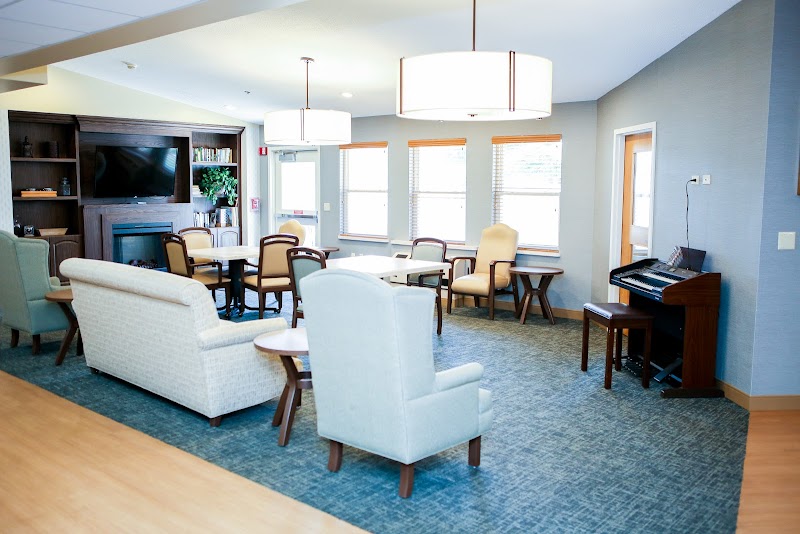
How is Fountain Bleu Health And Rehabilitation Staffed?

CMS rates Fountain Bleu Health and Rehabilitation's staffing level at 3 out of 5 stars, which is average compared to other nursing homes. Staff turnover is 56%, which is 10 percentage points above the Michigan average of 46%. High turnover can affect care consistency as new staff learn residents' individual needs.

What Have Inspectors Found at Fountain Bleu Health And Rehabilitation?

State health inspectors documented 21 deficiencies at Fountain Bleu Health and Rehabilitation during 2022 to 2025. These included: 3 that caused actual resident harm and 18 with potential for harm. Deficiencies causing actual harm indicate documented cases where residents experienced negative health consequences.
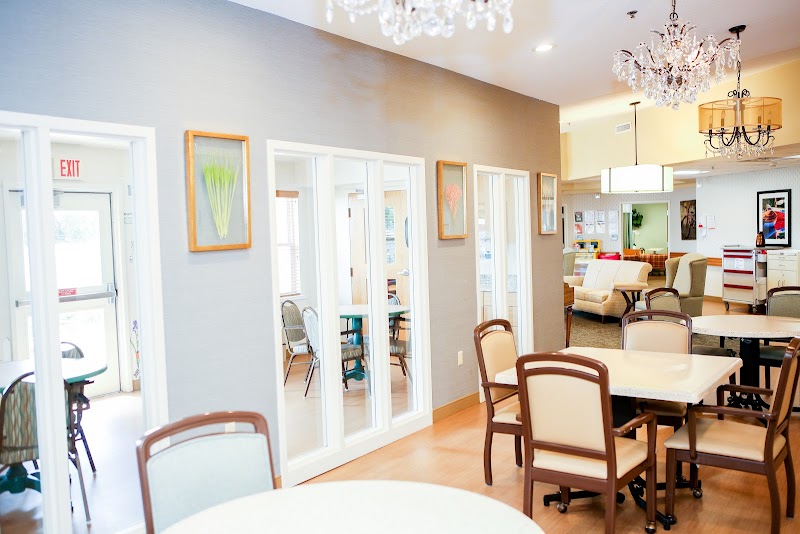
Who Owns and Operates Fountain Bleu Health And Rehabilitation?

Fountain Bleu Health and Rehabilitation is owned by a for-profit company. For-profit facilities operate as businesses with obligations to shareholders or private owners. The facility is operated by OPTALIS HEALTH & REHABILITATION, a chain that manages multiple nursing homes. With 108 certified beds and approximately 93 residents (about 86% occupancy), it is a mid-sized facility located in Livonia, Michigan.

How Does Fountain Bleu Health And Rehabilitation Compare to Other Michigan Nursing Homes?

Compared to the 100 nursing homes in Michigan, Fountain Bleu Health and Rehabilitation's overall rating (4 stars) is above the state average of 3.1, staff turnover (56%) is significantly higher than the state average of 46%, and health inspection rating (4 stars) is above the national benchmark.

What Should Families Ask When Visiting Fountain Bleu Health And Rehabilitation?

Based on this facility's data, families visiting should ask: "How do you ensure continuity of care given staff turnover, and what is your staff retention strategy?" "Can I visit during a mealtime to observe dining assistance and food quality?" "How do you handle medical emergencies, and what is your hospital transfer rate?" "Can I speak with family members of current residents about their experience?" These questions are particularly relevant given the facility's high staff turnover rate.

Is Fountain Bleu Health And Rehabilitation Safe?

Based on CMS inspection data, Fountain Bleu Health and Rehabilitation has a clean safety record: no substantiated abuse findings (meaning no confirmed cases of resident harm), no Immediate Jeopardy citations (the most serious violation level indicating risk of serious injury or death), and is not on the Special Focus Facility watch list (a federal program monitoring the lowest-performing 1% of nursing homes). The facility has a 4-star overall rating and ranks #1 of 100 nursing homes in Michigan. While no facility is perfect, families should still ask about staff-to-resident ratios and recent inspection results during their visit.

Do Nurses at Fountain Bleu Health And Rehabilitation Stick Around?

Staff turnover at Fountain Bleu Health and Rehabilitation is high. At 56%, the facility is 10 percentage points above the Michigan average of 46%. High turnover means new staff may not know residents' individual needs, medications, or preferences. It can also be disorienting for residents, especially those with dementia who rely on familiar faces. Families should ask: What is causing the turnover? What retention programs are in place? How do you ensure care continuity during staff transitions?

Was Fountain Bleu Health And Rehabilitation Ever Fined?

Fountain Bleu Health and Rehabilitation has been fined $8,985 across 1 penalty action. This is below the Michigan average of $33,169. While any fine indicates a compliance issue, fines under $50,000 are relatively common and typically reflect isolated problems that were subsequently corrected. Families should ask what specific issues led to these fines and confirm they've been resolved.

Is Fountain Bleu Health And Rehabilitation on Any Federal Watch List?

Fountain Bleu Health and Rehabilitation is not on any federal watch list. The most significant is the Special Focus Facility (SFF) program, which identifies the bottom 1% of nursing homes nationally based on persistent, serious quality problems. Not being on this list means the facility has avoided the pattern of deficiencies that triggers enhanced federal oversight. This is a positive indicator, though families should still review the facility's inspection history directly.