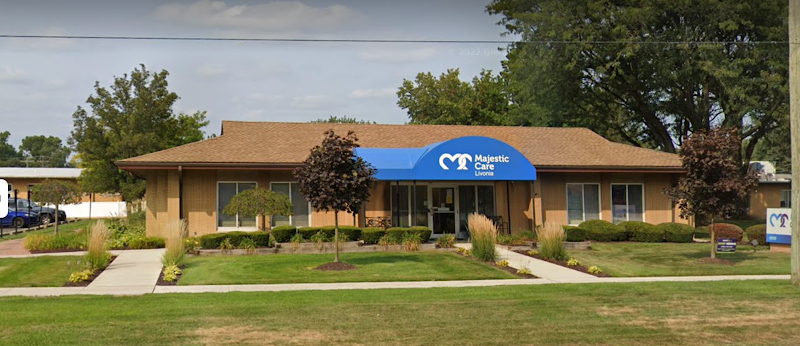
Majestic Care of Livonia
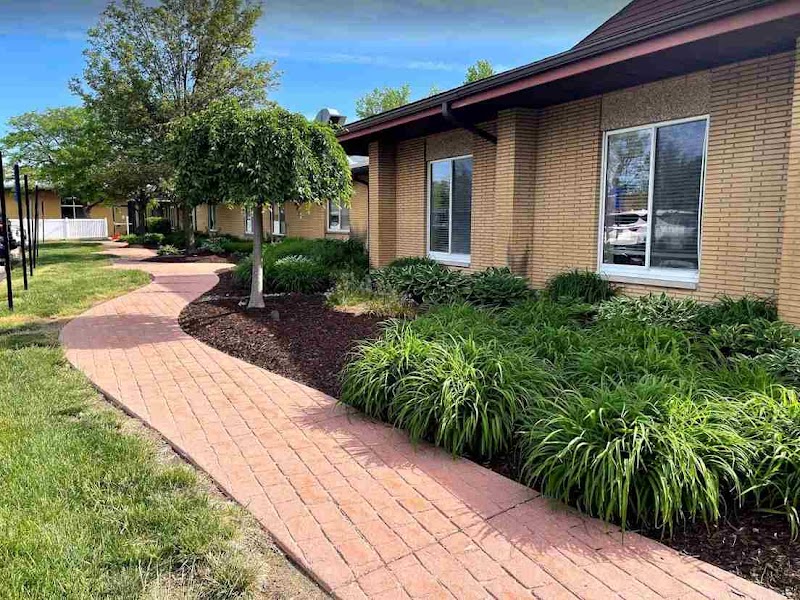
28550 Five Mile Road, Livonia, MI 48154 (734) 427-8270
For profit - Corporation 142 Beds MAJESTIC CARE Data: November 2025 1 Immediate Jeopardy citation
Trust Grade
3/100
#209 of 422 in MI
Last Inspection: December 2024

Within standard 12-15 month inspection cycle. Federal law requires annual inspections.

Overview

Majestic Care of Livonia has a Trust Grade of F, indicating significant concerns and a poor reputation among nursing homes. It ranks #209 out of 422 facilities in Michigan, placing it in the top half, and #31 out of 63 in Wayne County, meaning there are only a few local options that are better. While the facility's trend is improving, having reduced issues from 24 in 2024 to just 2 in 2025, it still faces serious challenges. Staffing is rated at 2 out of 5 stars, with a 42% turnover rate, which is slightly below the state average, suggesting some stability in personnel, but there is less RN coverage than 95% of state facilities, which is a concern. Additionally, the facility has incurred $139,006 in fines, which is higher than 86% of Michigan homes, hinting at repeated compliance issues. Specific incidents include a critical failure to monitor a resident at risk of elopement, allowing them to leave the facility unnoticed for hours, and a serious incident of physical abuse between residents that resulted in injuries. Overall, families should weigh the facility’s improvements and staffing stability against its serious past deficiencies and current compliance issues.
Trust Score
F
3/100
In Michigan
#209/422
Top 49%
Safety Record
High Risk
Review needed
Inspections
Getting Better
24 → 2 violations
Staff Stability
○ Average
42% turnover. Near Michigan's 48% average. Typical for the industry.
Penalties
✓ Good
$139,006 in fines. Lower than most Michigan facilities. Relatively clean record.
Skilled Nurses
⚠ Watch
Each resident gets only 14 minutes of Registered Nurse (RN) attention daily — below average for Michigan. Fewer RN minutes means fewer trained eyes watching for problems.
Violations
⚠ Watch
64 deficiencies on record. Higher than average. Multiple issues found across inspections.
★★★☆☆
3.0
Overall Rating
★★☆☆☆
2.0
Staff Levels
★★★★★
5.0
Care Quality
★★☆☆☆
2.0
Inspection Score
Stable
2024: 24 issues
2025: 2 issues

The Good

  • 5-Star Quality Measures · Strong clinical quality outcomes
  • Full Sprinkler Coverage · Fire safety systems throughout facility
  • No fines on record
  • Staff turnover below average (42%)

    6 points below Michigan average of 48%

Facility shows strength in quality measures, fire safety.

The Bad

3-Star Overall Rating

Near Michigan average (3.1)

Meets federal standards, typical of most facilities

Staff Turnover: 42%

Near Michigan avg (46%)

Typical for the industry

Federal Fines: $139,006

Well above median ($33,413)

Significant penalties indicating serious issues

Chain: MAJESTIC CARE

Part of a multi-facility chain

Ask about local staffing decisions and management

The Ugly 64 deficiencies on record

1 life-threatening 3 actual harm
May 2025 1 deficiency
CONCERN (D) 📢 Someone Reported This

A family member, employee, or ombudsman was alarmed enough to file a formal complaint

Potential for Harm - no one hurt, but risky conditions existed

Deficiency F0602 (Tag F0602)

Could have caused harm · This affected 1 resident

**NOTE- TERMS IN BRACKETS HAVE BEEN EDITED TO PROTECT CONFIDENTIALITY** This citation pertains to Intake MI00152612. Based on observation, interview, and record review, the facility failed to prevent...

Read full inspector narrative →
**NOTE- TERMS IN BRACKETS HAVE BEEN EDITED TO PROTECT CONFIDENTIALITY** This citation pertains to Intake MI00152612. Based on observation, interview, and record review, the facility failed to prevent the misappropriation of resident prescribed controlled substance (narcotic) pain medication for one (R901) of three residents reviewed for misappropriation. Findings include: A review of a Facility Reported Incident (FRI) noted an allegation, It was reported that there was a drug diversion. On 5/28/25 at 10:21 AM, R901 was observed lying in bed. R901 was asked about the care at the facility and had no complainants. R901 was then asked if they recalled the incident when their medication was reported missing. R901 stated, Yes. R901 was asked during that time if they went without their pain being treated. R901 stated, I don't remember. A reveiw of R901's medical record revealed, R901 was admitted to the facility on [DATE] with a diagnoses of Metabolic Encephalopathy and End Stage Renal Disease. A review of R901's Minimum Data Set (MDS) assessment noted, R901 with an intact cognition and the requirement of staff to assist with activities of daily living. On 5/28/25 at 10:30 AM, the Director of Nursing (DON) was asked about the incident and explained, it was discovered after a request was made to the pharmacy to refill the medication. The pharmacy reported it was too early for a refill and R901 should not be out of the medication. The DON explained they started an investigation and they discovered one of R901's narcotic medication sleeves were missing along with the count sheet and the staff involded were License Practical Nurse (LPN) A and LPN B. On 5/28/25 at 10:54 AM, LPN B called, a voicemail was unable to be left due to the mail box being full. On 5/28/25 at 10:57 AM, LPN A called, a voicemail was unable to be left due to the mail box being full. On 5/28/25 at 12:45 PM, the DON confirmed the date the incident occurred was March 13(2025) from the midnight shift into the day shift. LPN A (day shift) was assigned to the unit C medication cart, they completed the shift change/count. LPN B (day shift) was assigned to unit D medication cart, but was running late to work. LPN A then assisted a midnight nurse assigned to unit D medication cart for the shift change/count, collected the keys for that cart and passed on the keys to LPN B when they arrived. A review of the facility's investigation revealed, Incident Summary On 4/13/2025 a medication request was submitted to refill [R901's] norco 10/325 pain medication. A pharmacy alert was triggered for refill-too-soon, prompting further inquiry by the [DON]. Upon review the narcotic count sheet for medication was noted to have a hand-written identification label instead of the pharmacy-provided label sticker. The identification sticker indicated 1 sleeve of 30 norco 10/325. This information as cross referenced with pharmacy documentation which indicated the count of 2 sleeves of 30 pills delivered by pharmacy. This triggered an immediate investigation . findings have identified that it does appear 2 sleeves of 30 pills were delivered to the facility and that subsequently only one sleeve was identified on the narc count sheet. By referencing hand writing, a chain of custody for the medication upon delivery to the facility and a review of schedule, it was identified that the discrepancy between the 2 sleeves of medications being delivered and only 1 sleeve being accounted for on the narcotic count occurred while the medications were under the care and control of [LPN A] . [R901] received pain medication from the facility's emergency backup supply . Other resident narcotics were audited and no abnormalities or discrepancies were identified . Findings and Outcomes; The available evidence indicates a strong potential that [LPN A] is responsible for the missing medication sleeve containing 30 norco 10/325 pills, and no evidence was uncovered that supports alternative theories . A review of the facility's policy titled, Abuse, Mistreatment, Neglect, Exploitation and Misappropriation. dated 9/06/2024, 1. Purpose: To investigate all alleged violations involving abuse, neglect, misappropriation of resident/patient property, exploitation or mistreatment, including Injuries of Unknown Source, in accordance with this policy and to ensure that all individuals who report such incidents and allegations are free from retaliation or reprisal for reporting the incident. Resident/patients have the right to be free from abuse, neglect, exploitation, and misappropriation of resident/patient property. This includes, but is not limited to, freedom from corporal punishment, involuntary seclusion and physical or chemical restraint that is not required to treat the resident's/patient's medical symptoms of Resident/Patient Property is the deliberate misplacement, exploitation, or wrongful temporary or permanent use of a resident's/patient's belongings or money without the resident's/patient's consent . A review of the facility's policy titled Controlled Medication Storage dated 5/20/22, revealed, Policy: To ensure the facility provides separately locked, permanently affixed compartments for storage of controlled drugs Schedule II-V and other drugs subject to abuse, except when the facility uses single unit package drug distribution systems in which the quantity stored is minimal and a missing dose can be readily detected. Medication(s) included in the Drug Enforcement Administration (DEA) classification as controlled substance are subject to special handling, storage, disposal, and record keeping in accordance with Federal, State and other applicable laws and regulations . 4. Store all controlled substances and other medication(s) subject to abuse in a locked/secure cabinet or drawer, separate from all other medication(s). Schedule II-V medication are maintained within separately locked, permanently affixed compartment . 8. Any discrepancy in controlled medication counts is reported to DON/designee immediately. The DON/designee investigates and makes every reasonable effort to reconcile all reported discrepancies .
Feb 2025 1 deficiency
CONCERN (D) 📢 Someone Reported This

A family member, employee, or ombudsman was alarmed enough to file a formal complaint

Potential for Harm - no one hurt, but risky conditions existed

Deficiency F0657 (Tag F0657)

Could have caused harm · This affected 1 resident

**NOTE- TERMS IN BRACKETS HAVE BEEN EDITED TO PROTECT CONFIDENTIALITY** This citation pertains to Intake M100149283. Based on observation, interview, and record review, the facility failed to complete...

Read full inspector narrative →
**NOTE- TERMS IN BRACKETS HAVE BEEN EDITED TO PROTECT CONFIDENTIALITY** This citation pertains to Intake M100149283. Based on observation, interview, and record review, the facility failed to complete care plan revisions for one (R702) of three residents reviewed for care plans. Findings include: Review of complaint called into the State Agency (SA) revealed the facility reported an incident of brief inappropriate contact between R702 and R703 on 12/20/24 during which the interaction was reportedly directly witnessed by staff and staff were able to immediately redirect the residents without difficulty. Review of the facility record for R702 revealed an admission date of 09/20/24 with diagnoses including Dementia and Disorientation. The Brief Interview for Mental Status (BIMS) assessment dated [DATE] was scored 7/15 indicating severe cognitive impairment. R702's Care Plan revealed the addition of a Focus area addressing the resident's behavior that was initiated on 12/23/24 and states [R702] relationship-seeks and expresses the desire to find [their] dreamgirl or a wife. Can make sexually inappropriate comments to female peers. On 02/04/25 at 2:05 PM, R702 was observed in the activities room working on a puzzle. R702 was interviewed and when asked if they recalled the situation involving R703 and stated Yes however, their recall or understanding of the situation was not clear and were not able to discuss any additional specifics. On 02/04/25 at 2:35 PM, Physical Therapist (PT) B who was identified as the witness to the 12/20/24 incident involving R702, reported they did recall the incident. PT B stated they intervened immediately when R702 made contact with R703. PT B reported their observation has been that R702's attempts to interact with female residents has declined since the incident. On 02/04/25 at 3:15 PM, additional review of R702's facility record revealed progress notes dated 01/01/25, 01/05/25 and 01/20/25 describing incidents of physical contact between R702 and R703. A nursing progress note dated 12/24/24 documented [R702] needs to be checked and monitored every 30 min. On 02/05/25 at 9:30 AM, additional review of R702's Care Plan Focus area related to inappropriate contact with females revealed seven of eight Intervention items were put in place following the 12/20/24 incident. No intervention was added following the 01/01/25 incident and no interventions had been added following the 01/20/25 incident. On 02/05/25 at 11:50 AM, R703 was interviewed and asked about the reported incidents involving R702. The resident responded verbally in a pleasant manner but was not able to articulate a coherent response. On 02/05/25 at 12:10 PM, R703's family member/guardian A was interviewed via phone call. Family member A reported they were involved closely with the facility staff and they visit almost daily. They indicated they had been notified by the facility when incidents have occurred. On 02/05/25 at 12:22 PM, Licensed Practical Nurse (LPN) C who authored the 01/05/25 and 01/20/25 progress notes involving R702 was interviewed via phone call and asked their understanding of any supervision requirements for R702. LPN C stated he had an every 30 minute check for a couple weeks but that's been lifted. On 02/05/25 at approximately 1:00 PM, the facility Administrator (NHA) and the facility Director of Nursing (DON) were interviewed and made aware of the concern that although three incidents involving R702 had occurred since the facility reported 12/20/24 incident, only one Care Plan interventions had been added. The NHA acknowledged there were interventions put into place which were improving the situation, but have not been entered onto the Care Plan and expects staff to update care plans with each intervention. Review of the facility policy Comprehensive Care Plan dated 11/01/24 revealed the entry E. The Comprehensive Care Plan will be reviewed and revised by the interdisciplinary team after each comprehensive and quarterly MDS (Minimum Data Set) assessment. The provided policy did not specifically address revision of the Care Plan in response to a significant event or incident that suggests the current Care Plan is not fully effective.
Dec 2024 13 deficiencies
CONCERN (D)

Potential for Harm - no one hurt, but risky conditions existed

Resident Rights (Tag F0550)

Could have caused harm · This affected 1 resident

**NOTE- TERMS IN BRACKETS HAVE BEEN EDITED TO PROTECT CONFIDENTIALITY** Based on interview and record review, the facility failed to ensure one resident (R86) of one resident reviewed, was referred to...

Read full inspector narrative →
**NOTE- TERMS IN BRACKETS HAVE BEEN EDITED TO PROTECT CONFIDENTIALITY** Based on interview and record review, the facility failed to ensure one resident (R86) of one resident reviewed, was referred to with dignity regarding potentially deogatory language. Findings Include: A review of the record for R86 revealed an order entered by Licensed Practical Nurse (LPN) B dated 03/07/24 which documented, Assist feeder for all meals. The record further documented R86 was admitted into the facility 02/27/24. A review of the Minimum Data Set (MDS) assessment dated [DATE] documented, severely impaired cognition and substantial/maximal assistance for Activities of Daily Living. On 12/09/24 at 1:20 PM, LPN B was queried about the order and reported the order using the word feeder was not appropriate and should have read 'assist with all meals' or 'one to one assist with all meals'. On 12/10/24 at 11:52 AM, the Director of Nursing (DON) confirmed the term 'feeder' should not have been used. A review of the policy titled, Dignity dated 01/02/24 revealed, It is the practice of this facility to protect and promote resident rights and treat each resident with respect and dignity as well as care for each resident in a manner and in an environment, that maintains or enhances resident ' s quality of life by recognizing each resident ' s individuality.
CONCERN (D)

Potential for Harm - no one hurt, but risky conditions existed

Deficiency F0657 (Tag F0657)

Could have caused harm · This affected 1 resident

**NOTE- TERMS IN BRACKETS HAVE BEEN EDITED TO PROTECT CONFIDENTIALITY** Based on interview and record review the facility failed to ensure a care plan was updated to reflect fall interventions for one...

Read full inspector narrative →
**NOTE- TERMS IN BRACKETS HAVE BEEN EDITED TO PROTECT CONFIDENTIALITY** Based on interview and record review the facility failed to ensure a care plan was updated to reflect fall interventions for one sampled resident (R10) of three reviewed for accidents. Findings include: On 12/08/24 at 9:10 AM, R10 was observed to sit on the side of their bed. R10 right eye was observed with a discolored ring around the lower part of the eye. R10 was asked about the bruise on their eye. R10 explained they fell out of bed while they were asleep. R10 explained they hit their face on the night stand and landed face down on the floor. The environment around R10's bed was observed with some clutter. R10 was asked if the facility put things in place to try and prevent them from falling out of bed again. R10 said they didn't think so. A review of R10's incident and accident reports noted three falls: on 07/1/24, 11/09/24 and 11/12/24, all three were due to self transfer. On 12/10/24 at 12:25 PM, the Director of Nursing (DON) was asked if after each fall there was a review of the falls along with intervention revisions and the DON explained the facility found they had not been completing the necessary steps after the resident falls. A review of R10's medical record noted, R10 was readmitted to the facility on [DATE] with diagnosis of Hemiplegia and Hemiparesis following cerebral infarction affecting left non-dominant side. A review of R10's Minimum Data Set (MDS) assessment noted R10 with an intact cognition and required assistance by staff for activities of daily living. A review of R10's care plan revealed, Focus: Requires supervision at times for transfers. Resident is non-compliant (with) self transfers. Date Initiated: 01/07/2021. [R10] is at risk for falls or fall related injury history of falls, left-sided hemi, epilepsy, major depressive disorder, use of opioid medication, use of antidepressants, pain in left hip, osteoarthritis, clutter on bed and at bedside. Date Initiated: 05/12/2023. The last documented revision in the care plan for falls was 05/12/23. On 12/10/2024 at 3:59 PM, a request was made for the facility's policy regarding care plan revision. The Nursing Home Administrator (NHA) reported via email on 12/10/24 at 4:46 PM that the facility does not have a specific policy for revisions to care plans after falls. A review of the facility's policy titled, Fall Prevention dated, 1/2/24 noted, Policy: Each resident will be assessed for fall risk and will receive care and services in accordance with their individualized level of risk to minimize the likelihood of falls . 7. When a resident who does not have a history of falling experiences a fall, the resident will be placed on the facility's Fall Prevention Program. 8. Each resident's risk factors and environmental hazards will be evaluated when developing the resident's comprehensive plan of care. a. Interventions will be monitored for effectiveness. b. The plan of care will be revised as needed. 9. When any resident experiences a fall, the facility will: a. Assess the resident. b. Complete a post-fall assessment. c. Complete an incident report. d. Notify physician and family. e. Review the resident's care plan and update as indicated. f. Document all assessments and actions. g. Obtain witness statements in the case of injury .
CONCERN (D) 📢 Someone Reported This

A family member, employee, or ombudsman was alarmed enough to file a formal complaint

Potential for Harm - no one hurt, but risky conditions existed

ADL Care (Tag F0677)

Could have caused harm · This affected 1 resident

**NOTE- TERMS IN BRACKETS HAVE BEEN EDITED TO PROTECT CONFIDENTIALITY** Deficient Practice Statement #2. Based on observation, interview, and record review the facility failed to provide meal assistan...

Read full inspector narrative →
**NOTE- TERMS IN BRACKETS HAVE BEEN EDITED TO PROTECT CONFIDENTIALITY** Deficient Practice Statement #2. Based on observation, interview, and record review the facility failed to provide meal assistance for one resident (R38) out of six residents reviewed for Activities of Daily Living (ADLs). Findings include: R38 On 12/08/24 at 10:14 AM, 11:31 AM, 1:14 PM and 3:53 PM, R38 was observed lying in bed on their back with the head of the bed slightly elevated. A full bottle of chocolate nutritional drink was observed on the overbed table with a straw in it. On 12/09/24 at 8:55 AM, R38 was observed lying in bed, snoring with their mouth open, on their back with the head of the bed elevated approximately 45 degrees. A breakfast tray was observed positioned in front of them on the overbed table consisting of full amount of french toast which was cut into cubes and ground bacon. At 10:00 AM, the meal tray was observed and the meal had not been eaten. On 12/09/24 at 12:02 PM, R38 was observed in the dining room sitting in their wheelchair. An unidentified staff member delivered R38's lunch tray, removed the cover from the plate and placed a straw in a cup of red liquid. The lunch was observed to consist of a small bowl of salad (lettuce, chunks of tomatoes, and shredded cheese), a bowl of chicken pot pie, and a bowl of fruit chunks in a white sauce. On 12/09/24 at 12:09 PM, an unidentified staff member was observed to sit down at the table where R38 was sitting and assisted another unidentified resident with their meal. At 12:11 PM, R38 was observed eating lettuce out of the bowl of salad one by one with their fingers. At 12:21 PM, the staff member finished feeding the other unidentified resident and left the table. At 12:24 PM, Nurse Practitioner (NP L) spoke to R38 and after R38 picked up a piece of lettuce with their fingers NP L handed them a spoon. On 12/09/24 at 12:37 PM, another unidentified staff member removed R38's lunch tray. R38's lunch tray was observed with a few pieces of lettuce missing, half of the fruit cup eaten, the chicken pot pie remained intact. On 12/10/24 at 8:44 AM R38 was observed lying in bed on their back with the head of their bed slightly elevated. R38 responded no when asked if they already eaten breakfast. At 8:47 AM, R38's breakfast tray was observed in the dirty meal cart. The meal ticket indicated the following: scrambled eggs with cheese 1/4 cup, biscuit, 8 oz milk, 4 oz orange juice, butter, jelly. The plate contained all of the scrambled eggs, a full bowl of oatmeal, a biscuit which had a few pieces missing, a full carton of milk, and a cup containing a small amount of orange juice. A review of R38's medical record revealed they were admitted to the facility on [DATE] with the following diagnosis: Alzheimer's disease unspecified. A review of R38's Brief Interview for Mental Status (BIMS) revealed a score of 2/15 which indicated severe cognitive impairment. A review of R38's physician orders revealed the following: Diet downgraded. Speech consult. Dated 12/8/24.; Regular diet, dysphagia mechanical texture, regular consistency 1:1 Assist feed dated 12/8/24. Nutritional shake three times a day for supplementation. Give with meals. Dated 8/30/24. A physician progress note dated 12/2/24 revealed the following: Thin cacectic (physical wasting, weight loss) appearing .patient has high risk for developing contractures, pressure ulcers, poor healing or fall if not recieved adequate therapy .Patient chart indicates patient with increased difficulty with intake and self feeding. A review of R38's care plan revealed the following: (R38) needs assistance with activities of daily living. Resident will have care needs met daily with assistance of staff. Eating: 1:1 assist feeding .R38 presents with potential for nutritional risk related to poor appetite with failure to thrive, R38 will have a weight increase closer to IB (ideal body weight) range through next review. Provide and serve diet as ordered. Provide and serve supplements as ordered. A review of R38's record revealed the following weights: 11/5/24 =75.6 lbs (pounds); 12/6/24 =73.5 lbs. Further review of R38's record revealed a Nutrition Data Collection Review dated 11/28/24 which revealed the following: Regular diet, regular texture, regular consistency 1:1 Assist feed. Nutritional shake TID (three times per day) .(R38) remains underweight per BMI .Staff assist at meals. On 12/10/24 at 8:54 AM, during an interview, Licensed Practical Nurse (LPN A) confirmed R38's diet order states 1:1 feed. On 12/10/24 at 9:11 AM, during an interview, Certified Nurse Assistant (CNA P) explained R38 needed extensive assistance, and they eat pretty well when they have help and encouragement. CNA P confirmed R38 gets a nutritional supplement with meals. On 12/10/24 at 12:42 PM, the Director of Nursing (DON) said her expectation is if R38's order says 1:1 feed that R38 should be individually supervised and assisted throughout the entirety of the meal. A review of the facility policy titled Activities of daily living (ADLs) revealed the following: The facility will, based on the resident's comprehensive assessment and consistent with the resident's needs and choices, ensure a resident's abilities in ADLs do not deteriorate unless deterioration is unavoidable. Care and services will be provided for the following activities of daily living: . 4. Eating to include meals and snacks . 3. A resident who is unable to carry out activities of daily living will receive the necessary services to maintain good nutrition . 5. The facility will maintain individual objectives of the care plan and periodic review and evaluation. This citation has two deficient practice statements. Deficient Practice Statement #1: Based on observation, interview, and record review, the facility failed to provide showers for one (R8) of four residents reviewed for hygiene. Findings include: On 12/08/24 at 9:16 AM, R8 was observed in bed and appeared not to be dressed or cleaned up for the morning. R8 was asked about daily care and any related concerns and reported they hadn't had a shower in over a month. R8 reported when they ask staff about having a shower they are told their shower days are on Monday and Thursday, but on those days nobody offers a shower or they are told it can't be done for some other reason. Review of the facility record for R8 revealed an original admission date of 09/10/22 diagnoses included Cardiac Arrest and Heart Failure. R8's Care Plan dated 11/27/24 indicated R8 was incontinent, non-ambulatory, and required assistance with bathing. Review of the electronic medical record (EMR) and paper shower sheets from 11/03/24 to 11/25/24 revealed a total of seven opportunities with two showers documented as offered and refused. No additonal showers were documented. On 12/10/24 at 12:45 PM, the Director of Nursing (DON) reported the resident should be offered a shower twice weekly on their scheduled shower days and as needed. Review of the facility policy Activities of Daily Living dated 01/02/24 revealed the policy statement that included Care and services will be provided for the following activities of daily living: 1. Bathing, dressing, grooming, and oral care. The Procedure portion of the policy included the statement 3. A resident who is unable to carry out activities of daily living will receive the necessary services to maintain good nutrition, grooming, and personal and oral hygiene.
CONCERN (D) 📢 Someone Reported This

A family member, employee, or ombudsman was alarmed enough to file a formal complaint

Potential for Harm - no one hurt, but risky conditions existed

Quality of Care (Tag F0684)

Could have caused harm · This affected 1 resident

**NOTE- TERMS IN BRACKETS HAVE BEEN EDITED TO PROTECT CONFIDENTIALITY** Deficient practice statement #2. Based on observation, interview, and record review, the facility failed to reposition one resid...

Read full inspector narrative →
**NOTE- TERMS IN BRACKETS HAVE BEEN EDITED TO PROTECT CONFIDENTIALITY** Deficient practice statement #2. Based on observation, interview, and record review, the facility failed to reposition one resident (R38) out of five residents reviewed for mobility. Findings include: On 12/08/24 at 8:55 AM, 10:14 AM, and at 11:31 AM, R38 was observed lying in bed on their back sleeping with the head of the bed slightly elevated wearing a hospital gown. No positioning wedge was observed in the room. On 12/08/24 at 1:14 PM, and 3:53 PM, R38 was observed still lying in bed on their back with the head of the bed slightly elevated leaning to the right with their head off the bed. No positioning wedge was observed in the room. On 12/09/24 at 8:55 AM and 3:52 PM, R38 was observed lying on their back in bed wearing a hospital gown with the head of the bed slightly elevated. No positioning wedge was observed in the room. On 12/10/24 at 8:44 AM R38 was observed lying in bed on their back with the head of the bed slightly elevated. No positioning wedge was observed in the room. A review of R38's medical record revealed they were admitted to the facility on [DATE] with the following diagnosis: Alzheimer's disease unspecified. A review of R38s Brief Interview for Mental Status revealed a score of 2 which indicated severe cognitive impairment. A review of R38's careplan revealed the following: (R38) needs assistance with activities of daily living. Resident will have care needs met daily with assistance of staff. BED MOBILITY: One staff assistance .Resident has impaired skin integrity stage 2 (partial thickness wound) to coccyx (tailbone). Tissue injury will heal an be free from complications. Assist with bed mobility to turn and reposition routinely .Resident is at risk for skin breakdown. Resident will be free from skin breakdown. Assist with bed mobility to turn and reposition routinely. On 12/10/24 at 8:54 AM, during an interview, Licensed Practical Nurse (LPN A) confirmed R38 needs assitance with activities of daily living (ADLs) and is not able to reposition themself in bed. On 12/10/24 at 9:11 AM, Certified Nurse Assistant (CNA P) explained R39 is not able to move themselves around in bed and they require extensive assistance. CNA P explained R39 needs to be repositioned by staff every two hours and that R38 does not have a positioning wedge. 12/10/24 12:42 PM, the Director of Nursing (DON) explained R39 should have a positioning wedge and be repositioned every two hours. A review of the facility policy titled Activities of daily living (ADLs) revealed the following: The facility will, based on the resident's comprehensive assessment and consistent with the resident's needs and choices, ensure a resident's abilities in ADLs do not deteriorate unless deterioration is unavoidable. Care and services will be provided for the following activities of daily living: 3. A resident who is unable to carry out activities of daily living will receive the necessary services to maintain good nutrition, grooming, and personal and oral hygiene .5. The facility will maintain individual objectives of the care plan and periodic review and evaluation. This citation has two deficient practices. Deficient Practice Statement #1: Based on observation, interview, and record review, the facility failed to ensure lower extremity lymphedema wraps (elestic bandage wrap applied to reduce swelling) were applied for one (R72) of four residents reviewed for care. Findings include: On 12/08/24 at 10:02 AM, R72 reported their legs hadn't been wrapped for edema for the past two days. R72's legs were visible, and no wraps were in place. Review of R72's facility record revealed an admission date of 07/29/22 with diagnoses included Heart Failure and Bilateral Lower Extremity Swelling. A physician order dated 12/3/24 documented: Wrap bilateral lower extremities with (name of elastic bandage) wrap daily and remove at HS (bedtime). Related to Lymphedema. On 12/09/24 at 1:20 PM, R72 was interviewed in their room. Their legs were visible and not wrapped. They were asked if their legs were ever wrapped yesterday or earlier today and they stated No. R72 reported they were concerned about it because they were experiencing increased swelling recently and they were afraid it may affect their progress in therapy. On 12/10/24 at 12:36 PM, the Director of Nursing (DON) reported the wraps should be applied daily as ordered. Review of the facility policy Physician Orders dated 01/02/24 revealed: . The policy defines professional standards of quality as care and services are provided according to accepted standards of clinical practice .
CONCERN (D)

Potential for Harm - no one hurt, but risky conditions existed

Deficiency F0688 (Tag F0688)

Could have caused harm · This affected 1 resident

**NOTE- TERMS IN BRACKETS HAVE BEEN EDITED TO PROTECT CONFIDENTIALITY** Based on observation, interview, and record review, the facility failed to apply hand splints for one resident (R38) out of five...

Read full inspector narrative →
**NOTE- TERMS IN BRACKETS HAVE BEEN EDITED TO PROTECT CONFIDENTIALITY** Based on observation, interview, and record review, the facility failed to apply hand splints for one resident (R38) out of five residents reviewed for mobility and range of motion. Findings include: On 12/08/24 at 8:55 AM, 10:14 AM, and at 11:31 AM, 1:14 PM, and 3:53 PM, R38 was observed lying in bed on their back sleeping with the head of the bed slightly elevated wearing a hospital gown. R38s hands appeared contracted. A hand splint was observed on the night stand. On 12/09/24 at 8:55 AM, R38 was observed lying their back in bed wearing a hospital gown with the head of the bed slightly elevated. The hand splint was observed in the same place on the night stand as previously observed. On 12/09/24 from 12:09 PM until 12/09/24 12:37 R38 was observed in their wheelchair in the dining room wearing a hand splint on their left hand and was observed eating with difficulty. A splint was not observed on their right hand. On 12/10/24 at 8:44 AM R38 was observed lying in bed on their back in bed with the head of the bed slightly elevated. The hand splint was observed on the night stand. R39 was asked if they were able to open their hand. R38 lifted their left hand and was observed to try to open it unsuccessfully. A review of R38's medical record revealed they were admitted to the facility on [DATE] with the following diagnosis: Alzheimer's disease unspecified. A review of R38s Brief Interview for Mental Status revealed a score of 2 indicating severe cognitive impairment. A review of R38's physician orders revealed the following: Lambs wool splint on left hand: place on thumb in palm, strap on back. Gel splint on right hand: slip on similar to a glove. Take off for hygiene. A Occupational Therapy (OT) progress note dated 11/26/24 revealed the following: wool palm protector placed on L(left) and gel palm protector place on R (right) to promote skin integrity and functional use of R hand. Orthotic information form with instructions provided for nursing. A physician progress note dated 11/27/2024 revealed the following: .has a left hand contracture . (R38) continues working with ST (speech therapy)/OT, have wool palm protector placed on L and gel palm protector place on R to promote skin integrity and functional use of R hand. On 12/10/24 at 8:54 AM, during an interview Licensed Practical Nurse (LPN A) explained R38 has a lambs wool thing for their hand which is applied at 10:00 AM. LPN A confirmed after reviewing R38's medial record the splints should be on, and only taken off for hygiene. On 12/10/24 at 9:30 AM, during an interview, the Physical Therapy Director (PT O) explained R38 has 2 palm protectors one is lambs wool and the other one is a gel glove to protect R38's hand from their nails. PT O confirmed the palm protectors should only be taken off for hygiene and otherwise should always be on. 12/10/24 12:42 PM, during an interview, the Director of Nursing (DON) confirmed R38s hand splints should be on all the time and only taken off for hygiene. A review of the facility's policy titled Assistive Devices revealed the following: POLICY. The purpose of this policy is to provide a reliable process for the proper and consistent use of assistive devices for those residents requiring equipment to maintain or improve function and/or dignity. PROCEDURE 1. Assistive devices are tools, products, types of equipment, or technology that help individuals perform tasks and activities. They may help the individual move around, see, communicate, eat, or get dressed. Assistive devices include: . f. Orthotic or prosthetic equipment. 2. The use of assistive devices will be based on the resident's comprehensive assessment, in accordance with the resident's plan of care. 3. The facility will provide assistive devices for residents who need them. Nursing, dietary, social services, and therapy departments will work together to ensure availability of devices, such as for ordering and/or replacement. 4. Facility staff will provide appropriate assistance to ensure that the resident can use the assistive devices. This may include education or therapy sessions for training on the use of the device, set up assistance, supervision, or physical assistance as needed. 5. Direct care staff will be trained on the use of the devices as needed to carry out their roles and responsibilities regarding the devices. Training will also include when to refer to other departments for changes in condition or problems with the device.6. A nurse with responsibility for the resident will monitor for the consistent use of the device and safety in the use of the device. Refusals of use, or problems with the device, will be documented in the medical record. Modifications to the plan of care will be made as needed .
CONCERN (D) 📢 Someone Reported This

A family member, employee, or ombudsman was alarmed enough to file a formal complaint

Potential for Harm - no one hurt, but risky conditions existed

Deficiency F0692 (Tag F0692)

Could have caused harm · This affected 1 resident

**NOTE- TERMS IN BRACKETS HAVE BEEN EDITED TO PROTECT CONFIDENTIALITY** This citation has two deficient practice statements. Deficient practice #1. Based on observation, interview, and record review, ...

Read full inspector narrative →
**NOTE- TERMS IN BRACKETS HAVE BEEN EDITED TO PROTECT CONFIDENTIALITY** This citation has two deficient practice statements. Deficient practice #1. Based on observation, interview, and record review, the facility failed to provide tube feeding (TF-feeding supplied through a tube into the stomach) and hydration for one resident (R346) out of three residents reviewed for tube feeding. Findings include: On 12/09/24 at 09:50 AM, 10:12 AM, 11:27 AM, and 3:54 PM, R346 was observed lying in bed. R346's TF bottle contained 400ml (milliliters) and was dated 12/8/24. The TF and water flush was not connected to R346 and was not infusing. On 12/10/24 at 08:51 AM R346 was observed being pushed back to their room in a wheelchair by an unidentified staff member. R346's TF bottle was still dated 12/8/24, still contained 400ml, and was still not infusing. A review of R346's medical record revealed they were admitted to the facility on [DATE] with the following diagnosis: Acute and Chronic respiratory failure with hypoxia (low oxygen level); dysphagia (difficulty swallowing), unspecified; legal blindness. R346's Brief Interview for Mental Status revealed a score of 15 indicating intact cognition. A review of R346's physician orders revealed the following: Enteral Feed order two times a day. Continuous feeding formula: Nepro 65ml/hour (hr) for 20 hours. On: 1400 (2 PM) off: 1000 (10 AM) total volume 1300mls. Enteral feed order every shift automatic water flush 30ml/hr. A review of R346's care plan revealed the following: (R346) is at risk for complications due to requires tube feeding related to dysphagia, NPO (nothing by mouth) status. Therapeutic tube feeding for ESRD (end stage renal disease) on HD (hemodialysis) underweight per BMI (body mass index). R346 will be free from complication of the tube feeding. R346 will have a weight increase closer to IBW (ideal body weight) range through next review. Tube feeding and water flushes as per MD (medical doctor) orders. On 12/10/24 at 08:54 AM, during an interview Licensed Practical Nurse (LPN) A explained R346's tube feeding runs for 20 hours from 2 pm until 10 am. LPN A said R346 was not currently getting the tube feeding due to going to physical therapy but that they would restart it when R346 returned. LPN A confirmed the TF bottle was from 12/8/24 and the feeding was not infused last night. On 12/10/24 at 09:22 AM R346 was observed lying in bed. R346 was asked if they had received their TF last evening, to which they said, the TF was not working last night. RR346 said they have been feeling hungry since yesterday . On 12/10/24 at 10:44 AM, during an interview the Registered Dietician (RD M) explained the tube feeding formula and duration it infuses is calculated based on the residents' caloric needs. RD M said if there was an issue with the tube feeding the order should have been changed to make up for the calories the resident needs. On 12/10/24 at 12:42 PM, during an interview the Director of Nursing (DON) confirmed R346 should receive tube feeding as ordered. A review of the facility's policy titled Enteral Feeding revealed the following: POLICY. It is a policy of this facility to utilize feeding tubes in accordance with current clinical standards of practice, with interventions to prevent complications to the extent possible. PROCEDURE1. Feeding tubes will be utilized according to physician orders, which typically include: the kind of feeding and its caloric value, volume, duration, mechanism of administration, and frequency of flush . 3. The resident's plan of care will address the use of feeding tube, including strategies to prevent complications. 4. The facility will utilize the Registered Dietitian in estimating and calculating a resident's daily nutritional and hydration needs . Direction for staff regarding nutritional products and meeting the resident's nutritional needs will be provided: a. Types of enteral nutrition formulas available for use. b. How to determine whether the tube feedings meet the resident's needs and when to adjust them accordingly. c. How to balance essential nutritional support with efforts to minimize complications related to the feeding use . e. Ensuring that the administration of enteral nutrition is consistent with and follows the practitioner's orders. Deficient practice #2. Based on observation, interview, and record review, the facility failed to provide meal assistance and nutritional supplements for one resident (R38) out of six residents reviewed for Activities of Daily Living (ADLs). Findings include: On 12/08/24 at 10:14 AM. 11:31 AM, 1:14 AM and 3:53 PM, R38 was observed lying in bed on their back with the head of the bed slightly elevated. A full bottle of chocolate nutritional drink was observed on the overbed table with a straw in it. On 12/09/24 at 8:55 AM, R38 was observed lying in bed, snoring with their mouth open, on their back with the head of the bed elevated. A breakfast tray was observed positioned in front of them on the overbed table consisting of full amount of french toast which was cut into cubes and ground bacon. No nutritional drink was observed on the tray or in R38's room. On 12/09/24 at 12:02 PM, R38 was observed in the dining room sitting in their wheelchair. An unidentified staff member delivered R38's lunch tray, removed the cover from the plate of and placed a straw in a cup of red liquid. No nutritional supplement was provided. On 12/09/24 at 12:09 PM, An unidentified staff member was observed to sit down at the table where R38 was sitting and assisted another unidentified resident with their meal. On 12/09/24 at 12:21 PM, the staff member finished feeding the other unidentified resident and left the table. On 12/10/24 at 8:44 AM R38 was observed lying in bed on their back with the head of their bed slightly elevated. R38 responded no when asked if they already ate breakfast. On 12/10/24 at 8:47 AM, R38's breakfast tray was observed in the dirty meal cart in the hallway. The meal ticket indicated the following: scrambled eggs with cheese 1/4 cup, biscuit, 8oz milk, 4oz orange juice, butter, jelly. The tray contained all of the scrambled eggs, a biscuit which a few pieces were missing, an 8oz carton of milk that was open but full, and a cup containing a small amount left of orange juice. The tray also contained a full bowl of oatmeal. A nutritional supplement was not observed on the tray nor in the resident's room. A review of R38's medical record revealed they were admitted to the facility on [DATE] with the following diagnosis: Alzheimer's disease unspecified. A review of R38s Brief Interview for Mental Status revealed a score of 2 indicating severe cognitive impairment. A review of R38's physician orders revealed the following: Diet downgraded. Speech consult. Dated 12/8/24.; Regular diet, dysphagia mechanical texture, regular consistency 1:1 Assist feed dated 12/8/24. Nutritional shake three times a day for supplementation. Give with meals. Dated 8/30/24. A review of R38's care plan revealed the following: (R38) needs assistance with activities of ail living. Resident will have care needs met daily with assistance of staff. EATING: 1:1 assist feeding .R38 presents with potential for nutritional risk related to poor appetite with failure o thrive, R38will have a weight increase closer to IB (ideal body weight) range through next review. Provide and serve diet as ordered. Provide and serve supplements as ordered. A review of R38's record revealed the following weights: 11/5/24 =75.6 lbs (pounds); 12/6/24 =73.5 lbs. Further review of R38's record revealed a Nutrition Data Collection Review which revealed the following: Regular diet, regular texture, regular consistency 1:1 Assist feed. Nutritional shake TID (three times per day) .(R38) remains underweight per BMI .Staff assist at meals dated 11/28/24. On 12/10/24 at 8:54 AM, during an interview, Licensed Practical Nurse (LPN A) confirmed R38 should get nutritional drinks three times per day from nursing and R38's diet order states 1:1 feed. On 12/10/24 at 9:11 AM, during an interview, Certified Nurse Assistant (CNA P) explained R38 gets nutritional supplement with meals and were not sure if R38 got one with breakfast that day. On 12/10/24 at 10:44 AM during an interview, the Registered Dietician (RD) explained although R38's weight has fluctuated and they have had some weight loss the loss, the resident should receive nutritional supplements 3 times per day which are ordered by the dietician and is provided by nursing. On 12/10/24 at 12:42 PM, during an interview the Director of Nursing (DON) said the expectation is if R38 should be individually supervised and assisted throughout the entirety of the meal. A review of the facility policy titled Nutrition Management revealed the following: A Registered Dietitian will assess the nutritional status of the facility residents at minimum at time of admission, significant change in status and annually. PROCEDURE The resident will be interviewed at admission and at least annually with a focus on physical nutrition identifiers and preferences/needs. The medical history will be reviewed. o Food allergies/intolerances will be identified and confirmed to be notated on the tray card.o An assessment of estimated kcal, protein and fluid needs will be completed with each comprehensive MDS assessment.o The resident's nutritional care plan will be reviewed with each MDS assessment and as needs/interventions change.o Nutrition education/counseling will be provided to residents and staff as needed/desired.o The Dietitian will confer with ST and other therapy disciplines as needed to ensure the least restrictive diet and adaptive ware are followed/available.o The Dietitian will participate in IDT Risk Review at least monthly to provide nutrition assessment/recommendations for those residents determined to be at risk.o The Dietitian will support the Dietary Manager in updating/revising/planning therapeutic diets as needed to meet physician orders and/or nutritional needs of the residents.
CONCERN (D) 📢 Someone Reported This

A family member, employee, or ombudsman was alarmed enough to file a formal complaint

Potential for Harm - no one hurt, but risky conditions existed

Deficiency F0699 (Tag F0699)

Could have caused harm · This affected 1 resident

**NOTE- TERMS IN BRACKETS HAVE BEEN EDITED TO PROTECT CONFIDENTIALITY** This citation pertains to Intake MI00148624. Based on interview and record review, the facility failed to provide interventions ...

Read full inspector narrative →
**NOTE- TERMS IN BRACKETS HAVE BEEN EDITED TO PROTECT CONFIDENTIALITY** This citation pertains to Intake MI00148624. Based on interview and record review, the facility failed to provide interventions for a resident with PTSD (Post-Traumatic Stress Disorder) to address triggers for one Resident (R44) of one resident reviewed for trauma-informed care. Findings include: On 12/08/24 at 1:00 p.m., R44 reported they had been dealing with their PTSD and felt upset recently, as the facility had attempted to involuntarily discharge them on 11/29/24. R44 revealed their involuntary discharge form, dated 11/29/24, which showed they refused to sign the form. R44 reported they had not been made aware prior of any discharge plan, and this resulted in a traumatic reaction for them. R44 explained they became escalated when they learned about the discharge plan, as they were being discharged to a homeless shelter. R44 stated they had a home before being admitted to the facility, and had given up their apartment when they became a long-term care resident. R44 reported after the (State) Ombudsman became involved, they had a discharge plan to community houseing. R44 explained they had PTSD since they witnessed their family member being shot when they were murdered, and reported they were triggered by loud noises, and were easily startled by changes. Review of R44's social services note, dated 11/29/24 at 12:13 p.m., showed R44 was issued an involuntary discharge notice on 11/29/24. The note confirmed R44 refused to sign the discharge notice, and the discharge destination was a homeless shelter. Review of R44's social services note, dated 11/29/24 at 12:30 p.m., showed, Following IVT (involuntary discharge) being issued, resident began having elevated behaviors: verbal aggression, expressing threats, and throwing paperwork towards writer. Writer attempted to de-escalate behaivors by calmly explaining the IVT and allowing the resident to vent (their) frustrations. Resident continued to have elevated behaviors then eventually went to (their) room. Review of R44's 12/04/24 social services note, dated 12/04/24 at 14:00 (2:00 p.m.) documented R44 met with the Ombudsman to discuss discharge planning. Review of R44's 12/04/24 social service note, dated 12/04/24 at 16:03 (4:03 p.m.) documented R44's IVT had been rescinded, and a discharge plan was put in place including referral to community resouces and a group home or an apartment. Review of R44's Care Plan, accessed 12/09/24, revealed, Resident has a dx (diagnosis) of PTSD. Date initiated: 6/21/2024. Resident will be able to identify feelings of fear with SW (Social Worker) and/or Psych by next reporting period. Target Date: 12/12/2024 . Interventions included .Educating resident to importance of expressing feelings .Provide resident an outlet for expression and identification of feelings on an ongoing basis .Reassure resident that (they are) in a safe environment .Refer to (Provider name) psych services prn (as needed) . There were no interventions which identified any triggers or how to address triggers or potential triggers in R44's trauma care plan. Review of R44's Social Services assessments revealed no documentation of triggers or potential triggers for their PTSD diagnosis, and how to cope with their triggers, including any PTSD assessment, or effective interventions. Review of R44's behavioral logs for the past month (30-day look-back from 11/09/24 to 12/09/24) showed no behaviors were documented. The Director of Nursing (DON) was asked if there were any behavioral tracking logs for the month prior (10/09/24 to 11/09/24), and reported none were tracked at that time. Review of R44's Minimum Data Set (MDS) assessment, dated 9/13/24, revealed R44 was admitted to the facility on [DATE], with diagnoses including congestive heart failure, peripheral vascular disease (circulatory disorder), seizure disorder, COPD (chronic obstructive pulmonary [lung] disease), and PTSD (Post Traumatic Stress Disorder). The assessment revealed R44 required set up with toileting, dressing, and transfers, and was independent with walking. The Brief Interview for Mental Status (BIMS) assessment showed a score of 15/15, which revealed R44 was cognitively intact. The behavioral assessment revealed no behaviors. On 12/09/24 beginning at 3:48 p.m., the Social Services Director, Staff T, and the Social Services Assistant, Staff U, were interviewed with the Nursing Home Administrator (NHA). The NHA clarified they rescinded the IVT a few days after delivery, and clarified they and the nursing management team were not aware R44 had a PTSD diagnosis until last week. The NHA confirmed there were no interventions in place to address R13's triggers and no PTSD assessment per standards of best practice for trauma-informed care, which would include Care Planning and documentation of triggers and effective interventions. The NHA reported they received calls regarding R44 acting out in the community, such as being intoxicated and acting inappropriately, however they recognized the behaviors in the community were not documented. They reported R44 became agitated with their roommates often and acted out, but was unable to provide documentation. The NHA acknowledged there was room for improvement with documentation and reported their discharge plan was appropriate, as they rescinded the discharge shortly after delivery upon furhter review. On 12/10/24 at 11:51 a.m., the Director of Social Services, Staff T, and the Assistant Director of Social Services, Staff U, were asked if there was a PTSD assessment or any documentation of triggers and effective interventions for R44. Staff U reported there had been an assessment for trauma in a Social Services Assessment when R44 was admitted to the faciltiy however acknowledged there had been no follow-up, PTSD formal assessment, or identification of triggers. Review of the policy, Trauma Informed Care, dated 1/2024, revealed, It is the policy of this facility to provide care and services which, in addition to meeting professional standards, are delivered using approaches which are culturally competent, account for experiences and preferences and address the needs of trauma survivor by minimizing triggers and/or retraumatization. Trauma results from an event, series of events, or set of circumstances that is experienced by an individual as physically or emotionally harmful or life threatening and that has lasting adverse effects on the individual's functioning and mental, physical, social, emotional, or spiritual well-being. Common sources of trauma may include but are not limited to: a. Natural and human caused disasters. b. Accidents. c. War. d. Physical, sexual, mental, and/or emotional abuse (past or present), e. Rape, f. Violent crime. g. History of imprisonment. hjj. history of homelessness. i. Traumatic life events (death of a loved one, personal illness, etc.). Trauma-Informed Care is an approach to delivering care that involves understanding, recognizing, and responding to the effects of all types of trauma. A trauma-informed approach to care delivery recognizes the widespread impact and signs and symptoms of trauma in residents, and incorporates knowledge about trauma into care plans, policies, procedures, and practices to avoid re-traumatization .4. The facility will collaborate with resident trauma survivors, and as appropriate the resident's family, friends, the primary care physician, and any other health care professionals .to develop and implement individualized care plan interventions .6. The facility will identify triggers which may re-traumatize resident with a history of trauma. Trigger-specific interventions will identify ways to decrease the resident's exposure to triggers which re-traumatize the resident, as well as identify ways to mitigate or decrease the effect of the trigger on the resident and will be added to the resident's care plan .7. Trauma-specific care plan interventions will recognize the interrelation between trauma and symptoms of trauma such as substance abuse, eating disorders, depression, and anxiety. These interventions will also recognize the survivor's needs to be respected, informed, connected, and hopeful regarding their own recovery .The facility will evaluate whether the interventions have been able to mitigate (or reduce) the impact of identified triggers on the resident that may cause re-traumatization. The residents and/or his or her family or representative will be included in this evaluation to ensure clear and open discussion and better understand if interventions must be modified .
CONCERN (D)

Potential for Harm - no one hurt, but risky conditions existed

Deficiency F0761 (Tag F0761)

Could have caused harm · This affected 1 resident

Based on observation, interview and record review the facility failed to ensure biologicals were dated when opened in three of three medications carts reviewed. Findings include: On 12/08/24 at 4:23 ...

Read full inspector narrative →
Based on observation, interview and record review the facility failed to ensure biologicals were dated when opened in three of three medications carts reviewed. Findings include: On 12/08/24 at 4:23 PM, the A medication cart was observed with Licensed Practical Nurse (LPN) D: a glucose test strips container was not dated when opened. On 12/08/24 at 4:26 PM, the D medication cart was observed with LPN A: A vial of Lantus insulin was open and undated; A vial of Humalog insulin was open and undated; A container of glucose test strips was not dated when opened; and two latanoprost eye droppers were not dated when opened. On 12/09/24 at 9:07 AM, the C medication cart was observed with LPN C: a Humalog insulin vial was not dated when opened; three artificial tears eye dropper vials were not dated when opened; and the glucose test strips container was not dated when opened. On 12/10/24 at 11:52 AM, during and interview with the Director of Nursing (DON), the DON reported glucose test strips and insulin vials should be dated when opened and glucose strips were good for thirty days once opened. A review of the facility policy titled, Interdisciplinary Team (IDT) Risk Review Meeting dated 01/02/24 revealed, It is the policy of this facility to ensure all medications housed on our premises will be stored in the pharmacy and/or medication rooms according to the manufacturer's recommendations and sufficient to ensure proper sanitation, temperature, light, ventilation, moisture control, segregation, and security. A review of the prescriber information for Lantus revealed vial storage guidelines, .In-use (opened) . 10 mL(milliliter) multiple-dose vial 28 days refrigerated or room temperature . A review of the prescriber information for Humalog revealed vial storage guidelines, .In-use (opened) .10 mL multiple-dose vial . room temperature 31 days . A review of the prescriber information for latanoprost revealed storage guidelines, .Once a bottle is opened for use, it may be stored at room temperature for 6 weeks .
CONCERN (D)

Potential for Harm - no one hurt, but risky conditions existed

Deficiency F0804 (Tag F0804)

Could have caused harm · This affected 1 resident

**NOTE- TERMS IN BRACKETS HAVE BEEN EDITED TO PROTECT CONFIDENTIALITY** Based on observation, interview, and record review, the facility failed to ensure food was served in a palatable (tasty), presen...

Read full inspector narrative →
**NOTE- TERMS IN BRACKETS HAVE BEEN EDITED TO PROTECT CONFIDENTIALITY** Based on observation, interview, and record review, the facility failed to ensure food was served in a palatable (tasty), presentable manner for three Residents (R39, R45, and R246) of four residents reviewed for nutrition. Findings include: On 12/08/24 at 9:22 a.m., R246 stated they were a newer resident to the facility, admitted on [DATE] for rehabilitation. R246 reported the food did not taste good, and there was little variety. R246 explained the alternates also did not taste good. R246 clarified food was their main concern, as they could barely eat their meals which was upsetting to them. R246 appeared thin in stature and was seated in a manual wheelchair. On 12/08/24 at 10:05 a.m., R45 stated, The food is horrible, and the eggs taste like they are powdered. When asked about alternatives available, R45 reported, The alternates taste horrible, and clarified the bread was old and hard when sandwiches were requested. R45 reported they felt frustrated by this and had reported their concerns to staff. On 12/08/24 at 10:09 a.m., R39 stated, The food is terrible. I don't eat it. I don't like the food here .The grits are bad, and you can pull it out of the bowl with a fork .A lot of times the French toast is cold. Presentation is everything. Some things (food) are looking like they just throw it on the plate .Sometimes the meat tastes old, and they take a teaspoon of gravy and put it in the middle of the meat. R39 explained they would not eat the lunch today, which was chicken pot pie. R39 stated the chicken pot pie on the menu was canned vegetables with biscuits mashed with gravy and tasted terrible. R39 reported when they had a pot pie, they expected it to be in a pie, not served in a bowl. The hot cereal served for breakfast on 12/09/24 was tested and found to to have a more solid form so the entire contents of the bowl could be lifted with a fork. On 12/09/24 at 12:52 p.m., R39 was observed eating chili from a plastic container in their bed, as they were not eating the pot pie. R39 clarified they would eat the food from the facility if it tasted good. On 12/09/24 at 1:00 p.m., R45 was lunch meal. R45 reported they had the chicken pot pie, and stated, It was horrible and tasted like sh***. R45 spoke with an elevated voice and reported this upset them. Review of R45's Minimum Data Set (MDS) assessment, dated 9/16/24, revealed R45 entered the facility on 8/31/22, and was able to feed themselves with set-up. The BIMS (brief interview for mental status) assessment revealed a score of 14/15, which showed R45 was cognitively intact. On 12/09/24 at 1:05 p.m., Certified Nurse Aide (CNA) G was asked about the food served to residents. CNA G stated, 'It's not like home. A lot of families are bringing food in (for the residents). On 12/10/24 at 9:35 a.m., a kitchen staff, [NAME] H, was asked about the scrambled eggs served at the facility. [NAME] H returned with a liquid egg product in a quarter gallon cardboard container. [NAME] H reported they tasted like scrambled eggs when cooked, however they had heard residents complain they tasted like powdered eggs. [NAME] H reported scrambled eggs were served separately or in combination with cheese or vegetables about twice a week and other times residents received eggs cooked from their shells, such as fried eggs or hard-boiled eggs. On 12/10/24 at 9:37 a.m., a breakfast tray was taste tested, the cheese scrambled eggs and a red beverage were tasted; the scrambled eggs had considerable cheese in them, so the taste was unable to be fully distinguish between the eggs verses the cheese. The drink tasted like a red sugar drink, and was not a juice, but a watered-down sweet cherry tasting beverage. On 12/10/24 at 2:12 p.m., Dietary Manager (DM) I was interviewed with the District manager, Staff J. Surveyor asked both regarding the chicken pot pie served for lunch on 12/09/24, and the taste and presentation concerns. Both explained the chicken pot pies were made in a large bowl, with biscuits baked on top of the bowl. DM I reported they had a new supplier, and in the past, they had chicken pot pies served whole as pies to residents from another supplier, so the residents may have recalled this. Staff J confirmed the liquid egg mix was served as scrambled eggs. DM I with Staff J acknowledged the residents' concerns. DM I stated, I do acknowledge the concerns. The cooks will benefit from some education and in-services. On 12/10/24 at approximately 3:45 p.m., during an interview with the Nursing Home Administrator (NHA) with the Director of Nursing (DON) present regarding the residents' food concerns, they reported these concerns would be best addressed by the dietary management staff. Review of the policy, Nutritional Services, dated 1/02/24, did not address food palatability, resident preferences, or presentation of food.
CONCERN (D)

Potential for Harm - no one hurt, but risky conditions existed

Deficiency F0806 (Tag F0806)

Could have caused harm · This affected 1 resident

**NOTE- TERMS IN BRACKETS HAVE BEEN EDITED TO PROTECT CONFIDENTIALITY** Based on observation, interview, and record review, the facility failed to ensure non-allergenic food was provided for one Resid...

Read full inspector narrative →
**NOTE- TERMS IN BRACKETS HAVE BEEN EDITED TO PROTECT CONFIDENTIALITY** Based on observation, interview, and record review, the facility failed to ensure non-allergenic food was provided for one Resident (R13) of one reviewed for food preferences. Findings include: On 12/10/24 at approximately 1:05 p.m., R13 reported they were served Shrimp [NAME] last night for dinner, which they were allergic to. R13 reported they believed it was Chicken [NAME] when the dinner was served. R13 reported they were chewing the meat and realized it was shrimp and spit it out immediately and asked a Certified Nurse Assistant (CNA) to call their nurse. R13 reported an aide was with them, CNA R, and their nurse, Licensed Practical Nurse (LPN) S, who gave them Benadryl (an antihistamine medication for an allergic reaction). R13 reported they had a reaction when their mouth and tongue felt tingling. Review of R13's meal ticket, on 12/10/24 at 1:10 p.m., which was on their lunch meal tray, revealed, (R13) .Allergies: .Seafood . in large, bold print, at the top of their meal ticket. Review of the facility menu showed the dinner entrée for Monday's dinner, on 12/09/24, was, Shrimp [NAME] ., which was later confirmed by kitchen staff. Review of R13's Minimum Data Set (MDS) assessment, dated 9/24/24, revealed R13 was admitted to the facility on [DATE]. R 13 was able to feed herself with set up. The Brief Interview for Mental Status (BIMS ) assessment revealed a score of 15/15, which showed R13 was cognitively intact. Further review of R13's medical record, including progress notes, assessments, orders, and medications, showed no notation of the allergice reaction incident. On 12/10/24 at approximately 1:15 p.m., the Assistant Director of Nursing (ADON), Registered Nurse (RN) Q, were asked if they were aware of the allergice reaction incident. RN Q reported they were not aware, and confirmed the facility was not aware this occurred. On 12/10/24 at 1:26 p.m., RN Q confirmed R13 described the incident to them. RN Q reported R13 confirmed they had a tingling tongue when they took the bite of the shrimp, from dinner on 12/09/24, which resolved once they spit the food out and received allergy medication. RN Q confirmed R13's seafood allergy. They reported the medical record showed the reaction to seafood was unknown and questioned how this happened in their dietary department. On 12/10/24 at approximately 1:35 p.m., RN Q called LPN S, who did not answer the phone or call back during the interview. Review of the nursing schedule dated 12/10/24 confirmed Certified Nurse Aide (CNA) R worked with R13 on their hall the evening shift on 12/09/24. Review of the medical record with RN Q confirmed there was no notation of this incident, including in progress notes, assessments, orders, or otherwise. Review of R13's allergy page in the medical record, accessed 12/10/24, revealed a seafood allergy, with a severity of mild, dated 2/21/2023. On 12/10/24 at approximately 1:41 p.m., CNA R was called and asked about the incident. CNA R described R13 had some pasta for dinner and thought it was chicken but it was shrimp. and knew they were allergic to shrimp. CNA R reported they notified LPN S immediately, who administered R13 medication. On 12/10/24 at approximately 1:50 p.m., RN Q reported this was concerning and planned to immediately follow-up with the DON (Director of Nursing). On 12/10/24 at 2:12 p.m., the kitchen manager, Dietary Manager (DM) I, was interviewed with the district kitchen manager, Staff J. Both reported they had been notified of the incident. DM I confirmed R13's seafood allergy stating it was, clearly designated on their meal ticket. DM I explained it was the responsibility of both the cook and the dietary staff to read the meal ticket and ensure the food was served per the designation. On 12/10/24 at 2:49 p.m., a phone call was placed to LPN S. No call was returned by the end of the survey to this Surveyor. On 12/10/24 at 3:26 p.m., the Nursing Home Administrator (NHA) was interviewed about the incident with the Director of Nursing (DON). Both confirmed the incident occurred, and they understood R13 had a reaction with their tongue tingling. Review of the policy, Nutritional Management, dated 1/2024, revealed, .Food allergies/intolerances will be identified and confirmed to be notated on the tray card .
CONCERN (D)

Potential for Harm - no one hurt, but risky conditions existed

Infection Control (Tag F0880)

Could have caused harm · This affected 1 resident

**NOTE- TERMS IN BRACKETS HAVE BEEN EDITED TO PROTECT CONFIDENTIALITY** This citation has two deficient practice statments. Deficient practice #1. Based on observation, interview, and record review, t...

Read full inspector narrative →
**NOTE- TERMS IN BRACKETS HAVE BEEN EDITED TO PROTECT CONFIDENTIALITY** This citation has two deficient practice statments. Deficient practice #1. Based on observation, interview, and record review, the facility failed to implement transmission based precautions (TBP) for one resident (R346) out of one reviewed for infection control practices. Findings include: On 12/8/24 at 9:37 AM R346 was observed lying in bed. A sign was observed on R346's door revealed the following: CONTACT PRECAUTIONS EVERYONE MUST: clean their hands, including before entering and when leaving the room. PROVIDERS AND STAFF MUST ALSO: put on gloves before room entry. Discard gloves before room exit. Put on gown before room entry. Discard gown before room exit. Do not wear the same gown and gloves for the care of more than one person. Use dedicated or disposable equipment. Clean and disinfect reusable equipment before use on another person. R346 explained the sign is there because they have an infection in their dialysis access site. A review of R346's medical record revealed they were admitted to the facility on [DATE] with the following diagnosis: Acute and Chronic respiratory failure with hypoxia (low oxygen level); candidiasis, unspecified. A review of R346's Brief Interview for Mental Status revealed a score of 15 indicating intact cognition. A review of R346's face sheet revealed an alert as follows: Special instructions: .I have colonized candidiasis auris and you must wear PPE with me! A review of R346's progress note dated 11/27/24 revealed the following: Writer just had communication with (name of staff member) from (name of department of health and human services) . regarding the resident's current status with candidiasis auris. The department will be keeping a follow up on the resident while (they) remain here at the facility. (they) are currently on dialysis and they have been informed of (their) status and recommendation to run (them) separate from other residents and cleaning technique. Writer informed therapy and respiratory for any interactions to maintain precautions . On 12/9/24 at 9:48 AM, R346 was observed in dialysis seated in a chair between two other residents who were also receiving dialysis. The dialysis staff member explained they wear PPE (personal protective equipment) when they dialyze R346 due to (their) infection. On 12/09/24 at 09:50 AM, Respiratory Therapist (RT V) was observed in R346's room providing care. RT V was observed wearing gloves but no gown. RT V was observed to exit the room without gloves carrying a plastic bag of trash with one hand and began pushing a cart of respiratory supplies with the other hand. No hand hygiene was performed. RT V was interviewed at this time and explained they did not know if R346 was on transmission based precautions and confirmed they should perform hand hygiene after providing care. On 12/09/24 at 09:55 AM, Certified Nurse Assistant (CNA) X was observed in R346's room without gloves or a gown. CNA X was observed to touch R346's bedding with bare hands, then proceeded to exit R346's room and use hand sanitizer in the hallway. The CNA was interviewed and explained R346 is on enhanced barrier precautions because they have a tracheostomy (surgically created airway). On 12/09/24 at 10:00 AM, Social Worker (SW) T was observed in R346's room. SW T was not wearing gloves or a gown. SW T was observed to hand R346 a pen to sign a form then took the pen back into bare hands and repeated twice, the SW was then observed leaving R346's room and used hand sanitizer in the hallway. On 12/09/24 at 11:27 AM, Nurse Practitioner (NP) L was observed in R346's room. NP L was observed wearing gloves but no gown. NP L was observed to touch R346's legs, then lift R346's bedding. NP L''s sleeve and side of their white coat leaned and brushed against R346's bedding. NP L was observed then to touch R346's dialysis catheter and subsequestly remove their gloves and then reach into their pocket of their white coat. NP L was then observed to leave R346's room without performing hand hygiene and directly entered the room of another unidentified resident with an enhanced barrier precaution sign on their door. NP L was then observed in the unidentified residents room lifting their bedding and touching the resident without gloves then observed to reach into their pocket and brought out a pen and paper. The NP then exited the room holding the pen and paper without performing hand hygiene then entered another unidentified resident's room. ON 12/9/24 at 11:37 AM, NP L was interviewed and explained they did not know if R346 was on transmission-based precautions. On 12/09/24 at 03:46 PM, during an interview the Director of Nursing (DON) explained transmission-based precautions which include contact and airborne precautions are used when a resident has something to protect us from and with enhanced barrier precautions, we are protecting them. The DON reported R346 was on transmission-based precautions for C. AURIS. The DON confirmed any contact with the resident required contact precautions and PPE with gown and gloves. This includes contact with the bed, call light and giving medications. The DON explained the PPE should be put on at the doorway and removed in the room. On 12/10/24 at 12:42 PM, during an interview the DON also, confirmed R346 should be on transmission-based precautions and they should be dialyzed separate from everyone else. A review of the facility's policy titled Infection Prevention & Control Program revealed the following: POLICY This facility has established and maintains an infection prevention and control program designed to provide a safe, sanitary, and comfortable environment and to help prevent the development and transmission of communicable diseases and infections as per accepted national standards and guidelines. Definitions: Staff includes all facility staff (direct and indirect care functions), contracted staff, consultants, volunteers, others who provide care and services to residents on behalf of the facility, and students in the facility's nurse aide training programs or from affiliated academic institutions. PROCEDURE 1. The designated Infection Preventionist is responsible for oversight of the program and serves as a consultant to our staff on infectious diseases, resident room placement, implementing isolation precautions, staff and resident exposures, surveillance, and epidemiological investigations of exposures of infectious diseases.2. All staff are responsible for following all policies and procedures related to the program . 4. Standard Precautions: a. All staff shall assume that all residents are potentially infected or colonized with an organism that could be transmitted during the course of providing resident care services. b. Hand hygiene shall be performed in accordance with our facility's established hand hygiene procedures. c. All staff shall use personal protective equipment (PPE) according to established facility policy governing the use of PPE. d. Licensed staff shall adhere to safe injection and medication administration practices, as described in relevant facility policies. e. Environmental cleaning and disinfection shall be performed according to facility policy. All staff have responsibilities related to the cleanliness of the facility and are to report problems outside of their scope to the appropriate department.5. Isolation Protocol (Transmission-Based Precautions): a. A resident with an infection or communicable disease shall be placed on transmission-based precautions as recommended by current CDC guidelines. b. Residents on transmission-based precautions should be placed into a private/single room if available/appropriate, or are cohorted with residents with the same pathogen, or share a room with a roommate with limited risk factors, in accordance with national standards. c. Residents will be placed on the least restrictive transmission-based precaution for the shortest duration possible under the circumstances. d. When a resident on transmission-based precautions must leave the resident care unit/area, the charge nurse on that unit/area shall communicate to all involved departments the nature of the isolation and shall prepare the resident for transport in accordance with current transmissionbased precaution guidelines. e. Residents with tuberculosis are placed on airborne precautions and placed in a special room that is equipped with special air handling and ventilation capacity. If no such room is available, the resident(s) will be discharged to a facility with such capabilities. f. Immunocompromised and myelosuppressed residents shall be placed in a private room if possible and shall not be placed with any resident having an infection or communicable disease. g. Visitors coming to visit a resident who is on transmission-based precautions or quarantine, will be informed by the facility of the potential risk of visiting and precautions necessary when visiting the resident. Deficient Practice #2: Based on observation, interview and record review the facility failed to ensure the dressing for a peripherally inserted central catheter (PICC) line dressing was changed timely and per physician order for one resident (R25) of one whose PICC line care was reviewed. Findings include: On 12/09/24 at 10:33 AM, R25 reported they had received antibiotics for and infection which sent them to the hospital. R25 reported they still had the PICC line in their right upper arm. A observation of the upper arm revealed a transparent dressing had been placed over a white gauze dressing. The insertion point could not be visualized. The dressing was dated for 12/2/24. R25 reported the PICC was to come out but it had not been determined if more antibiotics were needed. On 12/10/24 at 10:36 AM, Licensed Practical Nurse (LPN) E was asked if R25 had a PICC line dressing change and commented they thought the PICC line had been pulled and the night shift nurses are the ones who normally change the dressing. The upper arm of R25 was observed with LPN E and the 12/2 date and gauze dressing were in place as on the day before. R25 reported the line had not been flushed in a number of days. On 12/10/24 at 11:52 PM, the Director of Nursing (DON) was interviewed about the PICC line dressing and reported the PICC line should have been discontinued after the antibiotic was completed and no gauze should have been used. The also reported the dressing should be changed weekly. A review of the record for R25 revealed R25 was admitted into the facility 02/05/2014. Diagnoses included Paraplegia and Diabetes. An order by physicianH dated 10/24/24 documented, PICC/Midline change dressing q (every) seven days . A review of the Medication Administration Record and Treatment Administration Records (TAR) (MAR) for December 2024 revealed, Monitor right upper arm PICC line . was initiated 10/24/24. Eight different nurses had documented monitoring the site since 12/2 through 12/09. The nurses did not document a dressing change. A review of the policy titled, Vascular Access Management dated 04/04/2018 revealed, .Dressing are labeled with the date performed or the date to be changed based on facility policy .Gauze and opaque dressings should not be removed if resident has no clinical signs of infection .Site care and dressing changes .performed at least every five to seven days .
CONCERN (F) 📢 Someone Reported This

A family member, employee, or ombudsman was alarmed enough to file a formal complaint

Potential for Harm - no one hurt, but risky conditions existed

Deficiency F0727 (Tag F0727)

Could have caused harm · This affected most or all residents

This citation pertains to Intake MI00148803. Based on interview and record review the facility failed to ensure the services of a Registered Nurse (RN) were provided for at least eight consecutive ho...

Read full inspector narrative →
This citation pertains to Intake MI00148803. Based on interview and record review the facility failed to ensure the services of a Registered Nurse (RN) were provided for at least eight consecutive hours per day on the weekend days resulting in the potential for inadequate coordination of emergent or routine care that could cause negative outcomes affecting all 90 residents in the facility. Findings include: Following a review of the nurses' schedule for 4 weeks in the months of November and December 2024, it was revealed there was no documented eight consecutive hours of RN coverage on December 7, 2024. On 12/10/2024 at 1:08 PM, during an interview, the scheduler staff (K) confirmed there was no RN on duty on 12/7/2024. On 12/10/2024 at 2:07 PM, during an email exchange, the Nursing Home Administrator explained they confirmed with the Director of Nursing (DON) that there was no RN coverage on 12/7/2024 and explained the scheduled RN could not work due to illness.
CONCERN (F) 📢 Someone Reported This

A family member, employee, or ombudsman was alarmed enough to file a formal complaint

Potential for Harm - no one hurt, but risky conditions existed

Food Safety (Tag F0812)

Could have caused harm · This affected most or all residents

This citation pertains to Intake MI00148803. On 12/08/24 between 8:40 AM-9:15 AM, during an initial tour of the kitchen, the following items were observed: In the walk-in cooler, there was a pan of s...

Read full inspector narrative →
This citation pertains to Intake MI00148803. On 12/08/24 between 8:40 AM-9:15 AM, during an initial tour of the kitchen, the following items were observed: In the walk-in cooler, there was a pan of soup dated 11/26-12/3, an opened undated bag of breaded chicken, an undated bag of whole ham, an undated bag of sliced ham, an opened undated package of hot dogs, an undated pan of tomato sauce, a crate of fat free half pints of milk dated 12/7. In the Traulsen reach-in cooler, there was an opened undated 1 gallon container of Italian dressing, a 1 gallon container of sweet and sour sauce dated 9/13/24-10/13/24, a 1 gallon opened, undated container of BBQ sauce. On 12/8/24 at 12:05 PM, when queried about the opened, undated items, Dietary Manager I provided no explanation. According to the 2017 FDA Food Code section 3-501.17: Ready-to-eat, potentially hazardous food prepared and held in a food establishment for more than 24 hours shall be clearly marked to indicate the date or day by which the food shall be consumed on the premises, sold, or discarded when held at a temperature of 41 degrees Fahrenheit or less for a maximum of 7 days. Refrigerated, ready-to- eat, potentially hazardous food prepared and packed by a food processing plant shall be clearly marked, at the time the original container is opened in a food establishment and if the food is held for more than 24 hours, to indicate the date or day by which the food shall be consumed on the premises, sold, or discarded, and: (1) The day the original container is opened in the food establishment shall be counted as Day 1; and (2) The day or date marked by the food establishment may not exceed a manufacturer's use-by date if the manufacturer determined the use-by date based on food safety. In the dish machine room, there were swarms of gnats observed at the soiled side of the dish machine. Underneath the soiled side sink basin, there was a plate cover on the ground, filled with standing water. There was missing grout in between the floor tiles, with standing water in the wells. On 12/8/24 at 12:10 PM, when queried about the gnats in the kitchen, Dietary Manager I stated a pest control company does come and treat the drains, but did not provide an explanation for the standing, stagnant water on the floor underneath the dish machine. According to the 2017 FDA Food Code section 6-501.111 Controlling Pests, The PREMISES shall be maintained free of insects, rodents, and other pests. The presence of insects, rodents, and other pests shall be controlled to eliminate their presence on the PREMISES by: 1. (A) Routinely inspecting incoming shipments of FOOD and supplies; 2. (B) Routinely inspecting the PREMISES for evidence of pests; 3. (C) Using methods, if pests are found, such as trapping devices or other means of pest control as specified under §§ 7-202.12, 7-206.12, and 7-206.13; and 4. (D) Eliminating harborage conditions. In the Motak milk cooler, there was spilled milk pooled at the bottom underneath the milk crates. According to the 2017 FDA Food Code section 4-602.13 Nonfood-Contact Surface, Nonfood-contact surfaces of equipment shall be cleaned at a frequency necessary to preclude accumulation of soil residues. In the resident refrigerator, there was an undated bag with chicken, greens, and mac and cheese, and an undated bag with a whole rotisserie chicken. Review of the facility's policy Food Brought in by Family or Visitors dated 12/12/2023 noted: f. Perishable foods must be stored in re-sealable containers with tightly fitting lids in a refrigerator. Containers will be labeled with resident's name, the item and the use by date.
Oct 2024 1 deficiency
CONCERN (D) 📢 Someone Reported This

A family member, employee, or ombudsman was alarmed enough to file a formal complaint

Potential for Harm - no one hurt, but risky conditions existed

Pressure Ulcer Prevention (Tag F0686)

Could have caused harm · This affected 1 resident

**NOTE- TERMS IN BRACKETS HAVE BEEN EDITED TO PROTECT CONFIDENTIALITY** This citation pertains to Intake MI00147513. Based on observation, interview, and record review, the facility failed to ensure ...

Read full inspector narrative →
**NOTE- TERMS IN BRACKETS HAVE BEEN EDITED TO PROTECT CONFIDENTIALITY** This citation pertains to Intake MI00147513. Based on observation, interview, and record review, the facility failed to ensure a resident with a known pressure wound was repositioned timely for one resident (R704) of six reviewed for skin care management. Findings include: On 10/16/24 at 10:52 AM, wound care for R704 was observed with Licensed Practical Nurse (LPN) A and Certified Nurse Assistant (CNA) B. A pillow was removed from the side of R704 and placed at the top of the bed near R704's head. R704 was observed to have an open sacral pressure sore. The wound had a ruby colored base and drainage was noted on the dressing removed by LPN A. R704 was rolled side to side by the two staff during the care of the wound. Upon completion of the wound care the brief was changed and R704 was returned to a supine position on their backside around 11:15 AM. The head of the bed was raised to around twenty or thirty degrees and the pillow at the head was placed into R704's powered wheelchair. CNA B was asked about the ability of R704 to reposition themselves and CNA B reported R704 required assistance to reposition in bed and confirmed R704's position. On 10/16/24 at 11:39 AM and 12:22 PM, R704 was observed to be on their back in bed and their positioned appeared unchanged. A pillow was not observed at the sides of R704 and the pillow remained in the seat of the wheelchair. At 1:10 PM, 2:11 PM, and 2:40 PM, R704 was observed to be on their backside in bed as before. The head of the bed was up higher around 30-45 degrees. A review of the active care plan has actual impaired skin integrity and at risk for additional breakdown documented assist with bed mobility and turn and reposition routinely . The care plan further documented R704 was an extensive two person assist for bed mobility. On 10/16/24 at 2:55 PM, R704 was observed with CNA B. CNA B was asked about placement of a pillow for positioning R704 off their sacral wound and revealed no device or pillow at the sides of R704. CNA B acknowledged the supine position of R704. R704 reported that the wound hurts all the time. On 10:16/24 at 2:58 PM, Nurse Unit Manger E acknowledged the concern for repositioning and indicated they would follow up. On 10/16/24 at 3:45 PM, the identified concern for repositioning of R704 was reviewed with the Director of Nursing (DON). The DON reported it was their expectation R704 be repositioned and acknowledged it should be every two hours. A review of the record for R704 revealed R704 was admitted into the facility 11/20/21 with a readmission on [DATE]. Diagnoses included Paraplegia (paralysis of lower extremities) and Heart Failure. The Minimum Data Set (MDS) assessment dated [DATE] documented intact cognition, a stage three pressure ulcer (non intact skin into first two layers of skin and fatty tissue) and the need for substantial/maximal assistance to roll left and right. A wound care specialist note dated 10/10/24 documented, .Wound #1 Location: sacral Pressure injury - stage 3. Measurement- length 2 cm (centimeters) x width 2 cm depth 1.5 cm, tunneling @ (at) 5 o'clock 0.5 cm. Drainage- heavy sero-sanguinous. Wound bed- Attached / granulation 100%/ beefy Red. Status: stable .continue turning and reposition program, using pillows or turning devices/ pillow boots for off-loading . A review of the facility policy titled, Wound Prevention and Management dated 01/02/24 revealed, Policy: This facility is committed to the prevention of avoidable pressure injuries, unless clinically unavoidable, and to provide treatment and services to heal the pressure ulcer/injury, prevent infection and the development of additional pressure ulcers/injuries . c. Evidence-based interventions for prevention will be implemented for all residents who are assessed at risk or who have a pressure injury present. Basic or routine care interventions could include, but are not limited to: i. Redistribute pressure (such as repositioning, protecting and/or offloading heels, etc.) .
Oct 2024 1 deficiency
CONCERN (D) 📢 Someone Reported This

A family member, employee, or ombudsman was alarmed enough to file a formal complaint

Potential for Harm - no one hurt, but risky conditions existed

ADL Care (Tag F0677)

Could have caused harm · This affected 1 resident

This citation pertains to Intake MI00147416. Based on observation, interview, and record review, the facility failed to provide timely brief change, peri-care and bedding change for one (R705) of four...

Read full inspector narrative →
This citation pertains to Intake MI00147416. Based on observation, interview, and record review, the facility failed to provide timely brief change, peri-care and bedding change for one (R705) of four residents reviewed for care concerns. Findings include: On 10/15/24 at 10:39 AM, R705 was interviewed while laying in bed. The incontinence pad under the resident was observed to be soaked with urine and there were clean linens and brief laying at the foot of the bed. Review of the facility record for R705 revealed an admission date of 01/26/22 with diagnoses including Alzheimer's Disease and Bilateral Lower Extremity Contracture. The Care Plan dated 09/05/24 identifies the focus area stating [R905] has episodes of incontinence of bladder and bowels and includes the goal statement [R905] will be maintained in as clean and dry and dignified a state as possible. The related interventions included Check routinely for incontinence and provide incontinence care as needed. On 10/15/24 at 11:59 AM, R905 was observed laying in bed. The incontinence pad had a large outer ring of dried urine and appeared soaked and the brief and top sheet both appeared wet. The clean linens and brief remained stacked at the foot of the bed. R905 was asked if they could recall when they were changed last and they were not able to provide a clear answer. On 10/15/24 at 1:23 PM, R905 was observed in bed. The pad, brief, and sheet remained unchanged and the clean supplies remained at the foot of the bed. R905 was able to state they could not remember when they were last changed. They were not able to clearly describe how they felt about being wet for an extended period. On 10/15/24 at 1:52 PM, R705 was observed laying in bed. The resident and bedding remained unchanged and the clean supplies remained at the foot of the bed. On 10/15/24 at 2:00 PM, Certified Nurse Assuistant (CNA) A reported they were R905's caregiver and they were working first shift for the day (7 AM-3 PM). CNA A was asked if they recalled having changed R905 during the shift and indicated they had done so when I got here this morning (approximately 7-730 AM). CNA A confirmed the brief and the pad were wet and had a dried ring of urine was around the outside of the pad and saying [R705] does wet a lot. On 10/15/24 at 2:25 PM, the Director of Nursing (DON) reported R705 being changed only at approximately 7-7:30 AM and not again until 2 PM is not acceptable. The DON stated the expectation is a check and change be completed approximately every two hours and as needed. Review of the facility policy Activities of Daily Living dated 12/12/23 revealed the following entries: Care and services will be provided for the following activities of daily living: 1. Bathing, dressing, grooming and oral care; 3. Toileting; PROCEDURE 3. A resident who is unable to carry out activities of daily living will receive the necessary services to maintain good nutrition, grooming, and personal and oral hygiene.
Sept 2024 1 deficiency
CONCERN (D) 📢 Someone Reported This

A family member, employee, or ombudsman was alarmed enough to file a formal complaint

Potential for Harm - no one hurt, but risky conditions existed

Quality of Care (Tag F0684)

Could have caused harm · This affected 1 resident

This citation pertains to Intake: MI00146915. Based on interview and record review, the facility failed to follow hospital discharge instructions and orders for one sampled resident (R701) of one resi...

Read full inspector narrative →
This citation pertains to Intake: MI00146915. Based on interview and record review, the facility failed to follow hospital discharge instructions and orders for one sampled resident (R701) of one resident reviewed for continuum of care. Findings include: A review of Intake MI00146915 revealed the following, Patient was admitted to the hospital, oncologist very concerned as pt (patient) did not follow up for oncology treatment post dc (discharge) to [nursing facility] .Pt was to follow up to establish care and treatment plan . Appears that this did not occur which could further put patient at risk due to lack of treatment and care . A review of R701's medical record revealed they were admitted into the facility on 8/1/24 with a diagnosis of Multiple Myeloma not having achieved remission. Further review revealed that the resident was cognitively intact, and required moderate to maximum assistance for Activities of Daily Living. Further review of R701's medical record revealed discharge instructions from the hospital: Follow up with [physician] Specialty: Medical Oncology, Internal Medicine Within 1 week of discharge for follow up regarding myeloma and resuming treatment. Schedule an appointment with [physician] as soon as possible for a visit in 1 week. Specialty: Family Medicine, Geriatric Medicine, Hospice and Palliative Medicine Post hospital follow-up. Schedule an appointment with [physician] as soon as possible for a visit in 2 weeks Specialty: Neurological Surgery Schedule outpatient MRI (magnetic resonance imaging) under sedation; further neurosurgery recommendations. Further review of the medical record revealed that of the three appointments that were to be scheduled, only the medical oncology appointment was scheduled however, there was no documentation noting the resident attended the appointment. On 9/26/24 at 10:44 AM, the Assistant Director of Nursing (ADON) was interviewed via phone regarding R701, and the facility's process for scheduling follow up appointments. The ADON explained R701 or the resident's daughter cancelled the oncology appointment, and it had to be rescheduled. The ADON could not speak to the rescheduled appointments, but acknowledged the staff member who was responsible for scheduling appointments is no longer an employee at their facility, and they have developed a new process for scheduling. On 9/26/24 at 11:16 AM, an interview was completed with Licensed Practical Nurse (LPN) A who also explained that R701 was scheduled for their oncology appointment on 8/19/24 however the resident cancelled the appointment. They further explained another appointment was made for the resident on 8/21/24 and 8/28/24 however, there was no documentation indicating the resident attended the scheduled appointments. On 9/26/24 at 11:49 AM, the Nursing Home Administrator (NHA) was asked about R701's appointments, and explained that there was some concern from the resident regarding how they were to be transported to their appointments as they wanted to be transported by stretcher, but didn't meet the criteria. The NHA did acknowledge there was a lack of documentation regarding R701's appointments and the implementation of a new process for scheduling appointments. A review of the facility's Physician Orders policy revealed the following, .1. Facility will maintain a schedule of diagnostic tests (laboratory and radiology) in accordance with the physician ' s orders. No diagnostic tests or consultation requests will be performed without specific physician, physician assistant, nurse practitioner or clinical nurse specialist ' s orders in accordance with State law, including scope of practice laws.5. In instances where diagnostic testing or consultations are not available to be performed on-site OR the Physician has requested that the services be performed at an off-site facility, this facility will work with the resident and their family to secure appropriate transportation arrangements for such appointments.
Sept 2024 1 deficiency
CONCERN (D) 📢 Someone Reported This

A family member, employee, or ombudsman was alarmed enough to file a formal complaint

Potential for Harm - no one hurt, but risky conditions existed

Safe Transfer (Tag F0626)

Could have caused harm · This affected 1 resident

This citation pertains to Intake: MI00146528 Based on interview and record review, the facility failed to permit a resident to return to the facility after hospitalization for one resident (R901) of o...

Read full inspector narrative →
This citation pertains to Intake: MI00146528 Based on interview and record review, the facility failed to permit a resident to return to the facility after hospitalization for one resident (R901) of one reviewed for discharges. Findings include: A review of Intake: MI00146528 revealed the following, [R901] came to [local hospital] for evaluation, pt (patient) was cleared by physician and returned to [facility]. [Facility] indicated that they didn't receive clinical information, so they sent patient back to the Emergency Center. Staff called [facility] per pt., providing clinical clearance and they continued to refuse patient's return. The following day [hospital staff] contacted [facility administrator], he indicates that he cannot accept pt back as he doesn't have staff to care for patient. [Facility staff] sent clinical information to the building as requested. They requested a psychiatric evaluation, and this was conducted, this was sent to the facility as well, patient was cleared psychiatrically to return [facility administrator] continues to refuse to accept patient back to the facility . A review of R901's medical record revealed they were initially admitted into the facility on 6/27/23 with diagnoses that include End Stage Renal Disease, Type II Diabetes Mellitus, Morbid Obesity, and Hypertension. Further review revealed the resident was cognitively intact, and was dependent on staff for transfers and toilet use. Further review of the medical record revealed the following progress notes: 8/20/2024 04:03 (4:03am) Note Text: went to check on pt (patient) early before incident. I spoke to pt and he did not respond. I asked if pt needed anything and pt did not respond. About an hour and a half later, nurse aide reported during care pt ask for a soapy wash cloth to wipe himself, after wiping himself there was stool on washcloth, he looked and saw that stool was on it and flanged the soiled cloth filled with feces and it landed on me.' I went in to speak with pt. about the incident as to what happened. pt got upset and statred (started) to raise his voice then proceeded to video record me. I asked pt to stop and that he can not record me. He told me to get out. DON (Director of Nursing) notified. 911 called, pt. petition to [local hospital]. 8/21/2024 15:30 (3:30pm) General Progress Note: Writer received call on 8/19/24 at 11:39 PM from the CNA (certified nursing assistant) that was providing care to the resident. She was highly upset and tearful when she explained to writer that she was providing care to the resident and then he asked for the soapy washcloth where he went and wiped himself and stated that there is more feces and flung the wet feces filled washcloth at her. Feces landed on the care team member, and she left the room to report the incident. Writer gave instructions to have the charge nurse to petition the resident out for psych services due to his behavior. Writer then received a call from the charge nurse at 11:41 PM to receive the directive from the writer. Due to the on-going disrespectful and assaultive behavior the resident has displayed while residing in the facility, writer instructed the charge nurse to inform the intake staff at the hospital that he is not to return at this time. Petition completed, [local police] called and arrived to the facility, ambulance transport was notified and came to transport the resident to the hospital . 8/21/2024 15:41 (3:41pm) General Progress Note: Received call from charge nurse on 8/20/24 at 10:36 PM stating that the hospital just transported the resident back to the facility. Charge nurse was informed to send the resident back to the hospital because he has not been cleared to come back to the facility until further notice and direction of administration. EMS (emergency medical services) transported resident back to the hospital. Writer then received a call from the charge nurse at 11:16 PM stating that the hospital was calling upset about the return of the resident, writer received the phone number of the representative that called and was called and given the information of the resident is not to return to the facility until further notice of administration. On 9/5/24 at 9:26 PM, an interview was completed with the Director of Nursing (DON) regarding R901 not being allowed back to the facility. She said she received a call from the resident's CNA around 11pm reporting that the resident took his washcloth full of feces, and threw it at her causing her to have feces all over herself. She reports that the police were called, and charges are going to be filed. She further reported that due to his aggressive behavior, he was petitioned out. She further reported that the resident has a history of aggressive behaviors towards staff, is non-compliant with care, and hits and belittles staff. The DON further reports that once R901 was petitioned out, they sent him back to the facility as he was considered medically cleared. The facility however sent him back requesting a psychiatric evaluation. She reports that at that time, he did not have an involuntary discharge however, when they attempted to send him back after the psych evaluation, they did refuse to take him back because they didn't have the staff to take care of him, as he refuses to be taken care of by most of the staff, and he is abusive. She reports that when staff attempt to care for him, he refuses and then complains that he did not receive the care he actually needs. She reports that there is an administrative hearing scheduled for 9/11/24 due to the involuntary discharge. A review of the facility's Transfer and Discharge policy revealed the following, 2. Once admitted , the resident has the right to remain at the facility unless their transfer or discharge meets one of the following specified exemptions: a. The transfer or discharge is necessary for the resident's welfare and the resident's needs cannot be met in the facility. b. The transfer or discharge is appropriate because the resident's health has improved sufficiently so that the resident no longer needs the services provided by the facility. c. The safety of individuals in the facility is endangered due to the clinical or behavioral status of the resident. d. The health of individuals in the facility would otherwise be endangered. e. The resident has failed, after reasonable and appropriate notice, to pay or have paid under Medicare or Medicaid for his or her stay at the facility. Nonpayment applies if the resident does not submit the necessary paperwork for third party payment or after the third party, including Medicare or Medicaid, denies the claim and the resident refuses to pay for his or her stay. f. The facility ceases to operate .
Aug 2024 1 deficiency
CONCERN (D) 📢 Someone Reported This

A family member, employee, or ombudsman was alarmed enough to file a formal complaint

Potential for Harm - no one hurt, but risky conditions existed

Accident Prevention (Tag F0689)

Could have caused harm · This affected 1 resident

**NOTE- TERMS IN BRACKETS HAVE BEEN EDITED TO PROTECT CONFIDENTIALITY** This citation pertains to intake MI00145985. Based on interview and record review, the facility failed to prevent the elopement ...

Read full inspector narrative →
**NOTE- TERMS IN BRACKETS HAVE BEEN EDITED TO PROTECT CONFIDENTIALITY** This citation pertains to intake MI00145985. Based on interview and record review, the facility failed to prevent the elopement of one resident (R700) of three reviewed for accidents and supervision. Findings include:: An incident and accident (I/A) report involving R700 was reviewed and revealed the following: Date: 7/25/24 23:22 (11:22 PM0 Incident Location: Outside. Incident Description: Nurse was informed by midnight staff that [R700] was not in [their] room or bed when [they] went to do rounds. Injuries Observed at Time of Incident: Injury Type: No injuries observed at time of incident. A progress note reviewed in R700's electronic medical record (EMR) revealed the following, 7/26/2024 00:49 (12:49 AM) Writer received call from charge nurse .stating that [R700] got out of the facility and an active code green (code used in potentially life threatening situations) was in place .Police [were] called. [R700] Returned to [the] facility with nurse, with no signs [or] symptoms of distress or injury. Further review of R700's EMR revealed R700 was most recently admitted to the facility on [DATE] with diagnoses that included Schizoaffective disorder and Stroke. R700's most recent minimum data set assessment (MDS) dated [DATE] revealed R700 had a severely impaired cognition and required setup-touch assistance for all activities of daily living (ADLs). R700 was petitioned and sent to the hospital on 7/26/24. On 8/1/24 at 2:00 PM, a phone interview was attempted with Licensed Practical Nurse (LPN) A regarding the incident involving R700. No answer. Left voice mail. A written statement documented the following, LPN A reported that .[they] were in their vehicle .located [R700] walking on [the road] .[R700] got in [the car] .[R700] was free from any distress or injury. On 8/1/24 at 2:07 PM, a phone interview was attempted with Certified Nurse Assistant (CNA) B regarding the incident involving R700. No answer. Left voice mail. A written statement documented the following, CNA B reported [ they were] assigned to [R700] .and last saw [R700] at approximately 9:30 [PM] .CNA Reported that sometime after 10:00 PM, [they] stepped away from resident care because [they] heard an alarm sounding and upon getting to the .nurses' station [they] observed another employee turning the alarm off and [they observed] a new [food delivery] that had been placed at the desk near the alarming door . On 8/1/24 at 2:24 PM, a phone interview was attempted with CNA F regarding the incident involving R700. No answer. Left voice mail. A written statement documented the following, CNA F reported when [they] did [a] bed check on [R700] at approximately 11:45 PM [they were] unable to locate [R700] and immediately began a search. CNA F did not recall hearing any alarms prior to being unable to locate [R700]. On 8/1/24 at 2:35 PM, an interview was conducted with the Nursing Home Administrator (NHA) regarding the incident involving R700. The NHA reviewed the investigation completed by the facility regarding the incident. A facility policy titled Elopement (Risk and Missing Resident) Original Date: October 2019 was reviewed and stated the following, Policy: Purpose: Care Team Members who have residents under their care are responsible for knowing the location of those residents, and in the case of a missing resident, ensuring appropriate action is taken. On 8/1/24, the facility provided documentation to address the incident which occurred on 7/25/24. A summary of this plan included the following: (Name of facility) 7/26/24 Past Noncompliance: 1. Corrective Action for Affected Individual(s). Upon return to the facility the resident remained on 1:1 until transfer to the hospital for mental health treatment. Upon returning to the facility and being assessed to have no injury and no psychological distress, resident was interviewed by Education Director (ED) and Director of Nursing Services (DNS or DON) and demonstrated how she exited the facility. 2. Identification of Residents Affected or Likely to be Affected: The facility took the following actions to address the 1. Corrective Action for Affected Individual(s). citation and prevent any additional residents from suffering an adverse outcome. (Completion Date: 7/26/2024) An ad hoc Quality Assurance Program (QAPI) meeting was held on 7/26/2024 with ED, DNS and Interdisciplinary Team (IDT). Medical Director updated to review the incident, and developed the following action plan. All current resident's elopement risk evaluations were reviewed and updated with care plans reviewed and updated as needed. Elopement policies were reviewed on 7/26/2024. No revisions made to the current policies Elopement investigation procedure and documentation process were reviewed on 7/26/2024. No revisions made to the current procedures and processes. Elopement binders reviewed for accuracy on 7/26/2024. Unit Manger (UM)/Designee reviewed progress notes M-F to identify any resident documented or expressing exit seeking behaviors with appropriate interventions put in place. o Elopement assessment completed for all at risk residents and audit completed for 2 months, and new admits who are assessed to be at risk will be reviewed for Wanderguard placement. o All residents in the facility were assessed to determine their wandering/elopement risk with care plans, reviewed, and elopement binder updated to reflect high risk wandering residents on 7/26/2024. The Maintenance Director completed assessment of all exits to verify doors are functioning properly, and door alarms were all working properly on 3/26/24. The Administrator or designee immediately ensured the safety and well-being of the residents who were at risk for elopement by auditing all door alarms to ensure they were working properly on 7/26/2024. All code alert bracelets currently in use were checked for placement, function, and expiration date by Licensed Nurse 7/26/2024 and were functioning properly. Therapeutic Leave (LOA) process was reviewed on 7/26/2024, and no revisions were made. 3. Systemic Changes to Prevent Recurrence: An exterior location for after-hours food/grocery deliveries was implemented with signage that directs delivery drivers to leave deliveries in a sheltered location outside of the alarmed doors to prevent residents from following drivers out of the building. DON/designees started education on 7/26/2024, with all staff on Elopement risk/ Missing resident process with emphasis on when alarms are sounding to respond immediately, start head count, check the perimeter, frequent checks, and reporting any residents stating they want to leave immediately to nurse supervisor, The DON/Designee educated staff on LOA Process. 100 % of staff have been educated. Staff members are not permitted to work a shift until education has been completed. Nursing will complete every two-hour checks on residents that are a high risk for elopement resident to validate that they in the facility. The Administrator or designee educated staff on checking the placement and function of code alert bracelets, along with verifying expiration date. 4. How the Facility Will Monitor its Corrective Action. On 7/26/2024 QAPI meeting was completed to review action plan with ED, DNS, IDT, and directed the following audits to be conducted with results reported back to the QAPI committee for further follow up and review until otherwise directed by the QAPI committee: The administrator/Designee will interview 4 staff members weekly times 4 weeks, biweekly times 2 weeks, then monthly times 1 to verify understanding of elopement process, and elopement drills with a summary of findings to QAPI for review and recommendations. Identified residents at risk for elopement will be reviewed weekly time four weeks, then bi-weekly times 2 weeks, and then monthly times one, with findings submitted to QAPI for review and recommendations. The DNS/Designee will review new admissions for elopement risk and assure interventions are put in place, three times a week for 4 weeks, and then weekly times 2 weeks, and then monthly. Elopement drills will occur on each shift weekly X4 weeks and ongoing until sustained compliance is achieved. The DNS/Designee will complete three times a week audits times 4 weeks, and then weekly times two weeks, and then monthly times one of the EMAR's to validate every two hour checks have been completed on high risk resident's with findings submitted to QAPI for review and recommendations.
Jul 2024 1 deficiency 1 Harm
SERIOUS (G) 📢 Someone Reported This

A family member, employee, or ombudsman was alarmed enough to file a formal complaint

Actual Harm - a resident was hurt due to facility failures

Pressure Ulcer Prevention (Tag F0686)

A resident was harmed · This affected 1 resident

**NOTE- TERMS IN BRACKETS HAVE BEEN EDITED TO PROTECT CONFIDENTIALITY** This citation pertains to Intake MI00145744. Based on interview and record review, the facility failed to implement timely treat...

Read full inspector narrative →
**NOTE- TERMS IN BRACKETS HAVE BEEN EDITED TO PROTECT CONFIDENTIALITY** This citation pertains to Intake MI00145744. Based on interview and record review, the facility failed to implement timely treatments for a newly identified wound for one resident (R701) out of three reviewed for wounds, resulting in the worsening of the wound. Findings include: A review of the medical record revealed that R701 admitted into the facility on [DATE] with the following diagnoses, Cerebral Infarction, Dysphagia, and Adult Failure to Thrive. A review of the Minimum Data Set assessment revealed a Brief Interview for Mental Status score of 7/15 indicating an impaired cognition. R701 also required extensive staff assistance with bed mobility and transfers. A review of the initial skin assessment dated [DATE] noted that R701 did not have any identified skin conditions. Further review of the progress notes revealed the following, -1/14/2024 .Wound-Resident has a dime size open area to [their] sacrum (buttocks), writer cleansed area with normal saline, applied triad paste and a border gauze. A review of the physician orders did not note a wound care treatment order. -1/26/2024 .1.0 centimeters (cm) x1.0 cm x0.1 cm. Acquired. Stage 3 (wound which involves full thickness loss or deeper tissue damage) .Cleanse w[ith] wound cleansers, apply puroral silicone . A review of the physician orders did not note a wound care order. Further review of the physician orders revealed the following: Date: 2/2/2024. Order: Cleanse sacrum with wound cleanser. Apply puracol and cover with silicone border gauze. -7/11/2024 .8.0x6.5x0.0. Acquired. Stage 3. Unchanged. On 7/24/2024 at 12:27 PM, an interview was conducted with the Director of Nursing (DON). The DON stated they had a wound care nurse at that time and they went around and completed all the wound care. The DON was queried as to why an order was not put in until 19 days after the initial observation. The DON stated an order should have been entered at the time of the initial observation. A review of a facility policy titled, Wound Prevention noted the following, To prevent the formation of avoidable pressure injuries and to promote healing of existing pressure injuries, it is the policy of this facility to implement evidence-based interventions for all residents who are assessed at risk or who have a pressure injury present.
Jul 2024 3 deficiencies
CONCERN (E) 📢 Someone Reported This

A family member, employee, or ombudsman was alarmed enough to file a formal complaint

Potential for Harm - no one hurt, but risky conditions existed

Deficiency F0561 (Tag F0561)

Could have caused harm · This affected multiple residents

This citation pertains to Intake: MI00145599 Based on interview and record review, the facility failed to ensure the rights to self- determination were honored for Leave of Absences (LOAs) potentially...

Read full inspector narrative →
This citation pertains to Intake: MI00145599 Based on interview and record review, the facility failed to ensure the rights to self- determination were honored for Leave of Absences (LOAs) potentially affecting all 95 residents residing in the facility. Findings include: A review of Intake MI00145599 revealed the following,The administrator gave a copy of the letter given to residents restricting LOAs (Leave of Absence). Restrictions include times LOA are allowed, what activities that could result in restricting LOA, weather restrictions, residents must be accompanied by a community member during a LOA, and restrictions of resident personal items and activities residents cannot do in the community during a LOA. According to the letter, the letter was devised with input from the medial director, law enforcement, area businesses and members of the community . On 7/18/24 at 11:00 AM, an interview was completed with the Nursing Home Administrator (NHA) regarding restrictions related to LOAs. The NHA explained there had been conversations with law enforcement, local business owners and community members about resident behaviors while in the community on LOAs which has included panhandling, the use of marijuana and inappropriate behaviors while inside local businesses. The NHA explained in efforts to keep both residents and staff safe after 8pm along with discussions with the medical director, the decision was made to establish additional guidelines. A review of the LOA letter was reviewed and documented the following: Dear Resident, We respect and value your rights as a resident and we are committed to honoring and protecting those rights. We are also committed to fulfilling our responsibility to support and promote your safety. After careful review and discussion with the Medical Director, law enforcement, area business and members of the community, the following changes will be in effect regarding leave of absence (LOA). Simply put, if someone requires the care and supervision needed by a skilled nursing facility. It is usually not safe for the person to be in the streets without someone available to help them out. These guidelines are effective at 8AM Monday June 17, 2004. *Residents who are their own responsible party may sign out LOA between the hours of 8AM and 8PM. *During inclement weather (heat advisories cold advisories, tornado watch/warning, etc.) residents may be required to sign out LOA only if there is an accompanying adult for the community. *Residents who wish to sign out before 8AM and after 8PM must be accompanied by an adult for the community outside the facility. One resident may not be used to accompany another resident for LOAs. *Resident who are their own responsible party who insist on leaving the facility before 8AM or after 8PM without an accompanying adult are free to do so, but it will result in a discharge against medical advise (AMA). *Residents may not have cigarettes, lighters, weapons, marijuana, alcohol or other intoxicants in the facility. *Staff will not store, provide or distribute cigarettes or smoking materials to residents leaving on LOA. *If unsafe practices on an LOA are observed, the physician may be contacted and may modify LOA requirements to require that the resident be accompanied for any LOAs, regardless of the time of the day. *Examples: residents observed propelling backwards in the parking lot, residents observed panhandling, residents who bring restricted material back into the facility after LOA, etc. These guidelines are being put into place in response to safety concerns observed regarding LOAs and were done so with the goal of honoring your rights. These guidelines are subject to changed based. Thank you, [NHA signature]. On 7/18/24 at 12:27 PM, the Director of Nursing (DON) was asked about the newest LOA guidelines and spoke about Medicaid insurance requirements for the resident to be inside the building however, additional comment regarding the rights of the resident was not provided. A review of the facility's Therapeutic Leave policy revealed, It is the policy of this facility to allow residents to leave the facility for a non-medical visit, thereby known as therapeutic leave, in accordance with Federal and State guidelines and applicable Medicare, Medicaid, and private insurance guidelines. Each resident will be permitted to return to the facility after therapeutic leave, regardless of payment source .
CONCERN (E) 📢 Someone Reported This

A family member, employee, or ombudsman was alarmed enough to file a formal complaint

Potential for Harm - no one hurt, but risky conditions existed

Deficiency F0565 (Tag F0565)

Could have caused harm · This affected multiple residents

**NOTE- TERMS IN BRACKETS HAVE BEEN EDITED TO PROTECT CONFIDENTIALITY** This citation in part pertains to Intake: MI00145599 Based on interview and record review that facility failed to assist the Res...

Read full inspector narrative →
**NOTE- TERMS IN BRACKETS HAVE BEEN EDITED TO PROTECT CONFIDENTIALITY** This citation in part pertains to Intake: MI00145599 Based on interview and record review that facility failed to assist the Resident Council to meet for their monthly meetings consistently. Findings include: On 7/18/24 at 10:45 AM, a request for the last three months of resident council meeting minutes was requested from the Nursing Home Administrator (NHA). On 7/18/24 at 11:00 AM, the NHA explained that during a mock survey, he identified that their was a deficiency in resident council meetings and showed the surveyor a folder of documents that were identified as resident council meeting notes that were either incomplete and/or missing dates. A review of the facility's Resident Council policy revealed the following, Policy Statement The facility supports residents' desires to be involved and have input in the operation of the facility through the Resident Council .1. Policy Interpretation and Implementation. 1.The purpose of the Resident Council is to provide a forum for: a. Residents to have input in the operation of the facility; b. Discussion of group concerns; c. Consensus building and communication between residents and facility staff; and d. Staff to disseminate information and gather feedback from interested residents . During the onsite survey, past noncompliance (PNC) was cited after the facility implemented actions to correct the noncompliance which included: Date of Report: 06/24/2024 1. Corrective Action for Affected Individual(s). [NAME] Care of Livonia has had three Activity Directors in the past year. Census 94. -Reviewed monthly Resident Council Minutes revealed the book was not in order and there were missing dates. -Resident Council is to be held monthly with the president, residents, and Activity Director. -Resident Council is held every third Wednesday of each month. 2. Identification of Residents Affected or Likely to be Affected: The facility took the following actions to address the citation and prevent any additional residents from suffering an adverse outcome. An ad hoc QAPI meeting was held on 06/21/2024 with ED, DNS and Medical Director updated to review the regulations and developed the following action plan. -All current residents were reviewed and updated with activity preferences. -All current residents will be asked to attend resident council meetings. -Resident Council Meetings will be added on Activity Calendar every month at 11:00 a.m. -Facility will encourage one of the residents to become president. -Activity binder reviewed for accuracy on 06/18/2024. -The Administrator or designee immediately ensured the rights of residents well being of the residents who were at risk for not attending resident council meetings. -Activity Calendars, Resident Rights, Ombudsman, Survey Book Results, and Grievances contact will be posted on bulletin board for all residents and family members to view. -Staff will inform residents where to find postings of Resident Rights, Survey Binder, who to contact for Grievances, and the number to call for Ombudsman. 3. Systemic Changes to Prevent Recurrence: -Social Service Regional Consultant started education on 06/24/2024, with all staff on Resident Council Meetings missing. Staff was informed meetings are held every third Wednesday at 11:00 am every month. -Social Service Regional Consultant educated staff to place council meetings on the activity calendar. Activity Calendar will be placed in the hall and in each residents' room. -Activity Director will complete monthly Activity Calendar or Gradual Dose Reduction (GDRs) and behavioral interventions. -MDS Coordinator will inform team via email, morning meetings, stand down or by cell phone when a change of condition occurs including medications and diagnoses. -SSD will complete PASARRs within 7 days of a residents' admissions date, change of condition, and change of diagnoses. SSD will upload completed application and results. If a resident becomes a Level II, SSD will care plan it. 4. How the Facility Will Monitor its Corrective Action On 06/24/2024 QAPI meeting was completed to review action plan with ED and Activity Assistants to direct the following audits to be conducted with results reported back to the QAPI committee for further follow-up and review until otherwise directed by the QAPI committee: The Administrator/Designee will interview four residents' weekly times 4 weeks, biweekly times 2 weeks, then monthly times 1 to verify understanding of Resident Council meetings process. -Identified residents at risk for resident council meetings will be reviewed weekly time four weeks, then bi-weekly times 2 weeks, and then monthly times one, with findings submitted to QAPI for review and recommendations. -Identified Resident Council President -Activity Assistant held a Resident Council meeting on 06/21/2024 at 11:00 am, in which the residents were educated on the facility's Resident Council policies and procedures. -Administrator/Designee will interview 5 residents a week for 4 weeks Resident Council Process to see if they had any problems related to their rights with the findings submitted to QAPI for review and recommendations. -Activity Director will complete three times a week audits times 4 weeks and then weekly times two weeks, and then monthly times one to validate monthly Resident Council Meetings have been completed with findings submitted to QAPI for review and recommendations. -Resident Council Minute meetings will be audited for function Completion Date: 6/26/24.
MINOR (C) 📢 Someone Reported This

A family member, employee, or ombudsman was alarmed enough to file a formal complaint

Minor Issue - procedural, no safety impact

Deficiency F0680 (Tag F0680)

Minor procedural issue · This affected most or all residents

This citation in part pertains to Intake: MI00145599 Based on interview and record review the facility failed to ensure the activities program was directed by a qualified professional potentially affe...

Read full inspector narrative →
This citation in part pertains to Intake: MI00145599 Based on interview and record review the facility failed to ensure the activities program was directed by a qualified professional potentially affecting all 95 residents in the facility. Findings include: On 7/18/24 at 11:00 AM, during an interview with the Nursing Home Administrator (NHA) about the lack of resident council meetings being conducted, he explained that a new Activities Director was hired last month, as there was no one in the position when he took over the position only a short time ago. On 7/18/24 at 2:35 PM, an interview was completed with Activities Director A regarding their position start date, and she explained that she started on 6/10/24. Also present during the interview was Activities Aide B who explained that she started her position in April 2024, and since her start date, there has never been an Activities Director in place. On 7/18/24 at 2:45 PM, the Director of Nursing (DON) was asked about the lack of an Activities Director, and she explained from what she can recall, the last time they had an Activities Director was March 2024. A review of the Activities Policy did not reveal information regarding a qualified professional.
Apr 2024 1 deficiency 1 IJ
CRITICAL (J) 📢 Someone Reported This

A family member, employee, or ombudsman was alarmed enough to file a formal complaint

Immediate Jeopardy (IJ) - the most serious Medicare violation

Accident Prevention (Tag F0689)

Someone could have died · This affected 1 resident

**NOTE- TERMS IN BRACKETS HAVE BEEN EDITED TO PROTECT CONFIDENTIALITY** This citation pertains to Intake M100143712. Based on observation, interview and record review, the facility failed to provide m...

Read full inspector narrative →
**NOTE- TERMS IN BRACKETS HAVE BEEN EDITED TO PROTECT CONFIDENTIALITY** This citation pertains to Intake M100143712. Based on observation, interview and record review, the facility failed to provide monitoring, supervision and door alarm response to prevent the elopement of one (R901) of six residents reviewed for elopement, who was a known elopement risk and wore a Wanderguard (ankle bracelet used to set off an alarm restricting a resident from walking out the door). R901 eloped from the facility on 03/25/24 at 9:10 PM unbeknownst to staff until 5:15 AM on 03/26/24. R901 was located in the community approximately 12 miles away from the facility at 1:30 AM on 03/29/24. R901 was able to exit the facility, triggering the alarm system wearing a Wanderguard without staff being aware for appoximately eight hours. R901 was outside without food, medication, shelter or heat in a heavy traffic area and reportedly was sleeping in abandoned houses on nights when temperature ranged from 23 to 45 degrees farenheight wearing only a jogging suit and open-faced sandals with socks. R901 was located after four days and was subsequently hospitalized for five days. This deficient practice resulted in the likelihood of serious injury, serious harm, serious impairment, or death. Immediate Jeopardy: The Immediate Jeopardy (IJ) started on 03/25/24 and the immediacy was removed 03/29/24 when the resident was located and per review of the facility's responding interventions as verified onsite on 04/04/24. The IJ was identified on 04/03/24 during an abbreviated survey. The facility was notified of the IJ on 04/04/24 at 3:45 PM and asked for a removal plan. Findings include: Review of the facility record for R901 revealed an admission date of 04/25/22 with diagnoses that included Schizoaffective Disorder-Bipolar Type, Anxiety Disorder, Violent Behavior and Vascular Dementia. Initial review of the Facility Reported Incident indicated that R901 was identified as missing from the facility on 03/26/24 at approximately 5:15 AM and their whereabouts remained unknown until being located and secured at approximately 1:30 AM on 03/29/24 approximately 12 miles from the facility. The report indicated that R901 was taken to (name of local) hospital after being located. Further review of R901's facility record revealed a Wandering/Elopement Risk assessment dated [DATE] that was scored 10/11 and indicated the resident was considered at risk for elopement and had a history of elopement. R901's care plan dated 01/12/24 included the Focus statement [R901] is an elopement risk related to history of attempts to leave the facility unattended, impaired safety awareness and wandering throughout the facility. Care plan included the Intervention items Redirect resident when wandering or is exit seeking and Wanderguard (left ankle), check placement every shift and function daily. R901's physician orders included the order Wanderguard: Check placement left ankle every shift for wandering risk dated 01/05/24. On 04/03/24 at 11:32 AM, the facility Director of Nursing (DON) was interviewed and reported that at approximately 5:45 AM on 03/26/24 Licensed Practical Nurse (LPN) A ,who was the supervising nurse at the time, called them and reported that LPN B informed them that when they went to administer R901's morning medication they were not in bed and could not be initially located and that the elopement/missing resident protocol had been initiated. The DON indicated that they notified the facility Administrator (NHA). The DON indicated that the family and the (local) police department were contacted. The DON reported that at approximately 1:30 AM on 03/29/24 a former staff member who was aware of and familiar with the missing resident called them and reported observing R901 nearby. The DON reported that they went to the area and R901's daughter K had arrived and had the resident in their car. The DON reported they went to the vehicle and observed R901 and described them as appearing hypothermic .shivering. [They] didn't have a coat on. I asked [them] if [they] had eaten and [they] said No but later at the hospital [they] said people had given [them] food at times. [They were] wearing a jogging suit, socks and flip flops. I asked [them] where [they] had stayed and [they] told me In abandoned houses. The DON confirmed that R901 was found with the Wanderguard in place. On 04/03/24 at 1:22 PM, the Nursing Home Administrator (NHA) reported that R901's family member reported the resident told them they had watched a staff member enter the door code then later went out the front entrance by entering the code. The NHA reported that they were initially led to believe, based upon staff interviews, that the resident left the facility sometime between approximately 3 AM and 5 AM on 03/26/24 but they were subsequently made aware, via the police investigation of surveillance from a business across the road from the facility, that R901 had been outside that business at approximately 9:15 PM on 3/25/24 indicating that the resident had actually been out of the facility for approximately eight hours prior to staff realizing they were gone. On 04/03/24 at 2:00 PM, Sergeant J of the (name of local) police department was interviewed via phone and reported that R901 was viewed on surveillance footage walking into a liquor store on the opposite side of (name of high traffic road) from the facility at 9:16 PM on 03/25/24. Sergeant J reported that subsequent viewing's of R901 via community surveillance footage included one at 9:59 PM 03/25/24 near (names of two high traffice roads) and then at a (name of local) gas station at 10:36 PM 03/25/24. Sergeant J reported that during the initial investigation at the facility the officers noted that the exit door near the laundry, three doors away from the residents room, was ajar and did not appear to be alarming properly. On 04/03/24 at 3:20 PM, R901's daughter K was interviewed via phone and reported that R901 did tell them that they had left the facility by exiting the main entrance by using the code which they learned from watching a staff member enter the code. Daughter K reported that R901 appeared quite cold and reported being hungry when they were located. On 04/03/24 at 3:56 PM, LPN G was interviewed via phone and confirmed they worked the evening of 03/25/24 and did recall R901's elopement incident. LPN G reported they encountered R901 at approximately 8:56 PM on 03/25/24 near the vending machines because R901 had asked if LPN G could buy them a pop. LPN G reported they were able to verify the time of the encounter because their vending transaction was time-stamped on their phone which was used to make the purchase. On 04/04/24 at 9:23 AM, the facility Maintenance Director (MD) H was interviewed and reported they came in to work the morning following R901's elopement and were made aware of what occurred. MD H reported the door/alarm checks on the morning following the incident revealed no problems or malfunctioning equipment. They reported the doors and alarms are checked daily and there had been no recent functional failures identified and a door/alarm company had completed an assessment during the previous week and found everything to be functioning properly. MD H completed a check of all the facility exit doors including use of a wanderguard with the surveyor with the following findings noted: - The D-Wing door did not have a Wanderguard sensor. - The first set of Lobby/A-Wing doors and the first set of B-Wing East doors were the only doors that triggered the alarm when the Wanderguard was in proximity to the door. The remaining nine exit doors did not alarm until they were pushed. On 04/04/24 at 10:57 AM, LPN G was interviewed via phone and reported that they could not recall hearing a door alarm anytime following their interaction with R901 at the vending machine at 8:56 PM on the evening of 03/25/24. On 04/04/24 at 11:07 AM, LPN B reported that they were working on R901's unit the evening of 03/25/24 and said they did not recall hearing a door alarm. On 04/04/24 at 11:30 AM, LPN A was interviewed via phone and confirmed they did work the evening of 03/25/24 and they did not recall hearing any door alarms. On 04/04/24 at 11:43 AM, Certified Nursing Assistant (CNA) I was interviewed via phone and reported they did work the evening of 3/25/24 and they did not recall hearing or responding to any door alarms. On 04/04/24 at 11:49 AM, R901 was observed and interviewed in their room. R901 acknowledged they had left the faciity on the evening of 03/25/24. When asked how they left the building they stated they didn't remember. When asked if they were cold while they were out of the building they stated Yes. When asked if they were hungry while they were out they stated Yes. When asked where they stayed at night they stated Wherever I could. On 04/04/24 at 4:25 PM, the NHA and DON reported their understanding was when R901 exited the facility the door alarms did sound and that staff did not respond, leading to the eight hour timeframe that staff were unaware that R901 was out of the facility. The NHA reported that the expectation is that resident's identified as an elopement risk would not be able to leave the facility unsupervised. Review of the facility policy Elopement dated 10/19 revealed the Purpose statement Care Team Members who have residents under their care are responsible for knowing the location of those residents, and in the case of a missing resident, ensuring appropriate action is taken. The policy also includes the Procedure entry: 5. Care Team Members will be educated to check the surrounding outside area when the door alarms to ensure no residents have exited the facility unattended. Facility Removal Plan: 1. Corrective Action for Affected Individual(s). -Upon return from the hospital resident was placed on 1 on 1 with Wanderguard in place to reduce the risk of resident leaving the facility without supervision as [NAME] is alert and oriented times three spheres, but her cognition and behavior may fluctuate. -Resident's medication has been reviewed. -The facility will continue to assess the resident and work with family and physician to devise a sustainable action plan. 2. Identification of Residents Affected or Likely to be Affected: The facility took the following actions to address the citation and prevent any additional residents from suffering an adverse outcome. (Completion Date: 3/26/24) An ad hoc QAPI meeting was held on 3/26/24 with ED, DNS, IDT, and Medical Director updated to review the incident, and developed the following action plan. -All current resident's elopement risk evaluations were reviewed and updated with care plans reviewed and updated as needed. -Elopement policies were reviewed on 3/26/24. No revisions made to the current policies -Elopement investigation procedure and documentation process were reviewed on 3/26/24. No revisions made to the current procedures and processes. -Elopement binders reviewed for accuracy on 3/26/24. -UM/Designee reviewed progress notes M-F to identify any resident documented or expressing exit seeking behaviors with appropriate interventions put in place. -Elopement assessment completed for all at risk residents and audit completed for 2 months, and new admits who are assessed to be at risk will be reviewed for Wanderguard placement. -All residents in the facility were assessed to determine their wandering/elopement risk with care plans, reviewed, and elopement binder updated to reflect high risk wandering residents on 3/27/24. · The Maintenance Director completed assessment of all exits to verify doors are functioning properly, and door alarms were all working properly on 3/26/24. -The Administrator or designee immediately ensured the safety and well-being of the residents who were at risk for elopement by auditing all door alarms to ensure they were working properly on 3/26/24. -All code alert bracelets currently in use were checked for placement, function, and expiration date by Licensed Nurse 3/28/24 and were functioning properly. -Therapeutic Leave process was reviewed on 3/26/24, and no revisions were made. 3. Systemic Changes to Prevent Recurrence: -DON/designees started education on 3/26/24, with all staff on Elopement risk/ Missing resident process with emphasis on when alarms are sounding to respond immediately, start head count, check the perimeter, frequent checks, and reporting any residents stating they want to leave immediately to nurse supervisor, The DON/Designee educated staff on LOA Process. 100 % of staff have been educated. Staff members are not permitted to work a shift until education has been completed. -Nursing will complete every two-hour checks on residents that are a high risk for elopement resident to validate that they in the facility. -The Administrator or designee educated staff on checking the placement and function of code alert bracelets, along with verifying expiration date. 4. How the Facility Will Monitor its Corrective Action. On 3/27/24 QAPI meeting was completed to review action plan with ED, DNS, IDT, and directed the following audits to be conducted with results reported back to the QAPI committee for further follow up and review until otherwise directed by the QAPI committee: -The administrator/Designee will interview 4 staff members weekly times 4 weeks, biweekly times 2 weeks, then monthly times 1 to verify understanding of elopement process, and elopement drills with a summary of findings to QAPI for review and recommendations. -Identified residents at risk for elopement will be reviewed weekly time four weeks, then bi-weekly times 2 weeks, and then monthly times one, with findings submitted to QAPI for review and recommendations. -The DNS/Designee will review new admissions for elopement risk and assure interventions are put in place, three times a week for 4 weeks, and then weekly times 2 weeks, and then monthly. -The Activities Director held a Resident Council meeting on 3/27/24 at 2pm, in which the residents were educated on the facility's LOA policies and procedures. -The administrator/designee will interview 5 residents a week for 4 weeks on LOA Process to see if they understand the LOA process with the findings submitted to QAPI for review and recommendations. -Elopement drill was completed on 3/26/24 on 1st shift, and 3/27/24 on 3 rd shift, and 3/28/24 on 2nd shift. The Maintenance Director/Designee will conduct elopement drills three times a week for four weeks with findings submitted to QAPI for review and recommendations. -The DNS/Designee will audit the LOA process daily to assure that when residents are signing out they leave a phone number to contact if they are not back at time they say, and that the nurse has approximate time of return with resident signing out, and in upon return with findings submitted to QAPI for review and recommendations. -The DNS/Designee will audit the LOA process daily to assure that when residents are signing out they leave a phone number to contact if they are not back at time they say, and that the nurse has approximate time of return with resident signing out, and in upon return with findings submitted to QAPI for review and recommendations. -The DNS/Designee will complete three times a week audits times 4 weeks, and then weekly times two weeks, and then monthly times one of the EMAR's to validate every two hour checks have been completed on high risk resident's with findings submitted to QAPI for review and recommendations. -Door alarms will be audited for function. Date Facility Asserts Likelihood for Serious Harm No Longer Exists: 04.05.2024
Feb 2024 1 deficiency
CONCERN (D) 📢 Someone Reported This

A family member, employee, or ombudsman was alarmed enough to file a formal complaint

Potential for Harm - no one hurt, but risky conditions existed

Report Alleged Abuse (Tag F0609)

Could have caused harm · This affected 1 resident

This citation pertains to Intake MI00141614. Based on observation, interview, and record review, the facility failed to report an allegation of misappropriation of funds to the State Agency for one re...

Read full inspector narrative →
This citation pertains to Intake MI00141614. Based on observation, interview, and record review, the facility failed to report an allegation of misappropriation of funds to the State Agency for one resident (R701) out of one reviewed for misappropriation of funds. Findings Include: On 2/22/2024 at 9:54 AM, an interview was conducted with R701. R701 was observed sitting in their wheelchair. R701 stated that back in December (2023) they were asleep, woke up and saw someone standing on the side of their bed. R701 stated that they thought they were just checking on them and went back to sleep. R701 stated that the next day they went to order some food and went in their wallet and $70 was missing. R701 stated that they reported it to the Nursing Home Administrator (NHA) and they were told that they would not be getting reimbursed. A review of the medical record revealed that R701 admitted into the facility on 5/22/2019 with the following diagnoses, Major Depressive Disorder and Multiple Sclerosis. A review of the Minimum Data Set assessment revealed a Brief Interview for Mental Status assessment score of 15/15 indicating an intact cognition. Further review of a concern form dated 12/15/2023 noted the following, Description of Concern: Resident stated that [they] were missing $70. [They] stated that [they] couldn't see the person that was in [their] room but feels that [staff] was the one to steal their money. On 2/22/2024 at 12:16 PM, an interview was conducted with the Nursing Home Administrator (NHA). The NHA stated that when they went and spoke with the resident and did an investigation. The NHA stated that they could not prove that R701 had money missing. The NHA stated that they did offer to call the police and R701 stated that they did not want the police called. The NHA stated that they did not report to State Agency. The NHA stated that usually when a resident is missing money, they want to report it to police and that triggers them to report to the State Agency, but because R701 did not want to report to police it did not trigger them to report. A review of a facility policy titled, Abuse Prevention Program noted the following, .When an alleged or suspected case of mistreatment, neglect, injuries of unknown source, or abuse is reported, the facility Administrator, DON (Director of Nursing), or individuals designated will immediately (not to exceed 24 hours if the event does not result in serious bodily injury .
Nov 2023 1 deficiency
CONCERN (D) 📢 Someone Reported This

A family member, employee, or ombudsman was alarmed enough to file a formal complaint

Potential for Harm - no one hurt, but risky conditions existed

Deficiency F0757 (Tag F0757)

Could have caused harm · This affected 1 resident

**NOTE- TERMS IN BRACKETS HAVE BEEN EDITED TO PROTECT CONFIDENTIALITY** This citation pertains to Intake MI00140504. Based on interview and record review, the facility failed to follow physician recom...

Read full inspector narrative →
**NOTE- TERMS IN BRACKETS HAVE BEEN EDITED TO PROTECT CONFIDENTIALITY** This citation pertains to Intake MI00140504. Based on interview and record review, the facility failed to follow physician recommendations following a Gastrointestinal (GI) consult, and follow physician ordered parameters upon administration of a laxative for one resident (R901) of one reviewed for unnecessary medications, resulting in the potential for adverse drug consequences. Findings include: A review of R901's medical record revealed that they were admitted into the facility on [DATE] with diagnoses that included Hypertension, Heart Failure, and a history of Colon Cancer. Further review of R901's medical record revealed that the resident was cognitively intact, and required extensive assistance for bed mobility, dressing and toilet use. Further review of R901's medical record revealed the following progress note: 9/21/2023 15:00 (3:00pm) MD/NP/PA (medical doctor/nurse practitioner/physician assistant) Progress Note. Late Entry: Note Text: Physician Orders. Date: September 21, 2023 Orders: Result of STAT (immediately) abdominal x-ray reviewed showing mild ileus (lack of movement in the intestine). IV (Intrasvenous) hydration with NS (normal saline) 0.9% @ (at) 60 ml/hr (milliliters/hour), NPO (nothing by mouth) with bowel rest x 3 days, Dulcolax suppository at bedtime x 3 (3 times). Verbal order received from overseeing doctor's NP to start patient on lactulose (laxative) 30ml daily. STAT GI (Gastrointestional) consult ordered due to patient's history of colon cancer. Medication Orders .lactulose 10gram/15 mL oral solution Take 30 Milliliter(s) by mouth every day 30 days, 30 days, for a total of 900, start on September 23, 2023, end on October 22, 2023. A review of R901's current orders reveal that that the resident's prescribed Lactulose was still active and upon review of the resident's October and November Medication Administration Record, R901 has received the medication daily. Further review of R901's medical record revealed a Gastrointestinal Consult dated 11/16/23 in which the physician made the following recommendation due to the resident's generalized abdominal pain, .2. Hold lactulose and Miralax. NO liquid laxatives . A review of R901's November MAR revealed that the resident continued to receive lactulose daily since the GI consult. On 11/28/23 at 1:46 PM, the Director of Nursing (DON) was about the process for ensuring that consult recommendations for residents are being followed, and she explained that the unit managers are to make sure the recommendations are being implemented following consults. Regarding the active order for R901, the DON explained that she would review R901's medical record, and explained that there was an issue identified regarding orders however, surveyor was unable to verify continued compliance due to the lack of documentation by the facility. A review of the facility's Consulting Physician/Practitioner Orders did not address physician orders being followed, nor did it address how recommendations are implemented following consults.
Oct 2023 1 deficiency 1 Harm
SERIOUS (G) 📢 Someone Reported This

A family member, employee, or ombudsman was alarmed enough to file a formal complaint

Actual Harm - a resident was hurt due to facility failures

Pressure Ulcer Prevention (Tag F0686)

A resident was harmed · This affected 1 resident

**NOTE- TERMS IN BRACKETS HAVE BEEN EDITED TO PROTECT CONFIDENTIALITY** This citation pertains to Intake MI00140358. Based on interview and record review, the facility failed to provide wound care tre...

Read full inspector narrative →
**NOTE- TERMS IN BRACKETS HAVE BEEN EDITED TO PROTECT CONFIDENTIALITY** This citation pertains to Intake MI00140358. Based on interview and record review, the facility failed to provide wound care treatments as ordered for one resident (R802) of three reviewed for care and treatment, resulting in the potential for worsening of existing pressure ulcers and/or development of new wounds. Findings Include: A review of the Intake revealed, The complainant states the resident wasn't getting proper wound care and [R802] was sent to hospital in [date] due to the condition of [their] wounds. On 10/31/2023 at 11:55 AM, a phone interview was conducted with the complainant. The complainant stated that R802 was not receiving proper care while in facility. They stated that R802 had several pressure sores and were not receiving care. A review of the medical record revealed that R802 admitted into the facility on 4/26/2022 with the following diagnoses, Anorexia and Muscle Wasting and Atrophy. A review of the Minimum Data Set (MDS) assessment revealed a Brief Interview for Mental Status score of 14/15 indicating an intact cognition. R802 also required extensive to total two-person assistance with bed mobility and transfers. Further review of the MDS revealed that R802 had 1 Stage 4 pressure ulcer (severe tissue damage. muscles, bones, and/or tendons may be visible) and 1 unstageable pressure ulcer. A review of the progress notes revealed the following, Date: 5/31/2023. Progress Notes: .Skin: Warm to touch see description of wounds below: 1. Left trochanter (hip) stage 4-this area measures 3.5 x 3.0 .This area can be cleaned with wound cleanser and medihoney applied to the area. Wound should be covered with border gauze. QD everyday. 2. Left sole foot/hallux unstageable-this area measures 2.3x2.5 with 0.2 cm depth .This area can be cleaned with wound cleanser, and medihoney and calcium alginate applied to the area. Wound should be covered with a abd (abdominal) and kerlix wrap. QD. A review of R802's Treatment Administration Record (TAR) revealed the following: May 2023: -Santyl (debriding agent) External Ointment .Apply to sole of left foot topically every night shift for wound care. Cleanse with NS (Normal Saline), pat dry, apply santyl to open area, cover with ABD pad and kerlix q night shift and PRN (As needed). Not marked off as completed (blank space) on the following date: 5/14. Wound care to left hip. Everyday shift for wound care. Cleanse with NS, pat dry, apply santyl to open area, cover with border gauze q day shift and PRN. Not marked off as completed (blank space) on the following dates:5/3,5/4,5/13,5/14,5/18,5/25,5/27,5/28, and 5/31/23. June 2023: -Wound care to left sole of foot .Apply to sole of left foot topically every night shift for wound care. Cleanse with NS (Normal Saline), pat dry, apply medihoney and calcium alginate to open area, cover with ABD pad and kerlix q night shift and PRN (As needed). Not marked off as completed (blank space) on the following dates: 6/7 and 6/13/23. -Wound care to left hip. Everyday shift for wound care. Cleanse with NS, pat dry, apply santyl to open area, cover with border gauze q day shift and PRN. Not marked off as completed (blank space) on the following dates:6/2,6/19,6/20,6/21, and 6/28/23. July 2023: -Wound care to left sole of foot .Apply to sole of left foot topically every night shift for wound care. Cleanse with NS (Normal Saline), pat dry, apply medihoney and calcium alginate to open area, cover with ABD pad and kerlix q night shift and PRN (As needed). Not marked off as completed (blank space) on the following dates:7/15,7/24, and 7/28/23. -Wound care to left hip. Everyday shift for wound care. Cleanse with NS, pat dry, apply santyl to open area, cover with border gauze q day shift and PRN. Not marked off as completed (blank space) on the following dates:7/3,7/14,7/17,7/19,7/21,7/23,7/26, and 7/28/23. August 2023: -Wound care to left sole of foot .Apply to sole of left foot topically every night shift for wound care. Cleanse with NS (Normal Saline), pat dry, apply medihoney and calcium alginate to open area, cover with ABD pad and kerlix q night shift and PRN (As needed). Not marked off as completed (blank space) on the following dates: 8/1,8/4,8/11, and 8/20/23. -Wound care to left hip. Everyday shift for wound care. Cleanse with NS, pat dry, apply santyl to open area, cover with border gauze q day shift and PRN. Not marked off as completed (blank space) on the following dates:8/2,8/9,8/19, and 8/30/23. September 2023: -Wound care to left sole of foot .Apply to sole of left foot topically every night shift for wound care. Cleanse with NS (Normal Saline), Santyl applied to open area, cover with ABD pad and kerlix q night shift and PRN (As needed). Not marked off as completed (blank space) on the following date: 9/14/23. -Wound care to left hip. Everyday shift for wound care. Cleanse with NS, pat dry, apply santyl to open area, cover with border gauze q day shift and PRN. Not marked off as completed (blank space) on the following dates: 9/8,9/9, and 9/20/23. On 10/31/2023 at 12:35 PM, an interview was conducted with the Director of Nursing (DON). The DON stated that the facility does not have a designated nurse for wound care and that the nurses on the floor are responsible for wound care. The DON stated that they expect for the documentation to completed at the time the task is completed. A review of a facility policy titled, Wound Treatment Management revealed the following, .7. Treatments will be documented on the Treatment Administration Record or in the electronic health record.
Oct 2023 10 deficiencies 1 Harm
SERIOUS (H) 📢 Someone Reported This

A family member, employee, or ombudsman was alarmed enough to file a formal complaint

Actual Harm - a resident was hurt due to facility failures

Free from Abuse/Neglect (Tag F0600)

A resident was harmed · This affected multiple residents

**NOTE- TERMS IN BRACKETS HAVE BEEN EDITED TO PROTECT CONFIDENTIALITY** This citation pertains to Intakes: MI00136917, MI00134758, MI00140155 and MI00137068. Based on interview, and record review, the...

Read full inspector narrative →
**NOTE- TERMS IN BRACKETS HAVE BEEN EDITED TO PROTECT CONFIDENTIALITY** This citation pertains to Intakes: MI00136917, MI00134758, MI00140155 and MI00137068. Based on interview, and record review, the facility failed to ensure the safety and wellbeing for five residents (R1, R8, R10, R25 and R93) out of four reviewed for abuse, to prevent physical abuse from a resident who had unpredictable behaviors and a staff member, resulting in physical abuse, bodily injuries, and psychosocial distress. Findings include: Resident 8 A review of a Facility Reported Incident dated 5/9/2023 revealed the following, Incident Summary: [R254] was observed collaring up (to hold someone so they cannot move) roommate [R8]. Residents were immediately separated. [R254] was placed on 1:1 and sent out for psychiatric observation. [R8] had a small scratch to left forearm, no adverse reactions. Further review of R8's progress notes revealed the following, 5/9/2023 11:04 Alert Note: Resident was involved in an incident where the roommate was the aggressor and came out the restroom and just attacked [them]. Resident is a little reddened in the chest area from where [they] were grabbed and a has a superficial scratch on the left forearm . 5/9/2023 16:22 Social Services Note: Writer went to speak with [R8] about the physical altercation that happened between [R8 and R254]. R8 stated that [their] roommate came out of the bathroom and was very aggressive towards [them] and charged towards [them] and began hitting [them] . On 10/4/2023 at 11:25 AM, an interview was conducted with Dietary Aide (DA) L. DA L stated that they witnessed the incident on 5/9/2023 with R254 and R8. DA L stated that they were walking past B Wing and they saw R254 fighting R8. DA L stated that R8 was not fighting back. DA L stated that they called for a nurse and a bunch of staff rushed down and separated them. DA L stated that R254 was a character. DA L stated that R254 got into it with a lot of people in the facility, staff and residents. Further review of an additional Facility Reported Incident dated 5/21/2023 revealed the following, On [5/21/2023] at approximately 9:42 am nurse was summons to room [ROOM NUMBER] and it was reported that [R254] was choking [R8]. Resident[s] were immediately separated. The CNA (Certified Nurse Assistant) reported to the nurse that [they] walked in and saw [R254] hands around [R8] neck and when asked why [they] was choking [them] and [R254] stated that [they] wanted out. [R254] was placed on 1:1 until EMS (emergency medical system) arrived. [R8] did not complain of any pain to the site and was transferred to another room. Further review of R254's progress notes from 5/21/23 revealed the following; Writer was notified per co-nurse that client had [their] roommate blocked in the corner of the room and was choking [them]. Writer was notified that the client was separated from [their] roommate and placed in the dining room while [their] roommate remained in the room. Writer assessed the roommate and noted red marks around the neck area. On 10/4/2023 at 9:31 AM, an interview was conducted with Roommate (RM) I. RM I stated that they R8 told them about the incidents when they had moved in with them. RM I stated that R8 told them that R254 had hurt them and pulled them out of bed. RM I stated that they remember R254 and that would go up and down the hallway cussing all day. RM I stated that one day they were in bed and R254 was in their wheelchair and stood up and raised their hand like they were about to hit them. RM I stated that they grabbed their reacher and told them to get out of their room before they hit them. RM I stated that R254 then turned around and left the room. On 10/4/2023 at 1:47 PM, an interview was conducted with R8 regarding R254. R8 stated that they do not remember what happened and that they don't remember R254. A review of the medical record revealed that R8 admitted into the facility on 2/15/2023 with the following diagnoses, Anxiety Disorder and Other Seizures. A review of the most recent Minimum Data Set Assessment revealed a Brief Interview for Mental Status Score of 15/15 indicating intact cognition. R8 also required one-person physical assistance with bed mobility and transfers. Resident 10 A review of the progress notes revealed the following, 7/3/2023 15:31 Note Text: Pt. was pulled out of wheelchair by another patient and was hit . Further review of the witness statements dated 7/3/2023 noted the following, I witnessed the incident with [R254] and [R10]. [R254] drug the resident [R10] out of [their] wheelchair by [their] jacket on the floor. I rushed to aid assistance for resident to release [their jacket]. At 2:15 PM when walking down B hall talking with the activity aide. I heard commotion behind us. I turned around and observed [R254] hitting resident [R10] and dragging [them] out [their] wheelchair into [room number] I ran and removed [R254] hand from [R10] jacket. Aides picked up [R10] and put [them] back in chair. A review of the medical record revealed R10 admitted into the facility on 2/15/2019 with the following medical diagnoses, Hemiplegia and Dementia. A review of the most recent Minimum Data Set Assessment revealed a Brief Interview for Mental Status score of 7/15 indicating an impaired cognition. R10 also required one-to-two-person extensive assist with bed mobility and transfers. On 10/4/2023 at 9:39 AM, an interview was conducted with Certified Nursing Assistant (CNA) J. CNA J stated that they were not working on the day if the incident with R254 and R10, however they had heard about it. CNA J stated that R254 was an handful and that R254 had multiple resident to resident incidents while in the facility. On 10/4/2023 at 9:41 AM, a phone interview was conducted with Licensed Practical Nurse (LPN) A. LPN A stated that she remembers R254 and that they were a day to day, meaning sometimes R254 would speak and sometimes they would not. LPN A stated that sometimes R254 was nice and sometimes they were not. Resident 93 A review of an incident and accident (I/A) report dated 5/21/2023 noted the following, Nursing Description: Charge nurse was summoned to the room and reported that roommate had physically assaulted [them]. Upon arrival to the room, nurse observed resident to have a red ring around the neck that would apply pressure applied. Resident has no c/o pain at the time and states that [they] feel safe. Resident Description: Resident stated that [they] went to move bedside table to take tray and roommate screamed out Mine and came over and start choking [them]. Further review R254's progress note dated 5/20/2023 revealed the following, Progress Note: Writer was passing trays when I noted the client hollering in [their] room, writer went to [their] room and noted client grabbing [their] roommate by the arm, aggressively tugging [them] across the bed attempting to take the roommate's phone. Writer removed the client from the room and placed the roommate outside the room with 1:1 supervision, The Administrator/Abuse Coordinator was notified of incident. Writer assessed roommate and noted bruising to [their] (R)arm. DON was notified of incident. [Name] was notified of incident. Clients were kept separated throughout tour, 0 further incidents noted. Documentation regarding the 1:1 was requested, but not received prior to the end of survey. On 10/4/2023 at 11:02 AM, an interview was conducted with R93 regarding the incident with R254. R93 stated that they remember R254 very well and that R254 was very aggressive. R93 stated that they were in the same room for a while and that during that incident R254 though that their phone belonged to them. R93 stated that R254 bruised their arm and scratched their face. R93 stated that once they were separated, they were scared to go back in the room and sat in the hallway until they moved rooms. R93 stated that after the incident they were around R254 during smoke breaks and that R254 would whisper cuss words at them. R93 stated that they feel safer in the facility now that they are no longer there. On 10/4/2023 at 8:17 AM, an interview was conducted with Licensed Practical Nurse (LPN) D. LPN D stated that R254 was very aggressive and hard to redirect. LPN D stated that R254's room was changed many times due to aggressiveness. LPN D stated that with the incident with R93, they had to tell R254 that R93 did not have their phone. A review of the medical record revealed that R93 admitted into the facility on 4/10/2023 with the following diagnoses, Anxiety Disorder and Migraine. Further review of the most recent Minimum Data Set revealed a Brief Interview for Mental Status score of 14/15 indicating an intact cognition. R93 also required one person supervision with bed mobility and transfers. On 10/3/2023 at 3:57 PM, an interview was conducted with the Director of Nursing (DON) regarding the numerous residents to resident incidents involving R254. The DON was asked what interventions were in place for R254 behaviors. The DON stated that they incorporated activities for them and extra smoke breaks. The DON stated that R253 could be fine and then thirty minutes later, everything would break loose. The DON was queried as to what was done to protect other residents, the DON replied that they would try to lessen their triggers, like making sure the phone was free and making sure R254 had cigarettes. The DON was asked why R254 was not on a 1:1 due to multiple resident to resident incidents. The DON stated that R254 was very with it and independent. The DON stated that they did not feel as though R254 needed a 1:1. The DON stated that R254 only displayed behaviors after they were triggered, however a lot of times they did not know when a trigger had occurred until the behavior happened. A review of the medical record revealed that R254 admitted into the facility on [DATE] with the following diagnoses Anxiety and Insomnia. Further review of the Minimum Data Set assessment revealed a Brief Interview for Mental Status score of 8/15 indicating an impaired cognition. R254 also required supervision with bed mobility and transfers. On 10/4/2023 at 8:11 AM, an interview was conducted with the DON regarding interventions for R254. The DON stated that they felt the most effective intervention for R254 were extra smoke times. On 10/4/2023 at 12:45 PM, an interview was conducted with Activities Director (AD) M. AD M stated that R254 would always participate in activities and came down frequently. AD M stated that R254 was very feisty and could be combative. AD M stated that R254 would have problems in activities as well with the staff and residents. AD M stated that it was verbal and sometimes physical. R25 On 10/3/23 at 12:35 PM, an incident and accident (I/A) report involving R25 and R254, dated 4/6/23 at 7:30 PM, was reviewed and indicated that R25 was on the patio smoking with R254 and R254 Snatched the lighter out of R25's hand, then R25 and R254 Began swinging at each other until separated. No injuries noted at time of incident. On 10/4/23 at 11:30 AM, a written statement made by Certified Nurse Assistant (CNA) Q regarding the incident involving R25 and R254 was reviewed and stated the following, I did not visually see the residents hit one another; I heard the staff member yell out which prompted me to go that way. I saw [R25] moving from the area of [R254]. On 10/4/23 at 11:33 AM, CNA Q was contacted by phone regarding the incident involving R25 and R254. CNA Q did not answer their phone and a voice mail message was unable to be left for them. On 10/4/23 at 12:25 PM, the Director of Nursing (DON) was interviewed about who was outside monitoring the residents who were smoking on 4/6/23, when the incident occurred between R25 and R254. The DON indicated that CNA Q was monitoring R25 and R254 in the smoking area. The DON was asked about their expectations for staff monitoring residents when smoking and stated, Staff is required to monitor all residents who smoke all of the time. On 10/4/23 at 1:54 PM, R25 was interviewed regarding the incident which occurred between themselves and R254 on 4/6/23. R25 stated, I was lighting my cigarette and [R254] tried to hit me and I hit them back. On 10/4/23 at 2:00 PM, R25's electronic medical record (EMR) was reviewed and revealed that R25 was most recently admitted to the facility on [DATE] with diagnoses that included Congestive heart failure and Type 2 diabetes. R25's most recent quarterly minimum data set assessment (MDS) dated 5/2523 revealed that R25 had a intact cognition and required cueing/supervision of one person for all activities of daily living (ADLs). R1 A review of the Intake noted, It was reported that the resident was abused by facility staff. On 10/02/23 at 10:28 AM, R1 was asked if they had been hit in the face by staff with a pillow. R1 explained, that they remembered and that it hurt them. R1 was asked if that was the first time, they had a staff person hit them and stated, Yes. Other than that time, staff is very professional. A review of R1's medical record noted, 2/3/2023 17:18 Social Services Note Text: On this day the Social Services Dept. met with the resident after incident occurred to see how [R1] was doing. The resident stated that [R1] was okay. [R1] went on to say that [R1] felt as if [R1] and the staff were playing around a little bit. [R1] also stated that [R1] did not want anything to happen to the staff. In closing [R1] stated that [R1] was not injured at all. The IDT (Interdisciplinary) Team will continue to monitor the resident for the next two days to ensure that he is okay as it pertains to the incident. Author Former Social Services P (FSS P). 2/4/2023 13:33 Social Services Note Text: Writer met with the resident to see how [R1] was doing in regard to the incident that took place on 2-3-23. The resident stated that [R1] did not know what incident that writer was talking about. At that point the incident was explained to him however the resident could not recall the incident. He begins to discuss a golf outing that he attended. In closing writer stated that he would check on him on 2-6-23 to make sure everything was fine. The resident stated that will be fine . On 10/03/23 at 1:34 PM, the Nursing Home Administrator (NHA) was asked about the incident and explained that CNA X stated that R1 was choking her and once she was free, she hit R1. The NHA stated, The CNA (CNA X) no longer works here. She was removed immediately from the resident by the Nurse. We got her statement and sent her home. The NHA explained that the CNA was later terminated over the phone and did not return to the facility. The NHA was asked if they called the Police for this incident and stated, No. On 10/03/23 at 2:41 PM, CNA X was called via phone to interview regarding the incident with R1, a voice message was left and with no return call by CNA X. A review of the facility's investigation noted, R1's interview revealed, Resident [R1] stated, The lady was being rough with me and when I started resisting, she whipped me with a wet towel. So, I grabbed her and then she started hitting me with something in my face. CNA X's interview revealed, I was in the room with [R1] about to give care. [R1] was already upset about something. I told [R1] I was there to wash [R1] up and check and change. [R1] was yelling don't come over here, but I did any way because [R1] had been in that state of yelling before, but when I took the wet rag and proceeded to wash [R1's] [NAME] area [R1] grab me around my neck and rolled over on [R1] left side with me still in the choke hold. When I got loose, I grabbed the pillow and hit [R1] with it. Unit Manager Y's interview revealed, While doing walking rounds loud yelling could be heard coming from room [ROOM NUMBER]. When I entered the room, I observed CNA [CNA X] hitting [R1] in the face with a pillow. I told CNA (CNA X) to remove herself and have another CNA to finish care. I then went and reported event to administrator. A review of CNA's X file noted, Care Team Member Corrective Action Form. Performance, Discharge. Date of Infraction: 2/3/2023. Number of written warnings within previous 12 months: 2. Infraction/Policy Violation: Patient/Resident abuse (physical, sexual, emotional/mental, verbal, involuntary seclusion) neglect, or misappropriation. Description of Violation: Violation resident by ignoring a resident's request to refuse to receive daily care and was also witnessed and admitted to hitting a resident with a pillow. State Corrective Action: Care Team member's employment is terminated effective immediately. Signed: issued by phone per CTM request. A review of R1's medical record noted, R1 was admitted to the facility on [DATE] and remitted on 8/25/2000, with diagnosis of Heart Failure. A review of R1's Minimum Data set (MDS) assessment dated , 8/6/23 noted R1 with an severely impaired cognition and required extensive assistance by two staff for activities of daily living (ADLs). Further review noted, Care plan. Focus: [R1] has Self care deficits as evidence by needs assist with ADLs related to impaired mobility/balance, generalized weakness/debility, cognitive deficits. Can be resistive at times with showers, trimming nails and shaving, changing briefs and elevation of lower extremities via leg rests. Personal preference is to remain in bed with hospital gown. Date Initiated: 02/12/2008. Goal: Will receive assistance necessary to meet ADL needs Revision on: 08/23/2023. Intervention: Assist with daily hygiene, grooming, dressing, and oral care as needed Date Initiated: 02/12/2008. A review of a facility policy titled, Abuse Prevention Program noted the following, Our residents have to right to be free from abuse, neglect, misappropriation of resident property, exploitation, corporal punishment and involuntary seclusion and any physical or chemical restraint not required to treat the resident's symptom .
CONCERN (D) 📢 Someone Reported This

A family member, employee, or ombudsman was alarmed enough to file a formal complaint

Potential for Harm - no one hurt, but risky conditions existed

Safe Transfer (Tag F0626)

Could have caused harm · This affected 1 resident

**NOTE- TERMS IN BRACKETS HAVE BEEN EDITED TO PROTECT CONFIDENTIALITY** This citation pertains to Intake M100138667. Based on interview and record review, the facility failed to allow or document reas...

Read full inspector narrative →
**NOTE- TERMS IN BRACKETS HAVE BEEN EDITED TO PROTECT CONFIDENTIALITY** This citation pertains to Intake M100138667. Based on interview and record review, the facility failed to allow or document reason for one (R303) of three residents reviewed for discharges to return to the facility following hospitalization, resulting in R303 not being allowed to return to the facility, be provided an appropriate discharge or coordinate mental health and/or behavioral services. Findings include: Review of the facility record for R303 revealed an admission date of 03/27/03 with diagnoses that included Congestive Heart Failure, Chronic Kidney Disease and Schizoaffective Disorder-Bipolar Type. The Minimum Data Set (MDS) assessment dated [DATE] indicated that R303 required primarily Moderate/Maximum level assistance with activities of daily living and the Brief Interview for Mental Status (BIMS) score of 13/15 indicated intact cognition. Additional review of the facility record indicated that R303 had established a consistent pattern of aggressive and abusive behavior toward staff and other residents including endangering themselves on multiple occasions between admission and the final discharge on [DATE]. The record did not reveal any documentation subsequent to the discharge on [DATE] related to communication with the hospital discharge planner or a plan/rationale for not accepting R303 back to the facility. On 10/03/23 at 2:38 PM, the facility Nursing Home Administrator (NHA) reported that R303 was not allowed to return to the facility due to repeating episodes of R303's aggressive and abusive behaviors against other residents and staff. The NHA reported that leading up to R303's final discharge to the hospital on 7/16/23, the resident attempted to elope from the facility and became violent toward staff who attempted to intervene therefore posing a significant and imminent threat to themselves and others. When asked about the lack of documentation in the medical record addressing the rationale for not allowing R303 to return to the facility and/or communication between hospital and nursing home staff, the NHA reported that they were not aware that documentation to explain the rational for not allowing the resident to return was required. Review of the undated facility policy titled readmission to Facility included the following entry: 10. If the facility does not permit a resident to return, the facility will notify the resident, his or her representative, and the LTC Ombudsman in writing of the discharge (including notification of appeal rights) and document the basis for the discharge as to why the facility can no longer care for the resident. The facility will comply with the requirements of a facility-initiated discharge.
CONCERN (D)

Potential for Harm - no one hurt, but risky conditions existed

Deficiency F0657 (Tag F0657)

Could have caused harm · This affected 1 resident

**NOTE- TERMS IN BRACKETS HAVE BEEN EDITED TO PROTECT CONFIDENTIALITY** Based on observation, interview, and record review, the facility failed to revise a fall prevention care plan after multiple fal...

Read full inspector narrative →
**NOTE- TERMS IN BRACKETS HAVE BEEN EDITED TO PROTECT CONFIDENTIALITY** Based on observation, interview, and record review, the facility failed to revise a fall prevention care plan after multiple falls, for one resident (R64) of six reviewed for accidents, resulting in multiple falls with major injures. Findings include: A review of R64's medical record noted the following falls, R64 2/01/23 unwitnessed fall, R64 found in bathroom with facial injuries and fractured right femur. 5/24/23 unwitnessed fall reported by R64 with no injuries. 8/01/23 unwitnessed fall reported by R64 in room, injuries fractured right forearm. 9/14/23 unwitnessed fall reported by R64 injuries facial bruises. 10/14/22 fall R64 sent to hospital with injuries. A review of R64's medical record revealed, an admission note related to the fall that occurred on 2/1/23. 2/6/2023 19:02 Orders - Administration Note Text: Patient arrived to facility via stretcher . Resident A & O x3 (alert and oriented to person, place and time). Able to make needs known. No acute distress noted. No s/s (signs symptoms) of SOB (short of breath). Resident denied pain . Skin assessment completed. right side face swelling and bruising, right side forehead bruising and 5 sutures. right hip fracture with pressure dressing intact. left side face bruising. Bowel sounds heard in all for quadrants abdomen soft to touch. right shoulder bruising . 2/7/2023 00:00 History and Physical. Date of Service: 2/7/2023. Visit Type: History and Physical . Patient recently had fall while at [Nursing Home] care hitting [R64's] head causing several orbital fractures found on CT (computerized tomography) at the hospital as well as a femur fracture right leg during the fall. Patient was taken to the hospital had imaging done showing both the orbital fracture and femur fracture . Patient has gross ecchymosis over her face secondary to the orbital fracture tenderness over [R64] right femur has not done any walking yet due to pain in her femur. Patient denies any complaints while laying in bed states [R64] pain is minimal . R64 was admitted to the facility on [DATE], with diagnosis of Aphasia (inability to speak)following Cerebral Infraction, Fracture of Orbit, Subsequent Encounter For Fracture with Routine Healing, Fracture of Nasal Bones, Subsequent Encounter For Fracture with Routine Healing, Dementia, Psychotic Disturbance, Mood Disturbance, and Anxiety Disorder. A review of R64's Minimum Data Set (MDS) severely impaired cognition and required supervision with activities daily living. A review of the MDS section related to falls noted, Recent falls - Yes. # of falls since prior assessment, 1. # of falls with major injury, 1. On 10/04/23 at 9:22 AM, the Director of Nursing (DON), was asked what interventions were put in place after R64's falls. The DON explained that the IDT (interdisciplinary team) meets for all the falls and that they are also discussed in morning meetings. The DON continued and explained, that the interventions that were added for R64 were frequent rounds. The DON was asked how frequent and were the rounds documented and said, that they would look more often in at R64 while walking down the hall and the facility does not document the rounds. A review of R64's care plan did not revealed revisions after R64's falls. Further reviewed did not reveal an IDT note after each fall that occurred for R64. A review of the facility's policy titled, Fall Management. Revision date, June 2023 noted, .5. All falls will be discussed by the interdisciplinary team and the 1st IDT meeting after the fall to determine root cause and other possible interventions to prevent future falls. The fall will be reviewed by the team, IDT note will be written, The care plan will be reviewed and updated, as necessary.
CONCERN (D) 📢 Someone Reported This

A family member, employee, or ombudsman was alarmed enough to file a formal complaint

Potential for Harm - no one hurt, but risky conditions existed

Medication Errors (Tag F0758)

Could have caused harm · This affected 1 resident

**NOTE- TERMS IN BRACKETS HAVE BEEN EDITED TO PROTECT CONFIDENTIALITY** Based on interview and record review, the facility failed to implement a 14-day stop date or document rationale for continuation...

Read full inspector narrative →
**NOTE- TERMS IN BRACKETS HAVE BEEN EDITED TO PROTECT CONFIDENTIALITY** Based on interview and record review, the facility failed to implement a 14-day stop date or document rationale for continuation of a PRN (as needed) psychotropic medication for one (R88) of three residents reviewed, resulting in unnecessary psychotropic medication use with the potential for adverse side effects. Findings include: Review of the facility record for R88 revealed an admission date of 07/29/22 with diagnoses that included Anxiety Disorder, Schizoaffective Disorder-Bipolar Type and Morbid Obesity. The Minimum Data Set (MDS) assessment dated [DATE] indicated R88 required primarily Maximum/Total level assistance with activities of daily living (ADLs). The Brief Interview for Mental Status (BIMS) score of 10/15 indicated Moderate cognitive impairment. On 10/03/23 at 11:01 AM, review of R88's physician orders revealed an order for ABH (Ativan-Benadryl-Haldol) gel every 4 hours as needed for anxiety ordered 03/17/23 with no 14-day stop date or end date and remaining currently classified as active. Review of R88's medication administration record (MAR) revealed administration of the medication as recently as 10/02/23, 09/02/23, 08/19/23 and 08/20/23. On 10/04/23 at 11:29 AM, the facility Director of Nursing (DON) was asked about the lack of a 14 day stop date or end date on R88's ABH gel order. The DON reviewed the R88's record and acknowledged that no 14 day stop had been implemented or addressed otherwise. The DON reported that the expectation is that this medication ordered PRN would be given a 14 day stop date and that any continuation of the order should be documented/justified. The facility policy titled Psychotropic Management dated 09/20 includes no reference to the regulation stipulating a 14-day stop date and/or documentation supporting continued medication use.
CONCERN (D)

Potential for Harm - no one hurt, but risky conditions existed

Deficiency F0761 (Tag F0761)

Could have caused harm · This affected 1 resident

**NOTE- TERMS IN BRACKETS HAVE BEEN EDITED TO PROTECT CONFIDENTIALITY** Based on observation, interview and record review the facility failed to ensure expired biologicals were discarded and opened bi...

Read full inspector narrative →
**NOTE- TERMS IN BRACKETS HAVE BEEN EDITED TO PROTECT CONFIDENTIALITY** Based on observation, interview and record review the facility failed to ensure expired biologicals were discarded and opened bilogicals were dated and labeled with a resident identifier in three of four medication carts resulting in the potential for the decreased effectiveness of biologicals and medications. Findings include: On [DATE] at 8:24 AM, the A/B medication room was reviewed with Licensed Practical Nurse (LPN) C. The medication room refrigerator was observed to be at 28 degrees Fahrenheit. This was also documented as the last temperature recorded on the log sheet posted on the refridgerator. The refrigerator contained liquid nutrition supplement and insulin mediations. On [DATE] at 9:15 the A wing medication cart was reviewed with LPN A. Two unknown open insulin vials were discarded along with two open Novolog vials with expired date of [DATE]; two open Glargine insulin vials dated [DATE] and one open Lantus dated opened [DATE]. A Symbicort inhaler, a fluticasone inhaler, a Trelegy inhaler and a Anoro ellipta inhaler were opened and in use with no identifier and not dated opened or to expire on the inhaler. A fluticasone salmeterol inhaler had no name on the inhaler. On [DATE] at 9:38 AM, the A/B medication cart was reviewed with LPN C. An open lispro insulin vial was dated [DATE] on the vial and with expiration date of [DATE] on the plastic medication bottle. An opened NovoLog insulin vial was without a date opened or expired. A glargine insulin vial opened [DATE] with no expired date. An opened Lispro insulin vial expired [DATE]. An opened, Lantus insulin vial was dated [DATE] and could not be determined to be an opened or expired date. A glargine insulin vial was opened [DATE]. A container of glucose test strips were open and not dated. A latanoprost eye drop vial was open and not dated. A dorzolamide eye drop had an expired date of [DATE]. A Trelegy inhaler and a Combivent inhaler were not dated on the inhaler. On [DATE] at 9:42 AM, the C medication cart was reviewed with LPN B. A NovoLog insulin vial was open and not dated. A Humalog insulin vial had a date opened of [DATE] and an expire date of [DATE]. A Novolin R insulin vial was open and not dated. A novolog insulin vial had and expired dated of [DATE] on the outside container and was not dated on the vial. A Lantus insulin vial was not dated when opened. A container of glucose test strips were not dated when opened. The eye drops carboxymethyl olopatadine and a prednisolone were opened [DATE]. An Advair 250/50 inhaler, an Incruse 62.5 mg inhaler and an Anoro Ellipta inhaler were open and undated on the inhaler. A Trelegy inhaler and two Breo inhalers were open with no date and no resident identifier on the inhaler. On [DATE] at 10:50 AM, the Director of Nursing was asked about the open and undated bilogicals and reported insulins and inhalers should be dated when opened and have the resident's name on the actual vial and inhaler. The Director of Nursing further noted that insulins were good for 28 days once opened. A review of the undated facility policy titled, Medication Storage revealed, Policy: It is the policy of this facility to ensure all medications housed on our premises will be stored in the pharmacy and/or medication rooms according to the manufacturer's recommendations and sufficient to ensure proper sanitation, temperature, light, ventilation, moisture control, segregation, and security . A review of the Pharmacy Product Expiration Dates revised [DATE], revealed, Multi-dose injections: 28 days after opening; Insulin vials: refrigerated 28 days after opening, room temperature: 28 days (after opening); Elliptas: Anoro, Breo, Incruse, Arnuity, Trelegy Expiration Date: 42 days after opening .Latnoprost expiration date: 42 days after opening .
CONCERN (D)

Potential for Harm - no one hurt, but risky conditions existed

Infection Control (Tag F0880)

Could have caused harm · This affected 1 resident

Based on observation, interview, and record review, the facility failed to maintain tube feeding poles and a tracheostomy (trach) cart surface in a sanitary manner, for two residents (R32 and R73), re...

Read full inspector narrative →
Based on observation, interview, and record review, the facility failed to maintain tube feeding poles and a tracheostomy (trach) cart surface in a sanitary manner, for two residents (R32 and R73), resulting in the potential for contamination of equipment. Findings include: R32 On 10/03/23 at 10:44 AM, R32's room was observed, with dried tube feeding formula along the pole and on the floor. On 10/03/23 at 11:45 AM, the room was observed in the same condition as above. On 10/04/23 at 11:06 AM, the room was observed in the same condition as above. R73 On 10/02/23 at 10:21 AM, R73's room was observed with dried tube feeding formula along the pole and on the floor. The cart that was observed to hold R73's trach care items and equipment was observed to be disorganized and unclean with debris on the shelves of the cart. On 10/03/23 at 10:15 AM, R73's room was observed in the same condition as 10/2/23. On 10/04/23 at 2:04 PM, the Director of Nursing (DON) was asked about the expectations of the staff to maintain a clean and sanitized condition in residents' room and explained, that the staff is continually educated on cleaning residents rooms and equipment.
CONCERN (E) 📢 Someone Reported This

A family member, employee, or ombudsman was alarmed enough to file a formal complaint

Potential for Harm - no one hurt, but risky conditions existed

ADL Care (Tag F0677)

Could have caused harm · This affected multiple residents

**NOTE- TERMS IN BRACKETS HAVE BEEN EDITED TO PROTECT CONFIDENTIALITY** This citation pertains to Intakes MI00139498, MI00139958, and MI00139521. Based on observation, interview, and record review the...

Read full inspector narrative →
**NOTE- TERMS IN BRACKETS HAVE BEEN EDITED TO PROTECT CONFIDENTIALITY** This citation pertains to Intakes MI00139498, MI00139958, and MI00139521. Based on observation, interview, and record review the facility failed to provide activities of daily living care (ADLs) to six residents (R4, R41, R46, R55, R91, and R96) of nine residents reviewed for ADL care, resulting in feelings of humiliation and dissatisfaction with care. Findings include: R96 On 10/3/23 at 9:15 AM, R96 was interviewed about their care at the facility and indicated that on 9/4/23 at around 2:45 PM, upon returning from a dialysis appointment and being assisted into bed, I told my staff that I needed to be assisted with toileting. I told my CNA (Certified Nurse Assistant) and they never came back to help me. My call light was on for two hours. I called the police and the officer came out, I was covered with feces and feces was all over the bed. The officer saw it. I felt humiliated and horrible. R96 indicated that they had experienced extend call light wait times for toileting in the past as well. On 10/3/23 at 9:22 AM, R59 (Roommate of R96) was interviewed regarding the incident which occurred involving R96 on 9/4/23. R59 stated, I hit the call light all night long and no one showed up. A report received from the [Police Department] was reviewed and stated the following, Date: 09/04/2023 08:18 PM, on 09/04/2023 at approximately 1636 (4:36 PM) hours .[Police Officer] was dispatched to [Nursing Home] .The reporting party was identified as [R96] who relayed that the medical staff had refused to provide them help and they had been laying in their own feces for 1.5 hours. The original 911 (Emergency Call) was made at 1504 (3:04 PM) hours. I arrived on scene at approximately 1645 (3:45 PM) hours and located [R96] in [their] room .I could immediately smell the strong odor of feces and found [R96] naked on their hospital bed with a pool of feces on their back, buttocks, and legs. [R96] [indicated] that they had been calling for help for hours and had been neglected by staff, so they called 911 .I immediately spoke with medical staff and requested they provide care for [R96]. Multiple staff members were standing around without any apparent work and appeared frustrated at my request. I spoke with Nurse (Licensed Practical Nurse-LPN) W who identified themselves' as the nurse in charge of [R96]. Nurse W reported that when they returned from their break at 1545 (3:45 PM) .[R96's] call light was on and they saw [R96] had defecated but were unable to handle it due to unavailability of staff and [R96's] extreme weight requiring multiple staff members. On 10/3/23 at 1:23 PM, a phone interview was attempted with Nurse W regarding the incident involving R96 on 9/4/23 related to R96's ADL care. Nurse W did not answer their phone and a voicemail message was unable to be left for them. On 10/4/23 at 9:15 AM, Certified Nursing Assistant (CNA) S was interviewed regarding the incident involving R96 on 9/4/23 related to R96's ADL care. CNA S indicated that at 2:30 PM, when returning from dialysis/getting into bed R96 told them that they needed to go to the bathroom to have a bowel movement. CNA S indicated that they went to get a bed pan and got involved helping other residents. CNA S stated, We were short staffed that day and I was trying to finish up. CNA S indicated that they informed the afternoon Shift CNA T that R96 needed toileting assistance. On 10/4/23 at 9:30 AM, CNA T was interviewed by phone regarding the incident involving R96 on 9/4/23 related to R96's ADL care. CNA T stated, I don't remember. On 10/4/23 at 10:07 AM, the Director of Nursing (DON) was interviewed regarding their expectations for staff providing ADL care to residents. The DON indicated that ADL care should be provided as soon as possible by staff. On 10/4/23 at 10:23 AM, a review of R96's electronic medical record (EMR) revealed that R96 was originally admitted to the facility on [DATE] with diagnoses that included End stage renal disease (Kidney disease) and Type 2 diabetes. R96's most recent minimum data set assessment (MDS) dated [DATE] revealed that R96 had an intact cognition and required extensive assistance-total dependence of two people for all ADLs other than eating. R46 On 10/02/23 at 9:09 AM, R46 reported staff at night have at times left them wet and soiled for hours while they congregate at the desk and don't answer call lights. A review of the record for R46 revealed R46 was admitted into the facility on [DATE]. The Minimum Data Set (MDS) assessment dated [DATE] indicated intact cognition with a 15/15 Brief Interview for Mental Status score and the need for extensive one or two person assistance with Activities of Daily Living (ADLs) except eating. R41 On 10/02/23 at 9:28 AM, R41 commented it takes longer to get help on the weekends. A review of the record for R41 revealed R41 was admitted into the facility on [DATE]. The MDS dated [DATE] indicated intact cognition with a 15/15 Brief Interview for Mental Status score and the need for extensive one or two person assistance with bed mobity, transfer and toilet use. R91 On 10/02/23 at 9:36 AM, R91 commented that they have waited extended amounts of time for help. It was noted that their call light was pinned to the right upper corner of the bed and when asked if they could reach it R91 attempted but could not reach the call light. A review of the record for R91 revealed R91 was admitted into the facility on [DATE]. The Minimum Data Set (MDS) assessment dated [DATE] indicated moderately impaired cognition with a 11/15 Brief Interview for Mental Status score and the need for extensive one or two person assistance with Activities of Daily Living (ADLs) except eating. R55 On 10/02/23 at 9:46 AM, the room of R55 smelled of urine. R55 resident was seated in the room in a (name of lounger) style chair on the right side of their bed. R55 was seated behind a tray table with their feet on the foot of the tray table. R55 was dressed in plaid pants, a green top and white under shirt along with non slip style socks. A liquid supplement was on the tray table with a straw. The resident did not respond to queries. A soiled brief was observed in the trash can of the bathroom. A review of the record for R55 revealed R55 was admitted into the facility on [DATE]. The Minimum Data Set (MDS) assessment dated [DATE] indicated severely impaired cognition and the need for extensive one or two person assistance with Activities of Daily Living (ADLs) except eating. On 10/02/23 at 11:23 AM and 12:24 PM , the urine odor remained in the room of R55 and R55 resident continued to be seated on the right side of the bed behind the tray table with the supplement on it. On 10/02/23 at 1:13 PM, R55 had been moved to bed and was feeding themselves lunch. Their pants had been removed and a brief was visible. R4 On 10/02/23 at 12:14 PM, R4 reported they had been left wet and soiled for two hours over the weekend. A review of the record for R4 revealed R4 was admitted into the facility on [DATE]. The Minimum Data Set (MDS) assessment dated [DATE] indicated intact cognition with a 14/15 Brief Interview for Mental Status score and the need for extensive one or two person assistance with Activities of Daily Living (ADLs) except locomotion. A review of the facility policy titled Activities of Daily Living (ADLs), Supporting revised March 2018, revealed, Residents will (be) provided with care, treatment and services as appropriate to maintain or improve their ability to carry out activities of daily living. Residents who are unable to carry out activities of daily living independently will receive the services necessary to maintain good nutrition, grooming and personal and oral hygiene . 2. Appropriate care and services will be provided for residents who are unable to carry out ADLs independently with the consent of the resident and in accordance with the plan of care . 4. If residents with cognitive impairment or dementia resist care, staff will attempt to identify the underlying cause of the problem and not just assume the resident is refusing or declining care .
CONCERN (F) 📢 Someone Reported This

A family member, employee, or ombudsman was alarmed enough to file a formal complaint

Potential for Harm - no one hurt, but risky conditions existed

Safe Environment (Tag F0584)

Could have caused harm · This affected most or all residents

**NOTE- TERMS IN BRACKETS HAVE BEEN EDITED TO PROTECT CONFIDENTIALITY** room [ROOM NUMBER] On 10/03/23 at 10:15 AM, room [ROOM NUMBER] was observed with call lights (Bed A and B) that did not light in...

Read full inspector narrative →
**NOTE- TERMS IN BRACKETS HAVE BEEN EDITED TO PROTECT CONFIDENTIALITY** room [ROOM NUMBER] On 10/03/23 at 10:15 AM, room [ROOM NUMBER] was observed with call lights (Bed A and B) that did not light inside the room and on the outside of the door. The room was also observed to have missing paint in multiple areas of the wall, dirty floor, and with a tube feeding pole that was dirty. room [ROOM NUMBER] On 10/03/23 at 10:44 AM, room [ROOM NUMBER] was observed, with multiple areas of the wall with paint missing and chipped, a unclean room with a dried yellow stain on the floor, and with stains under the heater unit along the wall. room [ROOM NUMBER] On 10/03/23 at 10:50 AM, room [ROOM NUMBER] was observed with multiple flies flying around the resident's beds in the room. R77 was asked about the flies and stated, They are very annoying. On 10/04/23 at 1:30 PM, the NHA was asked about the expectations regarding housekeeping during the Quality Assurance task. The NHA stated, the expectation for housekeeping is to sweep and mop floor, cleaning the bathroom and floors, cleaning any extra stains, spills, and sanitize the room. The NHA further stated, It should smell clean. The windowsill and the furniture should be cleaned. The NHA was told about the observations made during survey and asked if housekeeping concerns were being addressed in QA currently. The NHA explained, that the facility should be taking care of the, edges of the door frames, bathroom cleanliness, resident room cleanliness, deep cleaning of the rooms and floors twice weekly but, the rooms vary monthly. This citation pertains to Intake MI00139096. Based on observation, interview and record review the facility failed to ensure rooms were maintained free of lingering debris and odors and trash for five residents (R3, R39, R41, R55, and R77) and eight resident rooms (Rooms 5, 7, 9, 10, 11, and 17) from a total sample of 56 residents, resulting in resident dissatisfaction with their living conditions. Findings include: On Monday 10/02/23 at 8:58 AM, on the walk way to the front door of the facility the landscaped beds were observed with dissimilar weeds and stray grasses in with the plants. A urine odor was noted when the resident care area was entered from the lobby. The ceiling was damaged between rooms 7, 10 and 11 and was covered with clear plastic which had been taped to the ceiling. R41 On 10/02/23 at 9:28 AM, the room of Resident R41 was observed with peppermint candies strewn under the bed and baseboard heater behind the head of the bed. R41 reported they had dropped them on Saturday. R41 noted that it takes longer to get help on the weekends and had not seen a housekeeper come into their room over the weekend. On 10/02/23 at 3:56 PM, the lounge area was observed as before and the room of R41 had not been cleaned of the peppermints. The peppermints were not observed to be cleaned from the room prior to survey exit. R55 On 10/02/23 at 9:46 AM, the room of R55 smelled of urine. R55 resident was seated in the room in a lounger style chair on the right side of their bed. R55 was seated behind a tray table with their feet on the foot of the tray table. R55 was dressed in plaid pants, a green top and white under shirt along with non slip style socks. A liquid supplement was on the tray table with a straw in it. The resident did not respond to queries. The floor around the right side of the bed was observed to have spots of visible soil and bits of paper and a candy wrapper. The call light button was under the bed along with a panel from an incontinence brief. [NAME] cracker wrappers and a soda bottle cap were observed under the window bed. A used brief was observed in the trash can of the bathroom. One fly was observed to fly around the room. The lounge area on the same hall was observed to have scattered bits of orange and white paper and debris. The area was used for storage of two lifts, a floor machine and a floor buffer. The area also had two computer stations for staff along with armchairs, a recliner and a wheelchair. The room was open to the hall. On 10/02/23 at 11:23 AM and 12:24 PM , the urine odor remained in the room of R55 and R55 resident continued to be seated on the right side of the bed with the floor soiled as before. A sign on the wall noted a staff was assigned to be the room ambassador. On 10/02/23 at 1:13 PM, R55 had been moved to bed and was feeding themselves lunch. The floor around the bed remained soiled as before with a visible build up of dirt and food crumbs. The piece of the brief was under the bed along with the call light button. On 10/02/23 at 4:04 PM, R55 was in bed as before at lunch and the floor had bed cleaned of the crumbs and paper but remained soiled. On 10/03/23 at 8:17 AM, the lounge area down from R55 now had two plastic bottles on floor near the left computer station - one lengthwise under the heater the other with top under the heater with the bottom out toward doorway. Two sit to/stand lifts, seven arm chairs, one recliner, two buffers, one wheelchair in front of the exit door and a framed picture were in the room. At 12:07 PM, the picture had moved toward the left but remained on the floor and the wheelchair was turned toward the left. The two lifts and armchairs and recliner remained along with a third floor polisher. R39 On 10/02/23 at 9:56 AM, the room of R39 had had visible brown spots and food crumbs on the door side of the first bed which were scattered on the visible tiles along side the bed and out toward the entry door and bathroom. Paper towels were on the floor around the commode in the bathroom and the lid lay up against the wall next to the toilet. The hinge area of the commode over the toilet were rusty. A meal ticket from the Saturday lunch meal was at the foot of the first bed in from the door. On 10/03/23 at 8:21 AM, the room of R39 was reported to have been cleaned. [NAME] spots remained on the floor next to the bed along with the meal ticket from the Saturday lunch meal on the weekend prior. R3 On 10/02/23 at 10:14 AM, the area behind the head of the bed for R3 had shavings of sheetrock dust built up on the floor where the head of the bed appeared to rub against the wall. A white patch was worn away from the wall behind the head of the bed. On 10/03/23 at 11:44 AM, the sheet rock debris remained behind the headboard of R3 along with a peppermint candy. It was reported that housekeeping had already been in. room [ROOM NUMBER] On 10/02/23 at 12:16 PM, Resident R5 reported the paper towels in the main dining room had been out for three days. This was noted as at the only wash sink in the dining area. On 10/03/23 at 11:15 AM, room [ROOM NUMBER] was observed with a dirty tube feeding pole, dirty floors, and dirty floor mat. room [ROOM NUMBER] On 10/02/23 at 4:17 PM, the handrail outside room [ROOM NUMBER] was loose on the left side and was missing the return on the right side.
CONCERN (F)

Potential for Harm - no one hurt, but risky conditions existed

Food Safety (Tag F0812)

Could have caused harm · This affected most or all residents

Based on observation, interview, and record review, the facility failed to maintain the kitchen in a sanitary manner. This deficient practice had the potential to affect all residents that consume foo...

Read full inspector narrative →
Based on observation, interview, and record review, the facility failed to maintain the kitchen in a sanitary manner. This deficient practice had the potential to affect all residents that consume food from the kitchen. Findings include: On 10/2/23 between 8:50 AM-10:20 AM, during an initial tour of the kitchen, the following items were observed: The hand sink in the dish machine room was blocked by a stack of boxes containing jugs of distilled water. The boxes were moved to the side, and the hot water temperature at the hand sink was measured to be 69 degrees Fahrenheit. The hot water at the hand sink located in the main kitchen was also tested, and was measured to be 86 degrees Fahrenheit. In addition, the hand sink in the main kitchen did not have any handwashing signage. According to the 2017 FDA Food Code section 5-202.12 Handwashing Sink Installation, 1. (A) A HANDWASHING SINK shall be equipped to provide water at a temperature of at least 38°C (100°F) through a mixing valve or combination faucet. Pf According to the 2017 FDA Food Code section 5-205.11 Using a Handwashing Sink, 1. (A) A HANDWASHING SINK shall be maintained so that it is accessible at all times for EMPLOYEE use. Pf According to the 2017 FDA Food Code section 6-301.14 Handwashing Signage, A sign or poster that notifies food employees to wash their hands shall be provided at all handwashing sinks used by food employees and shall be clearly visible to food employees. In the walk-in cooler, there were 7 boxes of stock that were stored directly on the floor in front of the racks. One box of fresh sweet potatoes was uncovered, and was stored directly under a pan of raw chicken located on the bottom rack. The sheet pan of raw chicken had pooling blood in the pan, which was overflowing off the edge of the sheet pan, and dripping down into the box of sweet potatoes. Also in the walk-in cooler, there was an undated plastic bag of sliced turkey, an undated foil wrapped package of sausage, an undated pan of cooked hamburger patties, and an uncovered box of brown, wilted lettuce leaves. According to the 2017 FDA Food Code section 3-302.11 Packaged and Unpackaged Food - Separation, Packaging, and Segregation, (A) Food shall be protected from cross contamination by: .(2) Except when combined as ingredients, separating types of raw animal foods from each other such as beef, fish, lamb, pork, and poultry during storage, preparation, holding, and display by: .(b) Arranging each type of food in equipment so that cross contamination of one type with another is prevented,. According to the 2017 FDA Food Code section 3-501.17: Ready-to-eat, potentially hazardous food prepared and held in a food establishment for more than 24 hours shall be clearly marked to indicate the date or day by which the food shall be consumed on the premises, sold, or discarded when held at a temperature of 41 degrees Fahrenheit or less for a maximum of 7 days. Refrigerated, ready-to- eat, potentially hazardous food prepared and packed by a food processing plant shall be clearly marked, at the time the original container is opened in a food establishment and if the food is held for more than 24 hours, to indicate the date or day by which the food shall be consumed on the premises, sold, or discarded, and: (1) The day the original container is opened in the food establishment shall be counted as Day 1; and (2) The day or date marked by the food establishment may not exceed a manufacturer's use-by date if the manufacturer determined the use-by date based on food safety. In the dry storage room, there was food debris underneath the racks, and large patches of a black mold-like substance on the floor under the racks and on the bottom portion of the wall behind the racks. According to the 2017 FDA Food Code section 6-501.12 Cleaning, Frequency and Restrictions, (A) Physical facilities shall be cleaned as often as necessary to keep them clean. In the main kitchen, there was a ceiling light fixture with 4 exposed flourescent light bulbs, and a missing light fixture cover. According to the 2017 FDA Food Code section 6-202.11 Light Bulbs, Protective Shielding, (A) Except as specified in ¶ (B) of this section, light bulbs shall be shielded, coated, or otherwise shatter-resistant in areas where there is exposed FOOD; clean EQUIPMENT, UTENSILS, and LINENS; or unwrapped SINGLE-SERVICE and SINGLE-USE ARTICLES. On the clean dishware rack, there was a stack of approximately 4 metal pans. When the pans were seperated, there was visible moisture/water on the inside surface of the pans. According to the 2017 FDA Food Code section 4-903.11 Equipment, Utensils, Linens, and Single-Service and Single-Use Articles, (B) Clean equipment and utensils shall be stored as specified under (A) of this section and shall be stored: (1) In a self-draining position that allows air drying; . The flooring underneath the soiled side of the dish machine was observed with a black sludge buildup on the tiles and the grout in between the tiles was gone, allowing stagnant water to pool in the wells between the tiles. The floor drain in front of the dish machine was caked with food buildup, debris, paper and sludge, and there were numerous gnats swarming in the area. 6-501.111 Controlling Pests, The PREMISES shall be maintained free of insects, rodents, and other pests. The presence of insects, rodents, and other pests shall be controlled to eliminate their presence on the PREMISES by: .4. (D) Eliminating harborage conditions. The 3 compartment sink was observed to be in use. Underneath the 3 compartment sink, there were 2 dirty garden hoses, a buildup of mud and sand, and broken tile debris. When queried about the mess under the 3 compartment sink, Dietary Manager N stated that about a week ago, a pipe under the floor beneath the 3 compartment sink had been repaired. According to the 2017 FDA Food Code section 6-501.11 Repairing, Physical facilities shall be maintained in good repair. On 10/2/23 at 10:10 AM, Dietary Staff U was observed filling the 3 compartment sink for use. When queried about test strips for testing the concentration of the quaternary ammonia sanitizer solution, Dietary Staff U stated they did not have any strips, but that they were going to get some. According to the 2017 FDA Food Code section 4-302.14 Sanitizing Solutions, Testing Devices, (B) A test kit or other device that accurately measures the concentration in mg/L of SANITIZING solutions shall be provided. P In the resident refrigerator located in the ice machine room, the following undated food items were observed: a container of stuffed ziti, chicken alfredo, a container of beans and mashed potatoes, a foam container of an unknown food item, an opened package of bologna, a box of pizza and another foam container of an unknown food item. Review of the facility's policy Food: Safe Handling for Foods from Visitors revised 7/2019 noted: 4. When food items are intended for later consumption, the responsible facility staff member will .Label foods with resident name and the current date .
CONCERN (F)

Potential for Harm - no one hurt, but risky conditions existed

Garbage Disposal (Tag F0814)

Could have caused harm · This affected most or all residents

Based on observation, interview, and record review, the facility failed to maintain the exterior trash refuse area in a sanitary manner. This deficient practice had the potential to affect all residen...

Read full inspector narrative →
Based on observation, interview, and record review, the facility failed to maintain the exterior trash refuse area in a sanitary manner. This deficient practice had the potential to affect all residents, staff and visitors. Findings include: On 10/2/23 at 11:30 AM, the exterior trash refuse area was observed. There was a heavy accumulation of trash observed on the ground at the sides of both dumpsters, and in between the 2 dumpsters. A thick layer of trash bags, soiled adult briefs, milk cartons, straws, styrofoam cups, disposable plates and bowls, aluminum cans, disposable gloves, and flattened cardboard boxes littered the ground surrounding the dumpsters. On 10/2/23 at 11:45 AM, Dietary Manager N was queried about the cleaning of the exterior refuse area and stated that Maintenance was responsible for that area. Review of the facility's policy Dispose of Garbage and Refuse dated 08/2017 noted: All garbage and refuse will be collected and disposed of in a safe and efficient manner. Procedures: 1. The Dining Services Director coordinates with the Director of Maintenance to ensure that the area surrounding the exterior dumpster area is maintained in a manner free of rubbish or other debris .
Aug 2023 1 deficiency
CONCERN (D) 📢 Someone Reported This

A family member, employee, or ombudsman was alarmed enough to file a formal complaint

Potential for Harm - no one hurt, but risky conditions existed

Safe Environment (Tag F0584)

Could have caused harm · This affected 1 resident

**NOTE- TERMS IN BRACKETS HAVE BEEN EDITED TO PROTECT CONFIDENTIALITY** This citation pertains to Intake M100134315. Based upon observation, interview and record review, the facility failed to maintai...

Read full inspector narrative →
**NOTE- TERMS IN BRACKETS HAVE BEEN EDITED TO PROTECT CONFIDENTIALITY** This citation pertains to Intake M100134315. Based upon observation, interview and record review, the facility failed to maintain a clean, homelike environment for two (R801, R803) of three residents reviewed for environmental concerns, resulting in resident dissatisfaction with their living conditions. Findings include: R801 Review of the facility record for R801 revealed an admission date of 05/25/22 with diagnoses that included Congestive Heart Failure, Diabetes Mellitus and Asthma. The Minimum Data Set (MDS) assessment dated [DATE] indicated R801 required supervision to maximum assistance with self care and mobility tasks. The Brief Interview for Mental Status (BIMS) assessment score of 15/15 indicated intact cognition. On 8/23/23 at 12:24 PM, R801's bathroom was observed to have open cracks and lifting in the flooring adjacent to the toilet, exposing the sub-floor. The caulk around the base of the toilet was partially missing and lifting, exposing the base flooring. Multiple dark stains were present throughout the bathroom flooring giving the floor an aged and dirty appearance. The bathroom's toilet paper holder had been moved and the original location remained unpainted with unfinished drill holes in the wall. The light in the bathroom was flickering significantly and was visually discomforting. The top vents of the air conditioning unit in R801's room had a significant amount of debris/dirt present, particularly on the right and left ends. The facing cover of the unit was not fully attached and had tape holding it in place which R801 reported having placed. The cover left a portion of the interior on the far left end exposed revealing a significant amount of interior dust/dirt. R801 reported that they have expressed concerns about these issues in the past and staff have responded but the condition or cleanliness has not changed. R801 reports that the condition of the bathroom makes them upset and they feel like they need to try to clean it themselves. R801 reported that they have asthma and that they feel like the air unit is making them cough and affecting the air quality. R803 Review of the facility record for R803 revealed an admission date of 11/02/20 with diagnoses that included Aphasia following Cerebral Infarction, Chronic Obstructive Pulmonary Disease and Asthma. The MDS assessment dated [DATE] indicated R803 required supervision for most self care and mobility tasks. The BIMS assessment score of 7/15 indicated severe cognitive impairment. On 08/23/23 at 1:06 PM, R803's bathroom was observed to have a length of the flooring 14-16 in length adjacent to the toilet cracked and lifting from the floor exposing the sub-floor. The register vents were observed and there was a significant amount of dust/dirt present upon visual and finger-swipe check. When asked about these issues R803 stated I don't like it but I guess I get used to it. On 8/23/23 at 1:40 PM, the facility Maintenance Director and the facility Housekeeping Director observe the described condition in R803's room. Regarding the condition of the flooring, the Maintenance Director stated That needs to be replaced, its just too old. Regarding the air units/vents, the facility Housekeeping Director reported the outside surface is cleaned daily and the vent spaces are cleaned monthly. The Housekeeping Director stated they need paint. The Housekeeping Director expressed that they would not consider the current condition of the vents a cleanliness concern. Review of the undated facility policy titled Safe and Homelike Environment revealed inclusion of the following statements: A determination of homelike should include the resident's opinion of the living environment. 3. Housekeeping and maintenance services will be provided as necessary to maintain a sanitary, orderly and comfortable environment. The facility will provide and maintain adequate and comfortable lighting levels in all areas. a. The Maintenance Director will perform periodic rounds to ensure functioning lights.
Jun 2023 1 deficiency
CONCERN (D) 📢 Someone Reported This

A family member, employee, or ombudsman was alarmed enough to file a formal complaint

Potential for Harm - no one hurt, but risky conditions existed

Deficiency F0557 (Tag F0557)

Could have caused harm · This affected 1 resident

This citation pertains to Intake MI00131810. Based on observation, interview, and record review, the facility failed to ensure resident personal belongings were inventoried and accounted for, affectin...

Read full inspector narrative →
This citation pertains to Intake MI00131810. Based on observation, interview, and record review, the facility failed to ensure resident personal belongings were inventoried and accounted for, affecting one sampled (R901) of three reviewed for missing items, resulting in missing personal items, the potential for further missing/unaccounted for items, and resident/family dissatisfaction. Findings include: A review of complaint called inot the State Agency revealed the following, During complainant(s) last visit to resident at facility she noticed all of her mother's clothes were gone except for two shirts. Resident shoes are also missing . A review of R901's medical record revealed that they were admitted into the facility on 8/19/2022 with diagnoses that included Ulcerative Proctitis, Hypertension, and Solitary Pulmonary Nodule. Further review of the medical record revealed that the resident was Significantly Cognitively Impaired, and required extensive assistance for Activities of Daily Living. Further review of R901's medical record did not reveal a personal inventory sheet accounting for their items upon admission into the facility. On 6/13/23 at 1:24 PM, 901's personal inventory sheet was requested from the facility. On 6/14/23 at 1:39 PM, the Director of Nursing (DON) notified surveyor that they were unable to locate R901's personal inventory sheet. The DON was asked for her expectation regarding the completion of residents' personal inventory sheets. The DON explained that residents should receive an inventory sheet at admission, and as the family brings in new items. A review of the facility's Personal Property policy revealed the following, The resident's personal belongings and clothing shall be inventoried and documented upon admission and as such items replenished.
Aug 2022 24 deficiencies
CONCERN (D)

Potential for Harm - no one hurt, but risky conditions existed

Deficiency F0553 (Tag F0553)

Could have caused harm · This affected 1 resident

This citation pertains to intake MI00127229 Based on interview and record review, the facility failed to ensure a care conference was completed and/or documented for one sampled Resident (R52) out of ...

Read full inspector narrative →
This citation pertains to intake MI00127229 Based on interview and record review, the facility failed to ensure a care conference was completed and/or documented for one sampled Resident (R52) out of one reviewed for care conference completion, resulting in the resident not feeling informed and included with their plan of care. Findings Include: A review of intake MI00127229 revealed the following, Resident is not getting any answers for [their] questions. On 8/3/2022 at 12:21 PM, an interview was conducted with R52 regarding the last time they had a care conference. R52 stated that they never participated in a care conference and that they received a letter back in January, but no one ever came down to meet with them. A review of the medical record revealed that R52 admitted into the facility on 6/10/2021 with the following diagnoses, Fracture of Left Femur, Sarcopenia, Limitation of Activities due to Disability, and Peripheral Vascular Diseases. A review of the Minimum Data Set (MDS) assessment revealed a Brief Interview for Mental Status (BIMS) score of 15/15 indicating an intact cognition. R52 also required extensive one-two person assist with bed mobility and transfers. A review of R52's progress notes revealed the following, Date:4/11/2022 3:48 PM. On 4-4-22 a Care Conference was held with the resident. In attendance was SS (Social Services) and Activities . On 8/3/2022 at 12:41 PM, an interview was held with Social Services Director (SSD) A regarding care conferences. SSD A stated that care conferences are held quarterly. SSD A was asked why the last documented care conference for R52 was in April, when they were due for another one around July. SSD A stated that R52 was on the schedule for one in June, but it must have not been documented. A review of a facility policy titled, Care Planning-Interdisciplinary Team and revised 9/28/2017 revealed the following, Every effort will be made to schedule care plan meetings at the best time of the day for the resident and family.
CONCERN (D)

Potential for Harm - no one hurt, but risky conditions existed

Deficiency F0554 (Tag F0554)

Could have caused harm · This affected 1 resident

Based on observation, interview, and record review, the facility failed to provide supervision during medication administration for one sampled Resident (R65) out of one resident reviewed for medicati...

Read full inspector narrative →
Based on observation, interview, and record review, the facility failed to provide supervision during medication administration for one sampled Resident (R65) out of one resident reviewed for medication administration, resulting in inappropriate medication administration. Findings Include: On 8/2/2022 at 10:34 AM, R65 was interviewed regarding their stay in the facility. During the interview, a cup of pills were observed on the nightstand. R65 stated that they were their morning medications and that the nurse left them, but they could not take them because they did not have any water. R65 revealed they then asked the certified nursing assistant (CNA) to get them some ice water so they could take their medication. A review of the medication administration record revealed that the cup contained the following medications, Amlodipine 10 mg, Folic Acid 1 mg, Lisinopril 10 mg, and a Multivitamin Tablet. A review of R65's evaluations and care plans did not reveal a self-administration of medication assessment or care plan for pills. On 8/4/2022 at 12:06 PM, an interview was conducted with the Nursing Home Administration (NHA) regarding medications being left at bed side. The NHA stated that there should not be medication left at the bedside unless the proper assessments are completed. A review of a facility policy titled, Self-Administration of Medications and revised 2016 revealed the following, .9. Staff shall identify and give to the Charge Nurse any medications found at the bedside that are not authorized for self-administration, for return to the family or responsible party.
CONCERN (D)

Potential for Harm - no one hurt, but risky conditions existed

Deficiency F0582 (Tag F0582)

Could have caused harm · This affected 1 resident

Based on interview and record review, the facility failed to ensure and/or document that residents were informed of their changes in coverage, Medicare appeal rights or issued a SNFABN (Skilled Nursin...

Read full inspector narrative →
Based on interview and record review, the facility failed to ensure and/or document that residents were informed of their changes in coverage, Medicare appeal rights or issued a SNFABN (Skilled Nursing Facility Advance Beneficiary Notice) for one sampled Resident (R56) out of three reviewed for Notices of Medicare Non-Coverage (NOMNC), resulting in the potential for residents not fully understanding their changes in coverage and Medicare rights. Findings Include: On 8/4/2022, the facility provided a list of residents who were discharged (in the past six months) from a Medicare-covered Part A stay with benefit days remaining. Three residents' names were chosen from the list and their notices were reviewed. On 8/4/2022, a review of R56's NOMNC reflected that there was no signature on the document. It was also reflected R56 remained in the facility, but no SNFABN had been provided. On 8/4/2022 at 3:56 PM, an interview was conducted with Business Office Manager (BOM) T regarding R56's NOMNC not having a signature on it and the SNFABN not being given to R56. BOM T stated that they knew the NOMNC was not signed and that it may have been because R56 was not in the facility at the time of signing. BOM T revealed that they do help with the NOMNCS and SNFABN's but did not know the exact reason why R56's NOMNC did not have a signature. BOM T shared that they did not administer a SFNABN to R56. A request for a policy related to NOMNC's and SNFABN's was requested but not provided by the facility prior to the end of survey.
CONCERN (D)

Potential for Harm - no one hurt, but risky conditions existed

Safe Environment (Tag F0584)

Could have caused harm · This affected 1 resident

**NOTE- TERMS IN BRACKETS HAVE BEEN EDITED TO PROTECT CONFIDENTIALITY** Resident #59 (R59) On 8/3/2022 at 8:50 AM, an interview was conducted with R59 regarding their stay in the facility. R59 stated ...

Read full inspector narrative →
**NOTE- TERMS IN BRACKETS HAVE BEEN EDITED TO PROTECT CONFIDENTIALITY** Resident #59 (R59) On 8/3/2022 at 8:50 AM, an interview was conducted with R59 regarding their stay in the facility. R59 stated that their air had been working on and off in their room for the past month and that it was currently not working. R59 stated that they also just had their room remodeled, was moved into a different room until it was completed, moved back into their room in June and that all of their belongings were still packed up. R59 revealed that they were basically living out of boxes and did not understand why no one had put their things back in the cabinets and wardrobe. Several boxes and bags were observed to be stacked in R59's room on a cart on wheels. R59 stated that if they need something then one of the Certified Nursing Assistants (CNA) will just get it out of the packed-up belongings, but no one will put everything up. R59 stated, If I could walk and move around I would do it myself, but I can't. On 8/3/2022 at 3:38 PM, an interview was conducted with housekeeping manager (HM) B regarding personal items being put away. HM B stated that the CNA's are responsible for putting personal belongings up. HM B stated that the CNA's should be completing an inventory and putting the belongings away and that housekeeping does not touch personal belongings. On 8/3/2022 at 4:49 PM, an interview was conducted with Nurse D regarding R59's personal belongings being packed in boxes and bags since June. Nurse D stated that the CNA's are supposed to unpack resident belongings and that they did not know why R59's things were still packed up. Nurse D stated that they would have someone unpack R59's things but had to check if R59 was moving or not due to their air conditioner going in and out. Resident #87 (R87) On 8/2/2022 at 10:12 AM, R87 was interviewed regarding their stay in the facility. R87 stated that their roommate had been discharged from the facility over a week ago and their belongings had been packed on their bed for at least a week. R87 stated that they hated looking at that sh*t and had been asking for someone to remove it. R87 stated, I don't know why they didn't just take it when they packed it up. Upon observation the other bed in the room had belongings packed in clear plastic bags sitting on top of it. On 8/3/2022 at 3:38 PM, HM B was interviewed regarding removing personal belongings after discharges from the facility. HM B stated that the CNA's are responsible for packing up belongings and putting them in storage, and that housekeeping just comes in after and does a deep clean. On 8/3/2022 at 4:15 PM, an interview was conducted with Nurse C regarding R87 complaints about their room. Nurse C stated that they removed all the belongings, placed them in storage, it was a team effort and everyone helped. R87 was interviewed following the removal of their prior roommates' belongings and revealed that they were happy it was gone and now they could keep the curtain open since they no longer had to look at that mess. A review of a facility policy titled, Quality of Life-Homelike Environment and revised May 2017 revealed the following, Staff shall provide person-centered care that emphasizes the residents comfort, independence, and personal needs and preferences. Resident #85 (R85) On 8/4/22 at 9:12 AM, R85 was met in their room with Nurse G and an observation was made of tissue paper and a Styrofoam cup being on the floor in the bathroom. A trash can was observed in the resident's bathtub. A food product bag was observed on the floor by the resident's door and a plastic bag containing trash was observed behind R85's door. An interviewed was attempted with R85 about the trash on his floor, however he was unable to respond to any questions. On 8/4/22 at 9:15 AM, Nurse G was interviewed regarding the trash on R85's floor and indicated that they were not sure why R85 had trash on their floor. Nurse G confirmed that R85's room was messy and that the trash should be picked up. On 8/4/22 at 11:19 AM, Housekeeping Supervisor (HS) B was interviewed by phone and asked about their expectations for maintaining cleanliness in the residents rooms. HS B stated, My housekeepers have a detailed cleaning form that they are supposed to follow. HS B was further asked if trash should be picked up in residents rooms. HS B stated, Oh yes, picking up trash, emptying waste baskets, and cleaning the bathroom. On 8/4/22 at 1:20 PM, a facility policy titled Quality of Life-Homelike Environment Revised May 2017 was reviewed and stated the following, Policy Statement: Residents are provided with a safe, clean, comfortable and homelike environment .Policy Interpretation and Implementation: 2. The facility staff and management shall maximize .the characteristics of the facility that reflect .homelike setting. These characteristics include: a. Clean sanitary and orderly environment . This citation is related to intake MI00128235. Based on observation, interview, and record review, the facility failed to maintain comfortable, safe temperatures and a homelike environment, for non-sampled Residents (R6, R9 and R14) and sampled Residents (R35, R59, R85 and R87) of seven residents reviewed for environment, resulting in resident complaints of hot temperatures in their rooms and dissatisfaction with their living environment. Findings include: On 8/2/22 at approximately 9:45 AM, Residents #6 and #14 were observed in their room. When asked if they had any complaints regarding their room, both residents complained that it was too hot in their room. On 8/2/22 at 12:30 PM, the ambient air temperatures were measured in the following rooms, with Maintenance Supervisor R: room [ROOM NUMBER] (Residents #6 and #14): 91 Degrees Fahrenheit. room [ROOM NUMBER] (Resident #35): 89 Degrees Fahrenheit. Resident #35 was queried about the room temperature and stated, It could be cooler. room [ROOM NUMBER] (Resident #9): 91 Degrees Fahrenheit. Resident #9 was queried about the room temperature and stated, It's too warm. Maintenance Supervisor R confirmed the temps were too warm and stated he would have to get someone out to service the units. Review of the Facility's policy Quality of Life-Homelike Environment noted: 2. The facility staff and management shall maximize, to the extent possible, the characteristics of the facility that reflect a personalized, homelike setting. These characteristics include: .h. Comfortable and safe temperatures (71°F - 81°F);.
CONCERN (D)

Potential for Harm - no one hurt, but risky conditions existed

Comprehensive Care Plan (Tag F0656)

Could have caused harm · This affected 1 resident

**NOTE- TERMS IN BRACKETS HAVE BEEN EDITED TO PROTECT CONFIDENTIALITY** Based on observation, interview and record review the facility failed to implement care plan interventions and ensure care plans...

Read full inspector narrative →
**NOTE- TERMS IN BRACKETS HAVE BEEN EDITED TO PROTECT CONFIDENTIALITY** Based on observation, interview and record review the facility failed to implement care plan interventions and ensure care plans reflected the needs of the resident for two sampled residents (R19 and R61 ) of 6 whose care plans were reviewed, resulting the potential for unmet care needs. Findings include: Resident #19 (R19) On 8/2/22 at 9:48 AM, during an initial tour of the facility, R19 was interviewed about their level of satisfaction with services at the facility and stated, I have been waiting a year to be discharged . R19 further indicated that they wanted to move somewhere else where they could live more independently. R19 indicated that they had worked with multiple social workers at the facility and none of them had helped them with discharge. On 8/3/22 at 1:00 PM, R19's discharge care plan in their electronic medical record (EMR) was reviewed and indicated the following, Focus: [R19] shows potential for discharge and expresses wish for discharge to community. Resident lacks family involvement and needs support and encouragement with participating in finding low income housing and transportation to dialysis, etc. Date Initiated: 08/03/2019 Revision On: 11/12/2021. Goal: Resident will be an active participant in their discharge plan of care and will voice satisfaction and contentment with current placement during daily staff interactions. Revision On: 07/26/2022 Target Date: 08/26/2022. Interventions: Assist with providing a list of lower income housing options and assist with obtaining applications for submission. Assist with finding transportation to dialysis, physician appointments, and to the grocery. Date Initiated: 11/12/2021. Discuss with patient, family and/or representative the discharge planning process. Date Initiated: 08/16/2019. Investigate need for special equipment, home health services, lifeline, outpatient therapy, physician follow up, resources, etc, make referrals as needed. Date Initiated: 08/16/2019 Revision On: 08/16/2019. Provide patient/representative education to include, self-care techniques, medications, treatments, diet, daily activity plan. Date Initiated: 08/03/2019 Revision On: 08/06/2019, Review progress towards discharge during scheduled meetings. Date Initiated: 08/03/2019. On 8/3/22 at 2:28 PM, Social Services Director (SSD) A was interviewed regarding implementation of R19's discharge care plan and asked what interventions had been implemented to assist R19 with achievement of their discharge charge care plan goal. SSD A was unable to answer the question. SSD A indicated that R19's discharge goal should be implanted as indicated on their care plan. On 8/4/22 at 10:35 AM, the Director of Nursing (DON) was interviewed and asked about their expectations regarding implementation of goals listed on a resident's care plan. The DON stated, They should be implemented. On 8/4/22 at 11:00 AM, a facility policy titled Care Planning-Interdisciplinary Team Policy Revised: 9/28/17 was reviewed and stated the following, Policy Statement: Our facility's Care Planning/Interdisciplinary Team is responsible for development of an individualized comprehensive care plan for each resident. Policy Interpretation and Implementation: 1) A comprehensive care plan for each resident is developed .5) The resident .are encouraged to participate in development of and revisions to the residents care plan . Resident #61 (R61) On 8/02/22 at 10:45 AM, R61 was observed to be heard repeatedly from the nurses station yelling I can't take this pain. My tailbone. My tailbone it hurts. R61's wheelchair was observed next to the bed without a seat cushion. On 8/2/22 at 11:00 AM, R61 was again heard yelling my, My tailbone. R61 was asked about their tailbone and if the staff knew about it. R61 stated, I told them about it two or three days ago, they not doing anything about it. R61 said the pain comes and goes and that they (the facility) are not putting anything on it. R61 was observed laying on a regular mattress, on their backside, with a pillow on the side of them but not under the resident. R61's buttocks were free from ointment/treatment and gauze during the observation. On 8/02/22 at 11:40 AM, the Wound Nurse was asked if R61 was being followed for their tailbone and stated, No. On 8/02/22 at 10:48 AM, R61's buttocks was observed by a Nurse Surveyor to have a large red area that covered the left and right buttock and some of the sacrum. The Certified Nursing Assistant (CNA) was asked to touch the area to check if it was blanchable, during contact R61 yelled Ouch. On 8/02/22 at 3:26 PM, R61's family member was interviewed and asked about R61's skin and stated [R61] had a pressure ulcer and a skin tear in the hospital about a month ago, I think they treated the wound here also. A review of the admission revealed, Nursing Admission/readmission Evaluation admission date 6/24/22 Site 53) Sacrum Redness skin blanchable no open areas. Other Various bruising to arms red and dark purple spots . Care plan. Focus: Resident is at Risk for skin breakdown r/t (related to) use of prednisone for diagnosis of COPD (Chronic obstructive pulmonary disease). Goal: Resident will be free from skin breakdown. Revision on: 07/26/2022. Target Date: 10/14/2022. Intervention: pressure reducing/redistributing cushion in chair Rev 7/17/22. Date Initiated: 06/24/2022. Revision on: 07/24/2022. On 8/02/22 at 10:56 AM, CNA S was asked if they had completed incontinence care on R61 and how did R61's bottom look. CNA S stated It was fine. CNA S was asked if this was their first time having R61 this week and stated, Yes. CNA S was asked if they had R61 last week and reported, No. CNA S was asked if they reported any redness to the Nurse and stated, No. On 8/03/22 at 3:06 PM, a review of the resident assignment revealed that CNA J was assigned to R61 on Monday 8/1/22. CNA J was asked, how was R61's buttocks on Monday 81/22 and stated, There was a patch on so I didn't see it. On 8/04/22 at 12:47 PM, R61 was observed in the dining room sitting in their wheelchair, being fed by a family member. R61's wheelchair was observed to be without a cushion. A review of R61's medical record revealed, R61 was admitted to the facility on [DATE] with diagnoses Adult Failure to Thrive, Chronic Respiratory Failure with Hypoxia, and Unspecified Psychosis. A review of R61's admission MDS assessment dated [DATE] noted, R61 with an impaired cognition and to require extensive assistance from staff for activities of daily living. A review of R61's orders noted, Order Summary: Apply house barrier cream to (B) buttocks, coccyx, and peri-area every shift with incontinent episodes. May keep at bedside to be re-applied as needed. every shift for Skin AND as needed. Date: 6/24/22 end date: Indefinite. Order Pressure reduction cushion every shift date 6/24/22. 7/12/2022 00:00 Progress Notes Date of Service: 7/12/2022. Visit Type: Follow Up. Details: CHIEF COMPLAINT. [R61] is in bed screaming out it hurts it hurts it burns. HISTORY OF PRESENT ILLNESSES General: [R61] is in bed with a brief and has significant dementia. In talking to nursing staff they have just put a barrier cream to the area of [R61] buttock and vaginal area that is sore. [R61] denies urinary symptoms. Yesterday [R61] had a huddle, [R61] was given Tylenol only today [R61] denies headache. [R61] has no other concerns at this time . On 8/04/22 at 11:46 AM, the Director of Nursing (DON) was interviewed and asked the facility's expectation when a resident is yelling out in pain and stated, Anyone closest to the resident should respond and see where the area of pain is. The DON was told about the observation of R61's position in bed on their back during the survey. The DON explained that is [R61's] preferred way to lay. The DON was asked if that was noted in R61's care plan. The DON was observed to look in R61's medical chart and was unable to locate the preferred position documentation.
CONCERN (D)

Potential for Harm - no one hurt, but risky conditions existed

Deficiency F0657 (Tag F0657)

Could have caused harm · This affected 1 resident

**NOTE- TERMS IN BRACKETS HAVE BEEN EDITED TO PROTECT CONFIDENTIALITY** Resident #15 (R15) On 8/02/22 at 3:21 PM, R15 was observed in bed laying down. R15's finger nails were observed to be long and t...

Read full inspector narrative →
**NOTE- TERMS IN BRACKETS HAVE BEEN EDITED TO PROTECT CONFIDENTIALITY** Resident #15 (R15) On 8/02/22 at 3:21 PM, R15 was observed in bed laying down. R15's finger nails were observed to be long and their hands without a hand splint/hand spacer. A review of R15 medical record revealed, R15 was admitted to the facility on [DATE] with diagnoses of Hypertension, Quadriplegia, Vascular Dementia, Contracture Right and Left Hand, and Aphasia following Cerebrovascular Disease. A review of R15's Minimum Data Set (MDS) assessment noted R15 with an impaired cognition and required extensive assistance with activities of daily living (ADLs). Further review noted, Care plan: Focus: At risk for Pain to bilateral hands related to contracture. May be able to express pain as it occurs but cannot recall look back period. Date Initiated: 03/15/2019. Revision on: 04/05/2022. Interventions Place hand foam spacer on right hand and blue corn in left hand for 8hrs. Date Initiated: 12/13/2017. Goal: Pain will be managed within acceptable limits as evidence by no verbal complaints, non verbal s/s (signs and symptoms) of pain. Revision on: 7/26/2022. 08/03/22 02:19 PM Therapy floor staff puts the splints on. Right palm protector to be worn as tolerated (remove during care then replace) checking daily for signs and symptoms of skin breakdown. Date Initiated: 10/21/2019. Revision on: 07/13/2021. On 8/03/22 at 2:33 PM, R15 was observed in bed without bed hand spacers. On 8/03/22 at 4:09 PM, Consultant Nurse F (CN F) was asked about hand splint applications and who was responsible to ensure R15 wears them. The CN F explained that floor staff does passive range of motion and splint application. The CN F was told about the observations of R15 not wearing the splints and was asked to show R15's hand splints. The CN F explained the DON would be best for this observation. On 8/03/22 at 4:21 PM, the DON was asked to locate R15's hand splints. The DON was observed looking in the room for the hand splints and found them inside R15's closet under other items on the top shelf. The palm protector was observed to be beige in color with fur and appeared to have brown build up of dirt/substances on the majority of it. On 8/04/22 at 11:09 AM, the DON was interviewed and asked if the facility had a restorative program and explained that they did not have a program. DON further explained that the former Therapy Director told her that R15 was having some pain with the current hand protectors and was going to order R15 hand carrots, which will be ordered. The DON was asked the facility's procedure until the carrots are ordered for someone with contractures and stated, We typically would use rolled wash cloth in the hands, not sure why [R15] didn't have them in. The care plan needs to be updated. Based on observation, interview and record review the facility failed to update the care plan to reflect the current status and needs of the resident for two sampled Residents (R1 and R15) of 5 whose care plans were reviewed, resulting in and the potential for unmet care needs. Findings include: Resident #1 (R1) On 08/02/22 at 12:12 PM, R1 was observed to be on their back in bed, with a splint on their right hand and wrist area. The splint had been applied, so that the area designed to be on the palm and stretch out the fingers was on the top of the hand, which allowed the fingers to curl toward the palm. R1 was noted to have some ability to move their fingers, but not observed to fully open or close all of their digits. R1 reported on query, that the brace had been placed on the night before and that there was pain in their hand, arm and shoulder. The hand was observed to be puffy and swollen. R1 further reported their were a lot of new employees that did not know too much about them. R1 further reported they wished they could walk, that they needed glasses to read smaller print and they thought they were supposed to receive some glasses but never did. On 08/02/22 at 12:30 PM, Certified Nursing Assistant (CNA) J reported the hand/wrist splint was on when they came on duty at seven AM and the the nurse would put them on as they had not been trained. CNA J indicated R1 wears the splint up to four hours and was not aware the splint was on incorrectly. On 08/02/22 at 2:03 PM, R1 was observed to be in bed as before. The hand/wrist splint was off. Their right hand and arm was swollen and puffy, and appeared twice the size of the left. R1 could not fully flex or straighten their fingers and did not move their wrist. R1 reported they could move the shoulder but it hurt. R1 was able to lift and slide their right hand and arm midway across the torso but grimaced with the effort. On 08/03/22 at 8:05 AM, the hand/wrist splint was not in place. R1 was observed to be on their back in bed dressed in a hospital style gown. A pillow was under their lower legs with the heels on the bed. R1's left leg was at the left edge of the pillow, swelling was noted to the right hand and arm, and observed and appeared two to three times larger than the left. R1 reported the hand/wrist splint was placed on but then taken off due to complaints of pain. A palm splint was observed on the nightstand. The hand/wrist splint was not observed. R1 reported that a staff nurse had provided some exercise in the past but the staff member no longer worked at the facility. On 08/03/22 at 2:40 PM, R1 was observed on their back in bed as before, legs off the pillow and the palm guard on the nightstand. On 08/04/22 at 8:08 AM, R1 was observed to be on their back in bed, no pillow under the legs, their heels resting on the bed and the HOB (Head Of Bed) at 30-45 degrees. Neither splint was in place or visible in the room. On 08/04/22 at 9:34 AM, R1 appeared as before with the HOB higher, around 45 degrees. On 08/04/22 at 11:10 AM, CNA K was observed to have completed incontinent care for R1 and roommate. R1 appeared in similar positions as before. CNA K commented they had not seen the splints for R1. A review of the records for R1 revealed, R1 was admitted into the facility on [DATE]. Diagnoses included Debility, Heart Disease an Diabetes. The Minimum Data Set (MDS) assessment dated indicated moderately impaired cognition and the need for the extensive assistance of two persons for bed mobility, extensive assist of one for personal hygiene and supervision of one person for dressing. Toilet use was documented as total assist of two persons. Functional Limitation in Range of Motion was listed as No impairment for the upper and lower extremities which included the hand and wrist and shoulder. Locomotion required the supervision of one person. A review of the the [NAME]/CNA care guide revealed no documentation for splint placement, no documentation of the splint type, and no schedule for splint care or restorative maintenance. The [NAME] did document, droplet precautions and reacher and Independent with transfers R1 was not on droplet precautions, did not have a reacher in view and did not initiate transfers during the survey observation. The care plan and [NAME] did not reflect the use of or type of splint for R1. The MDS assessment date 03/16/22 indicated the need for the supervision of one person for bed mobility, transfer, dressing, toilet use and personal hygiene and independent in locomotion. R1 was not observed out of bed for the three days of the survey. A review of an undated untitled splint evaluation which appeared on page 23 of 32 revealed, .Devices: Full right arm cast and right palm protector .Staff needs to do ROM (range of motion) all digits . A review of the facility policy titled, Care Planning-Interdisciplinary Team dated 09/28/17 revealed, Policy Statement: Our facility's Care Planning/Interdisciplinary Team is responsible for the development of an individualized comprehensive care plan for each resident. Policy Interpretation and implementation Development of the Care Plan Baseline Care Plan in 48 hours Care planning/Interdisciplinary Team Resident/Family Participation in Care Planning 1. A comprehensive care plan for each resident is developed within seven (7) days of completion of the resident Minimum Data Set (MDS) .5. The resident, the resident's family and/or the resident's legal representative/guardian or surrogate are encouraged to participate in the development of and revisions to the resident's care plan. The care Plan will be printed and reviewed for accuracy prior to Care Conference. The care plan will be read aloud to the resident, family and IDT team .
CONCERN (D)

Potential for Harm - no one hurt, but risky conditions existed

Deficiency F0660 (Tag F0660)

Could have caused harm · This affected 1 resident

**NOTE- TERMS IN BRACKETS HAVE BEEN EDITED TO PROTECT CONFIDENTIALITY** Based on observation, interview, and record review the facility failed to implement a comprehensive discharge plan for one sampl...

Read full inspector narrative →
**NOTE- TERMS IN BRACKETS HAVE BEEN EDITED TO PROTECT CONFIDENTIALITY** Based on observation, interview, and record review the facility failed to implement a comprehensive discharge plan for one sampled Resident (R19) of two residents reviewed for discharge, resulting in the potential for resident dissatisfaction and residents remaining in an overly restrictive setting. Findings include: On 8/2/22 at 9:48 AM, during an initial tour of the facility, R19 was interviewed about their level of satisfaction with services at the facility and stated, I have been waiting a year to be discharged . R19 further indicated that they wanted to move somewhere else where they could live more independently. R19 indicated that they had worked with multiple social workers at the facility and none of them had helped them with discharge. On 8/3/22 at 1:00 PM, R19's discharge care plan in their electronic medical record (EMR) was reviewed and indicated the following, Focus: [R19] shows potential for discharge and expresses wish for discharge to community. Resident lacks family involvement and needs support and encouragement with participating in finding low income housing and transportation to dialysis, etc. Date Initiated: 08/03/2019 Revision On: 11/12/2021. Goal: Resident will be an active participant in their discharge plan of care and will voice satisfaction and contentment with current placement during daily staff interactions. Revision On: 07/26/2022 Target Date: 08/26/2022. Interventions: Assist with providing a list of lower income housing options and assist with obtaining applications for submission. Assist with finding transportation to dialysis, physician appointments, and to the grocery. Date Initiated: 11/12/2021. Discuss with patient, family and/or representative the discharge planning process. Date Initiated: 08/16/2019. Investigate need for special equipment, home health services, lifeline, outpatient therapy, physician follow up, resources, etc, make referrals as needed. Date Initiated: 08/16/2019 Revision On: 08/16/2019. Provide patient/representative education to include, self-care techniques, medications, treatments, diet, daily activity plan. Date Initiated: 08/03/2019 Revision On: 08/06/2019, Review progress towards discharge during scheduled meetings. Date Initiated: 08/03/2019. On 8/3/22 at 1:10 PM, review of R19's care plan conference documentation in the EMR reflected no documentation of discharge planning activities/assistance being engaged in for and/or with R19. After surveyor discovery on 8/3/22 at 1:15 PM, the EMR reflected the following progress notes for R19: 10/4/2019 18:04 (6:04 PM) Discharge/Planning/Discharge Note/Text: SW (Social Worker) asked [R19] about housing search status. [R19] found a place needs first months rent plus deposit and needs transportation to bank. [R19] would like to go Monday. SW discussed notifying clerk to set up transportation. SW informed clerk of information above. No other progress notes related to R19's discharge were found in their EMR. On 8/3/22 at 1:20 PM, the EMR reflected R19 was originally admitted to the facility on [DATE] and readmitted on [DATE] with diagnoses that included, End stage renal disease and Hypertension. R19 was their own Responsible party. R19's most recent minimum data set assessment (MDS) dated [DATE] indicated that R19 had an intact cognition. On 8/3/22 at 2:03 PM, Social Services Director (SSD) A was interviewed regarding R19 and discharge planning activities currently being done to assist R19 with discharge. SSD A stated, [R19] discussed wanting to complete dialysis. When asked if any discharge activities had been worked on/documented involving R19, SSD A was unable to answer the question. SSD A indicated that R19 should be assisted with discharge planning goals/objectives/interventions as listed on their care plan. On 8/3/22 at 3:43 PM, an attempt was made to further discuss discharge plannig with R19. However, I said all I had to say yesterday, was R19's response. On 8/4/22 at 10:26 AM, the Director of Nursing (DON) was interviewed and asked about their expectations for assisting residents with discharge planning. The DON stated, Depending on who the resident is, the social services director should be working with the resident on discharge planning. The Medical Director needs to approve the safety of the discharge plan. The DON further indicated that revisions should be made to the resident's discharge plan as needed and then indicated on the care plan. On 8/4/22 at 12:45 PM, a facility policy titled Discharge Plan and Notice of Transfer, Policy Reviewed: 07/2018 was reviewed and stated the following, Policy Interpretation and Implementation: 1) When the facility anticipates a resident's discharge to a private residence or to another nursing care facility .a discharge plan will be developed to help the resident adjust to his or her new living environment. 2) The care plan team will collaborate with the resident .to develop the discharge plan .
CONCERN (D)

Potential for Harm - no one hurt, but risky conditions existed

Deficiency F0676 (Tag F0676)

Could have caused harm · This affected 1 resident

This citation pertains to intake MI00127229 Based on observation, interview, and record review, the facility failed to apply a brace per physician order for one sampled Resident (R52) out of one sampl...

Read full inspector narrative →
This citation pertains to intake MI00127229 Based on observation, interview, and record review, the facility failed to apply a brace per physician order for one sampled Resident (R52) out of one sampled for range of motion, resulting in pain, the potential for decreased ability in affected hand, and dissatisfaction with care. Findings Include: A review of intake MI127229 revealed the following, Resident has not received therapy in a long time, since last August .They have not helped resident get any better. A review of the medical record revealed that R52 admitted into the facility on 6/10/2021 with the following diagnoses, Fracture of Left Femur, Sarcopenia, Limitation of Activities due to Disability, and Peripheral Vascular Diseases. A review of the Minimum Data Set (MDS) Assessment revealed a Brief Interview for Mental Status (BIMS) score of 15/15 indicating an intact cognition. R52 also required Extensive one-two person assist with bed mobility and transfers. A review of physician orders revealed the following, Order: Right hand immobilizer/brace. (Cockup splint upon arrival)/WHFO until received-on for 12 hours off for 12 hours. Directions: One time a day for Hand Splint. Observe Skin prior to use and post use and remove per schedule. Status: Active. Start Date: 4/7/2022 09:00. On 8/3/2022 at 2:21 PM, R52 was observed in bed, no immobilizer/brace was observed on their right hand. R52 was asked about their brace and if they wear it. R52 stated that they were putting the brace on for a little while when they were receiving therapy for their hand, but it stopped. R52 stated that they only wore the brace for 4 or 5 days and has not worn it since. A review of the August 2022 treatment administration record revealed that the brace was checked as applied on R52 at 9:00 AM on 8/1/2022, 8/2/2022 and 8/3/2022. On 8/3/2022 at 4:18 PM, an interview was conducted with Nurse C regarding R52's brace being marked as applied, yet they were not wearing it. Nurse C stated that R52 usually has it on. Nurse C proceeded to walk to R52's room and asked R52 where their brace was. R52 stated that they did not know where the brace was, and they have not had it applied in months. Nurse C looked in R52's nightstand and found the brace and applied it. Nurse C was asked why they marked that it was applied, when it was not. Nurse C stated, I thought they had it on. On 8/4/2022 at 10:00 AM, R52 was observed in their room without their brace applied. R52 stated that it has not been applied yet, but now that they know where it is at, they will remind the staff to put it on every morning. A review of a policy titled, Restorative Range of Motion and Splints/Braces Program revealed the following, Splint/Brace Program .Staff to follow schedule for application and removal of splint/brace. With application and removal, assess the resident's skin and circulation under the device and reposition the affected limb in correct alignment.
CONCERN (D)

Potential for Harm - no one hurt, but risky conditions existed

ADL Care (Tag F0677)

Could have caused harm · This affected 1 resident

**NOTE- TERMS IN BRACKETS HAVE BEEN EDITED TO PROTECT CONFIDENTIALITY** This citation pertains to MI00126738 and MI00129082. Based on observation, interview, and record review, the facility failed to...

Read full inspector narrative →
**NOTE- TERMS IN BRACKETS HAVE BEEN EDITED TO PROTECT CONFIDENTIALITY** This citation pertains to MI00126738 and MI00129082. Based on observation, interview, and record review, the facility failed to ensure activities of daily living (ADLs) including incontinence care, shaving and nail care were completed timely for five Residents (R1, R15, R29, R73, and R78) of seven residents reviewed for ADLs, resulting in residents left wet and soiled for extended periods of time, unwanted beard, facial hair and long fingernails. Findings include: Resident #15 (R15) On 8/02/22 at 3:21 PM, R15 was observed in bed laying down. R15's finger nails were observed to be long, with dark build up of dirt under their nails. A review of R15 medical record revealed, R15 was admitted to the facility on [DATE] with diagnoses of Hypertension, Quadriplegia, Vascular Dementia, Contracture Right and Left Hand, and Aphasia following Cerebrovascular Disease. A review of R15's Minimum Data Set (MDS) assessment noted R15 with an impaired cognition and required extensive assistance with activities of daily living (ADLs). Further review of R15's medial record noted, Care plan: Focus: Self care deficits as evidence by needs total assist with ADLs (activities of daily living) related to impaired mobility/balance, unable to stand, bilateral hand contractures, generalized weakness and conditioning, CVA, Quadriplegia, cognitive deficits. Fixed contractures bilateral shoulders, elbows, wrists, hands, hips, knees, ankles. Date Initiated: 07/16/2009 Revision on: 08/03/2022. Goal: Will receive assistance necessary to meet ADL needs Revision on: 07/26/2022 Target Date: 08/14/2022. Interventions: Check nails daily and provide nail care as indicated Date Initiated: 03/11/2019 Revision on: 06/27/2021. On 8/03/22 at 4:32 PM, the Director of Nursing (DON) was asked to look at R15s nails and asked if they were long and clean. The DON stated, Yes they are. I will cut and clean them now. Resident #78 (R78) On 8/02/22 at 1:27 PM, R78 was observed laying in bed with her chin covered with grey facial hair. On 8/04/22 at 11:13 AM, R78 was observed with chin hair in the same condition as before. A review of R78's medical record revealed, R78 was admitted to the facility on [DATE] and readmitted on [DATE] with diagnosis of Intellectual disabilities, Protein-Calorie Malnutrition, Anxiety disorder, Vascular Dementia with Behavioral disturbance, and Convulsions. A review of R78's quarterly MDS assessment dated [DATE] noted, R78 with an impaired cognition and to require extensive assistance from staff for activities of daily living. Further review revealed, Care plan. Focus: ADL Self care deficit AEB (as evidenced by) requires Total assist with all ADLs related to severe cognitive deficits, impaired mobility/balance, generalized weakness/debility. Date Initiated: 11/01/2018. Revision on: 10/04/2021. Goal: Will receive assistance necessary to meet ADL needs. Interventions: Assist with daily hygiene, grooming, dressing, oral care each shift. Date Initiated: 03/18/2019 . On 8/4/22 at 11:15 AM, the DON was asked to look at R78s chin hairs and the facility's expectation for women to have facial hair removed. The DON explained that some residents choose to have it and others have it removed on their shower day. The DON was asked if R78s responsible party refused R78 to have their facial hair removed and stated, I will have to check. R78 was later observed with their chin hairs removed. Resident #1 (R1) On 08/02/22 at 12:12 PM, R1 was observed to be on their back in bed, their heels rested on the bed, the head of the bed (HOB) was elevated around 30-45 degrees and dressed in a hospital style gown. R1 reported there were a lot of new employees that did not know much about them. R1 further reported they wished they could walk, had not walked in years, needed glasses to read smaller print and thought they were supposed to receive some eye glasses but never did. R1 was observed to have chins hairs which curled under her chin, and were a quarter to a half inch in length. On 08/02/22 at 2:03 PM, R1 was observed to be in bed as before. On 08/03/22 at 8:05 AM, R1 was observed to be on their back in bed dressed in a hospital style gown, with the head of the bed (HOB) up around 30 degrees. A pillow was under their lower legs with her heels on the bed, her left leg was at the left edge of the pillow and the her chin hair remained as before. On 08/03/22 at 2:40 PM, R1 was observed on their back in bed as before with their legs off the pillow. On 08/04/22 at 8:08 AM, R1 was observed to be on their back in bed, no pillow was under their legs, their heels resting on the bed and the HOB was up 30-45 degrees. R1 wore a hospital gown. A pillow was half under their left upper torso and shoulder. On 08/04/22 at 9:34 AM, R1 appeared as before with the HOB higher around 45 degrees post breakfast. On 08/04/22 at 11:10 AM, CNA (Certified Nursing Assistant) K was observed to have completed incontinence care with R1 and R29. CNA K reported it was the first time they had been able enter the room to change the residents. CNA K reported they had to perform a complete bed change for R1 due to the amount of incontinence of urine and stool. CNA K reported they had been busy today as they had to give another resident a shower and was newer to this set of residents. R29 commented the aide was very good. A review of the records for R1 revealed, R1 was admitted into the facility on [DATE]. Diagnoses included Debility, Heart Disease an Diabetes. The Minimum Data Set (MDS) assessment dated [DATE] indicated moderately impaired cognition and the need for the extensive assistance of two persons for bed mobility, extensive assist of one for personal hygiene and supervision of one person for dressing. Toilet use was documented as total assist of two persons. The MDS assessment dated [DATE] indicated the need for the supervision of one person for bed mobility, transfer, dressing, toilet use and personal hygiene and independent in locomotion. R1 was not observed out of bed for the three days of the survey. A review of the the [NAME]/CNA care guide revealed, Continence: Assist with incontinence care as needed. Resident #29 (R29) On 08/02/22 at 12:03 PM, R29 was observed to be on their back in bed with their heels on the bed. There we no heels boots visible on their feet. R29 was asked if they could move their legs. R29 then observed to move with minimal knee movement, but no flexion was observed on the right leg. R29 was asked about the multiple visible hairs longer than a half inch that curled under their chin and reported they would like them cleaned up. The chin hair was observed on each day of the survey. R29 also felt they needed some eye glasses replaced. On 08/02/22 at 2:36 PM, R29 was in a similar positron as before on their back in bed. The HOB was up around 30-45 degrees and their heels appeared to rest on the bed. On 08/02/22 at 4:06 PM, R29 continued on their back in bed as before. On 08/03/22 08:10 AM, R29 was observed to be in bed, on their back dressed in a hospital style gown with the HOB up 30-40 degrees. A water cup was on the tray table next to the bed. On 08/03/22 at 2:43 PM, R29 was observed to be in bed, on their back dressed in a hospital style gown with the HOB up 30-45. On 08/04/22 at 8:08 AM, R29 was observed to be on their back in bed, legs straight out with their heels on the bed and the HOB up 30-45 degrees. R29 was dressed in a gray T-shirt. On 08/04/22 at 9:52 AM R29 was observed to be on their back in bed, legs straight out with their heels on the bed and the HOB up 30-45 degrees. R29 was dressed in a gray T-shirt. The shirt had a dime size dollop of oatmeal on the collar. On 08/04/22 at 11:10 AM, CNA K was observed to have completed incontinence care with R29. The CNA exited without cleaning the oatmeal from the shirt. CNA K reported that this was the first incontinence care provided by them on the day shift. On 08/04/22 at 11:26 AM, Unit Manager Q was interviewed about patient care and resident needs for R29 and reported they did round on the residents. The record was reviewed for vision and an inventory list for glasses but none was found. A review of the facility record for R29 revealed, R29 was admitted into the facility on [DATE] Diagnoses included Depression, Anxiety and Bipolar. The Minimum Data Set (MDS) dated [DATE] indicated intact cognition with a 13/15 Brief Interview for Mental Status score. The MDS documented the need for the extensive assist of two persons for bed mobility and transfers; The extensive assistance of one person for dressing and personal hygiene and the total assistance of two persons for toilet use. Functional Limitation in Range of Motion was listed as No impairment for the upper and lower extremities which included the hands and legs. A review of the Resident needs assistance with activities of daily living care plan initiated 12/22/21 and revised 04/07/22, revealed, .the resident is dependant on one staff for check and change routinely for incontinence and provide incontinent care as needed revision 07/11/22 . A review of the [NAME]/CNA care guide revealed, Check routinely for incontinence and provide incontinence care as needed, Continence - assist with incontinent care as needed, Toilet Use: The resident is dependent on (1) staff for Check & change routinely for incontinence and provide incontinent care as needed, Bed Mobility: Extensive 1 staff assistance. Resident #73 (R73) On 08/02/22 at 10:55 AM, R73 was asked about the care at the facility and reported they would like to get out of bed. A slightly folded wheelchair was observed under the counter in the room. R73 indicated they could walk to the chair. A salt packet and food stain were observed on the gown of R73. A trapeze was positioned above the head of R73 and R73 was able to reach up and pull their upper torso off the bed. Their legs did not move. On 08/02/22 at 11:12 AM, R73 was observed to be on their back in bed, dressed in a hospital gown with the HOB up around 30 degrees. R73 reported some pain in their left knee. R73 did not demonstrate the ability to straighten their legs. At 11:14 AM, R73 had removed the pillow from under their head. On 08/02/22 at 12:50 PM, the lunch tray was picked up for R73. R73 was in a similar position with the right foot on the bed. On 08/02/22 at 4:33 PM R73 was observed to be in bed dressed in a hospital gown. R73 was turned more onto their right side and faced out toward the door. On 08/03/22 at 8:21 AM, the breakfast tray was delivered to R73. The tray table was set up on the right side of the bed. R73 pulled themselves up with the trapeze. The HOB was around 30 degrees and then raised closer to 45 degrees. At 9:01 AM, R73 had finished eating and their gown was soiled from some of the breakfast items. On 08/03/22 at 10:22 AM, R73 was observed to feed themselves, raise themselves in bed and received a second tray of food. On 08/03/22 at 12:17 PM, R73 was observed to be on their right side eating. The HOB was up around 30 degrees. The resident requested the HOB to be raised more. R73 was observed to eat with their left hand and did not use their right hand to steady the pudding cup which rolled over when R73 stuck their spoon in it. 08/03/22 12:20 PM, CNA P was asked about the positioning of R73. R73's knees were observed pointed toward the window and R73 more on their back. CNA P reported moving the pillow from one side of R73 to another, but that it took two people to turn R73. On 08/03/22 at 2:22 PM, incontinence care for R73 was observed with CNA P and Unit Manager Q. R73 was turned by the staff and R73 was observed to be saturated through all layers of the bedding and into the mattress. The pink incontinence pad had soaked through. The visible wet area extended onto the lower back and beyond the sides of R73. The pillow between their legs was also wet. The cover of the mattress remained wet. Additional folded linen was placed under their sheet, with the linen between R73 and the sheet that was in place. R73's legs did not extend and remained flexed during turning. CNA P was asked about the amount of soil and reported R73 had not been checked and or changed since the 10 AM. It was indicated that R73 was repositioned but not changed. Unit Manager Q was asked about the amount of soil and reported that R73 would not be as soiled if changed and/or checked more often, or a least every two hours. R73 was positioned on their back with their flexed legs pointed toward the window. On 08/03/22 at 4:19 PM, R73 was asked if they wanted to get out of bed and responded yes. When asked about getting into their wheelchair, R73 revealed they were up the day before, but did not know the day when asked. R73 appeared in the same position as after care for incontinence. On 08/04/22 at 8:14 AM, R73 was observed to be on their back in bed with the HOB raised. R73's knees pointed away from door toward window. A water cup was on the bedside tray table. On 08/04/22 at 9:29 AM, R73 continued in bed as before, arms raised with hands holding onto the trapeze. R73 was not observed to be out of bed during the three days of the survey. A review of the facility record for R73 revealed, R73 was admitted into the facility on [DATE]. Diagnoses included Fracture of the Left Femur (leg), Stroke without residual deficits and Muscle Wasting. A review of the care plan titled Resident has impaired skin integrity to right heel initiated 01/27/22 and revised 03/21/22, revealed, .assist with bed mobility to turn and reposition routinely, check for incontinence care and provide incontinent care as needed. The Resident is mostly dependant on staff for activities of daily living (ADLs). Limited (range of motion) ROM. Left upper and lower extremity. Activity Intolerance. Decreased mobility. Muscle wasting . date initiated 01/27/22, revised 08/02/22, revealed, .Passive ROM to left upper and lower extremity for 10-15 minutes on 1st and 2nd shift with bedside care as tolerated (date initiated 08/22/22) . Bed mobility: staff assistance times two (revision 04/14/22) . Bed Mobility: The resident is dependant on (X) staff for repositioning and turning in bed. (date initiated 08/02/22) . Toilet use: Staff assistance date initiated 01/27/22 . Toilet use: The resident is dependant on staff for toilet use. check routinely for incontinence and provide incontinent care as needed. Date initiated 08/22/22 . A review of the facility policy titled, Activities of Daily Living (ADLs), Supporting dated March 2018 revealed: Policy Statement: Residents will provided with care, treatment and services as appropriate to maintain or improve their ability to carry out activities of daily living (ADLs). Residents who are unable to carry out activities of daily living independently will receive the services necessary to maintain good nutrition, grooming and personal and oral hygiene .
CONCERN (D)

Potential for Harm - no one hurt, but risky conditions existed

Quality of Care (Tag F0684)

Could have caused harm · This affected 1 resident

**NOTE- TERMS IN BRACKETS HAVE BEEN EDITED TO PROTECT CONFIDENTIALITY** Resident 21 (R21) On 8/2/2022 at 2:10 PM, an interview was conducted with a family member of R21. Family Member (FM) U stated th...

Read full inspector narrative →
**NOTE- TERMS IN BRACKETS HAVE BEEN EDITED TO PROTECT CONFIDENTIALITY** Resident 21 (R21) On 8/2/2022 at 2:10 PM, an interview was conducted with a family member of R21. Family Member (FM) U stated that they have been waiting to speak with a dietitian to discuss their plan for R21. FM U stated that R21 had been at the same rate for their tube feeding for quite some time. FM U stated that they were wondering when and if the rate of the tube feeding can be increased. A review of the medical records revealed that R21 admitted into the facility on [DATE] with the following diagnoses, Cerebrovascular Disease, Hemiplegia, and Aphasia. A review of the Minimum Data Set (MDS) assessment revealed a Brief Interview for Mental Status score of 99, indicating R21 was unable to complete the assessment. R21 also required two-person extensive assist with transfers and bed mobility. A review of the physician orders revealed that R21 was currently on Glucerna 1.2 at 45 milliliters per hour. Further review of a dietary progress note dated 5/27/2022 revealed the following: .Recommendations: d/c current tube feeding. Start Glucerna 1.2 @ (at) 56ml (milliliters) /hr (hour) x 16 hours, flush 75ml every hour while feeding is running. On 8/3/2022 at 2:05 PM, an interview was conducted with the Director of Nursing (DON) regarding the recommendation to increase the tube feeding rate for R21. The DON stated that dietitians do not put in orders and that they just make recommendations and then the nursing staff or physician will put them in. The DON was asked why the recommendation to increase R21's tube feeding rate was not addressed. The DON stated that they would look at the recommendation and see what happened. On 8/3/2022 at 3:30 PM, DON reported that all recommendations from the dietitian come over on a recommendation sheet and they could not find the one for R21. The DON stated that they did not see the recommendation in the progress note and they usually go by the list that comes over. On 8/4/2022 at 11:27 AM, an interview was conducted with Registered Dietitian (RD) E regarding R21's tube feeding recommendation. RD E stated that was a different dietitian that put the recommendation in. RD E stated that their recommendations usually come over on a recommendation sheet and if its not appropriate then the physician will make a note on why they will not sign off on it. A review of a facility policy titled, Enteral Nutrition and revised November 2018 revealed the following, The dietitian monitors residents who are receiving enteral nutrition and makes appropriate recommendations for interventions to enhance tolerance and nutritional adequacy of enteral feedings. Resident #86 (R86) On 8/4/2022 at 8:59 AM, R86 was observed in their bed with an undated dressing on their left femur. A review of the admission nursing assessment dated [DATE] revealed the following, Surgical dressing in place to left femur. A review of physician orders did not reveal an order related to the care of the dressing to the left femur. On 8/4/2022 at 11:08 AM, an interview was conducted with the Director of Nursing (DON) regarding the care related the surgical site for R86. The DON stated they would look into it and return with further information. No further information was provided regarding R86's surgical site, dressing, and care as requested prior to the end of survey. A review of a facility policy titled, Wound Care and revised October 2010 did not address surgical site care. Resident #15 (R15) On 8/02/22 at 3:21 PM, R15 was observed in bed laying down. R15's finger nails were observed to be long and their hands was without a hand splint/hand spacer. A review of R15 medical record revealed, R15 was admitted to the facility on [DATE] with diagnoses of Hypertension, Quadriplegia, Vascular Dementia, Contracture Right and Left Hand, and Aphasia following Cerebrovascular Disease. A review of R15's Minimum Data Set (MDS) assessment noted R15 with an impaired cognition and required extensive assistance with activities of daily living (ADLs). Further review noted, Care plan: Focus: At risk for Pain to bilateral hands related to contracture. May be able to express pain as it occurs but cannot recall look back period. Date Initiated: 03/15/2019. Revision on: 04/05/2022. Interventions Place hand foam spacer on right hand and blue corn in left hand for 8hrs. Date Initiated: 12/13/2017. Goal: Pain will be managed within acceptable limits as evidence by no verbal complaints, non verbal s/s (signs and symptoms) of pain. Revision on: 7/26/2022. 08/03/22 02:19 PM Therapy floor staff puts the splints on. Right palm protector to be worn as tolerated (remove during care then replace) checking daily for signs and symptoms of skin breakdown. Date Initiated: 10/21/2019. Revision on: 07/13/2021. On 8/03/22 at 2:33 PM, R15 was observed in bed without their splint/hand spacers on. On 8/03/22 at 4:09 PM, Consultant Nurse F (CN F) was asked about hand splint/hand spacer applications and who was responsible to ensure R15 is wearing them. The CN F explained that floor staff did the passive range of motion and splints. CN F was informed of the observations of R15 not wearing the splints and was asked to show R15's hand splints. The CN F explained the DON would be best for this observation. On 8/03/22 at 4:21 PM, the DON was asked to locate R15's hand splints. The DON was observed looking in the room for the hand splints and found them inside R15's closet under other items on the top shelf. The palm protector was observed to be beige in color with fur like fabric and appeared to have a build up of a brown dirt/substances on the majority of it. On 8/04/22 at 11:09 AM, the DON was asked if the facility had a restorative program and explained that they did not have a program. Resident #61 (R61) On 8/02/22 at 10:26 AM, R61 was observed yelling My tailbone hurts. A Staff person was observed to go into R61's room. The staff person was overheard asking Is that better. R61 responded No that's not better. Help ouch. The staff person was observed to come out the room and continue assisting another staff person at a cart. On 8/02/22 at 10:45 AM, R61 was heard repeatedly from the nurses station yelling I cant take this pain. My tailbone. My tailbone it hurts. R61's wheelchair was observed next to the bed without a seat cushion. Staff was observed to not enter the room during this observation. 08/02/22 10:27 AM CNA (Certified Nursing Assistant) in room. resident still saying my tailbone hurts. Res yelling. On 8/2/22 at 11:00 AM, R61 was again heard yelling, My tailbone. R61 was asked about their tailbone and if the staff knew about it. R61 stated, I told them about it two or three days ago, they not doing anything about it. R61 said the pain comes and goes and that they are not putting anything on it. R61 was observed laying on a regular mattress, on their backside, with a pillow on the side of the resident and not under the resident. R61's buttocks was free from ointment/treatment and gauze during the observation. On 8/02/22 at 11:12 AM, R61 was heard from the conference room that was approximately 50 feet away yelling My tailbone. On 8/02/22 at 11:40 AM, the Wound Nurse was asked if R61 was being followed for their tailbone and stated, No. On 8/02/22 at 10:48 AM, R61's buttocks were observed by Nurse Surveyor to have a large red area that covered their left and right buttock and some of the sacrum. The CNA was asked to touch the area to check if it was blanchable, during contact R61 yelled Ouch. On 8/2/22 at 3:26 PM R61's family member was interviewed and asked about R61's skin and stated [R61] had a pressure ulcer and a skin tear in the hospital about a month ago, I think they treated the wound here also. A review of the admission revealed, Nursing Admission/readmission Evaluation admission date 6/24/22 Site 53) Sacrum Redness skin blanchable no open areas. Other Various bruising to arms red and dark purple spots . Care plan. Focus: Resident is at Risk for skin breakdown r/t (related to) use of prednisone for diagnosis of COPD (Chronic obstructive pulmonary disease). Goal: Resident will be free from skin breakdown. Revision on: 07/26/2022. Target Date: 10/14/2022. Intervention: pressure reducing/redistributing cushion in chair Rev 7/17/22. Date Initiated: 06/24/2022. Revision on: 07/24/2022. On 8/02/22 at 10:56 AM, CNA S was asked if they had completed incontinence care on R61 and how did R61's bottom look. CNA S stated It was fine. CNA S was asked if this was their first time having R61 this week and stated, Yes. CNA S was asked if they had R61 last week and reported, No. CNA S was asked if they reported any redness to the Nurse and stated, No. On 8/03/22 at 3:06 PM, a review of the resident assignment revealed that CNA J was assigned to R61 on Monday 8/1/22. CNA J was asked, how was R61's buttocks on Monday 81/22 and stated, There was a patch on so I didn't see it. On 8/04/22 at 12:47 PM, R61 was observed in the dining room sitting in their wheelchair, being fed by a family member. R61's wheelchair was observed without a cushion. A review of R61's medical record revealed, R61 was admitted to the facility on [DATE] with diagnoses Adult Failure to Thrive, Chronic Respiratory Failure with Hypoxia, and Unspecified Psychosis. A review of R61's admission MDS assessment dated [DATE] noted, R61 with an impaired cognition and to require extensive assistance from staff for activities of daily living. A review of R61's orders noted, Order Summary: Apply house barrier cream to (B) buttocks, coccyx, and peri-area every shift with incontinent episodes. May keep at bedside to be re-applied as needed. every shift for Skin AND as needed. Date: 6/24/22 end date: Indefinite. Order Pressure reduction cushion every shift date 6/24/22. 7/12/2022 00:00 Progress Notes Date of Service: 7/12/2022. Visit Type: Follow Up. Details: CHIEF COMPLAINT. [R61] is in bed screaming out it hurts it hurts it burns. HISTORY OF PRESENT ILLNESSES General: [R61] is in bed with a brief and has significant dementia. In talking to nursing staff they have just put a barrier cream to the area of [R61] buttock and vaginal area that is sore. [R61] denies urinary symptoms. Yesterday [R61] had a huddle, [R61] was given Tylenol only today [R61] denies headache. [R61] has no other concerns at this time . On 8/04/22 at 11:46 AM, the Director of Nursing (DON) was asked the facility's expectation when a resident is yelling out in pain and stated, Anyone closest to the resident should respond and see where the area of pain is. The DON was told about the observation of R61's position in bed on their back during the survey. The DON explained that is [R61's] preferred way to lay. The DON was asked if that was noted in R61's care plan. The DON was observed to look in R61's medical chart, but was unable to locate the preferred position documentation. After the observation the Wound Nurse reported that she would put in a order. A review of R61's orders revealed a new order Optifoam dressing to coccyx as needed for Wound Care 8/2/22. end date Indefinite. This citation pertains to MI00128082. Based on observation, interview and record review the facility 1) Failed to ensure dependent residents were repositioned timely for four sampled Residents (R1, R29, R61 and R15) of five reviewed for positioning needs, 2) Failed to follow up on a dietary recommendation for one sampled resident (R21) out of one reviewed for nutrition and 3) Failed to obtain orders related to a surgical dressing for one sampled Resident (R86) out of one reviewed for skin alterations, resulting in the potential for wound development, unmet care needs and decreased quality of care. Findings include: Resident #1 (R1) On 08/02/22 at 12:12 PM, R1 was observed to be on their back in bed, their heels rested on the bed, the head of the bed (HOB) around 30-45 degrees and dressed in a hospital style gown. R1 reported there are a lot of new employees that don't know too much about them. R1 further reported they wished they could walk. On 08/02/22 at 2:03 PM, R1 was observed to be in bed as before. On 08/03/22 at 8:05 AM, R1 was observed to be on their back in bed dressed in a hospital style gown, with the head of the bed (HOB) up around thirty degrees. A pillow under the lower legs with the heels on the bed. The left leg at the left edge of the pillow. On 08/03/22 at 2:40 PM, R1 was observed on their back in bed as before with their legs off the pillow and the heels on the bed. On 08/04/22 at 8:08 AM, R1 was observed to be on their back in bed, no pillow under the legs, the heels resting on the bed and the HOB 30-45. R1 wore a hospital gown. A pillow was half under the left upper torso and shoulder. On 08/04/22 at 9:34 AM, R1 appeared as before with the HOB higher around 45 degrees post breakfast. On 08/04/22 at 11:10 AM, CNA K was observed to have completed incontinence care with R1 and R29. CNA K reported it was the first time they had been able enter the room to change the residents. R1 appeared in a fresh gown. R1 and R29 appeared in similar positions as before. Neither resident was observed out of bed during the three days of the survey. A review of the records for R1 revealed, R1 was admitted into the facility on [DATE]. Diagnoses included Debility, Heart Disease an Diabetes. The Minimum Data Set (MDS) assessment dated [DATE] indicated moderately impaired cognition and the need for the extensive assistance of two persons for bed mobility, extensive assist of one for personal hygiene and supervision of one person for dressing. Resident #29 (R29) On 08/02/22 at 12:03 PM, R29 was observed to be on their back in bed with their heels on the bed. heels boots were not visible on the feet. R29 was asked if they could moved their legs and minimal knee movement was observed and no flexion was observed on the right leg. On 08/02/22 at 2:36 PM, R29 was in a similar positron as before on their back in bed. The HOB was up around 30-45 degrees and the heels appeared to rest on the bed. On 08/02/22 at 4:06 PM, R29 continued on their back in bed as before. On 08/03/22 08:10 AM, R29 was observed to be in bed, on their back dressed in a hospital style gown with the HOB 30-4. A water cup was on the tray table next to the bed. On 08/03/22 at 2:43 PM, R29 was observed to be in bed, on their back dressed in a hospital style gown with the HOB 30-45. On 08/04/22 at 8:08 AM, R29 was observed to be on their back in bed, legs straight out with the heels on the bed and the HOB up 30-45 degrees. R29 was dressed in a gray t-shirt. On 08/04/22 at 9:52 AM R29 was observed to be on their back in bed, legs straight out with the heels on the bed and the HOB up 30-45 degrees. R29 was dressed in a gray t-shirt. On 08/04/22 at 11:26 AM, the Unit Manager Qabout patient care and resident needs for R 29 and reported they did round on the residents and postponing was checked. A review of the facility record for R29 revealed, R29 was admitted into the facility on [DATE] Diagnoses included Depression, Anxiety and Bipolar. The Minimum Data Set (MDS) dated [DATE] indicated intact cognition with a 13/15 Brief Interview for Mental Status score. The MDS documented the need for the extensive assist of two persons for bed mobility and transfers. A review of the [NAME]/CNA care guide revealed, Bed Mobility: Extensive 1 staff assistance. A review of the facility policy titled, Activities of Daily Living (ADLs), Supporting dated March 2018 revealed: Policy Statement: Residents will provided with care, treatment and services as appropriate to maintain or improve their ability to carry out activities of daily living (ADLs). Residents who are unable to carry out activities of daily living independently will receive the services necessary to maintain good nutrition, grooming and personal and oral hygiene .
CONCERN (D)

Potential for Harm - no one hurt, but risky conditions existed

Pressure Ulcer Prevention (Tag F0686)

Could have caused harm · This affected 1 resident

**NOTE- TERMS IN BRACKETS HAVE BEEN EDITED TO PROTECT CONFIDENTIALITY** Based on observation, interview, and record review, the facility failed to turn and reposition one sampled Resident (R86) in a t...

Read full inspector narrative →
**NOTE- TERMS IN BRACKETS HAVE BEEN EDITED TO PROTECT CONFIDENTIALITY** Based on observation, interview, and record review, the facility failed to turn and reposition one sampled Resident (R86) in a timely manner out of two reviewed for wounds, resulting in the potential for the worsening of wounds, pain, and dissatisfaction with care. Findings Include: On 8/2/2022 at 11:00 AM, 1:30 PM, and 3:00 PM, R86 was observed in the bed on their back with the head of their bed slightly raised and leaning to the right. R86's heels were observed resting on the mattress. A review of the medical record revealed that R86 admitted into the facility on 7/18/2022 with the following diagnoses, Displaced subtrochanteric fracture of left femur, Chronic Obstructive Pulmonary Disease, and Adult Failure to Thrive. A review of the Minimum Data Set (MDS) assessment dated [DATE] revealed a Brief Interview for Mental Status (BIMS) Score of 14/15 indicating an intact cognition. R86 also required extensive to total two persons assist with bed mobility and transfers. A review of a wound care note dated 8/3/2022 revealed the following, Coccyx-6.5 [by] 7.5 .admitted , unstageable pressure reducing mattress, routine turning/repositioning On 8/3/2022 at 8:40 AM, 9:11 AM, 11:30 AM, and 1:00 PM, R86 was observed in the bed on their back with the head of bed slightly raised and leaning to the right. On 8/4/2022 at 9:07 AM, and 11:08 AM, and 12:00 PM, R86 was observed in the bed on their back with the head of bed slightly raised and leaning to the right. Further review of R86's task revealed the following task with the question, Did you turn and reposition? For the month of August 2022 (8/1, 8/2, 8/3, and 8/4), the task was marked yes with two documented refusals on 8/2 at 6:31 PM and 8/3 at 4:49 PM. On 8/4/2022 at 11:10 AM, an interview was conducted with the Director of Nursing (DON) regarding turning and repositioning of someone with a coccyx wound. The DON stated that they expect for the resident to be turned and repositioned, especially if they come in with a wound. The DON stated that if they cannot reposition themselves then they should be on an air mattress and repositioned with wedges and pillows. A review of a facility policy titled, Wound Care and revised October 2010 did not address turning and repositioning.
CONCERN (D)

Potential for Harm - no one hurt, but risky conditions existed

Deficiency F0688 (Tag F0688)

Could have caused harm · This affected 1 resident

**NOTE- TERMS IN BRACKETS HAVE BEEN EDITED TO PROTECT CONFIDENTIALITY** This citation pertains MI00129082. Based on observation, interview and record review the facility failed to provide/document res...

Read full inspector narrative →
**NOTE- TERMS IN BRACKETS HAVE BEEN EDITED TO PROTECT CONFIDENTIALITY** This citation pertains MI00129082. Based on observation, interview and record review the facility failed to provide/document restorative care, implement interventions, apply a splint correctly and/or care plan a splint and restorative instructions for two sampled Residents (R1, R29 and R73) of five reviewed for restorative services, resulting in and the potential for a decrease in range of motion, swelling and discomfort. Findings include: Resident #1 (R1) On 08/02/22 at 12:12 PM, R1 was observed to be on their back in bed, with a splint on their right hand and wrist area. The splint had been applied, so that the area designed to be on the palm and stretch out the fingers was on the top of the hand, which allowed the fingers to curl toward the palm. R1 was noted to have some ability to move their fingers, but not observed to fully open or close all of their digits. R1 reported on query, that the brace had been placed on the night before and that there was pain in their hand, arm and shoulder. Their hand was observed to be puffy and swollen. R1 further reported there were a lot of new employees that did not know too much about them. R1 further reported they wished they could walk, that they needed glasses to read smaller print and they thought they were supposed to receive some glasses but never did. On 08/02/22 at 12:30 PM, Certified Nursing Assistant (CNA) J reported the hand/wrist splint was on R1 when they came on duty at seven AM and the the nurse would put them on as they had not been trained. CNA J indicated R1 wears the splint up to four hours and was not aware the splint was on incorrectly. CNA J reported they had worked at the facility since March and was not aware of any falls. On 08/02/22 at 2:03 PM, R1 was observed to be in bed as before. Their hand/wrist splint was off. Their right hand and arm was swollen and puffy and appeared twice the size of the left. R1 could not fully flex or straighten their fingers and did not move the wrist. R1 reported they could move the shoulder but it hurt. R1 was able to lift and slide their right hand and arm midway across their torso but grimaced with the effort. R1 indicated that they did not want something stronger for pain, but wondered why they could not have some liniment for it. On 08/03/22 at 8:05 AM, their hand/wrist splint was not in place. R1 was observed to be on their back in bed dressed in a hospital style gown, with the head of the bed (HOB) up around thirty degrees. A pillow under their lower legs with their heels on the bed. The left leg was at the left edge of the pillow. Swelling to the right hand and arm was observed and their arm appeared two to three times larger than the left. R1 reported the hand/wrist splint was placed on but then taken off due to complaint of pain. A palm splint was observed on the nightstand but the hand/wrist splint was not observed. R1 reported that a staff nurse had provided some exercise in the past but the staff member no longer worked at the facility. On 08/03/22 at 2:40 PM, R1 was observed on their back in bed as before, legs off their pillow and their palm guard on the nightstand. On 08/04/22 at 8:08 AM, R1 was observed to be on their back in bed, no pillow under their legs, their heels resting on the bed and the HOB up 30-45. On 08/04/22 at 9:34 AM, R1 appeared as before with the HOB higher around 45 degrees. On 08/04/22 at 11:10 AM, CNA K was observed to have completed incontinence care with R1 and R29. R1 and R29 appeared in similar positions as before. CNA K commented they had not seen the splints for R1. A review of the records for R1 revealed, R1 was admitted into the facility on [DATE]. Diagnoses included Debility, Heart Disease an Diabetes. The Minimum Data Set (MDS) assessment dated indicated moderately impaired cognition and the need for the extensive assistance of two persons for bed mobility, extensive assist of one for personal hygiene and supervision of one person for dressing. Toilet use was documented as total assist of two persons. Functional Limitation in Range of Motion was listed as No impairment for the upper and lower extremities which included the hand and wrist and shoulder. Locomotion required the supervision of one person. A review of the the [NAME]/CNA care guide revealed no documentation for splint placement, no documentation of the splint type, and no schedule for splint care or restorative maintenance. The [NAME] did document droplet precautions or reacher and Independent with transfers. R1 was not on droplet precautions, did not have a reacher in view and did not initiate transfer during the survey observation. A review of the incident report dated 03/30/22 documented R1 had a fall running from their room and the follow up date 04/01/22 documented an injury to the lip and fractured right elbow. The MDS assessment dated [DATE] indicated the need for the supervision of one person for bed mobility, transfer, dressing, toilet use and personal hygiene and independent in locomotion. R1 was not observed out of bed for the three days of the survey. A review of an undated untitled splint evaluation which appeared on page 23 of 32 revealed, .Devices: Full right arm cast and right palm protector .Staff needs to do ROM (range of motion) all digits . Resident #R29 (R29) On 08/02/22 at 12:03 PM, R29 was observed to be on their back in bed, their heels on the bed and no heels boots on their feet. R29, reported a decrease in the range of motion to their right hand and that it hurt when being turned to change them. R29 reported that it hurt to change position, they would like to walk with their walker. A rolling four wheeled walker was observed by their closet. R29 was asked if they could moved their legs, minimal knee movement was observed and no flexion was observed with the right leg. R29 further reported it hurt to move their legs, take a deep breath or cough. R29 winced with the movements and took deeper breaths. On 08/02/22 at 2:36 PM, R29 was in a similar position as before on their back in bed. The HOB was up around 30-45 degrees and their heels appeared to rest on the bed. On 08/02/22 at 4:06 PM, R29 continued on their back in bed and complained of decreased use of their hands and reported they wanted to return to walking with their four wheeled walker and that this had been discussed with their son. Pain was reported in their knees On 08/03/22 08:10 AM, R29 was observed to be in bed, on their back dressed in a hospital style gown with the HOB up 30-45, and water on the tray table next to the bed. On 08/03/22 at 2:43 PM, R29 was observed to be in bed, on their back dressed in a hospital style gown with the HOB up 30-45. On 08/04/22 at 8:08 AM, R29 was observed to be on their back in bed, legs straight out with their heels on the bed and the HOB up 30-45 degrees. R29 was dressed in a gray t-shirt. On 08/04/22 at 9:52 AM R29 was observed to be on their back in bed, legs straight out with their heels on the bed and the HOB up 30-45 degrees. On 08/04/22 at 11:10 AM, CNA K was observed to have completed incontinence care with R29. R29 appeared in a similar position as before on their back in bed. On 08/04/22 at 11:26 AM, Unit Manager Q was asked about patient care and resident needs for R29 and reported they did round on the residents. A review of the facility record for R29 revealed, R29 was admitted into the facility on [DATE] Diagnoses included Depression, Anxiety and Bipolar. The Minimum Data Set (MDS) dated [DATE] indicated intact cognition with a 13/15 Brief Interview for Mental Status score. The MDS documented the need for the extensive assist of two persons for bed mobility, transfers; the extensive assistance of one person for dressing and personal hygiene and the total assistance of two persons for toilet use. Functional Limitation in Range of Motion was listed as No impairment for the upper and lower extremities which included the hands and legs. A deep tissue injury (DTI-likely precursor to a pressure sore) was noted to the heel per a 06/22/22 assessment. A review of the [NAME]/CNA care guide revealed, Check routinely for incontinence and provide incontinence care as needed, Continence - assist with incontinent care as needed, Toilet Use: The resident is dependent on (1) staff for Check & change routinely for incontinence and provide incontinent care as needed, Bed Mobility: Extensive 1 staff assistance . No restorative maintenance Resident #73 (R73) On 08/02/22 at 10:55 AM, R73 was asked about the care at the facility and reported they would like to get out of bed. A slightly folded wheelchair was observed under the counter in the room. R73 indicated they could walk to the chair. A trapeze was positioned above the head of R73 and R73 was able to reach up and pull their upper torso off the bed. Their legs were flexed/bent but did not move. On 08/02/22 at 11:12 AM, R73 was observed to be on their back in bed, dressed in a hospital gown with the HOB up around 30 degrees. R73 reported some pain in the left knee. The legs were observed to be flexed and pointed toward the left side of the bed. The right foot was slightly off the opposite side of the bed. R73 was asked if they could move or straighten their legs and stated they could but R73 did not demonstrate the ability to straighten their legs. The knees and feet shook slightly but did not change position. A Low Air Loss mattress was active on the bed and set to the softest setting. At 11:14 AM, R73 had removed the pillow from under their head. On 08/02/22 at 12:50 PM, the lunch tray was picked up for R73. R73 was in a similar position with the right foot on the bed. On 08/02/22 at 4:33 PM R73 was observed in to be in bed dressed in a hospital gown. R73 was turned more onto their right side and faced out toward the door. On 08/03/22 at 8:21 AM, the breakfast tray was delivered to R73. The tray table was set up on the right side of the bed. R73 pulled themselves up with the trapeze. The HOB was around 30 degrees and then raised closer to 45 degrees. At 8:28 AM, R73 hollered out, aaah, aah and then continued to eat. At 9:01 AM, R73 had finished eating. On 08/03/22 at 10:22 AM, R73 was observed to feed self, raise self in bed and received a second tray of food. On 08/03/22 at 12:17 PM, R73 was observed to be on their right side eating. The HOB was up around 30 degrees. The resident requested the HOB to be raised. R73 was observed to eat with their left hand and did not use the right hand to steady the pudding cup which rolled over when R73 stuck their spoon in it. A raised bone/bump malformation was visible on the top of the right wrist. 08/03/22 12:20 PM, CNA P was asked about the positioning of R73 and the knees observed pointed toward the window. CNA P reported moving the pillow from one side of R73 to another but that it took two people to turn R73. On 08/03/22 at 2:22 PM, incontinence care for R73 was observed with CNA P and Unit Manager Q. R73's legs did not extend and remained flexed during turning and repositioning. CNA P reported the pillow for R73 was repositioned from one side to the other but R73 was a two person to turn and reposition. Unit Manager Q reported that R73 should be checked more often or a least every two hours. On 08/03/22 at 4:19 PM, R73 was asked about getting out of bed and responded yes when asked if they wanted to get out of bed. R73 was asked about getting into their wheelchair and shared they were up they day before, but did not know the day when asked. R73 appeared in the same position as after care for incontinence was provided. On 08/04/22 at 8:14 AM, R73 was observed to be on their back in bed with the HOB raised. R73's knees pointed away from door toward window. A water cup was on the bedside tray table. On 08/04/22 at 9:29 AM, R73 continued in bed as before, arms raised with hands holding onto the trapeze. A review of the facility record for R73 revealed, R73 was admitted into the facility on [DATE]. Diagnoses included Fracture of the Left Femur (leg), Stroke without residual deficits and Muscle Wasting. A review of the care plan titled Resident has impaired skin integrity to right heel initiated 01/27/22 and revised 03/21/22, revealed, .assist with bed mobility to turn and reposition routinely, check for incontinence care and provide incontinent care as needed. The Resident is mostly dependant on staff for activities of daily living (ADLs). Limited (range of motion) ROM. Left upper and lower extremity. Activity Intolerance. Decreased mobility. Muscle wasting . date initiated 01/27/22, revised 08/02/22, revealed, .Passive ROM to left upper and lower extremity for 10-15 minutes on 1st and 2nd shift with bedside care as tolerated (date initiated 08/22/22) . Bed mobility: staff assistance times two (revision 04/14/22) . Bed Mobility: The resident is dependent on (X) staff for repositioning and turning in bed. (date initiated 08/02/22) . A review of the admission Nursing assessment dated [DATE] documented limited range of motion for the right lower extremity and a cast, splint or immobilizer to the left femur (leg). A review of the physician orders revealed orders dated 07/09/22 for occupational and speech therapy evaluations and an order dated 01/26/22 for physical therapy. No therapy notes were provided prior to survey exit. No documentation of R73's baseline was received. A wound care note dated 04/19/22 documented, .moves all extremities equally . A Physician Assistant note dated 07/26/22 documented, .range of motion at patient's baseline . A progress note date 08/04/22 at 9:25 AM documented, .allowed some slight extension of lower extremities . No additional progress notes which documented implementation of a restorative maintenance program were provided. A review of the undated [NAME]/CNA care guide revealed, Maintenance Restorative Nursing - Passive ROM to left upper and lower extremity for 10 to 15 min on 1st and 2nd shift with bedside care as tolerated .Assist with toileting, Change brief (every) Q 2hrs (hours) & PRN (as needed), Check routinely for incontinence and provide incontinence care as needed, Continence - assist with incontinent care as needed, Toilet use: Staff assistance, Toilet Use: The resident is dependent on (X) staff for toilet use. Check routinely for incontinence and provide incontinent care as needed .Bed Mobility: Staff assistance x 2, Bed Mobility: The resident is dependent on (X) staff for repositioning and turning in bed. A review of the CNA Point of Care documentation revealed the Maintenance Restorative Nursing was documented as not applicable or left blank dated 08/01/22-08/03/22. No further documentation was provided. Restorative notes, Therapy notes and documentation of restorative care provided to R1, R29 and R73 was requested on Wednesday, August 3, 2022 at 5:18 PM and on 08/04/22 at 12:05 PM, but not provided prior to survey exit. On 08/04/22 at 8:58 AM and 12:05 PM, the Director of Nursing Services (DON) was asked about concerns identified. The DON reported that part of the rounding on a resident would be to check the splint, resident position and incontinence needs. The additional documentation and care plan for restorative services was requested from the DON, but not provided prior to survey exit. A review of the facility policy titled, Restorative Range of Motion and Splints/Braces Program undated, revealed, Purpose: To promote and/or maintain the resident's highest practicable level of physical, mental and psycho-social well-being. To ensure that a resident who enters our facility without a limited range of motion does not experience reduction in range of motion unless the resident's clinical condition demonstrates that a reduction is unavoidable and that a resident with limited range of motion receives appropriate treatment and services to increase range of motion and/or to prevent further decrease in range of motion .Splint/Brace Program: Recommendations for splints/braces to be made by Physical Therapist/Occupational Therapist (PT/OT). Nursing to collaborate when they recognize a possible need for splints/braces. Schedule for application and removal of splints/braces per PT/OT. As appropriate, through verbal and physical guidance and direction, teach the resident how to apply, remove, manipulate and care for braces and/or splints. Staff to follow schedule for application and removal of splint/brace. With application and removal, assess the resident's skin and circulation under the device and reposition the affected limb in correct alignment. A review of the facility policy titled Restorative Program Implementation dated revealed, The goal of Restorative Program includes maintaining independence in activities of daily living and mobility, which is critically important to most people. Further, functional decline can lead to depression, withdrawal, social isolation, and complications of immobility, such as incontinence and pressure ulcers. A restorative program, when appropriate based on a the comprehensive assessment and resident goals, can enable a resident to attain or maintain their highest practicable level of physical, mental, and psychosocial function, increase independence, foster self-esteem, and promote a positive quality of life. Restorative Nursing - A reasonable expectation that improvement in function will occur. Restorative Maintenance - The highest functional level has been achieved or can be improved. The goal becomes prevention or minimization of functional decline or impact on activities of daily living .
CONCERN (D)

Potential for Harm - no one hurt, but risky conditions existed

Incontinence Care (Tag F0690)

Could have caused harm · This affected 1 resident

**NOTE- TERMS IN BRACKETS HAVE BEEN EDITED TO PROTECT CONFIDENTIALITY** Based on observation, interview, and record review, the facility failed to obtain a diagnosis and/or remove an unnecessary cathe...

Read full inspector narrative →
**NOTE- TERMS IN BRACKETS HAVE BEEN EDITED TO PROTECT CONFIDENTIALITY** Based on observation, interview, and record review, the facility failed to obtain a diagnosis and/or remove an unnecessary catheter for one Resident (R86) out of one reviewed for catheters, resulting in the likelihood of infection, trauma, and unnecessary pain. Findings Include: On 8/4/2022 at 8:40 AM, R86 was observed in their bed with an indwelling catheter. R86 was asked if they had the indwelling catheter prior to being hospitalized and they replied, No, they put it in at the hospital. A review of the medical record revealed that R86 admitted into the facility on 7/18/2022 with the following diagnoses, Displaced subtrochanteric fracture of left femur, Chronic Obstructive Pulmonary Disease, and Adult Failure to Thrive. A review of the Minimum Data Set (MDS) assessment dated [DATE] revealed a Brief Interview for Mental Status (BIMS) score of 14/15 indicating an intact cognition. R86 also required extensive to total two persons assist with bed mobility and transfers. Further review of the medical diagnosis list revealed a diagnosis for Neuromuscular Dysfunction of Bladder, unspecified that was created on 8/1/2022 by the Director of Nursing. A review of the physician orders revealed the following order, Order: Catheter Orders: Foley: 16 fr (French) .Diagnosis for use: Neurogenic Bladder. A review of the discharge paperwork from the hospital revealed the following instructions, Foley Catheter with trial of void in 3-5 days. No diagnosis of Neurogenic Bladder was noted in the hospital provided diagnoses. A review of the physician progress notes did not note a diagnosis of Neurogenic Bladder. On 8/4/2022 at 11:10 AM, an interview was conducted with the Director of Nursing (DON) regarding R86's indwelling catheter. The DON was queried about where the diagnosis of Neurogenic Bladder was obtained from and if the discharge order to do a trial void was completed. The DON stated they would gather more information regarding the diagnosis for the indwelling catheter. No further information was provided prior to end of survey. A review of a policy titled, Catheter Care, Urinary and Revised September 2014 did not address diagnosis for indwelling catheters.
CONCERN (D)

Potential for Harm - no one hurt, but risky conditions existed

Tube Feeding (Tag F0693)

Could have caused harm · This affected 1 resident

**NOTE- TERMS IN BRACKETS HAVE BEEN EDITED TO PROTECT CONFIDENTIALITY** Based on observation, interview and record review the facility failed to ensure a reason the tube feed (liquid nutrition receive...

Read full inspector narrative →
**NOTE- TERMS IN BRACKETS HAVE BEEN EDITED TO PROTECT CONFIDENTIALITY** Based on observation, interview and record review the facility failed to ensure a reason the tube feed (liquid nutrition received via a tube into the stomach or nose) was held and notification of the physician were documented for one sampled resident (R70) of two reviewed for tube feeding resulting in unmet care needs and discontinuity of care. Findings include: On 08/02/22 at 1:52 PM, the tube feed (enteral nutrition set) was observed to be empty. The machine was beeping. The water flush bag and tube feed formula bottle were empty. On 08/03/22 8:46 AM, the tube feed set up was observed. The bottle of formula and the water bag were full and dated for 08/02/22 for 1800 (6 PM). R70 was out of bed and out of the room. On 08/03/22 at 1:05 PM, R70 was asked why the tube feed was off and reported they had thrown up but was now feeling better. On 08/04/22 at 8:04 AM, the tube feed was active with 300 milliliters left in the bottle. R70 was in bed with the head of the bed elevated. On 08/04/22 at 9:54 AM, Nurse C was asked why the tube feed was off and appeared to not have been started for R70. Nurse C reported they did not know and had not received any notification in report from the night nurse. On 08/04/22 at 11:26 AM, Unit manager Q was asked about the tube feed hold for R70 and reported they were not made aware and reported they should be made aware of the issue. On 08/04/22 at 8:58 AM and 12:05 PM, the Director of Nursing Services (DON) was asked about the concern related to the tube feeding hung and not started for R70 and that no documentation of the reason for the hold was located. The DON reported it may have been due to the use of a second bottle as some orders are greater than size of the bottle so then they would hang another. The date and time on the bottle was noted. The DON reported they would check into the concern. No additional documentation nor explanation was received prior to survey exit. A review of the record for R70 revealed R70 was admitted into the facility on [DATE]. Diagnoses included Severe Protein Calorie Malnutrition, Stroke and Pulmonary Disease. The Minimum Data Set (MDS) date 06/23/22 indicated intact cognition and the need for total assistance of one person for eating. Extensive assist of one or two persons was required for bed mobility and transfer. A review of the facility policy titled, Enteral Nutrition dated November 2018 revealed, .13. Staff caring for residents with feeding tubes are trained on potential adverse effects of tube feeding, such as: a. Reduced opportunity for socialization; b. Diminished sensory experience; and c. Restriction of movement. 14. Staff caring for residents with feeding tubes are trained on how to recognize and report complications associated with the insertion and/or use of a feeding tube, such as: a. Aspiration; b. Tube misplacement or migration; c. Skin breakdown around insertion site; d. Perforation of the stomach or small intestine leading to peritonitis; e. Esophageal swelling, strictures, fistulas; and f. Clogging of the tube. 15. Staff caring for residents with feeding tubes are trained on how to recognize and report complications relating to the administration of enteral nutrition products, such as: a. Nausea, vomiting, diarrhea and abdominal cramping; b. Inadequate nutrition; c. Metabolic abnormalities; d. Interactions between feeding formula and medications; and e. Aspiration .17. Residents receiving enteral nutrition are periodically reassessed for the continued appropriateness and necessity of the feeding tube. Results of these assessments are documented and any changes are made to the care plan. Input from the resident or legal representative is included in the assessment .
CONCERN (D)

Potential for Harm - no one hurt, but risky conditions existed

Deficiency F0730 (Tag F0730)

Could have caused harm · This affected 1 resident

This citation is related to intake MI00128235. Based on interview and record review, the facility failed to ensure that four Certified Nurse Aides (identified as CNA's M, N, O and P) out of four Certi...

Read full inspector narrative →
This citation is related to intake MI00128235. Based on interview and record review, the facility failed to ensure that four Certified Nurse Aides (identified as CNA's M, N, O and P) out of four Certified Nurse Aides whose in-service training files were reviewed, had the required 12 hours of in-service training within the required time period, resulting in the potential for unmet resident care needs. Findings include: On 8/4/22 at 11:12 AM, the facility Administrator was asked to provide the annual in-service training documentation for the following Certified Nurse Aides (CNA): CNA L hire date 3/22/21 CNA M hire date 3/2/2001 CNA N hire date 6/8/2018 CNA O hire date 4/23/2018 CNA P hire date 4/19/2021 On 8/4/22 at 4:30 PM, a review of CNA in-service training logs was conducted and revealed the following annual training hours were completed by the following CNAs within the required time period: CNA L 13.00 hours completed CNA M 10.75 hours completed CNA N 10.25 hours completed CNA O 10.75 hours completed CNA P 11.25 hours completed On 8/04/22 at 3:00 PM, the Director of Nursing was interviewed and asked what staff person was responsible for CNA education and annual competencies. The DON explained, that she does them with help from other staff. The DON also explained it would be the assistant Director of Nursing but they did not currently have someone in that position. A review of the facility's policy titled In-Service Training Program, Nurse Aide dated, noted, Policy Statement All nurse aide personnel participate in regularly scheduled in-service training classes. Policy Interpretation and Implementation 1. All personnel are required to attend regularly scheduled in-service training classes. 2. The facility completes a performance review of nurse aides at least every 12 months. 3. In-service training is based on the outcome of the annual performance reviews, addressing weaknesses identified in the reviews. 4. Annual in-services: a. Ensure the continuing competence of nurse aides; b. Are no less than 12 hours per employment year; c. Address areas of weakness as determined by nurse aide performance reviews; d. Address the special needs of the residents, as determined by the facility assessment; e. Include training that addresses the care of residents with cognitive impairment; and f. Include training in dementia management and abuse prevention .
CONCERN (D)

Potential for Harm - no one hurt, but risky conditions existed

Deficiency F0740 (Tag F0740)

Could have caused harm · This affected 1 resident

**NOTE- TERMS IN BRACKETS HAVE BEEN EDITED TO PROTECT CONFIDENTIALITY** Based on interview and record review, the facility failed to provide ongoing behavioral health services for one sampled Resident...

Read full inspector narrative →
**NOTE- TERMS IN BRACKETS HAVE BEEN EDITED TO PROTECT CONFIDENTIALITY** Based on interview and record review, the facility failed to provide ongoing behavioral health services for one sampled Resident (R34) out of two reviewed for psychiatric services, resulting in medications not being monitored and the potential for an increase in behaviors. Findings Include: A review of the medical record revealed that R34 was admitted into the facility on 1/17/2022 with the following diagnoses, Heart Failure, Schizophrenia, and bipolar disorder. A review of the Minimum Data Set assessment dated [DATE] revealed a Brief Interview for Mental Status score of 14/15 indicating an intact cognition. R34 also required one person supervision with bed mobility and transfers. A review of physician orders revealed that R34 was on the following psychotropic medications, Clonazepam 0.25 mg for anxiety, Risperdal 2 mg for bi-polar disorder, lamotrigine 100 mg for schizophrenia, and Depakote for bi-polar disorder. On 8/4/2022 a request for psychiatric notes were requested for R34. However, no psychiatric notes were provided prior to end of survey. Also, no further information was provided that documented why R34 was not seen by psychiatric services during their stay prior to the end of survey. A review of a facility policy titled, Psychotropic Management and revised September 2020 revealed the following, All residents who are taking antipsychotic, anxiolytic, sedative/hypnotic, or anticonvulsant medication (used for behavioral indication) are required to have a behavior monitoring program in place identifying targeted behavioral symptoms being monitored as well as personalized non pharmacologic interventions.
CONCERN (D)

Potential for Harm - no one hurt, but risky conditions existed

Drug Regimen Review (Tag F0756)

Could have caused harm · This affected 1 resident

**NOTE- TERMS IN BRACKETS HAVE BEEN EDITED TO PROTECT CONFIDENTIALITY** Based on observations, interview and record review, the facility failed to provide the monthly pharmacist medication recommendat...

Read full inspector narrative →
**NOTE- TERMS IN BRACKETS HAVE BEEN EDITED TO PROTECT CONFIDENTIALITY** Based on observations, interview and record review, the facility failed to provide the monthly pharmacist medication recommendations report and complete AIMS (Abnormal Involuntary Movement Scale) assessments for three Residents (R43, R61 and R78) of five resident's reviewed for unnecessary medications. Findings include: Resident #43 (R43) On 8/02/22 at 2:26 PM, R43 was observed laying in their bed, when asked about the care at the facility R43 stated, I want my pills whole. R43 explained that the facility crushed their medications and they didn't like it. A review of R43's medical record revealed R43 was admitted to the facility on [DATE] and readmitted on [DATE] with diagnoses of Disorder of Muscle, Major Depressive Disorder, and Unspecified Dementia without Behavioral Disturbance. A review of R43's annual Minimum Data Set (MDS) assessment dated [DATE] noted an impaired cognition and required extensive assistance from staff for activities of daily. Order: Haloperidol Tablet 1 MG Give 1 tablet by mouth two times a day for PSYCH Start Date: 7/10/22 - End date: Indefinite. Medication Class: ANTIPSYCHOTICS/ANTIMANIC AGENTS, CHEMICALS. Order: Mirtazapine Tablet 15 MG Give 1 tablet by mouth at bedtime for depression. Start date 9/1/21 End date: Indefinite. Medication Class: ANTIDEPRESSANTS, CHEMICALS. Progress note: 7/23/2022 05:39 Pharmacist DRR Note Text: Medication Regimen Review (see report for complete information). A request was made for the report but was not provided by the end of the survey. Care Plan: Focus: [R43] receives psychotropic medication, Haldol 1 mg. every 12 hours and is at risk for adverse side effects. Date Initiated: 06/02/2022. Revision on: 06/20/2022. Goal: (Resident Name) will be free from adverse side effects Revision on: 07/26/2022. Target Date: 09/16/2022. Interventions: Administer AIMs every 6 months and as needed. Date Initiated: 06/20/2022. Discuss with MD, family re ongoing need for use of medication. Review behaviors/interventions and alternate therapies attempted and their effectiveness as per facility policy. Date Initiated: 06/20/2022. Review quarterly and as needed for lowest most effective dose Date Initiated: 06/20/2022. Further review of R48's medical record AIMS documentation was not located in the Electronic Medical Record. On 8/04/22 at 3:00 PM, the Social Services Director (SSD) was asked for the AIMS assessment for R48. The SSD did not provide the assessment at this time and explained that he would locate the assessment. Further review of the R48's medical record noted to now have a AIMS assessment dated for 8/4/22. The entry revealed, Type Initial. Score TBD (to be determined). Created By: (Name of DON). No other AIMS was located in the medical record or provided by the end of the survey. Resident #61 (R61) On 8/02/22 at 10:26 AM, R61 could be heard yelling from their room My tailbone hurts. A review of R61's medical record revealed, R61 was admitted to the facility on [DATE] with diagnoses Adult Failure to Thrive, Chronic Respiratory Failure with Hypoxia, and Unspecified Psychosis. A review of R61's admission MDS assessment dated [DATE] noted, R61 with an impaired cognition and to require extensive assistance from staff for activities of daily living. Further review of R61's medical record revealed, Order: Risperdone 0.25 mg. QHS (at bedtime), and the antianxiety medication Xanax 0.25 mg. 3x/day. Start date: 6/24/22. Care plan. Focus: [R61] receives psychotropic like medication and is at risk of adverse side effects. [R61] takes the antipsychotic medication Risperdone 0.25 mg. QHS, and the antianxiety medication Xanax 0.25 mg. 3x/day. Date initiated: 07/05/2022. Revision on: 07/05/22. Goal: [R61] will be free from adverse side effects. Revision on: 7/26/22. Interventions: Administer AIMs every 6 months and as needed. Date initiated: 7/5/22. On 8/04/22 at 3:00 PM, the Social Services Director (SSD) was asked for the AIMS assessment for R61. The SSD did not provide the assessment at this time and explained that he would locate the assessment. Further review of the R61's medical record noted to now have a AIMS assessment dated for 8/4/22. The entry revealed, Type Initial. Score TBD (to be determined). Created By: (Name of DON). No other AIMS was located in the medical record or provided by the end of the survey. Resident #78 (R78) On 8/02/22 at 1:27 PM, R78 was observed laying in bed with their eyes closed, and moving there hands and arms. R78 was unable to be interviewed due to cognitive impairment A review of R78 medical record revealed, R78 was admitted to the facility on [DATE] and readmitted on [DATE] with diagnosis of Intellectual disabilities, Protein-Calorie Malnutrition, Anxiety disorder, Vascular Dementia with Behavioral disturbance, and Convulsions. A review of R78's quarterly MDS assessment dated [DATE] noted, R78 with an impaired cognition and to require extensive assistance from staff for activities of daily living. Order: Klonopin 0.5 mg BID (two time per day) scheduled at 9am and 5pm. Klonopin 0.5 mg 1 tab Q24H (every 24 hours) PRN Progress Notes: 5/23/2022 23:09 Pharmacist DRR Note Text: Medication Regimen Review (see report for complete information). and 6/21/2022 19:02 Pharmacist DRR Note Text: Medication Regimen Review (see report for complete information). A request was made for the reports and were not provided by the end of the survey. On 8/04/22 at 11:08 AM, the DON R78 had not been seen my psych. and that a referral was made today on 8/4/22 for R78 to be seen. According to R78's medical record the only AIMS assessments noted in the medical record or provided by the facility were dated on 10/5/21 and 10/14/21. No other AIMS assessments were provided. A review of the facility's policy titled, Psychotropic Management dated, September 2020, noted, Policy: It is the policy of [NAME] Care to ensure that a resident's psychotropic medication regimen helps to promote their highest practicable mental, physical and psychosocial well-being and is in conjunction with person centered plans of care and nonpharmacologic interventions. Psychotropic medications are managed in collaboration with the attending physician, pharmacist and care team members through assessment, interventions and reduction, as applicable . For residents who use anticonvulsant medication for managing behavior, stabilizing mood or treatment of a psychiatric disorder: During the first year that the resident is admitted to the facility on an anticonvulsant medication or after the facility has initiated this type of medication, a GDR must be attempted in two separate quarters with a least one month in between attempts, unless clinically contraindicated by the physician/N.P. After the first year, a GDR must be attempted annually unless clinically contraindicated by the physician/N.P. An AIMS assessment is required for residents who are taking antipsychotic medication. The assessment should be completed within 72 hours of a new order to initiate an antipsychotic and then every six months. All residents who are taking antipsychotic, anxiolytic, sedative/hypnotic, or anticonvulsant medication (used for behavioral indication) are required to have a behavior monitoring program in place identifying targeted behavioral symptoms being monitored as well as personalized non pharmacologic interventions. The residents who are on the behavior program will be reviewed monthly for a quantification of behaviors and evaluation of interventions. During the monthly review, there will also be a psychotropic medication review .
CONCERN (D)

Potential for Harm - no one hurt, but risky conditions existed

Medication Errors (Tag F0758)

Could have caused harm · This affected 1 resident

**NOTE- TERMS IN BRACKETS HAVE BEEN EDITED TO PROTECT CONFIDENTIALITY** Based on observation, interview, and record review, the facility failed to ensure residents who were prescribed psychotropic med...

Read full inspector narrative →
**NOTE- TERMS IN BRACKETS HAVE BEEN EDITED TO PROTECT CONFIDENTIALITY** Based on observation, interview, and record review, the facility failed to ensure residents who were prescribed psychotropic medications had adequate documentation to justify use beyond 14 days for prn (as needed) medication, for one sampled Resident (R78), of five sampled residents reviewed for unnecessary medication use, resulting in unnecessary medication use with the increased potential for serious side effects and adverse reactions. Findings include: On 8/02/22 at 1:27 PM, R78 was observed laying in bed with their eyes closed, and moving there hands and arms. R78 was unable to be interviewed due to cognitive impairment. A review of R78's medical record revealed, Order: ClonazePAM Tablet 0.5 MG *Controlled Drug* Give 1 tablet via PEG-Tube every 24 hours as needed for agitation. Start date: 4/20/22 - End date: Indefinite. Further review of R78 EHR (Electronic Health Record) revealed, R78 was admitted to the facility on [DATE] and readmitted on [DATE] with diagnosis of Intellectual disabilities, Protein-Calorie Malnutrition, Anxiety disorder, Vascular Dementia with Behavioral disturbance, and Convulsions. A review of R78's quarterly MDS assessment dated [DATE] noted, R78 with an impaired cognition and to require extensive assistance from staff for activities of daily living. On 8/03/22 at 12:57 PM, Social Services Director (SSD) was asked about the prn medication and explained they would have to look into it and return with information. On 8/03/22 at 4:32 PM, the Director of Nursing (DON) was interviewed and asked about the prn medication not having a 14 day end date. The DON explained that the resident was having some agitation and the NP (Nurse Practitioner) didn't want to increase the dose of the schedule medication so they added the prn. The DON continued and explained that the facility has another company that will be seeing the residents. The DON was also asked to provide R78's psych notes and explained that they are scanned into the medical record by the social services department into the miscellaneous section. The DON was told that the documentation was not located in that section of the medical record, the DON said they she would follow up. Further review of R78's medical record noted, Progress Noted 4/20/2022 08:50 Medical Practitioner Note (Physician/NP) Late Entry: Note Text: Encounter for Palliative Care [R78] is seen today for chronic agitation. PMH (personal medial history) significant for dementia, protein calorie malnutrition, DM2 (type II diabetes), unspecified convulsions, schizophrenia, HTN (hypertension), vascular dementia, dysphagia, unspecified intellectual disabilities, hypothyroidism, hip fx (fracture), . 1. Acute Agitation/anxiety - [R78] was on Klonopin but for some reason it fell off the MAR and [R78] has not been receiving it for the past month. Staff have observed her being agitated, trying to hit the staff, being anxious. No one realized [R78] was no longer taking anti anxiety meds. Did med reconciliation today and there is no noted anti anxiety meds. New order today for Klonopin 0.5 mg BID (two time per day) scheduled at 9am and 5pm. Klonopin 0.5 mg 1 tab Q24H (every 24 hours) PRN. Staff report worse in the am and mid day . On 8/04/22 at 11:08 AM, the DON was informed R78 had not been seen my psych and that a referral was made today on 8/4/22 for R78 to be seen. A review of the facility's policy titled, Psychotropic Management dated, September 2020, noted, Policy: It is the policy of [NAME] Care to ensure that a resident's psychotropic medication regimen helps to promote their highest practicable mental, physical and psychosocial well-being and is in conjunction with person centered plans of care and nonpharmacologic interventions. Psychotropic medications are managed in collaboration with the attending physician, pharmacist and care team members through assessment, interventions and reduction, as applicable . For residents who use anticonvulsant medication for managing behavior, stabilizing mood or treatment of a psychiatric disorder: During the first year that the resident is admitted to the facility on an anticonvulsant medication or after the facility has initiated this type of medication, a GDR must be attempted in two separate quarters with a least one month in between attempts, unless clinically contraindicated by the physician/N.P. After the first year, a GDR must be attempted annually unless clinically contraindicated by the physician/N.P. An AIMS assessment is required for residents who are taking antipsychotic medication. The assessment should be completed within 72 hours of a new order to initiate an antipsychotic and then every six months. All residents who are taking antipsychotic, anxiolytic, sedative/hypnotic, or anticonvulsant medication (used for behavioral indication) are required to have a behavior monitoring program in place identifying targeted behavioral symptoms being monitored as well as personalized non pharmacologic interventions. The residents who are on the behavior program will be reviewed monthly for a quantification of behaviors and evaluation of interventions. During the monthly review, there will also be a psychotropic medication review .
CONCERN (F)

Potential for Harm - no one hurt, but risky conditions existed

Deficiency F0574 (Tag F0574)

Could have caused harm · This affected most or all residents

Based on observation, interview, and record review, the facility failed to notify residents where the local Ombudsman and State Agency (SA) information was posted in the facility for six out of six Re...

Read full inspector narrative →
Based on observation, interview, and record review, the facility failed to notify residents where the local Ombudsman and State Agency (SA) information was posted in the facility for six out of six Resident Council confidential group meeting participants, resulting in the potential for residents to be uninformed of the contact information for the Ombudsman and to have no knowledge of how to file a complaint against the facility. Findings include: On 08/3/2022 at 01:45 PM, a confidential Resident Council meeting was held. There were six residents participating in the meeting. The residents were asked if they had knowledge of where the Ombudsman and SA information were posted in the event that they needed to file a complaint. All six residents were not aware of where to find the information within the facility. 08/03/22 at 2:09 PM, the Activities Director was interviewed in regard to the SA and Ombudsman's contact information being posted within the facility and that the residents were not aware of where those postings were located. The Activities Director stated, They took them down for the painting. They are in my office. The Activities Director provided three months of resident council minutes, a review of the minutes did not reveal mention of SA or Ombudsman information.
CONCERN (F)

Potential for Harm - no one hurt, but risky conditions existed

Deficiency F0577 (Tag F0577)

Could have caused harm · This affected most or all residents

Based on observation, interview, and record review, the facility failed to ensure the Survey Book was easily accessible for residents, and failed to inform residents of the location of the Survey Book...

Read full inspector narrative →
Based on observation, interview, and record review, the facility failed to ensure the Survey Book was easily accessible for residents, and failed to inform residents of the location of the Survey Book for six out of six residents who attended a confidential group meeting, resulting in the potential for residents to be uninformed of the facilities deficient practices and suppression of resident rights. Findings include: On 8/3/22 at 1:43 PM, Residents were asked if they were aware of the location of the Survey result book. All six residents responded, No. One of the Residents who asked to remain confidential stated, No, I don't know where the book is or that there was a book. On 8/2/22 at 8:30 AM, during the initial entrance of the facility the lobby table was observed without a Survey results book in the area. On 8/3/22 at 2:15 PM, a tour of the front lobby and dining area was made, and the Survey results book was not visible or able to be located. A review of the last three months of resident council minutes provided by the Activities Director noted, no mention of Survey results book location or information. On 8/4/22 at 5:21 PM, during the exit conference the Nursing Home Administrator was interviewed and asked where the survey book was located and explained that it was in their office.
CONCERN (F)

Potential for Harm - no one hurt, but risky conditions existed

Staffing Information (Tag F0732)

Could have caused harm · This affected most or all residents

Based on observation, interview and record review, the facility failed to retain 18 months of daily staffing information affecting all residents and visitors in the facility, resulting in the likeliho...

Read full inspector narrative →
Based on observation, interview and record review, the facility failed to retain 18 months of daily staffing information affecting all residents and visitors in the facility, resulting in the likelihood of necessary staffing information not being readily available to residents and visitors. Findings include: On 8/04/22 at 2:59 PM, Staffing Director was interviewed and asked for the 18 months of posted staffing sheets and provided a binder. The Staffing Director stated, the binder was incomplete with only sheets for the months of July 2021 to August 3, 2022 and that the those months did not have everyday. A review of the facility's policy titled Posting Direct Care Daily Staffing Numbers, dated July 2016, Policy Statement: Our facility will post, on a daily basis for each shift, the number of nursing personnel responsible for providing direct care to residents . 7. The previous shift ' s forms shall be maintained with the current shift form for a total of 24 hours of staffing information in a single location. Once a form is removed, it shall be forwarded to the Director of Nursing Services ' office and filed as a permanent record. 8. Records of staffing information for each shift will be kept for a minimum of eighteen (18) months or as required by state law (whichever is greater) .
CONCERN (F)

Potential for Harm - no one hurt, but risky conditions existed

Deficiency F0761 (Tag F0761)

Could have caused harm · This affected most or all residents

Based on observation, interview and record review the facility failed to maintain a locked treatment cart on the C- Hall unit, resulting in an accessible, unsupervised and unlocked treatment cart to f...

Read full inspector narrative →
Based on observation, interview and record review the facility failed to maintain a locked treatment cart on the C- Hall unit, resulting in an accessible, unsupervised and unlocked treatment cart to facility residents, visitors, passerby's and the potential for injury. Findings Include: On 08/02/22 at 01:39 PM while touring the C-hall with the Administrator. A treatment cart was visibly observed to have the lock disengaged and protruding out from the top of the treatment cart. When the top drawer handle was grabbed, it easily opened without resistance, as did the remaining drawers. Syringes, medications, and sharps were observed to be inside the treatment cart. The nurse assigned to the cart was not observed to be near, at or around the treatment cart. Once the inspection of the unlocked treatment cart was completed, the Administrator was observed to engage and lock the treatment cart. On 08/04/22 at 01:36 PM the Director Of Nursing (DON) was interviewed by phone. The DON was informed of the observation made of the unsupervised and unlocked medication cart, and queried if treatment carts were to be left unlocked. The DON replied, They (treatment carts) are supposed to be locked. When asked what would be the process if she observed an unlocked treatment cart the DON replied, If left unlocked, I would typically find the person who it belongs to and educate them. I would educate them that is not okay to be left opened. The DON revealed, she had not been made aware of the unlocked treatment cart. The facility's Storage of Medication policy dated November 2020 reflected the following under Policy Interpretation and Implementation: 6. Compartments (including, but not limited to, drawers, cabinets, rooms, refrigerators, carts, and boxes) containing drugs and biologicals are locked when not in use. Unlocked medication carts are not left unattended.
CONCERN (F)

Potential for Harm - no one hurt, but risky conditions existed

Deficiency F0804 (Tag F0804)

Could have caused harm · This affected most or all residents

**NOTE- TERMS IN BRACKETS HAVE BEEN EDITED TO PROTECT CONFIDENTIALITY** Based on observation, interview, and record review the facility failed to serve meals in a palatable manner and at the preferred...

Read full inspector narrative →
**NOTE- TERMS IN BRACKETS HAVE BEEN EDITED TO PROTECT CONFIDENTIALITY** Based on observation, interview, and record review the facility failed to serve meals in a palatable manner and at the preferred temperature for three sampled Residents (R28, R46 and R83) and six confidential group residents of ten residents reviewed for food, resulting in resident dissatisfaction during meals. Findings include: Resident #28 (R28) On 8/2/22 at 10:00 AM, during an initial tour of the facility, R28 was interviewed about food palatability at the facility and shook his head No. On 8/4/22 at 4:11 PM, R28 was again interviewed about the food at the facility and indicated that the food was cold and did not taste good. On 8/4/22 at 4:15 PM, a review of R28's electronic medical record (EMR) revealed that R28 was admitted to the facility on [DATE] with diagnoses that included Multiple Sclerosis (MS) and Hypertension. R28's most recent minimum data set assessment (MDS) indicated that R28 had a moderately impaired cognition. Resident #46 (R46) On 8/2/22 at 10:20 AM, during an initial tour of the facility, R46 was interviewed and asked about any concerns they had at the facility. R46 stated, Food, food. On 8/4/22 at 1:37 PM, R46 was further interviewed about the food at the facility and stated, It's bad, it's cold. On 8/4/22 at 1:45 PM, a review of R46's EMR revealed that R46 was admitted to the facility on [DATE] with diagnoses that included Dementia with Lewy body dementia and Type 2 diabetes. R46's most recent MDS assessment indicated that R46 had an intact cognition. Resident #83 (R83) On 8/2/22 at 11:11 AM, during an initial tour of the facility R83 was interviewed about food palatability at the facility and stated, The food is cold. On 8/4/22 at 1:44 PM, R83 was further interviewed about the food at the facility and stated, It sucks, it's cold and tastes nasty. On 8/4/22 at 1:48 PM, R83's EMR was reviewed and revealed that R83 was admitted to the facility on [DATE] with diagnoses that included Kidney disease and Hypertension. R83's most recent MDS assessment indicated that R83 had a moderately impaired cognition. On 8/3/22 at 12:05 PM, a random food tray was obtained off of a food cart on one of the units and temperature checked by Dietary manager (DM) H. The results were the following: Roasted pork: 122 degrees Fahrenheit; Cucumber salad: 44 degrees Fahrenheit; Pudding: 44 degrees Fahrenheit. DM H was interviewed about the temperature of the food and indicated that the roasted pork should be 160 degrees Fahrenheit or higher; the cucumber salad and pudding should be 40 degrees Fahrenheit or lower. On 8/3/22 at 12:11 PM, the food on the test tray was observed and tasted. The food was observed to be presented on the plate in an unattractive, unappetizing manner. The roasted pork was reddish in color, overcooked, flavorless, and unable to be consumed by the taste tester. The cucumber salad was soggy with excessive dressing on the salad. On 8/4/22 at 4:00 PM, a facility policy titled Food Preparation and Service no date, was reviewed and stated the following, Policy Statement: Culinary Services employees shall prepare and serve food in a manner that complies with safe food handling practices. Policy Interpretation and Implementation: 2. 'The danger zone' for food temperatures is between 41F and 135F. This temperature range promotes the rapid growth of pathogenic microorganisms that cause foodborne illness. Group Residents On 8/3/22 the group residents were asked about the today's lunch and stated: Resident #1 stated, Sometimes I don't eat, because it's so bad. It's is terrible. The chicken was hard as rock. You can knock someone out with it. Resident #2 stated, Hot tea was cold, the warm food is cold. Resident #3 stated, It's either room temp or cold. The group was asked if the food was always like this and all six residents stated, Yes.
CONCERN (F)

Potential for Harm - no one hurt, but risky conditions existed

Food Safety (Tag F0812)

Could have caused harm · This affected most or all residents

**NOTE- TERMS IN BRACKETS HAVE BEEN EDITED TO PROTECT CONFIDENTIALITY** Based on observation, interview, and record review, the facility failed to ensure hand sinks were equipped with soap and paper t...

Read full inspector narrative →
**NOTE- TERMS IN BRACKETS HAVE BEEN EDITED TO PROTECT CONFIDENTIALITY** Based on observation, interview, and record review, the facility failed to ensure hand sinks were equipped with soap and paper towels and were maintained accessible at all times, failed to ensure food items were labeled and dated, and failed to maintain kitchen equipment in a sanitary manner, resulting in the increased potential for cross contamination and foodborne illnesses. This deficient practice had the potential to affect all residents that consume food from the kitchen. Findings include: On 8/2/22 between 9:00 AM-9:45 AM, during an initial tour of the kitchen, the following items were observed: The handwashing sink in the main kitchen was observed with no paper towels in the dispenser and no handwashing signage. The handwashing sink in the dish machine room was observed with no paper towels or soap, and no handwashing signage. The handwashing sink in the dish machine room was also fully blocked by numerous empty food carts. According to the 2013 FDA Food Code section 5-205.11 Using a Handwashing Sink, 1. (A) A HANDWASHING SINK shall be maintained so that it is accessible at all times for EMPLOYEE use. According to the 2013 FDA Food Code section 6-301.14 Handwashing Signage, A sign or poster that notifies food employees to wash their hands shall be provided at all handwashing sinks used by food employees and shall be clearly visible to food employees. In the Traulsen reach-in cooler, there was a tray of deli sandwiches that was undated, and a bowl of chicken noodle soup that was undated. In the walk-in cooler, there were 2 opened, undated packages of deli ham, and an opened, undated package of bologna. In addition, the door gasket for the walk-in cooler was observed to be soiled with a black, mildew like substance. When queried, Dietary Manager (DM) H confirmed that all opened food items are to be dated. 3-501.17: Ready-to-eat, potentially hazardous food prepared and held in a food establishment for more than 24 hours shall be clearly marked to indicate the date or day by which the food shall be consumed on the premises, sold, or discarded when held at a temperature of 41 degrees Fahrenheit or less for a maximum of 7 days. Refrigerated, ready-to- eat, potentially hazardous food prepared and packed by a food processing plant shall be clearly marked, at the time the original container is opened in a food establishment and if the food is held for more than 24 hours, to indicate the date or day by which the food shall be consumed on the premises, sold, or discarded, and: (1) The day the original container is opened in the food establishment shall be counted as Day 1; and (2) The day or date marked by the food establishment may not exceed a manufacturer's use-by date if the manufacturer determined the use-by date based on food safety. In the walk-in freezer, there were 2 boxes of vegetables were stored directly on the floor. When queried, DM H confirmed the boxes should not be stored directly on the floor. According to the 2013 FDA Food Code section 3-305.11 Food Storage, 1. (A) Except as specified in (B) and (C) of this section, FOOD shall be protected from contamination by storing the FOOD: .3. At least 15 cm (6 inches) above the floor. In the dry storage room, there were 2 heavily dented cans of chocolate pudding in the active stock. The top interior surface of the microwave was heavily soiled with splattered grease. According to the 2013 FDA Food Code section 4-602.13 Nonfood-Contact Surfaces, Nonfood-contact surfaces of equipment shall be cleaned at a frequency necessary to preclude accumulation of soil residues. The exterior dumpster area was observed with a buildup of trash (bags, gloves, disposable cups) on the ground behind and along the sides of the dumpsters. According to the 2013 FDA Food Code section 5-501.115 Maintaining Refuse Areas and Enclosures, A storage area and enclosure for refuse, recyclables, or returnables shall be maintained free of unnecessary items, as specified under § 6-501.114, and clean. There was a large bin of a white powder, next to the 2 compartment sink, that was uncovered and unlabeled. According to the 2013 FD Food Code section 3-302.12 Food Storage Containers, Identified with Common Name of Food, Except for containers holding FOOD that can be readily and unmistakably recognized such as dry pasta, working containers holding FOOD or FOOD ingredients that are removed from their original packages for use in the FOOD ESTABLISHMENT, such as cooking oils, flour, herbs, potato flakes, salt, spices, and sugar shall be identified with the common name of the FOOD. The wall behind the clean dishware rack, located next to the 2 compartment sink, was observed to be heavily marred with peeling paint, and there was a buildup of paint chips on the floor underneath the rack. According to the 2013 FDA Food Code section 6-501.11 Repairing, Physical facilities shall be maintained in good repair. The flooring in between the [NAME] steamer and the Vulcan oven was observed with a heavy buildup of black grease. According to the 2013 FDA Food Code section 6-501.12 Cleaning, Frequency and Restrictions, (A) Physical facilities shall be cleaned as often as necessary to keep them clean. In the resident refrigerator located inside the pantry, the following undated items were observed: an undated [NAME] jar with a tan, thick liquid, an undated foam container of a noodle dish, an undated container of soup, an undated container of spaghetti, an undated container of ground beef, an undated foam container of an unknown food item, and a container of brown, wilted salad dated 5/12. DM H confirmed that the food items should be dated and discarded after 7 days. Review of the facility's policy Food: Safe Handling for Foods from Visitors noted: 4. When food items are intended for later consumption, the responsible staff member will: Label foods with the resident name and the current date .and discard of any food items that have been stored greater than 7 days.
Understanding Severity Codes (click to expand)
Life-Threatening (Immediate Jeopardy)
J - Isolated K - Pattern L - Widespread
Actual Harm
G - Isolated H - Pattern I - Widespread
Potential for Harm
D - Isolated E - Pattern F - Widespread
No Harm (Minor)
A - Isolated B - Pattern C - Widespread

Questions to Ask on Your Visit

  • "What changes have you made since the serious inspection findings?"
  • "What safeguards are in place to prevent abuse and neglect?"
  • "Can I speak with families of current residents?"
  • "What's your RN coverage like on weekends and overnight?"

Our Honest Assessment

Strengths
  • • 42% turnover. Below Michigan's 48% average. Good staff retention means consistent care.
Concerns
  • • Multiple safety concerns identified: Federal abuse finding, 1 life-threatening violation(s), 3 harm violation(s), $139,006 in fines, Payment denial on record. Review inspection reports carefully.
  • • 64 deficiencies on record, including 1 critical (life-threatening) violation. These warrant careful review before choosing this facility.
  • • $139,006 in fines. Extremely high, among the most fined facilities in Michigan. Major compliance failures.
  • • Grade F (3/100). Below average facility with significant concerns.
Bottom line: This facility has a substantiated abuse finding. Extreme caution advised. Explore alternatives.

About This Facility

What is Majestic Care Of Livonia's CMS Rating?

CMS assigns Majestic Care of Livonia an overall rating of 3 out of 5 stars, which is considered average nationally. Within Michigan, this rating places the facility higher than 0% of the state's 100 nursing homes. This mid-range rating indicates the facility meets federal standards but may have areas for improvement.
How is Majestic Care Of Livonia Staffed?

CMS rates Majestic Care of Livonia's staffing level at 2 out of 5 stars, which is below average compared to other nursing homes. Staff turnover is 42%, compared to the Michigan average of 46%. This relatively stable workforce can support continuity of care.

What Have Inspectors Found at Majestic Care Of Livonia?

State health inspectors documented 64 deficiencies at Majestic Care of Livonia during 2022 to 2025. These included: 1 Immediate Jeopardy (the most serious level, indicating potential for serious harm or death), 3 that caused actual resident harm, 59 with potential for harm, and 1 minor or isolated issues. Immediate Jeopardy findings are rare and represent the most serious regulatory concerns. They require immediate corrective action.
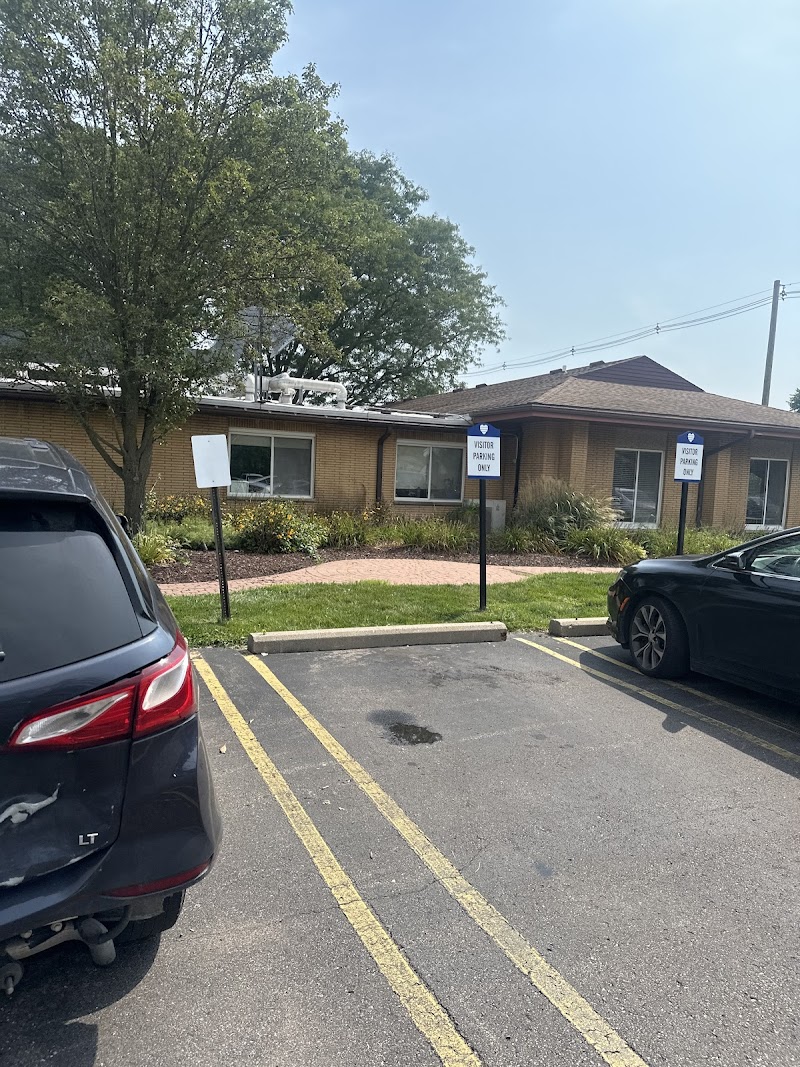
Who Owns and Operates Majestic Care Of Livonia?

Majestic Care of Livonia is owned by a for-profit company. For-profit facilities operate as businesses with obligations to shareholders or private owners. The facility is operated by MAJESTIC CARE, a chain that manages multiple nursing homes. With 142 certified beds and approximately 94 residents (about 66% occupancy), it is a mid-sized facility located in Livonia, Michigan.

How Does Majestic Care Of Livonia Compare to Other Michigan Nursing Homes?

Compared to the 100 nursing homes in Michigan, Majestic Care of Livonia's overall rating (3 stars) is below the state average of 3.1, staff turnover (42%) is near the state average of 46%, and health inspection rating (2 stars) is below the national benchmark.

What Should Families Ask When Visiting Majestic Care Of Livonia?

Based on this facility's data, families visiting should ask: "What changes have been made since the serious inspection findings, and how are you preventing similar issues?" "What safeguards and monitoring systems are in place to protect residents from abuse or neglect?" "Can you walk me through typical staffing levels on day, evening, and night shifts?" "Can I visit during a mealtime to observe dining assistance and food quality?" These questions are particularly relevant given the facility's Immediate Jeopardy citations, the substantiated abuse finding on record, and the below-average staffing rating.

Is Majestic Care Of Livonia Safe?

Based on CMS inspection data, Majestic Care of Livonia has documented safety concerns. The facility has 1 substantiated abuse finding (meaning confirmed case of resident harm by staff or other residents). Inspectors have issued 1 Immediate Jeopardy citation (the most serious violation level indicating risk of serious injury or death). The facility has a 3-star overall rating and ranks #100 of 100 nursing homes in Michigan. Families considering this facility should ask detailed questions about what corrective actions have been taken since these incidents.

Do Nurses at Majestic Care Of Livonia Stick Around?

Majestic Care of Livonia has a staff turnover rate of 42%, which is about average for Michigan nursing homes (state average: 46%). Moderate turnover is common in nursing homes, but families should still ask about staff tenure and how the facility maintains care continuity when employees leave.

Was Majestic Care Of Livonia Ever Fined?

Majestic Care of Livonia has been fined $139,006 across 3 penalty actions. This is 4.0x the Michigan average of $34,469. Fines at this level are uncommon and typically indicate a pattern of serious deficiencies, repeated violations, or failure to correct problems promptly. CMS reserves penalties of this magnitude for facilities that pose significant, documented risk to resident health or safety. Families should request specific documentation of what issues led to these fines and what systemic changes have been implemented.

Is Majestic Care Of Livonia on Any Federal Watch List?

Majestic Care of Livonia is not on any federal watch list. The most significant is the Special Focus Facility (SFF) program, which identifies the bottom 1% of nursing homes nationally based on persistent, serious quality problems. Not being on this list means the facility has avoided the pattern of deficiencies that triggers enhanced federal oversight. This is a positive indicator, though families should still review the facility's inspection history directly.