Marywood Nursing Care Center
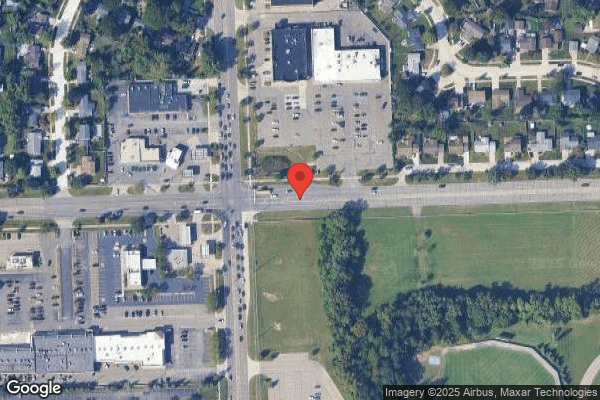
36975 W. Five Mile Road, Livonia, MI 48154 (734) 464-0600
Non profit - Church related 103 Beds FELICIAN SERVICES Data: November 2025
Trust Grade
85/100
#45 of 422 in MI
Last Inspection: August 2024

Within standard 12-15 month inspection cycle. Federal law requires annual inspections.

Overview

Marywood Nursing Care Center in Livonia, Michigan, has a Trust Grade of B+, indicating it is above average and generally recommended for families considering care options. It ranks #45 out of 422 facilities in Michigan, placing it in the top half, and #3 out of 63 in Wayne County, suggesting that only two local facilities perform better. The facility's trend is improving, with a significant drop in issues from seven in 2024 to just one in 2025. Staffing is a strong point, with a 4/5 star rating and a turnover rate of 23%, well below the state average, indicating that staff are likely to stay and build relationships with residents. While there are strengths, there are also areas of concern. For instance, there were multiple live flies observed in the kitchen, which raises food safety issues, and the facility struggled to maintain appropriate infection control during a COVID-19 outbreak, including improper storage of drinks on medication carts. However, it is worth noting that the facility has no fines on record, showing compliance with regulations. Overall, Marywood Nursing Care Center offers a generally positive environment, but families should be aware of the specific concerns regarding cleanliness and infection control practices.

Trust Score
B+
85/100
In Michigan
#45/422
Top 10%
Safety Record
Low Risk
No red flags
Inspections
Getting Better
7 → 1 violations
Staff Stability
✓ Good
23% annual turnover. Excellent stability, 25 points below Michigan's 48% average. Staff who stay learn residents' needs.
Penalties
✓ Good
No fines on record. Clean compliance history, better than most Michigan facilities.
Skilled Nurses
✓ Good
Each resident gets 42 minutes of Registered Nurse (RN) attention daily — more than average for Michigan. RNs are trained to catch health problems early.
Violations
⚠ Watch
26 deficiencies on record. Higher than average. Multiple issues found across inspections.
★★★★★
5.0
Overall Rating
★★★★☆
4.0
Staff Levels
★★★★★
5.0
Care Quality
★★★★☆
4.0
Inspection Score
Stable
2024: 7 issues
2025: 1 issues

The Good

  • 4-Star Staffing Rating · Above-average nurse staffing levels
  • 5-Star Quality Measures · Strong clinical quality outcomes
  • Low Staff Turnover (23%) · Staff stability means consistent care
  • Full Sprinkler Coverage · Fire safety systems throughout facility
  • No fines on record
  • Staff turnover is low (23%)

    25 points below Michigan average of 48%

Facility shows strength in staffing levels, quality measures, staff retention, fire safety.

The Bad

Chain: FELICIAN SERVICES

Part of a multi-facility chain

Ask about local staffing decisions and management

The Ugly 26 deficiencies on record

Jun 2025 1 deficiency
CONCERN (D) 📢 Someone Reported This

A family member, employee, or ombudsman was alarmed enough to file a formal complaint

Potential for Harm - no one hurt, but risky conditions existed

Medical Records (Tag F0842)

Could have caused harm · This affected 1 resident

This citation pertains to Intake M100152463: Based on interview and record review, the facility failed to maintain a complete medical record for one (R901) of three residents reviewed for medical reco...

Read full inspector narrative →
This citation pertains to Intake M100152463: Based on interview and record review, the facility failed to maintain a complete medical record for one (R901) of three residents reviewed for medical records. Findings Include: Review of Intake called into the State Agency revealed an allegation that R901 had been discharged from the facility on 04/21/25 and upon review of the home health care admission assessment on 04/22/25, R901 was found to have an intravenous line (IV) remaining in their arm. The report indicated the home care nurse reviewed the facility discharge record which indicated the IV had been physician ordered to be removed on 04/09/25. Review of the facility record for R901 revealed an admission date of 04/08/25 with diagnoses including Right Knee Effusion and Syncope and Collapse. R901's Physician orders included an order dated 04/08/25 stating Discontinue IV in right arm. On 06/04/25 at 9:59 AM, the complainant was interviewed via phone call and confirmed they were contacted by the home care admission nurse who reported the presence of the IV in R901's arm. The complainant reported the home care nurse was instructed by the primary care provider to remove the IV. On 06/04/25 at 10:27 AM, R901 was interviewed via phone call and reported they did recall their home care nurse pointing out they still had an IV in their arm. R901 reported their concern was the IV was supposed to be removed before they were discharged and it was not. On 06/04/25 at 10:55 AM, the Clinical Director of the home care agency, Registered Nurse (RN) B, was interviewed via phone and reported they did recall the reported situation and indicated the admission nurse notified them that R901 had an IV in their arm. RN B reported they reviewed the discharge information from the nursing facility which indicated that the IV was placed 04/08/25 for blood draws and was ordered to be removed 04/09/25. RN B reported R901 was admitted to their home care service on 04/22/25 following discharge from the nursing facility. On 06/04/25 at 1:45 PM, record review revealed a progress noted dated 04/08/25 authored by LPN D indicating R901 refused IV removal three times during the shift. A Skin Assessment note dated 04/15/25, also authored by LPN D, stating IV has been removed. On 06/04/25 at 2:15 PM, the facility Director of Nursing (DON) was interviewed and reported they were not previously aware of the alleged situation of R901's IV not being removed. R901's progress notes were reviewed and the DON acknowledged there was no other documentation pertaining to the IV or its removal other than the previously referenced note authored by LPN D. The DON was asked the expectation regarding documentation of an IV removal and they reported their should be documentation specific to the date, time, and details of the IV removal procedure and acknowledged that this was not present. Review of the facility policy Removal of a Peripheral IV Catheter dated 06/2021, revealed the following instructions under the heading Documentation: 1. The following should be documented in the resident's medical recor .a. Date, time of procedure, and resident tolerance. 2. Location of catheter that was removed. 3. Reason for removal of catheter. 4. Any complications and interventions taken. 5. Any communication with physician or oncoming shift .
Oct 2024 2 deficiencies
CONCERN (D) 📢 Someone Reported This

A family member, employee, or ombudsman was alarmed enough to file a formal complaint

Potential for Harm - no one hurt, but risky conditions existed

Report Alleged Abuse (Tag F0609)

Could have caused harm · This affected 1 resident

**NOTE- TERMS IN BRACKETS HAVE BEEN EDITED TO PROTECT CONFIDENTIALITY** This citation is related to Intake MI00147487 Based on interview and record review, the facility failed to report an injury of u...

Read full inspector narrative →
**NOTE- TERMS IN BRACKETS HAVE BEEN EDITED TO PROTECT CONFIDENTIALITY** This citation is related to Intake MI00147487 Based on interview and record review, the facility failed to report an injury of unknown origin for one resident (R700) of three residents reviewed from abuse. Findings include: On 10/15/24 at 5:05 PM, R700 was interviewed via phone and explained on 9/20/24 two Certified Nurse Assistants (CNAs) were transferring R700 from their wheelchair to their bed and injured R700's toes. A review of R700's medical record revealed they were admitted to the facility on [DATE] with a diagnosis of Spinal Stenosis. A review of R700's Brief Interview for Mental Status (BIMS) revealed a score of 15 indicating intact cognition. Further review of R700s record revealed the following nursing progress note dated 9/20/24: Resident complained of hitting (their) right foot toe against the wheelchair when being transfer to bed. Writer and Nurse assistance transferred resident from the wheelchair to bed but did not observe resident hitting (their) toe. Writer assessed resident's foot for any swelling or bruising and none noted. Writer massaged resident's foot and toe for a relief. A review of a nursing progress note dated 9/23/24 16:52 by DON (Director of Nursing) revealed the following: Injury of unknown origin. Writer in to discuss resident's x ray of the right foot with resident. Resident reports during staff assisted transfer from the wheelchair to the bed on Friday afternoon, 'I heard a pop and pain in my right foot.' Writer question if right foot had bump against any objects or got caught on wheelchair or bed frame. Resident states, no that's what I do not understand. Resident reports while assisted were assisting her in pivoting to the bed (they) felt a pop. X rays were ordered and show: There are minimally displaced acute or recent appearing fractures of the fourth and fifth metatarsal necks. Likely old well healed fracture of the first proximal phalanx. Podiatry appointment has been ordered by NP (Nurse Practitioner) and is scheduled for Wednesday 9/25/2024. A review of the Incident and Accident (I&A) report revealed the following: Incident description: Resident reports that during staff assisted transfer from the wheelchair to the bed on 9/20/24 afternoon I heard a pop and I yelled out in pain. Resident reports the pain is in the right foot. Resident describes hearing pop in the foot during a transfer and experiencing pain. Resident reports (their) foot did not hit against anything and did not get caught on wheelchair or bed frame when writer asked these questions. Notes: Xray shows there are minimally displaced acute or recent appearing fractures of the fourth and fifth metatarsal necks. Statements: no statements found. Agencies/people notified: no notifications found. Notes: On 9/20/24 resident verbalized pain to the right foot. Pain medication adjusted per new order to alleviate pain and xrays ordered per new order. On 9/16/24 at 1:13 PM, during an interview, the Assistant Director of Nursing (ADON) was asked to describe the incident involving R700s injury. The ADON said they believed that during a staff assisted transfer R700 bumped (their) toes and that R700 reported it and that xrays were then taken. The ADON then read the I&A report and stated, It was not bumped that was my mistake so I'm not sure what happened to (their) foot. The ADON was then reviewed resident 700's Electronic Medical record and stated I'm looking for an injury or something. I don't see any lower body scans. I don't see any falls or anything. I don't know. The ADON confirmed there were no statements included from witnesses in the I&A report. The ADON explained when a resident has a new complaint of pain, it should be thoroughly investigated, a clinical work up should be done, and a thorough investigation into how it happened should be done. The ADON confirmed the incident was not reported to the state agency and stated, It was not reported because it was a known injury but it actually wasn't because (they) said (they) didn't bump it on anything so we don't actually know what happened to it. On 10/16/24 at 2:14 PM, during an interview, the Nursing Home Administrator (NHA) stated, Initially it seemed to be an injury of unknown origin. They were pivoting (R700) from wheelchair to bed. During the interviews with the resident, (they) had no explanation for it. No one, even the resident, could explain what happened. Bones break for no reason. The NHA confirms they would normally include interviews and statements from the involved staff in the investigation report and confirms that there are no staff interviews or statements included in the I&A report. The NHA confirmed the incident was not reported to the state agency.
CONCERN (D) 📢 Someone Reported This

A family member, employee, or ombudsman was alarmed enough to file a formal complaint

Potential for Harm - no one hurt, but risky conditions existed

Investigate Abuse (Tag F0610)

Could have caused harm · This affected 1 resident

**NOTE- TERMS IN BRACKETS HAVE BEEN EDITED TO PROTECT CONFIDENTIALITY** This citation is related to Intake MI00147487. Based on interview and record review, the facility failed to investigate an injur...

Read full inspector narrative →
**NOTE- TERMS IN BRACKETS HAVE BEEN EDITED TO PROTECT CONFIDENTIALITY** This citation is related to Intake MI00147487. Based on interview and record review, the facility failed to investigate an injury of unknown origin for one resident (R700) of three residents reviewed from abuse. Findings include: On 10/15/24 at 5:05 PM, R700 was interviewed via phone and explained on 9/20/24 two Certified Nurse Assistants (CNAs) were transferring R700 from their wheelchair to their bed and injured R700's toes. A review of R700's medical record revealed they were admitted to the facility on [DATE] with a diagnosis of Spinal Stenosis. A review of R700's Brief Interview for Mental Status (BIMS) revealed a score of 15 indicating intact cognition. Further review of R700s record revealed the following nursing progress note dated 9/20/24: Resident complained of hitting (their) right foot toe against the wheelchair when being transfer to bed. Writer and Nurse assistance transferred resident from the wheelchair to bed but did not observe resident hitting (their) toe. Writer assessed resident's foot for any swelling or bruising and none noted. Writer massaged resident's foot and toe for a relief. A review of a nursing progress note dated 9/23/24 16:52, by the Director of Nursing (DON) revealed the following: Injury of unknown origin. Writer in to discuss resident's x ray of the right foot with resident. Resident reports during staff assisted transfer from the wheelchair to the bed on Friday afternoon, 'I heard a pop and pain in my right foot.' Writer question if right foot had bump against any objects or got caught on wheelchair or bed frame. Resident states, no that's what I do not understand. Resident reports while assisted were assisting her in pivoting to the bed (they) felt a pop. X rays were ordered and show: There are minimally displaced acute or recent appearing fractures of the fourth and fifth metatarsal necks. Likely old well healed fracture of the first proximal phalanx. Podiatry appointment has been ordered by NP (Nurse Practitioner) and is scheduled for Wednesday 9/25/2024. A review of the Incident and Accident (I&A) report revealed the following: Incident description: Resident reports that during staff assisted transfer from the wheelchair to the bed on 9/20/24 afternoon I heard a pop and I yelled out in pain. Resident reports the pain is in the right foot. Resident describes hearing pop in the foot during a transfer and experiencing pain. Resident reports (their) foot did not hit against anything and did not get caught on wheelchair or bed frame when writer asked these questions. Notes: Xray shows there are minimally displaced acute or recent appearing fractures of the fourth and fifth metatarsal necks. Statements: no statements found. Agencies/people notified: no notifications found. Notes: On 9/20/24 resident verbalized pain to the right foot. Pain medication adjusted per new order to alleviate pain and xrays ordered per new order. On 9/16/24 at 1:13 PM, during an interview, the Assistant Director of Nursing (ADON) was asked to describe the incident involving R700s injury. The ADON said they believed that during a staff assisted transfer R700 bumped (their) toes and that R700 reported it and that xrays were then taken. The ADON then read the I&A report and stated, It was not bumped that was my mistake so I'm not sure what happened to (their) foot. The ADON was then reviewed resident 700's Electronic Medical record and stated I'm looking for an injury or something. I don't see any lower body scans. I don't see any falls or anything. I don't know. The ADON confirmed there were no statements included from witnesses in the I&A report. The ADON explained when a resident has a new complaint of pain, it should be thoroughly investigated, a clinical work up should be done, and a thorough investigation into how it happened should be done. The ADON confirmed the incident was not reported to the state agency and stated, It was not reported because it was a known injury but it actually wasn't because (they) said (they) didn't bump it on anything so we don't actually know what happened to it. On 10/16/24 at 2:14 PM, during an interview, the Nursing Home Administrator (NHA) stated, Initially it seemed to be an injury of unknown origin. They were pivoting (R700) from wheelchair to bed. During the interviews with the resident, (they) had no explanation for it. No one, even the resident, could explain what happened. Bones break for no reason. The NHA confirms they would normally include interviews and statements from the involved staff in the investigation report and confirms that there are no staff interviews or statements included in the I&A report. The NHA confirmed the incident was not reported to the state agency.
Aug 2024 4 deficiencies
CONCERN (D) 📢 Someone Reported This

A family member, employee, or ombudsman was alarmed enough to file a formal complaint

Potential for Harm - no one hurt, but risky conditions existed

Deficiency F0558 (Tag F0558)

Could have caused harm · This affected 1 resident

**NOTE- TERMS IN BRACKETS HAVE BEEN EDITED TO PROTECT CONFIDENTIALITY** This citation pertains to Intake MI00146357. Based on interview and record review, the facility failed to ensure call lights wer...

Read full inspector narrative →
**NOTE- TERMS IN BRACKETS HAVE BEEN EDITED TO PROTECT CONFIDENTIALITY** This citation pertains to Intake MI00146357. Based on interview and record review, the facility failed to ensure call lights were answered timely for two sampled residents (R321 and R403) and five anonymous residents from a total sample of 20. Findings include: On 08/28/24 at 1:47 PM, during a group meeting, anonymous resident (AR) G reported they felt there were not enough aides most of the time and they were not answering call lights timely. AR H reported (certified nursing assistants) CNA's on the afternoon and night shifts were taking too long to answer call lights. AR I agreed and said some staff are on their phones talking instead of caring for residents. AR I also added weekends are a concern for call lights not answered timely. AR J commented staffing seemed worse than the last time they were at the facility. The residents reported call lights were not answered in a timely fashion, saying 10 minutes as reasonable. They indicated the wait time for answering call lights was getting longer. Another resident agreed stating, there are not as much staff as there was the last time I was here. Four of five residents attending agreed the afternoons and midnight shifts were the slowest to respond to call lights. A review of the call log for the room of ARJ for 08/24/24-08/27/24 documented: on 08/24/24 at 2:03 PM the call light was activated for 25 minutes and 54 seconds; On 08/25/24 at 11:18 AM the bed and bath call lights were activated for 15 minutes; At 7:18 PM the call light was activated for 16 minutes; On 08/27/24 at 3:04 PM the bed and bath call lights were activated for 10 minutes; and at 10 PM the call light was activated for 11 minutes. A review of the call log requested for room S308 from 08/01/24 - 08/23/24 documented: On 08/21/24 at 6:51 AM the call light was activated for 25 minutes; On 08/22/24 at 11:20 AM the call light was activated for 41 minutes; On 08/23/24 at 6:48 AM, the call light was activated for 28 minutes. 25 or more call light activations lasted longer than ten minutes. The facility provided the call light logs for R321 from 08/19/24 at 17:44:33 thru 08/27/24 at 22:00:39 which documented the call light was activated in room S308 166 times. Of 166 times, the call light was activated 18 time for greater than 10 minutes, and greater than 15 minutes 13 times. A review of the call logs for room C101 for June 2024 documented 50 or more call light activation times which lasted longer than ten minutes. Greater than ten call light activations lasted longer than 20 minutes. A review of the record for AR J revealed AR J was admitted into the facility 08/11/24. Diagnoses included Diabetes and Heart Disease. The Minimum Data Set (MDS) assessment dated [DATE] documented intact cognition and the need for substantial/maximal assistance for toileting hygiene, bathing and dressing and partial/moderate assistance for chair to bed transfer. A review of the record for AR H revealed AR H was admitted into the facility on [DATE]. Diagnoses included Heart Failure and Kidney Disease. The MDS date 08/16/24 indicated cognition, range of motion impairment to both upper extremities and the need for supervision/touching assistance for most activities of daily living (ADLs). A review of a complaint Intake for R403 documented, .(R403) pushed the button to be changed at 2:15 PM on 08/03/24 and waited an hour and a half in wet pants until 3:45 PM to be changed. A review of the facility call light log for that day documented (R403) activated the call light at 14:19 (2:19 PM) and was on for 12 minutes. Then at 15:07 (3:07 PM) for 10 minutes and at 21:17 (9:17 PM) for 17 minutes and 54 seconds. A review of the record for R403 revealed R403 was admitted into the facility on [DATE] and discharged [DATE]. Diagnoses included Malnutrition and Joint Disease. The Minimum Data Set (MDS) assessment dated [DATE] indicated moderately impaired cognition, frequent incontinence and dependent for toileting hygiene, chair to bed transfer, bathing and lower body dressing. On 08/29/24 around 11:00 AM, an interview with the Director of Nursing (DON) revealed that her expectation is that call lights will be answered within five minutes after the light is activated. The DON further revealed the activation does not distinguish between right or left beds in the room. The call light logs indicate whether the light was activated from a bed or bath. The DON further revealed if the call light was answered and the employee left the room after taking care of the residents needs, and the light is reactivated it may take longer because the employee is taking care of another resident. A review of the facility policy titled, Assessing Falls and their Causes updated May 2023 revealed, .Falls are a leading cause of morbidity and mortality among the elderly in nursing homes .Evaluate chains of events or circumstances preceding a recent fall, including .whether the resident was trying to get to the toilet . A review of the facility policy titled, Quality of Life-Accommodation of needs updated June 2021, revealed, .In order to accommodate individual needs and preferences staff attitudes and behaviors must be directed towards assisting residents in maintaining independence, dignity and well being to the extent possible and in accordance with the resident's wishes .
CONCERN (D) 📢 Someone Reported This

A family member, employee, or ombudsman was alarmed enough to file a formal complaint

Potential for Harm - no one hurt, but risky conditions existed

Deficiency F0692 (Tag F0692)

Could have caused harm · This affected 1 resident

This citation pertains to Intake: MI00146299. Based on interview and record review, the facility failed to identify and address a significant weight loss for one resident (R309) of one reviewed for nu...

Read full inspector narrative →
This citation pertains to Intake: MI00146299. Based on interview and record review, the facility failed to identify and address a significant weight loss for one resident (R309) of one reviewed for nutrition. Findings include: A review of R309's medical record revealed they were admitted into the facility on 6/30/24, and discharged on 8/3/24 with diagnoses of Vascular Dementia, Unspecified Severe Protein Calorie Malnutrition, and Heart Failure. Further review revealed that the resident was severely cognitively impaired, and required extensive assistance for bathing and bed mobility. R309 was independent with eating. Further review of R309's medical record revealed the following dietary progress notes: 7/1/2024 16:20 (4:20pm) Dietary Progress Note admission: Resident is [identifying information] . Current diet is cardiac 2GM (gram) w/ HS (nighttime) snack offered. Resident has natural teeth in fair repair. Denies problems chewing, swallowing, or pocketing with meals but has a history of dysphagia & most recent hx (history) of weakness. Will add cut-up meats for ease Resident reports appetite is 'actually good.' Daughter in room reports resident received 8 oz (ounce) Ensure TID (three times a day) and would like to continue order. Will honor request. Resident's CBW (current body weight) is pending. Hospital weight was 104# (pounds). At a height of 64 (inches) BMI (body mass index) is 18.0, underweight. Resident's daughter reports resident's UBW (usual body weight) was 130# a year ago . hospital weight was 114#. An 8.7% loss in 2 weeks. Severe PCM (protein calorie malnutrition) related to CHF (congestive heart failure) as evidenced by a weight loss of 8.7% in 2 weeks, edema, PO (oral) intakes <75%. Food and beverage preferences obtained and documented. Menus were provided and explained. Dining room encouraged. Will monitor PO intake, tolerance to diet, labs, weight, skin, and adjust plan of care as needed. 7/9/2024 10:36 (10:36am) Dietary Progress Note: S: Resident observed resting. Family was able to provide information. Reports appetite fluctuates r/t (related to) food preferences and texture, tolerating Ensure TID. Discussed texture modification to promote ease of intake, declined at this time .A: CBW (current body weight) is 116.6# (lbs.) Severe PCM applicable. Hx of CHF and pulmonary edema, will increase weighing frequency to daily weights for close monitoring. Diet is non-therapeutic, cut meats thin liquids w (with)/ 8oz Ensure Plus TID with meals and HS snack offered. PO intake fluctuates 0 -100%, mostly 26-75% per record. P: Will monitor for changes and adjust plan of care PRN (as needed). Further review revealed the following care plan for R309, Focus: I have nutritional problem or potential nutritional problem (specify) r/t (related to) the need for a therapeutic diet. Date initiated: 07/01/2024 .Interventions .RD (registered dietician) to evaluate and make diet change recommendations PRN (as needed). Date Initiated: 07/01/2024 . A review of R309's weights revealed the resident did not get weighed daily as indicated by the dietician's progress note dated 7/9/24, and further revealed the following 15.09% weight loss in less than 30 days: 7/8/24-116.6 lbs 7/11/24-116.7 lbs 7/12/24-116.7 lbs 7/13/24-116.5 lbs 7/14/24-114.4 lbs 7/15/24-114.5 lbs 7/18/24 114.6 lbs 7/20/24-114.6 lbs 7/21/24-115 lbs 7/24/24-115.2 lbs 7/25/24-115.8 lbs 7/26/24-103 lbs 7/28/24-103 lbs 7/29/24-104.2 lbs 7/30/24-100.2 lbs 8/2/24-99 lbs On 8/29/24 at 11:43 AM, an interview was completed with Dietician C regarding R309's weight loss, and it not being addressed after a 15.09% weight loss. Dietician C reviewed the resident's medical record and acknowledged the resident's progress notes indicate the edema had resolved, and the resident was no longer on diuretics. She further explained the resident did have a history of edema, and because the resident's intake was good, the issue of weight loss didn't get brought o her attention. No further explanation was provided. On 8/29/24 at 2:02 PM, the Director of Nursing (DON) was asked about R309's weight loss not being addressed, and admitted she couldn't recall the resident being brought up in the IDT (interdisciplinary) meeting. Regarding the relaying of communication when weight loss is triggered, the DON explained an alert in red shows up on the electronic medical record, and this is when it is typically addressed. A review of the facility's Weight Monitoring policy revealed the following, .A weight monitoring scheduled will be developed upon admission for all residents based on individual needs. Updated as clinically indicated. 6. Weight analysis: A significant change in weight is defined as: a. 5% change in weight in 1 month (30 days). b. 7.5.% change in weight in 3 months (90 days). c. 10% change in weight in 6 months (180 days) .
CONCERN (D) 📢 Someone Reported This

A family member, employee, or ombudsman was alarmed enough to file a formal complaint

Potential for Harm - no one hurt, but risky conditions existed

Deficiency F0761 (Tag F0761)

Could have caused harm · This affected 1 resident

**NOTE- TERMS IN BRACKETS HAVE BEEN EDITED TO PROTECT CONFIDENTIALITY** R317 On 8/26/2024 at 10:28 AM, two bottles of Flonase were observed on the bedside table of R317. R317 was asked where the medic...

Read full inspector narrative →
**NOTE- TERMS IN BRACKETS HAVE BEEN EDITED TO PROTECT CONFIDENTIALITY** R317 On 8/26/2024 at 10:28 AM, two bottles of Flonase were observed on the bedside table of R317. R317 was asked where the medication came from, the response indicated that R317 was admitted the night before between 6:00 PM and 7:00 PM and the Flonase bottles were left there. A review of the facility record revealed R317 was admitted into the facility on [DATE]. R317's diagnoses included: Morbid Obesity, Toxic Encephalopathy, Diabetes Mellitus-Type 2, Major Depressive Disorder, Fibromyalgia, Hypertension, Urinary Retention, History of Malignant Neoplasm of Breast, History of Left Artificial Knee Joint, Obstructive Sleep Apnea, Rhabdomyolysis, Low Back Pain, and Muscle Weakness. On 8/29/24 at 2:27 PM, the Director of Nursing (DON) was interviewed regarding the observation of medications being left at the bedside. The DON explained that medications are not supposed to be left at the bedside. A review of the facility's Storage of Medications policy was reviewed and revealed the following, Policy Statement. The facility stores all drugs and biologicals in a safe, secure, and orderly manner .The nursing staff is responsible for maintaining medication storage and preparation areas in a clean, safe and sanitary manner . Deficient practice number two: Based on observation, interview, and record review, the facility failed to ensure resident medications were not left at the bedside for two residents (R2 and R317) of three residents reviewed for medication storage. Findings include: R2 On 8/27/24 at 9:41 AM, R2 was observed lying in bed in their private room. A medication cup containing a white pill was observed on their overbed table. R2 was asked about the medication cup and explained that they had been in therapy, and the medication must have been left for them upon their return. At this time, R2 immediately took the medication cup and swallowed the medication. R2 was again asked if they knew what was in the cup and stated, No, but I guess it's for me since it was left there. On 8/27/24 at 9:55 AM, Licensed Practical Nurse, (LPN) A was asked about the medication left at the bedside and explained that she did not leave any medications at the beside. Surveyor and LPN A entered R2's room at which time, LPN A questioned the resident about the medication. R2 confirmed they had received medications prior to therapy however, upon returning to their room, the medication was sitting on their bedside table, and consumed it. At this time, an unidentified peach colored pill was located on the floor of R2's room. LPN A and R2 denied knowing who the pill belonged to or where it came from. A review of R2's medical record revealed that they were admitted into the facility on [DATE] with diagnoses that include Hypokalemia, Diabetes, and Muscle Weakness. Further review revealed that the resident was cognitively intact however, there was not a self-administration assessment completed for the resident. This citation has two deficient practices. Deficient practice number one: Based on observation, interview and record review, the facility failed to ensure opened biologicals, inhalers and or eyedroppers were labeled with the date opened and or a resident identifier in four of four medications carts reviewed. Findings include: On 08/28/24 at 8:55 AM, the C100 wing medication cart was reviewed with Licensed Practical Nurse (LPN) A. A Trelegy Inhaler was not dated with the opened date nor a resident identifier. On 08/28/24 at 9:52 AM, the B100 medication cart was reviewed with LPN D. A Trelegy inhaler was not labeled on the actual inhaler with the date opened nor a resident identifier. The box was also not dated with the date opened. On 08/28/24 at 9:45 AM, the S300 Hall medication cart was reviewed with Registered Nurse (RN) F. Medications identified without open dates were: Two eyedroppers of Latanoprost; One eyedropper bottle of artificial tears; One eyedropper bottle of Moxicillin and one Advair inhaler. RN F reported the expectation is that the open dates should be on all of the listed medication. On 08/28/24 at 11:48 AM, the B300 wing medication cart was reviewed with LPN E. A Trelegy inhaler was not dated when opened on the actual inhaler. A second Trelegy inhaler was not dated when opened and was not labeled with a resident identifier on the actual inhaler. LPN E reported that the protocol is to label and date the actual inhaler. On 08/29/2024 around 11:00 AM, the Director of Nursing (DON) reported eyedropper bottles, insulins (pens or vials), and respiratory medication devices should be labeled with the date opened. A review of the facility's Storage of Medications policy, updated February, 2023 revealed, Policy Statement. The facility stores all drugs and biologicals in a safe, secure, and orderly manner .The nursing staff is responsible for maintaining medication storage and preparation areas in a clean, safe and sanitary manner . A review of the information at Drugs.com revealed: for the Trelegy, Trelegy Ellipta should be discarded in the trash 6 weeks after first use OR when the counter reads 0 which means you are out of medicine, whichever occurs first; and for the Lantanoprost, Once a bottle is opened for use, it may be stored at room temperature up to 25°C (77°F) for 6 weeks.
CONCERN (D) 📢 Someone Reported This

A family member, employee, or ombudsman was alarmed enough to file a formal complaint

Potential for Harm - no one hurt, but risky conditions existed

Infection Control (Tag F0880)

Could have caused harm · This affected 1 resident

**NOTE- TERMS IN BRACKETS HAVE BEEN EDITED TO PROTECT CONFIDENTIALITY** This citation pertains to Intake: MI00146299. Based on observation, interview and record review, the facility failed to ensure p...

Read full inspector narrative →
**NOTE- TERMS IN BRACKETS HAVE BEEN EDITED TO PROTECT CONFIDENTIALITY** This citation pertains to Intake: MI00146299. Based on observation, interview and record review, the facility failed to ensure proper donning of Personal Protective Equipment (PPE) for droplet precautions for one sampled resident (R261) of one resident reviewed for infection control practices, resulting in the potential for the spread of infection. Findings include: On 8/27/24 at 1:15 PM, Staff M was observed entering R261's room without donning Personal Protective Equipment (PPE) to remove R261's lunch tray. The room of R261 had a sign on the door for Droplet Transmission Based Precautions and a hanging drawer with necessary equipment and supplies to don. R261 was admitted on [DATE] with the diagnoses of Covid -19, Acute Kidney Failure, and Congestive Heart Failure. A review of the medical record noted R261 was on droplet contact precautions for diagnosis of Covid-19. Further review of R261's medical record revealed a physician order dated 8/25/24 stated Resident is to remain in the room. Full droplet and contact precautions every shift for Covid positive. On 8/29/24 at 10:00 AM, an interview occurred with the Infection Control Nurse (Nurse L). Nurse L was asked about staff donning PPE when entering a resident's room on droplet precautions. Nurse L stated, Full Personal Protection Equipment should be worn when entering the resident's room when signage indicates the same. A review of the facility policy titled, Transmission Based Precautions Policy and Procedure updated 7/22 revealed, Transmission Based Precautions are initiated when a resident develops signs and symptoms of a transmissible infection, arrives for admission with symptoms of an infection; or has a laboratory confirmed infection; and is at risk of transmitting the infection to other residents. Droplet Precautions may be implemented for an individual documented or suspected to be infected with microorganisms transmitted by droplets that are generated by the individual coughing, sneezing, talking, or by the performance of procedures such as suctioning .Masks will be worn in the room when entering the room. Gloves, gown, and goggles should be worn when entering the room.
Mar 2024 1 deficiency
CONCERN (D) 📢 Someone Reported This

A family member, employee, or ombudsman was alarmed enough to file a formal complaint

Potential for Harm - no one hurt, but risky conditions existed

Laboratory Services (Tag F0770)

Could have caused harm · This affected 1 resident

**NOTE- TERMS IN BRACKETS HAVE BEEN EDITED TO PROTECT CONFIDENTIALITY** This citation pertains to Intake MI00140765. Based on interview and record review, the facility failed to ensure labs were revie...

Read full inspector narrative →
**NOTE- TERMS IN BRACKETS HAVE BEEN EDITED TO PROTECT CONFIDENTIALITY** This citation pertains to Intake MI00140765. Based on interview and record review, the facility failed to ensure labs were reviewed and available in the record timely for one resident (R901) of three resident reviewed for labs, resulting in a delay in treatment and hospitalization. Findings include A review of an Intake for R901 revealed, R901 looked awful and we wanted (R901) transferred to the hospital. The emergency room physician at the hospital reported (R901) was dehydrated (the place should have known that) and their blood sugar was so high they put (R901) on insulin and (R901) stayed in the hospital for 3 days to bring it down. The Intake further noted R901 had been incontinent of urine and stool and had not been changed timely. A review of the record for R901 revealed: R901 was admitted into the facility 08/30/23. Diagnoses included Dementia, Diabetes, Right Hip Fracture and Weakness. R901 was discharged to the hospital on [DATE]. A review of the lab result dated 09/01/23 (white blood cell count (WBC) - leucocytes) was 18.7 (normal range 3.4 to 9.6). A review of the lab was not documented until the Nurse Practioner (NP) note dated 09/08/23 at 7:24 AM. A review of the lab result dated 09/08/23 documented the WBC was 20.8. The blood sugar was 235 (normal range 80 to 140). A review of the lab result was not documented as reviewed until 09/14/23. The NP note dated 09/14/23 at 8:19 AM documented the repeat lab 09/08 pending. The note further documented resident family concern for R901 and symptoms of a urinary tract infection. A review of the 23 documented blood sugar checks listed, four were less than 200, seven were greater than 250 and four of those were greater than 300. On 09/15/23 at 9:30 AM the blood sugar was documented at 276. A review of the physician orders and medication administration record revealed R901 was not on insulin. The care plan initiated 08/31/23 documented, I have a risk of dehydration .I have a nutritional or potential nutritional problem related to malnutrition .I have a communication problem related to my ability to understand and be understood .I have an ADL (activities of daily living) self care deficit related to limited mobility . The physician order for the antibiotic Ceftriaxone prescribed for the leucocytosis (high white blood cell count indicative of infection) was ordered 09/14/23. On 03/07/24 at 3:55 PM, Unit Manager D reported there was a time when labs were delayed and recalled the September 2023 time frame. On 03/07/24 at 4:43 PM, the Director of Nursing (DON) was asked about the identified labs and reported that the facility had changed labs it was noticed that it took an extensive amount of time for the lab results to be received. A review of the facility policy titled, Lab and Diagnostic Test Results update June 2021, revealed, .Nursing staff will consider the following factors to help identify situations requiring prompt physician notification concerning lab or diagnostic test results .whether the result should be conveyed to a physician regardless of other circumstances, that is the abnormal result is problematic regardless of any other factors .
Sept 2023 8 deficiencies
CONCERN (D)

Potential for Harm - no one hurt, but risky conditions existed

PASARR Coordination (Tag F0644)

Could have caused harm · This affected 1 resident

**NOTE- TERMS IN BRACKETS HAVE BEEN EDITED TO PROTECT CONFIDENTIALITY** Based up interview and record review, the facility failed to ensure timely completion of the annual Preadmission Screening/Annua...

Read full inspector narrative →
**NOTE- TERMS IN BRACKETS HAVE BEEN EDITED TO PROTECT CONFIDENTIALITY** Based up interview and record review, the facility failed to ensure timely completion of the annual Preadmission Screening/Annual Resident (PASARR) Mental Illness/Intellectual Disability/Related Conditions identification forms DCH-3877 and/or DCH-3878 documents for submission to the local state agency for evaluation of mental illness and/or intellectual development disability needs for one (R54) of six residents reviewed for PASARR completion, resulting in the potential for unmet mental health care needs. Findings include: Review of the facility record for R54 revealed an admission date of 01/18/22 with diagnoses that included Neurocognitive Disorder, Anxiety Disorder, Major Depressive Disorder, Mood Disorder and Psychotic Disorder with Hallucinations. The Minimum Data Set (MDS) assessment dated [DATE] indicated R54 required primarily Maximum/Total assistance with activities of daily living (ADLs). The Brief Interview for Mental Status (BIMS) assessment score of 4/15 indicated severe cognitive impairment. On 09/19/23 at 9:40 AM, review of R54's facility record revealed PASSAR documentation completed in January 2022 near the time of admission and no further PASSAR documents were identified since admission. On 09/20/23 at 10:20 AM, the facility Social Services Department was notified of the issue and any additional PASSAR documentation for R54 was requested. On 09/20/23 at 10:51 AM, the facility Social Services Director J reported that they reviewed R54's record and there was not an updated PASSAR completed. Social Services Director J reported that their expectation for PASSAR completion is that it be completed at admission, annually thereafter, and following any return from hospitalization/discharge or significant change in status. Social Services Director J acknowledged that the annual PASSAR had not been completed for R54. Review of the facility policy titled Behavioral Health Services dated 10/22 includes the following description under Policy Explanation and Compliance Guidelines: 6. The facility utilizes the comprehensive assessment process for identifying and assessing a resident's mental and psychosocial status and providing person-centered care. This process includes, but is not limited to: a. PASARR screening. Review of the Michigan Department of Health and Human Services PASSAR document DCH-3877 Level 1 Screening (Revised 3/22) includes the following statement: Annual Resident Review or Change in Condition: This form must be completed by the nursing facility.
CONCERN (D)

Potential for Harm - no one hurt, but risky conditions existed

Comprehensive Care Plan (Tag F0656)

Could have caused harm · This affected 1 resident

Based on observation, interview, and record review, the facility failed to develop a care plan for an indwelling catheter for one resident (R460) out of two reviewed for care plans resulting in the po...

Read full inspector narrative →
Based on observation, interview, and record review, the facility failed to develop a care plan for an indwelling catheter for one resident (R460) out of two reviewed for care plans resulting in the potential for unmet care needs. Findings Include: On 9/18/2023 at 9:10 AM, R460 was observed in bed with an indwelling catheter hooked on the side of the bed. R460 was asked how long they had the indwelling catheter, but they were unable to recall. On 9/18/2023 at 12:30 PM, an interview was conducted with Family Member (FM) M. FM M was asked how long R460 had the indwelling catheter. FM M stated that R460 had the catheter placed while they were in the hospital because they were retaining urine. FM M stated that R460 had not seen a urologist and that they had been inquiring about if it could be removed. FM M stated that there has been blood observed in the catheter on numerous occasions and the facility has had to replace it. A review of the medical record revealed that R460 admitted into the facility on 9/01/2023 with the following diagnoses, Urinary Tract Infection, Pressure Ulcer of Sacral Region, Unstageable, and Retention of Urine. A review of the most recent Minimum Data Set revealed a Brief Interview of Mental Status score of 7/15 indicating an impaired cognition. R460 also required extensive two person assist with bed mobility and transfers. On 9/5/2023, a review of the care plan did not reveal a care plan with interventions for the indwelling catheter. On /20/2023 at 10:54 AM, an interview was conducted with the Director of Nursing (DON) regarding R460 not having a care plan for their indwelling catheter. The DON stated that Unit Manager (UM) M was developing one now. The DON stated that their expectation is that a care plan had been developed for their indwelling catheter. A review of a facility policy titled, Care Plans, Comprehensive Person-Centered revealed the following, Policy Interpretation and Implementation .1. The Interdisciplinary Team (IDT), in conjunction with the resident and his/her family or legal representative, develops and implements a comprehensive, person-centered care plan for each resident.
CONCERN (D)

Potential for Harm - no one hurt, but risky conditions existed

Deficiency F0657 (Tag F0657)

Could have caused harm · This affected 1 resident

Based on observation, interview, and record review, the facility failed to implement a care plan intervention of applying a hip abductor for one resident (R461) out of two reviewed for care plans, res...

Read full inspector narrative →
Based on observation, interview, and record review, the facility failed to implement a care plan intervention of applying a hip abductor for one resident (R461) out of two reviewed for care plans, resulting in improper positioning and discomfort. Findings Include: A review of the medical record revealed that R461 admitted into the facility on 9/14/2023 with the following diagnoses, Presence of Left Artificial Hip Joint, and History of Falling. A review of the most recent Minimum Data Set revealed a Brief Interview for Mental Status score of 5/15 indicating an impaired cognition. R461 also required extensive two person assist with bed mobility and transfers. Further review of the medical record revealed the following care plan initiated on 9/15/2023, Focus: I have an ADL (Activities of Daily Living) Self Care Performance Deficit r/t (related to) Limited Mobility. Goal: I will maintain/improve current level of function in Bed Mobility, Transfers, Eating, Dressing, Toilet Use and Personal Hygiene through the review date. Intervention .L THA (Left Hip Abductor), WBAT (Weight Bearing as Tolerated), ABD(Abdominal) Cushion when in bed. Further review of the physician orders revealed the following, Ordered 9/18/2023 .L THA, WBAT, abduction cushion when in bed. Status: Active. On 9/18/2023 at 9:30 AM, R461 was observed in their bed. No hip abductor observed in place. On 9/19/2023 at 8:46 AM, R461 was observed in their bed. R461 was saying that they were uncomfortable. A blue cushion was observed sitting on the floor by the window. On 9/19/2023 at 9:41 AM, R461 was observed in their bed. The blue cushion was still observed on the floor by the window. On 9/19/2023 at 11:54 AM, R461 was observed returning from therapy. Physical Therapist Assistant (PTA) A was asked if the blue cushion sitting by the window was the hip abductor. PTA A stated that it was. On 9/19/2023 at 2:34 PM, R461 was still observed up in their chair. R461 stated that they were comfortable at the time. On 9/19/2023 at 4:08 PM, R461 was observed in the bed. The hip abductor was not in place and observed in R461's closet. On 9/20/2023 at 8:11 AM, R461 was observed in the bed. The hip abductor was not in place and observed in the closet. R461 stated that they were uncomfortable. On 9/20/2023 at 8:27 AM, an interview was conducted with Occupational Therapist (OT) B. OT B stated that staff on the floor are responsible for placing the hip abductor. OT B stated that therapy completes the care plan. On 9/20/2023 at 10:54 AM, an interview was conducted with the Director of Nursing (DON) regarding the application of the hip abductor while in bed. The DON stated that floor staff is responsible for putting the hip abductor in place when they lay her down. The DON stated that it is also in the task for the Certified Nursing Assistants (CNA) to document on as being completed. A review of a facility policy titled, Care Plans, Comprehensive Person-Centered revealed the following, Policy Interpretation and Implementation .2. The care plan interventions are derived from a through analysis of the information gathered as part of the comprehensive assessment.
CONCERN (D) 📢 Someone Reported This

A family member, employee, or ombudsman was alarmed enough to file a formal complaint

Potential for Harm - no one hurt, but risky conditions existed

Deficiency F0688 (Tag F0688)

Could have caused harm · This affected 1 resident

**NOTE- TERMS IN BRACKETS HAVE BEEN EDITED TO PROTECT CONFIDENTIALITY** Based on observation, interview and record review, the facility failed to apply positioning devices per physician order/facility...

Read full inspector narrative →
**NOTE- TERMS IN BRACKETS HAVE BEEN EDITED TO PROTECT CONFIDENTIALITY** Based on observation, interview and record review, the facility failed to apply positioning devices per physician order/facility care plan for two (R38, R54) of two residents reviewed for positioning device implementation, resulting in the potential for joint contracture, loss of range of motion and increased pain. R38 Review of the facility record for R38 revealed an admission date of 12/29/16 with diagnoses that included Traumatic Subarachnoid Hemorrhage, Alzheimer's Disease and Spasmodic Torticollis. The Minimum Data Set (MDS) assessment dated [DATE] indicated R38 primarily requires Total/Maximum assistance for activities of daily living (ADLs). The Brief Interview for Mental Status (BIMS) assessment was not completed. On 09/19/23 at 11:42 AM, R38 was observed sitting up in a geri-chair with a pillow behind her head. R38 did not respond to verbal cues. It was observed that R38's right hand was resting in a flexed position and appeared to be potentially spastic and/or contracted. No splint was in place on the right hand. No splint was observed in the room. On 09/19/23 at 12:33 PM, review of R38's physician orders revealed an active order with revision date of 06/15/21 that stated Soft resting hand splint to decrease wrist and hand/finger flexion on right upper extremity. Splint to be worn when up out of bed in wheelchair. Review of R38's Care Plan dated 08/05/23 revealed the Goal statement I will have ADL basic needs met on daily basis. This goal area included the Intervention item Staff to apply soft resting hand splint to right upper extremity. Splint to be worn when up out of bed in wheelchair. On 09/19/23 at 2:02 PM, R38 was observed laying in bed. No hand splint was observed in the room. A CNA who entered the room was asked about the presence of a splint and they reported that they had seen one in the past however they were not able to locate it in the room and was not sure where it was. On 09/20/23 at 12:40 PM, R38 was observed sitting up their geri-chair. No right hand splint was in place and the right wrist and fingers were resting in a flexed position. R38 was not able to respond clearly to questions regarding their hand. Review of R38's [NAME] Task checklist pertaining to right hand splint application revealed documentation of splint application on only two dates between 09/13/23 and 09/20/23. The documentation of splint application on 09/19/23 was not supported by the observation and staff report of the splint not being present/available on that date. There were no resident refusals of splint application documented. On 09/20/23 at 1:50 PM, The facility Director of Nursing (DON) reported that R38's splint could not be located and the therapy department was notified and provided a replacement. The DON reported that they were not able to specify how long the splint had been missing or explain why the splint application was documented as completed on 09/19/23. R54 Review of the facility record for R54 revealed an admission date of 01/18/22 with diagnoses that included Neurocognitive Disorder with Lewy Bodies, Anxiety Disorder, Major Depressive Disorder, Mood Disorder and Edema. The Minimum Data Set (MDS) assessment dated [DATE] indicated R54 required primarily Maximum/Total assistance with activities of daily living (ADLs). The Brief Interview for Mental Status (BIMS) assessment score of 4/15 indicated severe cognitive impairment. On 09/18/23 at 1:57 PM, R54 was observed laying in bed covered with blankets. R54 was not verbally responsive. Pressure Relieving Ankle Foot Orthosis (PRAFO) boots were observed on the floor adjacent to the window. On 09/19/23 at 12:26 PM, R54 was observed laying in bed. The PRAFO boots were observed on the floor in the same position as observed the prior day. R54's private caregiver was present and removed the blankets to reveal a pillow was present under R54's calves to float the heels. It was observed that R54's feet/ankles were not supported and were resting in a significantly dorsi-flexed (downward pointing) position. The caregiver reported that the PRAFO boots are on sometimes. On 09/19/23 at 1:08 PM, review of R54's Care Plan dated 07/27/23 revealed the Intervention item Heel floating boots at all times. R54's physician orders included an active status order dated 05/09/23 stating Bilateral PRAFO in bed as tolerated. On 09/19/23 at 3:42 PM, R54 was observed laying in bed. The PRAFO boots remained on the floor in the same position as during previous observations. On 09/20/23 at 9:13 AM, R54 was observed laying in bed. The PRAFO boots were on the floor in the location/position as previously observed. On 09/20/23 at 9:57 AM, R54's assigned CNA N was interviewed and when asked about R54's PRAFOs not being on the resident they stated I think, but I'm not sure, that sometimes the son takes them off. During the surveyor's observations the resident's son had not been present. On 09/20/23 at 12:45 PM, the facility Director of Nursing (DON) reported that the expectation regarding the PRAFO boots is that they be applied per the care plan and that any refusal or circumstance leading to the boots not being on should be documented. On 09/20/23 at 2:13 PM, review of R54's [NAME] TASK checklist revealed no item specific to PRAFO application/assistance. In response to the request for a facility policy addressing splinting/orthotics, a policy titled Assistive Devices and Equipment dated 06/21 was provided however this policy included no reference to splinting or positioning devices.
CONCERN (D)

Potential for Harm - no one hurt, but risky conditions existed

Incontinence Care (Tag F0690)

Could have caused harm · This affected 1 resident

Based on observation, interview, and record review, the facility failed to obtain rational for use or remove an indwelling catheter in timely manner for one resident (R460) out of one reviewed for Bow...

Read full inspector narrative →
Based on observation, interview, and record review, the facility failed to obtain rational for use or remove an indwelling catheter in timely manner for one resident (R460) out of one reviewed for Bowel and Bladder, resulting in the potential for infection, trauma, and unnecessary pain. Findings Include: On 9/18/2023 at 9:10 AM, R460 was observed in bed with an indwelling catheter hooked on the side of the bed. R460 was asked how long they had the indwelling catheter, but they were unable to recall. On 9/18/2023 at 12:30 PM, an interview was conducted with Family Member (FM) M. FM M was asked how long R460 had the indwelling catheter. FM M stated that R460 had the catheter placed while they were in the hospital because they were retaining urine. FM M stated that R460 had not seen a urologist and that they had been inquiring about if it could be removed. FM M stated that there has been blood observed in the catheter on numerous occasions and the facility has had to replace it. A review of the medical record revealed that R460 admitted into the facility on 9/01/2023 with the following diagnoses, Urinary Tract Infection, Pressure Ulcer of Sacral Region, Unstageable, and Retention of Urine. A review of the most recent Minimum Data Set revealed a Brief Interview of Mental Status score of 7/15 indicating an impaired cognition. R460 also required extensive two person assist with bed mobility and transfers. On 9/5/2023, a review of the progress notes revealed the following; 9/5/2023 17:13 (5:13 PM) .Physician Progress Note .He was urinary retention, and a (name of indwelling catheter) was inserted. 9/11/2023 8:19 .Physician Progress Note .Pt (Patient) recently hospitalized for LLE (Left Lower Extremity) ischemia s/p (status post) left BKA (Bilateral Knee Amputation) 8/26, he also had urinary retention foley catheter was placed, failed trial voids .Nurse over weekend did note some blood in (name of indwelling catheter) catheter bag. Further review of the medical record revealed a after visit summary from the hospital revealed that R460 was to follow up with urology within 2-5 weeks of discharge from the hospital. On 9/20/2023 at 8:40 AM, Unit Manager (UM) C was asked if R460 had a urology appointment scheduled. UM C stated that R460 did not have anything on the calendar at that time. UM C stated that R460 had the catheter due to their pressure ulcer and not due to urinary retention. On 9/20/2023 at 9:22 AM, a review of the progress notes revealed the following, Per MD. This writer got clarification (name of indwelling catheter) is to remain in due to unstageable coccyx wound and failed trial void at hospital . On 9/20/2023 at 10:54 AM, an interview was conducted with the Director of Nursing (DON) regarding R460's indwelling catheter. The DON stated that the usual procedure when someone admits into the facility with an indwelling catheter is to remove it, complete post residual void scans. The DON stated that if they are retaining urine then they will reinsert the catheter and schedule an appointment with urology. The DON stated that this is completed within the first couple of days of admission. The DON was queried as to why this did not happen within the first few days with R460. The DON stated that they did not have an answer, but they had UM M reach out to the physician and clarify why R460 had the indwelling catheter. A review of a facility policy titled, Catheter Care, Urinary did not address assessment for necessity.
CONCERN (E) 📢 Someone Reported This

A family member, employee, or ombudsman was alarmed enough to file a formal complaint

Potential for Harm - no one hurt, but risky conditions existed

ADL Care (Tag F0677)

Could have caused harm · This affected multiple residents

**NOTE- TERMS IN BRACKETS HAVE BEEN EDITED TO PROTECT CONFIDENTIALITY** R460 On 9/18/2023 at 9:29 AM, R460 was observed in their bed with their call light activated. R460 was heard telling staff that ...

Read full inspector narrative →
**NOTE- TERMS IN BRACKETS HAVE BEEN EDITED TO PROTECT CONFIDENTIALITY** R460 On 9/18/2023 at 9:29 AM, R460 was observed in their bed with their call light activated. R460 was heard telling staff that they wanted to get out of bed and brush their teeth and wash their face. R460 call light was deactivated and they were told to give them one minute. On 9/18/2023 at 10:59 AM, R460's call light was observed activated. R460 was observed dressed in bed. On 9/18/2023 at 12:34 PM, an interview was conducted with Family Member (FM) M. FM M: stated that R460 was waiting to be picked up by transportation for an appointment. FM M stated that R460 wanted to get up in their chair prior to their appointment but was told that they did not have anyone to help them get up at the time. FM M stated that R460 was unable to go to therapy prior to their appointment because they were not up in the wheelchair. On 9/18/2023 at 3:18 PM, R460's call light was observed activated. Certified Nursing Assistant (CNA) F was observed talking to FM M regarding their call light. CNA F was observed telling FM M that R460's call light was activated prior to them starting their shift. CNA F stated that they were going to finish getting vital signs on other residents and then come back and render care to R460. On 9/18/2023 at 3:21 PM, an interview was conducted with FM M and asked how long they had been waiting for R460 to be changed. FM M stated that they had been waiting almost 40 minutes for R460 to be changed after having a bowel movement. On 9/18/2023 at 3:30 PM, Licensed Practical Nurse (LPN) D was observed coming in with CNA F to change R460. On 9/20/2023 at 10:54 AM, an interview was conducted with the Director of Nursing (DON). The DON stated that they had spoken to the staff regarding not changing R460 immediately and that the nurse did correct the situation and speak with the CNA as well. The DON stated that that should not have been said to R460. On 9/20/2023 during Quality Assurance Performance Improvement meeting with the Assistance Director of Nursing (ADON). The ADON stated that they have a call light Performance Improvement Plan (PIP) in place for call lights. The ADON stated that the expectation is that the call light is not turned off until the care is provided. R459 On 9/19/2023 at 11:22 AM, R459 was observed in their chair dressed. R450 stated that they had a hard time getting help this morning and receiving help. R459 stated that they asked if they were getting a shower before getting dressed and was told that it would be after lunch maybe, but they had to get dressed first so they could go to therapy. R459 stated that their Certified Nursing Assistant (CNA) was the one to tell them this. On 9/19/2023 at 2:31 PM, R459 stated that they still had not received their shower and they wanted one so they could get their leg rewrapped and their bandages changed. On 9/20/2023 at 8:12 AM, R459 was asked if they received their shower the day prior. R459 stated that they never received a shower and was never told why. A review of the medical record revealed that R459 admitted into the facility on 9/9/2023 with the following diagnoses, Chronic Obstructive Pulmonary Disease, Difficulty in Walking, and Muscle Weakness. A review of the Minimum Data Set Assessment revealed a Brief Interview for Mental Status Score of 15/15 indicating an intact cognition. R459 also required extensive one person assistance with bed mobility and transfers. Further review of the master shower schedule revealed that R459 shower days were Tuesday and Friday mornings. Further review of the shower documentation task revealed Not Applicable for 9/19/2023. A review of the progress notes revealed the following, 9/20/2023 10:22. Nursing Progress Note: Note Text: This writer spoke with assigned cena (Certified Nursing Assistant) for 9/19-day shift. Resident would not allow cena to speak to [them] regarding shower and daily adls (Activities of Daily Living). Res (Resident) told cena to leave that [they] didn't like [their] attitude and didn't want [them] in [their] room. On 9/20/2024 at 10:54 AM, an interview was conducted with the Director of Nursing (DON) regarding showers. The DON stated that R459 should have received their shower. The DON stated that the nurses usually do a note when there is a behavior and usually if a resident has a problem with a certified nursing assistant, then the patient will switch out with another staff member. On 9/20/2023 during Quality Assurance Performance Improvement meeting with the Assistance Director of Nursing (ADON). The ADON stated they the facility has a shower team that covers the entire building. The ADON stated that the general expectation is that residents receive a shower twice a week and adjusted per resident preference. A review of a facility policy titled Activities of Daily Living (ADLs) Supporting Updated June, 2021 was reviewed and stated the following, Policy Statement: Residents will be provided with care, treatment and services as appropriate to maintain or improve their ability to carry out activities of daily living (ADLs). Residents who are unable to carry out activities of daily living independently will receive the services necessary to maintain good nutrition .and personal hygiene. Policy Interpretation and Implementation: 2. Appropriate care and services will be provided for residents who are unable to carry out ADLs independently, with the consent of the resident and in accordance with the plan of care, including appropriate support and assistance with: c. Elimination (toileting); d. Dining (meals .); This citation pertains to intake MI00137274 Based on observation, interview, and record review the facility failed to ensure that activities of daily living care (ADLs) was provided for dependent residents (R160, R164, R165, R459, R460, and three confidential group residents), of eight residents reviewed for ADLs, resulting in dissatisfaction with care and services. Findings include: R160 On 9/18/23 at 9:32 AM, during an initial tour of the facility R160 was interviewed about the care they received at the facility and indicated that staff frequently fail to assist them with toileting in a timely manner. R160 stated, They turn my call light off and tell me that they have other things to do. On 9/20/23 at 9:00 AM, a review of R160's electronic medical record (EMR) revealed that R160 was admitted to the facility on [DATE] with diagnoses that included Hypertension and Hyperlipidemia (elevated level of fats, cholesterol, or triglycerides). R160's most recent minimum data set assessment (MDS) dated [DATE], revealed that R160 had an intact cognition and required two person extensive assistance for toileting. R164 On 9/18/23 at 10:31 AM, during an initial tour of the facility R164 was interviewed about the care they received at the facility and indicated that they frequently have to wait up to an hour for staff to assist them with toileting. On 9/20/23 at 9:12 AM, a review of R164's EMR revealed that R164 was admitted to the facility on [DATE] with diagnoses that included Arthrodesis (joint fusion) and Depressive disorder. R164's most recent MDS dated [DATE] revealed that R164 had an intact cognition and required two person extensive assistance for toileting. R165 On 9/18/23 at 10:46 AM, during an initial tour of the facility R165 was interviewed about the care they received at the facility and indicated that they frequently have to wait up to forty five minutes for toileting assistance. On 9/20/23 at 9:20 AM, a review of R165's EMR revealed that R165 was admitted to the facility on [DATE] with diagnoses that included Depressive disorder and Hypertension. R165's most recent MDS dated [DATE] revealed that R165 had an intact cognition and required two person extensive assistance for toileting. On 9/18/23 at 3:34 PM, resident council meeting notes were reviewed for the months of April 2023-August 2023 and revealed the following, Resident Council Meeting .May 2023; Name of Resident(s) Reporting Concern: [Four group residents]; Written Description of Concern: Sometimes CNAs (certified nursing assistants) come turn off call-light and say they will be back, they come back but not for 30 min (minutes). Resident Council Meeting .August 30th; Name of Resident(s) Reporting Concern: all residents in meeting; Written Description of Concern: Please have the staff that bring food trays to resident's rooms set-up tray; open condiment packets, make sure the resident's food is correct and see if the resident needs anything before leaving the room. On 9/19/23 at 1:35 PM, a confidential group meeting was conducted with seven confidential group residents. The group was asked about care at the facility and three of the group members indicated that they wait up to two hours for a brief change. They also indicated that the CNAs frequently turn off their call light, leave their room, and do not return to assist them. All group members indicated that meal set up was not provided by the CNAs. One group member stated, They drop the tray off and leave. On 9/20/23 at 9:20 AM, CNA K was interviewed about their ability to be able to provide ADL care for their assigned residents. CNA K indicated that they frequently had to work late to Get my assignments done for my residents. On 9/20/23 at 1:34 PM, aOn 9/20/23 at 9:20 AM, CNA K was interviewed about their ability to be able to provide ADL care for their assigned residents. CNA K indicated that they frequently had to work late to Get my assignments done.
CONCERN (F)

Potential for Harm - no one hurt, but risky conditions existed

Food Safety (Tag F0812)

Could have caused harm · This affected most or all residents

Based on observation and interview the facility failed to maintain sanitary conditions in the kitchen resulting in an increased potential for cross contamination of food and foodborne illness, potenti...

Read full inspector narrative →
Based on observation and interview the facility failed to maintain sanitary conditions in the kitchen resulting in an increased potential for cross contamination of food and foodborne illness, potentially affecting 88 residents who receive meal services. Findings include: On 9/19/2023 at 10:51 AM, the surveyor inquired with Registered Dietitian, staff G, if they could test the sanitizing solution of a wiping cloth bucket to verify its concentration to which they replied, yes. On 9/19/2023 at 10:52 AM, testing of the quaternary ammonium sanitizer concentration at the cooking station by staff G via a test strip revealed a concentration of zero. Upon observation staff G stated, that's strange. Let me check the 3-comparment sink. On 9/19/2023 at 10:54 AM, testing of the quaternary ammonium sanitizer concentration in the 3-comparment sink by staff G via a test strip revealed a concentration of zero. Upon observation Executive Chef, staff I, stated, I'll make new sanitizer from our dispenser. On 9/19/2023 at 10:56 AM, testing of the newly dispensed quaternary ammonium sanitizer concentration by staff I via a test strip revealed a concentration of zero to which they stated, I'll call my chemical company right now to fix this. At this time the surveyor inquired with both staff G and staff I on if they kept logs to monitor and verify the sanitizer's proper concentration to which they both replied, not for this, just the dish machine. At this time staff I stated, We will mix the solution by hand and re-test it. On 9/19/2023 at 11:08 AM, Staff I showed the surveyor a test strip revealing a concentration of 200-300 parts per million of quaternary ammonium for the sanitizing solution taken from the 3- compartment sink. Review of 2017 U.S. Public Health Service Food Code, Chapter 4-501.114 Manual and Mechanical Warewashing Equipment, Chemical Sanitization Temperature, pH, Concentration, and Hardness directs that: A chemical SANITIZER used in a SANITIZING solution for a manual or mechanical operation at contact times specified under 4-703.11(C) shall meet the criteria specified under §7-204.11 Sanitizers, Criteria, shall be used in accordance with the EPA-registered label use instructions, P and shall be used as follows: (C) A quaternary ammonium compound solution shall: (1) Have a minimum temperature of 24oC (75oF), (2) Have a concentration as specified under § 7-204.11 and as indicated by the manufacturer's use directions included in the labeling, P
CONCERN (F)

Potential for Harm - no one hurt, but risky conditions existed

Deficiency F0925 (Tag F0925)

Could have caused harm · This affected most or all residents

Based on observation, interview, and record review the facility failed to maintain an effective pest control program to ensure that the facility is free of pests resulting in an increased potential fo...

Read full inspector narrative →
Based on observation, interview, and record review the facility failed to maintain an effective pest control program to ensure that the facility is free of pests resulting in an increased potential for contamination of food, both food and non-food contact surfaces, and foodborne illness potentially affecting staff, visitors and all 88 residents. Findings include: On 9/19/23 between 9:30 AM and 1:00 PM, numerous live flies were observed in the kitchen's dishwashing area, around the serving line, janitor's closet, dry storage room, food preparation tables, and in the clean equipment storage areas. On 9/19/23 at 9:43 AM, the surveyor inquired with Registered Dietitian, staff G, on the current state of the insects in the kitchen to which they replied, the flies are coming from our drains. We have a company that comes and treats the building for them, but they keep coming back. At this time the surveyor requested the facility's pest control policy to review. On 9/19/23 at 2:09 PM, record review of the most recent pest service inspection report dated 8/22/23, revealed that multiple areas of the facility are currently being treated for insects and rodents. On 9/19/23 at 2:19 PM, upon interview with Maintenance Director, staff H, the surveyor inquired who is responsible for monitoring and informing the Maintenance staff of pest concerns throughout the facility so they may contact the pest control company to schedule a treatment, to which they replied, everyone. Review of 2017 U.S. Public Health Service Food Code, Chapter 6-501.111 Controlling Pests, directs that: The PREMISES shall be maintained free of insects, rodents, and other pests. The presence of insects, rodents, and other pests shall be controlled to eliminate their presence on the PREMISES by: (B)Routinely inspecting the PREMISES for evidence of pests; (C)Using methods, if pests are found, such as trapping devices or other means of pest control as specified under §§ 7-202.12,7-206.12, and 7-206.13; Pf
Jul 2022 10 deficiencies
CONCERN (D)

Potential for Harm - no one hurt, but risky conditions existed

Deficiency F0583 (Tag F0583)

Could have caused harm · This affected 1 resident

Based on observation and interview, the facility failed to ensure resident electronic health information was kept secure on the S and C units affecting one sampled Resident (R334), resulting in the po...

Read full inspector narrative →
Based on observation and interview, the facility failed to ensure resident electronic health information was kept secure on the S and C units affecting one sampled Resident (R334), resulting in the potential for unverified breeches of protected resident identification and health information, errors in documentation, and disclosure of private resident health information to unknown sources without resident knowledge and permission. Findings include: On 7/20/22 at 8:25 AM, a computer screen on an unattended computer on wheels (COW), located in the S100 hallway outside room S108, was noted to be open to resident names and photos. On 7/20/22 at 8:49 AM, a computer screen on an unattended COW located in the S200 hallway, was noted to be open to R334's chart. On 7/20/22 at 11:02 AM, while walking down the hall of the C Unit, a COW was observed opened displaying residents' information. The room door was open and observed to have two physicians in the room speaking with family and a resident. On 7/20/22 at 11:45 AM, a computer screen on an unattended computer on wheels (COW), located in the S Unit common area, was noted to be open to resident names and photos. On 7/21/22 at 11:21 AM, the Director of Nursing (DON) was interviewed and asked if computer screens should be open to patients information when staff are not at the computer, to which she replied, No.
CONCERN (D)

Potential for Harm - no one hurt, but risky conditions existed

Comprehensive Care Plan (Tag F0656)

Could have caused harm · This affected 1 resident

**NOTE- TERMS IN BRACKETS HAVE BEEN EDITED TO PROTECT CONFIDENTIALITY** Based on observation and record review the facility failed to implement fall interventions from the fall care plan for one sampl...

Read full inspector narrative →
**NOTE- TERMS IN BRACKETS HAVE BEEN EDITED TO PROTECT CONFIDENTIALITY** Based on observation and record review the facility failed to implement fall interventions from the fall care plan for one sampled Resident (R184) out of two reviewed for falls, resulting in the potential for an increase in falls and injury. Findings include: A review of the medical record revealed that R184 admitted into the facility on 7/7/2022 with the following diagnoses, Dependence on Wheelchair, Dementia without behavioral disturbances, and Displaced fracture of proximal phalanx of right lesser toes. A review of the Minimum Data Set (MDS) assessment dated [DATE] revealed a Brief Interview for Mental Status (BIMS) score of 4/15 indicating a severely impaired cognition. R184 also required extensive one person assistance with bed mobility and transfers. Further review of a fall assessment dated [DATE] revealed R184 was at risk for falls. Further record review reflected R184 had falls on the following dates: 7/14 and 7/19. A review of the care plan revealed the following intervention, Fall mat on floor next to bed. Date Initiated: 7/15/2022. Created On:7/15/2022. No fall mat was observed on the floor next to R184's bed during the survey period. On 7/21/2022 at 10:30 AM, an interview was conducted with the Director of Nursing (DON) regarding fall interventions being implemented. The DON stated that they, Expect interventions to be implemented if it is on the care plan. A review of a facility policy titled, Managing Falls and Fall Risk Policy and Procedure updated on 2/2020 revealed the following, If falling recurs despite initial interventions, staff will identify and implement relevant interventions (e.g., hip padding or treatment of osteoporosis, as applicable) to try to minimize serious consequences of falling.
CONCERN (D)

Potential for Harm - no one hurt, but risky conditions existed

Deficiency F0657 (Tag F0657)

Could have caused harm · This affected 1 resident

**NOTE- TERMS IN BRACKETS HAVE BEEN EDITED TO PROTECT CONFIDENTIALITY** Based on observation, interview, and record review, the facility failed to review, and revise fall interventions on the comprehe...

Read full inspector narrative →
**NOTE- TERMS IN BRACKETS HAVE BEEN EDITED TO PROTECT CONFIDENTIALITY** Based on observation, interview, and record review, the facility failed to review, and revise fall interventions on the comprehensive care plan for one sampled Resident (R10) out of two reviewed for falls, resulting in the potential for increased falls and injury. Findings Include: A review of the medical record revealed R10 admitted into the facility on 5/31/2017 with the following diagnoses, Difficulty in Walking, Vascular Dementia without behavioral disturbances, and Dysphagia. A review of the Minimum Data Set (MDS) assessment dated [DATE], revealed a Brief Interview for Mental Status score of 5/15 indicating a severely impaired cognition. R10 also required extensive two person assist with bed mobility and transfers. Further review of the medical record revealed a fall assessment dated [DATE], which revealed that R10 was at risk for falls. A review of incident and accident reports revealed that within the last six months R10 had falls on the following days: 4/18, 5/1, and 7/17. A review of R10's fall care plan revealed the following, Focus: I am at risk for falls r/t (related to) poor safety awareness and weakness with this significant change d/t cerebral infarct .facial laceration w/ (with) 8 sutures r/t fall . Goal: I will be free of injury r/t falls through the review date. Interventions .Therapy to assess. Date Initiated: 4/22/2022. Created on: 6/6/2022. X ray related to pain in left hip. Date Initiated:4/22/2022. Created on 6/6/2022. On 7/21/2022 an interview was conducted with the Director of Nursing (DON) regarding expectations following a fall. The DON stated that they expect for interventions be implemented immediately following a fall. The DON was queried regarding R10 intervention not being implemented until 4/22/2022 following their fall on 4/18/2022. The DON stated that it should have been implemented immediately following the fall and that they review interventions as an IDT following falls. The DON was queried regarding an intervention not being implemented following R10's fall on 5/1. The DON stated that R10 went to the hospital, and they did not know why an intervention was not implemented following their return. A review of a facility policy titled, Managing Falls and Fall Risk Policy and Procedure and updated on 2/2020 revealed the following, If falling recurs despite initial interventions, staff will identify and implement relevant interventions (e.g., hip padding or treatment of osteoporosis, as applicable) to try to minimize serious consequences of falling.
CONCERN (D)

Potential for Harm - no one hurt, but risky conditions existed

ADL Care (Tag F0677)

Could have caused harm · This affected 1 resident

**NOTE- TERMS IN BRACKETS HAVE BEEN EDITED TO PROTECT CONFIDENTIALITY** Based on observation, interview, and record review the facility 1) Failed to provide meal assistance, cueing, and encouragement ...

Read full inspector narrative →
**NOTE- TERMS IN BRACKETS HAVE BEEN EDITED TO PROTECT CONFIDENTIALITY** Based on observation, interview, and record review the facility 1) Failed to provide meal assistance, cueing, and encouragement during meals for one sampled Resident (R10) out of two reviewed for meal assistance and 2) Failed to document and provide showers for two sampled Residents (R22 and R184) out of two reviewed for showers, resulting in the likelihood of weight loss, decreased consumption of meals and dissatisfaction of care. Findings Include: Resident #10 (R10) On 7/19/2022 at 9:09 AM, R10 was observed in the common area with their breakfast tray in front of them. Their food appeared to be untouched. On 7/20/2022 at 8:41 AM, R10 was observed in the common area. R10 tray was set up, but untouched. R10 was sitting with their hands on their head. On 7/20/2022 at 9:08 AM, the Assistant Director of Nursing (ADON) was observed asking R10 if they were going to eat some breakfast. On 7/20/2022 at 9:12 AM, R10 began to eat a little following encouragement from the ADON. On 7/20/2022 at 1:21 PM, an interview was conducted with Registered Dietitian (RD) H regarding R10 receiving assistance with meals. RD H stated that if R10's tray is untouched then the staff should try to assist and encourage R10 to eat. On 7/20/2022 at 1:38 PM, R10 was observed in the common area with their lunch tray in front of them, untouched and receiving no assistance. A review of the medical record revealed R10 admitted into the facility on 5/31/2017 with the following diagnoses, Difficulty in Walking, Vascular Dementia without behavioral disturbances, and Dysphagia. A review of the Minimum Data Set (MDS) assessment dated [DATE] revealed a Brief Interview for Mental Status score of 5/15 indicating a severely impaired cognition. R10 also required extensive two person assist with bed mobility and transfers, extensive one person assist with hygiene and bathing, and limited one person assist with eating. A review of the diet order revealed that R10 was on a regular diet, pureed texture, and thin liquids. On 7/21/2022 at 10:30 AM, an interview was conducted with the Director of Nursing (DON) regarding meal temperatures and assistance with meals. The DON stated, I expect that when you bring food out, you should be prepared to sit down and assist with that meal. Resident #184 (R184) A review of the medical record revealed that R184 admitted into the facility on 7/7/2022 with the following diagnoses, Dependence on Wheelchair, Dementia without behavioral disturbances, and Displaced fracture of proximal phalanx of right lesser toes. A review of the Minimum Data Set (MDS) assessment dated [DATE] revealed a Brief Interview for Mental Status (BIMS) score of 4/15 indicating a severely impaired cognition. R184 also required extensive one person assistance with bed mobility and transfers, and extensive one person assist with hygiene. A review of shower documentation for July 2022 revealed that R184 refused bathing on 7/8, 7/15, and 7/19. On 7/12/2022 it was documented that R184 received bathing but did not specify whether it was a bed bath or shower. A review of the July 2022 progress notes and care plan did not reveal any documented refusals related to bed baths and/or showers. Resident #22 (R22) A review of the medical record revealed that R22 admitted into the facility on 8/10/2018 with the following diagnoses, Hemiplegia and Hemiparesis following Cerebral Infarction, Dyspnea, and Peripheral Vascular Disease. A review of the Minimum Data Set (MDS) assessment dated [DATE] revealed a Brief Interview for Mental Status (BIMS) score of 11/15 indicating moderately impaired cognition. R22 also required two-person total dependence with bed mobility and transfers, and extensive one person assist with hygiene and bathing. A review of shower documentation for July 2022 revealed the following: 7/6 was documented as not applicable, 7/9 was documented as R22 received bathing but did not specify a shower or bed bath, 7/13 was documented as R22 received bathing but did not specify a shower or bed bath, 7/16 was documented as R22 refusing bathing, 7/17 was documented as R22 received bathing but did not specify a shower or bed bath, and 7/20 was documented as R22 received bathing but did not specify a shower or bed bath. A review of the July 2022 progress notes and care plan did not note any refusals or bed baths for R22. On 7/21/2022 at 11:12 AM, an interview was conducted with the Director of Nursing (DON) regarding showers and bed baths in the facility. The DON stated that documentation does not specify if someone receives a bed bath or shower. The DON stated that bed baths should only be occurring per resident request and then should be documented in their chart. The DON stated that if someone refuses then the certified nursing assistant should notify the nurse and a progress note should be entered if the nurse can not get them to go in and shower. A review of a facility policy titled, Activities of Daily Living and updated January 2020 revealed the following, 3.A resident who is unable to carry out activities of daily living will receive the necessary services to main good nutrition, grooming, and personal and oral hygiene.
CONCERN (D)

Potential for Harm - no one hurt, but risky conditions existed

Quality of Care (Tag F0684)

Could have caused harm · This affected 1 resident

**NOTE- TERMS IN BRACKETS HAVE BEEN EDITED TO PROTECT CONFIDENTIALITY** Based on observation, interview, and record review, the facility failed to complete and accurately document completion of wound ...

Read full inspector narrative →
**NOTE- TERMS IN BRACKETS HAVE BEEN EDITED TO PROTECT CONFIDENTIALITY** Based on observation, interview, and record review, the facility failed to complete and accurately document completion of wound treatment for one sampled Resident (R2) of two reviewed for skin conditions, resulting in the potential for delayed wound healing and infection. Findings include: A review of R2's record revealed that the resident was admitted into the facility on 7/12/22 with medical diagnoses including but not limited to Rhabdomyolysis, Metabolic Encephalopathy, Contusion of Scalp, History of Falling, Acute Kidney Failure, Other Speech and Language Deficits following Other Cerebrovascular Disease, and Pancytopenia. R2's admission Brief Interview for Mental Status (BIMS) assessment dated [DATE] indicated a moderately impaired cognition. On 7/19/22 at 9:42 AM, R2 was observed in their room sitting on the edge of their bed. R2 was observed with white wrap dressings on their bilateral arms. The dressings were dated three times, and all read 7/16/22 with the initials JS. R2 was also noted with a large laceration on the right side of their face and large bruise on their right forehead. No facial wound dressing was present. R2 explained that they had fallen at home and said, It was a bad one. R2 was observed to have a wound on their right leg, and no dressings or leg wraps on either leg. On 7/19/22 at 2:12 PM, R2 was observed in the S200 hallway. R2 was slowly ambulating themselves in their wheelchair and was dressed in different clothing. R2's bilateral arms were noted to still have the same dressings present, initialed JS and dated 7/16/22. No facial wound dressing was present. A review of R2's record revealed the following wound care orders, which were not documented on the treatment administration record (TAR) as completed on 7/17/2022: -1) Cleanse left knee pressure injury with wound cleanser. 2) Apply Xeroform gauze layer to wound bed. 3) Cover with 4x4 bordered gauze dressing. Change daily & PRN (as needed). every day shift for Wound care -Start Date- 07/15/2022 0700. -1) Cleanse left lateral wrist/forearm skin tear with wound cleanser. 2) Apply Xeroform gauze layers to wound beds. 3) Cover with abd pads. 4) Wrap with conforming gauze; secure with retention tape. Change daily & PRN. every day shift for Wound care -Start Date- 07/15/2022 0700. -1) Cleanse right cheek laceration with wound cleanser. 2) Apply Xeroform gauze layer to wound bed. 3) Cover with 4x4 bordered gauze dressing. Change daily & PRN. every day shift for Wound care -Start Date- 07/15/2022 0700. -1) Cleanse right knee pressure injury with wound cleanser. 2) Apply Xeroform gauze layer to wound bed. 3) Cover with 4x4 bordered gauze dressing. Change daily & PRN. every day shift for Wound care -Start Date- 07/15/2022 0700. -1) Cleanse right posterior and postero-lateral forearm skin tears with wound cleanser. 2) Apply Xeroform gauze layers to wound beds. 3) Cover with abd pads. 4) Wrap with conforming gauze; secure with retention tape. Change daily & PRN. every day shift for Wound care -Start Date- 07/15/2022 0700. -BLE (Bilateral Lower Extremity) Ace wraps using light compression; re-wrap daily every day shift for Edema management -Start Date- 07/15/2022 0700. On 7/21/22 at 8:31 AM, Wound Care Nurse (WCN) K was interviewed. WCN K was queried regarding who was responsible for carrying out wound care treatments. WCN K indicated that typically the floor nurses are responsible for treatments and are supposed to check them off as done on the TAR. WCN K was asked if she saw R2 on 7/19, and was asked if she had observed R2's dressings and indicated that she did. WCN K was asked if those dressing should have been done daily per the order to which she responded, Yes. When queried regarding any wound care for R2's facial laceration, WCN K indicated she believed there was supposed to be a topical treatment with a dressing. WCN K stated the wound care, Absolutely should've been done. On 7/21/22 at 10:31 AM, the Director of Nursing (DON) was interviewed regarding R2's wounds. When queried regarding wound care, the DON indicated that she expects wound care to be completed per order. The DON was then queried regarding Licensed Practical Nurse (LPN) J signing off on the TAR that she completed wound care for R2 on 7/18/22 versus the observation on 7/19/22 that the resident's dressings were dated 7/16/22. The DON stated that staff should not be signing off in the record if they did not complete the treatment. A review of the facility's policy/procedure titled, Wound Care Policy and Procedure, updated January 2020, revealed, The purpose of this procedure is to provide guidelines for the care of wounds to promote healing .Verify that there is a physician's order for this procedure .The following information should be recorded in the resident's medical record: 1. The type of wound care given. 2. The date and time the wound care was given 4. The name and title of the individual performing the wound care .6. All assessment data .9. If the resident refused the treatment and reason(s) why. 10. The signature and title of the person recording the data.
CONCERN (D)

Potential for Harm - no one hurt, but risky conditions existed

Deficiency F0692 (Tag F0692)

Could have caused harm · This affected 1 resident

Based on observation, interview, and record review, the facility failed to provide ordered nutritional supplements per physician order for one sampled Resident (R10) out of three reviewed for suppleme...

Read full inspector narrative →
Based on observation, interview, and record review, the facility failed to provide ordered nutritional supplements per physician order for one sampled Resident (R10) out of three reviewed for supplements, resulting in the likelihood of weight loss. Findings Include: A review of R10's physician orders revealed the following, Directions: 8 oz (Ounce) Boost Breeze [at] breakfast; Magic Cup BID (Twice a Day) at lunch and dinner; Fortified foods TID (Three times a Day) with meals, extra sauces/gravy for puree all items. On 7/20/2022 at 1:43 PM, R10 was observed in the dining room with their lunch tray in front of them. R10 was not eating their food. No magic cup was observed on R10's lunch tray. On 7/20/2022 at 1:51 PM, Unit Manager (UM) F was asked if R10 had a magic cup on their lunch tray. UM F stated that R10 did not have a magic cup on their tray and that they would have to look into why they did not have one on their tray. UM F asked R10 did they want a magic cup and they responded, Yes. On 7/20/2022 at 1:59 PM, R10 received their magic cup and ate over 50% with assistance from UM F. On 7/20/2022 at 1:21 PM, an interview was conducted with Registered Dietitian (RD) H regarding R10 not receiving their magic cup on their lunch tray. RD H stated that R10 goes through periods where they will eat a lot and then will not eat which is why they are on the supplements. RD H stated that they expect for a supplement to be given if it is ordered. A review of a facility policy titled, Nutritional Management Policy and Procedure and dated 2/2020 revealed the following, .Developing and consistently implementing pertinent approaches.
CONCERN (D)

Potential for Harm - no one hurt, but risky conditions existed

Deficiency F0804 (Tag F0804)

Could have caused harm · This affected 1 resident

Based on observation and interview, the facility failed to ensure meals were served at a palatable temperature for one sampled Resident (R10) out of two reviewed for meals, resulting in the likelihood...

Read full inspector narrative →
Based on observation and interview, the facility failed to ensure meals were served at a palatable temperature for one sampled Resident (R10) out of two reviewed for meals, resulting in the likelihood of decreased consumption of meals and dissatisfaction. Finding include: On 7/21/2022 at 8:41 AM, R10 was observed in bed and their breakfast tray was on the meal cart in the hallway. On 7/21/2022 at 8:50 AM, an unidentified certified nursing assistant was observed taking R10's tray off the cart and entering their bedroom. On 7/21/2022 at 9:07 AM, R10 was observed in the chair, dressed, with their breakfast tray sitting behind them on their nightstand. On 7/21/2022 at 9:09 AM, an unidentified certified nursing assistant was observed setting up R10's tray and began to assist R10 with eating their breakfast. A review of the diet order revealed that R10 was on a regular diet, pureed texture, and thin liquids. On 7/21/2022 at 10:30 AM, an interview was conducted with the Director of Nursing (DON) regarding meal temperatures and assistance with meals. The DON stated, I expect that when you bring food out, you should e prepared to sit down and assist with that meal. A review of a facility policy titled, Nutritional Management Policy and Procedure and dated 02/2020 did not address meal temperatures.
CONCERN (D)

Potential for Harm - no one hurt, but risky conditions existed

Deficiency F0883 (Tag F0883)

Could have caused harm · This affected 1 resident

**NOTE- TERMS IN BRACKETS HAVE BEEN EDITED TO PROTECT CONFIDENTIALITY** Based on interview and record review, the facility failed to administer the Pneumococcal vaccine to one Resident (R18) of five r...

Read full inspector narrative →
**NOTE- TERMS IN BRACKETS HAVE BEEN EDITED TO PROTECT CONFIDENTIALITY** Based on interview and record review, the facility failed to administer the Pneumococcal vaccine to one Resident (R18) of five reviewed for immunizations, resulting in the potential to acquire, transmit and experience complications from pneumonia. Findings include: On 7/20/22 at 1:30 PM, the infection control task review was conducted with Licensed Practical Nurse (LPN) Infection Preventionist (IP) I and the Director of Nursing (DON). Pneumonia immunization information for five residents, including R18, was requested at this time. On 7/21/22 at 9:35 AM, the requested pneumonia immunization information was reviewed. R18 was noted to have a signed, Informed Written Consent, dated 10/25/2020 by their representative. The form provided written consent for the facility to administer the pneumonia vaccine to R18. At the bottom of the form, it was noted that the vaccination was given to the resident on 7/20/2022. A review of R18's progress notes at this time revealed, 7/20/2022 15:17 (3:17 PM) Care Coordination Note Text: Review of MCIR (Michigan Care Improvement Registry) shows resident due for Pneumovax23. Previous Prevnar13 given. Writer spoke with [R18's Designated Power of Attorney] .educated and consented. Resident given Pneumovax23 in Left Deltoid without adverse reaction On 7/21/22 at 10:46 AM, the DON was interviewed and queried regarding the timing of R18's signed consent versus the administration of the pneumonia vaccine. The DON confirmed that the consent had been signed as shown in 2020, but she did not see an order for the administration of it or documentation that it had been completed. The DON further explained that staff contacted the resident's family again to ensure they still wanted the resident to receive the vaccine and it was administered right away. The DON stated, [R18] should've gotten it sooner. A review of the facility's policy/procedure titled, Pneumococcal Vaccine Policy and Procedure, updated March 2020, revealed, Purpose: All residents will be offered pneumococcal vaccine to aid in preventing pneumonia/pneumococcal infections .1. Prior to or upon admission, residents will be assessed for eligibility to receive the pneumococcal vaccine series, and when indicated, will be offered the vaccine series within thirty (30) days of admission to the facility unless medically contraindicated or the resident has already been vaccinated. Per the Centers for Disease Control and Prevention (CDC): CDC recommends 1 dose of PPSV23 at age [AGE] years or older. Administer a single dose of PPSV23 at least 1 year after PCV13 was received. Their pneumococcal vaccinations are complete.
CONCERN (E)

Potential for Harm - no one hurt, but risky conditions existed

Deficiency F0725 (Tag F0725)

Could have caused harm · This affected multiple residents

**NOTE- TERMS IN BRACKETS HAVE BEEN EDITED TO PROTECT CONFIDENTIALITY** Resident #2 (R2) On 7/19/22 at 9:40 AM, during the initial tour of the facility, three call lights were observed to be activated...

Read full inspector narrative →
**NOTE- TERMS IN BRACKETS HAVE BEEN EDITED TO PROTECT CONFIDENTIALITY** Resident #2 (R2) On 7/19/22 at 9:40 AM, during the initial tour of the facility, three call lights were observed to be activated in the S200 hallway. Two COVID-19+ rooms, S206 and S208's call lights were activated, as well as the call light for R2's room. On 7/19/22 at 9:42 AM, R2 was observed in their room sitting on the edge of their bed. R2 said, bathroom, upon this surveyor's entrance. R2 was observed with white wrap dressings on their bilateral arms. R2 was also noted with a large laceration on the right side of their face and large bruise on their right forehead. R2 explained that they had fallen at home and said, It was a bad one. R2 was unable to state when they had activated their call light. At 9:44 AM, R2 started moving their bedside table away and scooted themselves towards the edge of the bed. R2 looked at their wheelchair across the room, sitting under their television hanging on the wall. The resident's hair appeared disheveled and was observed with facial hair growth. On 7/19/22 at 9:49 AM, R2 asked this surveyor to look for a bedpan in their closet because they, Have to go. R2 proceeded to state, My hair is yuck. R2 was asked if they had to go #1 (urinate) or #2 (bowel movement). The resident held up two fingers and said #2. On 7/19/22 at 9:55 AM, R2's call light remained on, when Licensed Practical Nurse (LPN) L entered the room. Upon inquiry, LPN L indicated that the S unit only had two scheduled aides for the day shift. LPN L informed R2 that she would take the resident to the bathroom. LPN L proceeded to transfer R2 to their wheelchair from the bed. Upon transfer, R2's gown was open in the back and revealed a soiled blue brief, full of stool. LPN L said to the resident that she would take them into the bathroom to change and clean them up. A review of R2's record revealed that the resident was admitted into the facility on 7/12/22 with medical diagnoses including but not limited to Rhabdomyolysis, Metabolic Encephalopathy, Contusion of Scalp, History of Falling, Acute Kidney Failure, Other Speech and Language Deficits following Other Cerebrovascular Disease, and Pancytopenia. The Minimum Data Set (MDS) assessment dated [DATE] for R2 reflected she required extensive 2 person assist with transfers and toileting, and extensive assist of one person for dressing, hygiene, and bathing. Also, the Brief Interview for Mental Status (BIMS) assessment indicated a moderately impaired cognition On 7/19/22 at 9:57 AM, the call lights for the two COVID-19+ rooms, S206 and S208, remained activated. On 7/19/22 at 10:03 AM, the call light for S206 remained activated. Resident #8 (R8) On 7/19/22 at 9:31 AM, R8 was observed lying in bed in a hospital-type gown. When queried about getting up for the day, R8 stated that today was Unusual, because staff had not gotten her up out of bed yet and indicated that they were usually up by now. The MDS assessment dated [DATE] for R8 reflected she required extensive assistance of 2 persons for transfers and toileting, extensive assistance of 1 person for dressing and hygiene and limited assistance of 1 person for bathing. Also, the BIMS assessment indicated an intact cognition. On 7/19/22 at 10:37 AM, R8 was observed to still be in bed. When queried if staff had been in yet to see if they wanted to get up, R8 stated they had not. On 7/19/22 at 12:04 PM, R8 was observed to still be in bed. On 7/19/22 at 1:30 PM, R8 was observed sitting up in their wheelchair in their room. R8 indicated they believed they would be receiving therapy soon. Resident #330 (R330) On 7/19/22 at 10:21 AM, R330 was observed lying in bed diagonally in their room in a hospital-type gown. The resident indicated they would like to get dressed. R330's spouse was at the bedside and stated they had been waiting a while for the resident to be up and dressed. LPN L entered the room and stated she would help the resident. R330's spouse was interviewed and expressed their concern about call light wait times. R330's spouse stated, You push the button and wait for 20 minutes, and indicated that, Pretty much all the time, you have to wait a while for the call light. R330's spouse explained that the resident had a history of falling, gets confused, and was here to get their strength back. R330's spouse stated, [R330] would fall if [they] tried to get out of bed by [themselves]. R330's BIMS assessment dated [DATE] was reviewed and indicated a severely impaired cognition. R330's MDS assessment dated [DATE] reflected she required extensive assistance of 1 person for transfers, toileting, hygiene, bathing and limited assist of one person for dressing. This citation pertains to intakes MI00128617 and MI00121730. Based on observation, interview, and record review, the facility failed to ensure that resident call lights were answered in a timely manner for toileting assistance and assistance with getting out of bed, for four sampled Residents (R1, R2, R8, and R330) and three confidential group residents of 13 residents reviewed for resident care, resulting in feelings of discomfort, being ignored, and anger. Findings include: On 7/20/22 at 10:00 AM, a confidential group meeting was conducted with six confidential group residents, and they were interviewed/asked about the care they received at the facility. Three of the group residents indicated that multiple times per week they had to wait up to sixty minutes for their call light to be answered by staff. The three group residents indicated that they waited excessively to be assisted with toileting and assistance to get out of bed in the morning. The three group residents further indicated there had been occasions when staff had came into their room, turned off their call light, left their room and not returned for over thirty minutes. The three group residents indicated that they felt Angry, uncomfortable, and were tired of it. Resident #1 (R1) On 7/19/22 at 9:47 AM, during an initial tour of the facility, R1 was asked about their level of satisfaction with care at the facility and any concerns they had. R1 stated Call lights and indicated that he waited thirty minutes or more to receive bathroom assistance. On 7/21/22 at 9:20 AM, R1 was met in their room and further interviewed about staff call light response time and indicated that they felt Ignored, when they had to wait an excessive amount of time for their call light to be answered by staff. R1 indicated that their call light response time issues primarily occurred on afternoons and weekends. On 7/21/22 at 9:23 AM, Nurse D was interviewed about call light response time/staffing at the facility and stated, I'm disturbed by it. It's overwhelming and can be reflected in patient care. Sometimes it's a sickening feeling coming to work. On 7/21/22 at 9:28 AM, the Director of Nursing (DON) was interviewed and asked about their expectations for staff answering resident call lights. The DON stated, Everyone should be answering call lights. The DON was asked what the time frame was for staff responding to a resident's call light. The DON stated, A call light should be answered within five minutes or less. On 7/21/22 at 10:07 AM, R1's electronic medical record (EMR) was reviewed and revealed that R1 was originally admitted to the facility on [DATE] and readmitted on [DATE] with diagnoses that included, Encounter for orthopedic aftercare following surgical amputation and Type 2 diabetes. A review of R1's most recent minimum data set assessment (MDS) dated [DATE] revealed that R1 had an intact cognition and required one person assistance for all activities of daily living (ADLs) other than eating. On 7/21/22 at 10:59 AM, Certified nursing assistant (CNA) C was interviewed about call light response time/staffing at the facility. CNA C stated, I think we should have more staff. We used to have a shower team. That was helpful. On 7/21/22 at 11:15 AM, a facility policy titled Call Light Policy and Procedure updated January, 2020 was reviewed and stated the following, Purpose: .call lights will directly relay to a staff member or centralized location to ensure appropriate response. Policy Interpretation and Implementation: 1. All staff members are required to answer resident call lights that are on . 9. Turn off the resident's call light when you have fulfilled the resident's request. On 7/21/22 at 11:25 AM, a facility policy titled Staffing updated June, 2021 was reviewed and stated the following, Policy Statement: It is the policy of this facility to provide sufficient staff .to assure resident safety and attain or maintain the highest practicable physical, mental, and psychosocial well-being of each resident .
CONCERN (F)

Potential for Harm - no one hurt, but risky conditions existed

Infection Control (Tag F0880)

Could have caused harm · This affected most or all residents

Based on observation, interview, and record review, the facility failed to maintain appropriate infection control practices by 1) inappropriately storing drinks in/on medication carts, 2) failing to d...

Read full inspector narrative →
Based on observation, interview, and record review, the facility failed to maintain appropriate infection control practices by 1) inappropriately storing drinks in/on medication carts, 2) failing to don full personal protective equipment (PPE) during terminal cleaning of a COVID-19 positive room, and 3) improperly storing an oxygen mask for one sampled resident (R232), resulting in the potential spread of contaminants and/or infection. Findings include: On 7/19/22 at 9:08 AM, the Director of Nursing (DON) indicated the facility currently had three COVID-19 positive residents in the building on the S unit. The facility was currently undergoing COVID-19 outbreak testing. On 7/19/22 at 2:12 PM, Housekeeper M was observed to be doing a terminal clean of room S207, in the facility's designated COVID section. Upon inquiry, Housekeeper M confirmed S207 was a COVID-19 positive room. Housekeeper M was observed to have on goggles and a surgical mask and was wearing blue scrubs. Housekeeper M was asked if they were required to wear full PPE (N95 mask, face protection, gown, gloves) for terminal cleaning of COVID-19 rooms. Housekeeper M said No. When queried regarding the terminal cleaning procedure for COVID-19 positive rooms, Housekeeper M stated staff had, Disinfectants, like bleach, to wipe everything down with and stated that everything that was in the room was to be thrown away. Housekeeper M proceeded to enter into the bathroom to continue to clean, wearing just goggles, a surgical mask, and blue gloves with no gown. On 7/20/22 at 2:00 PM, during the infection control task review conducted with Licensed Practical Nurse (LPN) Infection Preventionist (IP) I and the Director of Nursing (DON), they were asked if room S207 had housed a COVID-19 positive resident. LPN I confirmed that yes, a COVID-19 positive resident had been in that room and moved out of it on 7/18/22. When queried regarding what PPE is to be worn for terminal cleaning of COVID rooms, the DON indicated that a gown, N95 mask, gloves, and face/eye protection should be worn. On 7/20/22 at 8:30 AM, during the medication storage task, the S100 high (S107-S112) medication cart was reviewed with LPN N. A tall can of Arizona green tea was observed on top of the cart. The can of tea was observed to be open and without a cover. A bottle of soda was observed to be stored in one of the medication cart's drawers, along with resident inhalers (respiratory medications). LPN N threw the observed drink items away and admitted they should not be there. On 7/21/22 at 11:21 AM, the DON was interviewed and queried if staff should have open drinks on medication carts, and/or drinks stored in the medication carts with resident medication to which she replied they should not. The DON was asked for a terminal cleaning policy/procedure for COVID-19 positive rooms and reiterated that staff should have on full PPE when cleaning the rooms. A review of the facility's policy/procedure titled, Intensified Terminal Room Cleaning: During Facility Outbreaks and Special Circumstances, issued 5/1/2019, revealed, In the event that a specific infection control concern related to environmental transmission risks in a facility has been identified .there may be times when additional interventions of cleaning/disinfecting are requested by the facility multidisciplinary team. The CDC recommends that when, despite basic infection control measures of Tier One, incidence is NOT decreasing, an intensified prevention intervention may be utilized until the situation is under control . A review of the facility's policy/procedure titled, Storage of Medications, updated June 2021, revealed, .The nursing staff is responsible for maintaining medication storage and preparation areas in a clean, safe, and sanitary manner .Medications are stored separately from food and are labeled accordingly . Resident #232 (R232) On 7/19/22 at 2:30 PM, R232 was observed in their room lying in bed. R232 was asked about the stay at the facility and stated, Long wait time to get help. During the interview R232's over bed table was observed with an oxygen mask laying on top of a nebulizer machine and next to two hair curling irons. The oxygen mask was not stored in a plastic bag on the table. On 7/20/22 at 8:44 AM, R232 was observed in bed and the oxygen mask was laying on the over bed table not in a plastic bag. On 7/21/22 at 10:31 AM, the Director of Nursing was asked the facility's expectation for the storage of oxygen mask when not in use and stated, Cleaned, place on a paper towel to dry, and placed in a bag. A review of the facility's policy titled Oxygen Administration Policy and Procedure dated 01/2020, did not address the storage of the oxygen mask when not in use.
Understanding Severity Codes (click to expand)
Life-Threatening (Immediate Jeopardy)
J - Isolated K - Pattern L - Widespread
Actual Harm
G - Isolated H - Pattern I - Widespread
Potential for Harm
D - Isolated E - Pattern F - Widespread
No Harm (Minor)
A - Isolated B - Pattern C - Widespread

Questions to Ask on Your Visit

  • "Can I speak with families of current residents?"
  • "What's your RN coverage like on weekends and overnight?"

Our Honest Assessment

Strengths
  • • Grade B+ (85/100). Above average facility, better than most options in Michigan.
  • • No major safety red flags. No abuse findings, life-threatening violations, or SFF status.
  • • No fines on record. Clean compliance history, better than most Michigan facilities.
  • • 23% annual turnover. Excellent stability, 25 points below Michigan's 48% average. Staff who stay learn residents' needs.
Concerns
  • • 26 deficiencies on record. Higher than average. Multiple issues found across inspections.
Bottom line: Generally positive indicators. Standard due diligence and a personal visit recommended.

About This Facility

What is Marywood Nursing Care Center's CMS Rating?

CMS assigns Marywood Nursing Care Center an overall rating of 5 out of 5 stars, which is considered much above average nationally. Within Michigan, this rating places the facility higher than 99% of the state's 100 nursing homes. This rating reflects solid performance across the metrics CMS uses to evaluate nursing home quality.

How is Marywood Nursing Care Center Staffed?

CMS rates Marywood Nursing Care Center's staffing level at 4 out of 5 stars, which is above average compared to other nursing homes. Staff turnover is 23%, compared to the Michigan average of 46%. This relatively stable workforce can support continuity of care.

What Have Inspectors Found at Marywood Nursing Care Center?

State health inspectors documented 26 deficiencies at Marywood Nursing Care Center during 2022 to 2025. These included: 26 with potential for harm.

Who Owns and Operates Marywood Nursing Care Center?

Marywood Nursing Care Center is owned by a non-profit organization. Non-profit facilities reinvest revenue into operations rather than distributing to shareholders. The facility is operated by FELICIAN SERVICES, a chain that manages multiple nursing homes. With 103 certified beds and approximately 94 residents (about 91% occupancy), it is a mid-sized facility located in Livonia, Michigan.

How Does Marywood Nursing Care Center Compare to Other Michigan Nursing Homes?

Compared to the 100 nursing homes in Michigan, Marywood Nursing Care Center's overall rating (5 stars) is above the state average of 3.2, staff turnover (23%) is significantly lower than the state average of 46%, and health inspection rating (4 stars) is above the national benchmark.

What Should Families Ask When Visiting Marywood Nursing Care Center?

Based on this facility's data, families visiting should ask: "Can I visit during a mealtime to observe dining assistance and food quality?" "How do you handle medical emergencies, and what is your hospital transfer rate?" "Can I speak with family members of current residents about their experience?"

Is Marywood Nursing Care Center Safe?

Based on CMS inspection data, Marywood Nursing Care Center has a clean safety record: no substantiated abuse findings (meaning no confirmed cases of resident harm), no Immediate Jeopardy citations (the most serious violation level indicating risk of serious injury or death), and is not on the Special Focus Facility watch list (a federal program monitoring the lowest-performing 1% of nursing homes). The facility has a 5-star overall rating and ranks #1 of 100 nursing homes in Michigan. While no facility is perfect, families should still ask about staff-to-resident ratios and recent inspection results during their visit.

Do Nurses at Marywood Nursing Care Center Stick Around?

Staff at Marywood Nursing Care Center tend to stick around. With a turnover rate of 23%, the facility is 22 percentage points below the Michigan average of 46%. Low turnover is a positive sign. It means caregivers have time to learn each resident's needs, medications, and personal preferences. Consistent staff also notice subtle changes in a resident's condition more quickly. Registered Nurse turnover is also low at 18%, meaning experienced RNs are available to handle complex medical needs.

Was Marywood Nursing Care Center Ever Fined?

Marywood Nursing Care Center has no federal fines on record. CMS issues fines when nursing homes fail to meet care standards or don't correct problems found during inspections. The absence of fines suggests the facility has either maintained compliance or corrected any issues before penalties were assessed. This is a positive indicator, though families should still review recent inspection reports for the full picture.

Is Marywood Nursing Care Center on Any Federal Watch List?

Marywood Nursing Care Center is not on any federal watch list. The most significant is the Special Focus Facility (SFF) program, which identifies the bottom 1% of nursing homes nationally based on persistent, serious quality problems. Not being on this list means the facility has avoided the pattern of deficiencies that triggers enhanced federal oversight. This is a positive indicator, though families should still review the facility's inspection history directly.