
Regency at Livonia

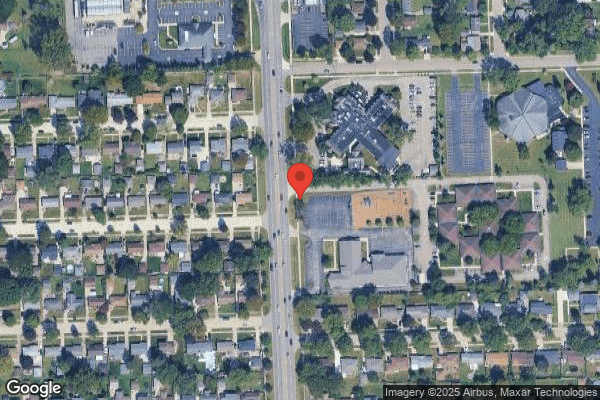
14900 Middlebelt Road, Livonia, MI 48154 (734) 425-4200
For profit - Corporation 128 Beds CIENA HEALTHCARE/LAUREL HEALTH CARE Data: November 2025
Trust Grade
45/100
#329 of 422 in MI
Last Inspection: December 2024

Within standard 12-15 month inspection cycle. Federal law requires annual inspections.

Overview

Regency at Livonia has received a Trust Grade of D, which indicates below-average performance with some concerns. In Michigan, they rank #329 out of 422 facilities, placing them in the bottom half, and #51 out of 63 in Wayne County, meaning only a few local options are better. The facility is showing improvement, decreasing from 11 issues in 2024 to just 1 in 2025, but staffing remains a notable weakness with a low rating of 1 out of 5 stars and a turnover rate of 50%, which is concerning. While there are no fines on record, indicating compliance with regulations, RN coverage is significantly lower than 97% of other facilities, which could impact resident care. Specific incidents include a failure to monitor a resident's weight loss adequately, leading to unmet nutritional needs, and concerns about cleanliness in common areas that could affect residents' comfort and safety. Overall, while there are some strengths, such as improving trends and a lack of fines, the facility has critical areas that need attention.

Trust Score
D
45/100
In Michigan
#329/422
Bottom 23%
Safety Record
Moderate
Needs review
Inspections
Getting Better
11 → 1 violations
Staff Stability
⚠ Watch
50% turnover. Above average. Higher turnover means staff may not know residents' routines.
Penalties
✓ Good
No fines on record. Clean compliance history, better than most Michigan facilities.
Skilled Nurses
⚠ Watch
Each resident gets only 11 minutes of Registered Nurse (RN) attention daily — below average for Michigan. Fewer RN minutes means fewer trained eyes watching for problems.
Violations
⚠ Watch
34 deficiencies on record. Higher than average. Multiple issues found across inspections.
★★☆☆☆
2.0
Overall Rating
★☆☆☆☆
1.0
Staff Levels
★★★★☆
4.0
Care Quality
★★★☆☆
3.0
Inspection Score
Stable
2024: 11 issues
2025: 1 issues

The Good

  • 4-Star Quality Measures · Strong clinical quality outcomes
  • Full Sprinkler Coverage · Fire safety systems throughout facility
  • No fines on record

Facility shows strength in quality measures, fire safety.

The Bad

2-Star Overall Rating

Below Michigan average (3.1)

Below average - review inspection findings carefully

Staff Turnover: 50%

Near Michigan avg (46%)

Higher turnover may affect care consistency

Chain: CIENA HEALTHCARE/LAUREL HEALTH CARE

Part of a multi-facility chain

Ask about local staffing decisions and management

The Ugly 34 deficiencies on record

1 actual harm
May 2025 1 deficiency
CONCERN (D) 📢 Someone Reported This

A family member, employee, or ombudsman was alarmed enough to file a formal complaint

Potential for Harm - no one hurt, but risky conditions existed

ADL Care (Tag F0677)

Could have caused harm · This affected 1 resident

**NOTE- TERMS IN BRACKETS HAVE BEEN EDITED TO PROTECT CONFIDENTIALITY** This citation pertains to Intake MI00152501. Based on observation, interview, and record review, the facility failed to ensure ...

Read full inspector narrative →
**NOTE- TERMS IN BRACKETS HAVE BEEN EDITED TO PROTECT CONFIDENTIALITY** This citation pertains to Intake MI00152501. Based on observation, interview, and record review, the facility failed to ensure resident showers were provided as scheduled for one resident (R701) of three reviewed for acitivites of daily (ADL) care. Findings include: On 5/7/25 at 11:00 AM, R701 was observed in bed with a hospital gown on, and with a large amount of facial hair, R701 was asked about the care at the facility. R701 explained things could be better. R701 continued and explained staff are either too busy or there is not enough staff. R701 reported they did not get out of bed the entire weekend and this was not the first time this had happened. R701 was asked if they receive their showers at minimum two times per week, R701 stated, Maybe once per week. A review of R701's medical record noted R701 was admitted to the facility on [DATE] with diagnosis of Influenza. A review of R701's Minimum Data Set (MDS) assessment dated [DATE] noted, R701 with an intact cognition and required assistance by staff to complete activities of daily living. A review of R701's shower record for the last 30 days revealed six documented showers on 4/10, 4/14, 4/21, 4/28, 5/1, and 5/5/25. On 5/7/25 at 11:33 AM, Certified Nurse Assistant (CNA) A was asked the reason R701 had not been dressed and out of bed. CNA A reported they had been getting the dialysis residents up and dressed and had not had time to come back to get R701 up for the day. CNA A reported they typically work the afternoon shift and came in at 8:30 AM to pick up a shift. On 5/7/25 at 11:40 AM, the Director of Nursing (DON) reported R701's shower schedule is Mondays and Thursday. The DON confirmed after a review of the 30-day report R701 had some days when the residents shower was not documented as being provided. A review of the facility's policy titled Routine Resident Care dated 3/12/25 noted, Residents receive the necessary assistance to maintain good grooming and personal/oral hygiene. Steps are taken to ensure that a resident's capacity for self-performance of these activities does not diminish unless circumstances of the resident's clinical condition demonstrate the decline is unavoidable. Care is taken to ensure resident safety at all times. Guidelines: 2. Showers, tub baths, and/or shampoos are scheduled according to person centered care or state specific guidelines; Bed linens are changed at this time. Additional showers are given as requested .
Dec 2024 7 deficiencies 1 Harm
SERIOUS (G)

Actual Harm - a resident was hurt due to facility failures

Deficiency F0692 (Tag F0692)

A resident was harmed · This affected 1 resident

**NOTE- TERMS IN BRACKETS HAVE BEEN EDITED TO PROTECT CONFIDENTIALITY** Based on observation, interview, and record review, the facility failed to ensure timely assessment and monitoring following an ...

Read full inspector narrative →
**NOTE- TERMS IN BRACKETS HAVE BEEN EDITED TO PROTECT CONFIDENTIALITY** Based on observation, interview, and record review, the facility failed to ensure timely assessment and monitoring following an identified weight loss for one resident (R56) of two reviewed for nutrition resulting in, weight loss and unmet nutritional needs. Findings include: On 12/17/24 at 1:00 PM, R56 was observed sitting in their room in their wheelchair. Attempts to interview R56 were occured to no avail due to their cognition. A review of R56's medical record revealed they were admitted into the facility on [DATE] with diagnoses which included Anxiety Disorder, Hypertension, and Muscle Weakness. Further review revealed a moderately impaired cognition, and was dependent for bathing and dressing. Further review of R56's care plan revealed the following: Focus: [R56] has alteration in nutritional and/or hydration status r/t (related to) CVA (Cerebral Vascular Accident), hx (history) of PCM (protein calorie malnutrition), dysphagia, therapeutic diet. Date Initiated: 12/03/2024. Interventions . Observe and report to physician Significant weight changes: 3% in 1 week, > (greather than) 5% in 1 month, >7.5% in 3 months, >10% in 6 months. Date Initiated: 12/03/2024 . Provide 1:1 feeding assistance with meals . Further review of R56's medical record revealed the resident had sustained a 10lb (pound) weight loss in less than a month based on the following weights: 112.0 Lbs-11/28/2024 112.0 Lbs-12/1/2024 102.0 Lbs-12/10/2024 Further review of R56's medical record revealed the following progress note: 12/12/2024 12:15 (12:15pm) Dietary Note Note Text: WEIGHT WARNING: Value: 102.0 Vital Date: 2024-12-10 13:14:00.0 (1:14pm) -5.0% change [ 8.9% , 10.0 ] -7.5% change [ 8.9% , 10.0 ] RD (registered dietician) requesting re-weight to confirm accuracy of weight changes. Weight upon admission likely not accurate as this is consistent with hospital documented weight of 112 lbs. On 12/18/24, further review of R56's medical record did not reveal a re-weight. On 12/18/24 at 8:49 AM, R56 was observed in their room alone sitting in their wheelchair. The resident's breakfast meal tray was sitting in front of them with approximately 80% of the meal still on their plate and consisted of eggs, toast, oatmeal and a hashbrown. In addition, 1:1 feeding assistance was listed on the resident's meal ticket. On 12/18/24 at 12:43 PM, R56 was observed in their room alone sitting in their wheelchair. The resident's lunch meal tray was sitting in front of them untouched. 1:1 feeding assistance was noted on the resident's meal ticket. On 12/19/24 at 8:57 AM, R56's re-weight was requested from the facility. On 12/19/24 at 9:30 AM, the Director of Nursing (DON) explained the facility had identified an issue with weights and the resident was weighed yesterday, and would be added to the electronic medical record. A review of R56's medical record revealed the resident weight on 12/19/24 was 96.2 lbs noting a 5.69% weight loss in nine days. On 12/19/24 at 10:51 AM, the facility dietician, Registered Dietician (RD I) was asked about R56's weight loss, and the interventions put into place for R56. RD I explained she was new to the facility, and would speak to the regional dietician for guidance. On 12/19/24 at 11:18 AM, RD I explained the intervention for R56's weight loss on 12/12/24 was the re-weigh to confirm whether the weight loss was accurate. RD I explained that once a re-weight is obtained, they talk to the resident and reassess for possible supplements. RD I was asked how soon re-weights are supposed to be obtained, and she explained they should be completed within 72 hours. On 12/19/24 at 12:25 PM, the Director of Nursing (DON) was asked about the weight loss of R56, and explained she would look further into it, but did acknowledge that the facility had identified concerns related to weights not being completed per facility policy. A review of the facility's Weight Management policy revealed the following, .2. Residents will be weighed upon admission/readmission; weekly x 4, then monthly as indicated by the physician and/or medical status of the resident and document results in the medical record. Re-weights are initiated for a five pound variance if the resident is > than 100 lbs and for a three-pound variance of < than 100 lbs .Re-Weights will be done within 48-72 hours .9. Residents with the following clinical condition may also be at risk, this is determined by the IDT (interdisciplinary team) .Dependent eating skills, mechanically altered diets .7. Dietary Manager, Unit Manager and/or RD are able to communicate weight changes to the IDT, attending physician and resident's responsible party .10. The Dietary Manager and/or dietician will calculate the Monthly and Significant Weight Changes )5% in one month, 7.5% in three months, ad 10% in six months) .
CONCERN (D)

Potential for Harm - no one hurt, but risky conditions existed

Comprehensive Care Plan (Tag F0656)

Could have caused harm · This affected 1 resident

**NOTE- TERMS IN BRACKETS HAVE BEEN EDITED TO PROTECT CONFIDENTIALITY** Based on observation, interview, and record review, the facility failed to initiate an activities care plan for one resident (R9...

Read full inspector narrative →
**NOTE- TERMS IN BRACKETS HAVE BEEN EDITED TO PROTECT CONFIDENTIALITY** Based on observation, interview, and record review, the facility failed to initiate an activities care plan for one resident (R94) of one reviewed for care plans. Findings include: On 12/17/24 at 1:00 PM, R94 was observed sitting in their lounging chair awake, and alone in their room. Attempts to interview R94 were to no avail due to their cognition as they remained pleasantly confused. There were no activities observed in R94's room at this time. A review of R94's medical record revealed they were admitted into the facility on [DATE] with diagnoses that included Cerebral Infarction, Hypertension, and Muscle Weakness. Further review revealed that the resident was severely cognitively impaired, and required one person assistance for bed mobility and transfers. Additional review revealed the resident had sustained multiple falls in the facility since admission. On 12/18/24 at 8:48 AM, 9:22 AM, and 12:45 PM, R94 was observed in their room without activities or stimulation. On 12/19/24 at 8:57 AM, activity logs for R94 were requested from the facility. The facility's Nursing Home Administrator (NHA) indicated the activities department did not have any activity logs for R94. A review of R94's care plan revealed they did not have a care plan adressing Activites. On 12/19/24 at 12:25 PM, the Director of Nursing (DON) was asked about activities for R94 and acknowledged there had been issues with the Activities Director. A review of the facility's Activities Program policy revealed the following, The facility provides an ongoing activity/recreation program based on the individual resident comprehensive evaluation, care plan, and stated preferences .
CONCERN (D)

Potential for Harm - no one hurt, but risky conditions existed

Deficiency F0658 (Tag F0658)

Could have caused harm · This affected 1 resident

**NOTE- TERMS IN BRACKETS HAVE BEEN EDITED TO PROTECT CONFIDENTIALITY** Based on interview and record review, the facility failed to ensure medication was administered as orders for one resident (R93)...

Read full inspector narrative →
**NOTE- TERMS IN BRACKETS HAVE BEEN EDITED TO PROTECT CONFIDENTIALITY** Based on interview and record review, the facility failed to ensure medication was administered as orders for one resident (R93) of one reviewed for medication administration. Findings include: A clinical record review of R93 revealed, R93 was first admitted to the facility in March 2024 with diagnoses of Quadriplegia (paralysis) chronic pain syndrome, Kidney failure, Chronic foley and Urinary tract infections. A review of R93's most recent BIMS (Brief Interview for Mental Status) score was 15/15 indicating R93 was cognitively intact. On 12/17/24 at 9:51 AM, R93 voiced concern during initial interview that they were recently hospitalized for a urinary tract infection and required antibiotics. R93 expressed concerned regarding not being administered their antibiotic medication since their readmission to the facility on [DATE]. R93 explained they had asked the staff since readmission about the location the medication and was not provided an explanation. R93 further revealed they were scared the infection would come back and they would have to go back to the hospital. Further review of R93's record revealed, on 12/11/24, R93 was transferred to the hospital for with symptoms of severe nausea, was diaphoretic, and had gross hematuria (large amounts of blood in the urine). R93 was readmitted to the facility on [DATE], with the diagnosis of a urinary tract infection, and required surgical placement of a supra pubic catheter (tube placed into the bladder through abdomen to drain urine). On 12/19/24 at 9:40 AM, Unit Manager (UM F) was asked about R93's antibiotic medication, UM F was observed to review the After Visit Summary (AVS) revealed, dated 12/15/24. The AVF documented to start Cipro (Ciprofloxacin, an antibiotic to treat bacterial infections) 500 milligrams (mg) twice daily for 10 days, start on 12/15/24 and complete on 12/25/24. UM F acknowledged the admission nurse did not order the medication upon R93's readmission on [DATE], therefore, the pharmacy never received the order and R93 was not provided the antibiotic. On 12/19/24, at 3:45 PM, the Director of Nursing (DON) was informed of the above interview and acknowledged the medication was not transcribed upon readmission on [DATE] and R93 should have started the ordered Cipro on 12/15/24. Review of the facility's policy titled; Physician's Orders dated 10/2023 documented: .Physician orders are obtained to provide a clear direction in the care of the resident . Once the order is verified, the receiving nurse verifies the order . Notify the pharmacy of a new order .
CONCERN (D)

Potential for Harm - no one hurt, but risky conditions existed

Deficiency F0679 (Tag F0679)

Could have caused harm · This affected 1 resident

**NOTE- TERMS IN BRACKETS HAVE BEEN EDITED TO PROTECT CONFIDENTIALITY** Based on observation, interview, and record review, the facility failed to document and provide activities for one resident (R94...

Read full inspector narrative →
**NOTE- TERMS IN BRACKETS HAVE BEEN EDITED TO PROTECT CONFIDENTIALITY** Based on observation, interview, and record review, the facility failed to document and provide activities for one resident (R94) of one reviewed for activities. Findings include: On 12/17/24 at 1:00 PM, R94 was observed sitting in their lounging chair alone in their room. Attempts to interview R94 were to no avail due to their cognition as they remained pleasantly confused. There were no activities observed in R94's room at this time. A review of R94's medical record revealed they were admitted into the facility on [DATE] with diagnoses that included Cerebral Infarction, Hypertension, and Muscle Weakness. Further review revealed that the resident was severely cognitively impaired, and required one person assistance for bed mobility and transfers. Additional review revealed the resident had sustained multiple falls in the facility since admission. On 12/18/24 at 8:48 AM, 9:22 AM, and 12:45 PM, R94 was observed in their room without activities or stimulation. On 12/19/24 at 8:57 AM, activity logs for R94 were requested from the facility. The facility's Nursing Home Administrator (NHA) indicated the activities department did not have any activity logs for R94. On 12/19/24 at 12:25 PM, the Director of Nursing (DON) was asked about activities for R94 and acknowledged there had been issues with their Activities Director. A review of the facility's Activities Program revealed the following, The facility provides an ongoing activity/recreation program based on the individual resident comprehensive evaluation, care plan, and stated preferences .3. Supportive activities: Promotes a comfortable environment while providing stimulation or solace to residents who cannot benefit from either maintenance or empowerment activities . These activities are generally provided to a resident with severe impairments and/or unable to tolerate the stimulation of a group program .
CONCERN (D)

Potential for Harm - no one hurt, but risky conditions existed

Quality of Care (Tag F0684)

Could have caused harm · This affected 1 resident

**NOTE- TERMS IN BRACKETS HAVE BEEN EDITED TO PROTECT CONFIDENTIALITY** Based on observation, interview, and record review, the facility failed to ensure hand splint and elbow brace were applied for o...

Read full inspector narrative →
**NOTE- TERMS IN BRACKETS HAVE BEEN EDITED TO PROTECT CONFIDENTIALITY** Based on observation, interview, and record review, the facility failed to ensure hand splint and elbow brace were applied for one (R38) of one resident reviewed for range of motion. Findings include: On 12/17/24 at 9:58 AM, R38 was observed lying in bed with the television on and was asked about the stay at the facility. During the interview R38's right arm and hand was observed to be contracted (a condition that causes the fingers to bend and the palm to thicken) and without a brace on. R38 was asked if they had a brace for their right arm. R38 explained that they (staff) use to put it on but, has been without it for about a month. On 12/18/24 at 10:01 AM and 1:01 PM, R38 was observed lying in bed and reported they had not had the brace applied. On 12/19/24 at 11:00 AM, R38 was observed lying in bed, R38's right arm was observed without a brace. R38 was asked if they knew where the brace was kept and reported, they were not sure. An observation was made with a general glance of R38's closet the braces were not observed. A review of R38's order noted, Donning and doffing of R (right) hand splint and R Elbow Brace up to 4 hours as tolerated alternating days with R elbow Brace and R Hand Splint. Monitor for s&s (signs and symptoms) of skin breakdown. Order Clarification: started on 8/6/21. A review of R38's medical record revealed, R38 was admitted to the facility on [DATE] and readmitted on [DATE] with a diagnosis of Contracture right elbow. A review of R38's Minimum Data Set (MDS) assessment, dated 11/01/2024 noted R38 with a moderately impaired cognition and was dependent on staff for activities of daily living. A review of R38's care plan noted, Focus: [R38] has a functional ability deficit and requires assistance with self-care/mobility R/T (related to) decreased mobility and weakness dx (diagnosis) spinal stenosis, vascular dementia, HTN (hypertension), DM (diabetes mellitus), and depressive disorder. Date Initiated: 02/23/2018. Interventions: Donning and doffing of R hand splint and R (right) Elbow Brace up to 4 hours as tolerated alternating days with R elbow Brace and R Hand Splint. Monitor for s&s of skin breakdown. Date Initiated: 02/13/2024. Interventions: Provide [R38] assistance with donning and doffing of R orthosis. Patient able to tolerate orthosis up to 4 hours without any signs and symptoms of pain or pressure. Date Initiated: 02/13/2024. On 12/19/24 at 11:20 AM, the therapy director was asked about R38's brace and state he would look into it. On 12/19/24 at 1:42 PM, Therapy Director H explained, he found the braces in R38's closet and the restorative team is responsible for applying them on the resident. On 12/19/24 at 1:44 PM, the Director of Nursing (DON) was asked about R38's braces and explained, the braces are on the MAR (Medication Administration Record) and the Nurses or Restorative staff are responsible for the application of the devices. A review of the R38's MAR for the month of December revealed, the braces were not documented as applied on the following dates, [DATE]th and 17th. After a review of the MAR, R38 was asked if they had the brace on this month and explained they have not had the brace on for about a month. A review of the facility's policy titled, Brace and Splint Program, dated 4/5/24 noted, Purpose: Properly used splint and braces can enhance mobility, correct alignment and protect a specific extremity while maintaining skin integrity and circulation, and avoiding other possible adverse effects of the device. The purpose of the Brace and Splint Program is to: 2. Avoid or delay any loss of independence, 3. Achieve the highest level of independence possible. Procedure: 4. If the resident enters the facility with a brace or splint, or the specialized therapist determines that a brace or splint is appropriate the nurse will obtain a physician's order. The order will define the following information: a. Where the splint/brace is to be worn, b. When the splint/brace is to be worn, c. Why the splint/brace is to be worn, d. Who will apply the splint/brace (nursing or therapy). 5. Interdisciplinary care plan . c. Staff has a scheduled program of applying and removing the appliance that includes: d. Scheduled hours to be worn .
CONCERN (D)

Potential for Harm - no one hurt, but risky conditions existed

Deficiency F0761 (Tag F0761)

Could have caused harm · This affected 1 resident

On 12/18/24 at 8:54 AM, an observation of medication cart South-2 was conducted with Licensed Practical Nurse (LPN) D. The following medications were observed loosely throughout the cart unpackaged an...

Read full inspector narrative →
On 12/18/24 at 8:54 AM, an observation of medication cart South-2 was conducted with Licensed Practical Nurse (LPN) D. The following medications were observed loosely throughout the cart unpackaged and without patient identifiers. Drawer 2 2 round white pill #12/A 1 white elongated 7206/TV 1 white round 209 1 round peach 41/H 1 white elongated ATV/20 1 elongated peach C03/77 1 pink elongated 5/894 2 white round/damages 1 white round scored M/5 1 yellow elongated 151 1 capsule Q02/ blue white 1 orange round unidentifiable 1 small round white ATN/25 Drawer 3 2 white elongated 2 peach round 1 blue elongated 1 yellow tab Drawer4 1 white elongated 729612/18/24 On 12/18/24 at 9:46 AM, an observation of medication cart East Hall was conducted with LPN C. The following medications were observed loosely throughout the cart unpackaged and without patient identifiers. Drawer 2 1 pink elongated 5 1 yellow round 2.5 Multiple broken white colored medications On 12/18/24 at 10:00 AM, the Director of Nursing (DON) was informed of the above findings in both medication carts and acknowledged medications should not be stored in the carts without patient identifiers or packaged. A review of the facility's policy titled; Storage and Expiration Dating of Medications and Biological's dated 8/2024 documented: .Facility should ensure the medications for each resident are stored in the containers in which they were originally received . Based observation, interview, and record review the facility failed to ensure proper storage of medication in two of two medication carts and one resdent's room (R38) reviewed for medication storage. Findings include: On 12/17/24 at 9:58 AM, R38 was observed lying in bed with the television on. R38's overbed table was observed with a small oval shaped pill on the table. R38 was asked what medication it was and when did they received the medication. R38 stated, I'm not sure what it is, it might have fell out one of my cups. On 12/17/24 at 10:02 AM, the assigned Nurse was asked about the pill that was observed on R38's overbed table. The Nurse explained they had not administered R38's medication and that the pill observed may have been from the midnight shift. The Nurse was asked to identify the medication with R38's medications in the med cart. The medication was identified as atorvastatin 20mg (milligrams), which is scheduled to be administer at bed time.
CONCERN (F)

Potential for Harm - no one hurt, but risky conditions existed

Safe Environment (Tag F0921)

Could have caused harm · This affected most or all residents

Based on observation and interview, the facility failed to provide a homelike environment throughout residential common areas and rehabilitation area. Findings include: On 12/18/24 at 11:20 AM, an obs...

Read full inspector narrative →
Based on observation and interview, the facility failed to provide a homelike environment throughout residential common areas and rehabilitation area. Findings include: On 12/18/24 at 11:20 AM, an observation of the first and second floor dining and common areas were observed with the following: sticky matter on the floors, garbage lying on the ground, two ice machine's tray with white debris on it and with the face of the ice machine dirty. Two popcorn machines were observed with the interior of the glass greasy and with moderate amounts of popcorn kernels adhered to the walls and in the basin. While making the observation of the popcorn machine, a staff member commented that it needed to cleaned. The baseboards were observed with dust, and debris. The floors were observed with a moderate amount of dried spilled matter where residents were socializing. The first and second floor windowsills were observed to be dirty and with dead insects on the sills and in the tracking of the windows. The back door was observed with insect webs, dead insects, and leaves around the perimeter of the door. A dirty mop, dustpan and broom were observed stored against the wall amongst residents who were drinking sodas and socializing. An observation of the first-floor dining room revealed, damaged dry wall with a pile of dry wall debris within the proximity of food delivery carts. Throughout the first floor of the facility, the carpet looked as if not vacuumed and various debris was noted in the common areas, and in the resident hallways. Upon entering into the first-floor rehabilitation room, the access door to the outside was observed with three small white insect nests, webs, and dead insects. Debris were noted in between the carpet and floor mat. The rehabilitation room revealed the entire perimeter of the baseboards throughout had debris and dust. A visibly soiled dustpan and broom were observed stored against the wall amongst rehabilitation equipment. In the rehabilitation kitchen a Geri chair was observed to be stored in the area, the chair had a dried tan colored matter on the seat and backside. The rehabilitation kitchen was also observed with dried crumbs on the counter tops and stove. The inside and outside of the microwave was also observed to be unkempt. On 12/18/24 the following observations were made with the Housekeeping Manager (HM) G. During the tour, HM G acknowledged the findings were unkempt specifically around the baseboards. HM G confirmed dead insects, and webs amongst the residential common and rehabilitation areas. Review of the facilities policy titled; Housekeeping Services dated 2/2023 documented: .promote a sanitary environment . Housekeeping Services play a large role in maintaining a clean healthcare environment .
Oct 2024 1 deficiency
CONCERN (D) 📢 Someone Reported This

A family member, employee, or ombudsman was alarmed enough to file a formal complaint

Potential for Harm - no one hurt, but risky conditions existed

Accident Prevention (Tag F0689)

Could have caused harm · This affected 1 resident

**NOTE- TERMS IN BRACKETS HAVE BEEN EDITED TO PROTECT CONFIDENTIALITY** This citation pertains to intake MI00147311. Based on observation, interview, and record review, the facility failed to initiate...

Read full inspector narrative →
**NOTE- TERMS IN BRACKETS HAVE BEEN EDITED TO PROTECT CONFIDENTIALITY** This citation pertains to intake MI00147311. Based on observation, interview, and record review, the facility failed to initiate a facility wide elopement code (notification for a missing resident) in a timely manner for one sampled resident (R902) of three reviewed for accidents. Findings include: Incident summary on 9/21/2024 at approximately 5:38 am, resident [R902] exited the door and was returned to the facility with no injury. A review of R902's medical record noted, R902 was admitted to the facility on [DATE] with diagnoses of Vascular Dementia unspecified severity without behavioral disturbance, Psychotic Disturbance, Mood Disturbance, and Anxiety. A review of R902's Minimum Data Set revealed, R902 with a moderately impaired cognition and required some assistance with activities of daily living. On 10/29/24 at 2:18 PM, R902 was asked about the incident. R902 explained, they left out the front door of the facility, because they needed to go handle some business. R902 also explained they did not give notice to the staff they were leaving. On 10/29/24 at 2:29 PM, Licensed Practical Nurse (LPN) A was interviewed via phone and was asked about the incident with R902. LPN A explained they heard the front door alarm and went to look around to see who went out and didn't see anyone. LPN A continued and explained that she came back to her medication cart to pass medication and is when she was unable to locate R902. LPN A stated, We started to look around in rooms and didn't see [R902]. LPN A explained that she had Certified Nurse Assistant (CNA) B to look around on the unit prior to calling the official facility wide code. LPN A was asked where was R902 found. LPN A explained, R902 was found by the police on Middlebelt and [NAME] at the grocery store. The store is located approximately 0.8 miles away from the facility and is about a 17 minute walk according to Google. The store is at a busy intersection that leads to the freeway. R902 told them they were waiting for the bus to go to the Detroit. LPN A was asked about R902's alertness and stated, [R902] has a little bit of confusion. A review of the facility's written revealed, LPN A, At approx (approximately) 5:38am. I returned from 2nd floor. Getting supplies, the door alarm was sounding. I opened the floor and looked out from and didn't see anyone. I returned and stated med pass and I didn't see him. I searched the hallways, bathrooms and Kitchen. I instructed the CNA B to search the other hallways and rooms. We were unable to locate him. At approximately 5:55 AM I called a code search overhead, still didn't locate him. I called 911/police at 5:58 AM, Director of Nursing (DON), family and physician. A review of facility's documentation noted, At approximately 6:30am, the resident was returned to the facility by (local police department). There were no injuries noted. The resident was not in any distress. Facility's statement, Laundry Aide, 5:35 AM I was picking up laundry from 1st floor. I observed the resident walking towards the Nurses station, I got on the elevator and approx. 10-15 min (minute) later [LPN A] Overhead paged code search I started looking for the resident in my work area (basement). I then went outside and drove around the building and surrounding streets. I did not locate the resident. I returned to the facility and gave my statement to the police. Facility statement with R902, Resident stated that [R902] left the facility to return to Detroit so that [R902] could be in control of [R902's] finances and affairs. When asked why [R902] didn't notify staff so that we could arrange transportation, [R902] stated it was bets if we didn't know because we would try to talk him into staying. [R902] said the freeway was right up the street and [R902] was going to have the grocery store call [R902] a cab. On 10/29/24 at 12:52 PM, the DON was asked about the incident with R902. The DON explained LPN A was supposed to call the elopement code right away to start the facility wide search for the resident. A review of the facility's policy titled, Elopement Policy dated 4/26/2022, revealed, Policy: It is the policy of this facility to prevent to the extent reasonably possible, the elopement of guests/residents from the facility . Missing Guest/Resident: 1. Check the sign-out form to see if the guest/resident signed out without notifying the staff or left with family if not, call a code Search or designated code for your facility . During the onsite survey, past noncompliance (PNC) was cited after the facility implemented actions to correct the noncompliance which include interventions/actions to correct the past noncompliance. The facility was able to demonstrate monitoring of the corrective action and maintained compliance. FACILITY QAPI / PAST NON-COMPLIANCE FORM Elopement Date: 9/21/24 Description of deficient practice: Facility failed to prevent a resident, who requires supervision, from going outside the facility doors independently. The resident was able to exit the Front entrance of the facility lobby. Staff did respond to the alarm initially, look outside the door/perimeter, and searched the facility, however did not immediately call the code search. How facility identified resident affected and residents having potential to be affected by the same Deficient practice. Administrative Nurses and or the Social Worker reviewed the residents that reside at the facility to identify residents that are expressing a desire to leave the facility. The IDT (interdisciplinary team) reviewed and validated the last risk for elopement evaluation, any concerns were address, the care plans for elopement are up to date and the wander guard is in place and functioning. Corrective action taken for the resident affected: Resident was assessed and the elopement evaluation was completed The Resident Chart was reviewed The Elopement care plan developed Physician orders for wander guard device were put in place Measures of systemic changes made to ensure the deficient practice will not occur and affect others. A QAPI Meeting was held to review the elopement and the event. Rounds were made on all doors in the facility that exit to the outside to validate alarms are functioning. All doors were alarmed properly. The Elopement policy was reviewed and deemed appropriate. All staff was educated on elopement policy with emphasis on what steps to take when a door alarm sounds. How facility monitors its corrective actions to ensure same deficient practice is corrected and will not recur. The Maintenance Staff or designee will complete Elopement Drills on each shift weekly for 4 weeks, than monthly to ensure staff are responding properly, any concerns will be addressed. Findings will be reported to the QAPI committee monthly for 3 months for recommendations. The IDT will interview staff on rounds on the Elopement Policy and what steps to take when they hear and alarm sounding, weekly for 4 weeks, than monthly for 2 months to ensure staff are responding properly, any concerns will be addressed. Findings will be reported to the QAPI committee monthly for 3 months for recommendations. POC Date: 9/30/24
Jun 2024 2 deficiencies
CONCERN (D) 📢 Someone Reported This

A family member, employee, or ombudsman was alarmed enough to file a formal complaint

Potential for Harm - no one hurt, but risky conditions existed

Deficiency F0582 (Tag F0582)

Could have caused harm · This affected 1 resident

**NOTE- TERMS IN BRACKETS HAVE BEEN EDITED TO PROTECT CONFIDENTIALITY** This citation pertains to Intake MI00144815. Based on interview and record review, the facility failed to provide Notice of Medi...

Read full inspector narrative →
**NOTE- TERMS IN BRACKETS HAVE BEEN EDITED TO PROTECT CONFIDENTIALITY** This citation pertains to Intake MI00144815. Based on interview and record review, the facility failed to provide Notice of Medicare Non-Coverage (NOMNC) to one resident (R700) out of one reviewed for discharge from the facility. Findings Include: A review of an Intake called into the State Agency noted the following, The family appealed the discharge and received a telephone call . the appeal went in patient's favor due to not informing the patient in ample time. A review of the medical record revealed R700 admitted into the facility on [DATE] with the following medical diagnoses, Muscle Weakness and End Stage Renal Disease. A review of the Minimum Data Set (MDS) assessment revealed a Brief Interview for Mental Status score of 15/15 indicating an intact cognition. R700 also required assistance with bed mobility and transfers. Further review of the NOMNC revealed that R700 services were to end on 05/3/2024 and was signed and dated by R700 on 5/2/2024. On 06/20/2024 at 12:13 PM, an interview was conducted with Business Office Manager (BOM) A regarding R700's NOMNC. BOM A stated usually the resident receives at least 48 hours of notice. BOM A stated they are unsure what happened with R700 and why they were given the NOMNC the day before services ended. BOM A stated the only thing they could think of is the insurance company sent the NOMNC in late to be signed, because they issue them on the same day they receive them from the insurance companies. On 06/20/2024 at 12:20 PM, an interview was held with MDS Registered Nurse (RN) B. MDS RN B stated R700 did appeal, however they did not appeal in a timely manner. MDS RN B stated they attached the NOMNC to the information regarding the appeal, along with the other required medical documents for the appeal process. A review of a facility policy titled, Medicare Notice of Non-Coverage Advance Beneficiary Notice did not address timely delivery of NOMNCS.
CONCERN (D) 📢 Someone Reported This

A family member, employee, or ombudsman was alarmed enough to file a formal complaint

Potential for Harm - no one hurt, but risky conditions existed

Pressure Ulcer Prevention (Tag F0686)

Could have caused harm · This affected 1 resident

**NOTE- TERMS IN BRACKETS HAVE BEEN EDITED TO PROTECT CONFIDENTIALITY** This citation is related to Intake M1001445014. Based on observation, interview and record review, the facility failed to proper...

Read full inspector narrative →
**NOTE- TERMS IN BRACKETS HAVE BEEN EDITED TO PROTECT CONFIDENTIALITY** This citation is related to Intake M1001445014. Based on observation, interview and record review, the facility failed to properly care for pressure ulcers for one of one resident (R702). A review of an Intake called into the State Agency noted a resident had a bedsore for so long that she got a bad infection which she was hospitalzied for. On 6/20/2024, record review revealed R702 was admitted on [DATE] with following relevant diagnoses: Sepsis, Quadraplegia C5-7 Complete, Neuromuscular Dysfunction of Bladder, Muscle Weakness, Chronic Iron Deficiency, Depression, Anxiety Disorder, Essential Hypertension, Gastro-esophageal Reflux Disease, Acute Kidney Failure. R702 is alert and oriented to person, place, time and situation. R702 is physically dependent for all activities of daily living. On 6/20/2024 at 9:30 AM, R702 was observed laying on their back, bed flat, awake, alert and conversant. R702 was queried regarding his overall care. R702 revealed that approximately a week ago after a shower, the wounds were left uncovered, and R702 became incontinent of bowel. R702 revealed the Certified Nurse Assistant (CNA) providing his care was notified. R702 stated he waited five hours for a nurse to provide care to the wounds. On 6/20/2024 at 9:45 AM, an interview with Wound Care Nurse (WCN) C revealed they were preparing to provide wound care to the R702. WCN C revealed R702 had Stage III pressure ulcers (sores that have progressed to the third stage have broken completely through the top two layers of the skin and into the fatty tissue below) on each ischium (seating bones) and on the sacrum (low back). WCN C also revealed R702 had Deep Tissue Injuries on bilateral heels. The WCN C revealed they provide wound care on Monday, Tuesday, Thursday and Friday. WCN C confirmed that on Wednesday, Saturday, and Sunday, wound care is completed by the nurse responsible for the resident. WCN C revealed if a resident with dressings are showered, the dressing is removed and a (CNA) would notify the responsible nurse. WCN C revealed when a dressing becomes soiled, the CNA notifies the responsible nurse. If WCN C is not in house, the resident's responsible nurse is required to provide wound care. On 6/20/2024 at 10:00 AM, R702's wound care was observed. WCN C unfastened R702's brief on the left side (R702) was laying on right side. The left ischial dressing was bunched, leaving the wound exposed with a small amount of drainage noted on the brief. On 6/20/2024 at 10:30 AM, upon completion of wound care, WCN C confirmed R702's allegation they were left for approximately 5 hours with feces in their wounds. WCN C further revealed Nurse D was written up. WCN C provided documentation of the corrective action. On 6/20/2024 at 1:30 PM, met Director of Nursing (DON) regarding the incident described above. The DON confirmed her awareness of R702's wounds not receiving proper care and that an in-service had been provided on 5/30/2024.
Apr 2024 1 deficiency
CONCERN (D) 📢 Someone Reported This

A family member, employee, or ombudsman was alarmed enough to file a formal complaint

Potential for Harm - no one hurt, but risky conditions existed

Incontinence Care (Tag F0690)

Could have caused harm · This affected 1 resident

**NOTE- TERMS IN BRACKETS HAVE BEEN EDITED TO PROTECT CONFIDENTIALITY** This citation pertains to Intake M100144133. Based on observation, interview and record review, the facility failed to ensure o...

Read full inspector narrative →
**NOTE- TERMS IN BRACKETS HAVE BEEN EDITED TO PROTECT CONFIDENTIALITY** This citation pertains to Intake M100144133. Based on observation, interview and record review, the facility failed to ensure orders for catheter care was provided for one (R906) of four residents reviewed for catheter care. Findings include: Review of the facility record for R906 revealed an original admission date of 12/23/13 and a most recent admission date of 03/01/24 with diagnoses including Multiple Sclerosis, Diabetes Mellitus, and Fibromayalgia. The record further revealed R906's readmission on [DATE] was following hospitalization due to Urinary Tract Infection (UTI) attributed to an indwelling catheter. The record indicated R906 continued to have the indwelling catheter when they were readmitted to the facility on [DATE]. During review of R906's catheter care it was noted the most recent catheter care orders were discharged no later than 02/27/24 and no catheter care-related orders were documented for the most recent admission period of 03/01/24 to 04/14/24. Review of R906's [NAME] Task item which states Was indwelling catheter care performed per the resident's plan of care? revealed no documentation entries for the dates 04/01/24 thru discharge on [DATE]. On 04/30/24 at 3:00 PM, the facility Director of Nursing (DON) was interviewed. The DON acknowledged the absence of catheter care orders for R906 during the most recent admission and reported that they were not obtained or entered into the electronic medical record (EMR). The DON reported that a catheter care [NAME] item was produced when the catheter care plan was entered which would allow direct care staff to see the catheter care [NAME] question, however, because the [NAME] item was not renewed there were no related checklist questions produced to allow staff to enter documentation of care completion. The DON reported that the expectation is that the catheter care orders would be obtained and entered and the related [NAME] Task questions would be available for staff completion when the resident was readmitted to the facility. Review of the facility policy Physician's Order dated 10/20/23 revealed the Purpose statement Physician orders are obtained to provide a clear direction in the care of the resident. The Information portion of the policy includes the following entries: - Orders given by a physician must be accepted by a licensed nurse and documented on the physician order sheet or in the EMR system if electronic, and must be cosigned and dated by the ordering physician per state guidelines. - On a regular basis or as required by state and/or federal law the attending physician will review the plan of care, including physician orders. The physician is to review the orders at the time of the physician's visit. admission physician orders will be signed within 24-72 hours. - Treatment rendered to a resident must be in accordance with the specific standing, written, verbal, or telephone order of a physician . - Standing and written orders must be recorded in the resident record and signed by the licensed health professional who issued the order in accordance with the policy of the health facility or agency.
Oct 2023 12 deficiencies
CONCERN (D)

Potential for Harm - no one hurt, but risky conditions existed

Comprehensive Care Plan (Tag F0656)

Could have caused harm · This affected 1 resident

**NOTE- TERMS IN BRACKETS HAVE BEEN EDITED TO PROTECT CONFIDENTIALITY** Based on observation, interview, and record review the facility failed to implement a restorative nursing plan (RNP) for one res...

Read full inspector narrative →
**NOTE- TERMS IN BRACKETS HAVE BEEN EDITED TO PROTECT CONFIDENTIALITY** Based on observation, interview, and record review the facility failed to implement a restorative nursing plan (RNP) for one resident (R3) of five residents reviewed for range of motion (ROM), resulting in the potential for a decline in ROM . Findings include: On 10/9/23 at 10:09 AM, during an initial tour of the facility during an initial tour of the facility R3 was interviewed regarding their satisfaction with the care and services that they were receiving at the facility. R3 indicated that they had completed therapy approximately one to two weeks ago. R3 was asked if they were receiving restorative nursing services currently. R3 stated, No. R3 was observed to have contracted fingers on their left hand which they were able to slowly straighten. On 10/9/23 at 12:20 PM, a review of R3's order section in their electronic medical record (EMR) revealed that R3 had an order dated 9/29/23 for RNP services to be provided. On 10/9/23 at 12:25 PM, a review of R3's care plan revealed the following RNP goal, Focus: [R3] at risk for decline in function and requires Restorative Nursing r/t (related to) muscle weakness. Date Initiated: 10/04/2023. Goal: Will maintain the current level of range of motion and muscle strength through the review date. Date Initiated: 10/04/2023. Target Date: 11/27/2023. Interventions: w/c (wheelchair) mobility about 100 ft. (feet) 3x (times) wkly (weekly) x 8 wks (weeks). Date Initiated: 10/04/2023. AROM (active range of motion) BLE (bilateral lower extremity) x 30 reps (repetitions) x 1.5 lb (pound) weights knee flexion/dors (dorsal) flexion. Date Initiated: 10/04/2023. On 10/9/23 at 12:37 PM, a review of R3's RNP documentation in their EMR revealed no documentation of number of minutes of RNP provided for R3 since the RNP goal implementation date of 10/4/23. On 10/10/23 at 10:05 AM, Rehabilitation Director (RD) Q was interviewed regarding RNP related to R3. RD Q indicated that R3 was referred to the RNP and indicated that the restorative aide should have implemented RNP services for R3 beginning on 10/4/23. On 10/10/23 at 10:21 AM, a follow up interview was conducted with R3 regarding implementation of their RNP. R4 stated, They haven't done anything. On 10/10/23 at 1:26 PM, restorative aide (RA) R was interviewed regarding implementation of RNP for R3. RA R stated, I was off last week. We got started today. RA R was asked who completes RNP with the residents when they are off. RA R stated, No one, I'm it. I'm busy. On 10/11/23 at 12:45 PM, the Director of Nursing (DON) was interviewed regarding their expectations for implementation of RNP. The DON indicated, staff should implement RNP as stated on the care plan. The DON asked who implements the RNP if RA R is off. The DON indicated that the resident's assigned certified nursing assistant (CNA) should implement the RNP if RA R is off. On 10/11/23 at 12:54 PM, a further review of R3's EMR revealed that R3 was originally admitted to the facility on [DATE] with diagnoses that included Injury of unspecified kidney and Transient cerebral ischemic attack (mini-stroke). R3's most recent minimum data set assessment (MDS) dated [DATE] revealed that R3 had a intact cognition and required extensive one person assistance for all activities of daily living (ADLs) other than eating. On 10/11/23 at 2:00 PM, a facility policy titled Restorative Nursing Last Revised 12/1/2018 was reviewed and stated the following, Purpose: The facility strives to enable the residents to attain and maintain the highest practicable level of physical, mental, and psychosocial well-being. The interdisciplinary team (IDT) works with the resident and family to identify measurable restorative goals and practical interventions that can be implemented and achieved with nursing support .Sometimes under licensed nurse supervision, other staff trained in restorative care will be assigned by the nurse to work with specific residents .11. Document the resident's daily participation and actual number of minutes participated in the resident's EMR.
CONCERN (D) 📢 Someone Reported This

A family member, employee, or ombudsman was alarmed enough to file a formal complaint

Potential for Harm - no one hurt, but risky conditions existed

ADL Care (Tag F0677)

Could have caused harm · This affected 1 resident

**NOTE- TERMS IN BRACKETS HAVE BEEN EDITED TO PROTECT CONFIDENTIALITY** This citation pertains to Intake MI00138666. Based on observation, interview, and record review, the facility to provide showers...

Read full inspector narrative →
**NOTE- TERMS IN BRACKETS HAVE BEEN EDITED TO PROTECT CONFIDENTIALITY** This citation pertains to Intake MI00138666. Based on observation, interview, and record review, the facility to provide showers/bathing and/or assistance with shaving per the plan of care, affecting three residents (R38, R42, and R250) of eight reviewed for activities of daily living (ADLs), resulting in resident frustration and unmet care needs. Findings include: R38 On 10/9/23 at 9:43 AM, R38 was observed lying in bed. R38 was interviewed regarding care concerns at the facility. R38 stated, I could use a shave. R38 was observed with beard growth/stubble. R38 stated that there is a staff member that goes around and shaves people but commented that he had not seen her in quite some time. A review of R38's [NAME] (care guide) revealed, Resident requires assistance with bathing; Resident requires extensive assistance with personal hygiene and oral care; Provide shaves as needed . R38's Brief Interview for Mental Status (BIMS) dated 8/2/23 revealed mild-moderate cognitive impairment. On 10/10/23 at 12:23 PM, R38 indicated he had not been offered assistance with shaving yet. Observation of R38 confirmed the claim, as the beard growth on his face remained. R38 appeared generally unclean and disheveled. The resident's hospital-type gown was soiled with dried purple stains in multiple areas. The pillowcase behind R38's head appeared yellow and dirty. The remainder of R38's linen was soiled in multiple areas. The resident indicated that his linen had last been changed on Friday (10/6). On 10/10/23 at 2:01 PM, the 2nd floor Unit Manager, Licensed Practical Nurse (LPN) A was interviewed. LPN A confirmed that there is usually a staff member that goes around and helps with ADLs (activities of daily living), but that she hasn't worked in a while. LPN A stated in the case of that staff member's absence, every CNA (Certified Nursing Assistant) is responsible for completing ADL care. When queried regarding R38, LPN A stated that the resident is particular and will only let certain staff help him shave. On 10/10/23 at 2:23 PM, LPN A observed R38 in bed and asked the resident about shaving. R38 stated, I don't care who shaves me as long as I get shaved. CNA H was asked by LPN A to assist. CNA H agreed to come provide ADL care to R38. While waiting for CNA H to return, R38 began discussing his shower/bathing schedule. R38 stated, I'm supposed to get a shower Mondays and Thursdays. They tell me the person who showers me is supposed to shave me. But they don't do that. R38 then stated they didn't even get a shower yesterday (Monday 10/9). Review of R38's bathing/shower documentation at this time revealed that CNA G documented giving the resident a shower/bed bath on 10/9/23. When queried about this, R38 became visibly frustrated and said, Well somebody's lying, 'cause if they did, I'd know it! .I didn't receive anything yesterday! I would know if I did .I had to ask them if I was still on the list to get a shower .Why they lyin'? R38 continued and indicated that it's frustrating that these issues don't seem to get addressed until the State Agency asks about them. On 10/10/23 at 2:35 PM, LPN A was queried regarding R38's shower documentation entered by CNA G versus the resident's appearance and statements. LPN A stated she would offer R38 a shower or bed bath right now. LPN A indicated that task documentation is expected to be truthful and accurate. On 10/10/23 at 3:16 PM, the Nursing Home Administrator (NHA) was interviewed and indicated that he was notified of R38's shower documentation and was going to address it with CNA G. On 10/11/23 at 9:26 AM, CNA G was called for an interview. CNA G did not answer the phone and no call back was received prior to survey exit. On 10/11/23 at 9:47 AM, R38 was observed lying in bed. R38 appeared clean, shaven, and well-groomed. R38's linens appeared clean. R38 expressed feeling better. R250 On 10/9/23 at 11:29 AM, during an initial tour of the facility R250 was interviewed regarding their level of care and services that they were receiving at the facility. R250 expressed dissatisfaction with not receiving their scheduled showers and indicated that they had only received one shower since their most recent readmission to the facility. On 10/11/23 at 9:15 AM, R250's [NAME] was reviewed and indicated that R254's scheduled shower days were Tuesday and Friday day shift. On 10/11/23 at 9:25 AM, a 30 day review of R250's showers revealed no documentation for the following scheduled shower days, 9/19/23, 9/22/23, and 9/26/23. On 10/11/23 at 9:29 AM, an interview was conducted with R250's assigned certified nursing assistant (CNA) T regarding showers being provided to R250 and documented in their record. CNA T' stated, Sometimes [R250] ignores me when I offer them a shower. I keep redirecting them. CNA T was asked about their ability to complete assigned tasks for the residents. CNA T stated, I can complete my assignments if I don't take any breaks. On 10/11/23 at 1:07 PM, The Director of Nursing (DON) was interviewed regarding their expectations for staff offering and documenting showers to residents. The DON stated, It should be documented and if the resident refuses the CNA should inform their nurse. On 10/11/23 at 1:23 PM, a further review of R250's EMR revealed that R250 was originally admitted to the facility on [DATE] with diagnoses that included Epilepsy and Alcoholic cirrhosis of liver. R250's most recent quarterly assessment dated [DATE] revealed that R250 had a severely impaired cognition and required setup help for bathing and showering. A review of the facility's policy/procedure titled, Routine Guest/Resident Care, revised 6/16/21, revealed, .Guests/residents receive the necessary assistance to maintain good grooming and personal/oral hygiene .Showers, tub baths, and/or shampoos are scheduled according to person centered care or state specific guidelines (sic); Bed linens are changed at this time .Daily personal hygiene minimally includes assisting or encouraging guests/residents with .shaving .combing their hair each morning . R42 On 10/9/23 at 11:47 AM, R42 reported they did not receive their bath/showers last week which were scheduled for Tuesday and Friday afternoons. R42 commented that staff indicate they are understaffed for just about everything. R42 further noted about a week before, they received dinner late and the tray was not picked up until midnight. R42 staffing to be inconsistently consistent, R42's hair appeared dull and slightly matted. The shower task for R42 was reviewed and the shower/bath had been documented as done and R42 again reported they had not received and shower nor a bed bath. On 10/11/23 at 9:12 AM, R42 commented they had received their shower the day before and smelled better though the staff had misplaced their regular shampoo. On 10/11/23 at 10:58 AM, shower documentation for the week prior was reviewed with the second floor Unit Manager (UM). One entry was documented by the UM and one was documented by a Certified Nursing Assistant (CNA) O. The UM reported they had talked to R42 about their phone but not talked to R42 about not getting their shower and that the CNA who charted the shower as completed was a midnight CNA. A review of the record for R42 revealed R42 was re-admitted into the facility on [DATE]. Diagnoses include Stroke affecting the left side, Contracture, Pain and Anxiety. The Minimum Data Set (MDS) assessment dated [DATE] indicated intact cognition with a 15/15 Brief Interview for Mental Status (BIMS) score and the need for extensive assist of one or two persons for bed mobility, transfer, dressing, personal hygiene and bathing. It further indicated functional limitation in range of motion for one upper extremity and both lower extremities. The care plan .has an ADL self performance deficit and requires assistance with ADLs and mobility related to left side weakness revised 07/21/23 revealed, Resident requires assistance with bathing .
CONCERN (D)

Potential for Harm - no one hurt, but risky conditions existed

Quality of Care (Tag F0684)

Could have caused harm · This affected 1 resident

**NOTE- TERMS IN BRACKETS HAVE BEEN EDITED TO PROTECT CONFIDENTIALITY** Based on observation, interview and record review, the facility failed to follow-up on a neurology referral for one resident (R4...

Read full inspector narrative →
**NOTE- TERMS IN BRACKETS HAVE BEEN EDITED TO PROTECT CONFIDENTIALITY** Based on observation, interview and record review, the facility failed to follow-up on a neurology referral for one resident (R45) of one reviewed for quality of care resulting in, a delay in testing, and the potential for unmet care needs. Findings include: On 10/9/23 at 9:26 AM, R45 was asked observed in bed awake, and asked about their stay in the facility. R45 explained that they had ongoing pain in their left eye, in addition to pain that radiated to their head. R45 explained that they had previously had an MRI (magnetic resonance imaging) completed, and had been referred to a neurologist however, he had not seen a neurologist or had any idea if an appointment had been scheduled. A review of R45's medical record revealed that they were admitted into the facility on 1/22/23 with diagnoses that included Diabetes, Heart Failure, Chronic Kidney Disease, and Hyperlipidemia. A review of the resident's annual Minimum Data Set assessment dated [DATE] revealed that R45 had a Brief Interview for Mental Status score of 14/15 indicating an intact cognition, and required extensive assistance for bed mobility, transfers, and toilet use. Further review of R45's medical record revealed that the resident received an MRI on 4/13/23 in which recommendations dated 5/10/23 revealed the following, Ophthalmology f/u (follow-up), Referral to neurology for post-hepatic v (versus) neurologia . On 10/10/23 at 10:05 AM, a copy of R45's neurology report was requested from the facility however, the 5/10/23 consultation note was provided. On 10/11/23 at 9:11 AM, the Director of Nursing was asked about R45's neurology referral and results, and she explained that the neurology appointment had not been made. On 10/11/23 at 9:25 AM, surveyor was provided with information that R45's neurology appointment was just scheduled for a date in December 2023.
CONCERN (D)

Potential for Harm - no one hurt, but risky conditions existed

Deficiency F0687 (Tag F0687)

Could have caused harm · This affected 1 resident

Based on observation, interview and record review, the facility failed to ensure timely podiatry services for one resident (R51) of one reviewed for foot care, resulting in delayed treatment, long toe...

Read full inspector narrative →
Based on observation, interview and record review, the facility failed to ensure timely podiatry services for one resident (R51) of one reviewed for foot care, resulting in delayed treatment, long toenails and the potential for discomfort. Findings include: On 10/9/23 at 2:16 PM, R51 was observed sitting up in their Geri chair. Their fingernails appeared long and thick, and a large amount of dandruff was observed on the front of their shirt. R51 was asked about their care in the facility, and at that time, had no concerns. A review of R51's medical record revealed that they were admitted into the facility on 7/24/23 with diagnoses that included Paraplegia, Schizophrenia, Cerebral Infarction, and Hypotension. A review of the admission Minimum Data Set assessment revealed that the resident had a 15/15 Brief Interview for Mental Status score indicating an intact cognition, and was totally dependent on staff for toileting, dressing and transfers. Further review of R51's medical record revealed a wound care progress note dated 10/3/23 revealing that R51 was admitted with a Stage 3 pressure ulcer on their bunion, which had been treated and had a resolved date of 10/3/23. Further review of R51's medical record revealed pictures of the wound, and observed in the pictures were R51's toenails which were extremely long. On 10/11/23 at 2:40 PM, R51 was observed lying in bed, and asked about their long fingernails. R51 explained that they hadn't been cut since they were first admitted into the facility, and had never seen the podiatrist. On 10/11/23 at 2:45 PM, Unit Manager A was brought into R51's room, and asked to observe R51's toenails. Upon observation, R51's toenails were observed as elongated and thick. Unit Manager A explained that she thought R51 had been seen by the podiatrist, but would get them on the list to be seen. On 10/11/23 at 2:50 PM, Social Worker B was asked about ancillary services, specifically podiatry services. Social Worker B explained that upon admission, residents receive a standing order for ancillary services and the need for services are typically brought up by the resident, family, nursing staff and during care conferences. Upon review of R51's services, Social Worker B revealed that R51 had not received podiatry services, and would ensure to put them on the list to be seen. On 10/11/23 at 3:31 PM, the Director of Nursing was asked about R51's lack of foot care. She explained that she was unaware why R51 had not been seen as the podiatrist comes into the facility every Thursday, and that someone should have addressed it. A review of the facility's Foot Care policy revealed the following, Daily bathing of feet and regular toenail trimming promotes cleanliness, prevents infection, stimulates peripheral circulation, and controls body odor by removing debris between toes and under toenails. It's particularly important for bedridden patients and those especially vulnerable to foot infection. Increased susceptibility to foot infection may results from peripheral vascular disease, diabetes, poor nutritional status, arthritis, or any condition that impairs peripheral circulation .
CONCERN (D)

Potential for Harm - no one hurt, but risky conditions existed

Accident Prevention (Tag F0689)

Could have caused harm · This affected 1 resident

Based on observation, interview, and record review, the facility failed to effectively identify an environmental hazard (broken glass), potentially affecting one of one resident (R57), in which create...

Read full inspector narrative →
Based on observation, interview, and record review, the facility failed to effectively identify an environmental hazard (broken glass), potentially affecting one of one resident (R57), in which created the potential for injury and/or skin laceration. Findings include: On 10/9/23 at 9:35 AM, during the initial tour, R57 was observed in their room. A clock was observed hanging on the wall. At this time, R57 demonstrated how they could carefully ambulate around their room with a shuffling gait. R57 was unable to fully communicate verbally due to aphasia (difficulty speaking, usually after brain injury or damage). R57's Brief Interview for Mental Status (BIMS) dated 10/3/23 indicated a moderately impaired cognition. R57's care plan included the intervention, Keep the resident's environment as safe as possible .Date Initiated: 12/08/2022. On 10/9/23 at 11:20 AM, the clock in R57's room was observed on the floor. The glass face of the clock was shattered into both large and small shards near the doorway of the room and next to R57's wheelchair. The broken clock was easily seen from the hallway. On 10/9/23 at 12:31 PM, the broken clock and glass remained on R57's floor. R57 was observed sitting on their bed and when queried about the clock, made motions to indicate that they did not cause it to fall down. R57 was unable to elaborate further. On 10/9/23 at 1:45 PM and 2:14 PM, the broken clock and glass remained on R57's floor and was easily seen from the hallway. R57 remained sitting on their bed in the room. On 10/9/23 at 2:45 PM, the broken clock and glass were now gone. Housekeeper F was interviewed and stated that she cleaned up the clock and glass at approximately 2:30 PM. Housekeeper F was queried if any staff alerted her to the broken glass. Housekeeper F indicated they did not. Housekeeper F indicated that she became aware of the broken glass when she arrived to the room to complete routine daily cleaning. On 10/11/23 at 2:37 PM, the Nursing Home Administrator (NHA) was interviewed and queried regarding broken glass being in R57's room for an extended period of time. The NHA stated that housekeeping is not the only discipline that can clean up glass. The NHA added, The aide should've noticed it. A review of the facility's policy/procedure titled, Routine Guest/Resident Care, revised 6/16/21, revealed, .Care is taken to ensure guest/resident safety at all times .
CONCERN (D) 📢 Someone Reported This

A family member, employee, or ombudsman was alarmed enough to file a formal complaint

Potential for Harm - no one hurt, but risky conditions existed

Deficiency F0761 (Tag F0761)

Could have caused harm · This affected 1 resident

**NOTE- TERMS IN BRACKETS HAVE BEEN EDITED TO PROTECT CONFIDENTIALITY** Based on observation, interview and record review the facility failed to label and date three eye dropper vials with the name an...

Read full inspector narrative →
**NOTE- TERMS IN BRACKETS HAVE BEEN EDITED TO PROTECT CONFIDENTIALITY** Based on observation, interview and record review the facility failed to label and date three eye dropper vials with the name and or date in one of four medication carts resulting in the potential for lost/misdirected medications or expired medication use. Findings include: On [DATE] at 11:31 AM, the second floor north medication cart was reviewed with Licensed Practical Nurse (LPN) N. A vial of polymyxin B eye drops were dated opened [DATE] on the box but not on the actual vial; A vial of Latanoprost eye drops did not have a resident identifier on the actual vial; and a vial of Timolol eye drops was not dated when opened on the actual vial. Also two vial of artificial tears did not have an open date nor identifier on the actual vial. On [DATE] at 1:51 PM, during an interview with the Director of Nursing (DON) the eye dropper medication concerns were reviewed and the DON reported nurses are to date vials when opened and ensure an identifier are on the actual vial.
CONCERN (D)

Potential for Harm - no one hurt, but risky conditions existed

Medical Records (Tag F0842)

Could have caused harm · This affected 1 resident

**NOTE- TERMS IN BRACKETS HAVE BEEN EDITED TO PROTECT CONFIDENTIALITY** Based on observation, interview, and record review, the facility failed to accurately document in the resident medical record, a...

Read full inspector narrative →
**NOTE- TERMS IN BRACKETS HAVE BEEN EDITED TO PROTECT CONFIDENTIALITY** Based on observation, interview, and record review, the facility failed to accurately document in the resident medical record, affecting two (R38 and R42) of two residents reviewed, resulting in falsified documentation and the potential for unmet care needs and/or inaccurate assessments. Findings include: On 10/9/23 at 11:47 AM, R42 reported they did not receive their bath/showers last week which were scheduled for Tuesday and Friday afternoons. R42 commented that staff indicate they are understaffed for just about everything. R42's hair appeared dull and slightly matted. The shower task for R42 was reviewed and the shower/bath had been documented as done and R42 again reported they had not received and shower nor a bed bath. A review of the record for R42 revealed R42 was re-admitted into the facility on 7/14/23. Diagnoses include Stroke affecting the left side, Contracture, Pain and Anxiety. The Minimum Data Set (MDS) assessment dated [DATE] indicated intact cognition with a 15/15 Brief Interview for Mental Status (BIMS) score. It further indicated functional limitation in range of motion for one upper extremity and both lower extremities. On 10/10/23 at 12:23 PM, R38 appeared generally unclean and disheveled. The resident's hospital-type gown was soiled with dried purple stains in multiple areas. The pillowcase behind R38's head appeared yellow and dirty. The remainder of R38's linen was soiled in multiple areas. The resident indicated that his linen had last been changed on Friday (10/6). On 10/10/23 at 2:01 PM, R38 discussed his shower/bathing schedule. R38 stated, I'm supposed to get a shower Mondays and Thursdays . R38 then stated they didn't even get a shower yesterday (Monday 10/9). Review of R38's bathing/shower documentation at this time revealed that CNA G documented giving the resident a shower/bed bath on 10/9/23. When queried about this, R38 became visibly frustrated and said, Well somebody's lying, 'cause if they did, I'd know it! .I didn't receive anything yesterday! I would know if I did .I had to ask them if I was still on the list to get a shower .Why they lyin'? On 10/10/23 at 2:35 PM, LPN A was queried regarding R38's shower documentation entered by CNA G versus the resident's appearance and statements. LPN A stated she would offer R38 a shower or bed bath right now. LPN A indicated that task documentation is expected to be truthful and accurate. On 10/10/23 at 3:16 PM, the Nursing Home Administrator (NHA) was interviewed and indicated that he was notified of R38's shower documentation and was going to address it with CNA G. On 10/11/23 at 9:26 AM, CNA G was called for an interview. CNA G did not answer the phone and no call back was received prior to survey exit. A review of R38's [NAME] (care guide) revealed, Resident requires assistance with bathing; Resident requires extensive assistance with personal hygiene . R38's Brief Interview for Mental Status (BIMS) dated 8/2/23 revealed mild-moderate cognitive impairment.
CONCERN (D) 📢 Someone Reported This

A family member, employee, or ombudsman was alarmed enough to file a formal complaint

Potential for Harm - no one hurt, but risky conditions existed

Infection Control (Tag F0880)

Could have caused harm · This affected 1 resident

Based on observation, interview and record review the facility failed to ensure hand hygiene was completed prior to entry and upon exit from a resident room during care for one of four staff reviewed ...

Read full inspector narrative →
Based on observation, interview and record review the facility failed to ensure hand hygiene was completed prior to entry and upon exit from a resident room during care for one of four staff reviewed during medication pass, resulting in the potential for the spread of infection. Findings include: On 10/10/23 at 9:32 AM, Licensed Practical Nurse (LPN) L, was observed to exit a resident room and return to the medication cart. LPN L prepared the medications for the next resident entered the room handed the resident the medication and return to the medication cart. LPN L then left the medication cart to retrieve a bottle of colace capsules. LPN L then opened the bottle at the cart and dispensed one capsule into a medication cup. LPN L entered the room of the same resident handed the resident the medication, disposed of the medication cup, returned to the medication cart and signed off the administration. No hand hygiene by LPN L was observed to occur at any point of the observation. LPN L was asked about hand hygien and acknowledged the lack of hygiene. On 10/11/23 at 1:51 PM, the Director of Nursing (DON) was asked about hand hygiene and reported hand hygiene should be done before and after any direct patient contact and generally before entry and after exit of a resident room. A review of the facilty policy titled, Infection Control Program revised 9/2022, revealed, The facility must require staff to clean their hands after each direct guest/resident contact . A review of the facility policy titled, Medication Administration revised 09/09/22, revealed Procedure: Follow infection control practices. A. Perform hand hygiene prior to medication preparation for each medication pass. Perform hand hygiene after direct guest/resident contact .
CONCERN (E) 📢 Someone Reported This

A family member, employee, or ombudsman was alarmed enough to file a formal complaint

Potential for Harm - no one hurt, but risky conditions existed

Deficiency F0725 (Tag F0725)

Could have caused harm · This affected multiple residents

**NOTE- TERMS IN BRACKETS HAVE BEEN EDITED TO PROTECT CONFIDENTIALITY** This citation pertains to Intake MI00138590. Based on observation, interview, and record review, the facility failed to ensure s...

Read full inspector narrative →
**NOTE- TERMS IN BRACKETS HAVE BEEN EDITED TO PROTECT CONFIDENTIALITY** This citation pertains to Intake MI00138590. Based on observation, interview, and record review, the facility failed to ensure sufficient staff were available to provide a timely response to call lights and resident requests/needs, affecting four residents (R10, R27, R35, R86 and R2) of nine reviewed for staffing, resulting in resident frustration and unmet care requests and needs. Findings include: R10 On 10/9/23 at 11:40 AM, R10 was observed lying in bed. When interviewed, R10 stated that things at the facility are, Not good, and, I hate this place. They don't answer the call lights. R10's touch pad call button was observed to be lying on the floor, out of the resident's reach. When asked how they call for help, R10 replied, Scream. If I need help, that's what I have to do to get help around here. R10 added that this morning, staff did not help them out of bed and into their chair because they are having diarrhea. R10 added, .I want to get up. I'm just really upset about it .I stayed in bed all weekend because the aide has back problems and didn't want to get me up. On 10/9/23 at 12:09 PM, R10's call button remained on the floor and out of reach. R10 remained in bed and expressed their continued frustration. On 10/9/23 at 12:13 PM, Certified Nursing Assistant (CNA) J was interviewed. CNA J explained that R10 had to be cleaned up and bathed multiple times this morning due to having diarrhea. CNA J stated that she reported the diarrhea to the resident's nurse and explained to the resident that it would be very difficult to clean and change them if they were up in their chair (R10 requires the use of a lift). CNA J added that she planned to re-evaluate this afternoon to see if staff is able to get R10 up per their request. CNA J stated, Apparently, R10 was in bed all weekend. CNA J added that she didn't think R10 would be so upset this morning about not getting up if they hadn't been left in bed all weekend. A review of R10's care plan revealed, Put the call light within reach and encourage [R10] to use it for assistance as needed. Date Initiated: 01/11/2023. A review of R10's Brief Interview for Mental Status (BIMS) dated 10/4/23 indicated that the resident is cognitively intact. On 10/11/23 at 3:53 PM, the Director of Nursing (DON) was interviewed and queried regarding R10. The DON stated that R10 typically does not use their call light, but, Just yells. The DON stated that R10 likes to get up out of bed every day. When queried if R10 being left in bed all weekend was reported to her as a concern, the DON stated that it was not. When queried regarding weekend staffing, the DON replied that the facility hasn't had any issues lately. The DON added that if there are call-ins, there are back-up staff scheduled, such as ward clerks, who are CNAs and can work as such. R27 On 10/9/23 at 9:52 AM, R27 was interviewed during the initial tour. R27 was observed lying in bed and expressed staffing and call light wait times as concerns at the facility. R27 indicated that they have to sometimes wait a long time for things, such as getting up out of/back into bed or being changed. A review of R27's Minimum Data Set (MDS) assessment and BIMS dated 7/27/23 revealed that the resident is cognitively intact and requires extensive assistance from two or more staff for transfers. On 10/9/23 at 10:50 AM, the call light indicators in the hallway above R27's door and two other neighboring rooms were observed as activated. At 10:51 AM, all three call light indicators in the hallway, including R27's, turned off at the same time. This occurred without observation of staff going into the rooms to address the call lights. Upon entering R27's room, the resident's call light was observed to be on and lit up on the wall in the room. R27 was lying in bed and indicated they were still waiting for someone to answer their call light. On 10/9/23 at 11:10 AM, R27 remained in bed. The resident's call light remained activated on the wall in their room. R27 stated they were still waiting for someone to come help them get up out of bed. On 10/9/23 at 11:16 AM, a therapy staff member entered R27's room and had a brief discussion with the resident. The staff member was heard telling R27 that he would see the resident later as he exited the room. R27's call light was still active and the resident remained in bed. On 10/9/23 at 11:18 AM, CNA J entered R27's room and informed the resident she would help them out of bed as soon as she had help. On 10/9/23 at 11:24 AM, CNA J and another staff member entered R27's room to assist the resident with the request to get up out of bed. On 10/9/23 at 11:30 AM, CNA J was interviewed and indicated that Monday, Wednesday, and Friday mornings are very busy. CNA J stated that she typically has to help multiple dialysis residents get up and get downstairs for treatment in a timely fashion. CNA J added that most residents she is assigned to care for require the use of a lift to get out of bed (using a lift requires more than one staff member). On 10/11/23 at 2:28 PM, the Nursing Home Administrator (NHA) was interviewed regarding staffing and call lights during the QAPI (Quality Assurance/Performance Improvement) task review. The NHA indicated that the facility has a current performance improvement plan related to staff retention, because turnover has been an issue. The NHA added that although the facility is almost fully staffed, call-ins became an issue at one point, especially on the weekends. The NHA indicated that the facility had begun to discipline staff for repeated call-ins, and had some staff quit as a result. When queried regarding call lights, the NHA stated that he was aware of some new call light system issues on the 1st floor and had contacted a company to come take a look. The NHA was unaware of issues on the 2nd floor and stated he would have the company address those as well. On 10/11/23 at 3:53 PM, the Director of Nursing (DON) was interviewed and queried regarding expected call light response times. The DON stated she expects call lights and resident requests to be addressed in, A reasonable amount of time. The DON stated that if staff is busy and a resident has to wait, it is expected that staff 1) provide an explanation for the wait and 2) go back and take care of the initial request. R35 On 10/9/23 at 11:30 AM, R35 was interviewed after staff completed morning care and helped the resident up out of bed. R35 sat in their wheelchair and stated that their biggest concern with the facility is, Shortness of staff throughout the day and on midnights especially. R35 added, Sometimes we are sitting in bed up to our waists in urine for 30 minutes or longer. They have so many patients they have to take care of. A review of R35's MDS assessment and BIMS dated 7/26/23 revealed that the resident is cognitively intact and requires extensive assistance from two or more staff for transfers and toilet use. R86 On 10/9/23 at 10:40 AM, R86 was observed lying in bed with their upper body leaned far over to the right. R86 was unable to be interviewed. The resident's call light was observed on the floor, out of reach. R86 was observed with multiple abrasions on their face and was receiving supplemental oxygen via nasal cannula. R86's oxygen concentrator started beeping loudly for approximately 30 seconds-1 minute on two separate occasions while this surveyor was in the room, interviewing the family of R86's roommate. The family member commented that they visit R86's roommate daily, and that the concentrator had begun making loud beeping sounds constantly over the weekend. R86's gown was pulled up and blankets were pulled down. The resident's incontinence brief was exposed. No staff entered the room to address the beeping. On 10/9/23 at 11:14 AM, R86's oxygen concentrator was heard beeping loudly again. R86's brief remained exposed. No staff came to address the beeping nor to cover R86 up. On 10/9/23 at 11:38 AM, R86 remained in bed in the same position and remained exposed. R86's oxygen concentrator began beeping loudly. No staff came to address the beeping nor to cover R86 up. On 10/9/23 at 11:46 AM and 12:08 PM, R86 remained in bed in the same position and remained exposed. On 10/9/23 at 12:15 PM, R86's oxygen concentrator was heard beeping loudly again. R86's brief remained exposed. No staff came to address the beeping nor to cover R86 up. On 10/9/23 at 12:33 PM, R86 was observed in bed. R86 was now covered and repositioned in bed. A review of R86's care plan revealed: -Turn/reposition resident frequently and PRN (as needed) Date Initiated: 08/02/2023. -Anticipate and meet needs PRN. Date Initiated: 07/23/2023. A review of R86's MDS assessments and BIMS dated 9/25/23 and 10/6/23 revealed that the resident is severely cognitively impaired and requires extensive assistance from staff for activities of daily living (ADLs). A review of the facility's policy/procedure titled, Routine Guest/Resident Care, revised 6/16/21, revealed, .Guest's/resident's call lights are answered timely and guest's/resident's requests are addressed, if permitted. Call lights should be placed within easy reach of the guest/resident . A review of the facility's admission packet included the following, .You have the right to receive necessary nursing, medical and social services to reach and maintain the highest practicable physical, mental and social well-being, as determined by the comprehensive assessment and care plan. These services must be given in a confidential and dignified manner that meets your treatment and personal needs . On 10/09/23 at 10:32 AM , a resident (who requested to be anonymous) of the south hall on the second floor reported that everything takes longer on the weekends and dinner was not served until 7:30 PM the night before and was normally served at six PM. On 10/09/23 at 10:55 AM, R2 reported that staffing and call light response times were hit and miss depending on who the aide was. R2 reported some staff come in and cancel the light and don't come back and during the night staff had taken their call light and placed it out of reach. R2 reported they will put their call light on when they need pain medication. On 10/09/23 at 11:44 AM, a resident of the south hall was observed to come out to their doorway and reported they were looking for lunch. The resident reported dinner was late the day before. The resident commented, Isn't that terrible? On 10/09/23 at 11:47 AM, R42 commented that the facility was understaffed for just about everything. On 10/09/23 at 4:27 PM CNA P was asked about staffing and reported they had six CNAs on the floor and the job was easier with six and to work with four was tough. Call ins were reported as the main issue when short staffed. On 10/10/23 at 9:22 AM the call for room [ROOM NUMBER] was observed activated at 9:30 AM the call was answered. On 10/10/23 at 9:24 AM, a resident was removed from the shower room by staff but did not appear to have been wet. On 10/10/23 at 10:45 a second floor call light was observed activated on the east hall a male CNA walked by ant at 10:58 am a female CNA walked by, then returned and answered the light. On 10/11/23 at 12:49 PM, a resident of the second floor and their roommate who chose to remain anonymous reported: Sometimes 9 PM medications are not passed until 11 PM. On 10/10/23 at 4:14 PM, the nurse staff scheduler was interviewed and reported the biggest challenge for staffing is the staff call ins (do not show up for shifts) and the current need is for afternoon CNAs. A review of the weekend staffing sheet for Saturday 05/13/23 the census was 100. Day shift had five CNA with 16 residents for four and15 for the fifth aide. The afternoon shift had four aides with 79 residents with 19 or 20 residents a piece and midnight shift had three aides with 79 residents and 26 or 27 residents a piece. 05/14/23 had the same census with one or two aide on the first floor and two CNAs for day shift on the second floor and three on the afternoon and midnight shift. The assignment sheet was not provided.
CONCERN (E) 📢 Someone Reported This

A family member, employee, or ombudsman was alarmed enough to file a formal complaint

Potential for Harm - no one hurt, but risky conditions existed

Deficiency F0804 (Tag F0804)

Could have caused harm · This affected multiple residents

**NOTE- TERMS IN BRACKETS HAVE BEEN EDITED TO PROTECT CONFIDENTIALITY** This citation pertains to Intake: MI00138590. Based on observation, interview, and record review the facility failed to serve fo...

Read full inspector narrative →
**NOTE- TERMS IN BRACKETS HAVE BEEN EDITED TO PROTECT CONFIDENTIALITY** This citation pertains to Intake: MI00138590. Based on observation, interview, and record review the facility failed to serve food in a palatable manner and at the preferred temperature for three residents (R3, R246, and R249) and seven confidential group residents of fifteen residents reviewed for food palatability, resulting in dissatisfaction during meals. Findings include: R246 On 10/9/23 at 9:46 AM, during an initial tour of the facility R246 was interviewed about food palatability at the facility and indicated that the food was cold and did not taste good. R246 stated, Lunch yesterday I couldn't identify the meat that was served. On 10/11/23 at 1:10 PM, a review of R246's electronic medical record (EMR) revealed that R246 was originally admitted to the facility on [DATE] with diagnoses that included Type 2 diabetes and Muscle weakness. R246's most recent MDS revealed that R246 had an intact cognition. R3 On 10/9/23 at 10:11 AM, during an initial tour of the facility R3 was interviewed about food palatability at the facility and stated, Breakfast is always cold. On 10/11/23 at 12:54 PM, a review of R3's electronic medical record (EMR) revealed that R3 was originally admitted to the facility on [DATE] with diagnoses that included Injury of unspecified kidney and Transient cerebral ischemic attack (mini-stroke). R3's most recent minimum data set assessment (MDS) dated [DATE] revealed that R3 had a intact cognition. R249 On 10/9/23 at 11:14 AM, during an initial tour of the facility R249 was interviewed about food palatability at the facility and indicated that the food did not taste good. On 10/9/23 at 1:49 AM, a review of R249's EMR revealed that R249 was originally admitted to the facility on [DATE] with diagnoses that included Acute kidney failure and Muscle weakness. R249's most recent MDS revealed that R249 had an intact cognition. On 10/10/23 at 8:11 AM, a food cart on the First floor rehabilitation unit of the facilty was observed with the doors open and staff serving food trays to the residents. On 10/10/23 at 8:19 AM, Dietary Manager (DM) C temperature tested a tray from this cart and the results were the following, Eggs: 100 degrees Fahrenheit; Oatmeal: 148 Degrees Fahrenheit. DM C stated, The eggs are not hot enough. DM C was interviewed about their expectations for temperatures for hot food items and stated, I like to see them at 141 degrees Fahrenheit or above. DM C taste tested the oatmeal and stated, It's fine. DM C declined to taste the eggs, stating, I have an issue with eggs. On 10/10/23 at 8:20 AM, the tray was taste tested by the surveyor and the results were the following, Eggs: cold and watery; Toast: cold and soggy; Oatmeal: no concerns. On 10/10/23 at 1:33 PM, a review of resident council meeting notes for the months of June 2023-September 2023 revealed the following, 8/29/23: Need a new kitchen manager. On 10/10/23 at 2:03 PM, a confidential group meeting was held with eight confidential group residents. The group was asked about food palatability at the facility and seven confidential group residents expressed dissatisfaction with the food at the facility indicating that the food was frequently cold and didn't taste good. The group stated, Food portions are inconsistent. The toast is cold, soggy, and doesn't taste like its been toasted. The pancakes taste rubbery. On 10/11/23 at 10:05 AM, a facility policy titled Food Temperatures Last Revised: 11/12/2021 was reviewed and stated the following, Procedures: 1. The temperature of holding hot foods at point of service will be [equal or greater to] 135 [degrees Fahrenheit].
CONCERN (E) 📢 Someone Reported This

A family member, employee, or ombudsman was alarmed enough to file a formal complaint

Potential for Harm - no one hurt, but risky conditions existed

Safe Environment (Tag F0921)

Could have caused harm · This affected multiple residents

**NOTE- TERMS IN BRACKETS HAVE BEEN EDITED TO PROTECT CONFIDENTIALITY** On 10/09/23 at 10:04 AM, room [ROOM NUMBER] was observed to have three brown spills/splashes on the hall side of the entry door....

Read full inspector narrative →
**NOTE- TERMS IN BRACKETS HAVE BEEN EDITED TO PROTECT CONFIDENTIALITY** On 10/09/23 at 10:04 AM, room [ROOM NUMBER] was observed to have three brown spills/splashes on the hall side of the entry door. On 10/09/23 at 10:15 AM, room [ROOM NUMBER], had food bits scattered on the floor around bed 2 and also a straw. On 10/09/23 at 10:19 AM, bits of dust and debris were observed in the corners of room [ROOM NUMBER] the floor appeared brown and soiled and in need of refinishing, On 10/09/23 at 10:21 AM, in room [ROOM NUMBER], the room side of the bathroom door had splintered edge veneer on the lower third. On 10/09/23 at 10:35 AM, a resident in room [ROOM NUMBER] reported that the ceiling had leaked and had water in their closet which caused their clothes to get wet. The floor tile was noted with a brown appearance when compared to the tiles at the immediate entrance to the room. On 10/09/23 at 4:34 PM, the Unit Manager reported items which need maintenance are entered into the computer system. On 10/09/23 at 10:51 AM, room [ROOM NUMBER] bed was observed to have cable wire running over the light fixture and then crossed back to the junction box just above the floor. The cable formed an X pattern about four-five feet tall. On 10/09/23 at 11:14 AM, the window sill in room [ROOM NUMBER] had a dried dark green and clear palm size splatter of what appeared to be vomit which was visible from the doorway. On 10/09/23 at 11:25 AM , room [ROOM NUMBER] was observed with a plastic hanger under bed two, an alcohol packet wrapper and used pad on the floor between the beds, socks under the radiator, a mechanical lift stored at the side of bed one, the foot board was loose and hung down on the left side, a brown substance made a raised vertical smear six feet up the corner wall next to the closets, the bracket for both of the closet cabinets had screws pulled out from the wall and bits of white tissue or paper were under the foot of bed one. Also wallpaper was missing around the outlet across from the foot of bed 1. On 10/10/23 at 9:07 AM, the hanger, alcohol pad and wrapper, socks, high brown smudge, loose brackets and the torn wallpaper remained. On 10/11/23 10:48 AM, the items of concern remained. On 10/09/23 at 11:39 AM, the second floor south shower room was observed to have three empty hangers hung in three different locations, broken base trim tiles missing base trim tiles, paint/paper missing from around one soap dispenser, a second dispenser was without a cover and a lingering urine odor was noted. On 10/10/23 at 8:28 AM and 4:35 PM and on 10/11/23 at 10:49 AM, the concerns remained. The shower appeared to have been mopped out but the odor remained. On 10/11/23 at 10:51 AM, the second floor east shower room had a build up of hair in the drain catch and soil on the seat of the shower chair. On 10/09/23 at 12:47 PM the call light for room [ROOM NUMBER] was observed to be activated. The call light activation made an audible tone on the unit but could not be seen as it was behind the air condition unit on the ceiling. On 10/11/23 at 10:58 AM the room concerns were reviewed with the second floor unit manager. The unit manager acknowledged the south shower room smelled urine; The unit manager reported to the housekeeper about room [ROOM NUMBER] and the small bits of paper by the closets remained; The possible vomit in room [ROOM NUMBER] was viewed but could not be identified by the unit manager and not observed to be cleaned up at 12:38 PM.; The fan still hung away from the wall in room [ROOM NUMBER]. On 10/11/23 at 11:26 AM, the left hand staff bathroom on the first floor, appeared with drips down the wall from the soap and towel dispensers. The toilet seat cover dispenser was not attached to the wall and the tan paint color was visible where the seat cover and toilet paper dispenser were. On 10/11/23 at 12:49 PM, a resident of the second floor and their roommate who chose to remain anonymous reported: Staff run short of towels and washcloths at times, the facility needs a better quality of toilet paper and napkins, the nurse should be able to tell you who the aide taking care of you is; sometimes they are lucky to get four aides on the afternoon shift; residents should receive a menu in their room if they don't get out of their room every day; staff do not always change the pad on the bed when soiled; sometimes 9 PM meds are not passed until 11 PM; At 1:15 PM the linen closet on the second floor had not towels or washcloths in it. The north carts had one washcloth, the east carts had one washcloth and the south cart had two towels and three washcloths one of which had a pink substance on it. On 10/11/23 at 1:51 PM, during an interview with the Director of Nursing (DON), they reported they felt staffing was pretty good over the last year since they had been agency free. The DON reported at the current census on the second floor they would staff seven aides on the day shift, six on the afternoon sift and five on the midnight shift. It was further noted that residents had not routinely mentioned any concerns with staffing during quality rounds. Based on observation and interview, the facility failed to provide a safe, functional, and sanitary, environment for the facilities census of 101 residents and its staff resulting in an increased chance of harm. Findings include: On 10/11/23 between 9:55 AM and 10:27 AM, during an environmental tour of the facility the following observations were made: Multiple areas of the laundry room flooring were observed damaged, stained and with sections missing. Two floor drains were observed missing their screen covers. An accumulation of debris and peeling paint was observed on walls, duct work, and piping above and behind the washing machines, dryers and in the clean linen room. The wall mounted fan next to the dryers was observed with an accumulation of dust on its fan blades and protective grate. On 10/11/23 at 10:04 AM, the surveyor inquired with Environmental Services Director, staff E, on the current state of the laundry area to which they replied, the floor has been like that for as long as I've been here, but they have done some water proofing outside and we no longer get water in the basement. That's why the walls look the way they do. At this time the surveyor asked staff E if they could review the daily cleaning logs for this area to which they stated, Everyone knows what they are supposed to do, we don't really have a log just for that. I will talk to maintenance about cleaning these areas. On 10/11/23 between 10:49 AM and 11:27 AM, during an environmental tour of the facility the following observations were made: The lack of personal protective equipment (PPE) was observed available for use in the first and second floor's soiled utility rooms. The second floors soiled utility room was observed overflowing with both loose and bagged trash on the floors surface, with a visibly soiled designated handwashing sink, along with a strong odor present in the room. On 10/11/23 at 10:53 AM, the surveyor inquired with staff E, on who oversaw replenishing the PPE in the soiled utility rooms to which they replied, the nursing staff I think. On 10/11/23 at 11:01 AM the surveyor inquired with staff E, on the current state of the second floors soiled utility room to which they stated, It is better than what it was, but we can still do better. I'll get another trash can added to help with the storage and talk to the staff about it. On 10/11/23 at 12:43 PM, while conducting dining observations on the second floor the surveyor observed three stained ceiling tiles, and a portion of drywalled ceiling to be damaged, peeling and discolored above three residents actively eating their lunch. Upon observation the surveyor inquired with Regional Dietitian, staff D, on if they thought the residents dining table located under the portion of the drywalled ceiling could be relocated to another area in the dining room to which they stated, I don't see why not, we have plenty of space. I'm writing it down along the ceiling tiles to make sure they are addressed.
CONCERN (F)

Potential for Harm - no one hurt, but risky conditions existed

Food Safety (Tag F0812)

Could have caused harm · This affected most or all residents

Based on observation and interview the facility failed to maintain sanitary conditions in the kitchen resulting in an increased potential for cross contamination of food and foodborne illness, potenti...

Read full inspector narrative →
Based on observation and interview the facility failed to maintain sanitary conditions in the kitchen resulting in an increased potential for cross contamination of food and foodborne illness, potentially affecting 98 residents who receive meal services (3 nothing by mouth residents, or NPO) out of the facility's total census of 101 residents. Findings include: On 10/11/23 at 12:49 PM, the exterior of the second floor dining rooms ice machine was observed with an accumulation of debris and a mildew like substance on the interior of its dispenser. Upon observation the Dietary Manager, staff C, stated to the surveyor, I will post a sign right now to not use this machine until it is cleaned. I'll let staff know they must go downstairs to get ice. On 10/11/23 between 11:44 AM and 1:29 AM, during a tour of the kitchen and its support spaces the following observations were made: An accumulation of dust and food debris was observed on the floor of the walk-in freezer and its shelving, on the lower interior portion of the reach-in style freezer, and on the flooring throughout the kitchen. On 10/11/23 at 1:06 PM, upon interview with the Regional Dietitian, staff D, the surveyor inquired if the facility had any policies in place regarding cleaning related job duties for staff to follow to which they stated, We don't have them yet. We are working with the new Dietary Manager to create those forms right now. Review of 2013 U.S. Public Health Service Food Code, Chapter 4-601.11, Equipment, Food-Contact Surfaces, Nonfood-Contact Surfaces, and Utensils, directs that: (A) Equipment food-contact surfaces and utensils shall be clean to sight and touch. (C) NonFOOD-CONTACT SURFACES of EQUIPMENT shall be kept free of an accumulation of dust, dirt, FOOD residue, and other debris.
Mar 2023 1 deficiency
CONCERN (D) 📢 Someone Reported This

A family member, employee, or ombudsman was alarmed enough to file a formal complaint

Potential for Harm - no one hurt, but risky conditions existed

Comprehensive Care Plan (Tag F0656)

Could have caused harm · This affected 1 resident

**NOTE- TERMS IN BRACKETS HAVE BEEN EDITED TO PROTECT CONFIDENTIALITY** This citation pertains to Intake numbers M100132618 and M100133363. Based upon interview and record review, the facility failed ...

Read full inspector narrative →
**NOTE- TERMS IN BRACKETS HAVE BEEN EDITED TO PROTECT CONFIDENTIALITY** This citation pertains to Intake numbers M100132618 and M100133363. Based upon interview and record review, the facility failed to implement the pressure ulcer care plan for repositioning for three (R701, R708, R710) of four residents sampled for care plans resulting in potential for onset of or worsening of pressure ulcers. Findings include: R701 Review of the facility record for R701 revealed an admission date of 9/19/22 with diagnoses that included cerebral infarction, encephalopathy and chronic respiratory failure. Minimum Data Set (MDS) assessment dated [DATE] indicated R701 was dependent for bed mobility and self care tasks. Brief Interview of Mental Status (BIMS) assessment score was zero indicating severe cognitive impairment however any accommodation of R701's communication impairment during this assessment was not clear. Review of R701's skin integrity care plan dated 9/19/22 includes the following focus entry: [R701] is at risk for impaired skin integrity/pressure injury R/T (related to) decreased mobility and weakness. Among the related interventions for this focus area an entry, Turn/reposition resident frequently and PRN (as needed). On 3/7/23 at 11:05 AM, the facility Assistant Director of Nursing (ADON) reported that their expectation for frequency of a resident being turned/repositioned when the care plan states turn/reposition resident frequently and PRN is that the resident will be repositioned every 2 hours per the standard of care (resulting in approximately 12 episodes of repositioning in a 24 hour period). Review of R701's bed mobility task completion checklist indicates that during the dates 2/7/23 to 3/3/23 bed mobility (repositioning) was documented on 16 dates. On seven dates repositioning was documented as completed three times. On five dates repositioning was documented as completed one time and on four dates repositioning was documented as completed two times. R708 Review of the facility record for R708 revealed an initial admission date of 11/16/18 and most recent admission date of 2/8/23 with diagnoses that included Osteomyelitis, Stage 4 sacral pressure ulcer (full thickness skin loss), Multiple Sclerosis and End Stage Renal Disease. MDS assessment dated [DATE] indicated R708 was dependent for bed mobility and self care. BIMS assessment score was 14 indicating intact cognition. Review of R708's care plan from the 2/8/23 admission includes the focus statement: [R708] has an actual impaired skin integrity related to sacrococcyx/bilateral buttock stage 4. The related Interventions include: Turn and reposition frequently and as needed. Review of R708's bed mobility task completion checklist indicates that during the dates 2/6/23 thru 3/6/23 bed mobility was documented on 26 dates. On 11 of the dates the task was documented as completed two times. On eight of the dates the task was documented as completed three times and on seven of the dates the task was documented as completed one time. R710 Review of the facility record for R710 revealed an admission date of 2/7/23 with diagnoses that included Pneumonia, Heart Failure and End Stage Renal Disease. MDS assessment dated [DATE] indicated R710 required moderate assistance with bed mobility. BIMS assessment score was 6 indicating severe cognitive impairment. Review of R710's care plan from the 2/7/23 admission includes the focus statement: [R710] has actual impairment to skin integrity r/t (related to) pressure ulcer/injury to coccyx, gangrene to toes on right foot, and vascular ulcer to left heel. The related interventions include: Turn and reposition Q (every) 2 hours and PRN (as needed). Review of R710's bed mobility task completion checklist indicates that during the dates 2/7/23 thru 3/7/23 bed mobility was documented on 27 dates. On 13 dates the task was documented as completed one time. On 11 dates the task was documented as completed two times and on two dates the task was documented as completed three times. Review of the facility Skin Management policy with the most recent approval date of 12/15/22 includes the overall policy statement It is the policy that the facility should identify and implement interventions to prevent development of clinically unavoidable pressure injuries. The Practice Guidelines portion of the policy includes the statement residents admitted with any skin impairment will have appropriate interventions implemented to promote healing, Review of the facility Care Planning policy with the most recent approval date of 6/4/21 revealed the statement Every resident in the facility will have a person-centered plan of care developed and implemented that is consistent with resident rights, based on the comprehensive assessment that includes measurable and objective time frames .
Aug 2022 9 deficiencies
CONCERN (D)

Potential for Harm - no one hurt, but risky conditions existed

Safe Environment (Tag F0584)

Could have caused harm · This affected 1 resident

**NOTE- TERMS IN BRACKETS HAVE BEEN EDITED TO PROTECT CONFIDENTIALITY** Unsampled Resident #68 (R68) On 8/09/22 at 10:03 AM, during the initial tour of the facility, unsampled R68 indicated that their...

Read full inspector narrative →
**NOTE- TERMS IN BRACKETS HAVE BEEN EDITED TO PROTECT CONFIDENTIALITY** Unsampled Resident #68 (R68) On 8/09/22 at 10:03 AM, during the initial tour of the facility, unsampled R68 indicated that their trash does not get emptied often, they must make attempts to tie the trash bag and have someone take it out when they need it taken out. Unsampled Resident #70 (R70) On 8/09/22 at 10:20 AM, during the initial tour, unsampled resident R70 explained that the fan in their room did not oscillate, they had been asking staff to have it fixed, but no one had addressed the issue. Attempts to make the fan oscillate were unsuccessful by the surveyor. Resident #51 (R51) and Unsampled Resident #35 (R35) On 8/09/22 at 10:28 AM and 12:37 PM, sampled resident R51 and unsampled resident R35 were observed in their room, with their call lights out of reach. The floor was observed to be sticky with multiple crumbs and food scattered throughout the entire room. A partially dried red spill was observed on the side of Bed 1. On 8/10/22 at 11:05 AM, during a confidential group meeting, the residents were asked about housekeeping within the facility. One resident explained that the shower rooms needed to be cleaned better. Another resident explained that housekeeping services were not consistent, some rooms get cleaned daily, while other rooms do not. A review of the facility policy titled Housekeeping Services revised 01/21/21 revealed Policy: To promote a sanitary environment .II. ROUTINE CLEANING OF HORIZONTAL SURFACES A. In guest/resident care areas, cleaning of non-carpeted floors and other horizontal surfaces will be done daily and more frequently if spillage or visible soiling occurs .VII. TRASH A. Trash will be removed from all areas on a specific schedule to prevent spillage and odors . A review of the facility policy titled, Laundry Services revised 09/07/21 revealed, Policy: To assure a clean supply of linens and protect employees who handle and process the laundry .B. All soiled linen should be bagged or put into carts at the location where used . This citation pertains to intakes MI00129148, MI00126464 and MI00128619. Based on observation interview and record review the facility failed to provide a consistent supply of clean towels and face cloths, maintain the flow of water from the hand sink, ensure a resident had a secure grab bar and/or cleaned/maintained rooms and privacy curtains for four sampled Residents (R48, R51, R52 and R56) and four non sampled Residents (R35, R68, R70 and R78) and seven confidential group residents of 19 reviewed for a clean and comfortable environment, resulting in dissatisfaction with day to day living and unsanitary conditions. Findings include: Resident #48 (R48) and Resident #56 (R56) On 08/10/22 at 10:35 AM, R48 was interviewed and asked about care at the facility. R48 reported the care was fairly consistent since they stopped using Agency staff (which they were paying lots of money to do nothing) but the real problem was the linen. The facility was short on all types of linen. R48 reported they had been at the facility for around seven months and the linen had been the most inconsistent. R48 indicated they had not been provided with a face cloth or bath towel during their stay. R48 reported they had used the bedpan and restroom for their toilet needs. R48 reported a time when there was a mess in the bed and the staff used a sheet, the top pad from the bed and a (hospital style) gown to clean them up. R48 further commented that staff would throw away linen instead of using the bags to take them away and stopped using wipes because staff were flushing them down the toilet. R48 also indicated staff aides take various linens and stock them in rooms for themselves to use. R48 continued and reported they did not get their clothing back timely if at all, although they use an iron-on to tag the items with their name; Staff had found another resident wearing their clothes; They don't have a safe grab bar for the toilet and the bedside commode over the toilet feels like it will tip over; The water only trickled out of the faucet; And their bedpan is washed out in the hand sink where they brush their teeth. R48 reported they had told staff about these concerns. R56 the roommate of R48 echoed the concerns related to clothing, linen and staffing. An observation of the bathroom revealed: The water at the hand sink only trickled out of the faucet with both the hot and cold taps fully opened; A portable commode had been placed over the residential style toilet; No grab bars to the sides or back wall of the toilet were available; A bed pan was on the floor next to the base of the toilet; And the white caulking around the toilet was discolored with orange and brown colors. A review of the facility record for R48 revealed, R48 was admitted into the facility on [DATE] and re-admitted on [DATE]. Diagnoses included Heart Disease, Diabetes and Difficulty Walking. The minimum data set (MDS) assessment dated [DATE] indicated intact cognition and the need for extensive assistance of one person for bed mobility, transfer, dressing, personal hygiene, toilet needs and bathing. The care plan last revised 08/09/22 revealed, .resident requires staff assistance with bathing .offer substitutes for food not eaten .honor food preferences .needs set up assistance to eat . Resident #78 (R78) On 08/09/22 at 1:20 PM and on 08/10/22 at 10:16 AM, R78 was interviewed about the care received at the facility. The face of a drawer on the night stand to the left of the bed was observed to be missing and leaned against the wall next to the night stand. R78 reported the drawer face had been broken a week and that staff were aware. On 08/11/22 at 12:33 PM, care concerns were reviewed with R78. R78 reported that aides had noted the need to use sheets or pillow cases to clean up the resident and indicated they had their own personal supply of disposable wipes just in case that happened. R78 noted a history of this and recalled a time in July that this occurred. R78 had also heard about aides storing up linen in patient rooms. R78 also revealed, times waking up during the night to loud televisions and the odd times of not having received their eyedrops. A review of the facility record for R78 revealed, R78 was admitted into the facility on [DATE]. Diagnoses included Depression, Quadriplegia and Chronic pain. The minimum data set (MDS) assessment dated [DATE] indicated intact cognition and the need for extensive or total assist of one or two persons for bed mobility, transfer, locomotion, dressing, toilet use, personal hygiene and bathing. The care plan with a 08/10/22 revised date documented, .like(s) to attend all events .assist with medications as ordered .honor food preferences .resident require assistance with bathing . Resident #52 (R52) On 08/09/22 at 2:13 PM, R52 reported that the alarm for the the stairwell had gone off and it was not turned off until the following Monday; It also took a week to get a clock placed so they could see; And the facility did not allow the therapist from outside the facility to come in and help them with range of motion. No towels were available in the towel dispenser at the hand sink, which was also observed on 08/10/22 with Nurse E. A review of the facility record for R52 revealed R52 was admitted into the facility on [DATE]. Diagnoses included Debility, Diabetes and Stroke. The minimum data set assessment dated [DATE] indicated moderately impaired cognition and the need for extensive assistance of one or two persons for bed mobility, dressing, personal hygiene and bathing. On 08/09/22 at 4:01 PM, an oval shaped piece of flat cardboard and a crumpled piece of white paper appeared on the floor of the elevator. On 08/10/22 at 9:26 AM the debris items remained on the floor of the elevator. On 08/10/22 at 4:07 PM, R48's faucet and bathroom were observed with the Maintenance Director. The Maintenance Director reported they were not aware of R48's concerns and that they had not been reported to them, nor put into the automated system used to report maintenance concerns (TELS). The missing drawer face for R78 was also observed with the Maintenance Director who reported that was also not recorded in the system. On 08/11/22 at 9:00 AM, the hand sanitizer dispenser between rooms [ROOM NUMBERS] was empty. On 08/11/22 at 12:06 PM, Staff B was interviewed and asked about the supply of linen available and reported that it has been an off and on problem and staff may be taking more than what they need and putting it into the rooms. Staff B noted that there is plenty of linen on hand and they take up linen three times a day. Staff B reported they would be the one to wash the personals which were then placed into the clean clothes cart (cart was roughly three feet by four feet by three feet deep). A second person would then separate, fold and deliver them to the residents. Staff B reported this (unknown) staff person might be off this day. The clothing room was observed to have a linen cart full of personal items with the peak above the rim of the cart. Multiple items were hung around two walls of the room. An approximate four foot section of hanging privacy curtains was also observed along with a two to three foot long pile of unfolded socks. Staff B was asked about the privacy curtains and was not aware of a particular schedule for washing them. They would be washed if observed to be dirty by staff. Staff B also reported the curtains need to air dry and took more than a day to dry. On 08/11/22 at 12:47 PM, Nurse Aide (CNA) C was interviewed and asked about the supply of linen. CNA C reported the supply had improved a little since May, but would still run out twice a week. CNA C did recall a staff meeting which included some comments related to the linen. When asked, CNA C reported staff may either throw away or store up the linen in resident rooms. It was noted that laundry staff came and pulled the soiled laundry from the night shift and that is what gets put out. The clean utility room was then viewed with CNA C and no pink pads, wash cloths or bath towels were observed. A short stack of bottom sheets were observed. Nurse D entered the closet for a towel to use while setting up tube feeding, but left without one.
CONCERN (D)

Potential for Harm - no one hurt, but risky conditions existed

Deficiency F0655 (Tag F0655)

Could have caused harm · This affected 1 resident

**NOTE- TERMS IN BRACKETS HAVE BEEN EDITED TO PROTECT CONFIDENTIALITY** Based on observation, interview and record review, the facility failed to care plan the use of oxygen for one Resident (Resident...

Read full inspector narrative →
**NOTE- TERMS IN BRACKETS HAVE BEEN EDITED TO PROTECT CONFIDENTIALITY** Based on observation, interview and record review, the facility failed to care plan the use of oxygen for one Resident (Resident #236) of one resident sampled for respiratory care, resulting in the lack of intervention for respiratory health. Findings include: Resident #236 On 08/09/2022 at 11:18 AM, Resident #236 was observed awake sitting up at the edge of their bed. Resident #236 had an oxygen cannula leading from their nose to a concentrator set at six liters (L) per minute. The Resident had clear speech and answered questions appropriately. Resident #236 was interviewed in regard to their oxygen use. Resident #236 explained that they were on four liters at home but was recently hospitalized , their oxygen had been increased during that time, it was supposed to be weaned back down to four liters, but the facility had not said anything about it yet. A review of the hospital note titled Final Pulmonology (dated 07/26/2022) reflected the oxygen is baseline at four liters and to Continue to wean. A review of the Physician Orders for Resident #236 revealed no order for oxygen. A review of the care plan for Resident #236 revealed no respiratory care plan initiated in the initial nurses evaluation or in the comprehensive care plan. A record review of the face sheet for Resident #236 revealed the Resident was admitted to the facility on [DATE] with the diagnoses of Congestive Heart Failure, Acute Respiratory Failure, Atrial Fibrillation, Obstructive Sleep Apnea and Chronic Pulmonary Edema. On 08/11/2022 at 2:10 PM, the Director of Nursing (DON) was interviewed in regard to Resident #236's oxygen not having an order or being care planned. The DON did not have an explanation. A review of the facility policy titled Care Planning, revised 06/24/2021 revealed the following: .1. Resident's will be assessed as they are admitted and re-admitted to the nursing facility to determine their physical, psychological, emotional, medical and psychosocial needs. The results of interdisciplinary assessments will be used to develop, review and revise the resident's comprehensive care plans. 2. A Baseline Care Plan will be developed within 48 hours identifying any immediate needs, initial goals and interventions needed to provide effective and person-centered care .
CONCERN (D)

Potential for Harm - no one hurt, but risky conditions existed

Comprehensive Care Plan (Tag F0656)

Could have caused harm · This affected 1 resident

**NOTE- TERMS IN BRACKETS HAVE BEEN EDITED TO PROTECT CONFIDENTIALITY** Based on observation, interview and record review the facility failed to ensure the resident's care plan was comprehensive and i...

Read full inspector narrative →
**NOTE- TERMS IN BRACKETS HAVE BEEN EDITED TO PROTECT CONFIDENTIALITY** Based on observation, interview and record review the facility failed to ensure the resident's care plan was comprehensive and included a care plan for hospice services for one sampled Resident (R51) of one resident reviewed for Hospice Services, resulting in the potential for unmet care needs. Findings include: On 8/09/22 at 10:28 AM, R51 was observed lying in bed, with their call light out of reach. Attempts to interview the resident were made to no avail due to their cognition. A review of R51's medical record revealed that the resident was admitted into the facility on 6/27/2022 with diagnoses that included Severe Protein Calorie Malnutrition, Dementia, and Anxiety. Further review of the resident's most recent Minimum Data Set assessment revealed a Brief Interview for Mental Status score of 7/15 indicating a severe cognitive impairment. Further review of R51's medical record revealed a Hospice admission Agreement/Consent to Treat dated for 5/20/2022. In addition, a physician's order revealed an order to admit R51 into hospice services on 6/27/2022, and R51's admission date into the facility. A review of R51's care plan did not reveal a Hospice Care Plan. On 8/11/2022 at 8:53 AM, a hospice care plan was requested from the facility. A hospice care plan was provided, initiated with goals and interventions dated 8/11/2022. On 8/11/2022 at 2:58 PM, the Director of Nursing (DON) was interviewed and asked about the hospice care plan, and it being completed on 8/11/2022. The DON explained that her expectation is that residents' care plans are comprehensive and up to date. A review of the facility's Care Planning policy revealed the following, .7. The care plan must be specific, resident centered, individualized and unique to each resident .9. The care plan and resident [NAME] will be updated on Admission, Quarterly, Annually and with significant changes. This includes adding new focuses, goals, and interventions and resolving ones that are no longer applicable as needed
CONCERN (D)

Potential for Harm - no one hurt, but risky conditions existed

ADL Care (Tag F0677)

Could have caused harm · This affected 1 resident

**NOTE- TERMS IN BRACKETS HAVE BEEN EDITED TO PROTECT CONFIDENTIALITY** This citation pertains to intake MI00126464 and MI00128006. Based on observation, interview and record review, the facility fail...

Read full inspector narrative →
**NOTE- TERMS IN BRACKETS HAVE BEEN EDITED TO PROTECT CONFIDENTIALITY** This citation pertains to intake MI00126464 and MI00128006. Based on observation, interview and record review, the facility failed to document/complete showers or bed baths for three Residents (Resident #78, #235, and #236) of six residents reviewed for Activities of Daily Living (ADLs), resulting in the general displeasure of care and lack of personal hygiene. Findings include: Resident #235 On 08/09/2022 at 10:46 AM, Resident #235 was observed in their hospital gown in bed awake. The Resident had clear speech and was interviewed in regard to the care they were receiving at the facility. Resident #235 was interviewed and explained that it was their second stay at the facility and that they were there for rehabilitation. Resident #235 also stated that they had yet to have a shower or bath since their admission to the facility on [DATE]. Resident #235 was asked when their last shower or bath was and stated, Before I went to the hospital when my wife bathed me. A record review of the shower/bathing task in the Electronic Medical Record (EMR) for Resident #235 revealed there were no documented showers or bed baths since admission to the facility. A record review of the face sheet revealed that Resident #235 was admitted to the facility on [DATE] with the diagnoses of Diabetes Mellitus and Depression. On 08/10/2022 at 02:15 PM, Resident #235 was observed up in bed and was asked if they had received a shower yet. Resident #235 had confirmed that they had not yet received a shower or bed bath. Resident #236 On 08/09/2022 at 11:16 AM, Resident #236 was observed dressed in a personal gown, sitting at the edge of their bed. Resident #236 had clear speech and answered questions appropriately. Resident #236 was interviewed and asked about the care received in the facility and explained that they had only received one shower since admission. Resident #236 stated, I am supposed to get my shower on a Monday and Thursday, but no one said a word to me last week. I did finally get one yesterday (Monday). A record review of the shower/bathing task in the EMR for Resident #236 revealed there were no documented showers or bed baths since admission to the facility. A record review of the face sheet for Resident #236 revealed the Resident was admitted to the facility on [DATE] with the diagnoses of Congestive Heart Failure and Chronic Pulmonary Edema. On 08/11/2022 at 02:13 PM, the Director of Nursing (DON) was interviewed in regard to newly admitted residents receiving their scheduled showers (and was made aware of Resident #235 and #236's concerns). The DON explained that she no longer had a Unit Manager on that unit and they used to schedule the showers. The DON further explained that the newly admitted residents get automatically defaulted to Mondays and Thursdays (shower days), that she had been auditing them and trying to fix them (by balancing out the schedule so they were not all on the same days). Resident #78 (R78) On 08/09/22 at 1:20 PM, 08/10/22 at 10:16 AM and on 08/11/22 at 12:33 PM, R78 was interviewed about the care received at the facility. R78 talked about the need for two people to help them transfer via the lift and the occasional delay in getting out of bed or back into bed and getting their shower done. A review of the facility record for R78 revealed, R78 was admitted into the facility on [DATE]. Diagnoses included Depression, Quadriplegia and Chronic pain. The minimum data set (MDS) assessment dated [DATE] indicated intact cognition and the need for extensive or total assist of one or two persons for bed mobility, transfer, locomotion, dressing, toilet use, personal hygiene and bathing. The care plan with a 08/10/22 revised date documented, .like(s) to attend all events .assist with medications as ordered .honor food preferences .resident requires assistance with bathing . The nurse aide point of care (POC) Shower/bathing Monday and Thursday afternoon and (as needed) PRN for July 2022 revealed no documentation of bathing provided on 07/07, 07/11, and 07/18. A review of the facility policy titled Routine Guest/Resident Care dated 06/16/2021 revealed the following: .Guests/residents receive the necessary assistance to maintain good grooming and personal/oral hygiene .2. Showers, tub baths, and/or shampoos are scheduled according to person centered care or state specific guidelines (sic); Bed linens are changed at this time. Additional showers are given as requested .
CONCERN (D)

Potential for Harm - no one hurt, but risky conditions existed

Quality of Care (Tag F0684)

Could have caused harm · This affected 1 resident

**NOTE- TERMS IN BRACKETS HAVE BEEN EDITED TO PROTECT CONFIDENTIALITY** This citation is related to intakes MI00126424 and MI00128006. Based on observation, interview and record review the facility fa...

Read full inspector narrative →
**NOTE- TERMS IN BRACKETS HAVE BEEN EDITED TO PROTECT CONFIDENTIALITY** This citation is related to intakes MI00126424 and MI00128006. Based on observation, interview and record review the facility failed to ensure a dependant resident was repositioned side to side timely or at least every two hours for one sampled Resident (R65) of four reviewed for positioning, resulting in the potential for skin breakdown and unmet care needs. Findings include: On 08/09/22 at 2:37 PM, R65 was observed to be in bed on their back with the head of the bed (HOB) up 45-60 degrees. Specialty ankle foot orthotic (AFO) boots were on both feet. Two wrist and arm splints were on a chair at the right side of the bed. R65 did not respond to any query. A contracture/irregularity of the right hand was observed. On 08/10/22 at 8:07 AM, R65 was observed to be in bed on their back with the HOB up around 45-60 degrees. The AFOs were on both feet. The right hand was visible. The splints were on the bed side chair. A red wedge was on a second chair. On 08/10/22 at 9:20 AM, 9:48 AM and 11:47 AM, R65 was observed to be in bed on their back with the HOB up around 45-60 degrees. The AFOs were on both feet. The splints were on both arms/wrists; a soft/stuffed carrot was in the left hand. At 11:47 AM, the sheet was pulled over their hands, but the position of R65 appeared unchanged. On 08/10/22 at 1:42 PM and 2:15 PM, R65 was observed seated in a padded medical recliner (gerichair). The AFOs were off and the carrot was in the left hand. On 08/11/22 at 9:15 AM, R65 was observed on their back in bed with the HOB 30-45 degrees, the AFOs were on, a palm splint in the right hand and the left hand under the sheet. The arm/wrist splints were on the night stand. On 08/11/22 at 1:24 PM, R65 was observed to be positioned as before. Nurse aide CNA F entered the room. CNA F moved a blue wedge from the right side hip area to the left and covered R65 back up. CNA F was asked about the position of R65 and reported they had not been back to reposition R65 since the eight o'clock hour. A review of the facility record for R65 revealed R65 was admitted into the facility on [DATE] and re-admitted on [DATE]. Diagnoses included Stroke, Muscle Wasting and Paralysis of one side. The minimum data set (MDS) assessment dated [DATE] indicated severely impaired cognition and the need for the total assistance of one or two persons for bed mobility, transfer, locomotion, eating, dressing, personal hygiene and bathing. The .at risk for skin breakdown . care plan revised 07/19/22, revealed .provide assistance to reposition frequently and as needed . On 08/11/22 at 1:55 PM, the Director of Nursing (DON) was interviewed and asked how often dependant residents should be repositioned and reported residents should be repositioned every two hours and as needed. A review of the undated facility policy/Lippincott procedure titled, Turning and Repositioning a resident in bed revealed, Introduction: Policy: The facility will provide assistance with turning and repositioning at least every two hours for residents that require assistance with this task .
CONCERN (D)

Potential for Harm - no one hurt, but risky conditions existed

Accident Prevention (Tag F0689)

Could have caused harm · This affected 1 resident

**NOTE- TERMS IN BRACKETS HAVE BEEN EDITED TO PROTECT CONFIDENTIALITY** Based on observation, interview and record review, the facility failed to maintain the safety of a 2nd floor window affecting tw...

Read full inspector narrative →
**NOTE- TERMS IN BRACKETS HAVE BEEN EDITED TO PROTECT CONFIDENTIALITY** Based on observation, interview and record review, the facility failed to maintain the safety of a 2nd floor window affecting two non sampled Residents (R69 and R72), resulting in the potential for pest control issues, temperature control concerns, and a fall with injury. Findings include: On 8/09/22 at 12:37 PM, the window in room [ROOM NUMBER] was observed partially open. Non sampled residents R69 and R72 resided in room [ROOM NUMBER]. Upon further review the window screen was missing, the window had the ability to be opened entirely, and was difficult to close once opened. Attempts to speak to R69 about the window were attempted however the resident refused to speak to the surveyor. On 8/09/22 at 2:45 PM, the window in room [ROOM NUMBER] remained partially open. On 8/10/22 at 1:31 PM, the window in room [ROOM NUMBER] was observed as closed, however, the window screen remained missing, and the window had the ability to be opened completely. On 8/11/22 at 8:41 AM, the window in room [ROOM NUMBER] was observed as closed, however, the window screen remained missing, and the window had the ability to be opened completely. On 8/11/22 at 8:53 AM, maintenance requests for room [ROOM NUMBER] were reviewed and did not address the window. On 8/11/22 at 2:58 PM, the Director of Nursing (DON) was interviewed and asked about the window. The DON revealed she was not aware that it was missing a screen, or could be opened completely, but explained that it was her expectation for staff to report maintenance issues that need to be addressed. On 8/11/22 at 3:50 PM, the Maintenance Director explained that the window had been fixed. He was asked if he was aware of the window concern, and explained that he did not know, and was the only maintenance worker in the building. A review of the facility's Incident and Accidents for Guests/Residents and Visitors policy did not address maintenance issues and concerns.
CONCERN (E)

Potential for Harm - no one hurt, but risky conditions existed

Deficiency F0804 (Tag F0804)

Could have caused harm · This affected multiple residents

**NOTE- TERMS IN BRACKETS HAVE BEEN EDITED TO PROTECT CONFIDENTIALITY** On 8/10/22 at 11:05 AM, a confidential group meeting was held with seven residents who discussed the food in the facility. One r...

Read full inspector narrative →
**NOTE- TERMS IN BRACKETS HAVE BEEN EDITED TO PROTECT CONFIDENTIALITY** On 8/10/22 at 11:05 AM, a confidential group meeting was held with seven residents who discussed the food in the facility. One resident stated that the food menus are too small to read, and the meals listed on the menus don't match the meals that are provided. Another resident explained that the food doesn't taste good and the facility serves the same foods over and over. Another resident explained that they overserve turkey, and that the overall quality of the food isn't good. Another resident explained that they never get fresh fruit, and the meals are often served cold. A review of the resident council meeting minutes revealed the following from the 5/17/2022 meeting, Kitchen. repetitive food. need pizza, beans, peas, cabbage. Food is cold. Utilize 2nd floor kitchen. The 7/19/2022 resident council meeting minutes revealed the following regarding the kitchen,Not nutritious, appetizing or appeasing. On 8/11/22 at 4:45 PM, a facility policy titled Food Temperatures Last Revised: 11/12/2021 stated the following, Policy: 1. Foods will be maintained at proper temperature to ensure food safety. Procedures: 1. The temperature of holding hot foods at point of service will be [greater or equal to]135 [degrees Fahrenheit]. On 8/11/22 at 3:30 PM and 4:30 PM a food palatability policy was requested from the facility. The facility did not provide a specific policy which addressed food palatability prior to survey exit. This citation pertains to intakes MI00129148 and MI00126464. Based on observation, interview, and record review the facility failed to serve meals in a palatable manner and at the preferred temperature for five sampled Residents (R54, R56, R48, R63 and R78), one non sampled Resident (R10) and seven confidential group residents of twelve residents reviewed for food, resulting in resident dissatisfaction during meals. Findings include: Resident #63 (R63) On 8/10/22 at 8:48 AM, R63 was interviewed about food palatability at the facility and stated, The food is cold and doesn't taste good. On 8/11/22 at 12:30 PM, a random food tray was pulled from a food cart on one of the units on the first floor of the facility and temperature tested by Registered Dietician (RD) A. The temperatures were the following: Meatloaf with gravy: 135 degrees Fahrenheit; Carrots: 120 degrees Fahrenheit; [NAME] with gravy: 127 degrees Fahrenheit. RD A was interviewed and asked about what the appropriate temperature should be for the food on the test tray. RD A stated, The temperature should be 135 degrees or higher. On 8/11/22 at 12:37 PM, the test tray food was sampled and the results were the following: all of food on test tray tasted [NAME] warm which had a negative impact upon the palatability of the food. On 8/11/22 at 4:30 PM, a review of R63's electronic medical record (EMR) revealed that R63 was originally admitted to the facility on [DATE] with diagnoses that included, Paraplegia and Generalized anxiety disorder. R63's most recent minimum data set assessment (MDS) dated [DATE] revealed that R63 had an intact cognition and required assistance of one to two persons for all activities of daily living (ADLs) other than eating. On 8/11/22 at 4:32 PM, R63 was interviewed about the palatability of their lunch and stated, My lunch was cold and didn't taste good. I only ate the salad. On 08/09/22 at 12:19 PM, lunch tray preparation was observed in the first floor main dining area. The lunch trays were prepared and placed onto the carts which were left open during loading. A bottom plate for the top shell used to cover and retain temperature was not observed to be in use. The plate rested directly on the food tray. Resident #54 (R54) On 08/09/22 at 12:30 PM, residents in the second floor dining room were served pudding in white foam cups with a plastic lid. R54 commented it was not normal for the higher ups to come around and wipe the tables. On 08/09/22 at 4:58 PM, white foam cups were used for the fruit cups served for dinner. Resident #10 (R10) On 08/09/22 at 1:04 PM, R10 reported they had received breakfast sausage links at least twice that were still frozen. On 08/09/22 at 1:14 PM, the lunch tray cart on two south was left open on both sides during tray delivery to the rooms. Resident #48 (R48) and Resident #56 (R56) On 08/10/22 at 10:35 AM, R48 reported the food sucks as it comes from the kitchen downstairs and when it gets to their room it is not always hot. R48 felt the facility either needed more staff to get the food delivered faster or a better container for holding the food. R48 further commented the facility no longer has a microwave on the floor and the staff had to go down to the kitchen to warm up their food. R56 the roommate of R48 echoed the concerns related to the food. A review of the facility record for R48 revealed, R48 was admitted into the facility on [DATE] and re-admitted on [DATE]. Diagnoses included Heart Disease, Diabetes and Difficulty Walking. The minimum data set (MDS) assessment dated [DATE] indicated the need set up with eating and the need for extensive assistance of one person for bed mobility, transfer, dressing, personal hygiene, toilet needs and bathing. The care plan last revised 08/09/22 revealed, .resident requires staff assistance with bathing .offer substitutes for food not eaten .honor food preferences .needs set up assistance to eat . Resident #78 (R78) On 08/09/22 at 1:20 PM and on 08/10/22 at 10:16 AM, R78 was interviewed about the care received at the facility. R78 noted at times the meals are not very warm, the grits are not cooked too well and when the ice machine was broken it was more difficult to get water. A review of the facility record for R78 revealed, R78 was admitted into the facility on [DATE]. Diagnoses included Depression, Quadriplegia and Chronic pain. The minimum data set (MDS) assessment dated [DATE] indicated intact cognition and eating required supervision. The care plan with a 08/10/22 revised date documented, .honor food preferences .
CONCERN (E)

Potential for Harm - no one hurt, but risky conditions existed

Food Safety (Tag F0812)

Could have caused harm · This affected multiple residents

Based on observation, interview, and record review, the facility failed to maintain kitchen equipment in a sanitary manner, failed to maintain a pest free environment in the kitchen, failed to ensure ...

Read full inspector narrative →
Based on observation, interview, and record review, the facility failed to maintain kitchen equipment in a sanitary manner, failed to maintain a pest free environment in the kitchen, failed to ensure food items were dated, failed to ensure dishware were sanitized, and failed to maintain the second floor kitchenette in a sanitary manner, resulting in the increased potential for cross contamination and foodborne illness. This deficient practice had the potential to affect all residents that consume food from the kitchen. Findings include: On 8/9/22 between 9:15 AM - 9:45 AM, during an initial tour of the kitchen, the following items were observed: The drainboard on the clean side of the dish machine, was observed to be soiled with food debris. In addition, there were 2 personal cell phones charging at the outlet near dish machine, and the phones were resting on the clean drain board. On 8/9/22 at 10:30 AM, Dietary Manager (DM) H confirmed that the cell phones should not be charging in the kitchen area. According to the 2013 FDA Food Code section 4-501.14 Warewashing Equipment, Cleaning Frequency, A warewashing machine; the compartments of sinks, basins, or other receptacles used for washing and rinsing equipment, utensils, or raw foods, or laundering wiping cloths; and drainboards or other equipment used to substitute for drainboards as specified under § 4-301.13 shall be cleaned: (A) Before use; (B) Throughout the day at a frequency necessary to prevent recontamination of equipment and utensils and to ensure that the equipment performs its intended function; and (C) If used, at least every 24 hours. According to the 2013 FDA food code, Section 7-209.11 Storage, Except as specified under §§ 7-207.12 and 7-208.11, Employees shall store their personal care items in facilities as specified under 6-305.11(B), and Section 6-403.11 Designated Areas, .(B) Lockers or other suitable facilities shall be located in a designated room or area where contamination of food, equipment, utensils, linens, and single-service and single use articles can not occur. In the dish machine area, there were numerous small black flies (gnats), with a heavy accumulation underneath the dish machine. On 8/9/22 at 10:33 AM, DM H was interviewed and queried about the gnats in the kitchen, and stated that they are always bad this time of year. DM H stated that staff pour wash and walk down the drains when they clean the floors as directed by Eco lab. 6-501.111 Controlling Pests, The PREMISES shall be maintained free of insects, rodents, and other pests. The presence of insects, rodents, and other pests shall be controlled to eliminate their presence on the PREMISES by: 1. (A) Routinely inspecting incoming shipments of FOOD and supplies; 2. (B) Routinely inspecting the PREMISES for evidence of pests; 3. (C) Using methods, if pests are found, such as trapping devices or other means of pest control as specified under §§ 7-202.12, 7-206.12, and 7-206.13; and 4. (D) Eliminating harborage conditions. In the walk-in cooler, there was a speed rack with 6 undated salads, and 7 undated cups with pickles and onions, a pan of noodles dated 7/1 - 7/4, an opened, undated package of deli turkey, an undated bowl of salad, and an undated container of an unknown pureed item. According to the 2013 FDA Food Code section 3-501.17: Ready-to-eat, potentially hazardous food prepared and held in a food establishment for more than 24 hours shall be clearly marked to indicate the date or day by which the food shall be consumed on the premises, sold, or discarded when held at a temperature of 41 degrees Fahrenheit or less for a maximum of 7 days. Refrigerated, ready-to- eat, potentially hazardous food prepared and packed by a food processing plant shall be clearly marked, at the time the original container is opened in a food establishment and if the food is held for more than 24 hours, to indicate the date or day by which the food shall be consumed on the premises, sold, or discarded, and: (1) The day the original container is opened in the food establishment shall be counted as Day 1; and (2) The day or date marked by the food establishment may not exceed a manufacturer's use-by date if the manufacturer determined the use-by date based on food safety. Dietary Staff J was observed washing dishes at the 3 compartment sink. This surveyor tested the concentration of the quaternary ammonia solution at the 3 compartment sink, and the test strip did not change color, to denote the presence of sanitizer. Dietary Staff J was queried if the sanitizer level in the 3 compartment sink was checked, and stated I didn't test it. The quaternary ammonia container at the 3 compartment sink was checked, and was found to be empty. Dietary Staff J stated, I'll have to go in the basement to get some more. On 8/9/22 at 10:35 AM DM H confirmed that staff should test the sanitizer level after filling the 3 compartment sink before use. According to the 2013 FDA Food Code section 4-703.11 Hot Water and Chemical, After being cleaned, equipment food-contact surfaces and utensils shall be sanitized in: .(C) Chemical manual or mechanical operations, including the application of sanitizing chemicals by immersion, manual swabbing, brushing, or pressure spraying methods, using a solution as specified under § 4-501.114. Contact times shall be consistent with those on EPA-registered label use instructions by providing: .(3) A contact time of at least 30 seconds for other chemical sanitizing solutions . There was a heavily soiled face shield stored on the shelf next to the clean cutting boards. According to the 2013 FDA Food Code section 4-903.11 Equipment, Utensils, Linens, and Single-Service and Single-Use Articles, (A) Except as specified in (D) of this section, cleaned equipment and utensils, laundered linens, and single-service and single-use articles shall be stored: (1) In a clean, dry location; (2) Where they are not exposed to splash, dust, or other contamination;. In the basement dry storage room, there were numerous bottles of ketchup, salsa, teriyaki glaze, syrup and mayo, with a thick layer of dust and debris on the lids. On 8/9/22 at 12:15 PM, the second floor kitchenette was observed during lunch service. The floor was littered with trash, silverware, a blanket, and there was a box of disposable cups stored directly on the floor. A table with straws, cups and lids was observed to be soiled with food debris. In addition, Dietary Staff J was observed entering the second floor kitchenette with a cart of food items from the first floor main kitchen for lunch. Dietary Staff J did not wash her hands when entering the kitchenette, because she stated there were no paper towels at the hand sink. Dietary Staff J retrieved a thermometer to test the food temperatures. Dietary Staff J did not sanitize the thermometer before use, or in between any of the food items being temped. According to the 2013 FDA Food Code section 6-501.12 Cleaning, Frequency and Restrictions, (A) Physical facilities shall be cleaned as often as necessary to keep them clean. According to the 2013 FDA Food Code section 2-301.14 When to Wash, Food employees shall clean their hands and exposed portions of their arms as specified under § 2-301.12 immediately before engaging in food preparation including working with exposed food, clean equipment and utensils, and unwrapped single-service and single-use articles and: .(I) After engaging in other activities that contaminate the hands. According to the 2013 FDA Food Code section 4-701.10 Food-Contact Surfaces and Utensils, Equipment food-contact surfaces and utensils shall be sanitized.
CONCERN (E)

Potential for Harm - no one hurt, but risky conditions existed

Deficiency F0887 (Tag F0887)

Could have caused harm · This affected multiple residents

Based on interview and record review the facility failed to ensure a staff member completed COVID 19 screening upon entry affecting five staff members and 15 residents potentially resulting in the 15 ...

Read full inspector narrative →
Based on interview and record review the facility failed to ensure a staff member completed COVID 19 screening upon entry affecting five staff members and 15 residents potentially resulting in the 15 residents and five staff testing positive for COVID 19. Findings include: On 08/10/22 at 2:32 PM, an interview was conducted with the Infection Preventionist (IP). The IP noted a outbreak of COVID 19 which began on 05/16/22. The IP reported five staff and 15 residents tested positive from 05/16/22 through 06/13/22. The IP reported Staff G who was fully vaccinated reported sinus allergy type symptoms on 05/16/22 which had started a few days prior. Staff G had started their shift and was not screened in for 05/16/22. Staff G then tested negative on the rapid COVID 19 test. A subsequent (polymerase chain reaction) PCR test was positive for COVID 19. The IP reported Staff G was sent home 05/16/22. Contact tracing revealed potential contact with staff and residents. The IP reported personal protection equipment (PPE) was worn by affected staff but not all the residents. The PPE included a mask and face shield, this was observed on the survey. A review of the written and computer screening logs verified Staff G had not screened in on 05/16/22. A review of the facility policy titled, Coronavirus revised 06/02/21, revealed, .the virus is thought to mainly spread from person to person .the following symptoms appear 2-14 days after exposure .congestion/runny nose .Associates/employees will be screened for symptoms at the start of their shift .If the facility uses the Accushield device, screening will be completed using the kiosk .
Understanding Severity Codes (click to expand)
Life-Threatening (Immediate Jeopardy)
J - Isolated K - Pattern L - Widespread
Actual Harm
G - Isolated H - Pattern I - Widespread
Potential for Harm
D - Isolated E - Pattern F - Widespread
No Harm (Minor)
A - Isolated B - Pattern C - Widespread

Questions to Ask on Your Visit

  • "Can I speak with families of current residents?"
  • "What's your RN coverage like on weekends and overnight?"

Our Honest Assessment

Strengths
  • • No fines on record. Clean compliance history, better than most Michigan facilities.
Concerns
  • • 34 deficiencies on record, including 1 serious (caused harm) violation. Ask about corrective actions taken.
  • • Grade D (45/100). Below average facility with significant concerns.
Bottom line: Trust Score of 45/100 indicates significant concerns. Thoroughly evaluate alternatives.

About This Facility

What is Regency At Livonia's CMS Rating?

CMS assigns Regency at Livonia an overall rating of 2 out of 5 stars, which is considered below average nationally. Within Michigan, this rating places the facility higher than 0% of the state's 100 nursing homes. A rating at this level reflects concerns identified through health inspections, staffing assessments, or quality measures that families should carefully consider.

How is Regency At Livonia Staffed?

CMS rates Regency at Livonia's staffing level at 1 out of 5 stars, which is much below average compared to other nursing homes. Staff turnover is 50%, compared to the Michigan average of 46%. RN turnover specifically is 70%, which is notably high. RNs provide skilled clinical oversight, so turnover in this role can affect medical care quality.

What Have Inspectors Found at Regency At Livonia?

State health inspectors documented 34 deficiencies at Regency at Livonia during 2022 to 2025. These included: 1 that caused actual resident harm and 33 with potential for harm. Deficiencies causing actual harm indicate documented cases where residents experienced negative health consequences.

Who Owns and Operates Regency At Livonia?

Regency at Livonia is owned by a for-profit company. For-profit facilities operate as businesses with obligations to shareholders or private owners. The facility is operated by CIENA HEALTHCARE/LAUREL HEALTH CARE, a chain that manages multiple nursing homes. With 128 certified beds and approximately 118 residents (about 92% occupancy), it is a mid-sized facility located in Livonia, Michigan.

How Does Regency At Livonia Compare to Other Michigan Nursing Homes?

Compared to the 100 nursing homes in Michigan, Regency at Livonia's overall rating (2 stars) is below the state average of 3.1, staff turnover (50%) is near the state average of 46%, and health inspection rating (3 stars) is at the national benchmark.

What Should Families Ask When Visiting Regency At Livonia?

Based on this facility's data, families visiting should ask: "Can you walk me through typical staffing levels on day, evening, and night shifts?" "Can I visit during a mealtime to observe dining assistance and food quality?" "How do you handle medical emergencies, and what is your hospital transfer rate?" "Can I speak with family members of current residents about their experience?" These questions are particularly relevant given the below-average staffing rating.

Is Regency At Livonia Safe?

Based on CMS inspection data, Regency at Livonia has a clean safety record: no substantiated abuse findings (meaning no confirmed cases of resident harm), no Immediate Jeopardy citations (the most serious violation level indicating risk of serious injury or death), and is not on the Special Focus Facility watch list (a federal program monitoring the lowest-performing 1% of nursing homes). The facility has a 2-star overall rating and ranks #100 of 100 nursing homes in Michigan. While no facility is perfect, families should still ask about staff-to-resident ratios and recent inspection results during their visit.

Do Nurses at Regency At Livonia Stick Around?

Regency at Livonia has a staff turnover rate of 50%, which is about average for Michigan nursing homes (state average: 46%). Moderate turnover is common in nursing homes, but families should still ask about staff tenure and how the facility maintains care continuity when employees leave.

Was Regency At Livonia Ever Fined?

Regency at Livonia has no federal fines on record. CMS issues fines when nursing homes fail to meet care standards or don't correct problems found during inspections. The absence of fines suggests the facility has either maintained compliance or corrected any issues before penalties were assessed. This is a positive indicator, though families should still review recent inspection reports for the full picture.

Is Regency At Livonia on Any Federal Watch List?

Regency at Livonia is not on any federal watch list. The most significant is the Special Focus Facility (SFF) program, which identifies the bottom 1% of nursing homes nationally based on persistent, serious quality problems. Not being on this list means the facility has avoided the pattern of deficiencies that triggers enhanced federal oversight. This is a positive indicator, though families should still review the facility's inspection history directly.