Roosevelt Park Nursing and Rehabilitation Communit
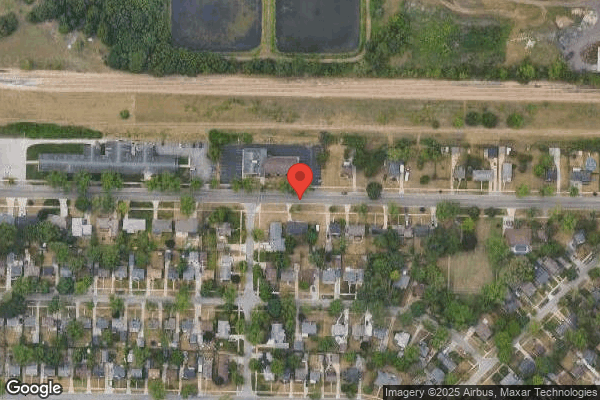
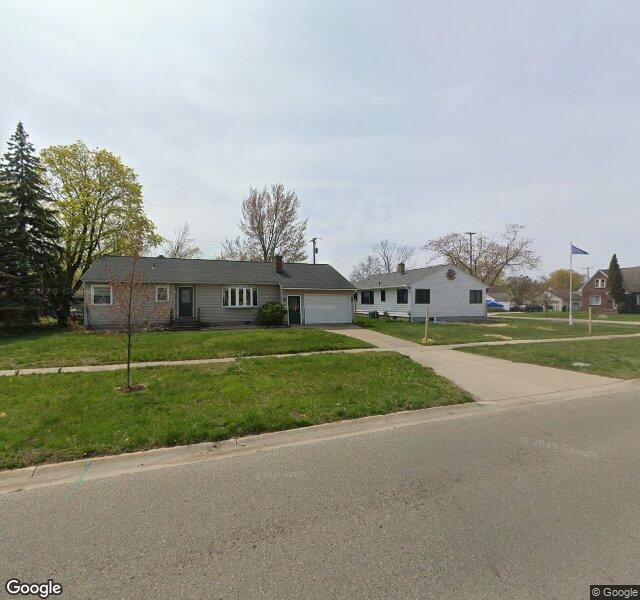
1300 West Broadway Avenue, Muskegon, MI 49441 (231) 755-2221
For profit - Corporation 39 Beds ATRIUM CENTERS Data: November 2025
Trust Grade
30/100
#332 of 422 in MI
Last Inspection: June 2025

Inspected within the last 6 months. Data reflects current conditions.

Overview

Roosevelt Park Nursing and Rehabilitation Community has received a Trust Grade of F, indicating significant concerns about the quality of care provided. Ranking #332 out of 422 facilities in Michigan places it in the bottom half of the state, and #4 out of 6 in Muskegon County, suggesting limited options for better care nearby. The facility's situation is worsening, with reported issues increasing from 13 in 2024 to 19 in 2025. Staffing is a relative strength, rated at 4 out of 5 stars, but the 49% turnover rate is concerning as it is near the state average. However, the facility has faced $78,176 in fines, which is higher than 95% of Michigan facilities, indicating ongoing compliance issues. Specific incidents include a failure to assess and treat pain for a resident, resulting in untreated pain and potential worsening of medical conditions, and a lack of post-fall interventions that led to another resident suffering major injuries after a fall. Additionally, the facility struggled to control an outbreak of norovirus, which raised serious concerns about infection control practices. While there are some strengths, such as good staffing ratings, the overall picture suggests significant weaknesses that families should carefully consider.

Trust Score
F
30/100
In Michigan
#332/422
Bottom 22%
Safety Record
High Risk
Review needed
Inspections
Getting Worse
13 → 19 violations
Staff Stability
⚠ Watch
49% turnover. Above average. Higher turnover means staff may not know residents' routines.
Penalties
○ Average
$78,176 in fines. Higher than 71% of Michigan facilities. Some compliance issues.
Skilled Nurses
✓ Good
Each resident gets 45 minutes of Registered Nurse (RN) attention daily — more than average for Michigan. RNs are trained to catch health problems early.
Violations
⚠ Watch
42 deficiencies on record. Higher than average. Multiple issues found across inspections.
★★☆☆☆
2.0
Overall Rating
★★★★☆
4.0
Staff Levels
★★★★☆
4.0
Care Quality
★★☆☆☆
2.0
Inspection Score
Stable
2024: 13 issues
2025: 19 issues

The Good

  • 4-Star Staffing Rating · Above-average nurse staffing levels
  • 4-Star Quality Measures · Strong clinical quality outcomes
  • Full Sprinkler Coverage · Fire safety systems throughout facility
  • No fines on record

Facility shows strength in staffing levels, quality measures, fire safety.

The Bad

2-Star Overall Rating

Below Michigan average (3.1)

Below average - review inspection findings carefully

Staff Turnover: 49%

Near Michigan avg (46%)

Higher turnover may affect care consistency

Federal Fines: $78,176

Well above median ($33,413)

Moderate penalties - review what triggered them

Chain: ATRIUM CENTERS

Part of a multi-facility chain

Ask about local staffing decisions and management

The Ugly 42 deficiencies on record

2 actual harm
Sept 2025 1 deficiency
CONCERN (E) 📢 Someone Reported This

A family member, employee, or ombudsman was alarmed enough to file a formal complaint

Potential for Harm - no one hurt, but risky conditions existed

Deficiency F0602 (Tag F0602)

Could have caused harm · This affected multiple residents

**NOTE- TERMS IN BRACKETS HAVE BEEN EDITED TO PROTECT CONFIDENTIALITY** This citation pertains to intake # 2614154Based on interview and record review, the facility failed to prevent misappropriation ...

Read full inspector narrative →
**NOTE- TERMS IN BRACKETS HAVE BEEN EDITED TO PROTECT CONFIDENTIALITY** This citation pertains to intake # 2614154Based on interview and record review, the facility failed to prevent misappropriation of residents narcotic medication for 2 residents (Resident #1 and #2) and monitor and investigate the potential/ongoing misappropriation of resident narcotic medication for 4 residents (Resident #2, #3, #4, and #6) out of 7 residents reviewed for the misappropriation of narcotics, resulting in the diversion of narcotic medications and the potential for ongoing diversion of narcotic medications. Findings:Resident #1 (R1)Review of an admission Record revealed R1 was a [AGE] year-old male, admitted to the facility on [DATE].Review of R1's Order Summary dated 3/3/22 revealed, Norco (hydrocodone-acetaminophen) tablet; 10-325 mg; amt: 1; oral Three Times A Day; 07:00 AM, 01:00 PM, 07:00 PM.Review of R1's Controlled Substances Proof of Use sheet in the column Quantity Remaining revealed:*On 8/22/25 at 7:20 AM there were 19 tabs of Norco remaining.*On 8/22/25 at 11:42 AM (the next entry) there were 17 tabs of Norco remaining. Indicating 2 tabs of Norco were dispensed instead of the ordered 1 tab. The handwritten entry of 17 was written bold and appeared to haven been written repeatedly as to obscure the previous documentation. Upon closer review, 18 was legible under the bold 17.*On 8/22/25 at 6:47 PM the handwritten 16 was repeatedly/boldly written. Beneath the 16, 17 was legible.*On 8/23/25 at 7:00 AM the handwritten 15 was repeatedly/boldly written. Beneath the 15, 16 was legible.*On 8/23/25 at 1:40 PM the handwritten 14 was repeatedly/boldly written.*On 8/23/25 at 6:00 PM the handwritten 12 was repeatedly/boldly written. Beneath the 12, 14 was legible. This entry indicated 2 tabs of Norco were dispensed instead of the ordered 1 tab.The falsification/modification of these entries left 2 tabs of Norco unaccounted for.Resident #2 (R2)Review of an admission Record revealed R2 was a [AGE] year-old female, admitted to the facility on [DATE].Review of R2's Order Summary dated 4/29/24 revealed, alprazolam (Xanax) - Schedule IV tablet; 0.5 mg; amt: 0.5 mg; oral Twice A Day; 06:00 AM - 10:00 AM, 06:00 PM - 10:00 PM.Review of R2's Controlled Substances Proof of Use sheet revealed an additional dose of Xanax was dispensed on 8/24/25, outside of the ordered times.Review of R2's August Medication Administration Record revealed no corresponding entry for the Xanax administration.Review of R2's Electronic Medical Record (EMR) revealed no entry related to the additional dose of Xanax.Review of the Facility Reported Incident (FRI) revealed: .Reported Incident On 8/23/2025, during a routine audit of controlled substances, an inaccuracy was discovered on the Controlled Substances Proof of Use sheet. Entries in the Quantity Remaining column had been altered, suggesting that the narcotic count was manipulated (for R1). Interviews with staff identified Agency Nurse (Licensed Practical Nurse [LPN] C) as the individual responsible for altering the documentation of counts entered by other nurses.During medication audits conducted by licensed nursing staff, it was discovered that a dose of Xanax for (R2) was signed out on the Controlled Substances Proof of Use sheet by (LPN C). No corresponding entry existed in the eMAR (electronic medication administration record) as medication was not scheduled at that time. It was determined that tablet was missing with no adverse physical impact on patient.Audits of both east and west medication carts were completed, revealing no additional discrepancies beyond the Xanax entry noted above.Medication Audits: Licensed nursing staff completed audits of both east and west medication carts. No additional discrepancies found except for the Xanax dose for resident (R2), which was signed out on the Controlled Substances Proof of Use sheet (by LPN C) without corresponding eMAR documentation. Review determined this medication is not scheduled to be administered during third shift, the shift (LPN C) worked. Consultant pharmacist completed audits of both east and west carts no further discrepancies identified. Staff & Policy Actions: Education to be provided to RN and LPN staff regarding controlled substances policy and proper medication count procedures.Summary Based on the facility's investigation, documentation review, staff interviews, and medication audits, it has been determined that misappropriation of controlled substances is substantiated. Evidence supports that Agency Nurse (LPN C) altered the narcotic count on the Controlled Substances Proof of Use sheet and that a Xanax dose for resident (R2) was documented as given without corresponding eMAR entry, during a shift when it was not prescribed to be administered.However, the alteration of records, missing documentation, and potential diversion meet criteria for misappropriation of medication. The facility has taken corrective actions, notified appropriate regulatory and law enforcement agencies, and implemented staff education to prevent recurrence.Review of LPN F's witness statement dated 8/28/25 revealed, On Friday August 22nd, 2025 this nurse (LPN F) passed the second med pass. The resident (R1) was given his Norco 10/325mg early as he had just gotten back from working out with Physical therapy and at that time he had 18 Norco 10/325 mg remaining. At shift change the count between the two nurses showed 18 tablets left and that was what the number was on our count sheets. Sometime over the weekend another nurse changed my number and others making MY number now to be 17 remaining at the time I gave out the med.Review of LPN E's witness statement dated 8/29/25 revealed, On August 24th when I arrived to work for my morning shift, I counted off with the night nurse (LPN C). As I went to signed (sic) my morning schedule medication out, I notice (sic) the numbers appeared to be changed in bold ink. I returned to the nurses station to look for previous nurse, she had already left the facility. I notified the administrator as I looked at the schedule and realized this was the same nurse at another facility with the same issues.Review of LPN G's witness statement dated 8/29/25 revealed, R/T (related to) (R1) norco-acet 10-325mg-On 8-22-25 to best of my memory, actual count was 17. It appears it was changed to a 16 count.Review of Registered Nurse (RN) D's witness statement (no date) revealed, I counted off with (LPN C) 8/23 from evening shift to nights. When I returned Sunday AM 8/24 and went to sign out a pt (patient) norco who has it scheduled and noticed a lot of the numbers changed in bold ink. The nurse was already gone so I contacted (Nursing Home Administrator [NHA]) to notify him what happen (sic).During an interview on 09/17/2025 at 7:39 AM, RN D reported that she works as an agency nurse for the facility as well as for other sister facilities. She reported she was the nurse that worked 8/23/25 on dayshift and reported off to LPN C. She then returned 8/24/25 to work dayshift following LPN C's nightshift. RN D reported that with each shift exchange narcotic counts are completed to ensure no discrepancies. RN D reported that the counts were correct (RN D verified the number of narcotics left in the medication sleeves while LPN C verbalized the number of narcotics that remained from the narcotic sheet), so she was not immediately aware of the diversion. When she reviewed the narcotic sheet, she identified that R1's narcotic sheet had been altered. RN D was unable to obtain an explanation from LPN C as she had already left the facility. RN D then reviewed the narcotic sheets with LPN E who was working on the other hall to confirm that the narcotic sheet had been altered. RN D reported that following the incident she and LPN E recalled that LPN C had been fired from a sister facility for committing narcotic diversion a few weeks prior. Resident #2 (R2)Review of R2's Order Summary dated 4/29/24 revealed, alprazolam (Xanax) - Schedule IV tablet; 0.5 mg; amt: 0.5 mg; oral Twice A Day; 06:00 AM - 10:00 AM, 06:00 PM - 10:00 PM.Review of R2's Controlled Substances Proof of Use sheet revealed:*On 9/2/25 at 7:00 PM there were 23 tabs of Xanax remaining.*On 9/3/25 at 10:20 AM (the next entry) there were 21 tabs of Xanax remaining. Indicating 2 tabs of Xanax were dispensed and not 1 as ordered. There was no 2nd nurse signature indicating the medication was wasted.Review of R2's Medication Administration Record revealed only 1 dose of Xanax was documented as administered in the morning of 9/3/25.Review of R2's Electronic Medical Record revealed no entry related to the dispensing and/or administration of 2 tabs of Xanax.During an interview on 09/17/2025 at 3:37 PM, DON reported she spoke with the nurse on duty at that time it was reported that the Xanax was dispensed early that morning, but the resident did not take the medication, so the nurse disposed of the medication. Shortly after, the resident accepted the medication which is why the Controlled Substances Proof of Use sheet reflects 2 tabs of Xanax dispensed. Unable to prove that the licensed nurse did not divert the Xanax or make a medication error (double the dose of Xanax) as she did not sign the Xanax out each time it was pulled from medication packet, she did not have a second nurse witness the disposal of the Xanax, and/or did not account for the second Xanax in the EMR. DON confirmed that the nurse did not follow the policy for controlled drug administration and confirmed that the lack of documentation reflected 2 tabs of Xanax were dispensed at 1 time.Resident #3 (R3)Review of an admission Record revealed R3 was a [AGE] year-old female, admitted to the facility on [DATE].Review of R3's Order Summary with a start date of 9/5/25 and the discontinuation dated of 9/12/25 revealed, tramadol - Schedule IV tablet; 50 mg; Amount to Administer: 1 tablet; Once A Day. to be D/C'd (discontinued) on 9/13/25Review of R3's Controlled Substances Proof of Use sheet revealed a dose of Tramadol was dispensed on 9/16/25 at 7:25 PM.Review of R3's Electronic Medical Record revealed no corresponding entry related to the administration of the Tramadol without a provider's order.During an interview on 09/17/2025 at 3:41 PM, Regional Nurse (RN) A confirmed the Tramadol was dispensed/administered without an active order and a medication error report would be completed.Resident #4 (R4)Review of an admission Record revealed R4 was an [AGE] year-old female, admitted to the facility on [DATE].Review of R4's Order Summary dated 8/26/24 revealed hydrocodone-acetaminophen - Schedule II tablet; 5-325 mg; amt: TID PRN (three times a day as needed).Review of R4's Controlled Substances Proof of Use sheet revealed on 9/12/25 at 5:38 PM a dose of Norco was dispensed.Review of R4's September Medication Administration Record revealed no corresponding entry related to the administration of the Norco on 9/12/25 at 5:38 PM.Review of R4's Electronic Health Record revealed no documentation regarding the administration of the Norco.During an interview on 09/17/2025 at 3:41 PM, RN A confirmed the Norco was not documented in the EMAR on 9/12/25 at 5:38 PM.Resident #6 (R6)Review of an admission Record revealed R6 was an [AGE] year-old male, admitted to the facility on [DATE].Review of R6's Order Summary dated 3/24/25 revealed, hydrocodone-acetaminophen (Norco) - Schedule II tablet; 5-325 mg; Amount to Administer: 0.5 tab; oral Every 6 Hours - PRN.Review of R6's Controlled Substances Proof of Use sheet revealed:*On 8/23/25 at 7:00 PM a dose of Norco was dispensed.*On 8/23/25 at 11:30 PM a dose of Norco was dispensed by LPN C only 4.5 hours after the last dose (not 6 hours as ordered).*On 9/6/25 at 4:02 PM a dose of Norco was dispensed.*On 9/7/25 at 11:30 PM a dose of Norco was dispensed.Review of R6's August and September Medication Administration Record revealed no corresponding entry related to the administration of the Norco on 8/23/25 at 7:00 PM, 9/6/25 at 4:02 PM, or 9/7/25 at 11:30 PM.Review of R6's Electronic Medical Record revealed no entry related to the administration of Norco on 8/23/25 at 11:30 PM outside of the ordered time.During an interview on 09/17/2025 at 3:41 PM, RN A confirmed the Norco was not documented in the EMAR on 8/23/25 at 7:00 PM, 9/6/25 at 4:02 PM, or 9/7/25 at 11:30 PM and confirmed the Norco was administered outside of the provider order by LPN C on 8/23/25.During an interview on 09/17/2025 at 3:54 PM, concerns regarding ongoing diversion of narcotics due to the incomplete and/or absent documentation for the administration of controlled drugs was discussed with DON and RN A. They confirmed that the licensed nurses were expected to follow professional standards of practice for medication administration and documentation and reported the licensed nurses would be reeducated and they would be completing additional audits to ensure compliance.Review of the facility policy Controlled Substances Standards of Practice last reviewed January 2025 revealed, .Nurses removing controlled substance from the narcotic storage require documentation on the Proof-of-Use Sheet the amount removed using a full last name signature. Nurse documentation of inventory balance on Proof-of-Use sheet MUST be made as soon as the controlled substance is removed from the package/cart. Avoid waiting until the end of med pass or end of shift.Review of the facility policies Abuse Prevention Program Policy and Procedure and Abuse Prevention Program 7 Components last reviewed 01/2025 revealed, Resident Drug Diversion (can also be indication of exploitation). Exploitation-Taking advantage of a resident for personal gain, using manipulation, intimidation, threats, or coercion. Possible Indicators of Exploitation Include, but is not limited to .The diversion of a residents' medication(s), including, but not limited to, controlled substances for staff use or personal gain.The facility Administrator and/or Director of Nursing will ensure corrective action will include the following .Taking all necessary actions as a result of the investigation, which may include,but are not limited to, the following: a. Analyzing the occurrence(s) to determine why abuse, neglect, misappropriation of resident property or exploitation occurred, and what changes are needed to prevent further occurrences; b. Defining how care provision will be changed and/or improved to protect residents receiving services; c. Training of staff on changes made and demonstration of staff competency after training is implemented; d. Identification of staff responsible for implementation of corrective actions; e. The expected date for implementation; and f. Identification of staff responsible for monitoring the implementation of the plan.
Jun 2025 17 deficiencies
CONCERN (D)

Potential for Harm - no one hurt, but risky conditions existed

Resident Rights (Tag F0550)

Could have caused harm · This affected 1 resident

**NOTE- TERMS IN BRACKETS HAVE BEEN EDITED TO PROTECT CONFIDENTIALITY** Resident #10 (R10) Review of an admission Record revealed R10 was a [AGE] year-old male, admitted to the facility on [DATE], wi...

Read full inspector narrative →
**NOTE- TERMS IN BRACKETS HAVE BEEN EDITED TO PROTECT CONFIDENTIALITY** Resident #10 (R10) Review of an admission Record revealed R10 was a [AGE] year-old male, admitted to the facility on [DATE], with pertinent diagnoses which included: Cerebral Infarction (stroke), epilepsy, chronic pain syndrome, dysphagia (difficulty swallowing). Review of R10's Care Plan revealed: Problem Start Date: 06/10/2024 (R10) is unable to follow structured activity .Goal-(R10) will appear comfortable and satisfied with their daily facility activities/routine. (R10's) preferences will be honored to extent possible. Encourage (R10) to get up in his wheelchair daily and attend activities of interest . Approach Start Date: 06/10/2024 Assist (R10) with locating favorite TV show or channel as needed. Per sister (R10) will watch whatever is on the TV. He does enjoy sports mainly baseball and Westens (sic) . Approach Start Date: 06/10/2024 .Offer activities such as reading poetry or scripture, gentle hand massages, reminiscing/story telling, singing, listening to music, looking at photographs, etc. During an interview on 06/03/25 at 11:08 AM, Family Member (FM) L reported that she had concerns with R10's care and the amount of stimulation and interaction he received at the facility. FM L reported that she would visit R10 multiple times a day and many times he would be sitting in his room in the dark with the blinds closed and the television off. FM L reported he never leaves his room and expected the staff to assist him every morning with getting out of bed, opening his blinds, and turning on his television to his preferred shows. FM L reported that he used to go to the activity room to look out the window but was no longer able to do that due to the activity room now being a staff members office. Review of an activities Progress Note dated 3/26/25 revealed, .When he up in his wheelchair he enjoys watching tv in the activity room, playing or watching bingo in the dining room, going outside, music, family/staff visits . During an observation on 06/03/25 at 09:43 AM, R10 was awake and alert in his room. The blinds were drawn, and the television and room lights were off. There were no stimulating sounds (music, sports radio, books on tape) noted. During the onsite survey from 6/3/25-6/5/25, R10 was observed only in his room. R10 was not observed in common areas or in an activity. Based on observation, interview, and record review, the facility failed to provided dignified care to two of two resident's (Resident #14 and Resident #10) and an anonymous resident that attended resident council, reviewed for dignity and respect. Findings: Resident #14 (R14) Review of a Face Sheet revealed R14 was a [AGE] year old female, admitted to the facility on [DATE], with pertinent diagnoses of dementia, blindness in one eye and low vision in the other eye, and stroke with right sided weakness. During an observation on 06/04/23 at 8:53 AM, Certified Nurse Aide A sat bedside and provided assistance to R14 during breakfast. CNA A fed R14 a spoonful of food and then took out a cell phone and began looking at it. After one minute of standing in the doorway unnoticed, this surveyor knocked on the door of R14's room and CNA A quickly put the cell phone away. During an interview on 06/04/25 at 11:53 AM resting with eyes open and listening to the television. R14 indicated that staff are on their phones, at times, when providing care to her and that she doesn't like it but there isn't anything that she can do about it. They do what they gonna do. Review of the Resident Council Minutes dated 1/14/25 revealed, New business .Girls (CNAs) being on cell phone while giving you care. Example CNA made her wait until she was finished on her phone to dry her off after shower.
CONCERN (D)

Potential for Harm - no one hurt, but risky conditions existed

Deficiency F0605 (Tag F0605)

Could have caused harm · This affected 1 resident

**NOTE- TERMS IN BRACKETS HAVE BEEN EDITED TO PROTECT CONFIDENTIALITY** Based on interview and record review, the facility failed to adequately monitor and ensure residents were free from adverse drug...

Read full inspector narrative →
**NOTE- TERMS IN BRACKETS HAVE BEEN EDITED TO PROTECT CONFIDENTIALITY** Based on interview and record review, the facility failed to adequately monitor and ensure residents were free from adverse drug reactions (extrapyramidal symptoms) for 2 of 13 residents (Resident #12 and #5) reviewed for psychotropic medication use. Findings: Review of the facility policy, Psychotropic Medication Use last reviewed 01/2025 revealed, .5. Residents who use psychotropic medications will have an Abnormal Involuntary Movement Scale performed on admission, quarterly, with a significant change in condition, change in antipsychotic medication and PRN (as needed) . Resident #12 (R12) Review of an admission Record revealed R12 was a [AGE] year-old male, admitted to the facility on [DATE], with pertinent diagnoses which included: Bipolar Disorder and a traumatic brain injury. Review of R12's Order Summary dated 12/21/24 revealed, chlorpromazine ( typical antipsychotic used to treat psychotic disorders) tablet; 200 mg; amt: 0.5 tablets =100 mg; oral Special Instructions: Take 0.5mg (100 mg) total by mouth at bedtime. Review of R12's Abnormal Involuntary Movement Scale (AIMS) dated 1/17/25 revealed a score of 8. The document reflected No Previous Assessment for Comparison and the need to initiate Plan of Care. Review of R12's Care Plan revealed, Problem Start Date: 04/02/2025 (R12) receives antipsychotic medication r/t (related to) bi-polar disorder .Approach Start Date: 04/02/2025 AIMS quarterly and PRN (as needed). Review of R12's Electronic Medical Record on 6/4/25 at 4:00 PM revealed no additional AIMS assessments. During an interview on 06/05/2025 at 10:35 AM, Director of Nursing (DON) reported that R12 had been on those meds (psychotropic medications) for years. DON was unable to provide documentation that the provider was notified of the abnormal AIMS assessment from 1/17/25 or that the provider had completed on assessment on R12 following the abnormal AIMS assessment. DON confirmed that R12's care plan had not been updated to reflect psychotropic medication use at the time of admission and reported that the facility staff had gotten behind on care plans. Requested the most recent AIMS assessments for R12 on 06/04/2025 at 4:00 PM. On 6/5/25 at 7:20 AM a copy of R12's AIMS assessment dated [DATE] at 04:18PM was received. Resident #5 (R5) Review of an admission Record revealed R5 was a [AGE] year-old male, admitted to the facility on [DATE], with pertinent diagnoses which included: Bipolar Disorder. Review of R5's Order Summary Dated 11/28/23 revealed, paliperidone tablet extended release 24hr; 9 mg; Amount to Administer: 9 mg; oral Other Test: Once A Day DX (diagnosis): Bipolar disorder. Review of R5's Electronic Medical Record on 6/4/25 at 4:00 PM revealed the last AIMS assessment was completed on 1/17/25. There were no additional AIMS assessments. Requested the most recent AIMS assessment for R5 on 06/04/2025 at 4:00 PM. On 6/5/25 at 7:20 AM a copy of R5's AIMS assessment dated [DATE] at 04:22PM was received. During an interview on 06/05/2025 at 10:35 AM, DON asked how often are they (AIMS assessments) supposed to be completed? Indicating she was unfamiliar with the facility's policy and the standard of practice for psychotropic medications. Review of the State Operations Manual revealed, Extrapyramidal symptoms (EPS) refers to neurological side effects that can occur at any time from the first few days of treatment with antipsychotic medication to years later. EPS includes various syndromes such as: o Akathisia, which refers to a distressing feeling of internal restlessness that may appear as constant motion, the inability to sit still, fidgeting, pacing, or rocking. o Medication-induced Parkinsonism, which refers to a syndrome of Parkinson-like symptoms including tremors, shuffling gait, slowness of movement, expressionless face, drooling, postural unsteadiness and rigidity of muscles in the limbs, neck and trunk. o Dystonia, which refers to an acute, painful, spastic contraction of muscle groups (commonly the neck, eyes and trunk) that often occurs soon after initiating treatment and is more common in younger individuals.
CONCERN (D)

Potential for Harm - no one hurt, but risky conditions existed

ADL Care (Tag F0677)

Could have caused harm · This affected 1 resident

**NOTE- TERMS IN BRACKETS HAVE BEEN EDITED TO PROTECT CONFIDENTIALITY** Based on observation, interview, and record review, the facility failed to ensure prompt nursing care and services were provided...

Read full inspector narrative →
**NOTE- TERMS IN BRACKETS HAVE BEEN EDITED TO PROTECT CONFIDENTIALITY** Based on observation, interview, and record review, the facility failed to ensure prompt nursing care and services were provided to assist 1 of 13 residents (Residents #10) reviewed for Activities of Daily Living (ADL) care. Findings: Resident #10 (R10) Review of an admission Record revealed R10 was a [AGE] year-old male, admitted to the facility on [DATE], with pertinent diagnoses which included: Cerebral Infarction (stroke), epilepsy, chronic pain syndrome, dysphagia (difficulty swallowing). Review of R10's Care Plan revealed, Long Term Goal Target Date: 09/13/2025 (R10) will be clean/well-groomed daily and will participate in cares to his fullest ability. (R10's) preferences will be honored to the extent possible. Approach Start Date: 02/11/2025 Staff assist and encourage to get up in the broda chair daily. Approach Start Date: 07/02/2024 Status of mobility: up in recliner/broda Approach Start Date: 07/02/2024 Status of personal items: No teeth, needs oral care, up in broda chair. Has a peg tube. During an interview on 06/03/25 at 11:08 AM, Family Member (FM) L reported that on Sunday (6/1/25) between 8:00 PM and 9:00 PM she arrived to the facility and observed R10 saturated with urine and stool all over his bed coming out of his brief. FM L reported she immediately notified a Certified Nursing Assistant (CNA) and was told R10's assigned CNA was on break and they would assist when their break was over. FM L reported R10 did not get cleaned up until around 10:00 PM. FM L presented a picture from her cell phone of R10 covered in stool and saturated with urine with the time stamp of 6/1/25 at 8:48 PM. During an interview on 06/04/25 at 09:27 AM, CNA O reported she was not the CNA working 2nd shift and arrived between 9:30 PM-10:00 PM on 6/1/25 for her shift (3rd shift). CNA O reported she immediately assisted R10 with incontinence care and reported that FM L was rightfully upset that R10 had not been helped. Confirming R10 had been left covered in urine and stool for approximately 1 hour. During an observation and interview on 06/03/25 at 11:08 AM, R10's mouth appeared dry with dried sloughing skin noted on his lips and had debris under his nails. FM L reported that she would assist R10 every morning with oral care and nail care to ensure those tasks were completed each day as the staff did not have the time to assist the residents with all areas of care. FM L reported that she had concerns with the care R10 was receiving and the number of staff available to assist the residents on that end of facility. FM L reported that 2nd shift was the shift that struggled the most with staffing levels. FM L reported that R10 had significant breakdown on his perineal area with the worst breakdown being on his scrotum and felt it was because staff were not changing him timely after episodes of urine and fecal incontinence. During an observation and interview on 06/04/25 at 09:07 AM, R10 was in bed receiving incontinence care by CNA N. CNA N removed R10's brief and it was observed that R10 had a second brief on underneath. CNA N stated that should not happen (having 2 incontinence briefs on at once) and stated it was a night shift thing. The bottom brief was saturated with urine with stool. R10's scrotum and buttocks were observed to be inflamed with multiple areas of superficial breakdown with bright pink wound beds. During an interview on 06/04/25 at 09:27 AM, CNA O reported R10 should not have had 2 briefs on, and it was 3rd shift tactic. CNA O reported that management staff had been notified of 3rd shift using the double brief method, but 3rd shift continued that practice. During an interview on 06/03/25 at 11:08 AM, FM L reported that staff did not get R10 out of his bed and into his broda chair (chair utilized for residents with limited mobility and can recline) as often as they should based on the family request and his discharge summary from his hospitalization in March. FM L reported she had discussed this concern with facility staff on multiple occasions. FM L reported R10 was often left in bed for extended periods of time and was the last to receive assistance with transferring to his broda chair once he awoke. Review of R10's Care Conference notes dated 5/14/2025 revealed, Care conference completed. Sister present. Wishes him to be up in the Broda chair more. Administration is working with the family and staff on this . During an observation on 06/04/25 at 06:15 AM, R10 was awake and alert in his room. The blinds were drawn, and the television and room lights were off. During an observation on 06/04/25 at 08:28 AM, R10 was awake and alert in his room and repeatedly yelling hey nurse. During an interview on 06/04/25 at 08:46 AM, R10 was in his bed and loudly exclaimed, how come no one will help me. During an observation on 06/04/25 at 09:30 AM , R10 was assisted into his broda chair. Review of R10's After Visit Summary dated 3/9/25 revealed, .You were admitted for pneumonia .Would also advise that you sit upright as often as possible . Review of R10's Progress Note dated 3/9/25 revealed, Res (resident) returned back from the hospital via stretcher. I noted new orders. Th (sic) were reviewed with sister who also had a copy from the hospital . Confirming the facility was provided documentation recommending R10 sit upright.
CONCERN (D)

Potential for Harm - no one hurt, but risky conditions existed

Pressure Ulcer Prevention (Tag F0686)

Could have caused harm · This affected 1 resident

**NOTE- TERMS IN BRACKETS HAVE BEEN EDITED TO PROTECT CONFIDENTIALITY** Based on observation, interview and record review, the facility failed to provide preventative care, consistent with professiona...

Read full inspector narrative →
**NOTE- TERMS IN BRACKETS HAVE BEEN EDITED TO PROTECT CONFIDENTIALITY** Based on observation, interview and record review, the facility failed to provide preventative care, consistent with professional standards of practice, for 1 resident (Resident #10) out of 13 residents reviewed for the development of pressure injuries. Findings: Resident #10 (R10) Review of an admission Record revealed R10 was a [AGE] year-old male, admitted to the facility on [DATE], with pertinent diagnoses which included: Cerebral Infarction (stroke), epilepsy, chronic pain syndrome, dysphagia (difficulty swallowing). Review of R10's Braden Scale for Prediction of Pressure Sore Risk dated 6/2/25 revealed a score of 12 indicating R10 was at High Risk for skin breakdown. During an observation and interview on 06/03/25 at 11:08 AM, R10 was in his broda chair (chair utilized for residents with limited mobility and can recline). R10 loudly exclaimed, I'm tired of hurting and you act like I'm not in pain. When asked where he was experiencing pain R10 stated, my nuts (scrotum). Family Member (FM) L reported R10 was often left in bed for extended periods of time and was the last to receive assistance with transferring to his broda chair once he awoke. FM L reported that she had concerns with the care R10 was receiving and the number of staff available to assist the residents on that end of facility. FM L reported that 2nd shift was the shift that struggled the most with staffing levels. FM L reported that R10 had significant breakdown on his perineal area with the worst breakdown being on his scrotum and felt it was because staff were not changing him timely after episodes of urine and fecal incontinence. FM L reported that she had made frequent requests for R10 to be seen by the wound consultant. During an observation on 06/04/25 at 06:15 AM, R10 was awake and alert in his bed. During an interview on 06/04/25 at 08:28 AM was in bed. R10 stated I'm in pain. When asked where he was experiencing pain R10 stated, my nuts (testicles). During an observation on 06/04/25 at 08:44 AM, Maintenance Director (MD) F entered R10's room and R10 reported to MD F that he was experiencing pain. MD F was observed speaking to Director of Nursing (DON) immediately after exiting room. During an interview on 06/04/25 at 08:46 AM, R10 was in his bed and loudly exclaimed, how come no one will help me During an observation on 06/04/25 at 08:47 AM, DON walked past R10's room to deliver a breakfast tray to a different resident's room and back to the meal cart. During an observation on 06/04/25 at 08:49 AM, DON again walked past R10's room to deliver a breakfast tray to a different resident's room and back to the meal cart. During an observation on 06/04/25 at 08:49 AM, upon seeing the DON walk past his room, R10 loudly exclaimed, I said hey nurse. During an observation on 06/04/25 at 08:50 AM, DON entered R10's room and noted his brief was wet (R10 had removed his top blanket, and his gown was lifted up past his bellybutton. DON stated to R10 I'll get the girls (CNAs) in to change you. R10 stated he was hurting, and the DON exited the room. DON was observed notifying CNA N that R10 need incontinence care. CNA N notified DON that she was assisting another resident and could not immediately assist R10. During an observation from 06/04/25 08:53 AM-9:05 AM, R10 continued to yell out hey nurse indicating he needed assistance. During an observation on 06/04/25 at 09:05 AM, CNA N entered R10's room. During an observation and interview on 06/04/25 at 09:07 AM, R10 was in bed receiving incontinence care by CNA N. CNA N removed R10's brief and it was observed that R10 had a second brief on underneath. CNA N stated that should not happen (having 2 incontinence briefs on at once increases the risk of skin breakdown) and stated it was a night shift thing. The bottom brief was saturated with urine with stool. R10's scrotum and buttocks were observed to be inflamed with multiple areas of superficial breakdown with bright pink wound beds. R10 continued to report he was experiencing pain. Following his incontinence care, R10 was boosted up into proper position in bed. During an interview on 06/04/25 at 09:27 AM, CNA O R10 should not have had 2 briefs on, and it was 3rd shift tactic. CNA O reported that management staff had been notified of 3rd shift using the double brief method, but 3rd shift continued that practice. Confirming R10 had not had a brief change since the previous shift at an unknown time (1st shift was 6:00 AM-2:00 PM). During an interview on 06/04/25 at 10:54 AM, FM L was present in R10's room. R10 was up in his broda chair, and his brief was marked with an X to identify the length of time between brief changes. He had no offloading devices in place. During an observation on 06/04/25 at 02:12 PM, R10 was up in his broda chair, and his brief had the identifying X on his brief. He had no offloading devices in place. During an observation on 06/04/25 at 04:06 PM, R10 was up in his broda chair, and his brief had the identifying X on his brief. He had no offloading devices in place. During an interview on 06/04/25 at 10:54 AM, FM L reported she had not consented to the use of double briefs. Review of the Provider Communication Book revealed: *an entry dated 3/23/25 red + bleeding in peri area . *an entry dated 4/11/25 scrotum red + excoriated + scrotum area . *an entry dated 5/3/25 increased pain-only on PRN Tylenol . Review of R10's Order Summary revealed: 3/26/25 Zinc Oxide cream to scrotum/perineal area every shift and as needed for cares Every Shift. Three times daily. 12/18/24 Zinc Oxide Diaper Cream (dimethicone-znox-vit a-d-aloe) [OTC] cream; 1-10 %; Amount to Administer: 1 application; topical Every Shift Apply to groin area with care. As of 06/05/2025 at 11:00 AM, R10's Electronic Medical Record revealed no weekly wound assessments, no documentation that a treatment change from zinc was reviewed and/or initiated, or that a wound clinic evaluation was ordered following R10's frequent complaints of pain in his scrotum/testicles. R10 was last assessed by the wound consultant on 3/26/25. Review of R10's Care Plans revealed that R10 did not have interventions for actual skin breakdown. Review of R10's Care Plan dated 01/15/2024 revealed, (R10) is at risk for skin breakdown. Long Term Goal Target Date: 09/13/2025 (R10's) skin will remain intact. Approach Start Date: 05/05/2025 Encourage and assist (R10) to reposition every 2-3 hours and as needed/requested . Approach Start Date: 01/15/2024 Keep clean and dry as possible. Minimize skin exposure to moisture . Approach Start Date: 01/15/2024 Provide incontinence care after each incontinent episode. Use moisture barrier to peri area PRN (as needed) . Review of R10's Progress Note dated 05/06/2025 revealed, Placed a new order to have hourly rounds on resident to ensure CNA cares are completed (lather zinc oxide cream to testicles and inner buttocks) and if not done the nurse is to complete the cares. Order placed in (Electronic Health Record) working with the family and staff on this . Hourly rounding intervention was not included/implemented on R10's Care Plan, Resident Profile, or Medication Administration Record. Review of R10's Progress Note received via email on 06/05/2025 at 4:28 PM revealed, Res (resident) was seen by wound PA (Physician Assistant) late yesterday afternoon and no open areas on scrotum, groin or buttocks noted. Awaiting her wound notes to follow. Note there were no progress notes indicating the wound PA completed an assessment on 6/4/25. Review of the facility policy Pressure Injury Prevention last reviewed January 2025 revealed, .5. Interventions will be implemented, and care planned to prevent pressure injury development or to promote pressure injury resolution .6. Pressure injuries will be assessed and documented upon admission, readmission, upon discovery, and weekly thereafter. Assessment may include the size, location, category/stage, odor (if any), drainage (if any), peri-wound condition, wound edges, undermining, tunneling, exudate, pain, and current treatment order. 7. Physicians and responsible parties will be notified of pressure injury upon identification and with change in status of pressure injury. 8. Physician/provider will be notified if pressure injury shows signs of deterioration, infection, or no improvement for further evaluation and recommendations regarding treatment and interventions. 9. Potential/suggested procedure with pressure injury identification .F. Update the resident care plan to address the area of pressure injury, and approaches initiated. Review of the State Operations Manual revealed, Moisture-Both urine and feces contain substances that may irritate the epidermis and may make the skin more susceptible to breakdown and moisture-related skin damage. Fecal incontinence may pose a greater threat to skin integrity, due to bile acids and enzymes in the feces. Irritation or maceration resulting from prolonged exposure to urine and feces may hasten skin breakdown, and moisture may make skin more susceptible to damage from friction and shear during repositioning .It is important that residents using various devices, absorbent products, external collection devices, etc., be checked (and changed as needed) on a schedule based upon the resident's voiding pattern, professional standards of practice, and the manufacturer's recommendations .
CONCERN (D)

Potential for Harm - no one hurt, but risky conditions existed

Deficiency F0688 (Tag F0688)

Could have caused harm · This affected 1 resident

**NOTE- TERMS IN BRACKETS HAVE BEEN EDITED TO PROTECT CONFIDENTIALITY** Based on observation, interview, and record review, the facility failed to ensure interventions were in place to prevent the wor...

Read full inspector narrative →
**NOTE- TERMS IN BRACKETS HAVE BEEN EDITED TO PROTECT CONFIDENTIALITY** Based on observation, interview, and record review, the facility failed to ensure interventions were in place to prevent the worsening of a contractures for 1 of 13 residents (Resident #10) reviewed for position, mobility, and splint use. Findings: Resident #10 (R10) Review of an admission Record revealed R10 was a [AGE] year-old male, admitted to the facility on [DATE], with pertinent diagnoses which included: Cerebral Infarction (stroke), epilepsy, chronic pain syndrome, dysphagia (difficulty swallowing). During an interview on 06/04/25 at 10:54 AM, Family Member (FM) L reported that R10 was to have splints on his both of his hands during the day, but he had them in months and was unsure what had changed. Review of R10's Progress Note dated 10/30/2024 at 09:23 AM revealed, Per social services, (R10's) guardian emailed asking about hand rolls or splints for his hands. He does have some contractures noted to his hands. This nurse emailed therapy manager for OT (occupational therapy) eval. Order in (electronic medical record) for OT eval. Review of R10's Therapy Evaluation dated 12/18/24 revealed, Perform morning hand hygiene & don bilateral soft hand orthotics (hand splints). Remove at night with evening care. During an observation on 06/03/25 at 11:08 AM, R10 was in his broda chair. There were no soft hand orthotics in place. During an observation on 06/03/25 at 12:28 PM, R10 was in his broda chair. There were no soft hand orthotics in place. During an observation on 06/04/25 at 06:15 AM, R10 was in his bed. There were no soft hand orthotics in place. During an observation on 06/04/25 at 08:28 AM, R10 was in his bed. There were no soft hand orthotics in place. During an interview on 06/04/25 at 09:07 AM, Certified Nursing Assistant (CNA) N reported she had never seen any hand splints in R10's room and stated, he doesn't have splints that I know of. During an observation on 06/04/25 at 10:54 AM, R10 was in his broda chair. There were no soft hand orthotics in place. During an observation on 06/04/25 at 02:12 PM, R10 was in his broda chair. There were no soft hand orthotics in place. During an observation on 06/04/25 at 04:06 PM, R10 was in his broda chair. There were no soft hand orthotics in place. Review of R10's Care Plan and Resident Profile revealed no interventions for to place soft hand orthotics. Review of R10's Administration Record revealed no order for soft hand orthotics or to ensure the soft hand orthotics were in place.
CONCERN (D)

Potential for Harm - no one hurt, but risky conditions existed

Accident Prevention (Tag F0689)

Could have caused harm · This affected 1 resident

**NOTE- TERMS IN BRACKETS HAVE BEEN EDITED TO PROTECT CONFIDENTIALITY** Based on interview and record review, the facility failed to perform a root cause analysis and implement meaningful intervention...

Read full inspector narrative →
**NOTE- TERMS IN BRACKETS HAVE BEEN EDITED TO PROTECT CONFIDENTIALITY** Based on interview and record review, the facility failed to perform a root cause analysis and implement meaningful interventions/preventative measures following a fall for 1 of 13 residents (Resident #10) reviewed for accidents and hazards. Findings: Resident #10 (R10) Review of an admission Record revealed R10 was a [AGE] year-old male, admitted to the facility on [DATE], with pertinent diagnoses which included: Cerebral Infarction (stroke), epilepsy, chronic pain syndrome, dysphagia (difficulty swallowing). During an interview on 06/03/25 at 11:30 AM, Family Member (FM) L reported she had not been notified of the root cause of R10's fall. FM L reported she felt the fall was suspicious and had concerns with how it could have occurred. FM L reported she had been advocating for a curved (scoop) mattress because R10 would frequently push the bolster/wedges off of the bed. During an observation on 06/04/25 at 06:15 AM, R10 was in bed on his back with his knees up facing towards the window. The bolster/wedge was off of the bed near the window. Review of R10's Progress Note dated 05/18/2025 revealed, Resident observed laying on floor next to bed, no injuries observed, neuro's started per protocol, Dr., DON (Director of Nursing) and family all notified. Review of R10's Incident Report dated 5/18/25 at 6:48 PM revealed, DESCRIPTION observed on floor next to bed .I think the root cause(s) for the fall is: unknown . Describe resident behavior, activity prior to fall. Resting in bed Did the resident have any symptoms prior to fall? None apparent Describe the fall in the resident's words if able. unable to Describe EXACTLY what happened observed resident on floor on side of bed Were there any witnesses to the fall? No Evaluation Notes: IDT (Interdisciplinary Team) fall on 5-18-25 at 6:50 pm. Res (resident) was found on floor next to bed on floor mat .Did apply bed bolsters to bed to help him maximize bed boarders. Immediate measures taken .Fall mat next to bed Review of R10's Fall Statement dated 5/18/25 revealed a possible cause of the fall was Resident bolster came undone. Review of the 24 hour Nursing Communication Book with an entry dated 5/21/25 which revealed, (R10's room number) moving in bed-wedges on floor numerous times. Monitored closely. Review of R10's Care Plan revealed: Approach Start Date: 05/18/2025 bed bolsters bilat (each side of resident) Approach Start Date: 05/21/2025 Fall matt (sic) on each side of bed when resident is in bed . Further review of the Care Plan revealed the new intervention of bed bolsters was in place prior to the fall on 5/18/25. Additionally, there was no reevaluation of the bed bolster intervention following the identification that it could have contributed to the fall and the communication note that it was ineffective. The intervention for fall mats on each side of the bed was initiated on 5/21/25 despite floor mats in place prior to the fall per the Evaluation Notes. Review of R10's Electronic Health Record revealed no documentation that FM L's request for the use of a scoop mattress was reviewed and/or discussed. During an interview on 06/05/2025 at 10:25 AM, Nursing Home Administrator (NHA) reported that the Director of Nursing (DON) was responsible for the root cause analysis of falls. DON confirmed that a root cause of the fall was not thoroughly investigated. When asked how was R10 was found on a fall mat when that intervention wasn't initiated until 5/21/25, DON reported that the fall mat was previously placed only for one side of the bed and not both. DON confirmed that R10 had not previously had a fall in the facility and could not speak to the intervention of a fall mat in place prior to the fall on 5/18/25. DON reported that the new intervention to prevent future falls was for bed bolsters to be in place. DON was unable to provide an explanation for the CNAs witness statement that the resident bolster came undone which indicates that intervention was already in place. DON did not have an explanation for why the bed bolster intervention was not reevaluated with new fall prevention intervention implemented. DON was not aware of the 24 hour Nursing Communication note dated 5/21/25 that indicated the bed bolster intervention was ineffective. Review of the facility policy Fall Prevention and Management Policy last reviewed January 2025 revealed, .2. When a fall event occurs, a license nurse will . E. Interview or obtain staff statements to determine events surrounding the fall. E. (sic) Implement an appropriate intervention/preventive measure F. Document the occurrence and any follow-up in progress notes . H. Monitor the resident and follow-up if indicated. 3. The Director of Nursing or clinical leader will review post-fall documentation to ensure . B. Contributing factors have been identified C. If intervention/preventive measure is appropriate based on the root-cause of the fall .Care plan has been updated . 4. The Director of Nursing or clinical leader will review the fall, events surrounding the fall, intervention, and post-fall documentation with the IDT during morning clinical meeting to elicit IDT input and recommendations, and determine if additional investigation is needed 5. The Director of Nursing or clinical leader will complete an evaluation detail and investigation analysis summary .
CONCERN (D)

Potential for Harm - no one hurt, but risky conditions existed

Tube Feeding (Tag F0693)

Could have caused harm · This affected 1 resident

**NOTE- TERMS IN BRACKETS HAVE BEEN EDITED TO PROTECT CONFIDENTIALITY** Based on observation, interview, and record review the facility failed to follow safety guidelines for two (Resident #83 and Res...

Read full inspector narrative →
**NOTE- TERMS IN BRACKETS HAVE BEEN EDITED TO PROTECT CONFIDENTIALITY** Based on observation, interview, and record review the facility failed to follow safety guidelines for two (Resident #83 and Resident #10) of two residents reviewed for tube feeding. Findings: Resident #83 (R83) Review of a Face Sheet revealed R83 was an [AGE] year old female, originally admitted to the facility on [DATE], with pertinent diagnoses of a recent pelvic fracture, stroke, and dependence on tube feeding for nutrition and hydration. During an observation on 06/03/25 at 8:57 AM, R83 laid flat in bed, the tube feed pump ran, and the resident received a bed bath from certified nurse aide (CNA) A. CNA A paused the tube feed at 9:09 AM, disconnected the tubing from the nasogastric tube (NG), capped the end of the NG tube, and laid the tubing from the pump uncapped, on the bedside table with the end of the tubing draped over the back of the bedside table. At 9:12 AM, CNA A reconnected the tubing for the tube feed to the NG tube without cleaning the ends of either tubing, and raised the head of the bed to 30 degrees. During an interview on 06/04/25 at 3:11 PM, the Director of Nursing (DON) stated that the head of the bed needed to be at least 30 degrees when the tube feed ran and that CNA's were not permitted to disconnect or reconnect tube feed tubing from NG tubes. Resident #10 (R10) Review of an admission Record revealed R10 was a [AGE] year-old male, admitted to the facility on [DATE], with pertinent diagnoses which included: Cerebral Infarction (stroke), epilepsy, chronic pain syndrome, dysphagia (difficulty swallowing). During an observation on 06/03/25 at 09:43 AM, R10's tube feeding was running. The head of his bed was less than 20 degrees. During an interview on 06/03/25 at 11:08 AM, Family Member (FM) L reported that sometimes when she arrives in the morning to visit R10 he is lying flat in bed. During an observation and interview on 06/04/25 at 08:28 AM, R10 was in bed with his tube feeding running. The head of R10's bed was at 38 degrees however he had slid down the bed and his head was approximately 12 inches from the top of his bed and was not properly positioned. R10 was repeatedly yelling hey nurse. Upon entering the room R10 was observed with brown emesis on the front of his gown and on a washcloth. R10 stated, I don't want to throw up no more (improper positioning can lead to emesis during tube feeding.) During an observation on 06/04/25 at 08:50 AM, Director of Nursing (DON) entered R10's room and noted his brief was wet (R10 had removed his top blanket, and his gown was lifted up past his bellybutton. DON stated to R10 I'll get the girls (CNAs) in to change you. DON then exited the room. During an interview on 06/04/25 at 09:30 AM, Licensed Practical Nurse (LPN) H reported she was on her way to bring R10 medications. LPN H reported she did not some emesis earlier in her shift and was monitoring him. LPN H reported she was monitoring R10 and would hold R10's tube feeding if it occurred again. Review of R10's Electronic Health Record revealed no documentation that the provider was notified of R10's incident of vomiting.
CONCERN (D)

Potential for Harm - no one hurt, but risky conditions existed

Deficiency F0697 (Tag F0697)

Could have caused harm · This affected 1 resident

**NOTE- TERMS IN BRACKETS HAVE BEEN EDITED TO PROTECT CONFIDENTIALITY** Based on observation, interview, and record review, the facility failed to ensure that sufficient pain management was provided f...

Read full inspector narrative →
**NOTE- TERMS IN BRACKETS HAVE BEEN EDITED TO PROTECT CONFIDENTIALITY** Based on observation, interview, and record review, the facility failed to ensure that sufficient pain management was provided for 1 of 13 residents (Resident #10) reviewed for pain management. Findings: Resident #10 (R10) Review of an admission Record revealed R10 was a [AGE] year-old male, admitted to the facility on [DATE], with pertinent diagnoses which included: Cerebral Infarction (stroke), epilepsy, chronic pain syndrome, dysphagia (difficulty swallowing). During an observation and interview on 06/03/25 at 11:08 AM, R10 was in his broda chair (chair utilized for residents with limited mobility and can recline). R10 loudly exclaimed, I'm tired of hurting and you act like I'm not in pain. When asked where he was experiencing pain R10 stated, my nuts. Family Member (FM) L was present in his room and reported R10 had been complaining of increased pain and an increased frequency of pain, so tramadol was started but immediately discontinued. FM L reported that she had requested the use of a different pain medication to ease R10's restlessness caused by his pain. During an interview on 06/04/25 at 08:28 AM was in bed. R10 stated I'm in pain. When asked where he was experiencing pain R10 stated, my nuts (testicles). During an observation on 06/04/25 at 08:44 AM, Maintenance Director (MD) F entered R10's room and R10 reported to MD F that he was experiencing pain. MD F was observed speaking to Director of Nursing (DON) immediately after exiting room. During an interview on 06/04/25 at 08:46 AM, R10 was in his bed and loudly exclaimed, how come no one will help me During an observation from 06/04/25 08:53 AM-9:05 AM, R10 continued to yell out hey nurse indicating he needed assistance. Review of the Provider Communication Book revealed an entry dated 5/3/25 increased pain-only on PRN Tylenol . Review of R10's provider Progress Note dated 5/5/25 revealed, Patient is difficult to awaken this am but when discussing his pain he states that the pain is worse than it had been. He cannot pinpoint his pain and cannot give me a number of severity. Currently he is only on Tylenol in the am .Pain Management-Add Tramadol 50mg qam via tube feeding instead of Tylenol. Review of R10's Progress Note dated 5/6/25 revealed, New order placed yesterday for tramadol d/t pain in testicular area, this nurse noted that resident has a history of seizures therefore tramadol is highly contraindicated so this nurse did not administer todays morning dose. On Call physician notified of medication order and history of seizures and discontinued the tramadol order . Review of R10's Order Summary dated 6/21/24 revealed, acetaminophen [OTC] tablet; 325 mg; Amount to Administer: two tablets=650 mg; gastric tube Every 4 Hours - PRN (as needed) For pain. Review of R10's Order Summary dated 5/5/25 revealed, tramadol - Schedule IV tablet; 50 mg; Amount to Administer: ONE; oral Once A Morning DO NOT GIVE PRN TYLENOL WITH TRAMADOL No doses of tramadol were administered prior to the discontinuation on 5/7/25. During an interview on 06/03/25 at 09:45 AM , Registered Nurse (RN) P reported that R10's tramadol was discontinued because it is contraindicated for residents diagnosed/treated for seizures. During an interview on 06/04/25 at 09:30 AM, Licensed Practical Nurse (LPN) H reported she was on her way to bring R10 medications which included his as needed tylenol. When asked why a different pain medication wasn't initiated or even considered following the discontinuation of the tramadol, she reported she was not sure but had been giving him his as needed Tylenol every morning instead of waiting for him to request it. Director of Nursing (DON) was present for the interview and LPN H asked DON if an order for Tylenol to be administered on a scheduled bases instead of as needed could be obtained to assist with R10's pain control. Review of R10's June Medication Administration Record revealed R10 received a dose of acetaminophen 650 mg on 6/4/25 at 10:03 AM (approximately 1 hour and 15 minutes from the time a staff member was made aware of his complaints of pain.) Review of R10's Care Plan for psychosocial wellbeing revealed, Approach Start Date: 03/28/2024 If ordered by the physician, honor (R10's) wishes for medication and pain control. Further review of the care plan revealed no updated nonpharmacological intervention implementation to address R10's pain control. Review of R10's Electronic Medical Record revealed no documentation that R10's pain medication was reviewed following the tramadol discontinuation or that a provider completed an evaluation. During an interview on 06/03/25 at 12:30 PM, DON was asked if R10's pain medication was reviewed following the tramadol discontinuation, if any providers reevaluated his pain management medications or assessed him, and if any nonpharmacological interventions were implemented. DON reported she would look for supporting documentation. Only an updated order for scheduled Tylenol was received. Indicating a significant delay in pain control for R10 (approximately 1 month). Review of Fundamentals of Nursing ([NAME] and [NAME]) 11th edition revealed, It is important to apply clinical judgment when caring for patients who are in pain. Pain management needs to be patient-centered, requiring the recognition that pain can and should be relieved. Thus, you need to be prepared to practice patient advocacy, empowerment, compassion, and respect. Effective communication among the patient, family, and professional caregivers is essential to assess a patient's pain effectively and achieve adequate pain management. Effectively managing your patient's pain requires clinical judgment and sound clinical decision making. Your ability to recognize and analyze cues, identify the nature of pain, generate solutions, take action, and evaluate the outcomes of your care will help your patients experience improved quality of life . [NAME], [NAME] A.; [NAME], [NAME] G.; Stockert, [NAME] A.; Hall, [NAME]. Fundamentals of Nursing - E-Book (p. 1129). Elsevier Health Sciences. Kindle Edition.
CONCERN (D)

Potential for Harm - no one hurt, but risky conditions existed

Antibiotic Stewardship (Tag F0881)

Could have caused harm · This affected 1 resident

**NOTE- TERMS IN BRACKETS HAVE BEEN EDITED TO PROTECT CONFIDENTIALITY** Based on interview and record review, the facility failed to implement the antibiotic stewardship program for 1(Resident #138) o...

Read full inspector narrative →
**NOTE- TERMS IN BRACKETS HAVE BEEN EDITED TO PROTECT CONFIDENTIALITY** Based on interview and record review, the facility failed to implement the antibiotic stewardship program for 1(Resident #138) of 7 residents reviewed for antibiotic use. Findings: Resident #138 (R138) Review of an admission Record revealed R138 was a [AGE] year-old female, admitted to the facility on [DATE]. Review of R138's Order Summary revealed, cephalexin capsule; 500 mg; Amount to Administer: 1 capsule; oral Twice A Day Take 1 capsule twice a day for 7 days. From 04/05/2025 - 04/12/2025 Review of R138's McGeer's Criteria dated 4/6/25 revealed, .Criteria 1. MUST HAVE at least 1 of the following with no symptoms document (left unchecked) Criteria 1a. Acute dysuria or acute pain, swelling, or tenderness of the testes, epididymis, or prostate dysuria documented. Criteria 1b. Fever or leukocytosis (left unchecked indicating no fever or leukocytosis) Criteria 1c. In the absence of fever or leukocytosis, MUST HAVE 2 or more of the following with no symptoms document (left unchecked) Criteria 1d. Fever or Leukocytosis Present - MUST HAVE at least 1 of the following with no symptoms document (left unchecked) Criteria 2. MUST HAVE 1 of the following None of the Above was checked. Results-McGeer's Criteria Score: 600.0000 .Does NOT meet McGeer's criteria for UTI. Review of the Resident Infection Control Log revealed an entry for R138 with a diagnosis of UTI without catheter. Symptoms Suprapubic pain, dysuria, acute. admitted with from the hospital Positive UA .No order for culture. Review of R138's Electronic Medical Record revealed no documentation that the Infection Control Preventionist requested for a urine culture to be added to the urine sample. There was no documentation that the provider was aware of the negative McGeer Criteria or that the antibiotic use was reviewed and deemed appropriate. On 06/05/2025 at 9:17 AM a request for documentation that a urine culture was requested from the hospital and the provider rationale to continue the antibiotic without a culture result and without meeting McGeer Criteria was requested. During an interview on 06/05/2025 at 10:07 AM, Director of Nursing reported she was working on getting that information as well. On 06/05/2025 at 4:28 PM infection control/antibiotic stewardship documentation was received but did not include any documents for R138 or any explanation for the use of the antibiotic. Review of the facility policy Antibiotic Stewardship Program last revised 09/2022 revealed, 1. The Infection Preventionist serves as the leader of the Antibiotic Stewardship Program and receives support from the Administrator and other governing officials of the facility. a. Infection Preventionist-coordinates all antibiotic stewardship activities, maintains documentation, and serves as a resource for all clinical staff. b. Director of Nursing or designee-serves as back up coordinator for antibiotic stewardship activities, provides support and oversight, and ensures adequate resources for carrying out the program .4. The program includes antibiotic use protocols and a system to monitor antibiotic use. A. Antibiotic use protocols: i. Nursing staff shall assess residents who are suspected to have an infection and notify the physician. ii. Laboratory testing shall be in accordance with current standards of practices. iii. The facility uses the (CDC's NHSN Surveillance Definitions, updated McGeer criteria, or other surveillance tool) to define infections. iv. The Loeb Minimum Criteria may be used to determine whether to treat an infection with antibiotics. v. All prescriptions for antibiotics shall specify the dose, duration, and indication for use .b. Monitoring antibiotic use: i. Monitor response to antibiotics, and laboratory results when available, to determine if the antibiotic is still indicated or adjustments should be made .ii. Antibiotic orders obtained upon admission, whether new admission or readmission, to the facility shall be reviewed for appropriateness. iii. Antibiotic orders obtained from consulting, specialty, or emergency providers shall be reviewed for appropriateness . Review of the facility policy, Infection Control Program last reviewed 01/2024 revealed, .Surveillance-Surveillance refers to a system for recognizing the occurrence of infections, recording their number and frequency, detecting outbreaks and epidemics, monitoring employee infections, and detecting unusual pathogens with infection control implications. Prevention and treatment begin with recognizing the kinds of infections that occur and the signs and symptoms of their onset. Infections among the residents are not always obvious. Therefore, medical criteria and standardized definitions of infections are needed to help recognize and manage infections, Atrium with utilize McGeer's criteria to assist in the recognition of infections and ensure antibiotic usage is appropriate as part of their Stewardship program. Additional resources may be utilized to support quality Antibiotic Stewardship .
CONCERN (D)

Potential for Harm - no one hurt, but risky conditions existed

Deficiency F0883 (Tag F0883)

Could have caused harm · This affected 1 resident

**NOTE- TERMS IN BRACKETS HAVE BEEN EDITED TO PROTECT CONFIDENTIALITY** Based on interview and record review, the facility failed to ensure the influenza vaccine and pneumococcal vaccines were offered...

Read full inspector narrative →
**NOTE- TERMS IN BRACKETS HAVE BEEN EDITED TO PROTECT CONFIDENTIALITY** Based on interview and record review, the facility failed to ensure the influenza vaccine and pneumococcal vaccines were offered and administered for 3 of 5 residents (Resident #15, #10, and #24), reviewed for immunizations. Findings: Resident #15 (R15) Review of an admission Record revealed R15 was a [AGE] year-old female, admitted to the facility on [DATE]. Review of R15's Electronic Medical Record revealed no documentation of R15's last influenza immunization or pneumococcal immunization. There was no consent or other supporting documentation of the last time it was administered, offered, or declined. Resident #10 (R10) Review of an admission Record revealed R10 was a [AGE] year-old male, admitted to the facility on [DATE]. Review of R10's Electronic Medical Record revealed no documentation of R10's last influenza immunization or pneumococcal immunization. There was no consent or other supporting documentation of the last time it was administered, offered, or declined. Resident #24 (R24) Review of an admission Record revealed R24 was a [AGE] year-old male, admitted to the facility on [DATE]. Review of R24's Resident Consent for Vaccination (Influenza & Pneumonia) form revealed a declination for the influenza immunization. The area for the consent or declination of the pneumococcal immunization was left blank and not sure was handwritten. Review of R24's Electronic Medical Record revealed no documentation of R24's last pneumococcal immunization or any other follow-up regarding the note not sure. Requested via email on 06/05/2025 at 8:20 AM a copy of last Influenza, RSV, Pneumococcal, and COVID vaccinations consent/declination as well as documentation of the immunization administration if applicable. During an interview on 06/05/2025 at 10:06 AM, Director of Nursing (DON) reported all of that documentation should be in the Electronic Medical Record. When notified there were multiple missing immunization records for R15, R10, and R24, DON reported all of the requested documentation was in her immunization book and a copy would be provided. During an interview on 06/05/2025 at 11:40 AM, Regional Nurse (RN) Q confirmed that the documents provided via email on 06/05/2025 at 11:32 AM was the only documentation available/completed.
CONCERN (E)

Potential for Harm - no one hurt, but risky conditions existed

Deficiency F0558 (Tag F0558)

Could have caused harm · This affected multiple residents

**NOTE- TERMS IN BRACKETS HAVE BEEN EDITED TO PROTECT CONFIDENTIALITY** Based on observation, interview, and record review, the facility failed to maintain call light placement within reach of two (Re...

Read full inspector narrative →
**NOTE- TERMS IN BRACKETS HAVE BEEN EDITED TO PROTECT CONFIDENTIALITY** Based on observation, interview, and record review, the facility failed to maintain call light placement within reach of two (Resident #26 and Resident #27) of two residents reviewed for accommodation of needs. Findings: Resident #26 Review of a Face Sheet revealed R26 was an [AGE] year old female, originally admitted to the facility on [DATE], with pertinent diagnoses of dementia and the need for assistance with personal care. During an observation on 06/03/25 at 9:30 AM, R26 laid in bed resting with her eyes closed and the call light hung between the foot of the bed and the wall, curled up into a knotted cord, out of sight and out of reach of the resident. During an observation on 06/04/25 at 7:49 AM, R26 laid in bed resting with her eyes open and the call light hung between the foot of the bed and the wall, curled up into a knotted cord, out of sight and out of reach of the resident. During an observation on 06/04/25 at 9:03 AM, R26 laid in bed with her eyes open, an uncovered and untouched breakfast tray sat on the overbed table in front to the resident and the call light hung between the foot of the bed and the wall, out of sight and out of reach of the resident. During an observation on 06/04/25 at 10:42 AM, R26 laid in bed resting with her eyes closed and the call light hung between the foot of the bed and the wall out of reach and out of sight of the resident. During an observation on 06/04/25 at 11:38 AM, staff were in R26's room providing care. During an observation on 06/04/25 at 11:59 AM, staff were no longer in providing care to R26 and the call light hung between the end of the bed and the wall out of sight and out of reach of the resident. During an observation on 06/04/25 at 2:13 PM, R26 laid in bed with her eyes open and the call light hung between the wall and the end of the bed out of sight and out of reach of the resident. During an observation on 06/05/25 at 7:26 AM, R26 laid in bed with her eyes open and the call light hung between the wall and the end of the bed, curled up and knotted, out of sight and out of reach of the resident. Review a fall risk care plan for R26 revealed no interventions regarding call light placement or an assessment as to whether R26 needed special accommodations to use a call light system. Review of the facility policy Call Lights: Accessibility and Timely Response reflected the following: (a) the purpose of this policy is to ensure the facility is adequately equipped with a call light at each residents' bedside .(b) each resident will be evaluated for unique needs and preferences to determine any special accommodations that may be needed in order for the resident to utilize the call system .(c) special accommodations will be identified on the resident's person centered plan of care and provided accordingly. (examples include touch pads, larger buttons, bright colors, etc) .(d) staff will ensure the call light is within reach of the resident .and (e) the call system will be accessible to residents while in their bed. Resident #27 (R27) Review of an admission Record revealed R27 was a [AGE] year-old female, admitted to the facility on [DATE], with pertinent diagnoses which included: Cerebral Infarction (stroke). During an observation on 06/04/25 at 06:45 AM, R27 was in bed with her eyes closed. R27's tray table was on the left side of her bed with the call light draped over the tray table out of her line of vision and out of reach.
CONCERN (E)

Potential for Harm - no one hurt, but risky conditions existed

Deficiency F0658 (Tag F0658)

Could have caused harm · This affected multiple residents

**NOTE- TERMS IN BRACKETS HAVE BEEN EDITED TO PROTECT CONFIDENTIALITY** Based on interview and record review, the facility failed to follow professional standards of nursing practice for medication ad...

Read full inspector narrative →
**NOTE- TERMS IN BRACKETS HAVE BEEN EDITED TO PROTECT CONFIDENTIALITY** Based on interview and record review, the facility failed to follow professional standards of nursing practice for medication administration for 4 of 13 residents (Resident #21, #24, #20, and #136), reviewed for the provision of nursing services. Findings: Resident #21 (R21) Review of an admission Record revealed R21 was an [AGE] year-old male, admitted to the facility on [DATE]. Review of R21's Order Summary dated 03/24/2025 revealed, metoprolol tartrate tablet; 25 mg; Amount to Administer: ONE; oral Twice A Day HOLD FOR SBP<125 (Systolic Blood Pressure [top number] less than 125) AND/OR HR <60 (heart rate less than 60). To be administered between 6:00 AM-10:00 AM and 6:00 PM-10:00 PM Review of R21's Pulse Summary revealed: *No heart rates assessed from 5/1/25-5/6/25 *No heart rates assessed from 5/9/25-5/12/25 *No heart rates assessed from 5/14/25-5/16/25 *No heart rates assessed from 5/18/25-5/23/25/5/25/25-5/26/25 *No heart rates assessed from 5/28/25-5/30/25 *No heart rates assessed in June Review of R21's May and June Medication Administration Record revealed: *On 5/3/25 R21's blood pressure was 84/49 and the morning dose of metoprolol was administered. *On 5/5/25 R21's blood pressure was 103/57 and the morning dose of metoprolol was administered. *On 5/7/25 R21's blood pressure was 108/57 and the morning dose of metoprolol was administered. *On 5/8/25 R21's blood pressure was 110/63 and the morning dose of metoprolol was administered. *On 5/11/25 R21's blood pressure was 117/78 and the morning dose of metoprolol was administered. *On 5/13/25 R21's blood pressure was 112/80 and the morning dose of metoprolol was administered. *On 5/14/25 R21's blood pressure was 112/54 and the morning dose of metoprolol was administered. *On 5/16/25 R21's blood pressure was 119/67 and the morning dose of metoprolol was administered. *On 5/17/25 R21's blood pressure was 108/62 and the morning dose of metoprolol was administered. *On 5/18/25 R21's blood pressure was 99/58 and the morning dose of metoprolol was administered. *On 5/19/25 R21's blood pressure was 103/52 and the morning dose of metoprolol was administered. *On 5/21/25 R21's blood pressure was 123/63 and the morning dose of metoprolol was administered. *On 5/22/25 R21's blood pressure was 95/56 and the morning dose of metoprolol was administered. *On 5/27/25 R21's blood pressure was 114/55 and the morning dose of metoprolol was administered. *On 5/28/25 R21's blood pressure was 111/58 and the morning dose of metoprolol was administered. *On 5/30/25 R21's blood pressure was 103/54 and the morning dose of metoprolol was administered. *On 5/31/25 R21's blood pressure was 103/57 and the morning dose of metoprolol was administered. *On 5/31/25 R21's blood pressure was 122/72 and the evening dose of metoprolol was administered. *On 6/1/25 R21's blood pressure was 84/50 and the morning dose of metoprolol was administered. *On 6/2/25 R21's blood pressure was 94/54 and the morning dose of metoprolol was administered. *On 6/4/25 R21's blood pressure was 98/51 and the morning dose of metoprolol was administered. Review of R21's Order Summary dated 02/24/2025 revealed, midodrine tablet; 10 mg; Amount to Administer: 1-2; oral AM DOSE IS Take (2) 10 mg tablets(20MG) per nephrologist. 4PM DOSE IS 10MG ONLY HOLD IF SBP > 120. To be administered at 8:00 AM and 5:00 PM. Review of R21's May and June Medication Administration Record revealed: *On 5/1/25 R21's blood pressure was 130/62 and the evening dose of midodrine was administered. *On 5/2/25 R21's blood pressure was 126/62 and the morning dose of midodrine was administered. *On 5/3/25 R21's blood pressure was 162/89 and the evening dose of midodrine was administered. *On 5/4/25 R21's blood pressure was 122/65 and the morning dose of midodrine was administered. *On 5/4/25 R21's blood pressure was 122/65 and the evening dose of midodrine was administered. *On 5/9/25 R21's blood pressure was 145/77 and the evening dose of midodrine was administered. Resident #24 (R24) Review of an admission Record revealed R24 was a [AGE] year-old male, admitted to the facility on [DATE]. Review of R24's Order Summary dated 04/27/2025 revealed, midodrine tablet; 10 mg; Hold is SBP is greater than 110. To be administered at 8:00 AM, 2:00 PM and 8:00 PM. Review of R24's May and June Medication Administration Record revealed, *On 5/5/25 R24's blood pressure was 115/68 and the 8:00 PM dose of midodrine was administered. *On 5/6/25 R24's blood pressure was 111/57 and the 8:00 PM dose of midodrine was administered. *On 5/12/25 R24's blood pressure was 131/70 and the 8:00 PM dose of midodrine was administered. *On 5/13/25 R24's blood pressure was 123/71 and the 2:00 PM dose of midodrine was administered. *On 5/13/25 R24's blood pressure was 115/72 and the 8:00 PM dose of midodrine was administered. *On 5/14/25 R24's blood pressure was 120/62 and the 8:00 PM dose of midodrine was administered. *On 5/17/25 R24's blood pressure was 112/62 and the 8:00 PM dose of midodrine was administered. *On 5/24/25 R24's blood pressure was 115/68 and the 8:00 PM dose of midodrine was administered. *On 5/30/25 R24's blood pressure was 119/70 and the 8:00 AM dose of midodrine was administered. *On 6/1/25 R24's blood pressure was 112/56 and the 8:00 AM dose of midodrine was administered. Resident #20 (R20) Review of an admission Record revealed R20 was a [AGE] year-old female, admitted to the facility on [DATE]. Review of R20's Order Summary dated 07/01/2024 revealed, metoprolol succinate tablet extended release 24 hr; 50 mg; Amount to Administer: 2 tab; oral Once A Day. hold for systolic<105 or HR<60. Review of R20's May and June Medication Administration Record revealed: *On 5/16/25 R20's pulse was 59 and the metoprolol was administered. *On 5/17/25 R20's pulse was 58 and the metoprolol was administered. *On 5/18/25 R20's pulse was 52 and the metoprolol was administered. *On 5/19/25 R20's pulse was 50 and the metoprolol was administered. *On 5/21/25 R20's pulse was 56 and the metoprolol was administered. *On 5/22/25 R20's pulse was 50 and the metoprolol was administered. *On 5/28/25 R20's pulse was 51 and the metoprolol was administered. *On 5/31/25 R20's pulse was 53 and the metoprolol was administered. *On 6/1/25 R20's pulse was 53 and the metoprolol was administered. *On 6/2/25 R20's pulse was 51 and the metoprolol was administered. Resident #136 (R136) Review of an admission Record revealed R136 was a [AGE] year-old female, admitted to the facility on [DATE]. Review of R136's Order Summary dated 04/20/2025-05/19/2025 insulin lispro solution; 100 unit/mL; Amount to Administer: 10 units; subcutaneous Before Meals Hold insulin if BS (blood sugar) <150. Review of R136's May Medication Administration Record revealed: *On 5/2/25 R136's blood sugar was 137 and the morning insulin was administered. *On 5/4/25 R136's blood sugar was 138 and the morning insulin was administered. *On 5/7/25 R136's blood sugar was 121 and the morning insulin was administered. *On 5/8/25 R136's blood sugar was 148 and the morning insulin was administered. *On 5/11/25 R136's blood sugar was High at lunch. There was no documentation that the blood sugar was rechecked or that the provider was notified of the abnormal result. *On 5/12/25 R136's blood sugar was 146 and the morning insulin was administered. *On 5/16/25 R136's blood sugar was 132 and the morning insulin was administered. *On 5/18/25 R136's blood sugar was 139 and the morning insulin was administered. The medication errors listed above were emailed to the Nursing Home Administrator (NHA) and Director of Nursing (DON) on 06/05/2025 at 08:20 AM for review. A request for clarification or supporting documentation to invalidate the medication errors was requested. No documentation was received by 5:30 PM on 06/05/2025. Review of the facility policy General Dose Preparation and Medication Administration last revised 01/01/2022 revealed, .Prior to administration of medication, Facility staff should take all measures required by Facility policy and Applicable Law, including, but not limited to the following: 4.1 Facility staff should: 4.1.1 Verify each time a medication is administered that it is the correct medication, at the correct dose, at the correct route, at the correct rate, at the correct time, for the correct resident, as set forth in facility's medication administration schedule .4.1.5 If necessary, obtain vital signs .
CONCERN (E)

Potential for Harm - no one hurt, but risky conditions existed

Deficiency F0725 (Tag F0725)

Could have caused harm · This affected multiple residents

**NOTE- TERMS IN BRACKETS HAVE BEEN EDITED TO PROTECT CONFIDENTIALITY** Based on observation, interview, and record review, the facility failed to provide sufficient nursing staff to meet resident nee...

Read full inspector narrative →
**NOTE- TERMS IN BRACKETS HAVE BEEN EDITED TO PROTECT CONFIDENTIALITY** Based on observation, interview, and record review, the facility failed to provide sufficient nursing staff to meet resident needs for 3 of 13 residents (Resident #3, #5, and #10) and residents participating in resident council, reviewed for quality of care. Findings: Resident #3 (R3) Review of an admission Record revealed R3 was a [AGE] year-old male, admitted to the facility on [DATE], with pertinent diagnoses which included: Need for assistance with personal care, muscle wasting and atrophy, and contractures. Review of a Minimum Data Set (MDS) assessment for R3, with a reference date of 2/25/25 revealed a Brief Interview for Mental Status (BIMS) score of 15, out of a total possible score of 15, which indicated R3 was cognitively intact. During an interview on 06/03/25 at 11:04 AM, R3 reported that there was a significant staff shortage for 2nd shift resulting in long wait times for care. R3 reported at times there are only 2-3 CNAs (Certified Nursing Assistants) for the entire building. R3 reported it was frustrating when he had to use the bathroom and had to wait for 45 minutes to an hour for assistance. Resident #5 (R5) Review of an admission Record revealed R5 was a [AGE] year-old male, admitted to the facility on [DATE], with pertinent diagnoses which included: Bipolar Disorder. Review of a Minimum Data Set (MDS) assessment for R5, with a reference date of 3/24/25 revealed a Brief Interview for Mental Status (BIMS) score of 14, out of a total possible score of 15, which indicated R5 was cognitively intact. During an interview on 06/04/25 at 07:05 AM, R5 reported that it could take up to 2 hours to get a call light answered and reported 2nd and 3rd shift had the longest wait times. R5 reported he required the assistance of 2 staff members for toileting/transferring and has had an accident (episode of incontinence) because of the wait time which made him feel awful and embarrassed. Resident Council Review of the Resident Council Minutes dated 11/19/24 revealed, New business .call lights not answered on time still-all agree. No December meeting Review of the Resident Council Minutes dated 1/14/25 revealed, Call lights are not being answered in a timely manner. 2nd & 3rd shift are the worst. Review of the Resident Council Minutes dated 2/16/25 revealed, The CNAs attitudes Review of the Resident Council Minutes dated 3/21/25 revealed, Call light time .depends on the number of staff. (staff name omitted) told her (resident) that she was the only one in the building. Review of the Resident Council Minutes dated 5/20/25 revealed, Call light time-still taking way too long . Resident #10 (R10) Review of an admission Record revealed R10 was a [AGE] year-old male, admitted to the facility on [DATE], with pertinent diagnoses which included: Cerebral Infarction (stroke), epilepsy, chronic pain syndrome, dysphagia (difficulty swallowing). Resident #10 resided on the [NAME] Hall. During an interview on 06/03/25 at 11:08 AM, Family Member (FM) L reported that she would assist R10 every morning with oral care and nail care to ensure those tasks were completed each day as the staff did not have the time to assist the residents with all areas of care. FM L reported that she had concerns with the care R10 was receiving and the number of staff available to assist the residents on that end of facility. FM L reported that 2nd shift was the shift that struggled the most with staffing levels. FM L reported that on Sunday (6/1/25) between 8:00 PM and 9:00 PM she arrived to the facility and observed R10 saturated with urine and stool all over his bed coming out of his brief. FM L reported she immediately notified a Certified Nursing Assistant (CNA) and was told R10's assigned CNA was on break and they would assist when their break was over. FM L reported R10 did not get cleaned up until around 10:00 PM. FM L presented a picture from her cell phone of R10 covered in stool and saturated with urine with the time stamp of 6/1/25 at 8:48 PM. During an interview on 06/04/25 at 09:27 AM, CNA O reported she was not the CNA working 2nd shift and arrived between 9:30 PM-10:00 PM on 6/1/25 for her shift (3rd shift). CNA O reported she immediately assisted R10 with incontinence care and reported that FM L was rightfully upset that R10 had not been helped. CNA O reported that the Director of Nursing had come to the facility earlier in the day on 6/1/25 and sent a CNA home due to being overstaffed based on the number of residents in the facility which left the CNAs working even shorter for the high acuity residents. CNA O reported she and 1 other CNA were responsible for the residents from rooms 22-37 (14 residents). Their assignment had 5 residents that required the use of mechanical lifts (4 hoyer lifts and 1 EZ stand). CNA O reported that the [NAME] Hall had all heavy residents and all of the mechanical lifts (5 out of 7) with only 2 CNAs. CNA O reported the level of acuity of the residents on the [NAME] Hall was significantly more intense than on the other hall and had discussed concerns with the workload but upper management, although aware of the concern, would not spread high acuity residents throughout the facility or schedule an additional CNA for the [NAME] Hall. CNA O reported only 2 CNAs were schedule for 1st and 2nd shift not because of call ins but because that's all they feel we need. CNA O reiterated that residents requiring mechanical lifts needed to be spread out or additional staff needed to assist. CNA O reported that the expectation for the CNAs was to clean, change, shower, feed, hoyer up, and care for too many heavy residents with only 2 CNAs. Review of the CNA (Certified Nursing Assistant) Master Schedule dated 6/1/25 revealed there were 3 CNAs scheduled to work the 2 PM-10 PM shift, and 2 CNAs scheduled to work the 10 PM-6 AM shift. West Hall had 5 residents that required the use of a mechanical lift (requires 2 staff). The [NAME] Hall was comprised of the following rooms 14, 16, 18, 20, 22, 24, 26, 27, 28, 29, 30, 31, 32, 33, 35, and 37 (total of 18 residents). During an interview on 06/04/2025 at 10:45 AM, Licensed Practical Nurse (LPN) H reported the use of any mechanical lift (EZ stand and hoyer lift) required 2 staff to use. LPN H reported that the [NAME] Hall had multiple residents that required the use of a mechanical lift. LPN H reported the [NAME] Hall was staffed with 1 nurse and 2 CNAs for 1st and 2nd shift. During an interview on 06/05/2025 at 10:36 AM, with both Nursing Home Administrator (NHA) and Director of Nursing (DON), DON confirmed that she had sent a CNA home on 6/1/25 which changed the staffing from 4 CNAs down to 3 CNAs. DON reported this decision was made based on the number of residents due to the facility budget and reported corporate staff pushed to send staff home. NHA reported that staffing numbers and assignments were not determined by resident acuity but instead by numbers. 4 CNAs were scheduled for 1st and 2nd shift and 3 CNAs were scheduled for 3rd shift. NHA reported that the total number of residents was divided by the number of CNAs scheduled to determine the assignments. NHA reported that they did not look at the acuity of the assignments to determine if more staff should be scheduled on one hall and less on another. Review of the Facility Assessment dated February 2025 revealed the followed the State of Michigan Staffing Requirements based on staff to resident ratios and not based on resident acuity. Review of the Resident Census and Conditions of Residents received on 6/4/25 indicated the facility had the following high acuity residents: Residents that required the assist of 1 or 2 staff 25 residents for bathing 33 residents for dressing 26 residents for transferring 31 residents for toilet use 5 residents for eating Residents that were dependent on staff 12 residents for bathing 3 residents for dressing 8 residents for transferring 3 residents for toilet use 4 residents for eating The facility had 7 residents that required the use of lifts (involves 2 staff)
CONCERN (E)

Potential for Harm - no one hurt, but risky conditions existed

Pharmacy Services (Tag F0755)

Could have caused harm · This affected multiple residents

**NOTE- TERMS IN BRACKETS HAVE BEEN EDITED TO PROTECT CONFIDENTIALITY** Based on interview and record review, the facility failed to 1.) administer controlled medications and 2.) accurately document t...

Read full inspector narrative →
**NOTE- TERMS IN BRACKETS HAVE BEEN EDITED TO PROTECT CONFIDENTIALITY** Based on interview and record review, the facility failed to 1.) administer controlled medications and 2.) accurately document the administration of controlled drugs for 4 of 13 residents (Resident #14, #83, #7, and #20) reviewed for medication administration. Findings: Resident #14 (R14) Review of an admission Record revealed R14 was a [AGE] year-old female, admitted to the facility on [DATE]. Review of R14's Order Summary dated 05/21/2024 revealed, pregabalin (Lyrica) - Schedule V capsule; 100 mg; amt: 1 cap; oral Twice A Day. To be administered between 06:00 AM-10:00 AM and 06:00 PM-10:00 PM Review of R14's Controlled Substances Proof of Use form revealed: *On 5/19/25 R14's morning and evening dose of Lyrica was not dispensed. *On 5/20/25 R14's morning and evening dose of Lyrica was not dispensed. *On 5/21/25 R14's morning dose of Lyrica was not dispensed. Review of R14's May Medication Administration Record revealed all doses of Lyrica were administered on 5/19/25, 5/20/25, and 5/21/25. Review of R14's Electronic Medical Record revealed no documentation for the withholding of R14's Lyrica. Resident #83 (R83) Review of an admission Record revealed R83 was an [AGE] year-old female, admitted to the facility on [DATE]. Review of R83's Order Summary dated 05/13/2025 revealed, tramadol - Schedule IV Every 8 Hours - PRN (as needed). Review of R83's Controlled Substances Proof of Use form revealed that on 5/28/25 a dose of tramadol was dispensed at 9:15 PM. Review of R83's May Medication Administration Record revealed no documentation that the tramadol was administered. Resident #7 (R7) Review of an admission Record revealed R7 was an [AGE] year-old male, admitted to the facility on [DATE]. Review of R7's Order Summary dated 02/07/2025 revealed, morphine concentrate - Schedule II solution; 100 mg/5 mL (20 mg/mL); Amount to Administer: 0.5ml; oral 0.5 ml (10mg) po Q 8 HOURS a day for pain. To be administered at 12:00 AM, 8:00 AM and 4:00 PM. Review of R7's Controlled Substances Proof of Use form revealed: *On 5/25/25 a dose of morphine was documented as dispensed at 8:00 AM and 4:17 PM and at 5/26/25 at 8:34 AM. The 12:00 AM dose of morphine was not documented as dispensed. Review of R7's May Medication Administration Record revealed all doses of morphine were documented as administered on 5/25/25 and 5/26/25 Review of R7's Order Summary dated 05/07/2025 revealed, methadone - Schedule II solution; 10 mg/5 mL; Amount to Administer: 1.25 ml; oral Twice A Day 1.25 ml to be dispensed in the morning and at night. Review of R7's Controlled Substances Proof of Use form revealed: *On 5/30/25 the morning and evening doses of methadone were not documented as dispensed. *On 5/31/25 the morning dose of methadone was not documented as dispensed. Review of R7's May Medication Administration Record revealed: *On 5/30/25 the morning and evening doses of methadone were documented as administered. *On 5/30/25 the morning dose of methadone was documented as administered. Resident #20 (R20) Review of an admission Record revealed R20 was a [AGE] year-old female, admitted to the facility on [DATE]. Review of R20's Order Summary dated 11/13/2023 revealed, tramadol - Schedule IV tablet; 50 mg; Amount to Administer: 1 tablet; oral 1 in the morning and 1 in at bedtime. Review of R20's Controlled Substances Proof of Use form revealed that on 5/30/25 only the evening dose of tramadol was documented as dispensed. Review of R20's May Medication Administration Record revealed both the morning and evening dose of tramadol was documented as administered. The medication errors listed above were emailed to the Nursing Home Administrator (NHA) and Director of Nursing (DON) on 06/05/2025 at 08:20 AM for review. A request for clarification or supporting documentation to invalidate the medication errors was requested. No documentation was received by 5:30 PM on 06/05/2025. Review of the facility policy Controlled Substances Standards of Practice last reviewed January 2025 revealed, .Nurses removing controlled substance from the narcotic storage require documentation on the Proof-of-Use Sheet the amount removed using a full last name signature. Nurse documentation of inventory balance on Proof-of-Use sheet MUST be made as soon as the controlled substance is removed from the package/cart. Avoid waiting until the end of med pass or end of shift.
CONCERN (E)

Potential for Harm - no one hurt, but risky conditions existed

Deficiency F0809 (Tag F0809)

Could have caused harm · This affected multiple residents

**NOTE- TERMS IN BRACKETS HAVE BEEN EDITED TO PROTECT CONFIDENTIALITY** Based on interview and record review, the facility failed to offer evening snacks for two (Resident #17 and Resident #5) of two ...

Read full inspector narrative →
**NOTE- TERMS IN BRACKETS HAVE BEEN EDITED TO PROTECT CONFIDENTIALITY** Based on interview and record review, the facility failed to offer evening snacks for two (Resident #17 and Resident #5) of two residents, and to those residents that attend the monthly resident council meetings. Findings: Resident #17 (R17) Review of a Face Sheet revealed R17 was a [AGE] year old female, originally admitted to the facility on [DATE], with pertinent diagnoses of difficulty walking, the need for assistance with personal care, hearing loss, and a stroke. During an interview on 06/03/25 at 2:08 PM, R17 stated that she was not offered evening snacks. Review of the electronic health record (EHR) revealed R17 was not offered evening snacks from 01/01/25 to 06/03/25. Review of the facility form Meals and HS (evening) snack times reflected that evening snack time was designated at 7:30 PM. Resident #5 (R5) Review of an admission Record revealed R5 was a [AGE] year-old male, admitted to the facility on [DATE], with pertinent diagnoses which included: Bipolar Disorder. Review of a Minimum Data Set (MDS) assessment for R5, with a reference date of 3/24/25 revealed a Brief Interview for Mental Status (BIMS) score of 14, out of a total possible score of 15, which indicated R5 was cognitively intact. During an interview on 06/04/25 at 07:05 AM, R5 reported the staff do not pass out evening snacks and it is supposed to be done every night. R5 reported he does not participate in Resident Council meetings because nothing changes when concerns are voiced. Review of the Resident Council Minutes dated 11/19/24 revealed, Old business .snack pass not going good again . No December meeting Review of the Resident Council Minutes dated 1/14/25 revealed, snack pass-still not offering snacks and Ice water pass-still not doing daily Review of the Resident Council Minutes dated 2/16/25 revealed concerns with food/meals. asked if the facility is running out of food, cold food, kitchen never has alternates hot dog/[NAME]/etc always PB&J, and they (residents in resident council) are so sick of eating mashed potatoes twice a day Review of the Resident Council Minutes dated 3/21/25 revealed fresh water concerns, specifically, only when asked and maybe once a day. Concerns with snack pass, specifically, Never for 2 residents, Never even knew such a thing existed, and never been offered a snack Review of the Resident Council Minutes dated 4/23/25 revealed, Water pass-sometimes . Indicating water pass was not completely consistently. Review of the Resident Council Minutes dated 5/20/25 revealed, Snack-HS (at night) evening snack is a problem. not solved.
CONCERN (E)

Potential for Harm - no one hurt, but risky conditions existed

Safe Environment (Tag F0921)

Could have caused harm · This affected multiple residents

**NOTE- TERMS IN BRACKETS HAVE BEEN EDITED TO PROTECT CONFIDENTIALITY** Based on observation and interview, the facility failed to maintain and clean a safe environment for all resident's that visited...

Read full inspector narrative →
**NOTE- TERMS IN BRACKETS HAVE BEEN EDITED TO PROTECT CONFIDENTIALITY** Based on observation and interview, the facility failed to maintain and clean a safe environment for all resident's that visited or utilized the activity room. Findings: During an observation on 06/05/25 at 7:49 AM, the cabinets under the sink in the activity room were not secured and contained one container of bleach wipes, two bottles of Clorox bleach spray, one plastic bottle with odor eliminator hand written on it, one bottle of glass cleaner, and one bottle of TB quat disinfectant. A sign hung under [NAME] the sink that read nothing can be stored under the sink. During the same observation, the two cupboard to the left of the sink were in disrepair. Particle boards were broken apart and covered with a black mildew looking substance. During an interview on 06/05/25 at 8:10 AM, Activity Director (AD) D indicated that maintenance and the administrator were aware that the cupboards needed to be repaired or replaced. It looks like mold in there. AD D also indicated that the maintenance director had indicated to her that the cupboards would be too expensive to replace, and instead would try to fix them himself. He just hasn't gotten to it yet. During an interview on 06/05/25 at 8:26 AM, the Administrator indicated that he had been made aware of the concern about the cupboards in the activity room around January of this year and was not sure where they were with the repairs. Review of an email correspondence dated 05/30/25, received at 11:45 AM, revealed the ombudsman noted the following concern: please check out the mold in the activity room, it has been reported several times that the issue would be fixed and it has not been done.
CONCERN (F)

Potential for Harm - no one hurt, but risky conditions existed

Infection Control (Tag F0880)

Could have caused harm · This affected most or all residents

**NOTE- TERMS IN BRACKETS HAVE BEEN EDITED TO PROTECT CONFIDENTIALITY** Based on interview and record review, the facility failed to implement a system to prevent, recognize, and control the onset and...

Read full inspector narrative →
**NOTE- TERMS IN BRACKETS HAVE BEEN EDITED TO PROTECT CONFIDENTIALITY** Based on interview and record review, the facility failed to implement a system to prevent, recognize, and control the onset and spread of infection among staff and residents. Findings: Per the CDC, a norovirus outbreak is defined as an occurrence of two or more similar illnesses resulting from a common exposure that is either suspected or laboratory-confirmed to be caused by norovirus . Exclude ill personnel from work for a minimum of 48 hours after the resolution of symptoms. Resident #20 (R20) Review of an admission Record revealed R20 was a [AGE] year-old female, admitted to the facility on [DATE]. Review of the Resident Infection Control Log revealed that R20 began having gastrointestinal symptoms on 2/24/25 with a positive result of norovirus on 2/28/25. Review of the Employee Infection Control Log revealed: *On 2/23/25 a Certified Nursing Assistant exhibited gastrointestinal symptoms with aches/pain, nausea, and vomiting. There was no order for culture to confirm a norovirus diagnosis. Last symptom was 2/24/25 and returned to work 2/25/25. The location the employee last worked was not documented. *On 3/1/25 a Registered Nurse exhibited gastrointestinal symptoms with abdominal cramping, diarrhea, and nausea. There was no order for culture to confirm a norovirus diagnosis. The Registered Nurse returned to work on 3/2/25. The location the employee last worked was not documented. *On 3/2/25 a Certified Nursing Assistant exhibited gastrointestinal symptoms with aches/pain, body aches, fatigue. Condition does not warrant for culture. Last Symptom: 3/3/25 and returned to work 3/4/25. The location the employee last worked was not documented. *On 3/3/25 an unspecified staff member exhibited gastrointestinal symptoms with body aches, headache, and nausea. There was no order for culture to confirm a norovirus diagnosis. Last Symptom: 3/2/25 and returned to work 3/3/25. The location the employee last worked was not documented. Review of the Employee Infection Control Log for the reporting period of 1/1/25-6/3/25 revealed no floor/unit each employee worked last was documented. During an interview on 06/05/2025 10:15 AM, Director of Nursing (DON), who was the primary Infection Control Preventionist, reported that 1 positive norovirus is not considered an outbreak and therefore did not complete contact tracing. There was no documentation to identify which staff or residents that had been in contact with R20 were identified, assessed, and monitored to prevent additional transmission. There was no documentation to reflect that the DON identified that employees were exhibiting gastrointestinal illness at the time R20 was diagnosed with norovirus or that norovirus was ruled out. DON reported that she tracked employee call ins in real time in order to trend illnesses, although the last input on the Employee Infection Control Log was 5/16/25. DON reported she had employee call in slips on her desk and had not updated the log since 5/20/25. According to the Centers for Disease Control, The average incubation period for norovirus-associated gastroenteritis is 12 to 48 hours, with a median period of approximately 33 hours .Symptoms usually last 24 to 60 hours. Up to 30% of infections may be asymptomatic . Norovirus is a highly contagious virus that causes gastroenteritis, leading to symptoms such as vomiting, diarrhea, and stomach pain. According to the CDC, norovirus is responsible for about 70,000 hospitalizations and 800 deaths annually, primarily affecting young children and the elderly. It spreads easily, requiring only a small amount of virus particles to cause illness . No additional supporting documentation was received by 06/05/25 at 05:30 PM. Review of the Facility Assessment dated February 2025 revealed, .3.11. Roosevelt Park Nursing & Rehabilitation Community evaluates the infection prevention and control program to include effective systems for preventing, identifying, reporting, investigating, and controlling infections and communicable diseases for all residents, staff, volunteers, visitors, and other individuals providing services under a contractual arrangement, that follow accepted national standards. Our infection Control Preventionist maintains a tracking and surveillance for all potential infectious and communicable diseases by infection and unit. Decisions are made regarding care and prevention based on the disease and overall needs. We discuss this daily (Monday-Friday) in our clinical AM review and again during monthly QAPI committee meeting. We maintain employee's health system by offering/providing influenza vaccines, education and training procedures to reduce risks of transmission of illness. Employees that are symptomatic during work time will be asked to leave work duties and remain off work until symptoms have subsided. Face masks may also be worn upon request from the Infection Control Preventionist. Review of the facility policy, Infection Control Program last reviewed 03/2023 revealed, .Elements of an Infection Control Program-The success of this Infection Control Program is base as (sic) facility-wide effort involving all disciplines and individuals, it should also be considered an integral part of the facility's overall quality assurance and performance improvement program, and have the active support of the administration, residents, families, clinical, support staff, and attending physicians. The elements of an infection control program consist of; *coordination/oversight *policies/procedures *surveillance *antibiotic stewardship program *outbreak management *prevention of infection * employee health and safety .This Infection Control Program contains components under which it-1. Investigates, controls, and prevents infections in the facility 2. Decides what procedures, such as isolation, should be applied to an individual resident 3. maintains a record of incidents and corrective actions related to infections .Coordination and Oversight-The Director of Nursing has the responsibility of coordination and oversight of the Infection Control Program. The Director of Nursing may appoint a clinical staff person with interest and additional training in infection prevention and control to assist in the coordination and oversight of the Infection Control Program. The duties of an Infection preventionist may include .*Surveillance activities *Monitoring tracking systems, collecting and analyzing data .*Helping manage outbreaks and acting as a liaison with public health agencies .*Ensuring that relevant information is transmitted to appropriate individuals .All infections are tracked and to be logged regularly .Surveillance-Surveillance refers to a system for recognizing the occurrence of infections, recording their number and frequency, detecting outbreaks and epidemics, monitoring employee infections, and detecting unusual pathogens with infection control implications. Prevention and treatment begin with recognizing the kinds of infections that occur and the signs and symptoms of their onset. Infections among the residents are not always obvious. Therefore, medical criteria and standardized definitions of infections are needed to help recognize and manage infections, Atrium with utilize McGeer's criteria to assist in the recognition of infections and ensure antibiotic usage is appropriate as part of their Stewardship program. Additional resources may be utilized to support quality Antibiotic Stewardship .Outbreak Management-Infectious outbreaks are infrequent but can be potentially devastating. The two most likely and potentially most dangerous categories of epidemics and outbreaks are respiratory infections such as influenza and COVID-19) and gastrointestinal infections .Atrium support staff will guide and assist as necessary the facility in compliance with pertinent state and local regulations concerning the reporting and management of those with reportable communicable diseases .
Feb 2025 1 deficiency
CONCERN (E) 📢 Someone Reported This

A family member, employee, or ombudsman was alarmed enough to file a formal complaint

Potential for Harm - no one hurt, but risky conditions existed

Deficiency F0602 (Tag F0602)

Could have caused harm · This affected multiple residents

**NOTE- TERMS IN BRACKETS HAVE BEEN EDITED TO PROTECT CONFIDENTIALITY** This citation pertains to intakes #'s: MI00149655 and MI00149651 Based on interview and record review, the facility failed to 1....

Read full inspector narrative →
**NOTE- TERMS IN BRACKETS HAVE BEEN EDITED TO PROTECT CONFIDENTIALITY** This citation pertains to intakes #'s: MI00149655 and MI00149651 Based on interview and record review, the facility failed to 1.) prevent misappropriation of residents narcotic medication and drug diversion for 4 residents (Resident #8, #7, #3, and #4) and 2.) monitor and investigate the potential/ongoing misappropriation of resident narcotic medication for 3 residents (Resident #3, #4, and #5) out of 7 residents reviewed for the misappropriation of narcotics. Findings: INCIDENT #1 Resident #8 (R8) Review of an admission Record revealed R8 was a [AGE] year-old male, admitted to the facility on [DATE] and discharged on 1/20/25. Review of a Facility Reported Incident (FRI) revealed, .On 1/4/2025 at approximately 4:45p, the (Name of police department arrived at the facility to inform (name of facility) that during a routine traffic stop, (RN E) [Registered Nurse (RN) E] was found to have medications belonging to resident, (R8) . In the police report it was listed that (RN E) was found in the procession of the following: 17 vials of Promethazine (antihistamine and sedative) 1 acetaminophen hydrocodone capsule and the white paper cup it had been concealed in. 1 brown prescription packaging ripped open, addressed to (R8) .It was confirmed that resident (R8) had an order for promethazine that was discontinued on 1/1/25. He did not have an order for oxycodone Acetaminophen .She was also found to be in possession of hydrocodone from unknown origin .Summary Based on the facts available, the facility finds that misappropriation of resident medication is substantiated. (RN E) was found to be in the possession of resident (R8's) discontinued medication (17 vials of Promethazine) off site. She was also found to be in possession of hydrocodone from unknown origin. The photograph of the hydrocodone in police evidence appears to have been concealed in a paper cup like the ones used at (Facility Name). It is not probable that a hydrocodone tablet that was meant to be destroyed would be in the possession of a RN off the facility property .In conclusion, based on the information available the facility finds that misappropriation is substantiated. Review of a Police Report dated 1/5/25 revealed, .I (Patrol Officer) made contact with the driver and informed her of the reason for the traffic stop. The driver was later identified as (RN E) .I recontacted (RN E) and informed her she had a revoked license. (RN E) advised she knew and was just on her way home from work. I had (RN E) step out of the vehicle and asked her if she had anything on her. (RN E) stated she might as she just left work and proceeded to reach into her left scrub top pocket. I observed her pull out a white object and throw it onto her driver seat. I placed (RN E) under arrest for operating a vehicle with a revoked license. (RN E) was placed into handcuffs and she was then placed into the back seat of my patrol car. Due to (RN E) not having a valid license, I was going to inventory the vehicle prior to it being impounded. I returned to the vehicle to conduct my inventory search. I observed the white object that (RN E) had thrown onto her seat to be a folded up small paper cup. I opened the cup and observed a white capsule imprinted with M365 on it. Further search of the vehicle was conducted by myself and I observed a purple [NAME] bag on the passenger side floor board. Inside the bag I located a plastic see through bag that had several prescription vials in it. The vials were all labeled Promethazine HCL injection. On the outside of the bag, I observed the medication to be prescribed to (R8) at (Name of Facility) nursing home. In total, I found 17 vials of 25 mg/ml of the Promethazine in the purple [NAME] bag. All vials appeared to be unopened and still had liquid inside of them. Inside the bag I also located a ripped open package that was also labeled as Promethazine 25 mg/ml vial that again had the name (R8) on it at the (Name of Facility) nursing home .The pill imprinted with M365 was searched on drugs.com. It returned as Acetaminophen and hydrocodone bitartrate, which is a prescription only schedule 2 controlled substance. Promethazine was also searched on drugs.com. It returned as a prescription only schedule 5 controlled substance . (Promethazine is abused/used recreationally to potentiate the effects of opioid medications.) During an interview on 02/27/2025 at 1:26 PM, Nursing Home Administrator (NHA) confirmed the narcotic medication and prescription medication diversion occurred and RN E's license had been reported to Licensing and Regulatory Affairs. INCIDENT #2 Review of a Facility Reported Incident revealed, .On 1/1/2025, RN E left the facility at approximately 8:30a and locked her med cart keys in the med cart. (RN E) sent a test (sic/text) message to the other nurse on duty-LPN (Licensed Practical Nurse) (LPN G) that said Hey, I left I threw up and I'm running a fever. Think my sugar is low. The keys are in the top right hand drawer. Pretty sure I locked the keys in the cart as well. (LPN G) did not have keys to get into the east end med cart. (LPN G) called the Director of Nursing (DON) and informed her. (DON) arrived at the building around 9:30a with the keys to the east end med cart. Med count was performed due to the fact that (RN E) left abruptly and did not count off properly. During the count between (LPN G) and (DON) RN it was identified that the count was off by one pill Norco for resident (R7), 1 pill of Norco for (R3) .1 lyrica, 1 lorazapam (sic) and 1 tramado (sic/tramadol) for (R4). (R7's) dose was missing. She was able to state she had not received her 08:00 meds and it was then given at 9:40a by (DON) upon discovery. (R3's) dose of Norco was missing from the narcotic card and was not signed out in the narc book or the EMAR (Electronic Medication Administration Record). Her dose was given to her by (LPN G) at the routine time. (R4's) Tramadol was not signed out on the narc log or the EMAR but it was missing from the card. This was a prn (as needed) medication and resident denied the need for it .no one had access to the medication cart until (DON) arrived and unlocked the cart and they (DON and LPN G) counted narcotics together .In an interview with (RN H) on 1/2/2025, (RN H) confirmed she reported off for her shift to (RN D) at 0600 on 1/1/25 and the narcotic count was correct . Review of a Police Report dated 1/1/25-1/28/25 revealed, . (Nursing Home Administrator/NHA) reported one of his employees and (RN D) was observed leaving work this morning around 0830 hours (8:30 AM) without notice. (NHA) advised (RN D) had just started her shift for the day and hadn't mentioned leaving to anyone, nor clocked out of work .(NHA) advised per facility policies it is required that the nurse with last access to the medication cart perform a pill count and sign off on the count with the next nurse taking over the cart. (NHA) advised a pill count was completed at the beginning of (RN D's) shift, but not when she left work randomly. (NHA) advised at 0930 hours (9:30 AM) when nurses were able to access the locked cart a count was completed. (NHA) advised both (DON) and (LPN G) completed the count. (NHA) claims seven pills to be missing. (NHA) advised the pills were prescribed Scheduled medications . (LPN G) confirmed the cart was locked and could not enter it until (DON) arrived to work. The two completed their count and noticed pills to be missing which were not signed out .On 1/10/25 I also spoke with (DON) regarding the medication count. (DON) confirmed herself and (LPN G) were together during the count that showed a number of controlled and Scheduled medications missing .The Controlled Substance proof of Use documents indicate proper documentation of use prior to (RN D's) shift start. (RN D) fails to document use of the medications prior to leaving work without notice, nor was she seen providing medications to her patients . (RN D) has made obscene claims to why she could not come into work to conduct their investigation. (RN D) has not submitted to a drug test, ultimately advising (NHA) Just terminate my employment . Resident #7 (R7) Review of an admission Record revealed R7 was an [AGE] year-old female, admitted to the facility on [DATE], with pertinent diagnoses which included: fibromyalgia. Review of a Minimum Data Set (MDS) assessment for R7, with a reference date of 11/1/24 and 1/28/25 revealed a Brief Interview for Mental Status (BIMS) score of 13, out of a total possible score of 15, which indicated R7 was cognitively intact. Review of R7's Order Summary dated 8/26/24 revealed, hydrocodone-acetaminophen (Norco)- Schedule II tablet; 5-325 mg; Amount to Administer: 1 tablet; oral; as needed TID (three times a day) PRN and hydrocodone-acetaminophen - Schedule II tablet; 5-325 mg; Amount to Administer: 5-325 mg; oral; Twice A Day. Review of R7's Controlled Substances Proof of Use form revealed on 1/1/25 a tablet of Norco 5/325mg was removed with the time crossed out and no corresponding signature to identify the nurse that administered the medication. Review of R7's January Medication Administration Record and Electronic Medical Record revealed no documentation that R7's Norco 5/325mg was administered on 1/1/25 between 6:00 AM-8:30 AM. Further review of the investigation revealed, .(R7) has a BIMS of 13 indicating that she is cognitively intact .(R7's) dose was missing. She was able to state she had not received her 08:00 meds and it was then given at 9:40a by (DON) upon discovery . On the back of R7's Controlled Substances Proof of Use form used for the investigation was a handwritten note which revealed, missing dose. given late. resident able to state did not receive. Resident #3 (R3) Review of an admission Record revealed R3 was a [AGE] year-old female, admitted to the facility on [DATE], with pertinent diagnoses which included: insomnia and need for assistance with personal care. Review of R3's Order Summary dated 12/14/23 revealed, hydrocodone-acetaminophen (Norco)- Schedule II tablet; 5-325 mg; Amount to Administer: 1 tablet; oral; As Needed; Give one tab PO (by mouth) every 4 hours PRN (as needed) . Review of R3's Order Summary dated 9/26/24 revealed, hydrocodone-acetaminophen (Norco)- Schedule II tablet; 5-325 mg; Amount to Administer: 1 tablet; oral; Every 6 Hours. Review of R3's Medication Administration Record (MAR) and Electronic Medical Record (EMR) revealed no documentation that R3's Norco was administered on 1/1/25 between 6:00 AM-8:30 AM. Review of a handwritten witness statement signed by LPN G revealed, .(R3) 12 (noon) norco missing (and) DON verified missing meds and administrator .pain assessment not need (sic) because medication was not to be administered until 12:00 PM . Confirming a medication not due to be administered at or around the time RN D abruptly exited the facility was unaccounted for. Resident #4 (R4) Review of an admission Record revealed R4 was a [AGE] year-old female, admitted to the facility on [DATE], with pertinent diagnoses which included: chronic pain syndrome. Review of R4's Order Summary dated 10/5/23 revealed, tramadol - Schedule IV tablet; 50 mg; Amount to Administer: 1; oral; Every 6 Hours - PRN. Review of R4's Medication Administration Record and Electronic Medical Record revealed no documentation that R4's tramadol was administered on 1/1/25 between 6:00 AM-8:30 AM. Review of a handwritten witness statement signed by LPN G revealed, .(R4) .PRN Tramadol missing not signed out in EMAR or narcotic (Controlled Substances Proof of Use form) but not in card . During an interview on 02/27/2025 at 1:26 PM, NHA reported that the suspected diversion identified on 1/1/25 by RN D was deemed inconclusive due to RN D's refusal to cooperate with the facility investigation and provide a statement admitting to the diversion of the controlled medications. NHA stated, we didn't make a determination, we weren't able to conclude with the evidence we had that RN D diverted the controlled medications despite the statement provided by R7, RN D's refusal to submit to a drug screen, and the preponderance of evidence obtained during the facility investigation. In summary, it was confirmed that the narcotic count was completed with all controlled medications accounted for during shift-to-shift report on 1/1/25 at approximately 6:00 AM at the time RN D assumed responsibility for the medication cart/controlled medications. Following RN D's abrupt departure on 1/1/25 at approximately 8:30 AM the following discrepancies were discovered: *R7's dose of Norco was missing from the narcotic card and was not signed out on the Controlled Substances Proof of Use form or the Medication Administration Record. During the interview with R7, who is cognitively intact, it was confirmed that her dose of Norco was not administered. *R3's dose of Norco was missing from the narcotic card and was not signed out on the Controlled Substances Proof of Use form or the Medication Administration Record. *R4's dose of Tramadol was missing from the narcotic card and was not signed out on the Controlled Substances Proof of Use form or the Medication Administration Record. Additionally, RN D refused participate in the facility's drug diversion investigatory process. RN D failed to appear at her scheduled drug screen appointment at the local health clinic and refused to meet with the NHA and DON to provide her statement, ultimately texting NHA just terminate my employment. During the onsite investigation it was discovered that the facility had the following ongoing controlled/narcotic medication discrepancies and/or potential drug diversion, which were not promptly identified or reconciled. Resident #3 Review of R3's Order Summary dated 12/30/24 revealed, lorazepam (ativan) - Schedule IV tablet; 0.5 mg; Amount to Administer: 1 tablet; oral; Every 4 Hours - PRN for agitation/restlessness. Review of R3's Controlled Substances Proof of Use form revealed: *On 1/2/25 at 11:00 PM a lorazepam was documented as removed from the narcotic card. *On 2/23/25 at 7:30 AM a lorazepam was documented as removed from the narcotic card. Review of R3's January Medication Administration Record and Electronic Medical Record revealed no documentation that the lorazepam was administered on 1/2/25 at 11:00 PM. Review of R3's February Medication Administration Record and Electronic Medical Record revealed no documentation that the lorazepam was administered on 2/23/25 at 7:30 AM. Resident #4 Review of R4's Order Summary dated 10/5/23 revealed, tramadol - Schedule IV tablet; 50 mg; Amount to Administer: 1; oral; Every 6 Hours - PRN. Review of R4's Controlled Substances Proof of Use form revealed: *On 2/23/25 at 7:30 PM a tramadol was documented as removed from the narcotic card. *On 2/25/25 at 7:30 PM a tramadol was documented as removed from the narcotic card. *On 2/26/25 at 7:42 PM a tramadol was documented as removed from the narcotic card. The removal of tramadol was signed out by the same nurse on all 3 days. Review of R4's February Medication Administration Record and Electronic Medical Record revealed no documentation that R4's tramadol was administered on 2/23/25, 2/25/25, or 2/26/25. Resident #5 (R5) Review of an admission Record revealed R5 was a [AGE] year-old male, admitted to the facility on [DATE], with pertinent diagnoses which included: chronic pain syndrome. Review of R5's Order Summary dated 2/15/25 revealed, oxycodone-acetaminophen - Schedule II tablet; 5-325 mg; Amount to Administer: 1; oral; Every 6 Hours - PRN- Take one tablet every 6 hours if needed for severe pain. Review of R5's Controlled Substances Proof of Use form revealed: *On 2/21/25 at 3:03 PM an oxycodone-acetaminophen was documented as removed from the narcotic card. *On 2/25/25 at 10:23 AM an oxycodone-acetaminophen was documented as removed from the narcotic card. Review of R5's February Medication Administration Record and Electronic Medical Record revealed no documentation that R5's oxycodone-acetaminophen was administered on 2/21/25 or 2/25/25. During an interview on 02/27/2025 at 1:26 PM, NHA confirmed the controlled medication discrepancies for R3, R4, and R5. NHA was unable to provide documentation reflecting the administration of R3, R4, and R5's controlled medications/narcotics prior to survey exit. NHA was asked how the DON was ensuring controlled medications were not being diverted and residents were receiving those medications. NHA reported that DON had been reviewing the Controlled Substances Proof of Use forms daily, but he was unsure if a formal audit system had been implemented. NHA was asked to provide audit documentation for review. During an interview on 02/27/2025 at 1 2:22 PM, NHA reported there were no audits for review which he confirmed with the regional nurse. NHA stated the facility's regional nurse reported she never received audits to review. NHA was asked if controlled medication administration/reconciliation was reviewed during the monthly QAPI meeting, and reported his understanding was that the DON was looking for holes (medication not administered) and inaccurate medication counts on the Controlled Substances Proof of Use forms but had not been auditing PRN medication administration and ensuring residents were receiving the medications following the removal from the narcotic cards. NHA reported that DON had been out of office since 2/21/25 and RN F was responsible for auditing Controlled Substances Proof of Use forms until her return. NHA confirmed that RN F was told to watch for holes on the Controlled Substances Proof of Use forms and was not provided formal audit tools to use. NHA reported that RN F had not performed any controlled medication audits. Review of the facility policy Abuse Prevention Program Policy & Procedure last reviewed 01/2025 revealed, INTENT: Each resident has the right to be free from abuse, neglect and corporal punishment of any type by staff or anyone. The facility will provide a safe resident environment and protect residents from abuse . POLICY: Atrium Centers has prevention programs in which policies and procedures safeguard our residents to be free from abuse, neglect, misappropriation of resident property, and exploitation .Exploitation, as defined taking advantage of a resident for personal gain, through the use of manipulation, intimidation, threats, or coercion. Misappropriation of resident property, as defined the deliberate misplacement, exploitation, or wrongful, temporary, or permanent use of a resident's belongings or money without the residents consent .Possible Indicators of Misappropriation . Resident Drug Diversion .Possible Indicators of Exploitation . The diversion of a residents' medication(s), including, but not limited to, controlled substances for staff use or personal gain . ABUSE PREVENTION PROGRAM 7 COMPONENTS .II. TRAINING The facility will ensure that all staff, new and existing are trained and knowledgeable of facility's Abuse Prevention Program, with additional in-service training for nursing assistants .Identifying what constitutes abuse, neglect, exploitation, and misappropriation of resident property; Recognizing signs of abuse, neglect, exploitation and misappropriation of resident property .NOTE: The provision of training on abuse prohibition alone does not relieve the facility of its responsibility to assure that the resident is free from abuse. The facility will provide ongoing oversight and supervision of staff in order to assure that its policies are implemented as written . V. INVESTIGATION 1. The Administrator and or Director of Nursing are to initiate and coordinate completion of a thorough investigation . Identify and interview (witness statements) all involved persons, including the alleged victim, alleged perpetrator, witnesses, and others who might have knowledge of the allegation(s) . Determining if abuse, neglect, exploitation, and/or mistreatment has occurred .Follow-up actions to correct and prevent potential reoccurrence .3. In order to complete the Resident Abuse Investigation, all information must be gathered and reviewed, with a final summary analysis with an action plan to prevent reoccurrence . 6. The Administrator will document the final disposition for each incident and will presented to and reviewed with the QAPI Committee 7. A file for all data obtained, will be retained with the Administrator's or Director of Nursing office . Per the International Journal of Drug Policy, We aimed to characterize how and why individuals use opioids in combination with these three psychoactive medications (PAMs) .There are numerous reasons why individuals with opioid use disorders (OUD) may use PAMs (psychoactive medications) .Gabapentin, clonidine, and promethazine are also used recreationally or to potentiate effects of other drugs . [NAME] D, [NAME] S, [NAME] K, [NAME] S, [NAME] C, [NAME] SE. Use of promethazine, gabapentin and clonidine in combination with opioids or opioid agonist therapies among individuals attending a syringe service program. Int J Drug Policy. 2020 [DATE];79:102752. doi: 10.1016/j.drugpo.2020.102752. Epub ahead of print. PMID: 32330837.
Nov 2024 1 deficiency
CONCERN (D) 📢 Someone Reported This

A family member, employee, or ombudsman was alarmed enough to file a formal complaint

Potential for Harm - no one hurt, but risky conditions existed

Medical Records (Tag F0842)

Could have caused harm · This affected 1 resident

**NOTE- TERMS IN BRACKETS HAVE BEEN EDITED TO PROTECT CONFIDENTIALITY** This citation refers to MI00147558. Based on interview and record review, the facility failed to maintain complete and accurate ...

Read full inspector narrative →
**NOTE- TERMS IN BRACKETS HAVE BEEN EDITED TO PROTECT CONFIDENTIALITY** This citation refers to MI00147558. Based on interview and record review, the facility failed to maintain complete and accurate medical records for 2 of 4 residents (R2 and R4), resulting in the potential for providers not having an accurate and complete picture of the resident's stay at the facility. Findings include: R2 A review of R2's Face Sheet, dated 11/25/24, revealed R2 was a [AGE] year-old resident admitted to the facility on [DATE]. In addition, Resident 2's admission Record revealed multiple diagnoses that included delusional disorders, severe depression with psychotic symptoms, post-traumatic stress disorder (PTSD), and personality disorder. A review of R2's Minimum Data Set (MDS) (a tool used for assessing a resident's care needs), dated 11/21/24, revealed a Brief Interview for Mental Status (BIMS) (a scale used to determine a resident's cognitive status) score of 7 which revealed R2 was severely cognitively impaired. A review of the facility's investigation summary documentation (an internal document that was not a part of R2's medical record), undated, revealed on 10/9/24 at approximately 7:45 a.m., R2 reported to Registered Nurse (RN) E that certified nursing assistant (CNA) D had pushed her. A review of R2's electronic medical records, dated 9/9/24 to 11/25/24, failed to reveal any documentation that R2 had accused staff of pushing and/or abusing her. In addition, R2's electronic medical record failed to reveal any documentation that physical and/or psychosocial assessments had been made related to the allegation. A review of R2's Social Services note, dated 10/10/24, revealed, Psychosocial wellness visits completed with the resident and no adverse effects were noted. Resident still participated in activities today as normal. However, the note did not give the reason for the visit (i.e., post allegation evaluation, post incident evaluation (R2 had a fall 2 days prior), routine visit). A review of R2's Social Services note, dated 10/11/24, revealed, Psychosocial wellness visits completed with the resident and no adverse effects were noted. Resident was up and visited with family today. Resident stated she is feeling good today and doing well. However, the note did not give the reason for the visit (i.e., post allegation evaluation, post incident evaluation, routine visit). A review of R2's Skin Body Assessment, dated 10/9/24, revealed R2 had Various healing bruises and on body from frequent falls. No bruising to back or shoulder regions. However, the skin assessment was listed as a weekly assessment and there was no indication that it was performed as a result of R2's accusation. A review of R2's Pain Assessment, dated 10/9/24, revealed R2 had moderate aching pain rated at a 5-6 (moderate pain) to her legs and lower back. However, the pain assessment was only listed as an unscheduled assessment and did not indicate the reason for the assessment (i.e., post allegation assessment, post incident assessment, increase in pain symptoms, etc.). During an interview on 11/25/24 at 2:00 PM, the Nursing Home Administrator (NHA) was informed that the surveyor could not locate any documentation in R2's electronic medical record specifically related to the allegation on 10/9/24. The NHA stated he would see if he could find any documentation in R2's electronic medical record and stated he would provide copies of anything that he can find. During an interview on 11/25/24 at 2:30 PM, R2 stated there was a CNA that pushed her. R2 stated she wanted to wear a particular outfit one day and the CNA told her that she needed to wear the one that she had pulled out of her closet for her. R2 stated they argued and the CNA pushed her. R2 stated she did not remember the CNA's name or exactly when the incident occurred because she loses track of time since she has been at the facility. She stated it could have occurred a year ago or sooner. R2 further stated this incident was the only time she has had issues with staff. R4 A review of R4's Face Sheet, dated 11/25/24, revealed R4 was a [AGE] year-old resident admitted to the facility on [DATE]. In addition, Resident 4's admission Record revealed multiple diagnoses that included weakness. A review of 4's MDS, dated [DATE], revealed a BIMS score of 9 which revealed R4 was moderately cognitively intact. A review of the facility's investigation summary documentation (an internal document that was not a part of R4's medical record), undated, revealed on 10/9/24 at approximately 8:45 a.m., R4 reported to RN E that someone had hit her. A review of R4's electronic medical records, dated 9/9/24 to 11/25/24, failed to reveal any documentation that R4 had accused someone of hitting her. In addition, R4's electronic medical record failed to reveal any documentation that physical and/or psychosocial assessments had been made related to the allegation. A review of R4's Social Services note, dated 10/10/24, revealed, Psychosocial wellness visits completed with the resident and no adverse effects were noted. Resident was up and visited with family today. However, the note did not give the reason for the visit (i.e., post allegation evaluation, post incident evaluation (R4 had a fall 4 days prior), routine visit). A review of R4's Social Services note, dated 10/11/24, revealed, Psychosocial wellness visits completed with the resident and no adverse effects were noted. Resident was up sitting in her wheelchair today. However, the note did not give the reason for the visit (i.e., post allegation evaluation, post incident evaluation, routine visit). A review of R4's Skin Body Assessment, dated 10/9/24, revealed small faint old bruise to rt (right) shin, sacral area red and painful. However, the skin assessment was only listed as an unscheduled assessment and did not indicate the reason for the assessment (i.e., post allegation assessment, post incident assessment, etc.). A review of R4's Pain Assessment, dated 10/9/24, revealed R4 had moderate aching pain rated at a 5 to 6. However, the pain assessment was only listed as an unscheduled assessment and did not indicate the reason for the assessment (i.e., post allegation assessment, post incident assessment, increase in pain symptoms, etc.). During an interview on 11/25/24 at 2:20 PM, the Director of Nursing (DON) was informed that the surveyor could not locate any documentation in R2's or R4's electronic medical records specifically related to their allegations on 10/9/24. The DON stated she would expect the nurses to write a note in the resident's progress notes that they made an accusation against staff or an allegation of abuse or neglect. The DON reviewed R2's and R4's electronic medical records with the surveyor and stated she did not see a note in R2's or R4's progress notes related to their allegations. She also stated, I guess I'll have to have my nurses improve on that. The surveyor informed the DON that if she should further review R2's and/or R4's electronic medical records and find any documentation related to their allegations on 10/9/24 to please provide copies to the surveyor. As of the completion of the survey and exit from the facility, the facility failed to provide any further documentation that R2's and/or R4's allegations were documented in their electronic medical records. Clear, accurate, and accessible documentation is an essential element of safe, quality, evidence-based nursing practice . Documentation of nurses' work is critical as well for effective communication with each other and with other disciplines. It is how nurses create a record of their services for use by payors, the legal system, government agencies, accrediting bodies, researchers, and other groups and individuals directly or indirectly involved with health care. It also provides a basis for demonstrating and understanding nursing's contributions both to patient care outcomes and to the viability and effectiveness of the organizations that provide and support quality patient care . Documentation is sometimes viewed as burdensome and even as a distraction from patient care. High quality documentation, however, is a necessary and integral aspect of the work of registered nurses in all roles and settings . (ANA's (American Nursing Association) Principles for Nursing Documentation- Guidance for Registered Nurses, 2010, www.nursingworld.org). Timely documentation of the following types of information should be made and maintained in a patient's EHR (electronic health record) to support the ability of the health care team to ensure informed decisions and high quality care in the continuity of patient care- Assessments; Clinical problems; Communications with other health care professionals regarding the patient; Communication with and education of the patient, family, and the patient's designated support person and other third parties . Patient documentation frequently is used by professionals who are not directly involved with the patient's care. If patient documentation is not timely, accurate, accessible, complete, legible, readable, and standardized, it will interfere with the ability of those who were not involved in and are not familiar with the patient's care to use the documentation. (ANA's (American Nursing Association) Principles for Nursing Documentation- Guidance for Registered Nurses, 2010, www.nursingworld.org).
Jul 2024 12 deficiencies
CONCERN (D)

Potential for Harm - no one hurt, but risky conditions existed

Deficiency F0551 (Tag F0551)

Could have caused harm · This affected 1 resident

**NOTE- TERMS IN BRACKETS HAVE BEEN EDITED TO PROTECT CONFIDENTIALITY** Based on interview and record review, the facility failed to ensure that the activated medical and financial Durable Power of At...

Read full inspector narrative →
**NOTE- TERMS IN BRACKETS HAVE BEEN EDITED TO PROTECT CONFIDENTIALITY** Based on interview and record review, the facility failed to ensure that the activated medical and financial Durable Power of Attorney (DPOA) was accurately recorded in the medical record for 1 of 6 residents (Resident #24) reviewed for advance directives, resulting in the potential for inappropriate delegation of resident rights to a person not formally authorized to make decisions on behalf of the resident. Findings include: Resident #24 (R24): Review of an admission Record revealed R24 was an [AGE] year-old female, admitted to the facility on [DATE]. Family Member (FM) L was listed as R24's POA (Power of Attorney)-Health Care and Primary Financial Contact. Review of R24's Advance Directive documentation revealed that R24 had been deemed incompetent by 2 physicians and R24's Designated POA's for medical and financial decisions were granted authority to make all financial and medical decisions on behalf of R24. Review of R24's Durable Power of Attorney for Financial Matters documentation revealed FM N was appointed to make financial decisions for R24. FM L was listed as a substitute agent and would be responsible for financial decisions if FM N was unable or unwilling to act. Review of R24's Durable Health Care Power of Attorney documentation revealed FM O and FM P were appointed to make medical decisions for R24. FM L was not listed. During an interview on 07/01/24 at 03:44 PM, FM L reported that he was not R24's legal Power of Attorney but worked together with his 2 sisters and brother in regards to her healthcare decisions and financial decisions/responsibilities. FM L confirmed he was not R24's POA but was her emergency contact. FM L reported that his brother was the financial POA and his 2 sisters were the medical POA. Review of R24's Progress Note dated 04/05/2024 revealed, . New order obtained to increase Norco to 1 tablet by mouth every 4 hours as needed .(FM L) DPOA notified of this via voicemail . Indicating R24's healthcare appointed POA was not notified of a change in health status/medication change. Review of R24's Progress Note dated 05/04/2023 revealed, SSD (Social Services Director) updated resident's son (FM L) about how resident is doing in facility. (FM L) requested monthly care conferences for over the phone updates on his mom . During an interview on 07/03/24 at 10:57 AM, Social Worker (SW) C reported that the process for residents with a DPOA was to ensure the contact information for each DPOA was documented in the Electronic Health Record and on the admission Record/Facesheet. If a resident had more than 1 DPOA or had a separate DPOA for financial and medical decisions, that would be specified on the admission Record/Facesheet to ensure the appropriate person was contacted. Review of the facility policy Advance Directives last reviewed 01/2024 revealed, The policy of the facility is to ensure our residents have the right to request, refuse and/or discontinue treatment, to participate in or refuse to participate in experimental research, and to formulate advance directive .Advance Care Planning: a process used to identify and update the resident's preference regarding care and treatment at a future time including a situation in which the resident subsequently lacks capacity to do so .Durable Power of Attorney for Health Care (i.e., Medical Power of Attorney): a document delegating authority to a legal representative to make health care decisions in case the individual delegating that authority subsequently becomes incapacitated .2. Social Services or designee will ask each resident or representative if they have previously formulated an advance directive upon admission. If so, Social Services will request from the resident or representative a copy of the advance directive to be placed in the resident's medical record. This action is to take place on admission and documented in resident's medical record . Review of Fundamentals of Nursing ([NAME] and [NAME]) 11th edition revealed, The Patient Self-Determination Act (PSDA, 1991) requires health care institutions to provide written information to patients concerning their rights to make decisions about their care, including the right to refuse treatment and to formulate an advance directive. A patient's record must indicate whether a patient has signed an advance directive and include a copy of the directive if it is available. Patients must also be offered information about advance directives. An advance directive is a document developed by patients that instructs others to do tasks before, during, and after their death. At a minimum, an advance directive includes a statement of a patient's wishes if a respiratory or cardiac arrest occurs and a copy of the patient's durable power of attorney for health care (DPAHC). [NAME], [NAME] A.; [NAME], [NAME] G.; Stockert, [NAME] A.; Hall, [NAME]. Fundamentals of Nursing - E-Book (p. 330). Elsevier Health Sciences. Kindle Edition.
CONCERN (D)

Potential for Harm - no one hurt, but risky conditions existed

Deficiency F0582 (Tag F0582)

Could have caused harm · This affected 1 resident

Based on interview and record review, the facility failed to provide Advance Beneficiary Notices (ABN) and the Notice of Medicare Non-Coverage (NOMNC) for 3 Residents (Resident #12, Resident #19, Resi...

Read full inspector narrative →
Based on interview and record review, the facility failed to provide Advance Beneficiary Notices (ABN) and the Notice of Medicare Non-Coverage (NOMNC) for 3 Residents (Resident #12, Resident #19, Resident #40) of 3 residents reviewed for notifications. Findings include: On 7/1/24 during entrance conference a request was made for a list of residents who were discharged from a Medicare covered Part A stay with benefit days remaining in the past 6 months. On 7/1/24 at 2:10 PM, an email correspondence was sent the Nursing Home Administrator (NHA) to provide the ABN and NOMNC notifications for three residents (R12, R19, and R40) who were chosen from the list provided. In an interview on 7/1/24 at 3:22 PM, the NHA and Social Worker (SW) C reported they did not have an ABN or NOMNC for the residents selected. Review of a Policy Provided by the facility revealed: Purpose: To abide by the Social Security Act and protect beneficiaries and [Facility] from unexpected liability for charges associated with claims that Medicare does not pay, and for the purpose of informing the Medicare beneficiary, (Medicare Fee-For-Service (FFS) Part A) that Medicare certainly or probably will not pay for them on the particular occasion. The SNF will issue the Advance Beneficiary Notice (CMS form 10055, Skilled Nursing Facility Advance Beneficiary Notice, SNFABN). (Section 40.3). In addition, to inform the beneficiary of his or her right to an expedited review, the SNF will also issue the Notice of Medicare Non-Coverage (CMS Form # 10123 NOMNC).
CONCERN (D)

Potential for Harm - no one hurt, but risky conditions existed

Antibiotic Stewardship (Tag F0881)

Could have caused harm · This affected 1 resident

**NOTE- TERMS IN BRACKETS HAVE BEEN EDITED TO PROTECT CONFIDENTIALITY** Based on interview and record review, the facility failed to ensure that residents who required an antibiotic were prescribed th...

Read full inspector narrative →
**NOTE- TERMS IN BRACKETS HAVE BEEN EDITED TO PROTECT CONFIDENTIALITY** Based on interview and record review, the facility failed to ensure that residents who required an antibiotic were prescribed the appropriate antibiotic for 3 of 6 residents (Resident #142, Resident #143, and Resident #144) reviewed for antibiotic use, resulting in inappropriate antibiotic utilization and the potential for antibiotic resistance. Findings: Resident #142 (R142): Review of an admission Record revealed R142 was an [AGE] year-old female, admitted to the facility on [DATE]. Review of R142's Order Summary revealed Cipro (ciprofloxacin hcl) tablet; 500 mg; and 250 mg; (Total of 750mg) Twice A Day. Start Date 03/27/2024 - 04/08/2024 Review of R142's Electronic Health Record revealed no culture and sensitivity report (to ensure the antibiotic ordered was effective in treating the bacteria). Resident #143 (R143): Review of an admission Record revealed R143 was a [AGE] year-old male, admitted to the facility on [DATE]. Review of R143's Order Summary revealed, cephalexin (Keflex) 500 mg tablet Four Times A Day from 4/28/24-5/1/24. Review of R143's Laboratory Report resulted on 4/28/24 (the date R143 was admitted to the facility) revealed the organisms (bacteria) from R143's urinary tract infection were not susceptible to Keflex. Review of R143's History and Physical (physician note) dated 4/30/24 revealed, .Urinary tract infection, was started on Keflex in the hospital, sensitivity indicate sensitive 2 cipro. Will change to Cipro . Confirming R143 was on an antibiotic that was ineffective in treating the urinary tract infection. Review of R143's Order Summary revealed, Cipro (ciprofloxacin hcl) 500 mg tablet Twice A Day from 5/1/24-5/5/24. Review of the May 2024 Resident Infection Control Log revealed R143 was documented as having a UTI with no culture obtained and no organism identified. During an interview on 07/03/02024 at 11:50 AM, DON reported that the culture and sensitivity report should have been reviewed upon admission and the provider should have been notified of the results. DON confirmed the delay in treatment. Resident #144 (R144): Review of an admission Record revealed R144 was a [AGE] year-old male, admitted to the facility on [DATE]. Review of R144's Order Summary revealed, Cipro (ciprofloxacin hcl) 500 mg tablet Every 12 Hours from 5/18/24-5/24/24. Review of R144's Electronic Health Record revealed no culture and sensitivity documentation. Review of the May 2024 Resident Infection Control Log revealed R144 was documented as having a UTI with no culture obtained and no organism identified. During an interview on 07/03/02024 at 11:50 AM, DON confirmed that the ICP did not obtain the culture and sensitivity report from R144's hospital stay. DON reported that they need to improve on antibiotic stewardship and confirmed the antibiotic stewardship program required closer monitoring to ensure appropriate antibiotic utilization and to prevent the risk of antibiotic resistance. During an interview on 07/03/02024 at 1:03 PM, DON reported she was unable to locate a copy of R142 and R144's culture and sensitivity reports in the Electronic Health Records. Review of the facility policy Antibiotic Stewardship Program last revised 09/2022 revealed, 1. The Infection Preventionist serves as the leader of the Antibiotic Stewardship Program and receives support from the Administrator and other governing officials of the facility. a. Infection Preventionist-coordinates all antibiotic stewardship activities, maintains documentation, and serves as a resource for all clinical staff. b. Director of Nursing or designee-serves as back up coordinator for antibiotic stewardship activities, provides support and oversight, and ensures adequate resources for carrying out the program .4. The program includes antibiotic use protocols and a system to monitor antibiotic use. A. Antibiotic use protocols: i. Nursing staff shall assess residents who are suspected to have an infection and notify the physician. ii. Laboratory testing shall be in accordance with current standards of practices. iii. The facility uses the (CDC's NHSN Surveillance Definitions, updated McGeer criteria, or other surveillance tool) to define infections. iv. The Loeb Minimum Criteria may be used to determine whether to treat an infection with antibiotics. v. All prescriptions for antibiotics shall specify the dose, duration, and indication for use .b. Monitoring antibiotic use: i. Monitor response to antibiotics, and laboratory results when available, to determine if the antibiotic is still indicated or adjustments should be made .ii. Antibiotic orders obtained upon admission, whether new admission or readmission, to the facility shall be reviewed for appropriateness. iii. Antibiotic orders obtained from consulting, specialty, or emergency providers shall be reviewed for appropriateness . Review of the facility policy, Infection Control Program last reviewed 01/2024 revealed, .Surveillance-Surveillance refers to a system for recognizing the occurrence of infections, recording their number and frequency, detecting outbreaks and epidemics, monitoring employee infections, and detecting unusual pathogens with infection control implications. Prevention and treatment begin with recognizing the kinds of infections that occur and the signs and symptoms of their onset. Infections among the residents are not always obvious. Therefore, medical criteria and standardized definitions of infections are needed to help recognize and manage infections, Atrium with utilize McGeer's criteria to assist in the recognition of infections and ensure antibiotic usage is appropriate as part of their Stewardship program. Additional resources may be utilized to support quality Antibiotic Stewardship .
CONCERN (D)

Potential for Harm - no one hurt, but risky conditions existed

Deficiency F0882 (Tag F0882)

Could have caused harm · This affected 1 resident

Based on interview and record review, the facility failed to ensure that a qualified Infection Preventionist worked at least part-time at the facility, was provided sufficient time to perform the Infe...

Read full inspector narrative →
Based on interview and record review, the facility failed to ensure that a qualified Infection Preventionist worked at least part-time at the facility, was provided sufficient time to perform the Infection Preventionist role, and was present to properly assess, implement, and manage the Infection Prevention and Control Program. Findings include: Review of the Facility Assessment last reviewed May 2024 revealed the following the Director of Nursing was listed as the Infection Control Preventionist. .3.11. Roosevelt Park Nursing & Rehabilitation Community evaluates the infection prevention and control program to include effective systems for preventing, identifying, reporting, investigating, and controlling infections and communicable diseases for all residents, staff, volunteers, visitors, and other individuals providing services under a contractual arrangement, that follow accepted national standards. Our infection Control Preventionist maintains a tracking and surveillance for all potential infectious and communicable diseases by infection and unit. Decisions are made regarding care and prevention based on the disease and overall needs. We discuss this daily (Monday-Friday) in our clinical AM review and again during monthly QAPI committee meeting .Infection Control §483.80(a) - Infection prevention and control program. The facility must establish an infection prevention and control program (IPCP) that must include, at a minimum, the following elements: (1) A system for preventing, identifying, reporting, investigating, and controlling infections and communicable diseases for all residents, staff, volunteers, visitors, and other individuals providing services under a contractual arrangement based upon the facility assessment conducted according to §483.70(e) and following accepted national standards. The Facility Assessment did not determine the amount time designated to the ICP to complete the duties of the IPCP per the facility policy Role of the Infection Preventionist. During an interview on 07/02/2024 at 9:20 AM, Director of Nursing (DON) reported that Infection Control Preventionist (ICP) A was certified in infection prevention and control and also worked full time as a floor nurse at the facility; 4 days 1 week and 5 days the following week. DON reported that she had been completing infection control surveillance and outcome surveillance for residents and staff when ICP A was unavailable and/or working the floor and ICP A would sign off on the documentation. DON reported that she had not completed specialized training in infection prevention and control and had been working on completing the certification. During an interview on 07/03/2024 at 8:17 AM, Nursing Home Administrator (NHA) reported that ICP A worked as a Licensed Practical Nurse full-time at the facility as a floor nurse and took over the Infection Prevention and Control Program (IPCP) beginning on 5/24/24 when the previous ICP left the facility. NHA reported that ICP A was not scheduled to work on 7/3/24 or 7/4/24 and was not available to review the IPCP in person or by telephone. NHA reported that DON was responsible for covering the IPCP when ICP A was not onsite/available. During an interview on 07/03/2024 at 11:33 AM, DON reported that ICP A was the previous ICP's backup but took over the ICP role approximately 5 weeks ago when the previous ICP left. DON reported that ICP A did not have designated time to maintain/monitor the IPCP due to working full time on the floor but did have some time after 1st and 2nd medication pass to perform the ICP duties. DON reported that ICP A did not have set hours or set days for assessing, developing, implementing, monitoring, and managing the IPCP. Review of the IPCP revealed that an outbreak investigation had not been completed for a COVID-19 outbreak in February-March 2024, 3 residents on antibiotics were not identified and/or tracked on the June 2024 Resident Infection Control Log, and 3 residents were administered antibiotics without confirming the antibiotic was effective in treating the strain of bacteria identified on a culture and sensitivity report. During an interview on 07/03/02024 at 11:50 AM, DON reported the IPCP had inadequate surveillance and tracking and confirmed the Resident Infection Control Log did not accurately reflect the residents with infection and/or antibiotic use. DON reported that they need to improve on antibiotic stewardship and confirmed the antibiotic stewardship program required closer monitoring to ensure appropriate antibiotic utilization and to prevent the risk of antibiotic resistance. DON confirmed that the ICP did not complete an outbreak investigation during the COVID-19 outbreak in February-March 2024. The DON was unable to provide an outbreak report or a completed Outbreak Management Checklist. Review of the facility policy Role of the Infection Preventionist last reviewed 01/2024 revealed, Policy: The facility will employ one or more qualified individuals with responsibility for implementing the facility's infection prevention and control program .1. The facility will designate a qualified individual as Infection Preventionist (IP) whose primary role is to coordinate and be actively accountable for the facility's infection prevention and control program to include the antibiotic stewardship program. 2. The facility will ensure the Infection Preventionist is qualified by education, training, experience or certification .4. The IP will have the knowledge to perform the role and remain current with infection prevention and control issues and be aware of national organizations' guidelines, as well as those from national/state/local public health authorities .6. The IP must be employed at least part-time and the amount of time should be determined by the facility assessment, to determine the resources it needs for its IPCP. Designated IP hours per week may vary based on the facility and its resident population. 7. The facility, based upon the facility assessment, will determine if the individual functioning as the IP should be dedicated solely to the IPCP. The IP must have the time necessary to properly assess, develop, implement, monitor, and manage the IPCP for the facility, address training requirements, and participate in required committees such as QAA .9. The IP must be sufficiently trained in infection prevention and control. Specialized training in infection prevention and control may include care for residents with invasive medical devices, resident care equipment (e.g., ventilators), and treatment such as dialysis as well as high-acuity conditions. If the facility's resident population changers, the IP may need to obtain additional training for the change in the facility's scope of care, based upon re-evaluation of the IP's knowledge and skills. 10. The IP must have obtained specialized IPC training beyond initial professional training or education prior to assuming the role and must provide evidence of training through a certificate(s) of completion or equivalent documentation. Specialized training should include the following topics: a. Infection prevention and control program overview; b. Infection preventionist's role; c. Infection surveillance; d. Outbreaks; e. Principles of standard precautions .f. Principles of transmission-based precautions; g. Resident care activities (e.g., use and care of indwelling urinary and central venous catheters, wound management, and point-of-care blood testing); h. Water management; i. Linen management; j. Preventing respiratory infections (e.g., influenza, pneumonia); k. Tuberculosis prevention; l. Occupational health considerations (e.g., employee vaccinations, exposure control plan, and work exclusions); m. Quality assurance and performance improvement; n. Antibiotic stewardship; and o. Care transitions. 11. The Infection Preventionist reports to the Director of Nursing. 12. Responsibilities of the Infection Preventionist include but are not limited to: a. Develop and implement an ongoing infection prevention and control program to prevent, recognize and control the onset and spread of infections in order to provide a safe, sanitary and comfortable environment. b. Establish facility-wide systems for prevention, identification, reporting, investigation and control of infections and communicable disease of residents, staff and visitors. c. Develop and implement written policies and procedures in accordance with current standards of practice and recognized guidelines for infection prevention and control. d. oversight of and ensuring the requirements are met for the facility's antibiotic stewardship program. ed. Oversight of resident care activities .f. Review and/or revise the facility's infection prevention and control program, its standards, policies and procedures annually and as needed for changes to the facility assessment to ensure they are effective and in accordance with current standards of practice for preventing and controlling infections . Review of the State Operations Manual revealed, IP (Infection Preventionist) Hours of Work- Designated IP hours per week can vary based on the facility and its resident population. Therefore, the amount of time required to fulfill the role must be at least part-time and should be determined by the facility assessment, conducted according to §483.70(e), to determine the resources it needs for its IPCP, and ensure that those resources are provided for the IPCP to be effective. Based upon the assessment, facilities should determine if the individual functioning as the IP should be dedicated solely to the IPCP. A facility should consider resident census as well as resident characteristics, types of units such as respiratory care units, memory care, skilled nursing and the complexity of the healthcare services it offers as well as outbreaks and seasonality of infections such as influenza in determining the amount of IP hours needed. The IP must have the time necessary to properly assess, develop, implement, monitor, and manage the IPCP for the facility, address training requirements, and participate in required committees such as QAA.
CONCERN (E)

Potential for Harm - no one hurt, but risky conditions existed

Deficiency F0558 (Tag F0558)

Could have caused harm · This affected multiple residents

**NOTE- TERMS IN BRACKETS HAVE BEEN EDITED TO PROTECT CONFIDENTIALITY** Resident #4 (R4): Review of an admission Record revealed R4 was an [AGE] year-old female, admitted to the facility on [DATE]. Re...

Read full inspector narrative →
**NOTE- TERMS IN BRACKETS HAVE BEEN EDITED TO PROTECT CONFIDENTIALITY** Resident #4 (R4): Review of an admission Record revealed R4 was an [AGE] year-old female, admitted to the facility on [DATE]. Review of a Minimum Data Set (MDS) assessment for R4, with a reference date of 5/25/24 revealed a Brief Interview for Mental Status (BIMS) score of 15, out of a total possible score of 15, which indicated R4 was cognitively intact. During an observation on 07/01/24 at 08:03 AM, R4 was in bed in her sleepwear. During an observation on 07/01/24 at 09:16 AM, R4 was in bed in her sleepwear. During an interview on 07/01/24 at 12:40 PM, R4 was sitting up in her recliner finishing her lunch. R4 reported that she had concerns with call light wait times and reported it could take up to an hour for her call light to be answered. R4 reported the facility staff not only wouldn't answer the call light, but they would not check in with her to let her know that there would be an extended wait time and stated the facility staff always have an excuse for not promptly assisting her. R4 stated, sometimes I have an emergency and need help (bathroom) and there's nobody here to help me which caused her feelings of frustration and helplessness. R4 stated this morning nobody got me up or cleaned me up and reported that her preference was to get up and dressed prior to breakfast which was what normally occurred. R4 reported she had to eat breakfast in bed that morning. Resident #18 (R18): Review of an admission Record revealed R18 was an [AGE] year-old female, admitted to the facility on [DATE]. Review of a Minimum Data Set (MDS) assessment for R18, with a reference date of 4/16/24 revealed a Brief Interview for Mental Status (BIMS) score of 14, out of a total possible score of 15, which indicated R18 was cognitively intact. During an interview on 07/01/24 at 09:19 AM, R18 reported the facility Certified Nursing Assistants (CNA) are abrupt, not friendly, have bad attitudes, and stated I don't know if they'll be nice or not nice during their shift. R18 stated, they (CNA's) just don't care what your needs are during the day and it almost feels like you're in prison. R18 reported that the call light wait times are consistently an hour but can exceed an hour and has felt as though I was the only one in the building. R18 reported the CNAs do not round throughout the day and stated, you cannot find anybody after 6:30 (PM). R18 reported that from 6:30 PM to midnight the call light wait time is significantly longer and it is difficult to find staff and stated, they hide somewhere, they have to, they aren't on the floor. R18 reported that the second shift staff had the worst attitudes and care and felt there was a sufficient number of staff but felt that there was no work ethic. R18 reported that staff do not consistently pass waters and with each meal she would have to ask for a fresh water. Review of the facility policy Standards of Nursing Practices last reviewed 01/2024 revealed, .Call Light Response-Staff with respond to residents request for assistance by answering call lights within a reasonable amount of time. it is considered that a reasonable period to arrive to the residents request for assistance is no longer than a 10-minute period of time. it is understood that response time may be delayed due to emergency events, unplanned urgent resident occurrences in which could cause a delay in responses. Based on observation, interview, and record review, the facility failed to accommodate the needs of 3 out of 3 residents reviewed ( Resident #10, Resident #4, and Resident #18) and several reported unmet needs at the Resident Council Meetings, when staff did not assist a resident to get out of bed throughout the day, did not consistently offer and pass out evening snacks or fresh water on each shift, and by not answering call lights in a timely manner. Findings: Resident #10 (R10): Review of a Face Sheet revealed R10 was [AGE] year old male, admitted to the facility on [DATE], with pertinent diagnoses of a stroke causing left sided weakness and paralysis and blindness in right eye. R10 requires assist from two staff persons to transfer out of bed. During an observation on 07/01/24 at 9:38 AM, R10 laid in bed with eyes open and TV on. During an observation on 07/01/24 at 12:40 PM, R10 laid in bed with eyes closed. R10 was uncovered, had a tee shirt pulled up over the umbilicus and wore only a brief. There were no activity items in the room such as books or puzzles. During an observation on 07/01/24 at 1:51 PM, R10 laid in bed with eyes open and television off. During an interview on 07/01/24 at 2:00 PM, Certified Nurse Aide (CNA) H stated that staff had not gotten R10 out of bed yet today. We really haven't had the time. During an observation on 07/01/24 at 4:18 PM, R10 laid in bed with eyes open and television off. During multiple observations throughout the day on 07/02/24, R10 laid in bed and the television was off. During an observation on 07/03/24 at 7:45 AM, R10 laid in bed with eyes closed and the television off. During an observation on 07/03/24 at 11:02 AM, R10 laid in bed with eyes open and the television was off. During an observation on 07/03/24 at 1:08 PM, R10 laid in bed with eyes closed and the television off. During an interview on 07/03/24 at 1:59 PM, CNA K indicated that staff had not gotten R10 out of bed at all today. During an observation on 07/03/24 at 3:05 PM, R10 laid in bed with eyes open and the television off. Review of R10's Progress Notes dated 02/13/24 to present, revealed documentation that R10 was out of bed on the following days for the following reasons: 02/13/24 out to a gastroenterology (stomach) appointment, 02/27/24 out to a urology (bladder) appointment, 03/13/24 out to a nephrology (kidney) appointment, 03/17/24 and 03/30/24 were identical notes written by the same nurse and indicate R10 was up in a chair and in the family room, and 04/14/24 up in chair in family room as family was here to see him. There are no progress notes that reflect R10 being out of bed after 04/14/24 for purposeful and meaningful activity. Review of R10's Care Plans included the following interventions for staff to utilize: (1) encourage participation in facility life to promote friendship ad positive distractions, (2) activity staff will assist R10 during programs, (3) adjust activities to accommodate R10's energy level and tolerance, (4) assist R10 with locating a favorite TV show or channel as needed, (5) R10 enjoys going outside, listening to music, being around others, watching TV/movies etc, (6) offer R10 a variety of materials such as books, magazines, puzzles, coloring books, cards, etc, (7) staff will assist R10 to and from activities, (8) vary the physical environment when able such as going outdoors when weather permits, (9) encourage R10 to attend and participate in activities that suit his interests or of his choosing, (10) introduce R10 to other resident's and staff, (11) offer R10 choices when able and appropriate in attempt to help him feel that he still has some control over his care Resident Council: Review of Resident Council Minutes dated 08/15/23 reflected the following concerns: (a) still having to ask for evening snacks, just not being passed out and (b) third shift call light response time is slow. Review of Resident Council Minutes dated 09/19/23 reflected the following concerns: (a) evening snacks-we will educate staff again on passing them out and (b) third shift call light response time is slow. Review of Resident Council Minutes dated 10/17/23 reflected the following concerns: (a) third shift call light response time is slow. Review of Resident Council Minutes dated 11/14/23 reflected the following concerns: (a) second shift call light response time is slow after dinner. Review of Resident Council Minutes dated 12/12/23 reflected the following concerns: (a) morning water pass has gotten slow. Review of Resident Council Minutes dated 01/16/24 reflected the following concerns: (a) morning water pass is slow and (b) problems with second shift call light response time. There were no Resident Council Minutes for a meeting in February 2024. Review of Resident Council Minutes dated 03/22/24 reflected the following concerns: (a) one resident reported waiting an hour for the call light to be answered, (b) another resident reported putting on her call light after another resident was out in the hallway looking for help and could not find staff, and (c) water pass is sporadic. Review of Resident Council Minutes dated 04/23/24 reflected the following concerns: (a) second shift water pass is slow. Review of Resident Council Minutes dated 05/21/24 reflected the following concerns: (a) water pass is really slow all shifts. Review of Resident Council Minutes dated 06/18/24 reflected the following concerns: (a) snacks not being passed, they have to ask for them, (b) call lights are hit or miss depends on who is working-second shift is hard to get help after dinner, and (c) water is still not being passes timely.
CONCERN (E)

Potential for Harm - no one hurt, but risky conditions existed

Accident Prevention (Tag F0689)

Could have caused harm · This affected multiple residents

During a tour of the facility, at 11:35 AM on 7/1/24, it was found that the hot water from the central spa hand sink was found to reach 123.9F when tested with a rapid read thermometer. An interview ...

Read full inspector narrative →
During a tour of the facility, at 11:35 AM on 7/1/24, it was found that the hot water from the central spa hand sink was found to reach 123.9F when tested with a rapid read thermometer. An interview with Maintenance Director (MD) E, at 11:40 AM on 7/1/24, found that he takes hot water temperatures in the morning and there is multiple hot water systems in the building. One servicing the west end, one for the east end, and one for the kitchen. When asked what hot water system supplies the Central spa room, MD E stated it was the west end water heater. Observation of the water heater for the west end of the building, at 11:46 AM on 7/1/24, found that the water heater goes through a mixing valve before supplying care areas on the floor. At this time, the thermometer showed outgoing water at 120F and MD E adjusted the mixing valve to help lower the temperature. During a tour of the dining room, at 9:33 AM on 7/2/24, it was observed that the hot water to the sink was found to reach 126.8F with a rapid read thermometer. Observation under the sink found that it had a point of use mixing valve to help temper the water at the sink. It was found that this sink is provided hot water off of the kitchens domestic hot water supply, but is provided with a point of use mixing valve that needs to be adjusted. Based on observation, interview, and record review, the facility failed to maintain an environment free of fall hazards and high hot water temperatures. Findings include: During an observation on 07/01/24 at 3:32 PM the clean utility/pantry room was unlocked and accessible to any self-mobile resident. The room contained an unsecured 19 ounce aerosol spray can of Array disinfectant cleaner. Two feet inside the room and in the walkway, laid two thick black rubber mats, approximately 3' x 4' in size, that were folded on top of each other and stood 6 inches off the ground. During an observation on 07/03/24 at 8:50 AM, Maintenance Director E and Laundry Supervisor I worked in the resident hallway, outside the clean utility/pantry room, cleaning a 3 tier plastic cart that had been stored in the room. On the floor of the resident hallway, just outside the door, sat the two folded black rubber mats. Laundry Supervisor I worked on the left side of the hallway and the black rubber mats sat on the floor on the right side of the hallway, creating a funnel pathway in the center of the hallway, so that two people could not walk down the hallway side by side. Multiple observations were made of staff and resident's stopping on either side of the funnel pathway and waiting for another person to pass through. A few observations were made of staff simply stepping over the pile of folded black rubber mats. During an observation on 07/03/24 at 9:13 AM the folded black rubber mats remained on the floor in the resident hallway just outside the clean utility/pantry room while Laundry Supervisor I continued cleaning the 3 tier plastic cart. On 07/03/24 at 9:18 AM Laundry Supervisor I removed the 3 tier plastic cart and left the resident hallway. The folded black rubber mats remained in the hallway. 10 different staff were observed walking past the folded black rubber mats and did not stop to move them. On 07/03/24 at 9:33 AM Laundry Supervisor I returned and removed the folded black rubber mats from the resident hallway.
CONCERN (E)

Potential for Harm - no one hurt, but risky conditions existed

Tube Feeding (Tag F0693)

Could have caused harm · This affected multiple residents

**NOTE- TERMS IN BRACKETS HAVE BEEN EDITED TO PROTECT CONFIDENTIALITY** Resident #25 (R25): Review of an admission Record revealed R25 was a [AGE] year-old female, admitted to the facility on [DATE], ...

Read full inspector narrative →
**NOTE- TERMS IN BRACKETS HAVE BEEN EDITED TO PROTECT CONFIDENTIALITY** Resident #25 (R25): Review of an admission Record revealed R25 was a [AGE] year-old female, admitted to the facility on [DATE], with pertinent diagnoses which included: cerebral infarction (stroke). Review of R25's Order Summary dated 5/8/24 revealed, Osmolite 1.2 @ 25cc/hour x 18 hours (5 PM-11 AM) for a total volume of 450 cc. Review of R25's Care Plan revealed, Category: Nutritional Status (R25) is as Nutritional / Hydration risk r/t (related to) receives 100% of nutrition and hydration via feeding tube . Approach Start Date: 10/06/2023 Elevate HOB (head of bed) minimum of 30 degrees or as ordered. During an observation on 07/01/24 at 09:16 AM, R25 was in bed on her back with her tube feeding running. The head of her bed was at 21 degrees. R25's tube feed was hung with a kangaroo flush bag. The formula bag had a date written on the bag bud did not have the resident's name or time indicating when it was started, nor the ordered rate. During an observation on 07/02/24 at 08:03 AM, R25 was in bed on her back with her tube feeding running. The head of her bed was at 24 degrees. During an observation on 07/03/24 at 07:44 AM, R25 was in bed on her back with her tube feeding running. The head of her bed was at 21 degrees. Review of Fundamentals of Nursing ([NAME] and [NAME]) 10th edition revealed, Keep the head of the bed elevated a minimum of 30 degrees, preferably 45 degrees, unless medically contraindicated, during feedings and for 30 to 60 minutes after feeding ([NAME] et al., 2017). [NAME], [NAME] A.; [NAME], [NAME] Griffin; Stockert, [NAME] A.; Hall, [NAME]. Fundamentals of Nursing - E-Book (p. 1122). Elsevier Health Sciences. Kindle Edition. Based on observation, interview, and record review, the facility failed to follow standards of practice for two residents (Resident #10 and Resident #25) receiving hydration and nutrition through a feeding tube. Findings include: Resident #10 (R10): Review of a Face Sheet revealed R10 was [AGE] year old male, admitted to the facility on [DATE], with pertinent diagnoses of a stroke causing left sided weakness and paralysis and blindness in right eye. R10 received all hydration and nutrition through a tube feeding. During an observation on 07/01/24 at 9:38 AM the syringe and plastic basin used to flush the tube feed were dated 06/24/24 and the plunger was stored inside the syringe and not separated out to dry properly. During an observation on 07/01/24 at 12:38 PM, R10's tube feed hung with a kangaroo flush bag that did not have the resident's name, a date or time indicating when it was started, nor the ordered rate. Review of the facility policy Tube Feeding last reviewed 01/2024 revealed: formula and flush bags are to be labeled when hung by nursing. This should include resident name, date/time started, and the physician ordered rate and volume to be infused.
CONCERN (E)

Potential for Harm - no one hurt, but risky conditions existed

Deficiency F0761 (Tag F0761)

Could have caused harm · This affected multiple residents

**NOTE- TERMS IN BRACKETS HAVE BEEN EDITED TO PROTECT CONFIDENTIALITY** Resident #18 (R18): Review of an admission Record revealed R18 was an [AGE] year-old female, admitted to the facility on [DATE]....

Read full inspector narrative →
**NOTE- TERMS IN BRACKETS HAVE BEEN EDITED TO PROTECT CONFIDENTIALITY** Resident #18 (R18): Review of an admission Record revealed R18 was an [AGE] year-old female, admitted to the facility on [DATE]. Review of a Minimum Data Set (MDS) assessment for R18, with a reference date of [DATE] revealed a Brief Interview for Mental Status (BIMS) score of 14, out of a total possible score of 15, which indicated R18 was cognitively intact. Review of R18's Physician Order dated [DATE] revealed, Restasis (cyclosporine) dropperette; 0.05 %; Administer 1 drop to both eyes two (2) times a day. During an observation and interview on [DATE] at 09:19 AM, R18's nightstand had 3 unused/unopened dropperettes (single use plastic eye drops) of cyclosporine 0.05% (Restasis). R18 reported she did not know why the facility nurses left the eye drops in her room and reported she did not administer the eye drops to herself. Based on observation, interview and record review, the facility failed to 1.) Properly store medications in 1 of 2 medication carts and in 1 of 2 medication storage rooms and 2.) Ensure that a resident's medications were securely stored in a medication cart for one resident (Resident #18). Findings include: During an observation and interview on [DATE] at 10:30 AM, Licensed Practical Nurse (LPN) A had a medication cart at the end of the hallway with 7 open bottles of artificial tears in the carts, 5 of the bottles were opened with no dates indicating when they were opened, one bottle had an opened date of [DATE] and the other bottle had an opened dated of [DATE]. Two bottles of Moisture Eye drops, 1 bottle of Fluconazole nasal spray, 1 bottle of Azelastine nasal spray, a bottle of liquid Famotidine which was opened, and 2 bottles of Dorzolamide eye drops, with no opened dates or proper labeling on the bottles were located inside the medication cart. Also located inside the cart was a large spray bottle with clear liquid and not labeled. LPN A reported the medications should have the opened dates written on them and should not be used. LPN A thought the spray bottle was hand sanitizer. During an observation and interview on [DATE] at 11:36 AM, the medication storage room near the front nursing station had a medication refrigerator that stored insulins and other medications with a temperature of 32 degrees. The temperature log sheet was last completed on [DATE]. There was an 8-ounce bottle of liquid multivitamin that expired 6/2024 and a bottle of Cherry flavored liquid acetaminophen that expired 3/2024. LPN B reported she did not know what the temperature of the refrigerator should be and acknowledged the 2 bottles of medications were expired. Review of a policy titled 5.3 Storage and Expiration Dating of Medications, Biological's last revised [DATE] revealed 10. Facility should ensure that medications and biological's are stored at their appropriate temperatures according to the United States Pharmacopeia guidelines for temperature ranges. Facility Staff should monitor the temperatures of vaccines twice a day. 10.2 Refrigeration: 36 degrees - 46 degrees F (Fahrenheit) or 2 degrees - 8 degrees C (Celsius). Review of a document provided by the facility revealed IV. MAINTENANCE OF MEDICATION STORAGE AREAS: A. CART: 6. Expiration dates are to be monitored with medication usage. 7. Insulins, eye [drops], saline solutions multi dose are to be dated on date opened. B. MED ROOM: 4. Refrigerators used for medication storage must have a thermometer monitoring ideal temps 35-46 degrees F (unless otherwise specified). Adjust refrigerator setting until thermometer register is appropriate. Refrigerators with vaccines stored in them require monitoring and recording of temperature 2x/day (two times a day). C. PATIENT/RESIDENT ROOM: 2. Living areas should be free of drugs brought in from any source. No solutions/creams/OTCs (over the counter) at bedside, and no medication at bedside without physician's order may keep at bedside in patient's/resident's orders.
CONCERN (E)

Potential for Harm - no one hurt, but risky conditions existed

Deficiency F0806 (Tag F0806)

Could have caused harm · This affected multiple residents

**NOTE- TERMS IN BRACKETS HAVE BEEN EDITED TO PROTECT CONFIDENTIALITY** Resident #4 (R4): Review of an admission Record revealed R4 was an [AGE] year-old female, admitted to the facility on [DATE]. Re...

Read full inspector narrative →
**NOTE- TERMS IN BRACKETS HAVE BEEN EDITED TO PROTECT CONFIDENTIALITY** Resident #4 (R4): Review of an admission Record revealed R4 was an [AGE] year-old female, admitted to the facility on [DATE]. Review of a Minimum Data Set (MDS) assessment for R4, with a reference date of 5/25/24 revealed a Brief Interview for Mental Status (BIMS) score of 15, out of a total possible score of 15, which indicated R4 was cognitively intact. During an interview on 07/01/24 at 12:40 PM, R4 reported that the facility food was lousy and cold and reported there was very little variety with the meals that were served and with alternative meals. Resident #18 (R18): Review of an admission Record revealed R18 was an [AGE] year-old female, admitted to the facility on [DATE]. Review of a Minimum Data Set (MDS) assessment for R18, with a reference date of 4/16/24 revealed a Brief Interview for Mental Status (BIMS) score of 14, out of a total possible score of 15, which indicated R18 was cognitively intact. During an interview on 07/01/24 at 09:19 AM, R18 reported that there was little variety with the meals that were served and reported that they were served a dinner with pork on a Sunday and then variations of the pork leftovers were served Monday, Tuesday, and Wednesday. R18 reported that if the main meal wasn't accepted an alternative would be provided, however, hot dogs are starting to be the only alternate meal. R18 reported that recently she did not want the lunch and was provided a hotdog and was then given 2 hotdogs as the alternate for dinner. R18 reported the other alternate meal was peanut butter and jelly sandwich and both the hotdog and peanut butter and jelly sandwich were not suitable for residents that had difficulty with chewing and/or swallowing. R18 reported that she had asked for an alternate meal after her lunch was served and was told by a kitchen staff member that if we want an alternative we have to ask before 11 (AM) and stated the kitchen staff member told me they cant cater to us, there's a production line. R18 reported frustration and stated, sometimes I don't know I don't want it (the meal) until I see it. Based on interview and record review the facility failed to offer additional food preferences, and alternative or optional food choices for two residents (Resident #4 and Resident #18) of six residents interviewed. Findings include: An interview with Dietary Supervisor (DS) G at 11:58 AM on 7/1/24, found that menus are posted on the hallway and changed everyday. When asked what options are available for meal service, DS G stated there is a main entree option and the alternate menu for residents to choose from. When asked how residents make choices about what they would like, DS G stated that residents usually tell a nursing staff member who would relay that to the kitchen. When asked if facility staff takes regular orders from residents, DS G stated the kitchen would go by the residents preferences, likes, and dislikes, unless the resident tells us otherwise. A review of the Alternate Meal Choices menu posted outside of the dinning room stated Please let the kitchen know by 11 AM for lunch and 2 PM for Dinner. An interview with Confidential Staff Q, at 8:30 AM on 7/2/24, found that some items on the alternative menu don't seem to be regularly available. The salad sandwich, hamburger are not available and I couldn't even get a peanut butter and jelly sandwich today as they only have crunchy peanut butter.
CONCERN (F)

Potential for Harm - no one hurt, but risky conditions existed

Food Safety (Tag F0812)

Could have caused harm · This affected most or all residents

Based on observation, interview, and record review, the facility failed to maintain sanitary conditions in the kitchen resulting in the potential to spread food borne illness to all residents that con...

Read full inspector narrative →
Based on observation, interview, and record review, the facility failed to maintain sanitary conditions in the kitchen resulting in the potential to spread food borne illness to all residents that consume food from the kitchen. Findings Include: During an initial tour of the kitchen, starting at 9:03 AM on 7/1/24, it was observed that the top portion of the door seals of the two door Traulson freezer were found with an increased accumulation of crumb and dirt debris and shown to Dietary Supervisor (DS) G. During a revisit to the kitchen, at 8:02 AM on 7/2/24, it was observed that the top portion of the door seals of the two door Traulson freezer were found with an increased accumulation of crumb and dirt debris. According to the 2017 FDA Food Code section 4-601.11 Equipment, Food-Contact Surfaces, Nonfood-Contact Surfaces, and Utensils. (C) NonFOOD-CONTACT SURFACES of EQUIPMENT shall be kept free of an accumulation of dust, dirt, FOOD residue, and other debris. During the initial tour of the kitchen, at 9:29 AM on 7/1/24, it was observed that the internal thermometer inside of the two door Raetone refrigeration unit read 30F. A product temperature of a whole intact tomato was taken and found to be 45.5F. At this time, DS G placed a new thermometer in the unit and stated staff have been getting in and out of the unit which could be why the temperature is high. When asked when the units temperature was checked last, DS G stated the temperature was good this morning, but was read off of the questionable thermometer. Further evaluation of the unit found the left door seal was loose on the top section, and would not properly seal when the door was closed. When the door was closed, light could seen from inside of the unit through the door seal . DS G stated he would reach out and get someone onsite to look at the unit and would try and turn the unit up. During a revisit to the kitchen, at 10:25 AM on 7/1/24, observation of the thermometers in the Raetone two door cooler read 30F and 45F. Another product temperature was taken from a whole tomato and found to be 45F. During a revisit to the kitchen, at 7:52 AM on 7/2/24, it was observed that the internal thermometer read 44F and the temperature of a butter packet was found to be 46F. When asked if any food product had been moved from the unit or discarded at this point, DS G stated no. During a revisit to the kitchen, at 11:58 AM on 7/2/24, an interview with the Vendor repairing the Raetone refrigeration unit, found it was low on Freon and started to have some icing on the thermostat (which tells the unit when to kick on). At this time, Dietitian F stated that potentially hazardous food from the unit had been discarded and other products were moved. Observation at this time found the unit empty. According to the 2017 FDA Food Code section 3-501.16 Time/Temperature Control for Safety Food, Hot and Cold Holding. (A) Except during preparation, cooking, or cooling, or when time is used as the public health control as specified under §3-501.19, and except as specified under (B) and in (C ) of this section, TIME/TEMPERATURE CONTROL FOR SAFETY FOOD shall be maintained: (1) At 57C (135F) or above, except that roasts cooked to a temperature and for a time specified in 3-401.11(B) or reheated as specified in 3-403.11(E) may be held at a temperature of 54C (130F) or above; or (2) At 5C (41F) or less. During a tour of the hallway utility pantry, at 10:08 AM on 7/1/24, it was observed that some items were found open with no date to indicate discard or held past the discard date. These items were: An open container of thickened water with a manufactures discard of seven days after opening with no discard date, a tray of peanut butter and jelly sandwiches with no discard date, an open container of shrimp with a date of 6/23/24, a cup of mashed potatoes dated 6/22/24, and a container of BBQ takeout with no date. At this time, when asked how often dietary staff come down and stock the unit, DS G stated someone comes down every day. When asked how long resident food from outside the facility is kept, Dietitian F stated three days. According to the 2017 FDA Food Code section 3-501.17 Ready-to-Eat, Time/Temperature Control for Safety Food, Date Marking. (A) Except when PACKAGING FOOD using a REDUCED OXYGEN PACKAGING method as specified under § 3-502.12, and except as specified in (E) and (F) of this section, refrigerated, READY-TO EAT, TIME/TEMPERATURE CONTROL FOR SAFETY FOOD prepared and held in a FOOD ESTABLISHMENT for more than 24 hours shall be clearly marked to indicate the date or day by which the FOOD shall be consumed on the PREMISES, sold, or discarded when held at a temperature of 5ºC (41ºF) or less for a maximum of 7 days. The day of preparation shall be counted as Day 1. (B) Except as specified in (E) -(G) of this section, refrigerated, READY-TO-EAT TIME/TEMPERATURE CONTROL FOR SAFETY FOOD prepared and PACKAGED by a FOOD PROCESSING PLANT shall be clearly marked, at the time the original container is opened in a FOOD ESTABLISHMENT and if the FOOD is held for more than 24 hours, to indicate the date or day by which the FOOD shall be consumed on the PREMISES, sold, or discarded, based on the temperature and time combinations specified in (A) of this section and: (1) The day the original container is opened in the FOOD ESTABLISHMENT shall be counted as Day 1; and (2) The day or date marked by the FOOD ESTABLISHMENT may not exceed a manufacturer's use-by date if the manufacturer determined the use-by date based on FOOD safety . According to the 2017 FDA Food Code section 3-501.18 Ready-to-Eat, Time/Temperature Control for Safety Food, Disposition. (A) A FOOD specified in 3-501.17(A) or (B) shall be discarded if it: (1) Exceeds the temperature and time combination specified in 3-501.17(A), except time that the product is frozen; (2) Is in a container or PACKAGE that does not bear a date or day; or (3) Is inappropriately marked with a date or day that exceeds a temperature and time combination as specified in 3501.17(A) . During a revisit to the kitchen, at 8:21 AM on 7/2/24, it was observed that a bowl of eight frozen nutritional drinks were laying in a bowl full of water in the rinse compartment of the three-compartment sink. DS G stated the water should be running and turned the faucet back on to run water into the bowl. At this time, a half full box of frozen nutritional drinks and box of nutritional ice cream was sitting on the cart in ambient air outside of the refrigeration unit or freezer. According to the 2017 FDA Food Code section 3-501.13 Thawing. Except as specified in (D) of this section, TIME/TEMPERATURE CONTROL FOR SAFETY FOOD shall be thawed: (A) Under refrigeration that maintains the FOOD temperature at 5C (41F) or less; or (B) Completely submerged under running water: (1) At a water temperature of 21C (70F) or below, (2) With sufficient water velocity to agitate and float off loose particles in an overflow, and (3) For a period of time that does not allow thawed portions of READY-TO-EAT FOOD to rise above 5C (41F) .
CONCERN (F)

Potential for Harm - no one hurt, but risky conditions existed

Infection Control (Tag F0880)

Could have caused harm · This affected most or all residents

**NOTE- TERMS IN BRACKETS HAVE BEEN EDITED TO PROTECT CONFIDENTIALITY** This citation has two Deficient Practice Statements (DPS) DPS 1: Based on interview and record review, the facility failed to 1)...

Read full inspector narrative →
**NOTE- TERMS IN BRACKETS HAVE BEEN EDITED TO PROTECT CONFIDENTIALITY** This citation has two Deficient Practice Statements (DPS) DPS 1: Based on interview and record review, the facility failed to 1) Implement a system to prevent, recognize, and control the onset and spread of infection among residents for 3 residents (Resident #33, Resident #37, and Resident #21) and 2) Investigate, document surveillance of, and implement preventative measures to address an outbreak of a respiratory illness among staff and residents. Findings include: Review of the [DATE] Resident Infection Control Log revealed 2 residents were listed due to the use of antibiotics. There was no other tracking related to residents with infectious symptoms. Review of the Electronic Health Record revealed 3 additional residents were identified as being prescribed antibiotics in the month of [DATE] and were not accounted for on the Resident Infection Control Log. Resident #33 (R33): Review of an admission Record revealed R33 was a [AGE] year-old male, admitted to the facility on [DATE]. Review of R33's Order Summary revealed: ceftriaxone recon soln (reconstitute solution); 2 gram;Once A Day Infuse IV q24hrs at 100ml/hr. Start Date [DATE] - [DATE]. vancomycin recon soln; 25 mg/mL; Every 6 Hours. order for 19 days, first dose 6/1. Start Date [DATE] - [DATE] Review of R33's McGeer Criteria dated [DATE] revealed R33 was diagnosed with clostridium difficile (a highly contagious infection causing diarrhea. This infection requires transmission based precautions). Review of R33's McGeer Criteria dated [DATE] revealed R33 was diagnosed with osteomyelitis. Resident #37 (R37): Review of an admission Record revealed R37 was a [AGE] year-old male, admitted to the facility on [DATE]. Review of R37's Order Summary revealed, cephalexin capsule; 500 mg; Four times daily x 7 days. Start Date [DATE] - [DATE]. The order did not include an indication for use per the Antibiotic Stewardship Program policy. During an interview on [DATE] at 1:48 PM, DON reported that R37 was on antibiotics for post-surgical prophylaxis. Resident #21 (R21): Review of an admission Record revealed R21 was a [AGE] year-old male, admitted to the facility on [DATE]. Review of R21's Order Summary revealed, cephalexin capsule; 500 mg; Once A Day x 10 days for cellulitis of right foot. Start Date [DATE] - [DATE]. During an interview on [DATE] at 11:50 AM, DON reported the IPCP had inadequate surveillance and tracking and confirmed the Resident Infection Control Log did not accurately reflect the residents with infection and/or antibiotic use. On [DATE] at 1:00 PM a request for the outbreak investigation from the COVID-19 outbreak in February/[DATE] was requested. On [DATE] at 7:00 PM a Word Document was received and revealed the following: *7 staff members were listed with the date they tested positive. The document did not include the last date they worked or contact tracing (process of quickly identifying, assessing, and managing people who have been exposed to a disease to prevent additional transmission). *5 residents were listed with the date they tested positive. The document did not include contact tracing. *The document did not include the date and time the Medical Director was notified of the outbreak. *The document did not include the date and time the Health Department was notified of the outbreak. *The document did not include the date and time the staff and residents were notified of the outbreak. *The document did not include the date and time the family/emergency contacts/guardians were notified of the outbreak. *The document did not include interventions implemented to prevent the spread of COVID-19 in the facility (transmission-based precautions, increased cleaning, staff and resident education, restriction of movement between units, laboratory testing). *The document did not include daily active surveillance of all residents and staff for illness. During an interview on [DATE] at 11:37 AM, DON confirmed that an outbreak investigation had not been completed at the time of the COVID-19 outbreak. DON confirmed that the ICP did not complete an Outbreak Management Checklist. During an interview on [DATE] at 8:46 AM, Nursing Home Administrator (NHA) reported that a copy of the outbreak investigation was not provided to him and reported if one was completed, DON would have a copy available. Per the Facility Assessment and the Outbreak Identification and Management policy, documentation from an outbreak was to be reviewed and analyzed in QAPI (Quality Assurance and Performance Improvement). Review of the Facility Assessment last reviewed [DATE] revealed, .3.11. Roosevelt Park Nursing & Rehabilitation Community evaluates the infection prevention and control program to include effective systems for preventing, identifying, reporting, investigating, and controlling infections and communicable diseases for all residents, staff, volunteers, visitors, and other individuals providing services under a contractual arrangement, that follow accepted national standards. Our infection Control Preventionist maintains a tracking and surveillance for all potential infectious and communicable diseases by infection and unit. Decisions are made regarding care and prevention based on the disease and overall needs. We discuss this daily (Monday-Friday) in our clinical AM review and again during monthly QAPI committee meeting .Infection Control §483.80(a) - Infection prevention and control program. The facility must establish an infection prevention and control program (IPCP) that must include, at a minimum, the following elements: (1) A system for preventing, identifying, reporting, investigating, and controlling infections and communicable diseases for all residents, staff, volunteers, visitors, and other individuals providing services under a contractual arrangement based upon the facility assessment conducted according to §483.70(e) and following accepted national standards. Review of the facility policy, Outbreak Identification and Management last reviewed 01/2024 revealed, Policy: This policy is intended to provide guidance in identifying an outbreak timely, measures to take in the event of an outbreak to reduce the spread of infection, when to notify the medical Director/Resident Physician/Local health Department, recording outbreak occurrences and completing a review of the occurrence with needed corrective action(s) related to the incidents of illness attributing to the outbreak .Respiratory symptoms and illness: If one laboratory-confirmed positive case of illness is identified along with other cases of similar acute illness in a unit of a long-term care facility, an outbreak might be occurring. Active surveillance for additional cases should be implemented as soon as possible once one case of laboratory-confirmed illness is identified in a facility. When 2 cases of laboratory-confirmed illness are identified within 72 hours of each other in residents on the same unit, outbreak control measures should be implemented as soon as possible. Implementation of outbreak control measures can also be considered as soon as possible when one or more residents have acute symptoms with suspected illness and the results of testing are not available the same day of specimen collection .Measures to take in the event of an outbreak-Once an outbreak has been identified the following actions should be taken in the facility to reduce the spread of illness. Actions taken should be documented with date and time completed. *Alert all facility staff to the outbreak: reinforce use of standard precautions and good hand hygiene. *Implement Transmission based precautions as applicable for all symptomatic residents (this includes suspected and confirmed). *Contact the resident's physician/Medical Director. *Conduct laboratory testing to determine organism and confirm illness. *Implement daily active surveillance of all residents and staff for illness. *If applicable, contact pharmacy to confirm adequate supplies of vaccine, medications, etc. *If applicable, re-offer vaccine to any staff or resident not yet vaccinated. *If applicable, institute antiviral chemoprophylaxis for residents as indicated. *Keep residents with confirmed and suspected illness together and away from other residents. *Restrict staff movements among units/floors. *Educate residents on hand hygiene and other control measures as applicable. *Notify local health department using state specific reporting timeframe requirements upon outbreak recognition. Determine if the health department wants clinical specimens. *Notify family members and receiving facilities of the outbreak. Visitations will be allowable with end of life or upon review by the facility's Infection Control Preventionist. *Ensure that resident rooms and common areas are cleaned more frequently . *Initiate a resident and employee log (line listing) of illness. Additions to the log should be completed at the time of onset of symptoms to ensure real-time tracking and trending . Outbreak analysis and review-All measures taken and documentation from an outbreak will be reviewed and analyzed for areas that were done well and areas that have opportunity for improvement to ensure best practices were used in managing the outbreak. The outbreak will then be reviewed in Quality Assurance and Performance Improvement (QAPI) and if needed areas of improvement are identified an action plan will be created. Review of the facility policy, Infection Control Program last reviewed 01/2024 revealed, .Elements of an Infection Control Program-The success of this Infection Control Program is base as (sic) facility-wide effort involving all disciplines and individuals, it should also be considered an integral part of the facility's overall quality assurance and performance improvement program, and have the active support of the administration, residents, families, clinical, support staff, and attending physicians. The elements of an infection control program consist of; *coordination/oversight *policies/procedures *surveillance *antibiotic stewardship program *outbreak management *prevention of infection * employee health and safety .This Infection Control Program contains components under which it-1. Investigates, controls, and prevents infections in the facility 2. Decides what procedures, such as isolation, should be applied to an individual resident 3. maintains a record of incidents and corrective actions related to infections .Coordination and Oversight-The Director of Nursing has the responsibility of coordination and oversight of the Infection Control Program. The Director of Nursing may appoint a clinical staff person with interest and additional training in infection prevention and control to assist in the coordination and oversight of the Infection Control Program. The duties of an Infection preventionist may include .*Surveillance activities *Monitoring tracking systems, collecting and analyzing data .*Helping manage outbreaks and acting as a liaison with public health agencies .*Ensuring that relevant information is transmitted to appropriate individuals .All infections are tracked and to be logged regularly .Surveillance-Surveillance refers to a system for recognizing the occurrence of infections, recording their number and frequency, detecting outbreaks and epidemics, monitoring employee infections, and detecting unusual pathogens with infection control implications. Prevention and treatment begin with recognizing the kinds of infections that occur and the signs and symptoms of their onset. Infections among the residents are not always obvious. Therefore, medical criteria and standardized definitions of infections are needed to help recognize and manage infections, Atrium with utilize McGeer's criteria to assist in the recognition of infections and ensure antibiotic usage is appropriate as part of their Stewardship program. Additional resources may be utilized to support quality Antibiotic Stewardship .Outbreak Management-Infectious outbreaks are infrequent but can be potentially devastating. The two most likely and potentially most dangerous categories of epidemics and outbreaks are respiratory infections (such as influenza and COVID-19) and gastrointestinal infections .Atrium support staff will guide and assist as necessary the facility in compliance with pertinent state and local regulations concerning the reporting and management of those with reportable communicable diseases . Review of the facility policy Antibiotic Stewardship Program last revised 09/2022 revealed, 1. The Infection Preventionist serves as the leader of the Antibiotic Stewardship Program and receives support from the Administrator and other governing officials of the facility. a. Infection Preventionist-coordinates all antibiotic stewardship activities, maintains documentation, and serves as a resource for all clinical staff. b. Director of Nursing or designee-serves as back up coordinator for antibiotic stewardship activities, provides support and oversight, and ensures adequate resources for carrying out the program .4. The program includes antibiotic use protocols and a system to monitor antibiotic use. A. Antibiotic use protocols: i. Nursing staff shall assess residents who are suspected to have an infection and notify the physician. ii. Laboratory testing shall be in accordance with current standards of practices. iii. The facility uses the (CDC's NHSN Surveillance Definitions, updated McGeer criteria, or other surveillance tool) to define infections. iv. The Loeb Minimum Criteria may be used to determine whether to treat an infection with antibiotics. v. All prescriptions for antibiotics shall specify the dose, duration, and indication for use .b. Monitoring antibiotic use: i. Monitor response to antibiotics, and laboratory results when available, to determine if the antibiotic is still indicated or adjustments should be made .ii. Antibiotic orders obtained upon admission, whether new admission or readmission, to the facility shall be reviewed for appropriateness. iii. Antibiotic orders obtained from consulting, specialty, or emergency providers shall be reviewed for appropriateness . During a tour of the nursing storage room, at 11:22 AM on [DATE], it was observed that clean and sanitary nursing items were found on the floor. These included a box full of tracheostomy care items, shower caps, mouth swabs, and a box full of 18 bottles of tube feeding (14 of which were expired and 4 that were still within their expiration date). During a tour of the soiled utility room, at 11:33 AM on [DATE], it was observed that the room had an open hopper with no easily accessible gloves, gowns, or masks to be used. When asked if he was able to find any in the room, Maintenance Director E stated he couldn't find them in the room. During a tour of the facility, at 1:49 PM on [DATE], it was observed that the compartment under the activities sink was found stocked with activity items. These items were being stored under the sinks wastewater line and would be subject to possible contamination. DPS 2: Based on observation, interview, and record review, the facility failed to have an active and ongoing plan for reducing the risk of Legionella and other opportunistic pathogens of premise plumbing. Findings include: During a tour of the facility, with Maintenance Director E, at 1:26 PM on [DATE], it was asked if staff regularly use the hopper in the soiled utility room. MD E was unsure if staff use the hopper routinely. At this time, the water in the hopper bowl was found heavily evaporated and sunk down into the basin of the hopper. When the hot water was turned on to the fixture over the hopper, brown water was dispensed for a few seconds then turning clear. When asked if he ever flushes water out of the hopper, MD E stated he has not. During an interview with MD E at 1:55 PM on [DATE], it was found that the facility has a flushing list for some fixtures, but currently does not test or have control limits for anything regarding the domestic water supply. When asked if MD E would meet with anyone to go over the plan, he was unsure, when asked if there was a water management team, MD E was unsure. A review of the facilities Water Pathogen Risk Reduction policy, not dated, found that, Each facility will assign a water management team, and that the Water Management Team will meet at least quarterly and will consist of the following representatives: Facility Leadership-Administrator, Infection Control Coordinator/Preventionist, Facility water treatment service provider representative, Quality Assurance Performance Improvement Committee members. Once established, The Water Management team will review the initial completed risk assessment and then follow-up monitoring findings to identify risk factors for Legionella. Further review found, a plan for how to monitor the water system will be developed. This will follow the recommended control limits with adjustments made as needed by the water management team.
CONCERN (F)

Potential for Harm - no one hurt, but risky conditions existed

Safe Environment (Tag F0921)

Could have caused harm · This affected most or all residents

**NOTE- TERMS IN BRACKETS HAVE BEEN EDITED TO PROTECT CONFIDENTIALITY** During an interview on 07/01/24 at 03:36 PM, Family Member (FM) M reported that he had concerns with the condition of his loved ...

Read full inspector narrative →
**NOTE- TERMS IN BRACKETS HAVE BEEN EDITED TO PROTECT CONFIDENTIALITY** During an interview on 07/01/24 at 03:36 PM, Family Member (FM) M reported that he had concerns with the condition of his loved one's room. FM M reported that on multiple occasions the bedside commode the resident was using was not cleaned causing the room to have a strong odor of urine and feces. On other occasions the bedside commode was left with urine and feces in it and the nursing staff didn't even know how to change it (empty it). FM M reported that on more than one occasion, the residents bedding was not changed and the linen was visibly soiled and malodorous. FM M reported that his concerns were voiced to management and they always promise it'll get better. It doesn't always, but sometimes it does. Based on observation and interview the facility failed to maintain general cleanliness and repair of the premises. This resulted in an increased potential for contamination and a possible decrease in the satisfaction of living for all residents. Findings include: During a tour of the Utility Pantry, at 10:08 AM on 7/1/24, with Dietary Supervisor G and Dietitian F, it was observed that the cabinets were found to be deteriorating and falling apart from the base and underside of the unit. It was observed that water damage had occurred over time in the bottom of the cabinetry and had worn down surfaces. Further observation found a large hole in the wall behind a stainless-steel panel that was covering up plumbing between the ice machine and the cabinets. The stainless-steel cover did not seal the hole to minimize the entrance of pests. During a tour of the facility, with Maintenance Director (MD) E, starting at 11:28 AM on 7/1/24, it was observed that the storage room containing nursing and tube feeding supplies, found excess debris, cardboard and paper trash, along with clean and sanitary items on the floor. Observation of the rooms' light shield found it half off the ballast and hanging down from one side. An interview with MD E found that he has been having a hard time finding the right light covers and will get them shielded with a clear tube for now. During a tour of the service hall storage room, at 1:52 PM on 7/1/24, it was observed that a light shield cover was not present on the overhead lights. Upon entering the facility, at 7:28 AM on 7/2/24, it was observed that a back portion of the roof and soffit was in disrepair and is leaving open access to the attic space. During a tour of the facility, at 9:33 AM on 7/2/24, it was observed that the following wall mounted air conditioning (A/C) units on the hallways were found with an increased accumulation of black spotted debris: A/C by beauty salon, A/C by room [ROOM NUMBER], A/C by East Nurses station, A/C/ by room [ROOM NUMBER]. During an interview with NHA, at 10:00 AM on 7/2/24, regarding the back side of the building in poor repair on the roof and soffit, found that the facility is working on a solution, but there is no scheduled repair at this time. During a perimeter tour of the facility, starting at 10:04 AM on 7/2/24, it was observed that a large dumpster and cardboard recycling container were found with their doors open allowing rain and pests to enter.
Aug 2023 10 deficiencies 2 Harm
SERIOUS (G)

Actual Harm - a resident was hurt due to facility failures

Quality of Care (Tag F0684)

A resident was harmed · This affected 1 resident

**NOTE- TERMS IN BRACKETS HAVE BEEN EDITED TO PROTECT CONFIDENTIALITY** Based on interview and record review, the facility failed to ensure residents received comprehensive pain assessments for 1 resi...

Read full inspector narrative →
**NOTE- TERMS IN BRACKETS HAVE BEEN EDITED TO PROTECT CONFIDENTIALITY** Based on interview and record review, the facility failed to ensure residents received comprehensive pain assessments for 1 resident (Resident #33) reviewed for quality of care, resulting in unidentified/untreated pain, unidentified fractures, and a delay in treatment and the potential for the worsening of medical conditions. Findings: Resident #33 (R33) Review of an admission Record revealed R33 was a [AGE] year-old female, originally admitted to the facility on [DATE], with pertinent diagnoses which included: closed burst fracture of lumbar vertebra. Review of a Minimum Data Set (MDS) assessment for R33, with a reference date of 7/3/23 revealed a Brief Interview for Mental Status (BIMS) score of 11, out of a total possible score of 15, which indicated R33 was moderately cognitively impaired. Review of the Functional Status revealed that R33 required limited assistance of one person for bed mobility, transferring, dressing, toileting, and personal hygiene. On 08/16/2023 at 4:41 PM, R33's pain assessments were requested from the time of admission until the time of transfer to the hospital on 7/24/23. During an interview on 08/18/23 at 12:13 PM, Director of Nursing (DON) reported that R33's pain had been assessed in the Nursing Progress Notes and provided the progress notes with highlights where pain was assessed. DON verified that the pain assessment did not include type, location, or numerical number and the efficacy of the pain medication was not addressed. Review of R33's Nursing Progress Note dated 07/21/2023 at 11:14 PM revealed, Observed resident lying on her right side, on the mat, facing her bed. Neurological assessment initiated, Neuros WNL to baseline. ROM good to all extremities, hand grasps equal and strong, resident alert with confusion noted. Resident stated, I was trying to get in my wheelchair. No apparent injuries apparent at this time. Residents call light was not on, but in reach, bed in low position. Scheduled pain medicine administered . The comprehensive assessment did not include palpation to identify injury or a pain assessment prior to the administration of the pain medication. Review of R33's Nursing Progress Note dated 07/22/2023 at 11:53 AM revealed, Pt. (patient) is alert with occasional confusion; slept most of the morning. Gums noticeably bleeding .Pain managed with medication. A description and the location of R33's pain or the efficacy of the pain medication was not completed. Review of R33's Nursing Progress Note dated 07/22/2023 at 11:38 PM revealed, Resident A/O (alert and oriented) to baseline, cooperative with care and needs 1 assist for ADLs. Transfers with 1 assist to W/C (wheelchair) .Resident continues on Neurological assessment r.t (related to) previous fall. VSS (vital signs stable) to baseline. Norco administered at 9:09 PM r/t 8/10 back pain . Indicating the worsening of R33's pain to a severe level without the location or type of R33's pain documented and without pain medication efficacy noted. Review of R33's Nursing Progress Note dated 07/23/2023 at 09:44 AM revealed, Resident resting in bed, chose not to get up into wc today thus far, fatigued with poor appetite, no c/o (complaints of) pain r/t fall, NEURO's WNL (within normal limits), VSWNL (vital signs within normal limits), ROM BUE (range of motion bilateral upper extremities) and BLE (bilateral lower extremities) WNL. Resident encouraged to rest in bed and to get up as tolerated with staff assistance. Indicating the worsening of R33's condition. Review of R33's Nursing Progress Note dated 07/23/2023 at 10:58 PM revealed, Resident continues on Neurological assessment r/t previous fall. VSS, ROM good. Appetite poor with assistance .Norco administered at 8:11 PM r/t 8/10 back pain . Indicating the worsening of R33's pain to a severe level without the location or type of R33's pain documented and without pain medication efficacy noted. Review of R33's Nursing Progress Note dated 07/24/2023 at 10:02 AM revealed, Resident LT (left) side of face swollen and painful, son called and ok to send to ER (emergency room), (provider) called and ok to send to ER . Confirming R33 was sent to the emergency department related to facial swelling and not related to the fall sustained on 7/21/23. During an interview on 08/18/23 at 10:10 AM, Medical Doctor (MD) O reported that she had not been notified of increased pain regarding R33's fall on 7/21/23. MD O reported that during each resident assessment completed by the provider, vital signs, which includes pain, is reviewed. MD O reviewed R33's pain assessments and reported there would be no way to definitively identify that R33's pain worsened, what type of pain R33 was experiencing (sharp, dull, achy, etc), or where the pain was located because the facility did not complete appropriate pain assessments. MD O reported she would expect that a resident would have pain assessments documented after a fall and/or if on pain medications. ME O reported R33's pain documentation in the progress note was insufficient. ME O reported that the efficacy of pain medication is based on comprehensive pain assessments and trending up or down on the pain scale which R33 did not have. MD O reported that all other vital signs (blood pressure, pulse, heartrate, oxygenation, and respirations) were documented in the Electronic Health Record except pain. MD O reported that she and the physician assistant did not see R33 from 7/10/23 until her return from the hospital on 8/3/23 due to no concerns reported to them from the facility licensed nursing staff regarding R33's change in condition. During an interview on 8/18/23 at 11:25 AM, Physical Therapy (PT) W reported that R33 was on therapy case load in July. The fall on 7/21/23 was on the weekend, when therapy attempted to work with R33 on 7/24/23 the resident was clearly having increased pain and inability to participate with therapy. Therapy staff backdated a discharge to 7/21/23 due to it being the last day therapy worked with R33. Review of R33's Hospital Records dated 7/24/23 revealed, 93 (year old) female presents on 07/24/23 for fall and facial swelling. Patient presents via EMS (Emergency Medical Services) from (Facility) .Patient reportedly had fallen while she was trying to get out of bed 3 days ago. She has been complaining of right-sided face and flank pain since this time. Pain extends from right ear down to right hip .While in the ED (emergency department) .imaging revealed that patient has multiple thoracic compression deformities with a questionable new nondisplaced compression fracture at T8, as well as new fractures on right ribs 10 through 11, new burst compression fracture at superior L3 endplate, and acute fracture along the ischial tuberosity and posterior aspect of the right inferior pubic ramus .Patient was evaluated by the trauma service for any need for management of her multiple fractures. Due to ongoing infections they decided to undergo conservative management of her fractures with medications to obtain appropriate pain control .Lying in the hospital bed with eyes open, softly moaning .Patient moans in response to palpation over right ribs . Review of R33's Provider Progress Note dated 8/10/23 revealed, .She is still working with therapy but has immense pain whenever she moves. She is currently on morphine every 6 hours as needed. She is not her own person but is able to answer some questions appropriately. I did discuss her end of life wishes with her .Her son who is also her DPOA (Durable Power of Attorney) opted for comfort care treatment and not to send the patient back to the hospital . During an interview on 08/17/23 at 09:33 AM, Certified Nursing Assistant (CNA) U reported that since returning from the hospitalization from 7/24/23-8/3/23 R33 had not been her usual self and doesn't get out of bed anymore. Review of the CNA Care Guide dated 8/2/23 (prior to R33's return from her hospitalization on 8/3/23) revealed R33 required 1 assist for transferring. Review of the CNA Care Guide dated 8/15/23 revealed R33 required 2 assist for transferring. Confirming a decline in R33's condition. Review of Fundamentals of Nursing ([NAME] and [NAME]) 10th edition revealed, Characteristics of Pain-Assessment of the characteristics of pain allows you to understand the type of pain, its pattern, and the types of interventions that bring relief. Use of assessment tools to quantify the extent and degree of pain depends on a patient being cognitively alert enough to be able to understand and follow instructions. Timing (Onset, Duration, and Pattern) Ask questions to determine the onset, duration, and time sequence of pain. When did it begin? How long has it lasted? Does it occur at the same time each day? Is it intermittent, constant, or a combination? How often does it recur? It is sometimes easier to diagnose the nature of pain by identifying time factors. Knowing the time cycle or pattern of pain helps you intervene before the pain occurs or worsens (see Box 44.5). Location Ask a patient to describe or point to all areas of discomfort to assess pain location. To localize the pain specifically, have him or her trace the area from the most severe point outward. This is difficult to do if pain is diffuse or involves several sites or parts of the body. Do not assume that your patient's pain always occurs in the same location. When describing pain location to other health care providers, use anatomical landmarks and descriptive terminology. The statement Pain is localized in the upper right abdominal quadrant is more specific than The patient states the pain is in the abdomen. Pain classified by location can be further classified as superficial or cutaneous, deep or visceral, referred, or radiating (Table 44.5). Severity One of the most subjective and therefore most useful characteristics for reporting pain is its severity. Nurses teach patients how to use pain scales to help them communicate pain severity or intensity. Many scales are available in several languages to aid nurses when a professional interpreter is not present. The purpose of using a pain scale is to identify a patient's perception of pain intensity over time so that the effectiveness of interventions can be evaluated (Pasero and [NAME], 2011). It is important to select the scale that is appropriate for a patient's age, language, condition, and ability and to ensure that the patient understands how to use it. [NAME], [NAME] A.; [NAME], [NAME] Griffin; Stockert, [NAME] A.; Hall, [NAME]. Fundamentals of Nursing - E-Book (pp. 1071-1072). Elsevier Health Sciences. Kindle Edition. Review of Fundamentals of Nursing ([NAME] and [NAME]) 10th edition revealed, Application to Nursing Practice o Attempt a self-report of pain using simple yes/ no responses or vocalizations or a numerical rating scale (Chow et al., 2016). o Search for potential causes of pain (Horgas, 2018). Examples include pain associated with intravenous insertion site infiltrations, abdominal cramping and fullness, urinary retention, or prolonged pressure on body parts associated with immobility. o Assume that pain is present after ruling out other problems (infection, constipation) that cause pain. o Identify pathological conditions or procedures that cause pain. o Observe patient behaviors and list behaviors (e.g., facial expressions, vocalizations, body movements, changes in interactions or mental status) that indicate pain (Horgas, 2018). o Ask family members, parents, or caregivers for a surrogate report. o Use behavioral pain assessment tools. o Use evidence-based tools to ensure appropriate pain assessment (Horgas, 2018). o Use the PAINAD to assess pain in patients with advanced dementia (Horgas, 2018). o Use behavioral pain assessment tools. o Use evidence-based tools to ensure appropriate pain assessment (Horgas, 2018). o Use the PAINAD to assess pain in patients with advanced dementia (Horgas, 2018). [NAME], [NAME] A.; [NAME], [NAME] Griffin; Stockert, [NAME] A.; Hall, [NAME]. Fundamentals of Nursing - E-Book (p. 1071). Elsevier Health Sciences. Kindle Edition. Review of Fundamentals of Nursing ([NAME] and [NAME]) 10th edition revealed, Because pain is dynamic, accurate assessment requires you to monitor it on a regular basis along with other vital signs. Some institutions treat it as the fifth vital sign. Pain assessment is not simply a number. Relying solely on a number fails to capture the multidimensionality of pain and may be unsafe, particularly when the number fails to reflect the entire pain experience or when a patient does not understand the use of the selected pain-rating scale. Pain assessment is a nursing responsibility. However, assistive personnel (AP), physical therapists, social workers, and others also screen for pain by asking patients whether they are uncomfortable or in pain. When pain is noted by any care provider, it is essential that a nurse be informed immediately so that he or she can make a thorough assessment to confirm the patient's discomfort and provide appropriate treatment. The ability to establish a nursing diagnosis, decide on appropriate interventions, and evaluate a patient's response (outcomes) to interventions depends on the fundamental activity of a factual, timely, accurate pain assessment. [NAME], [NAME] A.; [NAME], [NAME] Griffin; Stockert, [NAME] A.; Hall, [NAME]. Fundamentals of Nursing - E-Book (p. 1070). Elsevier Health Sciences. Kindle Edition. Review of Fundamentals of Nursing ([NAME] and [NAME]) 10th edition revealed, The key to success is ongoing pain assessment and evaluation of the efficacy of interventions. Does the patient feel relief? Are there any unacceptable side effects from therapies? It is the responsibility of the health care team to collaborate to find the combination of therapy that works best for a patient. [NAME], [NAME] A.; [NAME], [NAME] Griffin; Stockert, [NAME] A.; Hall, [NAME]. Fundamentals of Nursing - E-Book (p. 1082). Elsevier Health Sciences. Kindle Edition.
SERIOUS (G)

Actual Harm - a resident was hurt due to facility failures

Accident Prevention (Tag F0689)

A resident was harmed · This affected 1 resident

**NOTE- TERMS IN BRACKETS HAVE BEEN EDITED TO PROTECT CONFIDENTIALITY** Based on interview and record review, the facility failed to implement a post fall intervention for 1 resident (Resident #33), r...

Read full inspector narrative →
**NOTE- TERMS IN BRACKETS HAVE BEEN EDITED TO PROTECT CONFIDENTIALITY** Based on interview and record review, the facility failed to implement a post fall intervention for 1 resident (Resident #33), reviewed for falls, resulting in a subsequent fall with major injuries. Findings: Resident #33 (R33) Review of an admission Record revealed R33 was a [AGE] year-old female, originally admitted to the facility on [DATE], with pertinent diagnoses which included: closed burst fracture of lumbar vertebra. Review of a Minimum Data Set (MDS) assessment for R33, with a reference date of 7/3/23 revealed a Brief Interview for Mental Status (BIMS) score of 11, out of a total possible score of 15, which indicated R33 was moderately cognitively impaired. Review of the Functional Status revealed that R33 required limited assistance of one person for bed mobility, transferring, dressing, toileting, and personal hygiene. Review of R33's Reportable Event/Root Cause Analysis revealed Date of Event: 7/11/23 at 6:45 AM .Resident was looking for a phone for (name omitted). She was observed on the floor in her room. Resident is confused with a BIMS of 11. MD (medical doctor) ordered again urine C+S (Culture and Sensitivity). Psych to evaluate + treat as needed. No injuries. No pain noted. [NAME] (sic) on floor next to bed. Care plan reviewed + updated as needed. Pending lab results .Explain what your intervention is going to be to prevent similar incidents from occurring to other residents in your facility .monitoring with rounding .continue to monitor with rounding . Review of R33's Event Report dated 7/11/23 revealed, .trying to find her phone she states .Evaluation Notes: Items within reach. Resident is confused. UA C&S requested. Psych to evaluate. No injury. No pain noted. MD and family aware. Neuro checks completed. Review of R33's Interdisciplinary Team (IDT) Note dated 07/12/2023 revealed, IDT met to review incident on 7/11/23. Resident was looking for a phone for (name omitted). She was observed on the floor in her room. Resident is confused with a BIMS of 11. Urine was sent lab but lab failed to run a culture. Nurse will obtain urine and resent to lab. Psych to evaluate and treat as needed R/T (related to) confusion. MD and family notified. No injuries noted. No pain noted. Care Plan reviewed and updated as needed. During an interview on 08/18/23 at 12:50 PM, MDS Registered Nurse (MDS RN) S reported that R33's Care Plan was updated after a fall on 7/6/23 but was not updated after the fall on 7/11/23. MDS RN S reported an intervention of a urinalysis with a culture and sensitivity was implemented after the fall on 7/11/23 due to concerns that R33 had a Urinary Tract Infection (UTI). MDS RN S reported that the root cause of R33's fall on 7/11/23 was determined to be the result of increased behaviors secondary to a UTI. Review of R33's Laboratory Results date specimen received 7/13/23 and date specimen results reported 7/16/23. The Laboratory Result scanned into the Electronic Health Record did not have an initial and date to indicate the provider had reviewed the testing results. Review of R33's Electronic Health Record revealed no provider notes regarding the review of R33's culture and sensitivity report or new orders for treatment. During an interview on 08/18/23 at 10:10 AM, Medical Doctor (MD) O reviewed and verified that she and the physician assistant had not been notified by the facility nurses or the Infection Control Preventionist of R33's positive urine culture on 7/16/23 and reported she would have expected facility nursing staff to notify the provider of the positive culture so appropriate treatment could be put in place. (MD O confirmed they had not been notified using the facility's Electronic Health Record as well as her clinic's Electronic Health Record.) MD O reported that based on the 7/16/23 culture result and symptoms R33 was experiencing (increased behaviors, agitation, hallucinations) she would have initiated antibiotic treatment. Review of R33's Reportable Event/Root Cause Analysis revealed date of event 7/21/23 at 11:14 PM-Resident was observed lying on her right side of the matt (sic). Neuros ongoing. Resident stated was trying to get in (wheelchair). Call light was not on, matt (sic) was in place + bed in low position. Prior to fall-resident was sleeping in bed. No injuries noted. Family, MD notified. BIMS-11 care plan reviewed + updated as needed. Place sign to remind resident to call for assistance . When were the last 2 times the resident was seen on 15mins, 30mins, 1 hr, 2 hours? Sleeping in bed (no times R33 was last seen documented) . Who was the person and what did they observe the resident doing at those times? Sleeping (no further documentation for this section) . After a thorough review of this incident, investigation and or incident explain the root cause that led to this incident? Resident attempted to transfer without assistance (review of the previous fall intervention to rule out UTI was not referenced or reviewed) . Fall Statement (no date or time) completed by Director of Nursing-Write the last time you saw resident (blank). Write what was the resident doing the last time you saw them-sleeping .Roommate was present when she fell. Fall Statement dated 7/21/23 completed by Licensed Practical Nurse (LPN) V-Write the last time you saw resident .3 P (3:00 PM) in bed .(approximately 8 hours prior to the incident). Fall Statement dated 7/21/23 completed by Certified Nursing Assistant (CAN) T-Write the last time you saw resident .Seen her in bed snatching the call light out of the wall .yelling and very agitated .very annoyed grabbing at things .She was yelling she's in pain and want 2 call the police .maybe she was yelling and lost her balance when she was pulling the call light out of the wall . During an interview on 08/17/23 at 09:33 AM, CNA U reported prior to R33's fall on 7/21/23 she had been increasingly anxious and agitated. (Signs of UTI in elderly patients include confusion, irritation, hallucinations, changes in behavior, and poor coordination.) During an interview on 08/17/23 03:50 PM, CNA T reported that she was working on the date R33 fell on 7/21/23. CNA T reported that she had been in the room approximately 20 minutes prior to the fall and had observed R33 repeatedly yelling help and call the police and was attempting to rip the call lights out of the wall (both R33's call light and the roommates call light). CNA T reported that R33 was usually quiet but was agitated and anxious at that time. CNA T reported that R33 was continuously pulling at the call lights and both of her arms were tangled up in the call lights and R33 was wrapped all up in the call lights prior to her fall. CNA T reported she left R33 to assist another resident and by the time she returned R33 had fallen. CNA T stated, I don't know if they checked into a UTI, maybe that's what got her confused and agitated. During an interview on 08/16/23 at 04:31 PM, LPN V reported that she was the nurse for R33 on the date of the fall on 7/21/23 and observed R33 with increased agitation, attempting to get out of bed, and more anxious than her baseline. During an interview on 08/18/23 at 9:57 AM, Social Services Director (SSD) M reported there were no behavior logs for R33. SSD M reported that prior to her fall on 7/21/23 R33's confusion and behaviors were getting worse and R33 was more anxious than usual and was having increased hallucinations. Review of R33's Nursing Progress Note dated 07/21/2023 at 11:14 PM revealed, Observed resident lying on her right side, on the mat, facing her bed. Neurological assessment initiated, Neuros WNL (within normal limits) to baseline. ROM (range of motion) good to all extremities, hand grasps equal and strong, resident alert with confusion noted. Resident stated, I was trying to get in my wheelchair. No apparent injuries apparent at this time. Residents call light was not on, but in reach, bed in low position. Scheduled pain medicine administered. Resident was assisted with meal, drinking nectar thickened liquids. Residents bed is a low bed now. Resident has been sleeping. Review of R33's Hospital Records dated 7/24/23 revealed, 93 (year old) female presents on 07/24/23 for fall and facial swelling. Patient presents via EMS (Emergency Medical Services) from (Facility) .Patient reportedly had fallen while she was trying to get out of bed 3 days ago. She has been complaining of right-sided face and flank pain since this time. Pain extends from right ear down to right hip .While in the ED (emergency department) .imaging revealed that patient has multiple thoracic compression deformities with a questionable new nondisplaced compression fracture at T8, as well as new fractures on right ribs 10 through 11, new burst compression fracture at superior L3 endplate, and acute fracture along the ischial tuberosity and posterior aspect of the right inferior pubic ramus .Urinalysis showing large blood, large leukocytes, 3+ bacteria .patient was admitted to the general medical floor. Patient was evaluated by the trauma service for any need for management of her multiple fractures. Due to ongoing infections they decided to undergo conservative management of her fractures with medications to obtain appropriate pain control . (Confirming R33 was treated for a urinary tract infection which required intravenous antibiotics as well as multiple new fractures). Review of R33's Provider Progress Note dated 8/10/23 revealed, .She was recently hospitalized due to sepsis from a UTI .She has E. coli (bacterial infection) and MSSA (methicillin-susceptible Staphylococcus aureus/bacterial infection) which should respond to oral Augmentin (antibiotic) . Review of the facility policy Fall Prevention and Management Policy last reviewed 01/2022 revealed, .2. When a fall even occurs, a license nurse will: A. Complete an immediate physical assessment of the resident .E. Implement an appropriate intervention/preventative measure .H. Monitor the resident and follow-up if indicated .
CONCERN (D)

Potential for Harm - no one hurt, but risky conditions existed

Notification of Changes (Tag F0580)

Could have caused harm · This affected 1 resident

**NOTE- TERMS IN BRACKETS HAVE BEEN EDITED TO PROTECT CONFIDENTIALITY** Resident #33 (R33) Review of an admission Record revealed R33 was a [AGE] year-old female, originally admitted to the facility o...

Read full inspector narrative →
**NOTE- TERMS IN BRACKETS HAVE BEEN EDITED TO PROTECT CONFIDENTIALITY** Resident #33 (R33) Review of an admission Record revealed R33 was a [AGE] year-old female, originally admitted to the facility on [DATE], with pertinent diagnoses which included: closed burst fracture of lumbar vertebra. Review of a Minimum Data Set (MDS) assessment for R33, with a reference date of [DATE] revealed a Brief Interview for Mental Status (BIMS) score of 11, out of a total possible score of 15, which indicated R33 was moderately cognitively impaired. Review of R33's Advanced Directive dated [DATE] revealed R33 wished to be hospitalized if medical staff feels it to be necessary . Review of R33's Nursing Progress Note dated [DATE] at 10:30 AM revealed, Resident is non-responsive at this time. Family at bedside and would like her sent to hospital. B/P (blood pressure) 161/100 P (pulse) 33. On-call (provider) called message left d/t (due to) on call not available. According to [NAME] and [NAME]/Fundamentals of Nursing, acceptable range for an adult's pulse is 60 to 100 beats/ min and Blood Pressure Systolic < (top number less than) 120 and Diastolic < (bottom number less than) 80. Review of R33's Nursing Progress Note dated [DATE] at 10:44 AM revealed, Resident is up and talking at this time. Family wishes to have her stay here. During an interview on [DATE] at 10:10 AM, Medical Doctor (MD) O reported that the facility licensed nurse should have notified a provider of the episode of unresponsiveness on [DATE] even if the symptoms had resolved. MD O reported that R33 was last seen by provider on [DATE] and not again until [DATE]. Had unresponsiveness been reported, R33 would have been assessed by a provider prior to 8/10 and possibly had treatment changes, laboratory/diagnostic testing, and/or hospitalization. Review of R33's Provider Progress Note dated [DATE] revealed, .Her son who is also her DPOA (Durable Power of Attorney) opted for comfort care treatment and not to send the patient back to the hospital . Confirming that prior to [DATE], R33 and/or DPOA wished to have any change of condition treated with all interventions excluding CPR/Dialysis. Review of Fundamentals of Nursing ([NAME] and [NAME]) 10th edition revealed, Common Sources of Negligence .Failure to assess and/ or monitor, including making a nursing diagnosis *Failure to observe, assess, correctly diagnose, or treat in a timely manner .Failure to notify the health care provider of significant changes in a patient's status . [NAME], [NAME] A.; [NAME], [NAME] Griffin; Stockert, [NAME] A.; Hall, [NAME]. Fundamentals of Nursing - E-Book (p. 318). Elsevier Health Sciences. Kindle Edition. Based on interview and record review, the facility failed to notify the attending physician of significant changes in condition for two residents (Resident #12 and Resident #33) resulting in the potential for serious harm from a delay in care and treatment. Findings: Resident #12 (R12) Review of a Face Sheet reflected R12 originally admitted to the facility on [DATE] with diagnoses that included type 2 diabetes mellitus, epilepsy, pulmonary hypertension, old myocardial infarction (heart attack), congestive heart failure, cerebral vascular disease, aphasia following cerebral infarction (difficulty speaking following a stroke), personal history of transient ischemic attack (TIA) (mini stroke), post-traumatic stress disorder (PTSD), depression, anxiety and delusional disorder. Review of a Minimum Data Set (MDS) assessment dated [DATE] reflected R12 was cognitively intact as evidenced by a Brief Interview for Mental Status (BIMS) score of 12/15. Review of Resident Progress Notes dated [DATE] at 9:23 PM documented by Registered Nurse (RN) D reflected Went into res. (resident) room around 6 pm d/t (due to) res. stating she thinks she had a stroke d/t garbled speech and numbness on side of right leg. Res. was lying in bed. Both sides of the face moved equally. Both arms and legs moved the same. Res. had some slurring of speech at first and soon said words with no slurring. Had no decrease or blurred vision. No c/o (complaints of) dizziness or headache. The progress note did not indicate a physician had been notified and no additional assessment findings were documented. During an interview on [DATE] at 9:13 AM, R12 recalled the incident from [DATE]. R12 said she did have a stroke and was told by the neurologist that she had a mini stroke and not to listen to the nurse and go to the hospital when she has symptoms of a stroke. During an interview on [DATE] at 9:50 AM, RN R reported that R12 does have behaviors of faking seizures and strokes. RN R said its tough to know what to do because what if it (a stroke or seizure) is real? RN R also reported that R12 had a CT scan on [DATE] and saw her neurologist on [DATE]. An attempt was made to conduct a telephone interview on [DATE] at 10:14 AM with RN D. A voice mail was left and no return call was received. The facility Administrator informed this surveyor that RN D was on a leave of absence and would not be able to answer any questions at this time. During an interview on [DATE] at 10:37 AM, Medical Doctor (MD) O reported that a medical provider needs to be informed every time a resident has stroke symptoms. MD O said that even if the symptoms resolved labs would be ordered. MD O reviewed the clinical record and reported that no notification was made to the medical providers related to the incident on [DATE] and no appointment was triggered in July (2023) to see R12. MD O said that If it (stoke symptoms) sounded bad they would have sent R12 to the Emergency Department (ED).
CONCERN (D) 📢 Someone Reported This

A family member, employee, or ombudsman was alarmed enough to file a formal complaint

Potential for Harm - no one hurt, but risky conditions existed

Report Alleged Abuse (Tag F0609)

Could have caused harm · This affected 1 resident

**NOTE- TERMS IN BRACKETS HAVE BEEN EDITED TO PROTECT CONFIDENTIALITY** This citation pertains to intake MI000136571 and MI000138546 Based on interview and record review, the facility failed to ensure...

Read full inspector narrative →
**NOTE- TERMS IN BRACKETS HAVE BEEN EDITED TO PROTECT CONFIDENTIALITY** This citation pertains to intake MI000136571 and MI000138546 Based on interview and record review, the facility failed to ensure all allegations of abuse and neglect were reported to the administrator immediately for 2 residents (Resident #25 and Resident #39) resulting in delayed reporting to other officials and the state agency and the potential for serious physical and psychosocial harm from ongoing abuse and neglect. Findings: Review of the facility Abuse Prevention Program Policy & Procedure revised on 6/2023 detailed the requirement to report allegations of abuse Immediately. Further review of the Abuse Prevention Program Policy & Procedure indicated Characteristics-Increase Risk of Abuse include but are not limited to Unsympathetic or negative attitudes toward residents; Physically aggressive behavior, such as hitting, kicking, grabbing, scratching, pushing/shoving, biting, spitting, threatening gestures, throwing objects; Resistive to care and services .Facility staff will report to their supervisor of potential characteristics or inappropriate behaviors by staff/resident or anyone that could potentially increase risk for abusive behavior. Resident #25 (R25) Review of a Face Sheet reflected R25 originally admitted to the facility on [DATE] with diagnoses that included adjustment disorder, dementia with unspecified behaviors, and muscle weakness. Review of a quarterly Minimum Data Set (MDS) assessment dated [DATE] reflected R25 had short- and long-term memory problems and had moderately impaired cognitive skills for daily decision making. R25 needed extensive assistance from two people for bed mobility, transfers, toilet use and personal hygiene and only needed one person to assist with dressing. Review of a Facility Reported Incident (FRI) dated 6/5/23 reflected that on 6/5/23, R25 told her family member that someone had hit her. R25 does not speak English and an interpreter was contacted to gather more information from R25. The interpreter reported that R25 was saying there was a lady who came into her room who wanted money. She started beating (R25). She (the perpetrator) hit her right arm, right shoulder, right stomach, right rib and twisted her arm and leg. (R25) stated that the woman was white and did not work at (facility). (R25) said there were about 20 other women there as well who were also all white and did not work at (facility). (R25) said she did not give the woman any money. (R25) said the incident occurred this morning (6/5/23). Further review of the FRI dated 6/5/23 reflected the facility reported the allegation of abuse to the state agency on 6/5/23 and called the police and notified all pertinent parties on that day. The facility did not substantiate abuse. The Summary included in the FRI reflected Based on the facts available, the facility finds that abuse cannot be substantiated as the facility is unable to identify corroborating accounts of the event. Staff members of the facility were interviewed. Staff members interviewed all state that they did not abuse (R25) in anyway at any time. Staff members state that they have not witnessed anyone abuse (R25) in anyway at any time. Staff members state that they have not suspected any abuse of (R25) . However, review of the staff statements/interviews collected by the Nursing Home Administrator (NHA) reflect that only 4 staff were interviewed about the incident on 6/5/23 as evidenced by staff name and date and Signature of Staff completing Interview signed by the NHA and dated 6/5/23. Fifteen (15) additional staff interviews were collected and signed by the NHA on 6/4/23 (the day before the incident was alleged to have occurred, making it unclear when the alleged incident occurred). None of the staff interviewed were Certified Nurse Aide (CNA) H or CNA G (relevance detailed below). Review of a FRI dated 6/6/23 reflected that at 8:26 AM, CNA H told the NHA that at the end of the third shift (ending around 6:00 AM) on 6/6/23, R25 became combative during care in her room. CNA H said that while being combative (with care), CNA G pulled R25's hair. The Investigation Summary/Actions Taken in the FRI reflected that CNA H witnessed CNA G pull R25's hair and suspects that CNA G could be responsible for the FRI reported on 6/5/2023 (detailed above). The Investigation Summary/Actions Taken: section of the FRI reflected that after CNA H report to the NHA at 8:26 AM, the NHA and Director of Nursing (DON) interviewed (R25) through the use of an interpreter. (R25) was asked how her care was this morning. (R25) said it was good and the people are nice. She (R25) said she had no issues or problems. The interpreter asked specifically if anyone had pulled her hair and she said yes. She (R25) didn't know who. Then she (R25) started to explain to the interpreter that her daughter-in-law and niece come and visit her all the time so she does not know who touched her hair. The interpreter explained to the DON and Administrator that (R25) seems very disoriented and confused and he does not think she understands the question fully. The interpreter asked her if she felt safe and she replied that she was happy and safe. The FRI does not specify what day or time the NHA and DON contacted the interpreter. During a telephone interview on 8/17/23 at 3:15 PM, CNA H reported that toward the end of her shift on the morning of 6/6/23 at approximately 5:30 AM, CNA G gestured for CNA H from R25's doorway in a manner that indicated CNA G needed help right away. CNA H rushed from down the hall and into R25's room where she discovered R25 on the floor. CNA H said she witnessed R25 being combative on the floor and heard CNA G tell R25 Do that again and I'll pull your hair!. CNA H said that R25 continued to be combative, and she then witnessed CNA G pull R25's hair with enough force to jerk her head to the side. CNA H said that earlier in the shift at approximately 3:30 AM, while speaking with CNA G about the FRI from 6/5/23 (detailed above, R25 alleged a white woman beat her up and 20 women were present), CNA G told her It wasn't a white woman, I beat that ass. CNA H did not think that CNA G was joking. CNA H said she did not feel comfortable reporting the alleged admission of abuse made by CNA G at that time, and also waited until she got home to notify the NHA of the alleged witnessed abuse of R25 by CNA G at the end of the shift on 6/6/23. CNA H said she reported the statements made by CNA H earlier in the third shift during her call to the NHA. Further review of the FRI dated 6/6/23 did not reflect interviews or statements had been obtained from CNA H or CNA G that included specific times and details were included in the investigation file. Upon request for this information, the NHA provided typed summaries of telephone calls with CNAs G and H. The NHA said he typed/produced the statements upon request on 8/17/23. The typed summary of the call taken by the NHA with CNA H did not reference the statement/admission of abuse allegedly made by CNA G to CNA H during the early morning hours of 6/6/23. Resident #39 (R39) Review of a Face Sheet reflected R39 originally admitted to the facility on [DATE] with diagnoses that included pneumonia, anemia, hypertensive heart disease with heart failure, Chronic Obstructive Pulmonary Disease (COPD) and type 2 diabetes. Review of an admission MDS dated [DATE] reflected R39 was moderately cognitively impaired as evidenced by a Brief Interview for Mental Status (BIMS) score of 8/15. R39 required limited assistance from one person for bed mobility, transfers, walking, toilet use and personal hygiene and was totally dependent on one person for dressing and bathing. Review of a FRI submitted to the state agency on 3/23/23 at 11:41 AM reflected that CNA X reported an allegation of abuse to the NHA on that day. The Incident Summary reflected that CNA X waited five (5) days to report witnessing a visitor purposefully cause the resident (R39) to have difficulty breathing. The Investigation Summary/Actions Taken: reflected On 3/23/23, (CNA X) notified administrator that on 3/18/23 she heard resident (R39) having trouble breathing. She went into check on him, and his visitor had her forearm on his neck and was lying on his chest. (CNA X) asked what are you doing? and the visitor said she was trying to help him up and he is not breathing well. (CNA X) helped the resident up properly. The Incident Summary also included an interview with Licensed Practical Nurse (LPN) C who was assigned to care for R39 on 3/18/23. LPN C indicated CNA X described what she witnessed R39's visitor doing but questioned what she saw. LPN C did not think any abuse had occurred. The FRI indicated all staff were to be reeducated on reporting suspicion of abuse. During an interview on 8/18/23 at 9:12 AM, the NHA reported that he first learned of the alleged visitor to resident abuse during a morning meeting when therapy staff were talking about CNA X's statements that a visitor had attempted to kill R39. The NHA said it was at that point he requested a statement from CNA X pertaining to the event she witnessed on 3/18/23.
CONCERN (D) 📢 Someone Reported This

A family member, employee, or ombudsman was alarmed enough to file a formal complaint

Potential for Harm - no one hurt, but risky conditions existed

Investigate Abuse (Tag F0610)

Could have caused harm · This affected 1 resident

**NOTE- TERMS IN BRACKETS HAVE BEEN EDITED TO PROTECT CONFIDENTIALITY** This citation pertains to intake MI000136571 and MI000138546 Based on interview and record review the facility failed to ensure ...

Read full inspector narrative →
**NOTE- TERMS IN BRACKETS HAVE BEEN EDITED TO PROTECT CONFIDENTIALITY** This citation pertains to intake MI000136571 and MI000138546 Based on interview and record review the facility failed to ensure 2 residents (Resident #25 and Resident #39) were protected from ongoing abuse, neglect and/or mistreatment, conduct thorough investigations into alleged abuse, neglect and/or mistreatment and take appropriate corrective actions in response to the findings of the investigations. Findings: Review of the facility Abuse Prevention Program Policy & Procedure revised on 6/2023 defined Abuse as the willful infliction of injury, unreasonable confinement, intimidation, or punishment with resulting physical harm, pain or mental anguish. Abuse also includes the depravation of an individual, including a caretaker, of goods or services that are necessary to attain or maintain physical, mental, and psycho-social well-being. Instances of abuse of all residents, irrespective of any mental or physical conditions, cause physical harm, pain or mental anguish. It includes verbal abuse, sexual abuse, physical abuse, and mental abuse facilitated or enabled through the use of technology. Neglect is defined as the failure of the facility, its employees or service providers to provide goods and services to a resident that are necessary to avoid physical harm, pain or mental anguish or emotional distress. The policy reflected All staff are expected to be in control of their own behavior, are to behave professionally, and should appropriately understand how to work with the nursing home population. The policy detailed the requirement to report allegations of abuse Immediately. Further review of the Abuse Prevention Program Policy & Procedure indicated Characteristics-Increase Risk of Abuse include but are not limited to Unsympathetic or negative attitudes toward residents; Physically aggressive behavior, such as hitting, kicking, grabbing, scratching, pushing/shoving, biting, spitting, threatening gestures, throwing objects; Resistive to care and services .Facility staff will report to their supervisor of potential characteristics or inappropriate behaviors by staff/resident or anyone that could potentially increase risk for abusive behavior. The section of the policy Neglect/Depravation of Goods and Services by Staff reflected Abuse also includes the deprivation by staff of goods or services that are necessary to attain or maintain physical, mental, and psychosocial well-being. Caregiver have been determined to have the knowledge and ability to provide care and services, but choose not to, or acknowledge the request for assistance from a resident(s) and intentional or willfully fail to provide goods or services, that result in care deficits to a resident(s). Possible indicators of Neglect included Failure of staff to implement resident interventions, when residents have been assessed and interventions are care planned. Resident #25 (R25) Review of a Face Sheet reflected R25 originally admitted to the facility on [DATE] with diagnoses that included adjustment disorder, dementia with unspecified behaviors, and muscle weakness. Review of a quarterly Minimum Data Set (MDS) assessment dated [DATE] reflected R25 had short- and long-term memory problems and had moderately impaired cognitive skills for daily decision making. R25 needed extensive assistance from two people for bed mobility, transfers, toilet use and personal hygiene and only needed one person to assist with dressing. Review a Care Plan initiated on 7/8/22 reflected (R25) displays disruptive behavioral symptoms that interfere with resident's care, social interactions, also due to her inability to communicate with staff, and impacts others by her continuous yelling. The goal of the care plan was Resident (R25) will not cause harm to any other residents, staff, or self; (R25) will maintain appropriate behavioral functioning, (R25) will converse with others without swearing or berating; (R25) will be socially appropriate, (R25) will be able to participate in facility functions and maintain appropriate behaviors. Interventions to meet the goal of the care plan included: Assess whether the behavior endangers (R25) or others. Intervene if necessary; Observe for changes in behavior, document and report to doctor; Offer reassurance to (R25) in a calm voice as necessary; When (R25) becomes physically abusive, keep distance between (R25) and staff; When (R25) becomes physically abusive, leave resident alone and make sure she is safe in her room with a calm environment. Review of a Facility Reported Incident (FRI) dated 6/5/23 reflected that on 6/5/23, R25 told her family member that someone had hit her. R25 does not speak English and an interpreter was contacted to gather more information from R25. The interpreter reported that R25 was saying there was a lady who came into her room who wanted money. She started beating (R25). She (the perpetrator) hit her right arm, right shoulder, right stomach, right rib and twisted her arm and leg. (R25) stated that the woman was white and did not work at (facility). (R25) said there were about 20 other women there as well who were also all white and did not work at (facility). (R25) said she did not give the woman any money. (R25) said the incident occurred this morning (6/5/23). Further review of the FRI dated 6/5/23 reflected the facility reported the allegation of abuse to the state agency on 6/5/23 and called the police and notified all pertinent parties on that day. The facility did not substantiate abuse. The Summary included in the FRI reflected Based on the facts available, the facility finds that abuse cannot be substantiated as the facility is unable to identify corroborating accounts of the event. Staff members of the facility were interviewed. Staff members interviewed all state that they did not abuse (R25) in anyway at any time. Staff members state that they have not witnessed anyone abuse (R25) in anyway at any time. Staff members state that they have not suspected any abuse of (R25) . However, review of the staff statements/interviews collected by the Nursing Home Administrator (NHA) reflect that only 4 staff were interviewed about the incident on 6/5/23 as evidenced by staff name and date and Signature of Staff completing Interview signed by the NHA and dated 6/5/23. Fifteen (15) additional staff interviews were collected and signed by the NHA on 6/4/23 (the day before the incident was alleged to have occurred, making it unclear when the alleged incident occurred). None of the staff interviewed were Certified Nurse Aide (CNA) H or CNA G (relevance detailed below). Review of a FRI dated 6/6/23 reflected that at 8:26 AM, CNA H told the NHA that at the end of the third shift (ending around 6:00 AM) on 6/6/23, R25 became combative during care in her room. CNA H said that while being combative (with care), CNA G pulled R25's hair. The Investigation Summary/Actions Taken in the FRI reflected that CNA H witnessed CNA G pull R25's hair and suspects that CNA G could be responsible for the FRI reported on 6/5/2023 (detailed above). The Investigation Summary/Actions Taken: section of the FRI reflected that after CNA H report to the NHA at 8:26 AM, the NHA and Director of Nursing (DON) interviewed (R25) through the use of an interpreter. (R25) was asked how her care was this morning. (R25) said it was good and the people are nice. She (R25) said she had no issues or problems. The interpreter asked specifically if anyone had pulled her hair and she said yes. She (R25) didn't know who. Then she (R25) started to explain to the interpreter that her daughter-in-law and niece come and visit her all the time so she does not know who touched her hair. The interpreter explained to the DON and Administrator that (R25) seems very disoriented and confused and he does not think she understands the question fully. The interpreter asked her if she felt safe and she replied that she was happy and safe. The FRI does not specify what day or time the NHA and DON contacted the interpreter. During a telephone interview on 8/17/23 at 3:15 PM, CNA H reported that toward the end of her shift on the morning of 6/6/23 at approximately 5:30 AM, CNA G gestured for CNA H from R25's doorway in a manner that indicated CNA G needed help right away. CNA H rushed from down the hall and into R25's room where she discovered R25 on the floor. CNA H said she witnessed R25 being combative on the floor and heard CNA G tell R25 Do that again and I'll pull your hair!. CNA H said that R25 continued to be combative, and she then witnessed CNA G pull R25's hair with enough force to jerk her head to the side. CNA H said that earlier in the shift at approximately 3:30 AM, while speaking with CNA G about the FRI from 6/5/23 (detailed above, R25 alleged a white woman beat her up and 20 women were present), CNA G told her It wasn't a white woman, I beat that ass. CNA H did not think that CNA G was joking. CNA H said she did not feel comfortable reporting the alleged admission of abuse made by CNA G during the early morning hours of 6/6/23 and waited until she got home to notify the NHA of the alleged witnessed abuse of R25 by CNA G at the end of the shift on 6/6/23. CNA H said she reported the statements made by CNA H earlier in the third shift during her telephone call to the NHA. Further review of the FRI dated 6/6/23 did not reflect interviews or statements had been obtained from CNA H or CNA G that included specific times and details were included in the investigation file. Upon request for this information, the NHA provided typed summaries of telephone calls with CNAs G and H. The NHA said he typed/produced the statements upon request on 8/17/23. The typed summary of the call taken by the NHA with CNA H did not reference the statement/admission of abuse allegedly made by CNA G to CNA H during the early morning hours of 6/6/23. Resident #39 (R39) Review of a Face Sheet reflected R39 originally admitted to the facility on [DATE] with diagnoses that included pneumonia, anemia, hypertensive heart disease with heart failure, Chronic Obstructive Pulmonary Disease (COPD) and type 2 diabetes. Review of an admission MDS dated [DATE] reflected R39 was moderately cognitively impaired as evidenced by a Brief Interview for Mental Status (BIMS) score of 8/15. R39 required limited assistance from one person for bed mobility, transfers, walking, toilet use and personal hygiene and was totally dependent on one person for dressing and bathing. Review of a FRI submitted to the state agency on 3/23/23 at 11:41 AM reflected that CNA X reported an allegation of abuse to the NHA on that day. The Incident Summary reflected that CNA X waited five (5) days to report witnessing a visitor purposefully cause the resident (R39) to have difficulty breathing. The Investigation Summary/Actions Taken: reflected On 3/23/23, (CNA X) notified administrator that on 3/18/23 she heard resident (R39) having trouble breathing. She went into check on him, and his visitor had her forearm on his neck and was lying on his chest. (CNA X) asked what are you doing? and the visitor said she was trying to help him up and he is not breathing well. (CNA X) helped the resident up properly. The Incident Summary also included an interview with Licensed Practical Nurse (LPN) C who was assigned to care for R39 on 3/18/23. LPN C indicated CNA X described what she witnessed R39's visitor doing but questioned what she saw. LPN C did not think any abuse had occurred. The FRI indicated all staff were to be reeducated on reporting suspicion of abuse. During an interview on 8/18/23 at 9:12 AM, the NHA reported that he first learned of the alleged visitor to resident abuse during a morning meeting on 3/23/23 when therapy staff were talking about CNA X's statements that a visitor had attempted to kill R39. The NHA said it was at that point he requested a statement from CNA X pertaining to the event she witnessed on 3/18/23. The NHA said he did not get a written statement from LPN C and did not question therapy staff who also had knowledge of the allegation but did not report it immediately. Upon request, the NHA said he was not able to provide evidence all staff had been reeducated on reporting suspicion of abuse because the education for all staff had not been done.
CONCERN (D)

Potential for Harm - no one hurt, but risky conditions existed

Tube Feeding (Tag F0693)

Could have caused harm · This affected 1 resident

**NOTE- TERMS IN BRACKETS HAVE BEEN EDITED TO PROTECT CONFIDENTIALITY** Based on observation, interview and record review, the facility failed to assess, monitor, and care for a resident receiving ent...

Read full inspector narrative →
**NOTE- TERMS IN BRACKETS HAVE BEEN EDITED TO PROTECT CONFIDENTIALITY** Based on observation, interview and record review, the facility failed to assess, monitor, and care for a resident receiving enteral tube feedings per professional standards and the physicians order for 1 resident (Resident #23) reviewed for enteral tube feeding, resulting in the potential for aspiration pneumonia due to poor positioning and an overall deterioration of health status. Findings include: Resident #23 (R23) Review of an admission Record revealed R23 was a [AGE] year-old female, originally admitted to the facility on [DATE], with pertinent diagnoses which included: stroke and dysphagia (difficulty swallowing) Review of R23's Physician Order dated 3/22/19 revealed, Elevate HOB (head of bed) at least 30 degrees when administering tube feeding, water boluses or medications through tube. Review of R23's Care Plan dated 11/4/23 revealed, (R23) is at Nutritional/Hydration risk r/t (related to) receives majority of nutrition and hydration via peg tube due to Dysphagia, s/p (status post) CVA (stroke) . Elevate HOB minimum of 30 degrees or as ordered . Review of R23's Care Guide last updated 8/15/23 and utilized by facility Certified Nursing Assistants (CNAs) revealed no instructions for CNAs to ensure R23's HOB was elevated to a minimum of 30 degrees. During an observation on 08/15/23 at 10:38 AM, R23's tube feeding was running, and the head of her bed was at 17 degrees. During an observation on 08/16/23 at 08:45 AM, R23's tube feeding was running, and the head of her bed was at 18 degrees. During an observation on 08/16/23 at 09:24 AM, R23's tube feeding was running, and the head of her bed was at 19 degrees. During an observation on 08/16/23 at 11:27 AM, R23's tube feeding was running, and the head of her bed was at 16 degrees. During an interview on 08/17/2023 at 02:27 PM, Director of Nursing (DON) reported that while a tube feeding was running, the HOB should be at least 30 degrees. At 03:00 PM DON verified that per the facility policy, the HOB should be a minimum of 30 degrees during tube feeding administration. During an interview on 08/18/23 at 09:11 AM, Licensed Practical Nurse (LPN) A reported that during the running of a tube feeding, the nurses and CNAs are to ensure that the residents HOB is at least 30 degrees. LPN A reported that there was no marking on the bed or level used to ensure the HOB was at least 30 degrees and reported the only way to measure the degree of the HOB was to eye it. During an interview on 08/18/23 at 7:37 AM, DON reported that she spoke to the licensed nurses regarding R23's HOB at 30 degrees while the tube feeding was running. DON reported that she had educated the licensed nurses but had not educated the CNAs. DON reported that R23's bed would be marked at 30 degrees to ensure the HOB was adjusted to the correct height. DON reported that the licensed nurses were ultimately responsible for ensuring the correct height of R23's HOB. Review of the facility policy Tube Feeding last updated 10/2022 did not include the degree at which the head of bed should be raised during the running of the tube feeding. Review of Fundamentals of Nursing ([NAME] and [NAME]) 10th edition revealed, Keep the head of the bed elevated a minimum of 30 degrees, preferably 45 degrees, unless medically contraindicated, during feedings and for 30 to 60 minutes after feeding ([NAME] et al., 2017). [NAME], [NAME] A.; [NAME], [NAME] Griffin; Stockert, [NAME] A.; Hall, [NAME]. Fundamentals of Nursing - E-Book (p. 1122). Elsevier Health Sciences. Kindle Edition.
CONCERN (E)

Potential for Harm - no one hurt, but risky conditions existed

Deficiency F0561 (Tag F0561)

Could have caused harm · This affected multiple residents

**NOTE- TERMS IN BRACKETS HAVE BEEN EDITED TO PROTECT CONFIDENTIALITY** During an interview with the Nursing Home Administrator and Dietary Manager (DM) P at 3:08 PM on 8/15/23, it was found that menu...

Read full inspector narrative →
**NOTE- TERMS IN BRACKETS HAVE BEEN EDITED TO PROTECT CONFIDENTIALITY** During an interview with the Nursing Home Administrator and Dietary Manager (DM) P at 3:08 PM on 8/15/23, it was found that menus are passed weekly to some residents who regularly ask for it, but the facility does not regularly hand out menus to all residents. DM P further stated that menus are posted in the hallways for residents to see. When asked why the dinner menu item was missing from the board today, DM P was unsure. When asked how residents make meal choices, DM P stated that when a resident would like something different they just ask, otherwise they would get the default menu option based upon their diet order, preferences, likes and dislikes. When asked why the alternate meal choice was not listed on the posted hallway menus, DM P stated that he could start adding it to the posted menus. Based on interview and record review, the facility failed to promote and facilitate self-determination for 3 residents (Resident #3, #5, & #13) and for residents who reported during the confidential group interview they were not made aware of the daily or alternate meal menu choices, resulting in apathy and decreased satisfaction with meals. Findings: Resident #3 (R3) Review of an admission Record revealed R3 was an [AGE] year-old man originally admitted to the facility on [DATE] with diagnoses which included: end stage renal disease, dependence on renal dialysis, muscle weakness and acquired absence of right and left leg above the knee. Review of a quarterly Minimum Data Set (MDS) assessment dated [DATE] reflected R3 was cognitively intact as evidenced by a Brief Interview for Mental Status (BIMS) score of 15/15. During an interview on 8/15/23 at 11:15 AM, R3 reported that the facility does not provide menus to the residents, offer choices for meals and was not aware of that alternate meals were. R3 said he relies on the vending machines in the facility for the food and beverages he likes. Resident #5 (R5) Review of an admission Record revealed R5 admitted to the facility on [DATE] with diagnoses that included muscle weakness, nutritional anemia, hyperlipidemia, gout and hypokalemia. Review of a quarterly MDS assessment dated [DATE] reflected R5 was cognitively intact as evidenced by a Brief Interview for Mental Status (BIMS) score of 15/15. During an interview on 8/15/23 at 12:06 PM, R5 reported she is never given a menu, is not allowed to choose what she eats and is not aware of what alternate meals are provided. R5 reported that her family will bring her food when they visit. Resident #13 (R13) Review of an admission Record revealed R13 was an [AGE] year-old female, originally admitted to the facility on [DATE], with pertinent diagnoses which included: muscle weakness and heart disease. Review of a Minimum Data Set (MDS) assessment for R13, with a reference date of 6/10/23 revealed a Brief Interview for Mental Status (BIMS) score of 8, out of a total possible score of 15, which indicated R13 was moderately cognitively impaired. During an interview on 8/16/23 at 7:35 AM, R13 reported that she would review the menu near the nurses station for the upcoming meal and by the time she returned to her room she would forget what she read. During a confidential group interview on 8/17/23 at 10:30 AM, 6 of 6 residents in attendance reported the facility has not been giving them a menu or asking them if they prefer the main entree or the alternate meal on a daily basis. Residents reported that if they ask for a substitute or alternate meal it takes a very long time for staff to bring them their meal because they are busy passing out meal trays for all the other residents.
CONCERN (F)

Potential for Harm - no one hurt, but risky conditions existed

Food Safety (Tag F0812)

Could have caused harm · This affected most or all residents

**NOTE- TERMS IN BRACKETS HAVE BEEN EDITED TO PROTECT CONFIDENTIALITY** Based on observation, interview, and record review the facility failed to: 1. Date mark and discard potentially hazardous foods;...

Read full inspector narrative →
**NOTE- TERMS IN BRACKETS HAVE BEEN EDITED TO PROTECT CONFIDENTIALITY** Based on observation, interview, and record review the facility failed to: 1. Date mark and discard potentially hazardous foods; 2. Thoroughly clean food and no-food contact surfaces to sight and touch; 3. Ensure proper working order of dish machine; and 4. Cover food product during transport. These conditions resulted in an increased risk of contaminated foods and an increased risk of food borne illness that affected 33 residents who consume food from the kitchen. Findings Include: 1. During the initial tour of the kitchen, at 9:50 AM on 8/15/23, observation of the two door True cooler found a box of magic cups dated for 8/10. When asked how long the items was good for in the refrigerator, Dietary Manager P stated he thought they were good for 14 days once thawed. Review of the containers state to consume product within 5 days of thaw. During the initial tour of the kitchen, at 9:55 AM on 8/15/23, it was observed that five containers of sour cream were open in the two door Delfield cooler. A review of the containers found that one of the containers dated for 8/23, had a best by date of 7/6/23, and one of the containers dated 5/24, shown a sell by date of 7/26/23. When asked why multiple containers were open at once, DM P was unsure. During an initial tour of the pantry area, at 10:32 AM on 8/15/23, observation of the refrigeration unit found two magic cups not dated, two great shakes (good 14 days from thaw) not dated, and a grocery bag with a [NAME]-ware container of noodles with no date. According to the 2017 FDA Food Code section 3-501.17 Ready-to-Eat, Time/Temperature Control for Safety Food, Date Marking. (A) Except when PACKAGING FOOD using a REDUCED OXYGEN PACKAGING method as specified under § 3-502.12, and except as specified in (E) and (F) of this section, refrigerated, READY-TOEAT, TIME/TEMPERATURE CONTROL FOR SAFETY FOOD prepared and held in a FOOD ESTABLISHMENT for more than 24 hours shall be clearly marked to indicate the date or day by which the FOOD shall be consumed on the PREMISES, sold, or discarded when held at a temperature of 5ºC (41ºF) or less for a maximum of 7 days. The day of preparation shall be counted as Day 1. (B) Except as specified in (E) -(G) of this section, refrigerated, READY-TO-EAT TIME/TEMPERATURE CONTROL FOR SAFETY FOOD prepared and PACKAGED by a FOOD PROCESSING PLANT shall be clearly marked, at the time the original container is opened in a FOOD ESTABLISHMENT and if the FOOD is held for more than 24 hours, to indicate the date or day by which the FOOD shall be consumed on the PREMISES, sold, or discarded, based on the temperature and time combinations specified in (A) of this section and: (1) The day the original container is opened in the FOOD ESTABLISHMENT shall be counted as Day 1; and (2) The day or date marked by the FOOD ESTABLISHMENT may not exceed a manufacturer's use-by date if the manufacturer determined the use-by date based on FOOD safety . According to the 2017 FDA Food Code section 3-501.18 Ready-to-Eat, Time/Temperature Control for Safety Food, Disposition. (A) A FOOD specified in 3-501.17(A) or (B) shall be discarded if it: (1) Exceeds the temperature and time combination specified in 3-501.17(A), except time that the product is frozen; (2) Is in a container or PACKAGE that does not bear a date or day; or (3) Is inappropriately marked with a date or day that exceeds a temperature and time combination as specified in 3501.17(A) . 2. During the initial tour of the kitchen, at 9:51 AM on 8/15/23, it was observed that the back wall of the two door True cooler was found with spillage and staining running down from the middle to the bottom of the unit. During the initial tour of the kitchen, at 9:56 AM on 8/15/23, it was observed that the gaskets on the two door Delfield cooler were found with increased accumulation of debris around the bottom interior of the doors. During the initial tour of the kitchen, at 9:58 AM on 8/15/23, it was observed that the gaskets on the two door Raetone cooler were found with increased accumulation of debris. During the initial tour of the kitchen, at 10:02 AM on 8/15/23, it was observed that non-food contact portions of the juice and coffee machines were found with increased accumulation of splash in corners / underneath the spout areas. During the initial tour of the kitchen, at 10:05 AM on 8/15/23, an interview with DM found that clean utensils are stored in a drawer near the drink station. Observation of the pull-out drawer found two mechanical scoops with stuck on food debris. DM P took both scoops to be washed. During a tour of the dish area, at 10:15 AM on 8/15/23, it was observed that heavy accumulation of pinkish debris was found on the inside pipe of the dish machine. This was also evident in other crevices of the machine, such as the door slides. According to the 2017 FDA Food Code section 4-601.11 Equipment, Food-Contact Surfaces, Nonfood-Contact Surfaces, and Utensils. (A) EQUIPMENT FOOD-CONTACT SURFACES and UTENSILS shall be clean to sight and touch. (B) The FOOD-CONTACT SURFACES of cooking EQUIPMENT and pans shall be kept free of encrusted grease deposits and other soil accumulations. (C) NonFOOD-CONTACT SURFACES of EQUIPMENT shall be kept free of an accumulation of dust, dirt, FOOD residue, and other debris. 3. During a tour of the dish machine area, at 10:14 AM on 8/15/23, observation of the wash cycle gauge, over four full cycles, found it fluctuated between 135F-145F. Further observation found a crack in the wash cycle gauge. When asked when the last time the unit was serviced, DM P was unsure. A review of the dish machine's data plate found that the wash cycle should be a minimum of 155F. DM P stated that he would call and get someone out to look at the unit. During a revisit to the kitchen, at 12:14 PM on 8/15/23, two cycles of the dish machine were run and found the wash cycle only reached 145F. DM P stated that he would reach out to their vendor to have the unit checked. According to the 2017 FDA Food Code section 4-501.110 Mechanical Warewashing Equipment, Wash Solution Temperature. (A) The temperature of the wash solution in spray type warewashers that use hot water to SANITIZE may not be less than: (1) For a stationary rack, single temperature machine, 74C (165F); (2) For a stationary rack, dual temperature machine, 66C (150F) . 4. During an observation of lunch service, at 12:16 PM on 8/15/23, it was observed that three trays for the East Hall would not fit on the regular meal cart and were instead taken to the hall on an open rack cart. During the transport from the kitchen to the hallway, and to the resident rooms, the brownie cake dessert was open and exposed with no protective covering. An interview with CNA Q at 12:18 PM on 8/15/23, found that dietary staff normally cover everything up. According to the 2017 FDA Food Code section 3-302.11 Packaged and Unpackaged Food -Separation, Packaging, and Segregation. (A) FOOD shall be protected from cross contamination by: .(4) Except as specified under Subparagraph 3-501.15(B)(2) and in (B) of this section, storing the FOOD in packages, covered containers, or wrappings; .
CONCERN (F)

Potential for Harm - no one hurt, but risky conditions existed

Infection Control (Tag F0880)

Could have caused harm · This affected most or all residents

Based on interview and record review, the facility failed to implement an effective and current system of surveillance of staff illnesses to identify possible communicable diseases and infections to p...

Read full inspector narrative →
Based on interview and record review, the facility failed to implement an effective and current system of surveillance of staff illnesses to identify possible communicable diseases and infections to prevent the spread of an illness/outbreak. This deficient practice placed all residents residing in the facility at risk for the potential for the development and spread of disease and infection and the potential for an outbreak to go undetected. Findings: During an interview on 8/17/23 at 10:00 AM, Director of Nursing (DON) reported that she is the Infection Control Preventionist for the facility. DON reported when an employee is ill and calls off of work, the nurse/department head taking the phone call completes the Employee Illness Tracking Form and completes the description of the illness. The Employee Illness Tracking Form is then turned into the Business Office Manager. DON reported that NHA reviews the Employee Illness Tracking Form each day he is in the building and then hands off the report to the DON. DON reported the employee illnesses are tracked on the Employee Illness Tracking Log. During the review of the Infection Control Surveillance Program, it was identified that the Employee Illness Tracking Logs did not include specific employee symptoms for each staff members and did not include the last area the employee worked or the date the employee was approved to return to work for all employees (see below). DON reported that per the facility policy, the employees don't have to tell us what's wrong when calling off of work. When asked where the August 2023 Employee Illness Tracking Log was located, DON reported she had not started the tracking of the call offs for staff in August (confirming employee illnesses were not tracked in real time to stop the spread of infection and prevent a facility wide outbreak) and reported she would complete the August log at that time. DON reported that if an employee has nausea, vomiting, and/or diarrhea they can return to work 24 hours after the last symptom and reported if a staff member has a fever they can return to work if they have a normal temperature by the next morning. Review of the May 2023 Employee Illness Tracking Log revealed: *A staff member called in sick on 5/16/23 for not feeling well with no additional symptom assessment and/or follow up to identify and/or prevent a potential outbreak. *A staff member called in sick on 5/27/23 and 5/28/23 for HA (headache)/vomiting with no follow up regarding the date and time of the last symptom to ensure the staff member could return to work without the potential for the spread of infection and/or prevent a potential outbreak. *On all 10 entries there was no documentation to determine the area last worked, date DON/ICP notified, action(s) taken, or date approved to return to work following illness. (Action(s) taken included: Additional Cleaning of last area worked, Initiated additional monitoring of residents for symptoms, physician notified, and other.) Review of the June 2023 Employee Illness Tracking Log revealed: *A staff member called in sick on 6/4/23 for vomiting with no follow up regarding the date and time of the last symptom. *A staff member called in sick on 6/6/23 for sick with no additional symptom assessment and/or follow up. *A staff member called in sick on 6/23/23 for not feeling well with no additional symptom assessment and/or follow up. *A staff member called in sick on 6/25/23 for not feeling good with no additional symptom assessment and/or follow up. *A staff member called in sick on 6/29/23 for sick with no additional symptom assessment and/or follow up. *A staff member called in sick on 6/30/23 for not feeling good with no additional symptom assessment and/or follow up. *On all 7 entries there was no documentation to determine the area last worked, date DON/ICP notified, action(s) taken, or date approved to return to work following illness. The July 2023 Employee Illness Tracking Log was not provided prior to survey exit. Review of the August 2023 Employee Illness Tracking Log revealed: *A staff member called in sick on 8/2/23 for doesn't feel well with no additional symptom assessment and/or follow up. *A staff member called in sick on 8/4/23 for diarrhea with no follow up regarding the date and time of the last symptom. *A staff member called in sick on 8/17/23 for vomiting with no follow up regarding the date and time of the last symptom. *On all 3 entries there was no documentation to determine the area last worked, date DON/ICP notified, action(s) taken, or date approved to return to work following illness. Review of the facility policy Monitoring Infection Control Practices last reviewed 03/2023 revealed, .Employee Surveillance: 1. Staff are responsible for reporting illness, including signs and symptoms to the facility. 2. An Absence Report will be completed if the employee is deemed unable to work. Employees with communicable disease are not allowed to work until deemed non-contagious. 3. The data from the employee's illness will be collected and logged into the facility's electronic data system which will provide a comprehensive log and monthly report. The facility Infection Control Preventionist will monitor logs weekly, monthly (or more frequently if warranted) to assess for trends, rates of infections, and clusters of infections. 4. The Infection Control Preventionist will utilize logs, reports to assist in potential causes of infections and to evaluate the effectiveness of the facility infection control program. The Employee Infection Control Report findings will be presented at the monthly QAPI Committee meeting. Review of the facility policy Employee Illness Surveillance Practices last reviewed 03/2023 revealed, Reference F880, F881 .The facility shall have a process in place for identifying, tracking signs and symptoms and controlling the spread of employee illness. Procedure .3. In the event an employee call in due to illness it will be recorded on the Employee Call In form. Illness symptoms will be recorded on the form and reported to the Infection Control Preventionist, DON or designee. 4. In addition to the Employee Call In form the employee illness will also be tracked on the Employee Illness Tracking Log. The purpose of this is to provide real time tracking of illnesses to better control the spread. 5. Employee illnesses will be reported to the Infection Control Preventionist and/or DON/designee to determine necessary actions needed to contain and control the spread of illnesses. 6. Some actions that may be necessary to control the spread of illness are; additional cleaning of area last worked by ill employee, additional monitoring of resident(s) that could be affected by the illness and physician notification. There may be other actions necessary depending on the illness reported and those actions should be documented by the Infection Control Preventionist. 7. An employee will be deemed appropriate to return to work following illness by the Infection Control Preventionist of the facility prior to returning to work. The timeframe will depend on the specific illness experienced. Some illnesses will require a physician approval to return to work.
CONCERN (F)

Potential for Harm - no one hurt, but risky conditions existed

Antibiotic Stewardship (Tag F0881)

Could have caused harm · This affected most or all residents

**NOTE- TERMS IN BRACKETS HAVE BEEN EDITED TO PROTECT CONFIDENTIALITY** Based on interview and record review, the facility failed to 1.) implement, and operationalize an antibiotic stewardship program...

Read full inspector narrative →
**NOTE- TERMS IN BRACKETS HAVE BEEN EDITED TO PROTECT CONFIDENTIALITY** Based on interview and record review, the facility failed to 1.) implement, and operationalize an antibiotic stewardship program and 2.) ensure accurate monitoring and documentation of an infection for 1 resident (Resident #33) reviewed for antibiotic use and treatment, resulting in the delay in treatment and the potential for inappropriate antibiotic utilization and antibiotic resistance. Findings: Resident #33 (R33) Review of an admission Record revealed R33 was a [AGE] year-old female, originally admitted to the facility on [DATE], with pertinent diagnoses which included: closed burst fracture of lumbar vertebra. During an interview on 8/18/23 at 09:00 AM, Director of Nursing (DON) reported that the facility utilizes McGeer Criteria for antibiotic use. DON reported that the only time the McGeer Criteria Tool is completed is after an antibiotic is started. DON reported that the McGeer Criteria Tool is not completed prior to the start of an antibiotic. (McGeer criteria requires specific symptoms as well as a positive quantitative urine culture to ensure appropriate use of antibiotics). DON reported that R33 did not have McGeer Criteria documentation completed on 7/7/23 when a urinalysis was collected. DON reported that the provider did not want a culture completed because the urinalysis did not require antibiotic therapy. DON reported that R33 did not have McGeer Criteria documentation completed on 7/12/23 at the time a urinalysis with culture and sensitivity was ordered. R33 did not have McGeer Criteria documentation completed on 7/16/23 when the culture and sensitivity was resulted, and an infection/organism was identified. (Confirming the DON/Infection Control Preventionist was not tracking potential infections, ensuring the provider was aware of culture results, and/or ensuring medical treatment was put into place). DON reported that she contacted MD O regarding R33's urinalysis results on 7/7/23 and 7/16/23 and reported that the providers did review the results, but MD O did not feel that R33 required treatment on either occasion and was colonized (with bacteria). Review of R33's Provider Progress Note dated 8/10/23 revealed, .She was recently hospitalized (from 7/24/23-8/3/23) due to sepsis from a UTI .She has E. coli (bacterial infection) and MSSA (methicillin-susceptible Staphylococcus aureus/bacterial infection) which should respond to oral Augmentin (antibiotic) . Review of R33's Nursing Progress Note dated 08/18/2023 at 07:07 AM revealed, Called (MD O) yesterday, for clarification regarding her reason for not treating her urine cultures. She explained to me and the MDS (Minimum Data Set) nurse that she felt with her long history of infections and antibiotic treatment that it was colonized. During an interview on 08/18/23 at 10:10 AM, Medical Doctor (MD) O reported that R33's urinalysis obtained on 7/7/23 did not rise to the level of treatment at that time, however, completing the McGeer Criteria would have been an additional tool to assist with identifying an infection. MD O reported that the facility staff should be using the McGeer Criteria to identify and treat urinary tract infections. MD O reviewed and verified that she and the physician assistant had not been notified by the facility nurses or the Infection Control Preventionist of R33's positive urine culture on 7/16/23 and reported she would have expected facility nursing staff to notify the provider of the positive culture so appropriate treatment could be put in place (MD O confirmed they had not been notified using the facility's Electronic Health Record as well as her clinic's Electronic Health Record.) MD O reported that based on the 7/16/23 culture result and symptoms R33 was experiencing she would have initiated antibiotic treatment. MD O reported that she had been contacted by the DON regarding a rationale for why an antibiotic would not be started after a urinalysis with/without a culture and sensitivity as a general question but not specifically in regard to R33 and the culture result on 7/16/23. MD O reported that there are many reasons why an antibiotic wouldn't be initiated, and colonization could be a reason a provider didn't start one. During the exit conference, DON reiterated that she had never heard of McGeer Criteria being completed prior to the start of an antibiotic and had always completed the McGeer Criteria after an antibiotic was initiated. Review of the facility policy Antibiotic Stewardship Program last revised 09/2022 revealed, .4. The program includes antibiotic use protocols and a system to monitor antibiotic use. A. Antibiotic use protocols: i. Nursing staff shall assess residents who are suspected to have an infection and notify the physician. ii. Laboratory testing shall be in accordance with current standards of practices. iii. The facility uses the (CDC's NHSN Surveillance Definitions, updated McGeer criteria, or other surveillance tool) to define infections. iv. The Loeb Minimum Criteria may be used to determine whether to treat an infection with antibiotics . Review of the facility policy Monitoring Infection Control Practices last reviewed 03/2023 revealed, .Resident Surveillance .1. Staff will communicate signs and symptoms indicating a resident infection to the nurse, this may include usage of the Stop and Watch (tool). 2. The nurse will conduct an assessment; the McGeer or Loeb Minimum criteria may be utilized to assist in determination of infection. 3. The nurse will notify the physician of assessment findings and follow any orders and recommendations given .5. The nurse will document the suspicion/evidence of infection in the resident medical record that notification to the physician and family and if physician orders were received. Utilization of McGeer's Criteria and SBAR (Situation, Background, Assessment and Recommendation) may be part of the documentation/assessment provided in the resident's medical record. 6. As further information is collected the nurse will document in the resident record. 7. The facility's Infection Control Preventionist will collect data and enter information into facility's electronic data program .
Understanding Severity Codes (click to expand)
Life-Threatening (Immediate Jeopardy)
J - Isolated K - Pattern L - Widespread
Actual Harm
G - Isolated H - Pattern I - Widespread
Potential for Harm
D - Isolated E - Pattern F - Widespread
No Harm (Minor)
A - Isolated B - Pattern C - Widespread

Questions to Ask on Your Visit

  • "Can I speak with families of current residents?"
  • "What's your RN coverage like on weekends and overnight?"

Our Honest Assessment

Strengths
  • • Licensed and certified facility. Meets minimum state requirements.
Concerns
  • • Multiple safety concerns identified: 2 harm violation(s), $78,176 in fines, Payment denial on record. Review inspection reports carefully.
  • • 42 deficiencies on record, including 2 serious (caused harm) violations. Ask about corrective actions taken.
  • • $78,176 in fines. Extremely high, among the most fined facilities in Michigan. Major compliance failures.
  • • Grade F (30/100). Below average facility with significant concerns.
Bottom line: Trust Score of 30/100 indicates significant concerns. Thoroughly evaluate alternatives.

About This Facility

What is Roosevelt Park Nursing And Rehabilitation Communit's CMS Rating?

CMS assigns Roosevelt Park Nursing and Rehabilitation Communit an overall rating of 2 out of 5 stars, which is considered below average nationally. Within Michigan, this rating places the facility higher than 0% of the state's 100 nursing homes. A rating at this level reflects concerns identified through health inspections, staffing assessments, or quality measures that families should carefully consider.

How is Roosevelt Park Nursing And Rehabilitation Communit Staffed?

CMS rates Roosevelt Park Nursing and Rehabilitation Communit's staffing level at 4 out of 5 stars, which is above average compared to other nursing homes. Staff turnover is 49%, compared to the Michigan average of 46%.

What Have Inspectors Found at Roosevelt Park Nursing And Rehabilitation Communit?

State health inspectors documented 42 deficiencies at Roosevelt Park Nursing and Rehabilitation Communit during 2023 to 2025. These included: 2 that caused actual resident harm and 40 with potential for harm. Deficiencies causing actual harm indicate documented cases where residents experienced negative health consequences.

Who Owns and Operates Roosevelt Park Nursing And Rehabilitation Communit?

Roosevelt Park Nursing and Rehabilitation Communit is owned by a for-profit company. For-profit facilities operate as businesses with obligations to shareholders or private owners. The facility is operated by ATRIUM CENTERS, a chain that manages multiple nursing homes. With 39 certified beds and approximately 34 residents (about 87% occupancy), it is a smaller facility located in Muskegon, Michigan.

How Does Roosevelt Park Nursing And Rehabilitation Communit Compare to Other Michigan Nursing Homes?

Compared to the 100 nursing homes in Michigan, Roosevelt Park Nursing and Rehabilitation Communit's overall rating (2 stars) is below the state average of 3.1, staff turnover (49%) is near the state average of 46%, and health inspection rating (2 stars) is below the national benchmark.

What Should Families Ask When Visiting Roosevelt Park Nursing And Rehabilitation Communit?

Based on this facility's data, families visiting should ask: "Can I visit during a mealtime to observe dining assistance and food quality?" "How do you handle medical emergencies, and what is your hospital transfer rate?" "Can I speak with family members of current residents about their experience?"

Is Roosevelt Park Nursing And Rehabilitation Communit Safe?

Based on CMS inspection data, Roosevelt Park Nursing and Rehabilitation Communit has a clean safety record: no substantiated abuse findings (meaning no confirmed cases of resident harm), no Immediate Jeopardy citations (the most serious violation level indicating risk of serious injury or death), and is not on the Special Focus Facility watch list (a federal program monitoring the lowest-performing 1% of nursing homes). The facility has a 2-star overall rating and ranks #100 of 100 nursing homes in Michigan. While no facility is perfect, families should still ask about staff-to-resident ratios and recent inspection results during their visit.

Do Nurses at Roosevelt Park Nursing And Rehabilitation Communit Stick Around?

Roosevelt Park Nursing and Rehabilitation Communit has a staff turnover rate of 49%, which is about average for Michigan nursing homes (state average: 46%). Moderate turnover is common in nursing homes, but families should still ask about staff tenure and how the facility maintains care continuity when employees leave.

Was Roosevelt Park Nursing And Rehabilitation Communit Ever Fined?

Roosevelt Park Nursing and Rehabilitation Communit has been fined $78,176 across 1 penalty action. This is above the Michigan average of $33,861. Fines in this range indicate compliance issues significant enough for CMS to impose meaningful financial consequences. Common causes include delayed correction of deficiencies, repeat violations, or care failures affecting resident safety. Families should ask facility leadership what changes have been made since these penalties.

Is Roosevelt Park Nursing And Rehabilitation Communit on Any Federal Watch List?

Roosevelt Park Nursing and Rehabilitation Communit is not on any federal watch list. The most significant is the Special Focus Facility (SFF) program, which identifies the bottom 1% of nursing homes nationally based on persistent, serious quality problems. Not being on this list means the facility has avoided the pattern of deficiencies that triggers enhanced federal oversight. This is a positive indicator, though families should still review the facility's inspection history directly.