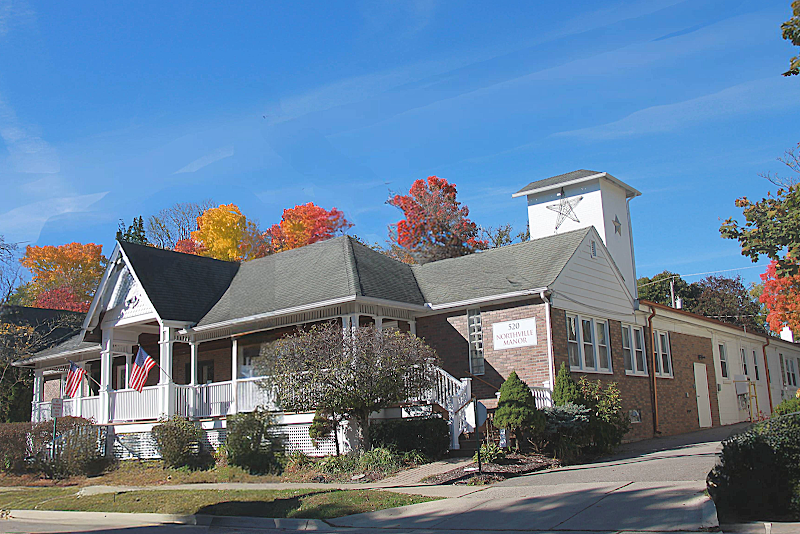
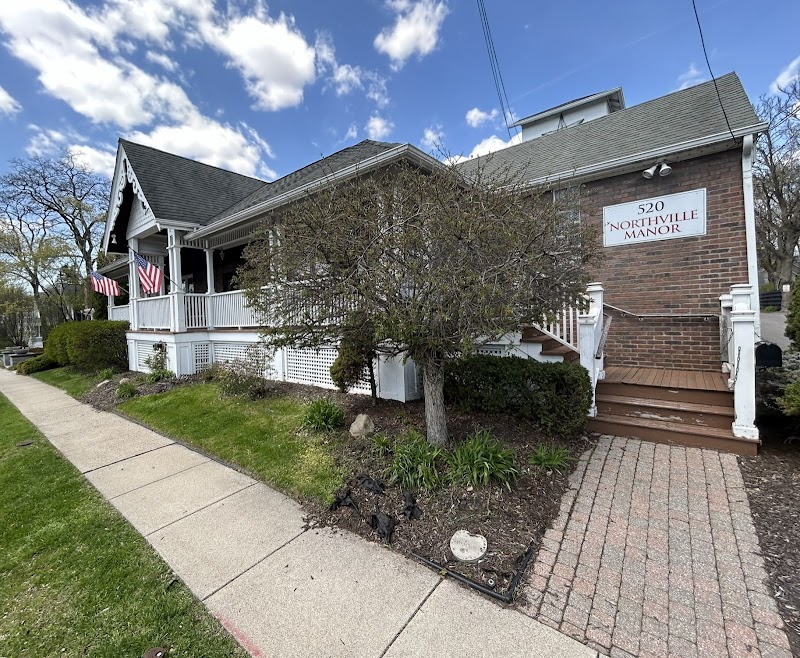
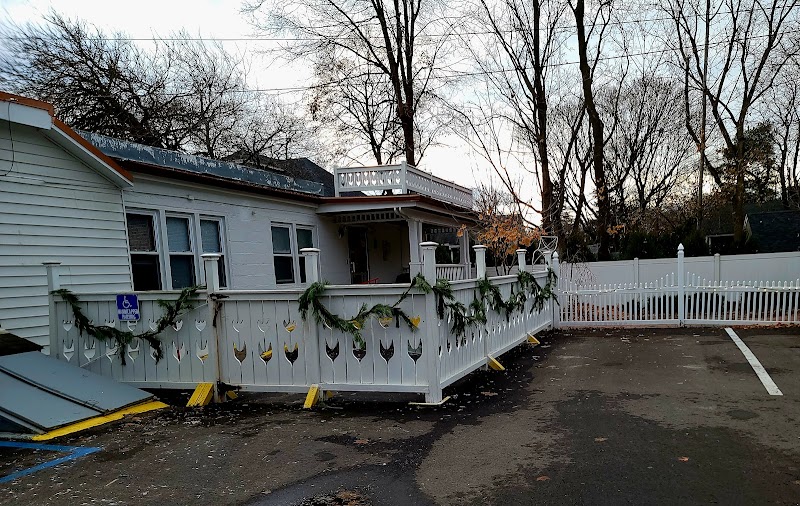
Northville Manor

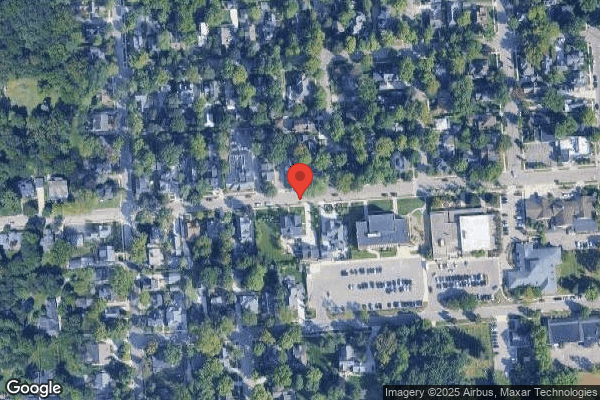
520 W Main St, Northville, MI 48167 (248) 349-4290
For profit - Limited Liability company 37 Beds PIONEER HEALTHCARE MANAGEMENT Data: November 2025 1 Immediate Jeopardy citation
Trust Grade
26/100
#315 of 422 in MI
Last Inspection: April 2025

Within standard 12-15 month inspection cycle. Federal law requires annual inspections.

Overview

Northville Manor has received a Trust Grade of F, indicating significant concerns regarding the quality of care provided. Ranking #315 out of 422 facilities in Michigan places it in the bottom half, and #47 out of 63 in Wayne County means it has limited local competition. The facility is improving, with issues decreasing from 15 in 2024 to 11 in 2025, but it still has a lot of room for growth. Staffing is average with a 3/5 rating, but the 75% turnover rate is concerning, suggesting many staff members leave frequently. Notably, the facility has faced serious incidents, including a resident going missing due to a malfunctioning alarm system, which highlights potential safety risks. Other concerns include inconsistencies in meal serving and inadequate cleaning, which could affect residents' health and satisfaction.

Trust Score
F
26/100
In Michigan
#315/422
Bottom 26%
Safety Record
High Risk
Review needed
Inspections
Getting Better
15 → 11 violations
Staff Stability
⚠ Watch
75% turnover. Very high, 27 points above average. Constant new faces learning your loved one's needs.
Penalties
⚠ Watch
$8,402 in fines. Higher than 99% of Michigan facilities. Major compliance failures.
Skilled Nurses
○ Average
Each resident gets 34 minutes of Registered Nurse (RN) attention daily — about average for Michigan. RNs are the most trained staff who monitor for health changes.
Violations
⚠ Watch
45 deficiencies on record. Higher than average. Multiple issues found across inspections.
★★☆☆☆
2.0
Overall Rating
★★★☆☆
3.0
Staff Levels
★★★★★
5.0
Care Quality
★☆☆☆☆
1.0
Inspection Score
Stable
2024: 15 issues
2025: 11 issues

The Good

  • 5-Star Quality Measures · Strong clinical quality outcomes
  • Full Sprinkler Coverage · Fire safety systems throughout facility
  • No fines on record

Facility shows strength in quality measures, fire safety.

The Bad

2-Star Overall Rating

Below Michigan average (3.1)

Below average - review inspection findings carefully

Staff Turnover: 75%

29pts above Michigan avg (46%)

Frequent staff changes - ask about care continuity

Federal Fines: $8,402

Below median ($33,413)

Minor penalties assessed

Chain: PIONEER HEALTHCARE MANAGEMENT

Part of a multi-facility chain

Ask about local staffing decisions and management

Staff turnover is very high (75%)

27 points above Michigan average of 48%

The Ugly 45 deficiencies on record

1 life-threatening
Apr 2025 9 deficiencies
CONCERN (D)

Potential for Harm - no one hurt, but risky conditions existed

Deficiency F0658 (Tag F0658)

Could have caused harm · This affected 1 resident

**NOTE- TERMS IN BRACKETS HAVE BEEN EDITED TO PROTECT CONFIDENTIALITY** Based on observation, interview and record review, the facility failed to follow professional standards of practice by ensuring ...

Read full inspector narrative →
**NOTE- TERMS IN BRACKETS HAVE BEEN EDITED TO PROTECT CONFIDENTIALITY** Based on observation, interview and record review, the facility failed to follow professional standards of practice by ensuring medications were administered according to physicians' orders for three residents (R28, R2, and R21) of seven residents reviewed for medication administration, resulting in the potential for less than the therapeutic effect of the prescribed medication when medications were not taken as ordered. Findings include: On 4/15/2025 at 1:57 PM, observed Registered Nurse (RN) J administer 9 AM medications to R8. The following medications were administered: Keppra 6oo mg, Metoprolol 75 mg, Vitamin D3, and Ramipril 5 mg. Vital signs were blood pressure 132/85 and heart rate of 86. Keppra 600 mg, and Metoprolol were medications that were ordered twice a day at 9 AM and 9 PM. Keppra is a medication used to treat seizures. Metoprolol is used to treat heart disease and blood pressure. R8 was admitted on [DATE] with a pertinent diagnosis of Major depressive disorder, vascular dementia with behavior disturbances, hypertension, and seizures. Review of R8 Quarterly Minimum Data Set (MDS) dated [DATE] for Brief Interview for Mental Status (BIMS), revealed R8 was severely cognitively impaired with a score of 7 out of 15. On 4/15/25 at 2:49 PM, RN J was observed to administer 9 AM medications to R28. The following medications were administered Keppra 500 mg, Vitamin D3, Sertraline 50 mg, Remeron 15 mg, The Keppra was a medication that was ordered to be given twice a day at 9 AM and 9 PM. Keppra is a medication to treat seizures. R28 was admitted on [DATE] with a pertinent diagnosis of Epilepsy, adjustment disorder with disturbances of conduct, major depressive disorder, dementia, and atherosclerotic heart disease (buildup of plaques in the arteries.) Review of R28 Annual MDS dated [DATE] for BIMS R28 was moderately cognitively impaired with a score of 12 out of 15. On 4/15/25 at 2:54 PM, RN J was observed to administer 9 AM medications to R2. The following medications were administered Duloxetine, Vitamin C, Vitamin B12, Vitamin D3 and Probiotic. The Duloxetine was a medication that was ordered to be given twice a day at 9 AM and 9 PM. Duloxetine is a medication used to treat depression. R21 was admitted on [DATE] with a pertinent diagnosis of Alzheimer's disease, adjustment disorder with mixed anxiety and depressed mood, major depressive disorder, and atherosclerosis of the aorta (buildup of fat on the artery walls.) Review of R21, Quarterly MDS dated [DATE] for BIMS, revealed R21 was severely cognitively impaired with a score of 00. On 4/15/25 at 3:00 PM, RN J was interviewed about they were administering 9 AM medications after scheduled time. RN J said he got behind after a medical emergency that had occurred around 10:30 AM. RN J was queried if they had advised the Director of Nursing (DON) that he was late passing medications. RN J said no. On 4/17/25 at 11:00 AM, the DON was interviewed about medications that were administered after the scheduled medication administration time. The DON said they would expect medications to be given within the scheduled administration time. The DON said if the nurse is unable to pass medications in the scheduled time the nurse should let her know, so she could assist them. The DON was queried about the medications administered after scheduled medication time the DON said she was aware there were late medications given. The DON was queried if the provider was contacted about medications given late to see if they should have been rescheduled. The DON said the provider was not contacted about late medications. The DON acknowledged that giving medications outside the scheduled time frame can cause adverse effects. On 4/17/25 at 12:30 PM, the Nursing Home Administrator (NHA), was interviewed about medications given outside of the scheduled medication administration time. The NHA said the expectation is for medications to be administered as ordered. Record review of the facility document titled, Medication Administration with a revision date of 6/12/24, noted medications are to be administered by licensed nurse or other staff members who are legally authorized to do so under the laws of this state. In addition, the policy noted medications should be administered within 60 minutes prior or after the scheduled administration time. The scheduled administration time can be adjusted by the physician.
CONCERN (D)

Potential for Harm - no one hurt, but risky conditions existed

Deficiency F0883 (Tag F0883)

Could have caused harm · This affected 1 resident

Based on interview and record review, the facility failed to ensure one resident (R21) out of five residents reviewed for immunizations were provided pneumococcal vaccination and education, resulting ...

Read full inspector narrative →
Based on interview and record review, the facility failed to ensure one resident (R21) out of five residents reviewed for immunizations were provided pneumococcal vaccination and education, resulting in the potential for development and spread of influenza among vulnerable residents in the facility. Findings include: On 4/15/25 at 2:32 PM the Director of Nursing (DON)/Infection Preventionist (IP) was interviewed and reported R21 did not have documentation of a current influenza immunization or refusal. Review of the Electronic Health Record (EHR) for R21 revealed admission to the facility on 9/3/2020 with diagnoses of adjustment disorder with mixed anxiety and depressed mood, and asthma. Further review of EHR revealed R4 did not have documentation to indicate that the influenza vaccine was offered or was contraindicated. On 4/17/25 at 8:52 AM the DON was interviewed and said residents and or guardians should be educated and given the opportunity to receive vaccinations. The DON agreed R21 should have been offered the influenza vaccine for the 2024/2025 flu season. Review of the facility policy titled Influenza Vaccination date implemented 11/1/2022 revealed in part: It is the policy of this facility to minimize the risk of acquiring, transmitting or experiencing complications from influenza by offering our residents, staff members, and volunteer workers annual immunization against influenza. Influenza vaccinations will be routinely offered annually from October 1st through March 31st unless such immunization is medically contraindicated, the individual has already been immunized during this time period or refuses to receive the vaccine. The resident's medical record will include documentation that the resident and/or the resident's representative was provided education regarding the benefits and potential side effects of immunization, and that the resident received or did not receive the immunization due to medical contraindication or refusal.
CONCERN (E)

Potential for Harm - no one hurt, but risky conditions existed

Resident Rights (Tag F0550)

Could have caused harm · This affected multiple residents

Based on observation, interview, and record review the facility failed to (1.) provide a dignified dining experience for three residents (R2, R3, and R7) of 25 residents observed during dining, result...

Read full inspector narrative →
Based on observation, interview, and record review the facility failed to (1.) provide a dignified dining experience for three residents (R2, R3, and R7) of 25 residents observed during dining, resulting in staff standing over residents while assisting with feeding and (2.) meals served with an assortment of dinnerware, compromising the residents' rights to a respectful and individualized dining experience. Findings include: On 4/14/25 at approximately 10:20 A.M., R3 who was alert and oriented stated, They serve my food on plastic plates. I would like real silverware not paper and plastic. Observations at that time showed a stack of plastic ware on the resident's bedside table. On 4/15/25 at 12:30 p.m. during a lunch observation, Nurse J was observed standing over R7 while assisting with the resident's meal. Initially Nurse J positioned himself in front of R7 in a squatting position before standing to R7's right side, cueing and prompting the resident while intermittently checking the medication cart returning to R7's side placing spoon or pieces of food in the resident's mouth and hands without consistent engagement. While Nurse J was obtaining a napkin for R7, R2 seated at another table, self-propelled herself out of the dining room to the front lobby area wearing a soiled clothing protector. R2 was later returned to the dining room where her hands and face were cleansed and the soiled protector removed. Additionally, during this lunch observation, some residents were observed without napkins or plastic ware causing residents to delay starting their meal requesting staff to assist with cutting their hamburgers. On 4/16/25 at 12:00 P.M. at lunch approximately 15 residents in the dining room were served their meal with an assortment of dinnerware including Styrofoam cups and dessert plates, plastic utensils, and 6--inch melamine plates which were insufficient in size to accommodate both the entree and salad served. At 12:23 P.M., Dietary Manager (DM) A was asked to observe the meal service. When questioned regarding the use of assorted and inadequate tableware, DM A explained the facility had a full set of dishes available, there were no call-ins that day, and the dish machine was operational. I am not sure why cook (K) is not using those dishes. In a follow up interview at 3:45 P.M., [NAME] K was unable to provide a reason why assorted dinnerware was used during the meal service. During this same observation, Nurse L was observed standing while feeding R2. When asked, whether staff should stand when assisting residents with meals, Nurse L stated, We try to cue residents who cannot feed themselves, but sometimes the dining room get crowded and there is not sufficient room to provide one-on one feeding. On 4/17/25 at 11:00 A.M., a review of the facility policy titled, Promoting/Maintaining Resident Dignity, dated 11/1/2022, revealed that while the policy emphasized promoting respect and dignity and enhancing resident's quality of life by recognizing each resident's individuality, it did not specifically address dignity practices during dining. Upon exiting the facility on 4/17/25 at 3:00 P.M., no additional information regarding these concerns was provided.
CONCERN (E)

Potential for Harm - no one hurt, but risky conditions existed

Deficiency F0740 (Tag F0740)

Could have caused harm · This affected multiple residents

**NOTE- TERMS IN BRACKETS HAVE BEEN EDITED TO PROTECT CONFIDENTIALITY** Based on observation, interview, and record review the facility failed to provide behavioral health services for five residents ...

Read full inspector narrative →
**NOTE- TERMS IN BRACKETS HAVE BEEN EDITED TO PROTECT CONFIDENTIALITY** Based on observation, interview, and record review the facility failed to provide behavioral health services for five residents (R6, R7, R8, R9 and R16) out of twelve residents reviewed for behavioral health resulting in the potential for residents not to attain or maintain their highest practicable mental and psychosocial well-being. Findings included: R6 On 4/14/25 at 10:56 AM R6 was observed sitting in a wheelchair holding a stuffed animal in her left hand, leaning to the right with a bruise on her right elbow. When R6 was asked about the bruise on her R elbow R6 could not recall how she got the bruise. Record review of R6's Electronic Health Record revealed R6 was admitted to the facility on [DATE] with pertinent diagnoses that included Alzheimer's Disease, adjustment disorder with anxiety, adjustment disorder with depressed mood, unspecified intellectual disabilities, and unspecified dementia. Review of the Minimum Data Set (MDS) dated [DATE] revealed that R6 had severely impaired cognition and was wheelchair bound. Review of the nurse's progress note dated 1/28/25 revealed R6 had a fall on 1/28/2025 with no injuries. Review of R6's physician orders revealed R6 was prescribed diazepam (antianxiety) and sertraline(antidepressant) medications. On 4/15/25 at 2:55 PM the Nursing Home Administrator (NHA) was interviewed and said R6 was last seen by the psychiatric practitioner on 8/12/24 to address the psychotropics and antidepressants. Review of the physician progress notes dated 1/21/25, 2/26/25 and 3/17/25 revealed Psych follows the patient for history of dementia. Dementia-continued input from Psych appreciated. Review of R6's care plan revealed Problem start date 4/5/23 I have verbal behavioral symptoms directed toward others; I have physically aggressive behavior towards others. Approach start date 4/25/23 obtain a psych consult/psychosocial therapy as needed. R8 On 4/14/25 at 10:44 AM R8 was observed sitting in her wheelchair in her room yelling out. When R8 was asked about how she felt R8 yelled out, Fine and [NAME] just like candy. On 4/15/25 at 8:20 AM R8 was observed in her room slumped in her wheelchair yelling out. On 4/16/25 at 12:26 PM R8 was observed in the dining room banging the table with frequent yelling. On 4/17/25 at 8:25 AM R8 was observed sitting alone in her room banging an empty glass on plate yelling out. On 4/15/25 1:30 PM Social Worker F was interviewed about R8's behaviors and said psychiatric services last saw R8 on 8/24 and the expectation is for the resident to receive psychiatric services at least quarterly. Record review of R8's Electronic Health Record revealed R8 was admitted to the facility on [DATE] with most recent readmission on [DATE] with pertinent diagnoses that included reaction to severe stress, unspecified, major depressive disorder, recurrent unspecified, vascular dementia with behavioral disturbance. Review of the Minimum Data Set (MDS) dated [DATE] revealed that R6 had severely impaired cognition and was wheelchair bound. Record review of physician orders revealed order date 8/4/23 may have ancillary services psychiatric. Record review of R8's care plan revealed, Problem Start Date: 07/05/2023 Category: Behavioral Symptoms I am at risk of displaying signs and symptoms of mood distress R/T dx of major depressive disorder recurrent unspecified. Approach Start Date: 07/05/2023 Obtain a psych consult as needed. Problem Start Date: 07/05/2023 Category: Behavioral Symptoms I have behavioral symptoms not directed to others. I yell out. I remove my clothing. I pull my shirt over my head which exposes my chest/torso area. Approach Start Date: 07/05/2023 Obtain a psych consult as needed. Review of the physician progress notes dated 2/11/25 and 3/17/25 revealed Patient is followed by psych, with recommendations to continue current treatment regimen. Dementia: Psych is following. On 4/17/25 at 10:00 AM the Director of Nursing (DON) was interviewed and said the expectation is for psychiatric services to follow residents who are prescribed antipsychotic medications and/or exhibit behaviors at least quartetly. The DON said R6 and R8 were last seen by psychiatric services in August of 2024 and that there is not a current pscychiatric group servicing the building. R16 On 4/14/25 at 11:00 AM, R16 was observed in dinning room in wheelchair. R16 had multiple bruises on the face from a previous fall. On 4/15/25 at 12:45 PM, R16 was observed in the dinning room crying. R16 was crying saying she did not know what she should be doing and could not remember who she was. Registered Nurse (RN) J reminded her of her name and where she was. R16 continued to repeat they did not know who they were. On 4/17/25 at 10:00 PM, R16 was observed in the dinning room crying. RN J was sitting next to R16 talking to her. R16 continued to cry. Record review of R16's Electronic Medical Record (EMR) revealed that R16 had not received Psychiatric services since 11/5/24. Record review of R16 (EMR) documented R16 was admitted on [DATE] with a pertinent diagnosis of Major depressive disorder, anxiety disorder, dementia and mild cognitive disorder. Review of R16, Quarterly Minimum Data Set (MDS) dated [DATE] for Brief Interview for Mental Status (BIMS) R16 was severely cognitively impaired with a score of 99. R9 On 4/14/25 at 2:00 PM observed R9 in room sitting on bed in room talking with other residents. Record review of R9's (EMR) revealed that R9 had not seen Psychiatric services since 8/12/24. Record review noted R9 was admitted on [DATE] with a pertinent diagnosis of Major depressive disorder, dementia, paranoid personality disorder, adjustment disorder with mixed anxiety and depressed mood, psychotic disorder with hallucination. Review of R9 Quarterly (MDS) dated [DATE] for BIMS R9 was moderately cognitively impaired with a score of 9 out of 15. R7 On 4/15/25 at 12:45 PM, R7 was observed in the dinning room eating. Record review of R7's (EMR) revealed R7 had not seen since Psychiatric services since 7/15/25. Record review noted R7 was admitted on [DATE] with a pertinent diagnosis of Vascular dementia with mood disturbances, psychotic disorders with delusions, schizophrenia, adjustment disorder and mood disorder. Review of R7's (MDS) dated [DATE] for BIMS R9 was severely cognitively impaired with a score of 99. On 4/16/25 at 2:00 PM, Social Worker (SW) F was interviewed about residents not receiving Psych services. SW F said they had recently started coming back to this facility in February after a staff change and they are working on getting services established with a Psychiatric services provider. On 4/16/25 at 2:15 PM, the Director of Nursing (DON), was interviewed and said the previous provider would meet with her and keep her up to date on resident's care. When the new provider started coming out, they did not meet, so she was unaware the residents where not receiving services. On 4/16/25 at 2:15 PM, the Nursing Home Administrator (NHA), was interviewed and said if they would have noticed any changes in residents' behavior they would have communicated the changes to the provider.
CONCERN (E)

Potential for Harm - no one hurt, but risky conditions existed

Pharmacy Services (Tag F0755)

Could have caused harm · This affected multiple residents

This citation includes two Deficient Practice Statements. Deficienct Practice Statement #1: Based on observation, interview and record review, the facility failed to ensure proper cleaning and dispos...

Read full inspector narrative →
This citation includes two Deficient Practice Statements. Deficienct Practice Statement #1: Based on observation, interview and record review, the facility failed to ensure proper cleaning and disposal of loose medications were conducted for one medication cart (North Hall Cart) reviewed for medication storage and cleanliness. Findings include: On 04/17/25 at 09:00 AM, an observation and an interview were conducted with Registered Nurse (RN) J on the North Hall medication cart. Upon inspection of medication cart a total of 13 loose pills were scattered on the bottom of the first and second drawers of the medication cart. The loose pills varied in shapes, colors and sizes. On 04/17/25 at 09:05 AM, an interview was conducted with RN J regarding the loose medications of North Hall medication cart. RN J said they were probably pills that were being popped from the packet but dropped. When asked about their policy for loose medications, RN J said the pills should have been discarded. On 04/17/25 at 9:15 AM, an interview was conducted with the Director of Nursing (DON) regarding the 13 loose pills found in the North Hall medication cart. The DON said that the nurses are expected to clean the cart when they take it over, because they oversee the medication cart. On 4/17/25 at 12:30 PM, an interview was conducted with the Nursing Home Administrator (NHA) about the 13 pills found in the North Hall medication cart she said the midnight nurses are responsible for cleaning the medication carts. The NHA supplied a sheet titled Medication Cart Check list which noted it is the duty of the midnight shift to clean med cart drawers and remove any loose pills. Review of the facility document titled Medication Administration with a revision date of 6/12/24, noted the medication cart should be kept clean and organized. Deficient Practice Statement #2: Based on observation and interview the facility failed to ensure expired medication were disposed of in a timely manner. Findings include: On 4/17/25 at 9:30 AM, an observation and interview were conducted of three of the medication rooms with the Director of Nursing (DON.) Identified expired medication in the facility's main storage room included Geri Lanta (expired 9/24) and Benadryl (expired 2/25). These finding were acknowledged by the DON at the time of the observation. On 4/17/25 at 11:00 AM, the DON was interviewed and said medication supply staff are responsible for the medication storage room. In addition, the DON said the stock is checked weekly by the medication supply staff. The DON said expired medication should be brought to them so they can be put in the drug buster (a system used to secure and destroy unused medication.) On 4/17/25 at 12:30 PM, the Nursing Home Administrator (NHA) was interviewed about the expired medications identified in the medication storage room. The NHA said it is the duty of the medical supply staff to review dates on medical supplies in the storage room. The NHA said the medical supply staff should be going through and checking dates monthly. Review of a facility document titled Medication Administration with a revision date of 6/12/24 noted if medication is expired the staff should notify the nurse manager.
CONCERN (E)

Potential for Harm - no one hurt, but risky conditions existed

Food Safety (Tag F0812)

Could have caused harm · This affected multiple residents

Based on observation, interview and record review the facility failed to ensure hygienic practices were performed while serving resident meals, resulting in the potential for food contamination. This ...

Read full inspector narrative →
Based on observation, interview and record review the facility failed to ensure hygienic practices were performed while serving resident meals, resulting in the potential for food contamination. This deficient practice had the potential to effect 27 of the 28 residents that consumed food from the kitchen. Findings include: On 4/15/25 at 12:30 P.M. during a lunch meal observation, Certified Nurse Aides (CNA's) C, D, and H were observed serving food to residents without any form of hair restraint or their hair pulled back off their faces. CNA C and CNA H were observed with (loose braided) hair extensions (approximately 50 inches long) that hung over their shoulders and reached their buttocks. CNA D natural hair extended down her back and was seen repositioning her hair behind her ears to prevent hair from touching resident's food. Additionally, CNA D was observed wrapping silverware without wearing gloves. While the silverware was positioned correctly in the cylinder CNA D manipulated the eating surfaces of the utensils while attempting to wrap them in napkins. CNA H poured beverages for resident and passed the drinks by holding them at the rim of the drinking surface instead of the base. During the observation Dietary manager (DM) A was interviewed regarding the handling of the silverware and glasses. DM A confirmed that while the silverware was properly positioned in the cylinders, staff should not have been handling the eating portions of the utensils at all. DM A was asked should gloves be applied? Dietary Manager A responded YES. On 4/17/25 at 10:00 A.M., a policy was requested regarding the use of hair restraints during dining and handling of resident's eating utensils. At 11:50 A.M. a policy titled, Dress Code was provided. However, it was not specific to food service personnel. Under the Policy Explanation and Compliance Guidelines, item #5 documented that depending on the duty assignment or work area, an employee with long hair may be required to wear a hair net. According to the 2009 Michigan Modified Food Code, section 2-402.11 (A) Except as provided in (B) food employees shall wear hair restraints such as hats, hair coverings or nets, beard restraints, and clothing that covers body hair, that are designed and worn to effectively keep their hair from contacting exposed food; clean equipment, utensils and linens; and unwrapped single-service and single-use articles.
CONCERN (F)

Potential for Harm - no one hurt, but risky conditions existed

Menu Adequacy (Tag F0803)

Could have caused harm · This affected most or all residents

Based on observation, interview, and record review the facility failed to post revised menus and planned menus in advance for residents, resulting in the potential for a decline in nutritional status ...

Read full inspector narrative →
Based on observation, interview, and record review the facility failed to post revised menus and planned menus in advance for residents, resulting in the potential for a decline in nutritional status and resident dissatisfaction with meals. This deficient practice affected 27 of the 28 residents that consumed meals from the kitchen. Findings include: On 4/15/25 at approximately 10:35 a.m. posted in the dining room revealed the posted lunch menu listed: Braised Beef Tips, Parsley Noodles, Seasoned carrots, wheat rolls, Boston cream pie, coffee or tea, milk. However, during the lunch observation at 12:00 p.m. residents were instead served the following: Hamburger/Bun, lettuce, tomato, onion, pickles, ice cream, beverage of choice. At 1:30 p.m., an interview with Dietary Manager (DM) A was conducted regarding the inconsistency between the posted menu and the meal served. DM A explained on 4/13/25 a new dietary employee had mistakenly used the meat intended for Tuesday's lunch meal, and it was too late to place a new order from the facility's food vendor. DM A stated, whenever an item is unavailable or a situation like this arises, a meeting is held with the residents to vote on the substitute menu, with the majority determining the outcome. When further questioned about the complete menu change, including the dessert substitution, DM A stated although the Boston Cream Pie was available in the freezer, an unspecified decision was made to change the entire menu. DM A indicated that while residents in the dining room and in their rooms were consulted, no evidence could be produced to show that the menu changes were formally posted or that official meetings were documented for any of the days when substitutions occurred. On 4/16/25 at approximately 9:00 A.M. a request was made to review the substitution log for the current winter cycle. The review revealed on 3/28 Potato salad was to be served but was substituted with potato chip and on 4/14/25 Salmon Croquettes for the dinner meal were replaced with resident's choice of pizza and salad. The substitution Logs documenting these changes were not provided until 4/17/25 after DM A and [NAME] K said they were not aware the resident's posted menus should be changed or modified when there was a change in the planned menu. During interview with DM A regarding the planning of Easter Sunday menu, DM A stated the menu would probably change because it was a special occasion. DM A further explained that Saturday's planned lunch would be switched with Sunday's lunch but admitted that the residents had not been informed of the changes and that the planned menu had not yet been posted or completed. On 4/17/25 at 10:00 A.M. and at 3:30 P.M. during the exit conference with the Corporate (Registered Dietitian) RD, the Director of Nursing, and the Administrator, no additional information or evidence was presented explaining why resident's menus were not updated or posted in accordance with changes made to the planned menu.
CONCERN (F)

Potential for Harm - no one hurt, but risky conditions existed

Safe Environment (Tag F0921)

Could have caused harm · This affected most or all residents

**NOTE- TERMS IN BRACKETS HAVE BEEN EDITED TO PROTECT CONFIDENTIALITY** Based on observations, interviews, and record reviews, the facility failed to effectively clean and maintain the physical plant ...

Read full inspector narrative →
**NOTE- TERMS IN BRACKETS HAVE BEEN EDITED TO PROTECT CONFIDENTIALITY** Based on observations, interviews, and record reviews, the facility failed to effectively clean and maintain the physical plant effecting 28 residents, resulting in the increased likelihood for cross-contamination, bacterial harborage, and potential cross-connections between the potable (drinking) and non-potable (non-drinking) water supplies. Findings include: On 04/14/25 at 01:25 P.M., A common area environmental tour was conducted with Director of Maintenance I. The following items were noted: Resident Restroom [ROOM NUMBER]: The overhead clear plastic light lens cover was observed soiled with (dust, dirt, numerous dead insect carcasses). Director of Maintenance I indicated he would have staff clean and sanitize the light lens cover as soon as possible. Shower Room: The shower wand assembly was observed missing an atmospheric vacuum breaker. Director of Maintenance I indicated he would install an atmospheric vacuum breaker as soon as possible. Resident Restroom [ROOM NUMBER]: The hand sink faucet assembly was observed (etched, scored, particulate, corroded). Director of Maintenance I indicated he would install a new faucet assembly as soon as possible. On 04/14/25 at 01:50 P.M., An interview was conducted with Director of Maintenance I regarding the facility maintenance work order system. Director of Maintenance I stated: We have a manual work order system. Director of Maintenance I also stated: The maintenance logbook is located at the Nurses Station. Nursing Station: The black vinyl padded chair was observed (etched, scored, particulate), exposing the inner Styrofoam padding. The damaged black vinyl surface measured approximately 3-inches-wide by 30-inches-long. Director of Maintenance I indicated he would replace the worn chair as soon as possible. The Hallway Corridor carpeting was observed (stained, worn, buckled). One large red colored carpet stain was also observed directly beneath the resident call system panel. The stained carpet surface measured approximately 12-inches-wide by 12-inches-long. On 04/14/25 at 02:07 P.M., An interview was conducted with Nursing Home Administrator (NHA) regarding a replacement plan for the facility hallway corridor carpeting. (NHA) stated: No, not at this time. The Day Room carpeting was observed (stained, worn, pilled). On 04/14/25 at 03:50 P.M., An environmental tour of sampled resident rooms was conducted with Director of Maintenance I. The following items were noted: 2: The Bed 1 and Bed 3 overbed light shades were observed heavily soiled with accumulated and encrusted dust/dirt deposits. 7: The Bed 1, Bed 2, and Bed 3 overbed light shades were observed heavily soiled with accumulated and encrusted dust/dirt deposits. 11: The Bed 3 stationary desk fan was observed heavily soiled with accumulated and encrusted dust/dirt deposits. Director of Maintenance I indicated he would have housekeeping thoroughly clean and sanitize the desk fan as soon as possible. 14: The Bed 1 and Bed 2 overbed light shades were observed heavily soiled with accumulated and encrusted dust/dirt deposits. Director of Maintenance I indicated he would have housekeeping thoroughly clean and sanitize the soiled light shades as soon as possible. On 04/17/25 at 08:00 A.M., Record review of the Policy/Procedure entitled: Preventative Maintenance Program dated 11/02/2022 revealed under Policy: A Preventative Maintenance Program shall be developed and implemented to ensure the provision of a safe, functional, sanitary, and comfortable environment for residents, staff, and the public. Record review of the Policy/Procedure entitled: Preventative Maintenance Program dated 11/02/2022 further revealed under Policy Explanation and Compliance Guidelines: (1) The Maintenance Director is responsible for developing and maintaining a schedule of maintenance services to ensure that the buildings, grounds, and equipment are maintained in a safe and operable manner. On 04/17/25 at 08:15 A.M., Record review of the Policy/Procedure entitled: Cycle Cleaning dated 10/26/2022 revealed under Policy: It is the policy of this facility to identify the functional areas in the facility that require cleaning and to use cycle cleaning schedules to outline the frequencies and maintain scheduled environmental service tasks. Record review of the Policy/Procedure entitled: Cycle Cleaning dated 10/26/2022 further revealed under Policy Explanation and Compliance Guidelines: (1) Routine cleaning of environmental surfaces and non-critical resident care items shall be performed according to a predetermined schedule and shall be sufficient enough to keep surfaces clean and dust free.
MINOR (B)

Minor Issue - procedural, no safety impact

Deficiency F0912 (Tag F0912)

Minor procedural issue · This affected multiple residents

Based on observation, interview, and record review the facility failed to provide 80 square feet of space per bed within six (2, 7, 10, 11, 12, and 14) of 15 resident rooms, resulting in the increased...

Read full inspector narrative →
Based on observation, interview, and record review the facility failed to provide 80 square feet of space per bed within six (2, 7, 10, 11, 12, and 14) of 15 resident rooms, resulting in the increased likelihood for resident dissatisfaction with the amount of provided living space. Findings include: On 4/17/2025 at 10:31 AM observation of resident rooms and record review of the facility bed count information with the Nursing Home Administrator (NHA) revealed the following: Room # Sq./Ft # Beds #Residents in Room 2 283 4 3 7 218 3 3 10 225 3 3 11 215 3 3 12 154 2 2 14 144 2 2 Observations and interviews with various residents revealed no specific complaints and no specific health/safety concerns.
Jan 2025 2 deficiencies
CONCERN (D) 📢 Someone Reported This

A family member, employee, or ombudsman was alarmed enough to file a formal complaint

Potential for Harm - no one hurt, but risky conditions existed

Deficiency F0604 (Tag F0604)

Could have caused harm · This affected 1 resident

**NOTE- TERMS IN BRACKETS HAVE BEEN EDITED TO PROTECT CONFIDENTIALITY** This citation pertains to intake MI00149274. Based on observation, interview, and record review the facility failed to prevent p...

Read full inspector narrative →
**NOTE- TERMS IN BRACKETS HAVE BEEN EDITED TO PROTECT CONFIDENTIALITY** This citation pertains to intake MI00149274. Based on observation, interview, and record review the facility failed to prevent physical restraint use for one resident (R401) out of 3 residents reviewed for abuse. Findings include: On 1/13/25 at 9:50 AM R401 was observed sitting in her bedside chair. R401 was unable to answer questions due to confusion. R401 was observed getting out of the bedside chair and walking into the hallway where staff directed her back to her room. Record review of Electronic Health Record (EHR) revealed R401 admitted to facility on 9/3/2020 with most recent readmission on [DATE] with diagnoses which included Alzheimer's disease, adjustment disorder with mixed anxiety and depressed mood and major depressive disorder. Review of the Minimum Data Set (MDS) dated [DATE] for R401 revealed severely impaired cognition. Record Review of facility reported incident file folder dated 12/20/2024 revealed abuse coordinator was notified by Certified Nursing Assistant (CNA) A that on 12/20/2024 she found R401 sitting in her sofa chair in her room with a white flat sheet wrapped around her waist and tucked behind the chair. Abuse coordinator interviewed CNA B where CNA B admitted that she wrapped a sheet around R401. On 1/13/25 at 11:59 AM CNA B was interviewed and said she was assigned to work with R401 on 12/20/2024 and stated, I wrapped a sheet around the resident so she wouldn't be able to get up. CNA B further said R401 was going into other resident's rooms and was not following instructions. On 1/13/25 at 4:00 PM CNA A was interviewed and said on 12/20/204 she found R401 tied up in her chair with a bed sheet. The sheet was tied behind the chair and R401's arms were held down by the sheet. There was no way the resident could have untied the sheet to get up. Record review of the clinical chart revealed no orders for use of restraints, no consents, no restraint assessments completed and no care plans for restraint use. On 1/13/25 at 2:00 PM the Nursing Home Administrator (NHA) and Director of Nursing (DON) were interviewed and said the facility is a restraint free building. The DON agreed there were no orders, consents, assessments and/or care plans for the use of restraints for R401. Record review of the facility policy titled Restraint Free Environement date implemented 11/1/2022 revealed in part: It is the policy of this facility that each resident shall attain and maintain his/her highest practicable wellbeing in an environment that prohibits the use of restraints for discipline or convenience and limits restraint use to circumstances in which the resident has medical symptoms that warrant the use of restraints. Physical Restraint refers to any manual method or physical or mechanical device, material, or equipment attached or adjacent to the resident ' s body that the individual cannot remove easily which restricts freedom of movement or normal access to one ' s body. Physical restraints may include tucking in a sheet tightly so that the resident cannot get out of bed, or fastening fabric or clothing so that a resident ' s freedom of movement is restricted. The resident has the right to be treated with respect and dignity, including the right to be free from any physical or chemical restraint imposed for the purpose of discipline or staff convenience, and not required to treat the resident ' s medical symptoms.
CONCERN (D) 📢 Someone Reported This

A family member, employee, or ombudsman was alarmed enough to file a formal complaint

Potential for Harm - no one hurt, but risky conditions existed

Deficiency F0657 (Tag F0657)

Could have caused harm · This affected 1 resident

**NOTE- TERMS IN BRACKETS HAVE BEEN EDITED TO PROTECT CONFIDENTIALITY** This citation pertains to intake MI00149272. Based on interview, and record review the facility failed to review/revise a care p...

Read full inspector narrative →
**NOTE- TERMS IN BRACKETS HAVE BEEN EDITED TO PROTECT CONFIDENTIALITY** This citation pertains to intake MI00149272. Based on interview, and record review the facility failed to review/revise a care plan in a timely manner for one resident (R401) out of three residents reviewed for care planning. Findings include: On 12/19/2024 at 8:51 AM a facility incident report was submitted to the State Agency regarding R401 sustained an injury of unknown origin. Record review of the Electronic Health Record (EHR) revealed R401 admitted to the facility on [DATE] with most recent readmission on [DATE] with diagnoses which included Alzheimer's disease, adjustment disorder with mixed anxiety, and depressed mood and major depressive disorder. Review of the Minimum Data Set (MDS) dated [DATE] for R401 revealed severely impaired cognition. Record review of the facility reported incident report folder dated 12/19/2024 revealed R401 was observed to have a slight discoloration under left eye. Review of the incident and accident report dated 12/10/2024 revealed R401 was observed on the floor in her room. Record review of R401's active care plans revealed the following: Problem start date 9/6/2022, Category: Falls, resident at risk for falling related to unsteady gait at times, decreased safety awareness. Goal, Long term goal target date: 3/20/2025 resident will have risk for fall/injury minimized through the review date. Approach Start Date: 09/06/2022 Give resident verbal reminders not to transfer without assistance. Approach Start Date: 09/06/2022 Keep bed in lowest position when care is not being rendered. Approach Start Date: 09/06/2022 Keep call light in reach at all times. Approach Start Date: 09/06/2022 Keep personal items and frequently used items within reach. Approach Start Date: 09/06/2022 MONITOR FOR MEDICATION RELATED SIDE EFFECTS: Approach Start Date: 09/06/2022 Orient resident to surroundings as needed. Approach Start Date: 09/06/2022 provide proper, well-maintained footwear. Approach Start Date: 09/06/2022 Provide resident an environment free of clutter. Approach Start Date: 09/06/2022 provide toileting assistance as needed. Last reviewed/revised 12/8/2024. On 1/13/24 at 2:00 PM the Director of Nursing (DON) was interviewed and said R401's fall care plan was reviewed on 12/8/24 but did not have any updates since 9/6/2022 nor did it include the actual fall on 12/10/2024 and updated approaches/review based on that fall. The DON agreed the care plan should be updated regarding R401's recent falls. Review of the facility policy titled Care Plan Revisions Upon Status Change date implemented:10/26/2022 revealed in part . The purpose of this procedure is to provide a consistent process for reviewing and revising the care plan for those residents experiencing a status change. Policy Explanation and Compliance Guidelines: 1. The comprehensive care plan will be reviewed, and revised as necessary, when a resident experiences a status change. 2. Procedure for reviewing and revising the care plan when a resident experiences a status change: a. Upon identification of a change in status, the nurse will notify the MDS Coordinator, the physician, and the resident representative, if applicable. b. The MDS Coordinator and the Interdisciplinary Team will discuss the resident condition and collaborate on intervention options. c. The team meeting discussion will be documented in the nursing progress notes. d. The care plan will be updated with the new or modified interventions. e. Staff involved in the care of the resident will report resident response to new or modified interventions. f. Care plans will be modified as needed by the MDS Coordinator or other designated staff member. g. The Unit Manager or other designated staff member will communicate care plan interventions to all staff involved in the resident's care. h. The Unit Manager or other designated staff member will conduct an audit on all residents experiencing a change in status, at the time the change in status is identified, to ensure care plans have been updated to reflect current resident needs. 3. The MDS Coordinator will determine whether a Significant Change in Status Assessment is warranted. If so, the assessment will be completed according to established procedures.
May 2024 15 deficiencies
CONCERN (D) 📢 Someone Reported This

A family member, employee, or ombudsman was alarmed enough to file a formal complaint

Potential for Harm - no one hurt, but risky conditions existed

Free from Abuse/Neglect (Tag F0600)

Could have caused harm · This affected 1 resident

**NOTE- TERMS IN BRACKETS HAVE BEEN EDITED TO PROTECT CONFIDENTIALITY** This citation pertains to intake MI00143600. Based on interview and record review the facility failed to supervise residents to ...

Read full inspector narrative →
**NOTE- TERMS IN BRACKETS HAVE BEEN EDITED TO PROTECT CONFIDENTIALITY** This citation pertains to intake MI00143600. Based on interview and record review the facility failed to supervise residents to prevent a physical altercation for two residents (R16 and R26) of three residents reviewed for abuse, resulting in one resident receiving physical injuries. Findings include: According to the facility's Facility Reported Incident (FRI) summary report, on 3/16/24 at 7:40 PM Licensed Practical Nurse (LPN) A heard commotion coming from the dining room. Once entering the dining room, LPN A observed R26 grab R16 by the shirt. R26 scratched R16 on the chest and hit R16 in the face leaving multiple abrasions on R16's chest and the left side of the face. LPN A approached R16 and R26 and stopped the altercation. On 5/31/24 at 10:29 AM LPN A was interviewed regarding the incident that occurred on 3/16/24. LPN A said that the incident occurred at the middle of shift change. LPN A said that R16 is a frequent wanderer. LPN A said at approximately 7:40 PM she went into the dining room because she heard R16 say, No. LPN A said she saw R26 sitting by the kitchen door when R26 grabbed R16 and scratched her. LPN A was queried about whether there was staff in the dining room when the incident occurred. LPN A said she did not see any staff in the dining room when she entered the area. LPN A was asked if either resident had behavioral issues. LPN A said that R26 has had behavioral issues in the past and that R26 is usually kept separate from the other residents to minimize conflict. On 5/31/24 at 10:50 AM the DON was interviewed regarding the incident that occurred on 3/16/24. The DON said LPN A was the staff member that witnessed the incident. The DON said that R16 was a wanderer that is non-aggressive but touchy when in other residents' personal space. The DON said during the incident, R26 did not appreciate R16 being in her space, so R26 grabbed R16 scratched her on the chest and hit her in the face. The DON was asked about behavioral issues with each resident. The DON said R26 had past episodes of verbal yelling. The DON said that the facility was aware that R16 had problems with getting into the personal space of others. The DON acknowledged that the dining room should have been supervised. The DON said it is expected that the nursing staff identify and understand the circumstances that could take place when the residents are left alone. A review of R16's Electronic Medical Record (EMR) revealed R16 was admitted to the facility on [DATE]. R16 had the following pertinent diagnoses: Alzheimer's Disease and Major Depressive Disorder. A review of R16's Quarterly Minimum Data Set (MDS) dated [DATE] revealed R16's Brief Interview of Mental Status (BIMS) could not be conducted. The MDS documented that R16 had no behavioral symptoms. According to the MDS R16 required supervision with ambulation. A review of R16's behavioral care plan dated 7/7/23 revealed that the R16 had no physical or verbal aggression with other residents. A review of R26's EMR revealed R26 was readmitted to the facility on [DATE] (initial admission date unknown) and discharged from the facility on 4/10/24. R26 had the following pertinent medical diagnoses: Schizoaffective Disorder, Altered Mental Status, Dementia, and Anxiety. A review of R26's Quarterly MDS dated [DATE] revealed R26 had a BIMS score of 11/15 (moderate cognitive impairment). R26 required moderate assistance with transfers and could not ambulate. The MDS documented that R26 used on a wheelchair. A review of R26's behavior care plan dated 9/12/23 revealed the following: Problem: I have physical behavioral symptoms toward others (e.g., hitting, kicking). I hit another resident . Approach: Allow distance in seating other residents around resident .assess whether the behavior endangers the resident and/or others. intervene if necessary . When resident becomes physically aggressive, move to a quiet, calm environment. A review of the facility policy titled, Abuse, Neglect, and Exploitation, with an implementation date of 11/1/22, revealed, The facility will implement policies and procedures to prevent and prohibit all types of abuse, neglect, misappropriation of resident property, and exploitation that achieves: Identifying, correcting and intervening in situations in which abuse, neglect, exploitation, and/or misappropriation of resident property is more likely to occur .and assure that the staff assigned have knowledge of the individual residents' care needs and behavioral symptoms.
CONCERN (D) 📢 Someone Reported This

A family member, employee, or ombudsman was alarmed enough to file a formal complaint

Potential for Harm - no one hurt, but risky conditions existed

Report Alleged Abuse (Tag F0609)

Could have caused harm · This affected 1 resident

This citation pertains to intake MI00143600. Based on interview and record review the facility failed to report an incident of abuse to the State Agency in a timely manner for two residents (R16 and R...

Read full inspector narrative →
This citation pertains to intake MI00143600. Based on interview and record review the facility failed to report an incident of abuse to the State Agency in a timely manner for two residents (R16 and R26) of three residents reviewed for abuse. Findings include: According to the facility's Facility Reported Incident (FRI) summary report, on 3/16/24 at 7:40 PM Licensed Practical Nurse (LPN) A heard commotion coming from the dining room. Once entering the dining room, LPN A observed R26 grab R16 by the shirt. R26 scratched and hit R16 in the face leaving multiple abrasions on R16's chest and the left side of the face. LPN A approached R16 and R26 and stopped the altercation. The Director of Nursing (DON), emergency contacts, and physician were notified of the incident. R16 and R26 were separated, R16 and R26 were assessed for injuries, and the local police were contacted at 8:00 PM. A review of the FRI revealed the incident occurred on 3/16/24 at 7:40 PM and was discovered on 3/16/24 at 7:40 PM. As documented in the FRI, the Nursing Home Administrator (NHA) did not submit the incident to the state agency until 3/26/24 at 5:13 PM. On 5/31/24 at 12:22 PM the NHA was interviewed regarding the submission of the abuse incident. The NHA acknowledged that the incident was discovered on 3/16/24 but was not reported until 3/26/24. The NHA said it is the expectation that reporting abuse that involves physical injury should be reported within two hours of discovery. A review of the facility policy titled, Abuse, Neglect, and Exploitation, with an implementation date of 11/1/22, revealed, The facility will have written procedures that include: Reporting of all alleged violations to the Administrator, state agency, adult protective services and to all other required agencies (e.g., law enforcement when applicable) within specified timeframe: immediately, but no later than 2 hours after the allegation is made, if the events that the allegation involve abuse or result in serious bodily injury, or no later than 24 hours if the events that cause the allegation do not involve abuse and do not result in serious bodily injury.
CONCERN (D)

Potential for Harm - no one hurt, but risky conditions existed

Deficiency F0692 (Tag F0692)

Could have caused harm · This affected 1 resident

Based on observation, interview, and record review, the facility failed to ensure proper weight monitoring occurred for one resident (R128) deemed to be at nutrition risk out of three residents review...

Read full inspector narrative →
Based on observation, interview, and record review, the facility failed to ensure proper weight monitoring occurred for one resident (R128) deemed to be at nutrition risk out of three residents reviewed for nutrition status, resulting in the potential delay in identification of undesirable change in weight status and compromise in nutrition status. Findings include: During an observation on 5/29/24 at 9:38 AM, Resident #128 (R128) was observed asleep with the head of the bed raised at approximately 45 degrees. A tube feeding formula was infusing at 55 ml/hr (milliliter/hour). R128 was thin in appearance. A review of the Face Sheet for R128 documented an admission date of 5/7/24. R128's diagnoses included Cerebral Palsy, Dysphagia, and Moderate Protein-Calorie Malnutrition. Record review of R128's care plans documented in part the following: Communication care plan of 5/9/24: I have difficulty making myself understood. I am non-verbal. Nutritional Status care plan of 5/8/24: Resident requires feeding tube related to history of protein calorie malnutrition, history of inadequate oral intake, and dysphagia diagnosis. Resident is at risk for alteration in nutritional status related to past medical history. A review of R128's clinical record documented the following weight measurement: 87.2 lbs. obtained on 5/16/24. During an interview on 5/31/24 at 12:19 PM, Registered Dietitian (RD) F said R128 was considered a resident at high nutrition risk because she was on a tube feeding. A review of the weight measurement obtained on R128 revealed there was no admission weight obtained, no weight obtained during her third week of residency in the facility and no weight obtained so far on the Friday of the fourth week of her residency. RD F said staff should have obtained weekly weights for four weeks, which would include an admission weight, and monthly weights thereafter unless there was a significant change. The initial weight should have been obtained 24-48 hours after admission. RD F said regular weight measurements are important to establish a baseline and monitor for any changes. During an interview on 5/31/24 at 2:37 PM, the Director of Nursing said R128 should have had documented weights upon admission and weekly after that for four weeks. We should be monitoring her weight loss or gain. A review of the facility policy titled, Weight Monitoring, dated 3/27/24, documented in part the following: - Weight can be a useful indicator of nutrition status. Significant unintended change in weight (loss or gain) or insidious weight loss (gradual unintended loss over a period of time) may indicate a nutritional problem. - A weight monitoring schedule will be developed upon admission for all residents: a.) Weights should be recorded at the time obtained. b.) Newly admitted residents - monitor weight weekly for four weeks. On 5/31/24 during the exit conference, the facility Administrator and DON were asked if there was any additional documentation or information that the facility would like to provide prior to the end of the survey, and they reported there was not.
CONCERN (D)

Potential for Harm - no one hurt, but risky conditions existed

Deficiency F0806 (Tag F0806)

Could have caused harm · This affected 1 resident

Based on observation, interview, and record review, the facility failed to ensure resident food preferences were honored for one resident (R129) out of three residents reviewed for food preferences, r...

Read full inspector narrative →
Based on observation, interview, and record review, the facility failed to ensure resident food preferences were honored for one resident (R129) out of three residents reviewed for food preferences, resulting in resident meal dissatisfaction. Findings include: The posted menu for lunch on 5/29/24 in the facility included sausage & peppers on bun, roasted red potatoes, sauteed onions, wheat roll, cinnamon applesauce, coffee or tea, and milk. The posted menu for dinner on 5/29/24 included stuffed green peppers, buttered corn, sauteed summer squash, wheat bread, strawberries with whipped topping, coffee or tea, and milk. On 5/29/24 at 12:49 PM, Resident #129 (R129) was observed in her room with her lunch meal tray in front of her. R129 was alert, able to speak and express herself clearly. R129 said she likes vegetables and ate the peppers and onions off the sausage. R129 said she asked staff for carrots and green beans to eat. R129 said no meal alternative was offered to her. On 5/29/24 at 1:49 PM, R129 said she did not receive her requested green beans or carrots. On 5/30/24 at 8:35 AM, R129 said for dinner last night she ate corn and cabbage or green pepper, but not what they were stuffed with. R129 said no one informed her of the available food items that could be requested at mealtimes as an alternative. On 5/31/24 at 11:47 AM, Dietary Manager (DM) E said residents can always order off the alternate menu. DM E said R129 said she likes everything. A review of R129's meal ticket documented resident likes veggies. No dislikes were listed. DM E stated, We usually make two vegetables (even though) there is only one vegetable listed on the menu. We've had residents to say, 'I want carrots', so we make a serving of veggies. DM E indicated that the always available menu was only posted in the dining room. Upon admission, DM E informed R129 that there was an always available menu, however, R129 was not told what food was on the always available menu nor was she given a copy. A review of the facility document titled, Alternate Menu, included Chef Salad/Dressing as an item that was available during kitchen hours of operation 7 AM to 7 PM, pending availability. A review of the Face Sheet for R129 documented an admission date of 5/25/24 with diagnoses that included fracture of lower right femur. R129 was prescribed a Regular diet with thin liquids. On 5/31/24 at 3:22 PM, the Nursing Home Administrator (NHA) said residents need to be aware of the always available menu whether it was posted in the dining room or in their room. Regarding R129's requests for green beans and carrots, the NHA stated, There should have been follow through for the vegetables. On 5/31/24 during the exit conference, the facility Administrator and DON were asked if there was any additional documentation or information that the facility would like to provide prior to the end of the survey, and they reported there was not.
CONCERN (D)

Potential for Harm - no one hurt, but risky conditions existed

Deficiency F0868 (Tag F0868)

Could have caused harm · This affected 1 resident

Based on interview and record review the facility did not meet the requirement for an Infection Preventionist member of Quality Assurance and Performance Improvement (QAPI), Quality Assessment and Ass...

Read full inspector narrative →
Based on interview and record review the facility did not meet the requirement for an Infection Preventionist member of Quality Assurance and Performance Improvement (QAPI), Quality Assessment and Assurance (QAA) committee for three quarters, resulting in the potential for impaired resolution of infection control and prevention issues or decreased quality of care with the potential to affect all 27 residents residing in the facility. Findings include: On 5/31/24 at 10:45 AM during Quality Assurance and Performance Improvement (QAPI) survey meeting and review, the past Quality Assessment and Assurance (QAA/QAPI) quarterly meeting notes were reviewed with the Nursing Home Administrator (NHA). For three quarters (September 2023, January 2024, and May 2024) the member sign-in sheet did not show a signature for an Infection Preventionist (IP). The NHA explained that the previous NHA O at that time also was serving as Director of Nursing (DON) and was an Infection Preventionist as well. During further interview the NHA said that the current DON currently holds an IP certification. On 5/31/24 at 12:29 PM, during interview: the Business Manager and Human Resource Director M said the IP credentials for the previous Administrator and Director of Nursing O could not be verfied because they could not be located in the records. Upon further review of the QAA sign-in sheet, the last QAA meeting was held 5/15/24. The current DON did not have IP certification at that time. According to an interview held on 5/31/24 at 9:49 AM with the DON, the DON said that IP certification was awarded 5/20/24. Review of the facility policy titled Quality Assurance and Performance Improvement (QAPI) and subtitled Policy Explanation and Compliance Guidelines with an implementation date of 11/1/2022, states in part, The QAA committee shall be interdisciplinary and shall: Consist at a minimum of: The Director of Nursing Services; The Medical Director or his/her designee; at least three other members of the facility's staff, at least one of which must be the Administrator, Owner, a Board Member or other Individual in a leadership role, and the Infection Preventionist.
CONCERN (E)

Potential for Harm - no one hurt, but risky conditions existed

MDS Data Transmission (Tag F0640)

Could have caused harm · This affected multiple residents

**NOTE- TERMS IN BRACKETS HAVE BEEN EDITED TO PROTECT CONFIDENTIALITY** Based on interview and record review, the facility failed to ensure Minimum Data Set (MDS) assessments were signed and submitted...

Read full inspector narrative →
**NOTE- TERMS IN BRACKETS HAVE BEEN EDITED TO PROTECT CONFIDENTIALITY** Based on interview and record review, the facility failed to ensure Minimum Data Set (MDS) assessments were signed and submitted to CMS (Centers for Medicare and Medicaid Services) in a timely manner for six residents (R2, R12, R15, R20, R21, and R22), resulting in a delay in monitoring of the quality of care provided to the facility's residents and potential for delay in the identification of resident's health concerns. Findings include: On 5/30/24 at 9:06 AM, Licensed Practical Nurse (LPN)/MDS Coordinator L, was queried about MDS submissions to CMS. LPN L said her hire date was 3/25/24 and that the facility was without a MDS coordinator for about three months. LPN L stated, We are pretty far behind. A review of MDS submissions was conducted with LPN L to determine compliance with CMS guidelines. According to LPN L, the following MDS assessments have not been submitted and are considered late: 1. Resident #2's quarterly MDS assessment dated [DATE] was due for submission on 5/6/24 but had not been submitted. 2. Resident #12's quarterly MDS assessment dated [DATE] was due for submission on 4/1/24 but had not been submitted. 3. Resident #15's quarterly MDS assessment dated [DATE] was due for submission on 3/30/24 but had not been submitted. 4. Resident #20's quarterly MDS assessment dated [DATE] was due for submission on 4/3/24 but had not been submitted. 5. Resident #21's quarterly MDS assessment dated [DATE] was due for submission on 3/31/24 but had not been submitted. 6. Resident #22's quarterly MDS assessment dated [DATE] was due for submission on 4/3/24 but had not been submitted. On 5/31/24 at 3:29 PM, the Nursing Home Administrator (NHA) stated her expectations for timely submissions of MDS assessments were, so we are in line with state regulations and policies and procedures. A review of the facility policy titled, MDS 3.0 Completion, dated 2/23/24 documented in part the following: - Residents are assessed, using a comprehensive assessment process, in order to identify care needs and to develop an interdisciplinary care plan. - Transmission Requirements: All assessments shall be transmitted to the designated CMS system within 14 days of completion. On 5/31/24 during the exit conference, the NHA and Director of Nursing were asked if there was any additional documentation or information that the facility would like to provide prior to the end of the survey, and they reported there was not.
CONCERN (E)

Potential for Harm - no one hurt, but risky conditions existed

Deficiency F0730 (Tag F0730)

Could have caused harm · This affected multiple residents

Based on interview and record review, the facility failed to ensure certified nurse aides (CNAs) fulfilled the requirement to complete 12 hours of in-service education annually for four of five certif...

Read full inspector narrative →
Based on interview and record review, the facility failed to ensure certified nurse aides (CNAs) fulfilled the requirement to complete 12 hours of in-service education annually for four of five certified nurse aides (B, H, I, J) resulting in the potential for unmet resident care needs. Findings include: On 5/30/2024 at 2:30 PM, the following five certified nurse aide annual 12-hour nurse aide training/ in-services were reviewed: -CNA B was hired on 6/26/21. There were no 12-hour training/ in-services provided by the facility. -CNA H was hired on 10/25/22. There were no 12-hour training/ in-services provided by the facility. -CNA I was hired on 12/1/23. There were no 12-hour training/ in-services provided by the facility. -CNA J was hired on 9/7/23. There were no 12-hour training/ in-services provided by the facility. There was no evidence provided by the facility that annual 12-hour trainings/ in-services were completed for the certified nurse aides reviewed. On 5/30/24 at 3:45 PM the Director of Nursing (DON)/Staff Development Coordinator was interviewed and stated I do not have a record of 12 hours of in-services for any staff. I took over as DON recently and there are no records from the previous DON and to date, I have not held any formal in-service trainings. The DON further stated There needs to be 12 hours of in-service training annually for CNAs. Review of the Facility Assessment Tool, updated 5/4/2024, documented: Required in-service training for nurse aides must be sufficient to ensure the continuing competence of aides, but must be no less than 12 hours per year
CONCERN (E)

Potential for Harm - no one hurt, but risky conditions existed

Deficiency F0761 (Tag F0761)

Could have caused harm · This affected multiple residents

**NOTE- TERMS IN BRACKETS HAVE BEEN EDITED TO PROTECT CONFIDENTIALITY** Based observation, interview, and record review, the facility failed to store biologicals and medications at the recommended tem...

Read full inspector narrative →
**NOTE- TERMS IN BRACKETS HAVE BEEN EDITED TO PROTECT CONFIDENTIALITY** Based observation, interview, and record review, the facility failed to store biologicals and medications at the recommended temperature parameters for 12 residents (R2, R8, R9, R10, R11, R12, R13, R14, R16, R19, R23, and R24) and to consistently document the refrigerator temperatures for 27 residents reviewed for storage of drugs and biologicals. Findings include: On 5/31/24 at 8:56 AM, an observation was made of the medication refrigerator temperature. The temperature read 32 degrees Fahrenheit. On 5/31/24 at 8:59 AM, an observation was made of the refrigerator temperature monitoring logs from January 2024 thru May 2024. Documentation of refrigerator temperatures were omitted on the temperature monitoring logs on the following dates: January 2024: 1/1 thru 1/11, 1/13, 1/14, 1/17, and 1/22. February 2024: 2/1, 2/20, 2/22, 2/23, and 2/27. May 2024: 5/14, and 5/23 thru 5/31. The following dates revealed when the refrigerator temperatures were less than 36 degrees Fahrenheit: January 2024: 1/12, 1/15, 1/16, 1/18, 1/19, 1/20, 1/21, 1/23, 1/24, 1/25, 1/26, 1/27,1/29, 1/30, and 1/31. February 2024: 2/4, 2/5, 2/6, 2/7, 2/8, 2/9, and 2/2. March 2024: 3/5, 3/20, 3/21, and 3/25. May 2024: 5/9, 5/18, 5/20, 5/21, and 5/22. The following medications observed in the medication refrigerator have documented temperature parameters where the medications are to be stored between 36 degrees Fahrenheit and 46 degrees Fahrenheit: -Latanoprost Ophthalmic Solution 0.005% -Influenza Vaccine Flulaval Quadrivalent -Tuberculin Purified protein Derivative, Diluted Aplisol -Pneumococcal 20-valent Conjugate Vaccine (Prevnar 20) -Levemir Flexpen 100 unit/ML -Novolog Flexpen 100 unit/ML -Lantus Solostar 100 unit/ ML -Insulin Aspart Flexpen 100 unit/ML -Novolin 70-30 Flexpen 100 unit/ML The following medications observed in the medication refrigerator have documented temperature parameters where the medications are to be stored between 58 degrees Fahrenheit and 86 degrees Fahrenheit: -Refresh Tears -Artificial Tears -Brimonidine Tartrate Ophthalmic Solution Hydrochloride - Olopatadine Ophthalmic Solution 0.1% R2 A review of R2's Electronic Medical Record (EMR) revealed R2 was admitted to the facility on [DATE]. R2 had the following pertinent medical diagnosis: age-related nuclear cataract, bilateral. A review of R2's physicians orders revealed the following: Refresh Tears drops 0.5% one drop in both eyes twice daily. R8 A review of R8's EMR revealed R8 admitted to the facility on [DATE]. R8 had the following pertinent medical diagnosis: Glaucoma. A review of R8's physicians orders revealed the following: Latanoprost drops 0.05% one drop in both eyes once daily. R9 A review of R9's EMR revealed R9 was admitted to the facility on [DATE]. R9 had the following pertinent medical diagnosis: Type 2 diabetes mellitus with hyperglycemia. A review of R9's physicians orders revealed the following: Lantus Solostar 100 unit/ML 14 units subcutaneous in the morning. R10 A review of 's EMR revealed R10 was admitted to the facility on [DATE]. R10 had the following pertinent medical diagnoses: Type 2 diabetes mellitus without complications and obesity. A review of R9's physicians orders revealed the following: Lantus 100 unit/ML. 27 units subcutaneous at bedtime and Novolog 100 unit/ML sliding scale. Subcutaneous before meals. R11 A review of 's EMR revealed R11 was admitted to the facility on [DATE]. A review of R11's physicians orders revealed the following: Brimonidine 0.2% 1 drop in each eye twice daily, Latanoprost 0.005% one drop in both eyes once daily, and Natural Tears 0.1-0.3% 1 drop in both eyes once daily. R12 A review of 's EMR revealed R12 was admitted to the facility on [DATE]. R12 had the following pertinent medical diagnosis: Type 2 diabetes mellitus without complications. A review of R12's physicians orders revealed the following: Novolog 100 unit/ML sliding scale subcutaneous before meals. R13 A review of 's EMR revealed R13 was admitted to the facility on [DATE]. R13 had the following pertinent medical diagnosis: Type 2 diabetes mellitus without complications. A review of R13's physicians orders revealed the following: Novolog 100 unit/ML sliding scale subcutaneous before meals. R14 A review of 's EMR revealed R14 was admitted to the facility on [DATE]. A review of R14's physicians orders revealed the following: Latanoprost 0.005% one drop in both eyes at bedtime. R16 A review of 's EMR revealed R16 was admitted to the facility on [DATE]. A review of R16's physicians orders revealed the following: Olopatadine 0.1% one drop in both eyes twice daily. R19 A review of 's EMR revealed R19 was admitted to the facility on [DATE]. R19 had the following pertinent medical diagnosis: Type 2 Diabetes Mellitus with hyperglycemia. A review of R19's physicians orders revealed the following: Novolin 70-30 100unit/ML. 15 units subcutaneous twice daily. R23 A review of 's EMR revealed R23 was admitted to the facility on [DATE]. A review of R23's physicians orders revealed the following: Latanoprost 0.005% one drop in both eyes at bedtime. R24 A review of 's EMR revealed R24 was admitted to the facility on [DATE]. A review of R24's physicians orders revealed the following: Latanoprost 0.005% one drop in both eyes at bedtime. On 5/31/24 at 9:05 AM, the Director of Nursing (DON) was interviewed regarding the documentation on the Refrigerator Monitoring Log. The DON acknowledged that the logs for January 2024 thru May 2024 were missing documentation. The DON said it was the expectation of the nurses to fill out the temperature log daily. The DON said if the temperature falls out of the parameters, the nurses should contact maintenance to fix the refrigerator temperature. A review of the facility policy titled, Storage of Medication Requiring Refrigeration, with an implementation date of 11/1/22, revealed, Staff should observe proper storage and labeling requirements for all medications and vaccines during the performance of their daily tasks and should demonstrate safety in regard to the medication's integrity, such duties should include but not be limited to: a. Report improper refrigerator storage temperatures - i. Below 36 degrees Fahrenheit, or ii. Above 46 degrees Fahrenheit. b. Do not administer medication exposed to the above temperature extremes. c. Remove any expired medications from active stock and discard medication according to facility policy. d. Only use medication(s) maintained at proper temperatures for administration.
CONCERN (E)

Potential for Harm - no one hurt, but risky conditions existed

Deficiency F0883 (Tag F0883)

Could have caused harm · This affected multiple residents

Based on interview and record review, the facility failed to ensure consents for immunizations were obtained for three residents (R6, R8, and R10) and failed to ensure influenza and pneumococcal vacci...

Read full inspector narrative →
Based on interview and record review, the facility failed to ensure consents for immunizations were obtained for three residents (R6, R8, and R10) and failed to ensure influenza and pneumococcal vaccines were offered for one resident (R18) out of five residents reviewed for immunizations, resulting in the potential for diminished ability to make informed decisions regarding plan of care and the spread of influenza and pneumonia among the 27 residents in the facility. Findings include: On 5/31/24 at 9:49 AM, the facility's Infection Control Program and resident clinical records were reviewed with the Director of Nursing (DON) who was the Infection Preventionist, and the following was noted: Resident #6 (R6) has resided in the facility since 5/12/22 and was over the age of 65. R6 received the influenza vaccine on 9/13/23. There was no documentation of a consent to administer the influenza vaccine. Resident #8 (R8) has resided in the facility since 10/6/17 and was over the age of 65. R8 received the influenza vaccine on 9/13/23. There was no documentation of a consent to administer the influenza vaccine. Resident #10 (R10) has resided in the facility since 12/10/22 and was over the age of 65. R10 received the influenza vaccine on 9/19/23 and pneumococcal vaccine on 10/20/23. There was no documentation of consent to administer the influenza or pneumococcal vaccines. Resident #18 (R18) has resided in the facility since 8/11/23 and was over the age of 65. There was no documented indication that R18 had received pneumococcal or influenza vaccines in the past, was ineligible for them, or was offered and refused them. The DON said R18 was in the facility during the prior flu season. On 5/31/24 at 3:25 PM, the Nursing Home Administrator (NHA) said residents should have completed consent forms available for the vaccines so that there would be evidence of consent and education. A review of the following facility policies documented in part the following: 1. Influenza Vaccination Policy dated 11/1/22: - Influenza vaccinations will be routinely offered annually from October 1st through March 31st unless such immunization is medically contraindicated, the individual has already been immunized during this time period, or refuses to receive the vaccine. - Individuals receiving the influenza vaccine, or their legal representative, will be required to sign a consent form prior to the administration of the vaccine. The completed, signed, and dated record will be filed in the individual's medical record. 2. Pneumococcal Vaccine Policy dated 3/13/24: Influenza vaccinations will be routinely offered annually from October 1st through March 31st unless such immunization is medically contraindicated, the individual has already been immunized during this time period, or refuses to receive the vaccine. On 5/31/24 during the exit conference, the facility Administrator and DON were asked if there was any additional documentation or information that the facility would like to provide prior to the end of the survey, and they reported there was not.
CONCERN (F)

Potential for Harm - no one hurt, but risky conditions existed

Deficiency F0727 (Tag F0727)

Could have caused harm · This affected most or all residents

Based on interview and record review, the facility failed to ensure a Registered Nurse (RN) was on duty for eight consecutive hours a day, seven days a week; resulting in the potential for inadequate ...

Read full inspector narrative →
Based on interview and record review, the facility failed to ensure a Registered Nurse (RN) was on duty for eight consecutive hours a day, seven days a week; resulting in the potential for inadequate coordination of emergency or routine care and unmet care needs, affecting all 27 residents who resided in the facility. Findings include: On 5/30/2024 at 2:22 PM review of the staffing timecards with Scheduler B for the following dates revealed there was no consecutive 8 hour scheduled RN coverage: April 1st, 2nd, and 15th. (2024) May 12th, 14th and 26th. (2024) On 5/30/2024 at 2:25 P.M. the Director of Nursing (DON) was interviewed and said that he recently accepted the position as the DON and that there was another RN that worked midnights and weekends but went on an extended vacation. When asked how the facility ensured there was daily 8-hour RN coverage the DON replied, We just hired another RN to help cover when I am not working. The DON agreed there needs to be daily 8 consecutive hours of RN coverage and acknowledged there was a problem with staffing. Review of the Facility Policy titled Nursing Services-Registered Nurse, RN revealed in part .The facility will utilize the services of a Registered Nurse for at least 8 consecutive hours per day 7 days per week.
CONCERN (F)

Potential for Harm - no one hurt, but risky conditions existed

Food Safety (Tag F0812)

Could have caused harm · This affected most or all residents

Based on observations, interviews, and record reviews, the facility failed to: (1) effectively clean and maintain food service equipment, and (2) effectively date mark all potentially hazardous ready-...

Read full inspector narrative →
Based on observations, interviews, and record reviews, the facility failed to: (1) effectively clean and maintain food service equipment, and (2) effectively date mark all potentially hazardous ready-to-eat food products effecting 27 residents, resulting in the increased likelihood for cross-contamination, bacterial harborage, resident foodborne illness. Findings include: On 05/29/24 at 09:10 A.M., An initial tour of the food service was conducted with Dietary Manager E. The following items were noted: One-half gallon of Prairie Farms whole milk was observed with a manufacturer's use-by-date that read May 26. The half-gallon of whole milk was also observed within the Traulsen 2-door reach-in cooler without an open or out date. Dietary Manager E stated: We date mark the product when opened for a total of 7 days, if the manufacturer's use-by-date allows. The 2017 FDA Model Food Code section 3-501.17 states: (A) Except when PACKAGING FOOD using a REDUCED OXYGEN PACKAGING method as specified under § 3-502.12, and except as specified in (E) and (F) of this section, refrigerated, READY-TO-EAT, TIME/TEMPERATURE CONTROL FOR SAFETY FOOD prepared and held in a FOOD ESTABLISHMENT for more than 24 hours shall be clearly marked to indicate the date or day by which the FOOD shall be consumed on the PREMISES, sold, or discarded when held at a temperature of 5ºC (41ºF) or less for a maximum of 7 days. The day of preparation shall be counted as Day 1. The Traulsen 2-door reach-in cooler door gaskets were observed heavily soiled with accumulated and encrusted dust and dirt deposits. The Traulsen 2-door reach-in-freezer door gaskets were observed heavily soiled with accumulated and encrusted dust and dirt deposits. The can opener assembly mounting plate was observed heavily soiled with (dust, dirt, grime) deposits between the mounting plate perimeter and table surface. Dietary Manager E indicated she would have maintenance remove the mounting plate for appropriate cleaning as soon as possible. The Ice-O-Matic ice machine interior plastic resin retention plate was observed soiled with accumulated and encrusted dirt deposits. The garbage disposal overhead spray valve assembly was observed heavily soiled with accumulated and encrusted dust, dirt, and food debris deposits. Dietary Manager E indicated she would have staff thoroughly clean and sanitize the valve assembly as soon as possible. The 2017 FDA Model Food Code section 4-601.11 states: (A) EQUIPMENT FOOD-CONTACT SURFACES and UTENSILS shall be clean to sight and touch. (B) The FOOD-CONTACT SURFACES of cooking EQUIPMENT and pans shall be kept free of encrusted grease deposits and other soil accumulations. (C) NonFOOD-CONTACT SURFACES of EQUIPMENT shall be kept free of an accumulation of dust, dirt, FOOD residue, and other debris. 11 of 24 overhead light assembly end caps were observed missing. Dietary Manager E indicated she would contact maintenance for end cap installation as soon as possible. The 2017 FDA Model Food Code section 6-202.11 states: (A) Except as specified in (B) of this section, light bulbs shall be shielded, coated, or otherwise shatter-resistant in areas where there is exposed FOOD; clean EQUIPMENT, UTENSILS, and LINENS; or unwrapped SINGLE-SERVICE and SINGLE-USE ARTICLES. 180 181 (B) Shielded, coated, or otherwise shatter-resistant bulbs need not be used in areas used only for storing FOOD in unopened packages, if: (1) The integrity of the packages cannot be affected by broken glass falling onto them; and (2) The packages are capable of being cleaned of debris from broken bulbs before the packages are opened. (C) An infrared or other heat lamp shall be protected against breakage by a shield surrounding and extending beyond the bulb so that only the face of the bulb is exposed. Basement: The Kelvinator refrigerator interior flooring surface was observed severely corroded and particulate. Dietary Manager E stated: We have a new refrigerator currently on order. The 2017 FDA Model Food Code section 4-501.11 states: (A) EQUIPMENT shall be maintained in a state of repair and condition that meets the requirements specified under Parts 4-1 and 4-2. (B) EQUIPMENT components such as doors, seals, hinges, fasteners, and kick plates shall be kept intact, tight, and adjusted in accordance with manufacturer's specifications. (C) Cutting or piercing parts of can openers shall be kept sharp to minimize the creation of metal fragments that can contaminate FOOD when the container is opened. On 05/31/24 at 01:00 P.M., Record review of the Policy/Procedure entitled: Sanitation Inspection dated 01/2024 revealed under Policy: It is the policy of this facility, as part of the department's sanitation program, to conduct inspections to ensure food service areas are clean, sanitary, and in compliance with applicable state and federal regulations. Record review of the Policy/Procedure entitled: Sanitation Inspection dated 01/2024 further revealed under Policy Explanation and Compliance Guidelines: (1) All food service areas shall be kept clean, sanitary, free from litter, rubbish, and protected from rodents, roaches, flies, and other insects. On 05/31/24 at 01:15 P.M., Record review of the Policy/Procedure entitled: Ice Machines and Portable Ice Carts dated 03/08/2024 revealed under Policy: It is the policy of this facility to ensure that ice machines/carts are working in proper order, cleaned, and maintained as per Federal, State, local, or facility guidance, according to manufacturer's instructions and current standards of practice. Record review of the Policy/Procedure entitled: Ice Machines and Portable Ice Carts dated 03/08/2024 further revealed under Policy Explanation: Ice machines/carts can be prone to microbial contamination due to improper handling or storage of ice, poor cleaning, or maintenance of equipment, or through ice handling equipment. Proper cleaning, maintenance, and infection control in relation to ice machines is important to decrease the risk of illness to residents, staff, and visitors.
CONCERN (F)

Potential for Harm - no one hurt, but risky conditions existed

Administration (Tag F0835)

Could have caused harm · This affected most or all residents

Based on observation, interview, and record review the facility failed to effectively maintain continuity of internal programs throughout leadership changes, such as: reporting of abuse, Minimum Data ...

Read full inspector narrative →
Based on observation, interview, and record review the facility failed to effectively maintain continuity of internal programs throughout leadership changes, such as: reporting of abuse, Minimum Data Set (MDS) assessments, Quality Assurance and Improvement (QAPI/QAA) meetings, in-service, competencies/employee training, staffing, infection control, and vaccine policy affecting all 27 residents. Findings include: On 5/30/24 at 9:06 AM during interview with the Minimum Data Set (MDS) Coordinator L review of resident MDS assessments revealed a delay in the processing of the assessments. The MDS Coordinator L explained the facility had been without an MDS Coordinator for about a 3 month period. The current MDS Coordinator L hire date was 3/25/24. We are pretty far behind she said. MDS records over 120 days late were for the following residents: R15, R 2, R22, R21, R 12 and R20. On 5/31/24 at 3:29 PM the NHA was interviewed and acknowledged the lapse and explained the MDS assessments need to be completed and submitted on time in order to be in line with state regulations and policies and procedures. On 5/30/2024 at 2:25 P.M. the DON was interviewed about staffing concerns regarding the lack of consecutive 8-hour Registered Nurse (RN) coverage. The DON said that he recently accepted the position as the DON and that there was another RN that worked midnights and weekends but went on an extended vacation. When asked how the facility ensured there was daily 8-hour RN coverage the DON replied, We just hired another RN to help cover when I am not working. The DON agreed there needs to be daily 8 consecutive hours of RN coverage and acknowledged there was a problem with staffing. On 5/30/24 at 3:45 PM the state required 12-hour Certified Nurse Assistant (CNA) in-service and competencies (including abuse and dementia training) programs were discussed and the records for five sampled CNAs (B, H, I, J, and K) were reviewed. The Director of Nursing (DON) stated, I do not have a record of 12 hours of in-services for any staff. I took over as DON recently and there are no records from the previous DON and to date, I have not held formal in-service training. The DON acknowledged there needs to be 12 hours of training for CNAs which would include the abuse and dementia training. On 5/31/24 at 9:49 AM, the facility's Infection Control Program was reviewed with the DON who was the Infection Preventionist, and the following was noted: 1. The DON received certification as an Infection Preventionist on 5/20/24. The facility's previous Infection Preventionist's employment ended November 2023. 2. The DON indicated that documentation of infection identification, tracking, monitoring, analysis of surveillance data, responding follow-up activity, and antibiotic stewardship ended November 2023. 3. The facility's Influenza Vaccination policy was last updated 11/1/22. 4. The staff call-in log was not available for review. The DON stated, I don't know where it is at. I don't know how to pull it up. On 5/31/24 at 3:25 PM, the NHA said there should have been an Infection Preventionist appointed, and the work should have been done. On 5/31/24 at 10:31 AM Quality Assurance and Improvement (QAPI) survey meeting was held with the NHA. The past resident, family and staff concern sheets, titled, (Facility Name) Health Care Management Concern Form, were reviewed. The NHA said there had not been any concern forms submitted since 1/5/24. When asked about the value of reviewing past concerns to ensure the concerns had been addressed, the NHA stated, I could have. I didn't. On 5/31/24 at 12:22 PM, during the Nursing Home Administrator (NHA) interview, review of a resident-to-resident abuse disclosed an eleven-day delay in reporting of the incident to the State Agency. During interview the administrator acknowledged the delay and spoke of the administrative change of personnel during that time period: The abuse incident occurred 3/16/24; the new administrator (NHA) took over the position 3/20/24; the Facility Reported Incident (FRI) was not reported to the state until 3/26/24. On 5/31/24 at 3:17 PM during an interview with the owner of the facility, Facility Owner/CEO N questions were asked about changes in leadership and the ineffective transitions for operations. Facility owner/CEO N said that he was well-aware of the leadership changes and added that he is personally responsible as ultimate decision-maker for leadership personnel hiring. When queried about specific concerns, the Facility Owner/CEO N responded I was unaware of the concerns, because concerns had not been communicated and said that moving forward changes will be made and there will be improvement. Review of the facility policy titled Abuse, Neglect, and Exploitation with a date of implementation of 11/1/2022, states in part, The facility will have written procedures that include: Reporting of all alleged violations to the Administrator, state agency, adult protective services and to all other required agencies (e.g., law enforcement when applicable) within specified timeframes: immediately but not later than 2 hours after the allegation is made, if the events that cause the allegation involve abuse or result in serious bodily harm. Review of the facility policy titled Abuse, Neglect, and Exploitation with a subheading of Employee Training with a date of implementation of 11/1/2022, states in part, New employees will be educated on abuse, neglect, exploitation, and misappropriation of resident property during initial orientation. Existing staff will receive annual education through planned in-services and as needed. Review of the facility policy titled Infection Prevention and Control Program with a date of revision 3/13/24, states in part, This facility has established and maintains an infection prevention and control program designed to provide a safe, sanitary, and comfortable environment and to help prevent the development and transmission of communicable diseases and infections as per accepted national standards and guidelines.
CONCERN (F)

Potential for Harm - no one hurt, but risky conditions existed

Infection Control (Tag F0880)

Could have caused harm · This affected most or all residents

Based on interview and record review, the facility failed to consistently implement a comprehensive infection control program that conducted proper facility surveillance to readily identify trends of ...

Read full inspector narrative →
Based on interview and record review, the facility failed to consistently implement a comprehensive infection control program that conducted proper facility surveillance to readily identify trends of infections, resulting in missed opportunities for corrective actions and the potential for spread of infectious organisms throughout the facility affecting the entire census of 27 residents. Findings include: On 5/31/24 at 9:49 AM, the facility's Infection Control Program was reviewed with the Director of Nursing (DON) who was the Infection Preventionist, and the following was noted: 1. The DON received certification as an Infection Preventionist on 5/20/24. The facility's previous Infection Preventionist's employment ended November 2023. 2. When asked for documentation regarding infection identification, tracking, monitoring, analysis of surveillance data, responding follow-up activity, and antibiotic stewardship, the DON said this had not been completed since November 2023. 3. The facility's Influenza Vaccination policy was last updated 11/1/22. 4. The staff call-in log that documents the staff's reasons for calling in was not available for review. The DON stated, I don't know where it is at. I don't know how to pull it up. On 5/31/24 at 3:25 PM, the Nursing Home Administrator (NHA) said there should have been an Infection Preventionist appointed, and the work should have been done. A review of the facility policy titled, Infection Prevention and Control Program, dated 3/13/24 documented in part the following: - This facility has established and maintains an infection prevention and control program designed to provide a safe, sanitary, and comfortable environment and to help prevent the development and transmission of communicable diseases and infections as per accepted national standards and guidelines. - A system of surveillance is utilized for prevention, identifying, reporting, investigating, and controlling infections and communicable diseases for all residents, staff, volunteers, visitors, and other individuals providing services under a contractual arrangement based upon a facility assessment and accepted national standards. - An antibiotic stewardship program will be implemented as part of the overall infection prevention and control program. - The facility will conduct an annual review of the infection prevention and control program, including associated programs and policies and procedures based upon the facility assessment which includes any facility and community risk. On 5/31/24 during the exit conference, the facility Administrator and DON were asked if there was any additional documentation or information that the facility would like to provide prior to the end of the survey, and they reported there was not.
CONCERN (F)

Potential for Harm - no one hurt, but risky conditions existed

Safe Environment (Tag F0921)

Could have caused harm · This affected most or all residents

On May 29, 2024 at 9:38 AM, the floor underneath Resident #128's (R128) tube feeding pole and at the head of R128's bed was soiled with debris, including torn paper, personal protective equipment (PPE...

Read full inspector narrative →
On May 29, 2024 at 9:38 AM, the floor underneath Resident #128's (R128) tube feeding pole and at the head of R128's bed was soiled with debris, including torn paper, personal protective equipment (PPE) ties, fingernail clippings, a plethora of small unidentifiable particles, and clumps of hair. On May 30, 2024 at 8:07 AM, the floor underneath R128's tube feeding pole and at the head of R128's bed remained soiled with debris, including torn paper, personal protective equipment (PPE) ties, fingernail clippings, a plethora of small unidentifiable particles, and clumps of hair. On May 30, 2024 at 10:44 AM, Housekeeper C said she was responsible for processing the laundry, cleaning the common areas, and sweeping and mopping all of the residents' rooms but had not been able to do it all. Housekeeper C stated, I try to do it, because the residents should have a clean room. Housekeeper C stated that today she had cleaned the high numbered rooms. This included R128's room. On May 31, 2024 at 8:53 AM, the floor underneath R128's tube feeding pole and at the head of R128's bed remained soiled with debris, including torn paper, personal protective equipment (PPE) ties, fingernail clippings, a plethora of small unidentifiable particles, and clumps of hair. On May 31, 2024 at 11:36 AM, when the floor underneath R128's tube feeding pole and at the head of R128's bed was observed with Maintenance and Housekeeping Supervisor D, he stated, That should have been cleaned. I'll get that swept up. Based on observations, interviews, and record reviews, the facility failed to effectively clean and maintain the physical plant effecting 27 residents, resulting in the increased likelihood for cross-contamination, bacterial harborage, and decreased air quality. Findings include: On 05/30/24 at 09:30 A.M., A common area environmental tour was conducted with Director of Housekeeping and Maintenance D. The following items were noted: Resident Restroom: The return-air-exhaust ventilation grill was observed heavily soiled with accumulated dust and dirt deposits. The facility corridor carpeting surface was observed soiled with accumulated and encrusted dust, dirt, and stain deposits. Director of Housekeeping and Maintenance D indicated the facility had purchased a floor machine for extracting stubborn stains and accumulated soils. Dining Room: 2 of 2 oscillating wall mounted fans were observed soiled with accumulated and encrusted dust and dirt deposits. The sliding patio door tracks were also observed heavily soiled with accumulated and encrusted dust, dirt, debris (paper products). Director of Housekeeping and Maintenance D indicated he would have staff thoroughly clean and sanitize the door tracks as soon as possible. Day Room: The front double door tracks were observed with accumulated and encrusted dust, dirt, debris (paper products). Front Entrance: The front step handrail support system was observed loose-to-mount. The upper wooden rail was also observed rotted and splintered. The entire handrail support system could be moved from side to side approximately 6-8 inches. Laboratory Specimen Refrigerator: The interior refrigeration unit surfaces were observed soiled with accumulated and encrusted dust and dirt deposits. One container of Chobani greek yogurt was also observed stored within the Laboratory Specimen Refrigerator. The interior dial thermometer was further observed to read 48-50 degrees Fahrenheit. On 05/30/24 at 10:45 A.M., An interview was conducted with Director of Housekeeping and Maintenance D regarding the facility maintenance work order system. Director of Housekeeping and Maintenance D stated: We have a manual maintenance logbook. On 05/30/24 at 12:05 P.M., An environmental tour of sampled resident rooms was conducted with Administrator Support G. The following items were noted: 3: The drywall surface was observed (etched, scored, particulate), adjacent to Bed 1. The damaged drywall surface measured approximately 12-inches-wide by 36-inches-long. 5: An electrical junction box was observed without the protective cover, adjacent to Bed 2. The uncovered electrical junction box was also observed with black taped wires protruding from the receptacle. 6: The restroom hand sink faucet assembly was observed loose-to-mount. The Bed 2 plastic pillow cover was also observed (etched, scored, particulate). Administrator Support G indicated she would discard the faulty pillow as soon as possible. 12: The Bed 1 overbed light assembly was observed loose-to-mount. The Bed 1 and Bed 2 overbed light assemblies were also observed non-functional. The ceiling perimeter electrical conduit was further observed disconnected and dangling loose-to-mount from the wall surface. 14: The entire resident room was observed extremely malodorous. On 05/31/24 at 10:00 A.M., Record review of the Maintenance Log Sheets for the last 90 days revealed no specific entries related to the aforementioned maintenance concerns. On 05/31/24 at 10:15 A.M., Record review of the Policy/Procedure entitled: Cycle Cleaning dated 10/26/2022 revealed under Policy: It is the policy of this facility to identify the functional areas in the facility that require cleaning and to use cycle cleaning schedules to outline the frequencies and maintain regularly scheduled environmental service tasks. On 05/31/24 at 10:30 A.M., Record review of the Policy/Procedure entitled: Environmental Services Inspection dated 10/26/2022 revealed under Policy: It is the policy of this facility to regularly monitor environmental services to ensure the facility is maintained in a safe and sanitary manner and assessed on a regular basis. On 05/31/24 at 10:45 A.M., Record review of the Policy/Procedure entitled: Nursing Environmental Inspection dated 11/01/2022 revealed under Policy: It is the policy of this facility to regularly monitor the nursing services environment to ensure the facility is maintained in a safe and sanitary manner.
MINOR (B)

Minor Issue - procedural, no safety impact

Deficiency F0912 (Tag F0912)

Minor procedural issue · This affected multiple residents

Based on observation and interview the facility failed to provide 80 square feet of space per bed within 6 (2, 7, 10, 11, 12, 14) of 33 resident rooms, resulting in the increased likelihood for reside...

Read full inspector narrative →
Based on observation and interview the facility failed to provide 80 square feet of space per bed within 6 (2, 7, 10, 11, 12, 14) of 33 resident rooms, resulting in the increased likelihood for resident dissatisfaction with the amount of provided living space. Findings include: On 05/30/24 at approximately 1:45 PM, observation of resident rooms and record review of the facility bed count information revealed the following: Room # Sq./Ft # Beds 2 283 4 7 218 3 10 225 3 11 215 3 12 154 2 14 144 2 Observations and interviews with various residents revealed no specific complaints and no specific health/safety concerns.
Dec 2023 3 deficiencies
CONCERN (D) 📢 Someone Reported This

A family member, employee, or ombudsman was alarmed enough to file a formal complaint

Potential for Harm - no one hurt, but risky conditions existed

Safe Environment (Tag F0584)

Could have caused harm · This affected 1 resident

**NOTE- TERMS IN BRACKETS HAVE BEEN EDITED TO PROTECT CONFIDENTIALITY** This citation pertains to MI00140570. Based on observation, interview, and record review, the facility failed to provide a homel...

Read full inspector narrative →
**NOTE- TERMS IN BRACKETS HAVE BEEN EDITED TO PROTECT CONFIDENTIALITY** This citation pertains to MI00140570. Based on observation, interview, and record review, the facility failed to provide a homelike environment for one resident (R103) reviewed for homelike environment resulting in an unsanitary environment with a buildup of dried feces on two urinals sitting on the resident's overbed table and the resident's dissatisfaction with their living condition. Findings include: It was reported to the State Agency that the resident did not receive timely incontinence care. On 12/18/23 at 9:08 AM, Resident #103 (R103) was observed awake and lying in bed. R103 said he notifies staff after he has a bowel movement, but his soiled briefs are not changed in a timely manner, and as a result when R103 uses his urinal, it gets stained with feces. Two urinals were observed sitting on the resident's overbed table. Smears, stains, and specks of a dark brown substance was observed along the rim and down the outside of both urinals. R103 said the urinals have been stained for three days. A review of the Face Sheet for R103 documented an initial admission date of 7/22/23 and readmission date of 12/12/23. R103's diagnoses included type 2 diabetes mellitus, morbid obesity, and depressive disorder. A Minimum Data Set assessment dated [DATE] documented intact cognition, substantial/maximal staff assistance for toileting, and incontinence of bowel. Record review of R103's Incontinence care plan started on 7/22/23 documented in part the following: Problem: I am incontinent of bowel, I am able to use my urinal to urinate, but staff has to empty it. Approach: Provide incontinent care after each episode of incontinence. On 12/18/23 at 11:23 AM the Regional Director of Operations stated, (R103) should have a clean urinal. Whoever is providing his care should make sure the urinal is clean.
CONCERN (D) 📢 Someone Reported This

A family member, employee, or ombudsman was alarmed enough to file a formal complaint

Potential for Harm - no one hurt, but risky conditions existed

Deficiency F0658 (Tag F0658)

Could have caused harm · This affected 1 resident

Based on interview and record review, the facility failed to perform and document neurological checks after a fall for one resident (R101) of three residents reviewed for injuries of unknown origin, r...

Read full inspector narrative →
Based on interview and record review, the facility failed to perform and document neurological checks after a fall for one resident (R101) of three residents reviewed for injuries of unknown origin, resulting in the potential for head injuries to go unassessed and treated in a timely manner. Findings include: A review of R101's EMR (Electronic Medical Record) revealed R101 was admitted to the facility 10/6/17. R101 had medical diagnoses that included Dementia, muscle weakness, and repeated falls. A review of the MDS (Minimum Data Set) dated 11/17/23 revealed R101 had a BIMS (Brief Interview of Mental Status) score of 0/15 (severely cognitively intact). A review of R101's care plan dated 4/17/23 revealed, Problem: (R101) is at risk for falls r/t history of falls. Impaired mobility, decreased safety awareness, resident will attempt to ambulate without assistance and attempt to get out of bed unassisted Osteoarthritis. 2/21/2023 no injury. 6/18/2023 no injury. 7/10/2023 major injury . Intervention: Call light within reach while in room .Chair and bed alarm . Keep resident in a supervised area during waking hours. A review of a progress note dated 9/9/23 at 6:38 AM revealed, notified at 10:20pm of a witnessed fall, (R101) observed on the floor in front of wheelchair laying on her right-side nose bleeding in hallway area near shower room. Top of head pointed to front of building. Vital signs documented in matrix and neuro check sheet, resident alert during assessment. During assessment resident showed signs of pain, which was documented in matrix observations under pain assessment. Physician and DON (Director of Nursing) were notified. Ordered to send resident to (acute care hospital). On 12/18/23 at 12:45 PM during an interview with RDO D (Regional Director of Operations) regarding the fall on 9/9/23, RDO D was queried about the neurological checks conducted that were documented in the progress note. RDO D verified there were no neurological checks for the incident involving R101. RDO D said vital signs and neurological checks per policy should be conducted after falls with possible head injuries. A review of the facility policy titled, Head Injury, dated 11/1/22 revealed in part, Perform neuro checks as indicated or as specified by the physician.
CONCERN (F) 📢 Someone Reported This

A family member, employee, or ombudsman was alarmed enough to file a formal complaint

Potential for Harm - no one hurt, but risky conditions existed

Menu Adequacy (Tag F0803)

Could have caused harm · This affected most or all residents

This citation pertains to MI00140570. Based on observation, interview, and record review, the facility failed to consistently follow facility-wide planned menu and secure Registered Dietitian approval...

Read full inspector narrative →
This citation pertains to MI00140570. Based on observation, interview, and record review, the facility failed to consistently follow facility-wide planned menu and secure Registered Dietitian approval for menu change, resulting in a missed opportunity to ensure the nutritional adequacy of the substitution and serve expected meals to all residents consuming food from the kitchen. Findings include: A concern was reported to the State Agency regarding meals served to residents eating in their room. On 12/18/23 beginning at 9:00 AM breakfast observations were made for residents eating in their room. The breakfast items served included a combination of pancakes, cold cereal, orange juice, milk, and coffee. On 12/18/23 at 10:05 AM, facility [NAME] B was queried about the breakfast served to the residents eating in their room. A review of the printed breakfast menu indicated Scrambled Egg Casserole was to be served for breakfast. [NAME] B said she did not cook the casserole because the residents will not eat it. [NAME] B said the residents eating in the dining room were served eggs with their pancakes but not the residents eating in their room. [NAME] B said the egg product used does not hold up well overtime and therefore she does not serve it to the residents eating in their room that get served later in the morning. On 12/18/23 at 11:10 AM, Registered Dietitian (RD) C said the facility's menu had already been modified according to the residents' preferences and the nutritional value deemed appropriate. RD C said she was unaware of concerns regarding the breakfast casserole that was on the menu today. RD C stated, Menu's should not be modified without RD approval. It is the RD's responsibility to approve appropriate substitutions for the menu. On 12/18/23 at 11:23 AM, the Regional Director of Operations stated, Anytime the menu is not followed, it should be communicated with the RD. A review of the facility policy titled, Menus and Adequate Nutrition, dated 11/1/22 revealed in part the following: - Menus shall be prepared at least two weeks in advance for timely approval and ordering of food. - Menus will be followed as posted. Notification of any deviations from the menu shall be made as soon as practicable. Substitutions shall comprise of foods with comparable nutritive value. - The facility's dietitian or other clinically qualified nutrition professional will review all menus for nutritional adequacy and approve the menus.
Sept 2023 2 deficiencies
CONCERN (D) 📢 Someone Reported This

A family member, employee, or ombudsman was alarmed enough to file a formal complaint

Potential for Harm - no one hurt, but risky conditions existed

Report Alleged Abuse (Tag F0609)

Could have caused harm · This affected 1 resident

**NOTE- TERMS IN BRACKETS HAVE BEEN EDITED TO PROTECT CONFIDENTIALITY** This citation pertains to intake MI00139428. Based on interview and record review the facility failed to report an incident of m...

Read full inspector narrative →
**NOTE- TERMS IN BRACKETS HAVE BEEN EDITED TO PROTECT CONFIDENTIALITY** This citation pertains to intake MI00139428. Based on interview and record review the facility failed to report an incident of misappropriation (theft of resident property) of resident narcotics to the state agency, effecting seven residents (R2, R3, R4, R5, R6, R7, and R8) out of seven residents reviewed for the diversion of medications, resulting in the potential for continued unreported incidents of misappropriation to the State Agency. Findings include: During an interview on 9/27/23 at 9:30 AM with Complainant E via phone, it was reported that the facility did not report an incident of resident's missing narcotic medications. R2 Record review revealed R2 was admitted into the facility on 8/14/23 with a pertinent diagnosis of type 2 diabetes. Review of Controlled Drug Record dated 8/19/23 revealed resident had 18 remaining doses of Oxycodone (narcotic for pain) 5mg (milligrams) Give one tablet by mouth every six hours- misappropriated. R3 Record review revealed R3 was admitted into the facility on 2/2/22 and a pertinent diagnosis of chronic kidney failure. Review of Controlled Drug Record dated 8/15/23 revealed resident had 8 remaining doses of Alprazolam (narcotic for anxiety) 0.5mg (milligrams)- Give 1 tablet by mouth three times a day- misappropriated. Review of Controlled Drug Record dated 5/30/23 revealed resident had 20 remaining doses of Alprazolam (narcotic for anxiety) 0.5mg (milligrams)- Give 1 tablet by mouth every six hours as needed- misappropriated. R4 Record review revealed R4 was admitted into the facility on [DATE] with a pertinent diagnosis of polyosteoarthritis. Review of Controlled Drug Record dated 6/5/23 revealed resident had 20 remaining doses of Tramadol HCL (narcotic for pain)- Give 1 tablet my mouth every six hours as needed- misappropriated. Review of Controlled Drug Record dated 6/5/23 revealed resident had 16 remaining doses of Alprazolam (narcotic for anxiety) 1mg (milligrams)- Give 1 tablet by mouth three times a day- misappropriated. R5 Record review revealed R5 was admitted into the facility on 8/7/23 with a pertinent diagnosis of anxiety. Review of Controlled Drug Record dated 7/19/23 revealed resident had 3 remaining doses of Diazepam (narcotic for anxiety) 1mg (milligrams)- Give 1/2 tablet by mouth two times a day as needed- misappropriated. R6 Record review revealed R6 was admitted into the facility on [DATE] with a pertinent diagnosis of anxiety. Review of Controlled Drug Record dated 7/19/23 revealed resident had 7 remaining doses of Alprazolam (narcotic for anxiety) 0.5mg (milligrams)- Give 1 tablet by mouth twice a day - misappropriated. R7 Record review revealed R7 was admitted into the facility on 8/15/23 with a pertinent diagnosis of metabolic encephalopathy (chemical imbalance in the brain). Review of Controlled Drug Record dated 7/19/23 revealed resident had 19 remaining doses of Gabapentin (narcotic for nerve pain) 100 mg (milligrams)- Give 2 capsules by mouth three times a day - misappropriated. R8 Record review revealed R8 was admitted into the facility on 7/22/23 with a pertinent diagnosis of primary osteoarthritis of right ankle and foot. Review of Controlled Drug Record dated 3/17/23 revealed resident had 60 remaining doses of Tramadol HCL (narcotic for pain) 50mg (milligrams)- Give 1 tablet by mouth every eight hours as needed - misappropriated. During an interview on 9/27/23 at 10:00 AM with Registered Nurse (RN) A, it was reported that on 8/23/23 when occupying the role as acting Director of Nursing, RN C called and reported narcotics were missing from the medication cart. RN A was asked if he reported this incident to the state agency he replied, No. During an interview on 9/27/23 at 1:30 PM with Nursing Home Administrator (NHA)/Director of Nursing (DON), it was reported that narcotics were missing. When asked if the facility had reported the missing narcotics to the state agency, NHA said, No. When asked if this incident should have been reported by the facility to the state agency, NHA said, Yes. Record review of facility policy Medication Storage dated 11/1/22 documented as following: . It is the policy of this facility to ensure all medications housed on our premises will be stored in the pharmacy and/or medication rooms according to the manufacturers recommendations and sufficient to ensure proper sanitation, temperature, light, ventilation, moisture control, segregation, and security. .2. Narcotics and Controlled Substances: a. Schedule II drugs and back-up stock of Schedule HL, IV and V medications are stored under double-lock and key. b. Schedule II controlled medications are to be stored within a separately locked permanently affixed compartment when other medications are stored in the same area, such as in refrigerator. c. Any discrepancies which cannot be resolved must be reported immediately as follows: i. Notify' the DON, charge nurse, or designee and the pharmacy. ii. Complete an incident report detailing the discrepancy, steps taken to resolve it, and the names of all licensed staff working when the discrepancy was noted. lll. The DON, charge nurse, or designee must also report any loss of controlled substances where theft is suspected to the appropriate authorities such as local law enforcement, Drug Enforcement Agency, State Board of Nursing, State Board of Pharmacy, and possibly the State Licensure Board for Nursing Home Administrators. d. Staff may not leave the area until discrepancies are resolved or reported as unresolved .
CONCERN (E) 📢 Someone Reported This

A family member, employee, or ombudsman was alarmed enough to file a formal complaint

Potential for Harm - no one hurt, but risky conditions existed

Deficiency F0602 (Tag F0602)

Could have caused harm · This affected multiple residents

**NOTE- TERMS IN BRACKETS HAVE BEEN EDITED TO PROTECT CONFIDENTIALITY** This citation pertains to intake MI00139248. Based on interview and record review the facility failed to prevent misappropriatio...

Read full inspector narrative →
**NOTE- TERMS IN BRACKETS HAVE BEEN EDITED TO PROTECT CONFIDENTIALITY** This citation pertains to intake MI00139248. Based on interview and record review the facility failed to prevent misappropriation (theft of resident property) of resident narcotic medications, effecting seven residents (R2, R3, R4, R5, R6, R7, and R8) out of seven residents reviewed for diversion of medications, resulting in resident narcotic medications being stolen out of an unsupervised and unlocked nursing medication cart. Findings include: During an interview on 9/27/23 at 9:30 AM with Complainant E via phone, it was reported that the facility did not report an incident of resident's missing narcotic medications. Record review found no facility reported incidents of missing narcotics reported through the appropriated reporting system. During and interview on 9/27/23 at 10:00 AM with Registered Nurse (RN) A, it was reported that on 8/23/23 when occupying the role as acting Director of Nursing, RN C called and reported narcotics were missing from the medication cart. When asked what had happened to the narcotics, RN A said, I came to the facility and confirmed that narcotics were taken and started an investigation. When asked how the narcotics were stolen, RN A reported that RN C had moved extra narcotics into the nursing medication cart with non-narcotic medications because there was no room available in the narcotic lock box inside of the medication cart, then RN C had left the cart unlocked and unsupervised medication cart, and the narcotics were taken out of the medication cart. When asked if the missing narcotics were found, RN A stated, No. When asked do you know who had taken the narcotics, RN A said, we believed it was resident, because he had a history of drug abuse. When asked if there was definite proof that the resident stole the medication, RN A said, No. When asked if local police were called to investigate, RN A stated, I called them the next morning because a resident was having behaviors and reported the missing medications at that time. When asked if a facility reported incident was reported to the State Agency by him, RN A stated, No. During an interview on 9/27/23 at 10:30 AM with the former Nursing Home Administrator D reported being made aware of the incident but had resigned from the position on 8/17/23 and was no longer in the building Interview on 9/27/23 at 1:25 PM with RN C reported moving resident's narcotics in the medication cart where non-narcotic medications are kept. RN C said that there was no room left in the locked narcotic box, so they (narcotics) were moved. When asked how the narcotics were stolen, RN C said, I left my medication cart and didn't lock the cart and when I came back from making a sandwich for a resident, I noticed that the medications were missing. R2 Record review revealed R2 was admitted into the facility on 8/14/23 with a pertinent diagnosis of type 2 diabetes. Review of Controlled Drug Record dated 8/19/23 revealed resident had 18 remaining doses of Oxycodone (narcotic for pain) 5mg (milligrams) Give one tablet by mouth every six hours- misappropriated. R3 Record review revealed R3 was admitted into the facility on 2/2/22 and a pertinent diagnosis of chronic kidney failure. Review of Controlled Drug Record dated 8/15/23 revealed resident had 8 remaining doses of Alprazolam (narcotic for anxiety) 0.5mg (milligrams)- Give 1 tablet by mouth three times a day- misappropriated. Review of Controlled Drug Record dated 5/30/23 revealed resident had 20 remaining doses of Alprazolam (narcotic for anxiety) 0.5mg (milligrams)- Give 1 tablet by mouth every six hours as needed- misappropriated. R4 Record review revealed R4 was admitted into the facility on [DATE] with a pertinent diagnosis of polyosteoarthritis. Review of Controlled Drug Record dated 6/5/23 revealed resident had 20 remaining doses of Tramadol HCL (narcotic for pain)- Give 1 tablet my mouth every six hours as needed- misappropriated. Review of Controlled Drug Record dated 6/5/23 revealed resident had 16 remaining doses of Alprazolam (narcotic for anxiety) 1mg (milligrams)- Give 1 tablet by mouth three times a day- misappropriated. R5 Record review revealed R5 was admitted into the facility on 8/7/23 with a pertinent diagnosis of anxiety. Review of Controlled Drug Record dated 7/19/23 revealed resident had 3 remaining doses of Diazepam (narcotic for anxiety) 1mg (milligrams)- Give 1/2 tablet by mouth two times a day as needed- misappropriated. R6 Record review revealed R6 was admitted into the facility on [DATE] with a pertinent diagnosis of anxiety. Review of Controlled Drug Record dated 7/19/23 revealed resident had 7 remaining doses of Alprazolam (narcotic for anxiety) 0.5mg (milligrams)- Give 1 tablet by mouth twice a day - misappropriated. R7 Record review revealed R7 was admitted into the facility on 8/15/23 with a pertinent diagnosis of metabolic encephalopathy (chemical imbalance in the brain). Review of Controlled Drug Record dated 7/19/23 revealed resident had 19 remaining doses of Gabapentin (narcotic for nerve pain) 100 mg (milligrams)- Give 2 capsules by mouth three times a day - misappropriated. R8 Record review revealed R8 was admitted into the facility on 7/22/23 with a pertinent diagnosis of primary osteoarthritis of right ankle and foot. Review of Controlled Drug Record dated 3/17/23 revealed resident had 60 remaining doses of Tramadol HCL (narcotic for pain) 50mg (milligrams)- Give 1 tablet by mouth every eight hours as needed - misappropriated. During an interview on 9/27/23 at 1:30 PM with Nursing Home Administrator (NHA)/Director of Nursing (DON), it was reported that narcotics were missing. When asked if this incident was avoidable, NHA/DON said, Yes the nurse should have locked the medication cart when not supervised. Record review of facility policy Medication Storage dated 11/1/22, documented the following: .It is the policy of this facility to ensure all medications housed on our premises will be stored in the pharmacy and/or medication rooms according to the manufacturer's recommendations and sufficient to ensure proper sanitation, temperature, light, ventilation, moisture control, segregation, and security. Policy Explanation and Compliance Guidelines 1- General Guidelines: a. All drugs and biologicals will be stored in locked compartments (ie., medication carts, cabinets, drawers, refrigerators, medication rooms) under proper temperature controls. b. Only authorized personnel will have access to the keys to locked compartments (see attached listing). c. During a medication pass, medications must be under the direct observation of the person administering medications or locked in the medication storage area/cart. 2- Narcotics and Controlled Substances: a. Schedule II drugs and back-up stock of Schedule III, IV and V medications are stored under double-lock and key. Schedule II controlled medications are to be stored within a separately locked permanently affixed compartment when other medications are stored in the same area, such as in refrigerator .
Sept 2023 4 deficiencies
CONCERN (D) 📢 Someone Reported This

A family member, employee, or ombudsman was alarmed enough to file a formal complaint

Potential for Harm - no one hurt, but risky conditions existed

Deficiency F0658 (Tag F0658)

Could have caused harm · This affected 1 resident

**NOTE- TERMS IN BRACKETS HAVE BEEN EDITED TO PROTECT CONFIDENTIALITY** This citation pertains to intake MI00139200 and MI00139311. Based on interview and record review the facility failed to administ...

Read full inspector narrative →
**NOTE- TERMS IN BRACKETS HAVE BEEN EDITED TO PROTECT CONFIDENTIALITY** This citation pertains to intake MI00139200 and MI00139311. Based on interview and record review the facility failed to administer medications in a timely manner for one (R104of three residents reviewed for late medication administration, resulting in the potential for unmet care needs. Findings include: On 9/13/23 at 4:00 PM, R104's medication administration record for the month of August was obtained by the Administrator/ DON. Review of the document revealed the following: -Avapro 150 mg tablet due once a day .Scheduled for 9:00 AM .Date charted: 8/17/23 at 12:06 PM .Late administration: Charted late. - Avapro 150 mg tablet due once a day .Scheduled for 9:00 AM .Date charted: 8/18/23 at 01:04 PM .Late administration: Charted late. - Gabapentin 100mg tablet due three times a day .Scheduled for 9:00 AM .Date charted: 8/17/23 at 12:06 PM .Late administration: Charted late. - Gabapentin 100mg tablet due three times a day .Scheduled for 9:00 AM .Date charted: 8/18/23 at 01:04 PM .Late administration: Charted late. -Seroquel 25mg tablet due twice a day .Scheduled 9:00 AM .Date charted:8/17/23 at 12:50 PM . Late administration: Charted late. - Seroquel 25mg tablet due twice a day .Scheduled 9:00 AM .Date charted:8/17/23 at 01:04 PM . Late administration: Charted late. On 9/13/23 at 4:16 PM, LPN N was interviewed regarding late medication administration documentation. LPN N said medications are able to be given and documented as early as an hour before scheduled administration time and as late as an hour past the scheduled administration time. On 9/13/23 at 4:21 PM, the Administrator/ DON was interviewed on her expectations regarding medication administration documentation. The Administrator said as soon as medications are administered or not administered, they should be documented in the EMR. A review of R104's Electronic Medical Record revealed R104 was admitted [DATE] and discharged [DATE]. R104 had a medical diagnosis of Metabolic Encephalopathy. A review of R104's MDS dated [DATE] revealed R104 had a Brief Interview of Mental Status score of 12/15 (moderately impaired). Per the MDS, R104 had disorganized thinking. A review of the policy titled, Medication Administration dated 11/1/23 revealed, in part, Administer within 60 minutes prior of after scheduled time unless otherwise ordered by physician .Sign MAR after administered.
CONCERN (D) 📢 Someone Reported This

A family member, employee, or ombudsman was alarmed enough to file a formal complaint

Potential for Harm - no one hurt, but risky conditions existed

Quality of Care (Tag F0684)

Could have caused harm · This affected 1 resident

**NOTE- TERMS IN BRACKETS HAVE BEEN EDITED TO PROTECT CONFIDENTIALITY** This citation has two deficient practices. This citations pertain to MI00139022. Deficient practice #1. Based on interview and r...

Read full inspector narrative →
**NOTE- TERMS IN BRACKETS HAVE BEEN EDITED TO PROTECT CONFIDENTIALITY** This citation has two deficient practices. This citations pertain to MI00139022. Deficient practice #1. Based on interview and record review, the facility failed to initiate blood sugar monitoring in a timely manner and consistently monitor blood sugars for one resident (R102) out of three residents diagnosed with diabetes reviewed for blood sugar monitoring, resulting in the potential for hyperglycemia (high blood sugar) or hypoglycemia (low blood sugar) to go undetected. Findings include: It was reported to the State Agency that staff were not checking a resident's blood sugars and administering insulin appropriately causing the resident's blood sugars to be out of control. On 9/13/2023 at 10:22 AM, Resident #102 (R102) said he went to the hospital in August because his blood sugar was high. During an interview and record review on 9/13/2023 at 3:20 PM, Licensed Practical Nurse (LPN) I revealed that no blood sugar numbers were available for R102 for the day. When queried about R102's blood sugar monitoring, LPN I had no answer while continuing to unsuccessfully check different areas in R102's electronic health record for blood sugar documentation. A review of the clinical record for R102 documented an admission date of 8/14/2023 with diagnoses that included Type 2 Diabetes Mellitus. A Minimum Data Set (MDS) assessment dated [DATE] documented moderate cognitive impairment. A review of R102's care plans documented the following. Problem: I am at risk for complications related to my Diabetes, hospitalized for DKA (diabetic ketoacidosis: a life-threatening complication of diabetes caused by insufficient insulin). Start date 8/14/2023. Interventions included: Medication as ordered, observe effectiveness. Blood sugar as ordered and PRN (as needed). Start date 8/14/2023. A review of physician orders documented the following: - Humalog (a fast-acting insulin typically taken prior to eating) 9 units, three times a day with meals. Start date 8/14/2023. End date 8/30/2023. - Humalog 12 units, three times a day with meals. Start date 8/30/2023. End date 8/31/2023 - Humalog 15 units, three times a day with meals. Start date 8/31/2023. End date 9/8/2023. - Humalog 17 units, three times a day with meals. Start date 9/8/2023. - Lantus (a long-acting insulin used to manage blood sugar between meals and overnight) 36 units, once a day at 9:00 PM. Start date 8/14/2023. End date 8/30/2023. - Lantus 40 units, once a day at 9:00 PM. Start date 8/30/2023. End date 8/31/2023. - Lantus 45 units, once a day at 9:00 PM. Start date 8/31/2023. End date 9/6/2023. - Lantus 50 units, once a day at 9:00 PM. Start date 9/6/2023. - Accucheck (used to monitor blood sugar numbers) before meals. Start date 8/31/2023. Review of nursing progress notes documented in part the following: - 8/15/2023 at 6:06 AM - admission note: Blood sugar 200. Resident admitted into the hospital for uncontrolled diabetes with hyperglycemia. Insulin dependent. - 8/23/2023 at 10:52 AM: Resident left for hospital at 10:40 AM today due to uncontrolled blood sugars. - 8/24/2023 at 12:10 AM: Resident returned from hospital related to uncontrolled glucose level. Blood sugar checked, with HI result. Lantus 36 units administered. Resident observed very thirsty and drank lots of fluid. - 8/31/2023 at 2:01 PM: Resident blood sugar read HI on Glucometer, notified doctor, doctor ordered to give resident 20 units. During an interview on 9/13/2023 beginning at 5:36 PM with Registered Nurse (RN) D, the monitoring, or lack thereof, of R102's blood sugars were reviewed. RN D said that R102 should have his blood sugars monitored before meals at 8AM, 12PM, and 4 PM. RN D stated, Where are the numbers? How is it possible that he does not have blood sugars (documented). RN D said blood sugars should be listed in the Comments column on the Medication Administration History document. When R102's orders were reviewed, RN D noted that R102 was receiving insulin upon his admission to the facility (8/14/2023) but an order to monitor his blood sugars was not written until 8/31/2023. RN D said it was a concern that R102's blood sugars were not being monitored because he was receiving 36 units of Lantus at night and 9 units of Humalog three times a day during that time. RN D stated, I would want to know what his blood sugars are. He's a new admission and we don't have a baseline for ourselves. On 9/13/2023 at 6:11 PM, the Nursing Home Administrator (NHA) said she expected nurses to carry out physician's orders and properly care for the resident. Obtaining and documenting blood sugars (on a new admission) establishes a base line to distinguish a deviation and to ensure continuity and quality care. Deficient practice #2. This citations pertain to MI00139022. Based on interview and record review, the facility failed to perform a physical assessment for one resident (R103) that left the building unsupervised for an extended period, out of four residents reviewed for admission assessments, resulting in the potential for resident care needs to go undetected. Findings include: A review of the clinical record for Resident #103 (R103) documented an admission date of 8/16/2023 with diagnoses that included traumatic brain injury, seizure disorder, fracture of thoracic vertebra, and schizophrenia. A MDS assessment dated [DATE] documented intact cognition and use of a wheelchair for mobility. Review of nursing progress notes documented in part the following: - 8/21/2023 at 3:50 PM: Resident left off premises without informing staff, staff member went to the end of driveway to stop resident and ask him can he return back to building, resident did not comply, he proceeded going down the street, Director of Nursing was informed, Social Worker was informed as well. - 8/21/2023 at 6:20 PM: Went to administer medication to resident; resident has not returned to facility. - 8/22/2023 at 12:30 PM: Writer received report from staff that resident was observed smoking in room with white smoke containing a paraphernalia like odor against facility policies and causing a safety hazard to self, residents, and staff. Writer contacted physician to make aware of observation and received orders to transfer resident to emergency room for drug screening, non-compliance to medical advisory, possible adverse prescription drug interaction. Writer spoke directly to guardian service provider to make aware of occurrence. Guardian provider was in complete support of physician's medical advisory. On 9/13/2023 at 5:29 PM, after reviewing R103's clinical record, RN D stated, When did (R103) come back? There is no note about when he returned. There should have been a note and an assessment. RN D said R103 left the building unsupervised, and anything could have happened when he left. He could have had a fall or an injury that might need treatment and care. R103's vital signs would have been an indicator that something was wrong. Nursing did not assess his vital signs or document their observations upon his return to the facility. On 9/13/2023 at 6:14 PM, the NHA said the physician should have been made aware when R103 returned to the facility and a head-to-toe assessment should have been performed to make sure nothing had changed. The resident should have been educated on expectations regarding the facility's policy on leaving the building so that he could be held accountable to those expectations. A review of the facility policy titled, Elopements and Wandering Residents, dated 3/22/2023, revealed in part the following: - Elopement occurs when a resident leaves the premises or a safe area without authorization (i.e., an order for discharge or leave of absence) and/or any necessary supervision to do so. - Procedure Post-Elopement. a). A nurse will perform a physical assessment, document, and report findings to a physician. On 9/13/2023 at 7:00 PM, during the exit conference, the NHA was asked if there was any additional documentation or information that the facility would like to provide prior to the end of the survey and reported there was not.
CONCERN (D) 📢 Someone Reported This

A family member, employee, or ombudsman was alarmed enough to file a formal complaint

Potential for Harm - no one hurt, but risky conditions existed

Accident Prevention (Tag F0689)

Could have caused harm · This affected 1 resident

**NOTE- TERMS IN BRACKETS HAVE BEEN EDITED TO PROTECT CONFIDENTIALITY** This citation pertains to intake MI00138959. Based on interview and record review the facility failed to secure narcotic medicat...

Read full inspector narrative →
**NOTE- TERMS IN BRACKETS HAVE BEEN EDITED TO PROTECT CONFIDENTIALITY** This citation pertains to intake MI00138959. Based on interview and record review the facility failed to secure narcotic medication and failed to document the incident of missing narcotics, resulting in drug diversion and the potential for further incidents of missing narcotics. Findings include: On 9/13/23 at 4:23 PM, A statement for Nurse L was obtained from the Administrator/ DON (Director of Nursing) regarding the incident that took place 8/23/23. The statement was documented as follows: Approximately 9 PM to 10 PM, writer (staff nurse) was busy passing meds when he discovered that Narcotics of controlled drugs were missing at the last or bottom drawer of med cart. Which writer chose to keep temporarily, as there was no room to accommodate in the controlled drug box. All of the controlled partial blister pack, a total of 16 at the beginning of the writer's shift were counted with the outgoing .the count resulted with 16 partial blister packs and 38 full blister packs .As the writer was busy doing meds from room to room .R103 approached the writer and requested food at approximately 8 PM. The writer ignored R103's request because he was passing meds .At about 9 PM the writer realized the med cart was open .the writer immediately checked the cart .the writer found 5-6 partial blister packs of narcotics in the bottom drawer compared to the pre-shift count amount of 16 blister packs. On 9/13/23 at 4:25 PM, A statement from Registered Nurse K was obtained by the Administrator/DON regarding the incident that took place on 8/23/23. The statement was documented as follows: Received a call from the floor nurse about a drug diversion. I arrived at the facility approximately 10:00 PM. Nurse L explained to me that the narcotic lock box was too full to work with. Nurse L told me that he took some of the narcotic blister packs and put them in the bottom drawer of the art to make room for the narcotic box. Nurse L then told me that resident R103 was in the dining room and had asked Nurse L to do something. Nurse L went to get R103 a sandwich but forgot to lock the nurse cart. When Nurse L came back R103 was gone. Shortly after, Nurse L realized that the narcotics blister packs were missing from the bottom drawer. On 9/13/23 at 4:25 PM, A statement from Registered Nurse K was obtained by the Administrator/ DON regarding the resumed incident that took place on 8/23/23. The statement was documented as follows: On Thursday morning, 8/24/23, local police were notified due to staff searching rooms for missing medications. R103 began to get loud and aggressive sounding when police arrived. The writer explained the drug diversion to police as well as R103's behavior change to an aggressive manner as well as R103's appearance to be high. This writer also explained to the police that the roommate R107 had told the writer that R103 had been crushing pills numerous times throughout the night and snorting them up with a straw. When police entered R103's room, one of the officers looked down on the floor and asked R103 if that was one of the pills he had been taking. This was a pill that looked to have been stepped on and also looked to be an Ativan pill. R103 denied that the pill was his. Police had spoken to R103 for a while. It was then told to the writer that there was nothing that the police could do. Police left the building. On 9/13/23 at 5:05 PM attempted to call Nurse L. Left voice message. On 9/13/23 at 6:04 PM, Registered Nurse K was interviewed and said that the incident report was written down on paper in the form of the statements presented. When asked if a formal incident report was filled out in the EMR Nurse K continued to say that the incident report was completed in writing. On 9/13/23 at 6:31 PM, the Administrator/DON was interviewed regarding her expectations of her nurses do when they leave the medication cart. The Administrator/ DON said it is her expectation that the nurses make sure that the medication cart should be locked, and the narcotics box should be double locked prior to leaving the medication cart. On 9/13/23 at 6:19 PM, Regional Director of Operations M was interviewed and said when an incident/ accident occurs nurses are supposed to create an event in Matrix and put in a progress note as a follow up. Regional Director of Operations M proceeded to look in the EMR for the event and progress note but could not find them in the system. A review of R103's medical record revealed, R103 was admitted to the facility 8/16/23 and discharged on 8/24/23. R103 had medical diagnoses including Mood Disorder and Schizophrenia. A review of R103's MDS dated [DATE] revealed, R103 had a Brief Interview of Mental Status (BIMS) score of 15/15 (cognitively intact). R103 had verbal behavioral directed towards other people. A review of R103's care plan dated 8/16/23 revealed, Problem: I have a history of physical behavioral symptoms toward others .Goal: Resident will not harm others secondary to physically abusive behavior .Interventions: Assess whether the behavior endangers the resident and/or others, intervene if necessary, avoid power struggles with resident, convey an attitude of acceptance toward the resident, and obtain a psych consult/psychosocial therapy as needed. A review of the policy titled, Medication Storage with a date of 11/1/22 revealed, in part, All drugs and biologicals will be stored in locked compartments .Scheduled II drugs and back-up stock of III, IV, and V medications are stored under double-lock and key .Schedule II controlled medications are to be stored within a separately locked permanently affixed compartment when other medications are stored in the same area. A review of the policy titled, Incidents and Accidents with a date of 11/1/22 revealed, in part, The nurse will enter the incident /accident information into the appropriate form/system within 24 hours of occurrence and will document all pertinent information.
CONCERN (F) 📢 Someone Reported This

A family member, employee, or ombudsman was alarmed enough to file a formal complaint

Potential for Harm - no one hurt, but risky conditions existed

Deficiency F0802 (Tag F0802)

Could have caused harm · This affected most or all residents

This citation pertains to Intake MI00139311. Based on observation, interview, and record review, the facility failed to ensure qualified kitchen staff were available to manage and operate the kitchen ...

Read full inspector narrative →
This citation pertains to Intake MI00139311. Based on observation, interview, and record review, the facility failed to ensure qualified kitchen staff were available to manage and operate the kitchen properly, potentially affecting all residents eating meals from the kitchen, increasing the potential for cross-contamination and resident foodborne illness. Findings include: It was reported to the State Agency that there was no cook available for the facility. On 9/13/2023 at 10:15 AM, [NAME] Manager E was observed alone in the kitchen. [NAME] E said she works double shifts every day and primarily works alone in the kitchen. Certified Nurse Aides (CNAs) will help occasionally. [NAME] E stated, When I'm not here, CNAs do the cooking. [NAME] E said she was gone from the facility during most of August 2023. A review of a facility document titled, Food Temperature Log, was used to determine additional staff responsible for food preparation and service. The review determined that from 8/8/2023 through 8/31/2023 CNA F worked as the facility cook. On 9/13/2023 at 11:30 AM, CNA F stated she worked as a cook and was responsible for meal preparation and service for the facility due to the loss of the cooks in the kitchen. CNA F said prior to working in the facility's kitchen that she did not have food service experience and denied that she received training but had observed the previous cooks in the kitchen. CNA F said during the time she worked in the kitchen that the dish machine was tested four to five times to ensure proper sanitization. CNA F added, I'm not even sure the right way to do it (test the dish machine). CNA F admitted to cooking and cooling a pork loin. CNA F denied obtaining the temperature of the pork loin during the cooling process. On 9/13/2023 at 3:45 PM, Certified Dietary Manager (CDM) G said she was aware that the facility had been without a cook for a period and that facility staff would fill in. It is preferred to have some experience in food safety, but they do train as well. CDM G said her expectations for operating the dish machine included using the test strips prior to sending dishes through the dish machine. CDM G said that kitchen staff should follow facility guidelines for cooling cooked food. On 9/13/2023 at 6:22 PM, the Nursing Home Administrator (NHA) said she identified that not having a trained cook was a concern. They rehired a former cook (Cook E) and are in the process of hiring additional qualified staff. A review of the 2013 FDA Food Code documented the following: - Section 3-501.14 Cooling. Cooked time/temperature control for safety food shall be cooled: (1) Within 2 hours from 135ºF to 70°F; and (2) Within a total of 6 hours from 135ºF to 41°F or less. - Section 4-204.117 Warewashing Machines, Automatic Dispensing of Detergents and Sanitizers. (B) Incorporate a visual means to verify that detergents and sanitizers are delivered. On 9/13/2023 at 7:00 PM, during the exit conference, the NHA was asked if there was any additional documentation or information that the facility would like to provide prior to the end of the survey and reported there was not.
Jul 2023 1 deficiency
MINOR (C)

Minor Issue - procedural, no safety impact

Deficiency F0912 (Tag F0912)

Minor procedural issue · This affected most or all residents

Based on observation and interview the facility failed to provide 80 square feet of space in multiple resident rooms in 6 of 33 rooms (#'s 2, 7, 10, 11, 12, and14) resulting in the potential for dissa...

Read full inspector narrative →
Based on observation and interview the facility failed to provide 80 square feet of space in multiple resident rooms in 6 of 33 rooms (#'s 2, 7, 10, 11, 12, and14) resulting in the potential for dissatisfaction with the amount of living space. Findings include: On 7/26/23, at approximately 12:30 PM to 1:30 PM, observation of resident rooms and review of the facility bed count information revealed the following: Room # Sq./Ft #Beds 2 283 4 7 218 3 10 225 3 11 215 3 12 154 2 14 144 2 Observations and interviews with various residents revealed no complaints and no health/safety concerns.
Jun 2023 1 deficiency
CONCERN (D) 📢 Someone Reported This

A family member, employee, or ombudsman was alarmed enough to file a formal complaint

Potential for Harm - no one hurt, but risky conditions existed

Deficiency F0625 (Tag F0625)

Could have caused harm · This affected 1 resident

**NOTE- TERMS IN BRACKETS HAVE BEEN EDITED TO PROTECT CONFIDENTIALITY** Based on interview and record review the facility failed to issue a bed hold policy to the Health Power of Attorney (HPOA) for o...

Read full inspector narrative →
**NOTE- TERMS IN BRACKETS HAVE BEEN EDITED TO PROTECT CONFIDENTIALITY** Based on interview and record review the facility failed to issue a bed hold policy to the Health Power of Attorney (HPOA) for one resident (R104) of three residents reviewed for bed hold issuance during transfer for hospitalization resulting in the potential for not holding a bed during their hospital stay. Findings include: A review of R104's Electronic Medical Record (EMR) revealed R104 was admitted to the facility 5/3/23 and discharged from the facility on 6/10/23. R104 had medical diagnoses including Dementia, Chronic Bronchitis (inflammation of the bronchi), and Gastro-esophageal reflux disease without esophagitis (reflux of stomach secretions into the esophagus). A review of R104's Minimum Data Set (MDS) dated [DATE], revealed R104 scored a 99 on the Brief Interview for Mental Status (BIMS), meaning R104 was unable to complete the interview. According to the MDS, R104 held food in their mouth after meals and was on a mechanically altered diet. A review of R104's care plan revealed, Problem: I was started on ABT for suspected pneumonia . Goal: Should my CXR results reveal infiltrate/Pneumonia resolved within 10 days. AEB: no SOB, cough, congestion, distressed breathing, fever etc . Approach: Assess/report/document s/s of pneumonia: cough, wheezing, crackles, ronchi, dyspnea, cyanosis sputum or congestion. On 6/21/23 at 9:20 AM an interview with HPOA A was conducted regarding the morning of 6/10/23. During the interview HPOA A said she had been concerned for R104 because was having a wet cough a few days prior. She said R104 had aspiration pneumonia in the past and she was afraid that it was occurring again. HPOA said Physician C had written an order for an antibiotic. On the day of 6/10/23 she said she was in the facility and spoke with Licensed Practical Nurse (LPN) D about the prescribed antibiotic. HPOA A said LPN D was aware of the order and that she said it had not come in from the pharmacy. HPOA A said at that time she asked that R104 be transferred to the hospital so she could receive care. HPOA A stated Physician C granted the R104 nonemergent transfer to the local hospital at approximately 10:00 AM. On 6/21/23 at 10:02 AM an interview was conducted with Family Member B regarding an issuance of a bed hold notice at the time of the hospitalization. Family B said no bed hold policy was spoken of or given to her at the time of transfer to the local hospital. She said she was only told that it was not a good idea to take R104 to the hospital. On 6/22/23 at 2:37 PM in an interview with the Nursing Home Administrator/ Director of Nursing (NHA/DON) she stated that the transfer of R104 to the local hospital was granted by Physician C and Physician E. She said R104 was sent out as a regular transfer and not Against Medical Advice (AMA) and was not given a bed hold notice upon transfer. NHA/DON said she should have given the HPOA a bed hold notice so that they had the option to hold the bed if they wanted to. A review of the Resident Bed Hold Policy (undated) documented, At the time of transfer of a resident for hospitalization or therapeutic leave, the facility must provide to the resident and/or a family member/ legal representative written notice regarding the procedure for the bed hold.
Apr 2023 1 deficiency 1 IJ
CRITICAL (J) 📢 Someone Reported This

A family member, employee, or ombudsman was alarmed enough to file a formal complaint

Immediate Jeopardy (IJ) - the most serious Medicare violation

Accident Prevention (Tag F0689)

Someone could have died · This affected 1 resident

**NOTE- TERMS IN BRACKETS HAVE BEEN EDITED TO PROTECT CONFIDENTIALITY** This citation pertains to intake MI00135746. Based on interview and record review the facility failed to maintain a properly fun...

Read full inspector narrative →
**NOTE- TERMS IN BRACKETS HAVE BEEN EDITED TO PROTECT CONFIDENTIALITY** This citation pertains to intake MI00135746. Based on interview and record review the facility failed to maintain a properly functioning alarm system for the northeast door of the facility for one cognitively impaired resident (R101) of three residents who were elopement risks. On 4/11/23, R101 left the facility without staff knowledge. The facility last saw R101 at 5:10 PM and identified R101 as missing at 7 PM during shift change. R101 was found wandering by the fire department. R101 was taken to the hospital and returned to the facility on 4/11/23 by relatives. This deficient practice resulted in the likelihood of serious injury, serious harm, serious impairment, or death when R101 left the facility unsupervised and without staff knowledge. The immediate jeopardy started in 4/11/23. Review of the facility report incident dated 4/12/23 revealed, Resident left safe area into community, last observed by staff at 5:10 PM on 4/11/23 .family was in earlier that day and took resident outside on the front porch, family left at 5:00 PM. Resident thought she could go back outside unattended and was seen walking down the street and was taken to Novi Providence Hospital. Resident is now safe and has returned to the facility. A review of R101's medical record revealed, R101 was admitted to the facility on [DATE] and had a medical diagnosis of Dementia. A review of R101's quarterly MDS dated [DATE] revealed, a Brief Interview for Mental Status (BIMS) score of 3/15 which indicated severe cognitive impairment. In addition, R101 required supervision when walking. A review of R101's care plan dated 9/20/22 revealed, I am at risk of elopement, I have a history of opening the front door and going on the porch .Interventions: assist resident with navigating through the facility to ensure resident does not wander .monitor and redirect resident as necessary to ensure safety .update elopement book per policy. A review of the elopement risk assessment dated [DATE] revealed, R101 was ambulatory, had one or more predisposing diseases, was cognitively impaired, and was taking one or more medications (including psychoactive medications). R101's elopement risk score was 8 (a score of 11 or higher is considered at risk). On 4/25/23 at 10:41 AM, an attempt was made to contact Certified Nursing Assistant (CNA) B. CNA B did not return call while onsite. On 4/25/23 at 10:45 AM Licensed Practical Nurse (LPN) A was asked to describe the events when R101 eloped from the facility. LPN A said rounds (checking to make sure residents are safe and accounted for) were made toward the end of the shift. LPN A explained that at 7:30 PM CNA B asked her if R101 was observed. LPN A reported observed R101 sometime between 4 PM to 4:30 PM. At this time, LPN A and CNA B attempted to locate R101. R101 was not located within the facility and Code Pink (elopement) was initiated. During the interview, LPN A explained the fire department alerted the facility that they picked up R101 because she was walking around, and the fire department transferred R101 to the local hospital. LPN A reported CNA B heard the alarm and put the code into the door (disarming the alarm) and did not inform LPN A that the alarm sounded. LPN A reported that she was unaware the alarm sounded until rounds were made. LPN A said this incident occurred because the alarm sound on the northeast door is inaudible at a distance and, The alarm system needed to be fixed. LPN A stated, If were we aware of the alarm in the beginning, we could have jumped on the incident faster. On 4/25/23 at 11:34 AM the Director of Nursing/ Nursing Home Administrator (DON/NHA) said in an interview, the door magnet to the door that acts as a locking system was loose. There was a small gap in between the magnet and the door. Also, the door alarm sound was very low. The door alarm was loud enough to be heard by the first two resident rooms that are in vicinity of the northeast door where R101 eloped. On 4/25/23 at 11:40 AM the DON/NHA was interviewed and said that maintenance did not have an alarm/ door check section on the maintenance rounding sheets prior to and at the time the incident occurred. On 4/25/23 at 11:56 AM Maintenance Director (DM) C was interviewed. DM C reported the alarms are periodically checked, the only required checks are completed quarterly. When queried on whether there was documentation of the quarterly checks for the alarm system, DM C stated, There are no logs to show the door alarms are checked for quarterly review. On 4/25/23 at 12:10 PM, the DON/NHA was asked about the video camera footage related R101's elopement. on 4/11/23 between 4 PM and 4:30 PM R101 and her daughter rang the doorbell to get back in from the front porch. The DON/NHA unlocked door to let them in. The DON/NHA walked with R101 and her mother to the back door and saw R101's daughter leave. Around 5 PM R101 was seen out in the hallway walking around the building. 5:06 PM the resident looked outside front door and then walked around the facility again. At 5:10 PM, R101 was seen going to the northeast front porch door. R101 was able to push the door open and was seen on the porch looking into the facility through the window. R101 walked to porch gate and attempted to unlatch the gate. At 5:20 PM, R101 was seen walking up the street. During the interview, DON/NHA explained that facility staff were not aware that R101 left the facility between 5:20 PM and 7 PM. The DON/NHA said when night shift arrived, rounds were done, and R101 was discovered to be missing. She explained at 7:30 PM staff notified her that R101 was missing, and the local hospital notified the facility that the fire department transferred R101 to the hospital. On 4/25/23 at 12:40 PM the DON/NHA was asked what the expectations of facility staff are when an alarm goes off. The DON/NHA stated, My expectation is that when the staff hears any alarm, they should go to the alarm sound as soon as it is heard. On 4/25/23 at 1:48 PM R101's Family Member D was interviewed and acknowledge that R101 was missing from the facility, and R101 was picked up from the hospital and returned R101 to the facility at approximately 9 PM. A review of the Elopements policy, undated, documented the following: 1. Staff shall promptly report any resident who tries to leave the premises or is suspected of being missing to the Charge Nurse or Director of Nursing. However, further review of the policy revealed there was no written procedure on what to do when the door alarm is activated. A review of the Elopement Drill Documentation Form, undated, noted Nursing/ Ancillary staff make determination that the resident is missing, and an announcement is made using facility approved protocol (e.g., internal alert code) to alert all personnel that a search is underway. However, further review of the policy revealed that there was no procedure to address alarm response. On 4/25/23 the past non-compliance was received and reviewed. Review of the past non-compliance verified the removal of the Immediate Jeopardy on 4/11/23. The facility removal plan documents the following: On 4/11/2023 resident left the building through a malfunctioning alarm and door; she was found shortly after safe and was returned to the facility with family. She was assessed by nurse for any adverse effects of resident leaving a safe area without authorization; resident was noted to be at baseline with no injuries noted. Resident was placed on 1:1 until further evaluation by IDT. Physician, responsible party, and police were notified of incident. Facility area assessed and addressed at the time of incident, resident was placed on 1:1 sitter for monitoring safety and whereabouts until further notice. Door was placed on 1:1 monitoring assignment until door Alarm Company came out to fix the door alarm, door alarm was repaired the evening of 4/11/2023. Residents identified to be at risk for elopement have been reviewed to be in the elopement book and have care plan and interventions in place. Elopement drill and in-service were started with staff on the night shift of 4/11/2023 and was completed with all shifts by 4/17/2023. Policy for elopement was reviewed by the administrator and updated appropriately. Disaster preparedness manual reviewed and deemed appropriate for plan to locate missing resident. Staff re-educated on residents that are at showing risk for elopement and how to handle and communicate resident needs to appropriate departments. Non-compliance with education will result in 1:1 education or written discipline per policy. The abatement plan included the following: * Door alarms will be monitored daily by maintenance staff as part of rounds. On weekends Charge nurse will be responsible for checking the door alarms for functioning. DON/designee to complete door alarms daily for 4 weeks then weekly for 4 weeks and then monthly for 3 months for functioning. * Elopement drills will be conducted weekly for 4 weeks then monthly until further determined. Concerns observed will be addressed at the time of observation. Results of audits will be reported to QAPI Monthly x3 and PRN. DON is responsible for sustained compliance. The facility believe that immediate jeopardy was ceased and corrected on 4/11/2023 due to immediate actions of the administrator to get the door fix and secure all residents safety, placing resident on 1:1 sitter assignment until further notice, education, and elopement code pink drills were started night shift of 4/11/2023 and all staff participated and completed task.
Dec 2022 6 deficiencies
CONCERN (D) 📢 Someone Reported This

A family member, employee, or ombudsman was alarmed enough to file a formal complaint

Potential for Harm - no one hurt, but risky conditions existed

Deficiency F0658 (Tag F0658)

Could have caused harm · This affected 1 resident

This citation pertains to intake M00131175 Based on observation, interview, and record review the facility failed to follow physician orders for oxygen tubing changes for one resident (R101) out of tw...

Read full inspector narrative →
This citation pertains to intake M00131175 Based on observation, interview, and record review the facility failed to follow physician orders for oxygen tubing changes for one resident (R101) out of two residents reviewed for oxygen tubing, resulting in the potential for respiratory concerns related to bacterial growth development. Findings include: Pertinent medical diagnoses for R101 included Asthma (constriction of the airway leading to difficulty in breathing) and Acute and Chronic Respiratory Failure (decrease in respiratory function). On 12/1/22 at 11:59AM R101 was observed sitting in the dining room with a portable oxygen machine on the back of the wheelchair. There was no label on the tubing indicating the date it was first used or the initials of who changed the tubing. On 12/1/22 at 1:00PM R 101's oxygen concentrator tubing was observed with a label in place. The label included a date of 11/22/22 and the initials of the staff member who changed the tubing. R 101's nebulizer tubing was observed with a label in place that was dated for 11/19/22 and the initials of the staff member who changed the tubing. A review of a Physician's order on 12/1/22 noted, Change oxygen tubing weekly on Sunday night, date tubing 7pm-7am shift. In an interview on 12/1/22 at 3:00 PM the DON stated, Oxygen tubing is changed every Sunday night or as indicated by night nurse. Even though the tubing was changed on 11/19/22 and 11/22/22 they should have been changed on 11/27/22. I expect staff to change tubing every Sunday night as ordered. A review of the undated policy Oxygen Administration, documented, Change oxygen tubing and mask /cannula weekly and as needed if it becomes soiled or contaminated.
CONCERN (F) 📢 Someone Reported This

A family member, employee, or ombudsman was alarmed enough to file a formal complaint

Potential for Harm - no one hurt, but risky conditions existed

Deficiency F0802 (Tag F0802)

Could have caused harm · This affected most or all residents

Based on observation, interview, and record review, the facility failed to ensure competent, sufficient supportive personnel to consistently provide/maintain a sanitary kitchen and perform necessary o...

Read full inspector narrative →
Based on observation, interview, and record review, the facility failed to ensure competent, sufficient supportive personnel to consistently provide/maintain a sanitary kitchen and perform necessary operational components of the department, resulting in a deficient practice that had the potential to affect 28 of the 28 residents that resided in the facility. Findings include: On 12/1/22 at 12 :00 P.M. during a lunch meal observation, [NAME] E prepared food items for the resident's meal. During the observation, [NAME] E failed to take the temperature (temps) of any of the food items during preparation or after being placed on the steam table. [NAME] E was questioned regarding the lack of food temps and gestured indicating the need to take food temps was forgotten. [NAME] E explained she had worked both the AM and the PM shift for the last week or more because the PM (cook) was sick. The cook was asked if there were other employees in the department that could assist and/or relieve her. [NAME] E responded, there was no relief personnel in the Dietary Department and sometimes Maintenance C and/or Nurse Aide (N.A.) G relieved her. On 12/1/22 at 1:00 P.M., [NAME] E was questioned regarding duties of her position. [NAME] E stated The sanitation duties are divided between the AM and PM cooks, but when someone calls off or is sick, I try to clean the kitchen but can not not do it all. On 12/1/22 and 12/2/22 employee jackets were observed placed in the food preparation area on a food cart in the kitchen. In addition, brown scum was noted floating inside of the wells of the steam table. There was dirty, used mop water stored near the dish machine table. The outside of the dish machine and refrigerator needed cleaning. A review of the posted November schedule identified 3 employees listed on the schedule, one employee was sick, and one had not officially returned to work after leaving employment for another job. On 12/2/22 at 12:15 P.M. the Administrator/DON was asked if additional dietary staff were familiar with the dietary tasks and duties of the department. She reported,being at the maximum budget for hiring dietary personnel. At 12:20 P.M. the Administrator/ DON was questioned and informed of the sanitation concerns in the kitchen. The Administration/DON responded, I developed a cleaning log during the time when there was a Dietary Manager. The Dietary Manager is no longer employed at the facility. The log is posted on the refrigerator in the in kitchen, however the log was not monitored, and no one followed the cleaning Log.
CONCERN (F) 📢 Someone Reported This

A family member, employee, or ombudsman was alarmed enough to file a formal complaint

Potential for Harm - no one hurt, but risky conditions existed

Menu Adequacy (Tag F0803)

Could have caused harm · This affected most or all residents

Based on observation, interview, and record review the facility failed to ensure nutritionally adequate menus were preplanned and posted for residents, resulting in the potential for a decline in nutr...

Read full inspector narrative →
Based on observation, interview, and record review the facility failed to ensure nutritionally adequate menus were preplanned and posted for residents, resulting in the potential for a decline in nutritional status and resident dissatisfaction with meals. This deficient practice affected 28 of the 28 residents that resided in the facility. Findings include: On 12/1/22 at 9:30 A.M. the menu board in the dining room was observed with nothing posted for the resident's breakfast or lunch meals. On 12/2/22 at 8:30 A.M. a breakfast menu was posted, after breakfast no menu was posted for the lunch meal. On 12/2/22 at 8:55 AM an interview was conducted with maintenance C, who was the relief cook. Maintenance C was asked if the resident's menu could be reviewed, Maintenance C began flipping through a blank menu book as he commented about the empty pages of menus. Maintenance C stated, I don't think they are following the menus and menus are written as we go along. When asked how residents know what they were getting for their meals Maintenance C responded, We try to give them what they will eat. This morning I went downstairs and checked and there are some food items the residents like, so the P.M. cook will try to give the residents something we already have available. When asked if a copy of the menus could be reviewed, there were no copies available for staff. On 12/2/22 at 10:00 AM and interview was conducted with the Administrator/DON regarding the lack of menus. The Administrator/DON stated the RD (Registered Dietitian) B was in the facility on Tuesday and thought the menus were left with [NAME] E ; however, cook E was not present on 12/2/22. The Administrator/DON stated the corporate office had sent menus for review (date not provided) and the facility modified the menus to their residents' preferences. On 12/2/22 at 12:30P.M. upon exiting the facility, no residents menus were posted or provided.
CONCERN (F) 📢 Someone Reported This

A family member, employee, or ombudsman was alarmed enough to file a formal complaint

Potential for Harm - no one hurt, but risky conditions existed

Deficiency F0804 (Tag F0804)

Could have caused harm · This affected most or all residents

This citation pertains to intake MI00131175. Based on observation, interview, and record review the facility failed to serve attractive and palatable meals, resulting in the potential for decrease foo...

Read full inspector narrative →
This citation pertains to intake MI00131175. Based on observation, interview, and record review the facility failed to serve attractive and palatable meals, resulting in the potential for decrease food intake. This deficient practice had the potential to affect 28 of the 28 residents that received food from the kitchen. Findings include: On 12/1/22 at 1:05 P.M., a Test tray was requested and received from the kitchen.The following temperatures were obtained: Roast pork- 118 degrees (D) Fahrenheit (F), potato salad- 72 degrees F. Cranberry sauce and milk was served but not tested. The meal served lacked color, variety in texture, and eye appeal. No garnish was used or added to enhance the attractiveness of the meal. The meat was sliced incorrectly, and the serving portions were stringy due to the way the meat was sliced. The flavor of the meal was bland and had no distinct aroma or smell. The pureed diets residents were served pureed potato salad that had the viscosity of thin liquids. During the preparation it was noted no recipe was available or used and, an estimated amount of water was added to thin the contents of the food item. The regular potato salad was served at 72 D.F. No cooling devices or ice bathe was used to maintain a safe temperature range for service to the residents. The food item was served at room temperature (warm) instead of cold, possibly altering food intake. On 12/2/22 at 12:30 P.M. the Administrator/DON was informed of the temperature results and indicated residents were given foods which their/ families had indicated were their preference but provided no explanation concerning the temperature of the meal.
CONCERN (F) 📢 Someone Reported This

A family member, employee, or ombudsman was alarmed enough to file a formal complaint

Potential for Harm - no one hurt, but risky conditions existed

Food Safety (Tag F0812)

Could have caused harm · This affected most or all residents

This citation pertains to intake MI100131175 Based on observation, interview, and record review the facility failed to store food under sanitary conditions, resulting in a potential risk for food born...

Read full inspector narrative →
This citation pertains to intake MI100131175 Based on observation, interview, and record review the facility failed to store food under sanitary conditions, resulting in a potential risk for food borne illnesses. This deficient practice had the potential to affect 28 of the 28 residents that resided in the facility. Findings include: On 12/1/22 at 9:35 AM during an observation of the kitchen, the floors were observed soiled. The kitchen fan/ air conditioning unit above the steam table was covered with black, stringy soot. The water wells on the steam table contained a brown scum (film) floating on top of the water where the wells had not been drained and cleaned. The garbage containers had no covers or lids. There was a bucket of dirty mop water under the table of the dish machine. The outside of the dish machine was soiled with food debris and grease. The insides of the dish machine, door and inner fixtures needed to be delimed (cleaned). Under the dish machine opened empty pop bottles were stored. On 12/2/22 at 8:55 AM during an observation of the kitchen, there were no monitoring temperature logs for the concentration of the disinfecting chemicals for the chemical dish machine. The refrigerator temp log was not documented to the current date and stopped at 11/7/22. There were no monitoring temperature logs for the freezer and there was no internal thermometer in the free-standing freezer. At 9:00 AM the contents of the free-standing freezer were checked: one bag of resident's shrimp which had no open date or use by date, one package of diced chicken with no open or used by date, two packages of sliced pepperoni that contained no open or used by date, and the bottom of the freezer had old crumbs of food droppings that needed to be cleaned. The refrigerator was observed with one carton of scrambled egg mix, there was no open or used by date, one gallon of open ranch dressing with no open or used by date, one half-gallon of chocolate milk with no open or use by date, a container of heavy whipped cream with no open or used by date. A bulk container of Nacho Cheese Mix dated 11/26/22, one bulk container of rice pudding was dated 11/30/22 and open slice honey ham with no open or used by date. Two opened containers of potato salad that was discolored, uncovered, with no open or used by date. During the observation maintenance C began removing the items from the refrigerator stating, I don't know what the dates mean but I am not going to return them to the refrigerator. When asked if he knew when the refrigerator was last cleaned, Maintenance C responded , I don't know. . On 12/2/22 at 12:30 P.M. during an interview with the Administrator/DON concerning the kitchen sanitation and the inconsistent documentation of food storage. The Administrator/DON stated, I have not received any consultations or written reports from the Dietitian, and I am not aware of the concerns presented regarding the kitchen. On 12/6/22 at 3:16 PM a phone interview was conducted with the Dietitian due to her unavailability during the survey dates. The Dietitian stated, I am a part of the clinical side and only updated the tray cards and provided in-servicing on infection control. The Dietitian reported she had no major role in the kitchen but understood the identified concerns presented.
CONCERN (F) 📢 Someone Reported This

A family member, employee, or ombudsman was alarmed enough to file a formal complaint

Potential for Harm - no one hurt, but risky conditions existed

Safe Environment (Tag F0921)

Could have caused harm · This affected most or all residents

Based on observation, interview, and record review the facility failed to maintain a sanitary kitchen and dining room environment, resulting in soiled fan grills and unsafe area for food preparation a...

Read full inspector narrative →
Based on observation, interview, and record review the facility failed to maintain a sanitary kitchen and dining room environment, resulting in soiled fan grills and unsafe area for food preparation and services. This deficient practice had the potential to affect 28 of 28 residents in the facility. Findings include. On 12/1/22 at 9:35 A.M. an observation in the kitchen the ceiling fan/air conditioning unit was observed covered with patches of blackened strings of soot and black ash. The air slats had an accumulation of dusty strings that were attached to the ceiling and light fixtures. This cooling unit was positioned directly adjacent to the steam table where resident's food was served to the residents in the dining room. The air ceiling vent grill between the refrigerator and freezer was soiled with lint balls and needed cleaning. In the dining room adjacent to the kitchen the grill covers of the fans were covered with lint strings and dirt. On 12/2/22 8:55 A.M. Maintenance C was questioned concerning the cleaning of the equipment and air/ conditioning unit in the kitchen and dining room. Maintenance C indicated he was not sure when the items were last cleaned, but he acknowledged upon closer inspection the presence of the dusty strings, and blackened ash. At 12:00 P.M. a request was made for the Administrator/DON to provide a policy for cleaning of the identified equipment. The Policy provided dated 10/26/2022, Titled: Cycle Cleaning did not address the cleaning of vents/fan grills and or air conditioning units in the kitchen. .
Nov 2022 1 deficiency
CONCERN (D) 📢 Someone Reported This

A family member, employee, or ombudsman was alarmed enough to file a formal complaint

Potential for Harm - no one hurt, but risky conditions existed

Quality of Care (Tag F0684)

Could have caused harm · This affected 1 resident

**NOTE- TERMS IN BRACKETS HAVE BEEN EDITED TO PROTECT CONFIDENTIALITY** This citation pertains to MI00132140. Based on interview and record review, the facility failed to provide post fall assessment(...

Read full inspector narrative →
**NOTE- TERMS IN BRACKETS HAVE BEEN EDITED TO PROTECT CONFIDENTIALITY** This citation pertains to MI00132140. Based on interview and record review, the facility failed to provide post fall assessment(s) for one resident (#21) of three residents reviewed for injury of unknown origin, resulting in missed opportunities to identify the potential occurrence of injuries, including a late fracture. Findings include: The facility reported to the State Agency that Resident #21 (R21) sustained an injury of unknown origin. A review of the clinical record for R21 documented an initial admission date of 6/30/2019 and readmission date of 10/15/2022. R21's diagnoses included periprosthetic fracture around internal prosthetic right hip joint (a fracture in close relation to an artificial joint) and dementia. A Minimum Data Set assessment dated [DATE] documented severe cognitive impairment, extensive one-person assistance for bed mobility and transfers, and total dependence upon a wheelchair to move about the facility. A review of an unusual incident report dated 10/3/2022 at 4:10 PM documented in part the following: Unidentified Resident #1 pulled on R21's wheelchair arm to go from a seated to standing position. This resulted in pulling/tipping R21 over onto her right side. R21's forehead received an abrasion as the resident's head was resting on the table at the time and was scratched on the corner of the table on the way down. R21 did not hit her head and was not ejected from the wheelchair. Immediate action taken: physical assessment completed and first aid (administered). A review of a facility reported incident which occurred on 10/11/2022 documented in part the following: On 10/11/2022 at approximately 7:30 AM, R21 was observed in her wheelchair by Licensed Practical Nurse (LPN) I who noticed R21's right leg appeared to be swollen. R21 was assisted back into her bed and the LPN I completed an assessment. R21's right leg was swollen, warm to the touch, and there was a bluish hue present (no bruising). No pain apparent. LPN I was concerned for possible blood clot and notified Physician J who ordered a stat x-ray of the right leg. X-ray results were received at 12:30 PM on 10/11/2022 and the interpretation was as follows: Limited study .There is generalized skeletal osteopenia (low bone density). A bipolar right hip arthroplasty (implant to stabilize the femur and restore hip function) is in place. There is an acute, comminuted (bone broken into more than two pieces) peri-prosthesis fracture of the proximal to mid diaphysis (upper to mid part) of the femur. There is a dominant oblique (bone broken at an angle) fracture line near the tip of the femoral stem (part of the implant) .Soft tissue swelling. Physician J notified immediately of results. Order received to transfer the resident to the hospital emergency room for evaluation and treatment. During an interview and record review beginning on 11/1/2022 at 2:05 PM, the Nursing Home Administrator (NHA) said she was a Registered Nurse and functions as the Director of Nursing (DON) for this facility. The NHA/DON said there was a physical assessment completed after R21's fall on 10/3/2022. The NHA/DON was unable to provide a copy of this physical assessment. Further review of R21's clinical record revealed that between 10/3/2022 and 10/11/2022 there were no nursing progress notes generated or physical assessments completed related to determining if there were any delayed complications after R21's fall on her right side. When queried if any follow up assessments were completed on R21 after her fall, the NHA/DON stated, We would follow the physician's order for frequency of assessments. The NHA/DON confirmed that this was not done indicating, We did not document follow up with the physicians and their recommendations for follow-up assessments. The NHA/DON said she had conversations with the facility's former and current medical director (Physician J and Physician K) and that they both thought that maybe the fracture on her right side happened on 10/3/2022 but who knows for sure. The facility document titled, Falls - Clinical Protocol, dated 3/16/2022, was reviewed and documented in part the following: - The staff, with the physician's guidance, will follow up on any fall with associated injury until the resident is stable and delayed complications such as late fracture or subdural hematoma have been ruled out or resolved. - Delayed complications such as late fractures and major bruising may occur hours or several days after a fall, while signs of subdural hematomas or other intracranial bleeding could occur up to several weeks after a fall. - Frail elderly individuals are often at greater risk for serious adverse consequences of falls. On 11/1/2022 at 4:30 PM during the exit conference, the NHA/DON was asked if there was any additional documentation or information that the facility would like to provide prior to the end of the survey, and she reported there was not.
Understanding Severity Codes (click to expand)
Life-Threatening (Immediate Jeopardy)
J - Isolated K - Pattern L - Widespread
Actual Harm
G - Isolated H - Pattern I - Widespread
Potential for Harm
D - Isolated E - Pattern F - Widespread
No Harm (Minor)
A - Isolated B - Pattern C - Widespread

Questions to Ask on Your Visit

  • "What changes have you made since the serious inspection findings?"
  • "Why is there high staff turnover? How do you retain staff?"
  • "Can I speak with families of current residents?"
  • "What's your RN coverage like on weekends and overnight?"

Our Honest Assessment

Strengths
  • • Licensed and certified facility. Meets minimum state requirements.
Concerns
  • • Multiple safety concerns identified: 1 life-threatening violation(s). Review inspection reports carefully.
  • • 45 deficiencies on record, including 1 critical (life-threatening) violation. These warrant careful review before choosing this facility.
  • • Grade F (26/100). Below average facility with significant concerns.
  • • 75% turnover. Very high, 27 points above average. Constant new faces learning your loved one's needs.
Bottom line: Trust Score of 26/100 indicates significant concerns. Thoroughly evaluate alternatives.

About This Facility

What is Northville Manor's CMS Rating?

CMS assigns Northville Manor an overall rating of 2 out of 5 stars, which is considered below average nationally. Within Michigan, this rating places the facility higher than 0% of the state's 100 nursing homes. A rating at this level reflects concerns identified through health inspections, staffing assessments, or quality measures that families should carefully consider.

How is Northville Manor Staffed?

CMS rates Northville Manor's staffing level at 3 out of 5 stars, which is average compared to other nursing homes. Staff turnover is 75%, which is 29 percentage points above the Michigan average of 46%. High turnover can affect care consistency as new staff learn residents' individual needs. RN turnover specifically is 57%, which is notably high. RNs provide skilled clinical oversight, so turnover in this role can affect medical care quality.

What Have Inspectors Found at Northville Manor?

State health inspectors documented 45 deficiencies at Northville Manor during 2022 to 2025. These included: 1 Immediate Jeopardy (the most serious level, indicating potential for serious harm or death), 41 with potential for harm, and 3 minor or isolated issues. Immediate Jeopardy findings are rare and represent the most serious regulatory concerns. They require immediate corrective action.

Who Owns and Operates Northville Manor?

Northville Manor is owned by a for-profit company. For-profit facilities operate as businesses with obligations to shareholders or private owners. The facility is operated by PIONEER HEALTHCARE MANAGEMENT, a chain that manages multiple nursing homes. With 37 certified beds and approximately 28 residents (about 76% occupancy), it is a smaller facility located in Northville, Michigan.

How Does Northville Manor Compare to Other Michigan Nursing Homes?

Compared to the 100 nursing homes in Michigan, Northville Manor's overall rating (2 stars) is below the state average of 3.1, staff turnover (75%) is significantly higher than the state average of 46%, and health inspection rating (1 stars) is much below the national benchmark.

What Should Families Ask When Visiting Northville Manor?

Based on this facility's data, families visiting should ask: "What changes have been made since the serious inspection findings, and how are you preventing similar issues?" "How do you ensure continuity of care given staff turnover, and what is your staff retention strategy?" "Can I visit during a mealtime to observe dining assistance and food quality?" "How do you handle medical emergencies, and what is your hospital transfer rate?" These questions are particularly relevant given the facility's Immediate Jeopardy citations and the facility's high staff turnover rate.

Is Northville Manor Safe?

Based on CMS inspection data, Northville Manor has documented safety concerns. Inspectors have issued 1 Immediate Jeopardy citation (the most serious violation level indicating risk of serious injury or death). The facility has a 2-star overall rating and ranks #100 of 100 nursing homes in Michigan. Families considering this facility should ask detailed questions about what corrective actions have been taken since these incidents.

Do Nurses at Northville Manor Stick Around?

Staff turnover at Northville Manor is high. At 75%, the facility is 29 percentage points above the Michigan average of 46%. Registered Nurse turnover is particularly concerning at 57%. RNs handle complex medical decisions and coordinate care — frequent RN changes can directly impact care quality. High turnover means new staff may not know residents' individual needs, medications, or preferences. It can also be disorienting for residents, especially those with dementia who rely on familiar faces. Families should ask: What is causing the turnover? What retention programs are in place? How do you ensure care continuity during staff transitions?

Was Northville Manor Ever Fined?

Northville Manor has been fined $8,402 across 1 penalty action. This is below the Michigan average of $33,163. While any fine indicates a compliance issue, fines under $50,000 are relatively common and typically reflect isolated problems that were subsequently corrected. Families should ask what specific issues led to these fines and confirm they've been resolved.

Is Northville Manor on Any Federal Watch List?

Northville Manor is not on any federal watch list. The most significant is the Special Focus Facility (SFF) program, which identifies the bottom 1% of nursing homes nationally based on persistent, serious quality problems. Not being on this list means the facility has avoided the pattern of deficiencies that triggers enhanced federal oversight. This is a positive indicator, though families should still review the facility's inspection history directly.