The Willows At Okemos
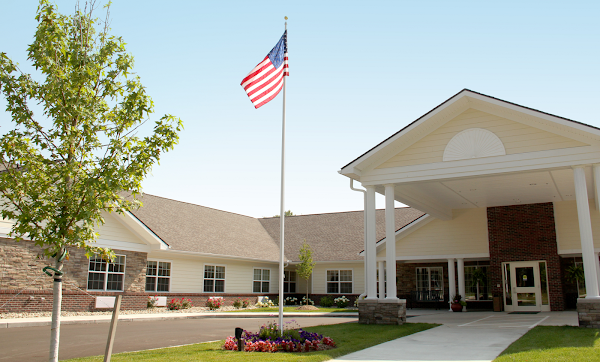
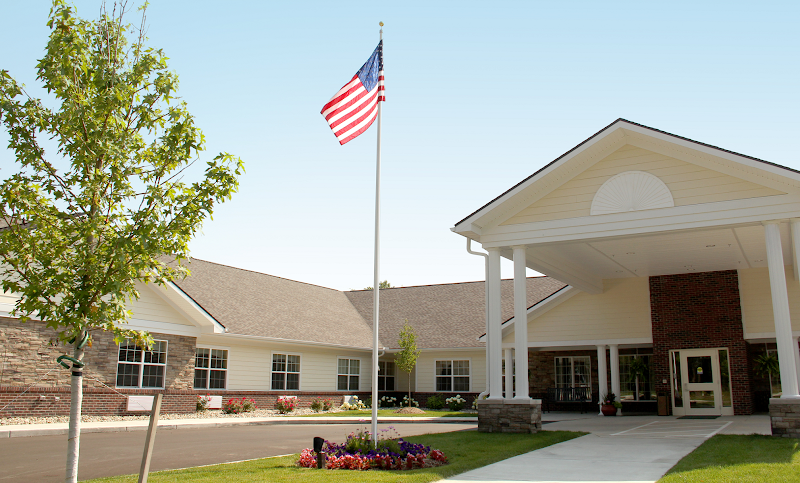
4830 CENTRAL PARK DRIVE, OKEMOS, MI 48864 (517) 349-3600
For profit - Corporation 68 Beds TRILOGY HEALTH SERVICES Data: November 2025
Trust Grade
60/100
#252 of 422 in MI
Last Inspection: January 2025

Within standard 12-15 month inspection cycle. Federal law requires annual inspections.

Overview

The Willows At Okemos has received a Trust Grade of C+, which means it is slightly above average but not exceptional. It ranks #252 out of 422 facilities in Michigan, placing it in the bottom half of state rankings, and #4 out of 9 in Ingham County, indicating that only three local options are better. The facility's trend is concerning as it has worsened, with issues increasing from 5 in 2024 to 8 in 2025. Staffing is a positive aspect, with a 4 out of 5 rating and a turnover rate of 40%, which is below the state average, showing that staff generally stay longer and have familiarity with residents. Although there have been no fines, there were significant incidents, including a failure to prevent falls for residents at risk, leading to injuries, and concerns about cleanliness and kitchen sanitation that could affect resident health. While the RN coverage is good, being higher than 98% of Michigan facilities, families should weigh these strengths against the facility's notable weaknesses.

Trust Score
C+
60/100
In Michigan
#252/422
Bottom 41%
Safety Record
Moderate
Needs review
Inspections
Getting Worse
5 → 8 violations
Staff Stability
○ Average
40% turnover. Near Michigan's 48% average. Typical for the industry.
Penalties
✓ Good
No fines on record. Clean compliance history, better than most Michigan facilities.
Skilled Nurses
✓ Good
Each resident gets 74 minutes of Registered Nurse (RN) attention daily — more than 97% of Michigan nursing homes. RNs are the most trained staff who catch health problems before they become serious.
Violations
⚠ Watch
18 deficiencies on record. Higher than average. Multiple issues found across inspections.
★★★☆☆
3.0
Overall Rating
★★★★☆
4.0
Staff Levels
★★★★☆
4.0
Care Quality
★★★☆☆
3.0
Inspection Score
Stable
2024: 5 issues
2025: 8 issues

The Good

  • 4-Star Staffing Rating · Above-average nurse staffing levels
  • 4-Star Quality Measures · Strong clinical quality outcomes
  • Full Sprinkler Coverage · Fire safety systems throughout facility
  • No fines on record
  • Staff turnover below average (40%)

    8 points below Michigan average of 48%

Facility shows strength in staffing levels, quality measures, fire safety.

The Bad

3-Star Overall Rating

Near Michigan average (3.1)

Meets federal standards, typical of most facilities

Staff Turnover: 40%

Near Michigan avg (46%)

Typical for the industry

Chain: TRILOGY HEALTH SERVICES

Part of a multi-facility chain

Ask about local staffing decisions and management

The Ugly 18 deficiencies on record

1 actual harm
May 2025 2 deficiencies 1 Harm
SERIOUS (G) 📢 Someone Reported This

A family member, employee, or ombudsman was alarmed enough to file a formal complaint

Actual Harm - a resident was hurt due to facility failures

Accident Prevention (Tag F0689)

A resident was harmed · This affected 1 resident

**NOTE- TERMS IN BRACKETS HAVE BEEN EDITED TO PROTECT CONFIDENTIALITY** This Citation Pertains to Intake Number MI00152440. Based on interview and record review, the facility failed to ensure adequate...

Read full inspector narrative →
**NOTE- TERMS IN BRACKETS HAVE BEEN EDITED TO PROTECT CONFIDENTIALITY** This Citation Pertains to Intake Number MI00152440. Based on interview and record review, the facility failed to ensure adequate supervision, implementation of meaningful and resident-centered care plan interventions, and staff awareness of planned interventions for fall prevention for two residents (Resident #701 and Resident #704) of three residents reviewed, resulting in Residents with a known risk of falls experiencing falls with injury, including a fracture, necessitating emergency medical treatment and unnecessary pain and discomfort. Findings include: Review of intake documentation revealed Resident #701 fell out of their bed on 4/19/25. Per the intake, the Resident was then made to sit in a chair in the hallway so that staff could keep an eye on them and proceeded to have a second fall at appropriately 4:15 AM on 4/20/25 which resulted in the Resident having an open laceration on their head, which required transfer to the hospital for treatment and sutures in the Emergency Department (ED). Resident #701: Record review revealed Resident #701 was originally admitted to the facility on [DATE] and most recently readmitted on [DATE] with diagnoses which included dementia without behavior disturbance, heart disease, kidney disease, irritable bowel syndrome with diarrhea, and falls. Review of the Minimum Data Set (MDS) assessment, dated 2/7/25, revealed the Resident was moderately cognitively impaired, utilized a wheelchair for mobility, and required moderate assistance for transferring. Resident #701's Electronic Medical Record (EMR) revealed that the Resident was admitted to Hospice services on 1/13/25 and was discharged from the facility on 4/22/25. Review of Resident #701's EMR revealed a care plan entitled, Resident is at risk for falling r/t (related to) dementia which could lead to poor safety awareness and choices, legally blind . (Start Date: 8/20/24). The care plan included the interventions: - Provide non-skid footwear (Start Date: 8/20/24) - Staff to assist resident with transfers as needed (Start Date: 8/20/24) - Encourage resident to assume standing position slowly (Start Date: 8/20/24) - Keep call light within reach (Start Date: 8/20/24) - Offer restroom during rounds around 2a in an attempt to anticipate needs (Start Date: 11/11/24) - Was started on trazadone for sleep on 11/23 for 11/22 observation on floor (Start Date: 11/25/24) - Dysem to be placed above and below the wheelchair cushion (Start Date: 1/27/25) - Offer assistance with antislip footwear as resident allows at HS (bedtime) and throughout the night if removes them (Start Date: 2/17/25) - Offer activities if awake at night (****activities that does not require seeing- such folding towels, listening to music) (Start Date: 4/20/25) - Bolster mattress to help define space (hospice to provide) (Start Date: 4/20/25) A second care plan entitled, Profile Care Guide (Start Date: 8/5/24) in Resident #701's EMR revealed the following interventions pertaining to fall prevention: - Falls/Safety: keep frequently used items in reach (Start Date: 8/5/24) - Transfers: two person assist/pivot, gait belt (Start Date: 8/5/24) - Walking/Mobility Devices: wheelchair (Start Date: 8/5/24) An interview was completed with Family Member Witness C on 5/6/25 at 12:50 PM. When queried regarding Resident #701, Witness C stated, (Resident #701) died yesterday. With further inquiry, Witness C revealed Resident #701 was transferred to an inpatient hospice center from the facility on 4/22/25 and they passed away at the inpatient hospice facility. Witness C was asked about the care Resident #701 had received at the facility and verbalized they had concerns with multiple aspects of the care provided. When queried if the Resident had fallen in the facility, Witness C responded they had. Witness C stated, We got a call that (Resident #701) fell out of their wheelchair at 4:30 in the morning and was going to the hospital. Witness C stated they asked the facility staff member who called them what happened and were told, I can't tell you because I don't want to implicate anybody. Witness C revealed they found out that Resident #701 had fallen earlier in the night in their room. When queried, Witness C stated, I was told (Resident #701) was naked in the corner of the room. When queried if they were provided any additional information as to how the Resident was found naked in the corner of their room, Witness C revealed they were not and did not know how the Resident had fallen. Witness C revealed they went there because they wouldn't tell me the CNA (Certified Nursing Assistant) who was working when (Resident #701) fell. Witness C revealed they wanted to know as they had concerns with specific CNA's not addressing the Resident's needs. Review of documentation from 1/1/25 in Resident #701's EMR revealed the Resident had two unwitnessed falls from their bed and two unwitnessed falls from their wheelchair. Documentation in Resident #701's EMR detailed the following: - 1/28/25 at 8:15 PM: Nursing . Incident Report . IDT note for fall event from 1/27/25. Resident was observed in room in wc (wheelchair) then observed on floor by staff. Resident is legally blind has dementia . resident is on hospice care requires assistance to transfer . Dysem applied to top/bottom of wc cushion to prevent any sliding out of wc . - 2/17/25 at 3:50 AM: Nursing . Incident Report . 2/17/25 at 3:00 AM . Fall . Resident room . Observed on the floor. Did resident hit head? Unknown . Indicate new measures taken to prevent reoccurrence.: Other hospice consult . - 2/17/25 at 7:09 AM [Recorded as Late Entry on 02/23/2025 07:09 PM]: IDT note for fall incident on 2/17 . Resident had fall in middle of night . blind and partly deaf uses hearing aides during day time. Resident is poor historian also has dementia was barefoot upon time of fall. Intervention- offer assistance with antislip footwear as resident allows at HS and throughout the night if removes them . - 4/19/25 11:14 PM: Event . Date/Time of Incident: 4/19/25 10:12 PM . Fall . Location: Resident Room . Witnessed: No . Injury . Laceration/Abrasion . Other: Bump on forehead . What was the resident doing prior to fall . In bed sleeping . What type of footwear did the resident have on? . Regular socks . - 4/19/25 at 11:38 PM: Nursing . Incident Report . What was date and time of occurrence? 4/19/25 10:12 PM . Fall, Laceration/Abrasion . Resident room type of fall . Observed on the floor . Did resident hit head? Yes . exhibit or complain of any new pain? Yes . Forehead sore . Was resident sent to the hospital? No . new measures taken to prevent reoccurrence.: Bed in lowest position, Night light placed . immediate treatments were given? Cold packs. How many lacerations/abrasions? 2. Laceration/abrasion 1: Length: 1.5 cm (centimeter) . Width: 5.0 cm . Depth: 0.5 cm . location of the laceration/abrasion?: Right side of forehead . Laceration/abrasion 2: Length: 1 cm . Width: 1.5cm . Location of the laceration/abrasion?: Right eye brow . New measures taken to prevent reoccurrence.: Apply moisturizer to keep skin supple, Monitor for edema . - 4/19/25 at 11:46 PM: Incident Report . Resident's roommate came out of the room to report that resident had fallen out of bed. Writer and nursing assistant went to room and observed resident laying on the floor on right side. Neuro check initiated. Resident has abrasion on the right side of forehead and the right eye brow. Tender to touch. Resident assisted back to chair . - 4/20/25 5:48 AM: Event . Date/Time of Incident: 4/20/25 4:20 AM . Fell out of wc . Fall . Skin tear . Hallway . Was incident witnessed? No . Injury . Skin tear . Was safety equipment in place and functioning at time of fall? None ordered . Indicate if any of the following factors are present? Cognitive or memory impairment . Difficulty understanding or following directions . Impaired vision . Requires assistance to transfer . Requires assistance to ambulate with or without assistive device . - 4/20/2025 4:40 AM [Recorded as Late Entry on 04/20/2025 05:24 PM]: Nursing . 4:40 AM: At approximately 0420 (AM) writer was leaving [NAME] Hallway and observed resident on the floor near [NAME] Hallway. While making my way to the resident I observed the other nurse on [NAME] Hallway and informed them of what had happened. Upon reaching the resident I observed (Resident #701) laying on left side in front of their wheelchair. Resident had a moderate amount of blood on head and on the floor around head. I cleaned away the blood as much as possible and observed a bump and laceration on the R side of resident's forehead. Laceration was still actively bleeding, light pressure was applied. Resident was repeating my leg, my leg but was not able to state which leg was bothering them or how they had ended up on the floor. EMS arrived approximately 0430 (AM) and took over care. Writer had last observed resident approximately 10 minutes prior sitting calmly in wheelchair . - 4/20/25 at 4:40 AM: Nursing . Incident Report . At approx. 04:20 (AM), res. was observed on hard floor in common area in front of w/c (wheelchair). Res. was laying on left side with forehead against floor. Res. Had moderate amount of blood loss from skin tear on forehead with continued bleeding. Res. c/o (complain of) leg pain but would not specify which leg . last observed sitting in w/c by multiple staff members at approx. 04:15 (AM). - 04/20/25 at 4:52 AM: Res. had been up in chair since fall at beginning of shift. Res. up in w/c near nurse station, propelling self in w/c and conversing with staff. Res. was asked multiple times throughout the night if would like to go to bed and declined . Snacks and drinks offered and declined. - 4/20/25 at 5:06 AM: Telehealth - Asynchronous . Resident had another fall tonight but did hit head this time, RN (Registered Nurse) noted a pool a blood coming from a skin tear on forehead, they were able to get the bleeding to slow . sent to the hospital for further evaluation . - 4/20/25 at 7:34 AM: Another family member is present and whom called the police writer called DPOA (Durable Power of Attorney -Witness C) to inquire of an update of resident and advise that writer will be calling hospice to update . - 4/20/25 at 9:22AM: Nursing . Returned from ER per ambulance. Resident awake, answering questions. Drsg (Dressing) to head dry and intact . Bruise noted right knee . - 04/20/25 at 9:36 AM: Nursing: 6 sutures 1.5 cm long laceration surrounding skin is light pink abrasion, old bruise to R forearm anterior aspect, new right knee light green bruise, denies pain able to move leg . Small bruise (red in color) less than 0.5 cm to face near corner to skin of L eye Right eyebrow abrasion no scab formation no bleeding noted. some blood noted to be dried consistent with the bleeding from forehead laceration . - 4/20/25 at 9:47 AM: Skin Integrity Events . Description: Laceration to R side of forehead . Describe location of incision: right side forehead superior to eyebrow . Length . 1.2 cm (centimeters) . Width: 0.2 mm (millimeters) . Exudate . Scant . Sanguinous (bloody) . Wound approximated with? Staples (number) - 6 . - 04/20/25 at 9:50 AM: Incident Report . IDT note for incident event (fall) on 4/19/25. Resident rolled out of bed, roommate said (Resident #701) was holding on and almost lowered self to floor but could not hold on and place on call light for staff to assist. Resident bed was in lowest position, call light was in reach although not on as resident did not put it on. resident had socks on while in bed. resident sustained a minor non-bleeding abrasion almost rug burn like appearance to forehead requiring no first aide or treatment will monitor open to air . INTERVENTION- Approach: bolster mattress to help define space (hospice notified of this and are going to provide). RAI -care guides updated. Goal is to remain free from falls . - 4/20/25 at 9:55 AM: Incident Report . IDT note for incident event (fall) on 4/20/25. BIMS is 9. resident is a poor historian and hx (history) of Alzheimer's dementia. Resident s/p (status post) second fall . was up with staff in wc as already rolled out of bed and seemed to be restless in bed, did better in wc . (CNA) advised to writer that resident made it clear all her needs were met prior to assisting another resident and told the resident she will be right back after helping someone else. resident was sitting upright in wc at 415 am last noted by (CNA). Upon the (CNA) being in another room, the floor nurse was passing medications to another resident on another floor at this very time. resident was then observed by the other nurse whom was not assigned to (Resident #701) from afar this was around 420am . Resident sustained abrasion to R forehead and was bleeding from a skin tear same location and pressure was applied but bleeding continued so on call provider ordered to send for eval and tx (treatment) . INTERVENTION- Send to ER for evaluate and tx. in addition will offer activities if awake at night (activities that do not require visualization such folding towels, listening to music) . Review of Resident #701's Hospice documentation revealed a note dated 4/20/25 which detailed, RN (Registered Nurse) . visit following (Resident #701's) return from ED related to fall. Spoke to (RN E), stated . (Resident #701) rolled out of bed at 10:00 PM on 4/19/25. (Resident #701) ws brought out to a common area and self-propelling, then fell out of wheelchair on hard vinyl floor causing laceration to right forehead. Due to bleeding . was sent to ED . When (Resident #701) returned, family was unhappy with care, unsure of how (the Resident) fell and stated neglect . called 911, filed a police report and the facility is performing an investigation . (Resident #701) was put in wheelchair following fall out of bed as was awake and tends to be restless . completed assessment with (facility staff). Noted: Dry blood in hair, 1.5 inch laceration with 6 sutures to right forehead, small bruise to right side of right eye, abrasion above right eye/forehead, large bruise to right knee . (Resident #701) is alert, asking 'What do we do' and 'Help me' . confused at baseline . Hospice RN encouraged use of bolster mattress and to offer activity like folding towels or listening to music as (Resident) is blind to (Resident) when awake and not sleeping at night as new interventions, (facility nurse) entered into care plan. Hospice to order mattress . Discussed event with (Witness C) . extremely unhappy with care at facility, how the event happened and staffs lack of care and communication . listened and supported by active listening and validating concerns . An interview was completed with Registered Nurse (RN) D on 5/7/25 at 9:16 AM. When queried if they recalled Resident #701, RN D responded that they did. RN D was queried regarding the level of assistance Resident #701 required and replied, (Resident #701) was hard of hearing, couldn't see, had dementia very bad, and wouldn't follow directions. RN D revealed the Resident was a two-person pivot transfer. RN D continued, It was turning for a pivot transfer that seemed to cause (Resident #701) pain and indicated the Resident would become combative with care. When asked if the Resident became combative because they were in pain, RN D indicated it was possible or could have been because they couldn't hear or see and didn't understand what staff were asking them to do. RN D then stated, They were going to start (Resident #701) on Seroquel (antipsychotic medication with black box warning for use in elderly) just before (Resident #701) went on hospice but (Witness C) wanted (the Resident) put on Zoloft (antidepressant medication) instead. When queried why Seroquel was discussed, RN D replied, At night, (Resident #701) would yell out. RN D then stated, Zoloft was not really effective. It was like (the Resident) would get in a loop and ask the same thing it was like you had to be constantly engaged with them. An interview was completed with Confidential Witness F on 5/7/25 at 9:45 AM. When queried regarding Resident #701, Witness F stated, (Resident #701) did fine if someone sat with them and helped them. When queried if they were present when the Resident fell, Witness F indicated they were not but verbalized the Resident would become restless if left alone due to being blind and hard of hearing. An interview was completed with the facility Administrator on 5/7/25 at 1:50 PM. When queried if there was any additional facility investigation documentation pertaining to Resident #701's falls in April 2025, other than the event documentation, the Administrator stated, The investigation stuff was submitted with a five-day investigation that was closed for neglect. The Administrator was asked to review the investigation documentation and replied, The staff followed the fall care plan. The Administrator then stated, I will get (Assisted Living [AL] Director, Licensed Practical Nurse [LPN]) B. They can talk you through it. An interview was completed with AL Director B on 5/7/25 at 2:02 PM. When queried if staff involved in Resident #701's falls were interviewed, Director B indicated they were and provided Statement of Witness forms for RN I, CNA J, and RN K. All the Statement of Witness Forms specified the interviews were conducted by RN E. Review of the statements detailed: - RN I - Date of Interview: 4/20/25: I called (Witness C) and spoke with them in regards to both falls including at 10ish PM. No injuries, just abrasion no bleeding to forehead. Aide (CNA) got (Resident #701) in WC, self-propelling around hall wall and nurse station. Offered snacks drinks and to lay down every so often, Res declined. (Resident) made it clear was happy and content in wc and needed nothing. Went to pass meds on (different facility hallway). Last seen in wc on hallway sitting upright . While on (different hallway), other nurse came and told me Resident had fall, I went to assess . - CNA J - Date of Interview: 4/20/25: Did shift change at beginning of hallway. Call light was on mid-report. 2nd shift aide answered light. Observed on floor as I walked behind (Resident #701). I helped transfer to bed, appeared not tired to I transferred to wc. Nurse sat with resident in between call lights. Time passed. Toileted just after 3:00 AM. Went to toilet another resident on hallway and (RN K) observed Resident on floor. Last seen about 4:1AN, When came out of other resident room was on floor next to wc area/hard floor area before [NAME] ([NAME]). Hallway. Prior to going to other resident room (Resident #701) wasn't want to eating/drink/no pain/good position in wc. Needs appeared met . - RN K - Date of Interview: 4/20/25: I was walking off [NAME] (hallway) and seen (Resident #701) from afar on the floor at edge/front of [NAME] (hallway) - not on carpeted area. Upon walking/hurrying to get (Resident #701), their nurse was on [NAME] (other hallway) told them of (Resident #701) on floor and placed towel to forehead was bleeding. When queried if they completed the interviews, Director B responded that RN E was the weekend supervisor and had completed the interviews with the staff who were working when the incident occurred. Director B was then asked about documentation from the fall on 4/19/25 detailing the Resident was wearing regular socks and not non-slip footwear, Director B confirmed the Resident had on regular socks per the documentation. When asked why Resident #701 did not have non-slip footwear in place as per the care plan intervention following their previous fall from bed, Director B was unable to provide further explanation. When queried what intervention the staff implemented following the Resident's first fall, Director B reviewed the Resident's care plan and indicated a bolster mattress. When queried if that intervention was immediately implemented, Director B confirmed it was not and revealed the Resident was put in a wheelchair to be within view of the nursing staff. When asked, Director B confirmed the Resident's second fall occurred when they were in the wheelchair. Director B was asked where facility staff were when the Resident fell and responded that the nurse was on a different hallway passing medications and the CNA was in a room providing care to another Resident. When queried regarding staffing assignments, Director B revealed nurses are assigned to two halls and there is one CNA per hallway. When asked if Resident #701 was incontinent when they fell from their wheelchair, as they were last toileting by the CNA around 3:00 AM, Director B revealed they were unsure as the fall documentation did not specify. When asked what the facility determined the Resident was attempting to do when they fell, Director B indicated the Resident was self-propelling in their wheelchair but was unable to provide further explanation. When asked why the Resident was left unattended and unsupervised after having been supervised by nurse, according to the notes, given the Resident was blind, hard of hearing, and had severe dementia/confusion, Director B indicated the CNA checked on the Resident before going to provide care to a different resident but did not provide further explanation. Resident #704: At 12:10 PM on 5/6/25, Resident #704 was not in their room. The room was located approximately midway down the hallway and not near the central area of the facility and/or nurses' station. No notable fall prevention interventions were present in the room. On 5/6/25 at 12:15 PM, Resident #704 was observed sitting in a wheelchair at a table in the dining room of the facility. The Resident's wheelchair had bilateral leg/footrests in place and the Resident's feet were positioned on the footrests. When asked questions, the Resident made eye contact but did not provide verbal responses. Review of the CMS-802 Form detailed Resident #704 had a fall with major injury. Record review revealed Resident #704 was originally admitted to the facility on [DATE] with diagnoses which included Alzheimer's disease, dementia with other behavioral disturbance, anxiety, right foot hallux rigidus (limited movement, stiffness, pain in the big toe joint), falls, and displaced fracture of the right femur with surgical repair. Review of the Minimum Data Set (MDS) assessment dated [DATE] revealed the Resident was severely cognitively impaired and required substantial to maximum assistance to complete Activities of Daily Living (ADL), moderate assistance with transfers, and had one sided lower extremity Range of Motion (ROM) impairment. Further review revealed Resident #704 was transferred to the hospital on 4/23/25 and returned to the facility on 4/29/25. On 5/7/25 at 8:30 AM, Resident #704 was observed sitting in a wheelchair in the dining room of the facility. The Resident's wheelchair was positioned far from the table, approximately one foot away. Both of the Resident's feet were positioned on the leg/footrests of the wheelchair. Resident #704 was observed lifting the plate of food to bring it closer to them. The Resident then picked up a fried egg with their finger and began to eat it. When asked questions, Resident #704 made eye contact but did not provide meaningful responses. An interview was completed with Registered Nurse (RN) L on 5/7/25 at 8:40 AM. When queried regarding Resident #704, RN L stated, (Resident #704) is alert and oriented to self only. RN L further explained that the Resident was very confused and required assistance and cueing for all tasks including eating. RN L stated, (Resident #704) doesn't remember me from day to day. When asked how long the Resident had been at the facility, RN L stated, (Resident #704) went to the hospital and came to this side after. They fell and fractured their hip. With further inquiry, RN L explained the Resident was originally admitted to the 400-hall of the facility, they fell and were sent to the hospital where they had surgery due to fracturing their hip and were admitted to the 100-hallway when they returned to the facility. When queried, RN L revealed Resident #704 was originally admitted to the facility for therapy because they fell and fractured their right hip then they fell and fractured their left hip while at the facility. On 5/7/25 at 1:11 PM, an interview was completed with Family Member Witness M. When queried regarding Resident #704's stay in the facility and fall, Witness M stated, (Resident #704) went (to the facility) because they broke their right hip and then fell while there and broke their left hip. That kind of bothered me. When queried what bothered them, Witness M revealed what they were told by facility staff about what happened did not make sense. Witness M was asked what they were told and stated, The first call they said we found (Resident #704) in a corner and said (the Resident) took off all their clothes. Witness M revealed the staff told them Resident #704, Took the sheets off the bed and wrapped themselves in it and that they put (Resident #704) back in their bed. When asked if they were aware of a reason the Resident may have removed their clothes and if that was something the Resident had done previously, Witness M verbalized that was not normal for Resident #704. Witness M continued, Then they called me around 9:00 AM the next morning and said the Doctor was on their rounds, checked (Resident #704) out, and had a big bruise so they were going to send them out to the hospital. When asked what happened, Witness M stated, (Resident #704) went to the hospital and they said (the Resident) broke their left side (hip) too. Witness M declared, I never got the truth out of them (facility staff) of what actually happened. It doesn't make sense. When asked, Witness M revealed they did not understand how or why Resident was found in the corner and why staff were not monitoring them. When queried if Resident #704 was able to use the call light when they need assistance, Witness M replied, Won't call for help and indicated the Resident does not remember the call light or that they need assistance. Review of Resident #704's Electronic Medical Record (EMR) revealed a care plan entitled, Falls- Resident is at risk for falling r/t (related to) broken bones (Start Date: 4/29/25). The care plan included the interventions: - Ensure the floor is free of liquids and foreign objects (Start Date: 4/29/25) - Keep call light within reach (Start Date: 4/29/25) - Staff to assist resident with transfers as needed (Start Date: 4/29/25) - Encourage resident to assume standing position Slowly (Start Date: 4/29/25) A second care plan entitled, ADL's: Profile Care Guide (Start Date: 4/11/25) was also present in Resident #704's EMR. This care plan included the interventions: - Falls/Safety: high fall risk (Start Date: 4/11/25) - Other: not oriented to name, place, time, or date (Start Date: 4/11/25) - Transfers: two person assist, gait belt, no ambulating at this time per therapy, 2PA (Person Assist) with lower body dressing, transfers and bed mobility-reposition q (every)2 hr while in bed, 1PA for upper body dressing and hygiene wbat (weight bearing as tolerated) lle (left lower extremity) (Start Date: 4/11/25) - Walking/Mobility Devices: unable to ambulate, 2PA for transfers/toileting WBAT to LLE, activity as tolerated total hip replacement protocol WITHOUT need to follow hip precautions (Start Date: 4/11/25) Review of documentation in Resident #704's EMR revealed the following: - 4/9/25 at 1:32 PM: admission Observation . Prior surgeries in last 100 days, describe - right hip . Foot Press Strength: Weak bilaterally . Baseline Care Plan Goal- Resident will have no negative outcomes related to vision, hearing, oral and dental status . Desired Approaches: Encourage Resident to wear eyeglasses and assist with keeping them clean. Offer and provide dental/oral care as needed. Ensure adequate lighting in room. Report any oral/dental issues to social services for referrals as needed. Orient to objects and layout of the room Assist with hearing aids as needed . Musculoskeletal . Left Lower extremity - weak . Right Lower extremity - weak . Assistive Devices: Wheelchair . Weight Bearing: Full . Safety: Falls Risk Review . Did the resident have a fall any time in the last month . Yes . Fall Risk Score: 22 Level: High . Baseline Care Plan Goal- Resident will remain safe and free of major injury related to falls . Desired Approaches: Encourage Resident to assume a standing position slowly. Therapy eval and treat as ordered. Call light within reach . Personal items within reach . Non-skid footwear Observe for signs of wandering or exit seeking and notify MD as needed. Assure floor is free of foreign objects . Fall history . desired approaches . PT/OT/ST eval and treat as ordered . 2 person assist until therapy evaluation. Assess Pain every shift. Proper fitting shoes . Bed Mobility: Extensive Assistance . Transfers: Extensive Assistance . Toileting: Extensive Assistance . - 4/22/25 at 8:50 PM [Recorded as Late Entry on 04/25/2025 12:15 PM]: Nursinng . Incident Report . This writer was notified by (Certified Nursing Assistant - CNA) that the resident was observed on the floor next to the bed in the resident's room. Upon entering the room the resident was observed to be without a gown or brief on. Resident had removed clothing items. Staff was attempting to provide care with the resident swatting and pulling at the staff. Resident was also observed to be verbalizing nonsensical word salad during observations. No visual signs of injury were observed, no bruising noted. Unable to perform range of motion due to the resident moving all four limbs while being combative with staff. Grip strength was unable to be determined due to resident's inability to follow directions. Neuro checks were initiated and found to be within normal for the resident. Resident appears to be within base line. On call provider called and no new orders were received and responsible party was notified . - 4/22/25 at 9:08 PM: Nursing . Incident Report . date and time of occurrence? 4/22/25 8:45 PM . Fall . Resident room . Observed on the floor (Unwitnessed) .[TRUNCATED]
CONCERN (D) 📢 Someone Reported This

A family member, employee, or ombudsman was alarmed enough to file a formal complaint

Potential for Harm - no one hurt, but risky conditions existed

ADL Care (Tag F0677)

Could have caused harm · This affected 1 resident

**NOTE- TERMS IN BRACKETS HAVE BEEN EDITED TO PROTECT CONFIDENTIALITY** This Citation Pertains to Intake Number MI00152440. Based on observation, interview and record review, the facility failed to en...

Read full inspector narrative →
**NOTE- TERMS IN BRACKETS HAVE BEEN EDITED TO PROTECT CONFIDENTIALITY** This Citation Pertains to Intake Number MI00152440. Based on observation, interview and record review, the facility failed to ensure Activities of Daily Living (ADL) and hygiene care were provided to one resident (Resident #704) of three residents reviewed. Findings include: Resident #704: On 5/6/25 at 12:15 PM, Resident #704 was observed sitting in a wheelchair at a table in the dining room of the facility. The Resident's fingernails were long. When asked questions, the Resident made eye contact but did not provide verbal responses. Record review revealed Resident #704 was originally admitted to the facility on [DATE] and readmitted on [DATE] with diagnoses which included Alzheimer's disease, dementia with other behavioral disturbance, anxiety, right foot hallux rigidus (limited movement, stiffness, pain in the big toe joint), falls, and displaced fracture of the right and left femurs with surgical repair. Review of the Minimum Data Set (MDS) assessment, dated 4/15/25, revealed the Resident was severely cognitively impaired and required substantial to maximum assistance to complete Activities of Daily Living (ADL), and moderate assistance with transfers. On 5/7/25 at 8:30 AM, Resident #704 was observed sitting in a wheelchair in the dining room of the facility. The Resident's wheelchair was positioned far from the table, approximately one foot away. Resident #704 was observed lifting the plate of food to bring it closer to them. The Resident then picked up a fried egg with their finger and began to eat it. Resident #704's fingernails were long and uneven with a dark colored, unknown substance visible under their nails. When spoke to, Resident #704 made eye contact but did not provide meaningful responses to questions when asked. An interview was completed with Registered Nurse (RN) L on 5/7/25 at 8:40 AM. When queried regarding Resident #704, RN L stated, (Resident #704) is alert and oriented to self only. RN L further explained that the Resident was very confused and required assistance and cueing for all tasks including eating. RN L stated, (Resident #704) doesn't remember me from day to day. When queried regarding observation of the Resident picking up and eating their egg with their hands, RN L stated, (Resident #704) needs cueing and is independent for eating. RN L verbalized the Resident does better with finger foods. With further inquiry regarding the Resident's lack of meaningful communication but being more interactive today than yesterday, RN L indicated the Resident had a rough day yesterday and stated, (Resident #704) had a big BM (bowel movement) yesterday and is hands everywhere so they had their hands in the BM. When queried if the Resident is able to complete any of their own hygiene activity including washing their hands, RN L revealed the Resident requires assistance primarily due to loss of cognition. An observation of Resident #704 was completed in the dining room of the facility with Assisted Living Director B on 5/7/25 at 9:00 AM. Resident #704 was observed sitting in their wheelchair in the same place/position as prior observation. Director B was asked to look at Resident #704's fingernails, including the underside of the nails. When asked what they saw, Director B confirmed the Resident had a dark colored, unknown substance under their fingernails and verbalized they would address immediately. On 5/7/25 at 1:11 PM, an interview was completed with Family Member Witness M. When queried regarding the care Resident #704 receives at the facility, Witness M verbalized multiple concerns including ADL care and feeding assistance. When asked how often they visit the Resident, Witness M replied, I just went to their doctor appointment with them. When asked if they had any concerns regarding the hygiene care provided at the facility, Witness M verbalized concern regarding the Resident's fingernails. Witness M verbalized Resident #704's nails were very long and had not been maintained and/or cut. Witness M indicated a Certificated Nursing Assistant (CNA) had told them they would cut their nails when they asked, but it had not happened. Review of Resident #704's care plans revealed a care plan entitled, ADL's: Resident requires staff assistance to complete self-care and mobility functional tasks completely and safely (Start Date: 4/29/25). The care plan included the intervention, Provide nail care on shower days and PRN (as needed) (Start Date: 4/29/25). On 5/7/25 at 2:02 PM, an interview was conducted with Director B. Director B verbalized they spoke to the direct care staff regarding Resident #704's nails. A review of Resident #704's Electronic Medical Record (EMR) did not reveal specific documentation related to completion of nail care and/or hand hygiene. An interview was conducted with the facility Administrator and Director B on 5/7/25 at 4:52 PM. When queried regarding observation of Resident#704's fingernails while eating with their hands, the Administrator verbalized understanding of concern. No further explanation was provided. Review of facility policy/procedure entitled, Nursing ADL Documentation Guidelines (Dated: 5/10/16) did not include information pertaining the provision of ADL and/or hygiene care.
Jan 2025 6 deficiencies
CONCERN (D) 📢 Someone Reported This

A family member, employee, or ombudsman was alarmed enough to file a formal complaint

Potential for Harm - no one hurt, but risky conditions existed

ADL Care (Tag F0677)

Could have caused harm · This affected 1 resident

**NOTE- TERMS IN BRACKETS HAVE BEEN EDITED TO PROTECT CONFIDENTIALITY** Based on observation, interview, and record review the facility failed to provide Activities of Daily Living (ADL's), including ...

Read full inspector narrative →
**NOTE- TERMS IN BRACKETS HAVE BEEN EDITED TO PROTECT CONFIDENTIALITY** Based on observation, interview, and record review the facility failed to provide Activities of Daily Living (ADL's), including bathing/showering for one dependent resident (R4) reviewed of ADL care, resulting in increased likelihood of feelings of worthlessness, disrespect and the potential for uncleanliness. Resident #4(R4) Review of the Face Sheet and Minimum Data Set (MDS) with an Assessment Reference Date (ARD) of 12/2/24 , reflected R4 was a [AGE] year old female admitted to the facility on [DATE], with diagnoses that included hypertension (high blood pressure), venous insufficiency (decreased blood flow in legs), cirrhosis of the liver (decreased liver function), pressure ulcer stage III, and depression. The MDS reflected R4 had a BIM (assessment tool) score of 14 which indicated her ability to make daily decisions was cognitively intact, and she required partial to moderate assist with transfers, dressing, and bathing. During an observation on 1/27/25 at 10:04 AM, R4 was in room sitting in wheelchair and appeared upset, dressed and hair appeared un-groomed. When asked if R4 had any concerns with care at facility R4 stated, does it look like I should have concerns? and looked at the bed. R4 reported was unhappy because staff removed sheet from bed and left dirty sheets on end of bed and have not returned. R4 reported staff had not changed sheet for two weeks. R4 reported was scheduled for showers two times weekly on Sunday and Thursday and did not get shower yesterday. Review of R4's Electronic Medical Record Bathing records, dated 11/29/24 through 1/29/25, reflected R4 had 10 missed showers with several entries of, activity did not occur. Review of R4 Care Plans, dated 2/11/21, reflected interventions that included, Assist with ADL care as needed .4/6/22 Resident may ambulate from room to DR[dining room] with 4WW[4 wheel walker] SBA[stand by assist] x 1 person with w/c follow and right knee brace .Supervision with bathing . During an interview on 1/29/25 at 12:50 PM, Certified Nurse Aid (CNA) G reported residents usually received showers 2 x weekly according to room number. CNA G reported R4 was a female only for caregivers and can often just trade female CNA to complete care needs. During an interview on 1/29/25 at 1:00 PM, Director of Nursing (DON) B reported residents usually have showers scheduled 2 times weekly and staff document in EMR under tasks. DON B reported staff have shower schedules according to rooms that have already been approved by residents. DON B reported if staff do not have time to shower residents they are expected to communicate to next shift and offer shower, if not offer the next morning. DON B reported if residents refuse would expect CNA staff to offer three times over 15 minutes apart and if still refused to report to nurse who should completes Progress Note. DON B reported noticed about two weeks ago R4 had several did not occur on shower documentation and staff was educated. Documentation reflected R4 was not provided shower on 1/26/25 as scheduled with no supporting documentation.
CONCERN (D)

Potential for Harm - no one hurt, but risky conditions existed

Quality of Care (Tag F0684)

Could have caused harm · This affected 1 resident

**NOTE- TERMS IN BRACKETS HAVE BEEN EDITED TO PROTECT CONFIDENTIALITY** This citation pertains in intake MI00148900. Based on observation, interview, and record review, the facility failed to ensure c...

Read full inspector narrative →
**NOTE- TERMS IN BRACKETS HAVE BEEN EDITED TO PROTECT CONFIDENTIALITY** This citation pertains in intake MI00148900. Based on observation, interview, and record review, the facility failed to ensure care and services was provided for two of 17 residents (R3 and R4) reveiwed resulting in a delay in treatment to maintain the highest practical level of wellbeing and care needs not being met. Findings include: Resident #3 (R3) Review of the medical record reflected R3 was an initial admission to the facility on [DATE] and readmitted on [DATE]. Diagnoses of fracture of upper end of right tibia, subsequent encounter for closed fracture with routine healing, presence of right artificial knee joint, periprosthetic fracture around internal prosthetic right hip joint, arthritis of left hip, muscles weakness, difficulty walking, Type 2 Diabetes Mellitus with Diabetic Kidney Disease, and Depression. The most recent Minimum Data Set (MDS), with an Assessment Reference Date (ARD) of 12/19/2024, revealed R3 had a Brief Interview of Mental Status (BIMS) of 13 (cognitively intact) out of 15. Under section GG0100, Activities of Daily Living (ADL) Assistance reveals R3 was dependent on all care and requires minimal assist with setting up for meals and oral care. During an interview on 01/28/25 at 12:14 PM, R3 stated she had just got back from physical therapy and the Certified Resident Care Assistant (CRCA) would be in to transfer her from the wheelchair to her bed. R3 stated the injury to her right leg was on 11/25/24. R3 stated one of the female CRCA O had a German acescent and short blonde hair. R3 stated the male CRCA N is the one that usually transferred her with another person. R3 stated she had sat in her wheelchair for a while, so she knew it would take a minute or two once she started the transfer. Both CRCA's started helping her to transfer to bed from the wheelchair using a walker and R3 told them to wait a minute, wait a minute, her right leg was caught under the chair. CRCA O told her to come on, keep going. R3 stated again wait a minute, wait a minute, my right leg was caught under the chair, and again CRCA O told R3 to keep going. R3 stated that CRCA O told her to grab the rail on her bed so they could transfer her up on the bed. R3 stated she was sitting at the edge of the wheelchair by this time, and again asked them to wait a minute and they did not. Both CRCA's N and O continued moving her over to the bed. R3 stated they continued with transfer and CRCA N purposefully pushed her the rest of the way on the bed and R3 stated she could feel right leg crack. R3 told CRCA N that she hurt her right leg and was tearful due to the right leg pain. R3 stated she told CRCA O that she needed something for pain, and CRCA O told R3 she would go tell the nurse. R3 stated that the nurse came into her room to give her some pain medication. R3's family member P requested an x-ray be done to the right leg as it hurt more than usual. R3 stated whenever her right leg was moved, it hurt. Record review revealed R3 had a portable x-ray at the facility on 11/25/24 following the incident and the results did not show the fracture. Record review revealed R3 was sent out to the local emergency room after family member P insisted on 12/03/24 for increased right leg pain. The emergency evaluation was not initiated based on the facility staff assessment. The evaluation was upon the instance of R3s famly member P. The hospital x-ray report documentation from the emergency room evaluation revealed R3 had a closed fracture of proximal end of right tibia, unspecified fracture morphology. R3 returned to the facility with discharge instruction to follow up with Orthopedic Trauma. During an interview on 01/28/25 at 1:10 PM, family member P voiced concern that CRCA N and O broke R3's leg, they kept pulling on her, and they didn't stop. Family member P stated that it took the facility a couple days, before they sent her to the hospital, and did so when she insisted, causing a delay in treatment. Family member P was told R3's pain was due to arthritis, joint arthritis, but hospital discharge paperwork reported she had a fracture in her right leg. Family member P stated the hospital x-rayed her leg, put her in a brace/immobilizer and told R3, to not take it off until she sees an orthopedic trauma specialist. Family member P stated, she called and scheduled the first appointment, but the facility rescheduled, due to not having transportation to get R3 there. Family member P stated R3 went to the next appointment and the physician reported they saw the fracture and would monitor it. Family member P stated the hospital discharge paperwork stated R3 had osteoarthritis and a fracture like this, would come from a forceful pull. Family member P stated R3 had to keep the immobilizer on for approximately 4 to 6 weeks. Family member P stated R3 was finally able to take the brace/immobilizer off and started back up with physical therapy. R3 will have a follow up appointment with orthopedic trauma specialist in the near future, and she will call and find out the date and time. R3 could walk before all this and now this will put her behind now. There was a delay in treatment from the facility, as they did not respond timely following the incident. R3 continued to complaint of increased pain in the right leg without sending her to the hospital until family member P insisted. Record review on 01/28/25 11:18 AM, revealed a final investigation reporting of this incident from the facility Administrator to the State of Michigan in a Facility Reported Incident (FRI). Record review of the FRI included staff interviews with the following. 1) CRCA O interviewed on 12/04/24, she was helping to transfer, R3 was in a wheelchair, and they were trying to transfer to the bed with the rolling walker. After they transferred her to bed, R3 complained of pain in her leg, and she notified the nurse. 2) CRCA N interviewed on 12/04/24, they entered R3's room because she wanted to get into bed. R3 was a 2 person transfer from the wheelchair with a walker. CRCA N stated he put the walker in front of R3 and the other CRCA was on either side of her for support. R3 stood up and they helped pivot her to bed. CRCA N stated it was a typical transfer for resident, and nothing went different from any other transfer. CRCA N stated that R3 did state that her legs hurt one more than the other and asked for pain medication. CRCA N stated he went and told the nurse pain meds were needed. 3) CRCA Q interviewed on 12/04/24, R3 did not assist with any transfers, accept when resident was sent out to the local hospital emergency room on [DATE]. 4) RN R interviewed on 12/04/24, R3 complained of pain, family member P requested R3 to be sent out to local hospital emergency room. No marks or increased pain noted prior to being sent out to the hospital. RN R stated R3told her that it occurred during a transfer. 5) Afternoon RN Supervisor S interviewed on 12/09/24, CRCA approached him around 9:00 PM, stating R3 wanted a pain pill. He pulled the medication out for resident, went to room where family stated they wanted an x-ray of her left leg. Family stated the right leg hurt more than usual. Resident also stated abdomen always hurts. He called the on-call provider and explained concerns also noting the R3 leg was not red, warm or swollen, when compared to the other leg and baseline. on call stated it could be arthritic in nature or a DVT and notified rounding provider. Family notified and rounding provider ordered x-rays. 6) CRCA N interviewed on 12/04/24, They entered the resident's room because she wanted to get into bed. She is a 2 person transfer with a walker, put walker in front of R3 and each one of us on either side of her for support. She stood up and they helped pivot her to bed. It was a typical transfer for resident, and nothing went different from any other transfer. Resident did state that her legs hurt one more than the other and asked for pain medication. Told the nurse pain meds were needed. 7) R3's roommate T interviewed on 12/04/24, CRCA O helped with transfer on R3, was in wheelchair and they transferred R3, and she complained of pain in legs, and they notified nurse. During record review on 01/28/25 at 1:54 PM, writer noted that there was no interview with R3 in the investigation. Writer requested the interview between R3 and Executive Director/ LNA A. After receiving this Statement of Witness Form sometime later, the interview form was typed not written, there was no signature by R3 nor was it dated. Those 2 areas were left blank. The Executive Director/LNA A and Assistant Director of Health Services signed and dated this form. Record review of hospital after visit summary dated 12/3/24. Documented reason for visit- knee pain. Diagnosis- Closed fracture of proximal end of the right tibia, unspecified fracture morphology, initial encounter. XR Knee Right 3 views. Findings- Nondisplaced fracture involving the proximal tibia diaphysis extending to tibial compartment of the arthropathy. Articular surfaces and joint spaces: Total knee arthroplasty is intact. Bones: Well, mineralized without lytic or sclerotic process. No evidence of suprapatellar effusion. Lower extremity edema. Impression: Nondisplaced fracture involving the proximal tibia diaphysis extending to tibial compartment of the arthroplasty. Correlation with CT may be useful. Record review of R3's interview on the injury of unknown origin was dated 12/04/24. The content of the interview was conducted with Executive Director/LNA A and Assistant Director of Health Services U met with R3 and family member P on 12/04/24, both stated the fracture occurred while 2 CRCA's N and O were transferring her. Family member P stated it is not an injury of unknown origin, we know how it happened, during her transfer, when R3 told them to stop and they didn't. During an interview on 01/29/25 10:10 AM, R3 stated the Executive Director/LNA A came back in to interview her without her family member P present. R3 stated she came in and asked a few questions, R3 stated she gave them details of what happened again. During an interview on 01/29/25 at 11:30 AM, Cognitively intact R3 stated that prior to the fracture of her right leg, she could walk with assistance using her walker from the bed to the door, around her room. R3 then stated that now, she can no longer walk with assistance and her walker, she had to use a mechanical lift to transfer with 2-3 people. R3 stated she required more pain medication after the fracture, because it hurt to have her leg moved. R3 had a change in her mobility status from using a walker with assistance to using a mechanical lift with 2-3 people due to being non-weight bearing. R3 also stated that this was a little depressing to her, as she was already being treated for depression. It had affected her psychological status as well. During an interview on 01/29/25 at 12:23 PM, Minimum Data Set (MDS) Nurse C stated she did the December 2024 MDS Assessment. MDS Nurse C stated R3 was up with 2 persons assist and walker, no other devices. MDS Nurse C stated that she completed the December's assessment, and she was downgraded to a mechanical lift, she is non-ambulatory, non-weight bearing, dependent on transfers from chair to bed, all transfers became dependent. During an interview on 01/29/25 at 12:55 PM, Physical Therapy Director (PTD) stated R3 was a 2 person assist with walker and a gait belt, and now a mechanical lift because she is non-weight bearing on her leg. PTD V stated Occupational Therapy (OT) was working on upper body exercises, Activities of Daily Living (ADL), overall weakness, more now than before. PTD V stated Physical Therapy (PT) was working on range of motion on leg, seat to balance bed mobility, core strengthening. R3 assist with upper body dressing, upper body exercises, she does well. During an interview on 01/29/25 at 1:03 PM, family member P Stated R3 called her about the injury right after it happened, so she came right up. Family member P stated ED/LNA A and ADHS U came up to R3's room [ROOM NUMBER] times with her there, then again without her there. Family Member P stated they were upsetting R3 with all the questions that she had already answered. ED/LNA A and ADHS U asked R3 again what happened the day of her right leg injury, she gave the same details again, asked R3 if she was sure, it was this person or not. Family Member P stated the second time they asked the same questions and tried to turn it around. Family member P stated they didn't want to give R3 pain medications, didn't know why. R3 did have increased pain from this incident. Family member P stated R3 didn't have the pain in her right leg, that she does now. During an interview on 01/29/25 at 1:18 PM, CRCA O stated she had helped to take care of R3. CRCA O stated she was now a total lift, she positioned her, checked and changed her and that was it. CRCA O stated sometimes they need 3 people. CRCA O stated she helped transfer R3 once, helped CRCA N with transferring, she was 2nd person assist on 2nd shift. R3 was sleeping in her wheelchair, she was too extensive, positioned chair up to bed, helped her stand up, using the walker in front of her, waiting for her to move her feet to sit on bed, R3 was not moving just standing there. CRCA O stated she asked her to move to her bed. CRCA N was on the right side, and she was on the left side of the chair. CRCA O stated she didn't remember being told to wait a minute by R3. CRCA O was told R3 needed a pain pill. CRCA O stated that R3 told her, that she broke her leg. During an interview on 01/29/25 at 1:28 PM, CRCA N stated he was one of the CRCA O on the side of the chair, he was in the back. CRCA N stated R3 was a 2-person transfer, R3 was standing there, then got her to bed, then checked and changed her and got her positioned her in bed. CRCA N stated he did not recall if R3 told them to wait a minute, wait a minute. Record review of the FRI investigation of the incident on 11/25/2024, revealed transfer training was provided to staff through the therapy department, and a sign in sheet was provided. It revealed that abuse education had been provided, but there was not a separate sign in sheet for that training, not knowing who did or did not attend. This document was not part of the FRI- submitted to the State of Michigan. Writer requested the missing information at 01/29/25 at 1:45 PM, via email to Executive Director/LNA A. Missing information was later provided. Resident #4 (R4) Review of the medical record reflected R4 was admitted to the facility on [DATE], with diagnoses that included wedge compression fracture of first lumbar vertebra and chronic pain. The Minimum Data Set (MDS), with an Assessment Reference Date (ARD) of 12/02/2024, reflected R4 scored 14 out of 15 (cognitively intact ) on the Brief Interview for Mental Status (BIMS-a cognitive screening tool). Review of a Progress Note dated 12/11/2024 at 2:52 PM, R4 was noted to have two upcoming appointments for R4 with a pain clinic. 1. 1/8/25 @ 10:15 am and 2. 1/22/25 @ 10:45 am . Review of Progress note dated 01/08/2025 at 08:41 AM reflected Residents (R4) appointment on 1/8/25 was rescheduled for 1/13/24 with [redacted] pain clinic. Nurse was notified and there was a difficulty with transport on the 8th. Review of a Progress Note dated 1/09/2025 at 1:18 PM stated Cancelled residents (R4) appointment with [redacted] pain clinic on Monday, 1/13/25. The (facility) bus is being serviced and we can;t provide transport. Will reschedule when vehilce [sic] is back. Review of a Progress Note dated 1/21/2025 at 10:45 AM stated Residents (R4) appointment on 1/22/25 was cancelled with [redacted] pain clinic. No transportation is available due to bus in shop. Will reschedule when bus is available. In an interview on 01/29/25 at 11:49 AM, Life Enrichment (LE) E stated that she is the primary driver of the facility vehicle and also assists with the scheduling of appointments for residents. LE E stated for the past few months, the facility vehicle has been in the shop a lot however, more recently, the facility vehicle has been completely out of commission for about three weeks. In the meantime the facility has been encouraging families to provide transportation and/or hire outside transportation to assist with the residents getting to and from outside appointments. LE E stated that the facility had had to reschedule R4's pain clinic appointments due to the facility vehicle being out of commission, however, was unsure why an outside transportation company was not consulted to assist with transporting R4 to her appointments. LE E confirmed that the last pain clinic appointment R4 had attended was on 11/15/24. On 1/29/25 at 12:59 PM, R4 was observed in her room self propelling toward her dresser. When asked about the pain clinic, R4 stated that she had been attending the pain clinic for pain injections for months. R4 stated that she had a chronic back pain problem and that she doesn't like taking pills so she elected to attend the pain clinic to assist in pain relief. R4 stated that she felt that she was ready for her next injection and that her back pain was coming back because she had been requesting more of her as needed Tylenol lately. R4 stated that she felt more than ready for her next injection and was not aware of her pain clinic appointments being cancelled and rescheduled due to lack of transportation.
CONCERN (D)

Potential for Harm - no one hurt, but risky conditions existed

Deficiency F0685 (Tag F0685)

Could have caused harm · This affected 1 resident

**NOTE- TERMS IN BRACKETS HAVE BEEN EDITED TO PROTECT CONFIDENTIALITY** Based on observation, interview and record review, the facility failed to ensure timely ophthalmology services for one (Resident...

Read full inspector narrative →
**NOTE- TERMS IN BRACKETS HAVE BEEN EDITED TO PROTECT CONFIDENTIALITY** Based on observation, interview and record review, the facility failed to ensure timely ophthalmology services for one (Resident #49) of one reviewed for vision, resulting in lack of timely eye care services and the missed treatments. Findings include: Resident #49 (R49) Review of the Face Sheet and Minimum Data Set (MDS) dated [DATE], reflected R49 was a [AGE] year old male admitted to the facility on [DATE], with diagnoses that included type 2 diabetes mellitus with unspecified diabetic retinopathy, hypertension (high blood pressure), chronic kidney disease, and depression. The MDS reflected R49 had a BIM (assessment tool) score of 12 which indicated his ability to make daily decisions was moderately impaired. During an observation and interview on 1/27/25 at 12:33 PM, R49 was sitting at table in dining room with another resident. R49 reported appeared pleasant and able to answer questions without difficulty. R49 reported concern related to facility bus was not functioning and had missed two to three eye appointments including for eye injections in past two weeks. R49 reported was upset because eye doctor told him he could go blind if treatment plan was not completed. R49 and other resident reported facility bus had not been available for outings for months. During an observation and record review on 1/28/25 at 9:15 AM, Daily Chronicle was posted near main dining room and outside Nursing Home Administrator office, dated 1/28/25. The posting included activity calendar information, The OUTINGS will be announced when we have our bus back from maintenance, Thank You for your patience and support with this matter. Review of the facility, Daily Chronicle, dated 1/14/25 through 1/28/25, reflected, TODAY'S OUTING: Cancelled while the bus is being serviced. Review of R49 Nursing Progress Notes, dated 11/25/2024 at 2:37 p.m., reflected, Pt has a f/u[follow up] with a retina specialist on 12-6-24. at [named ophthalmology]. Review of R49 Progress Notes, dated 12/23/2024, reflected, Resident has 3 upcoming Appointments with [named ophthalmology office] . 1. 1/22/25 @ 2:25 pm p/u 1:45 pm 2. 2/26/25 @ 10:10 am p/u 9:30 am 3. 3/27.25 @ 10:10 am p/u 9:30 am Review of R49 Nursing Progress Notes, dated 1/09/2025 at 1:42 PM, reflected, [Named facility] bus is not working unexpectedly , will need to set up Transportation for tomorrow's outpatient procedure . Transportation options include-[five named transportation options with numbers] During a telephone interview on 1/29/25 at 11:15 AM, R49's ophthalmology office reported R49 last appointment was 12/23/24 with eye injections scheduled for 1/22/25 that was rescheduled to 2/13/25, then 2/26/25, and 3/27/25. During a telephone interview on 1/29/25 at 11:25 AM, R49's guardian office staff W reported guardian had no knowledge of R49's 12/23/24 eye appointment. Guardian office W reported last known appointment was 11/25/24. Guardian office W verified no knowledge of planned follow up appointments reported usually facility communicates with guardian office they sends representative to appointment and if not they follow up with consulting provider. During an interview on 1/29/25 at 11:49 AM, Activities/Transportation(AT) staff E reported was also transportation driver for facility outings on Tuesdays and Thursdays. AT E reported facility bus has been having maintenance issues since September 2024 and was no longer drivable and facility had loner vehicle that also had maintenance issues and not working for at least 3 weeks. AT E reported attempt to get families involved to transport residents and if not reschedule appointments or hire outside transportation. AT E reported R49 eye appointments have had to be rescheduled related to no transportation. AT E reported was present at R49 eye appointment on 12/23/24 and R49 received eye injection that was part of series of injections with appointments that included 1/22/25 that had to be rescheduled because of no transportation. AT E reported was unsure why outside transportation was not arranged but nursing staff was responsible for that. Review of the R49 Electronic Medical Record, dated 11/25/24 through 1/29/25, reflected no evidence of R49 Ophthalmology appointments consult notes for 11/15/24 or 12/23/24. During a telephone interview on 1/29/25 at 12:22 PM, R49's ophthalmology office staff reported R49 was seen 11/25/24 and 12/23/24 in office and 12/6/25 appointment was canceled because R49 did not have guardian or facility staff present at office with R49. Review of R49's Ophthalmology Consult, dated 11/25/24, reflected, The [AGE] year old patient presents for evaluation of Dm[diabetes mellitus] in the right eye and left eye .Said within the last one year vision has deteriorated a lot. Trouble with small print, recognizing people, hazy blurry vision and seeing in dim light OU[both eyes]. Diabetic since 2007 .The patient is present for evaluation of Cataracts in the right eye and left eye .Plan-Cataract OU[both eyes]- Visually significant. Pt with decreased acuity and glare, affecting activities of daily living .Pt will need to be evaluated by Retina for diabetic retinopathy and possible injections before surgery .DM/NPDR[diabetic mellitus/nonproliferative diabetic retinopathy] OU- Severe NPDR OD[right eye]/Moderate OS[left eye]. Will refer for retina consult before scheduling cataract surgery. Advised patient he may need injections. After retina consult will move forward with cataract surgery depending on treatment plan . Review of R49's Ophthalmology Retinal Consult, dated 12/23/24, reflected, Plan .Discussed with patient there is significant damage to the inside of the eyes from the diabetes. In order to reduce swelling and preserve vision [named physician] recommends monthly treatments with Avastin. Will plan for [NAME][intravitreal injection] OU today and 2 automatic injections at 1 month intervals. Will reevaluate plan of care in 3 months .Cataracts OU - Okay to move forward with cataract surgery as long as patient continues treatment. Patient will need injections 1-2 weeks prior to surgery . During an interview on 1/29/25 at 1:40 PM, Registered Nurse(RN) J reported outside consult visits process that included when residents returned from consult staff obtain consult follow up documents from resident or call office and document in progress notes. Nurse X was present during interview and reported R49 eye appointment last week was canceled related to transportation. Nurse X or RN J reported were unsure why other transportation options were not utilized. During an interview on 1/29/25 at 1:59 PM, Director of Nursing(DON) B reported nursing staff expected to ask residents for post consult visit notes, the nurse communicates with physician, and documents in progress notes. DON B reported nursing staff expected to follow up with Consulted Physician if residents does not provide documentation within 24 hours. During an interview on 1/29/25 at 2:47 PM, DON B verified no notes in EMR to reflect R49 missed appointment 1/22/25 and no visit notes in EMR for 11/25/24 or 12/23/24 and have contacted [named Ophthalmology office] for consult visit notes for recent visits.
CONCERN (D)

Potential for Harm - no one hurt, but risky conditions existed

Medical Records (Tag F0842)

Could have caused harm · This affected 1 resident

**NOTE- TERMS IN BRACKETS HAVE BEEN EDITED TO PROTECT CONFIDENTIALITY** Based on observation, interview and record review, the facility failed to maintain complete and accurate medical records for two...

Read full inspector narrative →
**NOTE- TERMS IN BRACKETS HAVE BEEN EDITED TO PROTECT CONFIDENTIALITY** Based on observation, interview and record review, the facility failed to maintain complete and accurate medical records for two (R7, R49) of 17 residents reviewed for medical records. Findings include: Resident # 7 (R7) Review of the Narcotic Record binder, on 1/28/25 at 11:19 a.m., located on the 100 hall medication cart, revealed, R7 had, Controlled Drug Use Record for Norco 10/325 mg 1 tablet, Xanax 0.25mg 1 tablet, and Tramadol 50mg 1/2 tablet all documented as given at 11:00 a.m. Review of the 100 hall medication cart and interview on 1/28/25 at 11:22 AM, Registered Nurse (RN) K unlocked 100 hall medication cart, revealed a unlabeled medication cup with at least 2 unidentified pills in the top drawer. RN K grabbed the cup of medications and reported was resident 11:00 am medications and needed to administer medications now, locked medication cart and entered R7. This surveyor heard RN K tell R7 she had her Norco and Tramadol(Controled narcotics). RN K returned to the medication cart and opened the cart. During an interview on 1/28/25 about 3:40 PM, DON B reported would expect nurses to document at the time medication was administered. Resident #49 (R49) Review of the Face Sheet and Minimum Data Set (MDS) dated [DATE], reflected R49 was a [AGE] year old male admitted to the facility on [DATE], with diagnoses that included type 2 diabetes mellitus with unspecified diabetic retinopathy, hypertension (high blood pressure), chronic kidney disease, and depression. The MDS reflected R49 had a BIM (assessment tool) score of 12 which indicated his ability to make daily decisions was moderately impaired. During an observation and interview on 1/27/25 at 12:33 PM, R49 was sitting at table in dining room with another resident. R49 appeared pleasant and able to answer questions without difficulty. R49 reported concern related to facility bus was not functioning and had missed two to three eye appointments including for eye injections in past two weeks. R49 reported was upset because eye doctor told him he could go blind if treatment plan was not completed. Review of R49 Nursing Progress Notes, dated 11/25/2024 at 2:37 p.m., reflected, Pt has a f/u[follow up] with a retina specialist on 12-6-24. at [named ophthalmology]. Review of R49 Progress Notes, dated 12/23/2024, reflected, Resident has 3 upcoming Appointments with [named ophthalmology office] . 1. 1/22/25 @ 2:25 pm p/u 1:45 pm 2. 2/26/25 @ 10:10 am p/u 9:30 am 3. 3/27.25 @ 10:10 am p/u 9:30 am During a telephone interview on 1/29/25 at 11:15 AM, R49's ophthalmology office reported R49 last appointment was 12/23/24 with eye injections scheduled for 1/22/25 that was rescheduled to 2/13/25, then 2/26/25, and 3/27/25. During a telephone interview on 1/29/25 at 11:25 AM, R49's guardian office staff W reported guardian had no knowledge of R49's 12/23/24 eye appointment. Guardian office W reported last known appointment was 11/25/24. Guardian office W verified no knowledge of planned follow up appointments reported usually facility communicates with guardian office they sends representative to appointment and if not they follow up with consulting provider. During an interview on 1/29/25 at 11:49 AM, Activities/Transportation(AT) staff E reported R49 eye appointments have had to be rescheduled related to no transportation. AT E reported was present at R49 eye appointment on 12/23/24 and R49 received eye injection that was part of series of injections with appointments that included 1/22/25 that had to be rescheduled because of no transportation. AT E reported nurse were responsible for obtaining consult visit notes and if not provided on day of visit. Review of the R49 Electronic Medical Record, dated 11/25/24 through 1/29/25, reflected no evidence of R49 Ophthalmology appointments consult notes for 11/15/24 or 12/23/24. During a telephone interview on 1/29/25 at 12:22 PM, R49's ophthalmology office staff reported R49 was seen 11/25/24 and 12/23/24 in office and 12/6/25 appointment was canceled because R49 did not have guardian or facility staff present at office with R49. Review of R49's Ophthalmology Consult, dated 11/25/24, reflected, The [AGE] year old patient presents for evaluation of Dm[diabetes mellitus] in the right eye and left eye .Said within the last one year vision has deteriorated a lot. Trouble with small print, recognizing people, hazy blurry vision and seeing in dim light OU[both eyes]. Diabetic since 2007 .The patient is present for evaluation of Cataracts in the right eye and left eye .Plan-Cataract OU[both eyes]- Visually significant. Pt with decreased acuity and glare, affecting activities of daily living .Pt will need to be evaluated by Retina for diabetic retinopathy and possible injections before surgery .DM/NPDR[diabetic mellitus/nonproliferative diabetic retinopathy] OU- Severe NPDR OD[right eye]/Moderate OS[left eye]. Will refer for retina consult before scheduling cataract surgery. Advised patient he may need injections. After retina consult will move forward with cataract surgery depending on treatment plan . Review of R49's Ophthalmology Retinal Consult, dated 12/23/24, reflected, Plan .Discussed with patient there is significant damage to the inside of the eyes from the diabetes. In order to reduce swelling and preserve vision [named physician] recommends monthly treatments with Avastin. Will plan for [NAME][intravitreal injection] OU today and 2 automatic injections at 1 month intervals. Will reevaluate plan of care in 3 months .Cataracts OU - Okay to move forward with cataract surgery as long as patient continues treatment. Patient will need injections 1-2 weeks prior to surgery . During an interview on 1/29/25 at 1:40 PM, Registered Nurse(RN) J reported outside consult visits process that included when residents returned from consult staff obtain consult follow up documents from resident or call office and document in progress notes. Nurse X was present during interview and reported R49 eye appointment last week was canceled related to transportation. During an interview on 1/29/25 at 1:59 PM, Director of Nursing(DON) B reported nursing staff expected to ask residents for post consult visit notes, the nurse communicates with physician, and documents in progress notes. DON B reported nursing staff expected to follow up with Consulted Physician if residents does not provide documentation within 24 hours. During an interview on 1/29/25 at 2:47 PM, DON B verified no notes in EMR to reflect R49 missed appointment 1/22/25 and no visit notes in EMR for 11/25/24 or 12/23/24 and planned to contacted [named Ophthalmology office] for consult visit notes for recent visits.
CONCERN (E)

Potential for Harm - no one hurt, but risky conditions existed

Assessment Accuracy (Tag F0641)

Could have caused harm · This affected multiple residents

**NOTE- TERMS IN BRACKETS HAVE BEEN EDITED TO PROTECT CONFIDENTIALITY** Resident #34 (R34) Review of the Face Sheet and Minimum Data Set (MDS) with an Assessment Reference Date (ARD) of 10/4/24, refle...

Read full inspector narrative →
**NOTE- TERMS IN BRACKETS HAVE BEEN EDITED TO PROTECT CONFIDENTIALITY** Resident #34 (R34) Review of the Face Sheet and Minimum Data Set (MDS) with an Assessment Reference Date (ARD) of 10/4/24, reflected R34 was a [AGE] year old male admitted to the facility on [DATE], with diagnoses that included hypertension (high blood pressure), malnutrition and depression. The MDS reflected R34 had a BIM (assessment tool) score of 10 which indicated his ability to make daily decisions was moderately impaired. During an observation and interview on 1/27/25 at 11:45 AM, R34 was in room sitting in wheelchair with some difficulty answering questions. R34 family was present and reported was currently receiving hospice services. Review of R34's Physician Orders, dated 9/26/24, reflected an order for Hospice services. Review of R34's Significant Change MDS, dated [DATE], reflected no evidence that resident 34 was on Hospice services. During an interview on 1/28/25 at 4:44 PM, MDS staff C reported had been in position about five months and received support from regional support staff. MDS C reported MDS significant change needed to be completed if hospice services add or permanent decline in two areas or improvement in two areas. MDS staff C verified R34 was currently on Hospice services and started 9/26/24. MDS staff C reported R34's significant change MDS was most likely completed related to adding Hospice services and verified Hospice Services was not marked on assessment and should have been. MDS staff C reported must have been an oversight and would plan to submit correction. Based on observation, interview and record review the facility failed to ensure accurate Minimum Data Set (MDS) assessments for four (Resident #4, #34, #42, and #67) of 18 reviewed. Findings include: Resident #4 (R4) Review of the medical record revealed R4 admitted to the facility on [DATE] with diagnoses that included major depressive disorder. The Minimum Data Set (MDS), with an Assessment Reference Date (ARD) of 12/2/24 revealed R4 scored 14 out of 15 (cognitively intact) on the brief interview for mental status. Review of the Annual MDS with an ARD date of 12/2/24 revealed R4 was coded for taking an anticoagulant medication and an opioid medication. Review of the Physician Orders revealed R4 was not taking an anticoagulant or an opioid medication for that MDS period. In an interview on 1/29/25 at 12:23 PM, MDS coordinator B reviewed the MDS and reviewed the Physician Order's for R4 and agreed that R4 was coded for taking an anticoagulant medication and opioid medication inaccurately. Resident #42 (R42) Review of the medical record revealed R42 admitted to the facility on [DATE] with diagnoses that included adjustment disorder with mixed anxiety and depressed mood. The Minimum Data Set (MDS), with an Assessment Reference Date (ARD) of 1/17/25 revealed R42 scored 10 out of 15 (cognitively impaired) on the brief interview for mental status. Review of the Physician Orders revealed R42 was taking an antipsychotic medication. Review of the MDS with an ARD date of 1/17/25 revealed R42 was not coded for taking an antipsychotic mediation. In an interview on 1/29/25 at 12:23 PM, MDS coordinator B reviewed the MDS and reviewed the Physician Order's for R42 and agreed that R42 should have been coded for taking an antipsychotic medication. Resident #67 Review of the medical record revealed R67 admitted to the facility on [DATE] with diagnoses that included Unspecified Displaced Fracture of first Cervical Vertebrae. During review of the Electronic Medical Record (EMR) it was noted that the Discharge Minimum Data Set (MDS) dated [DATE] revealed R67 was coded as having discharged to hospital. Review of the EMR revealed R67 discharged home on [DATE] at 11:27 AM as revealed by documentation entered by the Nurse Practitioner (NP) Y. On 01/29/25 at 03:31 PM during interview with Social Worker (SW) Z the MDS was reviewed and SW Z stated, She did go home with spouse and I am not sure why the MDS reflects otherwise. She discharged home. On 01/29/25 at 03:39 PM SW Z explained, I followed up with the MDS Coordinator and it was selected in error. And we are submitting for a modification.
CONCERN (E)

Potential for Harm - no one hurt, but risky conditions existed

Deficiency F0761 (Tag F0761)

Could have caused harm · This affected multiple residents

**NOTE- TERMS IN BRACKETS HAVE BEEN EDITED TO PROTECT CONFIDENTIALITY** Based on observation, interview and record review, the facility failed to ensure appropriate storage of medications, including n...

Read full inspector narrative →
**NOTE- TERMS IN BRACKETS HAVE BEEN EDITED TO PROTECT CONFIDENTIALITY** Based on observation, interview and record review, the facility failed to ensure appropriate storage of medications, including narcotics in 2 of 5 medication carts, resulting in the potential for misuse, and medication administration errors. Findings include: During an observation on 1/28/25 at 9:15 AM, 100 hall medication cart was unlocked with no staff present. Continued observation with two non-nurse staff members passing medication cart. Observed nurse staff exit resident room and return to medication cart and lock cart at 9:18 a.m. prior to exiting hall 100. Review of the 100 hall medication cart on 1/28/25 at 11:22 AM, Registered Nurse (RN) K unlocked 100 hall medication cart, revealed a unlabeled medication cup with at least 2 unidentified pills in the top drawer. RN K grabbed the cup of medications and reported was resident 11:00 am medications and needed to administer medications now, locked medication cart and entered resident room [ROOM NUMBER]. This surveyor heard RN K tell resident she had her Norco and Tramadol(Controled narcotics). RN K returned to the medication cart and opened cart. Continued review of the cart revealed one single blister pack levoquin 250mg in top drawer with no name and one pharmacy packaged Levaquin 750mg with resident name. RN K reported was unsure why they were in top drawer and should not be. Continued review of the medication cart revealed several open eye drops with no open dates delivered in past 30 days. RN K obtained treatment ointment for another resident from treatment cart near by while surveyor continued to review medication cart and stood by this surveyor with gloves on. After cart review RN K asked if complete and left cart without locking and entered another resident room about 4-5 doors down hall at 11:39 a.m. This surveyor continued to observe 100 unlocked medication cart until RN K exited resident room, returned to medication cart and locked at 11:44 a.m. During an interview on 1/28/25 about 3:40 PM, DON B reported would expect medication carts to be locked if nurse steps away, and controlled drugs should be double locked. DON B reported would not expect Levaquin to be located in top draw of medication carts and each resident medications should be located in middle drawers separated by resident and labeled with resident name and medication. DON B medications should not be prepped in advance in unlabeled medication cups and stored in medication carts prior to administration because that can increase risk of medication errors. DON B reported would expect nurses to document at the time medication was administered. Review of the provided, Medication Storage in the Facility Policy, dated 11/18, reflected, The provider pharmacy dispenses medications in containers that meet regulatory requirements, including standards set forth by the United States Pharmacopoeia (USP). Medications are kept in these containers. Facility personnel may not transfer medications from one container to another or return partially used medications to the original container .Only licensed nurses, pharmacy personnel, and those lawfully authorized to administer medication .are permitted to access medications. Medication rooms, carts, and medication supplies are locked when not attended by persons wit authorized access . An observation on 01/28/25 11:52 AM of the [NAME] medication cart with Registered Nurse (RN) B, revealed a medication cup with 6 unidentified pills. There was a piece of paper in the cup with a possible resident name written on the paper. RN B reported the medications should not be stored in a medication cup inside the medication cart.
Aug 2024 1 deficiency
CONCERN (D) 📢 Someone Reported This

A family member, employee, or ombudsman was alarmed enough to file a formal complaint

Potential for Harm - no one hurt, but risky conditions existed

Quality of Care (Tag F0684)

Could have caused harm · This affected 1 resident

**NOTE- TERMS IN BRACKETS HAVE BEEN EDITED TO PROTECT CONFIDENTIALITY** This citation pertains to intake number MI00146626. Based on observation, interview and record review the facility failed to ens...

Read full inspector narrative →
**NOTE- TERMS IN BRACKETS HAVE BEEN EDITED TO PROTECT CONFIDENTIALITY** This citation pertains to intake number MI00146626. Based on observation, interview and record review the facility failed to ensure one out of three residents (Resident #1) Physician's orders and treatment were correct and documented. Findings Included: Per the facility face sheet Resident #1 (R1) was admitted to the facility on [DATE] with a diagnosis of diabetes. Review of R1's Hospice records revealed R1 was admitted to Hospice on 8/8/2024. Review of Physician's orders dated 8/14/2024, revealed R1 was made a no code (DNR). Review of R1's medication administration record (MAR) for the month of August 2024 revealed R1 was to have her blood sugar level checked before each meal and at bedtime. The MAR revealed a scale was ordered for the amount of insulin R1 was to receive such as, if R1's blood sugar level was anywhere between 151-200 R1 was to receive 3 units of Humalog insulin, and so forth. Further review of the MAR revealed that on 8/26/2024 at the R1's bedtime check her blood sugar level was 60, on 8/27/2024 before R1's breakfast her blood sugar level was 65, and before R1's lunch her blood sugar level was 47. There were no further blood sugar checks documented for R1 on 8/27/2024. Review of R1's progress notes dated 8/25/2024, revealed that Registered Nurse (RN) C notified the Physician and received an order to administer Glocagon 1 mg. RN C then rechecked R1's blood sugar at 2:16 AM, and documented R1 was alert with no signs of distress. There was no nursing documentation in R1's progress notes regarding the 6/27/2024 before breakfast blood sugar level of 65. There was no nursing documentation in R1's progress notes regarding the 6/27/2024 before lunch blood sugar level of 47. In an interview on 8/30/2024 at 12:00 PM, Registered Nurse (RN) D stated that it was Tuesday the 27th of August on her 6:00 AM-2:00 PM shift. RN D said she received report and was told R1 was not doing well. RN D said she had seen R1 first, and said R1's blood sugar was 68. RN D stated she had checked R1's blood sugar again about an hour later and R1's level at that time was 65. RN D said R1 was progressing downward, and had been more lethargic (sleepy) for the past few days. RN D said she had taken R1's accu check at lunch time on 8/27/2024 which was 47. RN D said she went to the Nurse Practitioner (NP) E who was onsite and told her about the 47 level. RN D said NP E told her to discontinue the accuchecks on R1. Another review of R1's progress notes revealed no documentation by RN D regarding reporting R1's blood sugar level of 47 nor receiving orders to discontinue accuchecks. In an interview on 8/30/2024 at 11:11 AM, NP E stated that she was made aware about R1's breakfast level on 8/27/2024 of 60. NP E said she went in and saw R1 and said R1 was alert. NP E said she asked the nurses to give R1 OJ and crackers E said she was not told about R1's lunch time blood sugar level of 47, and stated that she would expect that low of a level she would have been notified. NP E said she did not discontinue the accucheck but rather told the nurse to do them as needed and not routinely. NP E stated that was why she put into place glucose order PRN (as needed) accuchecks and glucose orders, one for if R1 was responsive and one if R1 was not responsive. Review of Physician's orders dated 8/27/2024, revealed an order if R1's blood sugar was < (less than) 50 and she was alert, Give 30-gram carbohydrate oral feeding of one of the following: 2 tubes of glucose gel, or 8 ounces of any juice without added sugar, or 8 ounces of regular soda pop. Special Instructions: Recheck BS (blood sugar) in 15 mins (minutes) if BS < 70, repeat 15 gram carbohydrate. Ordered to be done four time a day as needed. The other order dated 8/27/2024, revealed if R1's blood sugar was 50-69 then nursing was to give her 15 gram of carbohydrate via either 1 tube of glucose gel, or 4 ounces of any juice without added sugar, or 4 ounces of regular soda pop, or 8 ounces of low-fat/nonfat milk. The order was to be done four times a day as needed. Another order in place and dated 8/27/2024, revealed if R1's bloods sugar level was <50 and she was unresponsive/unable to swallow nursing was to administer 1 mg of glucose intranasally, and if R1 did not respond after 15 minutes the give a second dose and call emergency assistance. The order was for twice a day as needed. Review of R1's MAR for the month of August 2024 revealed the three above orders were not available to nursing to administer to R1 per the X in each signature box. Further review of R1's August MAR revealed no order was written for PRN accuchecks as NP E stated. In an interview on 8/30/2024 at 2:10 PM, RN C stated he was told by RN D, who he received report from, that NP E said to no longer monitor R1's blood sugar levels and to no longer administer Glucagon. RN C said RN D reported to him that R1's last blood sugar was 56. RN C said R1 was lethargic and he thought it was because her blood sugar was low. RN C said he did not confirm by looking at R1's Physician orders if R1's accuchecks and glucose were confirmed to be discontinued. Record review of an, Observation Detail List Report dated 8/27/2024, revealed R1 was transferred to the hospital on 8/27/2024. Review of R1's progress notes for the date of 8/27/2024 revealed that R1 was transferred to the hospital per family request at 9:45 PM. There was no documentation of the reason R1 required a transfer to the hospital, there was no documentation of the status of R1's condition at the time nor prior to her transfer to the hospital. Furthermore, there was no documentation in the progress notes nor the MAR of R1 having a blood sugar level of 68 or 56 as reported by RN D.
Jan 2024 4 deficiencies
CONCERN (D)

Potential for Harm - no one hurt, but risky conditions existed

Comprehensive Care Plan (Tag F0656)

Could have caused harm · This affected 1 resident

**NOTE- TERMS IN BRACKETS HAVE BEEN EDITED TO PROTECT CONFIDENTIALITY** Based on observation, interview and record review, the facility failed to develop a comprehensive care plan for one (Resident #2...

Read full inspector narrative →
**NOTE- TERMS IN BRACKETS HAVE BEEN EDITED TO PROTECT CONFIDENTIALITY** Based on observation, interview and record review, the facility failed to develop a comprehensive care plan for one (Resident #22) of 15 reviewed for care plans, resulting in the potential for unmet care needs. Review of the medical record reflected Resident #22 (R22) admitted to the facility on [DATE], with diagnoses that included pulmonary embolism (blood clot in the lung), pulmonary fibrosis (damaged and scarred lung tissue), pneumonia and chronic obstructive pulmonary disease (COPD). The admission Minimum Data Set (MDS), with an Assessment Reference Date (ARD) of 12/18/23, reflected R22 scored 13 out of 15 (cognitively intact) on the Brief Interview for Mental Status (BIMS-a cognitive screening tool) and was coded for oxygen use and frequent bowel and bladder incontinence. The MDS completion date was 12/26/23. On 01/02/24 at 04:00 PM, R22 was observed seated in her room, in a wheelchair, with oxygen via nasal cannula in place. R22 reported she had a blood clot in her lung prior to facility admission and a history of pneumonia. R22 reported she used Oxytrol patches (for overactive bladder), that her family supplied. R22 reported that without the patches, she may have to urinate every hour. R22's medical record was not reflective of care plans pertaining to bowel and/or bladder incontinence or her respiratory diagnoses and interventions. During an interview on 01/04/24 at 12:55 PM, MDS Support Registered Nurse (RN) L and MDS RN M reported the comprehensive care plan was done when doing the comprehensive MDS assessment (such as admission MDS). It was reported that the comprehensive care plan had to be completed by day 21 or seven days after the completion date of the comprehensive MDS assessment. It was reported that R22 had a comprehensive care plan in place at the time of the interview. Additionally, it was reported that R22 should have had a care plan pertaining to incontinence, as well as a respiratory care plan, as based off the Progress Notes, R22 appeared to still be having respiratory symptoms.
CONCERN (D)

Potential for Harm - no one hurt, but risky conditions existed

Quality of Care (Tag F0684)

Could have caused harm · This affected 1 resident

**NOTE- TERMS IN BRACKETS HAVE BEEN EDITED TO PROTECT CONFIDENTIALITY** Based on observation, interview and record review, the facility failed to ensure timely assessment and follow-up for a change in...

Read full inspector narrative →
**NOTE- TERMS IN BRACKETS HAVE BEEN EDITED TO PROTECT CONFIDENTIALITY** Based on observation, interview and record review, the facility failed to ensure timely assessment and follow-up for a change in condition for one (Resident #22) of 15 reviewed, resulting in the potential for delayed identification of changes in condition and delay in treatment. Findings include: Review of the medical record reflected Resident #22 (R22) admitted to the facility on [DATE], with diagnoses that included pulmonary embolism (blood clot in the lung), pulmonary fibrosis (damaged and scarred lung tissue), pneumonia and chronic obstructive pulmonary disease (COPD). The admission Minimum Data Set (MDS), with an Assessment Reference Date (ARD) of 12/18/23, reflected R22 scored 13 out of 15 (cognitively intact) on the Brief Interview for Mental Status (BIMS-a cognitive screening tool) and was coded for oxygen use and frequent bowel and bladder incontinence. A Physician's Order with a start date of 12/13/23 and a discontinue date of 12/27/23 reflected R22 had a previous order for two liters of oxygen per minute, via nasal cannula, as needed at bedtime. On 01/02/24 at 04:00 PM, R22 was observed seated in her room, in a wheelchair, with oxygen via nasal cannula in place. R22 reported she had a blood clot in her lung prior to facility admission and a history of pneumonia. Towards the end of the observation and interview, R22 was noted to cough several times. She stated the cough developed two days prior, and the facility had given her an inhaler the previous day (1/1/24). R22 reported bringing up sputum with her cough, which she reported to the staff. According to R22, staff told her they may end up taking another x-ray but one had not been done, per her report. R22 denied that anyone had listened to her lung sounds since she began coughing. R22 reported she had also developed a runny nose. On 01/02/24 at 04:38 PM, Registered Nurse (RN) F stated a cough had not been reported to him, and this was his first day back to work in three days. RN F stated he had already been in and spoke with R22, and she had not mentioned a cough. RN F went to R22's room and could be overheard talking to her. A Progress Note for 01/02/2024 at 04:59 PM reflected R22 complained of a cough. The on-call provider was notified and ordered cough syrup every four hours, as needed, for three days. A Progress Note for 1/2/24 at 9:48 PM reflected R22's lung sounds were clear, and a cough was present with a small amount of sputum. On 01/03/24 at 03:30 PM, R22 was observed from the hallway to be in bed with the lights off. On 01/03/24 at 03:30 PM, RN F stated R22 had a cough that he had received an order for cough syrup for on 1/2/24. RN F stated the day shift nurse reported R22 was offered a chest x-ray but refused. He reported R22 had also been tested for Covid-19 the day prior (1/2/24) and was negative. On 01/04/24 at 09:42 AM, R22 was observed from the hallway, lying in bed, with the lights off. She was heard coughing. An oxygen concentrator could be heard in her room. On 01/04/24 at 10:09 AM, Director of Nursing (DON) B reported she had not heard about R22 having a cough, refusing a chest x-ray or being tested for Covid-19. During an interview on 01/04/24 at 10:14 AM, Licensed Practical Nurse (LPN) J reported R22 told her she had a cough. She asked R22 if she wanted a chest x-ray, but R22 stated she did not want one and only wanted cough syrup. LPN J stated respiratory assessments were being done for R22. She reported R22's respiratory rate was good and oxygen saturation levels were above 90%. LPN J stated she wanted to test R22 for Covid-19 that morning, but the midnight nurse stated she had already been tested and was negative. LPN J stated R22 had developed new chills, body pain and feeling feverish that morning (1/4/24), in addition to her cough. According to LPN J, R22 developed the cough on Sunday (12/31/23). She reported R22 had been coughing a lot on Sunday, but the cough was better with the cough syrup. During the same interview with LPN J, DON B approached and reported R22 now wanted a chest x-ray, after refusing it prior. LPN J reported it was not normal for R22 to still be in bed. She stated R22 liked to be up and in activities. Staff got R22 up in a chair that morning and had to put her back to bed, according to LPN J. LPN J reported R22 was the same on 1/4/24 as compared to 1/3/24. LPN J reported she had not been listening to R22's lung sounds. LPN J acknowledged that with a cough, such as R22's, she would typically listen to lung sounds. LPN J stated she had not had time to listen to R22's lung sounds. LPN J reported she did not listen to R22's lung sounds while on duty on 1/3/24 or 12/31/23. A Skilled Documentation Progress Note, authored by LPN J, for 1/3/24 at 2:42 PM reflected R22 had a cough with a small amount of sputum, and her lung sounds were clear. A Progress Note for 1/4/24 at 10:36 AM, authored by LPN J, reflected R22 had wheezing and crackles when listening to her lung sounds on both sides. A chest x-ray was ordered. The note reflected R22 refused prednisone for the cough. During an interview on 01/04/24 at 11:59 AM, Clinical Support RN K and DON B reported nurses were supposed to be doing head to toes assessments, including listening to lung sounds, for skilled charting. It was reported that the expectation for assessment included evaluating the cough, letting the provider know of any symptoms or additional symptoms, getting a chest x-ray, making a Progress Note, ensuring pain control, providing cough medicine, keeping the resident hydrated, checking their vital signs and making sure their oxygen saturation was above 90%. It was reported that lung sounds should have been assessed with skilled documentation. A Progress Note for 1/2/24 at 12:32 PM, which was a late entry note that was entered into R22's medical record on 1/4/24 at 1:34 PM, reflected R22 reported new onset of cough. A Covid-19 test was administered and was negative. A Progress Note for 1/3/24 at 1:25 PM, which was a late entry note that was entered into R22's medical record on 1/4/24 at 1:27 PM, reflected R22 was complaining of a cough. A chest x-ray was offered, and R22 refused. The note reflected R22 requested cough syrup, and orders were given for as needed cough syrup. According to the note, the Nurse Practitioner was notified and suggested prednisone (steroid medication) for the cough, which R22 refused. During an interview on 01/04/24 at 11:59 AM, Clinical Support RN K and DON B reported Covid-19 testing could be warranted with any respiratory issues, cough, shortness of breath or a high fever. It was reported that it was up to the discretion of the physician to decide if they wanted a resident retested for Covid-19. Review of R22's vital signs documentation on 1/4/24 at 2:06 PM reflected that her last documented oxygen saturation level was 90% on 1/4/24 at 6:51 AM. The value was flagged as an out of range finding. There was no documentation reflecting that R22's oxygen saturation had been reassessed. During an interview on 01/04/24 at 02:10 PM, DON B reported she spoke to the Nurse Practitioner, who reported being made aware, on 1/3/24, of R22's refusal of a chest x-ray and prednisone. She reported a STAT chest x-ray was ordered on 1/4/24, with the order request being faxed to the x-ray company at 1:39 PM on 1/4/24. DON B stated the company usually arrived within a couple of hours to obtain STAT x-rays. If the facility felt the x-ray was needed sooner, they could send the resident out. DON B reported the Nurse Practitioner saw R22 that same day (1/4/24). DON B reported R22 was negative for Covid-19 on 1/2/24. If she continued to have symptoms, was taking cough syrup and prednisone and not getting better after two to three days or had worsening symptoms, they could test again. DON B reported R22's admitting diagnosis was pneumonia, and she had no known Covid-19 exposure. According to the Progress Note for 1/4/24 at 10:36 AM, a chest x-ray was ordered for R22. A Radiology Order for a STAT chest x-ray was created on 1/4/24 at 1:39 PM (three hours later). As of 01/04/24 at 03:27 PM, R22's medical record did not reflect documentation of the Nurse Practitioner assessment for 1/4/24 and no indication that the STAT chest x-ray had been performed and results received by the facility.
CONCERN (F)

Potential for Harm - no one hurt, but risky conditions existed

Safe Environment (Tag F0921)

Could have caused harm · This affected most or all residents

Based on observations, interviews, and record reviews, the facility failed to effectively clean and maintain the physical plant effecting 59 residents, resulting in the increased likelihood for cross-...

Read full inspector narrative →
Based on observations, interviews, and record reviews, the facility failed to effectively clean and maintain the physical plant effecting 59 residents, resulting in the increased likelihood for cross-contamination, bacterial harborage, and decreased illumination. Findings include: On 01/03/24 at 09:05 A.M., An interview was conducted with Director of Plant Operations C regarding the facility maintenance work order system. Director of Plant Operations C stated: We have the Direct Supply TELS software system for entering and monitoring maintenance work orders. On 01/03/24 at 01:15 P.M., An environmental tour of sampled resident rooms was conducted with Director of Environmental Services D. The following items were noted: 101: The drywall surface was observed (etched, scored, particulate), adjacent to the restroom entrance door. The damaged drywall surface measured approximately 2.5-feet-wide by 3-feet-high. 105: The Bed 2 drywall surface was observed (etched, scored, particulate), directly behind the motorized reclining chair. The damaged drywall surface measured approximately 3-feet-wide by 3-feet-high. The restroom return-air-exhaust ventilation grill was also observed soiled with accumulated dust and dirt deposits. 106: The restroom return-air-exhaust ventilation grill was observed soiled with accumulated dust and dirt deposits. 111: The overbed light assembly upper 48-inch-long fluorescent bulb was observed non-functional. Director of Environmental Services D indicated she would have maintenance replace the faulty bulb as soon as possible. 203: The restroom return-air-exhaust ventilation grill was observed soiled with accumulated dust and dirt deposits. 215: The wall mounted Packaged Terminal Air Conditioning (PTAC) Unit filters were observed soiled with accumulated dust and dirt deposits. Director of Environmental Services D indicated she would have her staff thoroughly clean the unit filters as soon as possible. 217: The pull string extension was observed missing on the overbed light assembly. The restroom return-air-exhaust ventilation grill was also observed soiled with accumulated dust and dirt deposits. The bedside cabinet doorstop assembly was additionally observed broken, allowing the door to protrude into the interior cabinetry space. 304: The Bed 2 overbed light assembly was observed with a broken actuation switch. The pull string extension was also observed missing. The restroom return-air-exhaust ventilation grill was further observed soiled with accumulated dust and dirt deposits. The wall mounted (PTAC) Unit filters were additionally observed soiled with accumulated dust and dirt deposits. 409: The overhead light assembly pull string extension was observed missing. On 01/04/24 at 10:00 A.M., Record review of the Policy/Procedure entitled: Room Cleaning-Health Center Rooms dated 6-15-2022 revealed under Policy: Health Center resident rooms are cleaned daily and deep cleaned monthly. Record review of the Policy/Procedure entitled: Room Cleaning-Health Center Rooms dated 6-15-2022 further revealed under Procedures: Monthly Deep Cleaning - Pull PTAC filter and vacuum. On 01/04/24 at 10:15 A.M., Record review of the Policy/Procedure entitled: Preventative Maintenance Procedures dated 2/06/2018 revealed under Policy: Preventative Maintenance is an integral part of the Director of Plant Operations duties. Each piece of equipment or section of the building has its own inspection schedule and procedures to follow to prolong the life expectancy of the equipment and decrease the chances of equipment failure. On 01/04/2024 at 10:30 A.M., Record review of the Direct Supply TELS Work Orders for the last 60 days revealed no specific entries related to the aforementioned maintenance concerns.
MINOR (C)

Minor Issue - procedural, no safety impact

Staffing Information (Tag F0732)

Minor procedural issue · This affected most or all residents

Based on observation, interview, and record review the facility failed to post the actual daily Nursing Staffing Data resulting in the potential for all 59 Residents and/or family and/or visitors to b...

Read full inspector narrative →
Based on observation, interview, and record review the facility failed to post the actual daily Nursing Staffing Data resulting in the potential for all 59 Residents and/or family and/or visitors to be well informed of the facility's staffing information. Findings Included: During observation on 01/04/2024 at 03:21 p.m. the facility document entitled Todays Staffing was observed to be posted outside of the Director of Nursing Office, which was located at the beginning of the 200 hall. The Todays Staffing, dated 01/04/2024, listed the scheduled hours for all nursing staff but did not list any actual hours worked. The facility did not have actual hours worked for the previous date of 01/03/2024. In an interview on 01/04/2024 at 03:36 p.m. Nursing Schedular E explained that she post the scheduled nursing hours daily. She explained that she does not post the actual nursing hours used for the past shifts. In an interview on 01/04/2024 at 03:38 p.m. Nursing Home Administrator (NHA) A explained that the facility does not post the actual nursing hours used for the past shifts. She explained that the document posted, Todays Staffing, only included the scheduled nursing hours for that date.
Sept 2023 1 deficiency
CONCERN (D) 📢 Someone Reported This

A family member, employee, or ombudsman was alarmed enough to file a formal complaint

Potential for Harm - no one hurt, but risky conditions existed

Laboratory Services (Tag F0770)

Could have caused harm · This affected 1 resident

**NOTE- TERMS IN BRACKETS HAVE BEEN EDITED TO PROTECT CONFIDENTIALITY** This citation pertains to intake MI00139030. Based on interview and record review, the facility failed to ensure laboratory test...

Read full inspector narrative →
**NOTE- TERMS IN BRACKETS HAVE BEEN EDITED TO PROTECT CONFIDENTIALITY** This citation pertains to intake MI00139030. Based on interview and record review, the facility failed to ensure laboratory tests were performed timely for two (Resident #2 and #4) of five reviewed for laboratory services, resulting in the potential for delayed treatment and lack of care coordination. Findings include: Resident #2 (R2): Review of the medical record reflected R2 admitted to the facility on [DATE] and readmitted [DATE], with diagnoses that included osteomyelitis, diabetes, chronic kidney disease and unspecified dementia. The quarterly Minimum Data Set (MDS), with an Assessment Reference Date (ARD) of 8/8/23, reflected R2 scored 10 out of 15 (moderate cognitive impairment) on the Brief Interview for Mental Status (BIMS-a cognitive screening tool), did not walk and required supervision to total assistance of one person for activities of daily living (ADLs). A Nurse Practitioner Progress Note for 8/12/23, for a 8/10/23 date of service, reflected R2 had anemia (lack of enough healthy red blood cells or hemoglobin to carry oxygen to the body's tissues) and a hemoglobin (protein in red blood cells that carry oxygen) of 8.5. According to the Note, a Complete Blood Count (CBC/blood test) was to be rechecked in two weeks. R2's medical record did not reflect that a CBC had been performed. During an interview on 9/14/23 at approximately 12:30 PM, Assistant Director of Nursing (ADON) C reported R2 did not have any orders for a CBC, nor had the laboratory test been performed. Resident #4 (R4): Review of the medical record reflected R4 admitted to the facility on [DATE], with diagnoses that included other mechanical complication of internal right hip prosthesis, diabetes and atrial fibrillation. An admission MDS, with an ARD of 8/29/23, reflected R4 scored 15 out of 15 (cognitively intact) on the BIMS and performed ADLs with independence to extensive assistance. A Comprehensive Metabolic Panel (CMP/blood test) reflected R4 had abnormal values, including but not limited to, an elevated potassium (electrolyte) level of 5.2 (reference range was 3.5-5.1). The laboratory report reflected the test results were reported on 8/29/23 at 4:28 PM. A handwritten notation on the laboratory report reflected to repeat a Basic Metabolic Panel (BMP/blood test) tomorrow. The notation was undated. A Progress Note for 8/30/23 at 1:08 PM reflected the admission labs were reviewed by the Nurse Practitioner, and new orders were received to perform a BMP on 8/31/23. The note reflected, .Lab placed and resident is aware. R4's medical record reflected a BMP was not performed until 9/7/23. During an interview on 9/14/23 at approximately 12:30 PM, ADON C reported R4 was supposed to have a BMP laboratory test on 8/31/23 to recheck her potassium level, and it was not performed until 9/7/23. During an interview on 9/13/23 at 8:30 AM, Nurse N reported labs were not being performed because of the process of drawing the blood, having to let it sit and spinning it (in the centrifuge), or labs were being delayed due to staff not having enough time. Nurse N reported the Physician's Orders were being modified but were still showing as they had been modified by the nurse that originally entered the Order. During an interview on 9/13/23 at 10:45 AM, Nurse O reported laboratory tests were not being performed or were not performed timely, resulting in delayed resident treatment. According to Nurse O, laboratory tests were being rescheduled (from their original date). During an interview on 9/13/23 at 3:24 PM, Nurse P reported lab days were Monday and Thursday, and staff was being pulled from the floor to perform laboratory tests. Nurse P reported there had been instances of blood being left in the centrifuge and not being sent out. Nurse P reported there had also been times that laboratory tests had not been drawn (on their scheduled day), so they were put in for the next lab day.
Aug 2023 1 deficiency
CONCERN (D) 📢 Someone Reported This

A family member, employee, or ombudsman was alarmed enough to file a formal complaint

Potential for Harm - no one hurt, but risky conditions existed

Laboratory Services (Tag F0770)

Could have caused harm · This affected 1 resident

**NOTE- TERMS IN BRACKETS HAVE BEEN EDITED TO PROTECT CONFIDENTIALITY** This citation pertains to intake: MI00138495 Based on interview and record review the facility failed to ensure Physician order...

Read full inspector narrative →
**NOTE- TERMS IN BRACKETS HAVE BEEN EDITED TO PROTECT CONFIDENTIALITY** This citation pertains to intake: MI00138495 Based on interview and record review the facility failed to ensure Physician ordered laboratory diagnostic tests were completed for one resident (#1) of three residents reviewed for completion of Physician ordered laboratory services resulting in the potential for delayed medical services and coordination of medical care. Findings Included: Resident #1 (R1) Review of the medical record revealed R1 was admitted to the facility on [DATE] with diagnoses that included atrial fibrillation, duodenal ulcer with perforation, sepsis, thrombocytopenia (deficient platelets in blood), phantom limb syndrome with pain, hypertension, type 2 diabetes, gastro-esophageal reflux, hypothyroidism (low thyroid hormone in blood), severe protein-calorie malnutrition, depression, obstructive sleep apnea, hyponatremia (low sodium level in blood), hyperkalemia (high potassium level in blood), vitamin D deficiency, abdominal pain, Insomnia, anxiety, and anorexia (eating disorder). The most recent Minimum Data Set (MDS), with an Assessment Reference Date (ARD) of 06/12/2023, revealed R1 had a Brief Interview for Mental Status (BIMS) of 12 (mildly impaired cognition out of 15. R1 was discharged from the facility 06/29/2023. In a telephone interview on 08/22/2023 at 05:20 p.m. R1's family member C explained that the facility had not drawn some lab test for R1, as ordered by the physician. R1's family member C explained that he was to have labs drawn weekly, while he was at the facility. During medical record review the record revealed a physician order, dated 06/08/2023, to have a Complete Blood Count with Auto Diff. Results for that laboratory test were not located in the medical record. R1's medical record also revealed a physician order, dated 06/08/2023, to have a Comprehensive Metabolic Panel. Results for that laboratory test were not located in the medical record. R1's medical record revealed a physician order, dated 06/26/2023, Basic Metabolic Panel. Results for that laboratory test were not located in the medical record. R1's medical record revealed a physician order, dated 06/26/2023, Complete Blood count with Auto Diff. Results for that laboratory test were not located in the medical record. In an interview on 08/23/2023 at 11:16 a.m. Director of Nursing (DON) B explained that R1 did not have the laboratory test (as listed above) completed. She explained that the laboratory staff was unable to obtain blood during an attempted blood draw on 06/08/2023, which was attempted twice. She explained the physician was not notified of this attempt and failure to obtain laboratory test. DON B explained that the laboratory staff was unable to obtain blood during and attempted blood draw on 06/26/2023, which was attempted twice. She explained that the physician was not notified of this attempt and failure to obtain laboratory test. DON B explained she had identified, on 07/03/2023, that R1 did not have laboratory completed as ordered by the physician and had implemented corrective actions initiated on 07/20/2023. DON B provided a past noncompliance at the conclusion of this interview. During onsite survey, past noncompliance (PNC) was cited after the facility implemented actions to correct the noncompliance with included: 1). A root cause analysis of the deficient practice, a complete audit of all resident labs completed and any identified concerns had immediate action (completed 07/20/2023), 2). nursing staff was re-educated regarding lab process. 3). Phlebotomy staff was re-educated regarding lab process. 4). An audit system for tracking laboratory orders, draws, and lab results was initiated. 5). Weekly audits will be completed on resident to ensure lab(s) are being followed. These audits will be completed twice weekly for one month then one time weekly for 2 months. Findings will be presented to the Quality Assurance Performance Improvement (QAPI) team for recommendations and follow-up. The facility was able to demonstrate the corrective action and maintained compliance as of 08/18/2023.
May 2023 1 deficiency
CONCERN (D) 📢 Someone Reported This

A family member, employee, or ombudsman was alarmed enough to file a formal complaint

Potential for Harm - no one hurt, but risky conditions existed

Quality of Care (Tag F0684)

Could have caused harm · This affected 1 resident

**NOTE- TERMS IN BRACKETS HAVE BEEN EDITED TO PROTECT CONFIDENTIALITY** This citation pertains to intake: MI00134507 Based on observation, interview, and record review failed to follow professional pr...

Read full inspector narrative →
**NOTE- TERMS IN BRACKETS HAVE BEEN EDITED TO PROTECT CONFIDENTIALITY** This citation pertains to intake: MI00134507 Based on observation, interview, and record review failed to follow professional practice guidelines while applying a Thoracolumbar Sacral Orthosis Brace (TLSO-a brace used to limit motion in the thoracic, lumbar, and sacral regions of the spine) for three residents (#2, #6, and #7) of a three residents reviewed that required a TLSO resulting in the potential for spinal injury. Findings Included: Resident #2 (R2) Review of the medical record revealed R2 was admitted to the facility 07/28/2022 with diagnoses that included arthrodesis (surgical immobilization of a joint by fusion of adjacent bones), spinal stenosis lumbar region with neurogenic claudication, scoliosis (abnormal lateral curvature of the spine), morbid obesity, hypothyroidism (low thyroid hormone), type 2 diabetes, hypertension, sleep apnea, gastro-esophageal reflux, dorsalgia (back pain), hypokalemia (low potassium in bloodstream), muscle spasms, and edema. The most recent Minimum Data Set (MDS), with an Assessment Reference Date (ARD) of 08/01/2022, revealed R23 had a Brief Interview for Mental Status (BIMS) of 15 cognitively intact) out of 15. R2 was discharged to the facility on [DATE]. During a telephone interview on 05/16/2023 at 03:37 p.m., R2 explained that she was admitted to the facility following back surgery. She explained that after the surgery she was required to wear a Thoracolumbar Sacral Orthosis Brace (TLSO). She explained that when she was discharged from the hospital, that she was told that the TLSO must be placed on while she is laying in the bed. R2 explained that it was necessary to turn her from side to side to apply the TLSO brace. She explained that the staff at the facility did not apply the TLSO brace until she was setting on the side of her bed. Review of R2's medical record revealed hospital discharge instructions entitled, Discharge Instructions: Using a Thoracolumbar Sacral Orthosis Brace (TLSO) which stated: * Move to one side of the body by using your arms and legs to move your hips over or by having a helper pull the sheet under you to one side. Don't twist or move your back. Keep it straight. * Roll your side away from the edge of the bed and almost onto your stomach. Try to keep your back straight. Roll like a log. * Have the person helping you position the back half of the brace on your back, make sure the waist indentations on the inside of the brace are just above your hip bones and below your ribs. * Hold the brace in place and log roll onto your back. * Position the front half of the brace. Fully tighten both straps at the bottom of the brace on both sides. Fully tighten the straps at the top of the brace on both sides * Drop your legs over the side of the bed and push yourself up to a sitting position. Then slowly raise yourself to a standing position. Review of R2's facility physician orders revealed an order that was written 07/29/2023 which stated, TSLO brace when out of bed. Resident #6 (R6) Review of the medical record revealed R6 was admitted to the facility 05/10/2023 with diagnoses that included stable burst fracture (break in multiple directions) of T7-T8 vertebra, osseous (consisting of or turning into bone) and subluxation stenosis (narrowing) of intervertebral foramina of thoracic region -T8/T9 foraminal stenosis (type of stenosis affecting specific are of spine), radiculopathy (a disease of the root of a nerve-lumbar region, scoliosis (abnormal lateral curvature of the spine), sciatica (pain radiating in the sciatic nerve), polyarthritis, atherosclerotic heart disease, hypertension, hyperlipidemia (high fat content in blood), vitamin D deficiency, hypokalemia (low potassium in bloodstream), gastro-esophageal reflux, Crohn's disease (chronic inflammatory bowel disease), Irritable bowel syndrome, and insomnia. The most recent Minimum Data Set (MDS), with an Assessment Reference Date (ARD) of 05/15/2023, revealed R6 had a Brief Interview for Mental Status (BIMS) of 13 (cognitively intact) out of 15. Review of the medical record revealed R6 was to use a Thoracolumbar Sacral Orthosis Brace (TLSO) and had a physician order that stated, TSLO brace when out of bed. During observation and interview on 05/18/2023 at 08:44 a.m. R6 was observed lying up in bed. R6 explained that she recently had broken her back and was admitted to a hospital. She explained that once she left the hospital and was admitted to the facility, she was to wear a Thoracolumbar Sacral Orthosis Brace (TLSO) when she was out of bed. A TLSO was observed setting on the end of R6's bed. She explained that the TLSO was not put on while she was laying down in the bed, but staff would place the TLSO on her once she was sitting up on the side of her bed with her feet on the floor. Resident #7 (R7) Review of the medical record revealed R7 was admitted to the facility 05/10/2023 with diagnoses that included fracture of nasal bone with closed reduction, fractured facial bones, head injury, post-concussion, fracture of second lumbar vertebra, spinal stenosis (narrowing of the spinal canal)-cervical region, Parkinson's disease, Barret's esophagus, dysphagia (difficulty swallowing), hypertension, hyperlipidemia (high fat content in blood), Crohn's disease (chronic inflammatory bowel disease), hypothyroidism (low thyroid hormone), hypokalemia (high potassium in blood), vitamin D deficiency, low back pain, and arthrodesis (surgical immobilization of a joint by fusion of adjacent bones). R7's Brief Interview for Mental Status (BIMS) was not completed at the time of survey exit. Review of the medical record revealed R7 was to use a Thoracolumbar Sacral Orthosis Brace (TLSO) and had a physician order that stated, TSLO brace when out of bed. During observation and interview on 05/18/2023 at 08: 41 a.m. R7was observed sitting in a wheelchair with a Thoracolumbar Sacral Orthosis Brace (TLSO) on. R7 explained that he had recently broken his fifth thoracic vertebra. He further explained that because of that injury it was necessary to wear the TLSO. R7 explained that is was necessary for him to wear the TLSO when he was sitting up and out of bed. He explained that the TLSO was not put on while he was laying down in the bed, but staff would place the TLSO on him once she was sitting up on the side of her bed with his feet on the floor. In an interview on 05/18/2023 at 08:50 a.m. Certified Nursing Assistant (CNA) H explained that she had been currently caring for R6 and R7 on this date. She explained that she had placed the Thoracolumbar Sacral Orthosis Brace (TLSO) on R7 earlier that morning and that she would be placing the TLSO on R6 when she was ready to get up out of bed. CNA H explained that she sat R7 up on the side of his bed and then placed the TLSO on him. She also explained that she would follow the save procedure when R6 was ready to get out of bed. In an interview on 05/18/2023 at 09:29 a.m. Therapy Program Director I explained that a Thoracolumbar Sacral Orthosis Brace (TLSO) required a physician's order. She explained that the therapy staff was expected to review the physician discharge instructions regarding the use of a TLSO. Therapy Program Director I could not explain if a TLSO could be placed on sitting up or if it was necessary to be place on while laying down. Therapy Program Director I explained that the facility did not have a specific policy on how to place a TLSO on a resident. In an interview on 5/18/2023 at 10:54 a.m. Director of Nursing (DON) B explained that the expectation is that physician discharge instructions are to be followed for placing a Thoracolumbar Sacral Orthosis Brace (TLSO) on a resident. DON B explained that it was a standard of practice that all TLSOs be placed on a resident while they are lying flat in their bed. She explained that sitting a resident up on the side of the bed and then placing the TLSO on the resident would not be an acceptable practice. DON B explained that if placing a TLSO on a resident after sitting in an upright position could place the resident at risk for further back injury. DON B could not explain why the practice of sitting a resident up on the side of the bed and then placing the TLSO on R2, R6, and R7 had occurred.
Oct 2022 2 deficiencies
CONCERN (D)

Potential for Harm - no one hurt, but risky conditions existed

Deficiency F0578 (Tag F0578)

Could have caused harm · This affected 1 resident

**NOTE- TERMS IN BRACKETS HAVE BEEN EDITED TO PROTECT CONFIDENTIALITY** Based on interview and record review the facility failed to obtain and verify evidence that a family member was designated to au...

Read full inspector narrative →
**NOTE- TERMS IN BRACKETS HAVE BEEN EDITED TO PROTECT CONFIDENTIALITY** Based on interview and record review the facility failed to obtain and verify evidence that a family member was designated to authorize a DNR (Do-Not-Resuscitate) directive for one resident (#10) of 4 residents reviewed, and failed to obtain a signature of the alleged Durable Power of Attorney, resulting in the potential for unwanted or unmet health care decisions and the potential for a residents preferences for medical care to not be followed by the facility, other family members, or other healthcare providers. Findings include: Resident #10 According to the clinical record, including the Minimum Data Set, dated [DATE], Resident 10 (R10) was admitted to the facility with diagnoses that included dementia, diabetes and was under hospice care. Review of the clinical record reflected R10 scored 00 on the Brief Interview for Mental Status (severe cognitive impairment). Review of the Physician orders dated 3/26/21 reflected R10 had a Do Not Resuscitate Order in place. Review of the clinical record reflected page 2 of 7 document was scanned into the clinical record, the top of the page read Durable Power of Attorney for Health Care along with R10's name, date of birth . The form designated an attorney in fact/ agent (by name and date of birth ) , and two successors with their name, relationship to R10 and their dates of birth. The form was not dated, not signed by R10 nor was their an acceptance of responsibility page signed. Review of the Advanced Directive/Do Not Resuscitate form reflected their was no written signature by the alleged Durable Power of Attorney , the signature page had the persons name type written in. there was no acknowledgement on the form and no corresponding progress notes that reflected this was to be considered an electronic signature. On 10/04/2022 at 8:50 am during an interview and review of R10's clinical record with Social Worker (SW)C she reported offered no explanation as to why there was no signature of the Do Not Resuscitate order from the presumed Durable Power of Attorney. When queried why only page 2 of the 7 page the Durable Power of Attorney form was part of the clinical record, SW C stated she was not sure. Review of the MICHIGAN DO-NOT-RESUSCITATE PROCEDURE ACT, Act 193 of 1996 (revised 2014), revealed that, An order executed under this section shall be on a form described in section 4. The order shall be dated and executed voluntarily and signed by each of the following persons: (a) The declarant, the declarant's patient advocate, or another person who, at the time of the signing, is in the presence of the declarant and acting pursuant to the directions of the declarant. (b) The declarant's attending physician. (c) Two witnesses [AGE] years of age or older, at least 1 of whom is not the declarant's spouse, parent, child, grandchild, sibling, or presumptive heir. (3) The names of all signatories shall be printed or typed below the corresponding signatures. A witness shall not sign an order unless the declarant or the declarant's patient advocate appears to the witness to be of sound mind and under no duress, fraud, or undue influence. Further review of this Act revealed, Sec. 4. A do-not-resuscitate order executed under section 3 or 3a shall include, but is not limited to, the following language, and shall be in substantially the following form: DO-NOT-RESUSCITATE ORDER This do-not-resuscitate order is issued by _______________________________________, attending physician for _________________________________________. (Type or print declarant's or ward's name) Use the appropriate consent section below: A. DECLARANT CONSENT I have discussed my health status with my physician named above. I request that in the event my heart and breathing should stop, no person shall attempt to resuscitate me. This order will remain in effect until it is revoked as provided by law. Being of sound mind, I voluntarily execute this order, and I understand its full import. _______________________________________ _______________ (Declarant's signature) (Date) _______________________________________ _______________ (Signature of person who signed for (Date) declarant, if applicable) _______________________________________ (Type or print full name) B. PATIENT ADVOCATE CONSENT I authorize that in the event the declarant's heart and breathing should stop, no person shall attempt to resuscitate the declarant. I understand the full import of this order and assume responsibility for its execution. This order will remain in effect until it is revoked as provided by law. _______________________________________ _______________ (Patient advocate's signature) (Date) _______________________________________ (Type or print patient advocate's name) C. GUARDIAN CONSENT I authorize that in the event the ward's heart and breathing should stop, no person shall attempt to resuscitate the ward. I understand the full import of this order and assume responsibility for its execution. This order will remain in effect until it is revoked as provided by law. _______________________________________ _______________ (Guardian's signature) (Date) _______________________________________ (Type or print guardian's name) _______________________________________ _______________ (Physician's signature) (Date) _______________________________________ (Type or print physician's full name) ATTESTATION OF WITNESSES The individual who has executed this order appears to be of sound mind, and under no duress, fraud, or undue influence. Upon executing this order, the declarant has (has not)received an identification bracelet. ______________________________ ______________________________ (Witness signature) (Date) (Witness signature) (Date) ______________________________ ______________________________ (Type or print witness's name) (Type or print witness's name) THIS FORM WAS PREPARED PURSUANT TO, AND IS IN COMPLIANCE WITH, THE MICHIGAN DO-NOT-RESUSCITATE PROCEDURE ACT. (http://www.legislature.mi.gov/(S(chfcqza3blrhel55zqlhr0ml))/documents/mcl/pdf/mcl-Act-193-of-1996.pdf)
CONCERN (F)

Potential for Harm - no one hurt, but risky conditions existed

Food Safety (Tag F0812)

Could have caused harm · This affected most or all residents

Based on observation, interview, and record review, the facility failed to maintain kitchen sanitation and equipment resulting in potential contamination of food product and equipment, affecting all r...

Read full inspector narrative →
Based on observation, interview, and record review, the facility failed to maintain kitchen sanitation and equipment resulting in potential contamination of food product and equipment, affecting all residents who consume food from the kitchen. Findings include: On 9/29/22 at 9:20 AM, a working spray container, with unidentified contents, was observed to be stored underneath the dish machine drainboard. At this time, Dietary Director (DD) K discarded the spray container. According to the 2013 FDA Food Code Section 7-102.11 Common Name. Working containers used for storing POISONOUS OR TOXIC MATERIALS such as cleaners and SANITIZERS taken from bulk supplies shall be clearly and individually identified with the common name of the material. On 9/29/22 at 9:24 AM, a packaged of opened corn beef, located in the chef's cooler, was observed to not contain a date label. At this time, DD K stated that it was opened today and instructed staff to label the product. Additionally, the under side of the wire racks in the chef's cooler was observed to have black mold-like accumulation. According to the 2013 FDA Food Code Section 3-501.17 Ready-to-Eat, Time/Temperature Control for Safety Food, Date Marking. (A) Except when PACKAGING FOOD using a REDUCED OXYGEN PACKAGING method as specified under § 3-502.12, and except as specified in (E) and (F) of this section, refrigerated, READY-TO -EAT, TIME/TEMPERATURE CONTROL FOR SAFETY FOOD prepared and held in a FOOD ESTABLISHMENT for more than 24 hours shall be clearly marked to indicate the date or day by which the FOOD shall be consumed on the PREMISES, sold, or discarded when held at a temperature of 5ºC (41ºF) or less for a maximum of 7 days. The day of preparation shall be counted as Day 1. Pf (B) Except as specified in (E) -(G) of this section, refrigerated, READY-TO-EAT TIME/TEMPERATURE CONTROL FOR SAFETY FOOD prepared and PACKAGED by a FOOD PROCESSING PLANT shall be clearly marked, at the time the original container is opened in a FOOD ESTABLISHMENT and if the FOOD is held for more than 24 hours, to indicate the date or day by which the FOOD shall be consumed on the PREMISES, sold, or discarded, based on the temperature and time combinations specified in (A) of this section and: Pf 1 (1) The day the original container is opened in the FOOD ESTABLISHMENT shall be counted as Day 1; Pf and (2) The day or date marked by the FOOD ESTABLISHMENT may not exceed a manufacturer's use-by date if the manufacturer determined the use-by date based on FOOD safety. Pf On 9/29/22 at 9:28 AM, food debris was observed to be accumulating in the stainless steel preparation cooler utensil drawer. Additionally, leafy green scraps were observed in the utensil drawer across from the cookline. At this time, DD K instructed staff to clean utensil drawers. According to the 2013 FDA Food Code Section 4-601.11 Equipment, Food-Contact Surfaces, Nonfood-Contact Surfaces, and Utensils. (A) EQUIPMENT FOOD-CONTACT SURFACES and UTENSILS shall be clean to sight and touch. Pf (B) The FOOD-CONTACT SURFACES of cooking EQUIPMENT and pans shall be kept free of encrusted grease deposits and other soil accumulations. (C) NonFOOD-CONTACT SURFACES of EQUIPMENT shall be kept free of an accumulation of dust, dirt, FOOD residue, and other debris. On 9/29/22 at 9:38 AM, raw ground pork was observed to be stored on a sheet pan above raw fish filets in the walk-in cooler. At this time, DD K properly separated the raw food by cooking temperature. According to the 2013 FDA Food Code Section 3-302.11 Packaged and Unpackaged Food -Separation, Packaging, and Segregation. (A) FOOD shall be protected from cross contamination by: (1) Except as specified in (1)(c) below, separating raw animal FOODS during storage, preparation, holding, and display from: (a) Raw READY-TO-EAT FOOD including other raw animal FOOD such as FISH for sushi or MOLLUSCAN SHELLFISH, or other raw READY-TO-EAT FOOD such as fruits and vegetables, P and (b) Cooked READY-TO-EAT FOOD; P (c) Frozen, commercially processed and packaged raw animal FOOD may be stored or displayed with or above frozen, commercially processed and packaged, ready-toeat food. (2) Except when combined as ingredients, separating types of raw animal FOODS from each other such as beef, FISH, lamb, pork, and POULTRY during storage, preparation, holding, and display by: (a) Using separate EQUIPMENT for each type, P or (b) Arranging each type of FOOD in EQUIPMENT so that cross contamination of one type with another is prevented, P and (c) Preparing each type of FOOD at different times or in separate areas; P On 9/29/22 at 9:41 AM, the walk-in cooler and walk-in freezer circulation fan grids were observed to be accumulating dust. On 9/29/22 at 9:45 AM, the interior of the juice machine was observed to have juice spillage accumulating. At this time, DD K stated that the spillage was occurring because staff are not tearing off the ventilation tabs of the juice refill containers. On 9/29/22 at 9:49 AM, the residents' refrigerator, for residents' personal food, was observed to have a tear in the gasket near the upper door hinge. According to the 2013 FDA Food Code Section 4-501.11 Good Repair and Proper Adjustment. (A) EQUIPMENT shall be maintained in a state of repair and condition that meets the requirements specified under Parts 4-1 and 4-2. (B) EQUIPMENT components such as doors, seals, hinges, fasteners, and kick plates shall be kept intact, tight, and adjusted in accordance with manufacturer's specifications.
Understanding Severity Codes (click to expand)
Life-Threatening (Immediate Jeopardy)
J - Isolated K - Pattern L - Widespread
Actual Harm
G - Isolated H - Pattern I - Widespread
Potential for Harm
D - Isolated E - Pattern F - Widespread
No Harm (Minor)
A - Isolated B - Pattern C - Widespread

Questions to Ask on Your Visit

  • "Can I speak with families of current residents?"
  • "What's your RN coverage like on weekends and overnight?"

Our Honest Assessment

Strengths
  • • No fines on record. Clean compliance history, better than most Michigan facilities.
  • • 40% turnover. Below Michigan's 48% average. Good staff retention means consistent care.
Concerns
  • • 18 deficiencies on record, including 1 serious (caused harm) violation. Ask about corrective actions taken.
Bottom line: Mixed indicators with Trust Score of 60/100. Visit in person and ask pointed questions.

About This Facility

What is The Willows At Okemos's CMS Rating?

CMS assigns The Willows At Okemos an overall rating of 3 out of 5 stars, which is considered average nationally. Within Michigan, this rating places the facility higher than 0% of the state's 100 nursing homes. This mid-range rating indicates the facility meets federal standards but may have areas for improvement.
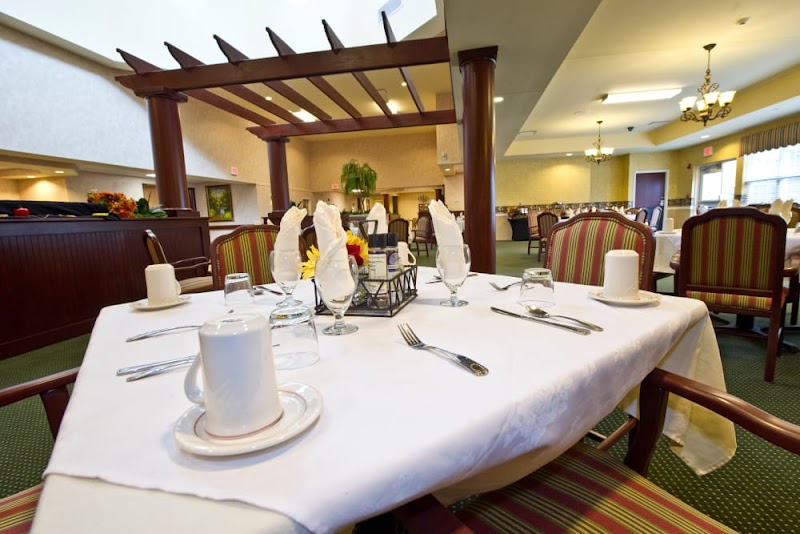
How is The Willows At Okemos Staffed?

CMS rates The Willows At Okemos's staffing level at 4 out of 5 stars, which is above average compared to other nursing homes. Staff turnover is 40%, compared to the Michigan average of 46%. This relatively stable workforce can support continuity of care.

What Have Inspectors Found at The Willows At Okemos?

State health inspectors documented 18 deficiencies at The Willows At Okemos during 2022 to 2025. These included: 1 that caused actual resident harm, 16 with potential for harm, and 1 minor or isolated issues. Deficiencies causing actual harm indicate documented cases where residents experienced negative health consequences.

Who Owns and Operates The Willows At Okemos?

The Willows At Okemos is owned by a for-profit company. For-profit facilities operate as businesses with obligations to shareholders or private owners. The facility is operated by TRILOGY HEALTH SERVICES, a chain that manages multiple nursing homes. With 68 certified beds and approximately 64 residents (about 94% occupancy), it is a smaller facility located in OKEMOS, Michigan.

How Does The Willows At Okemos Compare to Other Michigan Nursing Homes?

Compared to the 100 nursing homes in Michigan, The Willows At Okemos's overall rating (3 stars) is below the state average of 3.1, staff turnover (40%) is near the state average of 46%, and health inspection rating (3 stars) is at the national benchmark.

What Should Families Ask When Visiting The Willows At Okemos?

Based on this facility's data, families visiting should ask: "Can I visit during a mealtime to observe dining assistance and food quality?" "How do you handle medical emergencies, and what is your hospital transfer rate?" "Can I speak with family members of current residents about their experience?"

Is The Willows At Okemos Safe?

Based on CMS inspection data, The Willows At Okemos has a clean safety record: no substantiated abuse findings (meaning no confirmed cases of resident harm), no Immediate Jeopardy citations (the most serious violation level indicating risk of serious injury or death), and is not on the Special Focus Facility watch list (a federal program monitoring the lowest-performing 1% of nursing homes). The facility has a 3-star overall rating and ranks #100 of 100 nursing homes in Michigan. While no facility is perfect, families should still ask about staff-to-resident ratios and recent inspection results during their visit.

Do Nurses at The Willows At Okemos Stick Around?

The Willows At Okemos has a staff turnover rate of 40%, which is about average for Michigan nursing homes (state average: 46%). Moderate turnover is common in nursing homes, but families should still ask about staff tenure and how the facility maintains care continuity when employees leave.

Was The Willows At Okemos Ever Fined?

The Willows At Okemos has no federal fines on record. CMS issues fines when nursing homes fail to meet care standards or don't correct problems found during inspections. The absence of fines suggests the facility has either maintained compliance or corrected any issues before penalties were assessed. This is a positive indicator, though families should still review recent inspection reports for the full picture.

Is The Willows At Okemos on Any Federal Watch List?

The Willows At Okemos is not on any federal watch list. The most significant is the Special Focus Facility (SFF) program, which identifies the bottom 1% of nursing homes nationally based on persistent, serious quality problems. Not being on this list means the facility has avoided the pattern of deficiencies that triggers enhanced federal oversight. This is a positive indicator, though families should still review the facility's inspection history directly.