Plainwell Pines Nursing and Rehabilitation Communi
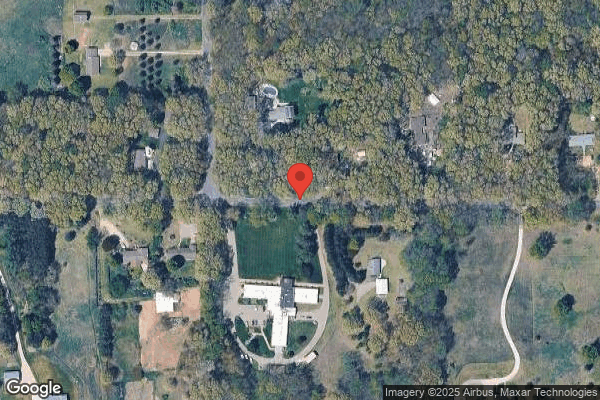

3260 East B Avenue, Plainwell, MI 49080 (269) 349-6649
For profit - Corporation 39 Beds ATRIUM CENTERS Data: November 2025
Trust Grade
0/100
#403 of 422 in MI
Last Inspection: May 2025

Inspected within the last 6 months. Data reflects current conditions.

Overview

Plainwell Pines Nursing and Rehabilitation Community has received a Trust Grade of F, indicating significant concerns about the quality of care provided. They rank #403 out of 422 facilities in Michigan, placing them in the bottom half of the state, and #7 out of 9 in Kalamazoo County, where only one local option is better. The facility is worsening, with the number of issues reported increasing from 15 in 2024 to 24 in 2025. Staffing at the facility is rated average with a turnover rate of 70%, which is concerning compared to the state average of 44%. They have incurred $194,994 in fines, which is higher than 99% of Michigan facilities, suggesting ongoing compliance problems. In terms of nursing coverage, they offer more RN support than 88% of state facilities, which is a positive aspect, as RNs can catch potential issues that other staff might miss. However, there have been serious incidents reported, including failures to protect residents from abuse and inadequate supervision that resulted in falls and injuries. For example, one resident experienced ongoing verbal and mental abuse, and another fell and suffered fractures due to a lack of adequate supervision. Overall, while there are some strengths, such as RN coverage, the significant issues related to abuse and safety make this facility a concerning choice for families seeking care for their loved ones.

Trust Score
F
0/100
In Michigan
#403/422
Bottom 5%
Safety Record
High Risk
Review needed
Inspections
Getting Worse
15 → 24 violations
Staff Stability
⚠ Watch
70% turnover. Very high, 22 points above average. Constant new faces learning your loved one's needs.
Penalties
⚠ Watch
$194,994 in fines. Higher than 85% of Michigan facilities, suggesting repeated compliance issues.
Skilled Nurses
✓ Good
Each resident gets 53 minutes of Registered Nurse (RN) attention daily — more than average for Michigan. RNs are trained to catch health problems early.
Violations
⚠ Watch
49 deficiencies on record. Higher than average. Multiple issues found across inspections.
★☆☆☆☆
1.0
Overall Rating
★★★☆☆
3.0
Staff Levels
★★★★☆
4.0
Care Quality
★☆☆☆☆
1.0
Inspection Score
Stable
2024: 15 issues
2025: 24 issues

The Good

  • 4-Star Quality Measures · Strong clinical quality outcomes
  • Full Sprinkler Coverage · Fire safety systems throughout facility
  • No fines on record

Facility shows strength in quality measures, fire safety.

The Bad

1-Star Overall Rating

Below Michigan average (3.1)

Significant quality concerns identified by CMS

Staff Turnover: 70%

24pts above Michigan avg (46%)

Frequent staff changes - ask about care continuity

Federal Fines: $194,994

Well above median ($33,413)

Significant penalties indicating serious issues

Chain: ATRIUM CENTERS

Part of a multi-facility chain

Ask about local staffing decisions and management

Staff turnover is very high (70%)

22 points above Michigan average of 48%

The Ugly 49 deficiencies on record

4 actual harm
Sept 2025 6 deficiencies
CONCERN (D) 📢 Someone Reported This

A family member, employee, or ombudsman was alarmed enough to file a formal complaint

Potential for Harm - no one hurt, but risky conditions existed

Resident Rights (Tag F0550)

Could have caused harm · This affected 1 resident

Based on observation, interview, and record review, the facility failed to protect resident privacy during personal care for 1 (Resident #109) of 10 residents reviewed for privacy/dignity, resulting i...

Read full inspector narrative →
Based on observation, interview, and record review, the facility failed to protect resident privacy during personal care for 1 (Resident #109) of 10 residents reviewed for privacy/dignity, resulting in the potential for feelings of embarrassment. Findings include: Review of an admission Record revealed Resident #109 was a male with pertinent diagnoses which included cellulitis of right lower limb, edema, changes in skin texture to BLE (bilateral lower extremities), cellulitis of left lower limb, and erythematous condition (red or abnormally reddened that appears red due to inflammation, infection, and other irritation). Review of current Care Plan for Resident #109, revised on 3/21/25, revealed the focus, .Resident has a bilateral lower extremity chronic venous ulcers with potential for infection and discomfort to the area . with the intervention .Administer analgesic as ordered prior to wound care, dressing changs or debridement, avoid friction and shearing during transfers or repositioning, conduct a systemic skin inspection weekly and PRN ( as needed). CNA to observe skin integrity during daily cares . Review of Order dated 8/12/25 for Resident #109, revealed, .Unna Boot Zinc Calamine bandage; 3% -3%-4x10 yard; amt: one bandage; topical; Special instructions: apply one bandage to bilateral ankles and feet every other day unit area is healed, Once a day Every Other Day 09:00 AM . (Unna boot - zinc oxide impregnated compression bandage used to treat leg conditions like swelling and venous ulcers). During an observation on 09/15/25 at 09:19 AM, Resident #109 was observed in the hallway in his wheelchair, his bilateral lower extremities was covered with dry, flaky skin which was peeling off and he was instructed by Registered Nurse (RN) L his legs needed to wrapped and he was taken to the doorway of the nurse's station where RN L began to perform wound dressing. She had pulled a chair to the doorway and had began to wrap his lower leg with the dressing. Director of Nursing (DON B observed her performing the wound dressing in the doorway and asked her to take Resident #109 to his room, RN L reported his room was too small for her to dress his lower legs but she instructed Resident #109 to self-propel to his room so she could perform the wound dressing. Resident #109 had just returned from the whirlpool where he went to provide moisture to his lower legs. This writer observed Resident #109 seated just inside of his doorway with RN L kneeling on the floor in the hallway while she performed the wound dressing. There were no chucks on the floor under Resident #109's feet. In an interview on 09/17/25 at 1:14 PM, Assistant Director of Nursing (ADON) C reported Resident #109 would go to the whirlpool, when finished complete wound dressing, and on his bed and on the floor next to his bed would be lined with chucks, so if there was skin and blood it would be on the chucks. Observed his feet had blood between his toes and the tops of his foot by the toes, the dressing had spots of pink, fresh blood weeping through dressing. In an interview on 09/17/25 at 2:57 PM, Director of Nursing (DON) B reported RN L should not have been performing wound dressing at the nurse's station to maintain Resident #109's dignity. She reported couldn't believe she had started to perform the wound dressing at the nurse's station within 15 minutes of this writer observing the hallways.
CONCERN (D) 📢 Someone Reported This

A family member, employee, or ombudsman was alarmed enough to file a formal complaint

Potential for Harm - no one hurt, but risky conditions existed

Free from Abuse/Neglect (Tag F0600)

Could have caused harm · This affected 1 resident

This citation pertains to intake: 2618457 and 2618789Based on observation, interview, and record review, the facility failed to protect the resident's right to be free from staff to resident sexual ab...

Read full inspector narrative →
This citation pertains to intake: 2618457 and 2618789Based on observation, interview, and record review, the facility failed to protect the resident's right to be free from staff to resident sexual abuse for 1 resident (Resident #108) reviewed for abuse, resulting in Resident #108 feeling concerned for physical safety enough to leave shortly after admission. Findings include: Review of Incident Summary submitted on 9/11/25, revealed, .Incident Summary: On 9/11/25, administrator received a call from staff of a sexual abuse allegation reported to them from resident (Resident #108), a newly admitted resident. Admin immediately went to the facility and made contact with the resident via phone, as resident has already left the building with her son prior to administrator's arrival. (Resident #108) reported that (LPN J), LPN, had performed a physical assessment of her, and during this assessment, when he got to my boobs, he pinched my nipples and rubbed them between his fingers. I don't think that is proper. He made me feel really uncomfortable. Resident states she is ok now and is grateful that administrator called her and followed up with investigation. Resident had contacted her son, (Family Member (FM) AA, after the alleged incident. (FM AA) arrived at the facility prior to administrators arrival and took (Resident #108) home, not signing any paperwork. Nurse (LPN J) was immediately suspended pending investigation. Administrator spoke to the son, (FM AA), who stated he had received this phone call from his mother regarding the allegation and took her out of there as quick as I could. (Local) County Police were notified of the incident. MD (Medical Director) made aware. No other residents had any concerns of this nurse at this time. DON (Director of Nursing) notified, RDO (Regional Director of Operations) notified. Investigation to follow. Resident #108: Review of an admission Record revealed Resident #108 was a female with pertinent diagnoses which included diabetes, chronic pain, congestive heart failure, dependency on oxygen, anemia, anxiety and kidney disease. Review of Return to Hospital Risk Assessment dated 9/11/25 at 5:20 PM, revealed, .Medical conditions: CHF, COPD, Diabetes, Stroke.Review of Fall Risk Assessment dated 9/11/25 dated 5:18 PM, revealed, .Medical Conditions: Cognitive Impairments: No. Review of Braden Scale For Prediction of Pressure Sore Risk dated 9/11/25 at 5:10 PM, revealed, .Sensory Perception: No Impairment - Responds to verbal commands. No sensory deficit limiting ability to feel or voice discomfort/pain. Review of Skin Assessment dated 9/11/25 at 5:09 PM, revealed, .Skin conditions: No areas of skin impairment. In an interview on 09/17/25 at 08:25 AM, Resident #108 reported the nurse came to her room to check me over and he pulled up my top, took my nipples and rubbed them between his two fingers, just my nipples, and when he was finished her walked out and never said a word to me. Resident #108 stated That was not acceptable and she couldn't stay there anymore. Resident #108 reported she contacted her son to come and get her. When queried if she had any bruises on her abdomen area, Resident #108 reported she had received blood thinner shots in the hospital but they were not on my boobs. Resident #108 reported LPN J was not interested in my abdomen area. Resident #108 reported she hailed down another staff member; to please help her, she explained what had happened to her by the nurse and wanted to report her concern. Resident #108 reported she was legally blind but was able to see brighter colors and shapes. Resident #108 stated, she knew if this had happened to her, it happened to others. In an interview on 09/17/25 at 08:11 AM, Family Member (FM) AA reported his mother (Resident #108) called him, reported to him what had happened to her by the nurse, and she wanted me to come and get her. FM AA reported Resident #108 felt very uncomfortable staying there and said there was no reason the nurse would need to touch her breasts especially her nipples like that. FM AA reported he was very upset at what happened to his mother. In an interview on 09/17/25 at 09:27 AM, Licensed Practical Nurse (LPN) J reported the prior nurse did most of the assessments, but the Critical admission assessment was left to finish. LPN J reported at approximately 7:00 PM, he went to Resident #108's room to complete the Critical admission assessment. Observed Resident #108's torso, noticed bruising and left the room to obtain a measuring tape from the nurse's station. LPN J reported Resident #108 accused him of touching her breasts inappropriately and he denied the allegation. LPN J reported he did not touch her breasts and did not see Resident #108's nipples. LPN J reported he was confronted by Resident #108's son and he didn't know what he was accusing him of. LPN J reported Resident #108 had informed his co-worker of her concern with him , and LPN J said to the co-worker, don't try to add your take on it. LPN J stated He did not even blame the lady, he blamed his co-worker who did the report. In an interview on 09/17/25 at 09:42 AM, Assistant Director of Nursing (ADON) C reported he had completed the initial assessments on Resident #108 needed at admission. ADON C reported for the Critical admission Assessment he only needed the last set of vitals, which he informed LPN J of this when he came on for his shift. ADON C reported he received a call approximately around 09:30 PM there as an allegation against the nurse and an investigation was opened. ADON C reported the Critical admission Assessment was a sweetened condensed form and was a quick snapshot of the completed other assessments. ADON C reported there were multiple steps to the assessment and the nurse couldn't move to the next section unless the prior section was completed hence why he was waiting for the last set of vitals to complete the Critical admission Assessment. ADON C reported he looked over Resident #108 for the initial skin assessment, checked whole body and her buttocks, her abdomen, and she had some scattered light bruising from receiving (Blood thinner name) shots. The bruises were light, small and fading and he didn't put them on the skin assessment as they were old bruises. In an interview on 09/17/25 at 3:40 PM, Certified Nursing Assistant (CNA) P reported he was completing cares for his resident and walked by Resident #108's room and she called him into the room. CNA P reported Resident #108 asked where she could file a complaint about what happened to her. CNA P indicated Resident #108 could talk to him or the nurse. CNA P reported LPN J walked by and CNA P reported Resident #108 stated, No, no, no not him. CNA P closed the door to her room and obtained her written statement which Resident #108 had alleged LPN J had grabber her nipples and she felt really uncomfortable with him and continuing to stay at the facility. CNA P reported the incident to his administrator. CNA P reported he reassured Resident #108 of her safety until Resident #108's son came and picked her up from the facility.In an interview on 09/17/25 at 08:19 AM, Nursing Home Administrator (NHA) A reported she was nearby and came to the facility to begin the investigation. NHA A reported she had reviewed LPN Js submitted written statement, and he alleged Resident #108 had bruises on her abdomen he was assessing. NHA A reported she had begun the investigation but had not finished the facility's investigation into the allegation.
CONCERN (D) 📢 Someone Reported This

A family member, employee, or ombudsman was alarmed enough to file a formal complaint

Potential for Harm - no one hurt, but risky conditions existed

Deficiency F0602 (Tag F0602)

Could have caused harm · This affected 1 resident

**NOTE- TERMS IN BRACKETS HAVE BEEN EDITED TO PROTECT CONFIDENTIALITY** This citation pertains to 1287744Based on interview and record review, the facility failed to prevent the misappropriation of na...

Read full inspector narrative →
**NOTE- TERMS IN BRACKETS HAVE BEEN EDITED TO PROTECT CONFIDENTIALITY** This citation pertains to 1287744Based on interview and record review, the facility failed to prevent the misappropriation of narcotic pain medication in 1 of 10 residents (Resident #103) reviewed for misappropriation of property, resulting in the theft of narcotic medications and the potential for delayed pain treatment.Findings include: Resident #103: Review of an admission Record revealed Resident #103 was a male with pertinent diagnoses which included MS (multiple sclerosis), polyneuropathy (multiple sites of nerve damage), heart failure, end stage renal disease, and osteoarthritis (flexible tissue at the end of bones wears down). Review of current Care Plan for Resident #103, revised on 1/28/25, revealed the focus, .Resident has potential/actual pain r/t (related to) MS, hx (history) of falls, ESRD on dialysis, CHF (congestive heart failure), HTN (high blood pressure), Anemia, OA (Osteoarthritis). with the intervention .Administer pain medications as ordered.Review of Order dated 4/26/25 for Resident #103, revealed, .Percocet (oxycodone-acetaminophen) - Schedule II tablet; 7.5-325 mg; amt: one table; oral.Every 6 hours - PRN (as needed). In an interview on 09/16/25 at 2:44 PM, Licensed Practical Nurse (LPN) F reported Resident #103 requested a pain pill. LPN F reported she reviewed his medical record and the narcotic sign out sheet to see if he was able to receive a dose of Percocet. Upon review of the narcotic sheet, it was documented he had received a dose a 8:00 PM so she went to tell Resident #103 he was not able to receive a pain medication just yet as it had not been 6 hours since his last dose. LPN F reported Resident #103 indicated he had not received Percocet at 8:00 PM. Resident #103 was alert and oriented, he knows his medications and he would remember if he had received pain medication at 8:00 PM. LPN F reported when she and LPN I had counted the cart all the medications dispensed matched what was in the cart. LPN F reported after further review of the narcotic sheet, LPN I had signed out two doses of PRN (as needed) medication for Resident #103 for that day, 1400 (2:00 PM) and 2000 (8:00 PM). LPN F reported Resident #103 had been at dialysis most of the day and he did not receive the 2:00 PM dosage as indicated on the narcotic sheet and Resident #103 reported he did not receive the 8:00 PM dosage. LPN F reported she informed administration of the concern with medication misappropriation. In an interview on 09/17/25 at 2:12 PM, LPN I reported she was an agency nurse and there was a lot going on that day, it was her first day there and she was by herself from 2:00 PM until the next nurse came on. LPN I reported she had patients coming back from dialysis, an admission, and approximately 40 patients to take care of. LPN I reported when narcotic medications were given to a resident the nurse would verify the order, make a notation on the narcotic count sheet, dispense to the correct resident and then document in the electronic medical record. LPN I reported the main thing was sign it out on the sheet when took it out. LPN I reported the transfer and count off for the narcotics was good, nothing was wrong otherwise the oncoming nurse wouldn't have taken the keys. LPN I' reported Resident #103 reported he did not get his pain medication and LPN I reported she had given him the pain medication when she did his dressing change. LPN I denied the misappropriation of medication. In an interview on 09/17/25 at 10:19 AM, Resident #103 reported he did remember the incident and reported he was upset that she documented she gave him the medication when she didn't give it to him. Resident #103 reported he had a headache and had been at dialysis all day, when he went to dialysis it really wiped him out. Resident #103 reported it had been a long day and he was in pain. Resident #103 when LPN F told me a pain medication had been dispensed to me at 8:00 PM, he reported he told her if he had one earlier his pain wouldn't have been like it was. Review of Statement of interview between DON (Director of Nursing B) and (Resident #103) revealed, .At 0645 am I, (Name of Director of Nursing (DON) B), RN DON at (Facility), spoke with (Resident #103) related to his pain medication record from 6/25/26.(Resident #103) did state yes when asked if he received his Oxycodone-Acet 7.5mg-325mg at 0800.(Resident #103) goes to dialysis from 940 to approximately 430-500pm on M, W, Fri. He was not in the building at 1400.(Resident #103) said no, I did not get any pain medication at 8o'clock I fell asleep around 7pm with a migraine and did not wake up until 9 or 10pm and then I asked (LPN F) (nurse on duty 6p-6a) for a pain pill. I only got 2 yesterday.This is a true statement of the conversation between (DON B) DON and myself. Review of Medication Administration Record (MAR) dated 6/25/25 -6/26/26 revealed, .Percocet (oxycodone-acetaminophen) - Schedule II tablet; 7.5-325 mg; Amount to administer: one tablet; oral.Wednesday, 6/25/25 at 10:36 PM.(LPN F), LPN).PRN reason: Pain.PRN Result: E (Effective).Review of MAR dated 6/21/25 - 6/25/25 revealed, 6/22/25: (LPN F) at 1:35 AM, Pain, E.6/23/35: (LPN BB) at 8:16 AM, Pain, E.(LPN F) at 10:36 PM, Pain, E. (LPN BB), LPN.(LPN F), LPN . Review of Narcotic Medication Controlled Substances Proof of Use form revealed on 6/25/25, (Resident #103), Order for Oxycodone-Acet 7.5-325 tab, Give 1 tablet by mouth every 6 hours as needed for pain.6/25/25 at 0800 one used, quantity remaining: 20, nurse signature, yes in comments.6/25/25 at 1500 but changed to 1400, one used, quantity remaining: 19, nurse signature, dialysis in comments.6/25/25 at 2000 one used, quantity remaining: 18, nurse signature, no in comments.6/25/25 at 2300 one used, quantity remaining: 17, nurse signature J [NAME], yes in comments. Review of Transportation Log from scheduled for pick up at 1445 (2:45 PM) from 2902 E. [NAME] Rd. Kalamazoo, MI 49001 to Drop off address (Facility).approximate pick up at 14:54 (2:54 PM).approximate drop off - 15:29 (3:29 PM). Review of electronic communication from (Transportation Company) received on 6/16/25 at 11:36 AM, revealed, .Please find the attached documentation for (Resident #103) transportation's from yesterday on 6/25/2025.Leg A- Our driver (Name of Driver) was in the pick up radius at Plainwell Pines at 9:09AM (scheduled for a 9:15AM pick up). She dropped (Resident #103) off at 2901 E [NAME] Rd, Kalamazoo at 9:44AM.Leg B- Our return pick up for (Resident #103) was done by our driver (Name of driver). She was in the pick up radius at 2901 E [NAME] Rd, Kalamazoo at 14:36PM (scheduled fora 14:45PM pick up). She dropped (Resident #103) off at (Facility) at 15:18PM. In an interview on 09/17/25 at 2:37 PM, Director of Nursing (DON) B reported the nurses would review the order, make sure the correct mediation card was pulled, ensure the order and the medication card match the order in the electronic medical record (EMR), if those match, removed the medication, document on the pink sheet for proof of use, dispense directly into the cup. When the nurse entered the room to give to the resident, ensure the correct resident, if the resident had refused the medication document it was refused in the EMR and document in the EMR was given. For Resident #103, LPN I had signed the medication narcotic it was taken out around 1400 (2:00PM) and the resident was not back from dialysis at that time. DON B reported the medication count was correct, so if the resident was not present to take the medication at 2:00 PM and she documented the pill was dispensed can infer she took the medication. DON B reported the facility received GPS tracking for drop off and pick up for Resident #103 when he went to dialysis and when he had returned to the facility which corroborated he was not able to take the medication at 2:00 PM. DON B reported Resident #103 was interviewed and indicated he did not get the medication. DON B reported the current nursing staff were provided education on the process of medication administration, controlled substance standards of practice, abuse education, the nurses were re-educated on all things relevant to medications. In an interview on 09/17/25 at 4:04 PM, Nursing Home Administrator (NHA) A reported as it had been reported to her the medication count was good when LPN I left and LPN F took over the cart. Then Resident #103's pain medication was signed out at 8:00 PM but he reported he did not receive the medication and then it was noticed a PRN as given at 2:00 PM when Resident #103 had been gone to dialysis. NHA A reported she had reached out to their transportation company and had received confirmation Resident #103 had not been back at the facility at the time the medication was signed out. When LPN I was questioned she became very defensive and denied she took the medication. At that point, Resident #103 was not here , medication was signed out as dispensed and the count was correct, so it was determined medication was misappropriated by her. NHA A reported the facility contacted the agency and informed them of the events, and requested she not return. NHA A reported the police were contacted. During the onsite survey, past noncompliance (PNC) was cited after the facility implemented actions to correct the noncompliance which included education with all staff on the abuse policy, all nurses were re-trained on medication administration and controlled substance standard practice and deemed appropriate, and the facility had maintained compliance as of 9/3/25.
CONCERN (D) 📢 Someone Reported This

A family member, employee, or ombudsman was alarmed enough to file a formal complaint

Potential for Harm - no one hurt, but risky conditions existed

Deficiency F0657 (Tag F0657)

Could have caused harm · This affected 1 resident

**NOTE- TERMS IN BRACKETS HAVE BEEN EDITED TO PROTECT CONFIDENTIALITY** Based on observation, interview, and record review, the facility failed to update and revise the person-centered care plan in a ...

Read full inspector narrative →
**NOTE- TERMS IN BRACKETS HAVE BEEN EDITED TO PROTECT CONFIDENTIALITY** Based on observation, interview, and record review, the facility failed to update and revise the person-centered care plan in a timely manner with appropriate interventions for the prevention of undefined care concerns for 1 of 10 residents (Resident #102) reviewed for care plans, resulting in the potential for physical, mental, and psychosocial unmet care needs and harm. Findings include: Resident #102: Review of an admission Record revealed Resident #102 was a male with pertinent diagnoses which included displaced midcervical fracture of right femur (break in the middle part of the neck of the femur, bone fragments, and are no longer aligned), adult failure to thrive, intracapsular fracture of femur (break of femoral neck which is located within the hip joint's capsule), anxiety, dysphagia (difficulty swallowing foods and liquids), and stroke. Review of current Care Plan for Resident #102, revised on 12/2/24, revealed the focus, .At risk for falls and subsequent injury related to dementia with cognitive decline over the last year, hx (history) of CVA (stroke), insomnia, CKD 3 (Chronic kidney disease, stage 3), urinary frequency r/t (related to) BPH. Non-compliant with medical care. Resident has poor cognition and weakness. Fall with hip fx (fracture) and surgical repair July 2025. with the intervention .Parameter mattress.Enabler bars to Right side of bed.Call light to be in reach. (Note: Fall mattress was not developed as an intervention to Resident #102's care plan). Review of Skilled Note dated 8/12/25 at 10:43 AM, .Floor mattress in place . During an observation on 09/16/25 at 7:58 AM, Resident #102 was observed in bed on his left side, he had his call light clipped to the bedding at the head of the side of the bed in the same position as yesterday. The fall mattress was up on its side leaning against his wheelchair. Resident #102 reported he did not get up for breakfast this morning. His wheelchair was up against his dresser which was on the opposite wall by the closet/bathroom. In an interview on 09/16/2025 at 8:09 AM, Director of Nursing (DON) reported the fall mattress should have been by the side of the bed for Resident #102 as he had fallen out of bed before and he had a hip fracture from that fall. back on the right side as the extra pillows were for positioning. In an interview on 09/17/25 at 1:23 PM, DON B reported the care plans were updated by all the clinical staff during morning meeting. DON B reported therapy had a communication binder where they would place information there for changes in residents' transfer status or how the resident transferred. DON B reported when the care plan was updated this was communicated to the staff verbally when the changed happened. Review of Fundamentals of Nursing ([NAME] and [NAME]) 8th edition revealed, If the patient's status has changed and the nursing diagnosis and related nursing interventions are no longer appropriate, modify the nursing care plan. An out of date or incorrect care plan compromises the quality of nursing care. Review and modification enable you to provide timely nursing interventions to best meet the patient's needs .It is necessary to revise related factors and the patient's goals, outcomes, and priorities. Date any revisions. Revise specific interventions that correspond to the new nursing diagnoses and goals. Revisions need to reflect the patient's present status. [NAME], P.A., [NAME], A.G., Stockert, P.A., & Hall, A. (2014). Fundamentals of Nursing (8th ed.). St. Louis: Mosby, p. 257-258.
CONCERN (D) 📢 Someone Reported This

A family member, employee, or ombudsman was alarmed enough to file a formal complaint

Potential for Harm - no one hurt, but risky conditions existed

Safe Environment (Tag F0921)

Could have caused harm · This affected 1 resident

**NOTE- TERMS IN BRACKETS HAVE BEEN EDITED TO PROTECT CONFIDENTIALITY** Based on observation, interview, and record review, the facility failed to ensure clean and sanitary shared medical equipment, w...

Read full inspector narrative →
**NOTE- TERMS IN BRACKETS HAVE BEEN EDITED TO PROTECT CONFIDENTIALITY** Based on observation, interview, and record review, the facility failed to ensure clean and sanitary shared medical equipment, wheelchair cleaning for 1 (Resident #106) of 10 residents, resulting in the potential for cross contamination, infections, and bacterial harborage. Findings include: Resident #106: During an observation on 09/15/25 at 2:33 PM, Resident #106 was observed seated in a scoot/broda chair next to the side of his bed. His chair was visibly dirty, the pad under his bottom had dried liquid material on it, tan, white, brown in color. The arm rest on the right side on the outside had smeared white material, dirt and debris built up on it. The floor in his room was dirty and had splatters on it with dark brown material in it. During an observation on 09/16/2025 at 8:16 AM, Resident #106 was observed lying in bed, his chair had dried food material on the arms rests, on the front down the front of it, and the sides of the seat. His room had chocolate chip cookie pieces on the floor and dirt/debris. The pads on his chair were really dirty, ingrained dirt and body oils in the padding. Resident #106's scoot/broda chair was soiled for the duration of this writer's observations during the survey, 09/15/25 -09/17/25. During an observation on 09/15/25 at 11:23 AM, this writer observed the shower room, non-slip strips coming up from the floor, tile missing on the wall cracked tile at the bottom of the corner, two inflated pillow head rest on the floor and yellow basin placed in the middle of it. The floor had dirt and debris on it, shower chair in the hallway, it had in the visibly dried brown material dried on it, floor under the shower bench had dirt and debris on it, the floor in the room was wet and had dirt and debris on the floor. During an observation on 09/16/2025 at 08:21 AM, The shower chair was still in the hallway outside of room [ROOM NUMBER] and it was still encrusted with dried brown material, white material coated on the seat and white/brown material on the lower part of the backrest of the shower chair. During an observation on 09/16/25 at 08:33 AM, The sit to stand in the hallway across from room [ROOM NUMBER] had dirt and debris on the footrest and the based where feet can go as well. The knee plate had dried material at the bottom of the knee plate on the outer bent edges. The top middle and the very top of the knee plate. During an observation on 09/17/25 at 10:36 AM, The shower chair was still in the hallway outside of room [ROOM NUMBER] and it was still encrusted with dried brown material, white material coated on the seat and white/brown material on the lower part of the backrest of the shower chair. In an interview on 09/17/25 at 11:00 M, CNA T reported she would let maintenance know that we are done with the shower and do the floors for use. CNA T reported the CNAs were to clean the shower, shower chairs using the purple sanitizing wipes and remove soiled linens. CNA T reported the third shift CNAs were the ones responsible for cleaning the chairs of the residents on that shift. She indicated there was a schedule for what rooms for each day. In an interview on 09/17/25 at 12:26 PM, Housekeeper V reported the housekeepers do go in the shower room and clean in there, the CNAs were to spray it down, not leave items used to with the resident in the shower room such as wash cloths towels and definitely not take a stack of clean towels in there and leave them. Housekeeper V reported it was usually the CNA who spray down the shower chairs but she was unsure who cleaned them if they were encrusted with dried material. In an interview on 09/17/25 at 1:02 PM, Maintenance Director (MD) E reported it was the CNAs job to clean the shower chairs, but anyone who noticed the chair was dirty should clean it. For the shower rooms, the staff should clean the shower room, gathering everything possible, towels, etc., the housekeeper would mop, spray disinfectant and take out the trash. MD E reported there was not a checklist for the housekeeper's responsibilities for the work required of the housekeeping staff for shower rooms. In an interview on 09/17/25 at 3:30 PM, Director of Nursing (DON) B reported Certified Nursing Assistants (CNAs) were responsible for spraying down with sanitizing cleaner on used areas in the shower room and dispose of all used soiled linen prior to exiting, housekeepers would clean the floor. DON B reported the shower chairs were sprayed down after each use and if the chair was soiled with bodily fluids it should be cleaned up right away. DON B reported all shared equipment should be cleaned after each use and if it is visibly soiled. DON B reported there was a cleaning schedule for third shift CNAs to clean the resident's wheelchairs/Broda chairs.
CONCERN (E) 📢 Someone Reported This

A family member, employee, or ombudsman was alarmed enough to file a formal complaint

Potential for Harm - no one hurt, but risky conditions existed

Deficiency F0558 (Tag F0558)

Could have caused harm · This affected multiple residents

**NOTE- TERMS IN BRACKETS HAVE BEEN EDITED TO PROTECT CONFIDENTIALITY** Based on observation, interview and record review the facility failed to ensure access to a call light in 4 of 10 sampled reside...

Read full inspector narrative →
**NOTE- TERMS IN BRACKETS HAVE BEEN EDITED TO PROTECT CONFIDENTIALITY** Based on observation, interview and record review the facility failed to ensure access to a call light in 4 of 10 sampled residents (Resident #104, R#102, R#105, and R#106) reviewed for call light placement, resulting in the inability to call for assistance and the potential for unmet care needs.Findings include: Resident #104Review of an admission Record revealed Resident #104 was a female with pertinent diagnoses which included Alzheimer's disease, diabetes, fracture of lower end of left femur, fractur of lower end of right femur, overactive bladder, and dementia. Review of current Care Plan for Resident #104, revised on 1/24/25, revealed the focus, .At risk for falls and subsequent injury related to fx (fracture) of fall w/ bilat femur fx prior to admission, incontinence, DM II (diabetes), vascular dementia, Alzheimer's, dependence in ADLs and transfers. with the intervention .Recline Broda chair when resident is unattended.Call light to be in reach.Instruct and remind to use call light to ask for assistance. During an observation on 09/15/25 at 1:44 PM, Resident #104 was observed in her room, broda not reclined, and was sliding down in her chair, and she was attempting to get up out of the chair. This writer observed Resident #104's call light hung over the back of the headboard to her bed and her water was on the nightstand. Both clearly out of Resident #104's reach. Resident #104 had been observed in her room since after lunch. This writer attempted to press the call light to call for assistance for Resident #104. This writer checked the door and Resident #104's call light was not illuminated in the hallway. Certified Nursing Assistant (CNA) U was observed down at the nurse's station, and she was hailed to come and assist as no other staff were in the hallway. Resident #104's room was located at the end of the hallway by the emergency exit door out the side of the building. CNA U came to Resident #104's room and was queried if Resident #104 should have her call light in reach. CNA U reported she doesn't use it. Queried if her water should be by her, CNA U reported Yes, her water should be in reach. CNA U reported Resident #104 was able to eat and drink independently. CNA U pressed the call light, and it did not illuminate in the hallway above the door. This writer went to the nurse's station to determine if it was beeping at the nurse's station as no one was coming to assist. Assistant Director of Nursing (ADON) C reported the call light was beeping but the light was not illuminated on the board. [NAME] indicated the beeping was the call light, went to the board and it was not illuminated. Maintenance Director (MD) E was informed the call light in Resident #104's room was not working. MD E went to the call light board and the room as not illuminating on the board. During an observation on 09/15/25 at 2:07 PM, Resident #104 had her call light draped over her right side and she had he rolling bedside table next to her bed with her water mug on it. In an interview on 09/15/25 at 3:19 PM, MD E reported he replaced the bulb and it blew multiple bulbs and now the panel won't light up. MD E reported he took out the call light, tested it and it had looked as if someone had yanked the call light out of the wall socks so he placed a splitter on the other call light so both residents in the room had operating call lights. MD E reported the all the call lights were working, just the lights on the board. MD E reported the system had to be 20-[AGE] years old and the plastic shattered when he pressed it. MD E reported he had someone coming to look at the system. Resident #102: Review of an admission Record revealed Resident #102 was a male with pertinent diagnoses which included displaced midcervical fracture of right femur (break in the middle part of the neck of the femur, bone fragments, and are no longer aligned), adult failure to thrive, intracapsular fracture of femur (break of femoral neck which is located within the hip joint's capsule), anxiety, dysphagia (difficulty swallowing foods and liquids), and stroke.Review of current Care Plan for Resident #102, revised on 12/2/24, revealed the focus, .At risk for falls and subsequent injury related to dementia with cognitive decline over the last year, hx (history) of CVA (stroke), insomnia, CKD 3 (Chronic kidney disease, stage 3), urinary frequency r/t (related to) BPH. Non-compliant with medical care. Resident has poor cognition and weakness. Fall with hip fx (fracture) and surgical repair July 2025. with the intervention .Parameter mattress.Enabler bars to Right side of bed.Call light to be in reach. (Note: Fall mattress was not developed as an intervention to Resident #102's care plan).During an observation on 09/15/25 at 2:04 PM, Resident #102 was lying in his bed still, mattress on the floor next to his bed, he had not drunk any of his orange juice from this morning, his water was out of reach it was placed at the other end of the rolling bedside table which was placed against the wall/window area. This writer did not observe resident's call light cord or call light button. During an observation on 09/15/25 at 2:12 PM, Resident #102 was observed in his room and he was leaning out of bed, he had his left hand on the mattress which was on the floor and he had a cup of red juice in his right hand. Resident #102 then took his left hand and opened the lid and was trying to hand it to me while he was leaning out of the bed, his upper body was more than half off the bed. This writer was looking for his call light and discovered it under the foot of his bed. During an observation on 09/15/24 at 2:13 PM, CNA U came to Resident #102's room to respond to his call light. When queried when she last saw the resident's call light she reported she had given it to him this morning and it was not her fault it was under his bed, can't stop them from placing the call light on the floor as she was checking his brief, she pulled the curtain, informed him to roll to the other side and he yelled out in pain. In an interview on 09/15/25 at 2:14 PM, Assistant Director of Nursing (ADON) C reported the staff were to check and change the resident every 2 hours and when they left the room to ensure the resident had their call light in reach. In an interview on 09/15/25 at 2:19 PM, CNA U reported she had last checked on Resident #102 approximately 12:45 after lunch and she took him to his room to check his brief and get him in bed. Resident #105: Review of an admission Record revealed Resident #105 was a male with pertinent diagnoses which included dementia, diabetes, difficulty in walking, anxiety, adjustment disorder with mixed anxiety and depressed mood, muscle weakness, and heart failure. Review of current Care Plan for Resident #105, revised on 3/20/25, revealed the focus, .Resident experiences a communication deficit r/t (related to) cognitive impairment, Resident's speech is slurred at time. with the intervention .Staff to anticipate resident's needs. Keep call light within reach. Review of Event Report dated 8/20/25 at 09:24 AM, revealed, .Summary of Events: (Resident #105) had an unwitnessed fall/roll out of bed onto his floor mattress. Per staff interviews he was last checked approximately 40-45 minutes prior to occurrence when his brief was changed and catheter emptied. He was sleeping at that time. (Resident #105) did have socks on his feet and mattress was in place and the bed was in lowest position. Staff noted (Resident #105) to be partially on his fall mattress and partially on the floor. His head/face area was on the floor and rest of his body was on the mattress.Post Fall Findings: (Resident #105) was unable to tell staff what happened post fall. Per his normal he was not easily understood and at times mumbles. The nurse and staff assisted him back to bed and no complaints of pain were noted. He had mild redness on his R forehead. Contributing Factors: Dementia, poor safety awareness .Discussion: UTI treatment in progress. [NAME] was assessed by management nurse appropriately 830 when staff reported he was not at his baseline and appeared lethargic, and not responding to them per his normal. Neuro checks were completed, MD, DON, and daughter [NAME] notified. MD gave order to send to ER for evaluation and treatment .Root Cause: Dementia, poor safety awareness, rolled out of bed. Immediate Intervention: repositioning back to bed, order to send to ER for eval. IDT met and discussed the mattress placement next to bed and decided the mattress should be repositioned next to bed. Follow up: (Resident #105) had no visible injury and notes from ER state CT scan was normal/no changes from past. He returned to the facility. Review of Progress Notes dated 8/20/25 at 6:11 PM, .Resident return to facility via stretcher from ER (Local Hospital). Resident alert and oriented 1-2. Has no c/o (complaints of) pain or discomfort at this time. Resident is currently laying with call light in reach, fall mattress in place. Resident has no new orders from hospital noted.During an observation on 09/15/25 at 3:25 PM, observation he had a paddle call light at the foot of his bed, bunched up behind his blankets out of resident's reach. Resident #106: Review of an admission Record revealed Resident #106 was a male with pertinent diagnoses which included dementia, lack of coordination, anxiety, muscle weakness, difficulty in walking, and history of wedge compression fracture of first thoracic vertebra (when the bone collapses and the front part of the vertebra forms a wedge shape, first thoracic vertebra is part of the upper back, just below the neck). Review of current Care Plan for Resident #106, revised on 4/22/25, revealed the focus, .At risk for falls and subsequent injury related to dementia, decreased mobility, incontinence, malnutrition, failure to thrive, hx (history) of falls. with the intervention .Provide verbal reminders to resident to call when needing assistance.Staff to assist with pillows for positioning while in bed for fall precautions.Verbal education to CNA on fall precautions. During an observation on 09/15/25 at 2:33 PM, Resident #106 was observed seated in an scoot/broda chair next to the side of his bed, his call light was placed on the center of his mattress on his bed out of Resident #106's reach. During an observation on 09/15/25 at 3:28 PM, Resident #106 was observed seated in his wheelchair and his call light was placed in the middle of the bed out of his reach. During an observation on 09/16/25 at 3:23 PM, Resident #106 was observed seated in his broda chair and his call light was observed hanging off the side of the head of the bed behind the back rest of his broda chair, well out of Resident #106's reach. In an interview on 09/17/25 at 11:00 M, CNA T reported staff were to ensure to place the call light in reach, place water in reach, and lower bed for safety. CNA T reported Resident #104 would be able to drink her water independently as long at the tray table was placed over her lap and the water was in her reach. In an interview on 09/17/25 at 2:49 PM, Director of Nursing (DON) B reported the staff should ensure when they exit a resident's room the call light was in reach and all needs were met.
May 2025 18 deficiencies
CONCERN (D) 📢 Someone Reported This

A family member, employee, or ombudsman was alarmed enough to file a formal complaint

Potential for Harm - no one hurt, but risky conditions existed

Resident Rights (Tag F0550)

Could have caused harm · This affected 1 resident

**NOTE- TERMS IN BRACKETS HAVE BEEN EDITED TO PROTECT CONFIDENTIALITY** This citation pertains to Intake MI00151548 Based on observation and interview, the facility failed to maintain dignity for 2 of...

Read full inspector narrative →
**NOTE- TERMS IN BRACKETS HAVE BEEN EDITED TO PROTECT CONFIDENTIALITY** This citation pertains to Intake MI00151548 Based on observation and interview, the facility failed to maintain dignity for 2 of 4 residents (R29 and R21) reviewed for dignity, resulting in the potential for feelings of embarrassment based on the reasonable person concept. Findings include: R29 According to the MDS dated [DATE], R29 scored 4/15 on his BIMS (Brief Interview Mental Status) indicating he was severely cognitively impaired. He required the use of a wheelchair for mobility and had diagnoses that included pressure wounds. Review of R29's Care Plan as of 5/8/25, there was no resident-specific treatment plan for the resident to receive his medications in a common area. During an observation on 05/06/25 at 11:30 AM, R29 was sitting by the nursing station with other residents and staff at the nursing station. Without removing R29 from the congested area, and providing him privacy, Therapist W pulled up the resident's pant legs and exposed both legs from the knees to his ankles. Therapist W explained out loud about the scabbed over wounds to both legs. At the same time, LPN L walked behind Therapist W and placed a medication (med) cup with pills to R29's mouth and told him to take his medications. R29 stared ahead and did not open his mouth. LPN L took the med cup and used it to open the resident's mouth and again told him to take his medications. When LPN L got R29 to open his mouth she poured the medications in R29's mouth. LPN L stated, He needs his medications, and I don't think he minds getting them out here. During an interview on 5/7/25 3:03 PM, Licensed Practical Nurse (LPN) L stated, I never thought about giving meds to a resident in a common area. I just give them their meds where they are at. I've never been told I couldn't give meds to a resident in a common area. I didn't ask where the resident wanted to get his medications. R21 According to the MDS dated [DATE], R21 scored 99 on her BIMS which indicated she was unable to complete the interview due to cognitive impairment. Section H-Bowel and Bladder stated she had an indwelling catheter but observations throughout the survey (5/8/25) revealed no indwelling catheter. The resident was incontinent of bowel and bladder. Her diagnoses included Alzheimer's disease and dementia. Review of R21's Care Plan dated 1/24/25, indicated the resident experienced a communication deficit related to cognitive impairment. The goal was for the resident to be understood and have needs met by staff utilizing interventions that included allowing the resident to express themselves. Observed on 5/5/25 at 8:55 AM, R21 was in a high-backed wheelchair, tilted back, sitting with three other residents in front of nursing station. R21 was asking for help and trying to get out of chair. R21 swung her right foot off footrest stating, I feel silly. Again, R21 tried to get out of chair, stating, Hey, Hey, where do I go? I can't sit here all day. Staff replied, You can't? Where are you going to go? Want to listen to some music? Staff turned on the radio to a modern country station, moved R21 in front of radio and walked away. Observed on 5/5/25 at 9:24 AM, R21 sitting in front of the nurse's station asking for help because she had stuff in her pad. It was noted in R21's Care Plan when the resident referred to her pad meant she had had a bowel movement. Using the reasonable person concept, R29 would not have wanted to be exposed, talked about his medical condition, or treated without dignity to take his medications. R21 would not have wanted to have a soiled brief and have her needs ignored. Furthermore, R21 had a history of skin breakdown and required her needs be met when voiced in a manner she could make known. R29 and R21 were unable to voice evidence of embarrassment or humiliation but it is reasonable to assume that the residents would experience this.
CONCERN (D)

Potential for Harm - no one hurt, but risky conditions existed

Deficiency F0554 (Tag F0554)

Could have caused harm · This affected 1 resident

**NOTE- TERMS IN BRACKETS HAVE BEEN EDITED TO PROTECT CONFIDENTIALITY** R17 According to the Minimum Data Set (MDS) dated [DATE], R17 scored 13/15 on her BIMS (Brief Interview Mental Status) indicatin...

Read full inspector narrative →
**NOTE- TERMS IN BRACKETS HAVE BEEN EDITED TO PROTECT CONFIDENTIALITY** R17 According to the Minimum Data Set (MDS) dated [DATE], R17 scored 13/15 on her BIMS (Brief Interview Mental Status) indicating she was cognitively intact with no impairment in her arms and legs. Diagnoses included drug induced constipation. Reviewed R17's Orders dated 3/10/25, revealed, Colestipol (cholesterol lowering agent) tablet; 1 gram; amt: 1 tab; Twice A Day 07:00 AM - 11:00 AM, 05:00 PM - 09:00 PM. It was noted there were no orders to self-administer medications. Review of R17's Medication/Treatment Administration Record (MAR/TAR) dated 5/1/25-5/31/25, indicated that twice a day from 5/1/25 through 5/8/25 the colestipol was given to the resident. Review of R17's Care Plan did not reveal a resident-specific treatment plan for self-administering medications or treatments. Review of R17's medical chart did not reveal an assessment to self-administer medications. During an observation and interview on 5/5/25 at 10:36 AM, R17 was in bed awake with a medication (med) cup on a bedside dresser with a large off-white pill in it. R17 stated, A nurse gave that to me for when I had diarrhea. I saved it in case I needed it. It's been a few days since I was given it and have kept it right there in case I needed it. During an observation on 5/5/25 at 3:25 PM, R17 was in bed awake with a medication (med) cup on a bedside dresser with a large off-white pill in it. During an interview on 5/6/25 at 1:30 PM, R17 stated, I took that pill you saw yesterday last night. It was to make me poop. During an interview 5/7/25 at 8:12 AM, Registered Nurse (RN) K stated, I think there is only one resident that may be able to do their own meds or treatment. No meds are to be left at bedside unless the resident has an assessment. During an interview on 5/7/25 at 8:30 AM, Director of Nursing (DON) B stated, (R17) is not approved to self-administer medications. A resident has to request to self-administer and then myself or a nurse assesses the resident, and if approved, the doctor is contacted to place an order. Review of the General Dose Preparation and Medication Administration Policy with a revision date of 1/1/2022 revealed 3.10 Facility staff should not leave medications or chemicals unattended. Review of the Self Administration Policy with a review date of 1/2025 revealed Policy: It is the policy of this facility to honor residents' rights to self-administer medications if a resident verbalizes that he/she wants to self-administer medications and the interdisciplinary team (IDT) has determined that this practice is clinically appropriate and safe based on the individualized resident assessment. Procedure: 1. If a resident requests to self-administer medications, a licensed nurse will complete the Self-Administration of Medication observation in the electronic health record. 2. The IDT will review the Self-Administration of Medication observation during morning meeting on the first business day after the observation has been completed to determine if the resident is safe to self-administer medications. 3. Residents may not exercise their right to self-administer medications until the IDT has determined if the resident is safe to self-administer medications, and which medications may be self-administered. 4. If the IDT determines the resident cannot safely self-administer medications, the reason will be documented in the resident's medical record. 5. A care plan will be initiated for residents who can safely self-administer medications. 6. A physician's order will be obtained for residents who can safely self-administer medications 8. Medications will be stored in a secure location, in resident room in a locked area or with the medication cart until dispensed to the resident for self-administration. Based on observation, interview, and record review, the facility failed to ensure residents were assessed to determine if self-administration of medication was clinically appropriate in 2 of 2 residents (Resident #9, Resident #17) reviewed for self-administration of medications, resulting in unsupervised administration of medications and the potential for mismanagement of medication and adverse side effects. Findings include: Resident #9 (R9) Review of the Facesheet and Minimum Data Set (MDS) dated [DATE] revealed R9 admitted to the facility on [DATE] with pertinent diagnoses including dementia (decline in mental abilities severe enough to interfere with daily life) and depression. Brief Interview for Mental Status (BIMS) reflected a score of 7 out of 15 which indicated R9 was severely cognitively impaired (00 to 07 is severe cognitive impairment). During an observation and interview on 5/5/2025 at 9:31 AM, R9 had a prescription nasal spray on her bedside table {ipratropium bromide solution .03% (percent) with an expiration date of 6/2026}. R9 said she received it from her doctor, and this was the third prescription she had, and she uses it when she has a runny nose. R9 stated that she wants it by her bedside so she can use it when she needs it. Review of R9's chart revealed no active order for the nasal spray, a self-administration of medication assessment was not completed, and there was no documentation of R9 being able to self-administer medications in the care plan. During an interview on 5/6/2025 at 1:14 PM, Registered Nurse (RN) K reported stated that she thought there were some residents in the facility that have nasal sprays and can self-administer the medication. RN K said if that's the case, a self-administration of medication assessment needs to be completed. RN K wasn't aware that R9 had prescription nasal spray at her bedside. During an interview on 5/6/2025 at 1:19 PM, Licensed Practical Nurse (LPN) L reported that she was not aware of any residents that had been assessed as safe to self-administer medications. LPN L said she usually stands right by the resident while the resident takes their medications. LPN L stated that she wasn't aware that R9 had prescription nasal spray at her bedside. During an interview on 5/6/2025 at 1:10 PM, Director of Nursing (DON) B reported there were no residents that could self-administer medication in the facility. DON B said she wasn't aware that R9 had prescription nasal spray at her bedside and if she did, a self-administration of medication assessment would have to be completed and the medication would be put in a lock box and a key would be given to her.
CONCERN (D)

Potential for Harm - no one hurt, but risky conditions existed

Deficiency F0578 (Tag F0578)

Could have caused harm · This affected 1 resident

**NOTE- TERMS IN BRACKETS HAVE BEEN EDITED TO PROTECT CONFIDENTIALITY** Based on observation, interview, and record review the facility failed to complete advance directives completely and accurately ...

Read full inspector narrative →
**NOTE- TERMS IN BRACKETS HAVE BEEN EDITED TO PROTECT CONFIDENTIALITY** Based on observation, interview, and record review the facility failed to complete advance directives completely and accurately for 1 (Resident #134) of 12 residents reviewed for advance directives, resulting in the potential for resident preferences for medical care to not be followed by the facility staff. Findings include: Review of an admission Record revealed Resident #134 was originally admitted to the facility on [DATE] with pertinent diagnoses which included: chronic systolic heart failure (condition in which the heart cannot pump blood effectively), aortic stenosis (narrowing of the aortic valve), tricuspid valve insufficiency (heart valve disease causing insufficiency of blood circulation within the heart), atherosclerotic heart disease (buildup of plaque in artery walls). Review of a Care Plan for Resident # 134 with a reference date of [DATE], revealed no focus/goal/interventions related to the resident's wishes for Cardiopulmonary Resuscitation (CPR). Review of an Advance Directives facility policy with a reference date of 1/2025 revealed Procedure: Upon admission The Admissions Director or designee will review the advance directive form with the resident .The Advance Directive form will be forwarded to the physician for signature .During a cardiac or respiratory arrest, the staff will reference and follow the residents advance directive wishes as indicated on the advance directive form . Review of Physician Orders for Resident #134 revealed code status Full Code dated [DATE]. Review of an Initial History and Physical form for Resident #134 with a reference date of [DATE] revealed Code Status List: Full Code .Consent: I reviewed the patient's advance care directives in the facility chart. I have signed the advance care directives with the facility. During an observation on [DATE] at 1:41pm, no advance directive forms for Resident #134 were present in the facility's CPR Binder. In an interview on [DATE] at 1:42pm, Registered Nurse (RN) J reported if a resident's heart stopped, staff would refer to the CPR Binder to determine a resident's wishes for CPR. During an observation on [DATE] at 9:18am, the facility's CPR Binder contained a green sheet of paper with Resident #134's name on it with the words FULL CODE typed in bold print. No advance directives were present for Resident #134. In an interview on [DATE] at 9:22am, Resident #134 reported he was not given an opportunity to review the advance directive paperwork upon his admission but had decided on [DATE], when he was approached, in the event his heart stopped (cardiac arrest), he did not want to receive CPR. Resident #134 reported he believed the facility had documented his wishes in his medical chart. In an interview on [DATE] at 9:26 am, Social Worker (SW) E reported Resident #134 was admitted the facility on the weekend and the floor nurse should have gone over the resident's wishes regarding CPR with him at that time, but did not do so. SW E reported she reviewed the Advance Directive form with Resident #134 on [DATE] and he indicated at that time that he wanted his code status to be DNR (do not resuscitate). SW E reported it was her responsibility to reach out the physician as soon as a resident completed an Advance Directive form because the resident's DNR status would not be honored until the physician signed the form. When further queried, SW E reported she had not provided Resident #134's advance directive form to the physician for signature as of this date.
CONCERN (D)

Potential for Harm - no one hurt, but risky conditions existed

Notification of Changes (Tag F0580)

Could have caused harm · This affected 1 resident

**NOTE- TERMS IN BRACKETS HAVE BEEN EDITED TO PROTECT CONFIDENTIALITY** Based on interview, and record review, the facility failed to notify the resident representative of a resident exiting the facil...

Read full inspector narrative →
**NOTE- TERMS IN BRACKETS HAVE BEEN EDITED TO PROTECT CONFIDENTIALITY** Based on interview, and record review, the facility failed to notify the resident representative of a resident exiting the facility in 1 of 2 residents (R15) reviewed for notification of changes, resulting in the responsible party not being made aware that R15 walked out a door observed but unattended and subsequent placement of a wander guard. Findings include: According to the Minimum Data Set (MDS) dated [DATE], R15 scored 4/15 on her BIMS (Brief Interview Mental Status) indicating she was severely cognitively impaired. Diagnoses included schizoaffective disorder and dementia. Section GG-Functional Abilities and Goal indicated supervision or touching assistance was required when walking at least 150 feet in a corridor or similar space. Review of R15's Incident/Accident Report dated 4/23/25, indicated the resident was wandering/exit seeking and opened an exit door and went outside the facility. A wander guard was applied, and care plan was updated. The family member/resident representative was not notified until 5/6/25 which was noted to be after the start of the recertification survey began. Review of R15's Care Plan dated 4/24/25 indicated the resident was at risk of elopement from facility related to exit seeking behavior and/or verbalizations of wanting to leave. The goal was to not leave the building unattended. To meet this goal, interventions were put into place that included resident wearing a wander guard. Review of R15's Progress Note indicated: - 4/23/2025 6:20 PM RN was exiting room [ROOM NUMBER] when she looked at the exit door and saw resident standing outside back door. 2nd shift housekeeper stated he saw resident open the door, and step outside .Wander guard has been placed on resident's right ankle and care plan has been updated with R15 on half-hour checks . -4/23/25 6:35 PM, the social worker initiated R15 in the elopement book .wander guard was placed by nurse . care plans initiated - 4/24/25 11:25 AM, R15 had a wander guard on her right ankle due to behaviors from the night before Review of R15's Progress Note dated 5/6/25 at 3:19 PM, revealed, This social worker called (R15's) son .and left a message regarding elopement risk and wander guard placement . During an interview on 5/7/25 at 2:35 PM, Director of Nursing (DON) B stated, (R15's) son was not notified on 4/23/25 of (R15) leaving the facility. Expectations are resident representative/guardian to be notified in a timely manner.
CONCERN (D)

Potential for Harm - no one hurt, but risky conditions existed

Deficiency F0605 (Tag F0605)

Could have caused harm · This affected 1 resident

**NOTE- TERMS IN BRACKETS HAVE BEEN EDITED TO PROTECT CONFIDENTIALITY** R29 According to the Minimum Data Set (MDS) dated [DATE], R29 scored 4/15 on his BIMS (Brief Interview Mental Status) indicatin...

Read full inspector narrative →
**NOTE- TERMS IN BRACKETS HAVE BEEN EDITED TO PROTECT CONFIDENTIALITY** R29 According to the Minimum Data Set (MDS) dated [DATE], R29 scored 4/15 on his BIMS (Brief Interview Mental Status) indicating he was severely cognitively impaired. Diagnoses included dementia, mood disturbance, and anxiety. Review of R29's Order Summary dated 4/11/25, revealed Risperidone (antimanic) 0.5 mg 1 tablet PO (by mouth) twice daily (DX (diagnoses) Unspecified dementia, severe, without behavioral disturbance, psychotic disturbance, mood disturbance, and anxiety). Review of R29's Care Plan dated 4/22/25, indicated no non-pharmacological interventions that had been/could be used to support the resident's psychosocial well-being were listed. Review of R29's Progress Note dated 4/24/25 11:47 AM, indicated the resident experienced behaviors of cussing, hitting, yelling and biting staff, resistive to care, and refusing medications due to thinking medications were poison. No non-pharmalogical approaches were listed to support the resident's psychosocial well-being. During an interview on 5/8/25 at 12:15 PM, Director of Nursing (DON) B stated, It is a standing order the nurse that does the admission, myself when double-check orders, or with a new order of antipsychotic/antimanic that monitoring of adverse side affects should be done per shift. It is a simple button to push that initiates this order to monitor for side effects. Review of facility policy, Psychotropic Medication Use reviewed 1/2025, reported psychotropic medications will be initiated after nonpharmacological interventions have been attempted. Based on observation, interview, and record review, the facility failed to ensure psychotropic medications were not used without medical indication for use for 3 (Resident #134, Resident #182, and Resident #29) of 5 residents reviewed for chemical restraints. Findings include: Review of a Psychotropic Medication Use facility policy with a reference date of 1/2025 revealed Policy: Residents are not given psychotropic medication unless the medication is necessary to treat a specific condition, diagnosed and documented in the clinical record .Pre-admission screening may be used to determine indications for use of psychotropic medications ordered upon admission to the facility. Resident #134 Review of an admission Record revealed Resident #134was originally admitted to the facility on [DATE] with pertinent diagnoses which included: depression (persistent sad mood), metabolic encephalopathy (brain disorder caused by disruptions in the body's metabolic processes, leading to brain dysfunction). Review of a Care Plan for Resident #134 with a reference date of 5/5/25, revealed no interventions related to the resident's use of psychotropic medications or non-pharmacological interventions that had been/could be used to support the resident's psychosocial well-being. Review of a History and Physical for Resident #134 with a reference date of 5/5/25 revealed The pharmacy is concerned about the patient's use of quetiapine and aripiprazole (psychotropic medications) The patient denies any history of schizophrenia or hallucinations. There is no supporting diagnosis of psychosis in the medical record. Review of Physician Orders for Resident #134 with a reference date of 5/3/25 revealed: aripiprazole tablet: 15mg (milligrams) once a day, buspirone tablet; 10 mg twice a day, quetiapine tablet extended release; 20 mg, 1 tab (tablet), once a morning, trazadone tablet; 50mg, 1 tab at bedtime. In an interview on 5/8/25, at 10:43am, Social Worker (SW) E reported Resident #134 was admitted to the facility on quetiapine, aripiprazole, buspirone, and trazadone. SW E reported all 4 medications were considered psychotropic medications and the resident should have diagnoses that supported the use of each medication. SW E confirmed Resident #134 had no known medical condition that would justify the use of these medications and that should have been addressed prior to his admission to the facility. Resident #182 (R182) Review of the Facesheet and Minimum Data Set (MDS) dated [DATE] revealed R182 admitted to the facility on [DATE] with pertinent diagnoses including spinal stenosis (the space inside the bones of the spine gets too small) and history of falling. Brief Interview for Mental Status (BIMS) reflected a score of 15 out of 15 which indicated R182 was cognitively intact (13 to 15 cognitively intact). Review of R182's physician orders revealed the following current medications Risperdal (risperidone, antipsychotic) tablet; 0.5 mg (milligrams); amt (amount): 1 tablet; oral At Bedtime 07:00 PM - 11:00 PM with a start date of 4/24/2025. Zoloft (sertraline, antidepressant) tablet; 25 mg; amt: 1 tablet; oral Once A Day 07:00 AM - 11:00 AM with a start date of 4/29/2025. Review of R182's chart revealed a progress note by Social Services (SS) E dated 4/28/2025 Hospital notes reviewed, (R182) was started on Risperdal 0.5mg 1tab (tablet) HS (evening). Steroid induced agitation and confusion. Post op (post operation) needed a sitter while in the hospital. The hospital ordered Trazadone HS and Haldol. Current medications do not include Haldol or trazadone. Hospital psych recommended Depakote HS Review of R182's chart revealed no documentation that a consent form for Zoloft was completed. During an interview on 5/7/2025 at 12:17 PM, SS E reported that consents need to be discussed and signed by resident/responsible party and signed by the physician before any resident starts on an antipsychotic or antidepressant medication. SS E said that the consent form for Risperdal was completed but the consent for Zoloft was missed and not done at the time it was started. Review of Behavior Log for Certified Nursing Assistants (CNAs) to document R182's behavior indicated 5/2 Zoloft added-crying-thoughts of dog-active listening with SS E's initials under staff initials. No behaviors were documented on the log. Review of the Medication Administration Record (MAR) for nurses to document R182's behaviors indicated Behavior Monitoring: Yelling=1, Refusal of Care/Services=2, Combative=3, Hallucinations=4, Agitation=5, Delusions=6, Other=7 (if other please note specific behavior), None-8. No behaviors were noted on the MAR. Review of Nurse Practitioner (NP) progress note dated 4/25/2025 revealed History Patient underwent C2-C6 posterior spinal fusion due to central cord syndrome. Course was complicated by hospital induced delirium which improved Medication List: medications reviewed, please see MARS Diagnosis, Assessment and Plan: .ICD Codes: R41.0 Delirium: in hospital, now improved, continue with Risperdal .5 mg (milligram) nightly. Review of the physician progress note dated 4/30/2025 revealed History: Medication List: medications reviewed, please see MARS. There was no mention of R182 being on Risperdal and Zoloft and no diagnoses supporting the continued use of these medications. During a phone interview on 5/7/2025 at 1:41 PM, NP CC stated that R182 had delirium in the hospital after surgery and was started on Risperdal so she decided to continue with Risperdal for now. NP CC stated that her delirium was a diagnosis and it wasn't safe to take her off Risperdal upon admission to the nursing home. During a phone interview on 5/7/2025 at 3:46 PM, Pharmacist (P) DD stated that delirium was a symptom and wasn't a diagnosis. P DD said that he didn't complete the monthly pharmacy review for R182 yet but the hospital discharge notes indicated that she had delirium due to her medical condition and P DD stated there was no diagnosis to support the antipsychotic use. Review of R182's current care plan for antipsychotic and antidepressant use revealed there were no non-pharmacological interventions in place. During an interview on 5/7/2025 at 3:15 PM, Director of Nursing (DON) B stated that delirium was a symptom of a problem, it's not a diagnosis. DON B said she was aware that there wasn't a diagnosis for use of the antipsychotic Risperdal and that they didn't have a consent for the antidepressant Zoloft. DON B and Regional Clinical Consultant (RCC) Y stated that they were aware that nonpharmacological interventions needed to be tried first and listed in the care plan and realized they were missing. DON B and RCC Y also stated that there were aware that there wasn't any documentation by the NP or Physician of why she was on the antipsychotic and what the plans were for it. DON B said she wasn't sure if she put anything in the physician book regarding the medical justification of R182 being on the antipsychotic and then stated, I probably didn't since the doctor didn't address it in his note. DON B and RCC Y were aware that the Behavior Log for the CNAs and the MAR documentation for the nurses displayed no behaviors since admission and stated they needed to discuss whether the need to continue the antipsychotic was justified. Review of Psychotropic Medication Use Policy with a review date of 1/2025 revealed Policy Explanation and Compliance Guidelines .2. The indications for use of any psychotropic drug will be documented in the medical record. a. Pre-admission screening may be used to determine indications for use of psychotropic medications ordered upon admission to the facility. b. For psychotropic medications initiated after admission to the facility, documentation is to include the specific condition as diagnosed by the physician. c. Psychotropic medications will be initiated after other causes have been ruled out or addressed, and nonpharmacological interventions have been attempted. 3. Residents and/or representatives will be educated on the risks and benefits of psychotropic medication use, as well as alternative treatments/non-pharmacological interventions.
CONCERN (D)

Potential for Harm - no one hurt, but risky conditions existed

Deficiency F0628 (Tag F0628)

Could have caused harm · This affected 1 resident

**NOTE- TERMS IN BRACKETS HAVE BEEN EDITED TO PROTECT CONFIDENTIALITY** Based on interview and record review, the facility failed to provide a written bed hold notice and transfer/discharge notice for...

Read full inspector narrative →
**NOTE- TERMS IN BRACKETS HAVE BEEN EDITED TO PROTECT CONFIDENTIALITY** Based on interview and record review, the facility failed to provide a written bed hold notice and transfer/discharge notice for 1 of 1 resident (Resident #5) reviewed for hospitalizations, resulting in the potential of residents and/or resident representatives being uninformed of the reason for transfer and not being able to hold a bed in the facility. Findings include: Resident #5 (R5) Review of the Facesheet and Minimum Data Set (MDS) dated [DATE] revealed R5 admitted to the facility on [DATE] with pertinent diagnoses including hypoglycemia (low blood sugars), lupus (illness that occurs when the immune system attacks healthy tissues and organs) and epilepsy (disorder in which nerve cell activity in the brain is disturbed causing seizures). Brief Interview for Mental Status (BIMS) reflected a score of 13 out of 15 which indicated R5 was cognitively intact (13 to 15 cognitively intact). R5 had a legal financial guardian. During an interview on 5/5/2025 at 10:13 AM, R5 stated that she had been in and out of the hospital several times due to low blood sugars/seizure like activity. R5 couldn't recall if staff spoke to her about the bed hold notice or if they contacted her guardian about the bed hold and transfer/discharge notice. Review of R5's chart revealed that she was transferred to the hospital on 8/7/2024 due to hypoglycemia and seizure like activity and returned on 8/10/2024. She was also transferred to the hospital on [DATE] for chest pain and coughing and returned on 12/28/2025. Review of R5's chart revealed that there was no documentation that bed hold notices or transfer/discharge notices were given to R5 or her guardian. During an interview on 5/6/2025 at 10:32 AM, Licensed Practical Nurse (LPN) L discussed the paperwork that was sent out with a resident when they were transferred/discharged to the hospital and she couldn't remember if a bed hold policy or transfer/discharge notice was part of the paperwork. On 5/6/2025 at 9:38 AM, an email was received from Nursing Home Administrator (NHA) A which stated, We have not been able to locate any bed holds for (R5) . On 5/06/2025 at 11:47 AM, another email was received from NHA A which stated, We have not been able to locate the transfer/discharge notices for (R5). On 05/7/2025 at 2:59 PM, Director of Nursing (DON) B stated that the nurses know about the bed hold and transfer notice paperwork that must go with a resident/contact the guardian when they are transferred/discharged to the hospital. DON B verified that R5 did not have any documentation that a bed hold policy and transfer/discharge notice was given to R5/R5's guardian on 8/7/2024 and 12/26/2024. DON B also verified that an interact form (information that the hospital gets when a resident is transferred from the nursing home) was not documented in the chart. Review of the Bed Hold Policy with a review date of 1/2025 revealed Procedure: 1. The facility Social Worker or designee will provide a copy of the bed hold policy to the resident and/or the resident representative at the time of admission and again prior to a transfer due to hospitalization or therapeutic leave 2. The facility shall provide the bed hold policy Acknowledgement to the resident or the resident representative with any resident initiated therapeutic leave or transfer to alternative healthcare community including a hospital admission. This acknowledgement will provide information to the resident and/or resident representative that explains the duration, the reserved bed payment policy and also facility permitting return to the resident of the next available bed 3 . Documentation of the bed hold decision will be completed in the resident's medical record . 7. A copy of the resident's bed hold or release record will be filed in the resident's medical record. Review of the Resident Transfers and Discharge Notification Policy with a review date of 1/2025 revealed Transfer and discharge: residents that are transferred due to emergency care or a physician planned transfer to a hospital or clinic setting in which a resident is expected to return will have a transfer form completed and communicated to the receiving facility. The resident medical record will have documentation or evidence that the following information has been provided to the receiving provider For facility initiated transfer or discharge of a resident the facility must notify the resident and the resident's representative(s) of the transfer or discharge and the reasons for the move in writing in a language and manner they understand .
CONCERN (D)

Potential for Harm - no one hurt, but risky conditions existed

Deficiency F0679 (Tag F0679)

Could have caused harm · This affected 1 resident

**NOTE- TERMS IN BRACKETS HAVE BEEN EDITED TO PROTECT CONFIDENTIALITY** Based on observation, interview, and record review the facility failed to provide meaningful activities to promote psychosocial ...

Read full inspector narrative →
**NOTE- TERMS IN BRACKETS HAVE BEEN EDITED TO PROTECT CONFIDENTIALITY** Based on observation, interview, and record review the facility failed to provide meaningful activities to promote psychosocial well-being for 1 (Resident #27) of 12 residents reviewed for activities. This deficient practice resulted in social isolation, feelings of loneliness, frustration and boredom. Findings include: Review of an admission Record revealed Resident #27 was originally admitted to the facility on [DATE] with pertinent diagnoses which included: depression (persistent sad mood). Review of a Minimum Data Set (MDS) assessment for Resident #27 with a reference date of 3/18/25, revealed a Brief Interview for Mental Status (BIMS) score of 11/15 which indicated Resident #27 was moderately cognitively impaired. Section D of the MDS revealed Resident #27 reported he rarely felt lonely or isolated from those around him. Section E of the MDS revealed Resident #27 displayed no behaviors during the 14-day assessment period. Section F revealed the resident reported it was somewhat important to him to be around animals and to go outside when the weather was good. Review of Resident #27's Activity Assessment with a reference date of 3/17/25 revealed the resident was a high school graduate, had no religious preference and was a registered voter. The assessment did not include identification of any leisure interests that were important to Resident #27, either in the past or currently. Review of a Care Plan for Resident #27 with a reference date of 5/5/25, revealed a problems/goals/approaches of: 1. Problem: Resident displays physical behavioral symptoms of hitting his own head on the wall in his room .Goal: Resident will maintain appropriate behavioral functioning .Approaches: provide opportunity for resident to vent feelings, listen in non-judgmental manner . 2. Problem: (Resident #27) chooses not to engage in scheduled activities. Goal: Resident will appear comfortable, satisfied and content with their personal daily facility activities/routine. Approaches: Offer setting in which activities are preferred: such as own room .going outside .ensure through social visits that resident has what she (sic) needs .will provide social visits to provide companionship . In an interview on 5/5/25 at 11:58am, Resident #27 reported he felt lonely and depressed due to his admission to the facility. Resident #27 reported he told staff several times that he felt lonely, and nothing had been done to support his psychosocial well-being. Resident #27 reported he tried to attend a few group activities, but his legs became painful as he sat with them in a dependent position, and he had to leave the activity. Resident #27 reported staff did not talk to him much and he recently became very frustrated and slammed his head against the wall because staff were socializing with his roommate but didn't include him in the conversation. During an observation on 5/5/25 at 2:31pm, Resident #27 was lying in his bed. The curtains were closed in his room, no lights were on. In an interview on 5/6/25 at 9:37am, Activity Director (AD) G reported Resident #27 had no leisure interests, and didn't really like anything. When further queried, AD G reported Resident #27 did not like to read because he had a visual deficit, was not interested in playing cards, had only come to 1 or 2 table game activities since his admission, was not religious, and did not like pet visits. AD G reported Resident #27 often said he was lonely. AD G reported she provided Resident #27 with a 1:1 visit once a week for 10-15 minutes. During an observation on 5/6/25 at 9:52am, Resident #27 was lying in his bed. The curtains were pulled closed in his room, no lights were on. In an interview on 5/6/25 at 9:53am, Resident #27 reported the only time he felt happy was when he was in the rehabilitation gym because the staff there joked with him and seemed to like him. Review of a Resident #27's Activity Participation Records from 3/15/25- present revealed the resident attended a Yahtzee game once, was observed socializing with another resident (frequency not indicated) and received an unknown number of social visits from the Activity Director. In an interview on 5/6/25 at 1:36pm, AD G reported she did not track the frequency or duration of social visits for Resident #27. AD G reported Resident #27 was receptive to socializing with her at times. When asked what interventions would be appropriate for a resident who regularly expressed loneliness, AD G reported she would try to talk to them more often but she was the only activity staff for the building. AD G reported the facility did not have volunteers that could offer social visits or additional activities. When queried about what types of activities were provided to the residents on the weekend, AD G reported residents could attend a volunteer lead church service on Saturdays and that nothing (activities) is going on on Sundays at this time. In an interview on 5/7/25 at 9:38am, Social Worker (SW) E reported Resident #27's sister requested the resident receive regular staff visits because the resident reported he was lonely. SW E reported she recently began visiting the resident but had not documented the visits. SW E reported she was also working with the resident to support him getting outdoors. SW E reported Resident #27 appeared receptive to a plan for him to go outside but asked how he would do so as he had not been outdoors since he was admitted to the facility. During an observation on 5/7/25 at 1:25pm, Resident #27 sat supported in his bed, the lights were off, and the curtains were pulled. When approached, the resident welcomed this writer and began talking. In an interview on 5/7/25 at 1:26pm, Resident #27 reported he worked at a car wash for 22 years and really enjoyed being physically active with his work because it made him feel good. Resident #27 smiled and reminisced about what he accomplished at his job. Review of an Activity Calendar with a reference date of April 2025 revealed the only weekend programming offered throughout the month were 2 religious activities, one of which was a televised church service. No activities were offered in the evening. Only 2 physical activities were offered for the entire month. No outdoor activities were offered. 1 craft activity was offered. No pet visits were offered. No social activities were offered. No reminiscing activities were offered. Review of an Activity Programming facility policy with a reference date of 6/2017 revealed Activity programs designed to meet the needs of each resident are available on a daily basis. Our activity programs are designed to encourage maximum individual participation and are person-appropriate to the individual resident. Procedure: 1. Activities are scheduled 7 days a week .2. Our activity programs .are designed to meet the needs and interests of each resident and include, as a minimum: activities that stimulate the range of motion, such as exercise .season and weather permitting, an outdoor activity that is held on a regular basis, at least one evening activity is offered per week .group activities are offered on Saturday, Sunday and holidays .social activities . Review of an Activity Director Job Description revealed General Purpose: Responsibility for developing, planning, implementing and evaluation of activity programs for residents .ensure that the spiritual, emotional, recreational, leisure and social needs of the residents are maintained on a group and individual basis. Duties .plan, develop, organize, implement, direct and evaluate the activity programs to ensure all residents' assessed needs are met .record and maintain .record of residents' activities . Review of Loneliness and Social Isolation- Tips for Staying Connected, published by the National Institute of Health, July, 2024 revealed Loneliness is the distressing feeling of being alone .Social isolation is the lack of social contacts .Older adults are at higher risk for social isolation and loneliness due to changes in health and social connections that can come with growing older .People who are lonely experience emotional pain .Emotional pain can activate the same stress responses in the body as physical pain. Review of The Needs of Older People with Dementia in Residential Care, [NAME] G. A. Woods B. [NAME] D., & [NAME] M. (2006). Published by in the International Journal of Geriatric Psychiatry, 21, 43-49. doi:10.1002/gps.1421 revealed Determining which activities have high degrees of meaningfulness can aide recreation staff in creating programs more likely to promote health and wellness for persons with dementia.
CONCERN (D)

Potential for Harm - no one hurt, but risky conditions existed

Quality of Care (Tag F0684)

Could have caused harm · This affected 1 resident

**NOTE- TERMS IN BRACKETS HAVE BEEN EDITED TO PROTECT CONFIDENTIALITY** Based on observation, interview, and record review, the facility failed to adequately assess, monitor, and treat a change of ski...

Read full inspector narrative →
**NOTE- TERMS IN BRACKETS HAVE BEEN EDITED TO PROTECT CONFIDENTIALITY** Based on observation, interview, and record review, the facility failed to adequately assess, monitor, and treat a change of skin condition in 1 of 1 resident (R21) reviewed for quality of care, resulting in a delay in assessment, treatment, pain, and the potential for worsening of condition and infection. Findings include: According to the Minimum Data Set (MDS) dated [DATE], R21 scored 99/15 on her BIMS (Brief Interview Mental Status) indicating the resident was severely cognitively impaired, was dependent on cares and mobility with diagnoses including Alzheimer's disease and dementia. Observed on 5/5/25 at 8:55 AM, R21 with a gauze dressing covering the top of her right hand with three spots of red drainage showing through. The dressing was not dated. Review of R21's Order Summary indicated an order to treat a wound on resident's right hand was not made until after survey began (5/5/25). Review of R21's Care Plan did not have a resident-specific treatment plan for the injury to top of right hand. Observed on 5/6/25 at 10:00 AM, R21 with a gauze dressing covering the top of her right hand dated 5/6. During an interview on 5/7/25 at 6:00 AM, Director of Nursing (DON) B stated, (R21) had a small scab on top of her hand and no one knows where it came from or when it happened. The nurse was looking at the wound, the scab came off, and pus oozed out of it. During an interview on 5/7/25 at 11:16 AM, Assistant Director of Nursing (ADON) II stated, My Jjb duties include being the wound nurse. I do rounds with the wound doctor. I make care plans and treatments. I did not know R21 had a wound on her hand until yesterday, (5/6/25). I scanned R21's medical records and cannot tell you how the skin event happened. No one notified me of it. No skin event was created, and it is policy it is to be completed. Review of R21's Progress Note dated 5/1/25 at 2:44 PM revealed, Resident had scabbed area on dorsal (top) R (right) hand. When touched, a bit of pus came out. During turn, that scab came off. No bleeding. Cleansed with Dakins and bandage applied. Review of R21's Physician Note dated 5/2/25 reported an evaluation of a right had scab with purulent drainage from the scab that was covered with gauze. Review of facility policy, Skin Care reviewed 1/2025, reported the policy was intended to supplement the clinical staff's knowledge and provide a resource to guide on wound prevention and management procedures. The purpose was to promote and facilitate skin integrity with appropriate interventions and treatment of skin impairments to promote resolution of impaired areas. Nurse was to complete a skin body assessment as needed with CNAs (Certified Nursing Assistant) to inspect resident's skin and report irregularities or concerns to the licensed nurse for evaluation. Interventions are to be implemented, and care planned based on individualized resident needs. Non-pressure-related skin impairment will be assessed and documented upon discovery. Physicians and responsible parties are to be notified of skin impairment upon identification.
CONCERN (D)

Potential for Harm - no one hurt, but risky conditions existed

Pressure Ulcer Prevention (Tag F0686)

Could have caused harm · This affected 1 resident

**NOTE- TERMS IN BRACKETS HAVE BEEN EDITED TO PROTECT CONFIDENTIALITY** Based on observation, interview, and record review, the facility failed to follow physician's orders to complete a wound dressin...

Read full inspector narrative →
**NOTE- TERMS IN BRACKETS HAVE BEEN EDITED TO PROTECT CONFIDENTIALITY** Based on observation, interview, and record review, the facility failed to follow physician's orders to complete a wound dressing in 1 of 1 resident (R29) reviewed for pressure ulcer care, resulting in a missed opportunity to provide care needed to heal a pressure wound and prevent infection. Findings include: According to the Minimum Data Set (MDS) dated [DATE], R29 scored 4/15 on his BIMS (Brief Interview Mental Status) indicating he was severely cognitively impaired. Section M-Skin Conditions revealed R29 was not at risk for a pressure ulcer and had an unhealed pressure wound. Diagnoses included dementia and anxiety. Review of R29's Wound Management Report created 4/14/25, reported the resident had a right trochanter wound measuring 5.5 cm x 3.5 cm. Mild amount of serosanguinous (bloody fluid) drainage noted. 100 percent of wound covered by slough tissue (by-product of inflammation and can be a barrier to healing). Review of R29's Medication/Treatment Administration Report (MAR/TAR) dated 5/1/25-5/31/25 revealed, 4/25/25 Open area to right trochanter: Cleanse with wound cleanser/NS, pat dry, apply Medi honey, cover with bordered gauze. Change daily and PRN as needed for soilage of dislodgment. Further review of R29's MAR/TAR dated 5/1/25-5/31/25 revealed Licensed Practical Nurse (LPN) L documented the resident refused wound treatment on 5/6/25. Review of R29's Care Plan dated 4/25/25, the resident was identified as having a stage 3 (pressure ulcer) (full-thickness skin loss that involves damage or necrosis of subcutaneous tissue (fat)) to trochanter with potential for infection and discomfort to area. The goal was for the ulcer to heal without complications using interventions that included treatment as ordered and to keep area clean and dry. During an interview on 5/7/25 at 6:00 AM, Director of Nursing (DON) B stated, (R29's) dressing is to be changed every day on first shift, 6a-2p. Observed on 5/7/25 at 7:00 AM, R29's dressing to right hip dated 5/5. Two areas of wound drainage were seen through the gauze dressing. During an interview on 5/7/25 at 11:16 AM, Assistant Director of Nursing (ADON) II stated, My Job duties include wound nurse. I do round with the wound doctor. I make care plans and treatments. (R29) was admitted with a right hip wound and the wounds on his legs. He is followed by the outside wound care service. The wound is healing. (R29) is ordered for a daily dressing change on first shift by the nurse that is assigned to him. Yesterday, (LPN L) was assigned. When surveyor told ADON II R29's wound dressing to right hip was dated for 5/5, ADON II stated, You found my dressing from Monday, 5/5. The wound has slough. The ordered Medihoney (medical grade honey-based product, specifically a wound and burn dressing, used to promote healing in various types of wounds) eats the slough and if not applied every day it does not heal the wound. During an interview on 5/7/25 3:03 PM, Licensed Practical Nurse (LPN) L stated, I was unable to do (R29's) wound care yesterday (5/6/25). I was very busy and just didn't get to it. I did not tell the (DON B) or another nurse. It is very important to the physical well-being and healing of wounds to make sure the treatment is done. LPN L did not explain why the medical record reflected that R29 refused the treatment on 5/6/25.
CONCERN (D)

Potential for Harm - no one hurt, but risky conditions existed

Accident Prevention (Tag F0689)

Could have caused harm · This affected 1 resident

**NOTE- TERMS IN BRACKETS HAVE BEEN EDITED TO PROTECT CONFIDENTIALITY** Based on observation, interview, and record review, the facility failed to: 1.) implement interventions to ensure a safe environ...

Read full inspector narrative →
**NOTE- TERMS IN BRACKETS HAVE BEEN EDITED TO PROTECT CONFIDENTIALITY** Based on observation, interview, and record review, the facility failed to: 1.) implement interventions to ensure a safe environment in 1 of 1 resident (R15) and, 2. ensure the safety of residents during wheelchair transport in 2 of 3 residents (R134 and R182) reviewed for safety, resulting in the potential for R15 to elope from the facility and increase potential for injury for R134 and R182. Findings include: R15 According to the Minimum Data Set (MDS) dated [DATE], R15 scored 3/15 indicating she was cognitively impaired. Diagnoses included dementia, manic depression (bipolar disease), and schizophrenia. Her mobility status was evaluated to require supervision or touching assistance for sitting standing, toilet transfer, and walking for at least 150 feet. Review of R15's Progress Note dated 9/18/24 at 4:22 PM indicated around 2:30 PM, R15 was pulling on the slider door in the dining room. Approximately 2 hours later, R15 was taken outside and stood with her for a few minutes which seemed to take care of her need to go outside. Review of R15's Care Plan dated 9/18/24, did not have a resident-specific focus and interventions to prevent another incident of the resident attempting to leave the facility. Review of R15's Incident/Accident Report dated 4/23/25 reported R15 opened an exit door and left the facility. Behavioral factors included schizoaffective disorder and dementia with behavioral disturbance. Interventions/Corrections Implemented included increased monitoring, updated care plan, and wander guard applied. Review of R15's Care Plan, 4/24/25, indicated the resident was at risk for elopement from facility related to exit seeking behavior and/or verbalizations of wanting to leave. The goal was for R15 not to leave the building unattended using interventions that included 30-minute checks and a wander guard to right ankle with no end date. Review of R15's Progress Note dated 4/23/25 at 6:20 PM, revealed, .Wander guard has been placed on resident's right ankle and care plan has been updated. The resident is now on half hour checks . Review of R15's Elopement Risk assessment dated [DATE] indicated the resident left the facility unattended on 4/23/25 at 3:51 PM. R15 was physically capable of eloping out of the facility and had a history of wandering or elopement. R15 had stood or sat at a locked door and waited for someone to let them out when that person was going through the door and had left the facility unattended. Review of R15's Order Summary dated 5/1/25, eight days after the resident exited the door, a wander guard was placed to the resident's right ankle. During an interview and record review on 5/6/25 at 3:50 PM, DON B reviewed R15's 30-minute monitoring dated 4/22/25 starting at 6:00 PM until 4/23/25 ending at 2:30 PM. It was noted this was less than 24-hours of monitoring for leaving the facility unattended. Review of R15's Behavioral Log Flow Sheet dated 1/27/25 to 4/20/25 had been documented 11 times in 120 days. Behaviors included screaming, yelling, throwing cups of water at peers, frustration, escalating behaviors, excessive restlessness, anxiety, and wandering. No behaviors had been recorded by staff in R15's Behavioral Log Flow Sheet immediately before the elopement on 4/23/25 or after through 5/5/25 to continue monitoring the resident's behavior and potential to elope. R134 Review of R134's Face Sheet indicated the resident was admitted to the facility on [DATE] with diagnoses that included metabolic encephalopathy. Review of R134's Baseline Care Plan was not dated, and indicated the resident's mode of ambulation was the independent use of a wheelchair due to an existing above the knee amputation. Observed on 5/7/25 at 7:14 AM, Registered Nurse (RN) K pushing R134 in wheelchair with no footrest on the wheelchair in the South Hall. R134's bare foot was brushing against the floor. Halfway down the hall RN K asked R134 to pick up his foot and did not apply a footrest to the wheelchair. R182 According to the Minimum Data Set (MDS) dated [DATE], R182 scored 15/15 on her BIMS (Brief Interview Mental Status) indicating she was cognitively intact. Observed on 5/7/25 at 10:46 AM, Certified Nursing Assistant (CNA) Q pushing R182 in a wheelchair from the shower room to the resident's room without footrests. R182 was bare foot with her toes skimming the hall floor. During an interview on 5/8/25 at 9:58 AM, Regional Clinical Director Y stated, No resident should be transported in a wheelchair without footrests. The resident's feet could be trapped under the wheelchair and cause an injury, or the resident could fall out of the chair. Review of Mosby's Textbook for Long-Term Care Nursing Assistants by [NAME] Kostelnick, 6th Edition 2014 titled Wheelchair safety revealed, Make certain the persons feet are on the footplate's (foot pedals) before moving the chair. The person's feet must not touch or drag on the floor when the chair is moving. Never push a person in a wheelchair without feet resting on footplates (foot pedals).
CONCERN (D)

Potential for Harm - no one hurt, but risky conditions existed

Incontinence Care (Tag F0690)

Could have caused harm · This affected 1 resident

**NOTE- TERMS IN BRACKETS HAVE BEEN EDITED TO PROTECT CONFIDENTIALITY** Based on observation, interview, and record review, the facility failed to provide adequate urinary catheter care and assessment...

Read full inspector narrative →
**NOTE- TERMS IN BRACKETS HAVE BEEN EDITED TO PROTECT CONFIDENTIALITY** Based on observation, interview, and record review, the facility failed to provide adequate urinary catheter care and assessment for the need of an indwelling catheter (catheter inserted in through the urethra and into the bladder) for 1 of 1 resident (R29) reviewed for catheter care, resulting in the potential for the dislodgement, injury, pain, development of urinary infection and decline in overall health status. Findings include: According to the Minimum Data Set (MDS) dated [DATE], R29 scored 4/15 on his BIMS (Brief Interview Mental Status) indicating he was severely cognitively impaired. Diagnoses included urinary retention. Review of R29's Order Summary dated 4/22/25, revealed: -Ensure urinary catheter fixation device is in place to prevent trauma and irritation Q shift - Catheter Care every shift Type: Indwelling Size: 16 French Balloon: 10 cc Review of R29's Medication/Treatment Administration Record dated 5/1/25-5/31/25 indicated the licensed nurses for all shifts verified a catheter fixation device was in place from 5/1/25 through first shift on 5/8/25. During an observation and interview on 5/7/25 at 6:58 AM, Certified Nursing Assistants (CNAs) Q and FF performing bowel incontinence care for R29. No leg fixation device was in place. CNA Q stated, A leg fixation device should be used to secure the tubing to prevent accidental tugging. (R29) also will try to pull out the catheter if he feels it pulling. During an interview on 5/7/25 at 7:11 AM, Director of Nursing (DON) B stated, Leg straps/fixation devices are to be worn so the indwelling catheter does not get pulled out. During an interview on 5/8/25 at 12:20 PM, DON B stated regarding a indwelling catheter Void Trial, Physician Z has not talked to me about nor has attempted a void trail for removal of (R29's) urinary catheter. (R29) came with catheter on 4/11/25 for urinary retention. I do not know how long he had the catheter before he came here. There should be a void trial within the first month and there has been no talk of one for (R29). Review of facility policy, Incontinence Management reviewed 1/2025 revealed, .Residents using catheters must have Medical Justification with periodic assessment to justify continued usage. Every attempt must be made to discontinue the usage of catheters .The resident will be placed on an individualized toileting program which may include bladder retraining .Through the completion of the Initiation/Discontinuation of the Indwelling Urinary Catheter Event in the electronic medical record, the following items will be achieved and documented .will have documentation of the involvement of the resident/representative in the discussion of the .removal of the catheter when the criteria or indication for use is no longer present .timely and appropriate assessments related to the indication for use of an indwelling catheter will be completed .
CONCERN (D)

Potential for Harm - no one hurt, but risky conditions existed

Deficiency F0698 (Tag F0698)

Could have caused harm · This affected 1 resident

**NOTE- TERMS IN BRACKETS HAVE BEEN EDITED TO PROTECT CONFIDENTIALITY** Based on observation, interview and record review, the facility failed to provide ongoing communication and collaboration with t...

Read full inspector narrative →
**NOTE- TERMS IN BRACKETS HAVE BEEN EDITED TO PROTECT CONFIDENTIALITY** Based on observation, interview and record review, the facility failed to provide ongoing communication and collaboration with the contracted dialysis facility regarding dialysis care for 1of 1 resident (Resident #135) reviewed for dialysis, resulting in the potential for unmet medical needs. Findings include: Review of a Dialysis Policy and Procedure facility policy with a reference date of 1/2025, revealed Policy: It is the policy of (name of organization omitted) to meet the needs of those residents undergoing dialysis treatment. Procedure .There must be communication between the facility and the dialysis center weekly .The (nutrition specialist) should review the residents pre and post weights and labs from the dialysis center and notify the dietitian if the resident is at nutritional risk or if the resident and labs vary significantly. Review of an admission Record revealed Resident #135 was originally admitted to the facility on [DATE] with pertinent diagnoses which included: end stage renal disease and dependence on renal dialysis. Review of a Minimum Data Set (MDS) assessment for Resident #135 with a reference date of 4/18/25, revealed a Brief Interview for Mental Status (BIMS) score of 14/15 which indicated Resident #135 was cognitively intact. Review of a Care Plan for Resident #135 with a reference date of 4/15/25, revealed a problem/goal/approaches of: 1. Problem: Potential for fluid imbalance r/t (related to) .ESRD (end stage renal disease) on dialysis. Goal: Resident will not exhibit signs of side effects or complications secondary to fluid imbalance. Approaches: Asses for fluid excess: wt (weight) gain, elevated BP (blood pressure) . 2. Resident is at risk for complications D/T (due to) dialysis r/t ESRD. Goal: Resident will not exhibit s/s (signs and symptoms) complication R/T dialysis. Facility will communicate with dialysis center. Approaches: Assess for fluid excess (weight gain, increased BP .increased urinary output .Communicate with dialysis center weekly and prn (as needed) .monitor weight as ordered . In an observation on 5/6/25 at 9:59am, a binder labeled Dialysis Communication Forms revealed no communication sheets for Resident #135 in recent months. In an interview on 5/6/25 at 9:18am, Resident #135 reported he received a monthly report from a dietitian at the dialysis facility, but he was unsure if that information was shared with the dietitian at the nursing facility. Resident #135 reported the nursing facility did send a communication sheet with him to the dialysis center. In an interview on 5/6/25 at 10:03am, Registered Nurse (RN) K reported prior to each dialysis appointment, Resident #135 should be assessed with a complete set of vital signs. RN K reported the facility was responsible to document Resident #135's vital signs and recent medications given on a communication sheet that was then sent with the resident to the dialysis center. RN K reported the facility, and the dialysis center communicated a variety of resident needs on the communication form, including pre and post dialysis weights, dietitian recommendations, medications given prior to and during dialysis. In an interview on 5/6/25 at 1:55pm, Director of Nursing (DON) B reported the facility should complete a communication sheet prior to each dialysis appointment and send the information with the resident. The communication sheet should be returned to the facility with the resident after the dialysis appointment and be placed in the dialysis binder until it was uploaded into the resident's electronic medical record. Review of Dialysis Communication Form for Resident #135 with a reference date of 1/2/7/25, revealed the nursing facility was responsible for assessing and communicating the resident's vital signs, including body temperature, oxygen level, heart rate, blood pressure and blood glucose level as well as any dietary concerns, or psychosocial concerns to the dialysis center prior to dialysis. In turn, the dialysis center documented and communicated the resident's pre-dialysis and post-dialysis weight, changes in the dialysis regimen, changes in medication, laboratory results and physician orders to the facility with the communication form. In an interview on 5/7/25 at 12:02pm, DON B reported the facility could not provide any Dialysis Communication Forms for Resident #135. DON B reported the lack of forms meant there was no proof of the required ongoing communication between the facility and the dialysis center. DON B reported it was the expectation that the floor nurse called the dialysis center if the communication sheet was not returned to the facility with the resident after each dialysis treatment, but she did not believe the floor nurses had done so. DON B reported she contacted the dialysis center and confirmed that the dialysis center did not always complete the communication form and return it to the skilled nursing facility. DON B reported without documented communication between the facility and the dialysis center there was an increased risk for a resident's medical needs to go undetected and untreated. In an interview on 5/7/25 at 12:07pm Dietitian Technician (DT) HH reported she relied on the Dialysis Communication Forms to coordinate nutritional services for Resident #135. DT HH reported the resident's nutritional assessment was pending and she would need to review the Dialysis Communication Forms during her assessment process, and weekly thereafter to ensure Resident #135 needs were met.
CONCERN (D)

Potential for Harm - no one hurt, but risky conditions existed

Deficiency F0887 (Tag F0887)

Could have caused harm · This affected 1 resident

**NOTE- TERMS IN BRACKETS HAVE BEEN EDITED TO PROTECT CONFIDENTIALITY** Based on interview and record review, the facility failed to ensure COVID-19 immunizations were offered to 1 (Resident #21) of 5...

Read full inspector narrative →
**NOTE- TERMS IN BRACKETS HAVE BEEN EDITED TO PROTECT CONFIDENTIALITY** Based on interview and record review, the facility failed to ensure COVID-19 immunizations were offered to 1 (Resident #21) of 5 residents reviewed for COVID-19 immunizations, resulting in an increased risk for infection, and the potential spread of COVID-19 infection to other residents, staff, and visitors. Findings include: Upon entering facility, 5/5/25, Nursing Home Administrator (NHA) A announced all staff in resident areas were to wear masks due to a staff testing positive for Covid-19. Review of an admission Record revealed Resident #21 was originally admitted to the facility on [DATE] with pertinent diagnoses which included: alzheimer's disease (disease resulting in a progress decline in cognitive abilities). The admission Record also revealed Resident #21 had a durable power of attorney (DPOA) for medical decision making. Review of a Minimum Data Set (MDS) assessment for Resident #21 with a reference date of 1/20/25, revealed a Brief Interview for Mental Status (BIMS) score of 99 which indicated Resident #21 could not complete the assessment. Review of an Preventive Health Report for Resident #21 with a reference date of 1/20/25-5/625 revealed the resident had no record of receiving a covid vaccination. In an interview on 5/7/25, at 11:05am, Infection Preventionist/Registered Nurse (IPRN) C reported Resident #21 was not current on the covid vaccination. IPRN C reported she had reached out to the resident's activated DPOA via the telephone to seek consent for Resident #21 to receive the covid vaccination. IPRN reported she had not received a return phone call from Resident #21's DPOA. When further queried, IPRN C reported she had no proof of her attempts to contact Resident #21's DPOA. In an interview on 5/7/25 at 11:20am, Regional Clinical Consultant (RCC) Y reported the facility should have reached out the Medical Director to determine if it would be appropriate to provide Resident #21 with the covid vaccination, given the fact that the resident had received the vaccination a few years prior to her admission to the facility. Review of the facility's Covid-19 Vaccine Administration policy, with a reference date of 1/20/25 revealed: It is the policy of this facility to minimize the risk of acquiring, transmitting or experiencing complications from COVID-19 (SARS-CoV-2) by educating and offering our residents and staff the COVID-19 vaccine.
CONCERN (E) 📢 Someone Reported This

A family member, employee, or ombudsman was alarmed enough to file a formal complaint

Potential for Harm - no one hurt, but risky conditions existed

Safe Environment (Tag F0584)

Could have caused harm · This affected multiple residents

**NOTE- TERMS IN BRACKETS HAVE BEEN EDITED TO PROTECT CONFIDENTIALITY** This citation pertains to intake number MI00151548 Based on observation, interview, and record review the facility failed to: 1....

Read full inspector narrative →
**NOTE- TERMS IN BRACKETS HAVE BEEN EDITED TO PROTECT CONFIDENTIALITY** This citation pertains to intake number MI00151548 Based on observation, interview, and record review the facility failed to: 1.) maintain a clean and homelike environment for 5 residents (R82, R15, R182, R134, and R135), and 2.) maintain comfortable noise level for 2 residents (R134 and R135) of 12 residents reviewed for homelike environment, resulting in potential for dissatisfaction with living conditions for the 5 residents and residents who are able to ambulate in the facility. Findings include: Facility tour on 5/05/25 at 10:52 AM, revealed the handrail outside of room [ROOM NUMBER] had a hole, approximately 2 inches in width, with exposed sharp-jagged pieces of plastic. During a tour of the facility on 5/6/25 at 8:15 AM, observation, interview, and record review were conducted with Maintenance F. Observed a handrail outside of room [ROOM NUMBER] that had a hole, approximately 2 inches in width, with exposed sharp-jagged pieces of plastic. Maintenance F stated, I did not know that was there. That needs to be repaired, it is sharp. Observed the handrail outside of room [ROOM NUMBER] to be cracked. Maintenance stated, I did not know about this one either. Reviewed the Work Order binder at the nursing station with Maintenance F revealed there were no orders for any handrails to be repaired. Maintenance F stated, It is hard to get staff to document in the book. Mostly staff just yells down the hall what they need. I can't remember everything the staff tells me. R82 During an observation and interview on 5/5/25 at 9:26 AM, a Certified Nursing Assistant (CNA) X entered R82's room to empty the resident's bedside commode. The framing on the front of the bedside commode had a dried-brown substance resembling fecal matter. CNA X went back into the bathroom, retrieved a dry paper towel, and wiped off the bedside commode seat. CNA X did not clean the dried-brown substance off of the bedside commode's frame. Observed on 5/5/25 at 2:25 PM, the frame on the front of R82's bedside commode had a dried-brown substance resembling fecal matter. Observed on 5/6/25 at 8:30 AM, the frame on the front of R82's bedside commode had a dried-brown substance resembling fecal matter. Observed on 5/6/25 at 4:00 PM, the frame on the front of R82's bedside commode had a dried-brown substance resembling fecal matter. Observed on 5/7/25 at 6:55 AM, the frame on the front of R82's bedside commode had a dried-brown substance resembling fecal matter. During an observation and interview on 5/7/25 at 9:00 AM, the frame on the front of R82's bedside commode had a dried-brown substance resembling fecal matter. R82 stated, I am here for rehab. I have my own apartment with a bedside commode. I would not have my bedside commode be dirty like this at home. My boyfriend visits me, and I would be embarrassed if he saw this. That is nasty. Staff should clean that. R15 According to the Minimum Data Set (MDS) dated [DATE], R15 scored 3/15 on her BIMS (Brief Interview Mental Status) indicating she was cognitively impaired. Diagnoses included dementia. Further review of R15's MDS dated [DATE], Section H-Bowel and Bladder, indicated the resident was occasionally incontinent of urine and frequently incontinent of bowels. Observed on 5/5/25 at 10:48 AM, a straight-backed chair in R15's room with a brown streak, resembling fecal matter, smeared on the seat. Observed on 5/6/25 at 9:36 AM, a straight-backed chair in R15's room with a brown streak, resembling fecal matter, smeared on the seat. Observed on 5/7/25 at 6:25 AM, a straight-backed chair in R15's room with a brown streak, resembling fecal matter, smeared on the seat. During an interview on 5/7/25 at 10:28 AM, Housekeeping U and V reported the straight-backed chair in R15's has feces smeared on it and happens all the time. Resident #134 In an interview on 5/5/25 at 11:44am, Resident #134 reported the noise level at night made it difficult for him to sleep. Resident #134 reported another resident, in a room across the hall from his, was very vocal at night and he had not been able to sleep well due to the noise level. Resident #134 reported he was awakened at 2am by a resident yelling from across the hall. Resident #134 reported he was admitted to the facility for therapy and planned on returning home after he recovered. Resident #134 stated I've got to get some rest so I can get my strength back and go home. Resident #134 described himself as exhausted from a lack of sleep. When further queried, Resident #134 reported the facility had not offered him ear plugs, a fan for white noise, or consistently closed his door in effort to reduce the noise level and support his need for rest. During an observation on 5/6/25 at 11:56am, a female resident, in a room across the hall from Resident #134 was heard yelling. The resident's yelling was audible from approximately 40' away, outside the resident room. In an interview on 5/6/25 at 9:21am, Resident #134 reported the resident across the hall began screaming at approximately 4am on this date and continued until breakfast time. Resident #134 reported he told staff several times since his admission on [DATE] that the noise level at night was interfering with his sleep but there had been no resolution to the problem. When further queried, Resident #134 reported he would be willing to try using earplugs at night, but none had been offered to him. In an interview on 5/7/25 at 8:37am, Resident #134 reported he did not sleep well because the resident across the hall was screaming loudly for an extended period. Resident #134 stated something has to be done. Resident #134 reported the facility moved the resident who was yelling into a vacant room while she was yelling but the noise was still audible from his room, and it kept him awake. During an observation on 5/8/25 at 11:14am, a privacy curtain that was soiled with a dried and congealed, reddish-brown liquid splattered across it, hung between the beds in Resident #134's room. In an interview on 5/8/25 at 11:13am, Resident #134 reported he expected the noise level at the facility to be managed so that he could sleep at night. Resident #134 also reported he expected the surfaces in his room, including the privacy curtain, to be promptly cleaned if they were soiled. Resident #134 voiced concern regarding the condition of the privacy curtain in his room. In an interview on 5/8/25 at 10:55am, Social Worker (SW) E reported a female resident who resided across the hall from Resident #134, was very noisy when she was awake. SW E reported the female resident was routinely awake most of the night and communicated her needs with loud vocalizations. SW E reported several residents had complained about the noise level near the female resident's room. SW E stated other residents are suffering because she's so noisy. SW E reported the staff at night sometimes move the female resident to a room a few doors down the hall when she is vocalizing, although her vocalizations could still be heard down the hall. SW E reported Resident #134 had not been offered earplugs, although the facility did have them. Resident #135 Review of an admission Record revealed Resident #135 was originally admitted to the facility on [DATE] with pertinent diagnoses which included: depression (persistent sad mood). Review of a Minimum Data Set (MDS) assessment for Resident #135 with a reference date of 4/18/25, revealed a Brief Interview for Mental Status (BIMS) score of 14/15 which indicated Resident #135 was cognitively intact. Review of a Care Plan for Resident #135 with a reference date of 1/28/25, revealed a problem/goal/approaches of: Problem: Resident has a DX (diagnosis) of depression and insomnia and receives hypnotic, antidepressant .Goal: Resident will be prescribed lowest effective dose of medication. Approaches: Administer medication (s) as ordered. Observe for effectiveness . In an interview on 5/6/25, at 9:18am, Resident #135 stated The #1 problem (at the facility) is the noise level at night. Resident #135 reported a female resident across the hall from him screamed all the time, including at night. Resident #135 reported he awoke at 4:30am the previous night when he heard the female resident screaming. Resident #135 reported he complained about the noise level interfering with his sleep, but the facility had not resolved the issue. Resident #135 reported he was not offered any earplugs by the facility and had to ask a friend to bring him some. Resident #135 reported he planned on buying his own headphones so he would not hear the screaming during the day. In an interview on 5/7/25 at 8:39am, Resident #135 reported he was kept awake by the noise level again during the previous night. Resident #135 reported at times staff closed his room door to reduce the noise but doing so was ineffective and inconsistent. In an interview on 5/8/25 at 11:15am, Resident #135 reported he was concerned that the privacy curtain in his room appeared to have dried blood or some other reddish-brown liquid dried on it in several spots. Resident #135 reported he expected anything that appeared to be soiled with bodily fluids would be cleaned/removed immediately from his room. Review of a Home Like Environment facility policy with a reference date of 1/2025 revealed Policy: Residents are provided with a safe, clean, comfortable and homelike environment .1. Staff shall provide person-centered care that emphasizes the residents' comfort .2. The facility .shall maximize .the characteristics of the facility that reflect a personalized, homelike setting. These characteristics include .a. cleanliness .h. comfortable noise levels. Resident #182 (R182) Review of the Facesheet and Minimum Data Set (MDS) dated [DATE] revealed R182 admitted to the facility on [DATE]. Brief Interview for Mental Status (BIMS) reflected a score of 15 out of 15 which indicated R182 was cognitively intact (13 to 15 cognitively intact). During an observation and interview on 5/6/2025 at 10:52 AM, R182 reported that her bedside commode was full of urine and feces. Urine and feces were observed in the commode and urine spilled outside of the commode onto the floor. R182 said she used the commode at :00 AM and again at 9:30 AM and no one came to empty the commode or clean the floor yet. During an interview on 5/6/2025 at 1:02 PM, Director of Nursing (DON) B reported that the nurse or CNA (Certified Nursing Assistant) should empty and clean the commode when it was dirty. DON B said even if a resident doesn't need help and can use the commode by themself, staff still needs to empty and clean it. During an interview on 5/6/2025 at 1:05 PM, Regional Clinical Consultant (RCC) Y stated that the commode should be checked and emptied every couple of hours. During an observation on 5/5/2025 at 9:21 AM, on south hall it was noted that the grip pad on the bottom of the weight scale in the family lounge was torn and flaking. During another observation and interview on 5/6/2025 at 10:51 AM, it was noted that the grip pad on the bottom of the weight scale in the family lounge was still torn and flaking. Maintenance Director (MD) F was seen in the family lounge getting a drink from the vending machine and stated that he didn't notice the torn gripper pad on the scale. MD F said he would have to call the company and see if he could get another gripper pad.
CONCERN (E)

Potential for Harm - no one hurt, but risky conditions existed

Infection Control (Tag F0880)

Could have caused harm · This affected multiple residents

**NOTE- TERMS IN BRACKETS HAVE BEEN EDITED TO PROTECT CONFIDENTIALITY** Based on observation, interview, and record review, the facility failed to ensure an effective infection control program that in...

Read full inspector narrative →
**NOTE- TERMS IN BRACKETS HAVE BEEN EDITED TO PROTECT CONFIDENTIALITY** Based on observation, interview, and record review, the facility failed to ensure an effective infection control program that included: 1. cleaning of resident equipment for 1 of 16 residents (R82), 2. appropriate hand hygiene and glove use (PPE-Personal Protection Equipment) during resident care in 2 of 16 residents (R82 and R29), 3. implementation of Enhanced Barrier Precautions (EBP) per standards of practices for 2 of 16 residents (R29), reviewed for infection control, resulting in the potential for cross-contamination, harborage of bacteria, and increased infections in a vulnerable population. Findings include: Upon entering facility, 5/5/25, Nursing Home Administrator (NHA) A announced all staff in resident areas were to wear masks due to a staff testing positive for Covid-19. Tour of facility on 5/5/25 at 9:14 AM, revealed outside of room [ROOM NUMBER] a high-backed wheelchair splattered with a dried white substance on seat cushion, foot cushion, and frame of chair. The nuts on the frame had a buildup of dark colored debris. The wheelchair did not have a resident identifier. During an observation and interview on 5/5/25 at 10:58 AM, CNA GG exited room [ROOM NUMBER], with a surgical mask off and immediately placed it back on when noticing surveyor. CNA GG placed mask over mouth but not nose reporting she was waiting for resident to finish having a bowel movement. CNA GG reported she was agency staff and had not received infection control training from facility. Observed on 5/7/25 at 6:00 AM upon entering facility, CNA JJ greeted surveyor at front door after walking through facility without wearing a mask. One housekeeping staff and two contract staff were not wearing masks until the surveyor entered the facility. Director of Nursing (DON) B was standing at the nursing station with a mask under chin. When the surveyor was seen, DON B mask placed her mask over her mouth and nose. R82 According to R82's Face Sheet, the resident was admitted to the facility 5/1/25 for rehabilitation due to a stroke and acquired a pressure wound to her ischium. Review of R82's Order Summary dated 5/6/25 indicated Enhanced Barrier Precautions (targeted gown and gloves use) during high contact resident care activities. Every Shift; 06:00 AM - 02:00 PM, 02:00 PM - 10:00 PM, 10:00 PM - 06:00 AM During an observation and interview on 5/5/25 at 9:15 AM, Physician Z reported he was going to make his new admit assessment with R82. Outside of R82's room was a CDC (Centers for Disease Control) EBP sign and an isolation cart. Physician Z donned a gown retrieved from the isolation cart. No gloves were in the isolation cart, so Physician Z went to the isolation cart outside of room [ROOM NUMBER] and did not find gloves. Physician Z then went towards the nursing station to find gloves while wearing the disposable gown. Physician Z returned with a box of gloves and donned a pair without performing hand hygiene. Physician Z reported he did not know why R82 was on EBP due to his first time meeting her. During an observation and interview on 5/5/25 at 9:26 AM, Certified Nursing Assistant (CNA) GG entered R82's room, donning only gloves without first performing hand hygiene. CNA GG removed the bedside commode bucket that contained urine, emptied it into the toilet, and replaced it on the bedside commode. The framing on the front of the bedside commode had a dried-brown substance resembling fecal matter. CNA GG went back into the bathroom, retrieved a dry paper towel, and wiped off the bedside commode seat while wearing the same gloves she used to empty the bucket. CNA GG did not clean the dried-brown substance off the bedside commode's frame. CNA GG stated, I do not know why (R82) is on Enhanced Barrier Precautions. R29 According to the Minimum Data Set (MDS) dated [DATE], R29 scored 4/15 on his BIMS (Brief Interview Mental Status) indicating he was severely cognitively impaired. Diagnoses included stage 3 pressure wound and urinary retention (indwelling catheter). Review of R29's Order Summary revealed: -4/11/25 Enhanced Barrier Precautions (targeted gown and gloves use) during high contact resident care activities. Every Shift; 06:00 AM - 02:00 PM, 02:00 PM - 10:00 PM, 10:00 PM - 06:00 AM -4/22/25 catheter care every shift 26 fr ((French) size of tubing) 10 ml balloon (to keep placement in bladder) -4/25/25 open area to right trochanter (hip area) Review of R29's Care Plan dated 4/22/25, indicated the resident was placed on Enhanced Barrier Precautions (targeted gown and gloves use) related to urinary catheter and pressure wound. During an observation and interview on 5/5/25 at 9:35 AM, R29 was taken down the [NAME] Hall to his room by Therapist W. R29's catheter bag was in a pillow case dragging underneath wheelchair. A privacy bag was attached to the frame of R29's wheelchair but not in use. EBP signage with an isolation cart was outside of R29's door. Therapist W did not use hand sanitizer before donning a gown or gloves before placing a pillow behind resident in wheelchair. Therapist W stated R29 had a urinary catheter in the pillowcase and had no idea why it was not in the privacy bag. Therapist W then doffed gloves and re-donned gloves and got down on knees to look at privacy bag and pillowcase. After initially touching the pillowcase and catheter tubing, Therapist W stood up, doffed gloves, donned a gown, then donned clean gloves without performing hand hygiene. Observed on 5/6/25 at 8:00 AM, 1:30PM, and 5:14PM, R29 was in the dining room with catheter bag in privacy bag with tubing resting on the floor. During an observation and interview on 5/7/25 at 6:58 AM, CNAs Q and FF performing incontinence care for R29's. An indwelling catheter was observed with urinary tubing filled with urine. On R29's right trochanter was a wound dressing. CNA Q stated the resident had a pressure wound. Both CNAs were wearing gloves, but neither were wearing a gown. CNA FF moved R29's urinary tubing and catheter bag multiple times throughout the procedure. Posted outside of R29's room was CDC EBP signage and an isolation cart. During an interview on 5/7/25 at 10:48 AM, CNA Q stated, I should have worn a gown when providing incontinence care for (R29). He is on EBP which requires staff to wear gown, gloves, mask, and goggles to protect against contamination. During an interview on 5/7/25 at 11:16 AM, Assistant Director of Nursing (ADON) II stated, I am the wound nurse. Staff should be following EBP for catheter care to prevent transmission of infection. Observed on 5/7/25 at 1:00 PM, R29 by the dining room with his urinary catheter tubing dragging on the floor underneath his wheelchair. Observed on 5/8/25 at 9:15 AM, R29 by the nursing station with his urinary catheter tubing dragging on the floor underneath his wheelchair. During an interview on 5/8/25 at 12:15 PM, DON B stated, A urinary catheter tube should not be touching the ground to prevent contamination and infection control purposes.
CONCERN (F)

Potential for Harm - no one hurt, but risky conditions existed

Deficiency F0801 (Tag F0801)

Could have caused harm · This affected most or all residents

Based on interview and record review, the facility failed to employ a staff member with appropriate credentials to supervise and manage the dietary department, resulting in the potential for food serv...

Read full inspector narrative →
Based on interview and record review, the facility failed to employ a staff member with appropriate credentials to supervise and manage the dietary department, resulting in the potential for food service sanitation failures, food borne illness and for clinical areas of dietary needs of all residents being compromised and unmet. Findings include: During the initial kitchen tour on 5/5/2025 at 8:33 AM, Dietary Manager (DM) H stated that he had been at the facility for over a year now (date of hire 1/23/2024) and had his food manager certification. He said he was trying to complete the Certified Dietary Manager course but had been so busy with the facility. Review of DM H's certification revealed that he completed the Food Protection Manager certificate on 4/25/2025 which was a certificate that could be completed in a day instead of completing a full course of study in management which takes a year plus to complete. During another interview on 5/6/2025 at 9:17 AM, DM H stated that the Dietetic Technician, Registered (DTR) comes to the facility every week to do clinical work and the Registered Dietitian (RD) who was based in Ohio came in every few months. During an interview on 5/06/2025 at 11:27 AM, Nursing Home Administrator (NHA) A stated that she thought DM H had the right credentials and completed the right certification to run the kitchen.
CONCERN (F)

Potential for Harm - no one hurt, but risky conditions existed

Food Safety (Tag F0812)

Could have caused harm · This affected most or all residents

Based on observation, interview, and record review, the facility failed to ensure proper label and dating of foods and discarding of foods in the kitchen resulting in the potential to spread food born...

Read full inspector narrative →
Based on observation, interview, and record review, the facility failed to ensure proper label and dating of foods and discarding of foods in the kitchen resulting in the potential to spread food borne illness to all residents that consume food from the kitchen. Findings Include: During the initial tour of the kitchen on 5/5/2025 at 8:33 AM, the following was observed: The reach in refrigerator had a pitcher of iced tea, half full with a use by date of 5/4/2025. The walk-in refrigerator had 3 trays of individual juices in 12 oz plastic glasses with no label and date. During a full kitchen tour on 5/6/2025 at 9:17 AM, the following was observed in the dry storage room: An open crystal light lemonade packet in a plastic bag with an open date of 3/13/2025 and use by date of 4/12/2025 An open fruit punch packet in a plastic bag with an open date of 3/13/2025 and use by date of 4/12/2025 An open big bag of sugar flakes cereal with no label and date. On 5/6/2025 at 9:45 AM, the following was observed in the walk-in refrigerator: A small open container of ham base with an open date of 3/3/2025 and a use by date of 4/1/2025. On 5/6/2025 at 10:05 AM, the nurses station freezer was observed to have the following: A single serving ice cream in a bowl with no label and date. A frozen water bottle stuck to the bottom of the freezer. During an interview on 5/6/2025 at 11:45 AM, Dietary Manager (DM) H stated that he had completed education with his staff many times regarding labeling/dating and throwing food out past the use by date and he was very frustrated since issues were identified during the survey. According to the 2022 FDA Food Code section 3-501.17 Ready-to-Eat, Time/Temperature Control for Safety Food, Date Marking. (A) Except when PACKAGING FOOD using a REDUCED OXYGEN PACKAGING method as specified under § 3-502.12, and except as specified in (E) and (F) of this section, refrigerated, READY-TOEAT, TIME/TEMPERATURE CONTROL FOR SAFETY FOOD prepared and held in a FOOD ESTABLISHMENT for more than 24 hours shall be clearly marked to indicate the date or day by which the FOOD shall be consumed on the PREMISES, sold, or discarded when held at a temperature of 5ºC (41ºF) or less for a maximum of 7 days. The day of preparation shall be counted as Day 1. (B) Except as specified in (E) -(G) of this section, refrigerated, READY-TO-EAT TIME/TEMPERATURE CONTROL FOR SAFETY FOOD prepared and PACKAGED by a FOOD PROCESSING PLANT shall be clearly marked, at the time the original container is opened in a FOOD ESTABLISHMENT and if the FOOD is held for more than 24 hours, to indicate the date or day by which the FOOD shall be consumed on the PREMISES, sold, or discarded, based on the temperature and time combinations specified in (A) of this section and: (1) The day the original container is opened in the FOOD ESTABLISHMENT shall be counted as Day 1; and (2) The day or date marked by the FOOD ESTABLISHMENT may not exceed a manufacturer's use-by date if the manufacturer determined the use-by date based on FOOD safety . Review of the Storage Procedures Policy with a revision date of 1/2025 revealed .Refrigerated Storage: .11. Leftovers are refrigerated immediately and used within 5-7 days with a use by date clearly marked. Staff will follow Food Code Requirements for storage and dating.12. All foods in the freezer are to be labeled and dated with use by dates clearly marked
MINOR (C)

Minor Issue - procedural, no safety impact

Deficiency F0727 (Tag F0727)

Minor procedural issue · This affected most or all residents

Based on interview and record review, the facility failed to ensure a Registered Nurse (RN) was on duty for 8 consecutive hours a day, seven days a week, resulting in the potential for inadequate coor...

Read full inspector narrative →
Based on interview and record review, the facility failed to ensure a Registered Nurse (RN) was on duty for 8 consecutive hours a day, seven days a week, resulting in the potential for inadequate coordination of routine or emergency care affecting all residents in the facility. Findings include: Review of the October 2024 weekend schedule on Sunday, October 20, 2024, revealed there was no RN coverage. During an interview on 5/7/2025 at 9:57 AM, Scheduler (S) I stated that when there wasn't a RN available to work on the weekend, she tries to get an agency RN to come in and if she can't get agency staff in either Director of Nursing (DON) B or the Assistant Director of Nursing (ADON) would go into the facility. During an interview on 5/7/2025 at 10:15 AM, Regional Clinical Consultant (RCC) Y stated that she couldn't find any evidence that a RN worked on 10/20/2024.
Sept 2024 1 deficiency
CONCERN (D) 📢 Someone Reported This

A family member, employee, or ombudsman was alarmed enough to file a formal complaint

Potential for Harm - no one hurt, but risky conditions existed

Free from Abuse/Neglect (Tag F0600)

Could have caused harm · This affected 1 resident

**NOTE- TERMS IN BRACKETS HAVE BEEN EDITED TO PROTECT CONFIDENTIALITY** This citation is linked to intake # MI00145717 Based on interview and record review the facility failed to provide an environmen...

Read full inspector narrative →
**NOTE- TERMS IN BRACKETS HAVE BEEN EDITED TO PROTECT CONFIDENTIALITY** This citation is linked to intake # MI00145717 Based on interview and record review the facility failed to provide an environment free from abuse in 3 residents (Resident #100, Resident #101, and Resident #102) of 5 residents reviewed for abuse, resulting residents experiencing fear, avoidable pain, bruising, and a potential for more serious injury. Findings include: Resident #100 Review of an admission Record revealed Resident #100, was originally admitted to the facility on [DATE] with pertinent diagnoses which included: unspecified dementia, cellulitis of right lower limb, major depressive disorders, generalized anxiety disorder, chronic pain syndrome and bursitis of the right knee (painful swelling of the fluid-filled pads that act as a cushion at the joints). Review of a Minimum Data Set (MDS) assessment for Resident #100, with a reference date of 6/03/24 revealed a Brief Interview for Mental Status (BIMS) score of 12/15 which indicated Resident #100 was moderately cognitively impaired. Review of a Care Plan for Resident #100, with a reference date of 8/9/2021, revealed a problem/goal/approaches of: Problem: I have self-care deficit r/t (related to) dx (diagnosis) of .pain .Goal: (Resident #100) will be clean .and will participate in cares to her fullest ability. Approaches: .do not rush (Resident #100). Allow her to perform .as able .observe for presence of pain . Review of an Incident Investigation Report with a reference date of 7/1/24 revealed: Investigation: (Resident #100) stated CNA P (certified nursing assistant) that provided cares for her overnight (6/30/24) was rough .the CNA was holding her foot up, and then just let her foot drop on the bed. The resident told (CNA) that hurt, the CNA responded and told the resident not to say anything . (Resident #100) went on to state she did not feel safe when she is being changed by CNA P .felt she was going to push her off the bed. In an interview on 8/30/24 at 10:57am, Resident #100 reported she felt Certified Nursing Assistant (CNA) P was abusive to her when she provided cares. Resident #100 reported CNA P was rough during cares, would not allow her to move her own leg despite being told it was painful when staff did it, and dropped her right leg from a height of about 1' which caused her significant pain when her leg hit the mattress. Resident #100 reported she cried after her leg hit the mattress because of the level of pain and that CNA P's actions made her feel worthless. Resident #100 stated I came here for care, not to be beat up. I had to rely on her to help me and I associated her with being mean and cruel. In an interview on 8/30/24, at 3:18pm, Certified Nursing Assistant (CNA) O reported she witnessed CNA P providing cares to Resident #100 in a rough manner on 6/29/24. CNA O reported Resident #100 kept telling CNA P her right leg was very sore and to slow down, but CNA P wasn't listening and just continued to move Resident #100's leg anyway. CNA O reported Resident #100 stated Ow! and CNA O told CNA P that staff were supposed to allow the resident to move her leg on her own to avoid causing her avoidable pain, but CNA P continued to move the resident's leg anyway. CNA O reported she felt very uncomfortable observing how CNA P cared for Resident #100. In an interview on 8/30/24 at 3:28pm, Certified Nursing Assistant (CNA) M reported Resident #100's legs were very sensitive, and it was important to allow her to move her own legs or only assist with them when the resident asked. CNA M reported staff needed to be extremely gentle with cares and never let the resident's legs drop because it was very painful for the resident. In an interview on 9/04/24 at 2:40pm, Director of Nursing (DON) B reported Resident #100 told her she was fearful when CNA P provided cares for her, felt she was too forceful and rough and that she might be pushed off the bed. DON B reported the resident also complained that CNA P intentionally dropped her leg onto the mattress even after being told of the resident's pain. DON B reported Resident #100 did not experience significant pain during cares when cared for properly. Review of a Progress Note dated 7/2/24 revealed: Diagnosis, Assessment and Plan: Pain in right knee. Patient has increased pain in right knee, but she has not gotten her pain medications yet this a.m. Review of a Nursing Progress Note dated 7/1/24 at 8:10am revealed spoke with (Resident #100) r/t (related to) her pain. Pain is mostly in BLE (bilateral lower extremities) and is worse with movement. Pain is frequent (sic) at a level of 7 on a 1-10 scale. Review of Nursing Progress Note dated 7/1/24 at 4:50pm revealed Resident spent the day in her bed today, due to her leg and hip bothering her. Resident #101 Review of an admission Record revealed Resident #101, was originally admitted to the facility on [DATE] with pertinent diagnoses which included: wedge compression fracture of T11-T12 vertebra (chest region spinal fracture caused by collapse of the vertebra), adult failure to thrive, mood disorder due to known physiological condition, depression related to dementia, spinal stenosis (narrowing of the space between the vertebra which may cause pain, numbness, tingling) spondylolisthesis(condition in which the vertebra slip forward and rest on the vertebra below), and chronic pain syndrome. Review of a Minimum Data Set (MDS) assessment for Resident #101, with a reference date of 7/05/24 revealed a Brief Interview for Mental Status (BIMS) score of 13/15 which indicated Resident #101 was cognitively intact. Review of a Care Plan for Resident # 101, with a reference date of 2/16/24, revealed a problem/goal/approaches of: Problem: self-care (sic)deficit r/t (related to) chronic pain .Goal: Resident will be clean .and will participate in cares to their fullest ability. Approaches: Do not rush resident .involve resident in care and decision making .offer choice . In an interview on 8/30/24, at 11:13am, Resident #101 reported Certified Nursing Assistant (CNA) P picked me up and threw me in bed and said, Go to sleep!. Resident #101 reported CNA P did not give him the chance to assist with moving from his bed to his wheelchair or explain what they were going to do. When further queried about the transfer, Resident #101 stated she threw me hard, with force. Resident #101 reported during the forceful transfer from his wheelchair to his bed, his right hand banged against the arm of the wheelchair and caused a large bruise. Resident #101 reported after that incident, which happened in late June 2024, he decided he'd had enough and reported the mistreatment. Resident #101 stated She was abusive, and I've been through enough in my life without someone treating me like that. Resident #101 reported he felt angry, frustrated, and vulnerable as the result of the way CNA P treated him. In an interview on 9/4/24 at 1:49pm, former Nursing Home Administrator (NHA) L reported he interviewed Resident #101 on 7/1/24. NHA L reported during the interview Resident #101 reported CNA P handled him roughly on 6/30/24, grabbed him by the arm and threw him into bed, then told him to go to sleep. NHA L reported Resident #101's hand was bruised because it hit the arm of the wheelchair during the transfer. NHA L reported during the interview, Resident #101 also reported after he was in bed, the CNA abruptly pulled his blanket up, checked his brief, bumped his genitals in the process and when he complained it hurt, CNA P stated you'd better not tell anyone. NHA L reported Resident #101 appeared angered and frustrated by the situation and had a bruise on his right hand. When further queried, NHA L reported following his investigation, he felt the actions of CNA P were abusive. In an interview on 9/4/24 at 2:40pm, Director of Nursing (DON) B reported on 7/1/24, she observed a 4cm x3cm fresh bruise on Resident #101's right hand, between his thumb and index finger. DON B reported the injury was consistent with the resident's hand being caught on the arm of a wheelchair during a transfer, and Resident #101 reported her the injury occurred during a rough transfer performed by CNA P. Resident #102 Review of an admission Record revealed Resident #102, was originally admitted to the facility on [DATE] with pertinent diagnoses which included: unspecified intellectual disabilities, bilateral primary osteoarthritis of knee, anxiety disorder, other reduced mobility and muscle weakness. Review of a Minimum Data Set (MDS) assessment for Resident #102, with a reference date of 6/18/24 revealed a Brief Interview for Mental Status (BIMS) score of 12/15 which indicated Resident #102 was moderately cognitively impaired. Section GG of the MDS revealed Resident #102 required moderate assistance (helper does less than half the effort) to safely transfer to the toilet, and to complete toilet hygiene (perineal hygiene). Review of a Care Plan for Resident #102, with a reference date of 4/22/24, revealed a problem/goal/approaches of: Problem: Resident has care deficits and requires assistance with ADL's (activities of daily living). Goal: Resident care needs will be met .Approaches: Resident is at risk for skin breakdown .Resident is high risk for falls .Resident is incontinent .needs to be checked and changed frequently .resident requires 1 person assistance with a gait belt for transfers . Review of an Investigation Summary with a reference date of 7/1/24 revealed Resident #102 reported the Director of Nursing (DON) B that the nightshift nursing assistant told her to go potty by yourself and turned the light off on the resident while she was in the restroom. In an interview on 9/4/24, at 10:41am, Licensed Practical Nurse (LPN) H reported on the morning of 7/1/24, Resident #102 told her CNA P was mean to her the night before. LPN H reported Resident #102 reported CNA P told her to take herself to the bathroom, stated I'm not helping you, and then turned the bathroom light off and left the resident sitting in the dark. LPN H described Resident #102 as sad and mad about the situation. LPN H reported she was very close to Resident #102 and felt the resident confided in her because she trusted her. When further queried, LPN H reported Resident #102 could not safely take herself to the bathroom or complete her own toilet hygiene and staff should always assist her. In an interview on 9/4/24 at 11:25am, Resident #102 made tangential comments, but could not answer specific questions about the incident involving CNA P on 6/30/24. In an interview on 9/4/24 at 1:05pm, Resident #102's legal guardian (LG) K, reported they were informed of CNA P's comments and actions toward Resident #102. LG K described CNA P's actions/comments as cruel and inappropriate. LG K reported feelings of frustration, helplessness, sadness, and anger would be expected for any reasonable person that was treated in that way. Applying the reasonable person concept, though Resident #102 did not express her feelings and thoughts several weeks later, she was clearly emotionally upset by the comments and actions CNA P directed toward her while caring for her on 6/30-7/1/24. Surveyor attempted to contact CNA P prior to survey exit. No return call prior to exit.
Jun 2024 10 deficiencies 1 Harm
SERIOUS (G)

Actual Harm - a resident was hurt due to facility failures

Accident Prevention (Tag F0689)

A resident was harmed · This affected 1 resident

**NOTE- TERMS IN BRACKETS HAVE BEEN EDITED TO PROTECT CONFIDENTIALITY** Based on observation, interview, and record review the facility failed to provide adequate supervision to prevent falls for 2 (R...

Read full inspector narrative →
**NOTE- TERMS IN BRACKETS HAVE BEEN EDITED TO PROTECT CONFIDENTIALITY** Based on observation, interview, and record review the facility failed to provide adequate supervision to prevent falls for 2 (Resident #26 and Resident # 7) of 12 residents reviewed for falls, resulting in falls with fractures, decline in functional abilities, increased pain, and a potential for further injuries. Findings include: Resident #26 Review of an admission Record revealed Resident #26, was originally admitted to the facility with pertinent diagnoses which included: history of falling, unspecified dementia, and type 1 diabetes mellitus (lifelong condition in which the pancreas does not make sufficient insulin to maintain stable blood sugar levels) with diabetic retinopathy (damage to the blood vessels in the eyes causing poor vision). Review of a Minimum Data Set (MDS) assessment for Resident #26, with a reference date of 4/18/24 revealed a Brief Interview for Mental Status (BIMS) score of 6/15 which indicated Resident #26 was severely cognitively impaired. Section GG of the MDS revealed Resident #26 required moderate assistance (helper does less than 50% of the effort) to transfer himself from his bed to his wheelchair and could ambulate 150' with moderate assistance (helper does less than 50% of the effort). Section J revealed Resident #26 experienced no pain during the 5-day assessment period and he required no pain medication. Review of a Minimum Data Set (MDS) assessment for Resident #26, with a reference date of 5/20/24 revealed a Brief Interview for Mental Status (BIMS) score of 4/15 which indicated Resident #26 was severely cognitively impaired. Section GG of the MDS revealed Resident #26 required maximal assistance (helper does more than 50% of the effort) to transfer from his bed to his wheelchair and an attempt to assess the resident's ability to ambulate 10' was not made due to his medical condition and/or safety concerns. Section J revealed Resident #26 occasionally experienced pain that limited his day-to-day activities, and he required the use of pain medication. Resident #26 rated his pain at a 5 on the pain scale of 1-10. Review of a Care Plan for Resident # 26, with a reference date of 4/2/24, revealed a focus/goal/interventions of: At risk for falls and subsequent injury .does not remember to use call light .is legally blind . Goal: to prevent or reduce the occurrence of falls and subsequent injury .Approaches: . call light will be in reach, instruct and remind to use call light, keep paths to bathroom and hallway clutter free, wear nonskid shoes .keep door open unless providing care . Review of a Fall Risk Assessment for Resident #26, with a reference date of 4/1/24, revealed the resident was assessed as having no history of falls, no confusion, disorientation, or overestimating/forgetting his limits, and was deemed not at high risk for falls with a fall risk score of 0. Review of an Event Report for Resident #26, with a reference date of 5/7/24, revealed the resident told Therapy Manager (TM) S that he fell and had pain in his right hip. Bruising was evident on Resident #26's right hip along with rotation/deformity/shortening of his leg and an x-ray was ordered. In an interview on 6/26/24, at 9:28am, Therapy Manager (TM) S reported Resident #26 complained of pain in his right hip on 5/7/24 and told TM S he had fallen in his room. TM S reported Resident #26 never complained of pain prior to this date. TM S reported Resident #26's x-ray revealed a hip fracture that was subsequently repaired surgically at a nearby hospital. TM S reported Resident #26 had a longstanding history of falls prior to his admission to the facility, had poor safety awareness and could not retain safety strategies. When further queried about Resident #26's history of falls, TM S reported Resident #26's daughter told the care conference team, in a meeting on 4/17/24, that the resident had poor safety awareness and had multiple falls he had at her home prior to his admission. TM S reported Resident #26's daughter felt the resident needed close supervision to remain safe and could not be left unattended. TM S reported Resident #26 was improving slowly after his fracture of his hip, but his recover was further complicated by his left wrist fracture that left him unable to bear weight on his wrist. In an interview on 6/27/24 at 12:03pm, Social Services (SS) D reported Resident #26's daughter told the care conference team on 4/17/24 that the resident fell frequently, did many unsafe things and was restless at home. SS D reported this information should have been incorporated into the resident's plan of care. Efforts to contact Resident #26's daughter during the survey were unsuccessful. Review of an Event Report with a reference date of 6/15/24 revealed a Certified Nursing Assistant who was assisting Resident #26 with getting dressed, noticed the resident had a swollen left wrist on this date, and the resident reported he fell. Further review revealed Resident returned from (local hospital name omitted) emergency room today at 1:30pm. Resident diagnosed with a L (left) wrist closed fx (fracture). New orders received for opioid (brand name omitted) pain medication .to wear splint .until specialist clears him . In an interview on 6/27/24 at 8:17am, Licensed Practical Nurse (LPN) CC reported she Resident #26 was very restless throughout the day and nighttime, got up on his own, could not remember to use a call light, and frequently had urinary urgency(sudden, strong, and uncontrollable need to urinate). LPN CC reported she was not able to provide enough supervision to keep him safe. LPN CC reported she found Resident #26 lying on the floor outside his bathroom on 5/2/24. LPN CC reported when asked what he was doing before he fell, Resident #26 reported he was trying to go to the bathroom. LPN CC reported Resident #26's clothing was saturated with urine when he was found on the floor. LPN CC reported the facility needed more staff to be able to monitor Resident #26 more closely. LPN CC stated I make suggestions all the time (to the facility), but they don't follow up. He'd be safer if his room was near the nurse's station. LPN CC reported she felt the facility had not done enough to ensure Resident #26 remained safe. In an interview on 6/27/24 at 11:58am, Registered Nurse (RN) H reported Resident #26 had multiple falls at the facility because he could not be adequately supervised. RN H stated we can't watch him all the time and we've been told we can't have extra staff to provide 1:1 supervision, but that's what he needs. During an observation on 6/25/24 at 9:40am, the door to Resident #26's room was closed. Upon opening the door, Resident #26 was observed sitting in his wheelchair in the middle of the room. No one else was present. During an observation on 6/26/24 at 4:18pm, the door to Resident #26's room was closed. Upon opening the door, Resident #26 was observed sitting in his wheelchair, alone in the room. During an observation on 6/27/24 at 9:16am, Resident #26 was alone in his room, as he stood in front of a large window, and raised the window blinds over his head. His wheelchair was behind him, unlocked. Resident #26 stood alone for 45 seconds, using both of his arms to hold the blinds over his head, then transferred himself back to his unlocked wheelchair. No staff witnessed the resident's actions. During an observation on 6/27/24 at 11:03am, Resident #26 sat alone in his room, the room door was closed, and his call light was activated. A nurse stood at the med cart 2 door down and did not respond to the activated call light. Social Services (SS) D answered Resident #26's call light at 11:11am, resident denied any needs and SS D left his room, leaving the door ajar approximately 2, which left the resident out of view from the hallway. During an observation on 6/27/24 at 11:14am, Resident #26 closed his room door. Rustling sounds were audible from behind the door. During an observation on 6/27/24 at 11:18am, 2 Certified Nursing Assistants (CNA's) walked by Resident #26's closed door. During an observation on 6/27/24 at 11:21am, Registered Nurse (RN) H walked by Resident #26's closed door and did not intervene. Resident #7 (R7) According to the Minimum Data Set (MDS) dated [DATE], R7 scored 99 on her BIMS (Brief Interview Mental Status) indicating the resident was unable to complete the interview due to her cognitive state. R7 had impairment in both of her legs requiring substantial maximal assistance to transfer and partial moderate assistance to walk 10 feet. Diagnoses included fracture, anxiety, depression, and a psychotic disorder other than schizophrenia. Review of R7's Care Plan, dated 4/18/24, focused on Falls including risk and subsequent injury related to history of falls with injury, impaired balance and mobility, cognitive impairment, and incontinence. The goal was to prevent or reduce the occurrence of falls and subsequent injury related to falls with interventions that included 1:1 supervision provided 1800 (6PM) until resident went to bed (5/3/24) Review of R7's Incident Report dated 6/9/24 indicated the resident was in a wheelchair with sitter by her side. Sitter turned to assist someone, and resident stood up and walked in the hallway. A witnessed fall occurred, and resident had a 3 cm x 2.5 cm skin tear to right distal elbow area. Resident also had a red area to her right shoulder. During an observation and interview on 6/25/24 at 8:50 AM, CNA M stated, (R7) had a fall last week. She will try to walk with a walker if staff get her up. Her knees do not bend. Observed next to bed was a walker with a wheelchair at the end of the bed. Review of R7's Progress Note dated 6/9/2024 at 3:21 PM revealed, This nurse heard a scream. Resident laying on floor about 5 feet from her W/C. Facilities director was with her and had witnessed the event .Red area on skin where she had been lying on floor and 0.5cm skinned area on R (right) elbow . Review of R7's Progress Note dated 6/9/2024 at 11:03 PM revealed, Resident in wheelchair . with sitter by her side. Sitter turned to assist someone, and resident stood up and walked in the hallway. A witnessed fall occurred, and resident has a 3 cm x 2.5 cm skin tear to right distal elbow area. Resident also has red area to her right shoulder, with no open areas found . During an interview on 6/26/24 at 3:38 PM, LPN J stated, (R7) was in her chair a few days ago in the hall and I was in the nurse's station. I saw her starting to get up out of her chair and went to help her back in it. She stood up when I got there and fell on top of me. That might have been when she broke her pinky and hand. But she went for xrays yesterday and now has a cast on it she is trying to bite off. She is impulsive. Staff try to keep an eye on her but we have things to do with other residents. During an interview and record review on 6/27/24 at 1:09 PM Director of Nursing (DON) B stated, (R7) was with a 1:1 sitter on 6/9/24 when the sitter turned to help someone else and (R7) walked away fell and got an injury. She does not have a 1:1 sitter all the time because of staffing. During an interview on 6/27/24 at 2:00 PM, RN H stated, (R7) has had a lot of falls. Most of them happen on 2nd shift. She almost needs a 1:1 person.
CONCERN (D)

Potential for Harm - no one hurt, but risky conditions existed

Resident Rights (Tag F0550)

Could have caused harm · This affected 1 resident

**NOTE- TERMS IN BRACKETS HAVE BEEN EDITED TO PROTECT CONFIDENTIALITY** Based on observation, interview, and record review, the facility failed to provide an environment that promoted and enhanced res...

Read full inspector narrative →
**NOTE- TERMS IN BRACKETS HAVE BEEN EDITED TO PROTECT CONFIDENTIALITY** Based on observation, interview, and record review, the facility failed to provide an environment that promoted and enhanced resident dignity in one resident (R7) of 12 residents reviewed for dignity, resulting in the potential of feelings of humiliation and embarrassment. Findings include: According to the Minimum Data Set (MDS) dated [DATE], R7 scored 99 on her BIMS (Brief Interview Mental Status) indicating the resident was unable to complete the interview due to her cognitive state. R7 had impairment in both of her legs requiring substantial maximal assistance for toileting. Diagnoses included fracture, anxiety, depression, and a psychotic disorder other than schizophrenia. During an observation and interview on 6/25/24 at 8:50 AM R7 was receiving incontinence care in her bed by two Certified Nursing Assistants (CNA). During care one CNA left the room to summons a nurse. The remaining CNA stood at R7's bedside while the resident was left in a supine position naked from waist down. After approximately 4 minutes, R7 was asked by surveyor if she would like to have her private area covered, the resident replied, That would be nice. At this time the CNA covered R7's nakedness. Review of R7's Care Plan dated 3/30/34, indicated a focus on the resident experiencing incontinence and the potential for loss of dignity. The goal was to not exhibit lowered self-esteem secondary to incontinence using interventions that in included assure privacy for all cares. Review of facility policy, Privacy, Dignity and Confidentially reviewed 01/2024, stated, .the resident has the right to personal privacy .which included personal care .
CONCERN (D)

Potential for Harm - no one hurt, but risky conditions existed

Comprehensive Care Plan (Tag F0656)

Could have caused harm · This affected 1 resident

Based on observations, interviews and record review, the facility failed to develop and implement person centered care plan for 1 of 12 residents (Resident #26) reviewed for care planning, resulting i...

Read full inspector narrative →
Based on observations, interviews and record review, the facility failed to develop and implement person centered care plan for 1 of 12 residents (Resident #26) reviewed for care planning, resulting in unmet care needs. Findings include: Resident #26 Review of an admission Record revealed Resident #26, was originally admitted to the facility with pertinent diagnoses which included: history of falling, unspecified dementia, and type 1 diabetes mellitus (lifelong condition in which the pancreas does not make sufficient insulin to maintain stable blood sugar levels) with diabetic retinopathy (damage to the blood vessels in the eyes causing poor vision). Review of a Minimum Data Set (MDS) assessment for Resident #26, with a reference date of 5/20/24 revealed a Brief Interview for Mental Status (BIMS) score of 4/15 which indicated Resident #26 was severely cognitively impaired. Section GG of the MDS revealed Resident #26 required maximal assistance (helper does more than 50% of the effort) to transfer from his bed to his wheelchair and an attempt to assess the residents ability to ambulate 10' was not made due to his medical condition and/or safety concerns. Review of a Care Plan for Resident # 26, with a reference date of 4/2/24, revealed a focus/goal/interventions of: At risk for falls and subsequent injury .does not remember to use call light .is legally blind . Goal: to prevent or reduce the occurrence of falls and subsequent injury .Approaches: . call light will be in reach, instruct and remind to use call light, keep paths to bathroom and hallway clutter free, wear nonskid shoes .keep door open unless providing care .offer and assist with toileting before and after meals, leave night light on in room and bathroom . Review of a Kardex (nursing worksheet) with a reference date of 4/22/24 revealed approach descriptions: Resident prefers to eat meals in room .keep door to room open unless providing personal care .leave night light on in room and bathroom .offer activity after dinner until bedtime .encourage to eat all meals in dining room and assist as needed, offering toileting before leaving room and returning to room. Review of Activity Participation records for Resident #26, with reference dates of 5/2024 and 6/2024, revealed the resident chooses not to participate in scheduled activities, chooses not to pursue leisure activities, room preference. Resident #26 chose to attend 2 music programs but otherwise did not accept invitations to activities. During an observation on 6/25/24 at 9:40am, the door to Resident #26's room was closed. Upon opening the door, Resident #26 was observed sitting in his wheelchair in the middle of the room. No one else was present. During an observation on 6/26/24 at 1:21pm, Registered Nurse (RN) H greeted Resident #26 in the main hallway as he returned from an appointment and took him directly to his room. RN H prepped Resident #26's lunch tray and encouraged him to eat, then left the room. In an interview on 6/26/24 at 2:11pm, RN H reported the interventions in place to reduce Resident #26's risk of falls included remaining him to use his call light, attaching the call light to his clothing and checking on him frequently. When further queried, RN H reported she was not aware staff were supposed to assist Resident #26 with toileting before and after meals and encourage him to eat in the dining room where he would have more supervision. RN H added, he does not like to be around people anyway and he would not go to the dining room. RN H stated He has a love relationship with his music (in his room) but he does not have a love relationship with people. In an interview on 6/26/24 at 3:10pm, Director of Nursing (DON) B reported some of the interventions added to Resident #26's care plans to reduce his fall risk included adding a night light to his room and his bathroom, having him watch television in the dining room after the evening meal and keeping his door open unless providing personal care. DON B reported staff had been educated on these interventions. DON B confirmed that no new care plan interventions were developed to reduce Resident #26's risk of falls between 4/2/24 and 5/15/24, although the resident had 2 falls (1of which resulted in a fracture) during that time. In an interview on 6/26/24 at 4:21pm, Certified Nursing Assistant (CNA) P reported she was not aware of any activities that were supposed to be provided to Resident #26 after the evening meal and he generally preferred to stay in his room and listen to his music. When further queried, CNA P reported Resident #26 did not like to watch television. In an interview on 6/27/24 at 8:17am, Licensed Practical Nurse (LPN) CC reported Resident #26 preferred to have his room completely dark at night. In an interview on 6/27/24 at 8:33am, Activity Director (AD) F reported she was aware the nursing staff were supposed to encourage Resident #26 to watch television in the dining room after the evening meal, but she was not involved in providing any additional activities for him at that time of day. During an observation on 6/26/24 at 4:18pm, the door to Resident #26's room was closed. Upon opening the door, Resident #26 was observed sitting in his wheelchair, alone in the room. During an observation on 6/27/24 at 9:16am, Resident #26 was alone in his room, as he stood in front of a large window, and raised the window blinds over his head. His wheelchair was behind him, unlocked. During an observation on 6/27/24 at 11:03am, Resident #26 sat alone in his room, the room door was closed, and his call light was activated. A nurse stood at the med cart 2 door down and did not respond to the activated call light. Social Services (SS) D answered Resident #26's call light at 11:11am, resident denied any needs. As SS D began to leave the room, Resident #26 verbalized that he preferred to have his door closed. SS D left his room, leaving the door ajar approximately 2, which left the resident out of view from the hallway. During an observation on 6/27/24 at 11:14am, Resident #26 closed his room door. Rustling sounds were audible from behind the door. During an observation on 6/27/24 at 11:18am, 2 Certified Nursing Assistants (CNA's) walked by Resident #26's closed door. During an observation on 6/27/24 at 11:21am, Registered Nurse (RN) H walked by Resident #26's closed door and did not intervene. During an observation on 6/27/24 at 9:16am, Resident #26 was alone in his room, as he stood in front of a large window, and raised the window blinds over his head. His wheelchair was behind him, unlocked.
CONCERN (D)

Potential for Harm - no one hurt, but risky conditions existed

Deficiency F0725 (Tag F0725)

Could have caused harm · This affected 1 resident

**NOTE- TERMS IN BRACKETS HAVE BEEN EDITED TO PROTECT CONFIDENTIALITY** Based on observation, interview, and record review, the facility failed to provide sufficient staffing to meet residents needs i...

Read full inspector narrative →
**NOTE- TERMS IN BRACKETS HAVE BEEN EDITED TO PROTECT CONFIDENTIALITY** Based on observation, interview, and record review, the facility failed to provide sufficient staffing to meet residents needs in three residents (Resident #7, Resident #20, Resident #26) of 12 residents reviewed for staffing resulting in falls with injuries and unmet resident care needs. Findings include: During an interview on 6/26/2024 at 8:05 AM, Certified Nursing Assistant (CNA) O' stated that staffing isn't adequate during the day to get things done and is worse on the weekends. CNA O' said that 2 CNAs during a shift isn't enough to get her tasks done. She stated that she tries her best and sometimes doesn't have time to get showers done. CNA O said sometimes management helps but not often. During an interview on 6/26/2024 at 8:20 AM, CNA Q stated that there were only 2 CNAs scheduled that day and they should have 3 on first shift. CNA Q stated she doesn't have time to get tasks done on her shift and sometimes showers aren't given because of this. During an interview on 6/26/24 at 9:49 AM, Registered Nurse (RN) H stated that time is limited to get things done since residents are harder to deal with than before and it's challenging to meet the needs of the residents. She said that residents have higher acuity levels and due to that there isn't enough time to get things done in a day. During another interview on 6/27/2024 at 7:49 AM, RN H stated the residents that are there have higher acuity now than before since there are more residents with wounds, more medications per resident and more residents that require supervision. During an interview the week of 6/25/2024, Registered nurse (RN) K stated she doesn't have time to get her tasks done during the day. She said there are residents with higher needs and there isn't enough staff to provide simple ADLS (Activities of Daily Living). RN K said she often helps the CNAs with ADLs which takes time away from passing medications, checking blood sugars on time, giving insulin on time, and completing treatments. RN K' stated that she feels like she isn't giving her full attention to residents. She said often showers can't be given because other things come up and there is so much going on. During an interview the week of 6/25/2024, CNA R stated that staffing is horrible on 2nd and 3rd shifts. She said she was the only CNA the other night. She said they are mandated to stay over a lot too. CNA R said that she can't get tasks done, showers can't be done at times and residents have to wait longer for help since there isn't enough staff. During an interview on 6/26/24 at 9:44 AM, Regional Director of Operations (RDO) X stated that there is usually 1 nurse scheduled from 6am-10am, 6pm-10pm, and 10pm-6am. RDO X' said a 2nd nurse comes in from 10am-6pm. During an interview on 6/27/2024 at 11:00 AM, Nursing Home Administrator (NHA) A stated that he determines how he is going to staff the facility by looking at the census. He said he usually has 4 nurses scheduled a day and 3 CNAs on 1st and 2nd shifts and 2 on the midnight shift. NHA A said he looks at acuity levels when completing the schedules. When asked if he has talked to staff about staffing and if they have time to get their tasks done, NHA A said he feels like staff would come to him with concerns with staffing. He stated that they should typically mandate a CNA to stay over and they shouldn't have only 1 CNA on a shift. NHA A' stated that they started using agency staff in September 2023 and he was trying to not use them anymore and use more of their own staff. NHA A also stated that he thought staffing was okay and he was not aware of recent staffing concerns. Review of the 2 person transfer list provided by facility revealed that with a census of 33 residents, 13 residents require a 2 person transfer. Resident #20 Review of an admission Record revealed Resident #20, was originally admitted to the facility on [DATE] with pertinent diagnoses which included: cerebral palsy (congenital disorder of movement, muscle tone, or posture), difficulty walking, dementia, major depressive disorder, unspecified abnormalities of gait and mobility, adjustment disorder, muscle weakness, other reduced mobility, weakness, lack of coordination and repeated falls. Review of a Minimum Data Set (MDS) assessment for Resident #20, with a reference date of 5/22/24 revealed a Brief Interview for Mental Status (BIMS) score of 10/15 which indicated Resident #20 was moderately cognitively impaired. Section GG revealed Resident #20 required maximal assistance (helper does more than half the effort) for transferring to the toilet. Section H revealed Resident #20 was occasionally incontinent of bowel and bladder. Review of a Care Plan for Resident # 20, with a reference date of 2/15/23, revealed a focus/goal/intervention of: Focus: Alteration in ADLs - self-care deficit r/t cerebral palsy, Goal: (Resident #26) will be clean/well-groomed daily and will participate in cares to their fullest ability, Approaches: Call light within reach . Do not rush . Allow them time to perform and complete ADLs as able. Staff to provide assistance as needed for completion of tasks. In an interview on 6/25/24, at 11:41am, Resident #20 she had experienced long call light wait times in the mornings and felt the facility did not have enough staff to meet each resident's needs. She reported that because of the long wait times, she had been incontinent of urine in her bed. Resident #26 reported she was very concerned about cleanliness and worried about potential bacteria on her bed as a result of her incontinence. Resident #20 also reported she felt angered, and embarrassed when she could no longer hold her urine and stated, I don't want to pee in my bed!. Resident #26 also reported she worried about the staff that had to work extra hours because the facility did not have enough staff to cover the shifts. Resident #20 stated I don't want the staff to get burned out and quit. We need them. In an interview on 6/27/24 at 9:22am, Certified Nursing Assistant (CNA) Q reported the facility often had only 2 CNA's for the building during the day shift and as a result, resident experienced long delays when they activated their call lights. When further queried about the impact the staffing levels had on her, CNA Q stated We're all burned out because we don't have enough help. Resident #26 Review of an admission Record revealed Resident #26, was originally admitted to the facility with pertinent diagnoses which included: history of falling, unspecified dementia, and type 1 diabetes mellitus (lifelong condition in which the pancreas does not make sufficient insulin to maintain stable blood sugar levels) with diabetic retinopathy (damage to the blood vessels in the eyes causing poor vision). Review of a Minimum Data Set (MDS) assessment for Resident #26, with a reference date of 5/20/24 revealed a Brief Interview for Mental Status (BIMS) score of 4/15 which indicated Resident #26 was severely cognitively impaired. Section GG of the MDS revealed Resident #26 required maximal assistance (helper does more than 50% of the effort) to transfer from his bed to his wheelchair and an attempt to assess the residents ability to ambulate 10' was not made due to his medical condition and/or safety concerns. Review of a Care Plan for Resident # 26, with a reference date of 4/2/24, revealed a focus/goal/interventions of: At risk for falls and subsequent injury .does not remember to use call light .is legally blind . Goal: to prevent or reduce the occurrence of falls and subsequent injury .Approaches: . call light will be in reach, instruct and remind to use call light, keep paths to bathroom and hallway clutter free, wear nonskid shoes .keep door open unless providing care . Review of an Event Report for Resident #26, with a reference date of 5/7/24, revealed the resident told Therapy Manager (TM) S that he fell and had pain in his right hip. Bruising was evident on Resident #26's right hip along with rotation/deformity/shortening of his leg and an x-ray was ordered. In an interview on 6/26/24, at 9:28am, Therapy Manager (TM) S reported Resident #26 complained of pain in his right hip on 5/7/24 and told TM S he had fallen in his room. TM S reported Resident #26 never complained of pain prior to this date. TM S reported Resident #26's x-ray revealed a hip fracture that was subsequently repaired surgically at a nearby hospital. TM S reported Resident #26 had poor safety awareness, was physically impulsive, and struggled to retain any new information, and as a result needed close supervision to remain safe. Review of an Event Report with a reference date of 6/15/24 revealed a Certified Nursing Assistant who was assisting Resident #26 with getting dressed, noticed the resident had a swollen left wrist on this date, and the resident reported he fell. Further review revealed Resident returned from (local hospital name omitted) emergency room today at 1:30pm. Resident diagnosed with a L (left) wrist closed fx(sic) (fracture) . In an interview on 6/27/24 at 8:17am, Licensed Practical Nurse (LPN) CC reported she Resident #26 was very restless throughout the day and nighttime, got up on his own, could not remember to use a call light, and frequently had urinary urgency (sudden, strong, and uncontrollable need to urinate). LPN CC reported she was not able to provide enough supervision to keep him safe. LPN CC reported she found Resident #26 lying on the floor outside his bathroom on 5/2/24. LPN CC reported when asked what he was doing before he fell, Resident #26 reported he was trying to go to the bathroom. LPN CC reported Resident #26's clothing was saturated with urine when he was found on the floor. LPN CC reported the facility needed more staff to be able to monitor Resident #26 more closely. LPN CC stated I make suggestions all the time (to the facility), but they don't follow up. In an interview on 6/27/24 at 9:34am, Certified Nursing Assistant (CNA) Q reported Resident #26 was frequently found getting himself up, usually trying to go to the bathroom, and that there was not enough staff to provide him 1:1 supervision. In an interview on 6/27/24 at 11:58am, Registered Nurse (RN) H reported Resident #26 had multiple falls at the facility because he could not be adequately supervised. RN H stated we can't watch him all the time and we've been told we can't have extra staff to provide 1:1 supervision, but that's what he needs. Resident #7 (R7) According to the Minimum Data Set (MDS) dated [DATE], R7 scored 99 on her BIMS (Brief Interview Mental Status) indicating the resident was unable to complete the interview due to her cognitive state. R7 had impairment in both of her legs requiring substantial maximal assistance for toileting, transfers, and most ADLs (activities of daily living). Diagnoses included fracture, anxiety, depression, and a psychotic disorder other than schizophrenia. Review of R7's Care Plan, dated 4/18/24, focused on Falls including risk and subsequent injury related to history of falls with injury, impaired balance and mobility, cognitive impairment, and incontinence. The goal was to prevent or reduce the occurrence of falls and subsequent injury related to falls with interventions that included 1:1 supervision provided 1800 (6PM) until resident went to bed (5/3/24) During an interview on 6/26/24 at 3:38 PM, LPN J stated, (R7) was in her chair a few days ago in the hall and I was in the nurse's station. I saw her starting to get up out of her chair and went to help her back in it. She stood up when I got there and fell on top of me. That might have been when she broke her pinky and hand. She went for xrays yesterday and now has a cast on it she is trying to bite off. She is impulsive. Staff try to keep an eye on her but we have things to do with other residents. During an interview while reviewing R7's medical records on 6/27/24 at 1:09 PM, Director of Nursing (DON) B stated, (R7) has had quite a few falls, looks like 13 since March 17 (2024). The majority of the falls look to be on 2nd shift according to my fall log. She did sustain a fracture to her hand when she fell on 6/23/24 on 2nd shift. (R7) had a fall on 6/9/24 when she had a 1:1 sitter who left to help another resident at which time (R7) walked away and fell. (R7) is to be checked on every 2 hours, she is checked on way more often she is visible to staff. During meals there are 2 CNAs in the dining room; one who passes trays and one to assist with eating. There are 2 residents that need assistance with eating; (R7) needs cueing to eat and one other resident that requires total assistance with feeding. (R7) sits at the same table as the total assist resident so staff can keep an eye on her. But both CNAs or staff, whoever is in the dining room, assist around 12 residents in the dining room by getting drinks, setting up trays, getting food ready, and cleaning up. They cannot always keep an eye on (R7) during this time. The Scheduler is to staff 3 CNAs and 2 nurses for the building before 6 pm. For 2nd shift after 6 PM nursing goes down to 1 with only 2 CNAs. Staff would have to keep an eye on (R7) when they come out of other resident rooms plus do showers on 2nd shift. Out of 33 residents there are 13 residents that require transfers and assistance at night. (R7) does not have a 1:1 person. There is not a lot I can do about the number of staff. Staff scheduling is done by PPD (per person-per day). I have told the Administrator and the Regional Nurse that more CNAs are needed, but I assume PPD is budget that directs staffing. During an interview on 6/27/24 at 2:00 PM, Registered Nurse (RN) H stated, (R7) has had a lot of falls. Most of them happen on 2nd shift. She will sleep in until 10 am-11 am, get up and have lunch then lay down for a little bit. Then she is out of her room and around the unit in her wheelchair. Nurses try to place her by their med carts to keep an eye on her, but they are in rooms passing medications and doing treatments and that may take more than 5 minutes and she is either trying to get up and falls or she is moving someplace else. Sometimes staff have (R7) at the nurse's station in view of all three halls, but she is fast moving, and they can't keep an eye on her all the time either. On 2nd shift there are 3 CNAs and 1 nurse and on 3rd shift there are only 2 CNAs and 1 nurse. The CNAs on 2nd shift are giving residents showers, toileting, dressing for bed, or helping other CNAs transferring residents. Staff cannot keep an eye on (R7). She almost needs a 1:1 person.
CONCERN (D)

Potential for Harm - no one hurt, but risky conditions existed

Drug Regimen Review (Tag F0756)

Could have caused harm · This affected 1 resident

**NOTE- TERMS IN BRACKETS HAVE BEEN EDITED TO PROTECT CONFIDENTIALITY** Based on interview and record review, the facility failed to follow up on pharmacist recommendations and ensure the physician do...

Read full inspector narrative →
**NOTE- TERMS IN BRACKETS HAVE BEEN EDITED TO PROTECT CONFIDENTIALITY** Based on interview and record review, the facility failed to follow up on pharmacist recommendations and ensure the physician documented review of pharmacy recommendations for one resident (Resident #6) of five residents reviewed for unnecessary medication use potentially resulting in incomplete monitoring of the use of medications for residents. Findings Include: Resident #6 (R6) Review of the Face Sheet and Minimum Data Set (MDS) dated [DATE] revealed R6's admission date to the facility was on 10/17/2022 and she had diagnoses of hallucinations, cognitive communication deficit, depression, and anxiety. Brief Interview for Mental Status (BIMS) score was a 12 which indicated her cognition was moderately impaired (8-12 moderately impaired). During an interview on 6/25/2024 at 10:05 AM, resident was pleasant and confused. She was unable to answer some questions. Review of the Pharmacy Consultation Report recommendations dated 1/14/2024 revealed (R6) receives azathioprine and does not have a recent CBC (Complete Blood Count) with differential documented in the medical since June 2023. Azathioprine has a BOXED WARNING describing an increased risk of malignancy (e.g. lymphoma, leukemia, skin cancer). Last CBC has Hgb (hemoglobin low/normal at 12.3 but MCV (mean corpuscular volume, measures of the average volume of red blood cells) was elevated at 109. Anticonvulsants maybe depleting B12/folate but would like to follow up and see if Hgb is still WNL (within normal limits). Recommendation: Please consider 1. Monitor a CBC with diff. (differential) monthly. * Additionally, please ensure the individual's care plan includes monitoring for signs and symptoms of malignancy (e.g. skin changes) and limiting their exposure to sunlight by using sunscreen and wearing protective clothing. The facility physician agreed with the recommendations and signed the report on 1/16/2024. Review of R6's care plan revealed that the care plan wasn't updated with the pharmacy recommendations. Review of R6's chart under the laboratory tab showed that a CBC wasn't completed until 3/22/2024 and the next one after that was on 6/7/2024. Review of R6's chart revealed a Pharmacist Drug Regimen Review dated 2/19/2024 with multiple recs (recommendations). The Pharmacy Consultation Report recommendations sheet couldn't be located. Review of the Pharmacy Consultation Report recommendations dated 5/8/2024 revealed, (R6) has orders for labs, but at the time of the review they were not available in the medical record. The missing lab values include: 1. CBC monthly per standing order. Recommendation: Unless otherwise indicated, please ensure that ordered labs are obtained. Please disregard recommendation if these labs have been recently obtained. The signature where the Director of Nursing (DON) was to sign was left blank. During an interview on 6/27/2024 at 3:15 PM, Regional Clinical Nurse (RCN) Z stated that they couldn't find the Pharmacy Consultation Report form from 2/19/2024 that shows whether the facility physician agrees or disagrees with the pharmacy recommendations. RCN Z said she did get a Consultation Summary Report from the pharmacist with the recommendations and the physician did agree with the recommendations but there wasn't documentation of him agreeing to this. Review of the Medication Regimen Review Policy with an effective date of 12/1/2007 and a revision date of 8/17/2023 revealed, Procedure 8. Facility should encourage Physician/Prescriber or other Responsible Parties receiving the MRR (Monthly Regimen Review) and the Director of Nursing to act upon the recommendations contained in the MRR. 8.1 For those issues that require Physician/Prescriber intervention, Facility should encourage Physician/Prescriber to either accept and act upon the recommendations contained within the MRR or reject all or some of the recommendations contained in the MRR and provide an explanation as to why the recommendation was rejected. 8.2 The attending physician should document in the residents' health record that the identified irregularity has been reviewed and what, if any, action has been taken to address it. 8.2.1 If the attending physician has decided to make no change in the medication, the attending physician should document the rationale in the residents' health record. 9. Facility should alert the Medical Director where MRRs are not addressed by the attending physician in a timely manner. 11. If an irregularity does not require urgent action but should be addressed before the consultant pharmacist's next monthly MRR, the facility staff and the consultant pharmacist will confer on the timeliness of attending physician responses to identified irregularities based on the specific resident's clinical condition. 12. The attending physician should address the consultant pharmacist's recommendation no later than their next scheduled visit to the facility to assess the resident, either 30 or 60 days per applicable regulation.
CONCERN (D)

Potential for Harm - no one hurt, but risky conditions existed

Medication Errors (Tag F0758)

Could have caused harm · This affected 1 resident

**NOTE- TERMS IN BRACKETS HAVE BEEN EDITED TO PROTECT CONFIDENTIALITY** Based on interview and record review the facility failed to ensure that residents of the facility were free from unnecessary psy...

Read full inspector narrative →
**NOTE- TERMS IN BRACKETS HAVE BEEN EDITED TO PROTECT CONFIDENTIALITY** Based on interview and record review the facility failed to ensure that residents of the facility were free from unnecessary psychotropic medication by completing gradual dose reductions for two residents (Resident #6, Resident #22) of five residents reviewed for unnecessary medication use resulting in incomplete monitoring of medications. Findings include: Resident #6 Review of the Face Sheet and Minimum Data Set (MDS) dated [DATE] revealed R6's admission date to the facility was on 10/17/2022 and had diagnoses of hallucinations, cognitive communication deficit, depression, and anxiety. Brief Interview for Mental Status (BIMS) score was a 12 which indicated her cognition was moderately impaired (8-12 moderately impaired). During an interview on 6/25/2024 at 10:05 AM, resident was pleasant and confused. She was unable to answer some questions. Review of the June Medication Administration Record (MAR) revealed that one of the medications R6 received was citalopram (celexa) for depression, 20 mg (milligrams) 1 tab (tablet), oral at bedtime. Citalopram started on 10/17/2022. Review of R6's chart revealed there was no documentation regarding GDR attempts for citalopram. Review of the GDR Tracking Report provided by the facility revealed that R6 did not have a GDR completed for citalopram in 2023 and so far in 2024. On 6/27/2024 at 3:07 PM, Nursing Home Administrator (NHA) A stated in an email that R6 didn't have a GDR done for Celexa in 2023. During an interview on 6/27/2024 at 3:15 PM, Regional Clinical Nurse (RCN) Z stated that a GDR wasn't completed in 2023 for Celexa. Resident #22 (R22) Review of the Face Sheet and Minimum Data Set (MDS) dated [DATE] revealed R22's admission date to the facility was on 5/31/2022 and he had diagnoses of dementia with behavioral disturbances, depression, and cognitive communication deficit. Brief Interview for Mental Status (BIMS) score was a 15 which indicated his cognition was intact (13-15 cognitively intact). Review of the June Medication Administration Record (MAR) revealed that one of the medications R22 received was trazodone, which is an antidepressant and sedative, tablet, 50 mg (milligram); amount to administer: 0.5 tablet; oral at bedtime. Review of the GDR Tracking Report provided by the facility revealed that R22 started on Trazadone on 6/28/2022. The last GDR attempt was 3/7/2024 and the next GDR was scheduled for 12/12/2024. Review of 22's chart revealed there was no documentation in physician notes regarding GDR attempts for trazadone. During an interview on 6/26/2024 at 4:12 PM, Social Services Manager (SSM) D stated that she doesn't keep track of GDRs for residents. She said that GDR recommendations come from the Pharmacist not from Neuropsychologist Services SSM D stated that GDR notes may be under the QAPI notes since the pharmacist attends QAPI. During an interview on 6/27/2024 at 8:08 AM, Director of Nursing (DON) B stated that the pharmacy sends recommendations for GDRs to the facility. Prior to exit, no further information was provided regarding GDRs for Trazadone in 2023. Review of the Gradual Dose Reduction of Psychotropic Drugs Policy with a review date of 3/2023 revealed, Policy Explanation and Compliance Guidelines: 2. Within the first year in which a resident is admitted on a psychotropic medication or after the prescribing practitioner has initiated a psychotropic medication, the facility will attempt a GDR in two separate quarters (with at least one month between the attempts), unless clinically contraindicated. 3. After the first year, a GDR will be attempted annually, unless clinically contraindicated. 4. The timeframes and duration of attempts to taper any medication shall depend on factors including the coexisting medication regimen, the underlying causes of symptoms, individual risk factors, and pharmacologic characteristics of the medications. a. Tapering shall be consistent with accepted standards of practice. b. Some medications (e.g., antidepressants, sedative/hypnotics, opioids) require more gradual tapering so as to minimize or prevent withdrawal symptoms or other adverse consequences. c. Opportunities during the care process to consider whether the medications should be continued, reduced, discontinued, or otherwise modified include: i. During the monthly medication regimen review by the pharmacist. ii. When the physician or prescribing practitioner evaluates the resident's progress. iii. During the quarterly MDS review by the interdisciplinary team. 5. GDR will be documented in the medical record. 9. Use of psychotropic medications, other than antipsychotics, should not increase when efforts to decrease antipsychotic medications are being implemented, unless the other types of psychotropic medications are clinically indicated.
CONCERN (D)

Potential for Harm - no one hurt, but risky conditions existed

Deficiency F0761 (Tag F0761)

Could have caused harm · This affected 1 resident

Based on observation, interview, and record review, the facility failed to ensure a double-lock system for a controlled substance in the facility's medication refrigerator resulting in the potential f...

Read full inspector narrative →
Based on observation, interview, and record review, the facility failed to ensure a double-lock system for a controlled substance in the facility's medication refrigerator resulting in the potential for diversion and/or misappropriation of medication. Findings include: Observed on 6/27/24 at 8:00 AM the medication room refrigerator unlocked through window of medication room. Observed on 6/27/24 at 8:05 AM MDS RN (Minimum Data Set Registered Nurse) C using RN H keys to enter medication room with supplies. RN did not watch MDS RN while in room. Medication room refrigerator unlocked. During an observation and interview on 6/27/24 at 8:20 AM, RN H entered medication room and observed medication refrigerator was unlocked. Inside of the refrigerator were vials and pens of insulin, vaccines, and a container that held doses of Lorazepam ((Ativan) a controlled substance (benzodiazepines) (sedative)). The RN stated, Myself, the DON (Director of Nursing), and ADON (Assistant Director of Nursing) have the keys to the medication refrigerator. I believe the person that stocks this supply room, the nurse in charge of the medication cart, the DON, and ADON have keys to this room. The refrigerator should be kept locked because of the narcotic (controlled substance) that is in it. During an interview on 6/27/24 at 8:30 AM, MDS RN C stated, I borrowed keys to the medication/supply room from (RN H) so I could put aspirin and Tylenol in there. You were standing there. During an interview on 6/27/24 at 8:40 AM, DON B stated, The medication refrigerator should be kept locked because there are narcotics/controlled substances stored in there. Only the nurse and I assigned to the medication cart(s) will have the key to the medication room and refrigerator. Review of facility policy, Control Substances Standards of Practice updated 9/2022, revealed, .It it is a refrigerated item, the controlled substance must be under a double lock system in the refrigerator .
CONCERN (D)

Potential for Harm - no one hurt, but risky conditions existed

Infection Control (Tag F0880)

Could have caused harm · This affected 1 resident

Based on observation, interview, and record review the facility failed to ensure proper use of personal protective equipmen, during cares for 2 (Resident #26 and Resident #82), hand hygiene, labeling/...

Read full inspector narrative →
Based on observation, interview, and record review the facility failed to ensure proper use of personal protective equipmen, during cares for 2 (Resident #26 and Resident #82), hand hygiene, labeling/dating IV tubing, and clean medication administration for 1 resident (Resident #82) of 12 residents reviewed for infection control, resulting in a potential for the transmission/transfer of pathogenic organisms and cross contamination between residents and staff. Findings include: Resident #26 During an observation on 6/26/24 at 1:21pm, Registered Nurse (RN) H completed a blood glucose test for Resident #26 as he sat in a common area outside the nurse's station, with 2 other residents nearby. RN H did not wear gloves during the testing as she used the lancet (a sharp medical instrument) to pierce the skin on Resident #26's finger and placed a drop of his blood on a test strip. RN H then handled the test strip with ungloved hands as she placed it in the glucometer. RN H disposed of the soiled test strip and the lancet, and assisted Resident #26 back to his room without completing hand hygiene. In an interview on 6/27/24 at 10:15am, Infection Preventionist (IP) C reported to avoid cross contamination and a potential blood borne pathogen exposure, nurses should wear gloves when performing blood glucose monitoring and should complete hand hygiene before and after the procedure. Review of Infection Prevention during Blood Glucose Monitoring and Insulin Administration published by the Center for Disease Control and Prevention, 2013, revealed: An underappreciated risk of blood glucose testing is the opportunity for exposure to bloodborne viruses (HBV, hepatitis C virus, and HIV) through contaminated equipment and supplies if devices used for testing . (e.g., blood glucose meters, fingerstick devices, insulin pens) are shared. Outbreaks of hepatitis B virus (HBV) infection associated with blood glucose monitoring have been identified with increasing regularity, particularly in long-term care settings, such as nursing homes . Unsafe practices during assisted monitoring of blood glucose and insulin administration that have contributed to transmission of HBV or have put persons at risk for infection include: .failing to change gloves and perform hand hygiene . Resident #82 (R82) According to R82's admission Record, printed 6/27/24, indicated diagnoses that included a pilonidal cyst (a fluid-filled sac under the skin in the lower back, near the crease of the buttocks) without abscess. Review of R82's Order Summary dated: -6/19/24 indicated the resident was to receive an antibiotic intravenous through a PICC line (peripherally inserted central catheter) -6/20/24 Intravenous (IV) tubing to be changed every 24 hours and PRN (as needed) once a day 07:00 AM-11:00 AM - 6/25/24 Enhanced Barrier Precautions (EBP) (targeted gown and gloves use) during high contact resident care activities During an observation and interview on 6/25/24 at 10:29 AM, R82's room had CDC (Center for Disease Control) Enhanced Barrier Precautions (EBP) signage on the door. The resident was awake in his bed with a PICC line in his upper left arm. At the resident's bedside was an IV pump attached to an IV pole with an empty bag of antibiotics hung with unlabeled/undated tubing attached to R82, stating, The bag was hung a while ago. I have a cyst that burst on my coccyx. Observed floor around bed area to be sticky. The stickiness was audible when walking. R82 stated, The nurse broke a bag of antibiotics this morning that spilled all over the floor. Housekeeping is supposed to come clean it up. Observed on 6/25/24 at 2:20 PM, R82 was awake in bed with a PICC line inserted in his upper left arm. The PICC line dressing date was smudged and not readable. The two bags of antibiotics hanging from the IV pole were both empty. An empty saline syringe was attached to one antibiotic bag. Neither IV tubing or bags were labeled or dated. During an interview on 6/26/24 at 8:20 AM, RN H stated, IV tubing to be labeled to keep track how old the tubing is for infection control. EBP During an observation on 6/26/24 at 8:20 AM, Registered Nurse (RN) H gathered supplies to administer IV antibiotics to R82. On the door of the resident's room was CDC signage identifying EBP and what PPE (personal protection equipment) should be worn when providing direct cares. Upon entering R82's room with IV supplies, the RN did not don gown or gloves. The RN prepped and primed IV tubing attaching the IV tubing to the antibiotic and the resident's PICC line without performing hand hygiene and without wearing gloves. During an interview on 6/26/24 at 8:50 AM, Medical Director T stated, PICC lines and open wounds should be on Enhanced Barrier Precautions with gown and gloves worn for infection control reasons. During an observation on 06/26/24 12:01 PM, Licensed Practical Nurse (LPN) J entered R82's room to set up and administer an IV antibiotic. The resident's room was identified as EBP with signage visible outside the door. The LPN donned gloves over nails that extended 1/4 past her fingertips but did not don a gown. During the prepping of IV tubing, IV pump, and attaching the tubing to the resident's PICC line, the LPN did not change gloves nor use hand sanitizer. Hand hygiene is also indicated after contact with a patient's intact skin, contact with body fluids or excretions, non-intact skin, or wound dressings, and after removing gloves .Nail length is important because even after careful handwashing, HCWs often harbor substantial numbers of potential pathogens in the subungual spaces. Numerous studies have documented those subungual areas of the hand harbor high concentrations of bacteria, most frequently coagulase-negative staphylococci, gram-negative rods (including Pseudomonas spp.), corynebacteria, and yeasts. Natural nail tips should be kept to ¼ inch in length. A growing body of evidence suggests that wearing artificial nails may contribute to transmission of certain healthcare associated pathogens. Healthcare workers who wear artificial nails are more likely to harbor gram-negative pathogens on their fingertips than are those who have natural nails, both before and after handwashing. Therefore, artificial nails should not be worn when having direct contact with high-risk patients . https://www.cdc.gov/handhygiene/download/hand_hygiene During an observation and interview on 6/27/24 at 8:09 AM, RN H donned gown and gloves without performing hand hygiene stating, I forgot to wear a gown and gloves yesterday when I went to administer (R82's) Vanco (IV antibiotic). It is an infection control issue. Observed the RN prime IV tubing at pump, then attach to resident's PICC line while wearing gloves that were used to the thread tubing into the IV pump and back to PICC. During an interview on 6/27/24 at 8:40 AM, DON B stated, I watched yesterday when (RN H) administered (R82's) IV antibiotic and did not have on the PPE needed. A gown and gloves should be worn with EBP because the resident has a PICC line. When touching the end cap of the PICC clean gloves should be worn and not the same gloves used to touch other equipment. MEDICATION During an observation and interview on 6/27/24 at 8:09 AM, RN H was prepping medications to be administered to R82. Two tablets of different medications the RN popped out onto the top of the med cart. One of which was on the computer mouse pad. The RN used a glove to pick up each tablet and put in the med cup stating, What do you want me to do? The medications were then administered to the resident. During an interview on 6/27/24 at 8:40 AM, DON B stated, Medications that are dropped on top of the med cart without a clean barrier should be destroyed and a new medication pulled to be given to the resident. You do not know what germs are on that med cart.
CONCERN (F)

Potential for Harm - no one hurt, but risky conditions existed

Food Safety (Tag F0812)

Could have caused harm · This affected most or all residents

Based on observations, interviews, and record reviews, the facility failed to: (1) effectively clean and maintain food service equipment and (2) date mark all potentially hazardous ready-to-eat food p...

Read full inspector narrative →
Based on observations, interviews, and record reviews, the facility failed to: (1) effectively clean and maintain food service equipment and (2) date mark all potentially hazardous ready-to-eat food products effecting 33 residents, resulting in the increased likelihood for cross-contamination, bacterial harborage, and resident foodborne illness. Findings include: On 06/25/24 at 08:08 A.M., An initial tour of the food service was conducted with Dietary Manager G and Dietary [NAME] BB. The following items were noted: 1 of 2 hand sink faucet assemblies were observed loose-to-mount. Dietary [NAME] BB indicated she would contact maintenance for necessary repairs as soon as possible. The pre-wash sink overhead spray arm handheld valve assembly was observed invading the flood plane level of the sink basin. Dietary Manager G indicated he would have maintenance correct the issue as soon as possible. The 2017 FDA Model Food Code section 5-205.15 states: A PLUMBING SYSTEM shall be: (A) Repaired according to LAW; and (B) Maintained in good repair. The Juice Machine (backsplash, undersplash, and dispensing spouts) were observed with accumulated and encrusted food residue. The interior machine surfaces were also observed with accumulated and encrusted food residue. Dietary Manager G indicated he would have staff thoroughly clean and sanitize the juice machine as soon as possible. The Nursing Station refrigerator interior was observed soiled with accumulated and encrusted food residue. The exterior refrigerator surfaces were also observed soiled with accumulated and encrusted food residue. Dietary Manager G indicated he would have staff thoroughly clean and sanitize the interior and exterior refrigerator surfaces as soon as possible. The 2017 FDA Model Food Code section 4-601.11 states: (A) EQUIPMENT FOOD-CONTACT SURFACES and UTENSILS shall be clean to sight and touch. (B) The FOOD-CONTACT SURFACES of cooking EQUIPMENT and pans shall be kept free of encrusted grease deposits and other soil accumulations. (C) NonFOOD-CONTACT SURFACES of EQUIPMENT shall be kept free of an accumulation of dust, dirt, FOOD residue, and other debris. One gallon of Country Fresh 2% milk approximately one-third full was observed without an effective open or use-by-date. The manufacturer's use-by-date was also observed to read 6-30-24. Dietary Manager G stated: We date mark milk the day of plus 2 for a total of 3 days. The 2017 FDA Model Food Code section 3-501.17 states: (A) Except when PACKAGING FOOD using a REDUCED OXYGEN PACKAGING method as specified under § 3-502.12, and except as specified in (E) and (F) of this section, refrigerated, READY-TO-EAT, TIME/TEMPERATURE CONTROL FOR SAFETY FOOD prepared and held in a FOOD ESTABLISHMENT for more than 24 hours shall be clearly marked to indicate the date or day by which the FOOD shall be consumed on the PREMISES, sold, or discarded when held at a temperature of 5ºC (41ºF) or less for a maximum of 7 days. The day of preparation shall be counted as Day 1. The mop sink basin was observed heavily soiled with accumulated and encrusted dust and dirt deposits. The 2017 FDA Model Food Code section 4-602.13 states: NonFOOD-CONTACT SURFACES of EQUIPMENT shall be cleaned at a frequency necessary to preclude accumulation of soil residues. On 06/26/24 at 11:17 A.M., Record review of the Policy/Procedure entitled: Storage Procedures dated (no date) revealed under Refrigerated Storage: (11) Leftovers are refrigerated immediately and used within 5-7 days with a use-by-date clearly marked. Staff will follow Food Code Requirements for storage and dating. (12) All foods in the freezer are to be wrapped in moisture proof wrapping or placed in suitable containers, to prevent freezer burn. They are to be labeled and dated with use-by-dates clearly marked. Refer to Food Storage guideline chart. On 06/26/24 at 11:32 A.M., Record review of the Policy/Procedure entitled: Cleaning Reach-In Refrigerator and Freezer dated 08/23 revealed under Policy: Reach-in refrigerator and freezers will be cleaned and sanitized on a regular basis. Record review of the Policy/Procedure entitled: Cleaning Reach-In Refrigerator and Freezer dated 08/23 further revealed under Procedure Weekly: (2) Wipe out the box with a cloth dampened with detergent solution. (3) Wipe the sides of the box with a cloth dampened in non-food contact sanitizing solution; then wipe with a dry cloth. (4) Shelves can be washed at the pot sink, air dried, and returned to the reach-in.
CONCERN (F)

Potential for Harm - no one hurt, but risky conditions existed

Safe Environment (Tag F0921)

Could have caused harm · This affected most or all residents

Based on observations, interviews, and record reviews, the facility failed to effectively clean and maintain the physical plant effecting 33 residents, resulting in the increased likelihood for cross-...

Read full inspector narrative →
Based on observations, interviews, and record reviews, the facility failed to effectively clean and maintain the physical plant effecting 33 residents, resulting in the increased likelihood for cross-contamination, bacterial harborage, and decreased illumination. Findings include: On 06/25/24 at 12:46 P.M., A common area environmental tour was conducted with Director of Environmental Services E. The following items were noted: East Hall Housekeeping Closet: The overhead light assembly was observed non-functional. Director of Environmental Services E indicated he would replace the faulty bulb as soon as possible. Nursing Station Restroom: An active water leak was observed, adjacent to the overhead light assembly. The damaged ceiling surface measured approximately 12-inches in diameter. West Hall Clean Linen Room: Two acoustical ceiling tiles were observed stained from previous moisture exposure. South Hall Nursing Station: One of two chairs were observed (etched, scored, worn). The bi-lateral arm rests were also observed worn and torn, exposing the inner Styrofoam padding and metal support plate. Employee Lounge: The Insignia microwave oven was observed (etched, scored, corroded). The damaged surface measured approximately 2-inches-wide by 2-inches-long. Director of Environmental Services E indicated he would remove and replace the damaged microwave oven as soon as possible. Occupational/Physical Therapy: Two 24-inch-wide by 48-inch-long acoustical ceiling tiles were observed moist from an active water leak. Beauty Shop: The lockset hasp was observed broken on the double door storage cabinet. The floor broom head and dustpan caddy were also observed heavily soiled with accumulated and encrusted hair deposits. On 06/25/24 at 03:50 P.M., An environmental tour of sampled resident rooms was conducted with Director of Environmental Services E. The following items were noted: 4: 1 of 3 overhead light assemblies were observed non-functional. The restroom commode support was also observed loose-to-mount. 7: The oscillating floor fan was observed soiled with accumulated dust and dirt deposits. 8: 1 of 2 overhead light assemblies were observed non-functional. 27: 1 of 2 overhead light assemblies were observed non-functional. The commode support was also observed loose-to-mount. 29: The commode support was observed loose-to-mount. On 06/25/24 at 04:56 P.M., An interview was conducted with Director of Environmental Services E regarding the facility maintenance work order system. Director of Environmental Services E stated: We have a manual work order system. Director of Environmental Services E further stated: Staff record their concern in the maintenance logbook for review. On 06/26/24 at 08:23 A.M., Record review of the Maintenance Request Log Sheets for the last 120 days revealed no specific entries related to the aforementioned maintenance concerns. On 06/26/24 at 08:26 A.M., Record review of the Policy/Procedure entitled: Housekeeping and Laundry Staff dated (no date) revealed under Standard: Housekeeping and laundry staff will be responsible for meeting housekeeping and laundry services for each resident. The facility will provide effective housekeeping and maintenance services to ensure the resident has a clean, sanitary, orderly, comfortable, and home-like environment. Record review of the Policy/Procedure entitled: Housekeeping and Laundry Staff dated (no date) further revealed under Policy: The facility will be staffed with qualified personnel in sufficient quantity to meet each resident's housekeeping and laundry needs as required by state and federal law.
May 2024 4 deficiencies 3 Harm
SERIOUS (G) 📢 Someone Reported This

A family member, employee, or ombudsman was alarmed enough to file a formal complaint

Actual Harm - a resident was hurt due to facility failures

Investigate Abuse (Tag F0610)

A resident was harmed · This affected 1 resident

**NOTE- TERMS IN BRACKETS HAVE BEEN EDITED TO PROTECT CONFIDENTIALITY** This citation pertains to intake number MI00144696. Based on interview and record review, the facility failed to throughly imple...

Read full inspector narrative →
**NOTE- TERMS IN BRACKETS HAVE BEEN EDITED TO PROTECT CONFIDENTIALITY** This citation pertains to intake number MI00144696. Based on interview and record review, the facility failed to throughly implement the abuse policy to protect, investigate, report and prevent staff to resident abuse and bruises of unknown origin for 3 of 5 residents (Resident #101, Resident #105, and Resident #106) reviewed for abuse, resulting in ongoing staff to resident verbal and mental abuse of Residents #101 and Resident #105, escalation of the abuse to staff to resident physical abuse of Resident #101. Findings include: Resident #101 Review of an admission Record revealed Resident #101, was originally admitted to the facility on [DATE] with pertinent diagnoses which included: vascular dementia without behavioral disturbance, aphasia (deficit with verbally expressing self) delusional disorder, psychotic disorder, and anxiety disorder. Review of a Minimum Data Set (MDS) assessment for Resident #101, with a reference date of 3/16/24 revealed a Brief Interview for Mental Status (BIMS) score of 0/15 which indicated Resident #101was severely cognitively impaired. Review of a Care Plan for Resident #101 dated 11/28/23 revealed a problem/goal/approach: (Resident #101) displays .behavioral symptoms that impact her by putting her at risk for physical injury .interferes with social interactions .disrupts living environment .Goal: (Resident #101) will not cause harm to residents, staff, self .Approach: Resident placed 1:1 from after lunch until bedtime .maintain calm environment and approach to resident .when resident becomes physically abusive .report to DON (Director of Nursing) Administrator . chart in behavior log. Review of a Incident Investigation Report dated 3/5/24 revealed on 2/25/24 at 2:54pm Certified Nursing Assistant (CNA) L reported to Nursing Home Administrator (NHA) A that she witnessed Resident #101, who was seated on the floor of the hallway wearing only a gown and brief, being pulled backwards down the hall by Registered Nurse (RN) T at 1:30am. Further review of the report revealed RN T admitted he pulled Resident #101 down the hall as she sat on the floor and had done so previously as well. Resident #101 received a skin tear on her buttocks because of RN T's actions. Review of a Skin Observation Report dated 2/25/24 revealed Resident #101 had a new circular open wound on her left buttock that measured 2 centimeters in width. In an interview on 5/8/24 at 2:58pm, Certified Nursing Assistant (CNA) K reported she heard RN T say to Resident #101 Shut up no one is talking to you several times when Resident #101 spoke after hearing others talk. CNA K reported she told former Director of Nursing/current MDS Coordinator (FDON) C (now the MDs Coordinator) that Registered Nurse (RN)T was verbally abusive to residents, gave her the example of the statements she heard him say to Resident #101, and FDON C replied Oh that's just (RN T's name omitted). In an interview on 5/10/24 at 10:48am, CNA L reported she witnessed another event prior to 2/25/24 in which RN T forcefully pushed Resident #101 from a standing position into a nearby wheelchair, and then lowered her onto the floor. The forceful nature of RN T's actions caused Resident #101 to yell out in fear. CNA L reported RN T appeared frustrated during his actions and it appeared abusive, so she told FDON C, but FDON C responded with she's care planned for it (being on the floor) so it's fine. Review of RN T's employee file revealed he was suspended pending an allegation of abuse on 2/25/24. Further review revealed RN T admitted he forcefully dragged Resident #101 approximately 70' on the floor during the early hours of 2/25/24 and admitted he sometimes put a gait belt around the resident's upper body and slid her down the hallway (while resident was on the floor). In an interview on 5/16/24 at 11:57am, former Certified Nursing Assistant CNA BB reported in the months leading up to the event that took place with Resident #101 on 2/25/24, CNA BB heard RN T verbally threaten to stomp on Resident #101 as she laid on the floor. When further queried about reporting the threat as abuse, CNA BB reported she did not tell FDON C because when she previously reported concerns, she was told she was lying, things were not followed up on, and she worried about retaliation. In an interview on 5/10/24 at 3:32pm, Nursing Home Administrator (NHA) A reported staff were recently re-educated about abuse reporting and were now expected to report all concerns of abuse directly to him. However, there were times when NHA A would not be accessible to staff. NHA A reported during the few times when he was unavailable, staff were educated to report abuse concerns to the manager on-call and that FDON C was the manager on-call 5/4-5/6/24.When further queried about what would happen if another manager received a staff concern of a potential situation of resident abuse but did not share the information with him, NHA A stated that's why we have a new Director of Nursing. NHA A reported he was concerned that FDON C had not always been forthcoming with information. NHA A did not indicate what would happen if FDON C, now the MDS Coordinator was the manager on duty over a weekend and something happened that required reporting. Review of a Performance Improvement Plan for DON C dated 2/1/24-3/26/24 revealed the areas for improvement were: follow up of clinical processes and concerns .accountability, ensuring items that need addressed are corrected and not just I told them . In an interview on 5/10/24 at 3:37pm, FDON C reported RN T acted like a model staff member until 2/25/24. FDON C denied receiving any staff concerns regarding RN T prior to the event on 2/25/24. When queried about potential outcomes for ongoing abuse, FDON C reported there was a risk that the level of abuse would escalate, worsening psychological impact and ultimately an increased risk of resident mortality. FDON C reported staff were expected to report concerns of abuse to the FDON, Weekend Supervisor, or NHA immediately. When further queried about why she stepped down as the Director of Nursing, FDON C reported she struggled with the responsibilities of the role and wanted to be the leader without being the boss. FDON C reported she struggled with holding staff accountable. FDON C reported in her current role (MDS Coordinator) she worked as Weekend Supervisor every 4th Saturday and was the Manager on call 5/4-5/6/24. Review of RN T's employee file revealed no corrective action related to potentially abusive behavior was taken prior to the event that occurred on 2/25/24. In an interview on 5/10/24 at 3:32pm, NHA A reported the facility had not investigated any allegations of staff to resident verbal abuse involving Resident #101 or any other alleged abuses prior to 2/25/24. Resident #105 Review of an admission Record revealed Resident #105, was originally admitted to the facility on [DATE] with pertinent diagnoses which included: encephalopathy, cognitive communication deficit, lupus (chronic disease that causes inflammation and pain), generalized anxiety disorder and unspecified intellectual disabilities. Review of a Minimum Data Set (MDS) assessment for Resident #105, with a reference date of 4/21/24 revealed a Brief Interview for Mental Status (BIMS) score of 12/15 which indicated Resident #105 was cognitively moderately impaired. Review of a Care Plan for Resident #105 with a reference date of 11/14/23 revealed: Problem: (Resident #105's name) has the potential for vulnerability related to reduced family support or visitors, intellectual disability, and isolated behavior .Goal: (Resident #105's name) will verbalize content .will feel safe and their needs will be met. Approaches: Allow (Resident #105's name) to have control over situations when possible and safe/appropriate .convey an attitude of acceptance .encourage resident to verbalize their feelings .concerns .fears . In an interview on 5/9/24 at 2:58pm, Certified Nursing Assistant (CNA) K reported she heard Registered Nurse (RN) T tell Resident #105 she was fine and to shut up and go to sleep on several different occasions. In an interview on 5/10/24 at 4:14pm, Certified Nursing Assistant (CNA) V reported she witnessed Registered Nurse (RN) T yelling at Resident #105, turning off Resident #105's lights, pulling her curtain and closing her door while she screamed from her bed. When CNA V asked RN T what he was doing (referring to his unprofessional actions toward Resident #105), he said it was too bright in here and refused to turn the lights back on despite Resident #105's fear of the dark. In an interview on 5/9/24 at 10:48am, Certified Nursing Assistant (CNA) J reported she witnessed Registered Nurse (RN) T speaking harshly to residents, including Resident #105, and deny them food at night when they voiced hunger. CNA J said she reported RN T's behavior to FDON C and FDON C told her she would follow up with RN T, but his behavior continued. CNA J reported when asked, RN T said FDON C never spoke to him his behavior. In an interview on 5/10/24 at 10:19am, CNA J reported RN T's interactions with residents became hostile and when she asked him why, he told her it was bedtime, and they (the residents) should be in bed. I'm not going to engage in conversation with them at this time of night. In an interview on 5/10/24 at 10:48am, CNA L reported she told FDON C that RN T was verbally abusive to Resident #105, but no actions were taken. In an interview on 5/10/24 at 4:21pm, CNA I reported she heard RN T say to Resident #105, Shut up and go to bed. There's nothing wrong with you. CNA I reported she heard him tell the resident to shut up on multiple occasions. In an interview on 5/14/24 at 2:56pm, Resident #105 stated RN T wasn't very nice to her. When further queried, Resident #105 reported when she asked RN T for over-the-counter pain medication at night he always told her to just go to sleep. Resident #105 reported she asked for over the counter pain medication because she had a headache, but he wouldn't give her anything. Resident #105 also reported RN T would walk by her room at night and flick off her light and refuse to turn it back on even though she was afraid of the dark. Resident #105 reported RN T would not only turn off her light but then he'd close her door as well so she couldn't have light from the hallway. Resident #105 reported she felt scared and angry because of RN T's actions. In an interview on 5/10/24 at 3:32pm, NHA A reported the facility had not investigated any allegations of staff to resident verbal abuse involving Resident #105. Resident #106 Review of an admission Record revealed Resident #106, was originally admitted to the facility on [DATE] with pertinent diagnoses which included: cerebral infarction (stroke), cognitive communication deficit, aphasia (deficit in verbalizing thoughts) and weakness. Review of a Minimum Data Set (MDS) assessment for Resident #106, with a reference date of 2/1/24 revealed a Brief Interview for Mental Status (BIMS) score of 00/15 which indicated Resident #106 was severely cognitively impaired. Section E of the MDS revealed Resident #106 wandered daily. Section GG of the MDS revealed Resident #106 walked independently and could pick up objects off the floor independently as well. Review of a social services progress note dated 12/21/23 at 11:35am revealed Nursing noted both arms are bruised . (Resident #106's name) increased exit seeking was not redirectable .staff report she is more irritable and striking out . (Resident #106) left for the emergency department . In an interview on 5/16/24 at 11:57am, Certified Nursing Assistant (CNA) BB reported Resident #106 regularly lowered herself to the floor and was active throughout at least a portion of the night. CNA BB reported Resident #106 often entered other resident's room during the night an as a result, staff closed the doors to other residents' rooms. CNA BB reported she worried about Resident #106's safety because she got down on the floor frequently and RN T, who regularly cared for her at night, had threatened to stomp another resident who was crawling on the floor. CNA BB described Resident #106 as covered in bruises around the time of 12/23/23. In an interview on 5/14/24 at 3:46pm, Family Member W reported Resident #106 was sent to the hospital on [DATE], and she met Resident #106 in the emergency department. FM W reported when she arrived at the hospital, Resident #106 was wearing a hospital gown that left both of her forearms easily viewable. FM W reported although she was very involved in Resident #106's care, she had not seen her forearms regularly because the resident preferred to wear long sleeves. FM W reported she was shocked at the condition of Resident #106's arms. FM W reported she immediately noticed Resident #106's forearms were completely covered in reddened bruises from her wrists to her elbows, practically covering her entire lower arms. FM W reported Resident #106 had multiple bruises on her lower legs as well. FM W reported the hospital staff inquired about the source of Resident #106's injuries. FM W reported she called the facility right away and asked how Resident #106 was injured and was told the resident was found at the facility with a pair of sweatpants wrapped tightly around both arms and that the wrapping was so tight the material had to be cut off. In an interview on 5/16/24 at 2:04pm, CNA K reported she recalled seeing large bruises on Resident #106's arms on 12/22/24. Review of a skin assessment dated [DATE] at 1:31am revealed Resident #106 had no areas of skin impairment. Review of all progress notes dated 12/23-1/24 revealed no documentation of an incident involving Resident #106 having a garment wrapped around her arms. Review of all incident/accident reports for Resident #106 with reference date of 12/23- 1/24 revealed no documented incidences of Resident #106 sustaining an injury to her arms or having a garment wrapped around her arms. In an interview on 5/16/24 at 10:45am, NHA A denied any incident reports related to or an awareness of an incident in which Resident #106 was found with her arms bound in a pair of sweatpants. Review of a skin assessment dated [DATE] at 2:19pm, completed by FDON C, revealed: bruising bilateral UEs (upper extremities), Improving, Consistent with IV's and blood draws. Review of an After Visit Summary from a local hospital for Resident #106 revealed Resident #106 had blood work done on 12/23/23 at 3:08am, 12/24/23 at 11:39am, and 12/25/23 at 6:13am. Review of the facility's Abuse Prevention Program policy revealed an alleged violation was defined as a situation or occurrence that is observed or reported by .staff .but has not yet been investigated and, if verified could be .mistreatment, abuse, including injuries of unknown source . Injuries of unknown source was defined as the source of the injury was not observed .could be explained by the resident .the injury is suspicious because of the extent .or the number of injuries observed at one particular point in time or the incidence of injuries over time. The policy defined indicators of abuse as .negative attitudes toward residents .verbally aggressive behavior .bossing around, intimidating . demonstrating burnout. Indicators of neglect were defined as .failure to oversee the implementation of resident care policies .failure to provide supervision and/or monitoring of the delivery of care .
SERIOUS (G) 📢 Someone Reported This

A family member, employee, or ombudsman was alarmed enough to file a formal complaint

Actual Harm - a resident was hurt due to facility failures

Quality of Care (Tag F0684)

A resident was harmed · This affected 1 resident

**NOTE- TERMS IN BRACKETS HAVE BEEN EDITED TO PROTECT CONFIDENTIALITY** This citation pertains to intake #MI00144223 Based on observation, interview, and record review the facility failed to prevent r...

Read full inspector narrative →
**NOTE- TERMS IN BRACKETS HAVE BEEN EDITED TO PROTECT CONFIDENTIALITY** This citation pertains to intake #MI00144223 Based on observation, interview, and record review the facility failed to prevent residents from insect bites and install window screen in 1 of 3 residents (Resident #108) reviewed for quality of care, resulting in Resident #108 suffering a spider bite and subsequent significant wound requiring debridement (removal of dead or infected tissue), increased pain, need for antibiotic treatment, and ongoing wound care. Findings include: Review of an admission Record revealed Resident #108 was originally admitted to the facility on [DATE] with pertinent diagnoses which included: cerebral infarction (stroke) aphasia (difficulty with verbal expression), depression, hemiplegia (paralysis on one side of the body), generalized anxiety disorder, and pain. Review of a Minimum Data Set (MDS) assessment for Resident #108, with a reference date of 2/28/24 revealed a Resident #108 could not complete a Brief Inventory for Mental Status due to her aphasia. Section B of the MDS revealed Resident #108 understood others and usually was able to make herself understood. Section C of the MDS revealed Resident #108 had no short or long-term memory deficits. Review of a Care Plan for Resident #108 with a reference date of 4/12/24 revealed problem/goal/approaches as follows: Problem: Wound to right outer thigh with abscess, Goal: Heal skin and prevent infection, Approaches: .Measure and assess weekly for progression of healing, provide weekly sin checks per licenses nurse . During an observation on 5/8/24 at 12:25pm, Resident #108 sat in her bed, watching television, her room window was open 3, no screen was present. During an observation on 5/8/24 at 2:55pm a brown spider crawled on the hallway floor outside resident room [ROOM NUMBER]. During an observation on 5/8/24 at 3:19pm the window in resident room [ROOM NUMBER] was open approximately 1, no screen was present. During an observation on 5/8/24 at 3:08pm, the screen in the bathroom of room [ROOM NUMBER] was noted to have a 1 hole in the screen and the window as open. During an observation on 5/8/24 at 12:52pm, 30 ants crawled on the wall near the baseboard in the facility's conference room and a dead wasp laid on the floor. In an interview on 5/8/24 at 2:49pm Resident #108 reported she liked to have her window open because she often got hot in her room and she liked the fresh air. Resident #108 reported she was told her wound on her right thigh was from a spider or insect bite. Resident #108 reported the wound had been very painful, and as a result she had not been able to tolerate getting up for a few weeks. Resident #108 reported the pain had improved now but the wound treatments were still painful. Resident #108 reported she wanted to have a screen in her window to reduce the likelihood of future insect bites. Resident communicated through yes/no responses, simple statements, facial expressions, and hand gestures. In an interview on 5/8/24 at 1:29pm, Family Member (FM) S reported she visited Resident #108 every other week and when she recently visited in April, Resident #108 expressed significant pain in her right leg and could not tolerate having the leg touched. FM S reported Resident #108 had never complained of pain in her right leg before. FM S reported she was told the resident had a wound from an insect bite on her leg. FM S reported she saw Resident #108's room window opened frequently when she visited and had never seen a screen in the window. In an interview on 5/9/24 at 2:58pm, Certified Nursing Assistant (CNA) K reported Resident #108 generally wanted her window opened every day and her window did not have a screen. CNA K reported other resident windows also did not have screens and she had seen several windows open with no screens in place. CNA K reported she saw ants and spiders in the building. CNA K reported Resident #108 had expressed being in pain following the tissue injury to her right leg. During an observation on 5/8/24 at 3:00pm, Maintenance Staff (MS) Q placed a screen in the window of room [ROOM NUMBER]. Review of a Skin Monitoring Shower Review dated 4/5/24 revealed Resident #108 was found to have blisters on her upper right thigh. Review of a nursing progress note for Resident #108, dated 4/10/24 at 7:32pm, revealed paged on-call physician at 7:32pm regarding wound on .posterior thigh . Review of a progress note written by Nurse Practitioner (NP) FF dated 4/11/24, revealed: Patient .has .an abscess on the right buttock which is a new wound, cellulitis with streaks of red going up her leg and wraps around her thigh .pain with touching and movement .1x1circle at the 2-3 o'clock (position) has black that is not removeable .plan: start (antibiotic name), stop (another antibiotic) .mark cellulitis and make sure it is going down . Review of a Wound Evaluation for Resident #108 dated 4/12/24 revealed: wound type: cellulitis, length 2cm, width 1.6cm, depth .1, surrounding skin redness 8cm, hardness 13cm, edema (swelling) 13cm, pain: yes. Review of a physician progress note dated 4/12/24 for Resident #108 revealed: the patient was seen for erythematous edematous (reddened, swollen) area over the right thigh. It appears the patient may have been bitten by a spider or another insect .cellulitis (bacterial skin infection) has expanded .patient is complaining of extreme pain. Review of a progress note dated 4/16/24 revealed: Resident received ultrasound to right posterior thigh, antibiotic in progress for spider bite. Review of a NP progress note written by NP FF for Resident #108 on 4/18/24 revealed: patient .had ID (incision and drainage) by (physician name) .it is still very painful. She has not been able to get out of bed due to the pain .change to (antibiotic name, glycopeptide antibiotic) due to(sic) I and D review. Review of a physician progress note for Resident #108, written on 4/24/24 revealed She is requesting pain medication, will increase (nerve pain medication) .Plan: increase her (nerve pain medication) to 100mg bid (twice a day) for her pain . Review of a NP progress note written by NP FF for Resident #108 on 4/25/24 revealed: She has gotten worse again as she states the pain is . causing problems which is then keeping her from being able to get up .states anything touching it is increasing the pain .she continues to have a pocket that is red, warm to touch .copious amounts of thick red/brown drainage .concern that patient is tunneling (wound is spreading deeper) wound it's self is 1cm x 1.5cm black eschar (dead tissue) .removed well over 30ml of drainage from pushing on wound, concern for tunneling . Review of a Wound Management Report dated 4/26/24 revealed Resident #108's wound measured 8cm deep with a 1.7cm x 1.6cm opening. In an interview on 5/9/24 at 10:23am, Registered Nurse (RN) F reported she regularly completed the wound care for Resident #108's wound on her right thigh. RN F reported the wound care was painful for the resident and although the resident had difficulty with verbal expression, the resident regularly said owie, owie, owie during wound care. During an observation on 5/9/24 at 10:25am, Resource Nurse/ Registered Nurse (RN) RR and RN F completed wound care to Resident #108's right posterior thigh. The wound on Resident #108's right thigh measured 1cm x 1.5cm at the opening. RN RR reported the tunneling was improving but measured approximately 5cm in depth. The wound was packed with 18 of medicated gauze. Resident #108 reported pain during the wound packing. In an interview on 5/10/24 at 12:14pm Wound Care Specialist (WCS) P reported Resident #108's wound was consistent with that of an insect bite. WCS P reported the wound was improving but had some tunneling and required wound care twice a day. In an interview on 5/10/24 at 11:29am, Maintenance Staff ( MS) (Q) reported he removed all the facility's window screens in the fall of 2023 because most were broken. MS Q reported he began replacing the window screens this week and, but he did not have enough screens to cover every window yet. During an observation on 5/16/24 at 10:44am all windows were closed in the conference room, as a wasp flew around the room. Review of a pest control inspection dated 5/2/24 revealed: Resident getting bit, inspected room [ROOM NUMBER] for spiders or bedbugs, no bedbugs or spiders found. No screen in window . Review of the facility's Pest Control policy with no reference date revealed: Policy: the facility will maintain an effective pest control program to eradicate and contain common house pets .Procedure 4. Windows are screened at all times(sic) . Review of Recommendations of CDC and the Healthcare Infection Control Practices Advisory Committee, 2019, www.cdc.gov, revealed: From a public health and hygiene perspective, arthropod and vertebrate pests should be eradicated from all indoor environments, including health-care facilities. When windows need to be opened for ventilation, ensuring that screens are in good repair .can help with pest control. Insects should be kept out of all areas of the health-care facility, especially .any area where immunosuppressed patients are located.
SERIOUS (H) 📢 Someone Reported This

A family member, employee, or ombudsman was alarmed enough to file a formal complaint

Actual Harm - a resident was hurt due to facility failures

Free from Abuse/Neglect (Tag F0600)

A resident was harmed · This affected multiple residents

**NOTE- TERMS IN BRACKETS HAVE BEEN EDITED TO PROTECT CONFIDENTIALITY** This citation pertains to intakes: MI0014331, MI00143140, MI00142071, MI00139687, and MI00144696 Based on observation, interview...

Read full inspector narrative →
**NOTE- TERMS IN BRACKETS HAVE BEEN EDITED TO PROTECT CONFIDENTIALITY** This citation pertains to intakes: MI0014331, MI00143140, MI00142071, MI00139687, and MI00144696 Based on observation, interview, and record review, the facility failed to protect residents rights to be free from mental abuse, verbal abuse, and physical abuse by staff and other residents in 5 of 8 residents' (Resident #101, Resident #103, Resident #105, Resident #106, and Resident #107) reviewed for abuse, resulting in Findings include: Resident #101: Review of an admission Record revealed Resident #101, was originally admitted to the facility on [DATE] with pertinent diagnoses which included: vascular dementia without behavioral disturbance, aphasia (deficit with verbally expressing self) delusional disorder, psychotic disorder, and anxiety disorder. Review of a Minimum Data Set (MDS) assessment for Resident #101, with a reference date of 3/16/24 revealed a Brief Interview for Mental Status (BIMS) score of 0/15 which indicated Resident #101was severely cognitively impaired. Review of a Care Plan for Resident #101 dated 11/28/23 revealed a problem/goal/approach: (Resident #101) displays .behavioral symptoms that impact her by putting her at risk for physical injury .interferes with social interactions .disrupts living environment .Goal: (Resident #101) will not cause harm to residents, staff, self .Approach: Resident placed 1:1 from after lunch until bedtime .maintain calm environment and approach to resident .when resident becomes physically abusive .report to DON (Director of Nursing) Administrator . chart in behavior log. Review of a Incident Investigation Report dated 3/5/24 revealed on 2/25/24 at 2:54pm Certified Nursing Assistant (CNA) L reported to Nursing Home Administrator (NHA) A that she witnessed Resident #101, who was seated on the floor of the hallway wearing only a gown and brief, being pulled backwards down the hall by Registered Nurse (RN) T at 1:30am. Further review of the report revealed RN T admitted he pulled Resident #101 down the hall as she sat on the floor and had done so previously as well. Resident #101 received a skin tear on her buttocks because of RN T's actions. Review of a facility floor plan included in the facility's investigation file for the event that took place involving Resident #101 on 2/25/24 revealed a handwritten identification of the location in which the dragging of Resident #101 by RN T started and stopped. In an observation, the area in which Resident #101 was dragged measured a total distance of 70', 45' on a floor covered with a low pile carpet, and 25' on a tiled floor. Review of a Skin Observation Report dated 2/25/24 revealed Resident #101 had a new circular open wound on her left buttock that measured 2 centimeters in width. In an interview on 5/8/24 at 1:01pm, CNA L reported on 2/25/24 at 1:30am she saw Resident #101 crawling toward the end of the hall on the carpeted floor, wearing a hospital gown and brief. CNA L reported Resident #101 had been resistant to direction that night. CNA L reported she observed Registered Nurse (RN) T retrieve and gait belt and walk toward Resident #101 as she crawled on the floor, facing away from RN T. CNA L followed because she assumed RN T was going to help Resident #101 stand up and 2 staff members would be needed. CNA L reported RN T walked up behind Resident #101, placed the gait belt across her chest with both ends of the belt behind the resident and then pulled forcefully causing Resident #101's body to drag on the floor as RN T walked backwards. CNA L reported RN T dragged Resident #101 70' until he released her body near the nurse's station. CNA L reported she told RN T to stop as he dragged Resident #101 because she was concerned Resident #101 was going to get hurt, but he refused. CNA L reported Resident #101 cried as result of the event and although she had difficulty verbally expressing herself, Resident #101 repeatedly said You don't love me anymore and Ouch as she sat on the floor, cried, and rubbed her buttocks while rocking side to side. CNA L reported she witnessed an abrasion and a bruise Resident #101's buttocks. CNA L reported she felt the actions of RN T were abusive but did not feel safe to report the situation while working alone with RN T. In an interview on 5/8/24 at 2:58pm, Certified Nursing Assistant (CNA) K reported she heard RN T say to Resident #101 Shut up no one is talking to you several times when Resident #101 spoke after hearing others talk. CNA K reported she told former Director of Nursing (FDON) C that RN T was verbally abusive to residents, gave her the example of the statements she heard him say to Resident #101, and FDON C replied Oh that's just (RN T's name omitted). In an interview on 5/16/24 at 11:57am, former Certified Nursing Assistant CNA BB reported in the months leading up to the event that took place with Resident #101 on 2/25/24, CNA BB heard RN T verbally threaten to stomp on Resident #101 as she laid on the floor. In an interview on 5/10/24 at 9:54am, Guardian U (legal guardian of Resident #101) reported the abusive actions of RN T on 2/25/24 were dehumanizing and demoralizing for Resident #101. Guardian U reported a reasonable person who experienced that type of treatment would experience fear, frustration, and extreme stress related to being unwillingly dragged 70' by a care provider. In an interview on 5/10/24 at 10:48am, CNA L reported she witnessed another event prior to 2/25/24 in which RN T forcefully pushed Resident #101 from a standing position into a nearby wheelchair, and then lowered her onto the floor. The forceful nature of RN T's actions caused Resident #101 to yell out in fear. CNA L reported RN T appeared frustrated during his actions and it appeared abusive, so she told former Director of Nursing (FDON) C, but FDON C responded with she's care planned for it (being on the floor) so it's fine. Review of RN T's employee file revealed no corrective action related to potentially abusive behavior was taken prior to the event that occurred on 2/25/24. Using the reasonable person concept, though Resident #101 had decreased ability to verbally express her own thoughts due to her cognitive deficits, she clearly experienced emotional distress and pain following the physical abuse that occurred on and prior to 2/25/24. This emotional distress has the potential to continue well past the date of the incident based on the reasonable person concept. Resident #101's court appointed guardian confirmed that the abuse she endured caused psychosocial harm. Resident #103 Review of an admission Record revealed Resident #103, was originally admitted to the facility on [DATE] with pertinent diagnoses which included: nontraumatic acute subdural hematoma (bleeding between the brain and it's outermost covering), depression, weakness, post-polio syndrome (disorder of the nerves and muscles), and obesity. Review of a Minimum Data Set (MDS) assessment for Resident #103, with a reference date of 9/10/23 revealed a Brief Interview for Mental Status (BIMS) score of 14/15 which indicated Resident #103 was cognitively intact. Review of a care plan for Resident #103 with a reference date of 8/24/23 revealed: Problem: self-care deficit related to recent hospitalization .weakness .paresthesia (feeling of tingling, numbness or pins and needles) .polio syndrome. Goal: Resident will be clean .and participate in cares to their fullest ability. Approaches: Do not rush resident .have consistent approach amongst caregivers .see resident care guide . Review of an Investigation Report dated 9/5/23 provided by the facility revealed Resident #103 reported feeling mistreated when Certified Nursing Assistant (CNA) F cared for on 9/4/24 at 4:00am. In an interview on 5/9/24 at 2:26pm Resident #103 reported on 9/4/24, CNA F came to her room at 4:00am, woke her and insisted on changing her brief. Resident #103 reported during the care, CNA F yanked on her leg that has nerve pain and it hurt so much that she almost kicked the staff member with her other leg. Resident #103 reported she heard her leg pop and began to cry due to pain and frustration. Resident #103 reported she tried to tell CNA F not to complete the care so quickly, but CNA F responded loudly and said, I know how to do my job and left the room without acknowledging that Resident #103 was upset and in pain. Resident #103 reported the experience left her feeling fearful and humiliated, and she remained emotionally uncomfortable with being a resident there throughout her stay. In an interview on 5/10/24 at 11:53am. Certified Nursing Assistant (CNA) F reported she recalled caring for Resident #103 on 9/4/23 at approximately 4:00am. CNA F reported she was very busy and had been told she had to assist every resident on her assignment with a brief change before the end of her shift. CNA F reported Resident #103 had a significant amount of pain and was supposed to have 2 staff members present during care. CNA F reported she asked another CNA to assist her, but the CNA refused because she was busy. CNA F reported she felt she had not time to spare so she woke Resident #103 and completed her cares alone. CNA F reported she hurried during the care and accidentally caused pain for Resident #103. CNA F reported she was aware that Resident #103 was upset after she completed her cares, but she wasn't concerned because the resident voiced pain all the time. Resident #105 Review of an admission Record revealed Resident #105, was originally admitted to the facility on [DATE] with pertinent diagnoses which included: encephalopathy, cognitive communication deficit, lupus (chronic disease that causes inflammation and pain), generalized anxiety disorder and unspecified intellectual disabilities. Review of a Minimum Data Set (MDS) assessment for Resident #105, with a reference date of 4/21/24 revealed a Brief Interview for Mental Status (BIMS) score of 12/15 which indicated Resident #105 was cognitively moderately impaired. Review of a Care Plan for Resident #105 with a reference date of 11/14/23 revealed: Problem: (Resident #105's name) has the potential for vulnerability related to reduced family support or visitors, intellectual disability, and isolated behavior .Goal: (Resident #105's name) will verbalize content .will feel safe and their needs will be met. Approaches: Allow (Resident #105's name) to have control over situations when possible and safe/appropriate .convey an attitude of acceptance .encourage resident to verbalize their feelings .concerns .fears . Review of an Investigation Report dated 3/2/24, provided by the facility revealed on that date at 6:20pm, Resident #105 alleged she had been struck in the face by Resident #101. The event was unwitnessed, but staff found the 2 residents close to each other in the hallway. The report indicated Director of Nursing (FDON) C assessed Resident #105 and found no swelling, bruising, or redness. In an interview on 5/10/24 at 9:27am, agency Licensed Practical Nurse (LPN) O reported she was heard Resident #105 yelling out on 3/2/24 at approximately 6:20pm and ran to see what was happening. LPN O reported she saw Resident #105 and Resident #101 close together in the hallway and she assumed Resident #101 had run over Resident #105's foot. LPN O asked Resident #105 if her foot was run over and she said No, she hit me in the face. LPN O reported Resident #105 demonstrated what happened and described Resident #105's actions as a backhanded slap. LPN O reported Resident #105's face was red on one side, as though she'd been struck, and she was crying. LPN O then called FDON C and told her there had been a resident-to-resident physical altercation. LPN O reported Resident #101 continued to display physical aggression toward others that evening and required a staff member to stay with her at all times. In an interview on 5/9/24 at 2:58pm Certified Nursing Assistant (CNA) K reported she was in a nearby room when she heard Resident #105 yelling in the hallway on 3/2/24 at 6:20pm. CNA K had seen Resident #105 sitting in the hallway and Resident #101 approaching her a few minutes earlier. CNA K reported as she came up to Resident #105, she noticed her forehead was red and Resident #105 reported Resident #101 hit her in the face. When further queried, CNA K reported it was not unusual for Resident #101 to strike out at others as she passed by them in the hallway. In an interview on 5/10/24 at 3:37pm, former Director of Nursing (FDON) C reported she investigated the altercation between Resident #101 and Resident #105. FDON C reported she arrived at the facility approximately 30 minutes after LPN O called her about the incident. FDON C reported she talked with Resident #105 for quite a while but thought Resident #105 might be thinking of another time in which Resident #101 struck Resident #105. FDON C reported when asked, Resident #105 reported she was talking about the incident that happened that night. FDON C reported Resident #101 had a history of lashing out at others. When further queried about the condition of Resident #105's face, FDON C first stated there was no redness. When informed the staff who were initially on the scene reported Resident #105's forehead was reddened as though she'd been struck, FDON C reported Resident #105 did have some redness, but the redness was from her medical diagnosis of lupus. FDON C then reported she felt Resident #105 may have egged on Resident #101 with her child-like disposition, and Resident #101 reacted as a strict Momma and struck Resident #101. In an interview on 5/16/24 at 10:47am, Registered Nurse (RN) F, who cared for Resident #105 almost daily, reported Resident #105 occasionally developed a rash on her face related to her lupus and described the rash as not very noticeable with no bright redness. RN F reported Resident #105's rash occurred across the bridge of her nose and on her cheeks. Review of a physician's progress note for Resident #105 dated 3/1/24 revealed a diagnosis of butterfly rash (a flat or raised rash that occurs across the bridge of the nose and cheeks). In an interview on 5/9/24 at 2:58pm, Certified Nursing Assistant (CNA) K reported she heard Registered Nurse (RN) T tell Resident #105 she was fine and to shut up and go to sleep on several different occasions. In an interview on 5/10/24 at 4:14pm, Certified Nursing Assistant (CNA) V reported she witnessed Registered Nurse (RN) T yelling at Resident #105, turning off Resident #105's lights, pulling her curtain and closing her door while she screamed from her bed. When CNA V asked RN T what he was doing(referring to his unprofessional actions toward Resident #105), he said it was too bright in here and refused to turn the lights back on despite Resident #105's fear of the dark. In an interview on 5/10/24 at 10:19am, CNA J reported RN T's interactions with residents became hostile and when she asked him why, he told her it was bedtime, and they (the residents) should be in bed. I'm not going to engage in conversation with them at this time of night. In an interview on 5/10/24 at 10:48am, CNA L reported she told Director of Nursing (FDON) C that RN T was verbally abusive to Resident #105, but no actions were taken. In an interview on 5/10/24 at 4:21pm, CNA I reported she heard RN T say to Resident #105 Shut up and go to bed. There's nothing wrong with you. CNA I reported she heard him tell the resident to shut up on multiple occasions. In an interview on 5/14/24 at 2:56pm, Resident #105 stated Registered Nurse (RN) T wasn't very nice to her. When further queried, Resident #105 reported when she asked RN T for over-the-counter pain medication at night he always told her to just go to sleep. Resident #105 reported she asked for over the counter pain medication because she had a headache, but he wouldn't give her anything. Resident #105 also reported RN T would walk by her room at night and flick off her light and refuse to turn it back on even though she was afraid of the dark. Resident #105 reported RN T would not only turn off her light but then he'd close her door as well so she couldn't have light from the hallway. Resident #105 reported she felt scared and angry because of RN T's actions. Resident #106 Review of an admission Record revealed Resident #106, was originally admitted to the facility on [DATE] with pertinent diagnoses which included: cerebral infarction (stroke), cognitive communication deficit, aphasia (deficit in verbalizing thoughts) and weakness. Review of a Minimum Data Set (MDS) assessment for Resident #106, with a reference date of -2/1/24 revealed a Brief Interview for Mental Status (BIMS) score of 00/15 which indicated Resident #106 was severely cognitively impaired. Section E of the MDS revealed Resident #106 wandered daily. Section GG of the MDS revealed Resident #106 walked independently and could pick up objects off the floor independently as well. Review of a SBAR Communication Form dated 12/21/23 for Resident #106 revealed Registered Nurse (RN) F felt Resident #106 had an altered mental status because she had not slept in 24 hours, displayed continual exit seeking and was disoriented. Further review revealed the resident usually displayed exit seeking for an hour and then settled down prior to this date. Review of a nursing progress note dated 12/21/23 at 1:09am revealed: observed that resident had taken pajama top and rolled a sleeve onto her right leg so tight that the garment could not be removed and had to be cut off. Note was entered by Registered Nurse (RN) T. Review of a nursing progress note dated 12/21/23 at 5:28am revealed Resident observed sitting on the floor next to her bed folding a sheet .She has not slept all . Note was entered by RN T. Review of a social services progress note dated 12/21/23 at 11:35am revealed Nursing noted both arms are bruised . (Resident #106's name) increased exit seeking was not redirectable .staff report she is more irritable and striking out . (Resident #106) left for the emergency department . Review of a nursing progress note dated 12/22/23 at 5:58am revealed .resident hitting and scratching nurse with redirection, running down hallway attempting to open exit doors .DON and Adm (Administrator) notified of resident uncontrollable behavior . Review of an Incident Investigation Report with a reference date of 12/28/23 at 1:02pm revealed Resident #107 reported she saw a staff member dragging a resident down the hall during the night, sometime shortly before Christmas. Further review revealed the facility thought Resident #107 likely saw Resident #106 being moved down the hall by a staff member. In an interview on 5/16/24 at 11:57am, Certified Nursing Assistant (CNA) BB reported Resident #106 regularly lowered herself to the floor and was active throughout at least a portion of the night. CNA BB reported Resident #106 often entered other resident's room during the night an as a result, staff closed the doors to other residents' rooms. CNA BB reported she worried about Resident #106's safety because she got down on the floor frequently and RN T, who regularly cared for her at night, had threatened to stomp another resident who was crawling on the floor. CNA BB described Resident #106 as covered in bruises around the time of 12/23/23. In an interview on 5/14/24 at 3:46pm, Family Member (FM) W reported she was frequently called to the facility during the night when staff felt they could not care for Resident #106. FM W reported on 12/23/23 at approximately 1:30am, she was called because Resident #106 was exit-seeking and staff could not redirect her. FM W reported Resident #106 was sent to the hospital that night, and she met Resident #106 in the emergency department. FM W reported when she arrived at the hospital, Resident #106 was wearing a hospital gown that left both of her forearms easily viewable. FM W reported she was shocked at the condition of Resident #106's arms. FM W reported she immediately noticed Resident #106's forearms were completely covered in reddened bruises from her wrists to her elbows. FM W reported Resident #106 had multiple bruises on her lower legs as well. FM W reported the hospital staff inquired about the source of Resident #106's injuries. FM W reported she called the facility right away and asked how Resident #106 was injured and was told the resident was found at the facility with a pair of sweatpants wrapped tightly around both arms and that the wrapping was so tight the material had to be cut off. Review of a progress note written by RN T on 12/21/23 at 1:09am revealed: observed that resident had taken a pajama top and rolled a sleeve onto her R (right)leg so tight the garment .had to be cut off. No obvious injury noted . Review of a skin assessment dated [DATE] at 1:31am revealed Resident #106 had no areas of skin impairment. Review of all progress notes dated 12/23-1/24 revealed no documentation of an incident involving Resident #106 having a garment wrapped around her arms. Review of all incident/accident reports for Resident #106 with reference date of 12/23 of 12/23 1/24 revealed no documented incidences of Resident #106 sustaining an injury to her arms. In an interview on 5/16/24 at 10:45am, NHA A denied any incidents related to Resident #106 being found with her arms wrapped in a garment. Review of a skin assessment dated [DATE] at 2:19pm, completed by FDON C, revealed: bruising bilateral UEs (upper extremities), Improving, Consistent with IV's and blood draws. Review of an After Visit Summary from a local hospital for Resident #106 revealed Resident #106 had blood work done on 12/23/23 at 3:08am, 12/24/23 at 11:39am, and 12/25/23 at 6:13am. Resident #107 Review of an admission Record revealed Resident #107, was originally admitted to the facility on [DATE] with pertinent diagnoses which included: displaced fracture of lateral condyle of right tibia, muscle weakness, unspecified fracture of the shaft of the right fibula, and depression. Review of a Minimum Data Set (MDS) assessment for Resident #107, with a reference date of 2/2/24 revealed a Brief Interview for Mental Status (BIMS) score of 14/15 which indicated Resident #107 was cognitively intact. Review of a Care Plan for Resident #107 with a reference date of 12/21/23 revealed a Problem/Goal/Approach as follows: Problem: Resident has a dx (diagnosis) of depression .Goal: Resident will accept .assist from staff .Approach: Maintain calm environment and approach to resident .convey attitude of acceptance . Review of an Incident Investigation Report dated 1/5/24 revealed Resident #107 reported she saw another resident being moved down a hall against her will and because of the experience, Resident #107 expressed feeling uncomfortable being at the facility. In an interview on 5/8/24 at 3:39pm Resident #107 reported within days of her admission to the facility she awoke to a commotion in the hallway one night and saw a staff member hauling a resident (Resident #106) down the hall forcefully. Resident #107 reported hearing yelling coming from the hallway. Resident #107 reported staff tried to close her door and she refused to allow them to, so she saw an interaction between a staff member and a resident that appeared to too rough and felt abusive toward the resident. Resident #107 reported because of the experience, she felt anxious and fearful about the care provided at the facility. Resident #107 reported she discussed the experience with her daughter but was so scared, she opted not to discuss until she was outside of the building. In an interview on 5/14/24 at 4:20pm, Family Member (FM) AA reported Resident #107 was fearful and anxious on 12/24/24 when the resident told her about a recent event in which she saw a staff member drag a resident down the hall during the night. FM AA reported Resident #107 stated You've got to get me out of here and would not further discuss the incident until she was outside of the facility. FM AA reported she spoke with the Nursing Home Administrator regarding Resident #107's concerns and his explanation of the event Resident #107 reported did not correlate with what Resident #107 observed. When further queried about Resident #107's mentation at that time, FM AA stated her thinking was clear at that point. FM AA reported Resident #107 remained apprehensive about the care she would receive throughout the remainder of her admission. Review of a facility Abuse Prevention Program policy with a reference date of 1/24 revealed a statement: Abuse is defined as the willful infliction of injury, .intimidation, or punishment with resulting physical harm, pain or mental anguish . willful defined as used in the definition of abuse means the individual .acted deliberately, not that the individual .intended to inflict injury or harm .all staff are expected to be in control of their own behavior .behave professionally, and should .understand how to work with the nursing home population.
CONCERN (D) 📢 Someone Reported This

A family member, employee, or ombudsman was alarmed enough to file a formal complaint

Potential for Harm - no one hurt, but risky conditions existed

Deficiency F0744 (Tag F0744)

Could have caused harm · This affected 1 resident

**NOTE- TERMS IN BRACKETS HAVE BEEN EDITED TO PROTECT CONFIDENTIALITY** Based interview and record review, the facility failed to ensure individualized approaches were provided to 1 (Resident #101) of...

Read full inspector narrative →
**NOTE- TERMS IN BRACKETS HAVE BEEN EDITED TO PROTECT CONFIDENTIALITY** Based interview and record review, the facility failed to ensure individualized approaches were provided to 1 (Resident #101) of 3 residents reviewed for dementia care, resulting in Resident #101 experiencing avoidable stress responses to care interventions. Finding include: Review of The Unmet Needs Model, [NAME]-[NAME] and [NAME] (1995), revealed that those with Dementia develop problem behaviors from an imbalance in the interaction between life-long habits and personality, current physical and mental states and less than optimal environmental conditions. Review of an admission Record revealed Resident #101, was originally admitted to the facility on [DATE] with pertinent diagnoses which included: vascular dementia without behavioral disturbance, aphasia (deficit with verbally expressing self) delusional disorder, psychotic disorder, and anxiety disorder. Review of a Minimum Data Set (MDS) assessment for Resident #101, with a reference date of 3/16/24 revealed a Brief Interview for Mental Status (BIMS) score of 0/15 which indicated Resident #101was severely cognitively impaired. Review of a Care Plan for Resident #101 dated 11/28/23 revealed a problem/goal/approach: (Resident #101) displays .behavioral symptoms that impact her by putting her at risk for physical injury .interferes with social interactions .disrupts living environment .Goal: (Resident #101) will not cause harm to residents, staff, self .Approach: Resident placed 1:1 from after lunch until bedtime .maintain calm environment and approach to resident .when resident becomes physically abusive .report to DON (Director of Nursing) Administrator . chart in behavior log. In an interview on 5/8/24 at 1:01pm, Certified Nursing Assistant (CNA) L reported the facility had some general interventions in place to use with Resident #101, but she found they often were not effective. CNA L reported the interventions she found that work well for Resident #101 included rubbing the resident's hands, rubbing her cheek softly, and rubbing her hair. CNA L reported Resident #101 responded calmly to gentle physical touch. In an interview on 5/14/24 at 11:04am, Registered Nurse (RN) X reported Resident #101 seldom had exhibited any stress responses(behaviors) when she cared for her. RN X reported when she started working at the facility, other staff members told her that Resident #101 was a huge issue due to her behaviors, but RN X reported when she used her knowledge of dementia care, Resident #101 was content. RN X reported Resident #101 often sought interaction with her environment late in the evening, around approximately 11pm, which was not unusual for those with advanced dementia. RN X reported although Resident #101's care plan did not reflect this as an intervention, she learned that if she gave Resident #101 a portable snack that she could arrange on a clean countertop, Resident #101 was content with this activity for a few hours and ultimately would decide to go to bed in the early morning hours. RN X reported as she interacted with Resident #101 and tried different interventions, she also found that Resident #101 was very interested in certain children's books that were popular in the 1960's. RN X reported Resident #101 would listen to the book being read and enjoyed looking at the book/reading it on her own. These interventions were not reflected in Resident #101's plan of care. RN X reported she felt if the facility had implemented these interventions along with telling staff to wake Resident #101 for her medications, her behaviors/stress responses would have improved greatly. In an interview on 5/14/24 at 2:59pm, Certified Nursing Assistant (CNA) Y reported Resident #101 had some general interventions in her care plan that were supposed to help reduce the resident's stress level, but she had found that certain other interventions were much more effective. CNA Y reported Resident #101 loved ice cream and would focus on that rather than her stressors when it was offered. CNA Y reported Resident #101 also enjoyed having her head scratched lightly and would calm down when that was offered. Review of a Behavior Tracking Log dated 3/15-5/9/24 revealed interventions as follows: calm/slow approach, avoid over-stimulation, reassurance, re-approach, re-direct, diversional activity, offer toileting/snack/drink, exercise, pain relief, other. The only interventions documented during this time frame were calm approach and reassurance. Results listed for these interventions were listed as other, n/a (not applicable), and none. There was no indication that a care plan for effective interventions were discussed with staff who cared for and knew the resident. In an interview on 5/15/24 10:27am Social Services (SS) D reported all behavior documentation should be done in the electronic medical record. SS D confirmed the location of the documentation within the electronic medical record and stated, what's been done is there, but the staff haven't been documenting well. Review of a facility's Care for Residents with Dementia policy with a reference date of 1/24 revealed: Purpose: to ensure that the individual needs of the resident with dementia are met and that the staff have the knowledge to provide the appropriate care and services .potential interventions: It's important to have an accurate assessment .to plan individualized interventions .ensure that you are providing a patient centered environment .
May 2023 10 deficiencies
CONCERN (D)

Potential for Harm - no one hurt, but risky conditions existed

Resident Rights (Tag F0550)

Could have caused harm · This affected 1 resident

**NOTE- TERMS IN BRACKETS HAVE BEEN EDITED TO PROTECT CONFIDENTIALITY** Resident #12 Review of a Face Sheet revealed Resident #12 was a female, with pertinent diagnoses which included: other reduced m...

Read full inspector narrative →
**NOTE- TERMS IN BRACKETS HAVE BEEN EDITED TO PROTECT CONFIDENTIALITY** Resident #12 Review of a Face Sheet revealed Resident #12 was a female, with pertinent diagnoses which included: other reduced mobility, difficulty in walking, need for assistance with personal care, and muscle weakness (generalized). Review of a Minimum Data Set (MDS) assessment for Resident #12, with a reference date of 3/22/23 revealed a Brief Interview for Mental Status (BIMS) score of 15, out of a total possible score of 15, which indicated Resident #12 was cognitively intact. In an interview on 5/8/23 at 10:57 AM, Resident #12 reported sometimes it took up to an hour for staff to answer her call light. Resident #12 stated they tell me that they are short staffed. I ask them sometimes because I can tell. Some people just don't come in to work. Resident #3 Review of a Face Sheet revealed Resident #3 was a female, with pertinent diagnoses which included: muscle weakness, other reduced mobility, and stress incontinence. Review of a Minimum Data Set (MDS) assessment for Resident #3, with a reference date of 3/3/23 revealed a Brief Interview for Mental Status (BIMS) score of 11, out of a total possible score of 15, which indicated Resident #3 was cognitively impaired. Further review of said MDS revealed Resident #3 required one-person limited assistance for transfers (how resident moves between surfaces including to or from bed, chair, wheelchair, standing position) and toilet use (how resident uses the toilet room, commode, bedpan, or urinal; transfers on/off toilet, cleanses self after elimination) and that Resident #3 was frequently incontinent of bladder and occasionally incontinent of bowel. In an interview on 5/8/23 at 11:23 AM, Resident #3 reported call light response time was too long. Resident #3 reported needed assistance to use the toilet and had frequent accidents because she had to wait so long for someone to come to assist her. Resident #3 stated, It makes me feel degraded and embarrassed when it happens. I'm (age omitted) years old and I pee my pants. In an interview on 5/10/23 at 12:53 PM, Resident #3 reported call light response time over the last couple of days had gotten better but that it was still took over 30 minutes. In an interview on 5/10/23 at 8:22 AM, Certified Nurse Aide (CENA) N reported some residents complain to them about long call light wait times. In an interview on 5/10/23 at 9:41 AM, CENA M reported residents had complained to them about long call light wait times. In an interview on 5/10/23 at 10:01 AM, CENA R reported residents had complained to them about long call light wait times. Based on observation, interview, and record review, the facility failed to treat residents with dignity and respect and provide an environment that promoted and enhanced resident quality of life for 3 of 13 residents (R132, R12, and R3) reviewed for dignity, resulting in the potential for feelings of frustration, depression, and loss of self-worth and an overall deterioration of psychosocial well-being. Findings include: R132 According to R132's Face Sheet, was admitted with diagnoses that included diabetes and chronic kidney disease. The resident had been admitted two days prior to the survey and a MDS (Minimum Data Set) had not been completed. During observations and interviews the resident had logical thought process and speech pattern. During an observation and interview on 5/08/23 at 02:04 PM R132 was sitting in her room stating, I am new here. The door into my bathroom is sometimes cracked open at night when staff are giving other residents a shower, I did not know I had to share my bathroom with the other residents. Observed the door to the shared bathroom cracked open with steam from the shower floating into R132's room making it feel stuffy. Staff was assisting a resident with a shower. During an interview on 5/10/23 at 1:27 PM Certified Nursing Assistant (CNA) N stated, There is only one shower available for residents to use in the facility. It is between rooms [ROOM NUMBERS]. Most residents prefer a shower. I wish the facility had another shower to use. Observed on 5/10/2023 at 8:59 AM the shared bathroom/shower room door facing into the hall between R132's room and neighboring room was open with shower running. There was one shower chair and one commode against the door that led to R132's room blocking her entrance into the bathroom. During an observation and interview on 5/10/23 at 9:00 AM, R132 stated, I do not like using my call light because yesterday (5/9/23) I went to use my bathroom (shared bathroom), and I could not get the door open because there was equipment up against the door. I had to have a BM (bowel movement). I put on my call light, and no one came so I went into the hall to find a bathroom. A staff person came down the hall and told me they would try to move the equipment away from the door so I could use the toilet. But by then it was too late, and I had soiled my pants. I was pissed. I was embarrassed. Now I do not have any pants to wear today. The extra pants I have are too small my husband brought me, and I do not have a phone in my room. I do not have a cell phone. I have no way to call him to tell him what I need. Why do I not have a bathroom I can use when I need it? I like to keep the bathroom door closed because when staff shower other people in there and the steam comes into my room, and it is uncomfortable. Even with the door closed it is stifling hot in here. I have not been given a fan. I have not been given a commode to use. Why should I have to use a commode when I have a bathroom with my room? That is embarrassing as well to have use a commode. During an interview on 5/10/23 at 9:07 AM Licensed Practical Nurse C stated, There is not just a shower room. The only shower that gets used is the resident shared shower between rooms [ROOM NUMBERS]. There are two other showers, and they are shared bathrooms as well. There is a whirlpool bathtub with a hand-held shower between rooms [ROOM NUMBERS]. But I think CNAs do not use that one because it is not as convenient as the shower between room [ROOM NUMBER] and 27. Then there is the shared bathroom with a tub between rooms [ROOM NUMBERS]. I was told by Administration that tub is never to be used. (R132) can use the bathroom attached to her room and there really is no other bathroom close to her. I'm sorry she had an accident because she could not use her own bathroom and she did not know where to go to find another one. During an interview on 5/10/23 09:08 AM Maintenance F stated, Between rooms [ROOM NUMBERS] there is a Jack and Jill (shared bathroom) with a whirlpool that is fully functional. There is no reason not to use it. There is another tub in the Jack and Jill between rooms [ROOM NUMBERS] but it cannot be used. The facility has tried to get a shower in there and take the old tub out but it has to go through corporate and that is taking a while. This building does not have the capability to have a stand-alone shower room. The facility tries to keep the one room, room [ROOM NUMBER], on either side of the shower room, or a resident that does not need to use the bathroom open, but census did not allow it. The CNAs leave the shower running if they are going to go get a resident to shower so the hot water will warm-up. During an interview on 5/10/2023 at 9:13 AM Nursing Home Administrator (NHA) A stated, The facility actually has a PO (purchase order) out for a shower between rooms [ROOM NUMBERS]. Corporate sees this as a capital expense. It will be around $70,000 to $80,000 to redo that shower room. This has been an issue since I've been here (2 years). I was told the tub between rooms [ROOM NUMBERS] is an old cast iron tub and connected in a pit in the foundation of the building. It is an issue having only one shower for 30-plus residents. As far as the shower room between rooms [ROOM NUMBERS], the same thing occurred about a year ago where the steam went into room [ROOM NUMBER] from the running shower and was uncomfortable for another resident. The door between the bathroom/shower room to room [ROOM NUMBER] should not be left open. There is no excuse for that. There is a big commode in that shower room. A larger person flopped down on it and broke it and we are trying to find another one. Still there is no excuse for the equipment to be blocking the door so a resident cannot use the bathroom. The facility needs a designated shower room.
CONCERN (D)

Potential for Harm - no one hurt, but risky conditions existed

Deficiency F0561 (Tag F0561)

Could have caused harm · This affected 1 resident

**NOTE- TERMS IN BRACKETS HAVE BEEN EDITED TO PROTECT CONFIDENTIALITY** Based on observation, interview and record review, the facility failed to provide residents with their preferred practice to mai...

Read full inspector narrative →
**NOTE- TERMS IN BRACKETS HAVE BEEN EDITED TO PROTECT CONFIDENTIALITY** Based on observation, interview and record review, the facility failed to provide residents with their preferred practice to maintain hygiene for 1 of 3 residents (Resident #80) reviewed for self-determination, resulting in feelings of frustration, feeling dirty and the potential for the residents to not meet their highest practicable well-being. Findings include: Review of an admission Record revealed Resident #80, was originally admitted to the facility on [DATE] with pertinent diagnoses which included: spinal stenosis surgical repair. Review of a Minimum Data Set (MDS) assessment for Resident #80, with a reference date of 5/8/23 revealed a Brief Interview for Mental Status (BIMS) score of 15/15 which indicated Resident #80 was cognitively intact. In an observation on 5/08/23 at 10:30 AM., noted on Resident #80 was laying in her bed. Resident #80 was in a black sweatshirt style shirt, with blankets covering her lower half. Resident #80's hair was noted to be greasy, and she appeared unkept. During an interview on 5/8/23 at 10:25 AM., Resident #80 reported she admitted to the facility last week Tuesday May 2nd, 2023. Resident #80 reported she received a shower the next day but has not since. Resident #80 reported she really needs one (a shower) bad, I feel dirty. In an interview on 5/8/23 at 11:10 AM., Certified Nurse Aide (CNA) K reported residents typically get showers twice weekly. CNA K reported she was unsure why Resident #80 has not received a shower since the day after her (Resident #80's) admit date . CNA K reported it was most likely due to short staffing. CNA K reported overall grooming and showers do get missed quite a bit because staffing is short, and a lot of residents need help with transfers and assistance with eating, so sometimes we staff must cut corners. During an observation/interview on 5/8/23 at 1:50 PM., Resident #80 was in her room sitting up on the edge of her bed. Resident #80 had on a black sweatshirt style shirt. Resident #80 reported staff has not come in to offered her a shower. Resident #80 reported she recently had a spine surgery and could not shower herself. Resident #80 reported it has been over a week since her last shower, and she needs one now, badly. Resident #80 reported she has informed staff and the unit manager but has yet to hear anything back from anyone. Resident #80 reported she would do it herself, but she is in the facility due to back surgery and was unable to shower herself. During an observation/interview on 5/9/23 at 8:08 AM., Resident #80 was awake in her bed. Resident #80 reported she has not received a shower yet. Resident #80 reported she mentioned the shower again yesterday (5/8/23) to her assigned staff on 2nd shift. Resident #80 reported she was told they (staff) would assist her shower with a shower later in the evening (5/8/23). Resident #80 was wearing a black sweatshirt style shirt. Resident #80 reported she cannot change her shirt without help from staff because of her limited mobility of her back and shoulders from surgery. Resident #80's hair appeared greasy, and her shirt was soiled and unkept. During an interview on 5/9/23 at 9:15 AM., Registered Nurse (RN) I reported Resident #80 requested a shower yesterday. RN I reported the CNA staff were aware of Resident #80 needed a shower. RN I reported he was unsure exactly when the last time Resident #80 received a shower, and that Resident #80 was unable to shower herself. RN I reported it was difficult to get all residents showered at time because there is only one shower room for all 30 something residents in the facility. RN I reported another problem was there was not always enough staff to provide all the resident care such as showers on their shifts if the facility is short staffed which is a regular occurrence. In an observation/interview on 5/10/23 at 10:15 AM., Resident #80 was observed in her bedroom awake, laying on her right side. Resident #80 reported she has yet to receive a shower. Resident #80 was noted to be in the same clothes as yesterday, and her hair (which was long-mid back in lengthy) appeared greasy. Resident #80 reported she really really needs a shower or bath, because she is starting to be able to smell herself. During an interview/record review on 5/10/23 at 1:15 PM., Assistant Director of Nursing (ADON) C reported (Resident #80) should have 2 showers per week. ADON C reported she was unsure when the last time (Resident #80) received a shower, but she could look at her (Resident #80's) shower schedule. ADON C proceeded to go behind the nurse's desk and pull a clipboard with resident rooms listed, and their (residents in those rooms) shower scheduled days. Review of the document revealed Resident #80 was scheduled to have a shower on Wednesdays & Fridays. ADON C reported CNA staff also upload paper copies of skin/shower sheets into the Electronic Medical Record (EMR). ADON C and this surveyor reviewed Resident #80's EMR skin/shower sheets, which revealed Resident #80 had one skin/shower sheet which was dated 5/3/23. ADON C stated it appears (Resident #80) has only had one shower, the day after she (Resident #80) admitted . ADON C reported she (Resident #80) should have had a shower on Friday 5/5/23 and was scheduled for a shower today (5/10/23) during the 1st shift. ADON C reported the day shift ends at 2:00 pm. During an interview on 5/10/23 at 1:20 PM., CNA J reported Resident #80 has not received her shower yet today. CNA J reported it is difficult to get to all the showers scheduled because the facility is short staffed. CNA J reported another difficulty is the facility only has one shower room for over 30 residents, so getting in there is a constant issue. CNA J reported many times it is literally a race to get my assigned residents in that shower room CNA J reported it is a common problem for residents and their preferences of shower days, times, as well as difficult for the staff when other facility staff calls in or shifts run short. CNA J reported the shower is constantly in use, and she (CNA J) has tried to get Resident #80 her shower, but the shower has been in use each time she (CNA J) checked to get her (Resident #80) in there, another staff was in the shower room with a resident, or waiting outside the shower room with another resident to be showered. During an interview on 5/10/23 at 1:32 PM., CNA N reported residents often miss showers because of short staffing and the facility only has one shower. CNA N reported today hospice staff (outside agency assisting with hospice residents) was in the facility using the shower which makes it even more difficulty. CNA N reported unfortunately we (CAN) have to cut corners and residents miss showers. CNA N reported Resident #80 has reported to her this past week that she was in need of a shower, but she (CNA N) did not have enough staff to assist her with care for other residents, and the shower was always being used by another staff assisting other residents. During an interview on 5/10/23 at 2:10 PM., Resident #80 reported she has not received a shower today. Resident #80 reported her staff (CNA) has come into her room a few times in the last hour to inform her (Resident #80) that she is trying to get the shower room cleaned and open for use.
CONCERN (D)

Potential for Harm - no one hurt, but risky conditions existed

Incontinence Care (Tag F0690)

Could have caused harm · This affected 1 resident

**NOTE- TERMS IN BRACKETS HAVE BEEN EDITED TO PROTECT CONFIDENTIALITY** Based on observation, interview, and record review, the facility failed to provide with a catheter leg strap for 1 (R129) of 2 r...

Read full inspector narrative →
**NOTE- TERMS IN BRACKETS HAVE BEEN EDITED TO PROTECT CONFIDENTIALITY** Based on observation, interview, and record review, the facility failed to provide with a catheter leg strap for 1 (R129) of 2 residents reviewed for catheter care, resulting in pain and discomfort. Findings include: According to the Minimum Data Set (MDS) dated [DATE], R129 was unable to complete the BIMS (Brief Interview Mental Status, was dependent on staff for all cares and had an indwelling catheter with diagnoses that included septicemia, diabetes, dementia, and anxiety. During an observation and interview on 05/08/23 at 10:33 AM of R129 received incontinence care provided by Licensed Practical Nurse (LPN) C and Certified Nursing Assistant (CNA) L. LPN C rolled R129 towards his right side with the foley catheter tubing (used to drain urin from the bladder) pulling on his penis, making the tubing taunt. It was observed R129 had to be turned from his right side to his left side during incontinence care with no leg strap to keep the tubing from pulling on the resident's penis. R129 moaned and appeared anxious with each turn. LPN C stated, (R129) just came back from the hospital on Saturday or Sunday (5/6 or 5/7/2023) and needs a leg-strap to keep his foley catheter from pulling on his penis. The nurse that admitted him and did his assessment should have made sure he had one.
CONCERN (D)

Potential for Harm - no one hurt, but risky conditions existed

Medical Records (Tag F0842)

Could have caused harm · This affected 1 resident

**NOTE- TERMS IN BRACKETS HAVE BEEN EDITED TO PROTECT CONFIDENTIALITY** Based on interview and record review, the facility failed to maintain a complete and accurate medical record related to Advance ...

Read full inspector narrative →
**NOTE- TERMS IN BRACKETS HAVE BEEN EDITED TO PROTECT CONFIDENTIALITY** Based on interview and record review, the facility failed to maintain a complete and accurate medical record related to Advance Directives / Code Status for 1 of 33 sampled residents (Resident #13) reviewed for Advance Directives / Code Status, resulting in an incongruent reflection of the resident records and the potential for the resident's care wishes not being honored as desired. Findings include: Review of a Face Sheet revealed Resident #13 was a female. Review of Resident #13's DO-NOT-RESUSCITATE ORDER form, revealed, I have discussed my health status with my physician (physician name omitted). I request that in the event my heart and breathing should stop, no person shall attempt to resuscitate me. This order is in effect until it is revoked by me. Being of sound mind, I voluntarily execute this order, and I understand its full import . signed by Resident #13 on [DATE] and with appropriate witness signatures. Review of Resident #13's Electronic Medical Record Dashboard (home screen) revealed, DNR (Do Not Resuscitate). Review of an active physician order for Resident #13 revealed, Order Description: CODE STATUS: Full Code/Give CPR. In an interview on [DATE] at 9:49 AM, Social Worker (SW) E reported upon admission, a resident was asked if they wanted to fill out a form for advance directives. Once filled out by the resident (or representative, when applicable) the form would be received back by SW E who then gave it to the physician for their signature. SW E reported once the physician signed the form, it was scanned into the resident's electronic medical record and the original document was place into the Code Book at the nurses' station. SW E reported they (SW E) then updated the resident's Electronic Medical Record Dashboard (home screen) with their designated wishes as outlined on the advance directives form. In an interview on [DATE] at 10:01 AM, Registered Nurse (RN) I was queried on where to locate a resident's code status. RN I reported there was a Code Book at the nurses' station and that each nurse also had a cheat sheet on their clipboard on their medication cart with the resident code status listed. Review of the cheat sheet on RN Is clipboard revealed, .(Resident #13) .FULL CODE . Review of the Code Book documentation for Resident #13 revealed a red piece of paper titled RESIDENT CODE STATUS NO CODE (DO NOT RESUSCITATE) (Resident #13). Behind the red piece of paper was a Medical Treatment Decisions of Resident form. Review of Resident #13's Medical Treatment Decisions of Resident form, signed by resident and witnesses revealed, .I wish to have cardiopulmonary resuscitation (CPR) NO . In an interview on [DATE] at 10:07 AM, State Agency (SA) and SW E reviewed Resident #13's electronic medical record for the the advance directives documentation and code status physician order for Resident #13. SW E reported the information did not match. SW E reported did not know why the physician order was for a Full Code but that needed to get fixed so that Resident #13's wishes were properly honored in the event of an emergency.
CONCERN (E) 📢 Someone Reported This

A family member, employee, or ombudsman was alarmed enough to file a formal complaint

Potential for Harm - no one hurt, but risky conditions existed

Deficiency F0725 (Tag F0725)

Could have caused harm · This affected multiple residents

**NOTE- TERMS IN BRACKETS HAVE BEEN EDITED TO PROTECT CONFIDENTIALITY** This citation pertains to Intake #MI00132024 Based on observation, interview, and record review, the facility failed to provide ...

Read full inspector narrative →
**NOTE- TERMS IN BRACKETS HAVE BEEN EDITED TO PROTECT CONFIDENTIALITY** This citation pertains to Intake #MI00132024 Based on observation, interview, and record review, the facility failed to provide sufficient staff to meet resident needs for 4 (Resident #12, Resident #3, Resident #80, and Resident #81) of 33 sampled residents, resulting in long call-light wait times (Resident #12 and Resident #3), missed showers (Resident #80), left unattended (Resident #81) and the potential for needs not being met for all residents of the facility. Findings include: Resident #12 Review of a Face Sheet revealed Resident #12 was a female, with pertinent diagnoses which included: other reduced mobility, difficulty in walking, need for assistance with personal care, and muscle weakness (generalized). Review of a Minimum Data Set (MDS) assessment for Resident #12, with a reference date of 3/22/23 revealed a Brief Interview for Mental Status (BIMS) score of 15, out of a total possible score of 15, which indicated Resident #12 was cognitively intact. In an interview on 5/8/23 at 10:57 AM, Resident #12 reported sometimes it took up to an hour for staff to answer her call light. Resident #3 Review of a Face Sheet revealed Resident #3 was a female, with pertinent diagnoses which included: muscle weakness, other reduced mobility, and stress incontinence. Review of a Minimum Data Set (MDS) assessment for Resident #3, with a reference date of 3/3/23 revealed a Brief Interview for Mental Status (BIMS) score of 11, out of a total possible score of 15, which indicated Resident #3 was cognitively impaired. In an interview on 5/8/23 at 11:23 AM, Resident #3 reported call light response time was too long. Resident #3 reported needed assistance to use the toilet and had frequent accidents because she had to wait so long for someone to come to assist her. In an interview on 5/10/23 at 12:53 PM, Resident #3 reported call light response time over the last couple of days had gotten better but that it was still took over 30 minutes. In an interview on 5/10/23 at 9:41 AM, Certified Nurse Aide (CENA) M reported worked second shift (2:00 PM - 10:00 PM). CENA M reported the resident census just reached the level where they could have 3 CENAs on second shift but, until recently, they could have 2. CENA M stated we don't even always have 2 and reported sometimes it was 1 nurse and 1 CENA on duty on second shift. CENA M reported there were 12 residents who required 2 people to transfer them using the mechanical lift and when there was 1 nurse and 1 CENA on duty, the resident had to wait until both staff members were available to assist and then while that nurse and CENA was with the resident who required transfer assistance, there was nobody available to supervise or assist the other residents of the facility during that time. In an interview on 5/10/23 at 10:01 AM, CENA R reported worked second shift, including on every other weekend. CENA R reported there had been instances on second shift when there was 1 nurse and 1 CENA on duty, particularly for the last 4 hours of second shift (6:00 PM to 10:00 PM). CENA R reported during the last 4 hours of the shift, residents got ready for bed, some residents preferred to receive their shower at night which needed to be done, and then the last check and change of every resident before ending the shift. CENA R reported when there was 1 CENA, it took 3 hours to go through and make sure every resident who needed a brief change got the care they required. CENA R reported when a resident was one who required 2 people to transfer them when there was 1 nurse and 1 CENA on duty, the resident had to wait until both staff members were available to assist. In an interview on 5/10/23 at 10:34 AM, Registered Nurse (RN) I reported routinely worked second shift. RN I reported at least once a week, and sometimes more often, there was 1 nurse and 1 CENA on duty on second shift. RN I reported when there was 1 CENA on duty, and there was a resident who required 2 people to transfer them, the nurse had to help. RN I reported when that happened, there was nobody to supervise the residents. RN I stated, It is not safe when just 2 people are here. In an interview on 5/10/23 at 10:40 AM, Licensed Practical Nurse (LPN) reported that 80-90% of the time there was 2 CENAs scheduled for second shift, but that once or twice in a two-week period, there may be just one CENA on duty. LPN C reported the facility tried to get people from first shift to stay over for part of second shift and get people from third shift to come in early for part of second shift, but that was not always successful when those staff couldn't pick up extra hours. LPN C reported there should not ever be just one CENA on duty. Review of information provided by facility at State Agency (SA) request revealed there were 3 residents who were dependent on staff to feed them, 12 residents who required 2 people assistance for mechanical lift transfers, and 3 residents who were 2 person transfer not with mechanical lift currently residing in the facility.Resident #81 Review of R81's Face Sheet revealed diagnoses that included vascular dementia, restlessness and agitation, constipation, and anxiety. Review of R81's Care Plan ADLs 4/18/2023 did not indicate resident's transfer status. During an observation on 5/08/23 at 1:08 PM, CNA K, left resident R81 in her shared bathroom by herself sitting on the toilet. The call light was not initiated indicating assistance was needed. The CNA was observed running up and down hall looking for assistance. When she came back at 1:09 PM, R81 had stood up, pulled up her pants and had feces all over toilet and herself. During an observation and interview on 5/08/23 at 1:14 PM, CNA N, came out of another resident's room with dirty linen putting it in the designated dirty linen room, and assisted with CNA K with R81. CNA K stated, (R81) is a two-person assist but I cannot clean her up by myself. Mondays are busy. We should have more staff on this hall. I have 3-4 residents that need 2-people assist, (CNA N) has 2 residents that need 2-person assist, and the other hall has 4 people that need 2-person assist. Resident #80 Review of an admission Record revealed Resident #80, was originally admitted to the facility on [DATE] with pertinent diagnoses which included: spinal stenosis surgical repair. Review of a Minimum Data Set (MDS) assessment for Resident #80, with a reference date of 5/8/23 revealed a Brief Interview for Mental Status (BIMS) score of 15/15 which indicated Resident #80 was cognitively intact. In an observation on 5/08/23 at 10:30 AM., noted on Resident #80 was laying in her bed. Resident #80 was in a black sweatshirt style shirt, with blankets covering her lower half. Resident #80's hair was noted to be greasy, and she appeared unkept. During an interview on 5/8/23 at 10:25 AM., Resident #80 reported she admitted to the facility last week Tuesday May 2nd, 2023. Resident #80 reported she received a shower the next day but has not since. In an interview on 5/8/23 at 11:10 AM., Certified Nurse Aide (CNA) K reported she was unsure why Resident #80 has not received a shower since the day after her (Resident #80's) admit date . CNA K reported it was most likely due to short staffing. CNA K reported overall grooming and showers do get missed quite a bit because staffing is short. During an interview on 5/8/23 at 1:50 PM., Resident #80 reported it has been over a week since her last shower, and she needs one now, badly. During an interview on 5/9/23 at 8:08 AM., Resident #80 reported she has not received a shower yet. During an interview on 5/9/23 at 9:15 AM., Registered Nurse (RN) I reported Resident #80 requested a shower yesterday. RN I reported there was not always enough staff to provide showers as scheduled. In an interview on 5/10/23 at 10:15 AM., Resident #80 reported she has yet to receive a shower. Resident #80 reported she really really needs a shower or bath, because she is starting to be able to smell herself. During an interview/record review on 5/10/23 at 1:15 PM., Assistant Director of Nursing (ADON) C reported she was unsure when the last time (Resident #80) received a shower, but she (ADON C) could look at her (Resident #80's) shower schedule. Review of the document revealed Resident #80 was scheduled to have a shower on Wednesdays & Fridays. ADON C stated it appears (Resident #80) has only had one shower, the day after she (Resident #80) admitted on [DATE], and should have had a shower last Friday. During an interview on 5/10/23 at 1:20 PM., CNA J reported Resident #80 has not received her shower yet today. CNA J reported it is difficult to get to all the showers scheduled because the facility is short staffed. CNA J reported another difficulty is the facility only has one shower room for over 30 residents, so getting in there is a constant issue. CNA J reported many times it is literally a race to get my assigned residents in that shower room CNA J reported it is a common problem for residents and their preferences of shower days, times, as well as difficult for the staff when other facility staff calls in or shifts run short. CNA J reported the shower is constantly in use, and she (CNA J) has tried to get Resident #80 her shower, but the shower has been in use each time she (CNA J) checked to get her (Resident #80) in there, another staff was in the shower room with a resident, or waiting outside the shower room with another resident to be showered. During an interview on 5/10/23 at 1:32 PM., CNA N reported residents often miss showers because of short staffing and the facility only has one shower. CNA N reported today hospice staff (outside agency assisting with hospice residents) was in the facility using the shower which makes it even more difficulty. CNA N reported unfortunately we have to cut corners and residents miss showers. CNA N reported Resident #80 has reported to her this past week that she was in need of a shower, but she (CNA N) did not have enough staff to assist her with care for other residents, and the shower was always being used by another staff assisting other residents. During an interview on 5/10/23 at 2:10 PM., Resident #80 reported she has not received a shower today.
CONCERN (E)

Potential for Harm - no one hurt, but risky conditions existed

Unnecessary Medications (Tag F0759)

Could have caused harm · This affected multiple residents

**NOTE- TERMS IN BRACKETS HAVE BEEN EDITED TO PROTECT CONFIDENTIALITY** Based on observation, interview and record review the facility failed to maintain effective infection control practices during m...

Read full inspector narrative →
**NOTE- TERMS IN BRACKETS HAVE BEEN EDITED TO PROTECT CONFIDENTIALITY** Based on observation, interview and record review the facility failed to maintain effective infection control practices during medication administration for 4 of 5 residents (Resident #11, Resident #13, Resident #129, Resident #132) reviewed for medication administration, resulting in the potential for exposure to communicable diseases and/or infection in a vulnerable population. Finding include: Resident # 11 In an observation on 5/09/23 at 9:14 AM., Resident #11's eyes were noted to have crusted debris on eyelids and lashes. Licensed Practical Nurse (LPN) C did not cleanse Resident #11's eyes. LPN C touched the tip of the eye drop (Artificial Tears) dispenser to Resident #11's eye. LPN C capped eye drop container, returned container to original box, and placed box into their scrub shirt pocket. Resident # 129 Review of an admission Record revealed Resident #129, was originally admitted to the facility on [DATE] with pertinent diagnoses which included: Enterocolitis (inflammation of the colon) due to Clostridium difficile (C-Diff, an infective bacteria present in the colon). In an observation on 05/09/23 at 12:42 PM., Resident #129 was on Enhanced Barrier Precautions (EBP). Registered Nurse RN I entered Resident #129 room and placed supplies onto the bedside table without a clean barrier. Supplies included glucometer (blood sugar test machine), lancet (needle used to extract a sample of blood from the end of a finger). RN I used lancet to extract blood for blood glucose testing. RN I applied Resident #129 blood to test strip in glucometer. RN I removed his gloves and gown while in the room, collected supplies and exited the room. RN I did not wash or sanitize hands upon exit of the room. RN I returned glucometer to the medication cart without cleaning it. In an observation 05/09/23 at 12:53 PM., RN I did not apply PPE (personal protection equipment) outside of Resident #129 prior to administration of insulin injection. RN I did not wash or sanitize hands upon exiting the room. Resident #132 In an observation on 5/09/23 at 9:10 AM., Registered Nurse (RN) I did not wash or sanitize hands prior to entering Resident #132's room to administer medications. In an interview on 5/9/23 at 9:10 AM., Resident #132 Family Member (FM) P was present in room. FM P asked RN I what medications Resident #132 was taking. Resident #132 also asked RN I what medications she was taking. RN I reported he did not know. Resident #132 and FM P asked RN I what Kerendia (10 mg one tab by mouth daily) was for. RN I stated I am not sure what that medication is for. Review of a facility Policy with a revision date of 1/1/22 titled General Dose Preparation and Medication Administration revealed: This Policy sets forth the procedures relating to general dose preparation and medication administration. Facility staff should also refer to Facility policy regarding medication administration and should comply with Applicable Law and the State Operations Manual when administering medications PROCEDURE .1. Facility staff should comply with Facility policy, Applicable Law and the State Operations Manual when administering medications 2. Prior to preparing or administering medications, authorized and competent facility staff should follow facility's infection control policy (e.g., handwashing) 5.7 Provide the resident with any necessary instructions (e.g., using an inhaler) 6.4 Clean any reusable equipment or supplies . In an interview on 05/10/23 at 11:07 AM., DON B, reported all nursing staff carries hand sanitizer with them while on the floor. DON B reported staff washes or sanitizes hands before entering the room and upon exiting room. DON B reported staff wears PPE for medication administration when a resident is in enhanced barrier precautions. Resident #13 Review of an admission Record revealed Resident #13 was originally admitted to the facility on [DATE] with pertinent diagnoses which included: dementia. Review of a Minimum Data Set (MDS) assessment for Resident #13, with a reference date of 2/19/23 revealed a Brief Interview for Mental Status (BIMS) score of 15/15 which indicated Resident #13 was 13 cognitively intact. In an observation on 5/9/23 at 9:15 AM., observed Licensed Practical Nurse (LPN) C administer Resident #13's inhaler Combivent 20-100 mcg. Resident #13 took 1 puff/inhalation and then LPN C retrieved the Combivent inhaler from Resident #13. LPN C did not give Resident #13 any water to rinse her mouth after inhalation was administered. Review of Resident #13's Physicians Order on the packaging for the Combivent inhaler it was revealed on the instructions: Rinse mouth with water & spit out after dose inhalations. During an interview on 5/9/23 at 10:10 AM., LPN C reported she should have given Resident #13 water so that Resident #13 could rinse her mouth and spit the water back into the cup after the administration of the Combivent inhaler. Review of Fundamentals of Nursing ([NAME] and [NAME]) 10th edition revealed: 14. About 2 minutes after last dose, instruct patient to rinse mouth with warm water and spit water out .Steroids may alter normal flora of oral mucosa and lead to development of fungal infection. Rinsing out patient's mouth reduces risk of fungal infection. [NAME], [NAME] A.; [NAME], [NAME] Griffin; Stockert, [NAME] A.; Hall, [NAME]. Fundamentals of Nursing - E-Book (p. 652). Elsevier Health Sciences. Kindle Edition .
CONCERN (E)

Potential for Harm - no one hurt, but risky conditions existed

Infection Control (Tag F0880)

Could have caused harm · This affected multiple residents

**NOTE- TERMS IN BRACKETS HAVE BEEN EDITED TO PROTECT CONFIDENTIALITY** room [ROOM NUMBER] In an observation on 5/8/23 at 10:52 AM in room [ROOM NUMBER], noted the resident's bedside table was visibly...

Read full inspector narrative →
**NOTE- TERMS IN BRACKETS HAVE BEEN EDITED TO PROTECT CONFIDENTIALITY** room [ROOM NUMBER] In an observation on 5/8/23 at 10:52 AM in room [ROOM NUMBER], noted the resident's bedside table was visibly soiled on multiple spots with a what appeared to be thick, chocolate milk that had been spilled and then dried. In an observation on 5/8/23 at 1:26 PM in room [ROOM NUMBER], noted the resident's bedside table was visibly soiled on multiple spots with a what appeared to be thick, dried chocolate milk and did not appear to have been cleaned from previous observation. In an observation on 5/9/23 at 9:55 AM room [ROOM NUMBER], noted the resident's bedside table was visibly soiled on multiple spots with a what appeared to be thick, dried chocolate milk and did not appear to have been cleaned from previous observation. In an observation on 5/9/23 at 1:06 PM in room [ROOM NUMBER], noted the resident's bedside table was visibly soiled on multiple spots with a what appeared to be thick, dried chocolate milk and did not appear to have been cleaned from previous observation. room [ROOM NUMBER] In an observation on 5/8/23 at 10:57 AM in room [ROOM NUMBER], noted a personal fan blowing directly toward the resident in the bed by the window. The blades and grates of the fan were visibly caked with dust. In an observation on 5/9/23 at 9:57 AM in room [ROOM NUMBER], noted a personal fan blowing directly toward the resident in the bed by the window. The blades and grates of the fan were visibly caked with dust. The fan did not appear to have been cleaned from previous day. In an interview on 5/10/23 at 8:15 AM, Maintenance/Housekeeping Director (MHD) F viewed the personal fan in room [ROOM NUMBER] with State Agency (SA) and reported the fan needed cleaned and they (MHD F) must have missed that one. Based on observation, interview, and record review, the facility failed to follow standard practices of infection control with resident-specific equipment and hand hygiene during incontinence care for 1 resident (R129) of 13 residents reviewed for infection control, resulting in the potential for cross-contamination, development, and spread of contagious and infectious disease and illnesses. Findings include: Observed on 05/08/23 at 10:33 AM R129's tube feeding pole, feeding pump, pole base, and floor around base had splatters of dried, sticky substance resembling tube feeding. Observed on 5/8/2023 at 12:24 PM R129's tube feeding pole, feeding pump, pole base, and floor around base had splatters of dried, sticky substance resembling tube feeding. During an observation on 5/9/2023 at 10:50 AM R129's tube feeding pole, feeding pump, pole base, and floor around base had splatters of dried, sticky substance resembling tube feeding. During an observed and interview on 5/10/2023 at 11:00 AM this Surveyor and Director of Nursing (DON) B observed R129's tube feeding pole in his room while the feeding was running. Observed the tube feeding pole, feeding pump, pole base, and floor around base had splatters of dried, sticky substance resembling tube feeding. DON B stated, (R129's) tube feeding pole, pump, base, and floor around it should not have dried or spilled tube feeding on it. It should be cleaned up when the spill happens for infection control.
CONCERN (E)

Potential for Harm - no one hurt, but risky conditions existed

Deficiency F0883 (Tag F0883)

Could have caused harm · This affected multiple residents

Based on interview and record review, the facility failed to implement a policy to offer 1-Valent Pneumococcal Conjugate Vaccine pneumovax, 6-Valent Pneumococcal Conjugate (PCV20), and 9-Influenza vac...

Read full inspector narrative →
Based on interview and record review, the facility failed to implement a policy to offer 1-Valent Pneumococcal Conjugate Vaccine pneumovax, 6-Valent Pneumococcal Conjugate (PCV20), and 9-Influenza vaccines, resulting in the potential for increased risk of acquiring, transmitting, or experiencing complications from pneumococcal and influenza disease for all residents in a current facility census of 33 residents. Findings include: During an interview and record review on 5/8/2023 at 10:51 AM, Director of Nursing (DON) B reviewed resident immunization matrix status including influenza and pneumococcal with this Surveyor. DON B stated, The facility has identified deficiencies with resident vaccines. Corporate Clinical Consultant Q and I have found that consents for influenza were not done, orders were not obtained for the vaccine, and the influenza vaccine itself was not given. We are currently working on getting the consents. I have known for about 2 weeks that physician orders were needed. I have not contacted the physician yet on getting orders for the vaccines. I was going to call him and talk to him. I have only been in this position for 3 weeks. Review of an email received on 5/9/2023 at 2:25 PM, DON B stated,I just spoke to our Physician, and he does not want to continue influenza vaccinations. During an interview on 5/9/2023 at 2:39 PM, DON B stated, HR (Human Resources) did a vaccine audit and found the discrepancy. Review of email dated 5/9/2023 at 18:25 (6:25 PM), Director of Nursing (DON) B reported, 6-residents required the PCV 20 vaccine, 1-resident required the pneumovax vaccine, and 9-residents required the influenza vaccine. I just spoke to our Physician, and he does not want to continue influenza vaccinations. During an interview on 5/10/2023 at 11:00 AM DON B stated, There are at least 10 residents that do not have consents for influenza, pneumococcal, or Covid-19 vaccines. Those residents did not receive their 2022 or later vaccines depending on admission date. I spoke with our medical director, and he does not want the influenza vaccine given after April 1 (2023). I told him CDC does not give a date not to give the vaccine. He stated he does not want the vaccine given after April 1 (2023). During an interview on 5/10/2023 at 11:00 AM, Corporate Clinical Consultant Q stated, I was here during the time influenza, pneumococcal, and Covid-19 vaccines were to be given. During an interview on 5/10/2023 at 1:38 PM, Infection Control Preventionist (ICP) C stated, The facility had an outbreak of Covid-19 in October (2022) the day before our flu clinic. The healthy residents got the flu immunization, and the ill ones did not. The DON spoke with the physician, and he did not want residents that recently had Covid-19 to get the vaccine(s). The DON did not follow-up. I think follow-up fell through the cracks when the DON left employment with the facility. The facility is waiting for influenza vaccines to administer to the residents. I was not the ICP at that time. Review of the Centers for Disease Control and Prevention (CDC) Use of 15-Valent Pneumococcal Conjugate Vaccine and 20-Valent Pneumococcal Conjugate Vaccine Among U.S. Adults: Updated Recommendations of the Advisory Committee on Immunization Practices - United States, 2022 dated 1/28/22 revealed On October 20, 2021, the Advisory Committee on Immunization Practices recommended 15-valent PCV (PCV15) or 20-valent PCV (PCV20) for PCV-naïve adults who are either aged [greater than or equal to] 65 years or aged 19-64 years with certain underlying conditions. When PCV15 is used, it should be followed by a dose of PPSV23, typically [greater than or equal to] 1 year later. The document revealed New Pneumococcal Vaccine Recommendations .Adults aged [greater than or equal to] 65 years who have not previously received PCV or whose previous vaccination history is unknown should receive 1 dose of PCV (either PCV20 or PCV15). When PCV15 is used, it should be followed by a dose of PPSV23 .Adults aged 19-64 years with certain underlying medical conditions or other risk factors who have not previously received PCV or whose previous vaccination history is unknown should receive 1 dose of PCV (either PCV20 or PCV15). When PCV15 is used, it should be followed by a dose of PPSV23. (https://www.cdc.gov/mmwr/volumes/71/wr/mm7104a1.htm) Review of the facility's Pneumococcal Vaccine Program policy reviewed 1/2022 reported upon admission residents would be assessed and offered vaccination and when appropriate. Consent for vaccination and physician orders were to be obtained prior to administration. The facility offered the PPCV13, and PPSV23 pneumococcal vaccines. The facility was to offer the resident, responsible party or legal representative the CDC Vaccine Information Sheet (VIS): Pneumococcal Vaccine. Signature would be obtained on the Consent for Vaccination form. Review of the facility's Influenza Prevention and Control policy reviewed 4/2023 reported the facility follows current guidelines and recommendations for the prevention and control of seasonal influenza. The Infection control Preventionist will promote and administer seasonal influenza vaccine. All residents will be offered the vaccine unless contraindicated. Consents would be provided with current Vaccine Information Sheets (VIS) to resident or resident's responsible party indicating if they wished to receive. Physician orders are to be obtained for resident vaccines prior to administration.
CONCERN (E)

Potential for Harm - no one hurt, but risky conditions existed

Deficiency F0887 (Tag F0887)

Could have caused harm · This affected multiple residents

Based on interview and record review, the facility failed to provide a COVID-19 consent and second dose/vaccination for two residents of 33 residents reviewed for immunization status, resulting in an ...

Read full inspector narrative →
Based on interview and record review, the facility failed to provide a COVID-19 consent and second dose/vaccination for two residents of 33 residents reviewed for immunization status, resulting in an increased risk for infection, and the potential spread of COVID-19 infection to other residents, staff, and visitors. Findings include: During an interview and record review on 5/8/2023 at 10:51 AM, Director of Nursing (DON) B reviewed resident vaccine status including Covid-19 with this Surveyor. DON B stated, The facility has identified deficiencies with resident vaccines. I am still working on the report and will send it to you when it is completed. During an interview on 5/9/2023 at 2:39 PM, DON B stated, HR (Human Resources) did a vaccine audit and found the discrepancy. During an interview on 5/10/2023 at 1:38 PM, Infection Control Preventionist (ICP) C stated, The facility had an outbreak of Covid-19 in October (2022). The facility's Covid-19 vaccine clinic was to set up for that week. Vaccines could not be given that week. I think follow-up fell through the cracks when the DON left employment with the facility. I was not the ICP at that time. Review of an email received on 5/10/2023 at 18:19 (6:19 PM) Director of Nursing (DON) B reported 2- residents required the second dose of the Covid-19 vaccine with one of the residents testing positive for the virus 10/6/2022-10/16/2022. Review of the facility's COVID-19 Vaccine Program policy updated 4/2023, reported the facility's policy was to minimize the risk of acquiring, transmitting, or experiencing complications from COVID-19 (SARS-CoV-2) by educating and offering their residents and staff the COVID-19 vaccine. It was the policy of the facility, in collaboration with the medical director, to have an immunization program against COVID-19 disease in accordance with national standards of practice.
CONCERN (F)

Potential for Harm - no one hurt, but risky conditions existed

Food Safety (Tag F0812)

Could have caused harm · This affected most or all residents

Based on observation, interview, and record review, the facility failed to: 1. Ensure out-of-range refrigerator temperatures were addressed, 2. Securely store food product after opened; and 3. Discard...

Read full inspector narrative →
Based on observation, interview, and record review, the facility failed to: 1. Ensure out-of-range refrigerator temperatures were addressed, 2. Securely store food product after opened; and 3. Discard expired food items. These conditions resulted in an increased risk of contaminated foods and an increased risk of food borne illness that affected all residents who consume food from the kitchen. Findings include: During on observation/interview with Dietary Supervisor (DS) G during the initial kitchen tour on 5/8/23 beginning at 9:45 AM in the Reach-In Cooler noted an opened container of (brand name omitted) beef base labeled with a with a use by date of 5/2/22. DS G reported that the product should have already been discarded and threw it away. During on observation/interview with DS G during the initial kitchen tour on 5/8/23 at 9:50 AM in the Dry Storage Area noted an opened package of vanilla sugar wafers cookies that had been placed in a sealable plastic bag. The plastic bag was not sealed. The opened package was not labeled or dated. A review of the April, 2023 and May, 2023 Cooler/Freezer Temperature Record .Instructions: Walk In Temperature Range 41 degrees - 33 degrees. Freezer Temperature Range 0 degrees or below on 5/8/23 at 9:55 AM with DS G revealed the following out-of-range temperatures: 4/1/23 AM Temperature Cooler 44 initialed by Cook (CK) S 4/8/23 AM Temperature Cooler 44 initialed by CK S 4/11/23 AM Temperature Cooler 44 initialed by CK S 4/18/23 AM Temperature Cooler 44 initialed by CK S 4/23/23 AM Temperature Cooler 44 initialed by CK S 4/26/23 AM Temperature Cooler 44 initialed by CK S 4/27/23 AM Temperature Cooler 44 initialed by CK S 4/30/23 AM Temperature Cooler 44 initialed by CK S 5/1/23 AM Temperature Cooler 44 initialed by CK S DS G reported had not been made aware of the 44-degree temperatures. DS G reported staff on third shift often came into the cooler overnight and did not always shut the door all the way. DS G reported could not confirm that was the reason for the 44-degree temperatures in the morning but knew that it did happen often. During on observation/interview with DS G during the initial kitchen tour on 5/8/23 at 10:00 AM in the Walk-In Cooler, noted an opened container of (brand name omitted) sauce labeled with an opened date of 2/20/23 and a use by date of 4/20/23. DS G reported the label staff had written was incorrect but that since it was labeled to discard on 4/20/23, it should have been thrown away. Also noted was an unopened container of cottage cheese with a manufacturer best by date of 5/1/23. In an interview on 5/9/23 at 12:49 PM, CK S reported was responsible to check and log the temperatures of the coolers and the freezer when came in to work in the morning. CK S reported the appropriate temperature range for the cooler was 41-33 degrees and for the freezer was 0 degrees or below. CK S reported when the temperature was found to be above the appropriate range, it should be written in the maintenance log book at the nurses' station and/or tell maintenance. CK S said did not go back and recheck temperatures found to be above the appropriate range. A review of the maintenance log book located at the nurses' station revealed no entries noted for walk-in cooler temperatures above appropriate range. In an interview on 5/9/23 at 12:57 PM, Maintenance/Housekeeping Director (MHD) F reported that maintenance had not been notified in the last 2 months of any temperatures above the appropriate range for the walk-in cooler. MHD F reported the cooler might have been going through a defrost cycle when the temperatures were just slightly above appropriate range but that the temperature should be rechecked within a reasonable time to make sure it was not consistently high.
Understanding Severity Codes (click to expand)
Life-Threatening (Immediate Jeopardy)
J - Isolated K - Pattern L - Widespread
Actual Harm
G - Isolated H - Pattern I - Widespread
Potential for Harm
D - Isolated E - Pattern F - Widespread
No Harm (Minor)
A - Isolated B - Pattern C - Widespread

Questions to Ask on Your Visit

  • "What safeguards are in place to prevent abuse and neglect?"
  • "Why is there high staff turnover? How do you retain staff?"
  • "Can I speak with families of current residents?"
  • "What's your RN coverage like on weekends and overnight?"

Our Honest Assessment

Strengths
  • • Licensed and certified facility. Meets minimum state requirements.
Concerns
  • • Multiple safety concerns identified: Federal abuse finding, 4 harm violation(s), $194,994 in fines, Payment denial on record. Review inspection reports carefully.
  • • 49 deficiencies on record, including 4 serious (caused harm) violations. Ask about corrective actions taken.
  • • $194,994 in fines. Extremely high, among the most fined facilities in Michigan. Major compliance failures.
  • • Grade F (0/100). Below average facility with significant concerns.
Bottom line: This facility has a substantiated abuse finding. Extreme caution advised. Explore alternatives.

About This Facility

What is Plainwell Pines Nursing And Rehabilitation Communi's CMS Rating?

CMS assigns Plainwell Pines Nursing and Rehabilitation Communi an overall rating of 1 out of 5 stars, which is considered much below average nationally. Within Michigan, this rating places the facility higher than 0% of the state's 100 nursing homes. A rating at this level reflects concerns identified through health inspections, staffing assessments, or quality measures that families should carefully consider.

How is Plainwell Pines Nursing And Rehabilitation Communi Staffed?

CMS rates Plainwell Pines Nursing and Rehabilitation Communi's staffing level at 3 out of 5 stars, which is average compared to other nursing homes. Staff turnover is 70%, which is 24 percentage points above the Michigan average of 46%. High turnover can affect care consistency as new staff learn residents' individual needs.

What Have Inspectors Found at Plainwell Pines Nursing And Rehabilitation Communi?

State health inspectors documented 49 deficiencies at Plainwell Pines Nursing and Rehabilitation Communi during 2023 to 2025. These included: 4 that caused actual resident harm, 44 with potential for harm, and 1 minor or isolated issues. Deficiencies causing actual harm indicate documented cases where residents experienced negative health consequences.

Who Owns and Operates Plainwell Pines Nursing And Rehabilitation Communi?

Plainwell Pines Nursing and Rehabilitation Communi is owned by a for-profit company. For-profit facilities operate as businesses with obligations to shareholders or private owners. The facility is operated by ATRIUM CENTERS, a chain that manages multiple nursing homes. With 39 certified beds and approximately 33 residents (about 85% occupancy), it is a smaller facility located in Plainwell, Michigan.

How Does Plainwell Pines Nursing And Rehabilitation Communi Compare to Other Michigan Nursing Homes?

Compared to the 100 nursing homes in Michigan, Plainwell Pines Nursing and Rehabilitation Communi's overall rating (1 stars) is below the state average of 3.1, staff turnover (70%) is significantly higher than the state average of 46%, and health inspection rating (1 stars) is much below the national benchmark.

What Should Families Ask When Visiting Plainwell Pines Nursing And Rehabilitation Communi?

Based on this facility's data, families visiting should ask: "What safeguards and monitoring systems are in place to protect residents from abuse or neglect?" "How do you ensure continuity of care given staff turnover, and what is your staff retention strategy?" "Can I visit during a mealtime to observe dining assistance and food quality?" "How do you handle medical emergencies, and what is your hospital transfer rate?" These questions are particularly relevant given the substantiated abuse finding on record and the facility's high staff turnover rate.

Is Plainwell Pines Nursing And Rehabilitation Communi Safe?

Based on CMS inspection data, Plainwell Pines Nursing and Rehabilitation Communi has documented safety concerns. The facility has 1 substantiated abuse finding (meaning confirmed case of resident harm by staff or other residents). The facility has a 1-star overall rating and ranks #100 of 100 nursing homes in Michigan. Families considering this facility should ask detailed questions about what corrective actions have been taken since these incidents.

Do Nurses at Plainwell Pines Nursing And Rehabilitation Communi Stick Around?

Staff turnover at Plainwell Pines Nursing and Rehabilitation Communi is high. At 70%, the facility is 24 percentage points above the Michigan average of 46%. High turnover means new staff may not know residents' individual needs, medications, or preferences. It can also be disorienting for residents, especially those with dementia who rely on familiar faces. Families should ask: What is causing the turnover? What retention programs are in place? How do you ensure care continuity during staff transitions?

Was Plainwell Pines Nursing And Rehabilitation Communi Ever Fined?

Plainwell Pines Nursing and Rehabilitation Communi has been fined $194,994 across 2 penalty actions. This is 5.6x the Michigan average of $35,029. Fines at this level are uncommon and typically indicate a pattern of serious deficiencies, repeated violations, or failure to correct problems promptly. CMS reserves penalties of this magnitude for facilities that pose significant, documented risk to resident health or safety. Families should request specific documentation of what issues led to these fines and what systemic changes have been implemented.

Is Plainwell Pines Nursing And Rehabilitation Communi on Any Federal Watch List?

Plainwell Pines Nursing and Rehabilitation Communi is not on any federal watch list. The most significant is the Special Focus Facility (SFF) program, which identifies the bottom 1% of nursing homes nationally based on persistent, serious quality problems. Not being on this list means the facility has avoided the pattern of deficiencies that triggers enhanced federal oversight. This is a positive indicator, though families should still review the facility's inspection history directly.