Medilodge of Plymouth
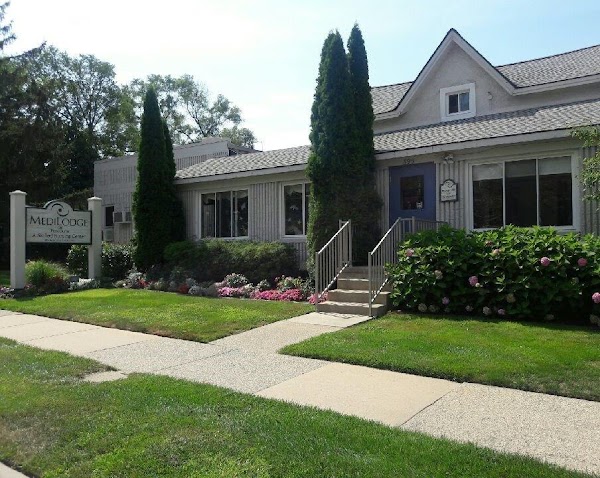
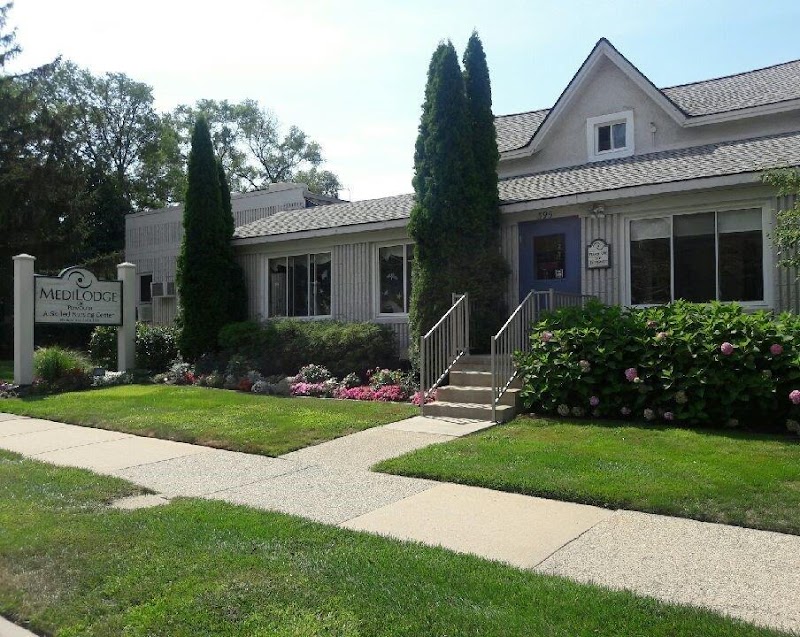
395 W Ann Arbor Trail, Plymouth, MI 48170 (734) 453-3983
For profit - Limited Liability company 39 Beds MEDILODGE Data: November 2025
Trust Grade
80/100
#52 of 422 in MI
Last Inspection: July 2025

Inspected within the last 6 months. Data reflects current conditions.

Overview

Medilodge of Plymouth has a Trust Grade of B+, which means it is above average and recommended for families considering care options. It ranks #52 out of 422 nursing homes in Michigan, placing it in the top half of facilities in the state, and #4 out of 63 in Wayne County, indicating limited local competition. The facility is improving, having reduced its issues from seven in 2024 to just one in 2025. While staffing is rated average at 3 out of 5 stars with a concerning turnover rate of 62%, it boasts good RN coverage that exceeds 92% of state facilities, ensuring better oversight of resident care. There have been no fines reported, which is a positive sign. However, recent inspections revealed some significant concerns, such as lack of qualified dietary management, insufficient kitchen staffing leading to delayed meal service, and failure to adhere to the planned menu, which could affect residents' nutritional needs. Overall, while Medilodge of Plymouth has strengths in its RN coverage and trust grade, there are notable weaknesses in dietary management and meal service that families should consider.

Trust Score
B+
80/100
In Michigan
#52/422
Top 12%
Safety Record
Low Risk
No red flags
Inspections
Getting Better
7 → 1 violations
Staff Stability
⚠ Watch
62% turnover. Above average. Higher turnover means staff may not know residents' routines.
Penalties
✓ Good
No fines on record. Clean compliance history, better than most Michigan facilities.
Skilled Nurses
✓ Good
Each resident gets 64 minutes of Registered Nurse (RN) attention daily — more than 97% of Michigan nursing homes. RNs are the most trained staff who catch health problems before they become serious.
Violations
⚠ Watch
17 deficiencies on record. Higher than average. Multiple issues found across inspections.
★★★★★
5.0
Overall Rating
★★★☆☆
3.0
Staff Levels
★★★★★
5.0
Care Quality
★★★★★
5.0
Inspection Score
Stable
2024: 7 issues
2025: 1 issues

The Good

  • 5-Star Quality Measures · Strong clinical quality outcomes
  • Full Sprinkler Coverage · Fire safety systems throughout facility
  • No fines on record

Facility shows strength in quality measures, fire safety.

The Bad

Staff Turnover: 62%

16pts above Michigan avg (46%)

Frequent staff changes - ask about care continuity

Chain: MEDILODGE

Part of a multi-facility chain

Ask about local staffing decisions and management

Staff turnover is elevated (62%)

14 points above Michigan average of 48%

The Ugly 17 deficiencies on record

Jul 2025 1 deficiency
MINOR (B)

Minor Issue - procedural, no safety impact

Deficiency F0912 (Tag F0912)

Minor procedural issue · This affected multiple residents

Based on observation, interview and record review, the facility failed to provide at least 80 square feet per resident in eight of fifteen resident bedrooms (#109, 110, 111, 112, 113, 114, 115 and 116...

Read full inspector narrative →
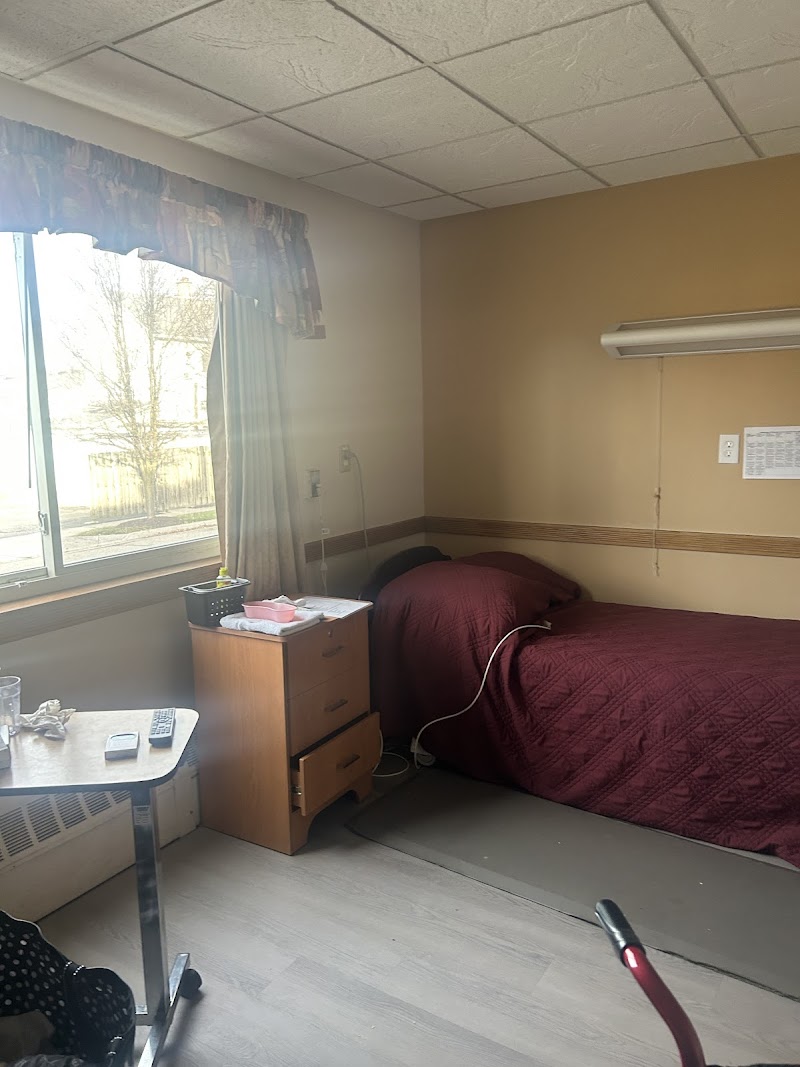
Based on observation, interview and record review, the facility failed to provide at least 80 square feet per resident in eight of fifteen resident bedrooms (#109, 110, 111, 112, 113, 114, 115 and 116) and at least 100 square feet in one of five single bedrooms (room#102), resulting in the potential for inadequate space. Observations of resident rooms made on 7/17/25 at 2 P.M., during the environmental tour and review of the facility bed count information sheet with the Regional Director of Operations, who was familiar with facility room waivers, identified the following: Room # Square feet beds102 81 1 1109 143 2 2110 143 2 2111 143 2 2112 143 2 2113 143 2 2114 143 2 2115 143 2 0116 143 2 2 The health and safety of the residents was not affected by the room size. Interviews with the residents noted no complaints concerning room size.
Jul 2024 7 deficiencies
CONCERN (D)

Potential for Harm - no one hurt, but risky conditions existed

Resident Rights (Tag F0550)

Could have caused harm · This affected 1 resident

**NOTE- TERMS IN BRACKETS HAVE BEEN EDITED TO PROTECT CONFIDENTIALITY** Based on observation, interview, and record review, the facility failed to provide dignified dining for two residents (R22 and R...

Read full inspector narrative →
**NOTE- TERMS IN BRACKETS HAVE BEEN EDITED TO PROTECT CONFIDENTIALITY** Based on observation, interview, and record review, the facility failed to provide dignified dining for two residents (R22 and R27) during dining observations, resulting in a staff member standing over the residents during meal assistance which did not resemble the comfortable characteristics of a home. Findings include: On 7/23/24 at 12:34 PM, Resident #27 (R27) was in her room, awake, and sitting in her geriatric chair. Certified Nurse Aide (CNA) G was standing next to R27 while offering the resident spoons of thickened apple juice. When R27 stated she had enough, CNA G stopped. On 7/23/24 at 12:39 PM, Resident #22 (R22) was in her room, awake, and sitting up in her bed. R22's lunch tray was positioned in front of her on an overbed table and had not been touched. Licensed Practical Nurse (LPN) H was observed in the room shared by R22 and R27 and said that sometimes R22 feeds herself, but other times staff feed her. LPN H was sitting next to the roommate of R22 and R27 while feeding the roommate her lunch. On 7/23/24 at 12:50 PM, CNA G was observed standing next to R22's bed while offering the resident bites of food. At the end of the meal, CNA G said R22 consumed the top of her roll, all her dessert and milk, and a small amount of the beef and rice. A review of the admission Record for R22 documented an initial admission date of 5/13/21 and readmission date of 8/20/23. R22's diagnoses included chronic obstructive pulmonary disease, diabetes mellitus-type 2, and unspecified dementia. A MDS dated [DATE] documented severe cognitive impairment. Physician orders documented R22 was to receive a regular diet, regular texture, regular fluids, thin consistency. R22's ADL care plan documented to provide supervision to one-person assist, varies on resident's mood/behavior, for eating. A review of the admission Record for R27 documented an admission date of 8/26/22 with diagnoses that included cerebral infarction, hemiplegia and hemiparesis, vascular dementia, and dysphagia. A Minimum Data Set (MDS) assessment dated [DATE] documented severe cognitive impairment. Physician orders documented R27 received bolus feedings of a liquid supplement via a gastrostomy feeding tube and a regular diet, pureed texture, and honey/moderately thick consistency fluids by mouth. A review of R27's nutrition and activity of daily living (ADL) care plans documented to provide assistance with meals as needed and one-person assist for eating. On 7/24/24 at 10:09 AM, Registered Dietitian (RD) B said that staff should be sitting on the same level of the resident when assisting them with feeding because it is respectful. Residents should be treated like family. On 7/25/24 at 3:00 PM, the Director of Nursing (DON) said staff should be at the same level of the resident when offering feeding assistance so you can see the resident's face and it is also an integrity issue. Staff should be sitting down not standing up while feeding residents. The facility policy titled, Resident Rights, dated 10/30/23, documented in part, The facility will ensure that all staff members are educated on the rights of residents and the responsibility of the facility to properly care for its residents. On 7/25/24 at 4:00 PM during the exit conference, the Nursing Home Administrator and DON did not offer additional documentation or information regarding this citation when asked.
CONCERN (D)

Potential for Harm - no one hurt, but risky conditions existed

Report Alleged Abuse (Tag F0609)

Could have caused harm · This affected 1 resident

**NOTE- TERMS IN BRACKETS HAVE BEEN EDITED TO PROTECT CONFIDENTIALITY** Based on interview and record review, the facility failed to immediately report a Resident-to-Resident incident for two resident...

Read full inspector narrative →
**NOTE- TERMS IN BRACKETS HAVE BEEN EDITED TO PROTECT CONFIDENTIALITY** Based on interview and record review, the facility failed to immediately report a Resident-to-Resident incident for two residents (R3 and R40) of three residents reviewed for abuse, resulting in allegations of abuse that were not reported to the State Agency timely and the potential for feeling of not being protected or unsafe within the facility, and for abuse to continue without being reported. Findings include: R3 Review of an admission Record revealed, R3 admitted to the facility on [DATE] and with pertinent diagnosis which included Schizophrenia and Bipolar Disorder. Review of a Minimum Data Set (MDS) assessment dated [DATE] revealed R3 had cognitive impairment with a Brief interview for Mental Status (BIMS) score of 6 out of 15. Review of a nurses note with a date of 4/28/24 at 10:27 p.m. revealed, . Resident did not appear to be upset. A resident was in his bed and had to be redirected out of (R3's) bed. While the resident was being redirected out of the area (R3) spontaneously hit him in the face . R40 Review of an admission Record revealed, R40 admitted to the facility on [DATE] and discharged on 5/1/24 with pertinent diagnoses which Dementia and Alzheimer's Disease. Review of a MDS assessment dated [DATE] revealed R40 had cognitive impairment with a BIMS score of 6 out of 15. Review of a nurses note with a date of 4/28/24 at 9:32 p.m. revealed, . Resident has been wandering through out the unit and has to be redirected. Resident was observed in another resident's bed, resident was redirected by staff out of the bed and back into his wheelchair. When staff member turned around to attend to another resident, a resident spontaneously hit (R40) in the face. (R40) was taken out of the area and placed in his bedroom. The residents' nose was bleeding, and the writer placed an ice pack on the nose and stopped the bleeding. A head-to-toe assessment and a pain assessment was completed. Prn pain medication was given. The family the on call Physician, DON (Director of Nursing), and the Administrator were notified. Review of a nurses note with a date of 4/30/24 at 1:23 p.m. revealed, . resident noted picking at scabs on arms and face, bruise noted on right side of nose where glasses sit notified md ordered x-ray of the nose. encouraged family to bring long sleeve shirts lotion applied. safety maintained . In an interview on 7/24/24 at 11:16 a.m., the DON reported the resident-to-resident incident was not reported to the state agency. In an interview on 7/24/24 at 3:18 p.m., the Nursing Home Administrator (NHA) reported the incident should have been reported to the state agency within two hours if there is an injury. The NHA then confirmed the incident involving R3 and R40 should have been reported to the state agency. Review of the Abuse, Neglect and Exploitation policy revised 10/24/22 documented, It is the policy of this facility to provide protections for the health, welfare, and rights of each resident by developing and implementing written policies and procedures that prohibit and prevent abuse, neglect, exploitation, and misappropriation of resident property . Reporting/Response A. The facility will have written procedures that include: 1. Reporting of all alleged violations to the Administrator, state agency, adult protective services and to all other required agencies (e.g., law enforcement when applicable) within specific timeframes: a. Immediately, but not later than 2 hours after the allegations is made, if the events that cause the allegation involve abuse or result in serious bodily injury, or b. Not later than 24 hours if the events that cause the allegation do not involve abuse and do not result in serious bodily injury .
CONCERN (D)

Potential for Harm - no one hurt, but risky conditions existed

Deficiency F0687 (Tag F0687)

Could have caused harm · This affected 1 resident

**NOTE- TERMS IN BRACKETS HAVE BEEN EDITED TO PROTECT CONFIDENTIALITY** Based on observation, interview and record review, the facility failed to implement effective skin care for one resident (R16) o...

Read full inspector narrative →
**NOTE- TERMS IN BRACKETS HAVE BEEN EDITED TO PROTECT CONFIDENTIALITY** Based on observation, interview and record review, the facility failed to implement effective skin care for one resident (R16) of two residents reviewed for skin care, resulting in dry, scaly skin and resident dissatisfaction. Findings include: On 7/23/24 at 10:02 AM, Resident #16 (R16) was observed awake and lying in bed. R16 stated, They are supposed to put salve on my legs and feet, but nothing is being done about it. R16 granted permission for the Surveyor to look at her feet. The bottoms of R16's feet were very dry, scaly, with peeling skin. The admission Record for R16 documented an admission date of 12/22/22 with diagnoses that included endometrium (uterus) cancer, chronic obstructive pulmonary disease, obesity, and congestive heart failure. A Minimum Data Set assessment dated [DATE] documented intact cognition. On 7/24/24 at 9:29 AM, Registered Nurse (RN) D reviewed R16's clinical record for orders related to foot care. There were none. RN D said R16 does not have the physical ability to apply lotion to her feet. R16 was dependent upon staff to do that for her. RN D admitted that she had not examined R16's feet lately. On 7/24/24 at 9:38 AM, after examining R16's feet, RN D stated, She really needs lotion for dry skin. I'm going to call the doctor for the order. RN D said the skin on the bottom of R16's feet was dry and scaly, and when you rub the bottom of R16's feet, skin would come off. RN D noted discoloration of dark brown spots on the top of both feet. RN D indicated that the condition of R16's feet did not recently happen. This should have been noted and brought to her attention. Nursing progress note of 7/24/24 at 9:58 AM documented in part: Resident both feet assess today, both feet are dry scaly skin on palm of the feet, dark brown skin noted on top of both feet, NP (nurse practitioner) on call notified of dry scaly peeling skin. stated I will put the order in now for (lac-hydrin) lotion. On 7/25/24 at 2:49 PM, the Director of Nursing said R16's skin should have been moisturized with lotion. R16's skin was extremely dry and should have been attended to on a regular basis. The facility policy titled, Activities of Daily Living (ADLs), dated 12/28/23, documented in part: A resident who is unable to carry out activities of daily living receives the necessary services to maintain good nutrition, grooming, and personal and oral hygiene. On 7/25/24 at 4:00 PM during the exit conference, the Nursing Home Administrator and DON did not offer additional documentation or information regarding this citation when asked.
CONCERN (D)

Potential for Harm - no one hurt, but risky conditions existed

Respiratory Care (Tag F0695)

Could have caused harm · This affected 1 resident

Based on observation, interview, and record review, the facility failed to change oxygen tubing in a timely manner for one resident (R16), out of one resident reviewed for oxygen therapy, resulting in...

Read full inspector narrative →
Based on observation, interview, and record review, the facility failed to change oxygen tubing in a timely manner for one resident (R16), out of one resident reviewed for oxygen therapy, resulting in the potential for cross contamination and respiratory infection. Findings include: On 7/23/24 at 11:20 AM, Resident #16 (R16) was awake and lying in her bed. R16 said staff do not change her tubing like they are supposed to. The tape on R16's oxygen tubing was dated 7/19/24. On 7/24/24 at 9:21 AM, the date on R16's oxygen tubing remained 7/19/24. The admission Record for R16 documented an admission date of 12/22/22 with diagnoses that included endometrium (uterus) cancer, chronic obstructive pulmonary disease, obesity, and congestive heart failure. A Minimum Data Set assessment date 6/27/24 documented intact cognition. Physician orders documented to date and change resident's oxygen tubing every three days. Order date: 12/29/23. On 7/25/24 at 2:36 PM, the Director of Nursing (DON) said R16's oxygen tubing should be changed every three days. The tubing dated 7/19/24 should have been changed to a clean one on 7/22/24. The DON said R16 drops her tubing on the floor and would need it changed more often than weekly. The DON indicated that physician orders supersede facility policies. A review of the policy titled, Oxygen Administration, dated 10/26/23, documented in part the following: change oxygen tubing and mask/cannula weekly and as needed if it becomes soiled or contaminated. On 7/25/24 at 4:00 PM during the exit conference, the Nursing Home Administrator and DON did not offer additional documentation or information regarding this citation when asked.
CONCERN (D)

Potential for Harm - no one hurt, but risky conditions existed

Deficiency F0806 (Tag F0806)

Could have caused harm · This affected 1 resident

**NOTE- TERMS IN BRACKETS HAVE BEEN EDITED TO PROTECT CONFIDENTIALITY** Based on observation, interview, and record review, the facility failed to ensure resident food preference was honored for one r...

Read full inspector narrative →
**NOTE- TERMS IN BRACKETS HAVE BEEN EDITED TO PROTECT CONFIDENTIALITY** Based on observation, interview, and record review, the facility failed to ensure resident food preference was honored for one resident R16) out of six residents reviewed for food preferences, resulting in resident meal dissatisfaction. Findings include: On 7/24/24 at 8:05 AM, the breakfast served to Resident #16 (R16) included a bowl of bran flake cereal, one boiled egg, one muffin, a glass of milk, and a glass of orange juice. R16 said to Certified Nurse Aide (CNA) G that she wanted another boiled egg. On 7/24/24 at 8:06 AM, R16 stated, This (breakfast) is not going to be enough to hold me until lunch. On 7/24/24 at 8:14 AM, CNA G informed R16 that the kitchen indicated they did not have any more boiled eggs. On 7/24/24 at 8:18 AM, Dietary Manager (DM) A stated, We gave out all the boiled eggs we cooked. When queried if there were more eggs in the kitchen, DM A stated, We have plenty of eggs. I can boil some more. On 7/24/24 at 10:09 AM, Registered Dietitian (RD) B said they use resident food preferences to adjust what the residents receive. RD B indicated it was important to honor resident food preferences because this was their home. They should get what they want, with what's available, and based upon their diet. We do our best to give them what they like. Regarding R16's request, RD B stated, They should have served her another egg. The admission Record for R16 documented an admission date of 12/22/22 with diagnoses that included endometrium (uterus) cancer, chronic obstructive pulmonary disease, obesity, and congestive heart failure. A Minimum Data Set assessment dated [DATE] documented intact cognition. A review of R16's breakfast meal ticket for 7/24/24 documented, Diet Order: Regular Diet. Notes: prefers boiled eggs. On 7/25/24 at 3:25 PM, the Nursing Home Administrator (NHA) stated it was unacceptable that R16 did not receive her request and added, They should have stopped to make her a boiled egg. If they (the residents) want two boiled eggs, they should have it. The facility policy titled, Resident Rights, dated 10/30/23, documented in part, The facility will ensure that all staff members are educated on the rights of residents and the responsibility of the facility to properly care for its residents. On 7/25/24 at 4:00 PM during the exit conference, the NHA and Director of Nursing did not offer additional documentation or information regarding this citation when asked.
MINOR (B)

Minor Issue - procedural, no safety impact

Deficiency F0658 (Tag F0658)

Minor procedural issue · This affected multiple residents

**NOTE- TERMS IN BRACKETS HAVE BEEN EDITED TO PROTECT CONFIDENTIALITY** Based on interview and record review, the facility failed to demonstrate professional standards of practice by not obtaining vit...

Read full inspector narrative →
**NOTE- TERMS IN BRACKETS HAVE BEEN EDITED TO PROTECT CONFIDENTIALITY** Based on interview and record review, the facility failed to demonstrate professional standards of practice by not obtaining vitals per physician's orders for one resident (R39) out of one resident reviewed that died in the facility, resulting in an incomplete gauge of the resident's general health and well-being. Findings include: A review of the admission Record for Resident #39 (R39) documented an initial admission date of [DATE], readmission date of [DATE], and death in the facility on [DATE]. R39's diagnoses included venous insufficiency, severe protein-calorie malnutrition, and hypertension. A Minimum Data Set assessment dated [DATE] documented intact cognition. Nursing note on [DATE] at 10:53 PM documented in part, Resident in bed, no audible apical heartbeat (pulse point on the chest), or no palpable pulse or no respirations. Verified by RN (Registered Nurse) on duty. Notified on call team .for notification of passing. Release of body form completed. On [DATE] at 2:15 PM, R39's clinical record was reviewed with the Director of Nursing (DON). Physician orders documented the following: 1. Vital signs every evening shift every Friday. Started on [DATE]. 2. Vital signs every night shift. Started on [DATE]. The DON said nursing should have contacted the physician to confirm the vital sign orders. The DON said that normally vitals include obtaining a resident's blood pressure, temperature, pulse, respiration, and oxygen level. R39's [DATE] Medication Administration Record (MAR), reviewed with the DON, revealed that nurses signed off that they completed vitals on R39 nightly. R39's clinical record provided the following documentation of vitals obtained during the month of [DATE]: Blood Pressure: [DATE] at 9:38 PM 124/78 [DATE] at 9:41 AM 102/67 [DATE] at 9:33 PM 117/86 [DATE] at 2:01 PM 112/69 [DATE] at 6:30 PM 109/62 Temperature: [DATE] at 9:38 PM 98.4 °F (Fahrenheit) [DATE] at 9:41 AM 97.7 °F [DATE] at 9:33 PM 98.6 °F [DATE] at 2:01 PM 97.8 °F [DATE] at 6:30 PM 98.2 °F Pulse: [DATE] at 9:38 PM 72 bpm (beats per minute) [DATE] at 9:41 AM 63 bpm [DATE] at 9:33 PM 70 bpm [DATE] at 2:01 PM 69 bpm [DATE] at 6:30 PM 74 bpm Respiration: [DATE] at 9:38 PM 15 Breaths/min [DATE] at 9:41 AM 14 Breaths/min [DATE] at 9:33 PM 16 Breaths/min [DATE] at 2:01 PM 15 Breaths/min [DATE] at 6:30 PM 16 Breaths/min Oxygen level: [DATE] at 9:38 PM 98.0% Room Air [DATE] at 9:41 AM 92.0% Room Air [DATE] at 9:33 PM 98.0% Room Air [DATE] at 2:01 PM 95.0% Room Air [DATE] at 6:30 PM 96.0% Room Air The DON stated a resident's vital signs should be documented because that gives you an accurate picture of the resident's condition. On [DATE] at 4:00 PM during the exit conference, the Nursing Home Administrator and DON did not offer additional documentation or information regarding this citation when asked.
MINOR (B)

Minor Issue - procedural, no safety impact

Deficiency F0912 (Tag F0912)

Minor procedural issue · This affected multiple residents

Based on observation, interview, and record review, the facility failed to provide at least 80 square/feet per resident in eight of fifteen resident bedrooms (# 109, 110, 111, 112, 113, 114, 115 and 1...

Read full inspector narrative →
Based on observation, interview, and record review, the facility failed to provide at least 80 square/feet per resident in eight of fifteen resident bedrooms (# 109, 110, 111, 112, 113, 114, 115 and 116) and at least 100 square feet in one of five single bedrooms (room # 102), resulting in the potential for inadequate space. Findings Include: Observations of resident rooms made on 7/23/24 at 1:49 PM during the environmental tour and review of the facility bed count information sheet with the Maintenance Director identified the following: Room # Square feet Beds 102 81 1 109 143 2 110 143 2 111 143 2 112 143 2 113 143 2 114 143 2 115 143 2 116 143 2 The health and safety of the residents was not affected by the room size. Interviews with the residents noted no complaints concerning the room size.
Apr 2023 9 deficiencies
CONCERN (D) 📢 Someone Reported This

A family member, employee, or ombudsman was alarmed enough to file a formal complaint

Potential for Harm - no one hurt, but risky conditions existed

Incontinence Care (Tag F0690)

Could have caused harm · This affected 1 resident

**NOTE- TERMS IN BRACKETS HAVE BEEN EDITED TO PROTECT CONFIDENTIALITY** Based on observation, interview and record review the facility failed to ensure adequate catheter care was provided for one elev...

Read full inspector narrative →
**NOTE- TERMS IN BRACKETS HAVE BEEN EDITED TO PROTECT CONFIDENTIALITY** Based on observation, interview and record review the facility failed to ensure adequate catheter care was provided for one elevated risk for urinary infections resident (R27) of three residents reviewed for UTI (urinary tract infection)/catheter care, resulting in the potential for urinary complications, including urethral tears and increased urinary tract infections. Findings include: On 4/18/23 at 10:50 a.m. during the initial pool process, R27 was observed in the room, comfortably sitting in a geriatric chair. R27 was not able to participate in an interview due to impaired cognition. R27 was observed with an indwelling catheter that was observed underneath the geriatric chair on the floor. There were no MDS indicators noted R27 had a catheter. On 4/19/23 at 1:58 p.m. review of the electronic medical record documented R27 was initially admitted into the facility on 6/3/22 and readmitted from the hospital on 3/27/23 with diagnoses that include acute kidney failure, cerebral infarction, neuromuscular dysfunction of bladder, dementia, and disorder of the kidney and ureter. According to the quarterly Minimum Data Set (MDS) assessment dated [DATE], R27 had short term and long-term memory impairment, moderately impaired cognition and required total dependence with one person assistance with activities of daily living. Review of the bowel and bladder section (H) of the MDS did not document R27 had a catheter. Review of the hospital records dated 3/18/23 documented R27 received a urinary catheter, .Plan: 03/18/2023 Added bicarb drip for 1-2 day. Noted abdominal distension, foley catheter placed in Urology consulted for further evaluation . Review of the readmission nurse's progress note dated 3/27/2023 at 23:20 (11:20 PM) documented the following: Resident readmitted to facility from the hospital. New foley intact and patent . The physician's readmission encounter note dated 3/30/2023 at 01:00 (1:00 AM) documented the following: .Urinary retention f/u . He was recently readmitted from the hospital due to COVID, dehydration as well as UTI . His hospital course was complicated by urinary retention. He was started on Flomax and a Foley catheter was placed . Physician's orders for the indwelling catheter were not implemented until 4/14/23 (14 days after readmission): Catheter - Anchor Secured in Place every evening shift. Monitor urine from indwelling catheter for color, cloudiness, odor, and decreased output. Notify provider as needed of any changes every shift. Foley catheter-Indwelling Catheter 20 French with 30 cc balloon inflation change as needed. Catheter care was not documented in the care guide until 4/14/23 (14 days after readmission). The Nursing readmission Evaluation dated 3/28/23 did not document R27 was readmitted with an indwelling catheter (was not checked). There was no evidence of a catheter care plan until 4/20/23 after the Director of Nursing (DON) was interviewed. The MDS assessment dated [DATE] (upon readmission from the hospital), did not document R27 was readmitted with an indwelling catheter. On 4/20/23 at 12:37 p.m. the DON was interviewed regarding R27's indwelling catheter and said the resident had a follow up appointment on 4/5/23 with the urologist because there were no appropriate diagnoses for the catheter. The physician ordered to take out the catheter and have bladder scans done from 4/5-4/12. The catheter was put back in on 4/13/23 because of abdominal distention. That is when the orders for catheter care were put in place. Although there was not a care plan and orders in place for catheter care, the resident's catheter care was still done. However, there was no care plan for an indwelling urinary catheter or physician orders for R27 or an order to remove the catheter during 4/5/23 - 4/12/23. Review of the facility's policy titled Catherization dated 1/1/22 documented the following: It is the policy of this facility to ensure that a resident who is incontinent of bladder on admission receives services and assistance to maintain continence . Urinary catheterization will be performed in accordance with current standards of practice to minimize risk for bacterial contamination or urethral trauma . Residents who incontinent of bladder receive appropriate treatment and services to prevent urinary tract infections . The use of an indwelling urinary catheter will be in accordance with physician orders . The plan of care will address the use of an indwelling urinary catheter .
CONCERN (D)

Potential for Harm - no one hurt, but risky conditions existed

Deficiency F0692 (Tag F0692)

Could have caused harm · This affected 1 resident

**NOTE- TERMS IN BRACKETS HAVE BEEN EDITED TO PROTECT CONFIDENTIALITY** Based on observation, interview, and record review, the facility failed to perform a timely nutrition assessment and implement n...

Read full inspector narrative →
**NOTE- TERMS IN BRACKETS HAVE BEEN EDITED TO PROTECT CONFIDENTIALITY** Based on observation, interview, and record review, the facility failed to perform a timely nutrition assessment and implement nutrition interventions for two residents (R16 and R141) of seven residents reviewed for maintenance of nutrition status, resulting in the potential for compromise in nutritional status. Findings include: Resident #16 A review of the admission Record for Resident #16 (R16) revealed an admission date of 3/17/23 with diagnoses that included pervasive developmental disorder (delay in development of social and communication skills), morbid obesity, and ventral hernia (bulge of abdominal tissue or organ). A Minimum Data Set (MDS) assessment of 3/23/23 documented severe cognitive impairment and supervision with set-up help only for eating. A review of the recorded weights for R16 documented the following: 3/20/23 - 201.2 lbs. 3/31/23 - 216.4 lbs. 4/5/23 - 215.4 lbs. 4/12/23- 220.4 lbs. According to the recorded weights, R16 experienced a 9.5% increase in her body weight in three weeks. A review of a facility document titled, Nutrition Data Collection/Evaluation, dated 3/20/23, and completed by Registered Dietitian (RD) F, revealed in part the following recommendations: Monitor intake at meals and offer alternate items as appropriate. Monitor weight weekly times four weeks to establish weight trend. On 4/19/23 at 11:47 AM during an interview and review of R16's clinical record, Regional Registered Dietitian (RD) B agreed that R16's had experienced a significant weight gain. RD B said that R16's weight increase was a concern and that there was a fifteen pound increase in R16's weight between 3/20/23 and 3/31/23 and this should have flagged R16 to be reweighed. RD B acknowledged that there had not been any follow-up by a RD since the initial nutrition evaluation of 3/20/23. On 4/20/23 at 1:08 PM during an interview and review of R16's clinical record, Director of Nursing (DON) agreed that R16 experienced a significant weight gain, and it should be evaluated. The DON said that R16 experienced a significant weight change and there should have been some type of recommendation even if it was to reweigh the resident. The DON said that the registered dietitian does the weight monitoring and there had not been a nutrition note for R16 since 3/20/23. The DON agreed that waiting three weeks for follow-up by the dietitian regarding a significant weight change was not timely. Resident #141 During an interview and observation on 4/18/2023 at 12:51 PM, Resident #141 (R141) had not been served lunch. R141 stated, I'm vegetarian, but I eat chicken, fish, and eggs. R141 indicated she previously informed the Nursing Home Administrator (NHA) that she did not eat meat and that the NHA would get her a salad, fruit, and apple juice. When R141 was informed about what was served at lunch, she stated, I could have had that. During an interview on 4/18/2023 at 1:41 PM, R141 stated, I'm going to therapy after 2:00 PM so I may not even be here when lunch comes. During an observation on 4/18/2023 at 2:00 PM, R141 still had not been served lunch. During an interview and observation on 4/18/2023 at 3:30 PM, R141 was observed eating a salad which consisted of lettuce, chopped carrots, and chopped red bell peppers. R141 was not served fruit or apple juice. A review of the admission Record for R141 documented an admission date of 4/11/23 and diagnoses that included diabetes mellitus-type 2, atherosclerotic heart disease, congestive heart failure, hypertension, hyperlipidemia, gout, chronic kidney disease-stage 3, and dysphagia. A MDS assessment dated [DATE] documented intact cognition and supervision with setup help only for eating. During an interview and record review on 4/19/23 at 11:58 AM with Regional Registered Dietitian (RD) B, it was confirmed that R141 had not been prescribed a diet. RD B identified that R141 had the following diagnoses that have nutrition implications: diabetes mellitus-type 2, morbid obesity, heart disease, congestive heart failure, hypertension, hyperlipidemia, chronic kidney disease-stage 3, gout, and dysphagia. RD B said all new admissions should have a diet order, so they are receiving the correct consistency and therapeutic diet. RD B acknowledged R141 was admitted to the facility on [DATE] and should have had a nutrition assessment and been prescribed a diet by now. During an interview on 4/20/2023 at 1:08 PM, the DON said diet orders should be established for newly admitted residents upon admission because they want to make sure they are following the right diet order. A review of the following facility policies revealed in part the following: Weight Monitoring, dated 1/1/2022: - Weight can be a useful indicator of nutrition status. Significant unintended changes in weight (loss or gain) .may indicate a nutritional problem. - The facility will utilize a systemic approach to optimize a resident's nutritional status. This process includes: (a.) Identifying and assessing each resident's nutritional status and risk factors .(d.) Monitoring the effectiveness of interventions and revising them as necessary. - A comprehensive nutritional assessment will be completed upon admission on residents to identify those at risk for unplanned weight loss/gain or compromised nutrition status. - Weight analysis: .A significant change in weight is defined as (a.) 5% change in weight in 1 month (30 days). - Documentation: (a.) The physician should be informed of a significant change in weight and may order nutritional interventions. Resident Meal Service dated 1/1/2021: - Each resident shall receive the correct diet
CONCERN (F)

Potential for Harm - no one hurt, but risky conditions existed

Deficiency F0801 (Tag F0801)

Could have caused harm · This affected most or all residents

Based on observation, interview, and record review, the facility failed to ensure a qualified Certified Dietary Manager, Certified Food Service Manager, and/or full time Registered Dietitian was in pl...

Read full inspector narrative →
Based on observation, interview, and record review, the facility failed to ensure a qualified Certified Dietary Manager, Certified Food Service Manager, and/or full time Registered Dietitian was in place to lead the dietary department as required, resulting in operational failures which have the potential affect all 33 of the nursing home residents that eat out of the kitchen. Findings include: During an interview on 4/18/23 at 1:36 PM, Assistant Director of Nursing (ADON), Registered Nurse E said,The facility's registered dietitian was coming once a week but went on maternity leave about two to three weeks ago. ADON E said, No one has covered for her during her absence. During an interview on 4/19/23 at approximately 2:00 PM, Dietary Manager (DM) A denied she was certified as a dietary manager or food service manager. DM A said, I am just beginning the process to become a certified dietary manager. When DM A was asked to provide production sheets she stated, I do not have any production sheets. DM A was unable to provide a cleaning schedule when asked. During an interview on 4/20/2023 at 11:03 AM when the Regional Registered Dietitian (RD) B was queried if kitchen operations could be adequately performed by one person, she stated, I don't know. I don't work here. RD B stated the purpose of production sheets was To make sure we have on hand what is needed. (Without production sheets) we don't know what the kitchen needs or has used. According to regulation: If a qualified dietitian or other clinically qualified nutrition professional is not employed full-time, the facility must designate a person to serve as the director of food and nutrition services. (i) The director of food and nutrition services must at a minimum meet one of the following qualifications- (A) A certified dietary manager; or (B) A certified food service manager
CONCERN (F)

Potential for Harm - no one hurt, but risky conditions existed

Deficiency F0802 (Tag F0802)

Could have caused harm · This affected most or all residents

Based on observation, interview, and record review, the facility failed to ensure the kitchen was adequately staffed in order to prepare and serve meals in a timely manner and manage and operate the k...

Read full inspector narrative →
Based on observation, interview, and record review, the facility failed to ensure the kitchen was adequately staffed in order to prepare and serve meals in a timely manner and manage and operate the kitchen properly, resulting in resident dissatisfaction, untimely meal service, and standard kitchen operations not being performed affecting all residents eating meals from the kitchen. Findings include: A review of a facility provided document revealed meals were to be served at the following times: breakfast at 8 AM, lunch at 12 noon, and dinner at 6 PM. During an observation on 4/18/23 at 2:00 PM, Resident #141 (R141) had not been served lunch. During observations on 4/19/23, R141 was served breakfast at 8:37 AM and lunch at 12:30 PM. During an interview on 4/19/23 at approximately 2:00 PM, Dietary Manager (DM) A stated On Monday (4/17/2023) I worked breakfast and lunch by myself (cooking and serving both meals and washing dishes, pots, and pans afterwards). There should be a cook and an aide every shift. There should be two people working every shift. I was supposed to obtain the temperature of the dish machine, and I did not. DM A further added, As a manager, I can't educate, take trainings, complete invoices, supervise, and prepare work schedules because I'm too busy working as a staff member because we don't have enough staff. A review of the April 2023 kitchen staff schedule revealed DM A was scheduled to work as the AM cook 14 out of 30 days. During an interview on 4/19/23 at 2:04 PM, the Nursing Home Administrator (NHA) said if breakfast was 30 minutes late it was related to system problems in the kitchen, probably related to staffing. Starting meal service (passing trays to residents) 15 minutes late was more reasonable. The NHA stated that meals should be served close to (established) mealtimes within 15 minutes tops (at the latest) realistically. During an interview on 4/20/23 at 10:04 AM, Resident #19 (R19) stated, Meals are usually a half hour late. R19 said sometimes he gets hungry waiting for meals to be served. During an interview on 4/20/2023 at 11:03 AM when Regional Registered Dietitian (RD) B was queried if kitchen operations could be adequately performed by one person, she stated, I don't know. I don't work here. RD B then stated she recommended that kitchen staffing should include one cook and two aides for the size of this building. A review of the facility policy titled, Resident Meal Service, dated 1/1/2021, revealed in part the following: Each resident shall receive the correct diet .and shall receive prompt meal service .
CONCERN (F)

Potential for Harm - no one hurt, but risky conditions existed

Menu Adequacy (Tag F0803)

Could have caused harm · This affected most or all residents

Based on observation, interview, and record review, the facility failed to follow the established planned menu for all residents eating from the kitchen, resulting in the residents not being informed ...

Read full inspector narrative →
Based on observation, interview, and record review, the facility failed to follow the established planned menu for all residents eating from the kitchen, resulting in the residents not being informed of what was being served in advance and the potential for unmet resident nutritional needs. Findings include: The facility provided a menu for Tuesday, 4/18/2023 which indicated the following was to be served for lunch: pork chop with sour cream, herbed rice, green beans, wheat bread, fresh apple slices, and garnish parsley sprig. The facility served the following for lunch on 4/18/2023: sweet and sour chicken, rice, green beans, mixed corn, pineapples, and rolls. During an interview and observation on 4/18/23 at 12:51 PM, Resident #141 (R141), who was alert and able to clearly express herself, had not been served lunch. R141 stated, I'm vegetarian, but I eat chicken, fish, and eggs. R141 indicated she previously informed the Nursing Home Administrator (NHA) that she did not eat meat and that the NHA would get her a salad, fruit, and apple juice. When R141 was informed about what was served at lunch, she stated, I could have had that. They don't have a menu to give you. During an observation on 4/18/23 at 2:46 PM, Dietary Manager (DM) A returned to the facility with some grocery bags. DM A said she went to purchase food for a resident that requested a salad. During an interview on 4/19/23 at approximately 2:00 PM when Dietary Manager DM A was asked to provide production sheets for the last seven days in order to assess the nutritional adequacy of meals previously served to the residents, she stated I do not have any production sheets, but I can tell you what was served. We haven't had a menu to follow because we haven't had a working freezer and I'm too busy running to the store to get food to prepare a menu. During an interview on 4/20/23 at 10:04 AM, Resident #19, who was alert and able to clearly express himself, stated, I don't know what is being served. They don't tell us in advance, sometimes I'll go to the kitchen and ask. During an interview on 4/20/23 at 11:03 AM, Regional Registered Dietitian (RD) B indicated the facility's menus are developed by a national food service distribution company. RD B stated that menus should be followed To make sure people are getting what they are supposed to be getting and nutritionally sound.
CONCERN (F)

Potential for Harm - no one hurt, but risky conditions existed

Food Safety (Tag F0812)

Could have caused harm · This affected most or all residents

Based on observation, interview, and record review, the facility failed to (1) effectively clean food service equipment, (2) properly date-label food in the cooler, (3) ensure staff food was stored se...

Read full inspector narrative →
Based on observation, interview, and record review, the facility failed to (1) effectively clean food service equipment, (2) properly date-label food in the cooler, (3) ensure staff food was stored separately from resident food, (4) consistently test the dish machine operating temperature, and (5) correctly obtain steam table food temperatures. These deficient practices have the potential to affect all residents who eat food out of the kitchen resulting in the increased potential for cross-contamination, bacterial harborage, and increased potential for resident foodborne illness. Findings include: During the initial tour of the kitchen on 4/18/23 at 8:55 AM with Dietary Manager (DM) A the following was observed: - the stove food trap was half full of grease and food debris from the flat grill - the panel below stove door was soiled with dirt and grease - the stock cupboard doors were soiled - in the clean pot and pan area, two full-size pans were soiled with food debris. DM A acknowledged the pans were soiled. - the racks where the clean pots and pans were stored were rusted - the spice rack doors did not close completely and were held closed by towels soiled with food debris. - the shelf under the prep table was rusted and contained food debris. The following was observed in cooler number two: - the shelves were soiled and rusted. DM A stated, I know it's rusty and dirty; it needs to be cleaned. - the following staff food was stored with resident food: coffee creamer and a protein shake - an opened container of whipped cream was not marked with a used-by-date - an undated bag of diced potatoes appeared pink and moldy. A review of the dish machine temperature log revealed temperatures were not obtained on 4/17/23. DM A said, I operated the dish machine yesterday and did not obtain temperatures. During a kitchen observation on 4/18/23 at 11:50 AM, AM [NAME] C was observed obtaining the temperatures of food from the steam table. AM [NAME] C did not clean and sanitize the metal-stem thermometer between testing the mashed potatoes and pureed chicken. During an interview on 4/19/23 at approximately 2:00 PM, DM A did not provide a cleaning schedule when asked. DM A stated, We do not have a cleaning schedule due to a lack of staff. The 2013 FDA Food Code was reviewed and revealed the following: - 3-101.11, Safe, Unadulterated, and Honestly Presented, was reviewed and revealed, Food shall be safe, unadulterated, and, as specified under § 3-601.12, honestly presented. - 501.11, Equipment shall be maintained in a state of repair and condition that meets the requirements specified under Parts 4-1 and 4-2. - 4-602.11, Equipment Food-Contact Surfaces and Utensils. Equipment food-contact surfaces and utensils shall be cleaned (5) at any time during the operation when contamination may have occurred. - 4-602.13, Nonfood-Contact Surfaces, Nonfood-contact surfaces of equipment shall be cleaned at a frequency necessary to preclude accumulation of soil residues.
CONCERN (F)

Potential for Harm - no one hurt, but risky conditions existed

Garbage Disposal (Tag F0814)

Could have caused harm · This affected most or all residents

Based on observation, interview, and record review, the facility failed to properly dispose of refuge and maintain cleanliness of the outside garbage area, resulting in the potential for harborage of ...

Read full inspector narrative →
Based on observation, interview, and record review, the facility failed to properly dispose of refuge and maintain cleanliness of the outside garbage area, resulting in the potential for harborage of pests. This deficient practice had the potential to affect all 34 residents that resided in the facility. Findings include: On 4/19/23 at approximately 2:00 PM, during an observation of the outside dumpster area with the Dietary Manager A, two carts were observed in the dumpster area. The contents of a blue cart, approximately a quarter full of garbage, was described by Dietary Manager (DM) A as Soiled gloves, masks, and pill cups. A black cart was observed containing approximately three quarters full of dark, murky water that contained debris including tree branches. DM A stated, These carts have been here in this condition since January. It's an eyesore for residents. During an interview on 4/20/23 at 10:45 AM, the facility Administrator stated, No one should be leaving trash inside those bins (carts). They are for transportation of garbage from the facility to the dumpster only. They should be empty when not in use. The 2013 FDA Food Code was reviewed and revealed the following: - 5-501.110 Storing Refuse, Recyclables, and Returnables: Refuse, recyclables, and returnables shall be stored in receptacles or waste handling units so that they are inaccessible to insects and rodents. - 6-501.114 Maintaining Premises, Unnecessary Items and Litter: The premises shall be free of: (B) Litter.
CONCERN (F)

Potential for Harm - no one hurt, but risky conditions existed

Room Equipment (Tag F0908)

Could have caused harm · This affected most or all residents

Based on observation, interview, and record review, the facility failed to provide adequate backflow protection for the ice machine resulting in the potential for contamination. This deficient practic...

Read full inspector narrative →
Based on observation, interview, and record review, the facility failed to provide adequate backflow protection for the ice machine resulting in the potential for contamination. This deficient practice had the potential to affect all residents that consume ice from the kitchen. Findings include: During an observation on 4/18/23 at 8:55 AM of the kitchen with the Dietary Manager A, the two drain lines from the ice machine were observed to lack the required one-inch air gap (an unobstructed vertical space between the end of the drain line and the flood rim of the floor drain). During an interview on 4/20/23 at 11:03 AM, Regional Registered Dietitian stated the purpose of an air gap was, To make sure that there is no backflow of dirty (water) into the clean (water). The 2013 FDA Food Code was reviewed and revealed the following in Section 5-202.13 Backflow Prevention, Air Gap: An air gap between the water supply inlet and the flood level rim of the plumbing fixture, equipment, or nonfood equipment shall be at least twice the diameter of the water supply inlet and may not be less than one inch.
MINOR (B)

Minor Issue - procedural, no safety impact

Deficiency F0912 (Tag F0912)

Minor procedural issue · This affected multiple residents

Based on observation, interview, and record review, the facility failed to provide at least 80 square/feet per resident in eight of fifteen resident bedrooms (#109, 110, 111, 112, 113, 114,115 and 116...

Read full inspector narrative →
Based on observation, interview, and record review, the facility failed to provide at least 80 square/feet per resident in eight of fifteen resident bedrooms (#109, 110, 111, 112, 113, 114,115 and 116) and at least 100 square feet in one of five single bedrooms (room#102), resulting in the potential for inadequate space. Findings Include: Observations of resident rooms made on 3/8/21 at 2:40 PM during the environmental tour and review of the facility bed count information sheet with the Maintenance Director identified the following: Room# Square feet Beds 102 81 1 109 143 2 110 143 2 111 143 2 112 143 2 113 143 2 114 143 2 115 143 2 116 143 2 The health and safety of the residents was not affected by the room size. Interviews with the residents noted no complaints concerning the room size.
Understanding Severity Codes (click to expand)
Life-Threatening (Immediate Jeopardy)
J - Isolated K - Pattern L - Widespread
Actual Harm
G - Isolated H - Pattern I - Widespread
Potential for Harm
D - Isolated E - Pattern F - Widespread
No Harm (Minor)
A - Isolated B - Pattern C - Widespread

Questions to Ask on Your Visit

  • "Why is there high staff turnover? How do you retain staff?"
  • "Can I speak with families of current residents?"
  • "What's your RN coverage like on weekends and overnight?"

Our Honest Assessment

Strengths
  • • Grade B+ (80/100). Above average facility, better than most options in Michigan.
  • • No major safety red flags. No abuse findings, life-threatening violations, or SFF status.
  • • No fines on record. Clean compliance history, better than most Michigan facilities.
Concerns
  • • 17 deficiencies on record. Higher than average. Multiple issues found across inspections.
  • • 62% turnover. Above average. Higher turnover means staff may not know residents' routines.
Bottom line: Generally positive indicators. Standard due diligence and a personal visit recommended.

About This Facility

What is Medilodge Of Plymouth's CMS Rating?

CMS assigns Medilodge of Plymouth an overall rating of 5 out of 5 stars, which is considered much above average nationally. Within Michigan, this rating places the facility higher than 99% of the state's 100 nursing homes. This rating reflects solid performance across the metrics CMS uses to evaluate nursing home quality.
How is Medilodge Of Plymouth Staffed?

CMS rates Medilodge of Plymouth's staffing level at 3 out of 5 stars, which is average compared to other nursing homes. Staff turnover is 62%, which is 16 percentage points above the Michigan average of 46%. High turnover can affect care consistency as new staff learn residents' individual needs.

What Have Inspectors Found at Medilodge Of Plymouth?

State health inspectors documented 17 deficiencies at Medilodge of Plymouth during 2023 to 2025. These included: 13 with potential for harm and 4 minor or isolated issues.

Who Owns and Operates Medilodge Of Plymouth?

Medilodge of Plymouth is owned by a for-profit company. For-profit facilities operate as businesses with obligations to shareholders or private owners. The facility is operated by MEDILODGE, a chain that manages multiple nursing homes. With 39 certified beds and approximately 37 residents (about 95% occupancy), it is a smaller facility located in Plymouth, Michigan.

How Does Medilodge Of Plymouth Compare to Other Michigan Nursing Homes?

Compared to the 100 nursing homes in Michigan, Medilodge of Plymouth's overall rating (5 stars) is above the state average of 3.2, staff turnover (62%) is significantly higher than the state average of 46%, and health inspection rating (5 stars) is much above the national benchmark.

What Should Families Ask When Visiting Medilodge Of Plymouth?

Based on this facility's data, families visiting should ask: "How do you ensure continuity of care given staff turnover, and what is your staff retention strategy?" "Can I visit during a mealtime to observe dining assistance and food quality?" "How do you handle medical emergencies, and what is your hospital transfer rate?" "Can I speak with family members of current residents about their experience?" These questions are particularly relevant given the facility's high staff turnover rate.

Is Medilodge Of Plymouth Safe?

Based on CMS inspection data, Medilodge of Plymouth has a clean safety record: no substantiated abuse findings (meaning no confirmed cases of resident harm), no Immediate Jeopardy citations (the most serious violation level indicating risk of serious injury or death), and is not on the Special Focus Facility watch list (a federal program monitoring the lowest-performing 1% of nursing homes). The facility has a 5-star overall rating and ranks #1 of 100 nursing homes in Michigan. While no facility is perfect, families should still ask about staff-to-resident ratios and recent inspection results during their visit.

Do Nurses at Medilodge Of Plymouth Stick Around?

Staff turnover at Medilodge of Plymouth is high. At 62%, the facility is 16 percentage points above the Michigan average of 46%. High turnover means new staff may not know residents' individual needs, medications, or preferences. It can also be disorienting for residents, especially those with dementia who rely on familiar faces. Families should ask: What is causing the turnover? What retention programs are in place? How do you ensure care continuity during staff transitions?

Was Medilodge Of Plymouth Ever Fined?

Medilodge of Plymouth has no federal fines on record. CMS issues fines when nursing homes fail to meet care standards or don't correct problems found during inspections. The absence of fines suggests the facility has either maintained compliance or corrected any issues before penalties were assessed. This is a positive indicator, though families should still review recent inspection reports for the full picture.

Is Medilodge Of Plymouth on Any Federal Watch List?

Medilodge of Plymouth is not on any federal watch list. The most significant is the Special Focus Facility (SFF) program, which identifies the bottom 1% of nursing homes nationally based on persistent, serious quality problems. Not being on this list means the facility has avoided the pattern of deficiencies that triggers enhanced federal oversight. This is a positive indicator, though families should still review the facility's inspection history directly.