Aerius Health Center
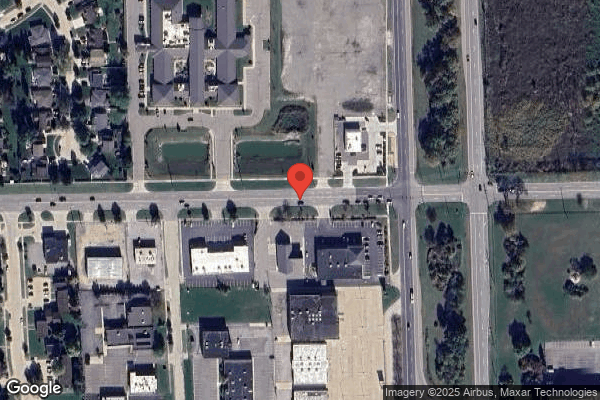
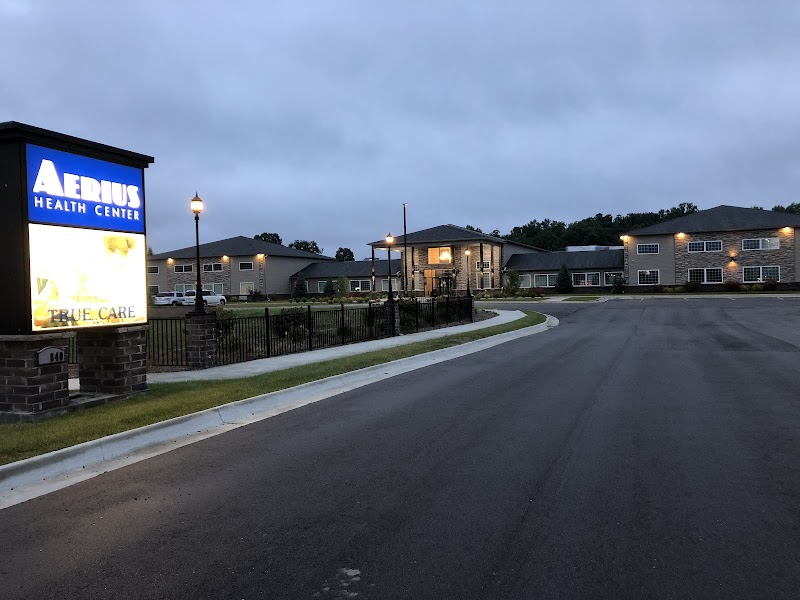
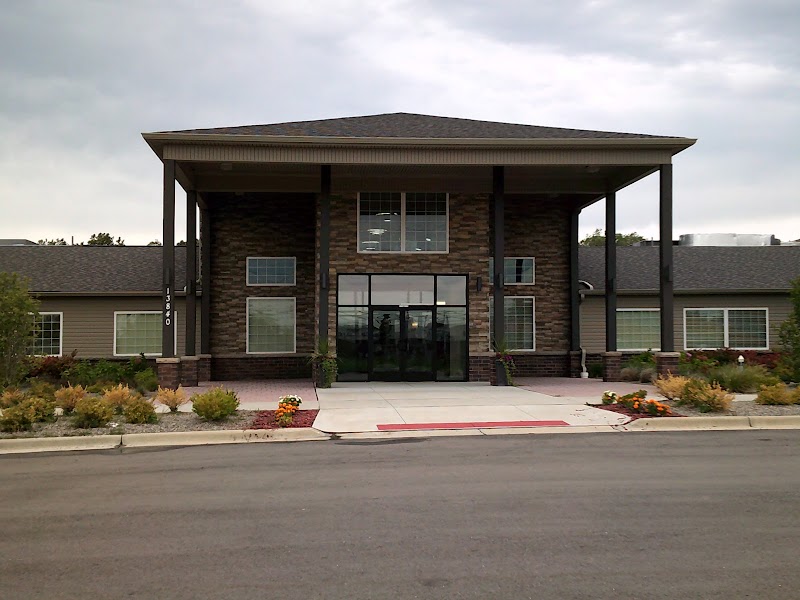
13840 King Road, Riverview, MI 48193 (734) 236-1070
For profit - Individual 78 Beds Independent Data: November 2025
Trust Grade
85/100
#2 of 422 in MI
Last Inspection: August 2025

Inspected within the last 6 months. Data reflects current conditions.

Overview

Aerius Health Center in Riverview, Michigan, has a Trust Grade of B+, indicating it's above average and recommended for families considering care options. It ranks #2 out of 422 facilities in the state, placing it in the top half, and is #1 out of 63 in Wayne County, meaning it is the best local option. The facility is improving, with issues decreasing from 11 in 2024 to zero in 2025. However, staffing is average with a 3/5 rating, and a turnover rate of 50%, which is concerning but close to the state average. Notably, there were no fines recorded, but there are some safety concerns, including a failure to maintain sanitary conditions in the kitchen and laundry areas, which could pose risks to residents. Additionally, some residents were not properly assessed for safe self-administration of medications, highlighting areas for improvement despite the overall positive aspects of the facility.
Trust Score
B+
85/100
In Michigan
#2/422
Top 1%
Safety Record
Low Risk
No red flags
Inspections
Getting Better
11 → 0 violations
Staff Stability
⚠ Watch
50% turnover. Above average. Higher turnover means staff may not know residents' routines.
Penalties
✓ Good
No fines on record. Clean compliance history, better than most Michigan facilities.
Skilled Nurses
⚠ Watch
Each resident gets only 24 minutes of Registered Nurse (RN) attention daily — below average for Michigan. Fewer RN minutes means fewer trained eyes watching for problems.
Violations
⚠ Watch
17 deficiencies on record. Higher than average. Multiple issues found across inspections.
★★★★★
5.0
Overall Rating
★★★☆☆
3.0
Staff Levels
★★★★☆
4.0
Care Quality
★★★★★
5.0
Inspection Score
Stable
2024: 11 issues
2025: 0 issues

The Good

  • 4-Star Quality Measures · Strong clinical quality outcomes
  • Full Sprinkler Coverage · Fire safety systems throughout facility
  • No fines on record

Facility shows strength in quality measures, fire safety.

The Bad

Staff Turnover: 50%

Near Michigan avg (46%)

Higher turnover may affect care consistency

The Ugly 17 deficiencies on record

Jun 2024 10 deficiencies
CONCERN (D)

Potential for Harm - no one hurt, but risky conditions existed

Resident Rights (Tag F0550)

Could have caused harm · This affected 1 resident

**NOTE- TERMS IN BRACKETS HAVE BEEN EDITED TO PROTECT CONFIDENTIALITY** On 6/26/24 a facility document titled Quality of Life-Dignity was reviewed and revealed the following: Policy Statement-Each res...

Read full inspector narrative →
**NOTE- TERMS IN BRACKETS HAVE BEEN EDITED TO PROTECT CONFIDENTIALITY** On 6/26/24 a facility document titled Quality of Life-Dignity was reviewed and revealed the following: Policy Statement-Each resident shall be cared for in a manner that promotes and enhances quality of life, dignity, respect and individuality 1. Residents shall be treated with dignity and respect at all times. 2. Treated with dignity means the resident will be assisted in maintaining and enhancing his or her self-esteem and self-worth 7. Staff shall speak respectfully to residents at all times, including addressing the resident by his or her name of choice and not labeling or referring to the resident by his or her room number, diagnosis, or care needs. 8. Staff shall keep the resident informed and oriented to their environment. Procedures shall be explained before they are performed and residents will be told in advance if they are going to be taken out of their usual or familiar surroundings . Based on observation, interview and record review, the facility failed to treat residents with dignity and respect for one (R15) of four residents reviewed for dignity. Findings include: R15 On 6/24/24 at 10:20 AM, while talking with the resident, a nurse aide was observed entering the room and asking the resident about their call light that was activated. R15 reported they had to go to the bathroom. This nurse aide reported they were not assigned to the resident and wasn't sure of their transfer status, but R15 stated they were able to just hold on to them. Upon stepping out of the room into the hallway, another nurse aide was then observed to enter the resident's room and approach R15 and the nurse aide. At that time, the nurse aide that joined the other nurse aide began to loudly discuss with the other nurse aide they weren't aware of the resident's transfer status, talking above and about the resident as if they weren't present. The first nurse aide was overhead asking the other nurse aide if they were having a bad day and discussion continued loudly in front of the resident. On 6/25/24 at 9:15 AM, an interview was conducted with the Director of Nursing (DON). When informed of the observation of R15 from 6/24/24, the DON reported they were aware of what occurred as they were also in the hallway at the same time and reported that should not have occurred. Review of the clinical record revealed R15 was admitted into to the facility on [DATE], readmitted on [DATE] with diagnoses that included: sciatica left side, metabolic encephalopathy, retention of urine, anxiety disorder, difficulty in walking, and neuromuscular dysfunction of bladder. According to the Minimum Data Set (MDS) assessment dated [DATE], R15 had intact cognition and required assistance of one person for transfers.
CONCERN (D)

Potential for Harm - no one hurt, but risky conditions existed

Assessment Accuracy (Tag F0641)

Could have caused harm · This affected 1 resident

Based on interview and record review, the facility failed to ensure accurate assessments were completed for one (R13) of 27 residents reviewed for Minimum Data Set (MDS) assessments. Findings include:...

Read full inspector narrative →
Based on interview and record review, the facility failed to ensure accurate assessments were completed for one (R13) of 27 residents reviewed for Minimum Data Set (MDS) assessments. Findings include: A review of R13's clinical record revealed the resident was initially admitted into the facility on 3/29/24 with diagnoses that included: acute kidney failure, end stage renal disease, and dependence on dialysis. Review of the physician orders since admission included: RESIDENT TO RECEIVE DIALYSIS EVERY MONDAY, WEDNESDAY, AND FRIDAY PICK UP AT 4:15 PM/START DIALYSIS AT 05:15 PM. (This order was changed to reflect the current/correct schedule for Monday, Wednesday, and Friday pick up at 2:00 PM, Chair Time at 3:25 PM on 6/25/24.) Monitor right chest wall double lumen perma cath is covered and no s/s (signs/symptoms) of infection . Monitor access site for redness, pain, bruising, and for bruit/thrill every shift. Review of the completed Minimum Data Set (MDS) assessments dated 4/2/24, 4/5/24, and 4/13/24 all failed to identify R13 as receiving dialysis or having a port (intravenous dialysis access). On 6/26/24 at 10:35 AM, an interview was conducted with the MDS Coordinator (Nurse 'A') and MDS Nurse 'B'. They both reported they had completed portions of the MDS assessments. When asked about the lack of identification of R13's dialysis status and use of port, both reviewed their documentation and were unable to offer any explanation. Nurse 'A' reported they would have to complete a modification.
CONCERN (D)

Potential for Harm - no one hurt, but risky conditions existed

Deficiency F0658 (Tag F0658)

Could have caused harm · This affected 1 resident

**NOTE- TERMS IN BRACKETS HAVE BEEN EDITED TO PROTECT CONFIDENTIALITY** Based on observation, interview and record review the facility failed to ensure a physician ordered peg-tube treatment was docum...

Read full inspector narrative →
**NOTE- TERMS IN BRACKETS HAVE BEEN EDITED TO PROTECT CONFIDENTIALITY** Based on observation, interview and record review the facility failed to ensure a physician ordered peg-tube treatment was documented, completed accurately and timely for one R58) of one resident reviewed for professional standards. Findings include: On 6/24/24 at 9:15 AM, R58 was observed laying in bed, with soft music playing. The top of the dresser was observed to have four treatments, which two were dated 6/23/24 and a gauze bandage that was cut to a square with a slit (to go around a feeding tube - medical device used to provide liquid nourishment, fluids and medications by bypassing oral intake). On 6/24/24 at 9:45 AM, an interview was conducted with R58's assigned nurse (Nurse 'D'). When asked about R58's feeding status, they reported the resident received bolus tube feeding. At that time, Nurse 'D' was asked to observe the resident's peg-tube site (percutaneous endoscopic gastrostomy tube). Upon entering the room, Nurse 'D' was asked about the treatments on the dresser and confirmed several were dated 6/23/24 and the square one was used for the peg-tube dressing. Nurse 'D' then proceeded to observe R58's peg-tube site and confirmed there was no dressing in place and should've been. When asked when the treatments were done, Nurse 'D' reported usually on the evening shift, but would put a treatment on. On 6/24/24 at 1:45 PM, review of R58's Treatment Administration Record (TAR - which was a paper copy as the facility did not yet utilize electronic records for medications & treatments) included a physician ordered treatment for: Cleanse peg tube with N/S (Normal Saline) pat dry apply D/D (Dry Dressing) and cover QHS (Every Evening)/PRN (As Needed) At Bedtime. This order had started on 12/27/23 and was noted to be completed 7:00 PM - 7:00 AM. There were multiple blank entries for the above peg tube order on: 6/1, 6/2, 6/15, 6/16, 6/17, 6/19, and 6/23. Additionally, there was nothing documented as completed on 6/24/24, despite the earlier observation and interview with Nurse 'D'. On 6/25/24 at 8:20 AM, review of the TAR now documented R58 had initials by Nurse 'H' on 6/23 and 6/24, indicating the treatment had been completed. Further review of the clinical record revealed R58 was initially admitted into the facility on [DATE], and readmitted on [DATE]. Diagnoses included: ulcerative colitis without complications, vascular dementia unspecified severity with other behavioral disturbance, unspecified visual loss, anxiety disorder due to known physiological condition, type 1 diabetes mellitus with hyperglycemia, and dysphagia. On 6/25/24 at 8:25 AM, an interview was conducted with Wound Care Nurse 'G'. When asked about R58's peg tube treatment, Nurse 'G' reported they had heard about the lack of treatments and reported if there was a concern such as the resident refused care at that time, the Nurse should've documented a note and confirmed there was no documentation that occurred. When asked about how the documentation now reflected it had been completed on 6/23 when it was already confirmed on 6/24 it was not, Nurse 'G' was unable to offer any further explanation. On 6/25/24 at approximately 10:00 AM, an interview was conducted with the Director of Nursing (DON). When informed about R58's observation and interview of their lack of peg-tube treatment, they acknowledged that they had been made aware. When informed of the concern that the treatment had been documented as completed on 6/23/24, when it had been verified on 6/24/24 that had not been completed, the DON reported they would have to review further and was unable to offer any further explanation. Review of the facility policy titled, Wound Care dated 9/2018: .Documentation .8. Any problems or complaints made by the resident related to the procedure. 9. If the resident refused the treatment and the reason(s) why. 10. The signature and title of the person recording the data. Reporting 1. Notify the supervisor if the resident refuses the wound care. 2. Report other information in accordance with facility policy and professional standards of practice.
CONCERN (D)

Potential for Harm - no one hurt, but risky conditions existed

Deficiency F0694 (Tag F0694)

Could have caused harm · This affected 1 resident

Based on observation, interview, and record review, the facility failed to ensure peripherally inserted central catheter (PICC) line (intravenous line for the administration of intravenous medications...

Read full inspector narrative →
Based on observation, interview, and record review, the facility failed to ensure peripherally inserted central catheter (PICC) line (intravenous line for the administration of intravenous medications)dressing changes for one resident (R183), of one resident reviewed for PICC lines, resulting in the potential for PICC line complications. Findings include: On 6/24/24 at 10:43 AM, R183 was observed seated in their wheelchair in their room. A transparent PICC line dressing was observed on their left upper arm. The dressing had become loose, but information written on the dressing indicated the line had been inserted and the dressing had been applied on 6/11/24. On 6/24/24 at 1:30 PM, a review of R183's physician's orders was conducted and revealed they were on intravenous medications and also had an order for the PICC line dressing to be changed. A review of R183's paper medication administration record revealed the dressing for the PICC line was scheduled to be changed on 6/14/24 and 6/21/24, however; both entries in the record were not signed off as having been completed. On 6/24/24 1:35 PM-Interview with Unit Manager 'K' was conducted regarding PICC line dressing changes. They said the dressings should be changed once a week and signed off as being completed. At that time, Unit Manager 'K' observed the dressing on R183's left arm and confirmed it was dated 6/11/24. A review of a facility provided policy titled, PICC Line Dressing Change was conducted and read, .PICC line dressings are to be changed every 7 days and PRN (as needed) if the integrity of the dressing becomes compromised .
CONCERN (D)

Potential for Harm - no one hurt, but risky conditions existed

Deficiency F0698 (Tag F0698)

Could have caused harm · This affected 1 resident

Based on interview and record review, the facility failed to ensure consistent dialysis communication documentation and assessments were completed for one (R13) of one resident reviewed for dialysis. ...

Read full inspector narrative →
Based on interview and record review, the facility failed to ensure consistent dialysis communication documentation and assessments were completed for one (R13) of one resident reviewed for dialysis. Findings include: A review of R13's clinical record revealed the resident was initially admitted into the facility on 3/29/24 with diagnoses that included: acute kidney failure, end stage renal disease, and dependence on dialysis. Review of the physician orders since admission included: RESIDENT TO RECEIVE DIALYSIS EVERY MONDAY, WEDNESDAY, AND FRIDAY PICK UP AT 4:15 PM/START DIALYSIS AT 05:15 PM. (This order was changed on 6/25/24 after brought to the facility's attention during the survey to reflect the current/correct schedule for Monday, Wednesday, and Friday pick up at 2:00 PM, Chair Time at 3:25 PM.) Nurse to enter progress note when resident returns from dialysis. Check dialysis communication sheet for new orders from dialysis center and enter in progress note. Once A Day on Mon, Wed, Fri 08:00 PM. Review of R13's dialysis communication binder revealed there were three communication forms from the resident's dialysis treatments on 6/19/24, 6/21/24, and 6/24/24 had no documentation of communication from the dialysis staff post treatment. On 6/25/24 at 3:30 PM, Nurse 'D' (who was R13's assigned Nurse) was asked about the lack of documentation from the dialysis center on the communication forms. At that time, Nurse 'D' reported there was difficulty in having the dialysis company complete their portion of the communication forms, but if they didn't complete that, the nurse should follow-up with dialysis at that time. When asked about the most recent on 6/24/24, Nurse 'D' reported they had notified the oncoming nurse that needed to be done, but it wasn't and was unable to offer any further explanation. On 6/25/24 at 3:45 PM, an interview was conducted with the Director of Nursing (DON). When asked to clarify the dates R13 went to dialysis, given the order and binder indicated different times, the DON reported the binder times were correct and would have to update the order. When asked about the lack of dialysis communication from the dialysis center for 6/19, 6/21, and 6/24, they reported that should've been completed and the nurse should've followed up on that and they would look into it themselves. According to the facility's policy titled, Dialysis dated 8/2020: .Resident will be transported with a communication binder to ensure communication between the Long Term Care facility and the Dialysis Center.
CONCERN (D)

Potential for Harm - no one hurt, but risky conditions existed

Deficiency F0711 (Tag F0711)

Could have caused harm · This affected 1 resident

**NOTE- TERMS IN BRACKETS HAVE BEEN EDITED TO PROTECT CONFIDENTIALITY** R20 On 6/24/24 the medical record for R20 was reviewed and revealed the following: R20 was initially admitted to the facility on...

Read full inspector narrative →
**NOTE- TERMS IN BRACKETS HAVE BEEN EDITED TO PROTECT CONFIDENTIALITY** R20 On 6/24/24 the medical record for R20 was reviewed and revealed the following: R20 was initially admitted to the facility on [DATE] and had diagnoses including Vascular dementia and Liver disease. A review of R20's MDS (minimum data set) with an ARD (assessment reference date) of 4/14/24 revealed R20 needed assistance from facility staff with their activities of daily living. R20's BIMS score (brief interview for mental status) was five indicating severely impaired cognition. A review of R20's Physician progress notes that were entered late revealed the following: A note entered into the record on 6/22/24 reflected an evaluation by Physician I on 4/26/24 for monthly follow up A note entered into the record on 5/25/24 reflected an evaluation by Physician I on 3/24/24 for monthly follow up. A note entered into the record on 4/8/24 reflected an evaluation by Physician I on 2/23/24 for monthly follow up On 6/26/24 at approximately 10:45 a.m., during a conversation with the Director of Nursing (DON), the DON was queried regarding the timeliness of Physician I's evaluations being entered into the record late and they indicated that they were aware and that the Physician I should be entering their evaluations not later than a few days after they complete their evaluations. On 6/26/24 a facility document titled Physician Services was reviewed and revealed the following: PURPOSE: It is the policy of the facility to provide Physician Services in accordance to State and Federal regulations .11. The physician will: a. Review the resident's total program of care, including medications and treatments, at each visit; b. Write, sign, and date progress notes at each visit; . Based on interview and record review, the facility failed to ensure physician visits/assessments were completed and documented timely for two (R62 and R20) of two residents reviewed for physician visits, resulting in the lack of documentation and increased potential for coordination of care due to lack of documentation. Findings include: R62 Review of the clinical record revealed R62 was admitted into the facility on [DATE] with diagnoses that included: anxiety disorder, cellulitis, fracture of unspecified part of neck of right femur, non-ST elevation myocardial infarction, chronic systolic (congestive) heart failure, acute embolism and thrombosis of unspecified deep veins of unspecified lower extremity, chronic kidney disease stage 3, hyperlipidemia, hypothyroidism, disturbances of salivary secretion, nausea with vomiting, and neuromuscular dysfunction of bladder. As part of a review of psychotropic medication use (antipsychotic and antianxiety), review of Physician 'I's progress notes revealed multiple delayed entries into the clinical record which included: An entry on 6/24/24 at 11:07 PM read, Seen on 04/26/2024 for monthly follow-up . An entry on 5/25/24 at 5:33 PM read, Seen on 03/24/2024 for monthly follow-up . An entry on 1/27/24 at 3:53 PM read, Seen on 01/19/2024 for follow-up . On 6/25/24 at 10:51 AM, a phone interview was conducted with Physician 'I'. When asked how frequent they followed R62 since they were on hospice, Physician 'I' reported they followed for medical needs once a month or in between if needed. When asked about the delay in documentation of when the resident was seen and when their documentation was provided, including the progress note that was entered yesterday on 6/24/24 at 11:07 PM for 4/26/24, Physician 'I' reported they hand wrote their notes, and when they were in to visit they saw that note wasn't in the computer, they forgot to put in the computer and put it in yesterday. When asked to clarify if they may have made an error in their visit date, and to clarify if the documentation was approximately two months late, Physician 'I' confirmed and further reported they weren't aware of any timeframe requirements for their notes. When asked how other staff and team members could coordinate care/services if their documentation was not made available for months at a time, Physician 'I' only reported they understood the concern. On 6/25/24 at 9:40 AM, an interview was conducted with the Director of Nursing (DON). When asked when practitioner notes should be made available for review in the clinical record, the DON reported within 48-72 hours. The DON was informed of the concern with Physician 'I's delayed documentation and they indicated they were not aware of that before today.
CONCERN (D)

Potential for Harm - no one hurt, but risky conditions existed

Infection Control (Tag F0880)

Could have caused harm · This affected 1 resident

**NOTE- TERMS IN BRACKETS HAVE BEEN EDITED TO PROTECT CONFIDENTIALITY** R131 On [DATE] at approximately 8:37 a.m., Nurse J was observed entering R131's room which had a sign on the door indicating enh...

Read full inspector narrative →
**NOTE- TERMS IN BRACKETS HAVE BEEN EDITED TO PROTECT CONFIDENTIALITY** R131 On [DATE] at approximately 8:37 a.m., Nurse J was observed entering R131's room which had a sign on the door indicating enhanced barrier precautions (EBP) were to be utilized by all staff when providing direct care to them. Nurse J was then observed managing R131's PICC line (Peripherally inserted central catheter) without donning a protective gown (part of EBP). On [DATE] at approximately 8:44 a.m., Nurse J was queired if they should have had a protective gown on when managing R131's PICC line in their room and they reported they should have put one on but forgot R131 was on enhanced barrier precautions. On [DATE] the medical record for R131 was reviewed and revealed the following: R131 was initially admitted to the facility on [DATE] and had diagnoses including Encounter for prophylactic measures, unspecified and Acute kidney failure. On [DATE] a facility document titled Enhanced Barrier Precautions (EBP) was reviewed and revealed the following: Policy Statement-It is the policy of this facility to adhere to the CDC guidelines as related to Enhanced Barrier Precautions (EBP) to prevent the transmission of multi-drug resistant organisms (MDROs). CMS notes that facilities have some discretion when implementing EBP to promote a resident's quality of life along with maintaining a homelike environment Enhanced barrier precautions (EBP) are infection control interventions designed to reduce transmission of multi-drug resistant organisms (MDRO) in nursing homes. Enhanced barrier precautions involve gown and glove use during high-contact resident care activities for residents known to be colonized or infected with a MDRO, as well as those at increased risk of acquiring a MDRO. High-contact resident activities include: Dressing, Bathing/showering, Providing hygiene care, Changing linen, Changing briefs or assisting with toileting, Wound care: any skin opening requiring a dressing, Devise care or use: central line, urinary catheter, feeding tube tracheostomy, Transferring, Therapy .Procedure: 1. The facility will review hospital transfer/discharge documentation, a physician's order will be obtained for EBP for any resident with active or colonized MDRO or wounds and/or indwelling medical devices even if the resident is not known to be infected or colonized with a MDRO. 2. The facility shall communicate to staff which residents shall require EBP prior to providing high-contact care activities. 3. Gowns and gloves shall be made available for providing high-contact care. Face protection may also be needed if performing activity with risk of splash or spray (i.e. wound irritation, tracheostomy care). 4. Position a trash can inside the resident's room and near the exit for discarding PPE after removal, prior to exiting the resident's room or before providing care for another resident in the same room [ROOM NUMBER]. Staff will perform hand hygiene and don PPE before entering a resident's room . Based on observation, interview, and record review, the facility failed to ensure appropriate infection control practices related to enhanced barrier precautions (EBP) for two residents (R112 and R131) of four residents revived for transmission based precautions, resulting in the potential for the spread of infection. Findings include: R112 On [DATE] at 11:05 AM, R112's room was observed to have a sign to indicate they were on EBP. At that time, Certified Nurse Aide (CNA) 'O' and CNA 'P' were observed to enter R112's room. They were not observed to don an isolation gown or gloves. Upon completing their tasks, they exited the room. They were asked they type of care they provided to R112 and said they provided incontinence care and washed them up.
CONCERN (E)

Potential for Harm - no one hurt, but risky conditions existed

Deficiency F0554 (Tag F0554)

Could have caused harm · This affected multiple residents

**NOTE- TERMS IN BRACKETS HAVE BEEN EDITED TO PROTECT CONFIDENTIALITY** Based on observation, interview and record review the facility failed to ensure residents were assessed for safe self-administra...

Read full inspector narrative →
**NOTE- TERMS IN BRACKETS HAVE BEEN EDITED TO PROTECT CONFIDENTIALITY** Based on observation, interview and record review the facility failed to ensure residents were assessed for safe self-administration of medication for five residents (R11, R16, R60, R64 and R68) of five residents reviewed for self-administration. Findings include: R68 On 6/24/24 at approximately 10:54 a.m., R68 was observed in their room, laying in their bed and was observed to have a bottle of Vanquish headache medication (a combination medication containing aspirin, acetaminophen, and caffeine) on their bedside table. R68 was queried regarding the medication and they indicated they take it for headaches. R68 was queried if the Nursing staff knew about them taking it and they reported that they did. On 6/25/24 at approximately 10:05 a.m., R68 was observed in their room, laying in their bed and was observed to still have the bottle of Vanquish headache medication in the room. On 6/25/24 at approximately 3:58 p.m., R68 was observed in their room, laying in their bed and was observed to still have the bottle of Vanquish headache medication in the room. On 6/24/25 the medical record for R68 was reviewed and revealed the following: R68 was initially admitted to the facility on [DATE] and had diagnoses including Sepsis and Chronic pain. A review of R68's MDS (minimum data set) with an ARD (Assessment reference date) of 4/2/24 revealed R68 needed assistance from facility staff with activities of daily living. R68's BIMS score (brief interview for mental status) was 12 indicating moderately impaired cognition. Further review of the medical record did not reveal any Physician orders for Vanquish medication or any orders for R68 to self-administer the medication. A review of R68's comprehensive careplan did not reveal self-administration of medication was part of their plan of care. On 6/26/24 at approximately 10:28 a.m., during a conversation with the Director of Nursing, (DON) the DON was queried regarding R68's Vanquish medicine and indicated that they had taken it out of R68's room and that nobody in the facility had been assessed for safe self administration of medication. The DON indicated that the self administration of medication is accessed on the admission nursing assessment and that a Physicians order is needed along with a careplan for it. R16 and R60. On 6/24/24 at 9:20 AM, Nurse 'F' was observed from the hallway exiting R16's room. At approximately 9:22 AM, an observation of R16's room was conducted and they were observed in bed with their eyes closed receiving a nebulizer breathing treatment via a nebulizer mask. On 6/24/24 at 9:25 AM, Nurse 'F' was observed preparing medications for administration for R60. Nurse 'F' prepared multiple medications including a Pulmicort nebulizer treatment. Nurse 'F' entered R60's room administered the oral medications and set up the nebulizer machine for R60. After the nebulizer treatment was initiated, Nurse 'F' exited the room, signed out the medications as given and moved down the hallway to prepare medications for the next resident. Nurse 'F' was not observed to remain with either R16 or R60 to ensure proper administration of the nebulizer treatments. A review of R16 and R60's clinical records was conducted and did not reveal assessments or orders for self-administration of any medications. A review of a facility provided policy titled, SELF ADMINISTRATION OF MEDICATION was conducted and read, It is the policy of the facility to allow the resident and or legal representative of the resident the right to self-administer medication when it has been deemed by the interdisciplinary team that it is clinically appropriate .9. Once the resident has been deemed safe by the IDT (interdisciplinary team) an order will be obtained from the resident's physician or physician extender listing the medication(s) that may be self-administered, where the medications will be stored, who will be responsible for documentation and the location of administration . R11 On 6/24/24 at 10:42 AM, R11 was observed laying in a recliner chair. Upon approach the resident was able to respond minimally as they had difficulty staying awake and reported they didn't sleep well last night. At that time, the room was observed to have many personal items cluttered throughout the room and there were multiple inhalers, nasal spray, and saline drops observed on a bedside table. When asked about the medications in the room, R11 reported they used those when needed. Review of the clinical record revealed R11 was admitted into the facility on 4/10/21, readmitted on [DATE] with diagnoses that included: acute diastolic heart failure, mild intermittent asthma, other pneumonia, anxiety disorder, allergic rhinitis, acute respiratory failure with hypoxia, and other pulmonary embolism without acute cor pulmonale. According to the MDS assessment dated documented R11 had moderately impaired cognition. There was no documentation i.e assessments, care plan, or physician order to identify R11 was able to safely self-administer medications. Review of the physician orders included: Fluticasone propionate 50 mcg (micrograms)/actuation spray, suspension once a day - 1 spray each nostril, nasal, once a day. (Started on 10/6/23.) Trelegy Ellipta (fluticasone-umeclidin-vilanter) 200-62.5-25 mcg blister with device - once a day 1 puff, inhalation, once a day for shortness of breath. (Started on 10/6/23.) Restasis MultiDose (cyclosporine) 0.05% drops twice a day - 1 drop, opthalmic (eye), twice a day, left eye for other specified disorders of eye and adnexa. (Started on 5/23/24.) Dry Eye Relief (peg 400-hypromellose-glycerin) 1-0.2-0.2% drops twice a day prn (as needed). (Started on 4/2/23.) R64 On 6/24/24 at 10:29 AM, Nurse 'F' was observed setting up R64's nebulizer (breathing treatment) and exited the room and proceeded to go further down the hallway to continue administering morning medications to other residents. At that time, R64 was observed yelling and stated, It fell, it fell, timber. There was no other staff in the area to respond to R64's yelling out for help. Review of the clinical record revealed R64 was admitted into the facility on [DATE] with diagnoses that included: unspecified glaucoma, allergic rhinitis, wheezing, and polyneuropathy. According to the MDS assessment dated [DATE], R64 had moderately impaired cognition. There was no documentation i.e assessments, care plan, or physician order to identify R64 was able to safely self-administer their nebulizer treatment. Review of the physician orders included: Albuterol sulfate 2.4 mg / 3 mL (Milliliters) (0.083%) solution for nebulization every 6 hours - PRN 1 vial, inhalation, Every 6 Hours - PRN wheezing. (Started on 6/20/24.) Albuterol sulfate 90 mcg/actuation HFA aerosol inhaler every 6 hours - PRN 2 puffs, inhalation, Every 6 Hours - PRN Wheezing. (Started on 6/5/24.) On 6/25/24 at 3:45 PM, an interview was conducted with the Director of Nursing (DON). When asked about medications and biologicals at bedside, the DON reported they were not aware of any resident had been assessed as able to self-administer their own medication. The DON further explained if there was, there should be an assessment and care plan. When asked about administration of nebulizer treatments, and whether the nurse should stay with the resident, or if it was ok for the nurse to set it up and walk away, the DON reported the nurse should always stay with the resident. They were informed of the above observations for R11 and R64.
CONCERN (E)

Potential for Harm - no one hurt, but risky conditions existed

Deficiency F0761 (Tag F0761)

Could have caused harm · This affected multiple residents

**NOTE- TERMS IN BRACKETS HAVE BEEN EDITED TO PROTECT CONFIDENTIALITY** Based on observation, interview, and record review the facility failed to ensure appropriate labeling and storage of insulin med...

Read full inspector narrative →
**NOTE- TERMS IN BRACKETS HAVE BEEN EDITED TO PROTECT CONFIDENTIALITY** Based on observation, interview, and record review the facility failed to ensure appropriate labeling and storage of insulin medication in three of four medication carts reviewed. Findings include: On [DATE] at 10:25 AM, a review of the 200 unit low cart (medication cart) was conducted with Nurse 'L'. Upon review, it was discovered two of six insulin pens stored in the cart were not labeled with a patient name or a date of when they were placed in the cart. Nurse 'L' said the pens should be labeled with a patient name and dated of when they were placed in the cart. On [DATE] at 10:36 AM, a review of the 100 unit low cart (medication cart) was conducted with Nurse 'M'. Upon review, it was discovered seven of nine insulin pens did not have a date of when they were placed in the cart and one pen did not have a patient name or a date. At that time, Nurse 'M' said they were going to make the unit manager aware of the discovery. On [DATE] at 10:51 AM, a review of the 100 unit high cart (medication cart) was conducted with Nurse 'N'. Upon review, it was discovered two of six insulin pens did not have a date of when they were placed in the cart. Nurse 'N' was asked if they knew when they were placed in the cart and said they did not know, but if they were not in use, they should be stored in a refrigerator. On [DATE] at approximately 2:00 PM, the Director of Nursing reported their staff made them aware of the unlabelled/undated insulin pens stored in the medication carts. A review of a facility provided policy titled, Storage of Medications was conducted and read, The facility shall store all drugs and biologicals in a safe, secure, and orderly manner .3. Drug containers that have missing, incomplete, improper, or incorrect labels shall be returned to the pharmacy for proper labeling before storing .4 .b. Medication is expired after the last day of the designated time frame for each medication. Expiration time frames are as follows: .Insulin-28 days from date of opening or manufacturers expiration date, which ever comes first .
MINOR (B)

Minor Issue - procedural, no safety impact

MDS Data Transmission (Tag F0640)

Minor procedural issue · This affected multiple residents

**NOTE- TERMS IN BRACKETS HAVE BEEN EDITED TO PROTECT CONFIDENTIALITY** Based on interview and record review, the facility failed to ensure Minimum Data Set (MDS) assessments were signed and submitted...

Read full inspector narrative →
**NOTE- TERMS IN BRACKETS HAVE BEEN EDITED TO PROTECT CONFIDENTIALITY** Based on interview and record review, the facility failed to ensure Minimum Data Set (MDS) assessments were signed and submitted to CMS (Centers for Medicare and Medicaid Services) in a timely manner for five residents (R36, R42, R51, R52, and R56) of five residents reviwed for MDS transmission. Findings include: 1. Resident #36 that was admitted on [DATE] had an MDS assessment that was incomplete and over 120 days old that had not been submitted. 2. Resident #42 that was admitted on [DATE] had an MDS assessment that was incomplete and over 120 days old that had not been submitted. 3. Resident #51 that was admitted on [DATE] had an MDS assessment that was incomplete and over 120 days old that had not been submitted. 4. Resident #52 that was admitted on [DATE] had an MDS assessment that was incomplete and over 120 days old that had not been submitted. 5. Resident #56 that was admitted on [DATE] had an MDS assessment that was incomplete and over 120 days old that had not been submitted. On 6/25/24 at approximatley 10:30 a.m., during a conversation with both MDS Nurses (MDS Nurse A) and (MDS Nurse B), MDS Nurse A was queried why the assessments were not completed and transmitted per the RAI manual (resident assessment instrument) and they reported that a previous Nurse had indicated they were going to complete and transmit them but they went on leave and the assessments were not completed. MDS Nurse A indiciated that they were attempting to keep up with the current assessments and that they were aware that those assessments had not been completed.
May 2024 1 deficiency
CONCERN (D) 📢 Someone Reported This

A family member, employee, or ombudsman was alarmed enough to file a formal complaint

Potential for Harm - no one hurt, but risky conditions existed

Resident Rights (Tag F0550)

Could have caused harm · This affected 1 resident

Based on observation, interview, and record review the facility failed to maintain dignity by not providing a foley catheter privacy bag for two Residents (R402 and R404) to maintain dignity out of th...

Read full inspector narrative →
Based on observation, interview, and record review the facility failed to maintain dignity by not providing a foley catheter privacy bag for two Residents (R402 and R404) to maintain dignity out of three Residents reviewed for dignity, resulting in embarrassment and the potential to affect resident psychosocial well-being. Findings include: R402 On 5/7/2024 at approximately 8:30 a.m., R402 was observed in therapy with a foley catheter anchored behind a wheelchair with no privacy bag. Observed the content of the foley catheter bag from the doorway of entering the therapy room. Observed multiple of staffs, visitors, and other residents in therapy room at this time. Observed multiples of staff members walking by R402 without providing a privacy bag. R402 reported during an interview that a privacy bag would keep everyone from seeing what's in the foley bag. Review of the medical records on 5/7/2024 at 9:00 a.m. revealed, R402 was admitted into the facility on 4/23/2024 with diagnoses of pressure ulcer of left buttock stage three, hypertension, and neuromuscular dysfunction of bladder. R402's admission Minimum Data set (MDS) with a reference date of 3/3/2024 indicated R402 had intact cognition with a BIMS (brief interview for mental status) score of 13/15. Review of the Resident's Activity Daily Living (ADLs) care plan, date initiated 4/23/2024, documented, R402 need assistance with ADL's and care related to impaired mobility, impaired balance, and muscle weakness. Review of the Indwelling catheter care plan date initiated 4/23/2024 documented, R402 require the use of an indwelling catheter related to diagnoses of Benign prostate hyperplasia (BPH) .Interventions: Apply a foley bag cover for my dignity. R404 On 5/7/2024 at approximately 9:30 a.m., R404 was observed in bed with a foley catheter anchored to the bed frame with no privacy bag. Observed the content of the foley catheter bag from the hallway of entering R404's room. R404 reported being interested in having a privacy bag to prevent everyone from seeing the urine in the foley bag. Certified Nursing Assistant (CNA) C was interviewed in R404's room regarding the resident's privacy bag. CNA C said R404 did not have a privacy bag when the foley was emptied previously during the shift. CNA C also said that R404 did not had a privacy bag at the beginning of the shift. According to the medical records, R404 was admitted into the facility 4/25/2024 with diagnoses of congestive heart failure, chronic kidney disease, malignant neoplasm of upper lobe, chronic obstructive pulmonary disease, and hypertension. R404's admission Minimum Data set (MDS) with a reference date of 4/29/2024 indicated R404 had moderate cognition impairment with a BIMS (brief interview for mental status) score of 10/15. There was no care plan related to foley catheter care in the resident's medical record. Review of the Resident's Activity Daily Living Functional (ADL) care plan, date initiated 4/26/2024, documented, R404 have decreased bed mobility, decreased transfer skills, decreased activity tolerance, decreased muscle strength, decreased balance, decreased independence with ambulation related to diagnosis of muscle weakness and difficulty in ambulation. On 5/7/2024 at 1:52 P.m. the Director of Nursing (DON) was informed during an interview of the residents who had a foley catheter with no privacy bags. The DON reported that residents should have a privacy bag with foley catheters. The DON was asked what the purpose of residents with foley catheters to have privacy bags. The DON stated, The purpose is for the resident's dignity .and not to cause the residents embarrassment. According to the facility's 12/10/2010 Quality of Life-Dignity policy: Each resident shall be cared for in a manner that promotes and enhances quality of life, dignity, respect and individuality.
Jul 2023 5 deficiencies
CONCERN (D)

Potential for Harm - no one hurt, but risky conditions existed

Deficiency F0655 (Tag F0655)

Could have caused harm · This affected 1 resident

**NOTE- TERMS IN BRACKETS HAVE BEEN EDITED TO PROTECT CONFIDENTIALITY** Based on observation, interview, and record review the facility failed to ensure a care plan for a communication deficit was cre...

Read full inspector narrative →
**NOTE- TERMS IN BRACKETS HAVE BEEN EDITED TO PROTECT CONFIDENTIALITY** Based on observation, interview, and record review the facility failed to ensure a care plan for a communication deficit was created upon admission for one (R73) of one resident reviewed for baseline care plan, resulting in the potential for unmet care needs. Findings include: On 6/28/23 at 12:05 P.M. R73 was observed in his room watching television. The resident was asked a few questions concerning his care and whether he had any concerns with physical therapy. R73 struggled with responses to the questions. R73 appeared to understand the questions and began pointing and using gestures. There was a delay in verbalizing his response and formation of words and sentences. During this observation there were no observations of a communication device, cards, or communication board. On 6/29/23 at 11:59 A.M. while R73 was observed in Physical Therapy additional observations of the resident's room was performed. Upon entering the room lying on top of the resident's bed was a laminated communication board which had corresponding words and pictures to assist the resident in communicating and expressing his thoughts Review of the Face Sheet for R73 documented the resident was admitted to the facility on [DATE], with diagnoses of cerebral infraction due to embolism of the left anterior cerebral artery (stroke), diabetes mellitus and aphasia. According to the Minimum Data Set (MDS) dated [DATE] R73 was moderatedly impaired in cognition (thought process), was rarely understood, had short and long term memory problems, had upper and lower impairements on one side, and required extensive assistance with one person physical assist to perform activities of daily living. At 1230 P.M. review of the care plan section of the electronic medical record revealed no language deficits or communication barriers care plans or interventions were present. On 7/3/23 at 1:30 P.M. the Administrator was quired concerning the observations with R73 and was asked If the resident's care plan for language barrier/communication deficit could be reviewed. A copy of another resident's communication deficit care plan was presented instead of the requested communication deficit care plan for R73. A request for the facility's policy for care planning was requested and provided. No additional information was provided concerning the communication deficit care plan for R73,prior to exiting the facility at 4:30 P.M. On 7/6/23 at approximately 12:00 P.M, review of the facility's policy, Effective date: 3/2011, Titled: Communicating with cognitively Impaired residents stated in part 1). Upon admission assess resident to identify any communication deficits or barriers., 2). Initiate care plan to include resident's communication style and develop interventions that will assist with communication needs. Speech impaired, Aphasia (Aphasia-Trouble speaking or understanding, often result of a stroke), use visual devices like a message board, pictures, or gestures.
CONCERN (D)

Potential for Harm - no one hurt, but risky conditions existed

Deficiency F0698 (Tag F0698)

Could have caused harm · This affected 1 resident

**NOTE- TERMS IN BRACKETS HAVE BEEN EDITED TO PROTECT CONFIDENTIALITY** Based on interview and record review the facility failed to obtain information related to post-dialysis treatment for one (R320)...

Read full inspector narrative →
**NOTE- TERMS IN BRACKETS HAVE BEEN EDITED TO PROTECT CONFIDENTIALITY** Based on interview and record review the facility failed to obtain information related to post-dialysis treatment for one (R320) of one resident reviewed for dialysis resulting in the potential for unmet post-dialysis care needs. Findings include: A review of R320's Electronic Medical Record (EMR) revealed R320 was initially admitted to the facility on [DATE] and readmitted on [DATE]. R320 had medical diagnoses including hypertension, hypotension, end stage renal disease, and chronic kidney disease stage four and five. A review of R320's Minimum Data Set (MDS), dated [DATE], revealed R320 had a Brief Interview of Mental Status (BIMS) score of 13/15 (cognitively intact). A review of R320's care plan, dated 6/23/23, revealed, Problem: I am at risk for SOB, chest pain, elevated b/p, infected shunt access site, itchy skin, nausea, vomiting secondary to ESRD/Dialysis .Goal: I want to be free from SOB, chest pain, elevated b/p, infection in access site, itchy skin or bleeding through next review .Interventions: Monitor my vital signs and weight Q dialysis day and PRN. On 6/29/23 at 9:43 am, dialysis communication forms were obtained form Unit Manager (UM) E for the dates of 6/24/23 and 6/27/23. The dialysis communication forms revealed missing documented sections titled, Post Dialysis Information on both dialysis communication forms. On 7/3/23 at 12:14pm in an interview with UM E regarding the partially documented communication forms, UM E said the bottom section of the dialysis communication form is suppose to be filled out by the dialysis staff at the center. She said if the dialysis communication form comes back without the lower section filled out it is up to the nursing home facility staff to fax the document over to be completed and have the form faxed back over. On 7/3/23 at 12:30pm in an interview the Director of Nursing (DON) she said it was her expectation for the nursing staff to call the dialysis center for any partially documented communications to have them completed. A review of the policy titled, Hemodialysis Communication Form, undated , revealed in part:, The Hemodialysis Communication Form: Provides the dialysis unit with information pertaining to significant changes in resident condition, and provides the facility and attending physician with post-dialysis reccomendations .The dialysis unit completed section Two of the form.
CONCERN (E)

Potential for Harm - no one hurt, but risky conditions existed

Room Equipment (Tag F0908)

Could have caused harm · This affected multiple residents

Based on observation and interview the facility failed to ensure that all kitchen equipment is maintained in safe operating condition resulting in an increased potential for harm. Findings include: O...

Read full inspector narrative →
Based on observation and interview the facility failed to ensure that all kitchen equipment is maintained in safe operating condition resulting in an increased potential for harm. Findings include: On 6/27/23 at 1:50 PM, upon inspection of the stove top ovens in the facility's primary kitchen by the surveyor, the Certified Dietary Manager, staff A, stated, be careful it's hot. At this time the surveyor inquired with staff A what they meant by that statement to which they replied, the temperature dial says that it is off, but it's on. We can't get it to shut off, so it's always on. On 6/27/23 at 1:51 PM, the surveyor inquired with staff A on if a work order had been placed for the repair or replacement of the oven for the temperature control issue to which they replied, maintenance is aware of it, but it has been like this for a while now. It's something I need to remind my newer staff of, so they don't accidently get burned. We are making the most of it.
CONCERN (F)

Potential for Harm - no one hurt, but risky conditions existed

Food Safety (Tag F0812)

Could have caused harm · This affected most or all residents

Based on observation, interview, and record review the facility failed to maintain sanitary conditions in the kitchen resulting in an increased potential for cross contamination of food and foodborne ...

Read full inspector narrative →
Based on observation, interview, and record review the facility failed to maintain sanitary conditions in the kitchen resulting in an increased potential for cross contamination of food and foodborne illness, potentially affecting all residents who receive oral food meal services (74 residents, with 1 NPO) out of the facility's total census of 75 residents. Findings include: 1. On 6/27/23 at 11:38 AM, Dietary aide, staff D, was observed removing and donning new pairs of gloves during the assembly, plating, and loading of meals into hall carts for lunch service. On 6/27/23 at 11:42 AM, surveyor inquired with the Certified Dietary Manager, staff A, on the hand hygiene expectations for staff when they choose to use gloves as a hand barrier to which they replied, Wash their hands before they put them on. At this time the surveyor requested the facility's hand hygiene policy to review to which staff A replied, yes, I will get it for you. On 6/27/23 at 11:49 AM, at 12:02 PM, and at 12:19 PM Cook, staff B, was observed removing and donning new gloves without washing their hands in between while plating meals for the resident's lunch. On 6/27/23 at 12:22 PM, and at 12:38 PM, Dietary Aide, staff C, was observed donning gloves prior to washing their hands after touching refrigerator door handles, prep counters, a cutting board and their clothing prior to preparing grilled cheese and egg salad sandwiches. On 6/27/23 at 12:30 PM, Cook, staff B, was observed with a gloved hand grabbing a chicken breast from the steam well, placing on a plate and then assembling the rest of the resident's tray while handling the plates lid, a soup bowl and serving utensils with the same gloved hand. At this time the surveyor inquired with staff B on if using a gloved hand to take ready to eat food out of the seam well was a normal process for them to do which they replied, No, not usually. I guess I would normally use tongs or something else depending on what it was. On 6/28/23 at 2:25 PM, record review of a policy titled, Hand Hygiene (4 pgs.) last dated 10/20/20, revealed that the facility has a glove use procedure in place identifying when it is required to change their gloves and how it should be conducted. Review of the U.S. Public Health Service 2017 Food Code, Chapter 2-301.14 When to Wash directs that: FOOD EMPLOYEES shall clean their hands and exposed portions of their arms as specified under § 2-301.12 immediately before engaging in FOOD preparation including working with exposed FOOD, clean EQUIPMENT and UTENSILS, and unwrapped SINGLE-SERVICE and SINGLEUSE ARTICLES and: and contamination and to prevent cross contamination when changing tasks; (H) Before donning gloves for working with FOOD; and (I) After engaging in other activities that contaminate the hands. 2. On 6/27/23 at 10:46 AM, and at 11:41 AM, Dietary aide, staff C, was observed not using a hand barrier to shut off the faucet when done washing their hands. On 6/27/23 at 11:42 AM, the surveyor requested the facility's hand hygiene policy from Certified Dietary Manager, staff A, to review to which staff A replied, Yes, I will get it for you. At this time the surveyor asked staff A if they had conducted any trainings with staff on the proper procedure to wash their hands to which they stated, Yes, and we have signs above our sinks in case they forget. On 6/27/23 at 11:00 AM, and at 11:17 AM, Cook, staff B, was observed not using a hand barrier to shut off the faucet when done washing their hands. On 6/27/23 at 12:09 PM, at 12:18 PM, and on 6/28/23 at 12:42 PM, Dietary aide, staff D, was observed not using a hand barrier to shut off the faucet when done washing their hands. On 6/28/23 at 2:25 PM, record review of a policy titled, Hand Hygiene (4 pgs.) last dated 10/20/20, revealed that the facility has a hand washing procedure in place identifying when it is required to wash hands and how it should be conducted. Review of the U.S. Public Health Service 2017 Food Code, Chapter 2-301.12 Cleaning Procedure, directs that: (C) TO avoid recontaminating their hands or surrogate prosthetic Devices, FOOD EMPLOYEES may use disposable paper towels or similar clean barriers when touching surfaces such as manually operated faucet handles on a HANDWASHING SINK or the handle of a restroom door. 3. On 6/27/23 at 9:37 AM, 49 meal serving trays located on the clean air-dry storage rack were observed with a white paper like residue on their surface. On 6/27/23 at 9:38 AM, the surveyor inquired with Certified Dietary Manager, staff A, on the current state of the serving trays to which they stated, It's from the place mats. They are paper and when they get wet by a resident's food or their drink it sticks to it. At this time the surveyor asked staff A if the staff had tried to scrub the residue off during the cleaning process to which they replied, I'm not sure. On 6/27/23 at 9:40 AM, the surveyor observed staff A taking a serving tray off the air-dry storage rack and using their finger nail, began scratching at the residue. At this time staff A stated, it comes right off and then was observed directing Dietary Aide, staff C, to start scrubbing these trays before they go through the dish machine. On 6/27/23 at 10:32 AM, the number ten can opener's cutting blade was observed with visible debris on its surface. Upon observation staff A commented, I'll set it aside to be cleaned. On 6/27/23 at 1:27 PM, the flooring underneath the fryer, the top and sides of the fryer, and sides of the oven next to the fryer were observed with a thick coating of fryer oil. At this time upon interview with staff A, the surveyor asked if they had the fryer on a regular cleaning schedule to which they stated, yes, it was supposed to be done over the weekend, but it looks like they just did the inside. I will remind them to do it again. Review of 2017 U.S. Public Health Service Food Code, Chapter 4-601.11 Equipment, Food-Contact Surfaces, Nonfood-Contact Surfaces, and Utensils directs that: (A) EQUIPMENT FOOD-CONTACT SURFACES and UTENSILS shall be clean to sight and touch. (C) NonFOOD-CONTACT SURFACES of EQUIPMENT shall be kept free of an accumulation of dust, dirt, FOOD residue, and other debris.
CONCERN (F)

Potential for Harm - no one hurt, but risky conditions existed

Safe Environment (Tag F0921)

Could have caused harm · This affected most or all residents

Based on observation, interview, and record review the facility failed to provide a safe, functional, and sanitary environment in the facility's laundry, and its clean and soiled holding rooms, result...

Read full inspector narrative →
Based on observation, interview, and record review the facility failed to provide a safe, functional, and sanitary environment in the facility's laundry, and its clean and soiled holding rooms, resulting in the increased potential for harm to its 75 residents and staff. Findings include: On 6/27/23 at 2:03 PM, an accumulation of dust and debris was observed underneath both of the dryers and on its filters. At this time the surveyor inquired with the Certified Dietary Manager, staff A, on the current state of the dryers to which they replied, I'm not exactly sure when it happened, they are supposed to be cleaned after each use. I'll let them know. At this time the surveyor requested a dryer cleaning policy to review to which they replied, of course. On 6/27/23 at 2:04 PM, dark color staining was observed in multiple areas on the interior of both dryers. At this time the surveyor inquired with staff A on what they thought the stains might be on the interior of these units to which they replied, I'm not sure. Maybe it's make-up that went through the washer I'll have maintenance see what they can do about it. On 6/28/23 at 3:01 PM, record review of a document titled, laundry area practices dated, 09/2018 revealed in item number one, under the Dryer Protocol heading that, the lint filter is cleaned after each load. The dryer is checked prior to each load to ensure no lint remains. On 6/27/23 at 2:05 PM, the side mounted filter on the number one washing machine was observed covered over with dust and debris with a posted sign stating, clean daily. On 6/27/23 at 2:07 PM, the surveyor observed that the discharge lines from both washing machines terminated into a floor trough without any safety grates level with the floors surface. At this time the surveyor inquired with staff A on the current state of the floor in this area and they stated, it's always been like this since I took over. The girls are always getting their shoes wet when they have to change out the five gallon containers of detergent. On 6/27/23 at 2:08 PM, upon interview with staff A the surveyor the surveyor inquired if they felt this area was safe to which they replied, I would prefer it to be covered so no one sprains an ankle. It can be a struggle for some of the girls to position the full buckets where they need to be on their first try. On 6/27/23 between 2:05 PM and 2:14 PM, multiple areas of the ceiling in the laundry and clean linen folding rooms were observed with brown staining. On 6/27/23 at 2:15 PM, the surveyor inquired with staff A on if they were aware of any active roof leaks in the laundry area to which they stated, No. that's old. Maintenance just needs to paint it. On 6/27/23 at 2:16 PM, an accumulation of dust and debris was observed on the blades and protective grate of the clean linen folding room's wall mounted fan. At this time the surveyor inquired with staff A on the current state of fan to which they stated, we try to clean it weekly, but it looks like it was missed this last week. On 6/27/23 between 2:23 PM, and 2:49 PM, during an environmental tour of the facility multiple carboard boxes were observed being reused for storage bins, as the labels on the boxes did not match the contents which they contained in the 100 and 200 halls clean linen/ supply storage closets. On 6/27/23 at 2:25 PM, a trash can was observed overflowing on to the floor with a variety of items such as hair pins, gloves, open alcohol prep pads, and tissues in the 200 halls clean linen/ supply storage closet. At this time the surveyor inquired with staff A why they facility kept a trash can in a clean area to which they replied, I'm not really sure. Everything could be taken with them and thrown out in a resident's room. I can talk to the nurses about this. On 6/27/23 at 2:33 PM, the 200 hall's soiled utility room was observed with a lift battery, and its charging station plugged into an electrical outlet. Upon observation the surveyor inquired if the storage of items like these in a soiled utility room was a normal practice in the facility to which they responded, that would be more of a nursing question, but I would say probably not. On 6/27/23 at 2:45 PM, the 100 hall's soiled utility room was observed with staining, and an accumulation debris on its flooring. On 6/27/23 at 2:46 PM, the hopper in 100 hall's soiled utility room was observed with a variety of debris floating in its basin. At this time the surveyor inquired with staff A on the frequency in which these rooms are monitored to ensure a clean and sanitary state to which they replied, throughout the day. On 6/28/23 at 9:46 AM, the surveyor observed the same conditions in this room.
May 2023 1 deficiency
CONCERN (D) 📢 Someone Reported This

A family member, employee, or ombudsman was alarmed enough to file a formal complaint

Potential for Harm - no one hurt, but risky conditions existed

Quality of Care (Tag F0684)

Could have caused harm · This affected 1 resident

**NOTE- TERMS IN BRACKETS HAVE BEEN EDITED TO PROTECT CONFIDENTIALITY** This citation pertains to Intake MI00135669. Based on interview and record review, the facility failed to provide adequate post ...

Read full inspector narrative →
**NOTE- TERMS IN BRACKETS HAVE BEEN EDITED TO PROTECT CONFIDENTIALITY** This citation pertains to Intake MI00135669. Based on interview and record review, the facility failed to provide adequate post fall assessments for one resident (R21) of four residents reviewed for falls, resulting in missed opportunities to identify the potential latent effects of a fall. Findings include: An event report documented that on 3/1/2023 at 2:35 PM, Resident #21 (R21) fell on her buttocks after walking into another resident. R21 was assessed and vital signs were obtained, range of motion completed with no difficulty. R21 was unable to state what she was trying to do. R21 denied pain and no pain or discomfort was noted during assessment. A review of the clinical record for R21 revealed an admission date of 2/21/2023 with diagnoses that included atrial fibrillation, Alzheimer's disease, insomnia, and depression. A Minimum Data Set assessment dated [DATE] documented severe cognitive impairment, extensive one-person assistance for bed mobility, extensive two+-person assistance for transfers, and the use of a walker or wheelchair to move about the facility. Documentation in R21's clinical record after the 3/1/2023 fall included the following: 1. OT (Occupational Therapy) note of 3/2/2023, Fall Safety Assessment: Completed and conferred with nursing. Reviewed safety awareness and fall prevention with resident, as well as use of call light when in need of assistance. Educated patient on her current functional abilities and amount of assist pt. requires. Follow ALARMS (fall safety program) program to ensure patient's safety and needs are met. Therapy will continue to screen as needed. 2. OT note of 3/3/2023 documented in part the following: .Pt. groans in pain due to bruising on R (right) buttocks, however made jokes and presented in pleasant mood 3. Nursing note of 3/4/2023 at 2:06 AM: .Resident has no complaints of pain or S/S (signs/symptoms) of distress . During an interview and record review on 5/24/2023 at 2:39 PM, the Director of Nursing (DON) said that nursing follow-up related to R21's fall was not according to the facility's policy. The DON went on to say, There was no order for monitoring (after the fall) for (R21) and that the nursing standard of practice was to observe and document the monitoring of a resident for three days if there was no obvious injury because injuries can occur after the fact. There can be latent bruising and pain. A review of the facility policy titled, Assessing Falls and Their Causes, dated February 2012, documented in part the following: The purposes of this procedure are to provide guidelines for assessing a resident after a fall and to assist staff in identifying causes of the fall . 1. After a Fall: . e. Nursing staff will observe for delayed complications of a fall for approximately forty-eight (48) hours after an observed or suspected fall and will document findings in the medical record. f. Documentation will include any observed signs or symptoms of pain, swelling, bruising, deformity, and/or decreased mobility; and any changes in level of responsiveness/consciousness and overall function. It will note the presence or absence of significant findings . On 5/24/2023 at approximately 4:15 PM during the exit conference, the Nursing Home Administrator (NHA) and DON were asked if there was any additional documentation or information that the facility would like to provide prior to the end of the survey. The NHA requested an opportunity to gather documentation regarding the stated concern. No substantially new information was provided.
Understanding Severity Codes (click to expand)
Life-Threatening (Immediate Jeopardy)
J - Isolated K - Pattern L - Widespread
Actual Harm
G - Isolated H - Pattern I - Widespread
Potential for Harm
D - Isolated E - Pattern F - Widespread
No Harm (Minor)
A - Isolated B - Pattern C - Widespread

Questions to Ask on Your Visit

  • "Can I speak with families of current residents?"
  • "What's your RN coverage like on weekends and overnight?"

Our Honest Assessment

Strengths
  • • Grade B+ (85/100). Above average facility, better than most options in Michigan.
  • • No major safety red flags. No abuse findings, life-threatening violations, or SFF status.
  • • No fines on record. Clean compliance history, better than most Michigan facilities.
Concerns
  • • 17 deficiencies on record. Higher than average. Multiple issues found across inspections.
Bottom line: Generally positive indicators. Standard due diligence and a personal visit recommended.

About This Facility

What is Aerius Health Center's CMS Rating?

CMS assigns Aerius Health Center an overall rating of 5 out of 5 stars, which is considered much above average nationally. Within Michigan, this rating places the facility higher than 99% of the state's 100 nursing homes. This rating reflects solid performance across the metrics CMS uses to evaluate nursing home quality.

How is Aerius Health Center Staffed?
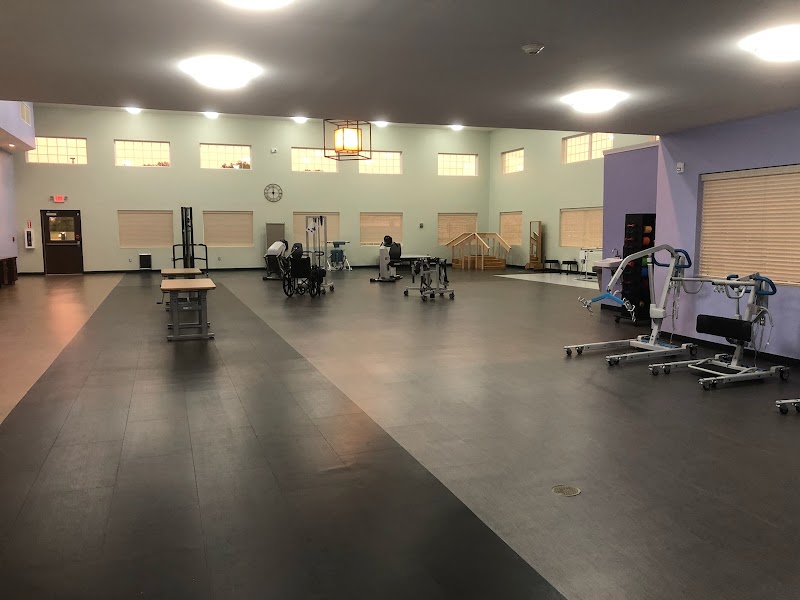
CMS rates Aerius Health Center's staffing level at 3 out of 5 stars, which is average compared to other nursing homes. Staff turnover is 50%, compared to the Michigan average of 46%.

What Have Inspectors Found at Aerius Health Center?

State health inspectors documented 17 deficiencies at Aerius Health Center during 2023 to 2024. These included: 16 with potential for harm and 1 minor or isolated issues.

Who Owns and Operates Aerius Health Center?

Aerius Health Center is owned by a for-profit company. For-profit facilities operate as businesses with obligations to shareholders or private owners. The facility operates independently rather than as part of a larger chain. With 78 certified beds and approximately 73 residents (about 94% occupancy), it is a smaller facility located in Riverview, Michigan.

How Does Aerius Health Center Compare to Other Michigan Nursing Homes?

Compared to the 100 nursing homes in Michigan, Aerius Health Center's overall rating (5 stars) is above the state average of 3.2, staff turnover (50%) is near the state average of 46%, and health inspection rating (5 stars) is much above the national benchmark.

What Should Families Ask When Visiting Aerius Health Center?

Based on this facility's data, families visiting should ask: "Can I visit during a mealtime to observe dining assistance and food quality?" "How do you handle medical emergencies, and what is your hospital transfer rate?" "Can I speak with family members of current residents about their experience?"

Is Aerius Health Center Safe?

Based on CMS inspection data, Aerius Health Center has a clean safety record: no substantiated abuse findings (meaning no confirmed cases of resident harm), no Immediate Jeopardy citations (the most serious violation level indicating risk of serious injury or death), and is not on the Special Focus Facility watch list (a federal program monitoring the lowest-performing 1% of nursing homes). The facility has a 5-star overall rating and ranks #1 of 100 nursing homes in Michigan. While no facility is perfect, families should still ask about staff-to-resident ratios and recent inspection results during their visit.

Do Nurses at Aerius Health Center Stick Around?

Aerius Health Center has a staff turnover rate of 50%, which is about average for Michigan nursing homes (state average: 46%). Moderate turnover is common in nursing homes, but families should still ask about staff tenure and how the facility maintains care continuity when employees leave.

Was Aerius Health Center Ever Fined?

Aerius Health Center has no federal fines on record. CMS issues fines when nursing homes fail to meet care standards or don't correct problems found during inspections. The absence of fines suggests the facility has either maintained compliance or corrected any issues before penalties were assessed. This is a positive indicator, though families should still review recent inspection reports for the full picture.

Is Aerius Health Center on Any Federal Watch List?

Aerius Health Center is not on any federal watch list. The most significant is the Special Focus Facility (SFF) program, which identifies the bottom 1% of nursing homes nationally based on persistent, serious quality problems. Not being on this list means the facility has avoided the pattern of deficiencies that triggers enhanced federal oversight. This is a positive indicator, though families should still review the facility's inspection history directly.