Belle Fountain Nursing & Rehabilitation Center
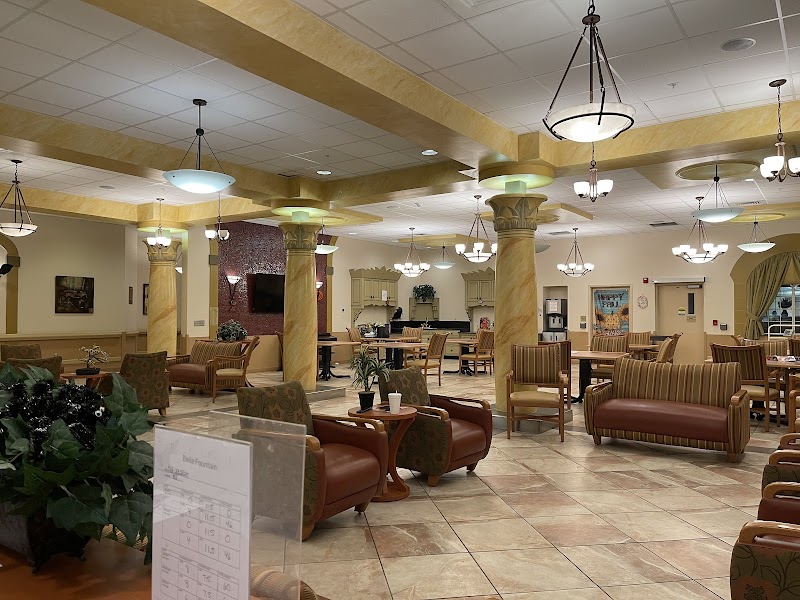
18591 Quarry Rd, Riverview, MI 48192 (734) 282-2100
For profit - Corporation 91 Beds OPTALIS HEALTH & REHABILITATION Data: November 2025
Trust Grade
28/100
#268 of 422 in MI
Last Inspection: March 2025

Within standard 12-15 month inspection cycle. Federal law requires annual inspections.

Overview

Belle Fountain Nursing & Rehabilitation Center has a Trust Grade of F, indicating significant concerns about the facility's quality and care. It ranks #268 out of 422 nursing homes in Michigan, placing it in the bottom half, and #44 out of 63 in Wayne County, suggesting limited options for better care locally. The facility is reportedly improving, as the number of issues found decreased from 11 in 2024 to 6 in 2025. However, staffing is a concern with a rating of only 2 out of 5 stars and a high turnover rate of 66%, which is above the state average. Specific incidents include a failure to maintain an adequate emergency food supply and poor food safety practices in the kitchen, which could potentially harm residents. Overall, while there are some positive trends, families should be aware of the facility's serious challenges in care and staffing.
Trust Score
F
28/100
In Michigan
#268/422
Bottom 37%
Safety Record
High Risk
Review needed
Inspections
Getting Better
11 → 6 violations
Staff Stability
⚠ Watch
66% turnover. Above average. Higher turnover means staff may not know residents' routines.
Penalties
✓ Good
$4,194 in fines. Lower than most Michigan facilities. Relatively clean record.
Skilled Nurses
○ Average
Each resident gets 30 minutes of Registered Nurse (RN) attention daily — about average for Michigan. RNs are the most trained staff who monitor for health changes.
Violations
⚠ Watch
22 deficiencies on record. Higher than average. Multiple issues found across inspections.
★★☆☆☆
2.0
Overall Rating
★★☆☆☆
2.0
Staff Levels
★★★★☆
4.0
Care Quality
★★☆☆☆
2.0
Inspection Score
Stable
2024: 11 issues
2025: 6 issues

The Good

  • 4-Star Quality Measures · Strong clinical quality outcomes
  • Full Sprinkler Coverage · Fire safety systems throughout facility
  • No fines on record

Facility shows strength in quality measures, fire safety.

The Bad

2-Star Overall Rating

Below Michigan average (3.1)

Below average - review inspection findings carefully

Staff Turnover: 66%

20pts above Michigan avg (46%)

Frequent staff changes - ask about care continuity

Federal Fines: $4,194

Below median ($33,413)

Minor penalties assessed

Chain: OPTALIS HEALTH & REHABILITATION

Part of a multi-facility chain

Ask about local staffing decisions and management

Staff turnover is elevated (66%)

18 points above Michigan average of 48%

The Ugly 22 deficiencies on record

Mar 2025 5 deficiencies
CONCERN (D)

Potential for Harm - no one hurt, but risky conditions existed

Deficiency F0655 (Tag F0655)

Could have caused harm · This affected 1 resident

**NOTE- TERMS IN BRACKETS HAVE BEEN EDITED TO PROTECT CONFIDENTIALITY** Based on observation, interview, and record review, the facility failed to ensure a care plan for a communication deficit was de...

Read full inspector narrative →
**NOTE- TERMS IN BRACKETS HAVE BEEN EDITED TO PROTECT CONFIDENTIALITY** Based on observation, interview, and record review, the facility failed to ensure a care plan for a communication deficit was developed and implemented for one resident (R282) of nineteen residents reviewed for care plans. Findings include: On 3/10/2025 at 10:40 a.m., R282 was observed in room, alert and sitting on the bed with multiple sheets of writing paper and three ink pens on the bed side table. During an interview, R282 stated, If you are talking to me, you have to write it down because I cannot hear you. R282 pointed to the right ear and stated, This hearing aid I have is useless and I can't hear with it. On a handwritten note, R282 was asked how the hearing loss affects your communication and interaction with others. R282 stated, I avoid being around a crowd of people because I cannot communicate and interact with them. I wish I can try (Name Brand) for hearing aids, maybe they would work better. My ears have ringing sounds sometimes and I cannot hear my phone calls. On 3/12/2025 at 9:29 a.m. Unit Manager (UM) C said while walking to the resident's room that R282 did not wear a hearing aid and did not need any communication device or writing material to aid in communication. UM C walked in R282's room and attempted to communicate with the resident. R282 gestured to the right ear hearing aid and indicating not being able to hear and to use the writing paper. UM C said the resident did say the family would bring a hearing aid that the resident was using at home. UM C was unable to recall when and who brought in the hearing aid. R282 said the hearing aid probably needed new batteries and it had been about three weeks since the batteries were changed. According to the electronic medical record review, R282 was initially admitted to the facility 9/10/2018 and readmitted on [DATE] with diagnoses of depression, anxiety disorder, heart failure, type two diabetes, and hearing loss. R282's admission Minimum Data Set Assessment (MDS) with a reference date of 9/17/2018 indicated R282 had intact cognition with a BIMS (brief interview for mental status) score of 13/15. Review of the 3/10/2025 Activity of Daily Living (ADL) care plan documented, R282 has an ADL self-care performance deficit. Resident will reach highest practicable physical, mental and psychosocial well-being, and will continue to participate in ADLs daily .Encourage the resident to participate to the fullest extent possible with each interaction. Resident required two persons assist with ADLs and transfers. Review of the medical record revealed, R282 had no communication interventions. On 3/12/2025 at approximately 10:00 a.m. UM C was asked should there be a care plan to further care for the resident hearing deficit. UM C said Yes and reviewed R282's medical record and confirmed there was not a hard of hearing care plan noted. On 3/12/2025 at 10:14 a.m. the Director of Nursing (DON) was queried if there should be interventions for residents with hearing deficit. The DON said, Yes, and reviewed R282's medical record and said the care plan was created on 3/8/2025 and resolved on 3/10/2025. The care plan was resolved without a reason and it must have been the MDS nurse (assess residents care areas) who resolved it. The DON confirmed because there was no hard of hearing care plan, there wouldn't be a Kardex (aid in the resident's care) for the CNAs to use to provide care for the R282 and would affect the resident's care and interaction with others. On 3/12/2025 at approximately 10:20 a.m. during an interview, MDS Nurse K stated, The hard of hearing care plan was resolved on 3/10/2025 because the care plan was not completed, so I resolved it and just had not been back to complete it and I should have. Resolving the care plan did not allow staff to review and provide care to the resident. (R282) is hard of hearing and a lack of communication would have a negative impact on the resident's care and ability to communicate. On 3/12/2025 at approximately 3:30 p.m. a care plan policy was requested but was not provided prior to exiting the facility at approximately 4:30 p.m.
CONCERN (D) 📢 Someone Reported This

A family member, employee, or ombudsman was alarmed enough to file a formal complaint

Potential for Harm - no one hurt, but risky conditions existed

ADL Care (Tag F0677)

Could have caused harm · This affected 1 resident

**NOTE- TERMS IN BRACKETS HAVE BEEN EDITED TO PROTECT CONFIDENTIALITY** This citation pertains to intakes MI00150118 and MI00150053. Based on observation, interview, and record review the facility fai...

Read full inspector narrative →
**NOTE- TERMS IN BRACKETS HAVE BEEN EDITED TO PROTECT CONFIDENTIALITY** This citation pertains to intakes MI00150118 and MI00150053. Based on observation, interview, and record review the facility failed to provide Activities of Daily Living (ADLS) in a timely manner for one resident (R23) of three reviewed for ADL care. Findings include: On 3/10/2025 at 10:59 a.m. and on 3/12/2025 at 1:36 p.m. R23 was observed sitting in a wheelchair with facial hairs, greasy unkempt hair, and long dirty untrimmed fingernails. R23 during an interview verbalized wanting to get shaved, hair washed and combed, and nail care. R23 confirmed no one asked to assist with nail care, shaves and grooming of the hair on scheduled shower days. R23 was unable to recall the last day a shower was given and unable to recall scheduled shower days. According to the electronic medical record, R23 was initially admitted into the facility on 6/29/2017 and readmitted on [DATE] with diagnoses of congestive heart failure, major depressive disorder, dementia, chronic kidney disease stage 3, chronic obstructive pulmonary disease, and osteoarthritis. R23 quarterly Minimum Data Set (MDS) assessment dated [DATE] indicated R23 had moderately impaired cognition and required one person assistance with all ADLs. A care plan revised on 2/14/2025 for Activity of Daily Living had an ADL self-care performance deficit related to muscle weakness, required one person assist with bathing/shower, dressing, and Personal hygiene. On 3/12/2025 at 1:50 p.m. Unit Manager (UM) C Confirmed the Resident scheduled shower days were Monday's and Thursday's afternoon and should have been shaved and had nail care at that time. On 3/12/2025 at 1:30 PM, the DON reported that all residents should receive nail care and shaves if it is the resident's preference.
CONCERN (D)

Potential for Harm - no one hurt, but risky conditions existed

Incontinence Care (Tag F0690)

Could have caused harm · This affected 1 resident

**NOTE- TERMS IN BRACKETS HAVE BEEN EDITED TO PROTECT CONFIDENTIALITY** Based on observation, interview, and record review the facility to ensure the foley catheter bag (bags used to collect urinary d...

Read full inspector narrative →
**NOTE- TERMS IN BRACKETS HAVE BEEN EDITED TO PROTECT CONFIDENTIALITY** Based on observation, interview, and record review the facility to ensure the foley catheter bag (bags used to collect urinary drainage from Foley catheters) was not resting on the floor for one (R37) of three residents reviewed for catheter/UTI (urinary tract infection) potentially resulting in the spread of infections and dislodgement. Findings include: On 3/10/25 at 2:03 p.m. R37 was observed in bed asleep. The bed was in a low position (approximately 4-6 inches from the floor). R37 was also observed with a catheter in which the catheter bag was observed resting on the floor wedged between the floor mat and wheel of the bed. Review of the electronic medical record documented R37 was admitted into the facility on 2/20/25 with diagnoses that included neuromuscular dysfunction of bladder and repeated fall. According to the admission Minimum Data Set assessment dated [DATE], R37 was cognitively intact (BIMS=13) and required dependent two-person assistance with most activities of daily living. R37 was also admitted with a foley catheter. Review of the Alteration of Elimination care plan dated 2/21/25 documented: Problem: (R37) has an alteration in elimination r/t: indwelling foley catheter. Intervention: Secure catheter with securement device. Provide a barrier for foley catheter when (R37) choses to lay on the floor mat or the bed in lowest position. Review of the physician's orders dated 3/2/25 documented: Maintain foley catheter and provide care every shift. On 3/12/25 at 11:10 a.m. Unit Manager (UM) E was queried about the improper positioning of R37's catheter bag. UM E said the nurse aides are responsible for ensuring catheter bags are hung properly on the bed and not supposed to be on the floor. There is a white pan that is supposed to be under the catheter bag so it wouldn't be on the floor when the bed is in a low position. UM E was not able to explain why the barrier was not applied. On 3/12/25 at 1:26 p.m. the Director of Nursing (DON) was informed R37's catheter bag was on the floor and said there should have been a white basin under the catheter bag to prevent it from being on the floor. Review of the facility's policy titled Catheter Care dated 8/24/23 documented in part the following: It is the policy of this facility to ensure that residents with indwelling catheters receive appropriate catheter care .
CONCERN (F)

Potential for Harm - no one hurt, but risky conditions existed

Menu Adequacy (Tag F0803)

Could have caused harm · This affected most or all residents

Based on observation, interview, and record review, the facility failed to ensure an adequate supply of emergency food was available. Findings include: On 3/10/25 at 12:00 PM, an observation and inter...

Read full inspector narrative →
Based on observation, interview, and record review, the facility failed to ensure an adequate supply of emergency food was available. Findings include: On 3/10/25 at 12:00 PM, an observation and interview regarding the facility's emergency food supply was conducted with Dietary Manager (DM) A. A section in the dry food storage room was delineated by a sign that read, EMERGENCY FOOD DO NOT TOUCH!! DM A stated, They (kitchen staff) have been told not to use the emergency food. DM A said emergency food items were obtained from a commercial food supply company and provided a list of emergency foods that should be on hand. The emergency food supply list was compared to the foods currently available in the emergency food area, and the following items were not available: chicken noodle soup, cheese sauce, and green beans. DM A provided a policy titled, Disaster and Emergency Planning for Food Service, dated 2/3/23, that documented in part the following: The facility provides a disaster and emergency plan to ensure that the food service department will have on hand adequate food, water and disposable supplies to ensure that meals are prepared and served to our residents and staff. On 3/12/25 at 1:23 PM, the Nursing Home Administrator (NHA) said the kitchen should audit the emergency food and ensure emergency food is in place.
CONCERN (F)

Potential for Harm - no one hurt, but risky conditions existed

Food Safety (Tag F0812)

Could have caused harm · This affected most or all residents

Based on observation, interview, and record review, the facility failed to: 1. Ensure pans were cleaned and air dried before stacking; 2. Properly date-label food in the kitchen; 3. Ensure food items ...

Read full inspector narrative →
Based on observation, interview, and record review, the facility failed to: 1. Ensure pans were cleaned and air dried before stacking; 2. Properly date-label food in the kitchen; 3. Ensure food items past the use-by-date were not stored with active food; 4. Store cartons of milk in a manner to avoid splash from mop water; and 6. Adequately clean the air gap basin. These deficient practices had the potential to affect all residents who consumed food from the kitchen, resulting in the increased potential for food borne illness. Findings include: During the initial tour of the kitchen on 3/10/25 at 8:45 AM with Dietary Manager (DM) A, the following was observed: 1. Two wet ½ pans and one ½ pan soiled with food debris were observed nestled and stored with clean pans in the clean pot/pan storage area. 2. Inside of the three-door cooler contained, a.) two opened 16-ounce containers of chicken base and one opened 16-ounce container of vegetable base which were not labeled with an expiration date; b.) a box with 15 four-ounce containers of apple juice which all expired November 2024; and c.) an opened bag, containing approximately 15 hot dogs, labeled with an opened date of 3/2/25 but not labeled with an expiration date. 3. Inside of the walk-in cooler, a milk crate, full of eight-ounce cartons of milk, was stored directly on the cooler floor. DM A said the case of milk should be 12 inches off the floor. On 3/10/25 at 12:00 PM, during a return visit to the kitchen the following was observed in the dry food storage room, opened and not labeled with an expiration date, a pack of spaghetti and bag of polenta. On 3/11/25 at 9:10 AM, during a return visit to the kitchen, two sheet pans stacked with clean pans in the cook's area were observed soiled with food debris. On 3/11/25 at 9:20 AM, the air gap basin for the two-compartment sink, used to clean produce and thaw meat, was observed with Maintenance Director (MD) B and DM A. The drain in the basin was partially covered with peas and carrots. The inside perimeter and sink drainpipe had a build-up of some type of brown and black residue. MD B stated, We pour bleach (in the basin), but we don't clean it. DM A stated, It looks dirty. On 3/12/25 at 1:23 PM, the Nursing Home Administrator (NHA) said the air gap basin needs a good scrubbing because it does not look clean. Food should not be stored on the floor (in the kitchen). The NHA added that she was a little surprised about the concerns identified in the kitchen because the kitchen was recently audited. The NHA stated, That's a problem for me. A review of the 2013 FDA Food Code documented the following: - Section 3-101.11, entitled, Safe, Unadulterated, and Honestly Presented. Food shall be safe, unadulterated, and, as specified under § 3-601.12, honestly presented. - Section 3-305.11 Food Storage. A) Except as specified in (B) and (C) of this section, food shall be protected from contamination by storing the food: (1) In a clean, dry location; (2) Where it is not exposed to splash, dust, or other contamination; and (3) At least 15 cm (6 inches) above the floor. - Section 4-601.11 Equipment, Food-Contact Surfaces, Nonfood-Contact Surfaces, and Utensils. (A) Equipment food-contact surfaces and utensils shall be clean to sight and touch. - Section 4-602.13, Nonfood-Contact Surfaces: Nonfood-contact surfaces of equipment shall be cleaned at a frequency necessary to preclude accumulation of soil residues.
Jan 2025 1 deficiency
CONCERN (F) 📢 Someone Reported This

A family member, employee, or ombudsman was alarmed enough to file a formal complaint

Potential for Harm - no one hurt, but risky conditions existed

Deficiency F0727 (Tag F0727)

Could have caused harm · This affected most or all residents

This citation pertains to intake MI00148212, MI00149641, and MI00149668. Based on interview and record review, the facility failed to ensure a Registered Nurse (RN) was on duty for eight consecutive h...

Read full inspector narrative →
This citation pertains to intake MI00148212, MI00149641, and MI00149668. Based on interview and record review, the facility failed to ensure a Registered Nurse (RN) was on duty for eight consecutive hours a day, seven days a week; resulting in the potential for inadequate coordination of emergency or routine care and unmet care needs. This deficient practice had the potential to affect all residents who resided in the facility. Findings include: On 1/27/2025 at 12:30 P.M., the Master Schedule for Nurses during the period of 01/01/2025 - 1/26/25, was reviewed for RN coverage for the facility. The following dates revealed there was no consecutive 8 hour scheduled RN coverage: January 12, 2025, Census 72 January 19, 2025, Census 77 January 25, 2025, Census 71 On 1/28/2025 at 2:25 P.M. the Director of Nursing (DON) was interviewed and the schedules dated (1/12/25, 1/19/25, and 1/25/25) were reviewed. The DON confirmed that RNs did not work of those days. When asked how the facility ensured there was daily 8-hour RN coverage the DON replied, We just hired RNs to assist with coverage. The DON agreed there needs to be daily eight consecutive hours of RN coverage and acknowledged there was a problem with staffing. A review of the facility's policy titled, Staffing dated 11/3/2023, was reviewed. However, the policy provided did not address RN coverage for at least 8 consecutive hours a day, 7 days a week.
Nov 2024 1 deficiency
CONCERN (D) 📢 Someone Reported This

A family member, employee, or ombudsman was alarmed enough to file a formal complaint

Potential for Harm - no one hurt, but risky conditions existed

Medication Errors (Tag F0758)

Could have caused harm · This affected 1 resident

**NOTE- TERMS IN BRACKETS HAVE BEEN EDITED TO PROTECT CONFIDENTIALITY** Based on interview and record review the facility failed to ensure that one (R506) of three residents reviewed for unnecessary m...

Read full inspector narrative →
**NOTE- TERMS IN BRACKETS HAVE BEEN EDITED TO PROTECT CONFIDENTIALITY** Based on interview and record review the facility failed to ensure that one (R506) of three residents reviewed for unnecessary medications had a specific diagnosis for use, clinical indications for use, or a valid informed consent for the use of psychotropic medications (drugs that affects brain activities with mental processes and behaviors). Findings include: According to R506's Electronic Health Record (EHR) the resident admitted to the facility on [DATE] with diagnoses that included multiple falls and traumatic ischemia of muscle (muscle tissue not receiving enough blood due to a physical injury) and diabetes. On 9/11/24 a progress note documented by Social Worker (SW) J indicated R506 had a Brief Interview of Mental Status (BIMS) score of 15/15, indicating no cognition impairment. A Behavioral Care and Psychiatric Service form for Consultation Request, Consent, And Authorization To Treat dated 9/11/24 indicated R506 had declined treatment and Did NOT consent to Psychiatric treatment or services. On 9/16/24, a progress note indicated that Physician K gave a nursing order for Seroquel 25 milligrams (mg) three times a day (Seroquel is an antipsychotic medication). There are no additional progress notes, no corresponding physician note, no diagnosis, or clinical indications for use of psychotropic medication. On 9/17/24 SW J documented; Resident was started on Seroquel yesterday. No diagnosis to support. Notes indicate resident has been pleasantly confused. Resident denies anxiety, hallucination, or delusions. Resident expressed they did not want to be on Seroquel when explained to them and resident continued to decline psychiatric services. Nurse was informed and contacted the physician to get Seroquel discontinued per the resident's wishes and there was no indication of the need. On 9/25/24, a progress note indicated that Physician K gave a nursing order to increase the Seroquel to 50 mg three times a day. There are no additional progress notes, no corresponding physician note, no diagnosis, or clinical indications for use of psychotropic medication. On 9/26/24, SW J documented that R506 was started on Seroquel for hallucinations and that the resident was logged for AIMS (abnormal involuntary movement scale) test to be done, evaluation, and proper diagnosis. On 9/26/24, (10 days after R506 was initially prescribed Seroquel) a consent for use of psychoactive medications was signed by SW J as a verbal order from R506's family member (FM) H. On 11/21/24 at 9:15 A.M., FM H was asked about R506's use of Seroquel. FM H said they were not the resident's Durable Power of Attorney (DPOA) and did not consent to anything. FM H said they had informed the social worker to contact Family Member I about obtaining consent for those things. FM H could not say what occurred afterwards. On 11/21/24 at approximately 10:00 A.M., FM I said they were informed by the physician at the hospital that the resident had been prescribed Seroquel and did not understand the reason for the medication. FM I said the resident was taken off the Seroquel while at the hospital on 9/29/24. On 11/21/24 at 12:00 P.M., SW J said that R506 had declined the use of psychoactive medications upon admission and again on 9/17/24. The nurse manager, Licensed Practical Nurse (LPN L) and the physician (Physician K) were notified, but the physician still wanted the resident to be on Seroquel. SW J said she had explained the use of Seroquel to FM H and did not recall that they (FM H) were not the resident's DPOA. SW J reviewed R506's EHR and said, We should not be starting Seroquel for anxiety. I don't know what happened. On 11/21/24 at approximately 12:15 PM the Nursing Home Administrator (NHA) was asked about the use of Seroquel for R506 and acknowledged that the facility's policy for use of psychotropic medication was not followed in this instance. On 11/21/24 at 1:00 PM the Director of Nursing (DON) said that after reviewing R506's EHR a meeting was held for further review with staff and education was being provided to follow facility policy. According to the facility's 'Psychotropic Medication Use' last revised on 1/10/2024 in part reads: It is the policy of the facility to only prescribe psychotropic medications when it is necessary to treat a specific diagnosed condition and the medication is deemed beneficial to the resident. The facility will identify when a resident is prescribed a psychotropic medication and will obtain informed consent from the resident or authorized representative for each psychotropic medication ordered. Residents who use psychotropic medications will receive gradual dose reductions, unless clinically contraindicated, in efforts to discontinue the medication when appropriate -The medical practitioner in conjunction with the Interdisciplinary Team shall evaluate and document the situation to identify and address any contributing and underlying causes of the acute condition and verify the need for a psychotropic medication -For any Resident taking a psychotropic medication, the Social Service employee or designee will obtain informed consent from the resident and/or authorized representative using the 'Psychotropic Medication Consent' UDA in PCC (point click care) - If the Resident and/or the authorized representative refuses to consent to the psychotropic medication, the physician/medical pratitioner will be notified so the medication can be disontinued.
Sept 2024 2 deficiencies
CONCERN (D) 📢 Someone Reported This

A family member, employee, or ombudsman was alarmed enough to file a formal complaint

Potential for Harm - no one hurt, but risky conditions existed

Comprehensive Care Plan (Tag F0656)

Could have caused harm · This affected 1 resident

**NOTE- TERMS IN BRACKETS HAVE BEEN EDITED TO PROTECT CONFIDENTIALITY** This citation pertains to intake MI00146645. Based on interview and record review, the facility failed to develop or implement a...

Read full inspector narrative →
**NOTE- TERMS IN BRACKETS HAVE BEEN EDITED TO PROTECT CONFIDENTIALITY** This citation pertains to intake MI00146645. Based on interview and record review, the facility failed to develop or implement a care plan for anticoagulant administration (warfarin, a blood thinner) for two (R801 and R802) of three residents reviewed for care plans resulting in R801 and R802 not having a care plan for monitoring anticoagulation therapy side effects and the potential for healthcare needs to go unmet. Findings include: The State Agency received a complaint that the facility did not monitor a resident that was receiving warfarin for anticoagulation therapy side effects. R801: According to the Electronic Health Record (EHR) R801 admitted to the facility on [DATE] with diagnoses that included history of pulmonary embolism (blood clot in the lungs). On 8/1/24 the physician ordered warfarin 7.5 mg (milligrams) daily at bedtime. The order summary for warfarin included a black box warning (the strictest and most serious type of warning that the FDA gives a medication that alerts consumers when a serious adverse or special problem occurs, particularly those that may led to death or serious injury) that indicated warfarin can cause major or fatal bleeding. The physician ordered to review the warfarin flowsheet every nightshift in assessments. The flowsheet included information to monitor the use of warfarin administration and anticoagulation therapy. The Minimum Data Set (MDS) dated [DATE] indicated that R801 was receiving anticoagulant medication daily. A review of the resident's care plans revealed there was no care plan or interventions for monitoring the side effects for the risk of bleeding due to warfarin administration or anticoagulation therapy. On 9/5/24 at 1:30 PM the Director of Nursing (DON) acknowledged that R801 did not have any care plan or interventions regarding the use of warfarin or anticoagulation therapy. The DON said the facility did not have any policy specifically for the use of anticoagulants. The policy for care plan implementation was requested. R802: According to the R802's EHR the resident admitted to the facility on [DATE] with diagnoses that included history of Atrial Fibrillation (A-fib, irregular rapid heart beat that commonly causes poor blood flow and blood clot formation). The resident was prescribed warfarin 12.0 mg daily at bedtime. The order summary for warfarin included a black box warning. The physician ordered to review warfarin flowsheet every nightshift in assessments. The Minimum Data Set (MDS) dated [DATE] indicated that R802 was receiving anticoagulant medication daily. A review of the resident's care plans revealed there was no care plan or interventions for monitoring the side effects for the risk of bleeding due to warfarin administration or anticoagulation therapy. On 9/5/24 at approximately 4:15 PM the DON acknowledged that R802 did not have a care plan for the use of anticoagulants. According to the facility's Care Plan policy last revised on 8/25/23, read in part: A comprehensive, person-centered care plan that includes measurable objectives and timetables to meet the resident's physical, psychosocial and functional needs is developed and implemented for each resident.
CONCERN (D) 📢 Someone Reported This

A family member, employee, or ombudsman was alarmed enough to file a formal complaint

Potential for Harm - no one hurt, but risky conditions existed

Medical Records (Tag F0842)

Could have caused harm · This affected 1 resident

**NOTE- TERMS IN BRACKETS HAVE BEEN EDITED TO PROTECT CONFIDENTIALITY** This citation pertains to intake MI00146645. Based on interview and record review, the facility failed to maintain complete and ...

Read full inspector narrative →
**NOTE- TERMS IN BRACKETS HAVE BEEN EDITED TO PROTECT CONFIDENTIALITY** This citation pertains to intake MI00146645. Based on interview and record review, the facility failed to maintain complete and accurate medical records for one (R801) of three residents reviewed for medical records, resulting in R801's INR results not accurately documented or maintained in the resident's Electronic Health Record (EHR) resulting in the potential for an unclear picture of the resident's blood clotting times and health care needs. Findings include: The State Agency received a complaint that the facility did not monitor a resident that was receiving warfarin for anticoagulation therapy side effects. R801: According to the Electronic Health Record (EHR) R801 admitted to the facility on [DATE] with diagnoses that included history of pulmonary embolism (blood clot in the lungs). On 8/1/24 the physician ordered warfarin 7.5 mg (milligrams) daily at bedtime. The order summary for warfarin included a black box warning (the strictest and most serious type of warning that the FDA gives a medication that alerts consumers when a serious adverse or special problem occurs, particularly those that may led to death or serious injury). The black box warning indicated that warfarin can cause major or fatal bleeding. The physician ordered to review the Warfarin Flowsheet every nightshift in assessments. The Warfarin Flowsheet included the resident's INR results. An INR blood test is used to monitor clotting times in people taking warfarin to check how well your blood clots. A normal INR range is 0.8 to 1.1 if you're not taking anticoagulant medications such as warfarin. R801's Medication Administration Record (MAR) reflected the order and had the following documentation: Review Warfarin Flowsheet every night shift. Must be reviewed and updated daily. R801's EHR only had one completed Warfarin Flowsheet dated on 8/8/24. On 8/8/24 the INR was 1.98. On 9/5/24 at 1:30 PM the Director of Nursing (DON) acknowledged that R801 only had one completed Warfarin Flowsheet in their EHR. The DON said, We realized that we did not completely document all the resident's INR results in the Warfarin Flowsheet. We immediately did an education for all the nurses. We did complete INR tests for the resident but did not document all of them correctly in the medical record. At this time the DON produced two additional INR lab results for R801 that were not part of the resident's EHR. The DON acknowledged that R801's INR lab results were not in the resident's EHR. The DON said, I got the INR results from the lab. They faxed it over today. On 7/31/24, R801 had an INR lab result of 2.78. This result was documented on the MAR. There was no corresponding Warfarin Flowsheet. On 8/5/24, R801 had an INR lab result of 1.98. This result was not documented on the MAR and there was no corresponding Warfarin Flowsheet. On 9/9/24 at 8:00 AM during a phone interview, the physician said the resident did not have the Warfarin Flowsheets up-to-date but that the INR blood tests were being done and reviewed through the lab. According to the facility's Lab Results policy last revised on 8/18/23, in part reads: The facility must provide or obtain laboratory services when ordered * For facilities and laboratories integrated with the electronic health record PointClickCare (PCC), laboratory results will display in PCC under the resident ' s results tab, and unreviewed laboratory results can also be accessed under the Clinical Dashboard and under the Clinical Lab/Rx Results Dashboard in PCC. * For facilities and laboratories not integrated with electronic health record PointClickCare (PCC), laboratory results may be faxed to the facility or retrieved from the laboratory's website. Those results will be uploaded into the resident ' s electronic health record in PCC under the documents tab.
Jun 2024 1 deficiency
CONCERN (F) 📢 Someone Reported This

A family member, employee, or ombudsman was alarmed enough to file a formal complaint

Potential for Harm - no one hurt, but risky conditions existed

Food Safety (Tag F0812)

Could have caused harm · This affected most or all residents

This citation pertains to intakes MI00144980 and MI00145055. Based on observation, interview, and record review, the facility failed to ensure expired food was not stored with active food stock result...

Read full inspector narrative →
This citation pertains to intakes MI00144980 and MI00145055. Based on observation, interview, and record review, the facility failed to ensure expired food was not stored with active food stock resulting in the potential for food borne illness to affect all residents who consume food from the kitchen. Findings include: The State Agency received a complaint that a resident was served a sandwich with mold on the bread. During a tour of facility's kitchen on 6/25/24 at 11:20 AM with Registered Dietitian (RD) A, Kitchen [NAME] (KC) B, and Dietary Aide (DA) C the following was observed in the active food stock area; -two 8-packs of hamburger buns were opened and undated with small amounts of white fuzzy substance in a circular pattern on the bottom of the buns. Six additional 8-packs of hamburger buns did not have delivery date or use by date on them. -two 8-packs of hot dogs buns were unopened, undated, and had small amounts of white/grayish fuzzy substance in a circular pattern on the buns. Six additional 8-packs of hamburger buns did not have delivery date or use by date on them. Inspection of the refrigerator revealed the following; -approximately one dozen of pre-made breakfast biscuits in a zip-lock bag with a use-by date of 6/21/24. -approximately one dozen of breakfast sausages in an undated zip-lock bag. -three pre-made 6 inch-subs were in an undated zip lick bag. -a clear tub with a creamy substance was labeled as 'pancake batter use by 6/22/24'. -an opaque cream colored tub was labeled as 'vanilla pudding use by 6/22/24'. On 6/25/24 at approximately 11:30 AM, KC B said the all food items should have an opened dated and a use-by date on them. KC C and DA C removed all the hamburger buns, hot dog buns, and the expired items in the kitchen's refrigerator from the active stock area. Upon inquiry both KC B and DA C said they were aware of a resident being served a sandwich with mold on the bread. On 6/25/24 at 2:00 PM the Nursing Home Administrator acknowledged that she had been made aware that a resident had been served a sandwich with visible mold on the bread. According to the facility's Food Storage policy replaced on 12/26/22 in part reads as follows; It is the responsibility of the Dietary Staff and supervisors to ensure that food is stored, labeled and used within the recommended time guidelines to prevent food borne illness. C. Guidelines for food labeling and dating must be adhered to by all food service personnel and closely monitored by the food service manager. 7. Arrival dates should be placed on all foods removed from the case at the time of delivery. 12. Leftover foods must be immediately frozen, labeled and dated for later use. If refrigerated, the food must be discarded within 72 hours .
Jun 2024 3 deficiencies
CONCERN (D) 📢 Someone Reported This

A family member, employee, or ombudsman was alarmed enough to file a formal complaint

Potential for Harm - no one hurt, but risky conditions existed

Transfer Requirements (Tag F0622)

Could have caused harm · This affected 1 resident

**NOTE- TERMS IN BRACKETS HAVE BEEN EDITED TO PROTECT CONFIDENTIALITY** This citation pertains to intake MI0014232. Based on interview and record review the facility failed to ensure information for t...

Read full inspector narrative →
**NOTE- TERMS IN BRACKETS HAVE BEEN EDITED TO PROTECT CONFIDENTIALITY** This citation pertains to intake MI0014232. Based on interview and record review the facility failed to ensure information for transfer was communicated to the receiving hospital for one (R802) of two residents reviewed for discharges and transfers resulting in the receiving hospital being potentially unaware of the resident's reason for transfer, current medical treatments or allergies along with the resident's care needs to be unmet. Findings include: According to R802's closed Electronic Health Record (EHR) the resident admitted to the facility on [DATE] for multiple diagnoses that included dementia and history of a fall with fractured Tibia (shin bone). A Minimum Data Set (MDS) dated [DATE] indicated the resident had severe cognition impairment with a Brief Interview for Mental Status score of 4/15 and required substantial to maximum assistance from staff for all mobility including sit-to-stand. A progress note On 4/26/24 at 2:46 PM reported that R802 was observed on the floor with a skin tear to the right elbow. The Physician ordered the resident to be sent out to the hospital. There were no additional progress notes or transfer forms regarding R802's transfer to the hospital. On 6/6/24 at 3:30 PM, the Director of Nursing (DON) reviewed R802's EHR and confirmed there was no transfer form or progress notes regarding the resident's transfer to the hospital on 4/26/24 at approximately 2:46 PM. The DON could not provide documentation to support the receiving hospital had received any information about the resident's transfer. The DON said, The nurse should have completed a transfer form. There isn't one here. According to the facility's Transfers and Discharges policy last revised 11/3/23 in part: The purpose of this policy is to provide guidelines for the safe transfer and discharge of a resident across the continuums of care. Transfer to Acute Care Facility: Complete the hospital transfer form assessment in PCC (PointClickCare is the facility's software program for the resident's EHR), print and send a copy with the resident which includes but may not be limited to: o Contact information of the practitioner who was responsible for the care of the resident. o Resident representative information, including contact information. o Advance directive information. o Resident status, including baseline and current mental, behavioral, and functional status, reason for transfer, recent vital signs. o Diagnoses and allergies. o Most recent relevant labs, other diagnostic tests, and recent immunizations. o All special instructions and/or precautions for ongoing care, as appropriate such as: Treatments and devices (oxygen, implants, IVs, tubes/catheters). Transmission-based precautions such as contact, droplet, or airborne. Special risks such as risk for falls, elopement, bleeding, or pressure injury and/or aspiration precautions.
CONCERN (D) 📢 Someone Reported This

A family member, employee, or ombudsman was alarmed enough to file a formal complaint

Potential for Harm - no one hurt, but risky conditions existed

Accident Prevention (Tag F0689)

Could have caused harm · This affected 1 resident

**NOTE- TERMS IN BRACKETS HAVE BEEN EDITED TO PROTECT CONFIDENTIALITY** This citation pertains to intakes: MI00144232, MI00144376, and MI00144868. Based on interview and record review the facility fai...

Read full inspector narrative →
**NOTE- TERMS IN BRACKETS HAVE BEEN EDITED TO PROTECT CONFIDENTIALITY** This citation pertains to intakes: MI00144232, MI00144376, and MI00144868. Based on interview and record review the facility failed to implement fall interventions for three (R802, R807, and R809) of seven residents reviewed for falls resulting in all three residents not having initial fall risk assessments completed in a timely manner and all three residents sustaining falls without injury. Findings include: Resident 802 According to R802's closed Electronic Health Record (EHR) the resident admitted to the facility on [DATE] for multiple diagnoses that included dementia and history of a fall with fractured Tibia (shin bone). A Minimum Data Set (MDS) dated [DATE] indicated the resident had severe cognition impairment with a Brief Interview for Mental Status (BIMS) score of 4/15 and required substantial to maximum assistance from staff for all mobility including sit-to-stand. The MDS identified 'falls' as a triggered care area. There was no fall risk assessment including a fall risk score completed for the resident. A progress note on 4/26/24 at 2:46 PM reported that R802 was observed on the floor with a skin tear to the right elbow. There was no fall risk assessment completed for the resident at the time of the fall. On 4/26/24 at 11:41 PM (approximately 9 hours later) a progress noted documented that R802 was observed on the floor with a laceration to the right eyebrow. The physician ordered R802 to be sent out to the hospital and the resident did not return. Resident 807 According to R807's EHR, the resident admitted to the facility on [DATE] with multiple diagnoses that included aftercare following joint replacement surgery. A MDS dated [DATE] indicated the resident had intact cognition and required partial to moderate assistance from staff for all mobility including sit-to-stand. The MDS identified 'falls' as a triggered care area. There was no fall risk assessment that included a fall risk score completed for the resident. A progress note on 6/4/24 at 6:00 PM reported that R807 was observed on the floor on her back. An assessment was completed and no injuries were noted. Resident 809 According to R809's EHR, the resident admitted to the facility on [DATE] with multiple diagnoses that included dementia and history of a fall with fractured lumbar vertebra. A MDS dated [DATE] indicated the resident had moderately impaired cognition and required substantial to maximum assistance from staff for all mobility including sit-to-stand. The MDS identified 'falls' as a triggered care area. There was no fall risk assessment that included a fall risk score completed for the resident. A progress note on 5/9/24 at 7:51 AM reported that R809 was observed on the floor in front of her bathroom door. An assessment was completed and no injuries were noted. On 6/6/24 at approximately 3:30 PM the Director of Nursing (DON) was interviewed regarding the falls for R802, R807, and R809. The DON reviewed all three resident's EHR (R802, R807, or R809) and confirmed that no fall risk assessments had been conducted within the 24 hours of the resident's admission or prior to any of their falls. The DON provided the facility's Fall Risk/Injury Prevention policy. According to the facility's Fall Risk/Injury Prevention policy last revised on 10/2021 in part: It is the policy of this facility to assess every resident for fall risk and provide an environment that is free from accident hazards over which the facility has control, and provides supervision and assistive devices to each resident to prevent avoidable accidents. A Fall Risk assessment will be completed on every patient entering the facility within 24 hours of admission or readmission. This assessment tool is to be completed with the initial nursing and/or therapy assessment. The tool will also be completed at least quarterly and with a significant change in condition. Policy Explanation and Compliance Guidelines: 1.The fall risk assessment will be completed by the nurse or designee upon admission, quarterly, or when a significant change is identified. PROCEDURE: 1. The scores within the assessment will be tallied. A score of >10 represents an increased risk of falls. The IDT team, with its discretion, may add interventions to any patient they deem at risk for falls/ injury.
CONCERN (E) 📢 Someone Reported This

A family member, employee, or ombudsman was alarmed enough to file a formal complaint

Potential for Harm - no one hurt, but risky conditions existed

Deficiency F0558 (Tag F0558)

Could have caused harm · This affected multiple residents

**NOTE- TERMS IN BRACKETS HAVE BEEN EDITED TO PROTECT CONFIDENTIALITY** This citation pertains to intakes: MI00144232, MI00144376, MI00144543, and MI00144585. Based on observation, interview, and reco...

Read full inspector narrative →
**NOTE- TERMS IN BRACKETS HAVE BEEN EDITED TO PROTECT CONFIDENTIALITY** This citation pertains to intakes: MI00144232, MI00144376, MI00144543, and MI00144585. Based on observation, interview, and record review, the facility failed to ensure call lights were answered promptly for four residents (R810, R811, R812, and R805) reviewed for accommodation of needs resulting in various unmet health care needs. Findings include: Review of multiple complaints reported to the State Agency (SA) included allegations that call lights were not answered timely (beyond half an hour and longer). Observations on 6/5/24 at 2:00 PM revealed that three call lights were on for the A/B hall (R810, R811, and R812). It is unknown when the call lights were originally activated by the residents. Resident 810 On 6/5/24 at 2:10 PM R810's call light remained on. R810 was observed seated on the edge of the bed with the call light in hand. R810 said she needed assistance to go to the bathroom and the call light had been on for over 15 minutes. R810 said, It takes a long time for them to answer the call light. Usually over a half hour and sometimes over an hour on the night shift. At 2:20 PM, R810 was assisted to the bathroom by Nurse Unit Manager Registered Nurse (RN) B. According to R810's Electronic Health Record (EHR) the resident admitted to the facility on [DATE] with multiple diagnoses that included chronic obstructive pulmonary disease and falls. R810 was identified to have intact cognition. Resident 811 On 6/5/24 at 2:13 PM R811's call light remained on. R811 was seated in a wheelchair next to her bed. R811 said she had been up in her chair since breakfast and wanted to go back to bed, but her bed had not been made up. R811's bed did not have a linen on it. R811 said she asked to go back to bed right after lunch and no one had come back to help her. R811 said, I've had my call light on for hours. Someone comes in turns the light off and says they will come back to put me in bed, but no one has done it. So, I keep putting my call light back on. At 2:30 PM RN B entered the resident's room, turned the call light off. RN B returned with linen and made the resident's bed. RN B said she would get another staff person to assist the resident back to bed. The call light remained off. The resident was observed to be assisted back to bed at approximately 2:45 PM. According to R811's EHR the resident admitted to the facility on [DATE] with multiple diagnoses that included Down's syndrome and a fall with fracture to the upper extremity. A Minimum Data Set (MDS) dated [DATE] indicated R811 had intact cognition with a Brief Interview for Mental Status (BIMS) score of 15/15, had impairment to one side of the upper extremity, and required substantial to moderate assistance for mobility. Resident 812 On 6/5/24 at 2:15 PM R812's call light remained on. R812 was lying in bed and said she needed the bedpan immediately. I've had the call light on for a long time. They are very slow to answer the call lights here. I usually just give up and go in the bed, but I'm really trying to hold it until someone comes and answers my light. You should be here at night. They never answer the call light. At 2:33 PM RN B came into the room turned the call light off and then left the room without putting the resident on the bedpan. RN B said she was going to get a Certified Nursing Assistant to help place the resident on the bed pan. The resident was observed to be assisted with placement on the bed pan at approximately 2:40 PM by a CNA. According to R812's EHR the resident admitted to the facility on [DATE] with multiple diagnoses that included fall with fracture to the lower extremity. A MDS dated [DATE] indicated R812 had intact cognition with a BIMS score of 14/15 and required extensive assistance from staff for all mobility, including rolling side to side. On 6/5/24 at approximately 2:40 PM RN B confirmed she was the nurse unit manager for A/B hall and was asked about staffing for the day shift on A/B hall. RN B reported there were three Certified Nursing Assistants (CNAs) scheduled on the A/B hall for the day shift and that was 'normal staffing'. When asked why the nurse manager had answered most of the call lights by herself she said, The CNAs are all busy. We all answer call lights. RN B did not explain why she turned the call lights off before she met the resident's needs. Resident 805 On 6/5/24 at 2:48 PM the resident was observed in her room seated in her wheelchair. R805 said she called the SA to file a complaint because she had to wait over two hours for someone to answer her call light on 5/14/24 and 5/15/24. R805 said, I was swimming in pee and in severe pain. R805 said she had resorted to calling '911' on her cell phone because no one had answered her call light for over two hours on the night shift. R805 reported the police came to the facility but did not transport her to the hospital because the nurse had given her a pain pill prior to their arrival. According to R805's EHR the resident admitted to the facility on [DATE] with multiple diagnoses that included chronic pain. A MDS dated [DATE] indicated R805 had intact cognition with a BIMS score of 12/15, had impairment to both sides of the lower extremities and required extensive assistance from staff for all mobility. During an interview with the Director of Nursing (DON) on 6/7/24 approximately 11:00 AM she said that all staff were responsible to answer the call lights and staff should leave the call light on until the resident's needs were met. According to the facility's 'Call Light Accessibility and Timely Response' dated 8/16/2023 reads in part: - Staff members who see or hear an activated call light are responsible for responding, regardless of their assignment. If the staff member cannot provide what the resident desires, the appropriate personnel should be notified. Process: . - Turn off the call light when the resident's request is met.
Mar 2024 1 deficiency
CONCERN (D) 📢 Someone Reported This

A family member, employee, or ombudsman was alarmed enough to file a formal complaint

Potential for Harm - no one hurt, but risky conditions existed

Medication Errors (Tag F0758)

Could have caused harm · This affected 1 resident

**NOTE- TERMS IN BRACKETS HAVE BEEN EDITED TO PROTECT CONFIDENTIALITY** This citation pertains to intake MI00142576. Based on observation, interview, and record review the facility failed to provide r...

Read full inspector narrative →
**NOTE- TERMS IN BRACKETS HAVE BEEN EDITED TO PROTECT CONFIDENTIALITY** This citation pertains to intake MI00142576. Based on observation, interview, and record review the facility failed to provide rationale, behavioral monitoring, or a physician evaluation for the extended use of a PRN (as needed) psychotropic medication for one (R502) of three residents reviewed for medications. Findings include: The State Agency received a complaint that R502 was not receiving her anti-anxiety medication as prescribed. On 3/5/24 at 12:40 PM, R502 was observed in her room in her wheelchair eating lunch. R502 said she had trouble getting her Ativan (anti-anxiety medication) at times because the nurses said it was either not ordered or they could not give it to her at the time she requested it. R502 said she had been taking Ativan for years at home and was afraid she would go through serious withdrawal symptoms if she did not get it (Ativan) every day. R502 reported she was not being seen by psychiatry services. R502 could not recall if she was asked about psychiatry services or if she had any conversation regarding the risk and benefits of using psychotropic medications. A review of R502's EHR (Electronic Health Record) revealed that the resident admitted on [DATE] with multiple diagnoses that included Sepsis, Depression, Anxiety, and Adjustment Disorder. R502 was identified to have intact cognition and was her own responsible party. On 1/23/24, R502 was prescribed Ativan 0.5 milligram (mg) every 12 hours PRN (as needed) for 14 days. On 2/12/24 (14 days later) Ativan 0.5 mg every 12 hours PRN for 14 days was re-ordered. On 2/23/24 (14 days later) Ativan 0.5 mg every 12 hours PRN for 14 days was re-ordered again. A review of R502's Medication Administration Records (MARs) revealed the resident requested Ativan one to two times every day. There was no AIMS (abnormal involuntary movement scale) assessment completed in the resident's EHR. There were no physician or social work notes documenting the rationale for the continued re-ordering of Ativan. A care plan for use of psychotropic mediciations was initiated on 2/7/24, 15 days after R502 had initially been prescribed Ativan. The interventions included; consult with pharmacy, MD to consider dosage reduction when clinically appropriate at least quarterly, discuss with MD/ family regarding ongoing need for use of medications, and to review behaviors/interventions and alternate therapies attempted and their effectiveness. A review of R502's physician's progress notes, nursing notes, and social worker notes did not reveal any documentation to indicate the rationale or evaluation of effectiveness for the continued usage of Ativan. There were no social work progress notes regarding behavior monitoring, use of non-pharmaceutical interventions or if a Gradual Dose Reduction (GDR) was attempted or contraindicated. On 3/5/24 at 1:45 PM, the Director of Nursing (DON) said R502 was not receiving psychiatric services because the resident had declined that upon admission. The DON confirmed that it was the responsibility of social work and the resident's physician to manage the resident's use of psychoactive medications. The DON confirmed there was no AIMS test, resident behavior monitoring or use of non-pharmacuetical interventions in the EHR. On 3/5/24 at 3:00 PM SW E said that she did an assessment on the R502 upon admission and if there were any issues she would have followed up with the resident. SW E said she did not follow up with the resident because nursing did not report any concerns to her. There were no behavior logs, documentations, or discussions with the resident by social work regarding usage of the Ativan or non-pharmacuetical interventions. SW E could not say if R502's behaviors were controlled by the Ativan or if any non-pharmaceutical interventions had been attempted. On 3/6/25 at 9:00 AM R502's physician said that he continued prescribing the Ativan as a PRN every 14 days because the resident was requesting it and had no complaints or adverse side effects that he was aware of. The Physician could not recall if he had any discussion with the resident regarding alternative medications, non-pharmaceutical interventions,or if a GDR had been considered. According to the facility's policy for 'Psychotropic Medication Use' last revised on 1/10/24 indicated in part; It is the policy of the facility to only prescribe psychotropic medications when it is necessary to treat a specific diagnosed condition and the medication is deemed as beneficial to the resident Residents who use psychotropic medications will receive gradual dose reductions, unless clinically contraindicated, in efforts to discontinue the medication when appropriate. The attending physician will assume leadership in medication management by developing, monitoring, and modifying the medication regimen in collaboration with the resident, their family and/or representative, other professionals, and the interdisciplinary team. Psychotropic medication management includes: - Indications for use - Dose (including duplicate therapy) - Duration - Adequate monitoring - Preventing, identifying, and responding to adverse consequences - New admissions where the resident is already on a psychotropic medication . · The physician in collaboration with the consultant pharmacist shall re-evaluate the use of the medication and consider whether or not the medication can be reduced or discontinued upon admission or soon after admission. A diagnosis alone may not warrant the use of an antipsychotic medication . Non-pharmacological approaches are used (unless contraindicated) to minimize the need for medications, permit the lowest possible dose, and allow for discontinuation of medications when possible. Upon admission, the facility will identify when a resident is prescribed a psychotropic medication -The licensed nurse will complete an Abnormal Involuntary Movement Scale (AIMS) in the resident's medical record (Point Click Care) for any resident prescribed an antipsychotic medication upon admission/initiation, quarterly thereafter, with a change in antipsychotic medication, and as needed such as new or increased signs and symptoms of tardive dyskinesia or extrapyramidal symptoms are noted. - This may be completed by the physician or psych services in lieu of the licensed nurse completing. - The Social Service employee or designee should offer a psychiatric consult for medication management to any resident taking a psychotropic medication. If the resident and/or authorized representative decline psychiatric services, it is the responsibility of the attending physician to manage and monitor the psychotropic medication use.
Jan 2024 3 deficiencies
CONCERN (D) 📢 Someone Reported This

A family member, employee, or ombudsman was alarmed enough to file a formal complaint

Potential for Harm - no one hurt, but risky conditions existed

Deficiency F0658 (Tag F0658)

Could have caused harm · This affected 1 resident

Resident 87 (R87) A review of the clinical record for Resident #87 (R87) documented an admission date of 6/14/23 and discharged date of 6/20/23. R87's diagnoses included fracture of sacrum (bone conne...

Read full inspector narrative →
Resident 87 (R87) A review of the clinical record for Resident #87 (R87) documented an admission date of 6/14/23 and discharged date of 6/20/23. R87's diagnoses included fracture of sacrum (bone connecting the pelvis to the lower back), wedge compression fracture of second lumbar vertebra (back bone), fracture of left wrist, low back pain, fracture of right and left pubis (hip bone), depression, and anxiety disorder. A MDS (Minimum Data Assessment) dated 6/20/23 documented severe cognitive impairment. A review of physician's orders documented R87 was to receive a Lidocaine Pain Relief 4% Patch applied to pelvis topically for discomfort. R87's June 2023 MAR documented the resident was scheduled to receive the pain patch twice daily at 9:00 AM and 9:00 PM. A review of R87's June 2023 MAR conducted with the DON on 1/9/24 at 10:00 AM confirmed that a pain patch was not applied to R87 from 6/16/23 to 6/20/23. The DON said that R87 should have gotten the Lidocaine patch, and the nurse should have contacted the physician to get orders when the pain patch was not available. A review of R87's clinical record provided no documentation that R87's physician was contacted when the pain patch was not available. According to the facility's Medication Orders & Timely Administration policy issue date 5/18 documented in part: What to do if a Medication is not Available for Administration . a. Notify the physician of the expected delay in treatment; b. Document physician recommendations/comments in the interdisciplinary progress note section of the resident's medical record. Additional physician recommendations may include: - an order for an alternate medication that is available in the Electronic Backup Machine or available for immediate delivery from the pharmacy; - an order to hold the medication or change the administration time; - an order to discharge the resident to the hospital if necessary; or - an order for a stock med. c. The nurse should write any new or adjusted physician orders in the physician order section of the resident's medical record and proceed with processing the order, On 1/9/23 at 3:00 PM during the exit conference, Nursing Home Administrator and DON did not offer additional documentation or information when asked. This citation pertains to intake MI00138960. Based on observation, interview, and record review the facility failed to notify the physician when a prescribed medication (pain patch) was not available for administration for 2 of 6 residents (R77 and R87) reviewed for medication administration, resulting in the physician being unaware of the missed medication and the potential for the resident's pain to go untreated. Findings include: Resident 77 (R77): During a 'Medication Administration' observation on 1/8/2024 at 8:30 AM with Licensed Practical Nurse (LPN) C, R77's pain patch 'Lidocaine 4%' was not available for administration. R77 said that he had not received the pain patch in weeks but his pain was controlled by another medication. LPN C said the 'Lidocaine 4%' pain patches were floor stock items that had not been available in a while. LPN C said she would notify the nurse manager, (LPN D) that the resident did not receive his pain patch. Upon further inquiry LPN C said, When medications are missing the physician should be notified to determine if another medication could be ordered. LPN C reviewed R77's EHR (Electronic Health Record) and said, It doesn't look like the physician was notified of the missing pain patches. LPN C said she would notify the physician that R77 had not received his pain patch for the last week. According to R77's EHR the resident was prescribed 'Lidocaine 4%' pain patch on 12/21/23. A record review of R77's Medication Administration Records (MAR) for December 2023 and January 2024 revealed R77's 'Lidocaine 4%' pain patch had not been available for administration 10 of 19 prescribed times: 12/28/23, 12/29/23, 12/30/23, and 1/1/24 - 1/7/24. Further review of the EHR did not reveal documentation to support the physician had been notified of the missing medications. On 1/8/2024 at 3:00 PM the Director of Nursing (DON) reviewed the facility's policy regarding missing medications and said, Yes, the doctor should be notified if a resident doesn't receive a prescribed medication. It doesn't look like the doctor was aware the resident (R77) wasn't getting his pain patches.
CONCERN (D)

Potential for Harm - no one hurt, but risky conditions existed

Deficiency F0761 (Tag F0761)

Could have caused harm · This affected 1 resident

Based on observation, interview, and record review, the facility failed to ensure floor stock items (laxative) were not expired and failed to refrigerate unopened Insulin (hormone used to control bloo...

Read full inspector narrative →
Based on observation, interview, and record review, the facility failed to ensure floor stock items (laxative) were not expired and failed to refrigerate unopened Insulin (hormone used to control blood sugar) in one of four medication carts resulting in the potential for decreased effectiveness of the medications. Findings include: During observation of a medication administration on 1/08/24 at 8:09 AM with Licensed Practical Nurse (LPN) B, a floor stock medication (Biscodyl 5 mg, a laxative) was observed to have an expiration date of July 2023. LPN B removed the medication from the cart and said, The night shift nurse is responsible for ensuring the floor stock medications are not expired. Upon further observation, two bottles of unopened insulin (Lispro) for residents R77 and R342 were each sealed in a plastic bag clearly labeled refrigerate until opened. The insulin bottles had no delivery date on them. LPN B was unable to determine when the insulin bottles were left unrefrigerated and placed in the medication cart. LPN B removed the insulin bottles from the cart and said, These should have been refrigerated until opened as it says on the pharmacy label. They can only be used for 28 days if not refrigerated and there is no way of knowing how long they have been in the medication cart. We'll have to dispose of them now. Review of R77's Medication Administration Records (MAR) revealed that R77 was prescribed insulin (Lispro) for sliding scale coverage (the dose of insulin varies and is determine by blood glucose levels). R77 had not required any insulin coverage based on the blood glucose levels since being at the facility. Review of R342's MAR revealed that R342 was prescribed insulin (Lispro) for sliding scale coverage. R342 had not required any insulin coverage based on the blood glucose levels since being at the facility. On 1/8/24 at 3:00 PM the Director of Nursing (DON) said, Medications in the medication carts should not be expired. The medications are to be reviewed on the night shift to determine valid dates. Expired medications should be removed from the medication carts. The DON confirmed that all medications, including insulin should be stored in accordance to the manufacturer's and pharmacy's recommendations. On 1/9/23 at 3:00 PM during the exit conference, the Nursing Home Administrator and DON did not offer additional documentation or information when asked.
CONCERN (E) 📢 Someone Reported This

A family member, employee, or ombudsman was alarmed enough to file a formal complaint

Potential for Harm - no one hurt, but risky conditions existed

Pharmacy Services (Tag F0755)

Could have caused harm · This affected multiple residents

**NOTE- TERMS IN BRACKETS HAVE BEEN EDITED TO PROTECT CONFIDENTIALITY** Resident 340 (R340) Record review of Resident #340 (R340)'s face sheet revealed admitted to facility on 12/30/23 diagnoses inclu...

Read full inspector narrative →
**NOTE- TERMS IN BRACKETS HAVE BEEN EDITED TO PROTECT CONFIDENTIALITY** Resident 340 (R340) Record review of Resident #340 (R340)'s face sheet revealed admitted to facility on 12/30/23 diagnoses included wedge compression fracture of first lumbar vertebrae, anemia, difficulty in walking. Review of the Minimum Data Set (MDS) dated [DATE] for R340 revealed a Brief Interview for Mental Status (BIMS) of 15/15 intact cognition and required moderate assistance for mobility. Record Review of physician orders dated 12/31/23 revealed Tylenol Oral Tablet 325 MG (Acetaminophen) Give 2 tablets by mouth every 6 hours for Pain, Lidocaine 24 Hours External Patch 4 % (Lidocaine) Apply to Lower back topically two times a day for Pain. Record Review of R340's MAR revealed on 12/31/23 and 1/1/24 for Lidocaine 24 Hours External Patch 4 % (Lidocaine) Apply to Lower back topically two times a day for Pain no record of administration. For dates 1/1/24 PM until 1/8/24 PM revealed a code 9 which indicated to see nurse notes. Record Review of the nurses' notes revealed the pain patch was not administered 1/1/24 through 1/8/24. In an interview on 1/9/24 at 10:01 AM with LPN B revealed there were no Lidocaine patches available for R340 until 1/8/24. LPN B agreed R340's pain could have been better controlled and that Lidocaine patches are supposed to be house stock (provided directly by the facility) and available. In an interview on 1/9/24 at 10:08 AM with LPN D stated, The Director of Nursing (DON) orders supplies, and no one told me we were out of lidocaine patches last week. The staff nurse contacts the DON when they are low and/or run out of lidocaine patches. In an interview on 1/9/24 at 10:29 AM the DON agreed there were no Lidocaine patches available in the facility for the previous week and that residents did not get the physician ordered pain treatment. According to the facility's Medication Orders & Timely Administration policy issue date 5/18 documented in part: It is the policy of this Facility that residents receive medications in a timely manner, in order to insure optimal resident wellness. The following procedures reflect specific guidelines to follow to assist with the elimination of missed medication doses and the potential for significant medication errors. What to do if a Medication is not Available for Administration 1. When an ordered medication is not available for administration, the nurse needs to determine why the medication is not available and then check the Electronic Backup Machine inventory list to determine if the medication is available in the Electronic Backup Machine. If so, he/she should retrieve the medication and administer as ordered. The nurse must then call the pharmacy and request the medication be sent on the next delivery. 2. If the medication is not available in the backup Electronic Backup Machine, the nurse must call the pharmacy and request the medication be sent on the next delivery or ASAP as determined by the particular medication ordered. 3. The nurse should ask the pharmacy to provide an expected time of delivery of the medication. If, based on the projected delivery time, the resident will miss an ordered dose of a medication, the nurse should do the following: a. Notify the physician of the expected delay in treatment; b. Document physician recommendations/comments in the interdisciplinary progress note section of the resident's medical record. Additional physician recommendations may include: - an order for an alternate medication that is available in the Electronic Backup Machine or available for immediate delivery from the pharmacy; - an order to hold the medication or change the administration time; - an order to discharge the resident to the hospital if necessary; or - an order for a stock med. c. The nurse should write any new or adjusted physician orders in the physician order section of the resident's medical record and proceed with processing the order. 4. When a nurse is passing his/her medications and identifies that a previous medication dosage was not administered as noted by a red circle above the nurses initials: he or she should follow steps 1-2-3 as written above and document their actions in the interdisciplinary progress notes of the resident's medical record. 5. At no time should there be more than one dose of the same medication not administered without the nurse responding to the situation by following this policy. The nurse should notify the Director of Nursing of the situation, if appropriate. Resident 87 (R87) A review of the clinical record for Resident #87 (R87) documented an admission date of 6/14/23 and discharged date of 6/20/23. R87's diagnoses included fracture of sacrum (bone connecting the pelvis to the lower back), wedge compression fracture of second lumbar vertebra (back bone), fracture of left wrist, low back pain, fracture of right and left pubis (hip bone), depression, and anxiety disorder. A MDS assessment dated [DATE] documented severe cognitive impairment. A review of physician's orders documented R87 was to receive a Lidocaine Pain Relief 4% Patch applied to pelvis topically for discomfort starting on 6/16/23. R87's June 2023 MAR documented the resident was scheduled to receive the pain patch twice daily at 9:00 AM and 9:00 PM. R87's June 2023 MAR did not contain documentation that R87 received the prescribed pain patch between 6/16/23 and 6/20/23. Available R87's nursing notes, reviewed with the DON on 1/9/24 at 10:00 AM, documented the following related to the administration of the Lidocaine Relief 4% Patch: - Note of 6/16/23 at 10:07 AM: not in cart or back up - Note of 6/16/23 at 9:35 PM: APPLY TO PELVIS TOPICALLY ONE TIME A DAY FOR DISCOMFORT. Pharmacy notified - Note of 6/17/23 at 9:21 AM: no patch given - Note of 6/17/23 at 10:11 PM: Apply to pelvis topically one time a day for discomfort - Note of 6/18/23 at 8:17 AM: apply to pelvis topically one time a day for discomfort. No - Note of 6/18/23 at 11:26 PM: on order - Note of 6/19/23 at 10:16 AM: on order - Note of 6/19/23 at 10:00 PM: awaiting pharmacy The DON said the 4% Lidocaine is an over-the-counter medication. They usually get it from a medical supply company or from the pharmacy. The nurses tell her when they are low. She was unaware they were low on this medication. This citation pertains to intake MI00138960. Based on observation, interview, and record review the facility failed to provide routine floor stock pain patch medications for 3 of 8 residents (R77, R87, and R340) reviewed for medication administration resulting in R77 not receiving a prescribed pain patch for 10 of 19 prescribed times, and R87 not receiving their pain patch for five consecutive days. Findings include: It was reported to the State Agency that residents' medications were not given according to physician's orders. Resident 77 (R77): During a 'Medication Administration' observation on 1/8/2024 at 8:30 AM with Licensed Practical Nurse (LPN) C, R77's pain patch 'Lidocaine 4%' was not available for administration. R77 said that he had not received the pain patch in weeks, but his pain was controlled by another medication. LPN C said the 'Lidocaine 4%' pain patches were floor stock items that had not been available in a while. LPN C reviewed R77's Medication Administration Record (MAR) and said, The pain patch has not been available since December 31st of 2023. He (R77) has missed it the last seven days. LPN C notified the nurse manager, (LPN D) that the pain patches were not available. According to R77's Electronic Health Record (EHR) the resident was prescribed the 'Lidocaine 4%' pain patch on 12/21/23. A record review of R77's MARs for December 2023 and January 2024 revealed R77's 'Lidocaine 4%' pain patch had not been available for administration 10 of 19 prescribed times: 12/28/23, 12/29/23, 12/30/23, and 1/1/24 - 1/7/24. There was no documentation to support the physician, the pharmacy, or the Director of Nursing (DON) was notified of the missing pain patch. On 1/8/24 at 2:35 PM, nurse manager LPN D said, The pain patches did not get delivered. The pharmacy does not deliver them anymore since they ('Lidocaine 4%' pain patches) are considered floor stock. Upon inquiry LPN D said the DON was responsible for ordering floor stock items. On 1/8/2024 at 3:00 PM the DON confirmed she was responsible to order the facility's pharmacy floor stock items which included the 'Lidocaine 4%' pain patch. She said, I just became aware of the missing lidocaine patches today and will be getting them from our sister facility to administer immediately. Upon further inquiry the DON could not explain why R77 had gone seven consecutive days without a floor stock item (pain patch) being available for administration.
Mar 2023 5 deficiencies
CONCERN (D)

Potential for Harm - no one hurt, but risky conditions existed

Deficiency F0578 (Tag F0578)

Could have caused harm · This affected 1 resident

**NOTE- TERMS IN BRACKETS HAVE BEEN EDITED TO PROTECT CONFIDENTIALITY** Based on observation, interview, and record review the facility failed to ensure the legal representative formulated an Advance ...

Read full inspector narrative →
**NOTE- TERMS IN BRACKETS HAVE BEEN EDITED TO PROTECT CONFIDENTIALITY** Based on observation, interview, and record review the facility failed to ensure the legal representative formulated an Advance Directive to grant and/or withhold life sustaining treatment (Cardiopulmonary Resuscitation/CPR, Artificial Nutrition/Peg Tube, Artificial Hydration/ IV, and Diagnostic Testing) according to their wishes upon admission, quarterly review, and/ or significant change for two residents (R31 and R291) of 8 sampled residents reviewed for advance directives, resulting in the potential for the denial of the resident's right to have life sustaining or withheld decisions honored. Findings include: Resident #31 On [DATE] at 10:44 a.m. R31 was observed resting in bed. R31 was also observed to be verbal and able make all needs known. On [DATE] at 10:07 a.m. review of the clinical record documented R31 was readmitted into the facility on [DATE] with diagnoses that included vascular peripheral disease, schizophrenia, and dementia. According to annual Minimum Data Set (MDS) assessment dated [DATE], R31 cognitively intact (BIMS 14) and required supervision with set up with activities of daily living (ADLs). Review of the clinical record also documented R31 had a court appointed legal guardian. Review of R31's advance directive that indicated a Full Code status dated [DATE] was signed by the resident, not by the legal guardian. On [DATE] at 3:14 p.m. Social Worker (SW) K said the resident had a legal guardian that never came to see the resident and was difficult to reach by phone. SW K also said other forms of communication (email or fax) had not been tried to get the advance directive signed because she didn't have them. Resident #291 On [DATE] 12:08 p.m. R291 was at physical therapy however the resident's spouse was in the room and reported R291 had dementia. The spouse also stated R291 gets very confused and forgetful often. On [DATE] 03:08 p.m. review of the clinical record documented R291 was admitted into the facility on [DATE] with diagnoses that included dementia. The admission MDS assessment had not been completed due to the resident being new to the facility. The resident also discharged home on [DATE]. The clinical record also documented the spouse was listed on the face sheet as emergency contact not the legal representative. Review of the Advance Directive dated [DATE] documented R291checked No for CPR and was signed by the spouse. Status of Signer was indicated by the Legal Representative option being circled. The Advance Directive was witnessed by a staff member (Nurse C). On [DATE] at 3:10 p.m. SW K was interviewed and stated, I was told that nursing initiates the advance directives. Social service reviews and corrects them, then nursing makes changes if any in the EMR. I usually review them shortly after admission into the facility. It could be the day after or a few days depending on when they were admitted . SW K said the resident's daughter was spoken to and the spouse was working on guardianship. The spouse should not have signed the advance directive or made the resident a DNR. On [DATE] at 3:47 p.m. Nurse C was interviewed and stated, If the resident was not competent, I was told by the previous Director of Nursing, the nurses could have the family sign the advance directives as soon as they come to the facility. I did have the husband (spouse) sign it and he was going to bring in guardianship papers. I did not know for sure if guardianship was established. Social Service usually get that information. Review of the facility's policy titled Advance Directive dated [DATE] documented: It is the policy of this facility to support and facilitate a resident's right to request, refuse and/or discontinue medical or surgical treatment and to formulate an advance directive. It is the policy of this facility acknowledge patient advocate or guardian in the event of the resident's incapacity.
CONCERN (D)

Potential for Harm - no one hurt, but risky conditions existed

Deficiency F0582 (Tag F0582)

Could have caused harm · This affected 1 resident

Based on interview and record review, the facility failed to provide signed documentation of the SNFABN (Skilled Nursing Facility Advanced Beneficiary Notice) and NOMNC (Notice of Medicare Non-coverag...

Read full inspector narrative →
Based on interview and record review, the facility failed to provide signed documentation of the SNFABN (Skilled Nursing Facility Advanced Beneficiary Notice) and NOMNC (Notice of Medicare Non-coverage) forms for two (R31 and R91) of three sampled residents reviewed for Notices of Medicare Non-Coverage and appeal rights in a timely manner, resulting in the residents not being fully informed of their Medicare rights or the potential liability of estimated costs to decide to appeal or continue therapy treatment. Findings include: R31 On 3/15/23 at 8:54 am, a review of the requested SNF ABN and NOMNC forms was completed. Review revealed the SNF ABN- Form for R32 was not included in the provided documentation. According to the NOMNC, R31's last day of Medicare Part A was 2/28/23 (19 days out of 20 days used of services fully covered under Medicare Part A ). The NOMNC obtained did not have an area where it stated the care, the reason Medicare may not have been paid, and estimated costs of the service being given. Also, it did not provide the option for the resident to choose whether they wanted the services covered under Medicare Part A or not. This information would have been found on a SNF ABN form. On 3/15/23 at 9:43 am, the NHA (Nursing Home Administrator) was queried on whether R31 was provided a SNF ABN form to sign. At that time the NHA stated, When someone gets cut from therapy they receive a NOMNC. It explains the right to appeal, so we give that the option to appeal. He is a long term care resident and is on Medicaid so he did not sign the SNF ABN. The NHA added, The residents should be presented and sign the SNF ABN and the NOMNC forms at the same time. R91 On 3/15/23 9:11 am, a review of the requested SNF ABN and NOMNC forms revealed that R91's Medicare coverage ended on 10/25/2022. The SNF ABN and NOMNC forms obtained were signed and dated by R91 on 10/25/22, however, the SNF ABN and NOMNC forms should have been presented 48 hours prior to the Medicare coverage date (10/25/22). On 3/15/23 at 9:46 am, the NHA was interviewed and stated, Residents should be given the NOMNC and SNF ABN forms 48 hours prior to the cut off period of Medicare Part A Coverage. According to the CMS (Center for Medicare & Medicaid Services) website section titled Notices and Forms, with a modicfication date of 10/25/22, it states, A provider must issue advance written notice to enrollees before termination of services in a Skilled Nursing Facility (SNF).
CONCERN (D)

Potential for Harm - no one hurt, but risky conditions existed

Deficiency F0883 (Tag F0883)

Could have caused harm · This affected 1 resident

**NOTE- TERMS IN BRACKETS HAVE BEEN EDITED TO PROTECT CONFIDENTIALITY** Based on interview and record review, the facility failed to ensure residents/resident representatives were provided screening a...

Read full inspector narrative →
**NOTE- TERMS IN BRACKETS HAVE BEEN EDITED TO PROTECT CONFIDENTIALITY** Based on interview and record review, the facility failed to ensure residents/resident representatives were provided screening and education; and obtain documentation offering and/or declining the pneumococcal (pneumonia) and influenza (flu) immunizations for 3 residents (R7, R29, and R52) of 5 residents reviewed for immunizations, resulting in the potential for the development and/or spread of pneumonia and/ or the flu viruses among 76 residents. Findings include: Resident #7 On 3/16/23 at 9:22 a.m. review of the clinical record documented R7 was initially admitted into the facility on 6/19/20 and readmitted on [DATE] with diagnoses that included dementia and cerebral infarction. According to the quarterly Minimum Data Set (MDS) assessment dated [DATE], R7 had moderate cognitive impairment, and required limited one-person assistance with all activities of daily living (ADLs). According to the face sheet, R#7 did not have a legal guardian. Upon review of the immunization record located in the electronic medical record, there was no evidence R7 received the pneumococcal vaccination, had a history of receiving the vaccination, or declined it. The facility had not obtained a consent that offered the vaccination or gave R7 the opportunity to decline the vaccination. The admission documents from the transferring facility did not include R7 immunization history. Resident #29 On 3/16/23 at 9:40 a.m. review of the clinical record documented R29 was initially admitted into the facility on [DATE] and readmitted on [DATE] with diagnoses that included encephalopathy, diabetes mellitus, type II, and malignant neoplasm of anus. According to the readmission MDS assessment dated [DATE], R29 was moderately cognitively impaired and required limited one -person assistance with ADLs. According to the face sheet, R29 did not have a legal guardian. Review of the immunization record located in the electronic medical record, there was no evidence the resident received the pneumococcal or influenza vaccination or declined either vaccination. The facility had not obtained a consent for the vaccinations, giving the resident the opportunity to accept or decline the vaccination. Resident #52 On 3/16/23 at 10:43 a.m. review of the clinical record documented R52 was initially admitted into the facility on 2/3/22 and readmitted on [DATE] with diagnoses that included dementia, diabetes mellitus, type II, and immunodeficiency. According to the annual MDS assessment dated [DATE], R52 had severe cognitive impairment and required extensive two- person assistance with ADL. According to the face sheet, R52 had a Durable Power of Attorney for Medical decisions. Review of the immunization record located in the electronic medical record indicated the pneumococcal vaccination had not been offered. The facility had not obtained a consent giving the resident/ resident's legal representative to decline or accept the vaccination. On 3/16/23 at 1:55 p.m. the Infection Control Nurse was interviewed and stated, The consents and documentation regarding refusals and historical should have been obtained for all the residents. On 3/16/23 at 4:20 p.m. the Nursing Home Administrator acknowledged a concern with immunization consents and documentation. Review of the facility's policy titled Influenza Vaccine Protocol dated 9/29/17 documented: All resident and responsible parties will be given the opportunity to choose to have the influenza vaccine. Influenza Vaccine Authorization will be given out during the admission paperwork process and sent to resident and/or responsible parties annually, as applicable in anticipation of the flu season. Review of the facility's policy titled Pneumococcal Vaccine (Series) dated 9/2022 documented: It is the policy to offer our residents immunization against pneumococcal disease in accordance with the current CDC guidelines and recommendations. Each resident will be assessed for pneumococcal immunization upon admission. Self-report of immunization shall be accepted. Any additional efforts to obtain information shall be documented, including efforts to determine date of immunization or type of vaccine received.
CONCERN (D)

Potential for Harm - no one hurt, but risky conditions existed

Deficiency F0887 (Tag F0887)

Could have caused harm · This affected 1 resident

**NOTE- TERMS IN BRACKETS HAVE BEEN EDITED TO PROTECT CONFIDENTIALITY** Based on interview and record review the facility failed to ensure residents/resident representatives were provided screening an...

Read full inspector narrative →
**NOTE- TERMS IN BRACKETS HAVE BEEN EDITED TO PROTECT CONFIDENTIALITY** Based on interview and record review the facility failed to ensure residents/resident representatives were provided screening and education; and obtain documentation offering and/ or declining the COVID-19 immunization as recommended by the Centers for Disease Control and Prevention (CDC) for three residents (R7, R29, amd R52) of 5 residents reviewed for immunizations, resulting in residents not receiving the Covid-19 immunization, the potential for incomplete vaccination, and the potential for serious illness and complications from COVID-19 (SARS-CoV-2. Findings include: Resident #7 On 3/16/23 at 9:22 a.m. review of the clinical record documented R7 was initially admitted into the facility on 6/19/20 and readmitted on [DATE] with diagnoses that included dementia and cerebral infarction. According to the quarterly Minimum Data Set (MDS) assessment dated [DATE], R7 had moderate cognitive impairment, and required limited one-person assistance with all activities of daily living (ADLs). According to the face sheet, R7 did not have a legal guardian. Upon review of the immunization record located in the electronic medical record, R7 received the COVID-19 vaccination on 10/28/22. There was no consent in the electronic medical record (EMR) or provided by the Infection Control Nurse. Resident #29 On 3/16/23 at 9:40 a.m. review of the clinical record documented R29 was initially admitted into the facility on [DATE] and readmitted on [DATE] with diagnoses that included encephalopathy, diabetes mellitus, type II, and malignant neoplasm of anus. According to the readmission MDS assessment dated [DATE], R29 was moderately cognitively impaired and required limited one -person assistance with ADLs. According to the face sheet, R29 did not have a legal guardian. Review of the immunization record located in the EMR, R29 received the COVID-19 vaccination on 10/28/22. There was no consent in the electronic medical record (EMR) or provided by the Infection Control Nurse. Resident #52 On 3/16/23 at 10:43 a.m. review of the clinical record documented R52 was initially admitted into the facility on 2/3/22 and readmitted on [DATE] with diagnoses that included dementia, diabetes mellitus, type II, and immunodeficiency. According to the annual MDS assessment dated [DATE], R52 had severe cognitive impairment and required extensive two- person assistance with ADL. According to the face sheet, R52 had a Durable Power of Attorney for Medical decisions. Review of the immunization record located in the EMR, R52 received the COVID-19 vaccination on 10/28/22. There was no consent in the electronic medical record (EMR) or provided by the Infection Control Nurse. On 3/16/23 at 1:50 p.m. the Infection Control Nurse was interviewed regarding COVID-19 immunizations and stated, I was not able to find any of the consents. I checked with the previous Infection Control Nurse and I still couldn't find them.
CONCERN (E) 📢 Someone Reported This

A family member, employee, or ombudsman was alarmed enough to file a formal complaint

Potential for Harm - no one hurt, but risky conditions existed

ADL Care (Tag F0677)

Could have caused harm · This affected multiple residents

**NOTE- TERMS IN BRACKETS HAVE BEEN EDITED TO PROTECT CONFIDENTIALITY** Based on observation, interview, and record review, the facility failed to consistently document bathing activities of daily liv...

Read full inspector narrative →
**NOTE- TERMS IN BRACKETS HAVE BEEN EDITED TO PROTECT CONFIDENTIALITY** Based on observation, interview, and record review, the facility failed to consistently document bathing activities of daily living and provide timely bathing care for five residents (R26, R55, R192, R193, R290) of thirteen sampled residents reviewed for ADL care, resulting in the potential for continued unmet ADL care needs. Findings include: R26 On 3/13/23 at 10:29 am, R26 was observed in bed resting. During an interview with R26, the resident said they had not had any showers but once or twice since being in the facility. On 3/15/23 at 1:09 pm, a record review revealed, R26 was readmitted on [DATE] with medical diagnoses that included: difficulty walking, muscle weakness, osteoarthritis, and repeated falls. According to the quarterly Minimum Data Set Assessment (MDS) dated [DATE] revealed R26 had a Brief Interview for Mental Status (BIMS) score of 8 out of 15 (moderately impaired). R26 also required two person assistance with bathing. R26's ADL care plan dated 9/28/22 revealed, Assist with ADLS: eating, toileting, personal hygiene, bathing, bed mobility and wheelchair mobility Q shift and PRN. A review of the shower schedule for Hall A/B revealed that R26 was to have scheduled showers on Wednesdays and Saturdays on afternoon shift (3pm to 11pm). A review of the Physician's orders dated 12/1/21 documented, POC Shower Reviewed every evening shift every Wed, Sat have checked and ensured resident had shower. A review of shower and skin reports for the months of February and March revealed that R26 did not have documented shower and skin reports for February 25th, 2023, and March 4th, 2023. On 3/15/23 at 2:10 pm, Unit Manager C was interviewed and stated, The shower and skin reports might be missing. I keep telling the midnight nurses that they need to chart bathes. If it wasn't charted it wasn't done. R192 On 3/13/23 at 10:35 a.m. during the initial tour of the facility, R192 stated, I was told upon admission I will get two showers a week. So far, I have had only one out of the two. On 3/15/23 at 12:22 p.m. R192 was interviewed again and stated, I still haven't had a shower since we talked the other day. According to R192's EMR (Electronic Medical Record), R192 was admitted to the facility on [DATE] with diagnoses that included: morbid (severe) obesity, stage 1 pressure ulcer, and personal history of other infectious and parasitic disease. R192's admission MDS assessment dated [DATE] indicated R192 was cognitively intact with a BIMS score of 15, and required total one person assistance with shower/ bathing. Review of Unit D's Scheduled Shower List revealed, R192 was scheduled for two showers a week on day shift on Tuesdays and Fridays. R192 denied having a shower on 3/14/23 and denied refusing any of the scheduled showers. Review of the ADL care plan dated 2/28/23 revealed, ADL self-care performance deficit related to activity intolerance, muscle weakness, difficulty walking .Interventions: Assist with ADLs .toileting, personal hygiene, bathing. The ADL care plan did not reveal any refusal of showers. On 3/15/23 approx. 3:10 p.m., Unit Manager (UM) D was asked to provide two weeks of R192's scheduled shower sheets. UM D presented one of the scheduled shower sheet dated 3/3/23. UM D presented another scheduled shower sheet dated 3/7/23 with no CENA and nurse signature. On 3/15/23 at 4:00 p.m. R192 was asked to verify the date of the completed shower provided on 3/3/23, in which R192 stated, That sounds about right. That's the only one I have had. I did not have two showers, so one of those dates is not correct. On 3/15/23 at 4:15 p.m. UM D was interviewed and stated, When residents refuse their scheduled showers, the nurses have to talk to them to see why they refused. They have to document on the shower sheets, and sign along with the CENAS. It seems like the nurse didn't do it though. We keep a copy of the shower sheets here on the unit, and the Director of Nursing (DON) keeps them in her office. No other shower/bathing documentation was presented prior to exiting the facility. R193 On 3/13/23 at 10:40 a.m. during an interview R193 stated, I have not had a shower in the two weeks. Review of the EMR revealed, R193 was admitted into the facility on 2/23/23 with diagnoses that included: malignant neoplasm of bronchus or lung, hypertension, and chronic kidney disease. R193 admission MDS assessment dated [DATE] indicated R193 was cognitively intact with a BIMS score of 15, and required extensive two person assistance with bathing. Review of the ADL care plan dated 2/24/23 revealed, ADL self-care performance deficit related to muscle weakness .Interventions: assist with ADLS, personal hygiene, and bathing. Review of the shower task with a 30 day look back period revealed, R193 refused on the dates of 2/28/23, 3/3/23, and 3/14/23. On 3/15/23 at 11:47 am R193 was interviewed and stated, I did not refuse my showers. On 3/15/23 at 3:10 pm UM D was asked to provide two weeks of shower sheets for R193. UM D provided shower sheets for the following dates and care documentation: -On 3/7/23 23 the shower sheet revealed a bed bath was given but with no nurse signature. -On 3/10/23 the shower sheet documented, The resident told me that she washes herself up every day, and it was not necessary. No nurses signature noted. -On 3/14/23 the shower sheet documented R193 refused three times with no nurse signature or documentation. R55 On 3/13/23 at 1:46 P.M. during the initial tour R55 was queried concerning his ADL care in the facility. R55 said he had not received a shower in three weeks because staff was being pulled and reassigned to other units to work. The resident continued to explain that at one time he received a bed bath but had not had one recently. Review of the admission Record for R55, indicated the resident was admitted to the facility on [DATE] with diagnoses which included: chronic obstructive pulmonary disease, Atrial fibrillation, history of falling, and chronic respiratory failure with hypoxia. According to the MDS assessment dated [DATE], R55 was cognitively intact, and required extensive one person assistance with all activities of daily living (ADLs). On 3/15/23 at 1:38 P.M. a review of the ADL Task dated 11/10/22 documented R55 preferred bed baths and was scheduled for Tuesdays and Fridays on the day shift (7:00 A.M.-3:00 P.M.). The Administrator was requested to review the shower/bed baths sheets for R55 for the last two months. Review of a form titled: ADL Shower History, for the last 30 days was presented. There was no documentation for showers or bed baths for the following dates: 2/24/23, 2/17/23, 2/21/23, 2/28/23, 3/3/23, 3/7/23 and 3/14/23. In addition, a corresponding form titled: Shower and Bath Task was provided. The form did not document that R55 recieved a shower/bed bath and skin assessment. On 3/16/23 at 3:30 P.M. the Administrator was queried concerning residents not receiving showers or bed baths. The Administrator acknowledged residents should receive at least two showers a week and bed baths should be daily. The Administrator provided no explanation as to why residents were not being given showers/bed baths.
Understanding Severity Codes (click to expand)
Life-Threatening (Immediate Jeopardy)
J - Isolated K - Pattern L - Widespread
Actual Harm
G - Isolated H - Pattern I - Widespread
Potential for Harm
D - Isolated E - Pattern F - Widespread
No Harm (Minor)
A - Isolated B - Pattern C - Widespread

Questions to Ask on Your Visit

  • "What safeguards are in place to prevent abuse and neglect?"
  • "Why is there high staff turnover? How do you retain staff?"
  • "Can I speak with families of current residents?"
  • "What's your RN coverage like on weekends and overnight?"

Our Honest Assessment

Strengths
  • • $4,194 in fines. Lower than most Michigan facilities. Relatively clean record.
Concerns
  • • Multiple safety concerns identified: Federal abuse finding. Review inspection reports carefully.
  • • 22 deficiencies on record. Higher than average. Multiple issues found across inspections.
  • • Grade F (28/100). Below average facility with significant concerns.
  • • 66% turnover. Above average. Higher turnover means staff may not know residents' routines.
Bottom line: This facility has a substantiated abuse finding. Extreme caution advised. Explore alternatives.

About This Facility

What is Belle Fountain Nursing & Rehabilitation Center's CMS Rating?

CMS assigns Belle Fountain Nursing & Rehabilitation Center an overall rating of 2 out of 5 stars, which is considered below average nationally. Within Michigan, this rating places the facility higher than 0% of the state's 100 nursing homes. A rating at this level reflects concerns identified through health inspections, staffing assessments, or quality measures that families should carefully consider.
How is Belle Fountain Nursing & Rehabilitation Center Staffed?
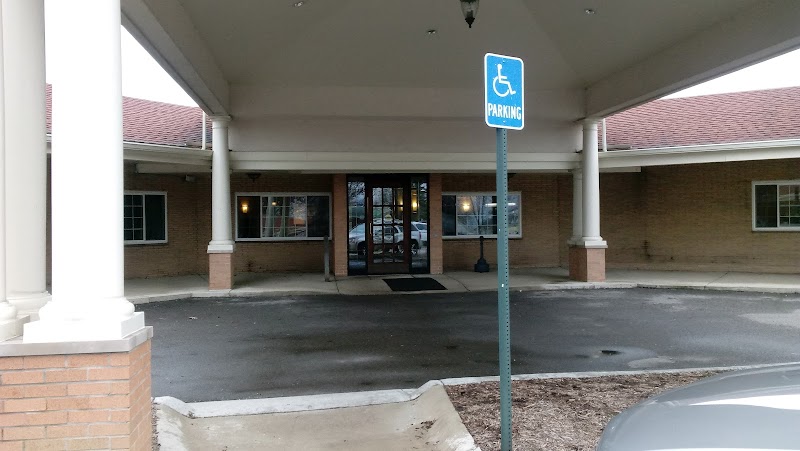
CMS rates Belle Fountain Nursing & Rehabilitation Center's staffing level at 2 out of 5 stars, which is below average compared to other nursing homes. Staff turnover is 66%, which is 20 percentage points above the Michigan average of 46%. High turnover can affect care consistency as new staff learn residents' individual needs. RN turnover specifically is 80%, which is notably high. RNs provide skilled clinical oversight, so turnover in this role can affect medical care quality.

What Have Inspectors Found at Belle Fountain Nursing & Rehabilitation Center?

State health inspectors documented 22 deficiencies at Belle Fountain Nursing & Rehabilitation Center during 2023 to 2025. These included: 22 with potential for harm.

Who Owns and Operates Belle Fountain Nursing & Rehabilitation Center?

Belle Fountain Nursing & Rehabilitation Center is owned by a for-profit company. For-profit facilities operate as businesses with obligations to shareholders or private owners. The facility is operated by OPTALIS HEALTH & REHABILITATION, a chain that manages multiple nursing homes. With 91 certified beds and approximately 68 residents (about 75% occupancy), it is a smaller facility located in Riverview, Michigan.

How Does Belle Fountain Nursing & Rehabilitation Center Compare to Other Michigan Nursing Homes?

Compared to the 100 nursing homes in Michigan, Belle Fountain Nursing & Rehabilitation Center's overall rating (2 stars) is below the state average of 3.1, staff turnover (66%) is significantly higher than the state average of 46%, and health inspection rating (2 stars) is below the national benchmark.

What Should Families Ask When Visiting Belle Fountain Nursing & Rehabilitation Center?

Based on this facility's data, families visiting should ask: "What safeguards and monitoring systems are in place to protect residents from abuse or neglect?" "How do you ensure continuity of care given staff turnover, and what is your staff retention strategy?" "Can you walk me through typical staffing levels on day, evening, and night shifts?" "Can I visit during a mealtime to observe dining assistance and food quality?" These questions are particularly relevant given the substantiated abuse finding on record, the facility's high staff turnover rate, and the below-average staffing rating.

Is Belle Fountain Nursing & Rehabilitation Center Safe?

Based on CMS inspection data, Belle Fountain Nursing & Rehabilitation Center has documented safety concerns. The facility has 1 substantiated abuse finding (meaning confirmed case of resident harm by staff or other residents). The facility has a 2-star overall rating and ranks #100 of 100 nursing homes in Michigan. Families considering this facility should ask detailed questions about what corrective actions have been taken since these incidents.

Do Nurses at Belle Fountain Nursing & Rehabilitation Center Stick Around?

Staff turnover at Belle Fountain Nursing & Rehabilitation Center is high. At 66%, the facility is 20 percentage points above the Michigan average of 46%. Registered Nurse turnover is particularly concerning at 80%. RNs handle complex medical decisions and coordinate care — frequent RN changes can directly impact care quality. High turnover means new staff may not know residents' individual needs, medications, or preferences. It can also be disorienting for residents, especially those with dementia who rely on familiar faces. Families should ask: What is causing the turnover? What retention programs are in place? How do you ensure care continuity during staff transitions?

Was Belle Fountain Nursing & Rehabilitation Center Ever Fined?

Belle Fountain Nursing & Rehabilitation Center has been fined $4,194 across 1 penalty action. This is below the Michigan average of $33,121. While any fine indicates a compliance issue, fines under $50,000 are relatively common and typically reflect isolated problems that were subsequently corrected. Families should ask what specific issues led to these fines and confirm they've been resolved.

Is Belle Fountain Nursing & Rehabilitation Center on Any Federal Watch List?

Belle Fountain Nursing & Rehabilitation Center is not on any federal watch list. The most significant is the Special Focus Facility (SFF) program, which identifies the bottom 1% of nursing homes nationally based on persistent, serious quality problems. Not being on this list means the facility has avoided the pattern of deficiencies that triggers enhanced federal oversight. This is a positive indicator, though families should still review the facility's inspection history directly.