Rivergate Health Care Center
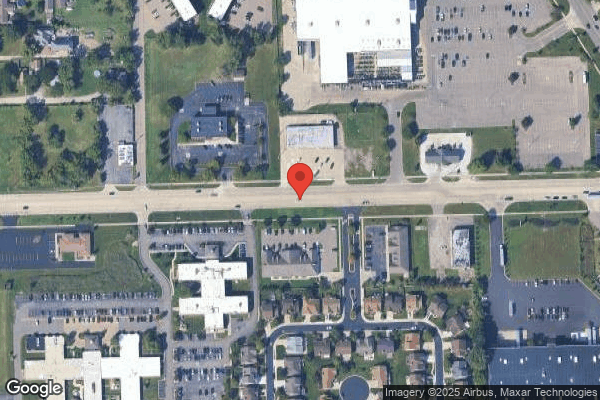
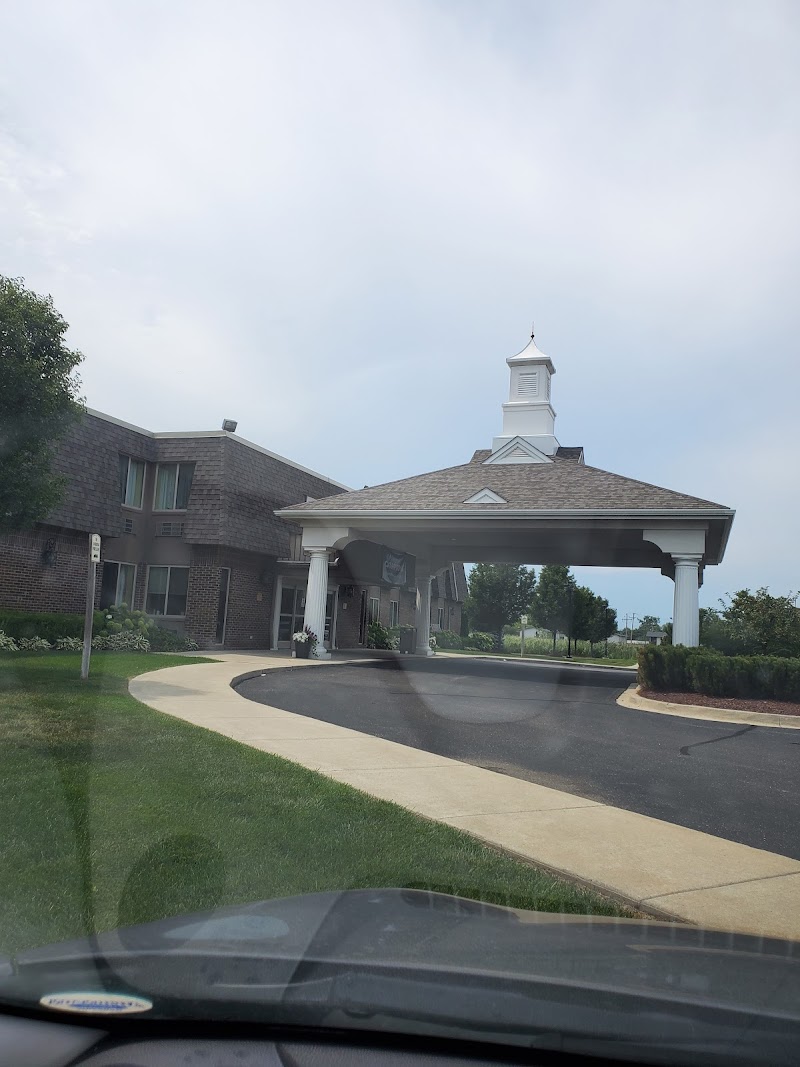
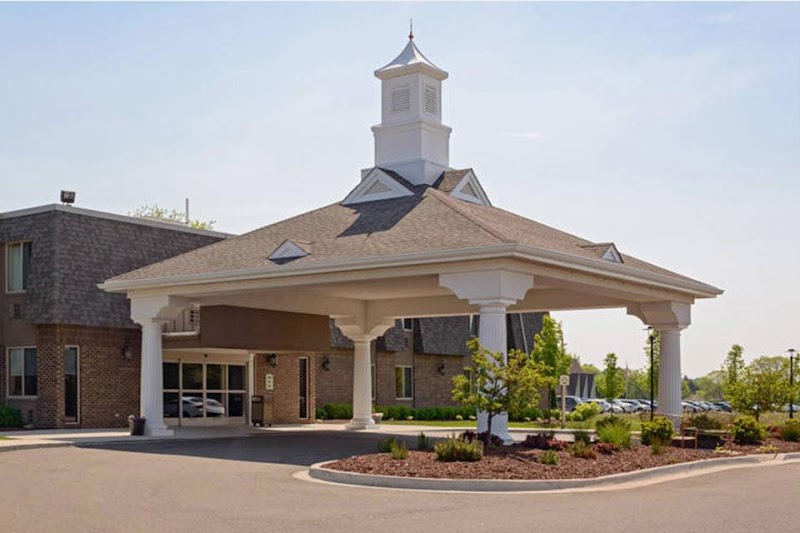
14041 Pennsylvania Rd, Riverview, MI 48193 (734) 284-7200
For profit - Partnership 223 Beds LIFE CARE CENTERS OF AMERICA Data: November 2025 1 Immediate Jeopardy citation
Trust Grade
61/100
#170 of 422 in MI
Last Inspection: May 2025

Inspected within the last 6 months. Data reflects current conditions.

Overview

Rivergate Health Care Center has a Trust Grade of C+, indicating it is slightly above average but not outstanding. It ranks #170 out of 422 facilities in Michigan, placing it in the top half, and #22 out of 63 in Wayne County, meaning only 21 local options are better. The facility is improving, with a decrease in issues from 10 in 2024 to just 2 in 2025. Staffing is a mixed bag, earning 3 out of 5 stars with a turnover rate of 39%, which is better than the state average of 44%. However, it has some concerning findings, including a critical incident where a resident assessed as an elopement risk was able to exit the facility unsupervised, as well as observed cleanliness issues in the kitchen and laundry areas that could pose health risks. Overall, while there are strengths in staffing stability and a good health inspection rating, families should weigh these alongside the facility's critical safety concerns.
Trust Score
C+
61/100
In Michigan
#170/422
Top 40%
Safety Record
High Risk
Review needed
Inspections
Getting Better
10 → 2 violations
Staff Stability
○ Average
39% turnover. Near Michigan's 48% average. Typical for the industry.
Penalties
✓ Good
$12,740 in fines. Lower than most Michigan facilities. Relatively clean record.
Skilled Nurses
○ Average
Each resident gets 30 minutes of Registered Nurse (RN) attention daily — about average for Michigan. RNs are the most trained staff who monitor for health changes.
Violations
⚠ Watch
17 deficiencies on record. Higher than average. Multiple issues found across inspections.
★★★★☆
4.0
Overall Rating
★★★☆☆
3.0
Staff Levels
★★★★☆
4.0
Care Quality
★★★★☆
4.0
Inspection Score
Stable
2024: 10 issues
2025: 2 issues

The Good

  • 4-Star Quality Measures · Strong clinical quality outcomes
  • Full Sprinkler Coverage · Fire safety systems throughout facility
  • No fines on record
  • Staff turnover below average (39%)

    9 points below Michigan average of 48%

Facility shows strength in quality measures, fire safety.

The Bad

Staff Turnover: 39%

Near Michigan avg (46%)

Typical for the industry

Federal Fines: $12,740

Below median ($33,413)

Minor penalties assessed

Chain: LIFE CARE CENTERS OF AMERICA

Part of a multi-facility chain

Ask about local staffing decisions and management

The Ugly 17 deficiencies on record

1 life-threatening
May 2025 1 deficiency
CONCERN (D)

Potential for Harm - no one hurt, but risky conditions existed

Deficiency F0761 (Tag F0761)

Could have caused harm · This affected 1 resident

Based on observation, interview, and record review, the facility failed to ensure proper disposal of loose medications were conducted for three medication carts (3 West, 2 [NAME] and 2 East) out of fo...

Read full inspector narrative →
Based on observation, interview, and record review, the facility failed to ensure proper disposal of loose medications were conducted for three medication carts (3 West, 2 [NAME] and 2 East) out of four medication carts observed for medication storage. Findings include: On 5/1/25 at 9:01 AM, an observation of the medication cart on unit 3 [NAME] was conducted with Licensed Practical Nurse (LPN) A. Upon inspection of the medication cart on 3 [NAME] a total of two suppositories and one loose pill were scattered on the bottom of the first and second drawers of the medication cart. LPN A could not identify the loose pill. When LPN A was queried regarding the loose medications, LPN A said the suppositories should be in a labelled box and the loose pill should have been discarded. On 5/1/25 at approximately 9:15 AM an observation of the medication cart on unit 2 [NAME] was conducted with LPN C. Upon inspection of the medication cart, a total of 16 loose pills were scattered on the bottom of the second and third drawers of the medication cart. When LPN C was queried who was responsible for cleaning the carts LPNC said all the nurses were responsible. On 5/1/25 at approximately 9:30 AM an observation of the mediation cart on unit 2 East was conducted with LPN D. Upon inspection of the medication cart one loose pill was found on the first drawer. Five loose pills were found in the bottom of the second drawer. When LPN D was asked who is responsible to clean the medication carts LPN D said the pharmacy cleans the carts three to four times a month. On 5/01/25 at 12:15 PM the Director of Nursing (DON) was interviewed and said the midnight shift nurses were responsible for cleaning the medication carts. The DON further said that each nurse was responsible for their own cart, and the expectation was for the medication carts to be clean and not to have loose pills. Review of the facility policy titled, storage and expiration Dating of Medications and Biologicals revision date 8/1/24 revealed in part: Facility should destroy and reorder medications with missing labels. Facility should ensure the medications for each resident are stored in the containers in which they were originally received. Facility personnel should inspect nursing station storage areas for proper storage compliance on a regularly scheduled basis.
Apr 2025 1 deficiency 1 IJ
CRITICAL (J) 📢 Someone Reported This

A family member, employee, or ombudsman was alarmed enough to file a formal complaint

Immediate Jeopardy (IJ) - the most serious Medicare violation

Accident Prevention (Tag F0689)

Someone could have died · This affected 1 resident

This citation pertains to Intake: MI00151131 Based on observation, interview, and record review, the facility failed to provide adequate supervision and monitoring to prevent an elopement for one resi...

Read full inspector narrative →
This citation pertains to Intake: MI00151131 Based on observation, interview, and record review, the facility failed to provide adequate supervision and monitoring to prevent an elopement for one resident (R600) who had severe cognitive impairment and was assessed and care planned as an elopement risk. R600 left a secured unit on the second floor and exited the front door during the time a staff member left the lobby unsecured. R600 exited the building while following an unknown visitor on 03/01/2025 at approximately 6:37 PM, unbeknownst to facility staff. Immediate Jeopardy: The Immediate Jeopardy (IJ) started on 03/01/2025 and the immediacy was removed 04/04/2025 per review of the facility's responding interventions as verified on 4/17/2025. The IJ was identified on 04/17/2025 during an abbreviated survey. The facility was notified of the IJ on 04/17/2025 at 3:20 PM and was asked for a removal plan. The IJ was removed on 04/04/2025, based on the facility's implementation of the removal plan as verified onsite on 04/17/2025. Findings Include: On 4/16/2025 at 11:30 AM, R600 was observed in their room. R600 was lying in their bed, positioned on their right-side, and watching TV. R600 was wearing a sweatshirt, sweatpants, and was well groomed. R600 asked if they remembered leaving the building without staff. R600 said, Sorry I don't. R600 gave a smile and said, Is there anything else you would like to talk about? On 03/01/2025 the State Agency received a Facility Reported Incident that on 03/01/2025 R600 exited the building unsupervised while following a visitor on 03/01/2025 at approximately 6:37 PM. A review of R600's electronic medical record revealed an admission to the facility on 2/06/2025 with the diagnoses of Alzheimer's Disease, Difficulty Walking, Muscle Weakness, Dementia, Anxiety, and Major Depression. R600 was under the legal care of a guardianship. A review of R600's Brief Interview for Mental Status (BIMS) dated 02/06/2025 revealed a score of 7/15 (severe cognitive impairment). A review of R600's Elopement Risk Evaluation dated 02/05/2025 revealed that R600 was at risk for elopement. A review of R600's care plan revealed the following: Focus: ELOPEMENT: At risk for elopement. Resident states he needs to leave for work, drive his car. Following visitors onto elevators, seeking exit doors. Date Initiated: 2/05/2025. Revision on: 03/06/2025 . Interventions/Task: Monitor for exit-seeking behaviors including pacing around the elevator and doors, following family members/visitors, voicing desire to leave for work/to drive. Date Initiated: 02/05/2025 .Revision on: 03/06/2025 . Focus: (R600) impaired cognitive ability /impaired thought processes r/t (related to) Dementia/Anxiety Date Initiated: 02/05/2025 .Revision on: 02/06/2025 . Interventions/Task: Cue, reorient and supervise as needed. Date Initiated: 02/06/2025 . Focus: (R600) impaired cognitive ability/impaired thought processes r/t Dementia/Anxiety. Date Initiated: 02/05/2025 .Revision on: 02/06/2025 . Focus: (R600) is at risk for communication problem r/t impaired cognitive processes. Date Initiated: 02/13/2025 . Interventions/Task: Observe for residents (R600) ability to express and comprehend language, memory, reasoning ability, problem solving ability and ability to attend. Date Initiated: 02/13/2025 . Focus: (R600) is at risk for falls. Date Initiated: 02/06/2025 . A review of R600's progress note written by Licensed Practical Nurse (LPN)B, dated 03/01/2025 revealed the following: Note Text: At approximately 6:30pm resident (R600) was going to (the) dining room to eat dinner. Aides (Certified Nurse Aide/CNA) exchanged directions on how resident (R600) likes his coffee. At approximately 6:50pm an aide (CNA A) from a different unit brought resident (R600) to med cart and stated (CNA A) found (R600) walking in the back parking lot. Resident (R600) stated (they) didn't know how (they) got outside but (R600) was looking for (R600's) car. Writer assessed resident and took (R600's) vitals. Writer ordered lab work and contacted Guardian and Physician Assistant . On 4/16/2025 at 3:10 PM, a request was made to the Director of Nursing (DON) to view the outdoor cameras. However, the DON stated that they couldn't adjust the camera's date to 03/01/2025. The DON was asked about their observation of R600 walking towards the back of the facility upon viewing of the outdoor cameras. The DON said that R600 walked out of the facility behind a visitor on 3/01/2025. R600 turned left and started walking toward the back of the facility. The DON said that R600 was walking on the driveway, when they reached the back of the facility they turned left towards the back parking lot. The DON said that R600 walked toward the shed behind the facility. On 4/17/2025 at 09:08 AM, an observation was made of the outside of the facility while attempting to follow the steps that the DON discussed as observed on their outside cameras. This writer walked out of the front door of the facility. A major busy street in front of the facility with two lanes going right, two lanes going left, and a middle turning lane was observed. This surveyor walked out the front door and turned left. At the end of the walkway and parking lot, a left turn was made toward a long driveway. To the right side of the driveway was another long-term care facility. To the left were about nine tall trees next to the facility. In addition, the long driveway had several cracks at the side and back of the facility. At the back and left corner of the facility was a diesel fuel container, a generator, and electrical metal boxes, sitting on a block of concrete. There was also a step up to a door with signage that noted Oxygen Room. To the right of the Oxygen Room was a shed. On 4/17/2025 at 10:35 AM, an interview was conducted with CNA A related to R600 being found behind the facility. CNA A said, I picked up a double that day and took a later lunch break around 6:50-6:59pm .I came out of the employee entrance back door .It was dusk, but I could still see. I was parked in the second row of the parking lot. I did not notice anyone outside at that time. I got into my car and the headlights automatically came on. They usually come on at dusk . that's when I saw (R600). CNA A said that R600 was standing near the supply shed (behind the facility and next to the Oxygen Room door). CNA A continued to state that (they) were surprised to see R600 outside in the back of the building. CNA A stated they approached R600 in a calm manner because CNA A did not want to startle R600. CNA A said that it looked as if R600 was looking for something. CNA A continued and asked (R600) what they were doing outside and (R600) said they were looking for their car. CNA A stated to R600, Let's go inside to get your keys. R600 then followed CNA A inside the facility, utilizing the back employee door entrance, and ushered R600 back to the second floor using the elevator. On 4/17/25 at 10:58 AM an interview was conducted with the Lead Receptionist C. Receptionist C explained that receptionist should never leave the desk without having someone cover. Receptionist C stated that during day shift, the receptionist should asked staff that work up front to cover the desk if the receptionist needed to leave the lobby. Receptionist C said, If it's during the afternoon (shift), the receptionist should ask staff at Nurse Station One to cover .the receptionist should not leave the desk uncovered (unattended). On 4/17/25 at 11:34 AM, an interview was conducted via phone with Receptionist D. Receptionist D was asked if they worked the lobby desk as the receptionist on 3/01/2025 around 6:30 PM. Receptionist D said, Yes. Receptionist D was queried if they left the front desk during that time and Receptionist D said, I stepped away from the desk around 6:30pm to get a message from the resident in room (redacted), that's a few doors away from the receptionist desk .The resident started talking about their life and then I told them that I had to leave. I was gone for about 5-10 minutes. Receptionist D was asked if it was within their policies/procedures to leave the desk uncovered and Receptionist D said it was ok if it was less than 15-30 minutes. On 4/17/25 at 11:42 AM, an interview was conducted with the Director of Human Resources (also manager of the receptionists). The Director of Human Resources was queried and asked if it was their policy for Receptionist D to leave the lobby front desk unattended during their shift. The Director of Human Resources stated, When the receptionist needs to leave the desk, they should always have someone to cover .they (Receptionist) should never leave the front desk uncovered. A record review of the facility's investigation, interviews, and statements revealed the following: Facility Executive Director was notified that resident (R600) was observed by the back door of the facility by (CNA A) at approximately 6:45pm. Resident (R600) was escorted back into facility .Resident stated (they) was looking for (their) car. Resident responsible party, physician notified of event . A record review of the facility's interview and statements of CNA A revealed the following: On 3/1/25 at approximately 6:50 pm, (CNA A) exited the facility using the employee entrance to take (their) break. As (CNA A) got to (their) car, which was located in the parking lot behind the building, (CNA A) saw (R600) walking by the exit door near the oxygen supply shed .(CNA A) then redirected (R600) and assisted (R600) back into the facility via the employee entrance and escorted (R600) back to (their) unit and nurse . A record review of the facility's witness statement of LPN B revealed the following: (LPN B) was the nurse assigned to (R600) on the afternoon shift on 3/1/25. At approximately 6:30 pm, (LPN B) observed (R600) come out of (their) room walking towards the dining room. (LPN B) overheard two aides talking about (R600) liking a large cup of coffee. Approximately 20 minutes later, (CNA A) brought (R600) to (LPN B) and informed (LPN B) where (R600) was observed and assisted back into the facility . An attempt was made to contact LPN B via phone on 4/17/2025 at 09:40 AM. A voice message was left with contact number. A record review of the facility's witness statement of Receptionist D revealed the following: Receptionist D was the receptionist on duty the afternoon of 3/1/25. Receptionist D states that around 6:30 pm he had stepped away from the desk to assist a resident. This resident was in 106 whom had called the front desk for assistance and clarification on (their) discharge information. Receptionist D was away from the desk for 5-10 minutes assisting the resident. Receptionist C states that during that time there was no other employee at the reception desk. The facility report of the external cameras documented the following: Review of the external facility cameras indicated that (R600) exited the facility via front door at 6:37 pm, following close behind a visitor. (R600) proceeded around the facility, via the parking lot and was observed by a staff member and assisted back into the facility at 6:45 pm via the back door employee entrance . A review of the facility's interview with Visitor F (R600 followed this visitor out of the front door) documented the following: (Visitor F) remembered being at the facility on 3/1/25 and leaving sometime between 6:30pm and 7:00pm. When asked if (Visitor F) had reached over the high-top counter of the front desk to push the button of security release for the front doors to exit the facility, (Visitor F) did not remember if anyone was at the desk to (get out) or if anyone followed (Visitor F) out of the front door .(Visitor F stated) I do not remember what I did earlier in the day, let alone on the weekend. On 04/17/2025 at 11:56 AM, the DON was interviewed and asked how R600 left the second floor via the elevator (the 2nd floor elevator required a passcode). The DON stated R600 must have followed visitors into the elevator. The DON was asked how R600 exited the front door. The DON stated, (R600) was viewed on the front camera following (Visitor F) out the front door. On 4/17/2025 at 12:28 PM, an interview was conducted with the Nursing Home Administrator (NHA). When queried regarding R600 exiting the facility on 3/01/2025 without staff knowledge, the Administrator explained that (R600) exited the facility behind Visitor F. The NHA stated, We investigated and concluded that (R600) followed a visitor onto the elevator and then followed (Visitor F) out of the front door. The NHA was asked if the second floor was a locked unit. The NHA stated that it was not a locked unit, it was a secured unit that required a passcode to open the elevator on the second floor. The Administrator was asked if residents were given the passcode and the NHA said, No. Residents are not given the passcode. The NHA stated that R600 was let out of the facility by a visitor. The NHA was queried if it was within their policy to maintain staff at the front desk during business hours. The NHA said that receptionists were not used as security. The NHA continued to explain that R600 had been outside for about 10 minutes. The DON stated, (R600) was not in danger because he did not leave the grounds. A review of the facility's policy Area of Focus: Elopement dated 11/19/2024 revealed the following: Elopement occurs when a resident leaves the premises or a safe area without authorization .and/or any necessary supervision to do so. A resident who leaves a safe area may be a risk of (or has the potential to experience) heat or cold exposure, dehydration and/or other medical complications, drowning, or being struck by a motor vehicle. During the onsite survey, past noncompliance (PNC) was cited after the facility implemented actions to correct the noncompliance which included the following: 1. Corrective Action for Affected Individual(s). -A Schedule has been established to monitor the involved R600 15 minutes. -R600 elopement care plan was reviewed and updated to reflect activities of interest including model care that he can design, music, bingo, purposeful wandering. -Notification sent to families/representatives on not letting self out of the building, which is a breach of our security systems. 2. Identification of Residents Affected or Likely to be Affected: -Residents identified at risk for exit seeking, assessment to reduce opportunity to exit facility their care plans will be reviewed, photos updated, if necessary, Medical Director and responsible parties will be notified to be aware of surroundings when on elevator. 3. Identification of Residents Affected or Likely to be Affected: -An ad hoc QAPI meeting was held on 3/7/25 review systematic process enhancements and no further occurrences have been noted. Committee will continue to monitor and perform analysis for any potential root cause to variation in updated systematic process. -Signage has been placed by and in the elevator to remind visitors to be aware of anyone on the elevator without a badge/nametag may be an indication of an unaccompanied resident and to notify a staff member immediately. -All current resident's elopement risk evaluations were reviewed and updated with care plans reviewed and updated as needed. -Front door push button relocated and a protective cover placed over it so visitors cannot reach over the counter and push the button. 3. Systemic Changes to Prevent Recurrence: -Staff educated on elopement, front desk to be attended during business hours. -Education on proper visitor sign in/out process. -Elopement policies were reviewed on 3/05/25. No revisions made to the current policies. -Elopement risk list updated. -Elopement investigation procedure and documentation process were reviewed on 3/05/25. No revisions made to the current procedures and processes. -Elopement drill was from 3/5/25-3/8/25 completed multiple shifts. -Elopement audits last date 4/4/25. The facility was able to demonstrate monitoring of the corrective action and maintained compliance.
Dec 2024 1 deficiency
CONCERN (D) 📢 Someone Reported This

A family member, employee, or ombudsman was alarmed enough to file a formal complaint

Potential for Harm - no one hurt, but risky conditions existed

Notification of Changes (Tag F0580)

Could have caused harm · This affected 1 resident

**NOTE- TERMS IN BRACKETS HAVE BEEN EDITED TO PROTECT CONFIDENTIALITY** This citation pertains to intake MI00147167. Based on interview and record review, the facility failed to confirm and document t...

Read full inspector narrative →
**NOTE- TERMS IN BRACKETS HAVE BEEN EDITED TO PROTECT CONFIDENTIALITY** This citation pertains to intake MI00147167. Based on interview and record review, the facility failed to confirm and document the timely notification of resident representative for one resident (R101), out of four residents reviewed for change of condition, resulting in missed opportunities to participate in medical decisions regarding care and treatment. Findings include: It was reported to the State Agency that the facility staff failed to notify the resident representative of the resident's change in condition in a timely manner. A review of R101's admission Record documented an admission date of 5/28/24 with diagnoses that included protein-calorie malnutrition, dysphagia, epilepsy, anxiety disorder, and depression. A Minimum Data Set assessment dated [DATE] documented moderate cognitive impairment. R101's clinical record listed the resident's spouse as the responsible party and emergency contact #1. A review of an Event Note dated 8/1/24 at 12:01 PM for R101 documented the following: Patient observed on the floor next to bed laying on her left side, stated I fell out of bed while I was sleeping. (Two-person) assist with Hoyer transferred patient back to bed. VS (vital signs) obtained, skin assessment completed, PRN (as needed) pain medication administered, cold compress applied to left arm, physician notified, STAT (immediate) X-ray of left arm ordered, neuro checks in place. Patient resting in bed at this time, no c/o (complaints of) pain, sitting up awaiting lunch. All staff documentation completed. A review of a facility document titled, COVID-19 Testing dated 8/14/2024, revealed R101 tested positive for COVID-19 on 8/14/24. This document further indicated, meds ordered by MD (medical doctor). Will notify family. A review of R101's physician orders documented the following: - Tessalon [NAME] oral 100 mg, one capsule by mouth three times a day for COVID-19 for five days beginning on 8/14/24. The Director of Nursing (DON) was interviewed on 12/6/24 beginning at 12:52 PM. The DON provided documentation that R101's Resident Representative (RR) was notified about R101's fall on 8/2/24 at 1:00 PM. When queried if this was timely notification, the DON stated she wanted to see why the notification was 24 hours later. No additional information regarding the delay in notification was provided by the end of the survey. Additionally, the DON was unable to provide documentation that R101's RR had been notified of the positive COVID-19 test result. A review of the facility policy titled, Changes in Resident's Condition or Status, dated 9/5/24, documented in part the following: - This facility will notify the resident, his/her primary care provider, and resident/resident representative of changes in the resident's condition or status. - A facility must immediately inform the resident; consult with the resident's physician; and notify, consistent with his or her authority, the resident representative(s) where there is (A) An accident involving the resident which results in injury and has the potential for requiring physician intervention; (C) A need to alter treatment significantly (that is, a need to discontinue an existing form of treatment due to adverse consequences or to commence a new form of treatment). On 12/6/24 at 3:45 PM during the exit conference, the Nursing Home Administrator and DON did not offer additional documentation or information when asked.
Oct 2024 1 deficiency
CONCERN (D) 📢 Someone Reported This

A family member, employee, or ombudsman was alarmed enough to file a formal complaint

Potential for Harm - no one hurt, but risky conditions existed

Accident Prevention (Tag F0689)

Could have caused harm · This affected 1 resident

**NOTE- TERMS IN BRACKETS HAVE BEEN EDITED TO PROTECT CONFIDENTIALITY** Based on observation, interview, and record review the facility failed to ensure facility staff followed the care plan for trans...

Read full inspector narrative →
**NOTE- TERMS IN BRACKETS HAVE BEEN EDITED TO PROTECT CONFIDENTIALITY** Based on observation, interview, and record review the facility failed to ensure facility staff followed the care plan for transfer assistance for one (R401) of three residents reviewed for falls, resulting in a fall. Findings include: On 10/15/24 at 11:05 AM R 401 was observed in bed with bruising on both arms and stated, I fell in the shower with Certified Nursing Assistant (CNA) A last week. I hurt my left arm. Review of the Electronic Health Record revealed R401 admitted to the facility on [DATE] with diagnoses that included left femur fracture, multiple sclerosis, muscle weakness, and hemiplegia affecting left side. Review of a Minimum Data Set (MDS) assessment for R401, with a reference date of 7/19/24, revealed a Brief Interview for Mental Status (BIMS) score of 13/15 which indicated intact cognition. On 10/15/24 at 1:15 PM Registered Nurse (RN) B was interviewed and said R401 had an X-ray ordered due to complaints of left arm pain after being lowered to the ground during a shower on 10/10/24. The X-ray was negative for a fracture but showed some swelling. Record review of the incident accident report dated 10/10/24 revealed (CNA 'A') was transferring resident from shower chair to wheelchair when resident left leg gave out. I got resident on my knee and gently lowered her to the floor using gait belt and went to nurse station. Got both nurses to help get resident off shower room floor. Record review of the [NAME] as of 10/15/24 revealed Resident Care 2 person assist at all times. Record review of Care plan for R401 revealed .Focus .self-care performance deficit r/t (related to) . displaced fracture of left femur .Interventions .2 person assist at all times revised 8/21/24 . On 10/15/24 at 12:15 PM the Director of Nursing (DON) was interviewed and said CNA A did not follow the two persons assist for the shower transfer, There should have been two people to assist. The DON agreed the [NAME] states R401 is a two person assist at all times. The DON said the expectation is for CNA's to follow the [NAME] for patient care. Review of the facility policy titled Fall Management reviewed 9/25/24 revealed in part .Fall -refers to the unintentionally coming to rest on the ground, floor, or other lower level, but not as a result of an overwhelming external force (e.g. resident pushes another resident). An episode where a resident lost his/her balance and would have fallen, if not for another person or if he or she had not caught him/herself, is considered a fall. A fall without an injury is still a fall. Facilities are obligated to provide adequate supervision to prevent accidents. Adequate supervision is determined by assessing the appropriate level and number of staff required, the competency and training of the staff, and the frequency of supervision needed. This determination is based on the individual resident's assessed needs and identified hazards in the resident environment. Adequate supervision may vary from resident to resident and from time to time for the same resident.
May 2024 5 deficiencies
CONCERN (D)

Potential for Harm - no one hurt, but risky conditions existed

Deficiency F0554 (Tag F0554)

Could have caused harm · This affected 1 resident

Based on observation, interview, and record review the facility failed to assess a resident (R52) for self-administration of medications resulting in medications left at the resident's bedside. Findin...

Read full inspector narrative →
Based on observation, interview, and record review the facility failed to assess a resident (R52) for self-administration of medications resulting in medications left at the resident's bedside. Findings Include: During an observation on 5/29/24 at 10:50 AM, upon entering R52's room, two medications were seen in a clear medicine cup on the resident's bedside table. During an interview on 5/29/24 at 10:51 AM, it was reported by R52 that the nurses sometimes leave the medications on the table if I am sleeping, and I take them when I wake up. Record review of R52's electronic medical record (EMR) revealed no assessment or physician's order to self- administer medications. Further review of R52's EMR revealed admission to facility on 12/6/22 with a primary diagnosis of chronic obstructive pulmonary disease (COPD). According to a Brief Interview of Mental Status (BIMS) dated 3/12/24, R52 had intact cognition with a score of 15/15. During an interview on 5/29/24 at 11:00 AM with Licensed Practical Nurse (LPN) D, it was reported that medications should not be left at the bedside. During an interview on 5/30/24 at 2:10 PM with interim Director of Nursing (DON), it was reported that medication should never be left at bedside, unless the resident has been assessed and has a physician order to self-administer medications. It was further reported that R52 had not been assessed and there was no order for self-administration of medications. When asked the reason medication should not be left at bedside, DON responded, Another resident may accidentally take them. Record review of policy Administration of Medications revised 7/14/21 documented: . All medications are administered safely and appropriately per physician order to address residents, diagnoses and signs and symptoms.
CONCERN (D)

Potential for Harm - no one hurt, but risky conditions existed

Deficiency F0645 (Tag F0645)

Could have caused harm · This affected 1 resident

**NOTE- TERMS IN BRACKETS HAVE BEEN EDITED TO PROTECT CONFIDENTIALITY** Based on observation, interview and record review the facility failed to ensure that the Pre-admission Screening and Resident Re...

Read full inspector narrative →
**NOTE- TERMS IN BRACKETS HAVE BEEN EDITED TO PROTECT CONFIDENTIALITY** Based on observation, interview and record review the facility failed to ensure that the Pre-admission Screening and Resident Review (PASSARR) Level I determination (DCH-3877 and/or DCH-3878) was reviewed, revised, and sent to the Local Community Mental Health Services Program (CMHSP) for a Level II OBRA (Omnibus Budget Reconciliation Act) evaluation for one resident (R150) of five residents reviewed for PASSARR, resulting in the potential for unmet mental health services. Findings include: On 5/29/2024 at 2:09 p.m., a review of R150's medical record documented the resident was initially admitted into the facility on 7/21/2023 and readmitted on [DATE] with diagnoses that included excoriation (skin picking) disorder, undifferentiated schizophrenia, adjustment disorder with mixed disturbance of emotions, and conduct, depression, and attention-deficit hyperactivity disorder. According to the annual MDS assessment dated [DATE], the resident was cognitively intact with a BIMS (brief interview for mental status) score of 15 out of 15. The Preadmission Screening (Level I Screening, 3877) dated 2/21/2024, documented the resident had mental illness which was excoriation disorder , adjustment disorder with mixed disturbance of emotions and conduct, depression, insomnia due to other mental disorder, undifferentiated schizophrenia, attention-deficit hyperactivity disorder, alcohol abuse with alcohol-induced mood disorder, nicotine dependence, and received an antipsychotic and an antidepressant medication. Review of the medical record did not reveal a Level II (3878). The Mental Illness/Intellectual Disability/ Related Exemption Criteria Certification (3878) indicated Hospital Exemption discharge: . The patient under consideration 1.) is being admitted after a hospital stay, AND 2.) requires nursing facility services for the condition for which he/she received hospital care, AND 3.) is likely to require less than 30 days of nursing services. The two documents indicated a Level II OBRA evaluation is required for R150. On 5/30/2024 at 12:25 p.m., Social Service Designee E was informed a Level II evaluation was not noted in R150's medical record and stated, I am covering for someone else, but I will take a look to see why it's not in the chart. On 5/31/2024 at 10:56 a.m., SSD E was asked during an interview, if R150 had a Level II evaluation completed. SSD E stated, The resident was supposed to have one done because the Level I triggered to have a level II completed. The Level II is not in the chart because the physician has not completed the form yet. The physician must go in the computer to complete the OBRA 3878 form that was automatically generated and sign it. After the physician signs the level II then we place a copy in the resident chart immediately. SSD E said the importance of the having a level II in the resident's medical chart is to show the diagnosis, the mental health plan of care and the treatment for the resident. SSD E said the level II form should have been in R150's chart. Review of the facility's policy titled Pre-admission Screening and Resident Review PASARR last reviewed date of 9/25/2023 documented: The facility will ensure that potential admission is screened for possible serious mental disorders or intellectual disabilities and related conditions. This initial pre-screening is referred to as PASARR level I and is completed prior to admission to a nursing facility. A negative level 1 screen permits admission to proceed and ends the PASARR process unless a possible serious mental disorder or intellectual disability arises later. A positive level I screen necessitates an in-depth evaluation of the individual by the 'State designated authority, known as PASARR Level II. A record of the pre-screening should be retained in the resident's medical record. According to the Preadmission Screening (PAS)/ Annual Resident Review (ARR) Mental Illness/ Intellectual Disability/ Related Conditions Identification Instructions: The DCH-3877 is used to identify prospective and current nursing facility residents who meet the criteria for possible mental illness or intellectual disability .The 3877/3878 must be reviewed and revised annually. Review of the attached directions for completion of these forms documented, The person screened shall be determined to require a comprehensive Level II OBRA (Omnibus Budget Reconciliation Act) evaluation if any of the above items are YES UNLESS a physician certifies on form DCH-3878 that the person meets at least one of the exemption criteria .If any answer to questions 1-6 in SECTION II is YES send ONE copy to the local Community Mental Health Services Program (CMHSP), with a copy of form DCH-3878 if an exemption is requested. The nursing facility must retain the original in the patient record and provide a copy to the patient or legal representative.
CONCERN (E)

Potential for Harm - no one hurt, but risky conditions existed

Garbage Disposal (Tag F0814)

Could have caused harm · This affected multiple residents

Based on observation, interview, and record review the facility failed to maintain an effective pest control program to ensure that the facility is free of pests, resulting in an increased potential f...

Read full inspector narrative →
Based on observation, interview, and record review the facility failed to maintain an effective pest control program to ensure that the facility is free of pests, resulting in an increased potential for contamination of food, both food and non-food contact surfaces, and foodborne illness potentially affecting staff, visitors and all 172 residents. Findings include: On 5/30/24 at 11:43 AM, live flies and ants were observed underneath the designated hand washing sink in the first floor's kitchenette. Upon observation the surveyor inquired with Dietary Manager, staff A, if they were aware of a pest issue in the facility to which they replied, no, that's not my department, I'd have to talk to maintenance about this. At this time the surveyor requested the facility's pest control policy to review to which staff A responded, the front desk has a book. On 5/30/24 at 1:23 PM, upon interview with Maintenance Director, staff B, on if they were aware of any pest concerns in the building they stated, no. I usually never see the technician because they arrive before my day starts. I believe it's just preventative maintenance. On 5/30/24 at 4:21 PM, record review of the facility's most recent pest control service record dated, 5/29/24 revealed that the facility is currently being treated around the foundation's perimeter using bait boxes. Additional information listed under the evidence/ treatment notes section of this document were indecipherable by the surveyor and staff B. Review of 2017 U.S. Public Health Service Food Code, Chapter 6-501.111 Controlling Pests, directs that: The PREMISES shall be maintained free of insects, rodents, and other pests. The presence of insects, rodents, and other pests shall be controlled to eliminate their presence on the PREMISES by: (B)Routinely inspecting the PREMISES for evidence of pests;
CONCERN (F)

Potential for Harm - no one hurt, but risky conditions existed

Food Safety (Tag F0812)

Could have caused harm · This affected most or all residents

Based on observation, interview, and record review the facility failed to maintain sanitary conditions in the kitchen resulting in an increased potential for cross contamination of food and foodborne ...

Read full inspector narrative →
Based on observation, interview, and record review the facility failed to maintain sanitary conditions in the kitchen resulting in an increased potential for cross contamination of food and foodborne illness, potentially affecting the facility's total census of 172 residents who receive meal services. Findings include: 1. On 5/30/24 between 10:12 AM, and 10:40 AM, the following non-food contact surfaces in the kitchen were observed soiled and with visible debris on their surfaces: On the ventilation filters above the fryer. On the grates of the flat top grill. On the sides of the oven On the oven's stainless steel backsplash. Upon observation the surveyor inquired with Dietary Manager, staff A, on if they thought these areas were being cleaned timely and sufficiently to which they replied, not like I thought. These noodles are from a soup made yesterday. I'll talk to the cook about this. On 5/30/24 at 11:25 AM, the surveyor requested a copy of the kitchen's cleaning policy to review. On 5/30/24 at 10:32 AM, the number ten can opener's cutting blade at the cook prep station was observed with visible debris on its surface. Upon observation staff A, commented, I'll set the can opener aside to be cleaned. On 5/30/24 at 11:09 AM, an accumulation of dust and debris was observed on the flooring throughout the walk in freezer. At this time the surveyor inquired with staff A on if they thought the flooring was being cleaned as needed throughout the day to which they replied, usually, but I guess not enough. At the time of the survey team's exit, no additional cleaning schedule documenting verification of the daily cleaning tasks required to be completed was received to review. Review of 2017 U.S. Public Health Service Food Code, Chapter 4-601.11, Equipment, Food-Contact Surfaces, Nonfood-Contact Surfaces, and Utensils, directs that: (A) Equipment food-contact surfaces and utensils shall be clean to sight and touch. (C) NonFOOD-CONTACT SURFACES of EQUIPMENT shall be kept free of an accumulation of dust, dirt, FOOD residue, and other debris. 2. On 5/30/24 at 9:50 AM, the surveyor asked the Dietary Manager, staff A, how the facility cleans and sanitizes work surfaces to which they stated, we have our red and green buckets. One has soapy water in it, and one has our sanitizer. At this time the surveyor asked staff A if they could test a sanitizing bucket to verify its concentration to which they replied, yes. On 5/30/24 at 9:52 AM, testing of the sanitizer concentration by staff A via a test strip, and comparing its color to the wall mounted chemical manufacturers reference sign, and then to the test strip packaging, revealed a concentration of zero. Upon observation staff A stated, I'll talk to who made it this morning, and I'll remake it now. Let's look at our log. On 5/30/24 at 9:54 AM, record review of a sanitizer verification log with staff A revealed a recorded concentration of 200 ppm taken earlier in the morning. At this time staff A stated, they might not have fully understood what they were doing. Review of 2017 U.S. Public Health Service Food Code, Chapter 7-204.11 Sanitizers, Criteria, directs that: Chemical SANITIZERS, including chemical sanitizing solutions generated on-site, and other chemical antimicrobials applied to FOOD-CONTACT SURFACEs shall: (A) Meet the requirements specified in 40 CFR 180.940 Tolerance exemptions for active and inert ingredients for use in antimicrobial formulations (Food-contact surface sanitizing solutions)P
CONCERN (F)

Potential for Harm - no one hurt, but risky conditions existed

Safe Environment (Tag F0921)

Could have caused harm · This affected most or all residents

Based on observation and interview the facility failed to provide a safe, functional, and sanitary environment for the facilities census of 172 residents and its staff resulting in an increased potent...

Read full inspector narrative →
Based on observation and interview the facility failed to provide a safe, functional, and sanitary environment for the facilities census of 172 residents and its staff resulting in an increased potential for harm. Findings include: On 5/30/24 between 1:32 PM, and 2:11 PM, during an environmental tour of the facility with Environmental Services Manager, Staff C, the following observations were made: All dryers in the laundry room were observed with a variety of melted/baked on debris varying in color and texture on the interior drums of the units. Upon observation the surveyor inquired with Staff C on the current state of the interior of the dryers to which they stated, it's supposed to be caught when they are being sorted for anything like this. I'll talk to them about this. An accumulation of dust and debris was observed on the flooring in the first and second floor's clean linen storage closets. Upon observation the surveyor inquired with Staff C on the current state of the storage closets to which they stated, we'll get this vacuumed up, and make sure we are looking at these areas more closely during the day.
Mar 2024 3 deficiencies
CONCERN (D) 📢 Someone Reported This

A family member, employee, or ombudsman was alarmed enough to file a formal complaint

Potential for Harm - no one hurt, but risky conditions existed

Resident Rights (Tag F0550)

Could have caused harm · This affected 1 resident

**NOTE- TERMS IN BRACKETS HAVE BEEN EDITED TO PROTECT CONFIDENTIALITY** This citation pertains to intake MI00142899. Based on interview and record review the facility failed to prevent the use of inap...

Read full inspector narrative →
**NOTE- TERMS IN BRACKETS HAVE BEEN EDITED TO PROTECT CONFIDENTIALITY** This citation pertains to intake MI00142899. Based on interview and record review the facility failed to prevent the use of inappropriate language during care to one resident (R916) out of three residents reviewed for abuse. Findings include: Record review of Incident Report dated 2/11/2023 (actual date 2/11/2024) documented, On 2/12/24 at approximately 2:56 pm C.N.A. (Certified Nursing Assistant) (E) notified the Executive Director that on the prior shift, while she was working with (CNA F), (CNA E) indicated that she witnessed (CNA F) on last rounds enter into room (XXX) to check on (R916) and see if she was clean and dry. (CNA E) indicated that she witnessed (R916) became combative during care and scratched (CNA F). (CNA F) stated I am tired of you fucking scratching me. I am not doing this shit; I am trying to go home. Further review of the same document noted, . Conclusion: Based on interviews and statements, the facility can conclude that (CNA F) used profane language in front of R916 . Record review revealed R916 was admitted into the facility on 5/12/19 with pertinent diagnoses of unspecified dementia. According to Minimum Data Set (MDS) dated [DATE], R916 had impaired cognition and required assistance with Activities of Daily Living (ADLS). During an interview on 3/22/24 at 12:30 PM with Director of Nursing (DON), it was reported that it is not appropriate for staff to speak to residents as reported. During an interview on 3/22/24 at 1:15 PM with Executive Director, it was reported that CNA F was terminated related to swearing in front of R916. Record review Termination Form dated 2/22/24 documented, .Reason for Termination -Violation of company policies and procedures.
CONCERN (D) 📢 Someone Reported This

A family member, employee, or ombudsman was alarmed enough to file a formal complaint

Potential for Harm - no one hurt, but risky conditions existed

Comprehensive Care Plan (Tag F0656)

Could have caused harm · This affected 1 resident

**NOTE- TERMS IN BRACKETS HAVE BEEN EDITED TO PROTECT CONFIDENTIALITY** This citation has two deficient practice statements. Deficient Practice Statement #1. This citation pertains to intake MI0014297...

Read full inspector narrative →
**NOTE- TERMS IN BRACKETS HAVE BEEN EDITED TO PROTECT CONFIDENTIALITY** This citation has two deficient practice statements. Deficient Practice Statement #1. This citation pertains to intake MI00142978. Based on interview and record review the facility failed to develop/implement a care plan for one resident (R917) out of three residents reviewed for care interventions for psychotropic medications. Findings Include: Record review of R917's electronic medical records revealed admission into the facility on 8/25/23 with a pertinent diagnosis of dementia. According to the Minimum Data Set (MDS) dated [DATE], R917 had impaired cognition and required assistance with Activities of Daily Living (ADLS). Record review of Physician orders documented, Seroquel Oral Tablet 25 MG (antipsychotic) Give 0.5 tablet by mouth at bedtime for mood disorder. Start date 8/16/23. Record review of R917's care plans revealed no documentation or implementation of interventions to assess or monitor resident's progress or side effects of taking a psychotropic medication. Further review of Medication Administration Record (MAR) for the month of September 2023 had no documentation of assessment/ monitoring of possible side effects of Seroquel. During an interview on 3/22/24 at 1:45 PM with Director of Nursing (DON), it was reported that facility should have developed and implemented a care plan for R917 when Seroquel was ordered by physician. It was further reported that residents should be monitored when receiving anti-psychotic medications. Record review of policy Comprehensive Care Plans and Revisions reviewed 8/22/23, documented the following: The facility will ensure the timeliness of each resident's person-centered, comprehensive care plan, and to ensure that the comprehensive care plan is reviewed and revised by an interdisciplinary team composed of individuals who have knowledge of the resident and his/her needs, and that each resident and resident representative, if applicable, is involved in developing the care plan and making decisions about his or her care. Deficient Practice Statement #2: This citation pertains to intake MI00142978. Based on interview and record review the facility failed to obtain a consent for the use of a psychotropic drug for one resident (R917) out of three residents reviewed for unnecessary medications. Findings Include: Record review of R917's electronic medical records revealed admission into the facility on 8/25/23 with a pertinent diagnosis of dementia. According to the Minimum Data Set (MDS) dated [DATE], R917 had impaired cognition and required assistance with Activities of Daily Living (ADLS). Record review of Physician orders documented, Seroquel Oral Tablet 25 MG (antipsychotic) Give 0.5 tablet by mouth at bedtime for mood disorder. Start date 8/16/23. Record review of R917's Medication Informed Consent form it was documented with an X for anti- anxiety medication and was signed by daughter of R917. There was no information documented related to the anti- anxiety medication. No other choices for other medications. Form was not completed, and consent or refusal was not marked. Document was not dated. Record review of 917's electronic medical records revealed no evidence that responsible party was informed before receiving Seroquel medication. During an interview on 3/22/24 at 1:45 PM with Director of Nursing (DON), it was reported that facility should obtain consent before administering an antipsychotic medication. It was further reported that R917's electronic medical record had no indication that R917's responsible party was informed or consented to the use of Seroquel. Record review of policy Psychotropic Mediation Informed Consent Policy'' reviewed 8/29/23, documented the following: .The facility will obtain consent or refusal to the use of Psychotropic Medications. This documentation will reflect the intended or actual benefit is understood by the resident and, if appropriate, his/her family and/or representative(s) and is sufficient to justify the potential risk(s) or adverse consequences associated with the selected medication, dose, and duration.
CONCERN (D) 📢 Someone Reported This

A family member, employee, or ombudsman was alarmed enough to file a formal complaint

Potential for Harm - no one hurt, but risky conditions existed

Medical Records (Tag F0842)

Could have caused harm · This affected 1 resident

**NOTE- TERMS IN BRACKETS HAVE BEEN EDITED TO PROTECT CONFIDENTIALITY** Based on interview and record review the facility failed to ensure complete and accurate documentation was maintained in an Elec...

Read full inspector narrative →
**NOTE- TERMS IN BRACKETS HAVE BEEN EDITED TO PROTECT CONFIDENTIALITY** Based on interview and record review the facility failed to ensure complete and accurate documentation was maintained in an Electronic Health Record (EHR) for one resident (R916) of three residents reviewed for accurate medical records resulting in inaccurate and incomplete medical records with inadequate care delivery. Findings include: Record review of R916's Electronic Medical Record (EMR) revealed admission into the facility on 5/12/19 with most recent readmission on [DATE] with pertinent diagnosis of paraplegia. According to the Minimum Data Set (MDS) dated [DATE] R916 had severe impaired cognition and required substantial assistance with Activities of Daily Living (ADLS). Record review of the May 2024 Treatment Administration Record (TAR) with ADON A revealed documentation that Registered Nurse (RN) B performed wound care on 5/13/24 and 5/14/24. On 5/15/24 at 11:50 AM RN B was interviewed about R916's wound care and stated, I didn't perform wound care on 5/14/24 but documented that I did. RN B said that wound care was not performed on 5/14/24 and that the TAR was incorrect. On 5/15/24 at 2:50 PM the Nursing Home Administrator (NHA) was interviewed and said documentation should be accurate and timely. Review of the facility policy titled Skin Integrity & Pressure Ulcer/Injury Prevention and Management addendum Documentation, long term care undated revealed in part .accurate, detailed documentation shows the extent and quality of care that nurses provide, the outcomes of that care and the treatment and education that the resident still needs. Record must be complete, accurate, and must provide documentation of the resident's assessments and the care plan and services provided.
May 2023 5 deficiencies
CONCERN (D)

Potential for Harm - no one hurt, but risky conditions existed

Report Alleged Abuse (Tag F0609)

Could have caused harm · This affected 1 resident

**NOTE- TERMS IN BRACKETS HAVE BEEN EDITED TO PROTECT CONFIDENTIALITY** Based on observation, interview and record review, facility staff failed to report to the administrator an allegation of residen...

Read full inspector narrative →
**NOTE- TERMS IN BRACKETS HAVE BEEN EDITED TO PROTECT CONFIDENTIALITY** Based on observation, interview and record review, facility staff failed to report to the administrator an allegation of resident mistreatment for one Resident (R830) of 37 residents reviewed for abuse resulting in inadequate reporting of resident mistreatment and a delay in follow up. Findings include: During an interview with R830 on 4/25/23 at 11:18 AM R830 stated, An aide was rude to me during my first week at the facility. I used my call light to ask for ice water. The aide came in and dropped off my ice water on my bedside table. When I asked what about something else (R830 was unable to recall what the 'something' else was during the interview) the aide said, 'talk to the hand', and gave me the hand while walking out the door. When asked how that made you feel, R830 reported, I was upset and angry and I don't want that aide again . I don't deserve to be treated that way. I called because I needed help, that's why I'm here. R830 was asked if they reported the incident to anyone. R830 stated, I reported the incident to Social Worker (E). In an interview with Social Worker (SW) E on 4/27/23 at 9:30 AM she stated, I performed a check in with R830 to see how she was doing but I don't remember the specific day. SW E stated, R830 reported to me that an aide gave the resident the hand (outstretched arm with hand extended) when asked to help go to the bathroom. When asked if SW E reported the incident to anyone she stated, I reported the incident to the Director of Nursing (DON), but I can't remember the date or time. In an interview with the DON on 4/27/23 at 9:55 AM the DON reported that SW E did not notify her of the incident that involved R830. Record review on 4/27/23 at 11:00 AM revealed no documentation of the incident in the clinical chart. Further record review revealed R830 was admitted to the facility on [DATE] with diagnoses that included Dislocation of Left Hip Prosthesis. Review of the Minimum Data Set (MDS) assessment dated [DATE] revealed a Brief Interview for Mental Status (BIMS) (a brief cognitive test) score of 15 which indicated intact cognition. In an interview with the Nursing Home Administrator (NHA)/Abuse Coordinator on 5/2/23 at 11:45 AM when asked, what is the expectation of a staff member when they receive an allegation of abuse or mistreatment. The NHA/Abuse Coordinator responded, Report to me immediately. On 5/2/23 at 12:03 PM, R830 repeated the same incident of concern explained on 4/25/23 at 11:18, AM to the surveyor. Review of the facility policy Abuse Reporting and Response issued 10/4/22 did not address the reporting of abuse and mistreatment. According to the facility document titled, Area of Focus Abuse and Neglect, (reviewed by facility on 11/21/22) documented to report allegations of abuse and mistreatment to the administrator.
CONCERN (D)

Potential for Harm - no one hurt, but risky conditions existed

Deficiency F0688 (Tag F0688)

Could have caused harm · This affected 1 resident

**NOTE- TERMS IN BRACKETS HAVE BEEN EDITED TO PROTECT CONFIDENTIALITY** Based on observation, interview and record review, the facility failed to provide a restorative program consisting of lower extr...

Read full inspector narrative →
**NOTE- TERMS IN BRACKETS HAVE BEEN EDITED TO PROTECT CONFIDENTIALITY** Based on observation, interview and record review, the facility failed to provide a restorative program consisting of lower extremity range of motion and walking in one Resident (R4) of 37 reviewed for restorative care resulting in the potential for a decline in the ability to walk, lower extremity weakness and falls. Findings include: On 4/26/23 at 11:45 AM, R4 was observed dressed and sitting in a wheelchair in a hallway. When asked do you have any concerns with your care, R4 responded, I'm not getting therapy, or any exercises and I want to get ready to go home. When asked how he felt when he missed his exercises he stated, I get frustrated because I want to get strong and walk. On 4/26/23 at 2:45 PM, R4 was observed self-propelling in a wheelchair from the dining hall to room. In an interview with the Nursing Home Administrator (NHA) on 4/26/23 at approximately 2 PM when queried about the restorative program she stated, We currently do not have specialized restorative services at the moment because we have not had the staff. Certified Nursing Assistants (CNAs) on the units perform restorative services until we get the new restorative staff trained. Record Review on 4/26/23 at 3:30 PM revealed no restorative services records found for R4 in the clinical chart. Unit Secretary G was queried where are restorative services documented in the clinical chart. Unit Secretary G was unable to provide a clear answer. In an interview with the Director of Rehab Therapy (DRT) D on 4/26/23 at 3:45 PM, when queried about the restorative services program she stated, Nursing provides restorative services. DRT D agreed that the facility had no formal restorative program at this time and explained the therapy department provides a restorative referral sheet based on discharge from therapy if recommended by the therapist. DRT D said the form goes to nursing and restorative care is to be completed by the Certified Nursing Assistants (CNAs). On 4/27/23 at 2:41 PM, R4 was observed to be pushed to the dining hall in a wheelchair by a staff member. Record Review on 5/01/23 at 9:00 AM of Certified Nursing Assistant (CNA) documentation log for April 2023 revealed no documentation of restorative services, Activities of Daily Living (ADL)-walk in corridor did not occur in April 2023, no intervention or task documented for lower extremity range of motion. Further record review revealed R4 was admitted to the facility on [DATE] with diagnoses that included Head Injury, Muscle Weakness, Difficulty in Walking, History of Falling. Review of the quarterly Minimum Data Set (MDS) assessment dated [DATE] revealed a Brief Interview of Mental Status (BIMS) (a brief cognitive test) of 15/15, which indicated intact cognition. Per review of the physical therapy Discharge summary dated [DATE] revealed R4 was able to perform bed mobility at stand by assist, moderate assist for transfers and able to ambulate 125 feet with minimum assist using a two wheeled walker. Discharge recommendations Resident will stay at (facility name redacted) as long-term care (LTC). Referred to Certified Nursing Assistant (CNA) staff for range of motion (ROM) exercises and safe ambulation functional maintenance program (FMP) Restorative programs restorative programs established/trained = other restorative program (referred to CNA staff for ROM exercises and safe assisted ambulation. Functional maintenance established/trained = other (referred to CNA staff for ROM exercises and safe assisted ambulation.) In an interview with Unit Nurse Manager (UNM) C on 5/02/23 at 10:23 AM when queried about the process of providing restorative services and documentation she was unable to provide an explanation of the process of receiving a restorative referral from the therapy department or where and who is to perform and document restorative treatments in the clinical chart. Record review of restorative referral sheet for R4 dated 4/7/23 signed by Physical Therapist H provided by DRT D documented the following, Ambulation/gait strengthening resident to ambulate 50-100 feet with minimum assistance two wheeled walker Range of Motion (ROM) resident to complete active range of motion to both lower extremities 3 times a week for 12 weeks 10 repetitions, 3 sets of all joints in all planes. Review of the R4 care plan revealed no restorative program documented. Review of the Certified Nursing Assistant (CNA) task log revealed no restorative program. In an interview with DRT D and UNM C on 5/02/23 at 11:24 AM when queried how does nursing know that they need to perform therapy recommended restorative services UNM C stated, It is brought up in the weekly interdisciplinary meetings or in the quality-of-life meetings. When asked who is responsible for entering the restorative recommendation into the electronic medical record, DRT D stated Minimum Data Set (MDS). When asked how to verify if a resident has had the recommended range of motion and ambulation performed, UNM C stated, It is under tasks in the CNA log. When asked if any staff or CNAs walked with R4 UNM C did not provide an answer. DRT D did not provide documentation of therapy walking with R4 as recommended in the physical therapy discharge summary. In an interview with the NHA on 5/02/23 at 2:00 PM when asked to provide a restorative policy she stated, It is under the Activities of Daily Living (ADL) policy maintenance restorative. We have hired a restorative nurse, but she has not started working yet. When queried about how long the facility has been without a restorative nurse she stated, I have no idea when restorative ended. The NHA acknowledged that restorative services have not been performed since around May 2021. Review of the facility policy Restorative Nursing Issued: 05/16/2019; Revised: 8/07/2021; Reviewed: 09/19/2022 revealed in part: To promote the resident's optimum function, a restorative program may be developed by proactively identifying, care planning and monitoring of a resident's assessments and indicators. Nursing Assistants must be trained in the techniques that promote resident involvement in restorative activities. Restorative programs may be initiated by nursing and/or therapy.
CONCERN (F) 📢 Someone Reported This

A family member, employee, or ombudsman was alarmed enough to file a formal complaint

Potential for Harm - no one hurt, but risky conditions existed

Food Safety (Tag F0812)

Could have caused harm · This affected most or all residents

Based on observation, interview, and record review, the facility failed to: (1) effectively clean and maintain food service equipment, and (2) clean and maintain food service flooring surfaces effecti...

Read full inspector narrative →
Based on observation, interview, and record review, the facility failed to: (1) effectively clean and maintain food service equipment, and (2) clean and maintain food service flooring surfaces effecting 185 residents, resulting in the increased likelihood for cross-contamination and bacterial harborage. Findings include: On 04/25/23 at 09:40 A.M., an initial tour of the food service was conducted with Assistant Food Service Director A. The following items were noted: The True two-door reach-in refrigerator interior storage racks (1 of 6) were observed etched, scored, and corroded. The 2017 FDA Model Food Code section 4-501.11 states: (A) EQUIPMENT shall be maintained in a state of repair and condition that meets the requirements specified under Parts 4-1 and 4-2. (B) EQUIPMENT components such as doors, seals, hinges, fasteners, and kick plates shall be kept intact, tight, and adjusted in accordance with manufacturer's specifications. (C) Cutting or piercing parts of can openers shall be kept sharp to minimize the creation of metal fragments that can contaminate FOOD when the container is opened. Dry Storage Room: Three 12-inch-wide by 12-inch-long vinyl tiles were observed cracked and broken. Numerous vinyl tiles were also observed heavily stained and worn. The 2017 FDA Model Food Code section 6-501.11 states: PHYSICAL FACILITIES shall be maintained in good repair. On 04/25/23 at 10:20 A.M., An initial tour of the first-floor kitchenette was conducted with Assistant Food Service Director A. The following items were noted: The Hatco Toast-Quick commercial toaster was observed soiled with accumulated and encrusted food residue. The steam table shelving unit undersurface was observed heavily soiled with accumulated and encrusted food residue. The steam table clear protective shield (sneeze guard) was observed soiled with accumulated and encrusted food residue. The Ice Machine backsplash and dispensing spouts (ice and water) were observed with accumulated and encrusted mineral (lime and calcium) deposits. The 2017 FDA Model Food Code section 4-601.11 states: (A) EQUIPMENT FOOD-CONTACT SURFACES and UTENSILS shall be clean to sight and touch. (B) The FOOD-CONTACT SURFACES of cooking EQUIPMENT and pans shall be kept free of encrusted grease deposits and other soil accumulations. (C) NonFOOD-CONTACT SURFACES of EQUIPMENT shall be kept free of an accumulation of dust, dirt, FOOD residue, and other debris. The steam table perimeter wall surface was observed soiled with accumulated and encrusted food residue. The 2017 FDA Model Food Code section 6-501.12 states: (A) PHYSICAL FACILITIES shall be cleaned as often as necessary to keep them clean. (B) Except for cleaning that is necessary due to a spill or other accident, cleaning shall be done during periods when the least amount of FOOD is exposed such as after closing. On 04/25/23 at 10:35 A.M., An initial tour of the second-floor kitchenette was conducted with Assistant Food Service Director A. The following items were noted: The steam table shelving unit undersurface was observed heavily soiled with accumulated and encrusted food residue. The steam table clear protective shield (sneeze guard) was observed soiled with accumulated and encrusted food residue. The Ice Machine backsplash and dispensing spouts (ice and water) were observed with accumulated and encrusted mineral (lime and calcium) deposits. The Microwave Oven interior surfaces were observed with accumulated and encrusted food residue. The Microwave Oven interior ceiling surface was also observed dark and discolored from particulate arcing. The 2017 FDA Model Food Code section 4-601.11 states: (A) EQUIPMENT FOOD-CONTACT SURFACES and UTENSILS shall be clean to sight and touch. (B) The FOOD-CONTACT SURFACES of cooking EQUIPMENT and pans shall be kept free of encrusted grease deposits and other soil accumulations. (C) NonFOOD-CONTACT SURFACES of EQUIPMENT shall be kept free of an accumulation of dust, dirt, FOOD residue, and other debris. The flooring surface corners, and wall/floor base coving junctures were observed with accumulated and encrusted dirt and grease deposits. The steam table perimeter wall surface was observed soiled with accumulated and encrusted food residue. The 2017 FDA Model Food Code section 6-501.12 states: (A) PHYSICAL FACILITIES shall be cleaned as often as necessary to keep them clean. (B) Except for cleaning that is necessary due to a spill or other accident, cleaning shall be done during periods when the least amount of FOOD is exposed such as after closing. On 04/27/23 at 05:30 P.M., Record review of the Policy/Procedure entitled: Sanitation and Maintenance dated 01/11/2019 revealed under Policy: The Director of Food and Nutrition Services is responsible for ensuring that the department is maintained according to the standards of sanitation and in compliance with federal, state, and local requirements. Record review of the Policy/Procedure entitled: Sanitation and Maintenance dated 01/11/2019 further revealed under Guidelines: (7) Physical facilities are cleaned as often as necessary to keep them clean. Cleaning is done during periods when the least amount of food is exposed. Mops and brooms are hung when not in use in the designated area. On 04/27/23 at 05:45 P.M., Record review of the Policy/Procedure entitled: Cleaning and Caring for Equipment dated (no date) revealed under Discussion: It is important that the equipment we use in our department be clean and safe. We are all responsible for knowing how to safely use, clean, and sanitize the equipment we use. (1) All equipment must be kept in good repair. (2) Equipment must be cleaned and sanitized before each use if this was not done after last use. Accumulated food, grease, and dirt encourage bacteria and mold growth.
CONCERN (F)

Potential for Harm - no one hurt, but risky conditions existed

Deficiency F0865 (Tag F0865)

Could have caused harm · This affected most or all residents

Based on interview and record review, the facility failed to ensure the Quality Assurance and Performance Improvement (QAPI) program prioritized or implemented actions to address restorative therapy s...

Read full inspector narrative →
Based on interview and record review, the facility failed to ensure the Quality Assurance and Performance Improvement (QAPI) program prioritized or implemented actions to address restorative therapy services resulting in no development or performance improvement activities for Restorative Therapy (RT) programs for residents residing in the facility for the last year. Findings include: On 5/02/23 at 2:38 PM during an interview with the Nursing Home Administrator (NHA) she said the facility's QAPI program met every month and were able to self-identify issues the facility may have and solve any deficiencies through this process. A review of the QAPI agenda meeting notes from December 2022 through April 2023 revealed the 'Restorative Therapy' section had N/A, no residents documented. There were no additional notes in the 'Restorative Therapy' section to indicate or identify how these services would be delivered to residents. When asked about the facility's Restorative Therapy (RT) program the NHA said, The facility doesn't have a restorative program. We haven't had a restorative program for quite a while. We have not had a 'Restorative Nurse or restorative Certified Nursing Assistants in a while. The facility recently hired Registered Nurse (RN) F in March of 2023 as a Staff Development Coordinator and the Restorative Therapy Program will be part of her responsibilities. There was no documentation in the QAPI agenda meeting notes to support that RT services had been discussed, developed, or actions implemented. On 5/2/23 at approximately 3:00 PM the Director of Rehabilitation Therapy (DRT) D was asked about the facility's Restorative Therapy processes. DRT D said, The facility doesn't have any restorative program at this time. We haven't had that in about a year. I'm unaware of any current plans or processes to train any staff to provide restorative care. On 5/02/23 at 4:05 PM the Director of Nursing (DON) confirmed that the facility had not had a RT program for about one year. The DON said RN F had been hired in March of 2023 to be the 'Staff Development Coordinator' and the 'Restorative Nurse' for the facility but no training for the Restorative Program had been initiated. According to the facility's Restorative Policy last revised on 9/19/2022; To promote the resident's optimum function, a restorative program may be developed by proactively identifying, care planning and monitoring of a resident's assessments and indicators. Nursing Assistants must be trained in the techniques that promote resident involvement in restorative activities. Restorative programs may be initiated by nursing and/or therapy Restorative nursing program - Refers to nursing interventions that promote the resident's ability to adapt and adjust to living as independently and safely as possible. This concept actively focuses on achieving and maintaining optimal physical, mental, and psychosocial well being. 3. Restorative indicators may be identified by multiple disciplines utilizing various assessments, physician orders, progress notes, environmental factors, caregiver conversations, and any other means communication.
CONCERN (F) 📢 Someone Reported This

A family member, employee, or ombudsman was alarmed enough to file a formal complaint

Potential for Harm - no one hurt, but risky conditions existed

Safe Environment (Tag F0921)

Could have caused harm · This affected most or all residents

**NOTE- TERMS IN BRACKETS HAVE BEEN EDITED TO PROTECT CONFIDENTIALITY** Based on observation, interview, and record review, the facility failed to effectively clean and maintain the physical plant eff...

Read full inspector narrative →
**NOTE- TERMS IN BRACKETS HAVE BEEN EDITED TO PROTECT CONFIDENTIALITY** Based on observation, interview, and record review, the facility failed to effectively clean and maintain the physical plant effecting 185 residents, resulting in the increased likelihood for cross-contamination, bacterial harborage, and decreased interior air quality. Findings include: On 04/26/23 at 09:40 A.M., A common area environmental tour was conducted with Maintenance Director B. The following items were noted: Basement: Family Room: The Frigidaire microwave oven interior was observed soiled with accumulated and encrusted food residue. Occupational/Physical Therapy: (Therapy Apartment) Five 24-inch-wide by 24-inch-long acoustical ceiling tiles were observed stained from previous moisture exposure. Maintenance Director B indicated he would have staff replace the stained ceiling tiles as soon as possible. Beauty Shop: Seven 24-inch-wide by 24-inch-long acoustical ceiling tiles were observed stained from previous moisture exposure. Clinic: Three 24-inch-wide by 24-inch-long acoustical ceiling tiles were observed stained from previous moisture exposure. First Floor: Station I Nursing Station: 1 of 3 cushioned chairs were observed worn, torn, etched, exposing the inner Styrofoam padding. Janitor Closet: The flooring surface and mop sink basin were observed soiled with accumulated and encrusted dirt deposits. Maintenance Director B indicated he would have housekeeping staff thoroughly clean the flooring surface and mop sink basin as soon as possible. Shower Room: The restroom ceiling was observed moist, bubbled, particulate directly above the commode base. The shower stall perimeter caulking was also observed stained, loose, and particulate. Maintenance Director B indicated he would have staff make necessary repairs as soon as possible. One 24-inch-wide by 24-inch-long acoustical ceiling tile was observed stained from a previous moisture leak, directly outside of resident room [ROOM NUMBER]. Station II Soiled Utility Room: The ceiling surface perimeter was observed soiled with dust and dirt deposits, adjacent to the fresh air supply grill. Station II Nursing Station: 2 of 5 cushioned chairs were observed worn, torn, etched, exposing the inner Styrofoam padding. Shower Room (West): The commode base caulking was observed stained, worn, missing. Second Floor Station III Station III Nursing Station: 1 of 2 cushioned chairs were observed worn, torn, etched. The arm rests were also observed worn and torn. Clean Linen Room: The flooring surface was observed soiled with accumulated and encrusted dirt deposits. Soiled Utility Room: The flooring surface was observed soiled with accumulated and encrusted dirt deposits. Flammable and Combustible Storage Room: The flooring surface was observed soiled with accumulated and encrusted dirt deposits. Janitor Closet: The flooring surface and mop sink basin were observed soiled with accumulated and encrusted dirt deposits. Second Floor Dining Room: Four 12-inch-wide by 12-inch-long acoustical ceiling tiles were observed stained and warped from previous moisture exposure. Station IV Soiled Utility Room: The ceiling surface perimeter was observed soiled with dust and dirt deposits, adjacent to the fresh air supply grill. The flooring surface was also observed soiled with accumulated and encrusted dirt deposits. Station IV Nursing Station: 1 of 3 cushioned chairs were observed worn, torn, etched. Visitor Restroom: The return-air-exhaust ventilation grill was observed soiled with dust and dirt deposits. Shower Room (East): The return-air-exhaust ventilation grill was observed soiled with dust and dirt deposits. Clean Linen Room: The flooring surface was observed soiled with accumulated dust and dirt deposits. Miscellaneous items (gloves, socks, wheelchair seat pad, metal coat hanger, etc.) were also observed resting on the flooring surface. On 04/26/23 at 02:00 P.M., An environmental tour of sampled resident rooms was conducted with Maintenance Director B. The following items were noted: 101: The PTAC (Package Terminal Air Conditioning) filters (2) were observed heavily soiled with accumulated dust and dirt deposits. The restroom hand sink was also observed loose-to-mount. The restroom return-air-exhaust ventilation was further observed non-functional. 106: The PTAC (Package Terminal Air Conditioning) filters (2) were observed heavily soiled with accumulated dust and dirt deposits. 107: The PTAC (Package Terminal Air Conditioning) filters (2) were observed heavily soiled with accumulated dust and dirt deposits. 111: The restroom return-air-exhaust ventilation was observed non-functional. The restroom overhead light assembly was also observed non-functional. 2 of 3 restroom hand sink overhead light bulbs were additionally observed non-functional. 114: The PTAC (Package Terminal Air Conditioning) filters (2) were observed soiled with accumulated dust and dirt deposits. The restroom hand sink was also observed loose-to-mount. The restroom return-air-exhaust ventilation was further observed non-functional. 116: The privacy curtain, located between Bed 1 and Bed 2, was observed soiled with accumulated and encrusted food residue deposits. The restroom hand sink was also observed loose-to-mount. The restroom return-air-exhaust ventilation was further observed non-functional. Two 24-inch-wide by 24-inch-long acoustical ceiling tiles were additionally observed stained from a previous moisture leak. 124: The Bed 3 quadraplex electrical receptacle and metal mounting box was observed dangling from exposed wires and completely unattached to the drywall surface. 126: The Bed 1 overbed light assembly lower 48-inch-long fluorescent light bulb was observed non-functional. The Bed 2 overbed light assembly lower 48-inch-long fluorescent light bulb was also observed non-functional. The restroom grab bar support was additionally observed soiled with bodily waste. 129: The restroom return-air-exhaust ventilation grill was observed soiled with accumulated dust and dirt deposits. The restroom hand sink basin was observed loose-to-mount. 130: The privacy curtain, located between Bed 1 and Bed 2, was observed soiled with accumulated and encrusted food residue deposits. 134: The restroom commode support was observed loose-to-mount. The restroom return-air-exhaust ventilation grill was also observed soiled with accumulated dust and dirt deposits. 135: The Bed 2 overbed lower 48-inch-long fluorescent light bulb was observed non-functional. The PTAC (Package Terminal Air Conditioning) protective cover was also observed soiled with accumulated food residue and interior debris (plastic tips, paper products, etc.). 137: The restroom hand sink faucet assembly was observed loose-to-mount. 202: The PTAC (Package Terminal Air Conditioning) filters (2) were observed soiled with accumulated dust and dirt deposits. On 04/27/23 at 08:15 A.M., An environmental tour of sampled resident rooms was continued with Maintenance Director B. The following items were noted: 207: The drywall surface was observed etched, scored, particulate, adjacent to Bed 1. 210: The restroom hand sink was observed draining very slow. Maintenance Director B indicated he would have staff thoroughly clean the waste line as soon as possible. 217: The Bed 2 overbed light assembly upper 48-inch-long fluorescent light bulb was observed non-functional. 221: The PTAC (Package Terminal Air Conditioning) filters (2) were observed soiled with accumulated dust and dirt deposits. 224: The PTAC (Package Terminal Air Conditioning) filters (2) were observed soiled with accumulated dust and dirt deposits. The Bed 1 overbed light assembly upper and lower 48-inch-long fluorescent light bulbs were also observed non-functional. 235: The restroom return-air-exhaust ventilation was observed non-functional. The PTAC (Package Terminal Air Conditioning) filters (2) were also observed soiled with accumulated dust and dirt deposits. 244: The Bed 2 footboard was observed loose to mount. The PTAC (Package Terminal Air Conditioning) filters (2) were also observed soiled with accumulated dust and dirt deposits. The Bed 3 overbed light assembly upper 48-inch-long fluorescent light bulb was additionally observed non-functional. The Bed 3 overbed light assembly lower bulb pull switch was further observed broken and non-functional. On 04/27/23 at 01:45 P.M., An interview was conducted with Maintenance Director B regarding the facility maintenance work order system. Maintenance Director B stated: We have five maintenance logbooks in the facility. On 04/27/23 at 05:15 P.M., Record review of the maintenance logbook Manual Work Order Forms from the last 30 days revealed no specific entries related to the aforementioned maintenance concerns. On 04/27/23 at 05:25 P.M., Record review of the Policy/Procedure entitled: Plant Operations-General Policy dated 07/28/22 revealed under Policy: A safe, clean, and structurally sound environment shall be achieved in the facility through the development and implementation of the Plant Operations Program, the development and training of personnel, and the evaluation of goals in the department to assure correlation with the goals of the facility. Record review of the Policy/Procedure entitled: Plant Operations-General Policy dated 07/28/22 further revealed under Procedure: (1) The maintenance and operation of all facilities, buildings, grounds, structures, plant components, utilities, (including electric, water systems, air, gas, fuel, oil) sanitary systems, refrigerator units, ventilation and air conditioning systems, facility internal communication, fire alarm systems, roads and parking areas, plant security, internal and external lighting, and grounds are the primary responsibilities essential to the Plant Operations Program.
Understanding Severity Codes (click to expand)
Life-Threatening (Immediate Jeopardy)
J - Isolated K - Pattern L - Widespread
Actual Harm
G - Isolated H - Pattern I - Widespread
Potential for Harm
D - Isolated E - Pattern F - Widespread
No Harm (Minor)
A - Isolated B - Pattern C - Widespread

Questions to Ask on Your Visit

  • "What changes have you made since the serious inspection findings?"
  • "Can I speak with families of current residents?"
  • "What's your RN coverage like on weekends and overnight?"

Our Honest Assessment

Strengths
  • • 39% turnover. Below Michigan's 48% average. Good staff retention means consistent care.
Concerns
  • • Multiple safety concerns identified: 1 life-threatening violation(s). Review inspection reports carefully.
  • • 17 deficiencies on record, including 1 critical (life-threatening) violation. These warrant careful review before choosing this facility.
  • • $12,740 in fines. Above average for Michigan. Some compliance problems on record.
Bottom line: Mixed indicators with Trust Score of 61/100. Visit in person and ask pointed questions.

About This Facility

What is Rivergate Health Care Center's CMS Rating?

CMS assigns Rivergate Health Care Center an overall rating of 4 out of 5 stars, which is considered above average nationally. Within Michigan, this rating places the facility higher than 99% of the state's 100 nursing homes. This rating reflects solid performance across the metrics CMS uses to evaluate nursing home quality.
How is Rivergate Health Care Center Staffed?
CMS rates Rivergate Health Care Center's staffing level at 3 out of 5 stars, which is average compared to other nursing homes. Staff turnover is 39%, compared to the Michigan average of 46%. This relatively stable workforce can support continuity of care.

What Have Inspectors Found at Rivergate Health Care Center?

State health inspectors documented 17 deficiencies at Rivergate Health Care Center during 2023 to 2025. These included: 1 Immediate Jeopardy (the most serious level, indicating potential for serious harm or death) and 16 with potential for harm. Immediate Jeopardy findings are rare and represent the most serious regulatory concerns. They require immediate corrective action.

Who Owns and Operates Rivergate Health Care Center?

Rivergate Health Care Center is owned by a for-profit company. For-profit facilities operate as businesses with obligations to shareholders or private owners. The facility is operated by LIFE CARE CENTERS OF AMERICA, a chain that manages multiple nursing homes. With 223 certified beds and approximately 187 residents (about 84% occupancy), it is a large facility located in Riverview, Michigan.

How Does Rivergate Health Care Center Compare to Other Michigan Nursing Homes?

Compared to the 100 nursing homes in Michigan, Rivergate Health Care Center's overall rating (4 stars) is above the state average of 3.1, staff turnover (39%) is near the state average of 46%, and health inspection rating (4 stars) is above the national benchmark.

What Should Families Ask When Visiting Rivergate Health Care Center?

Based on this facility's data, families visiting should ask: "What changes have been made since the serious inspection findings, and how are you preventing similar issues?" "Can I visit during a mealtime to observe dining assistance and food quality?" "How do you handle medical emergencies, and what is your hospital transfer rate?" "Can I speak with family members of current residents about their experience?" These questions are particularly relevant given the facility's Immediate Jeopardy citations.

Is Rivergate Health Care Center Safe?

Based on CMS inspection data, Rivergate Health Care Center has documented safety concerns. Inspectors have issued 1 Immediate Jeopardy citation (the most serious violation level indicating risk of serious injury or death). The facility has a 4-star overall rating and ranks #1 of 100 nursing homes in Michigan. Families considering this facility should ask detailed questions about what corrective actions have been taken since these incidents.

Do Nurses at Rivergate Health Care Center Stick Around?

Rivergate Health Care Center has a staff turnover rate of 39%, which is about average for Michigan nursing homes (state average: 46%). Moderate turnover is common in nursing homes, but families should still ask about staff tenure and how the facility maintains care continuity when employees leave.

Was Rivergate Health Care Center Ever Fined?

Rivergate Health Care Center has been fined $12,740 across 1 penalty action. This is below the Michigan average of $33,206. While any fine indicates a compliance issue, fines under $50,000 are relatively common and typically reflect isolated problems that were subsequently corrected. Families should ask what specific issues led to these fines and confirm they've been resolved.

Is Rivergate Health Care Center on Any Federal Watch List?

Rivergate Health Care Center is not on any federal watch list. The most significant is the Special Focus Facility (SFF) program, which identifies the bottom 1% of nursing homes nationally based on persistent, serious quality problems. Not being on this list means the facility has avoided the pattern of deficiencies that triggers enhanced federal oversight. This is a positive indicator, though families should still review the facility's inspection history directly.