Special Tree Neurocare Center
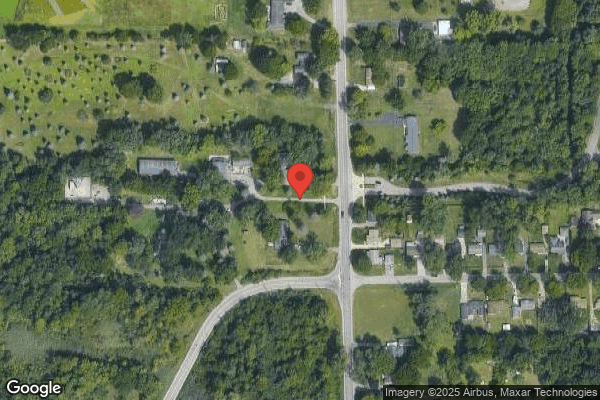
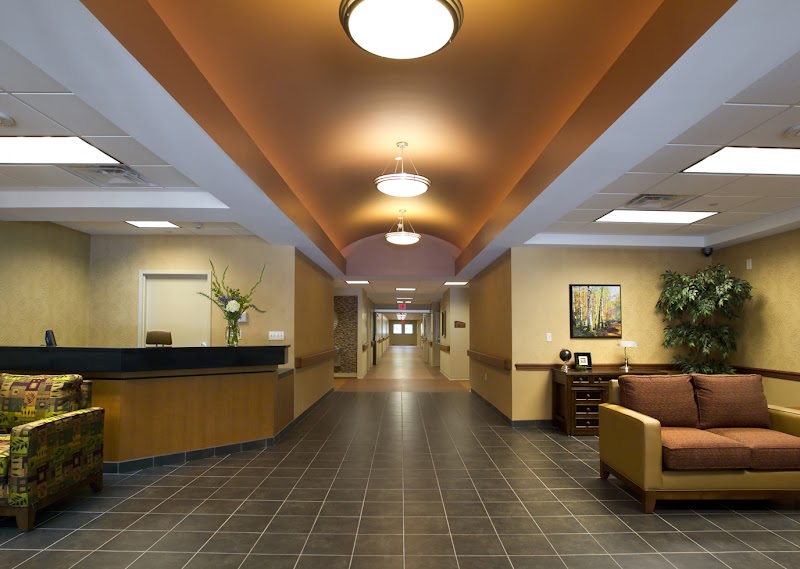
10909 Hannan Road, Romulus, MI 48174 (734) 893-1094
For profit - Corporation 4 Beds Independent Data: November 2025
Trust Grade
80/100
#173 of 422 in MI
Last Inspection: August 2025

Inspected within the last 6 months. Data reflects current conditions.

Overview

Special Tree Neurocare Center in Romulus, Michigan, has a Trust Grade of B+, indicating it is above average and recommended for families considering care options. It ranks #173 out of 422 facilities in the state, placing it in the top half, and #23 out of 63 in Wayne County, meaning there are only a few local options that perform better. The facility is newly inspected, so there is no trend data available, but it currently shows good staffing stability with a 0% turnover rate, which is well below the Michigan average of 44%. Importantly, it has not incurred any fines, which reflects positively on its compliance. However, there are some concerns. The facility has two identified issues related to food safety practices, including improper storage of kitchen items and inadequate temperature monitoring for hot water, which could lead to potential health risks for residents. While the overall quality of care is rated good, the facility has room for improvement, especially regarding its kitchen management and cleanliness practices.
Trust Score
B+
80/100
In Michigan
#173/422
Top 40%
Safety Record
Low Risk
No red flags
Inspections
Too New
0 → 2 violations
Staff Stability
○ Average
Turnover data not reported for this facility.
Penalties
✓ Good
No fines on record. Clean compliance history, better than most Michigan facilities.
Skilled Nurses
○ Average
RN staffing data not reported for this facility.
Violations
✓ Good
Only 2 deficiencies on record. Cleaner than most facilities. Minor issues only.
★★★★☆
4.0
Overall Rating
☆☆☆☆☆
0.0
Staff Levels
☆☆☆☆☆
0.0
Care Quality
★★★★☆
4.0
Inspection Score
Stable
: 0 issues
2025: 2 issues

The Good

  • Full Sprinkler Coverage · Fire safety systems throughout facility
  • No fines on record

Facility shows strength in fire safety.

The Bad

No Significant Concerns Identified

This facility shows no red flags. Among Michigan's 100 nursing homes, only 0% achieve this.

The Ugly 2 deficiencies on record

Aug 2025 2 deficiencies
CONCERN (F)

Potential for Harm - no one hurt, but risky conditions existed

Food Safety (Tag F0812)

Could have caused harm · This affected most or all residents

Based on observation, interview, and record review, the facility failed to: 1. Ensure cleaned mixing bowls and ladles were properly stored; 2. Properly clean surfaces in the kitchen; 3. Ensure food it...

Read full inspector narrative →
Based on observation, interview, and record review, the facility failed to: 1. Ensure cleaned mixing bowls and ladles were properly stored; 2. Properly clean surfaces in the kitchen; 3. Ensure food items past the use-by-date were not stored with active food stock; 4. Ensure food was properly stored in the freezer; and 5. Properly label food stored in a resident refrigerator. These deficient practices had the potential to affect all residents who consumed food from the kitchen, resulting in the increased potential for food-borne illness. Findings include: The initial tour of the kitchen on Tuesday, 8/5/25 at 9:10 AM was conducted with Hospitality Service Manager (HSM) A and Registered Dietitian (RD) F. The following was observed stored in the clean pot and pan area:1. Four metal mixing bowls, identified by HSM A as one large size bowl and three medium size bowls, were not inverted and not covered.2. Ten ladles of varying sizes were hanging from a rack, bowl side up.3. Three third-size pans were observed wet and nestled together. The top surface of the commercial oven appeared soiled. When HSM A wiped the top of the oven with a damp paper towel, she said, That's not good. It's dirty. The two stove drip trays were observed to be full of debris. Dietary Aide/Cook G said the stove drip trays are cleaned twice a week. The following was observed stored inside of the walk-in cooler:1. A four-quart size container 1/4 full of fruit cocktail labeled with a use by date of 8/4/25.2. RD F stated that the following items should have been used or discarded within five days of the date on the package: three pounds of grated parmesan cheese dated 7/27/25, eight slices of Swiss cheese dated 7/28/25, and seven slices of American cheese dated 7/30/25. Inside of the walk-in freezer, a plastic bag of hot dogs was observed unsealed and opened to the freezer air. On 8/5/2025 at 12:25 PM, an opened bag of sweet treats, not identified with a resident's name, was observed stored in the resident refrigerator in the North dining room pantry. RD F said this has to be discarded because it was not labeled with a resident's name. On 8/6/2025 at 3:04 PM, the Nursing Home Administrator (NHA) said staff have been trained on their jobs and protocols, and it is expected that they perform their job. On 8/7/25 at 8:50 AM during the exit conference, the NHA and Director of Nursing did not offer additional documentation or information when asked. A review of the facility document titled, Cleaning Check List and Tasks, undated but provided during the survey, revealed the following: On Monday the Day [NAME] was responsible to clean ovens, stovetop, backsplash and change foil in drip pans. A review of the facility document titled, Food Receiving and Storage, undated but provided during the survey, revealed in part the following for Refrigerated/Frozen Storage: - The use-by date is the last date that food can be consumed. Staff will monitor for foods that have reached their designated use-by date and discard them at the end of that date.- Food stored frozen should be stored no longer than 3 months for quality. Food will be sealed/wrapped tightly to prevent contamination and shelved to allow for adequate circulation. A review of the facility document titled, Manual Dish and Pot Washing, undated but provided during the survey, revealed that all dishes, pots and pans are to air dry before being stored. A review of the 2013 FDA Food Code documented the following:Section 4-903.11. Storing Equipment, Utensils, Linens, and Single-Service and Single-Use Articles: (B) Clean equipment and utensils shall be stored as specified under (A) of this section and shall be stored: (1) In a self-draining position that allows air drying; and (2) Covered or inverted.
CONCERN (F)

Potential for Harm - no one hurt, but risky conditions existed

Infection Control (Tag F0880)

Could have caused harm · This affected most or all residents

**NOTE- TERMS IN BRACKETS HAVE BEEN EDITED TO PROTECT CONFIDENTIALITY** This citation has two deficient practices. Deficient Practice #1. Based on interview and record review, the facility failed to e...

Read full inspector narrative →
**NOTE- TERMS IN BRACKETS HAVE BEEN EDITED TO PROTECT CONFIDENTIALITY** This citation has two deficient practices. Deficient Practice #1. Based on interview and record review, the facility failed to ensure adequate temperature monitoring and documentation of the facility's hot water tank and water storage tank, resulting in the potential for inadequate water temperatures to go undetected that could cause the growth and spread of waterborne pathogens. Findings: On 8/6/25 beginning at 12:38 PM, interviews and record reviews were conducted with the Maintenance Director and the Nursing Home Administrator (NHA) regarding the building’s water system. The NHA confirmed that water management was addressed within the Water Management Plan (WMP), rather than through a separate policy. The facility’s WMP was reviewed with the Maintenance Director and NHA and revealed in part the following: - A written record is required to document monitoring, compliance with control limits, performance of corrective actions, and WMP validation. Maintain water testing documentation to be retrievable for at least three years. Maintain the following minimum documentation for this WMP. Logs required for normal operation and system maintenance shall continue to be maintained: Temperature (heaters, return, distal outlets, mixing valve logs). The facility shall manage the water system to maintain operation within these limits. If a limit is exceeded a corrective action shall be implemented to control the growth or spread of Legionella in the water system. - Control Measure: Hot Water Generation Temperature Control Limit: >140ºF (Fahrenheit) Monitoring Method: Record the temperature at each hot water heater after a 60-second flush. Frequency: Weekly Responsible: Facilities - Control Measure: Hot Water Return Temperature Control Limit: >120ºF Monitoring Method: Check pumps for operation and document temperature from gauge. Frequency: Weekly Responsible: Facilities During the review of the WMP, the Maintenance Director identified the “hot water generation temperature” as the hot water tank, and the “hot water return temperature” as the storage tank that stores water after it has been mixed with cooler water. The Maintenance Director stated, “We have not been recording those temperatures.” The Maintenance Director said water temperatures should be obtained and documented to make sure the mixer does not fail to prevent scalding and to make sure our population does not get sick from Legionnaires Disease. The NHA stated, “We want to make sure the water temperatures are appropriate and comfortable for the residents. We monitor water temperatures to minimize the risk of Legionnaires Disease.” On 8/7/25 at 8:50 AM during the exit conference, the NHA and Director of Nursing did not offer additional documentation or information when asked. Deficient Practice #2 Based on observation, interview and record review, the facility failed to ensure one resident (R4) of one resident reviewed for Enhanced Barrier Precautions (EBP) was administered care in a manner to prevent transmission of microorganisms. This failure occurred when staff did not wear a gown as required for high contact resident care activities involving a resident with a peripherally inserted central catheter (PICC) line and an open wound. This deficient practice had the potential to place R4 and other residents at risk for the transmission of infectious agents Findings include: Findings include: On 8/5/25 at 2:15 PM, the State Agency (SA) observed Registered Nurse (RN) “H” administer intravenous (IV) antibiotics to R4. (RN) “H” did not wear a gown while providing care, despite R4 having a PICC line. On 8/6/25 at 9:26 AM, RN “J” observed by the SA to perform wound and hygiene care for R4. (RN) “J” did not wear a gown while providing care, despite R4 having an open wound. On 8/6/25 at 2:05 PM, RN “J” was observed to administer (IV) antibiotics to R4 without wearing a gown, despite the resident having a PICC line. On 8/6/25 at 9:55 AM, RN “J” was interviewed and said they believed they were only required to wear a gown if the resident had tested positive for a multidrug-resistant organisms (MDROs). On 8/6/25 at 10:03 AM, he Assistant Director of Nursing (ADON) was interviewed and acknowledged R4 had a PICC line and an open wound. ADON said R4 was not on EBP because R4 had not tested positive for an infectious disease. On 8/6/25 at 3:00 PM, the Director of Nursing (DON) and the Nursing Home Administrator (NHA) were interviewed. They both acknowledged R4 had a PICC line and an open wound. The DON said they did not believe R4 had to be on EBP because R4 had not tested positive for infectious disease and R4 was not colonized. The NHA was present and did not provide any additional information. Record review revealed R4 was admitted on [DATE] with diagnosis that included paraplegia, pressure ulcer sacral region stage IV, and osteomyelitis sacral. Review of Minimum Data Set (MDS) dated [DATE] indicated R4 Brief Interview for Mental Status was a 15 out of 15 cognitively intact. Review of document titled “Enhanced Barrier Precautions,” undated, documented the purpose is, “ .to reduce the risk of transmission of multidrug-resistant organisms (MDROs) . the use of gloves and gown for high contact resident care activities . High contact activities: Activities where healthcare personnel have contact with resident skin, medical devices, or bodily fluids . The document included the following procedures: dressings, providing hygiene care, wound care, device care including central lines.
Understanding Severity Codes (click to expand)
Life-Threatening (Immediate Jeopardy)
J - Isolated K - Pattern L - Widespread
Actual Harm
G - Isolated H - Pattern I - Widespread
Potential for Harm
D - Isolated E - Pattern F - Widespread
No Harm (Minor)
A - Isolated B - Pattern C - Widespread

Questions to Ask on Your Visit

  • "Can I speak with families of current residents?"
  • "What's your RN coverage like on weekends and overnight?"

Our Honest Assessment

Strengths
  • • Grade B+ (80/100). Above average facility, better than most options in Michigan.
  • • No major safety red flags. No abuse findings, life-threatening violations, or SFF status.
  • • No fines on record. Clean compliance history, better than most Michigan facilities.
  • • Only 2 deficiencies on record. Cleaner than most facilities. Minor issues only.
Concerns
  • • No significant concerns identified. This facility shows no red flags across CMS ratings, staff turnover, or federal penalties.
Bottom line: Generally positive indicators. Standard due diligence and a personal visit recommended.

About This Facility

What is Special Tree Neurocare Center's CMS Rating?

CMS assigns Special Tree Neurocare Center an overall rating of 4 out of 5 stars, which is considered above average nationally. Within Michigan, this rating places the facility higher than 99% of the state's 100 nursing homes. This rating reflects solid performance across the metrics CMS uses to evaluate nursing home quality.
How is Special Tree Neurocare Center Staffed?
Detailed staffing data for Special Tree Neurocare Center is not available in the current CMS dataset.

What Have Inspectors Found at Special Tree Neurocare Center?

State health inspectors documented 2 deficiencies at Special Tree Neurocare Center during 2025. These included: 2 with potential for harm.

Who Owns and Operates Special Tree Neurocare Center?

Special Tree Neurocare Center is owned by a for-profit company. For-profit facilities operate as businesses with obligations to shareholders or private owners. The facility operates independently rather than as part of a larger chain. With 4 certified beds and approximately 2 residents (about 50% occupancy), it is a smaller facility located in Romulus, Michigan.

How Does Special Tree Neurocare Center Compare to Other Michigan Nursing Homes?

Compared to the 100 nursing homes in Michigan, Special Tree Neurocare Center's overall rating (4 stars) is above the state average of 3.1 and health inspection rating (4 stars) is above the national benchmark.

What Should Families Ask When Visiting Special Tree Neurocare Center?

Based on this facility's data, families visiting should ask: "Can I visit during a mealtime to observe dining assistance and food quality?" "How do you handle medical emergencies, and what is your hospital transfer rate?" "Can I speak with family members of current residents about their experience?"

Is Special Tree Neurocare Center Safe?

Based on CMS inspection data, Special Tree Neurocare Center has a clean safety record: no substantiated abuse findings (meaning no confirmed cases of resident harm), no Immediate Jeopardy citations (the most serious violation level indicating risk of serious injury or death), and is not on the Special Focus Facility watch list (a federal program monitoring the lowest-performing 1% of nursing homes). The facility has a 4-star overall rating and ranks #1 of 100 nursing homes in Michigan. While no facility is perfect, families should still ask about staff-to-resident ratios and recent inspection results during their visit.

Do Nurses at Special Tree Neurocare Center Stick Around?

Special Tree Neurocare Center has not reported staff turnover data to CMS. Staff turnover matters because consistent caregivers learn residents' individual needs, medications, and preferences. When staff frequently change, this institutional knowledge is lost. Families should ask the facility directly about their staff retention rates and average employee tenure.

Was Special Tree Neurocare Center Ever Fined?

Special Tree Neurocare Center has no federal fines on record. CMS issues fines when nursing homes fail to meet care standards or don't correct problems found during inspections. The absence of fines suggests the facility has either maintained compliance or corrected any issues before penalties were assessed. This is a positive indicator, though families should still review recent inspection reports for the full picture.

Is Special Tree Neurocare Center on Any Federal Watch List?

Special Tree Neurocare Center is not on any federal watch list. The most significant is the Special Focus Facility (SFF) program, which identifies the bottom 1% of nursing homes nationally based on persistent, serious quality problems. Not being on this list means the facility has avoided the pattern of deficiencies that triggers enhanced federal oversight. This is a positive indicator, though families should still review the facility's inspection history directly.