Covenant Skilled Nursing and Rehabilitation at Wel
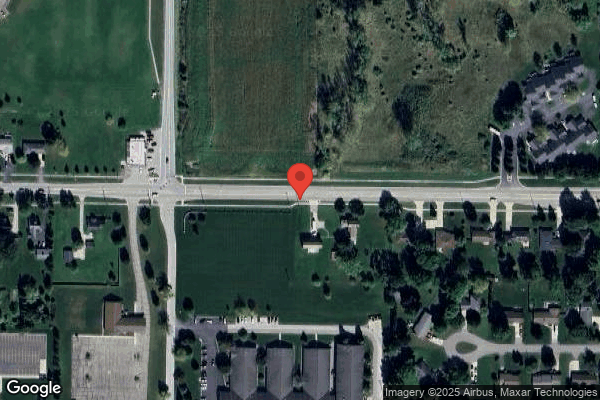
5939 Shattuck Road, Saginaw, MI 48603 (989) 583-8110
For profit - Partnership 39 Beds Independent Data: November 2025
Trust Grade
73/100
#109 of 422 in MI
Last Inspection: February 2025

Within standard 12-15 month inspection cycle. Federal law requires annual inspections.

Overview

Covenant Skilled Nursing and Rehabilitation at Wel has a Trust Grade of B, indicating that it is a good choice for families seeking care, though there are areas for improvement. It ranks #109 out of 422 facilities in Michigan, placing it in the top half, and is the top facility out of 11 in Saginaw County. The facility's trend is stable, as they have maintained the same number of issues over the past two years, with 15 concerns identified, none of which were life-threatening. Staffing is a strength, with a rating of 4 out of 5 stars, although turnover is at 50%, which is average for the state. However, there are concerning incidents, such as unsanitary conditions in the kitchen and laundry areas, and a lack of personal protective equipment, which could pose risks to residents' health and safety.
Trust Score
B
73/100
In Michigan
#109/422
Top 25%
Safety Record
Low Risk
No red flags
Inspections
Holding Steady
5 → 5 violations
Staff Stability
⚠ Watch
50% turnover. Above average. Higher turnover means staff may not know residents' routines.
Penalties
⚠ Watch
$9,750 in fines. Higher than 76% of Michigan facilities, suggesting repeated compliance issues.
Skilled Nurses
✓ Good
Each resident gets 69 minutes of Registered Nurse (RN) attention daily — more than 97% of Michigan nursing homes. RNs are the most trained staff who catch health problems before they become serious.
Violations
⚠ Watch
15 deficiencies on record. Higher than average. Multiple issues found across inspections.
★★★★☆
4.0
Overall Rating
★★★★☆
4.0
Staff Levels
★★★☆☆
3.0
Care Quality
★★★★☆
4.0
Inspection Score
Stable
2024: 5 issues
2025: 5 issues

The Good

  • 4-Star Staffing Rating · Above-average nurse staffing levels
  • Full Sprinkler Coverage · Fire safety systems throughout facility
  • No fines on record

Facility shows strength in staffing levels, fire safety.

The Bad

Staff Turnover: 50%

Near Michigan avg (46%)

Higher turnover may affect care consistency

Federal Fines: $9,750

Below median ($33,413)

Minor penalties assessed

The Ugly 15 deficiencies on record

Apr 2025 1 deficiency
CONCERN (D) 📢 Someone Reported This

A family member, employee, or ombudsman was alarmed enough to file a formal complaint

Potential for Harm - no one hurt, but risky conditions existed

ADL Care (Tag F0677)

Could have caused harm · This affected 1 resident

**NOTE- TERMS IN BRACKETS HAVE BEEN EDITED TO PROTECT CONFIDENTIALITY** This Citation pertains to Intake Number MI00151167. Based on interview and record review, the facility failed to provide showers...

Read full inspector narrative →
**NOTE- TERMS IN BRACKETS HAVE BEEN EDITED TO PROTECT CONFIDENTIALITY** This Citation pertains to Intake Number MI00151167. Based on interview and record review, the facility failed to provide showers as scheduled for two residents (#701 and #703) of four residents reviewed for Activities of Daily Living (ADL), resulting in complaints of showers not being provided consistently. Findings include: Resident #701: On 4/2/2025 at 10:20 AM, Complainant E shared Resident #701 was not being showered at the facility and at one point she was in the same clothing for five days. When the concern was addressed with the nurse, they agreed the resident had been in the same clothing and agreed to change them. The next day the Resident reported all they (the facility) did was wipe her butt and change her clothes. Complainant E this upset the resident as she would have liked to be showered according the facility schedule. On 4/2/2025 at approximately 10:45 AM, a review was conducted of Resident #701's medical records and it revealed she admitted to the facility on [DATE] with diagnoses that included, Influenza A Virus with Pneumonia, Pleural Effusion, Dysphagia, Heart Disease and Hypertension. Further review of the records yielded the following: Care Plan: .I require 2PA (person assist) with bathing . On 4/2/2025 at 11:30 AM, review was completed of Resident #701's shower documentation from February and March 2025 with the Administrator. The documentation indicated the resident was last showered on 2/19/2025 and not showered again until 15 days later. Resident #701 was scheduled for showers on Monday and Wednesday yet many of the days were marked as NA (not applicable). The administrator expressed understanding of the concern. Resident #703: On 4/2/2025 at 10:40 AM, Resident #703 was observed in her room preparing for the day. When asked about her bathing schedule at the facility she stated she was uncertain as to the days but receives a sponge bath as she has a PICC (Peripherally Inserted Central Catheter) line. On 4/2/2025 at approximately 10:50 AM, a review was conducted of Resident #703's medical records and it revealed she readmitted to the facility on [DATE] with diagnoses that included, Acute Embolism and Thrombosis, Sepsis, Atrial Fibrillation, Sterum Fracture and Pulmonary Hypertension. Further review yielded the following: [NAME]: .I am able to: bathe with substantial assist x 1 person . On 4/2/2025 at 11:40 AM, a review of Resident #703's shower documentation was completed with the Administrator. It was found Resident #703 only had two showers at the facility since her admission on [DATE]. She was showered on 3/24/25 (Monday) and 3/27/25 (Thursday) with shower days being scheduled on Mondays and Thursdays. On 4/3/2025 at 11:00 AM, review of the infrequent shower documentation was reviewed with the DON (Director of Nursing). It was unclear why facility staff utilized NA when there were other appropriate answers. The DON expressed understanding of the concern.
Feb 2025 4 deficiencies
CONCERN (D)

Potential for Harm - no one hurt, but risky conditions existed

Quality of Care (Tag F0684)

Could have caused harm · This affected 1 resident

**NOTE- TERMS IN BRACKETS HAVE BEEN EDITED TO PROTECT CONFIDENTIALITY** Based observation, interview and record review, the facility failed to 1) Ensure 1 resident (Resident #93) had the ordered Cervi...

Read full inspector narrative →
**NOTE- TERMS IN BRACKETS HAVE BEEN EDITED TO PROTECT CONFIDENTIALITY** Based observation, interview and record review, the facility failed to 1) Ensure 1 resident (Resident #93) had the ordered Cervical collar (C-collar) on while up in wheelchair, 2) Ensure 1 resident (Resident #138) had accurate admission documentation, and 3) Ensure 1 resident's (Resident #137) wound care was done per physician's orders, resulting in the potential for increased cervical damage, decreased wound healing, and incomplete admission assessment. Findings Include: Resident #93: Review of the Face Sheet, physician orders, progress notes and nursing notes dated 1/28/25 through 2/13/25, care plans dated 2/12/25 and Kardex (dated 2/13/25), revealed Resident #93 was 75 years-old, alert with confusion and communication deficit, admitted for rehab on 1/28/25, and was dependent of staff for assist with Activities of Daily Living (ADL). The resident's diagnosis included, Acute kidney failure, dehydration, history of stroke, diabetes, chronic kidney disease, heart failure, cognitive communication deficit, muscle weakness, and spinal stenosis, cervical region (neck area). During medication pass done on 2/13/25 at 1:00 p.m., it was observed the resident's C-collar (due to cervical stenosis and not having surgery-collar prescribed) was sitting on her room dresser next to the door. At this time the resident was sitting in her wheelchair. During an interview done on 2/13/25 at 1:00 p.m., Nurse, LPN I stated yes, she is supposed to have it (the C-collar) on when sitting up. Review of the physician order dated 2/6/25, stated Aspen collar (type of C-collar) to be worn while sitting up and walking. Review of the facility ADL care plan dated 2/12/25, stated aspen collar on for all transfers (while in the up-right position). Resident #93 attended Resident Council on 2/13/2025 at 11:30 AM, the resident was observed to not have on her C-collar for the duration of the hour long meeting. Resident #93 was hunched over in the wheelchair, with her head angled down and chin almost touching the top of her chest. Review of the facility Kardex dated 2/13/25, revealed the resident was to wear the C-collar during transfers and toileting (while in the up-right position). Review of the facility Physical Therapy Evaluation for Resident #93 dated 1/29/25, stated Aspen collar when up. Resident #137: On 2/12/2025 at 10:09 AM, Resident #137 was observed resting in bed, she shared she was recently admitted but resided at home with her husband prior too. When asked if she had any wounds on her body, she stated on her toe and pulled up the blanket. Resident #137 had a wound dressing on her right great toe that was dated 2/10 with initials LS. The resident was not certain if the dressing had been changed since her admission to the facility. On 2/12/2025 at approximately 1:00 PM, a review was completed of Resident #137's medical records and it indicated she admitted to the facility on [DATE] with diagnoses that included, Pulmonary Embolism, Chronic Kidney Disease, Syncope and Collapse, Dementia and Hypertension. Further review yielded the following: Physician Orders: Wound to R (right) toe, change daily and prn (as needed). Cleanse well with NS (normal saline), pat dry, apply xeroform gauze to wound bed, cover with 2 x 2 gauze and wrap with kerlix. Ordered on 2/10/2025 to begin on 2/11/2025. admission Assessment- 2/10/2025 Skin- .right great toe, shearing to skin on top of great toe. February 2025 TAR (Treatment Administration Record): TAR was marked off by Nurse K as completed on 2/11/2025. The nurses' initials do not match what was written on Resident #137's wound dressing. On 2/13/2025 at 2:20 PM, Wound Nurse J stated Resident #137 admitted on [DATE] and she completed her initial skin assessment yesterday (as upon admission she will completed a secondary comprehensive skin assessment). When asked if she recalled the date and initials on the wound dressing prior to the assessment, she reported she could not recall. Wound Nurse J was asked if the facility would expect dressing changes to be completed per the order and she stated yes that is the expectation. Nurse J was asked if there were any nurses with the initials observed on 2/10/2025 and she reported she was not sure. Nurse J was informed of the observations made on 2/10/2025, she stated the facility would investigate it. On 2/13/2025 at 3:55 PM, Nurse K was queried regarding Resident #137's dressing change that was documented as completed on 2/11/2025 on the TAR. Nurse K explained on 2/11 she entered the resident's room to complete the dressing change and had her sign admission paperwork as she was refusing for other staff members. Resident #137 signed the admission consents, but she refused the dressing change to her toe. Nurse K stated she forgot to go back and strike it out in the TAR. Resident #138: During initial tour on 2/12/2025, Resident #138 was observed resting in bed, he shared he was just readmitted to the facility and slept amazing. Observed his right upper arm which had an IV in place, Resident #138 was uncertain what it was used for in the hospital and if they will utilize it at the facility. Review was conducted of his admission skin assessment and admission progress note and the IV was not noted. On 2/12/2025 at 3:23 PM, Wound Nurse J and MDS (Minimum Data Set) Nurse L shared they completed a skin assessment on Resident #138 and in his right arm upper arm was a peripheral IV. Upon removing the IV they found it was not inserted into his body and the internal catheter was folded into the dressing. They were asked if this should have been listed on his admission assessment and they stated it should have. On 2/13/2025 a review was conducted of Resident #138's clinical record, and it indicated he admitted to the facility on [DATE] with diagnoses that included, Dehydration, Adult Failure to Thrive, Guillain- Barre Syndrome and Dysphagia. Further review yielded the following: Progress Notes: 2/11/2025 at 20:39: Resident admitted from Covenant for weakness, failure to thrive. Resident has 18 french Foley with 30cc (cubic centimeters) of H20 (water), for retention following with urology. Resident alert x 4, active bowel sounds in all 4 quadrants . 2/12/2025 at 13:56: right upper arm peripheral IV dressing removed, internal catheter notes on dressing, puncture site healed. Review was completed of the facility policy entitled, Skin Management Facility Guidelines, reviewed January 2022. The policy stated, Conduct baseline head to toe skin assessment on each resident upon admission, readmission .complete follow ups on all areas of identified skin impairments .
CONCERN (D)

Potential for Harm - no one hurt, but risky conditions existed

Deficiency F0761 (Tag F0761)

Could have caused harm · This affected 1 resident

**NOTE- TERMS IN BRACKETS HAVE BEEN EDITED TO PROTECT CONFIDENTIALITY** Based on observation, interview and record review, the facility failed to ensure 2 of 4 medication carts were clean and sanitize...

Read full inspector narrative →
**NOTE- TERMS IN BRACKETS HAVE BEEN EDITED TO PROTECT CONFIDENTIALITY** Based on observation, interview and record review, the facility failed to ensure 2 of 4 medication carts were clean and sanitized for a census of 34 residents who receive medications, resulting in the potential for cross contamination. Findings Include: [NAME] Hall Medication Cart: During observation done on 2/12/25 at 11:27 a.m. on [NAME] Hall, the fourth medication drawer down was noted to have an excessive amount of dried on liquid medications on the bottom of the drawer. The Pro-State bottle had dried on drips on the sides and it had leaked onto the bottom of the drawer; no staff member had cleaned it up. Also, crushed meds-like substances and small pieces of paper were found in the corners of the fourth drawer along with the Milk of Magnesia bottle that had dried on medication drippings on the sides. During an interview done on 2/12/25 at 12:00 p.m., Nurse, LPN G stated I don't know who is supposed to clean the cart (medication cart). During an interview done on 2/13/25 at approximately 9:00 a.m., the Director of Nursing said she did not think the facility had a medication cart cleaning policy. Review of the facility Cleaning Medication Storage Areas policy dated January 2010, revealed how to clean the refrigerators, medication rooms and floors, and how to clean the top of medication and treatment carts only. No documentation of who was to clean the inside of medication carts was found. [NAME] Hall Medication Cart: During observation done on 2/12/25 at 12:00 p.m., on [NAME] Hall, the fourth medication drawer down was noted to have black colored dust, small pieces of papers and crushed-like meds on the bottom of it. During an interview done on 2/12/25 at 12:00 p.m., Nurse, LPN H stated We clean it (the medication cart) on our own.
CONCERN (E)

Potential for Harm - no one hurt, but risky conditions existed

Medication Errors (Tag F0758)

Could have caused harm · This affected multiple residents

**NOTE- TERMS IN BRACKETS HAVE BEEN EDITED TO PROTECT CONFIDENTIALITY** Based on interview and record review the facility failed to effectively monitor four (#6, 91, 137 & 138) residents of 7 resident...

Read full inspector narrative →
**NOTE- TERMS IN BRACKETS HAVE BEEN EDITED TO PROTECT CONFIDENTIALITY** Based on interview and record review the facility failed to effectively monitor four (#6, 91, 137 & 138) residents of 7 residents reviewed for unnecessary medications, resulting in improper indications for usage and duplicate therapy without rationale. Findings Include: Resident #6: On 2/14/2025 at 10:05 AM, a review was conducted of Resident #6's clinical record and it indicated she admitted to the facility on [DATE] with diagnosis that included, Pneumonia, Heart Disease, Depression and Anxiety. Further review yielded the following: Physician Orders: Buspirone HCl Oral Tablet 10 MG- given 1 tablet by mouth two times a day related to anxiety disorder. Ordered on 1/22/2025. Duloxetine HCI oral capsule delayed release sprinkle 60 MG- give 1 capsule by mouth one time a day related to anxiety disorder. Ordered on 1/25/2025. According to the U.S. Food and Drug Administration, Cymbalta (Duloxetine) is indicated for use for the treatment of major depressive disorder (MDD). It is unknown why Resident #6 does not have the appropriate indication of usage documented for their administration of Cymbalta. Resident #91: On 2/14/2025 at approximately 10:00 AM, a review was conducted of Resident #91's clinical record and it indicated he admitted to the facility on [DATE] with diagnoses that included, Cellulitis, Diabetes, Atrial Fibrillation, Chronic Kidney Disease and Depression. Further review yielded the following: Physician Orders: Nortriptyline HCl Oral Capsule 50 MG Give 1 capsule by mouth at bedtime related to DEPRESSION, UNSPECIFIED Cymbalta Oral Capsule Delayed Release Particles 60 MG (Duloxetine HCl) Give 1 capsule by mouth one time a day related to DEPRESSION. Resident #91 is being administered dual medication therapy for his diagnosis of depression, there was no documentation located from the physician regarding the rational for duplicate therapy. Resident #137: On 2/12/2025 at approximately 1:00 PM, a review was completed of Resident #137's medical records and it indicated she admitted to the facility on [DATE] with diagnoses that included, Pulmonary Embolism, Chronic Kidney Disease, Syncope and Collapse, Dementia and Hypertension. Further review yielded the following: Physician Orders: Quetiapine Fumarate Oral Tablet 25 MG - give one tablet by mouth at bedtime for Alzheimer's. It can be noted Resident #137 does not have a diagnosis of Alzheimer's and it was not clear in her clinical record the necessity for the antipsychotic medication. Resident #138: On 2/13/2025 a review was conducted of Resident #138's clinical record, and it indicated he admitted to the facility on [DATE] with diagnoses that included, Dehydration, Adult Failure to Thrive, Guillain- Barre Syndrome, Depression and Dysphagia. Further review yielded the following: Physician Orders: Duloxetine HCL (hydrochloride) Oral capsule delayed release sprinkle 30 MG (milligram)- Give 1 capsule at bedtime for mental health. Give with 60 mg duloxetine to equal 90 mg. Ordered on 2/11/2025. Duloxetine HCL (hydrochloride) Oral capsule delayed release sprinkle 60 MG-Give 1 capsule at bedtime for mental health. Give with 30 mg duloxetine to equal 90 mg at bedtime. Ordered on 2/11/2025. Progress Notes: 2/11/2025 at 22:28: Duloxetine HCl Oral Capsule Delayed Release Sprinkle 30 MG Give 1 capsule by mouth at bedtime for Mental health Give with 60 mg duloxetine to equal 90 mg. Resident #138 has the appropriate diagnosis to be administered his depression medication but the indication listed was mental health, it is unknown how or why this occurred. On 2/13/2025, Social Worker F was queried regarding the residents psychotropic medications and varying concerns. Resident #6: Social Worker J stated the Cymbalta is treating the resident's diagnosis of depression and she was unsure as to why it was indicated for antianxiety. Resident #91: Social Worker J reported she had not been monitoring duplicate therapy for facility residents and stated she did not have the rationale within the charting regarding why both were needed. Resident #137: Social Worker J reviewed the diagnosis list and stated the resident does not have a diagnosis of Alzheimer's and did not have an answer as to why that was listed as the indication. Resident #138: Social Worker J explained he is utilizing Duloxetine for his diagnosis of depression and mental health should not have been utilized as an indication for usage. She further stated she does not monitor the indications for usage for residents' psychotropic medication usage. Review was completed of the facility policy entitled, Psychotropic Medication Assessment and Monitoring, revised April 2019. The policy stated, .Psychotropic medications are only prescribed when necessary to treat a specific diagnoses and documented condition .
CONCERN (E)

Potential for Harm - no one hurt, but risky conditions existed

Food Safety (Tag F0812)

Could have caused harm · This affected multiple residents

Based on observation, interview and record review, the facility failed to 1) Maintain food preparation and kitchen equipment in a sanitary and good working condition, and 2) Ensure all open and partly...

Read full inspector narrative →
Based on observation, interview and record review, the facility failed to 1) Maintain food preparation and kitchen equipment in a sanitary and good working condition, and 2) Ensure all open and partly used foods were dated, resulting in an increased likelihood for food borne illness with hospitalization, and cross contamination affecting 34 residents who consumed oral nutrition from the facility kitchen of a total census of 34 residents. Findings Include: Review of the Public Health Service 2009 Food Code, adopted by the Michigan Food Law, effective October 1, 2012, Chapter 4-501.14 directs that equipment cleaning frequency is to be throughout the day at frequency necessary to prevent recontamination of equipment. On 2/12/25 at 10:00 a.m., during the initial tour of the main kitchen accompanied by small kitchen Dietary Manager B. Observation of the small facility kitchen was done on 2/12/25 at 10:00 a.m. with Dietary Manager B. -At 10:05 a.m., the large can opener blade was observed to have dried on food on it. -At 10:10 a.m., the dishwasher was opened by staff and it had a crusting of food on both sides and top on the inside. The staff was said the dishwasher was used daily. Observation of the main facility kitchen was done on 2/12/25 at 10:15 a.m., with Dietary Manager C. -At 10:15 a.m., Refrigerator #1 (Dairy) was observed to have dried on milk and food particles on the inside of the bottom and sides by the door. -At 10:16 a.m., the small ice machine was observed to have a light orange colored build-up near the water line; no top on it and next to the ice reservoir. -At 10:18 a.m., the microwave was observed to have dried food inside on the top, sides and glass plate. Also, when the microwave was moved, there was an excessive amount of food particles, dust and crumbs. -At 10:20 a.m., the juice machine was observed to have a build-up of dried juice between spigots'. -At 10:22 a.m., two open and partly used breads were found without any dates written or date stickers found. -At 10:23 a.m., the stove, fryer and the kitchen floor between them was observed an excessive amount of dried on foods, grease and dried liquid spills. The right grease container was black in color and unable to see through it. During an interview done on 2/12/25 at 10:23 a.m., Dietary Manager C stated We are going to change the oil today. -At 10:25 a.m., an observation of a light gray colored trash bin filled to top with trash, a broken off top was noted to be sitting right next to a stack of clean and ready for use white plates. -At 10:30 a.m., the grill that was turned on with a pan cooking food was observed to be coated with dried foods and dried fluid spills; also, the bottom shelf was partly broken off. -At 10:30 a.m., the large can opener was observed to have dried on food and paint chipping off of the blade. -At 10:33 a.m., the large clean and ready for use floor mixer was observed to have dried on food particles at the attachment area, directly over the bowel. -At 10:35 a.m., the Kitchen Aid counter mixer was clean and ready for use was observed to have dried on food and frosting-like substance on the attachment area, directly over the bowel. Review of the facility kitchen duty list dated 2/11/25, revealed all the kitchen duties/job's had been done. -The kitchen policy stated At the beginning of each week print and hang all cleaning checklists at the centralized command center of the kitchen. -15 minutes prior to the end of each shift review the cleaning checklist with each associate to ensure all tasks are completed in a satisfactory manner. At the end of each week collect all the completed sheets. Staple the weeks completed checklists together and file by week.
Sept 2024 1 deficiency
CONCERN (D) 📢 Someone Reported This

A family member, employee, or ombudsman was alarmed enough to file a formal complaint

Potential for Harm - no one hurt, but risky conditions existed

Pressure Ulcer Prevention (Tag F0686)

Could have caused harm · This affected 1 resident

**NOTE- TERMS IN BRACKETS HAVE BEEN EDITED TO PROTECT CONFIDENTIALITY** This Citation pertains to Intake Number MI00144619. Based on observation, interview and record review the facility failed to pre...

Read full inspector narrative →
**NOTE- TERMS IN BRACKETS HAVE BEEN EDITED TO PROTECT CONFIDENTIALITY** This Citation pertains to Intake Number MI00144619. Based on observation, interview and record review the facility failed to prevent the development and/or worsening of pressure injuries and complete accurate documentation and timely implementation of wound care treatments for two residents (Resident #201 and Resident #205) of two residents reviewed for wounds, resulting in Resident #201's Stage II pressure ulcers worsening, untimely initiation of treatment orders and inconsistent wound assessment documentation and the development of an avoidable Stage II pressure sore behind Resident #205's ear. Findings Include: Resident #201: On 9/17/2024 at approximately 1:00 PM, a review was conducted of Resident #201's medical records and it revealed the resident was admitted to the facility on [DATE] with diagnoses that included, Right Femur Fracture, Atrial Fibrillation, Kidney Disease, Heart Failure, Reduced Mobility, Stage II Pressure Ulcer of Sacral Region. Resident #201 required staff assistance for her Activities of Daily Living and was able to make her needs known. On 9/16/2024 at 1:30 PM, an interview was conducted with Family Member L regarding Resident #201's wound progression during her time at the facility. It was reported the resident needed to be repositioned multiple times a day but that was not occurring. They continued the facility was not appropriately managing the wound and while Resident #201 was admitted with a pressure sore it worsened during her stay at the facility, as the wound did not receive the appropriate treatment. Family Member L stated while they do recall Resident #201 being evaluated by the physician, they do not recall them assessing the wound. They further stated upon discharge the resident had to be readmitted to the hospital due to the wound. Review was completed of Resident #201's medical records, and it revealed the resident was admitted with two wounds and an area of discoloration to her coccyx area. It was found the documentation of the location of the wounds and specific treatments were not consistent within the progress notes, wound notes and Treatment Administration Record TAR). It was difficult to ascertain which wounds were actively assessed and treated. Progress Notes: 2/2/2024 at 12:01: Wound care following resident for stage II pressure injuries to left upper buttock . 2/5/2024 at 11:15: Wound care following resident for stage II pressure injuries to right upper buttock and coccyx . 2/8/2024 at 10:54: Resident has areas of pressure to coccyx and rt buttock . 2/12/2024 at 11:37: Wound care following resident for stage II pressure injuries to left upper buttock. Wound not progressing. Previous wound to coccyx has resolved . 2/26/20241 at 10:33: Wound care following for stage II pressure injuries to left upper buttock. Wound not progressing < wound bed to upper left buttock slough. Wound to lower left buttock no change . 3/4/2024 at 08:57: Wound care following resident for unstageable pressure injury to left upper buttock. Wound is not progressing., wound bed to upper left buttock slough. Wound to lower left buttock no changes . Practitioner Progress Notes: 2/2/2024 at 9:04 AM: . Unable to visualize coccyx wound . 2/5/2024 at 10:21 AM: .Unable to visualize coccyx wound . 2/16/2024 at 9:32 AM: .Unable to visualize coccyx wound . Skin Assessments: 2/1/2024 (admission): .Sacrum: Stage 2.3 x 0.5-inch purple/red open area with noted sheering proximal to wound; Left buttock: 15 x 11 discoloration (purple) to left buttock); Left buttock: 6 x 7 inch 2 open area . 2/2/2024: .Coccyx: open area treatment in place; Right buttock: shearing, treatment applied . During Resident #201's time at the facility the practitioners assigned to her team never physically assessed her wounds. On 9/16/2024 at 3:45 PM, an interview was held with Wound Nurse B regarding the progression and resolution of Resident #201's wounds. Nurse B reviewed the resident's record and stated the resident was admitted with a Stage II Sacrum wound, a Stage II Left buttock wound and left buttock discoloration. As the wound nurse perused the chart, she was able to ascertain Resident #201's coccyx wound healed on 2/12/2024 (although there were treatment orders after this date for coccyx wound treatment). As we attempted to follow the other wounds throughout the wound notes and subsequent treatment orders, we were unable to do so, due to the significant inaccuracies. It was found there was no treatment order for Resident #201's left buttock wound until 2/27/2024 (twenty-six days after admission) The following treatment orders were reviewed per wound in Resident #201's March 2024 TAR. Stage II Pressure Ulcer to Sacrum: Cleanse open area to sacrum with Normal Saline and cover with comfort foam dressing q-3 (every 3 days) days and PRN ((as needed). Initiated on 2/2/2024 and discontinued on 2/3/2024. Resident #201 received this treatment twice. Cleanse open area to sacrum with normal saline and cover with comfort foam dressing q-3 and PRN. Order initiated on 2/4/2024 and discontinued on 2/12/2024. Resident #201 received this treatment twice. Cleanse coccyx with wound cleanser, pat dry, apply Medihoney to wound and cover with comfort foam dressing. Change daily and PRN. Order initiated on 2/14/2024 and discontinued on 2/20/2024. Resident #201 received this treatment six times although the wound assessment notes stated this wound resolved on 2/12/2024. Cleanse coccyx with wound cleanser, pat dry, apply Medihoney to wound and cover with comfort foam dressing. Change every 3 days and PRN. Order initiated on 2/21/2024 and discontinued on 2/26/2024. Resident #201 received this treatment one time, although the wound assessment notes stated this wound resolved on 2/12/2024. Cleanse coccyx with wound cleanser, pat dry, apply Medihoney to wound and cover with comfort foam dressing. Change every 3 days and PRN. Every 24 hours as needed when missing or soiled. Order initiated on 2/20/2024 and discontinued on 2/26/2024. Resident #201 received this treatment one time although the wound assessment notes stated this wound resolved on 2/12/2024. Left Buttock: Cleanse open area to left buttock with wound cleanser, pat dry, apply Medihoney to wound and cover with comfort foam dressing. Change every 3 days and PRN. Order initiated on 2/27/2024 and discontinued on 3/11/2024. Resident #201 received this treatment once. Right Buttock: Cleanse wound on right buttocks with NS (normal saline), pat dry and cover with comfort foam dressing. Change q3 days and PRN. Order initiated on 2/9/2024 and discontinued on 2/12/2024. Resident #201 received this treatment once. Based on the TAR, Resident #201 was not receiving the appropriate wound treatments to manage her wounds as wound treatments indicated on the TAR did not align with the wound documentation. Pressure Ulcer Healing Assessment: 2/5/2024: Stage 2 Pressure injury to right upper buttocks;Right Buttock: 5.2 x 3.5 x 0.1 ; Stage II Coccyx: Pressure; 0.5 x 0.3 x 0.2; Stage II 2/12/2024: 1. Left Buttock: 6.1 x 3.6 x 0.1; Stage II 2. Left Buttock (b): 2.7 x 3.7 x UTD (slough wound bed) Stage II pressure injury to coccyx: 0 x 0 x 0 - pressure injury healed (it can be noted it was labeled anatomically as left buttock but the header identified location as coccyx. 2/20/2024: 1. Left Buttock: 0.8 x 1.0 x 0.1; Stage II 2. Left Buttock: 1.0 x 0.6 x 0.1; Stage II 2/26/2024: 1. Left Buttock: 1.8 x 1.3 x 0.1; Stage II 2. Left Buttock: 3.9 x 2.5 x UTD: Stage- Unstageable 3/6/2024: Left Buttock: 2.2 x 1.3: Unstageable From the wound documentation it would appear Resident #201 admitted with one left buttock wound and a second left buttock wound developed during her stay at the facility. The location of the wounds was not specific and were labeled anatomically and descriptively the same. The documentation varied so much that the facility itself was unable to explain the progression of the wounds, the certainty of documented resolved wounds, the accuracy of wound treatment orders and wound assessments. Resident #205: On 9/17/2024 at approximately 2:45 PM, a review was completed of Resident #205's medical records and it revealed the resident was admitted to the facility on [DATE] with diagnoses that included COVID-19, Acute Respiratory Failure with Hypoxia, Congestive Heart Failure and Diabetes. Resident #205 was cognitively intact and able to make her needs known. The admission skin assessment denoted the following areas: Cellulitis on right lower font and left lower front leg, excoriation underneath bilateral breasts and abdominal fold was reddened. Further review yielded the following: Progress Notes: 8/20/2024 at 20:50: Patient admitted .for a fall and bilateral lower extremity cellulitis. Patient refused to let me remove her ace wraps tonight. Excoriation of bilateral breast and abdomen noted, Desenex powder applied. Patient is A&O x 4 (alert and oriented) and bed bound. Patient oriented to room, TV remote, call light, bed remote, and telephone .Placed on 2L (liters) of oxygen for low O2 (oxygen) level, was previously on oxygen at the hospital . 9/6/2024 at 12:51: Res (resident) with stage II pressure ulcer noted to top of right ear measuring 0.3 cm (centimeter) x 0.3 cm x 0.1 cm .Res is dependent on 02. Order placed to add foam ear protectors to 02 tubing .Pressure relieving interventions evaluated. Foam ear protectors added to 02 tubing . Pressure Ulcer Healing Assessment: 9/6/2024: Onset date: 9/6/2024; Site: Right ear; 0.3 cm x q3 x 0.1 cm; Stage: II . Skin Assessments: 9/10/2024: .Open areas behind right ear from oxygen tubing . On 9/17/2024 at 3:27 PM, an interview was conducted with Wound Nurse B regarding the development of Resident #205's pressure ulcer. Nurse B stated the wound developed from the O2 tubing rubbing against the back of her ear. The resident initially complained of pain in the area and upon assessment they found the wound and added foam ear protectors and a hydrocolloid dressing. Nurse B was asked if the ear protectors are readily available in the facility, and she stated they were. It can be noted Resident #205 did not have any preventive measures in place prior to the development of the Stage II pressure ulcer. On 9/17/2024 at approximately 4:25 PM, Resident #205 was observed watching television in their room. The resident was observed to not have the foam ear protectors affixed to the oxygen tubing and when asked where they were she pointed to the bedside table. Resident #205 stated they had been off for awhile, but denied being in any current discomfort. On 9/17/2024 at approximately 1:00 PM, an interview was conducted with the administrator regarding Resident #201 and #205 pressure injuries. The wound assessment, progress notes and TAR was reviewed for Resident #201, and it was evident there were discrepancies across the three. It was also pointed out the treatment for the left buttock not being implemented until 27 days after admission. It was explained Resident #205's pressure injury was avoidable given the foam ear protectors were accessible to facility staff upon their admission. The administrator expressed understanding of the stated concerns. Review was completed of the facility policy entitled, Skin Management, reviewed January 2022. The policy stated, .Residents admitted with skin impairments will have: Appropriate interventions implemented to promote healing; A physician order for treatment; treatment record initiated; Wound location and characteristics documented .The licensed nurse (wound care nurse) will monitor all pressure ulcers, and will document on the Treatment Record in PCC verifying the completion of the treatment as ordered by the physician .
Feb 2024 4 deficiencies
CONCERN (D)

Potential for Harm - no one hurt, but risky conditions existed

Deficiency F0578 (Tag F0578)

Could have caused harm · This affected 1 resident

**NOTE- TERMS IN BRACKETS HAVE BEEN EDITED TO PROTECT CONFIDENTIALITY** Based on observation, interview, and record review, the facility failed to ensure that accurate advance directive information wa...

Read full inspector narrative →
**NOTE- TERMS IN BRACKETS HAVE BEEN EDITED TO PROTECT CONFIDENTIALITY** Based on observation, interview, and record review, the facility failed to ensure that accurate advance directive information was in place for one resident [Resident #8 (R8)] of one resident reviewed for advance directives (legal documents that allow a person to identify decisions about end-of-life care ahead of time), resulting in the potential for a resident's preferences for medical care to not be followed by the facility, or other healthcare providers. Findings Include: Review of the MICHIGAN DO-NOT-RESUSCITATE PROCEDURE ACT, Act 193 of 1996 (Revised 3-25-14), revealed, An order executed under this section shall be on a form described in section 4. The order shall be dated and executed voluntarily and signed by each of the following persons: (a) The declarant, the declarant's patient advocate, or another person who, at the time of the signing, is in the presence of the declarant and acting pursuant to the directions of the declarant. (b) The declarant's attending physician. (c) Two witnesses [AGE] years of age or older, at least 1 of whom is not the declarant's spouse, parent, child, grandchild, sibling, or presumptive heir. (3) The names of all signatories shall be printed or typed below the corresponding signatures. A witness shall not sign an order unless the declarant or the declarant's patient advocate appears to the witness to be of sound mind and under no duress, fraud, or undue influence. Further review of this Act revealed, Sec. 4. A do-not-resuscitate order executed under section 3 or 3a shall include, but is not limited to, the following language, and shall be in substantially the following form: DO-NOT-RESUSCITATE ORDER This do-not-resuscitate order is issued by _______________________________________, attending physician for _________________________________________. (Type or print declarant's or ward's name) Use the appropriate consent section below: A. DECLARANT CONSENT I have discussed my health status with my physician named above. I request that in the event my heart and breathing should stop, no person shall attempt to resuscitate me. This order will remain in effect until it is revoked as provided by law. Being of sound mind, I voluntarily execute this order, and I understand its full import. _______________________________________ _______________ (Declarant's signature) (Date) _______________________________________ _______________ (Signature of person who signed for (Date) declarant, if applicable) _______________________________________ (Type or print full name) B. PATIENT ADVOCATE CONSENT I authorize that in the event the declarant's heart and breathing should stop, no person shall attempt to resuscitate the declarant. I understand the full import of this order and assume responsibility for its execution. This order will remain in effect until it is revoked as provided by law. _______________________________________ _______________ (Patient advocate's signature) (Date) _______________________________________ (Type or print patient advocate's name) C. GUARDIAN CONSENT I authorize that in the event the ward's heart and breathing should stop, no person shall attempt to resuscitate the ward. I understand the full import of this order and assume responsibility for its execution. This order will remain in effect until it is revoked as provided by law. _______________________________________ _______________ (Guardian's signature) (Date) _______________________________________ (Type or print guardian's name) _______________________________________ _______________ (Physician's signature) (Date) _______________________________________ (Type or print physician's full name) ATTESTATION OF WITNESSES The individual who has executed this order appears to be of sound mind, and under no duress, fraud, or undue influence. Upon executing this order, the declarant has (has not) received an identification bracelet. ______________________________ ______________________________ (Witness signature) (Date) (Witness signature) (Date) ______________________________ ______________________________ (Type or print witness's name) (Type or print witness's name) THIS FORM WAS PREPARED PURSUANT TO, AND IS IN COMPLIANCE WITH, THE MICHIGAN DO-NOT-RESUSCITATE PROCEDURE ACT. Resident #8(R8): Review of the Face Sheet and Minimum Data Set (MDS) dated [DATE], reflected R8 was a [AGE] year old female admitted to the facility on [DATE], with diagnoses that included recent fall with fracture right hip, atrial fibrillation, kidney failure, hypertension and anxiety. The MDS reflected R8 had a BIMS (assessment tool) score of 10 which indicated her ability to make daily decisions was moderately impaired. The Face Sheet reflected R8 was her own responsible person. Review of the Electronic Medical Record(EMR) on [DATE] at 1:19 PM, reflected R8 had a Do Not Resuscitate Physician order, dated [DATE]. Continued review of the EMR reflected a document titled, Advance Care Planning Form, signed by R8 on [DATE], reflected R8 did not want CPR(Cardiopulmonary Resuscitation). The form included one facility representative signature, dated [DATE] and a physician signature dated [DATE]. The form did not have include two witness signatures nor was the form compliant with the verbiage required per the Michigan Do Not Resuscitate Act. During an interview on [DATE] at 2:05 PM, Social Worker(SW) F reported oversees the facility DNR accuracy. SW F verified the facility form, Advance Care Planning Form was updated on 1/2024. SW F reported was unaware of need for two witness signatures required for DNR order. SW F verified R8 was own responsible person and the facility Advance Care Planning Form, was the only DNR document the facility used and had one witness signature. During an interview on [DATE] at 2:10 PM, Nursing Home Administration(NHA) A reported the facility used the Advance Care Planning Form as the DNR order. NHA A reported was involved with the recent form revision in [DATE] and was not aware of the required verbiage per the Michigan Do Not Resuscitate Act or the required need for two witnesses signatures. NHA A reported the facility currently had five residents with DNR wishes including R8. NHA A reported planned to develop and implement required DNR document for current residents and moving forward.
CONCERN (D)

Potential for Harm - no one hurt, but risky conditions existed

Deficiency F0761 (Tag F0761)

Could have caused harm · This affected 1 resident

Based on observation, interview, and record review the facility failed to ensure proper storage of medications for one resident (Resident #171), and 1 of 3 medication carts reviewed, resulting in the ...

Read full inspector narrative →
Based on observation, interview, and record review the facility failed to ensure proper storage of medications for one resident (Resident #171), and 1 of 3 medication carts reviewed, resulting in the increased likelihood for residents, visitors, and/or staff to access the medications. Findings include: During an observation and interview on 2/22/24 at 12:36 PM, the Superior pod medication cart was located just inside the open door of the charting room on Superior pod unlocked. No staff were observed on the unit. Continued to observe Medication cart unlocked at 12:47 PM with no Nurse observed on the unit. During continued observation, Licensed Practical Nurse (LPN) G returned to the Superior pod at 12:55 p.m. and reported had been off the unit on break. LPN G reported medication carts should remain locked at all times unless in use. LPN G verified the Superior medication cart was unlocked and should have been lock before leaving the unit for break. During an interview on 2/22/24 at 1:30 PM, Director of Nursing (DON) B reported would expect nurses to lock medication cart if not in use to make sure medications remain secured. Resident #171 (R171): In an observation and interview on 2/21/2024 at 10:30 AM, Resident #171 (R171) was observed in her room lying in bed, and upon approaching R171's bedside 18 medications were observed to be left at her bedside which included tablets and pill. Four were observed on the bedside table, 12 were observed on the over the bed table, and two were observed to be on the floor at the head of the bed. R171 stated that she did not know what the medications were, nor could she identify any of the pills or tablets. R171 said she went to take the medications and spilled the whole medication cup, and said she was not able to reach the two medications that were on the floor. R171 stated that the nurse always left her medications with her and would leave her room. Immediately following the observation and interview with R171, Registered Nurse (RN) C was asked to identify the tablets and pills in R171's room. RN C was able to state what each of the tablets and pills were. RN C was asked what the facility policy and procedure was for leaving medications at the the beside. RN C said medications were not to be left at a residents bedside, and said R171 did not want to take the medications until she was done eating so she left the medications with R171. RN C said she should have brought medication out of R171's room when she left. RN C also stated that R171 was no assessed to be able to self administer her medications. In an interview on 2/22/2024 at 7:24 AM, Director of Nursing (DON) B stated that her expectation was that no medications should ever be left at a residents bedside, and that RN C should have brought the medications out of R171's room with her. Record review of the facility's policy and procedure titled, MEDICATION PASS GUIDELINES dated September 2023, revealed under, Procedure, 6. Observe that the resident swallows oral drugs. Do not leave medications with the resident to self administer unless the resident is approved for self-administration of the medication.
CONCERN (F)

Potential for Harm - no one hurt, but risky conditions existed

Food Safety (Tag F0812)

Could have caused harm · This affected most or all residents

Based on observation, interview, and record review the facility failed to maintain sanitary conditions in the kitchen, resulting in an increased potential for cross contamination of food and foodborne...

Read full inspector narrative →
Based on observation, interview, and record review the facility failed to maintain sanitary conditions in the kitchen, resulting in an increased potential for cross contamination of food and foodborne illness, potentially affecting the facility's total census of 27 residents. Findings include: 1. On 2/21/24 at 1:28 PM, one condiment bottle was observed with wet debris on its interior, and two spatulas and two serving utensils were observed with an accumulation of dried food debris on their food contact surfaces while stored on the clean, ready for use, storage rack. At this time upon further inspection of the utensil holding containers the surveyor observed an accumulation of dust and dried food debris on the interior of four such containers. On 2/21/24 at 1:32 PM, upon interview with General Manager, staff D, regarding the current state of the utensils and their containers they stated, we keep cleaning logs, and this is part of a daily task for staff. I'll take them to be redone. At this time the surveyor requested a copy of the cleaning logs mentioned by staff D to review. On 2/21/24 at 1:44 PM, an accumulation of dust and debris was observed on the walls, and on the refrigeration lines in the walk-in cooler. At this time the surveyor inquired with staff D on the frequency in which the cooler is expected to be cleaned to which they stated, I'm surprised to see it. We do it throughout the week. On 2/21/24 at 1:46 PM, an accumulation of dark colored dust and debris was observed on and around two ceiling heat vents above stainless steel food preparation tables adjacent to the walk in coolers. At this time the surveyor inquired with General Manager, staff D, on the current state of the vents to which they stated, I think they were just done, but that would be more of a maintenance question. On 2/21/24 at 1:49 PM, the six burner stove top's temperature controlling knobs were observed heavily soiled. Upon observation staff D, began removing the knobs and stated to the surveyor, we'll send them through the dish machine and put them back on before our next meal. On 2/21/24 at 4:27 PM, review of electronic documents dated 2/19 - 2/25, titled dietary worksheets revealed that the facility has a system in place to ensure a clean and sanitary environment in the kitchen. Review of 2017 U.S. Public Health Service Food Code, Chapter 4-601.11 Equipment, Food-Contact Surfaces, Nonfood-Contact Surfaces, and Utensils directs that: (A) EQUIPMENT FOOD-CONTACT SURFACES and UTENSILS shall be clean to sight and touch. (C) NonFOOD-CONTACT SURFACES of EQUIPMENT shall be kept free of an accumulation of dust, dirt, FOOD residue, and other debris. 2. On 2/21/24 at 1:37 PM, five cutting boards were observed soiled and discolored with deep cut marks and grooves on the boards food contact surface. Upon observation the surveyor inquired with the General Manager, staff D, on the current state of the cutting boards to which they stated, We might have some new ones somewhere. If not I'll order more. On 2/21/24 at 1:53 PM, the cold line cooler's cutting board was observed discolored with deep cut marks and grooves on the board's food contact surface. At this time staff D flipped the cutting board over to view the condition of the other side revealing a buildup of mold/ mildew on its surface. At this time the surveyor asked staff D on the facility's expectation on the frequency for items like this to be cleaned and sanitized to which they stated, daily, but obviously it wasn't done. On 2/21/24 between 1:54 PM and 1:59 PM, staff D was observed by the surveyor removing the cutting board from the cooler, placing it by the dishwashing area, then cleaning and sanitizing the stainless steel surface of the cold line that the cutting board was in contact with. Review of 2017 U.S. Public Health Service Food Code, Chapter 4-501.12 Cutting Surfaces directs that: Cutting surfaces such as cutting boards and blocks that become scratched and scored may be difficult to clean and sanitize. As a result, pathogenic microorganisms transmissible through food may build up or accumulate. These microorganisms may be transferred to foods that are prepared on such surfaces.
CONCERN (F)

Potential for Harm - no one hurt, but risky conditions existed

Safe Environment (Tag F0921)

Could have caused harm · This affected most or all residents

Based on observation and interview the facility failed to provide a safe, functional, and sanitary environment for the facility's census of 27 residents and its staff resulting in an increased potenti...

Read full inspector narrative →
Based on observation and interview the facility failed to provide a safe, functional, and sanitary environment for the facility's census of 27 residents and its staff resulting in an increased potential for harm. Findings include: On 2/21/24 at 3:28 PM, the lack of Personal Protective Equipment (PPE), and soap available for use at the hand washing sink in the short term rehab's laundry room were observed. At this time the surveyor inquired with Maintenance Manager, staff E, on the current state of the room to which they stated, we'll get some soap and PPE in this room. On 2/21/24 at 3:40 PM, the lack of PPE available for use, and paper towel at the handwashing sink were observed in the primary building's laundry soiled linen room. At this time the surveyor inquired with staff E on the current state of the room to which they stated, I'll make sure it gets paper towels and I can probably add some storage hooks for the PPE by the door. On 2/21/24 at 3:45 PM, four cabinets, with two shelves per cabinet, were observed containing assorted types of food and personal items in the primary building's laundry soiled linen room. At this time upon interview with General Manager, staff D, on the storage of items such as these in soiled linen rooms they stated, I'm removing them all right now. On 2/21/24 between 3:46 PM and 3:49 PM, staff D was observed by the surveyor removing the items from the cabinets and taking them out of the room.
Feb 2023 5 deficiencies
CONCERN (D)

Potential for Harm - no one hurt, but risky conditions existed

Deficiency F0678 (Tag F0678)

Could have caused harm · This affected 1 resident

**NOTE- TERMS IN BRACKETS HAVE BEEN EDITED TO PROTECT CONFIDENTIALITY** Based on interview and record review, the facility failed to ensure that four nurses had demonstrated active Cardio-Pulmonary Re...

Read full inspector narrative →
**NOTE- TERMS IN BRACKETS HAVE BEEN EDITED TO PROTECT CONFIDENTIALITY** Based on interview and record review, the facility failed to ensure that four nurses had demonstrated active Cardio-Pulmonary Resuscitation training prior to working with residents, resulting in the lack of hands on education of CPR with the likelihood of inadequate emergency CPR skills. Findings include: On [DATE], at 12:44 PM, a record review of CPR certificate for Nurse S revealed NATIONAL CPR Foundation Provider card . (Nurse S) The mentioned individual is now Certified in the mentioned Course by demonstrating proficiency by successfully passing the Examination in accordance with the Terms and Conditions of National CPR Foundation . Date: [DATE] A record review of CPR certificate for Nurse R revealed ADVANCED MEDICAL CERTIFICATION (Nurse R) This card certifies that the individual listed above has successfully completed the evaluations in accordance with the curriculum of Advanced Medical Certifications . Issue Date [DATE] . A record review of the schedule STAFF NAME - RN/LPN February revealed that Nurse R and S were on the schedule and were presently working. On [DATE], at 1:45 PM, the Director of Nursing (DON) was asked to provide CPR certificates for all Nursing staff. On [DATE], at 2:30 PM, a record review of CPR certificate for Nurse T revealed . (Nurse T) The above-mentioned student is now certified in the above-mentioned course by demonstrating proficiency in the subject by passing the examination . Completion: [DATE] . A record review of CPR certificate of Nurse U revealed . (Nurse U) The above-mentioned student is now certified in the above-mentioned course by demonstrating proficiency in the subject by passing the examination . Completion: [DATE] . On [DATE], at 2:45 PM, the DON offered that they ensured the Nurses that did not have appropriate CPR certification would not work until they were properly educated. The DON further offered along with Corporate Nurse C that they would have proper CPR training over the upcoming weekend. On [DATE], a 8:00 AM, an interview with the DON revealed that a CPR instructor was in on the day prior and had provided CPR training for the nurses and now all have appropriate CPR training. On [DATE], at 8:15 AM, a record review of the facility provided document revealed First Aid/CPR/AED Instructor (CPR Instructor Q) had a valid instructor license. A record review of the facility provided CPR certificates revealed that all above nurses had attended the [DATE] training and now had appropriate CPR certificates. A record review of the facility provided CPR . Revised Date: November, 2022 POLICY revealed . Nurses and other care staff are educated to initiate CPR . CPR certified staff (licensed Nurses) will be available at all times. Staff will maintain current CPR certification for healthcare providers including hands-on-skills practice and in-person assessment and demonstration of skills .
CONCERN (D)

Potential for Harm - no one hurt, but risky conditions existed

Deficiency F0688 (Tag F0688)

Could have caused harm · This affected 1 resident

**NOTE- TERMS IN BRACKETS HAVE BEEN EDITED TO PROTECT CONFIDENTIALITY** Based on observation, interview and record review, the facility failed to follow care-planned interventions for one resident (Re...

Read full inspector narrative →
**NOTE- TERMS IN BRACKETS HAVE BEEN EDITED TO PROTECT CONFIDENTIALITY** Based on observation, interview and record review, the facility failed to follow care-planned interventions for one resident (Resident #120), resulting in ambulation without a Controlled Ankle Motion (CAM) boot, pain, and the likelihood of injury. Findings include: Resident #120: On 2/08/23, at 3:04 PM, Resident #120 was resting in bed. Resident #120 had a boot on their left lower leg. Resident #120 offered that they needed to wear the boot if they stand up. Resident #120 stated that the boot was new as of about three weeks ago and was in the facility for rehab. On 2/09/23, at 2:10 PM, Resident #120 was resting in bed and complained that they were in a lot of pain because they had stood on their ankle twice in the night without their Cam boot on. Resident #120 further offered that they had a commode next to their bed. Resident #120 offered that the second time they transferred to the commode their ankle made a loud popping noise and started to hurt right away. Resident #120 stated that they had an x-ray on it and is scared to stand on it. On 2/09/23, at 2:49 PM, a record review of Resident #120's electronic medical record revealed an admission on [DATE] with diagnoses that included Alzheimer's, Obesity and Urinary Tract Infection. Resident #120 required one person assist with Activities of Daily Living. A review of the Focus I am overall lucid and alert but may need some extra assistance at time . Interventions Allow me time to ask questions. Provide me reminders and explanations to assist Date Initiated: 02/06/2023 . To decrease chances for me to get confused, keep my routine as consistent as possible . A review of the Kardex revealed TRANSFER: I require Mod (moderate) assist x 1 staff participation with transfers to bed, chair or commode performing stand step transfers with 2WW with CAM boot on left LE. A review of the progress notes revealed the following: 2/9/2023 01:45 (1:45 AM) . Aide came and informed this writer that while helping the patient back into bed from the commode a loud pop was heard from patient's left ankle. Patient confirms pop and mild pain in left ankle. Ankle was observed to be mildly more swollen compared to start of shift. Ice pack was applied which patient reports has relieved pain and attending . called. Dr orders two view xray of foot and ankle and to keep the foot immobile for now. A review of the Examination Date: 02/09/2023 . Procedure: FOOT AP AND LAT 2V INTERPRETATION: . there is no acute fracture, dislocation, or soft tissue swelling . A review of the facility provided policy COMPREHENSIVE CARE PLANS Revision Date: December, 2021 . Initiate person centered care plans according to identified needs including measurable goals and individualized approaches .
CONCERN (D)

Potential for Harm - no one hurt, but risky conditions existed

Respiratory Care (Tag F0695)

Could have caused harm · This affected 1 resident

**NOTE- TERMS IN BRACKETS HAVE BEEN EDITED TO PROTECT CONFIDENTIALITY** Resident #1: On 2/08/23, at 3:32 PM, Resident #1 was sitting in their wheelchair in their room. Their CPAP mask was draped over ...

Read full inspector narrative →
**NOTE- TERMS IN BRACKETS HAVE BEEN EDITED TO PROTECT CONFIDENTIALITY** Resident #1: On 2/08/23, at 3:32 PM, Resident #1 was sitting in their wheelchair in their room. Their CPAP mask was draped over their machine top with the front of the mask touching the surface of the nightstand. On 2/09/23, at 8:26 AM, Resident #1 was sitting in their wheelchair in their room. Their CPAP mask was draped over their machine. Resident #1 complained that nobody had cleaned their CPAP tubing, mask, or water reservoir since they moved in. On 2/09/23, at 3:30 PM, a record review of Resident #1's electronic medical record revealed an admission on [DATE] with diagnoses that included periprosthetic fracture around internal prosthetic left hip joint, Diabetes Mellitus and Chronic Obstructive Pulmonary Disease (COPD.) Resident #1 required assistance with Activities of Daily Living and had intact cognition. A review of the care plan revealed Focus . I have COPD . and use of cpap at HS (bedtime) Goal I will be free of s/sx (signs and symptoms) of respiratory infections through review date. Date Initiated: 01/23/2023 . Interventions . Encourage use of cpap at night. Provide assist to clean cpap as ordered. Date Initiated: 01/30/2023 . A review of the Treatment Administration Order CPAP Daily Cleaning every day shift Daily, wipe the BIPAP/CPAP mask out and wipe down tubing with a clean, damp paper towel. Rinse out the humidifier and refill it with distilled water. Once dry, store BIPAP/CPAP mask in a bag or protective covering. -Start Date-01/24/2023 . There were initials noted daily suggesting the CPAP was cleaned despite Resident #1 complained their CPAP smelled. On 2/10/2, at 8:24 AM, Resident #1 was sitting in their wheelchair in their room. Their CPAP mask was tucked inside a plastic bag. Resident #1 stated that they had placed the mask inside the bag as someone told her too. Resident #1 complained that nobody had cleaned her CPAP and that it was starting to smell. On 2/10/23, at 12:41 PM, The Director of Nursing was asked whose responsibility it was to clean the CPAP machines and the DON stated, that it is the nurses. The DON was alerted that Resident #1 complained that their CPAP was starting to smell and hadn't been cleaned. Based on observation, interview and record review, the facility failed to 1) Ensure proper storage of respiratory equipment (C-Pap and respiratory treatment mask) when not in use for 3 residents (Resident #1, Resident #12 and Resident #68), and 2) Ensure that oxygen is hooked up to a concentrator or E-tank with adequate oxygen level for 1 resident (Resident #68) of 3 residents reviewed for respiratory, resulting in the potential for increased respiratory infections, antibiotic usage and hospitalization. Findings include: Review of the facility Respiratory Equipment Care & Handling policy dated 12/08, said after washing reusable respiratory equipment, let dry and then store in a plastic bag. Review of the facility Nebulizer Therapy policy dated 3/13, said after respiratory clean the nebulizer (including mask), let dry and reassemble and place in plastic bag. Resident #12: Review of the Face Sheet, Minimum Data Set (resident assessment toll dated 12/22), physician orders dated 12/1/22 and 1/21/23, revealed Resident #12 was 88 years-old, alert, required rehabilitation due to repeated falls and was admitted to the facility on [DATE] and re-admitted on [DATE]. The resident's diagnosis included, repeated fall's, diabetes, pneumonia, chronic pulmonary disease, abnormal finding of lung field and anxiety. Review of the resident's facility physician orders dated 1/23, reported Albuterol Sulfate Inhalation Nebulization Solution (2.5 mg/ml) every 4 hours as needed. Review of the residents Pneumonia care plan dated 1/23/23, reported Encourage prompt treatment of any respiratory infection, give medications as ordered, give nebulizer treatments and oxygen at 4 L/NC continuously as ordered. Observation was made on 2/10/23 at 3:50 p.m., of Resident #12's dry respiratory treatment mask sitting on the bedside table, not on a paper towel and not in a protective bag. The resident was in the bed at the time. Resident #68: Review of the face Sheet, Minimum Data Set, dated 1/23, physician orders dated 1/22/23 to 1/30/23 and care plans dated 1/22/23, revealed Resident #68 was 72 years-old, alert with altered mental status and was admitted to the facility on [DATE] and re-admitted on [DATE] for rehab services. The resident's diagnosis included encephalopathy, asthma, diabetes, chronic pulmonary disease, chronic kidney disease, heart failure, and urinary tract infection. Review of the physician order dated 1/30/23, reported Oxygen at 2 L via nasal cannula continuous O 2 every shift. Albuterol Sulfate Inhalation Nebulization Solution orally every 6 hours as needed. During an observation done on 2/8/23 at 3:48 p.m., Resident #68 was sitting in his wheelchair next to his bed with his nasal cannula connected to an E-tank of oxygen on the back of his chair. The oxygen level gage was at the start of the red zone, indicating low oxygen. The resident said he was tired (a sign of low oxygen. At this time, a dry nebulizer mask was observed sitting on the bedside table (not on a paper towel), and not in a protective bag. During a second observation made on 2/8/23 at 3:50 p.m., Resident #68 was still sitting in his wheelchair next to his bed. The nasal cannula was still connected to the same E-tank on the back of his wheelchair, and was then in the middle of the red zone indicating the tank was running out of oxygen. The resident said he had been sitting there from the last time he saw me (at 3:48 p.m.) and no one had come to connect his oxygen to the concentrator. This surveyor asked Nurse LPN, K why no one had hooked the resident up to the concentrator; she stated, He just got back from therapy, he should be on the concentrator. The resident said he was tired for a second time. During an interview done on 2/8/23 at approximately 4:00 p.m., the Director of Nursing said Resident #68 should have been hooked to the oxygen concentrator right away when he got back in his room from therapy. During an interview done on 2/10/23 at approximately 2:40 p.m., the Infection Control RN Nurse H said staff were to clean all respiratory equipment, let dry and then put into a plastic bag to keep masks and nebulizer's clean.
CONCERN (E) 📢 Someone Reported This

A family member, employee, or ombudsman was alarmed enough to file a formal complaint

Potential for Harm - no one hurt, but risky conditions existed

Infection Control (Tag F0880)

Could have caused harm · This affected multiple residents

**NOTE- TERMS IN BRACKETS HAVE BEEN EDITED TO PROTECT CONFIDENTIALITY** Hand Hygiene: On 2/10/23, at 11:41 AM, during dining task, Kitchen Worker O was observed with gloves on plating food for the lu...

Read full inspector narrative →
**NOTE- TERMS IN BRACKETS HAVE BEEN EDITED TO PROTECT CONFIDENTIALITY** Hand Hygiene: On 2/10/23, at 11:41 AM, during dining task, Kitchen Worker O was observed with gloves on plating food for the lunch meal. Kitchen Worker O removed their gloves to wash their hands. Kitchen Worker O turned on the water, soaped their hands, rubbed them together for approximately 15 seconds and then rinsed under the running water. Kitchen worker O then turned off the faucet with their bare hands prior to donning gloves for meal service. On 2/10/23, at 11:56 AM, Kitchen Worker N was assisting with food items on the trays for the lunch meal. Kitchen Worker N removed gloves, turned on the water, soaped their hands for approximately 10 seconds, rinsed and turned off the faucet with their bare hands. On 2/10/23, at 12:01 PM, Kitchen Worker O was observed again performing hand hygiene. During the handwashing observation, Dietary Manager L walked up and was asked to observe Kitchen Worker O perform hand hygiene. Kitchen Worker O turned off the faucets with their bare hands. DM L was asked to provide the most recent hand hygiene education for both kitchen workers. On 2/10/23, at 12:50 PM, a record review of the facility provided Training/In-Service Participant Log Date of Training Feb. 10th, 2023 . Handwashing . Proper steps of handwashing . Both kitchen workers were listed and had singed the in-service log. A review of the facility provided HAND HYGIENE POLICY Date Revised: 1/18 revealed In the food & Nutrition Services Department: All associates associated with the handling of food shall wash hands . All Food Handlers . Wet hands with warm water and apply a disinfectant soap, lathering up to mid-arm. Work lather into hands for 20 seconds, including areas under fingernail, between fingers, on the inside and outside of hands . Use a paper towel to turn off the faucet to avoid contact with faucet germs . Linen Handling: On 2/10/23, at 1:07 PM, Housekeeper G was observed carrying bedding through the hallway into an empty room. They had the linen tucked under their right arm touching their body. Moments later, Housekeeper G was observed with a pillow tucked underneath their right arm touching their body. Housekeeper G was asked if they had made the bed and Housekeeper G stated, yes, it's our responsibility to deep clean after a discharge and make the bed. On 2/10/23, at 1:10 PM, the Director of Nursing (DON) was alerted of the observation of Housekeeper G with the linen tucked under their arm and leaning onto their body and clothing. On 2/10/23, at 1:26 PM, Housekeeper G was observed with bedding inside a clear plastic bag entering the clean room. This Citation pertains to Intake Number MI00132358. Based on observation, interview and record review, the facility failed to 1) Ensure that the monthly resident infection line listing was complete, 2) Analyze 01/23 resident infections, 3) Ensure that dirty gloves were changed appropriately during urinary catheter and peri care for one resident (Resident #71), 4) Ensure hand washing after glove removal was performed during medication pass, and 5) Ensure proper linen transport and handling, resulting in the high risk for cross contamination, increased resident and staff infections, increased antibiotic usage, and potential illnesses and hospitalizations. Findings Include: Review of the facility infection control program dated 11/23, reported The infection control program is designed to identify and reduce the risk of acquiring and transmitting infections among residents, staff, volunteers, students and visitors. Medication Pass: During medication pass observation done on 2/10/23 at 10:00 a.m., Nurse, LPN I, had gloves on while give medications; she took off the gloves and continued on to the next resident without washing her hands. After the second resident was given medications, she then removed her gloves and used hand sanitizer on her cart. During an interview done on 2/10/23 at 2:00 p.m., Infection Control Nurse/IC RN, H said all staff members had to wash or sanitize hands every time after removing gloves. IC Nurse H said she had not done medication pass observations in the facility. Urinary Catheter Procedure: Resident #71: Review of the Face Sheet, physician orders dated 2/3/23 and 2/4/23, care plans dated 2/4/23 and nursing progress notes dated 2/3/23 through 2/9/23, revealed Resident #71 was 71 years-old, alert, full code, required total assistance with all Activities of Daily Living (ADL) and was admitted to the facility on [DATE]. The resident was non-ambulatory, had a urinary catheter in place and had an un-stageable coccyx pressure ulcer. The resident's diagnosis included, anemia (low iron), motor and sensory neuropathy, pressure ulcer, diabetes, immune deficiency disorder, kidney disease, essential tremor, past stroke, high blood pressure, heart disease and depression. Review of the physician order dated 2/8/23, reported enhanced barrier isolation precautions due to indwelling medical device: Foley catheter every shift for PPE (personal protective device). Must wear full PPE including: gloves, gown, face shield, face mask, and/or goggles whenever providing close resident care, or any care to indwelling medical device. Review of the facility Enhanced Barrier Precautions policy dated 8/22, reported Enhanced barrier precautions refer to the use of gown and gloves for use during high-contact resident care activities for residents know to be colonized or infected with a MDRO (highly resistant organisms) as will as those at increased risk of MDRO acquisition. Review of the facility Hand Hygiene policy dated 11/19, reported to wash hands, H. Before gloving and after glove removal. Hand hygiene shall be regarded by this organization as the single most important means of preventing the spread of infections. Review of Resident #71's Indwelling Catheter and Impaired Immunity care plans reported, Use universal precautions, I have been in enhanced barrier isolation precautions due to indwelling medical device: Foley catheter. During observation of urinary catheter care and peri care done on 2/9/23 at 3:00 p.m., Nursing Assistant/CNA B performed complete catheter care (emptying of catheter) and catheter care with peri care. CNA B did catheter care with peri care with gloves on, when she was done, she put supplies away, positioned the resident and repositioned their gown and bedding. CNA B never removed her gloves after peri care and washed her hands. She continued to reposition the resident and arrange the resident's gown and bedding with the same dirty gloves on. During an interview done directly after the resident's peri care; CNA B stated, I should of taken them off after I was done with care (peri care). During an interview done on 2/10/23 at 2:10 p.m., Infection Control Nurse, RN H stated (CNA B) should have removed her gloves right after care and washed her hands (prior to touching the resident's gown and bedding). Infection Control Program: Review of the facility infection control program accompanied by the Director of Nursing and Infection Control Nurse H, was done on 2/10/23 at 10:00 a.m. During the interview and record review of the facility infection control program, it was revealed that the 1/23 resident infection line list had several blank spaces; it was not filled completely in. It also did not indicate if the resident infections met the facility criteria for infections (using the McGeer's criteria). There was no analyzing of monthly data done; the report revealed what infections the facility had each month only. During an interview done on 2/10/23 at 2:15 p.m., Infection Control Nurse H stated I understand, no one sat down and showed me how to do this job. Review of the facility Infection Control Nurse job description job code 11706, reported a duty of the infection control was to collects an (and) analyses data. Review of the facility Infection Control Program Overview dated 11/19, revealed the Infection Control Nurse was required to analyze monthly resident data. Review of the Michigan Infection Control Society Guidelines dated 2002, revealed Long Term Care facilities Infection Control Programs include collecting and analyzing monthly resident and staff infection/illness data.
CONCERN (F)

Potential for Harm - no one hurt, but risky conditions existed

Food Safety (Tag F0812)

Could have caused harm · This affected most or all residents

On 2/09/23, at 9:39 AM, an observation of the community clear plastic water basin located in the common area was noted to have flat brown mildew buildup around the spout connection on the inside of th...

Read full inspector narrative →
On 2/09/23, at 9:39 AM, an observation of the community clear plastic water basin located in the common area was noted to have flat brown mildew buildup around the spout connection on the inside of the basin/dispenser. On 2/09/23, at 9:43 AM, an observation along with Dietary Manager (DM) L of the community water basin was conducted. DM L was asked what the brown mildew substance build up around the water spout was and DM L stated, I see what you're saying. DM L stated, that they though it was buildup from putting fruit into the water. DM L was asked if there were oranges in the water why was the buildup brown in color and DM L stated, that they had kiwi in the water the day prior and thought it may be kiwi hair from the skin. DM L was asked to provide the cleaning schedule for the community water basin. On 2/09/23, at 10:00 AM, a record review along with DM L of the TCC Closing Checklist) revealed no direction to clean the spout connections on the water basin/dispenser. DM L stated, that they will update the checklist to include the spout connection and that it was a daily task. On 2/09/23, at 11:00 AM, a record review of the updated TCC Closing Checklist provided by DM L revealed Remove spout on hydration tower, then begin to wash, rinse, and sanitize all pieces to hydration tower . On 2/10/23, at 11:00 AM, a resident was observed along with therapy getting water from the community water basin. The spout on the water basin was cleaned of the brown mildew buildup. Based on observation, interview and record review, the facility failed to 1) Ensure that food preparation and kitchen equipment were maintained in a sanitary manner and in good working condition, 2) Ensure that kitchen refrigerators' temperatures were properly done, and 3) Label open and partly consumed foods with a use-by date, resulting in an increased potential for food borne illness with possible hospitalization and with the potential to affect the census of 19 residents who consume nutrition from the facility kitchen. Findings Include: During the initial tour of the facility small serving kitchen done on 2/8/23 starting at 2:50 p.m., accompanied by the facility Hospitality Clerk D, the following observations were made: -At 2:50 p.m., the black trash bin was found to be extremely dirty on the top and all sides with an excessive amount of dried-on foods and drippings. -At 2:52 p.m., the clean and ready for use Ninja food processor was found to have dried-on food particles inside around the blade and on the bottom. -At 2:55 p.m., in the refrigerator was observed to have a slice of cake on a small dish that had no dates at all on it. -At 2:59 p.m., the clean and ready for use coffee maker had coffee grounds inside on the bottom. Observation of the facility's main kitchen (all resident food is prepared in this kitchen) was done on 2/8/23 at 3:00 p.m., accompanied by Hospitality Clerk D, [NAME] E, and Cooperate Dietary M, the following was observed: -At 3:00 p.m., the kitchen floor had an excessive amount of food on it in front of the back food prep area. -At 3:04 p.m., in the back true freezer was found 7 racks of cookies and muffins with no dates at all on any of them. -At 3:05 p.m., the clean and ready for use Kitchen Aide had flour and dried food particles inside. -At 3:06 p.m., the clean and ready for use meat and cheese cutter had dried particles of food by the blade. -At 3:07 p.m., toaster bottom tray was full of crumbs and the outside had dried food particles on it. -At 3:15 p.m., the clean and ready for use Robot Coupe had dried food particles inside under the blade. -At approximately 3:20 p.m., a small container of white flour-like substance was found sitting on the back food prep table with no label or dates at all on it. -At 3:21 p.m., in the refrigerator was found 3 large open and partly used salad dressings, 7 salads and 1 container of blue cheese; none of them had a use-by date on them. Review of the kitchen refrigerator temperature log done on 2/8/23 at 3:18 p.m., revealed it was dated for 2/23 in the main kitchen. The log revealed documentation on 2/8/23, reporting the evening temperature had already been checked. During an interview done on 2/8/23 at 3:24 p.m., Cooperate Dietary M stated we temp in the morning and evening which is about 4:30 p.m. During an interview done on 2/10/23 at 2:00 p.m., the Infection Control RN Nurse D said the kitchen had to date the resident's foods with a use-by date. Review of the U.S. Public Health Service 2009 Food Code, as adopted by the Michigan Food Law effective 2012, directs in Chapter 3-501-17, that on-premises or commercially processed foods prepared and held for more than 24 hours shall be clearly marked to indicate the date or day by which the food shall be consumed.
Understanding Severity Codes (click to expand)
Life-Threatening (Immediate Jeopardy)
J - Isolated K - Pattern L - Widespread
Actual Harm
G - Isolated H - Pattern I - Widespread
Potential for Harm
D - Isolated E - Pattern F - Widespread
No Harm (Minor)
A - Isolated B - Pattern C - Widespread

Questions to Ask on Your Visit

  • "Can I speak with families of current residents?"
  • "What's your RN coverage like on weekends and overnight?"

Our Honest Assessment

Strengths
  • • No major safety red flags. No abuse findings, life-threatening violations, or SFF status.
Concerns
  • • 15 deficiencies on record. Higher than average. Multiple issues found across inspections.
Bottom line: Mixed indicators with Trust Score of 73/100. Visit in person and ask pointed questions.

About This Facility

What is Covenant Skilled Nursing And Rehabilitation At Wel's CMS Rating?

CMS assigns Covenant Skilled Nursing and Rehabilitation at Wel an overall rating of 4 out of 5 stars, which is considered above average nationally. Within Michigan, this rating places the facility higher than 99% of the state's 100 nursing homes. This rating reflects solid performance across the metrics CMS uses to evaluate nursing home quality.
How is Covenant Skilled Nursing And Rehabilitation At Wel Staffed?

CMS rates Covenant Skilled Nursing and Rehabilitation at Wel's staffing level at 4 out of 5 stars, which is above average compared to other nursing homes. Staff turnover is 50%, compared to the Michigan average of 46%. RN turnover specifically is 63%, which is notably high. RNs provide skilled clinical oversight, so turnover in this role can affect medical care quality.

What Have Inspectors Found at Covenant Skilled Nursing And Rehabilitation At Wel?

State health inspectors documented 15 deficiencies at Covenant Skilled Nursing and Rehabilitation at Wel during 2023 to 2025. These included: 15 with potential for harm.
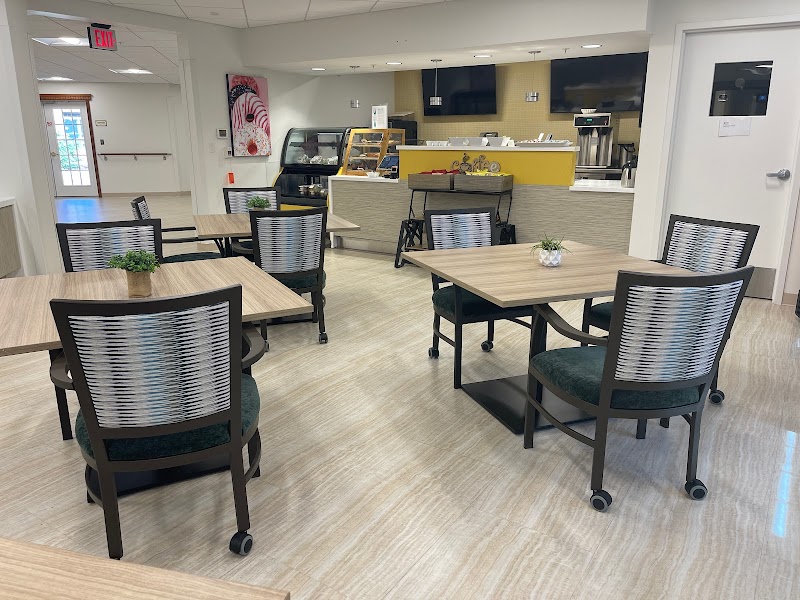
Who Owns and Operates Covenant Skilled Nursing And Rehabilitation At Wel?

Covenant Skilled Nursing and Rehabilitation at Wel is owned by a for-profit company. For-profit facilities operate as businesses with obligations to shareholders or private owners. The facility operates independently rather than as part of a larger chain. With 39 certified beds and approximately 34 residents (about 87% occupancy), it is a smaller facility located in Saginaw, Michigan.

How Does Covenant Skilled Nursing And Rehabilitation At Wel Compare to Other Michigan Nursing Homes?

Compared to the 100 nursing homes in Michigan, Covenant Skilled Nursing and Rehabilitation at Wel's overall rating (4 stars) is above the state average of 3.1, staff turnover (50%) is near the state average of 46%, and health inspection rating (4 stars) is above the national benchmark.

What Should Families Ask When Visiting Covenant Skilled Nursing And Rehabilitation At Wel?

Based on this facility's data, families visiting should ask: "Can I visit during a mealtime to observe dining assistance and food quality?" "How do you handle medical emergencies, and what is your hospital transfer rate?" "Can I speak with family members of current residents about their experience?"

Is Covenant Skilled Nursing And Rehabilitation At Wel Safe?

Based on CMS inspection data, Covenant Skilled Nursing and Rehabilitation at Wel has a clean safety record: no substantiated abuse findings (meaning no confirmed cases of resident harm), no Immediate Jeopardy citations (the most serious violation level indicating risk of serious injury or death), and is not on the Special Focus Facility watch list (a federal program monitoring the lowest-performing 1% of nursing homes). The facility has a 4-star overall rating and ranks #1 of 100 nursing homes in Michigan. While no facility is perfect, families should still ask about staff-to-resident ratios and recent inspection results during their visit.

Do Nurses at Covenant Skilled Nursing And Rehabilitation At Wel Stick Around?

Covenant Skilled Nursing and Rehabilitation at Wel has a staff turnover rate of 50%, which is about average for Michigan nursing homes (state average: 46%). Moderate turnover is common in nursing homes, but families should still ask about staff tenure and how the facility maintains care continuity when employees leave.

Was Covenant Skilled Nursing And Rehabilitation At Wel Ever Fined?

Covenant Skilled Nursing and Rehabilitation at Wel has been fined $9,750 across 1 penalty action. This is below the Michigan average of $33,176. While any fine indicates a compliance issue, fines under $50,000 are relatively common and typically reflect isolated problems that were subsequently corrected. Families should ask what specific issues led to these fines and confirm they've been resolved.

Is Covenant Skilled Nursing And Rehabilitation At Wel on Any Federal Watch List?

Covenant Skilled Nursing and Rehabilitation at Wel is not on any federal watch list. The most significant is the Special Focus Facility (SFF) program, which identifies the bottom 1% of nursing homes nationally based on persistent, serious quality problems. Not being on this list means the facility has avoided the pattern of deficiencies that triggers enhanced federal oversight. This is a positive indicator, though families should still review the facility's inspection history directly.