The Orchards at Southgate
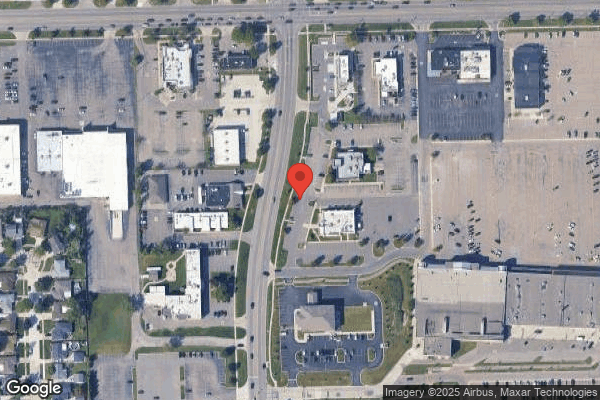
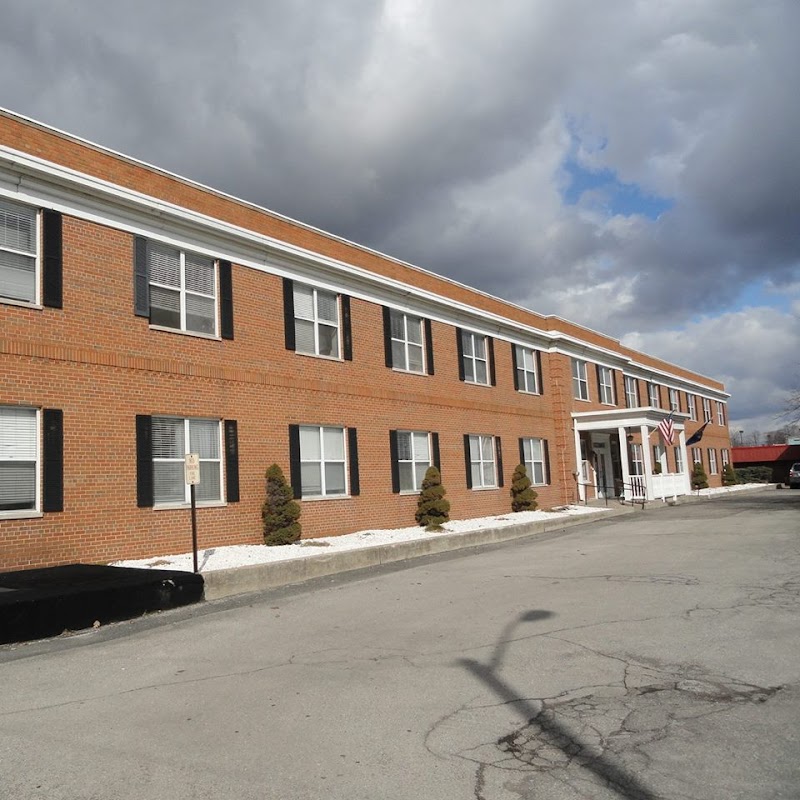
15400 Trenton Road, Southgate, MI 48195 (734) 284-4620
For profit - Limited Liability company 100 Beds THE ORCHARDS MICHIGAN Data: November 2025 1 Immediate Jeopardy citation
Trust Grade
28/100
#247 of 422 in MI
Last Inspection: August 2024

Within standard 12-15 month inspection cycle. Federal law requires annual inspections.

Overview

The Orchards at Southgate has a Trust Grade of F, indicating significant concerns about the facility's care and management. It ranks #247 out of 422 nursing homes in Michigan, placing it in the bottom half, and #39 out of 63 in Wayne County, meaning only a few local options are better. While the facility's issues have decreased from 5 in 2024 to 1 in 2025, it still has a concerning staffing turnover rate of 61%, higher than the state average of 44%. Additionally, the facility has faced $47,691 in fines, which is more than 75% of other Michigan facilities, suggesting ongoing compliance problems. Specific incidents include a cognitively impaired resident eloping from the facility in extreme cold, raising serious safety concerns, and another resident experiencing significant weight loss due to inadequate nutritional interventions. Despite having a decent overall star rating of 3 out of 5 and good staffing ratings, these critical and serious issues highlight a need for families to carefully consider their options.

Trust Score
F
28/100
In Michigan
#247/422
Bottom 42%
Safety Record
High Risk
Review needed
Inspections
Getting Better
5 → 1 violations
Staff Stability
⚠ Watch
61% turnover. Above average. Higher turnover means staff may not know residents' routines.
Penalties
✓ Good
$47,691 in fines. Lower than most Michigan facilities. Relatively clean record.
Skilled Nurses
⚠ Watch
Each resident gets only 26 minutes of Registered Nurse (RN) attention daily — below average for Michigan. Fewer RN minutes means fewer trained eyes watching for problems.
Violations
⚠ Watch
38 deficiencies on record. Higher than average. Multiple issues found across inspections.
★★★☆☆
3.0
Overall Rating
★★★★☆
4.0
Staff Levels
★★★☆☆
3.0
Care Quality
★★★☆☆
3.0
Inspection Score
Stable
2024: 5 issues
2025: 1 issues

The Good

  • 4-Star Staffing Rating · Above-average nurse staffing levels
  • Full Sprinkler Coverage · Fire safety systems throughout facility
  • No fines on record

Facility shows strength in staffing levels, fire safety.

The Bad

3-Star Overall Rating

Near Michigan average (3.1)

Meets federal standards, typical of most facilities

Staff Turnover: 61%

15pts above Michigan avg (46%)

Frequent staff changes - ask about care continuity

Federal Fines: $47,691

Above median ($33,413)

Moderate penalties - review what triggered them

Chain: THE ORCHARDS MICHIGAN

Part of a multi-facility chain

Ask about local staffing decisions and management

Staff turnover is elevated (61%)

13 points above Michigan average of 48%

The Ugly 38 deficiencies on record

1 life-threatening 2 actual harm
Aug 2025 1 deficiency
CONCERN (D) 📢 Someone Reported This

A family member, employee, or ombudsman was alarmed enough to file a formal complaint

Potential for Harm - no one hurt, but risky conditions existed

Comprehensive Care Plan (Tag F0656)

Could have caused harm · This affected 1 resident

**NOTE- TERMS IN BRACKETS HAVE BEEN EDITED TO PROTECT CONFIDENTIALITY** Based on observation, interview, and record review, the facility failed to develop an individualized anticoagulant (a blood thin...

Read full inspector narrative →
**NOTE- TERMS IN BRACKETS HAVE BEEN EDITED TO PROTECT CONFIDENTIALITY** Based on observation, interview, and record review, the facility failed to develop an individualized anticoagulant (a blood thinner that prevents blood clots from forming but increase the risk of bleeding) comprehensive care plan for one resident (R103) out of five residents reviewed for injuries of unknown origin. Findings include:On 8/20/25 at 10:13 AM, R103 was observed awake and sitting in a wheelchair in her room. When asked how she was doing, R103 stated that this morning a CNA (Certified Nurse Aide) asked her about bruises on her upper right arm and lower left leg. R103 said she had no idea how the bruises got there. During an observation and interview on 8/20/25 at 10:17 AM of R103's right arm and left leg, Licensed Practical Nurse (LPN) B said R103 has a circular bruise on the upper outside of her right arm and a bruise just below the left knee. LPN B said the bruise on the arm was purple and yellow. The knee bruise was purplish. R103 again reiterated that the CNA that assisted her getting dress this morning mentioned the bruises to her. LPN B reviewed R103's electronic health record (EHR) and confirmed there were no progress notes regarding R103's bruises. During an observation and interview on 8/20/25 at 10:23 AM of R103's right arm and left leg, Unit Manager/Registered Nurse (UM/RN) C said the bruise on the right arm was approximately three fingers below the shoulder and was approximately the size of a silver dollar and irregularly shaped. The center part of the bruise on the arm was pale yellow, and the circumference was a light purplish color. UM/RN C said it felt like a healing bruise and felt no lumps when palpated. R103 reported no pain when touched. UM/RN C said the bruise on the left shin was in a reddened state and about four fingers below the knee. UM/RN C identified another bruise on R103's shin and said it was located about four fingers below the upper bruise. It was also in a reddened state. UM/RN C stated, The bruises on the left leg most likely happened within a day, but if it is not witnessed, we don't know. UM/RN C said the bruise on the arm appeared to be about a week old because of the way that it was healing. UM/RN C said any bruise on a resident should be reported. UM/RN C was unaware of the bruises on R103 prior to this interview. UM/RN C stated, (R103) runs into things. During an interview on 8/20/25 at 10:44 AM, CNA E said she helped R103 get out of bed before 8:00 AM this morning. CNA E stated, I called the nurse in there (R103's room) and showed her the bruises. CNA E said she only works on Wednesdays and had no knowledge of the bruises before today. During an interview on 8/20/25 at 10:46 AM, LPN F said she observed the bruises on R103 this morning and was going to document her observations but had not done it yet nor had she reported it to the unit manager. LPN F said she was unaware of R103's bruises before this morning. LPN F said R103 denied that she was hurt. LPN F acknowledged that a bruise can be a sign of abuse and that was why she asked R103, How it happened? LPN F agreed that she was responsible for reporting signs of abuse. During interviews and record review beginning on 8/20/25 at 3:21 PM, the Director of Nursing (DON) stated they just found out R103 had bruises and I have to do an investigation. I look at meds to see what could cause bruising and (R103) is on aspirin. A chart review revealed R103 had been on aspirin 81 mg intermittently since 1/17/24. R103's most recent orders for aspirin 81 mg were from 1/18/25 to 6/2/25 and then 6/3/25 to the present. A review of facility documents titled, Weekly Head to Toe Assessment, dated 8/18/25, 8/8/25, 8/1/25, 7/25/25, and 7/14/25 all indicated no new skin issues. Further review of R103's EHR revealed the following care plan focus: I have potential impairment to skin integrity r/t (related to) decrease mobility, frequently incontinent of bowel and bladder. I have a history of CVA (cerebrovascular accident) and my left side is weak. I have a tendency to bruise easily r/t use of the aspirin. My skin is fragile.Date Initiated: 1/31/2025. Created by: MDS Coordinator.Revision on: 8/20/25. Revision by: Director of Nursing. A review of physician's orders for R103 documented: Monitor for bruising r/t aspirin use every shift. Date/time stamp of 8/20/25 at 10:34 AM. When queried about the physician order to monitor for bruising and care plan revision entered today, 8/20/25, specifically what evidence did the DON have that R103 has a tendency to bruise easily, the DON stated (R103) has a tendency to bruise easily because of the aspirin. It is an anticoagulant. With aspirin (the residents) can easily bruise. The DON then added that she will change the care plan to reflect that R103 may easily bruise related to the use of aspirin. The DON acknowledged that she had not completed the care plan interventions for this concern. The DON said all residents are on a skin management program. However, a person on aspirin required additional interventions. The DON indicated that prior to today, R103's care plans had not been individualized to reflect she was on aspirin, and that this should have been part of R103's care plans before today. R103's care plans did not indicate a tendency to run into things as reported by UM/RN C. A review of the clinical record for R103 documented an initial admission date of 1/16/24 and readmission date of 6/2/25. R103's diagnoses included cerebrovascular disease, paraplegia, and atherosclerotic heart disease. A Minimum Data Set assessment dated [DATE] documented intact cognition. A review of the facility policy titled, Comprehensive Plan of Care, undated but received during the survey documented in part the following:- The comprehensive care plan must be consistent with resident's right and reflect intervention to meet both short- and long-term resident goals; include intervention to attempt to manage risk factors; and be periodically reviewed and revised by the interdisciplinary team as changes in the resident's care and treatment occur.- Procedures included: re-evaluate and modify care plan as necessary to reflect changes in care, service and treatment. On 8/20/25 at 4:40 PM during the exit conference the Nursing Home Administrator and DON were asked if there was any additional documentation or information that the facility would like to provide prior to the end of the survey and there was nothing else provided related to the identified concern.
Aug 2024 4 deficiencies
CONCERN (D)

Potential for Harm - no one hurt, but risky conditions existed

ADL Care (Tag F0677)

Could have caused harm · This affected 1 resident

**NOTE- TERMS IN BRACKETS HAVE BEEN EDITED TO PROTECT CONFIDENTIALITY** Based on observation, interview, and record review, the facility failed to ensure feeding assistance were provided timely for tw...

Read full inspector narrative →
**NOTE- TERMS IN BRACKETS HAVE BEEN EDITED TO PROTECT CONFIDENTIALITY** Based on observation, interview, and record review, the facility failed to ensure feeding assistance were provided timely for two Residents (R23 and R69) of three residents reviewed for activities of daily living (ADLs), resulting in the residents not eating meal timely and the potential for the residents food to be served at an inappropriate temperature. Findings include: R23 On 8/6/2024 at 12:27 p.m., R23 was observed lying in bed asleep with food tray covered undisturbed on the bedside table. Observed Multiple staff assisting with tray pass. On 8/6/2024 at 12:36 p.m., Certified Nursing Assistance (CNA) H was interviewed regarding R23's food tray. CNA H said the R23 can eat on her own, but you must wake the resident up and set the food tray up. CNA H said whoever passed R23' s food tray must not have known to wake the resident up and to set up the food tray. CNA H assisted the resident with the food tray set up. CNA H confirmed the food trays was on the unit about 12:00 noon. According to the electronic medical record, R23 was initially admitted to the facility on [DATE] and readmitted on [DATE] with diagnoses Alzheimer's disease, anxiety disorder, dementia, dysphagia, and protein-calorie malnutrition. R23's annual Minimum Data Set (MDS) with a reference date of 6/23/2024 indicated R23 had intact cognition with a BIMS (brief interview for mental status) score of 15/15. Review of the ADL, (Activities of Daily Living) care plan-review date of 6/20/2024 documented, R23 need assistance with ADLs related to generalized weakness. Interventions as following: - Encourage resident to eat in the dining room as I enjoy socialization. - Eating: I can feed myself with set up assist and supervision. R69 On 8/6/2024 at 12:44 p.m., R69 was observed lying in bed alert with a covered undisturbed food tray on the bedside table. R69 nodded yes, indicating yes to ready to eat and needing assisting to set up the food tray when interviewed. On 8/6/2024 at 12:52 p.m., during an interview, Licensed Practical Nurse (LPN) G observed the food tray on the bedside side table. LPN 'G asked, was R69 hungry and was ready to eat. R69 nodded indicating yes. LPN G raised the head of R69's bed and assisted the resident with the food tray set up and assisted the resident with eating. R69 was observed eating with LPN G assistance. According to the electronic medical record, R69 was admitted to the facility on [DATE] with diagnoses diabetes mellitus type two, major depressive disorder, cerebral infarction (Stroke), other paralytic syndrome (a medical condition that can cause neuromuscular weakness or paralysis) following cerebral infarction, primary osteoarthritis, and vascular dementia. R69's quarterly Minimum Data Set (MDS) with a reference date of 5/15/2024 indicated R69 cognition was moderately impaired with a BIMS (brief interview for mental status) score of 07/15. Review of the ADL, (Activities of Daily Living) care plan-review date of 5/15/2024 documented, R69 need assistance with ADLs due to vascular dementia, paralytic syndrome following a cerebral infarction and metabolic encephalopathy. Interventions as following: - Eating: I am able to feed myself with tray set up. During an interview on 8/8/2024 at 3:00 p.m., the Director of Nursing (DON) was informed of R23 and R69's lunch trays on the bed table without any assistance from staff for set up. The DON said that the staff should assist the residents with their meals at the time the food trays were brought into the resident's room. According to the facility's 9/01/2021 Food and Nutrition Services policy: Meal service schedules establish mealtimes that are appropriate for residents and optimize staff's ability to assist residents during meals. Residents are served in an efficient manner that emphasizes customer service. Nursing staff, unit food carts: 1. The tray will then be served to the resident, providing set up and dining services as needed.
CONCERN (D)

Potential for Harm - no one hurt, but risky conditions existed

Dental Services (Tag F0791)

Could have caused harm · This affected 1 resident

**NOTE- TERMS IN BRACKETS HAVE BEEN EDITED TO PROTECT CONFIDENTIALITY** Based on observation, interview, and record review, the facility failed to follow-up with a dental recommendation for one reside...

Read full inspector narrative →
**NOTE- TERMS IN BRACKETS HAVE BEEN EDITED TO PROTECT CONFIDENTIALITY** Based on observation, interview, and record review, the facility failed to follow-up with a dental recommendation for one resident with Medicaid benefits (R74) out of two residents reviewed for dental services resulting in R74 not having several broken/decayed teeth extracted and with complaints of tooth pain and tooth abscess and difficulty eating. Findings include: On 8/6/24 at 10:15 AM R74 was observed with several visible broken and decayed teeth. During an interview R74 pointed to his top teeth and said his teeth hurt, it is hard to eat. R74 said he saw a dentist and was supposed to get some teeth pulled, but nothing has happened since. According to the Electronic Health Record (EHR) R74 was admitted to the facility on [DATE] with diagnosis of convulsions, seizures and altered mental status. The Minimum Data Set (MDS) dated [DATE] indicated R74 had moderately impaired cognition with a BIMS (brief interview for mental status) score of 12/15. R74 was identified to require supervision and set up assistance for personal hygiene. According to the EHR R74's Medicaid insurance began retroactive on 6/1/24 with Medicaid status accepted on 7/10/24. According to a Dental Summary Report on 5/22/24: Resident (R74) Caries removed, He complains of pain in his upper and is eager to have them removed. Reviewed visit summary with social worker who reports that as soon they sort out his insurance, he will be scheduled with the oral surgeon. Review of the progress note dated 6/8/24 revealed Resident noted with c/o tooth pain unrelieved by prn pain management. Medical doctor order given for Augmentin for tooth infection and dentist referral. There was no further documentation to indicate that R74 had a follow up dental visit or tooth extractions. On 8/07/24 at 11:51 AM the Nursing Home Administrator was interviewed and said we don't have an appointment made for the resident. It should have been made once he got Medicaid on 7/10/24. The social worker just left employment and most likely did not make the appointment for the resident. The social worker is responsible for setting up dental appointments. I will follow up set up an appointment for him. According to the facility policy titled Dental Services undated revealed in part .It is the policy of this facility to assist residents in obtaining routine and 24-hour emergency dental care to meet the needs of each resident. Procedure 1. When the resident requires routine or emergency dental care, the Social Service Staff will assist the resident to secure an appointment.
CONCERN (F)

Potential for Harm - no one hurt, but risky conditions existed

Food Safety (Tag F0812)

Could have caused harm · This affected most or all residents

Based on observation, interview, and record review the facility failed to maintain sanitary conditions in the kitchen resulting in an increased potential for cross contamination of food and foodborne ...

Read full inspector narrative →
Based on observation, interview, and record review the facility failed to maintain sanitary conditions in the kitchen resulting in an increased potential for cross contamination of food and foodborne illness, potentially affecting the facility's total census of 80 residents who receive meal services (3 nothing by mouth residents, or NPO) out of the facility's total census of 77 residents. Findings include: 1. On 8/7/24 at 10:44 AM, during a dietary tour of the kitchen, when asked the how the facility cleans and sanitizes work surfaces in this area, Dietary Manager, staff A, stated, we have our sanitizer buckets. At this time, staff A was asked to test a sanitizing bucket to verify its concentration. The testing of the sanitizer concentration by staff A via a test strip, and comparing its color to the test strip packaging revealed a concentration of zero. Upon observation staff A stated, This might be from this morning, it's a little cloudy. to which Cook, staff C, stated, it is, I was going to remake it now. On 8/7/24 at 10:48 AM, record review of the chemical sanitizing poster located above the 3-compartment sink revealed the expectation to maintain the sanitizer at a concentration of 200 parts per million (ppm) -400 ppm and at a temperature of 70 degrees F. When asked how the facility plans to achieve this result, Staff A stated, we change them out every two hours or as needed. Review of 2017 U.S. Public Health Service Food Code, Chapter 7-204.11 Sanitizers, Criteria, directs that: Chemical SANITIZERS, including chemical sanitizing solutions generated on-site, and other chemical antimicrobials applied to FOOD-CONTACT SURFACEs shall: (A) Meet the requirements specified in 40 CFR 180.940 Tolerance exemptions for active and inert ingredients for use in antimicrobial formulations (Food-contact surface sanitizing solutions)P 2. On 8/7/24 at 11:06 AM, observed acoustic ceiling tiles installed above the steam table serving line, food prep areas, the clean equipment and utensil storage racks, and on the clean and sanitized sides of the dish machine and 3-compartment sink. A smooth and hard faced ceiling tile was observed above the coffee urn. On 8/7/24 at 11:08 AM, upon interview with Dietary Manager, staff A, on why the ceiling had different types of tiles in different locations they stated, I'm not exactly sure, if it was from the steam or from a leak, but they changed out the tile above the coffee pot with a different type and it has been fine ever since. Review of 2017 U.S. Public Health Service Food Code, Chapter 6-201.11 Floors, Walls, and Ceilings directs that: Except as specified under § 6-201.14 and except for antislip floor coverings or applications that may be used for safety reasons, floors, floor coverings, walls, wall coverings, and ceilings shall be designed, constructed, and installed so they are SMOOTH and EASILY CLEANABLE. 3. On 8/7/24 at 11:16 AM, at 11:32 AM and at 12:05 PM, Dietary aide, staff D, was observed not using a hand barrier to shut off the faucet when done washing their hands. On 8/7/24 at 11:44 AM, when asked if they had conducted any training with staff on the proper procedure to wash their hands, Staff A stated, yes, upon hire and with the normal reminders every so often. On 8/7/24 at 11:28 AM, at 11:52 AM and at 12:01 PM, Cook, staff C, was observed not using a hand barrier to shut off the faucet when done washing their hands. On 8/7/24 at 11:23 AM, at 11:48 AM and at 12:09 PM Dietary aide, staff E, was observed not using a hand barrier to shut off the faucet when done washing their hands. On 8/7/24 at 3:05 PM, record review of a policy titled, QRT Hand Washing revealed that the facility has a hand washing procedure in place identifying when it is required to wash hands and how it should be conducted. Review of the U.S. Public Health Service 2017 Food Code, Chapter 2-301.12 Cleaning Procedure, directs that: (C) TO avoid recontaminating their hands or surrogate prosthetic Devices, FOOD EMPLOYEES may use disposable paper towels or similar clean barriers when touching surfaces such as manually operated faucet handles on a HANDWASHING SINK or the handle of a restroom door. 4. On 8/7/24 at 12:15 PM, a meal test tray of the last tray from the serving cart was requested. On 8/7/24 at 12:34 PM, upon taking food temperatures of the day's meal, the roast beef was measured to be holding at a temperature between 108 degrees F and 112 degrees F. At this time staff A was asked about the current state of the meal to which they stated, we need to start to use our plate warmer again. I'll talk to them about this. Review of 2017 U.S. Public Health Service Food Code, Chapter 3-501.16 Time/Temperature Control for Safety Food, Hot and Cold Holding directs that: (A) Except during preparation, cooking, or cooling, or when time is used as the public health control as specified under §3-501.19, and except as specified under (B) and in (C ) of this section, TIME/TEMPERATURE CONTROL FOR SAFETY FOOD shall be maintained: (1) At 57oC (135oF) or above, except that roasts cooked to a temperature and for a time specified in 3-401.11(B) or reheated as specified in 3-403.11(E) may be held at a temperature of 54oC (130oF) or above.
CONCERN (F) 📢 Someone Reported This

A family member, employee, or ombudsman was alarmed enough to file a formal complaint

Potential for Harm - no one hurt, but risky conditions existed

Safe Environment (Tag F0921)

Could have caused harm · This affected most or all residents

Based on observation and interview the facility failed to provide a safe, functional, and sanitary environment for the facilities census of 80 residents and its staff resulting in an increased potenti...

Read full inspector narrative →
Based on observation and interview the facility failed to provide a safe, functional, and sanitary environment for the facilities census of 80 residents and its staff resulting in an increased potential for harm. Findings include: On 8/7/24 between 1:32 PM, and 2:18 PM, during an environmental tour of the facility the following observations were made: Cracked and damaged floor tiles with missing pieces were observed in the elevator, in the first floor soiled utility room, and in the laundry room near the washing machines. Three shaving razors with their protective caps removed, a squeeze bottle of soap, and two used shaving cream containers were observed on the outer rim of the second floor's shower rooms designated handwashing sink. One chemical spray bottle containing a yellow liquid, and one chemical spray bottle containing a purple liquid were observed unlabeled and available for use in the soiled holding portion of the laundry room. On 8/7/24 at 1:39 PM, upon interview with Maintenance Director, staff B, regarding the current state of the elevator flooring they stated, I'm not sure if I can do those repairs because they are in the elevator, or if I need to get an elevator contractor out here. I'll look into it. On 8/7/24 at 1:47 PM, upon interview with staff B regarding the current state of the second floor's shower room they stated, I'm not sure why it was left like this. I know some residents will come in here without supervision. I'll clean this up now. On 8/7/24 at 1:59 PM, upon interview with staff B regarding the unlabeled chemical spray bottles they stated, they all know they should be labeled.
Jan 2024 1 deficiency 1 IJ
CRITICAL (J) 📢 Someone Reported This

A family member, employee, or ombudsman was alarmed enough to file a formal complaint

Immediate Jeopardy (IJ) - the most serious Medicare violation

Accident Prevention (Tag F0689)

Someone could have died · This affected 1 resident

**NOTE- TERMS IN BRACKETS HAVE BEEN EDITED TO PROTECT CONFIDENTIALITY** This citation pertains to intake MI00142163. Based on observation, interview and record review the facility failed to provide ad...

Read full inspector narrative →
**NOTE- TERMS IN BRACKETS HAVE BEEN EDITED TO PROTECT CONFIDENTIALITY** This citation pertains to intake MI00142163. Based on observation, interview and record review the facility failed to provide adequate supervision. On January 15, 2024, at approximately 10:30 AM, R301 a cognitively impaired resident (BIMS of 4) eloped from the facility The recorded temperature that day was 9 degrees Fahrenheit. R301 walked down beside [NAME] Rd (A four lane highway) crossed Fort St (A six lane highway) and proceeded to (Name Redacted) Co-op Apartments (approximately 1.5 miles from facility). Director of Nursing called [NAME] Police at 11:22 AM, and it was reported resident was transported to the hospital at approximately 10:38 AM. This deficient practice resulted in the likelihood of serious injury, serious harm, serious impairment, or death related to being struck by a vehicle and/or exposure to extreme weather temperatures. Findings include: On 1/31/24 at 12:20 PM, R301 was observed. R301 was not not interviewable related to impaired cognition. Record review of R301's electronic medical record (EMR) revealed admission into the facility on [DATE] and was readmitted on [DATE] with diagnoses of unspecified dementia and paranoid schizophrenia. According to the Minimum Data Set (MDS) dated [DATE], R301 had severe impaired cognition with a BIMS (brief interview for mental status) of 0/15. Review of Elopement Assessment dated 11/20/23, R301 scored an 11 on elopement risk scale and categorized as a High Risk to Wander. Review of Elopement Care Plan documented on 1/16/23- Please redirect and /or ask me what I am attempting to head to the first floor. Further observation revealed resident lived on second floor and had exited on the first floor of the facility. Review of document Timeline for R301 dated 1/15/24 noted the following: 10:20am - CENA observed a resident in her room at approximately 10:00am -10:20am. She was wearing a black hat, a short tan coat, with shoes. 10:30am Called code green for the unauthorized leave of (R301). All staff were searching for the grounds and surrounding areas. Review of Police Report dated 1/15/24 at 10:40 AM documented the following: . On Monday, 01/15/24, at approximately 1040hrs, Officers were dispatched to (address redacted) in the City of Riverview, in the County of [NAME], on a call of an unwanted female refusing to leave. Officers made contact with (R301). When making contact, Officers observed (R301) had soiled herself and she did not make sense when speaking with Officers . Review of hospital records revealed R301 was in emergency department on 1/15/24 at 11:37 AM. During an interview on 1/31/24 at 2:10 PM with Nursing Home Administrator (NHA), it was reported that R301 left the building approximately between 10:20 AM and 10:30 AM. NHA further stated, A group of people from bible study was coming in and the resident must have left as they came in the door. When asked if the facility failed to supervise the resident, NHA stated, We could have done better to redirect (R301) and kept her safe. Record review of policy Elopement, Potential Resident (no date) documented the following: . It is the policy of this facility to provide residents with a safe and secure environment and identify residents who may be at risk for unobserved exit from the facility. The Immediate Jeopardy began on 1/15/24 when the facility failed to provide adequate supervision. Nursing Home Administrator was notified of the Immediate Jeopardy on 1/31/24 at 12:09 PM. The surveyor confirmed by observation, interview, and record review that the Immediate Jeopardy was removed, and the deficient practice corrected, on 1/16/24 prior to the start of the survey and was therefore past noncompliance. Past noncompliance: The Immediate Jeopardy that began on 1/15/24 was removed on 1/16/24 when the facility: 1. All Receptionist was in-service on notification of residents attempting to go on an unauthorized leave to the resident's nurse and or Certified Nursing Assistant. Receptionists completed in-service 1-16-24. 2. Doors and alarms were checked immediately by staff, to ensure the safety of other residents. 3. Resident that has the potential for Elopement/ and the Elopement Books located at each nurse's station were reviewed/revised as needed by the Director of Nursing/Social Service. 4. Letter placed by sign in visitor/staff sheet, letter was published on 1/15/24. 5. The Maintenance Director did a check on the door alarms with no concerns noted. The Maintenance Director implemented daily door checks on all the door alarms. Door Alarms code was changed for the safety of the residents. The deficient practice was corrected on 1/16/24 after the facility: 1. Residents were re-evaluated for the potential for elopement and documented accordingly. 2. The Elopement Policy was reviewed and deemed appropriate. Staff were re-educated on the elopement policy. 3. The Door Alarm Policy was reviewed and deemed appropriate. Staff were re-educated on the policy of Door Alarm. 4. The Maintenance Director implemented a daily check on all the door alarms for one week then three times a week for 1 month, then monthly thereafter. The Maintenance Director will report any findings to the quality assurance committee monthly for 3 months and then as directed by the committee. 5. Facility will conduct elopement drills 1x monthly to ensure facility compliance. All results of audits will be brought to QAPI. 6. New residents entering the facility will be discussed in the morning clinical meeting for potential elopement.
Sept 2023 2 deficiencies
CONCERN (D) 📢 Someone Reported This

A family member, employee, or ombudsman was alarmed enough to file a formal complaint

Potential for Harm - no one hurt, but risky conditions existed

Report Alleged Abuse (Tag F0609)

Could have caused harm · This affected 1 resident

**NOTE- TERMS IN BRACKETS HAVE BEEN EDITED TO PROTECT CONFIDENTIALITY** This citation pertains to Intakes: MI00139241 and MI00139218. Based on interview and record review the facility failed to report...

Read full inspector narrative →
**NOTE- TERMS IN BRACKETS HAVE BEEN EDITED TO PROTECT CONFIDENTIALITY** This citation pertains to Intakes: MI00139241 and MI00139218. Based on interview and record review the facility failed to report an incident of elopement to the State Agency for one resident (R404) out of four residents reviewed for elopement risk, resulting in the potential for further incidents of unreported elopements. Findings include: On 9/12/2023 at 8:00 A.M. an investigation was conducted concerning R404 eloping from the facility. It was reported by (Local police department and community acute care facility) on 8/19/2023 R404 walked away from the facility around 9:00 A.M. and showed up at a local hospital that was approximately four miles from the facility where the resident lived. At 9:30 A.M. during an interview the Director of Nursing of Nursing (DON) stated R404 left the facility (time unknown) but estimated after the A.M. medication pass (Approximately 12:00 P.M.). The DON reported that around 1:45 P.M. she made round at the facility to check on the staff. Upon arrival, the DON was informed R404 left the faciity on an unauthorized leave and refused to sign the Against Medical Advice (AMA) Form. According to the DON, the Administrator was informed of the missing resident after she arrived at the facility. The DON reported local hospitals in the area and the police were alerted and were provided pictures and pertinent information to locate R404. The DON stated R404 was found between 2:00 P.M. and 3:00 P.M. around the corner at a local hospital where the resident reportedly walked and sought medical supplies for colostomy care. R404 was escorted into the hospital and assessed by the medical staff and discovered to have no injuries. R404 was asked to return to the facility with the DON and Administrator, but refused voicing concerns that the facility was trying to hold her as a prisoner. At 1:30 P.M., the DON was queried regarding who was supervising R404 and how the resident was able to leave the facility without staff knowledge. The DON stated she nor the Administrator was at the facility at the time and the staff just informed her R404 had left the facility. In a subsequent interview the Administrator and the DON was queried if R404 elopement had been reported to the State Agency. The Administrator responded, no because we did not think it was an elopement. The Administrator and DON stated the resident did not want to have a guardian and they had scheduled a guardianship hearing and R404 decided to leave. A review of the facility's undated investigation was reviewed and did not indicate the elopement incident was reported to the State Agency. Review of the admission Record for R404 revealed the resident was admitted to the facility 1/18/2023 with diagnoses which included: dementia, ulcerative intestinal obstruction, irritable bowel syndrome, colostomy, and anxiety disorder. According to the [NAME] Data Set (MDS), dated [DATE], R404 had modified independence in cognition with long- and short-term memory deficits, required supervision and ambulated independently. Upon exiting the facility on 9/12/23 at 4:30 P.M. no other information was provided.
CONCERN (D) 📢 Someone Reported This

A family member, employee, or ombudsman was alarmed enough to file a formal complaint

Potential for Harm - no one hurt, but risky conditions existed

Accident Prevention (Tag F0689)

Could have caused harm · This affected 1 resident

**NOTE- TERMS IN BRACKETS HAVE BEEN EDITED TO PROTECT CONFIDENTIALITY** This citation pertains to intake MI00139241 and MI00139218. Based on interview and record review the facility failed to prevent ...

Read full inspector narrative →
**NOTE- TERMS IN BRACKETS HAVE BEEN EDITED TO PROTECT CONFIDENTIALITY** This citation pertains to intake MI00139241 and MI00139218. Based on interview and record review the facility failed to prevent an elopement for one resident (404) of four residents reviewed for elopement, resulting in R (404) exiting the facility without staff knowledge and the potential for injury and for other elopement risk residents. Findings include: On 9/12/2023 at 8:00 A.M. an investigation was conducted concerning R404 eloping from the facility. It was reported on 8/19/2023 R404 walked away from the facility around 9:00 A.M. and showed up at a local hospital that was approximately four miles from the facility where the resident lived. At 9:30 A.M. during an interview the Director of Nursing of Nursing (DON) stated R404 left the facility (time unknown) but estimated after the A.M. medication pass (Approximately 12:00 P.M.). The DON reported around 1:45 P.M. she made round at the facility to check on the staff, upon arrival the DON was informed R404 left the faciity on an unauthorized leave and refused to sign the Against Medical Advice (AMA) Form. According to the DON, the Administrator was informed of the missing resident after she arrived at the facility. The DON reported local hospitals in the area and the police were alerted and were provided pictures and pertinent information to locate R404. The DON stated R404 was found between 2:00 P.M. and 3:00 P.M. around the corner from a local hospital where the resident reportedly walked and sought medical supplies for colostomy care. R404 was escorted into the hospital and assessed by the medical staff and discovered to have no injuries. R404 was asked to return to the facility with the DON and Administrator, but refused voicing concerns that the facility was trying to hold her as a prisoner. At 1:30 P.M. the DON was interviewed concerning who was supervising R404 and how was the resident able to leave the facility without staff knowledge. The DON stated she nor the Administrator was at the facility at the time R404 left the facility unsupervised and the staff just informed her R404 had left the facility without staff knowledge upon the DON's arrival to the facility. Review of the admission Record for R404 revealed the resident was admitted to the facility 1/18/2023 with diagnoses which included: dementia, ulcerative intestinal obstruction, irritable bowel syndrome, colostomy, and anxiety disorder. According to the [NAME] Data Set (MDS), dated [DATE], R404 had modified independence in cognition with long- and short-term memory deficits, required supervision and ambulated independently. Review of the Elopement assessment dated [DATE], indicated R404 was at risk for wandering but had no reported episodes of exiting seeking behavior in the last three months. The facility's undated investigation was reviewed. The Administrator and the DON was queried why a code green (elopement protocol) was implemented after finding R404. Both began to explain the resident was her own guardian and R404 was scheduled for a guardianship hearing on 8/24/23 at 9:30 A.M., which the resident was aware of and R404 had indicated the facility was trying to hold her a prisoner. A review of the facility's undated policy titled; Transfers and Discharges revealed under #8 Discharge Against Medical Advice (AMA) . If the resident refuses to sign, two people from the facility should complete the form to signify the residents discharge Documentation of notification should be entered in the Nursing Progress Notes . There was no documentation in the Nursing progress notes or AMA documents pertaining R404 leaving the facility. Upon Exiting the facility at 4:30 P.M. no other additional information was provided.
Jul 2023 10 deficiencies 1 Harm
SERIOUS (G) 📢 Someone Reported This

A family member, employee, or ombudsman was alarmed enough to file a formal complaint

Actual Harm - a resident was hurt due to facility failures

Deficiency F0692 (Tag F0692)

A resident was harmed · This affected 1 resident

**NOTE- TERMS IN BRACKETS HAVE BEEN EDITED TO PROTECT CONFIDENTIALITY** Based on observation, interview, and record review the facility failed to implement nutritional interventions for weight loss fo...

Read full inspector narrative →
**NOTE- TERMS IN BRACKETS HAVE BEEN EDITED TO PROTECT CONFIDENTIALITY** Based on observation, interview, and record review the facility failed to implement nutritional interventions for weight loss for one resident (R72) of four residents reviewed for nutritional parameters, resulting in a significant weight loss. Findings include: On 7/17/23 at approximately 10:28 A.M. R72 was observed in her room in bed. The resident appeared confused, thin in statue with temporal wasting (suggestive of weight loss). On 7/17/23 at 12:30 P.M. R72 was observed sleeping throughout the lunch meal without any staff assistance with eating. At 2:30 P.M.in the evening R72 was observed wandering in her wheelchair aimlessly throughout the facility. On 7/18/23 at 8:30 A.M., review of resident's Weight and Vital Summary revealed R72 had a significant weight loss in June. The record showed a progressive decline in the resident's weight. Weights were documented as indicated: 3/30- 108.5# (admission Weight) 3/31-108.5# 4/3- 108# 4/17-104# 5/2- 101.5# 6/6- 101# 6/28 -100# 6/28- 92.5# 7/6- 93# R72 loss a total of 15.5#'s in 3 months (significant weight loss). Review of R72 medical record revealed the resident was admitted to the facility on [DATE], with diagnoses including altered mental status, Alzheimer's disease, dementia with agitation, falls, major depression and macular degeneration (diminish disease of the macular area of the retina of the eye). According to the Minimum Data Set (MDS) assessment dated [DATE], R72 was severely impaired in cognitive (ability to think) skills for decision making and required supervision and set up help for eating. On 7/19/23 at 10:00 A.M. review of the nutritional assessment dated [DATE] indicated R72 was ordered a regular diet with a Mighty Shake TID (three times daily) with trays. (Dietary Supplement). In a subsequent Dietary Progress Note dated 3/30/23, R72's weight was obtained from (H&P) from the hospital and documented as 113#'s, 5#'s difference than the actual recorded weight of the facility on 3/30/23, (108.5#). The Registered Dietitian (RD) recommended the following nutritional interventions: Ensure Plus one can 237 milliliters, BID (twice daily) with med pass for additional nutritional support related to (r/t) diagnoses and fluctuation in poor intake. This recommendation provides 700 calories and 26 grams of protein. R72 requires assistance with meals and the addition of the ensure plus would meet the resident's nutritional needs. Review of the Nutrition Care Plan dated 3/29/2023 and revised on 3/30/2023 stated, . I require assistance with meals. At times I want (sic) eat the meals from the facility. My family brings in meals for me. I am on Nutritional supplements for additional nutritional support and weight maintenance. Discuss my weight changes and nutrition care plan with myself and or my family. Honor my food preferences as feasible: Dislikes are anything vanilla, beverage, desserts, P.O (taken by mouth) supplements. (Provide and serve my supplements as ordered: Liquid protein-3/29/23. At 10:40 A.M. review of R72's Food Acceptance record from 6/20/23-7/17/23 indicated the resident's food intake fluctuated between 51-75%. In the absence of the RD at 12:50 P.M. the surveyor was joined by the Director of Nursing for a review of the MAR (Medication Administration Record), March 30 thru April, 24. The review revealed R72 consumed varying amounts of ensure plus BID, instead of the 237 Milligrams (mg) ordered twice a day. On 4/25 R72's Ensure Plus was discontinued, and the resident was provided Nepro (Vanilla, flavored calorically dense supplement). The percentage consumed was 25%. No other comparable nutritional supplement was provided to substitute for the recommended 2 cans of ensure plus that was ordered 3/30/23 by the RD. Further review per the MAR documented from April 1 to April 26, R72 was not given the 30 ml of protein oral liquid as ordered twice a day. From June 1, thru July 18, per MAR, R72 refused the protein supplement and received no nutritional support from any nutritional supplement. On 7/19/23 at 1:15 p.m. the DON was queried if the registered dietitian was informed of the resident's significant weight loss and why had R72 had not been given or provided another alternate for the vanilla ensure plus. The DON explained the facility only ordered vanilla flavored supplements and she wasn't aware of the different flavors or additives that were available or could have been utilized to change the flavor of the vanilla supplement. When queried why the resident continued to receive a vanilla supplement when the RD had identified vanilla as a dislike for food, dessert, beverage, and P.O. supplement the DON responded, We stopped the Ensure plus because she was also lactose free, and the family was bringing in food. The DON was informed the Ensure Plus was lactose free and when the Nepro and ensure plus supplements were discontinued R72 was receiving approximately 60 additional calories a day instead of the additional 700 calories the RD recommended for nutritional support. During the interview the DON was informed R72 was not observed being assisted with meals on 7/17/23 at lunch, on 7/18 for breakfast or lunch and breakfast on 7/19/23. At this time a weight of the resident was requested. R72 weight was 91.5#'s the resident had loss and additional 1.5 pounds more than the weight taken on 7/6/23. The DON was asked what system was in place to alert or advise the RD of residents with weight loss? The DON indicated we discussed it in morning meetings, but provided no explanation of how the weight loss was communicated to the RD. Upon exiting the facility on 7/19/23 at 4:15 P.M., no other information was provided for R72 significant weight loss. Review of the facility's undated policy titled, Unintended Weight Change documented in part, Resident with unintended weight loss/gain will be assessed by the interdisciplinary team and interventions will be implemented to prevent further weight loss/gain . #3) The [NAME] and dietitian monitors the prevalence of unintended weight loss/ gain on a monthly basis through analysis.
CONCERN (D)

Potential for Harm - no one hurt, but risky conditions existed

Deficiency F0568 (Tag F0568)

Could have caused harm · This affected 1 resident

**NOTE- TERMS IN BRACKETS HAVE BEEN EDITED TO PROTECT CONFIDENTIALITY** Based on interview and record review, the facility failed to provide timely financial statements to one (R329) of one resident r...

Read full inspector narrative →
**NOTE- TERMS IN BRACKETS HAVE BEEN EDITED TO PROTECT CONFIDENTIALITY** Based on interview and record review, the facility failed to provide timely financial statements to one (R329) of one resident reviewed for resident trust fund, resulting in the resident being uninformed about personal funds. Findings include: During an interview on 7/17/2023 at 12:41 PM, Resident #329 (R329) said he withdraws money from a commercial bank and gives it to the facility to hold on to. R329 said he has not received a statement from the facility regarding the money he has in his account. During an interview on 7/18/2023 at 8:42 AM, Business Office Manager (BOM) A was queried about how residents receive statements regarding the status of their funds in the resident trust fund account. BOM A said two copies of the resident's statement are made. The resident will get a copy and a signed copy was retained for the facility's records. BOM A said she was responsible for this task. When BOM A was asked to provide R329's signed statement for the quarter ending on 3/31/2023, she was unable to locate it. When queried about the preceding quarter, ending 12/31/2022, BOM A said she did not believe there would be a signed financial statement for R329 for this quarter either. A review of the admission Record for R329 documented an initial admission date of 6/24/2022 and re-admission date of 7/15/2023. A Minimum Data Set assessment dated [DATE] documented intact cognition. A review of R329's clinical record documented he was his own responsible party related to finance. During an interview on 7/19/2023 at 9:29 AM, the Nursing Home Administrator (NHA) said the BOM should have ensured R329 received his statement. The NHA stated, residents should receive a quarterly statement to ensure their money is being kept, and that we are safeguarding their funds. A review of the policy titled, Resident Trust Fund: Quarterly Statement, received during the survey, documented in part, It is the policy of each facility to send a quarterly statement to the resident or their rep payee regarding trust fund balances including allocation of interest payments. On 7/19/2023 at 3:45 PM during the exit conference, the NHA and Director of Nursing did not offer additional documentation or information when asked.
CONCERN (D) 📢 Someone Reported This

A family member, employee, or ombudsman was alarmed enough to file a formal complaint

Potential for Harm - no one hurt, but risky conditions existed

Deficiency F0602 (Tag F0602)

Could have caused harm · This affected 1 resident

**NOTE- TERMS IN BRACKETS HAVE BEEN EDITED TO PROTECT CONFIDENTIALITY** This citation pertains to intake MI00137519. Based on interview, and record review, the facility failed to ensure one resident (...

Read full inspector narrative →
**NOTE- TERMS IN BRACKETS HAVE BEEN EDITED TO PROTECT CONFIDENTIALITY** This citation pertains to intake MI00137519. Based on interview, and record review, the facility failed to ensure one resident (R2) was free from misappropriation of her Debit Card, resulting in one unsuccessful unauthorized withdrawal attempt of $200.00 and one successful $7.97 unauthorized purchase and the potential for further misappropriation to occur. Findings include: A review of an incident reported to the State Agency dated 6/4/2023 documented that R2 notified staff on 6/4/2023 that her debit card was missing. R2's debit company was notified and reported lost. The debit company did show that there were two activities that occurred on 6/4/2023 at approximately 1:05 am at the local store. Further investigation revealed that someone attempted to use the ATM to withdraw $200.00. That person was unsuccessful. There was also a transaction of $7.97 at the store checkout that was successful. The local police department was notified on 6/4/2023 and a report was made. On 6/5/2023, the Administrator went to the store to speak with the manager and to review the camera tape. When reviewing the tape, the suspended staff (Aide P) was shown in the business and walked to the ATM and then to the counter and purchased an item. The facility substantiated that the debit card was missing. The facility substantiated that there was a transaction that took place around 1:05 am at the store. A review of the clinical record for R2 revealed an initial admission date of 1/23/2018 and readmission date of 6/28/2023. R2 's diagnoses included paraplegia, congestive heart failure, major depressive disorder, and anxiety disorder. A quarterly Minimum Data Set, dated [DATE] documented intact cognition with a BIMS (brief interview for mental status) score of 15/15. On 7/19/2023 at 2:46 PM, during an interview R2 stated, My debit card was missing. I knew it was in my phone case. I canceled the card. When I came back in my room, I went through all my things, it wasn't there. I got my money back from (The Administrator) eight dollars is what she owed me. The person who took it, she (Aide, P) was my Aide sometimes but not often. They (The credit card company) replaced my debit card since then and no one else stole anything from me. Attempt made to contact Aide P was unsuccessful. On 7/19/2023 at 3:20 PM, when the facility Administrator was queried if there was sufficient evidence that the R2's property was misappropriated, she stated, Yes. The Administrator confirmed R2's credit card was stolen by a staff member which she identified after reviewing the store's camera and the staff member, Aide, P was terminated. The administrator also said all staff was in serviced on misappropriation of resident's property. A review of the facility's policy titled, Abuse and Neglect Prohibition revised 2/17/ 2020 documented: - Each resident has the right to be free from abuse, mistreatment, neglect, exploitation, involuntary seclusion, misappropriation of property . - Misappropriation of resident property means the deliberate misplacement, exploitation, or wrongful, temporary, or permanent use of a resident's belongings or money without the resident's consent.
CONCERN (D) 📢 Someone Reported This

A family member, employee, or ombudsman was alarmed enough to file a formal complaint

Potential for Harm - no one hurt, but risky conditions existed

Report Alleged Abuse (Tag F0609)

Could have caused harm · This affected 1 resident

**NOTE- TERMS IN BRACKETS HAVE BEEN EDITED TO PROTECT CONFIDENTIALITY** Based on interview and record review, the facility failed to immediately report an allegation of verbal abuse for one (R53) of 7...

Read full inspector narrative →
**NOTE- TERMS IN BRACKETS HAVE BEEN EDITED TO PROTECT CONFIDENTIALITY** Based on interview and record review, the facility failed to immediately report an allegation of verbal abuse for one (R53) of 7 residents reviewed for abuse, resulting in an allegation of verbal abuse not being reported to the Nursing Home Administrator (NHA) or the State Agency timely and the potential for further allegations of abuse to occur, go unreported, and not thoroughly investigated. Findings include: On 7/18/23 at 8:40 AM R53 was seated on his bed in his room. During interview R53 said that he had reported an incident of verbal abuse to his family member and the Nursing Home Administrator (NHA) about a week ago (unsure of date). R53 said an Activity Aide (AA M) called him a 'boy' a 'fat ass' and closed the door in his face when R53 was reentering the facility after the 1:00 PM smoke break. R53 said he was so upset that he immediately told the receptionist (Staff I) of the incident and requested a concern form to fill out. R53 produced a copy of the handwritten incident dated 7/9/23. The handwritten note documented that AA M had said, Hurry up I don't have time to wait on your fat ass. I have things to do. What the fuck, you walk too slow. The note also indicated he reported the incident to Licensed Practical Nurse (LPN) J and Staff I. R53 said AA M had been terminated from the facility and he did not have any problems with any other staff member. According to R53's Electronic Health Record (EHR) he admitted to the facility with diagnoses that included Wernicke's encephalopathy (neurological condition that causes loss of muscle coordination, abnormal eye movements, and confusion). The Minimum Data Set (MDS) dated [DATE] indicated R53 was cognitively intact, free from behaviors, and was independent with activities of daily living. A smoking assessment dated [DATE] indicated R53 smoked three times a day and was able to smoke with supervision. On 7/18/23 at 09:05 AM during interview with the NHA who is the facility's 'Abuse Coordinator' was asked if there were any reported incidents of abuse from residents in the facility. She replied 'No'. The NHA was asked about R53 and AA M. NHA said she received an email from R53's family member saying an activity aide called the resident (R53) a 'fat ass' and told him to 'hurry up because I have things to do'. The NHA said she along with the Director of Nursing (DON) interviewed R53 about the incident. R53 said he was fine but did not want to be around AA M anymore. The NHA said The gentleman (AA M) had previously been suspended but now terminated from employment based on customer service issues. NHA said that she did not report the incident to the State Agency because she did not think this incident was abuse. NHA was asked if LPN J and Staff I had reported the incident to her. NHA stated, No, I got the email from R53's family member on 7/10/23 at 9:59 AM and then on 7/11/23 (2 days after the incident) called R53's family member and interviewed R53. NHA said she also got an email from LPN J on 7/10/23 at 1:32 PM that reported R53 had 'exchanged words' with AA M and R53 had requested to 'write it down'. The NHA had no additional staff interviews or documentation regarding the incident at this time. LPN J was left a voice message. No interview was conducted prior to the exit of the survey. On 7/18/23 at 9:54 AM during an interview with Staff I she was asked about the incident between R53 and AA M. Staff I said R53 came in after a smoke break and asked for a concern form because the Activity Aide called him a fat ass. Staff I said she did not report this to the NHA because she did not witness the incident. It was only what R53 had said. Staff I was unaware of any regulation to report allegations of abuse even if they are not witnessed. On 7/19/23 at 1:16 PM during interview with the NHA she said several facility staff should have reported the incident between R53 and AA M to her immediately and the incident should have been reported to the State Agency as soon as she became aware of it. According to the facility's 'Abuse and Neglect Prohibition' Policy last revised on 2/17/2020; Each, resident has the right to be free from abuse, mistreatment, neglect, exploitation, involuntary seclusion, misappropriation of property and mental abuse facilitated or enabled through the use of technology Definitions Verbal abuse is defined as the use of oral, written, or gestured language that willfully includes disparaging and derogatory terms to residents or their families, or within their hearing distance regardless of their age, ability to comprehend, or disability Mental abuse includes but is not limited to, humiliation, harassment, threats of punishment or deprivation G. Reporting and Response 1. The staff will report all allegations of abuse, neglect and misappropriation of property to the Administrator immediately 3. The Administrator or designee is responsible for reporting to the State Agency all alleged violations involving abuse, neglect, exploitation or mistreatment, including injuries of unknown origin and misappropriation of property: a. Immediately but no later than 2 hours after the allegation is made if the allegation involves abuse or result in serious bodily injury. b. Or not later than 24 hours if the events that cause the allegation do not involve abuse or serious injury 5. The results of the investigation must be reported to State Survey Agency ([NAME]) within 5 working days of the incident.
CONCERN (D)

Potential for Harm - no one hurt, but risky conditions existed

Tube Feeding (Tag F0693)

Could have caused harm · This affected 1 resident

**NOTE- TERMS IN BRACKETS HAVE BEEN EDITED TO PROTECT CONFIDENTIALITY** Based on interview and record review the facility failed to accurately document the amount of administered enteral feedings (nut...

Read full inspector narrative →
**NOTE- TERMS IN BRACKETS HAVE BEEN EDITED TO PROTECT CONFIDENTIALITY** Based on interview and record review the facility failed to accurately document the amount of administered enteral feedings (nutrition administered through tube into stomach) for one resident (R 37) out of three residents reviewed for nutrition, resulting in the potential for inaccurate nutritional intake and assessment. Findings Include: Record review of R37's face sheet revealed the admission into the facility on 8/28/18 with a pertinent diagnosis of gastrostomy status (tube surgically inserted into stomach). According to the Minimum Data Set (MDS) dated [DATE], R37 had impaired cognition and required total dependence for eating (nutrition intake). Record review of Medical Administration Record (MAR) dated for 7/1/23-7/31/23 documented the following order: Enteral Feed Order - 3 times a day- Jevity 1.5 (nutritional formula) three times a day, two cans at each feeding, with 100 mL water flush before and after each feed . Order was created on 7/7/23. According to the can of Jevity 1.5 each held 237 ml (milliliters) of formula, resulting in 474 ml of formula at each feeding. Further review of MAR dated 7/1/23- 7/31/23 indicated the amount of nutritional formula that was administered at each feeding: First Feed - 7/7- 100 ml, 7/8-100 ml, 7/9-250 ml, 7/10-250 ml, 7/11- 237 ml, 7/12- 237 ml, 7/14-600 ml, 7/15- 600 ml, 7/16-400 ml, 7/17-237 ml, 7/18- 237 ml.7/19/23-237 ml. Second Feed-7/7- 100 ml, 7/8-100 ml, 7/9-250 ml, 7/10-250 ml, 7/11- 237 ml, 7/12- 237 ml, 7/14-600 ml, 7/15- 600 ml, 7/16-400 ml, 7/17-237 ml, 7/18- 237 ml. Third Feed-7/7- 100 ml, 7/8-100 ml, 7/9-250 ml, 7/10-250 ml, 7/11- 237 ml, 7/12- 237 ml, 7/14-600 ml, 7/15- 600 ml, 7/16-400 ml, 7/17-237 ml, 7/18- 237 ml. During an interview on 7/19/23 at 10:20 AM with Licensed Practical Nurse (LPN) B, when questioned about the amount of nutritional formula given to R37 on the first feed and second feed on 7/18/23, LPN B then read the physician's order then replied, I gave two cans, but I accidentally put the wrong amount on the MAR. During an interview on 7/19/23 at 11:15 AM with LPN C, when questioned about the amount of nutritional formula given on the first feed of 7/19/23, LPN C said I gave one can of formula. LPN C then read physician's order and said, No, I gave two cans of formula, I just put the wrong amount of formula in the MAR. During an interview on 7/19/23 at 12:30 PM with Director of Nursing (DON) when asked about the order regarding R37 enteral feedings, it was reported that nursing should document the total amount of nutritional formula given at each feeding. The DON was then asked to provide a policy regarding this procedure. It was later reported by the DON that there was no policy available.
CONCERN (D)

Potential for Harm - no one hurt, but risky conditions existed

Deficiency F0710 (Tag F0710)

Could have caused harm · This affected 1 resident

**NOTE- TERMS IN BRACKETS HAVE BEEN EDITED TO PROTECT CONFIDENTIALITY** Based on observation, interview, and record review the facility failed to ensure the physician was notified and involved in impl...

Read full inspector narrative →
**NOTE- TERMS IN BRACKETS HAVE BEEN EDITED TO PROTECT CONFIDENTIALITY** Based on observation, interview, and record review the facility failed to ensure the physician was notified and involved in implementing nutritional interventions for significant weight loss for one resident (R72) out of four residents reviewed for weight loss. This deficient practice resulted in the potential for the lack of physician coordination with weight loss interventions and further nutritional decline. Findings include: On 7/17/23 at approximately 10:28 A.M. R72 was observed in her room in bed. The resident appeared confused, thin in statue with temporal wasting (suggestive of weight loss). The resident was observed sleeping throughout the lunch meal without any staff assistance with eating. Later in the evening R72 was observed wandering in her wheelchair aimlessly throughout the facility. On 7/18/23 at 8:30 A.M., review of resident's weight and vital summary revealed R72 had a significant weight loss in June. The record showed a progressive decline in the resident's weight. Weights were documented as indicated: 3/30- 108.5# (admission Weight) 3/31-108.5#degeneration. 4/3- 108 4/17-104# 5/2- 101.5# 6/6- 101# 6/28 -101# 6/28- 92.5# 7/6- 93# R72 loss a total of 15.5#'s in 3 months (significant weight loss). Review of R72 medical record revealed the resident was admitted to the facility on [DATE], with diagnoses including altered mental status, Alzheimer's disease, dementia with agitation, falls, major depression and macular degeneration. (dimished disease of macular in the eye). According to the Minimum Data Set MDS) assessment dated [DATE], R72 was severely impaired in cognitive (ability to think) skills for decision making and required supervision and set up help for eating. On 7/19/23 at 2:46 P.M. in the absence of the registered Dietitian, the Director of Nursing (DON) and Corporate Consultant O was queired if the physician was informed of R72's weight loss. The DON responded she was not sure who was responsible for informing the physician, but she had not advised the physician of the resident's weight loss. When asked, what should have occurred when the significant weight loss occurred, no response was given. Again, the DON responded she was not sure who was responsible for informing the physician, but she had not communicated the weight loss to the physician. The DON indicated she would review the Physician Notes since the resident's weight loss had been discuss in a Quality Assurance meeting. At approximately 3:30 P.M. the DON returned and reported she could not find any Physician Notes addressing any nutritional interventions for R72. Further review of the Physician's Notes from 3/30/23 to 6/26/23 provided no documentation or notes related to nutritional interventions for R72, even though a written attendance form submitted from Quality assurance meeting dated 6/15/23 identified the medical director in attendance. On 7/19/23 at 3:50 P.M., review of the undated facility's policy titled: Unintended Weight Change documented in part: .the Dietary manager/Registered Dietitian and DON are responsible for coordination of an interdisciplinary approach to manage the process as far as prediction, prevention, treatment, monitoring and calculation of unintended weight loss/gain . #2 The attending physician reviews all cases of unintended weight loss/gain, modifies treatment as indicated and documents accordingly .#5 The nutrition professional is to communicate weight changes to the attending physician and resident's family. On 7/19/23 at 4:15 P.M. upon exiting the facility no additional information was provided regarding the physician being notified of R72's significant weight loss.
CONCERN (D)

Potential for Harm - no one hurt, but risky conditions existed

Infection Control (Tag F0880)

Could have caused harm · This affected 1 resident

**NOTE- TERMS IN BRACKETS HAVE BEEN EDITED TO PROTECT CONFIDENTIALITY** Based on observation, interview, and record review, the facility failed to follow proper hand hygiene techniques when providing ...

Read full inspector narrative →
**NOTE- TERMS IN BRACKETS HAVE BEEN EDITED TO PROTECT CONFIDENTIALITY** Based on observation, interview, and record review, the facility failed to follow proper hand hygiene techniques when providing tracheostomy suctioning for one resident (R27) out of two residents sampled for tracheostomy care, resulting in the potential for R27 to develop a respiratory infection. Findings include: On 7/17/23 at 10:08 AM, R27 was observed lying in bed resting with gauze covering his tracheostomy site. R27 was observed having a hard time coughing up sputum and creamy colored sputum was seen coming through the guaze dressing on the tracheostoma site. During an interview, R27 inidicated the need for the site to be suctioned by nodding his head. On 7/17/23 at 10:10 AM, Liscensed Practical Nurse (LPN) H was observed providing tracheostomy suctioning and a dressing change of the site. LPN H entered the room with a stack of 4 x 4 gauze, a 10 mililiter (mL) cup of normal saline, and a sterile suctioning kit. LPN H set the items on a styrofoam barrier tray and proceeded to sanitized her hands and don clean gloves. LPN H took off the old guaze dressing and wiped the sputum from the tracheostoma site, wiping from the stoma site outwarded to the surrounding skin. LPN H took off the clean gloves and opened the sterile suctioning kit and donned the sterile gloves. LPN H suctioning the stoma. LPN H took off the steriled gloves and donned on clean gloves. LPN H placed clean 4x4 gauze over the stoma and applied a dated tegaderm dressing over the gauze. LPN H took off the clean gloves and washed her hands. On 7/17/23 at 10:20 AM, during an interview with LPN H regarding her hand hygiene technique at the time of the tracheostomy suctioning and dressing change she stated, I know I did something wrong. I should have cleaned my hands prior to applying the sterile gloves in the kit and I should have cleaned my hands before putting on the tegaderm after I changed gloves. On 7/18/23 at 10:15 AM the DON was queried regarding hand hygiene techniques while providing tracheostomy care and the expectations she has of the nursing staff. The DON said she expects her staff to preform hand hygiene prior to putting on gloves and after taking off gloves when caring for a resident. The DON said the cleaning of a tracheostomy site is considered sterile and before preforming a sterile procedure hand hygiene should be preformed. A review of R27's Electornic Medical Record (EMR) revealed R27 was initially admitted to the facility 3/21/23 and readmitted [DATE]. R27 had medical diagnoses including Chronic Obstructive Pulmonary Disease (COPD), Acute Respiratory Failure, and Pneumonia (repsiratory tract infection). A review of the Hand Hygiene policy, with no date, documented in part: Appropriate hand hygiene must be preformed under the following conditions: .After contact with a resident's mucous membranes and body fluids or excretions .After handling soiled or used linens, dressings, bed pans, cathters, and urinals .After handling soiled equipment and utensils.
CONCERN (E) 📢 Someone Reported This

A family member, employee, or ombudsman was alarmed enough to file a formal complaint

Potential for Harm - no one hurt, but risky conditions existed

Deficiency F0804 (Tag F0804)

Could have caused harm · This affected multiple residents

This citation pertains to Intakes MI00133548, MI00134508, MI00137641, MI00136260, MI00134591, MI00131114 Based on observation, interview, and record review, the facility failed to ensure meals were se...

Read full inspector narrative →
This citation pertains to Intakes MI00133548, MI00134508, MI00137641, MI00136260, MI00134591, MI00131114 Based on observation, interview, and record review, the facility failed to ensure meals were served at palatable temperatures for residents served from the 1st Floor-Short meal cart, resulting in potential dissatisfaction with the meal experience and unmet nutritional needs. Findings include: The complainants reported to the State Agency that the facility failed to serve palatable food. During an observation and interview on 7/18/2023 at 8:03 AM, a resident breakfast tray was obtained from the 1st Floor-Short meal cart to be used as a test tray. The Director of Nursing (DON) was present during the testing of food temperatures on the breakfast tray. The following temperatures were obtained using a metal stem thermometer: Pancake: 99 ºF (Fahrenheit) Link sausage: 89 ºF Milk: 49 ºF Orange juice: 53.9 ºF The softened butter did not melt when spread on the pancake. This observation was confirmed by the DON through interview. During an interview beginning on 7/19/2023 at 1:11 PM, food temperatures obtained on 7/18/2023 at 8:03 AM were reviewed with Dietary Manager (DM) D. DM D stated, When the food leaves the kitchen it should be at least 135 degrees. If the pancake was up to temperature, I would expect the butter to melt. The milk and orange juice should be less than 41 (degrees). DM D said hot food temperature at point of service should be at least 100 degrees for food palatability but there was no policy that stated that. DM D reported that there were approximately 20 trays on the 1st Floor-Short Cart. The facility document titled, Meal Distribution, dated 9/1/2021, revealed in part, Meals are transported to the dining locations in a manner that ensures proper temperature maintenance . On 7/19/2023 at 3:45 PM during the exit conference, the Nursing Home Administrator and DON did not offer additional documentation or information when asked.
CONCERN (F) 📢 Someone Reported This

A family member, employee, or ombudsman was alarmed enough to file a formal complaint

Potential for Harm - no one hurt, but risky conditions existed

Food Safety (Tag F0812)

Could have caused harm · This affected most or all residents

Based on observation, interview, and record review, the facility failed to (1) effectively clean multiple surfaces in the kitchen, (2) properly date-label food in the cooler and freezer, and (3) test ...

Read full inspector narrative →
Based on observation, interview, and record review, the facility failed to (1) effectively clean multiple surfaces in the kitchen, (2) properly date-label food in the cooler and freezer, and (3) test the dish machine operating temperature prior to use. These deficient practices have the potential to affect all residents who eat food out of the kitchen resulting in the increased potential for cross-contamination, bacterial harborage, and increase potential for resident foodborne illness. Findings include: During the initial tour of the kitchen on 7/17/2023 beginning at 8:54 AM with Dietary Manager (DM) D the following was observed: - The wall behind the dish tank was soiled with an accumulation of dirt and grime. The wall paneling behind the dish tank was not sealed where it contacts the wall, leaving a gap for water and food splash to enter. - Dietary Aide (DA) E was operating the high temperature dish machine. When queried if the dish machine sanitizing temperature was obtained prior to use, DA E said it was not. - Eight ladles of varying sizes were hanging from a rack bowl side up. One ladle was observed with food debris in the bowl. - Food debris was observed in two lidless utensil storage bins containing cleaned cooking and service utensils. - Three 1/3-size pans and two 1/2-size pans were stored wet and soiled with food debris in the cleaned pot and pan area. - The following items, stored in the freezer, were opened, and did not contain a date mark to indicate when the products should be discarded: a bag of biscuits, a bag of pepperoni, and a bag of French fries. - The following items, stored in the walk-in cooler, were opened, and did not contain a date mark to indicate when the products should be discarded: a bag containing ham and a bag of shredded cheese. - A plastic container of pork cooked on 7/16/2023 was in the reach-in cooler. The cooling log for the cooked pork was requested. DM E stated, There should have been a cooling log, but there isn't one. On 7/17/2023 at 12:02 PM, observation of the doorway jamb between the kitchen and 1st floor dining room revealed an accumulation of dust and dirt. This finding was confirmed by DM D at the time of discovery through interview. During an interview on 7/19/2023 at 1:00 PM, DM D said she expects everything in the kitchen to be cleaned properly. DM D stated, I expect everyone to go by the cleaning schedule as posted. DM D said she had not been holding staff accountable for cleaning the kitchen. DM D expects staff to date label each food item with the date delivered, date opened, and date to be discarded. DM D said staff should take the temperature of the dish machine prior to washing the dishes to ensure the dish machine is sanitizing correctly. A review of the following facility documents revealed in part the following: Cleaning and Sanitizing and Proper Hair Restraints, dated 9/1/2021: - Food contact surfaces are properly cleaned and sanitized before and after use. Non-food contact surfaces are cleaned per individual facility cleaning schedule to maintain optimal cleanliness of kitchen equipment. - Non-food contact surfaces are washed with soapy water per frequency identified on the facility cleaning schedule - or as visually necessary. Safe Storage of Food, dated 9/1/2021: - All foods will be stored wrapped or in covered containers, labeled and dated. - Storage areas will be neat, arranged for easy identification, and date marked as appropriate. A review of the 2013 FDA Food Code revealed the following: - Section 3-101.11 Safe, Unadulterated, and Honestly Presented. Food shall be safe, unadulterated, and, as specified under § 3-601.12, honestly presented. - Section 3-501.14 Cooling. (A) Cooked time/temperature control for safety food shall be cooled: (1) Within 2 hours from 135ºF to 70°F; and (2) Within a total of 6 hours from 135ºF to 41°F or less. - Section 4-601.11 Equipment, Food-Contact Surfaces, Nonfood-Contact Surfaces, and Utensils. (A) Equipment food-contact surfaces and utensils shall be clean to sight and touch. (B) The food-contact surfaces of cooking equipment and pans shall be kept free of encrusted grease deposits and other soil accumulations. (C) nonfood-contact surfaces of equipment shall be kept free of an accumulation of dust, dirt, food residue, and other debris. - Section 4-602.13, Nonfood-Contact Surfaces. Nonfood-contact surfaces of equipment shall be cleaned at a frequency necessary to preclude accumulation of soil residues. - Section 6-201.11 Floors, Walls, and Ceilings. Except as specified under § 6-201.14 and except for anti-slip floor coverings or applications that may be used for safety reasons, floors, floor coverings, walls, wall coverings, and ceilings shall be designed, constructed, and installed so they are smooth and easily cleanable. On 7/19/2023 at 3:45 PM during the exit conference, the Nursing Home Administrator and Director of Nursing did not offer additional documentation or information when asked.
CONCERN (F)

Potential for Harm - no one hurt, but risky conditions existed

Room Equipment (Tag F0908)

Could have caused harm · This affected most or all residents

Based on observation, interview, and record review, the facility failed to ensure consistent proper working order of the facility walk-in freezer and reach-in cooler which had the potential to affect ...

Read full inspector narrative →
Based on observation, interview, and record review, the facility failed to ensure consistent proper working order of the facility walk-in freezer and reach-in cooler which had the potential to affect all residents that eat from the kitchen and kitchen operations. Findings include: During the initial tour of the kitchen on 7/17/2023 beginning at 8:54 AM with Dietary Manager (DM) D the following was observed: - The internal temperature of the walk-in freezer was 18 ºF (Fahrenheit). A four- ounce cup of ice cream stored in the freezer was observed soft, not frozen solid. - The front grill located on the outside of the reach-in cooler had an accumulation of soil and dust. DM D stated that she sees dust and that it should be cleaned. During a return visit to the kitchen on 7/17/2023 beginning at 11:34 AM with DM D and Regional Food Service Manager (FSM) G, individual serving bowls of potato salad were observed on ice on the tray line. Temperatures of three bowls of potato salad were obtained and were 47 ºF, 48 ºF, and 48.9 ºF. Prior to being placed on the tray line, the potato salad had been held in the reach-in cooler. The internal temperature of the reach-in cooler was observed to be 50 ºF. The temperature of a container of tuna salad inside of the reach-in cooler was observed to be 47.9 ºF. DM D said the tuna salad was placed in the reach-in cooler 7/16/2023. FSM G stated the temperature of the tuna salad should be 41 degrees (or less). On 7/17/2023 at 11:43 AM, the internal temperature of the walk-in freezer was observed to be 22 ºF. A four-ounce cup of ice cream stored in the freezer was observed soft, not frozen solid. This finding was confirmed by DM D at the time of discovery through interview. On 7/18/2023 at 7:57 AM, the internal temperature of the walk-in freezer was observed to be 11 ºF. A four-ounce cup of ice cream stored in the freezer was observed soft, not frozen solid. This finding was confirmed by FSM G at the time of discovery through interview. During an interview on 7/17/2023 at 1:21 PM, Maintenance Supervisor (MS) F said he was working on the reach-in cooler coils and cleaning them up the best he can. MS F stated, The coils on the bottom were dirty. MS F suggested that dirty coils can impede the operation of the reach-in cooler. During an interview on 7/19/2023 at 1:00 PM, DM D said the temperature of the walk-in freezer should be zero degrees or less and the temperature of the reach-in cooler should be 41 degrees or less. A review of a facility document titled, Safe Storage of Food, dated 9/1/2021, revealed in part the following: - All perishable foods will be maintained at a temperature of 41F or below, except during necessary periods of preparation and service. - Freezer temperatures will be maintained at a temperature of 0F or below. A review of the 2013 FDA Food Code revealed the following: - Section 3-501.11. Stored frozen foods shall be maintained frozen. - Section 3-501.16 Potentially Hazardous Food, Hot and Cold Holding. Except during preparation, cooking, or cooling, potentially hazardous food shall be maintained at 135 degrees F or above or at 41 degrees F or less. - Section 4-501.11. Equipment shall be maintained in a state of repair and condition that meets the requirements specified under Parts 4-1 and 4-2. On 7/19/2023 at 3:45 PM during the exit conference, the Nursing Home Administrator and Director of Nursing did not offer additional documentation or information when asked.
Apr 2022 20 deficiencies 1 Harm
SERIOUS (G)

Actual Harm - a resident was hurt due to facility failures

Deficiency F0692 (Tag F0692)

A resident was harmed · This affected 1 resident

**NOTE- TERMS IN BRACKETS HAVE BEEN EDITED TO PROTECT CONFIDENTIALITY** This citation pertains to intake MI00124581 Based on interview and record review the facility failed to assess, monitor, and imp...

Read full inspector narrative →
**NOTE- TERMS IN BRACKETS HAVE BEEN EDITED TO PROTECT CONFIDENTIALITY** This citation pertains to intake MI00124581 Based on interview and record review the facility failed to assess, monitor, and implement interventions to prevent weight loss, affecting one resident (R27) out three residents reviewed for nutrition, resulting in the significant weight loss of a resident. Findings include: Record review of R27's medical chart revealed admission into the facility on [DATE] with Pneumonia. Record review of MDS dated [DATE], R27 had intact cognition and needed extensive assistance with most Activities of Daily Living (ADLS). Record review of nutritional care plan revealed no revisions made since 11/26/21. Record review of medical chart revealed no nutritional assessment completed by a registered dietician during resident's stay. Record review of weights revealed the following information: 11/18/2021 18:29 130 Lbs. 12/09/2021 15:42 116.4 Lbs. -10.0% change [ Comparison Weight 11/10/2021,130.0 lbs.). 12/13/2021 16:10 114.4 Lbs. 01/05/2022 12:25 118 Lbs. During interview on 4/7/22 at 12:18 PM with Regional Clinical Nurse (RNC) T and Director of Nursing (DON) BB it was confirmed that R27 had a documented significant weight loss on 12/9/22. DON BB confirmed that R27's nutritional care plan was not revised, and no interventions implemented to decrease the potential of further weight loss. RNC T confirmed that no nutritional supplements were ordered to increase resident's weight. DON BB was asked if the Registered Dietician had performed a nutritional assessment and made physician aware of weight loss, DON B stated, No. When asked if it was the usual protocol of the facility was to weigh a new admission every week for a month and when a weight loss is noted should the resident be weight consistently every week, DON BB stated, Yes. DON BB confirmed that weights were not consistently documented for this resident. When asked if R27's weight loss was monitored and assessed per facility protocols, DON BB stated, No. Record review of policy Unintended Weight Change (no date) documented the following: 1. . Resident with unintended weight loss/gain will be assessed by the interdisciplinary team and interventions will be implemented to prevent further weight loss/gain. 2. . Weigh all new residents upon admission, and weekly X 4. 3. . Residents determined to be at risk will be made known to nutrition professional for review of need of increased weight monitoring.
CONCERN (D)

Potential for Harm - no one hurt, but risky conditions existed

Deficiency F0558 (Tag F0558)

Could have caused harm · This affected 1 resident

**NOTE- TERMS IN BRACKETS HAVE BEEN EDITED TO PROTECT CONFIDENTIALITY** Based on observation, interview, and record review the facility failed to provide a touch sensitive call light for one resident ...

Read full inspector narrative →
**NOTE- TERMS IN BRACKETS HAVE BEEN EDITED TO PROTECT CONFIDENTIALITY** Based on observation, interview, and record review the facility failed to provide a touch sensitive call light for one resident (R#284) of 71 residents reviewed for accommodation of needs resulting in feelings of helplessness and unmet needs. Findings include: On 4/05/22 at 3:05 p.m. during the initial pool process R284 was observed in bed resting. The call light was observed clipped to the blanket, resting on the resident's lower abdomen area. R284's left hand was also observed as contracted (hand in a closed fist position). R284 was asked if able to reach the call light. R284 stated, I don't know if you can tell, but I'm blind and paralyzed on my left side after having a stroke. However, the Resident attempted to open the left hand and was unable to. R284 began to feel around for the call light with the right hand and could not reach it. R284 stated, I need a call light I can use under my chin. I had one before when I was at the other facility. I asked if I could have one, but I haven't gotten it yet as you can see. As the interview proceeded, R284 became very emotional and started to cry, I can't even ask for help for myself. My roommate has to put the call light on for me. Do you think I can yell for help in this place? Can you get a washcloth for me so I can wipe my eyes? The call light was placed in the Resident's right hand, however, did not have the strength to push the button. The call light was then activated by the State Surveyor. On 4/05/22 at 3:38 p.m. CNA C entered the room asked what help was needed to the Resident. The Resident asked for a washcloth, to be changed, and a call light that can be used (under the chin, touch sensitive). CNA C stated I will tell the nurse and maintenance to give you a different call light. On 4/07/22 at 9:46 a.m. R284 was observed in the room asleep. The call light was observed attached to the right upper side of the pillow, above the Resident's head. At this time, R284 was asked if able to reach the call light. The Resident had to be told where the call light was located. The Resident attempted to lift the right arm to reach the call light but was unable to. The touch sensitive call light was not present. On 4/7/21 at 10:01 a.m. the Maintenance Director E was interviewed and stated, I was not unaware of room [ROOM NUMBER]-2 (R284) needed a touch sensitive call light. Work orders are put into the computer called TELS (electric maintenance repair log). I check it every day throughout the day. I have not personally installed a touch sensitive call light, but I do know they are available in the building. On 4/7/22 at 10:10 a.m. CNA D confirmed being R284's nurse aide. CNA D stated, I place the call light on the pillow because I really didn't know where else to place it so it can be reached. I didn't realize the resident might not be able to reach it there. I thought a touch call light would be more appropriate, but I had not suggested it. On 4/07/22 at 10:21 a.m. review of the clinical record documented R284 was admitted into the facility on 2/4/22 with diagnoses that included acute and chronic respiratory failure, cerebral infarction, spinal stenosis, quadriparesis. The activities of daily living care plan dated 2/10/22 documented R284 required extensive one-person assistance with activities of daily living. The admission Minimum Data Set assessment dated [DATE] was incomplete. Review of the facility's policy titled Accommodation of Needs (no date) documented: The facility will treat each resident with dignity and respect and will evaluate and make reasonable accommodations for the individual needs and preferences of a resident . The facility will make reasonable accommodations to individualize the resident's physical environment . Facility staff shall make efforts to reasonably accommodate the needs and preferences of the resident as they make use of their physical environment.
CONCERN (D)

Potential for Harm - no one hurt, but risky conditions existed

Notification of Changes (Tag F0580)

Could have caused harm · This affected 1 resident

**NOTE- TERMS IN BRACKETS HAVE BEEN EDITED TO PROTECT CONFIDENTIALITY** This citation pertains to Intake number MI000125442, MI000124676, MI00125764.MI00126289,MI00126378. Based on interview and recor...

Read full inspector narrative →
**NOTE- TERMS IN BRACKETS HAVE BEEN EDITED TO PROTECT CONFIDENTIALITY** This citation pertains to Intake number MI000125442, MI000124676, MI00125764.MI00126289,MI00126378. Based on interview and record review the facility failed to notify the resident's representative of a change in condition, affecting one resident (R40) out of four residents review for change in condition, resulting in the potential for a resident representative not having the opportunity to help or make decisions in a timely manner. Findings include: Record review revealed resident R40 was admitted into the facility on [DATE] with pertinent diagnoses of end stage renal disease and altered mental status. Record review of nursing progress note dated 1/15/22, documented, Resident called 911 while nurse was attending to other patient. Further review of documentation revealed resident's guardian was not called to inform that R40 went to hospital. During interview on 4/7/22 at 1:05 PM with Guardian R, it was confirmed that she was not called related to R40's change in condition and transfer to hospital. During interview on 4/7/22 at 1:23 PM with Administrator AA and Director of Nursing BB it was confirmed that there was no documented evidence that R40's guardian had been made aware of transfer to hospital on 1/15/22. Administrator A verbalized that when a resident has a change in condition or goes to the hospital the resident's representative should be informed in a timely manner. Record review of policy Transfers and Discharges (no date) documented the following . B. Notify resident and/or resident representative.
CONCERN (D)

Potential for Harm - no one hurt, but risky conditions existed

Deficiency F0655 (Tag F0655)

Could have caused harm · This affected 1 resident

**NOTE- TERMS IN BRACKETS HAVE BEEN EDITED TO PROTECT CONFIDENTIALITY** This citation pertains to intake MI126000 Based on interview and record review, the facility failed to develop a 'Nutritional Ri...

Read full inspector narrative →
**NOTE- TERMS IN BRACKETS HAVE BEEN EDITED TO PROTECT CONFIDENTIALITY** This citation pertains to intake MI126000 Based on interview and record review, the facility failed to develop a 'Nutritional Risk' baseline care plan for one resident (R93) out of 5 residents reviewed for care plans, resulting in the potential for an inappropriate diet need, and unplanned weight loss/gain. Findings include: According to R93 's electronic medical record reviewed on 4/7/2022 at 10:03 a. m., he was admitted to the facility on [DATE] with diagnoses of heart failure, morbid (severe) obesity due to excessive calories, diabetes mellitus type 2, major depressive disorder, and atherosclerotic heart disease of native coronary artery. R93's admission Minimum Data Set (MDS), with a reference date of 1/18/22 indicated R93 was cognitively intact with a BIMS (brief interview for mental status) score of 15. Required supervision with no physical assistance with meals. Review of R93's 1/17/22 admission weight documented,480.2 pounds. Review of R93's Care Plans, revealed no Nutritional Risk Care Plan. No Dietician Progress notes documentation. Review of the Physician history and physical notes dated 1/25/22 documented, Dysphagia: SLP and nutrition evaluation .DM11 (Diabetes Mellitus type 2) .maintain glycemic control, hypoglycemic precautions . During an interview with the Kitchen's District Manager M on 4/7/22 at 2:10 p.m. District Manager M was unable to print R93's meal ticket during his stay at the facility. District Manager M stated, The ticket was deleted. Because 30 days after discharge, they are deleted. During an nterview with the Director of Nursing (DON) BB on 4/7/22 at 3:56 p.m. DON BB was informed R93's did not have a Nutritional care plan in the electronic medical record and was asked to present a hard copy of the Nutritional care Plan. DON BB did not present a copy of R93's Nutritional care plan prior to exiting the facility. According to the facility's undated Baseline Interim Plan of Care policy: Each resident will have a baseline care plan developed and implemented within 48 hours of admission to the facility which includes the instructions needed to provide effective and patient centered care that meets the professional standards of quality care. The Interdisciplinary team develops the baseline interim plan of care based on the information received from the referring facility, physician's orders, resident and family interviews, clinical screens and assessments, and other information received during the admission process. The base line care plan provides a guide to be able to provide care for the resident.
CONCERN (D)

Potential for Harm - no one hurt, but risky conditions existed

Comprehensive Care Plan (Tag F0656)

Could have caused harm · This affected 1 resident

**NOTE- TERMS IN BRACKETS HAVE BEEN EDITED TO PROTECT CONFIDENTIALITY** Based on observation, interview, and record review the facility failed to adhere to the care plan interventions specific to pain...

Read full inspector narrative →
**NOTE- TERMS IN BRACKETS HAVE BEEN EDITED TO PROTECT CONFIDENTIALITY** Based on observation, interview, and record review the facility failed to adhere to the care plan interventions specific to pain management for one sampled resident (R32) reviewed for pain management interventions, resulting in pain. Findings include: On 4/5/22 at 2:01PM R32 was observed in bed, when asked how she was doing the resident stated, I have pain and when I tell the staff I have pain, they tell me they will tell the nurse, and nothing else happens. On 4/6/22 at 10:00 AM R32 was observed in bed, with a frown on her face. When asked by the surveyor if she was uncomfortable, the resident stated, my pain is at 100, when asked where it is the resident stated, my pain is all over. I had Norco 5 mg when I was in the hospital the second week of October 2021. I had a major stroke. The Doctor won't give me nothing for pain here. On 4/7/21 at 10:47AM an interview was conducted with RN, F regarding pain management for R32. RN F stated, the resident receives Lyrica for pain, she has a diagnosis of Fibromyalgia. RN F stated, the doctor will be in today, so I will go and interview the resident now regarding her pain. RN F stated I am usually on different units in the facility passing medications, so I am not familiar with the resident's pain status. Observed RN F walk in the room of R32. On 4/7/22 at 10:52 AM a review of the medical record indicated a pain management care plan summarized as: I have the potential for pain/discomfort related to history of lower back pain, Migraines, Osteoarthritis, Depression, Raynauds, (a condition in which some areas of the body feel numb and cool in certain circumstances), and Fibromyalgia (disease with widespread muscle pain and tenderness). The interventions associated with the pain management care plan included: Anticipate my need for pain relief and respond as soon as possible to any complaint/signs of pain: Evaluate the effectiveness of the interventions you provided to me to alleviate my discomfort. My pain/discomfort will be assessed every shift. On 04/07/22 at 10:57 AM an interview was conducted with RN F regarding the lack of a pain management tool within the resident's medical record. RN F reviewed the electronic medical record and stated, I don't see a pain management scale to document a pain score every shift. I feel information related to pain should be obtained just like you would vital signs, daily. The MD is coming today, I will inform him of the results of my interview with the resident regarding pain. A review of the medical record on 4/7/22 at 1: 00 PM revealed R32 was readmitted to the facility on [DATE] with relevant diagnoses that included: Low back pain, and Fibromyalgia. The Minimum Data Set (MDS) included a Brief Interview of Mental Status (BIMS) score of 13/15 indicating a cognitive (thought processes) intact resident. R 32 required extensive assistance 1-person with activities of daily living. On 04/07/22 at 12:26 PM per record review; under the task section, pain monitoring is scheduled as a task as necessary for the CNA. It does not appear on the [NAME]. There were no progress notes over the last 6 months. On 04/07/22 an interview was conducted with the DON BB on 4/7/22 at 12:26PM. DON BB stated I heard about the pain management/care plan concern. DON BB provided the surveyor with an undated document entitled, Director of Nursing SOP-Pain Management. The first paragraph, states the facility will assess and identify residents experiencing pain, determine the type and severity of the pain and develop a plan of care for pain management. The care plan is implemented and continually evaluated for its effectiveness. The staff monitors and documents the resident's response to pain management interventions.
CONCERN (D)

Potential for Harm - no one hurt, but risky conditions existed

Pressure Ulcer Prevention (Tag F0686)

Could have caused harm · This affected 1 resident

**NOTE- TERMS IN BRACKETS HAVE BEEN EDITED TO PROTECT CONFIDENTIALITY** Resident #533 Review of an admission Record revealed, Resident #533 (R533) admitted to the facility with pertinent diagnosis whi...

Read full inspector narrative →
**NOTE- TERMS IN BRACKETS HAVE BEEN EDITED TO PROTECT CONFIDENTIALITY** Resident #533 Review of an admission Record revealed, Resident #533 (R533) admitted to the facility with pertinent diagnosis which included Type 2 Diabetes, Morbid Obesity, and Muscle Weakness. Review of a Minimum Data Set (MDS) assessment, with a reference date of 12/19/21 revealed R533 had no cognitive impairment with a Brief interview for Mental Status (BIMS) score of 14, out of a total possible score of 15 and had no pressure ulcer. In an observation on 4/7/22 at 12:26 p.m., Assistant Director of Nursing (ADON) F removed a dressing with a date of 4/6/22 from R533's buttocks. R533 had a large open area Sacrococcyx/Bilateral Buttocks. Review of Physician Orders revealed, R533 had order Cleanse Sacrococcyx/Bilateral Buttocks with normal saline, pat dry, apply Santyl and cover with dry dressing daily and PRN one time a day with an active date of 2/7/2022. Review of a Treatment Administration Record (TAR) for February through April 2022 revealed, R533 did not receive wound care on 2/4, 2/12, 2/18, 2/22, 2/27, 3/8, 3/28, 3/29, and 4/2/22 indicated by no initials in the box for those days. In an interview on 4/7/22 at 2:56 p.m., Director of Nursing (DON) BB reported the nurse assigned to the resident is responsible for completing wound care. DON BB then reported wound care should be completed per physician's orders. This citation pertains to intake MI00126378, MI00127168, Based on observation, interview and record review the facility failed to ensure wound care treatments were properly applied and documentation and assessments were done in a timely manner, effecting three residents (R4, R486, R533) out of three residents reviewed for wound care, resulting in the potential of worsening of wounds. Findings include: Record review of R486's medical record revealed resident was admitted into facility on 9/13/21 with a pertinent diagnosis of stage three pressure ulcers. Record review of R486's medical record revealed no weekly documentation of resident's wounds from 12/4/21 thru 2/1/22. During an interview on 4/7/22 at 3:33 PM with Director of Nursing (DON) BB, it was confirmed that no documentation was completed to document the progress or decline of R486's wounds. DON BB was asked the purpose of assessing and monitoring wounds on a weekly basis, DON BB verbalized to assess if the wound is getting better or worse. DON BB confirmed that weekly documentation of wounds should be done. R4 During the initial tour of the facility conducted on 4/5/22 at 11:58AM, R 4 was observed lying on his back in bed. When asked by the surveyor if he had a sore on his bottom. R4 stated, I did not come here with it I got it here. They put pillows under me to keep me off it. Some lady comes and changes my dressing. On 4/6/22 at 11:26AM LPN H was observed providing wound care for R4. CNA I was asked by LPN H to clean the R4 prior to the wound care due to the resident's incontinence (inability to control) of stool. The Surveyor observed CNA I remove an undated and uninitialed dressing from the upper buttocks of R4. Observed LPN H clean the Stage 4 (injury is very deep reaching into muscle and bone and causing extensive damage) coccyx (a small triangular bone at the base of the spinal column) pressure ulcer and apply medication into a recessed (deep) area below the coccyx and cover it with a foam dressing. LPN H dated and initialed the new dressing. When asked by the surveyor if she provided the wound care yesterday LPN H stated, no, I was not working yesterday. When asked by the surveyor how often the dressing is changed, LPN H stated, it is changed daily and as needed. LPN H was asked by the surveyor if the old dressing was in the correct location, LPN H said, no. On 4/5/22 at 12:00PM an interview was conducted CNA I. The surveyor asked the CNA I where was the old dressing she removed from the resident (R4) earlier today in order to clean her up. CNA I stated, the old dressing was above the wound and to the right. When asked was it covering the wound the CNA, stated no. A medical record review was conducted on 04/07/22 at 2:00 PM. R 4 was admitted to the facility on [DATE] with relevant diagnoses that included: Heart Disease, Venous Insufficiency, Cellulitis, Chronic Obstructive Pulmonary Disease, and Mental Disorders. According to the Minimum Data Set (MDS) with a reference date of 1/9/22 R 4 scored 9/15 on the Brief Interview for Mental Status and is categorized as moderately cognitively (thought processes) impaired. R 4 is totally dependent on 2-people for transfers, and extensively dependent on 1-person for activities of daily living (ADL's) except for eating. R 4 is always incontinent (cannot control) of bowel and bladder. R 4 was seen by a wound management team on 4/1/22; according to the progress notes R4 had a stage 4 pressure injury. The site of the injury was Sacrocococcyx/Bilateral Buttocks. The status of the wound was not healed. The wound measurements were 5cm length x 5.6 cm width, with an area of 28 square cm. Bone was exposed. Treatment recommendations included Calcium Alginate Daily and PRN (as needed). On 04/07/22 at 08: 00 AM an interview was conducted with DON BB regarding the dressing placement, the DON stated, the nurse told me about it, maybe the dressing moved up. The DON BB was asked for policy and procedure for pressure ulcer treatments. DON BB provided the surveyor with an undated document entitled: Nursing SOP/Pressure Ulcer & Skin Management. The Policy section of the document indicated a resident who enters the facility without pressure ulcers does not develop pressure ulcers unless the resident's clinical condition demonstrates that they were unavoidable; and a resident having pressure ulcers receives necessary treatment and services to promote healing, prevent infection, and reduce the risk of a new pressure ulcer developing.
CONCERN (D)

Potential for Harm - no one hurt, but risky conditions existed

Accident Prevention (Tag F0689)

Could have caused harm · This affected 1 resident

Based on observation, interview, and record review the facility failed to ensure medications were safely secured for one resident (R77) out of a total sample of 42 residents, resulting in the potentia...

Read full inspector narrative →
Based on observation, interview, and record review the facility failed to ensure medications were safely secured for one resident (R77) out of a total sample of 42 residents, resulting in the potential for accidental ingestion of medication and improper administration. Findings include: Resident #77 In an observation on 4/5/22 at 11:49 a.m., a bottle of Aspirin, Rolaids (heartburn relief) and Antacid (heartburn relief) sat on Resident #77's (R77) bedside table and stand. R77 spit two pills out and placed them on the bedside stand. Review of an admission Record revealed, R77 admitted to the facility with pertinent diagnosis which included Dysphagia (difficulty swallowing) and Bipolar Disorder. Review of a Minimum Data Set (MDS) assessment, with a reference date of 11/9/21 revealed R77 severe cognitive impairment. In an observation on 4/6/22 at 9:00 a.m., a bottle of Aspirin, Rolaids and Antacid sat on R77 bedside stand. Review of Physician Orders revealed, R77 had orders, Aspirin Tablet Chewable 81 mg Give 1 tablet by mouth once a day with a revised date of 2/2/22. In an interview on 4/6/22 at 9:07 a.m., Director of Nursing (DON) BB to self-administer medication residents should be educated, read the policy and the nurse assesses the resident to ensure they can take medication safely. In an observation and interview on 4/6/22 at 9:09 a.m., DON BB confirmed Aspirin, Rolaids, and Antacid on R77's bedside table and stand. DON BB stated, He should not have them because these are meds, we provide . I will review his chart for the order. DON BB then removed the medication from R77's room. Review of Care Plans revealed, R77 did not have a self-administration of medication care plan. In an interview on 4/6/22 at 10:07 a.m., Licensed Practical Nurse (LPN) S reported residents should not have medications at the bedside. LPN S then reported residents must be supervised when taking medications to watch for choking and dropping meds. Review of a Self Administration of Medication policy with no date revealed, Purpose To respect the wishes of competent residents to self-administer prescribed medications, as allowed by state regulations; to provide an assessment and evaluation process to determine if resident is capable to self-administration; to provide instructions for those capable of self-administration; to maintain the safety and accuracy of medication administration . 7. Storage of self-administered medications will comply with state and federal requirements for medication storage .
CONCERN (D)

Potential for Harm - no one hurt, but risky conditions existed

Incontinence Care (Tag F0690)

Could have caused harm · This affected 1 resident

Based on observation, interview, and record review, the facility failed to ensure appropriate care, management, and documentation of an indwelling catheter (catheter inserted into the urethra into the...

Read full inspector narrative →
Based on observation, interview, and record review, the facility failed to ensure appropriate care, management, and documentation of an indwelling catheter (catheter inserted into the urethra into the bladder), for one (R68) of four residents reviewed for catheter care, resulting in inappropriate catheter care, lack of catheter assessment, as well as the potential for urinary tract infections and decline in overall health status. Findings include: Resident #68 In an observation on 4/5/22 at 11:19 a.m., Resident #68's (R68) foley catheter hung on the side of the bed with yellow staining in the tubing. R68 reported staff does not empty the catheter on a regular basis. Review of an admission Record revealed, R68 admitted to the facility with pertinent diagnosis which included Retention of Urine (unable to urinate). Review of a Minimum Data Set (MDS) assessment, with a reference date of 1/27/22 revealed R68 had no cognitive impairment with a Brief interview for Mental Status (BIMS) score of 14, out of a total possible score of 15 and required a indwelling catheter. Review of Physician Orders revealed, R68 did not have a order for a catheter or orders to maintain the catheter. Review of a Kardex for R68 revealed, CATHETER: I have a catheter, please position my catheter bag and tubing below the level of my bladder and away from entrance room door. Provide me with a leg strap and use a dignity bag to cover my catheter bag. In an observation and interview on 4/7/22 at 12:58 p.m., R68 laid in bed. R68 did not have an anchor to support the catheter. R68 reported the catheter hurts at times from being pulled. Licensed Practical Nurse (LPN) G present and reported R68 should have an anchor for the catheter. In an interview on 4/7/22 at 1:31 p.m., Director of Nursing (DON) BB confirmed R68 did not have orders for a catheter or maintenance of a catheter. DON BB then reported R68 should have order to have catheter and to maintain it. Review of an Indwelling Catheter Care policy with no date revealed, Purpose Routine catheter care helps prevent infections and other complications, and is usually performed daily. This can be performed by a C. N. A .
CONCERN (D)

Potential for Harm - no one hurt, but risky conditions existed

Deficiency F0883 (Tag F0883)

Could have caused harm · This affected 1 resident

Based on interview and record review the facility failed to ensure Influenza immunizations were received for one residents (R52) out of five reviewed for immunizations, resulting in the potential to e...

Read full inspector narrative →
Based on interview and record review the facility failed to ensure Influenza immunizations were received for one residents (R52) out of five reviewed for immunizations, resulting in the potential to expose each resident to the highly infectious Influenza virus, which could further lead to illness and death. Findings include: Resident #52 Review of an admission Record revealed, Resident #52 (R52) admitted to the facility with pertinent diagnosis which included Type 2 Diabetes and Muscle Weakness. Review of a Minimum Data Set (MDS) assessment, with a reference date of 12/20/21 revealed R52 had no cognitive impairment with a Brief interview for Mental Status (BIMS) score of 15, out of a total possible score of 15. Review of a Influenza Immunization Informed Consent form revealed, on 12/17/21 R52 consented (indicated by signature) to receive the Influenza vaccine. Review of an Immunization Record revealed, R52 did not receive the Influenza immunization, indicated by no documentation on the immunization record. Review of Medication Administration Record for December 2021 revealed, R52 did not receive the Influenza immunization. In an interview on 4/7/22 at 2:39 p.m., Director of Nursing (DON) BB reported consent for Influenza and Pneumonia immunizations are completed on admission. In an interview on 4/7/22 at 2:42 p.m., DON BB reported when resident receives an immunization it is on the immunization part of the record. DON BB then confirmed R52 did not receive the Influenza vaccine per request and stated, He should have. Review of Influenza policy with no date revealed, Residents in the facility, because of their age and underlying health problems are in the highest priority group of people at risk for influenza . The facility has an influenza program (Resident Health Program) to minimize the risk of influenza to residents . Procedure . 2. Provide annual immunization (flu shots) for residents. 3. Have residents immunized before the beginning of the influenza season .
CONCERN (D)

Potential for Harm - no one hurt, but risky conditions existed

Deficiency F0887 (Tag F0887)

Could have caused harm · This affected 1 resident

**NOTE- TERMS IN BRACKETS HAVE BEEN EDITED TO PROTECT CONFIDENTIALITY** Based on interview and record review the facility failed to ensure COVID-19 vaccine was administered for 1 sampled resident (R37...

Read full inspector narrative →
**NOTE- TERMS IN BRACKETS HAVE BEEN EDITED TO PROTECT CONFIDENTIALITY** Based on interview and record review the facility failed to ensure COVID-19 vaccine was administered for 1 sampled resident (R37) from a total sample of 5 residents reviewed for COVID-19 vaccinations resulting in the potential for decreased protection from SARs-CoV-2 virus. Findings Include: Infection Control Review of a complaint called into the State Agency (SA) on 12/30/21 documented, Facility failed to give (R37) a COVID-vaccine. Review of an admission Record face sheet revealed R37 was admitted to the facility on [DATE], with pertinent diagnoses which included collapsed lung, fractured ribs and high blood pressure. R37 discharged from the facility on 1/14/22. Review of an admission Minimum Data Set (MDS) assessment for R37, with a reference date of 12/6/21, revealed a Brief Interview for Mental Status (BIMS) score of 10, out of a total possible score of 15, which indicated moderately impaired cognition. The MDS indicated the resident required supervision with all activities of daily living (ADL's). Review of a COVID-19 Vaccine Acceptance Form dated 12/3/2, signed by R37, documented I will accept the COVID-19 Vaccination . Review of a COVID-19 Vaccine Declination Form dated 12/4/21(next day), initialed by R37, documented, .I am choosing to decline the COVID-19 vaccine. Review of the Durable Power of Attorney for Healthcare (DPOA) scanned into the electronic medical record on 12/6/21(3 days after admission), documented that R37's DPOA was his sister. During a phone interview on 4/5/22 at 1:09 PM, R37's DPOA reported that she wanted R37 to receive a COVID-19 vaccination. R37's DPOA did not understand why the facility allowed the resident to decline the vaccine without giving her (the DPOA) the opportunity to accept or refuse a COVID-19 vaccine. During an interview on 4/06/22 at 1:15 PM with the Director of Nursing (DON), she reported someone should have informed her the resident (R37) had a DPOA. The DON indicated she would have reached out to the DPOA and told her that resident originally consented, then next day refused. The DON went on to say she would have had a discussion with the DPOA and made decision what to do regarding vaccine. Review of the Centers for Medicare and Medicaid (CMS) memo QSO-21-19-NH dated 5/11/21 documented, .(iii) Before offering COVID-19 vaccine, each resident or the resident representative receives education regarding the benefits and risks and potential side effects associated with the COVID-19 vaccine; .The resident, resident representative, or staff member has the opportunity to accept or refuse a COVID-19 vaccine, and change their decision; .(vi) The resident's medical record includes documentation that indicates, at a minimum, the following: (A) That the resident or resident representative was provided education regarding the benefits and potential risks associated with COVID-19 vaccine .
CONCERN (E)

Potential for Harm - no one hurt, but risky conditions existed

ADL Care (Tag F0677)

Could have caused harm · This affected multiple residents

**NOTE- TERMS IN BRACKETS HAVE BEEN EDITED TO PROTECT CONFIDENTIALITY** Resident #10 In an observation and interview on 4/5/22 at 10:44 a.m., Resident #10 (R10) laid in bed. R10's room had a strong ur...

Read full inspector narrative →
**NOTE- TERMS IN BRACKETS HAVE BEEN EDITED TO PROTECT CONFIDENTIALITY** Resident #10 In an observation and interview on 4/5/22 at 10:44 a.m., Resident #10 (R10) laid in bed. R10's room had a strong urine smell. R10's yellow brief was heavily soiled indicated by two dark blue lines in the center. R10's linen was visibly wet and had a large brown and yellow ring. Certified Nursing Assistant (CNA) CC washed R10 peri area. R10 reported the last time the staff changed them was this morning. CNA CC reported she arrived to work at 8:30 a.m. and this was the first time she changed R10. Review of an admission Record revealed, R10 admitted to the facility with pertinent diagnosis which included Hemiplegia Affecting Left Nondominant Side (weakness on entire sisde of the body). Review of a Minimum Data Set (MDS) assessment, with a reference date of 10/26/21 revealed R10 had no cognitive impairment with a Brief interview for Mental Status (BIMS) score of 15, out of a total possible score of 15. R10 required extensive assistance of one staff with personal hygiene and toileting. Review of a Care Plan for R10 revealed, focus I am incontinent of Bowel and/or Bladder with a revised date of 5/3/21. Interventions included, Keep me as clean and dry as possible. Apply protective barrier cream prn . with a initiated date of 3/26/21. Resident #68 In an observation and interview on 4/5/22 at 11:17 a.m., Resident #68 (R68) laid in bed. R68 reported they do not get a bed bath twice a week. Review of an admission Record revealed, R68 admitted to the facility with pertinent diagnosis which included Major Depressive Disorder and Muscle Weakness. Review of a Minimum Data Set (MDS) assessment, with a reference date of 1/27/22 revealed R68 had no cognitive impairment with a Brief interview for Mental Status (BIMS) score of 14, out of a total possible score of 15. R68 required extensive assistance of one to two staff with dressing, personal hygiene, toileting, and total dependence with bathing. Review of a Care Plan for R68 revealed, focus I need assistance with my ADL's (Activities of Daily Living) decrease mobility and muscle weakness. Interventions included, BATHING/SHOWERING: I require x2 max assistance by staff with bathing at least weekly and whenever I prefer. Review of a Task ADL - Bathing Mon/Thurs Day and PRN revealed, R68 did not receive a shower or bed bath on 3/7, 3/17, 3/28, and 4/4/22. Resident #533 In a observation and interview on 4/5/22 at 11:12 a.m., R533 laid in bed. R533 reported they have to wait long periods of time to be changed. R533 reported they have not had a bed bath twice a week as scheduled. R533 had facial hair on the chin and expressed wanted to be shaved. In an observation on 4/5/22 at 11:15 a.m., R533 pulled up the gown and brief was heavily soiled indicated by two dark blue lines in the center. In an observation and interview on 4/5/22 at 11:27 a.m., CNA Y and CNA Z prepared to perform incontinent care for Resident #533 (R533). CNA Y and CNA Z applied gloves with no hand hygiene before application. R533's brief visibly heavily soiled with urine. CNA Z washed, rinsed, and dried R533's peri area. CNA Y stated, This was the first time I changed her . I just got pulled at ten o'clock. Review of an admission Record revealed, Resident #533 (R533) admitted to the facility with pertinent diagnosis which included Morbid Obesity, Anxiety, and Muscle Weakness. Review of a Minimum Data Set (MDS) assessment, with a reference date of 12/19/21 revealed R533 had no cognitive impairment with a Brief interview for Mental Status (BIMS) score of 14, out of a total possible score of 15. R533 required extensive assistance of two staff with bed mobility, dressing, toileting, personal hygiene, and bathing. Review of a Care Plan for R533 revealed focus, I need assistance with my ADL's r/t (related to) Acute on Chronic Respiratory Failure . with a revised date of 12/16/21. Interventions included, . BATHING/SHOWERING: I require total assistance by staff with bathing/showering at least weekly . with a revised date of 4/23/21. Review of a Care Plan for R533 revealed, focus I am incontinent of Bowel and/or Bladder debility with a revised date of 4/23/21. Interventions included, Keep me as clean and dry as possible. Apply protective barrier cream prn . with a revised date of 4/23/21. Review of Task ADL - Bathing TUES/FRI DAYS and PRN revealed, R533 did not receive a shower on 3/4, 3/8, 3/15, 3/18, 3/22, or 4/5/22. Review of 2nd floor shower book revealed, R533 scheduled shower 7am-7pm Tuesday and Friday. In an interview on 4/6/22 at 3:13 p.m., CNA DD reported each resident get two showers a week. CNA DD reported scheduled showers are put on the assignment sheet by the nurse. In an interview on 4/7/22 at 12:06 p.m., Director of Nursing (DON) BB reported residents should receive two showers a week and as needed. DON BB then reported residents should be changed frequently, then stated Every couple hours. MI122208, MI126802 Based on observation, interview, and record review, the facility failed to ensure scheduled showers and incontinence care were provided timely for five Residents (10, 19, 46, 68, 533) of 18 residents reviewed for activities of daily living, resulting in residents being left soiled for long periods of time and scheduled showers not completed causing body odors. Findings include: Resident 19 04/5/22 at 11:10 a.m., during the initial pool process, R19 was observed lying in bed alert and interview able. There was a strong odor of urine around R19's bed. Resident R19 verified no one had been in her room to assist with Activity Daily Living (ADLs) during an interview. R19 got up out of the bed and into her wheelchair. R19 bed was observed with brown rings on the bed sheet and bed blanket. Certified Nursing Assistance (CNA) CC came into the room at this time for an interview. CNA CC said, I came in this room this morning and bed one (R19) does everything for herself. This is the reason I haven't done anything for her. CNA CC agreed R19's bed had a urine like odor and sheets and bed blanket had brown rings. CNA CC began to take the sheets off R19's bed prior to closing the room door. According to R19's electronic medical record, she admitted to the facility on [DATE] with diagnoses that included hypertension, polyosteoarthritis, diabetes mellitus type 2, bipolar disorder, anxiety, depressive disorder, and dementia. R19's quarterly Minimum Data Set (MDS) with a reference date of 11/13/21 indicated R19 was cognitively intact with a BIMS (brief interview for mental status) score of 13. Required extensive assistance of one person physically assistant with bed mobility, and personal hygiene. Required extensive assistance of two person for transfers and required supervision with set ups for toileting and dressing. Required Limited assistance of one person for bathing. Review of the ADLs care plan revision date 6/2/2016 documented, I need assistance with my ADL's related to muscle weakness .I need limited assistance of staff for dressing .Personal hygiene: I need limited assistance from you with personal hygiene .Toilet use: I need limited assistance by staff for toileting .Check me frequently and change as needed . Resident 46 On 4/5/22 at 11:10 a.m., R46 was observed lying in bed alert and interview able. During an interview, R46 said, I have asked someone since early this morning (4/5/22) to come change me, and no one been in to change me yet. The girl (CNA CC) came in my room and turn the call light off and said, well, someone will come. R46 said, I don't know who it was because a lot of people just come in the room to turn the call light off. It might be my aide, or it might not be. I don't know who my aide is for today. I am soiled still since before 9:00 this morning. Certified Nursing Assistance (CNA) CC came into the room at this time for an interview. CNA CC said, I been in here, but she told me to come back later. After the interview on 4/5/22 at 11:24 a.m. with CNA CC, R46 said, that the girl who came in my room and turned the call light off and didn't change me. But I didn't know who she was at the time. She never asked me to be changed, that why I had the call light on. According to R46's electronic medical record, she admitted to the facility on [DATE] with diagnoses that included cerebral infarction, morbid (Severe) obesity, hemiplegia and hemiparesis, diabetes mellitus type 2, vascular dementia, mood disorder, and major depressive disorder. R46's quarterly Minimum Data Set (MDS) with a reference date of 12/15/21 indicated R46 was moderately cognitively impaired with a BIMS (brief interview for mental status) score of 09. Required extensive assistance of two person physically assistant with bed mobility, transfers, dressing toileting, and hygiene. Required total assistance of two person physically assistance for bathing. Review of the ADLs care plan revision date 7/19/2021 documented, I need assistance with my ADL's related to history of CVA (Stroke), .Depression, hypertension, Diabetes mellitus type 2, morbid obesity and weakness .Toileting use: I need extensive assistance by you for toileting . According to the facility's undated ADLs Training policy: It is the policy of this facility to provide the necessary care and services to assure that the resident's capacity to perform activities of daily living does not diminish .The care and services provided will include either improvement in present functional capacity or maintenance .
CONCERN (E)

Potential for Harm - no one hurt, but risky conditions existed

Deficiency F0805 (Tag F0805)

Could have caused harm · This affected multiple residents

Based on observation, interview and record review the facility failed to serve five of five residents on Pureed diets the consistency required, resulting in residents needs not being met and a potenti...

Read full inspector narrative →
Based on observation, interview and record review the facility failed to serve five of five residents on Pureed diets the consistency required, resulting in residents needs not being met and a potential for impaired swallowing. Findings include: On 4/6/2022 at 12:00 P.M., during a lunch meal observation on the Tray Line, the Pureed mashed sweet potatoes were too runny and thin in texture. When placed on a divided plate the sweet potatoes ran the entire perimeter of the plate. The green beans had a glossy shine and the gravy had visible tiny lumps of the thickener ingredient. During the observation the A.M. cook was queried what product was used to thicken the pureed diets? The cook responded breadcrumbs while District Manager (DM) M responded we use thickener not breadcrumbs . A request was made to review the pureed recipes in as much there was a difference in the responses of the ingredient used in the pureed products served. On 4/6/2022 at 2:30 P.M., the menus and recipes for the lunch meal were presented. Review of the pureed recipe, (Wednesday, Week 2) did not identify the amounts of (ingredients) additional items needed to obtain the desired consistency of the pureed diet. Listed under the instructions on the provided recipe were the following instructions: PUREE STEPS: Remove desired number of servings and add nutritive liquid, milk, broth, etc. Blend until desired consistency add approved thickener to achieve desired consistency if needed. Further review of the planned menu for pureed diet (which were unavailable to staff) provided the following consistency of the final pureed product: PUREED: holds shape on a spoon, have a smooth texture, no separated liquids and is firm/sticky. The final pureed product served from the tray line was not consistent with the descriptions documented in the recipe. The recipes presented started with increments of 25 servings, District Manager (DM) M was asked if the staff had received in service how to modify a recipe? Manager M responded, he was not sure, but all of the recipes would be downloaded from the computer and the Dietary staff would receive Inservice and training.
CONCERN (E)

Potential for Harm - no one hurt, but risky conditions existed

Infection Control (Tag F0880)

Could have caused harm · This affected multiple residents

**NOTE- TERMS IN BRACKETS HAVE BEEN EDITED TO PROTECT CONFIDENTIALITY** Based on observation, interview, and record review the facility failed follow the standards of infection control (hand washing, ...

Read full inspector narrative →
**NOTE- TERMS IN BRACKETS HAVE BEEN EDITED TO PROTECT CONFIDENTIALITY** Based on observation, interview, and record review the facility failed follow the standards of infection control (hand washing, glove use), during meal pass and for one resident (R533) of total sample of 42 resident, reviewed for infection control, resulting in the potential for cross contamination and the spread of disease to a vulnerable population. Findings include: In an observation and interview 4/5/22 at 10:36 a.m., Housekeeper V and Housekeeper W exited a resident room and wore gloves. Housekeeper V gloves should not be worn in the hallway. Both Housekeeper V and Housekeeper W removed gloves, did not perform hand hygiene, and entered a resident room. In an observation and interview on 4/6/22 at 8:51 a.m., Certified Nursing Assistant (CNA) X stood near a meal cart and wore gloves. CNA X removed gloves and then touching her hair. Director of Nursing (DON) BB began to hand CNA X a resident meal tray. CNA X and DON BB stopped and asked if hand hygiene should be performed after glove removal and touching hair. DON BB state, Yes. Resident #533 In an observation on 4/5/22 at 11:27 a.m., CNA Y and CNA Z prepared to perform incontinent care for Resident #533 (R533). CNA Y and CNA Z applied gloves with no hand hygiene before application. CNA Z washed, rinsed, and dried R533's peri area. Review of an admission Record revealed, Resident #533 (R533) admitted to the facility with pertinent diagnosis which included Type 2 Diabetes, Morbid Obesity, and Muscle Weakness. Review of a Minimum Data Set (MDS) assessment, with a reference date of 12/19/21 revealed R533 had no cognitive impairment with a Brief interview for Mental Status (BIMS) score of 14, out of a total possible score of 15. In an observation on 4/5/22 at 11:42 a.m., CNA Y removed gloves and exited the room. CNA Y did not perform hand hygiene. In an observation on 4/5/22 at 11:44 a.m., CNA Y entered R533's room and applied gloves with no hand hygiene before application. CNA Y and CNA Z put R533 on a new brief. In an observation on 4/5/22 at 11:46 a.m., CNA Z removed her gloves and exited the room. CNA Z did not perform hand hygiene performed. In an interview on 4/5/22 at 11:47 a.m., CNA Z reported staff should wash hands before and after glove use. CNA Z then reported she did not wash her hands before putting gloves on or taking them off. In an interview on 4/7/22 at 2:51 p.m., DON BB reported staff should not wear gloves in hallway. DON BB then reported hand hygiene should be performed before applying gloves. Staff should remove gloves before leaving room and perform hand hygiene. Review of a Hand Hygiene policy with no date revealed, Hand hygiene shall be regarded by this organization as the single most important means of preventing the spread of infections. Procedure 1. All personnel shall follow our established hand hygiene procedures to prevent the spread of infection and disease to other personnel, patients, and visitors . 4. Appropriate hand hygiene must be performed under the following conditions . p. After contact with a resident's mucous membranes and body fluids or excretions; q. After handling soiled or used linens, dressings, bedpans, catheters and urinals . After removing gloves or aprons . 6. The use of gloves does not replace hand washing. On 4/6/22 at 9:00 a.m., observed Assistant Director of Nursing/Registered Nurse (ADON/RN F on the second floor, exiting room [ROOM NUMBER] with an empty breakfast tray wearing gloves out into the hallway. room [ROOM NUMBER] had the occupancy of 4 residents. ADON/RN F placed the empty breakfast tray on the food cart and left the area wearing the gloves. Administrator AA was on the unit at the time. Administrator AA was interviewed at the second-floor nursing station regarding infection control practices of wearing gloves. Administrator AA verified, no gloves are to be worn in the hallway, even if they are just picking up empty food trays. Administrator was informed of ADON/RN F was exiting room [ROOM NUMBER] with an empty breakfast tray wearing gloves out into the hallway. Administrator AA stated, I will speak with him about it.
CONCERN (F)

Potential for Harm - no one hurt, but risky conditions existed

Deficiency F0562 (Tag F0562)

Could have caused harm · This affected most or all residents

**NOTE- TERMS IN BRACKETS HAVE BEEN EDITED TO PROTECT CONFIDENTIALITY** This citation pertains to Intake numbers MI000126191 and MI000126289 Based on observation, interview and record review, the faci...

Read full inspector narrative →
**NOTE- TERMS IN BRACKETS HAVE BEEN EDITED TO PROTECT CONFIDENTIALITY** This citation pertains to Intake numbers MI000126191 and MI000126289 Based on observation, interview and record review, the facility failed to answer facility telephones (phones) affecting one sampled resident (R#86) from a total sample of 42 and potentially affecting all 71 residents that reside in the facility, resulting in the inability for resident representatives, state officials, advocates, resident's physician and/or other healthcare providers being able to have immediate access to residents. Findings Include: Resident #86 Review of a complaint called into the State Agency (SA) on 2/4/22 revealed facility staff do not answer the facility phone. State Agency Official attempted to contact the facility staff by phone on 4/6/22 at 7:22 PM, 8:39 PM, 9:49 PM and again at 11:02 PM, the phone rang numerous times. No facility staff answered any of the calls, nor did the calls get answered by a voicemail system. State Agency Official attempted to contact the facility staff by phone on 4/7/22 at 5:33 AM, the phone rang numerous times. No facility staff answered the call, nor did the call get answered by a voicemail system. During an interview on 4/7/22 at 7:30 AM, Licensed Practical Nurse (LPN A) confirmed she worked the 7 PM to 7 AM shift. When asked, LPN A reported the facility receptionist leaves around 6 PM and subsequently the phones are switched to the nurses station for nursing staff to answer any incoming calls. LPN A said, The phone does not ring very loud. You have to be sitting right at the nurses station to hear it. LPN A reported if the nurse or any other staff are down the hall or in a residents room, the phone will not get answered. During an interview on 4/7/22 at 7:50 AM, the Director of Nursing (DON) confirmed the facility receptionist worked from 7 AM to 6 PM answering phones (along with other duties). The DON reported after 6 PM the phones switch over to ring at the nurses station and then to a voicemail system. The DON was unsure why the voicemail system did not activate when the State Agency Official made multiple calls to the facility. The DON confirmed the facility does not provided phones in resident rooms. Review of an admission Record face sheet revealed R86 was admitted to the facility on [DATE], with pertinent diagnoses which included high blood sugars, heart disease and high blood pressure. Review of an admission Minimum Data Set (MDS) assessment for R86, with a reference date of 12/14/21, revealed a Brief Interview for Mental Status (BIMS) score of 14, out of a total possible score of 15, which indicated intact cognition. The MDS indicated the resident required extensive assistance with all activities of daily living (ADL's). During an interview on 4/07/22 at 2:54 PM, the Administrator reported the facility has new phones and some facility staff have not been inserviced on setting up a voicemail. Review of the facility's undated policy titled, Telephone and Paging documented, 1. Answer the telephone as promptly as possible and with a controlled, pleasant voice .
CONCERN (F)

Potential for Harm - no one hurt, but risky conditions existed

Deficiency F0801 (Tag F0801)

Could have caused harm · This affected most or all residents

Based on observation, interview and record review, the facility failed to ensure appropriate competencies and skills and consultation from a Dietitian and/or qualified Nutrition professional for the k...

Read full inspector narrative →
Based on observation, interview and record review, the facility failed to ensure appropriate competencies and skills and consultation from a Dietitian and/or qualified Nutrition professional for the kitchen, resulting in inadequate operational policies and procedures, unsanitary conditions, and lack of education of Dietary staff. This deficient practice had the potential to affect 68 of the 71 residents that received food from the kitchen. Findings include: On 4/6/22 at 11:45 A.M., upon entering the kitchen for a lunch meal observation on the tray line, one (Regular) menu was posted on a cabinet near the tray line table. No other menus were available for staff to reference for diet modifications to resident's menus. During the Lunch meal observation, Dietary staff on the tray line was observed using the wrong scoop sizes for serving residents vegetables, starch, and mechanical ground meat. Master Menus and standardized Recipes were not available. There was no reference book, and/or instruction for the A.M. [NAME] to use during the preparation of the lunch meal. District Manager (DM) M was asked What was the Dietary staff to use as a guide for dietary modifications and where were the menus? In addition to the recipes for preparing resident's food for their meals? District Manager M stated: All the menus and recipes are in the computer and have not been printed out for the staff. When queried if Dietary staff had access to download the recipes and menus, DMM responded no, only the Managers. No reason was provided why the recipes and resident's menus had not been downloaded for the staff . DMM was asked how the staff knew what to serve the residents on modified diets if the menus were not available for use, DMM pointed to the posted Regular menu. At 2:30 P.M. District Manager (DM) M presented the current day menu served, with the modifications. The remaining menus were not provided by 4/7/2022. During a review of the menu extensions, ( different foods allowed on various diets) for modified diets and the observed discrepancies in the portions sizes identified on the menu and the serving size served to the resident DM, M was asked if he was a Certified Dietary Manager (CDM)? The manger responded no both of us pointing to (Dietary manager O) are enrolled in the program. DMM explained, he communicated with the Corporate Certified Manager (CDM) K L and facility's Dietitian P. There is no Corporate Dietitian. When asked, to review the consultations from the Corporate (CDM) DMM stated: I will have to check with the corporate office, I am not sure when they came or how frequently. It was later reported by DMM there were no consultations from the corporate office. Dietitian P was identified by DMM as an independent resource available in the facility for nutritional care of the residents. Dietary ManagerO stated, Dietitian P was sometimes in the kitchen but only to update and/or change resident's food preferences and/or meal tickets. At 3:30 P.M. DMM informed the surveyor Dietitian P terminated her employment with the facility. On 4/7/22 at 3:00 P.M. during the Quality Assurance Interview, Administrator AA, confirmed Dietitian P had resigned. Administrator AA stated: It was her understanding Dietitian P was hired only to address the Clinical care and needs of the resident and this did not include any consultation or services for the kitchen staff. The Administrator reported there were no consultations or visits from the Corporate CDM (K, L) and/or any other nutrition profession for the kitchen.
CONCERN (F)

Potential for Harm - no one hurt, but risky conditions existed

Menu Adequacy (Tag F0803)

Could have caused harm · This affected most or all residents

This citation pertains to intake MI00124581, MI00126646,MI00125035. Based on Observation, interview and record review the facility failed to post and follow Planned Menus for residents, resulting in n...

Read full inspector narrative →
This citation pertains to intake MI00124581, MI00126646,MI00125035. Based on Observation, interview and record review the facility failed to post and follow Planned Menus for residents, resulting in numerous complaints of dissatisfaction with meal choices and food. This deficient practice affected 69 of the 71 residents who received meals from the kitchen. Findings include: On 4/6/2022 at 8:50 A.M., during observation of the Menu Board for the first and second Floor, Resident's menus for the day were not posted. On the second-floor menus were still posted from Sunday, 4/3/2022. On 4/6/2022 at 12:00 P.M during a lunch observation resident's meals were served with the wrong scoop sizes and ladles (Serving utensil like a large spoon used for standard portion control) .Residents that required Mechanical Soft Diets received a one ounce serving of ground chicken instead of the three-ounce portion identified on the cycle menu. Eight-ounce portions of buttered carrots were served instead of 4 ounces. The square 2 x 2 Cake was cut in half for the last (15 residents) served on the first floor. A Monkey dish (small bowl like dish) was used instead of a dessert plate. The A.M. [NAME] was asked about the scoop sizes and hesitantly explained, there were no more scoops available, so she utilized the sizes that were available in the kitchen. During the observation in the kitchen there were no menus, recipes or charts of Standardized portion sizes. available for dietary staff to use as guides in the preparation of meals. District manager M was asked about the recipes and menus, he reported they had not been downloaded from the computer and only managers had access to the computer to obtain that information. At 2:50 P.M. review of the Planned menus for 4/6/2022, revealed a lack of eye appeal. All the food items were of the same color. Menus contained a repetition of the same food items for starch and vegetables substitutes. Residents on Regular Diets received the same vegetable and starch for lunch and dinner meal. The Barbeque Chicken was boneless, resulted in the chicken being dried out and stringy in texture. The edible portion size of the Barbeque Chicken was served as a two-ounce portion instead of 3 ounces as documented on the menu. A Food Scale was requested to verify the actual serving size but there was no scale available in the department. Other discrepancies were noted on the Liberal Renal Diet, residents were to receive Orzo (a form of short-cut pasta shaped like a large grain of rice, made from flour). Orzo was not ordered, and the residents were served Mashed Sweet Potatoes . Regular Toast was substituted for French Toast , [NAME] beans was served for lunch and dinner. Menus were not changed to reflect the substitutions and residents were not offered other substitutions. On 4/6/2022 at 3:30 P.M., during an interview with District Manager M and Dietary Manger O concerning posting of the resident's menus, neither provided a reason why the menus were not posted for residents to review. On 4/7/2022 at 3:00 P.M. during the Quality Assurance (QA) interview Administrator AA stated, she had recently been informed of the resident's food concerns and attempted to contact and coordinate a meeting with the (Corporate Office) for all parties involved but was unsuccessful before the survey started on 4/5/22. Administrator AA stated, the presented food concerns would be addressed, and menus should be posted for residents to select their meals for the day.
CONCERN (F)

Potential for Harm - no one hurt, but risky conditions existed

Deficiency F0804 (Tag F0804)

Could have caused harm · This affected most or all residents

This citation pertains to Intake number MI000126191, MI000126289, MI000125425, MI00124581, MI00124594, MOI00125764,MI00126646,MI00125035. Based on observation, interview and record review the facilit...

Read full inspector narrative →
This citation pertains to Intake number MI000126191, MI000126289, MI000125425, MI00124581, MI00124594, MOI00125764,MI00126646,MI00125035. Based on observation, interview and record review the facility failed to ensure resident's meals were palatable, served attractively and at acceptable temperatures, resulting in complaints of cold food and decreased food intake. This deficient practice had the potential to affect 69 of the 71 residents that received food from the kitchen. Findings include: On 4/5/22 at 3:48 P.M. during the initial tour R81, who was cognitively alert and oriented was asked (after returning from dialysis) about the food. R81 stated, The food here can be awful, so I stop and shop on my way back to get some food to eat, when I am hungry at night, I get mad. The resident was observed eating a can of Vienna sausages, which was not allowed on his Renal diet. R14 and R383 voiced concerns that their food was cold when served to them. On 4/6/22 at 12:00 P.M. during the lunch meal observation, residents on the second floor were not served condiments salt, pepper and/or Ms. Dash salt substitutes) with their meals. Garnishes ( i.e., lemon wedges, parsley) were not used to enhance the appearance of the food. At 12:30 P.M. a Test Tray was requested and delivered to the first floor. At 12:45 P.M. temperatures were taken of the test tray and a taste test of the lunch meal served. Barbeque Chicken-114.6 Degree Fahrenheit (D.F.) Sweet Mashed Potatoes- 114.8 D.F Green Beans- 117.1 D.F. Milk- 55 D.F Recommended temperature less than 41 degrees. District Manager (DM) M was present during the testing of temperatures and verified the hot food items was cold and the milk was too warm. The food items were sample for taste and palatability. The canned green beans were too salty. The mashed sweet potatoes lacked flavor, the boneless barbeque chicken breast was dry and stringy. When the test tray was requested, there was no additional food available for a test tray. DM M was queried as to what would happen if a resident requested a second serving of food? DM M did not respond to the question. On 4/7/22 at 3:30 P.M. during the Quality Assurance interview Administrator AA acknowledged cold food, palatability of the food, lack of condiments and repetition of food items were concerns identified and reported to her. Administrator AA explained she had attempted to coordinate a meeting with the corporate office, but a date was not confirmed.
CONCERN (F)

Potential for Harm - no one hurt, but risky conditions existed

Food Safety (Tag F0812)

Could have caused harm · This affected most or all residents

Based on observation, interview and record review the facility failed to maintain sanitary conditions of kitchen equipment, effecting all the residents that consume food from the kitchen, resulting in...

Read full inspector narrative →
Based on observation, interview and record review the facility failed to maintain sanitary conditions of kitchen equipment, effecting all the residents that consume food from the kitchen, resulting in the potential of cross contamination. Findings include: On 4/5/22 at 8:30 AM, the following observations were made during the initial tour of the kitchen: 1. Steel rack in main kitchen area used to hold pots, pans and kitchen utensils was observed to be rusty and soiled and with no barriers to prevent cross contamination. 2. Steel rack in main kitchen area used to hold food containers was observed to be rusty and soiled with no barriers to prevent cross contamination. 3. Steel racks in dry storage area were observed to be rusty and soiled with no barriers to prevent cross contamination. 4. Side surfaces of kitchen equipment, refrigerator doors, and shelf under steam table were observed to be soiled. 5. Rubber floorboards observed to be pulled away from walls. 6. Racks and red garbage bags observed stacked on floor in corner of dry storage room. 7. Debris was observed in dry storage area under steel racks and in corners. On 4/6/22 at 8:30 A.M., during an observation in the kitchen a bath sheet was used to wipe liquids and remove excess liquids while pouring coffee/hot water from the coffee urn in the cook's preparation station. Under the Cook's table was a bucket with used cleaning solution that needed to be discarded and changed with chemical sanitize solution. All the ceiling vents in the kitchen were observed with blackened ash and lint strings attached to the covers. Inside the walk-in refrigerator the fan grill cover was covered with, black lint strings with rust areas. Milk was stored directly on the wet floor instead of six inches off the floor . At 1:50 P.M. Dietary Manager O was asked how did the department address the sanitation in the kitchen? The manager indicated he was aware that the kitchen needed additional cleaning but there was no cleaning schedule or cleaning rotation for the kitchen or equipment. Dietary Manager O explained he had been informed that a Master cleaning schedule was being sent from the Corporate Office . When asked what department was responsible for the cleaning and maintenance of the ceiling vents? Manager O, responded I do not really know According to the 2013 FDA FOOD CODE 6-501.14 Cleaning ventilation systems, nuisance, and discharge prohibition (A) intake and exhaust Air ducts shall be cleaned, and filters changed so they are not a source of contamination by dust, dirt, and other material.
MINOR (C)

Minor Issue - procedural, no safety impact

Comprehensive Assessments (Tag F0636)

Minor procedural issue · This affected most or all residents

Based on interview and record review the facility failed to complete comprehensive assessments in a timely manner, which included 20 residents (R2, R6, R7, R8.R9.R10.R11. R14, R16, R17, R18, R19.R20, ...

Read full inspector narrative →
Based on interview and record review the facility failed to complete comprehensive assessments in a timely manner, which included 20 residents (R2, R6, R7, R8.R9.R10.R11. R14, R16, R17, R18, R19.R20, R24, R25, R26,28, R29, R30, R284) out of 20 residents reviewed for resident assessments, resulting in the potential of unmet needs for residents. Findings include: Record review revealed the following comprehensive assessments were not completed in a timely manner: 1. R2-Quarterly Assessment due by 1/22/22 and was past due by 70 days. 2. R6- Quarterly Assessment due by 1/16/22 and was past due by 42 days. 3. R7 admission Assessment due by 1/21/22 and was past due by 61 days. 4. R8 Quarterly Assessment due by 1/22/22 and was past due by 60 days. 5. R9 Quarterly Assessment due by 1/16/22 and was past due by 51 days. 6. R10 Quarterly Assessment due by 1/26/22 and was past due by 56 days. 7. R11 Quarterly Assessment due by 1/26/22 and was past due by 54 days. 8. R14 Quarterly Assessment due by 1/29/22 and was past due by 51 days. 9. R16 Quarterly Assessment due by 1/30/22 and was past due by 52 days. 10. R17 Quarterly Assessment due by 1/30/22 and was past due by 52 days. 11. R18 Quarterly Assessment due by 2/10/22 and was past due by 41 days. 12. R19 Quarterly Assessment due by 2/3/22 and was past due by 48 days. 13. R20 Quarterly Assessment due by 2/8/22 and was past due by 43 days. 14. R24 Quarterly Assessment due by 2/9/22 and was past due by 42 days. 15. R25 Quarterly Assessment due by 1/27/22 and was past due by 55 days. 16. R26 Quarterly Assessment due 2/17/22 and was past due by 34 days. 17. R28 Quarterly Assessment due by 3/1/22 and was past due by 20 days. 18. R29 admission Assessment due by 2/24/22 and was past due by 27 days. 19. R30 admission Assessment due by 2/25/22 and was past due by 26 days. 20. R284 admission Assessment due by 2/13/22 and was past due by 49 days. During interview on 4/6/22 at 9:56 AM, MDS (minimum data set) Coordinator Q, it was confirmed that assessments were behind, and they should be completed in a timely manner. During interview on 4/6/22 at 10:12 AM with Administrator A and Director of Nursing B that MDS assessments were behind, and they should be completed in a timely manner. Record review of MDS Assessment Schedule (no date) documented the following: The MDS Coordinator will be responsible for ensuring timely completion of all MDS assessment tools.
MINOR (C)

Minor Issue - procedural, no safety impact

Staffing Information (Tag F0732)

Minor procedural issue · This affected most or all residents

Based on interview and record review the facility failed to post Nursing staff hours and ratio information, resulting in a lack of information made available to residents, their family/representatives...

Read full inspector narrative →
Based on interview and record review the facility failed to post Nursing staff hours and ratio information, resulting in a lack of information made available to residents, their family/representatives regarding staff available to provide resident care and services to meet the needs of the residents. This deficient practice had the potential of affecting all 71 residents within the facility. Findings include: On 4/6/2022 at 11:00 A.M., during an observation in the front lobby (entrance ), the nursing staffing posting was observed not posted for review by families and /or visitors. Book and posted public information were examined but there was no accessible information related to staffing to provide resident care. On 4/7/22 at approximately 1:30 P.M., Director of Nursing (DON) BB, was queried concerning the Nurse staffing location. DON BB indicated the Nurse Staffing was posted in the front Lobby along with the other public information for residents/families /and/or representatives Observations were made of the front entrance on 4/7/2022 at 9:11 A.M. 1:50 P.M., and 3:42 P.M. On 4/7/22 at 3:29 P.M. during interview with Administrator AA stated, she had just been informed that the Nurse Staffing was not posted for any of the days of the survey. 4/5, 4/6, and 4/7, 2022. When queried concerning who was responsible Administrator AA acknowledged Human Resource Director J had been re-educated and assigned that responsibility but failed to follow through with the Nurse staffing Posting.
Understanding Severity Codes (click to expand)
Life-Threatening (Immediate Jeopardy)
J - Isolated K - Pattern L - Widespread
Actual Harm
G - Isolated H - Pattern I - Widespread
Potential for Harm
D - Isolated E - Pattern F - Widespread
No Harm (Minor)
A - Isolated B - Pattern C - Widespread

Questions to Ask on Your Visit

  • "What changes have you made since the serious inspection findings?"
  • "Why is there high staff turnover? How do you retain staff?"
  • "Can I speak with families of current residents?"
  • "What's your RN coverage like on weekends and overnight?"

Our Honest Assessment

Strengths
  • • Licensed and certified facility. Meets minimum state requirements.
Concerns
  • • Multiple safety concerns identified: 1 life-threatening violation(s), 2 harm violation(s), $47,691 in fines, Payment denial on record. Review inspection reports carefully.
  • • 38 deficiencies on record, including 1 critical (life-threatening) violation. These warrant careful review before choosing this facility.
  • • $47,691 in fines. Higher than 94% of Michigan facilities, suggesting repeated compliance issues.
  • • Grade F (28/100). Below average facility with significant concerns.
Bottom line: Trust Score of 28/100 indicates significant concerns. Thoroughly evaluate alternatives.

About This Facility

What is The Orchards At Southgate's CMS Rating?

CMS assigns The Orchards at Southgate an overall rating of 3 out of 5 stars, which is considered average nationally. Within Michigan, this rating places the facility higher than 0% of the state's 100 nursing homes. This mid-range rating indicates the facility meets federal standards but may have areas for improvement.
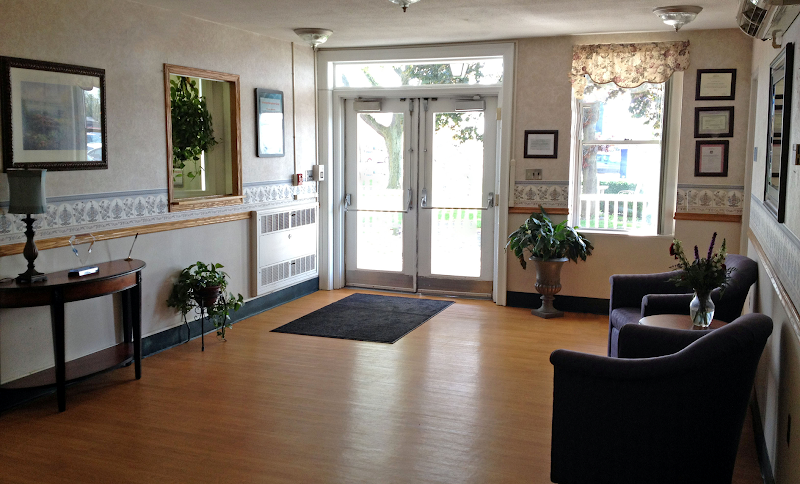
How is The Orchards At Southgate Staffed?

CMS rates The Orchards at Southgate's staffing level at 4 out of 5 stars, which is above average compared to other nursing homes. Staff turnover is 61%, which is 15 percentage points above the Michigan average of 46%. High turnover can affect care consistency as new staff learn residents' individual needs.

What Have Inspectors Found at The Orchards At Southgate?

State health inspectors documented 38 deficiencies at The Orchards at Southgate during 2022 to 2025. These included: 1 Immediate Jeopardy (the most serious level, indicating potential for serious harm or death), 2 that caused actual resident harm, 33 with potential for harm, and 2 minor or isolated issues. Immediate Jeopardy findings are rare and represent the most serious regulatory concerns. They require immediate corrective action.
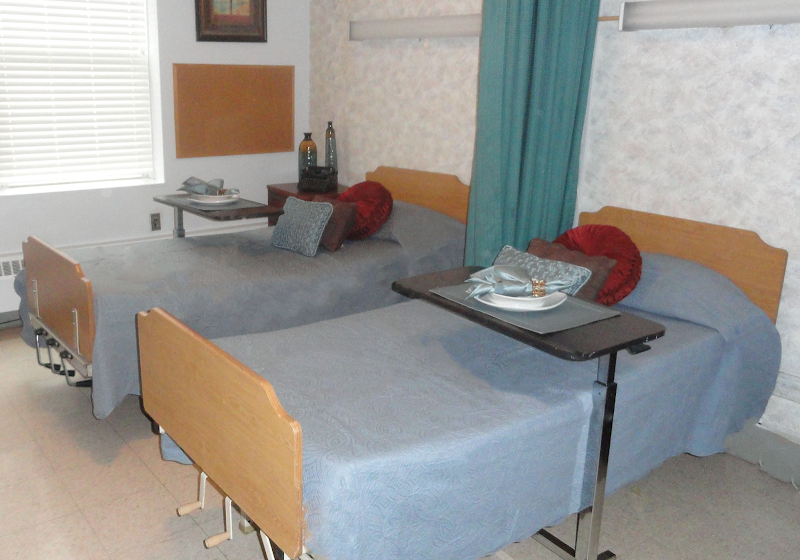
Who Owns and Operates The Orchards At Southgate?

The Orchards at Southgate is owned by a for-profit company. For-profit facilities operate as businesses with obligations to shareholders or private owners. The facility is operated by THE ORCHARDS MICHIGAN, a chain that manages multiple nursing homes. With 100 certified beds and approximately 81 residents (about 81% occupancy), it is a mid-sized facility located in Southgate, Michigan.

How Does The Orchards At Southgate Compare to Other Michigan Nursing Homes?

Compared to the 100 nursing homes in Michigan, The Orchards at Southgate's overall rating (3 stars) is below the state average of 3.1, staff turnover (61%) is significantly higher than the state average of 46%, and health inspection rating (3 stars) is at the national benchmark.

What Should Families Ask When Visiting The Orchards At Southgate?

Based on this facility's data, families visiting should ask: "What changes have been made since the serious inspection findings, and how are you preventing similar issues?" "How do you ensure continuity of care given staff turnover, and what is your staff retention strategy?" "Can I visit during a mealtime to observe dining assistance and food quality?" "How do you handle medical emergencies, and what is your hospital transfer rate?" These questions are particularly relevant given the facility's Immediate Jeopardy citations and the facility's high staff turnover rate.

Is The Orchards At Southgate Safe?

Based on CMS inspection data, The Orchards at Southgate has documented safety concerns. Inspectors have issued 1 Immediate Jeopardy citation (the most serious violation level indicating risk of serious injury or death). The facility has a 3-star overall rating and ranks #100 of 100 nursing homes in Michigan. Families considering this facility should ask detailed questions about what corrective actions have been taken since these incidents.

Do Nurses at The Orchards At Southgate Stick Around?

Staff turnover at The Orchards at Southgate is high. At 61%, the facility is 15 percentage points above the Michigan average of 46%. High turnover means new staff may not know residents' individual needs, medications, or preferences. It can also be disorienting for residents, especially those with dementia who rely on familiar faces. Families should ask: What is causing the turnover? What retention programs are in place? How do you ensure care continuity during staff transitions?

Was The Orchards At Southgate Ever Fined?

The Orchards at Southgate has been fined $47,691 across 4 penalty actions. The Michigan average is $33,556. While any fine indicates a compliance issue, fines under $50,000 are relatively common and typically reflect isolated problems that were subsequently corrected. Families should ask what specific issues led to these fines and confirm they've been resolved.

Is The Orchards At Southgate on Any Federal Watch List?

The Orchards at Southgate is not on any federal watch list. The most significant is the Special Focus Facility (SFF) program, which identifies the bottom 1% of nursing homes nationally based on persistent, serious quality problems. Not being on this list means the facility has avoided the pattern of deficiencies that triggers enhanced federal oversight. This is a positive indicator, though families should still review the facility's inspection history directly.