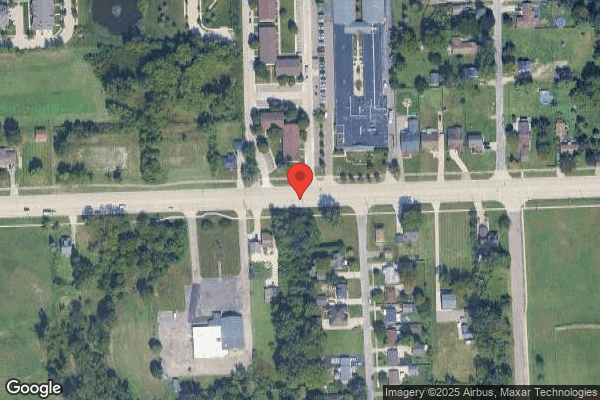
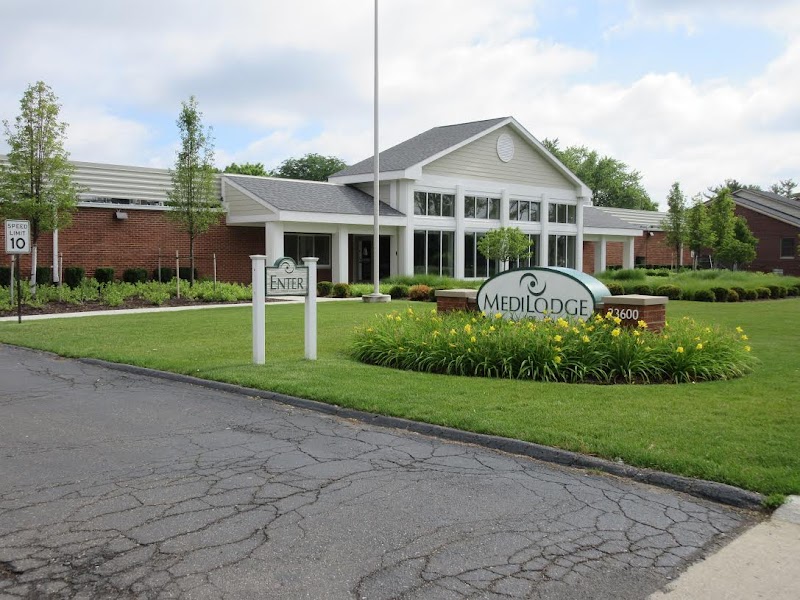
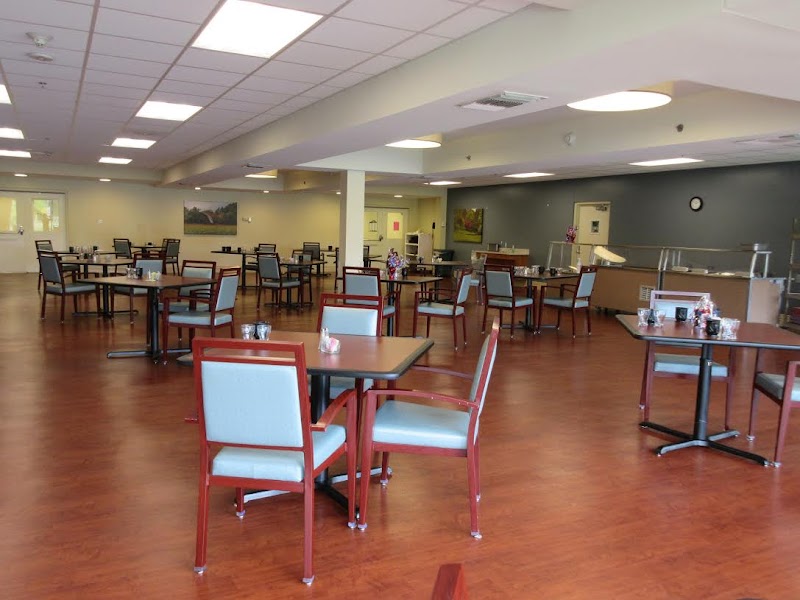
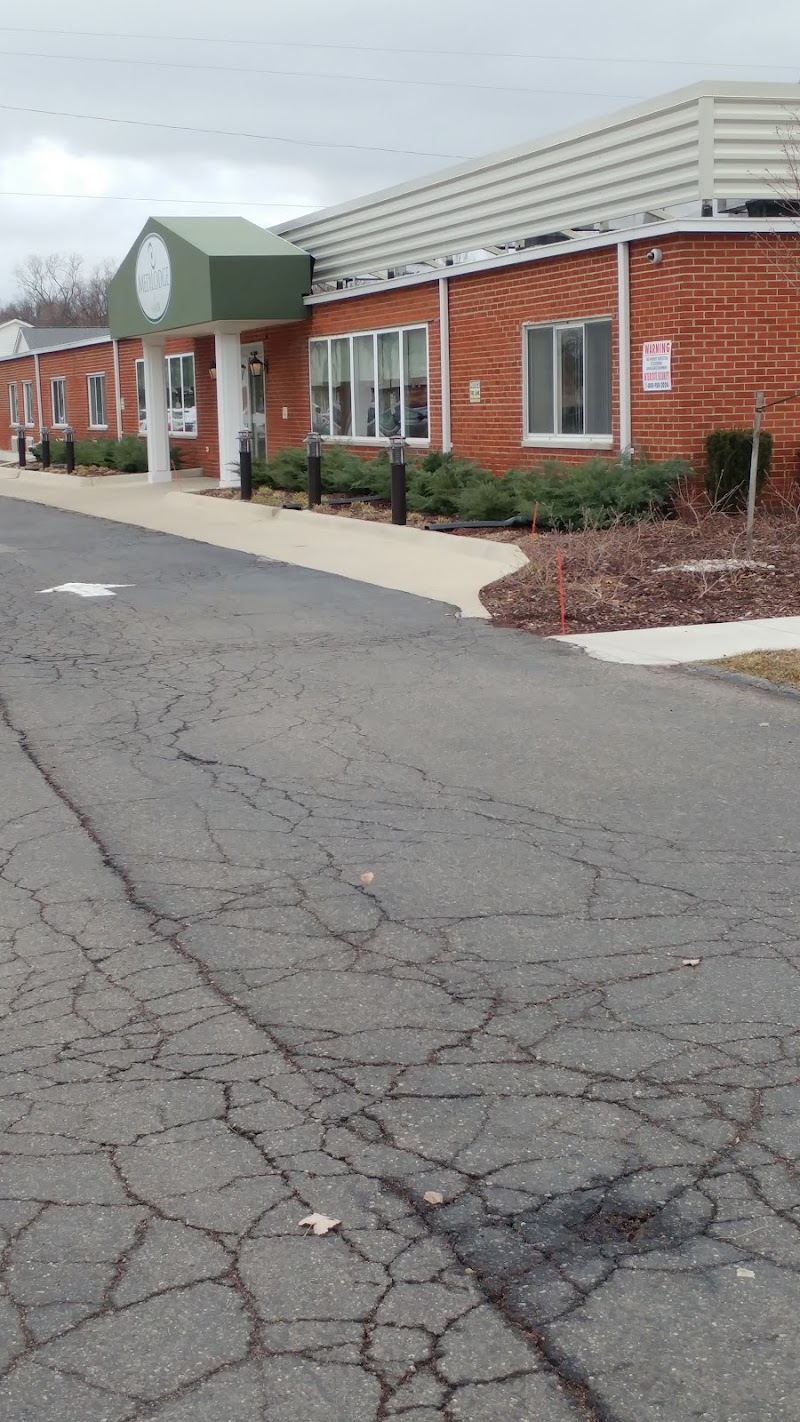
Medilodge of Taylor

23600 Northline Rd, Taylor, MI 48180 (734) 287-8580
For profit - Individual 142 Beds MEDILODGE Data: November 2025 1 Immediate Jeopardy citation
Trust Grade
58/100
#152 of 422 in MI
Last Inspection: October 2024

Within standard 12-15 month inspection cycle. Federal law requires annual inspections.

Overview

Medilodge of Taylor has a Trust Grade of C, which means it is average compared to other facilities, placing it in the middle of the pack. It ranks #152 out of 422 nursing homes in Michigan, indicating it is in the top half, and #17 out of 63 in Wayne County, meaning only 16 local options are better. The facility is improving, having reduced its issues from 6 in 2024 to 5 in 2025. Staffing is rated average with a turnover rate of 42%, which is slightly better than the Michigan average. Notably, there have been no fines reported, but the facility has faced some concerning incidents, including a failure to properly label food in the kitchen and a critical finding regarding a resident's advance directive, which indicates potential issues with compliance and resident safety. Overall, while Medilodge of Taylor has strengths in its rankings and a lack of fines, families should be aware of the specific incidents noted in the inspection reports.

Trust Score
C
58/100
In Michigan
#152/422
Top 36%
Safety Record
High Risk
Review needed
Inspections
Getting Better
6 → 5 violations
Staff Stability
○ Average
42% turnover. Near Michigan's 48% average. Typical for the industry.
Penalties
✓ Good
No fines on record. Clean compliance history, better than most Michigan facilities.
Skilled Nurses
○ Average
Each resident gets 31 minutes of Registered Nurse (RN) attention daily — about average for Michigan. RNs are the most trained staff who monitor for health changes.
Violations
⚠ Watch
24 deficiencies on record. Higher than average. Multiple issues found across inspections.
★★★★☆
4.0
Overall Rating
★★★☆☆
3.0
Staff Levels
★★★★☆
4.0
Care Quality
★★★★☆
4.0
Inspection Score
Stable
2024: 6 issues
2025: 5 issues

The Good

  • 4-Star Quality Measures · Strong clinical quality outcomes
  • Full Sprinkler Coverage · Fire safety systems throughout facility
  • No fines on record
  • Staff turnover below average (42%)

    6 points below Michigan average of 48%

Facility shows strength in quality measures, fire safety.

The Bad

Staff Turnover: 42%

Near Michigan avg (46%)

Typical for the industry

Chain: MEDILODGE

Part of a multi-facility chain

Ask about local staffing decisions and management

The Ugly 24 deficiencies on record

1 life-threatening
Aug 2025 3 deficiencies
CONCERN (D) 📢 Someone Reported This

A family member, employee, or ombudsman was alarmed enough to file a formal complaint

Potential for Harm - no one hurt, but risky conditions existed

Notification of Changes (Tag F0580)

Could have caused harm · This affected 1 resident

This citation pertains to intake 2583399.Based on interview and record review, the facility failed to timely notify the guardian of a resident fall for one resident (R101) out of four residents review...

Read full inspector narrative →
This citation pertains to intake 2583399.Based on interview and record review, the facility failed to timely notify the guardian of a resident fall for one resident (R101) out of four residents reviewed for falls. Findings include:Record Review of R101's Electronic Health Record (EHR) revealed admission to the facility on 7/24/25 with diagnoses which included Unspecified Fracture of Right Femur, Chronic Lymphocytic Leukemia of B-Cell Type, Legal Blindness. Date of discharge 7/31/25 at 8:11 AM to acute care hospital.Review of 101's Brief interview for Mental Status (BIMS) assessment performed on 7/29/25 revealed a BIMS of 8/15 moderately impaired cognition. R101 is listed as having a guardian. Review of R101's functional abilities status revealed substantial/maximal assistance for bed mobility and dependent for transfers.On 8/21/25 at 9:05 AM, Certified Nursing Assistant (CNA) C was interviewed and said that on 7/29/25 at approximately 6:30 AM, she found R101 on the floor next to the bed. CNA C notified Licensed Practical Nurse (LPN) D and together they put R101 back in bed. CNA C said she did not notice anything new wrong with R101, no new injury. CNA C said that she worked with R101 on 7/30/25 and at approximately 11:00 PM while providing care she noticed something wrong with R101's left leg. CNA C said she immediately notified LPN E.On 8/21/25 at 9:30 AM, Guardian staff member (G) B was interviewed and said that the Guardian office was not notified of R101's fall on 7/29/25. G B revealed that the guardian office was notified of R101's transfer to the hospital on 7/31/25 by LPN E due to leg injury. However, the guardian office was not notified of R101's fall or how the left leg was injured.On 8/20/25 at 12:01 PM, LPN D was left a voicemail for an interview request with no return phone call.Record review of R101's progress note, created 7/31/25 at 9:43 AM, effective date 7/29/25 at 7:00 AM late entry completed by LPN D revealed in part: Nurse quickly went to get the CNA to help transfer the resident back to bed. Prior to the fall, resident was administered her pain medication. Physical assessment was conducted; no visual injury noticed. No injuries were observed at the time of the incident. Agencies/People notified Responsible Party/Family Member Guardian 7/31/25 at 9:08 AM.On 8/20/25 at 1:00 PM the Director of Nursing (DON) was interviewed and said R101's guardian, physician and herself were not notified of the fall that occurred on 7/29/25 until 7/31/25. The DON further said that the guardian, physician and herself should have been notified immediately of the fall due to probable injury.Review of the facility policy titled Incidents and Accidents Reporting date reviewed/revised 8/11/22 revealed in part: It is the policy of this facility for staff to utilize electronic and/or approved forms to report, investigate, and review any accidents or incidents that occur or allegedly occur, on facility property and may involve or allegedly involve a resident. The following incidents/accidents require an incident/accident report but are not limited to falls. The supervisor or other designee will be notified of the incident/accident. The nurse will notify the resident's practitioner to inform them of the incident/accident, report any injuries or other findings, and obtain orders, if indicated, which may include transportation to the hospital dependent upon the nature of the injury(ies). The resident's family or representative will be notified of the incident/accident and any orders obtained or if the resident is to be transported to the hospital. The nurse/designee will enter the incident/accident information into the appropriate form/system within 24 hours of occurrence and will document all pertinent information. If an incident/accident was witnessed by other people, the supervisor or designee will obtain the witness' account.
CONCERN (D) 📢 Someone Reported This

A family member, employee, or ombudsman was alarmed enough to file a formal complaint

Potential for Harm - no one hurt, but risky conditions existed

Report Alleged Abuse (Tag F0609)

Could have caused harm · This affected 1 resident

This citation pertains to intake 2583399.Based on interview and record review, the facility failed to report an injury of unknown origin to the State Agency (SA) for one resident (R101) out of four re...

Read full inspector narrative →
This citation pertains to intake 2583399.Based on interview and record review, the facility failed to report an injury of unknown origin to the State Agency (SA) for one resident (R101) out of four residents reviewed for injuries of unknown origin. Findings include:On 7/31/25 the State Agency (SA) received a complaint from Adult Protective Services regarding R101 sustaining a fractured leg.Record Review of R101's Electronic Health Record (EHR) revealed admission to the facility on 7/24/25 with diagnoses which included Unspecified Fracture of Right Femur, Chronic Lymphocytic Leukemia of B-Cell Type, Legal Blindness. Date of discharge 7/31/25 at 8:11 AM to acute care hospital.Review of 101's Brief interview for Mental Status (BIMS) assessment performed on 7/29/25 revealed a BIMS of 8/15 moderately impaired cognition. R101 is listed as having a guardian. Review of R101's functional abilities status revealed substantial/maximal assistance for bed mobility and dependent for transfers.On 8/21/25 at 9:05 AM, Certified Nursing Assistant (CNA) C was interviewed and said that on 7/29/25 approximately at 6:30 AM, she found R101 on the floor next to the bed. CNA C said she notified Licensed Practical Nurse (LPN) D and together they put R101 back in bed. CNA C said she did not notice anything wrong with R101, or a new injury. CNA C further said that she worked with R101 on 7/30/25 and at approximately 11:00 PM while providing care she noticed something wrong with R101's left leg. CNA C said she immediately notified LPN E.On 8/20/25 at 1:16 PM, LPN E was interviewed and said she worked on 7/30/25 and became aware of R101's left leg injury around 11:30 PM. LPN E said she immediately notified the doctor. LPN E further said she notified the Director of Nursing (DON) and Nursing Home Administrator (NHA).On 8/20/25 at 11:25 AM Certified Occupational Therapist Assistant (COTA) G and Physical Therapist Assistant (PTA) H were interviewed and said they worked with R101 on 7/29/25 through 7/30/25 and did not notice anything changes in condition during the therapy sessions.On 8/21/25 at 9:30 AM, Guardian staff member (G) B was interviewed and said that the Guardian office was not notified of R101's fall on 7/29/25. G B revealed that the guardian office was notified of R101's transfer to the hospital on 7/31/25 by LPN E due to a leg injury however the guardian office was not notified of R101's fall or how the leg injury occurred.On 8/20/25 at 12:01 PM, LPN D was left a voicemail for an interview request with no return phone call.Record review of R101's progress note date created 7/31/25 at 9:43 AM, effective date 7/29/25 at 7:00 AM late entry completed by LPN D revealed in part: Nurse quickly went to get the CNA to help transfer the resident back to bed. Prior to the fall, resident was administered her pain medication. Physical assessment was conducted; no visual injury noticed. No injuries were observed at the time of the incident. Agencies/People notified Responsible Party/Family Member Guardian 7/31/25 at 9:08 AM. Review of the progress note dated 7/30/25 at 11:47 PM, revealed Resident resting in bed, writer noted left leg twisted and a bulge in left hip. Dr. phoned.On 8/20/25 at 1:15 PM, the NHA was interviewed and said LPN E notified her of R101's inured left leg. The NHA further said she did not notify the SA of R101's injured left leg or conduct an investigation and should have.Review of the facility policy titled Incidents and Accidents Reporting date reviewed/revised 8/11/22 revealed in part: It is the policy of this facility for staff to utilize electronic and/or approved forms to report, investigate, and review any accidents or incidents that occur or allegedly occur, on facility property and may involve or allegedly involve a resident. The following incidents/accidents require an incident/accident report but are not limited to falls. The supervisor or other designee will be notified of the incident/accident. The nurse will notify the resident's practitioner to inform them of the incident/accident, report any injuries or other findings, and obtain orders, if indicated, which may include transportation to the hospital dependent upon the nature of the injury(ies). The resident's family or representative will be notified of the incident/accident and any orders obtained or if the resident is to be transported to the hospital. The nurse/designee will enter the incident/accident information into the appropriate form/system within 24 hours of occurrence and will document all pertinent information. If an incident/accident was witnessed by other people, the supervisor or designee will obtain the witness' account.Review of the facility policy titled reporting Alleged Violations date reviewed/revised 1/10/24 revealed in part: The purpose of this policy is to assure that alleged violations are reported immediately to the facility administrator and other officials as required by State and Federal Guidelines. The facility must ensure:1. Alleged violations involving abuse, neglect, exploitation, or mistreatment are reported in accordance with State and Federal Guidelines. This includes injury of unknown source and misappropriation of resident property.2. If the alleged violation involves abuse or results in serious bodily injury it must be reported immediately but no later than 2 hours after the allegation in made.3. If the alleged violation does not involve abuse or does not involve serious bodily injury it must be reported no later than 24 hours after the allegation is made.4. The alleged violations must be reported to the administrator of the facility and to other officials (including to the state survey agency and adult protective services where state law provides jurisdiction in long term care facilities) in accordance with state law through established procedures.Injuries of unknown source: Includes circumstances when both of the following conditions are met:1. The source of the injury: a. was not observed by any person orb. could not be explained by the resident; andPolicy Reporting Alleged Violations 2. The injury is suspicious because of: a. the extent of the injury orb. the location of the injury (e.g., an area not generally vulnerable to trauma) orc. the number of injuries observed at one particular point in time ord. the incidence of injuries over time.Response and Reporting of Alleged Violations:Anyone in the facility can report an alleged violation. When an alleged violation is suspected, the Licensed Nurse should:1. Respond to the needs of the resident and protect them from further incident.2. Notify the Director of Nursing Services and Administrator.3. Complete an incident report and initiate an investigation immediately.4. Notify the attending physician, resident's family/legal representative and Medical Director.5. Obtain statements from direct care staff.6. Monitor and document the resident's condition, including the response to medical treatment or nursing interventions.7. Document actions taken in the medical record.The Administrator should follow up with government agencies, during business hours, to confirm the report was received, and to report the results of the investigation when final, as required by state agencies.
CONCERN (D) 📢 Someone Reported This

A family member, employee, or ombudsman was alarmed enough to file a formal complaint

Potential for Harm - no one hurt, but risky conditions existed

Investigate Abuse (Tag F0610)

Could have caused harm · This affected 1 resident

This citation pertains to intake 2583399.Based on interview and record review, the facility failed to investigate an injury of unknown origin for one resident (R101) out of four residents reviewed for...

Read full inspector narrative →
This citation pertains to intake 2583399.Based on interview and record review, the facility failed to investigate an injury of unknown origin for one resident (R101) out of four residents reviewed for injuries of unknown origin. Findings include:On 7/31/25 the State Agency (SA) received a complaint from Adult Protective Services regarding R101sustaining a fractured leg.Record Review of R101's Electronic Health Record (EHR) revealed admission to the facility on 7/24/25 with diagnoses which included Unspecified Fracture of Right Femur, Chronic Lymphocytic Leukemia of B-Cell Type, Legal Blindness. Date of discharge 7/31/25 at 8:11 AM to acute care hospital.Review of 101's Brief interview for Mental Status (BIMS) assessment performed on 7/29/25 revealed a BIMS of 8/15 moderately impaired cognition. R101 is listed as having a guardian. Review of R101's functional abilities status revealed substantial/maximal assistance for bed mobility and dependent for transfers.On 8/21/25 at 9:05 AM, Certified Nursing Assistant (CNA) C was interviewed and said that on 7/29/25 approximately at 6:30 AM, she found R101 on the floor next to the bed. CNA C notified Licensed Practical Nurse (LPN) D and together they put R101 back in bed. CNA C said she did not notice anything wrong with R101 or new injury. CNA C further said that she worked with R101 on 7/30/25 and at approximately 11:00 PM while providing care she noticed something wrong with R101's left leg. CNA C said she immediately notified LPN E.On 8/20/25 at 1:16 PM, LPN E was interviewed and said she worked on 7/30/25 and became aware of R101's left leg injury around 11:30 PM. LPN E said she immediately notified the doctor. LPN E further said she notified the Director of Nursing (DON) and Nursing Home Administrator (NHA).On 8/20/25 at 11:25 AM Certified Occupational Therapist Assistant (COTA) G and Physical Therapist Assistant (PTA) H were interviewed and said they worked with R101 on 7/29/25 through 7/30/25 and did not notice anything changes in condition during the therapy sessions.On 8/21/25 at 9:30 AM, Guardian staff member (G) B was interviewed and said that the Guardian office was not notified of R101's fall on 7/29/25. G B revealed that the guardian office was notified of R101's transfer to the hospital on 7/31/25 by LPN E due to a leg injury however the guardian office was not notified of R101's fall or how the left leg injury occurred.On 8/20/25 at 12:01 PM, LPN D was left a voicemail for an interview request with no return phone call.Record review of R101's progress note date created 7/31/25 at 9:43 AM, effective date 7/29/25 at 7:00 AM late entry completed by LPN D revealed in part: Nurse quickly went to get the CNA to help transfer the resident back to bed. Prior to the fall, resident was administered her pain medication. Physical assessment was conducted; no visual injury noticed. No injuries were observed at the time of the incident. Agencies/People notified Responsible Party/Family Member Guardian 7/31/25 at 9:08 AM. Review of the progress note dated 7/30/25 at 11:47 PM, revealed Resident resting in bed, writer noted left leg twisted and a bulge in left hip. Dr. phoned.On 8/20/25 at 1:15 PM, the NHA was interviewed and said LPN E notified her of R101's inured left leg. The NHA further said she did not notify the SA of R101's injured left leg or conduct an investigation and should have.Review of the facility policy titled Incidents and Accidents Reporting date reviewed/revised 8/11/22 revealed in part: It is the policy of this facility for staff to utilize electronic and/or approved forms to report, investigate, and review any accidents or incidents that occur or allegedly occur, on facility property and may involve or allegedly involve a resident. The following incidents/accidents require an incident/accident report but are not limited to falls. The supervisor or other designee will be notified of the incident/accident. The nurse will notify the resident's practitioner to inform them of the incident/accident, report any injuries or other findings, and obtain orders, if indicated, which may include transportation to the hospital dependent upon the nature of the injury(ies). The resident's family or representative will be notified of the incident/accident and any orders obtained or if the resident is to be transported to the hospital. The nurse/designee will enter the incident/accident information into the appropriate form/system within 24 hours of occurrence and will document all pertinent information. If an incident/accident was witnessed by other people, the supervisor or designee will obtain the witness' account. Review of the facility policy titled reporting Alleged Violations date reviewed/revised 1/10/24 revealed in part: The purpose of this policy is to assure that alleged violations are reported immediately to the facility administrator and other officials as required by State and Federal Guidelines.The facility must ensure:1. Alleged violations involving abuse, neglect, exploitation, or mistreatment are reported in accordance with State and Federal Guidelines. This includes injury of unknown source and misappropriation of resident property.2. If the alleged violation involves abuse or results in serious bodily injury it must be reported immediately but no later than 2 hours after the allegation in made.3. If the alleged violation does not involve abuse or does not involve serious bodily injury it must be reported no later than 24 hours after the allegation is made.4. The alleged violations must be reported to the administrator of the facility and to other officials (including to the state survey agency and adult protective services where state law provides jurisdiction in long term care facilities) in accordance with state law through established procedures.Injuries of unknown source: Includes circumstances when both of the following conditions are met:1. The source of the injury: a. was not observed by any person orb. could not be explained by the resident; andPolicy Reporting Alleged Violations 2. The injury is suspicious because of: a. the extent of the injury orb. the location of the injury (e.g., an area not generally vulnerable to trauma) orc. the number of injuries observed at one particular point in time ord. the incidence of injuries over time.Response and Reporting of Alleged Violations:Anyone in the facility can report an alleged violation. When an alleged violation is suspected, the Licensed Nurse should:1. Respond to the needs of the resident and protect them from further incident.2. Notify the Director of Nursing Services and Administrator.3. Complete an incident report and initiate an investigation immediately.4. Notify the attending physician, resident's family/legal representative and Medical Director.5. Obtain statements from direct care staff.6. Monitor and document the resident's condition, including the response to medical treatment or nursing interventions.7. Document actions taken in the medical record.The Administrator should follow up with government agencies, during business hours, to confirm the report was received, and to report the results of the investigation when final, as required by state agencies.
Jul 2025 2 deficiencies
CONCERN (D) 📢 Someone Reported This

A family member, employee, or ombudsman was alarmed enough to file a formal complaint

Potential for Harm - no one hurt, but risky conditions existed

Quality of Care (Tag F0684)

Could have caused harm · This affected 1 resident

**NOTE- TERMS IN BRACKETS HAVE BEEN EDITED TO PROTECT CONFIDENTIALITY** This citation pertains to Intake 1351543Based on observation, Interview, and record review, the facility failed to ensure a call...

Read full inspector narrative →
**NOTE- TERMS IN BRACKETS HAVE BEEN EDITED TO PROTECT CONFIDENTIALITY** This citation pertains to Intake 1351543Based on observation, Interview, and record review, the facility failed to ensure a call light was answered within a timely manner for one resident (R906) out of six residents reviewed for call lights, resulting in the R906 being left of the toilet for an extended period, discomfort, disrespect, and feelings of anxiety.Findings include:On 7/22/25 at 12:35 pm, R906 was observed in their room sitting in a wheelchair. R906 was interviewed about the care received at the facility. R906 said they were not receiving good care. R906 stated they went to the bathroom on 6/21/25 around 1:30 pm. R906 said, I was able to put myself on the toilet.I put the call light on and waited almost two hours for staff to answer the bathroom call light. R906 stated their family was visiting and went looking for staff but could not find anyone to help. R906 was asked if family was able to assist and the resident said, No they can't help me. At this time, R906 said, I was begging for help.I was yelling please help me. It made me feel like I was not important. During the interview, R906 was crying uncontrollably while explaining what occurred.A review of R906 electronic medical records revealed an admission to the facility on 6/22/2022 with the diagnoses of Type 2 Diabetes Mellitus, Peripheral Vascular Disease, Atherosclerotic Heart Disease, Chronic Fatigue, Age-Related Macular Degeneration, and Adjustment Disorder with Mixed Anxiety and Depressed Mood. A review of R906's Brief Interview for Mental Status (BIMS) dated 5/10/2025 disclosed a score of 15/15 (cognitively intact). A review of R906's Minimum Data Set (MDS) dated [DATE] revealed R906 required partial to moderate assistance with toileting hygiene, substantial to maximal assistance with lower body dressing, supervision or touching assistance with toilet transfer. A review of R906 care plan revealed the following: Interventions-Toileting: 1 person assist, will request to be changed when needed.dated 8/15/2023 and revised on 6/23/2025.Intervention-Encourage resident to use call light when assistance is needed.dated 8/15/2023. A review of R906's progress notes revealed documentation by Unit Manager F dated 6/23/2025 at 2:05pm: On 7/23/25 at 9:28am, Unit Manager F was interview about R906 allegation of being left on the toilet from 1:30pm-3:15pm. Unit Manager F stated, I was told that lunch trays were delivered late that day. The two certified nurse assistants (CNA) were passing trays at this time. Unit Manager F said the call system will go to the CNA pager and after 10 minutes it will alert the nurse that the call light was on. Unit Manager F said, The CNAs and nurse were feeding residents and it would not be fair to stop feeding a resident to answer a call light. Unit Manager F said that R906 usually goes to the bathroom on their own and will need assistance with bowel movements. Unit Manager F said she educated the CNAs and the Nurse about answering call lights. On 7/23/25 at 10:15am, the NHA was interviewed about R906 being left on the toilet for an extended period. The NHA said, I spoke to (R906) and was made aware of being on the toilet for an extended time.This is not acceptable, and the staff was educated. A review of the facility's policy Call Lights: Accessibility and Timely Response dated 12/28/2023 revealed the following: Policy: The purpose of this policy is to assure the facility is adequately equipped with a call light at each residents' bedside, toilet, and bathing facility to allow residents to call for assistance. Call lights will directly relay to a staff member or centralized location to ensure appropriate response.Policy Explanation and Compliance Guidelines: 1.Staff are educated in the proper use of the resident call system, including how the system works and ensuring resident access to the call light.7. Any staff member who sees or hears an activated call light is responsible for responding. If the staff member cannot provide what the resident desires, the appropriate personnel should be notified.
CONCERN (D) 📢 Someone Reported This

A family member, employee, or ombudsman was alarmed enough to file a formal complaint

Potential for Harm - no one hurt, but risky conditions existed

Infection Control (Tag F0880)

Could have caused harm · This affected 1 resident

Based on observation, interview and record review the facility failed to ensure enhanced barrier precautions (EBP) were applied during wound care for one resident (R912) out of one resident reviewed f...

Read full inspector narrative →
Based on observation, interview and record review the facility failed to ensure enhanced barrier precautions (EBP) were applied during wound care for one resident (R912) out of one resident reviewed for infection control.Findings include:Record review of R912's electronic medical records (EMR) revealed admission into the facility on 5/28/23 with a pertinent diagnosis of pressure ulcer of sacral area (upper buttocks) region Stage 4 (deep wound were bone and muscle can be observed). An observation conducted on 7/23/25 at 9:56 a.m. revealed a sign posted on the outside of R912's door instructing staff to wear personal protective equipment (PPE) during care. Additionally, a storage unit containing PPE was observed outside the resident's room.An observation on 7/23/25 at 10:00 am, was made of Licensed Practical Nurse (LPN) C entering R912's room without donning the required PPE. During the wound care procedure, after R912's soiled bandages were removed, the wound was observed with red-colored drainage.Record review of R912 's physician's orders, dated 5/30/25 at 3:00 p.m., documented, use enhanced barriers while performing high-contact activity with the resident during every shift.Record review of R912's Enhanced Barrier Precaution care plan indicated that enhanced barrier precautions were to be implemented when providing high-contact resident care activities. These included dressing, bathing, transferring, personal hygiene, changing linens, changing briefs/assisting with toileting, device care: central lines, urinary catheters, feeding tubes, tracheostomy/ventilators, wound care, dialysis. This care plan was initiated on 04/01/2024.An interview conducted on 7/23/25 at 10:50 a.m. with LPN C, revealed that PPE should be worn during wound care procedures.During an interview on 7/23/25 at 11:15 a.m., the Assistant Director of Nursing (ADON) A, reported that PPE was required to be worn when performing wound care for R912.An interview on 7/23/25 at 11:45 a.m. with Infection control Preventionist (IFC) D confirmed that staff are expected to consistently wear appropriate PPE during wound care and that staff had been in-serviced on these protocols on multiple occasions.Record review of facility's Policy, Enhanced Barrier Precautions documented, . It is the policy of this facility to implement enhanced barrier precautions for the prevention of transmission of multidrug-resistant organisms.
Oct 2024 5 deficiencies
CONCERN (D)

Potential for Harm - no one hurt, but risky conditions existed

Deficiency F0561 (Tag F0561)

Could have caused harm · This affected 1 resident

**NOTE- TERMS IN BRACKETS HAVE BEEN EDITED TO PROTECT CONFIDENTIALITY** Based on observation, interview, and record review the facility failed to ensure one resident (R76) was updated in a timely mann...

Read full inspector narrative →
**NOTE- TERMS IN BRACKETS HAVE BEEN EDITED TO PROTECT CONFIDENTIALITY** Based on observation, interview, and record review the facility failed to ensure one resident (R76) was updated in a timely manner regarding preference to move to another home, resulting in resident experiencing frustration. Findings include: On 10/15/24 at 12:12 PM, R76 was observed awake and lying in his bed. When queried about his stay in the facility, R76 said he wanted to speak to the social worker. R76 stated, I want to move to (Facility XX). I haven't spoken with anyone about this in two months. A review of the clinical record for R76 revealed an admission into the facility on 4/8/24 with diagnoses of metabolic encephalopathy, chronic obstructive pulmonary disease, and type 2 diabetes mellitus. R76 was his own responsible party. A Minimum Data Set assessment dated [DATE] documented intact cognition. A Social Service progress note dated 8/22/24 documented the following: MSW (Masters of Social Work) notified by SS asst. (Social Service Assistant) that patient is wanting referral sent to (Facility XX). Referral was sent, as requested, to admissions dept and writer additionally notified RDO (Regional Director of Operations). Writer requested for team to be updated when/if they are able to accept to confirm again with patient at that time on wishes to transfer. On 10/16/24 at 2:14 PM, MSW B said when a resident expresses a desire to move to another facility, we first determine if they are their own responsible party and then ask where they want to move to. Once the appropriate documents have been sent to the admission department of the desired location, we give them time to review it clinically. We then reach out to obtain an update regarding the resident's move request. MSW B stated, I usually wait two days to reach out and will go back to the resident regarding what happened when we reached out. MSW B added that they try for week to get information and will let the resident know if they are not getting a response. When queried about R76's request to move, MSW B acknowledged that R76 wanted to move to (Facility XX). MSW B said because the admission person for (Facility XX) was on vacation during the time the request was made, that the admission Director and RDO were also notified. MSW B said she waited for them to respond. MSW B could not recall if she got back with the resident and was unable to provide documentation that R76 had been updated. MSW B stated, I should have followed up with them (Facility XX) and got back with the resident. I needed to see the referral through, provide and update to the resident, and (determined) if there was another facility choice. On 10/17/24 at 12:29 PM, Assistant Director of Nursing (ADON) A said when the social worker did not hear back from the facility, she should have called to see if they received the referral and notified the resident of that status. On 10/18/24 at 4:40 PM during the exit conference, the Nursing Home Administrator and Director of Nursing were asked if there was any additional documentation or information that the facility would like to provide prior to the end of the survey, and they reported there was not.
CONCERN (D)

Potential for Harm - no one hurt, but risky conditions existed

ADL Care (Tag F0677)

Could have caused harm · This affected 1 resident

**NOTE- TERMS IN BRACKETS HAVE BEEN EDITED TO PROTECT CONFIDENTIALITY** R81 On 10/15/24 at 09:46 AM, Resident 81 was observed open in bed with their eyes opened. R81 had an unkept appearance and their...

Read full inspector narrative →
**NOTE- TERMS IN BRACKETS HAVE BEEN EDITED TO PROTECT CONFIDENTIALITY** R81 On 10/15/24 at 09:46 AM, Resident 81 was observed open in bed with their eyes opened. R81 had an unkept appearance and their hair was disheveled with a greasy appearance. R81's hair had thick dandruff and was matted at the top of their head. On 10/15/24 at 01:18 PM and on 10/16/24 at 09:17 AM, R81 was observed in bed on their back. R81 had an unkept appearance and their hair was disheveled with a greasy appearance. R81's hair had thick dandruff and was matted at the top of their head. The Resident's hands and legs were visible. The Resident's fingers on their left hand were curled towards palm. Their right leg was tucked underneath their left leg. R81's left leg appeared contracted. On 10/16/24 at 01:05 PM, R81 was observed in bed, positioned on their back with their eyes closed. R81 continued to have an unkept appearance and their hair was disheveled with an oily appearance. R81's hair had thick dandruff and was matted at the top of their head. On 10/17/24 at 09:01 AM, Certified Nurse Aide (CNA) M was interviewed and asked if they provided care to R81. CNA M said that they were not familiar with R81. CNA M was asked about the facility's policy if a resident refused care. CNA M said, If a resident refused a bath or shower I tell a nurse. A review of R81's electronic medical records indicated an initial admission was on 09/01/2020 and most resent admission on [DATE] with diagnoses of Cerebral Infarct (lack of adequate blood supply to brain), Toxic Encephalopathy, Dysphagia, Type II Diabetes, Hypertension, and Seizures. A review of the R81's Minimum Data Set (MDS) dated [DATE] indicated a score of 15 (resident's cognition was intact). R81 was dependent with all Activities of Daily Living (ADLs). A review of R81's care plan noted the following, Resident has an ADL self care performance deficit related to [Stroke], Muscle Weakness . Date initiated 08/22/2023, Revision on 10/16/2024 .Encourage participant in daily care and provide positive reinforcement for activities attempted and/or partially achieved .Dated 8/23/2023 .Observed for pain during ADL tasks and report to Nurse if observed. Dated 8/23/2024 .Oral mouth swab [R81] q 4 hours [every four hours] .Dated 06/06/2024 .Actively involve the resident/family in the resident's plan of care .Dated 09/01/2023. A review of R81's electronic medical records progress notes resident's refusal to bathe on 7/31/2024. No other resident refusal and/or notification of legal guardian from 06/01/2024-10/11/2024. On 10/17/24 at 10:25 AM, the Director of Nursing (DON) was asked about her expectations for bathing and the DON stated that R81 always refused bathing. Based on observation, interview, and record review the facility failed to provide adequate nail care, facial hair grooming, and hair washing for two (R18 and R118) of seven residents reviewed for activities of daily living for dependent residents resulting in unmet hygiene needs, loss of dignity, and emotional distress. Findings include: R18: On 10/15/24 at 11:25 a.m. R18 was observed in bed watching television. R18 was also observed with matted braided hair that was greasy and full of dandruff. R18 facial hair was overgrown and unkept. R18 had impaired speech, however when asked the last time his facial hair was trimmed and hair was washed, the resident replied, good question (indicating it has not been done). R18 became tearful when asked if the staff offered to wash hair and trim facial hair. R18 responded, No! No! No! R18 was asked do you want your hair washed and facial hair trimmed. Tearfully R18 said, Yes! Yes! Yes! Please, please, please. On 10/15/24 at 11:59 a.m. CNA O was interviewed and confirmed regularly being the resident's nurse aid. CNA O said R18 often refuses care, and it has been documented. On 10/15/24 at 12:01 p.m. LPN I was interviewed and said R18 will cooperate with care with regularly scheduled staff. The resident will refuse care with newer staff. When the resident (all residents) refuse care, the aides are to report the refusal to the nurse or unit manager. On 10/15/24 at 12:25 p.m. Director of Nursing (DON) A and Unit Manager (UM) N were in R18's room and said the resident received a shower yesterday. They were asked is shaving and hair washing included if needed on shower days. DON A said shaving and hair washing should be done on shower days. DON A did not know why the care have not been rendered. UM N said R18 refuses but was uncertain if he refused getting shaved or hair washed. DON A and UM N agreed the resident's hair needed to washed and facial hair trimmed. On 10/16/24 at 1:11 p.m. review of the clinical record documented R18 was admitted into the facility on 6/4/22 with diagnoses that included diabetes mellitus with neuropathy, dementia, encephalopathy, and traumatic brain injury. According to the quarterly minimum data set assessment (MDS) dated [DATE], R18 had moderate impaired cognition and dependent on staff for grooming and bathing. Review of the Activities of Daily Living care plan dated 9/22/23 documented: Resident has an ADL self-care performance deficit related to dementia and traumatic brain injury. Interventions: Bathing: 2-person assistance, prefers a shower over a bed bath; Personal Hygiene: 2-person assistance. Honor resident's choices and preferences whenever possible. Review of the task list revealed no refusals were documented for R18. Review of the facility's policy titled Activities of Daily Living (ADLs) dated 12/28/23 documented: The facility takes measures to minimize the loss of resident's functional abilities, including activities of daily living (ADLs). Activities of Daily Living include the ability to: 1. Bathe, dress, and groom . A resident who is unable to carry out activities of daily living receives the necessary services to maintain good nutrition, grooming, and personal and oral hygiene .
CONCERN (D)

Potential for Harm - no one hurt, but risky conditions existed

Respiratory Care (Tag F0695)

Could have caused harm · This affected 1 resident

Based on observation, interview and record review, the facility failed to ensure continuous tracheostomy humidification for one (R125) of three residents reviewed for respiratory therapy, resulting in...

Read full inspector narrative →
Based on observation, interview and record review, the facility failed to ensure continuous tracheostomy humidification for one (R125) of three residents reviewed for respiratory therapy, resulting in the potential for thickened secretions, dehydration of airway secretions, and the potential for lung infection. Findings include: On 10/16/24 at 08:39 AM, R125 was observed in bed on their back, with eyes opened. R125 was lying on their back with their left arm pulled up to their chest and right hand culled tight towards their palm. The humidifier canister that holds water for humidification was completely empty (without water to generate humidification). On 10/17/24 at 08:40 AM, R125 was observed in bed on their back, with eyes closed. R125 was lying on their back with their left arm pulled up to their chest and right hand culled tight towards their palm. The humidifier canister that holds water for humidification was completely empty (without water to generate humidification). On 10/17/24 at 10:15 AM, R125 was observed in bed on their back, with eyes closed. R125 was lying on their back with their left arm pulled up to their chest and right hand culled tight towards their palm. The humidifier canister that holds water for humidification was completely empty (without water to generate humidification). A review of R125's electronic medical record revealed an admission to the facility on 9/16/2024 with diagnoses which included a Traumatic Subdural Hemorrhage (07/03/2024 secondary to a motor vehicle accident), Traumatic Brain Injury, Lung Injury, Fracture of Lumbar Vertebra, and Fracture of Right Eye. Review of the Minimum Data Set (MDS) assessment revealed R125 was severely cognitively impaired and dependent with all Activities of Daily Living (ADLs). A review of R125's care plan noted: Resident has an impaired pulmonary/respiratory status related to tracheostomy date Initiated 09/17/2024. On 10/17/24 at 10:39 Director of Nursing (DON) was interviewed and asked if water was needed for tracheostomy treatment of R125. The DON stated, It should not be empty .it should always have water. A review of the facility's policy Tracheostomy Care reviewed/revised 10/26/23, noted the following: The facility will ensure that residents who need respiratory care, including tracheostomy care and tracheal suctioning, is provided such care consistent with professional standards of practice, the comprehensive person care plan and resident goals and preferences.
CONCERN (D) 📢 Someone Reported This

A family member, employee, or ombudsman was alarmed enough to file a formal complaint

Potential for Harm - no one hurt, but risky conditions existed

Medical Records (Tag F0842)

Could have caused harm · This affected 1 resident

**NOTE- TERMS IN BRACKETS HAVE BEEN EDITED TO PROTECT CONFIDENTIALITY** This citation pertains to intake MI00146662. Based on interview and record review the facility failed to maintain complete and a...

Read full inspector narrative →
**NOTE- TERMS IN BRACKETS HAVE BEEN EDITED TO PROTECT CONFIDENTIALITY** This citation pertains to intake MI00146662. Based on interview and record review the facility failed to maintain complete and accurate medical records for one resident (R130) out of three residents reviewed for wound care. Findings Include: Record review of R130's electronic medical record (EMR) revealed admission into the facility on 2/8/24 with a pertinent diagnosis of acquired absence of left leg below knee. According to the Minimum Data Set (MDS) dated [DATE], R130 had intact cognition and required assistance with Activities of Daily Living (ADLs). Record review of Physician Orders documented, LBKA (left below the knee amputation) cleanse with wound cleanser pat dry and apply dry dressing every day for surgical incision. Start Date-02/15/2024 0700. Record review of Treatment Administration Record (TAR) revealed that a dressing was applied on 2/15/24. On 2/16/24, Licensed Practical Nurse (LPN) L documented that R130 refused to have dressing changed. On 2/17/24 LPN I documented that dressing change was administered. On 2/18/24, LPN J documented that dressing change was administered. On 2/19/24, LPN K, documented that dressing change was administered. Record review of Performance Improvement Form dated 2/20/24, documented LPN I, was given a verbal counseling and it further documented the following: On 2/17/24 you signed out that you provided wound care to R130, but today it was noted the daily dressing was last changed on 2/15/24. Documentation was not completed appropriately. Interview on 10/18/24 at 1:30 PM, LPN I, reported signing out the treatment was completed on TAR, but did not administer the treatment. Record review of Performance Improvement Form dated 2/20/24, documented that LPN J, was given a verbal counseling and it further documented the following: On 2/18/24 you signed out that you provided wound care to R130, but today it was noted the daily dressing was last changed on 2/15/24. Documentation was not completed appropriately. Record review of Performance Improvement Form dated 2/20/24, documented that LPN K, was given a verbal counseling and it further documented the following: On 2/19/24 you signed out that you provided wound care to R130, but today it was noted the daily dressing was last changed on 2/15/24. Documentation was not completed appropriately. Interview on 10/17/24 at 2:00 PM, LPN K, reported signing out the treatment was completed on TAR, but did not administer the treatment. An interview on 10/18/24 at 2:30 PM with Director of Nursing (DON), reported being made aware after a State Agency investigator on 2/20/24 had observed R130's treatment to LBKA had not been administered since 2/15/24. DON further reported that nursing should not document a treatment was completed if it had not been administered, It is a standard of practice.
CONCERN (F)

Potential for Harm - no one hurt, but risky conditions existed

Food Safety (Tag F0812)

Could have caused harm · This affected most or all residents

Based on observation, interview, and record review, the facility failed to properly date-label food in the kitchen and ensure the drain from the coffee machine was properly air gapped. Findings includ...

Read full inspector narrative →
Based on observation, interview, and record review, the facility failed to properly date-label food in the kitchen and ensure the drain from the coffee machine was properly air gapped. Findings include: On 10/15/24 at 8:50 AM, during the initial tour of the kitchen with Dietary Manager (DM) D and Registered Dietitian (RD) C the following was observed: Three loaves of white bread, two loaves of wheat bread, and one bag of white hotdog buns were opened and undated on the bread rack. RD C stated food items should specify delivery, opened, and discard dates. Inside the reach in cooler, an opened five-pound bag of shredded cheese was dated 10/8/24. DM D and RD C were unable to identify if the date signified the delivery, opened, or discard date. Additionally, an opened five-pound tub of sour cream did not specify an expiration date. The drain line from the coffee machine did not have the required minimum one-inch air gap (an unobstructed vertical space between the end of the drain line and the flood rim of the floor drain). On 10/17/24 at 12:40 PM, the Nursing Home Administrator (NHA) said the items in the kitchen should be labeled when received, opened, and use-by. Kitchen staff should have notified maintenance to adjust the coffee machine drainpipe. On 10/18/24 at 4:40 PM during the exit conference, the NHA and Director of Nursing were asked if there was any additional documentation or information that the facility would like to provide prior to the end of the survey and they reported there was not. According to the following sections of the 2013 FDA Food Code: 3-101.11, entitled, Safe, Unadulterated, and Honestly Presented, was reviewed and revealed, Food shall be safe, unadulterated, and, as specified under § 3-601.12, honestly presented. 5-202.13: An air gap between the water supply inlet and the flood level rim of the plumbing fixture, equipment, or nonfood equipment shall be at least twice the diameter of the water supply inlet and may not be less than 1 inch.
Jan 2024 1 deficiency
CONCERN (D) 📢 Someone Reported This

A family member, employee, or ombudsman was alarmed enough to file a formal complaint

Potential for Harm - no one hurt, but risky conditions existed

ADL Care (Tag F0677)

Could have caused harm · This affected 1 resident

**NOTE- TERMS IN BRACKETS HAVE BEEN EDITED TO PROTECT CONFIDENTIALITY** This citation pertains to intake MI00141087. Based on interview and record review, the facility failed to shower one resident (R...

Read full inspector narrative →
**NOTE- TERMS IN BRACKETS HAVE BEEN EDITED TO PROTECT CONFIDENTIALITY** This citation pertains to intake MI00141087. Based on interview and record review, the facility failed to shower one resident (R506) of three reviewed for scheduled showers, resulting in the lack of resident personal grooming and hygiene. Findings include: A review of R506's Electronic Medical Record (EMR) revealed R506 was admitted to the facility 10/17/23 and discharged from the facility 11/17/23. R506 had the following medical diagnoses: low back pain, Scoliosis, Arthritis, Repeated Falls, and Abnormalities of Gait and Mobility. A review of R506's Minimum Data Set (MDS) dated [DATE] revealed R506 had a Brief Interview of Mental Status (BIMS) score of 10/15 moderate cognition). According to the MDS, R506 required moderate assistance with showering/bathing, required moderate assistance with shower transfers, and required moderate assistance with bed mobility. A review of R506's Activities of Daily Living (ADL) care plan, with an initiation date of 10/17/23, documented, Bed Mobility: one person .Transfer: one person. A review of R506's shower schedule revealed R506 was scheduled for showers on Wednesdays and Saturdays in the evening. On 1/18/24 at 2:50 PM the Director of Nursing (DON) was queried about the shower sheets for R506. The DON provided documentation of showers given on 10/18/23, 10/19/23, 10/30/23, and 11/12/23. Howerver, R506 did not have documentation that a shower was completed for the following dates scheduled: 10/21/23, 10/25/23, 10/28/23, 11/1/23, 11/4/23, 11/8/23, 11/11/23, and 11/15/23. On 1/18/24 at 3:10 PM the DON was interviewed about the missing shower documentation. The DON said the Certified Nursing Assistants (CNAs) had a problem with documenting showers that have been given. The DON said it was expected for the CNAs to document all showers given. Further, the DON said if the showers were not documented they were not given.
Sept 2023 2 deficiencies
CONCERN (D)

Potential for Harm - no one hurt, but risky conditions existed

Deficiency F0658 (Tag F0658)

Could have caused harm · This affected 1 resident

**NOTE- TERMS IN BRACKETS HAVE BEEN EDITED TO PROTECT CONFIDENTIALITY** Based on observation, interview, and record review, the facility failed to obtain a complete order for the application and remov...

Read full inspector narrative →
**NOTE- TERMS IN BRACKETS HAVE BEEN EDITED TO PROTECT CONFIDENTIALITY** Based on observation, interview, and record review, the facility failed to obtain a complete order for the application and removal of a topical pain patch for one resident (Resident #99) of 28 residents reviewed during medication pass, resulting in the likelihood of causing the resident to be over medicated or under medicated. Findings include: On 9/27/2023 at 8:29 a.m., an observation was made with Licensed Practical Nurse (LPN) F 's morning Medication Pass for R99 on the (400's Hallway). Unit Manager/Licensed Practical Nurse (UM/LPN G' and a Certified Nursing Assistance (CNA) assisted R99 with turning in bed allowing LPN F to apply a topical pain patch (Hot and cold pack). Prior to applying the patch on R99's lower back, there was no other patch observed. LPN F was asked the instructions for the Patch to be applied and taking off. LPN F said, It does not have a removal time, but it goes on at 09:00. I put it on yesterday too, but I don't know when the patch was removed. UM/LPN G said, I have to look but I think its twelve hours on and twelve off. UM/LPN G reviewed the MAR for instructions for applying the patch with LPN F and said, I don't see any instructions. LPN F reviewed the instructions on the box of the Patches and read, Use up to eight hours, no longer than eight hours. LPN F said after reading the instructions for the patches, I will change this order right now. LPN F confirmed nurses will not know how long to keep the patch on because there was no complete order to take the patch off and doesn't know if the resident has been keeping the patch on over the eight hours or not. According to the electronic medical record, R99 was admitted to the facility on [DATE] with diagnoses of atrial fibrillation, cerebral infarction (Stroke) and hypertension. R99's admission Minimum Data Set (MDS) with a reference date of 8/19/2023 indicated R99 was cognitively intact with a BIMS (brief interview for mental status) score of 00/15, required extensive assistance of two person for bed mobility. On 9/27/2023 at approximately 9:30 a.m. during an interview with LPN F the Physician's Orders were as follows: Icy Hot external Patch 5% (Menthol Topical Analgesic) apply to lower back topically one time a day for pain with the start date of 9/13/2023 with no removal time documented. During an interview on 9/28/2023 at 1:08 p.m., Registered Nurse/Assistance Director of Nursing (RN/ADON) A confirmed the order for the topical patch was transcribed without a time to remove the patch, and the nurse would have not known when to remove the patch and there should have been a time to take the patch off on the MAR. According to the facility's revised date of 1/1/2022 Medication Administration policy: Medications are administered by licensed nurses, or other staff who are legally authorized to do so in this state, as ordered by the physician and in accordance with professional standards of practices .14. Administer medication as ordered in accordance with manufacturer specifications.
CONCERN (D)

Potential for Harm - no one hurt, but risky conditions existed

Incontinence Care (Tag F0690)

Could have caused harm · This affected 1 resident

Based on observation, interview, and record review the facility failed to provide appropriate supra-pubic catheter care (s/p catheter; flexible tube surgically inserted through the abdomen wall into t...

Read full inspector narrative →
Based on observation, interview, and record review the facility failed to provide appropriate supra-pubic catheter care (s/p catheter; flexible tube surgically inserted through the abdomen wall into the bladder to drain urine) for one (R16) of two residents reviewed for urinary catheters resulting in the potential for skin irritation around the catheter insertion site, discomfort or dislodgement of the catheter, and urinary tract infections. Findings include: On 9/25/23 at 10:42 AM R16 was observed in his room seated in his wheelchair with the front of his pants visibly wet in center and down left pant leg (thigh area). The resident was wearing a brief underneath his pants. The resident's pants were wet in two spots; over the top of the brief along the front of the abdomen in an oval shape, and down the left pant leg thigh area. R16 had a urinary catheter tubing inside his left pant leg that exited at the ankle opening. The tubing was connected to a collection bag that was resting on the floor. R16 was alert and able to communicate with a letter board on a tray attached to his wheelchair. R16 was asked about the catheter and if he felt wet or uncomfortable. R16 spelled out on the letter board, I M Dry. At this time Certified Nursing Assistant (CNA) E walked by the resident's room and was asked about R16's catheter. CNA E acknowledged that R16's pants were wet and the catheter bag was on the floor. CNA E picked the catheter bag off the floor and attached it to the underside of the resident's wheelchair. CNA E could not determine if R16 had an anchoring device securing the urinary catheter. CNA E said she needed another staff person to assist the resident to bed for a brief change and proceeded to get assistance. At approximately 10:48 AM, CNA C and CNA E returned to the room with Registered Nurse (RN) B to assist with the resident's brief change. R16 became physically upset and repeatedly spelled out, I M dry and physically refused to be placed in bed for a brief change. R16 declined to be assessed, placed in bed, or have a brief change at this time. R16 repeatedly requested to be left alone. All staff left the room in accordance with R16's request. According to R16's Electronic Health Record (EHR) the resident admitted to the facility in 2011 with multiple diagnoses that included history of a stroke with aphasia (difficulty/ inability to communicate with speech) and obstructive uropathy that required the use of a s/p catheter for urinary drainage. The Physician's orders dated 6/3/21 were as follows: Ensure Foley Catheter Anchor in place every shift, S/P Catheter 24F 5cc Balloon DX: Obstructive Uropathy, Monitor and Record Urinary Catheter output every shift, Foley catheter care every shift and PRN (as needed) - Monitor urine from indwelling catheter for « color, cloudiness, odor, and decreased output. Notify provider as needed if any changes. A urinary catheter care plan initiated on 8/14/23 included the following intervention; · Change catheter and drainage system as clinically indicated per order(s). Observe for signs/symptoms of obstruction (leakage, increased sediment, etc.), infection, or if closed system was compromised. On 9/25/23 at 11:32 a.m. during the lunch dining observation, R16 was observed in the wheelchair, being assisted into the dining room by RN B. R16's legs were extended out and the catheter bag was observed hanging out of the left pant leg, dragging on the floor. RN B positioned R16 at one of the dining room tables and rolled over the catheter bag with the wheelchair. After positioning the resident and the wheelchair at the table, the catheter bag remained under the wheel of the wheelchair. At 11:34 a.m., the Activities Director was observed moving R16's wheelchair off the catheter bag. The Activities Director then picked the catheter bag off the floor and hung it on a bar underneath the wheelchair. At 11:39 a.m. the Director of Nursing entered the dining room and was informed of RN B bringing R16 into the dining room with the catheter hanging and dragging on the floor and rolling over it with the wheelchair. The Director of Nursing said the RN will receive an education of proper catheter care as soon as possible. At 11:48 AM RN B was asked if R16's s/p catheter had been leaking earlier this AM. RN B said, Yes the s/p catheter was leaking around the insertion site because it was too small. The doctor had ordered a larger size for the resident. I placed a 24 F (24 french) sized catheter and it's fine now. RN B did not provide any further information. R16 was assisted with his meal and did not exhibit any signs or symptoms of distress. R16 had a new pair of pants on that were clean and dry. The urinary catheter bag was observed attached to the underside of the wheelchair. A second EHR review revealed a progress note dated 9/25/23 at 6:30 PM written by LPN , Residents pants were wet this morning. Writer was called to resident room due to him not letting an aide do anything about his pants. Writer explained that we needed to check his catheter to make sure it was working properly. Resident kept spelling out the word no. Writer was trying to show him how his pants were wet and resident pushed writers hand out of the way. Another nurse talked resident in to finally getting changed. Catheter had a prn change at this time to the suprapubic area. New orders for urinary catheter care were updated to include; Change S/P catheter PRN as clinically indicated: s/s of obstruction (leakage, increased sediment, etc.) infection, or if closed system was compromised, as needed. On 9/26/23 at 10:42 a.m. the Director of Nursing presented an Inservice-Education form, documenting the RN B was educated on proper catheter care. The DON acknowledged that urinary catheter bags should not be resting or dragging on the floor. According to the facility's 'Catheterization' Policy in part last revised 1/1/2022; 2. The use of an indwelling urinary catheter will be in accordance with physician orders, which will include the diagnosis or clinical condition making the use of the catheter necessary, size of the catheter and balloon, and frequency of change (if applicable). 3. Indwelling urinary catheters (urethral or suprapubic) will be utilized in accordance with current standards of practice, with interventions to prevent complications to the extent possible. Possible complications include, but are not limited to: urinary tract infection, blockage of the catheter, expulsion of the catheter, pain, discomfort, and bleeding. 4. The plan of care will address the use of an indwelling urinary catheter, including strategies to prevent complications
Jun 2023 2 deficiencies
CONCERN (D)

Potential for Harm - no one hurt, but risky conditions existed

Comprehensive Care Plan (Tag F0656)

Could have caused harm · This affected 1 resident

**NOTE- TERMS IN BRACKETS HAVE BEEN EDITED TO PROTECT CONFIDENTIALITY** Based on interview and record review the facility failed to follow the plan of care for behaviors for one resident (R117) of one...

Read full inspector narrative →
**NOTE- TERMS IN BRACKETS HAVE BEEN EDITED TO PROTECT CONFIDENTIALITY** Based on interview and record review the facility failed to follow the plan of care for behaviors for one resident (R117) of one reviewed for resident rights resulting in an increase in physical and verbal aggression and subsequent transfer to a local hospital. Findings include. R117 discharged to the community on 12/16/22 and no longer resides in the facility. The resident submitted a complaint to the state agency regarding care. Review of the medical record documented R117 was initially admitted into the facility on [DATE] and discharged on 12/16/22 with diagnoses that included Parkinson's Disease, schizophrenia, and opioid dependence. According to the admission Minimum Data Set assessment dated [DATE], R117 was cognitively intact and required supervision with set up for most activities of daily living. Review of the behavior care plan dated 11/18/22 documented: The resident is verbally aggressive r/t schizophrenia . Intervention: When the resident becomes agitated: Intervene before agitation escalates; Guide away from source of distress; Engage calmly in conversation; If response is aggressive, staff to walk calmly away, and approach later. Review of the nurse's progress note dated 12/7/22 documented the following incident that occurred between R117 and Nurse B: 12/7/2022 06:57 Nurses' Notes: Writer took medication to resident for 6am med pass. Resident asked where his oxy (pain medication) was and was informed that it is not due until 7am. Resident then starter screaming and yelling to get out of his room. Writer explained that after resident takes his medication, she would leave. Resident then put the pills under his blanket with his left hand, balled his hand up like he had pills in it, put it to his mouth, blew up his cheeks and drank some water. Writer asked to see under the blanket and resident refused screaming to get out of his room as he is yelling profanities. Writer stated she will not leave until the medication is taken. Writer then called on her cell phone for another nurse to come assist. Wound care nurse came inside the room at this time due to hearing the commotion. Writer stated to resident that he was seen putting medication in his bedside stand last night and under the covers just now. Resident still refused to let writer look under the blanket. Resident was getting more agitated and pulled out the drawer to the bed side stand. Resident had it pulled behind his head with it toward writer as though he was going to throw it at her. Resident slung it backwards and put a hole in the wall behind the bed instead. Writer then was banging the drawer on the footboard of the bed and broke the drawer cover off. In between banging it on the foot board, he would pull the drawer behind his head as though he was going to throw it at writer. Writer stated the police were going to be called and exited the room with the wound care nurse. Resident then self-transferred himself into his wheelchair and came to the door and slammed it shut. Noises could be heard as though resident was barricading himself into the room. 911 was called and police arrived 10 minutes later. Resident was petitioned out to (hospital name redacted) . On 6/27/23 at 11:17 a.m. the Nursing Home Administrator (NHA) was queried regarding the documented incident. The NHA said she heard something about the resident barricading himself inside of the room. The NHA was informed R117 requested Nurse B to leave the room twice and the nurse refused causing the resident to get very agitated and angry resulting in the resident being petitioned to the hospital. The NHA was asked if a resident requested to have staff leave the room for any reason, should the staff honor that request. The NHA said the nurse should have left the room and may have been frustrated from an earlier situation with having to leave the resident's medications in the room. On 6/27/23 at 11:51 a.m. Nurse B was interviewed via telephone. Nurse B was asked why she didn't leave the room the first time the resident told her to. Nurse B said she was under the impression she couldn't leave the untaken medications in the room. Nurse B was asked did she recall a similar situation earlier that day where she left the untaken medications in the room when the resident was becoming angry. Nurse B said she didn't recall everything that happened that day. I could have handled things differently and I should have left the room. Review of the facility's policy titled Resident Rights dated 10/20/22 documented the following, .Resident are entitled to fully exercise their rights and privileges possible . Our facility will make every effort to assist each resident in exercising his/her rights to assure that the resident is always treated with respect, kindness, and dignity .
CONCERN (D) 📢 Someone Reported This

A family member, employee, or ombudsman was alarmed enough to file a formal complaint

Potential for Harm - no one hurt, but risky conditions existed

Infection Control (Tag F0880)

Could have caused harm · This affected 1 resident

Based on observation, interview, and record review the facility failed to ensure hand hygiene during medication administration resulting in the potential for the spread of infectious organisms. Findi...

Read full inspector narrative →
Based on observation, interview, and record review the facility failed to ensure hand hygiene during medication administration resulting in the potential for the spread of infectious organisms. Findings include: On 6/22/2023 at 9:07 AM, during medication administration, Licensed Practical Nurse, Staff A was observed. Staff A failed to perform hand hygiene prior to the administration of medication to R120. After Staff A administered R121' medication, Staff A failed to perform hand hygiene after exiting the room. On 6/22/2023 at 9:15 AM, Staff A was queried about performing hand hygiene prior to administering medication to another resident, she said, You should wash your hands. When queried if she washed her hands prior to medication administration to R121 she said, No. Staff A said, I normally don't pull both residents meds together, but I was running behind. (R120) is fairly new and he needed his insulin, so I just grabbed his insulin and gave it to him. On 6/26/2023 at 3:41 PM, when the Director of Nursing (DON), was queried about proper hand hygiene during medication administration, and stated, They (staff) should wash their hands prior to going to a resident and afterward before passing medication to another resident. According to the facility's revised 5/22/2023 Infection Prevention and control Program policy: The facility has established and maintains an infection prevention and control program designed to provide a safe, sanitary, and comfortable environment and to prevent the development and transmission of communicable diseases and infections as per accepted national standards and guidelines. Standard precautions: b. Hand Hygiene shall be performed in accordance with our facility's established hand hygiene procedures.
Jul 2022 9 deficiencies 1 IJ
CRITICAL (J)

Immediate Jeopardy (IJ) - the most serious Medicare violation

Deficiency F0578 (Tag F0578)

Someone could have died · This affected 1 resident

**NOTE- TERMS IN BRACKETS HAVE BEEN EDITED TO PROTECT CONFIDENTIALITY** Resident #32 Review of an Electronic Health Record (EHR) revealed, Resident #32 (R32) had a code status of Full Resuscitate. R32...

Read full inspector narrative →
**NOTE- TERMS IN BRACKETS HAVE BEEN EDITED TO PROTECT CONFIDENTIALITY** Resident #32 Review of an Electronic Health Record (EHR) revealed, Resident #32 (R32) had a code status of Full Resuscitate. R32 did not have a signed Advance Directive (AD). Review of an admission Record revealed, R32 admitted to the facility on [DATE] with pertinent diagnosis which included Secondary Malignant Neoplasm of Brain and Heart Failure. Review of a Minimum Data Set (MDS) assessment, with a reference date of [DATE] revealed R32 had mild cognitive impairment with a Brief interview for Mental Status (BIMS) score of 12, out of a total possible score of 15. In an interview on [DATE] at 1:06 p.m., Administrator A reported could not locate an AD for R32 in the EHR. Administrator A reported she would call the hospice company to ask for R32's. In an interview on [DATE] at 8:34 a.m., Administrator A presented an AD for R32. R32's AD signed and dated [DATE] revealed, R32 did not wish to formulate an AD. This citation has two deficient practice statements. Deficient Practice Statement #1 Based on observation, interview, and record review, the facility failed to obtain and verify documented evidence (such as a medical power of attorney, patient advocate, legal guardianship, or living will) that a family member was authorized to designate a Do Not Resuscitate (DNR) directive for one resident (R#24) of a total of four sampled residents reviewed for advance directives, resulting in R#24 dying in the facility with unknown legal representation authorized to make life withholding treatment decisions, and the likelihood of other residents not receiving authorized life sustaining or life withholding treatment. On [DATE] at 10:15 a.m., the initial Immediate Jeopardy (IJ) concern was identified on [DATE] at 10:15 a.m. and began on [DATE]. The facility Administrator was notified of the IJ and a request for a written plan for removal occurred on [DATE] at 12:27 p.m. Findings included: On [DATE] at 7:48 a.m. during the initial pool process R#24 was observed in bed. R#24 presented with unclear speech however was able to answer with simple phrases (yeah, ok, no). The resident denied having pain, however presented with restlessness as evidenced by moving upper body, grabbing at the top of the bed, and at times grabbing at the air but would not say what he was grabbing at. R#24 was unable to participate in the interview. On [DATE] at 9:56 a.m. review of the electronic clinical record documented R#24 was initially admitted into the facility [DATE] and readmitted on [DATE] with diagnoses that included acute and chronic respiratory failure, dementia, cerebral infarction, and chronic obstructive pulmonary disease. According to the quarterly Minimum Data Set assessment dated [DATE], R#24 had a BIMS (Brief Interview for Mental Status) of 2 (severe cognitive impairment) and required extensive - total care with activities of daily living. Review of the medical record revealed R#24 received hospice services from [DATE]- [DATE] but was discharged due to Patient no longer showing decline, patient discharged due to extended prognosis. On [DATE] an Advance Directive care plan was initiated and documented the following: Resident does not have an Advance Directive. POA/Guardian signed DNR [DATE]. DNR status. Further record review revealed a DO-NOT-RESUSCITATE ORDER PATIENT ADVOCATE CONSENT which documented the following: I authorize that in the event the declarant's (resident) heart and breathing should stop, no person shall attempt to resuscitate the declarant. I understand the full import of this order and assume responsibility for its execution. This order will remain in effect until it is revoked as provided by law. The order had a signature on the Patient Advocate line and was dated for [DATE]. The individual that signed the order was identified in the medical record as R24's daughter. Review of a document titled Advance Directives/ Medical Treatment Decisions Acknowledge of Receipt dated [DATE] documented the following: The box was not checked for Medical Durable Power of Attorney (Patient Advocate) or Guardian. A handwritten note documented, Confused . Full Code . Unable to make decisions. The section designated for the Legal Representative to sign documented, NONE. The document was signed by facility staff. The Patient Advocate documents were not in the electronic medical record to verify the patient advocate had authority to make the Do-Not-Resuscitate decision for R#24. Documented evidence in which R#24 was declared incapacitated to make decisions independently was also not in the electronic medical record. The declaration would be needed in order for the Patient Advocate to be activated. On [DATE] at 1:05 p.m., the Administrator was asked to provide the Patient Advocate document for R#24. On [DATE] at 1:27 p.m., the Administrator returned and stated she was still looking for the Patient Advocate document and placed a call to the daughter to get it. The Administrator also stated medical records was searching in old files that did not transfer over from the old computer system. On [DATE] at 4:37 p.m. the Administrator stated she spoke with the daughter that was out of the country and would not be able to provide the document to the facility at this time, but assured she was the Patient Advocate and had provided the document to the facility some time ago. On [DATE] at 9:42 a.m., the Administrator was again asked to provide the Patient Advocate document. The Administrator stated the document could not be located within the facility. On [DATE] at 10:15 a.m. an additional visit was made to R#24's room. There were boxes packed with the resident's belongings and housekeeping was cleaning the room. The housekeeper stated R#24 passed away (died) last night ([DATE]). Review of the following nurse's progress notes documented: -Nurse's Progress Note [DATE] at 06:53- Daughter made aware of change in condition. Did not want him sent out. Wants to be notified of chest x-ray. Call next family member if she is unavailable. -Nurse Progress Note [DATE] 22:47- Nurse entered patients' room at 22:05 pm. Resident noted to be in respiratory distress and declining rapidly. Code status indicates DNR, family was contacted and informed of change in condition. Nurse reentered the resident's room after speaking with family with other staff nurse shortly after resident showed respiration stopped and no heartbeat noted. 2 staff nurses evaluated resident and no signs of life noted at 22:15 pm. On [DATE] at 11:56 a.m. the Administrator was still unable to provide the Patient Advocate document with no evidence of the daughter legally authorized to make life withholding decisions. The Administrator was asked if the other family members noted in the nurse's progress notes dated [DATE] had access to the Patient Advocate document that named someone to make decisions if the daughter was unavailable. The Administrator stated she was not sure and from her understanding, the daughter has the Patient Advocate forms, locked in a cabinet in her home. Review of the facility's policy titled Residents' Rights Regarding Treatment and Advance Directives dated [DATE] documented: It is the policy of this facility to support and facilitate a resident's right to request, refuse and/or discontinue medical or surgical treatment and to formulate an advance directive . The facility will periodically assess the resident for decision-making abilities and approach the healthcare proxy or legal representative if the resident is determined not to have decision making capacities . The facility will identify or arrange for an appropriate representative for the resident to serve as primary decision maker if the resident is assessed as unable to make relevant health care decisions . The facility will use the process as provided by State law for handling situations in which the facility and/or physician do not believe that they can provide care in accordance with the resident's advance directives or other wishes. According to MCL 700.5507 Patient advocate designation; statement; acceptance effective [DATE], amended [DATE], documented: (1.) This patient advocate designation is not effective unless the patient is unable to participate in decisions regarding the patient's medical or mental health, as applicable. (4). A patient advocate may make a decision to withhold or withdraw treatment that would allow a patient to die only if the patient has expressed in a clear and convincing manner that the patient advocate is authorized to make such a decision, and that the patient acknowledges that such a decision could or would allow the patient's death. The facility presented an acceptable removal plan for the immediate jeopardy on [DATE] at 2:04 p.m.: Resident #24 no longer resides in the facility Regional Social Worker has completed an audit of all residents Code status to ensure that any Do Not Resuscitate orders that have been executed by a family member, the facility has documentation of Legal authority to do so on [DATE] at 1:15 pm. Regional social worker will re-educate social services personnel at the facility on the Resident Rights regarding treatment and Advance Directive Policy on [DATE] at 1:30 pm. The Administrator has notified the Medical Director on [DATE] at 1:28 pm. The Administrator will audit new DNR orders to ensure they are executed with legal authority. Additionally, the facility identified another resident (R#15) that did not have the appropriate documents that authorized the individual that signed the DNR order to make life withholding decisions, and was corrected immediately. Deficient Practice Statement #2 Based on interview and record review, the facility failed to ensure competent residents and/or legal representatives were involved in the formulation of an advance directive to grant and/or withhold life sustaining treatment (Cardiopulmonary Resuscitation/CPR, Artificial Nutrition/Peg Tube, Artificial Hydration/ IV, and Diagnostic Testing) according to their wishes for two residents (#18, #32) of four sampled residents reviewed for advance directives, potentially resulting in the denial of the resident's right to formulate an advance directive, and the potential for unmet resident health care decisions. Findings include: Resident #18 Review of the the Electronic Medical Record (EMR) revealed R18 had resided in the facility since [DATE] and had code status of 'Full Code', 'Fully Resuscitate'. R18 did not have an Advance Directive/Medical Treatment Decision form in the EMR. R18 had a family member that was the resident's court appointed Legal Guardian (LG). According to the Minimum Data Set (MDS) dated [DATE] R18 had multiple diagnoses that included Bipolar Disorder, Schizophrenia, and Chronic Kidney Disease. R18 was assessed to have a Brief Interview for Mental Status (BIMS) or 9/15 which indicated moderately impaired cognition status. A review of the R18's care conferences on [DATE], [DATE], and [DATE] revealed the resident's LG attended the care conferences 'in-person', and on [DATE] the LG attended via telephone. None of the care conferences documented that 'Advance Directives/Medical Treatment Decisions' for R18 were discussed. On [DATE] at 1:11 PM, Administrator A was asked if there was an Advance Directive (AD) form for R18. At 4:28 PM the AD form had not been provided for R18. The Administrator said the AD form may be in the Social Worker's office. On [DATE] at 9:15 AM, Administrator A brought in an AD form for R18 dated [DATE] that indicated a telephone consent was obtained by the Director of Nursing from R18's LG. The AD form indicated the following; I do not choose to formulate or issue any Advance Directive at this time. It's signed by the Director of Nursing (DON) B. On [DATE] at 10:01 AM DON B said she called R18's LG over the phone to ask about Advance Directives for R18. DON B could not explain why the AD form was not completed during the care conferences.
CONCERN (D)

Potential for Harm - no one hurt, but risky conditions existed

Resident Rights (Tag F0550)

Could have caused harm · This affected 1 resident

**NOTE- TERMS IN BRACKETS HAVE BEEN EDITED TO PROTECT CONFIDENTIALITY** Deficiency Practice Statement #2 Based on observation, interview and record review the facility failed to maintain the dignity f...

Read full inspector narrative →
**NOTE- TERMS IN BRACKETS HAVE BEEN EDITED TO PROTECT CONFIDENTIALITY** Deficiency Practice Statement #2 Based on observation, interview and record review the facility failed to maintain the dignity for one (Resident #54) of two residents reviewed for dignity, resulting in the potential for feelings of decreased self-worth. Findings include: Resident #54 In an observation on 7/20/22 at 9:28 a.m., R54 laid in bed and wore a gown. Certified Nursing Assistant (CNA) U was observed to remove R54.s gown and brief. CNA U then helped R54 on to the side of the bed. The privacy curtain was not pulled and the blinds on the window were open. CNA U then transferred R54 to the shower chair. CNA U was observed to wheel R54 to the bathroom naked and exposed. R5''s roommate laid in bed near the bath room. Review of an admission Record revealed, R54 admitted to the facility on [DATE] with pertinent diagnosis which included Parkinson's Disease and Exudative Age-Related Macular Degeneration. Review of a Minimum Data Set (MDS) assessment, with a reference date of 6/1/22 revealed R54 had cognitive impairment with a Brief interview for Mental Status (BIMS) score of 06, out of a total possible score of 15. R54 required extensive assistance of one to two staff with ADL (Activities of Daily Living) care. In an interview on 7/20/22 at 9:45 a.m., CNA U reported he normally closes the blinds and pulls the privacy curtain when undressing a resident. Review of a Promoting/Maintaining Resident Dignity policy with a revised date of 1/1/22 included, It is the practice of this facility to protect and promote resident rights and treat each resident with respect and dignity . 1. All staff members are involved in providing care to residents to promote and maintain resident dignity and respect resident rights . 12. Maintain resident privacy . This citation contains two Deficient Practice Statesments. Deficiency Practice Statement #1. Based on observation, interview, and record review the facility failed to inform one resident's (R46) court- appointed legal guardian (LG) that an absentee voting ballot had been applied for, completed, and mailed for the resident resulting in the inability of Resident #46 exercising the rights of his citizenship through his court-appointed legal guardian and the potential for the interference and coercion of the rights of other residents. Findings include: During an observation on 7/19/22 at 8:42 AM, R46 was laying in bed with his breakfast tray on his over-bed table. R46 was lethargic and unable to be meaningfully interviewed, and could only say 'yes' or 'no'. R46 was unable to successfully hold a fork or a cup in his hand to eat his breakfast. A review of R46's Electronic Medical Record (EMR) revealed a progress note written by Activities staff person Z dated 6/23/22 that indicated a voter absentee ballot application was completed and mailed in for the resident. A progress note written by staff Z dated 7/13/22 indicated a voter's absentee ballot was mailed in for the resident. A Letter of Guardianship from the 'State of Michigan, Probate Court, County of Wayne' dated 8/24/21 indicated that R46 was deemed 'legally incapacitated' and full guardianship was awarded to his family member BB. There were no progress notes to indicate R46's LG had been made aware a voter absentee ballot application had been made for the resident. According to the Electronic Medical Record, R46 had multiple diagnoses that included cancer of the colon with a colostomy and dementia. R46 was currently receiving hospice services. The 'significant change' Minimal Data Set (MDS) dated [DATE] indicated R46 had severe cognition impairment with a BIMS (brief interview for mental status) of 00/15 and required the supervision and assistance of one staff person for all activities of daily living. A care plan for 'cognition' initiated on 5/6/20 documented the following: R46 has impaired cognition and memory loss related to diagnosis of dementia. The interventions included; · Ask yes/no questions in order to determine the resident's needs. · Keep the resident's routine consistent as possible in order to decrease confusion. · Present just one thought, idea, question or command at a time. · Use task segmentation to support short term memory deficits. Break tasks into one step at a time. On 7/19/22 at 12:30 PM R46 was observed receiving staff assistance with eating his lunch. R46 was unable to successfully hold a utensil or cup and could not be meaningfully interviewed. CNA AA was assisting resident with eating and said, He mostly only says 'yes' or 'no'. On 7/19/22 at 12:51 at R46's bedside, Staff Z was interviewed about applying for an absentee voting ballot for R46. Staff Z said she asked R46 if he wanted to vote and he said yes. Staff Z could not say what information was provided to R46 to assist him with voting. Staff Z said R46 was able to complete the voting ballot by himself and able to sign it without assistance on 7/13/22 (6 days earlier). Staff Z said she did not ask, notify, or include the resident's LG at the time of applying for an absentee voting ballot for the resident. At this time R46 was asked if he wanted to vote and he shook his head 'no'. On 7/19/22 at approximately 1:00 PM, Administrator A said the facility would not complete absentee voting ballots for residents with low BIMS. Administrator A said that R46's mental status varies throughout the day. Administrator A was asked to provide the list of residents the facility had requested and mailed out absentee voter ballots for. On 7/20/22 at 8:27 AM, R46 was awake and in bed attempting to eat breakfast. R46 was unable to hold a fork or cup in his hand due to unsteadiness and weak grip. R46 had spilled his juice on his gown and into his bed. R46's lidded water cup was tipped over and leaking into the breakfast tray. At this time Certified Nursing Assistant (CNA) AA came into the room to assist R46. CNA AA asked R46 if he wanted to drink his 'health shake' and the resident nodded his head 'Yes' but could not draw the health shake up through a straw. R46 said, I can't CNA AA was able to assist R46 with drinking the health shake by pouring it into a cup. R46 was unable to be meaningfully interviewed. During a phone interview with R46's LG BB on 7/20/22 at 12:34 PM she said she was unaware that the facility had voted for R46. LB BB said, He should not be voting, he has had dementia for years and does not even know who the president is! LG BB said R46's state ID and voter registration card was registered to her address and did not understand how the facility could change the resident's address to receive his voter absentee ballot without her consent. LG BB said this was a concern for her and she would be coming into the facility and talk with the resident. On 7/20/22 at approximately 3:30 PM the facility provided a list of seven residents that had received absentee voting ballots. Six of the seven residents had a BIMS of 10 or higher, that indicated mild to no cognition impairment. R46 had a documented BIMS of 3, that indicated severe cognition impairment. According to the facility's 'resident right to vote' revised on 2/6/22; each resident has the right to exercise his or her rights to vote without discrimination, interference, coercion or reprisal from the facility. 2. All residents should have access to timely information about upcoming elections. 3. Residents who express a desire to vote should be presumed competent to do so, unless determine to be incompetent under procedures and criteria prescribed by state law. On 7/21/22 at 1:06 PM, during a phone interview R46's LG BB said she visited R46 last night and asked him if he voted, and he said No. LG BB said she was very upset that someone changed the resident's address without her knowledge and is concerned what else could be changed in regard to R46 without her knowledge.
CONCERN (D)

Potential for Harm - no one hurt, but risky conditions existed

Deficiency F0558 (Tag F0558)

Could have caused harm · This affected 1 resident

**NOTE- TERMS IN BRACKETS HAVE BEEN EDITED TO PROTECT CONFIDENTIALITY** This citation pertains to MI00123442, MI00123880, MI00124123, MI00125483, and MI00129638. Based on observation, interview, and r...

Read full inspector narrative →
**NOTE- TERMS IN BRACKETS HAVE BEEN EDITED TO PROTECT CONFIDENTIALITY** This citation pertains to MI00123442, MI00123880, MI00124123, MI00125483, and MI00129638. Based on observation, interview, and record review, the facility failed to answer a call light and respond to a resident's request in a timely manner for one resident (#254) in isolation, reviewed for accommodation of needs, resulting in the resident experiencing frustration and hunger. Findings include: During an observation of the facility's isolation unit on 7/20/2022 at 9:50 AM, Resident #254 (R254) was observed awake and lying in his bed. R254's breakfast tray was noted to be on the overbed table. When queried about breakfast, R254 said he did not get enough to eat and wanted a sandwich. When R254 was requested to push his call button, he stated, I did that already. R254's in-room call light visual indicator was illuminated which indicated that R254's call button had been activated. On 7/20/2022 at 9:52 AM, the facility's call light monitoring system, used to track when a resident's call button was activated, documented R254 initially requested nursing assistance on 7/20/2022 at 9:39 AM and was waiting on a response. During an observation on 7/20/2022 at 10:06 AM, R254 was noted to be standing in the doorway to his room. CNA N requested that R254 go back into his room and then followed the Resident into his room. On 7/20/2022 at 10:25 AM, the facility's call light monitoring system documented that at 10:23 AM R254 had again requested nursing assistance and was waiting for a response. During an observation on 7/20/2022 at 10:26 AM, R254 was again noted to be standing in the doorway to his room. Assistant Director of Nursing (ADON) S stated to R254, You can't be out here in the hallway without a mask. Ok, I will check your diet. During an interview on 7/20/2022 at 10:30 AM, ADON S stated, (R254) wants a turkey sandwich. I think (the CNA) should have gotten him a sandwich and if she was busy, she could have called the kitchen and had someone bring it to him. She should have let the resident know if there was going to be a delay. Call lights should be answered within five to ten minutes. A review of the admission Record for R254 documented an admission date of 7/13/2022 with diagnoses that included diabetes mellitus-type 2, adult failure to thrive, and suspected exposure to COVID-19. A Minimum Data Set assessment dated [DATE] documented intact cognition. During an interview on 7/20/2022 at 10:39 AM, CNA N said R254 told her he wanted a turkey sandwich. CNA N stated, I haven't gotten it yet. I had to talk to the DON (Director of Nursing) about something. During an interview on 7/22/2022 at 10:10 AM, DON B stated her expectations were that call lights will be answered in a timely manner as soon as you can. The facility document titled, Call Lights: Accessibility and Timely Response, dated 1/1/2022 was reviewed and revealed in part the following: -The purpose of this policy is to assure the facility is adequately equipped with a call light at each residents' bedside, toilet, and bathing facility to allow residents to call for assistance. Call lights will directly relay to a staff member or centralized location to ensure appropriate response. -All staff members who see or hear an activated call light are responsible for responding. If the staff member cannot provide what the resident desires, the appropriate personnel should be notified.
CONCERN (D)

Potential for Harm - no one hurt, but risky conditions existed

Deficiency F0658 (Tag F0658)

Could have caused harm · This affected 1 resident

**NOTE- TERMS IN BRACKETS HAVE BEEN EDITED TO PROTECT CONFIDENTIALITY** Based on observation, interview, and record review, the facility failed to ensure that a physician prescribed medication was adm...

Read full inspector narrative →
**NOTE- TERMS IN BRACKETS HAVE BEEN EDITED TO PROTECT CONFIDENTIALITY** Based on observation, interview, and record review, the facility failed to ensure that a physician prescribed medication was administered by a licensed nurse and according to professional standards for one resident (#253) reviewed for medication administration, resulting in the potential for inadequate assessment and poor medication administration outcomes. Findings include: During an initial tour of the facility on 7/19/2022 at 9:26 AM, Resident #253 (R253) was observed awake and in her room. R253 appeared uncomfortable and shallow breathing on inspiration and expiration was observed. R253 said she was waiting for a breathing treatment. On 7/19/2022 at 1:30 PM, R253 appeared relaxed and said she received her breathing treatment later that morning. During an interview on 7/20/2022 at 4:15 PM, Certified Nurse Aide (CNA) I said she was working on Unit 400 on 7/19/2022 and around 4:00 PM she was instructed to give a breathing treatment to a resident who was later identified as R253. CNA I said she did not feel this was appropriate for her to do. CNA I said she took the medication from the nurse and went into the resident's room with it. During an observation and interview on 7/21/2022 at 12:23 PM, facility video of Unit 400 on 7/19/2022 was reviewed with Human Resource Manager (HRM) J. The video revealed that on 7/19/2022 at approximately 3:54 PM, Licensed Practical Nurse (LPN) H obtained an item from a drawer in the nurse's medication cart and handed the item to CNA I. CNA I was then observed entering R253's room. At the 3:59 PM time stamp, observation of the video concluded and CNA I was still in R253's room. During an interview on 7/21/2022 at 1:58 PM, R253 identified CNA I as the person who administered her afternoon breathing treatment on 7/19/2022. A review of the admission Record document R253 was admitted on [DATE] with diagnoses of acute respiratory failure with hypoxia, chronic obstructive pulmonary disease (COPD), and asthma. A Nursing Evaluation Summary dated 7/12/2022 documented in part the following: Resident is alert and oriented x 4 admitting with a diagnosis of acute exacerbation of COPD with recent intubation. Current physician orders documented the administration of Albuterol Sulfate HFA (hydrofluoroalkane - a propellant) 2 puffs inhale orally four times a day for respiratory failure with start date of 7/12/2022. R253's July 2022 Medication Administration Record documented that LPN H signed as the person that administered the albuterol on the afternoon shift of 7/19/2022. During an interview on 7/21/2022 at 2:11 PM, LPN H acknowledged that she gave R253's breathing treatment to CNA I to administer. LPN H stated, I don't typically do it (give medications to CNAs to pass). There is no excuse for it. During an interview on 7/21/2022 at 3:34 PM, Director of Nursing (DON) B stated, CNA's are not allowed to give breathing treatments. They are not med techs. The CNA should not have touched the medication. DON B said LPN H should not have given the medication to the CNA. The facility policy titled, Medication Administration, dated 1/1/2022, was reviewed and documented in part the following: Medications are administered by licensed nurses, or other staff who are legally authorized to do so in this state, as ordered by the physician and in accordance with professional standards of practice, in a manner to prevent contamination or infection.
CONCERN (D)

Potential for Harm - no one hurt, but risky conditions existed

Quality of Care (Tag F0684)

Could have caused harm · This affected 1 resident

**NOTE- TERMS IN BRACKETS HAVE BEEN EDITED TO PROTECT CONFIDENTIALITY** On 7/19/22 at 9:49 a.m. during the initial tour, R64 was observed lying in bed. A wound dressing was observed on R64's right kne...

Read full inspector narrative →
**NOTE- TERMS IN BRACKETS HAVE BEEN EDITED TO PROTECT CONFIDENTIALITY** On 7/19/22 at 9:49 a.m. during the initial tour, R64 was observed lying in bed. A wound dressing was observed on R64's right knee and was dated 7/14/2022. The same area of R64's right knee was observed with a healed wound. During an interview, R64 said that he fell and hurt his knee. R64 was asked about the dressing change, and he confirmed no one changed the dressing that day (7/19/22) and yesterday (7/18/22). R64 could not remember when the last time the wound dressing was changed. Licensed Practical Nurse (LPN) H entered the room for an observation of the dressing dated 7/14/2022 and was interviewed. When queried LPN H was unable to recall why R64 had a dressing on his right knee and the physician's instructions for the dressing change. LPN H stated, I will go see what the order says and will change it. At 9:59 a.m., LPN H stated, I looked in the computer and there is no order for a dressing change. I looked at the area on his knee, and it seems like it has healed. But no order was put in for that dressing to be on or to be changed. I will get it taken off because it looks like he does not need it now. According to R64's electronic medical record, he originally admitted to the facility on [DATE] with diagnoses of diabetes mellitus type 2, malignant neoplasm of tongue, cellulitis of left upper limb, schizophrenia, and bipolar disorder. R64's quarterly's Minimum Data Set (MDS) with a reference date of 6/11/2022 indicated R64 was cognitively intact with a BIMS (brief interview of mental status) score of 15, required extensive assistance of one-person with Activities of Daily Living (ADLS). Review of the physician's active orders dated7/20/2022 revealed no 'physician's right knee orders.' Review of the Skin care plan revision date 6/9/2022 revealed no 'Treatments' for wounds. Based on observation, interview, and record review, the facility failed to ensure (1) weekly skin assessments were completed for one resident (#91) and (2) failed to obtain a physician order for wound treatment for one resident (#64) for residents reviewed for quality of care, resulting in the potential for a delay in the identification and treatment of skin care concerns. Findings include: Review of the admission Record for Resident #91 (R91) revealed an initial admission date of 3/27/2018 and readmission date of 3/30/2021. R91's diagnoses included chronic obstructive pulmonary disease, dementia, and anxiety disorder. A Minimum Data Set assessment dated [DATE] documented severe cognitive impairment. A Braden Scale dated 6/26/2022, used to predict pressure sore risk, documented a score of 16 which placed R91 at risk for pressure ulcer development. During an interview and record review on 7/21/2022 at 10:25 AM, Director of Nursing (DON) B stated, Skin assessments are to be done once a week (in order) to try to catch any breakdown before it becomes severe. Record review revealed the most recent skin assessment completed on R91 was dated 1/4/2022. During an interview on 7/22/2022 at 11:36 AM, DON B stated her expectations were for skin assessments to be done weekly as scheduled. A review of the facility policy titled, Pressure Injury Prevention and Management, dated 1/1/2022, revealed the following: Licensed nurses will conduct a full body skin assessment on all residents upon admission/re-admission, weekly, and after any newly identified pressure injury. Findings will be documented in the medical record.
CONCERN (D)

Potential for Harm - no one hurt, but risky conditions existed

Tube Feeding (Tag F0693)

Could have caused harm · This affected 1 resident

**NOTE- TERMS IN BRACKETS HAVE BEEN EDITED TO PROTECT CONFIDENTIALITY** Based on observation, interview, and record review, the facility failed to ensure correct body positioning during a tube feeding...

Read full inspector narrative →
**NOTE- TERMS IN BRACKETS HAVE BEEN EDITED TO PROTECT CONFIDENTIALITY** Based on observation, interview, and record review, the facility failed to ensure correct body positioning during a tube feeding administration for one resident (#51) reviewed for tube feeding, resulting in the increased risk for aspiration pneumonia and enteral feeding complications. Findings include: During an observation on 7/20/2022 at 9:34 AM, Resident #251 (R251) was observed lying in bed. A pump used to deliver a tube feeding solution was actively running. The head of R251's bed was at least at a 45-degree angle, but the Resident was not pulled up in the bed and his torso was flat in the bed. R251 was heard making a coughing sound as if to clear his throat. During an observation and interview on 7/20/2022 at approximately 10:15 AM, Assistant Director of Nursing (ADON) S was requested to assess R251's position in the bed. ADON S agreed that his body needed to be elevated and stated, He needs to be pulled up. He is too far down in the bed. ADON S said the elevation of the head of the bed (and the resident in it) for a tube feeder is to prevent aspiration and any GI (gastrointestinal) issues. A review of the admission Record for R251 documented an admission date of 7/1/2022 with diagnoses that included gastrostomy status (presence of a feeding tube to the stomach) and traumatic brain injury with loss of consciousness. A Minimum Data Set assessment dated [DATE] documented severe cognitive impairment. A review of R251's care plans documented HOB (head of bed) needs to be elevated 45 degrees during and thirty minutes after tube feeding. A Nutrition assessment dated [DATE] documented in part the following: PEG (Percutaneous Endoscopic Gastrostomy tube)/J-tube (jejunostomy) management status post respiratory distress and aspiration pneumonia; resident is NPO (receives nothing by mouth) and dependent on enteral feeding for 100% of nutrition and hydration needs. Resident's recent hospitalization finds lengthy efforts to stabilize resident with enteral feeding and periods of holding feeding due to continued intolerance (excess secretions and vomiting). Resident ultimately had J-tube inserted and now has G-tube for medications and J-tube for feeding. During an interview on 7/20/2022 at 3:22 PM, Registered Dietitian (RD) D said a person receiving a tube feeding should be at least at a 45-degree angle during the tube feeding and for a half hour after completion. This minimizes the risk of aspiration. She said, this resident had chronic emesis, a J-tube for liquid nutrition and G-tube for medications. During an interview on 7/21/2022 at 10:10 AM, Director of Nursing (DON) B said residents' receiving a tube feeding in bed should be at a 45-degree angle to prevent them from aspirating.
CONCERN (D)

Potential for Harm - no one hurt, but risky conditions existed

Drug Regimen Review (Tag F0756)

Could have caused harm · This affected 1 resident

**NOTE- TERMS IN BRACKETS HAVE BEEN EDITED TO PROTECT CONFIDENTIALITY** Based on interview and record review, the facility failed to ensure that a pharmacist's recommendations on the Medication Regime...

Read full inspector narrative →
**NOTE- TERMS IN BRACKETS HAVE BEEN EDITED TO PROTECT CONFIDENTIALITY** Based on interview and record review, the facility failed to ensure that a pharmacist's recommendations on the Medication Regimen Review (MRR) were completed for one resident (#91) whose medication regimen was reviewed, resulting in the potential for missed opportunities to minimize adverse consequences and risks associated with medication. Findings include: Review of the admission Record for Resident #91 (R91) revealed an initial admission date of 3/27/2018 and readmission date of 3/30/2021. R91's diagnoses included chronic obstructive pulmonary disease, dementia, and anxiety disorder. A Minimum Data Set assessment dated [DATE] documented severe cognitive impairment. A review of R91's MRR dated 3/10/2022 documented the following recommendations from the pharmacist to the physician: Recommend the following labs for monitoring: CMP (comprehensive metabolic panel) and CBC (complete blood count), fasting lipid panel, and HgbA1c (glycated hemoglobin). The physician response on the documented indicated an agreement to the recommendations. Finally, there was a notation on the document that labs (were) done. During an interview and review of the clinical record for R91 with Director of Nursing (DON) B and Assistant Director of Nursing (ADON) S on 7/20/2022 at 3:02 PM, the lab results of the Hgb A1c and lipid profile were not available in the Resident's clinical record. On 7/21/2022 at 2:21 PM, ADON S said they were unable to locate the fasting lipid profile and Hgb A1c results and were unable to confirm that the tests were done. During an interview beginning at 3:34 PM on 7/21/2022, DON B said her expectations were that staff follow up on the pharmacist's recommendations in a timely manner. The facility policy titled, Documentation and Communication of Consultant Pharmacist Recommendations, dated August 2020, was reviewed and documented in part the following: - The consultant pharmacist works with the facility to establish a system whereby the consultant pharmacist's observations and recommendations regarding residents' medication therapies are communicated to those with authority and/or responsibility to implement the recommendations and are responded to in an appropriate and timely fashion.
CONCERN (E)

Potential for Harm - no one hurt, but risky conditions existed

Safe Environment (Tag F0921)

Could have caused harm · This affected multiple residents

**NOTE- TERMS IN BRACKETS HAVE BEEN EDITED TO PROTECT CONFIDENTIALITY** This citation pertains to MI00123442. Based on observation, interview, and record review, the facility failed to ensure the bath...

Read full inspector narrative →
**NOTE- TERMS IN BRACKETS HAVE BEEN EDITED TO PROTECT CONFIDENTIALITY** This citation pertains to MI00123442. Based on observation, interview, and record review, the facility failed to ensure the bathroom for one resident (#254) and the Unit 100 tub room was adequately cleaned and sanitized, resulting in unsanitary conditions and and un-homelike living conditions. These deficient practices had the potential to affect the resident #254 and the residents in the facility that utilize the Unit 100 tub room. Findings include: During the initial tour of the facility on 7/19/2022 at 9:30 AM, the toilet in Resident #254's (R254) room was observed soiled with feces along the toilet seat and the top of and inside the walls of the toilet bowl. R254 said he rarely uses the toilet anymore because the aides leave him on the toilet too long. R254 stated, I just (expletive) in my diaper. A review of the admission Record for R254 documented an admission date of 7/13/2022 with diagnoses that included diabetes mellitus-type 2, adult failure to thrive, and suspected exposure to COVID-19. A Minimum Data Set assessment dated [DATE] documented intact cognition. During an observation on 7/19/2022 at 1:29 PM, R254's toilet remained soiled with feces. During an observation and interview on 7/20/2022 at 9:52 AM, R254's toilet remained soiled with feces. The garbage can in his room was overflowing. R254's said that housekeeping has been in his room only once. During an interview on 7/20/2022 at 10:42 AM, Certified Occupational Therapy Assistant (COTA) M said she viewed R254's toilet and saw feces on the toilet seat and the inside wall of the toilet bowl. COTA M stated, I will report it to housekeeping to get them in there to clean it. During an interview on 7/21/2022 at 10:10 AM, Director of Nursing B said R254's toilet should have been cleaned before it was reported to a facility staff on 7/20/2022. The toilet should be cleaned by the CNAs and housekeeping comes in to sanitize. During an observation and interview on 7/20/2022 at 10:51 AM with Maintenance Tech (MT) Q of the Unit 100 tub room, a 10-13 gallon trash can was observed with three to four inches of fluid inside. MT Q stated the fluid in the can was contaminated water. Further observations of the trash can contents revealed a plastic spoon, paper towel, and possibly shredded bathroom tissue. During an observation and interview on 7/20/2022 at 11:01 AM of the Unit 100 tub room, Assistant Director of Nursing S said, I don't know what that is (referring to the contents of the trash can). I will get someone to clean it out. It needs to be emptied out and cleaned. During an interview on 7/20/2022 at 3:03 PM, Housekeeping Overseer (HO) J said in reference to R254's soiled toilet, housekeeping should go into a resident's room once a day. Housekeeping and CNAs should join their efforts to ensure no cross contamination and infection control. HO J said that the trash can in the Unit 100 tub room is typically not in there. During an interview on 7/21/2022 at 10:10 AM, Director of Nursing B stated the trash can in the Unit 100 tub room should not have been in there. The facility policy titled, Safe and Homelike Environment, dated 1/1/2022, was reviewed and documented in part the following: -In accordance with residents' rights, the facility will provide a safe, clean, comfortable and homelike environment. -Housekeeping and maintenance services will be provided as necessary to maintain a sanitary, orderly and comfortable environment.
CONCERN (F)

Potential for Harm - no one hurt, but risky conditions existed

Food Safety (Tag F0812)

Could have caused harm · This affected most or all residents

Based on observation, interview, and record review, the facility failed to: 1. Consistently obtain the internal temperature of the dish washing machine; 2. Ensure food items past the use-by-date were ...

Read full inspector narrative →
Based on observation, interview, and record review, the facility failed to: 1. Consistently obtain the internal temperature of the dish washing machine; 2. Ensure food items past the use-by-date were not stored with active food stock; 3. Ensure proper cooling of cooked, potentially hazardous (time-temperature for safety) food, beef stew; and 4. Maintain proper cooling and freezing temperatures of the reach-in cooler and walk-in freezer respectively. These deficient practices had the potential to affect all the residents who consumed food from the kitchen, resulting in the increased potential for food borne illness. Findings include: During the initial tour of the kitchen on 7/19/2022 at 6:18 AM with Dietary Manager (DM) C, the following was observed: --Dietary Aide (DA) T was observed using the high temperature dish machine. DA T said he was cleaning dishes from last night. When asked if he obtained the internal rinse temperature of the dish machine today, DA T said, No. DM C said the temperature disk (a thermometer that records the maximum water temperature of the dishwasher) was broken. DM C stated, We do not have a backup method to test the temperature. It has been a few days. (The dietary aides) are supposed to take internal temperatures on the dish machine. --A 1/3 size pan of ground ham with a discard date of 7/18/2022 was observed in the walk-in cooler. --A half-size pan of beef stew cooked on 7/18/2022 was observed in the walk-in cooler. AM [NAME] G said she did not take or record the temperature of the beef stew during the cooling process. DM C stated, The temperature of the beef stew should have been taken (during the cooling process) and it wasn't. --The temperature of the reach-in cooler was 50ºF (Fahrenheit). --The temperature of the walk-in freezer was 22ºF. Four ounce cups of ice cream stored in the freezer were not frozen solid. DM C said she will contact maintenance. During an interview on 7/19/2022 at 11:08 AM, Registered Dietitian (RD) D said she became aware of the broken temperature disk last week Wednesday (7/13/2022). She stated, They were supposed to be using the (temperature) strips since then. DM C said they had not been using the strips. On 7/19/2022 at 2:27 PM during a return observation of the kitchen, the reach-in cooler temperature was 48ºF and the walk-in freezer temperature was 19ºF. The ice cream in the walk-in freezer remained soft to the touch. The facility document titled, Cooling of Leftovers, undated, was reviewed and revealed in part the following: Leftovers must be cooled to 41 degrees F or lower within six hours - NO MORE. According to the 2013 FDA Food Code: -Section 3-501.11, Stored frozen foods shall be maintained frozen. -Section 3-501.14: Cooling - (A) Cooked time/temperature control for safety food shall be cooled: (1) Within 2 hours from 135ºF to 70°F; and (2) Within a total of 6 hours from 135ºF to 41°F or less. -Section 4-302.13 Temperature Measuring Devices, Manual Warewashing: Water temperature is critical to sanitization in warewashing operations. This is particularly true if the sanitizer being used is hot water. The effectiveness of cleaners and chemical sanitizers is also determined by the temperature of the water used. A temperature measuring device is essential to monitor manual warewashing and ensure sanitization. -Section 4-501.11, Equipment shall be maintained in a state of repair and condition that meets the requirements specified under Parts 4-1 and 4-2.
Understanding Severity Codes (click to expand)
Life-Threatening (Immediate Jeopardy)
J - Isolated K - Pattern L - Widespread
Actual Harm
G - Isolated H - Pattern I - Widespread
Potential for Harm
D - Isolated E - Pattern F - Widespread
No Harm (Minor)
A - Isolated B - Pattern C - Widespread

Questions to Ask on Your Visit

  • "What changes have you made since the serious inspection findings?"
  • "Can I speak with families of current residents?"
  • "What's your RN coverage like on weekends and overnight?"

Our Honest Assessment

Strengths
  • • No fines on record. Clean compliance history, better than most Michigan facilities.
  • • 42% turnover. Below Michigan's 48% average. Good staff retention means consistent care.
Concerns
  • • Multiple safety concerns identified: 1 life-threatening violation(s). Review inspection reports carefully.
  • • 24 deficiencies on record, including 1 critical (life-threatening) violation. These warrant careful review before choosing this facility.
  • • Grade C (58/100). Below average facility with significant concerns.
Bottom line: Mixed indicators with Trust Score of 58/100. Visit in person and ask pointed questions.

About This Facility

What is Medilodge Of Taylor's CMS Rating?

CMS assigns Medilodge of Taylor an overall rating of 4 out of 5 stars, which is considered above average nationally. Within Michigan, this rating places the facility higher than 99% of the state's 100 nursing homes. This rating reflects solid performance across the metrics CMS uses to evaluate nursing home quality.

How is Medilodge Of Taylor Staffed?

CMS rates Medilodge of Taylor's staffing level at 3 out of 5 stars, which is average compared to other nursing homes. Staff turnover is 42%, compared to the Michigan average of 46%. This relatively stable workforce can support continuity of care.

What Have Inspectors Found at Medilodge Of Taylor?

State health inspectors documented 24 deficiencies at Medilodge of Taylor during 2022 to 2025. These included: 1 Immediate Jeopardy (the most serious level, indicating potential for serious harm or death) and 23 with potential for harm. Immediate Jeopardy findings are rare and represent the most serious regulatory concerns. They require immediate corrective action.

Who Owns and Operates Medilodge Of Taylor?

Medilodge of Taylor is owned by a for-profit company. For-profit facilities operate as businesses with obligations to shareholders or private owners. The facility is operated by MEDILODGE, a chain that manages multiple nursing homes. With 142 certified beds and approximately 127 residents (about 89% occupancy), it is a mid-sized facility located in Taylor, Michigan.

How Does Medilodge Of Taylor Compare to Other Michigan Nursing Homes?

Compared to the 100 nursing homes in Michigan, Medilodge of Taylor's overall rating (4 stars) is above the state average of 3.1, staff turnover (42%) is near the state average of 46%, and health inspection rating (4 stars) is above the national benchmark.

What Should Families Ask When Visiting Medilodge Of Taylor?

Based on this facility's data, families visiting should ask: "What changes have been made since the serious inspection findings, and how are you preventing similar issues?" "Can I visit during a mealtime to observe dining assistance and food quality?" "How do you handle medical emergencies, and what is your hospital transfer rate?" "Can I speak with family members of current residents about their experience?" These questions are particularly relevant given the facility's Immediate Jeopardy citations.

Is Medilodge Of Taylor Safe?

Based on CMS inspection data, Medilodge of Taylor has documented safety concerns. Inspectors have issued 1 Immediate Jeopardy citation (the most serious violation level indicating risk of serious injury or death). The facility has a 4-star overall rating and ranks #1 of 100 nursing homes in Michigan. Families considering this facility should ask detailed questions about what corrective actions have been taken since these incidents.

Do Nurses at Medilodge Of Taylor Stick Around?

Medilodge of Taylor has a staff turnover rate of 42%, which is about average for Michigan nursing homes (state average: 46%). Moderate turnover is common in nursing homes, but families should still ask about staff tenure and how the facility maintains care continuity when employees leave.

Was Medilodge Of Taylor Ever Fined?

Medilodge of Taylor has no federal fines on record. CMS issues fines when nursing homes fail to meet care standards or don't correct problems found during inspections. The absence of fines suggests the facility has either maintained compliance or corrected any issues before penalties were assessed. This is a positive indicator, though families should still review recent inspection reports for the full picture.

Is Medilodge Of Taylor on Any Federal Watch List?

Medilodge of Taylor is not on any federal watch list. The most significant is the Special Focus Facility (SFF) program, which identifies the bottom 1% of nursing homes nationally based on persistent, serious quality problems. Not being on this list means the facility has avoided the pattern of deficiencies that triggers enhanced federal oversight. This is a positive indicator, though families should still review the facility's inspection history directly.