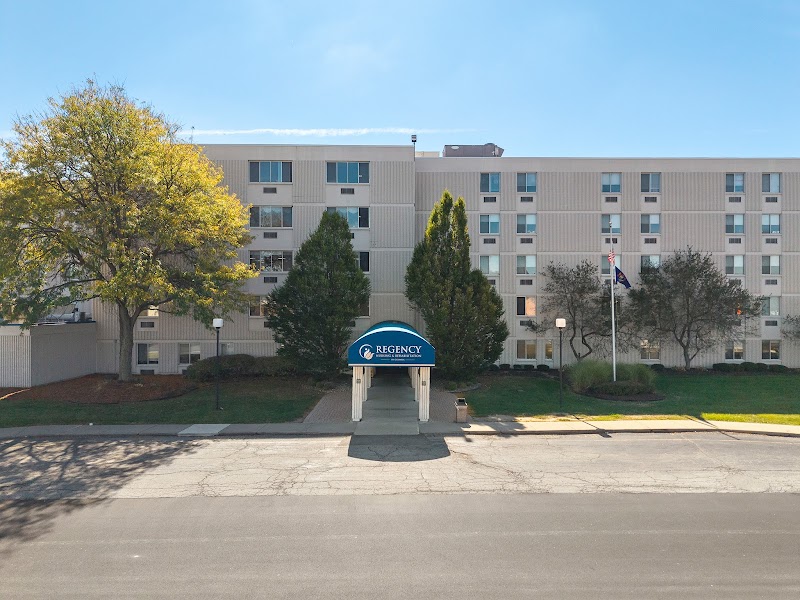
Regency, A Villa Center
12575 S Telegraph Rd, Taylor, MI 48180 (734) 287-4710
For profit - Corporation 244 Beds VILLA HEALTHCARE Data: November 2025 1 Immediate Jeopardy citation
Trust Grade
31/100
#330 of 422 in MI
Last Inspection: November 2024

Within standard 12-15 month inspection cycle. Federal law requires annual inspections.

Overview

Regency, A Villa Center in Taylor, Michigan, has a Trust Grade of F, indicating significant concerns and a poor overall quality of care. It ranks #330 out of 422 facilities in Michigan, placing it in the bottom half, and #52 out of 63 in Wayne County, meaning there are very few local options that perform better. The facility is improving, having reduced its number of issues from 16 in 2024 to 6 in 2025. Staffing is average, with a 3/5 rating and a turnover rate of 53%, which is about the state average. However, it has concerning RN coverage, with less than 2% of Michigan facilities providing more RN staff, which is critical for catching problems that may be overlooked by other staff. On the downside, there have been serious incidents, including a cognitively impaired resident eloping from the facility in freezing temperatures, raising concerns about supervision and safety. Another incident involved a resident being denied the right to leave the facility against medical advice until an ombudsman intervened, which shows issues with resident rights. Additionally, there were problems with the management of controlled substances, raising the potential for medication misappropriation. Overall, while there are some strengths, the facility faces significant challenges that families should carefully consider.
Trust Score
F
31/100
In Michigan
#330/422
Bottom 22%
Safety Record
High Risk
Review needed
Inspections
Getting Better
16 → 6 violations
Staff Stability
⚠ Watch
53% turnover. Above average. Higher turnover means staff may not know residents' routines.
Penalties
✓ Good
$15,593 in fines. Lower than most Michigan facilities. Relatively clean record.
Skilled Nurses
⚠ Watch
Each resident gets only 11 minutes of Registered Nurse (RN) attention daily — below average for Michigan. Fewer RN minutes means fewer trained eyes watching for problems.
Violations
⚠ Watch
47 deficiencies on record. Higher than average. Multiple issues found across inspections.
★★☆☆☆
2.0
Overall Rating
★★★☆☆
3.0
Staff Levels
★★★★☆
4.0
Care Quality
★★☆☆☆
2.0
Inspection Score
Stable
2024: 16 issues
2025: 6 issues

The Good

  • 4-Star Quality Measures · Strong clinical quality outcomes
  • Full Sprinkler Coverage · Fire safety systems throughout facility
  • No fines on record

Facility shows strength in quality measures, fire safety.

The Bad

2-Star Overall Rating

Below Michigan average (3.1)

Below average - review inspection findings carefully

Staff Turnover: 53%

Near Michigan avg (46%)

Higher turnover may affect care consistency

Federal Fines: $15,593

Below median ($33,413)

Minor penalties assessed

Chain: VILLA HEALTHCARE

Part of a multi-facility chain

Ask about local staffing decisions and management

The Ugly 47 deficiencies on record

1 life-threatening 1 actual harm
Jul 2025 3 deficiencies
CONCERN (D) 📢 Someone Reported This

A family member, employee, or ombudsman was alarmed enough to file a formal complaint

Potential for Harm - no one hurt, but risky conditions existed

Deficiency F0602 (Tag F0602)

Could have caused harm · This affected 1 resident

This citation pertains to intake 1316302.Based on interview and record review the facility failed to prevent the misappropriation of resident's property for one (R702) of seven residents reviewed for ...

Read full inspector narrative →
This citation pertains to intake 1316302.Based on interview and record review the facility failed to prevent the misappropriation of resident's property for one (R702) of seven residents reviewed for abuse resulting in R702 missing 28 doses of hydrocodone (narcotic pain medication).Findings include:The State Agency received a Facility Reported Incident (FRI) on 5/20/25 that identified the misappropriation of a resident's (R702) pain medication by Licensed Practical Nurse (LPN) I. The medication was a schedule II drug; a substance that is classified as having a high potential for abuse and severe psychological or physical dependence.On 7/28/25 at 1:00 PM R702 was interviewed and said that they had received all their pain medications and had no complaints regarding medication administration.On 7/29/25 at approximately 9:30 AM the Director of Nursing (DON) reviewed the FRI investigation report and confirmed that R702's pain medication had been taken by LPN I. The DON stated, On May 6th a nurse went to give the pain med to the resident and saw the cartridge for that medication was empty. She attempted to reorder it from the pharmacy and was alerted that it was not time for refill. We reviewed the narcotic count and realized that 28 pills of the resident's pain meds were missing and unaccounted for. It was easy to determine when the pills were taken. During my discussion with the nurse (LPN I) they refused to come in for an interview. They said they knew they had a problem. The DON said all the nurses had been given an education on the procedure for narcotic reconciliation. Further review revealed the following: the DON could not produce any documentation to indicate there was compliance after the incident was identified, and education had been given. There was no evidence that Agency nurses had received the education. The DON reported, No, there are no audits or follow-up to determine or confirm the nurses are following the narcotic reconciliation procedure. There is no education for the agency nurses.On 7/29/25 at 9:55 AM LPN I was left a voice message on the last known contact information provided by the facility. LPN I has not been available for interview by end of the survey.According to the facility's policy for Abuse, Neglect, Exploitation, Mistreatment and Misappropriation of Resident Property effective 11/28/2017 in part read, It is the policy of facility that each resident will be free from 'Abuse'.
CONCERN (D) 📢 Someone Reported This

A family member, employee, or ombudsman was alarmed enough to file a formal complaint

Potential for Harm - no one hurt, but risky conditions existed

Report Alleged Abuse (Tag F0609)

Could have caused harm · This affected 1 resident

**NOTE- TERMS IN BRACKETS HAVE BEEN EDITED TO PROTECT CONFIDENTIALITY** This citation pertains to intake 2565437.Based on interview and record review the facility failed to report a potential incident...

Read full inspector narrative →
**NOTE- TERMS IN BRACKETS HAVE BEEN EDITED TO PROTECT CONFIDENTIALITY** This citation pertains to intake 2565437.Based on interview and record review the facility failed to report a potential incident of neglect for one (R707) of seven resident reviewed for abuse/neglect. Findings include:The State Agency (SA) received an anonymous complaint that a resident had eloped from the facility unbeknownst to facility staff on 7/15/25.On 7/28/25 at 11:30 AM the Nursing Home Administrator (NHA) was asked if any resident had eloped from the facility. The NHA said, Yes, we had a resident that was new to us. The first time he went out to the patio enclosure during an activity he climbed over the fence. We notified the family and the police. At that time the resident's son told us that the resident had eloped from the hospital two times in the past. The resident was found shopping at Kohl's without any injury and is currently with living with his son. The NHA provided an investigation report that confirmed the police, and family had been notified of the missing resident but there was no incident report to the SA. The NHA was asked why the facility did not report the incident to the SA and replied, It got away from us. When the resident was found shopping at Kohl's and safe with the son. I finished the investigation and didn't report it.A review of R707's Electronic Health Record revealed the resident admitted to the facility on [DATE] with multiple diagnoses that included one sided weakness (hemiplegia) and cerebral infarction (stroke). The 5-day Minimum Data Set was incomplete due to R707 not remaining in the facility for the 5 days.A review of the facility's Investigation Report for the incident revealed the police and family had been notified, but not the SA.According to the facility's policy for Abuse, Neglect, Exploitation, Mistreatment and Misappropriation of Resident Property effective 11/28/2017 in part reads; Neglect is the failure of the facility.to provide goods and services to a resident that are necessary to avoid physical harm.G. Reporting and Response.It is the policy of this facility that abuse allegations (abuse, neglect, exploitation or mistreatment, including injuries of unknown source and misappropriation of resident property) are reported per Federal and State Law. The facility will ensure that all alleged violations involving abuse, neglect, exploitation or mistreatment, including injuries of unknown source and misappropriation of resident property, are reported immediately, but not later than 2 hours after the allegation is made, if the events that cause the allegation involve abuse or result in serious bodily injury, or not later than 24 hours if the events that cause the allegation do not involve abuse and do not result in serious bodily injury, to the administrator of the facility and to other officials (including to the State Survey Agency and adult protective services where state law provides for jurisdiction in long-term care facilities) in accordance with State law through established procedures. In addition, local law enforcement will be notified of any reasonable suspicion of a crime against a resident in the facility.
CONCERN (D) 📢 Someone Reported This

A family member, employee, or ombudsman was alarmed enough to file a formal complaint

Potential for Harm - no one hurt, but risky conditions existed

Accident Prevention (Tag F0689)

Could have caused harm · This affected 1 resident

**NOTE- TERMS IN BRACKETS HAVE BEEN EDITED TO PROTECT CONFIDENTIALITY** This citation pertains to 2574104. Based on interview and record review, the facility failed to ensure adequate supervision to p...

Read full inspector narrative →
**NOTE- TERMS IN BRACKETS HAVE BEEN EDITED TO PROTECT CONFIDENTIALITY** This citation pertains to 2574104. Based on interview and record review, the facility failed to ensure adequate supervision to prevent a resident to resident altercation for one resident (R712) of seven residents reviewed for abuse, resulting in R712 being struck on the head by R711 and the potential for continued physical abuse to occur.Findings include:A review of the facility's investigation summary of a resident-to-resident incident between R711 and R712 documented in part the following: On 7/5/25, at approximately 6:30 PM, there was a verbal exchange between R712 and R711 resulting in R711 ambulating across the room and initiating physical contact with R712. Residents were immediately separated with licensed nurses performing skin, pain, and psychosocial assessments. No injuries noted. Witness statement from Certified Nurse Assistant (CNA) O, dated 7/5/25, I (CNA O) was assisting (unnamed resident) and while walking past the dining room I witnessed (R711) standing over (R712) punching him. I immediately stopped the altercation and called out for assistance. Witness statement from Licensed Practical Nurse (LPN) N, dated 7/5/25, I (LPN N) was in the med room doing paperwork for shift change and (CNA O) came and got me to tell me that (R711) and (R712) were fighting in the dining area. I did not witness the fight. On 7/29/25 at 10:50 AM, Unit Manager/LPN (UM/LPN) F said she was the Unit Manager for the memory care unit where R711 and R712 reside. UM/LPN F said staff must keep certain residents away from other residents to avoid conflict, and this included R711 and R712. When residents are in the dining room, even during non-mealtimes, there should be a staff present to watch what the residents are doing. On 7/5/25 after dinner, around 6:30 PM, there was no staff present supervising the residents in the dining room. A review of the clinical record for R711 documented an admission date of 10/25/24 with diagnoses that included anxiety disorder and vascular dementia. A Minimum Data Set (MDS) assessment dated [DATE] documented severe cognitive impairment. Review of R711's care plans documented in part the following:- Focus: The resident has Vascular dementia with psychotic disturbance, unspecified dementia, unspecified severity with agitation. Date Initiated: 10/31/2024. Inventions: Anticipate and meet needs. Monitor effectiveness of communication strategies and assistive devices. Date Initiated: 11/25/2024- Focus: (R711) has Vascular dementia with psychotic disturbance, unspecified dementia, unspecified severity with agitation. Date Initiated: 10/31/2024- Focus: (R711) has a mood problem related to dementia. Date Initiated: 11/25/2024. Interventions: -Communication: Provide a calm and safe environment to allow resident to express feelings as needed. Provide resident with area for decreased stimulation as needed. Date Initiated: 2/11/2025 A review of the clinical record for R712 documented an initial admission date of 12/14/20 and readmission date of 6/2/25. R712 diagnoses included schizoaffective disorder-bipolar type, schizoaffective disorder-depressive type, antisocial personality disorder, unspecified mood disorder, and anxiety disorder. A MDS assessment dated [DATE] documented severe cognitive impairment. Review of R712's care plans documented in part the following:Focus: (R712) does at times become physically aggressive and bangs on tables or his chair when residents are close to him during activities. (R712) does have difficulty communicating, prefers to use gestures. Dated 10/12/23.Focus: The resident is/has potential to be physically aggressive related to Dementia. Date Initiated: 04/20/2024.Focus: The resident has a psychosocial wellbeing problem (potential) related to resident-to-resident altercation. Date Initiated: 09/07/2021. On 7/29/25 at 12:00 PM, Nursing Home Administrator (NHA) and Director of Nursing (DON) were interviewed regarding the incident between R711 and R712. The NHA reported a video of the incident was reviewed by herself and the DON. The NHA stated the information included in the facility's investigation summary was gleaned from the video of the incident. The NHA indicated the video tape was no longer available for review. The DON recalled the following from reviewing the video: R711 was sitting on a bench leading to the hallway and R712 was sitting at a table. R711 was looking in the direction of R712. R712 put his hand up. The DON noted there was no audio available, but R712 has a history of being verbally aggressive. R711 then stood up and walked over to where R712 was sitting. R711 was observed standing over R712. R711 was observed using his hands and making contact with R712's head. The DON added that staff were not in the dining room when the physical altercation occurred. The DON stated staff should be present in the dining room when residents are in the dining room to provide supervision and make sure things are okay. A review of the facility policy titled, Abuse, Neglect, Exploitation, Mistreatment and Misappropriation of Resident Property, dated 11/28/17, documented in part the following.- Resident will be protected from abuse while they are residing at the facility. No abuse or harm of any type will be tolerated, and residents and staff will be monitored for protection.- The facility leadership will assess the needs of the residents in the facility to be able to identify concerns in order to prevent potential abuse.- The facility will ensure a comprehensive dementia management program to prevent resident abuse. A facility document titled, Dementia - Clinical Protocol, dated 2001, was reviewed and revealed in part the following: Direct care staff will support the resident in initiating and completing activities and tasks of daily living. Bathing, dressing, mealtimes, and therapeutic and recreational activities will be supervised and supported through the day as needed. A facility document titled, Dementia Treatment and Services, dated 6/29/21, was reviewed and revealed in part the following:- Care and services are person-centered and reflect the resident's goals, while maximizing the resident's dignity, autonomy, privacy, socialization, independence, choice, and safety.
Jul 2025 2 deficiencies
CONCERN (D) 📢 Someone Reported This

A family member, employee, or ombudsman was alarmed enough to file a formal complaint

Potential for Harm - no one hurt, but risky conditions existed

Deficiency F0627 (Tag F0627)

Could have caused harm · This affected 1 resident

**NOTE- TERMS IN BRACKETS HAVE BEEN EDITED TO PROTECT CONFIDENTIALITY** This citation pertains to MI00153114. Based upon interview and record review, the facility failed to ensure transfer documentati...

Read full inspector narrative →
**NOTE- TERMS IN BRACKETS HAVE BEEN EDITED TO PROTECT CONFIDENTIALITY** This citation pertains to MI00153114. Based upon interview and record review, the facility failed to ensure transfer documentation was in place for one resident (R101) reviewed for transfer, resulting in the lack of information regarding resident's health status, safety, and transfer arrangement and destination upon transfer from the facility. Findings include: A review of the clinical record documented R101 was originally admitted to the facility on [DATE] and readmitted on [DATE]. R101's medical diagnoses included anxiety disorder, mood disorder, unspecified psychosis, and unspecified dementia with other behavioral disturbance. A Minimum Data Set assessment dated [DATE] documented moderate cognitive impairment, impairment on one side of the lower extremity, and the use of a wheelchair for mobility. Census documentation in the EHR (electronic health record) revealed a stop billing date of 5/15/25 which indicated R101 no longer resided in the facility. Beginning on 7/7/25 at 2:58 PM, the Director of Nursing (DON) was interviewed regarding R101's status. The DON provided an incident report for R101 dated 5/15/25 that documented in part the following, Resident repeatedly became agitated with staff regarding a pair of overalls he insists that were lost at the facility. Resident did not come to the facility with any belongings, staff tried to redirect resident over 5x regarding overalls and calm him down, resident was given all of his prn (as needed) medications and continued to become increasingly agitated despite being given prn meds .resident went down the hallway and staff thought resident was going back to his room, instead of going to his room, resident went down to the end of the hallway and kicked in the stair well door, staff heard the door be hit and went running down the hallway, down the stairs towards the resident, resident then dragged his wheelchair and pushed his wheelchair down the stairs, staff went down the stairs towards the resident and attempted to get him to stop going down the stairs. Resident began kicking, screaming, and spitting at staff. Resident then got down to the 3rd floor and got the door opened and began charging at the 3rd floor unit manager. Three staff members were able to get the resident calm enough to get him into the elevator and back to the 5th floor. Once back on the 5th floor the resident continued to kick staff members and spit on them and repeatedly threatened to punch and kill the staff members trying to redirect him. Writer was able to get a verbal (order) to send the resident to the hospital via 911 on a psychiatric petition. Resident was given a one time order for 5 mg/1 ml of Haloperidol .for his aggressive behavior. Staff was able to give the resident the injection. Resident was taken to (local hospital) on a psychiatric petition. The incident report revealed the information on this document was Privileged and Confidential - Not part of the Medical Record. At the time of this interview and record review, the only progress note dated for 5/15/15 was entered at 12:06 PM regarding an order note for the administration of Haloperidol. There were no progress notes, or a late entry note, regarding R101's transfer disposition and/or destination. The DON also confirmed that a hospital transfer notice had not been completed regarding the 5/15/25 incident. The DON said R101 went to a local hospital on 5/15/25 but that R101's transfer information was not in the medical record. A review of the facility document titled, Transfer and Discharge Guideline, revised 5/5/25 documented in part the following: - This guidance supports safe discharges and transfers for all residents, regardless of initiating party. - There are a few circumstances when the facility may issue a discharge notice to the resident: A transfer or discharge is necessary for the resident's welfare or well-being and the resident's needs cannot be met in the facility. Documentation for this circumstance: includes facility's attempts to meet the resident's needs. The health and/or safety of others in the facility is in jeopardy. - If the transfer/discharge was an emergency, the notice will be issued as soon as practicable when the safety of the individuals in the facility would be endangered, and an immediate transfer or discharge is required by the resident's urgent medical condition. - The resident's physician and facility staff will document the resident's record: The resident's health status at the time of notice. Reason the services provided by the facility are no longer needed, document discharge needs and discharge plan. - Documentation will include the bases for the transfer and the services to be provided by the receiving health care provider that will meet the resident's needs. On 7/7/25 at 5:00 PM during the exit conference, the Nursing Home Administrator and DON did not offer additional documentation or information when asked.
CONCERN (D) 📢 Someone Reported This

A family member, employee, or ombudsman was alarmed enough to file a formal complaint

Potential for Harm - no one hurt, but risky conditions existed

Medical Records (Tag F0842)

Could have caused harm · This affected 1 resident

**NOTE- TERMS IN BRACKETS HAVE BEEN EDITED TO PROTECT CONFIDENTIALITY** This citation pertains to MI00153114. Based on interview and record review, the facility failed to provide documentation in the ...

Read full inspector narrative →
**NOTE- TERMS IN BRACKETS HAVE BEEN EDITED TO PROTECT CONFIDENTIALITY** This citation pertains to MI00153114. Based on interview and record review, the facility failed to provide documentation in the EHR (electronic health record) for a psychiatric petition to the hospital for one resident (R101), resulting in missing clinical information regarding the resident's psychiatric status at the time of the transfer. Findings include: It was reported to the State Agency that a resident kicked open locked doors to the fifth and third floor and attacked staff and other residents. A review of the clinical record documented R101 was originally admitted to the facility on [DATE] and readmitted on [DATE]. R101's medical diagnoses included anxiety disorder, mood disorder, unspecified psychosis, and unspecified dementia with other behavioral disturbance. A Minimum Data Set assessment dated [DATE] documented moderate cognitive impairment. Census documentation in the EHR revealed a stop billing date of 5/15/25 which indicated R101 no longer resided in the facility. Beginning on 7/7/25 at 2:58 PM, the Director of Nursing (DON) was interviewed regarding R101's status. The DON provided an incident report for R101 dated 5/15/25 that documented in part the following, Resident repeatedly became agitated with staff regarding a pair of overalls he insists that were lost at the facility. Resident did not come to the facility with any belongings, staff tried to redirect resident over 5x regarding overalls and calm him down, resident was given all of his prn (as needed) medications and continued to become increasingly agitated despite being given prn meds .resident went down the hallway and staff thought resident was going back to his room, instead of going to his room, resident went down to the end of the hallway and kicked in the stair well door, staff heard the door be hit and went running down the hallway, down the stairs towards the resident, resident then dragged his wheelchair and pushed his wheelchair down the stairs, staff went down the stairs towards the resident and attempted to get him to stop going down the stairs. Resident began kicking, screaming, and spitting at staff. Resident then got down to the 3rd floor and got the door opened and began charging at the 3rd floor unit manager. Three staff members were able to get the resident calm enough to get him into the elevator and back to the 5th floor. Once back on the 5th floor the resident continued to kick staff members and spit on them and repeatedly threatened to punch and kill the staff members trying to redirect him. Writer was able to get a verbal (order) to send the resident to the hospital via 911 on a psychiatric petition. Resident was given a one time order for 5 mg/1 ml of Haloperidol .for his aggressive behavior. Staff was able to give the resident the injection. Resident was taken to (local hospital) on a psychiatric petition. The incident report revealed the information on this document was Privileged and Confidential - Not part of the Medical Record. The DON reviewed R101's EHR and said the clinical record did not document the 5/15/25 incident. The DON stated this incident should be part of R101's clinical record because it showed his behaviors and what was going on with him. The DON added because we had to petition R101 out for a psychiatric admission we should have documented why we weren't able to provide care for him. A review of the facility policy titled, Charting and Documentation, revised July 2017, documented in part the following: - All services provided to the resident, progress toward the care plan goals, or any changes in the resident's medical, physical, functional or psychosocial condition, shall be documented in the resident's medical record. The medical record should facilitate communication between the interdisciplinary team regarding the resident's condition and response to care. - The following information is to be documented in the resident medical record: Objective observation, medications administered, treatments or services performed, changes in the resident's condition, events, incidents or accidents involving the resident, and progress toward or changes in the care plan goals and objectives. On 7/7/25 at 5:00 PM during the exit conference, the Nursing Home Administrator and DON did not offer additional documentation or information when asked.
Mar 2025 1 deficiency
CONCERN (D) 📢 Someone Reported This

A family member, employee, or ombudsman was alarmed enough to file a formal complaint

Potential for Harm - no one hurt, but risky conditions existed

Quality of Care (Tag F0684)

Could have caused harm · This affected 1 resident

**NOTE- TERMS IN BRACKETS HAVE BEEN EDITED TO PROTECT CONFIDENTIALITY** Based on observation, interview, and record review, the facility failed to implement physician orders for one (R603) of four res...

Read full inspector narrative →
**NOTE- TERMS IN BRACKETS HAVE BEEN EDITED TO PROTECT CONFIDENTIALITY** Based on observation, interview, and record review, the facility failed to implement physician orders for one (R603) of four residents reviewed for falls, resulting in R603 not receiving a topical pain medication or having a urinalysis (laboratory test used to detect urinary tract infections) completed. Findings include: On 3/18/25 at 10:36 AM, R603 was observed in the dining room seated in a wheelchair with a purple discoloration surrounding the left eye and upper left cheek bone area. R603 was interviewed and could not recall how they obtained the black eye. R603 denied having any pain. Certified Nursing Assistant (CNA) I was present and said the resident had a fall, about a week ago. According to R603's Electronic Health Record (EHR) the resident admitted to the facility on [DATE] with multiple diagnoses that included Parkinson's disease and Alzheimer's disease. The Minimum Data Set (MDS) dated [DATE] indicated R603 had severely impaired cognition status with a Brief Interview for Mental Status (BIMS) score of 4/15. A progress note dated 3/1/25 at 2:30 PM indicated R603 fell out of the wheelchair and hit their head on the floor when another resident pushed R603's wheelchair out of the way in an attempt to move past the resident in the dining room. R603 was assessed and denied pain. No injuries were observed at that time and the resident was assisted back into the wheelchair. Nurse Practitioner (NP) B was notified and ordered the following; urinalysis, blood draw for CMP (complete metabolic panel) and CBC (complete blood count). The resident was sent to the hospital for CT scan of head (Computed Tomography Scan- cross sectional X-ray). A review of R603's hospital records dated 3/1/25, revealed the resident's CT scan of the head was negative. The resident had CMP and CBC results, but no urinalysis was completed. The resident was returned to the facility with new orders for Lidocaine 4 % topical pain patch every 12 hours for 5 days. Review of R603's re-admission orders or 3/1/25 did not transcribe the order for the Lidocaine 4% topical pain patch every 12 hours for 5 days. R603's Medication Administration Record (MAR) did not include the Lidocaine 4% topical pain patch as a medication to be administered. There were no progress notes on 3/1/25 to indicate the Lidocaine 4% patch was ordered. There was no documentation or results to indicate the resident had a urinalysis completed. The MAR had documented pain assessments every shift that indicated the resident had denied pain. On 3/19/25 at approximately 10:00 AM Licensed Practical Nurse (LPN) A and the Director of Nursing (DON) reviewed R603's EHR and confirmed that the resident's order for Lidocaine 4% topical pain patch had not been transcribed or administered to the resident. The DON said, I don't know how this got missed. When a resident returns from the hospital we should review the summary visit and call the physician to clarify orders. It looks like we did not do this. LPN A reviewed the EHR and said, I don't know why we did not complete the urinalysis. I thought maybe they did it at the hospital, but it was not done there either. On 3/19/25 at approximately 11:00 AM, NP B acknowledged that R603 did not receive the Lidocaine 4% topical pain patch after the fall on 3/1/25 as prescribed by the hospital physician. I don't remember getting called when they (R603) returned to the facility. I would have agreed with that order. It should have been on the MAR. I did order the resident to have urinalysis. I don't know why that did not get done.
Nov 2024 9 deficiencies
CONCERN (D)

Potential for Harm - no one hurt, but risky conditions existed

Deficiency F0557 (Tag F0557)

Could have caused harm · This affected 1 resident

**NOTE- TERMS IN BRACKETS HAVE BEEN EDITED TO PROTECT CONFIDENTIALITY** Based on observation, interview and record review the facility failed to maintain dignity while assisting during mealtime for on...

Read full inspector narrative →
**NOTE- TERMS IN BRACKETS HAVE BEEN EDITED TO PROTECT CONFIDENTIALITY** Based on observation, interview and record review the facility failed to maintain dignity while assisting during mealtime for one resident (R163) of three residents reviewed for dignity, resulting in the potential for feelings of embarrassment and low self-esteem. Findings include: On 10/29/2024 during a lunch meal observation on the fifth-floor dining room, certified nurse aide K (CNA) was observed feeding R163. During the observation R163 was observed positioned in a Broda Chair (a chair like a geriatric chair but with more versatile features for comfort staff flexibility). Occasionally, R163 was observed with a forward jerking movement. CNA K was observed standing on the resident's left side and shifting to the right trying to prompt R163 to eat the food displayed in front of the resident, as CNA K stood over R163 portions of the resident's pureed food dropped onto the resident's clothing. On 10/30/24 at approximately 12:40 P.M. R163 was observed being fed by CNA K, while attempting to sit in a dining room chair which was too low for the height of the Broda chair R163 was seated in. CNA K moved to the resident's left and right side prompting R163 to eat, commenting to others this chair is different than the old [NAME] chair. On 10/30/24 at 3:00 P.M. CNA K was interviewed concerning how had staff been in serviced to assist with feeding when a resident was seated in a Broda Chair? CNA K indicated R163 had previously had a geriatric ([NAME] Chair) and staff could sit comfortably and be at eye level with the resident during feeding. CNA K stated, we (referring to two other CNA's present) were trying to figure out how to feed the resident, the chairs we have will not allow us to be at eye level. In a subsequent interview and observation with Unit Manager H concerning staff education on feeding R163 while seated in the Broda Chair, UMH indicated staff should feed residents in the safest manner and should not be standing. The UM was unaware of any specific training staff had been provided in reference to the Broda Chair. During the observation UM H indicated it was a concern and further investigation was required to assist the staff in appropriately feeding the resident while in the Broda Chair. On 11/1/24 at approximately 12:05 P.M. the Director of Nursing was interviewed and acknowledged staff should be seated at eye level with the resident during feeding. According to the admission Record R163 was admitted to the facility 12/29/2022, with diagnoses which included: dementia with behavioral disturbance, schizoaffective disorder, repeated falls, functional quadriplegia, and adjustment disorder with anxiety. The Quarterly Minimum Data Set (MDS) dated [DATE] indicated R163 was severely impaired in cognitive skills for decision making and required extensive assistance of one person for eating. Review of the facility's policy titled Assistance with Meals, dated 3/2014 revised 10/2020, stated in part under section Titled Residents requiring Full Assistance: . 2) Residents who cannot feed themselves will be fed with attention to safety, comfort and dignity, for example: Not standing over residents while assisting them with meals.
CONCERN (D)

Potential for Harm - no one hurt, but risky conditions existed

Deficiency F0583 (Tag F0583)

Could have caused harm · This affected 1 resident

**NOTE- TERMS IN BRACKETS HAVE BEEN EDITED TO PROTECT CONFIDENTIALITY** Based on observation, interview and record review, the facility failed to maintain and respect the personal privacy by opening p...

Read full inspector narrative →
**NOTE- TERMS IN BRACKETS HAVE BEEN EDITED TO PROTECT CONFIDENTIALITY** Based on observation, interview and record review, the facility failed to maintain and respect the personal privacy by opening packages of one resident (R142) of two residents reviewed for privacy, resulting in a breach of personal privacy and the feeling of anger and disrespect. Findings include: On 10/31/2024 at 10:30 am, R142 discussed during Resident Council that their packages were being opened by staff. On 10/31/24 at 11:55 PM, R142 was observed in bed watching television. R142 was asked about concerns related to personal privacy and mail being opened. R142 said, Sometimes when a package is delivered to me, it's already opened .that's not right to open my mail .what if they take something .that makes me mad. 10/31/24 11:38 AM, Receptionist P was interviewed and queried about when the residents receive mail/packages. Receptionist P stated, All packages are inventoried prior to delivery to the residents. On 10/31/24 at 12:16 PM, Facility Concierge Q was interviewed and queried about the process of delivering packages to residents. Facility Concierge Q said, Their (residents) boxes are inventoried then given to the residents. On 10/31/24 at 12:23 PM, the Administrator was queried about their process of receiving packages for residents. The Administrator said, We check their packages because we have to make sure there is not contraband . we will open before the resident or open in front of the resident. A review of R142 electronic medical record noted and admission on [DATE] with a diagnosis of Hypertension, Low back pain, Falls, Prostate Hyperplasia, Chronic Embolism of Left Lower Extremity, and abnormal walking. A review of R142's Minimum Data Set (MDS) dated [DATE] noted A Brief Interview for Mental Status (BIMS) score of 14 out of 15 (intact cognition). The MDS also indicated that R142 was independent with bed mobility, sit to stand, upper body dressing, and eating. A review of R142's care plan noted the following: The resident has limited physical mobility r/t (related to) weakness. Date Initiated:12/08/2023 .Uses [NAME] .Uses Wheelchair. A review of the facility's policy Resident Rights dated 11/28/2017 noted the following: It is the practice of this facility to provide for an environment in which residents may exercise their rights, each day .Privacy and Confidentiality-The right to send and receive mail and packages. Facility staff should never open your mail unless a resident allows it.
CONCERN (D)

Potential for Harm - no one hurt, but risky conditions existed

Safe Environment (Tag F0584)

Could have caused harm · This affected 1 resident

**NOTE- TERMS IN BRACKETS HAVE BEEN EDITED TO PROTECT CONFIDENTIALITY** Based on observation, interview, and record review the facility failed to change soiled linens for one resident (R131) of 27 rev...

Read full inspector narrative →
**NOTE- TERMS IN BRACKETS HAVE BEEN EDITED TO PROTECT CONFIDENTIALITY** Based on observation, interview, and record review the facility failed to change soiled linens for one resident (R131) of 27 reviewed for homelike environment resulting in R131 sleeping on soiled and damp linens and dissatisfaction with living conditions. Findings include: On 10/29/24 at 8:20 AM, R131 was observed lying on a soiled sheet that had a urine ring that was wet in the center and dried around edges and measured approximately two feet long and two feet wide. R131, reported that they (staff) should change the sheets after my shower. On 10/30/24 at 8:30 AM, R131's bed was observed to be soiled with a urine ring that was wet in the center and had dried edges. Soiled area measured approximately three feet long by two feet wide. R131 reported that staff had not changed the bed linens after shower yesterday and slept on the same linens last night. R131 further reported that sheets should be changed when they are dirty. Review of R131's electronic medical record (EMR) revealed admission into the facility on 8/2/21 with a diagnosis of traumatic brain injury. According to the Minimum Data Set (MDS) dated [DATE], R131 had intact cognition and requires assistance with ADLs. Review of ADL care plan revised on 6/19/23 documented, Toilet Use: The resident requires assistance x 1 for transfer to toilet, clothing management . Interview on 10/30/24 at 8:45 AM with Licensed Practical Nurse (LPN) A, After observing the soiled linens, it was reported that resident's linens should be changed when they are soiled. Interview on 10/30/24 at 2:48 PM with Director of Nursing (DON), it was reported that residents' linens should be changed on shower days and as needed. Residents should not have to lie on soiled sheets. Interview on 10/30/24 at 3:10 PM with Certified Nursing Assistant (CNA) A It was reported that residents should be checked often during each shift and soiled bed linens should be changed as needed.
CONCERN (D)

Potential for Harm - no one hurt, but risky conditions existed

Grievances (Tag F0585)

Could have caused harm · This affected 1 resident

**NOTE- TERMS IN BRACKETS HAVE BEEN EDITED TO PROTECT CONFIDENTIALITY** Based on interview and record review the facility failed to record, track, and respond to resident concerns/grievances for one (...

Read full inspector narrative →
**NOTE- TERMS IN BRACKETS HAVE BEEN EDITED TO PROTECT CONFIDENTIALITY** Based on interview and record review the facility failed to record, track, and respond to resident concerns/grievances for one (R15) of one resident reviewed for grievances resulting in R15's grievance not being addressed. Findings include: On 10/31/24 at 11:00 AM, R15 reported a missing item concern at the resident council meeting. On 10/31/24 at 11:30 AM, R15 was interviewed and said I gave Concierge (C) some clothing items in a bag that I no longer wanted. I left the room and when I came back there were some pants and shirts missing from my closet. I told Concierge (C) that the clothing was missing from my closet. This was within the last two weeks. Record review of the Electronic Health Record (EHR) revealed R15 was admitted to the facility on [DATE] with diagnosis that included chronic kidney disease, type two diabetes. Review of a Minimum Data Set (MDS) assessment for R15, with a reference date of 8/7/2024 revealed a Brief Interview for Mental Status (BIMS) score of 15/15 which indicated intact cognition. On 10/31/24 at 11:55 AM Concierge C was interviewed and said R15 gave her a bag of clothes for donation. R15 did tell her there were missing clothes from her closet. Concierge C further said that she did not inform the abuse coordinator, nor did she fill out a grievance form. Record review revealed there were no grievance forms available for R15. On 10/31/24 at 2:42 PM the Nursing Home Administrator (NHA) was interviewed and said Concierge C should have filled out a grievance form and notified the abuse coordinator of the grievance so that the proper grievance process could be documented, investigated, and resolved. Review of the facility policy titled, Grievance Guideline dated 11/28/24, revealed in part: The facility will ensure prompt resolution to all grievances, keeping the resident informed throughout the investigation and resolution process. The facility grievance process will be overseen by the Administrator who will be responsible for receiving and tracking grievances through their conclusions, lead necessary investigations, communicate with residents throughout the process to resolution and coordinate with other staff.
CONCERN (D)

Potential for Harm - no one hurt, but risky conditions existed

Deficiency F0658 (Tag F0658)

Could have caused harm · This affected 1 resident

Based on observation, interview, and record review the facility failed to properly position a resident for proper medication administration and failed to ensure that medication was administered accord...

Read full inspector narrative →
Based on observation, interview, and record review the facility failed to properly position a resident for proper medication administration and failed to ensure that medication was administered according to physician orders for one (R5) out of twenty-seven residents reviewed for medication administration, resulting in the potential for less than therapeutic effects of the prescribed medication and placing the resident at risk for choking. Findings include: On 10/30/2024 at 8:30 a.m. during a morning medication administration, Licensed Practical Nurse (LPN) N was observed with five pills in a cup. R5 was observed lying flat in bed. LPN N did not assist the resident into a sitting position. LPN N proceeded to give R5 the medication cup with instructions to take the medication. R5 attempted to ingest the medication when the pills fell on and behind the bed leaving one pill in the cup. LPN N recovered three of the pills from the resident's bed and disposed of the three unidentified pills in a sharp container (a container to dispose unused medication). LPN N was observed pulling two of the same medication (Lisinopril oral tablet 20 MG (milligram) give one tablet by mouth one time a day for hypertension and Glipizide oral tablet 10 MG give two tablets by mouth in the morning for diabetes) that was previously pulled to administer to R5. During an interview, LPN N was asked what medication had to be pulled again. LPN N stated, the resident did not take any, so I am going to give the resident the two glipizide pills for her blood sugar and the Lisinopril pill for high blood pressure. LPN N made a second attempt to administer medication to the resident when R5 stated, I took one pill in the cup already, I think it was my blood pressure pill. LPN N said some of the pills must have fallen behind the bed and I didn't see them. LPN N did not administer the medication that was pulled again. LPN N acknowledged that there was no way that the medications not given could be identified. LPN N also said the resident should have been instructed to sit up in bed before given the medication that would have prevented the pills from spilling. LPN N did not verbalize contacting the physician for further orders for the medication that was not given. According to the electronic medical record, R5 was admitted into the facility on 3/30/2023 with diagnoses of hemiplegia and hemiparesis following cerebral infarction (heart attack), type two diabetes mellitus, chronic obstructive pulmonary disease, history of pain due to trauma in unspecified joint, chronic diastolic (congestive heart failure), major depression disorder, hypertension, atherosclerotic heart disease, anxiety disorder and arthritis. R5's quarterly Minimum Data Set (MDS) assessment with a reference date of 7/18/2024 indicated R5 had intact cognition with a BIMS (brief interview for mental status) score of 15/15. A care plan initiated on 10/18/2024 for Activities of Daily Living (ADL) documented, R5 had actual ADL self-care performance deficit related to activity intolerance, confusion, fatigue, impaired balance, limited mobility of left lower and left upper extremities. Review of the Physician's order revealed as following: - Lisinopril oral tablet 20 MG (milligram) give one tablet by mouth one time a day for hypertension start date 9/10/2024. - Zoloft oral tablet 50 MG give one tablet by mouth one time a day for depression start date 9/13/2024. -Glipizide oral tablet 10 MG give two tablets by mouth in the morning for diabetes start date 6/28/2024. -Clopidogrel Bisulfate oral tablet 75 MG give one tablet by mouth one time a day for blood thinner start date 6/28/2024. -Docusate Sodium oral capsule give 100 MG by mouth in the morning for bowel management start date 6/27/2024. On 11 /1/2024 at 12:56 p.m., the Director of Nursing (DON) was interviewed and was asked to explain the proper procedure to administer medication to a resident who is lying flat in bed. The DON said the nurse should have sat the resident up in bed or let her head up to keep the resident from choking. The DON was informed of the spill medications. The DON said that would have prevented the spilled medications and the resident would have received the prescribed dose of medications. The DON also said the nurse should have called the physician after knowing the resident did not receive the prescribed doses. Review of the Facility's April 2018 Medication Administration General Guidelines Policy: Medications are administered as prescribed in accordance with good nursing principles and practices 18) The resident is always observed after administration to ensure that the dose was completely ingested. If only a partial dose is ingested. This is noted on the medication administration record, and action is taken as appropriate.
CONCERN (D)

Potential for Harm - no one hurt, but risky conditions existed

ADL Care (Tag F0677)

Could have caused harm · This affected 1 resident

**NOTE- TERMS IN BRACKETS HAVE BEEN EDITED TO PROTECT CONFIDENTIALITY** R110 On 10/29/24 at 10:29 AM R110 was interviewed and said, I haven't had a shower or bed bath in two weeks and I would like to ...

Read full inspector narrative →
**NOTE- TERMS IN BRACKETS HAVE BEEN EDITED TO PROTECT CONFIDENTIALITY** R110 On 10/29/24 at 10:29 AM R110 was interviewed and said, I haven't had a shower or bed bath in two weeks and I would like to get cleaned up. I'm supposed to get showers on Tuesday and Fridays. On 10/30/24 at 9:19 AM R110 stated, I did not get a shower last night. Record Review of the Electronic Health Record (EHR) revealed R110 was admitted to the facility on [DATE] with diagnoses that included morbid obesity and left above knee amputation. Review of a Minimum Data Set (MDS) assessment for R110, with a reference date of 8/30/2024 revealed a Brief Interview for Mental Status (BIMS) score of 15/15 which indicated intact cognition and R15 required substantial/max assist for showers. Record review of R15's shower log revealed shower given by Licensed Practical Nurse (LPN) D on 10/15/24 at 14:59, 10/22/24 at 14:59 and on 10/29/24 at 14:59 and not applicable on 10/18/24. On 10/30/24 at 2:43 PM the Assistant Director of Nursing (ADON )E was interviewed and said the shower log was not accurate and that the assigned Certified Nursing Assistant (CNA) should have documented on the shower log not the nurse. The ADON identified LPN D as the night supervisor. The ADON E agreed R110 has not had a shower since 10/11/24. On 11/01/24 at 9:36 AM the Director of Nursing (DON) was interviewed and said the CNA should have provided showers as scheduled and the shower log needed to be accurate. Review of the facility policy titled ADL, Functional Mobility and Resident Care undated revealed in part .Shower/bed baths: Follow shower schedule, which requires regular showering at least 2x weekly. Shaves: Assure facial hair is removed safely. Hair care: Wash and dry if needed, comb/brush and style. Nail care: Assure nails are cleaned and trimmed. Foot care: Assure nails are cleaned and trimmed. Toileting: Assist resident with toileting providing support as needed. Check resident throughout the shift for care and hygiene needs. Provide incontinence care, peri care and preventative skin care appropriately throughout the shift. The standard for ADL checks is at least every 2 hours. R5 On 10/29/24 at 1:11 PM, R5 was observed in their room sitting in a wheelchair. R5 was observed with thick hair on their chin and upper lip. In addition, their hair was not combed or styled neatly. When queried regarding care received at the facility, R5 stated, I can't do much because I can't walk .I wish they would help me shave this hair off my face because I have a (mate). A review of R5's electronic medical record noted an admission to the facility on [DATE] with a diagnosis of Stroke affecting the left side, Chronic Obstructive Pulmonary Disease (breathing disorder), Diabetes, Muscle Weakness, Heart Failure, Optic Atrophy (damage of the eye nerve), and Contracture of Right Shoulder. A review of R5's Minimum Data Set (MDS) dated [DATE] noted A Brief Interview for Mental Status (BIMS) score of 15 out of 15 (intact cognition). The MDS also indicated that R5 required supervision or touching assistance with personal hygiene. A review or R5's care plane noted: Has actual ADL (activities of daily living) self-care performance deficit r/t (related to) Activity Intolerance, Confusion, Fatigue, Impaired Balance, Limited Mobility .Dated 10/31/2021. On 11/01/24 at 8:28 AM, CNA R was interviewed and asked if they perform shaving assistance to female residents during care. CNA R said, I will if they ask. On 11/01/24 at 9:29 AM, The Director of Nursing (DON) was interview and queried about residents ADL care including shaving. The DON said, They should be offered a shave. Based on observation, interview, and record review the facility failed to provide ADL assistance for three (R107, R5, and R110) of 27 residents reviewed for ADL care resulting in unkempt hair, jagged nails, unshaven facial hair, and lack of showers/bedbaths. Findings include: R107 On 10/29/24 at 12:31 P.M. R107 was observed in his room with portions of his hair pulled back into a rubber band. The resident's facial beard had grown 2-3 inches with particles of food stuck in between the facial hair. In the front of the resident's clothing drops of food were attached to the resident's clothes. During the observation CNA J was observed informing residents and staff I will try and shave this resident today, I am not on that set today. CNA J indicated each nurse aide was assigned their designated residents to shower and on that day residents were given a shave, nails cleaned if possible. On 10/30/24 at 8:51 A.M. R107 was observed in the dining room, the resident's hair was knotted and matted around the edges of the hair line. The remaining portion of the resident's hair was pulled back in a matted ponytail. The resident's nails were jagged and needed trimming. Review of the Care Plan Section of the Electronic Medical Record (EMR) titled: R107 has actual ADL self-care performance deficit r/t senile degeneration of the brain. Under the intervention section stated in part bathing/showering and personal hygiene: The resident required extensive assistance by one staff with bathing, showering, personal hygiene and oral care. On 10/30/24 at 3:00 P.M. review of the Task Assignment portal for R107 revealed the resident was scheduled for a shower/bathing on Tuesday and Friday 7am-3:00 P.M. and PRN. Review of the task assignment was blank and did not provide any evidence of a shower, nail care or shave being provided to the resident. On 10/31/24 at 3:00 P.M. Registered Nurse (RN) H was asked to verify the last time R107 received a shower. RN H indicated on shower days residents should receive nail care and be provided a shave. During this time RN H could not provide any evidence of R107 receiving a shower on Tuesday, 29. of October. RN H indicated R107 had been given a shower but staff probably had not documented the task in the portal. At 3:10 P.M., CNA I spoke out and stated, I usually have (R107) in my set, I was off on Monday 10/28/24, but the resident's hair is usually braided, and we (referring to the CNA's) do not have anyone to braid hair, so they just pulled it back, it is matted but maybe tomorrow I can wet it and comb his hair. R107 rarely refuses care he normally goes to the beauty salon, R107 looks better when shaved, CNA J does shave the men when possible. On 11/1/24 at 10:04 A.M. interview with RN E reported, We did not develop a Care Plan for the resident's hair or grooming. We thought R107 was scheduled to go to the beauty salon, but after reviewing the schedule, we realized he was not on the schedule. Review of the admission Record R107 was readmitted to the facility on [DATE], with diagnoses of senile degeneration of the brain, dysphagia following cerebral infraction, sepsis, displaced intertrochanteric fracture of the left femur, speech and language deficit, paranoid schizophrenia and dementia without behavioral disturbance. According to the Minimum Data Set (MDS) dated [DATE], R107 had long and short term memory impairments, was severely impaired in cognitive skills for decision making and required supervision and one person physical assistance to perform Activities of Daily living.
CONCERN (D)

Potential for Harm - no one hurt, but risky conditions existed

Respiratory Care (Tag F0695)

Could have caused harm · This affected 1 resident

**NOTE- TERMS IN BRACKETS HAVE BEEN EDITED TO PROTECT CONFIDENTIALITY** Based on observation, interview, and record review the facility failed to follow standards of practice for respiratory care for ...

Read full inspector narrative →
**NOTE- TERMS IN BRACKETS HAVE BEEN EDITED TO PROTECT CONFIDENTIALITY** Based on observation, interview, and record review the facility failed to follow standards of practice for respiratory care for one resident (R162) out of two residents reviewed for respiratory care, resulting in the improper storage of a nebulizer mask and the potential for cross-contamination. Findings include: On 10/29/24 at 10:59 AM R162's nebulizer mask was observed hanging on the dresser drawer next to the bed. R162 was asked if there was a storage bag for the nebulizer mask when not in use. R162 replied I don't know if there is a bag I hang it on the dresser when I'm done with the treatment. There was no storage bag observed. On 10/30/24 at 9:00 AM R162's nebulizer mask was observed hanging from the dresser drawer next to bed. On 10/30/24 at 1:30 PM R162's nebulizer mask was observed hanging from the dresser drawer next to bed. Record review of Electronic Health Record (EHR) revealed R162 was admitted into facility on 5/18/23 with a pertinent diagnosis of chronic obstructive respiratory disease (COPD). According to the Minimum Data Set (MDS) dated [DATE], R162 had intact cognition with a Brief Interview of Mental Status (BIMS) of 15/15. On 10/30/24 at 2:07 PM Licensed Practical Nurse (LPN) F was interviewed and said R162's nebulizer mask hangs from her dresser and acknowledged it should be stored in a bag and dated. On 11/1/2024 at 9:56 AM the Director of Nursing (DON) was interviewed and said nebulizer masks should be stored in a bag and dated. Review of the facility policy titled Administering Medications through a Small Volume Nebulizer revision date 11/2013 revealed in part Rinse and disinfect the nebulizer equipment according to facility protocol, allow to air dry on a paper towel. When equipment is completely dry, store in a plastic bag with the resident's name and the date on it.
CONCERN (D)

Potential for Harm - no one hurt, but risky conditions existed

Safe Environment (Tag F0921)

Could have caused harm · This affected 1 resident

R147 On 10/29/24 at 1:11 PM, R147 was observed in bed on their side. R147 pointed to the call light system on the wall that displayed exposed wires protruding out and a long white wire (about the leng...

Read full inspector narrative →
R147 On 10/29/24 at 1:11 PM, R147 was observed in bed on their side. R147 pointed to the call light system on the wall that displayed exposed wires protruding out and a long white wire (about the length of a yard stick) hanging down. In addition, the white wire had an outlet cover dangling from the middle of the wire. R147 stated that sometime his call light was not answered and thinks it's related to the hanging wires. On10/29/24 at 1:25PM, Unit Manager S was interviewed and queried about the call light system's loose wires hanging from the wall. Unit Manager S stated, The wires should not be exposed .I put a work order in last week .But the call light still works. On 10/30/24 on 1:47 PM, Maintenance Director M was interviewed and asked about the call light system's exposed wires hanging from the wall. Maintenance Director M said, The resident keeps pulling it out of the wall. On 11/01/24 at 9:35 AM, The administrator was interviewed and queried about the exposed wires hanging from the wall of the call light system. The Administrator said, There was a work order placed so it should have been taken care of. A review of the facility's policy Preventative Maintenance (TELS) and Inspection (not dated) noted the following: It is in the policy (facility's name) that in order to provide a safe environment for residents, employees, and visitors, a preventative maintenance program (TELS) has been implemented to promote the maintenance of equipment in a state of good repair and condition. Routine inspections promote safety throughout the facility and aid in keeping equipment in good working order and operating in accordance with manufacturer's guidelines. Regular inspection, testing, and replacement or repair of equipment and operational systems contribute to preservation of the facility's assets .A system for electronic work orders is established in TELS among staff, and Maintenance personnel that provides rapid communication regarding equipment problems. Based on observation, interview and record review, the facility failed to provide a safe and functional environment for two residents (R54) and (R147), resulting in dissatisfaction with the resident's home an a increased risk for harm. Findings include: R54 On 10/31/24 at 2:02 P.M. during an interview with R54, the resident complained that her bathroom did not get warm or hot water. The resident gestured and explained the faucets only ran cold water. The temperature in the hand sink registered 54 Degrees Fahrenheit. During an observation of the bathroom the hand sink faucets were checked. There was no hot or warm water. The cold-water faucet was loose, and the water continuously ran even when placed in the off position. Above the bathtub the ceiling walls were cracked, had broken plaster and peeling paint. Holes and pieces of plaster were suspended from the ceiling over the tub. Around the base of the bathtub a loose cove base was noted. On 11/1/24 at 10:30 A.M. in an observation of the resident's room Maintenance Director M indicated the entire unit was going to be remodeled and this included R54's bathroom. When queried how long it would be before the resident had warm water, Maintenance's Director M indicated no work order had been put into the system to address the water temperature and the broken, leaking faucet. On 11/1/24 at 12:05 P.M. during interview with the Administrator concerning the condition of the bathroom in R54's room, the Administrator indicated the facility was in the process of remodeling and plans included remodeling the unit that the resident resided on next. When asked if there was a target date for addressing the resident's bathroom the Administrator stated, I just know that unit is scheduled next.
CONCERN (D)

Potential for Harm - no one hurt, but risky conditions existed

Deficiency F0947 (Tag F0947)

Could have caused harm · This affected 1 resident

Based on interview and record review the facility failed to ensure annual Dementia Management and Abuse training were performed for one Certified Nurse Assistant (CNA) G out of five CNAs reviewed for ...

Read full inspector narrative →
Based on interview and record review the facility failed to ensure annual Dementia Management and Abuse training were performed for one Certified Nurse Assistant (CNA) G out of five CNAs reviewed for in-service training resulting in the potential for unmet resident care needs. Findings include: On 10/31/24 at 2:24 PM, review of five CNAs in-service training education content revealed the following: CNA G Date of hire (DOH)- 6/2/2009. Review of a facility provided transcript dated 6/2/23 through 6/2/24 for CNA G, failed to identify abuse and dementia management training. On 10/31/24 at 3:05PM the Assistant Director of Nursing (ADON) E was interviewed and said there was no record of abuse and dementia training for CNA G and said the training was due on 6/2/24. When queried about the significance of CNA trainings, ADON E stated, It is important to have trainings for the CNAs to meet their requirements and to provide education for what they do daily to meet resident needs. On 11/01/24 at 10:01 AM the Director of Nursing (DON) was interviewed and agreed that CNAs are expected to have yearly training that includes abuse and dementia management. Review of the facility policy titled Training Requirements Guideline revealed in part: . At a minimum training topics for all staff must include: Dementia management and resident abuse prevention and must be no less than 12 hours per year.
Aug 2024 1 deficiency
CONCERN (D) 📢 Someone Reported This

A family member, employee, or ombudsman was alarmed enough to file a formal complaint

Potential for Harm - no one hurt, but risky conditions existed

Incontinence Care (Tag F0690)

Could have caused harm · This affected 1 resident

**NOTE- TERMS IN BRACKETS HAVE BEEN EDITED TO PROTECT CONFIDENTIALITY** This citation pertains to intake #'s MI00146301 and MI00146393. Based on observation, interview, and record review, the facility...

Read full inspector narrative →
**NOTE- TERMS IN BRACKETS HAVE BEEN EDITED TO PROTECT CONFIDENTIALITY** This citation pertains to intake #'s MI00146301 and MI00146393. Based on observation, interview, and record review, the facility failed to ensure accurate assessments and implementation of indwelling urinary catheter care for two residents, (R901 and R902) of three residents reviewed for urinary catheters, resulting in the potential for the development of urinary tract infections and complications from indwelling urinary catheters. Findings include: R901 On 8/27/24 at 10:50 AM, R901 was observed in their bed asleep. A urinary catheter drainage bag was observed clipped to the left side of the bed. The urine in the catheter tubing and drainage bag was clear and dark yellow in color. A review of R901's clinical record revealed they admitted to the facility on [DATE], discharged to the emergency room on 8/12/24, and re-admitted on [DATE]. R901's diagnoses included: Parkinson's Disease, urinary tract infection (UTI), obstructive reflux uropathy, urinary retention, intestinal hemorrhage, heart failure, and seizures. An admission Minimum Data Set assessment dated [DATE] revealed R901 had moderately impaired cognition and admitted to the facility with an indwelling urinary catheter. A review of R901's admission assessments revealed a Nursing Evaluation V (version) 8 dated 6/3/24 indicating they admitted to the facility with a urinary catheter. An additional assessment, Bladder Evaluation V 3 dated 6/3/24 also revealed staff knowledge of R901 admitting to the facility with a urinary catheter. A review of R901's physician's orders and medication administration record (MAR) was conducted and revealed orders for urinary catheter care, orders to empty the urinary drainage bag and document the output, and orders to change the catheter were first implemented on 6/12/24, despite R901 admitting to the facility on 6/3/24 with a urinary catheter. R902 On 8/27/24 at 11:00 AM, an interview was conducted with R902. They were asked about their urinary catheter and said they had the catheter placed in the emergency room and admitted to the facility with it. They were asked if the facility provided catheter care and said they did not when they first admitted but they were now. They further reported they had to go the hospital shortly after their admission when a surgical drain tube came out and said while in the hospital they were treated for a UTI. A review of R902's hospital records scanned into the electronic medical record for their admission to the hospital was conducted, however; the records did not include any information regarding treatment for a UTI. A review of R902's clinical record revealed they admitted to the facility on [DATE] with diagnoses including: lumbar discitis, lumbar osteomyelitis, diabetes, pressure ulcers, and heart failure. A review of R902's nursing admission assessments and progress notes was conducted and revealed no evidence of the presence of a urinary catheter. Continued review of R902's record revealed the first documented evidence of the catheter was documented by NP 'E' on 6/3/24. A review of R902's physician's orders and MAR was conducted and revealed no orders for urinary catheter care, orders to empty the urinary drainage bag and document the output, or orders to change the catheter were implemented on admission. The record further revealed R902 transferred to the hospital on 6/7/24, re-admitted to the facility on [DATE], and between the two admissions the first orders for catheter care were noted to be placed and documented on 6/23/24. An interview with the facility's Director of Nursing (DON) was conducted on 8/27/24 at 10:28 AM. The DON explained they were aware of the concerns surrounding assessments, placing orders, and documenting urinary catheter care. At that time, they provided multiple documents to demonstrate their efforts on a past non-compliance. A review of a facility provided document titled, Urinary Indwelling Catheter Management Guideline effective 11/28/17 was reviewed and read, .Completion of a Bladder Observation will be completed upon admission .Additional care practices should include: .Recognizing and evaluating for complications .Every shift evaluation, during cares, of urine appearance for changes . During the onsite survey, past noncompliance (PNC) was cited after the facility implemented actions to correct the noncompliance which included: identification of affected and like individuals, completed assessments, updated assessments, obtaining physician's orders for catheter related care, updated certified nursing aide care guides, addition of catheter related tasks for the certified nurse aides, updated care plans, nursing education, and ongoing auditing for compliance. The facility was able to demonstrate monitoring of the corrective action and maintained compliance.
Jul 2024 1 deficiency 1 Harm
SERIOUS (G) 📢 Someone Reported This

A family member, employee, or ombudsman was alarmed enough to file a formal complaint

Actual Harm - a resident was hurt due to facility failures

Resident Rights (Tag F0550)

A resident was harmed · This affected 1 resident

Based on interview and record review the facility failed to allow one resident (R210) to discharge from the facility at her request until the Ombudsman intervened on 6/27/24 of six residents reviewed ...

Read full inspector narrative →
Based on interview and record review the facility failed to allow one resident (R210) to discharge from the facility at her request until the Ombudsman intervened on 6/27/24 of six residents reviewed for resident rights, resulting in psychological distress, depression, and physical attempts at leaving the facility. Findings include: On 7/2/24 at 1:13 PM an interview with the Ombudsman was held by telephone. The Ombudsman said that on 6/27/24 following a telephone interview with R210 and R210's significant other the Ombudsman came to the facility. R210 had explained to the Ombudsman that attempts were made for 2 days to discharge AMA from the facility and the requests were refused. The Ombudsman obtained permission from R210 to advocate for discharge rights. The Ombudsman then met with the Director of Nursing (DON) who said they were not going to discharge resident R210 because they were awaiting a court guardianship hearing. The Ombudsman educated the DON concerning resident's rights. According to the EMR R210 was then discharged AMA on 6/27/24 at 4:29 PM after the intervening Ombudsman. On 7/2/24 at 2:44 PM an interview with R210 was held by telephone. During the interview R210 emphatically expressed the feeling of being stripped of my rights, I felt imprisoned, and was depressed R210 explained. I was told I had been deemed incompetent. They had put me in a lockdown dementia unit and when you are in a lockdown dementia unit they don't hear you. They don't listen. R210 explained that she had asked for two days to go home and many times in the past as well. During the final two-day period she had repeatedly and persistently requested to be discharged and had made physical attempts to discharge and had been refused. Review of the electronic medical record (EMR) revealed R210's admission into the facility on 5/21/24 with pertinent admission diagnoses of Encephalitis, unspecified, (an inflammation of the brain), Inhalant Abuse with other Inhalant-Induced Disorder, Cognitive Communication Deficit, Other Schizophrenia (a mental disorder), Bipolar Disorder Unspecified (a mental disorder characterized by mood swings), Major Depressive Disorder, Recurrent, Moderate, and Anxiety Disorder Unspecified. Further record review revealed that upon admission resident had a Brief Interview for Mental Status (BIMS) score of 11/15 indicating moderate cognitive impairment. Upon admission R210 signed a Consent for Treatment and signed the admission Packet form which is subtitled admission Agreement - Michigan. The form contains, among other items, resident rights information, financial agreement, and advance directive information. The form is 109 pages in length. Record review of the EMR disclosed a note entered by Psychiatric Mental Health Nurse Practitioner (NP) D on 6/3/24 which documented the following in part, that resident was alert and orientated to person, place, time, situation. Speech: coherent, rapid, pressured. and further documented the following in part, Capacity Evaluation completed for multi-disciplinary review and input. At this time PT (patient) has signs of cognitive decline, poor judgement, poor insight into medical conditions. On 6/17/24 a Social Worker (SW) note was entered by A which read It was explained to resident she was deemed incompetent after capacity (which a copy was shown and given to resident) was done by psych and she was in need of a guardian. Record review disclosed a nursing note entered on 6/21/24 by Licensed Practical Nurse C Resident deemed incapable of making own decision by both hospital and facility psych. Further review of the EMR notes disclosed the following note made by the Social Worker (SW) A on 6/26/24: Resident at this time deemed incompetent to make own decisions by psych hospital and facility psych and cannot go AMA on own at this time. Further record review disclosed a nursing note entered on 6/26/24 by Licensed Practical Nurse B, Resident was informed that she could not leave AMA because she was deem in competent to make her own decisions. The facility could not let her go. Review of the EMR disclosed the following note made by the DON on 6/27/24 documenting the meeting with the Ombudsman during which time the DON was informed R210 had the right to leave the facility . even though she has been deemed incapacitated to make decisions by physicians; due to the fact the guardianship hearing has not taken place yet. On 7/3/24 at 10:36 AM, Psychiatric Mental Health Nurse Practitioner (NP) D was interviewed and stated, I can only evaluate capacity. It takes a Judge to deem someone incompetent. There was no documented evidence R210 was deemed incompetent by a judge. On 7/3/24 at 2:36 PM during interview with the Administrator it was confirmed that upon admission R210 had signed the admission paperwork. Review of the Nursing Evaluation dated 5/2/24 by LPN E on day of R210's admission reads, Resident is alert . Resident speech is clear. Hand grasp is equal bilaterally. A Daily Skilled Nursing Note on 5/22/24 entered by LPN E read Resident orientation, person, situation. Makes self understood without concern. Review of the facility policy titled Resident Rights with an effective date of 11/28/17 states in part, Our residents have certain rights and protections under Federal law that help ensure appropriate care and services are provided. Our facility will provide residents with a written description of their legal rights. The document further states, Our facility will treat each resident with respect and dignity and care for each resident in a manner and in an environment that promotes maintenance or enhancement of his or her quality of life, recognizing each resident's individuality. The document further states, Residents have the right to exercise rights as a resident of the facility without fear of interference, coercion, discrimination or reprisal.
Apr 2024 5 deficiencies
CONCERN (D) 📢 Someone Reported This

A family member, employee, or ombudsman was alarmed enough to file a formal complaint

Potential for Harm - no one hurt, but risky conditions existed

Transfer Notice (Tag F0623)

Could have caused harm · This affected 1 resident

**NOTE- TERMS IN BRACKETS HAVE BEEN EDITED TO PROTECT CONFIDENTIALITY** This citation pertains to Intake MI00139649. Based on interview and record review, the facility failed to ensure appropriate tra...

Read full inspector narrative →
**NOTE- TERMS IN BRACKETS HAVE BEEN EDITED TO PROTECT CONFIDENTIALITY** This citation pertains to Intake MI00139649. Based on interview and record review, the facility failed to ensure appropriate transfer documentation was in place for one resident (R607) out of one resident reviewed for hospital transfer, resulting in the lack of information regarding resident's health status, safety, and transfer arrangements upon transfer from the facility. Findings include: A review of the admission Record for Resident #607 (R607) documented an admission date of 2/18/23. R607 was discharged from the facility on 11/9/23. R607's diagnoses included congestive heart failure, opioid dependence, atrial fibrillation, and depressive disorder. A Minimum Data Set assessment dated [DATE] documented intact cognition. An interview and record review were conducted with the Director of Nursing (DON) on 4/4/24 at 11:19 AM. The DON said R607 went to the hospital for hip surgery and did not return. An eMAR (Electronic Medication Administration Record) note of 11/9/23 at 1:05 PM documented R607 went out for surgery. The DON said there should be a discharge progress note which indicated where the resident went, how they were transported, and the resident's condition upon transfer. This information was needed for continuity of care for the facility, the resident's doctor, and the responsible party. The nurse on duty should have documented a discharge note. A review of a document in R607's clinical record titled, Functional Abilities and Goals - Discharge, dated 11/11/23, did not indicate where the resident was sent, disposition upon leaving, or how the resident was transported. A review of the facility document titled, Transfer and Discharge Guideline, dated 11/28/17, revealed in part the following: - When the facility transfers or discharges a resident under any of the circumstances specified in paragraphs (c)(1)(i)(A) through (F) of this section, the facility must ensure that the transfer or discharge is documented in the resident's medical record and appropriate information is communicated to the receiving health care institution or provider. - Documentation in the resident's medical record must include: (A) The basis for the transfer per paragraph (c) (1) (i) of this section. On 4/4/24 at 3:50 PM during the exit conference, the Nursing Home Administrator and DON were asked if there was any additional documentation or information that the facility would like to provide prior to the end of the survey, and they reported there was not.
CONCERN (D) 📢 Someone Reported This

A family member, employee, or ombudsman was alarmed enough to file a formal complaint

Potential for Harm - no one hurt, but risky conditions existed

Deficiency F0658 (Tag F0658)

Could have caused harm · This affected 1 resident

**NOTE- TERMS IN BRACKETS HAVE BEEN EDITED TO PROTECT CONFIDENTIALITY** This citation pertains to Intake MI00141041. Based on interview and record review, the facility failed to demonstrate profession...

Read full inspector narrative →
**NOTE- TERMS IN BRACKETS HAVE BEEN EDITED TO PROTECT CONFIDENTIALITY** This citation pertains to Intake MI00141041. Based on interview and record review, the facility failed to demonstrate professional standards of practice by not consistently obtaining resident's blood pressure readings prior to the administration of anti-hypertensive medications as ordered for one resident (R608) out of three residents reviewed for physician's orders, resulting in the potential for hypotension. Findings include: It was reported to the State Agency that a resident was receiving medication without proper monitoring. A review of the admission Record for Resident #608 (R608) documented an admission date of 7/23/21. R608 was discharged from the facility on 10/31/23. R608's diagnoses included chronic obstructive pulmonary disease, hypertension, hypertensive heart disease without heart failure, and atherosclerotic heart disease of native coronary artery without angina pectoris. A Minimum Data Set assessment dated [DATE] documented intact cognition. A review of physician's orders documented that R608 was prescribed the following medications that required monitoring of R608's blood pressure, and the medications were to be held if the resident's systolic blood pressure (the first number when blood pressure was measured) was less than 100: 1. Nifedipine 60 mg tablet at 9:00 AM. Hold for SBP (systolic blood pressure) less than 100. 2. Carvedilol 25 mg tablet at 9:00 AM and 9:00 PM. Hold for SBP less than 110 or HR (heart rate) less than 60. 3. Hydralazine 100 mg tablet at 5:00 AM, 1:00 PM, and 9:00 PM. Hold for SBP less than 100. On 4/4/24 at 11:40 AM an interview and record review were conducted with the Director of Nursing (DON). A review of the vital signs obtained on R608 during the months of September 2023 and October 2023 documented that a 5:00 AM blood pressure was only obtained on 9/2/23, 9/22/23, 10/8/23, 10/9/23, and 10/26/23 and a 1:00 PM blood pressure was obtained on 9/15/23. The DON acknowledged that R608 did not have his blood pressure obtained according to physician's orders. The DON said that typically a physician wants a blood pressure taken prior to administration of an antihypertensive medication to be sure that when the blood pressure medication was administered that the blood pressure was not too low and then the resident bottoms out. The DON stated, The nurse should have taken and documented the blood pressure prior to administration. On 4/4/24 at 3:50 PM during the exit conference, the Nursing Home Administrator and DON were asked if there was any additional documentation or information that the facility would like to provide prior to the end of the survey, and they reported there was not.
CONCERN (D) 📢 Someone Reported This

A family member, employee, or ombudsman was alarmed enough to file a formal complaint

Potential for Harm - no one hurt, but risky conditions existed

Deficiency F0661 (Tag F0661)

Could have caused harm · This affected 1 resident

**NOTE- TERMS IN BRACKETS HAVE BEEN EDITED TO PROTECT CONFIDENTIALITY** This citation pertains to Intake MI00141603. Based on interview and record review, the facility failed to adequately complete di...

Read full inspector narrative →
**NOTE- TERMS IN BRACKETS HAVE BEEN EDITED TO PROTECT CONFIDENTIALITY** This citation pertains to Intake MI00141603. Based on interview and record review, the facility failed to adequately complete discharge instructions and recapitulation of stay in a timely manner for one resident (R611) of three residents reviewed for a comprehensive discharge summary, resulting in the potential for lack of communication to care providers assuming the resident's care. Findings include: It was reported to the State Agency that the facility did not adequately help resident with a discharge from the facility. A review of the admission Record for Resident #611 (R611) revealed an admission date of 11/21/23. R611 was discharged home from the facility on 12/22/23. R611's diagnoses included hypertensive urgency and cervical disc disorder with myelopathy. A Minimum Data Set assessment dated [DATE] documented intact cognition. During an interview and review of R611's clinical record with the Director of Nursing (DON) on 4/4/24 at 12:02 PM, a document titled, Recapitulation of Stay [Discharge Summary], dated 12/22/23, revealed the following. The Summary of Stay on this document was blank. No information was provided for the following: 1. Select Diagnosis; 2. Further description of diagnosis/condition; 3. Pertinent current lab values; 4. Pertinent on-going labs needed; 5. Other/future diagnostic tests and results; 6. Documented consultations; 7. Other pertinent information for continuing care and/or special instructions or precautions for continuing care; 8. Practitioner contact information; 9. Comprehensive care plan goals; and 10. Resident consents to release of this summary to next care giver. The DON said the recapitulation of stay was not adequately completed, and the recap of stay helps with continuity of care. The completion of the recap of stay was to be a collaborative effort usually completed by nursing and social work. A review of the facility document titled, Discharge Summary - Recapitulation of Resident Stay Guideline, dated 11/28/17, revealed in part the following: It is the practice of this facility that residents who have a planned discharge from the facility will have a completed discharge plan and recapitulation of stay completed to facilitate continuity of care after discharge. On 4/4/24 at 3:50 PM during the exit conference, the Nursing Home Administrator and DON were asked if there was any additional documentation or information that the facility would like to provide prior to the end of the survey, and they reported there was not.
CONCERN (D) 📢 Someone Reported This

A family member, employee, or ombudsman was alarmed enough to file a formal complaint

Potential for Harm - no one hurt, but risky conditions existed

Quality of Care (Tag F0684)

Could have caused harm · This affected 1 resident

**NOTE- TERMS IN BRACKETS HAVE BEEN EDITED TO PROTECT CONFIDENTIALITY** This citation pertains to intake MI00141883 and MI00141437. Based on interview and record review the facility failed to consiste...

Read full inspector narrative →
**NOTE- TERMS IN BRACKETS HAVE BEEN EDITED TO PROTECT CONFIDENTIALITY** This citation pertains to intake MI00141883 and MI00141437. Based on interview and record review the facility failed to consistently conduct weekly skin observations for two residents (R606 and R610) and a Braden skin assessment for one resident (R610) of three residents reviewed for maintenance of skin integrity, resulting in the potential for skin care needs to go undetected. Findings include: R606 A review of R606's EMR (Electronic Medical Record) revealed R606 was admitted to the facility on [DATE] and discharged from the facility on 12/20/23. According to R606's EMR, R606 had the following medical diagnoses: Cutaneous Abscess of the Buttock, Generalized Muscle Weakness, need for assistance with personal care, and moderate protein-calorie malnutrition. A review of R606's MDS (Minimum Data Set), dated 11/25/23, revealed R606 had a BIMS (Brief Interview of Mental Status) score of 9/15 (moderate cognitive impairment). According to the MDS, R606 required maximal assistance with bed mobility, transfers, and toileting. A review of R606's skin integrity care plan, with no date, revealed, Monitor skin when providing care, notify nurse of any changes in skin appearance. A review of R606's documentation in the EMR for weekly skin observations revealed that R606 had not received any weekly skin observations after 10/29/23 until the discharge date of 12/20/23. On 4/4/24 at 10:44 AM the Director of Nursing (DON) was interviewed regarding the lack of documentation of weekly skin assessments. The DON verified that there was no documentation of weekly skin observations in R606's EMR after 10/29/23. The DON said it was expected that the nursing staff follow the guidelines of weekly skin assessments. R610 A review of the admission Record for Resident #610 (R610) documented an admission date of 8/24/23 with diagnoses that included chronic obstructive pulmonary disease, protein-calorie malnutrition, cachexia, colostomy status, and contracture of unspecified joint. A MDS assessment dated [DATE] documented intact cognition and no present pressure ulcer but resident was at risk for pressure ulcer development. A document titled, Functional Abilities and Goals, dated 2/29/24 documented R610 was dependent upon staff for mobility. A document titled, Braden Scale for Predicting Pressure Sore Risk, dated 12/24/2023, documented R610 was a high risk for developing a pressure sore. The assessment of R610's risk for pressure ulcer development was to be completed quarterly. On 4/4/24 at 11:52 AM, an interview and record review were conducted with the DON. The DON stated that R610 has dermatitis in the genital region, an abrasion to the right knee, and resolved pressure ulcer to the sacrum, surgical wound to abdomen, and MASD (moisture-associated skin damage) to lower back. The last available skin evaluation completed on R610 was 2/4/24. The March 2024 Medication Administration Record documented weekly skin checks were completed, however completed skin evaluations were not available for review in the electronic health record. The DON stated, It is checked off on the MAR that it was done, but there is nothing in the (EHR) to give us details. The DON added that the purpose of a weekly skin evaluation was to ensure that there are no new identified issues with (the resident's) skin integrity. The DON confirmed that the completion of R610's next quarterly risk assessment for pressure ulcer development was overdue. A facility document titled, Skin Management Guideline, dated 11/28/17, revealed in part the following: - To ensure residents that are admitted to the facility are evaluated to determine appropriate measure to be taken by the interdisciplinary care team to determine appropriate measures and individualized interventions to prevent, reduce and treat skin breakdown. - It is the practice of this facility to properly identify and evaluate residents whose clinical conditions increase the risk for impaired skin integrity, and pressure ulcer; to implement preventative measure; and to provide appropriate treatment modalities for wounds according to industry standards of care. On 4/4/24 at 3:50 PM during the exit conference, the Nursing Home Administrator and DON were asked if there was any additional documentation or information that the facility would like to provide prior to the end of the survey, and they reported there was not.
CONCERN (D) 📢 Someone Reported This

A family member, employee, or ombudsman was alarmed enough to file a formal complaint

Potential for Harm - no one hurt, but risky conditions existed

Respiratory Care (Tag F0695)

Could have caused harm · This affected 1 resident

Based on observation, interview, and record review, the facility failed to perform proper sterile hygiene practices, hand hygiene, and glove usage for one resident (R624) of two residents reviewed for...

Read full inspector narrative →
Based on observation, interview, and record review, the facility failed to perform proper sterile hygiene practices, hand hygiene, and glove usage for one resident (R624) of two residents reviewed for tracheostomy care, resulting in the potential for tracheostomy infection and airway impairment. Findings include: On 4/4/24 at 9:35 AM an observation was made of LPN (Licensed Practical Nurse) G providing tracheostomy care on R624. LPN G sanitized his hands when entering the room. LPN G put a PPE (Personal Protective Equipment) gown on. LPN G put on gloves and a face shield. Then LPN G closed R624's curtain for privacy. LPN G gathered tracheostomy supplies and placed them on the bedside table. LPN G opened the tracheostomy kit. LPN G took out the basin that was inside the kit. LPN G removed and discarded both gloves. LPN G then donned a sterile left-hand glove. The right-hand sterile glove fell on the bedside table prior to LPN G donning it. Then LPN G placed the sterile field on to the bedside table. LPN G opened the normal saline solution with his left hand and poured the solution into the basin. LPN G took off R624's tracheostomy dressing with his left hand. LPN G removed the used cannula with the left hand. LPN G picked up a sterile cannula with the right hand and placed it into R624's tracheostomy opening. LPN G suctioned secretions from R624's tracheostomy. LPN G doffed his gloves. LPN G donned clean gloves, replaced R624's tracheostomy ties, and replaced R624's tracheostomy oxygen mask. LPN G suctioned secretions from R624's tracheostomy again. LPN G doffed his gloves. LPN G discarded used items from the procedure. LPN G exited R624's room and sanitized his hands. On 4/4/24 at 10:11 AM LPN G was interviewed regarding the procedure of providing tracheostomy care and performing proper hygiene practices. LPN G acknowledge that he did not follow proper sterile technique when donning gloves, and that he did not perform proper hand hygiene when switching gloves. Also, LPN G acknowledged that he did not take off his gloves when they were considered dirty throughout the procedure. On 4/4/24 at 11:00 AM the DON (Director of Nursing) was interviewed about the standard hygiene practices of tracheostomy care and her expectation when performing tracheostomy care. The DON said tracheostomy care was a sterile procedure, and the nursing staff should maintain sterile technique. A review of R624's EMR (Electronic Medical Record) revealed R624 was admitted to the facility 3/1/24. According to the EMR, R624 had the following medical diagnoses: Quadriplegia, Anoxic Brain Damage, and Tracheostomy. A review of R624's MDS (Minimum Data Set) dated 3/11/24 revealed R624 was unable to complete the BIMS (Brief Interview of Mental Status) screening. According to the MDS, R624 was dependent upon assistance for oral hygiene and personal hygiene. A review of R624's tracheostomy care plan, with no date, revealed the following: Use Universal Precautions as appropriate. A review of a policy provided by the facility during the survey titled, (Industry Name) Respiratory Therapy Guideline Tracheostomy Care/Tube Change in Both Elective or Emergency Situations, revealed the following: Wash hands-follow hand hygiene procedure. A review of the facility policy, Hand Hygiene Guideline, with an effective date of 11/28/17, revealed the following: Gloves .are not a substitute for hand hygiene.
Sept 2023 7 deficiencies
CONCERN (D)

Potential for Harm - no one hurt, but risky conditions existed

Deficiency F0578 (Tag F0578)

Could have caused harm · This affected 1 resident

**NOTE- TERMS IN BRACKETS HAVE BEEN EDITED TO PROTECT CONFIDENTIALITY** Based on observation, interview, and record review, the facility failed to ensure updated and accurate Advanced Directive inform...

Read full inspector narrative →
**NOTE- TERMS IN BRACKETS HAVE BEEN EDITED TO PROTECT CONFIDENTIALITY** Based on observation, interview, and record review, the facility failed to ensure updated and accurate Advanced Directive information was in place for one (R4) of five residents reviewed for Advanced Directives (legal documents that allow a person to identify decisions about end-of-life care ahead of time), resulting in the potential for a resident's preferences for medical care to not be followed by the facility or other healthcare providers. Findings Include: Review of an Electronic Health Record (EHR) revealed, Resident #4 (R4) had a code status of Full Resuscitate in the banner. R4's Code Status Elective Form revealed Do No Resuscitate (DNR) signed on 7/17/23. Review of an admission Record revealed, R4 admitted to the facility on [DATE] with pertinent diagnosis which included Heart Failure. Review of a Minimum Data Set (MDS) assessment, with a reference date of 7/10/23 revealed R4 had no cognitive impairment with a Brief interview for Mental Status (BIMS) score of 15, out of a total possible score of 15. Review of Physician orders revealed R4 had an order Full Code with a start date of 4/8/23. In an interview on 9/12/23 at 11:36 a.m., Social Worker (SW) J reported R4's code status is DNR. The EMR profile banner was observed with SW J and displayed Full Code. SW J reported the banner should reflect R4's code status as DNR. In an interview on 9/12/23 at 11:42 a.m., the Director of Nursing (DON) reported the R4's code status was corrected today, which indicated is was changed from full resuscitate to DNR. In an interview on 9/12/23 at 3:16 p.m., the DON reported that if a resident is found with no vitals the nurse should follow the physicians order and the banner on PCC (Point Click Care). Review of a Advance Directives and Care Planning Guidelines with a revised date of 8/24/23 revealed, . The objective for this requirement is to establish a facility practice to educate and inform the resident of their rights, promoting the resident their right to accept or refuse medical or surgical treatment, refuse to participate in experimental research, and to formulate an advance directive in assisting the resident to exercise his/her rights. Resident choices will be incorporated into treatment, care and services . D. All advance directive document copies will be obtained and located within the medical record. E. The advance directives are present within the medical record for the facility staff and physician. F. The resident will be evaluated periodically for decision-making ability capacity and for changes in resident preferences and choices .
CONCERN (D)

Potential for Harm - no one hurt, but risky conditions existed

Deficiency F0645 (Tag F0645)

Could have caused harm · This affected 1 resident

**NOTE- TERMS IN BRACKETS HAVE BEEN EDITED TO PROTECT CONFIDENTIALITY** Based on interview and record review the facility failed to ensure an annual update for a preadmission screening (PAS)/ Annual R...

Read full inspector narrative →
**NOTE- TERMS IN BRACKETS HAVE BEEN EDITED TO PROTECT CONFIDENTIALITY** Based on interview and record review the facility failed to ensure an annual update for a preadmission screening (PAS)/ Annual Resident Review (ARR) (3877) for a Level II evaluation was completed for one resident (R87) of seven residents reviewed for PASARR, resulting in the potential for the resident to not receive appropriate mental health treatment and services. Findings include: Review of the Electronic Health Record (EHR) revealed, Resident #87's (R87) determination letter with a date 4/28/22 revealed, . If the above-named individual remains in the nursing facility, a Level II Evaluation is needed by April 27, 2023 . Review of an admission Record revealed, R87 admitted to the facility on [DATE] and readmitted on [DATE] with pertinent diagnosis which included bipolar disorder and adjustment disorder with anxiety. Review of a Minimum Data Set (MDS) assessment, with a reference date of 7/12/23 revealed R87 had no cognitive impairment with a Brief interview for Mental Status (BIMS) score of 15, out of a total possible score of 15. Review of a PASARR with a date of 4/13/22 revealed, R87 had current diagnoses of mental illness and received treatment for mental illness. In an interview on 9/12/23 at 11:58 a.m., Social Worker (SW) J acknowledged R87 did not have a Level II evaluation by 4/27/23. SW J reported the previous PASARR was submitted on 4/14/22 and a new PASARR was submitted during survey. Review of a PASSAR Guidelines policy with a effective date of 11/28/17 revealed, Purpose: This facility promotes and supports a resident centered approach to care. The purpose of this guideline is to define and set expectations regarding the appropriate preadmission assessment of all individuals with a mental disorder and individuals with intellectual disability .This includes incorporating the recommendations from the PASARR level II determination and evaluation in the residents' assessment, care plan, and transition of care; and referring all level II residents and all residents with new or evident conditions related to Level II review upon significant change in status assessment . PROCEDURE 1. admission and Readmission a. The facility will participate in or complete the Level I screen for all potential admissions regardless of payer source to determine if the individual meets the criterion for mental disorder (SMI/SMD), intellectual disability (ID) or related condition. b. Based upon the Level I screen, if an individual is determined to meet the above criterion, the facility will not admit an individual, the facility will refer the potential admission to the State PASARR representative for the Level II screening process II screening process. c. Upon completion of the Level II screen, the facility will review the screen recommendations and determine the facility's ability to provide the specialized services outlined. admission decision will be determined and notification to the State PASARR representative, resident and resident representative will be completed . iv. The facility will refer all level II residents and all residents with newly evident or possible serious mental disorder, intellectual disability, or related condition for a level II review upon a significant change in status assessment to the State PASARR representative :
CONCERN (D) 📢 Someone Reported This

A family member, employee, or ombudsman was alarmed enough to file a formal complaint

Potential for Harm - no one hurt, but risky conditions existed

Deficiency F0658 (Tag F0658)

Could have caused harm · This affected 1 resident

**NOTE- TERMS IN BRACKETS HAVE BEEN EDITED TO PROTECT CONFIDENTIALITY** Deficient Practice Statement #2. Based on observation, interview, and record review, the facility failed to ensure medication wa...

Read full inspector narrative →
**NOTE- TERMS IN BRACKETS HAVE BEEN EDITED TO PROTECT CONFIDENTIALITY** Deficient Practice Statement #2. Based on observation, interview, and record review, the facility failed to ensure medication was administered properly and per physician's orders for one resident (R23) of eight residents reviewed for medication administration, resulting in the potential for less than therapeutic effect of the prescribed medication when medications were not taken or administered properly. Findings include: In an observation on 9/11/23 at 9:45 a.m., a cup of medication sat on Resident #23's (R23) breakfast tray and a nurse was not in the room. R23 picked up the medication cup and took the medication. R23 reported the nurse leaves the medication because they have to be taken with food. In an interview on 9/11/23 at 9:56 a.m., Licensed Practical Nurse (LPN) M reported being the nurse for R23. LPN M reported the nurse should be present when a resident takes medication. LPN M then acknowledged medication was left in R23's room. Review of an admission Record revealed, R23 admitted to the facility on [DATE] with pertinent diagnosis which included Hypertension, Chronic Kidney Disease, and Congestive Failure. Review of a Minimum Data Set (MDS) assessment, with a reference date of 8/11/23 revealed R23 had mild cognitive impairment with a Brief interview for Mental Status (BIMS) score of 11, out of a total possible score of 15. In an interview on 9/12/23 at 9:30 a.m., LPN N reported residents must be supervised while taking medication. resident when she takes her pills. LPN N reported R23 took Lopressor (for high blood pressure), Hydralazine (for high blood pressure), Lasix (diuretic), MagOx (supplement), and tramadol (for pain) in the morning. Review of Physician orders revealed R23 had orders for MagOx 400mg, Furosemide (Lasix) 20mg, Metoprolol (Lopressor) 50mg and Hydralazine 25 mg scheduled to be administered at 9:00 am. In an interview on 9/12/23 )at 11:49 a.m., the Director of Nursing (DON) reported the nurse should be present while meds are administered to the resident. Review of a document titled Everyday Practice of Medication Pass with no date revealed, . routine of Passing Medications (Follow the 5 Rights) . 7. Verify resident. 8. Administer medications. Ensure all medications are swallowed . Review of a Administering Medications policy revised April 2010 revealed, Medications shall be administered in a safe and timely manner, and as prescribed . 5. The individual administering medications must verify the resident's identity before giving the resident his/her medications . This citation has two deficient practice statements. Deficient Practice Statement #1. Based on observation, interview, and record review the facility failed to follow professional standards of practice for medication administration through a PEG tube (flexible tube surgically inserted through the abdomen into the stomach for nutrition/medication administration) for two of two residents (R137 and R226) when PEG tube placement was not verified prior to medication administration resulting in the potential for medications not being administered into the stomach and aspirated into the lungs. Findings include: R137: On 9/12/23 at 8:02 AM during medication administration observation, Licensed Practical Nurse (LPN) E was observed to flush R137's PEG tube with water and attempt to administer a medication when she was stopped and asked if she checked for appropriate PEG tube placement. LPN E said, No, I usually push air through the PEG tube with a syringe and listen for a 'swoosh' sound over the abdomen with my stethoscope, but I forgot my stethoscope. LPN E said it is standard of practice to check PEG tube placement prior to administering medications. LPN E said PEG tube placement could be checked by withdrawing from the syringe and checking for gastric contents LPN E proceeded to confirm proper PEG tube placement prior to medication administration. R137 was unable to be interviewed due to inability to speak and severe cognition deficit. According to R137's Electronic Health Record (EHR) the resident admitted to the facility with multiple diagnoses that included history of a stroke with the inability to speak or swallow effectively. R137 required a PEG tube for nutrition and medication administration. A physician's order dated 11/1/22 read as follows: every shift check enteral feeding tube placement and patency prior to each use per guideline. R226: On 9/12/23 at 2:15 PM during medication administration observations, LPN F attempted to administer R226's medication through a PEG tube when she was stopped and asked if she checked for appropriate PEG tube placement. LPN F acknowledged that she did not check for PEG tube placement. LPN F then checked for appropriate PEG tube placement by withdrawing the syringe connected to R226's PEG tube to observe for gastric contents prior to administering the medication. R226 was unable to be interviewed due to inability to speak and severely impaired cognition deficit. According to R226's EHR the resident admitted to facility on 9/8/23 with multiple diagnoses that included anoxic brain damage with epileptic spasms/seizures. R226 was unresponsive to verbal or tactile stimuli and required a feeding tube for hydration, nutrition, and medications. A physician's order dated 9/8/23 read as follows: verify placement of feeding tube prior to the administration of medications, feeding, or giving liquids via feeding tube. On 9/12/23 at 3:05 PM during an interview the Director of Nursing (DON) said, PEG tube placement is to be verified prior to any administration of nutrition, water, or medications. PEG tube placement can be checked by pushing air through the tube with the syringe and listening for the 'swoosh' sound or withdrawing from the PEG to check for gastric contents. According to the facility's policy for Enteral Tube Medication Administration dated 8/2019: The facility assures the safe and effective administration of enteral formulas and medications via enteral tubes L. With gloves on, cheek for proper tube placement checking gastric residual volume (GRV). Never check placement with water. M. Return residual volumes to the stomach. Report any residual above 100 milliliters. N. If a pump is being used for feedings, turn it off. O. Remove plunger from the 60 mL syringe and connect syringe to clamped tubing using the appropriate port. P. Administer each medication separately and flush the tubing between each medication: 1) Place 15 mL (or prescribed amount) of room temperature water in syringe and flush tubing using gravity flow. Clamp tubing after the syringe is empty, allowing water to remain in the tube. 2) Pour dissolved/dilute medication in syringe and unclamp tubing, allowing medication to flow by gravity.
CONCERN (D) 📢 Someone Reported This

A family member, employee, or ombudsman was alarmed enough to file a formal complaint

Potential for Harm - no one hurt, but risky conditions existed

ADL Care (Tag F0677)

Could have caused harm · This affected 1 resident

**NOTE- TERMS IN BRACKETS HAVE BEEN EDITED TO PROTECT CONFIDENTIALITY** This citation pertains to intakes MI00137524 and MI00135643 Based on observations, interview, and record review the facility fai...

Read full inspector narrative →
**NOTE- TERMS IN BRACKETS HAVE BEEN EDITED TO PROTECT CONFIDENTIALITY** This citation pertains to intakes MI00137524 and MI00135643 Based on observations, interview, and record review the facility failed to provide adequate nail care for two residents (R7 and R20) reviewed for nail care resulting in the potential of low self-esteem, skin irritation, and spread of infection. Findings include: R20 On 09/11/23 at 2:57 PM, R20 was observed that bilateral hands had long fingernails with brown debris under each nail. On 09/12/23 09:45 AM, R20 was observed that bilateral hands had long fingernails with brown debris under each nail. On 09/13/23 1:45 PM, R20 was observed that bilateral hands had long fingernails with brown debris under each nail. Record review revealed R20 was admitted into the facility on 6/26/23 with a diagnosis of acute and chronic respiratory failure. According to the Minimum Data Set (MDS) dated [DATE], R20 had intact cognition and required extensive assist with Activities of Daily Living (ADLS). Record review of ADL care plan documented the following: The resident has actual ADL self-care performance deficit r/t (related to) unable to care for himself. During an interview on 9/14/23 at 1:45 PM, the Director of Nursing (DON) reported that all residents' nails should be cleaned, groomed, and free of debris. R7 On 9/11/23 at 12:02 PM R7 was observed seated upright in her bed with the right side of the bed against the wall. All of R7's fingernails were long and ragged with orange/brown debris underneath. R7 was unable to be meaningfully interviewed due impaired cognition. Certified Nursing Assistant (CNA) was at the bedside preparing to give the resident a bedbath. CNA H was asked if nail care was done during bath days. CNA H said, Sometimes, we have a nail days on Saturdays. On 9/13/23 at 12:45 PM R7 was observed seated in her bed being assisted with lunch by CNA I. R7's fingernails on her left hand were recently clipped short but very uneven with sharp pointed edges at the corners of each nail with some orange/brown debris underneath. R7's right hand fingernails remained long and ragged with orange/brown debris underneath. CNA I was asked about nail care. CNA I said, I think they do it on Saturdays. According to R7's Electronic Health Record the resident admitted to the facility with multiple diagnoses that included dementia. A review of R7's Activities of Daily Living (ADLs) care plan initiated on 1/20/23 indicated R7 required extensive assistance from one staff member for all ADLs and included the following intervention: Check nail length and trim and clean on bath day and as necessary. Report any changes to the nurse. According to R7's [NAME] (care guide for CNAs) dated 9/13/23: * BATHING/SHOWERING: Check nail length and trim and clean on bath day and as necessary. Report any changes to the nurse. On 9/13/23 at 2:22 PM the Assistant Director of Nursing, Registered Nurse (RN) A was present at R7's bedside and asked about nail care. RN A said nail care should be done on bath day. RN A acknowledged that R7 needed her nails cleaned and clipped properly. According to the facility's 'Activity of Daily Living (ADLs)' policy dated 5/7/2020; Purpose: Based on the comprehensive assessment of a resident and consistent with the resident's needs and choices, our facility provides necessary care and services to ensure that a resident's abilities in activities of daily living do not diminish unless circumstances of the individual's clinical condition demonstrate that such diminution was unavoidable. In accordance with the comprehensive assessment, together with respect for individual resident needs and choices our facility provides care and services for the following activities: · Hygiene: Bathing, dressing, grooming and oral care · Mobility: Transfer and ambulation, including walking · Elimination: Toileting · Dining: Eating, including meals and snacks · Communication: Speech, Language.
CONCERN (D)

Potential for Harm - no one hurt, but risky conditions existed

Quality of Care (Tag F0684)

Could have caused harm · This affected 1 resident

**NOTE- TERMS IN BRACKETS HAVE BEEN EDITED TO PROTECT CONFIDENTIALITY** Deficient Practice #2. Based on observation, interview and record review, the facility failed to ensure proper anchoring/securin...

Read full inspector narrative →
**NOTE- TERMS IN BRACKETS HAVE BEEN EDITED TO PROTECT CONFIDENTIALITY** Deficient Practice #2. Based on observation, interview and record review, the facility failed to ensure proper anchoring/securing of an indwelling urinary catheter for one (R182) of five residents reviewed for urinary catheters, resulting in the potential for skin trauma. Findings include: In an observation and interview on 9/11/23 at 10:05 a.m., R182 stated he had a supra pubic catheter that hasn't been changed in over a month and didn't have a leg strap or attachment device. R182 pulled catheter bag out from under pant leg and revealed there was no catheter anchor or leg strap. The tube is hanging directly out of my gut; I asked the nurse for a leg strap but never got one. Review of an admission record revealed, R182 admitted to the facility 8/2/23 with pertinent diagnosis acute prostatitis, urinary tract infection, and retention of urine. Review of a Minimum Data Set (MDS) assessment, with a reference date of 8/14/23 revealed R182 had intact cognition a Brief interview for Mental Status (BIMS) of 15/15 and required an indwelling catheter. In an observation on 9/12/23 at 9:12 AM R182's supra pubic catheter tubing did not have an attachment anchor or leg strap. During an interview and observation on 9/13/23 at 9:24 AM with Licensed Practical Nurse (LPN) B observed R182 did not have an attachment device for the catheter line. When asked should R182 have a leg strap or catheter anchor? LPN B stated I'm not sure I will need to check with the Director of Nursing (DON). When asked what the risk would be if R182 didn't have a catheter anchor or leg strap LPN B responded the foley line can pull where it enters the body. Review of Physician orders revealed R182 had an order dated 8/3/23, Cleanse supra-pubic cath site with NS pat dry, apply Tdrain sponge an order dated 8/17/23 Foley catheter care to be completed every shift and PRN and an order dated 8/17/23 Foley Catheter (SP) Care Every Shift And PRN. In an interview on 9/13/23 at 10:15 AM the DON agreed R182's catheter line should be anchored to leg. When asked what the purpose of a foley catheter anchor the DON stated if the foley line isn't attached it can be ripped out. Review of the facility policy Urinary Indwelling Catheter Management Guideline with an effective date of 11/28/17 revealed Ensuring the catheter is secured to eliminate dislodgement or irritation resulting from tension or pulling on the tubing. Each resident may require an individualized approach based on preferences and needs; This citation contains two Deficient Practice Statements. Deficient Practice #1 Based on observation, interview, and record review the facility failed to provide skin treatment according to treatment orders for one (R120) of one resident reviewed for quality of care, potentially resulting in an infection developing and further unmet skin treatment needs. Findings include: On 9/11/23 at 11:24 a.m., during the initial pool process, R120 was observed laying in the bed resting. While interviewing the resident, the resident was observed to have a bandage on the upper right foot that was dated 9/6/23. The bandage appeared soiled. R120 stated. I messed my foot up. I was walking and it just started to hurt. On 9/11/23 at 11:27 a.m., CNA K was preparing to give R120 a shower and was queried about R120's bandaged foot. The aide said wound care was caring for the resident's foot. However, the aide did not know the condition of the resident's foot. On 9/12/23 at 11:59 a.m. R120 was observed resting in bed with socks on. The resident removed the sock off the right foot. The bandage was clean it was dated 9/12/23. The resident said it was changed today but it's still sore. On 9/12/23 at 3:05 p.m., review of R120's clinical record documented the Resident was initially admitted into the facility on 1/21/20 and readmitted from the hospital on 3/16/23 with diagnoses that included vascular dementia, venous insufficiency (chronic) (peripheral), and changes in skin texture. According to the quarterly Minimum Data Set (MDS) assessment dated [DATE], the resident had severe impaired cognition, and required limited one-person assistance with most activities of daily living. Review of the Skin Integrity care plan dated 4/10/23 documented, The resident has actual impairment to skin integrity sole of right foot r/t old callous area that is painful to touch. Intervention: Evaluate and treat per physician's orders. Review of the progress notes revealed the following: 4/10/2023 12:08 *Skin/Wound Note: Old callous on sole of right foot, painful to touch. Order noted for padding treatment to foot and podiatry to consult. Review of the following Physician's Order documented: Cleanse right sole foot with ns (saline), apply cdd (coban dry dressing) qd (daily), dated 9/11/23. Cleanse sole of right foot with ns . Apply bunion cushions and secure with coban every day shift every Tuesday, Thursday, and Sunday for callous area and every 12 hours as needed for callous area every day shift for corn on foot, dated 9/4/23. Review of the Treatment Administration Record (TAR) revealed treatment was administered by nursing on the following dates: 9/5 (Tuesday), 9/7 (Thursday), and 9/10 (Sunday). The bandage was observed on 9/11/23 with a date of 9/6/23 (Wednesday). The treatment for that date was not recorded on the TAR. On 9/12/23 at 3:49 p.m. the Wound Care Coordinator C was interviewed and queried about R120's skin treatment. The Wound Care Coordinator said wound care is done by the wound nurses. The wound care nurse for that floor works every other weekend and the floor nurses are responsible for providing treatment. The Wound Care Coordinator also reported not being aware treatment was not provided to R120 over the weekend. On 9/13/23 at 10:31 a.m. the Director of Nursing (DON) was interviewed and said there is always a wound care nurse on the weekend and was not aware treatment for R120 was not provided and wound care should always be provided per the physician's orders. Review of the facility's policy titled Skin Management Guideline dated 11/28/17 documented: .It is the practice of this facility to properly identify and evaluate residents whose clinical conditions increase the risk for impaired skin integrity, and pressure ulcers; to implement preventative measures; and to provide appropriate treatment modalities for wounds according to industry standards of care.
CONCERN (E)

Potential for Harm - no one hurt, but risky conditions existed

Deficiency F0760 (Tag F0760)

Could have caused harm · This affected multiple residents

Based on observation, interview, and record review the facility failed to prevent 11 significant medication errors for one resident (R226) when the resident was simultaneously prescribed and administe...

Read full inspector narrative →
Based on observation, interview, and record review the facility failed to prevent 11 significant medication errors for one resident (R226) when the resident was simultaneously prescribed and administered Phenytoin suspension, (an anti-seizure medication) with enteral nutrition through a PEG tube (flexible tube surgically inserted through the abdomen into the stomach to deliver medication and nutrition) resulting in the potential for decreased efficacy and less than therapeutic effect of the medication (Phenytoin). Findings include: On 9/12/23 at approximately 2:00 PM during medication administration Licensed Practical Nurse (LPN) F prepared to administer Phenytoin 4 ml (milliliters) 100 mg (milligrams) via PEG tube simultaneously with enteral nutrition (feeding bolus). LPN F was asked if Phenytoin should be administered with enteral nutrition. LPN F reviewed the Medication Administration Record (MAR) and said, That's the way it's ordered. LPN F administered the Phenytoin along with 1 can of Jevity 1.5 (enteral nutrition). Observation of the Phenytoin bottle did not include any specific instructions for administration. No 'insert' package was available. According to Electronic Health Record (EHR) R226 admitted to facility on 9/8/23 with multiple diagnoses that included anoxic brain damage with epileptic spasms/seizures. R226 was unresponsive to verbal or tactile stimuli due to severely impaired cognition and required a feeding tube to receive hydration, nutrition, and medications. Physician's orders included the following: Phenytoin Suspension 125 mg/5 ml give 4 ml to = 100 mg, 3 times a day: 600 AM, 2:00 PM, and 10:00 PM. Enteral Feed Order Bolus; Jevity 1.5, 1 can every 4 hours: 2:00 AM, 6:00 AM, 10:00 AM, 2:00 PM, 6:00 PM, and 10:00 PM. A review of R226's Medication Administration Record revealed that Phenytoin 100 mg and 1 can of Jevity 1.5 Enteral Feeding were administered simultaneously 11 times; 9/9/23 at 6:00 AM, 2:00 PM, and 10:00 PM. On 9/10/23 at 6:00 AM, 2:00 PM, and 10:00 PM. On 9/11/23 at 6:00 AM, 2:00 PM, and 10:00 PM. On 9/12/23 at 10:00 AM and 2:00 PM. On 9/12/23 at approximately 3:00 PM the Director of Nursing (DON) was asked about Phenytoin being administered simultaneously with enteral feeding. The DON said, No, Phenytoin isn't supposed to be administered with tube feeding. It decreases the efficacy of the Phenytoin The DON reviewed R226's MAR and said, The administration time of the Jevity needs to be changed immediately so its not together with the Phenytoin. We have a pharmacy that should be reviewing this. Seems that didn't happen. I will notify the physician immediately and get a Phenytoin level. According to the facility's policy for Enteral Tube Medication Administration dated 8/2019: The facility assures the safe and effective administration of enteral formulas and medications via enteral tubes G. For medications incompatible with tube feeding (ex: Dilantin® (Phenytoin) Suspension): Turn off pump to stop continuous feeding for 30 minutes prior to medication administration if medication is associated with an incompatibility or should be given on an empty stomach. If there are any questions or concerns regarding which medications necessitate this procedure or if going without nutritional feedings for this time period may compromise the resident, consult with the resident's physician. Adjustment to the administration rate of the feeding must be made to accommodate the time needed for medication administration.
CONCERN (F)

Potential for Harm - no one hurt, but risky conditions existed

Pharmacy Services (Tag F0755)

Could have caused harm · This affected most or all residents

Based on observation, interview, and record review the facility failed to establish a system of records of receipt and disposition of controlled drugs (drugs that are subject to high levels of regulat...

Read full inspector narrative →
Based on observation, interview, and record review the facility failed to establish a system of records of receipt and disposition of controlled drugs (drugs that are subject to high levels of regulation, such as narcotics) in sufficient detail to enable an accurate reconciliation resulting in the potential for medication missappropration and drug diversion. Findings include: On 9/12/23 at 11:15 AM an observation of the 2nd floor medication room and narcotic/controlled drug back-up box with nurse manager, Licensed Practical Nurse (LPN) B was conducted. LPN B said the 2nd floor medication room contained the facility's only narcotic 'back-up box' (emergency box of medications containing controlled drugs). The narcotic back-up box was observed to be in a locked cabinet inside the locked medication room. There was a red numbered plastic lock on the box. LPN B said that when a narcotic/controlled drug is retrieved from the back-up box the red plastic lock is broke off. Then the nurse completes a 'medication form' to indicate which medication was removed and places the form inside the box. The back-up box is then 're-secured' with another red plastic lock. LPN B did not know if the back-up box was currenlty completely full or if any narcotic/controlled drugs had been removed. LPN B said, There isn't any way to know that unless I break off the lock and look inside. When asked if there was a log or form to reconcile and document when the red plastic locks were broken and replaced LPN B said, No, there is no form like that. LPN B could not determine if the back- up box had been previously opened, if any narcotic/controlled drugs had been removed, or the date pharmacy delivered a complete back up box. On 9/12/23 at 11:30 AM LPN G was asked about the process of utilizing the narcotic/controlled drug back-up box. LPN G confirmed there was no reconcilation log or form being used for the facility's back-up box. LPN G could not determine if the back-up box was intact or had been previously opened. On 9/12/23 at 1:51 during an interview with the Director of Nursing (DON), the Corporate Clinical Director Registered Nurse (RN) D was present. RN D said that he was not aware the facility had not been utilizing the Narcotic Back up Box Shift Transfer Log to reconcile the narcotic/controlled drug back-up box until today. RN D produced the form for review and could not explain why the facility staff had not been utilizing it (the form) to reconcile the back-up box. RN D said, We will be doing education immediately and using this form going forward. According to the MEDICATION ORDERING AND RECEIVING FROM PHARMACY policy dated 4/2018 The cost of medications is controlled, in part, by the use of multiple-source drug products, when appropriate. All provisions of state law, Food and Drug Administration (FDA) bioequivalence guidelines, and the physician's therapeutic objectives are followed in choosing multiple-source drug products H. To access medication from the emergency kit (back-up box) or ADS (automatic dispensing system), secondary to a new order or when medication for which there is a current prescription is not readily available, the nurse should not take a medication from the e-box or ADS without checking allergies on the medical record and possible drug-drug interactions with the pharmacist. 3) The nurse records the medication use from the emergency kit on the medication order/use form and calls the pharmacy for replacement of the kit/dose and/or flags the kit with a color-coded lock to indicate need for replacement of kit/dose as soon as possible after the medication has been administered. 4) Use of the emergency medication is noted on the resident's medication administration record (MAR). 5) Emergency Kits and/or contents are replaced according to facility policy or state regulations. 6) For Schedule II (CII) medications, the prescriber prepares and sends a written Authorization for Emergency Dispensing to the pharmacy within seven (7) days. I. If exchanging kits, when the replacement kit arrives, the receiving nurse gives the used kit to the pharmacy personnel for return to the pharmacy. If replacing used doses of medication, the nurse replaces the medication in the appropriate area of the kit and updates the expiration date as noted. A new seal is placed on the kit after the replacement medication has been added. J. The contents of the emergency drug kit(s) is determined according to state laws and regulations.
May 2023 1 deficiency
CONCERN (D) 📢 Someone Reported This

A family member, employee, or ombudsman was alarmed enough to file a formal complaint

Potential for Harm - no one hurt, but risky conditions existed

Deficiency F0604 (Tag F0604)

Could have caused harm · This affected 1 resident

**NOTE- TERMS IN BRACKETS HAVE BEEN EDITED TO PROTECT CONFIDENTIALITY** This citation pertains to intake MI00136274. Based on observation, interview, and record review the facility failed to ensure th...

Read full inspector narrative →
**NOTE- TERMS IN BRACKETS HAVE BEEN EDITED TO PROTECT CONFIDENTIALITY** This citation pertains to intake MI00136274. Based on observation, interview, and record review the facility failed to ensure that assessments and evaluations were completed before physical restraints (seat belts) were applied to residents, affecting two residents (R901 and R902) out of three residents reviewed for restraints, resulting in the potential for residents having inappropriate physical restraints and not being able to self-release their seat belts. Findings include: R901 Review of Facility Reported Incident dated 4/30/23 documented, CNA (Certified Nursing Assistant) used improper technique for resident post fall resulting in a restraint. Review of R901's face sheet revealed admission into the facility on 4/23/23 with a pertinent diagnosis of Spastic Hemiplegic Cerebral Palsy (a congenital disorder of movement, muscle tone, or posture). According to the Minimum Data Set, dated [DATE] revealed R901 had intact cognition and required assistance with Activities of Daily Living (ADLs). During an observation and interview on 5/24/23 at 9:37 AM, R901 was observed in room with no physical restraints on self or wheelchair. During interview R901 confirmed that CNA A had applied a gait belt (a belt applied temporarily to safely move or ambulate patients) after a fall from his wheelchair earlier on 4/30/23. When asked could you release the gait belt independently, R901 said, No. When asked how he felt about the gait belt around him, R901 said, It made me feel safe because I had fell earlier in the day. Review of Interview/Statement (no date) signed by CNA A documented, .I knew therapy wasn't going to be in till Monday to get him a safer w/c (wheelchair) with a safety belt to keep him from falling out of chair. So, I used a gate (gait) belt as an alternative to keep him safe . An interview was attempted with CNA A with no success by time of exit. An interview on 5/24/23 at 10:20 AM with Licensed Practical Nurse (LPN) B reported that at the beginning of the shift on 4/30/23 at approximately 7:30 PM, a gait belt was discovered around the resident and the wheelchair. When asked if R901 was able to release the gait belt independently. LPN B said, No. the resident did not have the dexterity to remove the gait belt. Review of R901's electronic medical record (EMR) dated 4/26/23 - 4/30/23 revealed no physician orders for a physical restraint, no consent for a physical restraint, and no evaluations or assessments to apply a physical restraint. R902 During an observation and interview on 5/24/23 at 9:50 AM, R902 was observed sitting in an electric wheelchair with a seat belt fastened. R902 verbalized that he was able to release the belt independently. Review of R902's face sheet revealed admission into the facility on 4/18/23 with a pertinent diagnosis of spastic quadriplegic cerebral palsy. According to the MDS dated [DATE] revealed R902 had intact cognition and required extensive assistance with ADLs. Review of R902's electronic medical record (EMR) dated 4/18/23 - 5/24/23 revealed no physician orders for a physical restraint, no consent for a physical restraint, and no evaluations or assessments to apply a physical restraint. During an interview on 5/24/23 at 11:45 AM with Director of Nursing (DON), it was confirmed that R901 and R902 had not been evaluated or assessed for a physical restraint, neither had physician orders or consents for physical restraints to be applied. DON said, R901 should have not had a gait belt applied on 4/30/23 to prevent falls and the seat belts should be able to be released by the residents. DON then said, All residents should be evaluated and assessed before any physical restraint is applied. During an interview on 5/24/23 at 12:35 PM, Nursing Home Administrator (NHA) reported that a restraint should not be applied without proper evaluation and assessment of a resident. Record review of policy Restraint Use dated 4/21/20 documented the following: .Purpose: Our residents will be free from restraints imposed for purposes of discipline or convenience. When the use of restraints is indicated, our facility will use the least restrictive alternative for the least amount of time and document ongoing re-evaluations for the restraint need. .When a physical restraint is used, our facility will: 1. Use the least restrictive restraint for the least amount of time; and 2. Provide ongoing re-evaluation of the need for the physical restraint. 3. Evaluation, Care Planning, and Documentation for the Use of a Physical Restraint .
Apr 2023 3 deficiencies 1 IJ
CRITICAL (J) 📢 Someone Reported This

A family member, employee, or ombudsman was alarmed enough to file a formal complaint

Immediate Jeopardy (IJ) - the most serious Medicare violation

Accident Prevention (Tag F0689)

Someone could have died · This affected 1 resident

**NOTE- TERMS IN BRACKETS HAVE BEEN EDITED TO PROTECT CONFIDENTIALITY** This citation pertains to intake MI00134840. Based on interview and record review the facility failed to provide adequate superv...

Read full inspector narrative →
**NOTE- TERMS IN BRACKETS HAVE BEEN EDITED TO PROTECT CONFIDENTIALITY** This citation pertains to intake MI00134840. Based on interview and record review the facility failed to provide adequate supervision when on January 31, 2023, at approximately 3:20 PM, Residnet #936 (R936), a cognitively impaired resident (BIMS of 3) eloped from the facility wearing a shirt, pants, and socks. The recorded temperature that day was 20 degrees Fahrenheit. R936 crossed Telegraph Road (a six lane highway) and proceeded to [NAME] Daly Road (approximately 1/4 of a mile from the facility). R936 was returned to the facility by police at approximately 4:00 PM. This deficient practice resulted in an immediate jeopardy on 1/31/23. R936 was at risk for the likelihood of serious injury, serious harm, serious impairment, or death related to being struck by a vehicle and exposure to extreme weather temperatures. Findings Include: Review of a complaint intake revealed an allegation by a concerned citizen that reported the following, . On January 31st at approximately 3:45pm while driving down Northline near [NAME] Daily, I noticed an older gentleman near the road looking confused and he had no jacket on. I pulled my car over, he was only able to tell me his name was (redacted), he looked confused when I asked where he lived, I noticed a yellow arm band on his wrist, but it only said Fall. I live in the area and am familiar with having three nursing homes in the area, I called the three nursing homes and described the resident to them. I proceeded to call the [NAME] police, I remained there with the gentleman until the police arrived, as they were arriving staff from one of the nursing homes, also came and said he was a resident of theirs . Record review revealed R936 was admitted into the facility on 1/26/23 with diagnoses of dementia (conditions that result in decreased memory loss and judgement) and schizophrenia (mental illness). According to the Minimum Data Set (MDS) dated [DATE], R936 had severe cognitive impairment and required limited to extensive assistance with Activities of Daily Living (ADLs). According to the Wander/Elopement Risk Evaluation dated 1/26/23, R936 was assessed to be at risk for elopement with a score of 7 (A score of 6 or greater indicated a risk for elopement). During an interview on 3/23/23 at 10:30 AM, the Director of Nursing (DON) said R936 had eloped (a situation in which a resident leaves the premises or a safe area without the facility's knowledge and supervision) from the facility on 1/31/23. When asked to explain the incident, the DON said, The maintenance man was performing a load test (monthly performance test for the generator), when the test was performed the locked doors on the unit unlocked. R936 opened the door and went down the stairwell and left the building. We obtained this information on video camera. When asked to view video footage, DON said, It is not available anymore. When asked to review the incident report, it was not provided by the exit time of the survey. During an interview on 03/23/2023 at 10:33 AM with the Nursing Home Administrator (NHA), it was confirmed that R936 had eloped from the facility. The NHA explained that according to the video the resident (R936) exited the unit at approximately 3:20 PM alone. When asked how the facility was made aware of this elopement, the NHA said, When the police brought the resident back to the facility at 4:00 PM. According to the facility's Wandering and Elopement Guideline dated 3/17/17, . Door alarms- Any suspected or confirmed malfunctioning of any door alarm will have an immediate 1:1 supervision of the exit until repairs can be made or alternate alarm accommodations can be applied. The facility's policy did not address how staff would monitor exit doors during the load test. The Administrator was notified of the Immediate Jeopardy (IJ) on 3/23/23 at 2:50 PM due to the facilities failure to provide adequate supervision resulting in an elopement of R936. A written plan of removal for the immediate jeopardy was received on 3/23/23 and verified on 3/27/23. RESIDENT AT RISK Resident identified #936 remains in the facility and resides on the closed memory care unit. Resident identified #936 returned to the facility injury free on 1/31/2023. IDENTIFYING OTHER RESIDENTS AT RISK 1. A 100% audit was completed by facility nurse management team to identify any resident who demonstrates a risk for elopement based on the elopement risk assessment. 2. Residents identified have received an updated care plan to address interventions for monitoring each shift and additional monitoring during drills, door alarm checks, power outages, and generator load testing. 3. An audit of the Elopement Binder was conducted by the [NAME] Director of Clinical Operations for accuracy and completion. PROCESSES IMPLEMENTED TO PREVENT FURTHER OCCURRENCE 1. The identified door was immediately checked and returned to functioning on 1/31/2023, the date of the incident. The door unlocked during a scheduled generator load test. The maintenance staff immediately identified this area of concern and implemented a procedure to require exit door assignments for any generator test or door alarm check. Staff are required to cover exit doors during scheduled maintenance for any process that may affect power to the doors. 2. Facility wide education was started on 1/31/2023 and continued to completion on 2/1/2023 to inform the staff of the potential risk issue associated with unlocked doors during scheduled maintenance. Staff was educated to monitor exit doors to prevent elopements. This training was conducted by the Clinical Management Team. Education has been scheduled on a quarterly basis and to all new hires to ensure continued compliance. This plan has been effective. Since 1/31/2023, there has been no further issues with elopement. 3. Maintenance staff will make overhead announcements prior to routine door alarm checks/ power outages (generator load testing) to alert staff to initiate additional monitoring for elopement risks. MONITORING 1. Residents who score a 6 or above on the wander and elopement evaluation, will be identified and monitored by staff during routine generator/door alarm checks to prevent exit seeking behavior. 2. Random weekly staff inquiries are in place to ensure staff have an understanding of the Wandering and Elopement Guidelines for a period of 6 week then as needed moving forward. 3. These audits will be reviewed and discussed at the facility monthly QAPI Committee. 4. The Administrator is responsible for substantial compliance of this Plan of Action The facility alleges the immediacy of these discrepancies have been removed on 2.1.2023. Although the immediate jeopardy was removed on 2/1/23, the facility remained out of compliance at a scope of isolated and severity of no actual harm, with the potential for more than minimal harm that is not immediate jeopardy due to sustained compliance had not yet been verified by the State Agency.
CONCERN (D) 📢 Someone Reported This

A family member, employee, or ombudsman was alarmed enough to file a formal complaint

Potential for Harm - no one hurt, but risky conditions existed

Deficiency F0553 (Tag F0553)

Could have caused harm · This affected 1 resident

**NOTE- TERMS IN BRACKETS HAVE BEEN EDITED TO PROTECT CONFIDENTIALITY** This citation pertains to intake MI00134968. Based on interview and record review the facility failed to ensure that a resident'...

Read full inspector narrative →
**NOTE- TERMS IN BRACKETS HAVE BEEN EDITED TO PROTECT CONFIDENTIALITY** This citation pertains to intake MI00134968. Based on interview and record review the facility failed to ensure that a resident's representative was included in the plan of care and discharge decisions for one resident (R938) out of three residents reviewed for resident rights, resulting in R938's treatment goals and discharge plans not being discussed with the resident representative and potential for unmet needs. Findings Include: During a phone interview on 03/29/2023 at 12:43 PM, Complainant A stated, The whole time my grandmother was there the facility did not speak with us about her care. We called and made several requests to speak with them and were ignored and our calls were not returned. When asked if any family members were invited to a care conference, Complainant A, stated, No. Complainant A added, I think my (R938's) care would have been better if they spoke to us and when they discharged her back to the assisted living. They did not call us and make us aware of her needs when she got home. No orders were sent about her medication or even what her oxygen should be set on. Record review of R938's face sheet revealed admission into the facility on 1/15/23 and discharged on 2/23/23 with a primary diagnosis of Covid-19. Record review of Brief Interview of Mental Status (BIMS) dated 2/1/23, R938 had scored 7/15 (which indicated severe cognitive impairment). According to the Minimum Data Set (MDS) dated [DATE], R938 was extensive assist with most Activities of Daily Living (ADLS). Record review of R938's medical chart revealed no care conference was held with a resident representative during stay. Record review of My Transition Home (form used for discharge instructions) documented that only the resident (R938) was given instructions at time of release from the facility. No family was present at time of discharge. There was no documentation to support that family was notified of discharge instructions for R938. During an interview on 03/29/2023 at 1:49 PM, Nurse Consultant B said it is the facility's practice that if a resident had impaired cognition, a resident representative should be a part of their plan of care and discharge planning. During an interview on 4/3/23 at 10:00 AM the Director of Nursing (DON) said, R938's resident representative should have been part of care planning goals and discharge instructions. During an interview on 4/03/2023 12:28 PM with Social Work Director (SW) It was confirmed that if a resident has severe impairment that family should be included in the care conference. It was confirmed that the resident representative should be contacted on discharge and made aware of discharge orders. According to the facility's policy Care Management Guideline (no date); .The purpose of the Initial Care Management Meeting is to communicate to the patient and patient representative, within 48 hours of admission, the baseline plan of care, barriers to the discharge plan, and care and services to be provided. The Initial Care Management Meeting is an important part of establishing a partnership with the patient and patient representative which in turn contributes to achieving transitional care goals.
CONCERN (D) 📢 Someone Reported This

A family member, employee, or ombudsman was alarmed enough to file a formal complaint

Potential for Harm - no one hurt, but risky conditions existed

Report Alleged Abuse (Tag F0609)

Could have caused harm · This affected 1 resident

**NOTE- TERMS IN BRACKETS HAVE BEEN EDITED TO PROTECT CONFIDENTIALITY** Based on interview and record review the facility failed to report an allegation of neglect that resulted in an elopement (a sit...

Read full inspector narrative →
**NOTE- TERMS IN BRACKETS HAVE BEEN EDITED TO PROTECT CONFIDENTIALITY** Based on interview and record review the facility failed to report an allegation of neglect that resulted in an elopement (a situation in which a resident leaves the premises or a safe area without the facility's knowledge and supervision) to the State Agency (SA), effecting one resident (R936) out of three residents reviewed for adequate supervision, resulting in an elopement not being reported to the SA in a timely manner. Findings Include: Record review revealed R936 was admitted into the facility on 1/26/23 with diagnoses of dementia (conditions that result in decreased memory loss and judgement) and schizophrenia (mental illness). According to the Minimum Data Set (MDS) dated [DATE], R936 had severe cognitive impairment and required limited to extensive assistance with Activities of Daily Living (ADLs). Record review of Wander/Elopement Risk Evaluation dated 1/26/23 documented, R936 was assessed to be at risk for elopement with a score of 7 (A score of 6 or greater indicated a risk for elopement). During an interview on 3/23/23 at 10:30 AM, the Director of Nursing (DON) reported R936 had eloped from the facility on 1/31/23. When asked to explain the incident, DON stated, The maintenance man was performing a load test (monthly performance test for the generator), when the test was performed the locked doors on the unit unlocked. R936 opened the door and went down the stairwell and left the building. When asked if the incident was reported to the State Agency, DON said, No. During an interview on 03/23/2023 10:33 AM with the Nursing Home Administrator (NHA), it was confirmed that R936 had eloped from the facility. When asked the reason that the elopement was not reported to the State Agency, NHA said, I did not report the incident because the resident was brought back quickly and there was no harm. According to the facility's policy Wandering and Elopement Guideline dated 3/17/17 documented the following: .Notify State Agency per current regulation of the elopement.
Nov 2022 5 deficiencies
CONCERN (D) 📢 Someone Reported This

A family member, employee, or ombudsman was alarmed enough to file a formal complaint

Potential for Harm - no one hurt, but risky conditions existed

Resident Rights (Tag F0550)

Could have caused harm · This affected 1 resident

This intake pertains to MI00131484. Based on observation, interview, and record review, the facility failed to provide dignified dining for one resident (#28) during dining observations, resulting in ...

Read full inspector narrative →
This intake pertains to MI00131484. Based on observation, interview, and record review, the facility failed to provide dignified dining for one resident (#28) during dining observations, resulting in dissatisfaction with the dining experience and meal service that did not resemble the comfortable characteristics of a home. Findings include: During lunch observations on 11/2/2022 at 1:40 PM, Resident #28 (R28) was observed eating lunch in her room. R28 had been served an eight-ounce carton of milk. R28 was observed drinking her milk directly from the opened milk carton spout. R28 stated, drinking milk probably would be better from a straw. During an interview on 11/3/2022 at 1:56 PM regarding the dining experience for the facility residents, Dietary Manager J stated, Drinking milk from a spout is not the safest way to drink milk. Dietary Area Manager I stated, I wouldn't want to put my mouth on the cardboard while drinking. I would want to use a straw. Dietary Area Manager I said the residents should be provided with a straw for the milk carton. During an interview on 11/3/2022 at 3:25 PM, Nursing Home Administrator (NHA) stated, I don't do it (drink milk from a carton). It's a dignity issue. It's not acceptable. On 11/3/2022 at 4:25 PM during the exit conference, the NHA and Director of Nursing were asked if there was any additional documentation or information that the facility would like to provide prior to the end of the survey, and they reported there was not.
CONCERN (D) 📢 Someone Reported This

A family member, employee, or ombudsman was alarmed enough to file a formal complaint

Potential for Harm - no one hurt, but risky conditions existed

Deficiency F0660 (Tag F0660)

Could have caused harm · This affected 1 resident

**NOTE- TERMS IN BRACKETS HAVE BEEN EDITED TO PROTECT CONFIDENTIALITY** This intake pertains to MI00131484. Based on interview and record review, the facility failed to develop a discharge care plan f...

Read full inspector narrative →
**NOTE- TERMS IN BRACKETS HAVE BEEN EDITED TO PROTECT CONFIDENTIALITY** This intake pertains to MI00131484. Based on interview and record review, the facility failed to develop a discharge care plan for one resident (R23) out of three residents reviewed for discharge planning, resulting in no established goals and interventions related to an expected discharge to the community. Findings include: It was reported to the State Agency the resident was not being assisted with getting discharged out of the facility. A review of the clinical record for Resident #23 (R23) revealed an initial admission date of 8/12/2022 and discharge date of 10/28/2022. R23's diagnoses included alcoholic cirrhosis of liver with ascites, chronic Hepatitis C, protein calorie malnutrition, and depressive disorder. A Minimum Data Set (MDS) assessment dated [DATE] documented moderate cognitive impairment and Section Q indicated resident expects to be discharged to the community. During an interview and record review on 11/3/2022 at 1:45 PM, the Director of Nursing (DON) agreed that R23 should have a discharge care plan. Upon review of R23's clinical record the DON stated, I do not see (a discharge care plan). It's a part of the plan of care. (It specifies) what the resident's intentions are for long-term and short-term care During an interview on 11/3/2022 at 3:25 PM, the Nursing Home Administrator (NHA) stated that a resident's discharge care plan was part of the whole interdisciplinary process to plan for the resident's journey. (The discharge care plan) assist them if they are going to need other resources and services if they go out into the community or if they need to stay long term. The facility document titled, Careplan Standard Guideline, dated 11/28/2017, was reviewed and revealed in part the following: The comprehensive care plan must describe the following: .4. The resident's goal for admission and desired outcomes; 5. The resident's preference and potential for future discharge. Facilities must document whether the resident desires to return to the community was assessed and any referral to local contact agencies and/or other appropriate entities, for this purpose. On 11/3/2022 at 4:25 PM during the exit conference, the NHA and DON were asked if there was any additional documentation or information that the facility would like to provide prior to the end of the survey, and they reported there was not.
CONCERN (D) 📢 Someone Reported This

A family member, employee, or ombudsman was alarmed enough to file a formal complaint

Potential for Harm - no one hurt, but risky conditions existed

Medication Errors (Tag F0758)

Could have caused harm · This affected 1 resident

**NOTE- TERMS IN BRACKETS HAVE BEEN EDITED TO PROTECT CONFIDENTIALITY** Based on interview and record review, the facility failed to demonstrate that one resident (#24) and/or their resident represent...

Read full inspector narrative →
**NOTE- TERMS IN BRACKETS HAVE BEEN EDITED TO PROTECT CONFIDENTIALITY** Based on interview and record review, the facility failed to demonstrate that one resident (#24) and/or their resident representative, out of five residents reviewed for medication administration was made aware of the potential risks or adverse consequences associated with a prescribed psychotropic medication (sodium valproate), resulting in the potential for diminished ability to make informed decisions regarding plan of care. Findings include: A review of the clinical record for Resident #24 (R24) documented an admission date of 2/22/2021 with diagnoses that included schizophrenia, dementia, depressive disorder, mood disorder, and psychotic disorder. A Minimum Data Set assessment dated [DATE] indicated R24's cognition was not assessed. Current physician orders indicated R24 received 500 mg of Depakote (sodium valproate) twice daily related to sexually inappropriate behaviors. A review of facility documents titled Antipsychotic Medication Informed Consent and Consent to Use of Psychoactive Medication Therapy both dated 4/10/2020 documented R24 provided consent for quetiapine fumarate (Seroquel) related to schizophrenia. A review of R24's current care plans documented in part the following: Focus: The resident uses psychotropic medications Depakote related to sexually inappropriate behaviors and Seroquel related to disease process (schizophrenia). Focus: The resident has a behavior problem - inappropriate sexual behavior in public areas. Interventions included: Discuss with MD, family regarding ongoing need for use of medication. Review behaviors/interventions and alternate therapies attempted and their effectiveness as per facility policy. Date Initiated: 09/08/2021 Administer medications as ordered. Monitor/document for side effects and effectiveness. Date Initiated: 09/12/2022 During an interview on 11/3/2022 at 12:52 PM, Social Worker T stated it is customary to obtain a consent for psychotropic medications because they need to understand their treatments and why they are taking it (the medication). During an interview and record review on 11/3/2022 at 1:00 PM, the Director of Nursing (DON) said the facility will get a consent to treat for psych services. The DON stated the consent covers treatment and medications. It (also) includes the side effects of the medication, black box warning, and risks versus benefits. During a review of R24's clinical record, the DON was unable to provide documentation that R24 or a resident representative provided consent or were made aware of the risks/benefits for Depakote. During an interview on 11/3/2022 at 3:25 PM, the Nursing Home Administrator (NHA) said that R24's consent for psychotropic medications should have been reviewed with the clinical team and deemed appropriate by the prescribing doctor. The NHA stated, There should have been some checks and balances to ensure the consent was obtained. The facility document titled, Psychotropic Medication Management, dated 11/28/2017, was reviewed and revealed in part the following: - Psychoactive medication will be defined as any medication used for managing behavior, stabilizing mood, or treating psychiatric disorders. - Risks and benefits will be explained and a copy provided to resident and/or responsible party. - Informed consent including effects and potential side effects will be obtained from resident and/or resident representative for each psychoactive medication. On 11/3/2022 at 4:25 PM during the exit conference, the NHA and DON were asked if there was any additional documentation or information that the facility would like to provide prior to the end of the survey, and they reported there was not.
CONCERN (D) 📢 Someone Reported This

A family member, employee, or ombudsman was alarmed enough to file a formal complaint

Potential for Harm - no one hurt, but risky conditions existed

Deficiency F0806 (Tag F0806)

Could have caused harm · This affected 1 resident

**NOTE- TERMS IN BRACKETS HAVE BEEN EDITED TO PROTECT CONFIDENTIALITY** This intake pertains to MI00131484. Based on observation, interview, and record review, the facility failed to ensure resident f...

Read full inspector narrative →
**NOTE- TERMS IN BRACKETS HAVE BEEN EDITED TO PROTECT CONFIDENTIALITY** This intake pertains to MI00131484. Based on observation, interview, and record review, the facility failed to ensure resident food preferences were honored for three residents (#27, #28, #31) out of five residents reviewed for food preferences, resulting in resident dissatisfaction with their dining experience. Findings include: It was reported to the State Agency that resident's food preferences were not being honored. During a meal observation on the 4th floor on 11/2/2022 at 12:56 PM, lunch trays were being delivered to residents dining in their rooms. Resident #27's (R27) tray included one chicken thigh, one chicken wing, one scoop of mashed potatoes, one scoop of green beans. A review of the lunch tray care on R27's tray indicated the following: Alerts: DOUBLE PORTIONS. R27 said his tray did not look like double portions. During a meal observation on the 3rd floor on 11/2/2022 at 1:45 PM, Resident R29 said she asked for coffee but did not get it. During a meal observation on the 4th floor on 11/3/2022 at 8:52 AM, R27's meal tray included one biscuit with gravy and two sausage patties. A review of R27's breakfast tray card documented the following: Alerts: DOUBLE PORTIONS. During breakfast observation on 11/3/2022 at 9:00 AM on the 3 [NAME] Unit, meal trays were being passed to residents dining in their rooms. At 9:19 AM, Certified Nurse Aide (CNA) F stated, I'm going to have to go on the other side (3 East Unit) to get coffee. CNA F was observed leaving the unit and returning without coffee. At 9:24 AM, CNA F was observed leaving the 3 [NAME] Unit pushing a cart containing six empty coffee cups. At 9:27 AM, CNA F was back on the 3 [NAME] unit passing coffee to the residents. During an interview at 9:30 AM, Resident #31 (R31), who resided on the 3 [NAME] unit said she was done eating her breakfast and declined coffee service. R31 stated, I like to have coffee with my meal, not afterwards. A review of the clinical record for R27 documented an admission date of 7/23/2021 with diagnoses that included atherosclerotic heart disease and chronic obstructive pulmonary disease. A Minimum Data Set assessment dated [DATE] documented intact cognition and supervision with set-up only for eating. R27 was prescribed a regular - no added salt diet. A review of the clinical record for R29 documented an admission date of 8/24/2022 with diagnoses that included cerebral infarction and hemiplegia/hemiparesis. A MDS of 9/29/2022 documented intact cognition and independence with set-up only for eating. R29 was prescribed a regular diet. A review of the clinical record for R31 documented an admission date of 3/3/2022 with diagnoses that included diabetes mellitus - type 2 and hemiplegia/hemiparesis. A MDS of 9/7/2022 documented intact cognition and independence with one person physical assistance for eating. R31 was prescribed a controlled carbohydrate diet. During interviews on 11/3/2022 with Registered Dietitian (RD) G, Dietary Area Manager (DAM) I, and Dietary Manager (DM) J the following occurred: RD G reviewed R27's tray card and stated He is to have double portions. Sometimes it is the resident's preference. DAM I stated when a tray card says 'double portion' they are to receive double protein, starch, and vegetable. DAM I said that a service of a thigh and wing is a single portion. When R27's lunch meal on 11/2/2022 and breakfast meal of 11/3/2022 were described, DAM I said his lunch was a single portion and his breakfast was not a complete double portion. RD G, DAM I, and DM J all indicated they had not been on the third floor unit to observed breakfast meal service. During an interview on 11/3/2022 at 3:25 PM, the Nursing Home Administrator (NHA) said that tray card food preferences should be honored. The facility document titled, Meal Frequency and Preferences, dated 9/1/2021, was reviewed and revealed in part the following: - Residents are served in an efficient manner that emphasizes customer service. On 11/3/2022 at 4:25 PM during the exit conference, the NHA and DON were asked if there was any additional documentation or information that the facility would like to provide prior to the end of the survey, and they reported there was not.
CONCERN (E) 📢 Someone Reported This

A family member, employee, or ombudsman was alarmed enough to file a formal complaint

Potential for Harm - no one hurt, but risky conditions existed

Food Safety (Tag F0812)

Could have caused harm · This affected multiple residents

This intake pertains to MI00131484. Based on observation, interview, and record review, the facility failed to ensure hot beverages delivered to residents (#29, #30, and three unidentified residents) ...

Read full inspector narrative →
This intake pertains to MI00131484. Based on observation, interview, and record review, the facility failed to ensure hot beverages delivered to residents (#29, #30, and three unidentified residents) were properly covered, resulting in the potential for a drop in temperature and food borne illness. Findings include: During breakfast observations on 11/3/2022 at 9:00 AM on the 3 [NAME] Unit, meal trays were being passed to residents dining in their rooms. At 9:11 AM, Resident #29 (R29) said she asked for a cup of coffee and CNA (Certified Nurse Aide) F said he would get her some. At 9:19 AM, CNA F stated, I'm going to have to go on the other side (3 East Unit) to get coffee. CNA F was observed leaving the unit and returning without coffee. At 9:24 AM, CNA F was observed leaving the 3 [NAME] Unit pushing a cart containing six empty coffee cups. At 9:25 AM, CNA F was observed in the third-floor kitchenette filling cups with coffee from an insulated beverage dispenser. During an observation and interview on 11/3/2022 at 9:27 AM, Licensed Practical Nurse (LPN) D observed that the coffee on the cart was being transported down the hall by CNA F uncovered. LPN D stated, That is not sanitary. As CNA F delivered coffee to the residents in their respective rooms on the [NAME] unit, the remaining uncovered coffee on the cart was unattended. During an interview on 11/3/2022 at 1:56 PM regarding the delivery of coffee to the residents on 3 West, Dietary Area Manager I said there was a potential for the coffee to not hold its temperature and there was a food safety concern related to cross contamination. During an interview on 11/3/2022 at 3:25 PM, the Nursing Home Administrator (NHA) stated, Coffee should be delivered with the meal in a timely manner and with a lid for safety. The facility document titled, Meal Distribution, dated 9/1/2021 was reviewed and revealed in part the following: - Meals are transported to the dining location in a manner that ensures proper temperature maintenance, protects against contamination, and are delivered in a timely and accurate manner. - All foods that are transported to dining areas that are not adjacent to the kitchen will be covered. On 11/3/2022 at 4:25 PM during the exit conference, the NHA and DON were asked if there was any additional documentation or information that the facility would like to provide prior to the end of the survey, and they reported there was not.
Jul 2022 9 deficiencies
CONCERN (D)

Potential for Harm - no one hurt, but risky conditions existed

Deficiency F0558 (Tag F0558)

Could have caused harm · This affected 1 resident

**NOTE- TERMS IN BRACKETS HAVE BEEN EDITED TO PROTECT CONFIDENTIALITY** Resident #496 In an observation on 7/12/22 at 8:03 a.m., Resident #496 (R496) laid in bed and banged on the bedside stand. R496'...

Read full inspector narrative →
**NOTE- TERMS IN BRACKETS HAVE BEEN EDITED TO PROTECT CONFIDENTIALITY** Resident #496 In an observation on 7/12/22 at 8:03 a.m., Resident #496 (R496) laid in bed and banged on the bedside stand. R496's call light not within reach. In an interview on 7/12/22 8:06 a.m., R496 reported she does not know where the call light is. In an interview on 7/12/22 at 8:09 a.m., Certified Nursing Assistant (CNA)K reported she has never worked with R496. CNA K confirmed R496's call light was on the floor next to the bed. In an inter view on 7/12/22 at 8:11 a.m., Licensed Practical Nurse (LPN) L reported R496 usually bangs on stuff to get help. LPN L then reported R496's call light was not within reach and should be on bed. Review of an admission Record revealed, R496 admitted to the facility on [DATE] with pertinent diagnosis which included Displaced Comminuted Fracture or Shaft of Ulna Left Arm, Anxiety and Bipolar Disorder. In an observation and interview on 7/12/22 at 9:25 a.m., R496's call light was tucked behind the resident's pillow and not within reach. Resident # 496 asked for assistance and wanted the call light. R496 stated, I wonder if there is a button. Review of Care Plan for R496 revealed focus, The resident has an alteration in musculoskeletal status . with a initiated date of 7/9/22. Interventions included .Be sure call light is within reach and respond promptly to all requests for assistance. with a initiated date of 7/9/22 Review of Care Plan for R496 revealed focus, The resident has (Specify) actual/potential for an ADL self-care performance deficit r/t (related to) with initiated date of 7/9/22. Interventions included .Encourage the resident to use bell to call for assistance . This intake pertains to Intake numbers MI00129031 and MI00128288. Based on observation, interview, and record review, the facility failed to ensure call lights were provided within reach for two (R125, R496) of fourteen residents reviewed for accommodation of needs, resulting in unmet care needs and the potential for further unmet care needs. Findings include: R125 On 7/12/22 at 12:04 p.m., R125 was heard verbally saying 'hey, hey through the closed door prior to entering his room. R125 was observed lying in bed alert and able to be interviewed. R125 was attempting to obtain someone's attention verbally and by using his hands. R125's call light was observed behind the night stand and out of reach. R125 verified that staff do not give him his call light. R125 was provided his call light, he demonstrated holding and pushing the call light button. R125 held his call light in his hand without difficulties. R125 was asked, was that the way he had to call for someone when he needed something. R125 nodded his head and mumbled, Yes. R125 asked when his lunch would to be served. According to R125's electronic medical records, he was admitted into the facility on 2/1/2020 with diagnoses of diabetes mellitus type 2, traumatic brain injury, speech and language deficit. R12's admission Minimum Data Set (MDS) with a reference date of 4/30/22 indicate R12 had severe cognition impairment with a BIMS (brief interview for mental status) score of 3. Required extensive assistance of two-person with bed mobility, total dependent on two-person for transfers, extensive assistance of one person with Activities of Daily Living (ADLs), and incontinent of bowel and bladder. Review of the ADLS care plan-initiated date of 11/16/2020 documented, R125 has actual ADL self-care performance related to generalized weakness, cerebral infarction with left side weakness, mumbled speech, impaired cognition .Interventions: Encourage R12 to use bell to call for assistance. On 7/14/2022 at 3:55 p.m., Administrator A was informed of the call lights not being in reach of the residents. Administrator A stated, When I make rounds, I do not see any residents without the call lights. They should have their call lights in reach. According to the facility's undated Accommodation of Needs and Preferences . policy, Purpose: It is the practice of this facility to identify and provide reasonable accommodation of resident needs and preferences .Procedure: Call light in reach for room and bathroom and the correct type for resident use .
CONCERN (D)

Potential for Harm - no one hurt, but risky conditions existed

Comprehensive Care Plan (Tag F0656)

Could have caused harm · This affected 1 resident

**NOTE- TERMS IN BRACKETS HAVE BEEN EDITED TO PROTECT CONFIDENTIALITY** Resident #498 Review of an admission Record revealed, Resident #498 (R498) admitted to the facility on [DATE] with pertinent dia...

Read full inspector narrative →
**NOTE- TERMS IN BRACKETS HAVE BEEN EDITED TO PROTECT CONFIDENTIALITY** Resident #498 Review of an admission Record revealed, Resident #498 (R498) admitted to the facility on [DATE] with pertinent diagnosis which included Cauda Equina Syndrome (nerve damage at the end of the spinal cord), Paraplegia and Tracheostomy Status. Review of R498's plan of care revealed, R498 did not have a Tracheostomy care plan. In an interview on 7/14/22 at 12:00 p.m., Director of Nursing (DON) B reported the nurse is responsible for baseline and MDS Nurses should complete the comprehensive care plans. Review of a Care Plan Standard Guideline policy with a revised date of 11/28/17 documented the following: Comprehensive Care plan -The facility must develop and implement a comprehensive person-centered care plan for each resident, consistent with resident rights, that includes measurable objectives and timeframes to meet a resident's medical, nursing and mental and psychosocial needs that are identified in the comprehensive assessment. Based on interview and record review the facility failed to implement and develop comprehensive care plans, for two residents (R127, R499) out of 52 residents reviewed for interventions, resulting in the potential for unmet needs related to dementia care (R127) and tracheostomy care (R499). Findings include: R127 Record review of R127 face sheet revealed admission into facility on 8/13/21 with a pertinent diagnosis of vascular dementia (brain damage caused by multiple strokes). Record review of R127's electronic medical records revealed no care plans related to vascular dementia. Interview with Director of Nursing (DON) B on 7/13/22 at 1:00 PM, it was confirmed that R127 had no care plan for vascular dementia. When asked if residents with dementia should have a care plan, DON stated, Yes.
CONCERN (D)

Potential for Harm - no one hurt, but risky conditions existed

Deficiency F0658 (Tag F0658)

Could have caused harm · This affected 1 resident

This citation pertains to Intake number MI000127064 Based on observation, interview and record review the facility failed to ensure medication orders were obtained to include the correct route to be a...

Read full inspector narrative →
This citation pertains to Intake number MI000127064 Based on observation, interview and record review the facility failed to ensure medication orders were obtained to include the correct route to be administered via gastric tube (tube inserted in stomach to provide nutrition, medication and hydration), for one resident (R4) of four residents reviewed for medication administration, resulting in the potential for choking hazard. Findings include: Record review revealed R4 was admitted into the facility on 2/22/22 with a pertinent diagnosis of Dysphagia (difficulty swallowing). During medication observation on 7/12/22 at 6:15 A.M., LPN (Licensed Practical Nurse) C administered Norco Tablet 5-325 mg (milligram) and aspirin 81 mg via gastric tube. LPN C confirmed that medication should be administered as written by the physician. Record review revealed the following Physician orders: 1. Aspirin Tablet Chewable 81 MG-Give 1 tablet by mouth one time a day for A fib (irregular heartbeat). 2. Norco Tablet 5-325 MG-Give 1 tablet by mouth every 8 hours for pain. During interview on 7/13/22 at 1:00 P.M., Director of Nursing (DON) confirmed that medications should be administered as the physician has ordered DON was asked, even though medications were given through gastric tube, should the physician been called to clarify the route of medication before administering medications, DON stated, Yes. Record review of Administering Medications (no date) documented the following: 5. If a dosage is believed to be inappropriate of/excessive for a resident, or a medication has been identified as having potential adverse consequences for the resident or is suspected of being associated with adverse consequences, the person preparing or administering the medication shall contact the resident's Attending Physician or the facility's Medical Director to discuss the concerns .
CONCERN (D)

Potential for Harm - no one hurt, but risky conditions existed

Quality of Care (Tag F0684)

Could have caused harm · This affected 1 resident

**NOTE- TERMS IN BRACKETS HAVE BEEN EDITED TO PROTECT CONFIDENTIALITY** Based on observation, interview, and record review the facility failed to follow the dental recommendations to have tooth extrac...

Read full inspector narrative →
**NOTE- TERMS IN BRACKETS HAVE BEEN EDITED TO PROTECT CONFIDENTIALITY** Based on observation, interview, and record review the facility failed to follow the dental recommendations to have tooth extractions from an oral surgeon for one resident (R#53) of one resident reviewed for dental needs resulting in unmet oral health needs, pain, discomfort, and loss of dignity. Findings include: On 7/12/22 at 10:19 a.m. R#53 was observed in bed resting. R#53 presented as alert, oriented to person, place, and situation. R#53 was observed with dark discolored gums with broken, rotted, and missing teeth throughout the mouth. R#53 stated, I have been here for almost a year and haven't seen a dentist, but I need to. I need all new ones (referring to teeth). I hate it (referring to condition of teeth). My mouth doesn't hurt right now. On 7/14/22 at 8:35 a.m. review of the electronic medical record documented R#53 was admitted into the facility on 8/2/21 with diagnoses that included traumatic brain injury, dysphagia, oropharyngeal phase, traumatic subarachnoid hemorrhage, psychotic disorder with delusions, adjustment disorder with mixed disturbance of emotions and conduct. According to the significant change Minimum Data Set (MDS) assessment dated [DATE], R#53 was cognitively intact with a BIMs score of 15 and required limited one-person assistance with activities of daily living. The MDS assessment also documented in the Oral Health and Swallowing section as having broken teeth. Review of the Oral/Dental care plan dated 8/4/21 documented: (Resident's name) has dental health problems related to (r/t) broken and missing teeth. Goal: The resident will be free of infection, pain, or bleeding in the oral cavity by review date. Interventions: Coordinate arrangements for dental care, transportation as needed/as ordered. Monitor/document/report as need any signs or symptoms of oral/dental problems needing attention: Pain (gums, toothache, palate), Teeth (missing, loose, broken, eroded, decayed, Tongue (black, coated, inflamed, white, smooth), Ulcers in mouth, Lesions. A dental consult dated 10/4/21 documented: .Treatment Plan: Refer to outside facility for extractions under sedation. On 7/14/22 at 1:35 p.m. the Administrator was asked about the dental follow up for R#53. The Administrator stated she needed to check with the facility's appointment scheduler. The Administrator did not return with follow-up information however a progress note dated 7/14/22 at 14:37 (2:37 p.m.) documented the following: (Resident's name) has a dental appointment on July 20 at 11 a.m. Review of the facility's policy titled Routine/ Emergency Dental Services dated 4/21/2020 documented: . A dentist will be available for each resident .For Medicaid residents, our facility will provide all emergency dental services and those routine dental services to the extent covered under the Medicaid state plan . Arrangements will be made for transportation to dental appointments when necessary or requested.
CONCERN (D)

Potential for Harm - no one hurt, but risky conditions existed

Respiratory Care (Tag F0695)

Could have caused harm · This affected 1 resident

**NOTE- TERMS IN BRACKETS HAVE BEEN EDITED TO PROTECT CONFIDENTIALITY** Based on observation, interview, and record review, the facility failed to ensure an emergency tracheostomy tube was accessible ...

Read full inspector narrative →
**NOTE- TERMS IN BRACKETS HAVE BEEN EDITED TO PROTECT CONFIDENTIALITY** Based on observation, interview, and record review, the facility failed to ensure an emergency tracheostomy tube was accessible for one resident (Resident #499) of two resident reviewed for tracheostomy (an incision into the windpipe made to relieve an obstruction to breathing) care, resulting in the potential for decreased oxygen saturation and respiratory distress. Finding include: Resident #499 Review of an admission Record revealed, Resident #499 (R499) admitted to the facility on [DATE] with pertinent diagnosis which included Cerebral Infarction due to Embolism (blockage) and Aphonia (damage to the larynx or mouth). In an observation on 7/12/22 9:50 a.m., R499 laid in bed and had a tracheostomy (trach). There was not an emergency trach visible in R499's room. In an observation and interview on 7/12/22 at 9:58 a.m., Licensed Practical Nurse (LPN) L could not locate emergency trach. LPN L reported the emergency trach should be in the bag next to the bed or on the wall. In an observation and interview on 7/12/22 at 9:55 a.m., Infection Control Nurse (IFC) M could not locate an emergency trach in R499's room. IFC Nurse M then reported R499 should have an emergency trach in the room and that she had to go get one. In an interview on 7/12/22 at 10:02 a.m., Director of Nursing (DON) B reported an emergency trach should be at R499's bedside. DON B then reported IFC Nurse M went to get an emergency trach from the supply room and put it in R499's room. In an observation on 7/12/22 10:06 a.m., IFC Nurse M held a 8.5 flexible Shiley trach and put it in R499's room. In an interview on 7/12/22 at 10:09 a.m., LPN N reported when she comes on shift, she looks for the emergency trach in the resident's room. LPN N the reported the off going nurse reported R499 did not have a emergency trach and she called central supply, but no one answered. Review of Physicians Orders for R499 revealed, Validate back up trach of same size or smaller at bedside every shift and Trach type/brand & size: 8.5 flexible Shiley, with a start date of 6/4/22. Review of a Tracheostomy Care policy with a revised date of August 2013 revealed, The purpose of this procedure is to guide tracheostomy care and the cleaning of reusable tracheostomy cannulas . Clean the Removable Inner Cannula . 17. Ensure there is an emergency tracheostomy set up at resident's bedside .
CONCERN (D)

Potential for Harm - no one hurt, but risky conditions existed

Deficiency F0761 (Tag F0761)

Could have caused harm · This affected 1 resident

Based on observation, interview, and record review, the facility failed to ensure medication carts were routinely checked and expired medications disposed of, in one of two intravenous (IV) medication...

Read full inspector narrative →
Based on observation, interview, and record review, the facility failed to ensure medication carts were routinely checked and expired medications disposed of, in one of two intravenous (IV) medication carts resulting in the potential for ineffective medications/biological's. Findings Include: During a tour of the fourth floor nursing unit with Licensed Practical Nurse (LPN) F on 7/13/22 at 11:37 AM, 16 syringes of Hep-lock flush (IV blood thinner medication) were observed to be expired in the years 2020 and 2021. LPN F reported it was the responsibility of the 4 East nurse to check for expired meds on IV cart weekly. In an interview with Director of Nursing (DON) B on 7/14/22 at 2:30 PM, she reported she was made aware of the expired medication in the IV cart and said the pharmacist checks the medication carts monthly (in addition to the 4 East nurse checking them weekly). Review of the facility's undated policy titled, Recommended Minimum Medication Storage Parameters did not address disposal time frames for Hep-lock.
CONCERN (E)

Potential for Harm - no one hurt, but risky conditions existed

Deficiency F0657 (Tag F0657)

Could have caused harm · This affected multiple residents

**NOTE- TERMS IN BRACKETS HAVE BEEN EDITED TO PROTECT CONFIDENTIALITY** Resident #496 In an observation on 7/12/22 at 8:03 a.m., Resident #496 (R496) laid in bed with a cast on the left arm. A mat lai...

Read full inspector narrative →
**NOTE- TERMS IN BRACKETS HAVE BEEN EDITED TO PROTECT CONFIDENTIALITY** Resident #496 In an observation on 7/12/22 at 8:03 a.m., Resident #496 (R496) laid in bed with a cast on the left arm. A mat laid next to R496's bed. Review of an admission Record revealed, R496 admitted to the facility on [DATE] with pertinent diagnosis which included Displaced Comminuted Fracture or Shaft of Ulna Left Arm, Anxiety and Bipolar Disorder. Review of Incident Report with a date of 7/13/22 at 2:45 a.m. revealed, R496 had a fall. Review of Care Plan for R496 revealed focus Care plan The resident is (SPECIFY) risk for falls r/t with a initiated date of 7/9/22. Interventions included Anticipate and meet the resident's needs with a initiated date of 7/9/22. In an interview on 7/14/22 at 9:45 a.m., Licensed Practical Nurse (LPN) J reported interventions for fall precautions should be on the resident care plan. In an interview on 7/14/22 at 12:01p.m., Director of Nursing (DON) B reported interventions should be put in place and the care plan updated immediately after a fall. Review of a Careplan Standard Guideline policy with a revised date of 11/28/17 revealed, .2. The interdisciplinary team will continue develop a resident/client centered care plan that includes problem, need, or strength statements, measureable goal statements and resident/client specific interventions. 3. The goal statement should be in measurable terms and designate a review date. 4. Interventions should be specific to reflect the specific goal. The intervention should be individualized to the resident. 5. The intervention should designate the responsible department. 6. The care plan is to be revised to reflect the current status of the resident. 7. The care plan will be reviewed throughout the resident ' s stay upon admission, quarterly and with changes in condition. This citation pertains to Intake numbers MI000128035 and MI000127245. Based on observation, interview, and record review, the facility failed to revise the care plan and care plan interventions to reflect and address the resident's status for 2 residents (R#'s 296 and 496) of 52 reviewed for care plans, resulting in the potential for lack of collaborative care, discrepancies in delivery of care, and/or unmet care needs. Findings include: Resident #296 Review of an admission Record revealed R296 was admitted into the facility on 5/26/21 with pertinent diagnoses which included acute kidney injury, physical debility, dementia, toxic metabolic encephalopathy (neurological disorder caused by exposure to toxic substances) and opiate use disorder. The record revealed the resident was discharged to the hospital 3 days later on 5/29/21. Review of a Minimum Data Set (MDS) assessment, with a reference date of 5/28/21 revealed R296 had severe cognitive impairment with a Brief interview for Mental Status (BIMS) score of 3, out of a total possible score of 15. The MDS indicated R296 was an extensive one person assistance with bed mobility. Review of a Fall Risk Evaluation, with a reference date of 5/26/21 revealed R296 was a High Risk for falls. Review of a Risk for Falls care plan, with a reference date of 5/26/21 had an intervention of Anticipate and meet the resident's needs. Review of a nurses note (Registered Nurse, RN E) dated 5/27/2021 documented, Resident (R296) was observed by floor nurse at approximately 11:00 AM, sitting on floor, legs stretched out in front of him, leaning against heater. Resident (R296) had no reported pain and was not able to respond appropriately to questions. Family member was notified via voicemail and in person as well by writer. Review of an Actual Fall care plan, with a reference date of 5/28/21 had no description or other new interventions put into place after the fall. In an interview with RN E on 7/14/22 at 10:02 AM in the family room, she reported the Actual Fall care plan should have had new interventions put into place to prevent further falls. In an interview with Director of Nursing (DON) B on 7/14/22 at 2:30 PM, she was aware that care plans have been a concern and will be correcting that concern.
CONCERN (F)

Potential for Harm - no one hurt, but risky conditions existed

Garbage Disposal (Tag F0814)

Could have caused harm · This affected most or all residents

Based on observation and interview the facility failed to properly dispose of refuge and maintain cleanliness of the garbage and refuge area, resulting in the potential harborage of pests and flies. T...

Read full inspector narrative →
Based on observation and interview the facility failed to properly dispose of refuge and maintain cleanliness of the garbage and refuge area, resulting in the potential harborage of pests and flies. This deficient practice has the potential to affect all 194 residents in the facility. Findings include: On 7/12/22 at 7:00 A.M. during an observation of the compactor/loading dock area of the facility two large, opened garbage containers of food and debris was left without a lid. Flies and a strong odor was noted upon observing the contents of the garbage containers. The surrounding grounds of the area was observed with food droppings, paper, cigarette butts, and cardboard .In addition, there was several broken pieces equipment, shovels, milk crates, one empty chlorine bleach container and old, discarded resident furniture that remained on the upper end of the grounds. On the loading dock which was adjacent to the compactor water was left running and standing on the lower level. Nutritional supplements for the kitchen (approximately 10 cases) were left on the floor near the storage door. The floors of the loading dock and lower level needed deep cleaning and sweeping On 7/14/22 at 1:20 P.M. further observation of the Compactor/Loading Dock was made with the Maintenance Director. During the observation, the Maintenance Director normally indicated his staff or he would check the area first thing in the morning but somehow had got distracted with other issues once he was made aware that the survey had started. The Maintenance Director acknowledged that no one worked the weekends from his department and the opened containers of garbage caused odors and excess flies in the area especially with the temperature being so high .
CONCERN (F)

Potential for Harm - no one hurt, but risky conditions existed

Safe Environment (Tag F0921)

Could have caused harm · This affected most or all residents

**NOTE- TERMS IN BRACKETS HAVE BEEN EDITED TO PROTECT CONFIDENTIALITY** On 7/12/22 at 11:23 a.m. observed rooms 523 bed one and room [ROOM NUMBER] bed one with the nightstands missing the second and t...

Read full inspector narrative →
**NOTE- TERMS IN BRACKETS HAVE BEEN EDITED TO PROTECT CONFIDENTIALITY** On 7/12/22 at 11:23 a.m. observed rooms 523 bed one and room [ROOM NUMBER] bed one with the nightstands missing the second and third drawers with sharp wood like protruding edges. Observed personal belongings in both rooms in the first drawer. On 7/14/2022 at 2:30 p.m., during an interview with Maintenance Service Director O verified that staff writes repair orders on the 'Electronic Tells System When there is a repair needed. Maintenance Service Director O was asked to review the Tells system for a repair order for rooms 523 bed one and 522 bed one. Maintenance Service Director O did not give see an order for the two rooms. Maintenance Service Director said, I see there is an order for room [ROOM NUMBER] bed one but, not room [ROOM NUMBER] bed one. On 7/14/22 at 3:42 p.m., Administrator A stated during an interview, The maintenance department are to repair the furniture depending on the supplies in the facility or if we can go out to purchase the materials. If they have all the material, they should be able to repair or replace. The maintenance should review Tells' daily. Staff should document any repairs needed, no excuse because there is a link in 'PCC (Point Click Care)' they can just go there to put in an order. Deficient Practice #2 This citation pertains to intake MI127782 and MI00129031. Based on observation, interview, and record review the facility failed to maintain a sanitary and home-like environment for three residents (R#74, #133, #142) of 35 residents reviewed for environment, resulting in unpleasant room odors, unsanitary living conditions, and a non-home like environment. Findings include: On 7/12/22 at 11:14 a.m. during the initial pool process R#142's room door was closed. When opened a smell of urine was immediately detected. was observed out of the room. Upon further observations of the room, R#142 bed was observed as neatly made. When the blanket was pulled back a stronger smell of urine was detected. A light brown ring was also observed on the middle of the white sheet. Upon pulling up the sheet from the edge, a blue vinyl covered mattress was revealed with small cracks on the side of it. A very strong odor resonated from the exposed mattress. On 7/12/22 11:18 a.m. Nurse U was interviewed and stated The resident was gotten up on the midnight shift round 6 a.m. She was up and in the dining room when I arrived at 7 a.m. However, the bed should not have been made up when it wasn't clean. Nurse U did acknowledge the room and bed smelled of urine. On 7/14/22 at 1:35 p.m. the Administrator and Director of Nursing were interviewed and stated the housekeeping was responsible for deep cleaning the mattresses. The Director of Nursing stated the nurse aide was from the agency however, there was no excuse for soiled linen left on the bed. The Housekeeping Supervisor entered the office and was interviewed. The Housekeeping Supervisor stated the housekeepers are supposed to deep clean the mattresses once a month and is documented when completed. The Housekeeping Supervisor was asked to provide the form that documented when the mattress was deep cleaned for R#142. On 7/14/22 at 2:50 p.m. presented a blank form titled Inspection Form Housekeeping that did not document when the resident's mattress was deep cleaned. Review of the clinical record documented R#142 was admitted into the facility on 8/7/17 with diagnoses that included Alzheimer's disease, dementia with behavioral disturbance, type 2 diabetes mellitus and peripheral vascular. According to the quarterly Minimum Data Set assessment dated [DATE], R#142 had moderate cognitive impairment (BIMS=11) and required extensive one person assistance with activities of daily living. Review of the facility's policy titled Accommodation of Needs and Preferences and Homelike Environment Guideline dated 11/28/17 documented: The facility will provide a safe, clean, comfortable, and homelike environment . The resident's environment will be maintained in a homelike manner to ensure: Appropriate housekeeping and clean linens in good repair . This citation contains two Deficient Practice Statements. Deficient Practice #1 Based on observation, interview and record review, the facility failed to ensure a safe, functional, sanitary environment for food preparation and services, resulting in a potential for an accident hazard and possible contamination of food served from the kitchen. This deficient practice had the potential to affect 174 of 194 residents that resided in the facility. Findings include: On 7/12/22 at 6:48 A.M. during an observation of the dish room in the kitchen, the following was observed: 1). All the ceiling vents in the kitchen, tray line area, dish room and hallway outside of the Dietary office were heavily soiled with lint strings, grease, dirt, and fuzz balls. According to the 2013 FDA Food Code Section 6-501.14 Cleaning Ventilation Systems Nuisance and Discharge Prohibition. (A). Intake and exhaust air ducts shall be cleaned and filters changed so they are not a source of contamination by dust, dirt and other materials. 2). In the dish room the hand sink had a water leak that created a poodle of water on the floor extending into the work area of the staff assigned to removed dishes on the clean end of the scrape table. 3). There were cracked, broken, floor tiles (actual holes) on the dirty end of the dish room floor. Food carts and any equipment requiring washing or service of the dish machine could potentially cause an accident when rolled through the area for removing of dishes. 4). The light fixture and ceiling tiles above the dirty end of the dish machine had a yellowish, discolored patch of food/or unidentifiable substance resembling gravy . 5). The tile bases around the floor perimeters of the kitchen,the dish room and the support beam near the tray line area were cracked, crumbling and detached from the walls. 6). The ceiling tiles in the kitchen under the cart storage area had dark discolored rings of an unknown substance, suggestive of water leaks from an unidentifiable source. 7). All of floor water drains needed to be cleaned, flush of residue and stain removed. 8). The aluminum support strips used to secure the ceiling tiles in the dish room had rusty spots with evaporation stains visible. 9). Three large coffee urns containers were stored on the dish room floor with the floor mats and standing water. 10). The outside of the dish machine, scrape table, and food warmer were noted with grease, smudges of food and needed cleaning. On 7/13/22 at 11:00 A.M., in a follow up interview and observation with Certified Dietary Manager (CDM) R concerning the identified concerns,CDMR indicated she was not sure what department was responsible for cleaning the ceiling vents in the kitchen and dish room. She stated, she had been told two different departments was responsible for cleaning, but she was sure the ceiling vents had not been cleaned by the dietary staff. CDMR indicated the leaking hand sink had been repaired once, but recently started leaking again. CDMR explained the Maintenance Department was in the process of addressing the physical environment of the kitchen but she was unsure of the status of that work. On 7/14/22 at 1:20 P.M. during an interview with the Maintenance Service Director concerning the physical condition of the kitchen environment, the Maintenance Director stated, the facility was in the process of repairing the kitchen floors, walls, ceiling, and broken tiles. However, another project in the facility on the floors for the residents had to be completed and the kitchen had not been completed. The Maintenance Service Director indicated he was never advised that the cleaning of the kitchen vents was his department's responsibility. During the interview the Maintenance Service Director indicated painting had been started in the kitchen, but was not sure of a targeted completion date for the Dietary Department.
Understanding Severity Codes (click to expand)
Life-Threatening (Immediate Jeopardy)
J - Isolated K - Pattern L - Widespread
Actual Harm
G - Isolated H - Pattern I - Widespread
Potential for Harm
D - Isolated E - Pattern F - Widespread
No Harm (Minor)
A - Isolated B - Pattern C - Widespread

Questions to Ask on Your Visit

  • "What changes have you made since the serious inspection findings?"
  • "Can I speak with families of current residents?"
  • "What's your RN coverage like on weekends and overnight?"

Our Honest Assessment

Strengths
  • • Licensed and certified facility. Meets minimum state requirements.
Concerns
  • • Multiple safety concerns identified: 1 life-threatening violation(s), 1 harm violation(s). Review inspection reports carefully.
  • • 47 deficiencies on record, including 1 critical (life-threatening) violation. These warrant careful review before choosing this facility.
  • • $15,593 in fines. Above average for Michigan. Some compliance problems on record.
  • • Grade F (31/100). Below average facility with significant concerns.
Bottom line: Trust Score of 31/100 indicates significant concerns. Thoroughly evaluate alternatives.

About This Facility

What is Regency, A Villa Center's CMS Rating?

CMS assigns Regency, A Villa Center an overall rating of 2 out of 5 stars, which is considered below average nationally. Within Michigan, this rating places the facility higher than 0% of the state's 100 nursing homes. A rating at this level reflects concerns identified through health inspections, staffing assessments, or quality measures that families should carefully consider.
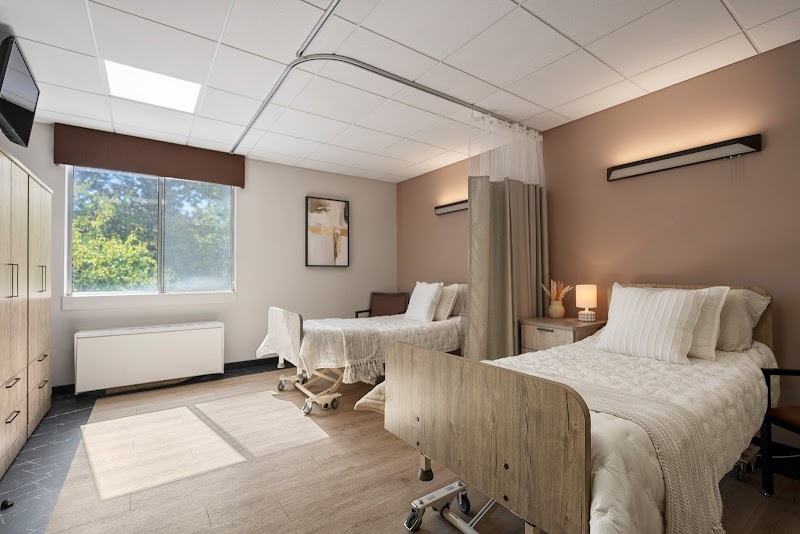
How is Regency, A Villa Center Staffed?
CMS rates Regency, A Villa Center's staffing level at 3 out of 5 stars, which is average compared to other nursing homes. Staff turnover is 53%, compared to the Michigan average of 46%.

What Have Inspectors Found at Regency, A Villa Center?

State health inspectors documented 47 deficiencies at Regency, A Villa Center during 2022 to 2025. These included: 1 Immediate Jeopardy (the most serious level, indicating potential for serious harm or death), 1 that caused actual resident harm, and 45 with potential for harm. Immediate Jeopardy findings are rare and represent the most serious regulatory concerns. They require immediate corrective action.

Who Owns and Operates Regency, A Villa Center?

Regency, A Villa Center is owned by a for-profit company. For-profit facilities operate as businesses with obligations to shareholders or private owners. The facility is operated by VILLA HEALTHCARE, a chain that manages multiple nursing homes. With 244 certified beds and approximately 200 residents (about 82% occupancy), it is a large facility located in Taylor, Michigan.

How Does Regency, A Villa Center Compare to Other Michigan Nursing Homes?

Compared to the 100 nursing homes in Michigan, Regency, A Villa Center's overall rating (2 stars) is below the state average of 3.1, staff turnover (53%) is near the state average of 46%, and health inspection rating (2 stars) is below the national benchmark.

What Should Families Ask When Visiting Regency, A Villa Center?

Based on this facility's data, families visiting should ask: "What changes have been made since the serious inspection findings, and how are you preventing similar issues?" "Can I visit during a mealtime to observe dining assistance and food quality?" "How do you handle medical emergencies, and what is your hospital transfer rate?" "Can I speak with family members of current residents about their experience?" These questions are particularly relevant given the facility's Immediate Jeopardy citations.

Is Regency, A Villa Center Safe?

Based on CMS inspection data, Regency, A Villa Center has documented safety concerns. Inspectors have issued 1 Immediate Jeopardy citation (the most serious violation level indicating risk of serious injury or death). The facility has a 2-star overall rating and ranks #100 of 100 nursing homes in Michigan. Families considering this facility should ask detailed questions about what corrective actions have been taken since these incidents.

Do Nurses at Regency, A Villa Center Stick Around?

Regency, A Villa Center has a staff turnover rate of 53%, which is 7 percentage points above the Michigan average of 46%. Moderate turnover is common in nursing homes, but families should still ask about staff tenure and how the facility maintains care continuity when employees leave.

Was Regency, A Villa Center Ever Fined?

Regency, A Villa Center has been fined $15,593 across 1 penalty action. This is below the Michigan average of $33,235. While any fine indicates a compliance issue, fines under $50,000 are relatively common and typically reflect isolated problems that were subsequently corrected. Families should ask what specific issues led to these fines and confirm they've been resolved.

Is Regency, A Villa Center on Any Federal Watch List?

Regency, A Villa Center is not on any federal watch list. The most significant is the Special Focus Facility (SFF) program, which identifies the bottom 1% of nursing homes nationally based on persistent, serious quality problems. Not being on this list means the facility has avoided the pattern of deficiencies that triggers enhanced federal oversight. This is a positive indicator, though families should still review the facility's inspection history directly.