Optalis Health and Rehabilitation of Three Rivers
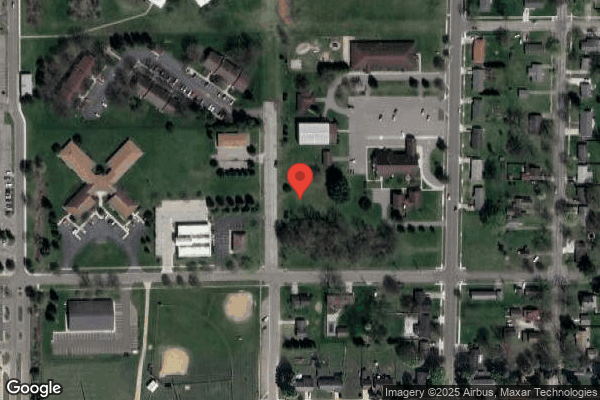
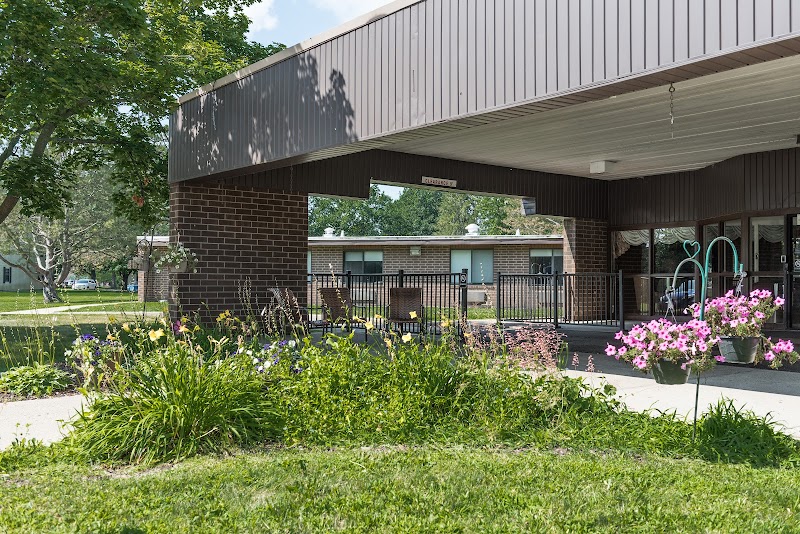
517 S Erie St, Three Rivers, MI 49093 (269) 273-8661
For profit - Corporation 100 Beds OPTALIS HEALTH & REHABILITATION Data: November 2025
Trust Grade
23/100
#320 of 422 in MI
Last Inspection: October 2024

Within standard 12-15 month inspection cycle. Federal law requires annual inspections.

Overview

Optalis Health and Rehabilitation of Three Rivers has a Trust Grade of F, indicating significant concerns and a poor overall reputation. It ranks #320 out of 422 facilities in Michigan, placing it in the bottom half, and #3 out of 4 in St. Joseph County, meaning only one local option is better. Although the facility is trending towards improvement, with issues decreasing from 24 in 2024 to 8 in 2025, it still faces serious challenges. Staffing is a weakness here, with a rating of 2 out of 5 stars and a 56% turnover rate, which is concerning compared to the state average of 44%. Notably, there have been serious incidents, such as a resident being confined in a locked wheelchair against the nurse's station, as well as issues related to food safety and cleanliness in the kitchen, which could pose health risks for residents. While the quality measures rating is excellent at 5 out of 5 stars, these weaknesses highlight the need for families to carefully consider their options.
Trust Score
F
23/100
In Michigan
#320/422
Bottom 25%
Safety Record
High Risk
Review needed
Inspections
Getting Better
24 → 8 violations
Staff Stability
⚠ Watch
56% turnover. Above average. Higher turnover means staff may not know residents' routines.
Penalties
✓ Good
$704 in fines. Lower than most Michigan facilities. Relatively clean record.
Skilled Nurses
✓ Good
Each resident gets 43 minutes of Registered Nurse (RN) attention daily — more than average for Michigan. RNs are trained to catch health problems early.
Violations
⚠ Watch
61 deficiencies on record. Higher than average. Multiple issues found across inspections.
★★☆☆☆
2.0
Overall Rating
★★☆☆☆
2.0
Staff Levels
★★★★★
5.0
Care Quality
★☆☆☆☆
1.0
Inspection Score
Stable
2024: 24 issues
2025: 8 issues

The Good

  • 5-Star Quality Measures · Strong clinical quality outcomes
  • Full Sprinkler Coverage · Fire safety systems throughout facility
  • No fines on record

Facility shows strength in quality measures, fire safety.

The Bad

2-Star Overall Rating

Below Michigan average (3.1)

Below average - review inspection findings carefully

Staff Turnover: 56%

10pts above Michigan avg (46%)

Frequent staff changes - ask about care continuity

Federal Fines: $704

Below median ($33,413)

Minor penalties assessed

Chain: OPTALIS HEALTH & REHABILITATION

Part of a multi-facility chain

Ask about local staffing decisions and management

Staff turnover is elevated (56%)

8 points above Michigan average of 48%

The Ugly 61 deficiencies on record

1 actual harm
Jul 2025 3 deficiencies
CONCERN (D) 📢 Someone Reported This

A family member, employee, or ombudsman was alarmed enough to file a formal complaint

Potential for Harm - no one hurt, but risky conditions existed

Free from Abuse/Neglect (Tag F0600)

Could have caused harm · This affected 1 resident

**NOTE- TERMS IN BRACKETS HAVE BEEN EDITED TO PROTECT CONFIDENTIALITY** This citation pertains to intake 1213927.Based on interview and record review, the facility failed to protect the resident's rig...

Read full inspector narrative →
**NOTE- TERMS IN BRACKETS HAVE BEEN EDITED TO PROTECT CONFIDENTIALITY** This citation pertains to intake 1213927.Based on interview and record review, the facility failed to protect the resident's right to be free from verbal abuse by staff for 1 resident (Resident #101) of 4 residents reviewed for abuse, resulting in Licensed Practical Nurse (LPN) K intimidating and threatening to take away the resident's phone and the potential for psychosocial harm.Findings include:Review of an admission Record revealed Resident #101 was originally admitted to the facility on [DATE], with pertinent diagnoses which included: legal blindness, cerebral palsy (neurological disorder that affects movement, posture and muscle coordination), post-traumatic stress disorder, anxiety, bipolar disorder (mental health condition characterized by extreme mood swings), blood cancer and seizure disorder. Review of a Minimum Data Set (MDS) assessment for Resident #101, with a reference date of 5/22/25 revealed a Brief Interview for Mental Status (BIMS) score of 9, out of a total possible score of 15, which indicated Resident #101 was cognitively impaired. Review of the Functional Abilities revealed that Resident #101 required the assistance of 1-2 staff for bed mobility, transfers and toileting. Review of an updated BIMS assessment completed on 7/29/25 revealed a score of 15, out of a total possible score of 15, which indicated Resident #101 was cognitively intact at the time of survey.Review of a Facility Reported Incident (FRI) submitted on 6/21/25 revealed, .06/20/2025 at 10:30 PM: Incident Summary CNA ( O), CNA ( D), and CNA ( C) reported to DON (Director of Nursing B) overhearing LPN ( K) raising his voice to (Resident #101) during a phone conversation. It was reported that both CNA's overheard (LPN K) stating to (Resident #101), You aren't going to be calling the damn facility phone all night because there are other residents that need help!. (LPN K) then reportedly ordered CNA ( C) go take residents cell phone from him. CNA refused, and (LPN K) then was witnessed telling (LPN L) to grow a pair of balls and go take (Resident #101's) phone away or he will do it himself .Investigation Summary After notification of incident, (LPN K) was immediately removed from the facility and suspended pending investigation. Like residents that were under the care of (LPN K) on the night of the incident were interviewed and determined that there were no reports of abuse or similar incidents reported. All residents indicated that they feel safe in the facility. The review of the facility's systems confirmed that the facility followed appropriate procedures as demonstrated by the following: Investigation completed by DON. Staff member immediately removed from facility to maintain safety of all residents. Residents and staff interviewed. Investigation completed by DON. Staff member immediately removed from facility to maintain safety of all residents. Residents and staff interviewed. (city) Police were not called as victim/family did not wish for this. Family(s) and/or responsible parties notified. Physician notified. Medical records reviewed by DON and Administrator.In an interview on 7/24/25 at 3:08 PM, Resident #101 reported he had told a CNA (unknown name) that he had to use the bathroom and she told him to go to the bathroom in his brief. Resident #101 reported that it was humiliating to him. This surveyor inquired about the incident that was reported involving an allegation of abuse on 6/21/25 and Resident #101 reported that staff frequently tell him not to use the call light so much and that he felt intimidated by a nurse that yelled at him and refused to give him his medication.In an interview on 7/22/25 at 2:46 PM, CNA D reported that Resident #101 frequently used his call light and his cell phone for assistance, and on 6/20/25 the resident called the nurse's station multiple times. CNA D reported that she witnessed LPN K yelling at Resident #101 on the phone and overheard LPN K say to the resident that he wasn't going to do this sh*t tonight, and if he didn't stop calling that he was going to take his fu**ing cell phone away. CNA D then reported that LPN K ordered another nurse to take the phone away. CNA D reported that Resident #101 was upset about how he was treated that night. In an interview on 7/23/25 at 3:08 PM, CNA C reported that LPN K was more frustrated than normal on 6/20/25 and he was angry with everyone. CNA C reported that LPN K picked up the phone when Resident #101 called the desk and told Resident #101 that he was a pain and that he needed to stop calling otherwise LPN K was going to take his phone away. CNA C reported that Resident #101 was lonely on 6/20/25 and wanted attention. Multiple attempts were made to interview LPN K on 7/22/25-7/24/25, with no return call prior to exit.In an interview on 7/22/25 at 8:45 AM, current NHA A reported that she was new to the facility and was not aware of the FRI for Resident #101 until this surveyor asked for the investigation. In an interview on 7/22/25 at 1:56 PM, DON B reported that she was called at home on 6/20/25, late at night by a CNA to report a concern of LPN K yelling at Resident #101 and threatening to take his phone away. DON B reported that she had the other nurse that was working that night talk to LPN K and escort him out of the facility immediately. DON B reported that LPN K was ultimately terminated due to the number of write ups that he had. DON B reported that abuse education was not completed immediately but that the facility management always talked about abuse in the monthly in person all staff meetings, which take place the second week of every month. Review of All Staff Meeting documents dated 7/9/25 (18 days after the incident) indicated that the all-staff meeting was a virtual (computer based) meeting and was facilitated by former NHA (NHA Z). There were no materials included to describe the education provided, except for a list of topics that included abuse. Review of the sign-in sheets indicated that a total of 42 people attended the 2:00 PM meeting that lasted 1 hour and 37 minutes and did not include CNA C, CNA D or LPN L that were all listed in the FRI report. It was noted that the full staff list provided by the facility listed more than 100 employees. Review of LPN K's employee file included a termination date of 6/25/25 for misconduct. There were multiple disciplinary action reports including, misconduct with co-workers, yelling at a resident to sit down, yelling and swearing in the hallway, yelling and swearing about how the meal tray process was working, and disrespectful to coworkers. In a subsequent interview on 7/29/25 at 1:00 PM, this surveyor inquired about how the facility monitored staff, and specifically LPN K that had previous disciplinary actions related to anger and yelling at residents and/or staff. DON B reported that there was no management staff present to monitor in the facility during the night shift, therefore they would rely on other staff reporting concerns of that type of behavior. In an interview on 7/29/25 at 4:45 PM, this surveyor inquired about how the facility performed ongoing monitoring of residents following the incident on 6/20/25 and NHA A reported that the facility's ongoing monitoring of residents included their Advocate Rounding in which a member of management visits the resident for interview and observation of their general well-being in the facility. Review of Advocate Rounding documents revealed a total of 15 residents that received advocate rounds between 6/21/25 and 6/27/25.
CONCERN (D) 📢 Someone Reported This

A family member, employee, or ombudsman was alarmed enough to file a formal complaint

Potential for Harm - no one hurt, but risky conditions existed

Quality of Care (Tag F0684)

Could have caused harm · This affected 1 resident

**NOTE- TERMS IN BRACKETS HAVE BEEN EDITED TO PROTECT CONFIDENTIALITY** This citation pertains to intake 1213992,1213991, and 2570298.Based on observation, interview and record review the facility fai...

Read full inspector narrative →
**NOTE- TERMS IN BRACKETS HAVE BEEN EDITED TO PROTECT CONFIDENTIALITY** This citation pertains to intake 1213992,1213991, and 2570298.Based on observation, interview and record review the facility failed to ensure a resident received care in accordance with physician orders and professional standards of care in 1 resident (Resident #101) of 12 residents reviewed for quality of care, resulting in failure to adequately monitor Resident #101 with a history of recurrent Urinary Tract Infection (UTI), failure to accurately identify symptoms of UTI and provide necessary treatment, and failure to ensure hospital discharge physician orders for treatment of UTI were followed, resulting in Resident #101 requiring hospital intervention multiple times to receive treatment for UTI and the potential for negative resident outcomes.Findings include:Review of an admission Record revealed Resident #101 was originally admitted to the facility on [DATE], with pertinent diagnoses which included: legal blindness and cerebral palsy (neurological disorder that affects movement, posture and muscle coordination). Review of a Minimum Data Set (MDS) assessment for Resident #101, with a reference date of 5/22/25 revealed a Brief Interview for Mental Status (BIMS) score of 9, out of a total possible score of 15, which indicated Resident #101 was cognitively impaired. Review of the Functional Abilities revealed that Resident #101 required the assistance of 1-2 staff for bed mobility, transfers and toileting. Review of an updated BIMS assessment completed on 7/29/25 revealed a score of 15, out of a total possible score of 15, which indicated Resident #101 was cognitively intact. In an interview on 7/22/25 at 2:15 PM, Director of Nursing (DON) B reported that Resident #101 went to the hospital on 7/17/25 due to abnormal vital signs. DON B reported that Resident #101 was being treated in the hospital for a UTI and receiving an IV antibiotic. Review of Resident #101's Provider Note dated 7/17/25 at 8:00 AM revealed, Notified resident is slurring words, confused, shaking. Temp (temperature) 102 (normal temperature is 98.6), HR (heartrate) 105. Not responding to commands.order given to send resident to ER (emergency room) for evaluation.Review of Resident #101's Change of Condition Note dated 7/17/25 at 10:54 PM revealed, .Altered level of consciousness .general weakness .decreased urine output .send to ED (emergency department) for eval .Review of Resident #101's Progress Notes for related documentation of health status leading up to hospitalization on 7/17/25 revealed a BCS (behavioral care services) Psychology Note dated 7/8/25 at 12:30 PM which revealed, .Chief Complaint: Facility dissatisfaction.Resident refuses all attempts to discuss any change in behavior, demonstrating continued rigid thinking patterns. Previously, resident was expressing concerns about groin pain with scheduled urology (specialist that focuses on the urinary tract) appointment. He had expressed hope that resolving this issue would allow him to improve his physical health by getting out of bed more.Review of Resident #101's History and Physical Hospital Record dated 7/18/25 at 2:18 AM revealed, .seen in ER (emergency room) for symptoms of UTI.Assessment/Plan: Acute dehydration: NS (normal saline)100ml/hr (intravenous fluids).Urinary Tract Infection: Rocephin (antibiotic) 2 gm (gram).Injection, IV (intravenous) push, q (every) 24h (hour) interval.7 days. Start date: 7/18/25 9:00 PM, Stop date: 7/24/25 9:00 PM.CBC (complete blood count lab) reveals hgb (hemoglobin: blood cells that carry oxygen from lungs to rest of body) 20.0 hct (hematocrit: percentage of red blood cells in the blood) 57.4 worrisome for dehydration.Review of Resident #101's Hospital Discharge Summary dated 7/23/25 revealed, admission date/time: 7/17/25 at 11:23 PM.Hospital Course: .Patient has had frequent UTI in the past.Imaging was concerning for cystitis (bladder inflammation) urethritis (inflammation of the tube that carries urine out of the body) and pyelonephritis (kidney infection). Patient's cultures grew MDRO (multidrug-resistant) E. coli (Escherichia coli: a bacteria found in the intestines).After discussion with pharmacy it was decided that patient would be treated with 4 weeks of antibiotic to treat this infection. With his history of antiseizure medications IV antibiotics he did not have a good choice. Pharmacy recommended oral tetracycline 500mg 4 times a day as an alternative which will not interact with his antiseizure medications. Prescription was sent to patient's nursing home and they will arrange for it.CT (detailed x-ray) abdomen and pelvis.Impression: Cystitis, in addition to ascending infection with associated right ureteritis and acute right pyelonephritis. This is new.Patient Summary: .Discharge Medication List: (new prescription) Tetracycline 500mg oral capsule 1 cap orally every 6 hours for 4 weeks. Last dose taken: none given at hospital. Next dose due: 7/23/25 at 6:00 PM.Review of Resident #101's Care Plan revealed, .resident is on antibiotic therapy r/t (related to) infection UTI. Date initiated: 6/17/25.Interventions: Administer antibiotic medications as ordered by physician. Monitor/document side effects and effectiveness q-shift (every shift). Monitor/document/report PRN (as needed) adverse reactions to antibiotic therapy.Monitor/document/report PRN s/sx (signs and symptoms) of secondary infection r/t antibiotic therapy: oral thrush (white coating in mouth, tongue), persistent diarrhea. This care plan was related to a previous hospitalization and treatment of UTI. There was no care plan related to the resident's history of recurrent UTI's and/or his current UTI treatment and ongoing monitoring. During an interview on 7/24/25 at 3:00 PM, Resident #101 reported that he was told by a CNA to have a bowel movement in his pants instead of using the bedpan and that he had been in the hospital for a bad UTI. Resident #101 reported that he would be fine as long as he was receiving the antibiotics and reported that he was told by the nurse that he was. In an interview on 7/24/25 at 3:30 PM, Medical Director (MD) Y reported that Resident #101 was diagnosed with a UTI and was being treated with oral antibiotics. MD Y was surprised that the hospital diagnosed UTI for the resident, and reported that they (facility) were testing his urine and drawing blood frequently to check for infection and they were all negative.Review of Resident #101's bloodwork and urine results, revealed no results relevant to infection monitoring in the record between 6/15/25 and 7/17/25.Review of Resident #101's Provider Visit Notes with the most recent being 7/2/25 revealed, .states since yesterday head has not been feeling well. He denies pain . There was no mention of monitoring or testing for UTI. This was the only physician visit note between 6/17/25-7/29/25.Review of Resident #101's Physician Orders revealed, Tetracycline oral capsule 500mg.give 1 capsule by mouth four times a day for UTI for 4 weeks. Start date: 7/23/25 at 11:00 PM. Review of the corresponding Medication Administration Record revealed, the resident had received 0 of 3 opportunities for Tetracycline 500mg, and was coded as see progress note. Review of corresponding Progress Notes revealed, entries for 7/23/25 at 10:52 PM and 7/24/25 at 5:06 AM indicating that the medication was unavailable. Then on 7/24/25 at 11:10 AM an entry indicated that the nurse spoke with the pharmacy and the medication would be delivered with next delivery. There was not documentation that the provider had been notified.In an interview on 7/24/25 at 3:45 PM, DON B reported that she was not aware that Resident #101 had not received his Tetracycline yet.In an interview on 7/24/25 at 4:00 PM, MD Y when asked if she knew Resident #101 had not received the antibiotics for his UTI yet, MD Y asked to leave the room for a moment. A few minutes later MD Y came back and reported that, she was aware the resident had not received any doses of his Tetracycline, but that the pharmacy had not delivered it yet. MD Y reported that Family Member (FM) I had not been notified about the missed doses of Tetracycline yet. In a subsequent interview at 4:14 PM MD Y reported that she had received confirmation that Resident #101's medication was currently in route from the pharmacy. In an interview on 7/28/25 at 11:02 AM, Family Member (FM) I reported that Resident #101 had been hospitalized multiple times over the past few months with urinary tract infections, and the resident had resorted to going to the hospital for treatment because the facility did not believe him when he complained of pain or not feeling well. FM I reported that on 7/24/25 MD Y spoke to her in the facility and stated that Resident #101 was getting his antibiotics, but then a couple hours later ran outside to FM I's car and reported that she had made an error and that Resident #101 had not received any of his antibiotic yet. FM I reported that she could not trust the facility to provide the resident's medications and feared that he would end up in the hospital again.Review of Resident #101's Medication Administration Record on 7/29/25 indicated that Resident #101 had received 18 of 20 doses of the Tetracycline 500 mg antibiotic for his UTI since the medication was delivered from the pharmacy on 7/24/25. There were 2 doses in a row missed, 7/27/25 at 11:00 PM and 7/28/25 at 5:00 AM. During an observation and interview on 7/29/25 at 1:00 PM D hall Medication Cart was observed with DON B to determine an accurate pill count for Resident #101's Tetracycline. It was noted that there were only 18 pills used. This confirmed the missing doses noted on the MAR. DON B reported that she had not been notified that Resident #101 had missed doses of his antibiotic over the weekend and there was no related documentation.In an interview on 7/29/25 at 2:22 PM, DON B reported that Resident #101's behaviors had been spiraling for some time, reporting that on 6/16/25 the resident sent himself to the hospital. DON B reported that he was diagnoses with a UTI at that time. Then on 6/24/25 FM I took him to the hospital and he was there until 6/30/25 and was diagnosed with a UTI. DON B reported that Resident #101 had been complaining of abdominal pain and dysuria, and his behaviors were increasing. DON B reported that she thought the facility had been monitoring and testing Resident #101's urine frequently during that time and there was no sign of UTI. DON B was not able to find any documentation or results from testing of Resident #101's urine between 6/15/25-7/16/25. DON B did find a urine test that was obtained by the facility on 7/17/25 prior to the resident being sent to the hospital, that resulted during Resident #101's hospitalization on 7/21/25 and indicated a positive result of infection related to E. coli bacteria. DON B reported that there was no record of vital signs and/or temperatures being checked for Resident #101 from 7/10/25 to 7/17/25 when a temperature of 102 was recorded.Review of Resident #101's Nutrition/Dietary Note dated 7/17/25 at 2:45 PM revealed, .Resident wt (weight) down trend is likely related to reduced intake. RD (Registered Dietician N) spoke with resident r/t (related to) wt loss. Resident stated he does not have an appetite and is hurting and has a UTI. He reported his intake was low because he was not feeling well. (RD N) discussed with provider (Medical Director (MD) Y) and notified DON (DON B). Per DON resident does not have a UTI. Resident also asked to be sent to ER (emergency room) r/t Dilantin (seizure medication) levels.In an interview on 7/29/25 at 2:55 PM, RD N reported that she was responsible for multiple facilities and monitored weights remotely. RD N reported that she was present in the facility on 7/17/25 and during morning meeting Resident #101's weight loss was brought up, therefore she went to his room to check on him. RD N reported that Resident #101 was very focused that day on going to the hospital, complained that he wasn't feeling well and thought he had a UTI. RD N reported that she spoke with MD Y and DON B and informed them of Resident #101's significant weight loss, decreased appetite and complaints of not feeling well. RD N was told that they had already confirmed Resident #101 did not have a UTI. RD N reported that standard orders are to weigh residents at least monthly and more frequently with weight loss concerns, but that the resident did not have a weight recorded for June. RD N reported that Resident #101's most recent weight on record was 231.4 pounds on 7/9/25 and prior to that it was 262.2 pounds on 5/1/25, which indicated a loss of greater than 30 pounds. RD N was not aware any errors in the documentation of Resident #101's weight and had not been weighed since 7/9/25.
CONCERN (D) 📢 Someone Reported This

A family member, employee, or ombudsman was alarmed enough to file a formal complaint

Potential for Harm - no one hurt, but risky conditions existed

Deficiency F0745 (Tag F0745)

Could have caused harm · This affected 1 resident

**NOTE- TERMS IN BRACKETS HAVE BEEN EDITED TO PROTECT CONFIDENTIALITY** This citation pertains to intake 1213992.Based on interview and record review, the facility failed to provide medically related ...

Read full inspector narrative →
**NOTE- TERMS IN BRACKETS HAVE BEEN EDITED TO PROTECT CONFIDENTIALITY** This citation pertains to intake 1213992.Based on interview and record review, the facility failed to provide medically related social services to attain and maintain the highest practicable physical, mental and psychosocial well-being for 1 resident (Resident #112) of 3 residents reviewed for social services, resulting in Resident #112 not receiving assistance with identifying community placement options and completion of the application process based upon the resident's expressed desire to discharge to the community, and not receiving timely quarterly care conference. Findings include:Resident #112Review of an admission Record revealed Resident #112 was originally admitted to the facility on [DATE]. Review of a Minimum Data Set (MDS) assessment for Resident #112, with a reference date of 7/2/25 revealed a Brief Interview for Mental Status (BIMS) score of 15, out of a total possible score of 15, which indicated Resident #112 was cognitively intact. In Section Q - Participation in Assessment and Goal Setting indicated that there was No active discharge plan in place for the resident to return to the community.In an interview on 7/23/25 at 4:08 PM, Resident #112 asked to speak with this survey and expressed that she was angry and frustrated with the facility. Resident #112 reported that she was completely independent and wanted to move out of the facility into an apartment, that she had expressed her desire to move out to the facility staff for several months and they have not done anything to assist her. Resident #112 reported that her family was not involved in her care. Review of Resident #112's Care Plan revealed, Patient does not show potential for discharge to the community due to need for 24/7 care and supervision. Date initiated: 7/10/25. Created by Social Work-Director (SW-D) G.Review of Resident #112's Behavioral Care Servies visit note dated 7/3/25 revealed, .Patient denies depression, she expresses some anxiety as she wants to leave the facility.Review of Resident #112's Behavioral Care Servies visit note dated 7/17/25 revealed, .states she is upset with the previous social worker, she states that she is going to fire all management. She states that she wants out of here, and she wants somebody to help her get her own apartment.Review of Resident #112's Social Work Progress Notes revealed that there no entries since 1/7/25, and none related to discharge planning.Review of Resident #112's most recent Care Conference dated 4/8/25 revealed, .Summary Note: .Resident voices that she would like to start looking at other housing such as her own apartment. SSD (social services director) will talk to family about this moving forward. There was no record of a July quarterly care conference.In an interview on 7/28/25 at 9:20 AM, Director of Nursing (DON) B reported that Resident #112 was her own person, was independent with cares, frequently left the facility for short periods of time, but had not expressed interest in moving into the community that she was aware of. DON B reported that the facility did not have a Social Worker and social service tasks were being split up between DON B, the corporate social worker (SW) G, and Assistant Director of Nursing (ADON) E was helping with discharges. DON B reported that she had not seen SW G in-person at the facility, but that she updated assessments and care plans remotely. In an interview on 7/28/25 at 9:20 AM, Nursing Home Administrator (NHA) A reported that the facility did not have a Social Worker since 6/16/25 when former SW DD quit. In an interview on 7/28/25 at 10:11 AM, ADON E reported that she was aware that Resident #112 had voiced wanting to discharge to the community, but ADON E had not followed up on it. In an interview via phone on 7/28/25 at 2:29 PM, SW G reported that the facility had been without a Social Worker since the middle of June and that she had been acting as a resource for guidance on complex tasks remotely. SW G reported that she had not been made aware of Resident #112's interest in discharging to the community. When this surveyor inquired about the resident's care plan indicating that she showed no potential for discharge to the community, SW G reported that she retrieved that information from the quarterly MDS assessment completed on 7/2/25. SW G reported that she had not been asked to attend care conferences and did not know who was responsible for ensuring that care conferences were completed quarterly, and/or who was responsible for completing the social services section of the MDS assessments. In an interview on 7/29/25 at 10:00 AM, MDS Coordinator (MDS-C) J reported that she completed Resident #112's MDS assessment on 7/2/25 based on a 7 day look back period, and there was no documentation during that time indicating that she was interested in discharging to the community, therefore it was coded as No on the assessment. MDS-C J reported that normally the facility's SW would complete the discharge section, but the facility did not currently have a SW. MDS-C J reported that she had scheduled Resident #112 for a quarterly care conference on 7/9/25 but confirmed that it did not get completed and/or rescheduled. In an interview on 7/29/25 at 10:15 AM, DON B reported that management discuss the care conference schedule during the daily morning meeting, but that she was not sure why Resident #112's care conference that was scheduled on 7/9/25 did not take place. DON B reported that they would be following up with Resident #112 regarding her interest in discharging to the community and a care conference will be held that day or the next. In an interview on 7/29/25 at 5:00 PM, ADON E reported that she had spoken to Resident #112 and the resident had a few different apartments that she was interested in. ADON E was planning to begin the referral and application process.
Feb 2025 5 deficiencies 1 Harm
SERIOUS (G) 📢 Someone Reported This

A family member, employee, or ombudsman was alarmed enough to file a formal complaint

Actual Harm - a resident was hurt due to facility failures

Deficiency F0604 (Tag F0604)

A resident was harmed · This affected 1 resident

**NOTE- TERMS IN BRACKETS HAVE BEEN EDITED TO PROTECT CONFIDENTIALITY** This citation pertains to intake MI00150239. Based on interview and record review, the facility failed to prevent the use of phy...

Read full inspector narrative →
**NOTE- TERMS IN BRACKETS HAVE BEEN EDITED TO PROTECT CONFIDENTIALITY** This citation pertains to intake MI00150239. Based on interview and record review, the facility failed to prevent the use of physical restraint/confinement for 1 (Resident #100) of 3 residents reviewed for abuse, resulting in Resident #100 being confined by a locked wheelchair placed against the nurse's station and restrained into a seated position. Findings include: Review of an admission Record revealed Resident #100 was originally admitted to the facility on [DATE] with pertinent diagnoses which included: unspecified psychosis (a mental disorder characterized by a disconnection from reality), vascular dementia (progressive disease resulting in loss of cognitive abilities), and generalized anxiety disorder. Review of a Minimum Data Set (MDS) assessment for Resident #100 with a reference date of 11/29/24, revealed a Brief Interview for Mental Status (BIMS) score of 5/15 which indicated Resident #100 was severely cognitively impaired. Section GG of the MDS revealed Resident #100 could walk 50' independently, and did not regularly use a wheelchair. Review of a Care Plan for Resident #100 with a reference date of 9/30/24, revealed a focus/goal/interventions of: At risk for falls due to lack of safety awareness .unsteadiness. Goal: Minimize risk of falls. Interventions: Bed at transfer height .nonskid tape to bedside floor .staff to offer and assist to toilet during nighttime hours . In an interview on 1/18/25 at 1:38pm, Licensed Practical Nurse (LPN) S reported at approximately 2:30am on 2/12/25 she walked by Resident #100 who was seated in a wheelchair, facing the cut out window of the nurse's station. LPN S reported the brakes on the wheelchair were locked, the armrests were against the half wall of the nurse's station and the resident was saying she wanted to get up. LPN S reported she heard the resident saying can you help me get up, can you help me, I can't get up!. LPN S reported she initially told the resident that getting up would not be a good idea because the resident's legs had not been working as well lately. Resident #100 then replied No, I can't get this belt off of me. LPN S looked at Resident #100 who then lifted her shirt and revealed a black gait belt across her ribs, fastened around the back of the wheelchair. LPN S reported Resident #100 appeared emotionally upset about the situation. LPN S reported she immediately went to LPN Z and asked if Resident #100 was supposed to be restrained. LPN Z confirmed the resident was not supposed to be restrained. LPN S stated she felt shocked seeing Resident #100 in that situation and left the floor to call Director of Nursing (DON) B. LPN S reported DON B instructed her to return to the floor immediately and release Resident #100, then complete a skin and pain assessment for the resident. LPN S reported when she returned, Resident #100 was in bed with no restraint. LPN S reported Resident #100 had no injuries and no complaints of pain following the incident. In an interview on 2/18/25 at 2:20pm, Certified Nursing Assistant (CNA) E reported she cared for Resident #100 on the overnight shift of 2/11/25. CNA E reported she assisted LPN Z with getting the resident into a wheelchair after she was found standing by her room door at approximately midnight on 2/12/25. CNA E reported she recalled seeing Resident #100 seated at the cutout window area with her wheelchair against the half wall of the nurse's station. CNA E reported it was difficult to provide the amount of supervision Resident #100 needed while also caring for other residents. CNA E reported at that time, Resident #103 was transferring from sitting to standing about every 5 seconds. CNA E denied placing or seeing a gait belt around Resident #100 and her wheelchair. In an interview on 1/19/25 at 8:06am, LPN Z reported he transferred Resident #100 to a wheelchair after she was found standing by her room door at approximately midnight on 2/12/25. LPN Z reported he positioned Resident #100 at the cutout window of the nurse's station, with her wheelchair against the half wall of the nurse's station. LPN Z reported Resident #100 could not unlock the wheelchair breaks on her own. LPN Z reported he confined Resident #100 to that area by using her wheelchair in this manner in effort to reduce her likelihood of falling. LPN Z reported Resident #100 did not have a gait belt restraining her to her chair at that time and that she stood and sat back down repeatedly. LPN Z reported Resident #100 was upset that night and thought she needed to find her family. LPN Z reported he had difficulty supervising Resident #100 because of the number of residents in his assignment that night. LPN Z reported at approximately 2am, 2 CNA's left the floor for their break, leaving even fewer staff to supervise the residents, including Resident #100 who remained at the nurse's station. In an interview on 1/19/25 at 10:12am, CNA H reported she worked overnight on 2/11-2/12/25. CNA H reported Resident #100 was restless that night and had recently had several falls. CNA H reported it was difficult to help her remain safe and that sometimes we gotta hold down residents to keep them safe. CNA H explained that we had her (Resident #100) pushed all the way up against the desk and locked the brakes so she could not attempt to walk. CNA H reported Resident #100 appeared anxious, verbalized a desire to move away from the nurse's station, that the resident was looking for her loved ones and stated, I have to find them, referring to her family. CNA H denied any knowledge of Resident #100 having a gait belt wrapped around her and the wheelchair. Review of an Investigation Summary with a reference date of 2/11/25, revealed at 3:15am: (Resident #100) when shown a picture of LPN Z, she confirmed emphatically that he was the one who placed the gait belt around her. In an interview on 2/19/24 at 12:41pm, Resident #100 did not appear to recall the event that took place on 2/12/25. In an interview on 2/20/25 at 10:53am, DON B reported she came to the facility at approximately 3am on 2/12/25 to initiate an investigation after Resident #100 was found physically restrained. DON B reported at that time, Resident #100 reported a man tied her to a wheelchair and voiced that she didn't like it. In an interview on 2/20/25 at 2:01pm, Guardian Y reported the facility had informed her Resident #100 had been found physically restrained in the early morning hours of 2/12/25. Guardian Y reported she would expect that any reasonable person would be significantly emotionally distressed by the act of being physically restrained. Using the reasonable person concept, though Resident #100 and Resident had decreased ability to verbally express their own thoughts due to medical diagnoses, any reasonable person would likely feel frustration, a decreased sense of autonomy and decreased sense of psychological wellbeing because of being physically restrained.
CONCERN (D) 📢 Someone Reported This

A family member, employee, or ombudsman was alarmed enough to file a formal complaint

Potential for Harm - no one hurt, but risky conditions existed

Deficiency F0602 (Tag F0602)

Could have caused harm · This affected 1 resident

**NOTE- TERMS IN BRACKETS HAVE BEEN EDITED TO PROTECT CONFIDENTIALITY** This citation pertains to intake MI00150000. Based on interview and record review the facility failed to prevent the misappropr...

Read full inspector narrative →
**NOTE- TERMS IN BRACKETS HAVE BEEN EDITED TO PROTECT CONFIDENTIALITY** This citation pertains to intake MI00150000. Based on interview and record review the facility failed to prevent the misappropriation of scheduled narcotic medication for 2 (R111 and R103) of 3 residents reviewed for misappropriation of property, resulting in the potential for ongoing misappropriation of narcotic medications. Findings include: R110 & R111 Review of R111's medical record Census revealed STOP BILLING on 12/31/24. Review of R111's Controlled Drug Receipt/Record/Disposition Form dated 1/12/25 revealed at 9:00 AM, RN T had removed 1 Morphine Sulfate 30 mg ER tablet from the card and indicated Medication Error. It was noted R111 had been discharged from the facility on 12/31/24, 13-days prior to the misappropriation. Review of the Medication Error Report dated 1/12/2025 at 10:00 AM revealed, In resident's (R#110) room .Resident due for Morphine 15 mg. Nurse pulled 30 mg dose from wrong card (#R111's) and gave to resident. Residents unable to follow conversation with nurse explaining what error occurred. Resident now requesting more pain medication following dressing change .Level of Pain was an 8 out of 10 . Review of R110's Order Summary revealed: -12/27/24 Morphine Sulfate oral tablet 30 mg. Give 30 mg by mouth three times a day for moderate to severe pain. Discontinue date 1/15/25. -12/31/24 Morphine Sulfate ER (extended release) 15 mg .give 15 mg by mouth (PO) three times a day (TID) for pain. Give with 30 mg tablet to equal 45 mg total TID. Discontinue date 1/7/25. -1/8/2025 Morphine Sulfate ER oral tablet extended release 15 mg. Give 15 mg by mouth three times a day for pain. Give with 30 mg for a total of 45 mg TID. Discontinue date 1/15/2025. Review of R110's Controlled Drug Receipt/Record/Disposition Form dated 1/12/25, revealed Registered Nurse (RN) T had signed out 1-Morphine Sulfate 30 mg IR (immediate release) tablet. Review of R110's Controlled Drug Receipt/Record/Disposition Form dated 1/12/25 revealed at 8:00 PM 9-Morphine Sulfate ER (extended release) 15 mg tablets were dispensed from the pharmacy and recorded by the facility. Review of R110's MAR/TAR (Medication/Treatment Administration Record) dated 1/1/2025-1/31/2025, revealed on 1/12/2025, RN T documented as administering one Morphine sulfate 30 mg tablet and one Morphine sulfate ER 15 mg tablet at 9:00 AM for a total of 45 mg. During an interview and record review on 2/20/25 at 9:00 AM, RN T stated while reviewing R110's Medication Error Report dated 1/12/25, I think what happened was, (R110) gets 2 pills, a 30 mg and 15 mg (Morphine sulfate). I pulled a Morphine pill from another resident's card. I administered two pills to (R110) but I do not know what dose of Morphine it was or whose it was. I notified my supervisor, (RN CC), the doctor, and the resident's son. (RN CC) counted the narcotic drawer with me and we found out whose morphine it was and the dose, but I do not remember. RN T read the IR, discovering 2-Morphine 30 mg tablets were given to (R110) and not 45 mg as ordered. RN T then stated, She (R110) got an extra 15 mg of Morphine. The doctor told me to continue monitoring (R110). The card of morphine belonging to the other resident was pulled so it would not happen again because that resident was not in the building any longer. During an interview on 2/20/25 at 10:53 AM Director of Nursing (DON) B stated, Registered Nurse (RN) T realized she had given (R110) 2-30 mg Morphine Sulfate tablet. I did not know she took 1 of the 30 mgs from another resident and I did not realize (R110) was also missing 1-15 mg Morphine Sulfate table from that specific med pass. So that means (R110) got 60 mg of morphine sulfate instead of 45 mg and 1-15 mg morphine sulfate table was missing. I do not know what happened to the Controlled Drug Receipt/Record/Disposition Forms for (R110's) 15 mg Morphine Sulfate ER. The DON stated she had not done further investigations into the medication misappropriation. Requested from facility on 2/20/25 R110's Controlled Drug Receipt/Record/Disposition Form dated 1/12/25 with the 8:00 AM and 12:00 PM administration record and did not receive by end of survey 2/21/25 at 5:30 PM. R103 Review of R103's Controlled Drug Receipt/Record/Disposition Form Lorazepam 0.5 mg tablet twice daily (8:00 AM and 8:00 PM) revealed: -1/11/25 at 9:30 PM 1-tablet was administered -It was noted that no Lorazepam was administered on 1/12/25 at 8:00 AM -1/12/25 at 8:00 PM, LPN U had administered 1-tablet and wrote Actual Count documented, along with the morning nurse supervisor documenting. -A note was added, One tab missing, notified DON Locked box key with manager, oncoming nurse no access to narcotic medication. -1/12/25 at 7:00 AM, 1-Lorazepam table was administered by the oncoming nurse Review of DON's investigation dated 1/12/25 indicated, On the morning of 1/12/2025, DON was contacted by weekend manager, RN CC, with reports of a possible missing Lorazepam. It was found that two night nurses who had access to the narcotic drawer (D Hall med cart) with suspected missing Lorazepam did not appropriately verify narcotic count previously to administering medication from the narcotic drawer. (LPN U) signed onto the narcotic drawer and (LPN S) administered medication from the drawer including a Lorazepam from the card in question. Upon investigation, DON found a small white pill under the narcotic drawer that was unidentified by DON and floor nurse, but looked as though it could be a Lorazepam. This was put in a drug buster but not signed as destroyed because the facility could not confirm or deny that it was in fact the Lorazepam in question. Review of R103's MAR/TAR 1/1/25-1/31/25 revealed -1/12/25 at 8:00 AM, documentation of 1-Lorazepam 0.5 mg tablet had been administered. It was noted, this was not indicated on the resident's Controlled Drug Receipt/Record/Disposition Form Lorazepam 0.5 mg tablet twice daily (8:00 AM and 8:00 PM) -1/12/25 at 8:00 PM, LPN U documented administration of 1-Lorazepam 0.5 mg tablet. During an interview and record review on 2/20/25 at 12:52 PM, DON B stated, (LPN EE), no longer works here. On 1/11/25 at 6-630 PM was the start of night shift. (LPN EE) the off -going nurse with oncoming nurses (LPN U and LPN S) splitting D hall med cart. (LPN S) did not want to count narcotics on D hall because she felt it was inconvenient. (LPN U) was responsible for the narcotic box key and counted the D Hall narcotics with the off-going nurse. (LPN U) was solely responsible for the narcotic key. That night on 1/11/25 at 21:30 PM, (LPN S) she signed out Lorazepam 0.5 mg for (R103). (LPN S) got the key from (LPN U) without prior counting of the narcotics. It shows on (R103's) Lorazepam control sheet that (LPN EE) gave him 1-Lorazepam at 9:00 AM then another nurse gave that resident 1-Lorazepam on 1/11/25 at 9:00 PM. (LPN EE) counted off the narcotics with (LPN U) when he came on 1/12/25 night shift. The count should have been correct because I didn't get a phone call. It was noted on R103's MAR/TAR dated 1/11/25 at 8:00 AM, R103 was administered 1-Lorazepam by LPN EE who did not document this on the Controlled Drug Receipt/Record/Disposition Form Lorazepam 0.5 mg. Staff did not follow rules. Attempted to contact LPN S on 2/20/25 at 1:38 PM leaving a message to call surveyor back. No call back was received by end of survey 2/21/25 at 5:30 PM. During an interview on 2/21/25 at 7:32 AM, LPN U stated I split D Hall and the med cart with narcotics on 1/11/25 night shift with (LPN S). Normally (LPN S) would count her narcotics in the med cart but I don't believe she did that night. When using D Hall med cart that night for narcotics, I would give (LPN S) the narcotic key and she would take the narcotics she needed from the D Hall med cart. She would sign it out on the controlled substance sheet and the MAR then give me back the key. When our shift was over, she did not count the narcotics with the oncoming nurse. I will say, it was unusual for (LPN S) not to count narcotics. The med error was me. I probably wrote it down wrong, so that was human error. It would have affected the count. I don't remember what happened that night. Other times, when working nights and splitting the D Hall med cart and narcotics, when I had not counted narcotics when starting my shift, I would go ask for the keys from the other nurse(s) but would sign the narcotic out on the controlled substance sheet and MAR to prove I had taken and administered the medication. But I did not have to count narcotics with the oncoming nurse, the other nurse from that night would. During an interview on 2/20/25 at 9:17 AM Licensed Practical Nurse (LPN) V stated, Up until a week or two ago, night nurses shared D Hall med cart (medication cart) because that hall would be split among the night nurses. There normally were three nurses, sometimes two, that shared the narcotic drawer for all residents on D Hall. The nurses would share one key for the one narc (narcotic) drawer. This had gone on for years. Narcotic count (Controlled Substance) is done by each nurse making sure their meds are signed but only one nurse assigned to the D Hall med cart would count in and out. If there was a missing narc and the other nurses said it was not them that took it, then it was a he said/she said and no nurse took the blame. Review of facility policy, Controlled Medication Guidelines revised date: 3/20/2024, revealed, Policy overview-the purpose of this policy is to provide guidelines for controlled medications .Schedule II, III, IV, and IV controlled medications are stored under double lock. The access key to the controlled medications is not the same key that allows access to other medications. The medication nurse on duty maintains possession of a key to controlled medications .Administering Controlled Medications: The licensed nurse will validate the physician's order on the medication administration record matches the controlled medication package and the Controlled Drug Receipt/Record/Disposition Form. When the licensed nurse removes the controlled medication from the package, they will document the quantity removed and the quantity left on the Controlled Drug receipt/Record/Disposition Form. After administration of the controlled medication the licensed nurse will document the administration on the medication administration record .A physical inventory of all controlled medications is completed by two licensed nurses and is documented on the Shift-to-Shift form: At shift change, whenever one nurse relinquishes their keys to another nurse (i.e. anytime they leave the premises for lunch or break, etc.), The on-coming nurse will open the locked medication cart and the double-locked controlled medication box and initiate the count as follows .Complete an incident report detailing the discrepancy, steps taken to resolve it, and the names of all licensed staff working when the discrepancy was noted .The DON, charge nurse, or designee must also report any loss of controlled medications where theft is suspected to the appropriate authorities such as local law enforcement, Drug Enforcement Agency, State Board of Nursing, State Board of Pharmacy, and possibly the State Licensure Board for Nursing Home Administrators .Michigan Licensing and Regulatory Affairs ([NAME]) .Controlled medications should be wasted when: The medication is contaminated (i.e. the medication is dropped .) .
CONCERN (D) 📢 Someone Reported This

A family member, employee, or ombudsman was alarmed enough to file a formal complaint

Potential for Harm - no one hurt, but risky conditions existed

Deficiency F0658 (Tag F0658)

Could have caused harm · This affected 1 resident

**NOTE- TERMS IN BRACKETS HAVE BEEN EDITED TO PROTECT CONFIDENTIALITY** Based on observation, interview and record review, the facility failed to adhere to nursing professional standards related to do...

Read full inspector narrative →
**NOTE- TERMS IN BRACKETS HAVE BEEN EDITED TO PROTECT CONFIDENTIALITY** Based on observation, interview and record review, the facility failed to adhere to nursing professional standards related to documentation of medication administration for 2 of 3 (Resident #206 and Resident #110) residents reviewed for medication administration documentation, resulting in a potential for missing controlled substances and inaccurate medication administration. Findings include: Resident #206 Review of an admission Record revealed Resident #206 was originally admitted to the facility on [DATE] with pertinent diagnoses which included: anxiety disorder (mental health condition characterized by excessive and persistent worry, feat and unease that can significantly interfere with daily life. Review of a Minimum Data Set (MDS) assessment for Resident #206 with a reference date of 3/26/25, revealed a Brief Interview for Mental Status (BIMS) score of 15/15 which indicated Resident #206 was cognitively intact. Section D of the MDS revealed Resident #206 had thoughts of harming himself during 2-6 days of the 14-day assessment period. Review of a Care Plan for Resident #206 with a reference date of 5/20/24, revealed a focus/goal/interventions of: Focus: Resident has a mood problem r/t (related to) admission. Goal: The resident will have improved mood state happier (sic), calmer appearance, no s/sx (signs or symptoms) of .anxiety or sadness through next review date. Interventions: Administer medications as ordered. Monitor/document for side effects and effectiveness . Review of a Medication Administration Record for Resident #206, with a reference date of April 2025, revealed the resident received ALPRAzolam Oral Tablet 0.5MG (milligrams) at 1200 on 4/2/25. During an observation on 4/2/25 at 12:40pm, Assistant Director of Nursing (ADON) L began a controlled substance audit at the medication cart assigned to Licensed Practical Nurse (LPN) I. LPN I stated Wait a minute! I may not be caught up on signing out my medications. LPN I picked up the Medication Disposition Binder, flipped through the pages and filled out a form labeled for Resident #206 and his prescribed medication, Alprazolam. In an interview on 4/2/25 at 12:41pm, LPN I reported she had administered Resident #206's Alprazolam around 12:00 but had not signed the medication out on the disposition form. In an interview on 4/2/25 at 12:47pm, ADON L confirmed it was a standard of practice that a nurse would sign out a medication on the disposition form, document the amount of medication removed, and the amount of medication that remained at the time of the medication removal. Resident #110 Review of Controlled Drug Disposition Form for Resident #110's Morphine Sulfate Oral Solution revealed the medication was signed out for administration by Agency Registered Nurse (RN) U on 3/27/25 at 6:00pm, 3/28/25 at 8:00am and 3/28/25 at 10:00am. In an interview on 4/3/25 at 2:21pm, RN U confirmed she signed out the doses of Resident #110's morphine on 3/27/25 at 6:00pm, 3/28/25 at 8:00am and 3/28/25 at 10:00am.RN U reported the medications should be documented as administered on Resident #110's Medication Administration Record. RN U confirmed the medications were not documented on Resident #110's Medication Administration Record. When further queried, RN U reported the facility had not approached her about the lack of documentation regarding this controlled substance, and although she thought she'd given the medication to Resident #110, there was no way to confirm this. In an interview on 4/3/25 at 3:04pm, Director of Nursing (DON) B reported the nurse should sign out a controlled medication on the disposition form, administer the medication and document the administration in the Medication Administration Record at the time it was administered. DON B a medication must be documented in the Medication Administration Record to confirm it was given to the resident. Review of the policy/procedure Controlled Medication Guidelines, dated 3/20/24, revealed .When the licensed nurse removes the controlled medication from the package, they will document the quantity removed and the quantity left on the Controlled Drug Receipt/Record/Disposition Form .After administration of the controlled medication the licensed nurse will document the administration on the medication administration record .
CONCERN (D) 📢 Someone Reported This

A family member, employee, or ombudsman was alarmed enough to file a formal complaint

Potential for Harm - no one hurt, but risky conditions existed

Quality of Care (Tag F0684)

Could have caused harm · This affected 1 resident

**NOTE- TERMS IN BRACKETS HAVE BEEN EDITED TO PROTECT CONFIDENTIALITY** This citation pertains to intake # MI00149896 Based on interview, and record review, the facility failed to comprehensively asse...

Read full inspector narrative →
**NOTE- TERMS IN BRACKETS HAVE BEEN EDITED TO PROTECT CONFIDENTIALITY** This citation pertains to intake # MI00149896 Based on interview, and record review, the facility failed to comprehensively assess and prescribe appropriate treatment for 1 (Resident #103) of 3 residents reviewed for change of condition, resulting in Resident #103 being hospitalized with aspiration pneumonia. Findings include: Review of an admission Record revealed Resident #103 was originally admitted to the facility on [DATE] with pertinent diagnoses which included: major depressive disorder, recurrent, severe with psychotic symptoms (serious mental health condition characterized by persistent low mood and other symptoms that significantly interfere with daily life). Review of a Minimum Data Set (MDS) assessment for Resident #103 with a reference date of 11/8/24, revealed a Brief Interview for Mental Status (BIMS) score of 9/15 which indicated Resident #103 was moderately cognitively impaired. Review of a Behavior Health Progress Note for Resident #103, with a reference date of 1/21/25 revealed He (Resident #103) reports that lately has felt like he is having vertigo (sudden spinning or swaying sensation). Review of a Behavior Note for Resident #103, with a reference date of 1/25/25 revealed: Resident has been tearful and displayed unhappiness throughout shift .has mad multiple statements that his care needs are not being met . Review of a Nursing Progress Note for Resident #103 with a reference date of 1/27/25, revealed Resident in bed .appetite poor .dry heaving .c/o (complains off) vertigo. In an interview on 2/18/25 at 10:21am Family Member (FM) BB reported Resident #103 was taken to the hospital on 1/27/25 for a psychiatric evaluation but was admitted to a medical floor rather than a psychiatric unit, because the Resident was found to have pneumonia and was deemed psychologically stable. FM BB reported Resident #103 had complained of dizziness, fatigue and shortness of breath in the days leading up to his hospitalization but had not received any treatment for the symptoms. In an interview on 2/19/25 at 8:03am Resident #103 reported prior to his hospitalization on 1/27/25, he had complained to several staff members that he did not feel well and felt something was wrong with his body. Resident #103 reported he felt dizzy, tired, achy and had no appetite. Resident #103 reported on 1/27/25 he was told the facility was sending him to a local hospital for a psychiatric evaluation which only increased his anxiety because of an experience he had while on a psychiatric unit. In an interview on 2/20/25 at 8:22am, Certified Nursing Assistant (CNA) G reported Resident #103 vomited several times during the last week of January 2025 and she observed him coughing, producing a lot of phlegm and vomiting in the dining room one day during that week. In an interview on 2/20/25 at 1:41pm, Unit Manager (UM) EE confirmed Resident #103 had no physician notes/record of medical evaluation by Medical Director (MD) AA from 1/15-1/27/25. In an interview on 2/21/25 at 10:23am, Medical Director (MD) AA reported she evaluated Resident #103 several times throughout the week of 1/21/25 and found no evidence of any new medical issues for the resident. When asked to review the documentation of her evaluations on or around 1/21/25 for Resident #103, MD AA reported she was really behind on entering documentation and had not entered any progress notes/record of medical evaluations for Resident #103 since 1/15/25. When further queried, MD AA reported staff had not told her Resident #103 had recent episodes of coughing while eating prior to 1/27/25. MD AA confirmed coughing during meals could indicate a risk of aspiration pneumonia (lung infection that occurs when a person inhales something other than air into their lungs, such as food, liquid or saliva). MD AA reported a resident who aspirates food or liquid can develop aspiration within hours of the initial inhalation of food or liquid into the lungs. MD AA reported it was difficult to determine Resident #103's medical needs because he had several behavioral issues, and the facility thought Resident #103 was having psychiatric issues, rather than a physical illness. MD AA reported when Resident #103 was evaluated at a local emergency department it was determined that he had an acute physiological illnesses that required admission to the acute care unit. Resident #103 was later assessed for psychiatric treatment and deemed not in need of hospital based psychiatric treatment. In an interview on 2/21/25 at 10:53am, Ombudsman DD reported she visited Resident #103 on 1/24/25 and described the resident as appearing unwell and that he reported fatigue, dizziness, and an inability to tolerate getting out of bed for the past 4 days. Ombudsman DD reported Director of Nursing (DON) B was present during her visit with Resident #103 and reported she would assess the resident's medical condition. Ombudsman DD reported Resident #103 voiced a desire to go to a hospital for medical evaluation at that time. Review of Resident #103's vital signs upon admission to the local emergency department revealed Resident #103's SpO2 level (oxygen saturation of peripheal oxygen) was 82%. The normal range is between 95-100%. Review of a Chest Xray completed in a local emergency department on 1/27/25 revealed: Findings: .bilateral (both sides) dependent consolidative airspace disease concerning for multifocal pneumonia/aspiration pneumonia . Review of an After Visit Summary from a local acute hospital revealed Resident #103 was admitted on [DATE] with the following diagnoses: acute CHF (congestive heart failure) (fluid buildup around the heart causing poor circulation of blood throughout the body), aspiration pneumonia, community acquired pneumonia .hypoxia (low oxygenation in the blood characterized by shortness of breath, elevated heart rate, dizziness .). Review of Resident #103's medical record from the skilled nursing facility revealed no laboratory orders between 1/21-1/27/25. Review of Resident #103's medical record from the skilled nursing facility revealed no nursing assessments between 1/21/-1/27/25. Review of Resident #103's medical record from the skilled nursing facility revealed no documentation of vital signs between 1/21/-1/27/25. Review of a facility Change of Condition policy with a reference date of 12/13/23 revealed: An acute change in condition is a clinically important deviation from a resident's baseline in physical, cognitive, behavioral, or functional status. Any facility staff that notices a change in the resident's condition should notify the licensed nurse .some examples of changes of condition that staff may notice and should report . ate less than usual .tired, weak .overall needs more help than usual .
CONCERN (D) 📢 Someone Reported This

A family member, employee, or ombudsman was alarmed enough to file a formal complaint

Potential for Harm - no one hurt, but risky conditions existed

Deficiency F0761 (Tag F0761)

Could have caused harm · This affected 1 resident

Based on observation, interview, and record review, the facility failed to remove and safely dispose of discharged resident controlled substance medication in 1 of 3 residents (R111) reviewed for medi...

Read full inspector narrative →
Based on observation, interview, and record review, the facility failed to remove and safely dispose of discharged resident controlled substance medication in 1 of 3 residents (R111) reviewed for medication storage and disposal, resulting in diversion and/or misappropriation. Findings include: Review of facility policy, Medication Disposal, Destruction, and Sending Home with Resident, date approved 4/1/2022, revealed, Policy: The medications of residents who are .discharged , or medication that has been discontinued will be removed from the facility in accordance with local, State, and Federal regulations .the medication should be removed from the medication storage area(s) .This includes .medication carts .When a resident is discharged .The controlled medications being destroyed by the facility will be destroyed by two or more licensed personnel as designated by the Director of Nursing (DON) .When a resident is transferred out to the hospital. All medications prescribed for the resident will be placed in a medication room up to 14 days after transfer . R110 Review of R110's Medication Error Report dated 1/12/2025 at 10:00 AM revealed, In resident's room .Resident due for Morphine 15 mg. Nurse pulled 30 mg dose from wrong card and gave to resident. Resident unable to follow conversation with nurse explaining what error occurred. Resident now requesting more pain medication following dressing change .Level of Pain was an 8 out of 10 . During an interview and record review on 2/20/25 at 9:00 AM, Registered Nurse (RN) T stated while observing R110's Medication Error Report dated 1/12/25, I think what happened was (R110) gets two pills of Morphine sulfate; 1- 30 mg and 1-15 mg. I pulled a 30 mg Morphine from another resident's card (Resident #111's). RN T read the Medication Error Report and stated, Two-30 mg tablets were given to (Resident #110) and not 45 mg. She got an extra 15 mg. So, a total of 60 mg of Morphine. (R110) was to get 1-30 mg of Morphine sulfate IR (immediate release) and 1-15 mg Morphine sulfate ER (extended release). The resident was complaining of pain because she a pressure ulcer on her bottom. She got 2 pills of Morphine and was still complaining. During an observation, interview, and record review on 2/20/25 at 12:05 PM, LPN V observed A Hall med cart narcotic drawer Controlled Medication Sheets and reviewed the January 2025 MAR for R110. R110's MAR documented on 1/12/25, the resident received one 30 mg Morphine sulfate IR tablet and one 15 mg Morphine sulfate ER tablet. When LPN V was asked what residents morphine with a card next to R110 it was discovered R111 was on Morphine sulfate ER 30 mg at the same time. Upon reviewing R111's MAR, it was discovered he was discharged on 12/31/24. R111's card of Morphine sulfate ER 30 mg tablets was still in the cart. LPN V stated, (R111's) should not have been in the med cart. Narcotics are left in the med cart until the facility knows discharged resident (Residen #111) is not coming back or admitted to the hospital. The narcotics then are placed in the safe in the medication room. There is a slot to put the meds in. The DON is to dispose of them from there. Review of R110's MAR/TAR (Medication/Treatment Administration Record) dated 1/1/2025-1/31/2025, revealed on 1/12/2025, Registered Nurse (RN) T documented as administering one Morphine sulfate 30 mg tablet and one Morphine sulfate ER 15 mg tablet at 9:00 AM for a total of 45 mg. During an observation and interview on 2/20/25 at 12:26 PM, DON B retrieved R110's card of Morphine sulfate IR 30 mg from the medication safe, stating They are a round white tablet. (R110's) Morphine order was changed on 1/15/25. This med card was placed in the safe 36 days ago. I do not know what the facility's policy says on when to destroy a discontinued narcotic. I was a floor nurse before I became the DON, and I know narcotics should be destroyed by the DON and one other nurse after the resident is known not to return or the narcotic is discontinued. DON B continued stating while observing R111's Morphine 30 mg ER Controlled Medication sheet, I found on 1/12/25 that (RN T) and (LPN CC) had signed out one of (R111's) Morphine ER 30 mg tablets and they are purple. The difference between IR and ER is that IR is immediate release and ER is extended release. That is the reason (R110) asked for pain meds during her wound treatment, because the ER Morphine she was given by (RN T) had not taken affect. Review of R111's Order Summary revealed, Morphine Sulfate ER Oral Table Extended Release 30 mg (Morphine Sulfate) Give 30 mg by mouth three times a day for moderate to severe pain. Start date 12/27/2024. Discontinue date: 1/1/2025. During an interview on 2/20/25 at 10:53 AM, Director of Nursing (DON) B stated, (RN T) realized she had given (R110) two 30 mg Morphine sulfate tablets. I didn't know she gave one of the 30 mgs from another resident and I didn't realize (R110) was also missing one 15 mg Morphine sulfate from that med pass as well. So that means (R110) got 60 mg of morphine instead of 45 mg and 1-15 mg Morphine sulfate tablet was missing. The DON stated she had not done further investigations into the medication error.
Oct 2024 1 deficiency
CONCERN (D) 📢 Someone Reported This

A family member, employee, or ombudsman was alarmed enough to file a formal complaint

Potential for Harm - no one hurt, but risky conditions existed

Report Alleged Abuse (Tag F0609)

Could have caused harm · This affected 1 resident

Based on interview and record review, the facility failed to ensure the identification and timely reporting of an injury of unknown origin in one Resident (#100) of three residents reviewed for report...

Read full inspector narrative →
Based on interview and record review, the facility failed to ensure the identification and timely reporting of an injury of unknown origin in one Resident (#100) of three residents reviewed for reporting, resulting in the potential for unidentified abuse or neglect and further exposure to abusive situations. Findings include: Resident #100 Review of an admission Record revealed Resident #100 was a female, with pertinent diagnoses which included: age-related osteoporosis with current pathological fracture, left femur, initial encounter for fracture (Onset Date 10/15/24) and vascular dementia. Review of a Minimum Data Set (MDS) assessment for Resident #100, with a reference date of 9/10/24 revealed a Brief Interview for Mental Status (BIMS) score of 4, out of a total possible score of 15, which indicated Resident #100 was severely cognitively impaired. Review of a Facility Reported Incident (FRI) document for Resident #100 revealed, Type of Alleged Incident: Injury of Unknown Source .Date/Time Incident Discovered: 10/15/2024 07:30 PM Date/Time Incident Occurred: 10/15/2024 07:30 PM Incident Summary: Resident complained of pain during transfer to bed. X-ray taken showed fracture of L (left) femur (thigh bone). Physician notified. Family notified. Hospice notified. Pain management intervention initiated immediately. Non-weight bearing until further notice. Full investigation to follow .Incident Submission Submitted By: Registered Dietitian and Nursing Home Administrator in Training (NHAT) J .Submitted Date/Time: 10/16/2024 10:11 AM . Review of Resident #100's Radiology Results Report with an Examination Date of 10/15/24 at 9:21 PM and a Reported Date of 10/15/24 at 9:56 PM revealed, PROCEDURE: FEMUR 1 VIEW INTERPRETATION .There is diffuse bone demineralization. There is a fracture deformity of the distal femur supracondylar region (thigh bone just above the knee joint) with minimal displacement. Disease suboptimally evaluated .CONCLUSION: Distal femur fracture . Review of Resident #100's Nursing Progress Note dated 10/16/24 at 1:12 AM revealed, Note Text: During Med pass, nurses aide requested writer to observed (sic) resident. Upon entering residents room, supine (on back with face and torso facing up) with both legs bilaterally (both sides) together in a upwards position. When assessed writer noticed that during palpation (using hands to examine) resident made nonverbal gestures grabbing and tugging on writers forearm, when palpated residents left lower leg area. When asked if resident was in any pain in the area resident stated yes. Writer obtained order for Xray STAT (without delay). During Xray, Pelvis and lateral (away from the middle or to the side) femur examined. Xray employee not able to obtain full femur Xray due to residents contractions. Radiology reports Distal femur (the lower part of the thigh bone forming the top of the knee joint) Fracture . Review of Resident #100's Nursing Progress Note dated 10/16/24 at 2:11 PM revealed, Note Text: DON (Director of Nursing) contacted last night at approximately 730pm by floor nurse regarding suspicion of injury to L (left) leg. Nurse was instructed to call abuse coordinator and report possible injury. Floor nurse notified DON that she was unable to reach abuse coordinator at that time. DON called abuse coordinator and spoke with him regarding possible injury. Administrator in training was also notified by DON of situation. (Medical Doctor (MD) M) was called by DON and aware of situation and all updates. Floor was instructed to contact hospice as well as residents POA (power of attorney). Review of the facility Policy & Procedure Policy Title: Abuse last updated 5/24/2023 revealed, .INITIAL REPORTING: The facility will ensure that all allegations involving . injuries of unknown source .are reported immediately to the Administrator and: * Reported to the State Survey Agency immediately but not later than two hours after the allegation is made if the allegation involves abuse or results in serious bodily injury and to other officials (including adult protective services and/or law enforcement, when applicable) .DEFINITIONS .Injury of Unknown Source When all of the following conditions are met: The source of the injury was not observed by any person; AND The source of the injury could not be explained by the patient/resident; AND The injury is suspicious because of the extent of the injury, the location of the injury (e.g., the injury is located in an area not generally vulnerable to trauma), the number of injuries observed at one particular point in time, or the incidence of injuries over time . In an interview on 10/24/24 at 9:49 AM, NHAT J and Regional Clinical Services Director (RCSD) G were queried on the reporting requirement for Resident #100's injury of unknown origin, a distal femur fracture. RCSD G reported the timeline for reporting in this case was immediately but no more than 2 hours. RCSD G reported that Former Interim Nursing Home Administrator (FINHA) Q had been the administrator in charge for 2 days at the time that Resident #100's injury was discovered but that he had called off work on his second day, 10/15/24. NHAT J reported he had submitted the FRI, the Injury of Unknown Source, to the State Agency the next day, 10/16/24. In an interview on 10/24/24 at 10:39 AM, Director of Nursing (DON) B reported in the evening on 10/15/24, she had received a call from Licensed Practical Nurse (LPN) O who reported they believed Resident #100 had fractured her leg because it appeared visibly deformed when they had gotten her in bed. DON B reported she then contacted MD M and relayed what had been reported to her by LPN O. DON B reported at that point MD M had ordered the STAT Xray. DON B reported had spoken to MD M throughout the evening of 10/15/24 and that MD M thought the fracture may be pathological (weakness of the bone structure) but that the facility was reassured the next morning when the team went over everything together and did a timeline. In an interview on 10/24/24 at 2:27 PM, Current Interim Nursing Home Administrator (CINHA) A reported the expectation to report a FRI, an Injury of Unknown Source, to the State Agency was within 2 hours of discovery and to start an investigation immediately. CINHA A reported Resident #100's fracture had not been reported within the 2-hour timeframe because the physician had thought the fracture was pathological and not abuse and that there was a note or something from the doctor to that effect in the resident's medical record. This writer requested the physician's note from the facility at this time. In an interview on 10/24/24, DON B reported there was no documentation in Resident #100's medical record that it had been determined that Resident #100's fracture was pathological and not because of abuse but showed this surveyor a record on her cellular phone that showed that she spoke with MD M on 10/15/24 at 10:45 PM for 7 minutes. DON B reported it was during this call that it was determined by the physician that the fracture was pathological. A handwritten statement was provided to this surveyor at that time by DON B which read, 10/15/24 at 10:45 PM, (DON B) called (MD M) and spoke with her about probability of Fx (fracture) being pathological. (MD M) determined she believed it was pathological and abuse was not suspected over disease process. On 10/24/24 at 4:24 PM, DON B sent electronic correspondence to this surveyor with an attached statement from MD M which read, Witness statement from 10/15 fracture It is my medical opinion, that after being aware of the patient's past medical history and being aware of her risk factors that the fracture she suffered could be considered a pathological fracture after receiving the results of the X-ray and discussing the case with the DON at 10:45pm on 10/15 (MD M). There was no indication that a full investigation as to whether the resident was mistreated or transferred inappropriately had been discussed by MD M, DON B, or any other member of the management team to determine full cause of Resident #100's fracture.
Oct 2024 17 deficiencies
CONCERN (D)

Potential for Harm - no one hurt, but risky conditions existed

Resident Rights (Tag F0550)

Could have caused harm · This affected 1 resident

**NOTE- TERMS IN BRACKETS HAVE BEEN EDITED TO PROTECT CONFIDENTIALITY** Resident #58: Review of an admission Record revealed Resident #58 was a female with pertinent diagnoses which included dementia...

Read full inspector narrative →
**NOTE- TERMS IN BRACKETS HAVE BEEN EDITED TO PROTECT CONFIDENTIALITY** Resident #58: Review of an admission Record revealed Resident #58 was a female with pertinent diagnoses which included dementia, heart failure, COPD, diabetes, sarcopenia (muscle loss that occurs with aging and/or immobility), high blood pressure, respiratory failure with hypoxia, and emphysema. Review of current Care Plan for Resident #58, revised on 09/09/24, revealed the focus, .The resident uses anti-anxiety medications r/t (related to) anxiety disorder . with the intervention .Monitor the resident for safety .Administer anti-anxiety medication as ordered by physician . Review of current Care Plan for Resident #58, revised on 09/09/24, revealed the focus, .At risk for changes in behavior and mood r/t depression . with the intervention .Modify environment as needed: Adjust room temperature, dim lights, reduce noise, etc .May attempt distraction interventions: music, activities, relaxation techniques, positioning, etc . During an observation on 09/26/24 at 09:34 AM, Resident #58 had a yellow Stop Sign on the wall out side of her room (Indicating she was on transmission based precautions). During an observation on 09/26/24 at 09:42 AM, Family Member (FM) 'WW requested for Resident #58's room door to remain open as she was feeling very anxious. Licensed Practical Nurse (LPN) XX informed FM WW the door would need to remain closed due to the resident's COVID positive diagnosis. In an interview, FM WW reported to this writer the resident was fearful of dying alone and shut door felt very anxious inducing and she was experiencing claustrophobia due to having the door closed all day every day. Review of Progress Note dated 9/23/2024 at 4:38 PM, revealed, .gets anxious at times. reassurance given .Remains in covid isolation . Review of Progress Note dated 09/25/24 at 00:00 AM, revealed, Patient is using oxygen. The bluish discoloration on the greater toes of bilateral feet has been gone. Patient is very drowsy. Reportedly patient was awake last night and has been having anxiety issues. Nursing request to order Xanax for the patient as it has been helping with the patient previously. Xanax for 10 days ordered PRN every 8 hours . Review of Progress Note dated 9/26/2024 at 01:14 AM, revealed, .Resident is AAO x2 this shift . She did C/O (complain of) SOB (shortness of breath) and anxiety. She requested antianxiety medication. Given with effect . In an interview on 10/01/24 at 10:30 AM, Social Services Coordinator (SSC) OO reported he was not aware of Resident #58's request to have her room door open or he would have ensured it was open as she had the right to have the door open. In an interview on 10/01/24 at 12:12 PM, Director of Nursing (DON) B reported that Resident #58 on Friday, September 27th was very anxious, her anxiety was high, and she wanted the blinds open the day before. In an interview on 10/01/24 at 12:33 PM, Infection Preventionist (IFP) C reported that since Resident #58 was COVID positive there was a concern with having her room door open as she felt it was a safety risk as it was not a designated COVID unit. According to the Centers for Disease Control, Infection Control Guidance: SARS-CoV-2, (June 2024), Patient Placement: Place a patient with suspected or confirmed SARS-CoV-2 infection in a single-person room. The door should be kept closed (only if safe to do so). Based on observation, interview, and record review, the facility failed to promote dignity and respect in 2 of 7 residents (Resident #44 and Resident #58) reviewed for dignity, resulting in the potential for feelings of diminished self-worth, sadness, and anxiety. Findings include: Review of Fundamentals of Nursing ([NAME] and [NAME]) 8th edition revealed, Promote Dignity and Self-Esteem. A sense of dignity includes a person's positive self-regard .attending to the patient's physical appearance promotes dignity and self-esteem. Cleanliness, absence of body odors, and attractive clothing give patients a sense of worth . [NAME], P. A., [NAME], A. G., Stockert, P. A., & Hall, A. (2014). Fundamentals of Nursing (8th ed.). St. Louis: Mosby. p. 721. Resident #44 Review of an admission Record revealed Resident #44 was a male, with pertinent diagnoses which included cerebral infarction (stroke), depression, and anxiety. Review of a Minimum Data Set (MDS) assessment for Resident #44, with a reference date of 9/5/24, revealed a Brief Interview for Mental Status (BIMS) score of 3, out of a total possible score of 15, which indicated severe cognitive impairment. Review of a current Care Plan for Resident #44 revealed the focus .ADL (Activities of Daily Living) Self care deficit related to CVA (stroke) . with interventions which included .Assist with daily hygiene, grooming, dressing, oral care and eating as needed . both initiated 8/1/24. In an observation on 9/26/24 at 10:08 AM, Resident #44 was noted in a padded, reclining wheelchair in his room, with the door to his room open. Observed Resident #44 wore a brief, which was loosely held together with private areas visible from the hallway. Noted Resident #44 appeared to have removed his hospital-style gown, and was holding it in his hand out in front of him. Resident #44 was not wearing a shirt or pants at this time. In an observation on 9/26/24 at 12:12 PM, Resident #44 was noted in a padded, reclining wheelchair in his room, with the door to his room closed. Observed Resident #44 wore a brief, which was unsecured and hanging open, with private areas completely exposed. Noted Resident #44 did not have on a shirt or pants, and a hospital-style gown was on the floor beside his wheelchair. In an observation on 10/1/24 at 12:39 PM, Resident #44 was noted in the dining room, seated at a table with several other residents. Noted Resident #44 appeared to be asleep with his eyes closed, and head tilted down, drooling slightly. Observed some white stains and food debris on the front of his dark colored shirt. Resident #44's lunch meal was on the table in front of him. No clothing protector utilized at this time. No staff present at this time to provide meal assistance/cues.
CONCERN (D)

Potential for Harm - no one hurt, but risky conditions existed

Deficiency F0554 (Tag F0554)

Could have caused harm · This affected 1 resident

Based on observation, interview, and record review, the facility failed to determine the safety of self-administration of medication in 1 of 6 residents (Resident #5) reviewed for medication administr...

Read full inspector narrative →
Based on observation, interview, and record review, the facility failed to determine the safety of self-administration of medication in 1 of 6 residents (Resident #5) reviewed for medication administration, resulting in the potential for complications for Resident #5's medical condition. Findings include: Review of the policy/procedure Medication Administration, dated 8/7/23, revealed .POLICY OVERVIEW: To safely and accurately prepare and administer medication according to physician order, professional standards of practice, and resident needs .Remain with resident until administration of medication is complete . Review of an admission Record revealed Resident #5 was a female, with pertinent diagnoses which included chronic respiratory failure, muscle weakness, anemia, morbid obesity, peripheral vascular disease (PVD), high blood pressure, diabetes, seizure disorder, neuropathy (weakness, numbness, and pain from nerve damage), and major depression. Review of a Minimum Data Set (MDS) assessment for Resident #5, with a reference date of 8/21/24, revealed a Brief Interview for Mental Status (BIMS) score of 15, out of a total possible score of 15, which indicated she was cognitively intact. In an observation and interview on 9/27/24 at 9:00 AM, Registered Nurse (RN) E entered Resident #5's room to administer her morning medications. Observed RN E check Resident #5's blood sugar level, and place a small cup of pills on the bedside table, beside Resident #5's breakfast tray. RN E then administered Resident #5's insulin injections, and exited the room (leaving the cup of pills on the tray table). RN E reported Resident #5 .always . has her pills left at the bedside. In an interview on 9/27/24 at 12:14 PM, Resident #5 stated in regard to her medications .I take whatever they give me . and reported she is unsure which medications she takes or the reasons why she is taking them. Resident #5 reported the nurses usually leave her pills at the bedside for her to take when the coffee is delivered. In an interview on 9/27/24 at 12:33 PM, RN E reported the information about whether or not a resident can have medications left at the bedside is in the care plan. RN E stated in regard to the pills left at Resident #5's bedside .The only reason I leave them there is because when she (Resident #5) is eating she takes them in between bites . RN E reported the Unit Manager would be responsible to complete an assessment for self-administration of medication. Review of a current Care Plan for Resident #5 revealed no information about medications being left at the bedside, or that the resident was safe to self-administer her own medications. In an interview on 9/27/24 at 12:47 PM, Licensed Practical Nurse (LPN) I reported for a resident to self-administer medications, an assessment must be completed. LPN I reported the managers would then review the assessment for final approval, and a lock box would be provided in the room for safe medication storage. LPN I reported it was important for the resident to understand each medication and the reason they are taking it. LPN I reported in general, medications pulled by the nurse should not be left unattended at the bedside. LPN I reported the nurse should stay with the resident until all medications have been administered. In an interview on 10/1/24 at 1:28 PM, Director of Nursing (DON) B reported medications/pills should not be left at the bedside, unless the resident has been assessed as safe to self-administer the medications. DON B reported if a resident is assessed as safe to self-administer medication, a lock box would be provided to store the medication in the room. DON B reported the facility does not currently have any residents that administer their own medications.
CONCERN (D) 📢 Someone Reported This

A family member, employee, or ombudsman was alarmed enough to file a formal complaint

Potential for Harm - no one hurt, but risky conditions existed

Deficiency F0561 (Tag F0561)

Could have caused harm · This affected 1 resident

Based on observation and interview the facility failed to honor resident choices in 2 (Resident #14 and Resident #42) of 7 residents reviewed for self-determination resulting in feelings of anger and ...

Read full inspector narrative →
Based on observation and interview the facility failed to honor resident choices in 2 (Resident #14 and Resident #42) of 7 residents reviewed for self-determination resulting in feelings of anger and frustration. Findings include: Resident #14 Review of an admission Record revealed Resident #14 had pertinent diagnoses which included: Type 2 diabetes (a condition that occurs when the body is unable to use insulin resulting in persistently high blood sugar levels). Review of a Minimum Data Set (MDS) assessment for Resident #14, with a reference date of 9/22/24 revealed a Brief Interview for Mental Status (BIMS) score of 14/15 which indicated Resident #14 was cognitively intact. On 9/26/24 at 9:26 AM., Resident #14 reported she was no longer able to access the vending machines and that made her angry. Resident #14 reported the vending machines were moved to the employee break room and residents no longer had access to them. Review of Order Summary for Resident #14 revealed .cardiac/diabetic diet, regular texture, thin consistent .ordered 9/23/2024 . Resident #42 Review of an admission Record revealed Resident #42 had pertinent diagnoses which included: acquired absence of the right and left legs above the knee. Review of a Minimum Data Set (MDS) assessment for Resident #42, with a reference date of 8/17/24 revealed a Brief Interview for Mental Status (BIMS) score of 15/15 which indicated Resident #14 was cognitively intact. On 9/26/24 at 8:30 AM., Resident #42 reported she was no longer able to access the vending machines. Resident #42 reported residents who had diabetes or high blood pressure were not following their diets, so management moved the machines into the employee break room and residents no longer have access. Resident #42 reported she was angry that she no longer had access to the vending machines. Review of Order Summary for Resident #42 revealed .regular diet, regular texture, thin consistency .ordered 3/19/2024 . On 9/26/24 at 9:45 AM., no vending machines were noted to be in the dining room of the facility. On 9/25/24 at 2:30 PM., Maintenance Manager (MM) 'HH reported the vending machines were relocated into the employee break room and the residents no longer had access to them. MM HH reported he did not move the machines, and he did not know why the machines were moved. In an interview on 9/27/24 at 9:04 AM., Clinical Coordinator (CC) UU reported she was unaware the vending machine were no longer accessible by residents. CC UU reported she did not know why they were moved. In an interview on 9/27/24 at 9:26 AM., Registered Dietitian (RD) DD reported the vending machines were relocated to the employee break room due to some residents not following their recommended diets. In an interview on 9/27/24 at 12:15 PM., CC UU reported that the vending machines were moved by the previous management team due to several residents accessing the machine with special diet due to conditions such as diabetes, or high blood pressure. CC UU reported she would work on moving the machines back into a common area where residents would have access to the vending machines again.
CONCERN (D) 📢 Someone Reported This

A family member, employee, or ombudsman was alarmed enough to file a formal complaint

Potential for Harm - no one hurt, but risky conditions existed

Deficiency F0583 (Tag F0583)

Could have caused harm · This affected 1 resident

This citation pertains to intake MI00146657 Based on interview and record review the facility failed to ensure mail was delivered to 1 (Resident #42) of 1 resident reviewed for mail delivery resultin...

Read full inspector narrative →
This citation pertains to intake MI00146657 Based on interview and record review the facility failed to ensure mail was delivered to 1 (Resident #42) of 1 resident reviewed for mail delivery resulting in feeling of anger and frustration. Findings include: Resident #42 Review of an admission Record revealed Resident #42 had pertinent diagnoses which included: acquired absence of the right and left legs above the knee. Review of a Minimum Data Set (MDS) assessment for Resident #42, with a reference date of 8/17/24 revealed a Brief Interview for Mental Status (BIMS) score of 15/15 which indicated Resident #14 was cognitively intact. In an interview on 9/26/24 at 8:30 AM., Resident #42 reported she did not have her mail delivered for 4 days in August, 2024. In an interview on 9/27/24 at 1:11 PM., Receptionist (R) KK reported the mail was delivered to her, she sorted it and then provided resident mail to the activities department. R KK reported in August of 2024 the mail was given to the nursing home administrator to be logged before the administrator gave the mail to the activities department who then distributed it to the residents. R KK reported she gives the mail directly to activities department to be distributed to the residents. In an observation on 9/27/24 at 1:17 PM., the mail was delivered to the front desk, R KK sorted the mail into three piles, R KK used a walkie talkie to notify the activities department mail had been delivered and was ready to be picked up. Activities Aide (AA) II responded on the walkie talkie. In an interview on 9/27/24 at 1:20 PM., AA II reported that all pieces of mail and packages are logged into the the activities log for the specific resident. AA II reported that mail was delivered every Monday, Wednesday, and Friday when the previous administrator was here. AA II reported the previous administrator would receive the mail first, and then give the mail to activities department. AA II reported on August 23, 2024, the activities department did not receive any resident mail as the previous administrator did not have time to sort it that day. AA 'II reported the mail was locked in the administrators office until the following week. AA II reviewed the log for the dates of August 23-27 2024, and reported that Resident #42 did have a package delivered to the building, but she did not receive the package until Monday. AA II reported since the previous administrator left on September 16, 2024, the mail and packages were delivered daily for residents.
CONCERN (D)

Potential for Harm - no one hurt, but risky conditions existed

Deficiency F0657 (Tag F0657)

Could have caused harm · This affected 1 resident

**NOTE- TERMS IN BRACKETS HAVE BEEN EDITED TO PROTECT CONFIDENTIALITY** Resident #14 Review of an admission Record revealed Resident #14 had pertinent diagnoses which included: Type 2 diabetes (a con...

Read full inspector narrative →
**NOTE- TERMS IN BRACKETS HAVE BEEN EDITED TO PROTECT CONFIDENTIALITY** Resident #14 Review of an admission Record revealed Resident #14 had pertinent diagnoses which included: Type 2 diabetes (a condition that occurs when the body is unable to use insulin resulting in persistently high blood sugar levels). Review of a Minimum Data Set (MDS) assessment for Resident #14, with a reference date of 9/22/24 revealed a Brief Interview for Mental Status (BIMS) score of 14/15 which indicated Resident #14 was cognitively intact. Review of Order Summary Report for Resident #14 revealed .insulin glargine subcutaneous solution . inject 50 units subcutaneous one time a day for DM2 (diabetes type 2) .ordered on 6/13/2024 . insulin lispro injection solution .inject 4 units subcutaneously before meals and at bed time for DM .ordered on 6/26/2024 . Review of Blood Sugar Summary on 9/26/2024 for Resident #14 revealed . 7/22/2024 11:26 .Value 210.0 . No further documented blood sugar readings were noted. Review of Care Plan for Resident #14 revealed .has a history of refusing prescribed treatment and cares at times AEB: refusing insulin and meal . In an interview on 9/26/24 at 9:40 AM., Nurse Practitioner (NP) SS reported her expectations were a blood sugar reading should be obtained at least daily for a resident who received an insulin injection daily. NP SS reported if the resident was stable on daily injections of insulin then blood sugar checks should be done one to two times a week. In an interview on 9/26/24 at 12:40 PM., Nurse Manager/Licensed Practical Nurse (NM/LPN) G reported blood sugar should be monitored before insulin was given. NM/LPN G reported no resident residing in the building who received insulin refused to have their blood sugars checked. In an interview on 9/27/24 at 10:18 AM., Resident #14 reported she gets insulin injections 4 times a day. Resident #14 reported she does not have her blood sugar checked. In an interview on 9/27/24 at 10:19 AM., Licensed Practical Nurse (LPN) I reported Resident #14 receives insulin injections before meals and at bedtime and her blood sugar is not checked at all. LPN I reported the last time Resident #14's blood sugar was documented was 7/22/24. LPN I reported she did not know why Resident #14's blood sugar was not monitored, and it was checked if she was symptomatic. In an interview on 9/27/24 at 10:52 AM., Director of Nursing (DON) B reported blood sugars are not checked if they are not ordered to be checked by the provider and residents have the right to refuse to have their blood sugar checked. DON B reported Resident #14 frequently refuses to have her blood sugar checked. DON B reported that Resident #14 should have a care plan related to her refusing to have her blood sugar checked. Review of Resident #14's record revealed no noted documentation related to Resident #14's refusal to have her blood sugar checked. Based on observation, interview, and record review, the facility failed to update/revise a comprehensive care plan after a change in resident condition in 2 of 22 residents (Resident #44 & #14) reviewed for comprehensive care plans, resulting in an inaccurate reflection of the resident's status, and the potential for unmet medical, physical, mental, and psychosocial needs. Findings include: Review of the Long-Term Care Facility Resident Assessment Instrument 3.0 User's Manual, v1.18.11, Chapter 4: Care Area Assessment (CAA) Process and Care Planning, revealed .the comprehensive care plan is an interdisciplinary communication tool. It must include measurable objectives and time frames and must describe the services that are to be furnished to attain or maintain the resident's highest practicable physical, mental, and psychosocial well-being. The care plan must be reviewed and revised periodically, and the services provided or arranged must be consistent with each resident's written plan of care . According to [NAME], [NAME] A.; [NAME], [NAME] Griffin; Stockert, [NAME]; Hall, [NAME]. Fundamentals of Nursing, Tenth Edition - E-Book (Kindle Location 15861 of 76897). Elsevier Health Sciences.A nursing care plan includes nursing diagnoses, goals and/or expected outcomes, individualized nursing interventions, and a section for evaluation findings .The plan promotes continuity of care and better communication because it informs all health care providers about a patient's needs and interventions and reduces the risk for incomplete, incorrect, or inappropriate care measures. Nurses revise a plan when a patient's status changes .The plan of care communicates nursing care priorities to nurses and other health care providers. It also identifies and coordinates resources for delivering nursing care . Resident #44 Review of an admission Record revealed Resident #44 was a male, with pertinent diagnoses which included cerebral infarction (stroke), anemia, diabetes, high blood pressure, heart failure, and dysphagia (difficulty swallowing). Review of a Minimum Data Set (MDS) assessment for Resident #44, with a reference date of 9/5/24, revealed a Brief Interview for Mental Status (BIMS) score of 3, out of a total possible score of 15, which indicated severe cognitive impairment. Review of an Order Summary Report for Resident #44 revealed the active physician order .Regular diet Puree texture, Thin consistency, per hospital recommendations may have pleasure food/drinks for pleasure feedings . with a start date of 9/10/24. In an observation on 10/1/24 at 12:39 PM, Resident #44 was in the main dining room, sitting at a table with his lunch served. Observed Resident #44 take a sip of his beverage independently, and attempt to take a bite of his lunch meal. Review of a current Care Plan for Resident #44 revealed the focus .RISK FOR ASPIRATION RELATED TO: dx (diagnosis) of Dysphagia, Hx. (history) of CVA (stroke), Patient is NPO (nothing by mouth) . initiated 8/2/24. Review of an Order Summary Report for Resident #44 revealed the physician order .NPO diet NPO texture, NPO consistency . had a status of discontinued. Note the Care Plan was not updated after the order change. Review of a current Care Plan for Resident #44 revealed the focus .Risk for Bleeding internally or externally related to medication intake, currently on Coumadin . initiated 8/2/24. Review of an Order Summary Report for Resident #44 revealed the physician order .Warfarin Sodium Oral Tablet (Coumadin) . had a status of discontinued. In an interview on 10/1/24 at 2:50 PM, Director of Nursing (DON) B reported care plans are updated by the Interdisciplinary Team (IDT) quarterly and with any changes. In an interview on 10/1/24 at 3:07 PM, DON B reported Resident #44's Coumadin order was discontinued on 8/21/24. DON B reported the care plan should have been revised at that time.
CONCERN (D)

Potential for Harm - no one hurt, but risky conditions existed

Accident Prevention (Tag F0689)

Could have caused harm · This affected 1 resident

Based on observation, interview, and record review, the facility failed to implement care planned intervention and updated interventions after a fall to maintain safety in 1 of 4 residents (Resident #...

Read full inspector narrative →
Based on observation, interview, and record review, the facility failed to implement care planned intervention and updated interventions after a fall to maintain safety in 1 of 4 residents (Resident #80) reviewed for falls, resulting in the potential for injury and continued falls. Findings include: Resident #80: Review of an admission Record revealed Resident #80 was a female with pertinent diagnoses which included diabetes, stroke with left sided weakness, and high blood pressure. Review of current Care Plan for Resident #80, revised on 10/1/24, revealed the focus, .At risk for falls due to history of falls, poor safety awareness, unsteady gait, hx (history) of CVA (cerebral vascular accident) . with the intervention .Bed in low position when resident is in bed . Review of Kardex for Resident #80 dated 10/1/24, revealed, .Safety: Bed in low position when resident is in bed .hipsters on at all times .signage at bedside to encourage resident to call for assistance prior to transferring .toilet frequently with cares . Review of Incident Reports dated 8/3/24 at 1:45 PM, 8/5/24 at 3:50 PM, 8/7/24 at 03:00 AM, 8/14/24 at 02:36 AM, 9/20/24 at 5:17 PM, revealed Resident #80 had falled out of bed and had no injuries after each fall. There were no additional care planned interventions to prevent falls or minimize injuries from falls after the incidents. During an observation on 10/01/24 at 01:03 PM, Resident #80 was observed lying in her bed, wheelchair was not in reach. CNA J reported and demonstrated her bed was not in the lowest position. CNA J reported the bed was to be in the lowest position in case the resident were to fall out of her bed. CNA J reported she was not aware if the resident had posey hipsters to wear, she reported she had not ever seen them.
CONCERN (D)

Potential for Harm - no one hurt, but risky conditions existed

Deficiency F0883 (Tag F0883)

Could have caused harm · This affected 1 resident

**NOTE- TERMS IN BRACKETS HAVE BEEN EDITED TO PROTECT CONFIDENTIALITY** Based on interview and record review, the facility failed to ensure that pneumococcal vaccines were offered to one resident (Res...

Read full inspector narrative →
**NOTE- TERMS IN BRACKETS HAVE BEEN EDITED TO PROTECT CONFIDENTIALITY** Based on interview and record review, the facility failed to ensure that pneumococcal vaccines were offered to one resident (Resident #51) of five residents reviewed for pneumococcal vaccinations, resulting in the resident potentially acquiring and experiencing complications related to pneumonia. Findings include: Resident #51 (R51) Review of the Face Sheet and Minimum Data Set (MDS) dated [DATE] revealed R51 admitted to the facility on [DATE] with diagnoses of type 1 diabetes, anxiety and depression. Brief Interview for Mental Status (BIMS) reflected a score of 15 out of 15 which indicated R51 was cognitively intact (13 to 15 cognitively intact). Review of R51's immunization records revealed that she did not have a pneumonia vaccine listed. R51's chart also revealed there weren't any signed consents or declination of the vaccine. During an interview on 9/27/2024 at 9:07 AM, Infection Preventionist (IP) C stated that R51 was due for a pneumonia vaccine and was not offered one upon admission. IP 'C verified that consents or declination of the vaccine paperwork was not offered. Review of the Vaccination-Pneumococcal Vaccine Policy with an issue date of 10/13/2023 revealed Guidelines: Upon admission residents will be evaluated for eligibility to receive pneumococcal vaccine series. Residents will be offered a pneumococcal vaccine unless it is medically contraindicated, or the resident has already been immunized Residents receiving the influenza vaccine, or their legal representatives, will provide informed consent to the administration of the vaccine which will be documented in the residents medical record If the pneumococcal vaccination is refused or the resident did not receive due to medical contraindications it will be documented in the resident's medical record.
CONCERN (D)

Potential for Harm - no one hurt, but risky conditions existed

Deficiency F0887 (Tag F0887)

Could have caused harm · This affected 1 resident

**NOTE- TERMS IN BRACKETS HAVE BEEN EDITED TO PROTECT CONFIDENTIALITY** Based on interview and record review, the facility failed to ensure COVID-19 immunizations were offered to three residents (Resi...

Read full inspector narrative →
**NOTE- TERMS IN BRACKETS HAVE BEEN EDITED TO PROTECT CONFIDENTIALITY** Based on interview and record review, the facility failed to ensure COVID-19 immunizations were offered to three residents (Residents #51, #343, #23) of five residents reviewed for COVID-19 immunizations, resulting in the increased likelihood of severe infection and complications/death related to COVID-19. Findings include: Resident #51 (R51) Review of the Face Sheet and Minimum Data Set (MDS) dated [DATE] revealed R51 admitted to the facility on [DATE] with diagnoses of type 1 diabetes, anxiety and depression. Brief Interview for Mental Status (BIMS) reflected a score of 15 out of 15 which indicated R51 was cognitively intact (13 to 15 cognitively intact). Review of the COVID positive list provided by the facility revealed R51 tested positive for COVID on 9/19/2024. Review of R51's immunization records revealed historical data that her last COVID-19 booster dose 2 was given on 11/22/2022. R51's chart also revealed that a COVID 19 SARS-CoV2 Antigen Test Assessment was not found and there weren't any signed consents or declination for the current COVID 19 vaccine. Resident #343 (R343) Review of the Face Sheet and Minimum Data Set (MDS) dated [DATE] revealed R343 admitted to the facility on [DATE] with diagnoses of type 2 diabetes and obesity. Brief Interview for Mental Status (BIMS) reflected a score of 13 out of 15 which indicated R343 was cognitively intact (13 to 15 cognitively intact). Review of the COVID positive list provided by the facility revealed R343 tested positive for COVID on 9/23/2024. Review of R343's immunization records revealed historical data that her last COVID-19 booster dose 1 was given on 10/22/2021. R343's chart also revealed that there weren't any signed consents or declination for the current COVID 19 vaccine. During an interview on 9/27/2024 at 9:07 AM, Infection Preventionist (IP) C stated that R51and R343 were due for the current COVID vaccine and they were not offered one upon admission. She also reported that a COVID-19 Assessment was not completed for R51. IP 'C verified that consents or declination of the COVID 19 vaccine paperwork was not offered to both R51 and R343. Review of the COVID-19 Policy with an issue date of 6/27/2023 and a revision date of 10/26/2023 revealed Residents will be offered the COVID-19 vaccination per CDC (Centers for Disease Control) and or FDA (Food and Drug Administration) regulations unless such immunization is medically contraindicated, they have already been immunized during the time period or they refuse to receive the vaccine . the resident's medical record will provide documentation that indicates, at a minimum, that the resident or resident representative was provided education regarding the benefits and potential side effects of the COVID-19 vaccine, and that the resident or representative either accepted and received the COVID-19 vaccine or did not receive the vaccine due to medical contraindications, prior vaccination or refusal documentation should include the date the education offering took place, and the name of the representative that received the education accepted or refused the vaccine, if the resident has a representative that makes decisions for them. Resident #23: Review of an admission Record revealed Resident #23 was a female with pertinent diagnoses which included heart failure, thyrotoxicosis (too much thyroid hormone in your body), lupus (disease that occurs when your body's immune system attacks your own tissues and organs, sarcopenia (muscle loss that occurs with aging and/or immobility, and high blood pressure. Review of COVID Positive Residents revealed, .9/15/24 date of positive test . In an interview on 09/26/24 11:24 AM, Resident #23 reported she had requested the COVID booster shot for the last few months and she did not get it. She reported she did not know why she was sent to the hospital as she was so out of it, she reported she had been intubated for 3 days, she doesn't want that to happen again as it was so scary. She reported she thought she was going to have to stay on oxygen now. She reported she went to the restroom and the staff had to have therapy come and assist to get her up and out because she was so weak. She didn't have the oxygen on then. Review of Resident #23's historic Immunization records, revealed, .SARS-COV-2 (COVID-19-Johnson & Johnson): 4/9/2021 .SARS-COV-2 (COVID-19-Pfizer) Bivalent booster: 10/24/2022 . Review of the medical record showed no consent for vaccinations, no declination, or offering of the vaccination. Resident #23 was admitted to the facility on [DATE]. Requested via electronic correspondence on 9/27/24 at 10:24 AM the consent or declination of Resident 23's COVID vaccination. This requested information was not provided prior to exit from facility.
CONCERN (D)

Potential for Harm - no one hurt, but risky conditions existed

Deficiency F0947 (Tag F0947)

Could have caused harm · This affected 1 resident

Based on interview and record review the facility failed to ensure the completion of 12-hours of annual in-service trainings by 1 Certified Nursing Assistant (CNA) of 5 reviewed for the completion of ...

Read full inspector narrative →
Based on interview and record review the facility failed to ensure the completion of 12-hours of annual in-service trainings by 1 Certified Nursing Assistant (CNA) of 5 reviewed for the completion of 12-hours of annual in-service training, resulting in the potential of unmet resident care needs. Findings include: In an interview on 10/1/24 at 10:55 AM., Human Resource/Payroll (HR/P) MM reported 12-hour annual in-services are assigned at hire, and then annually by the corporate office. HR/P MM reported she can access the online system used for in-services to print reports, but she had no other responsibilities regarding in-service trainings for CNAs. HR/P MM reported managers presented educations to new hire CNAs at orientation, but she was unsure about long term staff. HR/P MM reported that 4 modules were assigned to staff a month. HR/P MM reported department managers were responsible for tracking employee completion of assigned education modules. In an interview on 10/1/24 at 12:18 PM., Clinical Coordinator (CC) UU reported CNA in-services were provided by both online education modules and in person trainings. CC UU reported department managers should be tracking completion of in-services. In an interview on 10/1/24 at 12:41 PM., CC UU was unable to provide documentation for the 1 of the 5 requested CNA reports and confirmed that 1 of the CNAs reviewed had not completed any assigned online education modules and that CNA did not have 12-hours of in-service training completed as required.
CONCERN (E)

Potential for Harm - no one hurt, but risky conditions existed

Comprehensive Care Plan (Tag F0656)

Could have caused harm · This affected multiple residents

**NOTE- TERMS IN BRACKETS HAVE BEEN EDITED TO PROTECT CONFIDENTIALITY** Resident #41 (R41) Review of the Face Sheet and Minimum Data Set (MDS) dated [DATE] revealed R41 admitted to the facility on [DA...

Read full inspector narrative →
**NOTE- TERMS IN BRACKETS HAVE BEEN EDITED TO PROTECT CONFIDENTIALITY** Resident #41 (R41) Review of the Face Sheet and Minimum Data Set (MDS) dated [DATE] revealed R41 admitted to the facility on [DATE] with diagnoses of type 1 diabetes and depression. Brief Interview for Mental Status (BIMS) reflected a score of 15 out of 15 which indicated R41 was cognitively intact (13 to 15 cognitively intact). On 9/25/2024 at 12:24 PM, there was a STOP sign outside of R41's room which indicated he had COVID and precautions that needed to be taken were listed on the back of the sign. Review of the COVID positive list provided by the facility revealed he tested positive for COVID on 9/17/2024 and he would come off precautions on 9/28/2024. Review of R41's chart revealed that he didn't have a COVID care plan indicating he was under precautions. Resident #51 (R51) Review of the Face Sheet and Minimum Data Set (MDS) dated [DATE] revealed R51 admitted to the facility on [DATE] with diagnoses of type 1 diabetes, anxiety and depression. Brief Interview for Mental Status (BIMS) reflected a score of 15 out of 15 which indicated R51 was cognitively intact (13 to 15 cognitively intact). On 9/25/2024 at 11:46 AM, there was a STOP sign outside of R51's room which indicated she had COVID and precautions that needed to be taken were listed on the back of the sign. Review of the COVID positive list provided by the facility revealed she tested positive for COVID on 9/19/2024 and she would come off precautions on 9/30/2024. Review of R41's chart revealed that she didn't have a COVID care plan indicating she was under precautions. During an interview on 9/26/2024 at 2:30 PM, Infection Preventionist (IP) C stated that when a resident tests positive for COVID, a care plan should be put into the resident chart. IP C stated that any nurse managers including the Director of Nursing can put a care plan in. Review of the Care Plan- Comprehensive and Revision Policy with an issue date of 8/8/2022 and a revision date of 8/25/2023 revealed Assessments of residents are ongoing and care plans are revised as information on about the residents and the residents' conditions change. Resident #19 Review of a Covid-19 SARS-CoV2 antigen test revealed Resident #19 was positive on 9/17/24. Resident #42 Review of a Covid-19 SARS-CoV2 antigen test revealed Resident #42 was positive on 9/19/24. Review of Order Summary for Resident #19 and #42 revealed no noted order for droplet isolation related to acute infection of Covid-19. Review of Care Plan for Resident #19 and #42 revealed no noted care plan in place related to droplet isolation or an acute infection of Covid -19. In an interview on 10/1/24 at 9:24 AM., Infection Preventionist (IP) C reported residents should have a care plan developed for precautions put into place, and for any acute infections, including Covid-19. Resident #29 Review of an admission Record revealed Resident #29 was a male with pertinent diagnoses which included paralysis affecting left side, anxiety, cerebral infarction (a serious condition that occurs when brain tissue dies due to lack of blood flow to the brain), convulsions, and rheumatoid arthritis (chronic inflammatory disorder when your immune system attacks your body's own tissues). Review of current Care Plan for Resident #29, revised on 4/17/24, revealed the focus, .At risk for falls due to history of falls, poor safety awareness, unsteady gait, hx (history) of CVA (cerebral vascular accident) . with the intervention .Bed in low position when resident is in bed . During an observations on 09/25/24 at 10:02 AM, 09/27/24 at 09:23 AM, 09/27/24 at 11:32 AM, 09/27/24 at 1:46 PM, and 09/27/24 at 03:11 PMResident #29 was observed lying in his bed and his bed was not low to the ground. In an interview on 10/01/24 at 10:52 AM, Certified Nursing Assistant (CNA) M reported the information to care for the residents was on the [NAME] in the electronic medical record. We also get information from shift report and the nurses. CNA M reported she would also reach out to her hall mate for how to care for a resident. In an interview on 10/01/24 01:48 PM, Director of Nursing (DON) B reported the care plans were updated during morning meeting when they discuss residents, 24 hour report was reviewed, a Interdisciplinary note would be entered in the resident's record as well. Based on observation, interview, and record review, the facility failed to develop and/or implement comprehensive care plans in 6 of 22 residents (Resident #46, #29, #19, #42, #41, & #51) reviewed for comprehensive care plans, resulting in the potential for unmet medical, physical, mental, and psychosocial needs. Findings include: Review of the Long-Term Care Facility Resident Assessment Instrument 3.0 User's Manual, v1.18.11, Chapter 4: Care Area Assessment (CAA) Process and Care Planning, dated October 2023, revealed .the comprehensive care plan is an interdisciplinary communication tool. It must include measurable objectives and time frames and must describe the services that are to be furnished to attain or maintain the resident's highest practicable physical, mental, and psychosocial well-being. The care plan must be reviewed and revised periodically, and the services provided or arranged must be consistent with each resident's written plan of care . According to [NAME], [NAME] A.; [NAME], [NAME] Griffin; Stockert, [NAME]; Hall, [NAME]. Fundamentals of Nursing, Tenth Edition - E-Book (Kindle Location 15861 of 76897). Elsevier Health Sciences.A nursing care plan includes nursing diagnoses, goals and/or expected outcomes, individualized nursing interventions, and a section for evaluation findings .The plan promotes continuity of care and better communication because it informs all health care providers about a patient's needs and interventions and reduces the risk for incomplete, incorrect, or inappropriate care measures. Nurses revise a plan when a patient's status changes .The plan of care communicates nursing care priorities to nurses and other health care providers. It also identifies and coordinates resources for delivering nursing care . Resident #46 Review of an admission Record revealed Resident #46 was a male, with pertinent diagnoses which included obstructive lung disease, high blood pressure, anxiety, and depression. Review of a Minimum Data Set (MDS) assessment for Resident #46, with a reference date of 9/11/24, revealed a Brief Interview for Mental Status (BIMS) score of 12, out of a total possible score of 15, which indicated moderate cognitive impairment. In an observation and interview on 10/1/24 at 9:50 AM, Resident #46 was in bed in his room. Noted a pink colored lighter on the nightstand beside Resident #46's bed. Resident #46 reported the facility is non-smoking, so he signs out at the nurses desk to smoke outside, off of the property. Resident #46 reported he stores his cigarettes .wherever I can hide them . and clarified that the facility does not secure/store his smoking supplies/cigarettes. Review of a current Care Plan for Resident #46 revealed the focus .The resident is a smoker and prefers to go off of facility property to smoke despite staff education on smoking (cessation) . with interventions which included .The resident's smoking supplies are stored in locked box on locked nursing cart per facility policy . both initiated 5/15/24. In an observation and interview on 10/1/24 at 12:26 PM, Resident #46 approached Agency Licensed Practical Nurse (LPN) HHH (his assigned nurse) at the nurses desk. Observed Resident #46 state to Agency LPN HHH he was .going outside for a smoke . Agency LPN HHH assisted Resident #46 to sign out prior to leaving the building. After Resident #46 left, Agency LPN HHH reported today was her first day at the facility. Agency LPN HHH reported she was informed in the morning shift report that Resident #46 signs out to go smoke outside. Agency LPN HHH stated in regard to where Resident #46 obtained the supplies for smoking .he didn't get them from me. I don't know if they are kept with him or not . In an interview on 10/1/24 at 12:43 PM, LPN I reported smoking supplies should be locked in the medication cart when not in use. LPN I reported when a resident signs out of the facility to go smoke, they should obtain the supplies from the nurse. LPN I reported these supplies should be returned to the nurse when they come back inside and locked in the medication cart. In an interview on 10/1/24 at 12:55 PM, Agency LPN BBB reported she was unsure of the facility smoking policy. Agency LPN BBB reported no education was received about the facility smoking policy and stated .I just assumed it was a non-smoking facility . In an interview on 10/1/24 at 1:28 PM, Director of Nursing (DON) B reported the facility has a no smoking policy. DON B stated .We don't have a smoking area or anything like that . DON B reported if a resident chooses to smoke, they sign out of the facility and must go off of the property to smoke. DON B reported cigarettes/lighters and other smoking supplies should be secured in the medication carts by the nurses when not in use. DON B stated .It's a patient safety issue .To prevent possible injury or fire or other residents getting them .
CONCERN (E) 📢 Someone Reported This

A family member, employee, or ombudsman was alarmed enough to file a formal complaint

Potential for Harm - no one hurt, but risky conditions existed

ADL Care (Tag F0677)

Could have caused harm · This affected multiple residents

**NOTE- TERMS IN BRACKETS HAVE BEEN EDITED TO PROTECT CONFIDENTIALITY** Resident #57 Review of an admission Record revealed Resident #57 had pertinent diagnoses which included: cerebral infarction (st...

Read full inspector narrative →
**NOTE- TERMS IN BRACKETS HAVE BEEN EDITED TO PROTECT CONFIDENTIALITY** Resident #57 Review of an admission Record revealed Resident #57 had pertinent diagnoses which included: cerebral infarction (stroke) and hemiplegia and hemiparesis affecting right dominant side (lack of use of the right side of the body). Review of a Minimum Data Set (MDS) assessment for Resident #57, with a reference date of 6/11/24 revealed a Brief Interview for Mental Status (BIMS) score of 15/15 which indicated Resident #57 was cognitively intact. In an interview on 9/25/24 at 1:25 PM., Resident #57 reported she had not had a shower in the last week, nor was she getting a bed bath. Resident #57 reported she was told no showers were being given due to an outbreak in the facility. On 9/25/24 at 1:30 PM., there was no noted indication that Resident #57 was on isolation precautions. In an interview on 9/25/24 at 3:10 PM., Licensed Practical Nurse (LPN) H reported residents who were in isolation due to the outbreak were not to be transported to the shower room, but residents who were not in isolation should be getting showers. In an interview on 9/26/24 at 3:08 PM., Nursing Schedule Coordinator (NSC) QQ reported showers did not get done when staffing was short. In an interview on 9/27/24 at 2:28 PM., Resident #57 reported she still had not had a shower in two weeks. Resident #57 reported her shower days were Monday, Wednesday, and Friday. Resident #57 reported the last shower she received was September 11, 2024. Resident #57 reported she had been told by staff that not enough staff working was a reason she did not get her showers on her assigned days. Review of Master B Hall Shower Scheduled provided by the facility with a revision date of 8/1/24 revealed showers were assigned by room numbers and were to be given on two days each week on either Monday and Thursday, or Tuesday and Friday or Wednesday and Saturday. Resident #57 room number (omitted) was listed to have a shower on .Monday and Thursday, Tuesday and Friday, and Wednesday and Saturday, 1st shift . Review of Bathing/GGShower Bath for 30 days beginning on 9/2/24 revealed .documentation on 9/2/24 at 13:59 (1:59 PM), 9/4/24 at 13:33 (1:33 PM) and 9/11/24 at 10:54, indicated Resident #57 received a shower. Documentation noted on 9/23/24 at 7:53 and 9/25/24 at 13:59 (1:59 PM), indicated that Resident #57 did not receive a shower as the task was documented as not applicable . In an interview on 9/27/24 at 3:00 PM., Certified Nursing Assistant (CNA) W reported when the facility was short staffed, resident showers did not get completed during a shift. In an interview on 9/27/24 at 4:09 PM., CNA U reported some of the things that were not completed when the facility was short staffed included resident showers. In an interview on 10/1/24 at 9:24 AM., Infection Preventionist (IP) C reported her expectations were residents who were not on isolation should still be getting showers in the shower room. IP C confirmed that Resident #57 was not on isolation. This citation pertains to intake: MI00146657 Based on interview and record review, the facility failed to ensure a resident was consistently provided with showers/bathing for 5 of 7 residents (Resident #27, #80, #28, #5, #57) reviewed for activities of daily living, resulting in unmet personal hygiene needs with the potential for isolation, psychosocial harm, skin breakdown, harboring infection, and decreased self-esteem. Findings include: Resident #27: Review of an admission Record revealed Resident #27 was a male with pertinent diagnoses which included abnormalities of gait and mobility, diabetes, heart failure, kidney disease, repeated falls, acquired absence of left leg below knee. Review of current Care Plan for Resident #27, revised on 6/12/24, revealed the focus, .Resident has an ADL self-care performance deficit related to: Activity Intolerance, Amputation (Left BKA), Dementia . with the intervention .Resident will participate in ADLs within functional limitations .Resident will reach highest practicable physical, mental, and psychosocial well-being, and will continue to participate in ADLs daily x 90 days .Resident's ADL needs will be anticipated and provided by staff daily x 90 days .Resident and his wife prefer scheduled showers to be tuesday/saturday 2nd shift .Bathing/Showering: 1 person assist .BATHING/SHOWERING: Check nail length and trim and clean on bath day and as necessary. Report any changes to the nurse .DRESSING: 1 person assist .Locomotion: Up to wheelchair daily as tolerated. Assist with propelling around facility prn (as needed) .PERSONAL HYGIENE/ORAL CARE: 1 person assist .TOILET USE: 1 person assist . In an interview on 09/25/24 at 10:02 AM, Family Member (FM) VV reported the facility was not doing showers for the residents due to the COVID outbreak in the building. In an interview on 09/27/24 at 03:15 PM, Family Member (FM) VV inquired with CNA K if Resident #27's shower days had been switched to Saturday nights as they had church on Sundays. CNA K reported his shower days were Fridays and Tuesdays. During an observation on 09/27/24 at 03:27 PM, FM VV inquired with the nurse for Resident #27 when he had a shower last. She informed FM VV the resident would receive a shower tonight (which was a Friday) on second shift. FM VV reported to the nurse she wanted his shower day changed to Saturday for church on Sunday. Resident #80: Review of an admission Record revealed Resident #80 was a female with pertinent diagnoses which included diabetes, stroke with left sided weakness, and high blood pressure. Review of current Care Plan for Resident #80, revised on 10/1/24, revealed the focus, .At risk for falls due to history of falls, poor safety awareness, unsteady gait, hx (history) of CVA (cerebral vascular accident) . with the intervention .Bed in low position when resident is in bed . Review of [NAME] for Resident #80 dated 10/1/24, revealed, .Safety: Bed in low position when resident is in bed .hipsters on at all times .signage at bedside to encourage resident to call for assistance prior to transferring .toilet frequently with cares .toileting x 1 person . In an interview on 10/01/24 at 01:03 PM, CNA J reported Resident #80 was incontinent and she doesn't use the toilet. She reported the CNAs reviewed the [NAME] to inform them of how to take care of the residents they were assigned to for the shift. Review of Important Resident Information posted on the wall above the head of Resident #80's bed revealed, .ADL FMP: Take (Resident #80) to the toilet first thing in the morning Allow (Resident #80) extra time to participate with dressing and toileting. She can help--needs minimal assistance . In an interview on 09/27/24 07:04 PM, Anonymous LLL reported Resident #80 had such long toe nails the nails were cutting her skin between the toes. Resident #80 was observed to be completely soaked in the morning and he(sic-her) bottom was red. She was care planned to be taken to the toilet first thing in the morning and if the staff took her to the bathroom regularly she would go. Anonymous LLL reported Resident #80 would use the toilet when staff assisted to the restroom, but staff would leave Resident #80 in her bed soaked, and then would need to change her and her bedding. Resident #28: Review of an admission Record revealed Resident #28 was a female with pertinent diagnoses which included muscle weakness, diabetes, heart failure, acquired absence of right leg below knee, acquired absence of left leg below knee, and end stage renal disease. Review of a Minimum Data Set (MDS) assessment for Resident #28, with a reference date of 8/4/24 revealed a Brief Interview for Mental Status (BIMS) score of 15 out of 15 which indicated Resident #28 was cognitively intact. Review of current Care Plan for Resident #28, revised on 7/29/24, revealed the focus, .ADL Self-care deficit d/t impaired mobility, poor endurance and activity intolerance, ble amputee. Asthma, DM, Morbid obesity, CHF, Depression, CKD Stage . with the intervention .ADL Assist: 1 person assist bed mobility: 1 person assist .transfer: 1 person assist with slide board and gait belt, except for dialysis days which the transfer is 2- person assist with full mechanical lift. Please use white or gray sling for Dialysis .Assist to bathe/shower as needed .Assist with daily hygiene, grooming, dressing, oral care and eating as needed . During an observation and an interview on 10/01/24 at 09:30 AM, Resident #28 was lying in her bed which was not low to the ground. Resident #28 reported she did not get bathed or showered during the entire time she was on isolation precautions. She reported she did not remember the last time she had received a shower and that it had been a long time. Resident #28 reported she was unsure when the last time was she had her hair washed was. She reported she finally received a bed bath the previous night but when she asked staff to use the shower cap to wash her hair, they informed her the facility did not have any of those. In an interview on 10/01/24 at 10:47 AM, CNA M reported when the residents would refuse a shower, they would report it to the nurse and document it in the medical record. The nurse would also document in the medical record of the resident's refusal. In an interview on 09/27/24 at 06:26PM, Anonymous LLL reported the residents were not receiving their showers. The CNAs were to do their own showers and if there was one CNA, the CNA couldn't leave the hallway unsupervised, so the residents weren't getting their showers. For example, on C Hallway, there were quite a few falls, so the facility needed to have someone in the halls to keep an eye on them. Resident #5 Review of an admission Record revealed Resident #5 was a female, with pertinent diagnoses which included chronic respiratory failure, muscle weakness, anemia, morbid obesity, peripheral vascular disease (PVD), high blood pressure, diabetes, seizure disorder, neuropathy (weakness, numbness, and pain from nerve damage), and major depression. Review of a Minimum Data Set (MDS) assessment for Resident #5, with a reference date of 8/21/24, revealed a Brief Interview for Mental Status (BIMS) score of 15, out of a total possible score of 15, which indicated she was cognitively intact. Review of a current Care Plan for Resident #5 revealed the focus .(Resident #5) has an ADL (Activities of Daily Living) Self care deficit as evidenced by weakness r/t (related to) morbid obesity, Chronic respiratory failure, PVD, Idiopathic neuropathy . initiated 4/2/24, with interventions which included .Assist to bathe/shower as needed . initiated 6/7/24, and .assist x 1 with bathing, dressing and grooming needs . initiated 4/5/24. In an observation and interview on 9/25/24 at 1:19 PM, Resident #5 was in bed in her room. Resident #5 reported she preferred to get washed up in bed due to concerns with the shower room. Resident #5 reported the aides assist her with bed baths .once in a while . and at times use a hair-washing cap to clean her hair. Resident #5 stated .but my hair is still really ooey and gooey after that . Resident #5 became tearful and stated .I wash my hair in the sink. This last year I have been so sick that I don't have the strength to stand up by the sink. I just take a washcloth and wet it down, and go through my hair . In an observation and interview on 10/1/24 at 2:32 PM, Resident #5 was in bed in her room. Resident #5 reported in regard to frequency of bed baths, staff assist her with a bed bath .at least halfway once a week . Resident #5 clarified and reported that she gets cleaned up in different areas throughout the week. Resident #5 reported her legs are washed when dressing changes are completed, her armpits in the mornings, and her private area with brief changes. Resident #5 stated staff have not washed her hair .in a long time . Noted Resident #5's hair appeared greasy, with visible flakes of dry skin noted along her hairline. Review of the Master (Unit Name) Shower Schedule, updated 8/1/24, revealed Resident #5 was scheduled for showers/baths on Wednesdays and Saturdays, first shift. Review of Resident #5's Task: Type of Bathing/ GG Shower Bath documentation for the past 30 days revealed refusals documented on Wednesday 9/4/24, Saturday 9/7/24, Wednesday 9/11/24, Saturday 9/14/24, Saturday 9/21/24, and Wednesday 9/25/24. This task was documented as Not Applicable on Wednesday 9/18/24. Noted no documentation of a completed shower or bed bath for Resident #5 in the past 30 days. Review of the Progress Notes for Resident #5, from 9/1/24 to 9/27/24, revealed no documentation related to showers/bed baths completed, or refusals of scheduled showers/bed baths. Personal hygiene affects patients' comfort, safety, and well-being. Hygiene care includes cleaning and grooming activities that maintain personal body cleanliness and appearance. Personal hygiene activities such as taking a bath or shower and brushing and flossing the teeth also promote comfort and relaxation, foster a positive self-image, promote healthy skin, and help prevent infection and disease. [NAME], [NAME] A.; [NAME], [NAME] Griffin; Stockert, [NAME]; Hall, [NAME]. Fundamentals of Nursing - E-Book (Kindle Locations 50742-50744). Elsevier Health Sciences. Kindle Edition.
CONCERN (E) 📢 Someone Reported This

A family member, employee, or ombudsman was alarmed enough to file a formal complaint

Potential for Harm - no one hurt, but risky conditions existed

Deficiency F0725 (Tag F0725)

Could have caused harm · This affected multiple residents

During an interview on 9/26/2024 at 2:30 PM, Infection Preventionist (IP) C stated that it depends on the circumstances, but she works the floor as a nurse one to two times a week and it is 12-hour sh...

Read full inspector narrative →
During an interview on 9/26/2024 at 2:30 PM, Infection Preventionist (IP) C stated that it depends on the circumstances, but she works the floor as a nurse one to two times a week and it is 12-hour shifts. IP C said that patient care is first so her job duties have to be put aside when she works the floor. This citation pertains to intake MI00146657 Based on observation, interview, and record review the facility failed to ensure sufficient staffing, resulting in the potential for unmet care needs of the residents who resided in the facility. Findings include: Review of (Name Omitted) Daily Schedule dated 9/25/24 revealed . shift times for nurses was 6 am to 6 pm, scheduled were 3 nurses for 12 hours, and one nurse for a 6-2 shift .7 Certified Nurse Assistants (CNA) scheduled for day shift 6 am to 2 pm with no shower aides scheduled . Review of (Name Omitted) Daily Schedule dated 9/26/24 revealed .RN/LPN (registered nurse/licensed practical nurse) 6 pm to 6 am scheduled were one on A hall and one on C hall . In an interview on 9/25/24 at 1:15 PM., LPN/Agency BBB reported it was her first day, her first shift and she had had no training or orientation. In an interview on 9/25/24 at 1:52 PM., Resident #57 reported she had not had a shower in a week and two days because there was not enough staff to give showers. In an interview on 9/25/24 at 3:10 PM., LPN H reported staffing should be one nurse, and two to three CNAs on each of the four halls. LPN H reported call ins were a problem, and when a call in happens, staff was moved to split a hall making staffing one and a half on each of the halls. LPN H reported the facility started using agency within the last couple of weeks, and that management did have to cover open shifts on the floor. In an interview on 9/26/24 at 8:30 AM., Resident #42 reported when the facility was short staffed she did not get her shower or fresh water at the bedside. Resident #42 reported the staff will tell the resident they were short staffed and they did not have time to give showers. In an interview on 9/26/2024 at 2:27 PM., Nursing Staff Coordinator (NSC) PP stated Staffing is challenged. NSC PP reported staffing had been short on the weekends for several months and the facility started using agency staff on September 14, 2024, to cover open shifts. NSC PP reported call ins or staff not showing up to scheduled shifts was a problem, and if another staff member or agency staff picked up the last-minute shift, it would take time to get to the facility. NSC PP reported when CNAs had to be reassigned due to call ins, CNAs from halls C and D were the first ones moved to other halls for coverage. NSC PP reported she and other management staff have had to work the floor to cover for the staffing shortage. In an interview on 9/26/24 at 3:08 PM., NSC QQ reported staffing was not great on the weekends and there was not enough staff to meet the needs of the residents. NSC QQ reported that showers did not get done when staffing was short. In an interview on 9/26/24 at 3:10 PM., NSC PP reported ideal staffing on day shift was three on each of the four halls. NSC PP reported there had been day shifts with only one CNA on each hall, and another CNA to split A and B hall and a CNA to split C and D hall for a total of 6 CNAs. NSC PP reported there had been shifts with only one CNA on each of the four halls. In an interview on 9/26/24 at 3:34 PM., NSC PP reported when there were 3 CNAs between C and D hall, showers did not get done. In an interview on 9/26/24 at 4:40 PM., Clinical Coordinator (CC) UU reported the facility had consistent call ins and staff who worked only part of a shift or staff who did not complete their scheduled shifts which caused a disruption in the schedule. CC UU reported CNAs are scheduled both 8- and 12-hour shifts which caused a gap in coverage where only one CNA was working on a hall for several hours. CC UU reported halls that have higher acuity (level of care or assistance a resident may require) or more dependent (relying on others for care) residents should have at least two CNAs assigned to those halls. In an interview on 9/26/24 at 4:45 PM., Nursing Home Administrator (NHA) A reported resident of the facility had complained the facility was short staffed and he had completed a past noncompliance report. Review of Facility Assessment dated 7/20/24 revealed .A hall staffing requirements (based on numbers, not acuity) were 1 nurse 6 am to 6 pm and 1 nurse 6 pm to 6 am; 1-3 CNAs 6 am to 2 pm, 1-2 CNAs 2 pm to 10 pm, and 1 CNA 10 pm to 6 am; B hall staffing requirements were 1 nurse 6 am to 6 pm and 1 nurse 6 pm to 6 am; 1-3 CNAs 6 am to 2 pm, 2 CNAs 2 pm to 10 pm, and 1 CNA 10 pm to 6 am; C hall staffing requirements were 1 nurse 6 am to 6 pm and 1 nurse 6 pm to 6 am; 2 CNAs 6 am to 2 pm, 2 CNAs 2 pm to 10 pm, and 1 CNA 10 pm to 6 am; D hall staffing requirements were 1 nurse 6 am to 6 pm and 1 nurse 6 pm to 6 am; 3 CNAs 6 am to 2 pm, 2 CNAs 2 pm to 10 pm, and 1 CNA 10 pm to 6 am . In an interview on 9/27/24 at 3:00 PM., CNA W reported when the facility was short staffed, resident showers and passing of fresh ice water were some of the tasks that did not get completed during a shift. In an interview on 9/27/24 at 4:09 PM., CNA U reported staff that consistently showed up was being burnt out by having to do all the work with no additional help. CNA U reported some of the things that were not completed when the facility was short staffed included resident showers and bedside water for residents. In an interview on 10/1/24 at 9:24 AM., Resident #19 reported she had been told in August she could not get a shower due to the facility being short staffed. See F677 for additional information. In an interview on 09/25/24 at 10:29 AM, Licensed Practical Nurse (LPN) I reported the agency had been brought in the last few weeks, the Director of Nursing and the Administrator left, and a bunch of nurses left after they did. During an observation on 09/27/24 09:41 AM, review of the resident listing revealed C Hallway had 18 residents with one CNA to provide care for them. The schedule indicated it was a split assignment but this writer did not observed the split CNA on the hallway throughout the observations the whole day. In an interivew on 09/27/24 at 09:45 AM, Anonymous LLL when queried reported the C Hallway always had one CNA. The CNAs never got breaks because there was not enough staff to cover. In an interview on 09/27/24 06:26PM, Anonymous LLL reported the administration staff would never come to the hallway to assist the nursing staff unless the surveyors were in the building. The situation in the facility was so bad many of the CNAs had quit or went as needed, and the facility couldn't get anyone to work. The residents were not taken care of and not getting the showers even before the COVID outbreak. Anonymous LLL reported the residents were not receiving their showers. The CNAs were to do their own showers and if there was one CNA, the CNA couldn't leave the hallway unsupervised so the residents weren't getting their showers. For example on C Hallway, there were quite a few falls, so the facility needed to have someone in the halls to keep an eye on them. Anonymous LLL reported when new staff start they were not getting fully trained or acclimated to the facility and the residents. The CNAs were to be mentored for three days and that was not happening and they were left on their own most of the time.
CONCERN (E)

Potential for Harm - no one hurt, but risky conditions existed

Deficiency F0730 (Tag F0730)

Could have caused harm · This affected multiple residents

Based on interview and record review the facility failed to ensure annual competency evaluations were completed for 3 certified nursing assistants (CNAs) of 5 reviewed for annual competency evaluation...

Read full inspector narrative →
Based on interview and record review the facility failed to ensure annual competency evaluations were completed for 3 certified nursing assistants (CNAs) of 5 reviewed for annual competency evaluations resulting in the potential for unmet resident care needs. Findings include: On 10/1/24 at 10:15 AM., employee education files provided by Nursing Home Administrator (NHA) A for 5 CNAs were reviewed for annual competency evaluations; no annual competency evaluations were noted in the files. In an interview on 10/1/24 at 10:55 AM., Human Resources/Payroll (HR/P) MM reported that annual competency evaluations for CNAs was done electronically. HR/P MM reported that the director of nursing (DON) was responsible for the CNA evaluations. HR/P 'MM reported the DON was notified electronically when a CNAs evaluation was due, and it should be completed electronically. HR/P MM reported when the manager had completed the evaluation the CNA was notified electronically that it was ready for review. On 10/1/24 at 11:00 AM., HR/P MM provided an annual competency evaluation for a CNA with a date of hire of 12/31/2022 and a date of review 11/20/2023. It was complete and acknowledged by the manager,but not acknowledged by the CNA. HR/P MM provided an annual competency evaluation for a CNA with a date of hire of 9/28/2023 and a date of review 11/20/2023. The evaluation was not completed. HR/P MM provided an annual competency evaluation for a CNA with a date of hire of 3/18/2016 and a date of review 11/20/2023. It was complete and acknowledged by the manager but not the CNA.
CONCERN (E)

Potential for Harm - no one hurt, but risky conditions existed

Deficiency F0761 (Tag F0761)

Could have caused harm · This affected multiple residents

Based on observation, interview, and record review, the facility failed to ensure medications remained safely stored in 2 of 4 medication carts, resulting in the potential missing medications. Findin...

Read full inspector narrative →
Based on observation, interview, and record review, the facility failed to ensure medications remained safely stored in 2 of 4 medication carts, resulting in the potential missing medications. Findings include: Review of the policy/procedure Medication Administration, dated 8/7/23, revealed .POLICY OVERVIEW: Lock medication cart when not in direct view of nurse administering medications . In an observation on 9/26/24 at 9:34 AM, noted the C Hall medication cart was unlocked, with no staff present nearby (not in direct view of nurse administering medications). In an observation on 9/26/24 at 9:37 AM, Agency Registered Nurse (RN) XX returned to and locked the C Hall medication cart. Agency RN XX reported today was her first day at the facility. In an observation on 10/1/24 at 12:30 PM, noted the C Hall medication cart was unlocked, with no staff present nearby (not in direct view of nurse administering medications). In an observation on 10/1/24 at 12:34 PM, Director of Nursing (DON) B approached and locked the C Hall medication cart. DON B reported the nurse on C Hall today was an Agency Nurse, and today was his first day. DON B reported the expectation was for medication carts to be locked when not in use. In an observation on 10/1/24 at 1:25 PM, noted the A Hall medication cart was unlocked, with no staff present nearby (not in direct view of nurse administering medications).
CONCERN (E) 📢 Someone Reported This

A family member, employee, or ombudsman was alarmed enough to file a formal complaint

Potential for Harm - no one hurt, but risky conditions existed

Infection Control (Tag F0880)

Could have caused harm · This affected multiple residents

**NOTE- TERMS IN BRACKETS HAVE BEEN EDITED TO PROTECT CONFIDENTIALITY** Resident #17 (R17) Review of the Face Sheet and Minimum Data Set (MDS) dated [DATE] revealed R17 readmitted to the facility on [...

Read full inspector narrative →
**NOTE- TERMS IN BRACKETS HAVE BEEN EDITED TO PROTECT CONFIDENTIALITY** Resident #17 (R17) Review of the Face Sheet and Minimum Data Set (MDS) dated [DATE] revealed R17 readmitted to the facility on [DATE] with diagnoses of tracheostomy and traumatic brain injury. Brief Interview for Mental Status (BIMS) reflected a score of 5 out of 15 which indicated R17 was severely cognitively impaired (00 to 07 is severe cognitive impairment). Review of R17's physician orders revealed Enhanced Barrier Precautions: Indwelling Medical Device, Trach (Tracheostomy tube) : Care every shift and prn (as needed). Surgical chest wound Enteral (Tube) Feed . On 9/25/2024 at 10:35 AM, it was observed that R17 did not have an Enhanced Barrier Precautions (EBP) sign on his door. During an interview on 9/25/2024 at 10:28 AM, Licensed Practical Nurse (LPN) BBB stated it was her first day working as an agency nurse in the facility. When asked what EBP means, LPN BBB said she didn't know. She also stated that she didn't know R17 should be on EBP with his trach and said when performing trach care on him she wears gloves and a mask and no gown. On 9/26/2024 at 8:00 AM, an EBP sign was observed outside of R17's door. During another interview on 9/26/2024 at 8:13 AM, LPN BBB stated that she understands EBP now since she spoke to someone for clarification and knows it's for any residents with an indwelling device or wounds. She said that anyone that talks to a resident who is under EBP must wear a gown, mask and gloves even if care isn't being provided. During an interview on 9/26/2024 at 8:24 AM, Certified Nursing Assistant (CNA) L stated that she didn't know what the EBP sign meant outside R17's room and it must be a mistake. CNA L said that she wasn't sure if gowns should be used in an EBP room. Review of Centers for Disease Control and Prevention (CDC) dated March 20,2024 revealed .Enhanced Barrier Precautions (EBP) refer to an infection control intervention designed to reduce transmission of multidrug-resistant organisms that employs targeted gown and glove use during high contact resident care activities .EBP are used in conjunction with standard precautions and expand the use of PPE to donning of gown and gloves during high-contact resident care activities Effective Date: April 1, 2024 . Resident #51 (R51) Review of the Face Sheet and Minimum Data Set (MDS) dated [DATE] revealed R51 admitted to the facility on [DATE] with diagnoses of type 1 diabetes, anxiety and depression. Brief Interview for Mental Status (BIMS) reflected a score of 15 out of 15 which indicated R51 was cognitively intact (13 to 15 cognitively intact). On 9/25/2024 at 11:46 AM, there was a STOP sign outside of R51's room which indicated she had COVID and precautions that needed to be taken were listed on the back of the sign. Review of the COVID positive list provided by the facility revealed she tested positive for COVID on 9/19/2024. Review of R51's chart revealed no order for COVID precautions. During an interview on 9/25/2024 at 11:46 AM, R51 stated that she was finally feeling better and was looking forward to moving back to her previous room. Review of R51's chart revealed she had a room change on 9/20/2024 after she tested positive for COVID. During an interview on 9/25/2024 at 10:28 AM, when discussing the COVID residents on her hall, LPN BBB said that staff were wearing N95 masks, gown and gloves when going into COVID positive resident rooms but they weren't wearing face shields. During an interview on 9/25/2024 at 1:22 PM, Director of Nursing (DON) B stated that face shields are not optional and must be worn in COVID positive rooms. During an interview on 9/25/2024 at 2:46 PM, Infection Preventionist (IP) C stated if a resident tested positive for COVID then the roommate was tested and if he/she was negative then they were moved to another room if the resident agreed. During another interview on 9/26/2024 at 2:30 PM, Infection Preventionist (IP) C stated that any resident with an indwelling device such as a wound, trach, tube feeding and/or foley needs to be under EBP and staff must wear gloves, gown and a mask when providing care. When asked if staff know the differences between EBP and COVID precautions, IP C stated that staff should be aware of the difference and signs are posted for them to read and know what to do. IP C stated she has a discussion with staff if she sees something wrong when rounding. IP C' said that when someone is on EBP or TBP (COVID) a physician order is put in the chart and care plans are put in place. When discussing why room changes were done with COVID positive and negative residents, IP C said that was the best way to contain it and they tried to keep them on same hallways and not mix them up but it was hard to do. She stated that they would move the exposed but negative residents in with other residents that were found already exposed as close as possible to the same timeline or moved a positive resident with another positive resident. IP C' stated their policy says to not continue with exposure, move the resident out that was negative but she didn't ask the health department if that was recommended. During an interview on 10/1/2024 at 8:46 AM, IP C' stated that they tried to move COVID negative residents together but sometimes to cohort better they moved 2 COVID positives together.This citation pertains to intake: MI00147064 Based on interview, observation, and record review, the facility failed to:1.) implement effective infection control to prevent the spread of COVID-19 and, 2.) maintain effective Enhanced Barrier Precautions (EBP) for 3 of 21 residents (Resident #23, #17, and #51) reviewed for infection control, resulting in the potential for the continued spread of COVID-19 with negative resident outcomes and the increased risk for the transmission/transfer of pathogenic organisms and cross contamination between residents. Findings include: Review of the COVID Positive list of residents received on 9/27/24, revealed, there were 50 COVID positive residents out of a census of 82 at entry. During an observation on 09/25/24 at 09:21 AM, There were yellow Stop Signs posted on the wall for Rooms D-106 and D-109 with no other signage which indicated the appropriate PPE (personal protective equipment) to wear or to see a nurse prior to entering a room. There were no PPE carts/bins outside of the door. In an interview on 09/25/24 at 09:21 AM, Medical Records (MR) RR reported she was still a certified nursing assistant (CNA). She reported the yellow Stop signs indicated the residents for the room were under COVID precautions. MR RR reported the majority of the residents were coming off of COVID precautions soon, when they come off, housekeepers come in the room and clean it while they were in the shower room getting a shower. MR RR reported the residents were taken out of their rooms during isolation and provided a shower. MR RR reported she was central supply and normally the third shift CNAs were stocking the PPE bins and she would also walk around during her shift, 7 AM - 3 PM to make sure the PPE bins were stocked. In an interview on 09/25/24 at 10:46 AM, CNA N reported the residents only had bed baths done in the rooms during the Covid outbreak. For those residents who were capable of washing themselves, she would bring them a basin so they were able to wash themselves up. In an interview on 09/25/24 at 09:53 AM, Nursing Staff Coordinator (NSC) PP reported she had been a CNA for years before becoming the scheduler. NSC PP reported when the COVID outbreak happened the infection preventionist (IFP) came around and re-educated the staff on the use of PPE. During an observation on 09/25/24 at 11:01 AM, Social Services Coordinator (SSC) OO was observed at the PPE cart grabbed a gown, had gloves in his hands, and a surgical mask on his face. He went into Covid positive room, and the CNA gave him an N95 when she entered the room. SSC OO did not don a face shield prior to entering the room as well. During an observation on 09/25/24 at 11:06 AM, SSC OO exited the room removed his glasses and placed them on the top of the PPE bin and did not sanitize them. He was observed heading down the hallway to his office to throw away his N95 mask as there was not waste basket in the hallway. During an observation on 09/26/24 at 09:34 AM, Resident #58 had a yellow Stop Sign on the wall out side of her room. Licensed Practical Nurse (LPN) XX was entering a Covid positive room and she donned gown, gloves, left her surgical mask on, and did not don a face shield. At 09:46 AM, LPN XX exited the room wearing the surgical mask and continued down the hallway to the medication cart and then proceeded towards the nurse's station. In an interview on 09/26/24 at 09:49 AM, LPN XX reported the stop sign was posted for those residents who were COVID positive, and the other sign was for Enhanced barrier precautions. This writer requested LPN XX review the back of the stop sign and she reported for a resident who was diagnosed with COVID, she was to wear an N95, wear a face shield, and replace her mask when finished. During an observation on 09/26/24 at 09:39 AM, SSC OO was entering Resident #23's room to assist her. He asked CNA J to bring the sit to stand into the room. SSC OO entered the resident's room with no face shield on. During an observation on 09/26/24 at 03:01 PM, Resident #28 was lying in her bed. The PPE waste basket was overflowing onto the floor. The contaminated PPE was touching the privacy curtain and the wall where the waste basket was placed. During an observation on 09/27/24 at 03:16 PM, CNA Z entered Room D-109 who was on COVID precautions, without donning any PPE and then she exited out and down the hallway. Resident #23 Review of an admission Record revealed Resident #23 was a female with pertinent diagnoses which included heart failure, thyrotoxicosis (too much thyroid hormone in your body), lupus (disease that occurs when your body's immune system attacks your own tissues and organs, sarcopenia (muscle loss that occurs with aging and/or immobility, and high blood pressure. Review of Progress Notes dated 9/16/2024 at 00:00 AM, revealed, .CHIEF COMPLAINT: COVID f/u .HISTORY OF PRESENT ILLNESSES: General: Patient is a [AGE] year old female .who is being seen today for an acute visit. Patient was recently diagnosed with COVID 19. She is requesting assistance to ambulate to the toilet. She mainly ambulates with use of her wheelchair but is able to take a few steps with her walker. She complains of having diarrhea, and reports that it is chronic. She reports feeling a little poor today, reports a cough with phlegm, and denies shortness of breath or other respiratory symptoms. She denies any pain or discomfort at this time. Her vitals are reviewed and noted to be stable. She is afebrile . Review of Nursing - Progress Note dated 9/18/2024 at 08:28 AM, revealed, .Resident not responding to voice or physical touch. resp shallow. O2 on at 2L. skin warm and dry. NP visited. orders received to send to (Local Hospital) ER for eval. 911 called and report called to (Local Hospital) ER . Review of Medical ICU Attending Physician Note dated 9/18/24 at 1:28 PM, revealed, .EMS was called for hypoxia and altered mentation. The patient had been diagnosed with COVID on 9/15. She was found to be hypoxic with oxygen saturation in the 60% range on room air. She was administered DuoNeb(bronchodilator sued to open the airways to the lungs) and seemed to improve some but her oxygenation remained low. She then reportedly had an episode of posturing and there was concern for seizure so she was administered 5 mg of IV Versed. She became somnolent (drowsiness) with minimal respiratory effort after this. She arrived to the emergency department with a GCS of 3 (Glasgow Coma Scale, used to measure a patient's level of consciousness. A score of 3 very low.) and was intubated for airway protection .She received a total of 1 L of IV fluids per ED nursing (500 mL by EMS and 500 mL in the emergency department. She was febrile and had atrial fibrillation with rapid ventricular rate up to the 140s. However, her blood pressure was stable. The patient was more alert during my evaluation in the emergency department was purposefully moving her hands towards the endotracheal tube. She required additional propofol (anesthetic used for sedation) for comfort and heart rate control .Pertinent physical exam findings: Chronically ill, critically ill, obese female who is intubated, sedated and mechanically ventilated (tube was inserted into a patient's airway with a machine to assist with the work of breathing) .Lungs demonstrate scattered coarse rhonchi (low-pitched, continuous rattling lungs sounds often described as snoring or gurgling) with diminished breath sounds at bilateral bases. Irregularly irregular with atrial fibrillation on telemetry with rates in the 120s on telemetry .Pertinent Laboratory data: ABG (arterial blood gas) demonstrates respiratory acidosis (decreased ventilation increases the concentration of carbon dioxide in the blood) with poor oxygenation on 50% FiO2 (% of oxygen in a gas mixture, The FiO2 for room air is 21%) .Positive COVID .Assessment: Acute hypoxemic (low level of oxygen in the blood) and hypercapnic (CO2 retention) respiratory failure .Sepsis secondary to COVID-19 pneumonia with possible bacterial coinfection .Plan: Continue full ventilatory support with weaning when appropriate .Initiate remdesivir (antiviral medication to treat a range of viruses) and Decadron (injectable steroid); continue cefepime and vancomycin; (antibiotic injection used to treat serious infections) .Sepsis due to COVID-19 from Pneumonia with SIRS criteria, Acute hypoxic respiratory failure, Acute hypercapnic respiratory failure, Respiratory acidosis, and Acute toxic metabolic encephalopathy .note possible seizure activity by EMS was likely secondary to hypoxia and hypercapnia .Due to a high probability of clinically significant, life threatening deterioration, this patient required my highest level of preparedness to intervene emergently . Review of Progress Note dated 9/25/2024 at 00:00 AM, revealed, .Follow up after re-admission. HISTORY OF PRESENT ILLNESSES: General: Patient is a [AGE] year old female .who is being seen today for follow up after hospital admission. Patient was intubated with ET tube and orogastric tube. A fib with rapid ventricular rate has been observed in the ER. Respiratory acidosis, elevated bicarbonate level . Antibiotic treatment provided for possible bacterial infection along with Covid. Chest x-ray on 09/18/24 has shown suspected right plural effusion with adjusted patchy atelectasis (complete or partial collapse of a lung), and or consolidation within the right lung base, mild pulmonary, vascular congestion. patient has been discharged with the instructions of continuous 2 L per minute oxygen as tolerated. Patient states that she is feeling good. Breathing is better. Working on breathing exercise. States that speaking has been improved. No other concerns at this time . In an interview on 09/26/24 11:24 AM, Resident #23 reported she had requested the COVID booster shot for the last few months and she did not get it. She reported she did not know why she was sent to the hospital as she was so out of it and had no idea. Resident #23 reported she had been intubated for 3 days, and she never wants that to happen again as it was so scary for her, not knowing what was going to happen to her. When queried in regards to her oxygen use, Resident #23 reported she guessed the oxygen was here to stay. In an interview 10/01/24 09:11 AM, Licensed Practical Nurse (LPN) FFF reported when she went to check on her early in the day, the resident was not super responsive, very lethargic, and that was not like her at all. LPN FFF reported the resident's respirations were shallow, she seemed to be struggling to breath, and she had oxygen on. Resident #23's oxygen saturation was not very high. LPN FFF reported at this time, the resident was only using oxygen overnight. When she was diagnosed with COVID she started wearing it all the time. She was not breathing right, used a lot of muscles to breath. LPN FFF reported she was not normally lethargic and not as responsive, normally the resident would engage in conversation and would respond right a way. In an observation on 9/25/24 at 12:39 PM, the lunch tray cart was delivered to the D Hall. Observed Licensed Practical Nurse (LPN) I don a gown, gloves, N95 mask, and face shield prior to entering a COVID-19 positive resident room (marked with a yellow STOP sign) to deliver the lunch meal. Prior to exiting the room, LPN I removed and discarded her gown and gloves, and performed hand hygiene. Noted LPN I did not remove or discard her N95 mask or eye protection upon exiting the COVID-19 positive resident room. LPN I then continued down the D Hall, delivering lunch trays to residents on the unit, while wearing the same N95 mask and face shield. In an observation on 9/25/24 at 12:51 PM, LPN I continued to deliver lunch trays to residents on the D Hall. Noted LPN I still wore the same N95 mask and face shield initially donned prior to entering a COVID-19 positive resident's room. In an observation and interview on 9/25/24 at 12:59 PM, LPN I finished passing lunch trays on the D Hall, removed her N95 mask and face shield, and placed the used PPE on the top of the D Hall medication cart before donning a surgical mask. LPN I reported when entering multiple COVID-19 positive resident rooms, she changes her gown and gloves between residents but wears the same N95 mask and face shield. In an observation and interview on 9/26/24 at 8:57 AM, Certified Nursing Assistant (CNA) O donned a gown, gloves, and face shield, in addition to a surgical mask already worn, prior to entering a COVID-19 positive resident room (marked with a yellow STOP sign) on the B Hall. When care was completed, CNA O exited the room, removed her PPE (Personal Protective Equipment) in the open doorway, placed the soiled PPE in a clear plastic trash bag, and discarded the trash in the soiled utility room. CNA O reported a N95 mask was not required in the room. Noted the back of the yellow STOP sign listed the required PPE to be worn in the room, which included a gown, gloves, eye protection, and a N95 mask. In an interview on 9/26/24 at 11:33 AM, Infection Preventionist C reported for COVID-19 positive resident rooms, staff are required to don a gown, gloves, N95 mask, and face shield (eye protection) prior to entering the room. Infection Preventionist C reported staff should place a surgical mask over the N95. Infection Preventionist C reported prior to exiting the COVID-19 positive resident room, staff should remove and discard the gown, gloves, face shield, and surgical mask, and exit wearing the N95 mask. Staff should then dispose of the used N95 and switch to a new surgical mask. Review of the Centers for Disease Control (CDC) Infection Control Guidance: SARS-CoV-2 (June, 2024) Nursing Homes .Placement of residents with suspected or confirmed SARS-CoV-2 infection: Ideally, residents should be placed in a single-person room as described in Section 2. If limited single rooms are available, or if numerous residents are simultaneously identified to have known SARS-CoV-2 exposures or symptoms concerning for COVID-19, residents should remain in their current location. Source control options for HCP include: A NIOSH Approved® particulate respirator with N95® filters or higher; A respirator approved under standards used in other countries that are similar to NIOSH Approved N95 filtering facepiece respirators (Note: These should not be used instead of a NIOSH Approved respirator when respiratory protection is indicated); A barrier face covering that meets ASTM F3502-21 requirements including Workplace Performance and Workplace Performance Plus masks; OR A well-fitting facemask. When used solely for source control, any of the options listed above could be used for an entire shift unless they become soiled, damaged, or hard to breathe through. If they are used during the care of patient for which a NIOSH Approved respirator or facemask is indicated for personal protective equipment (PPE) (e.g., NIOSH Approved particulate respirators with N95 filters or higher during the care of a patient with SARS-CoV-2 infection), they should be removed and discarded after the patient care encounter and a new one should be donned.
CONCERN (E)

Potential for Harm - no one hurt, but risky conditions existed

Safe Environment (Tag F0921)

Could have caused harm · This affected multiple residents

In an observation on 9/26/24 at 10:08 AM, noted a significant amount of spackling covering a portion of the wall behind the bed in Room A112-1. Noted the repaired wall area had not been smoothed or re...

Read full inspector narrative →
In an observation on 9/26/24 at 10:08 AM, noted a significant amount of spackling covering a portion of the wall behind the bed in Room A112-1. Noted the repaired wall area had not been smoothed or repainted. In an observation on 9/26/24 at 12:12 PM, noted the mattress in Room A112-2 was completely bare, with the sheets/blankets stripped and lying in a pile on the floor, near the foot of the bed. Observed the bed in Room A112-1 was unmade, with visible debris/particles noted on the surface of the sheets. In an observation on 10/1/24 at 9:50 AM, noted a significant amount of spackling covering a portion of the wall behind the bed in Room A112-1. Noted the repaired wall area had not been smoothed or repainted. Observed a hole in the wall, approximately the size of a golf ball, between the bathroom and closet doors, below the outlet. Based on observations, interviews, and record reviews, the facility failed to effectively clean and maintain the physical plant effecting 82 residents, resulting in the increased likelihood for cross-contamination, bacterial harborage, decreased air quality, and cross-connections between the potable (drinking) and non-potable (non-drinking) water supplies. Findings include: On 09/26/24 at 01:30 P.M., The facility grounds oxygen storage building interior was observed soiled with dead leaves, paper products, plastic products, etc. The storage building interior flooring surface was also observed soiled with accumulated dust and dirt deposits. On 09/26/24 at 03:35 P.M., A common area environmental tour was conducted with Environmental Services Director EE. The following items were noted: A-B Shower Room: 1 of 4 return-air-exhaust ventilation grills were observed heavily soiled with dust and dirt deposits. 1 of 2 shower stall wand assemblies were observed missing an atmospheric vacuum breaker. C-D Shower Room: The hand sink basin waste drain and faucet assembly were observed leaking water onto the flooring surface. Pooling water was also observed on the flooring surface, adjacent to the hand sink basin and commode base. On 09/27/24 at 10:50 A.M., A common area environmental tour was conducted with Director of Maintenance HH and Environmental Services Director EE. The following items were noted: Floor Care Storage Room: The room was observed in complete disarray. The flooring surface was also observed soiled with accumulated and encrusted dust/dirt deposits. Janitor Closet: The return-air-exhaust ventilation grill was observed heavily soiled with accumulated and encrusted dust/dirt deposits. The mop sink basin was also observed heavily soiled with accumulated and encrusted dust, dirt, grease deposits. Occupational Therapy/Physical Therapy: The Storage Room overhead light assembly was observed non-functional. On 09/27/24 at 11:40 A.M., An interview was conducted with Director of Maintenance HH regarding the facility maintenance work order system. Director of Maintenance HH stated: We have the TELS software system. On 09/27/24 at 11:45 A.M., An environmental tour of sampled resident rooms was conducted with Director of Maintenance HH and Environmental Services Director EE. The following items were noted: A107: The hand sink basin was observed draining slowly. A109: The drywall surface was observed etched and scored, adjacent to the hand sink soap dispenser. B102: The restroom commode base caulking was observed stained and cracked. B105: The drywall surface was observed etched and scored, adjacent to the hand sink soap dispenser. The drywall surface was also observed (etched, scored, particulate), adjacent to the Bed 1 headboard. The damaged drywall surface measured approximately 4-feet-long by 3-feet-wide. B109: The restroom commode base caulking was observed (etched, scored, stained). The Bed 1 television set was also observed non-functional. Resident #14 stated: The TV has not worked since I've been here. Resident #14 was asked: How long have you been here? Resident #14 stated: Eight months. B110: The restroom commode base caulking was observed (etched, scored, stained). The hand sink basin was also observed draining very slow. The Portable Terminal Air Conditioning (PTAC) Unit was further observed not functioning as designed. B113: The hand sink basin was also observed draining very slow. C103: The restroom commode base caulking was observed (etched, scored, stained). C106: The restroom commode base caulking was observed (etched, scored, particulate). D105: The restroom commode base caulking was observed (etched, scored, stained). On 09/27/24 at 02:48 P.M., An interview was conducted with Director of Maintenance HH regarding the Portable Terminal Air Conditioning (PTAC) Unit within resident room B110. Director of Maintenance HH stated: The motherboard is fried. Director of Maintenance HH also stated: The PTAC in A109 also needs replacement. On 09/27/24 at 03:00 P.M., Record review of the Policy/Procedure entitled: Maintenance Inspection dated 11/01/2020 revealed under Policy: It is the policy of this facility to utilize a maintenance inspection checklist in order to assure a safe, functional, sanitary, and comfortable environment for residents, staff, and the public. On 09/27/24 at 03:15 P.M., Record review of the Policy/Procedure entitled: Routine Cleaning and Disinfection dated 08/2022 revealed under Policy: It is the policy of this facility to ensure the provision of routine cleaning and disinfection in order to provide a safe, sanitary environment and to prevent the development and transmission of infections to the extent possible. On 09/27/24 at 03:30 P.M., Record review of the Policy/Procedure entitled: Resident Environmental Quality dated 11/01/2020 revealed under Policy: The facility should be designed, constructed, equipped, and maintained to provide a safe, functional, sanitary, and comfortable environment for residents, staff, and the public. On 09/27/24 at 03:45 P.M., Record review of the Policy/Procedure entitled: Resident Room and Bathroom Discharge Cleaning dated (no date) revealed under Policy: Resident Room will be extensively cleaned every time a resident vacates a room - provide a clean environment for the next resident to move in free of soil and cross-contamination with pleasant living standards for resident and family members. In addition, all personal items shall be removed from room by nursing personnel. On 09/27/24 at 04:00 P.M., Record review of the Direct Supply TELS Work Orders for the last 90 days revealed no specific entries related to the aforementioned maintenance concerns.
CONCERN (F)

Potential for Harm - no one hurt, but risky conditions existed

Food Safety (Tag F0812)

Could have caused harm · This affected most or all residents

**NOTE- TERMS IN BRACKETS HAVE BEEN EDITED TO PROTECT CONFIDENTIALITY** In an observation and interview on 9/25/24 at 9:10 AM, accompanied by Dietary Manager BB, noted a metal cookie sheet in the walk...

Read full inspector narrative →
**NOTE- TERMS IN BRACKETS HAVE BEEN EDITED TO PROTECT CONFIDENTIALITY** In an observation and interview on 9/25/24 at 9:10 AM, accompanied by Dietary Manager BB, noted a metal cookie sheet in the walk-in freezer within the main facility kitchen, under the refrigeration system, with a visible buildup of ice on the tray. Dietary Manager BB reported there was an issue with the system not fully draining, resulting in ice buildup. Review of the 2017 FDA Model Food Code, Section 4-601.11 (C), revealed .NonFOOD-CONTACT SURFACES of EQUIPMENT shall be kept free of an accumulation of dust, dirt, FOOD residue, and other debris . In an observation and interview on 9/25/24 at 9:15 AM, accompanied by Dietary Manager BB, reviewed the dry storage room within the main facility kitchen. Noted some debris and staining on the floor throughout the dry storage room. Dietary Manager BB reported all items are marked with delivery dates to ensure they are used timely/discarded appropriately. Observed a 126 ounce can of Hot Fudge, with no delivery date noted on the can. Observed a 58 ounce can of Pineapple Topping, with no delivery date noted on the can. Dietary Manager BB was unsure when these items were delivered, and removed the items from the dry storage room. Review of the 2017 FDA Model Food Code, Section 6-501.12 (A), revealed .PHYSICAL FACILITIES shall be cleaned as often as necessary to keep them clean . In an observation and interview on 9/25/24 at 9:25 AM, accompanied by Dietary Manager BB, reviewed the dish washing area of the main facility kitchen. Noted the facility utilized a high temperature dishwasher. Observed the dishwasher log had multiple missing entries for the month of September 2024. Dietary Manager BB ran the dishwasher to check the temperatures. Noted the wash gauge did not go above 150 degrees Fahrenheit. Dietary Aide III reported the wash gauge does not work, so staff generally write the minimum required temperature on the dishwasher log. Review of the 2017 FDA Model Food Code, Section 4-502.11 (C), revealed .Ambient air temperature, water pressure, and water TEMPERATURE MEASURING DEVICES shall be maintained in good repair and be accurate within the intended range of use . In an observation and interview on 9/25/24 at 9:30 AM, accompanied by Dietary Manager BB, reviewed the facility nourishment room. Noted a small refrigerator used for storage of snacks and resident personal food items. Observed five half sandwiches in the refrigerator, with a prepared date of 9/20/24. No use by date noted. Dietary Manager BB reported the sandwiches are good for three days, and then removed/discarded the sandwiches. Observed a foam container with leftover food on a shelf in the refrigerator. No dates noted on the container. Dietary Manager BB removed and discarded the leftover food. Review of the 2017 FDA Model Food Code, Section 3-501.17 (A), revealed .refrigerated, READY-TO EAT, TIME/TEMPERATURE CONTROL FOR SAFETY FOOD prepared and held in a FOOD ESTABLISHMENT for more than 24 hours shall be clearly marked to indicate the date or day by which the FOOD shall be consumed on the PREMISES, sold, or discarded . Based on observations, interviews, and record reviews, the facility failed to: (1) effectively clean and maintain food service equipment, and (2) date mark all potentially hazardous ready-to-eat food products effecting 82 residents, resulting in the increased likelihood for cross-contamination, bacterial harborage, and resident foodborne illness. Findings include: On 09/26/24 at 09:00 A.M., A comprehensive tour of the food service was conducted with Corporate Director of Food and Nutrition Services GGG. The following items were noted: Six color coded (beige, yellow, purple, blue, white, red) cutting boards were observed severely (etched, scored, worn) resting upon the storage rack, adjacent to the hand sink. The oven backsplash panel was observed severely soiled with accumulated and encrusted food residue. The griddle surface corners and side panel plates were also observed severely soiled with accumulated and encrusted food residue. The Vulcan convection oven interiors were observed severely soiled with accumulated and encrusted food residue. The can opener assembly was observed soiled with accumulated and encrusted food residue. The Oster 4-slice bread toaster was observed severely soiled with accumulated and encrusted food residue, within the Dry Storage Room. On 09/26/24 at 09:35 A.M., An interview was conducted with Dietary [NAME] CC regarding the use of the bread toaster. Dietary [NAME] CC stated: I will be using the toaster today for lunch. The Walk-In Freezer refrigeration unit and Freon lines were observed with accumulated ice [NAME]. Ice accumulation was also observed on a large cookie sheet, located directly beneath the refrigeration unit. The Caravell 2-door top reach-in cooler was observed with accumulated and encrusted ice [NAME] protruding from the interior side panels. The door panels and tracks were also observed soiled with accumulated and encrusted food residue. Main Dining Room: The two-compartment hand sink basin was observed soiled with accumulated and encrusted dirt/grime. The countertop surface was also observed soiled with accumulated and encrusted food/dirt residue. The 2017 FDA Model Food Code section 4-601.11 states: (A) EQUIPMENT FOOD-CONTACT SURFACES and UTENSILS shall be clean to sight and touch. (B) The FOOD-CONTACT SURFACES of cooking EQUIPMENT and pans shall be kept free of encrusted grease deposits and other soil accumulations. (C) NonFOOD-CONTACT SURFACES of EQUIPMENT shall be kept free of an accumulation of dust, dirt, FOOD residue, and other debris. One 16-inch-wide non-stick fry pan, and one 18-inch-wide non-stick fry pan were observed severely (etched, scored, particulate), creating a non-cleanable/sanitizable surface. Dietary [NAME] CC was observed placing the worn fry pans beneath a storage cart for proper disposal. The 2017 FDA Model Food Code section 4-202.11 states: (A) Multiuse FOOD-CONTACT SURFACES shall be: (1) SMOOTH; (2) Free of breaks, open seams, cracks, chips, inclusions, pits, and similar imperfections; (3) Free of sharp internal angles, corners, and crevices; (4) Finished to have SMOOTH welds and joints; and 117 (5) Except as specified in (B) of this section, accessible for cleaning and inspection by one of the following methods: (a) Without being disassembled, (b) By disassembling without the use of tools, or (c) By easy disassembling with the use of handheld tools commonly available to maintenance and cleaning personnel such as screwdrivers, pliers, open-end wrenches, and [NAME] wrenches. (B) Subparagraph (A)(5) of this section does not apply to cooking oil storage tanks, distribution lines for cooking oils, or BEVERAGE syrup lines or tubes. The Vulcan convection ovens (2) interior light bulb assemblies were observed non-functional. The 2017 FDA Model Food Code section 6-303.11 states: The light intensity shall be: (A) At least 108 lux (10 foot candles) at a distance of 75 cm (30 inches) above the floor, in walk-in refrigeration units and dry FOOD storage areas and in other areas and rooms during periods of cleaning; (B) At least 215 lux (20 foot candles): (1) At a surface where FOOD is provided for CONSUMER self-service such as buffets and salad bars or where fresh produce or PACKAGED FOODS are sold or offered for consumption, (2) Inside EQUIPMENT such as reach-in and under-counter refrigerators; and (3) At a distance of 75 cm (30 inches) above the floor in areas used for handwashing, WAREWASHING, and EQUIPMENT and UTENSIL storage, and in toilet rooms; and (C) At least 540 lux (50 foot candles) at a surface where a FOOD EMPLOYEE is working with FOOD or working with UTENSILS or EQUIPMENT such as knives, slicers, grinders, or saws where EMPLOYEE safety is a factor. The overhead light assembly plastic lens cover was observed cracked and broken, adjacent to the Dietary Manager's Office. A hole measuring approximately 4-inches-wide by 6-inches-long was further observed, within the protective plastic lens cover. The 2017 FDA Model Food Code section 6-202.11 states: (A) Except as specified in (B) of this section, light bulbs shall be shielded, coated, or otherwise shatter-resistant in areas where there is exposed FOOD; clean EQUIPMENT, UTENSILS, and LINENS; or unwrapped SINGLE-SERVICE and SINGLE-USE ARTICLES. (B) Shielded, coated, or otherwise shatter-resistant bulbs need not be used in areas used only for storing FOOD in unopened packages, if: (1) The integrity of the packages cannot be affected by broken glass falling onto them; and (2) The packages are capable of being cleaned of debris from broken bulbs before the packages are opened. The mechanical dish machine final rinse temperature gauge and wash temperature gauge were observed reading 122 degrees Fahrenheit and 138 degrees Fahrenheit respectively during an operation cycle. The final rinse temperature gauge should read at least 180 degrees Fahrenheit during the final rinse cycle. The wash temperature gauge should read a minimum of 150 degrees Fahrenheit during the mechanical dish machine operation cycle. The 2017 FDA Model Food Code section 4-502.11 states: (A) UTENSILS shall be maintained in a state of repair or condition that complies with the requirements specified under Parts 4-1 and 4-2 or shall be discarded. (B) FOOD TEMPERATURE MEASURING DEVICES shall be calibrated in accordance with manufacturer's specifications as necessary to ensure their accuracy. (C) Ambient air temperature, water pressure, and water TEMPERATURE MEASURING DEVICES shall be maintained in good repair and be accurate within the intended range of use. A utensil or food temperature measuring device can act as a source of contamination to the food it contacts if it is not maintained in good repair. Also, if temperature or pressure measuring devices are not maintained in good repair, the accuracy of the readings is questionable. Consequently, a temperature problem may not be detected, or conversely, a corrective action may be needlessly taken. On 09/26/24 at 10:34 A.M., A comprehensive tour of the Nutrition Room was conducted with Corporate Director of Food and Nutrition Services GGG. The following items were noted: The Scotsman ice machine ice dispensing spout exterior surface was observed with accumulated and encrusted mineral (lime and calcium) deposits. The interior surface of the ice dispensing spout was also observed with accumulated and encrusted mineral (lime and calcium) deposits. The ice machine backsplash and undersplash were additionally observed soiled with accumulated and encrusted food residue. The Thompson reach-in chest freezer was observed with unprotected loose cubed ice resting on the interior floor of the unit. One dial thermometer was also observed resting on the floor of the unit, within the unprotected loose cubed ice. The 2017 FDA Model Food Code section 4-601.11 states: (A) EQUIPMENT FOOD-CONTACT SURFACES and UTENSILS shall be clean to sight and touch. (B) The FOOD-CONTACT SURFACES of cooking EQUIPMENT and pans shall be kept free of encrusted grease deposits and other soil accumulations. (C) NonFOOD-CONTACT SURFACES of EQUIPMENT shall be kept free of an accumulation of dust, dirt, FOOD residue, and other debris. One gallon of Meijer whole milk (1/4 full) was observed without an effective date mark, within the Vissani refrigerator. The manufacturer's use-by-date was also observed to read 10-10-24. The 2017 FDA Model Food Code section 3-501.17 states: (A) Except when PACKAGING FOOD using a REDUCED OXYGEN PACKAGING method as specified under § 3-502.12, and except as specified in (E) and (F) of this section, refrigerated, READY-TO-EAT, TIME/TEMPERATURE CONTROL FOR SAFETY FOOD prepared and held in a FOOD ESTABLISHMENT for more than 24 hours shall be clearly marked to indicate the date or day by which the FOOD shall be consumed on the PREMISES, sold, or discarded when held at a temperature of 5ºC (41ºF) or less for a maximum of 7 days. The day of preparation shall be counted as Day 1. On 09/26/24 at 03:45 P.M., Record review of the facility Policy/Procedure entitled: The Maintenance and Cleaning of Kitchen Equipment dated 02/2023 revealed under Policy: The Food Service department of the facility will adequately clean and maintain dietary equipment in accordance with the state and US Food Codes, OSHA, and best practices in order to minimize the risk of foodborne illness and employee safety. On 09/26/24 at 04:00 P.M., Record review of the facility Policy/Procedure entitled: Food Storage Policy dated 04/01/2022 revealed under Policy: It is the policy of this facility to provide sufficient storage to keep foods safe, wholesome, and appetizing according to the USDA Food Code guidelines. On 09/26/24 at 04:15 P.M., Record review of the facility Policy/Procedure entitled: Kitchen Sanitation to Prevent the Spread of Viral Illness dated 02/2023 revealed under Policy: The Food Service employees of the facility will practice good sanitation practices in accordance with the state and US Food Codes in order to minimize the risk of cross-contamination and spread of illness through food.
May 2024 3 deficiencies
CONCERN (D) 📢 Someone Reported This

A family member, employee, or ombudsman was alarmed enough to file a formal complaint

Potential for Harm - no one hurt, but risky conditions existed

Deficiency F0567 (Tag F0567)

Could have caused harm · This affected 1 resident

**NOTE- TERMS IN BRACKETS HAVE BEEN EDITED TO PROTECT CONFIDENTIALITY** Based on observation, interview, and record review the facility failed to ensure 1 (Resident #104) of 3 residents reviewed for m...

Read full inspector narrative →
**NOTE- TERMS IN BRACKETS HAVE BEEN EDITED TO PROTECT CONFIDENTIALITY** Based on observation, interview, and record review the facility failed to ensure 1 (Resident #104) of 3 residents reviewed for management of personal funds, had ready and reasonable access to those funds upon request, resulting in Resident #104 experiencing anxiety and frustration related to a delay in access to her money that could result in a loss of property and life insurance coverage. Findings include: Review of an admission Record revealed Resident #104, was originally admitted to the facility on [DATE] with pertinent diagnoses which included: myocardial infarction (heart attack), hypertension (high blood pressure), and chronic obstructive pulmonary disease (chronic inflammation of lung tissue that causes obstruction of air flow). Review of a Minimum Data Set (MDS) assessment for Resident #104, with a reference date of 1/10/24 revealed a Brief Interview for Mental Status (BIMS) score of 9/15 which indicated Resident #104 was moderately cognitively impaired. Review of a Care Plan for Resident # 104, with a reference date of 10/23/23, revealed a focus/goal/interventions of: Focus: Indicators of depression/sadness present, Goal: Maintain involvement with ADL performance and social activities, Approaches: . Involve in making own schedule/ sequencing of activities to enhance a sense of control . Offer choices to enhance sense of control . During an observation on 5/29/24 at 9:26am, it was noted that the top drawer of Resident #104's nightstand had a lock on it. The drawer was pulled and the lock was engaged. In an interview on 5/29/24, at 9:27am, Resident #104 reported she was worried because she needed to pay some important bills and wanted to have cash on hand so she could give it to her son when he visited, and he could pay her bills. Resident #104 reported she had paid her bills this way since her admission to the facility. Resident #104 explained that she regularly withdrew money for her facility managed trust account, and used the locked drawer of her nightstand to hold her money until her son came to visit. Resident #104 reported she asked to withdraw $80 from her trust account about 2 weeks ago and was told the facility could not give her that much money because the facility was concerned it would not have enough cash on hand to honor other resident's requests if they arose. Resident #104 reported she had asked repeatedly in the last few weeks to access her money. In an interview on 5/29/24 at 11:57am, Licensed Practical Nurse (LPN) C reported Resident #104 had asked her repeatedly to let the facility managers know she needed to get her money and that Resident #104 expressed feeling very frustrated about the situation. LPN C reported she communicated each of Resident #104's requests to members of the management team. LPN C reported the facility did not have a Business Office Manager at this time, so the Regional Business Manager was covering for the facility once a week but there had been issues with maintaining enough cash for residents to withdraw their money. In an interview on 5/29/24 at 2:03pm, Regional Business Office Manager (BOM) AA reported she came to the facility about once a week to provide support with managing the resident trust account and during that time she provided Nursing Home Administrator (NHA) A with a check to replenish the cash available for resident withdrawals. BOM AA reported she tried to discourage residents from withdrawing more than $50 at a time. BOM AA reported the receptionist oversaw day to day withdraws from the resident accounts. In an interview on 5/30/24 at 8:53am, Receptionist staff (RS) S reported it had been difficult to maintain an adequate amount of cash to fulfill resident requests for cash withdrawals because the facility did not have a full time Business Office Manager. RS S reported Resident #104 generally requested about $80 monthly and most recently, the facility had declined her request for her money because of a limited availability of cash on hand. RS S stated We gave her what we could but wanted to save some cash for others. RS S reported several days had passed since Resident #104's request and she had not received the total amount she requested. In an interview on 5/30/24 at 9:21am, Resident #104 reported she was very upset about not being able to access the $80 she needed. Resident #104 stated It's for important bills .insurance on my house and my life insurance . Review of a Resident Statement dated 1/2/24-5/16/24 revealed Resident #104 withdrew $80 dollars from her account in January, February, and April of 2024. A transaction dated 5/16/24 revealed Resident #104 was given $20. No subsequent cash distributions were noted. Review of a facility Trust Fund Policy with a reference date of 3/2021 revealed: If a resident chooses to deposit personal funds with the Facility, upon written authorization of a resident, the Facility shall act as fiduciary of the resident's funds and hold, safeguard, manage and account for the personal funds of the resident deposited with the Facility . Withdrawals of resident personal funds may be made from the business office as follows: Withdrawals from funds kept on the premises may be made from 9:00 AM - 4:00 PM, Monday - Friday; Withdrawals of funds deposited with a bank will be made during normal business hours within three (3) working days of proper authorization.
CONCERN (D) 📢 Someone Reported This

A family member, employee, or ombudsman was alarmed enough to file a formal complaint

Potential for Harm - no one hurt, but risky conditions existed

Deficiency F0602 (Tag F0602)

Could have caused harm · This affected 1 resident

**NOTE- TERMS IN BRACKETS HAVE BEEN EDITED TO PROTECT CONFIDENTIALITY** This citation pertains to intake #MI00143174 Based on interview, and record review, the facility failed to prevent misappropriat...

Read full inspector narrative →
**NOTE- TERMS IN BRACKETS HAVE BEEN EDITED TO PROTECT CONFIDENTIALITY** This citation pertains to intake #MI00143174 Based on interview, and record review, the facility failed to prevent misappropriation of resident money for 1 of 3 residents (Resident #104) reviewed for misappropriation, resulting in the loss of Resident #104's lock box(that contained $152), and feelings of frustration, and helplessness. Findings include: Review of an admission Record revealed Resident #104, was originally admitted to the facility on [DATE]. Review of a Care Plan for Resident #104, with a reference date of 10/23/23, revealed 2 relevant focus/goal/interventions: 1. Focus: Indicators of depression/sadness present, Goal: Maintain involvement with ADL performance and social activities, Interventions: . Involve in making own schedule/ sequencing of activities to enhance a sense of control . Offer choices to enhance sense of control . 2. Focus: Prefers to have cash on hand .Goal: none noted, Interventions: lock box provided for resident to keep personal money safe in room. Review of a facility policy Abuse with a reference date of 5/24/23 revealed: The facility will develop and implement written policies and procedures that include: .prohibiting, preventing .misappropriation of resident property .Misappropriation of resident property is the deliberate misplacement .temporary or permanent use of resident's belongings or money without the resident's consent. Review of an Incident Report dated 2/12/24 revealed: Resident #104 requested staff obtain her lock box from her top drawer .the staff was unable to locate her lock box .2/13/24 the lock box has not been recovered .this investigation revealed the amount potentially in the lock was $152.42 . suspicion of a crime protocol was initiated . Review of a Michigan Investigation Report dated 2/12/24, provided by the local police department, revealed: Complainant interview: (Resident #104) saw her lockbox .about 2 weeks ago .Resident #104 told them (staff) the lock box contained approximately $150 and was now missing .We briefly discussed .having a different way to store money .rather than continuing to have it openly available . In an interview on 5/29/24 at 8:53am, Receptionist Staff (RS) S reported Resident #104 used a lockbox for her personal money until 2/2024. In an interview on 5/29/24 at 9:37am Resident #104 reported she worried frequently about her money, especially after the lock box was stolen. Resident #104 reported when her money was stolen, she felt helpless and frustrated and struggled to trust staff at the facility. Resident reported even now when she requests assistance, she does not feel confident her needs will be met. When further queried about how the situation impacted her, Resident stated I've don't sleep well now. Resident #104 reported she had begun worrying about her other belongings as well and had even started refusing to get out of bed in effort to ensure her belongings were safe. Resident #104 reported she wished the facility would have provided a locked drawer for her belongings rather than a lock box. In an interview on 5/29/24 at 11:57am Licensed Practical Nurse (LPN) C reported Resident #104 appeared easily frustrated now when there was a delay in her requests, and she frequently advocated for the resident because it was important for her to feel she could trust the facility. LPN C reported being in control of her money was important to Resident #104. In an interview on 5/30/24 at 1:50pm, Director of Nursing (DON) B reported the police department investigated the theft of Resident #104's lockbox but both the police department and the facility were unable to identify a suspect.
CONCERN (E) 📢 Someone Reported This

A family member, employee, or ombudsman was alarmed enough to file a formal complaint

Potential for Harm - no one hurt, but risky conditions existed

Safe Environment (Tag F0921)

Could have caused harm · This affected multiple residents

This citation pertains to intake #MI00142953, and MI00144298. Based on observation and interview, the facility failed to maintain a safe, and sanitary environment resulting in the increased likelihood...

Read full inspector narrative →
This citation pertains to intake #MI00142953, and MI00144298. Based on observation and interview, the facility failed to maintain a safe, and sanitary environment resulting in the increased likelihood for resident to sustain injuries, bacterial harborage, increased dust particulate in the air, and the potential for decrease in the satisfaction of environment for residents of the facility. Findings include: During a tour of the facility on 5/23/24 at 3:16pm the following observations were made: During on observation on 5/23/24 at 3:16pm the corridor floor outside room D103 contained a broken tile with missing piece approximately 2 in diameter, the same area had a build up of an unknown white material on the floor. During an observation on 5/23/24 at 3:17pm the ventilation screen outside room D105 was heavily soiled with dust and debris. During an observation on 5/23/24 at 3:19pm several strips of laminate flooring in the dining room were noted to be peeling up from the subfloor with the ends of the strips elevated. During the same observation the ventilation screen in the dining room (outside the therapy gym door) was noted to be covered with a black residue. During an observation on 5/23/24 at 3:22pm, the cloth window coverings in the dining room were noted to have a thick covering of dust and debris on each crease in the material. During an observation on 5/23/24 at 3:35pm, the ceiling grid for the dropped ceiling in the dining room was noted to have peeling paint hanging down approximately ½ inch in sections as long as 6'. The peeling paint hung from the ceiling grid over resident dining tables and was present throughout most of the dining room. During an observation on 5/23/24 at 3:39pm, the chair railing that ran along the wall inside the dining room, to the right of the doorway, was noted to have deep gouges with rough edges, jagged wood exposed in several areas. The chair rail was affixed to the wall at a height of approximately 3 feet. During an observation on 5/24/24 at 11:54am, several residents using wheelchairs maneuvered into the dining room near the jagged chair rail. The jagged surface was at arm and face level for those that used wheelchairs. During an observation on 5/23/24 at 3:50pm, the air intake outside room C109 was heavily soiled with dust and hair. During an observation on 5/30/24 at 9:19am a square metal cover located on the corridor wall (approximately 12 from the floor) near the A hall linen closet, protruded 1 with sharp edges exposed. The corridor floor was stained with a brown substance from the linen closet to room A109. During an observation on 5/30/24 at 9:22am, a metal box outside room A112 protruded from the wall 1, with 3 screws that affixed the box only partially drilled into the wall, which left the sharp edges of the metal screws exposed approximately 1' off the floor. During an observation on 5/30/24 at 9:34am, the baseboard outside room D110 and D111 was missing. The drywall was broken and missing, leaving a rusty, rough surfaced, metal framing exposed. During an observation on 5/30/24 at 12:10pm, brown stained and cracked caulk surrounded the base of the toilet shared by room A103 and A104. Dust and debris covered the exhaust fan in the bathroom, the flooring on both sides of the toilet was discolored with a brown tint and a rusty, rough edge was exposed on the door frame. The paint on the door frame was peeling. During an observation on 5/30/24 at 12:4pm, nearly every wall in the corridors had exposed screws protruding at various heights. In an interview on 5/24/24 at 3:59pm Certified Nursing Assistant (CNA) P reported several residents complained about the cleanliness of the facility, and the quality of the cleaning done seemed to have worsened. CNA P reported many of the housekeepers were new and may still be learning the job. In an interview on 5/25/24 at 12:05pm Director of Nursing (DON) B reported the staff recognized a need to improve the environment in the facility and some had donated their time to complete some basic updates, but more needed to be done. In an interview on 5/29/24 at 8:56am Maintenance Director (MD) U reported he was working to improve the condition of the building but needed additional help. MD U confirmed the condition of the building needed improvement. In an interview, Licensed Practical Nurse (LPN) J reported the residents regularly complained about the condition of their bathrooms. Review of a facility policy Homelike Environment with a reference date of 9/21/23 revealed: Residents are provided with a safe, clean, comfortable and homelike environment .the facility staff and management maximizes (sic) .the characteristics of the facility that reflect a homelike setting. These characteristics include: .clean, sanitary, and orderly environment .housekeeping and maintenance services will be provided as necessary to maintain a sanitary, orderly, and comfortable environment.
Jan 2024 3 deficiencies
CONCERN (E) 📢 Someone Reported This

A family member, employee, or ombudsman was alarmed enough to file a formal complaint

Potential for Harm - no one hurt, but risky conditions existed

Free from Abuse/Neglect (Tag F0600)

Could have caused harm · This affected multiple residents

**NOTE- TERMS IN BRACKETS HAVE BEEN EDITED TO PROTECT CONFIDENTIALITY** This citation pertains to intakes #MI00139525, MI00139682, MI00139556, and MI00139691. Based on observation, interview and reco...

Read full inspector narrative →
**NOTE- TERMS IN BRACKETS HAVE BEEN EDITED TO PROTECT CONFIDENTIALITY** This citation pertains to intakes #MI00139525, MI00139682, MI00139556, and MI00139691. Based on observation, interview and record review, the facility failed to protect resident's right to be free from abuse for 5 (Resident #101, #102, #116, #117, and #118) of 9 residents reviewed for abuse, when Resident #102 physically abused Resident #101, Resident #116, Resident #117, and Resident #118, causing physical pain and emotional distress. Findings include: Resident #102 Review of a Minimum Data Set (MDS) assessment for Resident #102, with a reference date of 11/6/23 revealed a Brief Interview for Mental Status (BIMS) score of 3, out of a total possible score of 15, which indicated Resident #102 was severely cognitively impaired. Review of Resident #102's Behavioral Care Plan revealed, Focus: At risk for behavior symptoms r/t (related to) dementia aeb (as evidence by) yelling at staff, attempting to bite staff, cursing, throwing trash, attempting to enter other residents' rooms and becoming hostile when not allowed to do so. Date Initiated: 09/02/2023. Revision on: 12/20/2023. INTERVENTIONS: Administer medications per physician order. Date Initiated: 09/02/2023. Provide for comfort by speaking in a calm voice. Date Initiated: 09/02/2023. Revision on: 09/02/2023, Use consistent approaches when giving care. Date Initiated: 09/02/2023, Focus: At risk for changes in behavior and mood r/t dementia. I have threatened to throw objects at other persons. Compulsively picking at skin. Date Initiated: 10/04/2023. Revision on: 12/20/2023. INTERVENTIONS: Evaluate for physical needs: hunger, thirst, positioning, toileting, pain, cold/warm, etc. Date Initiated: 10/04/2023. May attempt distraction interventions: music, activities, relaxation techniques, positioning, etc. Date Initiated: 10/04/2023. Modify environment as needed: Adjust room temperature, dim lights, reduce noise, etc. Date Initiated: 10/04/2023. Psych consult as ordered. Date Initiated: 10/04/2023 Redirect as needed. Date Initiated: 10/04/2023. Remove from public area when behavior is disruptive/unacceptable. Date Initiated: 10/04/2023. Review of Resident #102's [NAME] (direct care-givers guide) revealed, no information related to behaviors. Review of Facility Reported Incidents (FRI's) revealed the following: 1. Incident Summary While sitting in TV room, (Resident #102) attempted to enter dining room while housekeeping staff was mopping floor after lunch. (Resident #101), also sitting in TV room, verbally intervened and instructed (Resident #102) to refrain from entering. (Resident #102) responded with raised voice and a verbal exchange began between (Resident #102) and (Resident #101). (Resident #102) made contact with (Resident #101's) forearm with an open hand. (Resident #101) then, reciprocated action by making contact with (Resident #102's) forearm, also with open hand. Staff was nearby and intervened .Date/Time incident discovered: 8/29/23 at 2:45 PM. Date/Time incident occurred: 8/29/23 at 2:30 PM .The Conclusion: At the end of five-day investigation, the facility can substantiate a physical and verbal resident-to-resident incident .but cannot substantiate abuse. (Resident #101) has a history of intervening in situations involving cognitively impaired residents despite several request from facility to report concerns to facility staff instead of taking upon herself. (Resident #102) is incapable of intent due to severe cognitive impairment and neither resident had last effects or changes to routine. (Resident #101) verbalized that she felt okay with the situation and verbalized to (Activities Manager (AM) X) that she will bring concerns to staff instead of intervening personally to prevent unwanted contact. The incident was reported to the State Agency (SA) on 8/30/23 at 1:52 PM. 2. Incident Summary Alleged verbal aggression initiated from perpetrator one (Resident #101). Perpetrator two (Resident #102) had catastrophic reaction due to dementia and cognitive impairment which led to physical altercation when perpetrator two used her closed hand to make contact with perpetrator one's cheek. Perpetrator one then held the wrists of perpetrator two down and would not let go. Residents immediately separated by staff and educated perpetrator one who is alert and oriented on approach with others as calm instead of verbal aggression. Skin and pain assessments completed with no significant findings. Staff in the facility were educated on interventions immediately, five day investigation to follow .Date/Time incident discovered: 9/2/23 at 6:20 PM. Date/Time incident occurred: 9/2/23 (no time) .The Conclusion: At the end of five-day investigation, the facility can substantiate a physical and verbal resident-to-resident incident .but cannot substantiate abuse. (Resident #101) has a history of intervening in situations involving cognitively impaired residents despite several request from facility to report concerns to facility staff instead of taking upon herself. (Resident #102) is incapable of intent due to severe cognitive impairment and neither resident had last effects or changes to routine. (Resident #101) verbalized that she felt okay with the situation and verbalized to (AM) X) that she will bring concerns to staff instead of intervening personally to prevent unwanted contact. The incident was reported to the SA on 9/3/23 at 5:08 PM. 3. Incident Summary (Resident #102) was navigating past (Resident #101) and stated to (Resident #101) you don't like me very much do you to which (Resident #101) replied No. (Resident #102) stated that she did not like (Resident #101) either and allegedly hit her in the stomach. (Resident #102) states that (Resident #101) hit her back, but (Resident #101) denies hitting (Resident #102) .Date/Time incident discovered: 9/11/23 at 11:30 AM. Date/Time incident occurred: 9/11/23 at 11:15 AM .The Conclusion: At the end of five-day investigation, the facility cannot substantiate a physical resident-to-resident incident between (Resident #102) and (Resident #101) as to a lack of verifiable evidence. (Resident #102's) cognitive impairment would prevent her from specifically recalling a dislike for (Resident #101) and verbalizing so in an organized fashion. (Resident #101) has a history of intervening in situations involving cognitively impaired residents despite several request from facility to report concerns to facility staff instead of taking upon herself. (Resident #102) is incapable of intent due to severe cognitive impairment and neither resident had lasting effects or changes to routine. (Resident #101) verbalized that she felt okay with the situation and verbalized to (AM) X) that she will bring concerns to staff instead of intervening personally to prevent unwanted contact. The incident was reported to the SA on 9/12/23 at 5:19 PM. Review of facility Incident Reports revealed the following: 1. On 7/23/23 at 2:45 PM, .patient (Resident #102) didn't like the fact that resident (unknown) was yelling NO in passing in the hallway and hit resident with open hand twice .Immediate Action Taken: patient and resident were separated, no one was injured . 2. On 8/29/23 at 1:41 PM, .Writer heard 2 voices rising by dining room entrance. Writer then witnessed (Resident #102) open hand slap (Resident #101) on R (right) forearm. (Resident #101) then slapped (Resident #102) on L (left) upper arm .Immediate Action Taken: This resident was removed from area and easily redirected . 3. On 9/2/23 at 8:41 PM, .It was reported to this nurse manager that resident (Resident #101) was sitting in her w/c (wheelchair) talking with a group of residents when a wandering resident (Resident #102) self-propelled her w/c close to resident. (Resident #101) then yelled at wandering resident (Resident #102) You're not allowed down here! You're on the wrong hall! Turn around! When the wandering resident (Resident #102) became increasingly agitated by this and struck (Resident #101) with a closed fist in her face. It was reported to this nurse manager that the residents involved were separated at that time. Immediate Action Taken: Residents separated. Staff instructed to increase supervision of wandering residents down B hall . 4. There was no incident report provided for the 9/11/23 FRI that was noted above. 5. On 9/30/23 at 8:57 PM, .(Resident #102) slapped (Resident #116) on the arm and (Resident #116) slapped (Resident #102) in the arm in retaliation .Immediate Action Taken: separated residents . 6. On 10/5/23 at 1:46 PM, .(Resident #102) was ambulating down the hallway and went to pass (Resident #117)and decided to pull the residents hair .Immediate Action Taken: separated residents and informed the administration . 7. On 11/2/23 at 2:32 PM, .(Resident #102) was trying to take another residents walker. When resistance was met, (Resident #102) decided to punch the resident (unknown) three times in the left forearm near the elbow .Immediate Action Taken: separated the two and notified administration. 8. On 11/5/23 at 1:45 PM, .Nurse notified that (Resident #102) punched (Resident #118) in left arm 3 times .Immediate Action Taken: Separated residents, notified administrator, assessed for injuries . In an interview on 1/3/24 at 2:54 PM, DON reported that following each of Resident #102's resident to resident incidents, the interventions were to change her supervision level, engage her in snacks or sweets, keep her from wandering down halls, and engage in activities, but that these interventions were not documented in the residents record. It was discussed with the DON that these specific interventions did not appear on the Care Plan, or the [NAME] for CNA's (Certified Nursing Assistant) to follow did not indicate any behavioral interventions, and there were no triggered behavioral tasks to alert CNA's of the resident's behavioral needs. DON reported that she would look into the behavioral interventions. DON reported that CNA alert charting was reviewed by managers, but not part of the resident's permanent record, and not able to be printed or reviewed historically. DON reported that the facility was short staffed during the summer months which required agency staff, and did not have a social worker from August 2023-October 2023 and stated, .eliminating agency staff and having a social worker has helped a ton . In an interview on 1/3/24 at 9:22 AM, Nursing Home Administrator (NHA) reported that he was under the impression that the facility had 24 hours to report resident to resident abuse. NHA reported that the resident to resident physical altercations that occurred on 8/29/23, 9/2/23, and 9/11/23 were reported within 24 hours. NHA reported that the resident to resident incidents that occurred on 7/23/23, 9/30/23, 10/5/23, 11/2/23 and 11/5/23 were not reported to the state agency. NHA reported that Resident #102 was not capable of intent to commit abuse due to her cognitive impairment, and therefore the facility did not consider the physical incidents abuse. In an interview on 1/2/2024 at 10:10 AM, CNA Q reported that Resident #102 was constantly and repeated physically abusing staff and other residents and stated, .it has gotten a little better after she came back from the psych hospital . During an observation on 1/2/2024 at 10:20 AM Resident #102 was propelling herself in her wheelchair, and engaging in non-sensical conversation with other residents as she wandered the halls of the facility. She was observed coming up behind a resident and saying I am here ., wanting them to move. In an interview on 1/2/24 at 2:36 PM, Licensed Practical Nurse (LPN) F reported that Resident #102 hits other residents all the time, and required constant supervision when she was out of her room. In an interview on 1/3/24 at 1:05 PM, CNA M reported that Resident #102 usually displayed agitation prior to becoming physically abusive and stated, .you can usually tell when she is going to end up in an altercation .but sometimes changes moods in an instant . In an interview on 1/3/23 at 11:18 PM, Social Worker (SW) AA reported that he monitored behavior logs daily, tracks the behaviors and then meets with NHA and the clinical team weekly to adjust interventions. SW AA reported that staff were expected to document all concerning behavior on the behavior logs. SW AA reported that Resident #102 was sent out of the facility twice for psychiatric evaluations on 10/16/23 through 10/30/23, and then again on 11/10/23-12/1/23. SW AA reported that when Resident #102 readmitted on [DATE] her behaviors had improved, but then began again a few days later and that was when the facility sent her out on 11/10/23. SW AA reported that since Resident #102 readmitted on [DATE] the behaviors have decreased. SW AA reported that Resident #102 required daily redirection from staff to manage behaviors, and if the redirection was not successful, then they have the option to call her family, pet therapy, and/or music therapy etc. SW AA reported that Resident #102 is fine when she is alone, but when she is out of her room can become hyped and stated, .it has a lot to do with if we notice she is getting agitated .the nurses should check frequently for signs .she will start making negative comments .she gets stern . SW AA reported that he was not sure if this information, and/or interventions were in place that direct care staff could reference from the Care Plan or [NAME]. SW AA reported that Resident #102's aggressive behavior had been recently increasing and would be continued to be monitored. Review of Resident #102's Behavior Log revealed, 11/5 at 1 PM, Behavior: Hitting people, Interventions: Redirected. Outcomes: Ineffective, 11/1 at (frequent through afternoon), Behavior: Hitting people, Interventions: Redirected. Outcomes: Ineffective. 11/5 at 3:45, Behavior: Hitting Resident, Interventions: Redirected 1:1 PRN (as needed) meds ordered. Outcomes: Slightly effective with PRN meds. This surveyor requested any/all Behavioral Logs for Resident #102, but no further documents were received. In an interview on 1/3/24 at 12:20 PM, SW AA reported that Resident #102's interventions for behaviors are located in Special Needs on the [NAME]. Review of Resident #102's [NAME] revealed, .Special Needs: Encourage/assist resident to scheduled S.M.A.R.T groups geared toward her level of functioning/interests. Implement non-pharmacological interventions (specify) music, art, drama therapy, exercise, therapeutic modalities, acupuncture, acupressure, massage, ultrasound, relaxation techniques, counseling, warm/cool compress, positioning, to assist with pain and monitor for effectiveness. Provide for comfort by speaking in a calm voice. Weight monthly. In an interview on 1/4/24 at 10:02 DON reported that she had spoken to corporate IT (information technology) department and figured out how to get behavioral interventions on the tasks list and on the [NAME] so that CNA's have access to these resources going forward. In an interview on 1/4/24 at 10:59 AM, NHA reported that he was the abuse coordinator and reported that the facility did a full staff abuse training most recently in July 2023 as part of the annual survey plan of correction. Review of Resident #102's Progress Note dated 12/31/2023 at 10:05 PM revealed, Increased anxiety at times at HS (bedtime), more people more stimulation, resident continues to change mood rapidly and will have verbal threats to staff then change mood, resident did blow party whistles et for a short period at HS, resident threw items in room then allowed to rest in bed late in HS cycle with TV or eyes closed with items out of reach, walking rounds monitoring. Review of Resident #102's Progress Note dated 12/31/2023 at 3:55 PM revealed, LATE ENTRY Note Text : Resident was sitting in wheelchair at the desk. Yelling at staff, calling them names. At one point resident threw a container of yogurt over the nurses station desk at staff. In am with care resident punched a cna while she was doing care. Resident was redirected several times throughout the day. Hospice nurse was notified of behaviors. Resident did take meds without any issues. Will monitor for changes. Review of Resident #102's Progress Note dated 12/23/2023 at 12:05 AM revealed, Alert confused, resident time frame for movement has shifted, resident rested in bed until after lunch then spending overnight awake, limited access to activities snacks et continues to be a persistent problem, compliant with medications and care, resident can quickly change moods and be aggressive, reapproach and redirection effective in many cases, resident continues to speak to invisible pets and people without increased anxiety or aggression, monitoring. Review of Resident #102's Initial Comprehensive Psychiatric Evaluation dated 10/16/23 revealed, .Staff report that the patient's baseline is cooperative, med compliant, and confused. In the past 72 hours the patient has been displaying an increase in verbal aggression, refusing care and medication. The pt has been aggressive/combative with staff and peers. She reportedly has been grabbing at other residents . Resident #101 Review of a Minimum Data Set (MDS) assessment for Resident #101, with a reference date of 12/15/23 revealed a Brief Interview for Mental Status (BIMS) score of 15, out of a total possible score of 15, which indicated Resident #101 was cognitively intact. Review of Resident #101's Progress Note dated 09/05/2023 at 4:09 PM revealed, Met with resident as a follow up from the incident over the weekend. She states she is doing so/so and wishes we would do something with all the wandering residents. She c/o (complains of) jaw pain and some clouding to left eye . Review of Resident #101's Progress Note dated 09/14/2023 at 2:30 PM revealed, Met with resident as a follow up from incident earlier this week. She states her stomach where she was allegedly hit is feeling better . Resident #116 Review of a Minimum Data Set (MDS) assessment for Resident #116, with a reference date of 10/20/23 revealed a Brief Interview for Mental Status (BIMS) score of 15, out of a total possible score of 15, which indicated Resident #116 was cognitively intact. In an interview on 1/4/24 at 9:47 AM, Resident #116 reported that Resident #102 hits her and is always a problem in the dining room and stated, .but I am not afraid of her .I can defend myself . Review of Resident #116's Progress Notes revealed no documentation related to the incident on 9/30/23 except for the following entry on 10/2/23 at 3:55 PM, .followed up with (Resident #116) regarding resident to resident incident. Resident reports feeling safe in facility and has no outstanding concerns resulting from incident. Resident accepted supportive services. SSA (social services) will continue supportive visits to ensure resident wellness and safety. Resident #117 Review of a Minimum Data Set (MDS) assessment for Resident #117, with a reference date of 10/17/23 revealed a Brief Interview for Mental Status (BIMS) score of 15, out of a total possible score of 15, which indicated Resident #117 was cognitively intact. In an interview on 1/4/24 at 9:36 AM, Resident #117 reported that she was involved in an incident with Resident #102 back when they were roommates and stated, .she beats up on people all the time .a couple months back she tried to pull the hair out of my head .I was hysterical . Review of Resident #117's Progress Notes revealed no documentation related to the incident on 10/5/23, and/or follow up visits. Resident #118 Review of a Minimum Data Set (MDS) assessment for Resident #118, with a reference date of 12/20/23 revealed a Brief Interview for Mental Status (BIMS) score of 1, out of a total possible score of 15, which indicated Resident #118 was severely cognitively impaired. During an observation on 1/4/24 at 9:18 AM Resident #118 was propelling herself in her wheelchair, calm and quietly wandering through the halls of the facility. Resident #118 made eye contact with me, but did not respond to my greeting.
CONCERN (E) 📢 Someone Reported This

A family member, employee, or ombudsman was alarmed enough to file a formal complaint

Potential for Harm - no one hurt, but risky conditions existed

Report Alleged Abuse (Tag F0609)

Could have caused harm · This affected multiple residents

This citation pertains to intakes #MI00139682, MI00139556, and MI00139691. Based on interview and record review, the facility failed to immediately report incident's of resident to resident abuse to ...

Read full inspector narrative →
This citation pertains to intakes #MI00139682, MI00139556, and MI00139691. Based on interview and record review, the facility failed to immediately report incident's of resident to resident abuse to the State Agency for 5 of 5 Residents (Resident #101, #102, #116, #117 and #118) reviewed for abuse, resulting in the potential for continued unidentified, unreported abuse to occur. Findings include: Resident #101 Review of a Minimum Data Set (MDS) assessment for Resident #101, with a reference date of 12/15/23 revealed a Brief Interview for Mental Status (BIMS) score of 15, out of a total possible score of 15, which indicated Resident #101 was cognitively intact. Resident #102 Review of a Minimum Data Set (MDS) assessment for Resident #102, with a reference date of 11/6/23 revealed a Brief Interview for Mental Status (BIMS) score of 3, out of a total possible score of 15, which indicated Resident #102 was severely cognitively impaired. Resident #116 Review of a Minimum Data Set (MDS) assessment for Resident #116, with a reference date of 10/20/23 revealed a Brief Interview for Mental Status (BIMS) score of 15, out of a total possible score of 15, which indicated Resident #116 was cognitively intact. Resident #117 Review of a Minimum Data Set (MDS) assessment for Resident #117, with a reference date of 10/17/23 revealed a Brief Interview for Mental Status (BIMS) score of 15, out of a total possible score of 15, which indicated Resident #117 was cognitively intact. Resident #118 Review of a Minimum Data Set (MDS) assessment for Resident #118, with a reference date of 12/20/23 revealed a Brief Interview for Mental Status (BIMS) score of 1, out of a total possible score of 15, which indicated Resident #118 was severely cognitively impaired. Review of Facility Reported Incidents (FRI's) revealed the following: 1. Incident Summary While sitting in TV room, (Resident #102) attempted to enter dining room while housekeeping staff was mopping floor after lunch. (Resident #101), also sitting in TV room, verbally intervened and instructed (Resident #102) to refrain from entering. (Resident #102) responded with raised voice and a verbal exchange began between (Resident #102) and (Resident #101). (Resident #102) made contact with (Resident #101's) forearm with an open hand. (Resident #101) then, reciprocated action by making contact with (Resident #102's) forearm, also with open hand. Staff was nearby and intervened .Date/Time incident discovered: 8/29/23 at 2:45 PM. Date/Time incident occurred: 8/29/23 at 2:30 PM . The incident was reported to the State Agency (SA) on 8/30/23 at 1:52 PM. 2. Incident Summary Alleged verbal aggression initiated from perpetrator one (Resident #101). Perpetrator two (Resident #102) had catastrophic reaction due to dementia and cognitive impairment which led to physical altercation when perpetrator two used her closed hand to make contact with perpetrator one's cheek. Perpetrator one then held the wrists of perpetrator two down and would not let go .Date/Time incident discovered: 9/2/23 at 6:20 PM. Date/Time incident occurred: 9/2/23 (no time) .The incident was reported to the SA on 9/3/23 at 5:08 PM. 3. Incident Summary (Resident #102) was navigating past (Resident #101) and stated to (Resident #101) you don't like me very much do you to which (Resident #101) replied No. (Resident #102) stated that she did not like (Resident #101) either and allegedly hit her in the stomach. (Resident #102) states that (Resident #101) hit her back, but (Resident #101) denies hitting (Resident #102) .Date/Time incident discovered: 9/11/23 at 11:30 AM. Date/Time incident occurred: 9/11/23 at 11:15 AM . The incident was reported to the SA on 9/12/23 at 5:19 PM. Review of facility Incident Reports revealed the following: 1. On 7/23/23 at 2:45 PM, .patient (Resident #102) didn't like the fact that resident (unknown) was yelling NO in passing in the hallway and hit resident with open hand twice .Immediate Action Taken: patient and resident were separated, no one was injured . 2. On 8/29/23 at 1:41 PM, .Writer heard 2 voices rising by dining room entrance. Writer then witnessed (Resident #102) open hand slap (Resident #101) on R (right) forearm. (Resident #101) then slapped (Resident #102) on L (left) upper arm .Immediate Action Taken: This resident was removed from area and easily redirected . 3. On 9/2/23 at 8:41 PM, .It was reported to this nurse manager that resident (Resident #101) was sitting in her w/c (wheelchair) talking with a group of residents when a wandering resident (Resident #102) self-propelled her w/c close to resident. (Resident #101) then yelled at wandering resident (Resident #102) You're not allowed down here! You're on the wrong hall! Turn around! When the wandering resident (Resident #102) became increasingly agitated by this and struck (Resident #101) with a closed fist in her face . 4. There was no incident report provided for the 9/11/23 FRI that was noted above. 5. On 9/30/23 at 8:57 PM, .(Resident #102) slapped (Resident #116) on the arm and (Resident #116) slapped (Resident #102) in the arm in retaliation . 6. On 10/5/23 at 1:46 PM, .(Resident #102) was ambulating down the hallway and went to pass (Resident #117)and decided to pull the residents hair .Immediate Action Taken: separated residents and informed the administration . 7. On 11/2/23 at 2:32 PM, .(Resident #102) was trying to take another residents walker. When resistance was met, (Resident #102) decided to punch the resident (unknown) three times in the left forearm near the elbow .Immediate Action Taken: separated the two and notified administration. 8. On 11/5/23 at 1:45 PM, .Nurse notified that (Resident #102) punched (Resident #118) in left arm 3 times .Immediate Action Taken: Separated residents, notified administrator . In an interview on 1/3/24 at 9:22 AM, Nursing Home Administrator (NHA) reported that he was under the impression that the facility had 24 hours to report resident to resident abuse. NHA reported that the resident to resident physical altercations that occurred on 8/29/23, 9/2/23, and 9/11/23 were reported within 24 hours. NHA reported that the resident to resident incidents that occurred on 7/23/23, 9/30/23, 10/5/23, 11/2/23 and 11/5/23 were not reported to the state agency. NHA reported that Resident #102 was not capable of intent to commit abuse due to her cognitive impairment, and therefore the facility did not consider the physical incidents abuse.
CONCERN (E) 📢 Someone Reported This

A family member, employee, or ombudsman was alarmed enough to file a formal complaint

Potential for Harm - no one hurt, but risky conditions existed

Investigate Abuse (Tag F0610)

Could have caused harm · This affected multiple residents

**NOTE- TERMS IN BRACKETS HAVE BEEN EDITED TO PROTECT CONFIDENTIALITY** This citation pertains to intakes #MI00139682, MI00139556, and MI00139691. Based on interview and record review, the facility f...

Read full inspector narrative →
**NOTE- TERMS IN BRACKETS HAVE BEEN EDITED TO PROTECT CONFIDENTIALITY** This citation pertains to intakes #MI00139682, MI00139556, and MI00139691. Based on interview and record review, the facility failed to thoroughly investigate alleged violations and prevent further resident to resident abuse from occurring in 5 of 5 residents (Resident #101, #102, #116, #117, and #118) reviewed for abuse, resulting in the lack of thorough investigations and continued resident to resident abuse. Findings include: In an interview on 1/3/24 at 9:22 AM, Nursing Home Administrator (NHA) reported that Resident #102 was not capable of intent to commit abuse due to her cognitive impairment, and therefore the facility did not consider the physical incidents abuse. NHA could not accurately define Willful and reported that Resident #102's actions were not accidental. Resident #101 Review of a Minimum Data Set (MDS) assessment for Resident #101, with a reference date of 12/15/23 revealed a Brief Interview for Mental Status (BIMS) score of 15, out of a total possible score of 15, which indicated Resident #101 was cognitively intact. Resident #102 Review of a Minimum Data Set (MDS) assessment for Resident #102, with a reference date of 11/6/23 revealed a Brief Interview for Mental Status (BIMS) score of 3, out of a total possible score of 15, which indicated Resident #102 was severely cognitively impaired. Review of Resident #102's Behavioral Care Plan revealed, Focus: At risk for behavior symptoms r/t (related to) dementia aeb (as evidence by) yelling at staff, attempting to bite staff, cursing, throwing trash, attempting to enter other residents' rooms and becoming hostile when not allowed to do so. Date Initiated: 09/02/2023. Revision on: 12/20/2023. INTERVENTIONS: Administer medications per physician order. Date Initiated: 09/02/2023. Provide for comfort by speaking in a calm voice. Date Initiated: 09/02/2023. Revision on: 09/02/2023, Use consistent approaches when giving care. Date Initiated: 09/02/2023, Focus: At risk for changes in behavior and mood r/t dementia. I have threatened to throw objects at other persons .Date Initiated: 10/04/2023. Revision on: 12/20/2023. INTERVENTIONS: Evaluate for physical needs: hunger, thirst, positioning, toileting, pain, cold/warm, etc. Date Initiated: 10/04/2023. May attempt distraction interventions: music, activities, relaxation techniques, positioning, etc. Date Initiated: 10/04/2023. Modify environment as needed: Adjust room temperature, dim lights, reduce noise, etc. Date Initiated: 10/04/2023. Psych consult as ordered. Date Initiated: 10/04/2023 Redirect as needed. Date Initiated: 10/04/2023. Remove from public area when behavior is disruptive/unacceptable. Date Initiated: 10/04/2023. Review of Resident #102's [NAME] (direct care-givers guide) revealed, no information related to behaviors. Review of Facility Reported Incidents (FRI's) revealed the following: 1. Incident Summary While sitting in TV room, (Resident #102) attempted to enter dining room while housekeeping staff was mopping floor after lunch. (Resident #101), also sitting in TV room, verbally intervened and instructed (Resident #102) to refrain from entering. (Resident #102) responded with raised voice and a verbal exchange began between (Resident #102) and (Resident #101). (Resident #102) made contact with (Resident #101's) forearm with an open hand. (Resident #101) then, reciprocated action by making contact with (Resident #102's) forearm, also with open hand. Staff was nearby and intervened .Date/Time incident discovered: 8/29/23 at 2:45 PM. Date/Time incident occurred: 8/29/23 at 2:30 PM .The Conclusion: At the end of five-day investigation, the facility can substantiate a physical and verbal resident-to-resident incident .but cannot substantiate abuse. (Resident #101) has a history of intervening in situations involving cognitively impaired residents despite several request from facility to report concerns to facility staff instead of taking upon herself. (Resident #102) is incapable of intent due to severe cognitive impairment and neither resident had last effects or changes to routine. (Resident #101) verbalized that she felt okay with the situation and verbalized to (Activities Manager (AM) X) that she will bring concerns to staff instead of intervening personally to prevent unwanted contact. 2. Incident Summary Alleged verbal aggression initiated from perpetrator one (Resident #101). Perpetrator two (Resident #102) had catastrophic reaction due to dementia and cognitive impairment which led to physical altercation when perpetrator two used her closed hand to make contact with perpetrator one's cheek. Perpetrator one then held the wrists of perpetrator two down and would not let go. Residents immediately separated by staff and educated perpetrator one who is alert and oriented on approach with others as calm instead of verbal aggression. Skin and pain assessments completed with no significant findings. Staff in the facility were educated on interventions immediately, five day investigation to follow .Date/Time incident discovered: 9/2/23 at 6:20 PM. Date/Time incident occurred: 9/2/23 (no time) .The Conclusion: At the end of five-day investigation, the facility can substantiate a physical and verbal resident-to-resident incident .but cannot substantiate abuse. (Resident #101) has a history of intervening in situations involving cognitively impaired residents despite several request from facility to report concerns to facility staff instead of taking upon herself. (Resident #102) is incapable of intent due to severe cognitive impairment and neither resident had last effects or changes to routine. (Resident #101) verbalized that she felt okay with the situation and verbalized to (AM) X) that she will bring concerns to staff instead of intervening personally to prevent unwanted contact. 3. Incident Summary (Resident #102) was navigating past (Resident #101) and stated to (Resident #101) you don't like me very much do you to which (Resident #101) replied No. (Resident #102) stated that she did not like (Resident #101) either and allegedly hit her in the stomach. (Resident #102) states that (Resident #101) hit her back, but (Resident #101) denies hitting (Resident #102) .Date/Time incident discovered: 9/11/23 at 11:30 AM. Date/Time incident occurred: 9/11/23 at 11:15 AM .The Conclusion: At the end of five-day investigation, the facility cannot substantiate a physical resident-to-resident incident between (Resident #102) and (Resident #101) as to a lack of verifiable evidence. (Resident #102's) cognitive impairment would prevent her from specifically recalling a dislike for (Resident #101) and verbalizing so in an organized fashion. (Resident #101) has a history of intervening in situations involving cognitively impaired residents despite several request from facility to report concerns to facility staff instead of taking upon herself. (Resident #102) is incapable of intent due to severe cognitive impairment and neither resident had lasting effects or changes to routine. (Resident #101) verbalized that she felt okay with the situation and verbalized to (AM) X) that she will bring concerns to staff instead of intervening personally to prevent unwanted contact. Review of facility Incident Reports revealed the following: 1. On 7/23/23 at 2:45 PM, .patient (Resident #102) didn't like the fact that resident (unknown) was yelling NO in passing in the hallway and hit resident with open hand twice .Immediate Action Taken: patient and resident were separated, no one was injured . 2. On 8/29/23 at 1:41 PM, .Writer heard 2 voices rising by dining room entrance. Writer then witnessed (Resident #102) open hand slap (Resident #101) on R (right) forearm. (Resident #101) then slapped (Resident #102) on L (left) upper arm .Immediate Action Taken: This resident was removed from area and easily redirected . 3. On 9/2/23 at 8:41 PM, .It was reported to this nurse manager that resident (Resident #101) was sitting in her w/c (wheelchair) talking with a group of residents when a wandering resident (Resident #102) self-propelled her w/c close to resident. (Resident #101) then yelled at wandering resident (Resident #102) You're not allowed down here! You're on the wrong hall! Turn around! When the wandering resident (Resident #102) became increasingly agitated by this and struck (Resident #101) with a closed fist in her face. It was reported to this nurse manager that the residents involved were separated at that time. Immediate Action Taken: Residents separated. Staff instructed to increase supervision of wandering residents down B hall . 4. There was no incident report provided for the 9/11/23 FRI that was noted above. 5. On 9/30/23 at 8:57 PM, .(Resident #102) slapped (Resident #116) on the arm and (Resident #116) slapped (Resident #102) in the arm in retaliation .Immediate Action Taken: separated residents . 6. On 10/5/23 at 1:46 PM, .(Resident #102) was ambulating down the hallway and went to pass (Resident #117) and decided to pull the residents hair .Immediate Action Taken: separated residents and informed the administration . 7. On 11/2/23 at 2:32 PM, .(Resident #102) was trying to take another residents walker. When resistance was met, (Resident #102) decided to punch the resident (unknown) three times in the left forearm near the elbow .Immediate Action Taken: separated the two and notified administration. 8. On 11/5/23 at 1:45 PM, .Nurse notified that (Resident #102) punched (Resident #118) in left arm 3 times .Immediate Action Taken: Separated residents, notified administrator, assessed for injuries . In an interview on 1/3/24 at 2:54 PM, DON reported that following each of Resident #102's resident to resident incidents, the interventions were to change her supervision level, engage her in snacks or sweets, keep her from wandering down halls, and engage in activities, but that these interventions were not documented in the residents record. In an interview on 1/2/2024 at 10:10 AM, CNA Q reported that Resident #102 was constantly and repeatedly physically abusing staff and other residents. In an interview on 1/2/24 at 2:36 PM, Licensed Practical Nurse (LPN) F reported that Resident #102 hits other residents all the time, and required constant supervision when she was out of her room. In an interview on 1/3/24 at 1:05 PM, CNA M reported that Resident #102 usually displayed agitation prior to becoming physically abusive and stated, .you can usually tell when she is going to end up in an altercation .but sometimes changes moods in an instant . In an interview on 1/3/23 at 11:18 PM, Social Worker (SW) AA reported that he monitored behavior logs daily, tracks the behaviors and then meets with NHA and the clinical team weekly to adjust interventions. SW AA reported that staff were expected to document all concerning behavior on the behavior logs. SW AA reported that Resident #102 is fine when she is alone, but when she is out of her room can become hyped and stated, .it has a lot to do with if we notice she is getting agitated .the nurses should check frequently for signs .she will start making negative comments .she gets stern . SW AA reported that he was not sure if this information, and/or interventions were in place that direct care staff could reference from the Care Plan or [NAME]. SW AA reported that Resident #102's aggressive behavior had been recently increasing and would be continued to be monitored. Review of Resident #102's Behavior Log revealed, 11/5 at 1 PM, Behavior: Hitting people, Interventions: Redirected. Outcomes: Ineffective, 11/1 at (frequent through afternoon), Behavior: Hitting people, Interventions: Redirected. Outcomes: Ineffective. 11/5 at 3:45, Behavior: Hitting Resident, Interventions: Redirected 1:1 PRN (as needed) meds ordered. Outcomes: Slightly effective with PRN meds. This surveyor requested any/all Behavioral Logs for Resident #102, but no further documents were received. In an interview on 1/3/24 at 12:20 PM, SW AA reported that Resident #102's interventions for behaviors are located in Special Needs on the [NAME]. Review of Resident #102's [NAME] revealed, .Special Needs: Encourage/assist resident to scheduled S.M.A.R.T groups geared toward her level of functioning/interests. Implement non-pharmacological interventions (specify) music, art, drama therapy, exercise, therapeutic modalities, acupuncture, acupressure, massage, ultrasound, relaxation techniques, counseling, warm/cool compress, positioning, to assist with pain and monitor for effectiveness. Provide for comfort by speaking in a calm voice. Weight monthly. In an interview on 1/4/24 at 10:02 DON reported that she had spoken to corporate IT (information technology) department and figured out how to get behavioral interventions on the tasks list and on the [NAME] so that CNA's have access to these resources going forward. There was no documentation in the medical record to indicate the facility identified Resident #102's actions as willful and ensured a thorough investigation of all Resident #102's resident to resident incidents to be able to put interventions in place to prevent further incidents of abuse. Review of Resident #102's Progress Note dated 12/31/2023 at 10:05 PM revealed, Increased anxiety at times at HS (bedtime), more people more stimulation, resident continues to change mood rapidly and will have verbal threats to staff then change mood, resident did blow party whistles et for a short period at HS, resident threw items in room then allowed to rest in bed late in HS cycle with TV or eyes closed with items out of reach, walking rounds monitoring. In an interview on 1/4/24 at 9:47 AM, Resident #116 reported that Resident #102 hits her and is always a problem in the dining room and stated, .but I am not afraid of her .I can defend myself . Review of Resident #116's Progress Notes revealed no documentation related to the incident on 9/30/23 except for the following entry on 10/2/23 at 3:55 PM, .followed up with (Resident #116) regarding resident to resident incident. Resident reports feeling safe in facility and has no outstanding concerns resulting from incident. Resident accepted supportive services. SSA (social services) will continue supportive visits to ensure resident wellness and safety. In an interview on 1/4/24 at 9:36 AM, Resident #117 reported that she was involved in an incident with Resident #102 back when they were roommates and stated, .she beats up on people all the time .a couple months back she tried to pull the hair out of my head .I was hysterical . Review of Resident #117's Progress Notes revealed no documentation related to the incident on 10/5/23, and/or follow up visits. During an observation on 1/4/24 at 9:18 AM Resident #118 was propelling herself in her wheelchair, calm and quietly wandering through the halls of the facility. Resident #118 made eye contact with me, but did not respond to my greeting.
Aug 2023 13 deficiencies
CONCERN (D)

Potential for Harm - no one hurt, but risky conditions existed

Resident Rights (Tag F0550)

Could have caused harm · This affected 1 resident

Based on observation and interview the facility failed to provide activities of daily living (ADL) care to promote dignity in 1 of 18 residents (Resident #5) reviewed for dignity resulting in the pote...

Read full inspector narrative →
Based on observation and interview the facility failed to provide activities of daily living (ADL) care to promote dignity in 1 of 18 residents (Resident #5) reviewed for dignity resulting in the potential for a reasonable person to experience feelings of embarrassment and/or shame. Findings include: Resident #5 Review of an admission Record revealed Resident #5, had pertinent diagnoses which included vascular dementia. Review of a Minimum Data Set (MDS) assessment for Resident #5, with a reference date of 6/25/23 revealed a Brief Interview for Mental Status (BIMS) score of 3/15 which indicated Resident #5 had severe cognitive impairment. During an observation and interview on 7/31/23 at 11:55 AM, Resident #5 sitting in wheelchair in the doorway of her room with food debris on her face and the back of her left hand. Certified Nursing Assistant (CNA) CC reported that resident's hand should be washed before and after meals and when needed. During an observation on 7/31/23 at 3:05 PM, Resident #5 sitting in wheelchair in her room food debris on her face and the back of her left hand. During an observation on 8/1/23 at 10:15 AM, Resident #5 sitting in wheelchair in her room, with the same food debris on her face and the back of her left hand from the day before. During an interview on 8/1/23 at 11:24 AM, CNA FF reported resident's hands should be washed before and after meals, using the bathroom, and whenever needed. During an observation and interview on 8/1/23 at 2:08 PM, Director of Nursing (DON) B reported that the expectation was that resident's hands be washed before and after meals. Resident #5 was lying in her bed with same food debris on her face and the back of her left hand.
CONCERN (D)

Potential for Harm - no one hurt, but risky conditions existed

Deficiency F0561 (Tag F0561)

Could have caused harm · This affected 1 resident

Based on interview and record review the facility failed to allow and accommodate resident choice related to showers in 1 of 18 residents (Resident #70) reviewed for resident choice, resulting in feel...

Read full inspector narrative →
Based on interview and record review the facility failed to allow and accommodate resident choice related to showers in 1 of 18 residents (Resident #70) reviewed for resident choice, resulting in feelings of frustration and embarrassment. Findings include: Resident #70 Review of a Minimum Data Set (MDS) assessment for Resident #70, with a reference date of 6/7/23 revealed a Brief Interview for Mental Status (BIMS) score of 10/15 which indicated Resident #70 was moderate cognitive impairment. During an interview on 7/31/23 at 11:51 AM, Resident #70 reported it had been over a week since she had a shower, and she was frustrated with staff and worried she smelled bad. Resident #70 reported she would like to have showers when she wants them. Review of Task: Shower/Bath Monday Evenings for the month of July 2023, revealed Resident #70 received a shower on 7/3/23, 7/10/23, and 7/31/23. Review of Visit Note Report from (Name Omitted) Hospice provider, Resident #70 received a shower on 7/3/23, 7/5/23, and 7/12/23. During a interviews and a review of records on 8/1/23 at 12:10 Registered Nurse, Nurse Manager (RN/NM) HH reported certified nurse assist (CNA) should chart if a shower is given and if a shower is refused the CNA should offer to provide the shower at a different time. RN/NM HH reported showers are scheduled by room numbers. RN/NM reported resident showers are scheduled twice weekly and Resident #70's schedule is Monday and Thursday. Regional Clinical Services Director (RCSD) JJ reported there is no way for the CNA to document a rationale for a refused shower. RCSD JJ explained shower documentation for Resident #70 which indicated Resident #70 received 3 showers total in the month of July 2023. No documentation of a shower provided for Resident #70 for dates between 7/12/23 and 7/30/23 could be provided. During an interview on 8/1/23 at 4:24 PM, Director of Nursing (DON) B reported Resident #70 was discharged from hospice services in the middle of July 2023. DON B reported the CNAs should shower the residents as scheduled.
CONCERN (D)

Potential for Harm - no one hurt, but risky conditions existed

Transfer Notice (Tag F0623)

Could have caused harm · This affected 1 resident

Based on interview, and record review, the facility failed to notify the resident and/or the resident's representative in writing of the reason for a transfer to the hospital in 1 of 3 residents (Resi...

Read full inspector narrative →
Based on interview, and record review, the facility failed to notify the resident and/or the resident's representative in writing of the reason for a transfer to the hospital in 1 of 3 residents (Resident #68) reviewed for transfer and discharge requirements, resulting in the potential for residents and/or their representatives to not be fully informed of the reason for a hospital transfer and their rights in regard to an appeal hearing. Findings include: Resident #68 Review of an admission Record revealed Resident #68 was a male, with pertinent diagnoses which included traumatic brain injury. Review of a Minimum Data Set (MDS) assessment, with a reference date of 7/19/23, revealed Resident #68 had severe cognitive impairment. Review of a Progress Note for Resident #68, dated 7/22/23 at 5:23 p.m., revealed .I was bolusing residents g-tube (gastrostomy tube) feeding and the top of the tube broke off. I called (Physician Name) and the type of g-tube the resident has is not one we can replace here. I called (Local Emergency Room) and informed them of our situation and they stated they would not be able to replace either and we would have to transport him to (City Name). I Called EMT (Emergency Medical Technician) and explained our situation and they came to transfer the resident to (Hospital Name) where he had the g-tube placed. I called the residents wife .and informed her of what is going on and that (Resident #68) is being transferred to (Hospital Name) . Review of Resident #68's medical record revealed no documentation to indicate that a written transfer notice was provided to Resident #68 or his representative upon transfer to the hospital on 7/22/23. In an interview on 8/2/23 at 12:13 p.m., Director of Nursing (DON) B reported Resident #68's wife was verbally notified of his transfer to the hospital on 7/22/23. DON B reported no documentation was available to indicate that a written transfer notice was provided at that time. Review of the policy/procedure Transfer and Discharge, dated 8/8/22, revealed .Emergency Transfers/Discharges - initiated by the facility for medical reasons, or for the immediate safety and welfare of a resident (nursing responsibilities unless otherwise specified) .Notify resident and/or resident representative .Complete and send with the resident (or provide as soon as practicable) a Transfer Form which documents .Resident status, including baseline and current mental, behavioral and functional status and recent vital signs .Current diagnosis, allergies and reasons for transfer/discharge .The original copies of the transfer form and Advance Directive accompany the resident. Copies are retained in the medical record .Provide orientation for transfer or discharge to minimize anxiety and to ensure safe and orderly transfer or discharge, in a form and manner that the resident can understand .Provide transfer notice as soon as practicable to resident and representative .
CONCERN (D)

Potential for Harm - no one hurt, but risky conditions existed

Deficiency F0625 (Tag F0625)

Could have caused harm · This affected 1 resident

Based on interview, and record review, the facility failed to provide written notification of the bed hold policy upon transfer to the hospital in 1 of 3 residents (Resident #68) reviewed for transfer...

Read full inspector narrative →
Based on interview, and record review, the facility failed to provide written notification of the bed hold policy upon transfer to the hospital in 1 of 3 residents (Resident #68) reviewed for transfer and discharge requirements, resulting in the potential for residents and/or their representatives to be unaware of their rights in regard to facility bed holds. Findings include: Resident #68 Review of a Minimum Data Set (MDS) assessment, with a reference date of 7/19/23, revealed Resident #68 had severe cognitive impairment. Review of a Progress Note for Resident #68, dated 7/22/23 at 5:23 p.m., revealed .I was bolusing residents g-tube (gastrostomy tube) feeding and the top of the tube broke off. I called (Physician Name) and the type of g-tube the resident has is not one we can replace here. I called (Local Emergency Room) and informed them of our situation and they stated they would not be able to replace either and we would have to transport him to (City Name). I Called EMT (Emergency Medical Technician) and explained our situation and they came to transfer the resident to (Hospital Name) where he had the g-tube placed. I called the residents wife .and informed her of what is going on and that (Resident #68) is being transferred to (Hospital Name) . Review of Resident #68's medical record revealed no documentation to indicate that a written bed-hold notice was provided to Resident #68 or his representative within 24 hours of his transfer to the hospital on 7/22/23. No signed/dated copy of the bed-hold notice information was noted in Resident #68's medical record. In an interview on 8/2/23 at 12:13 p.m., Director of Nursing (DON) B reported bed hold notifications are part of the acute care transfer packet. DON B reported Resident #68's wife was verbally notified of his transfer to the hospital on 7/22/23. DON B reported no documentation was available to indicate that a written notification of the bed hold policy was provided to Resident #68 or his representative. Review of the policy/procedure Transfer and Discharge, dated 8/8/22, revealed .It is the policy of this facility to permit each resident to remain in the facility, and not transfer or discharge the resident from the facility except in limited situations when the health and safety of the individual or other residents are endangered .Emergency Transfers/Discharges - initiated by the facility for medical reasons, or for the immediate safety and welfare of a resident (nursing responsibilities unless otherwise specified) .Provide a notice of the resident's bed hold policy to the resident and representative at the time of transfer, as possible, but no later than 24 hours of the transfer .
CONCERN (D)

Potential for Harm - no one hurt, but risky conditions existed

Deficiency F0645 (Tag F0645)

Could have caused harm · This affected 1 resident

**NOTE- TERMS IN BRACKETS HAVE BEEN EDITED TO PROTECT CONFIDENTIALITY** Based on interview and record review, the facility failed to ensure Preadmission Screening (PAS) / Annual Resident (ARR) Mental ...

Read full inspector narrative →
**NOTE- TERMS IN BRACKETS HAVE BEEN EDITED TO PROTECT CONFIDENTIALITY** Based on interview and record review, the facility failed to ensure Preadmission Screening (PAS) / Annual Resident (ARR) Mental Illness / Intellectual Disability / Related Conditions Identification forms DCH-3877 and/or DCH-3878) documents were completed annually for 1 (Resident #26) of 18 sampled residents, resulting in the potential for unmet mental health care needs. Findings include: Resident #26 Review of an admission Record revealed Resident #26 was a female, originally admitted to the facility on [DATE], with pertinent diagnoses which included: anxiety disorder, bipolar disorder, and major depressive disorder. Review of Resident #26's clinical record on 7/31/23 at 3:46 PM revealed a DCH-3877 form had been completed and dated on 12/17/21. No subsequent (annual) screening documentation was found in Resident #26's clinical record. In interview on 8/1/23 at 2:42 PM, Social Worker (SW) U reported residents should have the ARR Form DCH-3877 completed annually. SW U was requested to provide evidence that an ARR Form DCH-3877 had been completed for Resident #26 since 12/17/21. SW U reported would have to look it up. In a follow-up interview on 8/2/23 at 8:57 AM, SW U reported there had not been an ARR Form DCH-3877 completed for Resident #26 for 2022 and that they (SW U) just did the one for 2023.
CONCERN (D)

Potential for Harm - no one hurt, but risky conditions existed

Comprehensive Care Plan (Tag F0656)

Could have caused harm · This affected 1 resident

Resident #6 Review of an admission Record revealed Resident #6, a female, with pertinent diagnoses which included Alzheimer's disease, early onset. Review of a Minimum Data Set (MDS) assessment for R...

Read full inspector narrative →
Resident #6 Review of an admission Record revealed Resident #6, a female, with pertinent diagnoses which included Alzheimer's disease, early onset. Review of a Minimum Data Set (MDS) assessment for Resident #6, with a reference date of 6/1/23 revealed a Brief Interview for Mental Status (BIMS) score of 14/15 which indicated Resident #6 was cognitively intact. Review of Care plan dated 10/22/22 revealed no focus, goal(s), or interventions for Resident #6 related to her diagnosis of Alzheimer's disease or dementia. During an interview on 8/1/23 at 2:30 PM, Social Worker (SW) U reported that any resident with a diagnosis of dementia or Alzheimer's disease should have a care plan for dementia. SW U reported there was a specific care plan for dementia. SW U reported, the nurses create care plans. During an interview on 8/2/23 at 12:45 PM, Director of Nursing (DON) B reported that care plans should be updated by MDS nurse, unit mangers, and social worker. DON B reported that discussions about resident care plans occurs during interdisciplinary team meetings (IDT) and during clinical meetings. During an interview on 8/2/23 at 1:00PM, Minimum Data Set/Registered Nurse (MDS/RN) T reported that care plans should be reviewed and updated if needed with quarterly, annual, and significant change MDS assessments, behaviors, incidents, or as needed. MDS/RN T reported that behavioral care plans should be updated as needed. MDS/RN T reported that social worker should add any care plans related to dementia, Alzheimer's disease, and any behaviors. Based on observation, interview, and record review, the facility failed to develop and implement comprehensive care plans in 2 of 18 residents (Resident #21 & #6) reviewed for comprehensive care plans, resulting in the potential for falls/injury for Resident #21 and a lack of resident-centered interventions for dementia care for Resident #6. Findings include: Resident #21 Review of an admission Record revealed Resident #21 was a male, with pertinent diagnoses which included a seizure disorder, obstructive lung disease, heart failure, and a traumatic brain injury. Review of a Minimum Data Set (MDS) assessment, with a reference date of 7/1/23, revealed Resident #21 had severe cognitive impairment. Review of a current Care Plan for Resident #21 revealed the focus .ADL (Activities of Daily Living) Self care deficit related to physical limitations, secondary to TBI (Traumatic Brain Injury) with right sided weakness and left sided mobility impairment . initiated 12/22/22, with interventions which included .Transfer with full mechanical lift x2 assist . revised 4/6/23. Review of a Kardex (a document used by staff to determine resident care needs) for Resident #21, dated 8/2/23, revealed .Transfer with full mechanical lift x2 assist . In an observation and interview on 8/1/23 at 1:29 p.m., Certified Nursing Assistant (CNA) N assisted Resident #21, who was sitting up in his wheelchair, from the hallway near the nurses' station, back to his room to get in bed. CNA N reported she would have to find a second staff member to assist with the transfer. CNA N reported she was unsure of Resident #21's current transfer status, and stated .Sometimes he's a sit-to-stand. Sometimes he is a two person transfer. I'd rather be safe than sorry . In an observation and interview on 8/1/23 at 1:42 p.m., Licensed Practical Nurse (LPN) GG and CNA Z assisted Resident #21 with a transfer from his wheelchair to his bed, in his room. Observed LPN GG and CNA Z position Resident #21's wheelchair beside his bed, lift Resident #21 by the armpits, while also holding the back of his pants, and stand-pivot transfer Resident #21 into his bed. No gait belt utilized for the transfer. No mechanical lift utilized. Noted LPN GG and CNA Z were thrown off balance during the transfer, and had to catch themselves on Resident #21's bed. CNA Z stated in regard to Resident #21's transfer status .He's always been a stand-pivot since I've been here . CNA Z reported they do not use a mechanical lift to transfer Resident #21. In an interview on 8/2/23 at 9:44 a.m., CNA N reported Resident #21 uses a full mechanical lift (a dependent lift) for transfers with two staff assist. CNA N reported if ever unsure of transfer status, staff are to check the Kardex or ask the nurse. In an interview on 8/2/23 at 9:56 a.m., CNA P reported Resident #21 uses a full mechanical lift for transfers with two staff assist. In an interview on 8/2/23 at 9:57 a.m., Director of Nursing (DON) B reported staff should reference the Kardex which goes along with the Care Plan to determine transfer status for a resident. DON B reported per Resident #21's Care Plan, he requires a full mechanical lift for transfers with two staff assist. DON B reported staff should not complete a stand-pivot transfer with Resident #21 unless therapy has evaluated the resident for that type of transfer to determine if it is safe.
CONCERN (D)

Potential for Harm - no one hurt, but risky conditions existed

Deficiency F0657 (Tag F0657)

Could have caused harm · This affected 1 resident

**NOTE- TERMS IN BRACKETS HAVE BEEN EDITED TO PROTECT CONFIDENTIALITY** Based on observation, interview, and record review, the facility failed to revise a care plan to include relevant interventions ...

Read full inspector narrative →
**NOTE- TERMS IN BRACKETS HAVE BEEN EDITED TO PROTECT CONFIDENTIALITY** Based on observation, interview, and record review, the facility failed to revise a care plan to include relevant interventions for 1 of 18 residents (Resident #23) reviewed for care plans, resulting in the potential for weight loss, malnourishment, and resident dissatisfaction of the dining experience. Findings include: Review of an admission Record revealed Resident #23, was originally admitted to the facility on [DATE] with pertinent diagnoses which included: dementia. Review of a Minimum Data Set (MDS) assessment for Resident #23, with a reference date of 7/18/23 revealed a Brief Interview for Mental Status (BIMS) score of 02/15 which indicated Resident #23 was cognitively impaired. Further review of Resident #23's MDS assessment revealed Section G. Functional Status 1. ADL Self-Performance . Resident #23 was coded as 1/2 .1. Supervision - oversight, encouragement or cueing. 2. One-person physical assist Which indicated Resident #23 needed 1 staff to physically assist and or cue and supervise with meals. Review of the Nutritional care plan dated 6/23/23 revealed staff were to encourage and assist as needed to consume foods and/or supplements and fluids offered for Resident #23. The care plan was not updated to reflect the MDS assessment dated [DATE]. In an observation on 8/01/23 at 9:20 AM., noted Resident #23's breakfast meal on his bedside table which was out of his reach. Resident #23 call light was noted to be out of reach it was laying on his nightstand. In an observation/interview on 8/01/23 at 9:42 AM. noted Resident #23's breakfast meal on his bedside table which was out of his reach. Resident #23's call light was noted to be out of reach, laying on his nightstand. Resident #23 reported he was hungry and stated, I could eat. No staff were observed going in or out of Resident #23's room during the breakfast mealtime. In an interview/observation/record review on 8/01/23 at 9:55 AM., CNA FF reported she was assigned to Resident #23. CNA FF reported Resident #23 was able to feed himself. CNA FF reported she placed his meal tray on his bedside table. CNA FF reported on Resident #23's [NAME] (CNA Care Guide) it has Resident #23 as independent for eating. This surveyor and CNA FF reviewed Resident #23's [NAME] and noted that the [NAME] did not indicate anything about Resident #23's ability to feed himself, or if he needed assistance with meals. CNA FF and this surveyor went into Resident #23's room and his breakfast tray was on his bedside table out of his reach, along with his call light out of his reach. Resident #23 was awake and stated, I am hungry, I could eat. CNA FF reported she should have made sure that his bedside table and call light were in reach, and Resident #23 was able to reach his food due to the fact that she (CNA FF) was told he was independent for eating. CNA FF reported she is a newer staff member and she relied on other staff members to tell her how Resident #23 ate. In an interview on 08/02/23 02:16 PM., MDS RN T reported Resident #23 is coded on his MDS assessment as a 1/2 which indicates he (Resident #23) should have supervision and a staff assist for meals. MDS RN T reported Resident #23 is able to feed himself at times, but does need supervision, cueing and assistance at other times due to his dementia. MDS RN T reported Resident #23 does have behaviors of eating things that are not edible and has tried to put shaving cream on his food. MDS RN T reported Resident #23's Care Plan and [NAME] should have been updated and available for all staff to know his ADL capabilities.
CONCERN (D)

Potential for Harm - no one hurt, but risky conditions existed

ADL Care (Tag F0677)

Could have caused harm · This affected 1 resident

**NOTE- TERMS IN BRACKETS HAVE BEEN EDITED TO PROTECT CONFIDENTIALITY** Based on observation, interview, and record review the facility failed to ensure assistance with eating was provided for 1 of 3 ...

Read full inspector narrative →
**NOTE- TERMS IN BRACKETS HAVE BEEN EDITED TO PROTECT CONFIDENTIALITY** Based on observation, interview, and record review the facility failed to ensure assistance with eating was provided for 1 of 3 residents (Resident #23) reviewed for activities of daily living, resulting in Resident #23 missing breakfast, and the potential for weight loss, feelings of hunger and an overall decline in health. Findings include: Review of an admission Record revealed Resident #23, was originally admitted to the facility on [DATE] with pertinent diagnoses which included: dementia. Review of a Minimum Data Set (MDS) assessment for Resident #23, with a reference date of 7/18/23 revealed a Brief Interview for Mental Status (BIMS) score of 02/15 which indicated Resident #23 was cognitively impaired. Further review of Resident #23's MDS assessment revealed Section G. Functional Status 1. ADL Self-Performance . Resident #23 was coded as 1/2 .1. Supervision - oversight, encouragement or cueing. 2. One-person physical assist Which indicated Resident #23 needed 1 staff to physically assist and or cue and supervise with meals. In an observation on 8/01/23 at 9:20 AM., noted Resident #23's breakfast meal on his bedside table which was out of his reach. Resident #23 call light was noted to be out of reach it was laying on his nightstand. In an observation/interview on 8/01/23 at 9:42 AM. noted Resident #23's breakfast meal on his bedside table which was out of his reach. Resident #23's call light was noted to be out of reach, laying on his nightstand. Resident #23 reported he was hungry and stated, I could eat. no staff were observed going in or out of Resident #23's room during the breakfast mealtime. In an interview on 8/01/23 at 9:46 AM., Certified Nurse Aide (CNA) BB reported breakfast for rooms on Resident #23's was served about 9:10 AM. CNA BB reported breakfast was now done and staff have finished picking up meal trays. CNA BB reported all residents on the unit were served their meal tray, and any residents who needed assistance with eating have been assisted. CNA BB reported the staff are now getting residents cleaned up. CNA BB reported she thinks Resident #23 had his breakfast, but she (CNA BB) was not assigned to her. CNA BB reported that (CNA FF) was responsible for Resident #23. In an interview/observation/record review on 8/01/23 at 9:55 AM., CNA FF reported she was assigned to Resident #23. CNA FF reported Resident #23 was able to feed himself. CNA FF reported she placed his meal tray on his bedside table. CNA FF reported on Resident #23's [NAME] (CNA Care Guide) it has Resident #23 as independent for eating. This surveyor and CNA FF reviewed Resident #23's [NAME] and noted that the [NAME] did not indicate anything about Resident #23's ability to feed himself, or if he needed assistance with meals. CNA FF and this surveyor went into Resident #23's room and his breakfast tray was on his bedside table out of his reach, along with his call light out of his reach. Resident #23 was awake and stated, I am hungry, I could eat. CNA FF reported she should have made sure that his bedside table and call light were in reach, and Resident #23 was able to reach his food due to the fact that she (CNA FF) was told he was independent for eating. CNA FF reported she is a newer staff member and she relied on other staff members to tell her how Resident #23 ate, instead of checking the [NAME] and noticing there was no information on it in regard to his eating capabilities. In an interview on 8/1/23 at 10:10 AM., Registered Nurse/Unit Manager (RN/UM) R reported CNA's use resident [NAME]'s to check the Activities of Daily Living (ADL) care needed. RN/UM R reported Resident #23 can eat by himself, and the information should be on Resident #23's Care Plan and [NAME]. Review of Resident #23's Care Plan for ADLs revealed: ADL Self-care deficit as evidenced by inability to do self-care related to dementia and delusional disorder . further review of Resident #23's ADL care plan revealed no indication on his ability to feed himself, nor did the care plan have any interventions related to his eating capabilities. Review of the Nutritional care plan dated 6/23/23 revealed staff were to encourage and assist as needed to consume foods and/or supplements and fluids offered for Resident #23. The care plan was not updated to reflect the MDS assessment dated [DATE]. In an interview on 08/02/23 02:16 PM., MDS RN T reported Resident #23 is coded on his MDS assessment as a 1/2 which indicates he (Resident #23) should have supervision and a staff assist for meals. MDS RN T reported Resident #23 is able to feed himself at times, but does need supervision, cueing and assistance at other times due to his dementia. MDS RN T reported Resident #23 does have behaviors of eating things that are not edible and has tried to put shaving cream on his food. MDS RN T reported Resident #23's Care Plan and [NAME] should have been updated and available for all staff to know his ADL capabilities.
CONCERN (D)

Potential for Harm - no one hurt, but risky conditions existed

Respiratory Care (Tag F0695)

Could have caused harm · This affected 1 resident

Based on observations, interview, and record review the facility failed to ensure portable supplemental oxygen was administered to 1 of 1 resident (Resident #52) reviewed for oxygen use resulting in s...

Read full inspector narrative →
Based on observations, interview, and record review the facility failed to ensure portable supplemental oxygen was administered to 1 of 1 resident (Resident #52) reviewed for oxygen use resulting in shortness of breath, feelings of anxiety, and fatigue. Findings include: Review of an admission Record revealed Resident #52, had pertinent diagnoses which included chronic obstructive pulmonary disease (COPD, restriction of the airway making breathing difficult) and acute respiratory failure (difficult breathing) with hypoxia (low oxygen level in the body). Review of a Minimum Data Set (MDS) assessment for Resident #52, with a reference date of 6/25/23 revealed a Brief Interview for Mental Status (BIMS) score of 15/15 which indicated Resident #52 was cognitively intact. During an observation and interview on 7/31/23 at 1:15 PM, Resident #52 was sitting in her wheelchair in her room with nasal cannula (oxygen tubing) in her nose and connected to a portable oxygen tank (medical device that delivers oxygen) on the back of her wheelchair that the gauge on the oxygen tank displayed empty. Resident #52 reported she is always on oxygen and the setting is 4 liters. A second nasal cannula was noted on Resident #52's bed, that was connected to an oxygen concentrator (medical device that delivers purified oxygen) in the room that was out of Resident #52's reach. The oxygen concentrator was not turned on. Review of Physician Orders on 7/31/23 revealed .oxygen at 4L (4 liters) per NC (nasal cannula) to keep pox (pulse oximetry, reading of level of oxygen in a person's blood) greater than 90% every day and night . During an interview and observation on 8/1/23 at 10:54 AM, Resident #52 reported that she gets very anxious when she is trying to catch her breath and will have to yell out for help. Noted the gauge on the portable oxygen tank on the back of Resident #52's wheelchair displayed empty while she was in the dining room participating in activities. During an interview on 8/1/23 at 12:08 PM, Registered Nurse/Nurse Manager (RN/NM) HH reported that it is all staff's responsibility to monitor if an oxygen tank is empty or a concentrator is not working. During an observation and interview on 8/1/23 at 12:31 PM, Resident #52 was noted to be short of breath while using her arms to propel her wheelchair down the hallway back towards her room. Noted the gauge on the portable oxygen tank on the back of Resident #52's wheelchair displayed empty. Resident #52 stopped halfway down the hallway and yelled out .out of oxygen . Resident #52 reported staff does not check her oxygen tank and she has to tell staff when she is out of oxygen. During an interview on 8/1/23 at 12:41PM, Certified Nurse's Assistant (CNA) FF reported that CNAs should monitor portable oxygen tank levels throughout the shift. During an interview on 8/1/23 at 1:38 PM, Director of Nursing (DON) B reported CNAs should make sure a resident has a full tank of oxygen in the morning and nurses and CNAs should monitor oxygen tank levels throughout the shift.
CONCERN (D) 📢 Someone Reported This

A family member, employee, or ombudsman was alarmed enough to file a formal complaint

Potential for Harm - no one hurt, but risky conditions existed

Deficiency F0806 (Tag F0806)

Could have caused harm · This affected 1 resident

This citation pertains to Intake # MI00138015. Based on interview and record review, the facility failed to ensure a resident with documented food allergies was not served those foods in 1 (Resident #...

Read full inspector narrative →
This citation pertains to Intake # MI00138015. Based on interview and record review, the facility failed to ensure a resident with documented food allergies was not served those foods in 1 (Resident #43) of 18 sampled residents, resulting in the resident consuming a portion of the allergenic food item, having a mild allergic reaction, and feelings of frustration and meal dissatisfaction. Findings include: Review of a Face Sheet revealed Resident #43 was a female, with documented food allergies that included lemon, lime (citrus), and raspberries. Review of a Minimum Data Set (MDS) assessment for Resident #43, with a reference date of 5/18/23 revealed a Brief Interview for Mental Status (BIMS) score of 15, out of a total possible score of 15, which indicated Resident #43 was cognitively intact. In an interview on 7/31/23 at 1:52 PM, Resident #43 reported she had recently been served a food she was allergic to (lemon) on her meal tray. Resident #43 reported she was highly allergic to lemon, as well as other foods, and the facility was aware of her food allergies. Resident #43 reported that her food allergies were listed on her meal ticket as foods she should not have because of her allergies. Resident #43 reported on the day of the occurrence, staff had served her her meal tray with a piece of pie on it for dessert. Resident #43 reported that the kitchen had gotten into the practice that if a resident didn't order a specific dessert, they would just put any dessert on the meal tray. Resident #43 reported saw the piece of pie, and since she was not entirely certain what kind of pie it was, she smelled it. Resident #43 reported since it didn't smell like there was lemon in the pie, she took a bite of it. Resident #43 reported as soon as she took the bite, she felt she was having an allergic response and wanted to go to the hospital. Review of Resident #43's Mood/Behavior note dated 6/23/2023 at 6:13 PM revealed, Note Text: upon arrival to the facility, this staff was told that the res (resident) had eaten something that she was allergic to, lemon pie. Went immediatey (sic) to the res to preform assessment on her. Res was yelling loudly that she was having an alergic (sic) reaction to the pie she had eaten .Res was saying I usually do not eat things that I am allergic to! a few min (minutes) she then said that she had thought the pie was a coconut cream pie. She was cusing (sic) and demanding to go to ER (Emergency Room) for eval (evaluation). Called MD (medical doctor), recieved (sic) ok to transport to ER fo (sic) eval and treatment. Notified DON (Director of Nursing) of situation. Ambulance arrived shortly after and transported to ER. Review of Resident #43's ED (Emergency Department) notes dated 6/23/23 revealed, .Assessment, Plan, & Diagnosis .Assessment and Plan .my physical exam in conjunction with my history for this patient was concerning for a questionably mild allergic reaction as the patient had perioral (around the mouth) sensations that she gets prior to allergic reactions and did have a known exposure. She was given Benadryl and prednisone. She had complete cessation of symptoms and was monitored for approximately an hour and a half afterwards. The patient was stable to discharge home .Diagnosis: Mild allergic reaction . In an interview on 8/1/23 at 12:45 PM, Dietary Manager (DM) H reported Resident #43 had food allergies and confirmed that those allergies were listed on Resident #43's meal ticket. DM H reported on the day we had the lemon cream pie on her tray, there was more than one staff member who could have caught it and stopped her from getting the pie, but it got through and she did receive it on her meal tray.
CONCERN (E)

Potential for Harm - no one hurt, but risky conditions existed

Deficiency F0761 (Tag F0761)

Could have caused harm · This affected multiple residents

Based on observation, interview, and record review, the facility failed to securely store resident medications in 2 out of 4 medication carts reviewed for medication storage, resulting in the potentia...

Read full inspector narrative →
Based on observation, interview, and record review, the facility failed to securely store resident medications in 2 out of 4 medication carts reviewed for medication storage, resulting in the potential for the compromise of medications and/or the misappropriation of medication. Findings include: During an observation on 7/31/23 at 12:09 PM., the medication cart on A hall left was noted to be unlocked. During an observation on 7/31/23 at 12:19 PM., the medication cart on A A hall continues to be unlocked, no nursing staff present on the hall. Noted residents and visitors walking by the medication cart. During an observation on 7/31/23 at 12:29 PM., Licensed Practical Nurse (LPN) II returned to the medication cart, placed a piece of paper on the top of the cart and walked away. LPN II did not lock the medication cart. During an observation on 7/31/23 at 12:43 PM., LPN II came back to the medication cart on A hall opened the computer, grabbed medications for a resident and then walked away leaving the computer open with personal identifying information in plain sight, and LPN II did not lock the medication cart. In an interview on 7/31/23 at 12:44 PM., LPN II reported the medication carts are always supposed to be locked, and the computer screen was to be closed and locked after every log in. During an observation on 8/01/23 at 9:32 AM., LPN O was at the B hall medication cart preparing medications for a resident. LPN O walked away from the medication cart and left the computer screen open with personal identifying information in plain sight. In an interview on 8/1/23 at 9:35 AM., LPN O reported the screen with resident personal identifying information should not be open. LPN O reported the medication cart should be closed and locked as well as the computer screen with resident names, room numbers, medications, and diseases. In an observation on 8/01/23 at 1:02 PM., LPN II was passing medications. LPN II walked away from the medication cart on the D hall and left the cart unlocked. In an observation on 8/01/23 at 1:11 PM., noted the medication cart on the D halls computer screen was open with personal identifying information of residents open in plain sight. During an interview on 8/01/23 at 1:14 PM., LPN II reported she can't believe she left the med cart unlocked, and computer screen open again. LPN II reported both are supposed to be closed and locked to ensure safety and privacy.
CONCERN (E)

Potential for Harm - no one hurt, but risky conditions existed

Infection Control (Tag F0880)

Could have caused harm · This affected multiple residents

**NOTE- TERMS IN BRACKETS HAVE BEEN EDITED TO PROTECT CONFIDENTIALITY** During an observation and interview on 7/31/23 at 1:18 PM, Activities Aide (AA) C exited Resident #70's room and entered Residen...

Read full inspector narrative →
**NOTE- TERMS IN BRACKETS HAVE BEEN EDITED TO PROTECT CONFIDENTIALITY** During an observation and interview on 7/31/23 at 1:18 PM, Activities Aide (AA) C exited Resident #70's room and entered Resident #52's room then exited Resident #52's room and then entered Resident #6's room. Did not perform hand hygiene at any time between resident interactions or rooms. AA C reported hand hygiene should be completed each time you enter or exit a resident's room and between resident interactions. During an observation and interview on 8/1/23 at 08:59 AM, Certified Nurse Assistant (CNA) FF exited Resident #52's room and entered Resident #24's room and did not perform hand hygiene between residents or rooms. CNA FF reported hands should be sanitized when coming out of a room and before going into another room. During an observation on 8/2/23 at 9:20 AM, a vendor (from outside oxygen supply company, Name Omitted) LL entered Resident #17's room with oxygen supplies and did not perform hand hygiene prior to entering the room. Vendor LL exited Resident #17's room and gathered additional supplies to enter into Resident #70's room. Vendor LL did not perform hand hygiene. During an interview on 8/2/23 at 9:23 AM, Vendor LL reported he replaced all oxygen tubing for residents in the building. Vendor LL reported he opens oxygen tubing packages, dates the tubing, places supplies into the room, and wipes down concentrators with disinfecting wipes weekly. Vendor LL reported he washes his hands before he enters and exits the building. Vendor LL reported he did not know he should be cleansing his hands between residents and rooms. During an interview on 8/2/23 at 10:44 AM., In-Service Director/Infection Preventionist (ISD/IP) W reported hand hygiene in-services are provided when a problem is noticed and on a one-to-one basis. ISD/IP W reported there is no formal documentation of the one-to-one education. ISD/IP W reported there is no formal hand hygiene audit. ISD/IP W reported she has no interaction with outside vendors. ISD/IP W reported an outside vendor providing services in Resident's room would require infection control and hand hygiene education. ISD/IP W reported she has not provided any hand hygiene education to Vendor LL. Based on observation, interview and record review the facility failed to: 1.) ensure proper infection control measures were implemented for hand hygiene during a dressing change for 1 of 1 resident (Resident #62) reviewed for dressing changes and 2.) ensure hand hygiene practices before and after entering/exiting resident rooms, resulting in the increased potential for the development and transmission of communicable diseases and infection in a vulnerable population. Findings include: Review of an admission Record revealed Resident #62, was originally admitted to the facility on [DATE] with pertinent diagnoses which included: fracture of lower of left leg. In an observation on 08/01/23 at 1:51 PM., Licensed Practical Nurse (LPN) II completed a feeding tube dressing change for Resident #62. LPN II removed the old, saturated dressing with her surgical gloves on. LPN II then took her right-hand with the glove on it to reach into her scrub shirt pocket, grabbing a pen to write the date on the new foam bordered dressing. LPN II then applied the new dressing to Resident #62's stomach. LPN II then removed her gloves, walked over to the sink, and performed hand hygiene (washing hands). LPN II washed her hands less than 20 seconds with no vigorous scrubbing, no lather up to wrist or between her fingers. In an interview on 8/1/23 at 2:10 PM., LPN II reported hand washing should include wetting hands, applying soap, scrubbing up to wrist with a lather for 20 seconds or longer. LPN II reported she did not perform hand washing according to the requirement/policy. LPN II reported she should have removed her gloves prior to reaching into her pocket and performed hand hygiene with hand sanitizer or by washing her hands.
CONCERN (F)

Potential for Harm - no one hurt, but risky conditions existed

Food Safety (Tag F0812)

Could have caused harm · This affected most or all residents

Based on observation, interview, and record review the facility failed to: 1. Clean food and non-food contact surfaces to sight and touch; 2. Datemark and discard potentially hazardous foods; and 3. R...

Read full inspector narrative →
Based on observation, interview, and record review the facility failed to: 1. Clean food and non-food contact surfaces to sight and touch; 2. Datemark and discard potentially hazardous foods; and 3. Repair a water-damaged wall in the kitchen area. These conditions resulted in an increased risk of contaminated foods and an increased risk of food borne illness for all residents who consume food from the kitchen. Findings include: During an observation/interview with Dietary Manager (DM) H during the initial kitchen tour on 7/31/23 at 9:54 AM in the dry storage area, noted an opened bag of cornbread mix that was not securely sealed closed and did not have an opened date or discard date. DM H reported the cornbread mix should have been labeled and dated and securely sealed to prevent contamination. There was a can of butterscotch pudding with a large dent at the seal that was located on the can storage rack. DM H reported that no dented can was okay, and that a dented can should not have been put on the can storage rack for use. During an observation/interview with DM H during the initial kitchen tour on 7/31/23 at 9:57 AM in the walk-in cooler, noted the following: an opened container of mayonnaise and an opened bottle of lemon juice, neither of which were labeled with an opened date or discard date. There was an opened bottle of apple cider labeled with an opened date of 6/20/23 and discard date of 7/20/23; an opened container of mustard labeled with an opened date of 6/15/23 and a discard date of 7/15/23; and an opened bottle of soy sauce labeled with an opened date of 4/20/23 and a discard date of 7/20/23. DM H reported that those items don't go bad, but we have to label them with an opened and discard date. During an observation/interview with DM H during the initial kitchen tour on 7/31/23 at 10:15 AM in the walk-in freezer, noted a moderate amount of debris (paper wrappers) and food particles on the floor under the food storage racks as well as a build-up of dirt in the corners. DM H reported the freezer floor was swept daily and as needed and mopped weekly and as needed. DM H reported it did not look like that had been done but needed to be. During an observation/interview with DM H during the initial kitchen tour on 7/31/23 at 10:20 AM, noted the wall between the garbage disposal sink and cooler had what appeared to be water damage such that the wall was warped away from the base of the floor. DM H reported had put a work order in for maintenance to repair the wall but reported would have to check with maintenance on the date and time of the work order. During an observation/interview with DM H during the initial kitchen tour on 7/31/23 at 10:25 AM at the cook's food preparation prep area, noted a food cart located next to the steamer that was heavily soiled with dust, dirt, and grime. DM H reported the cart was supposed to be cleaned daily but agreed that it could not have been cleaned daily given the amount of built-up dirt that was on the entirety of the cart. There was a plastic tub on the bottom shelf of the cook's prep table that contained opened containers of baking powder, chicken seasoning and pork seasoning. None of the items were labeled with opened date or discard dates. The plastic container itself was soiled with crumbs, dust, and other food particles. The floor around the perimeter of the cook's prep table and under the sink was heavily soiled with black, built-up dirt and debris. In an interview on 7/31/23 at 10:38 AM, [NAME] E reported the floor was supposed to be swept and mopped daily and as needed. [NAME] E reported it didn't look they were doing a good job cleaning it (referring to the floor). During an observation/interview with DM H during the initial kitchen tour on 7/31/23 at 10:43 AM at the opposite side of the cook's prep table, noted a bottle of what appeared to be caramel (that had been put into a not original container) that was not labeled with product, opened date, or discard date. There was another cart next to the food trayline area that was heavily soiled with dust and debris and caked on grime. DM H reported food product should not be put in a separate container without a label of what the product was or the discard date. DM H reported the cart should be wiped down daily but that it was clear that had not been done. During an observation/interview with DM H during the initial kitchen tour on 7/31/23 at 10:47 AM in the dish room, noted a portable fan that was on and blowing toward clean dish towels and plate covers. There was a buildup of dust and debris on the front and back spokes of the fan. In an interview on 8/2/23 at 8:47 AM, Maintenance Manager (MM) G reported had known that there had been a problem with the garbage disposal itself because someone had thrown rice down the drain and a former maintenance staff member had to go and repair it. MM G reported had not known there was a problem with the wall itself (between garbage disposal and cooler) until this surveyor had inquired about it. MM G reviewed submitted work orders with this surveyor and no work order to repair the wall between the garbage disposal and cooler was found. MM G stated, I do not have a current work order for the wall in the kitchen. According to the 2017 FDA Food Code section 4-601.11 Equipment, Food-Contact Surfaces, Nonfood-Contact Surfaces, and Utensils. (A) EQUIPMENT FOOD-CONTACT SURFACES and UTENSILS shall be clean to sight and touch. (B) The FOOD-CONTACT SURFACES of cooking EQUIPMENT and pans shall be kept free of encrusted grease deposits and other soil accumulations. (C) NonFOOD-CONTACT SURFACES of EQUIPMENT shall be kept free of an accumulation of dust, dirt, FOOD residue, and other debris. According to the 2017 FDA Food Code section 3-501.17 Ready-to-Eat, Time/Temperature Control for Safety Food, Date Marking. (A) Except when PACKAGING FOOD using a REDUCED OXYGEN PACKAGING method as specified under § 3-502.12, and except as specified in (E) and (F) of this section, refrigerated, READY-TO EAT, TIME/TEMPERATURE CONTROL FOR SAFETY FOOD prepared and held in a FOOD ESTABLISHMENT for more than 24 hours shall be clearly marked to indicate the date or day by which the FOOD shall be consumed on the PREMISES, sold, or discarded when held at a temperature of 5ºC (41ºF) or less for a maximum of 7 days. The day of preparation shall be counted as Day 1. (B) Except as specified in (E) -(G) of this section, refrigerated, READY-TO-EAT TIME/TEMPERATURE CONTROL FOR SAFETY FOOD prepared and PACKAGED by a FOOD PROCESSING PLANT shall be clearly marked, at the time the original container is opened in a FOOD ESTABLISHMENT and if the FOOD is held for more than 24 hours, to indicate the date or day by which the FOOD shall be consumed on the PREMISES, sold, or discarded, based on the temperature and time combinations specified in (A) of this section and: (1) The day the original container is opened in the FOOD ESTABLISHMENT shall be counted as Day 1; and (2) The day or date marked by the FOOD ESTABLISHMENT may not exceed a manufacturer's use-by date if the manufacturer determined the use-by date based on FOOD safety . According to the 2017 FDA Food Code section 3-501.18 Ready-to-Eat, Time/Temperature Control for Safety Food, Disposition. (A) A FOOD specified in 3-501.17(A) or (B) shall be discarded if it: (1) Exceeds the temperature and time combination specified in 3-501.17(A), except time that the product is frozen; (2) Is in a container or PACKAGE that does not bear a date or day; or (3) Is inappropriately marked with a date or day that exceeds a temperature and time combination as specified in 3501.17(A) .
May 2023 2 deficiencies
CONCERN (D) 📢 Someone Reported This

A family member, employee, or ombudsman was alarmed enough to file a formal complaint

Potential for Harm - no one hurt, but risky conditions existed

Report Alleged Abuse (Tag F0609)

Could have caused harm · This affected 1 resident

**NOTE- TERMS IN BRACKETS HAVE BEEN EDITED TO PROTECT CONFIDENTIALITY** Based on interview and record review, the facility failed to immediately report allegations of abuse for 2 (Residents #103 & #10...

Read full inspector narrative →
**NOTE- TERMS IN BRACKETS HAVE BEEN EDITED TO PROTECT CONFIDENTIALITY** Based on interview and record review, the facility failed to immediately report allegations of abuse for 2 (Residents #103 & #104) of 5 residents reviewed for neglect/abuse, resulting in allegations of abuse that were not reported to the Nursing Home Administrator and the State Agency timely and the potential for further allegations of abuse to go unreported, and not thoroughly investigated. Findings include: Resident #103 Review of an admission Record revealed Resident #103, was originally admitted to the facility on [DATE] with pertinent diagnoses which included: parkinsons disease. Review of a Minimum Data Set (MDS) assessment for Resident #103, with a reference date 5/07/23 revealed a Brief Interview for Mental Status (BIMS) score of 14/15 which indicated Resident #103 was cognitively intact. Further review of Resident #103's MDS assessment revealed: Section G. Functional Status- I. Toilet use - how resident uses the toilet room, commode, bedpan, or urinal; transfers on/off toilet; cleanses self after elimination; changes pad; manages ostomy or catheter; and adjusts clothes. Do not include emptying of bedpan, urinal, bedside commode, catheter bag or ostomy bag .Resident #103 was coded for functional status of toileting for a 3/2 .(3) Extensive assistance - resident involved in activity, staff provide weight-bearing support (2) .One (1) person physical assist . Resident #104 Review of an admission Record revealed Resident #104, was originally admitted to the facility on [DATE] with pertinent diagnoses which included: history of a stroke. Review of a Minimum Data Set (MDS) assessment for Resident #104, with a reference date of 4/19/23 revealed a Brief Interview for Mental Status (BIMS) score of 9/15 which indicated Resident #104 was cognitively impaired. Further review of Resident #104's MDS assessment revealed: Section G. Functional Status- I. Toilet use - how resident uses the toilet room, commode, bedpan, or urinal; transfers on/off toilet; cleanses self after elimination; changes pad; manages ostomy or catheter; and adjusts clothes Resident #104 was coded for functional status of toileting for a 3/3 .(3) Extensive assistance - resident involved in activity, staff provide weight-bearing support (3) .Two (2) + persons physical assist . During an interview on 5/30/23 at 2:03 PM., Certified Nurse Aide (CNA) L reported over the weekend on 5/28/23 after shift change report (from day shift staff to afternoon shift staff via verbal communication) she went to check on her assigned residents. CNA L reported Resident #103, and #104 were completely soaked with urine in their adult briefs. CNA L reported Resident #104 was not only soaked with urine, but had feces in his brief that was coming out of the front, sides, and back of his brief. CNA L reported the day shift staff reported to her that all the residents on her assigned unit (A-hall) had been checked and changed recently. CNA L reported when she saw Resident #103 and #104 in that condition, she was concerned and thought leaving residents wet and soiled to the point the feces is crusted, and dried onto Resident #104's skin, it was resident neglect. CNA L reported after cleaning the residents up she sent a text message (via phone) to Director of Nursing' (DON) B to report suspected neglect. CNA L reported neglect is considered abuse and must always be reported. CNA L reported she completed a grievance form advised to complete from DON B's text message response. Review of a Grievance Form and Staff Statement dated 5/28/23 &5/30/23 revealed: (CNA L) On May 28, 2023, I (CNA L) came into work at 2:00 PM and did rounds with the day shift staff. Before the day shift staff left CNA F told me Resident #103 had been behavioral, therefore she (CNA F) refused to check on her (Resident #103) and answer her call light .I (CNA 'L) looked at the girls and they stated it was 2:00 o'clock and they were leaving and they walked away. After they left, CNA D and I (CNA L) went room to room to physically check on people we went into (Resident #104's) room he was wet in urine from his waist to his knees .we changed his brief wiped him up and put dry clothes on him (Resident #104). This isn't the first time that (Resident t#103) has been left wet and soiled because (CNA F) refused to answer her (Resident #103's) call light because at times she can be behavioral. This work ethic is neglectful . The Grievance Form and Staff Statement was signed by CNA L. During an interview on 5/30/23 at 2:40 PM., CNA D reported on 5/28/23 when she arrived at work for 2nd shift she went to her assigned hall which was the A-hall, and her partner for the evening was (CNA 'L). CNA D reported when doing rounds Resident #103 reported to them (CNA D & CNA L) that she had been waiting about 3-4 hours or more to be toilted and she (Resident #103) was visibly wet. CNA D reported (Resident #103) said that (CNA F) would no help her get to the commode. CNA D reported once Resident #103 was cleaned up and toileted they went to (Resident #104's) room. CNA D reported (Resident #104) was soaking wet through his jogging pants and it appeared he had not been changed in a while because he had feces on his front and back side, and the feces was dried and crusted to his skin. CNA D reported she thought it was neglectful and decided with (CNA L) that the situation should be reported to (DON 'B). CNA D reported a text message was sent along with some photos of the residents clothing, and soiled briefs. CNA D reported after the text message was sent, (DON B) responded to the text and told them (CNA D & CNA L) to write up a Grievance Form. CNA D reported that CNA L wrote up the grievance form, and then they continued to check on all the residents on the A-hall. CNA D reported to this surveyor she had the text message along with photos she would like this surveyor to see, and both her and (CNA L) used her (CNA Ds') phone. This surveyor agreed to view the text messages and photos. This surveyor noted photos presumed to be of Resident #103, and #104 and was only able to identify the residents by items in the photos that matched each residents (Resident #103 h's) personal belongings and surrounding area in their rooms. Review of the text message revealed: .this is (CNA L), we have been playing catch up for the first hour because first shift is neglecting patients Resident #104 did not get changed because first shift staff refused to do it because it was time for them to leave. They didn't have one good thing to say on rounds and (CNA F) informed me that (Resident #103) was being a 'B' (b****) so she (CNA F) refused to answer her call light During an interview on 5/31/23 at 1:52 PM., DON B reported she got a call on Sunday afternoon from (CNA L) that mentioned residents were left wet and soiled from the day shift staff. DON B reported she told (CNA L) to fill out a grievance form. DON B reported when (CNA L) called there was no mention of harm, abuse or neglect. DON B was asked if it was a call or text. DON B then looked at her phone, and stated oh, yes the text does say first shift is neglecting patients DON B reported she did not report this allegation of abuse and or neglect to the Nursing Home Administrator (NHA) A. DON B reported the incident should have been reported as it is a federal regulation, and the facility policy that all allegations of any type of abuse must be reported immediately to the abuse coordinator who was (NHA ''A). During an interview on 5/31/23 at 2:23 PM., NHA A reported he was not informed there had been an allegation of neglect for Residents #103 & #104. NHA A reported any and all allegations of abuse must be reported immediately to him, and the state agency per federal regulations and facility policy. NHA A reported the fact that the communication via text did in fact mention neglect would make that statement in any form-verbal, written, and/or otherwise communicated would meet the criteria to report the allegation to the State Agency.
CONCERN (D) 📢 Someone Reported This

A family member, employee, or ombudsman was alarmed enough to file a formal complaint

Potential for Harm - no one hurt, but risky conditions existed

ADL Care (Tag F0677)

Could have caused harm · This affected 1 resident

**NOTE- TERMS IN BRACKETS HAVE BEEN EDITED TO PROTECT CONFIDENTIALITY** Based on interview and record review, the facility failed to provide necessary care to assist 2 of 2 dependent residents (Reside...

Read full inspector narrative →
**NOTE- TERMS IN BRACKETS HAVE BEEN EDITED TO PROTECT CONFIDENTIALITY** Based on interview and record review, the facility failed to provide necessary care to assist 2 of 2 dependent residents (Residents #103& #104) reviewed for activities of daily living (ADLs), resulting in the residents being left wet and soiled and not receiving the care needed to maintain their highest practicable well-being, and the potential for nutrition deficits and embarrassment of residents. Findings include: Resident #103 Review of an admission Record revealed Resident #103, was originally admitted to the facility on [DATE] with pertinent diagnoses which included: parkinsons disease. Review of a Minimum Data Set (MDS) assessment for Resident #103, with a reference date 5/07/23 revealed a Brief Interview for Mental Status (BIMS) score of 14/15 which indicated Resident #103 was cognitively intact. Further review of Resident #103's MDS assessment revealed: Section G. Functional Status- I. Toilet use - how resident uses the toilet room, commode, bedpan, or urinal; transfers on/off toilet; cleanses self after elimination; changes pad; manages ostomy or catheter; and adjusts clothes. Do not include emptying of bedpan, urinal, bedside commode, catheter bag or ostomy bag .Resident #103 was coded for functional status of toileting for a 3/2 .(3) Extensive assistance - resident involved in activity, staff provide weight-bearing support (2) .One (1) person physical assist . In an interview on 5/31/12 at 11:45 PM., Resident #103 reported when she turns her call light on it takes a while for staff to answer it. Resident #103 reported the other day she was left wet and soiled for hours. Resident #103 reported some staff do not offer her the assistance she needs to get out of her chair, and or bed to use her commode (which is parked in close proximity of her chair/bed). Resident #103 stated the other day I had my (Resident #103) call light on multiple times to get assistance to use my commode. Resident #103 reported (CNA F) said I'm walking out, and you will have to wait until I come back. Resident #103 reported (CNA F) never came back, and it was second shift when she finally was assisted to her commode, and changed into clean clothes because she had urinated so many times, she was soaked through her clothing with urine. Resident #103 reported they (many staff, especially new and agency) don't want to help me at all. Resident #104 Review of an admission Record revealed Resident #104, was originally admitted to the facility on [DATE] with pertinent diagnoses which included: history of a stroke. Review of a Minimum Data Set (MDS) assessment for Resident #104, with a reference date of 4/19/23 revealed a Brief Interview for Mental Status (BIMS) score of 9/15 which indicated Resident #104 was cognitively impaired. Further review of Resident #104's MDS assessment revealed: Section G. Functional Status- I. Toilet use - how resident uses the toilet room, commode, bedpan, or urinal; transfers on/off toilet; cleanses self after elimination; changes pad; manages ostomy or catheter; and adjusts clothes Resident #104 was coded for functional status of toileting for a 3/3 .(3) Extensive assistance - resident involved in activity, staff provide weight-bearing support (3) .Two (2) + persons physical assist . During an interview on 5/30/23 at 2:03 PM., Certified Nurse Aide (CNA) L reported over the weekend on 5/28/23 after shift change report (from day shift staff to afternoon shift staff via verbal communication) she went to check on her assigned residents. CNA L reported Resident #103, and #104 were completely soaked with urine in their adult briefs. CNA L reported Resident #104 was not only soaked with urine, but had feces in his brief that was coming out of the front, sides, and back of his brief. Review of a Grievance Form and Staff Statement dated 5/28/23 &5/30/23 revealed: (CNA L) On May 28, 2023, I (CNA L) came into work at 2:00 PM and did rounds with the day shift staff. Before the day shift staff left CNA F told me Resident #103 had been behavioral, therefore she (CNA F) refused to check on her (Resident #103) and answer her call light .I (CNA 'L) looked at the girls and they stated it was 2:00 o'clock and they were leaving and they walked away. After they left, CNA D and I (CNA L) went room to room to physically check on people we went into (Resident #104's) room he was wet in urine from his waist to his knees .we changed his brief wiped him up and put dry clothes on him (Resident #104). This isn't the first time that (Resident t#103) has been left wet and soiled because (CNA F) refused to answer her (Resident #103's) call late because at times she can be behavioral . During an interview on 5/30/23 at 2:30 PM., Licensed Practical Nurse (LPN) C reported the residents are often left wet and soiled. LPN C reported the majority of residents residing on the A-hall need assistance with toileting and ADL's (Activity of Daily Living). LPN C reported she believes part of the problem is due to a mix of not enough staff, staff that are agency and with that mix comes staff whom are newer/agency and don't know the residents and their actual needs, their daily routines, and their patterns of toileting needs and behavioral issues. LPN C reported the A-hall has a lot of behavioral residents. During an interview on 5/30/23 at 2:40 PM., CNA D reported on 5/28/23 when she arrived at work for 2nd shift she went to her assigned hall which was the A-hall, and her partner for the evening was (CNA 'L). CNA D reported when doing rounds Resident #103 reported to them (CNA D & CNA L) that she had been waiting about 3-4 hours or more to be toileted and she (Resident #103) was visibly wet. CNA D reported (Resident #103) reported (CNA F) would not help her get to the commode. CNA D reported once (Resident #103) was cleaned up and toileted they went to (Resident #104's) room. CNA D reported (Resident #104) was soaking wet through his jogging pants and it appeared he had not been changed in a while because he had feces on his front and back side, and the feces was dried and crusted to his skin.
Jul 2022 14 deficiencies
CONCERN (D)

Potential for Harm - no one hurt, but risky conditions existed

Resident Rights (Tag F0550)

Could have caused harm · This affected 1 resident

This citation pertains to intake: MI00128460. According to https://www.ncbi.nlm.nih.gov/ .Call light technology serve as a means of communication for patients to their care providers that are outside...

Read full inspector narrative →
This citation pertains to intake: MI00128460. According to https://www.ncbi.nlm.nih.gov/ .Call light technology serve as a means of communication for patients to their care providers that are outside of the patient's room. This technology is a direct link to getting their needs met and the care provided by nurses . Resident #46: Review of admission Record revealed Resident #46 was a male with pertinent diagnoses which included amyotrophic lateral sclerosis (ALS), muscle wasting and atrophy. According to the Mayo Clinic, .ALS: Amyotrophic lateral sclerosis or Lou Gehrigsdisease is a progressive nervous system disease that affects nerve cells that control voluntary muscle movements .the motor neurons gradually deteriorate and then die .extend from the brain to the spinal cord .affects control of the muscles needed to move, speak, eat, and breathe .no cure for this fatal disease .On average death occurs within 3 to 5 years after symptoms begin . https://www.mayoclinic.org/diseases-conditions/amyotrophic-lateral-sclerosis/symptoms-causes/syc-20354022 Review of a Minimum Data Set (MDS) assessment for Resident #46, with a reference date of 6/1/22 revealed a Brief Interview for Mental Status (BIMS) score of 15 out of a total possible score of 15, which indicated Resident #46 was cognitively intact. Review of Minimum Data Set (MDS) assessment review date of 6/1/22, revealed, .Section G: Bed Mobility: Extensive Assistance, One person .Eating: Extensive Assistance, One person .Bathing: Total Dependence, One person physical assist .Toilet use: Extensive assistance, One person .Dressing: Extensive Assistance, One person .Functional Limitation in Range of Motion: A. Upper Extremity: Impairment on both sides . Review of current Care Plan revised on 5/11/22, revealed, .ADL Self care deficit as evidenced by weakness related to disease process ALS, DM, muscle wasting, physical limitations . with the intervention .Velcro call light to end of bed, resident uses foot to call for assistance . Review of Investigation Report completed by Administrator A' dated 5/4/22, revealed, .Pt. reported to Administrator that above named nurse aide moves his call lite so he is unable to call for assistance because he calls too often . Review of Witness Statement submitted by Certified Nursing Assistant (CNA) V dated 5/4/22, revealed, .Aide came to report to me that another aide took away his (Resident #46) call light by placing it on opposite side of his chest so he can't call her for assistance .Aide reported that pt. stated she says I'm on the call light too much . Review of Progress Notes dated 5/4/22 at 4:39 PM, revealed, .Late Entry- for 5/4/22. SSD not here at this time .Reviewed the conversation about the nurse aide not keeping his call light within his reach. He states he feels safe and there are no other issues . During an observation on 6/29/22 at 10:08 AM, observed Resident #46 up in his wheelchair placed at the end of his bed. Tray table was oblong shaped and turned side ways with long side facing resident who was in his wheelchair on the right side of the bed at the foot of the bed. The tray table was positioned halfway down the bed. Resident #46's paddle call light was placed on the mattress towards the middle of the mattress, just past the long side of the tray table side towards the foot of the bed. Resident #46 indicated using gestures he uses his feet to activate his call light and he was not able to reach the call light in the position it was currently in. Resident #46 gestured to the left side of the foot board of his bed indicated by nodding his head yes that the call light was to be placed there when asked. During an observation on 6/30/22 at 12:38 PM, observed Resident #46's call light was not secured to the end of the bed as the paddle portion of it was leaning over like a limp flower. Call light was not velcroed to the end of the bed, it was secured with pieces of tape. During an observation 6/29/2 at 12:52 PM, Resident #46's call light was not secured to the foot board of the resident's bed. CNA T placed the call light on his mattress out of resident's reach. In an interview and observation on 6/29/22 at 12:57 PM, Resident #46 reported he was not able to reach the call light to press it in it's current position and the nursing staff do not check on him very much. Resident #46 stopped passing CNA N to come into his room to reposition his call light and secure it to the foot board of his bed. CNA N was attempting to secure the call light to the foot board but was unsuccessful with the current duct tape at the paddle and regular tape at the cord. During an observation on 6/29/22 at 1:03 PM, Resident #46's call light had come loose after reattaching it with the tape. CNA N reported to Resident #46, CNA T was getting Velcro to secure his call light to the foot board of his bed. CNA T returned with two-sided tape to attempt to secure the call light to the foot board and would be secured with velcro by maintenance. Review of Nurse Aide Job description provided on 6/30/22, revealed, .Ensures call lights are within reach of residents .Ensures that residents who are unable to call for help are checked frequently . In an interview on 6/30/22 at 4:02 PM, Certified Nursing Assistant (CNA) V reported on 5/4/22 she reported Resident #46's concerns to the Director of Nursing (DON) B. Resident #46 reported CNA W had been taking Resident #46's call light from him and placed it over the head of the bed out of the resident's reach due to him using his call light too much. CNA V reported she had reported to the Director of Nursing a couple times about this same person about their placement of the call light for (Resident #46). CNA V reported she had found the call light hanging over the head of the bed out of the resident's reach. In an interview on 6/29/22 at 2:29 PM, Administrator A reported CNA V was suspended pending the investigation and then was released from employment. Administrator A reported CNA refused to sign her witness statement for the investigation and stomped out of the building. Noted on statement refused to sign. Review of Education provided to nursing staff on 5/4/22, revealed, .5/4/22 - Nursing Dept. Education/Reminder .It is an expectation that every patient has access and can reach their call light .We never removed the call light because they are using it too much or too often . Review of procedure, Call Light dated 6/30/22, revealed, .Procedure: 1. Answer call lights in a prompt, calm, courteous manner .6. Position call light conveniently for use and within reach . Based on observation, interview, and record review the facility failed to: 1.) reassess a resident's diet once broken dentures were fixed after a diet downgrade for one (Resident #16) of one resident reviewed for dental services and 2.) ensure a call light was placed within reach for one (Resident #46) of 17 residents reviewed for call lights resulting in the potential for dissatisfaction with food, weight loss, frustration, and decreased self-worth. Findings include: During an interview on 06/29/22 at 04:08 PM, Director of Nursing B reported she wasn't aware of any denture concerns for Resident #16. During an interview on 06/29/22 at 04:09 PM, Registered Dietitian (RD) L reported she wasn't aware of a denture issue for Resident #16 and documentation was requested on why Resident #16 was still on a pureed diet. RD L didn't provide any documentation before the end of the survey to indicate why Resident #16 was still on a pureed diet after dentures were fixed and/or why the pureed diet was started initially. During an observation and interview on 06/29/22 at 04:19 PM, Certified Nurse Aide HH confirmed Resident #16 has both upper and lower dentures and there wasn't anything wrong with them. Resident #16 was seated in a wheelchair out in the hallway near her room and was pleasantly confused. During an observation on 06/30/22 at 12:11 PM, Resident #16 was observed in the main dining room eating lunch with no signs or symptoms of dental pain or dentition issues. During an interview on 06/30/22 at 04:03 PM, Nursing Home Administrator (NHA) A and Director of Nursing (DON) B confirmed Resident #16's dentures were fixed May 13, 2021 and the dentist noted there were no issues and the dentures fit well. NHA A and DON B reported another dentist note, dated 6/2/22, indicated Resident #16's upper and lower dentures fit well and Resident #16 was satisfied. No answer was provided for why Resident #16 wasn't assessed to return to previous mechanical soft textured diet once the dentures were fixed. During an interview on 06/30/22 at 04:30 PM, Director of Nursing (DON) B reported Resident #16 reported the Director of Rehabilitation Services DD confirmed Resident #16 was last seen by and discharged from speech therapy services on a mechanical soft diet September of 2020. DON B reported 9/17/2020 Resident #16 was on a mechanical soft diet and on 1/15/21 remained on a mechanical soft diet per a diet order sheet. DON B confirmed Resident #16's lower dentures were broken on 3/6/21 and the diet was changed to puree. DON B confirmed there was no documentation to show Resident #16 was assessed to see if she could be returned to a mechanical soft textured diet from 5/13/21 (when dentures were noted to be fixed by the dentist) until 6/30/22. That was approximately 13 months that Resident #16 potentially could have been on a mechanical soft diet and not a pureed diet. During an interview on 07/01/22 at 10:14 AM, Nursing Home Administrator A confirmed there was no documentation in the time range starting from the dental note, dated 5/13/21, until 6/30/22 that showed Resident #16 was assessed for a diet upgrade back to her previous mechanical soft textured diet after the dentures were fixed. Review of Resident #16's diet order history shows on 3/7/2021 the diet was changed from mechanical soft texture to puree and stated, for poor dentition/ broken lower denture. Review of the dental note, dated 5/13/21, indicated Resident #16's upper and lower dentures were in working order and fit well. Review of the physician orders, printed 6/30/22, indicated Regular diet, Pureed texture, started on 4/14/2021. Review of Resident #16's brief interview for mental status score, dated 4/9/22, was scored four which reflected severe cognitive impairment. Review of Resident #16's dental note, dated 5/13/21, stated, Denture(s) fit well and patient is satisfied and Cleaned upper and lower denture. Patient having no issues at this time. Review of Resident #16's dental note, dated 6/2/22, stated, Patient (Resident #16) has upper and lower denture. Denture(s) fit well and patient is satisfied. Review of Resident #16's nutrition care plan included an intervention, revised 4/5/22, that stated, Provide diet as ordered: Regular, pureed diet . Review of Resident #16's nutrition progress note, dated 6/29/22, stated, Resident on Puree diet . Applying the reasonable person concept, a reasonable person would desire a mechanical soft textured diet rather than a pureed diet. A pureed diet when not medically needed likely would decrease the enjoyment of eating and be undignified.
CONCERN (D)

Potential for Harm - no one hurt, but risky conditions existed

Deficiency F0578 (Tag F0578)

Could have caused harm · This affected 1 resident

**NOTE- TERMS IN BRACKETS HAVE BEEN EDITED TO PROTECT CONFIDENTIALITY** Based on interview and record review, the facility failed to update advance directive status in the electronic health record of ...

Read full inspector narrative →
**NOTE- TERMS IN BRACKETS HAVE BEEN EDITED TO PROTECT CONFIDENTIALITY** Based on interview and record review, the facility failed to update advance directive status in the electronic health record of one resident (Resident #41) of two residents reviewed for Advance Directives, resulting in the potential for end of life choices not being honored. Findings include: Resident #41 Review of an admission Record revealed Resident #41 admitted to the facility on [DATE] with pertinent diagnoses which included obesity, hypothyroidism, major depression, and type II diabetes. Review of a Minimum Data Set (MDS) assessment for Resident #41, with a reference date of 5/19/22 revealed a Brief Interview for Mental Status (BIMS) score of 15, which indicated that Resident #41 was cognitively intact. Review of Resident #41's orders on 6/30/22 at 11:38 A.M. revealed that Resident #41 had an active advance directive order to be full code, revised on 2/15/2021. Review of Resident #41's Advance Directives showed that Resident #41 signed a Do Not Resuscitate order on 6/24/2022. In an interview on 6/30/2022 at 11:48 A.M., Director of Nursing(DON) B reported that the Do Not Resuscitate order signed by Resident #41 on 6/24/2022 was a change from previous full code status. DON B reported that the code order in the electronic medical record should be updated immediately after any change in code status. DON B reported that periodic audits are performed to ensure that code status changes have not been missed in the electronic medical record. Review of facility policy Advance directives, long-term care, revised May 20, 2022, revealed .The Patient Self-Determination Act of 1990 requires health care facilities to provide residents with information about their right to choose and refuse treatment. An advance directive is a legal document that the health care team can use as a guideline for providing life-sustaining medical care to a resident with an advanced disease or a disability in the event that the resident becomes unable to indicate wishes. Advance directives include . do-not-resuscitate orders .
CONCERN (D)

Potential for Harm - no one hurt, but risky conditions existed

Report Alleged Abuse (Tag F0609)

Could have caused harm · This affected 1 resident

**NOTE- TERMS IN BRACKETS HAVE BEEN EDITED TO PROTECT CONFIDENTIALITY** Based on interview and record review the facility failed to report an incident of resident to resident abuse in 1 of 1 residents...

Read full inspector narrative →
**NOTE- TERMS IN BRACKETS HAVE BEEN EDITED TO PROTECT CONFIDENTIALITY** Based on interview and record review the facility failed to report an incident of resident to resident abuse in 1 of 1 residents investigated for abuse from a total sample of 17 residents, resulting in unreported injury to Resident #13. Findings include: Resident #13 Review of an admission Record revealed Resident #13 admitted to the facility on [DATE] with pertinent diagnoses which included dementia, psychosis, and neoplasm of intestinal tract. Review of a Minimum Data Set (MDS) assessment for Resident #13, with a reference date of 4/11/2022 revealed a Brief Interview for Mental Status (BIMS) score of 4, which indicated that Resident #13 was severely cognitively impaired. Review of facility fall Incident Report for Resident #13 dated 1/19/2022 at 9:00 P.M. revealed .Resident(#13) wandered into room [ROOM NUMBER]. Patient in room [ROOM NUMBER]-2 asked resident to leave room. Resident began to back up and leave room then began walking toward resident in C103-2. Resident placed hand on residents chest to direct him out of door way and resident lost balance and landed on bottom n front of doorway going out into hallway. Resident assessed for injury, small open area to back of head and pinky finger of right hand noted. Vitals and neuros checked and resident assisted of floor and redirected to (room) . In a hand written statement in the comment section of the post fall assessment, Registered Nurse NN stated Patient in C103-2 pushed resident into hallway to get resident out of room. In an interview on 6/30/2022 at 2:45 P.M., Nursing Home Administrator (NHA) A reported that she was not the administrator at the time of this incident. NHA A reported that Resident #13's fall on 1/19/2022 after being pushed by another resident was not reported to the state as a Facility Reported Incident (FRI). NHA A provided contact information for previous Nursing Home Administrator JJ and Registered Nurse NN. In an interview on 6/30/2022 at 2:45 P.M., Director of Nursing (DON) B reported that she signed off on the facility fall Incident Report for Resident #13 dated 1/19/2022 but did not remember the incident and could not provide insight as to why this incident was not reported as resident to resident abuse. In an attempted phone interview on 6/30/2022 at 2:48 P.M., Registered Nurse NN was unable to be contacted as her phone went directly to a full voice mailbox. In a phone interview on 6/30/2022 at 3:24 P.M., previous Nursing Home Administrator (NHA) JJ reported that he vaguely Resident #13's fall on 1/19/2022, but he did not have any recollection of Resident #13 being pushed. Review of facility policy Abuse, Neglect, Exploitation, Mistreatment and Misappropriation of Patient Property Prevention Policy Statement dated October 2021 revealed .The Guide supports the regulatory requirement that alleged violations are to be reported immediately to the Administrator of the center and other officials in accordance with state law through established procedures .
CONCERN (D)

Potential for Harm - no one hurt, but risky conditions existed

Assessment Accuracy (Tag F0641)

Could have caused harm · This affected 1 resident

**NOTE- TERMS IN BRACKETS HAVE BEEN EDITED TO PROTECT CONFIDENTIALITY** Based on observation, interview, and record review, the facility failed to ensure accuracy of Minimum Data Set (MDS) assessments...

Read full inspector narrative →
**NOTE- TERMS IN BRACKETS HAVE BEEN EDITED TO PROTECT CONFIDENTIALITY** Based on observation, interview, and record review, the facility failed to ensure accuracy of Minimum Data Set (MDS) assessments for one (1) resident (R50) of 17 residents reviewed for MDS accuracy, resulting in an inaccurate MDS assessment and the potential for unmet care needs. Findings include: According to the Minimum Data Set (MDS) dated [DATE], R50 scored 15/15 (cognitively intact) on her BIMS (Brief Interview Mental Status), required limited assistance for bed mobility/positioning, impairment in one arm, double leg amputation above the left and right knee, with diagnoses that included rheumatoid arthritis and congestive heart failure. During an observation and interview on 6/29/2022 at 1:10 PM, R50 was in her room and stated, Staff do not help me with the CPAP. I use it every night. Observed on R50's bedside table was a CPAP machine and mask. Review of R50's Order Summary dated 10/13/2022 revealed, CPAP on at HS (bedtime) and off in AM (morning) every day and night shift for sleep apnea. Review of R50's Care Plan dated 10/21/2022 revealed, Has/At risk for respiratory impairment related to sleep apnea .CPAP .use per physician's orders . Review of R50's MDS Quarterly review dated 3/19/2022 and Annual review dated 6/17/2022 did not reveal under Section I (Active Diagnoses) the resident had sleep apnea and Section O (Special Treatment and Programs) did not indicate R50's use of a CPAP. The RAI Manual revealed on page 1-7, .The RAI process has multiple regulatory requirements .and require that the assessment accurately reflects the resident's status, a registered nurse conducts or coordinates each assessment with the appropriate participation of health professionals, the assessment process includes direct observation, as well as communication with the resident and direct care staff on all shifts . and on page AZ-6, .The importance of accurately completing and submitting the MDS cannot be over-emphasized. The MDS is the basis for: the development of an individualized care plan the Medicare Prospective Payment System, Medicaid reimbursement programs, quality monitoring activities, such as the quality measure reports, the data-driven survey and certification process, the quality measures used for public reporting, research and policy development and on page Z-8, .Federal regulation requires the RN assessment coordinator to sign and thereby certify that the assessment is complete .
CONCERN (D)

Potential for Harm - no one hurt, but risky conditions existed

Comprehensive Care Plan (Tag F0656)

Could have caused harm · This affected 1 resident

**NOTE- TERMS IN BRACKETS HAVE BEEN EDITED TO PROTECT CONFIDENTIALITY** Based on observation, interview, and record review, the facility failed to develop and implement comprehensive care plans for 3 ...

Read full inspector narrative →
**NOTE- TERMS IN BRACKETS HAVE BEEN EDITED TO PROTECT CONFIDENTIALITY** Based on observation, interview, and record review, the facility failed to develop and implement comprehensive care plans for 3 residents (Resident #13, #48, and #60) from a total sample of 17 residents resulting in a lack of service for residents to maintain their highest practicable physical, mental and psychosocial well-being. Findings include: Resident #13 Review of an admission Record revealed Resident #13 admitted to the facility on [DATE] with pertinent diagnoses which included dementia, psychosis, neoplasm of intestinal tract, and ileostomy. Review of a Minimum Data Set (MDS) assessment for Resident #13, with a reference date of 4/11/2022 revealed a Brief Interview for Mental Status (BIMS) score of 4, which indicated that Resident #13 was severely cognitively impaired. Review of a current fall Care Plan intervention for Resident #13, initiated 4/19/2022, directed staff to keep Resident #13's bed in the lowest position and an intervention revised 5/30/2018 directed staff to keep commonly used articles within the reach of Resident #13. In an observation on 6/29/2022 at 10:00 A.M., observed Resident #13 in his bed lying on his right side, bed in highest position, above knee height. In an observation on 6/30/2022 at 07:24 A.M., observed Resident #13 asleep in his bed with his call light out of reach, draped across the bedside table and hanging off the opposite side of the table. In an interview on 6/29/2022 at 10:11 A.M., Certified Nursing Assistant (CNA) O reported that beds directed to be left in low position for fall precautions are kept below knee height. Resident #48 Review of an admission Record revealed Resident #48 admitted to the facility on [DATE] with pertinent diagnoses which included muscle weakness, cerebral infarction, and end stage renal disease. Review of a Minimum Data Set (MDS) assessment for Resident #48, with a reference date of 6/4/2022 revealed a Brief Interview for Mental Status (BIMS) score of 14, which indicated that Resident #48 was cognitively intact. Review of a current activities of daily living Care Plan intervention for Resident #48, with a revision date of 6/8/2022, directed staff that Resident #48 was a dependent 2 person assist with sit to stand lift for transfers. In an interview on 6/30/2022 at 7:32 A.M., Resident #48 reported that usually only 1 Certified Nursing Assistant transfers him with the sit to stand lift. In an interview on 7/1/2022 at 10:55 A.M., Certified Nursing Assistant (CNA) T reported that she uses two persons when transferring Resident #48 with the sit to stand lift according to the care plan. CNA T reported that she is not aware of staff using 1 persons instead of 2 but stated, he(Resident #48) is with it, if he says so that must be the case. In an interview on 7/1/2022 at 11:00 A.M., Director of Nursing (DON) B reported that residents care planned for a two person sit to stand lift transfer assistance must have two staff assist until evaluated and the care plan is changed to a 1 person assist. Review of facility policy/procedure Interdisciplinary Care Planning, updated 03/2018, revealed .The patient's care plan is a communication tool that guides members of the interdisciplinary healthcare team in how to meet each individual patient's needs. It also identifies the types and methods of care that the patient should receive . R60 According to the Minimum Data Set (MDS) dated [DATE], R60 did not complete his BIMS (Brief Interview Mental Status to determine cognitive status), had absence of spoken words, was totally dependent on others for his ADLs (activities-of-daily-living), with impairment to both arms and legs and a tracheostomy ((trach)mechanical breathing). R60 had diagnoses that included traumatic brain injury, stroke, aphasia, and seizures. Review of R60's Order Summary dated 2/15/2021 revealed, .O2 (oxygen) @ 4 liters per minute (lpm) with humidification at 28% via trach continuous every shift related to tracheostomy status . Review of R60's MAR June 2022 revealed, .O2 @ 4 liters per minute with humidification at 28% via trach continuous every shift related to Tracheostomy status . Review of R60's Care Plan reported, .Revision on: 12/15/2017 .Has/At risk for respiratory impairment related to tracheostomy .maintain patent airway .Revision on: 04/28/2015 .Interventions .Administer oxygen as per physician order: O2 (oxygen) @ 2-4L (liters-per-minute) per trach mask. Humidified O2 at 28% at HS (bedtime) .Revision on 06/08/2022 . Review of the Long-Term Care Facility Resident Assessment Instrument 3.0 User's Manual, v1.17.1, Chapter 2: Assessments for the Resident Assessment Instrument (RAI), revealed .Federal statute and regulations require nursing homes to conduct initial and periodic assessments for all their residents. The assessment information is used to develop, review, and revise the resident's plans of care that will be used to provide services to attain or maintain the resident's highest practicable physical, mental, and psychosocial well-being .
CONCERN (D)

Potential for Harm - no one hurt, but risky conditions existed

Deficiency F0658 (Tag F0658)

Could have caused harm · This affected 1 resident

**NOTE- TERMS IN BRACKETS HAVE BEEN EDITED TO PROTECT CONFIDENTIALITY** Based on interview and record review the facility failed to ensure residents received care in accordance with professional stand...

Read full inspector narrative →
**NOTE- TERMS IN BRACKETS HAVE BEEN EDITED TO PROTECT CONFIDENTIALITY** Based on interview and record review the facility failed to ensure residents received care in accordance with professional standards of nursing practice for 1 of 17 residents (Resident #14) reviewed for medication administration, resulting in the potential for the worsening of the condition and a delay in treatment. Findings include: Review of the Fundamentals of Nursing revealed, If a patient refuses a medication or is undergoing tests or procedures that result in a missed dose, explain the reason that a medication was not given in the nurses' notes .notify the health care provider when a patient misses a dose. Be aware of the effects that missing doses may have on a patient (e.g., with hypertension or diabetes). [NAME], [NAME] A.; [NAME], [NAME] Griffin; Stockert, [NAME], A.; Hall, [NAME]. Fundamentals of Nursing - E-Book |p. 614). Elsevier Health Sciences. Kindle Edition. Resident #14: Review of an admission Record revealed Resident #14 was a male with pertinent diagnoses which included endocarditis (infection of the heart's inner lining, usually involving the heart valves), COPD, sepsis (life threatening complication of an infection), MSSA (staph infection), and high blood pressure. Review of current Care Plan for Resident #14, revised on 6/27/22, revealed the focus, .Cardiac disease related to arrhythmia, CAD, CHF, Positive blood cultures positive for MSSA. Endocarditis . with the intervention .Administer medication per physician orders .Obtain lab results as ordered and notify physician of results .Obtain vital signs as indicated, report changes to physician . In an observation and interview on 6/30/22 at 10:21 AM, Resident #14 was observed lying in his bed and had not received an IV for Vancomycin this morning per his report. No IV medication was observed hung from the IV pole next to Resident #14's bed. Review of Order dated 6/30/22, revealed, .1000mg every 12 hours start on 6/30/22 at 0800 .Specific times: 0800 .2000 . In an interview on 6/30/22 at 12:03 PM, Infection Control Program Registered Nurse (ICP RN) C requested the report showing indicating the time vancomycin was started for Resident #14 on 6/30/22. In an interview on 6/30/22 at 12:12 PM, Infection Control Program Registered Nurse (ICP RN) C reported the vancomycin for Resident #14 was not given on time and had not been started yet. ICP RN reported she would contact the doctor to see if he wants to adjust the time for the medication to be given and Unit Manager M was going to speak with (Resident #14) in regards to his concern with the medication being delayed. Review of Order dated 6/26/22, revealed, .Vancomycin HCI Solution 1250 MG/250ML .Use 1250 mg intravenously every 12 hours for infection .0800 and 2000 . Review of 'Location of Administration Report dated 6/30/22 revealed, .Vancomycin HCI Solution 1250 MG/250ML .6/26/22: given at 21:35 PM; 6/27/22: 21:59 PM given; 6/28/22: 22:13 PM given; 6/29/22: 10:46 AM given . Note: Medication was provided after the grace period of one hour on 6/26/22, 6/27/22, 6/28/22, and 6/29/22 indicating a medication administration error. Review of the medical record for Resident #14, revealed, no new orders received from provider to adjust administration time or progress notes documenting the delay of administration for the dates 6/26/22, 6/27/22, 6/28/22, and 6/29/22. Review of Order entered on 6/30/2022 at 2:04 PM, revealed, .Order: start 6/30/22 1000 and 2200 .Order Summary: Vancomycin HCl Solution 1000 MG/200ML Use 1000 mg intravenously two times a day for Endocarditis . Review of Progress Notes dated 6/30/22 at 1:37 PM, revealed, .Vancomycin dose given past scheduled time. Pharmacy notified, confirmed dose. Pharmacy recommended time change. MD notified of dose change/time change. Approved by MD. Resident's vitals are stable at this time. Afebrile. Notified of time change of medication . Review of policy Medication Administration: Medication Pass, revealed, .9. Administer medication .Administer medication in accordance with frequency prescribed by physician - within 60 minutes before or after prescribed dosing time . Review of policy Medication Errors dated 8/2018, revealed, .4. Administration Errors: Administration time error: Nursing Center administers to the resident a medication does greater than 60 minutes from its scheduled administration time .
CONCERN (D)

Potential for Harm - no one hurt, but risky conditions existed

Accident Prevention (Tag F0689)

Could have caused harm · This affected 1 resident

**NOTE- TERMS IN BRACKETS HAVE BEEN EDITED TO PROTECT CONFIDENTIALITY** Based on observation, interview, and record review the facility failed to provide adequate supervision for 1 resident (Resident ...

Read full inspector narrative →
**NOTE- TERMS IN BRACKETS HAVE BEEN EDITED TO PROTECT CONFIDENTIALITY** Based on observation, interview, and record review the facility failed to provide adequate supervision for 1 resident (Resident #46) of 4 residents reviewed for accidents/hazards resulting in the potential for residents to sustain a fall injury. Findings include: Review of admission Record revealed Resident #46 was a male with pertinent diagnoses which included amyotrophic lateral sclerosis (ALS), muscle wasting and atrophy. According to the Mayo Clinic, .ALS: Amyotrophic lateral sclerosis or Lou Gehrigsdisease is a progressive nervous system disease that affects nerve cells that control voluntary muscle movements .the motor neurons gradually deteriorate and then die .extend from the brain to the spinal cord .affects control of the muscles needed to move, speak, eat, and breathe .no cure for this fatal disease .On average death occurs within 3 to 5 years after symptoms begin . https://www.mayoclinic.org/diseases-conditions/amyotrophic-lateral-sclerosis/symptoms-causes/syc-20354022 Review of a Minimum Data Set (MDS) assessment for Resident #46, with a reference date of [DATE] revealed a Brief Interview for Mental Status (BIMS) score of 15 out of a total possible score of 15, which indicated Resident #46 was cognitively intact. Review of current Care Plan for Resident #46, revised on [DATE], revealed the focus, .ADL Self-care deficit as evidenced by weakness related to disease process ALS, DM, muscle wasting, physical limitations . with the intervention .Transfer with 1-2-person limited assist with gait belt . Review of Minimum Data Set (MDS) assessment review date of [DATE], revealed, .Section G: Bed Mobility: Extensive Assistance, One person .Transfer: Limited Assistance, One person .Eating: Extensive Assistance, One person .Bathing: Total Dependence, One person physical assist .Toilet use: Extensive assistance, One person .Dressing: Extensive Assistance, One person .Functional Limitation in Range of Motion: A. Upper Extremity: Impairment on both sides . During an observation on [DATE] at 12:57 PM, Nurse Aide in Training N was observed assisting Resident #46 with ambulating from his wheelchair at the end of his bed to the right side of his bed to lay down. Nurse Aide in Training N was observed not using a gait belt during the ambulation and transfer of Resident #46. Review of Progress Notes dated [DATE] at 10:37 PM, revealed, .Resident completing ADLs slower and with more effort . Review of Progress Notes dated [DATE] at 6:10 PM, revealed, .Resident continues to have overall decline in condition and increased weakness to legs with transfers . In an interview on [DATE] at 3:05 PM, Director of Nursing (DON) B reported nurse aide in training goes through 3 days of training on the floor, training for 2 days of university training. There was a checklist and lift skills checklist which was completed and signed off by the preceptor. Nurse aides in training can pass out trays, answer call lights, but cannot assist with hands on care like toileting or with transfers. DON B reported Nurse Aide in Training N was scheduled to take her state test. DON B reported she was aware of the transfer of Resident #46 and NA in training N obtained a gait belt for use after transferring Resident #46. In an interview on [DATE], Human Resources X reported the waiver for temporary aides had expired. Review of Skills and Techniques - Nursing Assistants for Nurse Aide in Training N dated as completed in [DATE], revealed, .Transfers: body mechanics, bed to chair, with pivot turn, mechanical lift, 1 and 2-person lift, using a gait belt . signed off by a preceptor. In an interview on [DATE] at 4:20 PM, Certified Nursing Assistant (CNA) R reported a gait belt would be used with a resident in case they may lose their balance, get weak in the knees, and use to guide them to their destination. CNA R reported Resident #46 has been .declining in his abilities .has had a hard time sipping and swallowing and they talked to him about it, he requested thickened liquids because he was coughing when he took a drink .he's at the end of his life . Review of policy Gait Belt updated 3/2020, revealed, .Purpose: To maintain patient safety during unsupported sitting, standing, transfers, or ambulation, regardless of the amount of assistance/supervision required by the patient . According to The Fundamentals of Nursing ([NAME] and [NAME], 6th Edition, 2005), Nursing interventions are prioritized to provide safe and efficient care .The client's mobility problem is an obvious priority because of its influence on skin integrity and risks for falls. The nurse plans individualized interventions based on the severity of risk factors and the client's developmental stage, level of health, lifestyle, and culture .nursing interventions are directed toward maintaining the client's safety in all types of settings. Nursing measures for providing a safe environment include health promotion, developmental interventions, and environmental interventions .To promote an individual's health, it is necessary for the individual to be in a safe environment to practice a lifestyle that minimizes risk of injury.
CONCERN (D)

Potential for Harm - no one hurt, but risky conditions existed

Incontinence Care (Tag F0690)

Could have caused harm · This affected 1 resident

**NOTE- TERMS IN BRACKETS HAVE BEEN EDITED TO PROTECT CONFIDENTIALITY** Based on observation, interview and record review, the facility failed to monitor the patency of, irrigation of 1 resident (Resi...

Read full inspector narrative →
**NOTE- TERMS IN BRACKETS HAVE BEEN EDITED TO PROTECT CONFIDENTIALITY** Based on observation, interview and record review, the facility failed to monitor the patency of, irrigation of 1 resident (Resident #58) reviewed for catheter care, resulting in the potential for the development of urinary tract infections, cross contamination, and the potential for dislodgement of the catheter tubing with pain and urethral damage. Findings include: Review of an admission Record revealed Resident #58 was a male with pertinent diagnoses which included congestive heart failure, high blood pressure, retention of urine, gout, malnutrition, obstructive and reflux uropathy (disorder of the urinary tract, back up of urine), muscle spasms, heart failure, diabetes, arthritis, depression, anxiety, venous insufficiency (improper functioning of the vein valves in the leg), and diverticulosis of large intestine (small bulging pouches develop in the digestive tract). Review of current Care Plan for Resident #58, revised on 6/15/22, revealed the focus, .Use of indwelling urinary catheter r/t (related to) impaired mobility, morbid obesity, obstructive uropathy . with the interventions .o Catheter Care .o Change catheter per physician order .o Change urinary collection bag as needed .o Maintain drainage bag below bladder level .o Report to physician signs of UTI such as blood, cloudy urine, fever, increased restlessness, lethargy, c/o (complaint of) pain/burning, acute change in mental status, functional decline in ADLs .o Report any changes in amount and color, or odor of urine . During an observation on 6/29/22 at 1:59 PM, observed there was encrustation in the tubing which obscured good visualization of the contents of the urine in the tubing. Resident #58's urine was a darker yellow with some amber color to it with a thick like appearance. Review of Nurse Aide Job description provided on 6/30/22, revealed, .Empties urinary drainage bags and records amount in record as indicated; reports any irregularities to nurse . Review of Order Summary dated 5/6/22, revealed, .Maintain 18fr coude foley catheter with 10ml balloon for urinary retention . Note: Not posted on Treatment Administration Records for May and June 2022 for follow up. Review of Treatment Administration Record (TAR) for May 2022, revealed, .Foley catheter 14 FR with 10ml balloon for obstructive uropathy, change PRN as needed, D/C (discontinued) 4/8/2022 . Review of Treatment Administration Record (TAR) for May 2022, revealed, .Foley catheter 14 FR with 10ml balloon for obstructive uropathy, change PRN as needed, D/C (discontinued) 6/9/2022 . Review of Treatment Administration Record (TAR) for April 2022, revealed, no catheter change indicated in the record. Review of Treatment Administration Record (TAR) for May 2022, revealed, catheter change recorded on 5/6/22. Review of Treatment Administration Record (TAR) for June 2022, revealed, no catheter change indicated in the record. Review of Minimum Data Set (MDS) dated [DATE], revealed, .Section E: Behavior: E0800. Rejection of Care - Presence and Frequency: 0. Behavior not exhibited . In an interview on 6/30/22 at 2:39 PM, Infection Control Program Registered Nurse (ICP RN) C reported education on catheter care was completed at hire and there was a skills fair every year for nursing staff. In an interview and observation on 6/30/22 at 11:46 AM, Unit Manager RN (UM) M reported the facility previously would change the catheter every 30 days but the procedure now was to change it as needed for infection control. UM M sanitized his hands and proceeded to don gloves. UM M proceeded to inspect the catheter tubing which was observed to be encrusted with white build up along the sides of the tubing for approximately 1/3 of the tube especially when the tubing loops. Sediment was noted in the urine and in the urine catheter bag. Urine was a deep yellow color with some amber tint to it. UM M reported the catheter did require changing based on the tubing's appearance and the material in his tubing and urine. In an interview on 6/30/22 at 11:46 AM, Resident #58 reported he was in severe pain due to being placed on the commode. He reported while staff were transferring him to the commode they snagged it (the tubing) on something and it tugged on the balloon in his urethra and he was surprised it did not start hemorrhaging like his foot was doing . In an interview on 6/30/22 at 11:53 AM, CNA S reported nursing staff should be reporting to the nurse any observed changes to the urine and any build up or sediment in the tubing. CNA S reported cleaning of the catheter needs to be done every single day but it is hard as you have to get him to lay all the way back, get his additional weight off the area, spread his legs and get down into it to clean it. In an interview on 6/30/22 at 4:20 PM, Certified Nursing Assistant (CNA) R reported the CNA would inform the nurse to assess the catheter tubing if the tubing had sediment, looked dirty or junky, had blood or cloudiness, and the urine was discolored like a dark yellow, orangish, or brownish, and if there was an unusual odor. A urinary catheter is a tube placed in the body to drain and collect urine from the bladder .An indwelling catheter collects urine by attaching to a drainage bag. The bag has a valve that can be opened to allow urine to flow out. Some of these bags can be secured to your leg. This allows you to wear the bag under your clothes. An indwelling catheter may be inserted into the bladder in 2 ways: Most often, the catheter is inserted through the urethra. This is the tube that carries urine from the bladder to the outside of the body. Sometimes, the provider will insert a catheter into your bladder through a small hole in your belly. This is done at a hospital or provider's office . A catheter is most often attached to a drainage bag. Keep the drainage bag lower than your bladder so that urine does not flow back up into your bladder. (https://medlineplus.gov > Medical Encyclopedia) Review of procedure Indwelling urinary catheter (Foley) care and management revised November 9, 2021, revealed, .Implementation: o Provide routine hygiene for meatal care; note that cleaning the meatal area with antiseptic solutions isn't necessary. To avoid contaminating the urinary tract, always clean by wiping away from-never toward-the urinary meatus. Use a washcloth and soap and water for a perineal cleaner, if used in your facility) or a plain disposable wipe to clean the periurethral area. Clean after each bowel movement; avoid frequent and vigorous cleaning of the area. Gently retract the foreskin of an uncircumcised male, clean the area, and then return the foreskin to its normal position .Clinical alert: Clean the periurethral area carefully to prevent catheter movement and urethral traction, which increase the risk of CAUTI .Clinical alert: Provide enough slack before securing the catheter to prevent tension on the tubing; which could injure the urethral lumen and bladder wall: -- Monitor intake and output, as ordered. Monitor for changes in urine output, including volume and color. Notify the practitioner of abnormal findings .o Empty the drainage bag regularly when it becomes one-half to two-thirds full to prevent undue traction on the urethra from the weight of urine in the bag. Use a separate collecting container to empty the drainage for each patient. During emptying, avoid splashing and don't allow the drainage spigot to come in contact with the nonsterile collecting container .o Keep the catheter and drainage tubing free from kinks and avoid dependent loops to allow the free flow of urine .o Keep the drainage bag below the level of the patient's bladder to prevent backflow of urine into the bladder, which increases the risk of CAUTI .
CONCERN (D)

Potential for Harm - no one hurt, but risky conditions existed

Respiratory Care (Tag F0695)

Could have caused harm · This affected 1 resident

**NOTE- TERMS IN BRACKETS HAVE BEEN EDITED TO PROTECT CONFIDENTIALITY** Resident #58: Review of an admission Record revealed Resident #58 was a male with pertinent diagnoses which included congestive ...

Read full inspector narrative →
**NOTE- TERMS IN BRACKETS HAVE BEEN EDITED TO PROTECT CONFIDENTIALITY** Resident #58: Review of an admission Record revealed Resident #58 was a male with pertinent diagnoses which included congestive heart failure, high blood pressure, muscle spasms, diabetes, sleep apnea, arthritis, depression, anxiety, and venous insufficiency (improper functioning of the vein valves). Review of current Care Plan for Resident #58 revised on 6/14/21, revealed the focus, .Has/At risk for respiratory impairment related to sleep apnea, SOB, elevated Co2 with refusal to wear Cpap at times . with the interventions .o CPAP/nCPAP at bedtime or as needed per physician orders .o Evaluate lung sounds and VS as needed. Report abnormalities to physician .o Obtain Labs as ordered and notify physician of results .o Provide assistance with ADLs to conserve energy .o Administer medications/treatments per physician orders .o Administer oxygen as per physician order: 02 5L per n/c (nasal cannula) . Review of Order dated 4/21/22, revealed, .CPAP: settings 5-18 with 3L O2 as needed for Sleep Apnea . Review of Order dated 6/12/21, revealed, .Ipratropium-Albuterol Solution 0.5-2.5 (3) MG/3ML 3 ML inhale orally four times a day for SOB (shortness of breath) . During an observation and interview on 6/29/22 at 2:06 PM, observed Resident #58's catheter mask on the bed next to/behind the resident's back and it was not placed in a plastic bag. The nebulizer mask was placed on top of the nebulizer machine which was located on a rolling tray table on the left side of the resident's bed. Resident #58 reported the nursing staff do not clean his CPAP mask and he does use his nebulizer every day and they don't clean that either. During an observation on 6/30/22 at 1:32 PM, Resident #58's CPAP mask was placed on top of the CPAP machine and the nebulizer mask was placed on top of the nebulizer. Neither were inside of a plastic bag. In an interview on 6/30/22 at 4:20 PM, Licensed Practical Nurse (LPN) J reported when the CPAP was removed, she would use sanitizing wipes to clean the CPAP mask, let it air dry, change the tubing weekly, and return the CPAP to a plastic bag, when not in use. LPN J reported the nebulizer masks she would rinse with water in the sink after each use, let it air dry on a paper towel, and place them in a bag when dry. Review of procedure, BiPAP/CPAP updated 07/2017, revealed, .Mask - .wash mask with soap and water after each use and pat dry . Review of procedure, Respiratory: Nebulizer Mist Therapy revised on 9/2014, revealed, .18. Rinse excess mist and medication from nebulizer, t-piece, mouthpiece or mask .19. Store dried nebulizer, t-piece, mouthpiece or mask in a separate, labeled plastic bag . Based on observation, interview, and record review, the facility failed to maintain a CPAP for infection control for one (1) resident (R50), CPAP and nebulizer for infection control for one (1) resident (R58), oxygen and humidifier settings per physician's order and keep a humidifier filter clear of debris for one (1) resident (R60) of three (3) residents reviewed for respiratory care, resulting in the potential for infections and unmet medical needs. Findings include: R50 According to the Minimum Data Set (MDS) dated [DATE], R50 scored 15/15 (cognitively intact) on her BIMS (Brief Interview Mental Status), required limited assistance for bed mobility/positioning, impairment in one arm, double leg amputation above the left and right knee, with diagnoses that included rheumatoid arthritis and congestive heart failure. Review of R50's Order Summary dated 10/13/2022 revealed, .CPAP on at HS (bedtime) and off in AM (morning) every day and night shift for sleep apnea . Review of R50's Care Plan dated 10/21/2022 revealed, .Has/At risk for respiratory impairment related to sleep apnea .CPAP .use per physician's orders . Review of R50's MAR (Medication Administration Record) for June 2022 did not reveal an order for the nurse to clean and store the CPAP/and or mask. During an observation and interview on 6/29/2022 at 1:10 PM, R50 was in her room and stated, I put the distilled water in my CPAP myself. Staff do not help me with the CPAP. Observed resident's CPAP lying on personal items on top of her bedside table with the mask not in a bag. There was a clear liquid resembling water in the reservoir. During an observation and interview on 6/30/2022 at 8:40 AM R50 was in bed eating breakfast with her CPAP mask on the bedside table not in a bag. There was a clear liquid resembling water in the reservoir. During an observation and interview on 7/1/2022 at 12:00 PM Licensed Practical Nurse (LPN) MM with Surveyor observed R50's CPAP mask lying on a bedside table next to resident's bed. The mask was not in a bag and the reservoir had a clear liquid resembling water in it. LPN MM stated, The nurse is responsible for marking on the resident's MAR it was used. There is nothing on the MAR telling the nurse they must clean it or store it in a bag. This is common nursing knowledge and is the right way to care for the CPAP, but it is not a task on the MAR for the nurse. During an interview on 7/1/22 at 12:19 PM Infection Control Preventionist (ICP) C stated, The nurse is responsible for the storing of a resident's CPAP when it is not in use. The water reservoir should be emptied and dried and the mask stored in a bag after each use. R60 According to the Minimum Data Set (MDS) dated [DATE], R60 did not complete his BIMS (Brief Interview Mental Status to determine cognitive status), had absence of spoken words, was totally dependent on others for his ADLs (activities-of-daily-living), with impairment to both arms and legs and a tracheostomy ((trach)mechanical breathing). R60 had diagnoses that included traumatic brain injury, stroke, aphasia, and seizures. Review of R60's Order Summary dated 2/15/2021 revealed, O2 (oxygen) @ 4 liters per minute (lpm) with humidification at 28% via trach continuous every shift related to tracheostomy status . Review of R60's MAR June 2022 revealed, .O2 @ 4 liters per minute with humidification at 28% via trach continuous every shift related to Tracheostomy status . Review of R60's Care Plan reported, .Revision on: 12/15/2017 .Has/At risk for respiratory impairment related to tracheostomy .maintain patent airway .Interventions .Administer oxygen as per physician order: O2 (oxygen) @ 2-4L (liters-per-minute) per trach mask. Humidified O2 at 28% at HS (bedtime) .Revision on 06/08/2022 . During an observation on 6/29/2022 at 12:31 PM, R60 was in bed. His oxygen concentrator was set at 3.5 LPM. The humidifier was set at 24% with filter covered with lint and dust debris. During an interview on 6/29/22 at 12:57 PM LPN D stated, (R60's) humidification is to be at 20% with his oxygen set at 4 LPM. During an observation on 6/30/22 at 10:13 AM, R60 was in bed with trach humidification set at 24% and the oxygen concentrator set at 3.5 LPM. The humidifier's filter was covered in lint and dust debris. During an observation on 6/30/2022 at 12:30 PM R60 was in bed with trach humidification set at 24% and the oxygen concentrator set at 3.5 LPM. The humidifier's filter was covered in lint and dust debris. During an observation on 6/30/3022 at 1:42 PM R60's was in bed with trach humidification set at 24% and the oxygen concentrator set at 3.5 LPM. The humidifier's filter was covered in lint and dust debris. During an observation and interview on 7/1/2022 as 12:10 PM, LPN MM stated while reviewing R60's Order Summary with Surveyor, (R60's) oxygen is to be set at 4 lpm and his humidification at 28%. Surveyor and LPN then observed R60 in his room while in bed with oxygen hose not over trach. LPN read oxygen concentrator out loud stating, It is set at 3.5 lpm and it to be set at 4 lpm. LPN observed humidification dial and read the setting out loud stating, It is reading at 24 to 26%. It keeps jumping around. It should be set at 28%. LPN observed the filter on the humidifier with Surveyor. LPN stated, The filter is dirty. It is covered. It should not be like that. The nurse is to check the oxygen setting every shift and document it has been done and orders are followed.
CONCERN (E)

Potential for Harm - no one hurt, but risky conditions existed

Deficiency F0761 (Tag F0761)

Could have caused harm · This affected multiple residents

Based on observation, interview, and record review the facility failed to maintain proper temperature of refrigerated medication for 24 residents out of a total resident population of 67 residents res...

Read full inspector narrative →
Based on observation, interview, and record review the facility failed to maintain proper temperature of refrigerated medication for 24 residents out of a total resident population of 67 residents resulting in the potential for decreased medication efficacy for residents who received refrigerated medication from the facility. Findings include: In an observation on 7/1/2022 at 8:46 A.M. in the main medication room with Nursing Home Administrator (NHA) A, the medication refrigerator was observed, including the July Medication/Vaccine Refrigerator Temperature Log. NHA A reported that she would provide the June Medication/Vaccine Refrigerator Temperature Log for review. Review of June Medication/Vaccine Refrigerator Temperature Log on 7/1/2022 at 8:46 A.M. revealed 11 holes where the refrigerator temperature was not documented in the month of June (June 13th PM, June 14th AM, June 17th PM, June 18th AM, June 18th PM, June 19th AM, June 21st PM, June 22nd AM, June 22nd PM, June 23rd PM, and June 24th AM), as well as 15 occurrences of the documented temperature being outside of the acceptable parameter range of 36 to 46 degrees Fahrenheit(47 June 1st PM, 34 June 7th AM, 35 June 7th PM, 34 June13th AM, 34 June 14th PM, 35 June 21st AM, 32 June 24th PM, 32 June 25th PM, 34 June 26th AM, 34 June 26th PM, 34 June 27th AM, 34 June 27th PM, 34 June 28th AM, 35 June 28th PM, and 34 June 30th PM). The Medication/Vaccine Refrigerator Temperature Log did not document that staff made any adjustments to the refrigerator or notify facility administration. In an interview on 7/1/2022 at 09:15 A.M, Registered Nurse (RN) Unit Manager C reported that staff do not document if the refrigerator temperature is outside of parameters, but they are expected to make adjustments to the temperature of the refrigerator and notify administrative staff. RN Unit Manager C reported that she was not notified of the refrigerator temperatures that were outside of acceptable parameters. In an interview on 7/1/2022 at 9:37 A.M., Nursing Home Administrator (NHA) A reported that she had not been notified of the refrigerator temperatures that were outside of acceptable parameters in the month of June. In an interview on 7/1/2022 at 11:12 A.M., Registered Nurse (RN) Unit Manager C reported that 10 residents had been given insulin in the month of June from the medication refrigerator and 14 residents had been given TB(Tuberculin) Serum. Review of facility policy/procedure Storage and Expiration Dating of Drugs, Biologicals, Syringes and Needles revised 08/2018 revealed .The Nursing Center should ensure that drugs and biologicals are stored at their appropriate temperatures . Refrigeration: 36(degrees) - 46(degrees) F(Fahrenheit) . Nursing Center personnel should inspect nursing station storage areas for proper storage compliance on a regularly scheduled basis .
CONCERN (E)

Potential for Harm - no one hurt, but risky conditions existed

Deficiency F0810 (Tag F0810)

Could have caused harm · This affected multiple residents

**NOTE- TERMS IN BRACKETS HAVE BEEN EDITED TO PROTECT CONFIDENTIALITY** Based on observation, interview, and record review the facility failed to ensure adaptive dining equipment was provided consiste...

Read full inspector narrative →
**NOTE- TERMS IN BRACKETS HAVE BEEN EDITED TO PROTECT CONFIDENTIALITY** Based on observation, interview, and record review the facility failed to ensure adaptive dining equipment was provided consistently for four (Residents #4, 25, 28, and 43) of 67 residents reviewed for dining resulting in being upset and the potential for decreased independence with dining, weight loss, and frustration. Findings include: Resident #4: During an observation on 06/30/22 at 12:31 PM, in the main dining room Resident #4 was served what looked like apple juice in a small plastic cup with a disposable lid and straw. The juice level was near the brim reflecting little to none had been consumed. Her meal ticket stated, Adaptive Equipment [NAME] Cups. (A [NAME] cup is a specialized handled cup with lid) No [NAME] cup was provided at the meal. During an observation on 06/30/22 at 04:24 PM, Resident # 4 was asleep in her bed and on the bedside table next to her was a disposable foam cup, lid, and straw with water in it. There was no [NAME] cup. During an observation on 07/01/22 at 07:57 AM, Resident #4 was eating breakfast in the main dining room. Resident #4 was served two beverages; one opened milk carton and what appeared to be orange juice in a small regular cup with a disposable lid and straw. There were no [NAME] cups provided. Resident #4's meal ticket stated, Adaptive Equipment Kennedy cups. Resident drinking her juice independently with her left hand but kept adjusting her grip and putting it down and picking it up again. Resident #4 proceeded to pick up the milk carton and put it to her mouth ten times but appeared to not be able to tip it enough to get the milk in her mouth. Resident #4 then spilled the milk on her lap, immediately stated God [curse word] it, and then she put her face in her hands appearing visibly upset. Review of Resident #4's nutrition progress note, dated 6/29/22, stated, .Utilizes [NAME] cups. Resident #25: During an observation on 06/30/22 at 12:47 PM, Resident #25 was served a meal with a beverage not in a [NAME] cup but in a small plastic cup with disposable lid on top of it. During an observation on 06/30/22 at 04:20 PM, Resident #25 was lying flat in her bed in her room with the bedside table next to her. There was a small plastic cup filled with what appeared to be a red juice and covered in a plastic lid. There was no [NAME] cup for the red beverage. During an observation on 07/01/22 at 08:24 AM, Resident #25 was lying in bed, the bedside table was next to the bed with a disposable foam cup of water with a straw in it. There was no [NAME] cup. Review of Resident #25's nutrition care plan, revised 4/5/22, included interventions of Adaptive equipment: Kennedy cups, dated 2/18/19, and Uses Kennedy cups with liquids, dated 4/5/22. Review of Resident #25's diagnoses list, print date 6/30/22, included diagnoses of dementia, cerebral infarction (stroke), and epilepsy. Review of Resident #25's brief interview for mental status score, dated 5/7/22, was scored zero which reflected severe cognitive impairment. Resident #28: During an observation on 06/30/22 at 08:14 AM, Resident #28 was in the main dining room eating breakfast and her meal ticket indicated she was to receive a plate guard (an adaptive piece of dining equipment that helps prevent food from falling off the plate and acts as a barrier to push food against when scooping food with a spoon or fork). The meal ticket also stated, Special Instructions .PLATE GUARD. Resident #28's breakfast which included a cheese omelette was not provided with a plate guard for the meal. During an observation on 06/30/22 at 12:21 PM, Resident #28 was served lunch in the main dining room. Resident #28's meal ticket indicated a plate guard was to be used and dessert was on a plate with no plate guard. During an observation on 07/01/22 at 08:06 AM, Resident #28 was served breakfast, pancakes and sausage on the plate, in the main dining room and there was no plate guard provided. Resident #28's meal ticket stated, Adaptive Equipment Plate Guard . Resident #28 was feeding herself with one hand, her left hand, and her hand was observed to be shaky while doing so. Review of Resident #28's Occupational Therapy Treatment Encounter Note, dated 1/30/17, stated, self feeding (symbol to indicate the word with) plate guard . Review of Resident #28's nutrition assessment, dated 2/8/22, stated, Nutrition Statement/Summary .Utilizes plate guard and built-up utensils to feed self. Review of Resident #28's nutrition care plan, revised 4/7/22, included an intervention of .Plate-guard ., revised 2/8/22. Review of Resident #28's diagnoses list, print date 6/30/22, included a diagnosis of Hemiplegia (paralysis of one side of the body) and hemiparesis following unspecified cerebrovascular disease (group of conditions that affect blood supply to the brain) affecting right dominant side. Review of Resident #28's progress note, dated 2/8/22, stated, .Utilizes plate guard and built-up utensils to feed self. Review of Resident #28's most recent brief interview for mental status, dated 5/10/22, was scored four which reflected severe cognitive impairment. Resident #43: During an observation on 06/30/22 at 08:06 AM, Resident #43 was served breakfast in the main dining room. Resident #43's meal ticket indicated she was to receive [NAME] cup adaptive dining equipment. The beverage containers provided for Resident #43 were a standard juice cup and a plastic coffee mug. During an observation and interview on 06/30/22 at 12:17 PM, Resident #43 was served milk in its carton in the main dining room for lunch. Resident #43 stated she sometimes gets her beverages in a [NAME] cup and her meal ticket stated, Adaptive Equipment [NAME] Cups. Resident #43 stated she gets the [NAME] cups because they are spill-proof and I'm shaky. Resident #43 was observed to have some body shaking activity as she ate independently. During an observation on 06/30/22 at 04:16 PM, Resident #43 had bedside beverages in disposable foam cups with lids; one with a straw and the other with no straw. There were no [NAME] cups provided. During an observation on 07/01/22 at 08:08 AM, Resident #43 was served breakfast in the main dining room. Resident #43's meal ticket stated, Adaptive Equipment [NAME] Cups and she was provided no [NAME] cups at the meal. Resident #43 was served beverages in a large disposable foam cup with lid and straw, a coffee mug with plastic disposable lid, and a small plastic juice cup with disposable lid. Review of Resident #43's nutrition care plan, dated 5/20/2019, included an intervention of Adaptive equipment: Kennedy cups., revised 6/9/22 and Provide diet as ordered: Regular, Kennedy cups, dated 5/15/2019. Review of Resident #43's medical diagnoses, print date 6/30/22, stated, Parkinson's disease and dementia. Review of Resident #43's progress note, dated 5/24/22, stated, Resident on Regular diet. Able to feed self; uses [NAME] cups. Review of Resident #43's Nutritional Assessment, dated 5/24/22, stated, Nutrition Interventions .Adaptive Equipment .Kennedy cups. and Nutrition Statement / Summary .uses [NAME] cups. Review of Resident #43's brief interview for mental status score, dated 5/24/22, was scored 13 which indicated she was cognitively intact. Review of the facility's Adaptive Eating Devices, dated 11/2020, stated, Adaptive equipment is given following evaluation and recommendations by the speech or occupational therapist., When adaptive equipment for drinking beverages is needed, special cups and glasses are provided for each beverage served., and When patients (residents) that use adaptive equipment between meal nourishments, the need for adaptive equipment with nourishments is considered and included as directed. Review of the facility's adaptive equipment list, dated 7/1/22, indicated Resident #43 was to receive [NAME] Cups, Resident #25 was to receive [NAME] Cups, Resident #4 was to receive [NAME] Cups, and Resident #28 was to receive Plate Guard.
CONCERN (E)

Potential for Harm - no one hurt, but risky conditions existed

Infection Control (Tag F0880)

Could have caused harm · This affected multiple residents

**NOTE- TERMS IN BRACKETS HAVE BEEN EDITED TO PROTECT CONFIDENTIALITY** Based on observation, interview, and record review, the facility failed to (1) maintain a clean privacy curtain for 1 resident (...

Read full inspector narrative →
**NOTE- TERMS IN BRACKETS HAVE BEEN EDITED TO PROTECT CONFIDENTIALITY** Based on observation, interview, and record review, the facility failed to (1) maintain a clean privacy curtain for 1 resident (Resident #13) out of a total sample of 17 residents, (2) ensure proper use of personal protective equipment, and (3) properly clean shared equipment in between resident use, resulting in the potential for cross-contamination, disease exposure, and the development and spread of infection to a vulnerable population. Findings include: Resident #13 Review of an admission Record revealed Resident #13 admitted to the facility on [DATE] with pertinent diagnoses which included dementia, psychosis, neoplasm of intestinal tract, and ileostomy. Review of a Minimum Data Set (MDS) assessment for Resident #13, with a reference date of 4/11/2022 revealed a Brief Interview for Mental Status (BIMS) score of 4, which indicated that Resident #13 was severely cognitively impaired. Review of a current Care Plan focus for Resident #13, with a revision date of 8/26/2020, revealed staff were directed that Resident #13 exhibits fecal manipulation and will unclip his ostomy and allow it to drain on the floor. In an observation on 6/29/2022 at 10:35 A.M. in room [ROOM NUMBER], Resident #13's privacy curtain was observed to be splattered with a brown unknown substance that appeared to be stool. Personal Protective Equipment In an observation on 6/30/2022 at 10:15 A.M. outside room [ROOM NUMBER], observed Licensed Practical Nurse (LPN) P don an N-95 mask over her surgical mask. In an interview on 6/30/2022 at 10:25 P.M., Registered Nurse (RN) Unit Manager M reported that N-95 masks should not be worn over surgical masks. Shared Equipment In an observation on 6/29/2022 at 1:43 P.M. outside room [ROOM NUMBER], observed Certified Nursing Assistant (CNA) O and CNA in training N use a sit to stand lift in room [ROOM NUMBER] with a resident. After using the lift, CNA N moved the sit to stand lift into the hallway without sanitizing the lift. In an observation on 6/30/2022 at 10:04 A.M., observed Physical Therapist Assistant (PTA) LL take blood pressure of a resident in room [ROOM NUMBER] with a shared blood pressure machine and then roll the blood pressure machine into the hallway without sanitizing the machine. In an interview on 6/29/2022 at 12:24 P.M., CNA O reported that mechanical lifts are cleaned in between resident use with sanitizing wipes. In an interview on 7/1/2022 at 10:26 A.M., Physical Therapist Assistant (PTA) LL reported that shared blood pressure machines are cleaned with a sanitizing wipe before and after use. In an interview on 6/30/2022 at 10:25 P.M., Registered Nurse (RN) Unit Manager M reported that shared equipment such as mechanical lifts and vital signs machines should be sanitized with disinfecting wipes after every resident use. Review of the facility policy/procedure Patient Care Equipment Cleaning, dated 07/2021, revealed .Disinfect reusable equipment between patients (e.g., glucometers, lifts, scissors, blood pressure cuffs, etc.) with an EPA-registered disinfectant or hypochlorite solution .
CONCERN (F)

Potential for Harm - no one hurt, but risky conditions existed

Food Safety (Tag F0812)

Could have caused harm · This affected most or all residents

Based on observation, interview, and record review the facility failed to: 1. Maintain cleanliness of the floors; 2. Thoroughly clean food and non-food contact surfaces; 3. Follow manufactures directi...

Read full inspector narrative →
Based on observation, interview, and record review the facility failed to: 1. Maintain cleanliness of the floors; 2. Thoroughly clean food and non-food contact surfaces; 3. Follow manufactures directions for food storage; 4. Properly store equipment; and 5. Ensure proper working order of the facilities dish machine. These conditions resulted in an increased risk of contaminated foods and an increased risk of food borne illness that affected 65 residents who consume food from the kitchen. Findings Include: 1. During the initial tour of the kitchen, starting at 9:50 AM on 6/29/22, it was observed that an accumulation of dirt and trash debris was evident on the floor under shelving and around the perimeter floor junctures of the walk-in cooler and walk-in freezer. At this time, it was also found that some food items had fell onto the floor, including single serve ice creams and a box of croissants. During the initial tour of the kitchen, at 10:20 AM on 6/29/22, it was observed that an accumulation of dirt and debris was evident behind the cook line of the facility. It was also observed that a pen, a cup, and trash debris was present against the back wall. According to the 2013 FDA Food Code section 6-501.12 Cleaning, Frequency and Restrictions. (A) PHYSICAL FACILITIES shall be cleaned as often as necessary to keep them clean. 2. During the initial tour of the kitchen, at 10:00 AM on 6/29/22, it was observed that sticky and spotted debris accumulation was evident underneath the spouts, on non-food contact portions of the juice machine. When asked how often the juice machine would be cleaned, Food Service Director (FSD) K stated, they are supposed to be cleaned every night. Observation of the cooks clean utensil bin, at 10:05 AM on 6/29/22, it was observed that a mechanical scoop was found with an accumulation of dried food debris. When shown to FSD K the utensil was taken back to be washed again. At this time, observation of the microwave found an accumulation of dried food evident on the inside ceiling of the microwave. During the initial tour of the kitchen, at 10:15 AM on 6/29/22, it was observed that a plastic bag was covering the bowl of the standup mixer. When asked what the bag meant to staff, [NAME] Q stated it was keep it covered from getting dirty. When asked how often the mixer gets used, [NAME] Q stated that its probably only used a couple times a month. Observation of the mixer found dried on splatter marks, along with spots of oil accumulation, on the underside arm of the unit. During the initial tour of the dining room, at 10:56 AM on 6/29/22, it was observed that the dispense and drain portion of the ice machine was observed heavily encrusted with signs of hard water. When asked how it looked to Registered Dietitian (RD) L, she stated it looks heavily calcified. When asked who oversaw the cleaning of the ice machine, FSD K and RD L were newer to the facility and were unsure who was supposed to clean it. According to the 2013 FDA Food Code section 4-601.11 Equipment, Food-Contact Surfaces, Nonfood-Contact Surfaces, and Utensils. (A) EQUIPMENT FOOD-CONTACT SURFACES and UTENSILS shall be clean to sight and touch. (B) The FOOD-CONTACT SURFACES of cooking EQUIPMENT and pans shall be kept free of encrusted grease deposits and other soil accumulations. (C) NonFOOD-CONTACT SURFACES of EQUIPMENT shall be kept free of an accumulation of dust, dirt, FOOD residue, and other debris. 3. During the initial tour of the dry storage room, at 10:29 AM on 6/29/22, it was observed that an open bottle lemon juice was found on the shelf, roughly 3/4 gone, with an open date of 5/18. A review of the manufacture's directions found that the container states to refrigerate after opening. FSD K discarded the lemon juice. According to the 2013 FDA Food Code section 3-501.16 Time/Temperature Control for Safety Food, Hot and Cold Holding. (A) Except during preparation, cooking, or cooling, or when time is used as the public health control as specified under §3-501.19, and except as specified under (B) and in (C ) of this section, TIME/TEMPERATURE CONTROL FOR SAFETY FOOD shall be maintained: .or (2) At 5ºC (41ºF) or less . 4. During a tour of the dining room, at 10:58 AM on 6/29/22, it was observed that some food contact pots and pans as well as some shake mixing equipment, was stored underneath the hand sink in the dining room, leaving these items opened and exposed under a wastewater line. According to the 2013 FDA Food Code section 4-401.11 Equipment, Clothes Washers and Dryers, and Storage Cabinets, Contamination Prevention. (A) Except as specified in (B) of this section, EQUIPMENT, a cabinet used for the storage of FOOD, or a cabinet that is used to store cleaned and SANITIZED EQUIPMENT, UTENSILS, laundered LINENS, and SINGLE-SERVICE and SINGLE-USE ARTICLES may not be located: (1) In locker rooms; .(5) Under sewer lines that are not shielded to intercept potential drips; . 5. During the initial tour of the dish area, at 10:22 AM on 6/29/22, an interview with FSD K found that the facility didn't have the means to ensure the dish machine was working properly by way of an irreversible registering thermometer. The facility has a dish plate thermometer, but FSD K stated it had not been working properly. A review of the logs and gauges found the machine to have no issues. During a follow up tour of the dish machine area, at 12:18 PM on 6/29/22, the surveyor tested the dish machine by using some ThermoLabel temperature sensitive tape, which turns black when sprayed with hot water greater than 160°F (to ensure the machine is properly sanitizing with a contact rinse above 160°F). Running the machine five times in a row, the surveyor was not able to achieve the proper contact temperature for sanitizing, despite the hot water sanitize rinse gauge showing the water reaching 190°F. At this time, the surveyor expressed concern to FSD K and kitchen staff over the dish machine not functioning properly. [NAME] Q stated that a servicing vendor told the previous Food Service Director that he thought the gauges needed to be replaced (a few months ago). After hearing this information, FSD K and the surveyor went over to assess the machine. A temperature of the rinse water was taken with a Thermoworks Rapid Read thermometer, from the basin of the dish machine directly after the rinse cycle was complete, and was found to be 128°F. FSD K was unable to get the machine working properly, called the vendor for servicing, and started sanitizing dishes at the three-compartment sink. According to the 2013 FDA Food Code section 4-302.13 Temperature Measuring Devices, Manual and Mechanical Warewashing.(B) In hot water mechanical WAREWASHING operations, an irreversible registering temperature indicator shall be provided and readily accessible for measuring the UTENSIL surface temperature. According to the 2013 FDA Food Code section 4-703.11 Hot Water and Chemical. After being cleaned, EQUIPMENT FOOD-CONTACT SURFACES and UTENSILS shall be SANITIZED in: .(B) Hot water mechanical operations by being cycled through EQUIPMENT that is set up as specified under §§ 4-501.15, 4-501.112, and 4-501.113 and achieving a UTENSIL surface temperature of 71C (160F) as measured by an irreversible registering temperature indicator; .
CONCERN (F)

Potential for Harm - no one hurt, but risky conditions existed

Deficiency F0813 (Tag F0813)

Could have caused harm · This affected most or all residents

Based on observation, interview and record review, the facility failed to fully implement a policy regarding use and storage of resident foods brought in from outside sources. This deficient practice ...

Read full inspector narrative →
Based on observation, interview and record review, the facility failed to fully implement a policy regarding use and storage of resident foods brought in from outside sources. This deficient practice resulted in unknown discard dates and potentially hazardous foods being held passed their discard date, increasing the risk of contamination and food borne illness among residents who store food in the resident refrigerator. Findings Include: During the initial tour of the nourishment room, starting at 11:02 AM on 6/29/22, it was observed that a sign on the resident and snack refrigerator door stated PLEASE PUT A NAME AND A DATE ON ALL FOOD ITEMS. THEY WILL BE DISPOSED OF IF NOT . AN interview with Food Service Director (FSD) K and Registered Dietitian (RD) L found that the kitchen checks the temperature and stocks the unit with snacks, and nursing assistants and nurses typically stock it with the resident food as it comes in. The following items were found stored in the resident refrigeration unit: Strawberries with a residents name and no date covered with a fuzzy white mold looking substance, open packages of roast beef, jalapeno cheese slices, and baby swiss cheese slices, with a residents name and no date, all with heavy mold like accumulation, an open container of vegetable broth and chicken broth with no name or date and with a manufactures directions to use within 14 days of opening, a leftover Subway sandwich with a residents name and date of 6/17, leftover slices of pizza with a residents name and date of 6/26, unopened bottles of Activia yogurt with a manufactures best by date of 5/30/22, and an unopened chicken salad croissant with a manufactures best by date of 5/23/22. An interview with NHA, at 1:08 PM on 6/29/22 found that the kitchen staff should be cleaning and getting rid of outdated food in the nourishment room refrigeration unit and that FSD K and RD L are both new and learning. When asked how long leftovers would be held on to in the nourishment refrigeration unit, NHA stated, Usually three days. A review of the facilities policy entitled Food from Outside Sources and In Room Refrigerators, dated 11/2020, found that Foods requiring refrigeration and non-perishable items are stored in labeled (with patient name and date of visit), closed containers supplied by the family or guest. and that, The administrator determines responsibility for monitoring of the designated refrigerator and discarding of out-of-date foods.
Understanding Severity Codes (click to expand)
Life-Threatening (Immediate Jeopardy)
J - Isolated K - Pattern L - Widespread
Actual Harm
G - Isolated H - Pattern I - Widespread
Potential for Harm
D - Isolated E - Pattern F - Widespread
No Harm (Minor)
A - Isolated B - Pattern C - Widespread

Questions to Ask on Your Visit

  • "What safeguards are in place to prevent abuse and neglect?"
  • "Why is there high staff turnover? How do you retain staff?"
  • "Can I speak with families of current residents?"
  • "What's your RN coverage like on weekends and overnight?"

Our Honest Assessment

Strengths
  • • $704 in fines. Lower than most Michigan facilities. Relatively clean record.
Concerns
  • • Multiple safety concerns identified: Federal abuse finding, 1 harm violation(s), Payment denial on record. Review inspection reports carefully.
  • • 61 deficiencies on record, including 1 serious (caused harm) violation. Ask about corrective actions taken.
  • • Grade F (23/100). Below average facility with significant concerns.
  • • 56% turnover. Above average. Higher turnover means staff may not know residents' routines.
Bottom line: This facility has a substantiated abuse finding. Extreme caution advised. Explore alternatives.

About This Facility

What is Optalis Health And Rehabilitation Of Three Rivers's CMS Rating?

CMS assigns Optalis Health and Rehabilitation of Three Rivers an overall rating of 2 out of 5 stars, which is considered below average nationally. Within Michigan, this rating places the facility higher than 0% of the state's 100 nursing homes. A rating at this level reflects concerns identified through health inspections, staffing assessments, or quality measures that families should carefully consider.

How is Optalis Health And Rehabilitation Of Three Rivers Staffed?

CMS rates Optalis Health and Rehabilitation of Three Rivers's staffing level at 2 out of 5 stars, which is below average compared to other nursing homes. Staff turnover is 56%, which is 10 percentage points above the Michigan average of 46%. High turnover can affect care consistency as new staff learn residents' individual needs. RN turnover specifically is 67%, which is notably high. RNs provide skilled clinical oversight, so turnover in this role can affect medical care quality.

What Have Inspectors Found at Optalis Health And Rehabilitation Of Three Rivers?

State health inspectors documented 61 deficiencies at Optalis Health and Rehabilitation of Three Rivers during 2022 to 2025. These included: 1 that caused actual resident harm and 60 with potential for harm. Deficiencies causing actual harm indicate documented cases where residents experienced negative health consequences.
Who Owns and Operates Optalis Health And Rehabilitation Of Three Rivers?

Optalis Health and Rehabilitation of Three Rivers is owned by a for-profit company. For-profit facilities operate as businesses with obligations to shareholders or private owners. The facility is operated by OPTALIS HEALTH & REHABILITATION, a chain that manages multiple nursing homes. With 100 certified beds and approximately 84 residents (about 84% occupancy), it is a mid-sized facility located in Three Rivers, Michigan.

How Does Optalis Health And Rehabilitation Of Three Rivers Compare to Other Michigan Nursing Homes?

Compared to the 100 nursing homes in Michigan, Optalis Health and Rehabilitation of Three Rivers's overall rating (2 stars) is below the state average of 3.1, staff turnover (56%) is significantly higher than the state average of 46%, and health inspection rating (1 stars) is much below the national benchmark.

What Should Families Ask When Visiting Optalis Health And Rehabilitation Of Three Rivers?

Based on this facility's data, families visiting should ask: "What safeguards and monitoring systems are in place to protect residents from abuse or neglect?" "How do you ensure continuity of care given staff turnover, and what is your staff retention strategy?" "Can you walk me through typical staffing levels on day, evening, and night shifts?" "Can I visit during a mealtime to observe dining assistance and food quality?" These questions are particularly relevant given the substantiated abuse finding on record, the facility's high staff turnover rate, and the below-average staffing rating.

Is Optalis Health And Rehabilitation Of Three Rivers Safe?

Based on CMS inspection data, Optalis Health and Rehabilitation of Three Rivers has documented safety concerns. The facility has 1 substantiated abuse finding (meaning confirmed case of resident harm by staff or other residents). The facility has a 2-star overall rating and ranks #100 of 100 nursing homes in Michigan. Families considering this facility should ask detailed questions about what corrective actions have been taken since these incidents.

Do Nurses at Optalis Health And Rehabilitation Of Three Rivers Stick Around?

Staff turnover at Optalis Health and Rehabilitation of Three Rivers is high. At 56%, the facility is 10 percentage points above the Michigan average of 46%. Registered Nurse turnover is particularly concerning at 67%. RNs handle complex medical decisions and coordinate care — frequent RN changes can directly impact care quality. High turnover means new staff may not know residents' individual needs, medications, or preferences. It can also be disorienting for residents, especially those with dementia who rely on familiar faces. Families should ask: What is causing the turnover? What retention programs are in place? How do you ensure care continuity during staff transitions?

Was Optalis Health And Rehabilitation Of Three Rivers Ever Fined?

Optalis Health and Rehabilitation of Three Rivers has been fined $704 across 1 penalty action. This is below the Michigan average of $33,086. While any fine indicates a compliance issue, fines under $50,000 are relatively common and typically reflect isolated problems that were subsequently corrected. Families should ask what specific issues led to these fines and confirm they've been resolved.

Is Optalis Health And Rehabilitation Of Three Rivers on Any Federal Watch List?

Optalis Health and Rehabilitation of Three Rivers is not on any federal watch list. The most significant is the Special Focus Facility (SFF) program, which identifies the bottom 1% of nursing homes nationally based on persistent, serious quality problems. Not being on this list means the facility has avoided the pattern of deficiencies that triggers enhanced federal oversight. This is a positive indicator, though families should still review the facility's inspection history directly.