Maple Manor Rehab Center
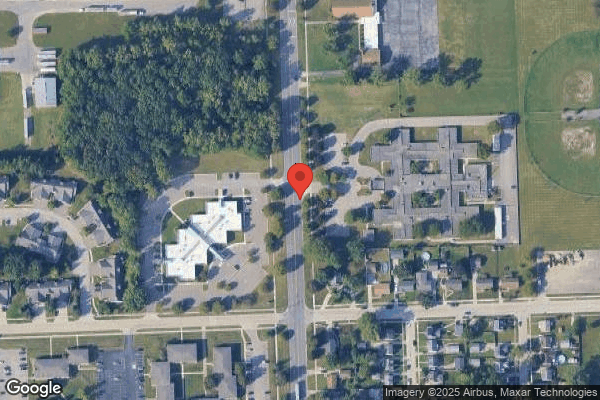
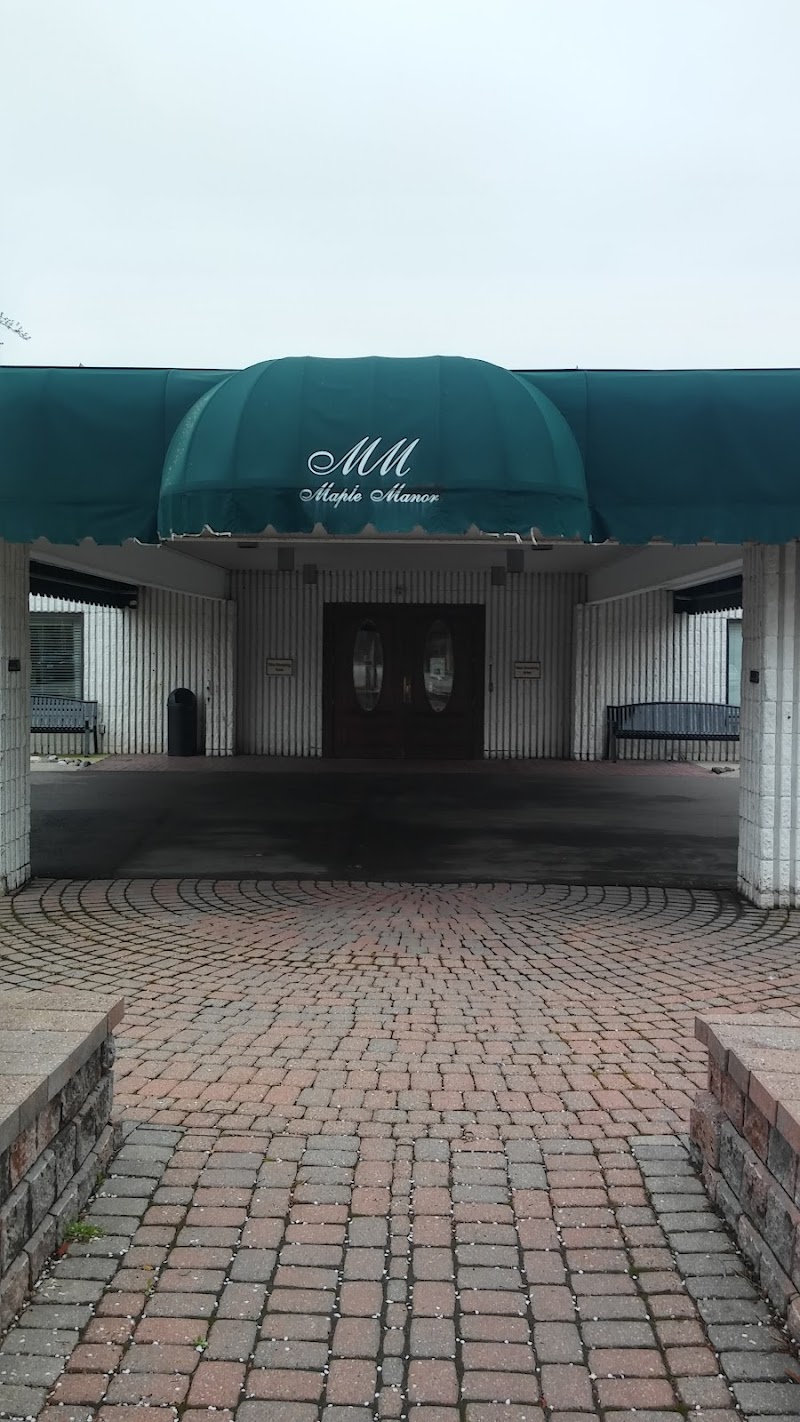
3999 Venoy Road, Wayne, MI 48184 (734) 727-0440
For profit - Individual 59 Beds Independent Data: November 2025
Trust Grade
70/100
#135 of 422 in MI
Last Inspection: July 2025

Inspected within the last 6 months. Data reflects current conditions.

Overview

Maple Manor Rehab Center has a Trust Grade of B, indicating it is a good choice among nursing facilities. It ranks #135 out of 422 in Michigan, placing it in the top half of all facilities in the state, and #16 out of 63 in Wayne County, meaning only 15 local options are better. However, the facility is experiencing a worsening trend, with issues increasing from 6 in 2024 to 7 in 2025. Staffing is a concern, with a 62% turnover rate, higher than the state average, which could affect continuity of care. While there have been no fines, some inspection findings raised concerns about food safety and infection control practices that could potentially harm residents, such as expired food being stored improperly and lack of tracking for staff illness, which could lead to infections. Overall, while there are strengths in areas like overall care ratings, families should weigh these issues when considering this facility for their loved ones.

Trust Score
B
70/100
In Michigan
#135/422
Top 31%
Safety Record
Low Risk
No red flags
Inspections
Getting Worse
6 → 7 violations
Staff Stability
⚠ Watch
62% turnover. Above average. Higher turnover means staff may not know residents' routines.
Penalties
✓ Good
No fines on record. Clean compliance history, better than most Michigan facilities.
Skilled Nurses
✓ Good
Each resident gets 62 minutes of Registered Nurse (RN) attention daily — more than 97% of Michigan nursing homes. RNs are the most trained staff who catch health problems before they become serious.
Violations
⚠ Watch
20 deficiencies on record. Higher than average. Multiple issues found across inspections.
★★★★☆
4.0
Overall Rating
★★★★☆
4.0
Staff Levels
★★★☆☆
3.0
Care Quality
★★★★☆
4.0
Inspection Score
Stable
2024: 6 issues
2025: 7 issues

The Good

  • 4-Star Staffing Rating · Above-average nurse staffing levels
  • Full Sprinkler Coverage · Fire safety systems throughout facility
  • No fines on record

Facility shows strength in staffing levels, fire safety.

The Bad

Staff Turnover: 62%

16pts above Michigan avg (46%)

Frequent staff changes - ask about care continuity

Staff turnover is elevated (62%)

14 points above Michigan average of 48%

The Ugly 20 deficiencies on record

Jul 2025 6 deficiencies
CONCERN (D)

Potential for Harm - no one hurt, but risky conditions existed

Deficiency F0657 (Tag F0657)

Could have caused harm · This affected 1 resident

**NOTE- TERMS IN BRACKETS HAVE BEEN EDITED TO PROTECT CONFIDENTIALITY** Based on observation, interview, and record review, the facility failed to update the care plan for one (R4) of one resident rev...

Read full inspector narrative →
**NOTE- TERMS IN BRACKETS HAVE BEEN EDITED TO PROTECT CONFIDENTIALITY** Based on observation, interview, and record review, the facility failed to update the care plan for one (R4) of one resident reviewed for care plans to include R4's pressure ulcer or prescribed interventions. On 7/16/2025 at 9:03 AM, R4 was observed sitting up in bed awake and alert with some confusion. There was no pressure relieving mattress in place or other pressure relieving measures observed. R4 consented to receiving incontinence care from CNA (certified nursing assistant) C. During care, a dime-sized shallow crater-like opened area was observed on the resident's coccyx area. There was dried white cream observed to be covering the surrounding area. CNA C reported the resident developed the pressure ulcer a couple weeks ago and a cream was being applied to the area. Registered Nurse (RN) D entered the resident's room and confirmed the resident's pressure ulcer developed in the facility. RN D reviewed R4's Electronic Health Record (EHR) but could not provide any documentation to support R4 had a care plan addressing the pressure ulcer on the coccyx. According to the EHR, R4 admitted to the facility on [DATE] with diagnoses that included Alzheimer's disease. The quarterly Minimum Data Set (MDS) dated [DATE] indicated the resident had moderately impaired cognition and no pressure ulcers. A care plan for skin integrity initiated on 1/8/25 and last reviewed on 4/23/25 had a goal for skin to remain free from breakdown. On 7/9/2025, progress notes from the Wound Care Practitioner (WCP) F indicated the resident had MASD (moisture associated skin damage) and a small, opened area at the coccyx that measured 0.79 cm (centimeter) Length and 0.36 cm Width. WCP F Recommended the following: Zinc Oxide cream followed by a dry bulky dressing changed daily and as needed if soiled, incorporate aggressive off-loading (pressure relieving measures), add foam wedge to assist with off-loading position changes every 2 hours, Low-Air-Loss (LAL) Mattress, and off-loading heel boots bilaterally while in bed. Recommend Dietitian consultation to assist with augmenting protein, add a multi-vitamin with vitamin C and calorie intake for wound healing. The resident's care plan was not updated to reflect actual skin impairment or include the current interventions. On 07/16/2025 at 10:34 AM during an interview with Director of Nursing (DON) B they said the orders and recommendations from WCP F were missed and the care plan was not updated. According to the facility's Pressure Injury Prevention and Management policy last revised on 1/2024 in part reads:4. Interventions for Prevention and to Promote Healinga. After completing a thorough assessment/evaluation, the interdisciplinary team shall develop a relevant care plan that includes measurable goals for prevention and management of pressure injuries with appropriate interventions.
CONCERN (D)

Potential for Harm - no one hurt, but risky conditions existed

ADL Care (Tag F0677)

Could have caused harm · This affected 1 resident

**NOTE- TERMS IN BRACKETS HAVE BEEN EDITED TO PROTECT CONFIDENTIALITY** Based on observation, interview and record review the facility failed to ensure adequate delivery of activity of daily living (A...

Read full inspector narrative →
**NOTE- TERMS IN BRACKETS HAVE BEEN EDITED TO PROTECT CONFIDENTIALITY** Based on observation, interview and record review the facility failed to ensure adequate delivery of activity of daily living (ADL) care for two residents (R9 and R23) out of three residents reviewed for hygiene resulting in unkempt facial hair and overgrown fingernails.R9 On 7/15/2025 at 11:50 a.m., R9 was observed in the therapy room with long facial hair and long dirty untrimmed fingernails. R9 was not available for interview. On 7/16/2025 at 10:24 a.m., R9 was observed with long facial hair and long dirty untrimmed fingernails. During the interview the resident confirmed not being asked to get shaved not even on scheduled shower days and been wanting to be shaved and to have nail care provided. The resident said before coming to the facility his beard and mustache were trimmed neat. R9 stated, I was waiting for someone to cut my facial hairs.” According to the electronic medical record, R9 was admitted to the facility on [DATE] with diagnoses of hypertension, idiopathic peripheral autonomic neuropathy (a condition where damage to the peripheral autonomic nerves occurs for an unknown reason), asthma, and age-related physical debility. According to the admission Minimum Data Set (MDS) assessment dated [DATE], R9 had intact cognition with a BIMS (brief interview for mental status) score of 15/15. A care plan with a review date of 5/29/2025 for “Activity Daily Living (ADL)” documented, “I have decreased ADL ability related to generalize weakness assistance needed with all ADLS. On 7/17/2025 at 1:34 p.m., during an interview, Registered Nurse/Unit Manager (UM) D stated, “the Certified Nursing Assistance (CNA) are supposed to provide nail care and shaves on shower days. The nurses go into the shower room to make sure the showers, shaves and nail care are complete. The resident scheduled shower days are Monday’s and Thursdays, and the barber comes into the facility every Thursday’s.” UM “D” confirms the resident was admitted into the facility with long facial hair and long fingernails and did not add resident to the barber list or assist the resident with nail care. During an interview on 7/17/2025 at 3:30 p.m. the Director of Nursing (DON) confirmed the CNA should provide shaves and nail care on the resident’s scheduled shower days and the nurses should have made sure the ADL care was completed. According to the facility's January 2025 Activity Daily Living (ADL) policy: “The facility will base (care) on the resident's comprehensive assessment and consistent with the resident's needs and choices, ensure a resident's ability in ADLs do not deteriorate…” R23 Observations conducted on 7/15/25 at 9:25 AM and 12:51 PM, and on 7/16/25 at 9:30 AM and 3:02 PM, revealed that R23 had long fingernails with visible debris underneath nails. On 7/16/25 at 3:02 PM, R23 reported being unable to cut fingernails independently and had a preference of short nails. Record review of R23’s electronic medical record (EMR) revealed admission into the facility on 6/27/18 with a pertinent diagnosis of cerebral palsy (congenital disorder). Further review revealed R23 had scored 15 out of 15 (intact cognition) on a Brief Interview for Mental Status (BIMS) on 4/16/25 and required substantial/maximal assistance with ADLs. Additionally, review of R23’s EMR revealed care plans documented no specific interventions for nail care and progress notes contained no documentation of refusals to allow staff to provide ADL assistance during the prior three-week period. On 7/16/25 at 3:05 PM after an observation with Registered Nurse (RN) “A” of R23’s fingernails, it was reported by RN “A” that residents’ fingernails should not be long and unkempt. On 7/17/25 at 12:30 PM, the Director of Nursing (DON) reported during an interview that all residents’ nails should be trimmed and cleaned in accordance with their preferences. On 7/17/25 at 12:35 PM, during an interview with the Nursing Home Director (NHA), it was reported that residents should receive routine nail care and should not have long nails if they are unable to perform care independently. Record review of facility’s policy “Providing Nail Care” dated January 2018, it was documented, “3. Routine cleaning and inspection of nails will be provided during ADL care on an ongoing basis.”
CONCERN (D)

Potential for Harm - no one hurt, but risky conditions existed

Pressure Ulcer Prevention (Tag F0686)

Could have caused harm · This affected 1 resident

**NOTE- TERMS IN BRACKETS HAVE BEEN EDITED TO PROTECT CONFIDENTIALITY** Based on observation, interview, and record review the facility failed to implement pressure ulcer care for one (R4) of one resi...

Read full inspector narrative →
**NOTE- TERMS IN BRACKETS HAVE BEEN EDITED TO PROTECT CONFIDENTIALITY** Based on observation, interview, and record review the facility failed to implement pressure ulcer care for one (R4) of one resident reviewed for pressure ulcers resulting in R4 developing a stage two pressure ulcer (open sore, partial thickness loss of skin, presents as shallow crater) on the coccyx when prescribed pressure ulcer skin treatments that included a Low-Air-Loss (LAL) mattress were not implemented.On 7/16/2025 at 9:03 AM, R4 was observed sitting up in bed awake and alert with some confusion. There was no pressure relieving mattress in place or other pressure relieving measures observed. R4 consented to receiving incontinence care from CNA (certified nursing assistant) C. During care, a dime-sized shallow crater-like opened area was observed on the resident's coccyx area. There was dried white cream observed to be covering the surrounding area. CNA C reported the resident developed the pressure ulcer a couple weeks ago and a cream was being applied to the area. Registered Nurse (RN) D entered the resident's room and confirmed the resident's pressure ulcer developed in the facility. RN D reviewed R4's Electronic Health Record (EHR) but could not provide any documentation to support R4 had been prescribed or was receiving skin treatments for the pressure ulcer. R4 did not have a care plan addressing the pressure ulcer on the coccyx. According to the EHR, R4 admitted to the facility on [DATE] with diagnoses that included Alzheimer's disease. The quarterly Minimum Data Set (MDS) dated [DATE] indicated the resident had moderately impaired cognition and no pressure ulcers. A care plan for skin integrity initiated on 1/8/25 and last reviewed on 4/23/25 had a goal for skin to remain free from breakdown. Interventions included the following: pressure relieving device on bed and reposition every 2 hours when in bed and every 1 hour while in chair. There was no documentation to support there were pressure relieving devices provided to the resident.A review of R4's Medication Administration Records (MAR) revealed there were no current orders for skin treatments for the resident's coccyx area. A previous skin treatment order for Zinc Oxide cream had been discontinued on 7/5/25.Progress notes from the Wound Care Practitioner (WCP) F dated 7/9/25 indicated the resident had MASD (moisture associated skin damage) and a small, opened area at the coccyx that measured 0.79 cm (centimeter) Length and 0.36 cm Width. Recommended the following: Zinc Oxide cream followed by a dry bulky dressing changed daily and as needed if soiled, incorporate aggressive off-loading (pressure relieving measures), add foam wedge to assist with off-loading position changes every 2 hours, Low-Air-Loss (LAL) Mattress, and off-loading heel boots bilaterally while in bed. Recommend Dietitian consultation to assist with augmenting protein, add a multi-vitamin with vitamin C and calorie intake for wound healing. There was no documentation to indicate any of WCP F ‘s recommendations were addressed or followed.Progress notes from Registered Dietitian (RD) E dated 7/15/25 documented the resident's skin was intact. There were no further recommendations for supplementation provided by the RD.On 7/16/2025 at 9:39 AM during an interview with RD E they said they were unaware of the most recent wound care team's findings or recommendations and thought the resident's skin was intact. RD E said they would immediately update their progress note, add a multivitamin, and protein supplement for the resident.On 07/16/2025 at 10:34 AM during an interview with Director of Nursing (DON) B they said the orders and recommendations from WCP F were missed and could not explain why the Zinc oxide treatments had been discontinued on 7/5/25. DON B reviewed R4's EHR and confirmed there were no current orders for the Zinc oxide, the LAL mattress, or the off-loading heel boots. At this time WCP F was interviewed via speaker phone and confirmed that all these orders should be in place. WCP F said they expected those treatment orders to be in place. The Zinc Oxide treatment had never been discontinued. According to the facility's Pressure Injury Prevention and Management policy last revised on 1/2024 in part read: This facility is committed to the prevention of avoidable pressure injuries, unless clinically unavoidable, and to provide treatment and services to heal the pressure ulcer/injury, prevent infection and the development of additional pressure ulcers/injuries.4. a. After completing a thorough assessment/evaluation, the interdisciplinary team shall develop a relevant care plan that includes measurable goals for prevention and management of pressure injuries with appropriate interventions.b. Interventions will be based on specific factors identified in the risk assessment, skin assessment, and any pressure injury assessment (e.g., moisture management, impaired mobility, nutritional deficit, staging, wound characteristics).c. Evidence-based interventions for prevention will be implemented for all residents who are assessed at risk or who have a pressure injury present. Basic or routine care interventions could include, but are not limited to: Redistribute pressure (such as repositioning, protecting and/or offloading heels, etc.)d. Minimize exposure to moisture and keep skin clean, especially of fecal contamination; Provide appropriate, pressure-redistributing, support surfaces; Provide non-irritating surfaces; and Maintain or improve nutrition and hydration status, where feasible.5. Evidence-based treatments in accordance with current standards of practice will be provided for all residents who have a pressure injury present.
CONCERN (D)

Potential for Harm - no one hurt, but risky conditions existed

Antibiotic Stewardship (Tag F0881)

Could have caused harm · This affected 1 resident

Based on interview and record review the facility failed to accurately record the use of an antibiotics for 1 of 1 resident (R1) on the facility's antibiotic surveillance log resulting in R1's use of ...

Read full inspector narrative →
Based on interview and record review the facility failed to accurately record the use of an antibiotics for 1 of 1 resident (R1) on the facility's antibiotic surveillance log resulting in R1's use of antibiotics from 3/26/25 - 5/23/25 not recorded on the facility log and an incorrect facility infection rate for the months April, May, and June of 2025. On 7/17/25 at 10:01 AM the facility's Infection Prevention Control Program was reviewed with Registered Nurse and Infection Preventionist (RN) G. Antibiotic Stewardship was reviewed for R1.According to R1's Electronic Health Record (EHR), R1 admitted to the facility with diagnoses that included Urinary Retention and required a supra-pubic catheter (flexible tube surgically inserted through the lower abdomen into the bladder to drain urine). On 3/18/25 R1 was diagnosed with a UTI (urinary tract infection). A Urologist prescribed the following antibiotic: Macrobid 100 mg (milligrams) twice a day for 7 days and then Macrobid 50 mg once a day for 90 days. A review of R1's Medication Administration Record (MAR) from 3/18/25 through 6/25/25 revealed R1 received the Macrobid as prescribed.A review of the facility's Infection Control Log from 3/26/25 through 6/25/25 did not include R1's use of the Macrobid 50 mg once a day.RN G was queried and said, I overlooked that. No, that resident was not included in the facility's antibiotic surveillance log or in the infection rate. Yes, I should have carried that over for that resident in April, May, and June. The Infection rate is incorrect because of that.According to the facility's Infection Surveillance policy last revised January 2025 reads in part: 9. All resident infections will be tracked.According to the facility's Infection Prevention and Control Program last revised February 2025 reads in part: 6. Antibiotic Stewardship: An Antibiotic Stewardship program will be implemented as part of the overall infection prevention and control program.
CONCERN (D)

Potential for Harm - no one hurt, but risky conditions existed

Deficiency F0883 (Tag F0883)

Could have caused harm · This affected 1 resident

**NOTE- TERMS IN BRACKETS HAVE BEEN EDITED TO PROTECT CONFIDENTIALITY** Based on interview and record review the facility failed to provide the influenza and pneumococcal immunizations/vaccines for on...

Read full inspector narrative →
**NOTE- TERMS IN BRACKETS HAVE BEEN EDITED TO PROTECT CONFIDENTIALITY** Based on interview and record review the facility failed to provide the influenza and pneumococcal immunizations/vaccines for one (R4) of five residents resulting in R4 not receiving these immunizations/vaccines that were consented to in January 2025. On 7/17/2025 at 11:00 AM the facility's Infection Prevention Control Program was reviewed with Registered Nurse and Infection Preventionist (RN) G. Immunizations/vaccines were reviewed for R4.According to R4's Electronic Health Record the resident admitted to the facility on [DATE] with diagnoses that included Alzheimer's disease. On 1/7/2025 the resident and the resident's Legal Guardian (LG) signed consents for the resident to receive the pneumococcal and influenza vaccines. There was no documentation to support the resident received those vaccines.RN G was queried and said, The resident was screened and determined to be eligible for both the pneumococcal and influenza vaccine but did not receive either one of those vaccines. It was missed. They should have received them. I have no excuse. RN G confirmed the facility administers the influenza vaccine between October 1st and March 31st.According to the facility's Influenza Vaccination policy last revised June 2024 reads in part: 2. Influenza vaccinations will be routinely offered annualy from October 1st through March 31 st. 7. The completed, signed, and dated record will be filed in the individual's medical record.According to the facility's Pneumococcal Vaccine policy last revised January 2025 reads in part: 1. Each resident will be offered the pneumococcal immunization unless it is medically contraindicated of the resident has already been immunized.
CONCERN (D)

Potential for Harm - no one hurt, but risky conditions existed

Deficiency F0887 (Tag F0887)

Could have caused harm · This affected 1 resident

**NOTE- TERMS IN BRACKETS HAVE BEEN EDITED TO PROTECT CONFIDENTIALITY** Based on interview and record review the facility failed to provide the Covid-19 vaccine for one (R4) of five residents resultin...

Read full inspector narrative →
**NOTE- TERMS IN BRACKETS HAVE BEEN EDITED TO PROTECT CONFIDENTIALITY** Based on interview and record review the facility failed to provide the Covid-19 vaccine for one (R4) of five residents resulting in R4 not receiving the Covid-19 vaccine that was consented to in January 2025. On 7/17/2025 at approximately 11:00 AM the facility's Infection Prevention Control Program was reviewed with Registered Nurse and Infection Preventionist (RN) G. Immunizations/vaccines were reviewed for R4.According to R4's Electronic Health Record, the resident admitted to the facility on [DATE] with diagnoses that included Alzheimer's disease. On 1/7/2025 the resident and the resident's Legal Guardian (LG) signed a consent for the resident to receive the Covid-19 vaccine. There was no documentation to support the resident had received the Covid-19 vaccine.RN G was queried and said, The resident was screened and determined to be eligible for Covid-19 vaccine. It was missed. They should have received the Covid vaccine. I have no excuse. RN G confirmed it was the facility's policy to screen, educate, and provide residents with the covid vaccine upon admission. According to the facility's Covid-19 Vaccination policy last revised in June 2024 in part reads: It is the policy of the facility to minimize the risk of acquiring, transmitting or experiencing complications from COVID-19 (SARS-CoV-2) by educating and offering our residents and staff the Covid-19 vaccine.2. Covid-19 vaccinations currently in use include the updated 2023-2024 formula MRNA COVID-19 vaccine .5. People who are 65 years and older should receive 1 additional dose of any updated COVID-19 vaccine
Feb 2025 1 deficiency
CONCERN (D) 📢 Someone Reported This

A family member, employee, or ombudsman was alarmed enough to file a formal complaint

Potential for Harm - no one hurt, but risky conditions existed

Deficiency F0624 (Tag F0624)

Could have caused harm · This affected 1 resident

**NOTE- TERMS IN BRACKETS HAVE BEEN EDITED TO PROTECT CONFIDENTIALITY** This citation pertains to intake MI00149794. Based on interview and record review, the facility failed to ensure adequate discha...

Read full inspector narrative →
**NOTE- TERMS IN BRACKETS HAVE BEEN EDITED TO PROTECT CONFIDENTIALITY** This citation pertains to intake MI00149794. Based on interview and record review, the facility failed to ensure adequate discharge planning was in place for one resident (R400) of three residents reviewed for discharge planning, resulting in R400/representative not educated on the administration of an injectable anticoagulant (a highest-risk medications used thin blood and prevent blood clots), the potential for medical complications (bleeding) and hospitalization. Findings include: Review of the intake complaint, Hospital Social Worker A revealed the following: Complaint states (they are) a social worker at (Hospital) where resident (R400) is currently at. (Hospital Social Worker A) states resident (R400) was discharged from facility on 1/25/25 with a bottle of heparin (anti-coagulant, believed to prevent blood clots) and syringes without any explanation as to how to use the medication. (Hospital Social Worker A) states this medication is usually administered by a nurse. (Hospital Social Worker A) states resident had not been on this medication previously. (Hospital Social Worker A) states resident has a history of traumatic brain injury. (Hospital Social Worker A) states the residents home health agency nurse was surprised (R400) had this bottle of medication with syringe with no explanation. A review of R400's electronic medical record revealed an admission on [DATE] with the diagnosis of the following: Fracture of the right Humerus, Muscle Protein-calorie malnutrition, Chronic obstructive pulmonary disease, Bipolar Disorder, Anxiety Disorder, Traumatic Brain Injury, Attention-Deficit Hyperactivity Disorder, and Spinal Stenosis. R400 had a Brief Interview for Mental Status (BIMS) of 15/15 meaning cognition is intact. A review of R400's Care Plan reveled the following: Problem Start Date: 01/10/2025, Category: ADLs Functional Status/Rehabilitation Potential: I am at risk for complications related to anticoagulant therapy. Approach Start Date: 01/10/2025, Observe for signs of active bleeding (Nosebleeds, bleeding gums, petechiae, purpura, ecchymotic areas, hematoma, blood in urine, blood in stools, hemoptysis, elevated temp, pain in joints, abdominal pain, epistaxis). Approach Start Date: 01/02/2025, Establish a pre-discharge plan with the resident/family/caregivers and evaluate progress and revise plan as needed. A review of R400's progress notes dated 1/25/25 at 10:45 am revealed the following: Received patient A/Ox3-4 (alert and oriented to person, place, time and event), [NAME] but happy and excited to be going home. V/S, WNL (vital signs within normal limits) With O2@3.5LPM via NC (Nasal Canula). Not in distress. Denies pain. All due scheduled meds given as ordered, well tolerated. All safety measures maintained at all times. Turned and repositioned. Kept clean dry and comfortable thereafter. On fall precaution. NP (Nurse Practitioner) was notified regarding patient's order for discharge and agreeable to take home scheduled medications, Acetaminophen codeine 300-30mg and patient's supply of controlled substances -That was brought in by patient (R400) was returned to patient. Co-signed- 2 RN's (Registered Nurse) and patient was informed to schedule a follow up with PCP (Primary Care Physician) within a week after discharge. RN discussed discharge with care manager printed discharge paper and provided patient with a copy, and obtained care manager signature on discharge paperwork. Patient discharged via Wheelchair at approximately 10:45 AM with instructions and all belongings. Skin assessment: Refused. A review of R400's progress note that was updated 1/27/25 at 10:45 am revealed the following: Edited By: Nurse B on 01/27/2025 08:34 AM Reason: More data available Received patient A/Ox3-4 (alert and oriented to person, place, time and event), [NAME] but happy and excited to be going home. V/S, WNL (vital signs within normal limits) With O2@3.5 LPM via NC (Nasal Canula).Not in distress. Denies pain. All due scheduled meds given as ordered, well tolerated. All safety measures maintained at all times. Turned and repositioned. Kept clean dry and comfortable thereafter. On fall precaution. NP was notified regarding patient's order for discharge and agreeable to take home scheduled medications, Acetaminophen codeine 300-30 mg and patient's supply of controlled substances -That was brought in by Patient was returned to patient. Co-signed- 2 RN's and patient was informed to schedule a follow up with PCP within a week after discharge. RN discussed discharge with care manager printed discharge paper and provided patient with a copy and obtained care manager signature on discharge paperwork. Patient discharged via Wheelchair at approximately 10:45 AM with instructions and all belongings. Skin assessment: Refused. Heparin (Anticoagulant) was discontinued per NP. Order was carried out. (This was the updated information added to Nurse B progress note, updated on 1/27/2025) Edited By: Nurse B on 01/27/2025 08:34 AM Reason: More data available On 2/5/25 at 1:21 PM, an interview was conducted with Nurse B about R400. Nurse B was asked why they updated their 1/25/25 progress note on 1/27/25. Nurse B said they asked the Nurse Practitioner if they should send R400 home with the anticoagulant. Nurse B said that the NP said that if the resident (R400) was not walking, that they should send the resident home with the anticoagulant. Nurse B said, I'm supposed to follow the NP orders .I never sent anyone home on (anticoagulant) .I did not feel comfortable. Nurse B was asked if they provided training to R400 on how to administer the anticoagulant and the dosage. Nurse B said, No because the resident wanted to hurry-up and leave. (R400) gets excited and yells . I gave (R400) the (anticoagulant) and the syringes to go home .I changed the note on January 27 th because I didn't want to get in trouble. Nurse B was queried about why they did not feel comfortable with sending R400 home with the anticoagulant. Nurse B said, (R400) could start bleeding .am I in trouble .I was only following the NP order. On 2/5/25 at 1:37 PM, Social Worker A was interviewed and asked about R400 admission to the hospital. Social Worker A said that the resident was admitted to the hospital. Social Worker A said that the R400's case manager (Case Manager C) said the resident was discharged from the nursing home on 1/25/2025 with a vial of heparin and 4 syringes. Social Worker A said that they were concerned about the resident receiving the medication without directions. The Social Worker A said, It wasn't safe to send (R400) home with such a dangerous medication. On 2/5/25 at 2:09 PM, Case Manager C was interviewed and queried about R400's discharge and home care services. Case Manager C said they provide in home care for R400 and added that the resident lived alone. Case Manager C said that they were concerned after the chore worker stated that the facility sent R400 home with the anticoagulant and syringes. Case Manager C asked Nurse B why they sent R400 home with the anticoagulant, and Nurse B said it was a mistake. On 2/5/25 at 4:10 PM, the Director of Nursing (DON) was queried about Nurse B sending the anticoagulant and syringes home with R400. The DON stated, (Nurse B) was following the order of the Nurse Practitioner. A review of the discharge instructions did not include the anticoagulant and syringes nor any instructions on how to administer the medications provided to the resident/resident representative. A review of the facility's policy Discharge Summary revised on [DATE], revealed the following: a. Reconciliation of all pre-discharge medications with the resident's post discharge medication to include prescription and over the counter medications. 2. For residents discharged to their home, the medical record should contain documentation that written discharge instructions were given to the resident and if applicable, the resident representative. These instructions must be discussed with the resident and resident representative and conveyed in a language and manner they will understand.
Sept 2024 6 deficiencies
CONCERN (D)

Potential for Harm - no one hurt, but risky conditions existed

Deficiency F0554 (Tag F0554)

Could have caused harm · This affected 1 resident

Based on observation, interview, and record review the facility failed to assess for self-medication administration prior to leaving medications at bedside for one resident (R12) out of two residents ...

Read full inspector narrative →
Based on observation, interview, and record review the facility failed to assess for self-medication administration prior to leaving medications at bedside for one resident (R12) out of two residents reviewed during medication administration. Findings Included: Resident #12(R12) Review of the medical record demonstrated R12 was admitted to the facility 06/25/2023 with diagnoses that included congestive heart failure, hypertension, cardiomyopathy (disease of the heart muscle that makes it hard for the heart to pump blood), atrial fibrillation, venous insufficiency, chronic obstructive pulmonary disease (COPD), and Gout (build up of uric acid in bone joints). The most recent Minimum Data Set (MDS), with an Assessment Reference Date (ARD) of 06/16/2024, demonstrated a Brief Interview for Mental Status (BIMS) of 15 (cognitively intact) out of 15. During medication administration on 09/26/2024 at 07:30 a.m. Registered Nurse (RN) I was observed preparing medication to be given to R12. RN I explained that R12 had medication at beside that she administered on her own. RN I explained Magnesium 400mg (milligrams) one tablet once per day was the order for the medication that the resident provided on her own. On 09/26/2024 at 07:38 a.m. R12 was observed lying in bed. Registered Nurse (RN) I asked R12 if she wanted to have her Lidocaine Patch 4% Topically applied now and R12 responded to leave it on the nightstand, and she would place it on herself later. RN I was observed to leave the Lidocaine Patch 4% topically at R12's nightstand. RN I then asked if R12 had her Magnesium 400 mg(milligrams) one tablet once per day. R12 demonstrated a bottle of Magnesium 200mg tablets and R12 explained that she took two tablets because she was ordered 400mg one tablet once per day. RN I asked R12 if she would like her breathing treatment of Ipratropium-albuterol solution for nebulization 0.5mg-3mg (2.5mg base/3ml(milliliters); amt (amount): 1 vial inhalation currently. R12 explained that she would like the vial left on the nightstand and she would administer the breathing treatment to herself after breakfast. RN I left the breathing treatment on the nightstand and left the room. On 09/26/2024 at 07:45 a.m. Registered Nurse (RN) was asked if R12 had an order to self-administer medication and an order to leave medication as R12's bedside. RN I responded yes. Review of R12's medical record did not demonstrate that a physician's order was present to self-administer any medication and did not demonstrate a physician's order to keep medication at her bedside. Review of R12's plan of care did not demonstrate any information on R12's capacity to self-administer medication or was able to have certain medications at her bedside. Review of R12's medical record demonstrated a Evaluation for Self-Administration of Medication, dated 09/07/2023, which revealed R12's preference was to documented as I prefer to utilize the facility's nursing services and the section of self-administration of medication was left blank. During an interview on 09:26/2024 at 09:00 a.m. Interim-Director of Nursing (DON) explained that residents must be evaluated for self-administration of medication and must have a physician order for self-administration of medication. Interim DON also explained that if medication was to be left at a resident's bedside the facility would supply a lock box for the resident to keep the medication at bedside. Interim- DON confirmed that the Evaluation for Self-Administration of Medication, dated 09/07/2023, demonstrated that R12 did not want to administer her own medication. Interim-DON could not provide another Evaluation for Self-Administration of Medication that had been completed for R12 demonstrating that she was capable or desired to administer her own medication. Interim-DON could not demonstrate that R12 had a physician's order to self-administer medication.
CONCERN (D)

Potential for Harm - no one hurt, but risky conditions existed

Deficiency F0583 (Tag F0583)

Could have caused harm · This affected 1 resident

**NOTE- TERMS IN BRACKETS HAVE BEEN EDITED TO PROTECT CONFIDENTIALITY** Based on observation, interview, and record review, the facility failed to 1. Properly secure protected health information for o...

Read full inspector narrative →
**NOTE- TERMS IN BRACKETS HAVE BEEN EDITED TO PROTECT CONFIDENTIALITY** Based on observation, interview, and record review, the facility failed to 1. Properly secure protected health information for one resident (R29) out of one resident reviewed for privacy of medical information, resulting in the potential for unauthorized disclosure, access and modification 2. Provide a privacy curtain for one resident (R8) out of one resident reviewed for privacy resulting in resident dissatisfaction and a lack of privacy. Findings include: R29 On 9/25/24 at 3:46 PM a hallway facility computer screen was observed unlocked. The electronic health record (EHR) for Resident R29 was visible. Personal, identifiable information for R29 was observed accessible to multiple staff and visitors in the common area of the hallway. Certified Nursing Assistant (CNA) D was designated as logged into the unlocked computer. Upon returning to the computer screen CNA D was interviewed and said she walked away from the screen to answer a call and did not log out or close the screen. CNA D stated I should have logged off. On 9/27/24 at 11:00 AM the Director of Nursing (DON) was interviewed and said if a staff member walks away from a EHR screen they should log out or close the screen to protect confidential patient information. R8 On 9/25/24 at 10:47 AM R8 was interviewed and stated I don't have a privacy curtain. I should have one. My other two roommates have one. Where's my privacy? R8's bed did not have a bed curtain. When asked if there was previously a bed privacy curtain R8 replied Yes, but I don't know what happened to it. On 9/25/24 at 4:15 PM there was no bed curtain observed for R8's bed. On 9/26/24 at 8:23 AM there was no bed curtain observed for R8's bed. On 09/26/24 at 10:33 AM Maintenance Director (MD) E was interviewed and said he got a work order for R8's privacy curtain two weeks ago. He removed the entire privacy curtain bracket but hasn't had a chance to reinstall due to a lack of maintenance staff to help. I usually would have that done within a couple of days. MD E agreed R8's bed should have a privacy curtain and the replacement was not timely. Record review of R8's electronic health record revealed admission to the facility on 3/18/22 with diagnosis that included type 2 diabetes mellites, difficulty in walking and muscle weakness. The Minimum Data Set (MDS) dated [DATE] indicated R8 had moderately impaired cognition with a BIMS (brief interview for mental status) score of 10/15. Review of the maintenance request dated 9/12/24 revealed cracked holder for privacy curtain rod. Needs to be replaced and put-up tracking and hang curtain. Comments pending took curtain rail down will install next week by 9/19/24. On 9/27/24 at 11:00 AM the DON was interviewed and agreed each resident bed should have privacy curtain to maintain resident privacy. Review of the facility policy titled Confidentiality of Personal and Medical Records revised May 2024 revealed in part . This facility honors the resident's right to secure and confidential personal and medical records. This includes the right to confidentiality of all information contained in a resident's records, regardless of the form of storage or location of the record.
CONCERN (D)

Potential for Harm - no one hurt, but risky conditions existed

ADL Care (Tag F0677)

Could have caused harm · This affected 1 resident

Based on observation, interview, and record review the facility failed to provide Activities of Daily Living (ADL's), including bathing/showering/shaving for one dependent resident (R1) out of two res...

Read full inspector narrative →
Based on observation, interview, and record review the facility failed to provide Activities of Daily Living (ADL's), including bathing/showering/shaving for one dependent resident (R1) out of two residents reviewed of ADL completion. Findings Included: Resident #1 (R1) Review of the medial record demonstrated R1 was admitted to the facility 06/27/2018 with diagnoses that included athetoid cerebral palsy (a movement disorder that causes involuntary muscle movements), hypertension, peripheral vascular disease (PVD) hyperlipidemia (high fat levels in the blood), abnormalities of gait and mobility, muscle weakness, and major depression. The most recent Minimum Data Set (MDS), with an Assessment Reference Date (ARD) of 07/08/2024, demonstrated a Brief Interview for Mental Status (BIMS) of 15 (cognitively intact) out of 15. During observation and interview on 09/25/2024 at 01:31 p.m. R1 was observed lying in bed with facial hair stubble that appeared had not been shaved in several days. R1 explained that he would like to be shaved but the staff have not assisted him awhile. R1 explained that the staff only seem to shave him when they feel like it. R1 could not explain that last time that he was shaved. During observation on 09/26/2024 at 10:09 a.m. R1 was observed lying in bed with facial hair stubble that appeared longer than the previous observation. R1 appeared to be sleeping at time of observation In an interview on 09/26/2024 at 10:10 a.m. Certified Nursing Aide (CNA) B explained that she was caring for R1 at this time. CNA B explained that residents were to be shaved on the day of their showers. CNA B explained that the facility used a shower sheet that was kept at the nurse's station. CNA B explained that R1 was to be showered on Monday and Thursday during the night shift. CNA B' reviewed the notebook containing R1's shower sheets and demonstrated shower sheets for the dates of 9/16/2024 (shaving was not checked off), 09/19/2024 (shower refused) and 09/23/2024 (shaving was not check off). In an interview on 09/26/2024 at 10:25 a.m. Interim-Director of Nursing (DON) explained that residents at the facility received showers/baths twice per week. Interim-DON explained that it is the expectation, with male residents, that they are shaved on the same day as the showers/baths. Interim-DON explained that shaving would be documented on the shower sheets of that Resident. Interim-DON confirmed that R1's shower sheets for 09/16/2024 did not have documentation of shaving, and confirmed R1's shower was refused on 09/19/2024, and confirmed R1's shower sheet for 09/23/2024 did not have documentation for shaving. During observation and interview on 09/26/2024 at 10:38 a.m. Interim-Director of Nursing (DON) observed, with this surveyor, that R1 was lying down in bed and appeared to be sleeping. R1 was also observed with facial stubble. Interim-DON explained that R1 should have been shaved last night. Interim-DON could not explain why R1 was not shaved last night at his shower time. Interim-DON could not produce a shower sheet from last nights scheduled shower.
CONCERN (D)

Potential for Harm - no one hurt, but risky conditions existed

Deficiency F0849 (Tag F0849)

Could have caused harm · This affected 1 resident

Based on observation, interview, and record review the facility failed to coordinate hospice services for one resident (R9) out of one resident reviewed for coordination of hospice services resulting ...

Read full inspector narrative →
Based on observation, interview, and record review the facility failed to coordinate hospice services for one resident (R9) out of one resident reviewed for coordination of hospice services resulting in the potential for care not being provided to resident receiving hospice services and the potential for residents not to be fully informed of hospice services provided. Findings Included: Resident #9 (R9) Review of the medical record demonstrated R9 was admitted to the facility 07/09/2024 with diagnoses that included benign neoplasm (tumor that does not invade neighboring tissue or metastasize) of left kidney, type 2 diabetes, abnormal weight loss, pain, repeated falls, hyperlipidemia (high fat content in blood), hyponatremia (low sodium levels in blood), hypertension, chronic obstructive pulmonary disease (COPD), osteoarthritis (chronic disease that causes breakdown in cartilage), gout (high uric acid levels), hemiplegia (condition that cause partial or complete paralysis) affecting right side. The most recent Minimum Data Set (MDS), with an Assessment Reference Date (ARD) of 07/13/24, demonstrated a Brief Interview for Mental Status (BIMS) of 13 (cognitively intact) out of 15. During observation and interview on 09/25/2024 at 09:34 a.m. R9 was observed lying in bed. R9 explained that he currently received Hospice Services. R9 could not explain what disciplines provided services to him or the frequency that those Hospice disciplines provided that care. R9 denied bring provided a calendar of Hospice Services that were to be provided. No Hospice Service calendar was visible in R9's room. Review of R9's most recent Minimum Data Set (MDS), with an Assessment Reference Date (ARD) of 07/13/24, Section O- Special Treatments, Procedures, and Programs demonstrated that R9 was receiving Hospice Services at the facility. Review of R9's physician's orders demonstrated an order written 07/10/2024 which stated On Hospice- (name and telephone number of agency). Review of R9's plan of care demonstrated the problem statement, with the implementation date of 07/17/2024, which stated ADLs Functional Status/Rehabilitation Potential- I require hospice services R/T(related to) renal mass. The plan of care did not demonstrate the frequency or the schedule of Hospice Services to be provided. The plan of care did not demonstrate which Hospice Services were to be provided. In an interview on 09/25/2024 at 04:07 p.m. Registered Nurse (RN) K explained that residents that received Hospice Services would have a physician order, and all Hospice information would be located in the Hospice Notebook at the Nurse's Station that would have a calendar of when Hospice Visit were to occur and what Hospice services were to be provided. RN K demonstrated R9's Hospice Notebook. Review of R9's Hospice Notebook contained a blank Hospice Calendar and failed to demonstrate which Hospice Services were to be provided and when those services were to be provided. In an interview on 09/25/2024 at 04:13 p.m. Interim-Director of Nursing (DON) explained that it was the expectation that a Hospice Calendar be placed in a Resident's Hospice Notebook which would demonstrate what and when Hospice Services where to be provided. Interim-DON also explained that is the expectation that the residents plan of care list what Hospice Services were to be provided and when those Hospice Services were to be provided. Interim-DON was given R9's Hospice Notebook and asked to demonstrate a current Hospice Calander. Interim-DON confirmed that no current Hospice Calendar was in R'9s Hospice Notebook. Interim-DON also confirmed that the R9's Hospice care plan did not list Hospice Disciplines or frequency of those visits. Interim-DON explained that it was her opinion that R'9s Hospice Care Plan was not complete. Interim-DON was asked to provide documentation of care conference collaboration with Hospice Services. Interim-DON could not demonstrate documentation of any care conference or any meeting that had occurred with the involvement of Hospice Services.
CONCERN (F)

Potential for Harm - no one hurt, but risky conditions existed

Food Safety (Tag F0812)

Could have caused harm · This affected most or all residents

Based on observation, interview, and record review, the facility failed to remove expired, undated, unlabeled food from the kitchen walk-in cooler, freezer, pantry and resident refrigerators. This def...

Read full inspector narrative →
Based on observation, interview, and record review, the facility failed to remove expired, undated, unlabeled food from the kitchen walk-in cooler, freezer, pantry and resident refrigerators. This deficient practice had the potential to affect all the residents who consumed food from the kitchen and resident refridgerators, resulting in the increased potential for food borne illness. Findings include: On 9/25/24 beginning at 8:45 AM, the initial tour of the kitchen was conducted with Dietary Manager (DM) A. During the tour, the following items were observed in the walk-in cooler: - a box of opened moldy bell peppers undated - two bags of mixed salad rotten undated. - a tub of white onions undated - a box of single serving sour cream undated no expiration date The following item was observed in the kitchen freezer: -a frozen 20-ounce bottle of red pop. DM A said staff items do not belong in this fridge/freezer. The following was observed in the pantry: - an opened 26-ounce bottle of honey with expiration date of 8/24/24. DM A agreed all items should be labeled, dated and expired items thrown away. On 9/26/24 at 9:55 AM the North unit resident refrigerator/freezer was observed with Certified Nursing Assistant (CNA) B. The following items were observed: - one 'to go' container unlabeled undated. CNA B stated That's' my lunch. I know it doesn't belong in the resident fridge. -one opened bottle of tea unlabeled, no open date. -one container of cream cheese, unlabeled. -one opened bottle labeled ginger no open date, no expiration date. -one opened bottle of chili sauce unlabeled, no open date. -one opened bottle of banana sauce unlabeled, no open date. -one opened 16-ounce bottle of water unlabeled, no open date. -one opened bottle of spring roll sauce unlabeled no open date. -one opened bottle of flavored water unlabeled, no open date. -one 66 ounce opened bottle of coffee mate unlabeled no open date. -one box of pizza unlabeled, no open date. Freezer -one frozen meal unlabeled. -one frozen milk unlabeled with sell by date of 9/2/24, expired. -four frozen yogurts unlabeled with use by date of 9/16/24 expired. On 9/26/24 at 10:15 AM the South unit resident refrigerator/freezer was observed with Registered Nurse (RN) C. The following items were observed: -one opened two liter of coke unlabeled no open date. -one opened two liter of mountain dew unlabeled no open date. -one rotted orange - one opened box of thickened honey unlabeled open date of 2/15/24 use by date 5/3/24 expired. -one opened bottle of ketchup unlabeled no open date. -one opened bottle of grape jelly unlabeled no open date. -one piece of fried chicken labeled with date of 9/20/24 expired. RN C agreed items should be labeled, expired rotten food thrown out and staff food does not belong in the resident refridgerator. On 9/27/24 at 11:05 AM the Nursing Home Administrator (NHA) and Director of Nursing (DON) were interviewed and said they are unsure which department was responsible to maintain the unit refrigerators. Both the NHA and DON agreed staff food does not belong in the unit refrigerators, items should be dated, labeled and expired/rotten food should be removed to prevent resident food borne illness. Review of the facility policy titled (Facility Name) Rehab and Neuro Center Food Safety Requirements revealed in part . Food will be stored, prepared and served in accordance with professional standards for food service safety. Labelling, dating and monitoring refrigerated food, so it is used by its use-by date. Review of the facility policy titled Use and Storage of Food Brought in by Family or visitors revealed in part . All food items that are already prepared by the family or visitor brought in must be labeled with content and dated. The prepared food must be consumed by the resident with in 3 days. If not consumed within 3 days, food will be thrown away by facility staff.
CONCERN (F)

Potential for Harm - no one hurt, but risky conditions existed

Infection Control (Tag F0880)

Could have caused harm · This affected most or all residents

Based on interview and record review, the facility failed to establish a comprehensive Infection Control Program that conducted proper facility-wide surveillance and consistently reviewed microbiology...

Read full inspector narrative →
Based on interview and record review, the facility failed to establish a comprehensive Infection Control Program that conducted proper facility-wide surveillance and consistently reviewed microbiology summary reports. Findings include: On 9/27/24 beginning at 11:35 AM, the facility's infection control program was reviewed with Infection Preventionist (IP) F and the Interim Director of Nursing (I-DON) and the following was noted: 1. When queried about a list of diseases that may occur that are to be reported to state and local health departments, IP F stated, I don't have a list. 2. When queried about a staff call-in log that documents staff's reasons for calling in, IP F stated, I don't look at the nurse call-in log. IP F added that sometimes the nurse will inform her if the employee calls in sick with symptoms, but this information is not documented or tracked. The I-DON said staff call-ins should be tracked so we know if there is an infection brewing or starting. This information can be used to monitor the residents that the staff have taken care of. 3. The microbiology summary report from the laboratory was requested but was not available. The Incoming Director of Nursing was present and stated the summary report included the results of the cultures completed for the month with cross references of the antibiotic usage for the month. The report helps to prevent overuse or inappropriate use of antibiotics. A review of the policy titled, Antibiotic Stewardship Program, dated June 2024, documented in part the following: - The consultant laboratory will create a summary report of antibiotic susceptibility patterns from organisms isolated in cultures. A review of the policy titled, Infection Surveillance, dated June 2024, documented in part the following: - Employee, volunteer, and contract employee infections will be tracked, as appropriate, such as influenza or gastrointestinal infection outbreaks. - Data to be used in the surveillance activities may include, but are not limited to: Staff reports of signs and symptoms and other relevant documentation, if indicated. On 9/27/24 at 3:30 PM during the exit conference, Medical Director G was unable to provide documentation to support that the laboratory microbiology summary report was received and discussed during the infection control meetings.
Oct 2023 7 deficiencies
CONCERN (D)

Potential for Harm - no one hurt, but risky conditions existed

Comprehensive Care Plan (Tag F0656)

Could have caused harm · This affected 1 resident

**NOTE- TERMS IN BRACKETS HAVE BEEN EDITED TO PROTECT CONFIDENTIALITY** Based on observation, interview, and record review, the facility failed to implement a comprehensive care plan for aspiration pr...

Read full inspector narrative →
**NOTE- TERMS IN BRACKETS HAVE BEEN EDITED TO PROTECT CONFIDENTIALITY** Based on observation, interview, and record review, the facility failed to implement a comprehensive care plan for aspiration precautions for one resident (R17) out of three residents reviewed for nutrition care plans, resulting in no established goals and interventions related to aspiration precautions. Findings include: On 10/2/23 at 12:21 PM, Resident #17 (R17) was observed in his bed receiving 1:1 feeding assistance by a Certified Nurse Aide (CNA). On 10/3/23 at 9:43 AM, two bottles of sparkling water were observed on R17's bedside table. On 10/3/23 at 9:49 AM, Registered Nurse (RN) L said R17's family said to give him pop of thin consistency. Review of the Face Sheet for Resident #17 (R17) documented an initial admission date of 8/5/23 and readmission date of 8/18/23. R17's diagnoses included unspecified bacterial infection, atherosclerotic heart disease, stage 3 chronic kidney disease, and age-related cognitive decline. A Minimum Data Set assessment dated [DATE] documented severe cognitive impairment, extensive one-person assistance for eating, and coughing or choking during meals or when swallowing medication had been observed. R17's diet order, dated 9/1/23, specified No Added Salt/No Concentrated Sweets (NAS/NCS), Mechanical Soft food texture, and Nectar Thick Liquids (NTL). A review of Speech Language Pathologist's (SLP) notes revealed in part the following: 1. Date 9/1/23: (R17) consumed 3-4 bites of his meal with minimal coughing. Tolerated nectar thick trials via straw without coughing. Upgraded liquids to nectar. Facilitation of small bites/sips (1/2 to 1/3 tsp). 2. Date 9/2/23: Facilitation of alternating bites/sips, facilitation of liquid delivery using small/controlled sips/intake, facilitation of small bites/sips (1/2 to 1/3 tsp) and facilitation of body positioning to increase safety with intake. Patient exhibiting decreased appetite. 3. Date 9/3/23: Facilitation of alternating bites/sips, facilitation of small bites/sips (1/2 to 1/3 tsp), instruction in alternating liquids/solids to increase pharyngeal clearance, facilitation of liquid delivery using small/controlled sips/intake, facilitation of body positioning to increase safety with intake and training in use of double swallow to facilitate pharyngeal clearance. Patient needs cues to take small sips and not gulp from straw. Patient continues to need 1-1 support during meals. Patient reported that he swallows after 2 bites instead of every bite. Instructed patient not to do this and to swallow after each bite. 4. Date 9/9/23: Facilitation of alternating bites/sips, facilitation of small bites/sips (1/2 to 1/3 tsp), facilitation of liquid delivery using small/controlled sips/intake and instruction in alternating liquids/solids to increase pharyngeal clearance. 5. Date 9/14/23: Nursing staff reported increased coughing on nectar thick liquids. Patient downgraded to honey thick liquids and no straws. Patient gulps versus taking small sips and requires cues to take sips. Goals to be continued. 6. Date 9/15/23: Facilitation of small bites/sips (1/2 to 1/3 tsp), facilitation of alternating bites/sips, facilitation of body positioning to increase safety with intake and instruction in no straw precautions and pinch/sip techniques. Patient requires cues to take small sips and not gulp. Modifications made for no straws to control intake. 7. Date 9/16/23: Facilitation of small bites/sips (1/2 to 1/3 tsp), facilitation of alternating bites/sips and facilitation of body positioning to increase safety with intake. 1-1 assist with meals. Patient tolerated thin liquids with meds without signs/symptoms of dysphagia. 8. Date 9/21/23: Session included time with patient as well as consult with nurse. Patient is declining. Refusing to eat all meals since 9/20. Weight loss noted. Patient appears to have edema in the face and arms. Was not oriented or able to answer any questions from clinician. 9. Date 9/22/23: Patient has declined over the past couple of days. Consuming 10-15% of meals. Patient will continue to be monitored to determine if an alternate mode of feeding should be considered in consultation with physician. 10. Date 9/28/23: Patient refused to eat his dinner meal including his nectar thick cranberry juice which is usually his favorite. Patient recently sent to the hospital for wound care. Reported being in pain and requested to be repositioned. Patient not sustaining his nutritional requirements with current appetite. 11. Date 10/1/23: Patient tolerated and consumed 75% of his lunch without coughing. Facilitation of alternating bites/sips, facilitation of small bites/sips (1/2 to 1/3 tsp) and facilitation of body positioning to increase safety with intake. A review of Registered Dietitian notes revealed in part the following: 1. Date 8/22/23: Resident readmitted . readmission weight 150#. Skin assessment includes unstageable area to coccyx and left heel. Will add Resource 2.0 4 ounces four times a day at this time. NAS NCS diet in place with NTL. Aspiration precautions, 1:1 (feeding assistance). Weighted utensils and divided plate to promote independent feeding. SLP eval in place. Will continue to follow. 2. Date 9/26/23: Follow up on today's date. Reported to writer that resident going out for x-ray of sacral wound due to possible osteomyelitis. Wound care last completed on 9/21 indicated wound has worsened. Resident with poor prognosis given co-morbidities and nutritional status. Request weight to be done as last done 9/6 (151.4#, indicating no change from 8/18 150#). Nurse reports intake has been down over past week to 0-25% but compliant with Resource 2.0. At this time increase Resource 2.0 to 6 times a day. Will continue Magic Cup at meals. Will continue to follow. 3. Date 10/2/23: Follow up on today's date. Awaiting weight to be obtained. Resident returned from x-ray last week with orders for two separate antibiotics for seven days x 7 days. Noted probiotic added to orders as well at 9AM and 9PM, cannot separate from antibiotics due to administration times of both. Resident continues 1:1 feeding, mech soft chopped, NTL. SLP notes reviewed with therapy director, last eval noted on 9/28 and 10/1 (no coughing with 75% consumption of meal), no changes noted. Aspiration precautions in place. Hydration encouraged. Will continue to follow. A review of nursing notes revealed in part the following: 1. Date 8/25/23: Patient was noted coughing when eating and drinking fluids-Nectar thick. SLP was notified. 2. Date 8/26/23: Seen by speech therapist today, recommended mechanical soft diet and honey thick fluids. 3. Date 9/1/23: Seen by SLP. Ordered to place patient back to nectar thick fluids. Order was carried out. Dietary notified. 4. Date 9/18/23: Patient noted coughing upon drinking fluids and eating food. SLP was notified; ordered to place patient on honey thick. Patient education was provided regarding drinking small mouthfuls of fluids and chin tuck swallowing-Discussed with patient to prevent aspiration and coughing. patient nods, agreeable and verbalizes understanding stating okay. Dietary notified. On 10/3/23 at 11:12 AM, R17's care plans were reviewed, and care plans related to nutritional status and aspiration precautions had not been implemented. On 10/3/23 at 11:14 AM, SLP A said thin liquids became unsafe for R17 and are not appropriate for him to have. He should not have sparkling water. Thicken liquids were recommended for R17 because he was having congestion and coughing. R17 can use a straw with Resource and thicken liquids. If he takes small sips, he does fine. SLP A added that R17 was a 1:1 for eating. SLP A stated the purpose of a resident's care plan was to make sure the family and nursing staff are on the same page. According to SLP A, R17's recommendations for eating and drinking are aspiration precautions and should be part of his care plan. On 10/3/23 at 11:55 AM, Registered Dietitian (RD) J said the SLP makes the decision on aspiration precautions, and that aspiration precautions are part of the approach in nutrition care. RD J stated aspiration precautions were not part of R17's nutrition care plan but should have absolutely been. On 10/4/23 at 1:36 PM, the Director of Nursing (DON) said, a nutrition care plan should have been in place for R17's risks for aspiration. On 10/4/23 at 3:30 PM during the exit conference, Nursing Home Administrator and DON did not offer additional documentation or information when asked.
CONCERN (D)

Potential for Harm - no one hurt, but risky conditions existed

Deficiency F0657 (Tag F0657)

Could have caused harm · This affected 1 resident

**NOTE- TERMS IN BRACKETS HAVE BEEN EDITED TO PROTECT CONFIDENTIALITY** Based on observation, interview, and record review, the facility failed to revise a comprehensive care plan related to the actua...

Read full inspector narrative →
**NOTE- TERMS IN BRACKETS HAVE BEEN EDITED TO PROTECT CONFIDENTIALITY** Based on observation, interview, and record review, the facility failed to revise a comprehensive care plan related to the actual development of a pressure ulcer for one resident (R17) of two residents reviewed for pressure ulcer care plans, resulting in missed opportunities to identify and implement interventions. Findings include: On 10/3/23 at 9:49 AM, the current wound dressing on Resident R17's (R17) left heel was observed with Registered Nurse (RN) L. Review of the Face Sheet for Resident #17 (R17) documented an initial admission date of 8/5/23 and readmission date of 8/18/23. R17's diagnoses included unspecified bacterial infection, atherosclerotic heart disease, stage 3 chronic kidney disease, and age-related cognitive decline. A Minimum Data Set assessment dated [DATE] documented severe cognitive impairment, extensive two-person assistance for bed mobility, R17 was at risk for pressure ulcer development, but had no Stage 2 or higher pressure ulcers. Current physician orders specified to apply thick zinc and nystatin powder to all affected areas. A review of R17's care plan documented in part the following problem: Potential of impaired skin integrity related to -altered circulation -altered nutritional state -decreased mobility -decreased sensory perception -incontinence -pain with movement -skeletal prominence. Last reviewed/revised on 8/9/23. A review of R17's progress notes revealed in part the following: Nursing note dated 8/10/23: Patient alert and verbal with right leg and 4th and 5th toe amputation. Skin assessment done and noted excoriation on left gluteal and small healing wound on right posterior, red mushy left heel, multiple old bruises on bilateral arm, right lower quadrant and left hip. Nursing note dated 8/15/23: (Physician) notified of urethra laceration and ordered to send patient to (local hospital) for further evaluation. Nursing note dated 8/18/23: (R17) arrived 1 PM from (local hospital). Skin assessment done. Noted wounds. Notified Wound doctor and new orders are: coccyx--unstageable, medihoney and border foam three times a week and as needed; Left heel unstageable, betadine and kerlix daily and as needed. Turn and reposition every two hours. Prafo boot (pressure relieving boot) to left heel. Nutrition note dated 8/22/23: Skin assessment includes unstageable area to coccyx and left heel. Wound care in place and seen by nurse on yesterday's date. Nursing note dated 8/26/23: Noted redness and black discoloration on sacral-coccyx area and slight redness on left heel. Wound treatment provided. Heel floated. Nutrition noted dated 9/26/23: Reported to writer that resident going out for x-ray of sacral wound due to possible osteomyelitis. On 10/4/23 at 1:36 PM, the Director of Nursing (DON) stated R17's care plan should have been updated to actual skin impairment because the intervention will be different. On 10/4/23 at 2:44 PM, the Nursing Home Administrator (NHA) said that if a resident has a new medical issue it should be brought to the attending physician and there should be a care conference. The concern needs to be treated right away. Staff should not have to wait until a quarterly review to update a resident's care plan. A review of the facility policy titled, Comprehensive Care Plans, dated January 2023, documented in part, The comprehensive care plan will be reviewed and revised by the interdisciplinary team after each comprehensive and quarterly MDS assessment. On 10/4/23 at 3:30 PM during the exit conference, Nursing Home Administrator and DON did not offer additional documentation or information when asked.
CONCERN (D)

Potential for Harm - no one hurt, but risky conditions existed

Deficiency F0658 (Tag F0658)

Could have caused harm · This affected 1 resident

**NOTE- TERMS IN BRACKETS HAVE BEEN EDITED TO PROTECT CONFIDENTIALITY** Based on observation, interview, and record review, the facility failed to ensure insulin was administered properly and accordin...

Read full inspector narrative →
**NOTE- TERMS IN BRACKETS HAVE BEEN EDITED TO PROTECT CONFIDENTIALITY** Based on observation, interview, and record review, the facility failed to ensure insulin was administered properly and according to physician's orders for one resident (R22) of one resident reviewed for insulin administration, resulting in the potential for hyperglycemia (elevated blood sugar level). Findings include: On 10/2/23 at 12:38 PM, Resident #22 (R22) was observed in the hallway outside of his room. R22 said he had completed eating his lunch but the nurse forgot to give him his insulin prior to eating. At 12:42 PM, R22 was observed speaking with the nurse and asked, I should get some insulin? The nurse replied, Yes. I took your sugar. I'll go get your insulin. On 10/2/23 at 12:45 PM, Licensed Practical Nurse (LPN) K said R22's blood sugar was 249 and he was supposed to receive two units of insulin. LPN K said R22 told her to come after he was finished eating. On 10/2/23 at 12:47 PM, R22 denied he requested that his insulin be administered after his meal. A review of the R22's Face Sheet documented an admission date of 12/12/22 with diagnoses that included Type 2 diabetes mellitus. A Minimum Data Set, dated [DATE] documented intact cognition. Physician orders included: sliding scale for Novolog insulin before meals at 6 AM, 11 AM and 4 PM. The sliding scale included in part: If Blood Sugar is 200 to 250, give 2 Units. A review of R22's care plan documented in part: Problem: Potential for hypolgycemia / hyperglycemia. Approach: Administer medications as ordered. A review of the facility policy titled, Blood Glucose Monitoring, dated April 2023, documented, It is the policy of this facility to perform blood glucose monitoring to diabetic residents as per physician's orders. On 10/4/23 at 1:31 PM, the Director of Nursing (DON) said, R22's insulin should have been given prior to lunch because you don't want your sugar to go higher. You want the blood sugar in the normal range before you eat. On 10/4/23 at 3:30 PM during the exit conference, Nursing Home Administrator and DON did not offer additional documentation or information when asked.
CONCERN (D)

Potential for Harm - no one hurt, but risky conditions existed

Deficiency F0692 (Tag F0692)

Could have caused harm · This affected 1 resident

**NOTE- TERMS IN BRACKETS HAVE BEEN EDITED TO PROTECT CONFIDENTIALITY** Based on interview and record review the facility failed to document weekly weights for one resident (R18) out of three resident...

Read full inspector narrative →
**NOTE- TERMS IN BRACKETS HAVE BEEN EDITED TO PROTECT CONFIDENTIALITY** Based on interview and record review the facility failed to document weekly weights for one resident (R18) out of three residents sampled for nutrition, resulting in the potential for unmet care needs. Findings include: On 10/3/23 at 12:56 PM during an interview regarding R18's weekly weight monitoring, Nurse I was able to verify that R18's weights had not been taken since 7/31/23. Nurse I said R18's weights should have been put in weekly and that he would weigh her today. On 10/3/23 at 2:14 PM during an interview, RD (Registered Dietitian) J, said the residents' weights are collected monthly if the nursing staff misses the weekly weights. RD J said all residents have a standing order for weekly weights. RD J verified that R18's weekly weights stopped on 7/31/23 and R18 had not been weighed since. On 10/4/23 at 12:04 PM during an interview regarding expectations for documenting weekly weights as ordered, the DON said if the order for the resident is to have weekly weights taken, the nursing staff should weigh the resident weekly. A review of R18's EMR (Electronic Medical Record) revealed R18 had medical diagnoses that included Alzheimer's disease with early onset, Intellectual Disabilities, and Dysphagia (trouble swallowing). A review of R18's MDS dated [DATE] revealed R18 had a BIMS (Brief Interview of Mental Status) score of 0/15 (severely cognitively impaired). R18 required extensive one person assistance with eating and was on a mechanically altered diet. A review of R18's care plan, dated 11/2/18, revealed, Nutrition Dx (diagnosis): Swallowing difficulty r/t dx intellectual disabilities aeb (as evidence by) modified texture and consistency diet; Self-feeding difficulty r/t cognition, dx intellectual disabilities aeb assistance required with feeding . Obtain weights, per MD order. Monitor weight trends. A review of R18's documented weights revealed R18 had not had a weekly weight since 7/31/23. R18 went approximately eight weeks without a weight to monitor weight gain or weight loss. A review of R18's order, dated 8/10/23, revealed Weight: Q-weekly Once a Day on Wed. A review of the facility's policy titled, Weight Monitoring with a reviewed date of 1/2023 revealed in part, interventions will be identified, implemented, monitored and modified (as appropriate), consistent with the resident's assessed needs, choices, preferences, goals and current professional standards to maintain acceptable parameters of nutritional status.
CONCERN (F)

Potential for Harm - no one hurt, but risky conditions existed

Food Safety (Tag F0812)

Could have caused harm · This affected most or all residents

Based on observation, interview, and record review, the facility failed to: 1. Consistently document the dishmachine was operating properly; 2. Ensure expired food was not stored with active food stoc...

Read full inspector narrative →
Based on observation, interview, and record review, the facility failed to: 1. Consistently document the dishmachine was operating properly; 2. Ensure expired food was not stored with active food stock; 3. Store food service equipment off the floor; 4. Effectively clean multiple surfaces in the kitchen (toasters, oven doors, oscillating fan); 5. Ensure proper cooling of cooked, potentially hazardous (time-temperature for safety) food, kielbasa and pork loin; and 6. Ensure the walls and cove base of the walk-in freezer and door gasket of the walk-in freezer were in good condition and cleanable. These deficient practices had the potential to affect all the residents who consumed food from the kitchen, resulting in the potential for food-borne illness. Findings include: On 10/2/23 beginning at 10:05 AM, during a tour of the kitchen with Dietary Manager (DM) B the following was observed: DM B presented a document titled, Sanitizer Solution Log as the document used to record the sanitizing solution for the dish machine. A review of the September 2023 Sanitizer Solution Log documented the sanitizing solution had not been checked 29 out of 30 times in the morning and nine out of 30 times in the afternoon. The October 2023 Sanitizer Solution Log documented the sanitizing solution had not been checked at all to date in the morning. A pedestal, oscillating fan was stored in the kitchen. DM B said they use the fan in the summer. The front and rear grills, blades, and pedestal were soiled with dust and dirt. On opened 46-ounce container of lemon flavored thicken water with a use-by-date of 7/12/23 was stored in the dairy cooler. Two flat, rectangular ice trays, used to keep ice cream frozen on the tray line, were stored on floor of the walk-in freezer. Two kitchen toasters were soiled with food debris. DM B acknowledged that the level of food debris on the toasters exceeded what may have occurred during today's breakfast service. The oven doors were soiled with a build-up of grease. DM B stated, They were last cleaned about two weeks ago. I guess. The following food items were in the walk-in freezer, kielbasa and peppers cooked 9/24/23 and pork loin cooked 9/2/23. DM B said after these items were cooked, they put them in a container labeled with the cooked date and put it in the cooler or freezer. DM asked rhetorically, Are we supposed to take the temperature of it? DM B admitted there were no cooling logs for these items but I can get that started. The following was observed in the walk-in cooler: - An opened five-pound container of chicken salad was not labeled with an opened date and discard date. - The paint on walls of the cooler was peeling and chipping. - The cove base, near the cooler door, was cracked and soiled. The cove base was not completely sealed and securely attached to the wall. The floor in this area was soiled with food debris and paint chips. - A corner section of the wall, above the cove base, was missing. Exposing a rough and uncleanable surface On 10/3/23 at 1:24 PM, an observation with DM B, revealed the walk-in freezer door gasket was soiled with grime and what was identified as mold. DM B stated, We'll get right on that. DM B said that he does not utilize a cleaning schedule for the kitchen. On 10/4/23 at 8:50 AM, DM B stated, I will get all the items you showed me cleaned. According to the 2013 FDA Food Code: - Section 3-101.11, entitled, Safe, Unadulterated, and Honestly Presented, was reviewed and revealed, Food shall be safe, unadulterated, and, as specified under § 3-601.12, honestly presented. - Section 3-501.14 Cooling. (A) Cooked time/temperature control for safety food shall be cooled: (1) Within 2 hours from 135ºF to 70°F; and (2) Within a total of 6 hours from 135ºF to 41°F or less. - Section 4-204.117 Warewashing Machines, Automatic Dispensing of Detergents and Sanitizers. (B) Incorporate a visual means to verify that detergents and sanitizers are delivered - Section 4-601.11 Equipment, Food-Contact Surfaces, Nonfood-Contact Surfaces, and Utensils. (A) Equipment food-contact surfaces and utensils shall be clean to sight and touch. (B) The food-contact surfaces of cooking equipment and pans shall be kept free of encrusted grease deposits and other soil accumulations. (C) nonfood-contact surfaces of equipment shall be kept free of an accumulation of dust, dirt, food residue, and other debris. - Section 4-602.13, Nonfood-Contact Surfaces, Nonfood-contact surfaces of equipment shall be cleaned at a frequency necessary to preclude accumulation of soil residues. - Section 6-201.11 Floors, Walls, and Ceilings. Except as specified under § 6-201.14 and except for antislip floor coverings or applications that may be used for safety reasons, floors, floor coverings, walls, wall coverings, and ceilings shall be designed, constructed, and installed so they are smooth and easily cleanable. On 10/4/23 at 3:30 PM during the exit conference, Nursing Home Administrator and DON did not offer additional documentation or information when asked.
CONCERN (F) 📢 Someone Reported This

A family member, employee, or ombudsman was alarmed enough to file a formal complaint

Potential for Harm - no one hurt, but risky conditions existed

Deficiency F0865 (Tag F0865)

Could have caused harm · This affected most or all residents

Based on interview and record review, the facility failed to effectively develop and implement, and maintain a Quality Assurance and Performance Improvement (QAPI) program that was fully sustained dur...

Read full inspector narrative →
Based on interview and record review, the facility failed to effectively develop and implement, and maintain a Quality Assurance and Performance Improvement (QAPI) program that was fully sustained during transitions in leadership and regularly reviewed and analyzed data, resulting in the potential for missed opportunities to identify and prevent deviations of care delivered to facility residents. Findings include: On 10/4/23 at beginning 2:06 PM, the facility's QAPI program was reviewed with the Nursing Home Administrator (NHA). During the past year, QAPI meetings were held on 10/5/22, 1/4/23, 4/5/23 and 7/5/23. In QAPI meetings we review high acuity concerns like abuse, medication errors, and falls. The NHA provided documentation that the facility received a 3-year accreditation from CARF (Commission on Accreditation of Rehabilitation Facilities) International on 8/31/23. The NHA said that Therapy Director (TD) C was primarily responsible for writing the CARF report. On 10/4/23 at approximately 2:37 PM, TD C said a goal achieved during the process of achieving CARF accreditation was fall reduction. TD C said they identified falls as an area for improvement and wrote a goal to decrease falls by 10% from the previous year. A six-month mid-term assessment, completed June 2023, determined that they exceeded that goal. TD C said falls were discussed in QAPI meetings, but they did not evaluate if the program was on the right track during the April 2023 QAPI meeting. The NHA said reducing medication errors was another performance improvement goal. TD C said even though she was responsible for writing the CARF report, the implementation of procedures to decrease med errors would have been the responsibility of the Director of Nursing (DON) and the nursing department. The NHA said he was unable to demonstrate evidence of the QAPI process for the identification, investigation, and analysis for decreasing medication errors. The NHA stated the DON that worked on decreasing medication errors no longer works at the facility and, I don't think I can get that. I don't have any tangible tracking of it. A review of the facility policy titled, Quality Assurance and Performance Improvement (QAPI), dated July 2023, documented in part the following: - The QAA (Quality Assessment and Assurance) Committee shall be interdisciplinary and shall: meet at least quarterly and as needed to coordinate and evaluate activities under the QAPI program; regularly review and analyze data, including data collected under the QAPI program. - The facility will maintain documentation and demonstrate evidence of its ongoing QAPI program. Documentation may include but is not limited to: systems and reports demonstrating systematic identification, reporting, investigation, analysis, and prevention of adverse events; data collection and analysis at regular intervals. - The governing body and/or executive leadership is responsible and accountable for the QAPI program. - The QAA Committee shalt communicate its activities and the progress of its subcommittee activities to the governing body at least quarterly. - Medical errors and adverse events are routinely tracked. On 10/4/23 at 3:30 PM during the exit conference, Nursing Home Administrator and DON did not offer additional documentation or information when asked.
CONCERN (F)

Potential for Harm - no one hurt, but risky conditions existed

Room Equipment (Tag F0908)

Could have caused harm · This affected most or all residents

Based on observation, interview, and record review, the facility failed to ensure equipment used in food service operation was maintained in good working order, resulting in the two-compartment sink n...

Read full inspector narrative →
Based on observation, interview, and record review, the facility failed to ensure equipment used in food service operation was maintained in good working order, resulting in the two-compartment sink not being protected against contamination from sewage or other sources of contamination and the accumulation of ice build-up in the walk-in freezer, potentially affecting all residents consuming food from the kitchen. Findings include: On 10/2/23 beginning at 10:05 AM, during a tour of the kitchen with Dietary Manager (DM) B, the following was observed: The drain line from the two-compartment prep sink was observed to not have the required minimum one-inch air gap (an unobstructed vertical space between the end of the sink drain line and the flood rim of the floor drain). Ice build-up, of at least an inch, was observed on the mechanicals (pipe carrying the outgoing freon, nut that separates the capillary tubes, and thermal expansion valve tube) of the walk-in freezer and mounds of ice had accumulated under the unit that houses the mechanicals of the freezer and on a box of frozen chicken patties. These ice mounds were varied in diameter and height but were at least two inches in diameter and two inches in height. DM B said the Maintenance Director looked at it, said he had to get some parts, and left. DM B said he did not know why the ice build-up occurred. On 10/3/23 at 1:24 PM, an observation with DM B, revealed the walk-in freezer door gasket was worn and cracked. On 10/04/23 beginning at 8:39 AM, Maintenance Director (MD) H said kitchen staff do not close the freezer door all the way which allows higher air temperatures to rush causing ice build-up. DM H added that cracks in the freezer door gasket effects the seal which also contributes to the ice build-up in the freezer. The 2013 FDA Food Code was reviewed and revealed the following: Section 4-501.11, Equipment shall be maintained in a state of repair and condition that meets the requirements specified under Parts 4-1 and 4-2. Section 5-202.13 Backflow Prevention, Air Gap: An air gap between the water supply inlet and the flood level rim of the plumbing fixture, equipment, or nonfood equipment shall be at least twice the diameter of the water supply inlet and may not be less than one inch. On 10/4/23 at 3:30 PM during the exit conference, Nursing Home Administrator and DON did not offer additional documentation or information when asked.
Understanding Severity Codes (click to expand)
Life-Threatening (Immediate Jeopardy)
J - Isolated K - Pattern L - Widespread
Actual Harm
G - Isolated H - Pattern I - Widespread
Potential for Harm
D - Isolated E - Pattern F - Widespread
No Harm (Minor)
A - Isolated B - Pattern C - Widespread

Questions to Ask on Your Visit

  • "Why is there high staff turnover? How do you retain staff?"
  • "Can I speak with families of current residents?"
  • "What's your RN coverage like on weekends and overnight?"

Our Honest Assessment

Strengths
  • • No major safety red flags. No abuse findings, life-threatening violations, or SFF status.
  • • No fines on record. Clean compliance history, better than most Michigan facilities.
Concerns
  • • 20 deficiencies on record. Higher than average. Multiple issues found across inspections.
  • • 62% turnover. Above average. Higher turnover means staff may not know residents' routines.
Bottom line: Mixed indicators with Trust Score of 70/100. Visit in person and ask pointed questions.

About This Facility

What is Maple Manor Rehab Center's CMS Rating?

CMS assigns Maple Manor Rehab Center an overall rating of 4 out of 5 stars, which is considered above average nationally. Within Michigan, this rating places the facility higher than 99% of the state's 100 nursing homes. This rating reflects solid performance across the metrics CMS uses to evaluate nursing home quality.

How is Maple Manor Rehab Center Staffed?

CMS rates Maple Manor Rehab Center's staffing level at 4 out of 5 stars, which is above average compared to other nursing homes. Staff turnover is 62%, which is 16 percentage points above the Michigan average of 46%. High turnover can affect care consistency as new staff learn residents' individual needs.

What Have Inspectors Found at Maple Manor Rehab Center?

State health inspectors documented 20 deficiencies at Maple Manor Rehab Center during 2023 to 2025. These included: 20 with potential for harm.

Who Owns and Operates Maple Manor Rehab Center?

Maple Manor Rehab Center is owned by a for-profit company. For-profit facilities operate as businesses with obligations to shareholders or private owners. The facility operates independently rather than as part of a larger chain. With 59 certified beds and approximately 38 residents (about 64% occupancy), it is a smaller facility located in Wayne, Michigan.

How Does Maple Manor Rehab Center Compare to Other Michigan Nursing Homes?

Compared to the 100 nursing homes in Michigan, Maple Manor Rehab Center's overall rating (4 stars) is above the state average of 3.1, staff turnover (62%) is significantly higher than the state average of 46%, and health inspection rating (4 stars) is above the national benchmark.

What Should Families Ask When Visiting Maple Manor Rehab Center?

Based on this facility's data, families visiting should ask: "How do you ensure continuity of care given staff turnover, and what is your staff retention strategy?" "Can I visit during a mealtime to observe dining assistance and food quality?" "How do you handle medical emergencies, and what is your hospital transfer rate?" "Can I speak with family members of current residents about their experience?" These questions are particularly relevant given the facility's high staff turnover rate.

Is Maple Manor Rehab Center Safe?

Based on CMS inspection data, Maple Manor Rehab Center has a clean safety record: no substantiated abuse findings (meaning no confirmed cases of resident harm), no Immediate Jeopardy citations (the most serious violation level indicating risk of serious injury or death), and is not on the Special Focus Facility watch list (a federal program monitoring the lowest-performing 1% of nursing homes). The facility has a 4-star overall rating and ranks #1 of 100 nursing homes in Michigan. While no facility is perfect, families should still ask about staff-to-resident ratios and recent inspection results during their visit.

Do Nurses at Maple Manor Rehab Center Stick Around?

Staff turnover at Maple Manor Rehab Center is high. At 62%, the facility is 16 percentage points above the Michigan average of 46%. High turnover means new staff may not know residents' individual needs, medications, or preferences. It can also be disorienting for residents, especially those with dementia who rely on familiar faces. Families should ask: What is causing the turnover? What retention programs are in place? How do you ensure care continuity during staff transitions?

Was Maple Manor Rehab Center Ever Fined?

Maple Manor Rehab Center has no federal fines on record. CMS issues fines when nursing homes fail to meet care standards or don't correct problems found during inspections. The absence of fines suggests the facility has either maintained compliance or corrected any issues before penalties were assessed. This is a positive indicator, though families should still review recent inspection reports for the full picture.

Is Maple Manor Rehab Center on Any Federal Watch List?

Maple Manor Rehab Center is not on any federal watch list. The most significant is the Special Focus Facility (SFF) program, which identifies the bottom 1% of nursing homes nationally based on persistent, serious quality problems. Not being on this list means the facility has avoided the pattern of deficiencies that triggers enhanced federal oversight. This is a positive indicator, though families should still review the facility's inspection history directly.