Cherry Hill for Nursing and Rehabilitation
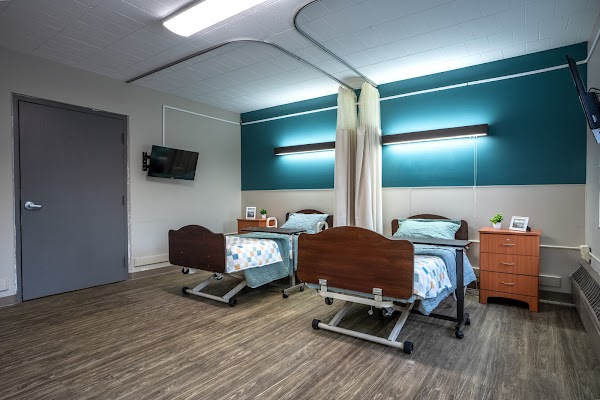
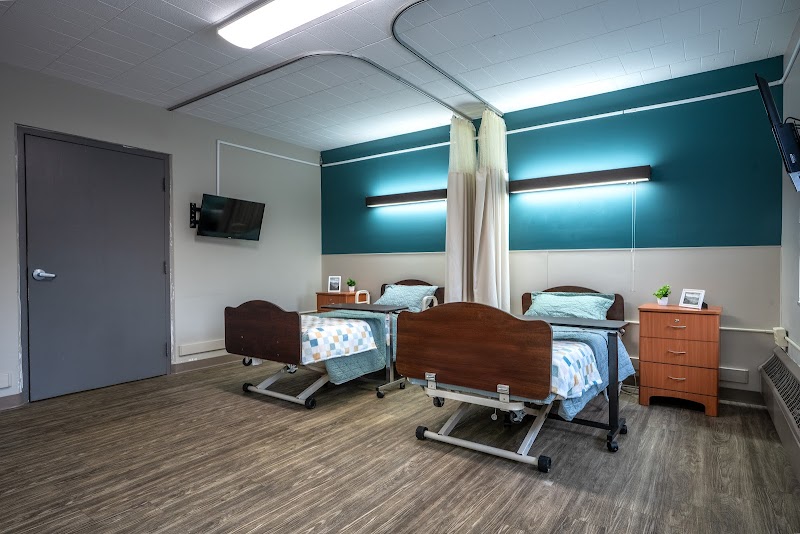
38410 Cherry Hill Road, Westland, MI 48185 (734) 326-1200
For profit - Individual 127 Beds LME FAMILY HOLDINGS Data: November 2025
Trust Grade
60/100
#192 of 422 in MI
Last Inspection: October 2024

Within standard 12-15 month inspection cycle. Federal law requires annual inspections.

Overview

Cherry Hill for Nursing and Rehabilitation has a Trust Grade of C+, indicating a decent but slightly above-average level of care. It ranks #192 out of 422 facilities in Michigan, placing it in the top half of nursing homes in the state, and #27 out of 63 in Wayne County, meaning there are a few better local options. The facility is improving, with issues decreasing from 9 in 2024 to 4 in the latest report. Staffing is a weakness, rated 2 out of 5 stars, with a turnover rate of 52%, which is about average for Michigan. However, it has no fines on record, which is a positive sign, and it offers average RN coverage, ensuring some level of skilled nursing support. There are some specific concerns noted in recent inspections, such as delays in responding to call lights, with some residents waiting over 30 minutes for assistance, which could lead to safety risks. Additionally, the kitchen sanitation was questioned, as the ice machine was found dirty, suggesting the potential for food safety issues. Lastly, residents reported feeling crowded during group meetings, which impacted their comfort and privacy. Overall, while there are strengths, families should weigh these alongside the existing concerns.
Trust Score
C+
60/100
In Michigan
#192/422
Top 45%
Safety Record
Low Risk
No red flags
Inspections
Getting Better
9 → 4 violations
Staff Stability
⚠ Watch
52% turnover. Above average. Higher turnover means staff may not know residents' routines.
Penalties
✓ Good
No fines on record. Clean compliance history, better than most Michigan facilities.
Skilled Nurses
⚠ Watch
Each resident gets only 26 minutes of Registered Nurse (RN) attention daily — below average for Michigan. Fewer RN minutes means fewer trained eyes watching for problems.
Violations
⚠ Watch
29 deficiencies on record. Higher than average. Multiple issues found across inspections.
★★★☆☆
3.0
Overall Rating
★★☆☆☆
2.0
Staff Levels
★★★★☆
4.0
Care Quality
★★★☆☆
3.0
Inspection Score
Stable
2024: 9 issues
2025: 4 issues

The Good

  • 4-Star Quality Measures · Strong clinical quality outcomes
  • Full Sprinkler Coverage · Fire safety systems throughout facility
  • No fines on record

Facility shows strength in quality measures, fire safety.

The Bad

3-Star Overall Rating

Near Michigan average (3.1)

Meets federal standards, typical of most facilities

Staff Turnover: 52%

Near Michigan avg (46%)

Higher turnover may affect care consistency

Chain: LME FAMILY HOLDINGS

Part of a multi-facility chain

Ask about local staffing decisions and management

The Ugly 29 deficiencies on record

Jun 2025 4 deficiencies
CONCERN (D) 📢 Someone Reported This

A family member, employee, or ombudsman was alarmed enough to file a formal complaint

Potential for Harm - no one hurt, but risky conditions existed

Deficiency F0551 (Tag F0551)

Could have caused harm · This affected 1 resident

**NOTE- TERMS IN BRACKETS HAVE BEEN EDITED TO PROTECT CONFIDENTIALITY** This citation pertains to MI00153028 and MI00153168. Based on observation, interview and record review, the facility failed to a...

Read full inspector narrative →
**NOTE- TERMS IN BRACKETS HAVE BEEN EDITED TO PROTECT CONFIDENTIALITY** This citation pertains to MI00153028 and MI00153168. Based on observation, interview and record review, the facility failed to acknowledge and ensure the Durable Power of Attorney (DPOA) was allowed to exercise the residents' rights for one resident (R901) out of three residents reviewed for resident rights exercised by their representative. Findings include: On 6/3/25 at 02:30 PM, an interview with DPOA A revealed they were told, when presenting to facility staff the DPOA paperwork, it was not valid because signatures on the papers were not notarized. Review of the document revealed a DPOA document containing two witness signatures, the resident signature, and the DPOA signature as prepared by a law firm, dated 3/30/21. DPOA A was advised by facility staff to provide the DPOA paperwork to the Social Worker the next business day. DPOA A further revealed they told the staff member, the current document had been in effect since 2021 (the signature date). On 6/3/25, a review of the Electronic Medical Record (EMR) revealed R901 was admitted to the facility on [DATE] with the following relevant diagnoses: Vascular Dementia and Cognitive Communication Deficit. A Brief Interview for Mental Status (BIMS) score of 4/15 indicated severe cognitive impairment. R901 was dependent for activities of daily living and used a wheelchair for mobility. R901 was minimally verbal. A review of the EMR nursing progress note documented on 4/26/25, at 06:16 PM, DPOA A inquired regarding R901's medical care and was informed that we could not discuss the resident's case as (DPOA A) is not listed as a contact. A review of the EMR documented a progress noted dated, 4/27/25 at 14:09 PM, R901 was Sent to hospital by DPOA A, emergency contact. According to the EMR, this occurred after Medical Doctor (MD) was notified of a fall on 4/27/25 at 08:00 AM. R901 was transferred to hospital and assessed for a syncopal episode. On 6/4/25 at 10:36 AM, during an interview with Social Worker (SW)G they confirmed the DPOA process was explained to DPOA A on 5/2/25 (no documentation noted in EMR), noting the document had not been activated. SW G revealed they had discussed with the DPOA next steps. SW G revealed they attempted to obtain a capacity evaluation (to determine R901's ability to make their own decisions), revealing the house psychiatric staff were not available to determine capacity. There is no documentation regarding attempts to obtain capacity. On 6/4/2025, an interview with the Nursing Home Administrator (NHA) and Director of Nursing (DON) revealed an expectation the activation of the DPOA should have been addressed soon after admission. A review of the facility policy titled, Advance Directives dated September 2022 revealed the following definition: Durable Power of Attorney for Health Care (i.e. Medical Power of Attorney) - a document delegating authority to a legal representative to make health care decisions in case the individual delegating that authority subsequently becomes incapacitated. The policy further reveals 4. Written information includes a description of the facility's policies to implement advance directives and applicable state law.
CONCERN (D) 📢 Someone Reported This

A family member, employee, or ombudsman was alarmed enough to file a formal complaint

Potential for Harm - no one hurt, but risky conditions existed

Free from Abuse/Neglect (Tag F0600)

Could have caused harm · This affected 1 resident

**NOTE- TERMS IN BRACKETS HAVE BEEN EDITED TO PROTECT CONFIDENTIALITY** This citation refers to Intake MI00153374. Based on interview and record review, the facility failed to protect the resident's r...

Read full inspector narrative →
**NOTE- TERMS IN BRACKETS HAVE BEEN EDITED TO PROTECT CONFIDENTIALITY** This citation refers to Intake MI00153374. Based on interview and record review, the facility failed to protect the resident's right to be free from verbal and physical abuse by staff (Certified Nursing Assistant - CNA I) for one (R903) of three resident's reviewed for abuse. Findings include: A review of the Intake MI00153374 revealed: On 05/24/25 at about 4:00 PM, R903 approached the nurses' station with a packet of sweetener and requested assistance to open it. Licensed Practical Nurse (LPN) E assisted R903 to open the packet. CNA K, CNA L, and CNA I were seated at the nurse station. R903 threw the open packet of sweetener over the nurses station towards CNA I. CNA I started to swear at R903. R903 was observed to stand up and R903 and CNA I then grabbed each other by the wrists over the nurses' station. Staff were then reported to have separated R903 and CNA I. On 6/04/25 at 11:30 PM and during the survey, R903 was observed to be walking round and round the halls talking appropriately with staff and other residents. On 6/04/25 around 2:00 PM, LPN E was asked about the incident between R903 and CNA I and reported: CNA I was having a bad day and their mouth ran away with them and R903 became agitated because of what CNA I said. LPN E also reported R903 gets frustrated when they cannot get their words out and throws a tantrum of sorts and a history of throwing items. A statement by LPN E from the facility investigation further documented, .(R903) approached nurses station making noise to get staff attention. Writer observed resident holding (name of flavor subsitute) packet to be open. Writer assisted resident with opening packet. Writer then observed resident throw packet at staff member. Writer attempted to deescalate situation. Staff member began to use profanity at resident. Resident and staff member observed to be holding each others wrist . A review of the record for R903 revealed R903 was admitted into the facility on 8/11/22. Diagnoses included Aphasia (difficulty speaking), Memory Deficit, Dementia and Stroke. The Minimum Data Set (MDS) assessment dated [DATE] documented moderate impaired cognition with a 6/15 Brief Interview for Mental Status score and R903 was independent for eating, required supervision/assistance for dressing and personal hygiene and independent for walking. A review of the Social Services staff (SS) G progress note dated 05/27/25 at 12:45 PM, revealed, .SS provided wellness check with resident on 5/27/25. (R903) was in (their) room, appeared happy and was laughing. Resident was sitting in wheelchair. When asked if (R903) felt safe in facility, resident smiled and nodded yes . A review of the facility Abuse Policy revised 9/2022 revealed, The resident has the right to be free from abuse, neglect, misappropriation of resident property, and exploitation as defined in this subpart. This includes but is not limited to freedom from corporal punishment, involuntary seclusion and any physical or chemical restraint not required to treat the resident's medical symptoms. The facility must not use verbal, mental, sexual, or physical abuse, corporal punishment, or involuntary seclusion. The resident has a right to be treated with respect and dignity .Residents must not be subjected to abuse by anyone, including, but not limited to, facility staff, other residents, consultants or volunteers, staff of other agencies serving the resident, family members or legal guardians, friends, or other individuals . Abuse is defined as the willful infliction of injury, unreasonable confinement, intimidation, or punishment with resulting physical harm, pain or mental anguish .Willful is defined in the definition of abuse, and means the individual must have acted deliberately, not that the individual must have intended to inflict injury or harm .
CONCERN (D) 📢 Someone Reported This

A family member, employee, or ombudsman was alarmed enough to file a formal complaint

Potential for Harm - no one hurt, but risky conditions existed

Comprehensive Care Plan (Tag F0656)

Could have caused harm · This affected 1 resident

**NOTE- TERMS IN BRACKETS HAVE BEEN EDITED TO PROTECT CONFIDENTIALITY** This citation pertains to Intake MI00153028. Based on observation, interview, and record review, the facility failed to develop ...

Read full inspector narrative →
**NOTE- TERMS IN BRACKETS HAVE BEEN EDITED TO PROTECT CONFIDENTIALITY** This citation pertains to Intake MI00153028. Based on observation, interview, and record review, the facility failed to develop a care plan for bladder incontinence with interventions to address resistance to toileting for one (R901) of two residents reviewed for care plans. Findings include: A review of the Electronic Medical Record (EMR) revealed R901 was admitted to the facility on [DATE] with the following relevant diagnoses: Vascular Dementia, Gastroesophageal Reflux Disease, and a Cognitive Communication Deficit. A Brief Interview for Mental Status was conducted resulting in a score of 4/15 indicating severe cognitive impairment. R901 was dependent for activities of daily living, was incontinent of urine and R901 requires prompting and assistance for toileting. On 6/3/25 at approximately 2:56 PM, R901 was interviewed in their room with their Durable Power of Attorney (DPOA) A. DPOA discussed R901's sometimes resistance to toileting and R901 is sometimes willing to walk to the bathroom with assistance. DPOA A further revealed R901 can be incontinent and sometimes resists changing. On 6/4/25 at 8:00 AM, R901 was noted to have a housekeeper in the room cleaning up a puddle. R901 was observed lying on their back. R901 was calm, looking straight up, and did not appear to be engaging with staff. Certified Nursing Assistant (CNA) B revealed R901 can be incontinent, sometimes will allow assistance to the bathroom, and has been known to urinate in places other than the toilet. CNA B further revealed when R901 is agitated they can be uncooperative with toileting or brief changes by refusing to go into bathroom and stiffening their body intentionally when care is attempted. On 6/4/25 at 8:15 AM, an interview with Housekeeper J revealed they were called to the room to clean a very large puddle of urine. On 6/4/25 a review of the Electronic Medical Record (EMR) revealed R901 did not have a care plan for bladder incontinence and the resistance to toileting. On 6/4/25 at 10:22 am, during an interview with Unit Manager (UM), F revealed R901 ambulated with assistance to the bathroom when R901 wants to. UM F further revealed urine is sometimes found in places other than the bathroom such as waste basket or on the floor. At 11:13 am, an interview with the Director of Nursing (DON) revealed R901 should have a care plan for bladder incontinence and the resistance to toileting R901 exhibits. A review of the facility policy titled, Care Plans, Baseline reveals the following, baseline plan of care to meet the resident's immediate health and safety needs is developed for each resident within forty-eight (48) hours of admission. The policy further reveals . 2. The baseline care plan is used until the staff can conduct the comprehensive assessment and develop an interdisciplinary person-centered comprehensive care plan (no later than 21 days after admission). The baseline care plan is updated as needed to meet the resident's needs until the comprehensive care plan is developed .4. The resident and/or representative are provided a written summary of the baseline care plan (in a language that the resident/representative can understand) .6. If the participation of the resident and his/her resident representative in developing the resident's care plan is determined to not be practicable, an explanation is documented in the resident's medical record. The explanation should include what steps were taken to include the resident or representative in the process.
CONCERN (D) 📢 Someone Reported This

A family member, employee, or ombudsman was alarmed enough to file a formal complaint

Potential for Harm - no one hurt, but risky conditions existed

Tube Feeding (Tag F0693)

Could have caused harm · This affected 1 resident

**NOTE- TERMS IN BRACKETS HAVE BEEN EDITED TO PROTECT CONFIDENTIALITY** This citation refers to Intake MI00153168. Based on observation, interview, and record review, the facility failed to identify 6...

Read full inspector narrative →
**NOTE- TERMS IN BRACKETS HAVE BEEN EDITED TO PROTECT CONFIDENTIALITY** This citation refers to Intake MI00153168. Based on observation, interview, and record review, the facility failed to identify 6% weight loss from 5/1/25 to 5/29/25 for one (R901) of three residents reviewed for weight loss. Findings include: On 4/25/25, R901 was admitted to the facility on [DATE] with the following relevant diagnoses: Vascular Dementia and Cognitive Communication Deficit. A Brief Interview for Mental Status was conducted resulting in a score of 4/15 indicating severe cognitive impairment. R901 is dependent for activities of daily living and uses a wheelchair for mobility. R901 is minimally verbal. R901 is dependent on for nutritional and hydration needs through a percutaneous gastrostomy tube (PEG-feeding tube) inserted into R901's abdomen. On 6/4/25 an interview with R901's Durable Power of Attorney (DPOA) revealed they were aware that R901 becomes agitated and fidgety pulling on the feeding tube. DPOA A said they were unaware if the tube was ever pulled out on any occasion since admission. On 6/4/25 a review of the Electronic Medical Record (EMR) revealed: - A progress note dated 4/28/25 at 11:52 AM, R901 was pulling on feed tube line. -A progess note dated 5/3/25 at 4:53 AM, R901 fidgets and disconnects PEG tube feeding, needs to be monitored and redirected consistently. -A progress note dated 5/29/25 at 11:06 AM, R901 with increased anxiety and attempting to pull out PEG tube numerous times and is not easily redirectable. A review of the EMR related to weight revealed an admission weight on 5/1/25 of 147.4. On 5/29/25 a weight of 138.5 was revealed showing a weight loss of 6.03% over a 28-day period. On 6/4/25 at 11:31 AM, a re-weight of 138 was obtained On 6/4/25 at 9:02 AM, Registered Dietician (RD) C was interviewed by telephone and confrimed they review resident weights weekly and this is discussed with the team. RD C indicated R901 was discussed on Thursday (May 29, 2025) and believed the documented weight loss may be an error because it was a significant amount over one month and requested a new weight. RD C indicated the team revealed resident was pulling on tube and their understanding was it was pulled out so that R901 was not getting the full benefit of the nutrition. There is no documentation in the EMR to indicate the feeding tube was pulled out by R901 or required replacement. On 6/4/25 at 2:00 PM, an interview with the Director of Nursing (DON) confirmed R901's weight loss was discussed on 5/29/25 during a team meeting. The DON further revealed R901 expends a lot of energy when their anxiety is high. A review of the facility policy, titled Weight Assessment and Intervention, dated March 2022, revealed the following: .4. Unless notified of significant weight changes, the dietitian will review the unit weight record monthly to follow individual weight trends over time. 1. The threshold for significant unplanned and undesired weight loss will be based on the following criteria - b. 1 month - 5% weight loss is significant; greater than 5% is severe . Individualized care plans shall address, to the extent possible, r. identified causes of weight loss, t. time frames and parameters for monitoring and reassessment . A review of the policy titled Enteral Nutrition, dated November 2018 revealed, The dietitian monitors residents who are receiving enteral nutrition, and makes appropriate recommendations for interventions to enhance tolerance and nutritional adequacy of enteral feedings. In addition, Residents receiving enteral nutrition are periodically reassessed for the continued appropriateness and necessity of the feeding tube. Results of these assessments are documented and any changes are made to the care plan. Input from the resident or legal representative is included in the assessment.
Oct 2024 6 deficiencies
CONCERN (D)

Potential for Harm - no one hurt, but risky conditions existed

Deficiency F0558 (Tag F0558)

Could have caused harm · This affected 1 resident

**NOTE- TERMS IN BRACKETS HAVE BEEN EDITED TO PROTECT CONFIDENTIALITY** Based on observation, interview, and record review, the facility failed to place call light within reach and provide a closet do...

Read full inspector narrative →
**NOTE- TERMS IN BRACKETS HAVE BEEN EDITED TO PROTECT CONFIDENTIALITY** Based on observation, interview, and record review, the facility failed to place call light within reach and provide a closet door for two residents (R89 and R84) of four residents reviewed for accommodation of needs. Findings include: R89: On 10/22/24 at 1:11 p.m., R89 was observed laying in their bed, wearing a hospital gown. They were observed leaning to the left side of their bed, resting their head on the enabler bar, which appeared uncomfortable. R89 reported they were in significant pain and wanted pain medication. Further observation revealed their touch pad call light was out of reach, on the right side of the bed on their dresser. On 10/22/24 at 1:15 p.m., R89 was asked if they used their call light. R89 reported they used their call light for pain medication, or if they needed other assistance. On 10/24/24 at 11:44 a.m., R89 was observed sleeping in their hospital bed, leaning against the left enabler bar. R89's call light was on the right side of their bed, on their dresser, out of reach. Review of R89's Minimum Data Set (MDS) assessment, dated 9/18/24, revealed R89 was admitted to the facility on [DATE], with diagnoses including high blood pressure, malnutrition, and depression. R89 required maximal assistance with toileting, moderate assistance with bed mobility, and was dependent for transfers. The Brief Interview for Mental Status (BIMS) assessment revealed a score of 14/15, which showed R89 was cognitively intact. On 10/24/24 at 11:46 a.m., Certified Nurse Aide (CNA) G was asked if R89 used their call light, and why it was on their dresser, and showed CNA G the location. CNA G reported R89 used their call light and had asked for a blanket earlier this morning by activating their call light. CNA G responded it must have been removed during care and not replaced. CNA G confirmed the call light was out of R89's reach. On 10/24/24 at 11:47 p.m., Licensed Practical Nurse (LPN) H was asked if R89 used their call light. LPN H confirmed they had used their call light this morning to request pain medication and a cup of milk. LPN H reported the call light should always be in R89's reach as they used it regularly and it must be in their reach. R84: On 10/24/24 at 12:00 p.m., R84's closet (room [ROOM NUMBER]-1) was observed per their request. Their clothes closet was completely open, with no closet door or curtain covering the clothing. R84's clothing and his roommate's clothing were showing, as well as some clear garbage bags and miscellaneous personal items of R84's, which were on the floor of the closet, visible from the doorway. R84 said they had filed a grievance a few months ago reporting this bothered them, as they wanted their room to look neater and have their clothes and personal items covered. R84 reported they had not received adequate follow-up, as their closet door was still opened, and looked bad to them. Review of the Electronic Medical Record (EMR) showed R89 was admitted to the facility on [DATE]. The Brief Interview for Mental Status (BIMS) assessment revealed a score of 15/15, which showed R84 was cognitively intact. Review of July's grievance forms, provided by the Director of Nursing (DON) on 10/23/24, revealed a grievance form dated 7/10/24. The grievance showed: No closet doors. We [residents] pay too much for doors to not work. There was no response at the bottom of the form or attached. On 10/24/24 at 1:58 p.m., the DON, was asked about R89's call light being out of reach on two occasions. The DON confirmed the call light should always be on R89 and must have been removed during cares. The DON noted the call light could be clipped to R89 to prevent it from sliding off. Environmental concerns including R84's concerns were shared with the DON, who confirmed they would be addressed. A policy was requested related to accommodation of needs and call lights and was not received by survey exit on 10/24/24.
CONCERN (D) 📢 Someone Reported This

A family member, employee, or ombudsman was alarmed enough to file a formal complaint

Potential for Harm - no one hurt, but risky conditions existed

Deficiency F0761 (Tag F0761)

Could have caused harm · This affected 1 resident

**NOTE- TERMS IN BRACKETS HAVE BEEN EDITED TO PROTECT CONFIDENTIALITY** Based on observation, interview and record review the facility failed to ensure medications were labeled and dated when opened a...

Read full inspector narrative →
**NOTE- TERMS IN BRACKETS HAVE BEEN EDITED TO PROTECT CONFIDENTIALITY** Based on observation, interview and record review the facility failed to ensure medications were labeled and dated when opened and or discarded when expired in two of four medication carts and one supply room reviewed. Findings include: On [DATE] at 9:09 AM a check of the medications in medication cart three with Licensed Practical Nurse (LPN) I revealed: A Breo Ellipta inhaler was not dated on the actual inhaler; A Humalog insulin vial with open date of [DATE] was expired; A Lantanoprost eye drops vial dated 09/25 on the box was not dated on the vial; a brimonidine eye drop was not dated when opened on the vial or the box; a second Latanoprost eye drop was not dated when opened on the vial or box; and a Dorzolomide eye drop was not dated when opened on the vial. On [DATE] 9:36 AM, a review of the number four medication cart with LPN J revealed: the glucose strips not dated when opened, an Ademolog insulin was dated 09/26 on the box but not on the vial, a novolg insulin had an expired dated of [DATE] and a second vial of novolog insulin had an expired date of 09/19. On [DATE] at 9:00 AM, an observation of the supply room with LPN A revealed six max protein shakes which expired [DATE]. On [DATE] at 11:06 AM, the Director of Nursing (DON) reported the nurse should check the medication carts they are on. A review of the facility policy titled Storage of Medications dated [DATE] revealed Policy Statement The facility shall store all drugs and biologicals in a safe, secure, and orderly manner. Policy Interpretation and Implementation 1. Drugs and biologicals shall be stored in the packaging, containers or other dispensing systems in which they are received. Only the issuing pharmacy is authorized to transfer medications between containers. 2. The nursing staff shall be responsible for maintaining medication storage AND preparation areas in a clean, safe, and sanitary manner. 3. Drug containers that have missing, incomplete, improper, or incorrect labels shall be returned to the pharmacy for proper labeling before storing. 4. The facility shall not use discontinued, outdated, or deteriorated . A review of the prescribing information at drugs.com revealed, .Safely throw away Breo Ellipta in the trash 6 weeks after you open the tray or when the counter reads 0, whichever comes first. Write the date you open the tray on the label on the inhaler and the Novolog vial when opened is good for .28 days (refrigerated/room temperature) The Manufacturer's web site for Ademlog insulin documented .Must be used within 28 days after first use .
CONCERN (D)

Potential for Harm - no one hurt, but risky conditions existed

Safe Environment (Tag F0921)

Could have caused harm · This affected 1 resident

**NOTE- TERMS IN BRACKETS HAVE BEEN EDITED TO PROTECT CONFIDENTIALITY** Based on observation, interview, and record review, the facility failed to store an oxygen tank in an safe manner involving one ...

Read full inspector narrative →
**NOTE- TERMS IN BRACKETS HAVE BEEN EDITED TO PROTECT CONFIDENTIALITY** Based on observation, interview, and record review, the facility failed to store an oxygen tank in an safe manner involving one resident (R45) of four residents reviewed for environment. Findings include: On 10/22/24 at 12:44 PM, an observation was made of an oxygen tank without a holder, behind the bed, against the wall in R45's rooom. R45 was interviewed about the oxygen tank in their room and stated, I don't know, saying the oxygen tank had been in their room ever since admission. R45 denied receiving oxygen therapy. A record review of R45's electronic medical record (EMR) confirmed that R45 did not receive oxygen therapy. Further review of R45's EMR revealed that R45 was originally admitted to the facility on [DATE] with diagnoses that included, Paroxysmal atrial fibrillation (Irregular rapid heartbeat) and Alcohol abuse. R45's most recent minimum data set assessment (MDS) dated [DATE] indicated R45 had an intact cognition. On 10/24/24 at 11:06 AM, Licensed Practical Nurse (LPN) D was interviewed and asked if R45 was receiving oxygen therapy. LPN D stated, [R45] doesn't have an order for oxygen. On 10/24/24 at 11:15 AM, Maintenance Director (MD) C was shown the oxygen tank in R45's room and stated, That shouldn't be there. MD C further indicated all oxygen tanks not in use, should be stored in the facility's oxygen storage room in a holder. On 10/24/24 at 1:30 PM, the Administrator (NHA) was interviewed via phone regarding their expectations for the storage of oxygen tanks. The NHA indicated that oxygen tanks should be stored in a locked area in the appropriate holder. A facility policy titled Small Compressed Oxygen Cylinders dated, 2006 was reviewed and revealed the following, Safety: The safe use of compressed oxygen cylinders requires it to be used as instructed, which includes the following safety precautions .store oxygen cylinders in approved carts or holders .
CONCERN (E) 📢 Someone Reported This

A family member, employee, or ombudsman was alarmed enough to file a formal complaint

Potential for Harm - no one hurt, but risky conditions existed

Resident Rights (Tag F0550)

Could have caused harm · This affected multiple residents

Based on interview and record review, the facility failed to answer call lights timely for eight confidential group meeting residents (C1, C2, C3, C4, C5, C6, C7, and C8) of 19 residents reviewed for ...

Read full inspector narrative →
Based on interview and record review, the facility failed to answer call lights timely for eight confidential group meeting residents (C1, C2, C3, C4, C5, C6, C7, and C8) of 19 residents reviewed for dignity. Findings include: On 10/23/24 at approximatley 11:40 a.m., eight confidential interviewable group residents (C1, C2, C3, C4, C5, C6, C7, C8) reported feeling frustrated and being discouraged as they were waiting more than a half hour for their call light to be answered. Resident C1, reported they had filed grievances with the Activity Director, Staff F, and had made the facility aware of the resident's call light concerns, with limited follow up. Two residents described specific incidents, as follows: C2: Reported they waited 45 minutes for staff to answer their call light a couple weeks ago, at night, when he fell and hurt their shoulder. C3: Reported they sometimes waited an hour and a half to use the bathroom, during the day shift, causing incontinence. Five of the eight residents indicated they waited 45 minutes or more at times for their call lights to be answered, which caused them feelings of discouragement and helplessness, as they needed assistance with care. On 10/24/24 at approximately 11:45 a.m., the Activity Director, Staff F, who was present at the group meeting per residents' invitation, was asked about residents reporting extended call light wait times. Staff F confirmed residents reported longer call wait times in the monthly meetings. Staff F reported they had observed longer wait times in the evenings when they were in the facility working until 7:30 p.m Staff F confirmed sometimes staff were difficult to locate, and they turned in the grievance forms. On 10/24/24 at approximately 1:55 p.m, the resident council group concerns were collectively reviewed with the Director of Nursing (DON) who confirmed they had planned to address the residents' concerns, and would attend the next resident council group meeting. Review of resident council minutes and attached concern forms showed: 7/09/24: One call light concern noted on the minutes and concern form, showing extended call wait times. 9/10/24: Six call light concerns noted on the minutes or concern forms, showing five residents and the resident council group reported collective concerns. Further review of the September (2024) concern forms showed residents reported they were unable to locate nursing staff for assistance, their call lights were not being answered, and one resident reported being left soiled. There was follow-up documented on one of the six concern forms; the rest of the forms were blank below the complaints, i.e. in the summary of findings or conclusions sections. Review of the policy, Quality of Life, Dignity, revised April 2009, revealed, Each resident shall be cared for in a manner that promotes and enhances quality of life, dignity, respect, and individuality. 1. Residents shall be treated with dignity and respect at all times. 2. Treated with dignity means the resident will be assisted in maintaining and enhancing his or her self-esteem and self-worth . A policy was requested specific to call light answering, and not received by survey exit on 10/24/24.
CONCERN (E)

Potential for Harm - no one hurt, but risky conditions existed

Deficiency F0565 (Tag F0565)

Could have caused harm · This affected multiple residents

Based on observation, interview, and record review, the facility failed to provide adequate space and privacy for resident counsel group meetings for 19 of 19 residents reviewed for organized group me...

Read full inspector narrative →
Based on observation, interview, and record review, the facility failed to provide adequate space and privacy for resident counsel group meetings for 19 of 19 residents reviewed for organized group meetings. Findings include: On 10/23/24 at approximately 11:20 a.m., 19 residents were observed in the activity room, with the Activity Director, Staff F present. Residents were observed crowded into this smaller room, with some seated only one to three feet apart. There were frequent knocks at the closed door, either by staff or residents. A few residents arrived later, or left, and had difficulty negotiating room entry or exit around the residents who were seated in wheelchairs. On 10/23/24 at 11:31 a.m., the group meeting participants collectively reported feelings of frustration and privacy concerns meeting in the activity room at the facility. Two residents reported they and the residents preferred to meet in the large facility dining room, however there were too many interruptions by staff coming in an out of the space, no matter what time they held the meeting. Staff F said they tried to meet in the dining room in the past a few times, and they had to return to the activity room to meet due to the staff interruptions. Residents collectively reported feelings of frustration, as they wanted to meet privately and would be most comfortable in a larger space, like the dining room. During an interview on 10/24/24 at 1:43 p.m., the Director of Nursing (DON) was asked about the limited space available for the monthly Resident Council meeting, with resident's reporting in the group meeting they were frustrated with the small space of the activity room and were interrupted in the larger dining room when they had attempted to meet there in the past. The DON stated, I am agreeable for them to being in the dining room [to meet for Resident Council meetings], and they should be able to be [meet] non-interrupted and have that time and space for an hour. The DON reported they were familiar with the activity room where residents met for their monthly meetings, and acknowledged this was a small space for the number of residents who attended the monthly resident council meetings. Review of the policy, Quality of Life - Homelike Environment, revised May 2017, revealed, Residents are provided with a safe, clean, comfortable and homelike environment .
CONCERN (E) 📢 Someone Reported This

A family member, employee, or ombudsman was alarmed enough to file a formal complaint

Potential for Harm - no one hurt, but risky conditions existed

Deficiency F0804 (Tag F0804)

Could have caused harm · This affected multiple residents

This citation relates to Intake #MI00146436. Based on observation, interview, and record review, the facility failed to provide palatable, appetizing meals at the proper temperature for 19 of 19 conf...

Read full inspector narrative →
This citation relates to Intake #MI00146436. Based on observation, interview, and record review, the facility failed to provide palatable, appetizing meals at the proper temperature for 19 of 19 confidential group meeting residents. Findings include: On 10/23/24 at 11:31 a.m., residents collectively shared concerns related to the meals at the facility which had been occurring over the past few months, and possibly longer. The resident council President and [NAME] President were in attendance, as well as the Activity Director, Staff F, per their request. Residents collectively shared their concerns as follows: 1. They wanted hot meals at mealtimes, and reported the trays were frequently not served from the meal carts anywhere from 15 minutes to 45 minutes. 2. The meals tasted bland and were not appetizing, as they had no flavor. 3. They wanted more variety of the menu, and said they had the same foods most weeks. 4. They did not like the Tilapia fish, and several residents said, It tastes nasty. 5. They reported they were told there was no budget for any extra preferences. 6. Most did not want sandwiches for dinner, and reported the sandwiches did not have lettuce, tomato, and oftentimes cheese, and only one slice of meat. 7. They would like to have a food committee, as they did in the past and they did not know why it was cancelled. 8. They reported receiving too much pork and hot dogs. 9. They reported their food was sometimes wet, from condensation from the food sitting on the trays and older food covers, which made the food wet and soggy. 10. They had asked for dietary staff to be present at their resident council meetings to hear their food concerns, which had not occurred. On 10/23/24 at 1:32 p.m., during an obervation of a lunch meal tray, the following entree was observed, a chicken and biscuit entrée and green beans. The chicken appeared wet at the base, from condensation on the plate. There was condensation on the tray under the beverages, inside the plate lid, on the tray below the plate, and on the plate itself. Further observaiton revealed the hard plastic plate cover appeared worn, with jagged, worn edges, which prevented the lid from fully sealing against the plate. Review of the resident council minutes for July, 2024, August, 2024, and September, 2024 showed no kitchen or dietary staff attended the meetings. Review of the resident council minutes, dated 9/2024, showed residents reported they were receiving wet sweaty food from food condensation from sitting in the plate cover too long. Residents reported the cups, plates, utensils, and plate lids were sometimes dirty, and requested staff did a better job of washing them. Review of resident council minutes, dated 8/13/24, revealed residents asked for more variety on the menus. Review of the resident council minutes, dated 7/09/24, showed residents wanted less sandwiches and an updated menu. On 10/24/24 at 1:48 p.m., the Director of Nursing (DON) was asked about the collective resident food concerns, and reported they were addressing them, and understood the concerns. Review of the policy, Food preferences, revised 7/2023, revealed, Individual food preferences will be assessed and upon admission and updated as needed. Reasonable efforts will be made to accommodate resident choices and preferences .6. A periodic Food Committee meeting will be held to review issues related to food preferences and meals and try to identify more widespread concerns about meal offerings, food preparation, etc . Review of the policy, Temperatures, revised 7/2023, revealed, .Foods should be transported as quickly as possible to maintain temperatures for delivery and service. If food transportation time is extensive, food should be transported using a method that maintains temperature (i.e. hot/cold carts, pellet systems, insulated plate bases and domes, etc ). Review of the policy, Food and Nutrition Services, revised October 2017, revealed, Each resident is provided with a nourishing, palatable, well-balanced diet that meets his or her daily nutritional needs and special dietary needs, taking into consideration the preferences of each resident . On 10/23/24 at 12:55 PM, a lunch tray was test. The biscuit with chicken, vegetables, and gravy on it was tasted and the chicken tasted processed. On 10/24/24 at 1:03 PM, a lunch tray was tested from a food cart on the two hundred unit and temperature checked. Unidentified staff E who was serving trays out of the food cart, indicated the cart had been sitting on the unit for approximately twenty minutes. The temperature of the food on the tray was the following, marinated mixed vegetable salad: 109 degrees Fahrenheit; and the apple juice was 51 degrees Fahrenheit. On 10/24/24 at 1:20 PM, Dietary Manager (DM) D was interviewed about interventions available for residents regarding food concerns, and if residents were able to obtain fresh fruit. DM D stated, We used to have a food committee, but no one showed up, so we discontinued it. I meet with the residents all of the time. DM D stated, We don't really do fresh fruit unless it is in season. In the summer the residents were served strawberries and we had watermelon. On 10/24/24 at 1:30 PM, the Administrator (NHA) was interviewed via phone regarding their expectations for the food served to the residents at the facility. The NHA indicated the food served to residents should be at the appropriate temperature, served timely, and appropriate for the individual's diet. A facility policy titled Temperatures Rev [Review] 7/2023 was reviewed and revealed the following, 1. All hot foods must be cooked to appropriate internal temperatures, held and served at a temperature of at least 135 F .2. All cold foods items must be maintained and served at a temperature of 41 F or below. A facility policy titled Resident Food Preferences Rev. 7/2023 was reviewed and revealed the following, Policy Statement: 5. The Food Services Department will offer a variety of foods at each scheduled meal, as well as access to nourishing snacks.
Jun 2024 1 deficiency
CONCERN (D) 📢 Someone Reported This

A family member, employee, or ombudsman was alarmed enough to file a formal complaint

Potential for Harm - no one hurt, but risky conditions existed

Safe Environment (Tag F0584)

Could have caused harm · This affected 1 resident

**NOTE- TERMS IN BRACKETS HAVE BEEN EDITED TO PROTECT CONFIDENTIALITY** This citation pertains to Intakes M100144781 and M100145103. Based on observation, interview, and record review, the facility f...

Read full inspector narrative →
**NOTE- TERMS IN BRACKETS HAVE BEEN EDITED TO PROTECT CONFIDENTIALITY** This citation pertains to Intakes M100144781 and M100145103. Based on observation, interview, and record review, the facility failed to maintain a clean, comfortable, homelike environment for four (R701 and R703) of four residents reviewed for homelike environment. Findings include: R701 On 06/27/24 at 10:25 AM, R701 was observed lying in bed in their room watching television. R701 stated, The shower room is so nasty; I wouldn't dare walk in there barefoot. Its just nasty and it's not fair. On 6/27/24 at 11:30 AM, an observation was made of the shower room on 2 hall. Upon entering the area a dried brown stain was noted on the floor outside of door and trailing inside the room. A pile of feces was noted in the shower room drain. Trash and debris was noted in the corners of the room. A record review revealed that R701 was admitted on [DATE] with the following medical diagnoses of Morbid Obesity, Bipolar Disorder, Raynaud's syndrome with Gangrene. A review of the most recent Minimum Data Set assessment dated [DATE] was completed with a Brief Interview for Mental Status (BIMS) score of 15 which indicates intact cognition. 06/27/24 at 1:30 PM, a tour of the shower rooms and an interview with the Director of Nursing (DON) revealed, The shower room is cleaned daily at several times. R703 Review of the facility record for R703 revealed an original admission date of 02/07/19 with diagnoses including cerebral infarction with right hemiplegia. The Brief Interview for Mental Status (BIMS) assessment dated [DATE] was scored 15/15 indicating intact cognitive function. On 06/27/24 at 10:40 AM, a strong odor of urine was noted in the area of room [ROOM NUMBER] where R703 resides. R703 was interviewed and expressed no general care concerns. The odor of urine remained strong while in the residents room. On 06/27/24 at 11:51 AM, the odor of urine remained strongly present near and inside the room of R703. On 06/27/24 at 2:30 PM, Certified Nurse Assistant (CNA) A reported they were the current CNA for R703. CNA A reported both residents require brief changes as both are generally incontinent and not able to be assisted to use the toilet. CNA A acknowledged the odor of urine near room [ROOM NUMBER] and indicated they thought it may have been coming from across the hall as a large puddle of liquid was observed on the floor in the room across from 221. On 06/27/24 at 2:35 PM, the facility Director of Nursing (DON) was interviewed at room [ROOM NUMBER] regarding the urine odor and they reported that sometimes residents lay in bed and urinates on the floor and we have it care-planned. On 06/27/24 at 3:11 PM, R703 was interviewed in their room where the odor of urine remained strong despite the puddle of liquid in the room across the hall having been cleaned. R703 was asked about the odor of urine noted in their room over the course of the day and stated Yeah, I notice it. Everyone who comes in here does. When asked if the odor bothers them R703 stated Yes, it does. On 06/27/24 at 3:30 PM, the DON was asked their expectation regarding residents living in a room with a persistent odor of urine. The DON indicated they expect any related housekeeping and patient care protocols to be followed in order to attempt to control the issue. On 06/27/24 at 3:39 PM, the facility Administrator (NHA) reported that their expectation regarding cleanliness in the facility is that housekeeping and cleanliness protocols be followed. Review of the facility policy Quality of Life-Homelike Environment dated 05/17 revealed the policy statement Residents are provided with a safe, clean, comfortable, and homelike environment . The Policy Interpretation and Implementation portion includes the following entries: - The facility staff and management shall maximize, to the extent possible, the characteristics of the facility that reflect a personalized, homelike setting. The characteristics include: a. Clean, sanitary, and orderly environment; f. Pleasant, neutral scents; - The facility staff and management shall minimize, to the extent possible, the characteristics of the facility that reflect a depersonalized, institutional setting. These characteristics include: b. Institutional odors.
May 2024 2 deficiencies
CONCERN (D) 📢 Someone Reported This

A family member, employee, or ombudsman was alarmed enough to file a formal complaint

Potential for Harm - no one hurt, but risky conditions existed

Deficiency F0761 (Tag F0761)

Could have caused harm · This affected 1 resident

**NOTE- TERMS IN BRACKETS HAVE BEEN EDITED TO PROTECT CONFIDENTIALITY** This citation pertains to Intake MI00141238. Based on observation, interview, and record review the facility failed to provide s...

Read full inspector narrative →
**NOTE- TERMS IN BRACKETS HAVE BEEN EDITED TO PROTECT CONFIDENTIALITY** This citation pertains to Intake MI00141238. Based on observation, interview, and record review the facility failed to provide safe storage of medication for three residents (R903, R907, and R908) of three residents reviewed for storage of biologicals. Findings include: R903 On 5/16/2024 at 10:00 AM, R903 was observed in their bed with the head of the bed elevated to 45-60 degrees, leaning to the right. The bedside table was in front of the resident with many items on the table and a medicine cup with a blue and white small capsule, an orange coated tablet, a large white oval tablet, and a small white tablet. R903 was not attempting to consume the tablets. When queried if they knew what the medications were and how did they get there, the response was, I'd rather not answer that. A record review of R903 revealed an admission date of 02/26/2024 with diagnoses that included: Hemiplegia and Hemiparesis following Cerebral Infarction affecting left non-dominant side; Diabetes Mellitus, Type Two; Chronic Kidney Disease; Diabetic Neuropathy; History of Transient Ischemic Attack and Cerebral Infarction; Iron Deficiency Anemia; Depression; Glaucoma; Essential Hypertension; Hyperlipidemia Cognitive Communication Deficit. R903's Minimum Data Set (MDS) Brief Interview for Mental Status (BIMS) revealed a score of 12/15 indicating moderate cognitive impairment. A review of R903's care plan on 05/15/24 failed to reveal a care plan indicating the resident had been assessed to self-administer medications. R907 On 05/16/2024 at 10:15 AM, R907 was observed sitting on the side of their bed with two medication tablets in a small plastic medicine cup, a cup of light-yellow liquid, and a 20-ounce cup with straw on the overbed table. When R907 was approached R907 was consuming one pill. One tablet was left in the medicine cup as well as the light-yellow liquid. Upon inquiry, R907 revealed the last pill was their Xanax. The light-yellow liquid was for the bowels. R907 proceeded to take the tablet with a sip of liquid from the cup. When queried about medications at beside without nurse observation, R907 responded, The nurse knows I will take them. A record review of R907 revealed an admission date of 02/25/2023 with diagnoses that included: Generalized Muscle Weakness, Intervertebral Disc Degeneration, Lumbar Region, Low Back Pain, Intra-Abdominal and Pelvic Swelling, Mass and Lump, Abnormalities of Gait and Mobility, Anxiety Disorder, Wedge Compression Fracture of Lumbar Vertebra. R907s Minimum Data Set (MDS) Brief Interview for Mental Status (BIMS) revealed a cognitive score of 15/15 indicating intact cognition. On 5/15/2024 a review of R907's care plan failed to reveal a care plan indicating the resident had been assessed to self-administer medications. R908 On 05/15/2024 AM was observed with an empty medicine cup on her overbed table. R908 was queried and said, their medication is usually handed to them in the medication cup and the nurse leaves the room while R908 takes it. A record review on 05/15/2024 revealed that R908 was admitted with the following diagnoses: Atherosclerosis of native arteries with ulceration, Chronic Congestive heart failure, Asthma, Essential Hypertension, Chronic Kidney Disease, Stage 4; Acquired Absence of Right Leg Below the Knee; Peripheral Vascular Disease; Anemia; Gastro-esophageal Reflux Disease; Depression; Adjustment Disorder with Anxiety; Diabetes Mellitus-Type Two; Morbid Obesity; Hyperlipidemia; Muscle Weakness. R908's Minimum Data Set (MDS) Brief Interview for Mental Status (BIMS) revealed a cognitive score of 15/15 indicating intact cognition. On 05/15/2024 a review of R908's care plan failed to reveal a care plan indicating the resident had been assessed to self-administer medications. On 05/15/2024, Registered Nurse (RN) A was queried about leaving medication for R903 at the bedside to take when they leave the room. They responded, (R903) won't take it when standing there looking at (them). On 05/15/2024, RN A was further queried regarding medication administration. RN A responded, I will only leave them for the residents I know will take them and not leave them sitting there. On 05/15/2024 at 11:16 AM contact was made with the complainant via telepone. An introduction and query were presented. The line was disconnected in 32 seconds after being told a return call would be made. That call was not returned. On 05/15/2024 the Director of Nursing (DON) was queried regarding expectations during regarding leaving medication at bedside for resident to take without supervision/observation. The DON replied, the nurse should observe the resident taking their medication, if the resident does not want to take in front of the nurse, then the medication should be removed from the bedside. The DON revealed any resident assessed to self-administer medication would have a care plan. A review of the policy titled, Bedside Medication Storage (not dated), revealed, Bedside medication storage is permitted for residents who are able to self-administer medications, upon the written order of the prescriber and when it is deemed a ppropriate in the judgment of the facility ' s interdisciplinary resident assessment team .A written order for the bedside [NAME] ge of [NAME] tion is present in the resident ' s [NAME] l record .All nurses and aides are required to report to the charge nurse on duty any medications found at the bedside not authorized for bedside storage and to give unauthorized medications to the charge nurse . A review of the policy titled, Administering Medications revised December 2012, revealed, Medications shall be administered in a safe and timely manner, and as prescribed .Residents may self-administer their own medications only if the Attending Physician, in conjunction with the Interdisciplinary Care Planning Team, has determined that they have the decision-making capacity to do so safely .
CONCERN (E) 📢 Someone Reported This

A family member, employee, or ombudsman was alarmed enough to file a formal complaint

Potential for Harm - no one hurt, but risky conditions existed

Deficiency F0558 (Tag F0558)

Could have caused harm · This affected multiple residents

**NOTE- TERMS IN BRACKETS HAVE BEEN EDITED TO PROTECT CONFIDENTIALITY** A review of the facility policy titled, Personal Property revised September 2012 revealed .Residents are permitted to retain and...

Read full inspector narrative →
**NOTE- TERMS IN BRACKETS HAVE BEEN EDITED TO PROTECT CONFIDENTIALITY** A review of the facility policy titled, Personal Property revised September 2012 revealed .Residents are permitted to retain and use personal possessions and appropriate clothing, as space permits . 5. The resident ' s personal belongings and clothing shall be inventoried and documented upon admission and as such items are replenished. 6. The facility will promptly investigate any complaints of misappropriation or mistreatment of resident property . A review of the facility policy titled, Care Plans, Comprehensive Person-Centered revised December 2016, revealed, A comprehensive, person-centered care plan that includes measurable objectives and timetables to meet the resident ' s physical, psychosocial and functional needs is developed and implemented for each resident. The services provided or arranged by the facility, as per the comprehensive care plan, must be culturally-competent and trauma-informed . 4. Each resident ' s comprehensive person-centered care plan will be consistent with the resident ' s rights to participate in the development and implementation of his or her plan of care, including the right to: a. Participate in the planning process; b. Identify individuals or roles to be included; c. Request meetings; d. Request revisions to the plan of care; e. Participate in establishing the expected goals and outcomes of care; f. Participate in determining the type, amount, frequency and duration of care; g. Receive the services and/or items included in the plan of care . This citation pertains to MI00142238, MI00141119, MI00140817, MI00140327. Based on observation, interview and record review, the facility failed to ensure four residents (R904, R905, R906, R909) of four reviewed for adaptive equipment were allowed to have reachers (device about two feet long with a trigger/grip at one end that activates a jaw at the opposite end which can be used to grip and pick up items), resulting in feelings of lost independence, decreased self esteem, and fear of falls. Findings include: A review of four complaints called into the State Agency revealed; - .the removal of reachers from all residents poses an increased risk of falls and injuries. This decision, stemming from an isolated incident, has received numerous complaints from residents and their families, highlighting the need for a reconsideration of this policy . - .Residents report concerns that the nursing home has taken reachers away from residents. Residents report this affects their ability to be self-sufficient as possible. The lack of reachers for the residents infringes on their rights and dignity, autonomy, and their rights to be as self-sufficient as possible. Residents report that when staff took reachers away from residents, staff told residents that if they needed anything to be picked up and or anything to be put in arms reach to use the call light and staff will assist. Residents report that only lasted four days and now staff does not answer call lights and or assist when items are dropped and or not within reach . - .Resident reports that the incident on 09/29/2023 where a resident hit another resident and used their reacher as a weapon which resulted in the reachers being taken away. The resident also reports that due to reachers being taken away there have been numerous falls .The administrator thought it would be acceptable to take reachers away from residents who use them as a tool to assist them and to assist them being as independent as possible. That is not acceptable and the home is taking away resident's independence, autonomy, and their rights to be as independent as possible . -Complainant states there was a recent incident where a resident hit a staff person with a grabber. As a result, all of them were taken away from the residents .The resident was told to use their call light if they need anything. When they use their call light it's 1-2 hrs. before it's answered. On 05/15/24 at 9:25 AM, a resident who requested to remain anonymous commented a reacher was discussed as something that could be provided once they return home. On 05/15/24 at 12:02 PM, the ombudsman reported the taking away of the reachers was an ongoing concern verbalized by residents at the resident council meeting held on 05/14/24. R904 On 5/15/2024 at 1:16 PM, an interview with R904 revealed that since October, when reachers were removed, a fall was experienced by them while trying to reach something dropped on the floor. It took two persons to get me up. Since the loss of the reacher, if anything falls on the floor, I put the light on or leave it where it falls until someone comes in to get it. R904 revealed, it is very frustrating. If I put the light on for something I need, it takes forever for the light to be answered, 45 minutes to an hour .I should not be punished. A review of the record revealed R904 was admitted in the facility on 12/19/23. Diagnoses included Paralysis of one side, Heart Failure and Foot Drop. A review of the active care plan documented, .Resident is at risk for falls (related to) gait/balance problems .resident has an (activities of daily living) ADL self care performance deficit (revised 04/10/24) .anticipate needs not verbalized as resident does not always make needs clearly known. Keep call bell in reach, encourage to use, answer promptly. R905 On 05/15/24 at 3:20 PM, R905 reported they had their own reacher before admission into the facility and had been at the facility about three years. R905 reported there was an incident between two residents and they should not be punished because of them. R905 reported, I am bedridden and if something falls I don't have to turn on the light. I can use my grabber to pick it up. I can also pull my blankets up. It is an inconvenience when I have to call an aide for something I can do myself. I can use the reacher as guide to see where to drop the trash. I feel bad enough about myself and they have taken away my independence. I like to be able to do for myself what can I can do for myself. A review of the record revealed R905 was admitted into the facility on [DATE]. Diagnoses included Multiple Sclerosis, Contracture of the left and right knee, and Diabetes. A review of the active care plan documented, .Patient prefers to stay in bed .has an (activities of daily living) ADL self care performance deficit .one person assist to reposition and turn in bed .one person assist with personal hygiene .Set up and clean up assist to eat .I need to be evaluated for and supplied appropriate adaptive equipment or devices as needed, date initiated 11/30/2020 . The Minimum Data Set (MDS) assessment dated [DATE] indicated intact cognition with a 15/15 Brief Interview for Mental Status score and the need for substantial assistance to roll left and right and personal hygiene and dependent for toilet hygiene, bathing, transfer, and upper and lower body dressing. A review of an occupational therapy (OT) note dated 09/20/23 documented, .skilled interventions to facilitate safety and independence with hygiene/grooming .patient instruction in use of (adaptive equipment) AE reacher/towel to facilitate washing feet . R906 On 05/15/24 at 9:31 AM, R906 was observed to be laying in bed on their left side. R906 reported they could not get out of bed on their own and staff do not check on them unless they call them and then it can be ten minutes or more before they receive help. R906 commented the facility also took away their reacher and it should not be that way when someone get theirs taken away, everybody should not have to pay. On 5/15/2024 at 12:02 PM, an interview with R906's family member said that R906 began being bedridden many months ago. R906's family member reported (R906) used the reacher a lot for retrieving things out of their drawer, off the floor, and sometimes from the end of the bed. R906's family member indicated that R906 has managed without the reacher but that it has impacted R906's life, decreased their quality of life, increasing debility and dependence and some increasing depression. On 5/15/2024 at 10:03 am, R906 was interviewed regarding a reacher as an adaptive piece of equipment. R906 stated, I cannot sit up very high, the reacher helps me to reach things I drop, things at the end of the bed out of reach, or from my bedside drawer. A review of the record revealed R906 was admitted into the facility 09/28/21. Diagnoses included Depression, Anxiety and Muscle Contracture of the the right and left lower legs. The Minimum Data Set (MDS) assessement dated 03/01/24 indicated intact cognition with 13/15 Brief Interveiw for Mental Status (BIMS) score. The active care plan documented, .has potential for pressure ulcer development related to immobility . has Activities of Daily Living self performance deficit .and was dependent on staff for bed mobilty, personal hygiene and dressing. R909 On 05/16/24 at 11:36 AM, R909 was observed to be in bed. A wheelchair was at the side of the bed. R909 reported they had a right lower leg amputation and required assistance to get out of bed. R909 commented they had a reacher they brought into the facility with them and when they had gone out to smoke one day the staff had removed the reacher. R909 noted they used their reacher to pick up the foot rest on their power wheelchair and pick up items around their bed. R909 commented the reacher made them more independent and helped them feel better about themselves as at times one can wait hour and half or two hours for help. A review of the record for R909 revealed, R909 was admitted into the facility on [DATE]. Diagnoses included Absence of right leg below knee, Diabetes and Heart Attack. The Minimum Data Set (MDS) assessment dated [DATE] indicated intact cognition with a 15/15 Brief Interview for Mental Status score and the need for partial/moderate assistance for lower body dressing, putting on footwear and bathing, independent for sitting to lying and lying to sitting and substantial to maximal assist for chair to bed and bed to chair transfer. On 05/15/24 at 2:15 PM, the Director of Nursing (DON) reported they felt the reachers were more important for the resident to have them at night and did not know how important the reachers were until they were taken. The DON reported they had multiple meetings about the reachers and did not indicate the residents were involved in the decision to remove all the reachers from residents. The DON said that the removal of the reachers was a safety issue. On 05/15/24 at 3:48 PM, Occupational Therapist (OT) C reported that therapy was asked to no longer provide reachers for residents and taking away the reachers removes the residents independence to reach items. OT C revealed that for the last number of months, after the incident, administration told OT not to issue reachers. OT C further revealed residents are not assessed for reachers at this time. On 05/15/24 at 4:01 PM, the Rehab Manager (RM D) noted they recalled around 15 residents who had reachers some of which were bedridden but all would benefit from the use of a reacher. RM D revealed they're understanding was, corporate told us to retrieve all reachers and not to give any out. RM D revealed close to 20 reachers were removed from residents. When queried about what interventions were put in place to substitute for the use of a reacher, RM D revealed, staff. On 05/16/27 at 3:24 PM, the identified concerns with person centered care and the reachers were reviewed with the DON and the Administrator. The Administrator state person centered care and examples of different devices (like reachers) used by residents were looked at as a safety issue and not considered a necessary device,like a urinal. A review of the Emergency Resident Council Meeting dated 09/29/23 revealed, .A policy of zero tolerance for any type of abuse was reinforced. The residents were told they should act responsibly and respectfully toward each other and staff. They deserve a good safe quality of life. Personality conflicts will arise, your roommates were not chosen without thought. Please take any conflicts to one of the administrators where matters will be discussed. Do not take matters into your own hands. Report to the (Director of Nursing) DON or administrator. There will be no assaulting each other, no cursing at each other or name calling. If you do take any negative action against another resident the police will be called and you will be served a 30 day notice to move out. If you are unhappy here, see the social worker and request a transfer to a different nursing home. There will be no longer any grabber/reachers allowed at (name of nursing facility) nursing home due to inappropriate use. All incidents/concerns will be reviewed and investigated. We need to treat each other better. There are complaint and suggestion boxes located in the front lobby. Please use them. The minutes noted 36 of 108 residents and 12 management staff were in attendance at the meeting. The minutes did not provide individual resident comment, discussion or resident concerns about the reachers. The Resident Council minutes for the last four months were requested on 05/15/24 at 11:13 AM and were not provided.
Aug 2023 7 deficiencies
CONCERN (D) 📢 Someone Reported This

A family member, employee, or ombudsman was alarmed enough to file a formal complaint

Potential for Harm - no one hurt, but risky conditions existed

ADL Care (Tag F0677)

Could have caused harm · This affected 1 resident

**NOTE- TERMS IN BRACKETS HAVE BEEN EDITED TO PROTECT CONFIDENTIALITY** R52 On 8/28/23 at 9:44 AM, R52 was observed in bed and asked if they had any concerns related to the care that they have receive...

Read full inspector narrative →
**NOTE- TERMS IN BRACKETS HAVE BEEN EDITED TO PROTECT CONFIDENTIALITY** R52 On 8/28/23 at 9:44 AM, R52 was observed in bed and asked if they had any concerns related to the care that they have received in the facility, and explained that they would like to be shaved more often, and had questions about their dental care, specific to their dentures. A review of R52's medical record revealed that they were admitted into the facility on [DATE] with diagnoses that included Chronic Kidney Disease, Heart Disease, Diabetes, and Seizures. Further review of R52's medical record including their care plan, revealed that the resident was severely cognitively impaired and required one staff participation with bathing and showers. A review of R52's medical record revealed that the resident is scheduled to receive showers on Tuesday and Fridays, and that within the last 30 days, the resident should have received nine showers. A review of the R52's showers revealed that they received showers on the following dates: 8/11, 8/15, 8/18, 8/25, 8/29, with one documented refusal on 8/22/23. A review of the facility's Activities of Daily Living policy revealed the following, 2. Appropriate care and services will be provided for residents who are unable to carry out ADLs independently, with the consent of the resident and in accordance with the plan of care, including appropriate support and assistance with: a. Hygiene (bathing, dressing, grooming, and oral care); b. Mobility (transfer and ambulation, including walking); c. Elimination (toileting); d. Dining (meals and snacks); and e. Communication (speech, language, and any functional communication systems). This citation pertains to Intakes MI00136682, MI00138055, and MI00138716. Based on observation, interview, and record review, the facility failed to document and provide showers/bathing per plan of care for three residents (R52, R71, and R104) of 10 reviewed for activities of daily living (ADLs), resulting in unmet care needs. Findings include: R71 On 8/28/23 at 11:17 AM, R71 was interviewed in their room. R71 was noted to have expressive aphasia (partial loss of the ability to produce language with comprehension generally remaining intact) and was also noted with extensive facial hair growth. R71 was able to answer short, pointed interview questions when given enough time to respond. R71 became visibly frustrated when queried about showers. The resident indicated that she had gone weeks at the facility without receiving help to take a shower, and clarified that she did not need much assistance while showering (just set-up/supervision). R71 was asked if she had requested staff's help to take a shower to which she replied, All the time! R71 added that staff often tell her that they will help her, but never do. When queried regarding her communication barrier, R71 indicated that staff often rushes her and does not give her enough time to communicate what she wants to tell them. A laminated communication board was noted to be covered by various items on the resident's bedside dresser. When queried if the communication board is utilized, the resident indicated that it is not. A review of R71's record revealed that the resident was admitted into the facility on 8/11/2022 and most recently re-admitted on [DATE]. R71's medical diagnoses include Muscle Weakness, Aphasia following Cerebral Infarction (stroke), Major Depressive Disorder, Difficulty in Walking and Unspecified Lack of Coordination. R71's recent progress notes described the resident as alert and oriented x 3 (to person, place, time), and a review of the resident's care plan revealed, -Bathing: 1 person assist with bathing/shower. Date Initiated: 08/12/2022 Revision on: 08/12/2022. A review of R71's shower documentation titled, ADL-Bathing shower/bed bath (Monday & Thursday Evenings), from the last 30 days noted one refusal on 8/17/23 and only two showers documented (on 8/24/23 and 8/28/23). On 8/30/23 at 10:01 AM, the Director of Nursing (DON) was queried regarding hard copy shower sheets and replied that the facility does not keep any hard copy shower sheets. The DON stated that showers/baths are expected to be documented as given twice a week in the electronic medical record for each resident unless a resident refuses or prefers an alternate shower schedule (and in that case, would be care planned). R71 was not noted to have an alternate shower schedule in her care plan. R104 A complaint submitted to the State Agency was reviewed and revealed the following allegation regarding R104: Patient arrived via transport to [clinic] on 7/27/23 at 10:00 AM from (name of facility) for a 1:00 PM .appointment .Patient was extremely soiled with an odor so strong, our entire waiting room smelled like urine. Patient is a poor historian and unable to verbalize the last time [they were] bathed . A review of R104's record revealed that the resident was admitted into the facility on 6/2/2023 and discharged on 7/27/2023. R104's medical diagnoses included Breast Cancer, Lupus, Congestive Heart Failure, Hearing Loss, Diabetes, Malnutrition, Muscle Weakness, and Dependence on Supplemental Oxygen. The facility provided R104's shower/bath documentation from June and July 2023 upon request. The documentation was reviewed and revealed that R104 did not receive a shower or bed bath on 7/4/23 through 7/11/23. Further review indicated that in the last week before R104 was discharged , the resident had received a total assist bed bath on 7/21/23 and had taken an independent shower with no staff assistance on 7/24/23. R104's Minimum Data Set (MDS) assessment dated [DATE] and care plan indicated that R104 was dependent on staff for bathing, required maximum assistance from staff for transfers and bed mobility, and had a memory/cognitive impairment. Progress notes indicated that R104 was picked up at 9:30 AM on 7/27/23 for an appointment and subsequently hospitalized , never returning to the facility. Shower/bath documentation indicated that R104 did not receive a shower/bed bath on 7/25/23, 7/26/23, nor the morning of 7/27/23 prior to leaving the facility. On 8/30/23 at 10:53 AM, the Director of Nursing (DON) was interviewed and asked to review R104's shower/bath documentation. The DON confirmed that the documentation indicated that R104 did not receive a shower/bath on 7/4/23 through 7/11/23 and that was not her expectation. The DON also indicated she did not know why an independent shower would be documented for R104 and stated that R104 was not independent for Activites of Daily Living (ADLs).
CONCERN (D)

Potential for Harm - no one hurt, but risky conditions existed

Accident Prevention (Tag F0689)

Could have caused harm · This affected 1 resident

Based on observation, interview, and record review, the facility failed to effectively identify an environmental hazard (metal kick plate), potentially affecting one of one resident (R4), in which cre...

Read full inspector narrative →
Based on observation, interview, and record review, the facility failed to effectively identify an environmental hazard (metal kick plate), potentially affecting one of one resident (R4), in which created the potential for injury/skin laceration. Findings include: On 8/29/23 at 1:24 PM, while this surveyor was interviewing another resident, R4 was observed near their bathroom door in their room and pointed to a large metal kick plate at the bottom of the door that was bent up at a significant angle and had a sharp, pointed edge. R4 exclaimed, This is f***ed up! R4 was asked if he had asked someone to fix it to which he replied, Yeah, one of the guys. The metal piece was observed through touch to be hard and the corner sharp. R4 was noted to be able to take himself into the bathroom subsequently passing the bathroom door with the sharp metal. On 8/29/23 at 1:29 PM, Certified Nursing Assistant (CNA) D was interviewed in R4's room and was queried regarding the piece of metal sticking out on the bathroom door. CNA D acknowledged the issue but stated she didn't know anything about it and provided no further information as to how to get the issue fixed. On 8/29/23 at 1:56 PM, the facility's current work orders were reviewed with the Nursing Home Administrator (NHA). No work order related to the metal piece in R4's room was found. The NHA was queried as to who is able to submit work orders to which he replied that any/all staff are able to submit them through an electronic system. The NHA was brought down to R4's room and confirmed the observation of the metal piece sticking up off the bathroom door. R4 was present and again stated, That's f***ed up! .That's been like that. The NHA confirmed the metal was a potential hazard and could cut someone, and stated he would get it taken care of. The Director of Nursing (DON) observed the issue and indicated R4's room is supposed to be remodeled. The DON stated she did not believe and was not aware that the piece sticking up had been an issue for long. The facility did not provide nor have a policy/procedure related to submitting work orders or identifying environmental hazards.
CONCERN (D)

Potential for Harm - no one hurt, but risky conditions existed

Medication Errors (Tag F0758)

Could have caused harm · This affected 1 resident

**NOTE- TERMS IN BRACKETS HAVE BEEN EDITED TO PROTECT CONFIDENTIALITY** Based on observation, interview, and record review, the facility failed to 1) enter a stop date on an as-needed (PRN) anti-anxie...

Read full inspector narrative →
**NOTE- TERMS IN BRACKETS HAVE BEEN EDITED TO PROTECT CONFIDENTIALITY** Based on observation, interview, and record review, the facility failed to 1) enter a stop date on an as-needed (PRN) anti-anxiety medication, 2) obtain informed consent for continued use of psychotropic medication, and 3) document attempts at non-pharmacological interventions prior to the administration of a PRN anti-anxiety medication, affecting one resident (R71) of five reviewed for unnecessary medications, resulting in the potential for prolonged unnecessary use of psychotropic medication without an appropriate diagnosis and consent, with the potential for adverse reactions and/or negative psychosocial outcomes. Findings include: On 8/28/23 at 11:17 AM, R71 was interviewed in their room. R71 was noted to be calm and cooperative, and also noted to have expressive aphasia (partial loss of the ability to produce language with comprehension generally remaining intact). R71 was able to answer short, pointed interview questions when given enough time to respond. When queried regarding her communication barrier, R71 indicated that staff often rushes her and does not give her enough time to communicate what she wants to tell them. R71 was visibly upset while discussing this. A laminated communication board was noted to be covered by various items on the resident's bedside dresser. When queried if the communication board is utilized, the resident indicated that it is not. A review of R71's record revealed that the resident was admitted into the facility on 8/11/2022 and most recently re-admitted on [DATE]. R71's medical diagnoses include Muscle Weakness, Aphasia following Cerebral Infarction (stroke), Major Depressive Disorder, Difficulty in Walking and Unspecified Lack of Coordination. R71's recent progress notes described the resident as alert and oriented x 3 (to person, place, time). R71 was noted to have a legal guardian in place. A review of R71's progress notes revealed the following: -7/13/2023 19:26 (7:26 PM) Behavior Note Note Text: Patient was aggressive and combative today refusing her meals and medication, she continuously argued with staff and picked up items to throw. Called [Physician G], he ordered 1 mg (milligram) of Ativan (benzodiazepine, scheduled IV controlled substance) to be given IM (intramuscularly), injection administered at 13:45 (1:45 PM). After medication went into effect patient was calm and quiet, patient ate dinner and evening medication was administered. - Written by Licensed Practical Nurse (LPN) C. Upon review of R71's Medication Administration Record (MAR) from July 2023, a physician's order and documentation of the one-time Ativan administration on 7/13/23 was not found. Additionally, under the order, Behavior Monitoring: Anxiety *Document #of episodes, interventions and outcome .Intervention Codes: 0. None 1.1-1 2. Activity 3. Adjust Room Temp 4. Backrub 5. Change position 6. Fluids/Food 7. Redirect 8. Change Environment 9. Toileting 10. Other .every shift for monitoring, on 7/13/23, all 0's were documented by LPN C, which indicated None, for frequency of episodes, interventions attempted, and outcome. A review of R71's current medication orders revealed the following PRN Ativan (Lorazepam) order with no stop date or indication for when the medication was to be discontinued: -Lorazepam 1 mg / 1 ml Topical gel 1 mg MG/ML, Apply to topically topically every 24 hours as needed for agitation Apply as directed by Physician. Active 8/3/2023. Further review of R71's progress notes revealed: -8/5/2023 19:47 (7:47 PM) .Patient behaved aggressively towards roommate, patient removed too (sic) (different room), patient given Ativan, Ativan effective. - Written by LPN C. No corresponding non-pharmacological interventions were found. A review of R71's August 2023 MAR revealed that Lorazepam was administered by LPN C at 10:20 AM. Additionally, under the order, Behavior Monitoring: Anxiety *Document #of episodes, interventions and outcome .Intervention Codes: 0. None 1.1-1 2. Activity 3. Adjust Room Temp 4. Backrub 5. Change position 6. Fluids/Food 7. Redirect 8. Change Environment 9. Toileting 10. Other .every shift for monitoring, on 8/5/23, all 0's were documented by LPN C, which indicated None, for frequency of episodes, interventions attempted, and outcome. A review of R71's record revealed no signed consent from the resident's legal guardian related to psychotropic medication use. On 8/30/23 at 9:41 AM, the Nursing Home Administrator (NHA) was asked via email to provide documentation to support that R71's legal guardian was informed of and had consented to the use of psych medications. The NHA replied that verbal consent was obtained and documented. The NHA was then asked to provide the documentation and supplied the following progress note: -8/3/2023 10:15 (AM) Nursing Note Note Text: Resident observed refusing medication x 3 and s/s (signs/symptoms) of agitation, redirection unsuccessful. Writer notified MD (physician), new orders noted. Resident Family notified. Will continue with plan of care. No additional information was provided. On 8/29/23 at 3:19 PM, LPN C was interviewed and queried regarding R71's behaviors and behavior triggers. LPN C indicated that R71 is not one to have frequent behaviors and could only recall the resident having two outbursts. LPN C indicated that R71 gets frustrated when she is not understood due to her aphasia and unclear speech, and guessed that that could be a trigger for any behaviors. The Director of Nursing (DON) interjected that R71 is not really aggressive and sometimes just needs a minute to communicate her needs/wants. The DON added that R71 has had roommate conflicts in the past and can get fixated and flustered until she is understood. When queried regarding documenting non-pharmacological interventions prior to administering psych medications, LPN C stated that a nursing note is usually made, and the DON stated that there is an order in the MAR to document attempted interventions. On 8/30/23 at 8:48 AM, R71 was interviewed and queried if she recalled receiving an injection in July. R71 stated she remembered getting a shot last month. R71 indicated she remembered being upset but was unsure why. R71 added that she did not remember why she received the shot and when asked if staff had attempted other ways to calm her down before the shot, R71 indicated they had not. Final review of R71's record on 8/30/2023 revealed the following active physician order and progress notes: -Lorazepam 1 mg / 1 ml Topical gel 1 mg MG/ML Apply to topically topically every 24 hours as needed for agitation for 14 Days Apply as directed by Physician . Start: 8/30/2023 .End: 9/13/2023 . -8/30/2023 09:20 (AM) Nursing Note Note Text: Spoke with resident guardian stating he did give verbal consent to all psychoactive medications at this time. -Written by the DON. On 8/30/23 at 1:08 PM, the DON stated that R71's Lorazepam order (8/3/23) did not trigger in their auditing system but if it had, a 14-day stop date would have been added when the order was entered. A review of the facility's policy/procedure titled, Antipsychotic Medication Use, revised December 2016, revealed, .Residents will only receive antipsychotic medications when necessary to treat specific conditions for which they are indicated and effective .Pertinent non-pharmacological interventions must be attempted, unless contraindicated, and documented following the resolution of the acute psychiatric situation .Residents will not receive PRN doses of psychotropic medications unless that medication is necessary to treat a specific condition that is documented in the clinical record .
CONCERN (D) 📢 Someone Reported This

A family member, employee, or ombudsman was alarmed enough to file a formal complaint

Potential for Harm - no one hurt, but risky conditions existed

Deficiency F0761 (Tag F0761)

Could have caused harm · This affected 1 resident

Based on observation, interview, and record review, the facility failed to secure medications on two medication carts, for the residents that live on the 200 unit, resulting in the potential unauthori...

Read full inspector narrative →
Based on observation, interview, and record review, the facility failed to secure medications on two medication carts, for the residents that live on the 200 unit, resulting in the potential unauthorized access to residents medication. Findings include: On 8/28/23 at 10:50 AM, during the initial tour of the 200 unit (low hall), a medication cart was observed to be unlocked without nurse supervision. On 8/29/23 at 11:37 AM, a medication cart unlocked on the 200 unit (high hall). On 8/30/23 at 3:16 PM, the Director of Nursing (DON) was asked the facility's expectation for the medication carts and stated, They should be locked when they (nurse) walk away. A review of the facility's policy titled, Storage of Medication, dated 2001, noted, Policy Statement: The facility shall store all drugs and biologicals in safe, secure, and orderly manner . 7. Compartments (including, but not limited to, drawers, cabinets, rooms refrigerators, carts, and boxes.) containing drugs and biological's shall be locked when not in use, and trays or carts used to transport such items shall not be left unattended if open or otherwise potentially available to others .
CONCERN (D)

Potential for Harm - no one hurt, but risky conditions existed

Medical Records (Tag F0842)

Could have caused harm · This affected 1 resident

**NOTE- TERMS IN BRACKETS HAVE BEEN EDITED TO PROTECT CONFIDENTIALITY** Based on interview and record review, the facility failed to maintain complete medical records for one sampled resident (R52) of...

Read full inspector narrative →
**NOTE- TERMS IN BRACKETS HAVE BEEN EDITED TO PROTECT CONFIDENTIALITY** Based on interview and record review, the facility failed to maintain complete medical records for one sampled resident (R52) of one reviewed for medical records, resulting in untimely entry of nursing notes in the medical record and the potential for an inaccurate reflection of resident conditions/status. Findings include: On 8/28/23 at 9:44 AM, R52 was observed in bed and asked if they had any concerns related to the care that they have received in the facility, and explained that they would like to be shaved more often, and had questions about their dental care, specific to their dentures. A review of R52's medical record revealed that they were admitted into the facility on [DATE] with diagnoses that included Chronic Kidney Disease, Heart Disease, Diabetes, and Seizures. Further review of R52's medical record including their care plan, revealed that the resident was severely cognitively impaired and required supervision to limited assistance for Activities of Daily Living. Further review of R52's medical record revealed no documentation of the resident's status for the entire month of August, and that the last progress note entered in the resident's electronic medical record was a physician's progress note dated for 7/19/23. For the month of June, there were two progress notes dated for 6/8/23 and 6/19/23, one being a discharge from restorative note, and the other being a physician's progress notes. There was no documentation located between April 29, 2023, and May 29, 2023, and no nurses' progress note located until April 4, 2023. Further review of the medical record did not reveal the resident's medical and non-medical status, or the resident's condition and the care and services provided across all disciplines. On 8/30/23 at 10:02 AM, the Director of Nursing (DON) was asked if residents' progress notes were retained somewhere else other than the electronic medical record, and indicated that all progress notes are located in the electronic medical record. On 8/30/23 at 12:30 PM, the Nursing Home Administrator (NHA) was asked how often they would expect to see nursing progress notes in the residents' records. The NHA explained that they have noticed a lack of nursing documentation, and that they are working on a couple of things to increase nursing documentation/correct late documentation. The NHA further explained that the staff have been educated on documentation, and that it's a constant follow-up area. The facility does have a large long-term care population, some residents with lower care needs, so some may have months that nothing goes on with them. A review of the facility's Electronic Medical Records policy was reviewed, and did not address timeframes for documenting a resident's condition and care.
CONCERN (F)

Potential for Harm - no one hurt, but risky conditions existed

Food Safety (Tag F0812)

Could have caused harm · This affected most or all residents

Based on observation, interview, and record review, the facility failed to maintain the kitchen and ice machine in a sanitary manner. This deficient practice had the potential to affect all residents ...

Read full inspector narrative →
Based on observation, interview, and record review, the facility failed to maintain the kitchen and ice machine in a sanitary manner. This deficient practice had the potential to affect all residents that consume food from the kitchen. Findings include: On 8/29/23 at 9:50 AM, the ice chute inside the ice machine was observed with black, speckled stains adhered along the bottom edge of the chute. There was a cleaning log attached to the ice machine that noted the last cleaning had been done 7/27/23. When wiped with a paper towel, the black substance was easily removed from the ice chute surface. When queried at that time, Certified Dietary Manager (CDM) A stated that Maintenance was responsible for cleaning the ice machine. On 8/29/23 at 10:15 AM, Maintenance Supervisor B was queried about the cleaning of the ice machine, and stated I focused more on the outside of the ice machine last time I cleaned it. According to the 2017 FDA Food Code section 4-602.11 Equipment Food-Contact Surfaces and Utensils, (E) Except when dry cleaning methods are used as specified under § 4-603.11, surfaces of utensils and equipment contacting food that is not potentially hazardous (time/temperature control for safety food) shall be cleaned: (4) In equipment such as ice bins and beverage dispensing nozzles and enclosed components of equipment such as ice makers, cooking oil storage tanks and distribution lines, beverage and syrup dispensing lines or tubes, coffee bean grinders, and water vending equipment: (a) At a frequency specified by the manufacturer, or (b) Absent manufacturer specifications, at a frequency necessary to preclude accumulation of soil or mold. On 8/29/23 at 9:55 AM, the open floor drain underneath the ice machine was observed with a black, slimy, sludge buildup along the sides of the floor drain and covering the bottom surface of the drain. The white plastic pipes draining from the ice machine were covered with a black mold like substance. The floor tiles underneath the ice machine were coated with dust and grime. When queried at that time, CDM A stated she would let Maintenance know. According to the 2017 FDA Food Code section 6-501.12 Cleaning, Frequency and Restrictions, (A) Physical facilities shall be cleaned as often as necessary to keep them clean. On 8/29/23 at 10:00 AM, the drain line for the steamer was observed to be leaking, with standing water on the floor underneath. In addition, the silver water supply line for the steamer was completely coated all around with a black, slimy substance. When queried, CDM A stated We need to get a power washer back there. According to the 2017 FDA Food Code section 5-205.15 System Maintained in Good Repair, A plumbing system shall be: (A) Repaired according to law; P and (B) Maintained in good repair. On 8/29/23 at 11:55 AM, numerous gnats were observed swarming inside the mop room, and underneath the single sink located on the soiled side of the dish machine. In addition, there was a milky, liquid and buildup of debris on the floor tiles underneath the sink at the soiled side of the dish machine. According to the 2017 FDA Food Code section 6-501.111 Controlling Pests, The PREMISES shall be maintained free of insects, rodents, and other pests. The presence of insects, rodents, and other pests shall be controlled to eliminate their presence on the PREMISES by: (A) Routinely inspecting incoming shipments of FOOD and supplies; (B) Routinely inspecting the PREMISES for evidence of pests; (C) Using methods, if pests are found, such as trapping devices or other means of pest control as specified under §§ 7-202.12, 7-206.12, and 7-206.13; and (D) Eliminating harborage conditions.
MINOR (C)

Minor Issue - procedural, no safety impact

Deficiency F0577 (Tag F0577)

Minor procedural issue · This affected most or all residents

Based on observation, interview and record review, the facility failed to ensure the survey binder was easily accessible to residents, and inform residents, families, and visitors of the location of t...

Read full inspector narrative →
Based on observation, interview and record review, the facility failed to ensure the survey binder was easily accessible to residents, and inform residents, families, and visitors of the location of the facility's survey results (Statement of Deficiencies -Form CMS-2567 and the Statement of Isolated Deficiencies generated by the most recent standard survey and any subsequent surveys) for four residents who attended a confidential group meeting, resulting in the potential for all residents, families, and visitors to be uninformed of the facility's deficient practices. Findings Include: On 8/29/23 at 11:10 AM, during the confidential group meeting, residents were asked if they knew where the facility's survey results were located. One resident stated, I think it's at the front while three other residents indicated that they did not know. On 8/30/23 at 2:21 PM, signage was located inside of a glass bulletin board. The sign was out of sight to anyone at wheelchair height, and read, state survey book is available upon request. On 8/30/23 at 2:23 PM, the Director of Nursing (DON) and Nursing Home Administrator (NHA) were asked to view the survey book, and went to their respective offices to look for the book. On 8/30/23 at 2:40 PM, a facility policy related to the survey book was requested, but not received by the end of the survey. On 8/30/23 at 3:15 PM, the DON explained that the survey book was in the closet of the NHA. On 8/30/23 at 3:17PM, the NHA reported that the survey book was located, and that it wasn't up to date, and further explained that they had just updated it.
Jun 2022 9 deficiencies
CONCERN (D)

Potential for Harm - no one hurt, but risky conditions existed

Deficiency F0553 (Tag F0553)

Could have caused harm · This affected 1 resident

**NOTE- TERMS IN BRACKETS HAVE BEEN EDITED TO PROTECT CONFIDENTIALITY** Based on observation, interview, and record review the facility failed to include in the plan of care, one Resident (R52) of thr...

Read full inspector narrative →
**NOTE- TERMS IN BRACKETS HAVE BEEN EDITED TO PROTECT CONFIDENTIALITY** Based on observation, interview, and record review the facility failed to include in the plan of care, one Resident (R52) of three reviewed for advanced directives, resulting in the resident being left unaware of an hospice admission. Findings include: On 6/29/22 at 9:46 AM, R52 was observed in bed and was interviewed regarding being admitted to hospice and was asked about their wishes if they stopped breathing and needed emergency care and stated, No one has ever asked me. Minutes later a review of a hospice document reflected, Patient Billing-level of Care: Routine: effective date: 6/10/22 . A review of R52's medical record revealed that R52 was admitted to the facility on [DATE] with diagnosis of Multiple Sclerosis. A review of R52's MDS (minimum data set) assessment dated , 6/22/22 noted R52 with an intact cognition and the need for total assistance with activities of daily living. A review of R52's care plan revealed, Focus: The resident has an advanced directive of DNR. Date Initiated: 06/29/2022. Goal: The resident's advanced directives will be honored. Date Initiated: 06/29/2022 Target Date: 09/29/2022. Interventions: Keep family informed of change in condition. Date Initiated: 06/29/2022. Review advanced directives as needed with the resident and family Date Initiated: 06/29/2022. On 6/30/22 at 11:30 AM, R52 was asked prior to being placed on hospice was there a discussion about it with them. R52 stated, No. R52 was asked if their court appointed guardian had spoken to them about their thoughts about being placed on hospice and stated, I have never talked to my guardian. A review of R52's progress notes revealed, 3/25/22 13:38 Social Services Note text: Resident is a [AGE] year [gender], alert and oriented times 3 (alert and oriented to person, place, and time). Resident discharged to hospital on 3/12/22 and returned to [nursing home] on 3/23/22. Res (resident) dx (diagnosis) includes Sepsis, and Major Depression. Writer observed Res in bed resting. No s/s (signs or symptoms) of distress. 5/6/22 1200 Social Service Note text: Writer spoke with Guardian [name] r/t Palliative Care. [Guardian] agree to Palliative Care and also inquired about a letter from Physician to change code status to a DNR (do not resuscitate). Writer will contact physician. Writer will also send referral to Palliative Care company. 5/11/22 Social Services Note Text: Writer received a phone call from Residential rep [name]. [Name] voiced that he spoke with guardian [name]. [name] (guardian had no clue about the Palliative Care consult. Writer explained to [rep] that the conversation was had with the Guardian. This Writer called and spoke with Guardian (name) while [rep] was on the phone. [Guardian] did acknowledge having the conversation with Writer however [Guardian] is requesting a phone call from the Resident's Doctor before moving forward with Palliative care. 5/12/22 12:26 Social Services Note text: Writer left note in Dr. (name) folder regarding contacting Guardian about Hospice and Palliative Care. Res Guardian will make decision after speaking with [physician]. 5/18/22 06:50 Activities Note Text: resident is alert and oriented x3 [R52] is able to make [R52's] needs known [R52] is up daily in room where [R52] enjoys resting and watching television activity continue to visit with [R52] in room and [R52] is up for special events such as resident council meeting [R52] remain the President of resident council will be until [R52] is not able . Further review revealed, BIMS (Brief Interview of Mental Status) dated 6/24/22. Category: Cognitively Intact. Score 14.0. Comments: A&OX3. Physician Note: 5/25/22 Chief Complaints: failure to thrive; overall decline. History of Present Illness: patient was seen today at the request of nursing for an overall decline, failure to thrive. Patient has end-stage multiple sclerosis. Patient may be hospice appropriate. Nursing is going to contact [R52's] DURABLE POWER OF ATTORNEY regarding a possible hospice evaluation . On 6/30/22 at 11:40 AM, after a review of R52's medical record, the Social Service (SS) staff was asked the reason R52 had a court appointed guardian and stated, [R52] came with the guardian. The SS was asked if R52 was a part of the decision to sign onto hospice care. The SS explained that they got the referral and contacted the guardian and hospice company. The SS was asked if the guardian contacted R52 prior to signing them onto hospice and stated, I have not seen [R52] on the phone to speak with a guardian and I have not provided my cell to [R52] to talk from their room to the guardian. The SS continued and explained that the guardian is hard to get in contact with and that they didn't think the guardian has ever talked R52. A review of R52's care planning meeting prior to being admitted to hospice noted, Resident did not attend and the guardian called into the meeting. R52's medical record did not reveal any documentation of a conversation regarding hospice or advance directive status with R52. On 6/30/22 at 11:47 AM, the Director of Nursing (DON) was asked if a resident with an intact cognition, alert, and a court appointed guardian should be involved in their plan of care. The DON explained that they (the resident) should be at their meetings. The DON was asked for documentation that the physician or staff spoke with R52 about hospice care prior to being admitted to hospice. The DON was unable to locate the documentation to show R52's involvement in their care. A review of the facility's policy titled Advance Directives dated December 2016, noted, Policy Statement: Advance directives will be respected in accordance with state law and facility policy. Policy Interpretation and Implementation 1. Upon admission, the resident will be provided with written information concerning the right to refuse or accept medical or surgical treatment and to formulate an advance directive if he or she chooses to do so. 2. Written information will include a description of the facility's policies to implement advance directives and applicable state law. 3. If the resident is incapacitated and unable to receive information about his or her right to formulate an advance directive, the information may be provided to the resident ' s legal representative. 4. If the resident becomes able to receive and understand this information later, he or she will be provided with the same written materials .
CONCERN (D)

Potential for Harm - no one hurt, but risky conditions existed

Comprehensive Care Plan (Tag F0656)

Could have caused harm · This affected 1 resident

**NOTE- TERMS IN BRACKETS HAVE BEEN EDITED TO PROTECT CONFIDENTIALITY** Based on observation, interview, and record review, the facility failed to implement an individualized care plan for positioning...

Read full inspector narrative →
**NOTE- TERMS IN BRACKETS HAVE BEEN EDITED TO PROTECT CONFIDENTIALITY** Based on observation, interview, and record review, the facility failed to implement an individualized care plan for positioning preference for one sampled Resident (R52) out of one reviewed for pressure ulcers, resulting in the potential for worsening ulcer. Findings include: On 6/28/22 at 10:26 AM, R52 was observed in bed with a low air loss mattress and was asked if they had a pressure ulcer and stated, Yes. R52 was observed laying on their back during the interview. On 6/28/22 at 1:26 PM, R52 was observed laying on their back in the same position as before. On 6/29/22 at 9:05 AM, R52 was observed laying on their back in the same position as before. On 6/30/22 at 11:30 AM, R52 was observed on their backside. R52 was asked if they had been turned and stated, No. On 6/30/22 at 12:13 PM, the Director of Nursing (DON) was interviewed and asked about R52's positioning and explained they would have to find out. On 6/30/2022 at 2:13 PM, R52's skin was observed and noted, padded boots on with no open areas on feet. Coccyx wound was without a dressing on it and appeared to be triangular shaped, slight clear drainage, clean no odor or redness. During that observation R52 was asked about the observation of them laying on their back and not off loading pressure and stated, I like to lay on my back and they do my treatments as ordered. On 6/30/22 at 2:50 PM, the DON was asked if R52's preference/refusal for positioning should be care planned, as they were noted to have a pressure ulcer and observed laying on their back during the survey for long periods of time. The DON stated, If they have preference that should care planned. A review of R52's medical record revealed that R52 was admitted to the facility on [DATE] with diagnosis of Multiple Sclerosis. A review of R52's MDS (minimum data set) assessment dated [DATE], noted R52 with an intact cognition and the need for total assistance with activities of daily living. A review of R52's care plan noted, Focus: The resident has actual impairment to skin integrity: Left rear thigh r/t (related to) immobility (III) Coccyx (IV) Date initiated: 6/29/22. Goal: The resident will be free from injury through the review date. Date Initiated: 12/18/2021. Interventions: Do not close brief to prevent friction and shearing. Date initiated: 12/08/2021. Monitor/document location, size and treatment of skin injury. Report abnormalities, failure to heal, s/sx (signs symptoms) of infection, maceration etc. to MD (medical doctor). Date initiated: 12/08/2021. The resident needs pressure relieving/reducing mattress to protect the skin while in bed. Date initiated: 12/08/2021. Treatment as ordered by MD. Date initiated: 12/08/2021. Care plan did not address turning and repositioning as a intervention. A review of R52's Wound note revealed, Wound Assessment and Plan. Wound #1: Resolved Coccyx (IV). Measurement: Length 4.6. Width 4.8 Depth 0.9 . Additional Orders: Rotate every 2 hours . A review of the facility's policy titled, Care Plans, Comprehensive Person-Centered dated, November 2019 noted, Policy Statement: A comprehensive, person-centered care plan that includes measurable objectives and timetables to meet the resident's physical, psychosocial and functional needs is developed and implemented for each resident. Policy Interpretation and Implementation 1. The Interdisciplinary Team (IDT), in conjunction with the resident and his/her family or legal representative, develops and implements a comprehensive, person-centered care plan for each resident. 2. The care plan interventions are derived from a thorough analysis of the information gathered as part of the comprehensive assessment. 3. The IDT may include: a. The Attending Physician; b. A registered nurse; c. A nurse aide; d. A member of the food and nutrition services staff; e. The resident and the resident ' s legal representative (to the extent practicable); and f. Other appropriate .
CONCERN (D)

Potential for Harm - no one hurt, but risky conditions existed

Quality of Care (Tag F0684)

Could have caused harm · This affected 1 resident

**NOTE- TERMS IN BRACKETS HAVE BEEN EDITED TO PROTECT CONFIDENTIALITY** Resident #34 (R34) On 6/29/22 at 8:50 AM, R34 was observed sitting in a wheelchair in the hallway. R34 was observed to stand and...

Read full inspector narrative →
**NOTE- TERMS IN BRACKETS HAVE BEEN EDITED TO PROTECT CONFIDENTIALITY** Resident #34 (R34) On 6/29/22 at 8:50 AM, R34 was observed sitting in a wheelchair in the hallway. R34 was observed to stand and to take some unsteady steps in a circle and then sit back down in their wheelchair. On 6/29/22 at 8:58 AM, R34 was observed to stand out of their wheelchair. R34 took some steps to the left then was observed to fall to the floor. Staff was observed to pick R34 up from the floor and place them back in the wheelchair. R34 was then pushed to their room where they ate their breakfast. A review of R34's medical record on 6/30/22 did not revealed a note or assessment regarding the fall that occurred on the morning of 6/29/22. On 6/30/22 at 12:07 PM, the Director of Nursing (DON) was asked about R34's fall, however they were not aware that R34 had a fall. The DON went to go ask the staff about the fall and returned and stated, It wasn't followed through. A review of R34's medical record revealed, R34 was admitted to the facility on [DATE] with diagnosis of Type II Diabetes Mellitus. A review of R34's Minimum Data Set (MDS) revealed, R34 had a severely impaired cognition and required extensive assistance from staff with activities of daily living. Moving from seated to standing position coded as Not steady, only able to stabilize with staff. After the interview with the DON a late entry progress note was located in R34's medical record that revealed, 6/29/2022 10:51 Nursing Late Entry: Note Text: Resident was observed in hallway on his knees in front of wheelchair. Resident was unable to state what he was doing. Staff observed resident turning around in front of his wheelchair and missed his seat. No injury was observed. Denies pain. Resident was placed in high traffic area for safety. New intervention was placed for resident to walk with staff and to be changed as needed. Resident niece and doctor was notified of incident. A review of the facility's policy titled, Falls Management System revised date, 2019. noted: Policy Statement Standard This center is committed to promoting resident autonomy by providing an environment that remains as free of accident hazards as possible. Each resident is assisted in attaining or maintaining their highest practicable level of function through providing the resident adequate supervision, assistive devices and functional programs, as appropriate, to prevent accidents. Policy It is the policy of this center to provide each resident with appropriate evaluation and interventions to prevent falls and to minimize complications if a fall occurs. Additionally, all resident falls in this center are analyzed and trended through the Performance Review process to maintain a safe environment . f. When a resident sustains a fall, an evaluation for injury by a licensed nurse is completed and the results documented in the medical record. g. The attending Physician and family/responsible party are notified of the fall and the resident status. h. Follow-up assessment and document . Based on observation, interview and record review the facility failed to ensure timely and proper positioning and ensure care needs were met for two sampled Residents (R58 and R67) and two non sampled residents (R34 and R49) of six reviewed for quality of care resulting in and the potential for unmet care needs. Findings include: Resident #49 (R49) and Resident #67 (R67) On 06/28/22 at 9:53 AM, R49 was observed to be dressed in a hospital style gown and sitting up in bed with the head of the bed 45-60 degrees. R49 reported they may go 12 hours in the same depends. R49 further reported they would like to have their hair washed in the shower, as is does not get done with a bed bath. R49 was asked what type of bathing option they would prefer, and reported they would choose a shower. R49 further noted on query that they were not assisted to brush their teeth on a daily basis and that it depended on the crew that was on that day. On 06/28/22 at 4:16 PM, R49 was observed to be in bed. Their hospital style gown had been changed to one of a darker color. R67 was also observed to be in bed. Neither resident was observed out of their bed on 06/28/22. On 06/29/22 at 8:46 AM, R49 and R67 were observed to be out of bed in their room. R67 was seated in a wheelchair, dressed in a lime green striped short sleeve shirt and green pants. R49 was seated in a wheelchair dressed in a floral print and navy blue night gown. A tray table was over their lap. A tooth brush and spit tray were on the table. R49 was angled in the chair with their buttocks toward the front edge of the wheelchair and their shoulders at the back of the chair. R49's head was back so their face was toward the ceiling. A staff member walking by the room noted the odd angle of the head and called on staff. Two staff adjusted R49 in the chair to a more upright position by lifting R49 from under the arms. The staff were not able to place R49's lower back all the way to the back of the wheelchair. R49 commented they were more comfortable. At 12:29 PM R49 was back to bed with the head of the bed around 45 degrees. R67 continued up in a wheelchair. On 06/29/22 at 12:29 PM, R49 had been returned to bed. R67 continued to be seated in their wheelchair. 06/29/22 03:05 PM, R49 was observed to be laid flat in bed. A pillow was folded in half under their head. R49 was asked about their lunch and reported they did not eat lunch as it was too cold. R49 further commented that they could not find their clicker (bed control). R49 was informed the bed control was hooked over the top of the head board on the right side. R49 reported they were not comfortable laying flat and felt fluid going into their nasal passages, which they reported happens when they are not sitting up high enough during meals. R49 was encouraged to use the call light and when staff responded, R49 requested the bed control. R49 was then able to raise the head of the bed to a comfortable angle. A review of the record for R49 revealed, R49 was admitted into the facility on [DATE]. Diagnoses included Stroke, Heart Disease and Diabetes. The Minimum Data Set (MDS) assessment dated [DATE] indicated moderately impaired cognition and the need for extensive assistance of one or two persons for bed mobility, transfer, locomotion, dressing, toilet use, personal hygiene and bathing. The care plan focus revised 11/08/20 documented, .at mild risk for aspiration with eating and drinking . The care plan focus revised 05/10/22 documented, .have potential for skin impairment . The care plan focus dated 05/24/21 documented, .decline in basic self care skills . On 06/28/22 at 10:19 AM, R67 was asked about care concerns and reported brief changes could be improved as they wait all day or night sometimes. R67 further commented they felt the facility did not have enough help, and afternoons and midnights were bad. R67 was asked about the food and reported breakfast is the best. R67 was observed to have debris/soil under a few nails and reported nail care was not really something they could do by themselves and had been told only the nurse could do them. R67's nails were around a half inch long. R67 was observed to have irregular and missing teeth which did not appear white. R67 commented that they were not assisted with mouth care on a daily basis and had seen the dentist only once in the two years they had been in their present room. (A review of the record revealed one documented visit on 06/01/22. ) On 06/28/22 at 10:50 AM, the activities person was asked about nail care and reported it was offered every Thursday and that R67 had been offered but had refused in the past. The activities person reported that upon asking R67, the resident had accepted nail care to be done. On 06/29/22 at 1:30 PM, R67 had been returned to bed. R67 commented upon query that it was not always comfortable to sit up in the wheelchair due to back pain. R67 had reported they were not offered pain medication prior to being put into their wheelchair. R67 reported their pain level had been an 8/10. On 06/30/22 at 10:02 AM, R49 and R67 were observed to be in bed dressed in the same clothes as worn the day before. On 06/30/22 at 10:10 AM, R67 reported their brief was last checked at 4:30 AM, and had not been checked all night prior to that, possibly since 11 PM. A review of the record for R67 revealed, R67 was admitted into the facility on [DATE]. Diagnoses included Debility, Respiratory Failure and Diabetes. The Minimum Data Set (MDS) assessment dated [DATE] indicated moderately impaired cognition and the need for extensive assistance of one or two persons for bed mobility, transfer, locomotion, dressing, toilet use, personal hygiene and bathing. The care plan focus dated 06/02/20, documented, incontinent of bowel and bladder . The care plan dated initiated 02/21/20 documented, have difficulty chewing solid food related to dental status and oral dysphagia . The care plan focus dated 02/27/21 documented, .decline in functional skills . Resident #58 (R58) On 06/28/22 at 11:27 AM, R58 reported the facility needed more help than what they were getting and when they asked staff to cut their CPAP (breathing machine) off they would get some attitude and comments like they are able to do it themselves. R58 further commented call light response is sometimes good, sometimes bad, sometimes close to an hour and the weekends are really bad. A review of the record for R58 revealed, R58 was admitted into the facility on [DATE]. Diagnoses included Diabetes, Heart Disease and Pulmonary Disease. The MDS dated [DATE] indicated moderately impaired cognition and the need for extensive assistance of one or two persons for bed mobility, transfer, dressing, personal hygiene and toilet use. Resident #25 (R25) On 06/29/22 at 2:45 PM, R25 was observed with the daytime wound nurse, related to wound care and positioning. R25 was in bed with both heels on a pillow and not floated. The pillow case had visible ripples of green and tan drainage from a left heel wound and ripples of tan drainage under the right heel and leg area. The wound nurse reported the left heel was a deep tissue injury. The wound had pink and yellow (slough-non viable tissue) base. A review of the record for R25 revealed R25 was admitted into the facility on [DATE]. Diagnoses included Debility, Diabetes and Heart Failure. The MDS dated [DATE] indicated moderately impaired cognition and the need for extensive assistance of one or two persons for bed mobility, transfer, dressing, personal hygiene and toilet use. On 06/30/22 at 11:04 AM, the Director of Nursing (DON) was interviewed and asked about the positioning of R49 and reported that R49 hates getting out of bed and R49 should be sitting up with the bed control in reach. The DON revealed heels should be floated and they do educate staff about this. The DON was also asked about the resident comments of not being checked timely and reported the resident may have been asleep during the time and that staff should be rounding all the time. The DON also commented the cameras could be checked to see if the staff were in and out of the room, but this was not usually done unless there was a concern or complaint made. A review of the facility policy titled, Repositioning revised May 2013, revealed Purpose The purpose of this procedure is to provide guidelines for the evaluation of resident repositioning needs, to aid in the development of an individualized care plan for repositioning, to promote comfort for all bed- or chair-bound residents and to prevent skin breakdown, promote circulation and provide pressure relief for residents General Guidelines. 1. Repositioning is a common, effective intervention for preventing skin breakdown, promoting circulation, and providing pressure relief .3. Repositioning is critical for a resident who is immobile or dependent upon staff for repositioning .5. Residents who are in a chair should be on an every one hour (q1 hour) repositioning schedule . A review of the facility policy titled, Skin and Wound Management System revised April 2017, revealed, .Residents identified with skin impairments will have appropriate interventions implemented to promote healing .
CONCERN (D)

Potential for Harm - no one hurt, but risky conditions existed

Deficiency F0761 (Tag F0761)

Could have caused harm · This affected 1 resident

Based on observation, interview and record review, the facility failed to ensure medications were labeled with the name of the resident and date opened on the actual container in two of three medicati...

Read full inspector narrative →
Based on observation, interview and record review, the facility failed to ensure medications were labeled with the name of the resident and date opened on the actual container in two of three medication carts, resulting in the potential for decreased efficacy of medications and loss once removed from the package. Findings include: On 06/28/22 at 9:22 AM, the number two medication cart on the 200 hall was checked with Nurse C. The cart had nine vials of insulin and one insulin pen not dated when opened on the vial. The vials did have the pharmacy label with the residents name. The nurse proceeded to date the vials with the date when opened. On 06/29/22 at 1:01 PM, the number three medication cart on the 200 hall was checked with Nurse D two inhalers (an Advair 250/50 and Flovent Diskus) were without a date opened on the inhaler. The Flovent Diskus did not have the name of the resident on the inhaler. A Brimonidine eyedropper did not have the name of the resident nor the date opened on the vial. On 06/30/22 at 11:04 AM, the Director of Nursing (DON) was interviewed and asked about the labeling and dating of medication and reported staff are taught to keep the medication with box and that it should have the pharmacy label unless it's from the back up. The DON noted staff are instructed to put the date opened on the container/box but not necessarily on the actual container. A review of the prescribing information for the Advair inhaler revealed, .should be stored inside the unopened moisture-protective foil pouch and only removed from the pouch immediately before initial use. Discard ADVAIR DISKUS 1 month after opening the foil pouch or when the counter reads 0 . A review of the prescribing information for the Flovent Diskus inhaler revealed, .should be stored inside the unopened moisture-protective foil pouch and only removed from the pouch immediately before initial use. Discard Flovent Diskus 6 weeks (50-mcg strength) or 2 months (100- and 250-mcg strengths) after opening the foil pouch or when the counter reads 0 . A review of the facility policy titled, Medication Storage. Storage of Medication date 01/2021 revealed Medications and biologicals are stored properly, following manufacturer's or provider pharmacy recommendations to maintain their integrity and to support safe, effective drug administration .12 .Note the date on the label for insulin vials and pens when first used .
CONCERN (D)

Potential for Harm - no one hurt, but risky conditions existed

Deficiency F0804 (Tag F0804)

Could have caused harm · This affected 1 resident

**NOTE- TERMS IN BRACKETS HAVE BEEN EDITED TO PROTECT CONFIDENTIALITY** Based on observation, interview and record review the facility failed to ensure food items were maintained at a preferred and or...

Read full inspector narrative →
**NOTE- TERMS IN BRACKETS HAVE BEEN EDITED TO PROTECT CONFIDENTIALITY** Based on observation, interview and record review the facility failed to ensure food items were maintained at a preferred and or palatable temperature for one sampled Resident (R58) and one non sampled Resident (R49) of five whose food preferences were reviewed, resulting in dissatisfaction with the food service. Resident #49 (R49) On 06/28/22 at 9:53 AM, R49 was interviewed and asked about the food and reported that the meal over the weekend did not look good. Also, that they did not eat most of it as it looked like scraps from a garbage can. On 06/29/22 at 8:46 AM, R49 was seated in a wheelchair. A tray table was over their lap. On 06/29/22 at 12:29 PM, R49 had been returned to bed. On 06/29/22 at 12:55 PM, the lunch tray cart was observed to arrive on the hall of R49. On 06/29/22 at 1:35 PM, R49 was observed to receive their lunch tray. On 06/29/22 01:36 PM, R49 reported they just received their lunch tray and would have to eat it fast, as it was already cold. R49 had an all puree meal which included meat, potatoes, fruit and a mighty shake. R49 was observed to drink the mighty shake. 06/29/22 03:05 PM, R49 was asked about their lunch and reported they did not eat lunch as it was too cold. Resident #58 (R58) On 06/28/22 at 11:27 AM, R58 agreed with their roommate's comment that pasta was served too often (at least two meals during the survey had pasta.) Roommate R58 also commented the food was bad in general but without a particular complaint. On 06/29/22 at 1:00 PM, R58 commented that the coffee was cold. An observation of the carafes for the coffee and hot water revealed each carafe had a piece of aluminum foil loosely over the top of the carafe. The foil did not cover the spout. The plastic lids were not in place. A review of the record for R58 revealed, R58 was admitted into the facility on [DATE]. Diagnoses included Diabetes, Heart Disease and Pulmonary Disease. The Minimum Data Set (MDS) assessment dated [DATE] indicated a moderately impaired cognition and the need for extensive assistance of one or two persons for bed mobility, transfer, dressing, personal hygiene and toilet use. On 06/29/22 at 1:30 PM, Certified Nursing Assistant B was asked about the carafes on top of the tray cart and reported one was for coffee and one for hot water. CNA B was asked about the foil which covered the carafes and reported it was used because they did not have tops. A review of the facility policy titled, Food Temperature Recording revised 3/31/2020 revealed,Policy: Food temperatures will be taken and recorded by Culinary and Nutrition Services staff prior to the start of each meal service to ensure that food items are held and served at proper temperatures to prevent food borne illness .3. All hot foods will be held at or above 135F . A review of the facility policy titled Weight Assessment and Intervention dated 2001, revealed, Policy Statement-The multidisciplinary team will strive to prevent, monitor, and intervene for undesirable weight loss for our residents .
CONCERN (D)

Potential for Harm - no one hurt, but risky conditions existed

Infection Control (Tag F0880)

Could have caused harm · This affected 1 resident

**NOTE- TERMS IN BRACKETS HAVE BEEN EDITED TO PROTECT CONFIDENTIALITY** Based on observation, interview and record review, the facility failed to identify that one Resident (Resident #280) was in isol...

Read full inspector narrative →
**NOTE- TERMS IN BRACKETS HAVE BEEN EDITED TO PROTECT CONFIDENTIALITY** Based on observation, interview and record review, the facility failed to identify that one Resident (Resident #280) was in isolation, of one resident reviewed for transmission based precautions, resulting in the potential for the spread of the Coronavirus (a contagious respiratory virus) to staff, visitors and other residents. Findings include: On 06/28/2022 at 09:00 AM, this Surveyor entered the hallway to complete the initial tour. There was a staff member and the Director of Nursing (DON) in the hallway. Some of the rooms in the hallway had signs on the doors stating the resident in the room was in isolation, while other rooms did not have signs up. Some of the rooms had Personal Protective Equipment (PPE) holders outside of the doors. This Surveyor asked the DON and the unknown staff member what residents were in isolation. The DON stated, The rooms with isolation signs on them are the residents in isolation. This Surveyor asked if room [ROOM NUMBER] (there was no isolation sign on the door) was in isolation and the DON stated, No. At that time, this Surveyor went in the room and interviewed the resident. The Resident had indicated that they were a new admission to the facility. The Resident also explained that they were recently hospitalized and were at the facility for rehabilitation. Once finished with the interview, this Surveyor exited the room and observed the Infection Control Preventionist (ICP) quickly moving down the hallway and placing PPE in the carts and had placed a transmission based isolation sign on the door of room [ROOM NUMBER]. This Surveyor asked the ICP if the Resident in room [ROOM NUMBER] was supposed to be in isolation and stated, Yes. We are remodeling this hallway and the workers must have accidentally removed the sign. A record review of the Progress Notes revealed the following: 06/21/2022 09:56 (AM) Infection Note .Resident admitted to facility yesterday, resident has not had any Covid vaccines. Writer will approach resident to inquire about getting vaccinated. A record review of the face sheet for Resident #280 revealed the Resident was readmitted to the facility on [DATE] with the diagnoses of Hypertension and Chronic Obstructive Pulmonary Disease. A record review of the immunization status for Resident #280 revealed that they were not vaccinated against the Coronavirus. On 06/30/2022 at 10:01 AM, the ICP and DON were interviewed in regard to Resident #280 not being identified as needing isolation on 06/28/2022 during the initial tour. The ICP explained that residents that are not vaccinated (against Coronavirus) are put on transmission based precautions for 14 days. The DON stated, We keep them right on the unit (the isolation unit) the whole time they are here if we can. The DON stated (in regard to Resident #280), We think the workers were working on the doors, and removed the sign off the door. We have to check them first thing in the morning. The ICP stated, That (checking to see if the isolated rooms had signs on them) is what I was doing when I seen you (this Surveyor) down there. On 06/30/2022 at 01:00 PM, the Nursing Home Administrator (NHA) was interviewed in regard to isolated residents being identified as being on transmission based precautions. The NHA explained that Residents that are admitted to the facility are placed in isolation for 72 hours regardless of their vaccination status and those that are not vaccinated are in isolation for 10 days. A review of the facility policy titled CORONAVIRUS (COVID-19) AND COVID-19 VACCINE POLICY (PART 1/2) updated 06/15/2022, revealed the following: Managing a Confirmed, Suspected or Confirmed Covid-19 Individual: Staff entering or caring for the patient should follow CDC (Centers for Disease Control and Prevention) recommendations for PPE. Current guidance is Standard, and Transmission Based precautions. Follow CDC guidance on optimizing PPE. Post signs on door or outside of room that describe the type of precautions needed and required PPE .
CONCERN (D)

Potential for Harm - no one hurt, but risky conditions existed

Safe Environment (Tag F0921)

Could have caused harm · This affected 1 resident

**NOTE- TERMS IN BRACKETS HAVE BEEN EDITED TO PROTECT CONFIDENTIALITY** Based on observation, interview and record review, the facility failed to maintain a tubefeeding pole in a sanitary condition fo...

Read full inspector narrative →
**NOTE- TERMS IN BRACKETS HAVE BEEN EDITED TO PROTECT CONFIDENTIALITY** Based on observation, interview and record review, the facility failed to maintain a tubefeeding pole in a sanitary condition for two residents (Resident #41 and #52) of two residents reviewed for tube feeding, and failed to maintain a resident's bathroom in a sanitary condition, resulting in general dissatisfaction with living conditions. Findings include: Resident #41 (R41) On 06/28/2022 at 09:21 AM, Resident #41 was observed to be in bed awake. There was a tubefeeding infusing via enteral feeding (artificial tube feeding that infuses directly in the stomach). The pole containing the formula had a large amount of drips on the base of the pole. There were large brown colored dried liquid stains on the pole. On 06/29/2022 at 01:05 PM, Resident #41 was in the room. The tube feeding pole base remained dirty with dried liquids stains. A review of the Minimum Data Set (MDS) assessment dated [DATE] revealed that Resident #41 was most recently admitted to the facility on [DATE] with the diagnoses of Diabetes Mellitus and Hypertension. Resident #41 had a Brief Interview for Mental Status (BIMS) score of 13, indicating an intact cognition and needed extensive assistance with activities of daily living. On 06/30/2022 at 10:00 AM, the Director of Nursing (DON) was interviewed in regard to the process of cleaning the tube feeding poles. The DON explained that basically everyone is responsible for cleaning soiled items and that housekeeping does clean the rooms in the mornings. Resident #52 (R52) On 6/28/22 at 10:26 AM, R52 was observed laying on their back during the interview. The tube feeding pole was observed with dried tube feeding formula along the bottom of the pole surface. A review of R52's medical record revealed that R52 was admitted to the facility on [DATE] with diagnosis of Multiple Sclerosis. A review of R52's MDS (minimum data set) assessment dated , 6/22/22 noted R52 with an intact cognition and the need for total assistance with activities of daily living. room [ROOM NUMBER] On 6/29/22 at 8:49 AM, room [ROOM NUMBER] was observed from the hallway to have a strong foul odor of urine. After entering the room the smell was stronger and now also smelled of feces. The shared bathroom of room [ROOM NUMBER] was observed with feces smeared on the top of the toilet seat and inside of the toilet bowl. A housekeeper was observed in the hallway and was asked if they had cleaned this room and stated, No. On 6/29/22 at 1:35 PM, room [ROOM NUMBER] remained the same as before. On 6/29/22 at 3:16 PM, room [ROOM NUMBER] remained the same as before. Nurse C was asked to observe the bathroom, during the observation Nurse C stated, Let me get a housekeeper. On 6/30/22 at 10:00 AM the Director of Nursing was asked, how often do the resident toilets get cleaned and explained, daily and as needed, housekeeping comes first thing in the morning. On 06/28/22 at 10:57 AM, during the initial tour of the facility the following was observed: room [ROOM NUMBER]-1 the metal cover/cage for the the baseboard heater was disconnected from the wall and resting on the floor; room [ROOM NUMBER]-2 the box fan had the leading edges of the blades and the protective cage with a build up of dust; room [ROOM NUMBER]-2: ten or more gnats were observed flying or resting on the resident trash can and bag; A ant trap was observed on top of the air/heat unit; 216-1 had dry coffee like spills on the floor area along the right side of the bed; The inside base of the resident's urinal was green; room [ROOM NUMBER]: the bypass closet door was off the track at the bottom; The industrial floor fan outside the dining room had a build up of dust on the protective cage. On 06/29/22 at 3:30 PM, environmental concerns were reviewed with the Maintenance Director who reported that staff are able and supposed to report concerns through an automated reporting system. It was also noted that most concerns are reported verbally. A review of the items which made it into the reporting system were the closet doors in 218 on 01/31/22 and documented as resolved and additional items such as stopped toilets, assist bars and televisions not working. It was noted by the Maintenance Director that a multiple month long remodel was begun on the interior.
CONCERN (E)

Potential for Harm - no one hurt, but risky conditions existed

Staffing Information (Tag F0732)

Could have caused harm · This affected multiple residents

Based on interview and record review the facility failed to ensure daily nursing staff postings were completed and or displayed affecting all 94 facility residents and visitors, resulting in and the p...

Read full inspector narrative →
Based on interview and record review the facility failed to ensure daily nursing staff postings were completed and or displayed affecting all 94 facility residents and visitors, resulting in and the potential for an inaccurate account of each days nurse and aide staffing not available for review. On 06/30/22 at 11:31 AM, the daily nurse staff postings for the last 18 months was requested from the scheduler Staff E. On 06/30/22 at 1:12 PM, an interview and review of the staffing sheets was conducted with Staff E. Staff E reported that they may not get all the postings done when working or doing another roles at the facility. Staff E also reported working in reception, central supply, as a nursing assistant and the scheduler. Staff E reported no one else had been designated to complete the posting when Staff E worked in a role other than scheduler. Staff E reported they felt they currently had a better system for the posting completion. Staff E also noted that some of the staff postings may have been thrown away by another staff member inadvertently during a clean up of the office. The June 2022 staff postings were complete. A review of the prior months staff postings revealed missing staffing sheets for the following dates in year 2021: January 6-11, 16-18, 21, 23, 24, 26, 31; February 4, 6, 7, 10-12, 14, 23; March 4-9, 11, 12, 19-23, 26-30; April 3-8, 15-19, 22, 24-26; May 1, 2, 4, 8, 9, 11, 14-17, 20-31; June 1, 3-7, 10-18, 21, 23, 24-28; July 1-6, 8-11, 14-19, 24-26, 29, 30-31; September 4-7, 9-12, 14-20, 21; October 1-4, 7-18, 22-26, 28, 30, 31; November 1, 3, 4, 6-813, 14, 19-22, 24-29; December 2-6, 11, 12, 16-21, 25-31; Year 2022: January 1-4, 6-10, 15, 16, 19, 21-25; February 2-6, 8, 12-15, 17-21, 25-28; March 4-7, 9, 11-13, 16, 18-22, 26-31. April and May postings were not provided as requested. No additional postings were provided prior to survey exit.
CONCERN (E)

Potential for Harm - no one hurt, but risky conditions existed

Food Safety (Tag F0812)

Could have caused harm · This affected multiple residents

Based on observation, interview, and record review, the facility failed to ensure food items were labeled and dated, failed to maintain the kitchen and equipment in a sanitary manner, and failed to en...

Read full inspector narrative →
Based on observation, interview, and record review, the facility failed to ensure food items were labeled and dated, failed to maintain the kitchen and equipment in a sanitary manner, and failed to ensure chemical sanitizer test strips were available for the dish machine, resulting in the increased potential for cross contamination and foodborne illness. This deficient practice had the potential to affect all residents that consume food from the kitchen. Findings include: On 6/28/22 between 9:00 AM-9:45 AM, during an initial tour of the kitchen with Dietary Manager (DM) F, the following items were observed: In the walk-in cooler, there were 2 undated bowls of chili, a plastic container with sliced bologna that was undated, 2 undated bowls of puree meat and vegetable, and 2 undated deli sandwiches. DM F confirmed that the items should have been dated. In the dry storage room, there was an unlabeled bin of bread crumbs, and the flooring underneath the racks was soiled with crumbs, food debris and condiment packages. According to the 2013 FDA Food Code section 3-302.12 Food Storage Containers, Identified with Common Name of Food, Except for containers holding FOOD that can be readily and unmistakably recognized such as dry pasta, working containers holding FOOD or FOOD ingredients that are removed from their original packages for use in the FOOD ESTABLISHMENT, such as cooking oils, flour, herbs, potato flakes, salt, spices, and sugar shall be identified with the common name of the FOOD. The flooring underneath the clean dishware rack located next to the 3 compartment sink, was observed with a buildup of cottonwood. According to the 2013 FDA Food Code section 6-501.12 Cleaning, Frequency and Restrictions, (A) Physical facilities shall be cleaned as often as necessary to keep them clean. There was a stack of metal pans on the bottom shelf of a clean dishware rack, with crumbs accumulated in the underside rim of the pans. DM F stated, those are clean. There was dried on food debris on the top, inside surface of the microwave. According to the 2013 FDA Food Code section 4-601.11 Equipment, Food-Contact Surfaces, Nonfood-Contact Surfaces, and Utensils, .(C) Nonfood-contact surfaces of equipment shall be kept free of an accumulation of dust, dirt, food residue, and other debris. Dietary Staff G was observed loading dishes into the dish machine. When queried as to how staff tests the dish machine to ensure that it is sanitizing the dishware, Dietary Staff G stated she wasn't sure. DM F was queried about the dish machine, and stated that approximately 3 weeks ago, the machine was switched over to chemical sanitizer, because it was not reaching proper temperature. When queried as to how the chemical sanitizer level is tested to ensure sanitization, DM F stated she was unsure. Review of the dish machine log for June 2022, noted that the space for recording the sanitizer concentration for the dish machine was blank for the entire month of June. According to the 2013 FDA Food Code section 4-501.116 Warewashing Equipment, Determining Chemical Sanitizer Concentration, Concentration of the SANITIZING solution shall be accurately determined by using a test kit or other device.
Understanding Severity Codes (click to expand)
Life-Threatening (Immediate Jeopardy)
J - Isolated K - Pattern L - Widespread
Actual Harm
G - Isolated H - Pattern I - Widespread
Potential for Harm
D - Isolated E - Pattern F - Widespread
No Harm (Minor)
A - Isolated B - Pattern C - Widespread

Questions to Ask on Your Visit

  • "Can I speak with families of current residents?"
  • "What's your RN coverage like on weekends and overnight?"

Our Honest Assessment

Strengths
  • • No major safety red flags. No abuse findings, life-threatening violations, or SFF status.
  • • No fines on record. Clean compliance history, better than most Michigan facilities.
Concerns
  • • 29 deficiencies on record. Higher than average. Multiple issues found across inspections.
Bottom line: Mixed indicators with Trust Score of 60/100. Visit in person and ask pointed questions.

About This Facility

What is Cherry Hill For Nursing And Rehabilitation's CMS Rating?

CMS assigns Cherry Hill for Nursing and Rehabilitation an overall rating of 3 out of 5 stars, which is considered average nationally. Within Michigan, this rating places the facility higher than 0% of the state's 100 nursing homes. This mid-range rating indicates the facility meets federal standards but may have areas for improvement.
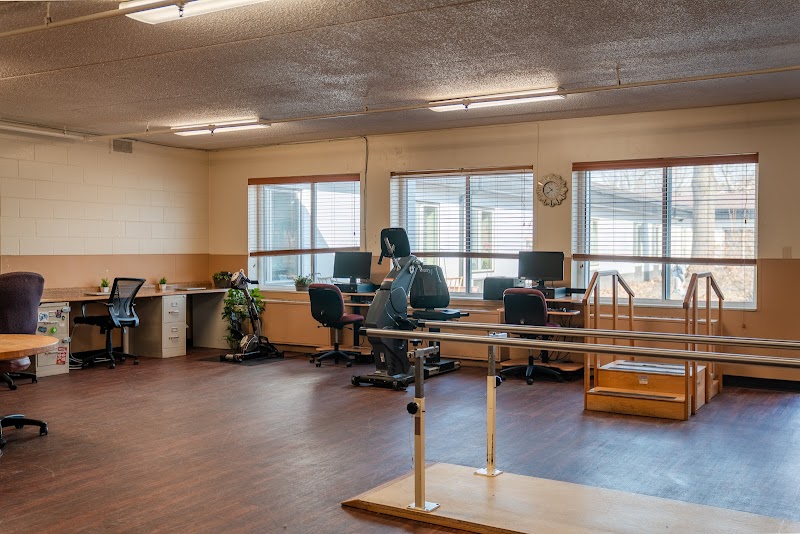
How is Cherry Hill For Nursing And Rehabilitation Staffed?

CMS rates Cherry Hill for Nursing and Rehabilitation's staffing level at 2 out of 5 stars, which is below average compared to other nursing homes. Staff turnover is 52%, compared to the Michigan average of 46%. RN turnover specifically is 60%, which is notably high. RNs provide skilled clinical oversight, so turnover in this role can affect medical care quality.

What Have Inspectors Found at Cherry Hill For Nursing And Rehabilitation?

State health inspectors documented 29 deficiencies at Cherry Hill for Nursing and Rehabilitation during 2022 to 2025. These included: 28 with potential for harm and 1 minor or isolated issues.
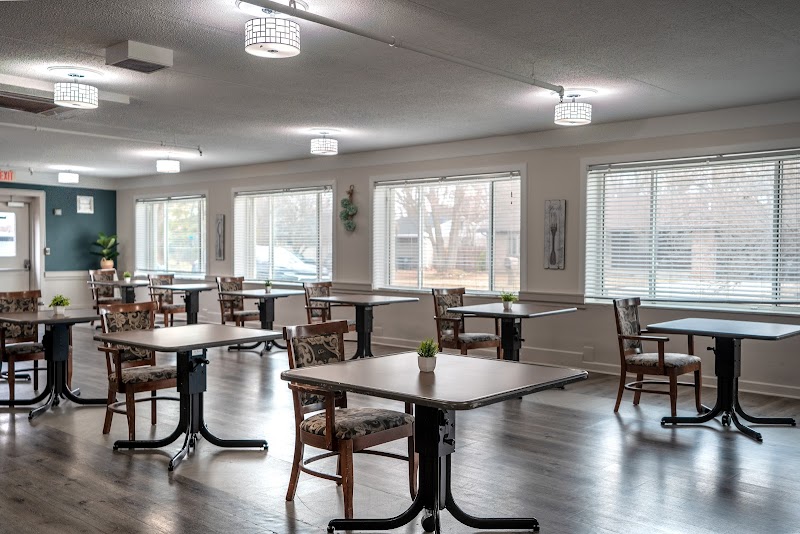
Who Owns and Operates Cherry Hill For Nursing And Rehabilitation?

Cherry Hill for Nursing and Rehabilitation is owned by a for-profit company. For-profit facilities operate as businesses with obligations to shareholders or private owners. The facility is operated by LME FAMILY HOLDINGS, a chain that manages multiple nursing homes. With 127 certified beds and approximately 111 residents (about 87% occupancy), it is a mid-sized facility located in Westland, Michigan.

How Does Cherry Hill For Nursing And Rehabilitation Compare to Other Michigan Nursing Homes?

Compared to the 100 nursing homes in Michigan, Cherry Hill for Nursing and Rehabilitation's overall rating (3 stars) is below the state average of 3.1, staff turnover (52%) is near the state average of 46%, and health inspection rating (3 stars) is at the national benchmark.

What Should Families Ask When Visiting Cherry Hill For Nursing And Rehabilitation?

Based on this facility's data, families visiting should ask: "Can you walk me through typical staffing levels on day, evening, and night shifts?" "Can I visit during a mealtime to observe dining assistance and food quality?" "How do you handle medical emergencies, and what is your hospital transfer rate?" "Can I speak with family members of current residents about their experience?" These questions are particularly relevant given the below-average staffing rating.

Is Cherry Hill For Nursing And Rehabilitation Safe?

Based on CMS inspection data, Cherry Hill for Nursing and Rehabilitation has a clean safety record: no substantiated abuse findings (meaning no confirmed cases of resident harm), no Immediate Jeopardy citations (the most serious violation level indicating risk of serious injury or death), and is not on the Special Focus Facility watch list (a federal program monitoring the lowest-performing 1% of nursing homes). The facility has a 3-star overall rating and ranks #100 of 100 nursing homes in Michigan. While no facility is perfect, families should still ask about staff-to-resident ratios and recent inspection results during their visit.

Do Nurses at Cherry Hill For Nursing And Rehabilitation Stick Around?

Cherry Hill for Nursing and Rehabilitation has a staff turnover rate of 52%, which is 6 percentage points above the Michigan average of 46%. Moderate turnover is common in nursing homes, but families should still ask about staff tenure and how the facility maintains care continuity when employees leave.

Was Cherry Hill For Nursing And Rehabilitation Ever Fined?

Cherry Hill for Nursing and Rehabilitation has no federal fines on record. CMS issues fines when nursing homes fail to meet care standards or don't correct problems found during inspections. The absence of fines suggests the facility has either maintained compliance or corrected any issues before penalties were assessed. This is a positive indicator, though families should still review recent inspection reports for the full picture.

Is Cherry Hill For Nursing And Rehabilitation on Any Federal Watch List?

Cherry Hill for Nursing and Rehabilitation is not on any federal watch list. The most significant is the Special Focus Facility (SFF) program, which identifies the bottom 1% of nursing homes nationally based on persistent, serious quality problems. Not being on this list means the facility has avoided the pattern of deficiencies that triggers enhanced federal oversight. This is a positive indicator, though families should still review the facility's inspection history directly.