Four Seasons Nursing Center of Westland
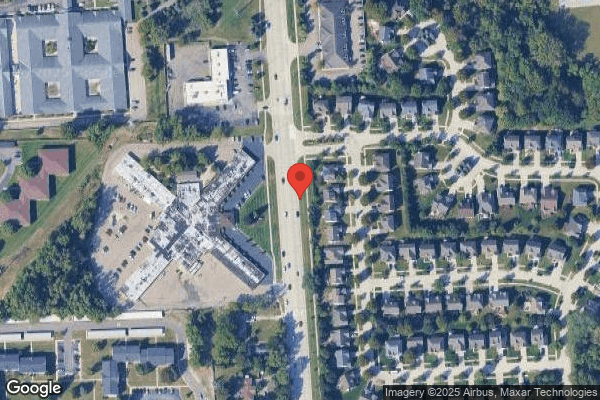
8365 Newburgh Road, Westland, MI 48185 (734) 416-2000
For profit - Corporation 180 Beds OPTALIS HEALTH & REHABILITATION Data: November 2025
Trust Grade
28/100
#199 of 422 in MI
Last Inspection: February 2025

Within standard 12-15 month inspection cycle. Federal law requires annual inspections.

Overview

Four Seasons Nursing Center of Westland has received a Trust Grade of F, indicating significant concerns about the quality of care provided. With a state rank of #199 out of 422 in Michigan, they fall in the top half, although their county rank of #29 out of 63 shows that there are many better options nearby. The facility is worsening, with issues increasing from 7 in 2024 to 15 in 2025. Staffing is a relative strength, earning a 4-star rating with a turnover rate of 40%, which is below the state average, suggesting that staff members are generally stable and familiar with the residents. However, it is concerning that there have been serious incidents, including a failure to respond to a resident’s worsening condition, which led to a hospital transfer for dangerously high blood sugar levels, and a resident suffered a fractured vertebra after a fall during care. Overall, while there are some positive aspects, the facility's serious issues and poor trust grade are significant red flags for families considering this option.
Trust Score
F
28/100
In Michigan
#199/422
Top 47%
Safety Record
High Risk
Review needed
Inspections
Getting Worse
7 → 15 violations
Staff Stability
○ Average
40% turnover. Near Michigan's 48% average. Typical for the industry.
Penalties
○ Average
$15,593 in fines. Higher than 75% of Michigan facilities. Some compliance issues.
Skilled Nurses
○ Average
Each resident gets 40 minutes of Registered Nurse (RN) attention daily — about average for Michigan. RNs are the most trained staff who monitor for health changes.
Violations
⚠ Watch
49 deficiencies on record. Higher than average. Multiple issues found across inspections.
★★★☆☆
3.0
Overall Rating
★★★★☆
4.0
Staff Levels
★★★★★
5.0
Care Quality
★★☆☆☆
2.0
Inspection Score
Stable
2024: 7 issues
2025: 15 issues

The Good

  • 4-Star Staffing Rating · Above-average nurse staffing levels
  • 5-Star Quality Measures · Strong clinical quality outcomes
  • Full Sprinkler Coverage · Fire safety systems throughout facility
  • No fines on record
  • Staff turnover below average (40%)

    8 points below Michigan average of 48%

Facility shows strength in staffing levels, quality measures, fire safety.

The Bad

3-Star Overall Rating

Near Michigan average (3.1)

Meets federal standards, typical of most facilities

Staff Turnover: 40%

Near Michigan avg (46%)

Typical for the industry

Federal Fines: $15,593

Below median ($33,413)

Minor penalties assessed

Chain: OPTALIS HEALTH & REHABILITATION

Part of a multi-facility chain

Ask about local staffing decisions and management

The Ugly 49 deficiencies on record

3 actual harm
Jul 2025 3 deficiencies
CONCERN (D) 📢 Someone Reported This

A family member, employee, or ombudsman was alarmed enough to file a formal complaint

Potential for Harm - no one hurt, but risky conditions existed

Free from Abuse/Neglect (Tag F0600)

Could have caused harm · This affected 1 resident

**NOTE- TERMS IN BRACKETS HAVE BEEN EDITED TO PROTECT CONFIDENTIALITY** This citation pertains to Intake 2569649.Based on observation, interview, and record review, the facility failed to protect one ...

Read full inspector narrative →
**NOTE- TERMS IN BRACKETS HAVE BEEN EDITED TO PROTECT CONFIDENTIALITY** This citation pertains to Intake 2569649.Based on observation, interview, and record review, the facility failed to protect one resident's right (R703) out of one reviewed to be free from mental abuse and verbal abuse by staff.An allegation of staff to resident abuse involving Staff F and R703 was submitted to the state agency around 7/9/25.On 7/30/25 at 9:45 AM, R703 was observed sitting up in their wheelchair in their room. When the resident was asked about the incident involving Certified Nursing Assistant (CNA) F on 7/9/25, they said the nursing assistant came in that morning to empty my catheter bag. I told them to be sure it was closed because it has been leaking. The nursing assistant got smart with me and said she knew how to do her job. So, I called her a B**** and spelled it out to her. We argued. The nursing assistant then proceeded to pull my covers off me and throw them on the floor and threw water at me. I was trying to use my call light to call for help, but she pulled it away from me and put it on the wheelchair where I could not get to it. The nursing assistant then threatened to come and give me a black eye.On 7/30/25 at 11:55 AM, an interview was held with Registered Nurse (RN) H. RN H was asked about the incident on 7/9/25. RN H said the resident requested to see me because they trust me in which I visited the resident in their room. The nurse reported that during morning rounds the nursing assistant came in the room and threw water on them. RN H confirmed they immediately got the Nursing Home Administrator (NHA).On 7/30/25 at 1:45 PM, CNA F was interviewed via telephone. CNA F was asked what happened on the morning of the incident involving R703. CNA F explained they went into the room and turned on the light. R703 said asked to turn the light off. R703 asked to make sure to empty my catheter bag. I explained that it is done every day. R703 started saying, that I don't do s*** and calling me names. R703 kept calling names and I ignored them. The resident started hitting me in the back with the remote control. As I was removing the roommates old water cups, the resident knocked it out of my hand, and it got all on the covers. CNA F explained they then took the remote control from the resident and placed it on the roommate's table, pulled the blankets off them because they were wet. R703 asked, if they were going to get more covers and I told them I am not bringing you covers. I will someone else bring you covers. You can get the cover yourself. and did not go back in the room once they left. On 7/30/25 at 2:45 PM, the Director of Nursing (DON) was interviewed. The DON confirmed the incident between CNA F and R703. When asked what their expectation for residents and abuse. The DON replied, My expectation is that residents will be free from abuse and neglect.R703 medical record was reviewed and revealed the resident was admitted to the facility on [DATE] and had diagnoses of Multiple Sclerosis, Depression, and Type II Diabetes with poly neuropathy. R703's Brief Interview for Mental status assessment dated [DATE] was a 14/15 indicating intact cognition. A review of the Abuse Policy and Procedure dated 5/24/23 revealed, 'Residents have the right to be free from abuse, neglect, exploitation, mistreatment, and misappropriation of resident property. The facility will develop and implement written policies and procedures that include: Screening potential employees and prospective residents. Training new and existing staff on prohibiting, preventing, and identifying abuse, neglect, exploitation, mistreatment, and misappropriation of resident property, reporting procedures, dementia and behavior management. Prohibiting, Preventing, and Identifying abuse, neglect, mistreatment, exploitation, and misappropriation of resident property. Reporting any allegations of abuse, neglect, mistreatment, exploitation, and misappropriation or resident property including reporting a reasonable suspicion of a crime to the State Survey Agency and other officials in accordance with state law. Investigating allegations of abuse, neglect, misappropriation, mistreatment, and exploitation to include protecting residents during the investigation, and taking necessary actions as a result of the investigation. Establishing coordination with the QAPI program.' During the onsite survey, past noncompliance (PNC) was cited after the facility implemented actions to correct the noncompliance which included the following: Element #1 Immediately suspended employee upon notification from resident. Resident was assessed, no injuries noted, and no pain was reported. Physician and family were notified of alleged incident . Resident's roommates were interviewed. Staff statements were taken. Facility Social Work completed 3 days well check visits for Resident. Behavioral Health Psychiatric Services offered to Resident. Police were called, and a report was filed, Detective was assigned, and the case was closed. CNA was given disciplinary action related to Resident Right resulted in Termination. Element #2 1. Interview able residents within the assignment set were queriedElement #31. Facility policy on Resident Rights and Abuse was reviewed and deemed appropriately2 . Facility staff were reeducated on Resident Rights and Abuse Policies was reviewedElement #4 1. Administrator or designee will conduct weekly audits x 4 weeks of random interviewable residents to ensure they have not received rough treatment or inappropriate verbal conversation from staff and have call lights available to them within their reach.2. Administrator or designee will conduct weekly audits x 4 weeks of random staff to ensure proper knowledge of Resident Rights to have call lights within reach and are aware and able to provide examples of to what Verbal Abuse is.Element #51 . Administrator is responsible for overall compliance by 7/16/25Findings will be reviewed and submitted monthly for review and further recommendations until substantial compliance is achieved and maintained. The facility was able to demonstrate monitoring of the corrective action and maintained compliance by 7/16/25.
CONCERN (D) 📢 Someone Reported This

A family member, employee, or ombudsman was alarmed enough to file a formal complaint

Potential for Harm - no one hurt, but risky conditions existed

Quality of Care (Tag F0684)

Could have caused harm · This affected 1 resident

This citation pertains to Intake 1246198Based on observation, interview, and record review, the facility failed to apply compression stockings for one resident (R700) out of two reviewed for following...

Read full inspector narrative →
This citation pertains to Intake 1246198Based on observation, interview, and record review, the facility failed to apply compression stockings for one resident (R700) out of two reviewed for following physician orders. Findings include:A review of Intake called into the State Agency noted R700's legs are swollen and painful.On 7/30/2025 at 9:48 AM, R700 was observed lying in bed. R700 was observed to have heel boots on and nothing else. R700 reported they are supposed to have compression stockings on to help with the swelling in their legs, but the facility staff have only been put them on once or twiceA review of the medical record revealed R700 was admitted into the facility on 3/20/2024 with the following medical diagnoses, Muscle Weakness and Disorder of Muscle. A review of the most recent Minimum Data Set (MDS) assessment revealed a Brief Interview for Mental Status score of 12/15 indicating an impaired cognition. R700 also required staff assistance with bed mobility and transfers.A review of active physician orders revealed the following, please apply (name of compression stockings) to BLE (Bilateral Lower Extremities) .Schedule: on at 6:00 AM and doff (take off) at 10:00 PM. It was noted on the Medication Administration Record (MAR) the compression stockings were signed off by the nurse as having been applied at 6:00 AM on 7/30/2025.On 7/30/2025 at 10:41 AM and 11:48 AM, R700 was observed in bed. No compression stockings were applied or in place to the bilateral lower extremities.At 1:15 PM Licensed Practical Nurse (LPN) C was queried about the resident compression stockings. LPN C was shown the physician's order and confirmed that R700 did not have any on. LPN C went on to say they would try and find some for R700.On 7/30/2025 at 1:48 PM, an interview was conducted with the Director of Nursing (DON). The DON stated they were aware of the issue and reported they expect compression stockings to be applied as ordered.A review of a facility policy titled, Physician and Practitioner Orders did not address following physician orders.
CONCERN (D) 📢 Someone Reported This

A family member, employee, or ombudsman was alarmed enough to file a formal complaint

Potential for Harm - no one hurt, but risky conditions existed

Pressure Ulcer Prevention (Tag F0686)

Could have caused harm · This affected 1 resident

This citation pertains to Intake 2564064Based on interview and record review, the facility failed to prevent the development of an unstageable pressure ulcer (Full-thickness skin and tissue loss in wh...

Read full inspector narrative →
This citation pertains to Intake 2564064Based on interview and record review, the facility failed to prevent the development of an unstageable pressure ulcer (Full-thickness skin and tissue loss in which the extent of tissue damage within the ulcer cannot be confirmed because the wound bed is obscured by slough or eschar) for one resident (R702) out of one reviewed for pressure ulcers. Findings include:A review of Intake called into the State Agency noted R702 admitted into the facility with their skin intact and developed an unstageable pressure ulcer on their coccyx/buttocks while in the facility due to not being turned and repositioned, as well as delayed incontinence care.A review of the medical record revealed R702 was admitted into the facility on 5/7/2025 with the following medical diagnoses, Muscle Weakness and Lymphedema. A review of the most recent Minimum Data Set (MDS) assessment revealed a Brief Interview for Mental Status (BIMS) score of 13/15 indicating an intact cognition. R702 also required staff assistance with bed mobility and transfers.Further review of the admission skin evaluation dated 5/7/2025 noted R702 did not have any skin abnormalities.Further review of progress notes revealed an open area was observed on R702's buttocks 6/4/2025.Further review of a skin evaluation dated 6/11/2025 noted the wound measured 6.4 cm (centimeters) x 3.5 cm x 2.5 with a depth of 0.2 cm with progress of wound noted as deteriorating.On 7/30/2025, an interview was completed with Wound Care Nurse (WCN) A. WCN A reported the day they were doing wound rounds; they were informed that R702 had an open area. WCN A reported they immediately had the wound care physician assess them and put in an order and interventions. WCN A was asked what interventions were put in place for R702 prior to them developing the wound. WCN A reported they implement turning and repositioning for all at risk patients. WCN A reported they are unsure how R702 developed the wound.On 7/30/2025 at 1:52 PM, an interview was conducted with the Director of Nursing (DON). The DON reported they were informed about the wound when the WCN informed them about it. The DON reported they only knew that it was discovered on 6/4/2025 and the WCN saw it immediately and treated it and implemented interventions.A review of a facility policy titled, Skin and Wound Guidelines did not address the prevention of wound development.
Jun 2025 2 deficiencies
CONCERN (D) 📢 Someone Reported This

A family member, employee, or ombudsman was alarmed enough to file a formal complaint

Potential for Harm - no one hurt, but risky conditions existed

Pharmacy Services (Tag F0755)

Could have caused harm · This affected 1 resident

**NOTE- TERMS IN BRACKETS HAVE BEEN EDITED TO PROTECT CONFIDENTIALITY** This citation pertains to Intake MI0015340. Based on interview and record review, the facility failed to ensure appropriate docu...

Read full inspector narrative →
**NOTE- TERMS IN BRACKETS HAVE BEEN EDITED TO PROTECT CONFIDENTIALITY** This citation pertains to Intake MI0015340. Based on interview and record review, the facility failed to ensure appropriate documentation of administration and accountability of controlled substances for one (R903) of four residents reviewed for medication administration. Findings include: Review of a complaint filed with the State Agency included allegations that R903 was admitted for a five-day hospice respite stay and did not receive their medications either at all, or as prescribed, including controlled substances (liquid morphine-for pain and lorazepam-antianxiety). Review of the clinical record revealed R903 was admitted into the facility on 5/27/25 and discharged on 6/1/25. Diagnoses included: encounter for palliative care, multiple sclerosis, pseudobulbar affect, attention-deficit hyperactivity disorder, other seizures, stiff-man syndrome, and diplopia. According to the Minimum Data Set (MDS) assessments, there was only an entry assessment documented and a discharge return not anticipated assessment with an Assessment Reference Date (ARD) of 6/1/25 that was In Progress (incomplete). Review of R903's medication order summary and Medication Administration Records (MARs) from 5/27/25 - 6/1/25 included the following: Lorazepam Injection Solution 2 MG/ML (Milligram/Milliliters) Inject 4 mg intramuscularly as needed (prn) for Anxiety One time Max a day. Per the MAR, there were no prn administrations documented. Lorazepam Oral Tablet 0.5 MG Give 1 tablet by mouth every 8 hours as needed (prn) for Anxiety/Restlessness/Muscle spasm. Per the MAR, there were no prn administrations documented. Morphine Sulfate (Concentrate) Oral Solution 20 MG/ML Give 0.25 ml by mouth every 4 hours as needed (prn) for Pain/SOB (Shortness of Breath). Per the MAR, there were no prn administrations documented. There were no controlled substance records available for review in R903's electronic medical record. On 6/10/25 at 4:55 PM, the Director of Nursing (DON) was requested to provide all controlled substance records for R903, including what was provided at the time of admission and what was provided at the time of discharge. On 6/11/25 at 9:00 AM, the DON provided the controlled substance proof of use records for R903's morphine sulfate and lorazepam and reported the medication was handed off by the EMS (Emergency Medical Staff) staff upon admission and provided to EMS at time of discharge. The DON was asked to review the controlled substance forms to verify the nurse's initials and documentation included on these forms. The following was included on these controlled substance records: Lorazepam 0.5 MG Give 1 tablet by mouth every 8 hours prn for anxiety/restlessness - Amt. Received: 30 tablets; Date Received 5/27/25. The documented removal included: 5/29 0700 (7:00 AM) QTY (Quantity) USED 1 QTY REM (Remaining) 29. Initialed by Nurse 'G'. 5/29 1100 (11:00 AM) QTY USED 1 QTY REM 28. Initialed by Nurse 'G' and another Nurse that was illegible. 5/29 1800 (6:00 PM) QTY USED 1 QTY REM 27. Initialed by Nurse 'G' and another Nurse that was illegible and scribbled out. 5/30 0800 (8:00 AM) QTY USED 1 QTY REM 26. Initialed by Nurse 'G'. 5/30 12P (12:00 PM) QTY USED 1 QTY REM 25. Initialed by Nurse 'G'. 5/30 6P (6:00 PM) QTY USED 1 QTY REM 24. Initialed by Nurse 'G'. 5/30 1800 (6:00 PM) QTY USED 1 QTY REM 23. Initialed by Nurse 'G'. 5/30 11PM (11:00 PM) QTY USED 1 QTY REM 22. Initials illegible and the DON was unable to identify the Nurse's initials. This document was initialed by Nurse 'D' and unknown EMS staff (as reported by the DON on the day of discharge) and was not dated. Morphine Sul (Sulfate) Sol (Solution) 100mg/5mL Give 0.25 ML by mouth Q (Every) 4 hours PRN (As needed) for PAIN/SOB - Amt. Received: 30ML; Date Received 5/27/25. The documented removal included: 5/29 0800 (8:00 AM) QTY USED 0.25 QTY REM 29.75. Initialed by Nurse 'G'. 5/29 1300 (1:00 PM) QTY USED 0.25 QTY REM 29.75. Initialed by Nurse 'G'. 5/29 1700 (5:00 PM) QTY USED 0.25 QTY REM 29.75. Initialed by Nurse 'G'. All of the above entries were scribbled out and marked as ERROR and FULL with Nurse 'G's initials. This document was initialed by Nurse 'D' and unknown EMS staff (as reported by the DON on the day of discharge) and was not dated. None of the above morphine or lorazepam were documented as administered on the MAR (the MAR was left blank); nor were there any progress notes or other documentation to explain why this medication was removed. The progress notes and vital signs documented R903 as having 0 pain and there was nothing identified about the resident having anxiety/restlessness to correspond with the above medication removal. On 6/11/25 at 9:13 AM, the DON reported Nurse 'F' initialed the receipt of the medication upon admission to the facility on 5/27/25 and Nurse 'D' at discharge on [DATE]. The DON reported the other Nurse's initials for the documented removal of the medication was Nurse 'G'. The DON was unable to confirm the third set of initials, acknowledged the illegible initials and multiple error entries for the liquid morphine medication and reported they weren't sure who or why some of the entries had additional illegible initials. When asked why Nurse 'G' would document three removals of the liquid morphine on the same day, at three separate times, then make an scribbled entry of ERROR and FULL if the medication had been removed separately and no documented wasting of the medication, the DON reported maybe the nurse made an error. When asked if the error occurred the first time, how were the other two errors done, the DON offered no further explanation. When asked what the facility's process was for the documentation of removal and administration of controlled substances, the DON reported the nurses should be documenting the administration on the MAR. When asked how it could be determined the resident received the medication if it was documented as pulled but not administered, the DON acknowledged the concern but offered no further explanation. They were requested to provide a copy of the documentation provided and a policy regarding controlled substances. On 6/11/25 at 11:40 AM, Nurse 'G' was attempted to be contacted by phone. There was no answer, and the mailbox was full unable to accept any messages. On 6/11/25 at 11:43 AM, Nurse 'G' was sent a detailed text message to return the call. There was no response from Nurse 'G' by the end of the survey. On 6/11/25 at 12:12 PM, a phone interview was conducted with the Hospice RN (Registered Nurse) Clinical Manager (Nurse 'Q'). When asked about the discrepancies with R903's medications, Nurse 'Q' reported that they could review Nurse 'R's notes from their visit with the resident on 5/29/25. Nurse 'Q' reported Nurse 'R' noted concerns with a seizure medication being found on the floor, need for an updated medication list to be sent to the facility, and that they had spoken to and sent Unit Manager 'B' the updated medication list. On 6/11/25 at 12:45 PM, an interview was conducted with Unit Manager 'B'. When asked about R903's concerns with medication and discussion with the hospice nurse on 5/29/25, Unit Manager 'B' reported they couldn't recall specific details but did recall the hospice nurse was going to get an updated medication list sent over. When asked if that ever happened, Unit Manager 'B' reported that did not and further reported it was later in the day on a Friday, recall there being a lot going on at that time and the resident discharged that Sunday (6/1/25). Unit Manager 'B' was asked to review the controlled substance records and acknowledged the concerns. When asked if they had identified any concerns prior to this review, Unit Manager 'B' reported they had not. They were informed of that this surveyor wanted to conduct an interview with Nurse 'G' but had not responded to phone call, or text message and Unit Manager 'B' reported they had attempted to reach Nurse 'G' at least ten times today and was not responding to them either. Unit Manager 'B' was asked why a nurse would document three separate times of removal of liquid morphine, then document all as an ERROR and FULL if each administration would be documented at the time of removal/administration and there was no documentation of the medication being wasted, Unit Manager 'B' reported they were not able to offer any further explanation as to why that was done. According to the facility's policy titled, Controlled Medication Guidelines dated 3/20/2024: .When the licensed nurse removes the controlled medication from the package, they will document the quantity removed and the quantity left on the Controlled Drug Receipt/Record/Disposition Form. After Administration of the controlled medication the licensed nurse will document the administration on the medication administration record .
CONCERN (D) 📢 Someone Reported This

A family member, employee, or ombudsman was alarmed enough to file a formal complaint

Potential for Harm - no one hurt, but risky conditions existed

Deficiency F0761 (Tag F0761)

Could have caused harm · This affected 1 resident

Based on observation, interview and record review, the facility failed to ensure proper storage and discarding of medications in one of eight medication carts affecting three residents (R906, R907 and...

Read full inspector narrative →
Based on observation, interview and record review, the facility failed to ensure proper storage and discarding of medications in one of eight medication carts affecting three residents (R906, R907 and R908) of three residents reviewed for medication storage. Findings include: On 6/11/25 at 10:28 AM, upon walking onto the Spring Unit, an unlocked medication cart was observed with no licensed staff present. Additionally, the monitor on the top of the cart was left open with personal information in view to anyone that walked by for R907. The medication cart had an insulin pen (Lantus Solostar for R907) stored directly on top of the cart. Upon opening the unlocked top drawer of the medication cart, there were several clear medicine cups with pills in each cup. One of the cups contained five pills (later identified by Registered Nurse, RN 'E', as medication for R906); one cup had a white pill and another cup contained a white pill. At 10:30 AM, RN 'E' was observed exiting a seperate resident's room. When asked about the unlocked cart, open monitor and insulin stored on top of the cart, RN 'E' proceeded to engage the lock and stated another resident needed their help so they just went in. When asked what the protocol was for when they left the medication cart, RN 'E' reported they should've locked the cart before helping the resident. RN 'E' was asked to open the top drawer and when asked about the pill cups in the top drawer and reported they were for R906. When asked to confirm the medications in the cup, RN 'E' identified the medication as Levetiracetam 500 MG (Milligrams), Duloxetine 60 MG, Atenolol 25 MG, Amlodipine 2.5 MG, and Losartan Potassium 100 MG. When asked about the other two cups, RN 'E' reported the other two cups had to be wasted. When asked who they were for and what the pills were, RN 'E' reported one is for R908 it's it's their shaking pill. RN 'E' reported that pill was on the floor so they were going to waste it. When asked why it wasn't wasted immediately, they offered no response. When asked about the third cup of medication, RN 'E' reported it was for R908 they don't get it anymore in the morning so I was going to waste it. When asked why the medication would be removed for administration if the order had been verified as part of the current/acitve medication administration, RN 'E' offered no response. On 6/11/25 at 10:42 AM, an interview was conducted with the Director of Nursing (DON). When informed of the observations of the medication storage and interview with RN 'E', the DON reported that should not have occurred. The DON was asked what their facility's process was for storage and disposal of medication, the DON reported they would have to defer to their facility policy but further reported the medications should not be stored in the cart if not administered, the cart should not have been left unlocked, with insulin stored on the top of the cart. According to the facility's policy titled, Medication and Treatment Storage dated 8/7/2023: .All medications and biologicals will be stored in locked compartments (i.e., medication carts .During a medication pass, medications must be under the direct observation of the person administering medications or locked in the medication storage area/cart .
May 2025 2 deficiencies
CONCERN (D) 📢 Someone Reported This

A family member, employee, or ombudsman was alarmed enough to file a formal complaint

Potential for Harm - no one hurt, but risky conditions existed

ADL Care (Tag F0677)

Could have caused harm · This affected 1 resident

**NOTE- TERMS IN BRACKETS HAVE BEEN EDITED TO PROTECT CONFIDENTIALITY** This citation pertains to Intake MI00153683 Based on observation, interview, and record review, the facility failed to provide n...

Read full inspector narrative →
**NOTE- TERMS IN BRACKETS HAVE BEEN EDITED TO PROTECT CONFIDENTIALITY** This citation pertains to Intake MI00153683 Based on observation, interview, and record review, the facility failed to provide nail care to one (R703) of five residents observed for nail care. Findings include: R703 was admitted on [DATE] with the following relevant diagnoses: Sequelae of Cerebral Infarction (Stroke); Functional Quadriplegia, Anxiety. R703 required substantial staff assistance for all activities of daily living (ADL's) and mobility. On 5/29/2025 at 1:35 PM, an observation of R703's fingernails revealed the nails were very long, about ¾ of an inch beyond the end of the finger and contained debris, some was yellow and some darker in color. On inquiry, R703 revealed they wanted them trimmed and had some anxiety about having them cut, afraid the skin may get nipped. During an interview with Registered Nurse (RN) Dat 2:45 PM, they confirmed the resident's should get regular nail care. An interview with Assistant Director of Nurse (ADON) revealed regular nail care should be carried out as part of ADL's.
CONCERN (D) 📢 Someone Reported This

A family member, employee, or ombudsman was alarmed enough to file a formal complaint

Potential for Harm - no one hurt, but risky conditions existed

Deficiency F0919 (Tag F0919)

Could have caused harm · This affected 1 resident

**NOTE- TERMS IN BRACKETS HAVE BEEN EDITED TO PROTECT CONFIDENTIALITY** This citation pertains to Intake MI00153683 Based on observation, interview and record review facility failed to answer call lig...

Read full inspector narrative →
**NOTE- TERMS IN BRACKETS HAVE BEEN EDITED TO PROTECT CONFIDENTIALITY** This citation pertains to Intake MI00153683 Based on observation, interview and record review facility failed to answer call light in a timely manner for one (R703) of five residents reviewed for timely call lights. Findings include: R703 was admitted on [DATE] with the following relevant diagnoses: Sequelae of Cerebral Infarction (Stroke); Functional Quadriplegia, Anxiety. R703 required substantial assistance for all activities of daily living (ADLs) and mobility. On 5/29/2025 at 1:35 PM, R703 was observed lying in bed. On inquiry R703 reported after activating the call light, it often takes a very long time saying, if I put it on to much they (facility staff) don't like it. On 5/29/25 at 1:51 PM, Registered Nurse (RN) D came in the room making rounds. R703 indicated they needed a brief change and their feet hurt due to being against the footboard. RN D replied they would notify R703's Certified Nurse Assistant (CNA) they needed assistance. ON 5/29/25 at 2:06 PM, CNA B entered the room, turned the call light off and told R703 their assisgned CNA was down the hall conducting rounds and would be with them soon. CNA B did not ask resident what they needed. On 5/29/2025 at 2:24 PM (33 minutes later), CNA A entered room and asked R703 what they needed. R703 indicated they were wet and needed to be changed. At this point, R703 was very anxious about being wet. CNA A told R703 not to be so dramatic and would change and reposition them. An interview with at 2:45 PM, with Registered Nurse (RN) D revealed their expectation for answering call lights is 10 minutes, 20 minutes at most if the CNA is in another room assisting another resident. RN D further indicated when a CNA answers a light they are expected to address the residents needs, not turn it off and leave the room to find the covering CNA, but rather determine what the resident needs and assist them. An interview at 2:55 PM, with Assistant Director of Nurse (ADON) revealed their expectation is the call lights should be answered timely, 10-20 minutes, and the person answering the light should address resident needs.
Feb 2025 7 deficiencies
CONCERN (D) 📢 Someone Reported This

A family member, employee, or ombudsman was alarmed enough to file a formal complaint

Potential for Harm - no one hurt, but risky conditions existed

Quality of Care (Tag F0684)

Could have caused harm · This affected 1 resident

**NOTE- TERMS IN BRACKETS HAVE BEEN EDITED TO PROTECT CONFIDENTIALITY** Based on observation, interview and record review the facility failed to provide timely repositioning for four dependent residen...

Read full inspector narrative →
**NOTE- TERMS IN BRACKETS HAVE BEEN EDITED TO PROTECT CONFIDENTIALITY** Based on observation, interview and record review the facility failed to provide timely repositioning for four dependent residents (R34, R44, R97, R118) of five reviewed for positioning. Findings include: Resident #34 On 02/10/25 at 9:38 AM, 12:29 PM, 1:54 PM, and 2:35 PM, R34 was observed to be on their backside in a specialty bed with the head of the bed elevated around 30-45 degrees and a foam wedge was on the mattress at the foot of bed. On 02/11/25 at 8:10 AM, 8:35 AM, 9:30 AM, and 11:41 AM, R34 was observed to be on their backside in bed and a foam wedge was on the mattress at the foot of bed. The head of the bed was up around twenty or thirty degrees. On 02/11/25 at 12:09 AM, 12:39 PM, and 12:43 PM, R34 was observed to be in bed dressed in a hospital style gown, turned toward the door. A foam wedge was visible behind the torso on the left side. At 12:51 PM, 2:02 PM, and 2:59 PM, the head of the bed was around 45 degrees and the wedge was behind the torso at the left side. R34 leaned over to the right edge of the bed. At 2:01 PM staff entered the room. At 2:02 PM, R34 was observed to be in bed as before with the wedge to the left side. On 02/12/25 at 8:04 AM, R34 was observed to be in bed with the head of the bed up around 45 degrees and the foam wedge was behind the torso at the left side. R34 leaned over to right edge of the bed. A review of the record for R34 revealed R34 was admitted into the facility on [DATE]. Diagnoses included Dementia, Diabetes, Heart Disease and Stroke. A review of the care plan initiated 05/23/19 documented, .has alteration in mobility . reposition in bed or gerichair at least q (every) two hours and prn (as needed) . The Minimum Data Set (MDS) assessment dated [DATE] documented severely impaired cognition, impaired range of motion to the upper and lower extremities on one side, and required substantial or maximal assistance to roll left and right. R34 required substantial or maximal assistance or was dependent for all activities of daily living except eating. Resident #44 On 02/10/25 at 9:53 AM and 12:31 PM, R44 was observed to be on their backside in a specialty bed. On 02/11/25 at 8:20 AM, 9:27 AM, and 11:51 AM, R44 was observed to be on their backside in bed dressed in a hospital style gown. At 12:13 PM, hospice staff entered the room and elevated the head of the bed R44 remained on their backside in bed. At 12:42 PM and 1:45 PM, R44 appeared on their backside in bed with the head of the bed elevated around 45 degrees. A review of the record for R44 revealed R44 was admitted into the facility on [DATE]. Diagnoses included Parkinson's, Pulmonary Disease and Stroke. A review of the care plan initiated 12/18/22 documented a self care deficit and bed mobility was a two person assist and R44 required frequent turning and repositioning. The Minimum Data Set (MDS) assessment dated [DATE] documented impaired cognition, impaired range of motion to one or both the upper and lower extremities, and required substantial or maximal assistance to roll left and right. R34 required substantial or maximal assistance or was dependent for all activities of daily living. Resident #97 On 02/10/25 at 4:01 PM, R97 was observed to be on their backside in bed, dressed in a hospital style gown, their head was on the left corner of the pillow and the body down in the bed. The head of the bed was elevated. R97's legs were flexed in a frog legged position. No positioning devices were visible at the sides. On 02/11/25 at 8:21 AM, 8:55 AM, 11:39 AM, 12:46 PM, and 12:52 PM, R97 was observed to be on their backside in bed with the head of the bed elevated around 45 degrees. R97's legs were flexed in a frog legged position. No positioning devices were visible at the sides. On 02/12/25 at 9:34 AM and 1:52 PM, R97 was observed to be on their backside in bed with the head of the bed elevated around 45 degrees. R97's legs were flexed in a frog legged position. No positioning devices were visible at the sides. A review of the record for R97 revealed R97 was admitted into the facility on [DATE]. Diagnoses included Dementia, Paralysis of the left side, Stroke and Contracture of the Left Knee. The care plan initiated 05/23/20 documented a self care deficit and bed mobility required a two person assist. The risk for pressure ulcer formation care plan documented the need for surface support, pressure redistribution, position changes and offloading. The Minimum Data Set (MDS) assessment dated [DATE] documented severely impaired cognition, impaired range of motion to both the upper and lower extremities, and required substantial or maximal assistance to roll left and right. R97 required substantial or maximal assistance or was dependent for all activities of daily living. Resident #118 On 02/10/25 at 12:00 PM, 12:54 PM, 2:06 PM and 4:06 PM, R118 was observed to be on their backside in bed on a specialty mattress, specialty boots on the feet, and the head of the bed around 20-30 degrees. No devices were observed to position R118. Per a physician note dated 2/6/25, R118 had a pressure wound to the coccyx (tailbone). On 02/11/25 at 11:55 AM, 12:55 PM, 2:06 PM, and 2:33 PM. R118 was observed to be on their backside in bed with the head of the bed around 20-30 degrees. No devices were observed at the sides of the torso to position R118 off the coccyx wound area. The resident did not make any attempts to move. On 02/11/25 at 2:33 PM, Certified Nursing Assistant (CNA) C entered the room of R118. At 2:39 PM, along with CNA C , R118 was observed with no positioning devices seen at the sides of the torso. On 02/11/25 at 2:59 PM, R118 appeared in the same position as before. On 02/12/25 at 10:05 AM, R188 was returned from dialysis to the hallway outside their door. R188 was on their backside in the recliner. On 02/12/25 at 11:27 AM, a wound observation of the coccyx wound was completed with the wound care nurse. R118 was observed to be on their backside in bed. A flat pillow was observed under the left shoulder area of R118. The pillow did not provide any visible turn or position change. A review of the record for R118 revealed R118 was admitted into the facility on [DATE]. Diagnoses included Dementia, Diabetes and Pressure Ulcer of the Sacral (lower back, coccyx) Region. The care plan initiated 03/22/24 documented a self care deficit and bed mobility required a two person assist. The actual pressure injury care plan also documented the need for .frequent turning and repositioning . The Minimum Data Set (MDS) assessment dated [DATE] documented severely impaired cognition, impaired range of motion to both the upper and lower extremities, and R118 was dependent on staff to roll left and right. R118 was dependent for all activities of daily living. On 02/12/25 at 8:11 AM, the Director of Nursing (DON) reported residents unable or who don't reposition themselves should be turned frequently and did not provide specific time frames. It was noted that the standard was to reposition every two hours at least. At 11:14 AM the DON reported repositioning was required even with a specialty mattress in place. A review of the facility policy titled, Repositioning issued 08/09/23 revealed, The purpose of this procedure is to provide guidelines to promote comfort, assist in preventing skin breakdown, promote circulation and provide pressure relief for bed bound and chairbound residents . Resident who are immobile and/or dependent on staff for repositioning should be repositioned at least every two hours .
CONCERN (D)

Potential for Harm - no one hurt, but risky conditions existed

Tube Feeding (Tag F0693)

Could have caused harm · This affected 1 resident

**NOTE- TERMS IN BRACKETS HAVE BEEN EDITED TO PROTECT CONFIDENTIALITY** Based on observation, interview, and record review, the facility failed to administer the correct tube feeding formula for one r...

Read full inspector narrative →
**NOTE- TERMS IN BRACKETS HAVE BEEN EDITED TO PROTECT CONFIDENTIALITY** Based on observation, interview, and record review, the facility failed to administer the correct tube feeding formula for one resident (R119) of four reviewed for tube feeding. Findings include: On 2/10/25 at 9:46 AM, R119 was observed lying in bed. A bottle of Jevity 1.5 tube feeding dated 2/9/25 was observed to be hanging on a pole in their room. On 2/11/25 at 9:19 AM, two bottles of Jevity 1.5 tube feeding, one of which was dated 2/10/25 and the other dated 2/9/25 was observed in the trash can next to R119's bed. A review of R119's record revealed they were admitted to the facility on [DATE] with the following diagnosis: Benign Neoplasm of Meninges (brain tumor) and Dysphagia, oropharyngeal (inability to swallow). Further record review revealed a Brief Interview for Mental Status score of 11 indicating moderate cognitive impairment. A review of R119's physician orders revealed the following: active order dated 1/29/25 Enteral feed two times a day Nutren 2.0 @88ml/hr (milliliters per hour) x 12 hours providing 1056ml (hang 5 pm to 5 am) with autoflush of 80ml/hr x 12 hrs providing 960ml fluids. A second active order dated 1/25/25 Jevity 1.5 55ml/hr provides 1320ml, Flush 30ml to provide 1873ml one time a day for nutrition. A review of R119's Febuary 2025 Medication Administration Record (MAR) revealed both Nutren and Jevity were listed and both marked as given on 2/1/25-2/10/25 A review of R119's progress note revealed the following dietician notes: 1/27/25 Resident readmitted to facility, TF (tube feeding) orders adjusted with plans plans to get resident back to TF orders that (they) were on prior to going out to facility. WIll continue to monitor resident's tolerance of titrating up to goal of 88ml/hr (mililiters per hour) x 12 hrs (hours) with autoflush of 80ml/hr x 12 hrs. Current orders are Nutren 2.0 @65ml/hr x16 hrs with autoflush of 60ml/hr (hang 4pm to 8 am). Resident is noted to have significant weight gain upon returning to facility. Resident did recieve IV (intravenous) fluids in hospital which could have contributed to weight gain. Full nutritional assessment in progress. 1/28/25 Increase feedings to 75ml/hr X 14 hrs providing 1050ml, 2100Kcal, 88gm protein, 726ml free water with autoflush of 70ml/hr x14 hr providing 960ml additional fluids plus 20-30ml with medications, and 150ml q (every) shift-100% needs met via PEG (percutaneous endoscopic gastrostomy). WIll continue to monitor tolerance of new orders. 1/29/25 .Resident is NPO (nothing by mouth) diet order and enteral feedings. ENN (enteral nutrition) is 1900-2100 for wt (weight) gain. Residents goal for enteral feeding is Nutren 2.0 88ml/hr x 12 hrs providing 1056ml, 2112kcal (kilocalories), 88gm (gram) protein, and 739ml fluids with autoflush of 80ml/hr x 12 hrs with 150ml flush q (every) shift and additional fluids of 20-30ml with medications . On 2/12/25 at 9:52 AM, Licensed Practical Nurse (LPN B) confirmed R119 has been getting Jevity 1.5 tube feeding from 5 pm to 5 am daily. After reviewing R119's orders, LPN B confirmed R119 should have been receiving Nutren instead of Jevity and explained both tube feeding orders were active but the order for Nutren was placed by the dietician and was more recent than the order for Jevity. On 2/12/25 at 10:23 AM, The Registered Dietician (RD) explained they write the orders for tube feeding and the formula and rate is calculated based on the individual resident's nutritional needs and R119 was receiving Nutren 2.0 at 88ml/hr for 12 hours to provide their nutritional needs. After reviewing R119's record the RD confirmed there was also an order for Jevity 1.5 that had been entered by a nurse. The RD explained nurses do not typically enter tube feeding orders. After reviewing R119's February 2025 MAR the RD confirmed both Nutren and Jevity were marked as given on 2/1/25-2/10/25. On 2/12/25 at 10:42 AM the Director of Nursing (DON) explained there should only be one order for tube feeding entered by the dietician and that order should be followed. A review of the facility's policy titled Tube Feeding-Formula Administration, Flushing, and Unclogging revealed: Verify physicians order. Prior to administration.
CONCERN (D) 📢 Someone Reported This

A family member, employee, or ombudsman was alarmed enough to file a formal complaint

Potential for Harm - no one hurt, but risky conditions existed

Unnecessary Medications (Tag F0759)

Could have caused harm · This affected 1 resident

Based on observation, interview, and record review, the facility failed to ensure the medication error rate was less than five percent resulting in two medications errors in 32 opportunities for a 6.2...

Read full inspector narrative →
Based on observation, interview, and record review, the facility failed to ensure the medication error rate was less than five percent resulting in two medications errors in 32 opportunities for a 6.25% medication error rate. Findings include: On 02/11/25 at 9:03 AM, a medication pass observation was conducted with Registered Nurse (RN) F for R108. The Lanthanum Carbonate, 1000 mg (milligram) supplement was not available to be given. RN F attempted to pull two calcium carbonate 500 mg tablets and was then asked to review the order. The Lanthanum carbonate was not given. A review of the January 2025 and February 2025 Medication administration record and electronic medical record medication progress notes documented the medication was not given and or not available. The February 2025 MAR documented the medication had been given 19 times. A pharmacy receipt request for the Lanthanum Carbonate was requested and a response via email dated 03/12/25 at 2:14 PM by the Director of Nursing revealed, Discussed again with dialysis regarding this medication - Order was active, but labs drawn on 1/31 at facility indicated normal phosphorus levels and 2/4 labs drawn in dialysis indicated level was low so they continued to monitor and nephrology requested no phosphorous binders so it was not delivered by them. They rounded at facility and indicated medication order should be discontinued and that (R108) should not have received the medication since (their) return from the hospital. On 02/12/25 at 8:22 AM, RN H was observed to prepare medications for R60. RN H dispensed a Sennasides 8.6 mg pill from the over the counter stock instead of the ordered Sennasides with Docusate Sodium 8.6 mg/50 mg pill. On 02/12/25 at 9:52 AM, Licensed Practical Nurse (LPN) I was observed to prepare medications for R40. LPN I dispensed two Sennasides 8.6 mg pills from the over the counter stock instead of the ordered Sennasides with Docusate Sodium 8.6 mg/50 mg pills. On 02/12/25 at 11:14 AM, the medication concerns were reviewed with the Director of Nursing who reported they would check into the concerns. A review of the facility policy titled, Medication Administration issued 08/07/23 revealed, .Medications are administered in accordance with the following rights of medication administration: Right resident, Right medication, Right dose, Right route, Right time and frequency .Read transcribed physician order on the MAR: resident name, medical?on name, dosage, route, and interval ordered . A review of the facility policy titled, Medication Error issued 08/23/23 revealed, .A medication error is defined as the preparation or administration of drugs or biological which is not in accordance with physician's orders, manufacturer specifications, or accepted professional standards and principles of the professional(s) providing services. Examples of medications errors include: Omission - a drug is ordered but not administered. Unauthorized drug - a drug is administered without a physician ' s order. Wrong dose (e.g., Dilantin 12 mL ordered, Dilantin 2 mL given). Wrong route of administration (e.g., ear drops given in eye). Wrong dosage form (e.g., liquid ordered, capsule given). Wrong drug (e.g., vibramycin ordered, vancomycin given) .
CONCERN (D) 📢 Someone Reported This

A family member, employee, or ombudsman was alarmed enough to file a formal complaint

Potential for Harm - no one hurt, but risky conditions existed

Deficiency F0761 (Tag F0761)

Could have caused harm · This affected 1 resident

Based on observation, interview, and record review, the facility failed to ensure medications were dated when opened in two of five medications carts and two of two medication rooms reviewed. Findings...

Read full inspector narrative →
Based on observation, interview, and record review, the facility failed to ensure medications were dated when opened in two of five medications carts and two of two medication rooms reviewed. Findings include: On 02/12/25 at 8:43 AM, the Spring unit front cart was reviewed with Regeistered Nurse (RN) H revealed an Arnuity inhaler was not labeled with a resident identifier and not dated when opened on the inhaler nor the box. On 02/12/25 at 9:01 AM, the Spring unit back cart was reviewed with Licensed Practical Nurse (LPN) J a lispro insulin was not dated when opened and was without a resident identifier. On 02/12/25 at 11:12 AM, the Winter medication storage room was reviewed with LPN K, one tuberculin derivative vial was not dated when opened on the vial nor the box. On 02/12/25 at 11:51 AM, the Summer medication storage room was reviewed with LPN J, one tuberculin derivative vial was not dated when opened on the vial. On 02/12/25 at 11:14 AM, the Director of Nursing (DON) reported the tuberculin vials should be dated when opened. A review of the manufacturer's insert for the tuberculin vial revealed, .Vials in use more than 30 days should be discarded due to possible oxidation and degradation which may affect potency . A review of the prescribing information for the Arnuity Inhaler revealed, Arnuity Ellipta should be stored inside the unopened moisture-protective foil tray and only removed from the tray immediately before initial use. Discard Arnuity Ellipta 6 weeks after opening the foil tray or when the counter reads 0 (after all blisters have been used), whichever comes first .
CONCERN (D) 📢 Someone Reported This

A family member, employee, or ombudsman was alarmed enough to file a formal complaint

Potential for Harm - no one hurt, but risky conditions existed

Infection Control (Tag F0880)

Could have caused harm · This affected 1 resident

**NOTE- TERMS IN BRACKETS HAVE BEEN EDITED TO PROTECT CONFIDENTIALITY** Based on observation, interview, and record review, the facility failed to maintain infection control practices by removing used...

Read full inspector narrative →
**NOTE- TERMS IN BRACKETS HAVE BEEN EDITED TO PROTECT CONFIDENTIALITY** Based on observation, interview, and record review, the facility failed to maintain infection control practices by removing used urinals from overbed tables for three residents (R26, R122, 135) out of three residents reviewed for infection control practices. Findings Include: R26 On 02/10/25 at 9:15 AM, R26 was observed laying in bed watching television and a urinal half filled with yellowish urine sitting on over bed table. The resident was preparing for breakfast. A review of R26's medical record revealed R26 was admitted on [DATE] with diagnoses of atheroscloratic heart disease, muscle weakness, and atrial fibrillation. A review of R26's Minimum Data Set (MDS) assessment dated [DATE] revealed a Brief Interview of Mental status (BIMS) assessment of 15/15 indicating resident is cognitively intact. R22 On 02/10/25 at 9:20 AM, R122 was observed laying in bed watching television with a urinal noted quarter filled with yellowish urine sitting on the over bed table. R122 had recently had breakfast and tray was being being picked up by staff. A review of R122's medical record revealed R122 was admitted on [DATE] with diagnoses of cervical disc disorder and anemia. A review of R122's Minimum Data Set (MDS) assessment dated on 12/26/2024 revealed a Brief Interview of Mental Status (BIMS) assessment of 10/15 which indicated resident had moderate cognitive impairment. R135 On 02/10/25 at 9:30 AM, R135 was observed sitting up halfway in bed in their room. R135 was noted with a urinal filled with yellowish urine sitting on the over bed table. A review of R135's medical record revealed R135 was admitted on [DATE] with the diagnoses of fracture of lower end of right ulna, disorder of the muscle, and osteoarthritis. A review of R135's Minimum Data Set (MDS) assessment dated on 1/08/25 revealed a Brief Interview of Mental Status (BIMS) assessment of 9/15 indicating moderare cognitive impairment. On 2/12/25 at 10:15 AM, an interview was held with the Infection Control Nurse A. Nurse A asked about residents' urinals on over bed table. Nurse A confirmed urinals should not be stored on overbed tables. A review of the facility policy titled, Infection Control - Standard and Transmission-Based Precautions revealed the following: To provide guidelines for standard and transmission-based precautions to control the spread of infection to residents, visitors, and employees .Standard precautons are designed to reduce the risk of transmittng microorganisms from both recognized and unrecognized sources of infection in healthcare settings. Standard precautions are designed to protect both employees and residents from contact with infectious agents. Standard precautions relate to: Blood, Bodily fluids, secretions, and excretions, Non-intact skin, Mucous membranes. Standard precautions include: Hand hygiene (handwashing with soap and water or use of an alcohol-based sanitizer), and Personal protective equipment (PPE) when exposure to blood, body fluids, excretions, and secretions.
CONCERN (D)

Potential for Harm - no one hurt, but risky conditions existed

Deficiency F0919 (Tag F0919)

Could have caused harm · This affected 1 resident

**NOTE- TERMS IN BRACKETS HAVE BEEN EDITED TO PROTECT CONFIDENTIALITY** Based on observation, interview, and record review, the facility failed to ensure call lights were in reach for two (R42, R24) o...

Read full inspector narrative →
**NOTE- TERMS IN BRACKETS HAVE BEEN EDITED TO PROTECT CONFIDENTIALITY** Based on observation, interview, and record review, the facility failed to ensure call lights were in reach for two (R42, R24) of two dependent residents. Findings include: R42 On 02/12/25 at 9:13 AM, R42 was observed to be in a recliner at the nurse's station outside the door to the dining room. At 10:19 AM, R42 was observed to have been returned to bed and changed into a hospital style gown. The call light was tucked under the left edge of pillow for their head. R42 was asked if they could reach the call light. R42 attempted to reach the light with their right hand but was not able to reach the call light. R42 was not able to move their left arm to reach the light. R42 reported it had been affected by a stroke. A review of the record for R42 revealed R42 was admitted into the facility on [DATE]. Diagnoses included Stroke and Heart Disease. The care plan initiated 06/18/20 documented an alteration in mobility related to limited range of motion to the left shoulder. The care plan did not provide an intervention for call light placement. The care plan initiated 12/11/19 documented a self care deficit and the need for feeding assistance with meals, and bed mobility required a two person assist. R24 On 2/10/25 at 9:29 AM, R24 was observed lying in bed with the call light hanging on the wall behind the bed, out of the residents reach. At 12:10 PM, 1:48 PM, and 3:16 PM, R24 was observed in bed with the call light hanging on the wall behind the bed out of reach. When asked if they could reach their call light R24 responded no. When asked what they would do if they needed help, R24 responded I don't know. On 2/11 at 9:27 AM, and 12:31 PM, R24 was observed in bed with the call light hanging on the wall behind the bed out of reach. A review of R24s record revealed they were admitted to the facility on [DATE] with a diagnosis of Unspecified Dementia. Further review of R24s record revealed a Brief Interview for Mental Status (BIMS) score of one, indicating severe cognitive impairment. On 2/12/25 at 10:01 AM, Licensed Practical Nurse (LPN) E confirmed every resident should have call light within reach. On 2/12/25 at 10:42 AM, the Director of Nursing (DON) explained call lights should always be in reach. A review of the facility's policy titled: Call Light Accessibility and Timely Response revealed the following: .Staff will ensure the call light is plugged in, functioning, within reach of residents, and secured, as needed. The call system will be accessible to residents while in their room at bedside as well as in the bathroom and shower room.
CONCERN (F)

Potential for Harm - no one hurt, but risky conditions existed

Deficiency F0805 (Tag F0805)

Could have caused harm · This affected most or all residents

Based on observation, interview, and record review, the facility failed to ensure pureed food items were of the proper consistency. This deficient practice had the potential to affect all 9 residents ...

Read full inspector narrative →
Based on observation, interview, and record review, the facility failed to ensure pureed food items were of the proper consistency. This deficient practice had the potential to affect all 9 residents receiving a pureed diet texture. Findings include: 02/10/25 at 12:15 PM, the lunch tray-line service was observed in the main kitchen. A pan of pureed carrots was observed on the steam table. The mixture was observed with visible small chunks of orange carrot bits, mixed in with a pale orange viscous substance. On 02/10/25 at 12:25 PM, a puree test tray was obtained. A taste test of the pureed carrots revealed small chunks of carrots, that required chewing before swallowing. On 02/10/25 at 12:30 PM, Dietician M and Chef L were shown the pureed carrots and asked if the texture looked acceptable for a pureed diet. Both stated the pureed vegetable was not the proper consistency, and that the vegetable would be pulled from the steam table and re-made. According to an IDDSI (International Dysphagia Diet Standardization Initiative) chart posted in the facility kitchen, for a pureed diet, the appearance should be smooth, and the texture should be like pudding with no lumps.
Jan 2025 1 deficiency 1 Harm
SERIOUS (G) 📢 Someone Reported This

A family member, employee, or ombudsman was alarmed enough to file a formal complaint

Actual Harm - a resident was hurt due to facility failures

Quality of Care (Tag F0684)

A resident was harmed · This affected 1 resident

**NOTE- TERMS IN BRACKETS HAVE BEEN EDITED TO PROTECT CONFIDENTIALITY** This citation pertains to Intake Number MI00149416. Based on interview and record review, the facility failed to address a chang...

Read full inspector narrative →
**NOTE- TERMS IN BRACKETS HAVE BEEN EDITED TO PROTECT CONFIDENTIALITY** This citation pertains to Intake Number MI00149416. Based on interview and record review, the facility failed to address a change in condition in a timely manner for one (R801) of two residents reviewed for changes in condition, resulting in the resident being transferred to the hospital where they were found to have a blood sugar of 1200 (normal range 60-120 mg/dl - milligrams per deciliter), fever, and difficulty breathing requiring mechanical ventilation. Findings include: A review of a complaint submitted to the State Agency (SA) revealed an allegation that R801's family member noticed R801 had swelling in his arms, legs and belly starting around 12/11/24. It was brought to the nurse's attention that R801 was sleeping more and wouldn't wake up fully .was slow to wake and it was not normal . It was documented R801's condition was more noticeable a week prior to resident being sent out to hospital on 1/3/25. The complaint alleged that nobody did anything about R801's change in condition until 1/3/25 when a nurse called to notify the complainant that R801 was not breathing good, was given a breathing treatment, and was sent to the hospital an hour later. It was alleged when R801 got to the hospital, they had sepsis, sugar level was 1200, oxygen level was very low, breathing was not good, eyes were rolling in the back of his head and the resident vomited which went into his lungs. R801 required mechanical ventilation. On 1/10/25 at 12:24 AM, an interview was conducted with one of R801's family members (Family Member 'A') via the telephone. Family Member 'A' reported they visited R801 on 12/21/24, 12/23/24, 12/25/24, 12/26/24, 12/28/24, 12/30/24, and 1/1/25. On 1/1/25, Family Member 'A' reported they spoke with the nurse because R801 appeared swollen, was sleeping a lot, and had no control of his arm. Family Member 'A' reported if they picked up R801's arm, it would fall back down. Family Member 'A' reported the nurse said R801 was not swollen and that a physician would be in on Thursday or Friday to check on the resident (1/2/25 or 1/3/25). It was explained by Family Member 'A' that when they saw R801 on 1/1/25, he looked like he was in pain, was not responding as much, and sleeping more. According to Family Member 'A', the physician came on 1/3/25 but it was too late and he had to be rushed to the hospital. Family Member 'A' said they first noticed a change with R801 on 12/21/25 which was reported to the nurse and multiple Certified Nursing Assistants (CNA). On 12/25/24, he just did not seem right and they had to shake him real hard to wake him up. A review of R801's clinical record revealed R801 was admitted into the facility on 3/9/23, readmitted on [DATE], and discharged to the hospital on 1/3/25 with diagnoses that included: acute kidney failure, type 2 diabetes mellitus, dysphagia (difficulty swallowing), dementia, seizures, hypertension, and aphasia (difficulty speaking). R801 received all nutrition and medication via a Percutaneous Endoscopic Gastrostomy (PEG) tube (a tube inserted into the stomach to deliver nutrition). A review of R801's Minimum Data Set (MDS) assessment dated [DATE], R801 had unclear speech, severely impaired cognition, physical and verbal behaviors, rejected care at times, and was dependent on staff for most activities of daily living (ADLs). A review of R801's progress notes revealed the following: On 12/21/24 at 10:30 AM, Licensed Practical Nurse (LPN) 'C' documented, Resident complained he did not feel like himself and refused to get up this morning x 3, residents vitals signs were taken (they were within normal limits) .will continue to monitor . There were no additional progress notes in the clinical record until 1/3/25. On 1/3/25 at 10:30 AM, LPN 'D' documented, Resident observed in bed with difficulty breathing. Coarse crackles can he heard on inspiration. Resident only responds to painful stimuli. SPO2 (blood oxygen level) 80 (percent), BP (blood pressure) 106/90, P (Pulse) 92, R (respirations) 24, T (temperature) 99.2 (degrees Fahrenheit - F). DR (doctor) notified orders are to transfer to ER (emergency room). family notified. On 1/3/25, Physician 'G' documented, Called by nurse and texted to come to see the patient for acute resp (respiratory) failure, breathing heavy, vitals abnormal, reached and the nurse had suctioned lot of mucus but still patient was breathing at rate of 24-28 and low BP and gurgling, o2 was low around 80-87% on oxygen, neb (nebulizer) treatment given, pt seemed uncomfortable and using accessory muscles, called the floor in charge nurse, called family, called 911 and signed out to them the case and paperwork given to them. 40 minutes with patient . A review of a Hospital Transfer Form for R801 revealed R801 was transferred to the hospital on 1/3/25 at 11:00 AM for Respiratory Infection. R801's vitals at that time were BP 142/96, HR 96, RR 18, Temp 99.8, O2 Sat 89. A review of R801's hospital records revealed R801 arrived at the emergency room on 1/3/25 at 11:35 AM. Further review of the hospital records revealed the following: An Emergency Department Encounter Note dated 1/3/25 revealed, .presents to emergency department with report of altered mental status. Initial report was obtained from EMS (emergency medical services) who states they were called for altered mental status and found the patient essentially unresponsive with severe tachypnea (rapid, shallow breathing), saturating in the 70s. They placed the patient on a nonrebreather mask .glucose read as high and they transported the patient here .Further history was provided later in the stay by patient's sister who states that she has been concerned that his mental status has been declining for several days and he has appeared more bloated .Upon arrival .patient is spontaneously fluttering his eyes but will not track and does not respond to pain. He is tachycardic (elevated heart rate) and profoundly tacypneic with a respiratory rate in the 40s or 50s with very wet lung sounds. He is also hot to the touch with an axillary temperature of 103 degrees (F). Respiratory therapy was present upon arrival and attempted oral suctioning, patient did not gag and thick whitish secretions were removed with some improvement in lung sounds . R801 required intubation because they were concerned that failure to secure his airway would lead to death within hours with high concern for aspiration, possible CHF (congestive heart failure), and sepsis. The note further documented, Soon after intubation, a number of laboratory studies returned confirming high glucose which had been shown earlier however this was greater than 1200 mg/dl with accompanying worsening of renal function, severe hyponatremia (low sodium in the blood. However this could be a typo as (R801's) sodium was elevated per laboratory results) adequate <sic> potassium .need to multiple medications in the setting of septic shock, HHS (Hyperosmolar Hyperglycemic State - a serious complication of diabetes that causes very high blood sugar, dehydration and confusion), and severe acid-base derangements .(antibiotics) were provided for broad-spectrum coverage for presumptive aspiration pneumonia and patient was transferred to the ICU (intensive care unit) in critical condition .I provided a brief recounting of patient's critical condition sharing that he may not survive the hospitalization . A review of R801's vital signs during triage in the ED revealed his temperature was 103.5 degrees F, heart rate was 125 beats per minute, and respiratory rate was 64 breaths per minute. On 1/9/25 at 4:15 PM, an interview was conducted with LPN 'D' via the telephone. LPN 'D' was the nurse assigned to R801 on 1/3/25 when he was transferred to the hospital. LPN 'D' reported when she arrived for her shift (day shift) on 1/3/25, the previous shift nurse reported R801 seemed congested and that he required suctioning. LPN 'D' reported seeing the suction machine at R801's bedside. LPN 'D' said it was reported that R801 was fighting with the CNAs less during care and seemed to have less energy. LPN 'D' reported that during her rounds around 7:00 AM, R801 was observed sleeping. Around 10:00 AM, LPN 'D' found R801 in respiratory distress and explained R801 was congested, had a low pulse ox, and was having a hard time breathing. After R801 was found in that condition, LPN 'D' said she contacted Physician 'G' who asked her to text him what was going on. LPN 'D' reported Physician 'G' said to wait to send R801 out until the family gave consent so the family was contacted. About 40 minutes later, Physician 'G' showed up at the facility and LPN 'D' explained she was unaware he was coming to the facility. Physician 'G' told LPN 'D' to give the resident oxygen which she said she already did and to give R801 a nebulizer treatment. LPN 'D' remembered R801's oxygen was low and his blood sugar was high, but blood pressure was stable. When queried about whether applying oxygen improved the oxygen levels, LPN 'D' reported it did not and so then she gave him the nebulizer treatment. LPN 'D' explained she had to leave the resident to find a mask in order to give the breathing treatment. LPN 'D' said she reported R801's change in condition to the Unit Manager (LPN 'B') and told her she was calling the doctor. Once R801 was evaluated by Physician 'G', the decision was made to send R801 out via 911. LPN 'D' reported that it was within an hour between the time she first discovered R801 had a change in condition and the time the physician arrived and R801 was sent to the hospital. On 1/10/25 at 10:00 AM, an interview was conducted via the telephone with CNA 'F', who was regularly assigned to R801 and worked the midnight shift on 1/2/25. CNA 'F' reported she was very familiar with R801. When queried about any changes that were noticed with R801 leading up to his hospitalization on 1/3/25, CNA 'F' reported around Christmas time R801 seemed like he had a little fever and felt warm so that day she did not get him out of bed. CNA 'F' explained that she notified the nurse on duty and R801 stayed in bed that day and he was okay the following day. When queried about anything unusual on 1/2/25 midnight shift, CNA 'F' said R801 was a little congested and the nurse had to suction him on the morning of 1/3/25. CNA 'F' reported that R801 was sleeping more often that before. On 1/10/25 at 10:42 AM, an interview was conducted via the telephone with Registered Nurse (RN) 'E', who was assigned to R801 on the midnight shift of 1/2/25 going into the morning of 1/3/25. When queried about R801's presentation on the midnight shift of 1/2/25, RN 'E' stated, nothing was unusual during the night, that he slept through the night as usual, and that he typically woke up during morning rounds and did not like to be bothered. RN 'E' reported she usually sees him around 5:00 AM to give him morning medications, but on that day got to him around 6:00 AM. On that day, when RN 'E' took R801's vital signs he just looked at me and was more compliant. According to RN 'E', R801's typical behavior was he fights me when taking vital signs and on 1/3/25, he didn't argue which was not typical behavior for him. RN 'E' reported she did not remember anything abnormal with R801's vital signs. RN 'E' reported R801 had congestion and said that was normal for him. RN 'E' reported R801's mouth was dirty and so she attempted to clean his mouth. The CNA that changed him around 6:30 AM reported that R801 was quieter than normal and was not resistant to care as he often was. When queried about whether R801 required suctioning, RN 'E' reported R801 was trying to spit whatever was in his mouth out, but had difficulty, that she tried to suction R801's mouth, but he clenched his mouth and gripped his teeth and she was unable to suction his mouth. When queried about whether the physician was notified of R801's change in behavior and need to be suctioned, but unable to do it, RN 'E' reported she did not contact the doctor because it was already after 7:00 AM and she was there late. When queried about why she did not document any of the changes and behavior exhibited by R801, RN 'E' reported she documented the vital signs only. On 1/10/25 at approximately 10:55 AM, an interview was conducted with LPN 'B', the unit manager for the Spring Unit where R801 resided. When queried about the unit manager's responsibility during a resident's change in condition, LPN 'B' reported she typically followed up once the event was documented or if a nurse reported something to her, she would let them know what they were supposed to do next. LPN 'B' reported if a nurse asked for help, she would assist. LPN 'B' reported she would follow up during a change in condition, depending on what was going on. When queried about what occurred with R801 on the morning of 1/3/25, LPN 'B' reported she arrived at the facility, looked at the 24 hour report (there was nothing regarding R801 on there), rounded on the [NAME] and Spring unit. At some point, R801's nurse told her the resident was having a change in condition and that she was going to call the doctor. LPN 'B' said she told the nurse to let her know if she needed anything and left the Spring unit to go to the [NAME] unit. About an hour later, LPN 'B' was paged overhead to report to Spring Unit. Physician 'G' was in the hallway and said This nurse needs help now! and said to give R801 intravenous Lasix (a diuretic) which they did not have in the facility and he said to call 911. At that time, LPN 'B' called 911 and got the paperwork ready to transfer R801 to the hospital. When queried about expectations for documenting and/or calling the physician if a resident did not present as usual and/or if they required suctioning, LPN 'B' reported she would have expected a progress note and the physician to be called, as well as a note on the 24 hour report so that any additional monitoring or follow up could be completed. On 1/10/25 at 12:04 PM, an interview was conducted via the telephone with Physician 'G'. When queried about what occurred with R801 on the day he was sent to the hospital, Physician 'G' reported the nurse texted him and reported R801 had trouble breathing, had high respiratory rate, and was gurgling. Physician 'G' reported he ordered suctioning and a breathing treatment and told her to call 911. Physician 'G' said they always want to see if they can stabilize and handle a change in condition in the facility before sending the patient out, but when he saw R801 you could see on his face he was going down. When queried about whether he was notified of R801's need to have his mouth suctioned and that the nurse was unable to do it on the midnight shift of 1/2/25, Physician 'G' reported he was not aware and it was expected that if there were any significant changes, even if vital signs were stable, to contact him to ensure no additional monitoring or treatment was needed. Physician 'G' reported he was always available via text message. On 1/10/24 at approximately 12:15 PM, an interview was conducted with the Director of Nursing (DON). When queried about what the facility's protocol was when a resident had a change in condition, the DON reported the nurse should document a progress note and/or on the change of condition assessment, contact the physician, assess the resident. When queried about the midnight nurse having to suction R801's mouth on the early morning of 1/3/25 and that she said she was unable to, and what should have been done, the DON did not offer a response. When queried about whether LPN 'C' should have contacted the physician on 12/21/24 when R801 presented with not feeling well and not getting out of bed as usual, the DON said based on the documentation, LPN 'C' assessed R801 appropriately. When queried about whether additional monitoring should have been done afterward, the DON did not offer a response. A review of the facility's policy titled, Change in Condition Notification revealed, .The nurse will notify .the resident's physician/practitioner .when there is .A significant change in the resident's physical, mental, or psychosocial status .The nurse will document in the resident's medical record information relative to the resident's change in medical/mental condition or status (i.e. assessment, notifications, interventions, and response) .
Nov 2024 1 deficiency
CONCERN (D) 📢 Someone Reported This

A family member, employee, or ombudsman was alarmed enough to file a formal complaint

Potential for Harm - no one hurt, but risky conditions existed

Quality of Care (Tag F0684)

Could have caused harm · This affected 1 resident

**NOTE- TERMS IN BRACKETS HAVE BEEN EDITED TO PROTECT CONFIDENTIALITY** This citation pertains to Intake: MI00147682. Based on observation, interview, and record review, the facility failed to ensure...

Read full inspector narrative →
**NOTE- TERMS IN BRACKETS HAVE BEEN EDITED TO PROTECT CONFIDENTIALITY** This citation pertains to Intake: MI00147682. Based on observation, interview, and record review, the facility failed to ensure a comprehensive nursing assessment was completed and timely acute care emergent hospital transfer for one Resident (R702) of three residents reviewed for care, when R702 sustained a fall with head trauma and bleeding while taking anticoagulant medication. Findings include: Review of R702's Accident and Incident report, dated 8/19/24 at 3:00 (a.m.), revealed Licensed Practical Nurse (LPN) H was notified by staff that R702 was observed sitting on floor in their room and hit the back of their head on the wall near their bed, sustaining a head laceration. R702 stated they were trying to get up and clean and slipped and fell. The report showed LPN H assessed R 702 for pain and injuries, found R702 had 8/10 pain, and applied a cold compress to back of their head to stop the bleeding. On 11/13/24 at approximately 12:00 p.m., R702 was observed with LPN B in their room. R702's room was clean, and clear of obstacles, with the bed in the low position. R702 was observed dressed, seated in a manual wheelchair with anti-rollback devices. On 11/13/24 at approximately 12:05 p.m., LPN B reported they kept R702 by them when they were passing medications, in line of sight, due to their high fall risk and continued attempts at self-transferring, both before and after they fell on 8/19/24. Review of R702's Minimum Data Set (MDS) assessment, dated 8/16/24, revealed R702 was admitted to the facility on [DATE], with diagnoses including dementia, kidney disease, diabetes, and anxiety. The pain assessment revealed no pain. The medication assessment showed R702 was on an Anti-coagulant (blood thinner) medication. The Brief Interview for Mental Status (BIMS) assessment revealed a score of 4/15, which showed R702 had severe cognitive impairment. Review of R702's progress note, dated 8/19/24 at 3:48 a.m. revealed LPN H observed R702 as alert and oriented when they fell after sustaining the head laceration which was bleeding from a fall. The note further revealed LPN H called the physician answering services and were awaiting a call back from the physician. There was no further mention in R702's progress notes if a call was returned by the physician or physician services. Review of R702's follow-up progress notes, dated 8/19/24, revealed the following: 8/19/24 at 6:14 a.m: R702's representative was contacted, however there was no mention of physician communication or follow up with the physician by LPN H. 8/19/24 at 8:07 a.m.: LPN E observed a laceration to the back of resident's head at the start of their shift. R702 was described as alert with some confusion and requested to be transferred to hospital. LPN E attempted to contact the physician/provider with no response. 8/19/24 at 8:16 a.m.: LPN F assessed R702 had a head laceration that required an acute care transfer (to the hospital) .The medical director was contacted and ordered R702 to be transferred emergently. Review of R702's progress note, dated 8/20/24 at 5:46 p.m., revealed R702 returned from the hospital with a wound on the back of their head, which was closed with staples. Review of R702's hospital report, dated 8/19/24 at 12:53 p.m., revealed, R702 was described as an [AGE] year-old resident with a history of high blood pressure, diabetes, atrial fibrillation (irregular heart rhythm), who was on Eliquis (an anticoagulant medication- blood thinner). The report further revealed R702 presented for evaluation following a fall at the nursing home. R702 was a poor historian who was oriented to her name only. R702 reported they had 10/10 pain with a left-side posterior headache currently, with a right scalp laceration in emergency department. R702 was admitted for further monitoring of decreased hemoglobin (a blood protein carrying oxygen to cells) from baseline while on Eliquis (an anticoagulant medication, a blood thinner, due to the risk of bleeding post head trauma). The diagnostic reports referenced revealed the head CT (head scan) showed no intracranial hemorrhage (brain bleeding) and no spine fracture, with a laceration to the right scalp, repaired with three staples (to close the open wound). Review of R702's hospital after visit summary, dated 8/20/24, revealed R702's Eliquis was discontinued upon discharge back to the nursing home. Review of R702's Electronic Medical Record (EMR) revealed no documentation (including nursing or skin assessment) after R702's fall on 8/19/24 showing the extent of the wound, the amount of bleeding, and how or if the bleeding stopped, given R702 was on Eliquis when they fell. The EMR also showed no physician follow-up until the Unit Manager, LPN F, contacted the Medical Director on 8/19/24 at 8:15 a.m., when orders were received to transfer R702 emergently to the hospital emergency room, over five hours after the head trauma occurred. Review of physician orders, accessed 11/13/24, confirmed R702 was on Eliquis (apixaban) on 8/19/24 when they fell. The Eliquis was started on 5/10/24, and was discontinued on 8/20/24, after R702's fall with head trauma, upon return from the hospital. Review of R702's Care Plan, from August 2024, revealed R702 was at risk for bleeding internally or externally related to medication intake, anticoagulants ., date initiated 05/13/2024. The interventions included to monitor for any signs or symptoms of bleeding and report observations to physician. On 11/13/24 at 12:25 p.m., Unit manager LPN, C was asked about R702's fall on 8/19/24. LPN C reviewed the medical record. LPN C responded, I would have expected [LPN H] to complete a skin assessment, to describe the head laceration wound. LPN C explained if they had not received a response from the physician team for a resident with acute head trauma on a blood thinner, they would have called the Medical Director, per facility protocol. LPN C clarified it was possible R702 may have experienced a head injury with the bleeding and would have needed a head CT scan to rule this out. LPN C stated LPN H should have called the Medical Director, as R702 needed to be sent out emergently, no later than 4:30 a.m. On 11/13/24 at 1:45 p.m., LPN E was asked about R702's fall. LPN E reported when they arrived for their shift a few hours after the incident, R702's CNA (Certified Nurse Aide) reported R702's pillow was filled with blood. LPN E stated R702 had a really big cut on the back of their head. LPN E described they saw an open area on the back of R702's head, with dried blood. LPN E believed R702 needed to be transported to the hospital. LPN E explained, With an open wound to the back of the head, a resident needs to be transferred (to the hospital). LPN E reported they contacted the unit manager, who assisted R702 after the wound was discovered. LPN E clarified the nurse from the prior shift, LPN H, should have sent R702 to the hospital, and reported LPN H had not let them know about R702's head wound. On 11/13/24 at 2:12 p.m. a phone call was placed to interview LPN H. The call was not returned by the survey exit. On 11/13/24 at 2:28 p.m, Unit manager, LPN F, was asked about R702's fall on 8/19/24 during a phone interview. LPN F reported they and LPN G, another unit manager, were asked to observe R702's head wound. LPN F reported R702 was at her baseline cognitively but reported their head hurt, and put their hand on their head, and they saw the open wound. LPN F stated LPN H had been a nurse long enough to know when you can't reach the doctor, you call the Medical Director, per facility protocol, and you use your nursing clinical judgment. LPN F reported afterwards they called LPN H and asked why they had not called the Medical Director and sent R702 out emergently after the fall with an open head wound which was bleeding. LPN F stated they notified the Director of Nursing (DON) after the incident. LPN F clarified a comprehensive nursing assessment including a skin assessment should have been completed per standards of practice to explain the size and depth [of the wound]. LPN F explained, You [the nurse] are supposed to do a skin assessment ., and give a description of how the patient looks, how (R702) was acting . LPN F confirmed a resident on Eliquis, including R702, should have been sent out emergently after sustaining head trauma with an open wound, stating, It could be a slow bleed; we (nursing staff) would never know (without hospital medical diagnostic tests). On 11/13/24 at 3:30 p.m., LPN G was asked about R702's fall. LPN G clarified they recalled R702 had a laceration on top of their head, and they had to call the Medical Director to send R702 to the hospital, as the physician had not responded. LPN G confirmed the laceration appeared to be rather deep, and it looked like [R702] needed sutures, staples, or something (another acute intervention) . LPN G clarified they would have initiated an acute care hospital transfer when the incident occurred. After reviewing R702's EMR from the date and time of the incident, LPN G acknowledged a skin assessment or additional nursing assessment to describe the wound should have been completed by LPN H, and was not found. On 11/13/24 at 4:00 p.m., concerns were reviewed with the DON related to R702 not being sent out emergently after a fall with an open, bleeding head wound (laceration) while being on a blood thinner (Eliquis), the lack of a comprehensive nursing/skin assessment at the time of the incident, and the lack of timely physician response and notification of the Medical Director, per interviews and facility policies. The DON reported they understood the concerns and confirmed LPN H was no longer employed at the facility. Review of the policy, Fall Management Guidelines, dated 12/13/2023, revealed, .Post fall evaluation: If a resident has just fallen or is observed on the floor without a witness to the event, evaluate for possible injuries to the head, neck, spine, and extremities prior to moving the resident .Complete a head-to-toe skin evaluation. If there is evidence of injury, provide appropriate first aide and/or obtain medical treatment immediately .Notify the resident's medical practitioner . Review of the policy, Physician Services, revised 3/20/2024, revealed, .A physician is responsible for supervising the medical care of residents, including but not limited to: .Monitoring changes in the resident's medical status. Providing consultation or treatment when contacted by the facility .Ordering a resident's transfer to the hospital .The facility ensures 24-hour (physician care) if the attending physician is not available to supervise the care of the resident. The attending physician may designate another physician to act on their behalf, if they are not available .The facility medical director may act on their behalf. Review of the policy, Change in Condition Notification, dated 8/09/2023, revealed, It is the policy to notify the resident, his or her attending physician/practitioner .of changes in the resident's medical/mental condition and/or status. The nurse will notify the resident, the resident's physician .when there is: An accident or incident involving the resident which results in an injury and has the potential for requiring physician/practitioner intervention, a need to alter the resident's medical treatment significantly such as .an acute condition .A need to transfer .the resident from the facility .The nurse will document in the resident's medical record information relative to the resident's change in medical/mental condition or status (i.e. assessment, notifications, interventions, and response) .
Oct 2024 3 deficiencies
CONCERN (D) 📢 Someone Reported This

A family member, employee, or ombudsman was alarmed enough to file a formal complaint

Potential for Harm - no one hurt, but risky conditions existed

Free from Abuse/Neglect (Tag F0600)

Could have caused harm · This affected 1 resident

This citation pertains to Intakes MI00147560 and MI00147466. Based on observation, interview, and record review, the facility failed to prevent resident to resident abuse, between two residents (R700 ...

Read full inspector narrative →
This citation pertains to Intakes MI00147560 and MI00147466. Based on observation, interview, and record review, the facility failed to prevent resident to resident abuse, between two residents (R700 and R701) out of three reviewed for abuse. Findings Include: A review of an Incident and Accident (I/A) report for R700 dated 10/10/2024 at 5:19 AM revealed the following, Nursing Description: CNA (Certified Nursing Assistant) reported that resident was wet, and the resident stated that R701 poured water on [them]. Writer asked R701 did [they] pour water on R701, [they] stated, I've been asking (R700) for months to shut the f*** up. Resident Description: Resident stated, R701 poured water on me repeatedly and stated,what are you going to do about this. A review of the medical record revealed R700 admitted into the facility on 8/16/2024 with the following diagnoses, Functional Quadriplegia, Depression, and Anxiety. A review of the Minimum Data Set assessment revealed a Brief Interview for Mental Status score of 13/15 indicating an intact cognition. R700 also required staff assistance with bed mobility and transfers. A review of an Incident and Accident (I/A) for R701 dated 10/10/2024 at 4:45 AM revealed the following, Nursing Description: CNA (Certified Nursing Assistant) reported that resident was wet, and the resident stated that R701 poured water on [them]. Writer asked R701 did [they] pour water on R701, [they] stated, I've been asking (R700) for months to shut the f*** up. Resident Description: I've been asking R700 for months to shut the f*** up. No one has done anything about it, no one cares about my mental health. A review of the medical record revealed that R701 was admitted into the facility on 7/17/2024 with the following diagnoses, Schizophrenia and Muscle Weakness. A review of the Minimum Data Set assessment revealed a Brief Interview for Mental Status score of 14/15 indicating an intact cognition. R701 also required assistance with bed mobility and transfers. On 10/23/2024 at 10:01 AM, an interview was conducted with R700. R700 stated they currently feel safe in the facility and has not seen R701. R700 stated they had just eaten breakfast and did not feel like discussing the incident any further. On 10/23/2024 at 10:07 AM, an interview was conducted with R701. R701 stated they told numerous staff they wanted a new roommate, and no one did anything about it for months. R701 stated after a month of no sleeping because of R700's screaming constantly they went a little wild and poured the water on R700 so they would shut up. R700 stated they are comfortable in their new room and get along with their new roommates. On 10/23/2024 at 1:25 PM, an interview was conducted with the Nursing Home Administrator (NHA). The NHA stated they were notified and R701 was moved to another room immediately. The NHA stated they were unaware of R701 making a complaint regarding R700, only against R701's brother being in the room and being disruptive. A review of a facility policy titled, Abuse revealed the following, Resident's have the right to be free from abuse, neglect, exploitation, mistreatment, and misappropriation of resident property.
CONCERN (D) 📢 Someone Reported This

A family member, employee, or ombudsman was alarmed enough to file a formal complaint

Potential for Harm - no one hurt, but risky conditions existed

Comprehensive Care Plan (Tag F0656)

Could have caused harm · This affected 1 resident

This citation pertains to Intake MI00147570. Based on observation, interview and record review, the facility failed to implement a nutritional care plan intervention for one resident (R702) out of one...

Read full inspector narrative →
This citation pertains to Intake MI00147570. Based on observation, interview and record review, the facility failed to implement a nutritional care plan intervention for one resident (R702) out of one reviewed for nutrition. Findings Include: On 10/23/2024 at 12:48 PM, R702 was observed eating lunch in their room. R702 stated they were making a mess and said they had a method for how to eat their food, which included trying to scoop the food together and take a bite. R702 was observed to have food on their (bib like) towel and the bedside table. Observation of the diet ticket on R702's meal tray stated they were supposed to have a divided plate. R702's food was observed to be on a regular plate. On 10/23/2024 at 12:50 PM, Certified Nursing Assistant (CNA) E was observed removing R702's meal tray. CNA E was asked to observe the meal ticket, as well as the plate R702 was eating off. CNA E stated R702 should have a divided plate, and they were unsure why they did not have one. A review of the medical record revealed R702 admitted into the facility on 7/23/2024 with the following diagnoses, Dysphagia and Multiple Sclerosis. A review of the Minimum Data Set assessment revealed a Brief Interview for Mental status score of 15/15 indicating an intact cognition. R702 also required assistance with bed mobility and transfers. Further review of the nutritional care plan revealed the following intervention, Provide Divided Plate to Help with Self Feeding. On 10/23/2024 at 1:05 PM, an interview was conducted with the Director of Nursing (DON). The DON stated they know R702 was recently seen by speech and had their diet upgraded and they believe the scoop plate was to assist with food being pushed against the side. On 10/23/2024 at 1:43 PM, an interview was conducted with Dietary Manager (DM) F. DM F stated they are unsure how the plate made it out the kitchen and the food should have been on a divided plate. DM F stated it was an oversight. A review of a facility policy titled, Care Plan Comprehensive and Revision revealed the following, Care Plan interventions are chosen only after data gathering, proper sequencing of events, careful consideration of the relationship between the resident's problem areas and their causes, and relevant clinical decision making.
CONCERN (D) 📢 Someone Reported This

A family member, employee, or ombudsman was alarmed enough to file a formal complaint

Potential for Harm - no one hurt, but risky conditions existed

Deficiency F0691 (Tag F0691)

Could have caused harm · This affected 1 resident

This citation pertains to Intake MI00147570. Based on observation, interview, and record review, the facility failed to provide and/or document colostomy care for one resident (R702) out of one review...

Read full inspector narrative →
This citation pertains to Intake MI00147570. Based on observation, interview, and record review, the facility failed to provide and/or document colostomy care for one resident (R702) out of one reviewed for ostomy care. Findings Include: A review of Intake MI00147570 noted the following, Complainant states that there has been skin breakdown around R702's ostomy because they sit in their own waste for extended periods of time. A review of the medical record revealed that R702 admitted into the facility on 7/23/2024 with the following diagnoses, Dysphagia and Multiple Sclerosis. A review of the Minimum Data Set assessment revealed a Brief Interview for Mental status score of 15/15 indicating an intact cognition. On 10/23/2024 at 9:33 AM, an interview was conducted with R702. R702 stated the facility staff do not empty their colostomy as often as they should. R702 stated because the colostomy is not emptied as it should be then it fills and burst and has to be changed frequently. A review of the Treatment Administration Record (TAR) for the month of September revealed the following, Colostomy Care Q (Every) shift and as needed every shift for Colostomy Care Q Shift (Every Shift). Further review showed blank spaces indicating no care was documented on the following days during the AM shift, 9/3, 9/6, 9/12, 9/14, 9/15, 9/17, 9/18, 9/22, 9/25, 9/26, and 9/30/24. A review of the Treatment Administration Record (TAR) for the month of October revealed the following, Colostomy Care Q (Every) shift and as needed every shift for Colostomy Care Q Shift (Every Shift). Further review showed blank spaces indicating no care was documented on the following days during the AM shift, 10/1, 10/5, 10/9, and 10/13/24. On 10/23/2024 at 1:05 PM, an interview was conducted with the Director of Nursing (DON). The DON stated there has been many complaints from R702 regarding their colostomy and emptying it and changing it. The DON stated they have actively been working with R702 to ensure there have been no more problems. The DON stated they also have been working on the documentation as well. A review of a facility policy titled, Ostomy Care-Colostomy and Ileostomy noted the following, Document procedure in the resident's electronic health record.
May 2024 1 deficiency
CONCERN (D) 📢 Someone Reported This

A family member, employee, or ombudsman was alarmed enough to file a formal complaint

Potential for Harm - no one hurt, but risky conditions existed

Accident Prevention (Tag F0689)

Could have caused harm · This affected 1 resident

This citation pertains to Intake M100144631. Based on observation, interview, and record review, the facility failed to implement measures to reduce the risk of a fall with injury for one (R701) of fi...

Read full inspector narrative →
This citation pertains to Intake M100144631. Based on observation, interview, and record review, the facility failed to implement measures to reduce the risk of a fall with injury for one (R701) of five residents reviewed for falls. Findings include: Review of the facility record for R701 revealed an admission date of 05/03/24 and indicated the resident was admitted for short-term rehab following a trigger finger repair surgery. The record indicated the resident was expected to be discharged to an assisted living facility. On 05/29/24 at 9:48 AM, R701 was interviewed in their room and reported they did recall their recent fall. The resident was observed to have a dressing on the right forearm and bruising under their eyes and on their forehead. R701 reported they were transferring from the wheelchair to the bed and they were being assisted by Certified Nursing Assistant (CNA) A. The resident indicated CNA A was holding their pants and when they stood and began to pivot to the bed they fell forward and landed on the floor. When asked if the CNA was wearing a gait belt R701 stated No, [CNA A] had a hold of my pants. Review of recent facility Incident/Accident reports revealed a report confirming R701 sustained a fall on 05/16/24 during which injuries were sustained to their forehead, right forearm and knees. On 05/29/24 at 3:06 PM, CNA A reported they did recall assisting R701 when they recently fell. CNA A reported R701 was visibly wet and needed to be changed so they initiated a transfer from the wheelchair to the bed. CNA A stated rather than completing the transfer they attempted to pull R701's pants down in a standing position and when they did R701 fell forward hitting the wall then falling to the floor. When asked what their understanding was of any facility protocol for using a gait belt during transfers CNA A stated I should have used a belt, it was my fault. Review of R701's Physical Therapy Progress Note dated 05/16/24 indicated R701 required Minimal assistance (up to 25% assistance) for transfers. On 05/29/24 at 3:41 PM, the facility Director of Nursing (DON) reported the expectation is that a gait belt would be used with any resident requiring manual transfer assistance. Review of the facility policy Gait Belt Use dated 08/11/23 revealed the Policy Overview statement To provide a safe working environment focused on resident safety, employee safety and overall injury prevention. To maintain a safe working environment, gait belts shall be used when transferring/lifting and walking a resident, unless otherwise indicated.
Mar 2024 2 deficiencies
CONCERN (D) 📢 Someone Reported This

A family member, employee, or ombudsman was alarmed enough to file a formal complaint

Potential for Harm - no one hurt, but risky conditions existed

Deficiency F0655 (Tag F0655)

Could have caused harm · This affected 1 resident

**NOTE- TERMS IN BRACKETS HAVE BEEN EDITED TO PROTECT CONFIDENTIALITY** This citation pertains to Intake MI00143053. Based on interview and record review, the facility failed to implement a baseline c...

Read full inspector narrative →
**NOTE- TERMS IN BRACKETS HAVE BEEN EDITED TO PROTECT CONFIDENTIALITY** This citation pertains to Intake MI00143053. Based on interview and record review, the facility failed to implement a baseline care plan related to falls and an indwelling catheter upon admission for one resident (R803) of one reviewed for baseline care plans. Findings include: On 3/13/2024 at 9:13 AM, an interview was conducted with Family Member (FM) E. FM E stated that R803 had a fall in the facility that resulted in a broken hip and their foley catheter becoming dislodged. FM E stated that R803 was not admitted into the facility correctly and was not being properly monitored. A review of the medical record revealed that R803 admitted into the facility on 2/10/2024 with the following diagnoses, Difficulty in Walking and Neuromuscular Dysfunction of Bladder. A review of the Minimum Data Set assessment revealed a Brief Interview for Mental Status score of 12/15 indicating an impaired cognition. A review of the nursing assessment dated [DATE] revealed that R803 admitted with an indwelling catheter and was also a moderate risk for falls. Further review of the medical record revealed that the indwelling catheter care plan was not initiated until 2/13/2024 and the fall care plan was initiated on 2/19/2024. On 3/13/2024 at 1:17 PM, an interview was conducted with the Director of Nursing (DON) regarding baseline care plans. The DON stated that the baseline care plan is a part of the nursing admission assessment and if the assessment is not locked then the care plans won't pull over. The DON stated that they are changing the process with new admissions so that is does not happen anymore. A facility policy related to baseline care plans was not received by the end of survey.
CONCERN (E) 📢 Someone Reported This

A family member, employee, or ombudsman was alarmed enough to file a formal complaint

Potential for Harm - no one hurt, but risky conditions existed

Deficiency F0807 (Tag F0807)

Could have caused harm · This affected multiple residents

This citation pertains to intake MI00142546 Based on observation, interview, and record review, the facility failed to pass and /or date water for five of five residents (R804, R805, R806, R807, and R...

Read full inspector narrative →
This citation pertains to intake MI00142546 Based on observation, interview, and record review, the facility failed to pass and /or date water for five of five residents (R804, R805, R806, R807, and R808) reviewed for hydration. Findings Include: R804 On 3/13/2024 at 11:16 AM, R804 was observed laying in bed. Their water cup was beside them on the nightstand. The water was observed to be dated 3/8/2024. On 3/13/2024 at 11:25 AM, an interview was conducted with Registered Nurse (RN) B. RN B was shown the water cup. RN B stated that the water should be passed at the beginning of the shift and as needed. RN B removed the water from the room. R805 On 3/13/2024 at 12:00 PM, R805's water cup was observed dated 3/9/2024. The water cup was observed sitting in a corner. R806 On 3/13/2024 at 12:01 PM, R806's water cup was not dated. The water cup was half full without any ice. R807 On 3/13/2024 at 12:01 PM, R806's water cup was not dated. The water cup was full. R808 On 3/13/2024 at 12:01 PM, R806's water cup was not dated. The water cup was full. On 3/13/2024 at 1:14 PM, an interview was conducted with the Director of Nursing (DON). The DON stated that water should be passed every shift and at the beginning of the shift. The DON stated that they are unsure why water was not passed, and they would have to investigate further. A review of a facility policy titled, Nursing Assistant Responsibilities noted the following, .Keeps residents' water pitchers clean and filled with fresh ice and water (on each shift) and within easy reach of residents.
Dec 2023 9 deficiencies
CONCERN (D)

Potential for Harm - no one hurt, but risky conditions existed

Resident Rights (Tag F0550)

Could have caused harm · This affected 1 resident

**NOTE- TERMS IN BRACKETS HAVE BEEN EDITED TO PROTECT CONFIDENTIALITY** Based on observation, interview and record review, the facility failed to ensure dignity during care for one (R27) of eight resi...

Read full inspector narrative →
**NOTE- TERMS IN BRACKETS HAVE BEEN EDITED TO PROTECT CONFIDENTIALITY** Based on observation, interview and record review, the facility failed to ensure dignity during care for one (R27) of eight residents reviewed for resident rights and dignity. Findings include: Review of the facility record for R27 revealed an admission date of 02/04/19 with diagnoses that included Dementia, Psychotic Disorder with Delusions and Anxiety Disorder. The Minimum Data Set (MDS) assessment dated [DATE] indicated that the resident required primarily total assistance with activities of daily living and demonstrated severe cognitive impairment. On 12/05/23 at 3:39 PM, R27 was observed laying in bed. There was no pillow case on the pillow or laying nearby and therefore the resident's head/face was resting on the plastic pillow covering. The surveyor attempted to interview the resident regarding the sling and they were responsive but not able to communicate functionally during this interaction. On 12/06/23 at 9:13 AM, R27 was observed from the hallway receiving completion of peri-care and having their brief and pants donned by Registered Nurse (RN) J. The resident's door was fully open and the privacy curtain was not pulled exposing the resident during the care from the hallway. On 12/06/23 at 9:26 AM, RN J was asked about the surveyor's observation of R27 being changed/dressed with the curtain and the door open and observable from the hallway. RN J reported that the standard procedure was to provide privacy to the resident and they acknowledged that they had not done so. On 12/06/23 at 12:43 PM, the facility Administrator (NHA) reported that the expectation regarding use of pillow cases is that resident pillows should have a case on unless requested or care planned otherwise. The NHA reported that the expectation regarding resident privacy during personal care is that the curtain should be pulled and the door should be shut, providing full privacy from the hallway. On 12/06/23 at 1:22 PM, the facility Director of Nursing (DON) reported that the expectation regarding pillow cases is that a resident be provided with a pillow case rather than using the plastic uncovered pillow, unless care planned otherwise. The DON reported that the expectation regarding privacy during personal care is that a resident's curtain be pulled and the door shut during provision of personal care in the bed. Review of the facility policy titled Dignity dated 09/21/23 revealed inclusion of the General Guidelines statement Staff promote, maintain and protect resident privacy, including bodily privacy during assistance with personal care and during treatment procedures.
CONCERN (D)

Potential for Harm - no one hurt, but risky conditions existed

Deficiency F0657 (Tag F0657)

Could have caused harm · This affected 1 resident

**NOTE- TERMS IN BRACKETS HAVE BEEN EDITED TO PROTECT CONFIDENTIALITY** Based on observation, interview, and record review the facility failed to revise and implement an intervention on the care plan ...

Read full inspector narrative →
**NOTE- TERMS IN BRACKETS HAVE BEEN EDITED TO PROTECT CONFIDENTIALITY** Based on observation, interview, and record review the facility failed to revise and implement an intervention on the care plan for one resident (R137) from a sample of 10 residents reviewed for care plans following a fall. Findings include: A review of R137's medical record revealed that they were admitted into the facility on [DATE] with diagnoses that included Cerebral Infarction, Dysphagia, Encounter for attention to tracheostomy, Diabetes and Anxiety. Further review revealed a quarterly Minimum Data Set assessment dated [DATE] indicating that the resident was cognitively intact and required total dependence for all Activities of Daily Living. A review of R137's Incident and Accident reports revealed that on 11/20/23, the resident sustained a fall. A review of R137's progress notes revealed the following progress note: 11/30/202310:05 (10:05am) Case Mgnt (management) Note Text: Reviewed by IDT (interdisciplinary team) r/t (related to) recent unintentional change in elevation. The root cause was identified as resident sliding in bed d/t (due to) having an air mattress. The intervention implemented to reduce risk for future falls was dycem (nonskid pad) was applied to [their] bed between the mattress and the sheet. This intervention has proven to be effective. A review of R137's care plan revealed the following: Focus: [R137] is at Risk for Falls and Potential for Injury r/t: Deconditioning, Left sided hemiplegia and psychotropic med use. Date Initiated: 12/24/2022 . Further review of the care plan revealed that there were no new interventions or revision made to the care plan after R137's 11/20/23 fall. On 12/5/23 at 2:49 PM, Unit Manager P and Unit Manager Q were asked to locate the dycem underneath R137 however, upon observation, it was not there. On 12/6/23 at 1:17 PM, the Director of Nursing (DON) was asked about expectations for fall interventions being implemented, and explained that his expectations are that interventions are in place. A review of the facility's Care Plan-Comprehensive and Revision policy was reviewed and revealed the following, Care plan interventions are chosen only after data gathering, proper sequencing of events, careful consideration of the relationship between the resident's problem areas and their causes, and relevant clinical decision making. When possible, interventions address the underlying source(s) of the problem area(s), not just symptoms or triggers. Assessments of residents are ongoing and care plans are revised as information about the residents and the residents' conditions change .
CONCERN (D) 📢 Someone Reported This

A family member, employee, or ombudsman was alarmed enough to file a formal complaint

Potential for Harm - no one hurt, but risky conditions existed

ADL Care (Tag F0677)

Could have caused harm · This affected 1 resident

**NOTE- TERMS IN BRACKETS HAVE BEEN EDITED TO PROTECT CONFIDENTIALITY** R77 On 12/6/2023 on 9:20 AM, R77 was observed in their room. R77 was observed laying in bed with the bed of their raised up. R77...

Read full inspector narrative →
**NOTE- TERMS IN BRACKETS HAVE BEEN EDITED TO PROTECT CONFIDENTIALITY** R77 On 12/6/2023 on 9:20 AM, R77 was observed in their room. R77 was observed laying in bed with the bed of their raised up. R77 was noted to have a breakfast tray in front of them and feeding themselves. R77 was noted to be coughing while eating. No staff member was noted to be in the room. A review of the medical record revealed that R77 admitted into the facility on 9/7/2022 with the following diagnoses, Dementia, Aphasia, and Cerebral Infarction. A review of the Minimum Data Set assessment revealed a Brief Interview for Mental Status score of 1/15 indicating a severely impaired cognition. R77 also required extensive one to two person assist with transfers and bed mobility. A review of R77's speech discharge note revealed the following, Discharge Status and Recommendations .Patient is dependent for all feedings. On 12/6/2023 at 9:25 AM, Registered Nurse (RN) G was brought into the room and was asked if R77 was supposed to be eating alone. RN G stated that R77 is supposed to be a 1:1 feed assistence. On 12/6/2023 at 12:02 PM, an interview was conducted with Speech Language Pathologist (SLP) I. SLP I stated that R77 is dependent for feeding, meaning that they are an 1:1 feed. assistance. On 12/6/2023 at 12:54 PM, an interview was conducted with the Nursing Home Administrator (NHA) regarding their expectations on 1:1 assistance with meals. The NHA stated that is someone is dependent for feeds, then they should be fed. On 12/6/2023 at 1:12 PM, an interview was conducted with the Director of Nursing (DON). The DON stated that if someone is an 1:1 feed then it is in the [NAME] (guide that indicates a residents individualized needs), as well as in their room. Review of a facility policy titled, Activities of Daily Living (ADL) Issued Date: 8.21.2023 was reviewed and stated the following, Policy Overview: .Residents who are unable to carry out activities of daily living independently will receive the services necessary to maintain good .grooming and .personal hygiene. A review of a facility policy titled, Assistance with Meals noted the following, .C. Patient/residents who cannot feed themselves will be fed with attention to safety, comfort and dignity per Plan of Care. This citation pertains to Intakes MI00136173, MI00138504, and MI00138662. Based on observation, interview, and record review the facility failed to provide activities of daily living care (ADLs) for two dependent residents (R9 and R77) of nine residents reviewed for ADL care, resulting in feelings of frustration. Findings include: R9 On 12/4/23 at 10:52 AM, during an initial tour of the facility R9 was interviewed and asked about the care they received at the facility. R9 indicated that they did not receive enough showers. R9 stated, I don't receive showers on my scheduled shower days. On 12/5/23 at 12:02 PM, a thirty day review of R9's shower documentation in their electronic medical record (EMR) revealed that R9's scheduled shower days were Fridays and Tuesdays, and that R9's documented showers during the thirty day review period revealed that R9 had been offered showers on 11/7/23, 11/24/23, and 11/29/23 indicated, Activity did not occur. No other shower documentation was indicated for R9. On 12/5/23 at 12:47 PM, R9's ADL care was reviewed and revealed no observed shower interventions on R9's care plan. On 12/5/23 at 12:49 PM, paper documentation of R9's shower activity over the past thirty days was reviewed and revealed that R9 had been offered showers on 11/7/23, 11/14/23, 11/21/23, and 11/24/23. No other shower documentation was indicated for R9 over the past thirty days. On 12/5/23 at 12:53 PM, further review of R9's EMR revealed that R9 was admitted to the facility on [DATE] with diagnoses that included Type 2 diabetes and Major depressive disorder. R9's most recent minimum data set assessment (MDS) dated [DATE] revealed that R9 had an intact cognition and required extensive one to two person assistance for all ADL's other than eating. On 12/6/23 at 12:09 PM, the administrator (NHA) was interviewed about their expectations for residents showers and documenting the offering of showers to residents. The NHA stated, That has been a work in progress, they should be getting them on their scheduled day or as requested. We are reviewing showers daily and checking with the nurse and aides prior to end of shift to ensure the shower was completed. We are asking that the CNAs (Certified Nursing Assistants) go to the nurse when there is a refusal. We definitely need to improve on it. On 12/6/23 at 12:58 PM, R9 was further interviewed about their ADL care/showers at the facility and stated, I get frustrated when I don't receive my showers. I have a catheter so I need the urine smell cleaned regularly. On 12/6/23 at 1:05 PM, CNA O was interviewed about their ability to complete care tasks for residents. CNA O stated, At times it can be tough. We have high acuity (severity of illness ) residents on this unit.
CONCERN (D)

Potential for Harm - no one hurt, but risky conditions existed

Quality of Care (Tag F0684)

Could have caused harm · This affected 1 resident

**NOTE- TERMS IN BRACKETS HAVE BEEN EDITED TO PROTECT CONFIDENTIALITY** This citation has two Deficient Practice Statements: Deficient Practice Statement #1. Based on observation, interview, and recor...

Read full inspector narrative →
**NOTE- TERMS IN BRACKETS HAVE BEEN EDITED TO PROTECT CONFIDENTIALITY** This citation has two Deficient Practice Statements: Deficient Practice Statement #1. Based on observation, interview, and record review, the facility failed to follow speech recommendations for one residemt (R77) out of two reviewed for speech. Findings include: On 12/6/2023 on 9:20 AM, R77 was observed in their room. R77 was observed laying in bed with the bed of their raised up. R77 was noted to have a breakfast tray in front of them and with a coffe cup, a straw was noted to be in the cup. A sign was observed on the wall that noted R77 was not supposed to have straws. A review of the medical record revealed that R77 admitted into the facility on 9/7/2022 with the following diagnoses, Dementia, Aphasia, and Cerebral Infarction. A review of the Minimum Data Set assessment revealed a Brief Interview for Mental Status score of 1/15 indicating an impaired cognition. R77 also required extensive one to two person assist with transfers and bed mobility. On 12/5/2023 at 9:30 AM, a review of R77's diet order revealed the following, Order Date:9/7/2023 .Order Summary: Regular Diet .Pureed texture,Moderate/Honey consistency, for No Straws,handled cups for all beverages. On 12/6/2023, an additional review of R77's diet order revealed the following, Order Date: 12/5/2023 .Order Summery: .May have straws. On 12/6/2023 at 10:07 AM, an interview was conducted with the Director of Rehabilitation (DOR) H. DOR H stated that they changed the diet order for R77 to have straws. DOR H stated that R77 was discharged from speech services in November and the speech therapist stated that R77 could dhave straws. On 12/6/2023 at 12:02 PM, an interview was conducted with Speech Language Pathologist (SLP) I. SLP I stated that R77 was discharged from speech services in November and that they were able to have straws. SLP I stated that the order and the sign by the bed should have been changed in November when R77 was discharged from services. On 12/6/2023 at 11:54 AM, an interview was conducted with the Nursing Home Amdinistrator (NHA) regarding following speech recommendations. The NHA stated that they believe it was a breakdown in communication and that they will be working on it. On 12/6/2023 at 1:12 PM, an interview was conducted with the Director of Nursing (DON). The DON stated that they looked into what happened and will figure out a better way to communicate speech recommendations. A review of a facility policy titled, Therapy Evaluation did not address following speech recommendations. Deficient Practice statement #2. Based on observation, interview, and record review, the facility failed to timely implement, and document interventions for weight loss, document tube feeding (TF) refusals, and discuss the desire for weight loss with resident and resident's representative for one sampled resident (R137) of two residents reviewed for weight loss. Findings include: On 12/4/23 at 9:12 AM, R137 was observed in bed asleep. Nutren 2.0 was hanging at 83ml/hr (milliliters per hour) ×13hrs with auto flush 50ml/hr×13hrs. A review of R137's medical record revealed that they were admitted into the facility on [DATE] with diagnoses that included Cerebral Infarction, Dysphagia, Encounter for attention to tracheostomy, Diabetes and Anxiety. Further review revealed a quarterly Minimum Data Set assessment dated [DATE] indicating that the resident was cognitively intact and required total dependence for all Activities of Daily Living. Further review of R137's medical record revealed the following progress notes: 9/21/2023 12:01 Case Mgnt (management) Note Text: Reviewed by IDT (interdisciplinary team) r/t (related to) weight loss- [R137] desires weight gain and will have tube feeding increased to meet [their] desires. [R137] was educated that their BMI (body mass index) is where it should be and [R137] states that [they] would prefer to continue gaining weight with a goal of approximately150 lbs. 9/28/2023 12:04 Case Mgnt Note Text: Reviewed r/t weight loss of 20lbs (pounds) over three months to a normal BMI. Tube feeding has been adjust (adjusted) to assist [R137] in gaining weight which is [their] wish even though [their] current BMI is WNL (within normal limits). [R137] has been educated on this topic and chooses to continue to gain weight. Provider is aware of this. Further review of R137's medical record revealed that R137 had triggered for weight loss June 2023 as evidenced by the following progress note: 6/23/202313:44 (1:44pm) Nutrition/Dietary Note Text: Quarterly Nutrition Review: Ht (height): 66 inches; Wt (weight) (6/23): 137# (pounds); BMI (body mass index)= 22.1; indicative of Normal; 30d (days): 153# 5/10; 90d:152# 3/13; 180d: 155.5# 12/16. Significant Wt. Change: yes -18.6# -12.0% in 6 months Diet: NPO (nothing by mouth) Enteral Feeding: Nutren 2.0 78 ml/hour x12 Hours = 936 ml/1872 kcal (kilo calories) Up at 8pm down at 8am; Auto flush 50 ml/hr x 12hours = 600 ml while TF running Labs No new labs; Skin: intact Summary & Recommendations: Resident is NPO Tolerating Tube feeding well. Nutrition Dx (diagnosis): [Blank] RD recommendations: 1. Continue with diet as ordered 2. Continue Tube feeding as ordered 3. Meds/labs as ordered 4. Continue monthly weight tracking RD (registered dietician) to monitor weights, labs, skin condition,and Tube feeding tolerating with no N/V/D/C (nausea, vomiting, diarrhea, constipation) Will review and update CP (care plan). Further review of R137's medical record did reveal that the resident was admitted into the hospital from [DATE] to 6/5/23 for Pneumonia however, R137's hospital paperwork dated 5/29/23 revealed that the resident's weight was 110 pounds upon admission into the hospital. Further review of R137's weights following readmission into the facility revealed the following: 6/23/23: 137 pounds 7/21/23: 137.2 pounds 8/14/23: 137 pounds 9/6/23: 137 pounds A review of R137's care plan revealed the following care plan: Focus: Resident is NPO (nothing by mouth) with all nutrition and hydration provided via feeding tube Dysphagia, with risk of dehydration. June 2023: Resident triggers for a significant weight loss on readmission (x 30 days). Date Initiated: 12/20/2022 . Further review of R137's care plan revealed that there were no new interventions following the resident's weight loss nor was there documentation regarding the resident's desire to lose weight. On 12/6/23 at 11:22 AM, an interview was completed with (RD) Registered Dietician N regarding R137's weight loss. RD N explained that the resident's largest weight loss was in June, and that R137 had been refusing their tube feeding formula because it was giving them hiccups. RD N explained that the resident refused the tube feeding for three months. RD N was asked what type of intervention was put into place to address the weight loss and refusals, and she explained that the resident indicated that they did not want a different tube feeding formula, and did not offer any other explanation. RD N explained that the resident has recently begun to gain weight because the resident and their power of attorney wanted the resident to gain weight, so the tube feeding was increased. RD N was asked who would be documenting refusals, and she indicated that nursing would document refusals and should be entering the milliliters the resident was consuming at a time. A review of R137's Medication Administration Record for May 2023, June 2023, July 2023 and August 2023 revealed no documented refusals for the resident's enteral feeding. On 12/6/23 at 1:17 PM, the Director of Nursing (DON) was asked about the weight loss of R137 and explained the interventions that he has made since entering into the role of DON in which the IDT (Interdisciplinary team) meets, discusses interventions, and reviews the resident's medical record. The DON explained that if there was a problem before, there isn't one now, as all residents are being monitored for weight loss. A review of the facility's Weight policy revealed the following, 1.The facility will utilize a systemic approach to optimize a resident's nutritional status. This process includes: a. Identifying and assessing each resident's nutritional status and risk factors b. Evaluating/analyzing the assessment information c. Developing and consistently implementing pertinent approaches d. Monitoring the effectiveness of interventions and revising them as necessary 2. A comprehensive nutritional assessment will be completed upon admission on residents to identify those at risk for unplanned weight loss/gain or compromised nutritional status. 3. Information gathered from the nutritional assessment and current dietary standards of practice are used to develop an individualized care plan to address the resident's specific nutritional concerns and preferences. 4. Interventions will be identified, implemented, monitored and modified (as appropriate), consistent with the resident's assessed needs, choices, preferences, goals and current professional standards to maintain acceptable parameters of nutritional status .
CONCERN (D)

Potential for Harm - no one hurt, but risky conditions existed

Deficiency F0688 (Tag F0688)

Could have caused harm · This affected 1 resident

**NOTE- TERMS IN BRACKETS HAVE BEEN EDITED TO PROTECT CONFIDENTIALITY** Based on observation, interview, and record review, the facility failed to apply knee braces for one resident (R133) out of two ...

Read full inspector narrative →
**NOTE- TERMS IN BRACKETS HAVE BEEN EDITED TO PROTECT CONFIDENTIALITY** Based on observation, interview, and record review, the facility failed to apply knee braces for one resident (R133) out of two reviewed for range of motion. Findings include: A review of the medical record revealed that R133 admitted into the facility on [DATE] with the following diagnoses, Legal Blindness and Muscle Weakness. A review of the Minimum Data Set assessment revealed a Brief Interview for Mental Status score of 5/15 indicating an moderatly impaired cognition. R133 was also dependent on staff for bed mobility and transfers. A review of the physician orders revealed the following, Frequency: Every Shift. Schedule Type: Everyday. Facility Time Code: 12 Hour Evry Shift. For (Indications for Use): Bilateral Knee Splints to prevent contractures. On 12/4/2023 at 12:25 PM, R133 was observd in bed. No knee braces were seen in place. On 12/5/2023 at 9:00 AM, R133 was observed in bed. No Knee braces were observed in place. On 12/5/2023 at 12:23 PM, R133 was observed in a geriatric chair. No Knee braces were observed in place. On 12/6/2023 at 9:40 AM, R133 was observed in bed with knee braces in place. On 12/6/2023 at 11:54 AM, an interview was conducted with the Nursing Home Adminsitrator (NHA). The NHA confirmed the order for R133 documenting that the braces should be on for twelve hours and off for twelve hours. The NHA stated that it should be a combination of restorative putting them on and nursing taking them off. On 12/6/2023 at 1:12 PM, an interview was conducted with the Director of Nursing (DON). The DON stated that their understanding is that the care plan and [NAME] were resolved because R133 was not tolerating them, however the order was still active. The DON stated that the order should have been discontinued as well. A review fo a facility policy titled, Restorative Nursign Programs revealed the following, It is the policy of this facility to provide maintanence and restorative services designed to maintain or improve a resident's abilities to the highest practicable level.
CONCERN (D)

Potential for Harm - no one hurt, but risky conditions existed

Deficiency F0761 (Tag F0761)

Could have caused harm · This affected 1 resident

**NOTE- TERMS IN BRACKETS HAVE BEEN EDITED TO PROTECT CONFIDENTIALITY** Based on observation, interview, and record review, the facility failed to maintain medications in a safe manner for one sampled...

Read full inspector narrative →
**NOTE- TERMS IN BRACKETS HAVE BEEN EDITED TO PROTECT CONFIDENTIALITY** Based on observation, interview, and record review, the facility failed to maintain medications in a safe manner for one sampled resident (R254) of one reviewed for medication storage. Findings include: On 12/4/23 at 9:04 AM, R254 was observed sitting up in bed eating breakfast. A medication cup full of medications were observed sitting on their overbed table. R254 was asked about the medications, and stated that they would take the medications after they finished their breakfast. R254 was asked how many medications they had to take, and was observed to count the medications indicating that there were eight medications, including a large potassium pill that needed to be melted. On 12/4/23 at 9:55 AM, R254 was observed to still have the medication cup sitting on their overbed table with one pill remaining in the cup. A review of R254's medical record revealed that the resident was admitted into the facility on [DATE] with diagnoses that included Acute Kidney Failure, Muscle Weakness, and Hyperlipidemia. Further review of the resident's medical record revealed that the resident was cognitively intact and required 1 person assist for bed mobility, dressing, and personal hygiene. Further review of R254's medical record revealed a December Medication Administration Record revealed that all eight of the resident's medications had been administered at 9:00 AM. Further review of R254's medical record revealed that the resident did not have an assessment or any documentation noting that they were able to safely self-administer their own medications. On 12/6/23 at 1:17 PM, the Surveyor explained the observations of medications at the resident's bedside to the Director of Nursing, and asked for his expectations medication administration. He explained that his expectation is that nurses remain with residents until their medications are taken. A review of the facility Medication and Treatment Storage policy revealed the following, During a medication pass, medications must be under the direct observation of the person administering medications or locked in the medication storage area/cart .
CONCERN (D) 📢 Someone Reported This

A family member, employee, or ombudsman was alarmed enough to file a formal complaint

Potential for Harm - no one hurt, but risky conditions existed

Deficiency F0804 (Tag F0804)

Could have caused harm · This affected 1 resident

**NOTE- TERMS IN BRACKETS HAVE BEEN EDITED TO PROTECT CONFIDENTIALITY** This citation pertains to Intakes MI00138504 and MI00138662 Based on observation, interview, and record review, the facility fa...

Read full inspector narrative →
**NOTE- TERMS IN BRACKETS HAVE BEEN EDITED TO PROTECT CONFIDENTIALITY** This citation pertains to Intakes MI00138504 and MI00138662 Based on observation, interview, and record review, the facility failed to ensure that food was served in a palatable manner and at the preferred temperature for two residents (R9 and R116) of four residents reviewed for food palatability, resulting in dissatisfaction during meals. Findings include: On 12/4/23 at 10:47 AM, during an initial tour of the facility R9 was interviewed about the palatability of the food at the facility and indicated that their food was, Frequently cold. On 12/4/23 at 1:24 PM, R116 was interviewed about the palatability of the food at the facility and indicated that the food didn't taste good and was cold. An observation of R116's lunch meal revealed that R116 had eaten their hamburger patty, their hamburger bun and french fries were uneaten on their plate. R116 was asked about the uneaten food on their plate and stated, The french fries are cold and hard as a rock. On 12/5/23 at 12:32 PM, a random food tray selected off of the food cart on the 100 unit was temperature tested by Registered Dietician (RD) N and the results were the following: Grilled ham and cheese sandwich: 100 degrees Fahrenheit. Other items on the food tray included coffee, whole milk, and canned peaches. RD N was interviewed and asked what temperature they would prefer for the sandwich. RD N stated, It's like toast, it's hard to keep warm. RD N was further questioned about the desired temperature for the sandwich and stated, I like it to be above 100 degrees Fahrenheit. RD N was requested to taste the sandwich, which they did, and indicated that the sandwich tasted, Okay. On 12/5/23 at 12:37 PM, the grilled ham and cheese sandwich was taste tested by the surveyor and the results revealed that the sandwich was tepid which negatively impacted the taste. On 12/5/23 at 12:53 PM, a review of R9's electronic medical record (EMR) revealed that R19 was admitted to the facility on [DATE] with diagnoses that included Type 2 diabetes and Major depressive disorder. R19's most recent minimum data set assessment (MDS) dated [DATE] revealed that R9 had an intact cognition. On 12/5/23 at 12:58 PM, a review of R116's EMR revealed that R116 was admitted to the facility on [DATE] with diagnoses that included Dementia and Muscle weakness. R116's most recent minimum data set assessment (MDS) dated [DATE] revealed that R9 had a moderately impaired cognition. On 12/6/23 at 12:09 PM, the administrator (NHA) was interviewed about food palatability and food temperature at the facility and stated, Obviously we want to get the trays down as quick as possible. We are trying to get the residents up more for meals. Since I have been here, we have been trying to get more residents in the dining room. On 12/6/23 at 1:30 PM, a facility policy titled Trayline Food Temperature Issue Date: 6/3/2005 was reviewed and stated the following, Policy: It is the policy of this facility to serve food at acceptable temperatures that deter bacterial growth .Procedures: 3. Hot foods .shall be held at or above 140 degrees Fahrenheit .
CONCERN (F)

Potential for Harm - no one hurt, but risky conditions existed

Food Safety (Tag F0812)

Could have caused harm · This affected most or all residents

On 12/04/23 at 9:05 AM, during the initial kitchen tour the meat slicer was observed to have a significant amount of old residual meat hung up on the blade and laying on other parts of the slicer as w...

Read full inspector narrative →
On 12/04/23 at 9:05 AM, during the initial kitchen tour the meat slicer was observed to have a significant amount of old residual meat hung up on the blade and laying on other parts of the slicer as well as around it on the base table. The facility Dietary Manager (CDM) reported that the slicer had not been cleaned from the previous evening. On 12/06/23 at 12:34 PM, the CDM reported that, regarding the soiled meat slicer observed during the initial kitchen tour, the expectation is that the slicer would be cleaned after the current use is completed and by the end of the shift of its use at the latest. Review of the facility policy titled Kitchen Sanitation to Prevent the Spread of Viral Illness dated 02/21/23 revealed the Guidelines item: 6. All other food contact surfaces and equipment shall be washed, rinsed and sanitized per USDA Food Code recommendations. Review of the FDA Poster Document Keep Commercial Deli Slicers Safe revealed the instruction statement Clean and sanitize deli slicers per manufacturer's instructions at least once every four hours in order to prevent the growth of disease-causing bacteria. Deficient practice statement #2. Based on observation and record review, the facility failed to ensure proper label and dating of food brought from outside the facility for residents residing on the Winter unit, resulting in the increased potential for foodborne illness. This deficient practice has the potential to affect all residents that store food in the resident refrigerator. Findings Include: On 12/5/2023 at 9:03 AM, an observation of the Winter unit medication room was completed. Upon inspection of the resident freezer, three bags of frozen food were observed. A name and room number were observed on one bag of frozen food, no date. No name or date were observed on the other two bags. All three bags were noted to be opened. On 12/5/2023 at 9:06 AM, an interview was conducted with Unit Manager (UM) Q. UM Q was shown the undated and unlabeled items. UM Q stated that the items should have been labeled and dated and took the items out of the freezer. On 12/6/2023 at 11:54 AM, an interview was conducted with the Nursing Home Administrator (NHA). The NHA was queried regarding their protocol for outside food. The NHA stated that any food brought from outside should be labeled with the resident's name and dated. The NHA stated that it should be discarded within 48-72 hours. A review of a facility policy titled, Outside Food Policy noted the following, When families bring in food for our residents, the facility will provide safe storage as defined by the FDA Code. All food items provided by families will be labeled and dated, stored properly, and used within an acceptable timeframe. This citation has two deficient practices. Deficient practice statement #1. Based on observation, interview, and record review the facility failed to maintain sanitary conditions in the kitchen resulting in an increased potential for cross contamination of food and foodborne illness, potentially affecting 144 residents who receive meal services (7 nothing by mouth residents, or NPO) out of the facility's total census of 151 residents. Findings include: 1. On 12/5/23 between 9:45 AM, and 10:47 AM, the following non-food contact surfaces in the kitchen were observed soiled and with visible debris on their surfaces: On the doors of the cook's reach in refrigerator. On the flooring in the dry storage room. On the walls and flooring behind the juice machine. On the floor of the walk-in cooler and its shelving. On the lower interior portion of refrigerator #1. On the flooring throughout the kitchen. On 12/5/23 at 10:50 AM, upon interview with Dietary Manager, staff A, on if the facility keeps daily cleaning logs for tasks to be completed to which they replied, Yes. We have sign off sheets for our daily cleaning tasks. I can email them to you. On 12/6/23 at 8:42 AM, record review of a document titled, Routine cleaning and disinfection dated 8/ 2022, revealed a system in place to ensure a clean and sanitary environment in the kitchen. At the time of the survey team's exit, no additional cleaning schedule documenting verification of the daily cleaning tasks required to be completed was received to review. Review of 2017 U.S. Public Health Service Food Code, Chapter 4-601.11, Equipment, Food-Contact Surfaces, Nonfood-Contact Surfaces, and Utensils, directs that: (A) Equipment food-contact surfaces and utensils shall be clean to sight and touch. (C) NonFOOD-CONTACT SURFACES of EQUIPMENT shall be kept free of an accumulation of dust, dirt, FOOD residue, and other debris. 2. On 12/5/23 at 10:57 AM, at 11:23 AM, and at 11:49 AM, the lack of hand washing was observed as Dietary Manager, staff B, was observed not washing their hands prior to donning gloves while conducting meal preparation tasks for the ham and cheese sandwiches served for the days lunch. On 12/5/23 at 11:43 AM, Dietary aide, staff C, was observed removing their gloves after handling dirty dishes and without washing their hands began handling clean dishes and utensils. On 12/5/23 at 12:27 PM, Dietary aide, staff D, was observed donning gloves prior to washing their hands while handling refrigerator door handles, touching their face, cambro lids, vegetables, a cutting board, and two food preparation counters. On 12/5/23 at 12:16 AM, and at 12:23 AM, Cook, staff F, was observed not washing their hands between removing and donning gloves while conducting food preparation. On 12/5/23 at 12:03 PM, Cook, staff E, was observed donning gloves after touching food trays, prep counters, the steam table, thermometers, and their clothing prior to handwashing. On 12/5/23 at 11:40 AM, upon interview with Dietary Manager, staff A, the surveyor inquired the hand hygiene expectations for staff when they choose to use gloves as a hand barrier to which they replied, wash their hands before they put them on. At this time the surveyor inquired if they could email a copy of the facility's glove use policy to which they replied, sure, I will get it emailed to you. On 12/6/23 at 10:04 AM, record review of a document entitled, Kitchen Sanitization to Prevent the Spread of Viral Illness dated 2/2023 revealed the requirement that, When using gloves, always wash hands before touching or putting on new gloves. Review of the U.S. Public Health Service 2013 Food Code, Chapter 2-301.14 When to Wash directs that: FOOD EMPLOYEES shall clean their hands and exposed portions of their arms as specified under § 2-301.12 immediately before engaging in FOOD preparation including working with exposed FOOD, clean EQUIPMENT and UTENSILS, and unwrapped SINGLE-SERVICE and SINGLEUSE ARTICLES and: and contamination and to prevent cross contamination when changing tasks; (H) Before donning gloves for working with FOOD; and (I) After engaging in other activities that contaminate the hands. 3. On 12/5/23 at 11:43 AM, Cook, staff E, was observed plating meals from the steam well for the days lunch service. At this time the surveyor inquired with staff E if they had the opportunity to take temperatures prior to serving to which they replied, no, we just take them out of the oven and put them in the steam well. On 12/5/23 at 11:44 AM, the surveyor asked staff E if they wouldn't mind taking temperatures before plating the next meal to verify the foods proper holding temperatures to which they replied, sure. On 12/5/23 at 11:47 AM, staff E began taking temperatures of food products in the steam well via a thermometer probe revealing a temperature of 124 degrees F for the Ham and cheese sandwiches. At this time the surveyor asked staff E what they would normally do in a situation like this to which they replied, I'm not sure what you mean. Upon overhearing this, Dietary Manager, staff A, stated, we need to pull it and reheat it on the stove to 165 degrees F before we can serve any more of it. Let the staff know they will have to wait a minute. At this time staff A asked Dietary Manager, staff B, what there final cooking temperature was on this tray to which they replied, I don't know, I just took them off the cook top and placed them in the hot holding cart. On 12/5/23 at 11:51 AM, upon record review by the surveyor and staff A of the kitchen's temperature log, the final cooking temperature of the sandwiches revealed no temperature had been recorded, along with all the other foods for the days lunch and breakfast. At this time staff A told staff E and staff B to, throw out that tray of sandwiches. We need to make new. You know we need to take our temps. Review of 2013 U.S. Public Health Service Food Code, Chapter 3-501.16 Time/Temperature Control for Safety Food, Hot and Cold Holding directs that: (A) Except during preparation, cooking, or cooling, or when time is used as the public health control as specified under §3-501.19, and except as specified under (B) and in (C ) of this section, TIME/TEMPERATURE CONTROL FOR SAFETY FOOD shall be maintained: (1) At 57oC (135oF) or above, except that roasts cooked to a temperature and for a time specified in 3-401.11(B) or reheated as specified in 3-403.11(E) may be held at a temperature of 54oC (130oF) or above; P or (2) At 5ºC (41ºF) or less. P 4. On 12/5/23 between 10:22AM, and 10:58 AM, the following storage observations were made in the kitchen: An employee beverage was observed on a prep table touching a ham and cheese sandwich. An employee beverage was observed on a shelf above the steam table serving line. A N-95 mask was observed on a shelf above the steam table serving line. A pair of eyeglasses were observed stored above ham and cheese sandwiches and next to food ingredients. A cellphone was observed stored above ham and cheese sandwiches and next to food ingredients. A cell phone was observed stored next to cans of food in the dry goods storage room. An opened energy drink and an unlabeled Tupperware container were observed stored over and next to food items in refrigerator #1. On 12/5/23 at 10:59 AM, upon interview with Dietary Manager, staff A, on what their expectations are for the storage of these items at the facility they stated, they should have masks on their faces, and cell phone should not be out in the kitchen. They have lockers and a break area that they aren't using, I will get our policy. On 12/6/23 at 9:49 AM, review of documents in an email entitled, Kitchen Sanitization to Prevent the Spread of Viral Illness dated 2/2023 revealed that the facility has a policy in place to ensure that employee personal belongings are stored in designated storage areas only. Review of 2017 U.S. Public Health Service Food Code, Chapter 6-403.11 Designated Areas directs that: (A) Areas designated for EMPLOYEES to eat, drink, and use tobacco shall be located so that FOOD, EQUIPMENT, LINENS, and SINGLE-SERVICE and SINGLE-USE ARTICLES are protected from contamination. 5. On 12/5/23 at 1:05 PM, Dietary aide, staff D was observed unwrapping a head of lettuce, placing it on a cutting board and cutting it in half. On 12/5/23 at 1:06 PM, upon observation the surveyor inquired with staff D if the facility has any fruits or vegetables that are pre-washed to which they replied, No. I was just getting ready to wash it. On 12/5/23 at 1:09 PM, staff D was observed unpacking grape tomatoes, placing them on the same cutting board and cutting them in half without rinsing them off first prior to placing them in salad bowls. 12/5/23 at 1:13 PM, staff D was observed placing cucumbers on the same cutting board and cutting them without rinsing them off first prior to placing them in salad bowls. Review of 2017 U.S. Public Health Service Food Code, Chapter 3-302.15 Washing Fruits and Vegetables, directs that: (A) Except as specified in (B) of this section and except for whole, raw fruits and vegetables that are intended for washing by the CONSUMER before consumption, raw fruits and vegetables shall be thoroughly washed in water to remove soil and other contaminants before being cut, combined with other ingredients, cooked, served, or offered for human consumption in READY-TO-EAT form. 6. On 12/5/23 at 11:31 AM, a container with a label stating Hamberger and a container with a label stating Mash potatoes with the dates of 12/4/23 - 12/6/23 on their lids were observed in the cook's reach-in refrigerator. At this time, upon interview with Dietary Manager, staff A, on if the facility prepares food products in advance and then cools them down for later use, they replied, sometimes. On 12/5/23 at 11:33 PM, the surveyor inquired with staff A on if the facility keeps cooling logs for the items they cool down for later use to which they replied, no, we don't have a log. At this time the surveyor then followed up by asking staff A how the facility would normally handle food items such as these if they could not verify the foods were properly cooled to ensure the foods safety to which they replied, I see your point, I guess we will need to start using a cooling log and throw things out if we don't. Review of U.S. Public Health Service 2017 Food Code, Chapter 3-501.15 Cooling Methods, directs that: (A) Cooling shall be accomplished in accordance with the time and temperature criteria specified under § 3-501.14 by using one or more of the following methods based on the type of FOOD being cooled: (1) Placing the FOOD in shallow pans; Pf (2) Separating the FOOD into smaller or thinner portions; Pf (3) Using rapid cooling EQUIPMENT; Pf (4) Stirring the FOOD in a container placed in an ice water bath; Pf (5) Using containers that facilitate heat transfer; Pf (6) Adding ice as an ingredient; Pf or (7) Other effective methods.
CONCERN (F) 📢 Someone Reported This

A family member, employee, or ombudsman was alarmed enough to file a formal complaint

Potential for Harm - no one hurt, but risky conditions existed

Infection Control (Tag F0880)

Could have caused harm · This affected most or all residents

**NOTE- TERMS IN BRACKETS HAVE BEEN EDITED TO PROTECT CONFIDENTIALITY** R57 On 12/4/23 at 9:40 AM during the inital tour of facility, R57 was observed lying in the bed in their room. When asked R57 if...

Read full inspector narrative →
**NOTE- TERMS IN BRACKETS HAVE BEEN EDITED TO PROTECT CONFIDENTIALITY** R57 On 12/4/23 at 9:40 AM during the inital tour of facility, R57 was observed lying in the bed in their room. When asked R57 if they had any concerns, R57 replied, My roommate has COVID but I have not tested positive yet. Upon observation, there was a sign on the door and a container outside the door with masks and some personal protection equipment. On 12/5/23 at 11:00 AM, R57 stated to surveyor, My roommate has been moved to another room. R139 On 12/4/23 at 9:25 AM during the inital introduction to residents, R139 was observed lying in the bed in their room. R139 was asked, How are you feeling today? R139 replied, Not well, I found out that I had COVID-19 yesterday. Upon observation there were no signs indicating that Transmission Based precaution measures were needed nor any personal protection equipment available outside of the door. On 12/5/23 at 11:00 AM, R139 was observed being moved to another room on another unit. On 12/4/23 at 9:30 AM, an initial tour of the Summer unit was conducted, with one room being identified as having signage on the door, identifying that the resident in the room was on transmission-based precautions (TBP). There were no other rooms on the unit observed with signage. On 12/4/23 at 12:05 PM, a second room, room [ROOM NUMBER] on the Summer unit was observed with signage on the closed door indicating that the resident in that room was on TBP. On 12/4/23 at1:40 PM, room [ROOM NUMBER] was observed now with the door open, and no TBP sign was observed on the door. A visitor was observed inside the room without a mask covering their nose and mouth. A staff member was observed entering and exiting the room wearing only a surgical mask. On 12/4/23 at 3:14 PM, room [ROOM NUMBER] was observed to have TBP signage back up on the closed door of the room. On 12/5/23 at 10:02 AM, the Infection Control Preventionist (ICP R) was interviewed regarding the number of COVID positive residents within the facility, and she explained that the facility had tested and identified 8 residents on 12/3/23 that had tested positive for COVID-19. In addition, one other resident tested positive for COVID-19 on 12/5/23, and five staff members were currently out sick for testing positive as well. The ICP further explained that on 12/3/23, two residents were located on the Summer unit, while the other six were identified on the Spring Unit. ICP R was asked why the COVID-19 positive residents remained in their rooms with their roommates that had tested negative for COVID-19 when there were open beds available in the facility. ICP R explained that the Director of Nursing (DON) advised her to keep the residents in their respective rooms, as they had already been exposed to COVID-19. ICP R was asked about the observation of room [ROOM NUMBER], and she explained that there was confusion regarding the resident's COVID status, but ultimately the confusion was resolved, and the resident is now on TBP for testing positive for COVID-19. ICP R was asked for her expectation regarding staff entering TBP rooms, and she explained that staff are supposed to wear an N-95 mask, a face shield, gown, and gloves. On 12/5/23 at 11:10 AM, the DON approached the surveyor and explained his rationale for cohorting positive COVID-19 residents with negative residents. The DON explained that he wanted the residents that had been exposed to shelter in place in an effort to lessen the exposure to other residents on a unit that had less COVID positive residents. On 12/5/23 at 12:00 PM, ICP R and DON approached surveyor and explained that they would be moving the COVID-19 positive residents out of the rooms with the residents that were negative for COVID-19. On 12/6/23 at 11:54 AM, the Nursing Home Administrator was asked about the infection control concerns within the facility, and explained that they would be soliciting assistance from another State agency to review their infection control program. A review of the total number of COVID-19 positive residents by the end of this survey was 10 residents, and there was a total of eight other exposed residents. A review of the facility's COVID-19 policy revealed the following, Placement of residents with suspected or confirmed Covid-19: · Ideally, residents should be placed in a single-person room with the door closed. · If limited single rooms are available or if numerous residents are simultaneously identified to have knownCovid-19 exposures or symptoms concerning for Covid-19, residents should remain in their current location. · Residents with confirmed Covid-19 infection should only be cohorted with other residents who have a confirmed Covid-19 infection . A review of the Centers for Disease Control (CDC) at www.cdc.gov, Last Reviewed: November 14, 2023 revealed the following, .Placement Decisions A) Residents confirmed to have SARS-CoV-2 infection should be placed in a single room, if available, or housed with other residents with only SARS-CoV-2 infection. If unable to move a resident, he or she could remain in the current room with measures in place to reduce transmission to roommates (e.g., optimizing ventilation). Residents found to have SARS-CoV-2 and influenza virus co-infection should be placed in a single room or housed with other co-infected residents. These residents should continue to be cared for using all recommended PPE for the care of a resident with SARS-CoV-2 infection . Based on observation, interview, and record review, the facility failed to midigate the spread of COVID-19 per facility policy, and the Centers for Disease Control (CDC) guidance resulting in the potential of transmission of infectious disease, and the development of new or recurring infections potentially affecting all 151 residents residing in the facility. Findings include: R92 On 12/4/23 at 10:21 AM, during an initial tour of the facility a transmission based precautions (TBP) sign was observed on the door of R92's room. The sign indicated that any person entering the room should don (put on) proper personal protection equipment (PPE) which included gown, gloves, N95 mask (Filtering mask), and face shield. Observation and inspection of the infection control cart located next to R92's room revealed an absence of sanitary bleach wipes, N95 masks, and gloves. On 12/4/23 at 10:24 AM, R92 was interviewed in their room and asked why they were on TBP. R92 responded, I tested positive for COVID-19 on Sunday (12/3/23). R92 indicated that they were feeling well other than being tired. During the surveyor's interview with R92 it was observed that R16 was present in the bed next to R92. R16 was asked about their COVID-19 status and responded, I don't have COVID-19. On 12/6/23 at 2:12 PM, a review of a progress note located in R92's electronic medical record (EMR) indicated the following, 12/3/2023 10:40: Nursing - Progress Note Text: Resident complaining of loss of appetite, sore throat, lungs burning, stuffy nose, and vomiting. Resident didn't eat breakfast; MD (Medical Doctor) was notified new orders were given and put in place. Resident did test positive for Covid. MD also stated if resident starts to feel SOB (Short of breath) .to send resident out to the hospital.
Oct 2023 1 deficiency 1 Harm
SERIOUS (G) 📢 Someone Reported This

A family member, employee, or ombudsman was alarmed enough to file a formal complaint

Actual Harm - a resident was hurt due to facility failures

Accident Prevention (Tag F0689)

A resident was harmed · This affected 1 resident

**NOTE- TERMS IN BRACKETS HAVE BEEN EDITED TO PROTECT CONFIDENTIALITY** Based on observation, interview, and record review the facility failed to provide activities of daily living care in a safe mann...

Read full inspector narrative →
**NOTE- TERMS IN BRACKETS HAVE BEEN EDITED TO PROTECT CONFIDENTIALITY** Based on observation, interview, and record review the facility failed to provide activities of daily living care in a safe manner, for one resident (R701), resulting in a fall from bed with injury of a fractured vertebrae. Findings include: This citation pertains to Intake MI00139950. A review of the Intake noted, Allegations: Details: It was alleged the resident fell off the bed while receiving care and sustained a fractured vertebrae. On 10/9/23 at 2:45 PM, R701 was observed at the nurses station, sitting in a wheelchair, with a neck brace on. A review of R701's progress notes revealed, 9/17/2023 21:08 Nursing - Progress Note Text: resident fall out of bed when CNA (certified nursing assistant) was changing [R701] onto floor, small skin tear on head, vital signs stable called DON (Director of Nursing), applied ice pack to head. On 10/09/23 at 1:22 PM, the Unit Manager was asked if R701 pushed away from the care provider during care, and explained, yes CNA A did turn away from R701. The Unit Manager further explained that CNA A only work on weekends. On 10/09/23 at 1:55 PM, CNA A was called via phone and asked about the incident regarding R701. CNA A stated, I was changing [R701], I turned away to go and get the towels from behind me. I think [R701] may have reached for something. I tried to catch [R701] but I couldn't. CNA A was asked if this was their first time taking care of R701 and stated, No. CNA A explained that R701 reaching for items and falling was a new behavior that R701 had started doing. A review of R701 x-ray results dated 9/17/23 noted, Bilateral C1(cervical spine) posterior arch fractures. A review of R701 Incident and accident report noted, 9/17/23. Incident Description: CNA (CNA A) was in room changing resident and when she went to bathroom resident (R701) fell out of bed onto floor, small skin tear on forehead, called dr. (Doctor) and wants [R701] sent to hosp (hospital) for ct of head. Immediate Action Taken: vitals signs stable, will send to hsp (hospital), gave Tylenol for pain. Met with IDT (intradiciplinary team), discussed incident. Resident fell from bed. Intervention: Inservice/educate CNA. Taught about resident confused and needs more supervision. Witness statement: [CNA A] Date 9/22/23. Statement: I had turned my back to get a towel, the resident stated to fall from bed, I tried to catch [R701] to prevent from falling but was unable to reach [R701] in time. I called for the nurse. A review of CNA A's in-service noted, Individual in-service form- Staff member [CNA A]. Education Topic: Proper lifting and moving technique to prevent injury/to pull a patient in the right position. Details: Safety . Roll patient towards you during care, do not leave unattended. Signed: [CNA A]. Date: 9/22/23. R701 was admitted to facility on 2/8/22 and readmitted [DATE]. On 10/09/23 at 2:27 PM, the DON was asked the facility's expectation for safety during care. The DON explained, that an Aide not walk away from the bed and leave resident unattended.
Aug 2023 1 deficiency
CONCERN (D) 📢 Someone Reported This

A family member, employee, or ombudsman was alarmed enough to file a formal complaint

Potential for Harm - no one hurt, but risky conditions existed

Deficiency F0776 (Tag F0776)

Could have caused harm · This affected 1 resident

This citation pertains in part to Intake: MI00137574. Based on interview and record review the facility failed to ensure timely x-ray services after a fall with injury for one sampled resident (R901) ...

Read full inspector narrative →
This citation pertains in part to Intake: MI00137574. Based on interview and record review the facility failed to ensure timely x-ray services after a fall with injury for one sampled resident (R901) of two residents reviewed for falls, resulting in a delay in treatment. Findings include: A review of R901's medical record revealed that they were admitted into the facility on 5/2/23 with diagnoses that included Acute Kidney Failure, Muscle Weakness, and a Urinary Tract Infection. Further review of R901's medical record revealed an admission Minimum Data Set assessment dated for 5/8/23 revealing that the resident was significantly cognitively impaired, and required extensive assistance for transfers, bed mobility, and toilet use. Further review of R901's medical record revealed the following progress notes: 5/27/2023 15:06 (3:06pm) Nursing - Progress Note: Resident attempting to ambulate self to bathroom. [R901] fell on rt (right) hip and knee. [R901] is c/o (complaining of) pain at knee cap area. No bruising observed, no abnormal anatomy. Ice applied and resident given Tylenol for pain. [Physician] notified and v/o (verbal order) for Stat (immediately) RT HIP RT knee Xray x 2 views. STAT. [Radiology company] notified and to provide stat. 5/28/2023 16:26 (4:26pm) Nursing - Progress Note: Resident is c/o of pain in rt thigh .Resident given Tylenol. Volteran (voltaren, arthritis pain gel) applied to thigh and knees. [R901] is getting relief from Tylenol .Waiting for Xray . 5/29/2023 15:00 (3:00pm) Nursing - Progress Note . Called [physician's] group and spoke with [Nurse Practitioner]. Per [Nurse Practitioner] send resident out to hospital due to right hip fracture with displacement . A review of R901's medical record revealed that the x-ray following their fall was ordered on 5/27/23, and the imaging company did not complete and report the x-ray results until 5/29/23 which indicated the following, There is a fracture involving the right femoral trochanteric region with displacement. On 8/15/23 at 11:00 AM, the Nursing Home Administrator explained that the facility had identified a concern with R901's fall, and provided additional documentation and information regarding this concern. A review of the facility's Diagnostic and Radiology Services policy revealed the following, The facility will obtain radiology and other diagnostic services to meet the needs of its residents when ordered by a physician, physician assistant, nurse practitioner, or clinical nurse specialist in accordance with state law, including scope of practice laws and will notify the ordering practitioner of those results .Diagnostic tests will be completed within the timeframes specified by the physician's order (if specified) or by in-house providers timeframes outlined in the written agreement. If diagnostic tests are unable to be completed or not completed within the specified timeframes, the practitioner will be notified and response and/or new orders will be noted, as indicated . During the onsite survey, past noncompliance (PNC) was cited after the facility implemented actions to correct the noncompliance which included: Element 1: Resident R901 was assessed at time of fall. MD (medical doctor) notified. STAT X-ray was called on 5/27/23. X-Ray completed 5/29/23. Resident sent to hospital on 5/29/23. Care Plan was reviewed by IDT (Interdisciplinary Team) Element 2: All current residents residing in the facility who have a fall or who have STAT X-rays are at risk to be affected by the deficient practice. IDT has reviewed residents who have had STAT x-rays ordered and/or who have had a fall over past 30 days to ensure interventions were put into placed as needed and that x-rays were completed timely if ordered. Element 3: Facility policy on falls was reviewed and deemed appropriate. Facility Licensed Nurse were educated and coordination with Radiology on STAT x-ray orders and critical thinking to implement measures and interventions post fall. Under the Direction of QA committee, the IDT will conduct routine audits of residents with falls and residents with STAT x-ray orders. Findings will be reported to the QA committed for review and recommendations until substantial complaint is achieved and maintained. Element 4: DON or designee will conduct audits weekly x 4 weeks of all STAT x-ray orders to ensure they were completed timely. CON or designee will conduct audits weekly x 4 weeks of all residents with falls to ensure interventions were implemented properly. Element 5: The Director of Nursing (DON) is responsible for overall compliance by 6/2/23. The facility was able to demonstrate monitoring of the corrective action and maintained compliance.
Aug 2023 3 deficiencies
CONCERN (D) 📢 Someone Reported This

A family member, employee, or ombudsman was alarmed enough to file a formal complaint

Potential for Harm - no one hurt, but risky conditions existed

Free from Abuse/Neglect (Tag F0600)

Could have caused harm · This affected 1 resident

**NOTE- TERMS IN BRACKETS HAVE BEEN EDITED TO PROTECT CONFIDENTIALITY** This citation pertains to Intake Number: MI00137967. Based on observation, interview, and record review, the facility failed to ...

Read full inspector narrative →
**NOTE- TERMS IN BRACKETS HAVE BEEN EDITED TO PROTECT CONFIDENTIALITY** This citation pertains to Intake Number: MI00137967. Based on observation, interview, and record review, the facility failed to ensure two (R801 and R802) of two residents reviewed for abuse who were known to be attracted to one another but were not cognitively able to consent to sexual activity, did not engage in sexual activity. Findings include: Review of a facility policy titled, Abuse, updated on [DATE], revealed, in part, the following: Residents have the right to be free from abuse .Prevention consists of facility systems designed to detect, identify, correct, and prevent the occurrence of abuse .The facility's procedures include: Establishing a safe environment that support, to the extent possible, a resident's consensual sexual relationship and by establishing policies and protocols for preventing sexual abuse, such as how to identify the when, how, and by whom determinations of capacity to consent to a sexual contact will be made and where this documentation will be recorded; and the resident's right to establish a relationship with another individual, which may include the development of or the presence of an ongoing sexually intimate relationship .Sexual Abuse .Non-consensual sexual contact of any type with a resident including but not limited to unwanted touch especially breasts or perineal area . The facility was asked to provide the policy mentioned in the Abuse policy that read, The facility's procedures include: Establishing a safe environment that support, to the extent possible, a resident's consensual sexual relationship and by establishing policies and protocols for preventing sexual abuse, such as how to identify the when, how, and by whom determinations of capacity to consent to a sexual contact will be made and where this documentation will be recorded; and the resident's right to establish a relationship with another individual, which may include the development of or the presence of an ongoing sexually intimate relationship. A policy titled, Decision Making Capacity Policy was provided, however, that policy did not address specifics about how the facility assessed for or handled consent and capacity to make decisions related to sexual activity. Review of a complaint submitted to the State Agency revealed an allegation that R801 was found outside on the patio with R802 engaging in sexual activity. The complaint further alleged that R801 was not able to consent to the sexual activity. On [DATE] at 9:50 AM, R801 was observed sitting on the side of her bed. R801 appeared pleasantly confused. When asked if she felt safe in the facility, R801 reported she fell one time. When asked if anyone ever made her feel uncomfortable or unsafe, R801 did not respond. R801 reported she was allowed to go outside as long as there were two people out there. R801 reported staff did not have to go outside with the residents. R801 reported she had friends in the facility, but did not give any further information. On [DATE] at 10:54 AM, R802 was observed self propelling in a wheelchair around the facility. R802 was holding a football. When asked how he was doing, R802 reported he was having a good day and stated, I never have a bad day! R801 Review of R801's clinical record revealed R801 was admitted into the facility on [DATE] with a diagnosis of Alzheimer's Disease. Review of a Minimum Data Set (MDS) assessment dated [DATE] revealed R801 had moderately impaired cognition, no behaviors, and was able to walk independently. Review of R801's progress notes revealed the following: A Social Work progress note dated [DATE] that documented, Social worker had contacted daughter of (R801) to speak of the public display of affection that occurred between (R801) and male resident the night before (kiss). Daughter questioned on protocol and what steps are being taken especially with (R801) having some memory concerns. Social worker indicated that (R801) and other resident would be closely monitored to make sure that things do not escalate. A Social Work progress note dated [DATE] documented, Social worker had contacted daughter . in regards to public display of affection between (R801) and male resident. Social worker admitted that male resident was being transferred to [NAME] Unit (locked care unit) for separation of the two residents. Daughter was content with this however expressed that she believes that (R801) will potentially be frustrated and agitated over the weekend due to not being able to see the male resident. Social worker indicated that staff will monitor (R801) with her being adding to be seen by psych and psychologist in the next handful of days. A Psychiatry note dated [DATE] documented, Admitting dx (diagnosis): Alzheimer's disease with early onset. Pt has reportedly been showing public displays of affection with male resident. Male resident was recently transferred to [NAME] locked unit . A Psychiatry note dated [DATE] documented, Patient was very friendly with another male resident who was moved to [NAME] unit which she is not able to visit. Nursing states she has been more down and crying more. She hasn't been taking her medication regularly, it is very difficult to get her to take her medication. She is seen in private. She says that she feels bad because he was her boyfriend. She thinks the girl that took him in was trying to marry him for his money. She says she is sleeping ok. She says she thinks lost some weight, she isn't feeling as hungry. She says she is upset that they took her boyfriend away. She says he was a very funny guy, she says she doesn't know how to explain it, but he was always kissing her on the head. She says she doesn't know if he died, she says he was so unhappy after he left. She says they were together all the time. She would rub his head because he didn't have hair. She says she doesn't want to move on, there are no men up here. She says she just walks around because she doesn't have anything else to do, she has no one to talk to. A Social Work progress note dated [DATE] documented, Care conference took place today with IDT (interdisciplinary) team and family (daughters-by phone). Part of the conversation included the topic of the relationship with male resident and the public display of affection that has taken place. Both of the daughters realize that both parties are equally seeking each other out and the mental sadness that comes into play when separated. Daughters both verbalized that they are content with the hand holding and potential risk of kissing however they hope things will not go further between (R801) and male resident. It was reported by administrator that they will be on visual checks the next several days to make sure of the appropriateness between them. Present for above conversation include unit managers, DON (Director of Nursing), administrator and this social worker. R802 Review of R802's clinical record revealed R802 was admitted into the facility on [DATE] with a diagnosis of dementia. Review of a MDS assessment dated [DATE] revealed R802 had moderately impaired cognition and was independent for locomotion on the unit using a wheelchair. Review of R802's progress notes revealed the following: A Social Work note dated [DATE] documented, Social worker had contacted spouse of (R802) to speak of the public display of affection that occurred between (R802) and female resident the night before (kiss). Spouse did not seem concerned at this time of the situation due to the dementia of (R802). Social worker indicated that (R802) and other resident would be closely monitored to make sure that things do not escalate. A Physician Team - Progress Note dated [DATE] documented, Pt (patient) seen to follow-up on multiple medical issues. Pt's dementia is causing issues on the unit. Social work is discussing room move with family. Pt appears calm and verbally contracted with provider not to elope. He states he is frustrated at times no <sic> not be at home. A Physician Team - Progress Note dated [DATE] documented, Pt seen for increased wandering, social worker will speak with family and move patient to locked unit. This is expected with the progression of dementia disease progress. Pt is medically stable. A Social Work progress note dated [DATE] documented, Social worker spoke with (R802) in regards to (R802) threatening to leave facility. Due to cognition and threats of leaving the facility, discussion was had of going to the [NAME] unit for the time being for safety issues. Social worker had contacted the spouse who was initially a little hesitant however understood the reasoning of safety concerns. A Psychiatry progress note dated [DATE] documented, Staff reports he is seeking other females for kisses. He was just moved to [NAME], dementia unit. He has a little higher libido and is kissing female residents. Patient is alert with confusion. He is a poor historian due to dementia .He says he is upset because he wants to go up front and play football .He says he will just stay and lay in bed. A Physician Team - Progress Note dated [DATE] documented, .Pt verbalized feeling depressed about being on locked unit, and states his wife is cheating on him. Pt has dementia . A Psychiatry progress note dated [DATE] documented, Behaviors triggered, wandering x1 within the past 14 days. Spoke with patients wife .she hasn't noticed much change. He still has a high sex drive. She is worried about him because she doesn't want him to stay in the lock down unit long because he likes to socialize. He is seen sitting in his wheelchair holding a football. He says he wants to go outside, but he can't without help .he says he just wants to be able to go outside and get some sunlight. A Physician Team - Progress Note dated [DATE] documented, Pt seen to follow-up on inappropriate behaviors. Pt is no longer in locked unit and followed by psych. Spouse is aware, not concerned .Psych is following for hypersexual behaviors . A Social Work progress note dated [DATE] documented, Care conference took place today with IDT team and spouse of (R802), by phone. Part of the conversation included the topic of the relationship with female resident and the public display of affection that has taken place. Spouse admitted that she is ultimately content with hand holding and kissing that may occur between (R802) and the female resident. Spouse is not content with anything beyond the hand holding and kissing at this time. Education was provided that both (R802) and the female resident equally seek each other out and the mental sadness that comes into play when separated. It was reported by administrator that they will be on visual checks the next several days to make sure of the appropriateness between them .Present for above conversation include unit managers, DON, administrator and this social worker. Review of R802's Physicians Orders revealed an order for Frequent visual checks every hour for 7 days Monitor behavior and whereabouts with a start date of [DATE] and an end date of [DATE]. On [DATE] at 11:10 AM, all incident reports and any investigations conducted by the facility for R802 between [DATE] and the current day were requested from the Administrator. On [DATE] at 11:28 AM, an interview was conducted with Social Worker (SW) 'E'. When queried about R802's cognition and whether he was able to make his own decisions, SW 'E' reported R802 was deemed incompetent to make decisions and his wife was his legal decision maker. When queried about R801's cognition and whether she was able to make her own decisions, SW 'E' reported R801 was deemed incompetent and her daughter was her legal decision maker. When queried about the documentation in R802's clinical record on [DATE] that noted there was a public display of affection with a female resident, SW 'E' identified the female resident as R801. When queried about what the display of affection was, SW 'E' reported she thought it was hand holding and kissing. When queried about why R802 was moved to a locked unit on [DATE], SW 'E' reported R802 had a dementia diagnosis and was making threats of exit seeking. When queried about the documentation in R801's clinical record that noted R801's daughter was called and informed the male resident was moving to the locked unit in order to separate residents, SW 'E' did not offer a clear response. SW 'E' reported it was due to hand holding. When queried about why there was a care conference held with R801 and R802's legal representatives on [DATE], SW 'E' reported it was to get consent for hand holding and no more than kissing. SW 'E' was asked if she as aware of any other sexual activity, alleged or witnessed, between R801 and R802 and reported only hand holding and kissing as mentioned above. On [DATE] at approximately 11:40 AM, SW 'E' followed up and reported there was one more incident that was previously discussed during the facility's morning meeting when activities staff thought they saw something (sexual between R801 and R802) and explained the facility did an investigation into it. On [DATE] at 11:42 AM, the Administrator followed up and reported there were no incident reports for R802, but there were two investigations conducted by the facility for [DATE] and [DATE]. The investigations were requested at that time. Review of the investigation files provided revealed the following: On [DATE] at 11:30 AM, (R802) and (R801) were observed by Dietary Aide .at table in dining room giving a quick kiss and holding hands .Both residents denied the kiss. (R802) became very agitated and stated 'my wife is ok with me having a friend'. When (R802) was further explained the GA (guardian) of (R801) was not ok with the kidding he then started saying to social worker (SW 'E') that he was just going to leave and go home and began exit seeking. (R802) (guardian/wife) approved resident to be moved back to secure unit on [NAME] as a safety measure to ensure resident did not leave facility . A second investigation documented the following: On [DATE] at apprx (approximately) 4:15pm Activity Director (AD 'A') called and reported to Admin (Administrator) that on [DATE] at approx. 4:10pm, Activity staff (AS 'B' and AS 'C') were looking out window into patio area and they observed (R802) and (R801) sitting outside the window kissing and touching each other (on top of clothing). They immediately went outside with residents while (AD 'A') got (Nurse 'D') to go to patio as well. Resident both denied touching and became upset when they were asked to come inside by (Nurse 'D'), however both residents did return back inside without incident. Both residents denied doing anything wrong with kissing each other and holding hands when interviewed by administrator on [DATE] at approx. 4:45pm and said they were just talking and enjoying each other's company when observed by staff being on patio kissing .Thorough investigation of alleged incident has been completed. After reviewing camera footage and interviewing all parties, it was determined that no type of abuse occurred between the two residents who were kissing at their own will and holding hands while having a conversation, neither reported being forced by the other and both were showing affection and compassion towards each other .Social Work to set up Care Conference with IDT and both Guardians (separately) to discuss situation of residents wanting to show affection towards each other by kissing and PDA (public displays of affection). Residents GA's were notified of the kissing event and conferences will be offered. The investigation form documented AS 'B', AS 'C', and Nurse 'D' as witnesses to the incident. On [DATE] at 12:07 PM, an interview was conducted with AS 'C'. When queried about what happened with R801 and R802 on [DATE], AS 'C' reported she was in the activities room which has a large window with view of the outside patio where residents can sit outside. AS 'C' reported R801 was seated on a bench and R802 was seated in a wheelchair next to the bench, holding hands at times, and they kissed. AS 'C' explained at some point, R802 wheeled to the corner of the patio out of view and R801 stood up and followed to the corner. AS 'C' further explained that when they could not see the residents, they (AS 'C' and a coworker) went outside to see what was going on. AS 'C' observed R801's leg up on R802's lap and R802 moved his hand away from R801's genital area when we asked what they were doing. AS 'C' reported neither resident denied doing anything. When queried about whether there were any interventions in place at that time for supervision of R801 and R802, AS 'C' reported we were supposed to keep on eye on them for that reason. They were allowed to be kissy and hold hands but people have seen them do more than that. On [DATE] at 12:36 PM, a phone interview was attempted with AS 'B'. AS 'B' was not available for interview prior to the end of the survey. On [DATE] at 1:04 PM, an interview was conducted with AD 'A'. When queried about what happened on [DATE] between R801 and R802, AD 'A' reported she was walking into the activities room with Nurse 'D' and the activities staff were going out the door to the patio to try to separate R801 and R802. When queried about why they were trying to separate the residents, AD 'A' reported they said It appeared like (R802) was touching (R801's) vagina and (R801's) leg was propped up. AD 'A' reported she notified the Administrator and had the staff write statements that were turned into the Administrator. When queried about any known sexual behaviors by either resident, AD 'A' reported they were always together, had been seen kissing and holding hands, and something they made inappropriate sexual comments to each other in front of other residents and would have to be separated and removed from the activity. On [DATE] at 1:25 PM, an interview was conducted with Nurse 'D'. When queried about what happened with R801 and R802 on [DATE], Nurse 'D' reported she came to the activities room to buy a snack and the activities aides said, (R802) and (R801) are out there!!. Nurse 'D' reported she did not remember exactly what they said, but thought they were engaged in sexual activity. When Nurse 'D' went outside, the residents were separated and not touching each other, but R802's pants were unbuckled. Nurse 'D' explained she was R802's assigned nurse on [DATE]. When queried about what was in place for supervision of R802 on [DATE] and if he was permitted to go to the patio unsupervised by staff, Nurse 'D' explained that the door to the patio remained unlocked unless it was night time or there was extreme weather. According to Nurse 'D', residents can open the door and go outside on the patio which was fenced in with no access outside of the patio. When queried about the last time Nurse 'D' saw R802 on [DATE], Nurse 'D' explained R802 had been in an activity and she was unaware he was outside on the patio, but that he was on 15 minute checks at that time because his wife didn't want him being intimate with (R801). Nurse 'D' reported she wrote a handwritten statement that was turned into the Administrator. On [DATE] at 2:26 PM, video footage of the patio on [DATE] was reviewed with the Administrator. The video reviewed was a recording of the screen of the video footage taken with the Administrator's cell phone and therefore there were parts where the time was unable to be viewed. Review of the video footage revealed R801 seated on a bench on the patio and R802 was seated in a wheelchair. They appeared to be having a conversation with occasional hand holding. At one point, R802 was observed to wheel to the corner of the patio out of view of the camera. Due to the way the video footage was recorded with the Administrator's phone, the time is not visible on the recording. Then, R801 stood up and walked over to the corner of the patio out of view of the camera (time not visible). Shortly after the residents were out of view, staff identified as AS 'G' (who was not included in the facility's documented investigation) who was the first person to come outside, then AS 'C', and Nurse 'D' were observed outside moving toward where R801 and R802 were (not visible on the camera). On [DATE] at 2:27 PM, an interview was conducted with the Administrator, who was the facility's Abuse Coordinator. When queried about how the facility determined whether a resident had the cognitive ability to give consent to sexual contact, the Administrator reported they looked at their BIMS, talked with the physician and psychiatrist, and talked to the residents' legal representatives. When queried about whether there was a formal assessment conducted by the facility to determine capacity to consent to sexual contact, the Administrator reported the facility did not have one. When queried about interventions that were implemented to ensure sexual contact did not occur between R802 and R801 beyond hand holding and kissing (documented as acceptable gestures by both resident's legal representatives), the Administrator reported R802 was moved to the locked unit on [DATE] because he was exit seeking after the facility attempted to separate him from R801. When queried about what was in place after R802 was moved from the locked unit back into the unlocked section of the facility, the Administrator reported the DON might know. At that time, the DON joined the interview. The DON reported R802 was placed on hourly checks from [DATE] for seven days. When queried about what the hourly checks were for, the DON explained to make sure R802 and R801's whereabouts were known and they were not in any closed off areas. When queried about whether that was adequate supervision when R801 and R802 were found outside engaging in sexual contact, the DON did not offer a response. When queried about the supervision provided for the patio area, the Administrator reported the patio is open to anyone between the hours of 10:00 AM and dusk. When queried about the scope of authority R801 and R802's legal representatives have in regards to making decisions about their sexual activities, the Administrator was not sure. The Administrator reported they did not appear to be upset during the care conference. Both representatives wanted to make sure that it did not go any further than hand holding or kissing. When queried about whether R801 and R802's legal representatives were notified about what was observed by AS 'C' and AS 'B', the Administrator reported that she did not think anything actually happened based on her investigation. When queried about what care planned interventions were currently in place to prevent sexual activity from occurring between two residents who were unable to consent to it and whose legal representative did not consent to further than hand holding and kissing, the DON reported there was nothing specific in place, just to monitor them. On [DATE] at 3:17 PM, an interview was conducted with AS 'G'. When queried about what happened with R801 and R802 on [DATE], AS 'G' reported the residents moved to the corner of the patio where they could no longer be viewed so AS 'G' and other staff ran outside to see what they were doing. AS 'G' observed R801 with her leg up on R802 and R802 was touching R801 between her legs. AS 'G' said it appeared R802 was touching R801 inside of her pants. When asked why they were concerned when R802 and R801 went out of view of the staff, AS 'G' stated, They are not supposed to do all of that. They do like to kiss and stuff, but they can't do that. AS 'G' explained that R802 and R801 were not shocked when approached and were not in a hurry to stop. AS 'G' reported the residents were separated and she wrote a statement and left it on the activities room desk to be given to the Administrator. Further review of R801's clinical record revealed the following: An Incompetency Form signed by a psychologist on [DATE] and a physician on [DATE] that read, (R801) is not competent at this time to understand Resident Rights or make health care decisions. This is secondary to diagnosis of Alzheimer's Dementia. Review of R801's care plans revealed the following: A care plan initiated on [DATE] that read, Alteration in cognition and thought processes 2' (secondary) to Dx of Alzheimer's Disease .requires .cues and redirection at times. She presents with cognitive fluctuation and impaired LTM (long term memory) and impaired STM (short term memory). She is able to make basic needs known, conversation is nonsensical at times. Unable to recall childrens names upon admis (admission) . A care plan initiated on [DATE] that read, .She also has shown public display of affection towards male peer of this facility . There were no specific interventions that addressed the public display of affection toward a male peer. A care plan initiated on [DATE] that read, .4/26/(23) public display of affection with male res (resident) . There were no additional interventions added after [DATE] that addressed the public display of affections toward the male resident. There were no care plans to address what contact was acceptable for R801, what sexual contact was not permitted, whether R801 was able to consent to sexual contact, and what interventions were in place to monitor her behavior. Further review of R802's clinical record revealed the following: An Incompetency Form signed by a psychologist and physician on [DATE] that read, (R802) is not competent at this time to understand Resident Rights or make health care decisions. This is secondary to diagnosis of Dementia. Review of R802's care plans revealed the following: A care plan initiated on [DATE] that read, (R802) exhibits alt (alterations) in cognition .aeb (as evidenced by) A&Ox1-2 (alert and oriented to person and place), noted confusion to time and situation w/ short term memory loss and mod. (moderately) impaired decision making skills requiring cues and direction . A care plan initiated on [DATE] that read, (R802) is exhibiting Alt. in BEHAVIORS & MOOD .public display of affection towards another peer female of kissing . An intervention was initiated on [DATE] that read, Set boundaries and limits with res. that behaviors are not appropriate and to 'stop' (It should be noted that the specific behaviors that should be stopped were not identified in the care plan. There were no other care plans that outlined what activities R802 was permitted to engage in and what sexual activities were not permitted or that R802 was not able to consent to sexual activity. There were no interventions that directed staff to monitor R802 for sexual activity.
CONCERN (D) 📢 Someone Reported This

A family member, employee, or ombudsman was alarmed enough to file a formal complaint

Potential for Harm - no one hurt, but risky conditions existed

Report Alleged Abuse (Tag F0609)

Could have caused harm · This affected 1 resident

**NOTE- TERMS IN BRACKETS HAVE BEEN EDITED TO PROTECT CONFIDENTIALITY** This citation pertains to Intake Number: MI00137967 Based on interview and record review, the facility failed to report an alleg...

Read full inspector narrative →
**NOTE- TERMS IN BRACKETS HAVE BEEN EDITED TO PROTECT CONFIDENTIALITY** This citation pertains to Intake Number: MI00137967 Based on interview and record review, the facility failed to report an allegation of sexual activity between two (R801 and R802) of two residents reviewed for abuse who were not cognitively able to consent to sexual activity, to the State Agency. Findings include: Review of a facility policy titled, Abuse, updated on 5/24/23, revealed, in part, the following: .Sexual Abuse .Non-consensual sexual contact of any type with a resident including but not limited to unwanted touch especially breasts or perineal area .The facility will ensure that all allegations involving abuse .are reported immediately to the Administrator and: Reported to the State Survey Agency immediately but not later than two hours after the allegation is made if the allegation involves abuse . Review of a complaint submitted to the State Agency revealed an allegation that R801 was found outside on the patio with R802 engaging in sexual activity. The complaint further alleged that R801 was not able to consent to the sexual activity. On 8/3/23 at 11:10 AM, all incident reports and any investigations conducted by the facility for R802 between April 2023 and the current day were requested from the Administrator. Review of an investigation conducted by the facility revealed the following documentation: On 6/22/23 at apprx (approximately) 4:15pm Activity Director (AD 'A') called and reported to Admin (Administrator) that on 6/22/23 at approx. 4:10pm, Activity staff (AS 'B' and AS 'C') were looking out window into patio area and they observed (R802) and (R801) sitting outside the window kissing and touching each other (on top of clothing). They immediately went outside with residents while (AD 'A') got (Nurse 'D') to go to patio as well. Resident both denied touching and became upset when they were asked to come inside by (Nurse 'D'), however both residents did return back inside without incident. Both residents denied doing anything wrong with kissing each other and holding hands when interviewed by administrator on 6/22/23 at approx. 4:45pm and said they were just talking and enjoying each other's company when observed by staff being on patio kissing .Thorough investigation of alleged incident has been completed. After reviewing camera footage and interviewing all parties, it was determined that no type of abuse occurred between the two residents who were kissing at their own will and holding hands while having a conversation, neither reported being forced by the other and both were showing affection and compassion towards each other .Social Work to set up Care Conference with IDT and both Guardians (separately) to discuss situation of residents wanting to show affection towards each other by kissing and PDA (public displays of affection). Residents GA's were notified of the kissing event and conferences will be offered. The investigation form documented AS 'B', AS 'C', and Nurse 'D' as witnesses to the incident. Review of a typed Witness Statement dated 6/22/23 from Nurse 'D' (unsigned by Nurse 'D') revealed, On 6/22/23 Activity Asst's informed me that (R802) was outside on the bench with (R801), they saw residents kissing and holding hands and touching each other on the arms and legs (on top of clothing). I immediately went outside with the activity asst's (assistants) to separate the residents and bring them both inside. Both residents were fully clothed (R802 did have his zipper down but brief was intact and in proper position) . Review of a typed Witness Statement dated 6/22/23 from Activities Staff (AS 'C') unsigned by AS 'C' revealed, Myself and my co-worker (name of staff who gave the statement) were sitting in the activity room near the window charting, I noticed (R802) and (R801) were not on the bench anymore when I got up and looked closer out the window to the left I saw (R801) sitting on another bench with (R802) in his wheelchair, they were both kissing each other and touching each other with clothing on . Review of a typed Witness Statement dated 6/22/23 from AS 'B' unsigned by AS 'B' revealed, Myself and my co-worker (AS 'C') were sitting in the activity room near the window after completing a group and we noticed (R802) and (R801) sitting outside of the window in the corner kissing and touching each other . The statements did not explain how R802 and R801 were touching each other. On 8/3/23 at 12:07 PM, an interview was conducted with AS 'C'. When queried about what happened with R801 and R802 on 6/22/23, AS 'C' reported she was in the activities room which has a large window with view of the outside patio where residents can sit outside. AS 'C' reported R801 was seated on a bench and R802 was seated in a wheelchair next to the bench, holding hands at times, and they kissed. AS 'C' explained at some point, R802 wheeled to the corner of the patio out of view and R801 stood up and followed to the corner. AS 'C' further explained that when they could not see the residents, they (AS 'C' and a coworker) went outside to see what was going on. AS 'C' observed R801's leg up on R802's lap and R802 moved his hand away from R801's genital area when we asked what they were doing. AS 'C' reported neither resident denied doing anything. AS 'C' reported she wrote a handwritten statement and provided it to her manager to give to the Administrator. On 8/3/23 at 12:36 PM, a phone interview was attempted with AS 'B'. AS 'B' was not available for interview prior to the end of the survey. On 8/3/23 at 1:04 PM, an interview was conducted with Activities Director (AD 'A'). When queried about what happened on 6/22/23 between R801 and R802, AD 'A' reported she was walking into the activities room with Nurse 'D' and the activities staff were going out the door to the patio to try to separate R801 and R802. When queried about why they were trying to separate the residents, AD 'A' reported they said It appeared like (R802) was touching (R801's) vagina and (R801's) leg was propped up. AD 'A' reported she notified the Administrator and had the staff write statements that were turned into the Administrator. On 8/3/23 at 1:25 PM, an interview was conducted with Nurse 'D'. When queried about what happened with R801 and R802 on 6/22/23, Nurse 'D' reported she came to the activities room to buy a snack and the activities aides said, (R802) and (R801) are out there!!. Nurse 'D' reported she did not remember exactly what they said, but thought they were engaged in sexual activity. When Nurse 'D' went outside, the residents were separated and not touching each other, but R802's pants were unbuckled. Nurse 'D' reported she wrote a handwritten statement to give to the Administrator. On 8/3/23 at 1:35 PM, the Administrator provided two hand written statements from Nurse 'D' and AS 'C' and explained they were part of the investigation. When queried, the Administrator reported there were no other handwritten statements from staff. Review of a handwritten and signed statement dated 6/22/23 from Nurse 'D' revealed the following: I was doing visual checks on patient every hour per order but I was actually seeing him more often .I saw him in the main dining room attending the party this afternoon when I went to tend to another patient. Approximately 15 minutes later I went into the activity room to buy a water when one of the activity aides told me that resident was outside with a resident from another unit displaying inappropriate sexual behavior. I went outside .They were not touching each other but resident had his pants unzipped . Review of a handwritten and signed statement dated 6/22/23 from AS 'C' revealed the following: As me and my coworkers (AS 'B') and (AS 'G') were sitting down charting at the end of the day we looked out side and could see 2 residents (R801) and (R802) outside. We then looked back after maybe 2 minutes and could no longer see any part of (R801) other than her leg in the air. Me and my coworker (AS 'G') then went outside to see further what was happening getting a nurse on the way. The nurse then help me and coworker separate them from the corner they were in because as we walked out we could see (R801) sitting down with her leg up and (R802) touching her inappropriately. On 8/3/23 at 2:26 PM, video footage of the patio on 6/22/23 was reviewed with the Administrator. R802 and R801 moved out of view of the camera at some point and AS 'G', AS 'C', and Nurse 'D' are observed to come outside. The residents were unable to be viewed once they moved to the corner of the patio. There was no statement included in the facility's investigation from AS 'G' and the typed statements included originally did not reflect the actual hand written statements provided by AS 'C' and Nurse 'D'. On 8/3/23 at 2:27 PM, an interview was conducted with the Administrator, who was the facility's Abuse Coordinator. When queried about how the facility determined whether a resident had the cognitive ability to give consent to sexual contact, the Administrator reported they looked at their BIMS, talked with the physician and psychiatrist, and talked to the residents' legal representatives. When queried about whether there was a formal assessment conducted by the facility to determine capacity to consent to sexual contact, the Administrator reported the facility did not have one. When queried about whether R801 and R802 were cognitively able to consent to sexual activity, the Administrator reported they were not able to and their legal representatives had consented to hand holding and kissing. When queried about why the observed sexual contact between R801 and R802 on 6/22/23 was not reported to the State Agency, the Administrator reported she did not think anything actually happened after she conducted the investigation and stated, I understand that it should have been reported. Review of R801's clinical record revealed R801 was admitted into the facility on 5/5/21 with a diagnosis of Alzheimer's Disease. Review of a Minimum Data Set (MDS) assessment dated [DATE] revealed R801 had moderately impaired cognition, no behaviors, and was able to walk independently. Review of an Incompetency Form signed by a psychologist on 6/30/23 and a physician on 7/18/23 revealed, (R801) is not competent at this time to understand Resident Rights or make health care decisions. This is secondary to diagnosis of Alzheimer's Dementia. Review of R801's progress notes revealed the following: A Social Work progress note dated 4/26/23 that documented, Social worker had contacted daughter of (R801) to speak of the public display of affection that occurred between (R801) and male resident the night before (kiss). Daughter questioned on protocol and what steps are being taken especially with (R801) having some memory concerns. Social worker indicated that (R801) and other resident would be closely monitored to make sure that things do not escalate. A Social Work progress note dated 5/19/23 documented, Social worker had contacted daughter . in regards to public display of affection between (R801) and male resident. Social worker admitted that male resident was being transferred to [NAME] Unit for separation of the two residents. Daughter was content with this however expressed that she believes that (R801) will potentially be frustrated and agitated over the weekend due to not being able to see the male resident. Social worker indicated that staff will monitor (R801) with her being adding to be seen by psych and psychologist in the next handful of days. A Social Work progress note dated 6/27/23 documented, Care conference took place today with IDT (interdisciplinary) team and family (daughters-by phone). Part of the conversation included the topic of the relationship with male resident and the public display of affection that has taken place. Both of the daughters realize that both parties are equally seeking each other out and the mental sadness that comes into play when separated. Daughters both verbalized that they are content with the hand holding and potential risk of kissing however they hope things will not go further between (R801) and male resident. It was reported by administrator that they will be on visual checks the next several days to make sure of the appropriateness between them. Present for above conversation include unit managers, DON (Director of Nursing), administrator and this social worker. Review of R802's clinical record revealed R802 was admitted into the facility on 7/29/22 with a diagnosis of dementia. Review of a MDS assessment dated [DATE] revealed R802 had moderately impaired cognition and was independent for locomotion on the unit using a wheelchair. Review of an Incompetency Form signed by a psychologist and physician on 6/30/23 revealed, (R802) is not competent at this time to understand Resident Rights or make health care decisions. This is secondary to diagnosis of Dementia. Review of R802's progress notes revealed the following: A Social Work note dated 4/26/23 documented, Social worker had contacted spouse of (R802) to speak of the public display of affection that occurred between (R802) and female resident the night before (kiss). Spouse did not seem concerned at this time of the situation due to the dementia of (R802). Social worker indicated that (R802) and other resident would be closely monitored to make sure that things do not escalate. A Social Work progress note dated 6/27/23 documented, Care conference took place today with IDT team and spouse of (R802), by phone. Part of the conversation included the topic of the relationship with female resident and the public display of affection that has taken place. Spouse admitted that she is ultimately content with hand holding and kissing that may occur between (R802) and the female resident. Spouse is not content with anything beyond the hand holding and kissing at this time. Education was provided that both (R802) and the female resident equally seek each other out and the mental sadness that comes into play when separated. It was reported by administrator that they will be on visual checks the next several days to make sure of the appropriateness between them .Present for above conversation include unit managers, DON, administrator and this social worker.
CONCERN (D) 📢 Someone Reported This

A family member, employee, or ombudsman was alarmed enough to file a formal complaint

Potential for Harm - no one hurt, but risky conditions existed

Investigate Abuse (Tag F0610)

Could have caused harm · This affected 1 resident

**NOTE- TERMS IN BRACKETS HAVE BEEN EDITED TO PROTECT CONFIDENTIALITY** This citation pertains to Intake Number: MI00137967 Based on interview and record review, the facility failed to thoroughly and ...

Read full inspector narrative →
**NOTE- TERMS IN BRACKETS HAVE BEEN EDITED TO PROTECT CONFIDENTIALITY** This citation pertains to Intake Number: MI00137967 Based on interview and record review, the facility failed to thoroughly and accurately investigate an allegation of sexual activity between two (R801 and R802) of two residents reviewed for abuse who were not cognitively able to consent to sexual activity, to the State Agency, resulting in the lack of development of new interventions to prevent future occurrences of sexual activity between the two residents. Findings include: Review of a facility policy titled, Abuse, updated on 5/24/23, revealed, in part, the following: .Sexual Abuse .Non-consensual sexual contact of any type with a resident including but not limited to unwanted touch especially breasts or perineal area .Key to investigating abuse allegations is an environment that facilitates that reporting of such allegations. Once reported, the center conducts a timely, thorough, and objective investigation of any allegation of abuse .The investigation process includes: .Determining the purpose of the investigation and issue(s) to be investigated, whether or not the alleged violation has occurred, the extent, and cause. Identifying and interviewing all involved persons, including the alleged victim, alleged perpetrator, witnesses .Providing complete and thorough documentation of the investigation .Whether the incident/allegation is substantiated or unsubstantiated the Administrator and/or DON (Director of Nursing) or designee will .Ensure involved patient/resident's plan of care is reviewed and revised, as appropriate, consistent with the results of the investigation . Review of a complaint submitted to the State Agency revealed an allegation that R801 was found outside on the patio with R802 engaging in sexual activity. The complaint further alleged that R801 was not able to consent to the sexual activity. On 8/3/23 at 11:10 AM, all incident reports and any investigations conducted by the facility for R802 between April 2023 and the current day were requested from the Administrator. Review of an investigation conducted by the facility revealed the following documentation: On 6/22/23 at apprx (approximately) 4:15pm Activity Director (AD 'A') called and reported to Admin (Administrator) that on 6/22/23 at approx. 4:10pm, Activity staff (AS 'B' and AS 'C') were looking out window into patio area and they observed (R802) and (R801) sitting outside the window kissing and touching each other (on top of clothing). They immediately went outside with residents while (AD 'A') got (Nurse 'D') to go to patio as well. Resident both denied touching and became upset when they were asked to come inside by (Nurse 'D'), however both residents did return back inside without incident. Both residents denied doing anything wrong with kissing each other and holding hands when interviewed by administrator on 6/22/23 at approx. 4:45pm and said they were just talking and enjoying each other's company when observed by staff being on patio kissing .Thorough investigation of alleged incident has been completed. After reviewing camera footage and interviewing all parties, it was determined that no type of abuse occurred between the two residents who were kissing at their own will and holding hands while having a conversation, neither reported being forced by the other and both were showing affection and compassion towards each other .Social Work to set up Care Conference with IDT and both Guardians (separately) to discuss situation of residents wanting to show affection towards each other by kissing and PDA (public displays of affection). Residents GA's were notified of the kissing event and conferences will be offered. The investigation form documented AS 'B', AS 'C', and Nurse 'D' as witnesses to the incident. Review of a typed Witness Statement dated 6/22/23 from Nurse 'D' (unsigned by Nurse 'D') revealed, On 6/22/23 Activity Asst's informed me that (R802) was outside on the bench with (R801), they saw residents kissing and holding hands and touching each other on the arms and legs (on top of clothing). I immediately went outside with the activity asst's (assistants) to separate the residents and bring them both inside. Both residents were fully clothed (R802 did have his zipper down but brief was intact and in proper position) . Review of a typed Witness Statement dated 6/22/23 from Activities Staff (AS 'C') unsigned by AS 'C' revealed, Myself and my co-worker (name of staff who gave the statement) were sitting in the activity room near the window charting, I noticed (R802) and (R801) were not on the bench anymore when I got up and looked closer out the window to the left I saw (R801) sitting on another bench with (R802) in his wheelchair, they were both kissing each other and touching each other with clothing on . Review of a typed Witness Statement dated 6/22/23 from AS 'B' unsigned by AS 'B' revealed, Myself and my co-worker (AS 'C') were sitting in the activity room near the window after completing a group and we noticed (R802) and (R801) sitting outside of the window in the corner kissing and touching each other . The statements did detail what was meant by touching each other. On 8/3/23 at 12:07 PM, an interview was conducted with AS 'C'. When queried about what happened with R801 and R802 on 6/22/23, AS 'C' reported she was in the activities room which has a large window with view of the outside patio where residents can sit outside. AS 'C' reported R801 was seated on a bench and R802 was seated in a wheelchair next to the bench, holding hands at times, and they kissed. AS 'C' explained at some point, R802 wheeled to the corner of the patio out of view and R801 stood up and followed to the corner. AS 'C' further explained that when they could not see the residents, they (AS 'C' and a coworker) went outside to see what was going on. AS 'C' observed R801's leg up on R802's lap and R802 moved his hand away from R801's genital area when we asked what they were doing. AS 'C' reported neither resident denied doing anything. AS 'C' reported she wrote a handwritten statement and provided it to her manager to give to the Administrator. On 8/3/23 at 12:36 PM, a phone interview was attempted with AS 'B'. AS 'B' was not available for interview prior to the end of the survey. On 8/3/23 at 1:04 PM, an interview was conducted with Activities Director (AD 'A'). When queried about what happened on 6/22/23 between R801 and R802, AD 'A' reported she was walking into the activities room with Nurse 'D' and the activities staff were going out the door to the patio to try to separate R801 and R802. When queried about why they were trying to separate the residents, AD 'A' reported they said It appeared like (R802) was touching (R801's) vagina and (R801's) leg was propped up. AD 'A' reported she notified the Administrator and had the staff write statements that were turned into the Administrator. On 8/3/23 at 1:25 PM, an interview was conducted with Nurse 'D'. When queried about what happened with R801 and R802 on 6/22/23, Nurse 'D' reported she came to the activities room to buy a snack and the activities aides said, (R802) and (R801) are out there!!. Nurse 'D' reported she did not remember exactly what they said, but thought they were engaged in sexual activity. When Nurse 'D' went outside, the residents were separated and not touching each other, but R802's pants were unbuckled. Nurse 'D' reported she wrote a handwritten statement to give to the Administrator. On 8/3/23 at 1:35 PM, the Administrator provided two hand written statements from Nurse 'D' and AS 'C' and explained they were part of the investigation. When queried, the Administrator reported there were no other handwritten statements from staff. Review of a handwritten and signed statement dated 6/22/23 from Nurse 'D' revealed the following: I was doing visual checks on patient every hour per order but I was actually seeing him more often .I saw him in the main dining room attending the party this afternoon when I went to tend to another patient. Approximately 15 minutes later I went into the activity room to buy a water when one of the activity aides told me that resident was outside with a resident from another unit displaying inappropriate sexual behavior. I went outside .They were not touching each other but resident had his pants unzipped . Review of a handwritten and signed statement dated 6/22/23 from AS 'C' revealed the following: As me and my coworkers (AS 'B') and (AS 'G') were sitting down charting at the end of the day we looked out side and could see 2 residents (R801) and (R802) outside. We then looked back after maybe 2 minutes and could no longer see any part of (R801) other than her leg in the air. Me and my coworker (AS 'G') then went outside to see further what was happening getting a nurse on the way. The nurse then help me and coworker separate them from the corner they were in because as we walked out we could see (R801) sitting down with her leg up and (R802) touching her inappropriately. It should be noted that the summary of the facility's investigation did not include the details regarding the touching being sexual in nature as written in the original handwritten statements from AS 'C' and Nurse 'D'. The facility's investigation did not include any statement from AS 'G' who was a witness to the incident and who reported she wrote a statement. On 8/3/23 at 2:26 PM, video footage of the patio on 6/22/23 was reviewed with the Administrator. R802 and R801 moved out of view of the camera at some point and AS 'G', AS 'C', and Nurse 'D' are observed to come outside. The residents were unable to be viewed once they moved to the corner of the patio. On 8/3/23 at 2:27 PM, an interview was conducted with the Administrator, who was the facility's Abuse Coordinator. When queried about how the facility determined whether a resident had the cognitive ability to give consent to sexual contact, the Administrator reported they looked at their BIMS, talked with the physician and psychiatrist, and talked to the residents' legal representatives. When queried about whether there was a formal assessment conducted by the facility to determine capacity to consent to sexual contact, the Administrator reported the facility did not have one. When queried about whether R801 and R802 were cognitively able to consent to sexual activity, the Administrator reported they were not able to and their legal representatives had consented to hand holding and kissing. When queried about why the observed sexual contact that was included in the written statements by staff was not included in the final investigation documentation, the Administrator did not offer a response. When queried about the scope of authority R801 and R802's legal representatives have in regards to making decisions about their sexual activities, the Administrator was not sure. The Administrator reported they did not appear to be upset during the care conference. Both representatives wanted to make sure that it did not go any further than hand holding or kissing. When queried about whether R801 and R802's legal representatives were notified about what was observed by AS 'C' and AS 'B', the Administrator reported that she did not think anything actually happened based on her investigation. It was unclear whether the allegations that were observed were reported to the legal representatives of R801 and R802. When queried about what care planned interventions were currently in place to prevent sexual activity from occurring between two residents who were unable to consent to it and whose legal representative did not consent to further than hand holding and kissing, the DON reported there was currently nothing specific in place, just to monitor them. Review of R801's clinical record revealed R801 was admitted into the facility on 5/5/21 with a diagnosis of Alzheimer's Disease. Review of a Minimum Data Set (MDS) assessment dated [DATE] revealed R801 had moderately impaired cognition, no behaviors, and was able to walk independently. Review of an Incompetency Form signed by a psychologist on 6/30/23 and a physician on 7/18/23 revealed, (R801) is not competent at this time to understand Resident Rights or make health care decisions. This is secondary to diagnosis of Alzheimer's Dementia. Review of R801's progress notes revealed the following: A Social Work progress note dated 6/27/23 documented, Care conference took place today with IDT (interdisciplinary) team and family (daughters-by phone). Part of the conversation included the topic of the relationship with male resident and the public display of affection that has taken place. Both of the daughters realize that both parties are equally seeking each other out and the mental sadness that comes into play when separated. Daughters both verbalized that they are content with the hand holding and potential risk of kissing however they hope things will not go further between (R801) and male resident. It was reported by administrator that they will be on visual checks the next several days to make sure of the appropriateness between them. Present for above conversation include unit managers, DON (Director of Nursing), administrator and this social worker. Review of R802's clinical record revealed R802 was admitted into the facility on 7/29/22 with a diagnosis of dementia. Review of a MDS assessment dated [DATE] revealed R802 had moderately impaired cognition and was independent for locomotion on the unit using a wheelchair. Review of an Incompetency Form signed by a psychologist and physician on 6/30/23 revealed, (R802) is not competent at this time to understand Resident Rights or make health care decisions. This is secondary to diagnosis of Dementia. Review of R802's progress notes revealed the following: A Social Work progress note dated 6/27/23 documented, Care conference took place today with IDT team and spouse of (R802), by phone. Part of the conversation included the topic of the relationship with female resident and the public display of affection that has taken place. Spouse admitted that she is ultimately content with hand holding and kissing that may occur between (R802) and the female resident. Spouse is not content with anything beyond the hand holding and kissing at this time. Education was provided that both (R802) and the female resident equally seek each other out and the mental sadness that comes into play when separated. It was reported by administrator that they will be on visual checks the next several days to make sure of the appropriateness between them .Present for above conversation include unit managers, DON, administrator and this social worker. Review of R801 and R802's care plans revealed no specific interventions regarding sexual activity, what was permitted, what should be monitored, and what interventions should be used to prevent it.
Sept 2022 13 deficiencies 1 Harm
SERIOUS (G)

Actual Harm - a resident was hurt due to facility failures

Accident Prevention (Tag F0689)

A resident was harmed · This affected 1 resident

**NOTE- TERMS IN BRACKETS HAVE BEEN EDITED TO PROTECT CONFIDENTIALITY** Based on observation, interview, and record review the facility failed to maintain safety during a bed bath, for one of seven re...

Read full inspector narrative →
**NOTE- TERMS IN BRACKETS HAVE BEEN EDITED TO PROTECT CONFIDENTIALITY** Based on observation, interview, and record review the facility failed to maintain safety during a bed bath, for one of seven residents (R44) reviewed for falls, resulting in a fall from bed and a fracture femur. Findings include: On 9/20/22 at 1:40 PM, R44 was observed lying in bed with their right leg observed with a healing surgical cut. R44 was asked what had happen to their leg and stated, I fell from the bed to the floor about seven weeks ago. R44 was asked how it happened and stated, A CNA was giving me a bed bath. R44 continued and explained that they broke their femur and had surgery to repair the break. On 9/22/22 at 12:04 PM, CNA E was called for a phone interview, a voice message was left, CNA E did not return the call by the end of this survey. A review of the facility's written statement from CNA E, noted, On Friday July 1, 2022, I [CNA E] where assign to the summer hall. I gave resident a bed bath 219-2 as I pull the pad towards me to turn [R44] onto [their]] left side, to complete washing [R44] I turn pivot to retrieve the lotion that I placed on the other bed. Never once leaving the resident side. turning back around I notice [R44] sliding off the bed holding on to the rail of the bed. I then hurried around over to her to see if [R44] was ok. I then notice [R44's] legs was on the legs of the side table. toes was press against the vent. I ran to get the nurse they look [R44] over , ask [R44] questions what hurt and then we proceed to pick [R44] up put resident back in bed. [CNA E]. On 9/22/22 at 12:36 PM, R44 was asked more about the fall out of bed and stated, It was bath day and I asked her (CNA E) are you going to take me to get my bath. She told me 'No. I am going to give you a bed bath.' R44 explained, that CNA E prepared them to get a bed bath, during the bed bath it was time to roll over on their side. R44 stated, Once I got on my side, I guess I wasn't far enough, so she pushed me. I knew I was about to fall and said I'm falling. R44 was asked if CNA was putting lotion on their back when they were asked to roll to the side and stated, She was washing my back. There wasn't anything about any lotion. R44 explained that they came to the facility after a stroke and couldn't move lower legs and that the fall out of bed was the worse. R44 stated, I did nothing but scream at the hospital. It still hurts. On 9/22/22 at 12:52 PM, Nurse F was asked about the incident with R44 and CNA E and stated I was the nurse that day, [R44] was my resident, [R44] needed a bath that day and I thought [R44] was a two person assist, so I told the CNA to let me know when she was going to give the bath. Nurse F explained that CNA E did not come to them for assistance before starting the bed bath. Nurse F was asked the condition of R44 when they walked into the resident's room and explained, R44 was in a lot of pain, a full body assessment was completed and R44 had a discolored area on their leg and was unable to move. Review of R44's Self Care Deficit (ADLs) careplan initiated 9/26/19 revealed an intervention that was initiated on 10/27/20 which stated, BED MOBILITY: 2 Person Assist. A review of R44's medical record revealed the following progress notes, 7/1/2022 10:29 Nursing - Progress Note Text: At 1030 am, other summer unit nurse told writer to come into room [ROOM NUMBER] because the pt (patient) fell. Upon entry of room writer saw pt sitting on floor. Writer (Nurse F) asked what happened and CNA (Certified Nursing Assistant, CNA E) explained that she was giving the pt a bed bath and she turned her back to grab lotion and she heard pt slide out of the bed. CNA (CNA E) asked if [R44] was okay and went to get the nearest nurse. Nurse completed a full body assessment. Nurse asked pt if [they] hit [their] head [R44] stated no. Writer noted pt's left toes were purple. Writer asked if [R44] toes hurt and [R44] stated [R44] never really had feeling in [their] toes. Nurse asked CNA [if] [R44's] toes were purple prior to fall and she stated no. Pt was also crying and said [their] Right knee hurts. Nurse obtained a full set of vitals . When asked the pain out of 10. Pt stated 10. Nurse gave pt a PRN (as needed) norco and is icing knee 15 minutes on 15 minutes off. Writer notified director of Nursing (DON) of fall. Writer notified NP (Nurse Practitioner) of fall and ordered two STAT x-rays of the L (left). foot and R (right) knee. NP stated if pt feels [they] needs to go to the hospital [R44] can but pt denied wanting to go to the hospital. Currently waiting on x-ray results. (Nurse F). 7/1/2022 10:40 Nursing - Progress Note Text: Writer also noticed raised purple contusion on leg. Measures 3 1/4 in. Pt had brown discolorations on LE (lower extremities) bilaterally. Pt has a history of PVD (Peripheral vascular disease). Pt has no redness swelling or warmth. Asked CNA if it was there while she was giving a bed bath she stated yes. Writer assessed capillary refill and was present in both feet < 3 seconds. Notified wound care. (Nurse F). 7/1/2022 16:15 (4:15 PM) Nursing - Progress Note Text: Writer went to check on pt status and assess [R44's] knee, shin and toes. Writer noticed the pt had redness and warmth around the contusion on [R44's] left leg. Writer sent a picture to the doctor. Doctor . said [R44] needed to go to the hospital because [R44] is prone to blood clots and [R44] could have an infection. Writer spoke with pt regarding contusion and [R44] agreed to go to the hospital. Notified DON. Notified son. Writer called 911. EMS (Emergency Medical Services) arrived with a stretcher. Gave report to EMS and gave them appropriate paper work regarding pt. (Nurse F). 7/9/2022 19:48 (7:48 PM) Nursing - Progress Note Text: Resident into building at 530pm. Waiting for report NP notified and will see resident and write/clarify orders. Splint/brace in place RLE (Right Lower Extremities) toes warm and moveable. 7/12/2022 18:43 (6:43 PM) Nursing - Progress Note Text: cna attempted to given resident shower via (by way of) shower bed. resident stated I changed my mind, I want a bed bath instead cause scared of hurting leg. bed bath given. no complaints or other concerns noted at this time. Further review of R44's medical record noted, R44 was admitted to the facility on [DATE] and readmitted on [DATE] with diagnoses of Fracture of Right Femur, Chronic Respiratory Failure with Hypercapnia, Muscle Weakness, and Peripheral Vascular Disease. A review of R44's Minimum Data Set (MDS) assessment dated , 7/1/22, noted, R44's cognition intact and bed mobility as extensive assistance with one-person physical assist. On 9/22/22 at 1:50 PM, the DON was asked about the incident with CNA E and stated, The only thing she (CNA E) did and was in-serviced on, was to turn [R44] towards her and not away from her. A review of the facility's policy titled, Fall Risk / Injury Prevention dated, 06.20.2022, did not address the above concern. A review of the facility's policy titled, Activities of Daily Living (ADLs), Supporting dated, 10/21, noted, Policy Interpretation and Implementation 1. Residents will be provided with care, treatment and services to ensure that their activities of daily living (ADLs) do not diminish unless the circumstances of their clinical condition(s) demonstrate that diminishing ADLs are unavoidable . The policies did not address the positioning of the aide and resident during a bed bath.
CONCERN (D)

Potential for Harm - no one hurt, but risky conditions existed

Deficiency F0578 (Tag F0578)

Could have caused harm · This affected 1 resident

**NOTE- TERMS IN BRACKETS HAVE BEEN EDITED TO PROTECT CONFIDENTIALITY** Based on interview and record review, the facility failed to accurately record code status for one sampled resident (R129) out o...

Read full inspector narrative →
**NOTE- TERMS IN BRACKETS HAVE BEEN EDITED TO PROTECT CONFIDENTIALITY** Based on interview and record review, the facility failed to accurately record code status for one sampled resident (R129) out of two reviewed for Advance Directives, resulting in a lack of assessment and documentation of code status, and the potential for a resident not to receive life sustaining medical treatment as they wish. Findings Include: A review of the medical record revealed that R129 admitted into the facility on 8/26/2022 with the following diagnoses, Non-Traumatic Intracerebral Hemorrhage, Aphasia, and Muscle Weakness. A review of the Minimum Data Set (MDS) dated [DATE] revealed a Brief Interview of Mental Status (BIMS) score of 0/15 indicating a severely impaired cognition. R129 also required one person limited to total dependence with bed mobility and transfers. Further review of the medical record failed to reveal a code status for R129. On 9/21/2022 at 1:28 PM, a copy of the advance directive for R129 was received via email. Review of the advance directive dated 8/29/2022 noted the following, Full code by default. Son pursuing L.G (Legal Guardianship). On 9/22/2022 at 9:03 AM, an interview was conducted with Accounts Payable (AP) G regarding the advance directive. AP G stated that they did email the advance directive for R129 but that they have no role in it. AP G stated that they were unaware that the advance directive was not uploaded in the R129's chart. On 9/22/2022 at 9:21 AM, an interview was conducted with Social Worker (SW) H regarding advance directives in the facility. SW H stated that upon admission the SW's obtain the advance directives and then they are given to the Director of Nursing (DON) to upload in the system and put the orders in. On 9/22/2022 at 2:19 PM, an interview was conducted with the Director of Nursing (DON) regarding R129's advance directive not being in R129's medical record. The DON stated that they usually put the Advance Directives in the residents' charts, but they have been looking for medical records staff. The DON stated that the nurses know that if there is no paperwork, the nurses do know to treat them as a full code. A review of a facility policy titled, Advance Directive and dated 6/29/2022 noted the following, .3. Upon admission, should the resident have an advance directive, copies will be made and placed on the chart as well as communicated to the staff.
CONCERN (D)

Potential for Harm - no one hurt, but risky conditions existed

Comprehensive Care Plan (Tag F0656)

Could have caused harm · This affected 1 resident

**NOTE- TERMS IN BRACKETS HAVE BEEN EDITED TO PROTECT CONFIDENTIALITY** Based on observation, interview and record review, the facility failed to implement fall interventions for three of seven reside...

Read full inspector narrative →
**NOTE- TERMS IN BRACKETS HAVE BEEN EDITED TO PROTECT CONFIDENTIALITY** Based on observation, interview and record review, the facility failed to implement fall interventions for three of seven residents (R48, R81, and R135) reviewed for falls resulting in the potential for injury. Findings include: Resident 81 (R81) On 9/20/22 at 10:23 AM, R82 was observed asleep in bed, no bilateral floor mats were observed on the floor. In addition, there was no perimeter mattress observed in place. A review of R81's medical record revealed that they were admitted into the facility on 2/13/18 with diagnoses that included Dementia, Depression and Muscle Weakness. A review of their Minimum Data Set assessment dated [DATE] revealed a 3/15 Brief Interview for Mental Status score of 3/15 indicating a severe cognitively impairment, and required extensive assistance with Activities of Daily Living. A review of R81'a care plan revealed the following: Focus: [R81] is at Risk for Fall and Potential for Injury related to: dementia with poor decision making skills, impaired mobility unsteady gait and poor balance, uses wheelchair for locomotion as needed and requires limited staff assistance with all[their] transfers. Resident's safety is monitored by staff daily. Has history of recent exiting building with fall. Date Initiated: 04/30/2019. Interventions: Bilateral floor mats, while in bed. Date Initiated: 06/21/2021 .Perimeter mattress on bed at all times. Date Initiated: 06/21/2021 . A review of R81's physician's orders also noted the following order dated for 6/21/21, B/L (bilateral) floor mats while in bed & concave mattress. Resident 135 (R135) On 9/20/22 at 10:28 AM, R135 was observed asleep in bed lying on their right side. One fall mat was observed on the left side of the resident's bed. A review of R135's medical record revealed that the resident was admitted into the facility on 2/18/21 with diagnoses that included Dementia, Acute Kidney Failure, and Depression. Further review of the resident's medical record revealed a cognitive impairment and required extensive assistance with Activities of Daily Living. On 9/21/22 at 9:14 AM, R135 was observed in bed asleep. The same one fall mat was observed on the left side of the resident's bed. On 9/22/22 at 9:45 AM, R135 was observed in bed asleep. One fall mat was observed on the right side of the resident's bed. A review of R135's care plan revealed the following, Focus: [R135] Is at risk for Fall(s) and Potential for Injury related to: cognitive impairment, dementia with impaired decision making skills and poor safety awareness, muscle weakness, potential side effect of medications used, psychotropic medication use. Resident's safety is monitored by staff daily. Date initiated: 02/26/2021. Interventions: B/L (bilateral) floor mats while in bed. Date initiated: 06/22/2022 . A review of R135's physician orders dated for 6/22/22 revealed the following, B/L floor mats while in bed. Every shift check for placement.R48 On 9/20/22 at 10:28 AM, R48 was observed in their room lying in bed. R48's left side of the bed was observed with a fall mat and another fall mat against the wall under the tv. R48 was unable to be interviewed due to cognitive impairment. On 9/20/22 at 12:33 PM, R48 was observed in bed with the fall mats in the same position as before. On 9/21/22 at 8:25 AM and on 9/22/22 9:10 AM, R48 was observed in lying in bed, the bilateral fall mats were not on the floor next to bed. A review of R48's care plan noted, Focus: Risk for Fall(s) and Potential for Injury related to: [R48] has history fall, dementia with impaired decision making skills and psychotropic medication use Date Initiated: 04/21/2022. Goal: Will have minimized risk factors for falls daily x 90 days Date Initiated: 04/21/2022. Intervention: Bilateral floor mats Date Initiated: 05/05/2022. Bilateral mobility bars to aid with transfers and bed mobility. Date Initiated: 04/21/2022. Fall assessment per facility protocol Date Initiated: 04/21/2022. frequent check and change res as tolerated Date Initiated: 08/29/2022. A review of R48's medical record noted, R48 was admitted to the facility on [DATE] with diagnosis of multiple rib fractures of the right side. A review of R498's MDS assessment noted, an impaired cognition and required extensive to total assistance with activities of daily living. On 9/22/22 at 1:36 PM, the DON was asked about fall mats not being in place of the floor and stated, They should be down. We even in-serviced housekeeping to make sure they put them back in place. A review of the facility's Care Plan policy was reviewed and did not address implementing care planned interventions.
CONCERN (D)

Potential for Harm - no one hurt, but risky conditions existed

Deficiency F0657 (Tag F0657)

Could have caused harm · This affected 1 resident

**NOTE- TERMS IN BRACKETS HAVE BEEN EDITED TO PROTECT CONFIDENTIALITY** Based on interview and record review, the facility failed to address a behavior in a care plan for one sampled resident (R96) ou...

Read full inspector narrative →
**NOTE- TERMS IN BRACKETS HAVE BEEN EDITED TO PROTECT CONFIDENTIALITY** Based on interview and record review, the facility failed to address a behavior in a care plan for one sampled resident (R96) out of one reviewed for behaviors, resulting in the lack of interventions and respiratory distress. Findings Include: A review of the medical record revealed that R96 admitted into the facility on 7/27/2022 with the following diagnoses, Respiratory Failure with Hypoxia, Encephalopathy, and Encounter for Attention to Tracheostomy (trach). Further review of the Minimum Data Set (MDS) dated [DATE] revealed a Brief Interview for Mental Status score of 99, indicating R96 was unable to complete the assessment. R96 also required extensive to total two persons assist with transfers and bed mobility. A review of the progress notes revealed the following, Date:5/13/2022. Resident self decannulated while out on patio . Date:7/30/2022 .Writer observed residents trach pulled out and sitting on [their] chest . Date:7/31/2022 .Observed resident with both hands wrapped around [their] trach tie on either side of the trach, resident pulling tie and trach forcefully forward away from [their] neck, trach halfway out from the force of him pulling but the trach tie prevented dislodgement . Date:8/12/2022 .While CNA (Certified Nursing Assistant) was doing rounds, [they] observed that residents trach was out and notified the nurse. Date:8/16/2022 .Resident agitated pulling at trach causing small amount of bleeding . Date:9/19/2022 .When we went to remove trach mask to suction it was discovered that the resident had pulled out [their] trach. Date:9/21/2022 .Resident pulled out trach . A review of R96's behavior care plan did not address R96 pulling out their tracheostomy. On 9/22/2022 at 9:21 AM, an interview was conducted with Social Service Director (SSD) J and Social Worker (SW) H regarding R96 not having a behavior care plan to address them pulling out their tracheostomy. SW H stated that the first time they heard about R96 pulling out their trach was on 9/21/2022 and when they heard about it, they updated the care plans and got psychiatric services involved. SW J stated that behaviors are usually brought to them in morning meetings. A review of a facility policy titled, Care Plans and dated 11/1/2020 noted the following, Revisions to the care plan should be based on changing goals, preferences, and needs of the resident and in response to current interventions.
CONCERN (D)

Potential for Harm - no one hurt, but risky conditions existed

Quality of Care (Tag F0684)

Could have caused harm · This affected 1 resident

**NOTE- TERMS IN BRACKETS HAVE BEEN EDITED TO PROTECT CONFIDENTIALITY** Based on interview and record review, the facility failed to obtain appropriate labratory test for two of two residents (R127 an...

Read full inspector narrative →
**NOTE- TERMS IN BRACKETS HAVE BEEN EDITED TO PROTECT CONFIDENTIALITY** Based on interview and record review, the facility failed to obtain appropriate labratory test for two of two residents (R127 and R129) reviewed for anticoagulant medications (Blood Thinner) resulting in the potential for increased bleeding. Findings Include: Resident 127 (R127) A review of the medical record revealed that R127 was admitted into the facility on 8/25/2022 with the following diagnoses, Muscle Wasting and Atrophy, Disease of Spinal Cord, and Paraplegia. A review of the Minimum Data Set (MDS) Assessment revealed a Brief Interview for Mental Status score of 11/15 indicating an impaired cognition. R127 also required total to extensive two person assist with bed mobility and transfers. A review of the physician orders revealed the following order, Coumadin (a medication used to prevent blood clots) 2.5 MG. Give one tablet by mouth one time a day for blood thinner. Start Date: 8/26/2022.Status: Active. Further review of the physician orders revealed the following, PT/INR (Prothrombin Time/international normalized ratio, a labratory test that measures how long it takes for a clot to form in a blood sample) q (every) Monday and Thursday. Further review of the PT/INR results on 9/21/22 only revealed two results dated 9/2/2022 and 9/19/2022. No additional results were provided prior to end of survey. Resident 129 (R129) A review of the medical record revealed that R129 admitted into the facility on 8/26/2022 with the following diagnoses, Non-Traumatic Intracerebral Hemorrhage, Aphasia, and Muscle Weakness. A review of the Minimum Data Set (MDS) dated [DATE] revealed a Brief Interview of Mental Status (BIMS) score of 0/15 indicating a severely impaired cognition. R129 also required one person limited to total dependence with bed mobility and transfers. A review of the physician orders revealed the following, Warfarin (Coumadin) 7.5 MG. Give one tablet by mouth one time a day for blood thinner. Start Date: 8/27/2022. Status: Active. Further review of the physician orders revealed the following, PT/INR q Monday and Thursday. Further review of lab results revealed three results dated 8/31/2022, 9/1/2022, and 9/21/2022. No additional results were provided prior to end of survey. On 9/21/2022 at 12:18 PM, an interview was conducted with Unit Manager (UM) M regarding obtaining PT/INR's. UM M stated that they document the PT/INR results in an assessment tab in the medical record or upload the results if the lab completes them. On 9/22/2022 at 2:56 PM, an interview was conducted with the Director of Nursing (DON) regarding PT/INR's. The DON stated that they have a machine and are ordering another one. The DON stated that they do not know why the results were not obtained for R127 and R129 and it was an oversight. A review of a facility policy titled, Anticoagulation with Warfarin or Low Molecular Weight Heparin noted the following, .The physician should stop, taper, or change medications that interact with warfarin, or monitor the PT/INR very closely while the individual is receiving warfarin, to ensure that the PT/INR stabilizes within a therapeutic range.
CONCERN (D)

Potential for Harm - no one hurt, but risky conditions existed

Pressure Ulcer Prevention (Tag F0686)

Could have caused harm · This affected 1 resident

**NOTE- TERMS IN BRACKETS HAVE BEEN EDITED TO PROTECT CONFIDENTIALITY** Based on observation, interview and record review, the facility failed to complete/document wound care treatments for two reside...

Read full inspector narrative →
**NOTE- TERMS IN BRACKETS HAVE BEEN EDITED TO PROTECT CONFIDENTIALITY** Based on observation, interview and record review, the facility failed to complete/document wound care treatments for two residents (Resident #47 and #59) of six residents reviewed for pressure ulcers (a wound caused by prolonged pressure over a bony prominence) care, resulting in the potential for a delay in treatment, pain, infection, and the worsening of wounds. Findings include: Resident #47 On 09/20/2022 at 10:47 AM, Resident #47 was observed lying in bed on their left side. The Resident appeared restless as they were shifting in the bed and crying out hysterically. When approached, the Resident was not able to answer questions appropriately. A review of the Minimum Data Set (MDS) assessment dated [DATE] revealed that Resident #47 was readmitted to the facility on [DATE] with the diagnoses of Dementia and Cerebrovascular Accident (stroke). Resident #47 had a Brief Interview for Mental Status (BIMS) score of 05, indicating a severely impaired cognition, and needed extensive assistance with most activities of daily living (ADL), including bed mobility and transfers. According to the MDS, Resident #47 had a stage three pressure ulcer wound (a wound extending into the fat and muscle tissue), a stage four pressure ulcer (a wound extending beyond the fat and extending to the muscle and bone) and a deep tissue injury (DTI/a wound underneath the skin that has not presented yet). A record review of the Progress Notes for Resident #47 revealed the following: 9/21/2022 09:55 (AM) .Wound rounds .Seen on wound rounds re multiple areas. In bed. Comfortable. Positioning wedge in place with slight lateral tilt. LAL (low air loss) mattress in place. Heels afloat on a pillow. Needs assistance with repositioning .No edema (swelling). Contractures at knees/hips. Stage IV ulcer to left buttock covered mostly with dark necrotic tissue. Moderate serosanguineous (clear, blood-tinged) drainage. Margin irregular/slightly macerated. Continue Rx (prescription) with Santyl on 4 x 4 to wound base, apply triad paste to the surrounding area, and cover with dry dressing daily. Stage 3 ulcer to the right hip open. With slight scattered dark slough (dead, nonviable tissue). Continu (sic) Rx with Triad paste and cover with foam dressing. Change q (every) other day and prn (as needed). Stage 4 ulcer to the middle of lateral border of the right foot with scant necrotic slough. Mild serosanguineous drainage. Margin irregular. Continue Rx with Santyl on 4 x 4 daily and wrap with ABD + Kerlix. Stage 4 ulcer to the distal right lateral foot border with scant dark slough. Mild serosanguineous drainage. Margin irregular. Continue Rx with Santyl on 4 x 4 daily and wrap with ABD .Dementia with poor ability to follow or comprehend directions. Bedbound status .Multiple medical issues. Skin breakdown and worsening unavoidable .Hospice consulted . On 09/22/2022 at 11:18 AM, a request was made to observe wound care for Resident #47 with Wound Care Nurse C, however, Resident #47's treatment had been done earlier and the Resident was uncomfortable (in pain). Wound Care Nurse C was interviewed in regard to the wound progression for Resident #47. Wound Care Nurse C explained that Resident #47 was admitted with a huge left hip wound (a stage 4), it had healed, but then it re-opened in a couple of months. Wound Care Nurse C stated, We did everything we could (to prevent skin breakdown). Wound Care Nurse C also explained that the Resident has had a change in condition and is declining and was put on hospice on (09/21/2022). A record review of the admission note for Resident #47, dated 9/27/2021 revealed the following: .Skin and wound assessment (Re-admit) .Right hip and right ischium (area near lower buttocks)- dark discolorations r/t (related to) DTI, skin still intact measuring 16x14 cm (centimeters) with skin bridge. Coccyx- dark discolorations r/t DTI, skin still intact measuring 2.5x3.0 cm. Right iliac crest (upper hip bone)- unstageable pressure ulcer, measuring 4.7x2.0 cm covered with yellow slough with scant serosanguinous drainage. Left buttock- stage 4 pressure ulcer measuring 9x7x3cm, undermining 5.0 at 9 o'clock. Muscle and bone exposed with clean base and margins, moderate serosanguinous drainage noted. Pain r/t Wound: Is the resident experiencing pain related to the wound? Yes. Pain medication order in place? Yes. New order implemented? Yes. Non-verbal demonstrated: Guarding, Irritability . A record review of Resident #47's Treatment Administration Record (TAR) revealed the following: July 2022 Apply foam dressing to the left hip and change 2x a week and prn. every day shift every Mon, Fri for Skin care. The treatment was not documented as being completed on 07/27/2022. Cleanse left buttock with NS (normal saline), Pat dry. Apply Triad paste daily and prn cover with dry dressing. every day shift for wound care. The treatment was not documented as being completed on 07/03/2022, 07/15/2022, 07/17/2022 and 07/19/2022. Cleanse Right foot with NS, Part (sic) dry. Wrap ABD + Kerlix and change q other day and prn. every day shift every other day for wound care. The treatment was not documented as being completed on 07/03/2022, 07/15/2022, 07/17/2022, 07/19/2022, 07/25/2022 and 07/27/2022. Cleanse Right hip with NS, Part dry. Apply foam dressing and change q other day and prn. every day shift every other day for wound care. The treatment was not documented as being completed on 07/03/2022, 07/15/2022, 07/17/2022, 07/19/2022, 07/25/2022 and 07/27/2022. September 2022 Cleanse Right hip with NS, Part dry. Apply foam dressing and change q other day and prn. every day shift every other day for wound care. The treatment was not documented as being completed on 09/05/2022. The right hip treatment was changed to the following on 09/09/2022: Cleanse Right hip with NS, Part dry. Apply Triad paste and cover with foam dressing. Change q other day and prn. every day shift every other day for wound care. The treatment was not documented as being completed on 09/11/2022. Santyl Ointment .Apply to Left hip, Right foot topically every day shift for wound care. The treatment was not documented as being completed on 09/02/2022, 09/04/2022, 09/05/2022, 09/10/2022, 09/11/2022 and 09/18/2022. A record review of the care plan for Resident #47 revealed the following: Focus- [Resident #47] is at Risk for Pressure Ulcer Formation related to: generalized debility and weakness as evidenced by: decreased mobility in bed and wheelchair, incontinence of bowel and bladder. Resident need staff assistance with incontinence care, turning and repositioning, Braden score <17. Date Initiated: 07/10/2020. Goals- Skin will remain intact without reddened or open areas x 90 days Date Initiated: 07/10/2020. Focus-Actual Pressure Ulcer Formation Related to: Resident was re-admitted with Left buttock stage 4 and Right iliac crest unstageable pressure ulcer, DTPI to Right hip, right ischium and coccyx, with risk for delayed wound healing secondary to progressing comorbidities, Debility and generalized weakness with decreased physical mobility and bowel/ bladder incontinence daily . Goals-Will have pressure ulcer decrease in size or show signs of healing through next 90 day. Interventions- .Provide wound care as ordered by physician and wound consult recommendations. Date Initiated: 07/07/2022. Resident #59 On 09/20/2022 at 10:23 AM, Resident #59 was observed lying in bed watching television. Resident #59 had clear speech and was alert and oriented. The Resident had explained that they had a left heal wound and a wound on their buttocks. When asked if the wounds were improving, Resident #59 stated, Yes, I believe they are. A review of the MDS dated [DATE] revealed that Resident #59 was readmitted to the facility on [DATE] with the diagnoses of Hypertension and Peripheral Vascular Disease (PVD). Resident #59 had a BIMS score of 14, indicating intact cognition, and needed extensive assistance with bed mobility and transfers. According to the MDS, Resident #59 had one stage four pressure ulcer. A review of the physician orders for Resident #59 revealed the following order initiated on 08/25/2022: Cleanse coccyx with NS, Pat dry. Apply Triad paste and cover with dry dressing daily. On 09/22/2022 at 11:05 AM, Wound Care Nurse C was observed completing wound care on Resident #59's coccyx wound. The wound was irregular shaped with a clean, slightly moist, pink triangular wound bed. There was no odor or drainage. There was scar tissue around the actual wound, indicating it had decreased in size. Wound Care Nurse C stated, (Resident #59) was admitted (to the facility) with it (the wound) and that it had greatly improved. A review of the care plan (initiated 07/16/2020) for Resident #59 revealed the following: Focus-Risk for Pressure Ulcer Formation related to: [Resident #59] has dx (diagnoses) of DM (Diabetes Mellitus) and PVD, generalized debility and weakness as evidenced by: decreased mobility in bed and wheelchair, incontinence of bowels. Resident need staff assistance with incontinence care, turning and repositioning, Braden score <17. Goals- Will have no new pressure ulcer formation through next 90 day review period. Focus- Actual Pressure Ulcer Formation Related to: [Resident #59] was admitted to facility with pressure ulcers; stage 4 to coccyx area and unstageable to Right heel. Goals- Will have pressure ulcer decrease in size or show signs of healing through next 90 day review period by:. Interventions-Provide wound care as ordered by physician and wound consult recommendations Date Initiated: 01/06/2022. A record review of the TAR for Resident #59 revealed the following: June 2022 Cleanse coccyx wound with NS, Pat dry. Apply quarter strength Dakin's solution moistened gauze and cover with dry dressing daily. every day shift for wound care. The wound care was not documented as being completed on 06/03/2022, 06/17/2022, 06/19/2022 and 06/25/2022. July 2022 The treatment was not documented as being completed on 07/02/2022, 07/03/2022, 07/10/2022, 07/12/2022, 07/13/2022, 07/14/2022, 07/15/2022, 07/17/2022, 07/25/2022 and 07/30/2022. September 2022 Cleanse coccyx with NS, Pat dry. Apply Triad paste and cover with dry dressing daily. Initiated 08/25/2022. The treatment was not documented as completed on 09/02/2022, 09/04/2022,09/05/2022, 09/10/2022, 09/11/2022 and 09/18/2022. On 09/22/2022 at 02:58 PM, the Director of Nursing (DON) was interviewed in regard to the multiple missing treatment documentation for Resident #47 and #59. The DON reviewed the TARS and stated, I know they (the wound care treatments) were done because the wounds improved. We have a wound care nurse here every day. The DON further explained that the weekend nurse that did the treatments had a child and was on a leave. The DON stated, But the nurses know they are supposed to do it (the treatment) if they (wound care nurse) are not here. A review of the facility policy titled Skin & Wound Policy dated 04/22, revealed the following: .6. Wound treatments will be provided in accordance with physician orders, including the cleansing method, type of dressing, and frequency of dressing change .11. Treatments will be documented on the Treatment Administration Record.
CONCERN (D)

Potential for Harm - no one hurt, but risky conditions existed

Medication Errors (Tag F0758)

Could have caused harm · This affected 1 resident

Based on observation, interview and record review, the facility failed to provide a stop date for a PRN (as needed) anti-anxiety medication for one sampled Resident (R29) of five residents reviewed fo...

Read full inspector narrative →
Based on observation, interview and record review, the facility failed to provide a stop date for a PRN (as needed) anti-anxiety medication for one sampled Resident (R29) of five residents reviewed for psychotropic medications, resulting in the potential for adverse reactions in the use of an unnecessary medication. Findings include: On 09/20/22 at 10:40 AM, R29 was observed sitting, and then spontaneously standing up out of their wheelchair in the dining room. R29 was unable to be interviewed due to their cognitive impairment. A review of R29's medical record revealed that they were admitted into the facility on 3/8/22 with diagnoses that included, Dementia, End Stage Renal Disease and Muscle Weakness. Further review of the resident's Minimum Data Set assessment revealed that the resident was severely cognitively impaired, and required extensive to total dependence for Activities of Daily Living. Further review of R29's medical record revealed that the resident was prescribed the following, dated for 9/19/22, Ativan Tablet 0.5 MG (milligrams) Controlled Drug. Give 1 tablet via PEG-Tube every 12 hours as needed for agitation. On 9/22/22 at 2:37 PM, the Director of Nursing (DON) was asked about R29 having an order for a PRN anti-anxiety medication with no stop date, and indicated that she was surprised as PRN medications are discussed every day in morning meeting. A review of the facility's Psychoactive Medication Monitoring/ Reduction Program revealed the following, .9.In addition to nursing review, Social Work will also assist in the responsibility to assess all PRN psychotropic medications to determine if their use is warranted with an appropriate condition documented in the clinical record. This includes having a stop date to review the need to continue treatment after 14 days. If an issue is noted, Nursing or Social Work will notify the physician or prescribing practitioner of the concern. PRN medications will also be monitored by the pharmacist monthly .
CONCERN (D)

Potential for Harm - no one hurt, but risky conditions existed

Deficiency F0761 (Tag F0761)

Could have caused harm · This affected 1 resident

Based on observation, interview and record review, the facility failed to label opened insulin vials in one medication cart (Winter cart) of four medication carts reviewed for medication storage, resu...

Read full inspector narrative →
Based on observation, interview and record review, the facility failed to label opened insulin vials in one medication cart (Winter cart) of four medication carts reviewed for medication storage, resulting in the potential for medications to be administered to the wrong resident. Findings include: On 09/22/2022 at 01:10 PM, the Winter medication cart was observed for medication storage with Registered Nurse (RN) D. In the top drawer of the medication cart, there was an open bottle of Aspart insulin and Novolin R insulin. There was no name or label on the medication bottles. RN D was interviewed about who's insulin the bottles belonged to. RN D stated, I think this one (Novolin R) is for [stated a resident's name] and this one (the insulin Aspart), I am not sure, I think it is for someone in that room (pointing to a particular room number). RN D was asked if the bottles should be labeled and explained that they usually are but the label must have fallen off. On 09/22/2022 at 01:42 PM, the DON was interviewed in regard to the unlabeled insulin bottles. The DON stated, The insulin should be labeled if they are for a specific resident. A review of the facility policy titled, Medication Storage dated 05/04/2022 revealed the following: .Unused Medications: The pharmacy and all medication rooms are routinely inspected by the consultant pharmacist for discontinued, outdated, defective, or deteriorated medications with worn, illegible, or missing labels . The policy did not address the labeling of opened medications.
CONCERN (E)

Potential for Harm - no one hurt, but risky conditions existed

ADL Care (Tag F0677)

Could have caused harm · This affected multiple residents

**NOTE- TERMS IN BRACKETS HAVE BEEN EDITED TO PROTECT CONFIDENTIALITY** Resident 127 (R127) On 9/20/2022 at 12:24 PM, an interview was conducted with R127 regarding their care in the facility. R127 st...

Read full inspector narrative →
**NOTE- TERMS IN BRACKETS HAVE BEEN EDITED TO PROTECT CONFIDENTIALITY** Resident 127 (R127) On 9/20/2022 at 12:24 PM, an interview was conducted with R127 regarding their care in the facility. R127 stated that the care was fine, but they would not mind a shower. A review of the medical record revealed that R127 was admitted into the facility on 8/25/2022 with the following diagnoses, Muscle Wasting and Atrophy, Disease of Spinal Cord, and Paraplegia. A review of the Minimum Data Set (MDS) Assessment revealed a Brief Interview for Mental Status score of 11/15 indicating an impaired cognition. R127 also required total to extensive two person assist with bed mobility and transfers. Review of the bathing task for the last thirty days revealed the following documentation, 9/5/2022-N/A (Not Applicable) and 9/21/2022-Shower. Resident 129 (R129) On 9/20/2022 at 12:26 PM, R129 was observed in the bed. R129 did not respond to interview questions. R129 was in bed with a gown on, facial hair, and long matted hair. A review of the medical record revealed that R129 admitted into the facility on 8/26/2022 with the following diagnoses, Non-Traumatic Intracerebral Hemorrhage, Aphasia, and Muscle Weakness. A review of the Minimum Data Set (MDS) dated [DATE] revealed a Brief Interview of Mental Status (BIMS) score of 0/15 indicating a severely impaired cognition. R129 also required one person limited to total dependence with bed mobility and transfers. Further review of the bathing task for the last thirty days revealed the following documentation, 8/30/2022-N/A,9/5/2022-Shower,9/6/2022-N/A,9/15/2022-Bed Bath. Resident 387 (R387) On 9/20/2022 at 12:30 PM, R387 was interviewed regarding their care in the facility. R387 stated that they admitted the beginning of September and they have never received a shower. R387 stated, How can I get better when I don't feel good and clean. A review of the medical record revealed that R387 admitted into the facility on 9/10/2022 with the following diagnoses, Muscle Weakness, Difficulty in Walking, and Cellulitis. A review of the Minimum Data Set (MDS) dated [DATE] revealed a Brief Interview for Mental Status score of 13/15 indicating intact cognition. R387 also required extensive to total two persons assist with bed mobility and transfers. Further review of the bathing task for the last thirty days revealed the following documentation, 9/15/2022-Bed Bath. Resident 389 (R389) On 9/20/2022 at 12:35 PM, R389 was observed in bed. R389 was saying that they had to go to the restroom. R389 hair was matted and with facial hair. A review of the medical record revealed that R389 admitted into the facility on 9/7/2022 with the following diagnoses, Urinary Tract Infection, Aphasia, and Muscle Weakness. Further review of the Minimum Data Set (MDS) dated [DATE] revealed a Brief Interview for Mental Status score of 8/15 indicating an impaired cognition. R389 also required extensive one person assistance with bed mobility and transfers. Further review of the bathing task for the last thirty days revealed the following documentation, 9/14/2022-N/A. On 9/22/2022 at 2:56 PM, an interview was conducted with the Director of Nursing (DON) regarding showers in the facility. The DON stated that they have identified showers as a problem and looking to get a shower team and move more showers to the day shift. The DON stated that they believe the shower team will resolve a lot of issues they are having with showers in the facility. A review of a facility policy titled, Activities of Daily Living (ADLs, Supporting) noted the following, Residents will (be) provided with care, treatment and services as appropriate to maintain or improve their ability to carry out activities of daily living (ADLs). Based on observation, interview, and record review, the facility failed to provided showers and timely activities of daily (ADLs) care for six of 13 residents (R103, 109, 127, 129, 387, and 389) reviewed for ADLs, resulting in being left soiled for an extended time resident's feeling of poor hygiene, and the potential for embarrassment. Findings include: R103 On 9/20/22 at 1:30 PM R103 was asked about the care at the facility and stated, We have to wait a long time for help. R103 was asked on what shift did this occur and explained, on all the shifts, and that the longest they have waited has been about an hour. R103 stated, They don't have enough people to do what they need to do. R103 continued and explained, that last week the staff did not give them a shower and only received a bed bath. R103 stated, I need my hair washed. R103 explained that they were scheduled to get a shower today and asked the CNA (Certified Nursing Assistant) and the CNA said they would be right back and never came back. A review of R103's medical record noted R103 was admitted to the facility on [DATE] with diagnosis of Multiple sclerosis. A review of R103's Minimum Data Set (MDS) assessment noted, R103 with an intact cognition and required total assistance with two staff members for ADLs. A review of R103's care plan noted, Focus SELF-CARE DEFICIT (ADLs): Resident needs assistance with ADLs r/t (related to) ADL abilities will fluctuate between therapy staff and nursing staff, impaired physical mobility, weakness. Date Initiated: 02/11/2022. Goal: Resident will reach highest practicable physical, mental, and psychosocial well-being, and will continue to participate in ADLs daily x 90 days. Date Initiated: 02/11/2022. Intervention: Resident's needs will be anticipated and met daily x 90 days Date Initiated: 02/11/2022. Assist with ADLS: eating, toileting, personal hygiene, bathing, bed mobility and wheelchair mobility Q (every) shift and PRN (as needed) Date Initiated: 02/11/2022. R109 On 9/20/22 at 1:35 PM, R109 was asked about the stay at the facility and stated, Waiting a long time and not getting two showers per week due to staffing. R109 explained, that the showers average once per week, not two per week, or nothing. A review of R109's medical record noted R103 was admitted to the facility on [DATE] with diagnosis of Heart Failure. A review of R109's MDS noted, R103 with an intact cognition and required extensive assistance from one staff with ADLs. On 9/21/22 at 1:00 PM, both R103 and R109 reported that they had not had any AM care and last check and change was at 5:00 AM. On 9/21/22 at 1:14 PM, CNA A was asked about the AM care for R103 and R109 and stated, I didn't have them, I just got them at 11:00 AM. CNA A was asked if the residents had been check or changed and stated, I am not sure. I haven't been in their room. On 1/22 at 1:19 PM, the Unit manager was asked if there was another CNA assigned to R103 and R109 and stated, There was an orientee that we moved to another unit. The Unit Manager was asked the time the change in the assignment happened and report around 8:00 AM. The Unit Manager was told about the needed ADL care for R103 and R109 and was observed to go in and talk to the residents along with a CNA A.
CONCERN (E)

Potential for Harm - no one hurt, but risky conditions existed

Deficiency F0692 (Tag F0692)

Could have caused harm · This affected multiple residents

**NOTE- TERMS IN BRACKETS HAVE BEEN EDITED TO PROTECT CONFIDENTIALITY** On 9/20/22 at 1:27 PM, R33 was observed in the dining room being assisted with eating their lunch. Resident appeared anxious and...

Read full inspector narrative →
**NOTE- TERMS IN BRACKETS HAVE BEEN EDITED TO PROTECT CONFIDENTIALITY** On 9/20/22 at 1:27 PM, R33 was observed in the dining room being assisted with eating their lunch. Resident appeared anxious and appeared to cry in between eating their food. A review of R33's medical record revealed that they were admitted into the facility on 6/29/18 with diagnoses that included Dementia, Anxiety and Anemia. A review of R33's Minimum Data Set assessment revealed that the resident was severely cognitively impaired and required extensive assistance with Activities of Daily Living. Further review of R33's medical record revealed the following care plan, Focus: [R33] has an Alteration in Nutrition and Risk PCM (protein-calorie malnutrition) and dehydration AED (as evidenced by): underweight BMI (body mass index) 19.5, weight loss, consuming < (less than) 75% nutrition needs, Dx (diagnoses) Dementia, MDD (Major Depressive Disorder), Anxiety, and s/p (status post) acute illness: UTI (urinary tract infection) on IV (intravenous) fluids in hospital. On mechanically altered diet. Date initiated: 07/06/2018 . On 9/22/22 at 10:01 AM, nutritional assessments for R33 were requested from the facility and were provided with two assessments titled Medical Nutritional Therapy Assessment dated for 1/6/2021 and 7/12/2021. In addition, R33's dietary progress notes were provided which included a quarterly progress note entered on 12/31/2021, five months after the 7/12/2021 assessment. A review of another quarterly review progress was dated for 4/3/2022, and another quarterly review progress note was not entered until 9/22/2022 during the survey. On 9/22/22 at 2:20 PM, the Director of Nursing (DON) was asked how often nutritional assessments should be completed, and explained that assessments should be completed upon admission, quarterly and as needed. The DON was asked about R33's missing assessments, and indicated that she would look into it. On 9/22/22 at 2:37 PM, the DON explained that she spoke to the dietician about the missing assessments, and she explained that it was an oversight. A review of the facility's Weight Policy did not address quarterly nutritional assessments. Based on observation, interview, and record review, the facility failed to complete nutritional assessments and/or food acceptance records (FARS) for three of nine residents (Residents #33, #93, and #116) reviewed for nutrition, resulting in a lack of nutritional evaluation, monitoring and assessment, and the potential for continued weight loss. Findings include: Resident #93 On 09/20/2022 at 01:02 PM, Resident #93 was lying with their bed flat on their left side eating lunch. The Resident's food was at eye level as they were eating. Their head was on their pillow looking at their food, using their hand in a scooping motion to pick up the food and place it into their mouth. There were particles of food on the sheets, clothes, and blanket. A record review of the Minimum Data Set (MDS) assessment dated [DATE] revealed that Resident #93 was admitted to the facility on [DATE] with the diagnosis of an unstable burst fracture of T11-T12 (thoracic spine). Resident #93 had a Brief Interview for Mental Status (BIMS) of 15 and needed extensive assistance with bed mobility and transfers. A record review of the weights for Resident #93 revealed the following: 09/09/2022 328.0 pounds (Lbs). 08/23/2022 332.0 Lbs 08/16/2022 333.2 Lbs 08/08/2022 332.0 Lbs A record review of the FARS for Resident #93 revealed the following documentation of the amount of food the Resident ate in the last 30 days: Breakfast and lunch: 08/25/2022, 09/01/2022, 09/07/2022, 09/21/2022 and 09/22/2022. Dinner: 09/01/2022, 09/03/2022 and 09/05/2022. There was no other documentation of the food intake noted in the electronic medical record (EMR) A record review of the care plan for Resident #93 revealed the following: Focus-Resident is at nutrition risk r.t (related to) signs and symptoms of protein calorie malnutrition. Evidence of Skin Breakdown, Fluid accumulation .DM (Diabetes Mellitus), wound .to Coccyx w/ (with) increased nutritional needs. Date Initiated: 08/11/2022. Goals- No significant weight loss. Interventions/tasks- Provide, serve diet as ordered. Monitor intake and record q meal. Date Initiated: 08/11/2022. Resident #116 On 09/20/2022 at 01:34 PM, Resident #116 was observed lying in bed with their significant other. Resident #116 was alert and oriented and had clear speech. When asked about how the meals were in the facility, the Resident stated, It is okay, somedays better than others. A record review of the weights of Resident #116 revealed the following: 09/05/2022 11:43 289.4 Lbs 08/30/2022 08:16 289.4 Lbs 08/23/2022 13:24 289.0 Lbs 08/22/2022 13:50 289.0 Lbs 08/02/2022 14:05 298.6 Lbs 07/26/2022 10:20 299.5 Lbs 07/08/2022 07:11 314.0 Lbs 06/27/2022 07:31 315.4 Lbs 06/22/2022 12:13 312.0 Lbs 06/13/2022 11:23 314.0 Lbs 06/13/2022 10:44 314.0 Lbs A record review of the FARs (from the last 30 days) for Resident #93 revealed the following: Breakfast and lunch-09/02/2022, 09/03/2022, 09/07/2022, 09/15/2022, 09/21/2022 and 09/22/2022. Dinner-09/03/2022, 09/05/2022 and 09/06/2022. There was no other food intake documentation in the EMR. A record review of the care plan for Resident #116 revealed the following: Focus-Resident is at nutrition risk r/t signs and symptoms of protein calorie malnutrition AEB (as evidenced by) Weight loss per UBW (usual body weight), surgery .poor intake . (initiated 06/13/2022). Goals- No significant weight loss. Interventions-Provide, serve diet as ordered. Monitor intake and record q (every) meal. On 12:48 PM, the Nursing Home Administrator (NHA) was interviewed in regard to FAR completion. The NHA explained that the nurse aides fill out the FARs after every meal for every resident. The NHA was asked what purpose do the FARs serve and she stated, To ensure that oral intake is met and to monitor if there was any decline in their (residents) appetite and getting the proper nutrition that they need. 09/22/22 01:44 PM, the DON was interviewed in regard to the FAR documentation. The DON stated that the nurses' aides are supposed to chart after every meal under the task section in [EMR]. The DON stated, I will have to follow up on that. On 09/22/2022 at 02:05 PM, the Director of Nursing (DON) and Nurse I were interviewed in regard to the FARs not being completed. During the interview, the DON and Nurse I reviewed the FARs for Resident #93 and #116. Nurse I stated, The documentation should be in there, the aides are supposed to chart every meal. A review of the facility policy titled Weight Policy dated 05/03/2022, did not discuss FAR.
CONCERN (E)

Potential for Harm - no one hurt, but risky conditions existed

Infection Control (Tag F0880)

Could have caused harm · This affected multiple residents

Based on observation, interview and record review, the facility failed to maintain infection control practices, including, but not limited to the following: COVID-19 PPE guidelines for unvaccinated st...

Read full inspector narrative →
Based on observation, interview and record review, the facility failed to maintain infection control practices, including, but not limited to the following: COVID-19 PPE guidelines for unvaccinated staff and wear masks in an appropriate manner. Findings include: On 9/20/22 at 2:35 PM, the assigned Fire Marshall for the survey reported, during the tour of the kitchen, there were four kitchen staff without their mask on. On 9/22/22 at 10:30 AM, while in the kitchen, Staff K was observed in the kitchen with a blue surgical mask under their chin. Staff K asked about the Covid-19 procedure for face covering and explained it should be over the nose and mouth. On 9/22/22 at 10:33 AM, Staff L was observed in the kitchen with a blue surgical mask on, that was not covering their nose. Staff L was listed as exempt from the Covid-19 vaccination on the staff matrix. Staff L was asked the required PPE for them and stated, N95. was interviewed and asked their vaccination status and explained they were unvaccinated with and exemption. On 9/22/22 at 10:04 AM, during the infection control task, the ICP Nurse was asked, facility's expectation regarding proper mask use. The ICP explained that the mask is to cover the nose and mouth of the staff. The ICP Nurse was asked required PPE for staff that are not vaccinated and or not up to date with vaccination for Covid-19 and stated, Unvaccinated and not up to date should wear a N95 at all times. An observation of N95 mask were observed in the facility's kitchen and in the office of the ICP. A review of the facility's policy titled, COVID-19 Vaccination dated, 4/1/2022, noted, POLICY: The CDC has mandated that all facility employees, licensed practitioners, students, trainees, and volunteers, and individuals who provide care, treatment, or other services for the facility and/or its patients, under contract or other arrangement, must be fully vaccinated against Covid 19. The mandate applies to contractors or other providers who routinely enter onto the facility and provide care, such as therapy, hospice, pharmacy . 4. Staff and contractors granted a medical or religious exemption shall be required to wear N95 masks and undergo testing in accordance with DHHS guidelines .
CONCERN (F)

Potential for Harm - no one hurt, but risky conditions existed

Food Safety (Tag F0812)

Could have caused harm · This affected most or all residents

**NOTE- TERMS IN BRACKETS HAVE BEEN EDITED TO PROTECT CONFIDENTIALITY** Based on observation, interview, and record review, the facility failed to maintain the kitchen and equipment in a sanitary mann...

Read full inspector narrative →
**NOTE- TERMS IN BRACKETS HAVE BEEN EDITED TO PROTECT CONFIDENTIALITY** Based on observation, interview, and record review, the facility failed to maintain the kitchen and equipment in a sanitary manner, resulting in the increased potential for cross contamination. This deficient practice had the potential to affect all residents that consume food from the kitchen. Findings include: On 9/20/22 between 9:45-10:15 AM, during an initial tour of the kitchen with Dietary Staff O, the following items were observed: The ice scoop holder located in the main kitchen next to the ice machine, was observed with black debris at the bottom. The tip of the ice scoop was resting in the black debris. Dietary Staff O confirmed the ice scoop holder needed to be cleaned. The ice scoop holder located next to the ice machine in the hall by the employee break room, was observed with dead insects collected at the bottom of the holder. According to the Food & Drug administration (FDA) 2013 Model Food Code, Section 3-304.12 In-Use Utensils, Between-Use Storage, During pauses in food preparation or dispensing, food preparation and dispensing utensils shall be stored: .(E) In a clean, protected location if the utensils, such as ice scoops, are used only with a food that is not potentially hazardous (time/temperature control for safety food) . In the dry storage room, there was a heavily dented can of peaches on the rack with the active stock. Dietary Staff O confirmed the can should not be there. There was a buildup of food debris and crumbs under the 3-compartment sink, and there were ants observed under the sink. There was a heavy buildup of crumbs along the baseboard under the sink and clean dishware rack. According to the 2013 FDA Food Code section 6-501.12 Cleaning, Frequency and Restrictions, (A) Physical facilities shall be cleaned as often as necessary to keep them clean. There were gnats observed throughout the kitchen, by the pop machine, the 3-compartment sink, and in the mop room. On the seasoning rack, there was an unlabeled pitcher with a dry seasoning mixture. Dietary Staff O confirmed the seasoning should be labeled. In addition, the outside lids and containers of the spices had a buildup of crumbs and food debris. According to the 2013 FDA Food Code section 3-302.12 Food Storage Containers, Identified with Common Name of Food, Except for containers holding FOOD that can be readily and unmistakably recognized such as dry pasta, working containers holding FOOD or FOOD ingredients that are removed from their original packages for use in the FOOD ESTABLISHMENT, such as cooking oils, flour, herbs, potato flakes, salt, spices, and sugar shall be identified with the common name of the FOOD. In the [NAME] reach-in cooler, there were 2 large cambro containers with turkey ham dated 9/19-10/5. Dietary Staff O confirmed that the lunch meat should have a 7-day use by date. According to the 2013 FDA Food Code section 3-501.17: Ready-to-eat, potentially hazardous food prepared and held in a food establishment for more than 24 hours shall be clearly marked to indicate the date or day by which the food shall be consumed on the premises, sold, or discarded when held at a temperature of 41 degrees Fahrenheit or less for a maximum of 7 days. Refrigerated, ready-to- eat, potentially hazardous food prepared and packed by a food processing plant shall be clearly marked, at the time the original container is opened in a food establishment and if the food is held for more than 24 hours, to indicate the date or day by which the food shall be consumed on the premises, sold, or discarded, and: (1) The day the original container is opened in the food establishment shall be counted as Day 1; and (2) The day or date marked by the food establishment may not exceed a manufacturer's use-by date if the manufacturer determined the use-by date based on food safety.
MINOR (C)

Minor Issue - procedural, no safety impact

Staffing Information (Tag F0732)

Minor procedural issue · This affected most or all residents

Based on interview and record review, the facility failed to display current nurse staffing information on a daily basis, affecting all residents and visitors in the facility, resulting in the likelih...

Read full inspector narrative →
Based on interview and record review, the facility failed to display current nurse staffing information on a daily basis, affecting all residents and visitors in the facility, resulting in the likelihood of necessary staffing information not being readily available to residents and visitors. Findings include: A review of the facility's 18 months of daily staffing sheets were reviewed, and revealed that they were missing daily staff postings for the following dates in 2021: 3/1, 3/6, 3/7, 3/19, 3/20, 3/21, 3/27, 3/28, 4/2, 4/3, 4/4, 4/10, 4/11, 4/12, 4/16, 4/17, 4/18, 4/23, 4/24, 4/25, 5/1, 5/2, 5/3, 5/4, 5/8, 5/9, 5/15, 5/16, 5/22, 5/23, 5/29, 5/30, 5/31, 6/5, 6/6, 6/10, 6/11, 6/12, 6/13, 6/14, 6/15, 6/19, 6/20, 6/21, 6/26, 6/27, 7/5, 7/10, 7/11, 7/15, 7/18, 7/31, 9/2, 9/4, 9/5, 9/6, 9/11, 9/12, 9/18, 9/19, 9/20, 9/21, 9/25, 9/26, 10/10, 10/16, 10/17, 10/23, 10/24, 10/25, 10/29, 10/30, 10/31, 11/6, 11/7, 11/11, 11/13, 11/14, 11/17, 11/20, 11/21, 11/25, 11/26, 11/27, 11/28, 11/29, 12/1-12/9, 12/11, 12/12, 12/18, 12/19, 12/25, 12/26 and 12/27. On 9/22/22 at 2:46 PM, the Director of Nursing (DON) was asked about the missing dates, and explained that they looked for them last night, but were unable to locate them.
Understanding Severity Codes (click to expand)
Life-Threatening (Immediate Jeopardy)
J - Isolated K - Pattern L - Widespread
Actual Harm
G - Isolated H - Pattern I - Widespread
Potential for Harm
D - Isolated E - Pattern F - Widespread
No Harm (Minor)
A - Isolated B - Pattern C - Widespread

Questions to Ask on Your Visit

  • "What safeguards are in place to prevent abuse and neglect?"
  • "Can I speak with families of current residents?"
  • "What's your RN coverage like on weekends and overnight?"

Our Honest Assessment

Strengths
  • • 40% turnover. Below Michigan's 48% average. Good staff retention means consistent care.
Concerns
  • • Multiple safety concerns identified: Federal abuse finding, 3 harm violation(s). Review inspection reports carefully.
  • • 49 deficiencies on record, including 3 serious (caused harm) violations. Ask about corrective actions taken.
  • • $15,593 in fines. Above average for Michigan. Some compliance problems on record.
  • • Grade F (28/100). Below average facility with significant concerns.
Bottom line: This facility has a substantiated abuse finding. Extreme caution advised. Explore alternatives.

About This Facility

What is Four Seasons Nursing Center Of Westland's CMS Rating?

CMS assigns Four Seasons Nursing Center of Westland an overall rating of 3 out of 5 stars, which is considered average nationally. Within Michigan, this rating places the facility higher than 0% of the state's 100 nursing homes. This mid-range rating indicates the facility meets federal standards but may have areas for improvement.
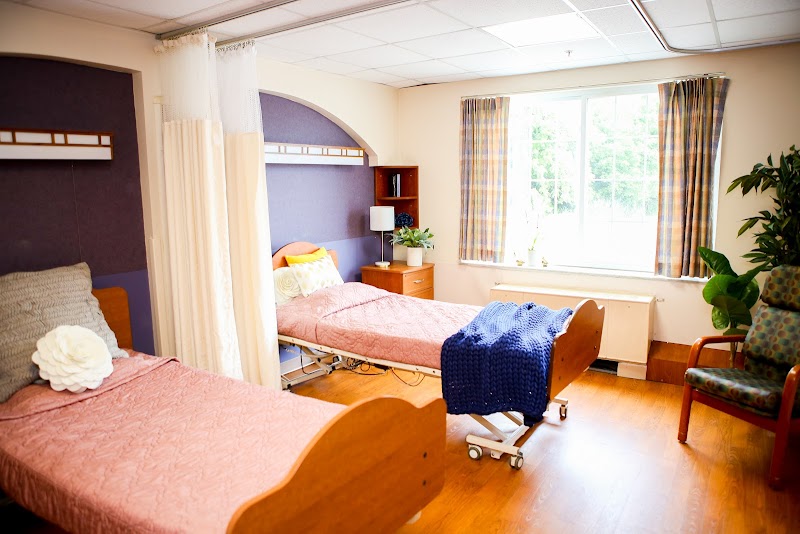
How is Four Seasons Nursing Center Of Westland Staffed?

CMS rates Four Seasons Nursing Center of Westland's staffing level at 4 out of 5 stars, which is above average compared to other nursing homes. Staff turnover is 40%, compared to the Michigan average of 46%. This relatively stable workforce can support continuity of care.

What Have Inspectors Found at Four Seasons Nursing Center Of Westland?

State health inspectors documented 49 deficiencies at Four Seasons Nursing Center of Westland during 2022 to 2025. These included: 3 that caused actual resident harm, 45 with potential for harm, and 1 minor or isolated issues. Deficiencies causing actual harm indicate documented cases where residents experienced negative health consequences.
Who Owns and Operates Four Seasons Nursing Center Of Westland?

Four Seasons Nursing Center of Westland is owned by a for-profit company. For-profit facilities operate as businesses with obligations to shareholders or private owners. The facility is operated by OPTALIS HEALTH & REHABILITATION, a chain that manages multiple nursing homes. With 180 certified beds and approximately 162 residents (about 90% occupancy), it is a mid-sized facility located in Westland, Michigan.

How Does Four Seasons Nursing Center Of Westland Compare to Other Michigan Nursing Homes?

Compared to the 100 nursing homes in Michigan, Four Seasons Nursing Center of Westland's overall rating (3 stars) is below the state average of 3.1, staff turnover (40%) is near the state average of 46%, and health inspection rating (2 stars) is below the national benchmark.

What Should Families Ask When Visiting Four Seasons Nursing Center Of Westland?

Based on this facility's data, families visiting should ask: "What safeguards and monitoring systems are in place to protect residents from abuse or neglect?" "Can I visit during a mealtime to observe dining assistance and food quality?" "How do you handle medical emergencies, and what is your hospital transfer rate?" "Can I speak with family members of current residents about their experience?" These questions are particularly relevant given the substantiated abuse finding on record.

Is Four Seasons Nursing Center Of Westland Safe?

Based on CMS inspection data, Four Seasons Nursing Center of Westland has documented safety concerns. The facility has 1 substantiated abuse finding (meaning confirmed case of resident harm by staff or other residents). The facility has a 3-star overall rating and ranks #100 of 100 nursing homes in Michigan. Families considering this facility should ask detailed questions about what corrective actions have been taken since these incidents.

Do Nurses at Four Seasons Nursing Center Of Westland Stick Around?

Four Seasons Nursing Center of Westland has a staff turnover rate of 40%, which is about average for Michigan nursing homes (state average: 46%). Moderate turnover is common in nursing homes, but families should still ask about staff tenure and how the facility maintains care continuity when employees leave.

Was Four Seasons Nursing Center Of Westland Ever Fined?

Four Seasons Nursing Center of Westland has been fined $15,593 across 1 penalty action. This is below the Michigan average of $33,235. While any fine indicates a compliance issue, fines under $50,000 are relatively common and typically reflect isolated problems that were subsequently corrected. Families should ask what specific issues led to these fines and confirm they've been resolved.

Is Four Seasons Nursing Center Of Westland on Any Federal Watch List?

Four Seasons Nursing Center of Westland is not on any federal watch list. The most significant is the Special Focus Facility (SFF) program, which identifies the bottom 1% of nursing homes nationally based on persistent, serious quality problems. Not being on this list means the facility has avoided the pattern of deficiencies that triggers enhanced federal oversight. This is a positive indicator, though families should still review the facility's inspection history directly.