
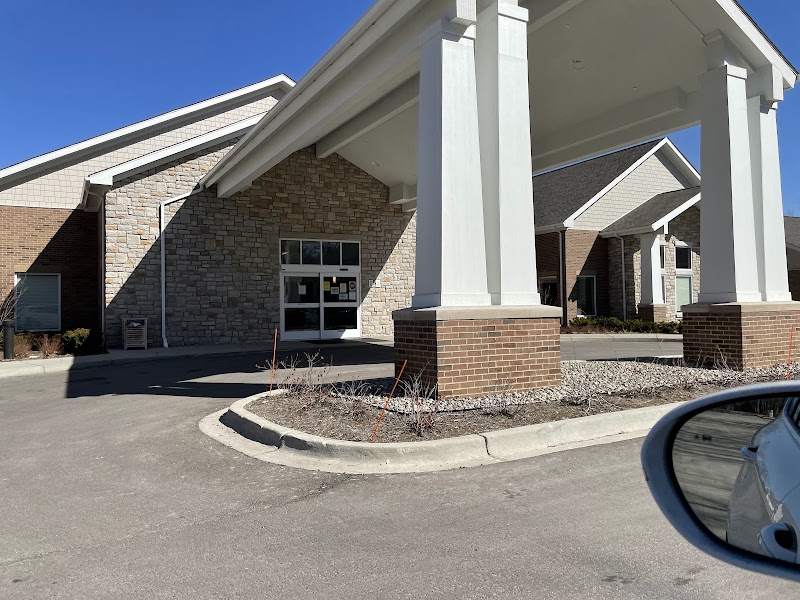
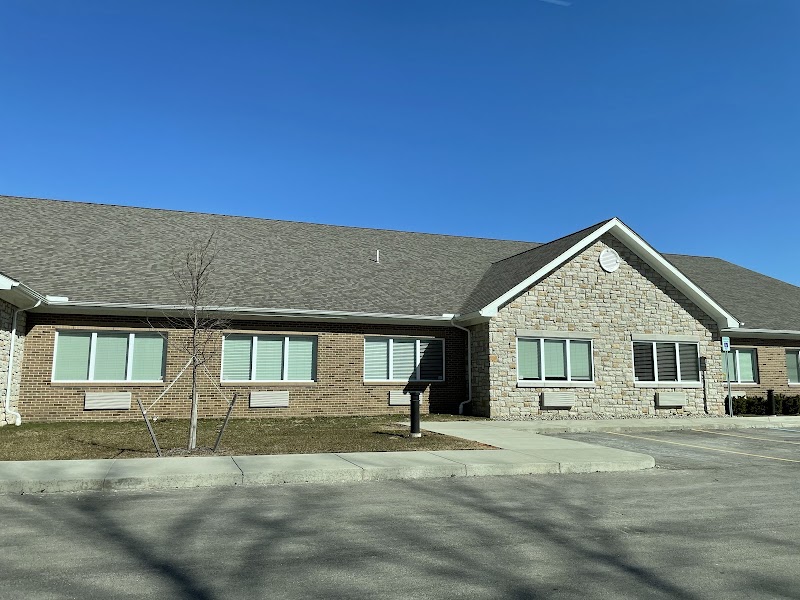
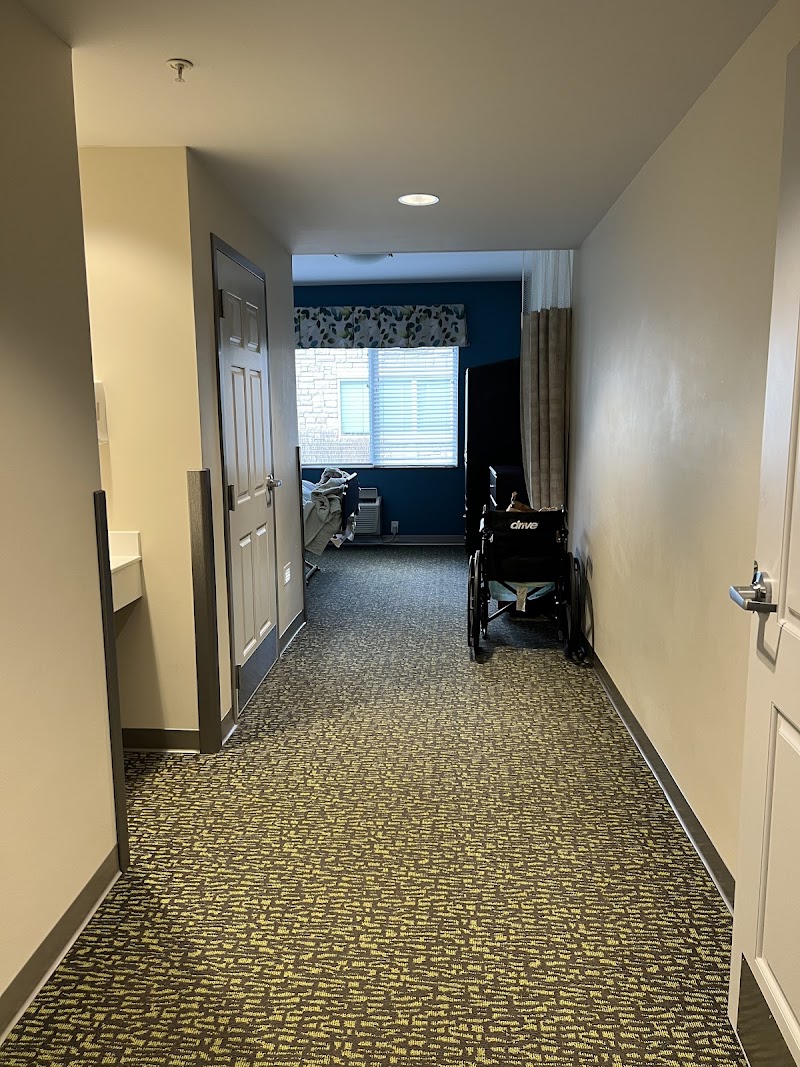
Regency at Westland

2209 North Newburgh, Westland, MI 48185 (734) 522-1444
For profit - Corporation 120 Beds CIENA HEALTHCARE/LAUREL HEALTH CARE Data: November 2025 1 Immediate Jeopardy citation
Trust Grade
51/100
#169 of 422 in MI
Last Inspection: October 2024

Within standard 12-15 month inspection cycle. Federal law requires annual inspections.

Overview

Regency at Westland has a Trust Grade of C, indicating it is average compared to other nursing homes, meaning it is not the best option but also not the worst. It ranks #169 out of 422 in Michigan, placing it in the top half of facilities in the state, and #21 out of 63 in Wayne County, suggesting only a few local options are better. The facility is showing improvement, having reduced its issues from six in 2024 to one in 2025. Staffing is a positive aspect, rated 4 out of 5 stars with a turnover rate of 31%, which is lower than the state average, indicating that staff are more likely to stay and provide consistent care. However, the facility has faced some serious issues, including a critical finding where a resident at risk of elopement was able to exit through an unmonitored door, and two serious incidents involving falls that resulted in injuries due to inadequate follow-up and care. While there are strengths in staffing and improvement trends, families should be aware of the concerning incidents that highlight potential risks in resident safety.

Trust Score
C
51/100
In Michigan
#169/422
Top 40%
Safety Record
High Risk
Review needed
Inspections
Getting Better
6 → 1 violations
Staff Stability
○ Average
31% turnover. Near Michigan's 48% average. Typical for the industry.
Penalties
⚠ Watch
$10,062 in fines. Higher than 89% of Michigan facilities, suggesting repeated compliance issues.
Skilled Nurses
✓ Good
Each resident gets 42 minutes of Registered Nurse (RN) attention daily — more than average for Michigan. RNs are trained to catch health problems early.
Violations
⚠ Watch
20 deficiencies on record. Higher than average. Multiple issues found across inspections.
★★★★☆
4.0
Overall Rating
★★★★☆
4.0
Staff Levels
★★★☆☆
3.0
Care Quality
★★★★☆
4.0
Inspection Score
Stable
2024: 6 issues
2025: 1 issues

The Good

  • 4-Star Staffing Rating · Above-average nurse staffing levels
  • Full Sprinkler Coverage · Fire safety systems throughout facility
  • No fines on record
  • Staff turnover below average (31%)

    17 points below Michigan average of 48%

Facility shows strength in staffing levels, fire safety.

The Bad

Staff Turnover: 31%

15pts below Michigan avg (46%)

Typical for the industry

Federal Fines: $10,062

Below median ($33,413)

Minor penalties assessed

Chain: CIENA HEALTHCARE/LAUREL HEALTH CARE

Part of a multi-facility chain

Ask about local staffing decisions and management

The Ugly 20 deficiencies on record

1 life-threatening 2 actual harm
Apr 2025 1 deficiency
CONCERN (D) 📢 Someone Reported This

A family member, employee, or ombudsman was alarmed enough to file a formal complaint

Potential for Harm - no one hurt, but risky conditions existed

Pressure Ulcer Prevention (Tag F0686)

Could have caused harm · This affected 1 resident

**NOTE- TERMS IN BRACKETS HAVE BEEN EDITED TO PROTECT CONFIDENTIALITY** This citation pertains to Intake MI00151509. Based on interview and record review, the facility failed to provide timely treatme...

Read full inspector narrative →
**NOTE- TERMS IN BRACKETS HAVE BEEN EDITED TO PROTECT CONFIDENTIALITY** This citation pertains to Intake MI00151509. Based on interview and record review, the facility failed to provide timely treatment to a pressure ulcer for one resident (R801) out of two reviewed for pressure ulcers. Findings include: A review of complaint called into the State Agency noted the following, Facility did not appropriately treat bed sore that ended up being stage 4 (full thickness skin loss) after surgical debridement at [hospital name] . A review of the medical record revealed that R801 admitted into the facility on [DATE] with the following medical diagnoses, Muscle Weakness and Moderate Protein-Calorie Malnutrition. A review of the most recent Minimum Data Set (MDS) assessment reveals a Brief Interview for Mental Status (BIMS) score of 12/15 indicating an impaired cognition. R801 also required staff assistance with transfers and bed mobility. Further review of the admission progress note revealed the following, 12/13/2024 at 9:13 PM .Skin assessment performed with small open area to inner sacrum. Further review of the physician's orders revealed that a wound care order was not entered and active until 12/16/2024, three days after R801 was admitted into the facility. On 4/8/2025 at 12:43 PM, an interview was conducted with the Director of Nursing (DON). The DON reported they did not see an order until an 12/16/24 in the physician orders. The DON indicated they did see the skin assessment stating that R801 had a wound upon admission, and the nurse should have called and asked for an treatment order. A review of a facility policy titled, Skin Management noted the following, .4. Residents admitted with any skin impairment will have: Appropriate interventions implemented to promote healing. A physician's order for treatment, and skin impairment location, measurements and characteristics documented.
Oct 2024 5 deficiencies
CONCERN (D) 📢 Someone Reported This

A family member, employee, or ombudsman was alarmed enough to file a formal complaint

Potential for Harm - no one hurt, but risky conditions existed

Deficiency F0554 (Tag F0554)

Could have caused harm · This affected 1 resident

**NOTE- TERMS IN BRACKETS HAVE BEEN EDITED TO PROTECT CONFIDENTIALITY** Based on observation, interview, and record review, the facility failed to properly assess for self-administration for eye drops...

Read full inspector narrative →
**NOTE- TERMS IN BRACKETS HAVE BEEN EDITED TO PROTECT CONFIDENTIALITY** Based on observation, interview, and record review, the facility failed to properly assess for self-administration for eye drops for one resident (R273) out of one reviewed for self-administration of medications. Findings include: On 10/29/2024 at 12:43 PM, R273 was observed in bed. R273 stated they had just put their eyedrops in. Four bottles of eyedrops were observed on the bedside table in a bag. R273 stated they always do their own eye drops and they do not trust anyone else to do them on time for them. A review of the medical record revealed R273 admitted into the facility on [DATE] with the following medical diagnoses, Macular Degeneration and Irritable Bowel Syndrome. A review of the Minimum Data Assessment set revealed a Brief Interview for Mental Status score of 15/15 indicating an intact cognition and required assistance for bed mobility and transfer. Further review of the medical record did not reveal an order, care plan, or assessment documenting R273 was able to self administer their own eyedrops. On 10/29/2024 at 3:21 PM, the eyedrops were still observed at bedside. R273 stated they had just administered them and were about to go to sleep. On 10/31/2024 at 9:15 AM, an interview was conducted with the Director of Nursing (DON). The DON stated with short term stay residents, they don't always know what they come in with. The DON stated the midnight nurse approached them, some time after admisison and told them the eye drops were at bedside and they went and spoke with the resident she determined they were able to self administer medication. The DON stated they obtained an order from the physician, completed and assessment, and entered a care plan. The DON was asked if this should have been completed on admission to which she stated the nurses would check the medication off the medication administration record (MAR) after they watched R273 administer them. A facility policy related to self administration of medications was requested on 10/30/2024 at 12:47 PM, and not received by end of survey.
CONCERN (D) 📢 Someone Reported This

A family member, employee, or ombudsman was alarmed enough to file a formal complaint

Potential for Harm - no one hurt, but risky conditions existed

Deficiency F0645 (Tag F0645)

Could have caused harm · This affected 1 resident

**NOTE- TERMS IN BRACKETS HAVE BEEN EDITED TO PROTECT CONFIDENTIALITY** R11 On 10/29/24 at 9:35 AM, R11 was observed lying in bed watching television in their room On 10/29/24 at 12:51 PM, R11 was obs...

Read full inspector narrative →
**NOTE- TERMS IN BRACKETS HAVE BEEN EDITED TO PROTECT CONFIDENTIALITY** R11 On 10/29/24 at 9:35 AM, R11 was observed lying in bed watching television in their room On 10/29/24 at 12:51 PM, R11 was observed lying in bed with a sad facial expression and holding their head. R11 stated , my head hurts. On 10/30/24 at 1:00 PM, R11 was observed lying in bed. A half eaten lunch tray was visible on tray table. R11 stated there were no concerns today and was watching television. A review of R11's medical record revealed they were admitted into the facility on 7/24/2014. R11 has diagnose of Dementia, Psychotic disturbance, Mood disturbance, Psychotic disorder with delusions and Schizoaffective disorder. A review of the most recent Minimum Data Set assessment dated [DATE] was completed with a Brief Interview for Mental Status (BIMS) score of 3 indicating severely impaired cognition. Further review of R11's medical record did not reveal an Annual PASARR Level I screening had been completed by the facility. On 10/31/24 at 1:45 PM, Social Worker A was interviewed about R11's updated PASARR screening. Social worker A they would investigate it and get back to surveyor. On 10/31/24 at 2:20 PM, Social Worker A returned and explained there was not an updated 3877 for R11, and there should have been one completed. A review of the policy titled, Pre-admission Screening and Guest/Resident Review - PASRR Michigan dated 12/01/2017 and last revised 11/12/2021 revealed The PASRR process was established in 1987, as part of the OBRA ruling, to screen all individuals admitted for nursing care to ensure that needs are met to assist the individual in reaching their highest potential. All persons seeking admission to a nursing facility, who are seriously mentally ill and/or have an intellectual/developmental disability, are required to be evaluated to determine if a nursing facility is the appropriate place to receive services. Additionally, a Level 1/3877 is completed annually for all guests/residents and maintained in the electronic medical record. For those who screen positively for a mental illness/intellectual/developmental disability the facility submits the annual Level 1/3877 screen to the local community mental health program for comprehensive screening (Level 2). Based on interview and record review, the facility failed to ensure the Preadmission Screening (PAS)/ Annual Resident Review (ARR) form for Mental Illness (MI)/ Intellectual Disability (ID)/ Related Conditions Identification (DCH-3877) document was completed and sent to the local state agency for an evaluation for a Level II determination for two residents (R11 and R74) of four residents reviewed for PASARRs. Findings include: R74 On 10/29/24 at 9:42 AM, R74 was interviewed in their room regarding their stay in the facility, and indicated they are a Veteran, and was a prisoner of war for 55 months, and as a result, suffers from nightmares every night. A review of R74's medical record revealed they were admitted into the facility on 4/26/24 with diagnoses that included Traumatic Subdural Hemorrhage, Diabetes, Hypertension, and Muscle Weakness. Further review of R74's medical record revealed they had a moderately impaired cognition, and required partial to moderate assistance for transfers and mobility. Further review of R74's medical record did not reveal a PASARR Level I screening completed by the facility. On 10/30/24 at 2:43 PM, Social Worker A was about R74's Level I screening, and she indicated she would investigate it and get back to surveyor. On 10/30/24 at 3:18 PM, Social Worker A returned and explained there wasn't a Level I screening completed by the facility for R74, and there should have been one completed.
CONCERN (D) 📢 Someone Reported This

A family member, employee, or ombudsman was alarmed enough to file a formal complaint

Potential for Harm - no one hurt, but risky conditions existed

Quality of Care (Tag F0684)

Could have caused harm · This affected 1 resident

**NOTE- TERMS IN BRACKETS HAVE BEEN EDITED TO PROTECT CONFIDENTIALITY** Deficient Practice Statement #2 Based on observation interview, and record review, the facility failed to ensure transportation ...

Read full inspector narrative →
**NOTE- TERMS IN BRACKETS HAVE BEEN EDITED TO PROTECT CONFIDENTIALITY** Deficient Practice Statement #2 Based on observation interview, and record review, the facility failed to ensure transportation to outside appointments for one resident (R270) out of three reviewed for outside appointments. Findings include: On 10/29/2024 at 10:30 AM, an interview was conducted with Family Member (FM) F. FM F stated they were unhappy with the care being provided for R270. FM F stated R270 has missed 3 out of four follow up appointments set up by the hospital while in facility due to transportation errors by the facility. FM F stated they were told R270 must go by stretcher because they are on Total Parenteral Nutrition (TPN - receiving all nutrition through a tube). FM F stated they missed an Endocrinologist appointment on 10/23/2024 due to them needing a stretcher instead of wheelchair, a cardiologist appointment on 10/28/2024 due to transportation having an emergency, and 10/29/2024 because they never showed up. FM F stated the last two appointments were for the Cardiologist. FM F stated they don't understand why they don't use a different transportation company. A review of the medical record revealed R270 admitted into the facility on [DATE] with the following diagnoses, Muscle Weakness and Disease of Pancreas. A review of the Minimum Data Set assessment revealed a Brief Interview for Mental Status score revealed a Brief Interview for Mental Status score of 9/15 indicating an impaired cognition. R270 also required staff assistance for bed mobility and transfers. On 10/30/2024 at 12:04 PM, an interview was conducted with [NAME] Clerk (WC) H. WC H stated they believe that FM F gave them the follow up appointments from the hospital and they made the transportation. FM F stated FM F originally stated R270 could go in a wheelchair, however they were unable to because of the TPN so they had to order transport that could accomodate a stretcher. WC H confirmed they were unaware if the appointment had been rescheduled or not. WC H stated R270 missed their other two appointments due to transportation running late and then not showing up. On 10/31/2024 at 9:20 AM, an interview was conducted with the Director of Nursing (DON). The DON stated they have six companies they use for transportation and were in the process of looking for alternative companies to take R270 to their appointment. A review of a facility policy titled, Social Service Referrals to Outside Providers did not address transportation. This citation has two Deficient Practice Statements. Deficient Practice Statement #1 Based on interview and record review the facility failed to follow a physician's order for a urology consult for one resident (R74), of one reviewed for physician orders. Findings include: On 10/29/24 at 9:42 AM, R74 was interviewed in their room about the care they are receiving in the facility. R74 explained they have been having pain during urination which causes burning sensations. R74 explained they have been feeling like this for weeks and nothing has been done. A review of R74's medical record revealed they were admitted into the facility on 4/26/24 with diagnoses that included Traumatic Subdural Hemorrhage, Diabetes, Hypertension, and Muscle Weakness. Further review of R74's medical record revealed they had a moderately impaired cognition, and required partial to moderate assistance for transfers and mobility. Further review of R74's medical record revealed a physician's order dated for 8/7/24 for the following, Urology (for issues related to urtinary tract, kidneys or prostat) consult for continued symptoms of BPH (benign prostatic hyperplasia, a noncancerous increase in size of the prostate gland) on dual therapy. Further review of the order revealed that it was, completed. On 10/30/24 at 9:18 AM, R74 was observed in their room, and asked about their symptoms, and they explained they are still having concerns with burning during urination. On 10/30/24 at 9:56 AM, R74's urology consult was requested from the facility, and they responded with the following, .[R74] doesn't have any orders for urology consults. [R74] has neurology (for issues related to nerves), but not urology. A review of R74's progress notes revealed the following: 8/5/2024 00:00 Progress Notes Date of Service: 8/5/2024, Visit Type: Acute: Pt (patient) reports difficulty urinating and dysuria (painful urination) . states he has not seen urology. Previous UA's (urinalysis) were insufficient/rejected. UA with reflex C&S (culture and sensitivity) ordered. There is not a bladder scanner available per nursing. Will order urology consult for continued symptoms on dual therapy . On 10/31/24 at 10:00 AM, an interview was completed with the Director of Nursing (DON) regarding R74's urology consult. She explained she would look into it however, there was no additional information received prior to survey exit. A review of the facility's Physician's Orders policy did not address physician orders not being followed.
CONCERN (D) 📢 Someone Reported This

A family member, employee, or ombudsman was alarmed enough to file a formal complaint

Potential for Harm - no one hurt, but risky conditions existed

Deficiency F0688 (Tag F0688)

Could have caused harm · This affected 1 resident

**NOTE- TERMS IN BRACKETS HAVE BEEN EDITED TO PROTECT CONFIDENTIALITY** Based on observation, interview, and record review, the facility failed to ensure restorative care and splint application was do...

Read full inspector narrative →
**NOTE- TERMS IN BRACKETS HAVE BEEN EDITED TO PROTECT CONFIDENTIALITY** Based on observation, interview, and record review, the facility failed to ensure restorative care and splint application was documented and services provided for three residents (R38, R47, and R76) of four reviewed for restorative services. Findings include: R38 On 10/29/24 at 11:09 AM, R38 was observed to be seated in a wheelchair next to their bed. R38 appeared to have the fingers of their right hand in a fixed position. A hand or wrist splint was not in place or visible in the room. On 10/30/24 at 1:04 PM, the therapy course for R38 was reviewed with Physical Therapy Assistant B. It was reported that R38 had not been on service since March of 2023 and was on the physical therapy caseload only at that time. A therapy screen conducted 10/12/24 indicated no change in status. On 10/30/24 at 2:36 PM, the restorative history of the identified resident was reviewed with Restorative Licensed Practical Nurse (LPN) C who reported R38 was discharged and not on the current caseload and reported restorative and assigned staff are able to apply a splint. A review of the record for R38 revealed: R38 was admitted into the facility on [DATE]. Diagnoses included, Muscle Weakness, Difficulty Walking, Dementia and Alzheimer's. The active [NAME] (care guide) documented R38 was dependent on one staff to roll right and left in bed, and lying to sit on the side of bed and to go from sitting to lying. A review of the active tasks in the electronic medical record (EMR) documented, .to wear right wrist hand finger orthosis 3-4 hours a day as tolerated .(R38) may remove for (their) own comfort. A review of the task documentation for the task Was the resident's splint applied per the maintenance splint program revealed just one entry which was dated for 10/09/24 and which indicated not applicable. A review of the physical therapy discharge note dated 04/01/24 revealed: .RNP/FMP (Restorative Nursing Program/Functional Maintenance program) to facilitate patient maintaining current level of performance and in order to prevent decline, development of and instruction in the following RNPs has been completed with the IDT (interdisciplinary team): ROM active (range of motion), Omni cycle . R47 On 10/29/24 at 11:21 AM, R47 appeared to be resting in bed with the head of bed up. A walker and a wheelchair were observed to be in the resident's area. A review of the record for R47 revealed, R47 was admitted into the facility on [DATE]. Diagnoses included Difficulty Walking and Need for Assistance with Personal Care. The active care plan initiated 06/27/24 documented impaired visual function, bowel and bladder incontinence related to impaired mobility, at risk for falls and R47 required partial/moderate assistance for bathing, dressing, personal hygiene and toilet transfer. A review of the physical therapy discharge note dated 09/05/24 and revised 09/11/24, revealed, .RNP/FMP to facilitate patient maintaining current level of performance and in order to prevent decline, development of and instruction in the following RNPs has been completed with the IDT: ROM active and ambulation . An occupational therapy discharge note dated 09/06/24 and revised 09/11/24 documented, .referred to restorative . On 10/30/24 at 2:36 PM, the restorative history of the identified resident was reviewed with LPN C who reported R47 was on the current caseload. A progress note dated 10/30/24 at 2:59 PM and at 5:25 PM by LPN C noted R47 had refused and reported R47 said they have an 'accident' when they exercise and did not want to have an accident. No further refusals were noted or documentation provided. R76 On 10/29/24 at 12:56 PM, R47 was observed to be seated in dining room in a high back wheelchair, assisted/encouraged to eat by staff. R76 was observed to feed themselves. A splint was not observed. On 10/29/24 at 1:36 PM, R76 was on the common area of their unit seated in a high back wheelchair their legs elevated. A splint was not observed. On 10/30/24 at 11:20 AM, R76 was observed up in a wheelchair in the activity area. The footrest was elevated around 90 degrees and the legs of R76 extended straight out. R76 appeared to have a foot drop type of contracture and appeared to be asleep. A splint was not observed. On 10/30/24 at 1:10 PM, PTAB reported R76 was evaluated by therapy for their left elbow in August of 2024 and had been the therapy caseload May 2024 to July 2024 for the left upper extremity. On 10/30/24 at 1:55 PM, R76 continued to be seated in a high back wheelchair with their feet more flat on foot rest which was angled down. A splint for the elbow and hand were not observed. On 10/31/24 at 8:16 AM and 9:16 AM, R76 was observed to be in bed, asleep. A splint was not observed to be visible in the resident area nor applied to the resident. A review of the record for R76 revealed R76 was admitted into the facility 09/23/22. Diagnoses included Paralysis of the left side, Abnormalities of Gait and Mobility and Age related Physical Debility. A review of the active care plan documented, impaired cognition, bowel and bladder incontinence. A revision of the care plan dated 02/09/24 documented substantial/maximal assistance was required for bathing, dressing, bed mobility and personal hygiene. A review of the occupational therapy evaluation dated 08/08/24 revealed, .referred to OT for left elbow contracture .(left) elbow contracture brace obtained and donned on pt (patient) good fit and comfort noted by writer and (patient) . The note also documented R76 was dependent for toileting hygiene, dressing and bathing. A review of the order for restorative nursing with date imitated of 10/08/24 revealed, Nursing Rehab: Left elbow contracture splint and WHFO (wrist hand finger orthosis) to be worn at night or as tolerated to prevent contracture and optimize ADL (activities of daily living) functioning. A review of the active tasks revealed no entries had been documented for the task amount of time spent providing nursing rehab service nor that care was provided for the Left elbow contracture splint and WHFO to be worn at night or as tolerated to prevent contracture and optimize ADL functioning. On 10/31/24 at 9:08 AM, restorative concerns related to missing documentation were reviewed with the Director of Nursing (DON). The DON acknowledged the missing documentation. The DON reported they were not aware of any time in the last thirty days where the restorative staff had to work the regular floor. On 10/31/24 at 9:23 AM, LPN D confirmed R47 participated in therapy and does more when family is present. LPN D also reported they had seen R76 wear a splint a while back but had not worn it in a minute and was not always cooperative. On 10/31/24 at 9:36 AM, Certified Nursing Assistant (CNA) E reported they had not seen R47 with restorative not R38 with a splint in the last thirty days. CNA E reported R38 will tell you what they want. The most recent restorative documentation for R38, R47, and R76 was requested on 10/30/24 at 3:02 PM. Additional documentation was not received prior to survey exit. A review of the facility policy titled, Restorative Nursing revised 04/26/24 revealed, .Components of the restorative nursing program include, but are not limited to the following: .Referral from skilled therapy services via the Therapy to Restorative Program Plan .During weekly Interdisciplinary Team Meeting .Morning clinical meeting. Completion of the Restorative Initial Evaluation if placed on a Restorative Program. Development of measurable goals and individualized interventions for a specific restorative program Evaluation of progress towards goals and effectiveness of interventions. Interdisciplinary process to identify when a resident is appropriate to discharge from restorative nursing . 6. Document any refusal in the resident's medical record . 11. Document the resident's daily participation and actual number of minutes participating in in the resident's {electronic health record} EHR . 12. The licensed nurse will meet with the restorative aide(s) or nurse aide(s) to evaluate and document the effectiveness of interventions periodically but, at least quarterly .
CONCERN (F) 📢 Someone Reported This

A family member, employee, or ombudsman was alarmed enough to file a formal complaint

Potential for Harm - no one hurt, but risky conditions existed

Food Safety (Tag F0812)

Could have caused harm · This affected most or all residents

This citation pertains to Intake MI00146972. Based on observation, interview, and record review, the facility failed to ensure spoiled food items were discarded, open food items dated when opened, an...

Read full inspector narrative →
This citation pertains to Intake MI00146972. Based on observation, interview, and record review, the facility failed to ensure spoiled food items were discarded, open food items dated when opened, and cooking utensils were clean when stored, potentially affecting all 115 residents at risk for food borne illnesses. Findings include: On 10/29/24 at 9:41 AM, a review of the kitchen with the dietary manager revealed: -dust build up on top of the ovens; -a prepared salad in the chef's refrigerator was dated 10/18/24 with the salad items wilted and appeared moldy; -a package of sliced american cheese was open and not dated; -three scoops/strainers with dried food debris or white and opaque dried liquid stains; -in the walk-in freezer chocolate chip cookie dough were open to air, chicken chunks were open to the air and the bags were not dated; -in the freezer turkey patties were open to the air; -in the walk-in refrigerator a package of sliced cheese had a black mold like growth on multiple slices; -a box of whole green peppers had at least five peppers with a green mold or wilted areas. The identified concerns were reviewed with the Dietary Manager who reported the staff are trained to rotate the stock in the walk-ins (refridgerators). A review of the facility policy titled, Food Purchasing and Storage dated 11/11/21 revealed, .Space will be allowed on all sides of shelving to permit ventilation .Leaking or spoiled items will be discarded .Containers with tight fitting covers or sealed plastic bags will be used for storing foods that have been removed from their original container .Opened dry items, such as pasta, rice, and crackers will be stored, labeled, and sealed .Perishable Storage Facilities: The shelving will be adequate to allow air circulation around the foods. Foods will be stored so there is no contamination from items stored above 5. Perishable Food Storage: Food stored in the refrigerator or freezer will not be overcrowded, allowing adequate air circulation . All food items in refrigerators will be properly dated, labeled, and placed in containers with lids, will be wrapped, or stored in sealed food storage bags . All frozen food will be dated, labeled and wrapped or sealed. Moisture-proof, tight-fitting materials will be used to prevent freezer burn .
Mar 2024 1 deficiency
CONCERN (D) 📢 Someone Reported This

A family member, employee, or ombudsman was alarmed enough to file a formal complaint

Potential for Harm - no one hurt, but risky conditions existed

Quality of Care (Tag F0684)

Could have caused harm · This affected 1 resident

**NOTE- TERMS IN BRACKETS HAVE BEEN EDITED TO PROTECT CONFIDENTIALITY** This citation pertains to Intake MI00142904. Based on interview and record review, the facility failed to ensure physician visit...

Read full inspector narrative →
**NOTE- TERMS IN BRACKETS HAVE BEEN EDITED TO PROTECT CONFIDENTIALITY** This citation pertains to Intake MI00142904. Based on interview and record review, the facility failed to ensure physician visits, obtain blood tests, weights, and wound care treatments were provided in a timely manor, for one resident (R902) of three resident's whose care was reviewed, resulting in a delay in treatment, hospitalization and a change in condition. Findings include: A review of a complaint Intake for R902 revealed, On 12/26/23 the resident was transported to the hospital where it was determined that the resident was septic from an infection in their open wound. The resident had a low blood pressure, was very dehydrated, had high potassium and their mouth was pasty and dry. The kidneys have shut down and the resident is now on dialysis. A review of the record for R902 revealed R902 was admitted into the facility on [DATE]. Diagnoses included Acute Kidney Failure, Renal (kidney) Calculus (sediments) Obstruction and Stroke. A review of the medical provider notes indicated R902 had not been seen by a physician during their stay (12/8/23 to 12/26/23). Review of the December 2023 Medication Administration Record and Treatment Administration Record revealed no documentation of R902's weekly weights. The reports further documented systolic blood pressures in the 120's and 130's and diastolic blood pressures in the 70's. A review of the physician orders documented CBC (complete blood count) and BMP (basic metabolic panel) lab orders dated and respectiviely signed on 12/12/23, 12/15/23 and 12/19/23. Review of the December 2023 Treatment Administration Record (TAR) revealed no documentation of treatment for the coccyx on 12/16 and 12/25 on the day shift and on 12/11, 12/14, 12/18, 12/19, and 12/25 on the night shift. Colostomy care was not documented on 12/11, 12/13, 12/14, 12/16, 12/19, 12/20, 12/21 and 12/15 on the day shift and on 12/11, 12/14 12/18 and 12/19 on the night shift. The TAR further documented the wound vac was not in place on 12/24 and 12/25 as a wet to fry dressing was documented as done for the abdominal surgical wound. A nurse progress note dated 12/12/23 at 1:40 PM, documented, Writer confirmed order for CBC with dif (deferential) and BMP. Requisition completed. Responsible party notified. A medical provider note dated 12/13/23 at 10:30 AM documented, .tested positive for covid .non productive cough .CBC and BMP ordered, awaiting BMP results for paxlovid dosing .chronic kidney disease stage 3 trend BMP . Review of the lab results collected 12/13/23 and reported 12/14/23 documented a creatinine level of 2.75 with a normal range value of 0.60 - 1.30. It was flagged as high. The report documented a Glomerular Filtration Rate (GFR) value of 22 which corresponded to severely decreased kidney function and a stage four level of kidney failure. The scanned in document was not initialed or dated as acknowledged by the medical provider. A medical provider note dated 12/15/23 at 11:00 AM documented, .Chief complaint: covid .chronic kidney disease stage 3 trend BMP .paxlovid, pending kidney function awaiting lab results . A medical provider note dated 12/18/23 at 3:30 PM documented, .tested positive for covid last week, labs ordered for paxlovid dosing, TSH (thyroid stimulating hormone) ordered .chronic kidney disease stage 3 trend BMP . A progress note dated 12/19/23 at 8:00 PM, documented, .colostomy bag leaking into wound . A Nurse Practitioner medical provider note dated 12/20/23 at 9:00 AM documented, .lab results still pending .chronic kidney disease stage 3 trend BMP . A review of the lab results collected 12/20/23 and reported 12/20/23 revealed a creatinine of 5.04 with a normal range value of 0.60 - 1.30. It was flagged as high. The Glomerular Filtration Rate (GFR) indicated a value of 11 which corresponded to kidney failure. The report documented this as a stage 5 indicator of kidney function. The document was not initialed or dated as acknowledged by the medical provider. A nurse progress note dated 12/26/23 at 10:19 AM, documented a blood pressure of 88/51 taken by the facility at 9:55 AM and .general weakness .Recommendations: Administer fluids, blood work and monitor. Send to ER per family request . On 03/05/24 at 2:50 PM, Licensed Practical Nurse (LPN) B recalled R902 and reported R902 may not have been checked on as often as other as the door was closed for COVID isolation the whole time the resident was at the facility. LPN B further noted times when the ostomy leaked stool due to a build up of gas. On 03/05/24 at 4:31 PM, Nurse Practitioner (NP) C reported they had ordered the blood work and had trouble getting lab results. The lab would come to the facility but not draw the labs. NP C reported they sign the labs to acknowledged they have been reviewed. NP C commented that R902 developed low blood pressure and was sent out to the hospital where R902 was diagnosed with acute kidney injury. NP C reported they did not see any lab results until R902 was an inpatient at the hospital. NP C noted R902's creatinine was 2.49 on December 4th while at the hospital. On 03/05/24 at 4:35 PM, LPN A confirmed there was known trouble getting labs drawn and getting results during the time of R902's stay. On 03/05/24 at 4:39 PM, the Administrator reported a physician should see the residents within 48 hours for new admits to complete a history and physical. On 03/03/24 at 4:47 PM, the Director of Nursing (DON) acknowledged trouble with the laboratory and that a family member had contacted them with concerns about the care of R902. The DON also reported the lab report should be noted and initialed or signed by the provider and part of the medical record. On 03/05/24 at 4:47 PM, a policy related to lab results and review was requested and at 5:16 PM the Administrator reported they did not have a policy on obtaining labs. A review of the Physician Services policy revised 02/22/22 revealed, .All persons admitted or accepted for care by the facility must be under the care of a physician selected by the guest/resident or the guest's/resident's authorized representative .A physician visit is considered timely if it occurs not later than 10 days after the date the visit was required .The physician must make the initial visit .
Sept 2023 5 deficiencies 1 IJ
CRITICAL (J) 📢 Someone Reported This

A family member, employee, or ombudsman was alarmed enough to file a formal complaint

Immediate Jeopardy (IJ) - the most serious Medicare violation

Accident Prevention (Tag F0689)

Someone could have died · This affected 1 resident

**NOTE- TERMS IN BRACKETS HAVE BEEN EDITED TO PROTECT CONFIDENTIALITY** This citation pertains to Intake: MI00139056. Based on interview and record review, the facility failed to ensure the safety and...

Read full inspector narrative →
**NOTE- TERMS IN BRACKETS HAVE BEEN EDITED TO PROTECT CONFIDENTIALITY** This citation pertains to Intake: MI00139056. Based on interview and record review, the facility failed to ensure the safety and prevent elopement for one sampled resident (R106) who had impaired decision making and with a known elopement risk. Resulting in an Immediate Jeopardy on Friday 06/23/23 at approximately 10:30 PM when, R106 exited the facility from an alarmed door. The staff at the facility did not respond to the door alarm, which resulted in R106 unable to be be located. R106 returned to the facility by knocking on one of the facility's doors on 6/24/23 at approximately 12:24 AM. This deficient practice had the likelihood of causing serious harm, injury, and/or death. Findings include: A review of R106's medical record revealed, 6/23/2023 14:18 (2:18 PM) Social Services Note Late Entry: Note Text: Admission-Resident is a [AGE] year old single male. He presents with severe cognition impairment. He has a Dx (diagnosis) of Dementia. BIMS (Brief Interview for Mental Status) 0/0 (severely cognitively impaired). AD (advance directive)-Full code by default and D/C (discharge) to return home with son. Per, [Son] resident is a Veteran and [R106] utilizes a walker in the community. Per . resident daughter states that resident, doesn't have a hx (history) of mental illness, both children couldn't give any information regarding [R106's] VA history. [R106] is at risk for elopement and elopement protocol was put into place. [R106's children] both made aware, care plan update to reflect. Progress note: 6/23/2023 22:30 (10:30 PM) Nurses Notes: At approx: 10:30pm writer heard alarm on East wing exit door, searched resident room and resident was not present, staff then went to exit doors to search outer parameter resident was not in visual site. Staff then initiated an alert for all staff to do ahead count and search surrounding areas while a second group of staff searched outside facility. At approx: 10:25pm resident was last seen by staff in high traffic area sitting in chair across from nursing station. Family was notified. On call, DON (Director of Nursing), Police and Administer was notified of elopement. On 9/11/23 at 3:24PM, Licensed Practical Nurse (LPN A) was interviewed via phone and was asked about the day R106 left the facility. LPN A stated, The entire shift [R106] was wandering, so I kept an eye on [R106]. LPN A explained that she kept a close eye on R106 and that R106 stayed with her during the shift. LPN A continued and explained, Around 10:00 PM, I saw [R106] walking down the hall and I stopped [R106], [R106] was walking towards the door. I redirected [R106] and placed [R106] in the common area. LPN A explained that [R106] had to use the restroom around shift change and left R106 with other staff at the nurse's station. LPN A said, when [R106] exited the bathroom, she heard the door alarm and thought R106 got out. LPN A explained that she went to the area where she left R106 and didn't see R106. LPN A continued and stated that she asked the staff that was sitting at the nurse's station where R106 was left, and they said that they saw R106 walk down the hall. LPN A stated, I asked, ya'll wasn't watching [R106]? LPN A was asked if the staff was responding to the door alarm or looking for R106 and stated, No. They said they thought it was a call light. I went to R106's room, then to the outside door and did not see [R106]. LPN A was asked how did R106 return to the facility and stated, [R106] returned on [R106] own, not sure how long maybe an hour. Came to another exit door, [R106] was wet, and cover in mud. [R106] had on shoes that were on the wrong feet and socks and some belongings in [R106's] pocket. A review of R106's medical record revealed, R106 was admitted to the facility on [DATE] for respite care, with diagnosis of Dementia, Psychotic Disturbance, and Anxiety. According to the facility's Social Service assessment noted R106 with a severely impaired cognition. A review of R106's admission noted revealed, 6/20/23 Skilled Care Note. Resident is alert. Vital signs recorded and WNL. Left ankle wander guard. No s/s of respiratory distress. No pain voiced. Medications were given and tolerated well. Call light within reach. Will continue to monitor. A review of R106's assessments noted, Risk for Elopement assessment. 6/19/23. Category: At Risk. Score 13.0. Mobility. What is the resident's mobility status? (checked) Mobile with device or Ambulatory. Resident Statement 2. Is the resident verbalizing the desire to leave? Yes. Wandering. 1. Has the resident wandered? 1. Behavior of this type occurred 1 to 3 days. 2. Does the wandering place the resident at significant risk of getting to a potentially dangerous place (e.g., stairs, outside of the facility)? 1. Yes. 3. Does the wandering significantly intrude on the privacy or activities of others? 0. No. A review of R106's care plan noted, Focus: [R106] is at risk for elopement and/or wandering R/T (related to): disoriented to place, history of attempts to leave facility unattended, Dx (Diagnosis): Dementia. Date Initiated: 06/21/2023. Orders: Confirm placement of wanderguard on resident every shift. Order Date 6/19/23. Start date 6/20/23 - End Date: Indefinite. Medication Administration Record (MAR): Confirm that wanderguard on resident is functioning appropriately. Every night shift -Start Date 6/19/2023 - 2300 -D/C Date 6/26/2023. June 2023 checked as completed 19th -25th. On 09/12/23 at 10:09 AM, the Nursing Home Administrator (NHA) was asked about R106's elopement and the reaction to the door alarm by the staff. The NHA stated, Yes, it looks like the staff did not react, until the nurse came out. We did a Past Non-compliance with a correction date of 6/27/23. The NHA continued and explained that they added a louder alarm to the doors, an additional alert on the screens that are at the nurses station. A review of the facility's policy titled, Elopement Policy dated, 9/1/2010, revealed, Policy: It is the policy of this facility to prevent to the extent reasonably possible, the elopement of guests/residents from the facility . Alarm Activation 1. If an employee hears a door alarm, he or she should: a. Immediately go the site of the alarm . During the onsite survey, past noncompliance (PNC) was cited after the facility implemented actions to correct the noncompliance which included .(interventions/actions to correct the past noncompliance). Facility PNC noted the following, Measures of systemic changes made to ensure that deficient practice will not occur and affect others. The staff were re-educated on the elopement policy and timely response of an exit door alarm with emphasis to go to the alarming door first and to step out to see if a resident is in the vicinity and call Code Search if resident is not seen outside. The employee was educated 1:1 on the Elopement Policy but not limited to ensure they are responding to the door alarms in accordance with the policy The exit doors and wander guard system were checked by maintenance for safety appropriateness to ensure the system was functioning properly. The Elopement Drills will be increased to be completed on every shift monthly for the next 3 months to ensue staff are responding accordingly any concerns will be addresses and the drills will be reviewed at QAPI. How facility monitors its corrective actions to ensure same deficient practice is corrected and will not recur. The NHA or designee will validate the daily door alarm and wander guard checks are completed monthly for 3 months to ensure they are completed daily for safety appropriateness and functionality. Any concerns will be addressed and the audits will be reviewed at QAPI. The NHA will review the Elopement drills monthly for 3 months to ensure they are being held on every shift monthly for 3 months and staff are responding accordingly. Any concerns will be addressed and the audits will be reviewed at the QAPI. Date of completion of Plan of Correction: June 27, 2023. The facility was able to demonstrate monitoring of the corrective action and maintained compliance.
CONCERN (D)

Potential for Harm - no one hurt, but risky conditions existed

Deficiency F0561 (Tag F0561)

Could have caused harm · This affected 1 resident

**NOTE- TERMS IN BRACKETS HAVE BEEN EDITED TO PROTECT CONFIDENTIALITY** Based on observation, interview, and record review the facility failed to facilitate resident choice related to requests for alt...

Read full inspector narrative →
**NOTE- TERMS IN BRACKETS HAVE BEEN EDITED TO PROTECT CONFIDENTIALITY** Based on observation, interview, and record review the facility failed to facilitate resident choice related to requests for alternative menu items for two resident (R41 and R48) and two confidential group residents of six residents reviewed for self-determination, resulting in feelings of frustration and dissatisfaction during meals. Findings include: On 9/11/23 at 2:20 PM, resident council meeting notes were reviewed for the months of April-August 2023 and revealed the following, Guest/Resident Council 8/28/23, Dietary: [kitchen staff] doesn't answer the telephone. On 9/12/23 at 10:05 AM, a confidential group meeting was conducted with four confidential group residents and they were asked about their level of satisfaction with the food/dietary services at the facility. Two confidential group members (R41 and R48) indicated that when requesting menu items off of the alternative menu, they were supposed to call the kitchen to make their request, when they attempted to call the kitchen, the kitchen did not answer the phone. Both group members indicated that this occurred frequently and they were frustrated about it. ON 9/13/23 at 9:13 AM, R48 was observed sitting with another resident and was asked about the breakfast at the facility and stated, The food is sometimes good and sometimes not so good. R48 was asked if they were able to get an alternative when they wanted to and stated, That's a joke. The kitchen doesn't answer the phone. On 9/13/23 at 11:24 AM, Dietary Manager (DM) E was interviewed regarding the process for residents requesting alternative menu items. DM E indicated that residents typically call the kitchen to request an alternative menu item. DM E stated, I prefer they (residents) give two hours notice, but sometimes I get last minute requests. On 9/13/23 at 11:48 AM, R41 was interviewed about food choices at the facility and indicated that the kitchen doesn't answer the phone. R41 expressed frustration related to not being able to get in contact with the kitchen when needed. R41 stated, It's [swear word]. On 9/13/23 at 12:15 PM, the kitchen was attempted to be contacted by phone from R41's room. The phone rang twenty times and no one answered the phone. On 9/13/23 at 12:30 PM, the Administrator (NHA) was interviewed regarding their expectations for residents being able to make choices regarding food and the process for requesting food off of the alternative menu. The NHA indicated that the staff who bring the resident their tray should go get the resident an alternative menu item per the resident's request. It's quicker that way. The NHA also indicated that residents can call down to the kitchen to request an alternative menu item. A review of R41's electronic medical record (EMR) revealed that R48's most recent minimum data set assessment (MDS) revealed that R48 had an intact cognition and was independent with eating. A review of R41's electronic medical record (EMR) revealed that R41's most recent quarterly minimum data set assessment (MDS) dated [DATE] revealed that R41 had an intact cognition and was totally dependant/or required extensive one to two person assistance for all activities of daily living (ADLs) other than eating. On 9/13/23 at 12:54 PM, a facility policy titled Meal Alternates Last Revised 11/11/2021 was reviewed and stated the following, Policy: It is the policy of this facility to provide an alternate .when a guest/resident does not eat the majority of a meal. Procedure: 3. Nursing staff will notify Dietary department of the alternative needed verbally and return the item to guest/resident.
CONCERN (D) 📢 Someone Reported This

A family member, employee, or ombudsman was alarmed enough to file a formal complaint

Potential for Harm - no one hurt, but risky conditions existed

Notification of Changes (Tag F0580)

Could have caused harm · This affected 1 resident

**NOTE- TERMS IN BRACKETS HAVE BEEN EDITED TO PROTECT CONFIDENTIALITY** This citation pertains to Intake: MI00135927. Based on observation, interview and record review, the facility failed to notify t...

Read full inspector narrative →
**NOTE- TERMS IN BRACKETS HAVE BEEN EDITED TO PROTECT CONFIDENTIALITY** This citation pertains to Intake: MI00135927. Based on observation, interview and record review, the facility failed to notify the resident's responsible party of a fall in a timely manner for one of one sampled resident (R23) reviewed for decision making resulting in, the potential for the missed opportunity for family to participate in healthcare decision making. Findings include: On 9/11/23 at 11:30 AM, R23 was observed lying in bed. Attempts to interview the resident were to no avail as they were pleasantly confused. A review of R23's medical record revealed that they were admitted into the facility on [DATE] with diagnoses that included, Alzheimer's Disease, Hypertension, and Heart Failure. A review of the Quarterly Minimum Data Set assessment dated [DATE] revealed that the resident had a Brief Interview for Mental Status score of 6/15 indicating a severely impaired cognition, and required extensive assistance for transfers, bed mobility, and dressing. Further review of R23's medical record revealed the following progress notes: 4/20/2023 14:25 (2:25pm) .Situation: The Change In Condition/s reported on this CIC (change in condition) Evaluation are/were: Other change in condition .Nursing observations, evaluation, and recommendations are: Observed resident on floor by his bed sitting upright. No injury noted. Denied pain. Notified PA (physician assistant). Primary Care Provider Feedback: Primary Care Provider responded with the following feedback: A. Recommendations: Will see patient 4/21/2023 10:54 (10:54pm) Nurses Notes: Writer observed resident sitting on the floor by his bed 4/20/23 approx 2:25. Writer heard resident say, I got to go to the bathroom and I'm getting up. On arrival resident was sitting upright slightly leaning to left side. Writer and CNA (certified nursing assistant) put resident back on his bed . 4/21/2023 12:35 (12:35pm) Nurses Note: Writer in to assess resident right leg resident screams out pain it hurts leg warm to touch slight swelling noted PRN (as needed) pain medication Norco was given before shift change NP in facility to assess New order STAT x-ray . resident family made aware and requested resident to be transferred to hospital NP (nurse practitioner) in facility and gave orders to transfer to hospital per family request . A review of the Incident and Accident report dated for 4/20/23 at 14:25 (2:25pm) revealed that the resident's nurse practitoner was the only person contacted following R23's fall. On 9/13/23 at 11:49 AM, the Director of Nursing (DON) was asked about R23's responsible party not being contacted following their fall on 4/20/23. The DON reviewed R23's medical record and admitted that there was no documentation that the responsible party was contacted, and that they should have been. A review of the facility's Fall Management policy revealed the following, .6. The licensed nurse will notify the attending physician and the responsible party of the fall, and document the notification in the medical record . During the onsite survey, past noncompliance (PNC) was cited after the facility implemented actions to correct the noncompliance which included the following: How facility monitors its corrective actions to ensure same deficient practice is corrected and will not recur. The IDT (interdisciplinary team) discusses all falls in daily stand-up meetings. Appropriate interventions are put in place and care plans are revised as needed. The Administrative Nurses will interview the staff nurses on the steps they take when a resident falls weekly x 4 weeks and monthly for 2 months, any concerns will be addressed. Findings of the audits will be reviewed by the QAPI (Quality Assurance and Performance Improvement) committee. The Administrative Nurses will review 10% of the resident falls weekly x 4 weeks and monthly for 2 months, to ensure the policy was followed, any concerns will be addressed. Findings of the audits will be reviewed by the QAPI committee. Date of completion of Plan of Correction. August 25, 2023. The facility was able to demonstrate monitoring of the corrective action and maintained compliance.
CONCERN (D)

Potential for Harm - no one hurt, but risky conditions existed

Deficiency F0676 (Tag F0676)

Could have caused harm · This affected 1 resident

**NOTE- TERMS IN BRACKETS HAVE BEEN EDITED TO PROTECT CONFIDENTIALITY** Based on observation, interview, and record review, the facility failed to ensure/provide effective communicate to one resident ...

Read full inspector narrative →
**NOTE- TERMS IN BRACKETS HAVE BEEN EDITED TO PROTECT CONFIDENTIALITY** Based on observation, interview, and record review, the facility failed to ensure/provide effective communicate to one resident (R30) of three reviewed for language/communication, resulting in the potential for unmet care needs or a decline in communication ability. Findings include: A review of R30's Minimum Data Set (MDS) assessment dated [DATE] revealed that the resident was initially admitted into the facility on [DATE] and most recently re-admitted on [DATE] with medical diagnoses of Major Depressive Disorder, Macular Degeneration, and Muscle Weakness. Further review of R30's record revealed that the resident is moderately cognitively impaired and requires extensive assistance from staff for activities of daily living, bed mobility, and transfers. R30's record indicated that the resident had a language barrier with Arabic listed as their primary language. On 9/11/23 at 12:21 PM, Confidential Witness C was interviewed and expressed concern that R30's thumb was swollen. Witness C stated that R30 would be unable to give information about the thumb since R30, Doesn't speak English and has Alzheimer's. On 9/11/23 at 12:26 PM, Registered Nurse (RN) F was interviewed and queried regarding any issues with R30's thumb(s). RN F responded that she was not aware of any issues. A review of R30's record revealed: -9/11/2023 14:12 (2:12 PM) .Nurses Note (Written by RN F) .Resident speaks Arabic .right thump (sic) is a little swollen and tender to touch, Doctor .notified with order for an X-ray . On 9/11/23 at 3:30 PM, R30 was observed in bed and appeared to be asleep. R30's hands were covered with their blanket and unable to be viewed at this time. On 9/12/23 at 10:08 AM, R30 was observed in bed. R30's bottom thumb joint area on the right hand appeared diffusely reddened and slightly more swollen compared to the left. R30 was unable to express why their thumb appeared red/swollen at this time. Continued review of R30's record revealed: -9/12/2023 08:51 (AM) .met with resident at bedside to attempt to interview resident utilizing Global Interpreting Services. Resident looked at the phone but did not provide a verbal response when the interpreter spoke with [them] . -9/12/2023 08:57 (AM) .[Attempt to] interview [R30] utilizing Global Interpreting Services. [Resident] would not respond at all to the interpreter .[R30] could hear the interpreter because [they] looked at the phone while the interpreter spoke in [their] language but [R30] would not respond . -9/12/2023 09:08 (AM) .called and spoke with [family], to inform [that R30] would not respond to the interpreter and asked if [they] would come in to assist when we call the interpreter back later . -9/12/2023 11:57 (AM) .[Multiple staff] attempted to meet with resident at bedside with Global Interpreting Services via phone. The interpreter reported that resident's responses were unintelligible during the interview . On 9/12/23 at 12:11 PM, Confidential Witness C was interviewed and asked how staff at the facility communicate with R30. Witness C stated, They don't and explained that they are often asked to translate for R30 when they are there to visit. On 9/12/23 at 12:22 PM, Certified Nursing Assistant (CNA) D was interviewed, as she had worked often with R30 and on 9/10/23 and marked in the record that R30 had been exhibiting physically aggressive behaviors (grabbing, pinching/scratching). CNA D was asked how she communicates with R30. CNA D stated, I just talk to [R30] normally, you know English is not [their] first language, I just talk to [R30] like I would anyone else. I don't speak Arabic, so I just explain what it is I'm going to do, I try to keep my tone of voice pleasant, usually there's no issue .It's not like [R30] can talk back to me I don't speak or understand Arabic . CNA D was asked how she would interpret something to or from R30 if needed, and responded that unless R30's family was there, there is no other way. CNA D was then queried regarding interpreter services offered by the facility and recalled that there is a telephone number in R30's record for an interpreter service. CNA D indicated that she has never called the number to translate for R30. On 9/13/23 at 10:11 AM, the Director of Nursing (DON) was interviewed and queried regarding how staff is expected to communicate with R30 during daily/routine care. The DON stated that there is almost always someone visiting R30 who is able to translate, but if family is unavailable, staff are expected to look for non-verbal communication signs from the resident. The DON stated that nursing has been told to use the telephone interpreter service but added that it seems as though R30 does not like utilizing the interpreter phone and communicates best when family is present. A review of the facility's policy/procedure titled, Communicating with Limited English Proficient Persons, revised 5/15/2023, revealed guidance for the utilization of bilingual staff members and Global Interpreting Services for Limited English Proficient (LEP) persons, however, it did not address using family/alternate persons for translation services.
CONCERN (D) 📢 Someone Reported This

A family member, employee, or ombudsman was alarmed enough to file a formal complaint

Potential for Harm - no one hurt, but risky conditions existed

Quality of Care (Tag F0684)

Could have caused harm · This affected 1 resident

**NOTE- TERMS IN BRACKETS HAVE BEEN EDITED TO PROTECT CONFIDENTIALITY** This citation pertains to Intakes MI00132279, MI00132352, MI00132401, and MI00132482. Based on observation, interview, and recor...

Read full inspector narrative →
**NOTE- TERMS IN BRACKETS HAVE BEEN EDITED TO PROTECT CONFIDENTIALITY** This citation pertains to Intakes MI00132279, MI00132352, MI00132401, and MI00132482. Based on observation, interview, and record review, the facility failed to transcribe and carry out an order from an outside podiatrist (foot doctor) for one resident (R15) of three residents reviewed for quality of care concerns, resulting in unmet foot skin care needs and the potential for worsening chronic foot skin conditions. Findings include: On 9/12/23 at 1:31 PM, R15 was observed sitting on the edge of their bed in a hospital-type gown. The bottom of R15's right heel and mid-foot were observed to be very thick with a significant amount of built-up scaly skin. R15 indicated that the facility doesn't help take care of their feet like they are supposed to. R15 was noted to have an odor, with a stronger odor coming from their feet area. R15 was asked when they had last received a shower to which they replied, It's been a while. R15's record at this time was noted to indicate that they had received a shower/bath today, 9/12/23, as documented by Certified Nursing Assistant (CNA) J. R15 was asked about what time they had received a shower/bath today to which they replied, When? I've been in this bed all day, they lying again! When queried regarding documented refusals of showers/baths in their record, R15 stated, They lying on me! I never refused a shower! R15 was noted to be oriented to person, place, time, and situation during the interview. On 9/12/23 at 1:38 PM, the facility's Wound Care Nurse, Registered Nurse (RN) G was noted to be on the unit at this time and interviewed regarding R15's feet. RN G explained that R15 sees an outside podiatrist who will provide orders for the facility to carry out related to the resident's skin/feet. At this time, documentation from R15's last outside podiatry visit dated 7/13/23 was reviewed with RN G. The documentation included, Consultation Recommendation: Con't (Continue) use of Urea (cream) daily - soak feet 2 x (times) a week and gently use pumice stone to loosen build up/exfoliate and then apply cream. A review of R15's record along with RN G revealed that the recommendation to soak and exfoliate R15's feet was never transcribed to be carried out by the facility. RN G was unable to provide any rationale as to why the order was not entered and was unable to provide documentation indicating that the recommendation was carried out. RN G explained that soaking R15's feet would help significantly with the skin build-up. On 9/12/23 at 1:40 PM, CNA J was interviewed and asked when R15 received a shower/bed bath today. CNA J replied that the resident did not get a Shower but got Washed up, and shaved. Less than five minutes later, CNA J approached and stated that R15 was now, Apparently motivated, to go take a shower. CNA J was asked if it's typically documented that a resident receives a shower/bath when it did not actually occur. CNA J stated that staff documents that a shower/bath was given when water touches the residents. On 9/12/23 at 1:58 PM, CNA J was observed taking R15 down to the shower room. RN G was noted to accompany the resident and CNA J to the shower room and obtained a photo of the condition of R15's right foot. On 9/13/23 at 10:13 AM, the Director of Nursing (DON) was interviewed and queried regarding care concerns involving R15. The DON stated that R15's family had care concerns in the past but not recently. The DON stated that R15 sees an outside podiatrist who, Scrapes [R15's] feet. The DON stated that the resident was set to go to their next podiatry appointment on 9/14/23. A review of R15's care plan did not reveal information related to the presence or care of the chronic skin condition on their feet. Further review of R15's record revealed that the resident was admitted into the facility on [DATE] and most recently re-admitted on [DATE] with medical diagnoses of Type 2 Diabetes Mellitus with Diabetic Chronic Kidney Disease, Anxiety Disorder, End Stage Renal Disease, and Muscle Weakness. R15's Brief Interview for Mental Status (BIMS) assessment dated [DATE] indicated an intact cognition. R15's Minimum Data Set (MDS) assessment dated [DATE] indicated that R15 requires extensive assistance from staff for bathing and personal hygiene.
Jul 2022 8 deficiencies 2 Harm
SERIOUS (G)

Actual Harm - a resident was hurt due to facility failures

Quality of Care (Tag F0684)

A resident was harmed · This affected 1 resident

**NOTE- TERMS IN BRACKETS HAVE BEEN EDITED TO PROTECT CONFIDENTIALITY** This citation pertains to intake #MI00128411. Based on interview and record review, the facility failed to appropriately assess ...

Read full inspector narrative →
**NOTE- TERMS IN BRACKETS HAVE BEEN EDITED TO PROTECT CONFIDENTIALITY** This citation pertains to intake #MI00128411. Based on interview and record review, the facility failed to appropriately assess and follow up timely following a fall for one Resident (Resident #320) of seven residents reviewed for falls, resulting in a fracture, the delay in hospitalization and unnecessary pain. Findings include: A review of the intake information provided by the complainant revealed the following information: Complainant states the resident told [their] brother .that (Resident #320) fell again on 05/08/2022 and is experiencing pain on .left hip and left leg. The complainant states the facility did not document the fall that occurred on 05/08/2022 .Residents hip is in fact broken from resident falling sometime on Sunday, 5/8 (2022), nothing was done until yesterday afternoon. The Doctor did not have any knowledge of the residents injury. Resident is now being taken to [Local Hospital] today. On 07/14/2022 at 8:52 AM, the complainant was attempted to be contacted via phone to no avail. An email was also sent, but with no response from the complainant. A review of the Progress Notes for Resident #320 revealed the following: 5/9/2022 17:30 Nurses Notes Late Entry: Note Text: At approximately 5:30 pm telephone call received from (Resident #320's) son .with a request to speak to the assigned nurse. Residents son .was informed to hold on as I would get the nurse. Resident's son proceeded to inform writer that (Resident #320) stated .had a fall Sunday night (May 8th) .stated the staff picked (Resident #320) up and put .in the bed. (Resident #320's) son .went on to say that (Resident #320) was complaining of left knee pain and that no one had called him to inform him about .alleged fall. He stated someone had called and was wondering if it was about the results of .x-rays. The assigned day shift nurse came to the phone and was queried about any reports that (Resident #320) had a fall. The assigned nurse stated she did not receive a report from the night nurse that (Resident #320) fell. The assigned nurse stated she was present in (Resident #320's) room when .complained of left knee pain to the physician assistant. The assigned nurse stated the physician assistant asked (Resident #320) did you fall and .stated no. The assigned dayshift CNA (certified nursing assistant) who cared for (Resident #320) on May 8 from 6 am-6:30 pm was queried and stated (Resident #320) did not have a fall during her tour of duty on May 8 from 6 am to 6:30 pm. Review of electronic medical records, nurse notes, provider documentation, e-interact, POC documentation did not reveal documentation to support an alleged fall on Sunday May 8th. Will continue to follow. Nursing. 05/08/2022 17:49 (05:49 PM) Late entry .On Sunday May 8, 2022, writer was informed by visitor of another resident that he had seen [res] on the floor, as I was administering medication. Writer entered the room and observed the resident on the floor with .buttocks to the floor, upper torso leaning on the right side of the bed. Writer went to obtain assistance from the assigned nursing assistant where (resident) was completely on the floor laying on (their) back as we entered the room. Writer and CNA (Certified Nurse Assistant) was able to place resident back in bed. Resident stated that (Resident #320) had to use the restroom. Resident denied pain at the time. Writer did not observe any injuries. Nursing assistant went to provide a brief change to resident. Resident initially refused brief change and made multiple attempts to hit the CNA. Resident finally allowed the CNA to remove .skirt and complete the brief change. 05/11/2022 18:02 (6:02 PM) Resident transferred out to hospital .for .x-ray to left hip, accompanied by son. A review of the Physician's Progress Note revealed the following information: 05/10/2022 .Family in room states they visited (Resident #320) on May 8 .and did well until evening. On May 9 .complained of left hip pain and stated .fell last night. Telemedicine note reviewed and no history of fall. Nursing confirmed there is no history of fall. On examination patient has left hip pain . 05/11/2022 .Patient was seen 5/10 (2022) by rounding MD (medical doctor) for complaint of left hip pain. No falls are reported by staff .(Resident #320)'s son said (Resident #320) told him they fell on May 8th in the evening. Left hip pain was noted on exam and MD ordered X-ray. Report was available this morning showing an acute left femoral intratrochanteric fracture with mild displacement .MS (muscle/skeletal system) .pain in left hip with lateral movement of left lower extremely, left hip tenderness . A review of the incident reports for Resident #320 revealed no report filled out for the date of 05/08/2022. A review of the X-ray for Resident #320 revealed the following: 05/11/2022 there is an acute left femoral intertrochanteric (hip) fracture with mild displacement. The joint shows no dislocation. The pubic rami (pelvis) are noted for old healed right pubic rami fractures. The bony structures appear osteopenic. A review of the Treatment Administration Record for May 2022 revealed Resident #320 had received Tylenol medicine for pain on 05/09/2022, and Norco (a narcotic pain reliever) on 05/09/2022, 05/10/2022 and 05/11/2022. On 07/14/2022 at 2:33 PM, Registered Nurse/RN D was interviewed in regard to Resident #320's fall on 05/08/2022. RN D explained that she did not know of the fall on 05/08/2022 until 05/10/2022. RN D explained that Resident #320 was confused and would often yell out repeatedly. RN D also explained that the Resident was combative at times and she would have to call the family to help calm the Resident. RN D also stated, I had to transfer (Resident #320) to the hospital because they had hip pain and a fracture, the family was with (Resident #320). On 07/14/2022 at 3:22 PM, the Director of Nursing (DON) was interviewed in regard to Resident #320's fall on 05/08/2022. According to the DON, she had received notification from Resident #320's son (Complainant) on 05/10/2022 that the Resident had called and told him that they fell, so she (the DON) did an investigation. The DON asked the staff within the building and they denied any knowledge of a fall on 05/08/2022. The DON called the agency nurse that was on the night of 05/08/2022, and was told that the Resident did in fact have a fall but had not reported to anyone (the oncoming shift) or fill out an incident report. The DON was asked if the agency nurse is still working at the facility and stated, No, she is no longer allowed in the building. The DON further explained that Resident #320's family was in and the doctor came in and the Resident had complained of hip pain, so she ordered the X-ray. The X-ray had been taken at 12:33 AM on 05/11/2022, the results were posted after 1:13 AM, and that she had not seen the results until later that morning and notified the doctor of the results, who in turn, sent the Resident to the hospital. A review of the MDS dated [DATE] revealed that Resident #320 was most recently admitted to the facility on [DATE] with a Brief Interview for Mental Status (BIMS) score of 09, indicating an impaired cognition and needed extensive assistance with activities of daily living. The Resident was diagnosed with Depression, Anxiety and Osteoarthritis. A review of the facility policy titled Fall Management Policy revised 07/14/2021 revealed the following: .Practice Guidelines .3. When a fall occurs, the licensed nurse will evaluate the .resident for injury .4. The licensed nurse will complete incident/accident report. Review/revise care plan .Document in the medical record and on the 24 hour Report .Initiate the Post-Fall evaluation .Document in the progress notes for 72-hours following the fall .6. The licensed nurse will notify the attending physician and the responsible party of the fall, and document the notification in the medical record. 7. The nurse will communicate via the 24-hour report .to the interdisciplinary team .
SERIOUS (G)

Actual Harm - a resident was hurt due to facility failures

Accident Prevention (Tag F0689)

A resident was harmed · This affected 1 resident

**NOTE- TERMS IN BRACKETS HAVE BEEN EDITED TO PROTECT CONFIDENTIALITY** Based on observation, interview, and record review, the facility failed to properly reposition a resident during incontinence ca...

Read full inspector narrative →
**NOTE- TERMS IN BRACKETS HAVE BEEN EDITED TO PROTECT CONFIDENTIALITY** Based on observation, interview, and record review, the facility failed to properly reposition a resident during incontinence care for one sampled Resident (R85) of seven residents reviewed for accidents resulting in, a fall with injury. Findings include: On 07/12/22 at 10:01 AM, R85 was observed lying in bed and asked about the activities that they attend in the facility. R85 explained that they recently began staying in their room more often and explained and they had a fall resulting in an injury to their knee cap. R85 explained that incontinence care was being provided by the CNA (certified nursing assistant, CNA B) when they rolled off the bed. A review of R85's medical record revealed that they were admitted into the facility on [DATE] with diagnoses that include Heart Failure, Malignant Neoplasm of the Uterus, and Hypertension. A review of their most recent Minimum Data Set assessment dated [DATE] revealed the resident was cognitively intact and required extensive assistance of two persons for bed mobility, and was totally dependent for transfers. Further review of R85's medical record revealed the following progress notes: 6/1/2022 12:48 (12:48 PM) Nurses Note Text: Summoned to resident room. Observed lying on [their] back with staff present/CNA and Hospice nurse witness. Informed resident was receiving AM (morning) care when [they] rolled out of bed to the floor landing on [their] right knee as staff was trying to keep from falling. Informed resident did not hit [their] head. Limitation to right knee with C/O (complaint of) pain. VSS (vital signs stable) . 6/1/202219:27 (7:27 PM) Nurses Note Text: Np (Nurse Practitioner) reviewed right knee xray and stated that knee is misaligned and needs to be sent out for ortho (orthopedic) consult and review. Writer went to tell resident this and resident stated [they prefer] not to be sent out explained that knee is misaligned, resident states [they have] a tiny bit of pain but not bad. Gave resident prn (a needed) tylenol. [family member] is aware of results. currently waiting on hospice to call back and further instructions from Np. A review of R85's radiology report dated 6/1/2022 revealed the following, FINDINGS: Fracture of the distal femoral shaft with malalignment. Joint space narrowing. Mild soft tissue swelling. CONCLUSION: Acute femoral fracture. A review of the Incident and Accident report for R85's fall revealed the following, During routine care, resident rolled out of the bed kneeling on right knee. X-ray showed acute femoral fracture. On 07/14/22 at 9:57 AM, CNA B was interviewed regarding the fall of R85. CNA B explained that they were cleaning R85's buttocks who was lying on their side, facing away from them and holding onto the assist bar on their bed. CNA B explained that the hospice nurse and Nurse Practitioner were also in the room at the time but were speaking to one another and not involved in providing care at that time. CNA B explained that R85 moved their leg and began to roll off the bed resulting in their fall onto the floor. CNA B was asked if R85 required one or two people to assist with the care they were providing, and they explained that R85 required two people, and that she would typically ask for help from another CNA, but they were providing a shower to another resident at the time. CNA B further explained that after the incident, she received one on one education, disciplinary action, and stated, Everyone received an in-service on checking the [NAME] (plan of care). On 7/14/22 at 10:30 AM, The Director of Nursing (DON) explained that the fall of R85 had been reviewed, and the root cause was identified leading the facility to re-educate all certified nursing assistants, address disciplinary action, and systemic changes to ensure that the incident does not occur again. A review of the facility's Fall Management policy revealed the following, The facility will identify hazards, and guest/resident risk factors and implement interventions to minimize falls and risk of injury related to falls .Each guest/resident is assisted in attaining/maintaining his or her highest practical level of function by providing the guest/resident adequate supervision, assistive devices, and/or functional programs as appropriate to minimize the risk for falls, Guests/residents will be evaluated by the interdisciplinary team for their risk for falls, A plan of care is developed and implemented based on this evaluation with ongoing review . Facility's Corrective Actions Description of deficient practice: Nursing Assistant failed to follow [NAME] for Bed mobility extensive assistance of 2-person for bed mobility and repositioning which resulted in a fall with injury. Plan of Correction: Resident [R85] was assessed by assigned nurse. [R85] was assisted to bed with the use of a Mechanical Lift. Physician assistant was in the room and an examination was completed. [R85] was administered pain medication as ordered for complaints of right knee pain. The physician assistant ordered A STAT right knee Xray. Result of the right knee x-ray dated 6/1/2022 revealed Fracture of the distal femoral shaft with malalignment. Joint space narrowing. Mild soft tissue swelling. Conclusion: Acute Femoral Fracture. Audit residents [NAME] for number staff required for Bed Mobility One to one inservice with assigned CNA [CNA B], CNA on utilizing and following residents [NAME] CNA Standard of Care Policy reviewed and deemed appropriate Inservice nursing assistants on utilizing and following residents [NAME] as it relates to bed mobility During routine rounds nurse managers will monitor CNAs performing personal care. How the facility identified resident affected and residents having potential to be affected by the same deficient practice. In depth analysis how the deficiency occurred: On June 1, 2022, at approximately 11:30 AM physician assistant, hospice nurse and wound care nurse were in the room of [R85] to perform a skin assessment. After the skin assessment was completed wound care nurse left the room and physician assistant and hospice nurse stayed in the room. The physician assistant and hospice nurse stood away from the bed on the right side of resident [R85] as they discussed resident [R85] plan of care. [CNA B] stated [R85] was incontinent and she preceded to gather supplies to perform incontinent care. Assigned CNA [CNA B] stated [R85] was assisted to turn on [their] right side as [they] held onto the right-side assist bar. [R85] stated when lying on [their] right side assigned CNA [CNA B] pulled the bottom sheet and [their] lower body began to slide off the bed. [R85] stated as [they] slid off the bed [they were] in the kneeling position on [their] right knee. Assigned CNA summoned assigned nurse to the room as the physician assistant and hospice nurse stayed with the resident. [CNA B] failed to follow [R85] Bed Mobility [NAME] of extensive assistance of 2 person for bed mobility and repositioning. How facility identified resident affected and residents having potential to be affected by the same deficient practice. Affected resident Mobility [NAME] reviewed Audit Mobility [NAME] for residents having the potential to be affected Corrective Action taken for resident affected One to one inservice with assigned CNA CNA Reeducation on using resident [NAME] to Guide Care During routine rounds monitor staff performing resident care Assigned CNA [CNA B] received progressive disciplinary action. Measures of systemic changes made to ensure that deficient practice will not occur and affect other. DON/Designee will observe CNAs performing bed mobility weekly x4 weeks then monthly x3 months to ensure bed mobility is performed according to residents [NAME]. How facility monitors its corrective actions to ensure same deficient practice is corrected and not recur. Additional education and monitoring will be initiated for any identified concerns. Audit results will be reported to the facility quality assurance committee for review and further recommendations. Date of completed of Plan of Correction. June 8, 2022
CONCERN (D)

Potential for Harm - no one hurt, but risky conditions existed

Comprehensive Care Plan (Tag F0656)

Could have caused harm · This affected 1 resident

**NOTE- TERMS IN BRACKETS HAVE BEEN EDITED TO PROTECT CONFIDENTIALITY** Based on observation, interview and record review, the facility failed to care plan psychotropic medication use and/or implement...

Read full inspector narrative →
**NOTE- TERMS IN BRACKETS HAVE BEEN EDITED TO PROTECT CONFIDENTIALITY** Based on observation, interview and record review, the facility failed to care plan psychotropic medication use and/or implement fall interventions for two Residents (Resident #112 and Resident #220) of 24 reviewed for care plans, resulting in the potential for lack of implementation of interventions. Findings include: Resident #112 On 07/12/2022 at 12:43 PM, Resident #112 was observed dressed and groomed lying in bed. There were family members visiting the Resident. When asked about the care received in the facility, the Resident expressed no concerns. On 07/13/2022 at 1:55 PM, Resident #112 was observed up in their wheelchair eating lunch. There were items in bags on the bed. When asked about the items on the bed, the Resident explained that they were going home and were waiting for their son to pick them up. A review of the Minimum Data Set (MDS) assessment dated [DATE] for Resident #112 revealed that the Resident was admitted to the facility on [DATE] with a Brief Interview for Mental Status (BIMS) score of 09, indicating an impaired cognition. Resident #112 needed extensive assistance with activities of daily living and had diagnoses of Hypertension, Diabetes Mellitus and Dementia. A review of the Physician Orders revealed that Resident #112 was on Trazodone (an antidepressant) 50 milligrams (mg) daily. A review of the care plan for Resident #112 revealed no care plan for the use of Trazodone. On 07/14/2022 at 2:00 PM, the Nursing Home Administrator (NHA) was interviewed in regard to care planning for a Resident on a psychotropic medication. The NHA stated, We should (care plan the psychotropic medication), but I will ask the Director of Nursing (DON) for clarification. On 07/14/2022 at 3:39 PM, the DON was interviewed in regard to Resident #112 not having a care plan in place for their Trazodone use. The DON reviewed the medical record and confirmed there was no care plan in place and called the Social Worker, (SW) C and placed her on speaker phone and asked her about a care plan for the Trazodone use for Resident #112. SW C stated, They (the Resident) should have a care plan. I did see that and will put one (a care plan) in today. Resident #220 On 07/12/2022 at 10:02 AM, Resident #220 was observed lying in bed dressed and groomed. The Resident was awake but drowsy and stated they did not have any concerns with the facility, but did not provide any further information. On 07/13/2022 at 1:38 PM, Resident #220 was observed dressed and groomed sitting on a chair in the common area across of the nursing station. The Resident appeared confused and was talking to themselves and fidgeting with items around them. On 07/14/2022 at 9:01 AM, Resident #220 was observed resting with their eyes closed on a chair in the common area. On 07/14/2022 at 1:44 PM, Resident #220 was observed walking in the hallway with a staff member. On 07/14/2022 at 03:28 PM, Resident #220 was observed sitting in their room alone looking out the window and talking to themselves. A review of the MDS dated [DATE] revealed that Resident #220 was admitted to the facility on [DATE] with the diagnoses of Depression and Traumatic Brain Injury. The Resident had a BIMS score of 13, indicating and intact cognition, and needed extensive assistance with activities of daily living. A review of the incident and accident reports for Resident #220 revealed the following: 06/29/2022 07:00 PM- .Resident observed on floor positioned on knees on side of bed facing wall (head of bed) Resident voiced .was looking for a nickel. No injury Range of motion assessed . IDT (interdisciplinary team) review-Intervention for medical follow up by the physician, Ativan 0.5 mg give one time only x 10 was ordered and given. Also Ativan 0.5 mg 1 tab every six hours as needed for anxiety . 06/30/2022 07:30 AM-Resident observed on floor .IDT review- .intervention to have psych services see (Resident #220). A record review of the Progress Notes for Resident #220 revealed no psychiatry evaluation. A record review of the Fall Care Plan (created 06/30/2022) for Resident #220 revealed no intervention for psychiatry services. On 07/14/2022 at 03:45 PM, the DON was interviewed in regard to Resident #220's fall on 06/30/2022 and the intervention for psychiatry services. The DON reviewed the medical record and confirmed there was no psychiatry notes in the medical record. The DON then called SW C and placed her on speaker phone and asked her if Resident #220 had seen psychiatry services yet. SW C stated, No, (Resident #220) was not seen by psych, I will have (Resident #220) seen Friday. A review of the facility policy titled Psychoactive Medication Management Revised 10/2019 revealed the following: The facility will provide individualized care and services that promote the highest practicable level of function .2. Develop goals and interventions on the plan of care .including pharmacological and non-pharmacological intervention .
CONCERN (D)

Potential for Harm - no one hurt, but risky conditions existed

Pressure Ulcer Prevention (Tag F0686)

Could have caused harm · This affected 1 resident

**NOTE- TERMS IN BRACKETS HAVE BEEN EDITED TO PROTECT CONFIDENTIALITY** This citation pertains to intake MI00128263. Based on interview and record review, the facility failed to complete wound treatme...

Read full inspector narrative →
**NOTE- TERMS IN BRACKETS HAVE BEEN EDITED TO PROTECT CONFIDENTIALITY** This citation pertains to intake MI00128263. Based on interview and record review, the facility failed to complete wound treatment per order, initiate timely wound interventions into the plan of care after noted new skin concern, and document preventative measures per standards of care for one sampled Resident (R319) of three reviewed for pressure ulcers, resulting in the potential worsening of existing pressure ulcers and/or the development of new wounds. Findings include: A review of intake MI00128263 revealed allegations that R319 had a small bedsore upon entry into the facility that had worsened prior to discharge, and allegations that the staff failed to turn/reposition the resident on a regular basis. A review of R319's record revealed that they were admitted into the facility on 4/5/22 and discharged on 4/24/22. Further review revealed medical diagnoses which included but were not limited to Repeated Falls, Iron Deficiency Anemia, Alzheimer's Disease, Hypertension, Paroxysmal Atrial Fibrillation, Type 2 Diabetes Mellitus, Hyperlipidemia, Presence Of Cardiac Pacemaker, Pneumonia, Osteoarthritis, Chronic Kidney Disease, Difficulty In Walking, Muscle Weakness, Need For Assistance With Personal Care, and Cognitive Communication Deficit. A review of R319's Minimum Data Set (MDS) assessment dated [DATE] revealed that the resident had a Brief Interview for Mental Status (BIMS) score of 7 out of 15, indicating a severely impaired cognition, and indicated that the resident had one unstageable (covered with slough and/or eschar - dead skin tissue) pressure wound present on admission. Review of R319's discharge MDS assessment dated [DATE] revealed that the resident had left the facility with one unstageable (slough and/or eschar) pressure wound present on admission, and two unstageable (deep tissue injury) pressure wounds acquired while at the facility. A review of R319's Skin and Wound Evaluation dated 4/6/22 and completed by Wound Care Nurse (WCN) Registered Nurse (RN) G revealed an assessment of an unstageable sacral pressure ulcer covered with slough and/or eschar located on the resident's sacrum that was present on admission. Wound measurements included a length of 2.7 centimeters (cm) and a width of 2.4 cm. 100% of the wound bed was noted to be covered in slough with a moderate amount of drainage, and the surrounding tissue was assessed as discolored, fragile, and macerated (wet, white, waterlogged tissue). WCN G's accompanying progress note dated 4/6/22 indicated that other than the noted pressure ulcer on the resident's sacrum, the rest of [R319's] skin was dry and intact. A review of R319's Skin and Wound Evaluation dated 4/11/22 and completed by WCN G revealed an assessment of the resident's existing unstageable sacral pressure ulcer. Wound measurements included a length of 4.1 centimeters (cm) and a width of 4.7 cm. 100% of the wound bed was noted to be covered in slough with a moderate amount of drainage, and the surrounding tissue was assessed as excoriated, fragile, with scarring. The treatment section noted the dressing appearance as missing. R319's Wound Care Clinic initial evaluation dated 4/12/22 included a recommended wound order of medihoney gel daily and PRN (as needed) for the resident's sacral/coccyx wound and additional wound orders for the resident that included, Roho mattress, float heels, soft heel protector boots. Further review of R319's record and progress notes revealed a Total Body Skin Assessment with effective date of 4/12/2022, written by WCN G, which included the following: Number of new skin conditions: 2 .New DTI (deep tissue injury) bilateral heels. Treatment started and continues. An order for Soft heel float boots to bilateral feet, while in bed, to offload heels, as tolerated, was initiated in R319's record on 4/19/22. A review of R319's care plan at this time revealed the following: -R319 has an actual impaired skin integrity related to unstageable Pressure injury. Site: Sacrum r/t (related to) immobility, incontinence .04/19/22- DTI bilateral heel .Wound care has noted that due to multiple underlying medical conditions, wound may not heal and the formation of more wound may be unavoidable r/t Diabetic complicating factors, impaired mobility, non compliance, malignancy, anemia, failure to thrive, Inevitable effect of aging. Date Initiated: 04/06/2022, Revision on: 04/19/2022 . -Soft heel float boots to bilateral Heels, while in bed as tolerated. Date Initiated: 04/19/2022, Created on: 04/19/2022, Created by: [WCN G]. A review of R319's Skin and Wound Evaluation dated 4/18/22 and completed by WCN G revealed an assessment of the resident's existing unstageable sacral pressure ulcer. Wound measurements now included a length of 11.1 centimeters (cm) and a width of 9.9 cm. 90% of the wound bed was noted to be covered in slough with 10% granulation tissue. The surrounding tissue was assessed as excoriated and denuded (loss of epidermis caused by exposure to urine, feces, body fluids, wound exudate or friction). The treatment section noted the dressing appearance as intact, saturated. The assessment also noted the wound as deteriorating. WCN G included the following, Resident encouraged to allow nurses to perform wound care and staff to turn and reposition frequently to offload wound area as tolerated. A review of R319's Skin and Wound Evaluation(s) (multiple) dated 4/19/22 and completed by WCN G revealed the following: -A left heel in-house acquired deep tissue pressure injury (persistent non-blanchable deep red, maroon or purple discoloration) with unknown age, measuring 3.0 cm length by 2.5 cm width. -A right heel in-house acquired deep tissue pressure injury with unknown age, measuring 1.2 cm length by 1.0 cm width. A review of R319's physician/provider progress notes revealed: Date of Service: 4/22/22 .Recent febrile state and AMS (altered mental status). +lactic acid, white count 14.26 (indicators of infection). Family was given the option of transporting to the hospital for treatment but opted for patient to remain in facility .Patient had urine complaints .Second potential source of infection is pressure ulcer. Unable to culture wound due to limitations with facility laboratory. Antibiotics were ordered for broad antimicrobial coverage . A review of R319's treatment administration record (TAR) revealed the following treatment order: -For sacral wound: Clean with NS (normal saline), apply therahoney to wound bed, cover with 4x4 and dry bordered gauze daily and PRN (as needed). every day shift for Unstageable sacral wound. Start date 4/6/22, D/C (discontinue) date 4/25/22. The sacral wound treatment order was not documented as completed on the TAR on 4/16/22, 4/17/22, or 4/23/22, and 4/24/22 (day resident was transferred to the hospital). A review of R319's Documentation Survey Report for April 2022 (record of care tasks, typically performed by nurse aides) revealed that under, Turned and Repositioned, documentation of the task was not present for day shift on 4/7/22, and afternoon/night shift on 4/8/22, 4/15/22, 4/18/22, 4/19/22 and 4/21/22. On 7/14/22 at 2:48 PM, the Director of Nursing (DON) was interviewed, and called WCN G on the phone for the interview, as WCN G was on leave during the survey. When queried regarding R319 and care of their wounds, WCN G indicated that she did recall R319's wound deteriorating on the coccyx (sacral area). The DON indicated that she did not remember the resident. WCN G indicated she would do her best to answer questions but did not have her documentation in front of her. When queried regarding the 4/12/22 skin assessment noting new wounds on R319 but no orders or care plan interventions being put into place for them until 4/19/22, WCN G responded that she was not sure, but thought there may be some narrative documentation about putting interventions into place. The DON stated the resident's heels were attempted to be floated but the resident was noncompliant. When queried how the facility handles resident noncompliance, WCN G stated that she documents it and tries to put interventions in place, and discusses care with the resident's family. When queried regarding wound treatments, WCN G and DON indicated that they are to be completed and documented per order and that on the weekends, wound treatments would be designated to a specific nurse or it would be up to the floor nurses to complete their own. A review of the facility's policy/procedure titled, Skin Management, last revised 7/14/2021, revealed, .Appropriate preventative measures will be implemented on guests/residents identified at risk and the interventions are documented on the care plan Guests/residents admitted with any skin impairment will have: Appropriate interventions implemented to promote healing, A physician's order for treatment, and Wound location, measurements and characteristics documented The licensed nurse will initiate documentation in the electronic health record .The licensed nurse will document preventative measures on the care plan/[NAME] The licensed nurse will monitor, evaluate and document changes regarding skin condition (to include: dressing, surrounding skin, possible complications and pain) in the medical record
CONCERN (D)

Potential for Harm - no one hurt, but risky conditions existed

Medication Errors (Tag F0758)

Could have caused harm · This affected 1 resident

**NOTE- TERMS IN BRACKETS HAVE BEEN EDITED TO PROTECT CONFIDENTIALITY** Resident #10 (R10) On 7/13/2022 at 12:50 PM, R10 was observed in their room eating lunch. Attempts to interview R10 were unsucce...

Read full inspector narrative →
**NOTE- TERMS IN BRACKETS HAVE BEEN EDITED TO PROTECT CONFIDENTIALITY** Resident #10 (R10) On 7/13/2022 at 12:50 PM, R10 was observed in their room eating lunch. Attempts to interview R10 were unsuccessful as they were confused. A review of R10's medical record revealed that they were admitted into the facility on 6/3/21 with diagnoses that included Dementia, Post-Traumatic Stress Disorder, and Muscle Weakness. A review of R10's most recent Minimum Data Set assessment revealed a cognitive impairment and requirement of limited to extensive assistance for Activities of Daily Living. Further review of R10's medical record revealed the following orders for psychotropic medications: Mirtazapine (anti-depressant) Tablet 15 MG (milligrams) Give 1 tablet by mouth at bedtime for Depression related to Major Depressive Disorder, recurrent, moderate. Start date, 6/22/2022. Olanzapine (anti-psychotic) Tablet 5 MG Give 1 tablet by mouth at bedtime related to Major Depressive Disorder, recurrent, moderate. Start Date-06/22/2022. Escitalopram Oxalate (Lexapro, anti-depressant) Tablet 5 MG Give 1 tablet by mouth one time a day related to Major Depressive Disorder, recurrent, moderate.-Start Date-06/23/2022. On 7/14/22 at 3:31 PM, R10's psychotropic medication consent was requested from the facility. One consent for Olanzapine was provided and was dated and signed by the resident's representative, and Social Workers C and E for 6/28/2022, six days after the resident started the medication. A request for the other two consents was made at this time. A review of R10's Medication Administration Records for June and July revealed that the resident received their psychotropic medications as ordered. On 7/14/2022 at 2:16 PM, the Nursing Home Administrator (NHA) was interviewed in regard to obtaining consents for antianxiety medications and explained that families do not sign the packet (of consent information) timely, especially if they don't visit often. The NHA explained the facility often has to mail the information to the family and are working on getting the contracts signed. The NHA also explained that the Social Worker has the ability to take the initiative to get it done herself (obtain the consent). The NHA was also asked who was responsible for making sure that psychotropic medications have a diagnosis/indication for use. The NHA explained that she was not sure, but thought it would be Social Services, but would get clarification. On 7/14/22 at 4:00 PM, Social Worker E was asked about the missing consents and explained that it is the policy of the facility to only obtain consents for anti-psychotic medications. A review of the facility policy titled Psychoactive Medication Management Revised 10/2019 revealed the following: .3. When pharmacological interventions are indicated, the licensed staff will verify that the physician order includes the appropriate clinically supported diagnosis and/or behavior symptoms. Verify medication name, dose, duration, clinical symptoms for use and diagnosis .PRN orders for psychotropic medications .which are not antipsychotic medications are limited to 14 days .If the attending physician extends the PRN for the psychotropic medication, the medical record must contain a documented rationale and determined duration . Based on observation, interview and record review, the facility failed to identify a diagnosis/use for, obtain consents for, and/or provide a stop date for as needed psychotropic medications for four of eight Residents (Resident #10, #71, #112 and #220) reviewed for unnecessary medications, resulting in the potential for lack of informed consent, lack of monitoring for effectiveness of medications, and the continued use of unnecessary medications. Findings include: Resident #71 (R71) On 07/12/2022 at 10:24 AM, and 1:56 PM, Resident #71 was observed resting in bed with their eyes closed. On 07/14/2022 at 9:14 AM and 11:32 AM, Resident #71 was observed to be resting with their eyes closed in bed. A review of the Minimum Data Set (MDS) assessment dated [DATE] revealed that Resident #71 was admitted to the facility on [DATE] with the diagnoses of Depression, Diabetes Mellitus and Cerebral Vascular Accident (CVA). Resident #71 had a Brief Interview for Mental Status (BIMS) score of 15, indicating an intact cognition and was coded as being depressed and feeling tired. A review of the Physician Orders for Resident #71 revealed the following psychotropic (mind altering)medications: Ativan (a narcotic antianxiety medication) 0.5 mg (milligrams) ordered 06/28/2022. Zoloft (an antidepressant) 75 mg, ordered 04/30/2022. A record review of consents for Resident #71 revealed a signed consent for the Zoloft medication, but no consent for the Ativan prescription. Resident #112 (R112) On 07/12/2022 at 12:43 PM, Resident #112 was observed dressed and groomed lying in bed. There were family members visiting the Resident. When asked about the care received in the facility, the Resident expressed no concerns. On 07/13/2022 at 12:55 PM, Resident #112 was observed up in their wheelchair eating lunch. There were items in bags on the bed. When asked about the bags, the Resident explained that they were waiting to go home. A review of the Physician Orders for Resident #112 revealed the following psychotropic medication order: Trazodone 50 mg daily (initiated 06/04/2022). There was no diagnosis listed for the use of the Trazodone. A record review of the consents for Resident #112 revealed no informed consent form for the use of Trazodone. On 07/14/2022 at 9:01 AM, Social Worker (SW) C explained that she had not been obtaining consents for antianxiety medications because she thought that she only needed to obtain consents for antipsychotic medication. On 07/14/2022 at 3:39 PM, the DON was interviewed in regard to Resident #112 not having a consent or diagnosis in place for the Trazodone use. The DON explained that the Social Worker usually took care of consents and that their process had changed. Resident #220 (R220) On 07/12/2022 at 10:02 AM, Resident #220 was observed lying in bed dressed and groomed. The Resident was awake but drowsy and stated they did not have any concerns with the facility, but did not provide any further information. On 07/13/2022 at 1:38 PM, Resident #220 was observed dressed and groomed sitting on a chair in the common area across of the nursing station. The Resident appeared confused and was talking to themselves and fidgeting with items around them. On 07/14/2022 at 9:59 AM, Resident #220 was observed resting with their eyes closed on a chair in the common area. On 07/14/2022 at 1:44 PM, Resident #220 was observed walking in the hallway with a staff member. On 07/14/2022 at 3:28 PM, Resident #220 was observed sitting in their room alone looking out the window and talking to themselves. A review of the MDS dated [DATE] revealed that Resident #220 was admitted to the facility on [DATE] with the diagnoses of Depression, Anxiety and Traumatic Brain Injury. The Resident had a BIMS score of 13, indicating an intact cognition, and needed extensive assistance with activities of daily living. A review of the Physician Orders revealed the following for Resident #220: Lorazepam (a narcotic antianxiety medication) 0.5 mg every six hours as needed for anxiety x 30 days (started 06/30/2022) and Zoloft 50 mg daily for depression. A review of the consent forms for Resident #220 revealed no consent form signed for the Lorazepam or Zoloft medications. A review of the Progress Notes for Resident #220 revealed no psychiatry consult. A review of the incident report for Resident #220 revealed the following: 06/30/2022 07:30 AM-Resident observed on floor .IDT (interdisciplinary team) review- .intervention to have psych services see (Resident #220). There was no documentation located indicating that Resident #220 was seen by psych services. On 07/14/2022 at 2:00 PM the NHA was asked if the facility placed stop dates on as needed psychotropic medications and stated, Yes, we talk about that in morning stand up daily and on [Electronic Medical Record program] we go back 30 days to see who needs a stop and then place one in there. On 07/14/2022 at 3:52 PM, Resident #220's Medication Administration Record (MAR) was reviewed with the DON. The DON was asked about the as needed Lorazepam order with a 30 day stop date and stated that the medication is supposed to have a 14 day stop date and that the Physician Assistant (PA) puts the orders in with a 30 day stop date despite being educated on utilizing a 14 day stop date. The DON was also asked if the Resident had been followed by psych despite a fall intervention listed from the 06/30/2022 fall. The DON called SW C and confirmed that the Resident was not seen by Psychiatry services as recommended. SW C stated, I will have (Resident #220) seen Friday.
CONCERN (F)

Potential for Harm - no one hurt, but risky conditions existed

Staffing Information (Tag F0732)

Could have caused harm · This affected most or all residents

Based on interview and record review, the facility failed to retain 18 months of daily staffing information affecting all residents and visitors in the facility, resulting in the likelihood of necessa...

Read full inspector narrative →
Based on interview and record review, the facility failed to retain 18 months of daily staffing information affecting all residents and visitors in the facility, resulting in the likelihood of necessary staffing information not being readily available to residents and visitors. Findings include: On 7/14/22 at 2:00 PM, during the Quality Assessment and Assurance meeting with the Nursing Home Administrator (NHA), the NHA was asked about the 18 months of staff postings and explained there were missing dates, and the staff were just in-serviced. The NHA further explained, that there were some postings for January and February missing, because the person in charge was out of the building. The NHA stated, We have a plan in place now. On 7/14/22 at 4:17 PM, the Staffing Coordinator (SC A) was asked the reason the postings were not completed or posted. The SC A explained, it wasn't done because she was out of the building. The SC A Further explained, I showed someone how to do it, but it wasn't done. A review of the facility's policy titled Required Regulatory Posting dated 4/19/2022 noted, Policy: The facility posts the total number and actual hours worked of licensed and unlicensed nursing staff directly responsible for guest/resident care for each shift. The information will be displayed in a prominent location that is clearly visible and accessible by guest/residents, family and staff. The facility will provide a posting of names, addresses, and telephone number of all pertinent State client advocacy groups, per regulatory guidelines. Process for Staffing Postings: The following information will be posted on a daily basis by the facility: . 3. Data retention requirements i. The facility must maintain the posted daily nurse staffing data for a minimum of 18 months, or as required by state law, whichever is greater .
CONCERN (F)

Potential for Harm - no one hurt, but risky conditions existed

Food Safety (Tag F0812)

Could have caused harm · This affected most or all residents

**NOTE- TERMS IN BRACKETS HAVE BEEN EDITED TO PROTECT CONFIDENTIALITY** Based on observation, interview, and record review, the facility failed to ensure handwashing sinks were accessible and provided...

Read full inspector narrative →
**NOTE- TERMS IN BRACKETS HAVE BEEN EDITED TO PROTECT CONFIDENTIALITY** Based on observation, interview, and record review, the facility failed to ensure handwashing sinks were accessible and provided with hand soap, failed to ensure food items were labeled and dated, and failed to maintain kitchen equipment in a sanitary manner, resulting in the increased potential for cross contamination and foodborne illness. These deficient practices had the potential to affect all residents that consume food from the kitchen. Findings include: On 07/12/22 between 9-9:30 AM, during an initial tour of the kitchen with Registered Dietitian (RD) F, the following items were observed: The handwashing sink located next to the oven was observed with no soap in the soap dispenser. According to the 2013 FDA Food code section 6-301.11 Handwashing Cleanser, Availability, Each handwashing sink or group of 2 adjacent handwashing sinks shall be provided with a supply of hand cleaning liquid, powder, or bar soap. The handwashing sink located by the dish machine was observed to be blocked by a large rack of dishware. According to the 2013 FDA Food Code section 5-205.11 Using a Handwashing Sink, 1. (A) A HANDWASHING SINK shall be maintained so that it is accessible at all times for EMPLOYEE use. In the [NAME] reach-in cooler, located on the prep line, there was an unlabeled/undated pan of a beige liquid batter, an undated peeled, cut onion, and an opened, undated jar of tomato sauce. In addition, the door gasket was observed with black, moldy stains. RD F confirmed the items should have been dated. In the victory reach-in cooler, there was an undated tray of individual, plastic cups filled with pudding. According to the 2013 FDA Food Code section 3-501.17: Ready-to-eat, potentially hazardous food prepared and held in a food establishment for more than 24 hours shall be clearly marked to indicate the date or day by which the food shall be consumed on the premises, sold, or discarded when held at a temperature of 41 degrees Fahrenheit or less for a maximum of 7 days. Refrigerated, ready-to- eat, potentially hazardous food prepared and packed by a food processing plant shall be clearly marked, at the time the original container is opened in a food establishment and if the food is held for more than 24 hours, to indicate the date or day by which the food shall be consumed on the premises, sold, or discarded, and: (1) The day the original container is opened in the food establishment shall be counted as Day 1; and (2) The day or date marked by the food establishment may not exceed a manufacturer's use-by date if the manufacturer determined the use-by date based on food safety. According to the 2013 FDA Food Code section 4-602.13 Nonfood-Contact Surfaces, Nonfood-contact surfaces of equipment shall be cleaned at a frequency necessary to preclude accumulation of soil residues. There was a bin of thickener with a styrofoam cup stored inside, and a bin of flour with a styrofoam cup stored inside. RD F confirmed that the cups should not be stored inside the bins. According to the Food & Drug administration (FDA) 2013 Model Food Code, Section 3-304.12 In-Use Utensils, Between-Use Storage, During pauses in food preparation or dispensing, food preparation and dispensing utensils shall be stored: .(E) In a clean, protected location if the utensils, such as ice scoops, are used only with a food that is not potentially hazardous (time/temperature control for safety food) . There was a plastic bin filled with clean spatulas and scoops, with a buildup of food debris at the bottom of the bin. RD F confirmed that the utensils were clean. According to the 2013 FDA Food Code section 4-903.11 Equipment, Utensils, Linens, and Single-Service and Single-Use Articles, (A) Except as specified in (D) of this section, cleaned equipment and utensils, laundered linens, and single-service and single-use articles shall be stored: (1) In a clean, dry location; (2) Where they are not exposed to splash, dust, or other contamination;. The inside top surface of the microwave was observed with a buildup of dried on food debris. According to the 2013 FDA Food Code section 4-601.11 Equipment, Food-Contact Surfaces, Nonfood-Contact Surfaces, and Utensils, (C) Nonfood-contact surfaces of equipment shall be kept free of an accumulation of dust, dirt, food residue, and other debris.
CONCERN (F)

Potential for Harm - no one hurt, but risky conditions existed

Deficiency F0868 (Tag F0868)

Could have caused harm · This affected most or all residents

Based on interview and record review, the facility failed to ensure that Quality Assessment and Assurance meetings were held quarterly, resulting in the potential for delayed resolution of facility is...

Read full inspector narrative →
Based on interview and record review, the facility failed to ensure that Quality Assessment and Assurance meetings were held quarterly, resulting in the potential for delayed resolution of facility issues with the potential to affect all 105 residents residing at the facility. Findings include: On 7/14/22 at 2:00 PM, a meeting was held with the Nursing Home Administrator (NHA) to review Quality Assurance (QA) activities at the facility. A review of the QA meeting sign in sheets for the 2021 second quarter months April, May, and June, revealed that the sign in sheet was not available and that there was no indication that a QA meeting had been conducted during the second quarter. The NHA stated, I don't think it was done. The NHA was observed looking for the form and reviewing emails to find communication regarding the second quarter's meeting. The NHA was unable to locate evidence that the meeting occurred for the second quarter months in 2021. A review of the facility's policy titled Quality Assurance Performance Improvement Committee dated 4/29/2022, Policy: Each facility shall have a combined Quality Assurance Performance Improvement (QAPI) Committee and Quality Assessment and Assurance (QAA) Committee, hereinafter referred to as the QAPI Committee. This committee meets the Quality Assessment and Assurance requirement and is entitled to the applicable protections and privileges. The QAPI Committee meets quarterly or more often as necessary .
Understanding Severity Codes (click to expand)
Life-Threatening (Immediate Jeopardy)
J - Isolated K - Pattern L - Widespread
Actual Harm
G - Isolated H - Pattern I - Widespread
Potential for Harm
D - Isolated E - Pattern F - Widespread
No Harm (Minor)
A - Isolated B - Pattern C - Widespread

Questions to Ask on Your Visit

  • "What changes have you made since the serious inspection findings?"
  • "Can I speak with families of current residents?"
  • "What's your RN coverage like on weekends and overnight?"

Our Honest Assessment

Strengths
  • • 31% turnover. Below Michigan's 48% average. Good staff retention means consistent care.
Concerns
  • • Multiple safety concerns identified: 1 life-threatening violation(s), 2 harm violation(s). Review inspection reports carefully.
  • • 20 deficiencies on record, including 1 critical (life-threatening) violation. These warrant careful review before choosing this facility.
  • • $10,062 in fines. Above average for Michigan. Some compliance problems on record.
  • • Grade C (51/100). Below average facility with significant concerns.
Bottom line: Mixed indicators with Trust Score of 51/100. Visit in person and ask pointed questions.

About This Facility

What is Regency At Westland's CMS Rating?

CMS assigns Regency at Westland an overall rating of 4 out of 5 stars, which is considered above average nationally. Within Michigan, this rating places the facility higher than 99% of the state's 100 nursing homes. This rating reflects solid performance across the metrics CMS uses to evaluate nursing home quality.

How is Regency At Westland Staffed?

CMS rates Regency at Westland's staffing level at 4 out of 5 stars, which is above average compared to other nursing homes. Staff turnover is 31%, compared to the Michigan average of 46%. This relatively stable workforce can support continuity of care.

What Have Inspectors Found at Regency At Westland?

State health inspectors documented 20 deficiencies at Regency at Westland during 2022 to 2025. These included: 1 Immediate Jeopardy (the most serious level, indicating potential for serious harm or death), 2 that caused actual resident harm, and 17 with potential for harm. Immediate Jeopardy findings are rare and represent the most serious regulatory concerns. They require immediate corrective action.

Who Owns and Operates Regency At Westland?

Regency at Westland is owned by a for-profit company. For-profit facilities operate as businesses with obligations to shareholders or private owners. The facility is operated by CIENA HEALTHCARE/LAUREL HEALTH CARE, a chain that manages multiple nursing homes. With 120 certified beds and approximately 114 residents (about 95% occupancy), it is a mid-sized facility located in Westland, Michigan.

How Does Regency At Westland Compare to Other Michigan Nursing Homes?

Compared to the 100 nursing homes in Michigan, Regency at Westland's overall rating (4 stars) is above the state average of 3.1, staff turnover (31%) is significantly lower than the state average of 46%, and health inspection rating (4 stars) is above the national benchmark.

What Should Families Ask When Visiting Regency At Westland?

Based on this facility's data, families visiting should ask: "What changes have been made since the serious inspection findings, and how are you preventing similar issues?" "Can I visit during a mealtime to observe dining assistance and food quality?" "How do you handle medical emergencies, and what is your hospital transfer rate?" "Can I speak with family members of current residents about their experience?" These questions are particularly relevant given the facility's Immediate Jeopardy citations.

Is Regency At Westland Safe?

Based on CMS inspection data, Regency at Westland has documented safety concerns. Inspectors have issued 1 Immediate Jeopardy citation (the most serious violation level indicating risk of serious injury or death). The facility has a 4-star overall rating and ranks #1 of 100 nursing homes in Michigan. Families considering this facility should ask detailed questions about what corrective actions have been taken since these incidents.

Do Nurses at Regency At Westland Stick Around?

Regency at Westland has a staff turnover rate of 31%, which is about average for Michigan nursing homes (state average: 46%). Moderate turnover is common in nursing homes, but families should still ask about staff tenure and how the facility maintains care continuity when employees leave.

Was Regency At Westland Ever Fined?

Regency at Westland has been fined $10,062 across 1 penalty action. This is below the Michigan average of $33,179. While any fine indicates a compliance issue, fines under $50,000 are relatively common and typically reflect isolated problems that were subsequently corrected. Families should ask what specific issues led to these fines and confirm they've been resolved.

Is Regency At Westland on Any Federal Watch List?

Regency at Westland is not on any federal watch list. The most significant is the Special Focus Facility (SFF) program, which identifies the bottom 1% of nursing homes nationally based on persistent, serious quality problems. Not being on this list means the facility has avoided the pattern of deficiencies that triggers enhanced federal oversight. This is a positive indicator, though families should still review the facility's inspection history directly.