Westland, A Villa Center
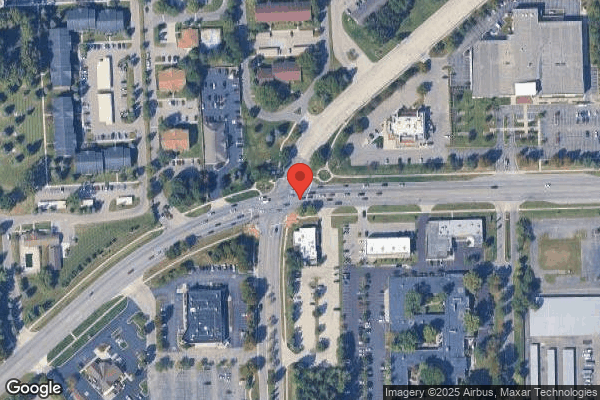

36137 West Warren, Westland, MI 48185 (734) 728-6100
For profit - Limited Liability company 230 Beds VILLA HEALTHCARE Data: November 2025
Trust Grade
30/100
#354 of 422 in MI
Last Inspection: March 2025

Within standard 12-15 month inspection cycle. Federal law requires annual inspections.

Overview

Westland, A Villa Center has received an F grade for its Trust Score, indicating poor performance with significant concerns about care quality. It ranks #354 out of 422 facilities in Michigan, placing it in the bottom half, and #59 out of 63 in Wayne County, meaning only a few local options are worse. The facility is worsening, with issues increasing from 14 in 2024 to 32 in 2025. Staffing is a major concern, receiving only 1 out of 5 stars, with RN coverage lower than 99% of Michigan facilities, which compromises resident care. Specific incidents include a resident being hospitalized due to physical abuse from another resident and complaints about opened personal mail, which undermines privacy. While there have been no fines, the overall environment appears to have significant cleanliness issues, indicating a need for improvement.
Trust Score
F
30/100
In Michigan
#354/422
Bottom 17%
Safety Record
High Risk
Review needed
Inspections
Getting Worse
14 → 32 violations
Staff Stability
⚠ Watch
45% turnover. Above average. Higher turnover means staff may not know residents' routines.
Penalties
✓ Good
No fines on record. Clean compliance history, better than most Michigan facilities.
Skilled Nurses
⚠ Watch
Each resident gets only 10 minutes of Registered Nurse (RN) attention daily — below average for Michigan. Fewer RN minutes means fewer trained eyes watching for problems.
Violations
⚠ Watch
60 deficiencies on record. Higher than average. Multiple issues found across inspections.
★★☆☆☆
2.0
Overall Rating
★☆☆☆☆
1.0
Staff Levels
★★★★★
5.0
Care Quality
★☆☆☆☆
1.0
Inspection Score
Stable
2024: 14 issues
2025: 32 issues

The Good

  • 5-Star Quality Measures · Strong clinical quality outcomes
  • Full Sprinkler Coverage · Fire safety systems throughout facility
  • No fines on record

Facility shows strength in quality measures, fire safety.

The Bad

2-Star Overall Rating

Below Michigan average (3.1)

Below average - review inspection findings carefully

Staff Turnover: 45%

Near Michigan avg (46%)

Higher turnover may affect care consistency

Chain: VILLA HEALTHCARE

Part of a multi-facility chain

Ask about local staffing decisions and management

The Ugly 60 deficiencies on record

1 actual harm
Sept 2025 1 deficiency
CONCERN (D) 📢 Someone Reported This

A family member, employee, or ombudsman was alarmed enough to file a formal complaint

Potential for Harm - no one hurt, but risky conditions existed

Infection Control (Tag F0880)

Could have caused harm · This affected 1 resident

**NOTE- TERMS IN BRACKETS HAVE BEEN EDITED TO PROTECT CONFIDENTIALITY** This citation pertains to intake 2588154.Based on observation, interview, and record review, the facility failed to maintain cle...

Read full inspector narrative →
**NOTE- TERMS IN BRACKETS HAVE BEEN EDITED TO PROTECT CONFIDENTIALITY** This citation pertains to intake 2588154.Based on observation, interview, and record review, the facility failed to maintain clean and sanitary shower beds affecting two residents (R900 and R902) out of three residents reviewed for infection control. Findings include: R900On 9/4/2025 at 10:02 AM, an interview was conducted with R900. R900 reported they had just been given a bed bath and dressed for the day. R900 reported they would love to take a shower, but the bed baths and shower rooms are not clean at all. R902On 9/4/2025 at 12:00 PM, an interview was conducted with R902. R902 reported they would love to take a shower, however the shower beds that they use are disgusting. R902 proceeded to show pictures in their phone of the shower bed on various days. R902 reported they have just been doing bed baths because no one will clean the shower beds. On 9/4/2025 at 12:20 PM, shower room [ROOM NUMBER] was observed with Certified Nursing Assistant (CNA) C. A shower bed was observed in the shower room. The shower bed had a blue covering on it and was noted to have standing brown water in the crevices. The shower bed was observed to have white residue on it, and brown flakes on the covering, as well as the white plastic frame poles. CNA C was asked who was responsible for cleaning the shower beds. CNA C reported staff are supposed to clean the shower beds after each resident use. At 12:43 PM, an observation of shower room [ROOM NUMBER] was completed with Infection Control Preventionist (ICP) B. ICP B reported the shower beds should be cleaned in between patient use, and then a deep clean on midnights. ICP B reported there are scrub brushes and disinfectant in every shower room to clean the shower beds and chairs, and it should be getting completed. A review of a facility policy titled, Medical Equipment Management noted the following, .Clean equipment surfaces in accordance with instructions from both the equipment manufacturer and the chemical manufacturer.
Jun 2025 1 deficiency
CONCERN (D) 📢 Someone Reported This

A family member, employee, or ombudsman was alarmed enough to file a formal complaint

Potential for Harm - no one hurt, but risky conditions existed

Report Alleged Abuse (Tag F0609)

Could have caused harm · This affected 1 resident

This citation pertains to Intake: MI00153897 Based on interview and record review, the facility failed to ensure an allegation of abuse was reported to the State Agency for one resident (R901) of one ...

Read full inspector narrative →
This citation pertains to Intake: MI00153897 Based on interview and record review, the facility failed to ensure an allegation of abuse was reported to the State Agency for one resident (R901) of one reviewed for staff to resident abuse. Findings include: A review of documentation submitted to the State Agency revealed the following, At nighttime a nurse put [R901] in a chair and tied a belt [restraint] around [them]. [R901] was screaming to get out and the nurse told [them] to 'shut up'. On 6/30/25 at 9:47 AM, R901 was observed resident sitting in their wheelchair. Attempts to interview the resident were to no avail. A review of R901's medical record revealed they were admitted into the facility on 3/27/25 with diagnoses which included, other abnormalities of gait and mobility, Dysphagia, and Difficulty in Walking. Further review revealed the resident was severely cognitively impaired and required extensive assistance for Activities of Daily Living. On 6/20/25 at 11:00 AM, a request for all Facility Reported Incidents (FRIs) submitted to the SA regarding R901 were requested from the Nursing Home Administrator (NHA), and they responded there were no FRIs submitted for R901. On 6/30/25 at 11:09 AM, an interview was completed with the Director of Nursing (DON) regarding allegations of abuse and physical restraints for R901. The DON confirmed there was an investigation concerning allegations that R901 had been physically restrained to their wheelchair but was unable to confirm it happened. The DON also acknowledged there was a training for staff following the alleged incident regarding abuse and physical restraints. On 6/30/25 at 1:49 PM, an interview was completed with the NHA regarding the SA not being notified of alleged allegations regarding R901. The NHA explained the internal investigation was completed immediately, but the allegations could not be confirmed. The NHA also acknowledged training was held on abuse and restraints, and a past non-compliance was completed. A review of the facility's Abuse policy revealed, .Initial reporting of allegations: If an incident or allegation is considered reportable, the Administrator or designee will make an initial (immediate not to exceed within 24 hours) report to the State Agency. A follow up investigation will be submitted to the State Agency within five (5) working days .
Jun 2025 2 deficiencies
CONCERN (D) 📢 Someone Reported This

A family member, employee, or ombudsman was alarmed enough to file a formal complaint

Potential for Harm - no one hurt, but risky conditions existed

Quality of Care (Tag F0684)

Could have caused harm · This affected 1 resident

**NOTE- TERMS IN BRACKETS HAVE BEEN EDITED TO PROTECT CONFIDENTIALITY** This citation pertains to Intake number: MI00153419. Based on observation, interview, and record review, the facility failed to ...

Read full inspector narrative →
**NOTE- TERMS IN BRACKETS HAVE BEEN EDITED TO PROTECT CONFIDENTIALITY** This citation pertains to Intake number: MI00153419. Based on observation, interview, and record review, the facility failed to thoroughly assess and determine the root cause of a skin impairment for one (R801) of one resident reviewed for skin management. Findings include: A review of a complaint submitted to the State Survey Agency (SSA) revealed an allegation that staff were rough when transferring them to the wheelchair and have caused injury to their arms and legs. An unannounced, onsite investigation was conducted on 6/10/25 and 6/11/25. On 6/10/25 at 9:25 AM, R801 was observed lying flat on their back in bed. R801 sat up in bed and the left hand was observed to be held tightly against their chest. It was unknown if they were able to straighten their arm. R801 was able to move the right arm freely. At that time R801 was interviewed about the care in the facility. R801 reported they wanted to get out of the facility and said they hated it there. R801 reported staff were rough with them when they put them in the wheelchair and sometimes it hurt their arms. R801 reported they did not report it to anyone because it made them feel anxious was afraid they would get in trouble. At that time, R801's arms were visible and did not appear bruised or with any skin impairments. A review of R801's clinical record revealed R801 was admitted into the facility on 3/12/24 and readmitted on [DATE] with diagnoses that included: hemiplegia and bipolar disorder. A review of R801's Minimum Data Set (MDS) assesment dated 3/14/25 revealed R801 had intact cognition, no behaviors, and was dependent on staff assistance for chair to bed and bed to chair transfers.
CONCERN (D) 📢 Someone Reported This

A family member, employee, or ombudsman was alarmed enough to file a formal complaint

Potential for Harm - no one hurt, but risky conditions existed

Deficiency F0745 (Tag F0745)

Could have caused harm · This affected 1 resident

**NOTE- TERMS IN BRACKETS HAVE BEEN EDITED TO PROTECT CONFIDENTIALITY** This citation pertains to Intake number: MI00153419. Based on observation, interview, and record review, the facility failed to ...

Read full inspector narrative →
**NOTE- TERMS IN BRACKETS HAVE BEEN EDITED TO PROTECT CONFIDENTIALITY** This citation pertains to Intake number: MI00153419. Based on observation, interview, and record review, the facility failed to provide medically related social services for one (R801) of one resident reviewed for mood and behaviors who had a history of self harm and repeatedly contacted 911(emergency medical services). Findings include: A review of a complaint submitted to the State Agency revealed allegations of being treated badly by the staff at the facility and as a result had thoughts of suicide and thoughts of homicide towards the staff. On 6/10/25 at 9:10 AM, an interview was conducted with the Administrator who reported they were not aware of any suicidal or homicidal ideations expressed by R801. On 6/10/25 at 9:25 AM, R801 was observed lying flat on their back in bed. R801 had a long, scruffy beard and wore a hospital gown. When queried about the care in the facility, R801 reported they hated it at the facility and wanted to get out of there. R801 reported the staff were rough when they provided care and did not like to talk to people about their concerns because they did not want to get in trouble. R801 reported they called 911 often, was on a waiting list for housing for Veterans, and wanted to go outside to smoke. R801 stated, I would rather be dead, than be here! R801 reported they had not talked to anyone from the social services department in a while. A review of R801's clinical record revealed R801 was admitted into the facility on 3/12/24 and readmitted on [DATE] with diagnoses that included: hemiplegia, hemiparesis, and bipolar disorder. A review of a Minimum Data Set Assessment (MDS) assessment dated [DATE] revealed R801 had intact cognition and no behaviors. A review of R801's Social Service Notes revealed the last note was dated 3/18/25 and read, Writer met with resident due to increased behaviors, resident explained they get agitated but don't now why, resident agreed to be seen by psych (Psychiatrist). Psych to follow. A review of R801's progress notes from 2/2025 through 3/18/25 revealed R801 had multiple incidents of resisting care, screaming at staff, and agitation. Further review of R801's progress notes after 3/18/25 revealed the following: R801 had a psychiatric evaluation on 3/31/25. At that time R801 had feelings of anxiety and depression and exhibits moments of irritability and impulsivity .via verbal outbursts in (nursing home) when making requests from staff .reports frequent sleep disturbance on most nights . R801 called 911 on: -4/9/25 because felt like he was having a stroke/heart attack, -5/6/25 because they were in pain, -5/22/25 due to shoulder pain, -5/31/25 due to chest pain, and -6/2/25 for groin and arm pain. R801 was transferred to the hospital on most of those dates and returned to the facility the same day besides the on 5/6/25 when they were admitted to the hospital until 5/11/25. There was no documentation of any discussion with R801 to determine why they kept calling 911. A review of R801's psychiatric evaluation notes revealed they were seen by psychiatric services on 4/9/25 and 5/9/25 but there was no mention of R801 calling 911 and going to the hospital. On 5/22/25, prior to R801 calling 911, it was documented that R801 continued to scream even after staff did every task (R801 demanded, changed, water, snack, repositioned, calling 911 several times, very agitated, using vulgar language to staff) . On 6/2/25, it was documented in a Health Status Note the physician was notified of R801's call to 911 to be transferred to the hospital. The physician ordered a Full Psych Eval from the hospital prior to returning to the facility for possible guardianship. R801 returned to the facility the same day. R801 called 911 on 6/3/25 for chest pain and the physician (MD) ordered R801 to be sent to a specific hospital. R801 returned the same day. On 6/3/25 at 2:25 PM, approximately four hours after R801 returned to the facility from the hospital, the following was documented, Writer called 911 to get transferred to the hospital due to abdominal pain. Resident was observed by staff member hitting themself in the stomach . R801 returned to the facility on 6/3/25 at 8:00 PM. On 6/6/25, it was documented in a progress note R801 asked to be changed, during peri care residents bottom sheet was wet. They did not want their bottom sheet changed and started to yell and bang their head against the wall .MD notified ordered to transfer resident to ER (Emergency Room) for Psych Eval (evaluation) . It was documented in a Transfer to Hospital . note on the same date that R801 was being transferred for psych eval due to self harm. Further review of R801's progress notes revealed continued documentation of R801 calling 911 to be transferred to the hospital. A review of a psychiatric evaluation note dated 6/9/25 revealed no documentation of R801's continued 911 calls and hospital transfers or the incidents of self harm on 6/3/25 (punching self in the stomach) and 6/6/25 (banging head on the wall). Further review of R801's Social Service Notes revealed no additional follow up from social services since 3/28/25 when it was identified R801 had increased behaviors. There were no notes from social services that addressed R801's incidents of self harm. A review of R801's care plans revealed the following: A care plan initiated on 4/30/24 that noted, The resident is resistive to care .chooses to call 911 for shoulder pain .verbally aggressive with staff . No additional interventions were implemented since 7/19/24. No care plan was developed or implemented after R801 exhibited self harming behaviors (hitting self in stomach and hitting head on the wall). On 6/10/25 at 10:04 AM, an interview was conducted with the Director of Nursing (DON). When queried about any behaviors exhibited by R801, the DON stated, They just call 911 all the time. It is becoming an issue for the doctor. When queried about why R801 called 911, the DON stated, They don't say why they are calling, they just call. The DON reported staff could be in the room and as soon as they leave, EMS showed up. The DON reported Physician 'D' wanted R801 to have a cognitive test because they can't make their own decisions. When queried about any assessment from social services or nursing, psych services, or the physician that documented any discussion about the root cause of why R801 called 911 all the time, the DON reported R801 did not give a reason. No documentation was provided to show that was discussed with R801. On 6/10/25 at 12:28 PM, an interview was conducted with Social Services Director (SSD 'B'). SSD 'B' reported they started working in the facility a little over one month ago. When queried about how the social services department was involved in developing and implementing interventions for behaviors, SSD 'B' reported they started a new behavior management program recently. When queried about how the social services department was notified of any new or increased behaviors from residents, SSD 'B' reported they look at nursing documentation or was verbally notified by nursing staff. When queried about knowledge of any suicidal ideations or self harming behaviors, SSD 'B' reported they were not aware of those things, only that the resident called 911 a lot and had frequent yelling. On 6/10/25 at approximately 1:00 PM, an interview was conducted with the Administrator who was over the social services department. The Administrator reported he was not aware of any self harming behaviors exhibited by R801 and there should have been documented follow up and interventions in place after he returned to the facility from the hospital.
May 2025 1 deficiency
CONCERN (D) 📢 Someone Reported This

A family member, employee, or ombudsman was alarmed enough to file a formal complaint

Potential for Harm - no one hurt, but risky conditions existed

Deficiency F0602 (Tag F0602)

Could have caused harm · This affected 1 resident

This citation pertains to intake M100152760: Based on observation, interview, and record review, the facility failed to prevent the misappropriation of medication for one (R703) of three residents rev...

Read full inspector narrative →
This citation pertains to intake M100152760: Based on observation, interview, and record review, the facility failed to prevent the misappropriation of medication for one (R703) of three residents reviewed for misappropriation of property. Findings include: Review of the identified intake revealed the facility reported to the State Agency (SA) that R703 had missing medication and their investigation determined that the medication had been diverted by Licensed Practical Nurse (LPN) A resulting in reports to the SA and local law enforcement. On 05/27/25 at 10:40 AM, R703 was interviewed in their room. They reported they had no concerns regarding missing any pain medication doses or being able to get their medication when they needed it. R703 was observed to demonstrate no overt signs of pain. R703 indicated no specific knowledge of their medication being missing at any point. On 05/27/25 at 12:01 PM, a call was placed to LPN A and a message requesting a return call was left. No return call was received by completion of the survey. On 05/27/25 at 12:45 PM, the facility Director of Nursing (DON) was interviewed and asked their understanding of how the medication diversion took place. The DON reported the alleged perpetrator had started a new Controlled Substance Shift Inventory and recorded a false number of medication blister packs so that when LPN A and LPN B completed the shift change medication count no discrepancy was initially identified. The DON reported that approximately two hours after the shift change R703 requested their pain medication and when LPN B attempted to retrieve it, the absence of the medication was identified. The DON reported the ensuing investigation revealed the Controlled Substance Shift Inventory which proceeded the new one that LPN A completed was missing as were the pharmacy controlled substance sheets that pertain to the missing medication. The DON reported the missing inventory sheet was found intact in the shred box and it did reveal a discrepancy in the number of controlled substance blister packs when compared to the new inventory made by LPN A. On 05/27/25 at 2:05 PM, the DON was interviewed and asked their expectation for comparing a new controlled substance inventory sheet to the previous inventory to confirm the transfer of accurate information and the DON reported that the oncoming nurse should verify the previous inventory against the new one when a new inventory is presented and acknowledged that in this case the oncoming nurse did not do so. On 05/27/25 at 2:50 PM, LPN B was interviewed via phone. LPN B reported they did recall the shift change with LPN A and stated they did complete a med count together. LPN B reported they did realize that a new controlled substance inventory had been started and that they asked LPN A about the previous inventory and LPN A told them they had put it in the nursing box. LPN B was asked if putting the previous inventory in the nurses box was normal procedure and they stated No, we normally only do that at the end of the month. LPN B acknowledged that this incident did not occur at the end of the month and therefore the previous inventory should have been available with the new inventory for review, however they did not pursue it further at that time. Review of the facility policy Controlled Substance Accountability Guideline revealed the following statement under Change of Shift Reconciliation: Two licensed nurses (the nurse arriving on duty and the nurse departing from duty) are required to conduct reconciliation (i.e., change of shift count) of controlled substances and sign a signature log attesting to the completion and accuracy of the count. The reconciliation process should include: - A count comparing the Controlled Substance Count Sheet Inventory Log (the master list of the individual count sheets) with the actual individual count sheets. Review of the facility policy Abuse, Neglect, Exploitation, Mistreatment and Misappropriation of Resident Property dated 11/28/17 revealed the statement It is the policy of this facility to prevent abuse by providing residents, families and staff information and education on how and to whom to report concerns, incidents and grievances without the fear of reprisal or retribution. The Definitions portion of the policy included Misappropriation of resident property means the deliberate misplacement, exploitation, or wrongful, temporary, or permanent use of a resident ' s belongings or money without the resident ' s consent.
Mar 2025 24 deficiencies
CONCERN (D) 📢 Someone Reported This

A family member, employee, or ombudsman was alarmed enough to file a formal complaint

Potential for Harm - no one hurt, but risky conditions existed

Deficiency F0553 (Tag F0553)

Could have caused harm · This affected 1 resident

**NOTE- TERMS IN BRACKETS HAVE BEEN EDITED TO PROTECT CONFIDENTIALITY** Based on interview and record review, the facility failed to ensure care conferences were conducted regularly for one resident (...

Read full inspector narrative →
**NOTE- TERMS IN BRACKETS HAVE BEEN EDITED TO PROTECT CONFIDENTIALITY** Based on interview and record review, the facility failed to ensure care conferences were conducted regularly for one resident (R133) of one resident reviewed for care conferences. Findings include: On 3/18/25 at 9:34 AM, R133 was asked about their care in the facility, and they explained they have a difficult time with getting their needs met due to their concerns falling on deaf ears. A review of R133's medical record revealed they were admitted into the facility on [DATE] with diagnoses which included, Morbid Obesity, Stiffness of right hand, Stiffness of left hand, Muscle Weakness, Muscle Wasting and Atrophy, and Schizophrenia (mental health disorder). Further review revealed the resident was cognitively intact and was dependent on staff for bed mobility and transfers. A review of R133's medical record revealed they were supposed to have had care conferences on the following dates: 2/20/2024, 8/6/2024, and 11/19/2024. On 3/20/25 at 9:16 AM, Social Worker T was asked about missed care conferences, and acknowledged that they should be done regularly. A review of the facility's Resident Rights policy revealed the following, .Planning and Implementing Care .Residents and/or representatives have the right to be fully informed .and to participate in your person-centered care planning and treatment .
CONCERN (D)

Potential for Harm - no one hurt, but risky conditions existed

Deficiency F0557 (Tag F0557)

Could have caused harm · This affected 1 resident

**NOTE- TERMS IN BRACKETS HAVE BEEN EDITED TO PROTECT CONFIDENTIALITY** Based on observation, interview, and record review, the facility failed to maintain dignity during tube feeding, for one residen...

Read full inspector narrative →
**NOTE- TERMS IN BRACKETS HAVE BEEN EDITED TO PROTECT CONFIDENTIALITY** Based on observation, interview, and record review, the facility failed to maintain dignity during tube feeding, for one resident (#43) of three residents reviewed for tube feeding. Findings include: On 3/17/25 at 7:19 PM, R43 was observed in their room in bed. On 3/18/25 at 10:09 AM, R43 was observed in a geri chair sitting in the hallway. R43's tube feeding was started, the formula bottle and machine were both exposed to anyone that walked passed. R43's shirt was up exposing their stomach, tubing, and patch. On 3/20/25 at 3:39 PM, R43 was observed in a geri chair sitting in the hallway. R43's tube feeding was started, the formula bottle and machine were both exposed to anyone that walked passed. R43's shirt was up exposing their stomach, tubing, and patch. A review of R43's medical record noted, R43 was admitted to the facility on [DATE] with diagnosis of Down Syndrome. A review of R43's annual Minimum Data Set (MDS) assessment dated [DATE] noted, R43 with a severely impaired cognition and dependent of staff for activities of daily living. On 3/20/25 at 2:39 PM, the Director of Nursing (DON) was asked about the observations, the DON reported they don't cover tube feeding while in a public area. The DON explained that R43's stomach and tubing should not have been exposed. A review of the facility's policy titled, Quality of Life - Dignity dated, 12/2016, revealed, Policy Statement. Each resident shall be cared for in a manner that promotes and enhances quality of life, dignity, respect and individuality. 1. Residents shall be treated with dignity and respect at all times. 2. Treated with dignity means the resident will be assisted in maintaining and enhancing his or her self-esteem and self-worth. 3. Residents shall be groomed as they wish to be groomed (hair styles, nails, facial hair, etc.) . Bodily Privacy During Care and Treatment 10. Staff shall promote, maintain and protect resident privacy, including bodily privacy during assistance with personal care and during treatment procedures .
CONCERN (D) 📢 Someone Reported This

A family member, employee, or ombudsman was alarmed enough to file a formal complaint

Potential for Harm - no one hurt, but risky conditions existed

Deficiency F0558 (Tag F0558)

Could have caused harm · This affected 1 resident

**NOTE- TERMS IN BRACKETS HAVE BEEN EDITED TO PROTECT CONFIDENTIALITY** Based on observation, interview, and record review, the facility failed to ensure the call light was within reach for one reside...

Read full inspector narrative →
**NOTE- TERMS IN BRACKETS HAVE BEEN EDITED TO PROTECT CONFIDENTIALITY** Based on observation, interview, and record review, the facility failed to ensure the call light was within reach for one resident (R70) and provide a proper fitting wheelchair for one resident (R131) out of two residents reviewed for accomodation of needs. Findings Include: R70 On 3/17/25 at 6:45 PM, R70 was observed sitting on their bed. The call light was observed hanging out of reach above the resident's bed. R70 was asked how they're supposed to use their call light if it's out of reach, and they stated, How do you use it? A review of R70's medical record revealed they were admitted into the facility on 2/23/23 with diagnoses that included Alzheimer's Disease, Diabetes and Muscle Weakness. Further review of the resident's medical record revealed the resident was independent to extensve assistance for activities of daily living. On 3/17/25 at 8:06 PM, the resident's call light remained hanging above their bed and out of reach of the resident who was observed sitting on their bed. On 3/18/25 at 8:57 AM, the resident's call light was observed hanging above the resident's bed out of reach. R70 was asked how they call for assistance with the call light being out of reach and they stated, I can holler really loud. On 3/19/25 at 9:34 AM, the resident was observed sitting on their bed. Their call light remained out of reach above their bed. On 3/20/25 at 8:49 AM, the resident was observed sitting on their bed. Their call light remained out of reach above their bed. On 3/20/25 at 1:02 PM, Certified Nursing Assistant, CNA GG was asked to enter R70's room and observe the call light which was out of reach above the resident's bed, where it remained throughout the duration of the survey. CNA GG alleged she did not know how the call light became out of reach as she had checked on the resident earlier and provided the resident with their call light. On 3/20/25 at 2:30 PM, the Director of Nursing (DON) was asked for her expectations for call light accessbilty, and she explained it is her expectation that the call lights remain in reach of the resident. A review of the Answering the Call Light policy revealed the following, .5. Ensure that the call light is accessible to the resident when in bed, from the toilet, from the shower or bathing facility and from the floor . R131 On 3/17/2025 at 07:20 PM observed R131 sitting at their room in a wheelchair that was low to the ground causing their legs to etend out infront of them. R131 complainted the wheelchair was too small and low to the floor for his height (6 foot, 5 inches, weighing 450 pounds). When their feet are flat on the floor, their knees are elevated toward their chest indicating the seat height is too low. R131 revealed the seat height makes it difficult to pedal down the hall causing them to have to take baby steps and tires more easily. R131 revealed he has been measured a few times for a better fitting chair without results. R131 also demonstrated the right arm rest (the pad) on the current wheelchair is nearly broken off. On 3/18/2025 a review of the Electronic Medical Record (EMR) revealed R131 was admitted to the facility on [DATE] with pertinent diagnoses of Gout, Lower Extremity Pain and Weakness, Low Back Pain, Muscle Wasting and Atrophy and Difficulty Walking. Further review of the EMR revealed a Basic Interview for Mental Status (BIMS) score of 15/15 indicating intact cognition. R131 requires a mechanical lift for transfers and substantial to maximum assistance for bathing and dressing and when in a wheelchair they required set-up to minimum assistance for wheelchair level activities. On 03/18/2025 at 02:31 PM, an interview with Physical Therapy Manager (PTM) F indicated they were concerned when R131 was admitted into the facility due to the inability to accommodate their size needs. PTM F further revealed the resident was bed bound upon admission and unable to roll side to side without extreme pain. R131 was progressed from bed bound to attempts at sitting in standard wheelchair. PTM F revealed a standard wheelchair was attempted and the resident was unable to tolerate the low back on the wheelchair. Eventually a highback wheelchair was provided which broke due to the resident attempting to reposition themself. PTM F revealed per facility policy, two quotes are required before obtaining specialized equipment. Two wheelchair companies were contacted who were able to visit the facility for wheelchair measurements. One company came to measure the resident and a quote has been submitted to the Nursing Home Administrator (NHA). A second company arrived, while R131 was at dialysis. The second company was due to come the week of the survey. On 03/19/25 at 10:15 AM, the NHA revealed (R131) is expecting a six to seven thousand dollar wheelchair . Per the NHA, the local Ombudsman has been involved meet on 03/03/2025 at 10:30 AM, along with the NHA, PTM F, Social Worker (SW) T, Restorative Aide II, two other Ombudsman, and R131. Ombudsman HH confirmed since admission, R131 has been in different wheelchair seating devices. Ombudsman HH revealed one wheelchair given to R131 ultimately resulted in a bent wheel and the arms were broken from R131 constantly attempting to reposition themself for comfort. Ombudsman HH revealed they and two other Ombudsman were asked to find a vendor that could provide an appropriate wheelchair. Ombudsman HH revealed while they were advocating for a correct fitting wheelchair for R131, the NHA revealed they were reluctant to provide (R131) a $6,300 wheelchair due to cost. Ombudsman HH responded to the NHA a proper fitting wheelchair was not a want but a need. On 3/20/2025 at 10:53 AM, a written request was made for the policy regarding Accommodation of Resident Needs and the quote for the wheelchair. These were not provided by end of survey.
CONCERN (D)

Potential for Harm - no one hurt, but risky conditions existed

Deficiency F0578 (Tag F0578)

Could have caused harm · This affected 1 resident

**NOTE- TERMS IN BRACKETS HAVE BEEN EDITED TO PROTECT CONFIDENTIALITY** Based on interview and record review, the facility failed to ensure updated and accurate advanced directive (legal documents tha...

Read full inspector narrative →
**NOTE- TERMS IN BRACKETS HAVE BEEN EDITED TO PROTECT CONFIDENTIALITY** Based on interview and record review, the facility failed to ensure updated and accurate advanced directive (legal documents that allow a person to identify decisions about end-of-life care ahead of time) information was in place for one resident (R2) of two residents reviewed for advanced directives. Findings include: A review of R2's medical record revealed they were admitted into the facility on [DATE] with diagnoses that included Dementia, Muscle Weakness and Schizophrenia. Further review revealed the resident had a moderate impaired cognition, and was independent for bed mobility and transfers. Further review of R2's medical record revealed the resident's code status indicated Full Code (a preference to receive all possible life-saving measures in the event of a cardiac or respiratory event). Further review revealed a document titled Do-Not Resuscitate Order (DNR) signed and dated by the resident on 10/12/23, signed and dated by a witness on 10/31/23, and sign and dated by the resident's physician on 11/27/23. On 3/19/25 at 12:15 PM, R2 was observed in their room and asked about their preference in code status. R2 showed the surveyor a form indicating that they wanted to donate their organs upon death, and that they did not want to receive life-sustaining treatment in the event of respiratory distress. On 3/19/25 at 12:44 PM, Licensed Practical Nurse (LPN M) was asked how they are made aware of a resident's code status, and she explained that you can go into the electronic medical record of the resident and locate it at the top of their profile. LPN M also explained that there is a book located at the nurses' station that has residents code statuses in it. LPN M was observed looking through the cabinets of the nurses' station sifting through several binders. She was observed to ask another staff member about the location of the binder in which they replied that they did not know. After several minutes, LPN M located the binder and provided it to the surveyor and explained that the electronic medical record is more accurate as it's updated regularly. On 3/20/25 at 8:47 AM, Social Worker T was asked about the process of ensuring the resident's code status is changed in the medical record when there is a change in status, and she explained that nursing is responsible. On 3/20/25 at 2:29 PM, the Director of Nursing (DON) was asked about the process for ensuring that residents have the correct code status reflected in their medical record, and she explained that when there is a change in the DNR status, it's uploaded in the medical record, and it's communicated in morning meeting and subsequently changed in the system which anyone can do. A review of the resident's Advance Directives and Care Planning Guidelines policy revealed the following, Changes to the resident choices for advance directives will be documented, included in the resident plan of care, State specific documents will be updated as necessary, physician orders will be obtained to reflect new choices as applicable and all items will be communicated to staff providing resident care .
CONCERN (D) 📢 Someone Reported This

A family member, employee, or ombudsman was alarmed enough to file a formal complaint

Potential for Harm - no one hurt, but risky conditions existed

Investigate Abuse (Tag F0610)

Could have caused harm · This affected 1 resident

**NOTE- TERMS IN BRACKETS HAVE BEEN EDITED TO PROTECT CONFIDENTIALITY** Based on interview and record review, the facility failed to report and investigate a verbal altercation for two residents (R199...

Read full inspector narrative →
**NOTE- TERMS IN BRACKETS HAVE BEEN EDITED TO PROTECT CONFIDENTIALITY** Based on interview and record review, the facility failed to report and investigate a verbal altercation for two residents (R199 and R197) of six residents reviewed from abuse. Findings include: On 03/17/25 at 6:43 PM, R197 was the only resident in the room at the time with two other beds. R197 was asked if they had roommates in one of the beds and they stated, (name of R199) was removed from the room. R197 explained on early Sunday (3/16/25) morning, R199 called the nurse out of her name and cursed at them (two roommates) and threatened the two of them. A review of R199's electronic medical record did not reveal a note regarding the room change or of the verbal incident. On 3/20/25 at 1:50 PM, the Social Worker was asked the reason R199 was moved to another room. The Social Worker explained they moved R199 because of a verbal altercation with the roommate. The Social Worker was asked for the facility's investigation and reported that there was no formal investigation documented regarding the incident. Further review of R199's medical record noted, R199 was admitted to the facility on [DATE] with a diagnosis of Schizoaffective disorder, Bipolar Type. A review of R199's admission Minimum Data Set (MDS) assessment, noted R199 with an intact cognition and required assistance with activities of daily living. A review of R199's care plan noted, Focus: The resident has impaired cognitive function r/t (related to) Dementia. Date Initiated: 02/22/2025. Goal: The resident will be able to communicate basic needs on a daily basis through the review date. Date Initiated: 02/22/2025. Interventions: Monitor cognitive decline for further progression of the disease process. Date Initiated: 02/22/2025. Focus: The resident uses psychotropic medications. Date Initiated: 03/14/2025. Goal: The resident will be/remain free of psychotropic drug related complications, including movement disorder, discomfort, hypotension, lethargy, gait disturbance, constipation/impaction or cognitive/behavioral impairment through review date. Date Initiated: 03/14/2025. Interventions: Administer PSYCHOTROPIC medications as ordered by physician. Monitor for side effects and effectiveness Q-SHIFT. Date Initiated: 03/14/2025. On 3/20/25 at 2:34 PM, the Director of Nursing (DON) explained they were notified by a weekend Nurse supervisor there was a verbal altercation, and R199 was removed from the room for safety reason concerns. The DON was asked if there should be a note that explained the details of the incident in the medical record. The DON explained the process is to write a note in the medical record, but that was not done with this incident. On 3/20/25 at 3:00 PM, the Nursing Home Administrator (NHA) was asked if they were aware of the reason R199 was moved to another room. The NHA explained, they didn't even know R199 was moved and that there was an incident. The NHA was asked the facility's expectation of verbal incidents, the NHA explained that this should have been reported to him. A review of the facilty's policy titled, Abuse, Neglect, Exploitation, Mistreatment and Misappropriation of Resident Property dated, 11/28/17 noted, Purpose: It is the practice of the facility to encourage and support all residents, staff, families, visitors, volunteers and resident representatives in reporting any suspected acts of abuse, neglect, exploitation, involuntary seclusion or misappropriation of resident property from abuse, neglect, misappropriation of resident property, and exploitation . i. Verbal abuse is defined as the use of oral, written or gestured language that willfully includes disparaging and derogatory terms to residents or their families, or within their hearing distance, regardless of their age, ability to comprehend, or disability. Examples of verbal abuse include, but are not limited to: threats of harm; saying things to frighten a resident, such as telling a resident that he/she will never be able to see his/her family again . PROCEDURE: Immediately upon receiving a report of alleged abuse, the Administrator, and or designee will coordinate delivery of appropriate medical and/or psychological care and attention. Ensuring safety and well-being for the vulnerable individual are of utmost priority. Safety, security and support of the resident, their roommate, if applicable and other residents with the potential to be affected will be provided .
CONCERN (D) 📢 Someone Reported This

A family member, employee, or ombudsman was alarmed enough to file a formal complaint

Potential for Harm - no one hurt, but risky conditions existed

PASARR Coordination (Tag F0644)

Could have caused harm · This affected 1 resident

**NOTE- TERMS IN BRACKETS HAVE BEEN EDITED TO PROTECT CONFIDENTIALITY** Based on interview and record review, the facility failed to accurately complete a Preadmission Screening and Resident Review (P...

Read full inspector narrative →
**NOTE- TERMS IN BRACKETS HAVE BEEN EDITED TO PROTECT CONFIDENTIALITY** Based on interview and record review, the facility failed to accurately complete a Preadmission Screening and Resident Review (PASARR) Mental Illness/Intellectual Disability Related Condition Level 1 Screening and failed to complete a Level II evaluation for one resident (R3) out of five reviewed for PASARR's. Findings include: A review of the medical record revealed that R3 admitted into the facility on [DATE] with the following diagnoses, Bipolar Disorder and Weakness. A review of the most recent Minimum Data Set assessment revealed a Brief Interview for Mental Status score of 15/15 indicating an intact cognition. R3 also required staff assistance with bed mobility and transfer. A review of the physician orders revealed that R3 was on Seroquel (Antipsychotic), as well as Ativan (Antianxiety), Zoloft (Antidepressant) and Buspirone (Antidepressant). Further review of a PASARR screening on file dated 12/6/2024, revealed that No was checked for the following questions, 1. The person has a current diagnosis of Mental Illness or Dementia 2. The person has received treatment for Mental Illness or Dementia 3. The person has routinely received one or more prescribed antipsychotic or antidepressant medications with the last 14 days No updated PASARR or Level II screening could be found in the R3's medical record. On 3/20/2025 at 10:45 AM, an interview was conducted with Social Work (SW) T. SW T reported the Social Worker that was in place went on a leave and somethings were not completed timely. SW T indicated they are doing a complete audit, and they updated R3's PASARR and was sending it in to the appropriate agency. A review of a facility policy titled, PASARR Guideline noted the following, .The objective of the PASARR guideline is to ensure the individuals with mental illness and intellectual disabilities receive the care and services that they need in the most appropriate setting. The PASARR will be evaluated annually and upon any significant change for those individuals identified.
CONCERN (D)

Potential for Harm - no one hurt, but risky conditions existed

Comprehensive Care Plan (Tag F0656)

Could have caused harm · This affected 1 resident

**NOTE- TERMS IN BRACKETS HAVE BEEN EDITED TO PROTECT CONFIDENTIALITY** Based on observation, interview, and record review, the facility failed to develop and implement care plan interventions for two...

Read full inspector narrative →
**NOTE- TERMS IN BRACKETS HAVE BEEN EDITED TO PROTECT CONFIDENTIALITY** Based on observation, interview, and record review, the facility failed to develop and implement care plan interventions for two residents (R13 and R196) of three residents reviewed for care planning. Findings include: R13 On 3/17/25 at 7:47 PM, R13 was observed sitting in their wheelchair at the entrance of their bedroom. Attempts to interview the resident were difficult due to their speech however, the resident did indicate they needed a new remote for their television. On 3/18/25 at 12:45 PM, R13 was observed awake in bed, floor mats folded up next the bed. Also located in the room was an unidentified staff member who appeared to be sleeping. She was asked who she was and indicated that she was providing 1:1 supervision for the resident because they are known to throw themselves on the floor, and at times refuses dialysis, so she attends with him. A review of R13's medical record revealed the resident was admitted into the facility on [DATE] with diagnoses that included Metabolic Encephalopathy, Muscle Weakness, End Stage Renal Disease, and Aphasia. Further review revealed the resident was cognitively intact and required physical assist for bed mobility and toileting. On 3/19/25 at 9:37 AM, surveyor entered the room of R13 and observed their wheelchair at the bedside, a soiled brief and soiled pajamas bottoms on the floor. R13 was in the bathroom unsupervised. There were no floor mats noted on the side of R13's bed. On 3/19/25 at 12:40 PM, R13 was observed in bed asleep, there were no floor mats on the side of their bed. On 3/20/25 at 11:24 AM, R13 was observed awake in bed, no bed mats on the floor, and there was no 1:1 supervision in place. A review of the resident's care plan revealed the following: Focus: [R13] has had an actual fall r/t (related to) hemiplegia, hx (history) of falls, and cognitive impairment. Date Initiated: 08/10/2024 .Interventions: Provide 1:1 companion while awake. When not with companion Resident should be with actives (activities) for the red napkin program. Date Initiated: 10/29/2024 .Ensure mat is in place at bedside. Date Initiated: 11/18/2024 . R196 On 3/17/25 at 7:25 PM, R196 was observed in bed with an ankle tether monitoring device (to ensure compliance with court orders) on their left leg. A review of R196's medical record revealed they were admitted into the facility on 2/12/2025 with diagnoses that included Pleural Effusion, Sepsis, and Weakness. Further review revealed the resident was cognitively intact and required independence to supervision for activities of daily living. On 3/20/25 at 10:26 AM, R196 was asked about the ankle tether on their left leg, and explained they were waiting to go back to court, but was unable to, due to their present illness. R196 further explained the tether has impeded their ability to complete therapy. R196 was asked if skin checks had been completed underneath the ankle monitor, and stated No. A review of R196's care plan revealed the following, Focus: [R196] has potential for impairment to skin integrity r/t incontinence. sepsis, heart failure, protein calorie malnutrition, pleural effusion MASD (moisture associated skin damage) to buttock Date Initiated: 02/13/2025 .Interventions: Apply barrier cream per facility protocol to help protect skin from excess moisture. Date Initiated: 02/14/2025 Encourage that heels are elevated while resident is lying in bed. Date Initiated: 02/14/2025. Dietary Consult as needed. Date Initiated: 02/14/2025. Encourage/assist with turning and repositioning. Date Initiated: 02/14/2025. monitor skin when providing cares, notify nurse of any changes in skin appearance. Date Initiated: 02/13/2025. Nutritional Supplements as ordered. Date Initiated: 02/14/2025. Pressure reduction bed mattress. Date Initiated: 02/14/2025. PT/OT Consultation. Date Initiated: 02/14/2025, Encourage good nutrition and hydration in order to promote healthier skin. Date Initiated: 02/14/2025. On 3/20/25 at 10:00 AM, Unit Manager U was asked about R196's ankle tether, and no care plan or orders related to checking the skin of the resident. Unit Manager explained there should be documentation related to the tether. On 3/20/25 at 1:55 PM, Admissions Coordinator I was asked about the process for admitting justice involved residents, and explained that corporate office sends an admission notice and she locates a bed within the facility. Admissions Coordinator I also explained that she wasn't made aware the resident had an ankle tether until they were admitted . On 3/20/25 at 2:23 PM, the Director of Nursing (DON) was asked about the skin underneath R136's ankle tether being checked, and she acknowledged it should be checked and the tether care planned. A review of the facility's Care Plan Standard Guideline policy revealed the following, .Comprehensive Careplan. The facility must develop and implement a comprehensive person-centered care plan for each resident, consistent with resident rights, that includes measurable objectives and timeframes to meet a resident's medical, nursing and mental and psychosocial needs that are identified in the comprehensive assessment. The comprehensive care plan must describe the following: 1.Services that are to be furnished to attain or maintain the resident's highest practicable physical ,mental and psychosocial well-being; 2.Any services that would otherwise be required but are not provided due to the resident ' s exercise of rights, including the right to refuse treatment; 3.Any specialized services or specialized rehabilitative .
CONCERN (D)

Potential for Harm - no one hurt, but risky conditions existed

Deficiency F0657 (Tag F0657)

Could have caused harm · This affected 1 resident

**NOTE- TERMS IN BRACKETS HAVE BEEN EDITED TO PROTECT CONFIDENTIALITY** R44 A review of the medical record revealed that R44 admitted into the facility on 2/17/2025 with the following diagnoses, Post-...

Read full inspector narrative →
**NOTE- TERMS IN BRACKETS HAVE BEEN EDITED TO PROTECT CONFIDENTIALITY** R44 A review of the medical record revealed that R44 admitted into the facility on 2/17/2025 with the following diagnoses, Post-Traumatic Stress Disorder (PTSD) and Bipolar Disorder. A review of the most recent Minimum Data Set assessment revealed a Brief Interview for Mental Status score of 11/15 indicating an impaired cognition. R44 also required staff assistance with bed mobility and transfers. Further review of the care plan revealed the following, Focus .The resident has potential Post Trauma ineffective coping Goal .Resident will demonstrate ability to deal with emotional reactions appropriately No individualized interventions related to R44's PTSD were noted on the care plan. On 3/18/2025 at 11:17 AM, R44 reported that they have past trauma from personal family affairs and loss. On 3/20/2025 at 1:41 PM, an interview was conducted with Social Worker (SW) T. SW T stated they would be revising and individualizing R44's PTSD care plan because it was not complete or appropriate. Based on observation, interview and record review the facility failed to ensure two (R4 and R44) of three residents had timely revisions for care plans. Findings include: R4 On 3/20/2025 R4 was observed sitting in a wheelchair in their room while lunch trays were being passed. When R4 did not receive a tray, an inquiry was made regarding R4's meal. Unit Manager (UM) J revealed R4 was now NPO (nothing by mouth). Further inquiry revealed R4 was having increased difficulty during lunch on 03/19/2025 with their pureed diet. The Electronic Medical Record (EMR) review revealed R4 was admitted on [DATE] with pertinent diagnoses of Cerebral Infarction (Stroke), Schizoaffective Disorder, Depression, seizures, and Oral Phase Dysphagia (Difficulty Swallowing). R4's Basic Interview for Mental Status reveals a score of 99/15 indicating R4 was rarely/never understood. R4 was dependent for all activities of daily living and mobility. On 03/20/2025, a review of the Electronic Medical Record (EMR) revealed a physician order for Nothing by Mouth (NPO) on 03/19/2025 at 01:55 PM. Further review of the EMR revealed the care plan had not been updated to reflect R4's current dietary status. On 3/19/2025, the DON revealed their expectation that care plans are promptly updated.
CONCERN (D) 📢 Someone Reported This

A family member, employee, or ombudsman was alarmed enough to file a formal complaint

Potential for Harm - no one hurt, but risky conditions existed

ADL Care (Tag F0677)

Could have caused harm · This affected 1 resident

**NOTE- TERMS IN BRACKETS HAVE BEEN EDITED TO PROTECT CONFIDENTIALITY** This citation pertains to Intake MI00150867. Based on observation, interview, and record review, the facility failed to provide ...

Read full inspector narrative →
**NOTE- TERMS IN BRACKETS HAVE BEEN EDITED TO PROTECT CONFIDENTIALITY** This citation pertains to Intake MI00150867. Based on observation, interview, and record review, the facility failed to provide 1:1 feeding assistance, and ensure bathing was provided per the plan of care for two residents (R32 and R177) of nine residents reviewed for activities of daily living (ADLs). Findings include: R32 On 3/18/25 at 9:29 AM, R32 was observed sitting in their wheelchair. The resident was observed with hair on their upper lip and chin, long nails with an unknown brown substance underneath, and unkempt greasy hair. The resident was asked if they receive showers regularly, and explained that they did not, and could not remember the last time they had received a shower, had their nails trimmed or the hair on their face shaved. A review of R32's medical record revealed they were admitted into the facility on [DATE] with diagnoses that included Muscle Weakness, Heart Failure, Depression, and Paroxysmal Atrial Fibrillation. Further review revealed the resident was cognitively intact. On 3/19/25 at 9:38 AM, R32 was observed with hair on their upper lip and chin, long nails with an unknown brown substance underneath, and unkempt greasy hair. On 3/20/25 at 8:54 AM, R32 was observed with hair on their upper lip and chin, long nails with an unknown brown substance underneath, and unkempt greasy hair. On 3/20/25 at 10:00 AM, Unit Manager U was asked about the resident's appearance, and explained that she would follow-up on their ADL care. On 3/20/25 at 2:34 PM, the Director of Nursing (DON) was informed of R32's appearance, and she explained that the expectation is that the resident is double checked to ensure their hygiene is appropriate when the resident completes it themselves. R177 On 3/19/2025 at 1:00 PM, R177 was observed in their room, eating lunch foods independently. A review of their meal ticket noted that R177 was supposed to have 1:1 feeding assistance. No one was observed in or around the room. A review of the medical record revealed that R177 admitted into the facility on 6/19/2024 with the following diagnoses, Dysphagia and Muscle Weakness. A review of the most recent Minimum Data Set assessment revealed a Brief Interview for Mental Status score of 13/15 indicating an intact cognition. R177 also required staff assistance with bed mobility and transfers. Further review of the medical record revealed the following diet order, 1:1 feeding assistance. Active. On 3/20/2025 at 10:08 PM, R177 was observed laying int the bed with their breakfast tray sitting next to them. Nothing seemed to be set up on the tray. R177 stated no one had helped them eat or tried to help them eat. On 3/20/2025 at 10:09 AM, Licensed Practical Nurse (LPN) W was asked if R177 was supposed to have assistance while eating. LPN W reported R177 is supposed to have assistance with eating, and they required cueing and encouragement. On 3/20/2025 at 11:45 AM, an interview was conducted with Registered Dietitian (RD) X. RD X reported R177 is a red napkin which means they are not necessarily a 1:1 feed, but they are supervision, and they need to be set up like having their cereal and milk opened and set up for them. On 3/20/2025 at 2:42 PM, an interview was conducted with the Director of Nursing (DON). The DON indicated R177 is on a red napkin program and should be set up by staff for all meals. A review of a facility policy titled, Activities of Daily Living (ADL), Supporting noted the following, Residents will be provided with care, treatment and services as appropriate to maintain or improve their ability to carry out activities of daily living (ADLs). Residents who are unable to carry out activities of daily living independently will receive the services necessary to maintain good nutrition, grooming and personal and oral hygiene.
CONCERN (D) 📢 Someone Reported This

A family member, employee, or ombudsman was alarmed enough to file a formal complaint

Potential for Harm - no one hurt, but risky conditions existed

Deficiency F0685 (Tag F0685)

Could have caused harm · This affected 1 resident

Based on interview and record review, the facility failed to schedule a follow up ophthalmology appointment in a timely manner for one resident (R146) out of one reviewed for vision. Findings include:...

Read full inspector narrative →
Based on interview and record review, the facility failed to schedule a follow up ophthalmology appointment in a timely manner for one resident (R146) out of one reviewed for vision. Findings include: On 3/17/2025 at 7:30 PM, an interview was conducted with R146. R146 reported they are waiting to be sent out to see an eye specialist. R146 reported they have not heard anything about when they would be going out, or what the hold up was. A review of the medical record revealed R146 admitted into the facility on 1/13/2025 with the following diagnoses, Critical Illness Myopathy and Muscle Weakness. A review of the most recent Minimum Data Set assessment 15/15 indicating an intact cognition. R146 also required staff assistance with bed mobility and transfers. Further review of the medical record revealed R146 had seen the in-house vision group at the facility, and they recommended that R146 go to an ophthalmologist due to retinol bleeding in both eyes. On 3/20/2025 at 9:51 AM, an interview was conducted with Unit Secretary Y. Unit Secretary Y' reported their supervisor brought the appointment to their attention that day. Uni Secretary Y indicated R146 had been in and out of the hospital and keeping up with the appointment had become difficult. On 3/20/2025 at 2:17 PM, an interview was conducted with the Director of Nursing (DON). The DON reported they get the recommendations from the ancillary services, and they implement them, but it's a process. A request for a facility policy on ancilarry services was requested and not received by end of survey.
CONCERN (D) 📢 Someone Reported This

A family member, employee, or ombudsman was alarmed enough to file a formal complaint

Potential for Harm - no one hurt, but risky conditions existed

Accident Prevention (Tag F0689)

Could have caused harm · This affected 1 resident

Based on observation, interview, and record review, the facility failed to maintain an accident-free environment for one resident (R177) out of one reviewed for accidents. Findings include: On 3/20/20...

Read full inspector narrative →
Based on observation, interview, and record review, the facility failed to maintain an accident-free environment for one resident (R177) out of one reviewed for accidents. Findings include: On 3/20/2025 at 10:04 AM, R177 was observed in their room. R177 was noted to be laying in bed, and their breakfast tray was off to the side of them. The tray ticket had that R177 was to have paper products only and was highlighted in capital letters. R177's breakfast tray was noted to be glass, and they also had regular cups and silverware. On 3/20/2025 at 10:10 AM, Licensed Practical Nurse (LPN) W. LPN W was shown the regular plates for R177 and queried as if they should have them. LPN W indicated that R177 likes to throw and break plates, so they should have paper products for safety reasons. LPN W stated they were unsure about what happened. On 3/20/2025 at 11:05 AM, an interview was conducted with Dietary Manager (DM) O. DM O reported that R177 was not supposed to have regular plates, and they are supposed to have paper products as requested by the nursing staff. DM O reported they have a new person on their tray line. A review of a policy titled, Accidents did not address paper products for behaviors.
CONCERN (D)

Potential for Harm - no one hurt, but risky conditions existed

Deficiency F0691 (Tag F0691)

Could have caused harm · This affected 1 resident

**NOTE- TERMS IN BRACKETS HAVE BEEN EDITED TO PROTECT CONFIDENTIALITY** Based on observation, interview, and record review, the facility failed to obtain physician orders for colostomy (an opening thr...

Read full inspector narrative →
**NOTE- TERMS IN BRACKETS HAVE BEEN EDITED TO PROTECT CONFIDENTIALITY** Based on observation, interview, and record review, the facility failed to obtain physician orders for colostomy (an opening through the skin for the collection of bowel movement) care for one resident (R32) out of one reviewed for colostomy care. Findings include: On 3/18/25 at 9:29 AM, R32 was observed sitting in their room, and was asked about their care and explained they have a colostomy bag that hasn't been changed in 2 months. A review of R32's medical record revealed they were admitted into the facility on [DATE] with diagnoses that included Muscle Weakness, Heart Failure, Depression, and Paroxysmal Atrial Fibrillation. Further review revealed the resident was cognitively intact. Further review of R32's medical record revealed a Quarterly Minimum Data Set assessment dated for 1/10/2025 indicating that the resident has an Ostomy bag. Further review did not reveal a physician's order for the care of R32's colostomy. On 3/20/25 at 2:33 PM, the Director of Nursing (DON) was asked about the lack of orders for R32's colostomy, and she explained there should be an order so the nurses can provide the care as ordered. A review of the facility's Colostomy, Urostomy or Ileostomy Care policy revealed the following, Purpose: To ensure residents who require colostomy, urostomy or ileostomy services receive care consistent with professional standards of practice and person-centered goals and preferences .
CONCERN (D) 📢 Someone Reported This

A family member, employee, or ombudsman was alarmed enough to file a formal complaint

Potential for Harm - no one hurt, but risky conditions existed

Staffing Information (Tag F0732)

Could have caused harm · This affected 1 resident

Based on observation, interview and record review, the facility failed to ensure nurse staffing information was readily accessible for all 194 residents, families, and visitors in the facility. Findin...

Read full inspector narrative →
Based on observation, interview and record review, the facility failed to ensure nurse staffing information was readily accessible for all 194 residents, families, and visitors in the facility. Findings include: On 3/17/25 at 7:20 PM, the staff posting for the day was observed to be incomplete without staff listed for the midnight shift. On 3/19/25 at 3:10 PM, the posting for today was observed incomplete without staff listed for the afternoon and midnight shift. On 3/19/25 at 3:21 PM, the scheduler was asked about the incomplete staff posting and reported she completes the form once she knows the staff for that shift. She further explained the reason for waiting to complete to form because if it changes it would be incorrect. On 3/19/25 at 4:11 PM, after a review of the 18 months of staff postings it was noted, the postings provided were not filling complete and the facility did not maintain access of 18 months of postings at the facility. The scheduler reported that the missing months were sent to be shredded at third party The scheduler explained, she may have not been at work on the days the forms were not completed, the charge nurse would be the one to complete the forms when she is not at work. A review of the facility's policy titled, Daily Staff Posting Guideline dated, 11/28/17 revealed, Purpose: The objective for this requirement is to post information about the number of staff directly responsible for resident care on each shift. This information must be posted in a prominent place, readily accessible to residents and visitors at the start of each shift. Facilities are not required to post staffing information on each floor, unless they choose to do so . Guideline: The practice of this facility is to ensure the following process is followed, each shift, with the staff posting: Posting includes the following: 1. The Facility name & current date. 2. The total number of staff directly responsible for resident care per shift for each of the following categories: a. Licensed (RNs, LPNs) b. Unlicensed (CNAs). Timing: Information is to be posted daily and must be present at the start of each shift. As changes in staffing patterns occur, the posting will be updated .
CONCERN (D) 📢 Someone Reported This

A family member, employee, or ombudsman was alarmed enough to file a formal complaint

Potential for Harm - no one hurt, but risky conditions existed

Drug Regimen Review (Tag F0756)

Could have caused harm · This affected 1 resident

**NOTE- TERMS IN BRACKETS HAVE BEEN EDITED TO PROTECT CONFIDENTIALITY** Based on interview and record review the facility failed to ensure the medication regimen irregularities were reviewed, acted up...

Read full inspector narrative →
**NOTE- TERMS IN BRACKETS HAVE BEEN EDITED TO PROTECT CONFIDENTIALITY** Based on interview and record review the facility failed to ensure the medication regimen irregularities were reviewed, acted upon, and documented in the medical record for one resident (R32) of six residents reviewed for unnecessary medications. Findings include: A review of R32's medical record revealed they were admitted into the facility on [DATE] with diagnoses that included Muscle Weakness, Heart Failure, Depression, and Paroxysmal Atrial Fibrillation. Further review revealed the resident was cognitively intact. A review of R32's monthly medication regimens revealed the following date in which irregularities were noted by the pharmacist during their monthly review: 11/24/24. On 3/20/25 at 10:51 AM, a request was sent to the facility requesting the irregularities report for 11/24/24 provided by the pharmacy, and the physician's response however, the report was not received by the end of survey. A review of the Physcian Services policy did not outline the process of reviewing pharmacy reports following medication regimine reviews.
CONCERN (D) 📢 Someone Reported This

A family member, employee, or ombudsman was alarmed enough to file a formal complaint

Potential for Harm - no one hurt, but risky conditions existed

Medication Errors (Tag F0758)

Could have caused harm · This affected 1 resident

Based on interview and record review, the facility failed to complete an initial Abnormal Involuntary Movement Scale (AIMS) assessment for one resident (R44) out of one reviewed for unnecessary medica...

Read full inspector narrative →
Based on interview and record review, the facility failed to complete an initial Abnormal Involuntary Movement Scale (AIMS) assessment for one resident (R44) out of one reviewed for unnecessary medication use. Findings include: A review of the medical record revealed that R44 admitted into the facility on 2/17/2025 with the following diagnoses, Post-Traumatic Stress Disorder (PTSD) and Bipolar Disorder. A review of the most recent Minimum Data Set assessment revealed a Brief Interview for Mental Status score of 11/15 indicating an impaired cognition. R44 also required staff assistance with bed mobility and transfers. Further review of the physician orders revealed that R44 was prescribed and actively taking Seroquel (Antipsychotic). Further review of R44's medical record did not reveal an AIMS assessment which is used to detect abnormal movements across the face, lips, tongue, upper extremities, lower extremities, and trunk caused by antipsychotics. On 3/20/2025 at 1:41 PM, an interview was conducted with Social Worker (SW) T. SW T indicated the Psychiatric Nurse Practitioner was completing the AIMS with their reviews and this one was missed. A review of a facility policy titled, Medication Use: Psychotropic noted the following, 13. Residents receiving psychotropic medications are monitored for adverse consequences, including: a. anticholinergics effects - flushing, blurred vision, dry mouth, altered mental status, difficulty urinating, falls, excessive sedation and constipation; b. cardiovascular effects - irregular heart rate or pulse, palpitations, lightheadedness, shortness of breath, diaphoresis, chest/arm pain, increased blood pressure, orthostatic hypotension; c. metabolic effects - increased cholesterol and triglycerides, poorly controlled or unstable blood sugar, weight gain; d. neurologic effects - agitation, distress, extrapyramidal symptoms, neuroleptic malignant syndrome, Parkinsonism, tardive dyskinesia, cerebrovascular events; and e. psychosocial effects - inability to perform ADLs or interact with others, withdrawal or decline from usual social patterns, decreased engagement in activities, diminished ability to think or concentrate.
CONCERN (D)

Potential for Harm - no one hurt, but risky conditions existed

Dental Services (Tag F0791)

Could have caused harm · This affected 1 resident

**NOTE- TERMS IN BRACKETS HAVE BEEN EDITED TO PROTECT CONFIDENTIALITY** Based on observation, interview, and record review, the facility failed to schedule recommended dental services for one of one r...

Read full inspector narrative →
**NOTE- TERMS IN BRACKETS HAVE BEEN EDITED TO PROTECT CONFIDENTIALITY** Based on observation, interview, and record review, the facility failed to schedule recommended dental services for one of one resident (R133) reviewed for dental services. Findings include: 3/19/25 at 9:43 AM, R133 was observed lying in bed on their back. R133's teeth were observed as yellow and discolored, and was asked if they had seen a dentist since admission into the facility, and they replied, No. A review of R133's medical record revealed they were admitted into the facility on [DATE] with diagnoses which included, Morbid Obesity, Stiffness of right hand, stiffness of left hand, Muscle Weakness, Muscle Wasting and Atrophy, and Schizophrenia. Further review revealed the resident was cognitively intact and was dependent on staff for bed mobility and transfers. Further review of R133's medical record revealed the resident was seen for a dental exam on 5/29/24 and at that time, the following recommendations was made, X-rays were not taken because resident was seen in their room. Recommend resident be brought to the dental clinic at their next visit. Further review of R133's medical record revealed that on 7/2/24, the resident was not seen by dentistry because they were sleeping. On 3/20/25 at 9:16 AM, Social Worker T was asked about the process for scheduling dental services when x-rays are recommended, and it was explained that the medical records scheduler makes all outside appointment, and an appointment for the resident should have been scheduled. On 3/20/25 at 02:16 PM, the Director of Nursing (DON) was asked about R133's dental recommendation not being followed up on, and she acknowledged the expectation is dental recommendations be followed. A review of the facility's Routine and Emergency Dental Services policy did not address the process from ensuring dental recommendations are followed in a timely manner.
CONCERN (D) 📢 Someone Reported This

A family member, employee, or ombudsman was alarmed enough to file a formal complaint

Potential for Harm - no one hurt, but risky conditions existed

Deficiency F0919 (Tag F0919)

Could have caused harm · This affected 1 resident

Based on observation, interview, and record review, the facility failed to ensure a functional call light for one resident (R61) of one resident reviewed for operational call lights. Findings include:...

Read full inspector narrative →
Based on observation, interview, and record review, the facility failed to ensure a functional call light for one resident (R61) of one resident reviewed for operational call lights. Findings include: On 3/17/25 at 8:55 PM, R61 was observed sitting in their wheelchair. The call light from the inside of the resident's room was lit up however, the light on the outside of the room which is used to bring awareness to staff that the resident needs assistane was not lit up. R61 was asked how long their call light had not been working and stated, It's been like this for awhile. On 3/18/25 at 9:12 AM, R61 was observed sitting in their room and further asked about their stay in the facility and explained that call lights are not answered timely. The call light remained unoperational from the outside of the door. On 3/20/25 at 10:51 AM, the work orders for R61's room were requested, and was informed there were no work orders for the resident's room. On 3/20/25 at 2:30 PM, the Director of Nursing (DON) was asked about the inoperatable call light for R61, and she indicated that she would follow up. On 3/20/25 at 3:15 PM, the DON and Environmental Services Assistant Q approached surveyor and indicated that the call light had been repaired. Surveyor asked for the date of repair however, Environmental Services Assistant Q could not recall the date. A review of facility's Answering the Call Light policy revealed the following, 4. Be sure that the call light is plugged in and functioning at all times. 6. Report all defective call lights to the nurse supervisor promptly .
CONCERN (E) 📢 Someone Reported This

A family member, employee, or ombudsman was alarmed enough to file a formal complaint

Potential for Harm - no one hurt, but risky conditions existed

Deficiency F0645 (Tag F0645)

Could have caused harm · This affected multiple residents

**NOTE- TERMS IN BRACKETS HAVE BEEN EDITED TO PROTECT CONFIDENTIALITY** Based on interview and record review, the facility failed to complete a Preadmission Screening and Resident Review (PASARR) Ment...

Read full inspector narrative →
**NOTE- TERMS IN BRACKETS HAVE BEEN EDITED TO PROTECT CONFIDENTIALITY** Based on interview and record review, the facility failed to complete a Preadmission Screening and Resident Review (PASARR) Mental Illness/Intellectual Disability Related Condition Level 1 Screening and failed to complete a Level II evaluation for four residents (R44, R177, R4 and R10) out of five reviewed for PASARR's. Findings include: R44 A review of the medical record revealed that R44 admitted into the facility on 2/17/2025 with the following diagnoses, Post-Traumatic Stress Disorder (PTSD) and Bipolar Disorder. A review of the most recent Minimum Data Set assessment revealed a Brief Interview for Mental Status score of 11/15 indicating an impaired cognition. R44 also required staff assistance with bed mobility and transfers. Further review of a PASARR screening on file dated 7/24/2024, revealed that Yes was checked for the following questions, 1. The person has a current diagnosis of Mental Illness or Dementia 2. The person has received treatment for Mental Illness or Dementia 3. The person has routinely received one or more prescribed antipsychotic or antidepressant medications with the last 14 days 4. There is presenting evidence of mental illness or dementia, including significant disturbances in thought, conduct, emotions, or judgement. Presenting evidence may include, but is not limited to, suicidal ideations, hallucinations, delusions, serious difficulty interacting with others. Further review of the PASARR noted the following, Distribution: If any answer to items 1-6 in SECTION II is YES, send ONE copy to the local Community Mental Health Services Program (CMHSP), with a copy of form DCH-3878 if an exemption is requested. The nursing facility must retain the original in the patient record and provide a copy to the patient or legal representative. No Level II evaluation could be found in the R44's medical record. R177 A review of the medical record revealed that R177 admitted into the facility on 6/19/2024 with the following diagnoses, Dysphagia and Muscle Weakness. A review of the most recent Minimum Data Set assessment revealed a Brief Interview for Mental Status score of 13/15 indicating an intact cognition. R177 also required staff assistance with bed mobility and transfers. Further review of the medical record showed a PASARR dated 6/2024 with an 30-day exemption checked. No updated PASARR could be located. On 3/20/2025 at 10:45 AM, an interview was conducted with Social Work (SW) T. SW T reported the Social Worker that was in place went on a leave and somethings were not completed timely. SW T indicated they are doing a complete audit, and they updated R44 and R177 PASARR's and was sending them in to the appropriate agency. R4 On 03/18/24 a review of the Electronic Medical Record (EMR) revealed a Level I PASARR was submitted on 3/18/2024. Further review of the EMR revealed R4 was initially admitted on [DATE] and readmitted on [DATE]. Pertinent diagnoses include Cerebral Infarction (Stroke), Schizoaffective Disorder, Major Depressive Disorder, and Seizure Disorder. A Brief Interview for Mental Status (BIMS) revealed a score of 5/15 indicating severely impaired cognition. R4 also was dependent on staff for all activities of daily living (ADL's) and mobility. Further review revealed the EMR did not have a Level II submitted. There was not a Dementia Exemption letter. R10 On 03/18/2025 a review of the EMR revealed R10 had a Level I submitted on 10/31/2022. Dementia was not included in the diagnoses. The EMR revealed R10 was admitted on [DATE]. Pertinent diagnoses include Bipolar disorder on admission and Dementia added on 01/01/2023. R10's EMR revealed a BIMS score of 6/15 indicating severely Impaired Cognition dated 02/11/2025. R10 required Substantial to Maximum Assistance for activities of daily living and required a wheelchair for mobility. Further review revealed the EMR did not have a Level II submitted. A Dementia Exemption letter was not in the EMR. A review of a facility policy titled, PASARR Guideline noted the following, .The objective of the PASARR guideline is to ensure the individuals with mental illness and intellectual disabilities receive the care and services that they need in the most appropriate setting. The PASARR will be evaluated annually and upon any significant change for those individuals identified.
CONCERN (E)

Potential for Harm - no one hurt, but risky conditions existed

Deficiency F0804 (Tag F0804)

Could have caused harm · This affected multiple residents

**NOTE- TERMS IN BRACKETS HAVE BEEN EDITED TO PROTECT CONFIDENTIALITY** Based on observation, interview, and record review, the facility failed to serve food in a palatable manner and at the preferred...

Read full inspector narrative →
**NOTE- TERMS IN BRACKETS HAVE BEEN EDITED TO PROTECT CONFIDENTIALITY** Based on observation, interview, and record review, the facility failed to serve food in a palatable manner and at the preferred temperature for four residents ( R30, R53, R69, R154) of six residents reviewed for food palatability. Findings include: R69 On 3/18/25 at 7:07 PM, R69 reported the food is horrible. R69 explained, the residents does not have any input on the food, the facility picks and choose what they are going to serve. The residents are not offered a menu before hand. A review of R69's medical record noted, R69 was admitted to the facility on [DATE] with diagnosis Chronic Pulmonary Disease. A review of R69 quarterly Minimum Data Set (MDS) assessment dated [DATE] noted R69 with an intact cognition and required assistance with activities of dialysis living. R154 On 3/18/25 at 10:10 AM, R154 reported the food is always cold. On 3/19/25 at 3:58 PM, they have asked me my likes and they still send what they want which are my dislikes. On 3/20/25 at 9:15 AM, R154 was asked about their dinner and stated, Dinner they gave me cold chicken noodle soup. A review of R154's medical record noted, R69 was admitted to the facility on [DATE] with diagnosis of Neurological Condition a review of R69's MDS assessment dated [DATE], noted R69 with an intact cognition and dependant of staff to complete activities of daily living. R53 On 3/18/25 at 11:17 AM, R53 was interviewed about the palatability of the food at the facility and stated, It's terrible. A review of R53's electronic medical record (EMR) revealed that R53 was admitted to the facility on [DATE] with diagnoses that included Chronic pain and Musle weakness. A review of R53's most recent Minimum Data Set (MDS) assessment dated [DATE] revealed that R53 had an intact cognition. On 3/19/25 at 1:08 PM, a lunch tray was temperature tested off of a food cart on the 300 unit of the facility by the [NAME] dietary manager (RDM) P and the results were the following, Pork cutlet: 136 F (Fahrenheit); Cheesy potatoes: 118 F; Greens: 122 F. RDM P was interviewed regarding the food temperatures and indicated that food temperature was based upon residents' preferences. RDM P tasted the lunch tray per request and indicate the meal tasted, flavorful. On 3/19/25 at 1:15 PM, the lunch meal was taste tested by the survey team and the results revealed the cheesy potatoes lacked flavor, the greens and the pork cutlet were luke warm which negatively impacted palatability. R30 On 3/19/25 at 12:30 PM, 12:45 PM, 12:48 PM, and 1:05 PM, R30's pureed lunch meal was observed to be sitting in front of R30 untouched. R30 was interviewed about their meal and stated, This food tastes like crap. I've never eaten anything like this in my life. A record review of R30's EMR revealed that R30 was admitted to the facility on [DATE] with diagnoses that included Dementia and Atrial fibrillation (Irregular heartbeat). R30's most recent MDS dated [DATE] revealed that R30 had an intact cognition. On 3/20/25 at 11:10 AM, Dietary manager (DM) O was interviewed about the palatability of the food at the the facility including the pureed food served to residents. DM O indicated that the pureed food is the same as the regular food except in a pureed form and they attempt to meet the dietary preferences and needs of all residents residing at the facility. On 3/20/25 at 11:35 AM, the Administrator (NHA) was interviewed regarding their expectations for the palatability of the food served at the facility. The NHA indicated the food served should be palatable and at the appropriate temperature per the facility food policy. A review of the facility's policy titled, Food Palatability-Hot Food Temperatures Guidelines dated 2018, noted, Steps healthcare communities may take into consideration to assure hot food and beverages are both safe and appetizing include the following: Appetizing temperatures Distribute trays quickly to clints who receive their meals on trays. Serve food directly from steam tables in the dining rooms. To accommodate varying opinions among individuals regarding what temperature the food or beverage should be in order to be appetizing; food may be heated in the microwave .
CONCERN (F)

Potential for Harm - no one hurt, but risky conditions existed

Deficiency F0576 (Tag F0576)

Could have caused harm · This affected most or all residents

Based on interview and record review, the facility failed to ensure the residents' right to receive unopened and private mail delivery was maintained for two of eight confidential residents who attend...

Read full inspector narrative →
Based on interview and record review, the facility failed to ensure the residents' right to receive unopened and private mail delivery was maintained for two of eight confidential residents who attended a resident group interview. Findings include: On 3/19/25 at 9:48 AM, during the Resident Council interview meeting, the residents reported, their mail is delivered opened at times. One resident explained they had a personal letter from their sister that was opened, and they didn't understand why this happened. The group explained if the facility staff felt the mail might be a check, they will open it. On 3/19/25 at 2:18 PM, the Activities Director was asked about the delivery of mail. The Activities Director (AD) explained the mail is given to them by the business office and they deliver the mail to the residents. The AD was asked if they opened resident mail, the AD explained the activities department does not open resident's mail. The AD further explained the business office has opened mail and has given it to the activities department for us to deliver it to the resident. The AD explained they did not feel comfortable with delivering mail that had been opened because it is against the law to open other people's mail. The AD explained when open mail is given to the activities department they return it back to the business office, for them to deliver to the resident. On 3/20/25 at 9:02 AM, the Business Office Manager was asked about the opening of resident's mail. The manager explained they open resident's mail if the facility's name is also on the mail, along with the resident's name. A review of the facility's policy titled, Resident Rights dated 1/28/2017, revealed, Purpose: It is the practice of this facility to provide for an environment in which residents may exercise their rights, each day. Our residents have certain rights and protections under Federal law. Our facility meets and provides these rights through care and related services at all times. Guideline: Our residents have certain rights and protections under Federal law that help ensure appropriate care and services are provided. Our facility will provide residents with a written description of their legal rights . Privacy and Confidentiality The right to send and receive mail and packages Facility staff should never open your mail unless a resident allows it .
CONCERN (F) 📢 Someone Reported This

A family member, employee, or ombudsman was alarmed enough to file a formal complaint

Potential for Harm - no one hurt, but risky conditions existed

Safe Environment (Tag F0584)

Could have caused harm · This affected most or all residents

**NOTE- TERMS IN BRACKETS HAVE BEEN EDITED TO PROTECT CONFIDENTIALITY** On 03/18/25 at 2:20 PM, room [ROOM NUMBER] was observed. The flooring was soiled with stains, and was sticky and dull in appeara...

Read full inspector narrative →
**NOTE- TERMS IN BRACKETS HAVE BEEN EDITED TO PROTECT CONFIDENTIALITY** On 03/18/25 at 2:20 PM, room [ROOM NUMBER] was observed. The flooring was soiled with stains, and was sticky and dull in appearance. The bathroom flooring was also soiled with a buildup of grime. The over-bed table in the room was observed with the plastic edging pulling away from the surface, leaving rough, exposed particle board underneath. The surface was no longer smooth and easily cleanable. On 03/18/25 at 2:25 PM, the flooring in room [ROOM NUMBER] was observed with a black, gummy substance surrounding 7-8 floor tiles. On 03/18/25 at 2:30 PM, the flooring in room [ROOM NUMBER] was observed with a black, gummy substance surrounding several floor tiles. When queried about the black substance, Regional Housekeeping Supervisor stated, It looks like built up glue. Resident (R92), who resided in room [ROOM NUMBER] was queried about the room. R92 complained of old urine on the floor in the corner of her room, and stated it was from a previous resident. R92 also complained of urine odors in the bathroom. R92 stated the man that was in this room before her, peed everywhere and they didn't clean it up and stated, I can smell the pee when I'm trying to eat, and it makes me sick! Upon observation, in addition to the black, gummy substance on the floor, there was a yellow stain on the flooring in the corner of the room. In the bathroom, there was a strong, pungent urine odor. Review of the undated policy Quality of Life-Homelike Environment noted: Residents are provided with a safe, clean, comfortable and homelike environment and encouraged to use their personal belongings to the extent possible .2. The facility staff and management shall maximize, to the extent possible, the characteristics of the facility that reflect a personalized, homelike setting. These characteristics include: a. Clean, sanitary and orderly environment .f. Pleasant, neutral scents . This citation pertains to Intake number MI00150524 and MI00150867. This citation has two Deficiant Practice Statements (DPS). DPS #1 Based on observation, interview, and record review, the facility failed to maintain a clean, homelike, and odorless environment for all 194 residents residing at the facility. Findings include: On 3/17/25 at 6:38 PM, an observation was made of a toilet in the bathroom located in the hallway by nurse station one being plugged with toilet paper, feces, and urine. The odor in the bathroom smelled of feces and urine. On 3/17/25 at 6:45 PM, a fan in room [ROOM NUMBER] was observed to be covered in dust. On 3/18/25 at 9:12 AM, a observation was made of a toilet in the bathroom located in the hallway by nurse station one being plugged with toilet paper, feces, and urine. The odor in the bathroom smelled of feces and urine. A review of resident council meeting notes for the months of December 2024 through February 2025 revealed multiple resident concerns indicated in the notes regarding resident rooms not being cleaned daily. On 3/18/25 at 2:30 PM, Environmental Services Assistant (ESA) Q was interviewed regarding who was responsible for unclogging toilets at the facility. ESA Q indicated that maintenance was responsible for unclogging toilets and repairing them as needed. On 3/18/25 at 2:35 PM, Corporate Maintenance Director (CMD) R was interviewed about the plugged toilet by nurse station one and indicated that the toilet was currently broken and needed new bolts to attach it securely to the floor. On 3/21/25 at 11:21 AM, the Administrator (NHA) was interviewed regarding their expectations for maintenance of the facility. The NHA indicated that maintenance issues should be reported and followed up on as needed. DPS #2 Based on interview and record review, the facility failed to protect two residents' (R3 and R47) personal property from loss, out of two reviewed for personal property. Findings include: R3 On 3/18/2025 at 2:59 PM, an interview was conducted with R3. R3 indicated that laundry brought up their clothing for the day, but did not bring back any of their socks. R3 reported they marked all their socks and that someone brought them some socks to the room, but they did not belong to them and indicated this has happened more times than they can count. A review of the medical record revealed that R3 admitted into the facility on [DATE] with the following diagnoses, Bipolar Disorder and Weakness. A review of the most recent Minimum Data Set assessment revealed a Brief Interview for Mental Status score of 15/15 indicating an intact cognition. R3 also required staff assistance with bed mobility and transfer. On 3/19/2025, a personal inventory sheet was requested but not received by end of survey. R47 On 3/17/2025 at 8:40 PM, an interview was conducted with R47. R47 indicated their socks were missing. R47 reported they were unsure if they were stolen, or missing in laundry. R47 indicated they labeled their socks and that their sister had just brought the socks to the facility and reported they informed their nurse and certified nursing assistant about the missing socks. A review of the medical record revealed that R47 admitted into the facility on [DATE] with the following diagnoses, Unsteadiness on Feet and Anxiety Disorder. A review of the most recent Minimum Data Set assessment revealed a Brief Interview for Mental Status score of 15/15 indicating an intact cognition. R47 also required staff assistance with bed mobility and transfers. On 3/19/2025, a personal inventory sheet was request but not received by end of survey. On 3/20/2025 ta 10:59 AM, an interview was conducted with Environmental Services Director (EVS) V. EVS V was queried about the process when there is a missing item and reported if they are unable to find the item, then they ask for a receipt and replace the item. EVS V reported if they do not have a receipt for the item, then they can go by the personal inventory sheet. A review of a facility policy titled, Quality of Life-Homelike Environment noted the following, Residents are provided with a safe, clean, comfortable and homelike environment and encouraged to use their personal belongings to the extent possible.
CONCERN (F) 📢 Someone Reported This

A family member, employee, or ombudsman was alarmed enough to file a formal complaint

Potential for Harm - no one hurt, but risky conditions existed

Deficiency F0730 (Tag F0730)

Could have caused harm · This affected most or all residents

Based on interview, and record review, the facility failed to complete in-service education performance reviews for five Certified Nurse Aides (CNA's Z, AA, BB, CC, and DD) of five reviewed for an ann...

Read full inspector narrative →
Based on interview, and record review, the facility failed to complete in-service education performance reviews for five Certified Nurse Aides (CNA's Z, AA, BB, CC, and DD) of five reviewed for an annual performance review. Findings include: On 3/20/25 at 11:54 AM, a request was made for the required 12 hours annual resident care in-service education performance reviews for CNA's Z, AA, BB, CC, and DD. On 3/20/25 at 1:56 PM, the Director of Nursing (DON) reported they were contacting the third party education company for the staff education records. At 2:42 PM, the DON reported she did not have an estimate time that the company will be able to provide the education in-services. The request for the CNA's 12 hours of education was not provided by the end of the survey. A review of the facility's policy titled, Training Requirements Guideline dated 5/29/2020, revealed, Purpose: To inform and guide center leadership about training requirements and their role in the training development, implementation, and maintenance of an effective training program for all new and existing staff. 1 . At a minimum, training topics for all center staff must include: a. Effective communication b. Resident rights c. Activities which constitute abuse, neglect, and exploitation d. Procedures for reporting abuse, neglect, and exploitation e. Dementia management and resident abuse prevention f. Conflict resolution and anger management g. QAPI program h. Infection control i. Compliance and ethics training j. Behavioral health training. The following additional training requirements are outlined for all nurse aides: a. Must ensure the continuing competence .
CONCERN (F) 📢 Someone Reported This

A family member, employee, or ombudsman was alarmed enough to file a formal complaint

Potential for Harm - no one hurt, but risky conditions existed

Garbage Disposal (Tag F0814)

Could have caused harm · This affected most or all residents

Based on observation, interview, and record review, the facility failed to maintain the exterior dumpster area in a clean manner. This deficient practice had the potential to affect all residents, sta...

Read full inspector narrative →
Based on observation, interview, and record review, the facility failed to maintain the exterior dumpster area in a clean manner. This deficient practice had the potential to affect all residents, staff and visitors. Findings include: On 3/8/25 at 9:30 AM, during an observation of the 2 exterior dumpsters with Dietary Manager (DM) O, there were several bags of trash observed on the ground in front of the dumpsters, a bag of trash on the side of the dumpster and a bag of trash behind the dumpsters. There was an accumulation of loose trash items in between the 2 dumpsters and along the sides of the dumpsters. DM O stated Maintenance is responsible for cleaning up the dumpster area. Review of the undated policy Food-Related Garbage and Rubbish Disposal noted: Outside dumpsters provided by garbage pick up services will be kept closed and free of surrounding litter.
CONCERN (F)

Potential for Harm - no one hurt, but risky conditions existed

Infection Control (Tag F0880)

Could have caused harm · This affected most or all residents

Based on observation, interview, and record review, the facility failed to ensure appropriate infection control practices, storage of nebulizer mask for two residents (R32, R655), clean blood pressure...

Read full inspector narrative →
Based on observation, interview, and record review, the facility failed to ensure appropriate infection control practices, storage of nebulizer mask for two residents (R32, R655), clean blood pressure cuffs, and elements of the infection control program were completed potentially affecting all 194 residents that reside in the facility. Findings include: On 03/20/25 at 10:10 AM, a review of the infection control program was conducted with the Director of Nursing (DON) who was acting as the interim Infection Preventionist. The DON noted that during a recent outbreak of the flu multiple residents were treated prophylactically. Education related to the outbreak was requested but not provided prior to survey exit. A review of the monthly summaries revealed: In January 2024, 21 facility acquired infections were documented and based on a census of 200 the infection control rate was: -In February 2024 the rate was 14.5%; -In March 2024 the rate was 11%; -In April 2024 the rate was 11%; -In May 2024 the rate was 7%; -In June 2024 the rate was 10.5%; -In July 2024 the rate was 12.5%; No staff call in log was found; -In August 2024 the rate was 9%; -In September 2024 the rate was 12% and -In October 2024 the rate was 9.5%. The monthly summaries for November and December 2024 were not found. The DON was asked about the infection control rate being about a 5% threshold rate and if staff education had been completed. The only staff education was in May of 2024 related to enhanced barrier precautions. Mapping related to the line listings for January and February if 2025 was also requested but not received prior to survey exit. Additional documentation of staff education for 2024 was not provided prior to survey exit. On 03/20/25 at 11:30 AM, the DON reported a resident on dialysis should be Enhanced Barrier Precautions (EBP) and signs should be in place on the door and personal protective equipment (PPE) available. The DON was also asked about the storage of a nebulizer mask and reported it should be kept in a plastic bag in a suitable location in the resident's room. R32 On 3/18/25 at 9:20 AM, R32 was observed in their room. Observed in the room was the resident's unused oxygen concentrator in addition to their nebulizer mask which was uncovered, and lying on the resident's cluttered nightstand. On 3/18/25 at 2:18 PM, R32's nebulizer mask was observed uncovered and lying on the floor. On 3/19/25 at 9:38 AM, R32 was observed sitting on their bed and asked about their nebulizer treatments, and they explained that the used to get a breathing treatment nightly because they would get wheezy at night. The nebulizer mask was observed sitting inside R32's nightstand. On 3/20/25 at 2:31 PM, the Director of Nursing (DON) was made aware of the observations of R32's nebulizer mask and explained her expectation is once the treatment is completed, it should be stored in plastic. R655 On 3/17/2025 at 7:00 PM, R655 was observed in their room. Their nebulizer was observed on the nightstand, it not stored in bag or placed on a barrier. On 3/19/25 at 10:40 AM, R655's nebulizer mask was observed not stored in a bag or placed on a barrier and sitting on nightstand. On 03/20/25 at 10:15 AM, R655's nebulizer mask was observed not stored in bag and sitting on nightstand. R655 was queired as to often they used their nebulizer and they reported they use it everyday. A review of the medical record revealed that R655 admitted into the facility on 3/10/2025 with the following diagnoses, Human Immunodeficiency Virus and Asthma. A review of the most recent Minimum Data Set assessment revealed a Brief Interview for Mental Status score of 15/15. R655 also required staff assistance with bed mobility and transfers. On 03/20/25 at 11:10 AM an interview was conducted with the Director of Nursing (DON) who also served as the Infection Control Preventionist (ICP). The DON/ICP indicated the nebulizer mask should be stored in a a bag. The expectation is when they are done using it, then it should be put in a plastic bag. On 3/19/2025 at 08:30 AM, Licensed Practical Nurse (LPN) M during medication pass was observed taking vital signs of three residents without cleaning before or after use. On 03/19/2025 upon completion of medication pass, LPN M was queried about when reusable medical equipment should be cleaned. LPN M revealed equipment should be cleaned with the bleach wipes between residents with a 3 minute wet time. LPN M did not clean the equipment before resuming medication pass. On 3/19/2025 at 09:10 AM took a resident blood pressure. Upon returning to the medication cart, LPN N did not clean the blood pressure cuff. When queried what should occur after using a blood pressure cuff, LPN N revealed the reusable medical equipment should be cleaned with a bleach wipe when task is completed. On 3/20/25 the Director of Nursing (DON) was queried regarding the expectation for cleaning reusable medical equipment and they indicated the expectation is cleaning should occur between each resident. A review of the Policy titled, Infection Prevention and Control Guideline dated 11/28/2017, revealed the following: Equipment or items in the patient environment . must be handled in a manner to prevent transmission of infectious agents (properly clean and disinfect or sterilize reusable equipment before use on another patient.).
Feb 2025 2 deficiencies
CONCERN (D) 📢 Someone Reported This

A family member, employee, or ombudsman was alarmed enough to file a formal complaint

Potential for Harm - no one hurt, but risky conditions existed

Deficiency F0688 (Tag F0688)

Could have caused harm · This affected 1 resident

**NOTE- TERMS IN BRACKETS HAVE BEEN EDITED TO PROTECT CONFIDENTIALITY** This citation pertains to Intake: MI00149925 Based on observation, interview, and record review, the facility failed to implemen...

Read full inspector narrative →
**NOTE- TERMS IN BRACKETS HAVE BEEN EDITED TO PROTECT CONFIDENTIALITY** This citation pertains to Intake: MI00149925 Based on observation, interview, and record review, the facility failed to implement a hand splint for one resident (R500) out of one resident reviewed for range of motion. Findings include: On 2/20/25 at 10:17 AM, R500 was observed lying in bed. R500's ring finger and little finger of their right hand appeared to be contracted inward. A hand splint was observed lying on top of a case of bottled water on the floor in the room. R500 was asked if they are supposed to wear the splint and R500 explained they think so, but no one has ever applied it or shown them how to wear it. A review of R500's record revealed, they were admitted to the facility on [DATE] with a diagnosis of polyarthritis. A review of R500's Minimum Data Set revealed the Brief Interview for Mental Status dated 1/23/25 was marked as not assessed indicating that R500's cognition was not assessed. A review of R500's record revealed no physicians order for a hand splint. A review of R500's care plan revealed no documentation of a hand splint. On 2/20/25 at 11:30 AM, the Physical Therapy director (PT B) explained Occupational Therapy (OT) had seen and treated R500 from 12/5/24 through 1/16/25. PT B explained OT was working with R500 on their right hand and the OT notes say they ordered a wrist hand finger orthosis (splint). PT B explained OT fills out the paperwork which details the use for the splint and provides it to the restorative nurs and applies it to the resident as ordered. PT B was observed reviewing R500's EMR and explained that there was no order for the hand splint. On 2/20/25 at 11:55 AM, a form titled Splint/Brace Instructions was returned via email from the Nursing Home Administrator (NHA). The form, dated 1/16/25, revealed the following: Right hand splint. Purpose: provide proper alignment. Prevent contractures. Wearing schedule: worn at night only up to 4 hours or as tol (tolerated) .patient requires assistance with application. On 2/20/25 at 12:22 PM, the Director of Nursing (DON) said they were currently acting as the restorative nurse. The DON explained the restorative aide said they were not aware of the splint. The DON confirmed there was never an order placed in the EMR for the splint. A review of the facility's policy titled Restorative Nursing Services revealed the following: Policy Statement. Residents will receive restorative nursing care as needed to help promote optimal safety and independence. Policy Interpretation and Implementation 1. Restorative nursing care consists of nursing interventions that may or may not be accompanied by formalized rehabilitative services (e.g., physical, occupational or speech therapies). 2.Residents may be started on a restorative nursing program upon admission, during the course of stay or when discharged from rehabilitative care. 3. Restorative goals and objectives are individualized and resident-centered, and are outlined in the resident's plan of care. 4. The resident or representative will be included in determining goals and the plan of care. 5. Restorative goals may include, but are not limited to supporting and assisting the resident in: a. adjusting or adapting to changing abilities; b. developing, maintaining or strengthening his/her physiological and psychological resources; c. maintaining his/her dignity, independence and self-esteem; and d. participating in the development and implementation of his/her plan of care. A review of the facility's policy titled Restorative Nursing Program Manager Essential Functions revealed the following: The Director of Nursing will designate a Nursing Program Manager and provide clinical over site with the program. The Restorative Nursing Program Manager: .Integrates therapy recommendation into the nursing care plan .Documents Restorative Nursing Program orders, care plans and progress notes in (EMR) per Restorative Nursing Guideline.
CONCERN (D) 📢 Someone Reported This

A family member, employee, or ombudsman was alarmed enough to file a formal complaint

Potential for Harm - no one hurt, but risky conditions existed

Deficiency F0761 (Tag F0761)

Could have caused harm · This affected 1 resident

**NOTE- TERMS IN BRACKETS HAVE BEEN EDITED TO PROTECT CONFIDENTIALITY** This citation pertains to intake MI00149935. Based on observation, interview, and record review, the facility failed to properly...

Read full inspector narrative →
**NOTE- TERMS IN BRACKETS HAVE BEEN EDITED TO PROTECT CONFIDENTIALITY** This citation pertains to intake MI00149935. Based on observation, interview, and record review, the facility failed to properly store medications for one resident (R500) out of one resident reviewed for medication storage. Findings include: On 2/20/25 at 10:17 AM, R500 was observed in bed. Two bottles of Fluticasone nasal spray were observed on the night stand next to the bed within R500's reach. R500 explained they use the nasal spray themself. A clear plastic bag containing six medication bottles were observed in a wash basin on top of another night stand in R500's room. Three of the medications were Colace, Certizine, and Meloxicam. The writing on the other three bottles were worn off and illegible. A review of R500's record revealed they were admitted to the facility on [DATE] with a diagnosis of polyarthritis. A review of R500's Minimum Data Set revealed the Brief Interview for Mental Status dated 1/23/25 was marked as not assessed indicating R500's cognition was not assessed. A review of R500's physician orders revealed the following order: Fluticasone Propionate 50 MCG/ACT (micrograms per activation) suspension. 2 sprays in both nostrils every 12 hours for allergies. No order for self administration or order to leave at bedside was found. No orders for Colace, Certizine, or Meloxicam were found in the medical record. On 2/20/25 at 11:39 AM, Licensed Practical Nurse (LPN A) explained that R500 is sometimes confused and R500 should not have the nasal spray in their room, but they leave it in there because if they try to remove it R500 yells at them. LPN A was shown the bag of medication bottles in R500's room. LPN A explained R500 is not supposed to have the medications in their room and was observed to remove the bag from the room. On 2/20/25 at 12:22 AM, the Director of Nursing (DON) explained R500 should not have medications in their room unless they have a physicians order and have been assessed that they can self administer and keep medications at their bedside. A review of the facility's policy titled Self Administration of Medications revealed the following: Residents have the right to self-administer medications if the interdisciplinary team has determined that it is clinically appropriate and safe for the resident to do so. Policy Interpretation and Implementation 1. As part of the evaluation comprehensive assessment, the interdisciplinary team (IDT) assesses each resident's cognitive and physical abilities to determine whether self-administering medications is safe and clinically appropriate for the resident. 2.The IDT considers the following factors when determining whether self-administration of medications is safe and appropriate for the resident: a. The medication is appropriate for self-administration; b.The resident is able to read and understand medication labels; c. The resident can follow directions and tell time to know when to take the medication; d. The resident comprehends the medication's purpose, proper dosage, timing, signs of side effects and when to report these to the staff; e. The resident has the physical capacity to open medication bottles, remove medications from a container and to ingest and swallow (or otherwise administer) the medication; and f. The resident is able to safely and securely store the medication. 3. If it is deemed safe and appropriate for a resident to self-administer medications, this is documented in the medical record and the care plan. The decision that a resident can safely self-administer medications is re-assessed periodically based on changes in the resident's medical and/or decision-making status .7. If the resident is able and willing to take responsibility for documenting self-administration of medications, the resident is instructed on how to complete a record indicating the administration of the medication .9. Any medications found at the bedside that are not authorized for self-administration are turned over to the nurse in charge for return to the family or responsible party .
Jan 2025 1 deficiency
CONCERN (D) 📢 Someone Reported This

A family member, employee, or ombudsman was alarmed enough to file a formal complaint

Potential for Harm - no one hurt, but risky conditions existed

Laboratory Services (Tag F0770)

Could have caused harm · This affected 1 resident

**NOTE- TERMS IN BRACKETS HAVE BEEN EDITED TO PROTECT CONFIDENTIALITY** This citation pertains to Intake MI00149448. Based on interview and record review, the facility failed to ensure laboratory (lab...

Read full inspector narrative →
**NOTE- TERMS IN BRACKETS HAVE BEEN EDITED TO PROTECT CONFIDENTIALITY** This citation pertains to Intake MI00149448. Based on interview and record review, the facility failed to ensure laboratory (lab-blood sample) tests were completed timely for two resident (R901, R902) of three whose blood test results were reviewed, resulting in labs not completed and a delay in health assessment. Findings include: R901 A review of the facility record for R901 revealed, R901 was admitted into the facility 03/31/23. Diagnoses included Diabetes and High Blood Pressure. The Minimum Data Set (MDS) assessment dated [DATE] indicated intact cognition and the need for partial assistance for most activities of daily living. A review of the physician orders with last review date of 12/30/24 documented a blood work lab order for Phenytoin (dilantin) trough (indicates lowest concentration), every night shift every three months with start date of 01/28/24. This order was documented as discontinued. A review of the lab result dated 07/02/24 documented a complete blood count (CBC) was completed, but under the Therapeutic Drug Monitoring heading, the dilantin level was documented as invalid. The last lab documented as completed in the electronic medical record was a CBC on 07/25/24. A review of the hospital record from October 2024 revealed a dilantin level was not documented. The October 2024 Medication Administration Record documented daily administration before and after R901's hospital stay. A review of the active physician's orders documented an order dated 10/12/24 for Phenytoin Sodium extended oral capsule 100 mg (milligrams) give one capsule by mouth at bedtime. On 01/21/25 at 3:33 PM, documentation of a dilantin level for R901 was requested from the facility. Documentation of the dilantin level was not received prior to survey exit. On 01/21/25 at 3:48 PM, the physician for R901 was asked about the need for labs for a resident on Phenytoin. The physician reported if diabetic then would draw a dilantin level every three months. R902 A review of the facility record for R902 revealed, R902 was admitted into the facility on [DATE]. Diagnoses included Stroke with left side paralysis and Diabetes. The MDS dated [DATE] documented cognitive skills as independent, impaired range of motion on one side and was dependent for all activities of daily living. A review of the blood work lab order for 05/15/24 documented a Complete Blood Count (CBC) and Comprehensive Metabolic Panel (CMP) as completed. A review of the record revealed no results were documented in the electronic medical record. A review of the Basic Metabolic Panel and CBC lab values completed 12/21/24 documented twenty lab values as out of range (not within normal limits). On 01/21/25 at 2:33 PM, a review of the record for R902's labs was conducted with the Director of Nursing (DON). The DON viewed the medical record and lab portal and reported the requisition was put in, but the labs were not done for the order dated 05/15/24. The DON also reported the patient was not available and a second attempt was to be made 05/24/24 and was not done. The DON reported the lab did not always notify the facility of missed labs. The DON reported nursing staff and the physicians should follow up on lab orders. A review of the facility policy titled, Therapeutic Medication Monitoring Guidelines dated May 2022, revealed, .All residents receiving medications should be routinely monitored by a collaborative process with the resident which involves the Pharmacist, Nurse, Physician and other disciplines . Accurate and precise timing, both in administration of the medication and in obtaining blood samples, are of utmost importance in medication monitoring . A review of the facility policy titled, Laboratory, Radiology, and Other Diagnostic Services Guideline dated 06/01/2020, revealed, Purpose: To ensure laboratory, radiology and other diagnostic services meet the needs of residents, that results are reported promptly to the ordering provider to address potential concerns and for disease prevention, provide for resident assessment, diagnosis and treatment .Our facility obtains laboratory services to meet the needs of residents. Our facility is responsible for the quality and timeliness of the services .
Sept 2024 3 deficiencies 1 Harm
SERIOUS (G) 📢 Someone Reported This

A family member, employee, or ombudsman was alarmed enough to file a formal complaint

Actual Harm - a resident was hurt due to facility failures

Free from Abuse/Neglect (Tag F0600)

A resident was harmed · This affected 1 resident

**NOTE- TERMS IN BRACKETS HAVE BEEN EDITED TO PROTECT CONFIDENTIALITY** This citation refers to Intake MI00146945. Based on interview and record review, the facility failed to protect the resident's r...

Read full inspector narrative →
**NOTE- TERMS IN BRACKETS HAVE BEEN EDITED TO PROTECT CONFIDENTIALITY** This citation refers to Intake MI00146945. Based on interview and record review, the facility failed to protect the resident's right to be free from resident to resident physical abuse for one resident (R904) out of two residents reviewed for abuse resulting in hospitalization for right eye fracture. Findings include: A review of a complaint called into the State Agency incident revealed the following: (R903) sold clothes to (R904) but (R904) didn't pay for the clothes and claims that (R903) took them back. On 9/5/24 (R904) hit (R903) in the arm and (R903) swung back hitting (R904) in the face causing (them) to fall. The residents were separated, and the police were called. (R904) injuries were assessed and treated without further incident. R904 A review of R904's record revealed they were admitted to the facility on [DATE] with the following diagnosis; end stage renal disease. A review of R904's Brief Interview for Mental Status revealed a score of 15 indicating intact cognition. Further review of R904's record revealed they were hospitalized following the physical altercation from 9/5/24 to 9/17/24. A hospital discharge note dated 9/17/24 revealed the following: (R904) reports (they) started the altercation with another resident due to the resident stealing jerseys from (their) room. (R904) ended up being punched and kicked in the face multiple times .Right eye hematoma (bruising), subconjunctival hemorrhage. There is a moderate acute fracture of the medial right orbital wall. On 9/25/24 at 9:31 AM, a call was placed to R904 and a voicemail was left. Call was not returned by the completion of the survey. R903 A review of R903's record revealed they were admitted to the facility on [DATE], discharged on 8/16/24 and re-admitted on [DATE] with the following pertinent diagnosis: schizophrenia, and PTSD (post traumatic stress disorder). A review of R903's Brief Interview for Mental status revealed a score of 15 indicating intact cognition. A visit note from psychiatry for R903 dated 8/15/24 revealed the following: Pt was referred to therapist for psychotherapy following a self report of hallucinations and delusions. Pt reported that the aliens came and cloned his family. Pt has a history of facility treatment, IP treatment and incarceration. Pt is also diagnosed with Schizophrenia (unspecified type). Currently, pt endorses mild depression. Pt. has a history of suicide attempt in 2022. Pt also endorses multiple triggers to anger tied to perceived criticism from family members due to his substance misuse history. Pt currently denies suicidal thoughts and intent. Pt voiced concerns over frustration with family members, past trauma and his plans for the future. Pt agreed to psychotherapy to address the above issues. A review of R903's care plans revealed no mention of psychiatric diagnosis, behaviors, or suicidal ideation. Further review of R903's electronic medical record revealed a behavior monitoring task list revealed the following: -On 9/1/24 at 5:08 AM: cursing at others, express frustration/anger at others, screaming at others, threatening others. -On 9/2/24 at 9:35PM documented by CNA O, accusing of others, cursing at others, express frustration/anger at others, screaming at others, threatening others, disruptive sounds, disrobing in public, public sexual acts, rummaging A psychiatry visit note dated 9/3/24 revealed the following: Pt (patient) appears to be becoming restless at the facility. Thp (therapist) and pt discussed coping skills that (they) can do to remain calm and to control (their) triggers. On 9/25/24 at 10:43 AM, during an interview with R909, they confirmed they had witnessed the altercation involving R903 and R904. R909 stated, (R903) got hit in the arm then (R903) knocked (R904) to the ground and stomped on (their) face twice. (R904) eyes became blood shot and the back of (their) head was bloody. It was brutal. On 9/25/24 at 10:45 AM, during an interview with R908 they confirmed they had witnessed the altercation between R903 and R904. R908 explained that (R904) was their neighbor so they knew them well and would get agitated regarding an issue with clothing. R908 stated, (R903) and (R904) were exchanging un-niceties and (R904) wouldn't calm down and kept getting more and more agitated and charged at (R903). Then (R903) let (R904) have it. It wasn't much of an equal fight. (R903) really assaulted him. While (R904) was on the ground (R903) was on (them) punching and then kicked (R904) twice. (R904's) head and eye were badly injured. R908 explained that R903 maintained a violent attitude and that they were glad they were now discharged . On 9/25/24 at 11:35 AM, during an interview with the Director of Nursing (DON) they explained they did not see the altercation between R903 and R904 when it happened but they saw everyone running outside afterward and when they got outside to the courtyard someone was taking R903 away and R904 was lying on the ground and R904's eye was red. The DON explained they called the police and initially R904 did not want to go to the hospital, but later that day R904's condition changed and was sent to the hospital via Emergency Medical Services (EMS). On 9/25/24 at 11:56 AM, during an interview, the Assistant Nursing Home Administrator (ANHA) they explained R903 and R904 got into a disagreement about clothing. The AHNA explained the altercation was witnessed by other residents and one of the other residents came inside to tell staff. The ANHA confirmed, Abuse was substantiated. (R904) admitted to throwing the first punch and took the blame. On 9/25/24 at 12:45pm, during an interview with Certified Nurse Assistant (CNA) V they explained about 25-30 minutes prior to the physical altercation, (R903) told CNA V that (R904) stood up out of (their) wheelchair and confronted (R903) about some stolen clothing and was advised to avoid the other resident. .On 9/25/24 at 1:06 PM, during a phone interview with CNA O they said R903 became angry, got out of bed and started screaming obscenities and racial slurs. CNA O explained they reported the behaviors to Licensed Practical Nurse (LPN) P and R903 was moved to a different room after that incident. On 9/25/24 at 1:27 PM, LPN P was called for an interview and a voicemail was left with no return call by the completion of the survey. On 9/25/24 at 3:14 PM, The DON was shown the documentation of behaviors on the task list. The DON confirmed there was no progress note or incident report of the behaviors for 9/1/24 or 9/2/24 and confirmed the nurse the behaviors was reported to should have entered a progress note and filled out an incident report so protective interventions could be put in to placed. The facility's policy titled Abuse revealed the following: C. Prevention. Abuse Policy requirements: It is the policy of this facility to prevent abuse by providing residents, families and staff information and education on how and to whom to report concerns, incidents and grievances without the fear of reprisal or retribution. The facility will provide feedback regarding complaints and concerns. The facility leadership will assess the needs of the residents in the facility to be able to identify concerns in order to prevent potential abuse. Procedure: 1. Resident assessment .Every resident is unique and may be subject to abuse based on a variety of circumstances including facility physical plant, environment, the resident's health, behavior, or cognitive level. A. Before admission, the prospective residents will be screened to help determine suitable placement within the facility. B. Upon admission and periodically after that, each resident will have a safety or vulnerability assessment completed which identifies potential vulnerabilities such as cognitive, physical, psychosocial, environment and communication concerns. C. The interdisciplinary team will identify the vulnerabilities and interventions on the resident care plan .4. Population. A. The facility's population presents the following factors, (May include, but not limited to ) which could result in maltreatment of residents: The assessment, planning of care and services, and monitoring of residents with needs and behaviors which might lead to conflict or neglect, such as residents with a history of cognitive deficits, sensory deficits, aggressive behaviors, residents who have behaviors such as entering other residents rooms, wandering behaviors, verbal outbursts .
CONCERN (D) 📢 Someone Reported This

A family member, employee, or ombudsman was alarmed enough to file a formal complaint

Potential for Harm - no one hurt, but risky conditions existed

Accident Prevention (Tag F0689)

Could have caused harm · This affected 1 resident

**NOTE- TERMS IN BRACKETS HAVE BEEN EDITED TO PROTECT CONFIDENTIALITY** This citation pertains to Intake #MI00147007. Based on observation, interview, and record review, the facility failed to preven...

Read full inspector narrative →
**NOTE- TERMS IN BRACKETS HAVE BEEN EDITED TO PROTECT CONFIDENTIALITY** This citation pertains to Intake #MI00147007. Based on observation, interview, and record review, the facility failed to prevent an accident for one Resident (R905) of three residents reviewed for accidents. Findings include: Review of a complaint received on 9/16/24 revealed, Per triage nurse [at the hospital] [R905] presented to the hospital 'after having a fall out of a [full body mechanical] lift onto [their] back and both legs'. [R905] is alert and oriented, no visible injuries .[R905] reports this is the 4th time this has happened with a [full body mechanical lift] [at the facility] . Review of R905's progress note, dated 9/16/24 at 00:59 p.m. (11:59 p.m.), by Licensed Practical Nurse (LPN) F, revealed, [R905] stated while in the [Full Body Lift name brand] [they] slipped down into the wheelchair. [R905] stated [they] hit [their] leg and back on the bar of the wheelchair. No injury noticed. [R905] was administered Buprenorphine [a pain medication] for pain. Writer [LPN F] reached out to PA [Physician's Assistant]. [PA] ordered an x-ray and a steroid shot. [R905] refused both and call [sic] 911 [emergency services]. Review of R905's History and Physical from the hospital, beginning 9/16/24, revealed R905 presented as a [AGE] year-old female with [multiple medical comorbidities] who was hospitalized on [DATE] following a fall from a full mechanical body lift, with acute on chronic pain, and symptoms of a urinary tract infection. R905 reported pain in her low back down to her extremities and did not move they're lower extremities due to pain. Multiple tests were completed and were negative for any acute process, fractures, or traumatic injury, including a CT of head, CT C (cervical) spine, CT T/L (thoracic/lumbar) spine, CT chest/abdomen, and x-ray bilateral knees. The record showed R905 received morphine and Tylenol for pain, as Suboxone [a pain medication] did not provide adequate relief at the facility. Her UA (urinalysis) appeared abnormal and was to be repeated. Review of R905's Minimum Data Set (MDS) assessment, dated 5/29/24, revealed R905 was admitted to the facility on [DATE], with diagnoses including peripheral vascular disease (circulatory disorder), kidney failure, diabetes, stroke, paraplegia (lower extremity paralysis), anxiety, depression, and asthma. R905 was dependent with bed mobility, transfers, and toileting. The Brief Interview for Mental Status (BIMS) assessment revealed a score of 12/15, indicating R905 had moderate cognitive impairment. The assessment showed R905 had mild pain. Review of a progress note, dated 9/22/24 at 14:10 (1:10 p.m.), revealed, [R905] returned from [hospital] with two EMS [Emergency Medical Services workers]. [R905] v/s [vital signs] stable. Doctor [unnamed] notified of patient return with medication list. No new orders at this time .Patient dx: Leg Pain . On 9/24/24 at approximately 4:15 p.m., R905 was observed dressed, seated in a bariatric wheelchair, with her legs extended on bilateral elevating footrests. On 9/24/24 at 4:22 p.m., R905 stated, I didn't fall. I was dropped. I was being lifted out of my chair here [showed Surveyor her bariatric manual wheelchair] by the [full body mechanical lift]. My aide, [CNA E] was lifting me out and I was 'yay' high [showed approximately 5 feet in the air], and all of a sudden, I felt my bottom hit the back of my wheelchair. I screamed and said, 'I don't know what happened,' and I said, 'What did happen?', and [CNA E] said, 'I'm not really sure'. R905 reported they told their nurse, Licensed Practical Nurse (LPN) F, 'You need to call the doctor, I can't hardly move. It hurts [their back and legs]'. R905 reported their pain was over a 10/10, down her arms, back and legs and she decided to go to ER as they felt they needed to be seen due to the high pain and being injured.R905 reported they needed morphine at the hospital for the pain, and completed x-rays and diagnostic tests, which did not show they were injured. Upon return, R905 reported the facility increased the dose of her Sobada pain medication. R905 reported their pain remained 10/10, and they could not get comfortable in bed, and their back and legs were throbbing and felt like they had a stroke all over again, and they were having muscle spasms. R905 asked if they were in therapy services for the pain and they responded, No. R905 also reported when they 'fell' into their wheelchair, their sides hit the arms of their wheelchair and the wheelchair seat edge. R905 reported they believed the impact was harder because they struck the part of the wheelchair seat which was not covered by their wheelchair cushion. On 9/24/24 at 4:40 p.m., R905 was observed seated in a manual bariatric wheelchair, with their legs elevated on two elevating footrests. There was a 4 gap from the cushion to the seat edge front to back, where their legs rested, and the cushion did not cover approximately 2 on each side of the wc seat. On 9/25/24 at 10:30 a.m., CNA E stated, I know exactly what incident [R905] is telling you about .I was using the crank [full mechanical body lift] lift . [R905] didn't really fall, as [R905] holds the wheelchair when you let [them] down. We have told [R905] not to, and [R905] falls onto the right side of [their] wheelchair, demonstrating R905 locking their arms and pushing away from the armrests while being seated. CNA E added, [R905] is unsafe with the [full body mechanical lift]. We use two [nursing staff] with [R905], and sometimes three [nursing staff] [to complete [their] transfers in and out of bed]. CNA E confirmed the facility full body mechanical lifts were short on batteries at that time, but they believed the incident occurred from R905 being unsafe with transfers. CNA E was asked if they reported the ongoing, unsafe transfers to their nurse or therapy, and CNA E responded, I should have told them [R905] was unsafe. CNA E reported R905 hurt [their] butt during the transfer. CNA E reported the right armrest on R905's wheelchair became loose likely after the transfer and confirmed they had not reported this to maintenance. On 9/25/24 at 11:00 a.m. an observation with CNA E confirmed R905's right armrest on their black bariatric wheelchair was loose, as CNA E demonstrated it could be pushed from side to side. This could have placed R905 at risk for another incident/accident. CNA E stated they had not reported the incident to maintenance, which was confirmed by the Maintenance Director, Staff G, after the interview. On 9/25/24 at 1:15 p.m., LPN F stated during a phone interview, I was there [when the incident occurred]. I wasn't in the room. [R905] stated, 'I need to tell you; I fell in the chair,' and described [how they] fell in between the [full body mechanical lift] and [their] chair. R905 stated to LPN F, I hit the chair and I don't know if I fell on the floor. LPN F reported R905 stated they hit a pole on their back. LPN F stated, From what [R905] and [CNA E] told me the wheelchair got caught on the [full body mechanical lift] and that's what happened and the wheelchair was stuck. LPN F was asked when the incident occurred. LPN F reported the incident occurred between 10 and 11:00 p.m. on 9/15/24, and both reported it was not intentional. When asked about pain, LPN F reported R905's pain increased to severe pain, however, R905 typically experienced pain. Review of the Electronic Medical Record (EMR) revealed no nursing or other related assessments for R905 on 9/15/24, or 9/16/24, near the date and time of the incident. There was no documentation of the incident, other than LPN F's progress note dated 9/16/24. An incident and accident report or any additional incident documentation was requested related R905's incident on 9/15/24 (or dated 9/16/24), and was none was received by the end of the survey. On 9/25/24 at 1:30 p.m., Physical Therapist (PT) H and the Rehabilitation Director, Speech Language Pathologist (SLP) D, were asked if R905 had been referred to therapy regarding unsafe full body mechanical transfers prior or since the incident on 9/15/24. Both confirmed R905 was not referred to therapy services for unsafe transfers, and the expectation would have been a therapy referral would have been completed. SLP D confirmed therapy had screened R905 after the incident, and there had been no decline in their functional status. When asked about the seating and positioning concerns related to R905's wheelchair cushion, PT H confirmed R905's wheelchair cushion should cover the seat pad of their wheelchair, per standards of practice. Both confirmed they had not been made aware of any seating or positioning concerns by R905 or nursing staff. PT H left to observe R905's wheelchair after the interview. On 9/25/24 at approximately 2:00 p.m., PT H confirmed R905's wheelchair cushion did not adequately cover their wheelchair seat of 24 [wide], and they would be obtaining a larger cushion to fit the dimensions of R905's wheelchair. On 9/25/24 at approximately 2:20 p.m. the Nursing Home Administrator (NHA) and the Director of Nursing (DON), confirmed they understood the concerns related to R905's incident and the lack of therapy referral to address the concerns and prevent incidents/accidents. Both confirmed the typical process would have been an incident and accident report being completed as well as nursing assessments related to the incidents. Review of the policy, Safety and Supervision of Residents, dated July 2017, revealed, Our facility strives to make the environment as free from accidents hazards as possible. Resident safety and supervision and assistance are facility-wide priorities .Implementing interventions to reduce accident risks and hazards shall include the following: a. communicating specific interventions to all relevant staff. b. Assigning responsibility for carrying out interventions. C. Providing training as necessary. D. Ensuring interventions are implemented, e. Documenting interventions. Monitoring the effectiveness of interventions .Our individualized resident-centered approach to safety addresses safety and accident hazards for individual residents .Due to their complexity and scope, certain resident risk factors and environmental hazards are addressed in dedicated policies and procedures. These risk factors and environmental hazards include the following: A. Bed safety. B. Safe Lifting and Movement of Residents .
CONCERN (D) 📢 Someone Reported This

A family member, employee, or ombudsman was alarmed enough to file a formal complaint

Potential for Harm - no one hurt, but risky conditions existed

Safe Environment (Tag F0921)

Could have caused harm · This affected 1 resident

**NOTE- TERMS IN BRACKETS HAVE BEEN EDITED TO PROTECT CONFIDENTIALITY** This citation pertains to MI00147006. Based on observation, interview and record review the facility failed to maintain a clean ...

Read full inspector narrative →
**NOTE- TERMS IN BRACKETS HAVE BEEN EDITED TO PROTECT CONFIDENTIALITY** This citation pertains to MI00147006. Based on observation, interview and record review the facility failed to maintain a clean and homelike environment affecting eight rooms reviewed for environmental concerns. Findings include: On 09/24/24 at 2:36 PM, room [ROOM NUMBER] was observed to have a wall patch around three feet high by 18 inches wide between the end of the door bed and the side of the window bed. The patch surface was irregular and white dust was in a small pile below the patch. A approximate three inch high by one inch wide hole was observed centered on the door bed just above mattress level. On 09/24/24 at 2:59 PM, a pungent urine odor was noted in the hall in the area of rooms 409, 410 and 412. On 09/24/24 at 3:06 PM, in room [ROOM NUMBER] the drawers for both resident's closet cabinets were observed to hang down on the left side. On 09/25/24 at 10:35 AM, a resident reported a concern with the water dispenser in the vending area at the main entrance. Upon observation a quarter size area of a black substance was observed inside the cowl for the water fill nozzle on the upper right side. Hard water stains were also on the cowl and the front of the machine. The same resident also reported tons of tons of cigarette ends on the ground in the smoking area. Observation of the smoking area revealed fifty plus cigarette butts on the ground/grassy area between the path and the building. On 09/25/24 at 11:17 AM, room [ROOM NUMBER] was observed with gnats around the over bed table and food items set on the foot of the over bed table. It was reported the resident keeps the items there which included mustard bottles. On 09/25/24 at 11:40 AM in room [ROOM NUMBER], the wall clock had stopped, one of the residents commented they have to shoo flies and gnats away from their food and the cove base outside the bathroom door was observed to be peeled away to reveal a whole in the wall and bits of what looked like sheet rock on the floor. On 09/25/24 at 10:55 AM and 1:48 PM a black substance which appeared as black mold was observed in the toilet bowl of room [ROOM NUMBER]. On 09/24/24 at 2:59 PM, a pungent urine odor was noted in the hall in the area of rooms 409, 410 and 412. A review of the facility policy titled, Safety and Supervision of Residents revealed, .2. Safety risks and environmental hazards are identified on an ongoing basis through a combination of employee training, employee monitoring, and reporting processes .
Jun 2024 1 deficiency
CONCERN (D) 📢 Someone Reported This

A family member, employee, or ombudsman was alarmed enough to file a formal complaint

Potential for Harm - no one hurt, but risky conditions existed

Safe Environment (Tag F0584)

Could have caused harm · This affected 1 resident

**NOTE- TERMS IN BRACKETS HAVE BEEN EDITED TO PROTECT CONFIDENTIALITY** This citation pertains to Intake MI00143993. Based on observation and interview, the facility failed to maintain a clean, homeli...

Read full inspector narrative →
**NOTE- TERMS IN BRACKETS HAVE BEEN EDITED TO PROTECT CONFIDENTIALITY** This citation pertains to Intake MI00143993. Based on observation and interview, the facility failed to maintain a clean, homelike environment for one resident R701 out of one resident reviewed for environment. Findings include: On 06/06/24 at 10:00 AM, R701 was observed lying in bed in their room watching television. An observation of the privacy cubical curtains revealed several round brown stains on it. When asked about the curtains, R701 stated I have told them (housekeeping staff) about the curtains. Just looking at it is nasty and makes me sick. A record review revealed that R701 was admitted on [DATE] with the medical diagnoses of Major Depressive Disorder, Asthma, Respiratory Failure and Muscle Weakness. A review of the most recent Minimum Data Set Assessment (MDS) dated [DATE] was completed with a Brief Interview for Mental Status (BIMS) score of 15 which indicates intact cognition. On 6/06/24 at 1:45 PM during an observation and interview with the Housekeeping Supervisor, (Staff A) they confirmed, The privacy curtains are cleaned once a month. It is my expectation the curtains are clean in the resident's room. On 6/06/24 at 1:50 PM an interview occurred with the Nursing Home Administrator (NHA). NHA was wasked about the expectation for residents rooms and cleaniliness. NHA stated, Residents have a the right to a clean homelike environment. A review of the faclity policy titled Resident Rights which was implemented on 11/28/17 revealed the following, Residents have the right to a safe, clean, comfortable and home-like environment that allows independence as possible.
Apr 2024 2 deficiencies
CONCERN (D) 📢 Someone Reported This

A family member, employee, or ombudsman was alarmed enough to file a formal complaint

Potential for Harm - no one hurt, but risky conditions existed

Deficiency F0645 (Tag F0645)

Could have caused harm · This affected 1 resident

This citation pertains to Intake MI00143350. Based on interview, and record review, the facility failed to update a Preadmission Screening and Resident Review (PASARR screening) for one resident (R804...

Read full inspector narrative →
This citation pertains to Intake MI00143350. Based on interview, and record review, the facility failed to update a Preadmission Screening and Resident Review (PASARR screening) for one resident (R804) out of one reviewed for PASARR screenings. Findings include: A review of R804's PASARR Level I screening dated 9/27/2023 was completed and revealed that Section II, numbers 1 and 2 on the form were checked Yes with the diagnosis of Mental Illness checked and included a diagnosis of Anxiety and Schizophrenia. R804 was also taking antipsychotic medication at the time. The note section of the form noted the following, Note: The person screened shall be determined to require a comprehensive Level II OBRA evaluation if any of the above items are Yes, Unless a physician, nurse practitioner, or physician's assistant certifies on form DCH-3878 that the person meets at least one of the exemption criteria. Further review of the PASARR Level II screening dated 9/27/2023 revealed a hospital exempted discharge were checked and noted the following, Yes, I certify the patient under consideration: 1. Is being admitted after an inpatient medical hospital stay, AND 2. Requires nursing facility services for the condition for which he/she received hospital care, AND 3. Is likely to require less than 30 days of nursing services. On 4/3/2024 at 11:37 AM, a request was made for an updated Level I am screening and/or the Level II for R804 since they had been in facility longer than 30 days. On 4/3/2024 at 1:00PM, an interview was conducted with Social Worker (SW)D. SW D stated the Social Worker that worked with R804 was no longer with the company. SW D stated that they would be redoing the PASARR themselves. A review of a facility policy titled, PASARR Guideline noted the following, .Annually and with any significant change of status, the facility will complete the PASARR Level I screen for those individuals identified per the Level II screen requiring specialized services. The facility will report any changes as identified via the screen to the state mental health authority or state intellectual disability authority promptly.
CONCERN (D) 📢 Someone Reported This

A family member, employee, or ombudsman was alarmed enough to file a formal complaint

Potential for Harm - no one hurt, but risky conditions existed

Deficiency F0694 (Tag F0694)

Could have caused harm · This affected 1 resident

Based on observation, interview, and record review, the facility failed to change and date a peripherally inserted central catheter (PICC) line dressing for one resident (R802) out of one reviewed for...

Read full inspector narrative →
Based on observation, interview, and record review, the facility failed to change and date a peripherally inserted central catheter (PICC) line dressing for one resident (R802) out of one reviewed for PICC line dressings. Findings include: On 4/4/2024 at 8:47 AM, R802 was observed in bed and eating breakfast. R802 was noted to have an PICC line in their left arm. The dressing on the PICC line was lifting off and was not dated. R802 stated that their dressing had not been changed since the PICC line was put in at the hospital. R802 stated that they were currently not receiving any fluids or antibiotics. On 4/4/2024 at 8:51 AM, an interview was conducted with Licensed Practical Nurse (LPN) A. LPN A stated that they noticed that the PICC line was in and that they were going to call the nurse practitioner to obtain an order to remove it. A review of the medical record revealed that R802 admitted into the facility on 9/29/2023 with the following diagnoses, Metabolic Encephalopathy and Necrotizing Fasciitis. A review of the Minimum Data Set assessment revealed a Brief Interview for Mental Status score of 13/15 indicating an intact cognition. Further review of the physician orders did not reveal an order to change the PICC line dressing. On 4/4/2024 at 9:50 AM, an interview was conducted with the Director of Nursing (DON). The DON stated that R802 came back from their last hospital stay on antibiotics and with the PICC line. The DON stated that an order should have been entered to change the PICC line dressing every seven days per policy. A review of a facility policy titled, Central Venous Catheter Dressing Changes noted the following, Central venous catheter dressings will be changed at specific intervals, or when needed, to prevent catheter-related infections that are associated with contaminated, loosened, soiled, or wet dressings.
Feb 2024 8 deficiencies
CONCERN (D) 📢 Someone Reported This

A family member, employee, or ombudsman was alarmed enough to file a formal complaint

Potential for Harm - no one hurt, but risky conditions existed

Deficiency F0557 (Tag F0557)

Could have caused harm · This affected 1 resident

Based on observation, interview and record review, the facility failed to maintain the call light within reach for one (R141) of three residents reviewed for call light accessibility. Findings include...

Read full inspector narrative →
Based on observation, interview and record review, the facility failed to maintain the call light within reach for one (R141) of three residents reviewed for call light accessibility. Findings include: A review of medical record for R141 revealed an admission date of 10/02/23 with diagnoses that included Cerebral Infarction with Left Hemiplegia and Vascular Dementia. On 02/06/24 at 02:15 PM, R141 was observed in bed. When asked if the call light gets answered timely R141 stated I do not have the call light and rarely do. The call light was observed on the floor close to the head of the bed out of the resident's reach. On 02/08/24 at 12:08 PM, R141 was observed sitting in their wheelchair at bedside. R141's call light was observed out of reach on the floor blocked by two tray tables. On 02/08/24 at 01:24 PM, Certified Nurse Assistant (CNA) M was asked what they're understanding was about a resident's call light placement. CNAM gestured that call light should be attached to the resident's clothing. On 02/08/24 at 01:24 PM, R141's call light was observed on floor between the beds being blocked by the overbed table. On 02/08/24 at 02:32 PM, The facility Director of Nursing (DON) was interviewed and reported the expectation for resident call light placement is that call lights should be within reach, on the residents clothing, the chair arm, or on the bed. Review of facility policy, Patient's Rights Guideline, dated 11/28/2017, revealed the Procedure statement Call light in reach for room and bathroom and the correct type for resident use.
CONCERN (D) 📢 Someone Reported This

A family member, employee, or ombudsman was alarmed enough to file a formal complaint

Potential for Harm - no one hurt, but risky conditions existed

Deficiency F0578 (Tag F0578)

Could have caused harm · This affected 1 resident

This intake pertains to Intake MI00140161. Based on interview, and record review, the facility failed to ensure advance directives were in place for one resident (R68) out of two reviewed for advance ...

Read full inspector narrative →
This intake pertains to Intake MI00140161. Based on interview, and record review, the facility failed to ensure advance directives were in place for one resident (R68) out of two reviewed for advance directives. Findings Include: A review of Intake called into the State Agency noted the following, We also discussed (R68) mental status and whether (R68) is mentally competent at this point, as (R68) has vascular dementia. I was told by the social worker (SW) A .that they were placing a consult for a psychiatrist to come evaluate (R68) and determine if (R68) is competent or not. SW A explained that this was to be done by the end of that week. SW A also explained that [they] would call me and let me know the results, as I told SW A that I would need to file for guardianship if R68 is deemed incompetent. I have called a total of four times to try to reach the social worker, 3 out of those 4 times I left a voicemail. A review of the medical records revealed that R68 admitted into the facility on 7/5/2023 with the following medical diagnoses, Major Depressive Disorder and Dementia. A review of the Minimum Data Set assessment revealed a Brief Interview for Mental Status score of 8/15 indicating an impaired cognition. R68 also required one person assist with bed mobility and transfers. Further review of the medical record revealed that R68 was deemed incompetent in the facility by two physicians in September of 2023. Further review of the facesheet reveals that a family member of R68 was listed as the Durable Power of Attorney (DPOA), however no paperwork was noted in the medical record. On 2/7/2024 a request was made via email for DPOA paperwork for R68. The following was received, From SW A .No paperwork on file .I just spoke with [R68's Family] [they] confirmed that [they] don't have any paperwork for DPOA. I had a competency done and will forward it to (name of senior care agency) for petition of guardianship. On 2/8/2024 at 1:05 PM, an interview was completed with SW A stated that R68 was deemed incompetent in September. SW A stated that the incompetency had been completed and that the family member had been listed as DPOA on R68's profile prior to them coming to work at facility. SW A stated that after looking into it, they realized that they did not have DPOA paperwork. On 2/8/2024 at 1:43 PM, an interview was completed with the Nursing Home Administrator (NHA) during Quality Assurance and Performance Improvement (QAPI). The NHA stated that if a resident is deemed incompetent then they work with (senior care agency) to obtain guardianship and/or work with a corporate attorney. The NHA stated that they are behind on guardianships and working to catch up. A review of a facility policy titled, Advance Directives and Care Planning Guidelines noted the following, .Evaluate the resident for decision-making capacity and based on evaluation if the resident is determined not to have decision-making capacity, facility staff will invoke the health care agent or legal representative.
CONCERN (D) 📢 Someone Reported This

A family member, employee, or ombudsman was alarmed enough to file a formal complaint

Potential for Harm - no one hurt, but risky conditions existed

ADL Care (Tag F0677)

Could have caused harm · This affected 1 resident

Based on observation, interview and record review, the facility failed to provide nail care for one (R76) of 27 residents reviewed for activities of daily living (ADLs). Findings include: On 2/6/24 a...

Read full inspector narrative →
Based on observation, interview and record review, the facility failed to provide nail care for one (R76) of 27 residents reviewed for activities of daily living (ADLs). Findings include: On 2/6/24 at 11:14 AM, R76 was observed lying in bed and was asked about the care at the facility and explained there were some things that needed to be fixed. During the interview R76's fingernails were observed to be long and with a build up of dirt under them. R76 was asked if they preferred their fingernails this way and stated, No. I don't but no one will do it. R76 explained that when the Podiatrist cuts their toenails they would also cut their fingernails. On 2/7/24 and on 2/8/24, R76's nails remained in the same condition. On 2/08/24 at 2:49 PM, Unit Manager J (UM J) was asked to observe R76's fingernails and asked R76's if they preferred their nails that long. R76 stated, No. They said that they can't cut them. UM J stated, the aides or the Nurses are able to cut and clean R76's nails. UM J asked if R76 had to ask to have their nails cleaned or is that routine care. UM J explained that is not something the resident have to ask for.
CONCERN (D) 📢 Someone Reported This

A family member, employee, or ombudsman was alarmed enough to file a formal complaint

Potential for Harm - no one hurt, but risky conditions existed

Respiratory Care (Tag F0695)

Could have caused harm · This affected 1 resident

**NOTE- TERMS IN BRACKETS HAVE BEEN EDITED TO PROTECT CONFIDENTIALITY** Deficient practice statement number two. Based on observation, interview, and record review, the facility failed to provide a ti...

Read full inspector narrative →
**NOTE- TERMS IN BRACKETS HAVE BEEN EDITED TO PROTECT CONFIDENTIALITY** Deficient practice statement number two. Based on observation, interview, and record review, the facility failed to provide a timely repair to a BIPAP (bilevel positive airway pressure) machine for one sampled resident (R133) of four residents reviewed for respiratory care. Findings include: On [DATE] at 9:41 AM, R133 was observed lying in bed with a nasal cannula attached to oxygen concentrator running at 4 Liters. R133 stated, that they use a BIPAP machine, but has been on straight oxygen at night due to the BIPAP missing a piece for the concentrator. R133 was asked how long the BIPAP had been out of use. R133 stated, It has not been fixed in over a month and it disturbs my sleep. R133 stated, I reported it to the night nurses and their response was that they were waiting on the connector part. On [DATE] at 9:00 AM, R133 was observed lying in bed and stated, I wish my BIPAP machine was working. This oxygen dries out my nose and I had a nose bleed earlier. A review of the physician's orders for R133 revealed, the following: Order: BIPAP/Cpap . time: 0.9 Rate: 12 at bedtime related to OBSTRUCTIVE SLEEP APNEA. On at HS (hour of sleep). A review of R133's Medication Administration Record (MAR) for the months of January and February 2024 revealed that the BIPAP was not applied nightly as ordered. Codes noted on the MAR documented 5 (meaning unavailable) and H (meaning hold) on multiple days. A review of R133's medical record revealed, R133 was admitted to the facility on [DATE] with medical diagnoses of Obstructive sleep apnea (Adult), Pneumonia, and Asthma. A review of the Minimum Data Set (MDS) assessment dated [DATE] indicated R133 with an intact cognition. On [DATE] at 3:12 PM, the Director of Nursing (DON) was asked about the facility's expectations to repair R133's BIPAP. The DON stated, It should be fixed as soon as we are made aware of a situation. The expectation is that nursing would follow up with nurse management about not following appropriate orders. A review of the facility's policy titled, PAP Cleaning and Maintenance did not address the above concern. This citation has two deficient practices. Deficient practice statement number one. This citation pertains to Intakes MI00136356 and MI00139987. Based on observation, interview, and record review the facility failed to provide timely tracheotomy care (surgical opening through the neck to help oxygen reach the lungs), obtain a sputum culture, and follow up on recommendations by the Respiratory Therapist, for two residents (R60 and R600) reviewed for tracheotomy care. Findings include: R60 On [DATE] at 9:00 AM, R60 was observed lying in bed with a tracheotomy (trach). R60 was observed to have a loud rattling/gurgling sound that could be heard from the hallway. R60's trach mask was observed to have a large amount of mucus at the bottom of the mask and had visibly soiled the R60's gown. R60's upper body was observed using their accessory muscle with an increase in the rattling/gurgling sound. On [DATE] at 9:04 AM, Unit Manager J was observed at the nurses' station that was located outside of R60's room and was asked if they could hear R60. Unit Manager J reported, that they told the assigned nurse to go into R60's room. The Unit Manager was asked when was the last time R60 had been suctioned and stated, Not too long ago. On [DATE] at 9:06 AM, Licensed Practical Nurse (LPN I) was observed to go into R60's room and was observed to start the suctioning process. LPN I was asked when was the last time R60 was suctioned and stated, She actually just got suctioned. On [DATE] at 11:24 AM, R60 was observed lying in bed, that had been previously observed as soiled and now the area was larger. A review of R60's active physician orders noted, Suction trach every shift AND as needed [DATE]. A further review of R60's medical record noted a scanned document titled Respiratory Therapy Consultation dated [DATE], which revealed, [R60] Diagnoses: Tracheotomy . Cough/Sputum, Effectiveness: Strong, Color Yellow, Consistency: Thick, Amount: Moderate. Suctioning Needed Y (yes). Frequency: Q4 (every four hours)/PRN (as needed) . Therapy Recommendations/Care plan: . Recommend sputum culture for sputum odor . A review of R60's care plan noted, Focus: The resident has a tracheotomy. Date Initiated: [DATE]. The resident will have clear and equal breath sounds bilaterally through the review date. Date Initiated: [DATE]. Focus: The resident has altered respiratory status/difficulty breathing r/t (related to) tracheotomy. Date Initiated: [DATE]. Goal: The resident will maintain normal breathing pattern as evidenced by normal respirations, normal skin color, and regular respiratory rate/pattern through the review date. Date Initiated: [DATE]. Interventions: Monitor for s/sx (signs and symptoms) of respiratory distress and report to MD (medical doctor) PRN (as needed): Increased Respirations; Decreased Pulse oximetry; Increased heart rate (Tachycardia); Restlessness; Diaphoresis; Headaches; Lethargy; Confusion; Hemoptysis; Cough; Pleuritic pain; Accessory muscle usage; Skin color changes to blue/grey. Date Initiated: [DATE]. A review of R60's medical record noted, R60 was admitted to the facility on [DATE] and readmitted [DATE] with a diagnosis of Quadriplegia. A review of R60's Minimum Data Set (MDS) assessment noted, R60 with a severely impaired cognition and total dependent of staff for activities of daily living. On [DATE] at 3:53 PM, the Director of Nursing (DON) was asked the facility's process for ensuring the physician reviews the recommendations by the Respiratory Therapist. The DON explained that the Therapist would bring the consultation documentation for review, then it would be given to the Unit Manager for the Physician to review and to sign. The DON was asked if the culture that was recommended by the Therapist was completed. The DON looked in the (laboratory) results tab for R60 and confirmed, that there were no results found. On [DATE] at 4:14 PM, Unit Manager J was asked if they were aware of the Respiratory Therapist's recommendation and explained, they were not aware. Unit Manager J was asked if the Physician had seen the recommendations and stated, I am unaware. Unit Manager J was asked for the paper copy of the form to review for the Physician signature. Unit Manager J provided the form and it was observed to be without the Physician's signature. Unit Manager J was asked if the facility had a policy to address the above concern and shook their head no. R600 A review of the Intake noted, It was alleged that the facility failed to provide adequate respiratory care. A review of R600's medical record noted, R600 was readmitted on [DATE] from the hospital, transferred to the hospital on [DATE], readmitted on [DATE], and expired on [DATE]. Further review of R600's medical record noted, R600's with diagnoses of Alzheimer's Disease, CVA (Cerebrovascular Accident), DM (Diabetes Mellitus), COPD (Chronic Obstructive Pulmonary Disease). A review of R600's readmission progress note revealed, [DATE] 16:25 (4:25 PM) Nursing Evaluation . Resident receives Tracheotomy care . Type/Size: 7.0mm (millimeter) Back-Infection. History: CRE (Carbapenem-resistant Enterobacterales): [DATE] is current. Transmission based precautions are needed & in place . Further review noted, [DATE] 02:32 (AM) Health Status Note Text: resident was suction via trach x2 red tinged sputum, tube feeding infusing as order, oxygen via trach mask. isolation precautions maintained. A Physician note revealed, [DATE] 14:48 (2:48 PM) Physician .Progress Note (Narrative) . [R600] . CVA (Cerebrovascular accident), DM (Diabetes Mellitus), COPD (Chronic obstructive pulmonary disease) with a recent hospitalization for respiratory failure and PNA (Pneumonia). Patient was found to have MRSA (methicillin-resistant Staphylococcus aureua) and ESBLE (Extended Spectrum Beta-Lactamase) Klebsiella. Patient also had a pleural effusion, ultimately patient required intubation and trach placement. Patient then went to [local hospital] for further care and vent weaning. Patient also had a Chest tube which was removed 5/31 . A review of R600's physician orders revealed, Order: Sputum Culture per Respiratory Therapy. Start date [DATE]. Reorder: Sputum culture per Respiratory Therapy, Check for CRE. Date [DATE]. These results were not found in R600's medical record. On [DATE] at 4:46 PM, the DON and the Infection Control Nurse (Nurse K) was asked about the order and stated, R600 had passed away before we could get it done. Nurse K and the DON further explained that the Respiratory Therapist only comes in on certain days and because it was not an urgent order the next day the Therapist was in would have been ok. A review of the facility's provided document titled, Objectives Tracheotomy Care did not address the above concerns.
CONCERN (D)

Potential for Harm - no one hurt, but risky conditions existed

Medication Errors (Tag F0758)

Could have caused harm · This affected 1 resident

**NOTE- TERMS IN BRACKETS HAVE BEEN EDITED TO PROTECT CONFIDENTIALITY** Based on interview and record review, the facility failed to include a 14-day stop date on a PRN (as needed) anti-anxiety medica...

Read full inspector narrative →
**NOTE- TERMS IN BRACKETS HAVE BEEN EDITED TO PROTECT CONFIDENTIALITY** Based on interview and record review, the facility failed to include a 14-day stop date on a PRN (as needed) anti-anxiety medication for two (R6, R74) of six residents reviewed. Findings include: R74 Review of the facility record for R74 revealed an admission date of 05/27/21 with diagnoses that included Generalized Anxiety Disorder. Further review of R74's record revealed an order for Lorazepam dated 01/22/24 with the instructions Give 0.25 ml orally every four hours as needed for anxiety/agitation. Keep until resident expires. On 02/08/24 this order remained in Active status. On 02/08/24 at 2:36 PM, the facility Director of Nursing (DON) reported that the expectation for a PRN psychotropic medication is that it have a 14-day stop date and that any extension of the order include a physician reassessment and justification. The DON was asked if it was acceptable for a resident receiving hospice services to have a PRN psychotropic medication order with a duration of until resident expires and the DON stated No. Additional review of R74's facility record revealed no 14-day reassessment or justification documentation related to the PRN Lorazepam order. R6 On 2/6/24 at 4:03 PM, a review of R6's electronic medical record (EMR) revealed the following medication order in R6's EMR, Ativan 0.5mg (milligrams). Give 1 tablet by mouth every 6 hours as needed for increased anxiety related to Generalized Anxiety Disorder. Per Medical Director, no 14 day stop date continue till resident expires. Start Date: 2/5/24. On 2/6/24 at 4:07 PM, further review of R6's EMR revealed that R6 was originally admitted to the facility on [DATE] with diagnoses that included Dementia and Generalized anxiety disorder. R6's most recent quarterly minimum data set assessment (MDS) dated [DATE] revealed that R6 had a severely impaired cognition. On 2/8/24 at 11:00 AM, a review of R6's medication administration record (MAR) for February 2024 revealed no administration/use of Ativan involving R6. On 2/8/24 at 1:15 PM, R6 was attempted to be interviewed in there room and they were unable to respond to any questions. On 2/8/24 at 3:22 PM, an interview was conducted with Registered Nurse (RN) H regarding the facility process for handling PRN (as needed) anxiety medications. RN H stated, There should be a fourteen day stop date. At the end of fourteen days we reorder it from the physician if needed. Review of the facility policy 14 Day Psychotropic Medication Guideline dated 11/28/17 revealed the entry Psychotropic medications include four drug classes: 2. Anti-Anxiety (Anxiolytics). A psychotropic medication order with instructions for PRN dosing shall be discontinued after 14 days. For PRN non-antipsychotic psychotropic orders: The PRN order may be extended beyond 14 days if the prescriber believes it is appropriate to extend the order. The prescriber must document the rationale for the extended treatment in the medical record and indicate a specific duration of therapy.
CONCERN (D) 📢 Someone Reported This

A family member, employee, or ombudsman was alarmed enough to file a formal complaint

Potential for Harm - no one hurt, but risky conditions existed

Dental Services (Tag F0791)

Could have caused harm · This affected 1 resident

This citation pertains to Intake MI00140161. Based on interview and record review, the facility failed to provide routine dental care to one resident (R68) out of one reviewed for dental care. Finding...

Read full inspector narrative →
This citation pertains to Intake MI00140161. Based on interview and record review, the facility failed to provide routine dental care to one resident (R68) out of one reviewed for dental care. Findings Include: On 2/7/2024 at 12:44 PM, an interview was conducted with Family Member (FM) B. FM B stated that they were concerned about R68's dental care. FM B stated that they don't know the last time R68 had seen a dentist, and they believe that R68 is supposed to have some teeth pulled. FM B stated that they have reached out to facility staff, but they do not get back with them. A review of the medical records revealed that R68 re-admitted into the facility on 7/5/2023 with the following medical diagnoses, Major Depressive Disorder and Dementia. A review of the Minimum Data Set assessment revealed a Brief Interview for Mental Status score of 8/15 indicating an impaired cognition. R68 also required one person assist with bed mobility and transfers. A review of the most recent dental exam revealed that R68 last visit was 12/28/2022. The dental notes revealed the following, Recommend cleaning and exam every 6 months due to plaque and calculus buildup . On 2/8/2024 at 1:05 PM, an interview was conducted with Social Work (SW) A. SW A stated that they do not handle ancillary services. SW A spoke to the person who handles ancillary services and stated that R68 was supposed to be seen 12/28/2023, however they switched dental services, so they were not seen. A review of a facility policy titled, Routine/Emergency Dental Services noted the following, Purpose: To ensure that residents obtain dental services including routine dental care. Routine dental services means an annual inspection of the oral cavity for signs of disease, diagnosis of dental disease, dental radiographs as needed, dental cleaning, fillings (new and repairs), minor partial or full denture adjustments, smoothing of broken teeth, and limited prosthodontic procedures, e.g., taking impressions for dentures and fitting dentures.
CONCERN (F) 📢 Someone Reported This

A family member, employee, or ombudsman was alarmed enough to file a formal complaint

Potential for Harm - no one hurt, but risky conditions existed

Food Safety (Tag F0812)

Could have caused harm · This affected most or all residents

Based on observation and interview the facility failed to maintain sanitary conditions in the kitchen resulting in an increased potential for cross contamination of food and foodborne illness, potenti...

Read full inspector narrative →
Based on observation and interview the facility failed to maintain sanitary conditions in the kitchen resulting in an increased potential for cross contamination of food and foodborne illness, potentially affecting 183 residents who receive meal services (12 nothing by mouth residents, or NPO) out of the facility's total census of 195 residents. Findings include: 1. On 2/7/24 at 9:46 AM, an accumulation of dust and debris was observed on the overhead fire suppression piping on the clean side of the dish machine. On 2/7/24 at 10:56 AM, an accumulation of dust and debris was observed on the overhead fire suppression piping above the steam table serving line. On 2/7/24 at 10:58 AM, upon interview with Regional Support Team Member, staff C, the surveyor inquired on who is responsible for the cleaning of the piping to which they replied, the high areas are taken care of by maintenance. On 2/7/24 at 9:46 AM, the dirty side of the dish machine's stainless steel loading countertop was observed leaking into a bucket on the floor. At this time Food Service Director, staff D, stated, a work order has been placed with maintenance on it. At this time the surveyor requested the work order from staff D to review, to which they replied, I'll talk to maintenance about getting those to you. On 2/8/24 at 10:26 AM, upon interview with Regional Maintenance Director, staff E, regarding the requested work orders they stated, They started doing verbal work orders for the kitchen about three months ago, so I have nothing to provide to you. We will be going back to documenting them again moving forward. Review of 2017 U.S. Public Health Service Food Code, Chapter 4-601.11, Equipment, Food-Contact Surfaces, Nonfood-Contact Surfaces, and Utensils, directs that: (A) Equipment food-contact surfaces and utensils shall be clean to sight and touch. (C) NonFOOD-CONTACT SURFACES of EQUIPMENT shall be kept free of an accumulation of dust, dirt, FOOD residue, and other debris. 2. On 2/7/24 at 12:22 PM, a meal test tray was requested from Regional Support Team Member, staff C, by the surveyor. At this time staff C asked the if they wanted it to be the last tray from the last serving cart to which the surveyor replied, yes. On 2/7/24 at 2:36 PM, upon taking food temperatures of the meal both the surveyor and staff C observed the hamburger holding at a temperature of 103 degrees F. Upon observation staff C stated, This is not OK. I will talk to the administrator about purchasing some additional insulated meal carts, and talk to the kitchen staff about holding temperatures, as well as when to send the carts out to serve the residents faster. Review of 2017 U.S. Public Health Service Food Code, Chapter 3-501.16 Time/Temperature Control for Safety Food, Hot and Cold Holding directs that: (A) Except during preparation, cooking, or cooling, or when time is used as the public health control as specified under §3-501.19, and except as specified under (B) and in (C ) of this section, TIME/TEMPERATURE CONTROL FOR SAFETY FOOD shall be maintained: (1) At 57oC (135oF) or above, except that roasts cooked to a temperature and for a time specified in 3-401.11(B) or reheated as specified in 3-403.11(E) may be held at a temperature of 54oC (130oF) or above.
CONCERN (F)

Potential for Harm - no one hurt, but risky conditions existed

Safe Environment (Tag F0921)

Could have caused harm · This affected most or all residents

This citation pertains to intake MI00142158. Based on observation and interview the facility failed to provide a safe, functional, and sanitary environment for the facilities census of 195 residents ...

Read full inspector narrative →
This citation pertains to intake MI00142158. Based on observation and interview the facility failed to provide a safe, functional, and sanitary environment for the facilities census of 195 residents and its staff resulting in an increased potential for harm. Findings include: On 2/7/24 at 9:34 AM, a restroom in the 100 hall was observed with a bag of liquid soap stored underneath the wall mounted soap dispenser on the edge of the designated hand washing sink, and a visibly wet stack of paper towels placed on top of the wall mounted electronic paper towel dispenser. On 2/7/24 at 9:50 AM, a visibly wet stack of paper towels was observed placed on top of the wall mounted electronic paper towel dispenser above the designated handwashing sink in the kitchen's dish machine room. Upon observation the surveyor inquired with Regional Support Team Member, staff C, on the why the paper towel dispenser is not being used as designed they stated, I think it to do with the keys to open it, but I'm not 100% sure. On 2/7/24 at 10:26 AM, a restroom in the facility's service corridor was observed with a bag of liquid soap stored underneath the wall mounted soap dispenser on the edge of the designated hand washing sink. On 2/7/24 at 3:06 PM, a restroom in the 300 hall was observed with a bag of liquid soap stored underneath the wall mounted soap dispenser on the edge of the designated hand washing sink, and a visibly wet stack of paper towels placed on top of the wall mounted electronic paper towel dispenser. On 2/8/24 at 9:22 AM, a restroom in the 200 hall was observed with a bag of liquid soap stored underneath the wall mounted soap dispenser on the edge of the designated hand washing sink. On 2/8/24 at 10:13 AM, a visibly wet stack of paper towels was observed placed on a countertop next to the wall mounted electronic paper towel dispenser above the designated handwashing sink in the laundry room. Upon observation the surveyor inquired with the Director of Housekeeping and Laundry services, staff F, on why the paper towel dispenser is not being used as designed they stated, I'm not sure. It could be a key issue or the batteries when out. On 2/8/24 at 2:43 PM, upon interview with the Administrator regarding the current state of the designated handwashing sinks in the facility they stated, we have recently switched from foam soap to using liquid soap, so I don't think our dispensers are all the same yet, but any key should work for the towel dispensers. I'm not sure why that practice started, but I will follow up with maintenance to get an update on this.
Mar 2023 1 deficiency
CONCERN (D) 📢 Someone Reported This

A family member, employee, or ombudsman was alarmed enough to file a formal complaint

Potential for Harm - no one hurt, but risky conditions existed

PASARR Coordination (Tag F0644)

Could have caused harm · This affected 1 resident

**NOTE- TERMS IN BRACKETS HAVE BEEN EDITED TO PROTECT CONFIDENTIALITY** Based on observation, interview, and record review, the facility failed to ensure a Level II evaluation was completed for one re...

Read full inspector narrative →
**NOTE- TERMS IN BRACKETS HAVE BEEN EDITED TO PROTECT CONFIDENTIALITY** Based on observation, interview, and record review, the facility failed to ensure a Level II evaluation was completed for one resident (R700) out of two reviewed for Preadmission Screening and Resident Review (PASARR Screening), resulting in the potential for unmet mental health and psychiatric care needs. Findings Include: A review of the medical record revealed that R700 admitted into the facility on [DATE] with the following diagnoses, schizoaffective disorder, and bipolar disorder. A review of the Minimum Data Set (MDS) assessment dated [DATE] revealed a Brief Interview for Mental Status (BIMS) score of 12/15 indicating an impaired cognition. R700 also required one person supervision with bed mobility and transfers. A review of R700's PASARR Level I screening dated 10/3/2022 was completed and revealed that Section II, numbers 3 were checked and noted the following, RX (Prescription): Remeron (anti depressant) and Seroquel (Anti psychotic). No psychiatric diagnoses were listed on the Level I screening. On 3/22/2023, a letter from OBRA (Mental Health Agency) was provided by Social Work (SW) C. The letter stated that a Level II was not needed at the time unless there was a change. SW C was asked if an updated Level I was completed with the diagnoses of bipolar disorder and schizoaffective disorder added and sent to OBRA. SW C stated that they did not send an updated Level I for R700. SW C stated that they were new to the facility and that they had a list of PASARR's that needed to be completed and/or updated. A review of a facility policy titled, PASARR Guideline' noted the following, .iv. The facility will refer all level II residents and all residents with newly evident or possible serious mental disorder, intellectual disability, or related condition for a Level II review upon a significant change in status assessment to the State PASARR representative .
Nov 2022 13 deficiencies
CONCERN (D)

Potential for Harm - no one hurt, but risky conditions existed

Deficiency F0553 (Tag F0553)

Could have caused harm · This affected 1 resident

**NOTE- TERMS IN BRACKETS HAVE BEEN EDITED TO PROTECT CONFIDENTIALITY** Based on interview, observation, and record review, the facility failed to ensure quarterly care conferences were completed and/...

Read full inspector narrative →
**NOTE- TERMS IN BRACKETS HAVE BEEN EDITED TO PROTECT CONFIDENTIALITY** Based on interview, observation, and record review, the facility failed to ensure quarterly care conferences were completed and/or documented for one resident (R78) out of three reviewed for care conference completion, resulting in the resident not feeling informed and included in their plan of care. Findings Include: On 11/1/2022 at 9:35 AM, an interview was conducted with R78 regarding their stay in the facility. R78 stated that they had been in the facility for over a year and wanted to talk to someone about their options regarding discharging. R78 stated that they have asked for the Social Worker but had not seen them for months. R78 was queried as to if they had care conferences during their stay in the facility. R78 stated that they haven't had a care conference since admission into the facility. A review of the medical record revealed that R78 admitted into the facility on 8/16/2021 with the following diagnoses, Cardiogenic Shock, Anxiety Disorder, and Chronic Obstructive Pulmonary Disease. A review of the Minimum Data Set, dated [DATE] revealed a Brief Interview for Mental Status Score of 15/15 indicating intact cognition. R78 also required supervision with bed mobility and transfers. Further review of the medical record revealed that the last documented care conference was dated 1/14/2022 at 3:53PM. On 11/3/2022 at 9:25 AM, an interview was conducted with Social Service Director (SSD) D regarding care conferences in the facility. SSD D stated that they do care conferences 72 hours within admission and then they complete them quarterly. SSD D was asked where the care conferences are documented, and they replied that they document them in a progress note. SSD D was asked about R78 not having a care conference documented since 1/14/2022. SSD D did not provide an answer. A review of a facility policy titled, Advance Directives and Care Planning Guideline and dated 11/28/2017 noted the following, Encourage resident involvement and control in decision making as much as possible.
CONCERN (D)

Potential for Harm - no one hurt, but risky conditions existed

Deficiency F0558 (Tag F0558)

Could have caused harm · This affected 1 resident

**NOTE- TERMS IN BRACKETS HAVE BEEN EDITED TO PROTECT CONFIDENTIALITY** Deficient Practice Statement #2 Based upon observation, interview and record review, the facility failed to provide bed assist r...

Read full inspector narrative →
**NOTE- TERMS IN BRACKETS HAVE BEEN EDITED TO PROTECT CONFIDENTIALITY** Deficient Practice Statement #2 Based upon observation, interview and record review, the facility failed to provide bed assist rails and an appropriate and preferred size of bed for one resident of one (R29) reviewed for needs and preferences resulting in the potential for falls, anxiety and decreased independence. Findings include: On 11/01/22 at 9:47 AM, R29 reported not having enough room in the bed to roll side to side for repositioning without assistance. R29 further reported this was due to having a smaller bed than previous to a recent hospitalization and no longer having mobility assist rail. R29 was observed to have 4-5 available on each side of the mattress for bed mobility and assist bars were not in place and is in the supine position. On 11/03/22 at 9:25 AM, R29 stated that after returning from the hospital and being provided with the current bed he inquired about the former bed and was told that the bed had been returned due to being a rental. R29 expressed preference for the larger bed and reported being fearful of falling from the bed during bed side care that required being rolled side to side. This was due to the limited bed space and lack of assist rails. R29 is observed in the supine position. On 11/03/22 at 9:31 AM, the Director of Nursing (DON) acknowledged that R29 does have the assist rails noted the care plan and that the expectation is that the bed assist rails would therefore be in place. On 11/03/22 at 2:12 PM, A review of the most recent physical therapy evaluation dated 8/31/22 and occupational therapy evaluation dated 8/18/22 with the DON revealed no assessment for bed assist rail use. The DON reported that the expectation is that residents receive a therapy evaluation to assess the appropriateness of bed assist rails if rails are requested or recommended. Review of the facility record for R29 revealed R29 was readmitted to the facility on [DATE] with primary diagnoses of chronic obstructive pulmonary disease, acute respiratory failure with hypoxia and lung cancer. A review of the physician orders revealed no order for bed assist rails. R29's care plan states: Bed Mobility: The resident is able to reposition self with assist bars. A review of the Minimum Data Set (MDS) assessment dated [DATE] revealed intact cognition and the need for extensive assistance of two persons for bed mobility and transfer and extensive assistance of one person for dressing and hygiene. No evidence of or implementation of bed rail screening upon R29's return from hospitalization was identified. A review of facility Bed Rail Device Guidelines effective date 11/28/17 revealed the Resident Evaluation section stated: Upon admission, readmission, or change of condition, residents will be screened to determine: 1. Level of independence with bed mobility 2. Bed comfort level 3. If the bed meets manufacturers recommendation and specifications pertaining to height and weight 4. Assess the need for special equipment or accessories(e.g. side rails) . This citation has two deficient practice statements. Deficient Practice Statement #1 Based on observation, interview, and record review, the facility failed to ensure call light accessibility for one sampled Resident (R430) of one resident reviewed for accommodation of needs, resulting in unmet care needs and loss of autonomy. Findings include: On 11/1/22 at 10:29 AM, R430 was observed in bed lying on their left side, call light observed on the floor, and out of reach to the resident on floor. R430 asked the surveyor if they could provide them with a sip of water as they were having a difficult time lifting their arms due to pain. R430 was advised to use their call light button, and stated, I can't reach it. A review of R430's medical record revealed that they were admitted into the facility on [DATE] with diagnoses that included, a mental status change, and contractures to their upper right and left extremities. Further review of the medical record revealed that the resident required supervision to limited assistance with Activities of Daily Living. On 11/1/22 at 1:12 PM, R430 was again observed lying in bed, call light remained on the floor, as they requested a need for juice, indicating that they could not reach their call light. On 11/2/22 at 12:26 PM and 2:54 PM, R430's call light was observed on the floor and out of reach. On 11/3/22 at 4:17 PM, the Director of Nursing (DON) was asked her expectation for call lights being in reach and explained that the expectation is for the call lights to be always in reach for the resident.
CONCERN (D)

Potential for Harm - no one hurt, but risky conditions existed

Deficiency F0583 (Tag F0583)

Could have caused harm · This affected 1 resident

**NOTE- TERMS IN BRACKETS HAVE BEEN EDITED TO PROTECT CONFIDENTIALITY** Based on observation and interview, the facility failed to ensure resident electronic health information was kept secure on the ...

Read full inspector narrative →
**NOTE- TERMS IN BRACKETS HAVE BEEN EDITED TO PROTECT CONFIDENTIALITY** Based on observation and interview, the facility failed to ensure resident electronic health information was kept secure on the Unit 1, for one sampled Resident (R159), resulting in the private resident health information to unknown sources without resident knowledge and permission. Findings include: On 11/03/22 at 12:15 PM, a computer screen on an unattended medication cart, located in the Unit 1 hallway between rooms [ROOM NUMBERS], was noted to be open to R159's medication administration record and picture. On 11/03/22 at 4:14 PM, the Director of Nursing (DON) was asked the facility's expectation for protecting resident's health information. The DON explained, when they (Nurse) walk away they are supposed to close the computer to protect Residents information. A review of the facility's policy titled Resident Rights dated, 11.28.2017, did not address the above concern.
CONCERN (D)

Potential for Harm - no one hurt, but risky conditions existed

Comprehensive Assessments (Tag F0636)

Could have caused harm · This affected 1 resident

**NOTE- TERMS IN BRACKETS HAVE BEEN EDITED TO PROTECT CONFIDENTIALITY** Based on observation, interview, and record review the facility failed to develop a comprehensive care plan to address Activitie...

Read full inspector narrative →
**NOTE- TERMS IN BRACKETS HAVE BEEN EDITED TO PROTECT CONFIDENTIALITY** Based on observation, interview, and record review the facility failed to develop a comprehensive care plan to address Activities of Daily Living (ADLs) for one sampled resident (R329), resulting unmet care needs. Findings include: On 11/01/22 at 10:00 AM, R329 was observed lying in bed. R329 was unable to be understood due to a communication deficit. On 11/01/22 at 1:47 PM, during an interview with R329's interested party reported, that the resident is not getting any showers because they don't have the right equipment to shower R329 and they are not washing R329's hair. A review of R329's medical record revealed, R329 was admitted on [DATE] with diagnosis of Cerebral Infarction. A review of R329's admission Minimum Data set (MDS) noted, intact cognition, bed mobility, and hygiene as extensive assistance of one person. A review of R329's care plan noted, Focus: The resident has potential for an ADL self-care performance deficit Date Initiated: 09/21/2022. Goal: The resident will demonstrate the appropriate use of adaptive devices to increase ability through the review date. Date Initiated: 09/21/2022. The resident will maintain current level of function through the review date. Date Initiated: 09/21/2022. Encourage the resident to use bell to call for assistance. Date Initiated: 09/21/2022. Monitor/document/report PRN (as needed) any changes, any potential for improvement, reasons for self-care deficit, expected course, declines in function. Date Initiated: 09/21/2022. R329's care plan did not address R329's shower preference or required assistance for hygiene. A review of R329's Nursing Evaluation dated, 9/20/22 noted, Preferences. 1. Bathing preference: a. Bath, b. Shower, c. No preference (checked). 5. CP (care plan) TRIG (triggered) Focus: The resident has (Specify) actual / potential for an ADL self-care performance deficit r/t (related to). Goal: The resident will maintain current level of function in (SPECIFY) through the review date. Intervention: -Bathing: (specify). R329's sections were not completed that noted (specify) that required it. On 11/03/22 at 4:10 PM, the Director of Nursing (DON) was asked the facility's expectations for resident care plans for adls. The DON explained, the resident's preference would be care plan if they prefer one over the other. The DON stated, (R329) should have bathing, toileting, and all the basics in the care plan. The DON acknowledged that the care plan for hygiene was not in place for R329. A review of the facility's policy titled, Careplan Standard Guideline Comprehensive Careplan dated, 11.28.2017, noted, . The facility must develop and implement a comprehensive person-centered care plan for each resident, consistent with resident rights, that includes measurable objectives and timeframes to meet a resident ' s medical, nursing and mental and psychosocial needs that are identified in the comprehensive assessment. The comprehensive care plan must describe the following: 1.Services that are to be furnished to attain or maintain the resident ' s highest practicable physical ,mental and psychosocial well-being; 2.Any services that would otherwise be required but are not provided due to the resident ' s exercise rights, including the right to refuse treatment; 3. Any specialized services or specialized rehabilitative .
CONCERN (D)

Potential for Harm - no one hurt, but risky conditions existed

Comprehensive Care Plan (Tag F0656)

Could have caused harm · This affected 1 resident

**NOTE- TERMS IN BRACKETS HAVE BEEN EDITED TO PROTECT CONFIDENTIALITY** On 11/01/22 at 9:47 AM, R29 reported not having enough room in the bed to roll side to side for repositioning without assistance...

Read full inspector narrative →
**NOTE- TERMS IN BRACKETS HAVE BEEN EDITED TO PROTECT CONFIDENTIALITY** On 11/01/22 at 9:47 AM, R29 reported not having enough room in the bed to roll side to side for repositioning without assistance. R29 further reported this was due to having a smaller bed than previous to a recent hospitalization and no longer having mobility assist rail. R29 was observed to have 4-5 available on each side of the mattress for bed mobility and assist bars were not in place and is in the supine position. On 11/03/22 at 9:25 AM, R29 stated that after returning from the hospital and being provided with the current bed he inquired about the former bed and was told that the bed had been returned due to being a rental. R29 expressed preference for the larger bed and reported being fearful of falling from the bed during bed side care that required being rolled side to side. This was due to the limited bed space and lack of assist rails. R29 is observed in the supine position. On 11/03/22 at 9:31 AM, the Director of Nursing acknowledged that R29 does have the assist rails noted the care plan and that the expectation is that the bed assist rails would therefore be in place. On 11/03/22 at 2:12 PM, A review of the most recent physical therapy evaluation dated 8/31/22 and occupational therapy evaluation dated 8/18/22 with the Director of Nursing (DON) revealed no assessment for bed assist rail use. The DON reported that the expectation is that residents receive a therapy evaluation to assess the appropriateness of bed assist rails if rails are requested or recommended. Review of the facility record for R29 revealed R29 was readmitted to the facility on [DATE] with primary diagnoses of chronic obstructive pulmonary disease, acute respiratory failure with hypoxia and lung cancer. A review of the physician orders revealed no order for bed assist rails. R29's care plan states: Bed Mobility: The resident is able to reposition self with assist bars. A review of the Minimum Data Set (MDS) assessment dated [DATE] revealed intact cognition and the need for extensive assistance of two persons for bed mobility and transfer and extensive assistance of one person for dressing and hygiene. No evidence of or implementation of bed rail screening upon R29's return from hospitalization was identified. A review of facility Bed Rail Device Guidelines effective date 11/28/17 revealed the Resident Evaluation section stated: Upon admission, readmission, or change of condition, residents will be screened to determine: 1. Level of independence with bed mobility 2. Bed comfort level 3. If the bed meets manufacturers recommendation and specifications pertaining to height and weight 4. Assess the need for special equipment or accessories(e.g. side rails) . A review of the facility policy titled, Careplan Standard Guideline date 11/28/17 revealed, .Comprehensive Care Plan: The facility must develop and implement a comprehensive person-centered care plan for each resident, consistent with resident rights, that includes measurable objectives and timeframes to meet a resident's medical, nursing and mental and psychosocial needs that are identified in the comprehensive assessment . On 11/1/22 at 1:27 PM, R2 was observed sitting up in bed eating lunch. They were unable to be interviewed due to their cognition however, their meal ticket was observed on their meal tray indicating they required feeding assistance, and could not have straws however, the resident water cup was observed to have a straw inside the cup. A review of R2's medical record revealed that they were admitted into the facility on [DATE] with diagnoses that included Dysphagia, Heart Failure and Dementia. Further review of the resident medical record revealed that they were severely cognitively impaired, and required extensive assistance for Activities of Daily Living. Further review of R2's medical record revealed the following care plan, Focus: Feeding/Eating: Resident has self-care deficit in feeding related to cognitive impairment. Date Initiated: 01/20/2022. Interventions: Resident Feeding/Eating: Ensure diet is correct consistency. Provide correct assistive devices. Assist with drinks and encourage to swallow completely prior to taking another bite or sip. Date Initiated: 01/20/2022. Staff to feed resident. Date Initiated: 05/24/2022 . Further review of R2's medical record revealed a Speech Language Pathologist (SLP) recommendation dated for 12/8/21 revealed the following, .Recommendation: A pureed diet with honey tick liquids by tsp (teaspoon). No straws or cups. Strict aspiration precautions and 1:1 assistance with meals. Sit patient upright for meals/drinks and feed slowly. Cue patient to double swallow. Speech to follow . On 11/2/22 at 9:24 AM, R2 was observed sitting in bed. A cup with a straw was observed sitting in front of them, and oatmeal was observed on their nightgown. On 11/3/22 at 8:50 AM, R2 was observed feeding themselves breakfast, a straw was observed inside their water cup. Based on observation, interview and record review, the facility failed to ensure care planned interventions were implemented and person centered for three residents (R107, R29, R2) of seven reviewed, resulting in and or the potential for unmet care needs, resident dissatisfaction and decline. Findings include: On 11/01/22 at 11:34 AM, R107 was observed to be in bed dressed in a hospital style gown. Assist bars were attached the upper/raise portion of the bed. The head of the bed was up around 30-45 degrees. R107's hair appeared slightly matted and tangled from sleeping. R107 was interviewed about the care provided at the facility. R107 reported some concerns about the food, feeling like they were sitting on the bed frame, and that someone had taken their wheelchair out of the room and not returned it. R107's roommate indicated this had happened on different occasions. Observation of the room revealed sufficient storage area for a wheelchair and a walker between the closet cabinets. R107 was also asked about daily care needs and reported they had not had a shower or bath recently and needed their hair washed. A review of the shower/bathing task documentation records with the resident was conducted and the most recent shower was documented on 10/29/22. R107 denied having received a shower that day and their roommate agreed the shower was not provided. On review of the additional shower documentation for the previous thirty days a refusal was noted and R107 denied having refused a bath that day. R107 was asked about their ability to move around and walk or use a wheelchair and reported they could sit in a wheelchair but had not walked in a year and had no cartilage in their knees. R107 asked about their ability to move their legs and was observed to lift their knees from the bed slightly, but the legs and feet did not lift from the bed surface. On 11/01/22 at 4:38 PM, R107 was observed to be in bed as before dressed in a hospital style gown. R107's bed faced away from the door and toward the window. The left side of the bed was against the wall. On 11/01/22 at 11:44 AM, R107 was interviewed and reported some back pain. R107 noted that a left was used and that it was uncomfortable to be transferred and likely would be in bed for the day. R107's position appeared unchanged and no wheelchair was observed in the room for R107. On 11/02/22 at 8:49 AM, was observed to be in bed as the day before. The over bed table at the right side of the bed. A long shoe horn and reacher/grasping device were on the table along with a soda bottle and snack items. At 9:06 AM, the breakfast tray had been delivered and the food was on the over bed table. R107 appeared to be asleep and did not awaken to a knock on the door. On 11/03/22 at 10:32 AM, R107 was observed to be in bed, dressed in a hospital style gown. R107 did not have a wheelchair in the room. R107 commented that they did have a bed bath the day before but the staff was a little rough when washing the skin and felt they developed a bruise to their forearm. The skin on the arms appeared thin and had scaly dry areas. R107 was asked about their hair and commented it was not washed. R107 was asked about the use of the disposable shampoo caps and commented that it did not get the hair cleaned as it required more of a rinse than could be done with a bed bath. It was noted that wheelchairs had been observed stored in a side hallway on the 400 unit along with other equipment but they appeared to have not been moved recently. A review of the shower task documentation for 11/02/22 indicated that the shower/bath was refused. A shower on 10/12/22 was documented as not applicable. On 11/03/22 at 2:34 PM, the care concerns for R107 were reviewed with the Director of Nursing (DON). It was noted that the resident and roommate had indicated showers were not done, a wheelchair was not available in the room and it did not appear as R107 had been out of bed. The DON indicated the concerns would be looked into. The record for R107 was further reviewed and documented the last therapy screen for physical and occupational therapy was on 09/14/21 and had recently discharged from occupational therapy on 07/21/22. Documentation of a follow up or quarterly screen by therapy was requested. At 4:23 PM, the DON reported on query that no further screen by physical or occupational therapy was found and would follow up with the new therapy group. On 11/03/22 at 3:07 PM, the care of R107 was reviewed with Certified Nursing Assistant (CNA) A. CNA A reported they had taken care of R107 over the last six months and reported that the brake on the wheelchair had broken about a month before. CNA A stated they had placed it out in the hallway and it disappeared. CNA A reported they had provided showers to R107 and pain and how uncomfortable of the lift was for R107 were reasons that R107 may not get out of bed into a wheelchair and to take a shower. CNA A did recount an occasion where R107 did get out of bed with the lift and developed some pain but indicated some repositioning helped and R107 was able to sit in the wheelchair. A review of the facility record for R107 revealed R107 was admitted into facility on 12/31/18 with a readmission on [DATE]. Diagnoses included Shoulder Pain, Arthritis, Anxiety and Adjustment Disorder. A review of the Minimum Data Set (MDS) assessment dated [DATE] indicated an intact cognition with a 14/15 Brief Interview for Mental Status (BIMS) score and the need for total assist with transfer and extensive assistance of one person for bathing, bed mobility, dressing and personal hygiene. A review of the MDS dated [DATE] indicated moderately impaired cognition and the need for the extensive assistance of one or two persons for bed mobility, transfer, locomotion, dressing, personal hygiene, toilet needs and bathing. A review of the task documentation for the previous thirty days documented minimal activity participation or one to one activities. A review of the nursing care plan revealed entries from 2019 and [DATE], which documented a prior history of refusal at times for baths and similar needs and to allow resident to make decisions about treatment . Additional interventions included, staff will continue to offer a shower however resident prefers a bed bath (date initiated 01/09/19). The has an actual ADL (activities of daily living) self car performance deficit care plan initiated 01/09/19 revealed interventions dated 01/09/19 as avoid scrubbing and pat dry sensitive skin . Provide sponge bath when a full bath or shower can not be tolerated . The resident has limited physical mobility care plan initiated 12/29/20 revealed the intervention dated 12/29/20 which documented, uses wheelchair, ensure foot pedals are in place. The has impaired cognitive function care plan dated 09/09/19 indicated, .Encourage participation in development of care plan . The .has actual chronic pain care plan dated 03/13/20 documented, .Anticipate the resident need for pain relief . date initiated 12/31/18) and .Gel mattress to be placed. Date initiated 02/28/20 . A review of the maintenance work orders dated 08/29/22 and 10/10/22 documented bed related concerns had been reviewed and completed.
CONCERN (D)

Potential for Harm - no one hurt, but risky conditions existed

Deficiency F0676 (Tag F0676)

Could have caused harm · This affected 1 resident

Based on observation, interview, and record review, the facility failed to follow up on therapy recommendations for splint applications for two residents (R79 and R136) out of two reviewed for range o...

Read full inspector narrative →
Based on observation, interview, and record review, the facility failed to follow up on therapy recommendations for splint applications for two residents (R79 and R136) out of two reviewed for range of motion, resulting in the potential for decreased ability in affected hand. Findings Include: Resident 79 On 11/01/2022 at 9:35 AM, R79 was observed in their bed. R79 was noted to have a contracture in their left hand. A blue splint was noted sitting on the nightstand. On 11/01/2022 at 10:24 AM, R79 was observed dressed and up in a geri-chair, their splint was noted to be resting on the nightstand. On 11/01/2022 at 4:02 PM, R79's splint was still observed to be resting on the nightstand. A review of the physician orders and task did not reveal a schedule related to the splint. Further review of R79's care plans noted the following, Focus: Splint/Brace: [R79] requires use of splint for contracture management. Date Initiated:04/01/2021. Goal: Resident will wear splint on their L Hand and (Elbow) every day for 8 hours or to tolerance to prevent (Progression) contractures/increases PROM and allow participation in ADLs (Activities of Daily living) by next review. On 11/2/2022 at 8:40 AM, R79 was observed laying in the bed, their splint was noted to be laying on the nightstand. On 11/2/2022 at 1:25 PM, R79 was observed to be dressed and up in their chair, their splint was noted to be laying on the nightstand. Resident 136 On 11/1/2022 at 9:20 AM, R136 was observed in their room sitting on the bed. R136 was noted to have a contracture to their Left hand. R136 was queried to if they had a splint that they wore on their hand. R136 stated that they have one in the drawer, but no one puts it on for them. R136 stated that they apply it and take it off themselves. On 11/1/2022 at 3:34 PM, R136 was observed walking with their walker, no splint was applied. On 11/2/2022 at 2:00 PM, R136 was observed in the dining area, no splint was applied. A review of the physician orders and task did not reveal a schedule related to the splint. A review of R136's care plan revealed the following, Focus: Splint/Brace: Resident requires use of splint for Left Hand/Wrist/Forearm positioning or contracture management. Goal: Resident will wear splint on their Left hand/wrist/forearm, as recommended by therapy or to tolerance to prevent contractures/increase PROM/reduce muscle tightness and promote participate in ADLs by next review date. Date Initiated:4/16/2021. On 11/2/2022 at 3:09 PM, an interview was conducted with the Director of Rehabilitation (DOR) E. The DOR was queried regarding splint application documentation and schedules. DOR E stated that Occupational Therapy will evaluate and once the resident leaves the caseload then they will send a recommendation for splints to restorative. DOR E was queried as to who puts the order and care plans in for the splints and they replied that restorative is responsible for putting the order and the care plans in. On 11/2/2022 at 3:54 PM, an interview was conducted with the Director of Nursing (DON). The DON stated that just stepped into the role as restorative nurse, as well as DON in the facility. The DON stated that whatever nurse is over seeing the program would look at the recommendation and then put the order in for it. The DON stated that if it was on the care plan, then it should show up in the task list so it could be documented on. The DON stated that they would look further into why there was no order or schedule for the splints and/or braces. A review of a facility policy titled, Splinting Interventions-Hand and Wrist Splints noted the following, .Hand and wrist splints will be initiated by the occupational therapist after determining the fit and wearing time. A physician order will be required .2.Wearing time should be determined by the physician and a physician's order written.
CONCERN (D) 📢 Someone Reported This

A family member, employee, or ombudsman was alarmed enough to file a formal complaint

Potential for Harm - no one hurt, but risky conditions existed

ADL Care (Tag F0677)

Could have caused harm · This affected 1 resident

**NOTE- TERMS IN BRACKETS HAVE BEEN EDITED TO PROTECT CONFIDENTIALITY** This citation pertains to intakes: MI00131244 and MI00130510. Based on observation, interview, and record review the facility fa...

Read full inspector narrative →
**NOTE- TERMS IN BRACKETS HAVE BEEN EDITED TO PROTECT CONFIDENTIALITY** This citation pertains to intakes: MI00131244 and MI00130510. Based on observation, interview, and record review the facility failed to provide consistent Activities of Daily Living (ADLs), for one sampled resident (R329), resulting in a lack of consistent hygiene needs being met. Findings included: On 11/01/22 at 1:47 PM, during an interview with R329's interested party reported, that the resident is not getting any showers because they don't have the right equipment to shower R329 and they are not washing R329's hair. A review of R329's medical record revealed, R329 was admitted on [DATE] with diagnosis of Cerebral Infarction. A review of R329's admission Minimum Data set (MDS) noted, intact cognition, bed mobility, and hygiene as extensive assistance of one person. A review of R329's care plan noted, Focus: The resident has potential for an ADL self-care performance deficit Date Initiated: 09/21/2022. Goal: The resident will demonstrate the appropriate use of adaptive devices to increase ability through the review date. Date Initiated: 09/21/2022. The resident will maintain current level of function through the review date. Date Initiated: 09/21/2022. Encourage the resident to use bell to call for assistance. Date Initiated: 09/21/2022. Monitor/document/report as needed (PRN) any changes, any potential for improvement, reasons for self-care deficit, expected course, declines in function. Date Initiated: 09/21/2022. R329's care plan did not address R329's shower preference or required assistance for hygiene. A review of R329's shower record in the electronic medical record and the shower sheets from admission to present revealed, 10 entries of bed baths, three refusals, and four of the sheets were not signed by the nurse and only the aide. The shower sheets and electronic medical record noted, bed baths and not showers. The following are the sheets and electronic medical record documentation for R329's bed baths; 9/25/22 9/28/22 10/2/22 10/5/22 electronic medial record noted, bed bath, but sheet noted resident refused. 10/9/22 electronic medial record noted, resident not available, but sheet noted, bed bath given. 10/12 sheet completed, nurse signature was not present. 10/16 10/19 sheet completed but not signed by aide or nurse. 10/22 sheet completed no nurse signature 10/23 sheet noted resident refused, form not signed by a nurse. 10/26 10/30 form resident refused 11/2 - electronic medial record noted, not applicable, but sheet completed for bed bath. A review of R329's Nursing Evaluation dated, 9/20/22 noted, Preferences. 1. Bathing preference: a. Bath, b. Shower, c. No preference (checked). 5. CP (care plan) TRIG (triggered) Focus: The resident has (Specify) actual/potential for an ADL self-care performance deficit r/t (related to). Goal: The resident will maintain current level of function in (SPECIFY) through the review date. Intervention: Bathing: (specify). R329's sections were not completed that noted (specify) that required it. Resident #159 (R159) A review of the intake noted, [R159] isn't getting bed baths on a regular basis. [R159] can wash up some areas on [R159's] body, but needs help with other areas. [R159] said [R159] only had two bed baths since [R159] was admitted on [DATE]. On 11/01/22 at 10:11 AM, R159 was observed in their room in bed. R159 was asked about the care and receiving showers and stated, It is hit or miss. A review of R159's medical record revealed, R159 was admitted on [DATE] with diagnosis of Medically Complex Conditions. A review of R159's admission Minimum Data set (MDS) noted, intact cognition, bed mobility, and hygiene as extensive assistance of two person. A review of R159's shower sheets and medical record revealed, documentation for 25 bed baths and three refusals from admission to present. The following are the dates for bed baths; 07/19/22 07/23/22 07/26/22 - refused 3x (three times) 07/30/22 08/02/22 08/06/22 08/09/22 08/13/22 08/16/22 08/20/22 08/30/22 - not signed by a nurse only aide. 09/03/22 09/06/22 09/12/22 09/17/22 09/20/22 09/24/22 - not signed by nurse only aide. 09/27/22 10/01/22 - refused x3 10/08/22 10/11/22 10/14/22 10/15/22 10/18/22 10/22/22 10/25/22 10/29/22 - refused x3 11/01/22 On 11/03/22 at 4:10 PM, the Director of Nursing (DON) was asked the facility's expectations for residents to get showers and stated, The expectation is twice per week. The DON acknowledged that R329 and R159 had not been getting consistent hygiene completed. The DON was asked about how a resident that gets bed baths would get their hair washed and stated, They have this dry stuff shampoo that cleans it a little but not fully. A review of the facility's policy Activities of Daily Living (ADLs) dated 5/07/2020, Purpose: Based on the comprehensive assessment of a resident and consistent with the resident's needs and choices, our facility provides necessary care and services to ensure that a resident's abilities in activities of daily living do not diminish unless circumstances of the individual's clinical condition demonstrate that such diminution was unavoidable . In accordance with the comprehensive assessment, together with respect for individual resident needs and choices our facility provides care and services for the following activities: Hygiene: Bathing, dressing, grooming and oral care .
CONCERN (D)

Potential for Harm - no one hurt, but risky conditions existed

Quality of Care (Tag F0684)

Could have caused harm · This affected 1 resident

**NOTE- TERMS IN BRACKETS HAVE BEEN EDITED TO PROTECT CONFIDENTIALITY** Deficient Practice number two. Based on interview and record review, the facility failed to obtain appropriate laboratory test f...

Read full inspector narrative →
**NOTE- TERMS IN BRACKETS HAVE BEEN EDITED TO PROTECT CONFIDENTIALITY** Deficient Practice number two. Based on interview and record review, the facility failed to obtain appropriate laboratory test for one resident (R175) out of one reviewed for anticoagulant medications (Blood Thinners) resulting in the potential for inaccurate dosing of medication and complications. Findings Include: A review of the medical record revealed that R175 had the following stays in the facility, 9/6-9/13, and 9/27-10/22. R175 admitted into the facility with the following diagnoses, Sepsis, Pulmonary Embolism, and Pneumonia. A review of the Minimum Data Set, dated [DATE] revealed a Brief Interview for Mental Status score of 1/15 indicating a severely impaired cognition. R175 also required total two person assist with bed mobility and transfers. A review of the physician orders revealed the following, Order: Warfarin Sodium Oral Tablet 2.5 MG (Warfarin Sodium). Directions: Give one tablet via peg-tube in the evening every Monday, Wednesday, and Friday. Start Date: 9/7/2022 5:00 PM. Further review of the PT/INR results revealed the first result on 9/13/2022. On 11/3/2022 at 11:58 AM, an interview was conducted with the Director of Nursing (DON) regarding why the PT/INR was not obtained until six days after admission. The DON stated that they have a PT/INR machine so the nurses can get it themselves. The DON stated that can't speak to what happened with R175 because they were not the DON at the time. A review of a facility policy titled, Warfarin (Coumadin) Monitoring Guideline and dated 3/23/2021 noted the following, Frequency of Monitoring: The INR be checked at least four times during the first week of therapy and then less frequently, depending on the stability of the INR or checking the INR daily or every other day until it is in the therapeutic range for 2 consecutive days. This citation has 2 deficient practices. Deficient practice statement (DPS) number one. Based on interview and record review the facility failed to ensure communication documentation was available between the facility and the hospice service provider for two residents (R22 and R334 ) of five residents reviewed for hospice services, resulting in the potential for a lack of coordination/continuity of care. Findings include: Resident #22 (R22) On 11/2/22 at 3:55 PM, a physician order dated 3/4/22 was reviewed in R22's electronic medical record (EMR) which stated the following, Admit to [Hospice provider] with diagnosis of Late Effect Cerebrovascular Disease. No further labs, therapy, diagnostic testing, or hospitalizations without [Hospice provider] prior knowledge. Please call [Hospice provider] .with any questions . On 11/3/22 at 2:48 PM, a review of R22's hospice communication documentation in their EMR and in their hospice binder located on the unit revealed that the most recent hospice communication documentation was dated 6/13/22. On 11/3/22 at 3:01 PM, the Director of Nursing (DON) was interviewed and asked about what their expectations were regarding how frequently communication should occur and be documented in a resident's record between the facility and a hospice provider when a resident is receiving hospice services. The DON stated, It should be done on a regular basis. On 11/3/22 at 3:22 PM, a further review of R22's EMR revealed that R22 was originally admitted to the facility on [DATE] with diagnoses that included Chronic kidney disease and Type 2 diabetes. R22's most recent minimum data set assessment (MDS) dated [DATE] revealed that R22 had a moderately impaired cognition and was totally dependent on one to two people for all activities of daily living (ADLs). On 11/3/22 at 4:00 PM, a facility policy titled End of Life Policy Revised January 2014 stated the following, Staff is trained and will .offer continuity of care until death . On 11/01/22 at 10:40 AM, R334 was asked about the care at the facility and stated, I am not getting the supplies that I need for my wounds. I am not sure if they are supposed to come from here (the facility) or from Hospice. A review of R334's medical record revealed, R334 was admitted to the facility on [DATE] with a diagnosis of Osteomyelitis. A review of R334's evaluation titled, BIMS (Brief Interview for Mental Status) Resident Response dated 10/31/22 noted, Cognitively Intact. On 11/03/22 at 1:37 PM, the Unit Secretary was asked for R334's hospice book and stated, [R334] had one but it disappeared. The (hospice) Aide was here yesterday and asked if R334 still did not have a book. A review of R334's care plan noted, Focus: The resident has a terminal/end stage prognosis Date Initiated: 11/01/2022. Goal: The resident's comfort will be maintained through the review date. Date Initiated: 11/01/2022. Intervention: Hospice and facility will coordinate plans of care to manage symptoms such as nausea, agitation, pain, uncomfortable breathing, pressure ulcer prevention interventions, nutrition and hydration needs, and psychosocial interventions. Date Initiated: 11/01/2022. Notify (specify hospice) of changes in condition at (contact information). Date Initiated: 11/01/2022. Resident to be assisted with ADLs by facility staff with ADL assistance provided by (specify hospice) when they are in the facility. Date Initiated: 11/01/2022. Resident will be communicated with by the hospice case manager for routine updates. Facility will contact Hospice as needed. Date Initiated: 11/01/202. On 11/03/22 at 2:20 PM, the Director of Nursing (DON) was asked about R334's hospice book. The Unit Manager was observed to go on the unit to locate the book. The Unit Manager reported that the resident book was not on the unit. The Unit Manager was asked how the hospice company documents care and visits and explained that it would be in the book. On 11/03/22 at 2:24 PM, the Unit Manager stated, I just talked to hospice, and they are faxing over all the documentation again. The Unit Manager was asked is the facility's expectation for the documentation to be in the facility and explained yes it should be here at the facility. A review of the facility policy titled, End of Life Policy dated 3/9/2008, Policy Statement: The primary goal of intervention with the dying resident is to make the individual as comfortable as possible and address their emotional, spiritual, and physical needs . This policy and the Hospice agreement did not address the documentation of care between facility and hospice company.
CONCERN (D)

Potential for Harm - no one hurt, but risky conditions existed

Deficiency F0698 (Tag F0698)

Could have caused harm · This affected 1 resident

**NOTE- TERMS IN BRACKETS HAVE BEEN EDITED TO PROTECT CONFIDENTIALITY** Based on interview and record review the facility failed to ensure communication documentation was available between the facilit...

Read full inspector narrative →
**NOTE- TERMS IN BRACKETS HAVE BEEN EDITED TO PROTECT CONFIDENTIALITY** Based on interview and record review the facility failed to ensure communication documentation was available between the facility and the dialysis service provider for one resident (R32) of one resident reviewed for dialysis services, resulting in the potential for a lack of coordination/continuity of care. Findings include: On 11/3/22 at 11:05 AM, a physician order dated 9/12/22 was reviewed in R32's electronic medical record (EMR) which stated the following, Dialysis vis [Dialysis provider] Mon-Wed-Fri @6am. Nurse to ensure that resident is up and transport to Dialysis unit. On 11/3/22 at 11:10 AM, a review of R32's dialysis communication documentation in their EMR revealed that R32's most recent dialysis communication was dated 1/28/22. On 11/3/22 at 1:52 PM, an unidentified facility staff member provided the surveyor with paper dialysis communication documents pertaining to R32 and stated, They just faxed it over today. On 11/3/22 at 3:03 PM, the Director of Nursing (DON) was interviewed regarding their expectations for communication documentation between the dialysis provider and the facility for a resident receiving dialysis. The DON stated, The documentation should be completed at the end of each dialysis session, I realize that there might be a few hour lag time when completing and receiving the documentation On 11/3/22 at 3:43 PM, a further review of R32's EMR revealed that R32 was originally admitted to the facility on [DATE] with diagnoses that included Heart failure and End stage renal disease. R32's most recent minimum data set assessment (MDS) dated [DATE] revealed that R32 had a moderately impaired cognition and required one person assistance for all activities of daily living (ADLs) other than eating. On 11/3/22 at 4:07 PM, a review of a facility policy titled Objectives for Management of Residents on Hemodialysis no date, stated the following, Guidelines statement: Communication between .dialysis provider and facility should include: Written communication form with daily weights and changes in condition or mood .Post Dialysis Protocol: 1. Review communication folder for any pertinent information .
CONCERN (D)

Potential for Harm - no one hurt, but risky conditions existed

Deficiency F0805 (Tag F0805)

Could have caused harm · This affected 1 resident

**NOTE- TERMS IN BRACKETS HAVE BEEN EDITED TO PROTECT CONFIDENTIALITY** Based on observation, interview, and record review, the facility failed to provide honey thick liquids per Speech and Language P...

Read full inspector narrative →
**NOTE- TERMS IN BRACKETS HAVE BEEN EDITED TO PROTECT CONFIDENTIALITY** Based on observation, interview, and record review, the facility failed to provide honey thick liquids per Speech and Language Pathology (SLP) recommendations for one sampled resident (R2) of one reviewed for liquid consistency, resulting in the potential for choking and aspiration (accidental breathing of food or fluid into the lungs, which can cause pneumonia). Findings include: On 11/1/22 at 1:27 PM, R2 was observed sitting up in bed eating lunch. They were unable to be interviewed due to their cognition however, their meal ticket was observed on their meal tray indicating they required feeding assistance, and could not have straws however, the resident water cup was observed to have a straw inside the cup. A review of R2's medical record revealed that they were admitted into the facility on [DATE] with diagnoses that included Dysphagia, Heart Failure and Dementia. Further review of the resident medical record revealed that they were severely cognitively impaired, and required extensive assistance for Activities of Daily Living. Further review of R2's medical record revealed the following care plan, Focus: Feeding/Eating: Resident has self-care deficit in feeding related to cognitive impairment. Date Initiated: 01/20/2022. Interventions: Resident Feeding/Eating: Ensure diet is correct consistency. Provide correct assistive devices. Assist with drinks and encourage to swallow completely prior to taking another bite or sip. Date Initiated: 01/20/2022. Staff to feed resident. Date Initiated: 05/24/2022 . Further review of R2's medical record revealed a SLP recommendation dated for 12/8/21 revealed the following, .Recommendation: A pureed diet with honey thick liquids by tsp (teaspoon). No straws or cups. Strict aspiration precautions and 1:1 assistance with meals. Sit patient upright for meals/drinks and feed slowly. Cue patient to double swallow. Speech to follow . On 11/2/22 at 9:24 AM, R2 was observed sitting in bed. A cup with a straw was observed sitting in front of them, and oatmeal was observed on their nightgown. On 11/3/22 at 8:50 AM, R2 was observed feeding themself breakfast, a straw was observed inside the water cup. On 11/3/22 at 4:37 PM, the Director of Nursing (DON) was asked about R2, and their expectations regarding recommendations provided from SLP, and she explained that those recommendations should be followed. A review of the facility's Nutritional Status Management policy did not address SLP recommendations.
CONCERN (D) 📢 Someone Reported This

A family member, employee, or ombudsman was alarmed enough to file a formal complaint

Potential for Harm - no one hurt, but risky conditions existed

Infection Control (Tag F0880)

Could have caused harm · This affected 1 resident

Based on observation, interview, and record review, the facility failed to maintain facility COVID-19 infection surveillance or utilize a system for tracking COVID-19 infections for staff and resident...

Read full inspector narrative →
Based on observation, interview, and record review, the facility failed to maintain facility COVID-19 infection surveillance or utilize a system for tracking COVID-19 infections for staff and residents, ensure proper Personal Protective Equipment (PPE) for source control was worn in resident care areas, initiate transmission-based precautions for a resident exposed to COVID-19, resulting in the potential undetected spread of infectious agents and communicable diseases like COVID-19 affecting all 177 residents in the facility. Findings include: On 11/2/22 at 2:21 PM, Infection Control Preventionist (ICP) and ICP B were asked to provide a list of their COVID positive residents and staff, in addition to the staff vaccination matrix which had not been provided to surveyors on the first day of survey. The requested documents were not readily available to review; therefore, a review of the Infection Control program was rescheduled for the following day. It was also confirmed that the facility was currently having a COVID-19 outbreak. On 11/2/22 at 3:41 PM, Infection Control documents were requested from the facility which included, COVID-19 policies, Flu and Pneumonia policies, vaccination matrix for staff and residents, contract staff listings, and contact tracing. On 11/3/22 at 10:15 AM, a list of COVID positive residents in the facility was reviewed with the ICP and the ICP B, indicating that the number was 11, and had originated from the 100 unit and was contained to that unit. The ICP was asked about contact tracing and surveillance, and explained that it has not been completed by them who has been in the ICP role since August, nor prior to that. It was later revealed that there was a twelfth COVID positive resident (R101) that tested positive on 11/1/22 on the 400 unit. Further review of the list revealed that there were also six staff members who were currently COVID positive. There also was no documented contact tracing for these staff members to indicate whether they had come into contact with any residents, other staff, whether they had symptoms or were asymptomatic. A review of R101's medical record revealed that they were admitted into the facility on 3/15/22 with a diagnosis of Multiple Sclerosis, and tested positive for COVID on 11/1/22 at 4:23 PM. On 11/4/22 at 3:32 PM, R163 was observed lying in bed asleep with the door open. A Velcro stop sign was noted on the outside of the door however, there was no PPE or signage on the outside of the door indicating that the resident was on transmission-based precautions. A review of R163's medical record revealed that they were admitted into the facility on 3/15/22 with diagnoses of Schizophrenia, Muscle Weakness and Anxiety. Further review revealed that they were tested for COVID-19 in 11/1/22 at 4:22 PM, resulting in a negative COVID-19 result. Further review of R163's medical record revealed that the resident received the first dose of the Moderna vaccine on 7/13/22, and had not received the second, or additional booster shots. There was also no documentation indicating the reason why R163 had not completed the primary vaccination series. On 11/3/22 at 4:09 PM, the ICP was asked about R163 not completing their vaccination series, and not being placed on TBP, there was no answer provided by the end of the survey. On 11/3/22 at 4:17 PM, the Director of Nursing (DON) was asked about her expectation for the Infection Control Program within the facility, and explained that she will be making changes, and she is aware that maintaining the program is a large task. A review of the facility's Infection Prevention and Control Interim Guideline for Suspected or Confirmed Coronavirus (COVID-19) revealed the following, Infection Control Residents with Close Contact Exposure to Individual with COVID-19: Residents not up to date (unvaccinated residents and residents who do not have all COVID-19 vaccine doses, including booster doses) Test immediately (generally not earlier than 24 hours post exposure) AND at 5-7 days post exposure. Must be placed in TBP .Monitoring Activities and Surveillance. Facility actions taken should be tracked by the IP/designee. A summary of these actions should be included in the monthly infection control summary to the QAPI committee for review and further recommendations. . In addition to the monthly summary, the following activities should be considered daily by the IP/designee: Review of residents presenting with acute onset of respiratory symptoms; this review includes symptoms and consultation with primary care provider as applicable. Review of any staff call-ins related to respiratory illness. This review includes the following: reported symptoms, onset of symptoms, last shift worked, and last department/unit worked. Should respiratory illness be identified, the respiratory line listing will be promptly implemented for tracking purposes: https://www.cdc.gov/longterm care/pdfs/LTC-Resp-OutbreakResources-P.pdf. The following activities should be completed by the IP/designee: Record-keeping of the above activities to include mapping the area in the facility where symptoms are being identified. Review of PPE equipment that is currently available, with reordering items as necessary (eye/face shields, gowns, gloves, masks). Random observations of hand hygiene by staff to ensure appropriate technique is used. Random observations of staff donning/doffing appropriate PPE (standard, contact, and/or droplet). Random observations of environmental cleaning with approved EPA products of the high-touch areas . On 11/01/22 at 12:10 PM, an unidentified Staff person was observed passing meals on Unit 1 where the positive Covid residents lived. During the observation the Staff person was observed to enter the rooms with only a mask. After exiting the room, the Staff person was not observed to complete any hand hygiene. In one room the Staff person placed the meal tray on the resident's overbed table and knocked down their water cup. The Staff person was observed to pick the cup up, exited the room and proceeded to grab another meal from the cart and enter another room. The Staff person asked the Surveyor if they were from the Respiratory department and was told that the Surveyor was from the State Agency. After the exchange the Staff person was then observed to place on a gown, gloves, and eye protection before they entered the Covid positive resident's rooms.
CONCERN (D)

Potential for Harm - no one hurt, but risky conditions existed

Deficiency F0883 (Tag F0883)

Could have caused harm · This affected 1 resident

Based on interview and record review, the facility failed to operationalize policies and procedures to ensure Influenza and Pneumococcal vaccinations were offered with accessible documentation of acce...

Read full inspector narrative →
Based on interview and record review, the facility failed to operationalize policies and procedures to ensure Influenza and Pneumococcal vaccinations were offered with accessible documentation of acceptance or declination in the medical record for one sampled resident (R4) out of five residents reviewed for immunizations, resulting in the potential to expose each resident to the highly infectious Influenza. Findings include: A review of R4's medical record revealed that they had not received the Influenza immunization. In addition, there were no declinations for influenza or pneumonia vaccinations for 2021 or 2022 noted in the resident's medical record or the infection control binder provided by the Infection Control Preventionist (ICP). On 11/3/22 at 3:06 PM, the most recent Pneumonia and Influenza declination forms were requested from the facility which provided the following progress note: 11/3/2022 15:45 (3:45pm) Spoke with [Guardian] this day. Writer spoke with [them] earlier (end of September). [They do] not want R4 to take the flu shot saying the doctor at [local hospital] said this if [R4] was offered the flu shot for [R4] to refuse it because of [their] many respiratory problems. [Guardian] does want [R4] to have the booster . On 11/3/22 at 4:17 PM, the Director of Nursing (DON) was asked about her expectation for the Infection Control Program within the facility, and explained that she will be making changes, and she is aware that maintaining the program is a large task. A review of the facility's Guideline for Influenza Vaccination revealed the following, I. It is the policy of this facility that annually all residents will be offered the influenza vaccination. This facility follows the Centers for Disease Control and Prevention (CDC) guidelines for influenza vaccinations. Each resident will be offered the vaccination annually between October 1 thru March 31, unless the immunization is contraindicated, already immunized, or refuses after receiving education on the risks versus benefits of the vaccination. The policy is based on the current CDC guidelines. The Center Leadership is responsible for monitoring and implementing the influenza vaccination program .c. Each resident or their responsible party will receive education of the risk versus benefits, as described in the Vaccine Information Statement (VIS), prior to administration. Each resident or their responsible party has the right to refuse the vaccination. Resident Who Does Not Receive the Vaccination: 1. Documentation of education provided and the refusal 2. Documentation of medical contraindication, as applicable . A review of the facility's, Guideline for Administering Pneumococcal Vaccination revealed the following, Purpose: It is the practice of this facility to offer residents Pneumococcal vaccinations as required during their stay with us. Residents will be provided a vaccination information (VIS) which gives details about the vaccine and then provides the opportunity to decline vaccination .
CONCERN (D) 📢 Someone Reported This

A family member, employee, or ombudsman was alarmed enough to file a formal complaint

Potential for Harm - no one hurt, but risky conditions existed

Safe Environment (Tag F0921)

Could have caused harm · This affected 1 resident

**NOTE- TERMS IN BRACKETS HAVE BEEN EDITED TO PROTECT CONFIDENTIALITY** Based on observation, interview and record review the facility failed to ensure furnishings were maintained in six rooms (320, 3...

Read full inspector narrative →
**NOTE- TERMS IN BRACKETS HAVE BEEN EDITED TO PROTECT CONFIDENTIALITY** Based on observation, interview and record review the facility failed to ensure furnishings were maintained in six rooms (320, 321, 326, 328, 332, 409) resulting in loose or missing doors, handles and drawer fronts. Findings include: On 11/01/22 at 10:42 AM, during the initial tour or resident rooms the following was observed: In room [ROOM NUMBER] the faced of the middle drawer of the three door night stand was missing. The dowels for the face were visible as were the resident items in the box of the drawer; In room [ROOM NUMBER] the door was off the left side of the standing closet unit; In room [ROOM NUMBER] the door to the left side of the standing closet unit was loose and was angled-the resident indicated it was not newly broken; In room [ROOM NUMBER] bed B the night stand handle on the middle drawer of the three door night stand hung down on one side; In room [ROOM NUMBER] the standing fan had a layer of gray dust buildup on the tines of the protective cover; In room [ROOM NUMBER] the right side closet door was loose and hung at angle across the cabinet. On 11/03/22 at 2:37 PM, the Administrator was asked about the identified concerns and reported that the facility had done an audit and was looking at the furniture needs had found a company to replace the doors for the cabinets and a remodel was pending. The Administrator also noted that the staff may not be aware the reporting system could be used for items like the furniture. A review of the 04/08/22 night table and closet audit documented 320 had a broken closet door but not the drawer face; room [ROOM NUMBER] was documented with a missing door and 409 was documented as noted. A review of the work order logs for rooms 320, 332 and 409 did not indicate the identified concerns were repaired. A door handle in room [ROOM NUMBER] was documented as repaired.
Understanding Severity Codes (click to expand)
Life-Threatening (Immediate Jeopardy)
J - Isolated K - Pattern L - Widespread
Actual Harm
G - Isolated H - Pattern I - Widespread
Potential for Harm
D - Isolated E - Pattern F - Widespread
No Harm (Minor)
A - Isolated B - Pattern C - Widespread

Questions to Ask on Your Visit

  • "What safeguards are in place to prevent abuse and neglect?"
  • "Can I speak with families of current residents?"
  • "What's your RN coverage like on weekends and overnight?"

Our Honest Assessment

Strengths
  • • No fines on record. Clean compliance history, better than most Michigan facilities.
Concerns
  • • Multiple safety concerns identified: Federal abuse finding, 1 harm violation(s). Review inspection reports carefully.
  • • 60 deficiencies on record, including 1 serious (caused harm) violation. Ask about corrective actions taken.
  • • Grade F (30/100). Below average facility with significant concerns.
Bottom line: This facility has a substantiated abuse finding. Extreme caution advised. Explore alternatives.

About This Facility

What is Westland, A Villa Center's CMS Rating?

CMS assigns Westland, A Villa Center an overall rating of 2 out of 5 stars, which is considered below average nationally. Within Michigan, this rating places the facility higher than 0% of the state's 100 nursing homes. A rating at this level reflects concerns identified through health inspections, staffing assessments, or quality measures that families should carefully consider.
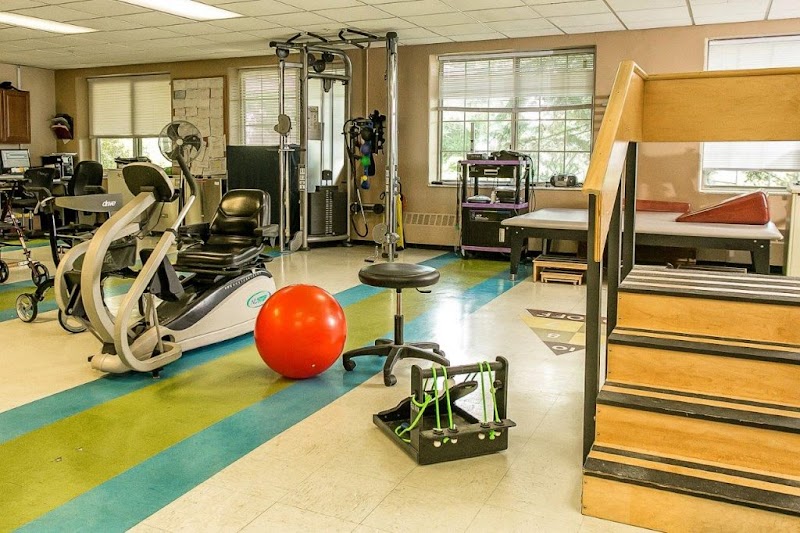
How is Westland, A Villa Center Staffed?
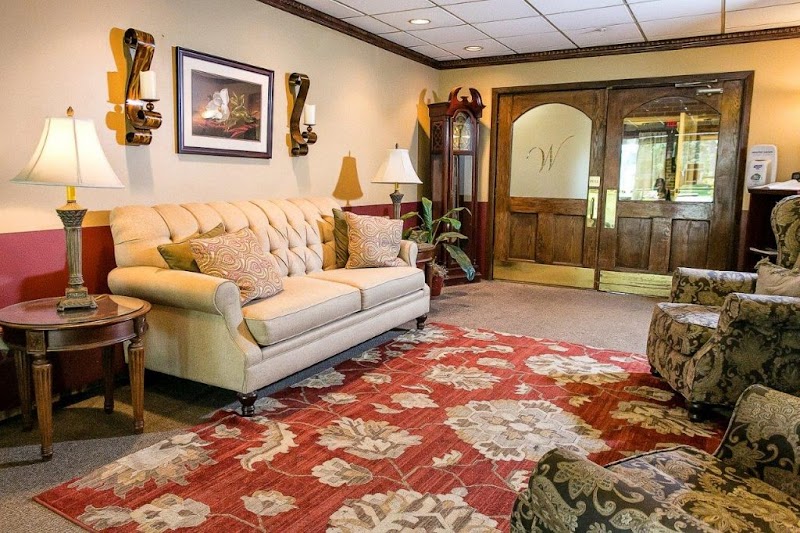
CMS rates Westland, A Villa Center's staffing level at 1 out of 5 stars, which is much below average compared to other nursing homes. Staff turnover is 45%, compared to the Michigan average of 46%. This relatively stable workforce can support continuity of care. RN turnover specifically is 67%, which is notably high. RNs provide skilled clinical oversight, so turnover in this role can affect medical care quality.

What Have Inspectors Found at Westland, A Villa Center?

State health inspectors documented 60 deficiencies at Westland, A Villa Center during 2022 to 2025. These included: 1 that caused actual resident harm and 59 with potential for harm. Deficiencies causing actual harm indicate documented cases where residents experienced negative health consequences.

Who Owns and Operates Westland, A Villa Center?

Westland, A Villa Center is owned by a for-profit company. For-profit facilities operate as businesses with obligations to shareholders or private owners. The facility is operated by VILLA HEALTHCARE, a chain that manages multiple nursing homes. With 230 certified beds and approximately 194 residents (about 84% occupancy), it is a large facility located in Westland, Michigan.

How Does Westland, A Villa Center Compare to Other Michigan Nursing Homes?

Compared to the 100 nursing homes in Michigan, Westland, A Villa Center's overall rating (2 stars) is below the state average of 3.1, staff turnover (45%) is near the state average of 46%, and health inspection rating (1 stars) is much below the national benchmark.

What Should Families Ask When Visiting Westland, A Villa Center?

Based on this facility's data, families visiting should ask: "What safeguards and monitoring systems are in place to protect residents from abuse or neglect?" "Can you walk me through typical staffing levels on day, evening, and night shifts?" "Can I visit during a mealtime to observe dining assistance and food quality?" "How do you handle medical emergencies, and what is your hospital transfer rate?" These questions are particularly relevant given the substantiated abuse finding on record and the below-average staffing rating.

Is Westland, A Villa Center Safe?

Based on CMS inspection data, Westland, A Villa Center has documented safety concerns. The facility has 1 substantiated abuse finding (meaning confirmed case of resident harm by staff or other residents). The facility has a 2-star overall rating and ranks #100 of 100 nursing homes in Michigan. Families considering this facility should ask detailed questions about what corrective actions have been taken since these incidents.

Do Nurses at Westland, A Villa Center Stick Around?

Westland, A Villa Center has a staff turnover rate of 45%, which is about average for Michigan nursing homes (state average: 46%). Moderate turnover is common in nursing homes, but families should still ask about staff tenure and how the facility maintains care continuity when employees leave.

Was Westland, A Villa Center Ever Fined?

Westland, A Villa Center has no federal fines on record. CMS issues fines when nursing homes fail to meet care standards or don't correct problems found during inspections. The absence of fines suggests the facility has either maintained compliance or corrected any issues before penalties were assessed. This is a positive indicator, though families should still review recent inspection reports for the full picture.

Is Westland, A Villa Center on Any Federal Watch List?

Westland, A Villa Center is not on any federal watch list. The most significant is the Special Focus Facility (SFF) program, which identifies the bottom 1% of nursing homes nationally based on persistent, serious quality problems. Not being on this list means the facility has avoided the pattern of deficiencies that triggers enhanced federal oversight. This is a positive indicator, though families should still review the facility's inspection history directly.