Optalis Health & Rehabilitation of Whitehall
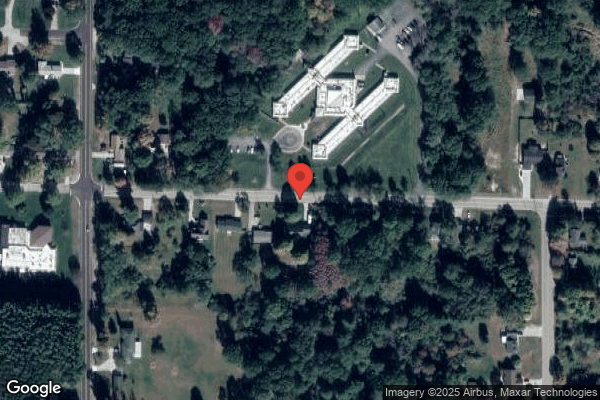
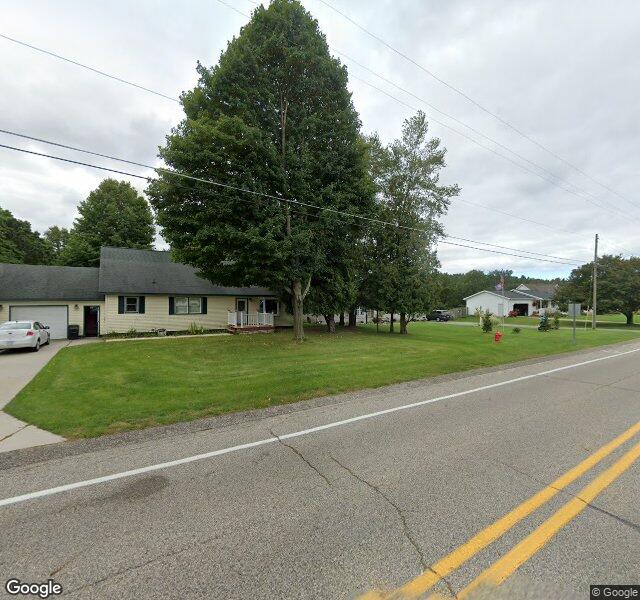
916 East Lewis Street, Whitehall, MI 49461 (231) 894-4056
For profit - Corporation 125 Beds SKLD Data: November 2025
Trust Grade
28/100
#400 of 422 in MI
Last Inspection: December 2024

Within standard 12-15 month inspection cycle. Federal law requires annual inspections.

Overview

Optalis Health & Rehabilitation of Whitehall has received a Trust Grade of F, indicating significant concerns about the quality of care provided. Ranked #400 out of 422 facilities in Michigan, they are in the bottom half of nursing homes in the state, and #6 out of 6 in Muskegon County, meaning there are no better local options. While the facility is reportedly improving from 30 issues in 2024 to 9 in 2025, it still faces serious challenges, including incidents where residents did not receive proper skin assessments for pressure ulcers and where a resident sustained a femur fracture due to insufficient staffing during transfers. Staffing ratings are below average with a turnover of 52%, and while RN coverage is average, the facility has a concerning $15,593 in fines, which suggests ongoing compliance issues. Families should weigh these weaknesses against the facility's efforts to improve, but be aware of the serious incidents and overall poor ratings.

Trust Score
F
28/100
In Michigan
#400/422
Bottom 6%
Safety Record
Moderate
Needs review
Inspections
Getting Better
30 → 9 violations
Staff Stability
⚠ Watch
52% turnover. Above average. Higher turnover means staff may not know residents' routines.
Penalties
✓ Good
$15,593 in fines. Lower than most Michigan facilities. Relatively clean record.
Skilled Nurses
✓ Good
Each resident gets 42 minutes of Registered Nurse (RN) attention daily — more than average for Michigan. RNs are trained to catch health problems early.
Violations
⚠ Watch
70 deficiencies on record. Higher than average. Multiple issues found across inspections.
★☆☆☆☆
1.0
Overall Rating
★★☆☆☆
2.0
Staff Levels
★★★☆☆
3.0
Care Quality
★☆☆☆☆
1.0
Inspection Score
Stable
2024: 30 issues
2025: 9 issues

The Good

  • Full Sprinkler Coverage · Fire safety systems throughout facility
  • No fines on record

Facility shows strength in fire safety.

The Bad

1-Star Overall Rating

Below Michigan average (3.1)

Significant quality concerns identified by CMS

Staff Turnover: 52%

Near Michigan avg (46%)

Higher turnover may affect care consistency

Federal Fines: $15,593

Below median ($33,413)

Minor penalties assessed

Chain: SKLD

Part of a multi-facility chain

Ask about local staffing decisions and management

The Ugly 70 deficiencies on record

2 actual harm
Sept 2025 3 deficiencies
CONCERN (D) 📢 Someone Reported This

A family member, employee, or ombudsman was alarmed enough to file a formal complaint

Potential for Harm - no one hurt, but risky conditions existed

Grievances (Tag F0585)

Could have caused harm · This affected 1 resident

**NOTE- TERMS IN BRACKETS HAVE BEEN EDITED TO PROTECT CONFIDENTIALITY** Based on observations, interviews and record review the facility failed to resolve grievances in a timely manner for 2 residents...

Read full inspector narrative →
**NOTE- TERMS IN BRACKETS HAVE BEEN EDITED TO PROTECT CONFIDENTIALITY** Based on observations, interviews and record review the facility failed to resolve grievances in a timely manner for 2 residents (R1 and R5) of 3 residents reviewed for grievances.Finding includedReview of the facility policy for Concern (Grievances) Process. Dated 5/31/24 revealed Concerns, grievances, recommendations stemming from resident or family group council concerning issues of resident care in the facility will be documented. Actions on such issues will be responded to at or before the next resident or family meeting. Concerns/Grievances may be voiced in the following ways: -verbal complaint to staff member including the Grievance Officer. - The staff member will transcribe the concern onto the concern form or assist the complainant with completing the concern form. The staff member receiving the concern form will review the specifics of the grievance on the concern form. - take immediate actions needed to prevent potential violation of the resident's rights. - Forward concern to the Grievance Officer as soon as practicable.R1Review of R1's admission assessment dated [DATE] revealed she was a [AGE] year-old female with a last admission date of 3/22/25 and had diagnoses that included: Urinary Tract Infection onset 8/8/25, diabetes mellitus type 2, rheumatoid arthritis, lack of coordination, contractures, paraplegia (spinal cord injury affecting the lower body muscles and nerves) and retention of urine. She was her own responsible party.Review of R1's care plan dated 1/3/25 revealed, Resident has limited/impaired physical mobility r/t (related to) limited mobility d/t (due to) weakness r/t paraplegic (spinal cord damage affecting lower body). Interventions included: Bed mobility: Participates by: total assist with 2 staff. Eating: 1:1 feed at meals. Toileting - bed pan 2 assist.Review of R1's care plan dated 8/19/25 revealed, Resident requires Enhanced Barrier Precautions related to indwelling Urinary Catheter, resident prefers catheter to be place on to her bed during cares. Interventions included: encourage residents to put leg portion of the bed downward during cares, to encourage urine to flow to gravity, dated 9/9/25 (during survey). Use a gown and gloves when providing direct care. Face protection may be needed if performing activity with risk of splash or spray.During an observation and interview on 9/9/25 at 8:42 AM R1 was in bed and had a urinary catheter with the Foley bag attached to the right side of her bed below her bladder level. R1 reported she had to go to the hospital again yesterday for a urinary tract infection (UTI. R1 stated she was started on antibiotics yesterday and they changed her catheter. R1 complained of staff not always using gloves, gowns and masks (personal protective equipment (PPE)) when they provided care. She expressed concern that the lack of staff using PPE was contributing to her UTI. She expressed concerns of staff not using an alcohol swab to clean the tubing after they emptied the catheter bag. R1 was very upset that staff refused to help her with her catheter for over 2 hours recently when the balloon was stuck in her urethra (event 8/29/25). One of the staff members who refused to help her was the Registered Nurse Unit Manager (RNUM) J. She reported on-going care and treatment concerns with RNUM J which were not resolved. R1 said she reported these things to the Director of Nursing (DON) but nothing was being done. She said the DON wrote her concern on a sticky note about when the catheter balloon was stuck in her urethra, but she never got back to her. R1 said the DON did not provide her with a copy of any concerns she reported. R1 said she cannot write due to lack of hand coordination so staff would need to write her concerns. R1 was unable to move her fingers, and they were contracted in a fisted position.During an interview with two Certified Nursing Assistance (CNA's) the morning of 9/9/25 the CNA's wanted to remain anonymous but reported R1 has had ongoing concerns related to some staff not cleaning her catheter correctly, lack of PPE use and Registered Nurse Unit Manager (RNUM J) not addressing her medical concerns. The anonymous CNA's reported RNUM J also refused to follow with medical concerns they had brought to him related to R1's catheter care. They reported he was notified of R1's catheter leaking 9/9/25 right after morning care and his response was, It is not leaking. They said he refused to assist with care at that time. Both CNA's said management was aware of these concerns. They reported the concern to another nurse that did help R1. They denied completing any grievance forms related to R1's care concerns.During an interview with the Director of Nursing (DON) on 9/9/25 at 10:15 AM a request was made for all of R1's concern forms for the last two months.During an interview with the DON on 9/10/25 at 10:00 AM the DON confirmed that R1 had reported a concern about staff not helping her with catheter replacement a little over a week ago. The DON confirmed that she took that concern and she would get the concern form. No other concern forms were located related to ongoing care concerns between RNUM J and R1, or staff lack of using appropriate infection control during care.Review of R1's Concern Form dated 8/29/25 revealed, had pain and issue with Catheter. Nurse would not assess or look at it. Had to wait for 3rd shift nurse to come in and look at and she did fix the issue. Actions taken revealed, see back of paper. The resolution was discussed evaluation that was completed and was signed on 9/10/25 (during the survey and 12 days after the concern was shared with the DON). However, the signature was not legible, so it was unknown who signed the form. The back of the form revealed, a handwritten note that read, [Name of Registered Nurse Unit Manager (RNUM) J] instructed [name of Licensed Practical Nurse (LPN) K] to call physician and let them know to get an order to change Catheter and I was working 400 hallway and in the middle of med (medication) pass felt I didn't have time to do that. When completed Med pass [name of LPN L] was here and had done it all ready. [Name of LPN K] says assessed Catheter and abdomen, but resident stated she wanted it discontinued. Attempted physician with no answer to get orders/interventions on how to unable to read word for resident. [Name of LPN K] did not deflate balloon says she thought she needed orders to do that. PRN (as needed) change of Catheter and irrigation orders were on the computer. Educated [name of LPN K] on clinical nursing ability with Catheters, assessing balloon for cc (measurement cubic centimeter) amount, assess location of balloon and correct positioning. Educated [name of LPN K] to call DON if ever questioning clinical capabilities or need direction on how to continue for a Resident. Education completed on Catheter Policy.Review of a One-on-One In-Service Record with RNUM J dated 9/9/25 (during the survey) revealed, We cannot refuse to assess residents, when they need help. If issues arise, we complete what we are doing at that time and assess resident in a timely manner.No concern forms were located to address R1's ongoing concerns of staff lack of PPE (personal protective equipment) during care, infection control concerns or ongoing care issues related to RNUM J.R5Review of R5's admission record dated 9/10/25 revealed he was a [AGE] year-old male admitted to the facility on [DATE] and had diagnoses that included: Cerebral infarction (stroke), disease of spinal cord, and left hip pain. He was his own responsible party.During an interview with R5 on 9/10/25 at 8:47 AM he was very upset with the lack of communication from management. He said he has complained multiple times about not being informed of outside medical appointments in advance. He said sometimes he only gets two days' notice. He has been trying to get an orthopedic appointment and when he went to his neurosurgeon on 8/8/25 they made a referral to the orthopedic surgeon for him, and he still has not been able to confirm if that appointment was made. R5 said he did not know anything about concern forms and even if he did, he was not able to write well so staff would need to complete the form. R5 denied staff ever offered to complete a concern form. The facility Social Worker (SW) N came in R5's room at this time. He repeated this concern to SW N at that time. SW N did not offer to complete a concern form, she said she would take the concern to the scheduler. During an interview with Appointment Scheduler (AS) M on 9/10/25 at 10:15 AM, AS M confirmed R5 was to have an appointment with an orthopedic surgeon. She was alerted by the summary follow-up from R5's medical appointment on 9/8/25. AS M had not been able to get confirmation of R1's orthopedic appointment, but she had made attempts. AS M said she was to inform residents of appointments on the Friday the week before any appointments. AS M was not aware R5 wanted to know about the appointment as soon as it was scheduled.During an interview with the Nursing Home Administrator (NHA) on 9/10/25 at 10:15 AM the NHA said she was not aware of R5's concerns about advanced notice of appointments until today when she received information from Social Worker N. The NHA said she started at the facility in July and was working to educate staff to use concern forms and she had instructed SW N to complete a concern form for R5 today. The NHA said she would check with Activity Director (AD) L to see if she was aware of R5's concern about appointments. The NHA reported AD L was R5's care partner. She said all residents have care partners and they are to complete concern forms when residents have concerns. The NHA said she would work with staff to implement an appointment schedule for R5 so he would be aware of any outside appointments as soon as possible.During an interview with AD L on 9/10/25 at 1:00 PM she confirmed that she was R5's care partner. She said they recently started a tracking sheet to complete when she meets with the residents she was assigned to. She documented meeting with R5 two times in the last two weeks and each time she met with him she asked him five questions. They were questions about care and call light response. She said none of the answers rose to the level of a concern form. She also said none of the questions were related to outside appointments.
CONCERN (D) 📢 Someone Reported This

A family member, employee, or ombudsman was alarmed enough to file a formal complaint

Potential for Harm - no one hurt, but risky conditions existed

Accident Prevention (Tag F0689)

Could have caused harm · This affected 1 resident

Based on observation, interviews and record review the facility failed to safely transfer with an electronic lift 2 of 2 residents (R5 and R6) reviewed for lift transfers. Findings include:During an i...

Read full inspector narrative →
Based on observation, interviews and record review the facility failed to safely transfer with an electronic lift 2 of 2 residents (R5 and R6) reviewed for lift transfers. Findings include:During an interview with R5 on 9/10/25 at 12:05 PM, R5 reported that he did not like the new electronic lift to get out of bed. R5 was not sure why he could not still use the other facility lift. R5 said the lift did not fit him right and when they got him out of bed on 9/8/25 he hit his head on the bar. Review of R5's Kardex (care guide) dated 9/10/25 revealed, Toileting - use toileting sling and hoyer, 2 assist. Transfer: [brand name of electronic lift] with 2 staff assistance for transfers. UP 2 TIMES A DAY IN WC (wheelchair) AS TOLERATED, CERVICAL PRECAUTIONS-NO BENDING, PUSHING/PULLING, NO OVERHEAD LIFTING, NO BENDING NECK DOWN.Review of R5's progress note dated 9/5/25 at 14:34 (2:34 PM) revealed, Quarterly Therapy screen completed: R5 has had a decline in function, but at this time is not getting up in wheelchair daily due to left hip pain. Provider aware of decline in ability to complete PT (physical therapy) with discharge 8/14/25. Awaiting follow up tests as x-ray of hip did not show a change that could be causing the pain. Discussed this week with management of patients not getting up in wheelchair. Will follow up with patient once follow up tests have been completed.Licensed Practical Nurse (LPN) O documented a progress note for R5 on 9/6/25 at 9:39 AM that revealed R5 had an evaluation for a significant change.During an interview with LPN O on 9/10/25 at 2:24 PM LPN O confirmed that she did the significant change evaluation for R5 on 9/6/25 and he had declined in function. When reviewing R5's Kardex she was able to see there were still instructions to get R5 up daily with an [brand name of electronic lift device], despite the therapy note indicating he was no longer getting up in the wheelchair. The Kardex did not indicate which brand of lift or size slings R5 should use. LPN O did not know who did the assessments for slings and was not aware what size sling R5 was able to safely use.On 9/10/25 at 12:10 PM Certified Nurse Aide (CNA) G confirmed the facility used two different brands of electronic lifts. CNA G was told there are only two residents allowed to use the old lift and many residents including R5 do not like the new lift. CNA G was aware R5 hit his head when he was transferred out of bed on 9/8/25. CNA G said they have had several residents complain about the new lift and they do not like that the bar is close to their head. She pointed out that the old lift has a different design and a bar doesn't get up in their face. CNA G said management was aware that residents do not like this lift and management informed them this was the replacement. CNA G was not aware if anyone reported that R5 hit his head on the transfer lift bar on 9/8/25. CNA G denied any training on lifts since the facility purchased this lift. CNA G stated she was getting ready to get R6 out of bed and asked Registered Nurse (RN) H to assist with transferring R6 out of bed.On 9/10/25 at 12:15 PM CNA G transferred R6 out of bed with the new lift with the assistance of RN H. When they lifted R6 up off the bed his bed was in the highest position and his buttock did not clear the mattress prior to starting to move him toward his chair. RN H and CNA G did not check to ensure the loops were all in place prior to starting to move him. When they lifted him and started to move him the legs of the lift were not in the open position. R6 could not speak or communicate with the staff. Both staff were questioned about checking the loops once the resident was off the surface, asked if the resident should have cleared the surface prior to moving him and asked if the leg on the lift should be in the fully open position. RN H and CNA G did not know they were to check loop placement, ensure the resident clears the surface being transferred from and the legs need to be in the fully open position.On 9/10/25 the Nursing Home Administrator (NHA) was informed of R5 concerns with the new lift and report of R5 hitting his head on the bar during a transfer out of bed on 9/8/25. The NHA was also informed of the safety concerns observed when staff transferred R6 out of bed today. The instruction manuals for both lifts were requested, all training and information related to residents' concerns related to the lifts. Upon exit no training was provided for the use of the new lift. No information that the facility was aware of R5 hitting his head on the lift on 9/8/25.Review of the electronic lift instruction manual page 34 revealed, The legs of the lift must be in the maximum open position for optimum stability and safety. If it is necessary to close the legs of the lift to maneuver the lift under a bed, close the legs of the lift only as long as it takes to position the lift over the patient and lift the patient off the surface of the bed. When the legs of the lift are on longer under the bed, return the legs of the lift to the maximum open position and immediately lock the shifter handle. Page 37 revealed, WARNING! - When the sling is elevated a few inches off the surface of the bed and before moving the patient, check again to ensure the sling is properly connected to the hooks of the hanger bar. If any attachments are NOT properly in place, lower the patient back onto the stationary surface and correct this problem; otherwise, injury or damage may occur. -Adjustments for safety and comfort should be made before moving patient. The patient's arms should be inside of the straps. - [company name] slings are made specially for use with [company name] patient lifts. DO NOT use slings and patient lifts from different manufacturers. 3. When the patient is clear off the bed surface, swing his/her feet off the bed.
CONCERN (D) 📢 Someone Reported This

A family member, employee, or ombudsman was alarmed enough to file a formal complaint

Potential for Harm - no one hurt, but risky conditions existed

Infection Control (Tag F0880)

Could have caused harm · This affected 1 resident

**NOTE- TERMS IN BRACKETS HAVE BEEN EDITED TO PROTECT CONFIDENTIALITY** This citation pertains to intake 2590962.Based on observations, interviews and record review the facility failed to provide prop...

Read full inspector narrative →
**NOTE- TERMS IN BRACKETS HAVE BEEN EDITED TO PROTECT CONFIDENTIALITY** This citation pertains to intake 2590962.Based on observations, interviews and record review the facility failed to provide proper infection control for 1 Resident (R1) of 3 residents sampled for infection control. Findings include:R1Review of R1's admission assessment dated [DATE] revealed she was a [AGE] year-old female with a last admission date of 3/22/25 and had diagnoses that included: Urinary Tract Infection onset 8/8/25, diabetes mellitus type 2, rheumatoid arthritis, lack of coordination, contractures, paraplegia (spinal cord injury affecting the lower body muscles and nerves) and retention of urine. She was her own responsible party. Review of R1's care plan dated 1/3/25 revealed, Resident has limited/impaired physical mobility r/t (related to) limited mobility d/t (due to) weakness r/t paraplegic (spinal cord damage). Interventions included: Bed mobility: Participates by: total assist with 2 staff. Eating: 1:1 feed at meals. Toileting - bed pan 2 assist.Review of R1's care plan dated 8/19/25 revealed, Resident requires Enhanced Barrier Precautions related to indwelling Urinary Catheter, resident prefers catheter to be place on to her bed during cares. Interventions included: encourage resident to put leg portion of the bed downward during cares, to encourage urine to flow to gravity, dated 9/9/25 (during survey). Use a gown and gloves when providing direct care. Face protection may be needed if performing activity with risk of splash or spray.During an observation and interview on 9/9/25 at 8:42 AM, R1 was in bed and had a urinary catheter with the Foley bag attached to the right side of her bed below her bladder level. R1 reported she had to go to the hospital again yesterday for a urinary tract infection (UTI). She said she started on antibiotics yesterday and they changed her catheter. R1 complained of staff not always using gloves, gowns and masks (personal protective equipment (PPE)) when they provided care. She expressed concern that the lack of staff using PPE was contributing to her UTI. R1 said she was in the hospital for several days in August in 2025 on intravenous (IV) antibiotics due to severe UTI.Review of R1's Hospital Infectious Disease noted dated 8/8/25 revealed, R1 is a [AGE] year-old woman with PMHx (past medical history) of rUTI (recurrent Urinary Tract Infection) in the past, previously seen by ID (Infectious Disease) multiple times and by urology for ureteral stenting (no longer has stent). She also has a history of multiple antibiotic allergies including Keflex, ceftriaxone and Bactrim. She was seen in the ER on 8/5 with complaint of flank pain/cva tenderness (costovertebral angle) (area on the back above the kidney) and nausea. She was seen initially in the ER (Emergency Room) 8/5 and diagnosed with pyelonephritis based on symptoms.She received 1 dose of ertapenem (an antibiotic) and then was initially discharged with ciprofloxacin (another antibiotic) given her history of multiple antibiotic allergies. She returns today with ongoing symptoms, and urine culture now confirms E coli which is resistant to ciprofloxacin.Given the clinical course with her worsening on ciprofloxacin, with isolation of a quinolone resistant organism I think reasonable to treat for 7 days.R1 was observed getting care on 8/9/25 at 9:14 AM by Certified Nurse Aides (CNA) E and F. They remove the Foley catheter bag from the privacy bag on the bed. The bag had an external plastic measuring device attached to it. The measuring device held 300 cc (cubic centimeters) of urine. CNA E placed the catheter bag on the bed (above the level of her bladder) and the urine from the measuring device went up the catheter tube into R1's bladder. When discussing the type of Foley bag being used the CNA's said, they were not familiar with the external measuring device and denied any training on precautions of placement with this type of device. When they turned R1 on her side the soaker pad had a large wet area (same color as the urine in R1's bag) approximately 5 inches by 10 inches. CNA E and F said R1 does not normally have leakage from her catheter. Review of R1's hospital Discharge summary dated [DATE] revealed two pages of instructions for Indwelling Urinary Catheter Care to Prevent Infection under the section, Be careful with your drainage bag revealed, Always keep the drainage bag below the level of your bladder. This will help keep urine from flowing back into your bladder. Step 3 after emptying the catheter bag revealed, 3. Use and alcohol wipe to clean the tip of the tubing attached to the bedside bag. Review of R1's hospital Discharge summary dated [DATE] revealed, Foley catheter was replaced today 9/8/25. Patient did receive dose of antibiotics, Fosfomycin, in ED (emergency department) today. Urine culture is sent and pending. Review of the facility Catheter Draining Bag Emptying policy dated 8/24/23 revealed no information on keeping the Foley bag below the level of the bladder to prevent back flow of urine or cleaning the emptying device tip with alcohol after emptying the bag. Review of R1's concern form dated 9/10/25 revealed, Resident care concerns regarding not being checked and changed last evening by 3rd shift CNA. Action taken Report sent to [name of online program that facilities use to report incidents to the State Survey Agency]. Investigation in process. Attached with a statement from CNA C revealed, This am (morning) got report from [name of CNA I]. In the report [name of CNA I] stated that she had been in throughout the night and checked her a few times, she didn't need care, emptied the catheter bag at 0430, and said she's good. When [name of CNA C] entered with R1's room for AM care, R1 stated, she had not been repositioned or anything all night long. R1 stated, she came in here didn't use alcohol swabs, didn't put paper towel down, emptied into cylinder, emptied cylinder and put back in close.
Aug 2025 1 deficiency
CONCERN (E) 📢 Someone Reported This

A family member, employee, or ombudsman was alarmed enough to file a formal complaint

Potential for Harm - no one hurt, but risky conditions existed

Deficiency F0725 (Tag F0725)

Could have caused harm · This affected multiple residents

**NOTE- TERMS IN BRACKETS HAVE BEEN EDITED TO PROTECT CONFIDENTIALITY** Based on observation, interview, and record review the facility failed to ensure sufficient staff to meet the needs of seven Res...

Read full inspector narrative →
**NOTE- TERMS IN BRACKETS HAVE BEEN EDITED TO PROTECT CONFIDENTIALITY** Based on observation, interview, and record review the facility failed to ensure sufficient staff to meet the needs of seven Residents on the 100 hall (R202, R207, R210, R212, R215, R216 and R207) and five residents on the 200 hall (R204, R206, R208, R211, and R214). Findings Include: Review of the staff schedules provided by the facility for 8/12/25 through 8/14/25 reflected that one Certified Nurse aide (CNA) was scheduled for the 100 hall and one CNA was scheduled for the 200 hall for each day, afternoon, and night shifts.A review of documentation provided by the facility reflected fourteen residents resided on the 100 hall and eight residents on the 200 hall.R202 - 100 HallR202 was admitted to the facility 7/10/2025 with diagnoses that include Muscular Dystrophy and Chronic Obstructive Pulmonary Disease. Review of the Minimum Data Set (MDS) Brief Interview for Mental Status (BIMS) reflected R202 scored 15 out 15 which indicated the Resident was cognitively intact.Review of the care plan for R202 reflected Activities for Daily Living (ADL) focus of resident refuses to get out of bed for meals times to allow (sic) and prefers to eat in his room. Review of the interventions for this focus reflected R202 will be encouraged to go to the Dining Room for meals initiated 8/1/2025. The care plan further reflected that R202 required full mechanical lift with two staff members for transfers, is at risk for constipation, is at risk for falls, and the bed is to be in a low position when the Resident is in it.On 8/12/2025 at 12:16 PM an observation and interview were conducted with R202 in his room. R202 was observed to be in bed which was in a high position. A bedside commode was observed in the room. R202 reported staffing at the facility was inadequate as it was not unusual to wait as long as an hour for a response to a call light. R202 indicated a clock on the wall across from his bed and reported he had timed call light responses. R202 reported while he does prefer to eat in his room he still likes to get out of bed and use his power wheelchair. R202 reported that if he asks for help to get out of bed, he often will have to wait several hours before two staff are available to transfer him. R202 reported that sometimes a staff member will return to his room later and tell him they are not going to be able to get him up. R202 reported that the last time this happened was two or three days prior to this interview and that he only gets out of bed two or three times a week. R202 reported he has constipation but when he does have a BM he must have it in bed. R202 reported the facility had a special Hoyer sling with a hole in it that allowed him to have a BM out of bed. R202 reported inconsistent availability of this special sling and a lack of available two personnel required for the operation of the mechanical lift when he must void. R202 reported at one point that the facility took away the special sling, so he had a family member bring in a bedside commode from home. However, R202 reported the facility does not have the available staff to transfer him when he needs to have a BM. The Electronic Medical Record (EMR) Progress Notes for R202 were reviewed. No documentation was identified that reflected that R202 had refused to get out of bed. Physician documentation on 7/22/2025 at 1:55 PM reflected the Resident had complained to the physician that He (R202) has concerns about staff: timely care, communication between shifts etc. Documentation on 7/23/2025 at 11:37 AM reflected that R202 was verbalizing frustration that he is not getting out of bed due to using the bed pan ineffectively. The documentation reflected supervision would be notified to formulate a solution. On 7/29/2025 at 3:35 PM physician documentation reflected that R202 continued to (complain) about cares. Physician documentation dated 7/31/2025 reflected that R202 reports he has a hard time having a (bowel movement) (because) the Hoyer pad doesn't have a hole in it anymore . having his brother bring in his commode from home. On 8/4/2025 physician documentation reflected a continued concern that the proper Hoyer sling was not available and that this was discussed with administrationAs of survey exit, no additional documentation was providedR207 -100 HallReview of the medical record reflected R207 admitted to the facility 8/30/2024 with pertinent diagnoses that included amputation of the right leg below the knee, and retention of urine. The MDS dated [DATE] reflected a BIMS score of 15 which indicated R207 was cognitively intact.During an interview conducted on 8/13/25 at 2:30 PM, R207 reported the facility is short staffed. R207 reported he regularly used a urinal in bed and often gets his bedding wet. R207 indicated he will initiate a call light and will have to wait, and wait, and wait. R207 reported he sees staff walking fast past his door and indicated staff know my light is on. R207 reported around 6:00 AM, if the night shift was still on duty, he was able to get his bedding changed but if the day shift was on often, it would be 2:00 PM before his bedding was changed. R207 was asked if he had complained of this but conveyed that everyone knows it, everyone talks about it referring to his perception of lack of adequate staff numbers, and it's common knowledge.R210 - 100 HallReview of the medical record reflected R210 admitted to the facility 5/8/2021 with pertinent diagnoses that included schizophrenia and Parkinson's disease. The care plan for R210 reflected two staff are required for bed mobility, has acute chronic pain due to immobility, and has communication and cognitive deficits.During an observation and interview conducted 8/13/2025 at 2:55 PM a Family Member (FM) L was observed at the Resident's side. FM L reported visiting the facility and Resident often. FM L reported that a response to a call light took about an hour and was likely due to low staff numbers. FM L indicated there may be fewer staff on the weekend but reported this because of having to look for someone to allow exit from the facility. FM L reported some nurses aids try to skip the showers, but I speak up . It definitely helps if you have someone advocating for you. R212 - 100 HallReview of the medical record reflected R212 originally admitted to the facility 9/14/2021 with a pertinent diagnosis of Crohn's disease (an inflammatory bowel disease). Review of the Kardex (a summary of a resident's care needs) reflected R212 required a mechanical lift for transfers and extensive assistance of two staff for toileting.On 8/13/2025 at 2:49 PM an interview was conducted with R212 in her room. R212 reported two staff were not often available to help her into the bathroom. R212 stated I can't hold it that long. R212 was asked how often this had happened. R212 stated Oh gosh, I'd rather not say.R215 -100 HallReview of the admission Record reflected R215 admitted to the facility 8/7/2025 with pertinent diagnoses that included a history of stroke, muscle wasting and atrophy, and unsteadiness on feet. The documentation reflected that R215 was her own responsible party.On 8/14/2025 at 11:05 AM the call light for R215 was observed to be on. R215 was observed with an arm in a sling sitting in a wheelchair next to her bed. R215 reported she had turned on her call light and had been sitting next to her bed for thirty minutes waiting for assistance to get into bed. R215 reported she felt it was not safe for her to attempt self-transfer and had no choice but to wait until staff arrived.R216 - 100 HallReview of the admission Record reflected R216 originally admitted to the facility 2/25/2020 with pertinent diagnoses that included irritable bowel syndrome (IBS). The admission Record reflected R216 was her own responsible party.On 8/12/2025 at 11:57 AM an interview was conducted with R216 in her room. R216 reported staff are wonderful but that staff numbers had been reduced over the past two months. R216 reported two CNA's share the 100 and 200 halls when it used to be three CNA's. R216 reported it was not unusual to wait an hour or more for a response to her call light and she had sat in (stool) for an hour waiting for assistance. R216 reported staff apologize when they come and she has not complained to administration because she felt it would reflect poorly on the staff working who are . doing all they can do.R217- 100 HallReview of the admission Record reflected R217 admitted to the facility 12/1/2021 with pertinent diagnoses that include congestive heart failure, chronic obstructive pulmonary disease (COPD) and dependance on oxygen. R217 was his own responsible party.On 8/14/2025 at 11:08 AM an interview was conducted with R217 in his room. R217 reported he had been at the facility for about four years and was wheelchair bound. R217 reported he was the Resident Council President and call light response complaints come up all the time and there isn't a meeting that it (call light response) doesn't come up at Council meetings. R217 reported that the one nurse and two aides staffed the 100 and 200 halls were inadequate staff numbers for the type of residents living on these two halls. R217 reported the residents living on these halls required extra help. R217 reported that with so few staff to assist this delayed call light response for the other the residents. R217 relayed a recent experience when he felt he needed breathing treatment and initiated his call light. R217 reported that after over an hour without a response he self-propelled in his wheelchair down the hall to find staff. R217 conveyed frustration at what he perceived as an ongoing issue the facility is aware of but not addressing.200 HallR204 - 200 HallR204 admitted to the facility 3/28/2025 with pertinent diagnoses that included a history of stroke and an overactive bladder.On 8/13/2025 an interview was conducted with R204 in her room. R204 reported long call light response times and that staff are never around when you need them. R204 reported she is too weak to hold (her urine) and that she will take herself to the bathroom. R204 reported the facility did not have enough help any time of the day. R204 was asked about the signs on her wall for her to use the call light but reported they still don't come when she uses the call light.R206 - 200 HallReview of the medical record reflected R206 admitted to the facility 7/2/2025 with pertinent diagnoses that included history of stroke and hemiplegia (weakness or paralysis of one side). Review of the MDS BIMS reflected R206 had a score of 12 which indicated mild cognitive impairment. Review of the care plan for R206 reflected the Resident required two staff to assist with a sit-to-stand mechanical lift.On 8/13/2025 at 1:41 PM an interview was conducted with R206 in her room. R206 reported call light response was not too quick and due to the facility being short-handed. R206 reported she must wait to go to the bathroom as she requires the assistance of two staff. R206 indicated that two staff are not always available. R206 reported when she must wait too long to go to the bathroom that sometimes I make it and sometimes I don't (unable to hold her urine).On 8/13/2025 at 1:24 PM an interview was conducted with CNA C who reported that the 100 and 200 halls were staffed with one CNA each. CNA C reported that there were a lot of two person transfers and some (residents) just take a while, CNA C reported that R206 regularly took forty minutes for one CNA in the morning and that means only one CNA for the rest (of the 100 and 200 halls). CNA C reported the nurses will help but they have meds and treatments to do.R208 - 200 HallReview of the medical record reflected R208 admitted to the facility 3/22/2021 with a pertinent diagnosis of multiple sclerosis. The MDS dated [DATE] reflected a BIMs score of 15 out of 15 which indicated the Resident was cognitively intact. Review of the care plan for R208 reflected the Resident is dependent on two staff members for toilet use and a mechanical lift for transfers.During an interview conducted on 8/13/2025 at 1:46 PM, R208 reported call light wait times of twenty minutes but more often a lot longer than that. R208 indicated that the long wait is only a problem when she must go to the bathroom. R208 reported that if two staff are not available to transfer her we wait. R208 reported that it often takes her a long time to void and that it is hard to empty out if she had to hold her urine a long time before two staff were available to help. R208 stated I hate it when forced to use a bed pan and that she has a brief but I don't want to use it.R211 - 200 HallReview of the medical record reflected R211 originally admitted to the facility 8/4/2025 with pertinent diagnoses that included lack of coordination and unsteadiness on feet. Review of the MDS dated [DATE] reflected a BIMS score of 15 out of 15 which indicated R211 was cognitively intact. On 8/13/2025 at 1:56 PM, R211 reported long call light response times when he had wanted to return to his bed from his wheelchair. R211 reported a half hour wait was not unusual when he required two staff for transfers. R211 reported it had been better since he now only requires one staff member for transfer, but the wait is still longer than he would like.R214 - 200 HallReview of the admission Record reflected R214 admitted to the facility 7/27/2025 with diagnoses that included cognitive communication deficit and Parkinson's disease.On 8/13/2025 an interview was conducted in the room of R214 where Spouse D was visiting. Spouse D reported while visiting R214, who is in bed two the resident in bed one, now discharged , was tangled in his shirt. Spouse D reported she initiated the call light to summon staff for assistance for the resident in bed one. Spouse D reported after a while the resident had the shirt wrapped around his neck and would have to been lifted to free him and that she couldn't do it because of a bad back. Spouse D reported she went to the nurses station but she initially could not find any staff. Spouse D reported she eventually found staff and informed them the resident in bed one needed assistance. Spouse D reported help never came down and I had to lift (the resident) to untangle him. Spouse D reported she was worried for R214 who may attempt to self-transfer to the bathroom if he had to wait too long for assistance. On 8/13/2025 at 2:14 PM an interview was conducted with Licensed Practical Nurse (LPN) E. LPN E reported that there was one nurse for both the 100 and 200 halls and one CNA for each hall. LPN E reported she felt the staff were not able to meet the needs of the residents. LPN E reported she had nursing duties to perform, too, but she would jump in where I can. LPN E reported she had heard many complaints from residents about the long wait times, apologizes to the residents, and tells them We're doing the best we can. LPN E reported she had passed this complaint up the chain but had been told there are budget restrictions based on the census.During an interview conducted 8/14/2025 at 12:30 PM, LPN H was asked if the 100 and 200 halls had enough staff to meet the needs of the residents. LPN H reported we're told we meet the state guidelines but no. we're doing the best we can. LPN H reported there have been lots of complaints of call light times and waiting and things of that nature. LPN H reported that, while she was working the floor today, her primary duties do not have her on the floor, but her hours are counted as if she were working the floor.On 8/13/2025 at 12:38 PM an interview was conducted with CNA J. CNA J was asked if the facility was providing enough staff to meet the resident's needs? CNA J stated, You know the answer to that . We're only allowed to have so many staff members on (working). CNA J reported she had many residents that require two staff to transfer and to provide care for stating it's hard. CNA J reported we have some really good people (working at the facility) and indicated she was afraid of retribution if she reported more information. CNA J reported that the nurses will help but they struggle and have their own work to do.On 8/14/2025 at 12:10 PM an interview was conducted with the Director of Nursing (DON) in her office. The DON reported that two nurses are routinely scheduled for the 100 and 200 halls from 7:00 AM until 11:30 AM then it drops to one nurse. The DON reported one CNA is scheduled for each 100 hall and the intersecting 200 hall. The DON reported that she is not aware of any recent resident concern of untimely call light response. The DON was asked about a recent concern form from the Resident Council dated 7/23/2025. The document was retrieved and the DON clarified that the Concern Form from Resident Council indicated a low-staffing concern and not call light response. Under the document section headed ‘Resolution of Concern' reflected handwritten and signed by the DON Facility is meeting State Minimum Requirements for Staffing and indicated the facility is actively hiring staff. The document further indicated that the DON would provide support if the minimum staffing is not met. The DON reported she did not further investigate this concern and is just getting used to answering concerns from a group. The DON indicated she will instruct the Activities Director, who is a facilitator during Resident Council meetings, to gather more information when documenting a concern.On 8/14/2025 at 2:37 PM an interview was conducted with LPN Unit Manager (UM) A who is the manager for the 100 and 200 halls. UM A reported that extended call light response does feel like a concern. UM A stated, I have been vocal about more hands-on deck . I do think we need this.
Jun 2025 3 deficiencies
CONCERN (D) 📢 Someone Reported This

A family member, employee, or ombudsman was alarmed enough to file a formal complaint

Potential for Harm - no one hurt, but risky conditions existed

Deficiency F0558 (Tag F0558)

Could have caused harm · This affected 1 resident

**NOTE- TERMS IN BRACKETS HAVE BEEN EDITED TO PROTECT CONFIDENTIALITY** This citation is related to intakes MI00152587, MI00152791, and MI00152955. Based on observation, interview, and record review, ...

Read full inspector narrative →
**NOTE- TERMS IN BRACKETS HAVE BEEN EDITED TO PROTECT CONFIDENTIALITY** This citation is related to intakes MI00152587, MI00152791, and MI00152955. Based on observation, interview, and record review, the facility failed to provide meal assistance to one of four residents (Resident #116) reviewed for accommodation of needs. Findings: Resident #116 (R116) Review of an admission Record revealed R116 was an [AGE] year old female, last admitted to the facility on [DATE], with pertinent diagnoses of fractured right shoulder that required surgical repair, dementia, and lack of coordination. R116 sustained the broken shoulder in early May 2025 while out on leave with a family member. During an observation on 06/16/25 at 8:48 AM, R116 laid in bed, had a sling on her right arm and the breakfast tray sat untouched on the over bed table, lids were still on the plate, cups, and bowl, and the over bed table sat out of reach and out of sight of R116. Review of the task monitoring documentation system revealed that staff documented on R116's breakfast intake on 06/16/25 as resident not available. During an interview and observation on 06/17/25 at 8:50 AM, R116 sat in her room in a wheelchair and the breakfast tray sat on the over bed table. R116 reported that staff left the meal tray for her to try and eat by herself. It's not easy. Review of the task monitoring documentation system revealed that staff documented at 08:14 AM on 06/17/25 that R116 had consumed 50% of the breakfast. Review of a Care Plan for R116 reflected the following interventions for meal intake: Eating 1:1 assist due to broken arm. Review of the Kardex (a care guide for staff to reference quickly without having to review the entire care plan to learn a residents needs) for R116 reflected: Eating-1:1 assist due to broken arm.
CONCERN (D) 📢 Someone Reported This

A family member, employee, or ombudsman was alarmed enough to file a formal complaint

Potential for Harm - no one hurt, but risky conditions existed

Pressure Ulcer Prevention (Tag F0686)

Could have caused harm · This affected 1 resident

**NOTE- TERMS IN BRACKETS HAVE BEEN EDITED TO PROTECT CONFIDENTIALITY** Based on interview and record review, the facility failed to 1.) provide care following professional standards of practice and f...

Read full inspector narrative →
**NOTE- TERMS IN BRACKETS HAVE BEEN EDITED TO PROTECT CONFIDENTIALITY** Based on interview and record review, the facility failed to 1.) provide care following professional standards of practice and facility policy to prevent the development of a pressure injury, 2.) promptly notify the provider of a new pressure injury, 3.) promptly notify the DPOA (Durable Power of Attorney) of a new pressure injury and subsequent treatment changes, and 4.) ensure ordered treatments were completed for 1 of 4 residents (Resident #106) reviewed for pressure injury prevention/management. Findings: Resident #106 (R106) Review of an admission Record revealed R106 was a [AGE] year-old female, admitted to the facility on [DATE], with pertinent diagnoses which included: multiple sclerosis. Review of R106's Care Plan revealed: The resident has Stage 2 pressure ulcer (Partial-thickness skin loss with exposed dermis) to right buttock r/t (related to) Immobility and at risk for recurring skin impairment to sacrum. Date Initiated: 05/08/2025 .Avoid positioning the resident on right side. Date Initiated: 05/08/2025 . (R106) has the potential/current for impairment of skin integrity due to decreased mobility, incontinence, unable to verbalize - Date Initiated: 11/19/2021 .Elevate heels off bed surface while at rest in bed. Date Initiated: 11/19/2021 .Resident has limited physical mobility r/t MS Date Initiated: 11/18/2021 . During an observation on 06/17/2025 7:37 AM, R106 was in bed on her back with the head of her bed at 30 degrees. There was a pillow behind the right and left side of her back and a pillow under both knees and calves. She had fleece socks on, and her heels were resting on the bed. There was an additional pillow in the room propped on the wheelchair. During an observation on 06/17/2025 8:50 AM, R106's position was unchanged. She was in bed on her back with the head of her bed at 30 degrees. There was a pillow behind the right and left side of her back, a pillow under both knees and calves, and her heels were resting on the bed. During an observation on 06/17/2025 9:43 AM, R106's position was unchanged. She was in bed on her back with the head of her bed at 30 degrees. There was a pillow behind the right and left side of her back, a pillow under both knees and calves, and her heels were resting on the bed. During an observation on 06/17/2025 10:10 AM, R106's position was unchanged. She was in bed on her back with the head of her bed at 30 degrees. There was a pillow behind the right and left side of her back, a pillow under both knees and calves, and her heels were resting on the bed. During an observation on 06/17/2025 10:45 AM, R106's position was unchanged. She was in bed on her back with the head of her bed at 30 degrees. There was a pillow behind the right and left side of her back, a pillow under both knees and calves, and her heels were resting on the bed. The additional pillow in the room propped on the wheelchair remained untouched. During an observation on 06/17/2025 11:40 AM, staff were in her room providing care. R106's clothing had been changed, and she remained in bed on her back with the head of her bed at 30 degrees. There was a pillow behind the right and left side of her back and a pillow under both knees and calves. She had fleece socks on, and her heels were resting on the bed. The additional pillow in the room propped on the wheelchair had not been utilized to offload pressure or readjust her position. During an observation on 06/17/2025 12:02 PM, R106's position was unchanged. She was in bed on her back with the head of her bed at 30 degrees. There was a pillow behind the right and left side of her back, a pillow under both knees and calves, and her heels were resting on the bed. During an observation on 06/17/2025 12:58 PM, R106's position was unchanged. She was in bed on her back with the head of her bed at 30 degrees. There was a pillow behind the right and left side of her back, a pillow under both knees and calves, and her heels were resting on the bed. During an observation on 06/17/2025 1:27 PM, R106's position was unchanged. She was in bed on her back with the head of her bed at 30 degrees. There was a pillow behind the right and left side of her back, a pillow under both knees and calves, and her heels were resting on the bed. During an interview on 06/17/2025 at 12:56 PM, Certified Nursing Assistant (CNA) A reported that R106 was to be repositioned at least every 2 hours and at times more frequently if she needed incontinence care or requested. Review of R106's Nursing admission Screening/History dated 4/19/25 revealed, .bottom pink/blanching, [NAME] (sic) cream applied. Review of R106's Skin Observation Tool dated 4/26/25 revealed, 2 open sores in coccoyx (sic) area. treatment in place. Review of R106's Electronic Health Record revealed no documentation that the provider or the DPOA were notified of the pressure injury, there were no ordered treatments, and no new care planned interventions. Review of R106's Skin Observation Tool dated 5/2/25 revealed, .2 open sores in coccoyx (sic) area. treatment in place. Review of R106's Electronic Health Record revealed no documentation that the provider or the DPOA were notified of the pressure injury, there were no ordered treatments, and no new care planned interventions. Review of R106's Skin Alteration Evaluation dated 5/8/25 confirmed a facility acquired stage II pressure injury. The onset date was documented as 5/8/25 and not the date it was initially identified (4/26/25). It was documented that the provider was notified at that time (12 days after the identification of the pressure injury). There was no documentation that the DPOA was notified of the pressure injury. Review of R106's Progress Note dated 5/8/25 revealed, IDT (interdisciplinary team) met to discuss new wound. Wound nurse aware of wound. Wound nurse to evaluate today. Treatment in place, physician aware . There was no documentation that the DPOA was notified of the pressure injury or the new treatment order. Review of R106's Skin Alteration Evaluation dated 5/14/25 revealed R106's DPOA was notified of the facility acquired pressure injury at that time. (18 days after the identification of the wound and 6 days after a new treatment was ordered.) During an interview on 06/17/2025 at 9:58 AM, Family Member (FM) R reported she was R106's DPOA. FM R Reported that she had been notified approximately one month ago that R106 had a pressure injury, but was told it wasn't very big. FM R reported that she had not received any updates on the wound and based on the lack of communication from the facility presumed it had healed because no news is good news. FM R reported that R106 has had pressure injuries in the past but the facility always say it's small and they caught it early. FM R reported that she wants R106 up out of bed and is told that R106 gets up to her wheelchair and attends activities and sits at the nurses' station. FM R reported she does not want R106 in her bed in her room all day confined to 4 walls. Review of R106's Order Summary dated 5/08/25 revealed, Wound Care for right buttock: Cleanse with NS (normal saline), apply xeroform to open area, cover with border gauze; every day shift and PRN (as needed). every day shift for wound care. Review of R106's May and June Treatment Administration Record revealed the ordered treatment was not completed on 5/16/25, 6/3/25, or 6/8/25. Review of R106's Order Summary dated 6/11/25 revealed, Wound Care for right buttock: 1) Cleanse with NS and pat dry 2) Mix small amount of hydrogel and collagen then apply to macerated area of peri wound 3) Cover with border gauze 4) Change daily and PRN every day shift for wound care. There was no documentation that the DPOA was notified of the new treatment order or updated on the condition of the pressure injury. During an interview on 06/17/2025 at 12:48 PM, Wound Nurse (WN) J reported that she had not had a chance to notify R106's DPOA of the recent treatment change but had attempted to contact her today (6/17/25). WN J reported that the expectation is for licensed nurses to complete a wound assessment with measurements at the time a wound is identified, notify the provider, and implement a treatment as ordered by the provider. The licensed nurses were to then notify her of the wound so she could evaluate and monitor the progress of the wound. During an interview on 06/17/2025 at 12:30 PM, Director of Nursing and Regional Nurse (RN) S reported that they had identified a facility acquired pressure injury and completed a plan of correction to ensure there were no additional residents with skin injuries and confirmed that all treatments and preventative interventions were implemented. Additionally, all CNAs and licensed nurses received education on the Skin Monitoring and Management policy. DON and RN S reported that they were in compliance as of 5/22/25. The continued noncompliance had not been identified by the DON. Review of the facility policy Skin Monitoring and Management- Pressure Ulcer dated 7/11/18 revealed, .Once a wound has been identified, assessed, and documented, nursing shall administer treatment to each affected area as per the Physician's Order .2. PREVENTION In order to prevent the development of skin breakdown or prevent existing pressure ulcers from worsening, nursing staff shall implement the following approaches as appropriate and consistent with the resident's care plan C. Reposition the resident .F. If the resident is incontinent, make sure that his/her skin remains clean and dry with regular pericare and toileting when appropriate .3. DOCUMENTATION A. If the clinical assessment/evaluation indicates a change in condition or decline in the wound, the assessing/evaluating nurse will notify the physician and create a narrative nurse's note documenting that notification. 5. MONITORING A. Daily via medication administration and treatment administration records .*Ensure all orders have been implemented as ordered .D. Weekly skin check conducted by a facility licensed nurse .Any skin issues identified as a result of the weekly skin check should be documented and responded to as outlined above .6. COMMUNICATION OF CHANGES A. Any changes in the condition of the resident's skin as identified daily, weekly, monthly, or otherwise, must be timely communicated to: *The resident's physician *The resident/responsible party *Others as necessary to facilitate healing . Review of Fundamentals of Nursing ([NAME] and [NAME]) 11th edition revealed, Early identification of high-risk patients helps prevent pressure injuries (see Chapter 48). Interventions aimed at prevention include turning and positioning and the use of therapeutic support surfaces and devices (e.g., low air loss mattresses, heel boots, flotation mattresses) to relieve pressure .Reposition patients frequently because uninterrupted pressure causes skin breakdown . [NAME], [NAME] A.; [NAME], [NAME] Griffin; Stockert, [NAME] A.; Hall, [NAME]. Fundamentals of Nursing - E-Book (p. 845). Elsevier Health Sciences. Kindle Edition.
CONCERN (E) 📢 Someone Reported This

A family member, employee, or ombudsman was alarmed enough to file a formal complaint

Potential for Harm - no one hurt, but risky conditions existed

Deficiency F0658 (Tag F0658)

Could have caused harm · This affected multiple residents

**NOTE- TERMS IN BRACKETS HAVE BEEN EDITED TO PROTECT CONFIDENTIALITY** This citation pertains to intake #MI00152587 Based on interview and record review the facility failed to follow professional sta...

Read full inspector narrative →
**NOTE- TERMS IN BRACKETS HAVE BEEN EDITED TO PROTECT CONFIDENTIALITY** This citation pertains to intake #MI00152587 Based on interview and record review the facility failed to follow professional standards for three of three residents (Resident #100, Resident #109, and Resident #113) reviewed for medication administration. Findings: Resident #100 (R100) Review of an admission Record revealed R100 was a [AGE] year old male, originally admitted to the facility on [DATE], with pertinent diagnoses of diabetes mellitus. During an interview on 06/16/25 at 9:00 AM, R100 stated that a week or so ago he was given an incorrect dose of insulin and had to go to the emergency room for monitoring. It was scary. Review of an incident report for R100, dated 06/07/25, reflected the following: (a) nurse read wrong record and gave resident (R100) too much insulin, and (b) (R100) was sent to the emergency room for monitoring due to potential risk for hypoglycemia ( low blood sugar). Resident #109 (R109) Review of an admission Record revealed R109 was a [AGE] year-old male, admitted to the facility on [DATE], with pertinent diagnoses which included: type 2 diabetes mellitus. Review of R109's Order Summary dated 3/17/25 revealed, Insulin Aspart FlexPen 100 UNIT/ML Solution pen-injector Inject 20 unit subcutaneously before meals for DM 2 (diabetes mellitus type 2) HOLD FOR BS (blood sugar) LESS THAN 120. Review of R109's Medication Administration Record revealed: *On 5/30/25 R109's blood sugar was 116 and his 8:00 AM insulin was administered. *On 6/13/25 R109's blood sugar was 112 and his 12:00 PM insulin was administered. *On 6/15/25 R109's blood sugar was 70 and his 08:00 AM insulin was administered. *On 6/15/25 R109's blood sugar was 107 and his 12:00 PM insulin was administered. Review of R109's Electronic Medical Record revealed no documentation for the rationale for the administration of the insulin outside of parameters or a provider order to administer the insulin outside of parameters. Review of the nurse binder located on the medication cart revealed a list titled Orders with Parameters for Holding (medications) for the 400 Hallway. R109 was not included on the list. Resident #113 (R113) Review of an admission Record revealed R113 was an [AGE] year-old female, admitted to the facility on [DATE], with pertinent diagnoses which included: hypertension (high blood pressure). Review of R113's Order Summary dated 5/15/25 revealed, Losartan Potassium Oral Tablet 25 MG (Losartan Potassium) Give 1 tablet by mouth at bedtime for Hold for SBP (systolic blood pressure [top number]) less than 110 and DBP (diastolic blood pressure [bottom number]) less than 60 and Losartan Potassium Tablet 50 MG Give 50 mg by mouth in the morning for Hold for SBP less than 110 hold for DBP less than 60. Review of R109's Blood Pressure Summary and Medication Administration Record revealed: *On 5/15/2025 at 2:24 PM R113's blood pressure was 118/47 and at 9:42 PM R113's blood pressure was 145/55. R109's evening dose of Losartan was administered. *On 5/28/25 there was no morning blood pressure assessment prior to the administration of the Losartan. *On 5/31/2025 at 4:00 PM R113's blood pressure was 153/51 and evening dose of Losartan was administered. *On 6/1/2025 at 10:56 AM R113's blood pressure was 128/55 and the morning and evening dose of Losartan was administered. There was no blood pressure assessment obtained closer to the evening dose of Losartan. *On 6/3/2025 at 7:17 AM R113's blood pressure was 141/54 and the morning dose of Losartan was administered. *On 6/3/2025 at 3:11 PM R113's blood pressure was 139/58 and the evening dose of Losartan was administered. *On 6/12/25 there was no morning blood pressure assessment prior to the administration of the Losartan. *On 6/13/25 there was no morning blood pressure assessment prior to the administration of the Losartan. *On 6/13/2025 at 9:52 PM R113's blood pressure was 110/55 and the evening dose of Losartan was administered. Review of R113's Electronic Medical Record revealed no documentation for the rationale for the administration of the Losartan outside of parameters or a provider order to administer the Losartan outside of parameters. Review of the nurse binder located on the medication cart revealed a list titled Orders with Parameters for Holding (medications) for the 300 Hallway. R113 was not included on the list.
Mar 2025 2 deficiencies
CONCERN (D) 📢 Someone Reported This

A family member, employee, or ombudsman was alarmed enough to file a formal complaint

Potential for Harm - no one hurt, but risky conditions existed

Quality of Care (Tag F0684)

Could have caused harm · This affected 1 resident

**NOTE- TERMS IN BRACKETS HAVE BEEN EDITED TO PROTECT CONFIDENTIALITY** This citation pertains to intake # MI00150877 Based on interview and record review, the facility failed to 1.) ensure residents ...

Read full inspector narrative →
**NOTE- TERMS IN BRACKETS HAVE BEEN EDITED TO PROTECT CONFIDENTIALITY** This citation pertains to intake # MI00150877 Based on interview and record review, the facility failed to 1.) ensure residents received care and services following provider orders, 2.) identify and notify the physician a change in condition, and 3.) ensure complete and accurate medical records, for 1 resident (Resident #302) out of 3 residents reviewed for quality of care. Findings: Resident #302 (R302) Review of an admission Record revealed R302 was a [AGE] year-old female, admitted to the facility from 1/10/25-1/16/25. Pertinent diagnoses included: congestive heart failure, irritable bowel syndrome, dysphagia (difficulty swallowing), and non-celiac gluten sensitivity. During an interview on 03/18/25 at 2:10 PM, Family Member (FM) H reported R302's discharge orders from the hospital and the orders from the facility provider were not followed by the facility which resulted in R302's receiving poor care. FM H reported that R302's bottom becoming raw from excessive diarrhea from being given food that had gluten in it, which the resident couldn't tolerate. Additionally, staff had been told about the resident's intolerance for gluten since her admission and no changes were made over the weekend. Review of R302's After Visit Summary from R302's inpatient hospital stay from 1/1/25-1/10/25 revealed, Wound care instructions .Apply Zinc oxide to buttock 3 x (times) daily and as needed due to irritation in buttock region . Review of R302's hospital Discharge Summary dated 1/10/25 revealed .Sacral excoriation - Apply moisture barrier ointment (z-guard) to buttock 3x daily and as needed . Review of R302's Order Summary dated 1/10/25 revealed, Apply zinc oxide to buttocks 3x daily and as needed for excoriation every day and night shift for skin integrity. Review of R302's January Treatment Administration Record revealed the application of zinc oxide to buttocks was ordered to be completed at 7:00 AM and 7:00 PM. Indicating it was not administered three times a day despite documentation of increased loose stools which increases risk of skin breakdown. Additionally, zinc oxide was not ordered to be administered as needed. During an interview on 3/19/25 at 2:20 PM, Nursing Home Administrator (NHA) and Regional Director of Clinical (RDC) M confirmed the Zinc transcription error. Further review of the January Treatment Administration Record revealed that on 1/15/25 at 7:00 AM the application of zinc oxide was not completed. Review of R302's After Visit Summary from R302's inpatient hospital stay from 1/1/25-1/10/25 revealed, .Diet: Gluten free (patient has reported gluten intolerance) . Review of R302's hospital Discharge Summary dated 1/10/25 revealed .Gluten intolerance with history of Irritable bowel syndrome - Gluten free diet . Review of R302's Allergies revealed an allergy to gluten was documented. Review of R302's Order Summary from 1/10/25-1/12/25 revealed no diet ordered. On 1/13/25 an order was placed for a gluten free diet for celiac disease. Review of R302's Progress Note dated 1/12/25 revealed, resident not feeling well w/diarrhea. Daughter came and said all of her symptoms were like she had ate gluten. Has a gluten allergy, kitchen aware (in red on kitchen ticket) but her meals have not been gluten free. Her lunch tray was all gluten. I did ask kitchen to make sure she gets no gluten on trays.(resident will eat what is given). During an interview on 03/19/2025 at 11:48 AM, Certified Nursing Assistant (CNA) L reported that after R302 was admitted (Friday 1/10/25) and through the weekend (1/11/25-1/12/25) R302 received the wrong diet and would have huge blowouts (excessive diarrhea) from receiving foods that contained gluten. During an interview on 03/19/25 at 12:17 PM, CNA J reported that R302's daughter (FM H) would visit R302 frequently and was concerned that R302's diet was not being followed. CNA J reported that when R302 first arrived to the facility her diet wasn't wrote down that she couldn't have gluten and R302 was having a lot of diarrhea from the gluten. During an interview via email on 03/19/25 at 1:23 PM, NHA reported that the hospital discharge dietary order would have been given directly to the kitchen. I cannot attest to why it was not placed in the actual orders until the 13th (1/13/25). Review of R302's After Visit Summary from R302's inpatient hospital stay from 1/1/25-1/10/25 revealed, .Follow-up labs: Recommend BMP (basic metabolic panel-electrolyte levels), CBC (complete blood count), and Mag (magnesium) within a week of discharge . Review of R302's hospital Discharge Summary dated 1/10/25 revealed .Hypokalemia- Resolved. S/p (status post) supplementation . (R302's potassium was low during her hospital stay and potassium supplements were administered in order to restore normal potassium levels.) Review of R302's Physician Assessment dated 1/13/25 revealed, .Chronic diastolic CHF (congestive heart failure), HTN (hypertension), PSVT (abnormal heart rhythm), severe aortic stenosis .spironolactone (diuretic medication) 25mg/d (daily) .furosemide (diuretic medication) 40mg/d (daily) .(History of) Hypokalemia (low potassium level) . Diuretics may cause electrolyte levels (potassium) to become depleted/abnormal. Review of R302's Order Summary and Electronic Medical Record revealed no pending and/or complete orders for follow-up laboratory testing from 1/10/25-1/16/25 despite a diagnosis of hypokalemia which required supplementation prior to admission to the facility. During an interview via email on 3/19/25 at 2:00 PM, NHA was asked to provide documentation that the recommended laboratory tests were ordered (pending) or completed during her stay at the facility. No documentation was provided prior to survey exit. Review of R302's After Visit Summary from R302's inpatient hospital stay from 1/1/25-1/10/25 revealed, .Other follow up and instructions: Monitor blood pressure closely. Losartan (lowers blood pressure) was increased the day of discharge and Hydralazine (lowers blood pressure) may be able to be discontinued pending blood pressure .Weigh patient daily . Review of R302's hospital Discharge Summary dated 1/10/25 revealed, Suspect (weight) around 160 lbs. Weight 150-163lbs (most weighs 156-163lbs) .Recommend daily weights . with a discharge weight of 150 pounds 9.2 ounces. Review of R302's Physician Assessment dated 1/13/25 revealed, .Continue to monitor weight . Review of R302's Order Summary revealed no order for daily weights. Review of R302's Task Summary revealed, WEIGHT .Q (every) Day Shift and WEIGHT .PRN (as needed). The summary revealed a weight of 150.2 pounds on 1/10/25, a weight of 127.8 pounds on 1/15/25, and a weight of 127.6 on 1/16/25. (R302's weight obtained upon admission to the facility on 1/10/25 of 150.2 pounds was accurate based on the discharge weight obtained at the hospital.) Confirming daily weights were not obtained. Review of R302's Electronic Medical Record revealed no documentation that R302's provider was notified of R302's significant weight loss of approximately 23 pounds in 6 days. During an interview on 3/19/25 at 2:20 PM, NHA and RDC M confirmed the facility staff did not obtain daily weights or identify R302's significant weight change. There was no documentation that facility staff notified R302's provider of the significant weight change. RDC M reported R302's lack of daily weights was identified following her transfer to the hospital and an action plan was implemented regarding resident changes in condition. Review of R302's hospital Discharge Summary dated 1/10/25 revealed, .After discussion with daughter, (FM H), whom patient states she would like to make her medical decisions, code status update to No CPR/Intubation. A Do Not Resuscitate (DNR) Order was signed and dated on 1/9/25 by R302, a physician, and a Licensed Master Social Worker with documentation that R302 was of sound mind at the time the form was completed. Review of R302's Physician Assessment dated 1/13/25 at 11:44 AM revealed R302's DNR status was reviewed with no change to full code noted. Review of R302's Social Services Progress Note dated 2:11 PM revealed, .Resident currently has no DPOA (Durable Power of Attorney-decision maker) paperwork on file. Resident's daughter (FM H) stated she had paperwork but .would have to look for it. At this time due to residents cognition, Advance Directive paperwork is unable to be completed and resident will default as a FULL CODE until paperwork is provided or residents cognition clears . Review of R302's Order Summary dated 1/10/25 revealed, Full Code. This order was active until 1/16/25. During an interview on 3/19/25 at 2:20 PM, NHA and RDC M revealed a link in the Electronic Medical Record that opened up R302's signed DNR form and confirmed that R302 was a DNR. RDC M and NHA were not aware of the Full Code order in R302's Order Summary. During an interview via email on 03/19/25 at 1:23 PM, NHA reported that following R302's stay at the facility and the concerns voiced by FM H Every morning we now go through new admissions in morning meeting and go through the assessments, diet orders, etc to ensure we're not missing anything (orders and recommendations) when a resident is admitted to the facility.
CONCERN (E) 📢 Someone Reported This

A family member, employee, or ombudsman was alarmed enough to file a formal complaint

Potential for Harm - no one hurt, but risky conditions existed

Pressure Ulcer Prevention (Tag F0686)

Could have caused harm · This affected multiple residents

**NOTE- TERMS IN BRACKETS HAVE BEEN EDITED TO PROTECT CONFIDENTIALITY** This citation pertains to intake # MI00149091 and MI00150877 Based on observation, interview and record review, the facility fai...

Read full inspector narrative →
**NOTE- TERMS IN BRACKETS HAVE BEEN EDITED TO PROTECT CONFIDENTIALITY** This citation pertains to intake # MI00149091 and MI00150877 Based on observation, interview and record review, the facility failed to follow physician ordered wound care and provide care to prevent the development of skin breakdown/pressure injuries for 6 residents (Resident #302, #303, #311, #316, #317, and #318) out of 9 reviewed for alterations in skin integrity. Findings: Resident #302 (R302) Review of an admission Record revealed R302 was a [AGE] year-old female, admitted to the facility on [DATE]. Review of R302's After Visit Summary from an inpatient hospital stay from 1/1/25-1/10/25 revealed, .Apply Zinc oxide to buttock 3 x (times) daily and as needed due to irritation in buttock region. Review of R302's Order Summary dated 1/10/25 revealed, Apply zinc oxide to buttocks 3x daily and as needed for excoriation every day and night shift for skin integrity. Review of R302's January Treatment Administration Record revealed the application of zinc oxide to buttocks was ordered to be completed at 7:00 AM and 7:00 PM. Indicating it was not administered three times a day despite documentation of increased loose stools which increases risk of skin breakdown. Additionally, zinc oxide was not ordered to be administered as needed. Further review of the January Treatment Administration Record revealed that on 1/15/25 at 7:00 AM the application of zinc oxide was not completed. Resident #303 (R303) Review of an admission Record revealed R303 was an [AGE] year-old male, admitted to the facility on [DATE]. Review of R303's Order Summary revealed: Wound # 1 Right Ischium Pressure Treatment: 1. Cleanse with wound cleanser. 2. In med cup mix hydrogel and Collagen powder to create a paste. Apply to wound bed and into tunneling at 12 o'clock. 3. Secure with border gauze (white dressing, not brown). 4. Change daily and PRN (as needed). every day shift . To be completed at 7:00 AM. AND Wound care to sacrum 1. Cleanse with normal saline or wound cleanser. 2. Apply Collagen powder to wound bed. 3. Secure with border gauze (white dressing, not brown). 4. Change daily and PRN. every shift for Pressure injury. To be completed at 7:00 AM and 7:00 PM. Review of R303's March Treatment Administration Record revealed: *On 3/10/25 R303's Right ischium and sacral wound treatments were not completed at 7:00 AM. *On 3/13/25 R303's Right ischium and sacral wound treatments were not completed at 7:00 AM and R303's sacral wound treatment was not completed at 7:00 PM. *On 3/17/25 R303's Right ischium and sacral wound treatments were not completed at 7:00 AM. Review of R303's Electronic Medical Record revealed no documentation for the missed treatments. Resident #311 (R311) Review of an admission Record revealed R311 was a [AGE] year-old female, admitted to the facility on [DATE]. Review of R311's Order Summary revealed, Apply barrier cream to wound to right buttock three times per day at breakfast, lunch, and dinner time. Review of R311's March Treatment Administration Record revealed that on 3/8/25, 3/13/25, and 3/14/25 barrier cream was no applied to R311's right buttock at dinner time. Review of R311's Electronic Medical Record revealed no documentation for the missed treatments. Resident #316 (R316) Review of an admission Record revealed R316 was a [AGE] year-old female, admitted to the facility on [DATE]. Review of R316's Order Summary revealed: Wound Care for abrasion to upper left forearm: Cleanse with saline or wound cleanser; Apply Xeroform, cover with border foam dressing M-W-F (Monday, Wednesday, and Friday) and PRN. every day shift every Mon, Wed, Fri for Abrasion/ skin tear. AND Wound Care for abrasion/skin tear to bridge of nose: Monitor for signs of infection daily every day shift for abrasion. AND Wound Care for pressure injury to sacrum : Cleanse with saline or wound cleanser; sacral border foam M-W-F and PRN .for Pressure injury. Review of R316's March Treatment Administration Record revealed that on 3/14/25 R316's treatments were not completed. Review of R316's Electronic Medical Record revealed no documentation for the missed treatments. Resident #317 (R317) Review of an admission Record revealed R317 was a [AGE] year-old female, admitted to the facility on [DATE]. Review of R317's Order Summary revealed, Apply skin prep wipes to right lateral heel and left posterior thigh twice per day to impaired areas. every morning and at bedtime for impaired skin. Review of R317's March Treatment Administration Record revealed that on 3/8/25 and 3/14/25 R316's morning treatment was not completed. Review of R317's Electronic Medical Record revealed no documentation for the missed treatments. Resident #318 (R318) Review of an admission Record revealed R318 was a [AGE] year-old male, admitted to the facility on [DATE]. Review of R318's Order Summary revealed, Wound Care for groin: Cleanse with soap and water, dry ; Apply antifungal house barrier cream; every shift and PRN every shift for redness and irritation. To be completed at 7:00 AM and 7:00 PM. Review of R318's March Treatment Administration Record revealed that on 3/9/25 at 7:00 AM and 3/13/25 at 7:00 PM R318's treatment was not completed. Review of R318's Electronic Medical Record revealed no documentation for the missed treatments. During an interview on 3/19/25 at 2:20 PM, Nursing Home Administrator (NHA) reported that it was identified that treatments were not being completed as ordered on 3/17/25 and a plan of correction was being implemented.
Dec 2024 13 deficiencies
CONCERN (D) 📢 Someone Reported This

A family member, employee, or ombudsman was alarmed enough to file a formal complaint

Potential for Harm - no one hurt, but risky conditions existed

Deficiency F0602 (Tag F0602)

Could have caused harm · This affected 1 resident

**NOTE- TERMS IN BRACKETS HAVE BEEN EDITED TO PROTECT CONFIDENTIALITY** This citation is related to intake # MI00148049 Based on interview and record review, the facility failed to prevent the misappr...

Read full inspector narrative →
**NOTE- TERMS IN BRACKETS HAVE BEEN EDITED TO PROTECT CONFIDENTIALITY** This citation is related to intake # MI00148049 Based on interview and record review, the facility failed to prevent the misappropriation of controlled substances for three (Resident #35, Resident #5, and Resident #174) of three residents reviewed. Findings: Resident#35 (R35) Review of an admission Record revealed R35 was an [AGE] year old male, last admitted to the facility on [DATE] with pertinent diagnoses of diabetes mellitus, post traumatic stress disorder, chronic obstructive pulmonary disease, and left lower extremity below the knee amputation. Resident #5 (R5) Review of an admission Record revealed R5 was an [AGE] year old female, last admitted to the facility with pertinent diagnoses of dementia, anxiety disorder, claustrophobia, and chronic obstructive pulmonary disease. Resident #174 (R174) Review of an admission Record revealed R174 was a [AGE] year old female, last admitted to the facility on [DATE], with pertinent diagnoses of rheumatoid arthritis, chronic pain, and diabetes mellitus. Review of an Incident Report dated 10/31/24 reflected the following information: (a) the night of 10/30/24 at approximately 11:45 PM, certified nurse aide (CNA) CC observed Registered Nurse DD place a pill (later discovered to be the narcotic Oxycodone) prescribed to R35 in her pocket, (b) CNA CC asked R35 if he had received his pain medications and R35 stated he had not, (c) CNA CC then advised Unit Manager (UM) EE of the observation, (d) UM EE called Interim Nursing Home Administrator (I-NHA) A and reported the incident, (e) I-NHA A did not immediately report the incident to the State Agency and did not immediately suspend RN DD pending an investigation, (f) RN DD had picked up an additional over time shift and was still at the facility working when I-NHA A arrived to the facility at 7:30 AM on 10/31/24, (g) RN DD was then removed from the floor, (h) the Director of Nursing and Licensed Practical Nurse (LPN) P completed an audit of the medication cart RN DD had been using and discovered two additional narcotics were unaccounted for, (i) further investigation revealed that the two missing narcotics belonged to R5 and R174, and (j) the two missing narcotics prescribed to R5 and R174 were located in a medication cup in the bathroom of room [ROOM NUMBER]. During an interview on 12/10/24 at 12:30 PM, the current Administrator and the Regional Director of Clinical Operations X reviewed the details of the incident. There was no additional information provided beyond what had previously been stated in the initial report. The facility submitted a packet of information requesting that past non-compliance be considered. However, the facility failed to show substantial compliance with narcotic documentation and storage at the time of the survey and remained out of compliance with professional standards of practice for controlled drug administration and documentation. Review of the facility policy Abuse and Neglect reflected: It is the policy of this facility to provide professional care and services in an environment that is free from .misappropriation of property.
CONCERN (D)

Potential for Harm - no one hurt, but risky conditions existed

Accident Prevention (Tag F0689)

Could have caused harm · This affected 1 resident

**NOTE- TERMS IN BRACKETS HAVE BEEN EDITED TO PROTECT CONFIDENTIALITY** Based on observation and record review, the facility failed to utilize foot rests on a wheelchair for two of four residents (Res...

Read full inspector narrative →
**NOTE- TERMS IN BRACKETS HAVE BEEN EDITED TO PROTECT CONFIDENTIALITY** Based on observation and record review, the facility failed to utilize foot rests on a wheelchair for two of four residents (Resident #44 and Resident #62) reviewed for accidents and hazards. Findings: Resident #44(R44) Review of an admission Record revealed R44 was a [AGE] year old female, last admitted to the facility on [DATE], with pertinent diagnoses of left sided paralysis following a stroke and abnormal posture. R44 requires assistance from staff for bed mobility, transfers, and using the bathroom. During an observation on 12/08/24 at 11:45 AM, Certified Nurse Aide (CNA) AA propelled R44 down the 300 hall to the nurses station without the use of foot rests on the wheel chair. Resident #62(R62) Review of an admission Record revealed R62 was an [AGE] year old female, originally admitted to the facility on [DATE], with pertinent diagnoses of dementia, rheumatoid arthritis, and difficulty speaking. R62 is dependent on staff to get dressed, for bathing, transfers, going to the bathroom and can independently self propel in a wheelchair. Review of a Fall Risk Assessment for R62, dated 10/05/24, reflected that R62 was at high risk for falling partially due to overestimating and forgetting limits and a history of previous falls. During an observation on 12/08/24 at 9:54 AM CNA AA pushed R62 down the 300 hallway, in a wheelchair without ant foot rests on the chair. During an observation on 12/08/24 at 12:45 PM, R62 self propelled in a wheelchair down the 300 hall away from the dining area. Two meal service carts sat in the hallway side by side and R62 could not get around them. R62 leaned forward in the wheel chair and tried to push on the meal cart to move it out of her way. Staff did remove the meal cart from the middle of the 300 hall and R62 then self propelled the wheelchair into another resident seated in the hall way in her wheelchair. The wheel chairs became tangled together and both residents, visibly frustrated, tried to move the other wheel chair out of their way. Staff responded and untangled the wheel chairs after 5 minutes.
CONCERN (D)

Potential for Harm - no one hurt, but risky conditions existed

Drug Regimen Review (Tag F0756)

Could have caused harm · This affected 1 resident

**NOTE- TERMS IN BRACKETS HAVE BEEN EDITED TO PROTECT CONFIDENTIALITY** Based on interview and record review, the facility failed to ensure that pharmacy recommendations are received by the facility a...

Read full inspector narrative →
**NOTE- TERMS IN BRACKETS HAVE BEEN EDITED TO PROTECT CONFIDENTIALITY** Based on interview and record review, the facility failed to ensure that pharmacy recommendations are received by the facility and reviewed by the physician for 1 of 5 residents (R53) reviewed for monthly pharmacy medication regimen reviews, resulting in the facility and physician not being aware of a pharmacy recommendation for R53 and the potential for an adverse outcome from medications and/or lack of assessment and monitoring of medications. Findings include: A review of the facility's Medication Regimen Review (MRR) Policy and Procedure, dated 7/11/18, revealed, It is the policy of this facility that: . 2. The pharmacist must report any irregularities to the attending physician, facility medical director and the Director of Nursing Services . the report is provided by the Pharmacist or facility to the responsible physicians and the Director of Nursing Services within seven (7) working days of review . A review of R53's admission Record, dated 12/10/24, revealed they were a [AGE] year-old resident admitted to the facility on [DATE]. In addition, R53's admission Record revealed multiple diagnoses that included diabetes, hypertension (high blood pressure), hyperlipidemia (high lipid levels), paranoid schizophrenia. A review of R53's Medication Regimen Review form, dated 9/2/24, revealed the pharmacist checked the circle for See report for any noted irregularities and/or recommendations and did not note what the irregularities and/or recommendations were in the comments section of the form. A review of R53's electronic medical record, dated 9/2/24 to 12/10/24, failed to reveal the report from the pharmacist that coincided with the Medication Regimen Review form for 9/2/24 or any mention of what the irregularity and/or recommendations were that the pharmacist had referred to on the form. During an interview on 12/10/24 at 01:00 p.m., the Nursing Home Administrator (NHA) was made aware that the surveyor could not locate in R53's electronic medical record the pharmacy report for the irregularities and/or recommendations that were noted on R53's Medication Regimen Review form, dated 9/2/24, or any documentation in R53's medical record of what those irregularities and/or recommendations were. In addition, the surveyor notified the NHA that they could also not locate any documentation in R53's medical record that the physician was aware of any pharmacy recommendations or notices of irregularities with R53's medications. The NHA stated she would see if she could locate anything and if she did she would provide a copy to the surveyor. During a second interview on 12/10/24 at 01:45 p.m., the NHA stated she had looked in R53's medical record, including progress and physician notes, and was unable to locate the pharmacy recommendation for 9/2/24 or evidence that the physician was aware of any recommendations. She stated, It doesn't look like we have it. But I have other people looking and if I find it I'll give it to you. A copy of any documentation that the facility could locate related to the 9/2/24 pharmacy recommendation was requested from the NHA. The NHA verbalized understanding. As of the completion of the survey and exit from the facility, the facility failed to provide any further documentation.
CONCERN (D) 📢 Someone Reported This

A family member, employee, or ombudsman was alarmed enough to file a formal complaint

Potential for Harm - no one hurt, but risky conditions existed

Deficiency F0761 (Tag F0761)

Could have caused harm · This affected 1 resident

Based on observation, interview, and record review, the facility failed to secure unattended medication carts for three of five carts reviewed and failed to label opened medications according to indus...

Read full inspector narrative →
Based on observation, interview, and record review, the facility failed to secure unattended medication carts for three of five carts reviewed and failed to label opened medications according to industry standards. Findings: During an observation on 12/09/24 at 7:19 AM, (a) the medication cart labeled 409-416 was unlocked and unattended by licensed nursing staff, (b) the medication cart contained 5 loose pills at the bottom of the second drawer, (c) a Lantus insulin kwik pen prescribed to the resident in bed 416-2 did not have a date written on it identifying when the medication was opened, (d) a bottle of Lantus insulin prescribed to the resident in bed 407-1 did not have a date written on it to indicate when the medication had been opened, and (e) contained the eye drops brimonidone 0.15% for the resident in bed 415-1 and did not have a date written on it to identify when it had been opened. During an observation on 12/9/24 at 7:31 AM, the medication cart labeled 309-316 contained eight loose pills at the bottom of the second drawer. During an interview at the same time, Licensed Practical Nurse (LPN) R indicated that lose pills should not be in the medication carts and that the carts must be locked at all times when unattended by a nurse. During an observation on 12/10/24 at 7:30 AM, both medications carts on the 400 hall sat side by side unlocked and unattended by nursing personnel. A staff person identified as Registered Nurse L exited a room and approached the medication cart I was just in a room for a quick second. Review of the facility policy Medication Access and Storage reflected: It is the policy of this facility to store all drugs and biological's in locked compartments. Industry standards for storing and dating medications maintains that once any medication is opened, the facility should follow manufacturer guidelines with respect to expiration dates for opened medications. Facility staff should record the date opened on the primary medication container when the medication has a shortened expiration date once opened.
CONCERN (D)

Potential for Harm - no one hurt, but risky conditions existed

Antibiotic Stewardship (Tag F0881)

Could have caused harm · This affected 1 resident

**NOTE- TERMS IN BRACKETS HAVE BEEN EDITED TO PROTECT CONFIDENTIALITY** Based on interview and record review, the facility failed to 1.) implement an antibiotic stewardship program and 2.) ensure accu...

Read full inspector narrative →
**NOTE- TERMS IN BRACKETS HAVE BEEN EDITED TO PROTECT CONFIDENTIALITY** Based on interview and record review, the facility failed to 1.) implement an antibiotic stewardship program and 2.) ensure accurate monitoring and antibiotic use for two of 5 residents (Resident #45 and #5) reviewed for antibiotic use, resulting in inappropriate antibiotic utilization and the potential for antibiotic resistance. Findings: During the onsite survey Previous Director of Nursing/Infection Control Preventionist (PDON/ICP) S abruptly ended her employment with the facility on 12/8/24 and was unable to be interviewed regarding the Infection Control Program. During an interview on 12/10/24 at 10:28 AM, Regional Director of Clinical (RDC) X reported PDON/ICP S had been responsible for the Infection Control Program for approximately the last 6 weeks. Prior to that PDON/ICP T had been responsible for the program. RDC X reported PDON/ICP S and T were responsible for the Antibiotic Stewardship Program which included monitoring the use of antibiotics and ensuring clinical criteria was met, appropriate antibiotics were ordered, with an appropriate indication for use. Resident #5 (R5) Review of an admission Record revealed R5 was an [AGE] year-old female, admitted to the facility on [DATE]. Review of R5's Order Summary dated 10/22/24 revealed, Ciprofloxacin HCL Oral Tablet 500MG. Give 1 tablet by mouth two times a day for UTI (Urinary Tract Infection) for 5 days. Review of R5's Electronic Medical Record revealed no clinical criteria for the use of the antibiotic, no documentation that a culture and sensitivity report was reviewed to ensure the appropriate antibiotic was administered for R5's UTI, and no provider rationale for the continued use of the antibiotic without a culture result or clinical indication for use. During an interview via email on 12/10/24 at 8:34 PM, RDC X confirmed there was no documentation regarding the continued use of the antibiotic, a culture and sensitivity report result, or other relevant documentation. Resident #45 Review of an admission Record revealed R45 was a [AGE] year-old male, admitted to the facility on [DATE], with pertinent diagnoses which included: neuropathic bladder. Review of R45's Order Summary dated 12/6/24 revealed, Macrobid Oral Capsule 100 MG (Nitrofurantoin Monohyd Macro) Give 100 mg by mouth two times a day for UTI for 5 Days. Review of R45's Progress Note dated 12/7/24 revealed, .Patient will begin cipro for tx (treatment) of UTI r/t C&S (related to culture and sensitivity) showing resistance to current abt. (antibiotic) . Confirming an ineffective antibiotic was started prior to the culture and sensitivity report. Review of R45's Order Summary dated 12/7/24 revealed, Cipro Oral Tablet 500 MG (Ciprofloxacin HCl) Give 1 tablet by mouth two times a day for UTI for 7 Days. Review of R45's Laboratory Report revealed R45's urine was collected for testing on 12/3/24, was received by the lab on 12/5/24, and reported on 12/6/24. The culture and sensitivity report indicated ciprofloxacin was an appropriate antibiotic to use for the bacteria identified in R45's urine. Macrobid was not listed as an effective antibiotic. Review of R35's December Medication Administration Record revealed Macrobid was administered once on 12/6/24 and once on 12/7/24 despite the culture and sensitivity report result on 12/6/24. Review of the Infection Control Program documentation for October-December 2024 revealed no surveillance/tracking of infections and/or antibiotic use or line listings of infections. Review of the facility policy Infection Prevention and Control-Surveillance dated 7/11/18 revealed, PURPOSE: To conduct surveillance of resident and employee infections to guide prevention activities. POLICY: The Infection Preventionist/designee does surveillance of infections among residents, employees, volunteers and visitors. I. The Infection Preventionist/designee does surveillance of healthcare-associated infections by: A. Review of culture reports and other pertinent lab data .G. Maintenance of the employee infection record H. Physician consultation . Review of the facility policy Infection Prevention and Control-Antibiotic Stewardship dated 7/11/18 revealed, POLICY: It is the policy of this facility that antibiotics will be prescribed and administered to residents under the guidance of the facility's Antibiotic Stewardship Program. PROCEDURE: 1. The purpose of our Antibiotic Stewardship Program is to monitor the use of antibiotics in our residents. 2. Orientation, training and education of staff will emphasize the importance of antibiotic stewardship and will include how inappropriate use of antibiotics affects individual residents and the overall community . 4. If an antibiotic is indicated, prescribers will provide complete antibiotic orders including the following elements: Drug name; Dose; Frequency of administration; Duration of treatment; (1) Start and stop date, or (2) Number of days of therapy; Route of administration; and Indications for use. 5. When a resident is admitted from an emergency department, acute care facility, or other care facility, the admitting nurse will review discharge and transfer paperwork for current antibiotic/anti-infective orders. 6. Discharge or transfer medical records must include all of the above drug and dosing elements .8. When a nurse calls a physician/prescriber to communicate a suspected infection, he or she will have the following information available: Signs and symptoms; When symptoms were first observed; Resident's hydration status; Current medication list; Allergy information; Infection type; Any orders for warfarin and results of last INR; Last creatinine clearance or serum creatinine, if available; and Time of the last antibiotic dose .10. When a culture and sensitivity (C&S) is ordered lab results and the current clinical situation will be communicated to the prescriber as soon as available to determine if antibiotic therapy should be started, continued, modified, or discontinued .
CONCERN (D)

Potential for Harm - no one hurt, but risky conditions existed

Deficiency F0883 (Tag F0883)

Could have caused harm · This affected 1 resident

**NOTE- TERMS IN BRACKETS HAVE BEEN EDITED TO PROTECT CONFIDENTIALITY** Based on interview and record review, the facility failed to provide the pneumococcal immunization per consent and the recommend...

Read full inspector narrative →
**NOTE- TERMS IN BRACKETS HAVE BEEN EDITED TO PROTECT CONFIDENTIALITY** Based on interview and record review, the facility failed to provide the pneumococcal immunization per consent and the recommendation by the Centers for Disease Control and Prevention (CDC) for three (Resident #18, #4, and #56) out of 5 reviewed for immunizations, resulting in residents not receiving the pneumococcal immunization. Findings: Review of the CDC Pneumococcal Vaccine Timing for Adults dated October 2024 revealed, .the minimum interval for PPSV23 is >1 year since last PCV13 dose and >5 years since last PPSV23 dose. Shared clinical decision-making option for adults >[AGE] years old-Together, with the patient, vaccine providers may choose to administer PCV20 or PCV21 to adults >[AGE] years old who have already received PCV13 (but not PCV15, PCV20, or PCV21) at any age and PPSV23 at or after the age of [AGE] years old . Resident #18 (R18) Review of an admission Record revealed R18 was an [AGE] year-old female, admitted to the facility on [DATE]. R18's Electronic Medical Record revealed that she was prescribed an antibiotic for a diagnosis of left lung base pneumonia on 10/3/24. Review of R18's EMR revealed no documentation that the pneumonia vaccine had been administered and/or discussed with the resident/guardian. There was no documentation that a consent and/or refusal for the immunization had been obtained since her admission to the facility. Resident #4 (R4) Review of an admission Record revealed R4 was a [AGE] year-old female, originally admitted to the facility on [DATE] with the most recent admission (readmission) on 9/30/24. R4's Electronic Medical Record revealed that she was prescribed an antibiotic for a diagnosis of pneumonia on 11/18/24. Review of R4's EMR revealed no documentation that the pneumonia vaccine had been administered and/or discussed with the resident/guardian. There was no documentation that a consent and/or refusal for the immunization had been obtained following her readmission to the facility. Resident #56 (R56) Review of an admission Record revealed R56 was an [AGE] year-old male, originally admitted to the facility on [DATE] with the most recent admission (readmission) on 10/14/24. R56 had pertinent diagnoses of lung and heart disease. R56's Electronic Medical Record revealed that he was prescribed an antibiotic for a diagnosis of pneumonia on 8/9/24 and again in 12/6/24. Review of R4's EMR revealed no documentation that the pneumonia vaccine had been administered and/or discussed with the resident/guardian. There was no documentation that a consent and/or refusal for the immunization had been obtained following his admission and/or readmission to the facility. On 12/8/24 at 9:20 AM, a copy of resident covid, flu, and pneumonia vaccination status for with the date of administration as well as consent/refusal documentation was requested. During the onsite survey Previous Director of Nursing/Infection Control Preventionist (PDON/ICP) S abruptly ended her employment with the facility on 12/8/24 and was unable to be interviewed regarding the Infection Control Program. During an interview on 12/10/24 at 10:28 AM, Regional Director of Clinical (RDC) X reported PDON/ICP S had been responsible for the Infection Control Program for approximately the last 6 weeks. Prior to that PDON/ICP T had been responsible for the program. RDC X reported PDON/ICP S and T were responsible for ensuring influenza, pneumonia, and covid immunizations were offered as appropriate to all residents. During an interview via email on 12/10/2024 at 3:52 PM, RDC X confirmed there was no historical data that R56 had received the pneumococcal immunizations, and she would be obtaining a consent and offering the immunization. R4 had received the PPSV23 in 2011 and 2016 and the PCV13 in 2019 and she would be obtaining a consent and offering the immunization. R18 received the PPSV23 in 2005 and 2007 and the PCV13 in 2018 and would be obtaining a consent and offering the immunization. Review of the facility policy Infection Prevention and Control dated 7/11/18 revealed, THE MAJOR ACTIVITIES OF THE PROGRAM ARE: A. SURVEILLANCE OF INFECTIONS WITH IMPLEMENTATION OF CONTROL MEASURES AND PREVENTION OF INFECTIONS-There is on-going monitoring for infections among residents, employees, volunteers and visitors and subsequent documentation of infections that occur .Staff and resident education focuses on risk of infection and practices to decrease risk. Policies, procedures and aseptic practices are followed by personnel in performing procedures and in disinfection of equipment. Immunizations are offered as appropriate to residents and employees to decrease the incidence of preventable infectious diseases .
CONCERN (E)

Potential for Harm - no one hurt, but risky conditions existed

Deficiency F0558 (Tag F0558)

Could have caused harm · This affected multiple residents

**NOTE- TERMS IN BRACKETS HAVE BEEN EDITED TO PROTECT CONFIDENTIALITY** Based on observation, interview, and record review, the facility failed to provide for the needs of four of four residents (Resi...

Read full inspector narrative →
**NOTE- TERMS IN BRACKETS HAVE BEEN EDITED TO PROTECT CONFIDENTIALITY** Based on observation, interview, and record review, the facility failed to provide for the needs of four of four residents (Resident #45, Resident #67, Resident #62, and Resident #7) reviewed for accommodation of needs. Findings: Residents #45 (R45) Review of an admission Record revealed R45 was a [AGE] year old male, last admitted to the facility on [DATE], with pertinent diagnoses of Alzheimer's, lack of coordination, muscle wasting, and a below the knee amputation of the left leg. During an observation on 12/08/24 at 8:44 AM, R45's call light laid on the floor on the resident's left side of the bed, out of sight and out of reach. The same observations were made on 12/08/24 at 9:47 AM and 10:34 AM. During an observation on 12/08/24 at 11:47 AM, two staff entered R45's room and boosted him up in bed. During an observation on 12/08/24 at 11:55 AM, R45's call light hung down from the railing on the left side of the bed, just off the floor, out of sight and out of reach. During an observation on 12/08/24 at 3:19 PM, R45 stated that he was cold and he could not reach the blanket at the foot of the bed. When asked if R45 could locate the call light, R45 stated he could not. It remained hanging off the left side of the bed, almost touching the floor, out of sight and out of reach. During an observation on 12/08/24 at 4:28 PM, R45 laid in bed resting with his eyes closed and the call light hung off the left side of the bed, out of sight and out of reach. Certified Nurse Aide (CNA) Y looked into R45's room and asked how R45 was doing. When R45 did not answer, CNA Y did not go into the room and stated that R45 must be sleeping. Resident #67 (R67) Review of an admission Record revealed R67 was a [AGE] year old female, originally admitted to the facility on [DATE], with pertinent diagnoses of vascular dementia, unsteadiness on feet, hard of hearing, and glaucoma. R67 required 1 assist from staff to ambulate, transfer, and use the bathroom. During an observation on 12/09/24 at 7:40 AM, R67's call light was activated. Staff entered the room and turned off the call light at 7:52 AM, spoke with the resident and then left the room. During an observation and interview on 12/09/24 at 7:55 AM, R67 sat in a wheelchair and was visibly shivering. R67 stated I'm so cold and that she had asked staff for help to get dressed but was told that staff was busy and she would have to wait until after breakfast to get dressed. Resident #62 (R62) Review of an admission Record revealed R62 was an [AGE] year old female, originally admitted to the facility on [DATE], with pertinent diagnoses of dementia, abnormal weight loss, difficulty speaking, and high blood pressure. During an observation on 12/08/24 at 10:00 AM, R62 sat in a wheelchair at the nurses station and did not have any fluids available within reach for her to drink or for staff to offer. During an observation on 12/08/24 at 10:30 AM, R62 sat in a wheelchair at the nurses station and did not have any fluids available within reach for her to drink or for staff to offer. During an observation on 12/08/24 at 11:02 AM, R62 sat in a wheelchair at the nurses station and did not have any fluids available within reach for her to drink or for staff to offer. During an observation on 12/08/24 at 1:18 PM, R62 had been self propelling in her wheelchair throughout the halls since after lunch with no fluids available within reach. During an observation on 12/08/24 at 2:17 PM, R62 continued to self propel in her wheelchair throughout the halls without fluids available to her. During an interview on 12/08/24 at 3:56 PM, R62 stated I'm so thirsty. During an observation on 12/09/24 at 10:04 AM, R62 sat in a wheelchair at the nurses station with no fluids available to her. During an observation on 12/09/24 at 11:41 AM, R62 sat in a wheelchair at the nurses station with no fluids available to her. Resident #7 (R7) Review of an admission Record revealed R7 was a [AGE] year old male, last admitted to the facility on [DATE], with pertinent diagnoses of chronic kidney disease, congestive heart failure, rheumatoid arthritis, muscle weakness, high blood pressure, and Hodgkin lymphoma. R7 was dependent on staff for transfers, bed mobility, and bathing. During an observation on 12/09/24 R7's call light was activated at 10:21 AM. The call light remained active at 11:46 AM and R7 stated that he was calling for staff so that he could get some fresh water. An empty water cup sat on the over-bed table and was labeled 3rd (shift) 12/8. Review of the facility policy Call Light revealed .Be sure call lights are placed within reach of residents who are able to use it at all times.
CONCERN (E) 📢 Someone Reported This

A family member, employee, or ombudsman was alarmed enough to file a formal complaint

Potential for Harm - no one hurt, but risky conditions existed

Free from Abuse/Neglect (Tag F0600)

Could have caused harm · This affected multiple residents

**NOTE- TERMS IN BRACKETS HAVE BEEN EDITED TO PROTECT CONFIDENTIALITY** This citation refers to MI00147849 and MI00148347. Based on interview and record review, the facility failed to protect the resi...

Read full inspector narrative →
**NOTE- TERMS IN BRACKETS HAVE BEEN EDITED TO PROTECT CONFIDENTIALITY** This citation refers to MI00147849 and MI00148347. Based on interview and record review, the facility failed to protect the residents' right to be free from verbal and mental abuse by staff for 5 of 24 residents (R8, R12, R35, R53, and R68), resulting in residents being verbally abused. Findings include: A review of the facility's Abuse and Neglect Policy and Procedure, dated 3/24/23, revealed verbal abuse includes but not limited to the use of oral, written or gestured language. This definition includes communication that expresses disparaging and derogatory terms to residents within their hearing/seeing distance. Examples: name calling, swearing . A review of the facility's Abuse and Neglect Policy and Procedure, dated 3/24/23, revealed mental abuse includes but is not limited to humiliation . Examples: statements such as . Take a shower, you stink . attempts to embarrass or tell on the resident . A review of the facility investigation report received by the State Survey Agency (SSA), dated 11/19/24, revealed it was reported to Interim Nursing Home Administrator (NHA) A at 11:50 am on 11/12/2024 by Certified Nursing Assistant (CNA) C that on 11/11/24 CNA B called R35 an a**hole while providing care and was rude, disrespectful, and used inappropriate language to R12. In addition, the facility investigation report also mentioned R53 as a resident who was also included in the investigation, but did not indicate the reason. R12 A review of R12's admission Record, dated 12/10/24, revealed they were a [AGE] year-old resident admitted to the facility on [DATE]. In addition, R12's admission Record revealed multiple diagnoses that included depression. A review of R12's Minimum Data Set (MDS) (a tool used for assessing a resident's care needs), dated 10/16/24, revealed a Brief Interview for Mental Status (BIMS) (a scale used to determine a resident's cognitive status) score of 13 which revealed R12 was cognitively intact. A review of R12's Social Services note, dated 11/12/24, revealed, This writer along with the administrator met with this resident in regards to a reported incident that had occurred . A review of R12's typed and undated interview located in the facility's investigative file for the incident on 11/11/24 revealed, NHA A followed up with R12 regarding CNA C's allegation that CNA B was degrading towards him. R12 stated he did not know about the incident on 11/11/24 and had no issues with care. A review of CNA C's typed interview, dated 11/14/24, revealed, CNA C reported to NHA A that on 11/11/24 CNA B had called R12 fat and disgusting while she was providing care to him. CNA C indicated that CNA B knew that R12 was hard of hearing and may not have heard her call him fat and disgusting. A review of CNA I's typed interview, dated 11/15/24, revealed when she came to work on 11/14/24 she noticed that R12's call light was on. She stated that she overheard CNA B inform CNA C that she was going to leave R12 on the toilet for five minutes while she completed another task. CNA I stated that when she heard this she proceeded to go assist R12 in the bathroom. CNA I stated CNA B informed her that she (CNA B) would help R12 immediately. CNA I stated she believed that CNA B was going to leave R12 on the toilet and not assist him. R35 A review of R35's admission Record, dated 12/10/24, revealed they were an [AGE] year-old resident admitted to the facility on [DATE]. R35's admission Record also revealed multiple diagnoses that included generalized muscle weakness, post-traumatic stress disorder (PTSD), unsteadiness on feet, and syncope (fainting) and collapse. A review of R35's MDS, dated [DATE], revealed a BIMS score of 12 which revealed R12 was moderately cognitively intact. A review of R35's Social Services note, dated 11/12/24, revealed, This writer along with the administrator met with resident to discuss a incident that took place yesterday, resident had no recollection of the incident . A review of R35's Employee to Resident Incident Report, dated 11/14/24, revealed CNA C reported to NHA A that CNA B called R35 an a**hole while she was in the room providing care (date not specified if other than 11/14/24). CNA C also stated CNA B called other residents *ssholes (date(s) not specified if other than 11/14/24). During an interview on 12/08/24 at 08:49 AM, R35 stated about a month or two ago an aide was sitting in his room doing paperwork. He stated he asked her to change his brief because it was wet and soiled. He stated the aide told him to shut up and then left the room. He stated she was with another aide and I guess she reported her because I had the social worker, administrator, and a bunch of other people interviewing me about it. He stated the facility investigated the issue and he has not seen the aide since. A review of CNA B's typed interview, dated 11/15/24, revealed CNA B denied that she called R35 an *sshole and stated she would never speak to residents that way. A review of CNA H's typed interview, dated 11/14/24, revealed CNA H stated CNA B often used profanity around residents. A review of CNA N's typed interview, dated 11/14/24, revealed she did not often work closely with CNA B. However, CNA N stated CNA B did use profanity at work. CNA N further stated that CNA B used the words sh*t and f*ck and that it was possible that CNA B used that language in patient care areas. A review of CNA O's typed statement, dated 11/14/24, revealed that she had heard CNA B use profanity around residents, but had never heard her swear at a resident. CNA O further stated CNA B had no filter (tended to say exactly what she thought without considering the consequences). CNA O also indicated that she takes pride in working at the facility and that CNA B's words made her feel uncomfortable. A review of Social Services Coordinator (SSC) E's typed interview, dated 11/14/24, revealed, that while SSC E was talking to R35 about the allegations of being a victim of verbal abuse by CNA B R35 did confirm that he heard CNA B swear but did not recall any words that were directed towards him. A review of Licensed Practical Nurse (LPN) P's typed interview, dated 11/14/24, revealed CNA B often used profanity in the workplace and had to be reminded to watch her language. A review of CNA Q's typed interview, dated 11/14/24, revealed, CNA B had used profanity towards residents in a joking manner. CNA Q stated CNA B's behavior was unprofessional and that sometimes it was difficult to tell whether she was joking or serious. A review of LPN R's typed interview, dated 11/14/24, revealed CNA B was very outspoken and blunt. LPN R stated he knew CNA B used profanity often but had never witnessed her using profanity around the residents. However, LPN R did state that CNA B did sometimes use profanity at the front desk. A review of CNA I's typed interview, dated 11/15/24, revealed CNA B used a lot of profanity at work. CNA I stated she had never heard CNA B swear at a resident. R53 A review of R53's admission Record, dated 12/10/24, revealed they were a [AGE] year-old resident admitted to the facility on [DATE]. In addition, R53's admission Record revealed multiple diagnoses that included gangrene (dead tissue caused by an infection of lack of blood flow which can cause pus and foul-smelling discharge), generalized muscle weakness, and paranoid schizophrenia. A review of R53's MDS, dated [DATE], revealed a BIMS score of 15 which revealed R53 was cognitively intact. A review of R53's Social Services note, dated 11/12/24, revealed, This writer along with the administrator met with resident to discuss an issue that had been reported. He stated that the only complaint he had was when he has his call light on, it takes 40 minutes to an hour for a response. No further concerns . A review of R53's Employee to Resident Incident Report, dated 11/11/24, revealed that it was reported to NHA A that CNA B made derogatory statements to R53 regarding his hygiene. During an interview on 12/08/24 at 11:10 AM, R53 denied anyone had used inappropriate/derogatory language toward him. A review of R53's undated typed interview revealed NHA A spoke with R53. R53 indicated that he had no issues with CNA B and did not recall her making derogatory comments to him. A review of CNA C's typed statement, dated 11/12/24, revealed, CNA C stated R53 was just waking up when they (CNA B and CNA C) went into the room to perform care. CNA C stated that while CNA B was in the room, she verbalized loudly that R53's room always smells like urine, that he has poor hygiene, and that he is just gross in general. CNA C stated that she believed R53 was sleeping and may not have heard CNA B make the statement. A review of SSC E's typed statement, dated 11/14/24, revealed, that when he interviewed R53 about the allegations against CNA B R53 denied knowing anything about the incident. A review of NHA A's typed statement, dated 11/15/24, revealed I spoke with [name of CNA B] regarding a report that I received about her degrading regarding [name of R53]'s hygiene. [Name of CNA B] indicated that the allegation was not true. I informed [name of CNA B] that it was reported that she informed a new hire of this while she was training them. She began to get upset and defensive. I informed [name of CNA B] of the importance of professionalism and that we must be mindful of what we say at work . A review of CNA O's typed statement, dated 11/14/24, revealed she felt that CNA B had no filter (tended to say exactly what she thought without considering the consequences). CNA O also indicated that she takes pride in working at the facility and that CNA B's words (or statements) made her feel uncomfortable. A review of CNA Q's typed interview, dated 11/14/24, revealed, CNA B's behavior was unprofessional and that sometimes it was difficult to tell whether she was joking or serious. A review of the facility's investigative documentation for the incident on 11/11/24, undated, revealed the following they concluded the following: - The facility verified, based on witness statements, CNA B did use profanity at work, including in resident care areas and around residents, and creates an uncomfortable work environment. - The facility verified that based on witness account, CNA B called R35 an *sshole and was degrading as it pertains to R12's and R53's hygiene. During an interview on 12/09/24 at 03:15 PM, the NHA stated all the allegations that CNA B had used degrading/derogatory language toward R12 and R53 and had called R35 an *sshole were substantiated. The NHA further stated she could not believe that they all occurred, but they did. She also stated she was shocked when she heard about them initially. A review of CNA B's Disciplinary Action Record Work Rules form, dated 11/18/24, revealed it was reported to NHA A that on 11/11/24 CNA B called residents *ssholes and was degrading to residents due to their hygiene. In addition, CNA B had a prior history of degrading residents and using profanity. CNA B s Disciplinary Action Record Work Rules form further revealed they were terminated from their employment at the facility effective 11/18/24. A review of CNA B's Employee Termination Form, dated 11/18/24, revealed CNA B was terminated from employment at the facility for calling residents names.
CONCERN (E) 📢 Someone Reported This

A family member, employee, or ombudsman was alarmed enough to file a formal complaint

Potential for Harm - no one hurt, but risky conditions existed

Report Alleged Abuse (Tag F0609)

Could have caused harm · This affected multiple residents

This citation refers to MI00147849 and MI00148347. Based on interview and record review, the facility failed to develop and/or implement policies and procedures for ensuring the reporting of a reasona...

Read full inspector narrative →
This citation refers to MI00147849 and MI00148347. Based on interview and record review, the facility failed to develop and/or implement policies and procedures for ensuring the reporting of a reasonable suspicion of a crime in accordance with section 1150B of the Act and report within a timely manner to facility management and the State Survey Agency allegations of verbal and/or mental abuse by staff for three of 24 residents (R12, R35, and R53), resulting in a delay in investigating allegations of abuse and the potential for residents to not be protected from abusive individuals Findings include: A review of the facility's Abuse and Neglect Policy and Procedure, dated 3/24/23, revealed verbal abuse includes but not limited to the use of oral, written or gestured language. This definition includes communication that expresses disparaging and derogatory terms to residents within their hearing/seeing distance. Examples: name calling, swearing . A review of the facility's Abuse and Neglect Policy and Procedure, dated 3/24/23, revealed mental abuse includes but is not limited to humiliation . Examples: statements such as . Take a shower, you stink . attempts to embarrass or tell on the resident . A review of the facility's Abuse and Neglect Policy and Procedure, dated 3/24/23, revealed, All allegations and/or suspicions of abuse must be reported to the Administrator immediately. If the Administrator is not present, the report must be made to the Administrator's Designee. All allegations of abuse will be reported to the appropriate State Agencies (e.g. State Survey Agency) immediately after the initial report is received . The Administrator is the Abuse Coordinator . The abuse coordinator must submit a preliminary investigation report to the appropriate State agencies immediately once assurances for the resident's or other resident's safety have been established . A review of the facility investigation report received by the State Survey Agency (SSA), dated 11/19/24, revealed it was reported to Interim Nursing Home Administrator (NHA) A at 11:50 a.m. on 11/12/2024 by Certified Nursing Assistant (CNA) C that on 11/11/24 CNA B called R35 an *sshole while providing care and was rude, disrespectful, and used inappropriate language to R12. In addition, the facility investigation report also mentioned R53 as a resident who was also included in the investigation, but did not indicate the reason. The facility investigation report further revealed the incident was not reported to the State Survey Agency until 11/12/24 at 1:40 p.m. During a review of CNA C's personnel file on 12/10/24 at 9:35 a.m., Human Capital Partner (HCP) Z stated she was not aware if CNA C had received any education and/or discipline regarding her failure to report allegations of abuse in a timely manner to facility management when it was discovered that CNA C's personnel file did not have any educational opportunities or disciplines in it. On 12/10/24 at 10:46 AM, the Nursing Home Administrator (NHA) stated CNA C had received a Teachable Moment for failing to report allegations of abuse timely to the interim Nursing Home Administrator (NHA A). A review of CNA C's Teachable Moment form, dated 11/12/24, revealed she had failed to report an allegation of abuse to the administrator immediately on 11/11/24. CNA C was educated that she needed to report all allegations of abuse to the NHA upon discovery.
CONCERN (E)

Potential for Harm - no one hurt, but risky conditions existed

Deficiency F0658 (Tag F0658)

Could have caused harm · This affected multiple residents

**NOTE- TERMS IN BRACKETS HAVE BEEN EDITED TO PROTECT CONFIDENTIALITY** Based on interview and record review, the facility failed to 1.) administer controlled medications following professional standa...

Read full inspector narrative →
**NOTE- TERMS IN BRACKETS HAVE BEEN EDITED TO PROTECT CONFIDENTIALITY** Based on interview and record review, the facility failed to 1.) administer controlled medications following professional standards of practice, 2.) ensure medications were administered following the physician ordered parameters, and 3.) accurately transcribe/order a newly admitted resident's antipsychotic medication, for six of 12 residents (Resident #5, #46, #7, #2, #24, and #68) reviewed for medication administration, resulting in missed doses of medication, medication administration errors, and the inaccurate documentation of the administration of controlled drugs. Findings: Resident #5 (R5) Review of an admission Record revealed R5 was an [AGE] year-old female, admitted to the facility on [DATE], with pertinent diagnoses which included: pain. Review of R5's Order Summary revealed, HYDROcodone-Acetaminophen (Norco) Tablet 10-325 MG Give 1 tablet by mouth every 4 hours as needed for breakthrough pain management. Review of R5's Control Substance Record revealed that on 12/7/24 R5 received 4 doses of Norco. A dose was administered at 1:40 AM, an illegible time, at 5:38 PM and at 10:30 PM. Review of R5's December Medication Administration Record revealed the illegible dose was not documented as administered. Resident #46 (R46) Review of an admission Record revealed R46 was a [AGE] year-old female, admitted to the facility on [DATE], with pertinent diagnoses which included: pain. Review of R46's Order Summary revealed, HYDROcodone-Acetaminophen Oral Tablet 5-325 MG (Hydrocodone-Acetaminophen) Give 1 tablet by mouth three times a day for pain related to CONTRACTURE, LEFT SHOULDER; CONTRACTURE, LEFT HAND; PAIN IN LEFT LEG. Review of R46's Control Substance Record revealed that on 12/7/24 only 2 doses of Norco were administered (at 9:00 AM and at 9:00 PM). Review of R46's December Medication Administration Record revealed all 3 doses of Norco were documented as administered on 12/7/24. Resident #7 (R7) Review of an admission Record revealed R7 was a [AGE] year-old male, admitted to the facility on [DATE], with pertinent diagnoses which included: arthritis and pain. Review of R7's Order Summary revealed, oxyCODONE HCl Oral Capsule 5 MG (Oxycodone HCl) Give 1 tablet by mouth four times a day for pain. Review of R7's Control Substance Record revealed that on 12/4/24 only 3 doses of oxycodone were administered at (12:00 AM, 5:00 AM, and 12:00 PM). Review of R7's December Medication Administration Record revealed all 4 doses of oxycodone were documented as administered on 12/4/24. Resident #2 (R2) Review of an admission Record revealed R2 was an [AGE] year-old male, admitted to the facility on [DATE], with pertinent diagnoses which included: heart disease. Review of R2's Order Summary revealed, Midodrine HCl Oral Tablet 5 MG Give 1 tablet by mouth three times a day for HYPO tension (low blood pressure) Hold for BP (blood pressure) OVER 120. To be administered at 9:00 AM, 3:00 PM, and 10:00 PM. Review of R2's December Medication Administration Record and Blood Pressure Summary revealed: *On 12/5/24 at 3:30 PM, R2's blood pressure was 125/59 and the 3:00 PM Midodrine was administered. R2's 10:00 PM dose of midodrine was administered without a blood pressure assessment. *On 12/6/24 at 8:47 PM, R2's blood pressure was 123/68 and the 10:00 dose of midodrine was administered. *On 12/7/24 R2's midodrine was administered at 9:00 AM and 3:00 PM without a blood pressure assessment. At 9:19 PM R2's blood pressure was 126/70 and his 10:00 PM dose of midodrine was administered. Resident #24 (R24) Review of an admission Record revealed R24 was a [AGE] year-old male, admitted to the facility on [DATE], with pertinent diagnoses which included: diabetes type II. Review of R24's Order Summary revealed, Insulin Aspart Subcutaneous Solution Pen-injector 100 UNIT/ML Inject 15 unit subcutaneously before meals for DM (diabetes mellitus) 15 units 3 times a day with meals hold if <120 (less than 120) or if not eating. Review of R24's Blood Sugar Log and November Medication Administration Record revealed: *On 11/6/24 R24's blood sugar was 91 at 6:00 AM and his 8:00 AM dose of insulin was administered. *On 11/20/24 R24's blood sugar was 97 at 6:00 AM and his 8:00 AM dose of insulin was administered. During an interview on 12/09/24 at 08:10 AM, Licensed Practical Nurse (LPN) U reported that narcotics were to be signed out of the narcotic book at the time the medication was removed from packaging and signed out of the Medication Administration Record following the administration of the narcotic. LPN U reported medications were to be administered following the physician ordered parameters. Review of the facility policy Medication Administration last updated 12/19/19 revealed, POLICY: It is the policy of this facility that medications shall be administered as prescribed by the attending physician .2. Medications must be administered in accordance with the written orders of the ordering/prescribing physician .3. All current drugs and dosage schedules must be recorded on the resident's medication administration record (MAR) .9. The nurse administering the medication must record such information on the resident's MAR before administering the next resident's medication . Review of the facility policy Medication Administration-Controlled Medications dated 7/11/18 revealed, .6. When a controlled medication is administered, the licensed nurse administering the medication immediately enters all of the following information on the accountability record: o Date and time of administration. o Amount administered. o Signature of the nurse administering the dose, completed after the medication is actually administered . Resident #68 (R68) Review of an admission Record revealed R68 was a [AGE] year old female, admitted to the facility on [DATE] following a hospitalization for increasing weakness and confusion at home. R68 was admitted to the facility with pertinent diagnoses of metabolic encephalopathy and bipolar disorder. Review of a hospital history and physical for R68, dated 08/29/24, revealed concerns for polypharmacy (taking too many medications), and was evaluated for improvement when several of her previously prescribed medications were held. Review of a hospital after visit summary dated 09/01/24, revealed an new reduced order for R68 to take 100 mg (milligrams) of quetiapine (an antipsychotic also known as Seroquel) at bedtime. Review of a Social Services progress note dated 09/03/24 reflected that R68 was taking 200 mg of quetiapine (Seroquel) at bedtime. Review of Electronic Medication Administration Records (Emar's) for R68, dated 09/01/24 through 12/09/24, revealed that R68 had received 200 mg of quetiapine at bedtime since her admission. (This reflects R68 received twice the ordered dose). During an interview on 12/10/24 at 1:45 PM, the Administrator, after reviewing the above information, indicated that yes R68 had been given an incorrect double dose of quetiapine.
CONCERN (E)

Potential for Harm - no one hurt, but risky conditions existed

Quality of Care (Tag F0684)

Could have caused harm · This affected multiple residents

**NOTE- TERMS IN BRACKETS HAVE BEEN EDITED TO PROTECT CONFIDENTIALITY** Resident #3 (R3) Review of the admission Record and Minimum Data Set (MDS) dated [DATE] revealed R3 admitted to the facility on ...

Read full inspector narrative →
**NOTE- TERMS IN BRACKETS HAVE BEEN EDITED TO PROTECT CONFIDENTIALITY** Resident #3 (R3) Review of the admission Record and Minimum Data Set (MDS) dated [DATE] revealed R3 admitted to the facility on [DATE] with diagnosis of (but not limited to) Multiple sclerosis, dementia, dysphagia, delusional disorders, and chronic respiratory failure. Brief Interview for Mental Status (BIMS) reflected a score of 10 out of 15 which represented R3 was mildly impaired, however, she is no longer her own responsible party. Observation on 12/09/24 at 8:29 AM, R3 was sleeping, the head of the bed elevated. R3's tube feed was running, and the bottle of Jevity was dated/labeled 12/08/24 at 40ML (milliliters) every hour until 800 ML infused. The flush bag was dated 12/08/24 was being infused at 40 ML an hour. Review of R'3 medical record revealed the following progress note date 11/12/24 at 14:59 . Nurse request to evaluate tube feeding due to frequent clogging. (Using G-port to feed) Resident is receiving Jevity 1.5 @ 40 ml/hr X 20 hours or 800 ml infused + 40 ml flush Qhr during feeding time (800ml). Tube feedings are meeting current needs with goal of gradual wt. (weight) loss r/t high BMI (Body Mass Index) (27.4). Request to change feeds to higher rate and decrease volume which may help with frequent clogging. Request Jevity 1.5 @ 65ml/hr (milliliters per hour) x 13 hours or until 845ml infused. Increase flush to 60ml every hour during feeds .Continue to monitor weights and tolerance and adjust as needed. Flush with warm water to prevent clogging. If clogging continues maybe larger bore tube can be placed. Further review of R3's medical record reflected that no follow-up or changes were made to R3's tube feed orders between 11/13/24 to 12/08/24. During an interview on 12/09/24 at approximately 1:30 PM, NHA (Nursing Home Administrator) was asked if the Registered Dietitian's (RD's) recommendations for changing R3's tube feed orders had been reviewed/discussed from November. NHA stated she would look into it and get back with this surveyor. Review of R3's November 2024 Medication Administration Record (MAR) on 12/09/24 (after reviewing R3's progress notes) failed to reflect any change in the resident's Tube Feeding order. Review of R3's November MAR reflected she received the following tube feed order was for the month: Enteral feed Order at bedtime Cyclic Enteral Feeding: Formula: Jevity 1.5; Rate:40ml/hr; Start at 1900 time and run until 800 MLs has infused; Flush with water: Amount:40 ml q hour. Tube Type: PEG; Monitor Q Shift. Review of R3's December 2024 MAR on 12/09/24 and reflected R3 received the following order from 12/1 - 12/8/24. Enteral feed Order at bedtime Cyclic Enteral Feeding: Formula: Jevity 1.5; Rate:40ml/hr; Start at 1900 time and run until 800 MLs has infused; Flush with water: Amount:40 ml q hour. Tube Type: PEG; Monitor Q Shift. The order reflected a D/C Date of 12/09/24 at 16:52. Further review of R3's Enteral feed Order at bedtime Cyclic Enteral Feeding: Formula: Jevity 1.5; Rate:65ml/hr; Start at 1900 time and run until 800 MLs has infused; Flush with water: Amount:60 ml q hour. Tube Type: PEG; Monitor Q Shift. Start date on the tube feed order was 12/09/24. During an interview on 12/10/24 01:45 PM, NHA was asked if they had any information to provide about RD's November recommendation for (Name of R3). NHA stated, It (the recommendations) was never caught/followed up upon. It fell through the cracks, I was off on leave, we had an Interim NHA, we lost 2 DON's and now have an interim DON starting this week. We now have a new process where all recommendations will be CC'd to me, the acting DON, along w/ the Unit managers once they start. Resident #19 (R19) Review of the admission Record and Minimum Data Set (MDS) dated [DATE], revealed R19 had been re-admitted to the facility on [DATE]. Further review of R19's admission Record revealed multiple diagnoses that included Pneumonia due to Pseudomonas, Acute and Chronic Respiratory failure, Type 2 diabetes mellitus, and Chronic Obstructive Pulmonary Disease. A review of R19's Minimum Data Set (MDS) (a tool used for assessing a resident's care needs), dated 11/21/24, revealed a Brief Interview for Mental Status (BIMS) (a scale used to determine a resident's cognitive status) score of 14 which revealed R19 was cognitively intact. During the initial tour on 12/08/24 it was discovered that R19 was sent to the hospital over the weekend for a Urinary Tract Infection (UTI). Review of R19's general progress note dated 11/28/24 at 5:52 AM, reflected Resident alert and oriented. She has made her needs known and followed instructions. She is reporting that she feels as though she may have a bad UTI, due to legs feeling shaky. She reports that this was how it started the last time. She denied dysuria, freq. Did report some urgency. Her urine in toilet was noted to appear cloudy. Will contact provider with this. VSS, afebrile. She is observed to take in snacks and bedside fluids this shift. Review of general progress note dated 11/30/24 at 20:16, Review of urinalysis/lab, vital signs, and resident sx of low back pain, polyuria, dysuria, hematuria completed with (Name of NP). Orders to await culture prior to antibiotic therapy. Orders for AZO tablets to aid in resident's comfort were received and noted. Review of R19's Medication Administration Record (MAR) for December reflected she received 2 tablets in the morning of AZO Cranberry Oral Tablet 250-300 MG. From 12/1-12/5. On 12/6 it was documented that the resident had a Leave Absence (LA). Review of R19's general progress note dated 12/02/24 at 23:56 reflected Urine culture results are pending. Resident reports frequency of urine to be slightly pink. Cloudiness continues, no foul odor. Her vital signs are stable, she is afebrile.She reported back pain this HS and did receive a Norco with effective results. Ext. assist with transfer, and she did request use of w/c rather than walker due to her back causing her discomfort. Resident has been added to provider list for further eval. Review of general progress note dated 12/3/2024 at 23:55, reflected Resident reports to staff that she is not feeling well, but unable to explain what is wrong/hurting. vitals: 126/70, 94, 95% 2L NC, 18, 98.5, BS 122. Resident first states she is hot and sweaty, cool washrag applied to head/scalp; blankets removed. shortly after resident verbalized, she wanted to get up, resident assisted into WC and denies feeling hot states something is wrong she doesn't know what. denies needing PRN pain medication, pain 0. no abnormal findings during this time. Review of general progress note dated 12/4/2024 at 15:59, reflected Resident continues to be symptomatic of UTI. New orders obtained for ATB. Residents VSS. Resident stated she feels bad and does not want to therapy. Continues 2L via NC. Review of general progress note dated 12/05/2024 at 11:59, revealed Resident was administered her first dose of Macrobid 100 MG PO. Resident on medication BID x 7 days for UTI. VSS with a temp of 97.9. Alert with some confusion present, resident encouraged to drink more water and cranberry juice. Resident spends day in bed, denies wanting to get up. Review of general progress note dated 12/05/2024 at 13:37, revealed Resident had been experiencing increased confusion as the day progresses, VSS, cold sweats, Alert, but unable to answer questions correctly, resident has a good appetite, DON assessed and informed this nurse to send to ER. Review of R19's Medication Administration Report for December, reflected that R19 received one dose at breakfast on 12/05/24 of Macrobid Oral Capsule 100 MG (nitrofurantoin Monohyd Macro) Give 1 capsule by mouth two times a day for UTI for 7 Days. Review of R19's hospital progress notes revealed that on 12/05/24 resident was admitted to the hospital for UTI and lethargy, and she was being treated with Macrobid for known UTI. Report further revealed she was placed on a BiPAP and IV antibiotics. Resident remained hospitalized during the survey process. During an interview on 12/09/24 at 03:41 PM, NHA stated Resident was coming back sometime today. NHA further stated she would look into why it took so long for the resident to be put on any medication. During an interview on 12/10/24 at 01:50 PM, NHA stated that it was a long time between the Residents onset of symptoms the lab took a long time to get back with us, and we have filed a complaint and asked for an investigation into it. Resident is supposed to be coming back soon. It was a long time between onset and resident getting her first dose of an antibiotic. Based on observation, interview, and record review, the facility failed to provide quality care to three of three residents reviewed (Resident #14, Resident #3, and Resident #19) resulting in untreated significant swelling in the feet for R14, an order to change tube feed guidelines for R3 to be missed, and a delay in treating a urinary tract infection for R19. Findings: Resident #41 (R41) Review of an admission Record revealed R41 was a [AGE] year old male, originally admitted to the facility on [DATE], with pertinent diagnoses of seizure disorder, lymphedema, chronic kidney disease During an observation and interview on 12/09/24 at 4:30 PM, R41 laid in bed with eyes open and stated that his feet hurt. It feels like my feet are in gloves and the gloves keep getting smaller. R41 rated the pain in his left foot as really bad and reported intense pain if the foot was touched. R41 stated that he saw a lymphedema specialist in the past but has not seen the specialist since his admission to the facility. R41 had +4 edema to both feet, the skin on both feet was shiny and taut. Review of a Skin Observation Tool dated 12/07/24 and 12/08/24 reflected R41 had no new alteration in his skin integrity and that the appearance of his skin was normal. Review of a weight summary revealed R41 had a 16.9 pound weight increase between 11/25/24 and 12/04/24. Review of a Care Plan for R41 revealed the following: FOCUS: resident has potential/actual impairment to skin integrity . INTERVENTIONS: observe skin daily with cares. Report any changes in coloration, integrity, etc to the nurse .start date-09/20/23. Review of a Physician Assessment for R41 dated 11/13/24 showed that R41 had +2 bilateral lower extremity (BLE) edema. Review of a Progress Note by Physician Assistant (PA) BB dated 11/27/24 revealed that the +2 BLE edema noted on 11/13/24 was not re-assessed nor addressed. Review of a Progress Note by Physician Assistant (PA) BB dated 12/02/24 revealed that the +2 BLE edema noted on 11/13/24 was not re-assessed nor addressed. During an interview on 12/10/24 at 10:04 AM, the Administrator and Director of Nursing reported that there was no documentation to show that R41's significant increase in edema in his feet had been documented, monitored, or assessed.
CONCERN (F)

Potential for Harm - no one hurt, but risky conditions existed

Food Safety (Tag F0812)

Could have caused harm · This affected most or all residents

Based on observation, interview, and record review, the facility failed to effectively clean and maintain food service equipment, and date mark potentially hazardous food item potentially affecting 68...

Read full inspector narrative →
Based on observation, interview, and record review, the facility failed to effectively clean and maintain food service equipment, and date mark potentially hazardous food item potentially affecting 68 residents, resulting in the increased likelihood for cross-contamination and bacterial harborage. Findings include: During the initial tour of the kitchen on 12/08/24 between 8:18 AM to 9:05 AM the following issues were observed and identified to [NAME] V: Observation of the Walk In Cooler (WIC) revealed mold, mildew, grime, and debris on the shelving. located inside the and on the fan compressor grate. An undated container storing hot dogs were being stored on the shelving. Observation of the cook line area revealed the can open blade and holster have food residue and debris on them. Further, observation of the cook line revealed the lid on the commercial blender had a yellow/white build-up of scale/lime with a touch of black speckles that resembled mold/mildew. An observation of the Walk In Freezer (WIF) revealed ice build-up on the shelving, and on the opened/sealed boxes of food located directly beneath compressor unit. Observation of the Reach In Cooler units located throughout the kitchen were observed to have food resident and debris in the following areas: shelving, bottoms, doors and door openings. During an interview on 12/09/24 at 7:44 AM, Dietary Manager (DM) W stated they had been working on the cleaning and findings from the initial tour of the kitchen. According to the 2017 FDA Food Code section 4-601.11 Equipment, Food-Contact Surfaces, Nonfood-Contact Surfaces, and Utensils. (A) EQUIPMENT FOOD-CONTACT SURFACES and UTENSILS shall be clean to sight and touch. (B) The FOOD-CONTACT SURFACES of cooking EQUIPMENT and pans shall be kept free of encrusted grease deposits and other soil accumulations. (C) NONFOOD-CONTACT SURFACES of EQUIPMENT shall be kept free of an accumulation of dust, dirt, FOOD residue, and other debris. According to the 2017 FDA Food Code section 3-501.17 Ready-to-Eat, Potentially Hazardous Food (Time/Temperature Control for Safety Food), Date Marking. (B) .refrigerated, READY-TO-EAT, POTENTIALLY HAZARDOUS FOOD (TIME AND TEMPERATURE CONTROL FOR SAFETY FOOD) prepared and PACKAGED by a FOOD PROCESSING PLANT shall be clearly marked, at the time of the original container is opened in a FOOD ESTABLISHMENT and if the FOOD shall be consumed on the PREMISES, sold, or discarded, based on the temperature and time combinations .(1) The day the original container is opened in the FOOD ESTABLISHMENT shall be counted as DAY 1; and (2) The day or date marked by the FOOD ESTABLISHMENT may not exceed a manufacturer's use-by-date if the manufacturer determined the use-by date based on FOOD safety. According to the 2017 FDA Food Code section 3-305.11 Food Storage, (A) . FOOD shall be protected from contamination by storing the FOOD: (1) In a Clean, dry location; (2) Where it is not exposed to splash, dust, or other contamination; and (3) At lease 15cm (6 inches) above the floor. According to the 2017 FDA Food Code section 4-501.11 Good Repair and Proper Adjustment. (A) EQUIPMENT shall be maintained in a state of repair and condition that meets the requirements specified under Parts 4-1 and 4-2. According to the 2017 FDA Food Code section 4-602.13, NONFOOD CONTACT SURFACES. NONFOOD CONTACT SURFACES OF EQUIPMENT shall be cleaned at a frequency necessary to preclude accumulation of soil residues.
CONCERN (F)

Potential for Harm - no one hurt, but risky conditions existed

Infection Control (Tag F0880)

Could have caused harm · This affected most or all residents

Based on interview and record review, the facility failed to implement a system for preventing, identifying, reporting, investigating, and controlling infections and communicable diseases for all resi...

Read full inspector narrative →
Based on interview and record review, the facility failed to implement a system for preventing, identifying, reporting, investigating, and controlling infections and communicable diseases for all residents, staff, volunteers, and visitors to prevent the spread of an illness/outbreak. Findings: On 12/8/24 at 9:20 AM, a copy of the last 3 months of infection surveillance/tracking (all illnesses) for staff and residents including line lists were requested. During the onsite survey Previous Director of Nursing/Infection Control Preventionist (PDON/ICP) S abruptly ended her employment with the facility on 12/8/24 and was unable to be interviewed regarding the Infection Control Program. During an interview on 12/10/24 at 10:28 AM, Regional Director of Clinical (RDC) X reported PDON/ICP S had been responsible for the Infection Control Program for approximately the last 6 weeks. Prior to that PDON/ICP T had been responsible for the program. RDC X reported PDON/ICP S and T were responsible for the implantation, oversight, and maintenance of the Infection Control Program. Review of the Infection Control Program documentation for October-December 2024 revealed no surveillance/tracking/monitoring for infections for employees or residents. There were no line lists for confirmed or suspected infections for residents or for employees. Review of the 300/400 Unit Scheduling Book located at the nurses' station revealed the following Employee Absence Forms: On 12/6/24 a Certified Nursing Assistant (CNA) called off of work for she is sick On 12/7/24 a CNA called off of work for diarrhea, stomach pain On 12/7/24 a Licensed Practical Nurse (LPN) called off of work for fever, chills, sore throat There was no documentation that PDON/ICP S identified the unit the employees worked, the residents they came into contact with, the date they last worked, confirmed/suspected illness, or a date they could return to work in order to prevent the spread of infection to the vulnerable residents. Review of the facility policy Infection Prevention and Control-Surveillance dated 7/11/18 revealed, PURPOSE: To conduct surveillance of resident and employee infections to guide prevention activities. POLICY: The Infection Preventionist/designee does surveillance of infections among residents, employees, volunteers and visitors. I. The Infection Preventionist/designee does surveillance of healthcare-associated infections by: A. Review of culture reports and other pertinent lab data .G. Maintenance of the employee infection record H. Physician consultation .III. Surveillance documentation is maintained on the: A. Line Listing of the Monthly Infection Surveillance Log o Monthly Infection Surveillance Summary Report o Monthly Summary Infection Control Graph B. Log of Employee/Volunteer/Visitor Infections . Review of the facility policy Infection Prevention and Control dated 7/11/18 revealed, I. GOALS The goals of the infection prevention and control program are to: A. Decrease the risk of infections and communicable diseases to residents, employees, volunteers and visitors. B. Monitor for occurrence of infection and communicable diseases and implement appropriate prevention and control measures. C. Identify and correct problems relating to infection prevention and control practices. D. Maintain compliance with state and federal regulations relating to infection prevention and control. II. SCOPE OF THE INFECTION PREVENTION AND CONTROL PROGRAM The infection prevention and control program is comprehensive in that it addresses the prevention, identification, reporting, investigation and controlling of infections and communicable diseases among residents, employees, volunteers and visitors. The scope of services depends on the resident population, function, and specialized needs of the healthcare facility. THE MAJOR ACTIVITIES OF THE PROGRAM ARE: A. SURVEILLANCE OF INFECTIONS WITH IMPLEMENTATION OF CONTROL MEASURES AND PREVENTION OF INFECTIONS-There is on-going monitoring for infections among residents, employees, volunteers and visitors and subsequent documentation of infections that occur. Prevention of spread of infections is accomplished by use of hand hygiene, standard precaution, transmission based precautions and other barriers, appropriate treatment and follow-up, and employee work restrictions for illness .IV. REPORTING MECHANISMS FOR INFECTION PREVENTION AND CONTROL-A. Resident infection cases are monitored by the IP. The IP completes the line listing of infections and the monthly report forms and: 1. Reports to the Infection Prevention and Control Committee 2. Reports to the Infection Prevention supervisor and others as directed 3. Provides feedback to staff as needed. B. Employee infections and exposures to bloodborne pathogens or communicable diseases are reported by the employee to the employee's supervisor, then to the IP or Occupational Health Nurse (OHN) or designee. The IP/OHN/designee completes the employee infection report form and reports a summary to the: 1. Infection Prevention and Control Committee 2. Infection Prevention/Occupational Health Supervisor and others as directed .
Sept 2024 1 deficiency
CONCERN (E) 📢 Someone Reported This

A family member, employee, or ombudsman was alarmed enough to file a formal complaint

Potential for Harm - no one hurt, but risky conditions existed

Quality of Care (Tag F0684)

Could have caused harm · This affected multiple residents

**NOTE- TERMS IN BRACKETS HAVE BEEN EDITED TO PROTECT CONFIDENTIALITY** This citation pertains to intake #: MI00146305 and MI00146949 Based on interview and record review, the facility failed to 1.) a...

Read full inspector narrative →
**NOTE- TERMS IN BRACKETS HAVE BEEN EDITED TO PROTECT CONFIDENTIALITY** This citation pertains to intake #: MI00146305 and MI00146949 Based on interview and record review, the facility failed to 1.) assess and monitor pressure injuries/wounds, 2.) ensure pressure injury/wound assessments were complete, accurate, and documented in the resident record, 3.) notify the provider and the DPOA (Durable Power of Attorney) of new pressure injuries/wounds, and 4.) provide physician ordered treatments/assessments and ensure treatments were in place for pressure injuries/wounds for 4 of 4 residents (Resident #7, #8, #1, and #9) reviewed for quality of care. Findings: Resident #8 (R8) Review of an admission Record revealed R8 was a [AGE] year-old male, admitted to the facility on [DATE], with pertinent diagnoses which included: Neurocognitive Disorder with Lewy Body Dementia. Review of a Minimum Data Set (MDS) assessment for R8, with a reference date of 7/2/24 revealed a Brief Interview for Mental Status (BIMS) score of 0, out of a total possible score of 15, which indicated R8 was severely cognitively impaired. Review of R8's Nursing admission Screening/History dated 6/26/24 revealed R8 was dependent upon staff for bed mobility, transferring, eating, toileting, and bathing. During an observation on 09/17/2024 at 8:09 AM, R8 was up in a Broda Chair, in the small dining room at the end of the 400 Hall, the footrest was up/highest position and his bilateral lower extremities extended further than the footrest from approximately his calves down (calves resting on a thin pillow over the metal bar) leaving his feet unsupported. R8 was sitting at approximately a 60-degree angle and did not have offloading boots, an offloading cushion, or padding to the armrests in place. R8 did not have any skin protectors on his bilateral upper extremities. During an observation on 09/17/2024 at 9:09 AM and 09/17/2024 at 10:02 AM, R8 was up in a Broda Chair at the 300/400 Nurses' Station, the footrest was up/highest position and his bilateral lower extremities extended further than the footrest from approximately his calves down leaving his feet unsupported. R8's head was higher than the top of the Broda Chair with nothing in place (headrest/pillow) to support his head/neck. R8 was sitting at a 56-degree angle and did not have offloading boots, an offloading cushion, or padding to the armrests in place. R8 did not have any skin protectors on his bilateral upper extremities. During an observation on 09/17/2024 at 12:19 PM, R8 was up in a Broda Chair in the small dining room at the end of the 400 Hall, the footrest was up/highest position and his bilateral lower extremities extended further than the footrest from approximately his calves down leaving his feet unsupported. R8 was sitting at approximately a 60-degree angle and did not have offloading boots, an offloading cushion, or padding to the armrests in place. R8 did not have any skin protectors on his bilateral upper extremities. R8 had an undated bordered gauze on his left forearm and an undated bordered gauze on his left hand (indicating x2 skin injuries/wounds). During an observation on 09/18/2024 at 7:26 AM, R8 was up in a Broda Chair between room [ROOM NUMBER]-414 against the wall, the footrest was up/highest position and his bilateral lower extremities extended further than the footrest from approximately his calves down leaving his feet unsupported. R8 was sitting at approximately a 45-degree angle and did not have offloading boots, an offloading cushion, or padding to the armrests in place. R8 did not have any skin protectors on his bilateral upper extremities. R8 had an undated bordered gauze on his left forearm and an undated bordered gauze on his left hand (unable to determine if the bordered gauze had been changed from 9/17/24.) During an observation on 09/18/2024 at 8:37 AM, R8 was up in a Broda Chair in the small dining room at the end of the 400 Hall, the footrest was up/highest position and his bilateral lower extremities extended further than the footrest from approximately his calves down leaving his feet unsupported. R8 was sitting at approximately a 45-degree angle and did not have offloading boots, an offloading cushion, or padding to the armrests in place. R8 did not have any skin protectors on his bilateral upper extremities. R8 had an undated bordered gauze on his left forearm and an undated bordered gauze on his left hand. During an observation on 09/18/2024 at 10:52 AM and 09/18/2024 at 11:34 AM, R8 was up in a Broda Chair at the 300/400 Nurses' Station, the footrest was up/highest position and his left leg extended past the footrest at his calf and his right leg extended past the foot rest near his ankle. R8 was sitting at approximately a 45-degree angle and did not have offloading boots, an offloading cushion, or padding to the armrests in place. R8 did not have any skin protectors on his bilateral upper extremities. R8 had an undated bordered gauze on his left forearm and an undated bordered gauze on his left hand. During an observation on 09/18/2024 at 11:45 AM, Director of Nursing (DON) repositioned the pillow under R8's bilateral lower calves. R8's lower extremities extended further than the footrest from approximately his calves down. During an observation and interview on 09/18/2024 at 11:55 AM, DON brought R8 to his room to complete a skin sweep. DON reported she did not know if R8 was to wear the offloading boots at all times or only while in bed. Registered Nurse (RN) D was also present and reported that she did not know if R8 was to wear the offloading boots at all time or only while in bed and stated might be all the time since R8 developed the DTI (deep tissue injury) to his left lateral foot. At 12:09 PM, DON asked RN D when and why the bordered gauze was applied to R8's left forearm and left hand to which RN D reported that she believed he hit his hand on the wall or his Broda Chair but was unsure the date that the injury occurred only that it was in the last couple days. DON measured/assessed the wound on R8's left hand and reported no injury to R8's left forearm, only bruising. Stage II Pressure Injury to Buttocks Review of Fundamentals of Nursing ([NAME] and [NAME]) 11th edition revealed, Stage 2 Pressure Injury: Partial-thickness skin loss with exposed dermis Partial-thickness loss of skin with exposed dermis (see Fig. 48.4B). The wound bed is viable, pink or red, and moist and may also present as an intact or ruptured serum-filled blister. Adipose (fat) is not visible, and deeper tissues are not visible. [NAME], [NAME] A.; [NAME], [NAME] Griffin; Stockert, [NAME] A.; Hall, [NAME]. Fundamentals of Nursing - E-Book (p. 1238). Elsevier Health Sciences. Kindle Edition. Review of R8's Progress Note dated 8/5/2024 revealed, Reported by hospice aide that resident has a dime sized opening to his right buttock. Area measures 1.5cm (length) x 0.5cm (width) x 0.1 (depth) cm (centimeters). Periwound skin is fragile. No drainage. Barrier cream applied. Resident to be repositioned every two hours . Confirming R8 had a Stage II pressure injury (measurable depth and exposed dermis). Review of R8's Order Summary dated 8/9/24-9/2/24 revealed, Wound Care for buttocks : Cleanse with NS (normal saline); apply silicone foam border dressing to open area; Apply house barrier cream ; every shift and PRN (as needed). Indicating a delay in treatment (4 days from the discovery of the pressure injury). The treatment was to be completed at 7:00 AM and 7:00 PM. Review of R8's August Treatment Administration Record revealed that the wound care for R8's buttocks was not completed on the following dates with no rationale documented for the missed treatment: *8/14/24 at 7:00 PM *8/16/24 at 7:00 AM *8/18/24 at 7:00 AM *8/25/24 at 7:00 PM *8/26/24 at 7:00 AM Review of R8's Hospice Note dated 8/13/24 revealed, .Summary of Problems: Pt (patient) at high risk for skin breakdown/has a skin tear and pressure ulcer. Integumentary Interventions-Facility staff responsible for wound care .broda chair cushion .Pt has a worsening PU (pressure ulcer) on coccyx-facility staff unaware . Confirming appropriate pressure injury care was not provided to R8. Review of R8's Progress Note dated 9/17/2024 revealed, Hospice resident with expected decline, with poor nutritional status. Res has a pressure ulcer to his left lateral foot. Wound is stable. Treatment orders in place. (There were no other facility progress notes written since 8/5/24.) As of 9/18/24 at 8:30 AM, the only Skin Alteration Evaluation was completed on 8/27/24 and was related to R8's left lateral DTI (not the Stage II pressure injury to his buttocks). The evaluation revealed, Resident has additional skin alterations? No. Confirming the evaluation completed on 8/27/24 did not include an assessment of the right buttock Stage II pressure injury. Beginning on 9/18/24 around 9:00 AM, Skin Alteration Evaluations were documented for 8/5/24, 8/14/24, 8/27/24 (added information to previous), 9/4/24, and 9/11/24 with the lock date of 9/18/24. Prior to 9:00 AM, R8's Stage II pressure injury had not been tracked/trended. All Weekly Skin Observation Tools reflected no skin concerns until 9/18/24 (with the exception of 7/10/24 old skin tear and red coccyx, barrier cream) Review of R8's Care Plan revealed, The resident has stage II pressure ulcer sacrum and right buttock r/t End of life care, Immobility, Impaired nutritional status related expected decline .Created on: 09/16/2024 A resident focused care plan with meaningful interventions was not implemented following the identification of the pressure injury for 6 weeks. The intervention resident to be repositioned every two hours was not included despite the documentation it would be implemented in the Progress Note dated 8/5/24. Deep Tissue Injury to Left Foot Review of Fundamentals of Nursing ([NAME] and [NAME]) 11th edition revealed, Deep-Tissue Pressure Injury: Persistent nonblanchable deep red, maroon, or purple discoloration Intact or nonintact skin with localized area of persistent nonblanchable deep red, maroon, purple discoloration or epidermal separation revealing a dark wound bed or blood-filled blister (see Fig. 48.4E). Pain and temperature change often precede skin color changes. Discoloration may appear differently in darkly pigmented skin. This injury results from intense and/ or prolonged pressure and shear forces at the bone-muscle interface . [NAME], [NAME] A.; [NAME], [NAME] Griffin; Stockert, [NAME] A.; Hall, [NAME]. Fundamentals of Nursing - E-Book (p. 1238). Elsevier Health Sciences. Kindle Edition. Review of R8's Hospice Note dated 8/27/24 revealed, .educated staff about proper use of heel protectors, and protecting his arms .Pt having increased periods of alertness with associated agitation/increased movement and tremors at times, resulting in increased skin tears/friction-related injuries. Has new L (left) outer, lateral foot pressure injury and increased sacral irritation, in addition to numerous bruises and little skin tears on bilat (bilateral) arms. We added heel protectors, but staff does not always put them on. He sits in a broda chair that is too small for him (he's 6'2), and staff needs to be frequently reminded to pad the arm/position him for comfort . As of 9/18/24 at 8:30 AM, there was only one Skin Alteration Evaluation documented for R8's Left Lateral Deep Tissue Injury (DTI) dated 8/27/24. Confirming the facility staff were aware of the DTI, however, there were no additional wound assessments completed until 9/18/24 at approximately 9:00 AM. Beginning on 9/18/24 around 9:00 AM, Skin Alteration Evaluations were documented for 9/4/24, and 9/11/24 with the lock date of 9/18/24. Prior to 9:00 AM, R8's DTI had not been tracked/trended. Review of R8's Order Summary dated 8/28/24 revealed, Wound Care for left outer foot: Cleanse with NS ; Apply skin prep and cover with border gauze (sic) for protection; every day shift and PRN. every shift for wound care AND as needed. To be completed at 7:00 AM and 7:00 PM. Review of R8's August Treatment Administration Record revealed that the wound care for R8's left outer foot was not completed on 8/29/24 at 7:00 PM with no rationale documented for the missed treatment: Review of R8's September Treatment Administration Record revealed that the wound care for R8's left outer foot was not completed on the following dates with no rationale documented for the missed treatment: *9/5/24 at 7:00 PM *9/7/24 at 7:00 PM *9/9/24 at 7:00 AM On 09/18/2024 at 8:38 AM the anatomical assessment that determined the appropriate size Broda chair for R8 was requested via email and included this surveyor's observation that R8 was too tall for the chair the facility provided. Review of R8's Progress Note dated 9/18/2024 at 11:47 AM revealed, spoke with hospice to request a larger broda chair for resident, residents hospice team will reach us with an update. Confirming that the facility did not follow up with the recommendation following the Hospice visit/assessment approximately 3 weeks prior. Review of R8's Care Plans revealed, Resident has potential/actual impairment to skin integrity r/t limited mobility d/t neurocognitive with Lewy bodies .blue puffy boots to bilateral feet at all times Date Initiated: 08/30/2024. Review of the entirety of R8's Care Plans revealed no interventions for a cushion in R8's Broda Chair, protection of R8's arms, padding to the Broda Chair, or positioning despite the Hospice recommendations documented on 8/27/24. Review of R8's Progress Note dated 9/18/24 at 2:09 PM revealed, Per interviews with the nurse and Cena (Certified Nursing Assistants) staff, resident kicks off soft puffy boots while sitting in chair, care plan updated, to use while in bed. Review of R8's Electronic Medical Record revealed no documentation supporting the allegation that he was resistive to care and/or kicked off boots. Additionally, staff interviews revealed staff did not know if he was to wear boots only while in bed or at all times (as documented above). Left Hand Skin Tear As of 9/18/24 at 8:30 AM, R8's Electronic Medical Record (EMR) revealed no documentation of the skin tear to R8's left hand or documentation to an injury to R8's left forearm, physician and guardian notification of the injuries, an assessment of injuries (wound description and measurements), or an order for treatment. Review of R8's Progress Note dated 9/18/24 at 12:18 PM revealed, .Physician notified of the left hand skin tear, and wound orders obtained. Confirming a delay in notification and treatment of R8's left hand skin tear. Resident #7 (R7) Review of an admission Record revealed R7 was a [AGE] year-old male, admitted to the facility on [DATE], with pertinent diagnoses which included: failure to thrive and weakness. Review of R7's Functional Abilities and Goals dated 9/6/24 revealed R7 was dependent on staff for toileting, bathing, bed mobility, and transferring. Stage I Pressure Injury/Non-Blanchable Redness Review of Fundamentals of Nursing ([NAME] and [NAME]) 11th edition revealed, Blanchable erythema is visible skin redness that becomes pale or white when pressure is applied and reddens when pressure is relieved .Nonblanchable erythema is visible skin redness that persists with the application of pressure. It indicates structural damage to the capillary bed/ microcirculation. This is an indication for a stage 1 pressure injury. [NAME], [NAME] A.; [NAME], [NAME] Griffin; Stockert, [NAME] A.; Hall, [NAME]. Fundamentals of Nursing - E-Book (p. 1247). Elsevier Health Sciences. Kindle Edition. Review of Fundamentals of Nursing ([NAME] and [NAME]) 11th edition revealed, Stage 1 Pressure Injury: Nonblanchable erythema of intact skin Intact skin with a localized area of nonblanchable erythema, which may appear differently in darkly pigmented skin (Fig. 48.4A). Presence of blanchable erythema or changes in sensation, temperature, or firmness may precede visual changes. Color changes do not include purple or maroon discoloration; these may indicate deep tissue pressure injury. [NAME], [NAME] A.; [NAME], [NAME] Griffin; Stockert, [NAME] A.; Hall, [NAME]. Fundamentals of Nursing - E-Book (p. 1238). Elsevier Health Sciences. Kindle Edition. Review of Section M-Skin Conditions in a Minimum Data Set (MDS) assessment for R7, with a reference date of 7/9/24 revealed R7 did not have a pressure ulcer/injury, a scar over bony prominence . at the time of the assessment. Review of R7's Skin Observation Tool dated 9/1/24 revealed R7 had no new skin integrity concerns. As of 9/18/24 at 8:30 AM R7's Electronic Medical Record did not reflect any area of skin integrity concerns/pressure injuries on 9/5/24. Review of Section M-Skin Conditions in a Minimum Data Set (MDS) assessment for R7, with a reference date of 9/6/24 revealed R7 had a pressure ulcer/injury, a scar over bony prominence . Confirming facility staff were aware of a pressure injury at the time of the assessment. Review of R7's Hospice Nursing Visit Note dated 9/6/24 revealed, Pt has drsg (dressing) mepilex to coccyx for reported stage II pressure ulcer, clean dry, + intact, applied just prior to arrival of visit. New orders left (with) nurse .wound care orders-cleanse (with) wound cleanser apply foam adhesive drsg. (Change) Q (every) 3 days and PRN (as needed) for drsg disruption . Notified pt's guardian (name omitted) of pt condition + new orders . Review of R7's Hospice Physician Verbal Order dated 9/6/24 Cleanse pressure ulcer to coccyx (with) wound cleanser, apply foam adhesive drsg. (Change) Q 3 days and PRN for dressing disruption. (This order was located on the 300/400 Nurses' Station desk on 9/18/24 at 11:50 AM.) Review of R7's Order Summary revealed the Hospice wound treatment was not ordered/implemented. A weekly Skin Observation Tool was not completed on 9/8/24. Review of R7's Progress Note dated 9/9/24 revealed, Wound observed on sacral region inferior to right buttock 0.5 cm (l) x 0.1 cm (w) Non-blanchable to touch. Redness noted. New treatment order in place for daily dressing changes. Indicating a Stage I pressure injury. Review of R7's Order Summary dated 9/9/24 revealed, Cleanse sacrum with normal saline. Apply xeroform and comfort border dressing. every day shift. Confirming a delay in the treatment of the pressure injury as well as an order differing from the Hospice Provider. There was no documentation that clarification of the 2 orders was obtained. Review of R7's September Treatment Administration Record revealed there was no wound treatment for R7's sacrum completed until 9/10/24. Additionally, R7's wound treatment was not completed on 9/14/24 with no documentation/rationale for the missed treatment. Review of R7's Care Plan revealed, The resident has pressure ulcer Date Initiated: 9/11/2024 Created on: 09/11/2024. Review of R7's Hospice Nursing Visit Note dated 9/12/24 revealed, .Dressing to coccyx pressure ulcer changed, skin red and non blanchable, intact, no drainage. Indicating a Stage I pressure injury. Review of R7's Hospice Nursing Visit Note dated 9/17/24 revealed, .Coccyx red, nonblanchable skin intact. Please ensure barrier creams are being utilized to prevent skin breakdown. Indicating a Stage I pressure injury. Review of R7's Progress Note dated 9/18/24 at 9:47 AM, written by a floor nurse revealed, general skin assessment completed with focus on sacrum and buttocks. No open areas noted, blanchable scar tissue noted on the sacrum from what appears to be an old injury. Scratches noted on residents legs that resident states are from him scratching my legs when they itch. Review of R7's Progress Note dated 9/18/24 at 11:33 AM, written by DON revealed, Resident has an area on sacrum of non blanchable scar tissue. Review of the wound documentation listed above revealed a lack of consistent evaluations of the pressure injury on R7's coccyx with contradictory evaluations of the wounds (pressure injury vs scar tissue, blanchable vs non-blanchable). As of 9/18/24 at 8:30 AM, R7's Electronic Medical Record revealed no Skin Alteration Evaluations completed (identified in the MDS assessment on 9/6/24 and in a progress note on 9/9/24). There was no documentation that the provider or the guardian were notified as of 09/18/2024 at 8:30 AM. Physician/Guardian Notification 09/18/2024 at 8:38 AM a request was made for documentation that the physician and the guardian were notified of R7's newly identified pressure injury via email. Following the request a Late Entry Progress Note written on 9/18/24 at 9:22 AM and back dated to 9/5/24 revealed, Area of concern noted to residents sacrum reported by floor nurse .Upon further assessment area is old scar tissue. Guardian, physician and DON notified of findings. This note contradicts the hospice, MDS, and facility nurse evaluation that the wound was indicative of a Stage I pressure injury and treatment was ordered by both the hospice provider and the facility provider. An additional Late Entry Progress Note written on 9/18/24 at 9:26 AM revealed, Per telephone conversation with the DPOA, It was stated they were notified of the non blanchable redness to the sacrum, on 9/9/24. Per telephone conversation the physician was notified 9/9/24. On 9/18/24 at 1:20 PM, R7's Hospice Progress Notes were located in a binder at the 300/400 Nurses' Station. (They were not scanned into the Electronic Medical Record). Review of the note dated 9/6/24 revealed, Pt has drsg (dressing) mepilex to coccyx for reported stage II pressure ulcer .Notified pt's guardian (name omitted) of pt condition + new orders . Confirming contradictory documentation of the condition of the skin injury and the date/time the physician and guardian were notified. Resident #1 (R1) Review of an admission Record revealed R1 was a [AGE] year-old female, admitted to the facility on [DATE], with pertinent diagnoses which included: quadriplegia. Review of a Minimum Data Set (MDS) assessment for R1, with a reference date of 9/15/24 revealed a Brief Interview for Mental Status (BIMS) score of 15, out of a total possible score of 15, which indicated R1 was cognitively intact. During an interview on 09/16/2024 10:33 AM, R1 reported she was dependent on staff for toileting, bathing, bed mobility, and transferring. R1 reported her sacral pressure injury worsened since admitting to the facility and she did not feel she was receiving adequate wound treatments. Review of R1's Wound Clinic Note dated 6/4/24 revealed, Mepilex sacral is NOT meant for BID (twice a day) dressing changes. Review of R1's Order Summary revealed Dakins (1/2 strength) External Solution 0.25 % (Sodium Hypochlorite) Apply to coccyx-sacrageal wound topically every shift for wound care (to be completed twice a day at 7:00 AM and 7:00 PM) was not discontinued until 7/31/24 (twice a day dressing changes administered). Review of R1's Wound Clinic Note dated 7/31/24 revealed, Cleanse with dakin's pack wound with aquacel AG cover sacral mepilex-change daily and prn when soiled. Review of R1's Wound Clinic Note dated 8/29/24 revealed, cleanse with dakin's pack wound with aquacel AG cover sacral mepilex-change 3 times a week and prn when soiled. Review of R1's Order Summary revealed the following concurrent active orders: *12/11/23 Dakins (1/2 strength) External Solution 0.25 % (Sodium Hypochlorite) Apply to coccyx topically every day shift for wound care per wound clinic. *8/29/24 Dakins (1/2 strength) External Solution 0.25 % (Sodium Hypochlorite) Apply to coccyx topically 3 times a week and prn every Mon, Wed, Fri for wound care cleanse with dakins pack with aquacel ag cover with mepilex. *7/31/24 sacral wound cleanse with dakin's pack with aquacel AG and cover with sacral mepilex. change daily and as needed per wound rec. every day shift for wound care AND as needed for as needed for soiled dressing *7/31/24 sacral wound cleanse with dakin's pack with aquacel AG and cover with sacral mepilex. change daily and as needed per wound rec. every day shift for wound care Review of R1's September Treatment Administration Record revealed all 4 treatment orders were listed (indicating each treatment was to be completed.) There were multiple blank boxes (indicating the treatment was not completed) with no rationale for why a treatment was not completed. Review of R1's Electronic Medical Record revealed no documentation that nursing staff questioned the multiple concurrent orders and obtained clarification to ensure the appropriate treatment was ordered/implemented. Resident #9 (R9) Review of an admission Record revealed R9 was a [AGE] year-old male, admitted to the facility on [DATE], with pertinent diagnoses which included: congestive heart failure. Review of R9's Order Summary dated 4/25/24 revealed, Weights MWF one time a day every Mon, Wed, Fri for CHF (congestive heart failure). Review of R9's July Treatment Administration Record revealed a weight was not obtained and/or documentation of a rationale for not obtaining a weight on 7/5/24, 7/19/24 or 7/29/24. Review of R9's August Treatment Administration Record revealed a weight was not obtained and/or documentation of a rationale for not obtaining a weight on 8/7/24, 8/19/24, and 8/28/24. During an interview on 09/18/2024 at 4:23 PM with Director of Nursing (DON) and Wound Nurse/Licensed Practical Nurse (WN/LPN) C (with Nursing Home Administrator and Regional Director of Clinical Care present) revealed the process for newly identified pressure injuries/wounds is for direct care staff to put in a risk management and notify the DON. The DON then reports the concern to WN/LPN C for her to monitor and evaluate weekly. DON reported that if she is notified of a new pressure injury/wound she ensures the nurse measured the wound, initiated treatment, and called the family and provider and stated, those kind of things. DON was asked how she ensures that new pressure injuries/wounds aren't missed and stated, I try my best. DON was asked if she ran reports daily and reported she reviewed the electronic medical record dashboard and would try to look every day but confirmed that missed wound treatments were not reflected on the dashboard. DON was given example of reports that she is able to run in the electronic medical record program utilized by the facility such as the 24-hour progress note reports, new order reports, missed treatment reports, and/or weekly skin assessment reports and stated, I try and reported she would try to review resident UDAs (resident assessments) daily and provided no further explanation. DON was asked if pressure injuries/ wounds were discussed in the Interdisciplinary Team (IDT) daily morning meets and she stated, no. When asked how often the IDT met to review pressure injuries/wounds she reported there were no scheduled meetings regarding wounds with the IDT. DON was asked how the facility pressure injuries/wounds were tracked/trended, and she reported that she and WN/LPN C try to meet weekly and reported that they could not meet weekly due to there not being a dietician full time in the building. When asked if the dietician was available full time to consult new wounds DON reported yes and was unable to explain further how a not having a dietician full time in house impacted their ability to meet weekly regarding resident wounds. DON was asked who was responsible for reviewing Hospice recommendations/visit notes/new orders and reported the Social Services Director usually keeps track of hospice recommendations. DON stated she had been relying on the Social Services Director to notify her of any hospice recommendations. When asked if her expectation was for Social Services to ensure new orders, new treatments, and nursing interventions were in place she stated, yes. DON was asked specifically about R7 and the hospice order written on 9/6/24 and stated she had never had hospice make treatment changes and stated the Facility was responsible for wounds and it was up to the facilities to make changes in the treatments. When asked who was responsible for ensuring meaningful interventions are implemented in resident skin care plans DON reported WN/LPN C was responsible and reported she would try to double check and make sure things are in there. DON was asked how she ensured all ordered treatments, vital signs, weights, and labs were completed and reported she would try to follow up with the licensed floor nurses and again referenced the dashboard. When asked who was responsible for ensuring all recommendation and/or new orders were reviewed and received following an appointment outside of the facility, specifically a wound clinic appointment, WN/LPN C reported she would occasionally have to track down the recommendations. WN/LPN C reported the floor nurse caring for the resident during the shift should be implementing new orders. DON was asked if she provided oversight and assistance with the Wound Management Program and ensured that recommendations and/or new orders from outside agencies/clinics were reflected in the resident medical records and she stated, (WN/LPN C) is responsible for the program. Review of the facility policy, Skin Monitoring and Management-Pressure Ulcer dated 7/11/18 revealed, POLICY: It is the policy of this facility that: A resident who enters the facility without pressure ulcers does not develop pressure ulcers unless the individual's clinical condition or other factors demonstrate that a developed pressure ulcer was unavoidable; and A resident having pressure ulcers receives necessary treatment and services to promote healing, prevent infection, and prevent new, unavoidable sores from developing. D. Develop comprehensive care plan if indicated following the evaluation/assessment. Care plans must be individualized and designed to meet the needs of the resident for whom they are being developed .F. Assessment of wounds identified after admission: A licensed nurse (which may be the facility Wound Nurse) must assess/evaluate a resident's skin at least weekly. All areas of breakdown, excoriation, or discoloration, or other unusual findings must be documented in the resident's clinical record. G. A licensed nurse (which can be the facility Wound Nurse) must assess/evaluate at least weekly each wound, whether present on admission or developed after admission, which exists on the resi[TRUNCATED]
Feb 2024 16 deficiencies
CONCERN (D)

Potential for Harm - no one hurt, but risky conditions existed

Deficiency F0578 (Tag F0578)

Could have caused harm · This affected 1 resident

Based on observation, interview and record review, the facility failed to ensure Annual forms were fully completed for 1 resident (R44) out of 3 residents reviewed for Advance Directives and for their...

Read full inspector narrative →
Based on observation, interview and record review, the facility failed to ensure Annual forms were fully completed for 1 resident (R44) out of 3 residents reviewed for Advance Directives and for their ability to participate in decision making. Findings: R44 Review of R44's admission Record dated 2/28/24 revealed the residents was re-admitted to the facility on was 5/27/23 and had diagnosis that included: Cerebral infarction, hemiplegia and hemiparesis following cerebral infarction affecting left non-dominant side, contracture of left shoulder and Left hand, Anxiety, Bipolar and PTSD. Further review of the admission Record reflects the R44's sister is DPOA/HC Surrogate/Proxy, Emergency 1st Contact AR Representative 1. Review of Advance Directives in R44's Electronic Medical Record (EMR) Annual Review of Determination of Inability to participate in Complex Decision Making reflected R44 was evaluated/observed by an MD on 5/1/23 and was deemed is/is not (circle one) (not was circled) able to make medical treatment and/or financial decisions and is/is not (circle one) (not was circled) able to participate in making medical treatment and/or financial decisions. R44's Primary Care Physician evaluated/observed R44 on 5/1/23, however, the physician failed to indicate whether the resident is/is not (circle one) {neither option circled} able to make medical treatment and or/financial decisions and is/is not (circle one) {neither option circled} able to participate in making medical treatment and/or financial decisions. During an interview on 02/28/24 at 09:38 AM, The NHA and Social Services Director (SSD) B revealed R44's Annual Social Services Director states that Annual Review of Determination of Inability to participate in Complex Decision Making form was corrected this past year on 5/1/23 and the 2 signatures did show that the resident is not her own responsible party. SSD provided a copy of the form and stated this form is from the resident's hard chart and the one in the EMR is wrong. Form provided for review by the SSD and NHA is circled the resident is not able is indicated in both areas for resident's primary physician. During interview NHA revealed he would send the copy via (Name of Protected) Email link. On Wednesday (2/28/24) at 9:50 AM, R44's form sent via the protected email link was labeled as (Residents Name) - Competency. Form was filled out, completed by both physicians, and is dated 5/1/23. On 02/28/24 at 11:11 AM, R44's hard chart was reviewed at the 300/400 nurse's station. Review of R44's forms under Advance Directives tab revealed Annual Review of Determination of Inability to Participate in Complex Decision Making is identical to the form found in the EMR. The area filled out/signed by the residents Primary Care Physician and is dated 5/1/23 and reveals the determinations have not been circled as to whether the resident is/is not able to make decisions. Form is not completed. Further review of resident's record reflected the last Annual Review of Determination of Inability to Participate in Complex Decision Making was completed for R44 in 2021.
CONCERN (D)

Potential for Harm - no one hurt, but risky conditions existed

Report Alleged Abuse (Tag F0609)

Could have caused harm · This affected 1 resident

**NOTE- TERMS IN BRACKETS HAVE BEEN EDITED TO PROTECT CONFIDENTIALITY** Based on interview and record review, the facility failed to report timely an allegation of abuse for one Resident (Resident#180...

Read full inspector narrative →
**NOTE- TERMS IN BRACKETS HAVE BEEN EDITED TO PROTECT CONFIDENTIALITY** Based on interview and record review, the facility failed to report timely an allegation of abuse for one Resident (Resident#180). Findings: Review of the Minimum Data Set (MDS) dated [DATE] revealed Resident #180 (R180) admitted to the facility 2/15/24 with diagnoses that include Parkinson's Disease and Depression. The MDS Section GG reflects that Mobility for toilet transfers that R180 is Dependent -Helper does ALL of the effort . review of the Brief Interview for Mental Status (BIMS) reflected a score of 13 out of 15 which indicated the Resident is cognitively intact. On 2/26/24 at 11:29 AM during an interview in her room, R180 reported that on her second night at the facility she had initiated a call light request for assistance to the bathroom. R180 reported at that time she required two staff for assistance but only one staff member had responded. R180 reported that she was assisted to the bathroom without incident. The Resident reported on return to the bed the staff member pretty much picked me up and threw me in the bed. R180 reported that the staff member seemed like she was in a hurry and didn't care. The Resident reported that she has back problems and that the transfer she described exacerbated this stating this transfer hurt my back and caused pain. On 2/26/24 at 12:00 Interim Nursing Home Administrator (INHA) A was informed of the above information regarding the allegation by R180. On 2/29/24 at 2:09 PM INHA A reported that the allegation by R180 had not been reported to the state agency but would be. Review of the state agency MI-FRI program web site reflected the submission of a Facility Reported Incident of an allegation of abuse involving R180 was received on 2/29/24 at 2:31 PM. The document provided by the facility titled Policy/ Procedure - Nursing Administration, Subject: Abuse and Neglect last updated 3/24/23 was reviewed. Section VII. Reporting Response: reflected All allegations of abuse will be reported to the appropriate State Agencies immediately after the initial allegation is received.
CONCERN (D)

Potential for Harm - no one hurt, but risky conditions existed

Deficiency F0676 (Tag F0676)

Could have caused harm · This affected 1 resident

**NOTE- TERMS IN BRACKETS HAVE BEEN EDITED TO PROTECT CONFIDENTIALITY** Based on observation, interview, and record review the facility failed to maintain basic personal hygiene for one Resident (Resi...

Read full inspector narrative →
**NOTE- TERMS IN BRACKETS HAVE BEEN EDITED TO PROTECT CONFIDENTIALITY** Based on observation, interview, and record review the facility failed to maintain basic personal hygiene for one Resident (Resident #66). Findings: Review of the medical record reflected Resident #66 (R66) was admitted to the facility 1/31/24 with diagnoses that included Left Blow the Knee Amputation, Wound Infection, and Morbid Obesity. Section GG for Self-Care line E Shower/bathe self reflected R66 was Dependent. On 2/27/24 at 11:06 AM, R66 was observed in his bed wearing a soiled T-shirt with holes in the chest area of the shirt. R66 appeared to be unshaven, hair disheveled, and presented in a general unkempt state. It was observed that the bed sheet had holes in the upper half toward the head of the bed. Near the foot of the bed the sheet had stains from the drainage around the wound vac on the stump of the left amputated leg. A dressing was also in place on the right lower leg with spots of drainage in this area also. Review of the [NAME], a summary of care needs of a resident, reflected that R66 is to be offered a shower or a bath on Tuesdays and Saturdays during the day. Review of shower and bath record for the previous 30 days reflected R66 was given a bath on Saturday 2/24/24 and refused a shower or bath on Tuesday 2/27/24. The following day, on 2/28/24 at 12:20 PM, R66 remained on the sheet from the previous day that had holes but the area of the stains from the wound drainage of both the right lower extremity and left stump is larger. Review of the EMR Progress Notes beginning from the admission of R66 on 1/31/24 reflects a bed bath was documented on 2/25/24. With the documentation of the shower and bath record this indicates that the personal hygiene of the Resident was addressed three times since admission until 2/27/24 (2/24, 2/25, 2/27/24). On 2/28/24 at 4:20 PM an interview was conducted with the Director of Nursing (DON) in her office. The DON reported that the EMR does reflect R66 is to be offered a shower every Tuesday and Saturday and acknowledged the documentation was incomplete. The DON reported she would review and provide further information. Review of further documentation provided by the facility did not provide additional information other than that already identified. No further documentation was provided about daily hygiene care.
CONCERN (D)

Potential for Harm - no one hurt, but risky conditions existed

Deficiency F0688 (Tag F0688)

Could have caused harm · This affected 1 resident

**NOTE- TERMS IN BRACKETS HAVE BEEN EDITED TO PROTECT CONFIDENTIALITY** Based on observation, interview, and record review, the facility failed to implement positioning supportive care for 1 (Resident...

Read full inspector narrative →
**NOTE- TERMS IN BRACKETS HAVE BEEN EDITED TO PROTECT CONFIDENTIALITY** Based on observation, interview, and record review, the facility failed to implement positioning supportive care for 1 (Resident #48) of 3 residents reviewed for position and mobility. Findings include: Review of a Face Sheet revealed Resident #48 (R48) admitted to the facility on [DATE] with pertinent diagnoses of hemiplegia and hemiparesis (one sided weakness). Review of the Minimum Data Set (MDS) dated [DATE] revealed R48 has one sided weakness on the upper extremity and no impairment on lower extremity. During an observation on 2/26/24 at 10:52 AM, R48 is sitting up in her wheelchair talking on the phone with her left arm loosely laying across a stuffed animal that is in her lap and not supported. During an observation on 2/27/24 at 9:00 AM, Certified Nursing Assistant (CNA) had R48 sitting on the bed ready to be transferred via sit to stand while waiting for another CNA for assistance. R48 did not have her left upper or lower extremity supported for the transfer. In an interview on 2/27/24 at 9:33 AM, R48 is sitting in her wheelchair next to her bed with her left leg on the foot pedal and left arm is not supported. She said she is going to therapy which is helping but she does not wear slings during transfers. In an interview on 2/27/24 at 3:38 PM, Occupational Therapist (OT) J reported R48 transfers with a sit to stand and is to have her left arm in a sling during transfers and when she is in her wheelchair, she is to have a pillow under her arm and her hand for support. This should be in her care plan. During an observation on 2/27/24 at 3:47 PM, R48 is sitting up in her wheelchair beside her bed and her arm is not supported. Review of the Physical Therapy Discharge summary dated [DATE] for R48 revealed recommendations for the resident to transfer with 2 assist using mechanical sit to stand lift with left arm in a sling and left leg strapped in. In an interview on 2/29/24 at 2:25 PM, the Director of Nursing (DON) was questioned about her expectations regarding supportive positioning care for R48 and reported therapy put a sling in the residents' room and did not tell anyone about it or instruct staff on how to use it. Staff were not aware they were to put it on R48. The Care Plans are now updated. Review of the Care Plan for R48 regarding her limited/impaired physical mobility related to respiratory failure, chronic obstructive pulmonary disease (COPD), diabetes, . initiated on 11/20/23 with no revision date revealed the following intervention to include but not limited to: Elevate left upper extremity while seated/supine to manage edema (12/18/23), Transfer 2 assist with sit to stand for transfers, with left leg strapped and left arm guarded; supported as need for transfers from bed to wheelchair and wheelchair to toilet; (initiated 11/20/23). The Care Plan does not address one sided weakness or limited range of motion.
CONCERN (D)

Potential for Harm - no one hurt, but risky conditions existed

Respiratory Care (Tag F0695)

Could have caused harm · This affected 1 resident

**NOTE- TERMS IN BRACKETS HAVE BEEN EDITED TO PROTECT CONFIDENTIALITY** Based on observation, interview and record review, the facility failed follow physician orders to provide the necessary respirat...

Read full inspector narrative →
**NOTE- TERMS IN BRACKETS HAVE BEEN EDITED TO PROTECT CONFIDENTIALITY** Based on observation, interview and record review, the facility failed follow physician orders to provide the necessary respiratory care and services for 1 residents (R21) of 3 residents reviewed for utilizing the use of oxygen equipment. Findings: Review of the Policy/Procedure - Infection Prevention and Control Section Resident Care for Oxygen Use was revised on 9/24/18. Policy States It is the policy of this facility to promote resident safety in administering oxygen. Procedure reflects, The following procedures will be observed in oxygen administration. 1.The Oxygen tubing is to be replaced every (7) days. Oxygen or nasal prongs are to be replaced every (7) days. 2. The tubing should be kept off the floor. 3. The O2 equipment should be cleaned regularly. Resident #21 Review of R21's admission Record, reflects he was initially admitted to the facility on [DATE] and most recently admitted on [DATE] with diagnoses that included Chronic Obstructive Pulmonary Disease, Obstructive Sleep Apnea, Chronic kidney disease, diabetes mellitus type 2 and anxiety disorder. Resident is his own responsible party and was cognitively intact during the interviews. On 02/26/24 at 12:20 PM, R21 is observed sitting in his wheelchair across from the 300/400 nurses' station. Resident reveals he has been on oxygen since he's been here. R21 is receiving oxygen via his nasal cannula, at 2L of O2 per minute. A 2/18/24 date is located on the back of his wheelchair on the tubing storage bag. No date is observed on O2 tubing. During interview on 2/26/24 at 12:20 PM, R21 states, I use an oxygen concentrator when I'm in my room. R21 further revealed, he uses the concentrator in the day room. (A multi-use room that can be used by residents, resident families, and staff.) During an observation of the day room on 2/26/24 at approximately 12:30 PM, a concentrator is observed being stored along the wall. Oxygen tubing is running from the concentrator across the table and is being stored on the table and beneath a large board that contains a puzzle. The end of nasal cannula is hanging upside down off the edge of the table. Further observation reflects, no tubing storage bags, and no labels/dates are on the equipment indicating which resident it belongs to or when the tubing was changed. During an observation of R21's room on 2/26/24 at approximately 12:40 PM, R21's O2 tubing is laying across the bed, 2/18/24 date is located on oxygen tubing storage bag on the room concentrator is dated 2/18/24. Review of physician orders dated 10/24/23 reflect, Oxygen Equipment Management--change out, date & label all tubing/bags/set ups .clean filter and wipe down machine every night shift every Sun for cleaning routine. Review of R21's order summary dated 10/24/23 reflected: 1. Check oxygen concentrator. Initials indicate proper function and flow rate every shift for patient monitoring. 2. O2 @ _2__ liters per minute via ___Nasal cannula every shift . Review R21's February MAR & TAR reflects the tubing was changed on 2/25/24 for both his wheelchair and room concentrator. On 2/27/24 at approximately 9:15 AM, oxygen tubing storage bags on R21's room concentrator and on his wheelchair reflect a 2/18/24 date. During an observation of the day room on 2/27/24 at 2:13 PM, two residents are sitting and talking in their wheelchairs when the resident closest to the table (where the nasal cannula is hanging) began coughing and hacking. During an interview in the day room on 2/27/24 at 4:48 PM, DON was asked if she knew whom the nasal cannula tubing belonged to. DON stated, I believe it is (Name of Resident 21's) he likes to think of this as his area, where he works on puzzles. This surveyor asked if there were any issues with how the nasal cannula was being stored. DON replied, Yeah, infection control and that it should not be left here (on the table). DON removed the tubing from the concentrator and stated, the tubing was not being stored and protected and it isn't labeled or dated. During the interview the DON revealed the O2 tubing should be changed on Sundays, and that she went through and checked yesterday. The DON was informed by this surveyor, that this morning (Name of R21's) bag on the back of his wheelchair and on his concentrator still had 2/18/24 date. DON stated she will go look. On 2/27/24 at approximately 5:00 PM, DON was observed changing bags and oxygen tubing in R21's room.
CONCERN (D)

Potential for Harm - no one hurt, but risky conditions existed

Deficiency F0697 (Tag F0697)

Could have caused harm · This affected 1 resident

**NOTE- TERMS IN BRACKETS HAVE BEEN EDITED TO PROTECT CONFIDENTIALITY** Based on observation, interview and record review, the facility failed to assess, monitor, and provide pain management for 1 (Re...

Read full inspector narrative →
**NOTE- TERMS IN BRACKETS HAVE BEEN EDITED TO PROTECT CONFIDENTIALITY** Based on observation, interview and record review, the facility failed to assess, monitor, and provide pain management for 1 (Resident #39), resulting in not following physician orders and not accurately documenting in the medical record. Findings include: Review of a Face Sheet revealed Resident #39 (R39) admitted to the facility on [DATE] with pertinent diagnoses of displaced trimalleolar (ankle) fracture, chronic pain, low back pain, and spinal stenosis in the lumbar region. During an observation on 2/26/24 during initial tour at approximately 10:00 AM, the 300-hall medication cart had the computer displaying all residents in the red, indicating their medications were late and not yet given. During an observation and an interview on 2/26/24 at 3:02 PM, R39 was room [ROOM NUMBER] lying in bed and complained of pain right now in her sciatic nerve that is radiating down her right leg. She said she has a crushed vertebra. She complained she is not getting her pain medications on time and is just chasing the pain. Pain was rated 7-8/10. The lidocaine patches on her shoulders were not dated and initialed when they were applied. Review of the Medication Administration Record (MAR) for R39 revealed an order for Lidocaine (pain medication) External Patch 4%, apply to painful area topically one time a day for pain. Documented as given on 2/26/24 at break (breakfast) time. In an interview on 2/26/24 at 3:17 PM, Licensed Practical Nurse (LPN) E reported the residents on the 300 hall were all in red this morning because they were late getting their medications because there is not enough staff. When asked about the lidocaine patches for R39 being charted as done in the MAR but the resident stated it was not changed, LPN E said she meant to change them when she brought in her morning medications but forgot to bring the patches with her. When asked about dating the patches when they are applied, LPN E reported they should be dated and initialed when a new one is place. During an observation and an interview on 2/27/24 at 1:50 PM, R39 reported she did get her medications this morning but not sure if her lidocaine patches on her bilateral shoulders were still yet changed. The large white patches on her shoulders were not dated and in the same place as the day before. She rated her pain a 7/10 and that her pain is in her back, sciatica, and arms. She said when the pain gets that bad, she does not want to move. Review of a MAR real time administration record for R39 revealed that LPN E documented she gave her new lidocaine patches on 2/26/24 at 11:33 AM. The resident had a pain evaluation ordered for each shift and was done on 2/26/24 at 7:27 PM and at 9:27 PM with pain rated at a 2/10. On 2/26/24 she is documented as receiving Hydrocodone-Acetaminophen (opioid pain medication) Tablet 7.5-325 milligram (mg) tablet at 12:39 AM, 11:33 AM, and 6:47 AM for a pain level of 0. On 2/27/24 at 8:14 AM the lidocaine patches were documented as done. She is documented as receiving a Hydrocodone-Acetaminophen Tablet 7.5-325 milligram (mg) tablet on 2/27/24 at 8:12 AM for a pain level of 0. Documentation does not reflect observations and interviews or any further follow up regarding R39's pain. (No order could be found for two lidocaine patches, one to each shoulder as observed on R39). The following conflicting orders were found: Review of order dated 2/12/24 (Given 2/13/24 and discontinued) Lidoderm Patch 5 % (Lidocaine) Apply to left hip topically in the morning for pain Phone Discontinued 02/12/2024 02/13/2024 Review of February 2024 MAR (signed as given every day in February including 2/13/24) Lidocaine External Patch 4 % (Lidocaine) Apply to painful area topically one time a day for pain Review of Practitioner note dated 2/8/24 lidocaine 4 % topical patch Apply to affected area topically one time a day AND Apply to LOW BACK topically one time a day for pain ON AT NIGHT AND OFF IN AM 01/26/23 entered Review of the February 2024 MAR for R39 revealed there is no pain evaluation that assesses the pain level, what intervention, and the effectiveness for a desirable outcome. Review of the Care Plan for R39 reveals 12/19/23 she has acute/chronic pain with interventions that include: - Administer analgesia per physician orders. Refer to physician orders and medication administration records (MAR) for current. Date Initiated: 12/16/2023. -Anticipate and treat before, during, and after treatments that may cause increased pain or discomfort. Date Initiated: 12/16/2023. -Anticipate the resident's need for pain relief and respond timely to any complaint of pain. Date Initiated: 12/16/2023. -Evaluate the effectiveness of pain interventions. Review for compliance, alleviating of symptoms, dosing schedules and resident satisfaction with results, impact on functional ability and impact on cognition.
CONCERN (D)

Potential for Harm - no one hurt, but risky conditions existed

Pharmacy Services (Tag F0755)

Could have caused harm · This affected 1 resident

Based on interview and record review, the facility failed to ensure Doctor Ordered medications were obtained from the Pharmacy and available to be administered to one Resident (Resident #27). Findings...

Read full inspector narrative →
Based on interview and record review, the facility failed to ensure Doctor Ordered medications were obtained from the Pharmacy and available to be administered to one Resident (Resident #27). Findings: On 2/27/24 at 7:32 AM, during the Medication Administration Task, an observation and interview were conducted on the 400 hall with Registered Nurse (RN) D. When medications were prepared for Resident #27 (R27), RN D reported the Latanoprost 0.005 ophthalmic eye drops were not available for R27. Review of the Electronic Medical Record (EMR) Physicians Orders for R27 reflected a current order for Latanoprost Ophthalmic Solution 0.005% Instill 1 drop in right eye one time a day for glaucoma. Review of the Medication Administration Record (MAR) for February 2024 for R27 reflected that on 2/27/24 the administration of the Latanoprost eye drops were initialed by RN D with the Chart Code of 9. The key to the MAR Chart Codes reflected 9 means See Nurses Notes. Review of the EMR Progress Notes (also accepted in the industry as Nurses Notes) for R27 did not reveal an entry on 2/27/24 by RN D regarding the Chart Code of 9. On 2/28/24 at 10:09 AM an interview was conducted with the Director of Nursing (DON) in her office. The DON reported that medication refills are automatically refilled every 30 days, but eye drops must be reordered by nursing when the supply is low. The DON was informed that R27 did not receive the Doctor Ordered dose of the Latanoprost on 2/27/24 because the drops were not available. The manifest for the pharmacy delivery for 2/28/24 was obtained by the DON and reviewed. The manifest of medication delivery for 2/28/24 did not include the Latanoprost eye drop refill for R27. The medication was not being made available from the Pharmacy this day. Review of the EMR Progress Notes for R27 revealed an entry on 2/28/24 at 10:51 AM that reflected, Latanoprost eye drops not given x 2 days. On order from pharmacy. Providers notified of missed doses.
CONCERN (D)

Potential for Harm - no one hurt, but risky conditions existed

Medical Records (Tag F0842)

Could have caused harm · This affected 1 resident

Based on observation, interview, and record review, the facility failed to safeguard the confidentiality of medical records for 2 of 79 facility residents (R36 and R69), resulting in the potential for...

Read full inspector narrative →
Based on observation, interview, and record review, the facility failed to safeguard the confidentiality of medical records for 2 of 79 facility residents (R36 and R69), resulting in the potential for unauthorized access to the medical records, and the potential for the loss of resident privacy and confidentiality of their personal health information. Findings include: During an observation on 02/28/24 from 8:35 AM to 8:40 AM, the computer screen, located on the 400 Hall Medication Cart was left unattended and open to R36's electronic medication administration record (e-MAR). R36's name, date of birth , room number, physician's name, allergies, special instructions for medication administration, code status, recent vital signs, and medication were visible to anyone walking by. No staff were within view of the medication cart during this time. Another resident (R18) was sitting in a wheelchair at an angle to the medication cart and the computer screen was potentially visible to him (the Surveyor could read the computer screen standing directly behind R18). During an interview on 2/28/24 at 10:00 AM, Licensed Practical Nurse (LPN) E stated she always hides her computer screen when she walks away from the medication cart. She stated she does this so the resident information is hidden from the sight of those passing by the medication cart. During an observation on 2/28/24 from 10:10 AM to 10:15 AM, the computer screen, located on the 400 Hall Medication Cart was left unattended and open to R69's e-MAR. R69's name, date of birth , room number, physician's name, allergies, special instructions for medication administration, code status, recent vital signs, and medication were visible to anyone walking by. No staff were within view of the medication cart during this time. During an interview on 2/28/24 at 10:15 AM, LPN C stated he hides the computer screen when he walks away from it to prevent a HIPAA (Health Insurance Portability and Accountability Act) violation (a violation of a resident's privacy and confidentiality of health information). During an interview on 02/28/24 at 11:30 AM, LPN H (the nurse responsible for the 400 Hall Medication Cart at the time of the observations) stated she pauses the computer screen on the medication cart when she walks away from it. LPN H stated when she pauses the computer screen, a message is displayed on the screen that says the screen is hidden. She stated if she does not pause the computer screen and resident information is left on it for others to view, then it is a HIPAA violation. A review of the facility's HIPAA Physical Safeguards Workstation Use and Security policy and procedure, adopted 7/11/18, revealed, To the extent practicable, workstations are situated in low traffic areas and positioned so as not to be visible to passing traffic.
CONCERN (E)

Potential for Harm - no one hurt, but risky conditions existed

Deficiency F0658 (Tag F0658)

Could have caused harm · This affected multiple residents

Based on observation, interview, and record review the facility failed to ensure acceptable standards of practice were observed during medication administration on the 400 Hall. Findings: On 2/27/24 ...

Read full inspector narrative →
Based on observation, interview, and record review the facility failed to ensure acceptable standards of practice were observed during medication administration on the 400 Hall. Findings: On 2/27/24 at 7:32 AM an observation and interview were conducted with Registered Nurse (RN) D during medication administration on the 400 Hall. RN D was observed preparing medication for R27. RN D was observed removing oral medication from the packaging directly into her ungloved hand. RN D then dropped the medication from her hand into a medication cup. With the surveyor observing next to the medication cart five oral medications were prepared for R27 by RN D in this manner. RN D then locked the medication cart, cleared the Medication Administration Record (MAR) from the computer screen and proceeded to the room of R27. RN D was stopped before entering the room and asked about her handling of the medication for R27. RN D had no comment and offered no justification for this method of preparation and proceeded to administer the medication to R27. During an interview conducted 2/27/24 at 8:15 AM on the 100 Hall Licensed Practical Nurse (LPN) S was as observed pushing medication from one side of a blister out the opposite side directly into a medication cup. LPN S was asked why she did not push the pills into her hand then place them into the cup. LPN S stated because I don't want to contaminate them. LPN S reported that if pills were touched with bare hands the pills must be discarded. On 2/27/24 at 2:10 PM, RN D was again observed at the 400-hall medication cart pushing medications from the package directly into her hand and dropping them into a medication cup. On 2/28/24 at 10:09 AM an interview was conducted with the Director of Nursing (DON) in her office. The DON was informed of the observation of RN D placing pills directly in her hands then later administering the medications. The DON reported unless gloves are worn pills are not to be touched. The DON reported the expectation is that the medications are not to be touched because of the risk of infection.
CONCERN (E) 📢 Someone Reported This

A family member, employee, or ombudsman was alarmed enough to file a formal complaint

Potential for Harm - no one hurt, but risky conditions existed

Quality of Care (Tag F0684)

Could have caused harm · This affected multiple residents

**NOTE- TERMS IN BRACKETS HAVE BEEN EDITED TO PROTECT CONFIDENTIALITY** R8 Review of the admission record revealed R8 was re-admitted to the facility on [DATE] with diagnoses that include insomnia, c...

Read full inspector narrative →
**NOTE- TERMS IN BRACKETS HAVE BEEN EDITED TO PROTECT CONFIDENTIALITY** R8 Review of the admission record revealed R8 was re-admitted to the facility on [DATE] with diagnoses that include insomnia, chronic kidney disease, anxiety disorders, Bipolar disorder, Type 2 diabetes melitus, and insomnia. During an interview on 02/26/24 at 12:51 PM, R8 laid in bed rubbing her left ankle/foot across the foot of the bed. R8 stated during the interview that her ankle was sore. Review of R8's Skin Observation Tool dated 2/22/24 and locked 21:43 reflected, Residents skin appearance is normal, temperature of skin is warm, Skin turgor is normal, and No new alterations in skin integrity that includes any type of tears, bruising, red areas, rashes etc. During an interview on 2/27/24 at approximately 3:05 PM, DON was asked if she was aware of any skin concerns involving R8. The DON revealed she was not aware of any skin concerns; however, she would check R8's skin assessment with this surveyor. During a skin observation of R8 on 02/27/24 at 03:11 PM, R8 revealed (Name of Nurse Q) the last she worked she put the bandage on her left ankle. DON confirmed R8 has a bandage covering the outside of her left ankle. The bandage is not dated or initialed. DON removed residents bandage on her left ankle and stated her bony [NAME] is blanchable. (Blanchable- is a term used to describe skin that remains white or pale for longer than normal when pressed. This indicates that normal blood flow to a given area does not return promptly.) DON revealed the measurement for R8's left ankle as 3cm width x 3cm length, and the right ankle as 0.75cm Width x 0.75cm Length. DON was asked if there were any other measurements on the resident's ankles/skin. DON stated, I did not know about her ankles so there is no documentation on it. DON was observed placing protective boots are residents' feet to assist in protecting her ankles. On 2/27/24 at approximately 3:30 PM, DON was asked last time (Name of Nurse Q) worked on R8's hallway providing care. During an interview on 2/28/24 at 9:38 AM, NHA revealed (Name of Nurse Q) last worked was Thursday 2/22/24. NHA further revealed the bandage had been placed on the R8's ankle 2/22/24 and had not been changed in 5 days. Review of R8's Care Plan reflected the following intervention,Previlon (puffy) boots on bilateral feet while in bed. Date Initiated: 02/27/2024 This citation pertains to intake M100140413 Based on observation, interview and record review, the facility failed to properly assess, document, monitor changes in condition, provide medication timely and accurately, and per standards of practice accurately document medication administration, and provide resident incontinence care for 5 residents (R39, R49, R11, R281, R8) of 5 residents reviewed for quality of care. Findings include Resident #39 (R39) Review of a Face Sheet revealed R39 admitted to the facility on [DATE] and resides on the 300 hall with pertinent diagnoses of chronic pain, spinal stenosis in the lumbar region, diabetes, and hypothyroidism (low thyroid function). During an observation on 2/26/24 during initial tour at approximately 10:00 AM, the 300-hall medication cart had the computer displaying nine residents in the red, indicating their medications were not yet given within the ordered time frames. During an observation and an interview on 2/26/24 at 3:02 PM, R39 was room [ROOM NUMBER] lying in bed and complained of pain right now in her sciatic nerve that is radiating down her right leg. She said she has a crushed vertebra. She complained she is not getting her pain medications on time and is just chasing the pain. Pain was rated 7-8/10. The lidocaine patches on her shoulders were not dated and initialed when they were applied. Review of the Medication Administration Record (MAR) for R39 revealed an order for Lidocaine (pain medication) External Patch 4%, apply to painful area topically one time a day for pain. Documented as given on 2/26/24 at break (breakfast) time. (No order could be found for two lidocaine patches, one to each shoulder as observed on R39). The following conflicting orders wer found: Review of order dated 2/12/24 (Given 2/13/24 and discontinued) Lidoderm Patch 5 % (Lidocaine) Apply to left hip topically in the morning for pain Phone Discontinued 02/12/2024 02/13/2024 Review of February 2024 MAR (signed as given every day in February including 2/13/24) Lidocaine External Patch 4 % (Lidocaine) Apply to painful area topically one time a day for pain Review of Practioner note dated 2/8/24 lidocaine 4 % topical patch Apply to affected area topically one time a day AND Apply to LOW BACK topically one time a day for pain ON AT NIGHT AND OFF IN AM 01/26/23 entered In an interview on 2/26/24 at 3:17 PM, Licensed Practical Nurse (LPN) E reported the residents on the 300 hall were all in red this morning because they were late getting their medications because there is not enough staff. When asked about the lidocaine patches for R39 being charted as done in the Medication Administratin Record (MAR) but the resident stated it was not changed, LPN E said she meant to change them when she brought in her morning medications but forgot to bring the patches with her. When asked about dating the patches when they are applied, LPN E reported they should be dated and initialed when a new one is place. Review of a Medication Administration Record (MAR) for R39 revealed that LPN E documented she gave her new lidocaine patches on 2/26/24 at 11:33 AM. The resident had a pain evaluation ordered for each shift and was done on 2/26/24 at 7:27 PM and at 9:27 PM. Her breakfast medications were given at 11:33 AM which also included her Levothyroxine that is to be given 30-60 minutes before breakfast. -Levothyroxine 200 mg tablet given on 2/25/24 at 10:11 AM, 2/26/24 at 11:33 AM, and 2/27/24 at 8:16 AM. -Obtain accuchecks before meals ordered 1/4/24 was not done 5 times between 2/1/24 and 2/26/24. -Novolog Flex Pen (short acting insulin) 100 units/ml (milliliter), inject 2 units subcutaneously before meals. Give in addition to sliding scale insulin. Hold for blood sugar <100 or not eating. Blood sugars not checked before meals on 2/26/24. On 2/26/24 the resident received insulin at 11:46 AM and 7:27 PM. On 12/27/24 she received it at 5:24 AM. On 2/28/24 she received it at 5:06 AM. -Gabapentin 100 mg capsules ordered three times a day and given on 2/26/24 at 11:33 AM, 6:47 PM, and 9:28 PM. -Methocarbamol (muscle relaxer) 750 mg tablet four times a day given on 2/26/24 at 11:33 AM, 11:46 AM, 6:47 AM, and 9:28 AM. Medications were not appropriately spaced apart or administered per orders/recommendations. In an interview on 2/27/24 at 2:19 PM, LPN H reported the 300 hall is a heavy medication pass for residents due to the insulins and the multiple medications. At this time, she confirmed there were 6 residents who still had not received their morning medications yet. In an interview on 2/27/24 at 2:56 PM, The Director of Nursing (DON) was asked about the time frame for medication administration for medications timed for break (breakfast) was and she responded she was not sure. This medication pass time has been in effect for about one year and the choices are early morning and breakfast which has like a 3-hour parameter, then dinner and bedtime. Breakfast med pass can last until about 11-12 PM. Thyroid medications should not be a liberalized medication and given on an empty stomach probably at bedtime or early morning. When asked if that could alter thyroid laboratory values when residents do not get medications as ordered, she responded it could. Review of a document provided by the facility lists medication time ranges. Breakfast range is between 07:00 AM to 11:00 AM. Bedtime range is between 6:00 PM and 10:00 PM. If ordered two times a day, it is not clear what those times are. If ordered three times a day, the time ranges are: 0700-1100, 1100-1400, 1400-1800. If specific times required- use every 8 hours. Review of a document titled Medications 'Exempt From Liberalized Med Pass Administration dated 1/15/2020 revealed the following medications include but not limited to 1. Synthroid/Levothyroxine (thyroid medication) to be given 30-60 minutes before breakfast. 2. Pain medications to follow specific hours of administration. 3. Insulin to follow specific hours of administration. Review of a Meal Delivery Times and Locations reveal the 300 hall receives breakfast at 8:15 AM, lunch at 12:15 PM, and dinner at 6:15 PM. Resident #49 (R49) Review of a Face Sheet revealed R49 admitted to the facility on [DATE] with pertinent diagnoses of hypothyroidism. Review of laboratory results dated [DATE] for R49 revealed TSH (thyroid stimulating hormone) level of 2.31 (normal is 0.35-5.50), Free T4 0.78 (normal 0.70 - 1.80). Indicates normal thyroid function values. Review of laboratory results dated [DATE] for R49 revealed TSH level of 24.81 (normal is 0.35-5.50), Free T4 0.58 (normal 0.70 - 1.80). Review of laboratory results dated [DATE] for R49 revealed a TSH level of 19.91 (normal is 0.35-5.50). Review of the January 2024 MAR revealed R49 had scheduled levothyroxine 137 mcg documented to be given at 6:00 AM. Missed dose on 1/1/24, medication refused on 1/5/24 then administration time changed to 8:00 AM. Levothyroxine dose change to 150 mcg on 1/26/24 and documented to be given at 6:00 AM. No documentation indicating the resident was reapproached later for medication refusal and no follow up indicated in medical record. During an observation and an interview on 2/29/24 at 10:36 AM, R39 was in bed and reported she was soaked completely through her brief and her sheets were visibly saturated. She said she has not been cleaned up since last night. She said she has sores on her buttocks and the staff do not put cream on it when they clean her up. On her bedside table is a soufflé cup full of medications she is taking herself along with some apple sauce. The resident said she takes her medications herself most days because she is so slow. R39 put on her call light at this time when Certified Nursing Assistant (CNA) I reported the residents' assigned CNA was on break and she will assist her now. CNA I cleaned the resident up using one basin with regular soapy water and no basin for rinsing. The CNA used the same soapy washcloths for cleaning her peri area as the rest of her body. Without rinsing the soap off, she dried her skin with a towel. Two small marble sized open areas on each buttock was observed and no cream was in the room. CNA I called the nurse in to get some cream. CNA I reported she has always cleaned up residents like that and felt she was not up to the latest information. R39 complained of pain rated at an 8/10 scale. Approximately 11:00 AM, CNA R came back from her break and confirmed she did not get the resident cleaned up yet this morning since her morning shift started. Licensed Practical Nurse (LPN) C was notified of the open areas on her buttocks and assessed them. R39 still had 5 medications sitting in her cup on the table at this time. LPN C was queried about the resident taking her own medications, the nurse reported R39 should have an assessment for self-administering medications, and it should be in the care plan too. Then confirmed she had neither. In an interview on 2/29/24 at 3:06 PM, the DON reported they had competency skills check list for staff sometime within the last year but could not recall when. She expects residents to be cleaned up before or after meals and there should be 2 basins for bed bathing, one for soapy water and one for rinsing. The washcloths are not to be reused when cleaning from the peri area to the face. Some creams come from the nurses if they are medicated, and staff are to ensure the residents who need it get it with their brief changes. Residents who self-administer medications are to have an assessment and if it is not in the computer then it is not done. Review of a policy titled Incontinent Care adopted 7/11/18 revealed: It is the policy of the facility to provide perineal care to ensure cleanliness and comfort to the resident, to prevent infection and skin irritation, and to observe the resident's skin condition. Resident #11 (R11) Review of a Face Sheet revealed R11 originally admitted to the facility on [DATE] and resides on the 300 hall with pertinent diagnoses of diabetes, end stage renal disease and congestive heart failure. Review of an Order Summary for R11 revealed on 2/26/24 an order to administer medications late every shift for 4 days with an end date of 3/1/24. (The time frame of this survey). Another order to give all meds late one time only for 1 Day ordered 2/26/24. Review of the Time Stamped Medication Administration Record (MAR) for R11 revealed the following: -Cyproheptadine (antihistamine) 4 mg tablet, give ½ tablet 4 times a day for itching given on 2/26/24 at 12:25 PM, 12:35 PM, 7:15 PM and 9:07 PM. Medications not spread apart appropriately. On 2/27/24 it was given at 1:13 PM, 1:13 PM (2 doses at once), 4:48 PM, and 9:55 PM. -Gabapentin 100 mg capsule three times a day, given on 2/26/24 at 12:35 PM, 12:35 PM (given at the same time) and 7:14 PM. On 2/27/24 it was given at 1:13 PM, 1:13 PM (2 doses at the same time) and 4:58 PM. -Insulin Glargine subcutaneous injections- several different orders from 2/1/24 to 2/27/24 with many dates of no insulin documented as given or supportive documentation. -Levothyroxine 75 mcg given on 2/25/24 at 8:49 AM, 2/26/24 at 12:35 PM, and on 12/27/24 at 1:13 PM. Resident #281 (R281) Review of a Minimum Data Set (MDS) dated [DATE] revealed she originally admitted on [DATE] and has pertinent diagnoses of peripheral vascular disease and diabetes. Review of the Order Summary for R281 revealed no wound care orders for her lower left extremity since she returned from the hospital on 2/15/24 with an admission diagnosis that included left leg cellulitis. Review of a Wound Care note dated 2/15/24 for R281 revealed: Wound Plan: Recommend to continue wrapping with kerlix and ace wrap. Review of the February Treatment Administration Record (TAR) for R281 revealed conflicting wound care orders for the left lower extremity for same period and documentation of wound care is non sensical. One example is on 1/22/24 an order for Wound Care for left lower extremity; cleanse with normal saline, apply mupirocin to open wound with adaptive cover with 4x4 then wrap with [NAME] and ace wrap every other day shift for a week and (as needed), order discontinued on 2/7/24. Another order started on 2/5/24 and discontinued on 2/7/24 revealed Wound Care for left lower extremity; cleanse with normal saline, apply mupirocin to open area, cover with adaptive, 4x4, then wrap with Kerlix and ace wrap every other day and (as needed). No documented wound care after return from the hospital on 2/15/24 to the date of this survey. Review of Hospital Medical Records with an admission date of 2/26/24 revealed R281 admitted with cellulitis, sepsis, and osteomyelitis. Her leg today is quite erythematous, tender, and much more red (than previous admission 2/7/24 to 2/15/24). In an interview on 2/27/24 at 2:29 PM, LPN K reported R281 came back from the hospital on 2/16/24 with orders for Kerlix and ace wrap dressings that was not specified for her left lower extremity (leg). R281 is seen and treated at the wound clinic. The doctor sent the resident out to the hospital yesterday because she removed her bandage, and her leg was red and swollen. When queried about the lack of documentation in the EMR regarding orders, assessments, and documentation for R281s wound, LPN K reported there is documentation from the wound clinic she has access to but was not available to the facility staff. Asked for any documentation regarding care and services R281 received at the facility that included physician oversight. No supporting documentation provided by the end of this survey. Review of a Skin Alteration Assessment for R281 dated 2/6/24 revealed onset date of 6/16/23 for wound #1 - a left shin necrotic excoriation that measured 11.0 x 8.0 x 0.1 (unit of measurement is not indicated). Wound #2 onset date of 12/31/22 necrotic excoriation of 1.0 x 0.1 x 0.1. Review of a Skin Alteration Assessment for R281 dated 2/17/24 revealed no information documented. Review of a Skin Alteration Assessment for R281 dated 2/22/24 revealed no information documented. Review of a Skin Alteration Assessment for R281 dated 2/20/24 revealed Wound #1- left shin necrotic excoriation that measured 12.4 x 8.0 x 0.1. Wound #2- left posterior calf necrotic excoriation measured 2.5 x 0.1 x 0.1.
CONCERN (E)

Potential for Harm - no one hurt, but risky conditions existed

Tube Feeding (Tag F0693)

Could have caused harm · This affected multiple residents

**NOTE- TERMS IN BRACKETS HAVE BEEN EDITED TO PROTECT CONFIDENTIALITY** Based on observation, interview, and record review, the facility failed to follow standards of practice for 1 of 1 resident ( R4...

Read full inspector narrative →
**NOTE- TERMS IN BRACKETS HAVE BEEN EDITED TO PROTECT CONFIDENTIALITY** Based on observation, interview, and record review, the facility failed to follow standards of practice for 1 of 1 resident ( R400) reviewed for tube feeding, resulting in the potential for contaminated equipment introducing pathogens into the resident, and the potential for choking or aspiration and the resident unable to call for help. Findings: Resident #400 (R400) Review of an admission Record revealed R400 was a [AGE] year old female, last admitted to the facility on [DATE], with pertinent diagnoses of multiple sclerosis and dependent on tube feedings for all nutrition and hydration. Review of Physician Orders for R400 revealed: NPO diet (nothing by mouth). Review of a Care Plan for R400 revealed the interventions: Be sure call light is within reach . encourage adequate nutrition. Offer small frequent feedings .Diet NPO (nothing by mouth which conflicts with previous intervention) . During an observation on 04/29/24 at 2:00 PM, R400 sat up in bed with a tube feed running. R400 had a thick white coating on her tongue and roof of the mouth. When asked if she received oral care everyday, R400 stated no. The call light touch pad was positioned at the head of the bed over R400's left shoulder out of sight and out of reach. Review of a [NAME] (a quick reference care guide for nurse aides) reflected: Oral Care Routine and that R400 was dependent on staff for her oral care. Oral care supplies were not visible in R400's room. During an observation on 04/30/24 at 8:04 AM, R400's privacy curtain was drawn so that R400 was not seen from the doorway. R400 sat up in bed, tube feed running, and the call light was positioned to the left side of her body, chest high. R400 stated that no she could not reach the call light if she needed help. During an observation on 04/30/24 at 11:43 AM, R400's privacy curtain remained drawn so that R400 could not be seen from the doorway. R400 sat up in bed, tube feed running, and the call light was positioned under a pillow on the left side of the head of the bed, out of sight and out of reach of the resident. During an observation on 04/30/24 at 1:30 PM, R400 laid in bed with the tube feed running. The privacy curtain was drawn and activity aide (AA) G stood next to the bed and interacted with R400. The head of the bed was positioned below 30 degrees. Position was checked with a level and it was at 22 degrees. During an interview at the same time, certified nurse aide (CNA) F observed the height of the head of the bed and agreed that it was not positioned at a minimum of 30 degrees. The call light remained positioned under a pillow on the left side of the head of the bed, out of sight and out of reach of R400. Review of a [NAME] for R400 reflected: Keep HOB (head of bed) elevated 30-45 degrees during and 30 minutes after tube feed. During an observation on 04/30/24 at 3:45 PM, R400 sat up in bed with the tube feed running and the privacy curtain drawn so that R400 could not be seen from the hallway. The call light touch pad sat under the pillow at the left side of the head of the bed, out of sight and out of reach of the resident. The syringe used to flush the tube feed was not separated (the barrel and piston of the syringe were together which locks moisture inside the syringe making it a medium for pathogens to grow) and sat on the bedside table without a barrier between the syringe and the table. During an interview on 04/30/24 at 4:00 PM, Licensed Practical Nurse (LPN) H stated the following regarding tube feed nursing responsibilities: (a) the tube feed and flush bag were only good for 24 hours and they had to have the date and time started written on them, and (b) the basin and syringe for flush were changed every 24 hours and cleaned and separated after each use. During an observation on 05/01/24 at 8:00 AM, R400 laid in bed resting with eyes closed. The privacy curtain was drawn and the resident could not be seen from the doorway. The plastic basin and syringe used to flush the tube feed and to administer medications were dated 04/29/24. The barrel and piston of the syringe were not separated and the syringe sat on the top off the bedside table without a barrier. The tube feed solution of Jevity 1.5 hung with no resident name, no date and time the tube feed was initiated, and no physician ordered rate of delivery. The kangaroo bag of flush for the tube feed was dated 04/29/24 and started at 1700 (7 PM). The call light touch pad sat under the pillow above R400's left shoulder, out of sight and out of reach of the resident. During an observation on 05/01/24 at 10:25 AM, the tube feed rinse basin and syringe for R400 were dated 04/29/24. The syringe was not separated, the barrel and piston were together, and sat on the bedside table without a barrier. The kangaroo flush bag for the tube feed was dated 04/29/24 at 1700. During an observation on 05/01/24 at 3:27 PM, the tube feed pump alarmed and the error message read block in line detected. The alarm could not be heard in the hallway and the privacy curtain was drawn and staff passing by the room could not visualize R400 nor see the tube feed pump. The flush basin used for the tube feed was dated 04/29/24. Review of the facility policy Infection Prevention and Control-Tube Feeding Syringes adopted 07/11/2018, revealed the following: administer medications and/or fluids through the tube via the syringe .wash the syringe and separate the piston from the barrel .store the syringe separated on a clean dry surface .the syringe shall be replaced every 24 hours with a new syringe. Review of the Fundamentals of Nursing revealed, Enteral Tube Feedings .To reduce the risk for aspiration, nurses follow several practices, such as keeping the head of bed elevated at 30 to 45 degrees, reducing the use of sedatives, assessing placement of the enteral access device and tolerance to the enteral feeding every 4 hours, and ensuring adequate bowel function ([NAME] and [NAME], 2018). Potter, [NAME] A.; [NAME], [NAME]. Fundamentals of Nursing - E-Book (p. 1121). Elsevier Health Sciences. Kindle Edition.
CONCERN (E)

Potential for Harm - no one hurt, but risky conditions existed

Deficiency F0727 (Tag F0727)

Could have caused harm · This affected multiple residents

Based on interview and record review, the facility failed to assure that a Registered Nurse was on duty for eight consecutive hours a day, seven days a week. Findings include: Review of the Centers f...

Read full inspector narrative →
Based on interview and record review, the facility failed to assure that a Registered Nurse was on duty for eight consecutive hours a day, seven days a week. Findings include: Review of the Centers for Medicare & Medicaid Services (CMS) PBJ (Payroll Based Journal) Staffing Data Report for the 4th quarter of 2023 revealed the facility triggered for excessively low weekend staffing and the No RN (Registered Nurse) Hours was not triggered. Review of requested Daily Staffing Sheets revealed on 12/30/23 and 12/31/23 there were no RNs on duty. In an interview on 2/29/24 at 3:15 PM, Scheduler/Certified Nursing Assistant (CNA) L reported they do have some openings right now for nurses and aides and the facility is actively recruiting.
CONCERN (E)

Potential for Harm - no one hurt, but risky conditions existed

Deficiency F0761 (Tag F0761)

Could have caused harm · This affected multiple residents

Based on observation and interview, the facility failed to secure controlled substances in one of two medication storage refrigerators. Findings: During an observation on 04/30/24 at 8:20 AM, the 300...

Read full inspector narrative →
Based on observation and interview, the facility failed to secure controlled substances in one of two medication storage refrigerators. Findings: During an observation on 04/30/24 at 8:20 AM, the 300/400 hall medication storage refrigerator was unlocked. On the bottom shelf sat a clear plastic lock box that contained 1 bottle of liquid Lorazepam concentrate (a benzodiazipine used primarily to treat anxiety and a controlled substance) 2mg/ml (milligrams/milliliter). The top of the plastic lock box had been broken so that the bottle of Lorazepam could be reached without having to unlock the clear plastic lock box. This rendered the Lorazepam not double locked and easily accessible to anyone who gained access to the medication storage room. During an interview at the same time the Director of Nursing (DON) stated that the medication refrigerator was to be kept locked at all times. When asked about the broken clear plastic box that stored the bottle of liquid Lorazepam, the DON responded, I don't know. During an observation on 04/30/24 at 3:57 PM, the 300/400 hall medication storage refrigerator was unlocked. On the bottom shelf sat the clear plastic lock box that now contained 2 bottles of liquid Lorazepam concentrate. The top of the plastic lock box remained broken and the 2 bottles of Lorazepam could be reached without having to unlock the clear plastic lock box. During an observation on 05/01/24 at 8:56 AM, the 300/400 hall medication storage refrigerator was unlocked. On the bottom shelf sat the clear plastic lock box that contained 2 bottles of liquid Lorazepam. The top of the plastic lock box remained broken and the 2 bottles of Lorazepam could be reached without having to unlock the clear plastic lock box. During an observation on 05/01/24 at 12:33 PM, the 300/400 hall medication storage refrigerator was unlocked. On the bottom shelf sat the clear plastic lock box that contained 2 bottles of liquid Lorazepam. The top of the plastic lock box remained broken and the 2 bottles of Lorazepam could be reached without having to unlock the clear plastic lock box.
CONCERN (E)

Potential for Harm - no one hurt, but risky conditions existed

Infection Control (Tag F0880)

Could have caused harm · This affected multiple residents

**NOTE- TERMS IN BRACKETS HAVE BEEN EDITED TO PROTECT CONFIDENTIALITY** Resident #21 Review of R21's admission Record, reflects he was initially admitted to the facility on [DATE] and most re-admitted...

Read full inspector narrative →
**NOTE- TERMS IN BRACKETS HAVE BEEN EDITED TO PROTECT CONFIDENTIALITY** Resident #21 Review of R21's admission Record, reflects he was initially admitted to the facility on [DATE] and most re-admitted on [DATE] with diagnoses that included Chronic Obstructive Pulmonary Disease, Obstructive Sleep Apnea, Chronic kidney disease, diabetes mellitus type 2 and anxiety disorder. R21 is his own responsible party and was cognitively intact during the interviews. During interview on 2/26/24 at 12:20 PM, R21 stated, I use an oxygen concentrator when I'm in my room. R21 further revealed, he uses the concentrator in the Day Room. (A multi-use room that can be used by residents, resident families, and staff.) During an observation of the Day Room on 2/26/24 at approximately 12:30 PM, a concentrator was observed being stored along the wall. Oxygen tubing is running from the concentrator across the top of the table and beneath a large board that contains a puzzle. The end of nasal cannula tubing is hanging upside down off the edge of the table. Further observation reflects, no tubing storage bags, and no labels/dates are on the equipment indicating which resident it belongs to or when the tubing was changed. During an observation of the Day Room on 2/27/24 at 2:13 PM, two residents are sitting and talking in their wheelchairs when the resident closest to the table (where unprotected nasal cannula is hanging) began coughing and hacking. During an interview in the day room on 2/27/24 at 4:48 PM, DON was asked if she knew whom the nasal cannula tubing belonged to. DON stated, I believe it is (Name of Resident 21's) he likes to think of this as his area, where he works on puzzles. This surveyor asked the DON if there were any issues with how the tubing & nasal cannula was being stored. DON replied, Yeah, infection control and it should not be left here. DON removed the tubing from the concentrator and stated,the tubing was not being stored and protected and it isn't labeled or dated. During the interview the DON revealed the O2 tubing should be changed on Sundays. Based on observation, interview and record review, the facility failed to implement an infection control program to prevent the spread of infections that enabled a sanitary environment and appropriate surveillance, tracking, monitoring, and documentation for an effective Infection Prevention and Control Surveillance program for 3 (Resident #46, Resident #66, and Resident #21) of 3 residents reviewed for infection control, resulting in the potential for the spread of infection for all 79 residents who reside in the facility. Findings include: Review of a policy titled Infection Prevention and Control Surveillance adopted 7/11/18 with no review date revealed: PURPOSE: To conduct surveillance of resident and employee infections to guide prevention activities. POLICY: The Infection Preventionist/designee does surveillance of infections among residents, employees, volunteers, and visitors. Review of a policy titled Infection Prevention and Control Program adopted 7/11/18 with no recent review date revealed: PURPOSE: To develop and maintain a written plan for infection prevention and control including an assessment of risk, services provided, the population served, strategies to decrease risk, and a surveillance plan. Dining During an observation on 2/26/24 at 12:47 PM, 4 residents at the end of the 300 hall were in a small dining room waiting for their food. Certified Nursing Assistants (CNA) M and CNA N observed sitting at a table with 3 residents and one resident was sitting at another table alone. CNA M is assisting with feeding 2 residents at the same time with no hand hygiene. When CNA M was done assisting the 2 residents, she went to the other table to assist the resident who was sitting alone waiting for assistance and did not perform hand hygiene. In an interview on 2/26/24 at 12:58 PM, CNA M reported they usually assist feeding 2-3 residents at a time in the dining room and was doing the best she could when she did not perform hand hygiene in between assisting another resident. Program Review of the Nursing Facility Laboratory Agreement dated 7/19/2018 revealed they will provide diagnostic laboratory testing services, STAT (life threatening situation) service 24 hours per day, 365 days per year. Will provide at no charge those supplies necessary in the procurement of the laboratory specimens referred. Will provide an infection control report, quality assurance support, and other quality reporting metrics in relation to its clinical laboratory services, including a monthly and quarterly summary epidemiology report. Upon request and with appropriate lead time a representative will attend any meeting quality assurance and laboratory services. During an interview and record review on 2/28/24 at 2:19 PM, the Director of Nursing (DON) explained her infection control program and tracking. She reported that they did have a recent flu outbreak that started on 2/4/24 with the first resident who tested positive for influenza A at the emergency room (ER). The facility could not get flu swabs to test their residents from the laboratory or other facilities. After the second resident tested positive for the influenza A at the ER on the same day, the third resident started to have signs and symptoms of the influenza virus and tested negative for covid but was not tested for influenza. The third resident was placed in droplet isolation. An order was received from the physician to start Tamiflu prophylactically for all the residents who resided at the facility. The DON believed the influenza outbreak started with 2 staff who worked the 300 hall and had signs and symptoms after their shift on 2/4/24 and 2/5/24 but they did not get tested. The DON reported she does not track and trend infections or outbreaks on a facility map but has a list of room numbers with residents listed for the influenza/respiratory outbreak. An overall review of the infection surveillance program revealed missing information for an accurrate accounting of data and statistics to track and trend infections to mitigate spread. Review of the Resident Respiratory Log for the Influenza A/Respiratory outbreak in February 2024 revealed as follows: On 2/4/24, two residents tested positive for influenza at the hospital. On 2/5/24, four residents on the 300-hall had respiratory symptoms, on 2/6/24 three residents on the 300 and 400 hall had symptoms, on 2/11/24 eight residents had respiratory symptoms of influenza. Between 2/6/24 and 2/11/24 no new residents are logged as having any respiratory symptoms (17 residents total). Review of the Outbreak Investigation form for the Infuenza A/Respiratory outbreak in February 2024 revealed the date of the final report is dated 2/17/24. On 2/5/24 two residents confirmed, four nonconfirmed. On 2/6/24, five residents nonconfirmed. On 2/11/24 ten residents non confirmed, 2/11/24 one staff confirmed. Step 3 revealed there were 7 male residents, 8 female residents, 3 female staff and 1 male staff. Place: (Consider unit, hall, room, outside exposures. May use facility maps.) 300 hall, 2 staff symptomatic worked 300 hall. Resident #49 (R49) Progress notes who tested positive Review of a Face Sheet revealed R49 originally admitted to the facility on [DATE] with pertinent diagnoses of Parkinsons disease. Review of the Nursing Progress notes for R49 revealed that the resident is being treated for signs and symptoms of the flu with Tamiflu. On 2/6/24 R49 is up in her wheelchair self-propelling in the hallway. Ambulated with staff while using walker. On 2/7/24 she continues Tamiflu for treatment of signs and symptoms of the flu. On 2/14/24 droplet isolation is discontinued after 7 days for influenza. This resident is not listed on the Resident Respiratory Log for tracking. R66 Review of the medical record reflected R66 was admitted to the facility 1/31/24 with diagnoses that included Left Below the Knee Amputation, Wound Infection, and Morbid Obesity. On 2/27/24 at 11:06 AM, R66 was observed laying in bed on sheets stained with what appeared to be drainage from a dressed wound on the right lower extremity. On the opposite side of the bed the sheet was also stained from drainage that appeared to be from the wound of the left leg stump. The sheet had holes in the upper half of the sheet toward the head of the bed. On 2/28/24 at 12:20 PM, R66 was observed lying in bed on the sheet with holes but the wound drainage stains previously noted covered a greater areas. It was observed that the dressing on the right lower extremity appeared fresh and was dated 2/28/24. Also observed was a wet, brown-tinged, dated dressing was on the floor next to the bed. Just across from this old dressing lay a pile of soiled white towels. No staff were observed in the area. At approximately 12:25 PM on 12/28/24 the DON was brought to the room of R66. The sheets and the discarded items on the floor were observed by, and discussed with, the DON. The DON reported she would take care of it.
CONCERN (F)

Potential for Harm - no one hurt, but risky conditions existed

Antibiotic Stewardship (Tag F0881)

Could have caused harm · This affected most or all residents

**NOTE- TERMS IN BRACKETS HAVE BEEN EDITED TO PROTECT CONFIDENTIALITY** Based on interview and record review, the facility failed to: 1) develop and utilize an effective antibiotic stewardship program...

Read full inspector narrative →
**NOTE- TERMS IN BRACKETS HAVE BEEN EDITED TO PROTECT CONFIDENTIALITY** Based on interview and record review, the facility failed to: 1) develop and utilize an effective antibiotic stewardship program to ensure an accurate and effective program for tracking and monitoring antibiotic use potentially affecting all 79 residents who reside at the facility, 2) follow through with laboratory orders and implement antibiotic stewardship for 1 (Resident #8) of 2 residents reviewed for antibiotics/unnecessary medications. Findings include: Review of an Antibiotic Stewardship policy adopted 7/11/18 revealed: It is the policy of this facility that antibiotics will be prescribed and administered to residents under the guidance of the facility's Antibiotic Stewardship Program. This policy lacked the core elements for antibiotic stewardship as summarized by the Centers for Disease Control (CDC) (https://www.cdc.gov/antibiotic-use/core-elements/nursing-homes.html#anchor_1616614363671). During an interview and record review on 2/28/24 at 2:19 PM, the Director of Nursing (DON) discussed her Antibiotic Stewardship Program. When asked if she has a monthly listing of residents who were on antibiotics for tracking and trending from December 2023, January 2024, and February 2024, the DON did not have a listing of residents who were on antibiotics each month, or a summary of what infections existed that month, who had the specific infection, what the infection rates were for each month, or the type of infection and/or organism that was being treated. She had a binder with some resident information for infections. She reported she does not do facility mapping of the infections and could not provide systematic information of antibiotic use and cultures if indicated and could not provide any tracking and trending. The DON could not not provide the count of each infection she had for December and January. The DON asked the Nursing Home Administrator (NHA) for a copy of the infection prevention report for the number of infections reported in QUAPPI (their Quality and Performance Improvement Program) for the months of December and January. The DON printed a different list from the EMR by filtering data. Review of a filtered printout from the Electronic Medical Records (EMR) provided by the DON listed residents on antibiotics from 12/12/23 to 2/7/24 and revealed that in January alone, there were 15 residents who were prescribed antibiotics. Review of a QAPI (Quality Assurance and Performance Improvement) form provided by the NHA revealed the December 2023 Infection Prevention Report listed there were 4 UTIs, 3 respiratory, and 0 eye infections, and 20 other. The EMR printout revealed at least one resident with an eye infection receiving erythromycin ophthalmic ointment which conflicts with the QAPI report. Review of a QAPI form provided by the NHA showing the Infection Prevention Report for January 2024 revealed 1 skin infection, 2 urinary tract infections (UTI) and 4 respiratory infections. No monthly infection rate reported. These numbers for infections do not correlate with the number of residents prescribed antibiotics from the list provided from the EMR. Resident #8 (R8) Review of the Minimum Data Set (MDS) dated [DATE] revealed R8 readmitted to the facility on [DATE] and has pertinent diagnoses of diabetes, urinary tract infection (UTI), and stage III chronic kidney disease. During an interview and record review on 2/28/24 at 2:19 PM, the DON reported R8 had an onset of a UTI on 1/19/24 and was prescribed Rocephin/Ceftriaxone (antibiotic) injection once daily for 3 days. She did not have any labs done but they did a risk versus benefits for her. She is not her own person and has a guardian. When asked for a copy of the risk verses benefit, the DON could not find one. The DON reported R8 did have a urinalysis done on 1/24/24 after the antibiotics were done but they were not in the computer. The DON reported they do follow McGreers criteria for antibiotics. When queried about the urinalysis labs not being done when ordered, the DON reported they have been having problems with their laboratory they are contracted with coming to collect labs. R8 had another urinalysis ordered yesterday and lab did not pick it up. Going forward the facility has an action plan to drop off the labs themselves and involve management and the physicians. Review of an Order Summary for R8 revealed the following orders: On 1/11/24 an order for a urinalysis with culture and sensitivity was ordered via straight catheter related to pain, urgency, and odor. Order was not done. On 1/12/24 another order for a urinalysis with culture and sensitivity via straight catheter related to pain, urgency, altered mental status, increased confusion, one time for UTI symptoms for 1 day. Order was not done. An order for a urology consult for chronic dysuria (pain/burning with urination) was ordered on 1/4/24. No documentation showing order was done. On 1/19/24 an order for 1 Gram of Ceftriaxone (antibiotic) intramuscular injection once every 24 hours for 3 days until finished. Only received for 2 days (1/20 and 1/21/24) per the Medication Administration record Review of Nursing Progress note dated 1/12/24 at 1:24 PM for R8 revealed: U/A with C&S via straight cath [related to] pain, urgency, altered mental status, increased confusion. One time only for UTI symptoms for 1 Day. Not sent out this a.m. Review of Nursing Progress note dated 1/14/24 at 5:40 PM for R8 revealed: Urine specimen obtained for U/A with C+S if indicated for lab pick up in a.m. Review of a Nursing Progress note dated 1/19/24 at 6:30 AM for R8 revealed: UA received via straight cath. In fridge for lab pick up. Review of a Nursing Progress note dated 1/19/24 at 2:40 PM for R8 revealed: Late Entry: Resident has [complaints of] flank pain, dysuria, and urgency. She also has [complaints of] fatigue and malaise. Temperature is 99.7 and floor nurse made aware. Tongue is dry and fissured. Encouraged resident to drink water and she accepted X2. Will continue to monitor. Review of a Nursing Progress noted dated 1/23/24 at 8:29 AM for R8 revealed: Resident [status post] ABX (antibiotics) for UTI, no [signs and symptoms] of adverse nor side effects noted, and fluids encouraged, will continue to monitor, and reassess as needed. Review of the only January 2024 urinalysis for R8 revealed a urine sample was collected on 1/22/24 (after antibiotic administration) at 9:50 PM, received by the lab on 1/23/24 at 12:21 AM, and reported to the facility at on 1/23/24 at 12:24 AM. The sample was positive for blood, leukocyte Esterase, cloudy, white blood cells, red blood cells, bacteria, and yeast. No culture included as previously indicated.
MINOR (B)

Minor Issue - procedural, no safety impact

Deficiency F0582 (Tag F0582)

Minor procedural issue · This affected multiple residents

**NOTE- TERMS IN BRACKETS HAVE BEEN EDITED TO PROTECT CONFIDENTIALITY** Based on interview and record review, the facility failed to give the appropriate notice of termination of Medicare Part A cover...

Read full inspector narrative →
**NOTE- TERMS IN BRACKETS HAVE BEEN EDITED TO PROTECT CONFIDENTIALITY** Based on interview and record review, the facility failed to give the appropriate notice of termination of Medicare Part A coverage to the resident/responsible party for 3 of 3 residents (R10, R49, and R285) reviewed and potentially affecting an additional 16 of 79 current facility residents who were given notice of termination of Medicare Part A coverage in the last six months. Findings include: R10 A review of R10's admission Record, dated [DATE], revealed R10 was an [AGE] year-old resident admitted to the facility on [DATE]. In addition, R10's admission Record revealed multiple diagnoses that included multiple sclerosis. R10's admission Record also revealed R10 was their own responsible party. A review of R10's Minimum Data Set (MDS) (a tool used for assessing a resident's care needs), dated [DATE], revealed a Brief Interview for Mental Status (BIMS) (a scale used to determine a resident's cognitive status) score of 15 which revealed R10 was cognitively intact. A review of R10's SNF (Skilled Nursing Facility) Beneficiary Protection Notification Review form, undated, revealed R10's Medicare Part A Service's last day of coverage was [DATE] and the facility/provider initiated the discharge from Medicare Part A Services when benefit days were not exhausted. In addition, the facility noted on the form that they had provided the CMS-10055 form to R10. A review of R10's Advanced Beneficiary Notice of Non-Coverage (ABN) form, dated [DATE], revealed R10 had signed CMS-R-131 form (Exp. [DATE]). However, R10 was on Medicare Part A and had that coverage discontinued. Therefore, the facility gave R10 the wrong form to sign. In addition, the CMS-R-131 form that R10 had signed had expired on [DATE] (approximately 4 months prior to R10 signing it). R49 A review of R49's admission Record, dated [DATE], revealed R49 was an [AGE] year-old resident admitted to the facility on [DATE]. In addition, R49's admission Record revealed multiple diagnoses that included altered mental status and Parkinson's Disease. A review of R49's MDS, dated [DATE], revealed a BIMS score of 0 which revealed R49 was severely cognitively impaired. A review of R49's SNF Beneficiary Protection Notification Review form, undated, revealed R49's Medicare Part A Service's last day of coverage was [DATE] and the facility/provider initiated the discharge from Medicare Part A Services when benefit days were not exhausted. In addition, the facility noted on the form that they had provided the CMS-10055 form to R49 (or their responsible party). A review of R49's Advanced Beneficiary Notice of Non-Coverage (ABN) form, dated [DATE], revealed R49's guardian had signed CMS-R-131 form (Exp. [DATE]). However, R49 was on Medicare Part A and had that coverage discontinued. Therefore, the facility gave R49's guardian the wrong form to sign. In addition, the CMS-R-131 form that R49 had signed had expired on [DATE] (5 months prior to R49's guardian signing it). R285 A review of R285's admission Record, dated [DATE], revealed R285 was a [AGE] year-old resident admitted to the facility on [DATE]. In addition, R285's admission Record revealed multiple diagnoses that included cognitive communication deficit. R285's admission Record also revealed they were their own responsible party. A review of R285's MDS, dated [DATE], revealed a BIMS score of 11 which revealed R285 was moderately cognitively intact. A review of R285's SNF Beneficiary Protection Notification Review form, undated, revealed R285's Medicare Part A Service's last day of coverage was [DATE] and the facility/provider initiated the discharge from Medicare Part A Services when benefit days were not exhausted. In addition, the facility noted on the form that they had provided the CMS-10055 form to R285. A review of R285's Advanced Beneficiary Notice of Non-Coverage (ABN) form, dated [DATE], revealed R285 had signed CMS-R-131 form (Exp. [DATE]). However, R285 was on Medicare Part A and had that coverage discontinued. Therefore, the facility gave R285 the wrong form to sign. In addition, the CMS-R-131 form that R285 had signed had expired on [DATE] (approximately 3.5 months prior to R285 signing it). During an interview on [DATE] at 08:30 AM, Social Service Director (SSD) B stated she uses the CMS-R-131 form for all of her ABN's. She confirmed that R10, R49, and R285 all had their Medicare Part A coverage discontinued. SSD B stated she was not aware that she needed to use the CMS-10055 form for residents who have Medicare Part A coverage discontinued. She stated she was also not aware that the CMS-R-131 form had expired and she should be using an updated version of it, when indicated. A review of the Beneficiary Notice- Residents discharged Within the Last Six Months Worksheets, dated [DATE] to [DATE], revealed there were 16 additional residents besides R10 and R49 who were given notices of non-coverage for Medicare A Services in the last six months (from [DATE] to [DATE]) and who still resided in the facility. A review of CMS's (Center for Medicare and Medicaid Services) Medicare Advance Written Notices of Non-Coverage booklet, dated [DATE], revealed, Advance Beneficiary Notice of Non-coverage (ABN) (CMS-R-131) - All health care providers and suppliers must issue an ABN when they expect a payment denial that transfers financial liability to the patient. This includes: Part B (outpatient) items and services from independent labs, skilled nursing facilities (SNFs), and home health agencies (HHAs) . Skilled Nursing Facility Advance Beneficiary Notice of Non-coverage (SNF ABN) (CMS-10055) - SNFs must issue a SNF ABN to transfer financial liability to the patient before providing a Part A item or service that we usually pay for but may not because it ' s not medically necessary or is custodial care . (https://www.cms.gov/files/document/mln006266-medicare-advance-written-notices-non-coverage.pdf).
Aug 2023 4 deficiencies
CONCERN (D) 📢 Someone Reported This

A family member, employee, or ombudsman was alarmed enough to file a formal complaint

Potential for Harm - no one hurt, but risky conditions existed

Resident Rights (Tag F0550)

Could have caused harm · This affected 1 resident

**NOTE- TERMS IN BRACKETS HAVE BEEN EDITED TO PROTECT CONFIDENTIALITY** Based on observation, interview, and record review, the facility failed to treat one Resident (R10) with dignity and respect. Fi...

Read full inspector narrative →
**NOTE- TERMS IN BRACKETS HAVE BEEN EDITED TO PROTECT CONFIDENTIALITY** Based on observation, interview, and record review, the facility failed to treat one Resident (R10) with dignity and respect. Findings include: Resident#10 (R10) On 8/16/23 at 8:34 AM, during the initial tour, an alarm was heard coming from the 200 Hall area. An alarm on the tube feed pump was going off. The bottle of tube feed was empty. Initial observation of R10 from the hallway, revealed he was wearing a brief. The resident's brief was partially covered by his sheet with the rest exposed to those in the hall. R10 was observed (from the hallway) for over 10 minutes prior to staff assistance. On 8/16/23 at approximately 8:48 AM, Licensed Practical Nurse (LPN) C entered resident's room and stated, (Name of R10's) tube feed started last night, he's empty and needs a new bottle. On 8/16/23 at 8:59 AM, LPN C stated (while providing care) the family does not like clothes on the resident from June on because he is so hot and contracted and clothing makes him uncomfortable. LPN C reflected she was going to care plan (after care was completed). Residents privacy curtain needs to stay closed because the blankets were off, and the door was wide open. LPN C stated to this surveyor, You were probably thinking what the heck is going on here? On 8/16/23 at approximately 11:00 AM, a record review of R10's admission Record revealed resident was admitted on [DATE]. The record failed to provide insight on the residents' diagnosis and advance directive information. Review of Resident #10's electronic medical record reflected; the admissions packet had not been completed. Further review of resident's electronic medical record reflected, no base line care plan, or [NAME] (a system of communication and organization used to document resident care summaries) were in the record. On 8/16/23 at approximately 1:15 PM, R10's Transfer Request paperwork (sent 8/8/23) from residents previous Nursing Care Facility was reviewed. Review of R10's previous admission Record include that the resident was on Hospice. The previous admission Record reflected Diagnosis Information including Anoxic Brain Damage, Persistent Vegetative State, Need for assistance w/ personal care, Stage 4 Pressure Ulcer of Sacral Region, Tracheostomy, Chronic Obstructive Pulmonary Disease, Neuromuscular Dysfunction of Bladder, History of Urinary (Tract) Infections, Contracture of muscle multiple sites, and Chronic Respiratory Failure with hypoxia. During an interview on 8/16/23 at approximately 4:00 PM, NHA stated, they were going through the building and interviewing residents with BIM's over 10 and seeing if they have concerns about being treated with dignity. NHA further stated they were laying eyes on and checking residents like (Name of R10) to ensure they are being treated in a dignified manner.
CONCERN (D) 📢 Someone Reported This

A family member, employee, or ombudsman was alarmed enough to file a formal complaint

Potential for Harm - no one hurt, but risky conditions existed

Deficiency F0635 (Tag F0635)

Could have caused harm · This affected 1 resident

**NOTE- TERMS IN BRACKETS HAVE BEEN EDITED TO PROTECT CONFIDENTIALITY** Based on observation, interview, and record review, the facility to ensure physician orders for immediate and necessary care and...

Read full inspector narrative →
**NOTE- TERMS IN BRACKETS HAVE BEEN EDITED TO PROTECT CONFIDENTIALITY** Based on observation, interview, and record review, the facility to ensure physician orders for immediate and necessary care and services on admission for one Resident (Resident#10), resulting in a delay of resident centered appropriate care. Findings include: Resident#10 (R10) On 8/16/23 at 8:34 AM, during the initial tour, an alarm was heard coming from the 200 Hall area. Further observation revealed the alarm on a tube feed pump for R10 was going off. The bottle of tube feed was empty. On 8/16/23 at approximately 8:48 AM, Licensed Practical Nurse (LPN) C entered resident's room and stated, (Name of R10's) tube feed started last night; he's empty and needs a new bottle. Review of the empty bottle of tube feeds label indicated the Name of the Brand and 1.0 Cal and the bottle had contained approximately 1000 ML of content. The writing on the label contained Residents Name and Room Number, 8/15/23 date, start time of 1 PM, with a rate of 80 ML/HR until 1920 ML infused. The bottle contained approximately 1000 ML. On 8/16/23 at 9:05 AM, Licensed Practical Nurse (LPN) C was observed filling and hanging a new bag of water on the pole of the tube feed pump. LPN C revealed that the resident is a new admit that came in yesterday and that he is on continuous tube feed. On 8/16/23 at 9:23 AM, Unit Manager (UM) A and LPN C were observed assessing and providing care on the R10's G-Tube. A new bottle of tube feed was started at this time. Review of the label on the new bottle of tube feed reflected, R10's Name and Room Number, Date of 8/16/23, Start time- 8:48 AM, with a rate of 80 ML/HR until 1920 infused. On 8/16/23 at approximately 11:00 AM, a record review of R10's admission Record revealed resident was admitted on [DATE]. The record failed to provide insight on the residents' diagnosis and advance directive information. Review of Resident #10's electronic medical record reflected; the admissions packet had not been completed. Further review of resident's electronic medical record reflected, no base line care plan, or [NAME] (a system of communication and organization used to document resident care summaries) were in the record. On 8/16/23 at approximately 1:15 PM, R10's Transfer Request paperwork (sent 8/8/23) from residents previous Nursing Care Facility was reviewed. Review of R10's previous admission Record include that the resident was on Hospice. The previous admission Record reflected Diagnosis Information including Anoxic Brain Damage, Persistent Vegetative State, Need for assistance w/ personal care, Stage 4 Pressure Ulcer of Sacral Region, Tracheostomy, Chronic Obstructive Pulmonary Disease, Neuromuscular Dysfunction of Bladder, History of Urinary (Tract) Infections, Contracture of muscle multiple sites, and Chronic Respiratory Failure with hypoxia. A review of the Adopted 7/11/2018 policy titled Admissions Policy/Procedure - Nursing Administration reflected the following Licensed Nurse Procedures: . 2. Initiate any required treatments (oxygen, intravenous) necessary at the time of admission per transfer orders. 3. Do a complete assessment of body systems and complete admission assessment and nursing notes, including a thorough skin check. 4. Inform physician of admission and verify transfer and admission orders. 5. Order medications from pharmacy. 6. Confirm diet order complete diet slip and send to dietary. 7. Initiate Fall Risk Assessment form and Skin Risk Assessment form and initiate key least restrictive safety and skin interventions. 8. Inspect skin conditions for hygiene, skin turgor, scars, decubitus, etc. 9. Initiate Resident Care Plan. 11. And initiate physician orders. Initiate medications and treatment sheets. 13. Note advance-directive information. 14. Ensure that admission forms are completed per policy and baseline plan of care initiated. During a review of R10's medical record on 8/16/23 the review reflected the following items had not been started or completed for guiding residents basic care needs including the admission packet, a base line care plan, the [NAME], resident assessments including a skin skin assessment, collecting information on resident diagnosis and then facility notification to the physician for physician admission orders. On 8/16/23 at 11:53 AM, LPN C was asked if the R10's dressing had been changed, responded not yet, he has pressure ulcers? Review of staffing schedule revealed LPN C was R10's admission's nurse on 8/15/23 when he entered around 12 PM. Review of DISCIPLINARY ACTION RECORD WORK RULES on a written warning dated 8/16/23 for (Name of LPN C) reflected the following write up, #4 Failing to perform job duties in accordance with job description Notifying Physician, No Assessments of New Admission, No Documentation. #15 Failing to follow Infection Control Cath bag on the floor. Review of R10's August Medication Administration Record (MAR) and Treatment Administration Record (TAR) on 8/16/23 at 11:02 AM reflected, no documentation under the residents' tube feed order for the 15th and 16th. Review of 10's Enteral Feed Physician Order by Physician K on 8/15/23, reflected in the Order Summary every shift for continuous enteral feeding (Name of Tube Feed 1.0) Rate 80mL/hr; Start at 1900 run until 1920 mLs has infused; Flush with 30mL/hr of water. Scheduled for every day, Every Shift 7-7 Review of R10 General Progress Note dated on 8/16/23 at 13:12 reflected, Family notified of tube feeding delay upon admission. DPOA states, the plan of care is to continue tube feeds, continue Hospice, and possibly discharge to home after arrangements have been made for home. Review of R10 General Progress Note dated 8/16/23 at 13:28 reflected, Hospice notified of the delay in peg tube feeding. (linked) Review of R10's 8/15/23, Nursing admission Screening History reflected Errors and was not completed. Review of R10's Vitals dated 8/15/23 at 19:01 reflected, Blood Pressure 117/76 mmHg, Temperature 99.0 F, Pulse 111bpm, Respirations 20 Breaths/min, O2 Saturation 94%. Review of a facility blank admission Packet reflected the following Required Documentation and Timeframe for Completion: Obtain vital signs, height, and weight -Immediately at admit, Chart in PCC. Complete physical assessment - At admission, Chart in PCC. During an interview on 8/16/23 at approximately 3:00 PM Senior Administrator (SA) H stated they were not aware they had 3 non-working tube feed pumps in the building when (Name of R10) arrived yesterday, and they had to call (Name of Medical Supply Company) to bring a new one. SA H further revealed he was supposedly placed on the tube feed last night at approximately 7 PM and the physician orders I read and copied earlier today did state 1900 start time. SA H confirmed to this surveyor that the resident is on continuous tube feed, and that from approximately 12 - 7PM he did not receive tube feeding. SAH confirmed this surveyor's calculation that if the bottle of tube feed ran out at approximately 7:30 AM and the pump was not started back up until 9:23 AM, the resident was off his tube feed for over an hour in half this morning. During the interview it was revealed LPN C was written up because of this morning's observations and concerns.
CONCERN (D) 📢 Someone Reported This

A family member, employee, or ombudsman was alarmed enough to file a formal complaint

Potential for Harm - no one hurt, but risky conditions existed

Incontinence Care (Tag F0690)

Could have caused harm · This affected 1 resident

**NOTE- TERMS IN BRACKETS HAVE BEEN EDITED TO PROTECT CONFIDENTIALITY** Based on observation, interview and record review, the facility failed to assess and monitor urinary catheters for one resident ...

Read full inspector narrative →
**NOTE- TERMS IN BRACKETS HAVE BEEN EDITED TO PROTECT CONFIDENTIALITY** Based on observation, interview and record review, the facility failed to assess and monitor urinary catheters for one resident (Resident #10) resulting in cross contamination, with the potential of infection. Findings include. Resident #10 (R10): On 8/16/23, at 8:34 AM, R10 was observed lying in bed and the resident's purple dignity bag (goes around his urine collection bag) was found on the floor about 2 feet from the foot of the bed. The catheter collection bag and tubing were found on the floor beneath the bed. On 8/16/23 at approximately 11:00 AM, a record review of R10's admission Record revealed resident was admitted on [DATE]. The record failed to provide insight on the residents' diagnosis and advance directive information. Review of Resident #10's electronic medical record reflected; the admissions packet had not been completed. Further review of resident's electronic medical record reflected, no base line care plan, or [NAME] (a system of communication and organization used to document resident care summaries) were in the record. On 8/16/23 at approximately 1:15 PM, R10's Transfer Request paperwork (sent 8/8/23) from residents previous Nursing Care Facility was reviewed. Review of R10's previous admission Record include that the resident was on Hospice. The previous admission Record reflected Diagnosis Information including Anoxic Brain Damage, Persistent Vegetative State, Need for assistance w/ personal care, Stage 4 Pressure Ulcer of Sacral Region, Tracheostomy, Chronic Obstructive Pulmonary Disease, Neuromuscular Dysfunction of Bladder, History of Urinary (Tract) Infections, Contracture of muscle multiple sites, and Chronic Respiratory Failure with hypoxia. On 8/16/23 at 8:59 AM, Licensed Practical Nurse (LPN) C observed grabbing the privacy bag from the flooring, placing it over the collection bag. LPN C hung the bag up and proceeded to go wash her hands. LPN C was heard stating this shouldn't be on the floor. On 8/16/23, at 1:50 PM, the Director of Nursing (DON) revealed that the catheter tubing should not be on the floor.
CONCERN (D) 📢 Someone Reported This

A family member, employee, or ombudsman was alarmed enough to file a formal complaint

Potential for Harm - no one hurt, but risky conditions existed

Deficiency F0760 (Tag F0760)

Could have caused harm · This affected 1 resident

**NOTE- TERMS IN BRACKETS HAVE BEEN EDITED TO PROTECT CONFIDENTIALITY** This citation pertains to Intake MI000135323 Based on observation, interview, and record review, the facility failed to administ...

Read full inspector narrative →
**NOTE- TERMS IN BRACKETS HAVE BEEN EDITED TO PROTECT CONFIDENTIALITY** This citation pertains to Intake MI000135323 Based on observation, interview, and record review, the facility failed to administer medication in accordance with Doctors Orders for one resident (Resident #13) resulting in repeated excessive dosing of a medication and the potential for all facility residents to not receive medication in accordance with the Doctor's Orders. Resident #13 (R13): Review of the Electronic Medical Record (EMR) Minimum Data Set (MDS) dated [DATE] reflected that R13 admitted to the facility 7/15/23 with Medically Complex Conditions that included Sepsis and Hemiplegia (weakness to one side of the body). Review of the Doctors Orders (DO) for R13 reflected an order for a Gabapentin 100 milligram (mg) capsule to be administered in the morning and for a Gabapentin 300 mg capsule to be administered at bedtime. Review of the 200-hall medication cart locked narcotic box did not reveal any Gabapentin 100 mg capsules but only Gabapentin 300 mg capsules for R13. Review of the 200-hall controlled substance book revealed a Controlled Substance Proof of Use form for R13 for Gabapentin 300 mg. No controlled Substance Proof of Use form for Gabapentin 100 mg was identified in the 200-hall controlled substance book. Review of the Controlled Substance Proof of Use form for R13 for Gabapentin 300 mg reflected this medication had been signed out and administered to R13 on 8/16/23 at 9:20 AM, on 8/17/23 at 7:00 AM, and on 8/18/23 at 9:00 AM. This indicated that R13 had received Gabapentin 300 mg in the morning instead of Gabapentin 100 mg as ordered by the Doctor. The policy provided by the facility titled Policy /Procedure -Nursing Clinical', Section - Medication Administration, Subject - Administration of Drugs, last Updated 12/19/2019 was reviewed. The facility policy reflected, Policy: It is the policy of this facility that medications shall be administered as prescribed by the attending physician. And Procedure: . 2. Medications must be administered in accordance with the written orders of the ordering/prescribing physician. Note: If a dose seems excessive considering the resident's age and condition, or a drug order seems to be unrelated to the resident's current diagnosis or condition, the nurse should contact the physician. The facility policy also reflected 14. Prior to administering the resident's medication, the nurse should compare the drug and dosage schedule on the resident's Medication Administration Record (MAR) with the drug label. Note: If there is any reason to question the dosage or the schedule, the nurse should check the physician's orders. On 8/18/23 at 3:40 PM the Director of Nursing (DON) was informed of the findings of the review of the 200-hall medication cart and the documentation of the Gabapentin 300 mg on the Controlled Substance Proof of Use form for R13. On 8/16/23 at 4:00 PM an interview was conducted with the DON in the room of R13. The DON was completing an assessment and evaluation of the Resident. The DON stated that the administration to R13 of the Gabapentin 300 mg at the times documented in the AM was a med error (medication error). The DON indicated the protocol for a medication error was in progress and that the Doctor was being notified.
Feb 2023 23 deficiencies 1 Harm
SERIOUS (G)

Actual Harm - a resident was hurt due to facility failures

Pressure Ulcer Prevention (Tag F0686)

A resident was harmed · This affected 1 resident

**NOTE- TERMS IN BRACKETS HAVE BEEN EDITED TO PROTECT CONFIDENTIALITY** Based on observation, interview, and record review the facility failed to accurately document weekly skin assessments, monitor w...

Read full inspector narrative →
**NOTE- TERMS IN BRACKETS HAVE BEEN EDITED TO PROTECT CONFIDENTIALITY** Based on observation, interview, and record review the facility failed to accurately document weekly skin assessments, monitor wounds, and promote the healing of pressure ulcers for one resident, Resident #537 (R537) reviewed for skin integrity and pressure ulcers. This deficient practice resulted in R537's skin impairments, two Stage II, one unstageable and one Stage III pressure ulcer to go unassessed, measured, and monitored and potential for nonhealing and infection to occur. Findings include: The facility provided a copy of the policy for Skin Monitoring and Management - Pressure Ulcer dated 7/11/2018 for review. The policy reflected, A resident having pressure ulcers receives necessary treatment and services to promote healing, prevent infection, and prevent new, unavoidable sores from developing .A licensed nurse (which can be the facility Wound Nurse) must assess/evaluate at least weekly each wound .This assessment/evaluation should include but not limited to: Measuring the wound, Staging the wound, Describing the nature of the wound (e.g., pressure, stasis, surgical wound), Describing the location of the wound, Describing the characteristics of the wound, Describing the progress with healing, and any barriers to healing which may exist, Identifying any possible complications or signs/symptoms consistent with the possibility of infection .Weekly skin check conducted by a facility licensed nurse: All residents will have a head to toe skin check performed at least weekly by a facility nurse .Any skin issues identified as a result of the weekly skin check should be documented and responded to as outlined above . R537 Review of the Face Sheet and Minimum Data Set (MDS) dated [DATE] revealed R537 admitted to the facility on [DATE]. Brief Interview for Mental Status (BIMS) reflected a score of 15 out of 15 which represents R537 was cognitively intact. Record review of the admission assessment with an initiated dated of 1/18/23 at 3:32 PM (note locked on 1/23/23 at 8:20 AM) was reviewed. The notes of the skin section reflected, Bruising upper posterior back, abdomen, and buttocks right side. Scattered small scabs and bruising upper and lower extremities. The assessment reflected the following four wounds with measurements: -Stage II pressure ulcer 0.5 x 0.5 x 0.1, to the perineal -Stage II pressure ulcer 0.5 x 0.5 x 0.1, to the perineal -Unstageable vascular ulcer 0.5 x 0.5 x 0.1 to the right lower leg -Stage III pressure ulcer 4.0 x 3.0 x 0.3 to the right heel Record review of a Nurse Practitioner's admission assessment dated [DATE] at 12:30 PM reflected a note for a new patient (R537) who admitted on [DATE]. The entire note was reviewed including all problems and assessment/plan portions. The noted did not reflect that R537 admitted with 4 ulcers. There was no assessment nor plan to care for the ulcers identified in the nursing admission assessment. Record review of the pressure ulcer care plan with an initiated date of 1/23/23 (5 days after noted on the admission assessment) listed the following interventions also dated 1/23/23: -Administer medications as ordered. Monitor/document for side effects and effectiveness. -Obtain and monitor lab/diagnostic work as ordered. Report results to the MD and follow up as indicated. Record review of the actual impairment to skin integrity care plan with an initiated date of 1/23/23 (5 days after noted on the admission assessment) listed the intervention to elevate heels off bed surface while at rest in bed. Record review of the skin assessment dated [DATE] reflected the box No new alterations in skin integrity was checked and did not reflect any of the existing skin issues observed on the admission assessment. According to the policy a head-to-toe skin assessment will be completed weekly and document findings. During an interview and record review on 2/2/23 at 11:00 AM, the Director of Nursing (DON) reviewed the 1/26/23 skin assessment with the surveyor. When asked how the facility documents the head-to-toe assessment findings weekly, the DON stated you'd have to go back and look at the admission assessment. When asked how it is possible to discern what the skin looked like at the point of the 1/26/23 skin assessment without documenting it, the DON stated, I see what you're saying, you're not able to tell. During an observation and interview on 1/31/22 at approximately 10:00 AM, R537 was resting in his bed with a dressing on his right foot. R537 stated he developed a sore to his right heel before he was admitted to the facility. The right heel was resting directly on the mattress surface (according to the care plan heels should be elevated) and the dressing reflected, 1/29/23 @ 1400 (the initials of Nurse G) written on it. When asked how often the dressing is changed, R537 stated that they do daily. When asked if this Surveyor could observe the dressing change today, R537 stated, Sure. During an interview on 1/31/23 at approximately 10:00 AM, Nurse G stated that R537 had been refusing to allow staff to change his dressing to his heel. Nurse G stated she'd let this Surveyor know when she's ready to do the dressing change. During an observation on 2/1/23 at approximately 8:30 AM, R537 was observed resting in his bed with his heel directly on the surface of the bed (according to the care plan the heels should be elevated). The dressing was observed and reflected the same as observed on 1/31/23, 1/29/23 @ 1400 (the initials of Nurse G) written on it. During an observation on 2/2/23 at approximately 9:15 AM, R537 was observed resting in his bed. The dressing was observed and reflected the same as first observed on 1/31/23, 1/29/23 @ 1400 (the initials of Nurse G) written on it. When asked if this Surveyor could observe the dressing change today, R537 stated, Yes. According to the Treatment Administration Record for January 2023 and February 2023 reflected three treatment orders: -Calmoseptine External ointment 0.44-20.6% (Menthol-Zinc Oxide) Apply to coccyx, perineal area, topically every shift for wound care. Ordered 1/18/23 to current. -Cleanse right calf wound apply Alginate and small boarder gauze dressing. Every day shift for wound care. Ordered 1/18/23 to current. -Cleanse right heel, apply calcium alginate and abd (abdominal) pad and wrap with kerlix and coban from the toes to the knee. Every day shift for wound care. Ordered 1/18/23 to current. The dressing change sign outs for the right heel and right calf from 1/19/23-2/2/23 were reviewed and noted that the TAR was left blank on 1/19/23 and 2/1/23 and the treatment was refused on 1/20, 1/22, 1/28, 1/30, and 1/31/23. According to the progress notes dated 1/18/23-2/2/23 reviewed at 10:00 AM, there were no entries made regarding dressing change refusals, education, behaviors, or notifications to physicians. There were no indications of weekly wound measurements for the 4 wounds noted since admission (14 days ago) that had daily wound treatments according to the TAR. During an interview on 2/2/23 at approximately 9:20 AM, Licensed Practical Nurse (LPN) M stated that the midnight nurse reported to her that R537 refused the dressing change at 5:30 AM. According to the TAR the dressing change was scheduled for 7:00 AM not 5:30 AM. This Surveyor advised LPN M that R537 stated he would allow this Surveyor to observe the dressing change today. During an interview and record review on 2/2/23 at approximately 9:30 AM, the DON reviewed the TAR's and progress notes together from 1/18/23-2/2/23 with the Surveyor. The DON stated she was not aware that R537 was frequently refusing his dressing changes and had no idea why. The DON stated that she would not want a dressing changed at 5:30 AM either. When asked what the facility expectation was if a resident refuses a treatment or multiple treatments was, the DON stated that she would expect the nurse to document that refusal in the progress notes along with the reason why the treatment was refused such as a behavioral issue or pain, notify the physician and the DON. The DON stated the expectation would be to obtain an order, educate the resident and update the care plan. There were no refusal notes found to review. When asked where the facility documents the weekly wound measurements within the record, the DON stated in the progress notes but there were none located to review. The DON stated that she had only measured the wounds (all four) upon admission but not since because there was no unit manager, at this time who would do the wound measurements. The DON stated that R537 along with three other residents need to be referred to the wound clinic, but the orders/referrals haven't been made yet. This Surveyor advised the DON that R537 had just given permission for this Surveyor to observe the dressing change and therefore a request was made for measurements to be taken at that time. During an observation on 2/2/23 at approximately 10:30 AM, the DON and LPN F were observed as R537 dressing that reflected 1/29/23 @ 1400 (with the initials of Nurse M) was cut off his foot by LPN F. LPN F was asked to read aloud what was written on the dressing to confirm the accuracy and it had been 4 days since the dressing was last changed. The DON measured the heel wound which was 2.0 x 3.0 x 0.3. The LPN F cleaned and redressed the foot placing the date of 2/3/23, the time and her initials on the dressing when completed. Multiple scabbed areas were noted on the leg and toes as well. An email request was made on 2/2/23 at 1:46 PM for all skin assessments, wound measurements, and physician notes for R537 since his admission [DATE]). The Nursing Home Administrator (NHA) responded back on 2/2/23 at 3:05 PM with nine pages of documents for review. The NHA provided the skin documentation from the admission assessment that reflected only 2 ulcers instead of four. The new document reflected, an unstageable vascular ulcer 0.5 x 0.5 x 0.1 to the right lower leg and a Stage III pressure ulcer 4.0 x 3.0 x 0.3 to the right heel. The new document conflicted with the previously reviewed document. The admission Assessment no longer contained the Stage II pressure ulcer 0.5 x 0.5 x 0.1, to the perineal and the second Stage II pressure ulcer 0.5 x 0.5 x 0.1, to the perineal despite there being treated as evidenced on the TAR. The NHA provided a copy of a progress note with a created date of 2/2/23 at 2:11 PM that reflected, Late entry for 1/30/23 at 2:08 PM. The late entry note reflected a measurement of the Stage III right heel pressure ulcer 2.5 x 3.25 and no depth. The note did not contain a treatment change, notification to the physician nor education regarding treatment refusals. There was no evidence of weekly monitoring of the two, Stage II ulcers on the perineal and the unstageable vascular ulcer on the right calf provided for review before the exit of this survey. During an interview on 2/2/23 at approximately 3:30 PM, the DON stated that she forgot that she did measure the Stage III right heel ulcer on 1/30/23. The DON stated that she found the measurements on her desk and put the measurements in as a late entry. This statement and the late entry for the wound measurement conflicted with the repeated observations of seeing R537's dressing to the right heel dated 1/29/23. The dressing would need to be removed to measure the wound on 1/30/23. The TAR reflects that R537 refused his dressing changes on 1/30/23 as well. When asked if she had measured the other three wounds, the DON stated, No. There was no evidence of weekly monitoring of the two Stage II ulcers on the perineal and the unstageable vascular ulcer on the right calf provided for review before the exit of this survey.
CONCERN (D)

Potential for Harm - no one hurt, but risky conditions existed

Deficiency F0552 (Tag F0552)

Could have caused harm · This affected 1 resident

**NOTE- TERMS IN BRACKETS HAVE BEEN EDITED TO PROTECT CONFIDENTIALITY** Part B Based on interview and record review, the facility failed to notify the Medical Provider of blood sugar results that exce...

Read full inspector narrative →
**NOTE- TERMS IN BRACKETS HAVE BEEN EDITED TO PROTECT CONFIDENTIALITY** Part B Based on interview and record review, the facility failed to notify the Medical Provider of blood sugar results that exceeded notifying parameters established by a Doctor's Order for one resident (R78), resulting is the potential for complications of untreated excessive blood sugars and the potential for all facility residents not be treated by a Medical Provider for health monitoring results that are outside Doctor Ordered notifying parameters. Findings: R78 was admitted to the facility 10/21/22 with pertinent diagnoses that included Diabetes Mellitus. Review of the Medical Provider Note of 12/28/22 reflected that R78 was symptomatic and was being sent to the hospital for elevated blood sugars not responding to the administration of insulin. The Medical Provider Note reflected that a follow up was pending evaluation at the hospital. Review of the Electronic Medical Record (EMR) reflected a Doctor Order entered 1/8/23 to Notify practitioner if blood glucose is under 69 or above 450 before meals and at bedtime for monitoring Review of the EMR document titled Blood Sugar Summary for R78 reflected blood sugar results on 1/18/23 at 6:59 AM and 7:00 AM of 500 milligrams per deciliter. The document reflects that the blood sugar was not rechecked again until just prior to the noon meal almost five hours later at 11:51 AM. Further review of the EMR Blood Sugar Summary reflected blood sugar results on 2/1/23 of 453 mg/dl at 11:37 AM and at 11:38 AM with the same result. The document reflects that the blood sugar was not rechecked again until almost six hours later at 5:54 PM. Review of the EMR Progress Notes does not reflect the practitioner was notified of the blood sugar results obtained on 1/18/23 or 2/1/23. On 2/2/23 at 4:26 PM the Director of Nursing (DON) was informed that R78 had blood sugars that exceeded the Doctor Ordered notifying parameters and that no documentation was found that reflected the practitioner was notified. Further information could be reviewed if available. As of survey exit no further information was provided by the facility. Review of the policy provided by the facility titled Resident Rights, Subject: Change in a Resident's Condition or Status, Adopted 7/11/18 was reviewed. The facility policy reflected, Procedure: 1) The nurse will notify the resident's Attending Physician or physician on call when there has been a(an): .i. specific instruction to notify the Physician of changes in a resident's condition. This is a 2 Part Citation. Part A Based on interview and record review, the facility failed to allow 1 of 19 residents (R386) to make informed decisions/ be included in care decisions, resulting in R386's family member receiving medical and/or financial information without R386's documented knowledge, R386 not being informed of his plan of care while at the facility, and R386 not being included in the decisions being made about him. Findings include: R386 A review of R386's admission Record, dated 2/1/23, revealed R386 was a [AGE] year-old resident admitted to the facility on [DATE] with multiple diagnoses that included a compression fracture, activity limitations, unsteadiness on feet, and a history of a stroke. A review of R386's MDS, dated [DATE], revealed a BIMS score of 12 which indicated R386 was moderately cognitively intact. During an interview on 1/31/22 at 10:05 AM, R386 stated no one has told him about his plan of care, including any goals that he needs to meet in order to go back home. R386 stated he knew he was receiving therapy because he fell at home and broke his back. He stated he knew he had to call for assistance when he needed to get up to use the bathroom. However, he stated he did not know anything else and was not told anything else. A review of R386's progress notes, dated 1/22/23 to 2/2/23, revealed the following without reference to R386 being aware of the information: - Admit/Readmit note, dated 1/22/23, revealed R386 was admitted to the facility with a compression fracture of the thoracic spine. - Care Plan Progress Note, dated 1/25/23, revealed the social worker and activities director met with R386. However, the note did not include any information (besides R386 needing assistance when he was discharged home) regarding R386's plan of care (POC) while at the facility (including goals for discharge). - Social Services note, dated 1/26/23, revealed R386 verbalized to the social worker that he isn't sure of his discharge plan at this time given his status. - Social Services note, dated 2/1/23, revealed the social worker met with R386's daughter to discuss discharge planning, insurance information, overall plan, and care needs. The social worker also discussed with R386's daughter financial information, insurance coverage information, home health care services and how they do evaluations for home assistance, how to get medical equipment for home use, and the discharge planning process. However, the note failed to indicate that R386 was present during this meeting and/or was informed of the same information as his daughter. A review of R386's Baseline/Interim Care Plan meeting note, dated 1/25/23, revealed R386 was planning on returning home with support, was made aware of the expectations of the facility, and was made aware that any concerns or issues R386 may have could be reported to any member of the treatment team. However, R386's Baseline/Interim Care Plan meeting note failed to reveal that R386 was informed of his plan of care/ therapy plan and/or the goals that were needed to be met to discharge home. During an interview on 2/2/23 at 1:46 PM, the Director of Social Services (DOSS) B stated R386 was his own responsible party. She stated she did not know why he was not notified of his POC initially and why it was not addressed when he stated he was not aware of his discharge plan on 1/26/23. DOSS B was informed that as of 1/31/23, R386 was still stating that he did not know what his plan of care was for therapy/his stay (e.g., therapy goals, when he can be discharged , etc.). DOSS B also stated she did not know why R386's daughter was given the education about his POC and discharge goals, but R386 was not.
CONCERN (D)

Potential for Harm - no one hurt, but risky conditions existed

Deficiency F0578 (Tag F0578)

Could have caused harm · This affected 1 resident

**NOTE- TERMS IN BRACKETS HAVE BEEN EDITED TO PROTECT CONFIDENTIALITY** R83 Review of the Face Sheet and Minimum Data Set (MDS) dated [DATE] revealed R83 admitted to the facility on [DATE]. Brief Inte...

Read full inspector narrative →
**NOTE- TERMS IN BRACKETS HAVE BEEN EDITED TO PROTECT CONFIDENTIALITY** R83 Review of the Face Sheet and Minimum Data Set (MDS) dated [DATE] revealed R83 admitted to the facility on [DATE]. Brief Interview for Mental Status (BIMS) reflected a score of 15 out of 15 which represents R83 was cognitively intact. During an interview and record review on [DATE] at 3:50 PM, this Surveyor was unable to locate the advance directive for R83 and asked Nurse I for assistance. Nurse I checked both the paper chart and the electronic health record and stated she was unable to locate the advance directive for review. Nurse I stated that all advance directives are done during the admission process. During an interview and record review on [DATE] at 1:26 PM, the Director of Social Services (DOSS) B reviewed the medical record and was unable to locate the advance directive. This surveyor confirmed R83's admission date of [DATE] and DOSS B stated, Yes, that's right. The DOSS B reviewed all the physician progress notes dated [DATE], [DATE] and [DATE] which were all signed by the physician extender and not a physician. The DOSS B stated the facility is getting Medical Director next week. At approximately 3:00 PM, DOSS B provided a copy of R83's advance directive which was signed by R83 (but not dated) and did not include a physician's signature. DOSS B stated the advance directive is awaiting the physician's signature. Based on interview and record review, the facility failed to ensure residents and/or their responsible parties were given the right to request, refuse, discontinue treatment, and/or formulate an advanced directive for 2 of 19 residents (R65 and R83), resulting in the potential for the residents' wishes for medical treatments or withholding of medical treatments not being honored. Findings include: R65 A review of R65's admission Record, dated [DATE], revealed R65 was a [AGE] year-old resident admitted to the facility on [DATE]. In addition, R65's admission Record revealed multiple diagnoses that included depression, mild cognitive impairment, dementia, and adjustment disorder with anxiety and depression. A review of R65's Minimum Data Set (MDS) (a tool used for assessing a resident's care needs), dated [DATE], revealed a Brief Interview for Mental Status (BIMS) (a scale used to determine a resident's cognitive status) score of 9 which revealed R65 was moderately cognitively intact. A review of R65's signed Advanced Directive document, dated [DATE], revealed R65 wanted cardiopulmonary resuscitation (CPR) in the event that his heart or breathing stopped. A review of R65's do-not-resuscitate (DNR) order, dated [DATE], revealed R65's spouse signed that she wanted R65 a DNR in the event that his heart or breathing stopped. A review of R65's Durable Power of Attorney (DPOA) for Healthcare documentation, dated [DATE], revealed R65's spouse was designated as his DPOA for health care in the event that R65 is determined to be unable to make medical decisions. A review of R65's Annual Review of Determination of Inability to Participate in Complex Decision Making document, signed by Physician (PHY) E on [DATE] and PHY D on [DATE], revealed PHY E indicated R65 was able to make medical treatment and/or financial decisions and PHY D indicated R65 was not able to make medical treatment and/or financial decisions. A review of R65's psychiatric services note, dated [DATE], revealed R65 was completely oriented to person, place, time, and situation. In addition, R65's judgement, insight, immediate memory, recent memory, remote memory were intact; attention and concentration was good; speech and language were within normal limits; thought process was organized; and had a fund of knowledge of current events. A review of R65's progress notes, dated [DATE] to [DATE], revealed the following without reference to R65 being aware of the information: - General Progress Note, dated [DATE], revealed, R65's DPOA requested that R65's Seroquel (an antipsychotic medication for depression and anxiety) be discontinued and the physician was notified of this request. - Social Services note, dated [DATE], revealed R65's DPOA (spouse) was called to provide consent for R65 to receive Remeron (a medication for depression) and Seroquel. R65's spouse gave consent to start Remeron, but stated she did not want R65 on Seroquel. She also requested that after R65's Seroquel was stopped, she wanted him to be monitored for any behavioral changes. - Social Services note, dated [DATE], revealed R65's DPOA was contacted about potentially moving R65 to another room. R65's DPOA stated she did not want R65 moved to another room. During an interview on [DATE] at 1:10 PM, R65 was able to recall and discuss current and past events, including medical conditions, with the surveyor. R65 was also able to effectively communicate concerns/issues he had during his continuing stay at the facility. During an interview on [DATE] at 1:27 PM, Director of Social Services (DOSS) B stated she was aware that the two physician statements on R65's Annual Review of Determination of Inability to Participate in Complex Decision Making document contradicted each other. DOSS B stated she did not know the reasoning why PHY D indicated R65 was not able to make medical and/or financial decisions since the only documentation she had from PHY D regarding this assessment was PHY D's signature on R65's Determination of Inability to Participate in Complex Decision Making document. DOSS B stated that in the event that the two physician signatures/evaluations contradict on the Review of Determination of Inability to Participate in Complex Decision Making document (i.e. able to make medical decisions vs unable to make medical decisions), the resident is still considered to be their own responsible party and should be allowed to make their own decisions. In addition, DOSS B stated R65 was evaluated again after PHY D assessed him and was found to be able to make medical decisions. DOSS B was also informed that R65's progress notes had several references to R65's DPOA (spouse) being notified of/making changes to R65's medications and proposed rooms changes without mention that R65 was also aware of the information. DOSS B stated R65 should be making his own decisions.
CONCERN (D)

Potential for Harm - no one hurt, but risky conditions existed

Free from Abuse/Neglect (Tag F0600)

Could have caused harm · This affected 1 resident

**NOTE- TERMS IN BRACKETS HAVE BEEN EDITED TO PROTECT CONFIDENTIALITY** Based on interview and record review, the facility failed to ensure one resident (R28) was provided necessary care during a peri...

Read full inspector narrative →
**NOTE- TERMS IN BRACKETS HAVE BEEN EDITED TO PROTECT CONFIDENTIALITY** Based on interview and record review, the facility failed to ensure one resident (R28) was provided necessary care during a period of illness and failed to provide goods and services to another resident, (R40), resulting in neglect, mental anguish, discomfort, and the likelihood of continued known improper care practices that exhibit an indifference to compromised residents with the potential for further neglect toward all facility residents. Findings: R40 Review of the Minimum Data Set (MDS) dated [DATE] revealed R40 was originally admitted to the facility 1/14/19 with diagnoses that included Dementia and a condition termed Medically Complex. The MDS reflected the Resident was severely cognitively impaired, incontinent, and exhibited total dependence for bed mobility, transfers, and toileting. Review of the Resident's [NAME] (a summary of a resident's are needs) reflected that R40 used incontinence briefs which were to be checked every two hours. R28 Review of the MDS dated [DATE] revealed R28 was originally admitted to the facility 5/26/20 with diagnoses that included Multiple Sclerosis. The MDS reflected the Resident was cognitively intact with a Brief Interview for Mental Status (BIMS) score of 15 out of 15. The MDS reflected that R28 required extensive assistance with bed mobility and transfers but was independent in a wheelchair. The MDS reflected that R28 was frequently incontinent of urine and was on diuretic therapy (receiving medication that promotes urine production). On 1/31/23 at 12:10 PM an interview was conducted in the room of R40 with Family Member (FM) P. FM P reported she is in almost daily to assist R40 with meals and to visit. FM P reported that in early January 2023 the entire 400 hall was locked down due to an outbreak of the flu. FM P reported that the roommate to R40, who is R28, was very sick during that time. FM P reported that R28 stayed in her bed for several days which was very unusual. FM P reported that on or about 1/9/23 she had been visiting R40 for several hours when the afternoon shift Certified Nurse Aide (CNA) came on duty. FM P reported she did not observe any staff providing care to R28 prior to the arrival of this CNA. FM P reported that the CNA found that R28 and the bed were soaked with urine. FM P indicated that she reported this to Registered Nurse (RN) R, who was the nurse on duty at the time, and later reported the incident to the Nursing Home Administrator (NHA). On 1/31/23 at 3:17 PM an interview was conducted with R28 in her room. R28 reported that several weeks prior the whole floor had been locked down due to the flu. R28 reported she was so sick and that during this time there was a day she had not been provided any care until CNA T arrived for the afternoon shift. R28 reported she was wet from urine as no one had taken her to the bathroom or had been in to change her since sometime the previous night. R28 reiterated several times that she was so sick and that she was very upset about being left wet for such an extended period. R28 reported that she needs assistance even when she is not sick and indicated that help was needed even more so during the time of her illness. R28 reported that neither RN R nor the NHA had talked with her about this incident. On 2/1/23 at 10:26 AM a telephone interview was conducted with CNA T. CNA T reported that she cannot remember the exact date of the incident but that it was during a time when the 400 unit was locked down due to the flu. CNA T reported on that day FM P was in the room visiting R40. CNA T reported that she first provided incontinence care to R40. CNA T reported she found R40 to be double briefed (having on two incontinence briefs) and that both briefs were full of urine. CNA T reported when she checked the roommate, R28, she discovered that R28 was soaked in urine almost up to her ears and to just above her feet. CNA T reported that, at first, she thought the Resident was wet with sweat then stated, but it was urine. CNA T reported when she removed the clothing and the bedding that the wet items felt like they weighed fifty pounds. CNA T reported that R28 told her that she didn't think anyone had been in to check on her and that R28 was upset about being so wet. CNA T reported she told R28 that it wasn't her fault. CNA T reported that she told the nurse on duty, RN R, of her findings. CNA T reported that RN R brushed me off telling her that R28 is independent for requesting assistance. CNA T stated that R28 was so sick, she was out of it, she couldn't let us know. CNA T reported that RN R did not do anything about it and that at 7:00 PM, RN S came on duty. CNA T reported she told RN S about the incident and that this nurse said she would act on it, but she did not. CNA T reported the next day she followed the same CNA, identified as CNA O from the previous day, and found R40 double briefed again. CNA T reported that she also found other residents that can't speak for themselves that were double briefed. CNA T reported she did inform the NHA of R28 the day following the original incident and indicated the NHA told her she would take care of it. CNA T reported she believed, after finding R40 double briefed for a second time, that FM P talked with the NHA. CNA T reiterated that the incident was bad, I've done this a long time and .why would you leave someone like that, why wouldn't you check on someone when they're not their normal. CNA T indicated she knows R28 and If I haven't heard from (R28) in a couple of hours I'm checking on her. On 2/1/23 at 2:19 PM a follow up interview was conducted with FM P who reported that she did find R40 double briefed twice during times when CNA O had been working. FM P indicated this was reported to the NHA who told that her staff are not supposed to be double briefing. FM P reported that a week or so prior to this interview she again found R40 with a single brief tucked inside the top one and hidden from the outside. FM P reported that CNA O was working at that time also and that she told CNA O directly to not do that again. On 02/01/23 at 5:08 PM an interview was conducted with CNA O. CNA O reported she is familiar with the incident and alleges that she had assisted R28 to the bathroom during the time the Resident was ill. Despite being aware of the incident CNA O reported she doesn't know anything about R28 alleging she was saturated with urine. CNA O described double briefing as tearing off the sides of an incontinence brief and placing the remaining absorbent portion inside a single brief a resident is wearing. CNA O reported she has not double briefed any residents but has found heavy wetters (residents that are incontinent of large amounts of urine) double briefed when she has followed the night shift on the 400 hall. CNA O reported Third shift does it all the time. CNA O did not indicate that she has reported this to anyone. CNA O stated No one has ever talked with me about it this is. Actually, this first anyone has talked about it. With this job you walk into all kinds of things. On 2/1/23 at 5:23 PM an interview was conducted with RN R. RN R reported that during the outbreak of flu on the 400 hall R28 had been in bed for two days with the flu. RN R reported that a second shift CNA had complained to her that R28 had been left unattended and was soaked through with urine. RN R indicated that CNA O was the care provider that preceded CNA T. RN R reported that she spoke with CNA O the following day and instructed her that we need to make sure we're more proactive about toileting when (the residents are) not feeling up to par. RN R reported that no one has talked with her about the incident. RN R was asked if a CNA came to her and told her a resident had been left unattended would she consider it an allegation of neglect? RN R stated, No, not until I talk to the person that the allegation is against. RN R reported that she has had has abuse training often. RN R was asked if in the past year had she witnessed or suspected abuse. RN R she has heard people say things but nothing I was part of. RN R was asked what she would do if she became aware of an allegation of abuse. RN R reported, I would report it immediately. Anything that isn't very clear I report. I'm very black and white. RN R reported she has heard complaints from aides (CNA's) about double briefing and also complaints of a brief folder (an additional partial brief) that is put on a heavy wetter. RN R stated this is done, usually because they don't want to change them so often. On 1/31/23 at 4:35 PM an interview was conducted with the NHA in her office. The NHA reported that the facility did have an outbreak of flu in early January 2023. The NHA reported that R28 was sick for a few days. The NHA reported that she was told by a family member that R28 was left in bed all day but that R28 was not upset about anything. The NHA indicated that even the Director of Nursing (DON) talked to R28 about what was reported. During this interview the DON walked in and acknowledged she had talked to R28. The DON stated that R28, . didn't express any concerns about any care while she was sick. The DON reported that R28 was in bed for 2 or 3 days and, of course, she was checked on. On 2/2/23 at 4:26 PM a follow up interview was conducted with the DON. The DON stated we didn't know anything about an allegation of neglect concerning R28. The DON reported she only went to talk to R28 about her going offsite while having the flu. On 2/2/23 at 4:33 PM a follow up interview was conducted with the NHA. The NHA indicated that she did not report an allegation of neglect because she talked to the resident and she didn't have any concerns. The NHA was informed that several staff were aware of the allegation and that it was not reported. The NHA was also informed that two CNAs and a nurse have reported that double briefing of residents was a known practice. The NHA indicated that she was not aware of this. The policy provided by the facility titled Resident Rights' with a subject of Abuse and Neglect last updated 10/31/22 was reviewed. The facility policy reflected, It is the policy of this facility to provide professional care and services in an environment that is free from any type of abuse, ., neglect, or mistreatment. And Abuse also includes the deprivation by an individual, including a caretaker, of good or services that are necessary to attain or maintain physical, mental, and psychosocial well-being. Instances of abuse of all residents, irrespective of any mental or physical condition cause physical harm, pain or mental anguish. The facility policy defines Neglect as the failure of the facility, it's employees or service providers to provide goods and services to a resident that are necessary to avoid physical harm, pain, mental anguish or emotional distress. The facility policy reflects The administrator (NHA) is the abuse coordinator in this facility . The facility policy reflects that, neglect occurs when the facility is aware of, or should have been aware of, goods or services that a resident(s) requires but the facility fails to provide . And Neglect includes cases where the facility's indifference or disregard for resident care, comfort, or safety resulted in or could have resulted in .mental anguish, or emotional distress. The facility policy reflects Examples that include, A caring aide who is poorly trained ., Lack of toileting or changing disposable brief which causes incontinence and results in resident sitting or lying-in urine or feces. The facility policy reflects that prevention of abuse includes timely and thorough investigations of allegations. Section I. of the facility policy regarding Investigation reflect, All allegations will be investigated by the Administrator or Designee immediately. The facility policy reflects that All allegations and/or suspicions of abuse must be reported to the Administrator immediately after the allegation is received and will be reported to the appropriate State Agencies immediately after the initial allegation is received. The interviews conducted revealed that two CNA's, one nurse but likely two nurses, the DON and the NHA were aware of the allegation of neglect and that these and other staff members were aware that improper care was being provided to physically and cognitively compromised residents. The interviews also revealed that no action was taken to investigate and report the allegation in accord with the facility policy and regulatory requirements.
CONCERN (D)

Potential for Harm - no one hurt, but risky conditions existed

Abuse Prevention Policies (Tag F0607)

Could have caused harm · This affected 1 resident

**NOTE- TERMS IN BRACKETS HAVE BEEN EDITED TO PROTECT CONFIDENTIALITY** Based on interview and record review, the facility failed to operationalize its established abuse and neglect prohibition policy...

Read full inspector narrative →
**NOTE- TERMS IN BRACKETS HAVE BEEN EDITED TO PROTECT CONFIDENTIALITY** Based on interview and record review, the facility failed to operationalize its established abuse and neglect prohibition policy and procedures for 2 residents (Resident #40 and Resident #28) resulting in facility staff failure to recognize, report, and investigate allegations of neglect and the potential for all facility residents to be subjected to ongoing abuse and neglect. Findings: R40 Review of the Minimum Data Set (MDS) dated [DATE] revealed R40 was originally admitted to the facility 1/14/19 with diagnoses that included Dementia and a condition termed Medically Complex. The MDS reflected the Resident was severely cognitively impaired, incontinent, and exhibited total dependence for bed mobility, transfers, and toileting. Review of the Resident's [NAME] (a summary of a resident's are needs) reflected that R40 used incontinence briefs which were to be checked every two hours. R28 Review of the MDS dated [DATE] revealed R28 was originally admitted to the facility 5/26/20 with diagnoses that included Multiple Sclerosis. The MDS reflected the Resident was cognitively intact with a Brief Interview for Mental Status (BIMS) score of 15 out of 15. The MDS reflected that R28 required extensive assistance with bed mobility and transfers but was independent in a wheelchair. The MDS reflected that R28 was frequently incontinent of urine and was on diuretic therapy (receiving medication that promotes urine production). On 1/31/23 at 12:10 PM an interview was conducted in the room of R40 with Family Member (FM) P. FM P reported she is a frequent visitor of R40 even when the 400 hall was locked down for a flu outbreak in early January 2023. FM P reported that she became aware that R28 had not been provided proper care and had reported the concern to Registered Nurse (RN) R and later to the Nursing Home Administrator (NHA). On 1/31/23 at 3:17 PM an interview was conducted with R28 in her room. R28 reported that several weeks prior the whole floor had been locked down due to the flu. R28 reported she was so sick and that during this time there was a day she had not been provided any care until CNA T arrived for the afternoon shift. R28 reported she was wet from urine as no one had taken her to the bathroom or had been in to change her since sometime the previous night. R28 reiterated several times that she was so sick and that she was very upset about being left wet for such an extended period. R28 reported that neither RN R nor the NHA had talked with her about this incident. On 2/1/23 at 10:26 AM a telephone interview was conducted with CNA T. CNA T reported that she cannot remember the exact date of the incident but that it was during a time when the 400 unit was locked down due to the flu. CNA T: reported on that day FM P was present as she usually is. CNA T reported that when in the room she first provided incontinence care to R40. CNA T reported she found R40 to be double briefed (having on two incontinence briefs) and that both briefs were full of urine. CNA T reported when she checked R28 she discovered that R28 was soaked in urine almost up to her ears and to just above her feet. CNA T reported that, at first, she thought the Resident was wet with sweat then stated, but it was urine. CNA T reported when she removed the clothing and the bedding that the wet items felt like they weighed fifty pounds. CNA T reported that she told the nurse on duty, RN R, of her findings. CNA T reported that when RN R brushed me off that she later reported the incident to RN S when she came on duty. CNA T reported that this nurse said she would act on it, but she did not. CNA T reported the next day she followed the same CNA, identified as CNA O from the previous day, and found R40 double briefed again. CNA T reported that she also found other residents that can't speak for themselves that were double briefed. CNA T reported she did inform the NHA of R28 the day following the original incident and indicated the NHA told her she would take care of it. On 2/1/23 at 2:19 PM a follow up interview was conducted with FM P who reported that she did find R40 double briefed twice during times when CNA O had been working. FM P indicated this was reported to the NHA who told that her staff are not supposed to be double briefing. FM P reported that a week or so prior to this interview she again found R40 with a single brief tucked inside the top one and hidden from the outside. FM P reported that CNA O was working at that time also and that she told CNA O directly to not do that again. On 02/01/23 at 5:08 PM an interview was conducted with CNA O. CNA O reported she is familiar with the incident and alleges that she had assisted R28 to the bathroom during the time the Resident was ill. Despite being aware of the incident CNA O reported she doesn't know anything about R28 alleging she was saturated with urine. CNA O described double briefing as tearing off the sides of an incontinence brief and placing the remaining absorbent portion inside a single brief a resident is wearing. CNA O reported she has not double briefed any residents but has found heavy wetters (residents that are incontinent of large amounts of urine) double briefed when she has followed the night shift on the 400 hall. CNA O reported Third shift does it all the time. CNA O did not indicate that she has reported this to anyone. CNA O stated No one has ever talked with me about it, this is actually this first anyone has talked about it. With this job you walk into all kinds of things. On 2/1/23 at 5:23 PM an interview was conducted with RN R who reported that a second shift CNA had complained to her that R28 had been left unattended and was soaked through with urine. RN R indicated that CNA O was the care provider that preceded CNA T. RN R reported that she spoke with CNA O the following day and instructed her that we need to make sure we're more proactive about toileting when (the residents are) not feeling up to par. RN R reported that no one has talked with her about the incident. RN R was asked if a CNA came to her and told her a resident had been left unattended would she consider it an allegation of neglect? RN R stated, No, not until I talk to the person that the allegation is against. RN R reported that she has had has abuse training often. RN R was asked if in the past year had she witnessed or suspected abuse. RN R she has heard people say things but nothing I was part of. RN R was asked what she would do if she became aware of an allegation of abuse. RN R reported, I would report it immediately. Anything that isn't very clear I report. I'm very black and white. RN R reported she has heard complaints from aides (CNA's) about double briefing and also complaints of a brief folder (an additional partial brief) that is put on a heavy wetter. RN R stated this is done, usually because they don't want to change them so often. On 1/31/23 at 4:35 PM an interview was conducted with the NHA in her office. The NHA reported that the facility did have an outbreak of flu in early January 2023. The NHA reported that R28 was sick for a few days. The NHA reported that she was told by a family member that R28 was left in bed all day but that R28 was not upset about anything. The NHA indicated that even the Director of Nursing (DON) talked to R28 about what was reported. During this interview the DON walked in and acknowledged she had talked to R28. The DON stated that R28, . didn't express any concerns about any care while she was sick. The DON reported that R28 was in bed for 2 or 3 days and, of course, she was checked on. On 2/2/23 at 4:26 PM a follow up interview was conducted with the DON. The DON stated we didn't know anything about an allegation of neglect concerning R28. The DON reported she only went to talk to R28 about her going offsite while having the flu. On 2/2/23 at 4:33 PM a follow up interview was conducted with the NHA. The NHA indicated that she did not report an allegation of neglect because she talked to the resident and she didn't have any concerns. The NHA was informed that several staff were aware of the allegation and that it was not reported. The NHA was also informed that two CNAs and a nurse have reported that double briefing of residents was a known practice. The NHA indicated that she was not aware of this. The policy provided by the facility titled Resident Rights' with a subject of Abuse and Neglect last updated 10/31/22 was reviewed. The facility policy reflected, It is the policy of this facility to provide professional care and services in an environment that is free from any type of abuse, ., neglect, or mistreatment. And Abuse also includes the deprivation by an individual, including a caretaker, of good or services that are necessary to attain or maintain physical, mental, and psychosocial well-being. Instances of abuse of all residents, irrespective of any mental or physical condition cause physical harm, pain or mental anguish. The facility policy defines Neglect as the failure of the facility, it's employees or service providers to provide goods and services to a resident that are necessary to avoid physical harm, pain, mental anguish or emotional distress. The facility policy reflects The administrator (NHA) is the abuse coordinator in this facility . The facility policy reflects that, neglect occurs when the facility is aware of, or should have been aware of, goods or services that a resident(s) requires but the facility fails to provide . And Neglect includes cases where the facility's indifference or disregard for resident care, comfort, or safety resulted in or could have resulted in .mental anguish, or emotional distress. The facility policy reflects Examples that include, A caring aide who is poorly trained ., Lack of toileting or changing disposable brief which causes incontinence and results in resident sitting or lying-in urine or feces. The facility policy reflects that prevention of abuse includes timely and thorough investigations of allegations. Section I. of the facility policy regarding Investigation reflect, All allegations will be investigated by the Administrator or Designee immediately. The facility policy reflects that All allegations and/or suspicions of abuse must be reported to the Administrator immediately after the allegation is received and will be reported to the appropriate State Agencies immediately after the initial allegation is received. The interviews conducted revealed that multiple staff were aware of allegations of neglect and the known practice of improper care. The interviews also revealed that no action was taken to investigate and report the allegations and practices in accordance with the facility policy on abuse.
CONCERN (D)

Potential for Harm - no one hurt, but risky conditions existed

Report Alleged Abuse (Tag F0609)

Could have caused harm · This affected 1 resident

**NOTE- TERMS IN BRACKETS HAVE BEEN EDITED TO PROTECT CONFIDENTIALITY** Based on interview and record review the facility failed to report allegations of neglect and mistreatment for 2 residents (Resi...

Read full inspector narrative →
**NOTE- TERMS IN BRACKETS HAVE BEEN EDITED TO PROTECT CONFIDENTIALITY** Based on interview and record review the facility failed to report allegations of neglect and mistreatment for 2 residents (Resident #28 and Resident #40), resulting in the state agency being unaware of allegations of resident neglect. Findings: R40 Review of the Minimum Data Set (MDS) dated [DATE] revealed R40 was originally admitted to the facility 1/14/19 with diagnoses that included Dementia and a condition termed Medically Complex. The MDS reflected the Resident was severely cognitively impaired, incontinent, and exhibited total dependance for bed mobility, transfers, and toileting. Review of the Resident's [NAME] (a summary of a resident's are needs) reflected that R40 used incontinence briefs which were to be checked every two hours. R28 Review of the MDS dated [DATE] revealed R28 was originally admitted to the facility 5/26/20 with diagnoses that included Multiple Sclerosis. The MDS reflected the Resident was cognitively intact with a Brief Interview for Mental Status (BIMS) score of 15 out of 15. The MDS reflected that R28 required extensive assistance with bed mobility and transfers but was independent in a wheelchair. The MDS reflected that R28 was frequently incontinent of urine and was on diuretic therapy (receiving medication that promotes urine production). On 1/31/23 at 12:10 PM an interview was conducted in the room of R40 with Family Member (FM) P. FM P reported she is a frequent visitor of R40 even when the 400 hall was locked down for a flu outbreak in early January 2023. FM P reported that she became aware that R28 had not been provided proper care and had reported the concern to Registered Nurse (RN) R and later to the Nursing Home Administrator (NHA). On 1/31/23 at 3:17 PM an interview was conducted with R28 in her room. R28 reported that several weeks prior the whole floor had been locked down due to the flu. R28 reported she was so sick and that during this time there was a day she had not been provided any care until CNA T arrived for the afternoon shift. R28 reported she was wet from urine as no one had taken her to the bathroom or had been in to change her since sometime the previous night. R28 reiterated several times that she was so sick and that she was very upset about being left wet for such an extended period. R28 reported that neither RN R nor the NHA had talked with her about this incident. On 2/1/23 at 10:26 AM a telephone interview was conducted with CNA T. CNA T reported that she cannot remember the exact date of the incident but that it was during a time when the 400 unit was locked down due to the flu. CNA T: reported on that day FM P was present when she first provided incontinence care to R40. CNA T reported she found R40 to be double briefed (having on two incontinence briefs) and that both briefs were full of urine. CNA T reported when she checked R28 she discovered that R28 was soaked in urine almost up to her ears and to just above her feet. CNA T reported that, at first, she thought the Resident was wet with sweat then stated, but it was urine. CNA T reported that she told the nurse on duty, RN R, of her findings. CNA T reported that when RN R brushed me off that she later reported the incident to RN S when she came on duty. CNA T reported that this nurse said she would act on it, but she did not. CNA T reported the next day she followed the same CNA, identified as CNA O from the previous day, and found R40 double briefed again. CNA T reported that she also found other residents that can't speak for themselves that were double briefed. CNA T reported she did inform the NHA of R28 the day following the original incident and indicated the NHA told her she would take care of it. On 2/1/23 at 2:19 PM a follow up interview was conducted with FM P who reported that she did find R40 double briefed twice during times when CNA O had been working. FM P indicated this was reported to the NHA who told that her staff are not supposed to be double briefing. FM P reported that a week or so prior to this interview she again found R40 with a single brief tucked inside the top one and hidden from the outside. FM P reported that CNA O was working at that time also and that she told CNA O directly to not do that again. On 02/01/23 at 5:08 PM an interview was conducted with CNA O. CNA O reported she is familiar with the incident and alleges that she had assisted R28 to the bathroom during the time the Resident was ill. Despite being aware of the incident CNA O reported she doesn't know anything about R28 alleging she was saturated with urine. CNA O described double briefing as tearing off the sides of an incontinence brief and placing the remaining absorbent portion inside a single brief a resident is wearing. CNA O reported she has not double briefed any residents but has found heavy wetters (residents that are incontinent of large amounts of urine) double briefed when she has followed the night shift on the 400 hall. CNA O reported Third shift does it all the time. CNA O did not indicate that she has reported this to anyone. CNA O stated No one has ever talked with me about it this is. Actually, this first anyone has talked about it. With this job you walk into all kinds of things. On 2/1/23 at 5:23 PM an interview was conducted with RN R who reported that a second shift CNA had complained to her that R28 had been left unattended and was soaked through with urine. RN R indicated that CNA O was the care provider that preceded CNA T. RN R reported that she spoke with CNA O the following day and instructed her that we need to make sure we're more proactive about toileting when (the residents are) not feeling up to par. RN R reported that no one has talked with her about the incident. RN R was asked if a CNA came to her and told her a resident had been left unattended would she consider it an allegation of neglect? RN R stated, No, not until I talk to the person that the allegation is against. RN R reported that she has had has abuse training often. RN R was asked if in the past year had she witnessed or suspected abuse. RN R she has heard people say things but nothing I was part of. RN R was asked what she would do if she became aware of an allegation of abuse. RN R reported, I would report it immediately. Anything that isn't very clear I report. I'm very black and white. RN R reported she has heard complaints from aides (CNA's) about double briefing and also complaints of a brief folder (an additional partial brief) that is put on a heavy wetter. RN R stated this is done, usually because they don't want to change them so often. On 1/31/23 at 4:35 PM an interview was conducted with the NHA in her office. The NHA reported that the facility did have an outbreak of flu in early January 2023. The NHA reported that R28 was sick for a few days. The NHA reported that she was told by a family member that R28 was left in bed all day but that R28 was not upset about anything. The NHA indicated that even the Director of Nursing (DON) talked to R28 about what was reported. During this interview the DON walked in and acknowledged she had talked to R28. The DON stated that R28, . didn't express any concerns about any care while she was sick. The DON reported that R28 was in bed for 2 or 3 days and, of course, she was checked on. On 2/2/23 at 4:26 PM a follow up interview was conducted with the DON. The DON stated we didn't know anything about an allegation of neglect concerning R28. The DON reported she only went to talk to R28 about her going offsite while having the flu. On 2/2/23 at 4:33 PM a follow up interview was conducted with the NHA. The NHA indicated that she did not report an allegation of neglect because she talked to the resident and she didn't have any concerns. The NHA was informed that several staff were aware of the allegation and that it was not reported. The NHA was also informed that two CNAs and a nurse have reported that double briefing of residents was a known practice. The NHA indicated that she was not aware of this. The policy provided by the facility titled Resident Rights' with a subject of Abuse and Neglect last updated 10/31/22 was reviewed. The facility policy reflected, It is the policy of this facility to provide professional care and services in an environment that is free from any type of abuse, ., neglect, or mistreatment. And Abuse also includes the deprivation by an individual, including a caretaker, of good or services that are necessary to attain or maintain physical, mental, and psychosocial well-being. Instances of abuse of all residents, irrespective of any mental or physical condition cause physical harm, pain or mental anguish. The facility policy defines Neglect as the failure of the facility, it's employees or service providers to provide goods and services to a resident that are necessary to avoid physical harm, pain, mental anguish or emotional distress. The facility policy reflects The administrator (NHA) is the abuse coordinator in this facility . The facility policy reflects that, neglect occurs when the facility is aware of, or should have been aware of, goods or services that a resident(s) requires but the facility fails to provide . And Neglect includes cases where the facility's indifference or disregard for resident care, comfort, or safety resulted in or could have resulted in .mental anguish, or emotional distress. The facility policy reflects Examples that include, A caring aide who is poorly trained ., Lack of toileting or changing disposable brief which causes incontinence and results in resident sitting or lying-in urine or feces. The facility policy reflects that prevention of abuse includes timely and thorough investigations of allegations. Section I. of the facility policy regarding Investigation reflect, All allegations will be investigated by the Administrator or Designee immediately. The facility policy reflects that All allegations and/or suspicions of abuse must be reported to the Administrator immediately after the allegation is received and will be reported to the appropriate State Agencies immediately after the initial allegation is received. The interviews conducted revealed that multiple staff were aware of allegations of neglect and the known practice of improper care. The interviews also revealed that no action was taken to report the allegations and practices in accordance with the facility policy on abuse and the regulatory requirement that all allegations of abuse must be reported to the state agency. This requirement is succinct once the allegation is known regardless of future investigative findings.
CONCERN (D)

Potential for Harm - no one hurt, but risky conditions existed

Investigate Abuse (Tag F0610)

Could have caused harm · This affected 1 resident

**NOTE- TERMS IN BRACKETS HAVE BEEN EDITED TO PROTECT CONFIDENTIALITY** Based on interview and record review, the facility failed to investigate allegations of neglect for 2 residents (Resident #28 an...

Read full inspector narrative →
**NOTE- TERMS IN BRACKETS HAVE BEEN EDITED TO PROTECT CONFIDENTIALITY** Based on interview and record review, the facility failed to investigate allegations of neglect for 2 residents (Resident #28 and Resident #40), that resulted in mental anguish and discomfort for the residents with the potential for ongoing abuse and neglect for all residents living at the facility. Findings: R40 Review of the Minimum Data Set (MDS) dated [DATE] revealed R40 was originally admitted to the facility 1/14/19 with diagnoses that included Dementia and a condition termed Medically Complex. The MDS reflected the Resident was severely cognitively impaired, incontinent, and exhibited total dependence for bed mobility, transfers, and toileting. Review of the Resident's [NAME] (a summary of a resident's are needs) reflected that R40 used incontinence briefs which were to be checked every two hours. R28 Review of the MDS dated [DATE] revealed R28 was originally admitted to the facility 5/26/20 with diagnoses that included Multiple Sclerosis. The MDS reflected the Resident was cognitively intact with a Brief Interview for Mental Status (BIMS) score of 15 out of 15. The MDS reflected that R28 required extensive assistance with bed mobility and transfers but was independent in a wheelchair. The MDS reflected that R28 was frequently incontinent of urine and was on diuretic therapy (receiving medication that promotes urine production). On 1/31/23 at 12:10 PM an interview was conducted in the room of R40 with Family Member (FM) P. FM P reported she is a frequent visitor of R40 even when the 400 hall was locked down for a flu outbreak in early January 2023. FM P reported that she became aware that R28 had not been provided proper care and had reported the concern to Registered Nurse (RN) R and later to the Nursing Home Administrator (NHA). On 1/31/23 at 3:17 PM an interview was conducted with R28 in her room. R28 reported that several weeks prior the whole floor had been locked down due to the flu. R28 reported she was so sick and that during this time there was a day she had not been provided any care until CNA T arrived for the afternoon shift. R28 reported she was wet from urine as no one had taken her to the bathroom or had been in to change her since sometime the previous night. R28 reiterated several times that she was so sick and that she was very upset about being left wet for such an extended period. R28 reported that neither RN R nor the NHA had talked with her about this incident. On 2/1/23 at 10:26 AM a telephone interview was conducted with CNA T. CNA T reported that she cannot remember the exact date of the incident but that it was during a time when the 400 unit was locked down due to the flu. CNA T: reported on that day FM P was present when she first provided incontinence care to R40. CNA T reported she found R40 to be double briefed (having on two incontinence briefs) and that both briefs were full of urine. CNA T reported when she checked R28 she discovered that R28 was soaked in urine almost up to her ears and to just above her feet. CNA T reported that, at first, she thought the Resident was wet with sweat then stated, but it was urine. CNA T reported that she told the nurse on duty, RN R, of her findings. CNA T reported that when RN R brushed me off that she later reported the incident to RN S when she came on duty. CNA T reported that this nurse said she would act on it, but she did not. CNA T reported the next day she followed the same CNA, identified as CNA O from the previous day, and found R40 double briefed again. CNA T reported that she also found other residents that can't speak for themselves that were double briefed. CNA T reported she did inform the NHA of R28 the day following the original incident and indicated the NHA told her she would take care of it. On 2/1/23 at 2:19 PM a follow up interview was conducted with FM P who reported that she did find R40 double briefed twice during times when CNA O had been working. FM P indicated this was reported to the NHA who told that her staff are not supposed to be double briefing. FM P reported that a week or so prior to this interview she again found R40 with a single brief tucked inside the top one and hidden from the outside. FM P reported that CNA O was working at that time also and that she told CNA O directly to not do that again. On 02/01/23 at 5:08 PM an interview was conducted with CNA O. CNA O reported she is familiar with the incident and alleges that she had assisted R28 to the bathroom during the time the Resident was ill. Despite being aware of the incident CNA O reported she doesn't know anything about R28 alleging she was saturated with urine. CNA O described double briefing as tearing off the sides of an incontinence brief and placing the remaining absorbent portion inside a single brief a resident is wearing. CNA O reported she has not double briefed any residents but has found heavy wetters (residents that are incontinent of large amounts of urine) double briefed when she has followed the night shift on the 400 hall. CNA O reported Third shift does it all the time. CNA O did not indicate that she has reported this to anyone. CNA O stated No one has ever talked with me about it this is. Actually, this first anyone has talked about it. With this job you walk into all kinds of things. On 2/1/23 at 5:23 PM an interview was conducted with RN R who reported that a second shift CNA had complained to her that R28 had been left unattended and was soaked through with urine. RN R indicated that CNA O was the care provider that preceded CNA T. RN R reported that she spoke with CNA O the following day and instructed her that we need to make sure we're more proactive about toileting when (the residents are) not feeling up to par. RN R reported that no one has talked with her about the incident. RN R was asked if a CNA came to her and told her a resident had been left unattended would she consider it an allegation of neglect? RN R stated, No, not until I talk to the person that the allegation is against. RN R reported that she has had has abuse training often. RN R was asked if in the past year had she witnessed or suspected abuse. RN R she has heard people say things but nothing I was part of. RN R was asked what she would do if she became aware of an allegation of abuse. RN R reported, I would report it immediately. Anything that isn't very clear I report. I'm very black and white. RN R reported she has heard complaints from aides (CNA's) about double briefing and also complaints of a brief folder (an additional partial brief) that is put on a heavy wetter. RN R stated this is done, usually because they don't want to change them so often. On 1/31/23 at 4:35 PM an interview was conducted with the NHA in her office. The NHA reported that the facility did have an outbreak of flu in early January 2023. The NHA reported that R28 was sick for a few days. The NHA reported that she was told by a family member that R28 was left in bed all day but that R28 was not upset about anything. The NHA indicated that even the Director of Nursing (DON) talked to R28 about what was reported. During this interview the DON walked in and acknowledged she had talked to R28. The DON stated that R28, . didn't express any concerns about any care while she was sick. The DON reported that R28 was in bed for 2 or 3 days and, of course, she was checked on. On 2/2/23 at 4:26 PM a follow up interview was conducted with the DON. The DON stated we didn't know anything about an allegation of neglect concerning R28. The DON reported she only went to talk to R28 about her going offsite while having the flu. On 2/2/23 at 4:33 PM a follow up interview was conducted with the NHA. The NHA indicated that she did not report an allegation of neglect because she talked to the resident and she didn't have any concerns. The NHA was informed that several staff were aware of the allegation and that it was not reported. The NHA was also informed that two CNAs and a nurse have reported that double briefing of residents was a known practice. The NHA indicated that she was not aware of this. The policy provided by the facility titled Resident Rights' with a subject of Abuse and Neglect last updated 10/31/22 was reviewed. The facility policy reflected, It is the policy of this facility to provide professional care and services in an environment that is free from any type of abuse, ., neglect, or mistreatment. And Abuse also includes the deprivation by an individual, including a caretaker, of good or services that are necessary to attain or maintain physical, mental, and psychosocial well-being. Instances of abuse of all residents, irrespective of any mental or physical condition cause physical harm, pain or mental anguish. The facility policy defines Neglect as the failure of the facility, it's employees or service providers to provide goods and services to a resident that are necessary to avoid physical harm, pain, mental anguish or emotional distress. The facility policy reflects The administrator (NHA) is the abuse coordinator in this facility . The facility policy reflects that, neglect occurs when the facility is aware of, or should have been aware of, goods or services that a resident(s) requires but the facility fails to provide . And Neglect includes cases where the facility's indifference or disregard for resident care, comfort, or safety resulted in or could have resulted in .mental anguish, or emotional distress. The facility policy reflects Examples that include, A caring aide who is poorly trained ., Lack of toileting or changing disposable brief which causes incontinence and results in resident sitting or lying-in urine or feces. The facility policy reflects that prevention of abuse includes timely and thorough investigations of allegations. Section I. of the facility policy regarding Investigation reflect, All allegations will be investigated by the Administrator or Designee immediately. The interviews conducted revealed that multiple staff were aware of allegations of neglect and the known practice of improper care. The interviews did not reveal that a thorough investigation was initiated and no documentation was found that indicated this.
CONCERN (D)

Potential for Harm - no one hurt, but risky conditions existed

Deficiency F0655 (Tag F0655)

Could have caused harm · This affected 1 resident

**NOTE- TERMS IN BRACKETS HAVE BEEN EDITED TO PROTECT CONFIDENTIALITY** Based on observation, interview, and record review the facility failed to initiate a baseline care plan for pressure ulcers upon...

Read full inspector narrative →
**NOTE- TERMS IN BRACKETS HAVE BEEN EDITED TO PROTECT CONFIDENTIALITY** Based on observation, interview, and record review the facility failed to initiate a baseline care plan for pressure ulcers upon admission for 1 resident, Resident #537 (R537). This deficient practice resulted no immediate care plan interventions initiated for R537's who had 4 wound ulcers that were documented on the admission assessment and a potential for non-healing to occur. Findings include: R537 Review of the Face Sheet and Minimum Data Set (MDS) dated [DATE] revealed R537 admitted to the facility on [DATE]. Brief Interview for Mental Status (BIMS) reflected a score of 15 out of 15 which represents R537 was cognitively intact. Record review of the admission assessment with an initiated dated of 1/18/23 at 3:32 PM (note locked on 1/23/23 at 8:20 AM) was reviewed. The notes of the skin section reflected, Bruising upper posterior back, abdomen, and buttocks right side. Scattered small scabs and bruising upper and lower extremities. The assessment reflected the following four wounds with measurements: -Stage II pressure ulcer 0.5 x 0.5 x 0.1, to the perineal -Stage II pressure ulcer 0.5 x 0.5 x 0.1, to the perineal -Unstageable vascular ulcer 0.5 x 0.5 x 0.1 to the right lower leg -Stage III pressure ulcer 4.0 x 3.0 x 0.3 to the right heel Record review of the pressure ulcer care plan with an initiated date of 1/23/23 (5 days after noted on the admission assessment) listed the following interventions also dated 1/23/23: -Administer medications as ordered. Monitor/document for side effects and effectiveness. -Obtain and monitor lab/diagnostic work as ordered. Report results to the MD and follow up as indicated. Record review of the actual impairment to skin integrity care plan with an initiated date of 1/23/23 (5 days after noted on the admission assessment) listed the intervention to elevate heels off bed surface while at rest in bed. During an observation and interview on 1/31/22 at approximately 10:00 AM, R537 was resting in his bed with a dressing on his right foot. R537 stated he developed a sore to his right heel before he was admitted to the facility. The right heel was resting directly on the mattress surface (according to the care plan heels should be elevated) and the dressing reflected, 1/29/23 @ 1400 (the initials of Nurse G) written on it. When asked how often the dressing is changed, R537 stated that they do daily. When asked if this Surveyor could observe the dressing change today, R537 stated, Sure. During an observation on 2/1/23 at approximately 8:30 AM, R537 was observed resting in his bed with his heel directly on the surface of the bed (according to the care plan the heels should be elevated). The dressing was observed and reflected the same as observed on 1/31/23, 1/29/23 @ 1400 (the initials of Nurse G) written on it. During an observation on 2/2/23 at approximately 9:15 AM, R537 was observed resting in his bed. The dressing was observed and reflected the same as the first observation on 1/31/23, 1/29/23 @ 1400 (the initials of Nurse G) written on it. When asked if this Surveyor could observe the dressing change today, R537 stated, Yes. During an interview on 2/2/23 at approximately 9:20 AM, Licensed Practical Nurse (LPN) M stated that the midnight nurse reported to her that R537 refused the dressing change at 5:30 AM. According to the January and February Treatment Administration Record (TAR) the dressing change was scheduled for 7:00 AM not 5:30 AM. During an interview and record review on 2/2/23 at approximately 9:30 AM, the DON reviewed the TAR's and progress notes from 1/18/23-2/2/23 together with the Surveyor. The DON stated she was not aware that R537 was frequently refusing his dressing changes and had no idea why. The DON stated that she would not want a dressing changed at 5:30 AM either. When asked what the facility expectation was if a resident refuses a treatment or multiple treatments was, the DON stated that she would expect the nurse to document that refusal in the progress notes along with the reason why the treatment was refused such as a behavioral issue or pain, notify the physician and the DON. The DON stated the expectation would be to obtain an order, educate the resident and update the care plan. The DON stated that R537 along with three other residents need to be referred to the wound clinic, but the orders/referrals haven't been made yet. The DON was unable to locate any refusals documented in the nursing progress notes or physician notifications.
CONCERN (D)

Potential for Harm - no one hurt, but risky conditions existed

Comprehensive Care Plan (Tag F0656)

Could have caused harm · This affected 1 resident

**NOTE- TERMS IN BRACKETS HAVE BEEN EDITED TO PROTECT CONFIDENTIALITY** Based on observation, interview and record review, the facility failed to follow R48's care plan for Nutrition and swallowing pr...

Read full inspector narrative →
**NOTE- TERMS IN BRACKETS HAVE BEEN EDITED TO PROTECT CONFIDENTIALITY** Based on observation, interview and record review, the facility failed to follow R48's care plan for Nutrition and swallowing problem related to Dysphagia, which resulted in the resident not being assisted, monitored and cued during mealtimes, increasing the risk of a serious outcome due to pocketing food and falling asleep during meals. Findings include: R48 A review of R48's admission Record, dated 2/01/23, revealed R48 was admitted to the facility on [DATE]. R48's admission Record revealed multiple diagnoses that include Alzheimer's Disease, dementia. dysphagia, cerebral infarction, hemiplegia, Paroxysmal Atrial Fibrillation, and anxiety. A review of R48's Minimum Data Set (MDS) (a tool used for assessing a resident's care needs) admission assessment dated [DATE], reflected a Brief Interview for Mental Status (BIMS) (a scale used to determine a resident's cognitive status) score of 14 revealed R48 was cognitively intact. Further MDS review reflected R48 requires supervision - oversight, encouragement or cueing while eating with one-person physical assist. Review of R48's Care Plan reflected the resident has a focus from 5/7/21 for a swallowing problem related to Dysphagia with noncompliance to recommended diet therapy with risk/benefit in place. The following 5/07/21 initiated interventions include, - Alternate small bite and sips. Do not use straws. - Check mouth after meal for pocketed food and debris. Report to nurse. Provide oral care to remove debris. - Instruct, assist, and/or encourage resident to eat in an upright position, to eat slowly, and to chew each bite thoroughly. - Instruct, assist, and or encourage resident to remain at or above 45 degrees during meal and 30 minutes afterwards. A review of R48's Nutritional Care Plan reflected some of the following Interventions, - DINING LOCATION: Room - Encourage Resident to sit upright at all meals and encourage to take slow bites as resident allows - Frequent checks during meals for encouragement and assistance as needed. - Resident often sleeps through meals-attempt to wake resident for meals and if unsuccessful offer a snack containing carbohydrates and protein, (i.e., sandwich, fruit and yogurt, fruit and cottage cheese, peanut butter crackers, etc.) Review of R48's Visual/Bedside [NAME] Report (a system of communication and organization used to document patient and resident care summaries.) dated 2/2/23 at 12:07 PM, the following care information was found under Foods/Fluids - Alternate small bites and sips. Do not use straws. - Check Mouth after meal for pocketed food and debris. Report to nurse. Provide oral care to remove debris. - Encourage resident to sit upright at all meals and encourage to take slow bites as resident allows - Frequent checks during meals for encouragement and assistance as needed. - Instruct, assist, and or/encourage resident to eat in an upright position, to eat slowly, and chew each bite thoroughly. During a meal observation on 2/02/23 at 12:23 PM, R48 was found eating in her room, with call light on waiting for sugar for her tea (CNA provided 2 packets of sugar). Straws were in both the resident's tea and large cup of water (approximately 16 ounces). During the 2/02/23 lunch observation R48 stated, It takes me a long time to eat. R48's hands were shaking as she ate, more food was falling off the fork then what she was eating. On 2/02/23 at approximately 12:30 PM, 3 staff have been observed passing resident's room. Zero staff have stopped to check or assist the resident. Curtain is pulled an only the residents wheelchair is visible from the hallway. On 2/02/23 at 1:00 PM, zero staff have checked on/assisted the resident with her meal. On 2/02/23 at 01:12 PM, this surveyor found R48 slumped over in her wheelchair and resident's head/hair was on the bedside table, laying across her tray and food. It was accessed that the resident was breathing when, Licensed Practical Nurse (LPN) L entered R48's room a started rubbing resident's back asking if she was ok and trying to wake her up. Resident roused and stated, I almost got my head in my food. Resident was observed chewing at this time. R48 had not consumed any food during the observation. During an interview on 02/02/23 at 2:01 PM, Certified Nursing Aide (CNA) M revealed for eating R48 just needs set up. CNA M further stated the resident, is allowed to drink out of straws as far as I know, and she feeds herself. She does struggle with feeding herself on days she is tired. During a breakfast observation for R48 on 02/03/23 at 09:12 AM, Certified Nursing Aide (CNA) N was observed bringing the resident her breakfast. A clothing protector was placed on the resident and the aide finished setting her up. R48 was overheard telling CNA N I'm shaking I need help. CNA N stated I will help. Within a minute CNA N exited the room to continue to pass trays. Straws were in residents' beverages. Adaptive silverware was not provided for R48's use. The resident's room remained vacant of staff for approximately 30 minutes, when her tray was picked up. On 2/3/23 at 11:34 AM during an interview with R48's Durable Power of Attorney for Health Care, (DPOA HC) U revealed, (Name of Resident) is not eating well, she has essential tremors and has had a stroke and that affects her. She is supposed to have silverware. Thick stuff that just slides on her regular silverware. I brought it in for her to use, so she can feed herself better. During an interview on 2/3/23 at 12:30 PM, DON provided a copy of R48's Care Plan and a Speech Therapy SLP Evaluation and Plan of Treatment. During the interview the DON stated that R48 should be watched while she is eating. DON further reflected a nurse reported that (Name of R48) has been nodding off more and more, and that she should be watched for breakfast, lunch and dinner if there are concerns with pocketing of food, cueing and nodding off. DON stated that therapy will be watching the resident. Review of R48's Speech Therapy SLP Evaluation and Plan of Treatment Certification Period: 2/2/2023 - 3/14/2023. Review of Residents Clinical Bedside Assessment of Swallowing regarding Oral Containment reflected, How often does exhibit difficulty with oral containment/secretion management? =26-49% of the time. Further review of Supervision reflected How often does patient require supervision/assistance a mealtime d/t swallow safety? = 76-90% of the time On 2/3/23 at 1:15 PM, R48 was being monitored and assisted by Occupational Therapist (OT) AA in the main dining room during lunch. R48 was wearing a clothing protector, using a scoop plate, silverware with thick padded handles, and beverages were void of straws. During the observation OT AA revealed she did not think R48 needs to be a one on one, however, she did need monitoring, cueing and supervision. OT AA explained that the thick pads on her silverware help the resident better feed herself due to her tremors. During an interview on 2/3/23 at 2:10 PM, Speech Therapist (ST) BB revealed she was picking up R48 on her caseload for dysphasia therapy. An area of concern would be, chewing/swallowing before she eats again. (Name of R48) needs to be supervised in the dining room or in her room, because chewing and choking could be an issue. ST BB stated R48 still needs to be evaluated for straw usage.
CONCERN (D)

Potential for Harm - no one hurt, but risky conditions existed

Accident Prevention (Tag F0689)

Could have caused harm · This affected 1 resident

**NOTE- TERMS IN BRACKETS HAVE BEEN EDITED TO PROTECT CONFIDENTIALITY** Based on observations, interview and record review, the facility failed to access and monitor 1 resident (R48) for eating safely...

Read full inspector narrative →
**NOTE- TERMS IN BRACKETS HAVE BEEN EDITED TO PROTECT CONFIDENTIALITY** Based on observations, interview and record review, the facility failed to access and monitor 1 resident (R48) for eating safely to prevent choking, resulting in the potential for serious injury. Findings include: R48 A review of R48's admission Record, dated 2/01/23, revealed R48 was admitted to the facility on [DATE]. R48's admission Record revealed multiple diagnoses that include Alzheimer's Disease, dementia. dysphagia, cerebral infarction, hemiplegia, Paroxysmal Atrial Fibrillation, and anxiety. A review of R48's Minimum Data Set (MDS) (a tool used for assessing a resident's care needs) admission assessment dated [DATE], reflected a Brief Interview for Mental Status (BIMS) (a scale used to determine a resident's cognitive status) score of 14 revealed R48 was cognitively intact. Further MDS review reflected R48 requires supervision - oversight, encouragement or cueing while eating with one-person physical assist. Review of R48's Care Plan reflected the resident has a focus from 5/7/21 for a swallowing problem related to Dysphagia with noncompliance to recommended diet therapy with risk/benefit in place. The following 5/07/21 initiated interventions include, - Alternate small bite and sips. Do not use straws. - Check mouth after meal for pocketed food and debris. Report to nurse. Provide oral care to remove debris. - Instruct, assist, and/or encourage resident to eat in an upright position, to eat slowly, and to chew each bite thoroughly. - Instruct, assist, and or encourage resident to remain at or above 45 degrees during meal and 30 minutes afterwards. A review of R48's Nutritional Care Plan reflected some of the following Interventions, - DINING LOCATION: Room - Encourage Resident to sit upright at all meals and encourage to take slow bites as resident allows - Frequent checks during meals for encouragement and assistance as needed. - Resident often sleeps through meals-attempt to wake resident for meals and if unsuccessful offer a snack containing carbohydrates and protein, (i.e., sandwich, fruit and yogurt, fruit and cottage cheese, peanut butter crackers, etc.) Review of R48's Visual/Bedside [NAME] Report (a system of communication and organization used to document patient and resident care summaries.) dated 2/2/23 at 12:07 PM, the following care information was found under Foods/Fluids - Alternate small bites and sips. Do not use straws. - Check Mouth after meal for pocketed food and debris. Report to nurse. Provide oral care to remove debris. - Encourage resident to sit upright at all meals and encourage to take slow bites as resident allows - Frequent checks during meals for encouragement and assistance as needed. - Instruct, assist, and or/encourage resident to eat in an upright position, to eat slowly, and chew each bite thoroughly. During a meal observation on 2/02/23 at 12:23PM, R48 was found eating in her room, with call light on waiting for sugar for her tea (CNA provided 2 packets of sugar). Straws were in both the resident's tea and large cup of water (approximately 16 ounces). Unopened fortified shake/juice were located on the tray. CNA did open the juice and shake when she poured the sugars into resident's tea. During the 2/02/23 lunch observation R48 stated, It takes me a long time to eat. R48's hands were shaking as she ate, more food was falling off the fork then what she was eating. On 2/02/23 at approximately 12:30 PM, 3 staff have been observed passing resident's room. Zero staff have stopped to check or assist the resident. Curtain is pulled an only the residents wheelchair is visible from the hallway. On 2/02/23 at 1:00 PM, zero staff have checked on/assisted the resident with her meal. On 2/02/23 at 01:12 PM, this surveyor found R48 slumped over in her wheelchair and resident's head/hair was on the bedside table, laying across her tray and food. It was accessed that the resident was breathing when, Licensed Practical Nurse (LPN) L entered R48's room a started rubbing resident's back asking if she was ok and trying to wake her up. Resident roused and stated, I almost got my head in my food. LPN L replied to resident, that's one way to eat your food. Resident was observed chewing at this time. R48 had not consumed another bite since this surveyor entered the room. During an interview on 02/02/23 at 2:01 PM, Certified Nursing Aide (CNA) M revealed for eating R48 just needs set up. CNA M further stated the resident, is allowed to drink out of straws as far as I know, and she feeds herself. She does struggle with feeding herself on days she is tired. During an interview with on 2/2/23 at 2:40 PM, Registered Dietician (RD) V revealed he has been assisting in overseeing the buildings dietary needs since the former facility RD in January. A request for dietary care plans and assessments were requested for R48. During a breakfast observation for R48 on 02/03/23 at 09:12 AM, Certified Nursing Aide (CNA) N was observed bringing the resident her breakfast. A clothing protector was placed on the resident and the aide finished setting her up. R48 was overheard telling CNA N I'm shaking I need help. CNA N stated I will help. Within a minute CNA N exited the room to continue to pass trays. Straws were in residents' beverages. Adaptive silverware was not provided for R48's use. The resident's room remained vacant of staff for approximately 30 minutes, when her tray was picked up. On 2/3/23 at 11:34 AM during an interview with R48's Durable Power of Attorney for Health Care, (DPOA HC) U revealed, (Name of Resident) is not eating well, she has essential tremors and has had a stroke and that affects her. She is supposed to have silverware. Thick stuff that just slides on her regular silverware. I brought it in for her to use, so she can feed herself better. During an interview on 2/3/23 at 12:30 PM, DON provided a copy of R48's Care Plan and a Speech Therapy SLP Evaluation and Plan of Treatment. During the interview the DON stated that R48 should be watched while she is eating. DON further reflected a nurse reported that (Name of R48) has been nodding off more and more, and that she should be watched for breakfast, lunch and dinner if there are concerns with pocketing of food, cueing and nodding off. DON stated that therapy will be watching the resident. Review of R48's Speech Therapy SLP Evaluation and Plan of Treatment Certification Period: 2/2/2023 - 3/14/2023. Review of Residents Clinical Bedside Assessment of Swallowing regarding Oral Containment reflected, How often does exhibit difficulty with oral containment/secretion management? =26-49% of the time. Further review of Supervision reflected How often does patient require supervision/assistance a mealtime d/t swallow safety? = 76-90% of the time Review of nursing progress note on 2/2/23 at 15:51 revealed, Resident states she feels she eats as much as she desires. Assisted with setup for meals. Note resident did fall asleep during the meal at lunch today. Discussion with (Name of Daughter) today by staff to ensure that she is OK with resident participating in lunch meal in the main dining room to see if social stimuli and a staff member present to provide cueing and encouragement would maybe help with the lunch meal. On 2/3/23 at 1:15 PM, R48 was being monitored and assisted by Occupational Therapist (OT) AA in the main dining room during lunch. R48 was wearing a clothing protector, using a scoop plate, silverware with thick padded handles, and beverages were void of straws. During the observation OT AA revealed she did not think R48 needs to be a one on one, however, she did need monitoring, cueing and supervision. OT AA explained that the silverware helps the resident better feed herself due to her tremors. During an interview on 2/3/23 at 2:10PM, Speech Therapist (ST) BB revealed she was picking up R48 on her caseload for dysphasia therapy. An area of concern would be, chewing/swallowing before she eats again. (Name of R48) needs to be supervised in the dining room or in her room, because chewing and choking could be an issue. ST BB stated R48 still needs to be evaluated for straw usage.
CONCERN (D)

Potential for Harm - no one hurt, but risky conditions existed

Deficiency F0692 (Tag F0692)

Could have caused harm · This affected 1 resident

**NOTE- TERMS IN BRACKETS HAVE BEEN EDITED TO PROTECT CONFIDENTIALITY** Based on observation, interview, and record review the facility failed to respond to a 5% weight loss for one resident, Resident...

Read full inspector narrative →
**NOTE- TERMS IN BRACKETS HAVE BEEN EDITED TO PROTECT CONFIDENTIALITY** Based on observation, interview, and record review the facility failed to respond to a 5% weight loss for one resident, Resident #60 (R60) reviewed for weight loss. This deficient practice resulted in R60 sustaining a weight loss of 5% in 30 days and no further weight monitoring was done after it was discovered with the potential for R60 to continue to sustain further undesired weight loss. Findings include: The facility provided a copy of the policy/procedure for Nutrition Monitoring & Management Program dated 7/11/2018 for review. The policy reflected, The assessment of the Registered Dietician may include, among other things, the following: determining desired body weight range, usual body weight .target range for weight based on the individual's overall condition, goals, prognosis, and usual body weight .Any resident weight that varies from the previous reporting period by 5% in 30 days .will be evaluated by the Interdisciplinary Team to determine the cause of weight loss/gain and the intervention(s) required .identify and implement appropriate interventions. Update and revise the care plan, as appropriate, notify the family member or responsible party, notify the attending physician, notify the Registered Dietician . R60 Review of the Face Sheet and Minimum Data Set (MDS) dated [DATE] revealed R60 admitted to the facility on [DATE] with diagnosis that included: dementia, atrial fibrillation, congestive heart failure, delusional disorders, major depressive disorder, and insomnia. Brief Interview for Mental Status (BIMS) reflected a score of 0 out of 15 which represent R60 had severe cognitive impairment. During a dining observation on 1/31/23 at approximately 1:30 PM, R60 was observed in the assisted dining room. R60 had eaten very little of the food on the tray. R60 was observed waving her arms around in the air and had a tense look on her face. During a dining observation on 2/2/23 at approximately 8:00 AM, R60 was observed in the assisted dining room. R60 had eaten about 50% of the food on the tray. The medical record reflected the following weight measurements from 9/1/22 - 2/2/23: 9/2/2022 113.4 lbs. 10/1/2022 112.0 lbs. 11/1/2022 111.6 lbs. 12/7/2022 114.0 lbs. 1/2/2023 107.6 lbs. (a loss of 6.4 lbs. or 5.61% in 30 days) During a telephone interview on 2/3/2023 at 12:40 PM, the Registered Dietician (RD) H stated that the facility had another RD in charge of this building until 1/13/23, when he took over the responsibility. When asked if a resident has a weight change of 5.61% (significant weight loss) from the previous weight, what his expectations were, and RD H stated he would expect the staff to do a reweight to confirm the weight loss is accurate and weekly weights going forward to continue to monitor. RD H reviewed R60's record and confirmed the weight loss of 6.4 lbs. (5.61%) from 12/7/22 to 1/2/23 and there were no reweights or weekly weights done to continue to monitor. According to the progress note dated 1/3/23 at 3:58 PM the provider was notified of the weight loss. According to the policy, the RD will document usual body weight, (resident) desired weight range and target weight range within the RD evaluation. The most recent RD evaluation dated 1/3/23 was reviewed with RD H and this information was not documented in the assessment nor indicated on the Nutrition Care Plan. When asked what the providers response was to the weight loss, the RD H stated he'd have to look at the physician notes. A request for the most recent physician progress notes were made from the facility. On 2/3/23 at 11:31 AM, the NHA provided a copy of the Nurse Practitioner's note on 9/16/22 and the Physician's note on 11/7/22. There was no evidence that R60 has been evaluated for the significant weight loss reported to the provider on 1/3/23 or any evaluation in approximately 3 months (87 days at this point). The NHA stated that she was aware the physician was failing to evaluate residents per requirements so the facility is ending their contract with that provider and a new provider group will be taking over on 2/10/23.
CONCERN (D)

Potential for Harm - no one hurt, but risky conditions existed

Deficiency F0698 (Tag F0698)

Could have caused harm · This affected 1 resident

**NOTE- TERMS IN BRACKETS HAVE BEEN EDITED TO PROTECT CONFIDENTIALITY** Based on interview and record review, the facility failed to ensure communication, collaboration, and coordination of care with ...

Read full inspector narrative →
**NOTE- TERMS IN BRACKETS HAVE BEEN EDITED TO PROTECT CONFIDENTIALITY** Based on interview and record review, the facility failed to ensure communication, collaboration, and coordination of care with the dialysis unit for 1 resident, Resident #11 (R11) reviewed for dialysis care. This deficient practice resulted in no evidence of assessments before and after dialysis treatments, communication, collaboration or coordination of care between the facility and the dialysis unit for R11 and the potential for a change in care or treatment to be missed or not provided. Findings include: The facility provided a copy of the policy/procedure for Dialysis dated 7/11/2018 for review. The policy reflected, It is the policy of this facility that staff will coordinate with the dialysis center, in individual cares for residents receiving dialysis services and will complete duties and obligations as agreed upon by the facility and the dialysis center .8. Nursing staff will give meds as prescribed per MD and will hold those on dialysis days. 9. Nursing staff will send a current medication list with the resident to dialysis. 10. Nursing staff will obtain a copy of labs that are drawn at the dialysis center. 11. Nursing staff will monitor port site for signs of bleeding and infection. 12. Nursing staff monitor for bruits and thrills at port site. 13. Nursing staff will coordinate dressing changes with the dialysis center. R11 Review of the Face Sheet and Minimum Data Set (MDS) dated [DATE] revealed R11 admitted to the facility on [DATE]. Brief Interview for Mental Status (BIMS) reflected a score of 15 out of 15 which represents R11 was cognitively intact. During an interview on 2/1/23 at approximately 2:00 PM, R11 stated that she goes to the dialysis center Tuesday, Thursday, and Saturday. R11 stated the fistula in her arm recently failed and she had to have a new port placed on her chest wall. R11 stated she was unaware of any paperwork that was exchanged between the facility and the dialysis center on her treatment days. R11's electronic health record and hard copy of the cart were reviewed for ongoing communication, collaboration, and coordination of care from the dialysis unit and there were no documents found to review. During an interview and record review on 2/2/23 at approximately 3:00 PM, the Director of Nursing (DON) stated that the facility uses a Dialysis Communication Sheet for all residents who receive offsite dialysis treatments. The DON explained how the facility nurses obtain vital signs and document the assessment on the top of the form then send it with the resident to dialysis with each treatment. The dialysis center completes the documentation for the actual dialysis treatment and returns the form with the resident to the facility. The facility nurse then obtains vital signs and assesses the resident upon return, documents on the Dialysis Communication Sheet, reviews the note from the dialysis center and then it is scanned into the electronic health record as part of the permanent record. When asked where this could be located within the health record, the DON checked the electronic health record and the hard copy of the chart and was unable to locate any recent assessments and communications. At approximately 4:20 PM, the DON confirmed that the last dialysis communication was dated 11/15/22. There were no further documents provided for review prior to the exit of this survey.
CONCERN (D)

Potential for Harm - no one hurt, but risky conditions existed

Deficiency F0710 (Tag F0710)

Could have caused harm · This affected 1 resident

**NOTE- TERMS IN BRACKETS HAVE BEEN EDITED TO PROTECT CONFIDENTIALITY** Based on interview and record review, the facility failed to ensure the physician was involved in the plan of care for one resid...

Read full inspector narrative →
**NOTE- TERMS IN BRACKETS HAVE BEEN EDITED TO PROTECT CONFIDENTIALITY** Based on interview and record review, the facility failed to ensure the physician was involved in the plan of care for one resident, Resident #60 (R60) reviewed for physician involvement. This deficient practice resulted in R60's care going unevaluated for multiple medication irregularities and significant weight loss. Findings include: R60 Review of the Face Sheet and Minimum Data Set (MDS) dated [DATE] revealed R60 admitted to the facility on [DATE] with diagnosis that included: dementia, atrial fibrillation, congestive heart failure, delusional disorders, major depressive disorder, and insomnia. Brief Interview for Mental Status (BIMS) reflected a score of 0 out of 15 which represent R60 had severe cognitive impairment. The medical record reflected the following weight measurements from 9/1/22 - 2/2/23: 9/2/2022 113.4 lbs. 10/1/2022 112.0 lbs. 11/1/2022 111.6 lbs. 12/7/2022 114.0 lbs. 1/2/2023 107.6 lbs. (a loss of 6.4 lbs. or 5.61% in 30 days) During a telephone interview on 2/3/2023 at 12:40 PM, the Registered Dietician (RD) H stated that the facility had another RD in charge of this building until 1/13/23, when he took over the responsibility. RD H reviewed R60's record and confirmed the weight loss of 6.4 lbs. (5.61%) from 12/7/22 to 1/2/23 and there were no reweights or weekly weights done to continue to monitor. According to the progress note dated 1/3/23 at 3:58 PM the provider was notified of the weight loss. When asked what the providers response was to the weight loss, the RD H stated he'd have to look at the physician notes. A request for the most recent physician progress notes were made from the facility. On 2/3/23 at 11:31 AM, the NHA provided a copy of the Nurse Practitioner's note on 9/16/22 and the Physician's note on 11/7/22. There was no evidence that R60 has been evaluated for the significant weight loss reported to the provider on 1/3/23 or any evaluation in approximately 3 months (87 days at this point). The NHA stated that she was aware the physician was failing to evaluate residents per requirements so the facility is ending their contract with that provider and a new provider group will be taking over on 2/10/23. Review of R60's pharmacy recommendations revealed 3 monthly Consultant Pharmacist's Medication Regimen Review assessments with no physician response found in the electronic medical record. An 8/30/22 pharmacy recommendation for R60 revealed: This resident has an order for Seroquel 25 mg, 2 po [by mouth] bid [2 times a day] and is due for a gradual dose reduction consideration at this time. Recommendation: Please evaluate if resident is a candidate for a gradual dose reduction There was no physician response listed and no signature that the physician reviewed. A review of R60's current orders reviewed 2/3/23 reveal they are still ordered Quetiapine [Seroquel] Fumarate Tablet 25 MG Give 2 tablet by mouth two times a day . since 8/31/21. A 12/20/22 pharmacy recommendation for R60 revealed: Practice guidelines for major depression in primary care recommend continuing the same dose for 4-9 months following the acute phase. Whether a patient is to continue therapy in this maintenance phase depends on the established history of previous depressive episodes and the physician assessment. A trial dose reduction may be reasonable at this time. This resident has been using Celexa [depression medication] 20 mg [milligrams] QD [every day] since 6/5/21/ if this therapy is required to prevent future depressive episodes, please document to that effect in your progress notes. There was no physician response listed and no signature that the physician reviewed. A review of R60's current orders reviewed 2/3/23 reveal they are still ordered Celexa Tablet 20 mg .by mouth one time a day . since 6/5/21. A 1/17/23 pharmacy recommendation for R60 revealed: This resident has been taking omeprazole [stomach acid medication] 20 mg for >8 weeks. PPIs [Proton pump inhibitor] are potent drugs as inhibitors of gastric acid production at the parietal cell. Their inhibitory effects can last for up to 72 hours and even longer for most geriatric residents. Additionally, some studies have strongly indicated that patients taking PPIs for longer than one year are at significantly higher risk for hip fracture. All PPI drug therapy requires a documented review for continued use after 12 weeks of routine use. There was no physician response listed and no signature that the physician reviewed. A review of R60's current orders reviewed 2/3/23 reveal they are still ordered Omeprazole .20 mg give 1 capsule by mouth one time a day . since 5/11/21. In response to an email request for proof gradual dose reductions (GDRs) were completed or reviewed and reasoning given for any that were not completed, the Nursing Home Administrator replied by email on 2/1/23 at 11:34 AM: The GDR's .cannot find them, we have had a lot of issues with our physician group and their refusal to address these, I will let you know that I have terminated their contract because of this and issues with physician visits We will have a new physician group starting on 2/10, we are currently in the process of credentialing them. Multiple requests were made to the facility for proof of physician responses to pharmacy recommendations on 2/2/23 and 2/3/23 and they could not be located. A deadline for documents was given for 1:00 PM on 2/3/23 and the final information the NHA could find was provided by email from the NHA on 2/3/23 at 1:04 PM. They confirmed they could not find any further physician responses.
CONCERN (D)

Potential for Harm - no one hurt, but risky conditions existed

Deficiency F0712 (Tag F0712)

Could have caused harm · This affected 1 resident

**NOTE- TERMS IN BRACKETS HAVE BEEN EDITED TO PROTECT CONFIDENTIALITY** Based on interview and record review, the facility failed to ensure the attending physician made a face-to-face visit within 60 ...

Read full inspector narrative →
**NOTE- TERMS IN BRACKETS HAVE BEEN EDITED TO PROTECT CONFIDENTIALITY** Based on interview and record review, the facility failed to ensure the attending physician made a face-to-face visit within 60 days for one resident, Resident #60 (R60) reviewed for frequency of physician visits. This deficient practice resulted in R60 going over 87 days between physician visits and went unevaluated for multiple medication irregularities and significant weight loss. Findings include: R60 Review of the Face Sheet and Minimum Data Set (MDS) dated [DATE] revealed R60 admitted to the facility on [DATE] with diagnosis that included: dementia, atrial fibrillation, congestive heart failure, delusional disorders, major depressive disorder, and insomnia. Brief Interview for Mental Status (BIMS) reflected a score of 0 out of 15 which represent R60 had severe cognitive impairment. The medical record reflected the following weight measurements from 9/1/22 - 2/2/23: 9/2/2022 113.4 lbs. 10/1/2022 112.0 lbs. 11/1/2022 111.6 lbs. 12/7/2022 114.0 lbs. 1/2/2023 107.6 lbs. (a loss of 6.4 lbs. or 5.61% in 30 days) During a telephone interview on 2/3/2023 at 12:40 PM, the Registered Dietician (RD) H stated that the facility had another RD in charge of this building until 1/13/23, when he took over the responsibility. RD H reviewed R60's record and confirmed the weight loss of 6.4 lbs. (5.61%) from 12/7/22 to 1/2/23 and there were no reweights or weekly weights done to continue to monitor. According to the progress note dated 1/3/23 at 3:58 PM the provider was notified of the weight loss. When asked what the providers response was to the weight loss, the RD H stated he'd have to look at the physician notes. A request for the most recent physician progress notes were made from the facility. On 2/3/23 at 11:31 AM, the NHA provided a copy of the Nurse Practitioner's note on 9/16/22 and the Physician's note on 11/7/22. There was no evidence that R60 has been evaluated for the significant weight loss reported to the provider on 1/3/23 or any evaluation in approximately 3 months (87 days at this point). The NHA stated that she was aware the physician was failing to evaluate residents per requirements so the facility is ending their contract with that provider and a new provider group will be taking over on 2/10/23. Review of R60's pharmacy recommendations revealed 3 monthly Consultant Pharmacist's Medication Regimen Review assessments with no physician response found in the electronic medical record. An 8/30/22 pharmacy recommendation for R60 revealed: This resident has an order for Seroquel 25 mg, 2 po [by mouth] bid [2 times a day] and is due for a gradual dose reduction consideration at this time. Recommendation: Please evaluate if resident is a candidate for a gradual dose reduction There was no physician response listed and no signature that the physician reviewed. A review of R60's current orders reviewed 2/3/23 reveal they are still ordered Quetiapine [Seroquel] Fumarate Tablet 25 MG Give 2 tablet by mouth two times a day . since 8/31/21. A 12/20/22 pharmacy recommendation for R60 revealed: Practice guidelines for major depression in primary care recommend continuing the same dose for 4-9 months following the acute phase. Whether a patient is to continue therapy in this maintenance phase depends on the established history of previous depressive episodes and the physician assessment. A trial dose reduction may be reasonable at this time. This resident has been using Celexa [depression medication] 20 mg [milligrams] QD [every day] since 6/5/21/ if this therapy is required to prevent future depressive episodes, please document to that effect in your progress notes. There was no physician response listed and no signature that the physician reviewed. A review of R60's current orders reviewed 2/3/23 reveal they are still ordered Celexa Tablet 20 mg .by mouth one time a day . since 6/5/21. A 1/17/23 pharmacy recommendation for R60 revealed: This resident has been taking omeprazole [stomach acid medication] 20 mg for >8 weeks. PPIs [Proton pump inhibitor] are potent drugs as inhibitors of gastric acid production at the parietal cell. Their inhibitory effects can last for up to 72 hours and even longer for most geriatric residents. Additionally, some studies have strongly indicated that patients taking PPIs for longer than one year are at significantly higher risk for hip fracture. All PPI drug therapy requires a documented review for continued use after 12 weeks of routine use. There was no physician response listed and no signature that the physician reviewed. A review of R60's current orders reviewed 2/3/23 reveal they are still ordered Omeprazole .20 mg give 1 capsule by mouth one time a day . since 5/11/21. In response to an email request for proof gradual dose reductions (GDRs) were completed or reviewed and reasoning given for any that were not completed, the Nursing Home Administrator replied by email on 2/1/23 at 11:34 AM: The GDR's .cannot find them, we have had a lot of issues with our physician group and their refusal to address these, I will let you know that I have terminated their contract because of this and issues with physician visits We will have a new physician group starting on 2/10, we are currently in the process of credentialing them. Multiple requests were made to the facility for proof of physician responses to pharmacy recommendations on 2/2/23 and 2/3/23 and they could not be located. A deadline for documents was given for 1:00 PM on 2/3/23 and the final information the NHA could find was provided by email from the NHA on 2/3/23 at 1:04 PM. They confirmed they could not find any further physician responses.
CONCERN (D)

Potential for Harm - no one hurt, but risky conditions existed

Drug Regimen Review (Tag F0756)

Could have caused harm · This affected 1 resident

**NOTE- TERMS IN BRACKETS HAVE BEEN EDITED TO PROTECT CONFIDENTIALITY** Based on interview and record review, the facility failed to ensure that monthly pharmacy medication reviews were reviewed by th...

Read full inspector narrative →
**NOTE- TERMS IN BRACKETS HAVE BEEN EDITED TO PROTECT CONFIDENTIALITY** Based on interview and record review, the facility failed to ensure that monthly pharmacy medication reviews were reviewed by the physician and responded to as required for two residents (R9 and R60) out of 5 residents reviewed for medication regimen review. This deficient practice resulted in the potential for unnecessary medications or drug interactions. Findings include: R9 Review of R9's face sheet printed 2/3/23 revealed they admitted to the facility on [DATE] with diagnosis that included: chronic kidney disease, iron deficiency anemia, hypertension, anxiety disorder, major depressive disorder, atrial fibrillation, bipolar disorder, and insomnia. Review of R9's pharmacy recommendations revealed 1 monthly Consultant Pharmacist's Medication Regimen Review assessments with no physician response found in the electronic medical record and one with a physician response that was not followed through on. A 8/30/22 pharmacy recommendation for R9 revealed: This resident has orders for Geodon [Antipsychotic], Effexor [depression medication], Ativan [anxiety medication] and Buspar. All are ue (sp) for a gdr [gradual dose reduction] consideration at this time. Recommendation: Please evaluate if resident is a candidate for a gdr at this time. Consider a gdr on Geodon since dose is greater that manufacturer recommended of 160 mg/day. A review of R9's current orders on 2/3/23 revealed they were still taking Ziprasidone [Geodon] with orders for 40 mg to be taken with 80 mg at bedtime and 60 mg to be taken in the morning. The orders had not been changed since 2/15/22. R9 was also prescribed Venlafaxine HCl [Effexor] .150 mg give 1 tablet by moth two times a day since 2/15/22. They were also prescribed Lorazepam [Ativan] tablet 1 mg since 2/21/22. Additionally, R 9 was prescribed Buspirone HCl [Buspar] tablet 15 mg give 0.5 tablet by mouth two times a day since 2/15/22. A 12/20/22 pharmacy recommendation for R9 revealed: Suggest reducing the dose of Claritin to QOD [every other day] or PRN [as needed] if possible. Its half life in the elderly is longer than in younger adults as noted below: CLINICAL NOTE: In elderly subjects, the AUC and peak plasma concentrations of loratadine [Claritin] are roughly 50% greater than those observed in young adults. The elderly have prolonged elimination half lives for both the parent drug (18.2 hours) and its metabolite (17.5 hours). Loratadine dosages should be altered in patients with hepatic or renal impairment (CrCl < 30 ml/min). The physician response has Reduce Claritin to PRN marked and the physician signed the recommendation on 1/4/23. A review of R9's current orders on 2/3/23 revealed they were still ordered Loratadine Tablet 10 MG Give 1 tablet by mouth in the morning for allergy symptoms since 2/15/22. Review of R9's MAR (medication administration record) revealed they had received the medication every day in January and through 2/3/23. R60 Review of R60's face sheet printed 2/3/23 revealed they initially admitted to the facility on [DATE] and most recently admitted on [DATE] with diagnosis that included: dementia, atrial fibrillation, congestive heart failure, delusional disorders, major depressive disorder and insomnia. Review of R60's pharmacy recommendations revealed 3 monthly Consultant Pharmacist's Medication Regimen Review assessments with no physician response found in the electronic medical record. A 8/30/22 pharmacy recommendation for R60 revealed: This resident has an order for Seroquel 25 mg, 2 po [by mouth] bid [2 times a day] and is due for a gradual dose reduction consideration at this time. Recommendation: Please evaluate if resident is a candidate for a gradual dose reduction There was no physician response listed and no signature that the physician reviewed. A review of R60's current orders reviewed 2/3/23 reveal they are still ordered Quetiapine [Seroquel] Fumarate Tablet 25 MG Give 2 tablet by mouth two times a day . since 8/31/21. A 12/20/22 pharmacy recommendation for R60 revealed: Practice guidelines for major depression in primary care recommend continuing the same dose for 4-9 months following the acute phase. Whether a patient is to continue therapy in this maintenance phase depends on the established history of previous depressive episodes and the physician assessment. A trial dose reduction may be reasonable at this time. This resident has been using Celexa [depression medication] 20 mg [milligrams] QD [every day] since 6/5/21/ if this therapy is required to prevent future depressive episodes, please document to that effect in your progress notes. There was no physician response listed and no signature that the physician reviewed. A review of R60's current orders reviewed 2/3/23 reveal they are still ordered Celexa Tablet 20 mg .by mouth one time a day . since 6/5/21. A 1/17/23 pharmacy recommendation for R60 revealed: This resident has been taking omeprazole [stomach acid medication] 20 mg for >8 weeks. PPIs [Proton pump inhibitor] are potent drugs as inhibitors of gastric acid production at the parietal cell. Their inhibitory effects can last for up to 72 hours and even longer for most geriatric residents. Additionally, some studies have strongly indicated that patients taking PPIs for longer than one year are at significantly higher risk for hip fracture. All PPI drug therapy requires a documented review for continued use after 12 weeks of routine use. There was no physician response listed and no signature that the physician reviewed. A review of R60's current orders reviewed 2/3/23 reveal they are still ordered Omeprazole .20 mg give 1 capsule by mouth one time a day . since 5/11/21. In response to an email request for proof gradual dose reductions (GDRs) were completed or reviewed and reasoning given for any that were not completed, the Nursing Home Administrator replied by email on 2/1/23 at 11:34 AM: The GDR's .cannot find them, we have had a lot of issues with our physician group and their refusal to address these, I will let you know that I have terminated their contract because of this and issues with physician visits .We will have a new physician group starting on 2/10, we are currently in the process of credentialing them. Multiple requests were made to the facility for proof of physician responses to pharmacy recommendations on 2/2/23 and 2/3/23 and they could not be located. A deadline for documents was given for 1:00 PM on 2/3/23 and the final information the NHA could find was provided by email from the NHA on 2/3/23 at 1:04 PM. They confirmed they could not find any further physician responses.
CONCERN (D)

Potential for Harm - no one hurt, but risky conditions existed

Deficiency F0757 (Tag F0757)

Could have caused harm · This affected 1 resident

**NOTE- TERMS IN BRACKETS HAVE BEEN EDITED TO PROTECT CONFIDENTIALITY** Based on interview and record review the facility failed to ensure 2 residents (R9 and R60) out of 5 residents reviewed for medi...

Read full inspector narrative →
**NOTE- TERMS IN BRACKETS HAVE BEEN EDITED TO PROTECT CONFIDENTIALITY** Based on interview and record review the facility failed to ensure 2 residents (R9 and R60) out of 5 residents reviewed for medications were free of unnesseccary medications, resulting in the potential for serious side effects and adverse reactions from potentially unnecessary medications. Findings include: R9 Review of R9's face sheet printed 2/3/23 revealed they admitted to the facility on [DATE] with diagnosis that included: chronic kidney disease, iron deficiency anemia, hypertension, anxiety disorder, major depressive disorder, atrial fibrillation, bipolar disorder, and insomnia. Review of R9's pharmacy recommendations revealed 1 monthly Consultant Pharmacist's Medication Regimen Review assessments with a physician response that was not followed through on. A 12/20/22 pharmacy recommendation for R9 revealed: Suggest reducing the dose of Claritin to QOD [every other day] or PRN [as needed] if possible. Its half life in the elderly is longer than in younger adults as noted below: CLINICAL NOTE: In elderly subjects, the AUC and peak plasma concentrations of loratadine [Claritin] are roughly 50% greater than those observed in young adults. The elderly have prolonged elimination half lives for both the parent drug (18.2 hours) and its metabolite (17.5 hours). Loratadine dosages should be altered in patients with hepatic or renal impairment (CrCl < 30 ml/min). The physician response has Reduce Claritin to PRN marked and the physician signed the recommendation on 1/4/23. A review of R9's current orders on 2/3/23 revealed they were still ordered Loratadine Tablet 10 MG Give 1 tablet by mouth in the morning for allergy symptoms since 2/15/22. Review of R9's MAR (medication administration record) revealed they had received the medication every day in January and through 2/3/23. R60 Review of R60's face sheet printed 2/3/23 revealed they initially admitted to the facility on [DATE] and most recently admitted on [DATE] with diagnosis that included: dementia, atrial fibrillation, congestive heart failure, delusional disorders, major depressive disorder and insomnia. Review of R60's pharmacy recommendations revealed a monthly Consultant Pharmacist's Medication Regimen Review assessment with no physician response found in the electronic medical record. A 1/17/23 pharmacy recommendation for R60 revealed: This resident has been taking omeprazole [stomach acid medication] 20 mg for >8 weeks. PPIs [Proton pump inhibitor] are potent drugs as inhibitors of gastric acid production at the parietal cell. Their inhibitory effects can last for up to 72 hours and even longer for most geriatric residents. Additionally, some studies have strongly indicated that patients taking PPIs for longer than one year are at significantly higher risk for hip fracture. All PPI drug therapy requires a documented review for continued use after 12 weeks of routine use. There was no physician response listed and no signature that the physician reviewed. A review of R60's current orders reviewed 2/3/23 reveal they are still ordered Omeprazole .20 mg give 1 capsule by mouth one time a day . since 5/11/21. Multiple requests were made to the facility for proof of physician responses to pharmacy recommendations and they could not be located. A deadline for documents was given for 1:00 PM on 2/3/23 and the final information the NHA could find was provided by email from the NHA on 2/3/23 at 1:04 PM. They confirmed they could not find any further physician responses.
CONCERN (D)

Potential for Harm - no one hurt, but risky conditions existed

Medication Errors (Tag F0758)

Could have caused harm · This affected 1 resident

**NOTE- TERMS IN BRACKETS HAVE BEEN EDITED TO PROTECT CONFIDENTIALITY** Based on interview and record review, the facility failed to ensure 2 residents (R9 and R60) out of 5 residents reviewed for med...

Read full inspector narrative →
**NOTE- TERMS IN BRACKETS HAVE BEEN EDITED TO PROTECT CONFIDENTIALITY** Based on interview and record review, the facility failed to ensure 2 residents (R9 and R60) out of 5 residents reviewed for medications were free of unnesseccary psychotropic medications and gradual dose reductions attempted, resulting in the potential for serious side effects and adverse reactions from potentially unnecessary pyschotropic medications. Findings include: R9 Review of R9's face sheet printed 2/3/23 revealed they admitted to the facility on [DATE] with diagnosis that included: chronic kidney disease, iron deficiency anemia, hypertension, anxiety disorder, major depressive disorder, atrial fibrillation, bipolar disorder, and insomnia. Review of R9's pharmacy recommendations revealed a monthly Consultant Pharmacist's Medication Regimen Review assessments with no physician response found in the electronic medical record related to psychotropic medications. A 8/30/22 pharmacy recommendation for R9 revealed: This resident has orders for Geodon [Antipsychotic], Effexor [depression medication], Ativan [anxiety medication] and Buspar. All are ue (sp) for a gdr [gradual dose reduction] consideration at this time. Recommendation: Please evaluate if resident is a candidate for a gdr at this time. Consider a gdr on Geodon since dose is greater that manufacturer recommended of 160 mg/day. A review of R9's current orders on 2/3/23 revealed they were still taking Ziprasidone [Geodon] with orders for 40 mg to be taken with 80 mg at bedtime and 60 mg to be taken in the morning. The orders had not been changed since 2/15/22. R 9 was also prescribed Venlafaxine HCl [Effexor] .150 mg give 1 tablet by moth two times a day since 2/15/22. They were also prescribed Lorazepam [Ativan] tablet 1 mg since 2/21/22. Additionally, R9 was prescribed Buspirone HCl [Buspar] tablet 15 mg give 0.5 tablet by mouth two times a day since 2/15/22. R60 Review of R60's face sheet printed 2/3/23 revealed they initially admitted to the facility on [DATE] and most recently admitted on [DATE] with diagnosis that included: dementia, atrial fibrillation, congestive heart failure, delusional disorders, major depressive disorder and insomnia. Review of R60's pharmacy recommendations revealed 2 monthly Consultant Pharmacist's Medication Regimen Review assessments with no physician response found in the electronic medical record related to psychotropic medications. A 8/30/22 pharmacy recommendation for R60 revealed: This resident has an order for Seroquel 25 mg, 2 po [by mouth] bid [2 times a day] and is due for a gradual dose reduction consideration at this time. Recommendation: Please evaluate if resident is a candidate for a gradual dose reduction There was no physician response listed and no signature that the physician reviewed. A review of R60's current orders reviewed 2/3/23 reveal they are still ordered Quetiapine [Seroquel] Fumarate Tablet 25 MG Give 2 tablet by mouth two times a day . since 8/31/21. A 12/20/22 pharmacy recommendation for R60 revealed: Practice guidelines for major depression in primary care recommend continuing the same dose for 4-9 months following the acute phase. Whether a patient is to continue therapy in this maintenance phase depends on the established history of previous depressive episodes and the physician assessment. A trial dose reduction may be reasonable at this time. This resident has been using Celexa [depression medication] 20 mg [milligrams] QD [every day] since 6/5/21/ if this therapy is required to prevent future depressive episodes, please document to that effect in your progress notes. There was no physician response listed and no signature that the physician reviewed. A review of R 60's current orders reviewed 2/3/23 reveal they are still ordered Celexa Tablet 20 mg .by mouth one time a day . since 6/5/21 In response to an email request for proof gradual dose reductions (GDRs) were completed or reviewed and reasoning given for any that were not completed, the Nursing Home Administrator replied by email on 2/1/23 at 11:34 AM: The GDR's .cannot find them, we have had a lot of issues with our physician group and their refusal to address these, I will let you know that I have terminated their contract because of this and issues with physician visits .We will have a new physician group starting on 2/10, we are currently in the process of credentialing them. Multiple requests were made to the facility for proof of physician responses to pharmacy recommendations and they could not be located. A deadline for documents was given for 1:00 PM on 2/3/23 and the final information the NHA could find was provided by email from the NHA on 2/3/23 at 1:04 PM. They confirmed they could not find any further physician responses.
CONCERN (D)

Potential for Harm - no one hurt, but risky conditions existed

Unnecessary Medications (Tag F0759)

Could have caused harm · This affected 1 resident

Based on observation, interview, and record review, the facility failed to maintain a medication administration error rate of less than 5% due to medications not being administered in accordance with ...

Read full inspector narrative →
Based on observation, interview, and record review, the facility failed to maintain a medication administration error rate of less than 5% due to medications not being administered in accordance with manufacturer's recommendations resulting in the potential for decreased efficacy of the medication and complications of incorrect administration for all facility residents who receive medications. Findings: Review of the manufacturer's product information sheet for the Dulera inhaler administration instructions reflected 5. Shake the inhaler well before each use. And 9. Wait at least 30 seconds to take your second puff of Dulera. 10. Shake the inhaler well again and repeat (actuation and inhalation) 12. After you finish taking Dulera (2 puffs) rinse your mouth with water. Do not swallow. The manufacturer's product information sheet indicates that not rinsing the mouth after use increases the risk for a yeast infection of the mouth and throat. Review of the manufacturer's product information sheet for Ventolin inhaler was reviewed. The manufactures direction for administration reflected, 1.Shake inhaler well before each use. If your healthcare provider has instructed you to take more than one spray wait one minute and shake inhaler again. Repeat (inhalation) Review of the Doctor's Orders for R23 revealed a current order for the Dulera inhaler 200 micrograms (mcg)/ 5 mcg 2 puffs 2 times a day with the first administration in the 8:00 AM timeframe. The Doctor's Orders for R23 also reflected a current order for a Ventolin inhaler 108 mcg 2 puffs twice a day with the first dose also in the 8:00 AM time frame. On 2/2/23 at 7:35 AM a medication administration observation was conducted on the 400 hall with Registered Nurse (RN) R. RN R' prepared medication for Resident #23 (R23) that included the Dulera and Ventolin inhalers. R23 was approached for medication administration. RN R administered to R23 one puff of the Dulera inhaler without shaking the inhaler prior to administration. After a twelve second pause RN R administered a second inhalation without shaking the inhaler prior to the second inhalation or waiting at least 30 seconds between inhalations as directed by the manufacturer. RN R did not instruct R23 to rinse his mouth following the use of the Dulera inhaler. Rather RN R administered oral medication mixed in pudding using a spoon. Following administration of the oral medication RN R administered one puff of the Ventolin inhaler to R23 without first shaking the inhaler as directed by the manufacturer. RN R thanked R23 and returned to the medication cart indicating RN R had completed the medication administration to R23. RN R was asked how many puffs of the Ventolin was R23 supposed to receive as only one inhalation was observed? RN R reviewed the EMR medication administration record to check the Doctor's Order of administration and acknowledged that a second Ventolin inhalation should have been administered. RN R reapproached R23 and administered a second inhalation of the Ventolin inhaler without first shaking well the inhaler.
CONCERN (D)

Potential for Harm - no one hurt, but risky conditions existed

Deficiency F0761 (Tag F0761)

Could have caused harm · This affected 1 resident

Based on observation, interview, and record review, the facility failed to ensure proper storage of medication in accordance with manufacturer's recommendations on 300 and 100 halls, resulting in the ...

Read full inspector narrative →
Based on observation, interview, and record review, the facility failed to ensure proper storage of medication in accordance with manufacturer's recommendations on 300 and 100 halls, resulting in the potential for administration of medication with decreased efficacy. Findings: On 2/1/23 at 7:36 AM a review of the 300 hall medication cart was conducted with Registered Nurse (RN) W. Review of the top medication drawer revealed two Humalog Kwik Pens for Resident #4 (R4). One Humalog Kwik Pen was dated when placed in service and held approximately 160 units of Humalog insulin. RN W reported that R4 received 7 units of the Humalog insulin at each administration which indicated the vessels contained more than twenty-two doses. RN W reported that the Humalog Kwik Pen not currently in service should be kept refrigerated until it was placed in service. Review of the Electronic Medical Record (EMR) for R4 reflected a current order initiated 4/8/22 for Humalog Kwik Pen solution and the administration of 7 units subcutaneously before meals. Review of the manufacturer's product information sheet for the Humalog Kwik Pen reflected, Storage, Not in-use (unopened): Unopened Humalog cartridges should be stored in the refrigerator. Review of the 300-hall medication cart drawer that contained multiple blister packages of resident medication revealed four loose pills: one football shape pill, one capsule, one small white round pill and one larger white pill. RN W reported he did not know what the pills were. RN W reported that all staff are responsible for the cleanliness of the cart. Further review of the top drawer of the 300-hall medication cart revealed an undated injectable of Ozempic for R4. The device label reads keep refrigerated. RN reported that this medication was new to him, he has not seen this in cart before and he knows nothing about it. On 2/3/23 at 12:54 PM a telephone interview was conducted with Pharmacist (Phrm)X. Phrm X reported that the medication Ozempic is sent with an ice pack and stickers on the package to keep the medication refrigerated. Phrm X reported that this medication is to be kept refrigerated until just prior to administration. Phrm X reported that the vessel can be rolled between the hands before administering because it would be painful if administered cold. Phrm X was asked if the facility has been instructed on the storage and use of Ozempic. Phrm X stated They are professionals, and they will know this (use and storage), and further stated, They are free to call us anytime and we'd be happy to answer all of their questions. On 2/2/23 at 1:52 PM a review of the 100-hall medication cart was conducted with Licensed Practical Nurse (LPN) F. Review of the top drawer revealed a Lantus insulin pen that was undated and without an identifiable resident name on the label. LPN F acknowledged the label was illegible and reported that she had no idea who the Lantus pen belonged to.
CONCERN (E)

Potential for Harm - no one hurt, but risky conditions existed

Medical Records (Tag F0842)

Could have caused harm · This affected multiple residents

**NOTE- TERMS IN BRACKETS HAVE BEEN EDITED TO PROTECT CONFIDENTIALITY** R537 Review of the Face Sheet and Minimum Data Set (MDS) dated [DATE] revealed R537 admitted to the facility on [DATE]. Brief In...

Read full inspector narrative →
**NOTE- TERMS IN BRACKETS HAVE BEEN EDITED TO PROTECT CONFIDENTIALITY** R537 Review of the Face Sheet and Minimum Data Set (MDS) dated [DATE] revealed R537 admitted to the facility on [DATE]. Brief Interview for Mental Status (BIMS) reflected a score of 15 out of 15 which represents R537 was cognitively intact. Record review of the admission assessment with an initiated dated of [DATE] at 3:32 PM (note locked on [DATE] at 8:20 AM) was reviewed. The notes of the skin section reflected, Bruising upper posterior back, abdomen, and buttocks right side. Scattered small scabs and bruising upper and lower extremities. The assessment reflected the following four wounds with measurements: -Stage II pressure ulcer 0.5 x 0.5 x 0.1, to the perineal -Stage II pressure ulcer 0.5 x 0.5 x 0.1, to the perineal -Unstageable vascular ulcer 0.5 x 0.5 x 0.1 to the right lower leg -Stage III pressure ulcer 4.0 x 3.0 x 0.3 to the right heel During an observation and interview on [DATE] at approximately 10:00 AM, R537 was resting in his bed with a dressing on his right foot. R537 stated he developed a sore to his right heel before he was admitted to the facility. The right heel was resting directly on the mattress surface (according to the care plan heels should be elevated) and the dressing reflected, [DATE] @ 1400 (the initials of Nurse G) written on it. During an observation on [DATE] at approximately 8:30 AM, R537 was observed resting in his bed with his heel directly on the surface of the bed (according to the care plan the heels should be elevated). The dressing was observed and reflected the same as observed on [DATE], [DATE] @ 1400 (the initials of Nurse G) written on it. During an observation on [DATE] at approximately 9:15 AM, R537 was observed resting in his bed. The dressing was observed and reflected the same as first observed on [DATE], [DATE] @ 1400 (the initials of Nurse G) written on it. When asked if this Surveyor could observe the dressing change today, R537 stated, Yes. According to the Treatment Administration Record for [DATE] and February 2023 reflected three treatment orders: -Calmoseptine External ointment 0.44-20.6% (Menthol-Zinc Oxide) Apply to coccyx, perineal area, topically every shift for wound care. Ordered [DATE] to current. -Cleanse right calf wound apply Alginate and small boarder gauze dressing. Every day shift for wound care. Ordered [DATE] to current. -Cleanse right heel, apply calcium alginate and abd (abdominal) pad and wrap with kerlix and coban from the toes to the knee. Every day shift for wound care. Ordered [DATE] to current. The dressing change sign outs for the right heel and right calf from [DATE]-[DATE] were reviewed and noted that the TAR was left blank on [DATE] and [DATE] and the treatment was refused on 1/20, 1/22, 1/28, 1/30, and [DATE]. According to the progress notes dated [DATE]-[DATE] reviewed at 10:00 AM, there was no entries made regarding dressing change refusals, education, behaviors, or notifications to physicians. There were no indications of weekly wound measurements for the 4 wounds noted since admission (14 days ago) that had daily wound treatments according to the TAR. During an interview and record review on [DATE] at approximately 9:30 AM, the DON reviewed the TAR's and progress notes together from [DATE]-[DATE] with the Surveyor. The DON stated she was not aware that R537 was frequently refusing his dressing changes and had no idea why. When asked what the facility expectation was if a resident refuses a treatment or multiple treatments was, the DON stated that she would expect the nurse to document that refusal in the progress notes along with the reason why the treatment was refused such as a behavioral issue or pain, notify the physician and the DON. The DON stated the expectation would be to obtain an order, educate the resident and update the care plan. There were no refusal notes found to review. When asked where the facility documents the weekly wound measurements within the record, the DON stated in the progress notes but there were none located to review. The DON stated that she had only measured the wounds (all four) upon admission but not since because there was no unit manager, at this time who would do the wound measurements. The DON stated that R537 along with three other residents need to be referred to the wound clinic, but the orders/referrals haven't been made yet. This Surveyor advised the DON that R537 had just given permission for this Surveyor to observe the dressing change and therefore a request was made for measurements to be taken at that time. During an observation on [DATE] at approximately 10:30 AM, the DON and LPN F were observed as R537 dressing that reflected [DATE] @ 1400 (with the initials of Nurse M) was cut off his foot by LPN F. LPN F was asked to read aloud what was written on the dressing to confirm the accuracy and it had been 4 days since the dressing was last changed. The DON measured the heel wound which was 2.0 x 3.0 x 0.3. The LPN F cleaned and redressed the foot placing the date of [DATE], the time and her initials on the dressing when completed. Multiple scabbed areas were noted on the leg and toes as well. An email request was made on [DATE] at 1:46 PM for all skin assessments, wound measurements, and physician notes for R537 since his admission ([DATE]). The Nursing Home Administrator (NHA) responded back on [DATE] at 3:05 PM with nine pages of documents for review. The NHA provided the skin documentation from the admission assessment that reflected only 2 ulcers instead of four. The new document reflected, an unstageable vascular ulcer 0.5 x 0.5 x 0.1 to the right lower leg and a Stage III pressure ulcer 4.0 x 3.0 x 0.3 to the right heel. The new document conflicted with the previously reviewed document. The admission Assessment no longer contained the Stage II pressure ulcer 0.5 x 0.5 x 0.1, to the perineal and the second Stage II pressure ulcer 0.5 x 0.5 x 0.1, to the perineal despite there being treated as evidenced on the TAR. The NHA provided a copy of a progress note with a created date of [DATE] at 2:11 PM that reflected, Late entry for [DATE] at 2:08 PM. The late entry note reflected a measurement of the Stage III right heel pressure ulcer 2.5 x 3.25 and no depth. The note did not contain a treatment change, notification to the physician nor education regarding treatment refusals. There was no evidence of weekly monitoring of the two, Stage II ulcers on the perineal and the unstageable vascular ulcer on the right calf provided for review before the exit of this survey. During an interview on [DATE] at approximately 3:30 PM, the DON stated that she forgot that she did measure the Stage III right heel ulcer on [DATE]. The DON stated that she found the measurements on her desk and put the measurements in as a late entry. This statement and the late entry for the wound measurement conflicted with the repeated observations of seeing R537's dressing to the right heel dated [DATE]. The dressing would need to be removed to measure the wound on [DATE]. The TAR reflects that R537 refused his dressing changes on [DATE] as well. When asked if she had measured the other three wounds, the DON stated, No. There was no evidence of weekly monitoring of the two Stage II ulcers on the perineal and the unstageable vascular ulcer on the right calf provided for review before the exit of this survey. Based on observation, interview and record review, the facility failed to maintain complete, accurate, and/or timely medical records for 4 of 19 residents (R42, R65, R386, and R537). Findings include: R42 A review of R42's admission Record, dated [DATE], revealed R42 was an [AGE] year-old resident admitted to the facility on [DATE]. In addition, R42's admission Record revealed multiple diagnoses that included chronic pain, chronic kidney disease, anxiety, and congestive heart failure. A review of R42's Minimum Data Set (MDS) (a tool used for assessing a resident's care needs), dated [DATE], revealed a Brief Interview for Mental Status (BIMS) (a scale used to determine a resident's cognitive status) score of 15 which revealed R42 was cognitively intact. A review of R42's progress notes, dated [DATE] to [DATE], revealed the following: - General Progress Note, dated [DATE], revealed R42 was admitted to the facility from the hospital. - Social Services note, dated [DATE], revealed the social worker completed an Advanced Directive with the resident (used laptop for assistance). A review of R42's Advanced Directives form, dated 1/31 (2023), revealed R42 wanted cardiopulmonary resuscitation (CPR) in the event that her heart and/or breathing stopped. R42's Advanced Directives form was signed by R42 thirty-three (33) days after she was admitted to the facility. During an interview on [DATE] at 1:21 PM, the Director of Social Services (DOSS) B stated R42 was designated as a Full Code (CPR) when R42 was admitted to the facility. DOSS B stated R42 had filled out the Advanced Directive form when she was admitted , but it was not yet signed by the physician. However, R42's Advanced Directive form and the Social Services note (see above) clearly reveal that R42 did not sign the form until one month after she was admitted to the facility. R65 A review of R65's admission Record, dated [DATE], revealed R65 was a [AGE] year-old resident admitted to the facility on [DATE]. In addition, R65's admission Record revealed multiple diagnoses that included depression, mild cognitive impairment, dementia, and adjustment disorder with anxiety and depression. A review of R65's do-not-resuscitate (DNR) order, dated [DATE], revealed R65's spouse signed that she wanted R65 a DNR in the event that his heart or breathing stopped. A review of R65's electronic medical records, dated [DATE] (admission) to [DATE], failed to reveal that R65 had designated a Durable Power of Attorney (DPOA) for Health Care. The only DPOA documentation that was in R65's electronic medical record was the documentation naming R65's spouse as his DPOA for Finances. On [DATE] at 11:38 AM, documentation that R65 had appointed his spouse as his DPOA for Health Care was requested from the Nursing Home Administrator (NHA). On [DATE] at 12:15 PM, the NHA provided the surveyor with a copy of R65's DPOA for Health Care, dated [DATE], that designated his spouse as his medical DPOA. A second review of R65's electronic medical records, on [DATE] at 12:52 PM, revealed the facility had placed R65's DPOA for Health Care in R65's medical record on [DATE] (over 6 months after R65 was admitted to the facility). R386 A review of R386's admission Record, dated [DATE], revealed R386 was a [AGE] year-old resident admitted to the facility on [DATE] with multiple diagnoses that included a compression fracture, activity limitations, unsteadiness on feet, and a history of a stroke. A review of R386's electronic medical records, dated [DATE] (admission) to [DATE], failed to reveal that R65 had an Advanced Directive form completed or that the facility had discussed R386's wishes with him, or his designee, in the event that his heart and/or breathing stopped. A review of R386's Baseline/Interim Care Plan meeting note, dated [DATE] at midnight, revealed R386 was planning on returning home with support, was made aware of the expectations of the facility, and was made aware that any concerns or issues R386 may have could be reported to any member of the treatment team. A review of R386's Care Plan Progress Note, dated [DATE] at 9:14 AM (9 hours after the Baseline/Interim Care Plan meeting note was timed), revealed the social worker and activities director met with R386. Therefore, the date and/or time of this note (which was not designated as a late entry note) was inaccurate or the time of R386's Baseline/Interim Care Plan meeting note was inaccurate. Clear, accurate, and accessible documentation is an essential element of safe, quality, evidence-based nursing practice . Documentation of nurses' work is critical as well for effective communication with each other and with other disciplines. It is how nurses create a record of their services for use by payors, the legal system, government agencies, accrediting bodies, researchers, and other groups and individuals directly or indirectly involved with health care. (ANA's (American Nursing Association) Principles for Nursing Documentation- Guidance for Registered Nurses, 2010, www.nursingworld.org). Timely documentation of the following types of information should be made and maintained in a patient's EHR (electronic health record) to support the ability of the health care team to ensure informed decisions and high-quality care in the continuity of patient care . If patient documentation is not timely, accurate, accessible, complete, legible, readable, and standardized, it will interfere with the ability of those who were not involved in and are not familiar with the patient's care to use the documentation. (ANA's (American Nursing Association) Principles for Nursing Documentation- Guidance for Registered Nurses, 2010, www.nursingworld.org).
CONCERN (E)

Potential for Harm - no one hurt, but risky conditions existed

Deficiency F0883 (Tag F0883)

Could have caused harm · This affected multiple residents

**NOTE- TERMS IN BRACKETS HAVE BEEN EDITED TO PROTECT CONFIDENTIALITY** Based on interview and record review, the facility failed to ensure residents who were eligible for recommended vaccines were of...

Read full inspector narrative →
**NOTE- TERMS IN BRACKETS HAVE BEEN EDITED TO PROTECT CONFIDENTIALITY** Based on interview and record review, the facility failed to ensure residents who were eligible for recommended vaccines were offered vaccination in a timely manner for 2 residents (Resident #7 and Resident #40) out of 5 residents reviewed for immunizations resulting in the potential for developing vaccine preventable disease. Findings: Review of a policy Immunizations-Pneumococcal adopted 7/11/2018 indicated It is the policy of this facility that all residents will be offered the pneumococcal vaccines to aid in preventing pneumonia. The procedure indicated 1. Upon admission, residents will be assessed for eligibility to receive the pneumococcal vaccines and when indicated, will be offered the vaccinations, unless medically contraindicated or the resident has already been vaccinated. 2. Before receiving the pneumococcal vaccines, the resident or responsible party shall receive information and education regarding the benefits and potential side effects of the pneumococcal vaccines. This information will be provided in the Consent to Administer Pneumococcal Vaccine. Telephone consent from the responsible party is acceptable if the resident is unable to sign .5. A resident's refusal of the vaccine shall be documented in the resident's medical record. Resident #7 (R7) Review of an admission Record reflected R7 admitted to the facility on [DATE] with diagnoses that include urinary tract infection, high blood pressure, chronic obstructive pulmonary disease (COPD), heart failure and cognitive communication deficit. Review of a Michigan Care Improvement Registry (MICR) report provided by the facility dated 2/3/23 did not reflect R7 had received all available pneumococcal vaccine and had not received the recommended COVID-19 boosters. Review of the Electronic Medical Record (EMR) for R7 reflected R7 had not been given a COVID-19 booster and was not up to date with pneumococcal vaccination as evidenced by data displayed in the Immunization tab. No evidence was provided by the facility that R7 had been offered and declined the recommended vaccinations. Resident # 40 (R40) Review of an admission Record reflected R40 admitted to the facility on [DATE] with diagnoses that included pure hypercholesterolemia, contracture of muscle, left hand, dementia, chronic rhinitis, high blood pressure and a history of COVID-19. Review of a MICR report provided by the facility dated 2/3/23 reflected R40 had not received all pneumococcal vaccination the resident was eligible for and had not received recommended COVID-19 boosters. Review of the Electronic Medical Record (EMR) for R40 reflected R40 had not been given a COVID-19 booster and was not up to date with pneumococcal vaccination as evidenced by data displayed in the Immunization tab. No evidence was provided by the facility that R40 had been offered and declined the recommended vaccinations. During an interview on 2/2/2023 at 1:55 PM, the Director of Nursing (DON) reported that her goal is to visit with residents upon admission and offer them vaccines and if the resident is interested, she will check the MICR report to confirm eligibility for vaccination. The DON said she would then obtain consent and organize the vaccine administration. According to the DON, she was not able to locate a folder full of COVID-19 consents that had been obtained and did not have a process to identify who was eligible for pneumococcal vaccinations for residents who were not new admissions.
CONCERN (E)

Potential for Harm - no one hurt, but risky conditions existed

Safe Environment (Tag F0921)

Could have caused harm · This affected multiple residents

**NOTE- TERMS IN BRACKETS HAVE BEEN EDITED TO PROTECT CONFIDENTIALITY** Based on observation and interview, the facility failed to maintain air conditioners to be free from the accumulation of dust an...

Read full inspector narrative →
**NOTE- TERMS IN BRACKETS HAVE BEEN EDITED TO PROTECT CONFIDENTIALITY** Based on observation and interview, the facility failed to maintain air conditioners to be free from the accumulation of dust and debris in 3 of 4 hallways as well as maintain flooring in a shared resident bathroom. This resulted in an increased risk of poor air quality and a possible decrease in the satisfaction of living for residents in these areas. Findings Include: During an environmental tour of the facility, starting at 1:20 PM on 1/31/23, it was observed that the wall mounted air conditioner (AC) unit, between resident rooms [ROOM NUMBERS], was found to have an excess accumulation of dust and black spotted debris inside the unit and internal cylindrical fan blade. Further observation of the wall mounted AC unit between 405 and 407, found similar conditions, with excess dust and black spotted debris. An interview with Maintenance Director (MD) A, at 1:28 PM on 1/31/23, found that some of the AC wall mounted units are 18+ years old, and do not have a great way to deep clean the insides. During a tour of the facility, starting at 10:09 AM on 2/1/23, it was found that the following wall mounted AC units were found with excess accumulation of caked on dust and black spotted debris: Both Units on the 400 Hall, the unit on the 300/400 hall lounge area, The AC unit by resident room [ROOM NUMBER], the AC unit on the 100/200 hall lounge, and the unit at the end of the 100 Hall. An interview with MD A, at 10:21 AM on 2/1/23, found that there is preventative maintenance for the filters of the wall mounted AC units that get done regularly, but there is not a process in place to deep clean the insides of the units.During an observation on 2/2/23 at approximately 10:30 AM, the Director of Nursing (DON) and Licensed Practical Nurse (LPN) F were observed washing their hands in the resident bathroom between rooms [ROOM NUMBERS]. The bathroom floor was noted to have a darkened gray/black color covering approximately ¼ of the floor. When asked what was on the flooring the DON rubbed her shoe across the flooring and stated that she wasn't sure what it was, and it must be in the flooring because it wasn't coming up/off when rubbed. During an observation on 1/31/23 at 11:00 AM, a blackened area measuring approximately 54 inches by 18 inches was noted on the floor of the shared bathroom for residents in rooms [ROOM NUMBERS]. The surveyor tried to rub the area with his shoe to see if the mark would come off (e.g. permanent mark vs. a smudge mark). This did not affect the appearance of the blackened area. As the surveyor was rubbing his shoe on the area, the resident in room [ROOM NUMBER] stated he had noticed it after he had been admitted to the facility. He stated, It looks like someone started a fire in there. The area did look like the soot/burn stain from an old campfire. During an interview on 2/3/23 at 10:50 AM, Maintenance Director (MD) A stated he was aware of the blackened areas on the resident bathroom floors in several rooms. He stated he did not know what the blackened areas were or what caused them. MD A stated, It is coming up from under the linoleum. We don't know what it is. He further stated it was clearly coming up from under the concrete slab under the resident bathrooms. MD A was asked if the blackened areas could be caused from sewage or vegetative growth, like mold. He stated, I don't think so. The sewage lines run towards the hallways from the resident bathrooms. The black areas do not follow that path. When the surveyor asked MD A and the Nursing Home Administrator (who was present during the interview) if he, or the facility, had called in anyone to investigate the blackened areas to make sure they were not from something that was dangerous and/or hazardous to the residents' health, MD A stated, No. I guess we could pull up the linoleum and just replace it.
CONCERN (F)

Potential for Harm - no one hurt, but risky conditions existed

Food Safety (Tag F0812)

Could have caused harm · This affected most or all residents

Based on observation, interview, and record review the facility failed to: 1. Properly date mark and discard food product; 2. Properly store raw animal product in the walk-in cooler; 3. Clean food and...

Read full inspector narrative →
Based on observation, interview, and record review the facility failed to: 1. Properly date mark and discard food product; 2. Properly store raw animal product in the walk-in cooler; 3. Clean food and non-food contact surfaces to sight and touch; 4. Properly store food product; and 5. Ensure proper working order of the dish machine. These conditions resulted in an increased risk of contaminated foods and an increased risk of food borne illness that affected 87 residents who consume food from the kitchen. Findings Include: 1. During the initial tour of the kitchen, starting at 9:40 AM on 1/31/23, observation of the walk-in cooler found eight nutritional shakes, thawed, and not dated. Review of the nutritional shakes state they are good for 14 days from thaw. During the initial tour of the kitchen, at 9:47 AM on 1/31/23, a review of the single door preparation cooler found the following items not dated or held beyond their discard date: two opened honey thickened apple juice containers dated 1/10 and 1/13, an opened container of apple juice with a receive by date of 1/1/23, four vanilla and four chocolate thawed nutritional shakes, and a container of wild rice soup (with a use by date of 1/17/23). At this time, an interview with [NAME] I found that the nutritional shakes are usually kept in a labeled container. When asked about where the wild rice soup came from, [NAME] I, was unsure who's soup it was. During the initial tour of the kitchen, 9:55 AM on 1/31/23, a review of the two door cooler, found the following items not dated or held beyond their discard dates: two opened honey thick apple juice containers both dated 1/12/23, two opened lemon thick containers of water dated 1/12/23 and 1/20/23, an open dairy beverage not dated, and an open container of cranberry juice with a date of 1/20/23. When asked how long she would keep the regular cranberry juice, [NAME] I stated that they would keep juice for seven days. At this time, a review of the thickened beverages found that they may be kept for up to 7 days under refrigeration. According to the 2017 FDA Food Code section 3-501.17 Ready-to-Eat, Time/Temperature Control for Safety Food, Date Marking. (A) Except when PACKAGING FOOD using a REDUCED OXYGEN PACKAGING method as specified under § 3-502.12, and except as specified in (E) and (F) of this section, refrigerated, READY-TO EAT, TIME/TEMPERATURE CONTROL FOR SAFETY FOOD prepared and held in a FOOD ESTABLISHMENT for more than 24 hours shall be clearly marked to indicate the date or day by which the FOOD shall be consumed on the PREMISES, sold, or discarded when held at a temperature of 5ºC (41ºF) or less for a maximum of 7 days. The day of preparation shall be counted as Day 1. (B) Except as specified in (E) -(G) of this section, refrigerated, READY-TO-EAT TIME/TEMPERATURE CONTROL FOR SAFETY FOOD prepared and PACKAGED by a FOOD PROCESSING PLANT shall be clearly marked, at the time the original container is opened in a FOOD ESTABLISHMENT and if the FOOD is held for more than 24 hours, to indicate the date or day by which the FOOD shall be consumed on the PREMISES, sold, or discarded, based on the temperature and time combinations specified in (A) of this section and: (1) The day the original container is opened in the FOOD ESTABLISHMENT shall be counted as Day 1; and (2) The day or date marked by the FOOD ESTABLISHMENT may not exceed a manufacturer's use-by date if the manufacturer determined the use-by date based on FOOD safety . According to the 2017 FDA Food Code section 3-501.18 Ready-to-Eat, Time/Temperature Control for Safety Food, Disposition. (A) A FOOD specified in 3-501.17(A) or (B) shall be discarded if it: (1) Exceeds the temperature and time combination specified in 3-501.17(A), except time that the product is frozen; (2) Is in a container or PACKAGE that does not bear a date or day; or (3) Is inappropriately marked with a date or day that exceeds a temperature and time combination as specified in 3501.17(A) . 2. During a tour of the walk-in cooler, at 9:41 AM on 1/31/23, it was observed that a box of pasteurized shell eggs were found stored on the third highest shelf in the walk in cooler. Under the shell eggs were ready to consume products, such as cartons of milk and nutritional shakes. A revisit to the kitchen, at 11:36 AM on 2/1/23, observation of the walk-in cooler found a box of raw bacon stored on the top shelf of an expediting cart. Underneath the raw bacon was fully cooked and ready to eat turkey breast and ham. According to the 2017 FDA Food Code section 3-302.11 Packaged and Unpackaged Food -Separation, Packaging, and Segregation. (A) FOOD shall be protected from cross contamination by: (1) Except as specified in (1)(d) below, separating raw animal FOODS during storage, preparation, holding, and display from: .(b) Cooked READY-TO-EAT FOOD . 3. During the initial tour of the kitchen, at 10:12 AM on 1/31/23, it was observed that crumb and metal filing debris was evident in the back and inside floor of the clean utensil drawer holding mechanical scoops. It was observed that parts of the metal drawer showed wearing on the top portion of the drawer. An interview with [NAME] I found that the drawer could be in wrong and causing issues, we will get that looked at. During an interview with [NAME] I, at 10:13 AM on 1/31/23, it was found that the meat slicer gets used a couple times a week. Observation of the meat slicer found it covered in a plastic shield. Removing the shield, it was observed that meat debris was evident on the back side of the blade and on the floor surface of the slicer. According to the 2017 FDA Food Code section 4-601.11 Equipment, Food-Contact Surfaces, Nonfood-Contact Surfaces, and Utensils. (A) EQUIPMENT FOOD-CONTACT SURFACES and UTENSILS shall be clean to sight and touch. (B) The FOOD-CONTACT SURFACES of cooking EQUIPMENT and pans shall be kept free of encrusted grease deposits and other soil accumulations. (C) NonFOOD-CONTACT SURFACES of EQUIPMENT shall be kept free of an accumulation of dust, dirt, FOOD residue, and other debris. 4. During a tour of the dry storage room, at 10:20 AM on 1/31/23, it was found that an open container of teriyaki marinade, with about 4/5ths of the container left, was stored on the open wire rack shelving. A review of the manufacture label found the item states Refrigerate After Opening. According to the 2017 FDA Food Code 3-501.16 Time/Temperature Control for Safety Food, Hot and Cold Holding. (A) Except during preparation, cooking, or cooling, or when time is used as the public health control as specified under §3-501.19, and except as specified under (B) and in (C ) of this section, TIME/TEMPERATURE CONTROL FOR SAFETY FOOD shall be maintained: (1) At 57oC (135oF) or above, except that roasts cooked to a temperature and for a time specified in 3-401.11(B) or reheated as specified in 3-403.11(E) may be held at a temperature of 54oC (130oF) or above; or (2) At 5ºC (41ºF) or less . 5. During the initial tour of the kitchen, at 10:25 AM on 1/31/23, observation of the dish machine found staff running through dish racks cleaning dishes from breakfast. At this time, a reading of the digital gauge from the machine, found that the high rinse temperature was not achieving much over 160F. A review of the machines data plate found that the rinse temperature should be 180F or higher. Regional Dietary Consultant (RDC) J noticed the low temperatures and asked staff if they have checked the unit this morning to see if it was working properly, Dietary Aid K stated they don't check the machine until the end when they run utensils through. RDC J stated that they need to check the unit first before doing dishes in order to ensure its working properly. It had been noticed the light on the booster heater was not lit, indicating that the booster heater might not be on. RDC J was able to turn on the booster heater and the rinse temperature rose to above the 180F minimum. RDC J instructed staff that dishes that had been run through were to be re-run. According to the 2017 4-501.112 Mechanical Warewashing Equipment, Hot Water Sanitization Temperatures. (A) Except as specified in (B) of this section, in a mechanical operation, the temperature of the fresh hot water SANITIZING rinse as it enters the manifold may not be more than 90oC (194oF), or less than: (1) For a stationary rack, single temperature machine, 74oC (165oF); or (2) For all other machines, 82oC (180oF)
Nov 2022 4 deficiencies 1 Harm
SERIOUS (G) 📢 Someone Reported This

A family member, employee, or ombudsman was alarmed enough to file a formal complaint

Actual Harm - a resident was hurt due to facility failures

Deficiency F0725 (Tag F0725)

A resident was harmed · This affected 1 resident

**NOTE- TERMS IN BRACKETS HAVE BEEN EDITED TO PROTECT CONFIDENTIALITY** This citation pertains to Intake #'s: MI00128017, MI00126361, MI00126305, MI00125673, MI00130908, and MI00130805 Based on observ...

Read full inspector narrative →
**NOTE- TERMS IN BRACKETS HAVE BEEN EDITED TO PROTECT CONFIDENTIALITY** This citation pertains to Intake #'s: MI00128017, MI00126361, MI00126305, MI00125673, MI00130908, and MI00130805 Based on observation, interview, and record review, the facility failed to provide sufficient staffing to meet resident needs in 5 residents (Resident #112, #102, #110, #115, and #119) reviewed for sufficient staffing, resulting in R112 sustaining a femur fracture from improper transferring, unmet care needs and the potential for impaired physical, mental, and psychosocial well-being for all residents residing in the facility. Resident #112 (R112) Review of an admission Record revealed R112 was an [AGE] year-old male, originally admitted to the facility on [DATE], with pertinent diagnoses which included: multiple sclerosis. Review of a Minimum Data Set (MDS) assessment for R112, with a reference date of [DATE] revealed a Brief Interview for Mental Status (BIMS) score of 15, out of a total possible score of 15, which indicated R112 was cognitively intact. Review of the Functional Status revealed that R112 required extensive 2 person assist for bed mobility and personal hygiene and total dependence of 2 persons for transferring. Review of R112's Care Plan revealed, .Transfers with full mechanical (Hoyer) lift and 2 staff assist. Please adjust hips to facilitate positioning once hoyered to wc (wheelchair) .Revision on [DATE] . Review of R112's Incident Report dated [DATE] at 3:48 PM revealed, While being transferred to bed from electric chair, CNA (Certified Nursing Assistant) bumped his hip into the lift. I spun around while up in the air, and bumped the lift . During an interview on [DATE] at 10:46 AM, Registered Nurse (RN) A reported that she was the nurse responsible for R112's care following the hoyer transfer incident on [DATE]. RN A reported that R112 had significant bruising to his left hip and increased pain with movement. RN A reported that she was informed that the incident occurred because of a hoyer transfer with one person when the transfer required 2 staff assistance. RN A reported that staffing at the facility was not sufficient to meet the needs of the residents. RN A reported that because of the insufficient staffing, staff and residents were put in unsafe situations. During an interview on [DATE] at 4:08 PM, Certified Nursing Assistant (CNA) J reported that she was R112's CNA on [DATE] (the date of the incident). CNA J reported that the facility was very very short that day. CNA J reported that there were 2 CNA's and 1 nurse on the 300 Unit and 2 CNA's and 1 nurse on the 400 Unit at that time. CNA J reported that her hall partner (2nd CNA) was on lunch and the 400 Unit nurse was not available and R112 was very uncomfortable and needed to get back to bed in that moment, not in 15 minutes. My hands were tied. CNA J reported that she knew she was not supposed to transfer R112 in his hoyer without a 2nd person to assist, but this man needed help. CNA J reported that R112 was transferred via hoyer with only 1 person because the facility was short staffed at that time and R112 needed immediate assistance. During an interview on [DATE] at 1:32 PM, R112 reported that in the afternoon on [DATE] he had requested assistance with returning to bed from his motorized wheelchair. R112 reported that he required a hoyer transfer from his wheelchair to his bed. R112 reported that he was transferred via a hoyer lift with only 1 staff member due to short staffing at that time. During the transfer, R112 reported that his leg was caught in his motorized wheelchair, but the CNA continued to attempt to transfer him/move the hoyer lift to his bed. R112 reported that he suffered a left femur fracture which required surgical repair because of the improper hoyer transfer. R112 reported that the facility did not have sufficient staff to meet the needs of the residents. Review of R112's Hospital Records dated [DATE] revealed, (R112) is a 87 y.o. male who presented to (Hospital Emergency Department) via EMS on [DATE] for abnormal labs and left hip pain. Patient and chart review are the source of the information. Past medical history listed below. Patient reportedly was brought to ED (emergency department) for further evaluation of low hemoglobin from his place of residence, (facility). During ED evaluation, labs significant for hemoglobin (red blood cells) of 5.7 (critical low level. Reference range 12.5 - 17.0) .Left femur XR (xray) imaging demonstrated a left subtrochanteric femur fracture (fracture of the femur/thigh bone close to the hip). Patient was given 2 units of pRBC (units of blood) .in ED to correct abnormalities. Patient admitted to (name omitted). Orthopedic service consulted for management of left hip fracture .Patient reports injury likely occurred last week when being moved by (facility) staff with Hoyer lift . He had an x-ray for suspected left femur fracture at least 6 days ago. Fracture may actually be about 10 days old. Seem to have occur while moving him with a Hoyer lift. Presented to the ER with a severe anemia (low blood levels) and subtrochanteric femur fracture. He is anemic secondary to bleeding within the fracture (loss of blood/low blood level because of the injury/femur fracture). Physical exam does show a rent (tear/hole) in the IT (iliotibial) fascia (long piece of connective tissue connecting several muscles in the lateral thigh) with a lateral bulge not likely hematoma (bruise) but muscle bulge from the new hernia caused by puncture wound from the fracture itself. Requires intramedullary fixation (surgical repair of the fracture) and working on plan to proceed with that today . Patient presented with a hemoglobin was 5.7 on admission. He was given 4 units total during admission. Hemoglobin is 8.2 the day of discharge. Presenting anemia likely due to underlying hematoma from hip fracture .Addendum .Presented to the ER with a severe anemia and subtrochanteric femur fracture. He is anemic secondary to bleeding within the fracture. Physical exam does show a rent in the IT fascia with a lateral bulge not likely hematoma but muscle bulge from the new hernia caused by puncture wound from the fracture itself. Review of the DIRECT CARE STAFF DAILY SCHEDULE for [DATE] at the time of the incident revealed: DAY SHIFT 6AM-2PM: 1 nurse and 3 CNA's for the 300 Unit and 1 nurse and 2 CNA's for the 400 Unit. (1 CNA call off on the 300 Unit and 1 CNA call off for the 400 Unit. A CNA was pulled from the 200 Unit to work on the 300 Unit). EVENING SHIFT 2PM-10PM: 1 nurse and 2 CNA's for the 300 Unit (with 1 additional CNA on orientation) and 1 nurse and 2 CNA's for the 400 Unit. A 3rd CNA (agency staff) scheduled to arrive at 4PM-10PM). During an interview on [DATE] at 11:57 AM, Staffing Scheduler (SS) M reported that for the 300/400 Units on 1st shift and 2nd shift, a total of 6 CNA's and 2 nurses were scheduled for each shift. The 300/400 Units on 3rd shift were scheduled with a total of 4 CNAs and 1 nurse. SS M reported that the Rehab Unit (100/200 Unit) was staffed based on numbers but typically required 2 nurse and 3 CNAs for 1st and 2nd shift and 1 nurse and 2 CNAs for 3rd shift. SS M reported that when there are covid positive residents in the building, 1 CNA is designated to those residents which would bring the numbers on the floor down even more (less available CNAs to work). SSM reported that the 100/200 Unit had a Unit Manager, and the 300/400 Unit currently did not have a Unit Manager. SS M reported that when there are residents that have frequent falls or need increased monitoring, increased staffing for the unit is attempted. SS M reported that for each meal, floor CNAs assist in the dining room. Staff on orientation do not count as a staff member scheduled on a unit until the orientation is complete. During an interview on [DATE] at 5:21 PM, Nursing Home Administrator (NHA) reported that the ideal staffing for the facility is a total of 6 CNAs and 2 nurses for 1st shift, 6 CNAs and 2 nurses for 2nd shift, and 1 nurse and 4 CNAs for 3rd shift on the 300/400 Unit and 3 CNAs and 2 nurses for 1st shift, 3 CNAs and 2 nurses for 2nd shift, and 1 nurse and 2 CNAs for 3rd shift on the 100/200 Units. NHA reported that staffing is adjusted based on resident behaviors and acuity. NHA reported that staffing is assessed daily in morning meeting because census and acuity changes frequently on the 100/200 Units. Review of the Resident Census and Conditions received on [DATE] revealed the following: *Bathing: 50 residents required 1-2 person assist and 46 residents were dependent. *Dressing: 90 residents required 1-2 person assist and 3 residents were dependent. *Transferring: 68 residents required 1-2 person assist and 24 residents were dependent. *Toileting: 87 residents required 1-2 person assist and 7 residents were dependent. *Eating: 36 residents required 1-2 person assist and 4 residents were dependent. Received a list of residents that required hoyer transfer, 2 person assist for transferring, bed mobility, hygiene and dressing, and 1:1 feeding assistance/supervision on [DATE] at 11:29 AM: 2 assist for transferring: *5 residents used a hoyer lift and 2 residents required 2 staff assist for transferring on the 100 Unit (total of 7 residents required 2 staff assist). *3 residents used a hoyer lift and 4 residents required 2 staff assist for transferring on the 200 unit (total of 7 residents required 2 staff assist). *11 residents hoyer lift and 1 resident required 2 staff assist for transferring on the 300 unit (total of 12 residents required 2 staff assist). *5 residents hoyer lift and 5 residents required 2 staff assist for transferring on the 400 unit (total of 10 residents required 2 staff assist). 2 assist with bed mobility: *4 residents required 2 staff assist for bed mobility on the 100 Unit *2 residents required 2 staff assist for bed mobility on the 200 Unit *6 residents required 2 staff assist for bed mobility on the 300 Unit *1 resident required 2 staff assist for bed mobility on the 400 Unit 1:1 Feeding assistance/Supervision *0 residents on the 100 Unit *2 residents on the 200 Unit *4 residents on the 300 Unit *3 residents on the 300 Unit 2 assist with hygiene/dressing *2 residents on the 100 Unit *1 residents on the 200 Unit *6 residents on the 300 Unit (1 resident requiring 2 person shower assistance only) *1 resident requiring 2 person shower assistance on the 400 Unit Resident #102 (R102) Review of an admission Record revealed R102 was an [AGE] year-old female, originally admitted to the facility on [DATE], with pertinent diagnoses which included: sacral fracture. Review of R102's Progress Note dated [DATE] revealed, Alert and oriented x3 (person, place, and time). BIMS 15 (indicating R102 was cognitively intact) . Review of R102's Progress Note dated [DATE] revealed, Alert with some confusion. Makes needs and wants known. Limited assist with adls (activities of daily living) with set up. Up with 1 assist walker and gaitbelt . During an interview on [DATE] at 4:13 PM, FM T reported that following R102's hospitalization on [DATE] a decision was made to not send R102 back to the facility due to concerns with the care provided and the lack of staff available to meet the needs of the residents. FM T reported that R102 was left on a bed pan for an extended period of time during a visit, causing R102 discomfort, at the beginning of R102's stay. FM T reported that R102 would report to family that she did not receive prompt assistance and would yell for help. FM T reported that when she would visit R102, FM T would assist R102 to the bathroom as there was insufficient staff to meet the needs of the residents and provide toileting assistance. Resident #110 (R110) Review of an admission Record revealed R110 was a [AGE] year-old male, originally admitted to the facility on [DATE], with pertinent diagnoses which included: Parkinson's Disease, heart disease, cognitive communication deficit, and unsteadiness on feet. Review of a Minimum Data Set (MDS) assessment for R110, with a reference date of [DATE] revealed a Brief Interview for Mental Status (BIMS) score of 6, out of a total possible score of 15, which indicated R110 was cognitively impaired. Review of the Functional Status revealed that R110 required 1 person physical assist with eating. During an observation on [DATE] at 8:40 AM R110 was in his bed lying flat on his back. His breakfast tray was untouched and on his tray table (unknown when tray was originally passed out to R110). On [DATE] at 8:57 AM a staff member entered R110's room to assist him with eating. Review of the DIRECT CARE STAFF DAILY SCHEDULE for [DATE] revealed: DAY SHIFT (6a-2p): 2 nurses and 3 CNAs scheduled for the 100/200 Units. Resident #115 (R115) Review of an admission Record revealed R115 was a [AGE] year-old female, originally admitted to the facility on [DATE], with pertinent diagnoses which included: heart disease, peripheral vascular disease, diabetes, and chronic pain. Review of a Minimum Data Set (MDS) assessment for R115, with a reference date of [DATE] revealed a Brief Interview for Mental Status (BIMS) score of 15, out of a total possible score of 15, which indicated R115 was cognitively intact. During an interview on [DATE] at 11:41 AM, R115 reported that there were not enough staff available to assist the residents in the facility. R115 reported that staff do not assist her when she is in need and tell her that there are other call lights on that must be answered prior to assisting R115. R115 reported that evening shifts are especially short staffed, and she recently had to stay in her room and miss out on an activity because staff did not have time to get her an oxygen tank (had to remain in her room connected to her oxygen concentrator which cannot be transported around the facility and must be plugged into an outlet). R115 reported that staff are short tempered and burned out. R115 reported that her wound care has been delayed due to the nurses being short staffed. R115 reported that her needs are not met resulting in feelings of frustration and discouragement. Resident #119 (R119) Review of an admission Record revealed R119 was a [AGE] year-old male, originally admitted to the facility on [DATE], with pertinent diagnoses which included: Review of a Minimum Data Set (MDS) assessment for R119, with a reference date of [DATE] revealed a Brief Interview for Mental Status (BIMS) score of 15, out of a total possible score of 15, which indicated R119 was cognitively intact. During an interview on [DATE] at 12:17 PM, R119 reported that there are 36 residents on the 100/200 Unit with 1 aide (CNA). R119 reported that there are not enough staff to assist the residents and meet their basic needs. R119 stated that he requires assistance with care and it took 45 minutes to get in here and help me use the bathroom. R119 stated, 18 people (residents) per person (CNA) is impossible (to meet the needs of the residents). R119 reported that there are also insufficient licensed nurses to meet the needs of the residents. R119 reported that over the weekend ([DATE]-[DATE]) there was only 1 licensed nurse to provide care for the 100/200 Unit for the evening shift. R119 reported that his scheduled medications are often late because they (nurses) can't get to everyone. R119 reported that over the weekend his 8PM medications were not administered until approximately 11PM. R119 reported that late medications and delayed care is because of the lack of scheduled staff. R119 stated that staff won't let us eat in the dining room unless there's a nurse aide in there. They try to make us eat in our rooms if there aren't enough staff. R119 reported that the dining room has been closed for dinner because there were not enough staff to assist the residents in the dining room. R119 reported that he and other residents in the facility have made their staffing concerns known through concern forms and resident council and there has been no changes. R119 reported that administrative staff state they want to hear resident concerns but do not follow up with the concerns that are voiced. R119 was visibly agitated during the interview and expressed feelings of frustration with the care he received because of the lack of staff. Review of the DIRECT CARE STAFF DAILY SCHEDULE for [DATE] revealed: EVENING SHIFT (2PM-10PM): 1 nurse scheduled for the 100/200 Unit with an Open 6p-11p licensed nurse shift (no documentation that the shift was covered). Review of the DIRECT CARE STAFF DAILY SCHEDULE for [DATE] revealed: EVENING SHIFT (2PM-10PM): 1 nurse scheduled for the 100/200 Hall with an Open 3p-11p licensed nurse shift (no documentation that the shift was covered). 1 CNA was dedicated to the COVID rooms from 2pm-6pm and 3 CNAs were scheduled for 100/200 Unit (the CNA to be designated to the COVID rooms from 6pm to the end of the shift was not identified on the staffing schedule). During an interview on [DATE] at 12:54 PM, Family Member (FM) S reported that on [DATE] there were insufficient staff to meet the needs of the residents on the 300/400 Units. FM S reported that there was only 1 CNA staffed for the 400 Unit, 1 CNA staffed for the 300 Unit, and 1 CNA to split both the 300/400 Unit. FM S reported that she arrived at the facility to visit her family member at approximately 6:20 PM on [DATE] and her family member was in her nightgown in bed and had not been fed her dinner. FM S reported that her family member was to be up in a chair for meals due to her risk of aspiration. FM S reported that she had concerns that residents were not being repositioned and changed as needed because of the lack of staff available. FM S reported that the units were not being staffed based on the resident acuity and because of that the residents' basic needs were not being met. Review of the DIRECT CARE STAFF DAILY SCHEDULE for [DATE] revealed: EVENING SHIFT (2PM-10PM): 1 nurse and 1 CNA for the 300 Unit and 1 nurse and 1 CNA scheduled for the 400 Unit with 1 CNA scheduled to split the 300 and 400 Unit. (1 CNA to work 2pm-6pm and 1 CNA to work 6PM-10PM for the split assignment). During an interview on [DATE] at 6:31 AM, RN B reported that 3rd shift is staffed with 2 licensed nurses for the building. 1 nurse for the 100/200 Unit and 1 nurse for the 300/400 Unit. RN B reported she was responsible for approximately 60 residents for the 300/400 Unit. RN B reported that the 300/400 Unit had many residents that required 2 staff assist for cares (transferring, toileting, bed mobility). LPN E reported that it was difficult to get all dependent/2 assist residents repositioned and care provided with the number of staff scheduled. LPN E reported that when there was an emergency such as a code (resident requiring CPR), there would be no licensed nurses available for the other residents residing in the facility as both nurses would be providing care for the resident in distress. During an interview on [DATE] at 10:46 AM, RN A reported that resident needs were not being met because of the facility staffing shortage. RN A reported that it was difficult to take the time to feed residents because of lack of staff. RN A reported that often there were only 3 CNA's and 2 nurses to care for the residents on the 300/400 Unit and reported that 2nd shift is the worst. During meals, 1 CNA is sent to assist with meals in the dining room leaving the unit with even fewer staff to assist residents on the 300/400 Unit. RN A reported that 90% of the falls I deal with are because of (the lack of) staff. RN A reported that because of the lack of staff available, showers were not being done. RN A reported that at times, residents will go 2-3 weeks without a shower (with only bed baths provided). During an interview on [DATE] at 4:08 PM, CNA J reported that residents often must wait for assistance because of the lack of staff. CNA J reported that it can take 30 minutes to get a second staff member to assist with transferring. CNA J reported that it was difficult to turn and reposition and feed residents because of the lack of staff. CNA J reported that it was difficult to shower the residents when they were running 2 and 2 you don't have time (2 CNAs for the 300 Unit and 2 CNA's for the 400 Unit). CNA J reported that residents that require a transfer with a hoyer lift will wait approximately 30 minutes or more because a hoyer transfer requires 2 staff. CNA J stated, overall they (residents) don't all get proper care. How can they? CNA J reported that she had been a CNA for 32 years and has never experienced working as short as she works at the facility. During an interview on [DATE] at 10:57 AM, Licensed Practical Nurse (LPN) Q reported that more staff were required to meet the needs of the residents. LPN Q reported that staffing was based on a number ratio and based somewhat on acuity. LPN Q reported that because the 100/200 Unit was typically rehab residents, the acuity could change day to day based on the census and the needs of the new admits. LPN Q reported that there were many high needs and impulsive residents residing on the 100/200 Units at that time. LPN Q reported that the 100/200 Units were typically staffed with 1 nurse for each unit and 1 CNA for each unit with 1 CNA doing split during 1st and 2nd shift. The CNA scheduled for split would assist in the dining room for each meal which left the units even shorter during mealtimes. LPN Q reported additional staff were needed to meet the needs of the residents. During an interview on [DATE] at 5:02 PM, CNA G reported that there were not enough CNA's to meet the needs of the residents. CNA G reported that on 2nd shift, there was usually 1 CNA for the 300 Unit and 1 CNA for the 400 Unit with 1 CNA scheduled to split the 300/400 Unit. CNA G reported that there were not enough staff to meet the needs of the residents based on the resident acuity of those units. During an interview on [DATE] at 5:05 PM, LPN 'R reported that there was not enough staff to meet the needs of the residents based on the acuity of the residents on the 300/400 Units. LPN R reported that she was responsible for 32 residents (medication administration, treatments, ADL assistance when needed). LPN R reported that typically there was 1 nurse and 2 CNA's scheduled for 300 Unit but at times they would work with less (CNA's). LPN R reported that based on the acuity of the residents, 1 nurse and 3 CNA's on 2nd shift was required to meet the resident needs. Review of the Resident Council Minutes revealed: *[DATE] New Business .6. Resident want to be assured they get biweekly showers *[DATE] for February .New Business .2. Resident want biweekly showers *[DATE] Old Business .2. Biweekly showers (does not show resolved) .New Business .1. Call light response on 3rd shift . *[DATE] . New Business .6. Concerns regarding showers and beds on 300 (unit) . *[DATE] New Business .2. Call light response times 300 hall . *[DATE] (for June) New Business .2.cleanliness of rooms mopping and beds being made . *[DATE] New Business .1. Beds not being made 300/400 .3. Call light response on 3rd shift . *[DATE] New Business .1. 300 hall beds not made + 100. 2. Call light response 3rd shift improving but not as quick as hoped . *[DATE] old Business .call light response 3rd shift (not resolved). *[DATE] New Business .1. Call light response 300 hall 2nd shift . Indicating insufficient staff to meet the needs of the residents was voiced in Resident Council meetings. Requested the facility policy for Staffing (how are the number of cna's/nurses determined) on [DATE] at 3:35 PM with no documents received prior to survey exit.
CONCERN (D) 📢 Someone Reported This

A family member, employee, or ombudsman was alarmed enough to file a formal complaint

Potential for Harm - no one hurt, but risky conditions existed

Medication Errors (Tag F0758)

Could have caused harm · This affected 1 resident

**NOTE- TERMS IN BRACKETS HAVE BEEN EDITED TO PROTECT CONFIDENTIALITY** This citation pertains to intake #: MI00132240 Based on interview and record review, the facility failed to 1.) educate the Dura...

Read full inspector narrative →
**NOTE- TERMS IN BRACKETS HAVE BEEN EDITED TO PROTECT CONFIDENTIALITY** This citation pertains to intake #: MI00132240 Based on interview and record review, the facility failed to 1.) educate the Durable Power of Attorney (DPOA) on the intended or actual benefit versus potential risk(s) or adverse consequences associated with a psychotropic medication and obtain consent for the use of the psychotropic medication, 2.) obtain consent for the discontinuation of a psychotropic medication, 3.) follow accepted standards of practice for the discontinuation of a psychotropic medication, and 4.) adequately monitor the use of a psychotropic medication for 1 resident (Resident #117), reviewed for unnecessary medications, resulting in the administration of medication without informed consent, the potential for serious side effects and adverse reactions, and the inability to monitor the effectiveness of the prescribed treatment due to lack of documented supporting evidence. Findings: Resident #117 (R117) Review of an admission Record revealed R117 was an [AGE] year-old male, originally admitted to the facility on [DATE], with pertinent diagnoses which included: delusional disorder, dementia, and Alzheimer's Disease. Review of R117's Electronic Health Record (EHR) revealed R117 had been deemed incompetent and had a Durable Power of Attorney (DPOA) in place/activated for medical and financial decisions. Zoloft Review of R117's Physician Orders revealed Zoloft tablet 25 MG give 1 tablet by mouth daily .Start Date 8/31/21. Review of R117's Psychotropic Drug Evaluation dated 2/18/22 revealed, .Zoloft 25mg QD (every day) .Patient is on optimal dose and is clinically stable .GDR is not recommended at this time . Review of R117's Medication Regimen Review dated 2/23/22 revealed a Gradual Dose Reduction (GDR) recommendation for Zoloft 25mg daily. Review of the Physician/Prescriber Response (bottom of the form) revealed Disagree. DPOA does not agree to GDR signed by the provider on 3/23/22. Review of R117's Social Services note dated 3/16/22 revealed, Residents DPOA, (name omitted), returned SS (Social Service) voicemail and discussed pharmacy recommendation of GDR of Zoloft. (DPOA name omitted) states that she does not want to touch any of his medications as she feels he is finally stable and doing well mentally. SS will discuss information with IDT (Interdisciplinary Team). Review of R117's EHR revealed no documentation that R117's DPOA consented to the discontinuation of Zoloft. Review of R117's Psychiatric Consultation Note (contracted company) dated 4/19/22 revealed, Nursing notes report no changes in mood or behaviors; nursing notes reviewed from 03/13 through 04/19. Behavior log review for the past 30 days reports no changes in mood or behaviors .Assessment & Plan .adjustment disorder with anxiety .Plan: mood stable at this time with no behaviors documented; Zoloft started 08/31/21 .continue all current medications . Indicating the psychiatric provider did not recommend a GDR or discontinuation of Zoloft 25mg daily. Review of R117's Psychiatric Consultation Note dated 8/2/22 revealed, .Nursing notes report no changes in mood or behaviors; nursing notes reviewed from 07/12 through 08/02. Behavior log review for the past 30 days reports no changes in mood or behaviors .Assessment & Plan .adjustment disorder with anxiety .Plan: mood stable at this time with no behaviors documented; Zoloft started 08/31/21 .continue all current medications . Indicating the psychiatric provider did not recommend a GDR or discontinuation of Zoloft 25mg daily. Review of R117's Physician Orders revealed Zoloft tablet 25 MG give 1 tablet by mouth daily .End Date 8/17/22. Review of the Order Audit Report revealed Zoloft 25mg discontinue due to GDR behavioral health . Review of R117's August Medication Administration Record (MAR) revealed Zoloft Tablet 25 MG (Sertraline HCl) Give 1 tablet by mouth one time a day was abruptly discontinued on 8/17/22 with no taper dose. Review of R117's EHR revealed no provider/physician documentation regarding the GDR or the discontinuation of R117's Zoloft 25mg. Review of R117's EHR revealed no nursing or social services documentation regarding the GDR or the discontinuation of R117's Zoloft 25mg. Requested physician documentation/order for the discontinuation of Zoloft 25mg QD and DPOA consent to discontinue Zoloft 25mg QD on: 11/1/22 at 5:09 PM via email to NHA and DON 11/2/22 at 5:24 PM via email to NHA and DON 11/3/22 at 7:24 AM verbally to NHA On 11/2/22 received all of R117's Psychiatric Consultation Notes from March 2022-October 2022 excluding September 2022. No additional documents received prior to survey exit. Melatonin Review of R117's Physician/Provider Note dated 8/10/21 revealed, .The patient has severe sundowning behaviors. Nursing has been unable to calm the patient. We will start the patient on melatonin 6 mg to be given in the afternoon to address sundowning behaviors . Review of R117's EHR revealed no additional provider/physician documentation regarding Response to medication and progress toward therapeutic goals (efficacy, adverse effects, duration of treatment, etc), of Melatonin ordered for sundowning. (Sundowning refers to the increased confusion, anxiety, and behaviors that occur in the late afternoon lasting into the night that can affect residents diagnosed with Alzheimer's disease and other types of dementia.) Review of R117's Physician Orders revealed Melatonin Tablet 3 MG Give 2 tablet by mouth in the afternoon for sundowning .Start Date 8/11/21. Review of R117's Medication Administration Record (MAR) revealed the melatonin was ordered to be administered at 4pm daily. Review of R117's EHR revealed no documentation that the DPOA consented to the use of melatonin for the purpose of treating sundowning behaviors, therapeutic goals documented, nor was a Risk vs. Benefit for the use of the medication documented as being reviewed with the DPOA. Review of R117's Psychotropic Drug Evaluations revealed no documentation evaluating the effectiveness and/or adverse effects of the use of Melatonin for the treatment of sundowning behaviors. Review of R117's EHR revealed no nursing or social services documentation regarding the effectiveness and/or adverse effects of the use of Melatonin for the treatment of sundowning behaviors. Review of R117's Psychiatric Consultation Note dated 4/19/22 revealed, .Melatonin 3 mg give two tablets PO (by mouth) QHS (every night) started 08/11/21 . (Indicating an incorrect medication administration time). The psychiatric provider did not have the medication documented as being used for Sundowning and was not monitoring Melatonin in that capacity: therapeutic effects, adverse effects, GDR, etc. Review of R117's Psychiatric Consultation Note dated 5/17/22, 6/11/22, 7/12/22, 8/2/22, 10/11/22 revealed, .Melatonin 3 mg give two tablets PO (by mouth) QHS (every night) started 08/11/21 .LAST GDR CONSIDERATION .Melatonin 3 mg give two tablets PO (by mouth) QHS (every night) started 08/11/21 (no documentation that a GDR was indicated/completed) .continue all other medications. The psychiatric provider had melatonin listed as a medication that should be reviewed/considered for a GDR indicating its use as a psychotropic medication. The September 2022 consultation note was not provided prior to survey exit. Requested the following documentation to the NHA and DON via email on 11/7/22 at 3:35 PM: *Documentation from social work or the IDT monitoring the effectiveness of melatonin *Risk vs benefit for melatonin. No additional documents received prior to survey exit. During an interview on 11/7/22 at 5:24 PM-NHA (with DON present) reported there was no additional documentation regarding R117's psychotropic medications: Zoloft and Melatonin. NHA reported that Social Worker (SW) I worked remotely but was responsible for R117's psychotropic medication monitoring, dementia/behavior monitoring, and mental health care. NHA reported that SW I did not have Melatonin monitoring for R117 and reported SW I did not identify the medication as being ordered/indicated as a psychotropic medication. NHA reported that because R117's Melatonin was ordered for the diagnosis of Sundowning and used for behavior management it should be monitored following the State Operations Manuals guidance for psychotropic medication. Review of the FDA Prescribing Information for Zoloft revealed, 2.6 Discontinuation of Treatment with ZOLOFT Adverse reactions may occur upon discontinuation of ZOLOFT [See Warnings and Precautions (5.5)]. Gradually reduce the dosage rather than stopping ZOLOFT abruptly whenever possible .5.5 Discontinuation Syndrome Adverse reactions after discontinuation of serotonergic antidepressants, particularly after abrupt discontinuation, include: nausea, sweating, dysphoric mood, irritability, agitation, dizziness, sensory disturbances (e.g., paresthesia, such as electric shock sensations), tremor, anxiety, confusion, headache, lethargy, emotional lability, insomnia, hypomania, tinnitus, and seizures. A gradual reduction in dosage rather than abrupt cessation is recommended whenever possible [See Dosage and Administration (2.6)]. www.accessdata.fda.gov Review of the National Library of Medicine article Melatonin revealed, .Diseases, such as Alzheimer disease, that interfere with thinking (dementia). Taking melatonin by mouth doesn't improve behavior or affect symptoms in people with Alzheimer disease or other forms of memory loss. But it might reduce confusion when the sun goes down in people with these conditions .(Interactions) Moderate-Be cautious with this combination .Sedative medications (CNS depressants) Melatonin might cause sleepiness and slowed breathing. Some medications, called sedatives, can also cause sleepiness and slowed breathing. Taking melatonin with sedative medications might cause breathing problems and/or too much sleepiness. Melatonin: MedlinePlus Supplements (Resource link provided in the State Operations Manual pg. 585) Review of the National Library of Medicine revealed, Substance Name: Melatonin .Classification Codes: Central Nervous System Agents Central Nervous System Depressants Drug/Therapeutic Agent Hormone . ChemIDplus - 73-31-4 - DRLFMBDRBRZALE-UHFFFAOYSA-N - Melatonin - Similar structures search, synonyms, formulas, resource links, and other chemical information. (nih.gov) (Resource link provided in the State Operations Manual pg. 585) Review of the [NAME]'s Drug Guide for Melatonin revealed the following: *Therapeutic class: sedative/hypnotic *Adverse Reactions/Side Effects: CV (cardiovascular): hypotension. CNS (Central Nervous System): drowsiness, headache, dizziness. GI (Gastrointestinal): nausea, vomiting, abdominal cramps. *Interactions: Natural Drug Interaction- Additive sedation with CNS depressants *Route/Dosage: (Adults) 0.3-10 mg daily at bedtime *Assessment: Monitor blood glucose, coagulation panel, hormone panel, and lipid panel periodically during therapy. Vallerand, April Hazard., et al. Melatonin. [NAME]'s Drug Guide, 18th ed., F.A. [NAME] Company, 2023. [NAME]'s Drug Guide - OLD - USE 2.0, www.drugguide.com/ddo/view/[NAME]-Drug-Guide/109916/all/melatonin. Review of the facility policy Psychoactive Drug Use dated 7/11/18 revealed: PURPOSE: To maintain every resident's right to be free from chemical restraints. To maximize the resident's functional status and well-being. To minimize the hazards associated with drug side effects. To ensure that no drug is used in excessive dose, for an excessive duration, or without adequate monitoring, or without adequate indications for its use. To ensure communication of risks and benefits concerning the need of chemical restraints to residents and responsible parties. PROCEDURE: 1. The Director of Nursing will have overall responsibility for policy and procedures regarding psychoactive drug use within the facility. Each unit manager in conjunction with the entire health care team has the responsibility for carrying out this policy on each resident on his/her unit .8. All residents and/or responsible parties will be asked to make an informed choice concerning the use of a psychoactive drug. In order for an informed choice to be made, potential negative outcomes (risks) and benefits of the drug use will be explained. 9. Each resident with a potential need for a psychoactive drug and/or currently receiving a psychoactive drug will be assessed upon admission and according to resident's condition, but no less often than quarterly. 10. Assessment will include the medical symptoms and specific conditions necessitating need for the drug, results of behavior monitoring and interventions, as well as how the use of the drug is attaining the resident's highest level of functioning .
CONCERN (F) 📢 Someone Reported This

A family member, employee, or ombudsman was alarmed enough to file a formal complaint

Potential for Harm - no one hurt, but risky conditions existed

Deficiency F0804 (Tag F0804)

Could have caused harm · This affected most or all residents

**NOTE- TERMS IN BRACKETS HAVE BEEN EDITED TO PROTECT CONFIDENTIALITY** This citation pertains to intakes #: MI00128489, MI00126305, MI00125673, MI00132213, and MI00130781 Based on observation, interv...

Read full inspector narrative →
**NOTE- TERMS IN BRACKETS HAVE BEEN EDITED TO PROTECT CONFIDENTIALITY** This citation pertains to intakes #: MI00128489, MI00126305, MI00125673, MI00132213, and MI00130781 Based on observation, interview, and record review, the facility failed to 1.) provide hot and palatable food and drink products following documented resident preferences to 7 residents (Resident #112, 115, 116, 119, 120, 121, 122) and 2.) failed to resolve food and dining concerns/grievances identified in the monthly Resident Council Meetings, resulting in dissatisfaction with meals, decreased food acceptance, and the potential for nutritional decline. The deficient practice affects all residents who consume food from the kitchen. Findings: Resident #112 (R112) Review of an admission Record revealed R112 was an [AGE] year-old male, originally admitted to the facility on [DATE], with pertinent diagnoses which included: multiple sclerosis. Review of a Minimum Data Set (MDS) assessment for R112, with a reference date of 9/14/22 revealed a Brief Interview for Mental Status (BIMS) score of 15, out of a total possible score of 15, which indicated R112 was cognitively intact. During an interview on 11/03/2022 at 1:32 PM, R112 reported that he eats his meals in his room. R112 reported that the meals are always late. Cold too. R112 reported that at times he has received meals without a meat protein. R112 reported that when he does receive meat, the meat is tough usually. Resident #115 (R115) Review of an admission Record revealed R115 was a [AGE] year-old female, originally admitted to the facility on [DATE], with pertinent diagnoses which included: heart disease, peripheral vascular disease, diabetes, and chronic pain. Review of a Minimum Data Set (MDS) assessment for R115, with a reference date of 8/31/22 revealed a Brief Interview for Mental Status (BIMS) score of 15, out of a total possible score of 15, which indicated R115 was cognitively intact. During an interview on 11/02/2022 at 11:41 AM, R115 reported that she was the President of Resident Council and was speaking on behalf of herself as well as the other Resident Council Members. R115 reported that there had been ongoing concerns with the meals served at the facility. R115 reported that the food is often cold and unidentifiable. R115 reported that the dietary staff do not follow the resident meal tickets and do not follow the menu they provide to the residents. R115 reported that the Food Council was started because of frequent dietary concerns brought up in Resident Council however no changes have been made since the start of the Food Council. R115 reported she does not want to use disposable forks and plates and would prefer to use real silverware. R115 reported that the concerns with the meals/kitchen was not here and there. It's consistent. Resident #116 (R116) Review of an admission Record revealed R116 was a [AGE] year-old female, originally admitted to the facility on [DATE], with pertinent diagnoses which included: stroke. Review of a Minimum Data Set (MDS) assessment for R116, with a reference date of 9/16/22 revealed a Brief Interview for Mental Status (BIMS) score of 15, out of a total possible score of 15, which indicated R116 was cognitively intact. Review of R116's Meal Ticket (form that identifies resident likes/dislikes, ordered diet, adaptive equipment, meal preparation, etc for each meal) dated 11/3/22 Lunch revealed Salad of the Day and Peanut Butter and Jelly Special were chosen. Preferences- Salad, add eggs, NO CHEESE .No crust on sandwiches. During an interview on 11/03/2022 at 12:52 PM, R116 reported that meals are often served late and cold. R116 reported portion sizes are small and she had received meals without meat protein. R116 reported that the dinner meal is worse than breakfast or lunch regarding palatability and portions. R116 reported that her biggest concern is that dinner portions are very small, and the next meal (breakfast) isn't for 14 hours which leaves R116 to feel hungry for an extended period of time. R116 reported that she relies on family and friends to bring her food so she does not feel hungry and can enjoy warm palatable food. During an observation and interview on 11/03/2022 at 1:19 PM, R116 received a salad that consisted of large strips (not cut to bite size) of iceberg lettuce. Approximately 1/3 of lettuce was wilted/brown and R116 had to remove those pieces from her plate. There was a sliced hard-boiled egg on top of the salad. There were no other vegetables or toppings noted on the salad. R116 was given a peanut butter and jelly sandwich and the crust had not been removed. R116 reported that she was happy to see that there was an adequate amount of peanut butter and jelly on her sandwich today as the sandwiches typically had minimal amounts of both peanut butter and jelly. R116 reported that at times there was so little peanut butter and jelly that it did not cover the entirety of the bread. R116 reported her meal ticket was not consistently followed. Resident #119 (R119) Review of an admission Record revealed R119 was a [AGE] year-old male, originally admitted to the facility on [DATE], with pertinent diagnoses which included: Review of a Minimum Data Set (MDS) assessment for R119, with a reference date of 9/1/22 revealed a Brief Interview for Mental Status (BIMS) score of 15, out of a total possible score of 15, which indicated R119 was cognitively intact. During an interview on 11/02/2022 at 12:17 PM, R119 appeared frustrated and discouraged and reported that he had concerns with the meals served in the facility and the lack of follow up of the dietary concerns identified in Resident Council. R119 reported the food is cold and the soup feels like it just came out of the refrigerator. R119 reported when his food is cold the dietary staff refuse to heat the items to the proper temperature. R119 reported that the dietary staff don't follow the menu they put out. You never know what you're going to get. R119 stated, All the time they run out of stuff (food items). R119 reported that he was supposed to get 2 eggs over easy with toast and bacon. I didn't get toast this morning because they ran out of bread. R119 reported that recently ham was to be served for dinner, but fried bologna was served in its place. R119 reported that the kitchen staff not only run out of items, but they also use minimal portions for example, sandwiches have 1 piece of lunch meat added instead of the appropriate portion of lunchmeat and the peanut butter and jelly sandwiches have an insufficient amount/thin layer of peanut butter and jelly added. R119 reported that the dinner meals are worse than breakfast and lunch regarding portions, following menu, and palatability of the food. R119 reported that residents can ask for an alternate item for a meal, you can tell them but it don't do no good. R119 reported that the facility/dining staff are always using plastic forks. Happens all the time. R119 reported that he and other residents are unable to cut up the meat properly using plastic cutlery. R119 reported that the residents were provided plastic cutlery and Styrofoam containers because the facility dishwashers been down. R119 reported that the replacement dishwasher had been delivered to the facility for a month. Took months to get here. But they can't even use that because of wrong wiring. R119 reported administration and dietary staff always have some excuse for the lack of changes in the kitchen and failure to resolve grievances. R119 stated, Food Council meeting don't do nothing. Might as well talk to the wall. R119 stated the facility charges me so much to stay here and I don't even get proper food. Resident #120 (R120) Review of an admission Record revealed R120 was an [AGE] year-old female, originally admitted to the facility on [DATE], with pertinent diagnoses which included: dementia. Review of R120's Care Plan revealed, DINING LOCATION: Day Room @ B&D (breakfast and dinner), Room @ L (lunch) w/ (with) assistance from family Revision on: 04/21/2022 . Encourage resident to sit upright in chair at all meals Date Initiated: 07/29/2020 . Dislikes: sandwiches, corn, bread as a side, rolls, biscuits Date Initiated: 07/29/2020 .Provide 1:1 feeding assistance at all meals Date Initiated: 07/29/2020 . Review of R120's Meal Ticket revealed R120 was to have 8 ounces of water on each meal tray. During an interview on 11/02/2022 at 12:54 PM, Family Member (FM) S reported that on 10/26/22 R120 was given cut up pizza, mashed potatoes, and beans with no meat protein. FM S reported that R120 had been given meals without meat on multiple occasions. FM S reported that on 10/27/22 she arrived at the facility to visit R120 at approximately 6:20 PM on and R120 was in her nightgown in bed and her dinner tray was delivered. FM S reported R120 was care planned to be up for meals to reduce the risk of aspiration. FM S reported that R120 is care planned to not receive sandwiches and finger foods and her preferences are not honored. (FM S provided time stamped picture documentation of R120's meals that did not follow her Meal Ticket and/or Care Plan). During an observation and interview on 11/03/2022 at 12:49 PM, FM S brought R120's lunch tray to the kitchen to obtain the 8 ounces of water that was not delivered on R120's tray. Dietary Manager (DM) O obtained the water for R120's tray and asked the dietary staff why are we not putting ice waters on trays again? Resident #121 (R121) Review of an admission Record revealed R121 was a [AGE] year-old female, originally admitted to the facility on [DATE], with pertinent diagnoses which included: hypertension and essential tremor. Review of a Minimum Data Set (MDS) assessment for R121, with a reference date of 9/22/22 revealed a Brief Interview for Mental Status (BIMS) score of 11, out of a total possible score of 15, which indicated R121 was moderately cognitively impaired. Review of R121's Meal Ticket revealed, .CREAM OF WHEAT; 2x Crispy Bacon every day; Prefers cheese on scrambled eggs; Yogurt daily . R121's Meal Ticket dated 11/1/22 Breakfast revealed hot cereal, pancake, ground sausage patty (with) gravy, sliced banana, and margarine/diet jelly was circled. During an observation and interview on 11/01/2022 at 9:10 AM, R121 reported that the food was terrible. It's cold. R121 stated the food was not appealing and it does not taste good. R121 reported that there had been no changes in the meals when they know the residents are unhappy. R121 reported the meat is so tough. R121 reported they do not follow her meal ticket and reported her scrambled eggs were to have cheese on them. R121 received her meal in a Styrofoam container, and it contained scrambled eggs with no cheese, no bacon, sausage patty with gravy, and hot cereal. A cup of sliced bananas was brought to her at that time. Resident #122 (R122) Review of an admission Record revealed R122 was a [AGE] year-old female, originally admitted to the facility on [DATE], with pertinent diagnoses which included: multiple sclerosis. Review of a Minimum Data Set (MDS) assessment for R122, with a reference date of 8/18/22 revealed a Brief Interview for Mental Status (BIMS) score of 15, out of a total possible score of 15, which indicated R122 was cognitively intact. During an interview on 11/01/2022 at 8:58 AM, R122 was exiting the dining room and was tearful and agitated and stated the food at the facility was horrible. R122 reported that she would refuse to eat meals at the facility because the food was frequently cold or burned. R122 stated the facility staff put stuff (food items) on the menu and it's never there. R122 reported that the alternate meals (are worse than anything and the alternate soups are ice cold. During an interview on 11/03/2022 at 12:30 PM, R122 was in her room. R122 reported that meals are not delivered consistently and there is no way to tell when it comes. R122 reported lunch was delivered sometimes at 11:45 and sometimes 1pm. R122 reported concerns that she has experienced weight loss because of poor quality of the food both palatability and the nutritive value of the food. During an observation on 11/02/2022 at 8:49 AM, residents in the dining room received their breakfast trays with plastic/disposable forks. 1 resident in the dining room had difficulty cutting up her biscuits and gravy using the disposable fork. During an interview on 11/02/2022 at 8:58 AM, CNA P reported that for approximately the last week residents were using plastic/disposable forks because of a shortage of metal/non-disposable forks. During an observation on 11/02/2022 at 12:52 PM, residents in the dining room received their lunch trays with plastic/disposable forks. During an observation on 11/03/2022 at 8:56 AM, residents in the dining room received their breakfast trays with Styrofoam/disposable containers. During an interview on 11/02/2022 at 9:11 AM, NHA reported that the kitchen staff had been alternating between disposable products and non-disposable dishes and cutlery because the facility dishwasher did not work consistently. NHA reported that a new dishwasher had been purchased and delivered. During an interview on 10/31/2022 at 3:32 PM, Former Dietary Staff (FDS) V reported that residents were not served proper portions of food and the facility didn't provide enough food. FDS V reported that meals were not prepared with the appropriate amount of meat protein. FDS V reported that when preparing 6 pureed meals (texture modified diet for residents with difficulty chewing or swallowing), only 3 chicken breasts were used instead of 6. FDS V reported that foods that were to be served cold were served above of the required temperature and food that was to be served warm was served below the required temperature. FDS V reported that there were many occasions where there was a food storage. FDS V gave the example of a breakfast meal where 2 sausage patties were to be served with each tray. Because of the shortage of sausage patties, residents only received 1 sausage patty. FDS V reported that the condition of the kitchen equipment was poor: dishwasher not reaching proper sanitization temperature and steam table not staying a proper temperature. During an interview on 11/03/2022 at 4:08 PM, CNA J reported that the food comes out cold as ice. During an interview on 11/03/2022 at 10:46 AM, RN A reported that she had observed resident meals that did not contain a meat protein. During an interview on 10/31/2022 at 4:50 PM, FM W reported that residents are not receiving proper portions of food. FM W reported that his family member (currently residing in the facility) receives child portions of food which does not meet her needs. FM W reported that his family member recently received a plane hot dog on a bun and a half of a glass of juice for dinner. FM W reported that there were not enough dietary staff to meet resident needs, properly prepare meals, serve meals timely, and serve meals at a palatable temperature. During an interview via email on 10/31/22 at 2:44 PM, Confidential Informant (CI) X reported that nutritive and palatable meals had been an ongoing concern in the facility. CI X stated, (dietary staff) were still having issues such as, if the resident could not have a food item on the menu, they would just leave it off and some plates just had mashed potatoes and green beans with no meat offered, for instance. They offer alternatives but never have them. They also would not have an item such as the vegetable, so would serve green beans for multiple days in a row. CI X stated, Some of the items served are very small portions as well . During an interview on 11/07/2022 at 10:32 AM, Registered Dietician (RD) K reported that she was the Dietician for 2 facilities and was not in the facility daily. RD K reported that she had been notified that residents weren't served a protein with a meal because a product didn't come in or they ran out of the product. RD K reported that concerns regarding food temperatures, portion sizes, meal tickets and alternatives had been ongoing. RD K reported that proper portions and food palatability was essential to prevent resident weight loss, skin breakdown, and decline in health. Resident Council Minutes Review of the Resident Council Minutes revealed: *1/26/22 New Business .1. Food trays don't reflect menu *3/3/22 for February .New Business .1. Carts are delivered on time but aren't passed timely on 300 hall .food committee to promote food satisfaction *3/30/22 Old Business .1. Carts delivered on time but not passed timely .3. Food committee. (does not show resolved) .New Business .4. Food menus are not delivered timely .7. Food committee x1 monthly . *5/25/22-New Business .1. Food committee 1st Wednesday (of the month) . *7/5/22 (for June) New Business .4. Kitchen concerns see food committee . *7/27/22 New Business .2. Food complaints-food committee x2 monthly .7. Portion sizes for meals (desserts) are small. I reminded them of snack pantry . *8/31/22 New Business .3. Like evening dining staffing inconsistent in dining room .4. Spoiled milk . *9/28/22 continue food committee x2 monthly *10/26/22 New Business .2. Would appreciate picking up missing items for kitchen .7. Food temperature too cold. Food Committee Minutes Review of the Food Committee minutes dated 6/1/22 revealed, .Some ongoing issues with items missing on trays (i.e. missing butter for bread, condiments, etc.) . Review of the Food Committee grievance dated 7/5/22 revealed, Kitchen is running out of basic stuff (exp. Snacks, hot cocoa) .food committee reports meal tickets aren't correct portions are not large enough, and trays are not receiving condiments .Investigation .not sure what the concern is over meal tickets? Resolution-Portions are dictated by on (sic) tray by size. If someone is (sic) feels like they are not getting enough they need to inform nurse that double portions is what they would like. Audits are being done 5 days a week to ensure accuracy of trays. (No audits received prior to survey exit). Review of the Food Committee minutes dated 10/5/22 revealed, .New Business-Portion sizes. Out of Stock items such as (brown) sugar and milk. Tenderness of meats . Review of the Food Committee minutes dated 10/19/22 revealed, .Old Business-food temperature. Alternatives are hard to get .New Business .Portion sizes are too small. Temperature .continue twice a month food council . Requested the following documents on 11/2/22 at 5:24 PM via email Food Committee Meeting minutes. I only received 3 meeting minutes: 6/1, 10/5, and 10/19. Per Resident Council Meeting Minutes, the Food Committee was started 3/30 with Food Committee meeting x1 monthly. Food Committee was changed to x2 monthly in July. During an interview on 11/3/22 at 7:24 AM, Nursing Home Administrator (NHA) reported that additional Food Committee Meeting minutes were misplaced and were not available for review. Dietary Staff Meetings Review of the Dietary Meeting minutes dated 5/10/22 revealed, .Select menus in progress-Continue to accommodate alternative requests as able . if a menu item is struck out due to allergy/intolerance or dislikes, we MUST SEND AN ALTERNATIVE OF SIMILAR NUTRITIONAL VALUE Review of the Dietary Meeting minutes dated 6/15/22 revealed, Food Committee-Meet once per month, allows resident to voice their concerns or request with anything regarding meals .Recipes-All food on the menu MUST be made as written. *If out of a food item, a substitute must be made of similar nutritional value .Skipping a meal item 'because I didn't feel like making it; is NOT ACCEPTABLE and will result in disciplinary action .if a menu item is struck out due to allergy/intolerance or dislikes, we MUST SEND AN ALTERNATIVE OF SIMILAR NUTRITIONAL VALUE *Missing main items on trays . Review of the Dietary Meeting minutes dated 7/27/22 revealed, .Select menus-continue to accommodate alternative requests as able. If a menu item is struck out due to allergy/intolerance or dislikes, we MUST SEND AN ALTERNATIVE OF SIMILAR NUTRITIONAL VALUE *Missing main items on trays .Thickened Liquids-Inappropriate consistencies on some resident's trays recently . Quality Assurance and Performance Improvement Review of the facility documentation from the June Quality Assurance and Performance Improvement (QAPI) revealed, Food Services Qapi plan for food quality and accuracy on trays-Area of Concern: Grievances being filed regarding accuracy and quality of food being reported on grievances. After conducting audits it was determined that this is an area of opportunity. (Facility Name) recently switched to (name omitted) Food Services. Some of the choices aren't preferred by our residents. Action Plan: Food Committee increased to twice per month. There the residents were satisfied with continued audits. They were reminded they can file a grievance as needed. They were educated the eating in the dining room is not only good for them for social interaction, but there are often opportunities for activities prior to mealtimes. They were also educated that the food travels the least distance and will be the warmest, and that the kitchen is located closest to enable corrections for the trays. Education to staff in kitchen regarding accuracy and processes. Condiments trays were made available for all units in the dining room. Dietary staff was educated to ensure that the condiment trays contain items that are specific to the meal being served. The food committee also wanted to have a suggestion box in the dining room so they could comment on what meals were preferred. Resident and staff were also educated that in the events that a resident does not care for the meal, place the second request on the clipboard on the exterior of the door. Once services is complete a new tray will be made. This is an effort to minimize distractions and disruptions in the kitchen enabling them to ensure the correct items are placed on each resident's tray. Tools to measure improvement: tray audits, food committee . There were no completed tray/meal audits received or additional QAPI minutes regarding food received prior to survey exit. (No date on QAPI documents, however, PDF labeled as Food QAPI plan-June via email received on 11/3/22 at 9:34 AM.) Review of the facility policy Dietary Services dated 7/11/18 revealed, POLICY: It is the policy of this facility that individual food preferences will be assessed upon admission and communicated to the interdisciplinary team. Modifications to diet will only be ordered with the resident's or representative's consent. PROCEDURES . 2. When possible, staff will interview the resident directly to determine current food preferences based on history and life patterns related to food and mealtimes . 8. If the resident refuses or is unhappy with his or her diet, the staff will create a care plan that the resident is satisfied with . 10. The Food Services Department will offer a variety of foods at each scheduled meal, as well as access to nourishing snacks throughout the day and night. 11. The facility's Quality Assessment and Performance Improvement (QAPI) Committee will periodically review issues related to food preferences and meals to try to identify more widespread concerns about meal offerings, food preparation, etc.
CONCERN (F) 📢 Someone Reported This

A family member, employee, or ombudsman was alarmed enough to file a formal complaint

Potential for Harm - no one hurt, but risky conditions existed

Food Safety (Tag F0812)

Could have caused harm · This affected most or all residents

This citation pertains to intake #: MI00128489 and MI00130781 Based on observation, interview, and record review, the facility failed to: 1. Maintain cleanliness and good repair; 2. Thoroughly clean f...

Read full inspector narrative →
This citation pertains to intake #: MI00128489 and MI00130781 Based on observation, interview, and record review, the facility failed to: 1. Maintain cleanliness and good repair; 2. Thoroughly clean food and non-food contact surfaces; 3. Maintain proper sanitizer concentration; and 4. Properly air-dry pots and pans. These conditions resulted in an increased risk of contaminated foods and an increased risk of food borne illness that affected 68 residents who consume food from the kitchen. Findings Include: 1. During an initial tour of the walk-in cooler, at 9:50 AM on 11/7/22, it was observed that a liquid spill was found underneath the storage rack to the left of the door and under the milk crates in the back left corner. When asked how often the walk-in cooler would get swept and mopped, Dietary Manager (DM) O stated, at least once a week for mop and cleaning. During a tour of the kitchen, at 10:35 AM on 11/7/22, it was observed that an area roughly one foot by one foot of chipping and flaking paint was present on the wall behind the steamer. According to the 2017 FDA Food Code section 6-501.11 Repairing. PHYSICAL FACILITIES shall be maintained in good repair. According to the 2017 FDA Food Code section 6-501.12 Cleaning, Frequency and Restrictions. (A)PHYSICAL FACILITIES shall be cleaned as often as necessary to keep them clean. 2. During the initial tour if the kitchen, at 10:00 AM on 11/7/22, and interview with DM O found that the juice gun gets soaked every night. Observation of the inside of the juice gun dispense found an accumulation of debris. During the initial tour of the kitchen, at 10:15 AM on 11/7/22, it was observed that the main kitchen microwave was found with an accumulation of stuck on debris. When asked when it was supposed to be cleaned last, DM O stated on Friday. During the initial tour of the kitchen, at 10:20 AM on 11/7/22, an interview with DM O found that clean pots and pans were stored on a storage rack next to the cook line. Observation of this rack found a stacked eighth pan and a stacked quarter pan with dried on food debris found on the insides of each pan. DM O took both pans over to the dish area. During a tour of the cook line, at 10:24 AM on 11/7/22, an interview with DM O found that the drawers on the cook line preparation table, were for storage of clean utensils. Review of both drawers found large accumulation of crumb debris on the bottoms and backs of each drawer. Review of the mechanical scoop drawer found two utensils with dried on food debris. When asked if he could see this debris, DM O stated yes. During the initial tour of the kitchen, at 10:30 AM on 11/7/22, an interview with [NAME] O found that the standup mixer only gets used once a month or so. Observation of the mixer found dried splatter and crumb debris on the underside of the mixer arm. At this time, the surveyor asked if the facility has a slicer that they use. [NAME] T stated she uses the slicer sometimes and knows how to clean it from working in a deli. During a tour of the dry storage room, at 10:38 AM on 11/7/22, the meat slicer was found sitting on a pushcart. Observation of the slicer found heavy amounts of dried on food debris stuck and stored under the top metal protector of the blade. This top piece was easily taken off with one hand screw and found to be heavily coated with dried meat. During an initial tour of the 100 and 200 pantry room, at 10:50 AM on 11/7/22, it was observed that there was an accumulation of crusted splash debris inside of the microwave unit and sticky red accumulation inside of the refrigeration unit. Further review of the pantry found an increased accumulation of red, and pink build up in the dispense of the facilities ice machine. When asked who cleans the ice machine, DM O stated that the kitchen doesn't normally clean the ice machines in the pantries. During the initial tour of the 300 and 400 pantry room, at 10:55 AM on 11/7/22, it was observed that accumulations of sticky debris was evident on the door and shelf's of the freezer and refrigeration unit. Further review of the pantry found that the ice machine dispense had accumulations of crusted white debris. An interview with Maintenance Director (MD) Q at 11:05 AM on 11/7/22, found that an ice machine gets done each quarter, but he was unsure which one was done by his maintenance tech last. MD Q stated that the machines should get delimed and have cleaner cycled through the machine when it gets cleaned. According to the 2017 FDA Food Code section 4-601.11 Equipment, Food-Contact Surfaces, Nonfood-Contact Surfaces, and Utensils. (A) EQUIPMENT FOOD-CONTACT SURFACES and UTENSILS shall be clean to sight and touch. (B) The FOOD-CONTACT SURFACES of cooking EQUIPMENT and pans shall be kept free of encrusted grease deposits and other soil accumulations. (C) NonFOOD-CONTACT SURFACES of EQUIPMENT shall be kept free of an accumulation of dust, dirt, FOOD residue, and other debris. 3. During a tour of the back preparation area, at 10:05 AM on 11/7/22, it was observed that a sanitizer bucket was sitting under the prep sink. When asked if we could test the sanitizer bucket, DM O grabbed the facilities sanitizer test strips for Quaternary Ammonium and tested the bucket. When asked what the concentration came out to, DM O stated its just water. When the surveyor looked at the strip, it shown less than 50 parts per million (ppm). At this time, another sanitizer bucket was found underneath the three compartment sink, and was tested by DM O. This sanitizer bucket was also found to be 50 or less ppm, below the 150-400 ppm required by the manufacturer. According to the 2017 FDA Food code section 7-204.11 Sanitizers, Criteria. Chemical SANITIZERS, including chemical sanitizing solutions generated on-site, and other chemical antimicrobials applied to FOOD-CONTACT SURFACEs shall: (A) Meet the requirements specified in 40 CFR 180.940 Tolerance exemptions for active and inert ingredients for use in antimicrobial formulations (Food-contact surface sanitizing solutions), or (B) Meet the requirements as specified in 40 CFR 180.2020 Pesticide Chemicals Not Requiring a Tolerance or Exemption from Tolerance-Non-food determinations. 4. During the initial tour of the kitchen, at 10:20 AM on 11/7/22, an interview with DM O found that clean pots and pans were stored on a storage rack next to the cook line. Further review found multiple eighth pans and quarter pans that were stacked wet, trapping moisture inside of the stacked pans. When asked if he could see that water droplets on the pans, DM O stated, yes. According to the 2017 FDA Food Code section 4-901.11 Equipment and Utensils, Air-Drying Required. After cleaning and SANITIZING, EQUIPMENT and UTENSILS: (A) Shall be air-dried or used after adequate draining as specified in the first paragraph of 40 CFR 180.940 Tolerance exemptions for active and inert ingredients for use in antimicrobial formulations (food-contact surface SANITIZING solutions) .
Understanding Severity Codes (click to expand)
Life-Threatening (Immediate Jeopardy)
J - Isolated K - Pattern L - Widespread
Actual Harm
G - Isolated H - Pattern I - Widespread
Potential for Harm
D - Isolated E - Pattern F - Widespread
No Harm (Minor)
A - Isolated B - Pattern C - Widespread

Questions to Ask on Your Visit

  • "Can I speak with families of current residents?"
  • "What's your RN coverage like on weekends and overnight?"

Our Honest Assessment

Strengths
  • • Licensed and certified facility. Meets minimum state requirements.
Concerns
  • • 70 deficiencies on record, including 2 serious (caused harm) violations. Ask about corrective actions taken.
  • • $15,593 in fines. Above average for Michigan. Some compliance problems on record.
  • • Grade F (28/100). Below average facility with significant concerns.
Bottom line: Trust Score of 28/100 indicates significant concerns. Thoroughly evaluate alternatives.

About This Facility

What is Optalis Health & Rehabilitation Of Whitehall's CMS Rating?

CMS assigns Optalis Health & Rehabilitation of Whitehall an overall rating of 1 out of 5 stars, which is considered much below average nationally. Within Michigan, this rating places the facility higher than 0% of the state's 100 nursing homes. A rating at this level reflects concerns identified through health inspections, staffing assessments, or quality measures that families should carefully consider.

How is Optalis Health & Rehabilitation Of Whitehall Staffed?

CMS rates Optalis Health & Rehabilitation of Whitehall's staffing level at 2 out of 5 stars, which is below average compared to other nursing homes. Staff turnover is 52%, compared to the Michigan average of 46%. RN turnover specifically is 70%, which is notably high. RNs provide skilled clinical oversight, so turnover in this role can affect medical care quality.

What Have Inspectors Found at Optalis Health & Rehabilitation Of Whitehall?

State health inspectors documented 70 deficiencies at Optalis Health & Rehabilitation of Whitehall during 2022 to 2025. These included: 2 that caused actual resident harm, 67 with potential for harm, and 1 minor or isolated issues. Deficiencies causing actual harm indicate documented cases where residents experienced negative health consequences.

Who Owns and Operates Optalis Health & Rehabilitation Of Whitehall?

Optalis Health & Rehabilitation of Whitehall is owned by a for-profit company. For-profit facilities operate as businesses with obligations to shareholders or private owners. The facility is operated by SKLD, a chain that manages multiple nursing homes. With 125 certified beds and approximately 77 residents (about 62% occupancy), it is a mid-sized facility located in Whitehall, Michigan.

How Does Optalis Health & Rehabilitation Of Whitehall Compare to Other Michigan Nursing Homes?

Compared to the 100 nursing homes in Michigan, Optalis Health & Rehabilitation of Whitehall's overall rating (1 stars) is below the state average of 3.1, staff turnover (52%) is near the state average of 46%, and health inspection rating (1 stars) is much below the national benchmark.

What Should Families Ask When Visiting Optalis Health & Rehabilitation Of Whitehall?

Based on this facility's data, families visiting should ask: "Can you walk me through typical staffing levels on day, evening, and night shifts?" "Can I visit during a mealtime to observe dining assistance and food quality?" "How do you handle medical emergencies, and what is your hospital transfer rate?" "Can I speak with family members of current residents about their experience?" These questions are particularly relevant given the below-average staffing rating.

Is Optalis Health & Rehabilitation Of Whitehall Safe?

Based on CMS inspection data, Optalis Health & Rehabilitation of Whitehall has a clean safety record: no substantiated abuse findings (meaning no confirmed cases of resident harm), no Immediate Jeopardy citations (the most serious violation level indicating risk of serious injury or death), and is not on the Special Focus Facility watch list (a federal program monitoring the lowest-performing 1% of nursing homes). The facility has a 1-star overall rating and ranks #100 of 100 nursing homes in Michigan. While no facility is perfect, families should still ask about staff-to-resident ratios and recent inspection results during their visit.

Do Nurses at Optalis Health & Rehabilitation Of Whitehall Stick Around?

Optalis Health & Rehabilitation of Whitehall has a staff turnover rate of 52%, which is 6 percentage points above the Michigan average of 46%. Moderate turnover is common in nursing homes, but families should still ask about staff tenure and how the facility maintains care continuity when employees leave.

Was Optalis Health & Rehabilitation Of Whitehall Ever Fined?

Optalis Health & Rehabilitation of Whitehall has been fined $15,593 across 1 penalty action. This is below the Michigan average of $33,235. While any fine indicates a compliance issue, fines under $50,000 are relatively common and typically reflect isolated problems that were subsequently corrected. Families should ask what specific issues led to these fines and confirm they've been resolved.

Is Optalis Health & Rehabilitation Of Whitehall on Any Federal Watch List?

Optalis Health & Rehabilitation of Whitehall is not on any federal watch list. The most significant is the Special Focus Facility (SFF) program, which identifies the bottom 1% of nursing homes nationally based on persistent, serious quality problems. Not being on this list means the facility has avoided the pattern of deficiencies that triggers enhanced federal oversight. This is a positive indicator, though families should still review the facility's inspection history directly.