Regency at Whitmore Lake

8633 N Main Street, Whitmore Lake, MI 48189 (734) 449-4431
For profit - Corporation 131 Beds CIENA HEALTHCARE/LAUREL HEALTH CARE Data: November 2025
Trust Grade
0/100
#408 of 422 in MI
Last Inspection: March 2025

Within standard 12-15 month inspection cycle. Federal law requires annual inspections.

Overview

Regency at Whitmore Lake has received a Trust Grade of F, indicating significant concerns about the quality of care provided. They rank #408 out of 422 nursing homes in Michigan, placing them in the bottom half of facilities statewide, and #9 out of 9 in Washtenaw County, meaning there are no better local options available. While the facility's issues have been trending towards improvement, going from 28 issues in 2024 to 21 in 2025, there are still serious concerns, including a high fine total of $406,061, which is higher than 98% of Michigan facilities. Staffing is rated at 3 out of 5 stars, with a turnover rate of 44%, which is average and suggests some stability; however, less RN coverage than 85% of state facilities raises alarms, as RNs are crucial for catching potential health issues. Specific incidents include failures to properly assess and treat pressure ulcers, resulting in worsening conditions for residents, and a serious incident where a resident suffered a fall that led to a femur fracture due to inadequate supervision and care planning. Overall, families should weigh these strengths and weaknesses carefully when considering this facility for their loved ones.

Trust Score
F
0/100
In Michigan
#408/422
Bottom 4%
Safety Record
High Risk
Review needed
Inspections
Getting Better
28 → 21 violations
Staff Stability
○ Average
44% turnover. Near Michigan's 48% average. Typical for the industry.
Penalties
○ Average
$406,061 in fines. Higher than 70% of Michigan facilities. Some compliance issues.
Skilled Nurses
⚠ Watch
Each resident gets only 23 minutes of Registered Nurse (RN) attention daily — below average for Michigan. Fewer RN minutes means fewer trained eyes watching for problems.
Violations
⚠ Watch
86 deficiencies on record. Higher than average. Multiple issues found across inspections.
★☆☆☆☆
1.0
Overall Rating
★★★☆☆
3.0
Staff Levels
★★★☆☆
3.0
Care Quality
★☆☆☆☆
1.0
Inspection Score
Stable
2024: 28 issues
2025: 21 issues

The Good

  • Full Sprinkler Coverage · Fire safety systems throughout facility
  • No fines on record
  • Staff turnover below average (44%)

    4 points below Michigan average of 48%

Facility shows strength in fire safety.

The Bad

1-Star Overall Rating

Below Michigan average (3.1)

Significant quality concerns identified by CMS

Staff Turnover: 44%

Near Michigan avg (46%)

Typical for the industry

Federal Fines: $406,061

Well above median ($33,413)

Significant penalties indicating serious issues

Chain: CIENA HEALTHCARE/LAUREL HEALTH CARE

Part of a multi-facility chain

Ask about local staffing decisions and management

The Ugly 86 deficiencies on record

7 actual harm
Aug 2025 2 deficiencies
CONCERN (D) 📢 Someone Reported This

A family member, employee, or ombudsman was alarmed enough to file a formal complaint

Potential for Harm - no one hurt, but risky conditions existed

Investigate Abuse (Tag F0610)

Could have caused harm · This affected 1 resident

**NOTE- TERMS IN BRACKETS HAVE BEEN EDITED TO PROTECT CONFIDENTIALITY** Based on Observation, interview and record review, the facility failed to thoroughly investigate for two out of two residents (R...

Read full inspector narrative →
**NOTE- TERMS IN BRACKETS HAVE BEEN EDITED TO PROTECT CONFIDENTIALITY** Based on Observation, interview and record review, the facility failed to thoroughly investigate for two out of two residents (Resident #1, and Resident #3) allegations of abuse. Review of a facility reported incident (FRI) dated 07/07/25 at 5:45pm and reported to the state on 07/07/25 at 6:31 PM. 5 day follow up dated 07/10/25. R2 and CNA L were walking on hall 200 when R2 told R1 oh you look like you need a kiss, bent down and kissed R1 on the lips. R1 responded to R2 by telling R2 he was going to tell on her and called her a bitch. CNA L separated them and took R2 to another area. Social workers met with both residents. R2 did not recall the incident and remained ambulatory throughout the facility.R1 did recall the incident and was educated about the use of profanity and the need to call for staff for assistance.R1 was witnessed by LPN M yelling at R2, Get the fuck away from me. According to R1, R2 allegedly kissed him, and he shouted profane words towards her. LPN M immediately separated the residents. Resident # 2 (R2)Review of the medical record reflected R2 was a female who was admitted to the facility on [DATE]. Diagnoses of Alzheimer's Disease with early onset and Depression.R2 resided in the 100 hall. Per the census R2 was moved out of the dementia until and transferred to the 100 hall to room [ROOM NUMBER]-2 on 07/08/2025.The most recent Minimum Data Set (MDS), with an Assessment Reference Date (ARD) of 07/26/2025, revealed R2 had a Brief Interview of Mental Status (BIMS) of 5 out of 15 (severe impairment) and is independent with transfers, walking. Resident # 1 (R1)Review of the medical record reflected R1 was admitted to the facility on [DATE]. Diagnoses of, generalized anxiety, major depression, Bi-polar disorder, schizoaffective disorder and dementia.The most recent Minimum Data Set (MDS), with an Assessment Reference Date (ARD) of 06/01/2025, revealed R2 had a Brief Interview of Mental Status (BIMS) of 15 out of 15 (cognitively intact) and is dependent on mechanical lift to transfer from surface to surface, wheelchair bound. Resident #3 (R3)Review of the medical record reflected R3 was admitted to the facility on [DATE]. Diagnoses of vascular dementia, adjustment disorder with mixed emotions, cognitive social/emotional deficit and major depression.The most recent Minimum Data Set (MDS), with an Assessment Reference Date (ARD) revealed R3 had a Brief Interview of Mental Status (BIMS) of 14 out of 15 (cognitively intact) and is dependent on mechanical lift to transfer from surface to surface, wheelchair bound.During the onsite investigation another incident occurred in which the facility provided the FRI. Upon review of the FRI on 08/14/2025 at 11:00AM, R2 was walking throughout the facility with a staff person providing intermittent supervision, and R2 told R3 that he looked like he needed a kiss and bent down and kissed him on the lips.During an interview on 08/27/2025 at 9:30 AM, Social Worker (SW) H stated that R2 attended activities, ate her lunch and dinner in the dining room and slept well all night. SW H added that R2 had the same routine now that she had back in the memory care unit. SW H stated that when they moved her off the memory care unit, her care plan was updated and had intermittent one to one supervision at times. SW H stated they were monitoring R2 as a team, SW H did not elaborate on what that m. SW H stated after the incident on 07/07/2025, SW H updated R2's nonpharmacological services, referred her to psychiatric services, medication changes to decrease her libido. After the incident on 08/14/2025, she referred R2 back to psychiatric services, stated she was not sure if there were any medication changes or not. SW H stated she continued having conversations with R2's sister who was her durable power of attorney as they looked for another female facility that was a female only locked unit. SW H stated R2 was supervised throughout the day doing her normal activities. SW H stated they had intermittent one on one more so in the evening hours of 8:00pm to 10:00pm. Writer asked SW H if they had done any root cause analysis regarding R2's inappropriate behaviors towards R1 and R3. SW H stated not really.Record review revealed R2 had started seeing psychiatric services before the first inappropriate sexual behavior had accrued, so referring R2 back to psychiatric services was not a new intervention. R2 was seen by psychiatric services on the following dates, 03/17/2025, 04/03/2025, 04/09/2025, 04/17/2025, 05/15/2025, 05/23/2025, 06/26/2025, 07/09/2025, 08/05/2025 and 08/20/2025. Review of R2's medication administration record (MAR) revealed R2 was never ordered a medication that would decrease her libido and therefore had never taken such medication.During an interview on 08/27/2025 at 10:38 AM, SW H stated they would continue non-pharmacological actions as they are detailed in her care plan. SW H added that the new interventions were for psychiatric services. SW H told writer to talk to LNA A about the one-on-one supervision for R2, as she was unclear.During an interview on 08/27/2025 at 1:55 PM, Director of Nursing (DON) B was asked why R2 was removed off from the memory unit? DON B stated R2 and a male resident had this delusion they were in a relationship, but they didn't have one. This writer asked about the second inappropriate sexual behavior between R2 and R1. DON B stated what she recalled was R2 was walking down the hallway with a CNA and R1 was sitting in his wheelchair in the hallway, R2 bent down and kissed him on the lips. DON B added that R2 was taken away from that resident and was distracted by giving her a snack. DON B added that R2 could not recall what took place, and R2 was referred to Social Work and psychiatric services again. DON B added that R2 had not had any more inappropriate sexual behaviors that she is aware of. This writer asked DON B if they had done a root cause analysis to see what factors may be contributing to this behavior and DON B stated no, because she didn't see anything common in these actions. DON B stated they discuss these issues at the morning Inter Disciplinary Team (IDT) meetings, discussed with the team in the morning, or at the end of the day during the stand down meetings. This writer asked DON B where that documentation would be and she stated under progress notes if there was any, no documentation to support this could be found in R2's electronic medical records. This writer asked about updating the care plan for R2, DON B stated it was updated in April and May adding R2 was no longer having inappropriate sexual behaviors. DON B added that the care plan section under social work, was updated in May and July of 2025. DON B was reading off previous interventions out loud and writer asked what new interventions were added after these three separate incidents. DON B stated there was a couple of interventions dated 07/31/2025, but no related to these behaviors. Writer asked when R2 was to have one on one supervision, DON B stated when they see R2 needing guidance such as staring off at nothing or needing help with the next thing she does. DON B stated that if R2 needs ongoing one on one, the CNA was to stay with her until they can get coverage for her assignment or have an activity person assist them. DON B could not say what shift or time frame that R2 would need that.During an interview on 08/27/25 at 3:00PM, Receptionist I stated she was walking out of the kitchen when saw R2 and R3 holding hands in front of the activity room, R2 bent down and kissed R3 on the lips. Receptionist I stated she separated them and told the nurses on their units, DON B and LNA A. Receptionist I stated she assisted the DON B with filling out the form and DON B told her that she would submit the form to the state. Receptionist I stated she didn't have anything more to do with that incident.During an observation and interview on 08/27/2025 at 3:35 PM, R1 was observed leaving his room and stopped in the hallway. R1 stated R2 continued to walk down his hall which was hall 200 and not the hall R2 resided on. R1 stated R2 continues to attempt to always sit be him during activities. R1 stated it pissed him off, he got mad about it, and it upset him. R1 state R2 goes into activities and other events to be near him, and he didn't like it. R1 stated again, it really pissed him off.During an interview on 08/28/2025 at 10:05 AM, Licensed Nursing Home Administrator (LNA) A stated that after the incident on 3/30/2025, R2 was transfer to the 100 hall and out of the memory care unit. LNA A stated R2 had kissed R1 and R3 outside of the memory unit. LNA A stated that R2 is now more involved in activities and eating in the dining room. LNA A added if nursing feels R2 needed one on one supervision, they would pull a CNA off the floor from providing care to be with R2 however, LNA A did not state what would cause nursing to feel R2 needed the one-on-one supervision. LNA A stated she didn't see R2 kissing R1 and R3 as inappropriate behavior, because R2 did not latch onto him but more of an affectionate thing.This writer asked LNA A if other residents and staff were interviewed that live or work on that hall. LNA A stated no. LNA A stated she did not interview the residents that live on that hall, she would have had to interview all residents because R2 walks throughout the whole facility. Writer asked LNA A if the staff working in that area on the dates that this took place were interviewed, LNA A stated no.This writer asked LNA A if IDT meetings were held and documented any follow up from these incidents. LNA A stated they discussed it during IDT meetings, but it is not documented anywhere.LNA A stated that I & A is a risk management report where the nurses document the event that accrued, notifies the LNA, family, DON, provider, describes the event, immediate action to take place, removed R2 from the memory care unit, SW H to follow up. Looked for any predisposition factors, SW H wrote what they did, referred to psychiatric services, SW H became the key person to oversee this. Could have had a telehealth visit made with the provider, LNA A and DON B discuss what should be done until they write up the 5-day report. LNA A stated they look at QA based on the audits, education to staff if there was a break in the process. LNA A stated they would put in new interventions if the current ones didn't work. LNA A stated they didn't have anything else to add. Stated they went back to the care plan and added one-on-one supervision based off her behavior. R2 is more involved with activities. Asked why she didn't change or add new interventions, because they were already doing everything, they said they were already in place and because it was working.
CONCERN (D) 📢 Someone Reported This

A family member, employee, or ombudsman was alarmed enough to file a formal complaint

Potential for Harm - no one hurt, but risky conditions existed

Deficiency F0657 (Tag F0657)

Could have caused harm · This affected 1 resident

**NOTE- TERMS IN BRACKETS HAVE BEEN EDITED TO PROTECT CONFIDENTIALITY** Based on observation, interview, and record review, the facility failed to update and revise resident care plan's, in three of t...

Read full inspector narrative →
**NOTE- TERMS IN BRACKETS HAVE BEEN EDITED TO PROTECT CONFIDENTIALITY** Based on observation, interview, and record review, the facility failed to update and revise resident care plan's, in three of three residents reviewed for care plans (Resident #2, Resident #1 and Resident #3), resulting in potential for not maintaining or obtaining their highest practicable physical and emotional wellbeing. Findings include:Review of a facility reported incident (FRI) dated 07/07/25 at 5:45pm and reported to the state on 07/07/25 at 6:31 PM. 5 day follow up dated 07/10/25. R2 and CNA L were walking on hall 200 when R2 told R1 oh you look like you need a kiss, bent down and kissed R1 on the lips. R1 responded to R2 by telling R2 he was going to tell on her and called her a bitch. CNA L separated them and took R2 to another area. Social workers met with both residents. R2 did not recall the incident and remained ambulatory throughout the facility.R1 did recall the incident and was educated about the use of profanity and the need to call for staff for assistance.R1 was witnessed by LPN M yelling at R2, Get the fuck away from me. According to R1, R2 allegedly kissed him, and he shouted profane words towards her. LPN M immediately separated the residents. Resident # 2 (R2)Review of the medical record reflected R2 was a female who was admitted to the facility on [DATE]. Diagnoses of Alzheimer's Disease with early onset and Depression.R2 resided in the 100 hall. Per the census R2 was moved out of the dementia until and transferred to the 100 hall to room [ROOM NUMBER]-2 on 07/08/2025.The most recent Minimum Data Set (MDS), with an Assessment Reference Date (ARD) of 07/26/2025, revealed R2 had a Brief Interview of Mental Status (BIMS) of 5 out of 15 (severe impairment) and is independent with transfers, walking. Resident # 1 (R1)Review of the medical record reflected R1 was admitted to the facility on [DATE]. Diagnoses of, generalized anxiety, major depression, Bi-polar disorder, schizoaffective disorder and dementia.The most recent Minimum Data Set (MDS), with an Assessment Reference Date (ARD) of 06/01/2025, revealed R2 had a Brief Interview of Mental Status (BIMS) of 15 out of 15 (cognitively intact) and is dependent on mechanical lift to transfer from surface to surface, wheelchair bound. Resident #3 (R3)Review of the medical record reflected R3 was admitted to the facility on [DATE]. Diagnoses of vascular dementia, adjustment disorder with mixed emotions, cognitive social/emotional deficit and major depression.The most recent Minimum Data Set (MDS), with an Assessment Reference Date (ARD) revealed R3 had a Brief Interview of Mental Status (BIMS) of 14 out of 15 (cognitively intact) and is dependent on mechanical lift to transfer from surface to surface, wheelchair bound.During the onsite investigation another incident occurred in which the facility provided the FRI. Upon review of the FRI on 08/14/2025 at 11:00AM, R2 was walking throughout the facility with a staff person providing intermittent supervision, and R2 told R3 that he looked like he needed a kiss and bent down and kissed him on the lips. Review of a care plan with a focus of, (R2) has HX of going in and out of other resident rooms and holding hands with peers and/or sitting close to their body at times requiring redirection. [NAME] has HX of making sexual innuendos, sticking her tounge out, showing of fingers, doting behavior and drawing out attention toward particular male peer which was ceased since transition off of memory care unit. HX of peck kissing another male peer, dated 05/15/2025 revealed that all the interventions were dated 05/25/25 and there was no interventions added after 07/07/25 nor the 08/14/25 incidents of R2 kissing R1 and R3.Further review of R2's care plan revealed no other care plan or interventions were in place that addressed R2's inappropriate touching of other residents.During an interview on 08/27/2025 at 9:30 AM, Social Worker (SW) H stated that R2 attended activities, ate her lunch and dinner in the dining room and slept well all night. SW H added that R2 had the same routine now that she had back in the memory care unit. SW H stated that when they moved her off the memory care unit, her care plan was updated and had intermittent one to one supervision at times. SW H stated they were monitoring R2 as a team, SW H did not elaborate on what that m. SW H stated after the incident on 07/07/2025, SW H updated R2's nonpharmacological services, referred her to psychiatric services, medication changes to decrease her libido. After the incident on 08/14/2025, she referred R2 back to psychiatric services, stated she was not sure if there were any medication changes or not. SW H stated she continued having conversations with R2's sister who was her durable power of attorney as they looked for another female facility that was a female only locked unit. SW H stated R2 was supervised throughout the day doing her normal activities. SW H stated they had intermittent one on one more so in the evening hours of 8:00pm to 10:00pm. Writer asked SW H if they had done any root cause analysis regarding R2's inappropriate behaviors towards R1 and R3. SW H stated not really.Record review revealed R2 had started seeing psychiatric services before the first inappropriate sexual behavior had accrued, so referring R2 back to psychiatric services was not a new intervention. R2 was seen by psychiatric services on the following dates, 03/17/2025, 04/03/2025, 04/09/2025, 04/17/2025, 05/15/2025, 05/23/2025, 06/26/2025, 07/09/2025, 08/05/2025 and 08/20/2025. Review of R2's medication administration record (MAR) revealed R2 was never ordered a medication that would decrease her libido, and therefore had never taken such medication. During an interview on 08/27/2025 at 10:38 AM, SW H stated they would continue non-pharmacological actions as they are detailed in her care plan. SW H added that the new interventions were for psychiatric services. SW H told writer to talk to LNA A about the one-on-one supervision for R2, as she was unclear. During an interview on 08/27/2025 at 1:55 PM, Director of Nursing (DON) B was asked why R2 was removed off from the memory unit? DON B stated R2 and a male resident had this delusion they were in a relationship, but they didn't have one. This writer asked about the second inappropriate sexual behavior between R2 and R1. DON B stated what she recalled was R2 was walking down the hallway with a CNA and R1 was sitting in his wheelchair in the hallway, R2 bent down and kissed him on the lips. DON B added that R2 was taken away from that resident and was distracted by giving her a snack. DON B added that R2 could not recall what took place, and R2 was referred to Social Work and psychiatric services again. DON B added that R2 had not had any more inappropriate sexual behaviors that she is aware of. This writer asked DON B if they had done a root cause analysis to see what factors may be contributing to this behavior and DON B stated no, because she didn't see anything common in these actions. DON B stated they discuss these issues at the morning Inter Disciplinary Team (IDT) meetings, discussed with the team in the morning, or at the end of the day during the stand down meetings. This writer asked DON B where that documentation would be and she stated under progress notes if there was any, no documentation to support this could be found in R2's electronic medical records. This writer asked about updating the care plan for R2, DON B stated it was updated in April and May adding R2 was no longer having inappropriate sexual behaviors. DON B added that the care plan section under social work, was updated in May and July of 2025. DON B was reading off previous interventions out loud and writer asked what new interventions were added after these three separate incidents. DON B stated there was a couple of interventions dated 07/31/2025, but no related to these behaviors. Writer asked when R2 was to have one on one supervision, DON B stated when they see R2 needing guidance such as staring off at nothing or needing help with the next thing she does. DON B stated that if R2 needs ongoing one on one, the CNA was to stay with her until they can get coverage for her assignment or have an activity person assist them. DON B could not say what shift or time frame that R2 would need that.During an interview on 08/27/25 at 3:00PM, Receptionist I stated she was walking out of the kitchen when saw R2 and R3 holding hands in front of the activity room, R2 bent down and kissed R3 on the lips. Receptionist I stated she separated them and told the nurses on their units, DON B and LNA A. Receptionist I stated she assisted the DON B with filling out the form and DON B told her that she would submit the form to the state. Receptionist I stated she didn't have anything more to do with that incident.During an observation and interview on 08/27/2025 at 3:35 PM, R1 was observed leaving his room and stopped in the hallway. R1 stated R2 continued to walk down his hall which was hall 200 and not the hall R2 resided on. R1 stated R2 continues to attempt to always sit be him during activities. R1 stated it pissed him off, he got mad about it, and it upset him. R1 state R2 goes into activities and other events to be near him, and he didn't like it. R1 stated again, it really pissed him off. During an interview on 08/28/2025 at 10:05 AM, Licensed Nursing Home Administrator (LNA) A stated that after the incident on 3/30/2025, R2 was transfer to the 100 hall and out of the memory care unit. LNA A stated R2 had kissed R1 and R3 outside of the memory unit. LNA A stated that R2 is now more involved in activities and eating in the dining room. LNA A added if nursing feels R2 needed one on one supervision, they would pull a CNA off the floor from providing care to be with R2 however, LNA A did not state what would cause nursing to feel R2 needed the one-on-one supervision. LNA A stated she didn't see R2 kissing R1 and R3 as inappropriate behavior, because R2 did not latch onto him but more of an affectionate thing.This writer asked LNA A if other residents and staff were interviewed that live or work on that hall. LNA A stated no. LNA A stated she did not interview the residents that live on that hall, she would have had to interview all residents because R2 walks throughout the whole facility. Writer asked LNA A if the staff working in that area on the dates that this took place were interviewed, LNA A stated no.This writer asked LNA A if IDT meetings were held and documented any follow up from these incidents. LNA A stated they discussed it during IDT meetings, but it is not documented anywhere.LNA A stated that I & A is a risk management report where the nurses document the event that accrued, notifies the LNA, family, DON, provider, describes the event, immediate action to take place, removed R2 from the memory care unit, SW H to follow up. Looked for any predisposition factors, SW H wrote what they did, referred to psychiatric services, SW H became the key person to oversee this. Could have had a telehealth visit made with the provider, LNA A and DON B discuss what should be done until they write up the 5-day report. LNA A stated they look at QA based on the audits, education to staff if there was a break in the process. LNA A stated they would put in new interventions if the current ones didn't work. LNA A stated they didn't have anything else to add. Stated they went back to the care plan and added one-on-one supervision based off her behavior. R2 is more involved with activities. Asked why she didn't change or add new interventions, because they were already doing everything, they said they were already in place and because it was working.
Jul 2025 3 deficiencies
CONCERN (D) 📢 Someone Reported This

A family member, employee, or ombudsman was alarmed enough to file a formal complaint

Potential for Harm - no one hurt, but risky conditions existed

Deficiency F0809 (Tag F0809)

Could have caused harm · This affected 1 resident

This citation pertains to Intake 1216041Based on observations, interviews, record reviews, and 1 (200) of 4 sampled residents, the facility failed to provide timely meal service affecting up to 116 re...

Read full inspector narrative →
This citation pertains to Intake 1216041Based on observations, interviews, record reviews, and 1 (200) of 4 sampled residents, the facility failed to provide timely meal service affecting up to 116 residents who consume food, resulting in the increased likelihood for delayed meal service, increased emotional/psychosocial distress, and decreased food acceptance/nutritional decline.Findings include:On 07/15/25 at 09:45 A.M., An interview was conducted with Resident #200 regarding facility meal service times. Resident #200 stated: Breakfast is served around 09:00 - 09:30 A.M., Lunch is served from 01:00 - 01:30 P.M. daily., and Dinner is served from 06:00 -06:30 P.M.On 07/15/25 at 01:57 P.M., Resident #200's lunch meal tray was observed stored within the insulated transport cart, located on the Unit 1 hallway corridor.On 07/15/25 at 02:04 P.M., Resident #200's lunch meal food tray was observed delivered by Certified Nursing Assistant (CNA) I. (CNA) I was also observed providing feeding assistance to Resident #200.(*) The State of Michigan Operations Manual Appendix PP states: F809 S483.60(f) Frequency of Meals S483.60(f)(1) Each resident must receive, and the facility must provide at least three meals daily, at regular times comparable to normal mealtimes in the community or in accordance with resident needs, preferences, requests, and plan of care. S483.60(f)(3) Suitable, nourishing alternative meals and snacks must be provided to residents who want to eat at non-traditional times or outside of scheduled meal service times, consistent with the resident plan of care. On 07/17/25 at 10:00 A.M., Record review of the Policy/Procedure entitled: Always Available Menu dated (no date) revealed the following mealtimes: Breakfast 7:00 - 9:00 A.M., Lunch 12:00 - 2:00 P.M., Dinner 5:00 - 7:00 P.M.
CONCERN (E) 📢 Someone Reported This

A family member, employee, or ombudsman was alarmed enough to file a formal complaint

Potential for Harm - no one hurt, but risky conditions existed

Safe Environment (Tag F0584)

Could have caused harm · This affected multiple residents

**NOTE- TERMS IN BRACKETS HAVE BEEN EDITED TO PROTECT CONFIDENTIALITY** This citation pertains to Intake(s) 1216042, 1216038, 1216041Based on observations, interviews, record reviews, and 1 (200) of 4...

Read full inspector narrative →
**NOTE- TERMS IN BRACKETS HAVE BEEN EDITED TO PROTECT CONFIDENTIALITY** This citation pertains to Intake(s) 1216042, 1216038, 1216041Based on observations, interviews, record reviews, and 1 (200) of 4 sampled residents, the facility failed to maintain ambient room temperatures within the acceptable regulatory parameters (71-81 degrees Fahrenheit) affecting 116 residents, resulting in the increased likelihood for resident dehydration and physical/emotional discomfort.Findings include:On 7/15/25 at 1:26 PM during an interview with LPN “D”, when asked if there had been any issues with the air conditioning, she reported “it is hell” (referring to the facility being excessively hot) and that they were trying to get portable air conditioning units for resident rooms [ROOM NUMBERS], as those rooms get direct sunlight and seem to be the warmest. LPN “D” reported that the unit she worked on was provided 6 fans for approximately 34 residents. LPN “D” further reported that when you enter the hallway of their unit from the main area you can feel a temperature increase. When asked if maintenance staff have been checking the room temperatures, she reported that the temperatures are checked around 7am, prior to full sun and temperatures outside rising. On 07/15/25 at 09:50 A.M., An interview was conducted with Resident #200 regarding ambient room temperatures. Resident #200 stated: “The portable air conditioning unit will trip the circuit breaker. Resident #200 also stated: “I have to unplug my firestick to have a place for the air conditioner plug.” On 07/15/25 at 10:23 A.M., An interview was conducted with Maintenance Director (MD) “E” regarding the facility air conditioning units. (MD) “E” stated: Our roof top units (RTU’s) are old., We have about 14 units total., We have documentation to replace 8 RTU's total including the residential Big Dogs on October 6th., Due to the excessive heat, we ended up getting portable air conditioners Swamp Coolers to cool the building., Unit 1 and Unit 4 resident rooms have portable air conditioners., We have 31 portable air conditioner units currently., Initially, the portable air conditioning units were tripping breakers., We relocated the portable air conditioning units to less crowded circuits. On 07/16/25 at 11:05 A.M., Ambient room temperatures were monitored utilizing an ETEKCITY LASERGRIP Model 1080 Infrared Thermometer”. The following temperatures were recorded: Unit 2 Hallway Corridor: 82.0 - 85.0 degrees Fahrenheit* Resident room [ROOM NUMBER]: 84.0 - 86.0 degrees Fahrenheit* Resident room [ROOM NUMBER]: 85.0 - 87.0 degrees Fahrenheit* Resident room [ROOM NUMBER]: 82.0 - 87.0 degrees Fahrenheit* Resident room [ROOM NUMBER]: 82.0 - 84.0 degrees Fahrenheit* Shower room [ROOM NUMBER]: 84.0 - 85.0 degrees Fahrenheit* Shower room [ROOM NUMBER]: 84.0 - 87.0 degrees Fahrenheit* Resident room [ROOM NUMBER]: 83.0 - 85.0 degrees Fahrenheit* Resident room [ROOM NUMBER]: 83.0 - 84.0 degrees Fahrenheit* Resident room [ROOM NUMBER]: 83.0 - 84.0 degrees Fahrenheit* (*) The State of Michigan Operations Manual Appendix PP states: “§483.10(i) Safe Environment. The facility must provide— §483.10(i)(6) Comfortable and safe temperature levels. Facilities initially certified after October 1, 1990 must maintain a temperature range of 71 to 81°F. “Comfortable and safe temperature levels” means that the ambient temperature should be in a relatively narrow range that minimizes residents’ susceptibility to loss of body heat and risk of hypothermia, or hyperthermia, or and is comfortable for the residents.” On 07/16/25 at 12:10 P.M., An interview was conducted with Maintenance Director (MD) “E” regarding monitoring ambient room temperatures. (MD) “E” stated: “I monitor air temperatures weekly.” On 07/16/25 at 12:26 P.M., Ambient room temperatures were monitored utilizing an ETEKCITY LASERGRIP Model 1080 Infrared Thermometer”. The following items were noted: Unit 3 Shower room [ROOM NUMBER]: 83.0 - 84.0 degrees Fahrenheit* Shower room [ROOM NUMBER]: 86.0 - 88.0 degrees Fahrenheit* Dining Room: 83.0 - 84.0 degrees Fahrenheit* Resident room [ROOM NUMBER]: 81.0 - 83.0 degrees Fahrenheit* Resident room [ROOM NUMBER]: 81.0 - 84.0 degrees Fahrenheit* Resident room [ROOM NUMBER]: 81.0 - 82.0 degrees Fahrenheit* (*) The State of Michigan Operations Manual Appendix PP states: “§483.10(i) Safe Environment. The facility must provide— §483.10(i)(6) Comfortable and safe temperature levels. Facilities initially certified after October 1, 1990 must maintain a temperature range of 71 to 81°F. “Comfortable and safe temperature levels” means that the ambient temperature should be in a relatively narrow range that minimizes residents’ susceptibility to loss of body heat and risk of hypothermia, or hyperthermia, or and is comfortable for the residents.” On 07/17/25 at 09:30 A.M., Record review of the “Air Temperature Monitoring Log Sheets” for the last 75 days revealed no specific entries exceeding the 71–81-degree Fahrenheit parameter.
CONCERN (E) 📢 Someone Reported This

A family member, employee, or ombudsman was alarmed enough to file a formal complaint

Potential for Harm - no one hurt, but risky conditions existed

Deficiency F0804 (Tag F0804)

Could have caused harm · This affected multiple residents

**NOTE- TERMS IN BRACKETS HAVE BEEN EDITED TO PROTECT CONFIDENTIALITY** This citation pertains to Intake 1216041Based on observations, interviews, record reviews, reviewed for food product palatabilit...

Read full inspector narrative →
**NOTE- TERMS IN BRACKETS HAVE BEEN EDITED TO PROTECT CONFIDENTIALITY** This citation pertains to Intake 1216041Based on observations, interviews, record reviews, reviewed for food product palatability, the facility failed to provide palatable food products affecting 116 residents who consume food, resulting in the increased likelihood for decreased resident food acceptance and nutritional decline.Findings include:On 07/15/25 at 09:43 A.M., An interview was conducted with Resident #200 regarding facility food products. Resident #200 stated: Food Sucks, “The waffles are hard.”, “The biscuits and gravy are stone cold.”, “The hushpuppies are hard as a rock.”, “The bread is dry and hard.”, The meat is dry., The menu is consistently the same., The vegetables are mushy., I go for days without eating facility food., The condensed soup is bad., The peanut butter is bad and doesn't spread., One day we had peanut butter and jelly and vegetable soup for dinner. On 07/15/25 at 09:45 A.M., An interview was conducted with Resident #200 regarding meal service times. Resident #200 stated: “Breakfast is served around 09:00 – 09:30 A.M.”, Lunch is served from 01:00 - 01:30 P.M. daily., and “Dinner is served from 06:00 -06:30 P.M.” On 07/15/25 at 11:44 A.M., An interview was conducted with Dietary Aide (DA) “H” regarding the resident meal tray delivery schedule. (DA) “H” stated: “We do the Main Dining Room, Unit 3, Unit 4, Unit 1, and Unit 2.” On 07/15/25 at 12:52 P.M., An interview was conducted with Dietary Aide (DA) “H” regarding the bread product delivery schedule. (DA) “H” stated: “Bread comes in on Monday once a week.” On 07/15/25 at 01:15 P.M., Lunch meal food trays (32) were observed leaving the food production kitchen, within an insulated transport cart. On 07/15/25 at 01:17 P.M., Lunch meal food trays (32) were observed arriving to Unit 4, within an insulated transport cart. On 07/15/25 at 01:34 P.M., Lunch meal food trays (21) were observed leaving the food production kitchen, within an insulated transport cart. On 07/15/25 at 01:36 P.M., Lunch meal food trays (21) were observed arriving to Unit 1, within an insulated transport cart. On 07/15/25 at 01:57 P.M., Resident #200’s lunch meal tray was observed stored within the insulated transport cart, located on the Unit 1 hallway corridor. On 07/15/25 at 02:04 P.M., Resident #200’s lunch meal food tray was observed delivered by Certified Nursing Assistant (CNA) “I”. (CNA) “I” was also observed providing feeding assistance to Resident #200. On 07/15/25 at 02:29 P.M., An interview was conducted with Resident #200 regarding his lunch meal food products. Resident #200 stated: “The food was OK today, but it was cold., The chicken was dry., The only way it was moist was from the BBQ sauce., I don't know what is going on in the kitchen., The tuna fish sandwiches contain no onion, pickle, or mayonnaise., and The bread is always hard and not fresh. On 07/16/25 at 08:45 A.M., Food product temperatures were monitored utilizing a ThermoWorks Super-Fast Thermapen model CR2032 digital thermometer. The following food temperatures were recorded for Resident #200’s Breakfast Meal food tray: Oatmeal (Two Bowls)- 116.3 / 121.4 degrees Fahrenheit * Frosted Flakes (Two Bowls) - Room Temperature Cranberry Juice - 66.7 degrees Fahrenheit* Note: No milk was observed provided on the meal tray for the dry cereal. Note: Salt and pepper packets were observed on the meal tray. Note: One packet of brown sugar was observed on the meal tray. Resident #200 stated: I don't use [NAME] Sugar. Resident #200 also stated: “I have told them over and over again.” (*) The “2022 FDA Model Food Code” section 3-501.16 states: “(A) Except during preparation, cooking, or cooling, or when time is used as the public health control as specified under §3-501.19, and except as specified under ¶ (B) and in ¶ (C) of this section, TIME/TEMPERATURE CONTROL FOR SAFETY FOOD shall be maintained: (1) At 57°C (135°F) or above, except that roasts cooked to a temperature and for a time specified in ¶ 3-401.11(B) or reheated as specified in ¶ 3-403.11(E) may be held at a temperature of 54oC (130oF) or above; or (2) At 5°C (41°F) or less.” On 07/16/25 at 09:40 A.M., An interview was conducted with Dietary Manager (DM) “F” regarding the bread product delivery schedule. (DM) “F” stated: “Bread shipments come in once a week on Monday.” (DM) “F” also stated: “The bread supplier is [NAME] Distributing.” On 07/16/25 at 01:45 P.M., A food palatability test was conducted by this surveyor. The meal tray presentation was observed less than [NAME]. The stuffed green pepper was also observed to be overcooked and supple. The marinara sauce was additionally observed bland and flavorless. The mashed potatoes were further observed to be somewhat dry and compact. The butterscotch pudding was also observed to lack in portion size. The beverage (apple juice) was additionally observed provided in a nectar thick consistency. No condiments (butter, pepper, salt, etc.) were provided with this lunch meal tray. On 07/16/25 at 02:00 P.M., An interview was conducted with Dietary Aide (DA) “G” regarding resident meal tray condiments. (DA) “G” stated: “The condiments should be listed on the meal ticket card.” On 07/17/25 at 08:30 A.M., Record review of the Policy/Procedure entitled: “Tray Accuracy and Test Trays” dated 11/11/24 revealed under Policy: “It is the policy of this facility to set up trays accurately to provide residents with meal trays correctly reflecting Therapeutic Diets, Proper Texture Diets, and Food Preferences listed on the tray ticket.” Record review of the Policy/Procedure entitled: “Tray Accuracy and Test Trays” dated 11/11/24 further revealed under Procedure: “(2) The items on each tray will be checked against the tray ticket to verify accuracy before the tray is loaded onto the delivery cart by the person working the last station on the tray line. (3) All foods will be covered.” On 07/17/25 at 08:45 A.M., Record review of the Policy/Procedure entitled: “Nutritional Services Department Staffing” dated 12/10/24 revealed under Policy: “It is the policy of the Nutritional Services Department to staff with sufficient, competent, supportive personnel to carry out the functions of the food services.” On 07/17/25 at 09:00 A.M., Record review of the Policy/Procedure entitled: “Food Preferences” dated 1/9/25 revealed under Policy: “It is the policy of the facility to obtain food preferences for all residents.” Record review of the Policy/Procedure entitled: “Food Preferences” dated 1/9/25 further revealed under Procedure: “(8) Food preferences will be identified on tray tickets to ensure residents are provided with appropriate food items.” On 07/17/25 at 09:15 A.M., Record review of the Policy/Procedure entitled: “Food Temperatures” dated 1/9/25 revealed under Policy: “Foods will be maintained at proper temperature to ensure food safety.” On 7/16/2025 at 9:55 AM, R202 was observed in the hallway awaiting discharge. During an interview with R202 it was reported that food arrives warm most of the time but not hot, that the lettuce served is brown and that his preferences are not always honored. It is noted that he didn’t want or like eggs but they are still sent on his breakfast trays. He further stated that the kitchen was supposed to send him a peanut butter sandwich with each meal and that was not done on a consistent basis. On 7/16/25 at 1:30 PM, R203 was observed sitting up in bed. When asked about the food at the facility, R203 reported it was her “worst enemy”. She reported that meals arrive cold most of the time and they are routinely not provided with condiments, like butter for pancakes, no salt or pepper and meals are not “balanced” (she explained that they receive a lot of vegetables in relation to other foods). On 07/16/25 at 01:49 PM, a food palatability test was conducted by this surveyor. The meal tray presentation was unappealing, bland and void of color. The tray consisted of chicken cordon blue, buttered noodles, butterscotch pudding and apple juice. The chicken cordon blue had very little actual meat, the center was observed to contain cheese/broccoli, it had burnt cheese on each end of the patty and was heavily breaded. It was further observed to have very little flavor. The noodles were observed to be overcooked, very soft with little flavor. The butterscotch pudding had a pleasant taste but the portion provided barely covered the bottom of the dessert dish and the color was an unpleasant shade of brown. The apple juice was observed to be nectar thick therefore was not tested. No condiments were provided (no butter, no salt or pepper, Mrs Dash etc). On 7/17/2025 at 9:34 AM, during an interview with Registered dietitian (RD) “J” and Dietary Manager (DM) “F”, it was reported that the facility has 2-3 positions responsible for ensuring tray accuracy. The first person on the “line” calls out the diet type and is responsible for placing silverware and condiments, the other staff are responsible for drinks and desserts. When asked if the RD or DM conduct any audits to ensure accuracy it was reported that they plan to do weekly audits soon. No explanation was offered as to why residents do not receive condiments on their meal trays.
Apr 2025 2 deficiencies
CONCERN (D) 📢 Someone Reported This

A family member, employee, or ombudsman was alarmed enough to file a formal complaint

Potential for Harm - no one hurt, but risky conditions existed

Deficiency F0657 (Tag F0657)

Could have caused harm · This affected 1 resident

**NOTE- TERMS IN BRACKETS HAVE BEEN EDITED TO PROTECT CONFIDENTIALITY** This citation includes intake MI000152150. Based on interview and record review the facility failed to revise a comprehensive c...

Read full inspector narrative →
**NOTE- TERMS IN BRACKETS HAVE BEEN EDITED TO PROTECT CONFIDENTIALITY** This citation includes intake MI000152150. Based on interview and record review the facility failed to revise a comprehensive care plan for one out of three residents (Resident #1). Findings Included: Per the facility face sheet Resident #1 (R1) was admitted to the facility on [DATE]. Diagnosis included Alzheimer's disease. Review of R1's Brief Interview for Mental Status (BIMS) score revealed that on 12/7/2026 R1 scored a six, and on 2/7/2025, R1 scored a three, both score were indicative of a severe mental impairment. Review of a Physician's Statement of Competency dated 12/27/2024, revealed R1 was deemed to be incompetent and not able to make his own medical decisions. Review of R1's progress notes revealed that on 3/30/2025, R1 was found to be lying in a bed with another female resident. The note revealed staff had been following R1 the majority of the day trying to keep R1 and the female resident separate, but were eventually observed in another resident's bed with R1 having his hand down the female's pants. Review of a progress note dated 3/31/2025, revealed R1 was put on one on one supervision. A plan when one staff stays with the resident all the time. The one on one supervision was not written as a Physician's order so all nursing staff would be aware of the one on one status of R1. In an interview on 4/29/2025 at 10:56 AM, Housekeeper D stated she had found R1 in a room, which was not his room standing over a female resident with his hand on her shoulder. Housekeeper D said she immediately got help and CNA E got up right away and removed R1 and the female resident from the room. Housekeeper D stated she did know that staff had been performing a one on one supervision with R1. In an interview on 4/29/2025 at 10:47 AM, CNA E said she was made aware of R1 in a room with a female resident who was lying in a bed. CNA E said when she got in the room R1 was lying in the bed with the female resident, and R1 had his hands in the female resident's pants. In an interview on 4/29/2025 at 11:12 AM Licensed Practical Nurse (LPN) F stated she reported the incident to the Director of Nursing (DON) B, and kept R1 and the female resident separated. In an interview on 4/29/2025 at 12:05 PM, LPN G stated that R1 was a one on one supervision, and stated he did place a CNA with R1 for one on one when he worked. LPN G stated he was not the nurse on 4/7/2025. Review of progress notes dated 4/7/2025 revealed R1 was found naked in bed laying next to a female resident. In an interview on 4/29/2025 at 11:26 AM, Certified Nurse Aid (CNA) C stated she worked on 4/7/2025 on the 3:00 PM- 11:30 PM shift. CNA C said at about 4:00-5:00 PM saw R1 in another resident's room in bed with another female resident, and both residents were naked with their clothes on the floor. CNA C stated that no one on one supervision was in place for R1. CNA C said she was not aware of any one on one supervision ever being in place for R1, and said she was only told to keep and eye on him (R1). CNA C said she was the CNA assigned to R1 on 4/7/2025, but was not told to perform one on one supervision for R1. CNA C said the daily assignment sheets was where the nurse would wright down who was one on one supervision, and which staff member was going to be doing that. Upon review of the daily assignment sheet for the date of 4/7/2025 with CNA C it was revealed that she was assigned to R1, but no staff member nor resident was written down for one on one supervision. CNA C also stated that there was no documentation for when staff perform a one on one for a resident. In an interview on 4/29/2025 at 1:56 PM, LPN H, who worked the second shift on 4/7/2025, stated she did not recall the incident on 4/7/2025. LPN H stated that if a CNA was assigned to be on a one on one with a resident it would have been with a fall risk resident and not with R1. Review of the Daily Assignment sheet dated 4/7/2025 for the 3:00-11:30 PM shift revealed CNA C was assigned to R1, however was not assigned to perform a one on one with R1. Review of a Task: Behavior Monitoring log revealed that on 4/7/2025, R1's sexual behaviors for the 3:00 PM-11:30 PM shift revealed no documentation of whether R1 had any behaviors including sexual behaviors on that day and shift. In an interview on 4/29/2025 at 12:45 PM, Administrator A stated there was no documentation of one on one supervision other than the CNA behaviors task, and the daily assignments sheets. Review of R1's care plans revealed that no care plan was put into place that addressed R1's sexual behaviors towards female resident(s) with an intervention of on one on until 4/7/2025. Therefore no care plan was initiated after the incident when R1 was found to be in bed with a female resident on 3/30/2025 with his hands down the females pants.
CONCERN (D) 📢 Someone Reported This

A family member, employee, or ombudsman was alarmed enough to file a formal complaint

Potential for Harm - no one hurt, but risky conditions existed

Accident Prevention (Tag F0689)

Could have caused harm · This affected 1 resident

**NOTE- TERMS IN BRACKETS HAVE BEEN EDITED TO PROTECT CONFIDENTIALITY** This citation includes intake MI000152150. Based on observation, interview, and record review the facility failed the provide o...

Read full inspector narrative →
**NOTE- TERMS IN BRACKETS HAVE BEEN EDITED TO PROTECT CONFIDENTIALITY** This citation includes intake MI000152150. Based on observation, interview, and record review the facility failed the provide one on one supervision for one out of two residents (Resident #1). Findings Included: Per the facility face sheet Resident #1 (R1) was admitted to the facility on [DATE]. Diagnosis included Alzheimer's disease. Review of R1's Brief Interview for Mental Status (BIMS) score revealed that on 12/7/2026 R1 scored a six, and on 2/7/2025, R1 scored a three, both score were indicative of a severe mental impairment. Review of a Physician's Statement of Competency dated 12/27/2024, revealed R1 was deemed to be incompetent and not able to make his own medical decisions. Review of R1's progress notes revealed that on 3/30/2025, R1 was found to be lying in a bed with another female resident. The note revealed staff had been following R1 the majority of the day trying to keep R1 and the female resident separate, but were eventually observed in another resident's bed with R1 having his hand down the female's pants. Review of a progress note dated 3/31/2025, revealed R1 was put on one on one supervision. A plan when one staff stays with the resident all the time. The one on one supervision was not written as a Physician's order so all nursing staff would be aware of the one on one status of R1. In an interview on 4/29/2025 at 10:56 AM, Housekeeper D stated she had found R1 in a room, which was not his room standing over a female resident with his hand on her shoulder. Housekeeper D said she immediately got help and CNA E got up right away and removed R1 and the female resident from the room. Housekeeper D stated she did know that staff had been performing a one on one supervision with R1. In an interview on 4/29/2025 at 10:47 AM, CNA E said she was made aware of R1 in a room with a female resident who was lying in a bed. CNA E said when she got in the room R1 was lying in the bed with the female resident, and R1 had his hands in the female resident's pants. In an interview on 4/29/2025 at 11:12 AM Licensed Practical Nurse (LPN) F stated she reported the incident to the Director of Nursing (DON) B, and kept R1 and the female resident separated. In an interview on 4/29/2025 at 12:05 PM, LPN G stated that R1 was a one on one supervision, and stated he did place a CNA with R1 for one on one when he worked. LPN G stated he was not the nurse on 4/7/2025. Review of progress notes dated 4/7/2025 revealed R1 was found naked in bed laying next to a female resident. In an interview on 4/29/2025 at 11:26 AM, Certified Nurse Aid (CNA) C stated she worked on 4/7/2025 on the 3:00 PM- 11:30 PM shift. CNA C said at about 4:00-5:00 PM saw R1 in another resident's room in bed with another female resident, and both residents were naked with their clothes on the floor. CNA C stated that no one on one supervision was in place for R1. CNA C said she was not aware of any one on one supervision ever being in place for R1, and said she was only told to keep and eye on him (R1). CNA C said she was the CNA assigned to R1 on 4/7/2025, but was not told to perform one on one supervision for R1. CNA C said the daily assignment sheets was where the nurse would wright down who was one on one supervision, and which staff member was going to be doing that. Upon review of the daily assignment sheet for the date of 4/7/2025 with CNA C it was revealed that she was assigned to R1, but no staff member nor resident was written down for one on one supervision. CNA C also stated that there was no documentation for when staff perform a one on one for a resident. In an interview on 4/29/2025 at 1:56 PM, LPN H, who worked the second shift on 4/7/2025, stated she did not recall the incident on 4/7/2025. LPN H stated that if a CNA was assigned to be on a one on one with a resident it would have been with a fall risk resident and not with R1. Review of the Daily Assignment sheet dated 4/7/2025 for the 3:00-11:30 PM shift revealed CNA C was assigned to R1, however was not assigned to perform a one on one with R1. Review of a Task: Behavior Monitoring log revealed that on 4/7/2025, R1's sexual behaviors for the 3:00 PM-11:30 PM shift revealed no documentation of whether R1 had any behaviors including sexual behaviors on that day and shift. In an interview on 4/29/2025 at 12:45 PM, Administrator A stated there was no documentation of one on one supervision other than the CNA behaviors task, and the daily assignments sheets.
Mar 2025 13 deficiencies 1 Harm
SERIOUS (G)

Actual Harm - a resident was hurt due to facility failures

Pressure Ulcer Prevention (Tag F0686)

A resident was harmed · This affected 1 resident

Based on observation, interview, and record review, the facility failed to prevent and correctly identify pressure ulcers for two out of seven residents (Residents 101, and 108) resulting in misidenti...

Read full inspector narrative →
Based on observation, interview, and record review, the facility failed to prevent and correctly identify pressure ulcers for two out of seven residents (Residents 101, and 108) resulting in misidentifying of pressure ulcers, and worsening of pressure ulcers. Findings Included: Resident #101 (R101): Per the facility face sheet R101 had resided at the facility since 4/4/2023. Diagnoses included spinal cord injury, contractures of both hands and fingers, and muscle contractures. Review of a photo dated 12/17/24, of R101's buttocks area reveal moisture associated skin damage (MASD-damage of the skin caused by being constantly moist from things such as urine), and a stage III pressure ulcer (PU) (full thickness tissue loss, fat may be visible). The photo also had an assessment documented which revealed the PU was a stage III (3) in-house acquired PU. The PU was located on R101's right buttocks and the facility documented it as new on 12/17/2024. The facility also documented that the PU had granulation, per the assessment, in 100% of the wound. There was no granulation observed in the picture of the wound, but rather beefy bloody red tissue. In an observation on 3/26/2025 at 3:02 PM of R101's buttocks wounds, R101 had MASD, and an open approximately 3 centimeter (cm) wound located in the same place as the stage 3 wound identified on 12/17/2024. Observation of the wound revealed it to be stage III with a beefy red bed, and no dressing noted to be in place. Review of the photos dated 12/17, 12/18/2024, and 1/7/2024 revealed R101 had MASD in each photo, and also at the time of the observation on 3/26/2025. No other photos or assessments were found to have been completed, nor in R101's electronic medical record (EMR). Review of R101's skin assessments provided by Administrator A revealed that the only skin assessments R101 had conducted were on 2/2, 2/12, 2/19, 3/5, 3/12, 3/19, and 3/26/2025. The Administrator did not provide any further skin assessments. The facility did not provide any skin assessments showing they completed any for the months of November and December 2024, and January 2025, and the skin assessments provided did not identify or have documented any new wounds. Review of R101's care plan revealed a care plan was in place for R101 being at risk for impaired skin integrity, dated 4/4/2023, and last revised on 6/11/2024. The last intervention revision was on 1/4/2025, and that was to turn and reposition R101 from side to side as tolerated or will allow. No care plan was in place for R101's MASD or stage III PU. In an interview on 3/27/2025 at 2:50 PM, Licensed Practical Nurse (LPN) K stated R101 did not have a wound, but had MASD. LPN K said R101 did have a wound on his buttocks at one time. LPN K said R101's MASD had not resolved because he refused everything. LPN K said it was hit or miss with R101 because he had refused a low air loss mattress and ROHO (air mattress) mattress, it was hit or miss with turning him, he refused to eat, refused care, refused splints, refused heel boots at times because he is angry with his situation. LPN K did not state any possible staff concerns for the reason R101 had continuous MASD. Furthermore, LPN K was not aware that R101 had an open area to his buttocks as observed on 3/26/2025. Resident #108 (R108): Review of the facility face sheet revealed R108 had resided at the facility since 10/18/2024. During an interview on 3/24/2025 at 11:05 AM, R108 stated she had a PU on her right foot on the ball of her foot. R108 removed her shoe and sock and allowed observation of the wound. The wound observed to be approximately a 2 x 2 cm scab and was unstageable (U). R108 stated that it was very painful. R108 also stated that she had another PU on her buttock, but stated she did not know when that one occurred. R108 was in her wheelchair during the interview and observed to attend to her own needs at will. R108 stated that she was able to use the bathroom if someone would assist her. In an interview and observation on 3/24/2025 at 11:13 AM, R108 had a catheter. R108 stated she stated did not know why she had a catheter, and she wanted it taken out. R108 said she had asked to have it removed but staff did not provide an answer as to when the catheter could come out. R108 stated she used the bathroom before staff placed the catheter and wanted to use the bathroom now to urinate and have bowel movements. R108 stated it was humiliating because she also had to wear what R108 called a diaper. Review of a Physician's order dated 2/3/2025, revealed an order for R108 to have a catheter placed related to an unstageable sacral wound, and end of life care. In another interview on 3/27/2025 at 12:26 AM, R108 stated again that she wanted the catheter out, and again said she asked Hospice about having it removed but received no real answer. Record review of R108's skin assessments that staff provided upon request revealed that the only skin assessments that staff conducted were on 2/5, 2/12, 2/27, 3/6, 3/13, and 3/20/2025, and the skin assessments did not identify or have documented any new wounds. Review of a Clinically Unavoidable Pressure Injury-V2 document revealed the facility assessed R108 to have a PU that was a DTI (deep tissue injury-appears as a purple/dark area on the skin that is not open) on her right foot and sacrum (buttocks area). The document revealed the DTI developed on 1/15/2025 and was determined to be unavoidable on 2/6/2025, 22 days later. The document revealed that R108's PU's were clinically unavoidable due to malnutrition, terminal diagnosis, poor food intake, and revealed R108's Braden score (score that determines the likelihood of skin breakdown) was an 11 (indicating high risk), and that Hospice services were providing cares for R108. Further review of the Clinically Unavoidable Pressure Injury-V2 document revealed that the interventions in place were barrier cream (cream placed on the skin), a pressure-reducing mattress on the bed, off-loading bony prominences (not allowing bone areas of the body to rest on the bed mattress), and other positioning devices. However, interventions that were listed on the document but were not checked as interventions in place were, Turn q (every) 1 hour, turn q 2 hours, RD (Registered Dietician) consult, Draw-sheet (used to pull resident up in bed to prevent friction), Trapeze (a bar above the resident's bed so resident can move self around), Pressure Reducing Equipment in Chair, Resident/Guest/Family Education, and would also address R108's clinical reasons for skin breakdown. Review of a Skin & Wound Evaluation V7.0 dated 1/28/2025 revealed R108 to have a pressure ulcer to her sacrum on 1/15/2025. The document showed the pressure ulcer to be unstageable and acquired at the facility. The evaluation revealed that the wound was 50% filled with granulation tissue (new good tissue that forms on the wound during the healing process), and 50% filled with slough (dead dark tissue). The wound measured 7.2 x 3.3 x 2.9 x 1.2 cm (area, length, width, and depth) with 5.0 am of undermining (an unattached area under the edges of the wound). The evaluation revealed the PU was deteriorating. Upon review of the photograph of the pressure ulcer dated 1/28/2025, to R108's sacrum it was revealed that the wound was a stage IV (4) wound with undermining, red edges, and a visible wound bed at the deepest point. Record review of a Skin & Wound Evaluation V7.0 dated 2/5/2025, revealed R108 had a documented PU to be unstageable due to slough and/or eschar (hard, dry, black or brown dead tissue scab like covering) on her sacrum. The evaluation revealed the wound was a facility acquired. The exact date of the wound was 1/15/2025. The wound measured 8.9 x 3.5 x 3.0 x 1.5 cm with 2.4 cm of undermining. The evaluation also revealed that the wound was 80% filled with granulation, with 20% filled with slough. The evaluation revealed that the interventions were incontinence management, moisture control, nutrition supplementation, and repositioning devices. Review of the photograph of R108's wound to her sacrum dated 2/5/2025 revealed a stage IV wound that was not unstageable due to the deepest part of the wound bed was clearly visible and not obscured. The wound bed revealed beefy red exposed muscle, and some slough present. Review of a Skin & Wound Evaluation V7.0 dated 3/26/2025, revealed staff continued to document R108's sacral PU as an unstageable wound. The evaluation did not have any dressing treatment documented. Review of the photograph of R108's sacral wound dated 3/26/2025, revealed a stage IV beefy red wound bed that was visible at the deepest depth, and therefore was stageable. Record review of R108's care plans revealed a care plan was in place that had a Focus of (R108) is at risk for impaired skin integrity related to fragile skin. I (R108) am on Hospice. I frequently refuse to reposition and prefer to lay on my left side, dated 1/31/2025, and last revised on 2/25/2025. The care plan did not have an intervention that addressed R108's refusals to reposition, nor did the care plan have an intervention listed on how to approach or encourage R108 when R108 refused to reposition due to impaired skin integrity. The care plan also did not list an intervention on coordinating care with Hospice regarding R108's increased risk for impaired skin integrity. Review of a care plan dated 1/15/2025 and revised on 3/13/2025, revealed R108 have a Focus area of (R108) has an Actual impairment to skin integrity r/t (related to) 1) unstageable pressure injury to medical sacrum. 2) R (right) plantar (sole of the foot) foot DTI. The Focus also revealed, (R108) frequently refuse to reposition and prefer to lay on my left side. Further review of the care plan revealed that there were no interventions listed on R108's Actual impairment to skin integrity care plan that addressed R108's refusals to reposition and preferences to lay on her left side. There were no interventions to re-approach, attempt to understand R108's comfort levels, pain levels, no interventions to turn or reposition R108, no interventions to offer R108 to get out of bed to chair, no interventions to prop R108 off of bony prominences to relieve pressure areas, and there were no interventions to coordinate with Hospice any needs R108 may have with her pressure ulcers and interventions. In an observation and interview on 3/27/2025 at 12:26 PM, Licensed Practical Nurse (LPN) K, who was the wound care nurse, performed wound care on R108's sacral wound. The wound was a stage IV PU, with a beefy red wound bed not obscured by any slough/eschar or granulation tissue. Upon asking what stage the PU was, LPN K stated R108's sacral wound was unstageable. LPN K said the PU was unstageable because that was the highest stage the wound was ever staged at, so that was the stage the wound would always be staged as. Per the Resident Assessment Instrument (RAI) manual 3.0 Version 1.1.9.1 dated October 2024, on page M-24, pressure ulcers covered with slough and/or eschar with a wound bed that cannot be visualized, should be coded (or identified) as unstageable because the true anatomic depth of the soft tissue damage cannot be determined. The manual further revealed that when enough slough and/or eschar is removed to expose the anatomic depth of soft tissue damage involved, the stage of the can then be determined. In an interview on 3/27/2025 at 3:01 PM, LPN K stated that she did not perform a root cause analysis to determine why R101 and R108 had developed PU's at the facility. LPN K stated that she talks about the resident's wounds and only verbally discusses resident's wounds in the Quality Assurance Performance Improvement (QAPI) meetings, but stated she had no documentation of that. LPN K stated that no meetings occurred with Director of Nursing (DON) B to discuss PU's, the root causes, or to put a plan into place for further prevention of PU's. In a further interview with Registered Nurse (RN) M, who was also a wound care nurse, RN M stated that she learned that whatever stage a wound was staged at for the very first time was where the wound was to always be stage at up until the wound closed. In an interview on 3/31/2025 at 2:06 PM, DON B stated that with the wounds she just assists LPN K and RN M in getting the equipment needed for residents with wounds, such as mattresses, cushions, and to coordinate with the dietician or therapy. DON B stated that she met weekly with LPN K and RN M to go over the resident's wounds, and that was when she would find out what equipment or coordination, they needed from her. DON B stated she had not performed any audits, root cause analysis or put a plan into place to ensure healing of current wounds or prevent the occurrence of further wounds.
CONCERN (D)

Potential for Harm - no one hurt, but risky conditions existed

Report Alleged Abuse (Tag F0609)

Could have caused harm · This affected 1 resident

**NOTE- TERMS IN BRACKETS HAVE BEEN EDITED TO PROTECT CONFIDENTIALITY** Based on interview and record review the facility failed to report an allegation of staff to resident abuse to the State Agency ...

Read full inspector narrative →
**NOTE- TERMS IN BRACKETS HAVE BEEN EDITED TO PROTECT CONFIDENTIALITY** Based on interview and record review the facility failed to report an allegation of staff to resident abuse to the State Agency for one (Resident #107) of two reviewed. Findings include: Review of the clinical record revealed Resident # 107 (R107) was admitted to the facility on [DATE] with diagnosis that included dementia. Review of the Minimum Data Set (MDS) dated [DATE] reflected R107 scored 9 out of 15 (moderate cognitive impairment) on the Brief Interview for Mental Status. Nursing progress notes dated 11/18/2024 revealed R107 reported a Certified Nursing Assistant physically and verbally abused him and that the Nursing Home Administrator (NHA) A and Social Worker (SW) L were notified. On 03/27/25 at 12:54 PM during an interview with SW L she reported she was aware of R107's allegation of abuse and stated she interviewed R107 and R107's spouse. R107 was unable to give a physical description but not the name of the alleged perpetrator/employee, R107 had some confusion and was potentially thinking of an incident that occurred somewhere else therefore abuse was not substantiated. When queried why nothing was documented in R107's the clinical record by SW L and if the incident was reported to the State Agency, SW L reported that was the NHA A's decision to make. On 03/27/25 01:10 PM Interview with Registered Nurse/Unit Manager (RN UM) M stated she was aware of allegation of abuse stated NHA A handled the situation and she uncertain of the outcome. On 03/27/25 03:05 PM, during an interview with NHA A was able to recall R107's allegation of abuse made on 11/18/2024. NHA A stated SW L interviewed R107 and R107's spouse and it was abuse was not substantiated therefore it was not reported to the State Agency. NHA A elaborated that the facility self reports to the State Agency frequently, when queried if those self reports all have substantiated abuse, NHA reported no. When asked to clarify if unsubstantiated investigations get reported to the State Agency why would R107's allegation of verbal and physical abuse did not get reported. NHA A offered no explanation. It was queried if the allegation of abuse was substantiated or unsubstantiated would that not be the conclusion of the investigation and submitted to the State agency as part of the 5 day investigation? NHA A offered no response. Review of the facility policy title Abuse Prohibition Policy dated 12/01/2012 with a revision date of 09/09/22, page 8. section G. Reporting abuse and facility Response to the allegation 2. The Administrator or designee will notify the guest/residents representative. Also, any State or Federal agencies of the allegations per state guidelines (2 hours if abuse allegation or serious injury; all others no later than 24 hours). At the conclusion of the investigation, and no later than 5 working days of the incident, the facility must report the results of the investigation and if the alleged violation is verified, take corrective action.
CONCERN (D)

Potential for Harm - no one hurt, but risky conditions existed

Comprehensive Care Plan (Tag F0656)

Could have caused harm · This affected 1 resident

Based on observation, interview, and record review the facility failed to ensure comprehensive care plans were developed and implemented to meet the needs for two (Residents 101, and 108) out of 30 re...

Read full inspector narrative →
Based on observation, interview, and record review the facility failed to ensure comprehensive care plans were developed and implemented to meet the needs for two (Residents 101, and 108) out of 30 residents. Findings included: Resident #101 (R101): Per the facility face sheet R101 had resided at the facility since 4/4/2023. Diagnoses included spinal cord injury, contractures of both hands and fingers, and muscle contractures. Review of a photo dated 12/17/24, of R101's buttocks area reveal moisture associated skin damage (MASD-damage of the skin cause by being constantly moist from things such as urine), and a stage III pressure ulcer (PU) (full thickness tissue loss, fat may be visible). The photo also had an assessment documented which revealed the PU was a stage III (3) in-house acquired PU. The PU was located on R101's right buttocks, and was documented as new on 12/17/2024. In an observation on 3/26/2025 at 3:02 PM, of R101's buttocks wounds it was observed R101 had MASD, and an open approximately 3 centimeter (cm) wound that was located in the same place as the stage 3 wound identified on 12/17/2024. The wound was observed to be a stage III that showed a beefy red bed, and no dressing was noted to be in place. Review of the photos dated 12/17, 12/18/2024, and 1/7/2024 revealed R101 had MASD in each photo, and also at the time of the observation on 3/26/2025. Review of R101's care plan revealed a care plan was in place for R101 being at risk for impaired skin integrity, dated 4/4/2023, and last revised on 6/11/2024. The last intervention revision was on 1/4/2025, and that was to turn and reposition R101 from side to side as tolerated or will allow. In an interview on 3/27/2025 at 2:50 PM, with Licensed Practical Nurse (LPN) K stated R101 did not have a wound, but had MASD. LPN K said R101 did have a wound on his buttocks at one time. LPN K said R101's MASD had not resolved because he refused everything. LPN K said it was hit or miss with R101 because he had refused a low air loss mattress and ROHO (air mattress) mattress, it was hit or miss with turning him, he refused to eat, refused care, refused splints, refused heel boots at times because he is angry with his situation. LPN K did not state any possible staff concerns for the reason R101 had continuous MASD. Furthermore, LPN K was not aware that R101 had an open area to his buttocks as observed on 3/26/2025. No care plan was in place for R101's MASD or stage III PU, and there was no care plan in place that addressed R101's refusals and care needs or reasons for refusals. Resident #108 (R108): Review of the facility face sheet revealed R108 had resided at the facility since 10/18/2024. During an interview on 3/24/2025 at 11:05 AM, R108 stated she had a PU on her right foot on the ball of her foot. R108 removed her shoe and sock and allowed the wound to be observed. The wound observed to be approximately a 2 x 2 cm scab and was unstagable (U), R108 stated that it was very painful. Resident # 108 also stated that she had another PU on her buttock, but stated she did not know when that one occurred. R108 was in her wheelchair during the interview, and was observed to attend to her own needs at will. R108 stated that she was able to use the bathroom if someone would assist her to the bathroom. Review of a Clinically Unavoidable Pressure Injury-V2 document revealed the facility assessed R108 to have an PU that was a DTI (deep tissue injury-appears as a purple/dark area on the skin that is not open) on her right foot and sacrum (buttocks area). The document revealed the DTI developed on 1/15/2025 and was determined to be unavoidable on 2/6/2025, 22 days later. The document revealed that R108's PU were clinically unavoidable due to malnutrition, Braden score (score that determines the likelihood of skin breakdown), and terminal diagnosis, and revealed R108's Braden score was 11 (high risk), was signed on to Hospice services, and had poor food intake. Further review of the Clinically Unavoidable Pressure Injury-V2 document revealed that the interventions in place were, barrier cream (cream placed on the skin), a pressure reducing mattress on the bed, off-loading bony prominences (not allowing bone areas of the body to rest on the bed mattress), and other positioning devices. However, interventions that were listed on the document but were not checked as interventions in place were, Turn q (every) 1 hour, turn q 2 hours, RD (Registered Dietician) consult, Draw-sheet (used to pull resident up in bed to prevent friction), Trapeze (a bar above the resident's bed so resident can move self around), Pressure Reducing Equipment in Chair, Resident/Guest/Family Education, and would also address R108's clinical reasons for skin breakdown. Review of a Skin & Wound Evaluation V7.0 dated 1/28/2025 revealed R108 was noted to have a pressure ulcer to her sacrum on 1/15/2025. The pressure ulcer was documented to be unstagable, and was acquired at the facility. The evaluation revealed that the wound was 50% filled with granulation tissue (new good tissue that forms on the wound during the healing process), and 50% filled with slough (dead dark tissue). The wound measured 7.2 x 3.3 x 2.9 x 1.2 cm (area, length, width, and depth) with 5.0 am of undermining (area under the edges of the wound that is not attached). The evaluation revealed the PU was deteriorating. Upon review of the photograph of the pressure ulcer to R108's sacrum it was revealed that the wound was a stage IV (4) wound with undermining, red edges, and a visible wound bed at the deepest point. Record review of a Skin & Wound Evaluation V7.0 dated 2/5/2025, revealed R108 had a PU that was documented to be unstageable due to slough and/or eschar (hard, dry, back or brown dead tissue scab like covering) on her sacrum. The evaluation revealed the wound was acquired at the facility. The exact date of the wound was 1/15/2025. The wound measured 8.9 x 3.5 x 3.0 x 1.5 cm with 2.4 cm of undermining. The evaluation also revealed that the wound was 80% filled with granulation, and 20% of the wound was filled with slough. The evaluation revealed that the interventions were incontinence management, moisture control, nutrition supplementation, and repositioning devices. Review of the photograph of R108's wound to her sacrum dated 2/5/2025 revealed a stage IV wound that was not unstagable due to the deepest part of the wound bed was clearly visible and not obscured. The wound bed revealed beefy red exposed muscle, and some slough present. Review of a Skin & Wound Evaluation V7.0 dated 3/26/2025, revealed R108's sacral PU continued to be documented as an unstagable wound. The evaluation did not have any dressing treatment documented. Review of the photograph of R108's sacral wound dated 3/26/2025, revealed a stage IV beefy red wound bed that was visible at the deepest depth, and therefore was stagable. Record review of R108's care plans revealed a care plan was in place that had a Focus of (R108) is at risk for impaired skin integrity related to fragile skin. I (R108) am on Hospice. I frequently refuse to reposition and prefer to lay on my left side, dated 1/31/2025, and last revised on 2/25/2025. The care plan did not have an intervention that addressed R108's refusals to reposition, nor did the care plan have an intervention listed on how to approach or encourage R108 when R108 refused to reposition due to impaired skin integrity. The care plan also did not list an intervention on coordinating care with Hospice regarding R108's increased risk for impaired skin integrity. Review of a care plan dated 1/15/2025 and revised on 3/13/2025, revealed R108 have a Focus area of (R108) has an Actual impairment to skin integrity r/t (related to) 1) unstagable pressure injury to medical sacrum. 2) R (right) plantar (sole of the foot) foot DTI. The Focus also revealed, (R108) frequently refuse to reposition and prefer to lay on my left side. Additionally, the Clinically Unavoidable Pressure Injury-V2 document, as written above, revealed the interventions of off-loading bony prominences, and other positioning devices were in place, however these interventions were not listed as an intervention on R108's care plans. Further review of the care plan revealed that there were no interventions listed on R108's Actual impairment to skin integrity care plan that addressed R108's refusals to reposition and preferences to lay on her left side. There were no interventions to re-approach, attempt to understand R108's comfort levels, pain levels, no interventions to turn or reposition R108, no interventions to offer R108 to get out of bed to chair, no interventions to prop R108 off of bony prominences to relieve pressure areas, and there were no interventions to coordinate with Hospice any needs R108 may have with her pressure ulcers and interventions. In an interview on 3/27/2025 at 3:01 PM LPN K stated that she did not perform a root cause analysis to determine why R101 and R108 had developed PU at the facility. LPN K stated that she talks about the resident's wounds and only verbally discuss resident's wounds in the Quality Assurance Performance Improvement (QAPI) meetings, but stated she had no documentation of that. LPN K stated that no meetings were held with Director of Nursing (DON) B to discuss PU, the root causes, and put a plan into place for further prevention of PU. In a further interview with Registered Nurse (RN) M, who was also a wound care nurse, RN M stated that she was always told that whatever stage a wound was staged at for the very first time was where the wound was to always be stage at up until the wound closed. In an interview on 3/31/2025 at 2:06 PM, DON B the UM stated that with the wounds she just assists LPN K and RN M in getting the equipment needed for residents with wounds, such as mattress, cushions, or coordinate with the dietician or therapy. DON B stated that she met weekly with LPN K and RN M to go over the resident's wounds, and that was when she would find out what equipment or coordination they needed from her. DON B stated she had not performed any audits, root cause analysis or put a plan into place to ensure healing of current wounds nor preventions of further wounds.
CONCERN (D)

Potential for Harm - no one hurt, but risky conditions existed

Deficiency F0657 (Tag F0657)

Could have caused harm · This affected 1 resident

Based on observation, interview, and record review, the facility failed to ensure one out of 30 residents care plan interventions were appropriately revised. Findings Included: Per the facility face s...

Read full inspector narrative →
Based on observation, interview, and record review, the facility failed to ensure one out of 30 residents care plan interventions were appropriately revised. Findings Included: Per the facility face sheet Resident 101 (R101) had resided at the facility since 4/4/2023. Diagnoses included contractures of right, left hand, and muscles. Review of a care plan dated 1/20/2025, revealed, I (R101) have contractures to: Bilateral ankles Bilateral wrists/hands, Bilateral elbows. The interventions were, Provide the following assistive devices as tolerated, .Right and Left hand splints, Right and left elbow splints., dated 01/20/2025. On 3/25/2025 at 9:42 AM, R101 was visited but was asleep, however it was observed R101 had severe hand and finger contractions with the right fingers contracted into a z shape, and the left hand was observed to have all fingers contracted into the palm with the wrist severely bent backwards. A wash clothe was observed to be inside of R101's left hand. R101 was observed to be on his back. During an interview on 3/26/2025 at 3:02 PM, R101's hand splints were observed to be lying on the over the bed table. R101 stated the splints did not fit anymore because staff never put them on him. On 3/27/2025 at 10:05 AM, R101 was observed lying in bed asleep with a wash clothe in the left hand, no splints were observed to be in place on R101's hands. The splints were observed to remain in the same place not touched as the day before when observed on 3/26/25 at 3:02 PM. In an interview on 3/27/2025 at 9:52 AM CNA H stated that R101 was offered to wear the splints every two hours, but may refuse to wear them. CNA H stated R101 used to wear the splints, but not anymore. CNA H did not give a reason as to why R101 did not wear the splints anymore. In an interview on 3/27/2025 at 9:33 AM, Licensed Practical Nurse (LPN) I stated that staff offer R101 the splints to be put on, however LPN I did not know how often R101 was offered to have the splints put on. In an interview on 3/27/2025 at 9:04 AM, Certified Occupational Therapy Assistant (COTA) J stated R101 was evaluated on 3/14/2025, and the goals were for resting hand splints on both hands. COTA J stated it was recommended that R101 wear bilateral (both sides) hands/wrist splints on 11/24/2024, and stated R101 should have been wearing them since therapy ordered them on 11/24/2024. COTA J stated she was never made aware R101 ever refused to wear the splints. Record review of a plan of treatment for start of care for therapy dated 3/14/2025, revealed, .it is recommended that the patient (R101) wear a resting hand splint and an elbow extension splint on right hand on right elbow on left hand and on left elbow, for 4 hours on and 4 hours off in order to improve PROM (passive range of motion) for adequate hygiene. Review of R101's care plan revealed no updates or new interventions have been added to R101's care plan since therapy's recommendations on 3/14/2025 for R101 to wear the splints.
CONCERN (D)

Potential for Harm - no one hurt, but risky conditions existed

Deficiency F0687 (Tag F0687)

Could have caused harm · This affected 1 resident

**NOTE- TERMS IN BRACKETS HAVE BEEN EDITED TO PROTECT CONFIDENTIALITY** Based on observation, interview and record review the facility failed to ensure podiatry care was provided for one (Resident #10...

Read full inspector narrative →
**NOTE- TERMS IN BRACKETS HAVE BEEN EDITED TO PROTECT CONFIDENTIALITY** Based on observation, interview and record review the facility failed to ensure podiatry care was provided for one (Resident #107) of one reviewed for foot care. Findings include: Review of the clinical record revealed Resident # 107 (R107) was admitted to the facility on [DATE] with diagnosis that included dementia. Review of the Minimum Data Set (MDS) dated [DATE] reflected R107 scored 9 out of 15 (moderate cognitive impairment) on the Brief Interview for Mental Status. On 03/24/25 at 11:04 AM R107 was observed resting in bed, family member P was at bedside and reported they visited on a daily basis. Family member P reported being frustrated that their multiple requests for podiatry care was ignored. Family member P reported that she had been cutting R107's toe nails and it was very difficult to do as the nails are so thick, family member P stated she was not able to do anything with one of the nails as it was curling under. Family member P stated she had asked nursing staff and Social Work staff and everybody in between for approximately 5 months and R107 had yet to receive any podiatry services. R107 offered to show surveyor, family member P removed R107's sock R107s second toe nail was observed to be curled under R107's toe, the nail was so long it covered the pad of the toe. On 03/27/25 at 12:54 PM during an interview with SW L she reported she was not responsible for arranging ancillary services. When queried if she recalled family member P's request for R107 to receive podiatry care, SW L did not respond to the question. On 03/27/25 at 01:03 PM, during an interview with Medical Records Staff N she reported that Family member P sought her out and requested Podiatry care on behalf of R107 about one month ago Medical Record Staff N stated she would ensure R107 was seen by the podiatrist on their next visit. During an interview with Licensed Practical Nurse / Unit Manager (LPN/UM) K on 03/27/25 01:13 PM, she reported she was not aware that R107 was in need of podiatry care and Family member P had been attempting this. When queried if the Certified Nursing Assistant (CNA) would document the condition of R107's foot/toe nail, LPN/UM K stated CNA's were to document new open areas, reddened areas etc When queried if the nurse doing routine skin assessment would/should be aware and note the condition of the toes and nails. LPN/UM K agreed a nurse should have made a note and inquire about foot care.
CONCERN (D)

Potential for Harm - no one hurt, but risky conditions existed

Deficiency F0688 (Tag F0688)

Could have caused harm · This affected 1 resident

**NOTE- TERMS IN BRACKETS HAVE BEEN EDITED TO PROTECT CONFIDENTIALITY** Based on observation, interview, and record review the facility failed to ensure for one out of two residents (Resident 101) han...

Read full inspector narrative →
**NOTE- TERMS IN BRACKETS HAVE BEEN EDITED TO PROTECT CONFIDENTIALITY** Based on observation, interview, and record review the facility failed to ensure for one out of two residents (Resident 101) hands splints were placed on, and a positioning wedge was put into place. Findings Included: Per the facility face sheet Resident 101 (R101) had resided at the facility since 4/4/2023. Diagnoses included contractures of right, left hand, and muscles. On 3/25/2025 at 9:42 AM, R101 was visited but was asleep, however it was observed R101 had severe hand and finger contractions with the right fingers contracted into a z shape, and the left hand was observed to have all fingers contracted into the palm with the wrist severely bent backwards. A wash clothe was observed to be inside of R101's left hand. R101 was observed to be on his back. Review of a care plan dated 1/20/2025, revealed, I (R101) have contractures to: Bilateral ankles Bilateral wrists/hands, Bilateral elbows. The interventions were, Provide the following assistive devices as tolerated, .Right and Left hand splints, Right and left elbow splints., dated 01/20/2025. Review of the Certified Nurse Aid (CNA) [NAME] (document that lists the resident's care needs that a CNA refers too) revealed, Provide the following assistive devices as tolerated: Right and Left hand splints, Right and left elbow splints During an interview on 3/26/2025 at 3:02 PM, R101 stated that no staff ever turn him, R101 said he was always on his back 24 hours a day. R101 was observed to be on his back during the interview. A wedge (item used to put underneath a person to prop them up to the right or left side), which was observed to be on the bedside table underneath the television (TV), R101 stated was never used on him, but was supposed to be used to reposition him to his side. R101 said he not be able to turn himself and was total dependent on staff to turn him while in bed. R101's hand splints were observed to be lying on the over the bed table. R101 stated the splints did not fit anymore because staff never put them on him. On 3/27/2025 at 10:05 AM, R101 was observed lying in bed asleep with a wash clothe in the left hand, no splints were observed to be in place on R101's hands. The splints were observed to remain in the same place not touched as the day before when observed on 3/26/25 at 3:02 PM. R101 observed on his back with the wedge still sitting on the bedside table under the TV. In an interview on 3/27/2025 at 9:52 AM CNA H stated that R101 was offered to wear the splints every two hours, but may refuse to wear them. CNA H stated R101 used to wear the splints, but not anymore. CNA H did not give a reason as to why R101 did not wear the splints anymore. In an interview on 3/27/2025 at 9:33 AM, Licensed Practical Nurse (LPN) I stated that staff offer R101 the splints to be put on, however LPN I did not know how often R101 was offered to have the splints put on. In an interview on 3/27/2025 at 9:04 AM, Certified Occupational Therapy Assistant (COTA) J stated R101 was evaluated on 3/14/2025, and the goals were for resting hand splints on both hands. COTA J stated it was recommended that R101 wear bilateral (both sides) hands/wrist splints on 11/24/2024, and stated R101 should have been wearing them since therapy ordered them on 11/24/2024. COTA J stated she was never made aware R101 ever refused to wear the splints. Record review of a plan of treatment for start of care for therapy dated 3/14/2025, revealed, .it is recommended that the patient (R101) wear a resting hand splint and an elbow extension splint on right hand on right elbow on left hand and on left elbow, for 4 hours on and 4 hours off in order to improve PROM (passive range of motion) for adequate hygiene. Review of R101's care plan revealed no updates or new interventions have been added to R101's care plan since therapy's recommendations on 3/14/2025 for R101 to wear the splints.
CONCERN (D)

Potential for Harm - no one hurt, but risky conditions existed

Drug Regimen Review (Tag F0756)

Could have caused harm · This affected 1 resident

**NOTE- TERMS IN BRACKETS HAVE BEEN EDITED TO PROTECT CONFIDENTIALITY** Based on interview and record review, the facility failed to ensure the attending physician documented in the medical record tha...

Read full inspector narrative →
**NOTE- TERMS IN BRACKETS HAVE BEEN EDITED TO PROTECT CONFIDENTIALITY** Based on interview and record review, the facility failed to ensure the attending physician documented in the medical record that identified medication irregularities were reviewed, the action taken, and/or the rationale for no changes to the medications for one (Resident #72) of five reviewed. Findings include: Review of the clinical record, including the Minimum Data Set (MDS) dated [DATE] reflected (R72 was admitted for long term care and resided in the facility's secured dementia unit. R72 scored 3 out of 15 on the Brief Interview for Mental Status (BIMS). Review of the Monthly Medication Review (MMR) dated 5/31/2024 reflected R72 Receives Divalproex and has experienced recent mental status changes including agitation/anxiety. Recommendation: Please consider monitoring - serum ammonia concentration in response to documentation of altered mental status. - VPA level. (Valporic acid) Rationale for Recommendation: Valproic acid containing products have a BOXED WARNING which describes the potential for significant adverse effects related to hepatotoxicity, pancreatitis, and a warning for dose related thrombocytopenia. The Pharmacist recommendation 3 signature lines, one for the Pharmacist which was signed electronically and the remaining two was for the provider and one for the Director of Nursing. Both signature lines were left blank. Further review of the clinical record did not reflect that a valporic acid level was not ordered, nor was there documentation to reflect if the provider agreed or disagreed with the Pharmacist recommendation. On at 03/26/25 03:33 PM during an interview with the Director of Nursing (DON) B she reported the pharmacist recommendations were provided electronically, then they were to be printed and placed in a binder for the Physician/Nurse Practitioner to review and respond to and sign, then the form was to be signed off by the DON, then it went to medical records to be scanned into the electronic medical record. DON B stated she needed time to look into the issue. On 03/26/25 04:10 PM DON B reported she was not able to find any documentation from the provider about a lab order for valproic acid, there was not documentation from the provider regarding agreeing or disagreeing with the pharmacist recommendation. DON B further reported she was and unable to locate the providers signed pharmacy recommendation and offered no explanation as to why she had not ensured the physician had addressed the recommendation.
CONCERN (D)

Potential for Harm - no one hurt, but risky conditions existed

Menu Adequacy (Tag F0803)

Could have caused harm · This affected 1 resident

**NOTE- TERMS IN BRACKETS HAVE BEEN EDITED TO PROTECT CONFIDENTIALITY** Based on observation, interview, and record review the facility failed to provide for resident's food choices for 2 residents (R...

Read full inspector narrative →
**NOTE- TERMS IN BRACKETS HAVE BEEN EDITED TO PROTECT CONFIDENTIALITY** Based on observation, interview, and record review the facility failed to provide for resident's food choices for 2 residents (R117 and R 28) of 14 reviewed. Resident 28 (R28) On 03/24/25 at 4:30 PM R 28 was upright in bed and able to participate in an interview. R28 pointed out that chef salad is on the meal ticket to be served every day and yet I only get it about once a week. Sometimes it's a nice salad and other times it is just plain lettuce. R 28 said the chef salad is enjoyed when served with toppings. R 28 considers it healthy and said the doctor has encouraged R28 to eat healthy. On 03/26/25 at 9:05 AM during observation and interview R 28 said yesterday at lunch they sent barbecue chicken, and it states on my ticket I can't eat Barbecue sauce. It was covered in sauce. When asked about a salad R 28 said I did not get a salad. On 03/26/25 at 1:20 PM during observation and interview the meal tray and meal ticket was reviewed at the serving area (R 28s room) For lunch there was no salad on the tray. On the tray was ham, collard greens, stuffing, and pie in a cup. Review of R 28's meal ticket showed a standing order for Chef salad, and lemonade. She did get a small lemonade with lunch. Among dislikes the ticket listed barbecue sauce. When asked about the last time a chef salad was served R28 said about a week ago. 03/31/25 at 11:26 AM during interview with the Dietary Manager (DM) C explained that sometimes lettuce isn't fresh for serving so it is thrown it out and kitchen staff waits for a new order. Dietary Manager (DM) also said she wants to be sure residents who want Chef Salad are served not just of lettuce but with toppings such as cucumbers and cheese. When asked if she notifies residents when they are out of preferred food and offers a substitute, DM C said she relies on the staff on the unit to monitor that and request or the resident to request.Resident 117 (R117) Review of the clinical record revealed R117 was admitted into the facility on 2/7/25 with diagnoses that included: depression, anxiety, Chronic Obstructive Pulmonary Disease, Congestive Heart Failure. According to the Minimum Data Set (MDS) assessment dated [DATE], R117 scored 12/15 on the Brief Interview for Mental Status exam (which indicated moderately impaired cognition). Review of R117's weights revealed a height of 74 inches (6 feet, 2 inches), most recent weight of 105.8 pounds and a Body Mass Index (BMI-a measure of body weight relative to height) of 13.6. According to the Cleveland Clinic website (https://my.clevelandclinic.org) a BMI below 18.5 is considered underweight. On 3/24/25 at 10:29 AM, R117 was observed sitting up in bed. When asked if he had any concerns he reported the food is always served cold and the facility is always out of everything, specifically grapes and vegetables, anything that is good for me. R117 also reported that he needed to gain weight, it didn't seem like anyone was in charge or overseeing the meal trays, the meal cart sits in the hallway for 25-50 minutes before any starts passing out the trays to residents, the food that is delivered on his tray does not match what is on his ticket. R117 also reported that the always available menu is not available and that he had made approximately 10 attempts but has never had it delivered, and staff tell him that nobody is in the kitchen. On 3/24/25 at 1:20 PM, resident was observed sitting up in bed with lunch tray in front of him. Observation of R117's meal ticket and lunch tray revealed standing orders for side salad with vegetables and ranch, ½ cup fresh grapes, soup (with crackers), none of those items were observed to be included on the resident's tray. On 3/27/25 at 1:50 PM, resident was observed sitting up in bed with lunch tray in front of him. Observation of R117's meal ticket and lunch tray revealed standing orders for side salad with vegetables and ranch, ½ cup fresh grapes, 6 fluid oz (ounces) of nutritional juice and soup (with crackers), none of those items were observed to be included on the resident's tray. Lunch consisted of a chicken entrée, vanilla yogurt, egg roll, mixed rice, and frozen pineapple. R117 reported that the chicken entrée had good flavor but was served cold, the eggroll and rice were also cold. Resident tasted the pineapple and reported that it tasted metallic and reported that several other foods he had been served have as well. Pineapple was pale in color. On 3/27/25 at 3:00 PM, during an interview with Dietary Manager (DM) C when asked how the facility ensures the residents choices/preferences are honored, stated they ask the residents their likes/dislikes within the first few days of them admitting to the facility, that information is put into the computer and it prints out on residents meal tickets, when they are on the line the staff read them and prepare the trays using that information. DM C reported that she completes a monthly audit of meal trays/compliance. This audit includes new residents, residents with allergies, plus randomly selected residents. Reviewed R117's lunch tickets from 3/24/25 and 3/27/25 with DM C, including all items that were not sent for the resident. DM C reported that the facility was out of grapes. DM C confirmed that the nutritional juice and salad with vegetable and ranch are always available and since they are list as standing orders they should have been sent to resident. When asked if she knew why so many items had gotten missed on R117's lunch trays, she reported that maybe they were rushing because they were late on lunch. Review of the facilities policy titled Food Preferences updated 1/9/25, documented in part The Nutritional Services department will offer alternate meals for individuals who do not want to eat the primary meal .Food preferences will be identified on tray tickets to ensure residents are provided with appropriate food items.
CONCERN (D)

Potential for Harm - no one hurt, but risky conditions existed

QAPI Program (Tag F0867)

Could have caused harm · This affected 1 resident

Based on interview and record review the facility failed to identify via the Quality Assurance Performance Improvement committee (QAPI) the need for an action plan for pressure ulcers. Findings Inclu...

Read full inspector narrative →
Based on interview and record review the facility failed to identify via the Quality Assurance Performance Improvement committee (QAPI) the need for an action plan for pressure ulcers. Findings Included: Per the facility policy and procedure titled Quality Assurance Performance Improvement Committee dated 7/1/2010 and last revised on 4/5/2024 revealed, The QAPI Committee meets quarterly or, more often as necessary to: .develop and implement a QAPI plan .,Develop and implement appropriate plans of action to correct quality deficiencies; and .determines what performance data will be monitored and the scheduled frequency for monitoring the data. The policy further revealed that the responsibility of the QAPI committee was to improve the quality of care in the facility by monitoring performance measures, develop and implement appropriate performance improvement plans to correct quality concerns, and evaluate the effectiveness of the performance improvement plans. It was identified during the onsite survey dated 3/31/2025 that two out of six residents reviewed for pressure ulcers (PU) were found to have a facility acquired PU at a stage III (3) or higher. In an interview on 3/27/2025 at 3:01 PM LPN K, who was the wound nurse, stated that she did not perform a root cause analysis to determine why two out of the three (R101 and R108) had developed PU at the facility. LPN K stated that she talks about the resident's wounds and only verbally discusses resident's wounds in the Quality Assurance Performance Improvement (QAPI) meetings, but stated she had no documentation of that. LPN K stated that no meetings were held with Director of Nursing (DON) B to discuss PU, the root causes, nor to put a plan into place for further prevention of PU. In an interview on 3/31/2025 at 2:06 PM, DON B stated that with the wounds she just assists LPN K and RN M, who were the two wound care nurses, in getting the equipment needed for residents with wounds, such as mattress, cushions, or coordinate with the dietician or therapy. DON B stated that she met weekly with LPN K and RN M to go over the resident's wounds, and that was when she would find out what equipment or coordination they needed from her. DON B stated she had not performed any audits, root cause analysis or put a plan into place to ensure healing of current wounds or to prevent the occurrence of further wounds. In an interview on 3/31/2025 at 2:43 PM, Administrator A stated that the current items the QAPI committee was working on for PU was resident Braden scales (scale that identifies risk level of skin breakdown) in order to see what residents required devices for skin breakdown prevention and air mattresses. Administrator A also stated that families, residents, and therapy were educated on PU. Administrator A stated that this started in November of 2024. Administrator A stated identification of residents who currently had PUs, a deficiency with PU, root cause analysis for each resident in the facility who currently had a PU, and a performance improvement plan (PIP) had not been identified nor put into place. Administrator A was not able to provide any audits or assessments of the residents with PUs that were currently in the facility.
CONCERN (F)

Potential for Harm - no one hurt, but risky conditions existed

Deficiency F0804 (Tag F0804)

Could have caused harm · This affected most or all residents

**NOTE- TERMS IN BRACKETS HAVE BEEN EDITED TO PROTECT CONFIDENTIALITY** Based on observations, interviews, record reviews, and 8 (R18, R27, R28, R30, R50, R75, R97, R117) of 30 sampled residents who c...

Read full inspector narrative →
**NOTE- TERMS IN BRACKETS HAVE BEEN EDITED TO PROTECT CONFIDENTIALITY** Based on observations, interviews, record reviews, and 8 (R18, R27, R28, R30, R50, R75, R97, R117) of 30 sampled residents who consume food, the facility failed to provide palatable food products effecting 119 residents, resulting in the increased likelihood for resident decreased food acceptance and nutritional decline. Findings include: On 03/24/25 at 12:09 P.M., Food product temperatures were monitored utilizing a ThermoWorks Super-Fast Thermapen model CR2032 digital thermometer. The following food product temperatures were recorded: Chicken Cordon Blue - 140.5 Garlic Mashed Potatoes - 148.5 Seasoned Broccoli - 161.2 Dinner Roll - Room Temperature Apricot Halves - 44.6* Beverage (2% Milk) - 40.4 (*) The 2022 FDA Model Food Code section 3-501.16 states: (A) Except during preparation, cooking, or cooling, or when time is used as the public health control as specified under §3-501.19, and except as specified under (B) and in (C) of this section, TIME/TEMPERATURE CONTROL FOR SAFETY FOOD shall be maintained: (1) At 57°C (135°F) or above, except that roasts cooked to a temperature and for a time specified in 3-401.11(B) or reheated as specified in 3-403.11(E) may be held at a temperature of 54oC (130oF) or above; or (2) At 5°C (41°F) or less. On 03/24/25 at 12:22 P.M., An interview was conducted with Dietary Manager C regarding the resident food tray delivery schedule. Dietary Manager C stated: We serve the Main Dining Room, Unit 300, Unit 200, Unit 400, and then Unit 100. On 03/24/25 at 12:40 P.M., Resident lunch meal food trays (27) were observed leaving the food production kitchen, within an insulated Cambro transport cart. On 03/24/25 at 12:42 P.M., Resident lunch meal food trays (27) were observed arriving to the Memory Care Unit (300 Unit), within an insulated Cambro transport cart. On 03/24/25 at 12:58 P.M., Resident lunch meal food trays (26) were observed leaving the food production kitchen, within an insulated Cambro transport cart. On 03/24/25 at 12:59 P.M., Resident lunch meal food trays (26) were observed arriving to the 200 Unit, within an insulated Cambro transport cart. On 03/24/25 at 01:01 P.M., Food product temperatures were monitored utilizing a ThermoWorks Super-Fast Thermapen model CR2032 digital thermometer. The following food product temperatures were recorded for R18's lunch meal food tray: Hamburger - 120.1* Garlic Mashed Potatoes - 127.6* Broccoli - 130.7* Ice Water - 40.2 (*) The 2022 FDA Model Food Code section 3-501.16 states: (A) Except during preparation, cooking, or cooling, or when time is used as the public health control as specified under §3-501.19, and except as specified under (B) and in (C) of this section, TIME/TEMPERATURE CONTROL FOR SAFETY FOOD shall be maintained: (1) At 57°C (135°F) or above, except that roasts cooked to a temperature and for a time specified in 3-401.11(B) or reheated as specified in 3-403.11(E) may be held at a temperature of 54oC (130oF) or above; or (2) At 5°C (41°F) or less. On 03/24/25 at 01:05 P.M., An interview was conducted with R18 regarding facility food products. R18 stated: The food is not very flavorful. R18 also stated: The meat products are usually tough and very hard to cut. On 03/24/25 at 01:08 P.M., Food product temperatures were monitored utilizing a ThermoWorks Super-Fast Thermapen model CR2032 digital thermometer. The following food product temperatures were recorded for R27's lunch meal food tray: Chicken Cordon Blue - 126.6* Garlic Mashed Potatoes - 126.6* Broccoli - 129.0* Apple Juice - 53.9* (*) The 2022 FDA Model Food Code section 3-501.16 states: (A) Except during preparation, cooking, or cooling, or when time is used as the public health control as specified under §3-501.19, and except as specified under (B) and in (C) of this section, TIME/TEMPERATURE CONTROL FOR SAFETY FOOD shall be maintained: (1) At 57°C (135°F) or above, except that roasts cooked to a temperature and for a time specified in 3-401.11(B) or reheated as specified in 3-403.11(E) may be held at a temperature of 54oC (130oF) or above; or (2) At 5°C (41°F) or less. On 03/24/25 at 01:10 P.M., Resident lunch meal food trays (21) were observed leaving the food production kitchen, within an insulated Cambro transport cart. On 03/24/25 at 01:12 P.M., Resident lunch meal food trays (21) were observed arriving to the 400 Unit, within an insulated Cambro transport cart. On 03/24/25 at 01:15 P.M., An interview was conducted with R75 regarding facility food products. R75 stated: Food is usually cold. R75 also stated: Food is sometimes warm. R75 additionally stated: Food is rarely hot. On 03/24/25 at 01:25 P.M., Resident lunch meal food trays (22) were observed leaving the food production kitchen, within an insulated Cambro transport cart. On 03/24/25 at 01:27 P.M., Resident lunch meal food trays (22) were observed arriving to the 100 Unit, within an insulated Cambro transport cart. On 03/24/25 at 04:43 P.M., An interview was conducted with R50 regarding facility food products. R50 stated: The food sucks. R50 also stated: The food is less than sub-par. On 03/25/25 at 12:29 P.M., Resident lunch meal food trays (27) were observed leaving the food production kitchen, within an insulated Cambro transport cart. On 03/25/25 at 12:31 P.M., Resident lunch meal food trays (27) were observed arriving to the 300 Unit, within an insulated Cambro transport cart. On 03/25/25 at 12:48 P.M., Resident lunch meal food trays (24) were observed leaving the food production kitchen, within an insulated Cambro transport cart. On 03/25/25 at 12:49 P.M., Resident lunch meal food trays (24) were observed arriving to the 200 Unit, within an insulated Cambro transport cart. On 03/25/25 at 12:52 P.M., Certified Nursing Assistant (CNA) G was observed delivering lunch meal food trays without closing the Cambro insulated transport cart doors. On 03/25/25 at 12:54 P.M., Food product temperatures were monitored utilizing a ThermoWorks Super-Fast Themapen model CR2032 digital thermometer. The following food product temperatures were recorded for R75's lunch meal food tray: Beef Ravioli - 120.1* Italian Style Vegetables - Not provided due to meal card dislikes list. Garlic Bread - 111.8* Vanilla Ice Cream - 9.8 Beverage (Orange Juice) - 49.8* Beverage (2% Milk) - 43.2* Mashed Potatoes - 115.2* (*) The 2022 FDA Model Food Code section 3-501.16 states: (A) Except during preparation, cooking, or cooling, or when time is used as the public health control as specified under §3-501.19, and except as specified under (B) and in (C) of this section, TIME/TEMPERATURE CONTROL FOR SAFETY FOOD shall be maintained: (1) At 57°C (135°F) or above, except that roasts cooked to a temperature and for a time specified in 3-401.11(B) or reheated as specified in 3-403.11(E) may be held at a temperature of 54oC (130oF) or above; or (2) At 5°C (41°F) or less. On 03/27/25 at 09:30 A.M., Record review of the Policy/Procedure entitled: Tray Accuracy and Test Trays dated 11-11-2024 revealed under Policy: It is the policy of this facility to set up trays accurately to provide residents with meal trays correctly reflecting Therapeutic Diets, Proper Texture Diets, and Food Preferences listed on the tray ticket. Record review of the Policy/Procedure entitled: Tray Accuracy and Test Trays dated 11-11-2024 further revealed under Procedure: (2) The items on each tray will be checked against the tray ticket to verify accuracy before the tray is loaded on to the delivery cart by the person working the last station on the tray line. (3) All foods will be covered. (4) The Nutrition Professional will complete a Tray Accuracy Checklist at least weekly to monitor tray accuracy. (5) The Nutrition Professional will complete a Test Tray Worksheet to monitor the food temperature as received by the resident at least weekly. Resident 18 (R18) On 03/24/25 at 10:09 AM R18 was upright in bed and able to participate in an interview. R18 talked about the food and dissatisfaction with cold food. R18 also said food is not appetizing many times based on the way it looks. When asked if there had been discussion with dietary about concerns R18 said yes, I've had meetings with the dietician. The concerns were said to have been ongoing. Further review of the EMR revealed a Resident Council Meeting note entered in February of 2025 regarding food concerns which stated, need improvement - still cold. Resident 28 (R28) On 03/24/25 at 10:13 AM R28 was interviewed and said that some meals are good and some not so good. R28 added, Some food doesn't feel like it has been cooked. The only thing hot we get is chicken pot pie and chicken noodle soup. Resident 97 (R 97) On 03/24/25 at 4:30 PM R97 was interviewed. R97 said the food is awful at times and is cold or barely warm. R97 said that the doctor had recommended eating healthy and in response R97 had said to the doctor it can be hard to do when the food is not edible. Resident 27 (R27) On 03/24/25 at 11:10 AM R27 was interviewed. R27 said, the food is horrid and always cold. R27 also said that concern had been raised during meeting with the dietician as well as concern about a lack of condiments. R27 said the dietician said a bag of condiments would be brought to her. R27 said other than that nothing has changed. R27 also said there are times the food is so bad I go to bed hungry. Resident 30 (R 30) On 03/24/25 at 04:12 PM R30 was interviewed. R30 stated, The food is horrible. Cold and horrible. I'm living on snacks. On 3/26/25 at 10:57 AM the surveyor met with the Resident Council. During the meeting the attendees talked about food concerns. When asked about food council, R18 said that has been talked about and there is interest. R18 explained there is currently no food council though it has been discussed, and the dietician has had intentions of starting a food council. R18 explained the dietician has had a few meetings for a special meal like a barbecue. The attendees of the meeting expressed interest in a future food council program. On 3/27/25 at 1:47 PM the Registered Dietician (DR) D and the Dietary Manager (DM) C were interviewed. DM C said, I do a test tray weekly. I go to a random unit and do one on each unit. I put a tray at the end of the cart and once all trays are passed, I test for temperatures When asked about concern sheets the RD D said concern sheets are followed up on. When asked about the last Resident Council meeting concern RD D said, In February we did get the message from resident council about the concerns about cold food. We instituted temperature audits. When asked about appetizing temperatures for food the DR D responded that it is individualized. When asked if audits are done inviting resident comments? DR D responded, No, that's why we're trying to get back to the food committee. We work closely together. I like going into the dining room and getting inputs. [NAME] table to table and visit and ask how they are liking their meals. Review of the Test Tray Audit Worksheet showed entries and among them the following: 2/19/25 Left Kitchen 12:58 PM Arrived unit 12:59 PM Last try served 1:13 PM Entree 117.3 degrees, Starch 109.8, Vegetable 128.6 degrees, Dessert 69.1 degrees, Juice 59.7 3/17/25 Left kitchen 5:30 PM, Arrived 5:33 PM, Last try served 5:47 PM: Entree 115.0 degrees, Starch 112 degrees, Vegetable 105.2 degrees, Soup 117.3 degrees, Dessert 64.4 degrees. 3/24/25 Left Kitchen 7:26 AM, Arrived unit 7:27 AM. Last tray served 7:50 AM: Entree 102 degrees, Starch 114 degrees, Cereal 146.4 degrees. Resident 117 (R117) On 3/24/25 at 10:29 AM, R117 was observed sitting up in bed. When asked if he had any concerns, he reported the food is always served cold and the facility is always out of everything, specifically grapes and vegetables, anything that is good for me. R117 also reported that he needed to gain weight, it didn't seem like anyone was in charge or overseeing the meal trays, the meal cart sits in the hallway for 25-50 minutes before any starts passing out the trays to residents. On 3/24/25 at 1:20 PM, resident was observed sitting up in bed with lunch tray in front of him. R117 reported the chicken cordon blue and rice on his tray were cold. On 3/27/25 at 1:50 PM, R117 was observed sitting up in bed with lunch tray in front of him. Lunch consisted of a chicken entrée, vanilla yogurt, egg roll, mixed rice, and frozen pineapple. R117 reported that the chicken entrée had good flavor but was served cold, the eggroll and rice were also cold. Resident tasted the pineapple and reported that it tasted metallic and reported that several other foods he had been served have as well. Pineapple was pale in color. Resident #50 (R50) On 3/24/25 at 11:58 AM, R50 approached this surveyor in the hallway. He was observed using a motorized scooter and was eager to talk. R50 reported feeling comfortable speaking in the hallway. R50 said the food was sub-par. When asked if he could elaborate, he reported that if they receive a sandwich it comes with one piece of meat and no dressing/condiments, and the quality of the meat is very poor. He further stated that the meal tickets are often not right, meals are super cold, there is a lot of repetition, all the food is frozen, the facility will substitute sherbet for fresh fruit. R50 emphasized how poor the quality of the food is stating that the hot dog is the cheapest of quality and everything is breaded. R50 reported that his concerns are well known by facility staff.
CONCERN (F)

Potential for Harm - no one hurt, but risky conditions existed

Food Safety (Tag F0812)

Could have caused harm · This affected most or all residents

Based on observations, interviews, and record reviews, the facility failed to effectively clean and maintain food service equipment effecting 119 residents, resulting in the increased likelihood for c...

Read full inspector narrative →
Based on observations, interviews, and record reviews, the facility failed to effectively clean and maintain food service equipment effecting 119 residents, resulting in the increased likelihood for cross-contamination and bacterial harborage. Findings include: On 03/24/25 at 09:27 A.M., An initial tour of the food service was conducted with Dietary Manager C. The following items were noted: 2 of 2 can opener assemblies and mounting brackets were observed soiled with accumulated and encrusted food residue. Dietary Manager C indicated she would have staff thoroughly clean and sanitize the can opener assemblies and mounting brackets as soon as possible. The 2022 FDA Model Food Code section 4-601.11 states: (A) EQUIPMENT FOOD-CONTACT SURFACES and UTENSILS shall be clean to sight and touch. (B) The FOOD-CONTACT SURFACES of cooking EQUIPMENT and pans shall be kept free of encrusted grease deposits and other soil accumulations. (C) NonFOOD-CONTACT SURFACES of EQUIPMENT shall be kept free of an accumulation of dust, dirt, FOOD residue, and other debris. The dry food product (Flour and Oatmeal) storage bin clear plastic scoops were observed stored, within the food product storage bins. Dietary Manager C instructed staff to remove and thoroughly clean and sanitize the dry food scoops immediately. The 2022 FDA Model Food Code section 3-304.12 states: During pauses in FOOD preparation or dispensing, FOOD preparation and dispensing UTENSILS shall be stored: (A) Except as specified under (B) of this section, in the food with their handles above the top of the food and the container; (B) In food that is not time/temperature control for safety food with their handles above the top of the food within containers or equipment that can be closed, such as bins of sugar, flour, or cinnamon; (C) On a clean portion of the food preparation table or cooking equipment only if the in-use utensil and the food-contact surface of the food preparation table or cooking equipment are cleaned and sanitized at a frequency specified under §§ 4-602.11 and 4-702.11; (D) In running water of sufficient velocity to flush particulates to the drain, if used with moist food such as ice cream or mashed potatoes; (E) In a clean, protected location if the utensils, such as ice scoops, are used only with a food that is not time/temperature control for safety food; or (F) In a container of water if the water is maintained at a temperature of at least 57oC (135oF) and the container is cleaned at a frequency specified under Subparagraph 4-602.11(D)(7). Dry Storage Room: The return-air-ventilation grill was observed loose-to-mount. Five of six mounting screws were also observed missing. The loose-to-mount grill assembly measured approximately 12-inches-wide by 36-inches-long. Dietary Manager C indicated she would contact maintenance for necessary repairs as soon as possible. The 2022 FDA Model Food Code section 6-501.11 states: PHYSICAL FACILITIES shall be maintained in good repair. On 03/27/25 at 08:45 A.M., Record review of the Policy/Procedure entitled: Maintenance and Repairs of Equipment in Nutritional Services Department dated 12-19-2024 revealed under Policy: It is the policy of this facility that all malfunctions and need for repairs are reported to the Maintenance Department and the Administrator in a timely manner. On 03/27/25 at 09:00 A.M., Record review of the Policy/Procedure entitled: Dietary Cleaning and Sanitation dated 11-19-2021 revealed under Policy: It is the policy of this facility to maintain the sanitation of the kitchen through proper cleaning and sanitizing stationary food service equipment and food contact surfaces to minimize the growth of microorganisms that may result in food contamination. Record review of the Policy/Procedure entitled: Dietary Cleaning and Sanitation dated 11-19-2021 further revealed under Procedure: (12) The Dietary Manager or Dietician will inspect the kitchen thoroughly to ensure cleaning schedules are completed as assigned.
CONCERN (F)

Potential for Harm - no one hurt, but risky conditions existed

Deficiency F0838 (Tag F0838)

Could have caused harm · This affected most or all residents

Based on interview and record review the facility failed to ensure a representative from the Governing Body had contributed to the facility assessment, and failed to ensure the facility assessment was...

Read full inspector narrative →
Based on interview and record review the facility failed to ensure a representative from the Governing Body had contributed to the facility assessment, and failed to ensure the facility assessment was re-assessed based on a change in resident acuity status potentially affecting all 119 residents who resided at the facility. Findings Included: Review of the facility assessment revealed that the last assessment was conducted on 7/16/2023, and was good through 7/15/2024, however the facility within the last 30 days had seven pressure ulcers with treatments, 42 residents who had falls; with two of the residents having a major injury from a fall, and 13 residents with catheters who required catheter care. The facility assessment was not re-assessed in order to determine if the facility was able to meet the care needs of the residents on a daily basis. Furthermore, the assessment was found to have the Administrator listed as the Governing body, and not the owner or CEO, or other individuals who are legally responsible to establish and implement policies regarding the management and operations of the facility, and that Administrator A was accountable to, and answered to the Governing Body. The governing body was not listed as a participating contributor to the assessment. In an interview on 3/31/2025 a 2:43 PM, Administrator A stated the facility assessment Governing Body policy lists her as the Governing Body. Administrator A stated she was not aware that she answered to the Governing Body, and she was not the Governing Body herself.
CONCERN (F)

Potential for Harm - no one hurt, but risky conditions existed

Safe Environment (Tag F0921)

Could have caused harm · This affected most or all residents

**NOTE- TERMS IN BRACKETS HAVE BEEN EDITED TO PROTECT CONFIDENTIALITY** Based on observations, interviews, record reviews, and 1 (R50) of 30 sampled residents, the facility failed to effectively clean...

Read full inspector narrative →
**NOTE- TERMS IN BRACKETS HAVE BEEN EDITED TO PROTECT CONFIDENTIALITY** Based on observations, interviews, record reviews, and 1 (R50) of 30 sampled residents, the facility failed to effectively clean and maintain the physical plant effecting 119 residents, resulting in the increased likelihood for cross-contamination, bacterial harborage, and decreased air quality. Findings include: On 03/24/25 at 04:13 P.M., An environmental tour of the facility outdoor smoking area was conducted by this surveyor. The following item was noted: The smoking area canopy roof was observed (worn, warped, missing), allowing seasonal weather events (snow, rain, etc.) to enter the open smoking space. The damaged canopy roof surface measured approximately 24-feet-long by 30-feet-wide. On 03/24/25 at 04:43 P.M., An interview was conducted with R50 regarding the condition of the facility smoking area canopy roof. R50 stated: The smoking area has been bad for quite a while. R50 also stated: I have been here for three years, and the roof has been bad the entire time. On 03/25/25 at 08:55 A.M., An environmental tour of the facility Laundry Service was conducted with Environmental Services Supervisor E. The following items were noted: Clean Laundry Room: The folding table perimeter surface was observed (etched, scored, particulate). The wooden particle board perimeter surface was also observed porous, creating a bacterial harborage space. One of two overhead clear protective light lens covers were additionally observed cracked and broken. Environmental Services Supervisor E indicated she would contact maintenance for necessary repairs as soon as possible. Clean Laundry Storage Room: The overhead light assembly was observed non-functional. Environmental Services Supervisor E indicated she would contact maintenance for necessary repairs as soon as possible. 100 Hall Soiled Utility Room: The waste hopper cold water supply was observed shut off at the valve. The waste hopper hot water supply valve was also observed leaking water upon actuation. The hand sink basin faucet assembly was additionally observed leaking water at each valve (hot and cold) upon actuation. The entrance light switch pole extension was further observed broken and extremely jagged. Environmental Services Supervisor E indicated she would contact maintenance for necessary repairs as soon as possible. 300 Hall Soiled Utility Room: The counter laminate surface perimeter edge was observed (etched, scored, particulate, missing). The waste hopper (hot and cold) water valves were also observed leaking water upon actuation. The overhead clear protective light lens cover was additionally observed (etched, scored, broken). Environmental Services Supervisor E indicated she would contact maintenance for necessary repairs as soon as possible. 400 Hall Soiled Utility Room: One of two overhead light assemblies were observed non-functional. The waste hopper (hot water) supply valve was observed non-functional. Environmental Services Supervisor E indicated she would contact maintenance for necessary repairs as soon as possible. On 03/25/25 at 10:25 A.M., A common area environmental tour was conducted with Environmental Services Supervisor E. The following items were noted: Occupational Therapy/Physical Therapy: The staff microwave oven interior ceiling was observed (etched, scored, particulate, corroded). Environmental Services Supervisor E indicated she would have maintenance remove and replace the faulty microwave oven as soon as possible. Staff/Visitor Restroom: The hand sink basin perimeter caulking was observed (etched, scored, convoluted, particulate). Environmental Services Supervisor E indicated she would contact maintenance for necessary repairs as soon as possible. 100 Hall Nurses Station Restroom: The commode base seat was observed ill-fitting. The commode base was also observed elongated; therefore, a standard sized seat would not properly accommodate the commode base surface. Environmental Services Supervisor E indicated she would contact maintenance to replace the ill-fitting seat as soon as possible. Personal Protective Equipment (PPE) Storage Room: The painted flooring surface was observed separating from the original ceramic tile base surface. Environmental Services Supervisor E indicated she would contact maintenance for necessary repairs as soon as possible. Shower room [ROOM NUMBER]: The shower wand assembly was observed missing an atmospheric vacuum breaker, to prevent potential back-siphonage between the potable (drinking) and non-potable (non-drinking) water supplies. The hand sink faucet assembly was also observed loose-to-mount. Environmental Services Supervisor E indicated she would contact maintenance for necessary repairs as soon as possible. Shower room [ROOM NUMBER]: The shower wand assembly was observed missing an atmospheric vacuum breaker, to prevent potential back-siphonage between the potable (drinking) and non-potable (non-drinking) water supplies. Four 4-inch-wide by 4-inch-long ceramic wall tiles were also observed broken and/or missing. Two ceramic wall/floor coving tiles were additionally observed loose-to-mount. Two ceramic wall/floor coving tiles were observed cracked and broken, directly below the hand sink basin. Environmental Services Supervisor E indicated she would contact maintenance for necessary repairs as soon as possible. 200 Hall Nursing Station: The countertop perimeter Formica laminate edges were observed (etched, scored, particulate, missing). The damaged laminate Formica edge surface measured approximately 2-inches-wide by 18-feet-long. Environmental Services Supervisor E indicated she would contact maintenance for necessary repairs as soon as possible. Shower room [ROOM NUMBER]: The commode base was observed loose-to-mount. The commode base could be moved from side to side approximately 2-4-inches. The shower wand assembly was also observed missing an atmospheric vacuum breaker, to prevent potential back-siphonage between the potable (drinking) and non-potable (non-drinking) water supplies. Environmental Services Supervisor E indicated she would contact maintenance for necessary repairs as soon as possible. Shower room [ROOM NUMBER]: The shower wand assembly was observed missing an atmospheric vacuum breaker, to prevent potential back-siphonage between the potable (drinking) and non-potable (non-drinking) water supplies. Environmental Services Supervisor E indicated she would contact maintenance for necessary repairs as soon as possible. Clean Linen Room: 1 of 2 ventilation grill plates were observed missing. The missing grill plate opening measured approximately 12-inches-wide by 24-inches-long. Environmental Services Supervisor E indicated she would contact maintenance for necessary repairs as soon as possible. On 03/25/25 at 11:47 A.M., An interview was conducted with Environmental Services Supervisor E regarding the facility work order system. Environmental Services Supervisor E stated: We have the TELS system. On 03/25/25 at 02:20 P.M., A common area environmental tour was continued with Environmental Services Supervisor E. The following items were noted: Main Dining Room: 6 of 15 overhead light assemblies were observed non-functional. Environmental Services Supervisor E indicated she would contact maintenance for necessary repairs as soon as possible. Resident Telephone Room: The resident call system was observed non-functional. Environmental Service Supervisor E indicated she would contact maintenance for necessary repairs as soon as possible. Activity Room: The restroom overhead light assembly was observed mounted with exposed electrical wiring. Environmental Services Supervisor E indicated she would contact maintenance for necessary repairs as soon as possible. Outdoor Smoking Area: The roof canopy was observed (etched, scored, particulate, missing). The damaged canopy roof surface measured approximately 20-feet-wide by 30-feet-long. 300 Unit The 300 Unit hallway corridor was observed extremely malodorous. The malodorous conditions were also observed to be associated with human feces and urine. Staff Restroom: The commode base caulking was observed (etched, scored, particulate, stained). Environmental Services Supervisor E indicated she would contact maintenance for necessary repairs as soon as possible. Shower room [ROOM NUMBER]: The hand sink basin was observed loose-to-mount. The hand sink basin mounting bracket was also observed bent, creating a gap between the sink and wall surface. The gap measured approximately 0.25- 0.50 inches-wide. Environmental Services Supervisor E indicated she would contact maintenance for necessary repairs as soon as possible. 400 Unit Locker Room: The restroom commode base caulking was observed (etched, scored, particulate). Environmental Services Supervisor E indicated she would contact maintenance for necessary repairs as soon as possible. Maintenance Storage Room: The room was observed in complete disarray. Several cases of Clorox Clean-Up 360 was also observed moist and possibly leaking. Three rolls of carpeting were additionally observed stored in the corner. One shop vac was further observed stored in the center of the room. Clean Utility Room: The hand sink faucet assembly hot water supply was observed non-functional. The base wall/floor vinyl coving strip was also observed loose-to-mount. The damaged wall/floor vinyl coving measured approximately 6-inches-wide by 4-feet-long. Environmental Services Supervisor E indicated she would contact maintenance for necessary repairs as soon as possible. Shower room [ROOM NUMBER]: The shower wand assembly was observed missing an atmospheric vacuum breaker, to prevent potential back-siphonage between the potable (drinking) and non-potable (non-drinking) water supplies. Environmental Services Supervisor E indicated she would contact maintenance for necessary repairs as soon as possible. Shower room [ROOM NUMBER]: The shower wand assembly was observed missing an atmospheric vacuum breaker, to prevent potential back-siphonage between the potable (drinking) and non-potable (non-drinking) water supplies. The commode base caulking was also observed (etched, scored, particulate). Environmental Services Supervisor E indicated she would contact maintenance for necessary repairs as soon as possible. Housekeeping Storage Room: 1 of 2 overhead light assemblies were observed non-functional. Environmental Services Supervisor E indicated she would contact maintenance for necessary repairs as soon as possible. On 03/26/25 at 08:15 A.M., An environmental tour of sampled resident rooms was conducted with Environmental Services Supervisor E. The following items were noted: 202: The Bed 2 oscillating floor fan was observed soiled with accumulated and encrusted dust/dirt deposits. The restroom hand sink basin was also observed loose-to-mount. 211: The Bed 2 and Bed 3 overbed light assembly pull string extensions were observed missing. The restroom overhead light assembly was also observed with two of three 48-inch-long fluorescent light bulbs non-functional. Environmental Services Supervisor E indicated she would contact maintenance for necessary repairs as soon as possible. 212: The Bed 1 oscillating floor fan was observed soiled with accumulated and encrusted dust/dirt deposits. Environmental Services Supervisor E indicated she would have staff thoroughly clean and sanitize the floor fan as soon as possible. 307: The restroom commode base caulking was observed (etched, scored, particulate). The Bed 2 overbed light assembly pull string extension was also observed missing. 309: The restroom commode base caulking was observed (etched, scored, particulate). The commode support assembly was also observed soiled with accumulated and encrusted dust/dirt/human waste. 311: The restroom commode base caulking was observed (etched, scored, particulate). The Bed 2 drywall surface was also observed with a small hole, adjacent to the headboard. The damaged drywall surface measured approximately 6-inches-wide by 6-inches-long. Environmental Services Supervisor E indicated she would contact maintenance for necessary repairs as soon as possible. 402: The Bed 2 oscillating floor fan was observed soiled with accumulated and encrusted dust/dirt deposits. Environmental Services Supervisor E indicated she would have staff thoroughly clean and sanitize the floor fan as soon as possible. 406: The Bed 2 oscillating floor fan was observed soiled with accumulated and encrusted dust/dirt deposits. The restroom commode base caulking was also observed (etched, scored, particulate). The restroom ceramic tile was additionally observed cracked/broken, adjacent to the hand soap dispenser. The damaged ceramic tile measured approximately 4-inches-wide by 4-inches-long. The restroom ceiling maintenance access cover was further observed broken and loose-to-mount. Environmental Services Supervisor E indicated she would contact maintenance for necessary repairs as soon as possible. 407: The restroom commode base caulking was observed (etched, scored, particulate). The Bed 1 oscillating floor fan was also observed soiled with accumulated and encrusted dust/dirt deposits. 412: The restroom commode base caulking was observed (etched, scored, particulate). The restroom ceramic tile was also observed cracked/broken/missing, adjacent to the hand soap dispenser. The damaged ceramic tile measured approximately 4-inches-wide by 4-inches-long. 414: The restroom commode base caulking was observed (etched, scored, particulate). Environmental Services Supervisor E indicated she would contact maintenance for necessary repairs as soon as possible. 417: 1 of 2 overhead light assemblies were observed non-functional. Environmental Services Supervisor E indicated she would contact maintenance for necessary repairs as soon as possible. On 03/27/25 at 08:00 A.M., Record review of the Policy/Procedure entitled: Maintenance Department dated 9-19-2024 revealed under Policy: To assure proper maintenance of the physical plant. Record review of the Policy/Procedure entitled: Maintenance Department dated 9-19-2024 further revealed under IV General Facility Maintenance: The department will do on-going monitoring of the facility for areas needing repair and, if needed, will report to the supervisor for approval of the repairs needed. On 03/27/25 at 08:15 A.M., Record review of the Policy/Procedure entitled: Housekeeping Services dated 2-28-2025 revealed under Policy: To promote a sanitary environment. II. Routine Cleaning of Horizontal Surfaces (A) In resident care areas, cleaning of non-carpeted floors and other horizontal surfaces will be done daily and more frequently if spillage or visible soiling occurs. On 03/27/25 at 08:30 A.M., Record review of the Direct Supply TELS Works Orders for the last 85 days revealed no specific entries related to the aforementioned maintenance concerns.
Feb 2025 1 deficiency
CONCERN (D) 📢 Someone Reported This

A family member, employee, or ombudsman was alarmed enough to file a formal complaint

Potential for Harm - no one hurt, but risky conditions existed

Deficiency F0602 (Tag F0602)

Could have caused harm · This affected 1 resident

**NOTE- TERMS IN BRACKETS HAVE BEEN EDITED TO PROTECT CONFIDENTIALITY** This citation pertains to MI00149592 Based on observation, interview and record review, the facility failed to prevent misapprop...

Read full inspector narrative →
**NOTE- TERMS IN BRACKETS HAVE BEEN EDITED TO PROTECT CONFIDENTIALITY** This citation pertains to MI00149592 Based on observation, interview and record review, the facility failed to prevent misappropriation for one (Resident #202) of three reviewed for misappropriation, resulting in feelings of loss of independence and potential mistrust. Findings include: Review of the admission Record revealed Resident #202 (R202) was admitted to the facility on [DATE] with diagnoses that included: fracture of neck, anxiety disorder, mood disorder due to known physiological condition, major depressive disorder, contracture of muscle, and cervical spinal cord injury, contracture of left and right hands. A review of the Minimum Data Set (MDS) with an Assessment Reference Date (ARD) of 11/18/24 showed that R202 scored 15 out of 15 on the Brief Interview for Mental Status (BIMS), indicating intact cognition. On 2/10/25 at 3:20PM, R202 was observed in his room, lying on his back in bed and was easily conversant. R202 explained that Activities Aide (AA) G had helped him with an online purchase and was the last known person to have his social security debit card in their possession. R202 was unsure if AA G took the physical card or if he took a photo of the card. R202 reported that the police informed him that AA G was arrested and charged with 2 felonies for the unauthorized use of his debit card. R202 reported that he didn't want AA G to get in trouble but just wanted restitution for the unauthorized purchases. He went on to explain that the police identified AA G as the perpetrator using footage from a local fast food restaurant and AA G drivers license photo. R202 reported feeling additional loss of independence since his debit card is now managed by his brother (for save keeping). He reported that he liked to order pizza and snacks, which he reported still being able to do, however there are additional steps and a delay involved now. A review of the Facility Reported Incident investigation revealed on 1/7/25 R202's brother identified R202's Social Security Debit card was missing from a manila envelope that it had been stored in (inside of a black CD case on top of his wardrobe). Several staff members were interviewed, many had knowledge of R202 having a debit card but nobody indicated knowledge of it's whereabouts. The investigation summary indicated R202 had gone out to the hospital on [DATE] and returned 1/4/25, on 1/7/25 CNA H was asked to enter R202's room by his brother, it was at that time the card was discovered to be missing. The (name of local) Police Department was notified and a report was filed. A review of the transactions noted purchases for online gaming from 12/23/24 through 1/7/25. Additionally, there were purchases at a local fast-food restaurant. This information was provided to the investigating officer. Further review of the Facility Reported Incident investigation revealed Action Taken: (AA G) was immediately suspended pending full investigation . Conclusion: unable to substantiate allegation, (R202) notes (AA G) placed it back in the envelope and also notes several people knew where his card was kept. Additionally, the charges on the card were for game purchases and (R202) had purchased a new gaming system on 12/11/24. A review of Separation of Employment Form revealed AA Gs last day worked was 1/15/25 with an Effective Date of Separation of 1/17/25 related to misconduct and violation of company policy. A review of the Action Record Work Rules revealed a termination effective date of 1/16/25 for reasons that included violation of code of conduct and mishandling resident funds for personal use. A review of the Case Report (police report) indicated that the police investigation began on 1/7/25, where the officer confirmed the card was not where R202 normally kept it, on 1/12/25 SW I contacted the police department with an update that the debit card company had provided a transaction summary of all fraudulent online transactions that were made after R202 entered the hospital on [DATE]. SW I presented the transaction summary to R202 who confirmed that none of the transactions on the card made between 12/23/24 and 1/8/25 were his. From the transaction summary it was shown that the online fast-food purchases were made for pick-up at a location in the same town as the facility. On 1/15/25 the police department made contact with Director of Operations for the fast-food restaurant, through their review it was discovered that AA G had made and picked up orders on 3 different occasions 12/22/24, 12/28/24 and 1/4/25. This was supported by video footage. On 1/16/25 AA G was interviewed at his home where he initially denied using R202's card but later confessed and was arrested at that time. In an interview on 2/11/25 at 2:53 PM, Nursing Home Administrator (NHA) reported that SW I notified her of the missing debit card, the police were notified right away and an investigation was started. NHA reported personally conducting the interviews that took place and that through the facilities investigation they were not able to substantiate misappropriation prior to submission of the 5-day report (post investigation report required by state agency). However, it was later discovered through the police investigation that AA G was the perpetrator. Review of the facilities policy titled Abuse Prohibition Policy updated 9/9/2022, documented in part Each guest/resident shall be free from abuse, neglect, mistreatment, exploitation, and misappropriation of property .It is the responsibility of all staff to provide a safe environment for guests/residents .If the accused is an employee of the facility, he/she will be suspended until the investigation has been completed .
Oct 2024 3 deficiencies
CONCERN (D) 📢 Someone Reported This

A family member, employee, or ombudsman was alarmed enough to file a formal complaint

Potential for Harm - no one hurt, but risky conditions existed

Deficiency F0604 (Tag F0604)

Could have caused harm · This affected 1 resident

**NOTE- TERMS IN BRACKETS HAVE BEEN EDITED TO PROTECT CONFIDENTIALITY** Based on observation, interview, and record review, the facility failed to ensure a resident was free from physical restraints i...

Read full inspector narrative →
**NOTE- TERMS IN BRACKETS HAVE BEEN EDITED TO PROTECT CONFIDENTIALITY** Based on observation, interview, and record review, the facility failed to ensure a resident was free from physical restraints imposed for the purpose of convenience in 1 of 1 resident (Resident #1) reviewed for restraints, resulting in the restriction of mobility and a potential for decline in physical functioning and psychosocial wellbeing. Findings Include: Review of the medical record revealed Resident #1 (R1) was admitted to the facility on [DATE] and readmitted on [DATE] with diagnoses that included muscle weakness, dementia, and left femur fracture. The Minimum Data Set (MDS) dated [DATE] revealed R1 scored 1 out of 15 (severe cognitive impairment) on the Brief Interview for Mental Status (BIMS) and required partial to moderate assist for rolling left to right in bed and substantial to moderate assist for transfers. On 10/9/24 at 9:35 AM, R1's door was shut. Upon entering the room, R1 was observed in bed, dressed in a gown. He was attempting to get out of bed independently. R1 was pleasant and conversant but with non-sensical answers to questions. The bed was positioned against the wall, with R1's legs hanging off the open side of the bed. His upper body was also hanging over the top half of the bed, and he was using the fitted sheet to pull himself toward the edge. Further observation revealed a foam wedge placed underneath the fitted sheet. Although the foam wedge was not directly under the resident, it appeared to be used to keep him contained in the bed. The wedge was triangular, measuring approximately 15 inches in width and 5 inches in height. It became evident during the observation that the foam wedge was the only thing preventing R1 from exiting the bed. While standing and attempting to interview R1, R1 continued to use his upper body to pull at the sheet in an attempt to exit his bed. A geriatric chair (geri-chair) was observed parked next to R1's bed. Geri-chairs specialized reclining chairs for residents who require more support or versatility than a conventional wheelchair. Geri chairs are typically padded and often come with various adjustable positions, including reclining and leg elevation. A geri-chair is ideal for residents who experience mobility issues. Geri-chairs cannot be propelled by the user, hence restrict movement in a resident that is able to propel in a manual wheelchair. On 10/10/25 at 9:16 AM, Certified Nursing Assistant (CNA) H entered the room. When queried what the purpose of the foam wedge was, CNA H stated that she was unsure, and that the foam wedge was underneath the fitted sheet when she started her shift. On 10/10/24 at 9:17 AM, Licensed Practical Nurse K entered the room. When asked what the purpose of the foam wedge was, LPN K stated that he was not sure and would have to look it up. Review of R1's Care plan revealed a Risk for Falls focus area initiated on 3/28/24. Interventions included encourage positioning of me nearer to/in view of staff when in day room which was created on 8/6/24. The same Care Plan listed another intervention which stated bed against wall to encourage entrance/exit right . initiated on 10/4/24. Review of an Incident report dated 8/2/24 revealed R1 experienced a fall when he reportedly stepped out of his geri-chair and lowered himself to the floor. Per the incident report, the intervention implemented after the fall was to encourage positioning of R1 nearer to/in view of staff when in day room (dining room and day room are the same room and will be used interchangeably). In an interview on 10/9/24 at 10:15 AM, LPN F confirmed that she was working on 9/20/24 when R1 experienced a fall. LPN F stated that R1 was reclined in his geri chair in the day room. LPN F she had stepped off the unit and when I came back, I saw him [R1] on the ground next to the geri chair. LPN F stated that there was only one CNA on the unit when R1 experienced his fall. In an interview on 10/9/24, CNA I reported familiarity with R1. CNA I reported that she was working on the day R1 was transferred to the hospital. CNA I reported observing thigh and groin bruising on R1 during care, which was reported to nursing. CNA I stated that staff was aware of the bruising, and had been waiting for x-ray to come image the left pelvic area for a couple of days. CNA I verified that R1 attempts to get out of bed and had observed him attempting to get out of bed or sitting up on the side of the bed after being laid down for the night. CNA I stated that she had been instructed to place a wedge underneath his sheet to try and keep him form getting out of bed . CNA I verified that R1 was able to propel himself around the unit in a manual wheelchair. In an interview on 10/9/24 at 2:57 pm LPN D stated that R1's family came in and noticed that his left leg was swollen, which was reported to staff. The Physician ordered stat x-rays on 9/24/24. LPN D stated that she assessed R1's leg and noticed that it was swollen and R1 was not able to lift his left leg. LPN D stated that the x-ray service had not arrived to the facility, so around 1 or 2 AM, LPN D called for a status update and was told that the x-ray service would be there in the morning. LPN D stated that the x-ray service did not show up to obtain the x-ray unit around 8:00 PM the following night (9/25/24), however, R1 had already been transferred out to the hospital. He is a busy guy, moves around and propels all over the unit. LPN D reported that R1 was a bust guy and would often self propel himself around the unit in a manual wheelchair. LPN D stated that at night, R1 tends to get fidgety so staff moved his bed up against the wall and placed the wedge on the other side of the bed in an attempt to keep him in bed and maintain his own safety. LPN D stated that since the placement of the wedge, R1 had not been successful in climbing out of bed. In an interview on 10/10/24 at 10:24 AM, Family Member (FM) R reported that they visit often. FM R stated that prior to the fall with fracture, R1 wound get into his manual wheelchair and self propel throughout the unit, as R1 is a very busy man. FM R stated that on the weekend, staff have a tendency to keep him in his geri-chair and reported to FM R that the purpose of the geri-chair is so that he cant get out and staff can watch him. FM R stated that often times, staff would place a standard chair under the footrest of the geri-chair so that R1 would not be able to lower the legs of the geri-chair and stand up. When the legs on the geri-chair were locked, R1 will attempt to exit the chair by crawling out of the geri-chair. In an interview on 10/10/24 at 10:41 AM LPN K stated that he and R1 had a good relationship and R1 has a tendency to get very restless in the geri-chair, however, once placed in a manual wheelchair which allows him to self propel around the unit, R1 seemed to be more content. LPN K reported that he would not use the geri-chair much prior to R1's fall with fracture, however, now the geri-chair is ordered to ensure R1 elevated his legs. LPN 'K stated that he had observed the leg's of the geri-chair being fixed in place and immovable with the use of a standard chair under the geri-chair legs. In an interview on 10/10/24 at 12:26 PM, CNA Q stated that fall prevention strategies for R1 included ensuring he is in view of staff at all times because R1 does not like to stay in his geri-chair. CNA Q stated that R1 enjoys propelling around in a manual wheelchair, however, CNA Q is instructed to place R1 in a geri-chair for safety. CNA Q stated that it was possible that the standard chair being placed underneath the geri-chair legs was due to the footrest of the geri-chair being broken. CNA Q reported that the purpose of the wedge on the perimeter of R1 bed was to ensure that he does not fall out of bed. Review of the Physician Order revealed an order for a geri-chair which was initiated on 10/3/24. In an interview on 10/10/24 at 12:59 PM, Director of Nursing (DON) B was queried about the wedge and the use of the geri-chair, DON B stated that it was her understand that the wedge should be used for positioning purposes only, and if correctly utilized, the wedge should be underneath the resident. The geri-chair was ordered post readmission to aide in elevating R1's lower extremities, however, DON B stated when R1 is awake and active, he should be placed in a manual wheelchair to allow for movement for R1. DON B stated that R1 was a very active man and a former runner, so he enjoyed having the ability to self propel in a wheelchair. DON B was unable to locate a work order for R1's geri-chair and was unaware of the chair being broken.
CONCERN (D) 📢 Someone Reported This

A family member, employee, or ombudsman was alarmed enough to file a formal complaint

Potential for Harm - no one hurt, but risky conditions existed

Quality of Care (Tag F0684)

Could have caused harm · This affected 1 resident

**NOTE- TERMS IN BRACKETS HAVE BEEN EDITED TO PROTECT CONFIDENTIALITY** Based on observation, interview, and record review the facility failed to obtain an x-ray in a timely manner for 1 (Resident #1)...

Read full inspector narrative →
**NOTE- TERMS IN BRACKETS HAVE BEEN EDITED TO PROTECT CONFIDENTIALITY** Based on observation, interview, and record review the facility failed to obtain an x-ray in a timely manner for 1 (Resident #1) of 3 reviewed for delay of care, resulting in a resident not receiving timely treatment for a hip and femur fracture. Findings include: Review of the medical record revealed Resident #1 (R1) was admitted to the facility on [DATE] and readmitted on [DATE] with diagnoses that included muscle weakness, dementia, and left femur fracture. The Minimum Data Set (MDS) dated [DATE] revealed R1 scored 1 out of 15 (severe cognitive impairment) on the Brief Interview for Mental Status (BIMS) and required partial to moderate assist for rolling left to right in bed and substantial to moderate assist for transfers. On 10/9/24 at 9:35 AM, R1's door was shut. Upon entering the room, R1 was observed in bed, dressed in a gown. He was attempting to get out of bed independently. R1 was pleasant and conversant but with non-sensical answers to questions. The bed was positioned against the wall, with R1's legs hanging off the open side of the bed. His upper body was also hanging over the top half of the bed, and he was using the fitted sheet to pull himself toward the edge. In an interview on 10/9/24 at 9:55 AM, CNA J reported that she was familiar with R1 and his care needs, CNA J stated that R1 was a fall risk. CNA J stated that on 9/21/24 during care, CNA J discovered significant bruising to the scrotum and groin area of R1. CNA J stated that she was shocked by the amount of bruising and swelling, and immediately notified the nurse on duty. CNA J verified that R1 was mobile and was able to self propel in a standard wheelchair. Review of an Incident report dated 8/2/24 revealed R1 experienced a fall when he reportedly stepped out of his geri-chair and lowered himself to the floor. Per the incident report, he intervention implemented after the fall was to encourage positioning of R1 nearer to/in view of staff when in day room (dining room and day room are the same room and will be used interchangeably). Review of an Incident reported dated 8/3/24 revealed R1 experienced a fall. The Incident report stated writer exited dining room for less than two minutes. When writer entered back in room, patient [R1] was on buttocks, scooting on floor next to chair . The Incident report confirmed the fall was unwitnessed and the intervention listed on the same Incident report was again, to encourage positioning of R1 nearer to/in view of staff when in day room. Review of an Incident Report dated 9/20/24 revealed R1 experienced another fall. The Incident Report stated resident [R1] observed on floor in dining room laying on side next to geri-chair . Following an assessment, R1 was assisted into a standard wheelchair. In an interview on 10/9/24 at 10:15 AM, LPN F confirmed that she was working on 9/20/24 when R1 experienced a fall. LPN F stated that R1 was reclined in his geri chair in the day room. LPN F she had stepped off the unit and when I came back, I saw him [R1] on the ground next to the geri chair. LPN F stated that there was only one CNA on the unit when R1 experienced his fall. Review of an Nurses Note dated 9/24/2024 at 11:54 AM revealed Family notified writer of swelling to left thigh. NP (nurse reactionary) notified . Review of the Physician order's revealed that a stat (as soon as possible) x-ray was ordered on 9/24/24 at 3:25 PM. Review of a Nurses Note dated 9/24/2024 at 9:44 PM revealed 21:44 Residents left thigh and hip area swollen. Not moving left leg. X-Ray's of left hip and Femur were ordered . Review of a Nurses Note on 9/25/2024 at 1:58 AM revealed Called [radiology] concerning X-ray's have not been completed. Stated they will be out in the morning . In an interview on 10/9/24, CNA I reported familiarity with R1. CNA I reported that she was working on the day R1 was transferred to the hospital. CNA I reported observing thigh and groin bruising on R1 during care, which was reported to nursing. CNA I stated that staff was aware of the bruising, and had been waiting for x-ray to come image the left pelvic area for a couple of days. CNA I verified that R1 attempts to get out of bed and had observed him attempting to get out of bed or sitting up on the side of the bed after being laid down for the night. CNA I stated that she had been instructed to place a wedge underneath his sheet to try and keep him form getting out of bed . CNA I verified that R1 was able to propel himself around the unit in a manual wheelchair. In an interview on 10/9/24 at 2:57 pm LPN D stated that R1's family came in and noticed that his left leg was swollen, which was reported to staff. The Physician ordered stat x-rays on 9/24/24. LPN D stated that she assessed R1's leg and noticed that it was swollen and R1 was not able to lift his left leg. LPN D stated that the x-ray service had not arrived to the facility, so around 1 or 2 AM, LPN D called for a status update and was told that the x-ray service would be there in the morning. LPN D stated that the x-ray service did not show up to obtain the x-ray unit around 8:00 PM the following night (9/25/24), however, R1 had already been transferred out to the hospital. He is a busy guy, move around and propels all over the unit. LPN D reported that R1 was a bust guy and would often self propel himself around the unit in a manual wheelchair. LPN D stated that at night, R1 tends to get fidgety so staff moved his bed up against the wall and placed the wedge on the other side of the bed in an attempt to keep him in bed and maintain hi safety. LPN D stated that since the placement of the wedge, R1 had not been successful in climbing out of bed. In an interview on 10/10/24 at 10:41 AM LPN K stated that he initiated R1's transfer to the hospital on 9/25/24. LPN K stated that R1's leg was bruised and appeared to be weaker. LPN K stated that the stat x-ray should have arrived within 6 hours and acknowledged that there was a delay in obtaining imaging on R1's left leg. LPN K stated that he and R1 had a good relationship and R1 has a tendency to get very restless in the geri-chair, however, once placed in a manual wheelchair which allows him to self propel around the unit, R1 seemed to be more content. LPN K reported that he would not use the geri-chair much prior to R1's fall with fracture, however, now the geri-chair is ordered to ensure R1 elevated his legs. LPN 'K stated that he had observed the leg's of the geri-chair being fixed in place and immovable with the use of a standard chair under the geri-chair legs. Review of a Nurses Note dated 9?25/24 at 1:05 PM revealed R1 was transferred out to the hospital. Review of a Nurses Note dated 10/2/2024 at 8:53 PM revealed R1 readmitted to the facility after a hospitalization. Review of the Hospital paperwork dated 9/25/24 revealed R1 was being seen for leg pain for a fall that occurred five days prior. Imaging showed an acute left distal femoral shaft periprostetic fracture and chronic subcapital femoral neck fracture .Orthopedic was consulted who recommended operative fixation. In an interview on 10/10/24 at 12:59 PM, Director of Nursing (DON) B confirmed that R1's fall was unwitnessed and R1 should have had a staff member in the room to provide supervision. Regarding the delay on the x-ray, DON B stated that the stat x-ray should have been completed within the shift and concerns regarding the delay of obtaining the x-ray were currently being discussed by the interdisciplinary team.
CONCERN (D) 📢 Someone Reported This

A family member, employee, or ombudsman was alarmed enough to file a formal complaint

Potential for Harm - no one hurt, but risky conditions existed

Accident Prevention (Tag F0689)

Could have caused harm · This affected 1 resident

**NOTE- TERMS IN BRACKETS HAVE BEEN EDITED TO PROTECT CONFIDENTIALITY** Based on observation, interview and record review, the facility failed to develop and implement interventions to prevent falls f...

Read full inspector narrative →
**NOTE- TERMS IN BRACKETS HAVE BEEN EDITED TO PROTECT CONFIDENTIALITY** Based on observation, interview and record review, the facility failed to develop and implement interventions to prevent falls for one (Resident #1) of three reviewed for falls, resulting in a fall with major injury. Findings include: Review of the medical record revealed Resident #1 (R1) was admitted to the facility on [DATE] and readmitted on [DATE] with diagnoses that included muscle weakness, dementia, and left femur fracture. The Minimum Data Set (MDS) dated [DATE] revealed R1 scored 1 out of 15 (severe cognitive impairment) on the Brief Interview for Mental Status (BIMS) and required partial to moderate assist for rolling left to right in bed and substantial to moderate assist for transfers. On 10/9/24 at 9:35 AM, R1's door was shut. Upon entering the room, R1 was observed in bed, dressed in a gown. He was attempting to get out of bed independently. R1 was pleasant and conversant but with non-sensical answers to questions. The bed was positioned against the wall, with R1's legs hanging off the open side of the bed. His upper body was also hanging over the top half of the bed, and he was using the fitted sheet to pull himself toward the edge. Further observation revealed a foam wedge placed underneath the fitted sheet. Although the foam wedge was not directly under the resident, it appeared to be used to keep him contained in the bed. The wedge was triangular, measuring approximately 15 inches in width and 5 inches in height. It became evident during the observation that the foam wedge was the only thing preventing R1 from exiting the bed. While standing and attempting to interview R1, R1 continued to use his upper body to pull at the sheet in an attempt to exit his bed. A geriatric chair (geri-chair) was observed parked next to R1's bed. Geri-chairs specialized reclining chairs for residents who require more support or versatility than a conventional wheelchair. Geri chairs are typically padded and often come with various adjustable positions, including reclining and leg elevation. A geri-chair is ideal for residents who experience mobility issues. Geri-chairs cannot be propelled by the user, hence restrict movement in a resident that is able to propel in a manual wheelchair. On 10/10/25 at 9:16 AM, Certified Nursing Assistant (CNA) H entered the room. When queried what the purpose of the foam wedge was, CNA H stated that she was unsure, and that the foam wedge was underneath the fitted sheet when she started her shift. On 10/10/24 at 9:17 AM, Licensed Practical Nurse K entered the room. When asked what the purpose of the foam wedge was, LPN K stated that he was not sure and would have to look it up. In an interview on 10/9/24 at 9:55 AM, CNA J reported that she was familiar with R1 and his care needs, CNA J stated that R1 was a fall risk. CNA J stated that on 9/21/24 during care, CNA j discovered significant bruising to the scrotum and groin area of R1. CNA J stated that she was shocked by the amount of bruising and swelling, and immediately notified the nurse on duty. CNA J verified that R1 was mobile and was able to self propel in a standard wheelchair. Review of R1's Care plan revealed a Risk for Falls focus area initiated on 3/28/24. Interventions included encourage positioning of me nearer to/in view of staff when in day room which was created on 8/6/24. The same Care Plan listed another intervention which stated bed against wall to encourage entrance/exit right . initiated on 10/4/24. Review of an Incident report dated 8/2/24 revealed R1 experienced a fall when he reportedly stepped out of his geri-chair and lowered himself to the floor. Per the incident report, he intervention implemented after the fall was to encourage positioning of R1 nearer to/in view of staff when in day room (dining room and day room are the same room and will be used interchangeably). Review of an Incident reported dated 8/3/24 revealed R1 experienced a fall. The Incident report stated writer exited dining room for less than two minutes. When writer entered back in room, patient [R1] was on buttocks, scooting on floor next to chair . The Incident report confirmed the fall was unwitnessed and the intervention listed on the same Incident report was again, to encourage positioning of R1 nearer to/in view of staff when in day room. Review of an Incident Report dated 9/20/24 revealed R1 experienced another fall. The Incident Report stated resident [R1] observed on floor in dining room laying on side next to geri-chair . Following an assessment, R1 was assisted into a standard wheelchair. In an interview on 10/9/24 at 10:15 AM, LPN F confirmed that she was working on 9/20/24 when R1 experienced a fall. LPN F stated that R1 was reclined in his geri chair in the day room. LPN F she had stepped off the unit and when I came back, I saw him [R1] on the ground next to the geri chair. LPN F stated that there was only one CNA on the unit when R1 experienced his fall. Review of an Nurses Note dated 9/24/2024 at 11:54 AM revealed Family notified writer of swelling to left thigh. NP (nurse reactionary) notified . Review of the Physician order's revealed that a stat (as soon as possible) x-ray was ordered on 9/24/24 at 3:25 PM. Review of a Nurses Note dated 9/24/2024 at 9:44 PM revealed 21:44 Residents left thigh and hip area swollen. Not moving left leg. X-Ray's of left hip and Femur were ordered . Review of a Nurses Note on 9/25/2024 at 1:58 AM revealed Called [radiology] concerning X-ray's have not been completed. Stated they will be out in the morning . In an interview on 10/9/24, CNA I reported familiarity with R1. CNA I reported that she was working on the day R1 was transferred to the hospital. CNA I reported observing thigh and groin bruising on R1 during care, which was reported to nursing. CNA I stated that staff was aware of the bruising, and had been waiting for x-ray to come image the left pelvic area for a couple of days. CNA I verified that R1 attempts to get out of bed and had observed him attempting to get out of bed or sitting up on the side of the bed after being laid down for the night. CNA I stated that she had been instructed to place a wedge underneath his sheet to try and keep him form getting out of bed . CNA I verified that R1 was able to propel himself around the unit in a manual wheelchair. In an interview on 10/9/24 at 2:57 pm LPN D stated that R1's family came in and noticed that his left leg was swollen, which was reported to staff. The Physician ordered stat x-rays on 9/24/24. LPN D stated that she assessed R1's leg and noticed that it was swollen and R1 was not able to lift his left leg. LPN D stated that the x-ray service had not arrived to the facility, so around 1 or 2 AM, LPN D called for a status update and was told that the x-ray service would be there in the morning. LPN D stated that the x-ray service did not show up to obtain the x-ray unit around 8:00 PM the following night (9/25/24), however, R1 had already been transferred out to the hospital. He is a busy guy, move around and propels all over the unit. LPN D reported that R1 was a bust guy and would often self propel himself around the unit in a manual wheelchair. LPN D stated that at night, R1 tends to get fidgety so staff moved his bed up against the wall and placed the wedge on the other side of the bed in an attempt to keep him in bed and maintain hi safety. LPN D stated that since the placement of the wedge, R1 had not been successful in climbing out of bed. In an interview on 10/10/24 at 10:24 AM, Family Member (FM) R reported that they visit often. FM R stated that prior to the fall with fracture, R1 wound get into his manual wheelchair and self propel throughout the unit, as R1 is a very busy man. FM R stated that on the weekend, staff have a tendency to keep him in his geri-chair and reported to FM R that the purpose of the geri-chair is so that he cant get out and staff can watch him. FM R stated that often times, staff would place a standard chair under the footrest of the geri-chair so that R1 would not be able to lower the legs of the geri-chair and stand up. When the legs on the geri-chair were locked, R1 will attempt to exit the chair by crawling out of the geri-chair. In an interview on 10/10/24 at 10:41 AM LPN K stated that he initiated R1's transfer to the hospital on 9/25/24. LPN K stated that R1's leg was bruised and appeared to be weaker. LPN K stated that the stat x-ray should have arrived within 6 hours and acknowledged that there was a delay in obtaining imaging on R1's left leg. LPN K stated that he and R1 had a good relationship and R1 has a tendency to get very restless in the geri-chair, however, once placed in a manual wheelchair which allows him to self propel around the unit, R1 seemed to be more content. LPN K reported that he would not use the geri-chair much prior to R1's fall with fracture, however, now the geri-chair is ordered to ensure R1 elevated his legs. LPN 'K stated that he had observed the leg's of the geri-chair being fixed in place and immovable with the use of a standard chair under the geri-chair legs. In an interview on 10/10/24 at 12:26 PM, CNA Q stated that fall prevention strategies for R1 included ensuring he is in view of staff at all times because R1 does not like to stay in his geri-chair. CNA Q stated that R1 enjoys propelling around in a manual wheelchair, however, CNA Q is instructed to place R1 in a geri-chair for safety. CNA Q stated that it was possible that the standard chair being placed underneath the geri-chair legs was due to the footrest of the geri-chair being broken. CNA Q reported that the purpose of the wedge on the perimeter of R1 bed was to ensure that he does not fall out of bed. Review of a Nurses Note dated 9?25/24 at 1:05 PM revealed R1 was transferred out to the hospital. Review of a Nurses Note dated 10/2/2024 at 8:53 PM revealed R1 readmitted to the facility after a hospitalization. Review of the Hospital paperwork dated 9/25/24 revealed R1 was being seen for leg pain for a fall that occurred five days prior. Imaging showed an acute left distal femoral shaft periprostetic fracture and chronic subcapital femoral neck fracture .Orthopedic was consulted who recommended operative fixation. Review of the Physician Order revealed an order for a geri-chair which was iniated on 10/3/24. In an interview on 10/10/24 at 12:59 PM, Director of Nursing (DON) B confirmed that R1's fall was unwitnessed and R1 should have had a staff member in the room to provide supervision. Regarding the delay on the x-ray, DON B stated that the stat x-ray should have been completed within the shift and concerns regarding the delay of obtaining the x-ray were currently being discussed by the interdisciplinary team. When queried about the wedge and the use of the geri-chair, DON B stated that it was her understand that the wedge should be used for positioning purposes only, and if correctly utilized, the wedge should be underneath the resident. The geri-chair was ordered post readmission to aide in elevating R1's lower extremities, however, DON B stated when R1 is awake and active, he should be placed in a manual wheelchair to allow for movement for R1. DON B stated that R1 was a very active man and a former runner, so he enjoyed having the ability to self propel in a wheelchair. DON B was unable to locate a work order for R1's geri-chair and was unaware of the chair being broken.
Aug 2024 1 deficiency 1 Harm
SERIOUS (G) 📢 Someone Reported This

A family member, employee, or ombudsman was alarmed enough to file a formal complaint

Actual Harm - a resident was hurt due to facility failures

Accident Prevention (Tag F0689)

A resident was harmed · This affected 1 resident

**NOTE- TERMS IN BRACKETS HAVE BEEN EDITED TO PROTECT CONFIDENTIALITY** This citation pertains to intake: MI00145821 Based on observation, interview and record review the facility failed to: 1.) ensur...

Read full inspector narrative →
**NOTE- TERMS IN BRACKETS HAVE BEEN EDITED TO PROTECT CONFIDENTIALITY** This citation pertains to intake: MI00145821 Based on observation, interview and record review the facility failed to: 1.) ensure the safety, 2.) implement care-planned interventions, 3.) ensure that those interventions were functional and in place; and 4.) provide timely assessment and treatment for 1 of 3 sampled residents (R104) reviewed for supervision from a total sample of 4 residents, resulting in actual harm for R104's fall with left femur fracture on 6/7/24, delay in assessment, pain and transfer to the hospital. Findings include: Review of the Face Sheet and Minimum Data Set (MDS) dated [DATE], reflected R104 was a [AGE] year old female admitted to the facility on [DATE], with re-admission post hospital transfer 6/11/24 following displaced transverse fracture left femur with other diagnoses that included cerebral vascular accident with left side paralysis, spastic hemiplegia left side, hypertension (high blood pressure), lupus, cervical disc disorder, anxiety, and depression. The MDS reflected R104 had a BIM (assessment tool) score of 15 which indicated her ability to make daily decisions was cognitively intact. Review of the complaint intake reflected concerns that included resident supervision, staff assistance with activities of daily living, and monitoring and assessing residents. Review of the facility provided Resident Matrix, dated 7/30/24, reflected R104 had a fall with major injury. Review of R104 Nursing Progress Notes, dated 6/7/2024 at 6:00 p.m., reflected, Writer and charge nurse alerted by CNA that resident slid out of her shower chair with the assistance of CNA. Resident was assisted to the floor, next to the right side of her bed, shower chair was near the foot of the bed. Resident assisted back into her shower chair, shower provided. When resident was placed back into her bed she was c/o pain in left knee and left elbow. Left knee swollen and left antecubital swollen. Resident stated she began to slide out of her shower chair when she leaned forward to look at vaginal discharge and CNA assisted her to the floor. Resident states her left knee began hurting when she was placed back into her bed from the shower chair .NP notified .Resident's emergency contact present at bedside .DON .notified. Xray ordered of left knee and left elbow due to pain/ swelling. Neuro checks x 24 hours. Review of R104 Nursing Progress Note, dated 6/11/2024 3:07 p.m., reflected, patient returned 1410 via [named transport] on stretcher alert to baseline and in no apparent distress. patient seen and treated at [named hospital] s/p fall for left distal femur fracture. spouse, CN and physician notified. no med changes. full code. general diet. Review of R104 Nursing Summary Note, dated 6/11/2024 3:36 p.m., reflected, patient returned from hospital s/p fall with dx left distal femur fx. currently she denies pain and she has a full leg immobilizer in place. Review of R104 hospital Discharge summary, dated [DATE], reflected principle diagnosis included closed bicondylar fracture of distal femur. During an observation and interview on 7/31/24 at 1:00 p.m., R104 was laying in bed and appeared calm pleasant and able to answer questions without difficulty. R104 reported had a fall 6/7/24 in room after staff assisted her to shower chair from her bed with one person assist pivot transfer. R104 reported aid was unable to position R104 far enough back in shower chair and stepped to doorway to get assistance from other staff. R104 reported she started to slip forward out of shower chair and fell on left side. R104 reported two staff members positioned R104 back in shower chair and completed the shower and the same aid transferred R104 from the shower chair to bed with pivot transfer. R104 reported developed left knee pain that was not controlled by medication and was transferred to the hospital. R104 reported she fractured left upper leg and chose not to have surgical intervention and was discharged back to facility after couple of days with immobilizer. R104 reported had fear of showers since fall but would prefer showers over bed baths. R104 reported has been getting bed baths and reported forgot she could use shower bed instead of chair and reported staff had not offered shower bed. R104 reported after fall remained in bed because of non-removeable immobillizer and pain for several weeks. R104 reported prior to fall had generalized pain controled with once daily medications at 5/10 pain level. R104 reported after the fall with fracture during staff assisted transfer had increased pain with need for two to three doses of narcotic pain medications daily with pain up to 8/10 on scale with 10 being worst pain. Reported also now has constipation. R104 reported is hesitant to get out of bed related to fear of another fall. Request for all of R104 incident/accident reports for past three months with complete investigation send by email request on 7/31/24 at 12:49 p.m. Received one Incident/Accident(IA) Report for R104 for the past three months, dated 6/7/24 at 6:00 p.m., on 7/31/24 at 2:20 p.m., with no evidence of investigation noted. The IA was titled, Slid out of Wheelchair and included description, Writer and charge nurse alerted by CNA that resident slid out of her shower chair with the assistance of CNA. Resident was assisted to the floor, next to the right side of her bed, shower chair was near the foot of the bed. Resident assisted back into her shower chair, shower provided. When resident was placed back into her bed she was c/o pain in left knee and left elbow. Left knee swollen and left antecubital swollen. The report reflected injuries observed at the time of the incident included hematoma to left knee and antecubital(elbow) area. Continued review of the report reflected R104 was alert and oriented with predisposing physiological factors that included mood/behavior, weakness/fainted, and gait imbalance. Continued review reflected incomplete form as evidenced by no documentation under predisposing situation factors or predisposing environmental factors. Review of the provided Post Fall Evaluation reflected R104 had an observed fall on 6/7/24 at 6:00 p.m. The Post Fall Evaluation reflected R104 was receiving assistance from staff per care plan. The evaluation included, Re-Creation of Last 3 Hours Before Fall, with instructions, Below, the primary nursing assistant who observed and/or assisted the guest/resident during the three hours prior to the fall was interviewed and described the life of the guest/resident before the fall . The information reflected, Pt[patient] taken to bathroom in shower chair and showered. Staff turned for moment to get supplies. Pt leaned forward and began to fall. Staff intervened and lowered patient to floor. The evaluation reflected fall huddle with no changes in fall details and root cause of fall included environmental factors/items out of reach. The Post Fall Evaluation was completed by LPN C and signed by the Interdisciplinary team. Review of R104 Care Plans, dated 10/20/23, reflected, I am at risk for fall related injury and falls R/T: Hx of CVA with L. sided weakness, chronic back pain, Lupus, Osteoarthritis, recent L. distal closed Femur Fracture with routine healing, Non ambulatory status Date Initiated: 06/11/2024 Created on: 10/20/2023 .Hoyer Lift with 2 assists for all transfers. Date Initiated: 10/27/2023 . Review of R104 Medication Administration Record(MAR), dated 6/1/24 through 6/30/24, reflected once daily use of Oxycodone 10mg 6/1/24 through 6/7/24 with pain levels less than 6/10 on scale. Continued review of MAR reflected R104 pain level 8/10 on pain scale of several occasions with use of Oxycodone 10mg two to three times daily after return from hospital on 6/11/24 post fall with fracture during staff assisted transfer without following Care Planned interventions for transfer status. Review of the Functional Abilities and Goals assessment, dated 4/23/24 and 6/12/24, reflected decline in overall activities of daily living including eating, oral hygiene, toileting, bathing, dressing, and personal hygiene. The assessment reflected decline in overall mobility. The decline was a direct result of R104's fall with fracture during staff assisted transfer without following Care planned safetly interventions on 6/7/24. Received witness statements from R104 fall on 6/7/24, after second request for complete investigation, on 7/31/24 at 3:07 p.m. Review of the, Quality Assurance Interview Summary, with first interview on document, dated 6/13/24 (six days after fall), for R104. The interview reflected, CNA sat me on the shower chair and walked away to get help because wasn't fully sitting back. Toppled to the floor onto left side. CNA came back with help to put me back in shower chair. Took me into shower then was helped back to bed. Pain started to left knee after back in bed. Review of the next interview for CNA D, dated 6/10/24 (three days after fall), reflected, Went in room to get [named R104] ready for a shower. Transferred [named R104] to the shower chair. She wasn't fully sitting back in chair. Went behind chair and tried to pull resident back in chair under her arms. [named R104] didn't fully scoot back into chair. Told resident to stay here and went to doorway to get co-worker to help. When turned around to head back in room seen [named R104] leaning forward. Ran over to resident and grabbed resident under her arms from behind as she was falling forward lowering [named R104] to the floor. She was laying on her left side with legs bent up and under her. Co-worker [named CNA J] entered the room and assisted with getting resident back into the shower chair. Took resident into shower room and gave her a shower. After shower assisted [named R104] back to bed. Little while later [named R104] began complaining of pain to left knee. While placing a pillow under her knee noticed her knee was swollen. Nurse notified of pain and that resident had been lowered to the floor. Review of the next interview for CNA J, dated 6/10/24, reflected, Entered doorway after [named CNA D] called out for help with [named R104]. Upon entering room resident noted to be laying on her left side with legs bent, shower chair positioned at the head of the resident. Assisted [named CNA D] with picking [named R104] up off the floor and getting her back in shower chair then left the room. Review of the next witness statement on the page for LPN C, dated 6/11/24(five days after fall), reflected, [named R104] husband came out in hallway stating [named R104] was having pain. Went into speak with [named R104]. She told me she had ended up on the floor. Assessed resident noted swelling to left knee. Medication provided for pain, nurse manager [named Nurse Manager K] notified of fall. X-rays ordered. Review of the Neurological Assessment, dated 6/7/24 at 6:00 p.m., reflected the assessments 6:00 p.m. through 8:15 p.m. with no signature for day shift staff 6/7/24. The form appeared to have same writing for 6/7/24 for both day shift and night shift assessments. Review of R104 einteract Change of Condition Evaluation, dated 6/8/24 3:48 p.m., reflected R104 fall and uncontrolled pain with note that reflected, resident complained of pain 10/10 not relieved by Oxy or Tylenol. resident requested to go to the hospital. On call provider notified. DON notified. Husband was here and also requested resident go to the hospital. resident had a fall at 1800 on 06/07/2024. During an interview on 8/1/24 at 9:37 a.m., Licensed Practical Nurse(LPN) C reported was R104 nurse on 6/7/24. LPN D reported was first aware of R104 fall on 6/7/24 when R104's husband came to LPN C about two hours after the fall around 6:00 p.m. and reported R104 was having pain related to fall earlier that day. LPN C reported spoke with R104 and completed assessment and was informed by R104 had fall during a staff assisted transfer prior to shower that day out of shower chair and was currently having pain to left leg. LPN C reported then spoke Certified Nurse Aid(CNA) D who informed LPN C that prior to R104 shower that day around 4:00 p.m. R104 slid out of shower chair and CNA D lowered R104 to the floor. LPN C reported CNA D reported R104 was placed back in shower chair with another staff assist, shower completed and R104 was transferred back to bed and then complained of pain to left leg. LPN C reported thought R104 was required hoyer lift assistance with transfers at the time of the fall. LPN C reported staff are expected to follow transfer status according to care plan and [NAME]. LPN C reported R104 had swelling in left knee area and complained of pain in left knee and hip area. During the interview on 8/1/24 at 9:37am, LPN C reported did not complete any neurological assessments for R104 after reported fall and was not aware of R104 fall until about two hours after event. LPN C reported staff are expected to notify nurse of all falls and not to move residents until assessed by nurse. During an interview on 8/1/24 at 9:51 a.m., CNA E reported facility process for resident falls required staff to assure resident is safe, notify nurse immediately if fall is suspected or witnessed and nurse to complete assessment prior to moving resident. CNA E reported aware of resident transfer status by reviewing the [NAME]. CNA E reported was not present for R104 fall on 6/7/24, however all staff received education after fall related to importance of following [NAME] interventions including transfer status and definitions of falls and fall policy. CNA E reported staff educated to report all falls to nurse immediately and not to move resident. During an interview on 8/1/24 at 10:03 a.m., CNA F reported had worked at the facility for over seven years and reported aware of resident needs by review of [NAME] including transfer status. CNA F reported if resident fall is suspected or observed staff expected to make sure resident is safe, notify nurse and not to move resident for any reason prior to notification of the nurse. During an interview and record review on 8/1/24 at 10:15 a.m., LPN G reported would expect staff to report all falls to her immediately prior to moving residents. LPN G reported all staff received fall re-education within past 2 months and resident alerts were updated in binder observed at nurse stations that included residents at risk for falls. LPN G reported staff expected to follow resident [NAME] including transfer status needs During an interview on 8/1/24 at 10:20 a.m., CNA H reported had worked at the facility for over 9 years. CNA H reported staff expected to report to nurse immediately if fall suspected or observed and not to move resident and follow resident [NAME] care interventions. During an interview on 8/1/24 at 10:46 a.m., NHA A was asked (for the third time) if this surveyor had been provided with R104 complete fall investigation from 7/6/24. NHA A stated, No, we have a past non-compliance. Surveyor again requested complete investigation first requested 7/31/24 at 12:39 p.m. NHA A reported completed staff education along with past survey that exited 6/5/24 with concerns with fall supervision. This surveyor requested residents with falls in from June and July 2024. During an interview and record review on 8/1/24 at 11:01 a.m., NHA A reported had not provided this surveyor with the supporting documentation of compliance yet because she was attempting to combine the recent Plan of Correction, with exit date 6/5/24 and requested Past Non-Compliance documents. NHA A reported was informed by corporate staff could provide named resident accident reports. Residents with facility falls, dated 6/1/24 through 7/19/24, reflected 38 resident falls at the facility. During a telephone interview on 8/1/24 at 11:07 a.m., CNA D reported was R104 CNA on 6/7/24 at the time of the fall between 4:00 p.m and 5:00 p.m. and had worked a double shift that day. CNA D verified witness statement and reported transferred R104 from the bed the the shower chair with one person assistance with pivot transfer. CNA D reported was unable to position R104 in shower chair correctly on own and went to bedroom door and asked CNA J to assist. CNA D reported turned around saw R104 lean foreword and ran toward R104 because she was coming out of chair and caught her under her arms and lowered R104 to floor. CNA D reported she assessed R104 by asking if she had pain and observing and CNA J assisted her transfer R104 off the floor back into the wheelchair with two person manual assist. CNA D reported proceeded to take R104 to shower room and completed shower. CNA D then reported transferred R104 from the shower chair into bed with one person pivot assist. CNA D reported was approach by LPN C who asked what had happened with R104. CNA D reported after R104 fall and shower was called to Nursing Home Administrator (NHA) A office for another resident investigation and was met by LPN C when returned to the unit to report R104 fall around 5:00 p.m. CNA D reported was suspended pending investigation. CNA D reported knows resident care needs including transfer status by asking residents and staff report and [NAME]. CNA D reported had been transferring R104 with one person assist for several weeks. CNA D reported should have reviewed the [NAME] and used hoyer lift per the [NAME]. CNA D' reported did not think at first R104 fall on 6/7/24 was an actual fall because she was lowered to the floor so did not notify nurse prior to transferring R104 from the floor back to the shower chair with 2 person physical assist. CNA D reported was informed was terminated over a week later. During an interview and record review on 8/1/24 at 12:15 p.m., NHA A reported each fall was discussed at Quality Assurance and Performance Improvement (QAPI) meetings on 6/20/24 and 7/30/24. Review of the meeting notes, dated 6/20/24, reflected no evidence R104 fall concerns were discussed. NHA A reported completed Past Non-Compliance for R104 fall because fall was not immediately reported to the nurse and CNA staff moved resident post fall prior to nurse assessment. NHA A reported fall trends discussed at QA meetings and verified R104 fall on 6/7/24 was not issue of trending. During an interview on 8/1/24 at 12:30 p.m., Director of Nursing (DON) B reported was unable to verifiy that falls were reviewed at 6/20/24 QAPI meeting. DON B verified neurological checks completed and appeared all same writing covering more than one shift. DON B verified 6/7/24 day nurse did not sign it and reported was unsure who completed form. During an interview on 8/1/24 at 12:45 p.m., Registered Nurse (RN) K reported completed R104 incident accident report on 6/7/24 to assist floor nurse related to busy day. RN K reported was informed by CNA D that R104 was lowered to the floor and did not consider that a fall. RN K reported any change in elevation was fall and reported R104 fall should have been reported immediately to the nurse. During a telephone interview on 8/1/24 at 2:58 p.m., LPN L report worked 6/7/24 on R104 hall after fall on night shift that started at 6:45 P.m. Received in report that R104 had fallen during the day and the nurse had not been notified until around 6:00 p.m. LPN L reported when husband arrived to the facility requested resident be sent to the hospital related to unrelieved left leg pain post fall. LPN L reported assessed R104 who continued to have elevated pain in left leg and both husband and R104 requested to be transferred to the hospital. LPN L reported called 911 services, DON B and on call provider and resident sent out. LPN L reported day nurse completed one set of neurological assessments and she completed remaining until transferred out and reported she added day shift assessment to new form. During an interview and record review on 8/1/24 at 4:10 p.m., DON B reported R104 fall on 6/7/24 was not reported immediately and when reported and R104 complained of elevated pain sent to the hospital. DON B reported started asking everyone after notified R104 had left femur fracture. DON B reported would expect staff to follow [NAME] including transfer status and call nurse prior to moving resident off the floor. DON B reported the facility completed investigation that included final summary and verified was part of R104 fall investigation. Informed DON B this surveyor had not yet received R104 fall summary for 6/7/24 after three requests from to the NHA A for the complete investigation. DON B left the area and returned with a typed fall summary for R104 dated 6/7/24.(over 24 hours after request for complete investigation). DON B reported were unable to determine when fall occurred even though documented on incident/accident report at 6:00 p.m. DON B reported knows fall occurred earlier in day and reported R104 shower was documented as given at 2:58 p.m.(not part of investigation). DON B reported wound expect staff to follow facility Fall Policy. DON B verified the Post Fall investigation was completed by the day nurse on 6/7/24 who was confused about where the fall took place and verified had indicated was in shower room but did occur in resident room. Continued review of R104 fall summary included, In Conclusion: Action Taken: Resident was assessed, The resident MD and RP were notified of the resident occurrence, X-ray ordered, Pain Medication offered, Care plan updated. No mention that R104 Care Plan and [NAME] were not followed related transfer status of Hoyer lift of three staff assisted transfers and no mention of staff moving resident post fall without notifying nurse or delay in notification. As a direct result of R104 staff assisted transfer with fall and fracture on 6/7/24 R104 has increased pain and need for increase in pain medications with increased likelihood of constipation, decrease in activity related to fear of transfers and overall increased likelihood of worsening depressing. Review of the Fall Management Policy, dated 9/22/23, reflected, Fall Defined: Fall refers to unintentionally coming to rest on the ground .When a fall occurs, the licensed nurse will evaluate the resident for injury. Do not move the individual until he/she had been examined by a nurse. The first responder (first person to identify that the resident has fallen) will summon a nurse after ensuring the resident is safe, and then ask the resident what they were attempting to do. A hall huddle will be held to determine the root cause of the fall .
Jun 2024 3 deficiencies
CONCERN (D) 📢 Someone Reported This

A family member, employee, or ombudsman was alarmed enough to file a formal complaint

Potential for Harm - no one hurt, but risky conditions existed

Deficiency F0658 (Tag F0658)

Could have caused harm · This affected 1 resident

**NOTE- TERMS IN BRACKETS HAVE BEEN EDITED TO PROTECT CONFIDENTIALITY** This citation pertains to Intake Number(s): MI00144739 Based on observation, interview, and record review, the facility failed ...

Read full inspector narrative →
**NOTE- TERMS IN BRACKETS HAVE BEEN EDITED TO PROTECT CONFIDENTIALITY** This citation pertains to Intake Number(s): MI00144739 Based on observation, interview, and record review, the facility failed to ensure care and supervision was provided based on professional standards of practice for one (R802) of eight residents reviewed . This had the potential to affect all 21 residents who resided on Unit 3 on 5/26/24. Findings include: A review of a complaint submitted to the State Agency revealed, Upon entering unit 3, there was no staff in sight. A chair with the company's computer was open but no one available. As we continued into the common area, there was a nurse aide playing trivia with the residents .After speaking to the one aide we went to a different unit looking for help and she found a second aide cleaning in the room and confirmed the main nurse was still on break and only the 2 aides were present in Unit 3 .While no staff on site there is resident with soiled pants, one resident behind the nurses station trying to use the phone and two others about to fall and trying to escape the floor .This is a formal complaint of concern that the nurse still hasn't returned in over 30 minutes, our grandmother life is endangered with .lack of supervision for her and all residents and in overall concern of safety, health and well being . On 6/3/24 at 2:35 PM, an observation of Unit 3 was conducted. Unit 3 was a locked unit where residents who had cognitive impairment resided. On 6/4/24 at 9:10 AM, the complainant was interviewed via the telephone. The complainant reported they arrived to the facility on 5/26/24 around 3:30 PM to return R802 after an overnight leave of absence (LOA). According to the complainant, there was nobody visible on the unit except an activity aide who was in the day room with residents. The complainant reported she had R802's medications that were sent with her on LOA, but there was no nurse to give them to. The complainant reported she found a Certified Nursing Assistant (CNA) from another unit who offered to take the medications, but the complainant was not comfortable with that because she was a CNA and not a nurse. The complainant reported the pharmacy arrived to the unit to deliver medications, but there was no nurse available. The pharmacy staff left the unit and a CNA returned to Unit 3 with medications which she placed behind the nurses station which was located inside of the day room. The complainant was concerned due to the absence of a nurse on the unit and no CNA visible in the hallway or in the day room and residents were standing up unassisted, attempted to get out of the door to the unit, and went behind the nurses station desk. A review of R802's clinical record revealed R802 was admitted into the facility on 6/16/23 and readmitted on [DATE] with diagnoses that included: Alzheimer's Disease. A review of a Minimum Data Set (MDS) assessment dated [DATE] revealed R802 had severely impaired cognition; behaviors that included physical, verbal, rejection of care, and wandering; and had two or more falls since previous assessment, including one fall with an injury. A review of R802's incident reports for the past three months revealed R802 had fallen 10 times. A review of a Guest/Resident, Family, Employee, and Visitor Assistance Form completed by R802's family member, revealed the family member was concerned on 5/26/24 at from approximately 3:30 PM to 4:40 PM there was No nurse on unit when came to drop mom off .Difficulty finding CNA staff on unit/only activities . The Administrator reported that the grievance was in the process of being investigated by the Director of Nursing (DON). A review of staff assigned to Unit 3 on 5/26/24 between 3:30 PM and 4:30 PM revealed Registered Nurse (RN) 'F' was the nurse assigned to that unit, and CNA 'K' and CNA 'M' were the assigned CNAs for that unit. Activities Aide 'P' provided activities to Unit 3 on 5/26/24. On 6/4/24 at 10:30 AM, an interview was conducted via the telephone with CNA 'K'. CNA 'K' was assigned to Unit 3 on 5/26/24. When queried about what occurred on 5/26/24, CNA 'K' reported RN 'F' went on break around 3:30 PM. After RN 'F' left the unit, CNA 'K' left the unit and went to Unit 1 to let a nurse know she was leaving at 7:00PM. CNA 'M' remained on the unit, in addition to Activities Aide 'P' who was in the day room. When CNA 'K' arrived back to Unit 3, R802's family was there returning R802 from a LOA and they were upset that there was no nurse or CNA visible on the unit. CNA 'K' informed the family that RN 'F' would return from break in about 10 to 15 minutes, but she did not return for an hour. CNA 'K' reported R802's family was upset because they felt R802 and the other residents needed more supervision and she had R802's medications to return to the nurse. R802 was in the day room and attempting to get out of the wheelchair and family had to assist. CNA 'K' reported she received disciplinary action because she did not attempt to get assistance from another nurse in the building. On 6/4/24 at 12:35 PM, an interview was conducted via the telephone with RN 'F'. RN 'F' confirmed she worked on Unit 3 on 5/26/24. When queried about what occurred that afternoon, RN 'F' explained it was a hectic day with an unusual amount of behavioral activity from the residents. RN 'F' stated, This day the residents were really high strung starting first thing in the morning. RN 'F' further reported that she took a lunch break which was 30 minutes and combined it with two 15 minute breaks around 3:30 PM. RN 'F' explained that due to how busy the unit was that day, that was the first time she had a chance to take a break. When queried about coverage for Unit 3 when she was on break, RN 'F' reported she told CNA 'K' and CNA 'M' that she was going on break. RN 'F' did not inform another nurse in the building. RN 'F' explained that she took her break in her vehicle located in the facility parking lot and since she did not leave the premises she did not have to inform a nurse or punch out. RN 'F' had the keys to the medication cart during her break. RN 'F' reported that when she returned from her break, CNA 'M' was on the unit and CNA 'K' went to another unit. R802's family members were there and very upset because of the lack of supervision on the unit and that there was not a nurse to give R802's medications to. On 6/4/24 at 1:45 PM, an interview was conducted with the DON. When queried about the facility's protocols for nursing staff when they took a break, the DON reported if it was a 15 minute break or leaving the unit for a moment to get supplies, the nurse was to inform the CNAs. If the nurse took a regular 30 minute lunch break in the break room within the facility, the CNAs were informed and instructed to stay on the unit and to page the nurse if needed. If the nurse was not inside the building where they could hear a page, then report was given to another nurse to cover the unit and the keys to the medication cart were given to the covering nurse. The DON reported RN 'F' did not follow the protocol to ensure continuity of care during an extended break outside of the facility on 5/26/24. The DON further explained that CNA 'K' should have stayed on the unit and paged a nurse to come to the unit to address R802's family's concerns.
CONCERN (D) 📢 Someone Reported This

A family member, employee, or ombudsman was alarmed enough to file a formal complaint

Potential for Harm - no one hurt, but risky conditions existed

Quality of Care (Tag F0684)

Could have caused harm · This affected 1 resident

**NOTE- TERMS IN BRACKETS HAVE BEEN EDITED TO PROTECT CONFIDENTIALITY** This citation pertains to Intake Number(s): MI00144739 and MI00133567. Based on interview and record review the facility failed ...

Read full inspector narrative →
**NOTE- TERMS IN BRACKETS HAVE BEEN EDITED TO PROTECT CONFIDENTIALITY** This citation pertains to Intake Number(s): MI00144739 and MI00133567. Based on interview and record review the facility failed to monitor blood pressures to ensure medications were administered according to physician ordered parameters for one (R802) of two residents reviewed for medications. Findings include: A review of two complaints submitted to the State Agency alleged residents' medications were not properly administered. A review of R802's clinical record revealed R802 was admitted into the facility on 6/16/23 and readmitted on [DATE] with diagnoses that included hypertension (HTN). A review of R802's Minimum Data Set (MDS) assessment dated [DATE] revealed R802 had severely impaired cognition. A review of R802's active Physician's Orders revealed an order dated 5/18/24 for amlodipine 5 milligrams (mg) two tablets one time a day (upon rising) with instructions to hold the medication if systolic blood pressure (top number) was less than 100 mmhg (millimeters of mercury). A review of R802's Medication Administration Record (MAR) for May 2024 and June 2024 revealed no documentation of R802's blood pressure to indicate whether the amlodipine should be given or held. It was documented R802 received the medication daily since 5/18/24. On 6/3/24 at approximately 1:48 PM, a review of R802's Blood Pressure Summary revealed no documented blood pressures on 5/20/24, 5/21/24, 5/24/24, 5/25/24, 5/27/24, 5/29/24, 5/30/24, 5/31/2, 6/1/24, 6/2/24, and 6/3/24. On 6/4/24 at 10:14 AM, an interview was conducted with the Director of Nursing (DON). The DON reported if a blood pressure medication had parameters, the resident's blood pressure should be documented on the MAR at the time of administration or in the blood pressure summary. On 6/4/24 at approximately 1:45 PM, the DON reported she did not see R802's blood pressures consistently documented in the clinical record and the order was not entered properly to ensure documentation and monitoring of blood pressure before administration of the amlodipine. A review of R802's care plans revealed, (R802) is at risk for cardiac complications r/t (related to) HTN . Interventions included: Vital Signs as ordered and Administer medications per order. A review of a facility policy titled, Medication Administration, revised on 10/17/23, revealed, in part, the following: .If applicable and/or prescribed, take vital signs .prior to administration of the dose .
CONCERN (E) 📢 Someone Reported This

A family member, employee, or ombudsman was alarmed enough to file a formal complaint

Potential for Harm - no one hurt, but risky conditions existed

Accident Prevention (Tag F0689)

Could have caused harm · This affected multiple residents

**NOTE- TERMS IN BRACKETS HAVE BEEN EDITED TO PROTECT CONFIDENTIALITY** This citation pertains to Intake Number(s): MI00144739. Based on observation, interview, and record review, the facility failed ...

Read full inspector narrative →
**NOTE- TERMS IN BRACKETS HAVE BEEN EDITED TO PROTECT CONFIDENTIALITY** This citation pertains to Intake Number(s): MI00144739. Based on observation, interview, and record review, the facility failed to implement effective interventions to prevent repeated falls for one (R802) of three residents reviewed for accidents and supervision. Findings include: A complaint was submitted to the State Agency that alleged there was a lack of supervision on Unit 3 and residents were at risk of falling. On 6/3/24 at 2:35 PM, an observation of Unit 3 was conducted. Unit 3 was a locked unit and residents with impaired cognition resided on that unit. Upon entrance to the unit, Certified Nursing Assistant (CNA) 'O' was observed in the hallway and Registered Nurse (RN) 'E' was seated behind the desk in the day room. No staff were interacting with the residents. R802 was observed seated at a table alone facing away from the television and sleeping in her wheelchair. Another resident was facing the doorway falling asleep at the table with her head pressed against the table. On 6/3/24 at 3:23 PM, R802 was observed sleeping in the wheelchair in the day room. RN 'E' was behind the desk. No CNAs were observed in the room at that time. On 6/4/24 at 10:21 AM, R802 was seated at a table in the day room. R802 was observed pushing against the table. The wheelchair was locked. At that time, R802 told CNA 'N' that she had to use the bathroom. CNA 'N' took R802 to the toilet in the shower room located on Unit 3, exited the shower room and left R802 in there, and sat down in the day room. RN 'E' whispered to CNA 'N' and CNA 'N' then reentered the shower room to supervise R802. On 6/4/24 at 2:17 PM, multiple residents were observed seated in the day room. RN 'E' and two CNAs were observed in the room, but were not interacting with the residents. On 6/5/24 at 9:15 AM, R802 was observed seated at a table with a breakfast tray. CNA 'J' was observed having a personal conversation with Licensed Practical Nurse (LPN) 'I'. CNA 'J's back was to the residents. R802 was observed trying to drink a nutritional juice that was in a paper carton, but the carton appeared sealed and the resident was unable to drink from it. There was no interaction with the residents until the surveyor entered the day room. On 6/5/24 at 10:16 AM, R802 was seated at a table alone. LPN 'I', CNA 'J', and another CNA were observed having a personal conversation about exercising. The staff were not interacting with the residents in the day room. When the staff noticed the surveyor, CNA 'J' and the other CNA went to the hallway. CNA 'J' reported there was a resident who was trying to exit the unit. Multiple residents were in the day room without an activity or engagement from staff. A review of R802's clinical record revealed R802 was admitted into the facility on 6/16/23 and readmitted on [DATE] with diagnoses that included: Alzheimer's Disease. A review of a Minimum Data Set (MDS) assessment dated [DATE] revealed R802 had severely impaired cognition; behaviors that included verbal, physical, rejection of care, and wandering; and had two or more falls since the previous assessment with no injury and one fall with an injury. A review of R802's progress notes, incident reports, and post fall evaluations since March 2024 revealed R802 had fallen 10 times, including multiple times while in the day room. The documented falls and interventions were as follows: 1. On 3/15/24 at 6:49 PM, R802 fell in the day room witnessed by staff. R802 was moving chairs around, was asked to stop, but kept moving the chairs and tripped and fell onto her side. The new intervention to prevent future falls was to assist/redirect the resident when moving small furniture and chairs, provide diversional activities, and assist to rest in room. 2. On 3/23/24 at 1:15 AM, R802 stood up and started to move the chairs in the day room and fell. R802 sustained a bruise to the left eye and a bump on her head. It was documented R802 had a history of moving chairs. According to the post fall evaluation, the new intervention implemented was a medication adjustment to address anxiety, pain, and blood pressure. It did not address looking into why R802 liked to move the furniture or what could be done to deter her from that. 3. On 4/15/24 at 3:40 PM, R802 fell in the hallway by the exit door and hit her head. It was recommended that a chair be places by the exit door so she could rest if needed. It should be noted that a chair was not observed by the exit door on 6/3/24, 6/4/24, and 6/5/24. 4. On 4/23/24 at 2:00 PM, R802 fell in her room and it was documented she was sitting on the floor brushing her hair. It was noted that R802 had a history of placing self on floor. R802 as taken to the day room for observation. 5. On 4/23/24 at 5:00 PM, three hours after the previous fall which resulted in R802 being brought to the day room for supervision, R802 fell in the day room and was observed between the outer wall and dining room table with her wheelchair tilted toward her legs. R802 complained of head pain and was sent to the hospital for evaluation. Upon return to the facility, the new intervention to prevent future falls according to the post fall evaluation was a medication review and laboratory review. 6. On 5/4/24 at 2:46 AM, R802 was observed lying on her back in the hallway without a wheelchair or cane. It was documented R802 had been wandering and was last observed five minutes prior to incident. The new intervention to prevent further falls was for the nurse practitioner to continue to monitor resident after a medication change. 7. On 5/9/24 at 4:56 PM, R802 fell in the day room after she stood up from the table. R802 fell into the wall and slid to the floor. The new intervention to prevent further falls was to have R802 seated next to activity aide during activities. 8. On 5/14/24 at 3:09 PM, R802 was standing by a table in the dayroom with a hairbrush and lost balance and fell, hitting her head on another resident's walker. R802 was sent to the hospital for evaluation. The new intervention was to provide the resident with a weighted doll to decrease restlessness and provide diversional activity. 9. On 5/14/24 at 11:03 PM, R802 got out of bed unassisted and fell in the hallway. 10. On 5/28/24 at 8:30 AM, R802 was found on the floor in her room, laying on her back by the doorway to the bathroom without a gown or brief on. R802 was incontinent. Further review of the post fall evaluations revealed there was no in-depth analysis of what was in place for R802 at the time of the falls. On 6/5/24 at 10:33 AM, an interview was conducted with the Director of Nursing (DON). When queried about what has been done to find the root cause of R802's falls, the DON reported they have looked at multiple things such as medication side effects, psychiatric symptoms, and whether she was experiencing more dementia symptoms at night. When queried about what had been done to evaluate the staffing needs or whether staff were implementing the interventions in the day room, the DON did not offer a response. Observations made on 6/3/24, 6/4/24, and 6/5/24 were shared with the DON who reported more engagement and interaction with the residents on Unit 3 could prevent falls and they needed to look into that. A review of a facility policy titled, Fall Management, revised 9/22/23, revealed, in part, the following: The facility will identify hazards and resident risk factors and implement interventions to minimize falls and risk of injury related to falls .Residents identified at risk for falls will have an initial plan of care developed to meet each resident's needs. Interventions should be related to the risk factors as well as incorporating resident choice to help minimize the risk of a fall .
Mar 2024 21 deficiencies 3 Harm
SERIOUS (G)

Actual Harm - a resident was hurt due to facility failures

Pressure Ulcer Prevention (Tag F0686)

A resident was harmed · This affected 1 resident

**NOTE- TERMS IN BRACKETS HAVE BEEN EDITED TO PROTECT CONFIDENTIALITY** Based on observation, interview and record review facility failed to: 1) accurately assess, monitor, treat and prevent the devel...

Read full inspector narrative →
**NOTE- TERMS IN BRACKETS HAVE BEEN EDITED TO PROTECT CONFIDENTIALITY** Based on observation, interview and record review facility failed to: 1) accurately assess, monitor, treat and prevent the development of pressure ulcers consistent with professional standards of practice to prevent avoidable pressure ulcers; and 2) implement care-planned and non-care-planned interventions for one Resident (R38) of three reviewed for pressure ulcers, resulting in facility acquired stage 4(full thickness skin and tissue loss), and the increased likelihood for delayed wound healing and/or worsening of wounds and overall deterioration in health status. Findings include: Resident #38(R38) Review of the Face Sheet and Minimum Data Set (MDS) with ARD date [DATE], reflected R38 was a [AGE] year old female admitted to the facility on [DATE] related to chronic obstructive pulmonary disease, stage 4 facility acquired pressure ulcer with chronic osteomyelitis, hypertension (high blood pressure), diabetes mellitus, cerebral vascular infarction with left non-dominant hemiparesis, anxiety, and depression. The MDS reflected R38 had a BIM (assessment tool) which reflected moderately impaired. The MDS assessment reflected R38 had no behaviors related to rejection of care. During an observation and interview on [DATE] at 11:03 AM, R38 was observed laying flat on back in bed with call light out of reach, draped over wall unit, about 3 feet from R38 reach. R38 appeared able to answer questions without difficulty. R38 reported wanted to get out of bed because she was not comfortable and could not get staff attention. R38 reported staff was last in room around at breakfast time but not since. When R38 quarried, how she got staff attention, R38 reported by yelling. R38 reported had wound on bottom and staff do not reposition her every two hours. During an interview on [DATE] at 1:45 PM, Licensed Practical Nurse (LPN) QQ reported was R38 nurse. LPN QQ reported wound rounds were every Tuesday with Nurse Practitioner and Assistant Director of Nursing(ADON) I. LPN QQ reported R38's daily wound treatments had been completed that day between 7:00am and 8:00am. LPN QQ reported floor nurses complete daily wound treatments on other days. Review of R38's Provider Note, dated [DATE], reflected, There is improvement in the depth of the tunnel this week. Continue treatment with Dakins soaked packing strip. Wound shows slight improvement. Continue current treatment .Stage 4 sacral ulcer -this wound measures 0.5 x 0.4 cm with a depth of 3.3 cm. There is a 4.8 cm tunnel at 10 o'clock. This is a full thickness wound. There is a moderate amount of serosangeous drainage from this area. Wound bed consists of 100% granulation tissue. Edges are attached and there is no slough, eschar, undermining, or odor. Surrounding tissue is fragile but without redness,warmth, swelling, pain, induration or sign of infection. This area can be cleaned daily and PRN if dressing becomes soiled or dislodged with wound cleanser and treated with Dakins soaked packing strip for 14 days packed to the depth of the tunnel. Wound should be covered with a border gauze .Continue supportive care. Patient should be repositioned frequently. Patient should be supported with pillows or wedges to prevent pressure on wound. Continue preventative measures and pressure relief. Elevate bilateral lower extremities, float heels, apply soft heel lift boots. Continue proper nutrition and hydration to support wound healing. Review of R38's Wound Clinic Consult Note, dated [DATE], reflected R38 was seen for debridement for chronic osteomyelitis of sacrum, stage 4 skin ulcer of sacral region. The consult note was date stamped as received by medical records [DATE]. The consult note reflected, Instructions Details .Wound 1 (Coccyx): In clinic and at facility wound management- wash wound with wound wash, triad cream or zinc oxide to all surrounding skin, ten pack wound with Aquacel Ag, cover with 4 fluffed 4x4 gauze and cover with 8x10 ABD pad .Follow up Appointment: 6 weeks with NP . Review of the facility Wound Care Provider Note, dated [DATE]. The Provider Note reflected, Stage 4 sacral ulcer -this wound measures 0.6 x 0.6 cm with a depth of 2.8 cm. There is a 5.0 cm tunnel at 10 o'clock. This is a full thickness wound. There is a moderate amount of serosangeous drainage from this area . Review of the facility Skin and Wound Evaluation, dated [DATE], reflected R38's had a facility acquired stage 4 pressure ulcer that was identified on [DATE] that measured 0.9cm length by 0.7cm width with 2.1cm depth with no tunneling. Review of the facility Wound Care Provider Note, dated [DATE], reflected, Wound is stable. Treatment was changed to Dakins soaked packing strip to reduce any possible bioburden in the wound tunnel to promote reduction in depth. Will continue this treatment an additional 7days and monitor progress .Stage 4 sacral ulcer -this wound measures 0.9 x 0.7 cm with a depth of 2.8 cm. There is a 6.3 cm tunnel at 11o'clock. This is a full thickness wound.There is a moderate amount of serosangeous drainage from this area. (wound decline compared to [DATE]). Review of the facility Skin and Wound Evaluation, dated [DATE], reflected R38 coccyx wound had tunnel that measured 5.2cm.(compared to one year later at 6.3cm on [DATE]). Review of R38's Physician Orders, dated [DATE] to current([DATE]), reflected, Irrigate sacrum with NS. Pat Dry. Dab with skin prep. Pack wound lightly with 1 continuous strip of Dakins moistened packing strip, Cover with border gauze every day shift for wound care. Continued review of the physician orders reflected no evidence of treatment order changes after R38's wound clinic visit on [DATE] with orders to change wound treatments. During an observation and interview on [DATE] at 12:27 PM, LPN G collected wound care supplies from the treatment cart including, opened, undated Dakins quarter solution with manufacture expiration date of 1/2024, skin prep, 1/2 pack strip, border gauze, 4x4 gauze, and normal saline. LPN G entered R38 room at 12:30 PM with treatment supplies. R38 was in bed and was observed to have a urine soaked brief in place with small amount of stool as well. LPN G pulled down the soiled brief and exposed R38's coccyx area with no old dressing noted. LPN G cleaned the wound area with normal saline. The wound appeared to have an opening about the diameter of a nickel and unable to visualize base of wound. LPN G packed expired Dakins solution lodofrm strip into tunnel area. R38 stated, ouch, ouch with packing. LPN G requested assistance from Certified Nurse Assistant, who had been assisting another resident, to removed scissors form LPN G uniform pocket. LPN G used scissors to trim packing strip to leave short tail. LPN G applied border gauze over wound after applying skin prep to peri wound. LPN G then removed soiled brief and cleaned stool from R38 and applied clean brief without wiping urine from skin. LPN G reported was unsure why R38 did not have a wound dressing in place and reported R38 had just returned to bed from the wheelchair prior to the dressing change and had been up in wheelchair since start of shift at 6:00a.m. LPN G reported CNA staff are expected to notify nurse of dressing becomes soiled during incontinence care so as need wound care can by performed. LPN G reported was no informed dressing had been removed since start of shift at 6:00a.m. During an interview on [DATE] 03:40 PM, Unit Manager LPN J unlocked the 200 hall treatment cart and verified Dakins solution, used for R38 wound care had a manufacture expiration date of 1/2024 and reported plan to discard and reported should have been disposed of prior to expiration date and not used for R38 wound treatment. Review of R38 Electronic Medical Record(EMR), dated [DATE] through current ([DATE]), reflected no evidence facility staff communicated with R38 provider related to wound clinic treatment orders changes dated [DATE]. Review of R38's wound Care Plan, dated [DATE], Administer treatments as ordered and observe effectiveness. Continued review of skin care plan reflected, Provide incontinence care as needed and apply moisture barrier cream/ointment per facility policy/orders . During an interview on observation on [DATE] at 12:26 PM, Central Supply staff Y reported Dakins solution disposed of in central supply [DATE] because were all expired and new order was placed and received shipment [DATE] for Dakins quarter strength solution. Observed several bottles on shelf. During an interview on [DATE] at 1:20 PM, Wound Nurse/Assistant Director of Nursing(WN) I reported would expect nursing staff to follow physician orders including for wound care. WN I reported would expect CNA staff to notify nurse of wound dressings become loose or soiled during incontinence care. WN I reported R38 wound healing had stalled and had show minimal changes over several weeks. WN I reported recent change in facility wound care provider with treatment changes and reported provider believes R38 needs surgical intervention. During a second interview on [DATE] 02:30 PM, WN I reported unsure when R38 was last seen by wound clinic. WN I reported would expect nurse on duty at the time of return from clinic to review visit notes and contact physician to review clinic orders and add to physician orders to EMR. WN I reported was not aware of R38 wound clinic recommendations to change treatment orders on [DATE] and verified had been scanned into medical record and verified orders were not updated per physician orders on [DATE]. WN I reported was not aware of R38's need for next follow up appointment until review of notes at that time. WN I reported facility Providers usually follows wound clinic recommendation and if not WN I would expect to see documentation reflected in the EMR. During an interview on [DATE] at 3:15 PM, Director of Nursing B reported would expect nurse on duty to review consult notes post wound clinic appointments, contact facility provider add orders to EMR. DON B reported would expect CNA staff to notify nurse immediately if wound dressing removed during incontinence care and nurse to replaced as needed. DON B reported would expect nurse to follow physician orders and verify treatment supplies were not expired prior to use.
SERIOUS (G) 📢 Someone Reported This

A family member, employee, or ombudsman was alarmed enough to file a formal complaint

Actual Harm - a resident was hurt due to facility failures

Accident Prevention (Tag F0689)

A resident was harmed · This affected 1 resident

**NOTE- TERMS IN BRACKETS HAVE BEEN EDITED TO PROTECT CONFIDENTIALITY** Resident #79 Review of an admission Record revealed Resident #79 (R79) admitted to the facility on [DATE] and readmitted on [DAT...

Read full inspector narrative →
**NOTE- TERMS IN BRACKETS HAVE BEEN EDITED TO PROTECT CONFIDENTIALITY** Resident #79 Review of an admission Record revealed Resident #79 (R79) admitted to the facility on [DATE] and readmitted on [DATE] with diagnoses which included pneumonitis due to inhalation of food and vomit, major depressive disorder, nausea, syncope and collapse, and difficulty in walking. The admission Minimum Data Set (MDS), with an Assessment Reference Date (ARD) of 2/5/24, reflected R79 scored 15 out of 15 (cognitively intact) on the Brief Interview for Mental Status (BIMS-a cognitive screening tool). The Care Plan reflected R79 did not ambulate and required one person for bed mobility. On 02/26/24 at 10:33 AM, R79 was observed in bed resting. R79 stated that he had a fall when he resided in a different room at the facility. R79 reported that he tumbled off the bed during a brief change. He was sent out to the hospital a few hours later but reported aside from some knee pain, he was uninjured. Review of a Nursing Note dated 1/24/2024 at 09:55 revealed Pt (patient) had a fall from his bed this morning at approximately 0620 [AM] while turning in bed, performing peri-care. Pt fell out of bed onto his right side and is complaining of pain to his right side of forehead (with some bruising) right shoulder and arm area and right knee and leg. PRN (as needed) Tylenol administered at 0630 [AM] by nurse. NP (Nurse Practitioner) ordered transfer to ER for evaluation . Review of a Resident at Risk note dated 1/24/24 at 11:59 AM revealed Resident experienced a recent fall occurrence [sic] from bed during provision of care. It was noted that the mattress was ill fitted on the frame and as the resident turned he was unable to brace himself and slid off the side of the mattress. The resident will be provided with a wide bed with a secured mattress . In an interview on 03/05/24 at 10:22 AM, Licensed Practical Nurse (LPN) V confirmed she was working the night that R79 experienced the fall. LPN V reported that R79 was in bed being assisted with a brief change by Certified Nursing Assistant (CNA) W. When CNA W rolled R79 over in bed, R79 fell out of bed and onto the floor. LPN V stated that the mattress on the bed was not the correct size mattress for the bed frame. In an interview on 03/05/24 at 10:39 AM, CNA W confirmed that he was present at the time of the fall. CNA W stated that the mattress that R79 had on his bed was too big for his bed and the mattress hung over the bed frame about 4 inches on each side of the bed. CNA W was unaware that the mattress did not have a frame underneath of it to help support the weight of R79. CNA W also stated that the side of the bed frame had additional support on each side that maintenance can pull out and lock to give the mattress support, but this was not done, and CNA W was not aware. Review of the Incident Report dated 1/24/24 revealed Resident rolled out of bed onto the floor in between the bed and the bedside dresser While Aide was giving care. The resident landed on his right side. Resident Description: The resident stated that he rolled out of bed during a brief change onto the floor and that he hit his head on the table. Review of the Post Fall Evaluation dated 1/24/24 revealed that the intervention for R79's fall included providing R79 with a wide bed and a secured mattress. In an interview on 03/05/24 at 2:52 PM, Director of Nursing (DON) B reported that the fall was reviewed by the Interdisciplinary Team. Regarding R79's fall, the Certified Nursing Assistant was providing care and when the Certified Nursing Assistant turned R79, the mattress shifted and R79 fell onto the floor. When asked why the bed was not widened to support the mattress, DON B stated she was unsure what caused the bed frame malfunction. Resident #89 Review of an admission Record revealed Resident #89 (R89) admitted to the facility on [DATE] with diagnoses which included repeated falls, major depressive disorder, schizophrenia, and sensorineural hearing loss. The admission Minimum Data Set (MDS), with an Assessment Reference Date (ARD) of 1/19/24, reflected R89 scored 15 out of 15 (cognitively intact) on the Brief Interview for Mental Status (BIMS-a cognitive screening tool). The Care Plan reflected R89 was independent with ambulation with the use of his walker. Review of the Medical Record revealed that R89 had a court appointed guardian. In a screening interview on 02/25/24 at 12:41 PM, R53 who was easily conversant and understood, reported that the code to the door used to exit the building to smoke cigarettes had recently been changed because some people learned the code and have been getting out. When queried, R53 further explained that occasionally a non-smoking resident had joined the group of residents that sat outside to smoke. One on occasion recently, the resident that does not smoke was outside and got up and walked off. R53 stated that there was an employee present at the time, but no one seemed to observe the resident walk off the facility property because staff panicked and ran off attempting to locate the resident. In an observation and interview on 02/25/24 at 12:15 PM, R89 was observed dressed appropriately and lying in bed. R89 was easily conversant and understood questioning. A wander guard was observed on his right ankle. R89 reported no concerns and explained that he enjoys walking the hall and attending activities. In a screening interview on 02/26/24 at 10:12 AM, R317 who was easily conversant and understood, reported that his roommate (R89) had informed him that he walked away from the facility recently. R317 stated that R89 had been struggling with ideas that a motorcycle gang was going to harm his family and R89 had been increasingly anxious about wanting to go home to deal with these matters. In an observation and interview on 02/28/24 at 09:54 AM, R89 was observed in his room having a conversation with a case manager from outside of the facility. Case manager (CM) AA was explaining the process of transitioning to the community to R89. R89 was overheard stating to CM AA that he did not belong here (the facility) and that he was trying to get out. R89 reported to CM AA that he was thrown in here and someone took all of his stuff. Upon exit of R89's room, CM AA explained that she was escorting R89 down to the social worker office to assist her in explaining the process of transitioning to the community. In an interview on 02/28/24 at 12:33 PM, a confidential staff member (SM) reported that she was aware that R89 had walked away from the facility. SM CC stated that R89 told her that his intention was to leave the facility and go live in the woods. In an interview on 02/28/24 at 1:07 PM, Registered Nurse (RN) S stated that she heard from other residents and staff members that R89 had unknowingly walked away from the facility. RN S stated that R89 did not have an updated care plan after the elopement and was unsure if he had a wander guard after the elopement. In an observation and interview on 02/28/24 at 2:09 PM, R89 was observed in his room, laying in bed. There was no longer a wander guard present on the ankle of R89. R89 reported that he had recently arrived back to the facility from an outing with activity staff members. When queried about walking off the facility property, R89 explained that he really wanted to go home. Prior to living at the facility, R89 stated he was independent, managed his own finances, did his own shopping, and mowed his own lawn. R89 was unsure how he got to the facility and why he had a guardian. R89 recalled the day that he walked off. He stated that he had gone outside with the smoking group to get some fresh air. R89 said he made it to the edge of the property and after realizing that no one had noticed, he started walking down the sidewalk. R89 recalled seeing cars slowing down as they went past him, however, a blonde lady from activities stopped and had him get into her vehicle. R89 stated that he was educated on leaving the facility and had to wear a tether (wander guard). When asked what happened to the wander guard, R89 explained that it was removed yesterday. A telephone call was placed to the guardian of R89 but was not returned. In an interview 02/28/24 at 02:19 PM, Certified Nursing Assistant (CNA) EE reported that she had heard that R89 had eloped from the facility and that staffing had received education regarding the incident. Review of the most recent Elopement Risk assessment dated [DATE] reflected that R89 was categorized as no risk for elopement. Review of R89's Care Plan revealed no Care Plan for Elopement Risk. Review of the Physician Order's for R89 revealed no order for the wander guard. Review of the Elopement Book located behind the Nursing Desk of the unit that R89 resided on revealed that R89 was not listed as an elopement risk in the book. No Incident Reports were located for R89. Review of a Resident/Family Education Record dated 2/19/24 revealed that R89 received education from the Nursing Home Administrator regarding the Leave of Absence process. The Specific Education section of the form revealed talked with resident that if he wishes to leave the property, activity staff can assist him in arranging in outing in addition to going out with smoking group and additional time he requests to go outside. In an interview on 03/05/24 at 3:19 PM, Activities Aide (AA) Z reported she was working and present at the time when R89 walked away from the facility. AA Z stated that her and a coworker were taking the smoking group outside and R89 wanted to join. AA Z and the coworker were distributing smoking supplies and lighting cigarettes for the residents and when they looked up, R89 was gone. AA Z and the coworker stated, where is [R89] and they both went around the building to see if they could locate him, with no avail. AA Z stated that her co-worker got into her personal vehicle and exited the facility parking lot to find R89. R89 was located at a neighboring business a few doors down, got into the vehicle with the co-worker, and was returned to the facility. AA Z stated that the facility was re-educated after the incident and was stressed the importance of being careful when taking residents out of the building. A telephone call was placed to the co-worker and was not returned. In an interview on 03/05/24 at 2:59 PM, Director of Nursing (DON) B stated that residents are assessed quarterly to determine if they are an elopement risk. If the risk is present, interventions are implemented such as moving the resident to the secured unit, applying a wander guard bracelet, care planning to inform the staff, and adding the resident to the Elopement Book. Regarding the elopement for R89, DON B stated that she has heard that he was out in the smoking area with members of the activity department when he decided he wanted to go home, he felt the place was too restrictive. DON B stated that one of the activity staff members had gone out and retrieved him. Nuring Home Aminstrator A had a meeting with R89 and explained to him that he cannot walk off the property without going through the proper channels which including requesting permission from the guardian and following the leave of absence process. In an interview on 03/05/24 at 3:10 PM, Assistant Nursing Home Administrator stated that when R89 exited the property, it was not considered an elopement because staff had eyes on him the entire time. This citation pertains to intake MI00142988. Based on interview and record review, the facility failed to thoroughly supervise, assess and investigate incident and accidents in three of five residents reviewed for accidents (Resident #77, #79 & #89), resulting in a change of condition, transfer to the hospital followed by death (R77), and avoidable accident (Resident #79) and safety risks with elopement (Resident #89). Findings include: Resident #77 (R77) R77's admission Minimum Data Set (MDS) assessment dated [DATE], revealed he admitted to the nursing home on 2/09/24, had severely impaired cognition, difficulty with focusing attention, and disorganized thinking. The same MDS assessment indicated R77 did not wander or have any physical, verbal or other behavioral symptoms during the 7-day look-back period. Fall risk assessment dated [DATE] revealed R77 was at risk for falls. Progress note dated 2/20/24 at 9:33 PM indicated R77 would not sleep or stay in his room, he was wandering into other residents' rooms all night and even getting in bed with two female residents. The same note indicated R77 received Ativan for anxiety symptoms. R77's [NAME] care plan dated as of 2/24/24, indicated he required supervision or touching assistance of one helper with transfers. Incident report dated 2/24/24 at 5:44 PM indicated R77 had an unwitnessed fall at the bedside, observed lying down on the floor with his sheet, no injuries, vital signs stable. The same report did not indicate R77's responsible party was notified of the incident. Post Fall Evaluation dated 2/24/24 indicated the time of R77's fall was at 5:00 PM. The form instructed to check a blood sugar if the resident was diabetic, no blood sugar was checked and not applicable was checked; R77's diagnosis list in the electronic medical record (EMR) indicated he had type 2 diabetes mellitus. R77's EMR revealed his blood sugar was 280, on 2/25/24 at 4:51 AM and 4:53 AM, over 11 hours after the incident. The same form instructed to check orthostatic blood pressures if fall was within 5 feet of transfer surface; no orthostatic blood pressures were documented on the form or in his EMR. R77's February 2024 physician orders revealed orders for Seroquel (antipsychotic) medication for the diagnosis of depression and Lopressor for the diagnosis of high blood pressure. Drugs.com website indicated Seroquel and Lopressor could cause orthostatic hypotension (form of low blood pressure that occurred moving from sitting or standing positions and could cause dizziness). Licensed Practical Nurse (LPN) P was interviewed on 2/28/24 at 3:49 PM and stated she did not usually work on the dementia unit, where R77 lived, and was assigned to the unit on 2/24/24 on day shift for twelve hours. LPN P stated on 2/24/24 at 5:00 PM, a certified nurse assistant (CNA) reported R77 had been found lying on the floor in his room. LPN P stated when she went into R77's room, he was found in bed, and that his CNA had transferred him to his bed. LPN P stated R77 did not have injuries from his fall on 2/24/24 at 5:00 PM; R77 had an injury on his head that was observed prior to his fall, and he may have fallen prior to the start of her shift on 2/24/24. LPN P stated she had written the name of R77's roommate on the neurological assessment form, and then drawn a line through the roommate's name and printed R77's name above. The neurological assessment form was presented to this writer with white-out covering the roommates name on 2/28/24. LPN P stated she was confident that the neurological assessments were pertaining to R77 and not his roommate. CNA Q was interviewed on 3/05/24 at 8:43 AM and stated he did not usually work on day shift but had worked a split shift that day. CNA Q stated when R77 was observed on the floor, he looked like he had just laid down on the floor, on his back to sleep. CNA Q stated he took R77's vital signs and was assessed by the nurse after R77 was transferred into his bed. CNA Q stated R77's head wound looked old and there was no fresh bleeding. Director of Nursing (DON) B was interviewed on 3/05/24 at 9:31 AM and stated R77's fall was investigated by the interdisciplinary team (IDT) on 2/26/24. DON B stated the IDT doesn't always review residents that transfer to the hospital following a change of condition. DON B stated she did not know how or when R77 obtained the injury on the right side of his head and was not investigated. DON B stated she would expect staff to not move a resident from the floor until after the resident was assessed by a nurse. DON B was not able to confirm R77's family/responsible party were notified of the fall on 2/24/24. DON B stated she did not have an answer as to why vital signs/neurological assessment post fall were not included in the transfer notice or physician notification. DON B stated the IDT team did not discuss R77 getting into bed with female residents documented on 2/20/24; and confirmed behavior was not on R77's care plan. CNA R was interviewed on 3/05/24 at 9:53 AM and stated she worked on 2/24/24 and did not work on the dementia unit often. CNA R stated she did not recall R77 having an injury on his head but did recall he didn't eat much for dinner that evening. CNA R stated R77 had been observed prior to 2/24/24 getting into two other female residents' beds. CNA R stated prior to 2/24/24, one female resident started screaming at R77 to get out, and R77 was combative with staff when they attempted to re-direct him from the other residents' room. Social Worker (SW) D was interviewed on 3/05/24 at 12:15 PM and stated there was a period of time the IDT team were not having at risk meetings to address behaviors due to lack of staff. SW D stated she was not aware R77 had been combative when staff attempted to re-direct from other residents' rooms. CNA T was interviewed on 3/05/24 at 1:21 PM and stated she had noticed R77 had been wandering more just prior to his transfer to the hospital. CNA T stated she had heard R77 was combative with other staff. Activities Assistant (AA) U was interviewed on 3/05/24 at 2:55 PM and stated she worked on 2/24/24 from 9:30 AM to 6:00 PM. AA U stated she found R77 lying on his back, on the floor in his room, parallel with the bed that was near the door on 2/24/24 right before dinner. R77 had a plaid flannel shirt bundled up under his head. AA U stated she did not think R77 had an injury, but noted his breathing looked labored, he wasn't wearing his shirt and was using his upper chest muscles to breathe. AA U stated she reported to the CNA that R77 was on the floor and stepped out of the room after that. AA U stated she noted he slept a lot during the day. R77's Change of Condition form dated 2/24/24 at 5:50 PM revealed a question if the vital signs were the most recent vital signs taken, the form indicated yes; the temperature, pulse, respirations, and blood pressure was documented as obtained on 2/24/24 at 9:06 AM, approximately 8 hours prior to R77's fall. R77's oxygen saturation level was obtained on 2/23/24 at 12:27 PM. Neurological Assessment form dated 2/24/24 indicated R77's blood pressure at 5:00 PM was 124/78 following the incident and dropped to 95/60 at 11:45 PM. Progress Note dated 2/25/24 at 4:37 AM revealed R77 was lethargic, opened his eyes and mumbled. R77's color was dusky, blood saturation was 87 percent (%, normal greater than 95 %), respirations were at 20 breaths per minute and shallow, his blood pressure dropped to 93/60 at 3:40 AM. Oxygen per mask was initiated at four liters. Emergency Medical Services were called and arrived at the facility at 4:10 AM and transferred to the hospital at 4:20 AM. Transfer Form dated 2/25/24 at 4:48 AM revealed the reason for R77's transfer to the hospital was lethargy and change in vital signs. The same form indicated R77 had an abrasion with swelling and bruising on the right side of his forehead. R77's Emergency Services Evaluation dated 2/25/24 at 4:48 AM revealed triage chief concern was fall and trauma. Emergency services reported R77 fell on 2/24/24 around 4:00 to 5:00 PM and around 3:00 AM he was found down and unresponsive. Blood pressure was 70/40, had minimal respirations with oxygen saturation was 70 % on a non-rebreather mask. R77 had a Glasgow scale (neurological scale to measure consciousness, scoring of 3 to 15), score of 7; a score of 3 to 8 indicated a severe traumatic brain injury. R77 had a 1-centimeter (cm) abrasion to his right forehead and had a significant amount of vomitus in his throat. The same Emergency Services Evaluation dated 2/25/24 at 4:48 AM note indicated at triage R77's physical examination indicated he was largely unresponsive and critically ill appearing. R77 had a right forehead abrasion that appeared several days old with granulation tissue (development of new tissue and blood vessels in a wound during the healing process) and no active bleeding. Vomitus and blood were noted in R77's throat and his mucus membranes were dry. R77's heart rate was 122 (normal at rest 60 to 80 beats per minute), respirations were 44 (normal at rest 12 to 16 breaths per minute), and oxygen saturation was 85 %. The same document revealed R77 had a history of atrial fibrillation (A-Fib, irregular heartbeat) not on anticoagulation medication, diabetes, lung disease, dementia, and heart failure. Medical Decision-Making and Emergency Department course after sign out document, dated 2/25/24 revealed R77 was found to have a spleen laceration, pulmonary embolism (blood clot in both lungs) and significant aspiration pneumonia (food or liquid breathed into the lungs instead of swallowed). This presented a difficult situation where heparinizing (anticoagulation) for pulmonary embolism would cause potentially fatal bleeding from splenic laceration. The trauma team felt that R77 would not tolerate surgery to address his splenic laceration in the setting of his severe pulmonary embolism. After several discussions, family decided to make R77 comfort care, he was taken off of pressor support (medications to raise blood pressure and increase cardiac output) and expired shortly thereafter on 2/25/24 at 11:40 AM. Progress Note dated 2/26/24 at 10:32 AM revealed the interdisciplinary team (IDT) reviewed R77's incident from 2/24/24 at 5:00 PM and concluded R77 was impulsive with poor safety awareness and may had lost his balance or slipped from bed. The same note didn't address the origin of R77's head injury or recent behaviors. The same note didn't indicate R77 was observed lying next to his roommate's bed or that the activity aide that first observed R77 on the floor was interviewed. DON B was interviewed on 03/05/24 at 3:25 PM and stated she had not been able to determine how R77 injured his head and did not have any additional information.
SERIOUS (G)

Actual Harm - a resident was hurt due to facility failures

Deficiency F0697 (Tag F0697)

A resident was harmed · This affected 1 resident

**NOTE- TERMS IN BRACKETS HAVE BEEN EDITED TO PROTECT CONFIDENTIALITY** Based on observation, interview, and record review, the facility failed to provide pain management service of Botox injections i...

Read full inspector narrative →
**NOTE- TERMS IN BRACKETS HAVE BEEN EDITED TO PROTECT CONFIDENTIALITY** Based on observation, interview, and record review, the facility failed to provide pain management service of Botox injections in one of three residents (Resident #317) reviewed for pain, resulting in unrelieved pain. Findings include: Review of an admission Record revealed Resident #317 (R317) admitted to the facility on [DATE] and readmitted on [DATE] with diagnoses which included fracture of neck, traumatic subarachnoid hemorrhage with loss of consciousness, need for assistance with personal care, disorder of the autonomic nervous system, and cellulitis of toe. The admission Minimum Data Set (MDS), with an Assessment Reference Date (ARD) of 12/9/23, reflected R317 scored 15 out of 15 (cognitively intact) on the Brief Interview for Mental Status (BIMS-a cognitive screening tool). The Care Plan reflected R317 was dependent on staff for all activities of daily living. In an observation and interview on 02/25/24 at 12:15 PM, R317 was observed in bed dressed in a gown. R317's hands and wrists were exposed which revealed to be severely contracted. R317's left wrist was extended at an uncomfortable appearing angle. When queried if R317 has any pain from his bilateral hand and wrist contractures, R317 stated that he has spasms in his hands and wrist which causes him to have severe pain. R317 described it as his brain was telling him to move his hands but when he tries, they spasm out of control. R317 denied wearing braces or having any regular restorative nursing services to assist with his range of motion for his hands and wrist. R317 stated that his range of motion in his hands used to be better but since not having any services, the function in both limbs declined. R317 reported that he was followed by outside services for the management of his contractures and that he was prescribed pain medication and muscle relaxers to aid in pain relief. Review of the Physician Order set revealed that R317 was prescribed medication for pain control and was regularly receiving the prescribed medication. Review of a Progress Note dated 11/22/2023 at 00:00 revealed R317 was seen my Physical Medicine for rehabilitation for his spasms and pain. R317 was advised to have a Botox injection on both hands for spasm. Review of a Progress Note dated 12/5/2023 at 00:00 revealed R317 was seen by physiatrist for his muscle spasm in the wrist drop, was recommended to wear the hand braces and also schedule baclofen (used to treat muscle spasms) 3 times a day. We will continue monitor his spasm conditions . Review of a History and Physical Note dated 2/20/2024 at 00:00 revealed that his feet are having quite a bit of pain as well as his left wrist contracture area. Will change as needed Tylenol to schedule 650 mg [milligram] every six hours along with tramadol (pain reliever) one tablet every six hours . patient was quite irritable in his mood. Patient said he was having seven out of 10 pain in his left wrist at or above the same in his right . Review of an After Visit Summary dated 2/20/24 revealed R317 had an upcoming appoint on 2/21/24 at 10:00 AM at a local physical medicine rehabilitation center for the Botox injections to assist with his pain relief. The Appointment Book behind the nurses station on the unit R317 resided on was observed on 3/5/24 at 10:01 AM. Appointment dates ranged from current back to November 2023. There was no appointment for R317 in the appointment book for 2/21/24. In an interview on 3/05/24 at 10:09 AM, Licensed Practical Nurse E confirmed he was aware of R317 care needs. When queried if R317 had attended his appointment for Botox injections, LPN E was unsure but stated R317 would know if asked. In an observation and interview on 3/05/24 at 10:59 AM, R317 was seen resting in bed. R317 stated that he was currently experiencing pain in hands and wrist and stated that he had not gone out to any appointments recently and had not received the Botox injections. In an interview on 03/05/24 01:51 PM, Medical Records/Appointment Scheduler employee (MR) H stated that she was not aware of R317 going out to any appointments in the month of February and did not have him on the list for any future schedule appointments or appointment requests. In an interview on 03/05/24 at 2:59 PM, Director of Nursing (DON) B stated that she was unsure if R317 had received the Botox injections and would follow up regarding any upcoming appointments for R317. At the time of survey exit, no information was provided regarding R317's Botox injections.
CONCERN (D) 📢 Someone Reported This

A family member, employee, or ombudsman was alarmed enough to file a formal complaint

Potential for Harm - no one hurt, but risky conditions existed

Notification of Changes (Tag F0580)

Could have caused harm · This affected 1 resident

**NOTE- TERMS IN BRACKETS HAVE BEEN EDITED TO PROTECT CONFIDENTIALITY** This citation pertains to intake MI00142988. Based on interview and record review, the facility failed to notify the responsibl...

Read full inspector narrative →
**NOTE- TERMS IN BRACKETS HAVE BEEN EDITED TO PROTECT CONFIDENTIALITY** This citation pertains to intake MI00142988. Based on interview and record review, the facility failed to notify the responsible party following an incident in two of three residents reviewed for notification of change (Resident #77 & #20) resulting in a delay in care decisions. Findings include: Resident #77 R77's admission Minimum Data Set (MDS) assessment dated [DATE], revealed he admitted to the nursing home on 2/09/24, and had severely impaired cognition. Incident report dated 2/24/24 at 5:44 PM indicated R77 had an unwitnessed fall at the bedside, observed lying down on the floor with his sheet, no injuries, vital signs stable. The same report did not indicate R77's responsible party was notified of the incident. Director of Nursing (DON) B was interviewed on 3/05/24 at 9:31 AM and stated R77's fall was investigated by the interdisciplinary team (IDT) on 2/26/24. DON B stated she did not know how or when R77 obtained the injury on the right side of his head and the origin of the injury was not investigated. DON B was not able to confirm R77's family/responsible party were notified of the fall on 2/24/24. Activities Assistant (AA) U was interviewed on 3/05/24 at 2:55 PM and stated she worked on 2/24/24 from 9:30 AM to 6:00 PM. AA U stated she found R77 lying on his back, on the floor in his room, parallel with the bed that was near the door on 2/24/24 right before dinner. R77 had a plaid flannel shirt bundled up under his head. AA U stated she did not think R77 had an injury, but noted his breathing looked labored, he wasn't wearing his shirt and was using his upper chest muscles to breathe. AA U stated she reported to the CNA that R77 was on the floor and stepped out of the room after that. AA U stated she noted he slept a lot during the day. Progress Note dated 2/25/24 at 4:37 AM revealed R77 transferred to the hospital at 4:20 AM. Transfer Form dated 2/25/24 at 4:48 AM revealed the reason for R77's transfer to the hospital was lethargy and change in vital signs. The same form indicated R77 had an abrasion with swelling and bruising on the right side of his forehead. R77's Emergency Services Evaluation dated 2/25/24 at 4:48 AM revealed triage chief concern was fall and trauma. Medical Decision-Making and Emergency Department course after sign out document, dated 2/25/24 revealed R77 was found to have a spleen laceration, pulmonary embolism (blood clot in both lungs) and significant aspiration pneumonia (food or liquid breathed into the lungs instead of swallowed). After several discussions, family decided to make R77 comfort care, and he expired shortly thereafter on 2/25/24 at 11:40 AM. Resident #20 Review of the clinical record including the Minimum Data Set (MDS) dated [DATE] reflected Resident # 20 (R20) was an [AGE] year old female with diagnoses of Alzheimer's disease, adjustment disorder and anxiety. R20 scored 00 (severe cognitive impairment) on the Brief Interview for Mental Status (BIMS). Further review of the clinical record reflected R20's Durable Power of Attorney (DPOA) for health care was activated due to R20's inability to participate in medical decision making. On 2/25/24 at 11:02am during a phone interview with DPOA TT it was reported she had received a phone call from a nurse at the facility informing her that R20 fell and the facility was going to take some x-rays. DPOA TT stated she did not hear back from the facility and on the following day she received a phone call from a surgeon at the hospital explaining the fractured hip required surgical intervention. DPOA TT stated nobody from the facility called, texted or left any type of message that R20 was being transferred to the hospital. Review of R20's medical record reflected Nursing progress notes dated 1/27/24 21:30 [R20's name redacted] in wheelchair in day room visiting peers. S/P (status post) fall today. having pain in left hip area. Stat X-Rays ordered. Further review of R20's nursing progress notes reflected Late entry dated 2/2/24 Effective 1/28/24 Nsg Notes dated Resident is in pain, STAT X-RAY was ordered, but no one came to do X-Ray. Resident transferred to hospital. NP (Nurse practitioner) notified. During an interview with Director of Nursing (DON) B on 03/05/24 at 08:08 AM, DON B reported the nurse that sent R20 to the hospital no longer was employed at the facility. DON B stated it was protocol to make such notifications to family and if the family/DPOA could not be reached that should be recorded in the medical record. DON B stated she would check to ensure it was not documented on the incident report. On 03/05/24 09:15 AM, during a Follow up interview, DON B reported she was unable to locate any documentation in the clinical record that demonstrated R20's DPOA TT was notified of the hospital transfer on 1/28/24.
CONCERN (D)

Potential for Harm - no one hurt, but risky conditions existed

Grievances (Tag F0585)

Could have caused harm · This affected 1 resident

**NOTE- TERMS IN BRACKETS HAVE BEEN EDITED TO PROTECT CONFIDENTIALITY** Resident #42 (R42) Review of the medical record revealed R42 was admitted to the facility 02/05/2021 with diagnoses that include...

Read full inspector narrative →
**NOTE- TERMS IN BRACKETS HAVE BEEN EDITED TO PROTECT CONFIDENTIALITY** Resident #42 (R42) Review of the medical record revealed R42 was admitted to the facility 02/05/2021 with diagnoses that included chronic obstructive pulmonary disease (COPD), depression, anxiety, difficulty walking, chronic kidney disease, history of falling, type 2 diabetes, hypertension, anemia, lymphedema (blockage of lymph nodes causes swelling), asthma, dermatitis (skin condition causing swelling or irritation of the skin), hyperlipidemia (high fat content in blood), bilateral osteoarthritis of knee, and muscle weakness. The most recent Minimum Data Set (MDS), with an Assessment Reference Date (ARD) of 02/06/2024, demonstrated a Brief Interview for Mental Status (BIMS) of 15 (cognitively intact) out of 15. Section GG of the MDS, with the same ARD, demonstrated upper body impairment on one side and lower body impairment on both sides of her body. During observation and interview on 02/25/2024 at 10:28 a.m., R42 was observed lying down in bed. She explained that she had an issue with not receiving her showers three times per week as she had requested. She explained that she also wanted to change the hours that her showers were being done because currently done at 4 a.m. or 5 a.m., and that she wanted to have them changed. R42 explained that she had spoken to the Nurse Manager J about the issue but had not heard back from the Nurse Manager on a resolution. Review of R42's Point of Care shower/bathing task (for the recent 30 days) demonstrated 01/30/2024 shower at 02:22 a.m., 02/03/2024 shower at 06:59 a.m., 02/10/2024 shower at 04: 21 a.m., 02/13/2024 shower refused at 05:26 a.m., 02/15/2024 shower at 06:38 a.m., 02/17/2024 shower no at 06:59 a.m., 02/20/2024 shower refused at 04:32 a.m., 02/22/2024 shower refused at 05:01 a.m., 02/24/2024 shower at 03:02 a.m., and 02/27/2024 shower at 06:42 a.m. Review of R45's Point of Care shower/bathing detail demonstrated that R45 was to receive a shower/bath Monday, Wednesday, and Friday. The detail also demonstrated Resident prefers to be showered between 12 a.m. and 2 a.m. Review of Resident, Family, Employee, and Visitor Assistance Form, completed by R42 and dated 12/23/2023 demonstrated that R42 had expressed concerns about no showers, and delays in being provided urinary incontinence care during the night. Review of the same document demonstrated a response for the urinary incontinence care which stated, Alert Placed for CNA (Certified Nursing Aide) to check resident on rounds despite that she can notify staff when ready. No documentation was present demonstrating corrective action conducted for shower not being completed. The Resident, Family, Employee, and Visitor Assistance Form was signed as completed, by the Assistant Director of Nursing I, on 12/27/2023. In an interview on 02/27/2023 at 02:29 p.m., Assistant Director of Nursing (ADON) I explained that showers were to be completed as listed in a residents Point of Care documentation. She explained that there was also a shower schedule located in a binder at the nurse's station. ADON I was asked to review R42's Resident, Family, Employee, and Visitor Assistance Form dated 12/23/2023. ADON I verified that it was her signature that demonstrated that all concerns were addressed on 12/27/2023. She was asked if R42's issue of showers not being completed was addressed. ADON I explained that she must have over-looked R42's shower issue and that it was not addressed. Review of the shower schedule located at the 400 hall nurses station demonstrated that R42 was to have shower Monday, Tuesday, and Friday on the night shift. In an interview on 02/28/2024 at 09:19 a.m. Nursing Unit Manager (UM) J explained that she was aware of R42's request to change her shower times. She demonstrated in POC that an alert had been placed which stated Resident prefers to be showered between 12 a.m. and 2 a.m. Nursing UM J explained that she had completed a Resident, Family, Employee, and Visitor Assistance Form a couple of weeks ago and had given it to Nursing Home Administrator (NHA). Nursing UM J was asked to review R42's Point of Care shower/bathing task documentation for the last 30 days. Nursing UM J could not explain why R42 had not received a shower/bath three times a week for the last 30 days. Review of the facility grievance log provide by the Nursing Home Administrator (NHA) A did not demonstrate any grievance forms for R42 that had been submitted since 12/23/2023. In an interview on 02/28/2024 at 09:38 a.m. with Nursing Home Administrator (NHA) A, NHA A reviewed R42's Resident, Family, Employee, and Visitor Assistance Form concern form dated 12/23/2024. She explained that she had signed R42's Resident, Family, Employee, and Visitor Assistance Form on 12/28/2023. She explained that as the NHA her signature demonstrated that the concern was addressed and resolved. When asked if R42's concern of not getting showers completed was addressed she could not provide a response and could not demonstrate on the Resident, Family, Employee, and Visitor Assistance Form that it had been addressed. NHA A was informed that Nursing Unit Manager (UM) J had reported that R42 had completed another Resident, Family, Employee, and Visitor Assistance Form a couple of weeks prior related to showers and Nursing UM J had explained that it was turned into NHA A. NHA A explained that if it was not recorded on the log then she did not have R42's most recent Resident, Family, Employee, and Visitor Assistance Form. In an interview on 02/28/2024 at 09:59 a.m., Director of Nursing (DON) B explained that each resident is to have a shower/bath twice every week or more frequently if a resident were to request more. DON B was asked to review R42's Resident, Family, Employee, and Visitor Assistance Form dated 12/23/2023. DON B explained that she had had no prior knowledge of that concern. DON B was also informed that Nursing Unit Manager J had reported that she had completed a Resident, Family, Employee, and Visitor Assistance Form for R42 recently for concerns about showers and changing the timing of those showers. DON B explained that she did not have any knowledge of that concern. DON B was asked to review R42's Point of Care documentation for the last 30 days for showers/baths. DON B confirmed that R42 was to be showered three times per week and preferred showers between the hours of 12 a.m. and 2 a.m DON B confirmed that R42's showers were not conducted three times per week and were not conducted during her requested times. DON B could not provide an explanation for R42's showers not being completed per her request. Based on observation, interview and record review, the facility failed to ensure that grievances were promptly documented, investigated, tracked and resolved for two residents of two residents reviewed for grievances (Resident #42 and #105), resulting in anger, frustration and unresolved grievances. Findings include: Resident #105 Review of the Resident 105 (R105's) electronic medical record (EMR) including the Minimum Data Set, dated [DATE] R#105 was admitted to the facility with diagnosis that includes dementia, anxiety and depression. Resident #105 scored 14 out of 15 (cognitively intact) on the Brief Interview for Mental Status (BIMS) . R105 had clear speech and was able to articulate all needs without difficulty. On 02/25/24 at 10:15 AM during a beside interview, Resident # 105 verbalized multiple complaints regarding the facility staff, resident rights, cleanliness of the building, food, dignity and activities. R105 pulled out a manilla folder which contained an abundance of filed grievances, again related to her treatment by staff, dignity, food, resident rights, environment, missing items, staff not wearing name badges. R105 stated she turns in all the concern/grievance forms to Social Worker (SW) D, but does not get feedback or resolution. Review of the facility's grievance log from 9/01/23 through February 2024 reflected zero grievances were filed by R105 or by someone else on her behalf. During an interview with SW D on 02/27/24 at 01:51 PM, she reported she routinely received grievances from R105 , SW D stated after R105 makes a copy of the concern form she will hand deliver them to SW D or put them under her office door. SW D stated the protocol was to turn all grievance in to the Nursing Home Administrator (NHA) A then NHA A designates who will address the concern. On 02/27/24 at 02:07 PM, during a follow up interview with R105, she repeated she was angry and frustrated that her complaints were being ignored. R105 provided her folder of grievances which reflected she turned in grievance forms dated 12/25, 12/27, 12/31 2023, additional forms filed for January were dated 1/3, 1/4, 1/10, 1/14, 1/16, 1/17, 1/24, 1/30, 1/31 2024. February complaint forms were dated 2/3, 2/4, 2/15, 2/25. None of the forms had a written resolution or dated signature by the person in charge of the grievance. On 02/28/24 at 08:03 AM during an interview with NHA A she agreed all concern forms were to go to here and she disseminated them accordingly to the appropriate departments. When queried why R105's grievances were not documented on the facility complaint log , NHA A stated because R105 would write things on the complaint form like pools of urine on the floor and unbearable stench. NHA A then stated Ok, lets just say I just like to keep a separate file for her. When queried why she does not sign and date the response section and provide a copy back to R105, giving R105 the opportunity to sign and acknowledge this issue was resolved or not resolved, NHA A stated R105 gets verbal response. When queried why there were not signed and dated written responses as the form directs, NHA A did not respond to the question. Review of the facility policy titled Care Program dated 10/01/2010 with a revision date of 7/25/23 reflected The Administrator and or Department manager will contact the guest/resident or person filing the concern as soon as possible but not longer than 72 hours of receipt of the concern to inform them of the status of the concern. The Administrator will send all concerns to [REDACTED] so they may be logged on the facility concern QA & A log. The report will be used internally for tracking and trending as part of the Facility's Quality Assessment Performance Improvement Program. If requested the administrator will provide the guest/resident or guest/resident representative with a written decision regarding the grievance. The original Guest/Resident, Family, Employee and Visitor Assistance form must be filed in a notebook and maintained in the Administrator's office. The Administrator/designee will follow up with the individual filing the concern within 7 days after the initial follow-up to assure that the concern is addressed to their satisfaction.
CONCERN (D)

Potential for Harm - no one hurt, but risky conditions existed

Report Alleged Abuse (Tag F0609)

Could have caused harm · This affected 1 resident

**NOTE- TERMS IN BRACKETS HAVE BEEN EDITED TO PROTECT CONFIDENTIALITY** Based on observation, interview, and record review, the facility failed to report allegations of abuse that involved two residen...

Read full inspector narrative →
**NOTE- TERMS IN BRACKETS HAVE BEEN EDITED TO PROTECT CONFIDENTIALITY** Based on observation, interview, and record review, the facility failed to report allegations of abuse that involved two residents (Resident # 20 and 105) of 3 reviewed, resulting in allegations of abuse that were not reported and the potential for further allegations of abuse to go unreported. Findings include: Resident #20 Review of the clinical record including the Minimum Data Set (MDS) dated [DATE] reflected Resident # 20 (R20) was an [AGE] year old female with diagnoses of Alzheimer's disease, adjustment disorder and anxiety. R20 scored 00 (severe cognitive impairment) on the Brief Interview for Mental Status (BIMS) MDS section E0200 question B Verbal behavioral symptoms directed towards others (e.g., threatening others, screaming at others, cursing at others) coded as1. occurred 1-3 days. C. Other behavioral symptoms not directed towards others (e.g., physical symptoms such as hitting or scratching self, pacing, rummaging, public sexual acts, disrobing in public, throwing or smearing food or bodily wastes, or verbal/vocal symptoms like screaming, disruptive sounds) coded as '1' occurred 1-3 days. Resident #105 Review of the Resident 105 (R105's) electronic medical record (EMR) including the Minimum Data Set, dated [DATE] R#105 was admitted to the facility with diagnosis that includes dementia, anxiety and depression. Resident # 105 scored 14 out of 15 (cognitively intact) on the Brief Interview for Mental Status (BIMS) . R105 had clear speech and was able to articulate all needs without difficulty. During a beside interview on 02/25/24 at 10:15 AM, Resident # 105 verbalized multiple complaints some of which included allegations physical and verbal abuse inflicted by staff and R20. R105 stated she reported both incidents of abuse verbally and in writing via a grievance form that was given to Social Worker (SW) D. R105 provided a copy of the grievance forms, the first was dated 1/10/24 and an allegation was made that 2 Certified Nursing Assistants verbally abused and threatened her Those big white teeth would serve you better down your throat. The second concern form was dated 1/24/24 in which R105 alleged R20 physically attacked her. During an interview with SW D on 02/27/24 at 01:51 PM, she acknowledged she was aware of R105's abuse allegations and confirmed R105 gave her written grievance/concern forms that contained the allegations. SW D stated she immediately gave the forms to the facility abuse prevention coordinator/ Nursing Home Administrator A but has no information on the allegations since providing them to NHA A. On 02/28/24 at 08:03 AM, during an interview with NHA A, she reported her and Director of Nursing (DON) B were responsible for conducting investigations related to allegations of abuse and reporting those allegations to the State Agency. When queried what date NHA submitted the allegations to the State Agency, NHA stated she did not substantiate any abuse allegations so would not have reported it to the State Agency. According to the facility policy titled Abuse Prohibition Policy dated 12/01/2012 with a revision date of 4/28/2022 page 9. section G. Under the heading, Reporting abuse and facility Response to the allegation. 2. The Administrator or designee will notify the guests/resident's representative. Also, any State or Federal agencies of allegations per state guidelines (2 hours if abuse allegation or serious injury; all others no later that 24 hours). At the conclusion of the investigation, and no later than 5 working days of the incident, the facility must report the results of the investigation and if the alleged violation is verified, take corrective action.
CONCERN (D)

Potential for Harm - no one hurt, but risky conditions existed

Investigate Abuse (Tag F0610)

Could have caused harm · This affected 1 resident

**NOTE- TERMS IN BRACKETS HAVE BEEN EDITED TO PROTECT CONFIDENTIALITY** Resident #77 (R77) R77's admission Minimum Data Set (MDS) assessment dated [DATE], revealed he admitted to the nursing home on 2...

Read full inspector narrative →
**NOTE- TERMS IN BRACKETS HAVE BEEN EDITED TO PROTECT CONFIDENTIALITY** Resident #77 (R77) R77's admission Minimum Data Set (MDS) assessment dated [DATE], revealed he admitted to the nursing home on 2/09/24, had severely impaired cognition, difficulty with focusing attention, and disorganized thinking. The same MDS assessment indicated R77 did not wander or have any physical, verbal or other behavioral symptoms during the 7-day look-back period. Progress note dated 2/20/24 at 9:33 PM indicated R77 would not sleep or stay in his room, he was wandering into other residents' rooms all night and even getting in bed with two female residents. The same note indicated R77 received Ativan for anxiety symptoms. Incident report dated 2/24/24 at 5:44 PM indicated R77 had an unwitnessed fall at the bedside, observed lying down on the floor with his sheet, no injuries, vital signs stable. The same report did not indicate R77's responsible party was notified of the incident. Post Fall Evaluation dated 2/24/24 indicated the time of R77's fall was at 5:00 PM. Licensed Practical Nurse (LPN) P was interviewed on 2/28/24 at 3:49 PM and stated she did not usually work on the dementia unit, where R77 lived, and was assigned to the unit on 2/24/24 on day shift for twelve hours. LPN P stated on 2/24/24 at 5:00 PM, a certified nurse assistant (CNA) reported R77 had been found lying on the floor in his room. LPN P stated when she went into R77's room, he was found in bed, and that his CNA had transferred him to his bed. LPN P stated R77 did not have injuries from his fall on 2/24/24 at 5:00 PM; R77 had an injury on his head that was observed prior to his fall, and he may have fallen prior to the start of her shift on 2/24/24. CNA Q was interviewed on 3/05/24 at 8:43 AM and stated he did not usually work on day shift but had worked a split shift that day. CNA Q stated when R77 was observed on the floor, he looked like he had just laid down on the floor, on his back to sleep. CNA Q stated he took R77's vital signs and was assessed by the nurse after R77 was transferred into his bed. CNA Q stated R77's head wound looked old and there was no fresh bleeding. Director of Nursing (DON) B was interviewed on 3/05/24 at 9:31 AM and stated R77's fall was investigated by the interdisciplinary team (IDT) on 2/26/24. DON B stated the IDT doesn't always review residents that transfer to the hospital following a change of condition. DON B stated she did not know how or when R77 obtained the injury on the right side of his head and the origin was not investigated. DON B stated the IDT team did not discuss R77 getting into bed with female residents documented on 2/20/24; and confirmed the behavior was not on R77's care plan. CNA R was interviewed on 3/05/24 at 9:53 AM and stated she worked on 2/24/24 and did not work on the dementia unit often. CNA R stated she did not recall R77 having an injury on his head but did recall he didn't eat much for dinner that evening. CNA R stated R77 had been observed prior to 2/24/24 getting into two other female residents' beds. CNA R stated prior to 2/24/24, one female resident started screaming at R77 to get out, and R77 was combative with staff when they attempted to re-direct him from the other residents' room. Social Worker (SW) D was interviewed on 3/05/24 at 12:15 PM and stated there was a period of time the IDT team were not having at risk meetings to address behaviors due to lack of staff. SW D stated she was not aware R77 had been combative when staff attempted to re-direct from other residents' rooms. CNA T was interviewed on 3/05/24 at 1:21 PM and stated she had noticed R77 had been wandering more just prior to his transfer to the hospital. CNA T stated she had heard R77 was combative with other staff. Transfer Form dated 2/25/24 at 4:48 AM revealed the reason for R77's transfer to the hospital was lethargy and change in vital signs. The same form indicated R77 had an abrasion with swelling and bruising on the right side of his forehead. The same Emergency Services Evaluation dated 2/25/24 at 4:48 AM note indicated at triage R77's physical examination indicated he was largely unresponsive and critically ill appearing. R77 had a right forehead abrasion that appeared several days old with granulation tissue (development of new tissue and blood vessels in a wound during the healing process) and no active bleeding. Vomitus and blood were noted in R77's throat and his mucus membranes were dry. Medical Decision-Making and Emergency Department course after sign out document, dated 2/25/24 revealed R77 was found to have a spleen laceration, pulmonary embolism (blood clot in both lungs) and significant aspiration pneumonia (food or liquid breathed into the lungs instead of swallowed). Heparinizing (anticoagulation) for pulmonary embolism would cause potentially fatal bleeding from splenic laceration. The trauma team felt that R77 would not tolerate surgery to address his splenic laceration in the setting of his severe pulmonary embolism. After several discussions, family decided to make R77 comfort care, he was taken off of pressor support (medications to raise blood pressure and increase cardiac output) and expired shortly thereafter on 2/25/24 at 11:40 AM. Based on observation, interview and record review, the facility failed to ensure the protection of residents and thoroughly investigate allegations of abuse that involved 3 residents (Resident #20, #77 and #105) of 3 reviewed for abuse, resulting in the potential for further abuse to occur and allegations of abuse not being thoroughly investigated. Resident #20 (R20) Review of the clinical record including the Minimum Data Set (MDS) dated [DATE] reflected Resident #20 (R20) was an [AGE] year old female with diagnoses of Alzheimer's disease, adjustment disorder and anxiety. R20 scored 00 (severe cognitive impairment) on the Brief Interview for Mental Status (BIMS) MDS section E0200 question B Verbal behavioral symptoms directed towards others (e.g., threatening others, screaming at others, cursing at others) coded as1. occurred 1-3 days. C. Other behavioral symptoms not directed towards others (e.g., physical symptoms such as hitting or scratching self, pacing, rummaging, public sexual acts, disrobing in public, throwing or smearing food or bodily wastes, or verbal/vocal symptoms like screaming, disruptive sounds) coded as '1' occurred 1-3 days. Resident #105 (R105) Review of the Resident 105 (R105's) electronic medical record (EMR) including the Minimum Data Set, dated [DATE] R#105 was admitted to the facility with diagnosis that includes dementia, anxiety and depression. R105 scored 14 out of 15 (cognitively intact) on the Brief Interview for Mental Status (BIMS) . R105 had clear speech and was able to articulate all needs without difficulty. During a beside interview on 02/25/24 at 10:15 AM, R105 verbalized multiple complaints some of which included allegations of physical and verbal abuse inflicted by staff and R20. R105 stated she reported both incidents of abuse verbally and in writing via a grievance form that was given to Social Worker (SW) D. R105 provided a copy of the grievance forms, the first was dated 1/10/24 and an allegation was made that 2 Certified Nursing Assistants verbally abused and threatened her Those big white teeth would serve you better down your throat. The second concern form was dated 1/24/24 in which R105 alleged R20 physically attacked her. R105 further complained that nothing was done by Administration to address the alleged abuse. On 02/27/24 at 01:51 PM, during an interview with SW D, she acknowledged she was aware of R105's abuse allegations and confirmed R105 gave her written grievance/concern forms that contained the allegations. SW D stated she immediately gave the forms to the facility abuse prevention coordinator/ Nursing Home Administrator A but has no information on the allegations since providing them to NHA A. On 02/28/24 at 08:03 AM, during an interview with NHA A she reported her and Director of Nursing (DON) B were responsible for conducting investigations related to allegations of abuse and reporting those allegations to the State Agency. NHA A stated she needed more information and dates as R105 has so many allegations it was difficult for her to narrow it down. At this time any and all investigations of alleged abuse that involved R105 or R20 was requested for January and February 2024. NHA A exited the conference room stating she had the investigations next door in her office and would return momentarily with them. After one hour, a 2nd request for the above named investigations were requested. NHA A stated she was not in the building for the allegations made in January 2024 and directed surveyor to speak with Director of Nursing (DON) B stating DON B did the investigation into R105's allegations and retained the file. On 02/28/24 at 09:46 AM, during an interview with DON B, she reported she had no knowledge of the allegation that involved R20 and R105. DON B did report she was aware of R105's allegation of abuse that involved 2 Certified Nursing Assistants approximately one month ago, but did not know who the CNAs were, and didn't do the investigation. When queried who did investigate R105's allegations of abuse, DON B stated NHA A. Of note, the facility provided no documentation that an investigation was conducted on R105's allegations of abuse on 01/10/2024 or 01/24/2024 by the end of the survey on 03/05/2024. According to the facility policy titled Abuse Prohibition Policy dated 12/01/2012 with a revision date of 4/28/2022 page 7. #7 reflected the Investigation may consist (as appropriate) of: . A review of the completed incident report. b. An interview with the person(s) reporting the incident. c. Interviews with any witnesses's to the incident. d. An interview with the guest/resident, if possible. e. A review of the guests medical record. f. An interview with staff members having contact with the guest/resident during the period/shift of the alleged incident. g. Interviews with the guests/resident roommate, family members, and visitors. h. A review of all circumstances surrounding the incident. Section F of the abuse prohibition policy read; 1. If the accused is an employee of the facility, he/she will be suspended until the investigation has been completed. 2. If the accused is a guest/resident, the rights of the the guest/resident at large will be upheld via appropriate interventions as determined by the severity of the occurrence.
CONCERN (D)

Potential for Harm - no one hurt, but risky conditions existed

Assessment Accuracy (Tag F0641)

Could have caused harm · This affected 1 resident

**NOTE- TERMS IN BRACKETS HAVE BEEN EDITED TO PROTECT CONFIDENTIALITY** Based on observation, interview, and record review, the facility failed to accurately complete a Minimum Data Set (MDS) assessme...

Read full inspector narrative →
**NOTE- TERMS IN BRACKETS HAVE BEEN EDITED TO PROTECT CONFIDENTIALITY** Based on observation, interview, and record review, the facility failed to accurately complete a Minimum Data Set (MDS) assessment for one resident (#45) of 23 residents reviewed for accurate MDS assessments. Findings Included: Resident #45 (R45) Review of the medical record revealed R45 was admitted to the facility on [DATE] with diagnoses that included malignant neoplasm (cancer) of the colon, depression, dementia, insomnia, gastro-esophageal reflux, chronic obstructive pulmonary disease (COPD), cerebral infarction (stroke), atrial fibrillation, hypertension, and anemia. The most recent Minimum Data Set (MDS), with an Assessment Reference Date (ARD) of 01/29/2024 demonstrated a Brief Interview for Mental Status (BIMS) of 13 (intact cognition) out of 15. Section L-Oral/Dental Status , with the same ARD, demonstrated that mouth or facial pain, discomfort, or difficulty with chewing was checked no. During observation and interview on 02/25/2024 at 10:16 a.m., R45 was observed setting up in his electric wheelchair beside his bed. He explained that he had a bad tooth and could not talk further. He explained that he was able to shake his head to questions and was observed as having facial grimacing while doing so. Review of R45's medical record demonstrated a Pain Assessment that was completed 01/29/2024. The Pain Assessment demonstrated that a pain assessment should be conducted and stated, The resident states he has 'some bad teeth' that gives him pain when he is chewing. Review of R45's plan of care demonstrated the problem statement, is at risk for infection, pain or bleeding in the oral cavity r/t: Multiple missing and Broken teeth. In an interview on 02/27/2024 at 01:51 p.m. the Minimum Data Set (MDS) Coordinator GG explained that she was responsible for the MDS Department and was responsible for one other MDS nurse. She was asked to review R45's MDS, with an ARD of 01/29/2024, section L and asked to review R45's Pain Assessment completed 01/29/2024. After review of R45's medical record documents, she explained that R45's MDS, with an ARD of 01/29/2024, was not accurate because the Pain Assessment completed during the assessment period demonstrated that R45 did in fact have oral pain. In an interview on 02/27/2024 at 02:17 p.m. Minimum Data Set (MDS) Nurse HH explained that she had completed R45's MDS section L with and ARD of 01/29/204. She was asked to review section L and R45's pain assessment form 01/29/2024. After reviewing those documents, she explained that R45's MDS was not accurate because R45 was documented as having pain during the assessment period. She could not explain why she had documented that R45's MDS section L that R45 was not having oral pain.
CONCERN (D)

Potential for Harm - no one hurt, but risky conditions existed

Comprehensive Care Plan (Tag F0656)

Could have caused harm · This affected 1 resident

**NOTE- TERMS IN BRACKETS HAVE BEEN EDITED TO PROTECT CONFIDENTIALITY** Based on observation, interview and record review, the facility failed to implement the resident care plan in one of 23 resident...

Read full inspector narrative →
**NOTE- TERMS IN BRACKETS HAVE BEEN EDITED TO PROTECT CONFIDENTIALITY** Based on observation, interview and record review, the facility failed to implement the resident care plan in one of 23 residents reviewed for care plans (Resident #75), resulting in unmet needs. Findings include: Resident #75 Review of an admission Record revealed Resident #75 (R75) admitted to the facility on [DATE] and readmitted to the facility on [DATE] with diagnoses which included partial traumatic amputation of left food, osteomyelitis, and peripheral artery disease. The admission Minimum Data Set (MDS), with an Assessment Reference Date (ARD) of 2/13/24, reflected R75 scored 15 out of 15 (cognitively intact) on the Brief Interview for Mental Status (BIMS-a cognitive screening tool). The Care Plan reflected R75 required assistance of one person for ambulation and required the use of a walker. On 02/25/24 at 12:46 PM, R75 was observed resting in his bed. R75 had a hard boot on the left foot and lower leg and a wound vacuum. R75 stated that originally, he was here for short term purposes but had recently undergone toe amputations on his left foot which required him to stay at the facility longer. During the interview, a pair of glasses were noted on the bedside table with missing arms. When queried about the glasses, R75 stated that he wore glasses, however, the arms of his eyeglasses broke off around Christmastime so he balances his eyeglasses on the bridge of his nose when he wears them. R75 stated that he reported to nursing staff around that same timeframe that his glasses were in disrepair. Review of the Medical Record revealed a photo that was taken upon admission, R75 was wearing eyeglasses in his admission photo. Review of R75's Care Plan revealed a focus area which stated [R75] has impaired visual function and wears glasses when needed. One of the interventions included observe glasses for any damage. Report any damage to nurse. In an observation and interview on 02/27/24 at 2:05 PM, Medical Records (MR) H stated that along with medical records, she is responsible for scheduling auxiliary appointments, such as dental, vision, and podiatry, and coordinating transportation for appointments. MR H stated that she keeps track of who is on the list or who needs to be seen by utilizing a whiteboard. The whiteboard was observed and R75's name was not included on the list for version services and had not received an appointment request for R75 to be seen by the optometrist.
CONCERN (D)

Potential for Harm - no one hurt, but risky conditions existed

ADL Care (Tag F0677)

Could have caused harm · This affected 1 resident

During observation, interview, and record review, the facility failed to ensure residents receive showers according to their personal preferences for one residents (#42) of four residents reviewed for...

Read full inspector narrative →
During observation, interview, and record review, the facility failed to ensure residents receive showers according to their personal preferences for one residents (#42) of four residents reviewed for hygiene and grooming, resulting in missed showers and the potential for inadequate hygiene and feelings of embarrassment. Resident #42 (R42) Review of the medical record revealed R42 was admitted to the facility 02/05/2021 with diagnoses that included chronic obstructive pulmonary disease (COPD), depression, anxiety, difficulty walking, chronic kidney disease, history of falling, type 2 diabetes, hypertension, anemia, lymphedema (blockage of lymph nodes causes swelling), asthma, dermatitis (skin condition causing swelling or irritation of the skin), hyperlipidemia (high fat content in blood), bilateral osteoarthritis of knee, and muscle weakness. The most recent Minimum Data Set (MDS), with an Assessment Reference Date (ARD) of 02/06/2024, demonstrated a Brief Interview for Mental Status (BIMS) of 15 (cognitively intact) out of 15. Section GG of the MDS, with the same ARD, demonstrated upper body impairment on one side and lower body impairment on both sides of her body. During observation and interview on 02/25/2024 at 10:28 a.m., R42 was observed lying down in bed. She explained that she had an issue with not receiving her showers three times per week as she had requested. She explained that she also wanted to change the hours that her showers were being done because they are currently being done at 4 a.m. or 5 a.m. and she wanted to have them changed. R42 explained that she had spoken to the Nurse Manager J about the issue but had not heard back from the Nurse Manager on a resolution. Review of R42's Point of Care shower/bathing task (for the recent 30 days) demonstrated 01/30/2024 shower at 02:22 a.m., 02/03/2024 shower at 06:59 a.m., 02/10/2024 shower at 04: 21 a.m., 02/13/2024 shower refused at 05:26 a.m., 02/15/2024 shower at 06:38 a.m., 02/17/2024 shower no at 06:59 a.m., 02/20/2024 shower refused at 04:32 a.m., 02/22/2024 shower refused at 05:01 a.m., 02/24/2024 shower at 03:02 a.m., and 02/27/2024 shower at 06:42 a.m. Review of R45's Point of Care shower/bathing detail demonstrated that R45 was to receive a shower/bath Monday, Wednesday, and Friday. The detail also demonstrated Resident prefers to be showered between 12 a.m. and 2 a.m. Review of Resident, Family, Employee, and Visitor Assistance Form, completed by R42 and dated 12/23/2023 demonstrated that R42 had expressed concerns about no showers, and delays in being provided urinary incontinence care during the night. Review of the same document demonstrated a response for the urinary incontinence care which stated, Alert Placed for CNA (Certified Nursing Aide) to check resident on rounds despite that she can notify staff when ready. No documentation was present demonstrating corrective action conducted for shower not being completed. The Resident, Family, Employee, and Visitor Assistance Form was signed as completed, by the Assistant Director of Nursing I, on 12/27/2023. In an interview on 02/27/2023 at 02:29 p.m. Assistant Director of Nursing (ADON) I explained that showers were to be completed as listed in a residents Point of Care documentation. She explained that there was also a shower schedule located in a binder at the nurse's station. ADON I was asked to review R42's Resident, Family, Employee, and Visitor Assistance Form dated 12/23/2023. ADON I verified that it was her signature that demonstrated that all concerns were addressed on 12/27/2023. She was asked if R42's issue of showers not being completed was addressed. ADON I explained that she must have over-looked R42's shower issue and that it was not addressed. Review of the shower schedule located at the 400 hall nurses station demonstrated that R42 was to have shower Monday, Tuesday, and Friday on the night shift. In an interview on 02/28/2024 at 09:19 a.m. Nursing Unit Manager (UM) J explained that she was aware of R42's request to change her shower times. She demonstrated in POC that an alert had been placed which stated Resident prefers to be showered between 12 a.m. and 2 a.m. Nursing UM J explained that she had completed a Resident, Family, Employee, and Visitor Assistance Form a couple of weeks ago and had given it to Nursing Home Administrator (NHA). Nursing UM J was asked to review R42's Point of Care shower/bathing task documentation for the last 30 days. Nursing UM J could not explain why R42 had not received a shower/bath three times a week for the last 30 days. Review of the facility grievance log provide by the Nursing Home Administrator (NHA) A did not demonstrate any grievance forms for R42 that had been submitted since 12/23/2023. In an interview on 02/28/2024 at 09:38 a.m. with Nursing Home Administrator (NHA) A, she reviewed R42's Resident, Family, Employee, and Visitor Assistance Form concern form dated 12/23/2024. She explained that she had signed R42's Resident, Family, Employee, and Visitor Assistance Form on 12/28/2023. She explained that as the NHA her signature demonstrated that the concern was addressed and resolved. When asked if R42's concern of not getting showers completed was addressed she could not provide a response and could not demonstrate on the Resident, Family, Employee, and Visitor Assistance Form that it had been addressed. NHA A was informed that Nursing Unit Manager (UM) J had reported that R42 had completed another Resident, Family, Employee, and Visitor Assistance Form a couple of weeks prior related to showers and Nursing UM J had explained that it was turned into NHA A. NHA A explained that if it was not recorded on the log then she did not have R42's most recent Resident, Family, Employee, and Visitor Assistance Form. In an interview on 02/28/2024 at 09:59 a.m., Director of Nursing (DON) B explained that each resident is to have a shower/bath twice every week or more frequently if a resident were to request more. DON B was asked to review R42's Resident, Family, Employee, and Visitor Assistance Form dated 12/23/2023. DON B explained that she had had no prior knowledge of that concern. DON B was also informed that Nursing Unit Manager J had reported that she had completed a Resident, Family, Employee, and Visitor Assistance Form for R42 recently for concerns about showers and changing the timing of those showers. DON B explained that she did not have any knowledge of that concern. DON B was asked to review R42's Point of Care documentation for the last 30 days for showers/baths. DON B confirmed that R42 was to be showered three times per week and preferred showers between the hours of 12 a.m. and 2 a.m DON B confirmed that R42's showers were not conducted three times per week and were not conducted during her requested times. DON B could not provide an explanation for R42's showers not being completed per her request.
CONCERN (D)

Potential for Harm - no one hurt, but risky conditions existed

Quality of Care (Tag F0684)

Could have caused harm · This affected 1 resident

**NOTE- TERMS IN BRACKETS HAVE BEEN EDITED TO PROTECT CONFIDENTIALITY** Based on observation, interview, and record review, the facility failed to maintain placement of a wound vacuum, per physician o...

Read full inspector narrative →
**NOTE- TERMS IN BRACKETS HAVE BEEN EDITED TO PROTECT CONFIDENTIALITY** Based on observation, interview, and record review, the facility failed to maintain placement of a wound vacuum, per physician order, for one resident (Resident #75) and failed to complete a physician ordered suprapubic catheter change for one resident (Resident #81) of 23 residents reviewed for quality of care, resulting in residents not receiving care and treatment in accordance with professional practice. Findings include: Resident #81 (R81) Review of the medical record revealed that Resident #81 (R81) was admitted to facility on 1/16/24 with diagnoses including other retention of urine, feeling of incomplete bladder emptying, obstructive and reflux uropathy, benign prostatic hyperplasia with lower urinary tract symptoms, and infection and inflammatory reaction due to indwelling urethral catheter. Review of the admission Minimum Data Set (MDS) with an Assessment Reference Date (ARD) of 1/23/24 revealed that R81 had a Brief Interview for Mental Status (BIMS-a cognitive screening tool) score of 15 (cognitively intact). Section H of the same MDS indicated that R81 had an indwelling catheter. In an observation and interview on 2/28/24 at 10:16 AM, R81 was observed sitting in wheelchair, at bedside, with towel covering bare legs and catheter tubing noted to extend out from bottom edge of towel. R81 stated that he had a suprapubic catheter (a medical device inserted through a small hole in the abdomen to drain urine from bladder) placed approximately one year ago, that the catheter dressing was supposed to be changed daily, and that the catheter was supposed to be changed monthly but denied that the catheter had been changed at all during the month of February, didn't understand why, and that everyone just told him that it was supposed to get changed on the night shift whenever he inquired about it. In an interview on 2/28/24 at 10:25 AM, Registered Nurse (RN) S confirmed familiarity with R81 as stated that she was the full-time nurse on the unit where he resided and therefore had been working routinely with R81 since his admission. RN S stated that R81 had a suprapubic catheter, a treatment order for daily dressing changes at the catheter insertion site, and an order for monthly catheter changes but that she had not changed the catheter since R81's admission as the monthly changes were scheduled to be completed on the night shift. Review of R81's Physician Order dated 1/16/2024 stated, Change suprapubic foley catheter .every night shift starting on the 17th and ending on the 18th every month AND as needed. Review of R81's Treatment Administration Record (TAR) dated 2/1/2024-2/29/2024 reflected order for monthly suprapubic catheter changes starting on the 17th and ending on the 18th with the corresponding administration boxes for both 2/17/24 and 2/18/24 noted to be blank. Further review of the TAR was not noted to include any entries within the as needed order to reflect that the catheter had been changed at any other time during the month. Review of R81's Progress Notes for the month of February 2024 included no documentation pertaining to R81's suprapubic catheter changes. In an interview on 3/05/24 at 2:42 PM, Director of Nursing (DON) B stated that the facility protocol for suprapubic catheter management included at least daily to every shift insertion site care as well as every 30-day catheter changes, or as ordered by the physician. Upon referencing R81's medical record, DON B confirmed that R81 had a physician order for monthly suprapubic catheter changes and therefore stated that the catheter should have last been changed on February 17th or 18th, per order. Upon review of R81's February 2024 TAR, DON B confirmed that as the treatment order had not been signed out as completed on either February 17th or 18th nor was the as needed order noted to be signed out at any time during the month, that the catheter had not been changed as it should have been per the order. Resident #75 (R75) Review of an admission Record revealed Resident #75 (R75) admitted to the facility on [DATE] and readmitted to the facility on [DATE] with diagnoses which included partial traumatic amputation of left food, osteomyelitis, and peripheral artery disease. The admission Minimum Data Set (MDS), with an Assessment Reference Date (ARD) of 2/13/24, reflected R75 scored 15 out of 15 (cognitively intact) on the Brief Interview for Mental Status (BIMS-a cognitive screening tool). The Care Plan reflected R75 required assistance of one person for ambulation and required the use of a walker. On 02/25/24 at 12:46 PM, R75 was observed resting in his bed. R75 had a hard boot on the left foot and lower leg and a wound vacuum. When inquiring what the purpose of the wound vacuum was, R75 explained that he had recently had his toes amputated from his left foot. The wound vacuum was applied to aid in the healing process of the toe amputation. Observation of the wound vacuum revealed that the wound vacuum was not powered on and quiet with no observable suctioning. When queried about the wound vacuum being off, R75 stated that it should be on, and it often powers off despite being plugged in. On 02/25/24 at 2:47 PM, R75 was in bed. An observation of the wound vacuum was made which revealed that the wound vacuum was still powered off and not suctioning. R75 stated that the wound vacuum had not been on since the last observation and interview. In an observation and interview on 02/26/24 at 10:46 AM, R75 was in his room with the wound vacuum base placed on the floor. Observation of the wound vacuum revealed that it was still powered off and had no lights on or noise omitting from the base of the wound vacuum. R75 reported that despite being plugged in, the wound vacuum had been powered off since yesterday and that staff had not been in to check on the wound vacuum. During the interview, Nurse Practitioner K entered R75's room. When queried about the wound vacuum, Nurse Practitioner K observed the wound vacuum and reported that it should not be off. NP K held the power button on the wound vacuum and the screen on the base lit up indicating it was powered on. The wound vacuum resumed providing suction to the left foot of R75. Review of R75's Physician Orders revealed an order for the wound vacuum dated 2/7/24 reflected Wound Vac (vacuum)-Apply gray granulofoam to wound, do not apply to healthy skin. Set Wound Vac to 125 mmHg (millimeters of mercury). Dress wound vac with 4x4s (gauze), kerlix and Ace wrap. Avoid compressing the hose from the wound vac to the skin. In an interview on 02/28/24 at 12:08 PM, Registered Nurse (RN) S stated that the Wound Vacuum had been discontinued in the evening of 2/26/24. RN S stated that she was familiar with R75 and the order for the wound vacuum and reported that the wound vacuum was ordered to be set at 125 and should be continuous suction and not powered off. In an interview on 03/05/24 at 11:25 AM, Licensed Practical Nurse (LPN) E stated that he was familiar with R75 and the order for the wound vacuum. LPN E stated that the wound vacuum should be on at all times and was not an as tolerated type of order.
CONCERN (D)

Potential for Harm - no one hurt, but risky conditions existed

Deficiency F0688 (Tag F0688)

Could have caused harm · This affected 1 resident

**NOTE- TERMS IN BRACKETS HAVE BEEN EDITED TO PROTECT CONFIDENTIALITY** Based on observation, interview and record review the facility to provide services to prevent further decrease in range of motio...

Read full inspector narrative →
**NOTE- TERMS IN BRACKETS HAVE BEEN EDITED TO PROTECT CONFIDENTIALITY** Based on observation, interview and record review the facility to provide services to prevent further decrease in range of motion for one (Resident #317) of one reviewed for range of motion, resulting in a decrease in range of motion, contractures, and pain. Findings include: Review of an admission Record revealed Resident #317 (R317) admitted to the facility on [DATE] and readmitted on [DATE] with diagnoses which included fracture of neck, traumatic subarachnoid hemorrhage with loss of consciousness, need for assistance with personal care, disorder of the autonomic nervous system, and cellulitis of toe. The admission Minimum Data Set (MDS), with an Assessment Reference Date (ARD) of 12/9/23, reflected R317 scored 15 out of 15 (cognitively intact) on the Brief Interview for Mental Status (BIMS-a cognitive screening tool). The Care Plan reflected R317 was dependent on staff for all activities of daily living. In an observation and interview on 02/25/24 at 12:15 PM, R317 was observed in bed dressed in a gown. R317's hands and wrists were exposed which revealed to be severely contracted. R317's left wrist was extended back at an uncomfortable appearing angle. When queried if R317 has any pain from his bilateral hand and wrist contractures, R317 stated that he has spasms in his hands and wrist which causes him to have severe pain. R317 described it as his brain was telling him to move his hands but when he tries, they spasm out of control. R317 denied wearing braces or having any regular restorative nursing services to assist with his range of motion for his hands and wrist. R317 stated that his range of motion in his hands used to be better but since not having any services, the function in both limbs declined. R317 reported that he was followed by outside services for the management of his contractures and that he was prescribed pain medication and muscle relaxers to aid in pain relief, however, did not participate in Physical, Occupational, or restorative therapy. R317 stated that he would absolutely participate in therapy services if offered. In an interview on 02/28/24 at 11:59 AM, Rehabilitation Director (RD) II reported that R317 was not currently participating in any therapy services and was removed from the therapy program for refusals. RD II stated that the certified nursing assistants have been educated to perform and provide restorative therapy services for R317. In an interview on 02/28/24 at 1:03 PM. A confidential staff member stated that she tries to provide restorative therapy services for R317 when time allows but she is unaware of any other staff members help stretch provide passive range of motion on R317's contracted hands and wrists. The confidential staff member recalled R317 discussing his frustration with his therapy services, reporting that physical therapy would come into his room after PM and would not provide any services. In an interview on 03/05/24 at 10:59 AM, R317 was observed in bed watching television. R317 denied having any range of motion performed on his hands and over the past weekend. When queried about refusing physical therapy, R317 stated that physical therapy would come in around 8:00 PM a few times a week and would spend most of the session watching television. R317 stated that he was so frustrated with the timing that they choose and the lack of therapy that he started refusing so that they would not bill for the therapy sessions when the therapy was not occurring. In an interview on 03/05/24 at 02:43 PM, Director of Nursing (DON) B stated that the facility had a restorative program managed by herself and another nurse. To determine if they qualify for restorative services, the therapy department will evaluate and refer them. DON B confirmed that R317 was not on a restorative program but agreed that restorative services would be a benefit to R317.
CONCERN (D)

Potential for Harm - no one hurt, but risky conditions existed

Deficiency F0692 (Tag F0692)

Could have caused harm · This affected 1 resident

**NOTE- TERMS IN BRACKETS HAVE BEEN EDITED TO PROTECT CONFIDENTIALITY** Based on observation, interview and record review the facility failed to prevent weight loss in 1 of 4 sampled residents (#79) r...

Read full inspector narrative →
**NOTE- TERMS IN BRACKETS HAVE BEEN EDITED TO PROTECT CONFIDENTIALITY** Based on observation, interview and record review the facility failed to prevent weight loss in 1 of 4 sampled residents (#79) reviewed for weight loss, resulting in Resident #79's significant weight loss of 16 pounds in 52 days. Review of an admission Record revealed Resident #79 (R79) admitted to the facility on [DATE] and readmitted on [DATE] with diagnoses which included pneumonitis due to inhalation of food and vomit, major depressive disorder, nausea, syncope and collapse, and difficulty in walking. The admission Minimum Data Set (MDS), with an Assessment Reference Date (ARD) of 2/5/24, reflected R79 scored 15 out of 15 (cognitively intact) on the Brief Interview for Mental Status (BIMS-a cognitive screening tool). The Care Plan reflected R79 did not ambulate and required supervision/touching assistance of one person to eat. In an observation and interview on 02/25/24 at 9:39 AM, R79 was observed in bed with a breakfast tray on his bedside table. The tray included scrambled eggs and corn hash. The food was served on a clamshell Styrofoam container and the resident had plastic utensils for eating. 0% of the breakfast meal had been consumed. R79 requested that I come speak to him a different time. In an observation and interview on 02/26/24 at 10:29 AM, R79 was observed in bed. When queried how breakfast was, R79 reported that he didn't eat very much. R79 explained that the food regularly comes out cold and tastes terrible. R79 stated that he has difficulty with meals due to a bad tooth and the plastic silverware breaking when he attempts to eat. R79 was aware that he had weight lost and stated he believes it is due to the inability to use the plastic silverware, the taste of the food and cold temperatures which collectively, ruined his appetite. During lunchtime meal pass on 02/25/24 at 1:30 PM, a hall tray was obtained from the meal cart. The meal consisted of chili, a prepackaged cornbread muffin, a small side salad with dressing, and a small slice of vanilla cake. The meal was served in a clamshell Styrofoam container and plastic silverware was provided. The temperature of the chili was checked at 1:31 PM and reflected a temperate of 129 degrees Fahrenheit. A sample of the chili revealed the chili tasted lukewarm. In an observation on 02/28/24 at 9:39 AM, R79 was sleeping with his breakfast in front of him on his bedside table. 0 percent of his breakfast meal was consumed. Review of the weights collected for R79 revealed the following: 1/8/2024 7:53 PM 216.0 Lbs (pounds) 2/23/2024 11:32 200.6 Lbs 2/29/2024 13:13 200.1 Lbs In an interview on 03/05/24 at 12:27 PM, Registered Dietician (RD) N stated that she had evaluated R79 for the weight loss the day prior and R79 reported to RD N that he did not have much of an appetite but updated his food preferences to include fresh fruit since R79 stated he enjoyed fresh fruit. When asked why there was a delay in adding nutritional interventions for R79's weight loss, RD N stated she typically try to be on top of it, but sometimes she's not able to for some reason . In an observation and interview on 03/05/24 at 1:19 PM, R79 was observed in bed attempting to consume his lunch. His lunch consisted of an enchilada, rice, and canned pears. On his bedside table was a small clear condiment container containing 7 red grapes. 4 of the 7 grapes had mold on them. When queried when these grapes were brought, R79 stated that those came with his breakfast tray earlier that morning. Prior to exit from the room, R79 asked for assistance for his meal set up because he was experiencing difficulties with putting straws in his milk carton and his cup of water. The meal was served on a Styrofoam clamshell container with plastic silverware and 0% of the meal was consumed.
CONCERN (D)

Potential for Harm - no one hurt, but risky conditions existed

Deficiency F0730 (Tag F0730)

Could have caused harm · This affected 1 resident

Based on interview and record review the facility failed to ensure that two Certified Nursing Aides (Q, BB) of three Certified Nursing Aides received annual performance evaluations to adequately meet ...

Read full inspector narrative →
Based on interview and record review the facility failed to ensure that two Certified Nursing Aides (Q, BB) of three Certified Nursing Aides received annual performance evaluations to adequately meet the needs of the 112 Residents that currently reside at the facility. Findings Included: Record review of facility staff personnel records demonstrated Certified Nursing Aide (CNA) Q had a hire date of 02/11/2021 and did not have an annual performance evaluation completed in 2024. Personnel records demonstrated that CNA BB had a hire date of 12/08/2010 and did not have an annual performance evaluation completed in 2023. In an interview on 03/05/2024 at 12:55 p.m. Human Resource Director DD explained that it is the facility policy and practice that all staff have an annual performance evaluation completed. She explained that the annual performance evaluations are to be completed no later than two weeks after their annual hire date. Human Resource Director DD could not locate the annual performance evaluations for CNA Q and CNA DD in their personnel files and explained that if they were not present in the files then they were not completed. Human Resources Director DD explained that she knew that there was an issue with receiving completed annual performance evaluations timely. Review of the facility policy entitled Performance Evaluations-HR612.00, with a revised date of 03/2013, demonstrated, It is the policy of this Facility that employees receive and annual performance evaluation. The policy also demonstrated, Annual performance evaluations are completed on employee's anniversary dates.
CONCERN (D)

Potential for Harm - no one hurt, but risky conditions existed

Medication Errors (Tag F0758)

Could have caused harm · This affected 1 resident

**NOTE- TERMS IN BRACKETS HAVE BEEN EDITED TO PROTECT CONFIDENTIALITY** Based on interview and record review, the facility failed to ensure psychotropic medications were administered for the treatment...

Read full inspector narrative →
**NOTE- TERMS IN BRACKETS HAVE BEEN EDITED TO PROTECT CONFIDENTIALITY** Based on interview and record review, the facility failed to ensure psychotropic medications were administered for the treatment of a specific condition and monitored for side-effects in one of six reviewed for medications (Resident #77), resulting in a decline in mental and physical condition. Findings include: Resident #77 (R77) In review of R77's medical record, pre-admission documents dated 2/01/24, R77 was admitted from an adult foster care setting and diagnoses included: Gastroesophageal Reflux Disease (GERD, stomach acid irritates food pipe lining), Diabetes Mellitus, gait instability, urinary retention, and Dementia. There were no depression, anxiety or psychosis diagnoses listed in R77's history. The same pre-admission documents, under charting notes dated 11/04/23 through 1/21/24, indicated R77 had a history of being up most of the night, as needed medication not effective, refused a shower with a female caregiver, elopement seeking and wandered at night looking for snacks. Antipsychotic Risk Versus Benefit Medication Evaluation dated 2/09/24 indicated R77 was prescribed Seroquel (antipsychotic) and Ativan (anxiolytic) for the diagnosis of psychotic mood disorder. There was no history found for the diagnosis in R77's medical record. The same document indicated potential side effects of Seroquel included Tardive Dyskinesia (neurological symptoms), Anticholinergic side effects (urinary retention, blurred vision, increased heart rate, agitation, confusion, seizures), stroke and death. R77's admission Minimum Data Set (MDS) assessment dated [DATE], revealed he admitted to the nursing home on 2/09/24, had severely impaired cognition, difficulty with focusing attention, and disorganized thinking. The same MDS assessment indicated R77 did not wander or have any physical, verbal or other behavioral symptoms during the 7-day look-back period. In review of R77's hospital records, past medical history dated 2/25/24 included the diagnoses of angina (chest pain), Chronic Obstructive Pulmonary Disease (COPD, lung disease), Dementia, Diabetes Mellitus, Hypertension (high blood pressure), Prostate cancer, Seizures, and Stroke. There were no depression, anxiety or psychosis diagnoses listed in R77's medical history. R77's February 2024 physician orders revealed orders for Seroquel (antipsychotic) medication for the diagnosis of depression and Lopressor for the diagnosis of high blood pressure. Drugs.com website indicated Seroquel and Lopressor could cause orthostatic hypotension (form of low blood pressure that occurred moving from sitting or standing positions and could cause dizziness). There were no orthostatic blood pressures found in R77's medical record. Ativan 1 milligram (mg) was ordered every 8 hours as needed for anxiety dated 2/09/24 through 2/12/24, when the order was changed to 14 days end date, beginning from 2/12/24 and not 2/09/24. In review of physician progress note dated 2/12/24 at 12:00 AM, R77 reported he was mildly anxious, but denied panic attacks, depression or hallucinations. There was no other documentation of clinical rationale to support extending PRN Ativan use. Progress note dated 2/20/24 at 9:33 PM indicated R77 would not sleep or stay in his room, he was wandering into other residents' rooms all night and even getting in bed with two female residents. The same note indicated R77 received Ativan for anxiety symptoms. R77's [NAME] care plan dated as of 2/25/24, did not indicate he preferred males for showers. Incident report dated 2/24/24 at 5:44 PM indicated R77 had an unwitnessed fall at the bedside, observed lying down on the floor. Post Fall Evaluation dated 2/24/24 indicated the time of R77's fall was at 5:00 PM. The same form instructed to check orthostatic blood pressures if fall was within 5 feet of transfer surface; no orthostatic blood pressures were documented on the form or in his medical record. Director of Nursing (DON) B was interviewed on 3/05/24 at 9:31 AM and was not able to provide a source for R77's diagnosis of psychotic mood disorder as documented on the Antipsychotic Risk Versus Benefit Medication Evaluation consent forms, signed by R77's responsible party on 2/09/24. Social Worker (SW) D was interviewed on 3/05/24 at 12:15 PM and stated there was a period of time the interdisciplinary team (IDT) team were not having at risk meetings to address behaviors due to lack of staff. SW D stated she requested a gradual dose reduction (GDR) of R77's Seroquel when she noted R77 did not have an appropriate diagnosis for the Seroquel medication. In review of February 2024's physician orders, R77's Seroquel was decreased from 50 milligrams (mg) at night to 25 mg at night and continued on Seroquel 25 mg every morning on 2/20/24. Note dated 2/25/24 at 4:37 AM revealed R77 was lethargic, opened his eyes and mumbled. R77's color was dusky, blood saturation was 87 percent (%, normal greater than 95 %), respirations were at 20 breaths per minute and shallow, his blood pressure dropped to 93/60 at 3:40 AM. Oxygen per mask was initiated at four liters. Emergency Medical Services were called and arrived at the facility at 4:10 AM and transferred to the hospital at 4:20 AM. Transfer Form dated 2/25/24 at 4:48 AM revealed the reason for R77's transfer to the hospital was lethargy and change in vital signs. The same form indicated R77 had an abrasion with swelling and bruising on the right side of his forehead. R77's Emergency Services Evaluation dated 2/25/24 at 4:48 AM revealed his physical examination indicated he was largely unresponsive and critically ill appearing. R77 had a right forehead abrasion that appeared several days old with granulation tissue (development of new tissue and blood vessels in a wound during the healing process) and no active bleeding. Vomitus and blood were noted in R77's throat and his mucus membranes were dry. R77's heart rate was 122 (normal at rest 60 to 80 beats per minute), respirations were 44 (normal at rest 12 to 16 breaths per minute), and oxygen saturation was 85%. Medical Decision-Making and Emergency Department Course After Sign-Out, dated 2/25/24 revealed R77 was found to have a spleen laceration, pulmonary embolism (blood clot in both lungs) and significant aspiration pneumonia (food or liquid breathed into the lungs instead of swallowed). This presented a difficult situation where heparinizing (anticoagulation) for pulmonary embolism would cause potentially fatal bleeding from splenic laceration. After several discussions, family decided to make R77 comfort care, he was taken off of pressor support (medications to raise blood pressure and increase cardiac output) and expired shortly thereafter on 2/25/24 at 11:40 AM.
CONCERN (D)

Potential for Harm - no one hurt, but risky conditions existed

Deficiency F0761 (Tag F0761)

Could have caused harm · This affected 1 resident

**NOTE- TERMS IN BRACKETS HAVE BEEN EDITED TO PROTECT CONFIDENTIALITY** On [DATE] at 9:35 AM, Unit 4 (front section) Medication Cart was reviewed in the presence of Registered Nurse/Assistant Director...

Read full inspector narrative →
**NOTE- TERMS IN BRACKETS HAVE BEEN EDITED TO PROTECT CONFIDENTIALITY** On [DATE] at 9:35 AM, Unit 4 (front section) Medication Cart was reviewed in the presence of Registered Nurse/Assistant Director of Nursing (RN/ADON) I. During the review, an unopened, undated Humalog Insulin Pen was noted with a pharmacy label reflecting R265's name as well as instruction to Refrig [refrigerate] til [until] open then room temp. RN/ADON I confirmed that R265's insulin pen had not yet been opened, stated that she did not know when the pen had been delivered or placed in the cart and wasn't sure why the pen was being stored in the medication cart as should be refrigerated until opened. In an interview on [DATE] at 10:38 AM, Director of Nursing (DON) B stated that all unopened insulin pens should be stored in the refrigerator, removed when ready to use and labeled with an open date, and then stored at room temperature in the medication cart. Resident #50 (R50) Review of the medical record revealed R50 was admitted to the facility [DATE] with diagnoses that included chronic obstructive pulmonary disease (COPD), lower back pain, chronic kidney disease, hypertension, hyperlipidemia (high fat content in blood), morbid obesity, type 2 diabetes, and suicidal ideations. The most recent Minimum Data Set (MDS), with an Assessment Reference Date (ARD) of [DATE] demonstrated a Brief Interview for Mental Status (BIMS) of 15 (intact cognition) out of 15. During observation and interview on [DATE] at 10:42 a.m. Registered Nurse (RN) F was observed leaving the R50's room. R50 was observed sitting up at the side of her bed. It was observed 19 medications pills were laid out on a paper towel and two medication cups where beside the medication. R50 explained that she had requested pain medication when RN F brought her medication into the room. She explained that she preferred to empty the medication cups and take her medication one at a time. Review of R50's medical record did not demonstrate any evaluation for self-administration of medication. No physician order was present allowing R50 to be unobserved during medication administration. No care plan was present in the medical record demonstrating R50 ability to take medication unobserved. In a telephone interview on [DATE] at 10:42 a.m. Registered Nurse (RN) F explained that she had taken medication into R50's who was sitting on the side of her bed. She explained that R50 had asked for pain medication, so she returned to the medication cart to obtain pain medication. RN F acknowledge that she left the previous medication with the resident who had placed them all on her overbed table. She explained that it was not acceptable professional practice to leave medication with R50. RN F did not know if R50 had been assessed to self-administer medication unobserved. In an interview on [DATE] at 09:15 a.m. Director of Nursing (DON) B explained that it is professional practice to stay with a resident while the medication is administered or ingested. She explained that if a resident had an assessment, physician order, and a plan of care for self-medication administration would be the only acceptable reason not to observe a resident ingesting medication. Based on observation, interview, and record review the facility failed to ensure proper storage of medications for two resident (R50 and R265), and 2 of 3 medication carts and 1 of 3 medication rooms reviewed, resulting in the increased likelihood for decreased medication efficacy and adverse side effects in a current facility census of 112 residents Findings include: During an observation on [DATE] at 10:05 AM, Registered Nurse(RN) SS unlocked the 300 hall medication cart. This Surveyor observed the following: -One bottle of open of [NAME]/Vit with Manufacture expiration date of 12/2023. RN SS reported should have been discarded after manufacture expiration date. -One unopened Basagar 100u/ml insulin for resident in zip bag delivered from the pharmacy [DATE] in the cart with and additional open insulin in use for same resident. RN SS reported unopened insulin should have been stored insulin the refrigerator until opened. RN SS verified unopened and reported was unsure how long it had been in medication cart and reported should be discarded. -One opened undated Lantus for current resident delivered [DATE]. RN SS verified insulin was opened and undated and reported should be dated when opened and reported needed to be discarded. During an observation and interview on [DATE] 09:25 AM, RN S unlocked the 100 medication room. RN S unlocked the refrigerator and reported overstock medication and Tuberculin was stored in inside. This surveyor observed an opened undated 1/4 vial of Tuberculin. No opened date was indicated on either the medication box or bottle. RN S confirmed that the open bottle of Tuberculin was approximately 3/4 empty, stated that it was only good for 30 days after opening, and that it would be disposed of as did not know when it was opened as neither the box nor bottle contained an open date. During an interview on [DATE] 10:15 AM, Director of Nursing B reported wound expect unopened insulin to be stored in the refrigerator, insulin to be dated when opened and expired medication to be disposed of. DON B reported would expect Tuberculin vials to be dated when opened and disposed of after 30 days.
CONCERN (D)

Potential for Harm - no one hurt, but risky conditions existed

Deficiency F0919 (Tag F0919)

Could have caused harm · This affected 1 resident

**NOTE- TERMS IN BRACKETS HAVE BEEN EDITED TO PROTECT CONFIDENTIALITY** Based on observation and interview, the facility failed to ensure the resident call system was functioning for one (R38) of 23 s...

Read full inspector narrative →
**NOTE- TERMS IN BRACKETS HAVE BEEN EDITED TO PROTECT CONFIDENTIALITY** Based on observation and interview, the facility failed to ensure the resident call system was functioning for one (R38) of 23 sampled residents, resulting in decreased emergent response time and potential resident adverse clinical outcomes. Findings Include: Resident #38(R38) Review of the Face Sheet and Minimum Data Set (MDS) with ARD date 12/25/23, reflected R38 was a [AGE] year old female admitted to the facility on [DATE] related to chronic obstructive pulmonary disease, stage 4 facility acquired pressure ulcer with chronic osteomyelitis, hypertension (high blood pressure), diabetes mellitus, cerebral vascular infarction with left non-dominant hemiparesis, anxiety, and depression. The MDS reflected R38 had a BIM (assessment tool) which reflected moderately impaired. The MDS assessment reflected R38 had no behaviors related to rejection of care. During an observation and interview on 2/25/24 at 11:03 AM, R38 was observed laying flat on back in bed with call light out of reach, draped over wall unit, about 3 feet from R38 reach. R38 appeared able to answer questions without difficulty. R38 reported wanted to get out of bed because she was not comfortable and could not get staff attention. R38 reported staff was last in room around at breakfast time but not since. When R38 quarried, how she got staff attention, R38 reported by yelling. R38 reported had wound on bottom and staff do not reposition her every two hours. During an observation on 2/28/24 at 12:27 PM, Licensed Practical Nurse(LPN) G was at R38 bedside and asked R38 if bed could be repositioned prior to treatment. Observed R38 attempting to use call light button at first, and observed no light indicator on wall that would reflect call light was functioning, including no staff response. This surveyor verified no light indicator was on outside R38's door to indicated call light was on and did not appear to be functioning properly. During an observation and interview on 2/28/24 at 3:38 PM, R38 was in bed activity pushing call light with no light in or out of room. R38 reported had been attempting to call for staff to assist her get out of bed for a long time with no response. Several staff observed at 200 hall nurse station including Unit Manager J who verified call system was functioning properly. During an observation and interview on 2/28/24 at 3:40 PM, UM J entered R38 room and verified R38's call light was not functioning after R38 attempt again and UM J attempted. UM J reported planned to contact maintenance to reported cord. During an observation and interview on 3/05/24 at 4:20 PM, Certified Nurse Assistant (CNA) RR entered R38 room and verified R38 call light was functioning. CNA RR' recalled R38 had informed her the call light was not working and informed the nurse who have access to TELLS system for maintence. CNA RR reported unable to recall when or who she spoke with.
CONCERN (D)

Potential for Harm - no one hurt, but risky conditions existed

Safe Environment (Tag F0921)

Could have caused harm · This affected 1 resident

**NOTE- TERMS IN BRACKETS HAVE BEEN EDITED TO PROTECT CONFIDENTIALITY** Resident #83 Review of an admission Record revealed Resident #83 (R83) admitted to the facility on [DATE] with diagnoses which i...

Read full inspector narrative →
**NOTE- TERMS IN BRACKETS HAVE BEEN EDITED TO PROTECT CONFIDENTIALITY** Resident #83 Review of an admission Record revealed Resident #83 (R83) admitted to the facility on [DATE] with diagnoses which included neurocognitive disorder with Lewy bodies and vertigo. The admission Minimum Data Set (MDS), with an Assessment Reference Date (ARD) of 1/24/24, reflected R83 scored 6 out of 15 (cognitively impaired) on the Brief Interview for Mental Status (BIMS-a cognitive screening tool). In an observation on 02/25/24 10:46 AM, R83 was observed in bed covered with a white linen blanket. R83 was wearing a disposable brief and appeared restless. There was fecal matter smeared on the bed frame and finger marks of wiped fecal matter on several parts of the white linen blanket. R83 was observed sitting up in bed and ambulating to the bathroom. Fecal matter was observed on the outside of his brief and on his fingers. Several spots on his fitted sheet were stained with fecal matter. In an observation on 02/26/24 at 1:23 PM, R83 was observed in bed. The fecal matter stained on the bed frame and linens was still present. On observation of the bathroom was made which revealed a strong urine odor and a bathroom floor with multiple spots of dried residue. The toilet was covered in dried urine and dried urine was observed on the floor surrounding the toilet. On 02/25/24 at 09:00 AM, during the initial screening there was an overwhelming urine odor smelled throughout the 300 hall/secured dementia unit. The odor was present throughout the urine odor on 300 unit/dementia throughout the day. Upon entering the dining/day room large spills of unknown dried liquid was observed on the floor, surveyors shoes stuck to the floor. Based on observations, interviews, and record reviews, the facility failed to effectively clean and maintain the physical plant effecting 112 residents, resulting in the increased likelihood for cross-contamination and bacterial harborage. Findings include: On 02/27/24 at 02:00 P.M., An environmental tour of the 300 (Dementia Care) Unit was conducted by this surveyor. The following item was noted: Dining Room: The laminate flooring surface was observed raised and separated between the individual flooring segment planks. The damaged flooring surface area measured approximately 12-feet-wide by 12-feet-long. On 02/27/24 at 02:34 P.M., An environmental tour of the 200 Unit was conducted by this surveyor. The following item was noted: The lower wall surface was observed (etched, scored, particulate), adjacent to the Resident Lounge entrance. The drywall surface was also observed missing, exposing the inner wooden stud superstructure. The wall/floor coving carpet strip was further observed missing. On 02/27/24 at 02:41 P.M., An interview was conducted with Maintenance Assistant O regarding the damaged wall surface. Maintenance Assistant O stated: The water pipe burst beneath the concrete slab back in January. Maintenance Assistant O additionally stated: The water came out and damaged the wall. On 02/27/24 at 02:50 P.M., An interview was conducted with Maintenance Assistant O regarding the facility maintenance work order system. Maintenance Assistant O stated: We have the TELS system. On 02/27/24 at 03:45 P.M., Record review of the Policy/Procedure entitled: Housekeeping Services dated 02/22/2023 revealed under Policy: To promote a sanitary environment. (I) Frictional Cleaning (A) Thorough scrubbing will be used for all environmental surfaces that are being cleaned in guest/resident care areas. (B) Mop heads, cleaning cloths, and cleaning solutions will be changed routinely and regularly and when obviously soiled. Mop heads and water are to be changed after each contact isolation room cleanup. (II) Routine Cleaning of Horizontal Surfaces (A) In guest/resident care areas, cleaning of non-carpeted floors and other horizontal surfaces will be done daily and more frequently if spillage or visible soiling occurs. On 02/27/24 at 03:55 P.M., Record review of the Direct Supply TELS Work Orders for the last 30 days revealed no specific entries related to the aforementioned maintenance concerns.
CONCERN (E)

Potential for Harm - no one hurt, but risky conditions existed

Deficiency F0725 (Tag F0725)

Could have caused harm · This affected multiple residents

**NOTE- TERMS IN BRACKETS HAVE BEEN EDITED TO PROTECT CONFIDENTIALITY** Based on observation, interview and record review, the facility failed to ensure sufficient levels of nursing staff to meet resi...

Read full inspector narrative →
**NOTE- TERMS IN BRACKETS HAVE BEEN EDITED TO PROTECT CONFIDENTIALITY** Based on observation, interview and record review, the facility failed to ensure sufficient levels of nursing staff to meet resident needs for three residents (Resident #79, #81, and #317) and in five of five residents reported in confidential resident council meeting, resulting in extended call light response times, cold food, delayed assistance with meal consumption, the potential for unmet care needs and all 112 facility residents to not attain or maintain the highest practicable physical, mental, and psychosocial well-being. Findings include: Resident #79 Review of an admission Record revealed Resident #79 (R79) admitted to the facility on [DATE] and readmitted on [DATE] with diagnoses which included pneumonitis due to inhalation of food and vomit, major depressive disorder, nausea, syncope and collapse, and difficulty in walking. The admission Minimum Data Set (MDS), with an Assessment Reference Date (ARD) of 2/5/24, reflected R79 scored 15 out of 15 (cognitively intact) on the Brief Interview for Mental Status (BIMS-a cognitive screening tool). The Care Plan reflected R79 did not ambulate and required supervision/touching assistance of one person to eat. In an observation and interview on 02/25/24 at 9:39 AM, R79 was observed in bed with a breakfast tray on his bedside table. The tray included scrambled eggs and corn hash. The food was served on a clamshell Styrofoam container and the resident had plastic utensils for eating. 0% of the breakfast meal had been consumed. No staff supervision was present to assist R79 with consuming his meal. In an observation on 02/28/24 at 9:39 AM, R79 was sleeping with his breakfast in front of him on his bedside table. 0 percent of his breakfast meal was consumed. No staff supervision was present to assist R79 with consuming his meal. In an observation on 03/05/24 at 1:19 PM, R79 was observed in bed attempting to consume his lunch. His lunch consisted of an enchilada, rice, and canned pears. No staff supervision was present to assist R79 with consuming his meal. Resident #81 Review of the medical record revealed that Resident #81 (R81) was admitted to facility on 1/16/24 with diagnoses including other retention of urine, feeling of incomplete bladder emptying, obstructive and reflux uropathy, benign prostatic hyperplasia with lower urinary tract symptoms, and infection and inflammatory reaction due to indwelling urethral catheter. Review of the admission Minimum Data Set (MDS) with an Assessment Reference Date (ARD) of 1/23/24 revealed that R81 had a Brief Interview for Mental Status (BIMS-a cognitive screening tool) score of 15 (cognitively intact). In an observation and interview on 02/28/24 at 12:45 PM, R83 was watching television in his room and seated in his wheelchair. During the screening interview, R83 expressed his displeasure with the extended call light response times. R83 stated that a few nights ago he had soiled his brief and required assistance for cleanup, as he is not able to ambulate independently and must wait for staff for assistance. R83 pressed his call light and waited for over an hour before going into the bathroom to clean himself up. R83 stated that he was very uneasy about being in the bathroom alone to clean himself up because he worried, he might experience a fall. Resident #317 Review of an admission Record revealed Resident #317 (R317) admitted to the facility on [DATE] and readmitted on [DATE] with diagnoses which included fracture of neck, traumatic subarachnoid hemorrhage with loss of consciousness, need for assistance with personal care, disorder of the autonomic nervous system, and cellulitis of toe. The admission Minimum Data Set (MDS), with an Assessment Reference Date (ARD) of 12/9/23, reflected R317 scored 15 out of 15 (cognitively intact) on the Brief Interview for Mental Status (BIMS-a cognitive screening tool). The Care Plan reflected R317 was dependent on staff for all activities of daily living. In an observation and interview on 02/25/24 at 12:15 PM, R317 was observed in bed dressed in a gown. R317's hands and wrists were exposed which revealed to be severely contracted. R317's left wrist was extended back at an uncomfortable appearing angle. R317 reported that he is unable to use his hands and is dependent on staff for his activities of daily living, including feeding. R317 reported during the screening interview that staffing was a concern. R317 stated that he is given feeding assistance late and his food is cold and unappetizing. He also expressed that he misses his showers or refuses them because staff do not shower him or rush him and spend 5 minutes cleaning him up. R317 stated that he is thankful for his roommate because his roommate provides a lot of necessary care assistance such as offering him drinks of water. Review of a Progress Note dated 11/24/2023 at 00:00 reflected Patient is resting on his bed, but patient was upset because his breakfast was not warm when he was fed due to lack of staffs [sic] . In an confidential staff interview on 02/28/24 at 12:18 PM, staff member (SM) CC stated that staffing at the facility was a struggle. SM CC stated that the acuity on the unit was very high, there were several two assist residents, and there are not enough staff members to assist with ensuring everyone is fed in a timely manner. SM CC reported that due to staffing shortages, they don't see grooming care being completed and reports when they come back from being off for a few days, that the conditions of the residents are shocking due to the lack of grooming care. In an interview on 03/05/24 at 10:22 AM, Licensed Practical Nurse (LPN) V reported that she was full time at the facility but has since reduced her hours due to the stress of low staffing. LPN V stated that one nurse will have 34 to 35 residents, and it was difficult to perform all of her required duties. In an interview on 03/05/24 at 10:39 AM, Certified Nursing Assistant W reported that they worked night shift on various units of the building. CNA W stated that we work short way too much and that staffing on the weekend is awful. CNA W stated that it is impossible to give good care with the staffing and it is hard to complete all of there required duties. In an interview on 03/05/24 at 12:13 PM, Certified Nursing Assistant (CNA) X stated that short staffing was an issue. CNA X reported it was a struggle to give everyone the proper care and attention required and the amount of residents that require feeding assistance is very high on a few units, making it difficult to assist with feeding due to the low staffing numbers. In an interview on 02/28/24 at 2:19 PM, Certified Nursing Assistant (CNA) EE stated that staffing is horrible and often they find residents saturated in their briefs with reddened areas due to lack of turning and repositioning. In an interview on 03/05/24 at 1:33 PM, Staff Scheduler (SS) Y reported that she had just started overseeing the scheduling duties. SS Y reported that she had received very little training and knows that there's a formula that is used for staffing but is unsure how to use it. When asked if acuity is used to account for the staffing requirements, SS Y stated that she does not know the acuity for each unit and just staffs based on numbers of staff required. According to the Facility assessment dated [DATE], for the question describe how you determine and review individual staff assignments for coordination and continuity of care for residents within and across these staff assignments: We maintain consistent nursing staff assignments if at all possible. Resident medications and treatment needs are intermittently reviewed for acuity and relation to assigning licensed nurses. Resident care needs are reviewed by the licensed nurses when making CNA assignments. Assignments are also reviewed when residents are admitted or discharged . A confidential Resident Council meeting commenced on 2/28/24 at 1:30 PM with 5 residents in attendance. 5 of 5 residents reported concerns with staffing levels at the facility. One resident stated some staff retaliate against you by ignoring the call light. Another resident stated he waited two hours for staff to provide incontinence care, got tired of waiting and cleaned himself up; and was told the nurse would have been in trouble if they had fallen. Residents stated it was common for staff to turn the call light off without addressing needs. A resident stated they wished the facility would hire people that wanted to work; the staff complain of how often call lights are on. Residents stated the night shift staff are in school and spend their time doing their homework, they do not answer call lights, and don't provide incontinence care. A resident stated staff talk on the phone when feeding residents. All five residents agreed staff close the residents room doors when feeding residents so that they could talk on their phones. Two residents stated they require assistance to eat; and at times were waiting for their next bite of their meal when the staff were on their phone. Resident council stated they had reported staffing concerns and staff attitudes to administration.
CONCERN (F)

Potential for Harm - no one hurt, but risky conditions existed

Food Safety (Tag F0812)

Could have caused harm · This affected most or all residents

Based on observations, interviews, and record reviews, the facility failed to: (1) clean and maintain food service equipment, and (2) date and label all food products effecting 112 residents, resultin...

Read full inspector narrative →
Based on observations, interviews, and record reviews, the facility failed to: (1) clean and maintain food service equipment, and (2) date and label all food products effecting 112 residents, resulting in the increased likelihood for cross-contamination, bacterial harborage, and decreased air quality. Findings include: On 02/27/24 at 10:05 A.M., A comprehensive tour of the food service was conducted with Dietary Manager M. The following items were noted: The mechanical dish machine pounds-per-square-inch (psi) gauge was observed to read 66 (psi) during the final rinse cycle. The 2017 FDA Model Food Code section 4-501.113 states: The flow pressure of the fresh hot water SANITIZING rinse in a WAREWASHING machine, as measured in the water line immediately downstream or upstream from the fresh hot water SANITIZING rinse control value, shall be within the range specified on the machine manufacturer's data plate and may not be less than 35 kilopascals (5 pounds per square inch) or more than 200 kilopascals (30 pounds per square inch). The mechanical dish machine final rinse temperature gauge was observed non-functional. The gauge dial was also observed to consistently read 0 during the final rinse cycle. The 2017 FDA Model Food Code section 4-502.11 states: (C) Ambient air temperature, water pressure, and water TEMPERATURE MEASURING DEVICES shall be maintained in good repair and be accurate within the intended range of use. On 02/27/24 at 10:45 A.M., An interview was conducted with Dietary Manager M regarding the historical status of the mechanical dish machine. Dietary Manager M indicated the following: The mechanical dish machine (high temperature sanitization) went down (failed) on 2/16/24 and the (contractual vendor name) technician arrived late afternoon on 2/16/24 for repairs. The booster water heater control board and temperature regulating thermostat was determined to be faulty. The (contractual vendor name) technician replaced the faulty booster water heater control board and ordered the replacement temperature regulating thermostat. The (contractual vendor name) technician returned to the facility on 2/26/24 and determined the mechanical dish machine final rinse gauge was also faulty. On 02/27/24 at 10:50 A.M., An interview was conducted with Dietary Manager M regarding how long the mechanical dish machine has been inoperable. Dietary Manager M stated: The dish machine has been down since 2/16/24. Note: The facility has been utilizing Styrofoam clamshells and plastic silverware since the mechanical dish machine failed the morning of 2/16/24. The can opener assembly was observed soiled with accumulated and encrusted food debris and residue. The cobra head beverage dispenser heads were observed soiled with accumulated and encrusted food residue. The drip tray was also observed one-half full of liquid waste. Ice Room: The Scotsman ice and water dispensing machine was observed soiled with accumulated mineral (calcium and lime) deposits. The water dispensing valve and actuation handle was also observed heavily soiled with mineral (calcium and lime) deposits. The water dispensing valve was further observed leaking water sporadically upon activation. The 2017 FDA Model Food Code section 4-601.11 states: (A) EQUIPMENT FOOD-CONTACT SURFACES and UTENSILS shall be clean to sight and touch. (B) The FOOD-CONTACT SURFACES of cooking EQUIPMENT and pans shall be kept free of encrusted grease deposits and other soil accumulations. (C) NonFOOD-CONTACT SURFACES of EQUIPMENT shall be kept free of an accumulation of dust, dirt, FOOD residue, and other debris. Walk-In Cooler: 13 cases of half-pint Kemps Select Whole Milk was observed randomly leaking onto the plastic resin blue pallet rack. Dietary Manger M stated: I will call the vendor as soon as we finish talking. The 2017 FDA Model Food Code section 3-202.15 states: FOOD packages shall be in good condition and protect the integrity of the contents so that the FOOD is not exposed to ADULTERATION or potential contaminants. The mechanical dish machine ventilation exhaust grill was observed heavily soiled with accumulated dust and dirt deposits. Dietary Mop Closet: The ventilation exhaust grill was observed heavily soiled with accumulated dust and dirt deposits. The 2017 FDA Model Food Code section 6-501.14 states: (A) Intake and exhaust air ducts shall be cleaned, and filters changed so they are not a source of contamination by dust, dirt, and other materials. (B) If vented to the outside, ventilation systems may not create a public health HAZARD or nuisance or unLAWful discharge. Dietary Mop Closet: The overhead light assembly was observed non-functional. Dietary Manager M stated: I will have maintenance replace the light bulb as soon as possible. Dry Storage Room: Four of nine 48-inch-long fluorescent overhead light bulbs were observed non-functional. The 2017 FDA Model Food Code section 6-303.11 states: The light intensity shall be: (A) At least 108 lux (10 foot candles) at a distance of 75 cm (30 inches) above the floor, in walk-in refrigeration units and dry FOOD storage areas and in other areas and rooms during periods of cleaning; (B) At least 215 lux (20 foot candles): (1) At a surface where FOOD is provided for CONSUMER self-service such as buffets and salad bars or where fresh produce or PACKAGED FOODS are sold or offered for consumption, (2) Inside EQUIPMENT such as reach-in and under-counter refrigerators; and (3) At a distance of 75 cm (30 inches) above the floor in areas used for handwashing, WAREWASHING, and EQUIPMENT and UTENSIL storage, and in toilet rooms; and (C) At least 540 lux (50 foot candles) at a surface where a FOOD EMPLOYEE is working with FOOD or working with UTENSILS or EQUIPMENT such as knives, slicers, grinders, or saws where EMPLOYEE safety is a factor. Ice Room: The Scotsman ice and water dispensing machine water dispensing valve was observed leaking water sporadically upon activation. The 2017 FDA Model Food Code section 5-205.15 states: A PLUMBING SYSTEM shall be: (A) Repaired according to LAW; P and (B) Maintained in good repair. On 02/27/24 at 01:50 P.M., Record review of the Policy/Procedure entitled: Dietary Cleaning and Sanitation dated 11/12/2021 revealed under Policy: It is the policy of this facility to maintain the sanitation of the kitchen through proper cleaning and sanitizing stationary food service equipment and food contact surfaces to minimize the growth of microorganisms that may result in food contamination. Food-contact surfaces are washed, rinsed, and sanitized: (1) after each use, (2) before switching preparation to another food type, and (3) when the tool or items being used may have been contaminated. On 02/27/24 at 02:00 P.M., Record review of the Policy/Procedure entitled: Maintenance and Repairs of Equipment dated 04/2015 revealed under Policy: It is the policy of this facility that all malfunctions and need for repairs are reported to the Maintenance Department and the Administrator in a timely manner.
MINOR (C)

Minor Issue - procedural, no safety impact

Staffing Information (Tag F0732)

Minor procedural issue · This affected most or all residents

Based on observation, interview, and record review the facility failed to post the actual daily Nursing Staffing Data resulting in the potential for all 112 Residents and/or family and/or visitors to ...

Read full inspector narrative →
Based on observation, interview, and record review the facility failed to post the actual daily Nursing Staffing Data resulting in the potential for all 112 Residents and/or family and/or visitors to be well informed of the facility's staffing information. Findings Included: During observation on 03/05/2024 at 01:12 p.m. the facility document entitled Report of Nursing Staff Directly Responsible for Patient Care was observed to be posted outside of the therapy gym, after entering the facility double doors to the units. That document demonstrated a date of 03/05/24 and demonstrated Total Certified Nursing Aide (CNA) Worked for day shift as 99.2 hours, afternoon shift as 84 hours, midnight shift as 72 hours. The same document demonstrated Total Licensed Practical Nurse (LPN) hours worked for 7a.m.7p.m as 48 hours and Total Registered Nurse (RN) hours worked 7am/7pm as 12 hours. The same document demonstrated Total Licensed Practical Nurse (LPN) hours worked for 7p.m./7a.m. as 36 hours and Total Registered Nurse (RN) hours worked 7pm/7am as 12 hours. In an interview on 03/05/2024 at 01:32 p.m. Nursing Scheduler Y explained that she was responsible for posting the Report of Nursing Staff Directly Responsible for Patient Care each day. She explained that the hours record are scheduled hours to be worked and not actual hours worked for each shift. She explained that she had not been educated to post the actual hours worked at the end of the shift. In an interview on 03/05/2024 at 01:56 p.m. the Assistant Nursing Home Administrator (ANHA) C could not explain why the actual hours worked were not posted on the facility document entitled Report of Nursing Staff Directly Responsible for Patient Care.
Sept 2023 2 deficiencies
CONCERN (D) 📢 Someone Reported This

A family member, employee, or ombudsman was alarmed enough to file a formal complaint

Potential for Harm - no one hurt, but risky conditions existed

Free from Abuse/Neglect (Tag F0600)

Could have caused harm · This affected 1 resident

**NOTE- TERMS IN BRACKETS HAVE BEEN EDITED TO PROTECT CONFIDENTIALITY** This citation pertains in intake #MI00139231 Based on observation, interview, and record review, the facility failed to ensure a...

Read full inspector narrative →
**NOTE- TERMS IN BRACKETS HAVE BEEN EDITED TO PROTECT CONFIDENTIALITY** This citation pertains in intake #MI00139231 Based on observation, interview, and record review, the facility failed to ensure a resident (R#2) was free from abuse by not implementing a care plan intervention for Resident (R#1) of two residents reviewed for abuse, from a total sample of 11 residents. This deficient practice resulted in an avoidable resident to resident altercation between Resident #1 and Resident #2. Findings Include: Resident #1 (R1) Review of the medical record reflected R1 was an initial admission to the facility on [DATE]. Diagnosis includes nontraumatic intracerebral hemorrhage, mood disorder and Dementia classified elsewhere, unspecific severity without behavioral disturbance, psychotic disturbance, mood disturbance and anxiety. The most recent Minimum Data Set (MDS), with an Assessment Reference Date (ARD) of 06/25/2023, revealed R1 had a Brief Interview of Mental Status (BIMS) of 10 out of 15 (moderate impairment). MDS 3.0 Section D- Mood D0200, R1's Mood Interview (PHQ-9) was 12. MDS 3.0 Section E- Behaviors under E0200. Behavior Symptoms-Presence and Frequency were scored 0. Behavior not exhibited. Resident #2 (R2) Review of the medical record reflected R2 was an initial admission to the facility on [DATE]. Diagnosis includes Right sided weakness from a stroke, contracture of right shoulder, Disorientation, Cognitive communication deficit and history of falling. The most recent Minimum Data Set (MDS), with an Assessment Reference Date (ARD) of 08/25/2023, revealed R2 had a Brief Interview of Mental Status (BIMS) of 12 out of 15 (moderate impairment). During a record review of a FRI (facility reported incident) between R1 and R2 that took place on 08/30/2023, submitted to the State Agency (SA) on 08/30/23 at 6:08 PM. Incident Summary stated that Licensed Practical Nurse (LPN) E reported that he was at his medication cart preparing to administer medications for R2, as he turned to administer the medications, R1 approached R2 and made contact with the right side of R2's head with a closed hand. LPN E also reported, when he turned to give R2 medication it was witnessed that R1 had ahold of the neckline of R2's shirt and R1 was hitting R2 with a closed hand to the right side of her head/face 3-5 times. Residents were immediately separated. No injuries noted. Notifications were made to Director of Nursing (DON), Administrator, families and physician. R1 has been placed on close observation pending psychiatric evaluation. Incident report and investigation also stated, per plan of care R1 had potential to demonstrate physical/verbal retaliatory behaviors related to incidents with peers. R1 is followed by facility Social Work and psychiatric services. R1 was currently taking Lexapro 20 mg daily and Lactulose 30mL twice daily. Per psychiatric visit on 8/1/23 Seroquel 25 mg twice daily was started due to behaviors. On 8/15/23 Seroquel was increased to 50 mg twice daily. Record review of the incident report and investigation report stated, in conclusion: A physical altercation occurred that did not result in physical injury, mental anguish, or pain. R1 remains at the hospital for psych evaluation. Plan of care will be reviewed and updated upon return to facility. R2 states she feels safe in the building and has been noted carrying out her normal routine. R2 is followed by Social Work and Psychiatric services. Action Taken: Residents immediately separated Residents were assessed by the charge nurse, Administrator & Director of Nursing (DON) notified Northfield Township Police Department, Notified The residents physicians and responsible parties were notified. R1 placed on close observation pending psych evaluation, R1 was petitioned out to the hospital SW follow up was conducted following the occurrence Resident care plans have been reviewed. During an interview on 09/11/23 at 1:10 PM, Social Worker (SW) F stated she was off the following day of this incident on 08/30/23. SW F added she knew that R1 was sent out to the hospital and returned over the weekend. SW F also stated that she had talked to R1's Power of Attorney (POA) son, trying to coordinate resident going to stay with her niece full time. SW F stated they need to find alternative environment that isn't so stimulating. No additional altercations reported since the one on 8/30/23. During an interview on 09/11/23 at 1:16 PM, SW G stated she interviewed R2 following this incident on 08/30/23. SW G stated R2 was not upset by it, joked about it, thought it was crazy, went out and smoked. SW G stated that the Assistant Director of Nursing (ADON) wrote up the summary from the report as no injury, mental anguish, or pain. When asked if R2 Received abuse from being slapped. SW G stated well yeah abuse does includes slapping. During an interview on 09/11/23 at 1:41 PM, ADON C stated the conclusion portion of the incident and investigation is completed between the administrator and DON. ADON C stated she did the interviews on the incident and accident form and Administrator A assisted with the summary. During an interview on 09/11/23 at 3:30 PM, LPN E stated he was pulling medications out of the medication drawer, and he could see R1 on one side of him and R2 on the other side of him. LPN E stated that within like 5 seconds, R1 had ahold of R2's collar and was hitting her in the side of her head 3 to 5 times. LPN E stated he called R1 by name and she let go of R2. He then separated them, the DON was still in the building, they started the incident process. LPN E also added that R1 had been having these incidents before too. During an interview on 09/11/23 at 4:25 PM, Administrator A stated she investigated that incident as R1 has had other incidents and after some of the incidents, R1 would say she is sorry and sometimes R1 didn't really know what she had done. Administrator A was asked if her conclusions indicated abuse, administrator A stated no. Administrator A then stated R2 was not physically hurt, emotionally hurt and there were no marks on her skin. When asked if she was following her abuse policy, Administrator did not have an answer. During an interview on 09/12/23 at 08:55 AM, Administrator asked to speak to this writer. She then stated she substantiated the incident on 08/30/23 but did not find this to be abuse, as there was no injury. Writer stated I still had a concern with that. Again, Administrator stated she did not know why. Writer stated I was not allowed to educate, advice or recommend, but I would be leaving the survey with a concern. Administrator A stated she had been doing this for 40 years and did not understand the concern. Record review of the facilities abuse policy provided documentation that stated Abuse Prohibition Policy last revised on 09/09/2022. Policy: Each guest/resident shall be free from abuse, neglect, mistreatment, exploitation and misappropriation of property. Abuse shall include freedom from verbal, mental, sexual, physical abuse . Allegations of guest/resident abuse, exploitation, neglect, misappropriation of property, adverse event, or mistreatment shall be thoroughly investigated and documented by the Administrator, and reported to the appropriate state agencies, physician, families, and/or representative. The subject of abuse should be routinely and openly discussed. Guests/residents will be educated concerning the commitment of the facility to deal quickly and effectively with abuse or suspected abuse incidents on admission and at least annually thereafter. Definition of Abuse means the willful infliction of injury, unreasonable confinement, intimidation or punishment with Abuse Prohibition Policy. resulting physical harm, pain or mental anguish. This also includes the deprivation by an individual, including a caretaker, of goods or services that are necessary to attain or maintain physical, mental and psychological well-being. Instances of abuse of all guests/residents, irrespective of any mental or physical condition, may cause physical harm, pain or mental anguish. It includes verbal abuse, sexual abuse, physical abuse, and mental abuse including abuse facilitated or enabled through the use of technology. Willful, as used in this definition of abuse, means the individual must have acted deliberately, not that the individual must have intended to inflict injury or harm. Physical Abuse includes hitting, slapping, pinching and kicking . Reporting abuse and facility response to the allegation . 1. The staff will report any allegations or suspicions of mistreatment, abuse 2. The administrator or designee will notify the residents representative. Also, any State or Federal agencies of allegations per state guidelines (2 hours if abuse allegations, all others no later than 24 hours). At the conclusion of the investigation, and no later than 5 working days of the incident, the facility must report the results of the investigation . Record review of nursing and social work progress notes revealed R1 had had other altercations with other residents. R1 remains under the care of Psychiatric care with medications adjustments being made. Interventions that were in place prior to these allegations, were not evaluate the effectiveness of the interventions and staff did not provide immediate interventions to assure the safety of the residents, then the facility did not provide sufficient protection to prevent resident to resident abuse. On 08/30/23 Incident and Investigated allegation of R1 hitting R2 that was submitted to the State Agency as a Facility Reported Incident (FRI). R1 was under the care of Psychiatric services and medication adjustments were made. Incident and investigation reviewed; Interventions that were in place prior to these allegations, were not evaluate the effectiveness of the interventions and staff did not provide immediate interventions to assure the safety of the residents, then the facility did not provide sufficient protection to prevent resident to resident abuse. On 08/29/23 Social worker progress note documented a call was placed to R1's son regarding alternative placement. On 08/23/23 Progress notes from Activity Director, R1 had to be removed from activities due to agitation and yelling out. Interventions that were in place prior to these allegations, were not evaluate the effectiveness of the interventions and staff did not provide immediate interventions to assure the safety of the residents, then the facility did not provide sufficient protection to prevent resident to resident abuse. On 08/11/23 Nurse Practioner's progress note documented R1 was displaying violent behaviors. R1 is under the care of Psychiatric services and medication adjustments were made. Incident and investigation reviewed; Interventions that were in place prior to these allegations, were not evaluate the effectiveness of the interventions and staff did not provide immediate interventions to assure the safety of the residents, then the facility did not provide sufficient protection to prevent resident to resident abuse. On 08/08/23 Nursing progress note documented R1 was hitting another resident and fell to the floor. R1 was under the care of Psychiatric services and medication adjustments were made. Incident report and investigation reviewed, Interventions that were in place prior to these allegations, were not evaluate the effectiveness of the interventions and staff did not provide immediate interventions to assure the safety of the residents, then the facility did not provide sufficient protection to prevent resident to resident abuse. 07/29/23 Nursing progress note documented R1 swung at another resident. R1 is under the care of Psychiatric services and medication adjustments were made. Incident and investigation reviewed; Interventions that were in place prior to these allegations, were not evaluate the effectiveness of the interventions and staff did not provide immediate interventions to assure the safety of the residents, then the facility did not provide sufficient protection to prevent resident to resident abuse. 07/19/23 Social workers progress note documented R1 hit 2 other residents. R1 is under the care of Psychiatric services and medication adjustments were made. Incident and investigation reviewed; Interventions that were in place prior to these allegations, were not evaluate the effectiveness of the interventions and staff did not provide immediate interventions to assure the safety of the residents, then the facility did not provide sufficient protection to prevent resident to resident abuse. During an interview on 09/12/23 at 2:53 PM SW F stated, they had talked about alternative placement for R1 as a team, wanted to make sure it wasn't anything medically wrong with her. Also stated that the biggest thing she would report on, was to monitor her with all activities. SW G added so staff would be with her, because it did help. SW G stated there was no discussion with the son before 08/29/23 on alternative placement, but with the team. Writer asked if there was behavior monitoring tool being used. SW F stated she didn't think so. During an interview on 09/13/23 at 10:10 AM, License Practical Nurse (LPN) H, stated resident hitting residents is abuse. LPN H added anyone hitting anyone is abuse. During an interview on 09/13/23 at 10:20 AM, Certified Nursing Assistant (CNA) I stated any resident or staff hitting a resident is abuse. During an interview on 09/13/23 at 10:30 AM, LPN J stated that hitting between residents is abuse. During an interview on 09/13/23 at 10:40 AM, housekeeper K stated resident hitting resident is abuse. During an interview on 09/13/23 at 10:45 AM, housekeeper L stated that a resident hitting another resident is abuse. During an interview on 09/13/23 at 10:50 AM, Activity Aide M stated a resident hitting another resident was abuse. During an interview on 09/13/23 at 10:58 AM, CNA N stated a resident hitting another resident on purpose is abuse. Record review of R1's care plan did not include interventions to prevent R1 from engaging in deliberate or non-accidental actions. R1's actions were willful toward other residents including R2. The facility failed to keep the environment as free of accident hazards as possible and that each resident receives adequate supervision.
CONCERN (D) 📢 Someone Reported This

A family member, employee, or ombudsman was alarmed enough to file a formal complaint

Potential for Harm - no one hurt, but risky conditions existed

Pressure Ulcer Prevention (Tag F0686)

Could have caused harm · This affected 1 resident

**NOTE- TERMS IN BRACKETS HAVE BEEN EDITED TO PROTECT CONFIDENTIALITY** This citation pertains to intake #MI00138784 Based on observation, interview, and record review, the facility failed to prevent,...

Read full inspector narrative →
**NOTE- TERMS IN BRACKETS HAVE BEEN EDITED TO PROTECT CONFIDENTIALITY** This citation pertains to intake #MI00138784 Based on observation, interview, and record review, the facility failed to prevent, accurately assess pressure ulcers and promote healing in one of one resident reviewed for pressure ulcers (Resident #11), in a total sample of 11 total residents, resulting in delayed wound healing and development of a facility acquired pressure ulcer. Findings include: Resident #11 (R11) Review of the medical record reflected R11 was an admission to the facility on [DATE] and was discharged on 08/14/2023. Diagnosis includes fracture of the left femur, unsteady gait, muscle weakness, chronic kidney disease, difficulty in walking, bilateral osteoarthritis of both knees, respiratory failure and heart disease. The most recent Minimum Data Set (MDS), with an Assessment Reference Date (ARD) of 07/06/2023, revealed R11 had a Brief Interview of Mental Status (BIMS) of 15 out of 15 (cognitively intact). Required extensive assistance with all activities of daily living. Balance was unsteady and had to have staff stabilize her. admitted for rehabilitation following left leg fracture repair. Record review revealed R11 was admitted with a stage 3 pressure ulcer on her coccyx measuring 6 centimeters (cm) x 1.3 cm. Wound bed was pink with early granulation tissue present and 25% yellow slough was present in the base of wound on the admission assessment. Record review revealed R11 pressure ulcer assessment dated [DATE], described a stage 3 pressure ulcer, in house acquired, staged by in house nursing. Wound measurements were 24.7cm area, 7.4 cm length, 5.3cm width with no depth, undermining or tunneling. Wound bed was filled 50% granulating tissue, 50% slough tissue, no evidence of infection or bleeding. Wound did have moderate exudate of serous type drainage with no odor. Edges appear flush with the wound bed or as a sloping edge. Surrounding tissue is fragile and at risk for breakdown. No induration or edema documented. Peri-wound temperature of the skin is normal. Pain associated with this wound was rated a #5 on scale of 0-10. Pain was intermittent. The goal was to heal this wound, dressing was intact, cleaning solution was generic wound cleaner. Debridement agent was an autolytic, cover with a primary dressing of antimicrobial and calcium alginate, covered with a foam dressing. Additional care included mobility aides, moisture barrier, moisture control. Progress is identified as a new wound. Record review revealed R11 pressure ulcer assessment dated [DATE], described a stage 3 pressure ulcer, staged by in healthcare provider. Wound measurements were 8.3 cm area, 3.0 cm length, 3.8 cm width with no depth, undermining or tunneling. Wound bed was filled 20% granulating tissue, 80% slough tissue, no evidence of infection or bleeding. Wound did have moderate exudate of serous type drainage with no odor. Edges appear flush with the wound bed or as a sloping edge. Surrounding tissue is fragile and at risk for breakdown. No induration or edema documented. Peri-wound temperature of the skin is normal. Pain associated with this wound was rated a #4 on scale of 0-10. Pain was intermittent. The goal was to heal this wound, dressing was intact, cleaning solution was generic wound cleaner. Debridement agent was an enzymatic, cover with a primary dressing of foam dressing. Additional care included mobility aides, moisture barrier, moisture control. Progress was identified as stable. Record review revealed R11 pressure ulcer assessment dated [DATE], described a stage 3 pressure ulcer, staged by in healthcare provider. Wound measurements were 26.8 cm area, 6.8 cm length, 5.6 cm width with no depth, undermining or tunneling. Wound bed was filled 10% granulating tissue, 90% slough tissue, no evidence of infection or bleeding. Wound had moderate exudate of serosanguineous type drainage with no odor. Edges appeared flush with the wound bed or as a sloping edge. Surrounding tissue was fragile and at risk for breakdown. No induration or edema documented. Peri-wound temperature of the skin was normal. Pain associated with this wound was rated a #5 on scale of 0-10. Pain was intermittent. The goal was to heal this wound, dressing was intact, cleaning solution was normal saline. Debridement agent was an autolytic (agent that removes necrotic/dead tissue), cover with a primary dressing of foam dressing. Additional care included cushion, mobility aides, moisture barrier, moisture control. Progress was identified as deteriorating. Record review revealed R11 pressure ulcer assessment dated [DATE], described a stage 3 pressure ulcer, staged by was left blank. Wound measurements were 27.3 cm area, 5.3 cm length, 6.6 cm width, 1.0 depth, with no undermining or tunneling. Wound bed was filled with 100% slough tissue, no evidence of infection or bleeding. Wound had moderate exudate of serous type drainage with slight odor. Edges appeared flush with the wound bed or as a sloping edge. Surrounding tissue was fragile and at risk for breakdown. No induration or edema documented. Peri-wound temperature of the skin was normal. Pain associated with this wound was rated a #5 on scale of 0-10. Pain was intermittent. The goal was to heal this wound, dressing was intact, cleaning solution was generic wound cleaner. Debridement agent was mechanical (removal of dead tissue with surgical tools), covered with a primary dressing of Hydrophilia Fiber (fibers that soak up fluids) and Dakin wound wash, covered with foam dressing. Additional care included cushion, mobility aides, moisture barrier, moisture control. Progress was identified as stable. Wound care orders dated 07/11/23 were to cleanse sacrum with wound cleanser, pat dry, apply 0.25% Dakin moistened gauze to wound bed, triad (skin protective cream) to peri wound, cover with dry dressing. Record review revealed R11 pressure ulcer assessment dated [DATE], described a stage 3 pressure ulcer, staged by was left blank. Wound measurements were 58.5 cm area, 10.6 cm length, 9.4 cm width, 1.0 depth, with no undermining or tunneling. Wound bed was filled with 100% slough tissue, with redness/inflammation. Wound had moderate exudate of serous type drainage with faint odor. Edges were non-attached: Edge appears curled under. Surrounding tissue was fragile and at risk for breakdown and excoriated: superficial loss of tissue. No induration or edema documented. Peri-wound temperature of the skin was normal. Pain associated with this wound was rated a #6 on scale of 0-10. Pain was intermittent. The goal was to heal this wound, dressing was intact, cleaning solution was generic wound cleaner. Debridement agent was Enzymatic, cover with a primary dressing of Antimicrobial, covered with foam and dry dressing. Additional care included incontinence management, mobility aides, moisture barrier, moisture control, repositioning device. Progress was identified as deteriorating. Wound care orders dated 07/18/23 were cleanse sacrum with wound cleanser, pat dry, apply 0.25% Dakin moistened gauze to wound bed, triad to peri wound, cover with dry dressing. Order for an MRI to rule out osteomyelitis. Record review revealed R11 pressure ulcer assessment described a stage 3 pressure ulcer, assessment dated [DATE], staged by was left blank. Wound measurements were 84.0 cm area, 9.9 cm length, 11.4 cm width, with no depth, undermining or tunneling. Wound bed was filled with 100% slough tissue, evidence of infection was none. Wound had heavy exudate of serous type drainage with faint odor. Edges were non-attached: Edge appeared curled under. Surrounding tissue was fragile and at risk for breakdown and excoriated: superficial loss of tissue, Erythema: Redness of the skin-may be intense bright red to dark red or purple. No induration or edema documented. Peri-wound temperature of the skin was normal. Pain associated with this wound was rated a #6 on scale of 0-10. Pain was intermittent. The goal was to heal this wound, dressing was intact, cleaning solution was normal saline. Debridement agent was Autolytic, cover with a primary dressing of Antimicrobial, covered with foam and dry dressing. Additional care included incontinence management, mobility aides, moisture barrier, moisture control, Nutrition/Dietary supplementation. Progress was identified as deteriorating. Wound care orders dated 07/26/23 was Vancomycin HCl Intravenous Solution 1000 MG/10ML Vancomycin a onetime dose for infection. Orders also included Santyl External Ointment (enzymatic method of debridement)250 UNIT/GM (Collagenase) to coccyx area topically from 07/26/23 to 08/08/23. Record review revealed R11 pressure ulcer assessment dated [DATE], described a stage 4 pressure ulcer, staged by was left blank. Wound measurements were 89.9 cm area, 10.8 cm length, 12.6 cm width, 5.0 cm depth, 3.0 cm undermining, with no tunneling. Wound bed was filled with 100% slough tissue, evidence of infection was none. Wound had heavy exudate of serous type drainage with faint odor. Edges were non-attached: Edge appeared as a cliff, rolled edge: Edge appeared curled under. Surrounding tissue of Erythema: redness of the skin- may be intense bright red to dark red or purple, Fragile: skin that was at risk for breakdown. No induration or edema documented. Peri-wound temperature of the skin was normal. Pain associated with this wound was rated a #7 on scale of 0-10. Pain was intermittent. The goal was to heal this wound, dressing was intact, cleaning solution was normal saline. Debridement agent was Enzymatic, covered with a primary dressing of Antimicrobial, covered with foam and dry dressing. Additional care included incontinence management, mobility aides, moisture barrier, moisture control, Nutrition/Dietary supplementation and repositioning device. Progress was identified as deteriorating. New physician orders dated 08/01/23 to refer to Wound clinic at Domino's farm r/t coccyx wound. Record review revealed R11 pressure ulcer assessment dated [DATE], described a stage 4 pressure ulcer, staged by was left blank. Wound measurements were 98.9 cm area, 10.0 cm length, 12.7 cm width, 4.5 cm depth, with no undermining or tunneling. Wound bed was filled with 30% of granulation, and 70% slough tissue, evidence of infection was none, and bone exposed. Wound had heavy exudate of serosanguineous type drainage with faint odor. Edges were non-attached: Edge appeared as a cliff, rolled edge: Edge appeared curled under. Surrounding tissue of Erythema: redness of the skin- may be intense bright red to dark red or purple, Fragile: skin that was at risk for breakdown. No induration or edema documented. Peri-wound temperature of the skin was normal. Pain associated with this wound was rated a #7 on scale of 0-10. Pain was intermittent. The goal was to heal this wound, dressing was intact, cleaning solution was normal saline. Debridement agent was Enzymatic, cover with a primary dressing of Antimicrobial, calcium alginate covered with dry dressing. Additional care included heal suspension/ protection device, incontinence management, mattress with pump, mobility aides, moisture barrier, moisture control, Nutrition/Dietary supplementation, positioning wedges and repositioning device. Progress was identified as deteriorating. Record review revealed R11 pressure ulcer assessment described a new stage 3 pressure ulcer, in-house acquired on 08/01/23, staged by in-house nursing. Wound measurements were 10.9 cm area, 3.1 cm length, 4.9 cm width, .2 cm depth, with no undermining or tunneling. Wound bed was filled with 100% slough tissue, evidence of infection was none, with Islands of Epithelium. Wound had moderate exudate of serous type drainage with no odor. Edges were attached: Edge appeared flush with wound bed or as a sloping edge. Surrounding tissue was Fragile: skin that was at risk for breakdown. No induration or edema documented. Peri-wound temperature of the skin was normal. Pain associated with this wound was rated a #7 on scale of 0-10. Pain was intermittent. The goal was to heal this wound, dressing was intact, cleaning solution was normal saline. Debridement agent was Enzymatic, covered with a primary dressing of Antimicrobial, covered with dry dressing. Additional care included incontinence management, mobility aides, moisture barrier, moisture control, Nutrition/Dietary supplementation and repositioning device. Progress was identified as new. New wound care orders for this pressure ulcer were Santyl External Ointment 250 UNIT/GM (Collagenase) topically to genital area from 08/01/23 to 08/08/23. Record review revealed R11 pressure ulcer assessment dated [DATE], described a new stage 3 pressure ulcer, staged by was left blank. Wound measurements were 9.4 cm area, 3.0 cm length, 5.1 cm width, with no depth, undermining or tunneling. Wound bed was filled with 50% of granulation, 50% slough tissue, evidence of infection was none, with Islands of Epithelium. Wound had moderate exudate of serosanguineous type drainage with no odor. Edges were attached: Edge appeared flush with wound bed or as a sloping edge. Surrounding tissue was normal in color. No induration or edema documented. Peri-wound temperature of the skin was normal. Pain associated with this wound was rated a #7 on scale of 0-10. Pain was intermittent. The goal was to monitor/manage wound healing not achievable due to untreatable underlying condition, dressing was intact, cleaning solution was normal saline. Debridement agent was Enzymatic, cover with a primary dressing of Antimicrobial, calcium alginate covered with dry dressing. Additional care included heel suspension/protection device, incontinence management, mattress with pump, mobility aides, moisture barrier, moisture control, Nutrition/Dietary supplementation and repositioning device. Progress was identified as stable. New wound care orders for this pressure ulcer were Santyl External Ointment 250 UNIT/GM (Collagenase) topically to genital area from 08/08/23 to 08/15/23. Record review revealed that family requested she be sent out to have the pressure ulcers evaluated and treated. R11 was discharged from skilled care and sent to University of Michigan Hospital. Record review of the care plan task sheet revealed R11 was only checked for incontinence two times daily. R11's care plan stated she was to be checked every two hours and as needed for incontinence. Wash, rinse and dry perineum (genitals). Change clothing after incontinence care as needed. Apply incontinent moisture barrier cream after incontinent episodes. Record review of R11's care plan and task sheet stated R11 needs 1-2 persons to reposition her related to repaired fractured hip and pressure ulcers. Task sheet documented R11 was repositioned one to two times a day, not every two hours. Record review of the shower and bath log for R11, revealed R11 was not getting scheduled showers/baths two times weekly as scheduled. Skin checks were not completed on missed shower days, increasing the risk for breakdown. Record review of the care plan task sheets revealed R11 has loose stool and was not receiving incontinence care but two times daily, leaving fecal matter and urine on the peri area that was compromised. Record review of the care plan revealed R11 required extensive assistance with transfers with two staff assisting. R11 required extensive assistance of one to two staff to reposition and turn in bed. R11 required extensive assistance of one staff to dress. Required extensive assistance of one to two staff for toilet use. R11 required extensive assistance of one to two staff with CNA personal hygiene and oral care. During an interview on 09/12/23 at 08:00 AM, R11's sister O stated she had filed a complaint with the facility regarding R11 not getting her showers, not being repositioned as often as they were supposed to, they did not take her to the bathroom, they told her she could go in the brief, and they would change her. R11's sister stated R11 came into the facility with a small pressure ulcer, and it ended up bigger than a grapefruit and it was so infected, it turned septic. Also added that the Director of Nursing never got back with her. R11's sister O also added they had to demand they send her to the hospital to get the pressure ulcers evaluated. R11 was discharged from the facility and transferred to University of Michigan hospital. R11's sister O stated R11 ended up dying not long after she left the facility. According to the facilities policy on Skin Management, was updated on 07/14/2021. Practice Guidelines. Appropriate preventative measures will be implemented on residents identified as risk and the interventions are documented on the care plan Residents admitted with any skin impairments will have appropriate interventions to promote healing, a physician's order for treatment and wound location, measurements and characteristics documented The interdisciplinary team considers whether the resident exhibits conditions or is receiving treatments that may place the resident at higher risk of developing pressure injury or complicate their treatment. Such conditions may include impaired/decreased mobility and decreased functional ability, co-morbid conditions, bowel or bladder incontinence, a resolved injury An initial care plan is developed upon admission if resident is at risk or has a pressure injury. Preventative devices, including recumbent and seated support surfaces. Positional requirements, proper body alignment .
Aug 2023 2 deficiencies
CONCERN (D) 📢 Someone Reported This

A family member, employee, or ombudsman was alarmed enough to file a formal complaint

Potential for Harm - no one hurt, but risky conditions existed

Accident Prevention (Tag F0689)

Could have caused harm · This affected 1 resident

**NOTE- TERMS IN BRACKETS HAVE BEEN EDITED TO PROTECT CONFIDENTIALITY** This citation pertains to intake: MI00137972 Based on observation, interview, and record review the facility failed to prevent a...

Read full inspector narrative →
**NOTE- TERMS IN BRACKETS HAVE BEEN EDITED TO PROTECT CONFIDENTIALITY** This citation pertains to intake: MI00137972 Based on observation, interview, and record review the facility failed to prevent accidents (falls), by not following the plan of care, for one resident (#5) of three residents reviewed resulting in the potential for serious bodily harm and injury. Findings Included: Resident #5 (R5) Review of the medical record revealed R5 was admitted [DATE] to the facility with diagnoses that included congestive heart failure (CHF), contracture of left knee, hypertension, hyperlipidemia (high fat content in blood), anxiety, muscle weakness, difficulty in walking, adjustment disorder, mood disorder, type 2 diabetes, personality disorder, anencephaly (congenital condition in which large part of skull is absent), traumatic brain injury, hemiplegia (paralysis of one side of body) left side, cataracts, osteoarthritis, and rotator cuff tear. The most recent Minimum Data Set (MDS), with an Assessment Reference Date (ARD) of 04/25/2023, revealed R5 had a Brief Interview for Mental Status (BIMS) of 15 (cognitively intact) out of 15. Section G (functional status), of the MDS with the same ARD demonstrated that R5 required extensive assistance with transfers and required extensive assistance with toileting. During observation and interview on 08/01/2023 at 01:59 p.m. R5 was observed lying down in bed. R5 explained that she recently had fall at the facility. She explained that she was getting out of bed and a staff member was assisting her to get ready for the day. R5 explained that she was using a walker and the one staff person was pulling up her pants while she had attempted to stand. R5 explained that during that attempt of standing her leg got stuck under her and she had to be lowered to the floor. R5 explained that she was to have two persons assisting her with transfers but there was only one present at that time. During medical record review of R5's facility incident reports it demonstrated that on 07/02/2023 at 11:45 a.m. staff informed nurse when resident was being transferred to her wheelchair, resident started yelling at staff that her leg was giving out. CNA (certified nursing assistant) lowered the resident to the floor. The incident report demonstrated no injury to R5. The facility Post Fall Evaluation, dated 07/02/23, demonstrate that only one staff member witnessed the incident on 07/02/23. During medical record review of R5's plan of care it demonstrated the intervention for transfers included the directions 2 PA (person assist) with hands on assistance at all times. R5's Visual Care Guide (document used to inform staff of care needs) demonstrated instructions for transfers that stated: transfer with 2PA with hand on assist at all times. In an interview on 08/01/2023 at 10:24 a.m. Director of Nursing (DON) B explained that R5 had an incident on 07/02/2023, at which time she was lowered to the floor. DON B reviewed the facility incident report for this occurrence and confirmed that only one CNA (Certified Nursing Assistant) was assisting R5 with a transfer. After review R5's plan of care. DON B confirmed that R5 was to have two persons assistant with all transfers. DON B could not explain why R5's plan of care was not followed during that transfer on 07/02/23.
CONCERN (E) 📢 Someone Reported This

A family member, employee, or ombudsman was alarmed enough to file a formal complaint

Potential for Harm - no one hurt, but risky conditions existed

ADL Care (Tag F0677)

Could have caused harm · This affected multiple residents

**NOTE- TERMS IN BRACKETS HAVE BEEN EDITED TO PROTECT CONFIDENTIALITY** This citation pertains to intakes: MI00136963, MI00137000, MI137972 Based on observation, interview, and record review the facil...

Read full inspector narrative →
**NOTE- TERMS IN BRACKETS HAVE BEEN EDITED TO PROTECT CONFIDENTIALITY** This citation pertains to intakes: MI00136963, MI00137000, MI137972 Based on observation, interview, and record review the facility failed to provide activities of daily living, to include incontinent care, for 4 dependent residents (#1, #2, #5, #10) and bathing for one resident (#2) of six residents reviewed resulting in the potential of unmet needs. Findings included: Resident #1 (R1) Review of the medical record revealed R1 was admitted [DATE] to the facility with diagnoses that included difficulty in walking, congenital rectovaginal fistula, adjustment disorder, stage 3 kidney disease, hypertension, adult failure to thrive, chronic obstructive pulmonary disease (COPD), type 2 diabetes, hypertension, lymphedema (localized swelling caused by abnormal accumulation of lymph), chronic anemia (low red blood cells), major depression, cerebral vascular accident (stroke), diverticulitis (inflammation of the bowels causing bowel disturbances), glaucoma, and osteoarthritis. The most recent Minimum Data Set (MDS), with an Assessment Reference Date (ARD) of 05/06/2023, revealed R1 had a Brief Interview for Mental Status (BIMS) of 13 (cognitively intact) out of 15. Section G (functional status), of the MDS with the same ARD, demonstrated R1 required extensive assistance with toileting. Section H (bladder and bowel), with the same ARD, demonstrated that R1 was frequently incontinent of urine and always incontinent of bowel. During observation and interview on 08/01/2023 09:23 a.m. R1 was observed lying down in bed. She explained that the frequently is incontinent of urine and always incontinent of bowel. R1 explained that she does not always receive incontinent care during every shift. She explained that she would like her brief changed more frequently when she is incontinent. R1 further explained that she is always in need of her brief changed at least once during each shift. She explained that the certified nursing assistants (CNA's) work eight-hour shifts. Review of R1's medical record demonstrated documentation entitled toilet use (charting demonstrating care after toilet use) that reflected no charting for toilet use on 07/23/2023 - midnight and day shift, 7/08/2023-midnight shift, 07/08/2023 - afternoon shift, 07/09/2023-midnight shift, 07/12/2023 -afternoon shift and midnight shift, 07/15/23- afternoon shift, 07/19/2023 -day shift, and 7/20/2023-afternoon shift. In an interview an interview on 08/01/2023 at 10:41 a.m. Director of Nursing (DON) B explained that it is the expectation that residents that need incontinent care and are dependent for toileting will be assisted by staff as necessary and that it is the expectation that toileting be provided at least once each shift. DON B explained that Certified Nursing Assistants (CNA) work eight-hour shifts. DON B could explained why continent care was not documented at least every shift for R1. Resident #2 (R2) Review of the medical record revealed R2 was admitted [DATE] to the facility with diagnoses that included malignant neoplasm (cancer) of lungs, type 2 diabetes, myelodysplastic syndrome (disruption of blood cell production), diarrhea, venous insufficiency, gout (high uric acid in bone joints), hyperlipidemia (high fat content in blood), gastro-esophageal reflux, thoracic aortic aneurysm, adult failure to thrive, enlarge prostate, malignant neoplasm (cancer) brain, and hypothyroidism. R2's Minimum Data Set (MDS), with an Assessment Reference Date (ARD) of 05/07/2023, revealed R2 had a Brief Interview for Mental Status (BIMS) of 10 (moderately impaired cognition) out of 15. Section G (functional status), of the MDS with the same ARD, demonstrated R2 required extensive assistance with toileting. Section H (bladder and bowel), with the same ARD, demonstrated that R2 was frequently incontinent of urine and frequently incontinent of bowel. R2 was discharged from the facility 05/17/2023. During a telephone interview on 07/31/2023 at 11:42 a.m. R2 family member C explained that she frequently would visit R2 and would witness him in a soiled brief. She also explained that R2 had not received a bath or a shower during the whole time that he was at the facility. Review of R2's medical record demonstrated documentation entitled toilet use (charting demonstrating care after toilet use) that reflected no charting for toilet use 07/02/2023- day shift, 07/05/2023- day shift and afternoon shift, 07/8/2023- day shift, 07/11/2023- day shift and afternoon shift, 07/12/2023-afternoon shift, 7/13/2023-afternoon shift and midnight shift, 07/14/2023-day shift, 7/16/2023-day shift. Review of R2's shower documentation demonstrated that a shower was not given to the resident on 07/08/2023, 07/11/2023, and 7/15/2023. Review of the scheduled shower dates for R2 demonstrated that he was to have shower two times per week on Monday and Thursdays. Resident #5 (R5) Review of the medical record revealed R5 was admitted [DATE] to the facility with diagnoses that included congestive heart failure (CHF), contracture of left knee, hypertension, hyperlipidemia (high fat content in blood), anxiety, muscle weakness, difficulty in walking, adjustment disorder, mood disorder, type 2 diabetes, personality disorder, anencephaly (congenital condition in which large part of skull is absent), traumatic brain injury, hemiplegia (paralysis of one side of body) left side, cataracts, osteoarthritis, and rotator cuff tear. The most recent Minimum Data Set (MDS), with an Assessment Reference Date (ARD) of 04/25/2023, revealed R5 had a Brief Interview for Mental Status (BIMS) of 15 (cognitively intact) out of 15. Section G (functional status), of the MDS, with the same ARD demonstrated, that R5 required extensive assistance with toileting. Section H (bladder and bowel), with the same ARD, demonstrated that R5 was frequently incontinent of urine and occasionally incontinent of bowel. During observation and interview on 08/01/2023 at 01:59 p.m. R5 was observed lying down in bed. R5 explained that she frequently incontinent of urine and occasionally incontinent of bowel. She explained that she frequently does not have her brief changed every shift when in need of incontinent care. Review of R5's medical record demonstrated documentation entitled toilet use (charting demonstrating care after toilet use) that reflected no charting for toilet use 07/05/2023-afternoon shift, 07/08/2023-midnight shift, 07/09/2023-day shift, 07/12/2023-midnight shift, 07/13/2023-midnight shift, 07/15/2023-day shift, 07/16/2023-midnight shift, 07/21/2023-day shift, 07/25/2023-day shift, 7/28/2023-day shift, 07/29/2023-day shift, 07/30/2023-day shift and midnight shift, and 07/31//2023 days shift. Resident #10 (R10) Review of the medical record revealed R10 was admitted [DATE] to the facility with diagnoses that included chronic obstructive pulmonary disease (COPD), obstructive and reflux uropathy (urinary condition obstructing urinary flow), atherosclerosis (obstruction of artery walls), absence of left toes, bell's palsy (sudden weakness in muscle), gastro-esophageal reflux, dementia, chronic kidney disease, major depression, atrial flutter, type 2 diabetes, hypertension, peripheral vascular disease (PVD), hyperlipidemia (high fat content in blood), B12 deficiency, and osteoarthritis. The most recent Minimum Data Set (MDS), with an Assessment Reference Date (ARD) of 05/04/2023, revealed R10 had a Brief Interview for Mental Status (BIMS) of 03 (severe cognitive impairment) out of 15. Section G (functional status), of the MDS, with the same ARD demonstrated, that R10 required extensive assistance with toileting. Section H (bladder and bowel), with the same ARD, demonstrated that R10 was always incontinent of urine and always incontinent of bowel. During observation and attempted interview on 08/02/2023 at 10:18 a.m. R10 was observed lying down in bed. Resident was observed with eyes open but did not respond to verbal stimulation. Review of R10's medical record demonstrated documentation entitled toilet use (charting demonstrating care after toilet use) that reflected no charting for toilet use 07/23/2023- midnight shift, 07/26/2023-day shift, 07/28/2023-midnight shift, 07/30/2023-afternoon shift and midnight shift, and 07/31/2023-midnight shift. In an interview on 08/02/23 at 10:46 a.m. Certified Nursing Assistant (CNA) D explained that toilet use (charting demonstrating care after toilet use) documentation was to be completed every time a resident needs incontinent care because of being incontinent of their bladder and/or bowels. She explained that many times she does not chart it that frequently but documents the toilet use at least once on her shift.
Feb 2023 2 deficiencies
CONCERN (D) 📢 Someone Reported This

A family member, employee, or ombudsman was alarmed enough to file a formal complaint

Potential for Harm - no one hurt, but risky conditions existed

Deficiency F0883 (Tag F0883)

Could have caused harm · This affected 1 resident

**NOTE- TERMS IN BRACKETS HAVE BEEN EDITED TO PROTECT CONFIDENTIALITY** This intake pertains to MI00133657. Based on interview and record review, the facility failed to offer Pneumococcal Vaccination ...

Read full inspector narrative →
**NOTE- TERMS IN BRACKETS HAVE BEEN EDITED TO PROTECT CONFIDENTIALITY** This intake pertains to MI00133657. Based on interview and record review, the facility failed to offer Pneumococcal Vaccination according to Centers for Disease Control and Prevention (CDC) recommendation for one (Resident #6) of five reviewed for immunizations, resulting in the potential for increased risk of acquiring, transmitting, or experiencing complications from pneumococcal disease. Findings include: Review of the medical record reflected Resident #6 (R6) originally admitted to the facility on [DATE] and readmitted [DATE], with diagnoses that included end stage renal disease, dependence on renal dialysis, type 2 diabetes mellitus and acute hepatitis C without hepatic coma. R6 was less than [AGE] years old. Review of R6's immunization history reflected they were not eligible for Prevnar 13 (PCV13). Pneumovax Dose 1 was administered 11/29/12. During an interview with Director of Nursing (DON) B and Infection Preventionist (IP) C on 2/9/23 at 1:12 PM, DON B reported since R6 received dialysis, they should have been eligible for Pneumococcal Conjugate Vaccine 20 (PCV20). According to the Centers for Disease Control and Prevention's, Use of 15-Valent Pneumococcal Conjugate Vaccine and 20-Valent Pneumococcal Conjugate Vaccine Among U.S. Adults: Updated Recommendations of the Advisory Committee on Immunization Practices - United States, 2022, dated 1/28/22, .On October 20, 2021, the Advisory Committee on Immunization Practices recommended 15-valent PCV (PCV15) or 20-valent PCV (PCV20) for PCV-naïve adults who are either aged [greater than or equal to] 65 years or aged 19-64 years with certain underlying conditions. When PCV15 is used, it should be followed by a dose of PPSV23, typically [greater than or equal to] 1 year later . The same CDC source revealed, .New Pneumococcal Vaccine Recommendations .Adults aged [greater than or equal to] 65 years who have not previously received PCV or whose previous vaccination history is unknown should receive 1 dose of PCV (either PCV20 or PCV15). When PCV15 is used, it should be followed by a dose of PPSV23 .Adults aged 19-64 years with certain underlying medical conditions or other risk factors who have not previously received PCV or whose previous vaccination history is unknown should receive 1 dose of PCV (either PCV20 or PCV15). When PCV15 is used, it should be followed by a dose of PPSV23 . (https://www.cdc.gov/mmwr/volumes/71/wr/mm7104a1.htm) According to the CDC, .Pneumococcal Vaccination: Summary of Who and When to Vaccinate .Adults 19 through [AGE] years old CDC recommends pneumococcal vaccination for adults 19 through [AGE] years old who have certain chronic medical conditions or other risk factors .For adults with any of the conditions or risk factors listed below: .Chronic liver disease .Chronic renal failure .Diabetes mellitus .For those who have only received PPSV23, CDC recommends you: Give 1 dose of PCV15 or PCV20. The PCV15 or PCV20 dose should be administered at least 1 year after the most recent PPSV23 vaccination .For those who have only received PCV13, CDC recommends you either: Give 1 dose of PCV20 at least 1 year after PCV13. or Give 1 dose of PPSV23 at least 8 weeks after PCV13 . (https://www.cdc.gov/vaccines/vpd/pneumo/hcp/who-when-to-vaccinate.html)
CONCERN (F) 📢 Someone Reported This

A family member, employee, or ombudsman was alarmed enough to file a formal complaint

Potential for Harm - no one hurt, but risky conditions existed

Deficiency F0886 (Tag F0886)

Could have caused harm · This affected most or all residents

**NOTE- TERMS IN BRACKETS HAVE BEEN EDITED TO PROTECT CONFIDENTIALITY** This intake pertains to MI00133657. Based on interview and record review, the facility failed to 1) conduct COVID-19 testing for...

Read full inspector narrative →
**NOTE- TERMS IN BRACKETS HAVE BEEN EDITED TO PROTECT CONFIDENTIALITY** This intake pertains to MI00133657. Based on interview and record review, the facility failed to 1) conduct COVID-19 testing for all facility residents upon identification of a COVID-19 outbreak; 2) ensure COVID-19 testing was performed according to Manufacturer's instructions; and 3) document COVID-19 test results in the medical record for four (Resident #1, #2, #4 and #6) of four reviewed for COVID-19 testing, resulting in incomplete and inaccurate medical records and the potential for unidentified COVID-19 infections and inaccurate COVID-19 test results. Findings include: During an interview with Director of Nursing (DON) B and Infection Preventionist (IP) C on 2/9/23 at 1:12 PM, it was reported that during the facility's COVID-19 outbreak, which began in November 2022, they were testing all staff twice weekly. It was reported that the outbreak was isolated on two particular units (units one and two), so residents on those units were tested twice weekly. When queried if residents from either of the facility's other two units (three and four) had tested positive, it was reported there was a resident from unit four. It was reported they tested all staff but not all residents because they were able to track the likely source of the outbreak on those units. When asked how they believed the resident from the unit four was exposed, it was reported that the resident may have had potential exposure to a resident from unit two while smoking. Review of documents provided by the facility reflected the first resident of the COVID-19 outbreak tested positive for COVID-19 on 11/3/22. There were 21 residents that tested positive for COVID-19 in November 2022, residing on three of the facility's four units. In December 2022, 16 additional residents tested positive for COVID-19, residing on three of the facility's four units. According to the documents, a total of 37 residents tested positive for COVID-19 during the facility's outbreak. During an interview with DON B on 2/13/23 at 12:04 PM, she reported the first two residents to test positive in November 2022 (on 11/3/22 and 11/7/22 and on two separate units) were sick and had gone to the hospital, where they tested positive for COVID-19. According to DON B, both of those residents resided in private rooms, there were no COVID-19 positive employees, and neither resident had known exposure or visitors. DON B reported they were not sure how either of those residents tested positive. She reported the facility did not start outbreak testing until the third resident tested positive for COVID-19 on 11/22/22. DON B reported the facility probably should have initiated COVID-19 outbreak testing after the first two residents tested positive in November 2022. According to the facility's policy titled, Coronavirus (COVID-19) Testing, with a revision date of 10/14/22, .Table 1: Testing Summary .Test Trigger .Newly identified COVID19 positive staff or guest/resident in a facility that is unable to identify close contacts Staff .Test all staff, regardless of vaccination status, facility-wide or at a group level if staff are assigned to a specific location where the new case occurred (e.g., unit, floor, or other specific area(s) of the facility) .Guests/Residents .Test all guests/residents, regardless of vaccination status, facility-wide or at a group level (e.g., unit, floor, or other specific area(s) of the facility) .An outbreak investigation is initiated when a single new case of COVID-19 occurs among guests/residents or staff to determine if others have been exposed .The approach to an outbreak investigation could involve either contact tracing or a broad-based approach; however, a broad-based (e.g., unit, floor, or other specific area(s) of the facility) approach is preferred if all potential contacts cannot be identified or managed with contact tracing or if contact tracing fails to halt transmission . During an interview on 2/9/23 at 1:44 PM, Licensed Practical Nurse (LPN) G reported the process for rapid point-of-care COVID-19 testing included swabbing the inside of each nostril, going around a couple times and making sure to go far enough up. Six drops of solution (Extraction Reagent) were placed in the card. When inserting the swab into the test card, LPN G denied that the swab needed to be turned at all. During an interview on 2/9/23 at 2:37 PM, LPN D reported the process for rapid point-of-care COVID-19 testing included swabbing each nostril for 20 to 30 seconds. Six drops of solution (Extraction Reagent) were placed in the card, then the swab was inserted. When asked if there was anything that needed to be done with the swab when placing it in the test card, LPN D reported that the swab was placed into the first hole of the card and into the second hole. The test card was then closed. During an interview on 2/13/23 at 12:04 PM, DON B reported floor nurses could perform COVID-19 testing of facility residents and had been trained to do so. According to the package instructions for the rapid point-of-care COVID-19 tests used by the facility, .Insert sample or control swab into BOTTOM HOLE and firmly push upwards so that the swab tip is visible in the TOP HOLE .Rotate (twirl) swab shaft 3 times CLOCKWISE (to the right) . Review of documents provided by the facility reflected the first resident of the COVID-19 outbreak tested positive for COVID-19 on 11/3/22, and the last resident tested positive on 12/23/22. Review of a facility log of COVID-19 tests for Resident #1 (R1) during the facility's COVID-19 outbreak reflected R1 was tested for COVID-19 on 11/8/22, 11/14/22, 11/28/22, 11/30/22, 12/5/22, 12/12/22 and 12/19/22. R1's medical record was not reflective of testing on all of the above dates. Review of a facility log of COVID-19 tests for Resident #2 (R2) during the facility's COVID-19 outbreak reflected R2 was tested for COVID-19 on 11/8/22, 11/14/22, 11/28/22, 12/1/22, 12/5/22, 12/16/22, 12/18/22, 12/19/22 and 12/20/22. R2 was also tested for COVID-19 on 2/6/23. R2's medical record was not reflective of testing on all of the above dates. Review of a facility log of COVID-19 tests for Resident #4 (R4) during the facility's COVID-19 outbreak reflected R4 was tested for COVID-19 on 11/8/22, 11/14/22, 11/28/22, 11/30/22, 12/5/22, 12/12/22 and 12/19/22. R4's medical record was not reflective of testing on all of the above dates. Review of a facility log of COVID-19 tests for Resident #6 (R6) during the facility's COVID-19 outbreak reflected R6 was tested for COVID-19 on 11/17/22, 11/19/22, 11/21/22 and 11/28/22 (positive result). R6 was also tested on [DATE], 1/8/23 and 1/10/23. R6's medical record was not reflective of testing on all of the above dates. During an interview on 2/13/23 at 12:04 PM, DON B reported when COVID-19 outbreak testing was performed, the test results were not documented in resident medical records. The facility kept a log of results. If they were testing based on a standing order for testing, the results would have been documented in the medical record. According to the facility's policy titled, Coronavirus (COVID-19) Testing, with a revision date of 10/14/22, .Document in the guest/resident record that testing was offered, completed (as appropriate to the guest's/resident's testing status), and the results of each test .
Nov 2022 31 deficiencies 2 Harm
SERIOUS (G) 📢 Someone Reported This

A family member, employee, or ombudsman was alarmed enough to file a formal complaint

Actual Harm - a resident was hurt due to facility failures

Free from Abuse/Neglect (Tag F0600)

A resident was harmed · This affected 1 resident

**NOTE- TERMS IN BRACKETS HAVE BEEN EDITED TO PROTECT CONFIDENTIALITY** Resident #21 (R21): R21 was an eighty-nine-year-old admitted to facility 2/18/20 with diagnoses including major depressive disor...

Read full inspector narrative →
**NOTE- TERMS IN BRACKETS HAVE BEEN EDITED TO PROTECT CONFIDENTIALITY** Resident #21 (R21): R21 was an eighty-nine-year-old admitted to facility 2/18/20 with diagnoses including major depressive disorder, anxiety disorder, and unspecified dementia. Review of Minimum Data Set (MDS) with an Assessment Reference Date (ARD) of 8/18/22 revealed Brief Interview for Mental Status (BIMS) score of three (severely impaired cognition). Section G of MDS revealed that R21 required limited assist of one for bed mobility, transfers, and toileting. Section H of MDS reflected that R21 was frequently incontinent of bladder and always incontinent of bowel. Resident # 466 (R466): R466 was an eighty-two-year-old initially admitted to facility 3/23/22 and readmitted on [DATE] with diagnoses including Alzheimer's disease and major depressive disorder. Review of Minimum Date Set (MDS) with an Assessment Reference Date (ARD) of 9/24/22 revealed that resident was usually understood and understands with Brief Interview for Mental Status (BIMS) score of three (severely impaired cognition). Section D of MDS reflected Resident Mood Interview (PHQ-9) score of zero (no depression). Section E, physical behavioral symptoms directed towards others (e.g., hitting, kicking, pushing, scratching, grabbing, abusing others sexually) and verbal behavioral symptoms directed towards others (e.g., threatening others, screaming at others, cursing at others), of MDS indicated that Behavior of this type occurred 1 to 3 days during 7 day look back period. Activities of Daily Living Assistance revealed that R466 required supervision of one person assist for bed mobility and transfers, was independent with walking in room with supervision required in corridor and on unit. Limited assist of one person required for toilet use. Section H of MDS indicated that resident was occasionally incontinent of bladder and bowel. On 11/04/22 at 8:54 AM, R21 was observed laying in bed, on left side, dressed in facility gown. According to the facility reported incident dated 7/29/22 at 10:35 AM, Housekeeper C heard yelling in the hallway coming from room [ROOM NUMBER]. Housekeeper C entered the room, heard R21 yelling at R466, and observed R466 to have a hold of R21's left wrist and was hitting her on the left arm and left side of the face with his right hand. The report indicated that Housekeeper C intervened, separated the residents at which time R466 grabbed and dumped the water pitcher onto R21 and then proceeded to hit housekeeper C on left upper arm. Housekeeper C separated the residents, helped R466 out of room [ROOM NUMBER], and notified RN M. The facility investigation included a statement from Housekeeper C, which reflected that she heard yelling from the hallway, entered room [ROOM NUMBER], observed R466 to have a hold of R21's left wrist and was hitting her on the left arm and left side of face with his right hand. Housekeeper C separated the residents at which time R466 grabbed and dumped the water pitcher onto R21 and then proceeded to hit housekeeper C on left upper arm. Housekeeper C separated the residents, helped R466 out of room [ROOM NUMBER] and notified RN M. In an interview on 11/17/22 at 9:29 AM, housekeeper C stated that on 7/29/22 when she approached room [ROOM NUMBER] from hallway, she heard R21 scream. Housekeeper C stated that upon entering room [ROOM NUMBER], she saw R466 hit R21 twice with a closed fist, once on the arm and once on the face. Per Housekeeper C, she separated the residents and then ran to the nurses' station to notify the nurse as she did not see staff in the hallway. Housekeeper C stated she heard R21 scream but stated that was usual behavior for her if someone entered her room, thus did think it was urgent. In an interview on 11/17/22 at 11:15 AM, Social Worker (SW) R stated that R21 had dementia, was protective of her space and did not like other residents coming into her room or near her. Per SW R, R21 would yell get out of here or get away from me at other residents that entered her room. SW R stated that R466 was confused, did not engage a lot, and would wander into other residents' rooms and would be noted to rummage through their belongings requiring redirection. SW R stated that she was not surprised that R21 had yelled at R466 when he entered her room. SW R stated that R466 was known to be aggressive toward staff but, to her knowledge, had never been noted to be so with other residents prior to 7/29/22 incident. Review of facility policy titled Abuse Prohibition Policy with 9/9/2022 revision date indicated that Each guest/resident shall be free from abuse, neglect, mistreatment .To assure guests/resident are free from abuse .the facility shall monitor guest/resident care and treatments on an on-going basis. It is the responsibility of all staff to provide a safe environment for the guests/residents .Physical abuse includes hitting, slapping, pinching, and kicking. This citation pertains to intakes MI00129193 and MI00130754. Based on observation, interview and record review, the facility failed to 1) protect the resident's right to be free from sexual abuse for one (Resident #54) by Resident #20 and; 2) protect the resident's right to be free from physical abuse for one (Resident #21) by Resident #466 of four reviewed for abuse, resulting in resident to resident sexual and physical abuse. Using the Reasonable Person Concept, findings could include fear, anxiety, trauma and withdrawal. Findings include: Resident #20 (R20): Review of the medical record reflected R20 admitted to the facility on [DATE] and readmitted [DATE], with diagnoses that included diabetes, paranoid schizophrenia and other frontotemporal neurocognitive disorder. The Quarterly Minimum Data Set (MDS), with an Assessment Reference Date (ARD) of 8/23/22, reflected R20 had short-term and long-term memory problems. The same MDS reflected R20 performed activities of daily living with independence to extensive assistance of one person. Resident #54 (R54): Review of the medical record reflected R54 admitted to the facility on [DATE] and readmitted [DATE], with diagnoses that included traumatic subdural hemorrhage without loss of consciousness, unspecified dementia, schizoaffective disorder, muscle weakness, difficulty walking, major depressive disorder, and anxiety. The Quarterly MDS, with an ARD of 8/25/22, reflected R54 had short-term and long-term memory problems. The same MDS reflected R54 performed activities of daily living with independence to extensive assistance of one to two or more people. On 11/15/22 at 11:45 AM, R20 was observed lying in bed, facing the door. His room door was observed to be open, and his room was located directly next door to R54's room. During an interview on 11/10/22 at 10:45 AM, Housekeeper C reported that on 5/28/22, she was in the hallway, coming out of a room that she had just cleaned. R54 was asleep in a dining chair in the hallway. When she came out of the room that she had cleaned, R20 was in front of R54. R20 stood in front of R54, raised R54's head and tried to force. There was nobody else in hallway, according to Housekeeper C. She tried to have R20 step back, and he would not. Housekeeper C reported she could see R54's whole face, and she could see R20 trying to insert his penis into R54's mouth, while holding her head up. R20 could not get R54's mouth open, according to Housekeeper C. She reported R20's penis was on R54's mouth. R20 swung at Housekeeper C as she attempted to separate the residents. Housekeeper C reported that was the first incident she had knowledge of, and she was not aware of anything happening since. Housekeeper C reported that when she went in to clean the room, which took at least ten minutes, R20 was walking in the hallway, and R54 was sitting in a chair in the hallway. When she was unable to separate the two residents, she went to get the nurse. During that time, R20 was still attempting to put his penis in R54's mouth, according to Housekeeper C. She reported it took about ten to 15 seconds to get the nurse, who was in the dining room. R20 was then taken to his room, per her report. Review of the facility's investigation reflected an Incident and Accident Investigation Form, which indicated an incident occurred on 5/28/22 at 12:30 PM and was reported to the Director of Nursing (DON) and Nursing Home Administrator (NHA) on 5/28/22 at 1:30 PM. The occurrence was observed by Housekeeper C and was reported to the nurse. The Investigation section reflected, .Was the site of the alleged incident examined? was marked Not necessary or feasible. The investigation included a Progress Note for R54, dated 5/28/22 at 1:55 PM and created by Licensed Practical Nurse (LPN) E on 5/29/22 at 1:58 PM, which reflected .Resident observed asleep siting [sic] in a chair in the hallway. Resident peer .was noted standing in front of resident attempting to engage with her in an inappropriate manner. Residents were separated and resident was assessed. No injuries noted. Resident seemed to be unaware of the actions of her peer as she was asleep at the time .15 minute checks initiated. The facility investigation included a statement from LPN E, which reflected she was notified by Housekeeper C that R54 was sitting in the hallway, sleeping with her head down. R20 walked up to R54, tilted her head up with his hand and touched his penis to her lips. R20 had clothing on with his genitals out of his pants. The statement reflected that the nurse reported to the unit and observed R20 sitting in a chair in the hallway and R54 walking in the hall. R54 stopped in front of R20 and took his hand. They chatted for a moment, very friendly, then she let go of his hand and continued to walk in the hallway. R20 was assisted to the day room and placed on 15 minute checks. Housekeeper C's statement reflected that around 11:00 AM, she was in the hallway at her cart. She noticed R54 sitting in a chair in the hallway, asleep, with her head down. She noted that R20 was standing in front of R54 with his back to her (Housekeeper C). Housekeeper C walked over to them and observed R20 with his penis out of his pants, putting it on R54's lips. R20 had R54's head tilted back with his hand, while R54 remained asleep. Housekeeper C addressed R20, told him his actions were inappropriate and stated, Let's go to him, as she took hold of his arm to redirect him. R20 hit the Housekeeper C on the arm with his hand. Housekeeper C obtained the assistance of the Certified Nurse Aide (CNA) on the unit to separate the residents. The CNA took R54 to her room, away from R20. The occurrence was reported to the nurse. A statement from LPN G reflected she came out of the bathroom and Housekeeper C reported that R20 walked up to R54, wanting to put his genitals in her mouth. LPN G went out into the hall and observed R20 walking away from R54, then up and down the hallway. According to the statement, the Housekeeper tried to redirect R20, and he hit her (Housekeeper). The Housekeeper reported to a CNA for assistance. A statement from CNA H included that he was assisting a peer to provide care to a resident. The Housekeeper entered the room and called for assistance, relaying that R20 was attempting to place his genitals on R54. When CNA H went into the hall to assist, R20 was observed walking in the hallway. R54 was sitting in a chair in the hall. The Description of the occurrence in the facility's investigation reflected that per the Social Worker, R20 denied having any inappropriate contact with his peer. He was advised that he could not touch his peers. Additionally, if he needed to pleasure himself, he should go to his room and do so in private. R20 verbalized understanding, according to the document. A Progress Note in R20's medical record, dated 8/17/22 at 11:05 AM, reflected R20 was observed holding R54 from behind. R20 had his penis out, masturbating and touched R54 with his penis. The Nursing Home Administrator (NHA) was notified, and the police were called, according to the note. An additional Progress Note in R20's medical record, dated 8/17/22 at 11:36 AM, reflected R20 approached R54 from behind. R20 took hold of R54's arm from behind, while he (R20) had his penis exposed and masturbating, as he pressed his penis against her (R54). The note reflected staff separated the individuals immediately. The NHA, Physician and police notified, according to the note. A Progress Note in R20's medical record, dated 8/17/22 at 11:37 AM, reflected R20 was approaching staff, wanting them to accompany him back to his room. When asked why, R20 stated, so you can suck my [d***]. According to the note, R20 was making the request to both male and female staff, while exposing his penis. A Progress Note in R20's medical record, dated 8/19/22 at 12:59 PM, reflected R20 was standing in the hallway, exposing himself while masturbating. R20 was stating he wanted someone to orally satisfy him and was redirected back to his room. A Progress Note in R20's medical record, dated 8/23/22 at 11:54 AM, reflected R20 was sexually inappropriate throughout the day 8/22, exposing himself and masturbating. He was redirected to his room multiple times. During an interview on 11/15/22 at 1:59 PM, CNA O reported they had worked on the dementia unit on and off for about one year. According to CNA O, R20 pretty much kept to himself and was more withdrawn, mostly staying in his room. CNA O denied knowledge of R20 having sexual behaviors or any inappropriate interactions between him and other residents. During an interview on 11/15/22 at 3:19 PM, NHA A denied that the facility had any surveillance footage. He reported the facility had cameras, but they pointed at the exits and captured live video stream only. Review of a facility investigation for R54 and R20 for an incident on 8/17/22 reflected the CNA reported to the nurse that she exited a room and noticed R20 standing behind R54 in the hall, near the shower room. Both residents were facing the CNA. R54 was smiling and giggling. The CNA approached the residents to redirect their proximity and noted R20 had his penis exposed, holding it in his hand and touching it to R54's clothing, near her lower back. The CNA redirected R20 to his room and brought R54 to the nurse to report the situation. A facility investigation statement from CNA F reflected she came out into the hall from a room and observed R20 in the hall, standing directly behind R54. Both residents were facing the CNA. When she approached to redirect their proximity, she observed that R20 had his penis out of his clothes, holding it in his hand and touching it to the back of R54's clothing, near the sacrum. R20's other hand was on R54's waist. The residents were immediately separated. R20 was taken to his room, and R54 was taken to the day room to report to the nurse. During an interview on 11/10/22 at 2:36 PM, LPN D reported R54 paced up and down the hall and sometimes went into other resident rooms. She sometimes sat on the bed if there was another resident in the room. LPN D reported the facility began having sexual incidents involving R20 about four months prior. He went out (to the hospital), and his medications were adjusted. LPN D reported hearing of an incident in the hall, between R54 and R20, when R20 had his penis out. They began paying more attention to R20 after that. That was the first time he had knowledge of an incident of that nature with another resident. During an interview on 11/15/22 at 2:20 PM, Registered Nurse (RN) L reported she did not know the specifics of any resident to resident incidents or encounters between R54 and other residents. She reported there was some sexual exposure between R54 and R20 that she heard of a couple months prior. There had not been anything recently or when she was on duty, per her report. A Progress Note in R20's medical record, dated 9/4/22 at 2:26 PM, reflected that at 10:45 AM, R20 was observed in another resident room, in close proximity to R54. R20 had his penis exposed. The note reflected no contact was made. According to the note, the NHA and Director of Nursing (DON) were notified. A Progress Notes in R20's medical record, dated 9/7/22 at 5:58 AM, reflected R20 was standing in the doorway of his room, attempting to coax R54 into his room. R20's medical record reflect he was sent to the hospital on 9/7/22 and returned to the facility on 9/20/22. During a phone interview on 11/16/22 at 11:45 AM, Registered Nurse (RN) J reported (on 9/4/22) from the nurse's station in the day room, she observed R54 in bed two of a room (which was not R54's room), and there was a male resident in bed one. She happened to look up and observed R20 in the room, at the foot of the bed that R54 was lying in. When asked if R20 was exposed in any way, RN J stated it had been a while. She believed R20's zipper was down, and he was not that close to R54. RN J was unaware of any incidents between R20 and R54 prior to that. According to the facility's Abuse Prohibition Policy, with a revision date of 9/9/22, .Each guest/resident shall be free from abuse .To assure guests/residents are free from abuse .the facility shall monitor guest/resident care and treatments on an on-going basis. It is the responsibility of all staff to provide a safe environment for the guests/residents .Sexual Abuse is a non-consensual sexual contact of any type with a guest/resident .Sexual abuse includes, but is not limited to: unwanted intimate touching of any kind especially of breasts or perineal area; all types of sexual assault or battery, such as rape, sodomy, fondling and/or intercourse or coerced nudity; forced observation of masturbation .Guests/residents have the right to engage in consensual sexual activity. If at anytime the facility has reason to suspect the guest/resident does not have the capacity to consent to sexual activity the facility should evaluate whether the guest/resident has the capacity to consent .
SERIOUS (G)

Actual Harm - a resident was hurt due to facility failures

Pressure Ulcer Prevention (Tag F0686)

A resident was harmed · This affected 1 resident

**NOTE- TERMS IN BRACKETS HAVE BEEN EDITED TO PROTECT CONFIDENTIALITY** Based on observation, interview, and record review, the facility failed to implement pressure injury interventions for two (Resi...

Read full inspector narrative →
**NOTE- TERMS IN BRACKETS HAVE BEEN EDITED TO PROTECT CONFIDENTIALITY** Based on observation, interview, and record review, the facility failed to implement pressure injury interventions for two (Resident #52 and Resident #97) of five residents reviewed for pressure injuries resulting in the development of facility acquired pressure injuries with the potential for delayed healing, wound deterioration, and formation of additional pressure injuries. Findings include: Resident #52 (R52): R52 was an eighty-nine-year-old initially admitted to facility 12/21/2018 with most recent readmission on [DATE] with diagnoses including acquired absence of left toe, unspecified dementia, atrial flutter, type 2 diabetes mellitus, peripheral vascular disease. Review of Minimum Data Set (MDS) with Assessment Reference Date (ARD) of 11/1/22 indicated that resident with Brief Interview for Mental Status (BIMS) score of 5 (severely impaired cognition). Section G of MDS revealed that R52 required extensive assist of one for bed mobility and two-person dependent assist for transfer. Section H of MDS reflected that R52 was frequently incontinent of bladder and always incontinent of bowel. Section M of MDS indicated that R52 had one Stage 4 pressure ulcer, an infection of the foot, a surgical wound and that resident was not on a turning/repositioning program. The MDS dated [DATE] revealed R52 had one venous/arterial ulcer, was at risk for developing pressure ulcers and was on a turning/repositioning program. The MDS dated [DATE] indicated R52 had one Stage 3 pressure ulcer, was at risk for developing pressure ulcers and was on a turning/repositioning program. The MDS dated [DATE] indicated that R52 had one Stage 2 pressure ulcer, was at risk for developing pressure ulcers and was on a turning/repositioning program. The MDS dated [DATE] indicated that R52 had one Stage 4 pressure ulcer and 2 unstageable pressure ulcers, was at risk for developing pressure ulcers and was not on a turning/repositioning program. The MDS dated [DATE] indicated that R52 had one Stage 4 pressure ulcer and 2 unstageable pressure ulcers, was at risk for developing pressure ulcers and was not on a turning/repositioning program. The MDS dated [DATE] indicated that R52 had one Stage 4 pressure ulcer, an infection of the foot, a surgical wound and was not on a turning/repositioning program. The MDS dated [DATE] indicated that R52 had one Stage 4 pressure ulcer, an infection of the foot, a surgical wound and was not on a turning/repositioning program. On 11/04/22 at 10:05 AM, R52 was observed laying in bed, in facility gown, positioned on back with head of bed elevated to approximately seventy-five degrees. Oxygen noted to be in place at 2 liters per minute via nasal cannula. R52 observed with yellow gripper socks to bilateral lower extremities with visible gauze wraps noted beneath socks at bilateral ankles/heels. Bilateral heels in direct contact with standard mattress. Clear plastic bag noted on floor labeled personal belongings with two black foam boots noted to be inside bag. On 11/04/22 at 11:29 AM, R52 was observed laying in bed, on back, with head of bed at approximately 30 degrees. Headphones noted to be in place with resident observed to be watching television. Lower extremities observed to be bent at knees with bilateral heels noted to be in direct contact with mattress. On 11/10/22 at 9:30 AM, R52 was observed laying in bed, on back, with head of bed at approximately 30 degrees. Headphones noted to be in place with television observed to be on. Left leg noted to be bent slightly at knee and right leg observed to be straight with both heels in direct contact with mattress. No footwear in place with gauze wrap noted to left foot/heel. No dressing noted to right foot/heel. Two black foam boots noted to be in wheelchair positioned at resident bedside. On 11/10/22 at 12:47 PM, R52 was observed laying in bed, on back, with head of bed at approximately 45 degrees. Left leg noted to be bent slightly at knee and right leg observed to be straight with bilateral heels in direct contact with mattress. No footwear in place with gauze wrap noted to left heel/foot. No dressing noted to right foot/heel. In an interview on 11/10/22 at 12:51 PM, Certified Nurse Aide (CNA) Z stated that she had not assisted R52 as CNA X was assigned to him. CNA Z confirmed that she was familiar with R52 and stated that he required total care which included assist with grooming, bathing, dressing and that he was incontinent of bowel and bladder. She stated that when assigned to R52, she would reposition him in bed approximately every two hours, would generally position a pillow between his legs, put his legs up on a pillow and would put boots on his heels. CNA Z stated, When I have him, I definitely put the boots on his heels as he has breakdown. CNA Z stated that she did not know the wearing schedule for the boots and upon checking the [NAME] stated It doesn't say anything about the boots, but I know we put them on him when he gets up too. In an interview on 11/10/22 at 1:45 PM, CNA X stated that she had not assisted R52 as CNA Z was assigned to him. CNA X stated that she was familiar with R52 and that he required total assist with grooming, bathing, dressing and was incontinent of bowel and bladder. CNA X stated that she believed that R52 had wounds on his legs or feet and that she had seen him with the heel boots on. CNA X stated that she tried to look at each resident's [NAME] daily but that sometimes relied on the nurse for resident updates as did not have time to check every [NAME] daily. In an interview on 11/10/22 at 1:59 PM, CNA Y confirmed that she was assigned to R52. CNA Y stated that R52 was incontinent of bowel and bladder and that she tried to complete a check and change twice a shift (after breakfast between 9 to10 AM and after lunch between 1:30 to 2 PM). CNA Y stated that R52 required total assist for grooming, bathing, and dressing but that he repositioned himself and that she generally did not need to assist him with that as he rolls to the side a little and moves his legs up and down. CNA Y stated that R52 had sores on his feet and that she used a wedge cushion, at times, to position his legs but that he really didn't like things by his feet and would sometimes kick it off. On 11/10/22 at 2:30 PM, observed completion of R52 wound care by Licensed Practical Nurse (LPN) U. LPN U washed hands, applied gloves, and then was observed to remove gauze wrap from left ankle and foot and gauze dressing from dorsal left foot and left toes. Wound at left dorsal foot presented as oval shaped area with wound base covered by adherent dry, black tissue. In reference to left dorsal foot wound, LPN U stated There is no treatment order for that, but I clearly removed a dressing. Left third toe amputation site presented with open wound with visible depth and beefy red tissue in wound base. LPN U washed hands, applied gloves, and then cleansed left toe amputation site with normal saline, applied medicated gauze wound dressing, covered wound with 5inch (in) by 9in absorbent dressing (to cover left dorsal foot wound as well) and wrapped toe and foot with gauze wrap. In reference to the right foot/heel, LPN U stated As you can see there is no dressing on the right foot like there is supposed to be. Tissue observed to be intact to right dorsal foot and presented with deep purple and maroon discoloration. LPN U stated That was open, but it is healed now. LPN U stated that she believed the treatment ordered to the right dorsal foot wound was intended for the left dorsal foot wound and did not complete the ordered right dorsal foot wound treatment. LPN U stated that she would follow up with the wound nurse regarding wound presentation and treatments. Right heel presented with open wound with visible depth. Dark pink tissue noted in majority of wound base with minimal adherent white tissue observed at distal wound aspect. LPN U washed hands, applied gloves, cleansed wound with normal saline, patted dry, applied medicated gauze wound dressing, covered with 5in by 9in absorbent dressing, and wrapped heel with gauze wrap. Upon wound treatment completion, LPN U stated that she would put R52's bilateral heel boots back on sometime after treatment completion and prior to the end of her shift. LPN U confirmed R52 to spend most of the day in bed as stated that he was more restless when up in wheelchair and tried to transfer back to bed independently. LPN U stated that R52 was pretty still when in bed and didn't move around much. In an interview on 11/10/22 at 2:52 PM, Registered Nurse (RN) M confirmed that she was familiar with R52 and stated that she completed his weekly wound assessments with Nurse Practitioner (NP). RN M stated that R52 had an active Stage 4 pressure ulcer at right heel, a deep tissue injury at right dorsal foot, and an open wound at left toes from surgical removal of the left second and third toes. RN M denied knowledge of events that lead to right heel wound deterioration from original Stage 2 to current Stage 4 as stated, I started at facility when it was a Stage 4. RN M stated that the goal was to maintain right heel wound stability via prophylactic antibiotic use and routine wound care which included pressure relief. RN M stated that heel boots were ordered and were being used until new wound was noted to right dorsal foot. Per RN M, heel boots were discontinued at approximately end of August or beginning of September as the straps of the boots correlated to the formation of the right dorsal foot wound. RN M stated that a wedge was trialed next but as it did not work well have transitioned to float R52's heels with a pillow. RN M denied prior knowledge of wound at left dorsal foot and stated that there was no current treatment order in place as was not aware that wound was present until she was informed by assigned nurse earlier that day. During same interview, RN M acknowledged ongoing staff usage of heel boots to offload R52's heels stating, I did pull them out of his room this morning because the aides are not supposed to be using them as boot usage correlated to the formation of the right dorsal foot wound. RN M verbalized that as she had not yet assessed left dorsal foot wound, she could not discuss correlation of ongoing boot usage to new left dorsal foot wound. RN M stated that either she or the assigned floor nurse would have discontinued the order for the heel boots as she recalled that this change in R52's plan of care was discussed with the assigned floor nurse at the time of the boot discontinuation. RN M stated that as the assigned floor nurse was aware of the boot discontinuation, the expectation would have been that this information was passed on by staff through the daily 24-hour report and that the boot usage was stopped at the time the order was discontinued. RN M further stated that as R52 cannot independently move in bed enough for effective pressure reduction, the expectation would be that the CNAs assist R52 to be repositioned every two hours. Additionally, RN M stated that she believed R52 had a roho mattress but after further evaluation confirmed that he had a standard foam, raised edge mattress but acknowledged that he would benefit from enhanced pressure redistribution. On 11/15/22 at 11:23 AM, R52 was observed laying in bed, on back, dressed in facility gown. Two pillows noted to be positioned under bilateral lower extremities at knees with bilateral heels resting on standard mattress. In an interview on 11/15/22 at 12:10 PM, RN M confirmed that R52's heel boots were discontinued 9/22/22 and stated that it's possible that the care plan was not revised at the time of the boot discontinuation. RN M confirmed during same interview that the care plan was revised in early November to reflect heel boot discontinuation and the initiation of pillows for offloading of heels. RN M stated that the floor nurses, MDS nurses, unit managers all update care plans and that care plan updates was everyone's responsibility. RN M also clarified that R52 never did have a roho mattress and when questioned regarding weekly skin assessments as reflected mattress w/ pump stated Yes. Because I thought he did. That was my mistake. R52 record review complete on 11/10/22 with the following findings noted: 11/9/22 Skin & Wound Evaluation form reflected right heel pressure injury acquired in house on 2/8/22. Wound was documented as a Stage 4 pressure injury measuring 1.7centimeters (cm) by 1.4cm by 0.4cm. 11/1/22 Skin & Wound Evaluation form indicated Stage 4 pressure injury to right heel measuring 2.4cm by 1.2cm by 0.2cm. Wound bed indicated to present with 20% granulation tissue and 80% slough. Review of Section H (Treatment) of same assessment reflected heel suspension/protection device and mattress with pump neither of which noted to be used by R52 throughout survey. 10/25/22 Skin & Wound Evaluation form indicated Stage 4 pressure injury to right heel measuring 2.7cm by 2.6cm by 0.4cm. Wound base indicated to present with 70% granulation tissue and 30% slough. Review of Section H (Treatment) of same assessment reflected heel suspension/protection device and mattress with pump. 10/18/22 Skin & Wound Evaluation form indicated Stage 4 pressure injury to right heel measuring 2.2cm by 1.7cm by 0.1cm. Wound base indicated to present with 70% granulation tissue and 30% slough. Review of Section H (Treatment) of same assessment reflected mattress with pump. 10/11/22 Skin & Wound Evaluation form indicated Stage 4 pressure injury to right heel measuring 1.8cm x 1.9cm x 0.7cm. Wound base indicated as 80% granulation tissue and 20% slough. Review of Section H (Treatment) of same assessment reflected heel suspension/protection device and mattress with pump. 2/9/22 Skin & Wound Evaluation form reflected right heel pressure injury acquired in house on 2/8/22. Wound was documented as a Stage 2 pressure injury measuring 2.4cm by 2.0cm by 0.2cm with wound base indicated to present with 100% granulation tissue. Review of Section H (Treatment) of same assessment reflected heel suspension/protection device and mattress with pump. 2/8/22 12:34 AM PCC Skin & Wound - Total Body Skin Assessment indicated no new wounds. 2/8/22 6:52 AM Nurses Notes indicated Open area noted on pt's right heel. Area cleansed with NS, wet to dry gauze applied, and dry dressing intact. 2/16/22 5:03 PM Physician Note reviewed with no noted indication of right heel wound although note indicated no evidence of acute cellulitis infection or gangrene on the foot noted. 11/9/22 Skin & Wound Evaluation form indicated pressure injury to the dorsum of right foot acquired in house on 8/30/22. Wound was documented as a Deep Tissue Injury (DTI) measuring 2.2cm by 0.5cm with depth not applicable. 11/1/22 Skin & Wound Evaluation form indicated Deep Tissue Pressure Injury to dorsum of right foot measuring 3.4cm by 1.7cm with depth not applicable. Wound bed indicated to present with 100% epithelial tissue. Review of section H (Treatment) of same assessment reflected heel suspension/protection device and mattress with pump neither of which noted to be in use by R52 throughout survey. 8/30/22 Skin & Wound Evaluation form indicated Deep Tissue Pressure Injury to dorsum of right foot acquired in house on 8/3022. Wound indicated to measure 3.8cm by 2.8cm with depth not applicable and wound base indicated to present with 100% epithelial tissue. Review of section H (Treatment) of same assessment reflected heel suspension/protection device and mattress with pump. 8/25/22 PCC Skin & Wound - Total Body Skin Assessment indicated no new wounds. 9/1/22 PCC Skin & Wound - Total Body Skin Assessment indicated no new wounds. 8/30/22 Wound Care Note completed by Nurse Practitioner (NP) indicated Right foot-cleanse area with normal saline, apply betadine, cover with dry dressing for protection to prevent further skin breakdown and Continue supportive care. Patient should be turned every 2 hours. Patent should be supported with pillows or wedges to prevent pressure on wound Elevate bilateral lower extremities, float heels, apply soft heel lift [NAME]. 11/1/22 Progress Note completed by NP indicated Dorsum Right Foot-area previously noted as resolved, reoccurring DTI over a bony area and to Continue preventative measures and pressure relief. Frequent repositioning, elevate bilateral lower extremities, apply soft heel lift boots. Review of R52 Braden Scale for Predicting Pressure Sore Risk complete with findings as follows: 11/3/22 = 13 (moderate risk) 10/26/22 = 13 10/19/22 = 14 (moderate risk) 10/12 = 13 6/9/22 = 14 3/4/22 = 16 11/30/21 = 16 (low risk) Review of R52 Care Plan risk for impaired skin integrity/pressure injury complete with noted intervention created 1/2/19 and revised 11/9/22 to reflect Encourage and assist me to float my heels while in bed as tolerated and an intervention to Encourage and assist me to turn/reposition as resident allows while in bed as tolerated with 1/2/19 creation and 10/5/22 revision date. An intervention created 5/25/19 and revised 11/9/22 indicated to provide extensive assistance of one to reposition frequently and as needed. Review of R52 Care Plan actual impaired skin integrity complete with intervention created on 4/9/21 and revised on 11/9/22 to reflect elevate heels on pillow while in bed as resident tolerates. An intervention for Heel boots on when in bed with 3/9/21 creation date was noted to be canceled on 11/9/22. Resident # 97 (R97): R97 was an eighty-one-year-old admitted to facility 9/8/22 with diagnoses including congestive heart failure, paroxysmal atrial fibrillation, essential hypertension, hyperlipidemia, mild cognitive impairment, benign prostatic hyperplasia, major depressive disorder, iron deficiency anemia, unspecified osteoarthritis, type 2 diabetes mellitus, benign neoplasm of spinal meninges. Review of Minimum Data Set (MDS) with an Assessment Reference Date (ARD) of 9/14/22 revealed that R97 was understood and understands with a Brief Interview for Mental Status (BIMS) score of 12 (moderately impaired cognition). Section G of MDS revealed that R97 required extensive assist of two for bed mobility, total dependent assist of two for transfers, and extensive assist of two for toileting. Section H of MDS reflected that R97 was frequently incontinent of both bowel and bladder. Section M of MDS indicated that resident did not have a pressure ulcer/injury, was at risk for developing pressure ulcers, and that resident was not on a turning/repositioning program. On 11/04/22 at 9:35 AM, R97 was observed laying in bed, on his back, with head of bed at approximately forty-five degrees and breakfast tray on over the bed table positioned in front of him. At time of observation, R97 stated that he had a sore spot at his tailbone that started to hurt after he sat up in wheelchair for too long. R97 did not recall a routine treatment to area but stated that the staff would put cream on it if he requested them to do so. Per R97, staff assisted him with repositioning off and on but stated that generally staff just instructed him to turn on your side and the pain will lesson. R97 stated that he could turn a little tiny bit onto side and the pain would lesson but that that when staff helped, he could turn onto his side more. R97 stated that he had sat in the wheelchair up to five hours as staff stated that We are in the middle of lunch. You will have to wait before being assisted back to bed. R97 stated that he normally remained up in the wheelchair from two to three hours before being assisted back to bed. During same interaction, R97 Stated I have a hole in my heel that I got here with gauze wrap noted to right ankle dated 11/2/22. R97 stated that he believed that the wound was gradually getting better and that the staff completed a treatment every other day. Resident noted with standard mattress on bed with bilateral heels in direct contact with mattress. Resident stated that staff sometimes put a boot on the right foot when he was in bed and stated The other day I woke up and the boot was on the wrong foot. It was on the left foot. One soft black boot was noted in chair at resident bedside. On 11/04/22 at 11:33 AM, R97 observed laying in bed, positioned on back with head of bed elevated at approximately thirty degrees. Bilateral lower extremities noted to be straight with both heels observed to be in direct contact with mattress. On 11/10/22 at 1:12 PM, observed completion of R97 wound care by Licensed Practical Nurse (LPN) U. LPN U washed hands, applied gloves, removed soft black boot from right lower extremity, and then removed undated gauze wrap at right heel. Right lateral heel wound noted to present with adherent dry tan to dark brown tissue covering wound base with intact pink tissue surrounding. LPN U washed hands, applied gloves, cleansed wound with normal saline, applied yellow ointment to wound base with tongue depressor, placed dry gauze and then wrapped heel with gauze wrap. R97 confirmed usage of black boot to right lower extremity when staff remember to put it on. In an interview on 11/10/22 at 1:33 PM, Certified Nurse Aide (CNA) X confirmed that she was assigned to R97. CNA X stated that she had delivered and set up both breakfast and lunch for R97 but that He doesn't ask for much. CNA X stated R97 had not asked for any assistance yet that shift and that he denied needing anything when he was asked. CNA X stated that R97 was continent of both bowel and bladder and had not checked him or assisted him with toileting needs that day. CNA stated he is fine just the way he is as he was comfortable positioned on back and denied knowledge of any skin concerns or use of any devices or splints. On 11/10/22 at 2:19 PM, CNA X observed exiting R97's room with clear plastic bag with brief noted to be inside. CNA stated that she had just checked R97 and as he was noted to be incontinent of both bowel and bladder had provided incontinence care. As resident reported sore spot on my bottom, coccyx/ buttocks visualized in presence of CNA X with intact skin and mild erythema and dry/flakey skin noted to area. In an interview on 11/10/22 at 3:00 PM, RN M confirmed that she was familiar with R97, stated that she completed his weekly wound assessments with NP, and stated that R97 had a facility acquired unstageable pressure ulcer at right heel. RN M then verbalized the need to review R97 record prior to any further discussion. On 11/15/22 at 11:18 AM, R97 observed laying in bed, on back, with head of bed at approximately thirty degrees. Bilateral lower extremities noted to be extended straight out with heel boot noted on right lower extremity. Left heel in direct contact with mattress. In an interview on 11/15/22 at 12:14 PM, RN M stated that R97 had order for bilateral heel boots to offload both heels so that we don't create anything else. As weekly Skin & Wound Evaluation form reflected mattress with pump within Treatment section, RN M stated it might be something that we talked about and didn't have in the building .I'm not exactly sure. RN M stated that she would follow-up with rationale after reviewing notes. In a follow-up interview on 11/15/22 at 12:44 PM, RN M stated He does not have a roho mattress so that was my mistake in indicating that on his weekly assessments in reference to the indication of mattress with pump within Treatment section on weekly Skin & Wound Evaluation form. RN confirmed R97 to still have a standard mattress in place on bed. R97 record review complete on 11/15/22 with the following findings noted: 9/29/22 PCC Skin & Wound - Total Body Skin Assessment indicated 1 new wound 9/29 Physician Progress Note indicated Nursing noted that patient had a wound on his right heel today and it appears to be where his posterior lateral heel rests on the bed chronically and we will have nursing and wound service fully assess this wound. Patient is having no pain in his feet. I spoke with DON and ADON and they will get pressure off of his heel and apply appropriate dressing. 10/4/22 Skin & Wound Evaluation form reflected right heel pressure ulcer acquired in house on 10/4/22. Wound was documented as an Unstageable Pressure Ulcer measuring 1.8centimeters (cm) by 2.0cm with wound depth not applicable. Wound base indicated to present with 100% eschar. Review of Section H (Treatment) of same assessment reflected heel suspension/protection device. 10/11/22 Skin & Wound Evaluation form reflected Unstageable right heel pressure ulcer measuring 1.7cm by 1.1cm with wound depth not applicable. Wound base indicated to present with 10% granulation tissue, 10% slough, 80% eschar. Review of Section H (Treatment) of same assessment reflected heel suspension/protection device and mattress with pump. 10/18/22 Skin & Wound Evaluation form reflected Unstageable pressure ulcer measuring 1.5cm by 1.2cm with wound depth not applicable. Wound base indicated to present with 100% eschar. Review of Section H (Treatment) of same assessment reflected heel suspension/protection device and mattress with pump. 10/25/22 Skin & Wound Evaluation form reflected Unstageable pressure ulcer measuring 1.8cm by 1.8cm by 0.6cm. Wound base indicated to present with 10% granulation tissue, 10% slough, 80% eschar. Review of Section H (Treatment) of same assessment reflected heel suspension/protection device and mattress with pump. 11/1/22 Skin & Wound Evaluation form reflected Unstageable pressure ulcer measuring 1.0cm by 1.4cm with depth not applicable. Wound base indicated to present with 70% slough and 30% eschar. Review of Section H (Treatment) of same assessment reflected heel suspension/protection device and mattress with pump. 11/8/22 Skin & Wound Evaluation form reflected Unstageable pressure ulcer measuring 1.2cm by 1.3cm with depth not applicable. Wound base indicated to present with 100% slough. Review of Section H (Treatment) of same assessment reflected heel suspension/protection device and mattress with pump. Review of R97 Treatment Administration Record for September through November complete with orders noted as follows: 9/30 order noted for Protective foam until new order, one time a day for wound care 10/1 order noted to Cleanse heel with NS, pat dry, apply medihoney and wrap it with kerlix. Change dressing daily for right heel 10/13/22 order noted to Cleanse heel with NS, pat dry, apply medihoney and wrap it with kerlix. Change dressing every other day for right heel 11/10/22 order noted for Santyl Ointment-Apply to right heel topically every day shift for pressure wound. Cleanse with NS, Pat dry, apply thin layer santyl to wound bed, cover with dry dressing Order dated 10/2/2022 at 3:58 AM reflected heel boots bilaterally as tolerated Review of R97 Braden Scale for Predicting Pressure Sore Risk complete with findings as follows: 9/9 = 18 (low risk) 9/16 = 21 (low risk) 9/26 = 16 (low risk) 10/3 = 21 (low risk) Review of R97 Care Plan I am at risk for impaired skin integrity/pressure injury complete with interventions noted to Encourage to float heels while in bed and assist as needed created on 9/9/2022, Pressure reduction mattress to bed created on 10/28/22, and Observe for sliding down in the chair and assist to reposition in chair as needed created 9/9/22. Review of R97 Care Plan Actual impaired skin integrity related to pressure injury. Site: right heel created 10/2/22 with intervention noted for heel boots bilaterally as tolerated created 10/2/2022. Review of R97 Care Plan I am incontinent of bladder and bowel created 9/8/22 with intervention noted for BRIEF USAGE: I use disposable briefs. Check and Change every 2 hours and as needed created 9/8/22. Review of R97 [NAME] complete and noted to reflect Heel boots bilaterally as tolerated and Encourage to float heels while in bed and assist as needed listed under Skin interventions. Within [NAME] under Bladder/Bowel/Toileting interventions BRIEF USAGE: I use disposable briefs, Check and Change every 2 hours and as needed and Check q 2hr and prn for incontinence. Wash, rinse, and dry perineum. Apply moisture barrier. Review of facility policy titled Care Planning with 6/24/2021 revision date indicated that the purpose of the policy was to ensure Every resident in the facility will have a person-centered Plan of Care developed and implemented that is consistent with the resident rights, based on the comprehensive assessment. The procedure indicated The care plan and resident [NAME] will be updated on Admission, Quarterly, Annually and with significant changes. This includes adding new focuses, goals, and interventions and resolving ones that are no longer applicable. Review of facility policy titled Skin Management with 7/24/2021 revision date indicated that It is the policy that the facility should identify and implement interventions to prevent development of clinically unavoidable pressure injuries. and that Appropriate preventative measures will be implemented on guests/residents identified at risk and the interventions are documented on the care plan.
CONCERN (D) 📢 Someone Reported This

A family member, employee, or ombudsman was alarmed enough to file a formal complaint

Potential for Harm - no one hurt, but risky conditions existed

Deficiency F0625 (Tag F0625)

Could have caused harm · This affected 1 resident

**NOTE- TERMS IN BRACKETS HAVE BEEN EDITED TO PROTECT CONFIDENTIALITY** Findings include: Resident # 22 (R22) was a sixty one year old initially admitted to facility on 10/10/19 with multiple rehospit...

Read full inspector narrative →
**NOTE- TERMS IN BRACKETS HAVE BEEN EDITED TO PROTECT CONFIDENTIALITY** Findings include: Resident # 22 (R22) was a sixty one year old initially admitted to facility on 10/10/19 with multiple rehospitalizations and facility readmissions including 10/10/22 facility readmission with diagnoses including acute and chronic respiratory failure with hypoxia, urinary tract infection, chronic obstructive pyelonephritis, gastro-esophageal reflux disease, acute on chronic diastolic congestive heart failure, obstructive sleep apnea, hypothyroidism, morbid obesity with alveolar hypoventilation, type 2 diabetes mellitus, schizophrenia, major depressive disorder, unspecified osteoarthritis, anemia, essential hypertension. Review of Minimum Data Set (MDS) with an Assessment Reference Date (ARD) of 9/26/22 reflected Brief Interview for Mental Status (BIMS) score of 15 (cognitively intact). Section G of MDS revealed that R22 required extensive assist of one person for bed mobility, total two-person dependent assist for transfer and toilet use, and extensive assist of one person for dressing. Section H of MDS reflected that R22 was always incontinent of bowel and bladder. Review of the Discharge MDS dated [DATE], revealed that R22 had an unplanned discharge to an acute care hospital and that his return to the facility was anticipated. On 11/02/22 at 2:36 PM, R22 was observed laying, on back, in bed with head of bed elevated slightly. Oxygen noted to be in place at two liters per minute via nasal cannula. Bilevel positive airway pressure (BiPap) machine noted at bedside which resident confirmed that used at night. R22 stated he was readmitted to facility following approximate one week hospital stay as I was having a harder time breathing. R22 stated that he was put on antibiotics in the hospital and had returned to facility on antibiotics but believed that they were now complete as IV had been removed. Resident denied concern with recent hospital transfer stating I guess I was pretty sick, but I feel better now. R22 stated that he had been aware that he was going to the hospital but could not remember receiving, reviewing, or signing any specific information prior to the hospital transfer. Review of 9/29/22 4:27 PM Nurses Notes revealed that R22 was transferred to hospital based on recommendations received through completion of virtual medical assessment on that date. No additional documentation was noted in the medical record regarding resident 22's status on date of hospital transfer, reason for hospital transfer, order for hospital transfer or medical assessment on date or at time of transfer. No information regarding bed hold notification noted in the medical record that pertained to R22's 9/29/22 hospital transfer. On 11/22/22 at 10:57 AM, Director of Nursing (DON) B was requested to provide documentation regarding bed hold notification for R22 9/29/22 hospital transfer. In an interview on 11/22/22 at 12:58 PM, DON B verbalized that she was unable to find any documentation pertaining to bed hold regarding R22 9/29/22 hospital transfer. DON B further acknowledged that there was a lot of additional information pertaining to the transfer that was also not available. DON B offered no further explanation nor provided any additional information by end of survey. Review of facility policy titled Bed Hold Policy with 2/14/2022 revision date indicated that Within 24 hours of a hospital transfer the admission Director or designee will contact the Resident and/or Responsible Party regarding the possible length of transfer and offer a bed hold and will Document bed hold offer and Resident or Responsible Party decision in the AR section of the medical record. Based on interview and record review, the facility failed to notify the resident and/or resident's representative of the facility policy for bed hold for one (Resident #22) of three reviewed for hospitalization resulting in the potential of residents and/or representatives to be uninformed of the bed hold policy.
CONCERN (D) 📢 Someone Reported This

A family member, employee, or ombudsman was alarmed enough to file a formal complaint

Potential for Harm - no one hurt, but risky conditions existed

ADL Care (Tag F0677)

Could have caused harm · This affected 1 resident

**NOTE- TERMS IN BRACKETS HAVE BEEN EDITED TO PROTECT CONFIDENTIALITY** Resident #464 (R464) Review of the medical record revealed R464 was admitted to the facility 04/15/2022 with diagnoses that incl...

Read full inspector narrative →
**NOTE- TERMS IN BRACKETS HAVE BEEN EDITED TO PROTECT CONFIDENTIALITY** Resident #464 (R464) Review of the medical record revealed R464 was admitted to the facility 04/15/2022 with diagnoses that included hemiplegia (muscle weakness or partial paralysis on one side) and hemiparesis (another word for hemiplegia) of left dominate side, cerebral vascular infarction (stroke), anxiety, pancytopenia (deficiency of components of the blood-red cells, white cells, and platelets), protein-calorie malnutrition, vascular dementia, hyperlipidemia (high fat levels in blood), major depressive disorder, Alzheimer's disease, insomnia (difficulty sleeping), peripheral autonomic neuropathy (weakness, numbness, and pain from nerve damage), hypertension (high blood pressure), atherosclerotic heart disease, chronic ischemic heart disease, congestive heart failure (CHF), idiopathic constipation, Stage 3 kidney disease, paresthesia (abnormal sensation, singling or pricking of skin) of skin, dissection of thoracic aorta. R464 was discharged to an Adult [NAME] Care Facility (AFC) on 6/30/2022. The most recent Minimum Data Set (MDS), with an Assessment Reference Date (ARD) of 04/22/2022, revealed R464 had Brief Interview for Mental Status (BIMS) of 15 (cognitively intact) out of 15. Section G (Functional Status) with the same ARD of 04/22/2022 demonstrated that R464 required limited assistance with dressing, limited assistance with personal hygiene, physical help in part with bathing, one person assistance during transfer, and was not steady during walking. In a telephone interview on 11/17/2022 at 10:31 a.m. R464 family member GG explained that when she would visit R464 she was not clean and frequently did not receive a shower/bath twice each week. Family member GG also explained that R464 was not assisted with personal hygiene after incontinent episodes. In a telephone interview on 11/17/2022 at 10:46 a.m. R464 family member HH explained that when he would visit R464, she was not clean and frequently did not receive a shower/bath twice each week. Family member HH further explained that R464 was in such a need of a shower/bath during his visits that he would often assist in providing a shower/bath to R464. During record review of R464 care plan demonstrated the resident had an ADL (activity of daily living) self-performance deficit related to her disease process. The plan of care interventions for bathing stated, check nail length and trim and clean on bath day and as necessary, I need limited to extensive assist of 1 staff for bathing and provide resident with sponge bath when a full bath or shower can not be tolerated. In an interview on 11/18/2022 at 10:15 a.m. the Director of Nursing (DON) B explained that every resident was scheduled for 2 showers per week. DON B further explained that those shower days would be listed on the Resident's plan of care. During this interview R464 care plan and shower/bathing task were reviewed. That record review revealed that R464 did not have listed that she would receive two showers/baths per week. R464's record review of shower/bath task demonstrated that R464 refused a shower 04/22/22, 04/26/22. R464's shower/bathing task (which was listed as Monday and Thursday afternoon shift) for R464 did not have an entry for 04/21/202 and 4/25/2022. DON B explained that in the month of May according to the shower/bathing task it appeared that the shower/bath was changed to the day shift on Mondays and Thursdays. Review of R464's shower/bath task documentation demonstrated no documentation for the dates of 05/02/22, 05/09/2022, 05/19/2022, 05/23/2022, and 5/30/2022. DON B explained that if there was not documentation that the shower/bath task had been completed than she could only assume it was not completed. DON B could not explain reason why showers days where not listed on the R464's plan of care and could not explain why the R464 had not had a shower/bath completed twice per week. This citation pertains to intakes MI00128668, MI00128809, MI00128936, and MI00132134 Based on interview and record review the facility failed to provide showers for two (Resident #460 and #464) of four reviewed, resulting in missed showers and the potential for uncleanliness and feelings of neglect. Findings include: Resident #460 (R460) Review of the medical record revealed R460 was admitted to the facility on [DATE] and readmitted on [DATE] with diagnoses that included cerebral infarction, chronic obstructive pulmonary disease (COPD), bipolar disorder, adjustment disorder, anxiety disorder, dementia, major depressive disorder, borderline personality disorder, epilepsy, and diabetes. The Minimum Data Set (MDS) with an Assessment Reference Date (ARD) of 7/30/22 revealed R460 scored 9 out of 15 (moderate cognitive impairment on the Brief Interview for Mental Status (BIMS) and required total dependence of two staff for bathing. R460 was transferred to the hospital on 9/26/22 and did not return to the facility. Review of the [NAME] (Certified Nursing Assistant (CNA) care guide) revealed hoyer and shower bed and shampoo 2x [two times] weekly and PRN [as needed]; bed bath when unable to tolerate shower. The [NAME] revealed R460 required total assistance of two staff for bathing. Review of R460's Shower/Bathing task documentation revealed R460 received a shower/bath/bed bath on 7/3/22, 7/6/22, 7/13/22, 7/17/22, 8/7/22, 8/14/22, 8/17/22, 8/24/22, 9/21/22, and 9/25/22 (10 showers/baths in three months). The documentation revealed R460 did not receive a shower/bath/bed bath on 7/20/22, 7/24/22, 7/27/22, 7/31/22, 8/10/22, 8/21/22, and 8/28/22. The documentation for 9/11/22, 9/14/22, and 9/18/22 was blank. There was no documentation as to why R460 did not receive showers/baths on these dates. In an interview on 11/16/22 at 12:10 PM, Assistant Director of Nursing (ADON) P reported R460 required total care with activities of daily living. ADON P reported she was not sure if R460 ever refused showers and that refusals should be documented. In an interview on 11/16/22 at 03:53 PM, CNA DD reported she routinely cared for R460 and that R460 was supposed to shower twice a week and that R460 never refused showers. CNA DD reported R460 did not always get showers as scheduled because the facility was short staffed. CNA DD reported the CNAs were routinely assigned to care for 19 residents each. In an interview on 11/17/22 at 11:44 AM, Director of Nursing (DON) B reported showers should be given at a minimum twice per week unless the resident had other preferences. DON B reported refusals should be documented and the nurse should be notified of all refusals. DON B reported she was unsure why R460 did not have showers documented twice per week and thought maybe it was a lack of documentation. In an interview on 11/17/22 at 01:05 PM, CNA EE reported being assigned to care for 19 residents on dayshift. CNA EE reported it was hard to do everything and that staff could not check residents every two hours due to the staffing shortage. CNA EE reported at times, there were four showers scheduled per shift with one aide working. CNA EE reported it was difficult to get all the showers done and sometimes a bed bath would have to be done instead of a shower.
CONCERN (D)

Potential for Harm - no one hurt, but risky conditions existed

Deficiency F0679 (Tag F0679)

Could have caused harm · This affected 1 resident

**NOTE- TERMS IN BRACKETS HAVE BEEN EDITED TO PROTECT CONFIDENTIALITY** Based on observation, interview and record review, the facility failed to ensure that meaningful activities were provided for on...

Read full inspector narrative →
**NOTE- TERMS IN BRACKETS HAVE BEEN EDITED TO PROTECT CONFIDENTIALITY** Based on observation, interview and record review, the facility failed to ensure that meaningful activities were provided for one Resident (R49) out of one resident reviewed for activities. This deficient practice resulted in the potential for boredom and lack of stimulation. Findings include: Review of the Face Sheet and Minimum Data Set (MDS) dated [DATE], reflected R49 was a [AGE] year old male admitted to the facility on [DATE], with diagnoses that included hypertension (high blood pressure), diabetes, dementia, schizophrenia and stage 4 pressure ulcer. The MDS reflected R49 had a BIM (assessment tool) score of 1 which indicated his ability to make daily decisions was severely impaired, and he required two person physical assist with bed mobility, transfers, and one person physical assist with locomotion on unit, eating, dressing, toileting, hygiene, and bathing. During an observation on 11/02/22 at 9:45 a.m. R49 was laying in bed with staff at bedside assisting with meal. During an observation and interview on 11/02/22 at 9:52 a.m., Certified Nurse Aide (CNA) N exited R49's room after assisting with meal. R49 appeared pleasantly confused and well groomed and able to answer simple questions. R49 had a wound vac in place with bed positioned at 90 degree and call light not in reach, hanging on the wall. R49 had several books in room located by door(out of reach). R49 reported had not been out of bed in weeks and reported would prefer to out of bed on occasion. Review of Electronic Medical Record(EMR) reflected R49 had as stage 4(full thickness tissue loss with exposed bone) facility acquired pressure ulcer to the coccyx area, deep tissue injury to left and right rear thigh. Continued review of EMR reflected wound Vac treatment started 9/25/22. During an observation on 11/04/22 at 1:05 p.m., R49 was laying flat in bed, eyes closed with no shirt and covered by only a sheet. Lunch tray was sitting at on the bedside table uncovered and appeared untouched with no staff present in room. During an observation on 11/04/22 at 1:35 p.m., R49 continued to be in bed, eyes closed with no evidence of meaningful activities offered and attempted. Review of facility activity calendar, dated 11/1/22 through 11/30/22, reflected activities that included hangman, morning trivia, UNO, walks with staff, coloring, fall craft, bingo, AA meeting, magazine time, traveling restaurant, snacking, resident council, virtual church, music and coffee, and evening smoking group(on activity calendar everyday). All activities offered outside of resident rooms with no evidence of meaningful, age appropriate activities of interest to the male population. During an interview on 11/10/22 at 2:00 p.m., Licensed Practical Nurse(LPN) E reported R49 had not been out of bed for three weeks because he had a wound vac on bottom that leaks if up in wheelchair. During an observation and interview on 11/10/22 at 2:16 p.m., R49 was laying flat in bed with hospital gown on and able to answer questions appropriately. R49 was questioned what types of activities are offered of interest, R49 reported staff could do better. R49 reported could not recall the last time he was assisted out of bed and reported would like to go to group activities. R49 reported staff do not assist him to wheelchair. R49 reported enjoys reading books as well. Review of the facility, Documentation Survey Report v2, dated 10/1/22 through 11/17/22, reflected R49 was offered and participated in activities six of the past 48 days that included 1:1 visits, social, movies and conversing with others. Review of the facility, Activity re-evaluation, dated 10/3/22, reflected R49 required maximum support for program participation and included details, [named R49] needs assistance getting to and from places of his choosing as he uses a geri chair when he is up. The document reflected no change in how R49 is able to participate in activities. Review of the activity Care Plans, last revised 8/28/22, reflected, I prefer to be called [named R49]. I am capable of making my needs known but have difficulty finishing my thoughts at times. I may need some cueing and encouragement. I prefer to spend my time reading or watching TV which I do in my room. I prefer not to join grps. Voting is important to me and keeping up with the news which I watch every day. I used to be very involved in politics in my community so it is important to me to keep up with voting and the news. I have more recently recognized that I am not as up to date with following politics per my choice as I used to be and have been declining voting .Inventions .Encourage me to engage in leisure on a daily basis to maintain baseline participation. I enjoy reading and watching tv. You may provide me with a book or even one of my own but I do not always follow through and read them .Please ensure that I am assisted in voting if I wish. This has a history of great importance to me .Provide me with ind leisure material prn, I like to read biographies, time/newsweek magazines. I have a number of books in my room but I do not choose to read them often. I will express wanting to, but then do not follow through. I have used audio books in the past but have since declined using them .Provide pet therapy visits as available and I am accepting . Review of R49's Activity of Daily Living(ADL) Care Plan, last revised 7/8/22, reflected, I have an ADL Self Care Performance Deficit and requires assistance with ADL's and mobility r/t schizoaffective d/o, urinary retention, parkinsonism secondary to previous long term antipsychotic use, cataracts, Dementia and neuromuscular disorder .Interventions .Assist [named R49] with ADL's as needed. Encourage [named R49] to use call light for assist as needed .MOBILITY:I am non ambulatory and use a Geri- chair for mobility. Offer and encourage up in geri-chair daily. I require Total assistance of 1 staff to propel my Geri-chair to my desired location. Reposition me at least hourly . During an interview on 11/17/22 at 3:08 p.m., Activity Director (AD) TT reported working at the facility for three years and had been on leave since August. AD TT reported R49's main interest were politics, reading, and watching tv and reported R49 declined to vote recently. AD TT reported R49 enjoyed spending time in the day room and usually ate lunch and dinner in the day room and reported had not seen R49 in the day room since August. AD TT reported residents are assessed annually, quarterly, significant change, and re-admissions including changes to care plans and reported R49 last assessment was completed 10/3/22. AD TT reported would expect if residents confined to room activity staff would do daily 1:1 activities and doc in tasks. AD TT reported documented social task could have been resident fall craft on 11/12/22 or walks with staff. AD TT reported no men's group on 400 because men became upset that women kept joining. AD TT reported would expect activity staff to document R49's activities in EMR under tasks. During an interview and record review on 11/17/22 at 3:57 p.m., AD TT provided two months of activity documentation for R49. AD TT verified R49 had evidence of activities provided for 6 days out of the past 48 days according to documentation and reported they could do better.
CONCERN (D)

Potential for Harm - no one hurt, but risky conditions existed

Accident Prevention (Tag F0689)

Could have caused harm · This affected 1 resident

**NOTE- TERMS IN BRACKETS HAVE BEEN EDITED TO PROTECT CONFIDENTIALITY** Resident #98 Review of the face sheet reflected that Resident #98 was admitted to the facility on [DATE], with diagnoses that in...

Read full inspector narrative →
**NOTE- TERMS IN BRACKETS HAVE BEEN EDITED TO PROTECT CONFIDENTIALITY** Resident #98 Review of the face sheet reflected that Resident #98 was admitted to the facility on [DATE], with diagnoses that included neurocognitive disorder, bipolar disorder, and anxiety disorder. The admission Minimum Data Set assessment (MDS) with an assessment reference date of 4/11/2022, reflected that Resident #98 scored 14 out of 15 on the Brief Interview for Mental Status assessment (BIMS) (a cognitive screening tool), which indicated that Resident #98 was cognitively intact. During an observation on 11/02/2022 at 1:01 PM, Resident #98 was ambulating towards the locked exit, holding one of his shoes while the other shoe was on resident #98's right foot. The non-shoed foot appeared to have a gripper sock applied. During an observation on 11/2/2022 at 1:23 PM, Resident #98 was observed in resident #100's room. At that time, Resident #98 was holding two shoes. No shoes were applied to Resident #98's feet. Resident # 98 appeared to have gripper socks applied to both feet. Resident # 98 left the room at 11/02/2022 at 1:23 PM, unnoticed by staff of his entry and exit of the room that belonged to Resident # 100. During an observation on 11/04/22 at 01:12, Resident # 98 entered another residents room and exited 01:14 PM. Resident # 98 entered and exited the room without the staff's knowledge. Resident # 98 removed a positioning wedge from the residents room and took the positioning wedge back to Resident # 98's room. During an observation on 11/04/22 at 1:25 PM, Resident # 98 was ambulating up and down the hallway. Resident #98 was observed holding onto one shoe. The right shoe was applied to Resident #98's foot. The left foot had a gripper sock on at this time. During an observation on 11/04/22 at 2:35 PM, Resident # 98 entered Resident #100's room unnoticed by staff. A thud was heard. Resident #98 was observed on left side, lying flat on the floor. Resident # 98 quickly got up to his feet and was shaking his right hand. Staff did not observe or hear the fall. Staff did not observe Resident #98 going into Resident # 100's room. Resident # 98 exited Resident #100's room and resumed ambulating down the hall. Record Review of Resident # 98's care plan which was initiated on 3/23/2022 revealed Resident # 98 had activities of daily living (ADL) self-care performance deficit and required assistance with ADLs and mobility related to lewy bodies dementia, bipolar disorder, anxiety, CHF, spondylosis, and pulmonary fibrosis. Resident # 98 required limited assistance of one staff member to dress and required supervision of one staff. Additionally, Resident # 98 was at an increased risk for fall related injury and falls related to restless and pacing at times, pacing in halls and day room, removing and replacing shoes and untying and retying laces. Redirect as needed when removing and replacing shoes and untying them. The same care plan had a goal initiated on 8/20/2022 to reduce the likelihood of falls through the review date of 1/8/2023. Interventions included ensuring shoes are tied, redirect when removing shoes and to observe for fatigue and/or unsteadiness and encourage rest periods. Review of the Quarterly Minimum Data Set, dated [DATE] indicated Resident # 98 required limited assistance for dressing, including, taking off and fastening all items of clothing. A review of progress notes and incident reports revealed the following; On 8/18/22 4:30 PM Nursing reports resident had a witnessed fall. resident tripped over his shoe lace and fell into the door and then onto the ground. no injuries assessed or reported per nursing. According to the incident report, the root cause of the fall due to the contributing factor of footwear. Initial intervention staff to assist res [sic] to tie shoes as needed. On 8/23/22 3:22PM Note revealed resident experienced fall occurrence today at 11:12PM. was call [sic] to hallway by cna [certified nursing assistant]. observed resident laying on the floor in front of room [ROOM NUMBER] on left side. resident holding upper body up leaning on forearm. resident unable to explain occurrence. cna reports that she was in hall and observed him standing at the exit door. as she turned away from him she heard him fall. no bruise red marks noted. resident slipper noted to be untied. The incident report listed a new intervention as cont [continue] to encourage res [resident] to rest on bed or chair. A note dated 10/2/22 06:27am revealed fall day 2. resident slept well area of bridge of nose is scabbing and healing well. neuro checks continue and WNL. There was no progress note reflecting the 9/30/2022 fall, but, an incident report dated 9/30/2022 at 9:00 PM stated resident lost balance while ambulating and tried reaching for CNA computer . his bridge of nose hit the table edge. The incident report listed a new intervention of enc [encourage] res [resident] to rest in recliner chair in day room when fatigued/unsteady. Review of a Nurses Note dated 11/4/22 revealed Resident was observed lying on left side on floor in room [ROOM NUMBER] by state surveyor jasmine. resident had show on right foot and gripper sock on left foot. Review of the incident report stated ensure even footwear as an initial intervention. In an interview on 11/02/2022 at 12:46 PM, Certified Nursing Assistant (CNA) W, reported that they do not typically work R69's memory care unit, CNA W is pulled as needed. CNA W reported that the reisdents in R69's unit are in and out of eachothers rooms all day, everyday. In an interview on 11/22/22 at 12:39 PM, Director of Nursing (DON) B reports falls are reviewed as a team. The team reviews the falls during the clinical portion of morning meeting. During the review the team goes over the incident report and initial intervention to see of a more appropriate intervention is appropriate. DON B stated that she typically updates the care plan for the resident during the meeting. Review of Resident #100's care plan revealed an update was not made to include the new intervention after the fall on 11/4/2022. Based on observation, interview and record review, the facility failed to implement interventions and provide adequate supervision to prevent falls for two (Resident #54 and #98) of two reviewed for falls, resulting in Resident #54 falling and sustaining a major injury and the potential for continued falls and injury. Findings include: Resident #54 (R54): Review of the medical record reflected R54 admitted to the facility on [DATE] and readmitted [DATE], with diagnoses that included traumatic subdural hemorrhage without loss of consciousness, unspecified dementia, schizoaffective disorder, muscle weakness, difficulty walking, major depressive disorder and anxiety. The Quarterly Minimum Data Set (MDS), with an Assessment Reference Date (ARD) of 8/25/22, reflected R54 had short-term and long-term memory problems. The same MDS reflected R54 performed activities of daily living with independence to extensive assistance of one to two or more people. An Incident Report reflected R54 was observed lying on the floor, on her left side, next to the bed on 3/26/22. R54's head was against the bedside table, and no injuries were noted. The report reflected interventions that included assisting R54 to bed, placing the bed against the wall on the right side, a soft-touch call light to the left of R54 when in bed and a therapy screen. R54's Care Plan reflected she was at risk for fall related injury and falls and that she ambulated on the unit independently, requiring redirections and verbal cueing. An intervention that was initiated and created on 3/29/22 reflected R54's bed was to be against the wall to encourage entrance and exit on the left. The same intervention reflected she was to have a soft touch call light for ease of use, to be placed on the bed, next to her left side. On 11/22/22 at 10:03 AM, R54's bed was observed with the head of the bed towards the wall. The bed was not against the wall on the right side, as the Care Plan intervention reflected. A standard call light was observed on the floor, at the left side of the bed. A soft touch call light was not observed, as the Care Plan intervention reflected. During an interview on 11/22/22 at 10:08 AM, Certified Nurse Aide (CNA) O reported that as long as they had worked the unit consistently, for about one year, R54's bed had been positioned with the head of the bed against the wall. The bed had not been turned sideways, according to CNA O. An Incident Report for 9/27/22 reflected the Nurse was called to a Resident room by staff, and R54 was observed lying on the floor, on her left side, by the foot of the bed. R54 was assisted to a chair, and a hematoma, measuring approximately four centimeters, was noted to the left side of R54's forehead. The Physician examined R54 and ordered that she be sent to the Emergency Room. The Post Fall Evaluation reflected R54 was observed in another Resident's room, near bed two. She was lying on the floor, in a fetal position, on her side, by the foot of the bed. There was notation that her hands were under her cheek, in a praying position, as if she was napping on the floor. She appeared to be asleep. The fall occurred at 3:23 PM, and she was last observed at 2:45 PM, walking in the dining room and into the hallway. The fall intervention was to adjust the room chair placement out of the walking path. The Hospital Discharge Summary for 9/30/22 reflected R54 had an unwitnessed fall (in the Nursing Home) and was found lying next to a bed by staff. The summary reflected it was unclear if R54 had a mechanical fall or loss of consciousness. A Neurosurgery Consult Note for 9/28/22 reflected R54 had a four millimeter crescent shaped left acute subdural hematoma that was stable on repeat imaging. A Nurse Practitioner Progress Note, dated 10/25/22, reflected reflected R54 had an admission to the hospital post-fall and had a mild subdural hematoma (bleeding under the membrane that covers the brain). During an interview on 11/22/22 at 10:08 AM, CNA O reported that in regards to R54's fall on 9/27/22, R54 was at the foot of another Resident's bed when she walked into the room. There was a chair in the room that was no longer there. CNA O described the chair was like a bench with a back, without arms. The chair was located at an angle, near the foot of the bed. R54 was lying in a fetal position on the floor, at the foot of the bed. CNA O stated R54 had a goose egg on her forehead. CNA O denied awareness of any other falls that R54 had. An Incident Report for 11/7/22 at 11:30 AM reflected R54 was observed lying on the floor, on her left side, next to the chair, in the same room she had fallen in on 9/27/22. The immediate action taken was to assist her to a chair in the dining room and initiate neurological checks. The Post Fall Evaluation reflected R54 was observed lying on her left side by the chair in another Resident's room. She was last observed 15 minutes prior to the fall. The intervention reflected to remove the chair without arms from the other Resident's room. During an interview on 11/22/22 at 12:25 PM, Director of Nursing (DON) B reported falls were reviewed in the clinical portion of their morning meetings. The review included the Incident Report and the initial intervention that was implemented to determine if there was a more appropriate intervention. They would then update the Care Plan with the intervention. DON B reported they tried to update the Care Plan when they were discussing the falls and typically pulled up the Care Plan at the time of the fall review. Regarding R54's fall on 9/27/22 fall, DON B reported there was a chair they suspected R54 fell over. What was described to her, was that the chair was positioned in a way that it could have been tripped over. The chair remained in the room but was moved out of the walking path. Upon discussion of R54's fall in the same Resident room on 11/7/22, DON B reported she believed the chair had since been removed from the other Resident's room.
CONCERN (D) 📢 Someone Reported This

A family member, employee, or ombudsman was alarmed enough to file a formal complaint

Potential for Harm - no one hurt, but risky conditions existed

Deficiency F0692 (Tag F0692)

Could have caused harm · This affected 1 resident

**NOTE- TERMS IN BRACKETS HAVE BEEN EDITED TO PROTECT CONFIDENTIALITY** This citation pertains to intakes MI00131788, MI00131792, and MI00131765 Based on interview and record review, the facility fail...

Read full inspector narrative →
**NOTE- TERMS IN BRACKETS HAVE BEEN EDITED TO PROTECT CONFIDENTIALITY** This citation pertains to intakes MI00131788, MI00131792, and MI00131765 Based on interview and record review, the facility failed to monitor the hydration status for one (Resident #460) of one reviewed, resulting in the potential for dehydration. Findings include: Review of the medical record revealed R460 was admitted to the facility on [DATE] and readmitted on [DATE] with diagnoses that included cerebral infarction, chronic obstructive pulmonary disease (COPD), bipolar disorder, adjustment disorder, anxiety disorder, dementia, major depressive disorder, borderline personality disorder, epilepsy, and diabetes. The Minimum Data Set (MDS) with an Assessment Reference Date (ARD) of 7/30/22 revealed R460 scored 9 out of 15 (moderate cognitive impairment on the Brief Interview for Mental Status (BIMS) and required total dependence of one person for eating. R460 was transferred to the hospital on 9/26/22 and did not return to the facility. Review of the [NAME] (Certified Nursing Assistant (CNA) care guide) revealed R460 was unable to feed or give herself fluids. The [NAME] revealed R460 was on nectar thickened liquids and required maximum to total assistance of one staff with meals. Review of the Nutritional Evaluation dated 11/26/21 revealed R460's estimated fluid need was 1770 milliliters (mL) per day. The Summary/Recommendations revealed Will continue to monitor labs PO [oral] intake, meds and weights by next f/u [follow up]. Review of the Nutritional Re-Evaluation dated 5/27/22 revealed R460 had 50% fluid intake. R460 was prescribed Glucerna daily with an average intake of 50-100%. The Summary/Recommendations revealed Will continue to monitor labs, PO intake, meds, and weights by next f/u. Review of the Dietary Documentation policy effective 11/1/21 revealed A nutritional Re-evaluation will be completed quarterly. Review of R460's medical record revealed a quarterly Nutritional Re-Evaluation was not completed in August of 2022. Review of the Physician's Progress Note dated 6/17/22 revealed for no reason [R460] becomes dehydrated and stops eating. In an interview on 11/15/22 at 09:04 AM, Registered Dietitian (RD) FF reported she had only worked at the facility for three weeks. RD FF reported Nutrition Re-Evaluations should be completed quarterly. When asked about the monitoring of hydration status, RD FF reported she made sure residents met their fluid needs which were assessed/determined with the initial Nutritional Evaluation. RD FF reviewed R460's medical record and reported the last Nutritional Re-Evaluation was completed on 5/27/22 and that one should have been completed in August 2022. Review of R460's fluid intake documentation revealed six opportunities for documentation per day. There were opportunities for activities and nursing to each document food and fluid intake at 8:00 AM, 12:00 PM, and 5:00 PM. Review of the documentation revealed the same numbers and initials were documented for activities and nursing, which indicated a possible duplicate documentation. Subtracting out the possible duplicate documentation, R460's fluid intake (per day) was as follows for September 2022: 9/1/22: 720 mL 9/2/22: 360 mL 9/3/22: 900 mL 9/4/22: none documented; no refusals documented 9/5/22: 720 mL 9/6/22: 360 mL 9/7/22: none documented, no refusals 9/8/22: 1140 mL 9/9/22: 1320 mL 9/10/22: 520 mL 9/11/22: 360 mL 9/12/22: 180 mL 9/13/22: none documented, no refusals 9/14/22: 480 mL 9/15/22: 200 mL 9/16/22: none documented no refusals 9/17/22: 360 mL 9/18/22: 180 mL 9/19/22: 480 mL 9/20/22: 960 mL 9/21/22: 1320 mL 9/22/22: 720 mL 9/23/22: 360 mL 9/24/22: 480 mL 9/25/22: 960 mL Review of the medical record revealed R460 was not evaluated for not meeting the estimated fluid needs of 1770 mL per day. In an interview on 11/16/22 at 03:53 PM, CNA DD reported they were routinely assigned to care for R460. When asked if there were ever any concerns that R460 did not get enough to drink, CNA DD reported when the facility was short staffed, the staff could not be as attentive to the residents, therefore not having as much time to assist with drinking. In an interview on 11/17/22 at 11:44 AM, Director of Nursing (DON) B reported the food and fluid intake records were reviewed and used by the dietitian. DON B reported R460 was dependent for all care and required assistance with eating. DON B agreed there was missing food and fluid intake documentation for R460. On 11/18/22 at 09:26 AM, DON B reported the facility's policy was to complete nutrition evaluations on admission and quarterly. DON B agreed that R460's quarterly nutrition evaluation was not completed in August 2022. DON B reported she was not sure why the activities and nursing intake documentations were identical. DON B reported it appeared the documentation was being entered twice by the same person or auto populating a duplicate response.
CONCERN (D)

Potential for Harm - no one hurt, but risky conditions existed

Deficiency F0745 (Tag F0745)

Could have caused harm · This affected 1 resident

**NOTE- TERMS IN BRACKETS HAVE BEEN EDITED TO PROTECT CONFIDENTIALITY** Based on interview and record review, the facility failed to provide adequate medically related social services for 1 resident (...

Read full inspector narrative →
**NOTE- TERMS IN BRACKETS HAVE BEEN EDITED TO PROTECT CONFIDENTIALITY** Based on interview and record review, the facility failed to provide adequate medically related social services for 1 resident (R31) of 25 residents reviewed resulting in increased likelihood of advanced directive issues, lack of a legal representative, and resident overall psychosocial well-being. Findings include: Review of the Face Sheet and Minimum Data Set (MDS) dated [DATE], reflected that Resident #31(R31) was admitted to the facility on [DATE] and readmitted to the facility on [DATE], with diagnoses that included vascular dementia, type two diabetes, insomnia, and chronic kidney disease. R31 was listed as a full code (by default) and the Face Sheet named the son as the responsible party. Review of the facility's Social Work Job Description document, defined medically-related social services as .services provided by the facility's staff to assist residents in maintaining or improving their ability to manage their everyday physical, mental, and psychosocial needs . which includes .assisting residents to determine how they would like to make decisions about their healthcare, and whether or not they would like anyone else involved in those decisions . Review of Social Work (SW) Progress note dated 11/18/2020 revealed resident son called SW to discuss guardianship. He indicated he had researched the duties and wasn't sure if he wanted to pursue guardianship. SW discussed code status and informed him R31 will remain full code by default until there is a legal decision maker. The son verbalized understanding. Review of Social Work Progress note dated 7/8/21 revealed that SW notified the son of R31 that Durable Power of Attorney (DPOA) of healthcare paperwork has not been provided to the facility for R31. SW notified the son he would need to pursue guardianship if he wanted to make healthcare decisions for the resident. The son reported that he does not want to pursue guardianship of the resident. In an interview on 11/17/22 at 12:20 PM, SW R reported that when a resident was newly admitted , SW performed an assessment that includes the BIMs and located any DPOA of healthcare or guardianship paperwork. If the resident was alert and orientated, SW would discuss with resident or would talk with guardian to see what the resident's wishes were. If no guardian was assigned, SW would check with family and discuss with family member the need to pursue guardianship or have the resident evaluated and assist family with completing petition to obtain guardianship. For a family that refuses, [they don't want to go through process with guardianship] I will continue to encourage, see what their concern is, and inform them that the resident will be a full code by default . SW R reported that the topic was revisited at the quarterly care conference. SW R reported that R31's responsible party was the son and that there was no DPOA or guardian in place. He [the son] doesn't want responsibility but is very involved . SW R stated that no one else was involved or willing to be guardian at this time. When asked if it had been explored or considered finding a public guardian for R31, SW R reported that it had not because he's [the son] very involved so we don't consider that option.
CONCERN (D)

Potential for Harm - no one hurt, but risky conditions existed

Drug Regimen Review (Tag F0756)

Could have caused harm · This affected 1 resident

**NOTE- TERMS IN BRACKETS HAVE BEEN EDITED TO PROTECT CONFIDENTIALITY** Based on interview and record review, the facility failed to act on the recommendations of pharmacy medication reviews, for one ...

Read full inspector narrative →
**NOTE- TERMS IN BRACKETS HAVE BEEN EDITED TO PROTECT CONFIDENTIALITY** Based on interview and record review, the facility failed to act on the recommendations of pharmacy medication reviews, for one Resident (R36), from 6 reviewed for unnecessary medications. This deficient practice resulted in the potential for continued use of unnecessary medications leading potentially to adverse side affects. Findings include: According to the, 9.1 Medication Regimen Review Policy, dated 3/3/20, reflected, PROCEDURE .The Consultant Pharmacist will conduct MRRs if required under a Pharmacy Consultant Agreement and will make recommendations based on the information available in the resident's health record .The pharmacist will address copies of residents MRRs to the Director of Nursing and/or the attending physician and to the Medical Director. Facility staff should ensure that the attending physician, Medical Director, and Director of Nursing are provided with copies of the MRR's .Facility should encourage Physician/Prescriber or other Responsible Parties receiving the MRR and the Director of Nursing to act upon the recommendations contained in the MRR .For those issues that require Physician/Prescriber to either accept and act upon the recommendations contained within the MRR or reject all of some of the recommendations contained in the MRR and provided an explanation as to why the recommendations was rejected .The attending physician should document in the residents' health record that the identified irregularity has been reviewed and what, if any, action has been taken to address it .The attending physician should address the consultant pharmacist's recommendation no later than their next scheduled visit to the facility to assess the resident, either 30 or 60 days per applicable regulation .Facility should maintain readily available copies of MRRs on file in Facility as part of the resident's permanent health record . Resident #36(R36) Review of the Face Sheet and Minimum Data Set (MDS) dated [DATE], reflected R36 was a [AGE] year old male admitted to the facility on [DATE], with diagnoses that included spastic quadripalegic cerebral palsy, diabetes, dysphagia, kidney stones, urinary tract infection , anxiety and depression. The MDS reflected R36 had a BIM (assessment tool) score of 15 which indicated his ability to make daily decisions was cognitively intact, and he required one person physical assist with locomotion on unit, dressing, eating, hygiene, bathing and two person physical assist with bed mobility, transfers and toileting. Request was made on 11/17/22 at 1:09 p.m. for R36's MMR recommendations for 8/16/22 that were not located in the facility EMR. Administrator A reported would obtain and provide requested documentation because was not part of the facility EMR related to recent staff responsiblility changes. The pharmacist conducted a monthly medication regimen review(MMR) of R36's medications on 8/16/22, and found a potential irregularity. The MMR recommended to provide end date for antibiotic use. The MMR was signed by the Physician on 9/23/22 and indicated agreed with no directions and signed by the Director of Nursing(DON) B on 9/26/22. During an interview on 11/18/22 at 12:55 p.m., DON B reported unsure why R36's MMR, dated 8/16/22, was not signed until 9/23/22 by the physician and reported even though Physician checked agree with plan did not document what changes so would not expect staff to make any changes. DON B verified she signed R36's MMR on 9/26/22 and reported should have been followed up on.
CONCERN (D)

Potential for Harm - no one hurt, but risky conditions existed

Deficiency F0757 (Tag F0757)

Could have caused harm · This affected 1 resident

**NOTE- TERMS IN BRACKETS HAVE BEEN EDITED TO PROTECT CONFIDENTIALITY** Resident #21 (R21) Resident #21 (R21) was an eighty-nine-year-old admitted to facility 2/18/20 with diagnoses including congesti...

Read full inspector narrative →
**NOTE- TERMS IN BRACKETS HAVE BEEN EDITED TO PROTECT CONFIDENTIALITY** Resident #21 (R21) Resident #21 (R21) was an eighty-nine-year-old admitted to facility 2/18/20 with diagnoses including congestive heart failure, chronic atrial fibrillation, and hypertensive heart disease with heart failure. Review of Minimum Data Set (MDS) with an Assessment Reference Date (ARD) of 8/18/22 revealed Brief Interview for Mental Status (BIMS) score of 3 (severely impaired cognition). Section G of MDS revealed that R21 required limited assist of one for bed mobility, transfers, and toileting. Section H of MDS reflected that R21 was frequently incontinent of bladder and always incontinent of bowel. On 11/04/22 at 8:54 AM, R21 was observed laying in bed, on left side, dressed in facility gown. Right upper extremity noted with multiple scattered bruises from upper arm to wrist. Left upper extremity with purplish/tan discoloration from elbow to wrist. Review of R21's medical record completed with the following findings noted: Physician Progress Note dated 11/8/22 at 12:00 AM, indicated .recent visit to nephrology and her medication has been adjusted to reflect her recent low blood pressure reading . Nurses Notes dated 11/7/22 at 10:05 AM, indicated orders received to d/c (discontinue) previous orders for Imdur and Lisinopril. New orders received for Imdur 30milligrams (mg) daily and Lisinopril 2.5mg day. Hold if SBP (Systolic Blood Pressure) < (less than) 120. November Medication Administration Record (MAR) reviewed with order noted for Isosorbide Mononitrate ER 30mg daily. HOLD medication if SBP < 120. Area noted on MAR for documentation of blood pressure (BP) at time of medication administration. On 11/10/21, BP documented as 11/71 with medication documented to have been administered by LPN U. On 11/12/22, BP documented as 118/66 with medication documented to have been administered by LPN V. November MAR also noted to include order for Lisinopril 2.5mg daily. HOLD medication if SBP < 120. Area noted on MAR for documentation of BP at time of medication administration. On 11/10/22, BP documented as 11/71 with medication documented to have been administered by LPN U. On 11/12/22, BP documented as 118/66 with medication documented to have been administered by LPN V. In an interview on 11/17/22 at 12:49 PM, LPN U reviewed R21's November MAR and confirmed that she had administered both Isosorbide and Lisinopril on 11/10/22. Upon further review, LPN U stated that both Isosorbide and Lisinopril had parameters to hold medication for SBP < 120. LPN U then stated I didn't even see that, but I documented 11/71 for the BP LPN U confirmed that 11/71 was the only BP documented that day and stated that she had obtained the BP herself. LPN U stated that she could not recall the exact BP that was obtained but agreed that both the Isosorbide and the Lisinopril should have been held on 11/10/22 as the SBP was less than 120 as was documented as 11. In a telephone interview on 11/17/22 at 3:38 PM, LPN V confirmed working 11/12/22 on the 200 Unit and administering morning medications to R21. LPN V confirmed that resident was on both Isosorbide and Lisinopril and when questioned regarding additional information in orders stated She might have a hold on the SBP. I think it is below 110. LPN V confirmed administration of both Isosorbide and Lisinopril on 11/12/22 as stated that she recalled looking closely at the orders because of the parameter but stated that I thought it read 110. LPN agreed that both the Isosorbide and the Lisinopril should have been held on 11/12/22 for a documented blood pressure of 118/66 since both medications included the parameter to hold for SBP less than 120. Resident #36(R36) Review of the Face Sheet and Minimum Data Set (MDS) dated [DATE], reflected R36 was a [AGE] year old male admitted to the facility on [DATE] with most recent re-admission [DATE] related to , with diagnoses that included spastic quadriplegic cerebral palsy, diabetes, dysphasia, kidney stones, urinary tract infection(UTI) , anxiety and depression. The MDS reflected R36 had a BIM (assessment tool) score of 15 which indicated his ability to make daily decisions was cognitively intact, and he required one person physical assist with locomotion on unit, dressing, eating, hygiene, bathing and two person physical assist with bed mobility, transfers and toileting. During an observation and interview on 11/02/22 at 1:00 p.m., R36 was observed laying in bed with tracheotomy tube in place, wearing a hospital gown with minimal secretions noted around trach tube and urinary catheter in place. R36's appeared sleepy with eyes open then drifts off to sleep. R36 able to answer yes/no question. Review of Medication Administration Records, dated 11/1/22 through 11/04/22, reflected R36 was currently receiving Cipro 500mg two times daily for urinary tract infection with start date of 10/1/22 and no end date ordered. Review of the facility Electronic Medical Record(EMR) on 11/15/22 at 1:15 p.m., revealed R36 was sent to the hospital on [DATE]. Review of a Progress Note, dated 11/6/22, reflected, Right nephrostomy tube displaced and not draining, needs hospital visit to replace tube. Pulse and temperature are also elevated. Could be sign of infection. Recommend send to hospital. Review of the Hospital Records, dated 9/1/22, reflected, pertinent clinical presentation of admission/reason for hospitalization: Patient present to in [named hospital] earlier today for planned right sided percutaneous nephrostomy[PCN] tube placement. He was recently admitted on 6/2022 for sepsis 2/2 UTI in setting of bilateral nephrolithiasis and had left sided PCN on 6/18/22 with plan for definitive stone management at a later date. He was readmitted [DATE] for percutaneous nephrostomy tube displacement and was also found to be COVID positive. IR removed PCN and replaced with L NUS on 7/12-it was felt he had possible fistula from proximal ureter to renal vein tributaries. He also received dex/remdesirir and empiric antibiotics for AHRF 2/2 COVID pneumonia. He was discharged [DATE]. He has since followed up with urology as OP and there is ultimately plan for bilateral PCNL for nephrolithiasis. In anticipation of this, urology had requested placement of R NUS to facilitate better access of right ureter in setting of severe edema from his SPT. He had successful R NUS placement and exchange of LNUS on 8/30/22, and was subsequently admitted to MFH for post procedure observation. He is non-verbal, but denies any concerns on evaluation with yes/no nods apart from some mild flank discomfort bilaterally after procedure .cont. review of indicated Infectious Disease and urology plan to cont. antibiotic therapy until definitive nephrolithiasis management with bilateral PCNL . The hospital records indicated plan for PCNL 9/27/22. Post Discharge instructions to follow up with interventional radiology for tube exchange in 6 weeks. Review of the Infectious Disease Consult Follow-up, prior to hospital discharge, dated 9/28/22, reflected, Impression: [named R36] is a 56 y.o. male with spastic quadriplegic cerebral palsy, chronic decubitus ulcers, and recurrent MDR UTIs with recent nephrolithiasis requiring bilateral PCN placement. We are consulted for UTI treatment determination. IMPRESSION Given [named R36] history of UTIs that were previously sensitive to cefepime, his significant nephrolithiasis present for >2 months, and current urine culture positive for MDR pseudomonas putida, it will be necessary to carefully treat this UTI to prevent post-lithotripsy septic complications and a 7 day course will be sufficient .RECOMMENDATIONS Continue imipenem 250mg IV q6hrs for 7-days course(9/27 - 10/3). If discharged prior to course completion on 10/3, please discharge with a PICC so he can continue IV imipenem at ECF . Review of the Progress Note, dated 10/1/22 at 12:55 p.m., for R36, reflected, Resident readmitted from [named] hospital where he was treated for a UTI and kidney stones. Resident is AOx4,makes needs known with communication board. Reports generalized pain, has PRN Tylenol. Resident has wounds to left posterior groin and right hip. Resident to follow up with wound care [named]. PICC line in place to left upper arm. G-tube in place in left abdomen, patent and placement checked. S/P cath in place patent and draining minimal urine d/t bilateral nephrostomy tubes to flank. Nephrostomy tubes are patent and draining yellow urine with small clots of blood noted. Nephrostomy tubes were changed in hospital on 9/27. Kidney stones were removed during hospital stay. Resident uses disposable pads for incontinence of bowels. Resident to follow up with[named] Urology. Resident remains a total assist with all ADLs. Medications list and discharge summary faxed to on call provider and sent via email to [named] Provider confirmed meds Review R36's Hospital Discharge Records, date 11/20/22, reflected, PCN exchanged on 9/27 with plans to remove in 1-2 weeks afterward per urology, however they were not removed as patient did not have follow up scheduled. Reason for admission was PCN tube dislodgement, more active medical conditions arose. With management of PCN tubes and concern for infection, urine sample was obtained, which grew Acinetobacter. Per ID[infectous disease], hard to know if Acinetobactor in his urine is colonized versus whether he has an UTI .He presented not for fevers or other systemic symptoms but due to dislodgement of RPCN tube and imaging does not show new inflammatory changes in the GU system. After multidisciplinary discussion, overall low suspicion for UTI. Due to low concern for UTI, abx have been discontinued and PCN tubes were removed on 11/11 . Review of the Medication Administration Records, dated 10/1/22 to 11/6/22, reflected R36 was administered Imipenem-Cilastatin Solution Reconstituted 250 MG intravenously every 6 hours for Urinary Tract Infection with start date, 10/2/22 and end dated 10/5/22. R36 was also administered Cipro 500mg two times daily via Peg tube for urinary tract infection with start date of 10/2/22 through 11/6/22(transfer to hospital). According to Infectious Disease Consult for UTI treatment on 9/28/22 reflected no mention of Cipro 500mg two times day. During an interview on 11/17/22 at 12:01 p.m., Assistant Director of Nursing(ADON) M reported had been facility Infection Control Nurse on and off for six months and 12 years overall with facility. ADON M was not responsible for antibiotic tracking and line listing and that a corporate nurse monitors and tracks offsite for past two months. ADON M reported somewhat familiar with R36. ADON M reported does not verify residents on correct antibiotic post hospital discharge because they(facility) assumed correct antibiotic was prescribed in the hospital and they do not receive pending hosp labs. ADON M reported R36 had been on prophylactic for kidney stones but unsure when and possible reason why no end date on Cipro 500mg two times daily (ordered 10/1/22). Requested ADON M provide evidence for justification of use of Cipro 500mg two times daily started 10/1/22 with no stop date. During an interview on 11/17/22 at 2:29 p.m., ADON M reported R36 returned from hospital with diagnosis of UTI on 10/1/22 with orders to continue Imipenem-Cilastatin Solution 250 MG intravenously every 6 hours for 3 days and Cipro 500mg twice daily until follow up with urology. ADON M reported unable to determine if seen by urology. (According to 11/20/22 hospital records R36 failed to follow up with Urology as ordered 1-2 weeks after 10/1/22 discharge). Requested documentation to support justification for use of Cipro. Prior to survey exit on 11/21/22 at 2:45 p.m., no evidence for justification of Cipro 500mg time times daily with start date 10/1/22 with no stop date was provided for R36. Based on observation, interview and record review, the facility failed to follow physician ordered parameters upon administering blood pressure medications for one resident (#21) and failed to justify the use on antibiotic medication for one resident (#36) of 7 residents reviewed for unnecessary medications, resulting in the potential for adverse drug consequences. Findings include:
CONCERN (D)

Potential for Harm - no one hurt, but risky conditions existed

Medication Errors (Tag F0758)

Could have caused harm · This affected 1 resident

**NOTE- TERMS IN BRACKETS HAVE BEEN EDITED TO PROTECT CONFIDENTIALITY** Resident #21 (R21) R21 was an eighty-nine-year-old admitted to facility 2/18/20 with diagnoses including major depressive disord...

Read full inspector narrative →
**NOTE- TERMS IN BRACKETS HAVE BEEN EDITED TO PROTECT CONFIDENTIALITY** Resident #21 (R21) R21 was an eighty-nine-year-old admitted to facility 2/18/20 with diagnoses including major depressive disorder, anxiety disorder, and unspecified dementia. Review of Minimum Data Set (MDS) with an Assessment Reference Date (ARD) of 8/18/22 revealed Brief Interview for Mental Status (BIMS) score of 3 (severely impaired cognition). Section G of MDS revealed that R21 required limited assist of one for bed mobility, transfers, and toileting. Section H of MDS reflected that R21 was frequently incontinent of bladder and always incontinent of bowel. On 11/04/22 at 8:54 AM, R21 was observed laying in bed, on left side, dressed in facility gown. Right upper extremity noted with multiple scattered bruises from upper arm to wrist. Left upper extremity with purplish/tan discoloration from elbow to wrist. Review of R21's medical record complete with the following findings noted: Active order for Citalopram 10milligrams (mg) daily for diagnosis of Depression with 2/19/20 order date noted. Active order for Mirtazapine 7.5mg daily for diagnosis of Major Depressive Disorder with 2/24/21 order date noted. Psychiatric follow-up note dated 11/7/22 indicated Pt appears to be doing well in terms of mood and behaviors .Pt is still irritable with staff, which celexa can help with . May consider GDR (gradual dose reduction) of Remeron in the future if pt's mood and weight remain stable. Psychiatric follow-up note dated 8/3/22 indicated Staff requested that the resident be seen to assess her mood and review medication .they deny acute concerns .she presented with a constricted affect and calm mood .Disposition .No changes are recommended at this time. Psychiatric follow-up note dated 4/12/22 indicated SW (Social Work) requested today's visit due to patient being involved in an altercation .No other concerns or complaints noted by staff .Continue current medications. Psychiatric follow-up note dated 2/3/22 indicated Per chart and staff pleasantly confused at baseline .has some wandering and hitting, kicking, screaming, refusing care behaviors .Denied psychotic symptoms, none noted at today's visit. Psychiatric follow-up note dated 1/4/22 indicated Per chart and staff pleasantly confused at baseline .has some wandering and hitting, kicking, screaming, refusing care behaviors .Denied psychotic symptoms, none noted at today's visit. Review of Section D of MDS dated [DATE], 5/8/22, 2/27/22, and 11/18/21 complete with Mood Interview (PHQ-9) score indicated to be 0 (No depression) Review of Social Services Notes from 10/28/21 to most current 8/22/22 note complete with no documented mood/behavior issues noted. Review of assessment titled Social Service - Re-eval dated 11/22/21, 2/28/22, and 8/29/22 complete with indication on each assessment PHQ-9=0, not flagging for depression. No change from previous score. Question number four, Has the resident experienced any change in their mood/behavior status since the last assessment? within each assessment indicated as NO. Review of Psychoactive Medication Quarterly Evaluation dated 11/25/21, 3/3/22, and 9/1/22 complete. Assessments dated 11/21/21 and 3/3/22 both indicated that R21 received Celexa 10mg daily and Remeron 7.5mg daily with indication of low mood, impaired cognition, irritability in response to question number three (What behavior warrants the use of the psychoactive medications? Include how many episodes per week). assessment dated [DATE] indicated that R21 only received Citalopram for diagnosis of depression with remainder of form noted to be blank. Question number eight (Last Dosage Reduction) within form noted to be blank on 11/21/21, 3/3/22 and 9/1/22 assessments. Total record review reflected no documented gradual dose reduction attempts for either Celexa or Remeron. In an interview on 11/16/22 at 8:51 AM, SW T stated that when a resident exhibited a behavior, the expectation would be that the staff member that witnessed the behavior complete a clinical alert. Per SW T, the clinical alert documentation would appear on the clinical dashboard and the Director of Nursing would review all dashboard/clinical alerts and behavioral notes entered by witnessing staff at daily clinical meeting. SW T stated that clinical team discussed each alert, and that collaborative decision would be made regarding potential need for medical or psychiatric assessment. SW T stated that she would then document any follow-up that she completed and would most generally complete a psychiatric referral, if warranted, based on behaviors. During the same interview, SW T stated that nursing and social work staff worked as a team to track when a gradual dose reduction (GDR) was due. SW T stated that the assessment nurses would provide notification, but that social work also had the responsibility to track when the GDR was due. Per SW T, when a GDR was due a psychiatric service follow up would be complete to see if the GDR was warranted. SW T stated that to her understanding there was a period when everyone needed a GDR, even if the resident was stable, and that this pertained to all psychotropic medications. SW T denied knowledge of R21 status and stated that she could not speak on rationale for dual antidepressant therapy or GDR trials/contraindications but that would have SW R follow up on 11/17/22. In an interview on 11/17/22 at 11:38 AM, SW R confirmed knowledge of R21. SW R stated that psychiatric follow up visits would be completed approximately quarterly when a resident mood/behavior was stable and confirmed that she would consider R21 stable. SW R stated that R21 had psychiatric follow up complete on 11/7/22 and that a GDR was not recommended secondary to irritability. SW R acknowledged that R21 remained on both Remeron and Celexa and stated, I will have to look into dual antidepressant therapy. SW R also started that she would have to look into facility behavioral documentation for R21 as acknowledged that quarterly PHQ-9 score = 0 over pervious year with no indication of mood/behavior fluctuations noted in nursing or social work documentation. In a follow up interview on 11/22/22 at 9:37 AM, SW R stated that she could not find any behavior notes or mood/behavior documentation for R21 and was unable to provide any rationale for ongoing dual antidepressant therapy or failure to complete a GDR for either the Remeron or Celexa. Based on observation, interview, and record review the facility failed to ensure adequate monitoring of psychotropic medication for one (Resident #9) and justify the use of duplicate antidepressant therapy for one (Resident #21) of seven reviewed, resulting in the potential for adverse effects and unnecessary medications. Findings include: Resident #9 (R9) Review of the medical record revealed R9 was admitted to the facility on [DATE] and readmitted [DATE] with diagnoses that included alcohol dependence with alcohol induced persisting dementia, , heart failure, delusional disorders, mood disorder, unspecified psychosis, anxiety, and major depressive disorder. The Minimum Data Set (MDS) with an Assessment Reference Date (ARD) of 8/22/22 revealed R9 scored 9 out of 15 (moderate cognitive impairment) on the Brief Interview for Mental Status (BIMS), had a mood score of 0, no hallucinations, no delusions, and no behavioral symptoms. On 11/22/22 at 10:44 AM, R9 was observed lying in bed listening to music. R9's medical record revealed he was prescribed fenofibrate for hyperlipidemia (blood has too many lipids/fat). R9 was also prescribed olanzapine (Zyprexa/antipsychotic) daily for delusions. Review of the psychiatric services progress note dated 9/7/22 revealed Monitor lipids and A1C every 6 months with the use of Zyprexa. Review of the medical record revealed R9 did not have any orders for a lipid profile after 9/7/22. Review of R9's medical record revealed the last lipid profile was performed on 10/21/21 and revealed high triglycerides, low HDL cholesterol, high LDL cholesterol, and high VLDL cholesterol. Review of the Physician Progress note dated 11/15/22 revealed hyperlipidemia, unspecified: Controlled at this time on fenofibrate and we will continue to monitor. In an interview on 11/22/22 at 09:48 AM, Social Worker (SW) T reported nursing was responsible for tracking laboratory testing related to medications. In an interview on 11/22/22 at 09:52 AM, Director of Nursing (DON) B reported the physician and psychiatrist were responsible for letting the facility know what laboratory tests were due and when. DON B reported laboratory tests that were performed on a routine basis were entered as a standing order. When asked about R9's last lipid profile, DON B reported she did not see any lipid profile results in R9's medical record. DON B reported the Social Services department should notify nursing if the psychiatric services group recommended any laboratory tests. DON B agreed the 9/7/22 recommendation was to perform a lipid panel every six months. DON B was unsure if this recommendation was ever communicated to nursing for the test to be ordered. In a telephone interview on 11/22/22 at 10:10 AM, Pharmacist II reported if a resident was on a medication for hyperlipidemia, a lipid profile should be performed every six months.
CONCERN (D)

Potential for Harm - no one hurt, but risky conditions existed

Unnecessary Medications (Tag F0759)

Could have caused harm · This affected 1 resident

Based on observation, interview and record review, the facility failed to administer medications according to Physician's Orders and instructions for use for two (Resident #80 and #102) reviewed for m...

Read full inspector narrative →
Based on observation, interview and record review, the facility failed to administer medications according to Physician's Orders and instructions for use for two (Resident #80 and #102) reviewed for medication administration, resulting in three medication errors out of 30 opportunities, which resulted in a 10% medication error rate. Findings include: Resident #80 (R80): During a medication administration observation that began on 11/18/22 at 09:30 AM, Licensed Practical Nurse (LPN) S administered medications to R80, which included but were not limited to Brimonidine-Timolol 0.2%-0.5% (medicated eye drops). One drop was administered to each eye. The inner canthus (inner corner) of R80's eyes were not held after the medication was administered. According to Brimonidine And Timolol (Ophthalmic Route), Proper Use instructions, .Tilt the head back and, pressing your finger gently on the skin just beneath the lower eyelid, pull the lower eyelid away from the eye to make a space. Drop the medicine into this space. Let go of the eyelid and gently close the eyes. Do not blink. Keep the eyes closed and apply pressure to the inner corner of the eye with your finger for 1 or 2 minutes to allow the medicine to be absorbed by the eye . (https://www.mayoclinic.org/drugs-supplements/brimonidine-and-timolol-ophthalmic-route/proper-use/drg-20071372) Resident #102 (R102): During a medication administration observation that began on 11/18/22 at 09:42 AM, LPN S was observed administering medications to R102, which included but were not limited to Fluticasone Propionate 50 microgram (mcg) spray and Incruse Ellipta 62.5 mcg inhaler. LPN S was observed to prime the Fluticasone Propionate bottle by spraying the medication into the trash two times. Two sprays were then administered to each of R102's nostrils. According to R102's November 2022 Medication Administration Record (MAR), one spray of Fluticasone Propionate 50 mcg per actuation (spray) was to be administered to each nostril daily. During the same medication administration observation, LPN S assisted R102 to take one puff of the Incruse Ellipta 62.5 mcg inhaler. R102 was not instructed or encouraged to exhale before taking the inhaler or to hold her breath after administration. Upon an interview after exiting R102's room, LPN S reported R102 was to receive one spray of Fluticasone Propionate in both nostrils. She stated on the first spray, nothing comes out when you first push down. She reported the medication gets jammed, even though she sprays it in the garbage first. According to the Incruse Ellipta Instructions for Use, .While holding the inhaler away from your mouth, breathe out (exhale) fully. Do not breathe out into the mouthpiece .Remove the inhaler from your mouth and hold your breath for about 3 to 4 seconds (or as long as comfortable for you) . (https://www.accessdata.fda.gov/drugsatfda_docs/label/2016/205382s002lbl.pdf)
CONCERN (D)

Potential for Harm - no one hurt, but risky conditions existed

Deficiency F0761 (Tag F0761)

Could have caused harm · This affected 1 resident

Based on observation and interview, the facility failed to 1) ensure appropriate labeling and storage of insulin in two of three medication carts and; 2) ensure appropriate wasting of controlled medic...

Read full inspector narrative →
Based on observation and interview, the facility failed to 1) ensure appropriate labeling and storage of insulin in two of three medication carts and; 2) ensure appropriate wasting of controlled medications, resulting in the potential for outdated medications, decreased medication efficacy and drug diversion. Findings include: During an observation of the Unit three medication cart, with Licensed Practical Nurse (LPN) AA on 11/22/22 at 10:16 AM, the following were observed: -Resident #31's Levemir FlexTouch 100 units per milliliter (U/mL) insulin pen was not labeled with an open date or expiration date. -Resident #96's Basaglar KwikPen 100 U/mL insulin pen was not labeled with an open date or expiration date. -Resident #96's Victoza (diabetes medication) 18 milligrams per 3 milliliters (18mg/3mL) had an open date with a month that was unable to be read. LPN AA reported it looked like 10/11 or 11/11 to her, but she could not tell. -Resident #96's Insulin Aspart FlexPen 100 U/mL reflected a date of 11/7/22, written in marker. LPN AA believed that was the open date, but there was no expiration date noted. -Resident #95's Novolog FlexPen 100 U/mL (insulin) reflected an open date of 10/30. There was no expiration date noted on the medication. LPN AA stated every insulin had an expiration date printed on the pen or the bottle that they would go by. She stated she knew that was not the right thing to do, but she thought that was what some people were doing. LPN AA reported some insulin was only good for 30 days. -Resident #95's Basaglar KwikPen 100 U/mL had a date written in marker with a month that was unable to be read. LPN AA stated it looked like 10 or 11/8/22. -Resident #14's Basaglar KwikPen 100 U/mL reflected, Open 11/4 written in marker. There was no expiration date noted. -Resident #90's Basaglar KwikPen 100 U/mL did not reflect an open date or expiration date. LPN AA verified there was no date on the medication. LPN AA reported there was a manufacturer expiration date, but that was all. -Resident #90's Novolog FlexPen 100 U/mL was not labeled with an open date. During an interview at the time of the Unit three medication cart review, LPN AA reported most of the time, controlled medications were wasted in the hazard box (sharps container) or given to the Unit Manager. When queried if the sharps container was the only method for wasting, LPN AA reported she believed there was another method she had been told, but she did not remember what that was. During an observation of the Unit one medication cart, with LPN/Unit Manager (LPN) Q on 11/22/22 at 11:11 AM, the following were observed: -Resident #89's Insulin Glargine 100 U/mL reflected an open date of 10/22/22. There was no expiration date noted. LPN Q reported the insulin was good for 28 days. -Resident #57 had two Insulin Aspart FlexPens (100 U/mL) that were not dated. -Resident #106's Insulin Aspart FlexPen 100 U/mL was not dated. -Resident #560's Insulin Glargine 100 U/mL was not dated. During review of the Unit one medication cart, LPN Q reported controlled medications were wasted in the sharps container with two nurses. LPN BB was also present and reported insulin should have been dated when opened. On 11/22/22 at 11:29 AM, LPN CC reported controlled medications were typically wasted in the sharps container with two nurses present. During an interview on 11/22/22 at 12:25 PM, Director of Nursing (DON) B reported insulin should have been labeled with the open date. She reported there was a list in the front of the controlled medication book that reflected how long insulin's were good for once opened. DON B reported the manufacturer expiration date could not be used for the insulin expiration date. DON B stated two nurses were to sign off for wasting controlled medications, and the medication should have been wasted in a drug buster. She reported drug busters were kept in the medication rooms.
CONCERN (D) 📢 Someone Reported This

A family member, employee, or ombudsman was alarmed enough to file a formal complaint

Potential for Harm - no one hurt, but risky conditions existed

Deficiency F0825 (Tag F0825)

Could have caused harm · This affected 1 resident

This citation pertains to intake number MI00128936 Based on interview and record review the facility failed to provide rehabilitation services for one (resident #464) out of two residents reviewed for...

Read full inspector narrative →
This citation pertains to intake number MI00128936 Based on interview and record review the facility failed to provide rehabilitation services for one (resident #464) out of two residents reviewed for rehabilitation services, resulting in the potential of the resident not maintaining or achieving their highest practicable level of independence. Findings include: Resident #464 (R464) Review of the medical record revealed R464 was admitted to the facility 04/15/2022 with diagnoses that included hemiplegia (muscle weakness or partial paralysis on one side) and hemiparesis (another word for hemiplegia) of left dominate side, cerebral vascular infarction (stroke), anxiety, pancytopenia (deficiency of components of the blood-red cells, white cells, and platelets), protein-calorie malnutrition, vascular dementia, hyperlipidemia (high fat levels in blood), major depressive disorder, Alzheimer's disease, insomnia (difficulty sleeping), peripheral autonomic neuropathy (weakness, numbness, and pain from nerve damage), hypertension (high blood pressure), atherosclerotic heart disease, chronic ischemic heart disease, congestive heart failure (CHF), idiopathic constipation, Stage 3 kidney disease, paresthesia (abnormal sensation, singling or pricking of skin) of skin, dissection of thoracic aorta. R464 was discharged to an Adult [NAME] Care Facility (AFC) on 6/30/2022. The most recent Minimum Data Set (MDS), with an Assessment Reference Date (ARD) of 04/22/2022, revealed R464 had Brief Interview for Mental Status (BIMS) of 15 (cognitively intact) out of 15. Section G (Functional Status) with the same ARD of 04/22/2022 demonstrated that R464 required limited assistance with dressing, limited assistance with personal hygiene, physical help in part with bathing, one person assistance during transfer, and was not steady during walking. In a telephone interview on 11/17/2022 at 10:46 a.m. R464's family member HH explained that when he was told that R464 had been admitted to the facility for rehabilitation services and staff at the facility kept telling him that R464 was a fall risk. During record review of R464's plan of care demonstrated that she is at risk for fall related injury and falls related to history of falls, CV (stroke) with left sided weakness, Alzheimer's, vascular dementia, anxiety, and peripheral neuropathy. Interventions included: PT (physical therapy) and TO (occupational therapy) evaluate and treat as ordered or PRN. R464's care plan also demonstrated interventions that included: need for limited assistance of one staff to change positions, assistance of one person for transfer, limited assistance of one person with ambulation, assistance of one person for dressing, and assistance of one person with toileting. During record review of 646's physician orders demonstrated an order for Physical Therapy veal and treat as indicated, which was written 04/15/2022. Record review also revealed Review of the admission progress note, dated 4/15/22 at 1829, resident primary diagnosis is a fall, came to facility for PT(Physical Therapy). During an interview on 11/17/2022 at 09:11 a.m. the Director of Therapy J explained that when a resident is admitted that an initial screen is completed on residents is completed and depending on that screening skilled therapy services may be started. Director of Therapy J says that the therapy department could see right away that R464 was independent. She further explained that a therapy screen was performed but could not locate the documentation in the medical record. She explained that the staff must have not documented the screen. During an interview on 11/17/2022 at 11;45 a.m. the Director of Therapy J was asked to review the most recent Minimum Data Set (MDS), with an Assessment Reference Date (ARD) of 04/22/2022, revealed R464 had Brief Interview for Mental Status (BIMS) of 15 (cognitively intact) out of 15. Section G (Functional Status) with the same ARD of 04/22/2022 demonstrated that R464 required limited assistance with dressing, limited assistance with personal hygiene, physical help in part with bathing, one person assistance during transfer, and was not steady during walking. The Director of Therapy J could not explain why R464 did not receive a skilled therapy evaluation and treatment because of the information that was entered in the MDS. The Director of Therapy J was then asked to review R464's physician orders. She acknowledged that there was a physician order for physical therapy to evaluate and provide treatment that was written 04/15/2022. When asked why the evaluation and treatment was not completed, she explained that the orders must have been missed. During an interview on 11/18/2022 at 08:48 a.m. the Director of Therapy J was asked to review Reason for follow up: placement -SARS (Subacute Rehab) vs LTC (Long Term Care) note (date of service of 4/13/2022) which demonstrated that R464 had been denied SARS (subacute rehab). The above document was provided to the surveyor by the facility. The Director of Therapy J explained that this is the reason that physician order was not followed. The Director of Therapy J explained that the physician or included the statement as indicated meant that the order would not be completed because the resident did not require skilled services. The Director of Therapy J explained that R464 did not require skilled services based on the therapy screen. The Director of Therapy J was asked again to provide the documentation of the therapy screen demonstrating that there was not a need for therapy. The Director of Therapy J stated that the therapy screen had not been documented.
CONCERN (D)

Potential for Harm - no one hurt, but risky conditions existed

Antibiotic Stewardship (Tag F0881)

Could have caused harm · This affected 1 resident

**NOTE- TERMS IN BRACKETS HAVE BEEN EDITED TO PROTECT CONFIDENTIALITY** Based on interview and record review the facility failed to operationalize an antibiotic stewardship program which consistently ...

Read full inspector narrative →
**NOTE- TERMS IN BRACKETS HAVE BEEN EDITED TO PROTECT CONFIDENTIALITY** Based on interview and record review the facility failed to operationalize an antibiotic stewardship program which consistently ensured appropriate clinical indication for us of antibiotic medications. This deficient practice affected residents at the facility (including R36) when residents who were deemed as not meeting criteria were prescribed on antibiotic therapy, resulting in the potential for increased antibiotic resistance. Findings include: Review of the Center for Disease Control's (CDC) The Core Elements of Antibiotic Stewardship for Nursing Homes dated 2015, documented in part, .Improving the use of antibiotics in healthcare to protect patients and reduce the threat of antibiotic resistance is a national priority. Antibiotic stewardship refers to a set of commitments and actions designed to optimize the treatment of infections while reducing the adverse events associated with antibiotic use .Antibiotics are among the most frequently prescribed medications in nursing homes, with up to 70% of residents in a nursing home receiving one or more courses of systemic antibiotics when followed over a year .studies have shown that 40-75% of antibiotics prescribed in nursing homes may be unnecessary or inappropriate. Harms from antibiotic overuse are significant for the frail and older adults receiving care in nursing homes. These harms include risk of serious diarrheal infections from Clostridium difficile, increased adverse drug events and drug interactions, and colonization and/or infection with antibiotic- resistant organisms . Infection prevention coordinators have key expertise and data to inform strategies to improve antibiotic use. This includes tracking of antibiotic starts, monitoring adherence to evidence-based published criteria during the evaluation and management of treated infections .Identify clinical situations which may be driving inappropriate courses of antibiotics such as asymptomatic bacterial or urinary tract infection prophylaxis and implement specific interventions to improve use . Resident #36(R36) Review of the Face Sheet and Minimum Data Set (MDS) dated [DATE], reflected R36 was a [AGE] year old male admitted to the facility on [DATE]; re-admission [DATE] related to septic UTI with most recent re-admission [DATE] related to septic wound infection, with diagnoses that included spastic quadriplegic cerebral palsy, diabetes, dysphasia, kidney stones, urinary tract infection(UTI) , anxiety and depression. The MDS reflected R36 had a BIM (assessment tool) score of 15 which indicated his ability to make daily decisions was cognitively intact, and he required one person physical assist with locomotion on unit, dressing, eating, hygiene, bathing and two person physical assist with bed mobility, transfers and toileting. During an observation and interview on 11/02/22 at 1:00 p.m., R36 was observed laying in bed with tracheotomy tube in place, wearing a hospital gown with minimal secretions noted around trach tube and urinary catheter in place. R36's appeared sleepy with eyes open then drifts off to sleep. R36 able to answer yes/no question. Review of Medication Administration Records, dated 11/1/22 through 11/04/22, reflected R36 was currently receiving Cipro 500mg two times daily for urinary tract infection with start date of 10/1/22 and no end date ordered. Review of the facility Electronic Medical Record(EMR) on 11/15/22 at 1:15 p.m., revealed R36 was sent to the hospital on [DATE]. Review of a Progress Note, dated 11/6/22, reflected, Right nephrostomy tube displaced and not draining, needs hospital visit to replace tube. Pulse and temperature are also elevated. Could be sign of infection. Recommend send to hospital. Review of the Hospital Records, dated 9/1/22, reflected, pertinent clinical presentation of admission/reason for hospitalization: Patient present to in [named hospital] earlier today for planned right sided percutaneous nephrostomy[PCN] tube placement. He was recently admitted on 6/2022 for sepsis 2/2 UTI in setting of bilateral nephrolithiasis and had left sided PCN on 6/18/22 with plan for definitive stone management at a later date. He was readmitted [DATE] for percutaneous nephrostomy tube displacement and was also found to be COVID positive. IR removed PCN and replaced with L NUS on 7/12-it was felt he had possible fistula from proximal ureter to renal vein tributaries. He also received dex/remdesirir and empiric antibiotics for AHRF 2/2 COVID pneumonia. He was discharged [DATE]. He has since followed up with urology as OP and there is ultimately plan for bilateral PCNL for nephrolithiasis. In anticipation of this, urology had requested placement of R NUS to facilitate better access of right ureter in setting of severe edema from his SPT. He had successful R NUS placement and exchange of LNUS on 8/30/22, and was subsequently admitted to MFH for post procedure observation. He is non-verbal, but denies any concerns on evaluation with yes/no nods apart from some mild flank discomfort bilaterally after procedure .cont. review of indicated Infectious Disease and urology plan to cont. antibiotic therapy until definitive nephrolithiasis management with bilateral PCNL . The hospital records indicated plan for PCNL 9/27/22. Post Discharge instructions to follow up with interventional radiology for tube exchange in 6 weeks. Review of the Infectious Disease Consult Follow-up, prior to hospital discharge, dated 9/28/22, reflected, Impression: [named R36] is a 56 y.o. male with spastic quadriplegic cerebral palsy, chronic decubitus ulcers, and recurrent MDR UTIs with recent nephrolithiasis requiring bilateral PCN placement. We are consulted for UTI treatment determination. IMPRESSION Given [named R36] history of UTIs that were previously sensitive to cefepime, his significant nephrolithiasis present for >2 months, and current urine culture positive for MDR pseudomonas putida, it will be necessary to carefully treat this UTI to prevent post-lithotripsy septic complications and a 7 day course will be sufficient .RECOMMENDATIONS Continue imipenem 250mg IV q6hrs for 7-days course(9/27 - 10/3). If discharged prior to course completion on 10/3, please discharge with a PICC so he can continue IV imipenem at ECF . Review of the Progress Note, dated 10/1/22 at 12:55 p.m., for R36, reflected, Resident readmitted from [named] hospital where he was treated for a UTI and kidney stones. Resident is AOx4,makes needs known with communication board. Reports generalized pain, has PRN Tylenol. Resident has wounds to left posterior groin and right hip. Resident to follow up with wound care [named]. PICC line in place to left upper arm. G-tube in place in left abdomen, patent and placement checked. S/P cath in place patent and draining minimal urine d/t bilateral nephrostomy tubes to flank. Nephrostomy tubes are patent and draining yellow urine with small clots of blood noted. Nephrostomy tubes were changed in hospital on 9/27. Kidney stones were removed during hospital stay. Resident uses disposable pads for incontinence of bowels. Resident to follow up with[named] Urology. Resident remains a total assist with all ADLs. Medications list and discharge summary faxed to on call provider and sent via email to [named] Provider confirmed meds Review R36's Hospital Discharge Records, date 11/20/22, reflected, PCN exchanged on 9/27 with plans to remove in 1-2 weeks afterward per urology, however they were not removed as patient did not have follow up scheduled. Reason for admission was PCN tube dislodgement, more active medical conditions arose. With management of PCN tubes and concern for infection, urine sample was obtained, which grew Acinetobacter. Per ID[infectous disease], hard to know if Acinetobactor in his urine is colonized versus whether he has an UTI .He presented not for fevers or other systemic symptoms but due to dislodgement of RPCN tube and imaging does not show new inflammatory changes in the GU system. After multidisciplinary discussion, overall low suspicion for UTI. Due to low concern for UTI, abx have been discontinued and PCN tubes were removed on 11/11 . Review of the Medication Administration Records, dated 10/1/22 to 11/6/22, reflected R36 was administered Imipenem-Cilastatin Solution Reconstituted 250 MG intravenously every 6 hours for Urinary Tract Infection with start date, 10/2/22 and end dated 10/5/22. R36 was also administered Cipro 500mg two times daily via Peg tube for urinary tract infection with start date of 10/2/22 through 11/6/22(transfer to hospital). According to Infectious Disease Consult for UTI treatment on 9/28/22 reflected no mention of Cipro 500mg two times day. During an interview on 11/17/22 at 12:01 p.m., Assistant Director of Nursing(ADON) M reported had been facility Infection Control Nurse on and off for six months and 12 years overall with facility. ADON M was not responsible for antibiotic tracking and line listing and that a corporate nurse monitors and tracks offsite for past two months. ADON M reported somewhat familiar with R36. ADON M reported does not verify residents on correct antibiotic post hospital discharge because they(facility) assumed correct antibiotic was prescribed in the hospital and they do not receive pending hosp labs. ADON M reported R36 had been on prophylactic for kidney stones but unsure when and possible reason why no end date on Cipro 500mg two times daily (ordered 10/1/22). Requested ADON M provide evidence for justification of use of Cipro 500mg two times daily started 10/1/22 with no stop date. During an interview on 11/17/22 at 2:29 p.m., ADON M reported R36 returned from hospital with diagnosis of UTI on 10/1/22 with orders to continue Imipenem-Cilastatin Solution 250 MG intravenously every 6 hours for 3 days and Cipro 500mg twice daily until follow up with urology. ADON M reported unable to determine if seen by urology. (According to 11/20/22 hospital records R36 failed to follow up with Urology as ordered 1-2 weeks after 9/27/22 procedure). Requested documentation to support justification for use of Cipro. Requested documentation to support justification for use of Cipro. Prior to survey exit on 11/21/22 at 2:45 p.m., no evidence for justification of Cipro 500mg time times daily with start date 10/1/22 with no stop date was provided for R36.
CONCERN (E) 📢 Someone Reported This

A family member, employee, or ombudsman was alarmed enough to file a formal complaint

Potential for Harm - no one hurt, but risky conditions existed

Resident Rights (Tag F0550)

Could have caused harm · This affected multiple residents

**NOTE- TERMS IN BRACKETS HAVE BEEN EDITED TO PROTECT CONFIDENTIALITY** On 11/16/22 at 11:00 AM during the onsite facility Resident Council Meeting, one Resident Council participant expressed frustrat...

Read full inspector narrative →
**NOTE- TERMS IN BRACKETS HAVE BEEN EDITED TO PROTECT CONFIDENTIALITY** On 11/16/22 at 11:00 AM during the onsite facility Resident Council Meeting, one Resident Council participant expressed frustration regarding Certified Nurse Aide (CNA) cell phone usage while providing care. The same participant stated, what bothers me is when they are taking care of me and holding a conversation at the same time, as expressed concern that this may become a safety issue as the CNA may not be as focused on the mechanical lift transfer as she would have otherwise been if not talking on the phone at the same time. Another participant confirmed that CNAs wear ear buds and stated that as she thought the CNA was speaking to her, she responded, only to be informed by the CNA that she was on a personal phone call. One participant stated that she had discussed the concern regarding CNA cell phone usage during care with Director of Nursing (DON) B and although the DON recognized staff usage of cell phones, had been told by DON B that due to staffing concerns sometimes you have to take the good with the bad. During the same onsite facility Resident Council Meeting, one participant stated that the meat served at meals was difficult to cut with the plastic silverware that was provided. Another participant stated that plastic silverware was frequently provided at meals and that meals were often served in styrofoam take out containers as had been informed that the dishwasher is broken. Multiple Resident Council participants stated that the meals were more difficult to eat when served with plastic silverware and in styrofoam containers. In an interview on 11/18/22 at 11:58 AM, Administrator A confirmed knowledge of prior resident concerns with staff usage of cell phones during care. Per Administrator A, staff are not allowed to be on their phones when working on the floor. Administrator A stated that when a resident expresses a concern regarding employee cell phone usage, management follows up with involved employee and appropriate disciplinary action is taken. This citation pertains to intake: MI00129649, MI00130123 Based on observation, interview and record review, the facility failed to ensure residents were treated with dignity and respect for three( R30, R46, and R72) of four residents reviewed for dignity and residents who attended the resident group interview, resulting in potential for feelings of diminished self-worth, sadness, and frustration. Findings include: Resident #30 Review of the Face Sheet and Minimum Data Set (MDS) dated [DATE], reflected R30 was a [AGE] year old male admitted to the facility on [DATE], with diagnoses that included end stage renal disease with dependence on dialysis, heart failure, heart disease, diabetic, chronic obstructive pulmonary disease, hypertension (high blood pressure), anxiety and depression. The MDS reflected R30 had a BIM (assessment tool) score of 15 which indicated his ability to make daily decisions was cognitively intact, and he required one person physical assist with bed mobility, transfers, locomotion on unit, dressing, toileting, hygiene, and bathing. The MDS reflected R30 had no behaviors. During an observation and interview on 11/02/22 at 10:20 a.m. R30 was sitting in room in recliner, appeared calm and groomed well and able to answer questions appropriately. R30 reported had ongoing concerns with long call light response times including for pain medications. R30 reported last night staff did not respond to call light he had on for increased pain and need for pain medication and had to wait until day shift arrived. R30 reported history of medication error and now R30 asks staff about each medication prior to taking and staff act annoyed like they do not have time to tell R30 about each medication. R30 reported completed concern form about one month ago related to staff not doing their jobs and had a conversation with administrator with no changes. R30 reported meals routinely late with lunch often served between 1pm and 3pm and the evening meal as late as 8pm mostly on weekends and reported staffing had been an issues for some time. R30 reported had seen several management staff up and down hall that day and that never happens because they stay in their offices. R30 also reported facility temperature in summer was, stifling, with no air flow in resident rooms and facility staff got upset residents were opening windows so staff screwed windows closed which made the heat intolerable. R30 reported does not go to monthly resident council because they all complain and nothing changes. Review of the facility Grievance Log, dated 11/4/19 through 10/22/22, reflected no documented concerns reported for R30 in the past 6 months. Continued review of the Log reflected no evidence of follow up for any reported concerns. Request was made to the Administrator(NHA) A on 11/10/22 at 12:47 p.m. for all concern forms for R30 for six months via email. During an interview on 11/15/22 at 11:46 a.m., NHA A reported no concern forms were located for R30 in the past six months. Review of the Electronic Medical Record(EMR) on 11/16/22 at 11:10 a.m., reflected R30 had an order for pain medication including Gabapentin. Review of the EMR reflected the facility had not given access to the survey team to verify the times the medications were actually administered. During an interview and record review on 11/18/22 at 11:58 a.m., NHA A reported anyone can complete a grievance/concern form and then they are given to NHA(himself) A, reviewed and given to appropriate departments, then follow-up with manager. NHA A reported would expect managers to respond to concerns within 3 to 5 business days. NHA A was questioned about re-currant concerns that come up month after month. NHA A stated, We are working on an outcome. NHA A reported that meant the issue was not yet resolved. NHA A verified follow up area of concern forms were blank for requested residents and reported would expect staff to follow up with residents to verify concern had been corrected. During an interview on 11/18/22 at 12:55 p.m., Director of Nursing (DON) B reported facility corporate offices will not allow facility to provide State Surveyors access to the facility Medication Audit Report that would verify times that medications were actually administered. DON B reported not allowed to provided requested documentation because reported only verifies when the nurse documented the medication as given. DON B reported would expect staff nurses to document medication as given immediately after medications were administered. Facility failed to provide evidence that R30 received pain medication as ordered on 11/1/22 to 11/2/22 prior to survey exit. Resident #46 Review of the Face Sheet and Minimum Data Set (MDS) dated [DATE], reflected R46 was a [AGE] year old female admitted to the facility on [DATE], with diagnoses that included chronic obstructive pulmonary disease, hypertension (high blood pressure), renal failure, diabetes, anxiety, and depression. The MDS reflected R46 had a BIM (assessment tool) score of 15 which indicated her ability to make daily decisions was cognitively intact, and she required one person physical assist with bed mobility, locomotion on unit, dressing, hygiene, bathing and two person assist with transfers and toileting. The MDS reflected R30 had no behaviors including rejection of care. Review of the confidential complaint submitted to the State of Michigan(SOM) Intake Department, dated 7/7/22, reflected an allegation that staff were not assisting R46 with personal incontinent care. During an observation and interview on 11/02/22 at 12:51 p.m. R46 was laying in bed and appeared pleasant and able to answer questions appropriately. R46 reported last week and this week Certified Nurse Assistant (CNA) N did not change brief and when CNA N answered call light, told R46 she would come back and did not return and had to wait till 3rd shift in soiled brief and made her feel helpless. R46 had reported incident to Licensed Practical Nurse (LPN) E this week. R46 reported did not want to be at facility but needed assistance. R46 reported also placed call Social Worker (SW) T and left message with no return call yesterday(11/1/22) about care concerns. R46 stated, I am fed up with short staffing, they make you feel like you are nothing. R46 reported skin breakdown to brief area. R46 reported same concerns with not enough staff to provided incontinence care for at least five months. R46 reported on several occasions had informed staff had not received timely incontinence care with same response as they are continuing to attempt to hire more staff. R46 reported she reported concerns to facility with no changes and no follow up. Review of the facility Grievance Log, dated 11/4/19 through 10/22/22, reflected R46 had a documented care concern reported on 2/25/22 related to staff not assisting with personal care every 2 to 3 hours.(Same concern report to the State of Michigan intake Department 7/7/22 and 7/30/22 and currently by R46.) The Grievance Log reflected no evidence of follow-up to reflecte the resolution was effective with ongoing reports of care concerns. Request was made to the Administrator(NHA) A on 11/10/22 at 12:47 p.m. for all concern forms for R46 for six months via email. During an interview on 11/10/22 at 2:30 p.m. CNA SS reported CNA staff documented in tasks tab of the Electronic Medical Record one time per shift including incontinence care. CNA SS reported R46 refused check and change at time but by end of shift will usually allow staff to assist and was documented as completed one time even if resident [NAME] indicated for check and change every 2 hours. CNA SS reported R46 is own person and was able to express needs and had the right to refuse care. During an interview on 11/15/22 at 11:46 a.m. NHA A reported no concern forms for R46 for the past six months. During an interview on 11/17/22 at 10:17 a.m., R46 reported spoke with SW T last week and reported concerns about not being provided incontinence care timely. R46 reported told SW T that was told by CNA N that had run out of briefs in room and would be back and never came back. R46 reported had to wait until 3rd shift arrived who provided incontinence care right away along with shower. During an interview on 11/17/22 at 11:35 a.m., SW T verified had spoke with R46 recently on 11/15/22 and had completed a concern form related to reported concerns including care concerns and was given to NHA A. During an interview on 11/17/22 at 11:53 a.m. NHA A reported R46 did not have any concern forms for past 6 months and verified he did recently receive three on 11/15/22 that they were currently working on.(was told by NHA A on 11/15/22 none for past 6 months). Resident #72 Review of the Face Sheet and Minimum Data Set (MDS) dated [DATE], reflected R72 was a [AGE] year old female admitted to the facility on [DATE], with diagnoses that included traumatic brain injury, hypertension (high blood pressure), PTSD, bilateral below the hip amputations, anxiety, and depression. The MDS reflected R72 had a BIM (assessment tool) score of 15 which indicated her ability to make daily decisions was cognitively intact, and she required one person physical assist with bed mobility, toileting, dressing, hygiene, bathing and two person assist with transfers. The MDS reflected R72 had no behaviors including rejection of care. During an observation and interview on 11/02/22 at 2:57 p.m. R72 was sitting upright in bed, appeared calm, groomed well, hospital gown on and able to answer questions appropriately. R72 verified had reported to both the facility and the SOM complaint hotline. During an observation and interview on 11/04/22 at 10:15 a.m. R72 was sitting upright in bed with gown on. R72 reported facility staff nailed all the facility windows shut and completed a grievance form about 6 months prior with no change. Verified R72 window did not open. R72 reported was concerned was a fire hazard. R72 reported NHA A informed R72 they would cross that bridge when they got there. R72 also reported concerns with 400 hall ice machine had been broken for months and had not had ice water 5 days and staff had been buying from ice from local gas station. R72 reported the air temperature in the facility was so hot during the summer months and staff would not allow windows to be open and ice machine was broken. R72 reported poor housekeeping and not a homelike environment. During an interview on 11/04/22 at 11:26 a.m. R72 reported concerns with medications with 12 incidents of medication concerns had been reported to facility with concern forms completed with no follow up. R72 complained that the food is terrible and the dining rooms have been closed since Covid in 2019. R72 reported the hot food is cold, mushy vegetables, and tough meat and reported when she completed a grievance form was told they were working on it with no resolution for over a month. Request was made to the Administrator(NHA) A on 11/10/22 at 12:47 p.m. for all concern forms for R72 for six months via email. Received 11 facility Grievance Forms for R72 from past 6 months, dated between 5/3/22 and current. Further review of the R72 grievance forms reflected 11 of 11 had no evidence of follow-up to verify concern was resolved. Review of the facility Grievance Log, dated 11/4/19 through 10/22/22, reflected R72 had 18 documented grievances with no evidence of follow up. Continued review of the log reflected R72 completed grievance about broken ice machine, dated 1/26/22, with response for plan for quotes to replace ice machine and other machine in the front of facility was a smaller capacity and not able to keep up with demand with no evidence of follow up and current reported and observed concerns. During an interview on 11/18/22 at 2:10 p.m., DON B reported had been unable to follow up on providing evidence R72 received medications on time related to concern forms and complaints. DON B reported unable to provided this surveyor access to actual times medications were administered because of corporate policy. Facility was not able to provide evidence prior to exit that R72 received medications as orders.
CONCERN (E) 📢 Someone Reported This

A family member, employee, or ombudsman was alarmed enough to file a formal complaint

Potential for Harm - no one hurt, but risky conditions existed

Deficiency F0558 (Tag F0558)

Could have caused harm · This affected multiple residents

**NOTE- TERMS IN BRACKETS HAVE BEEN EDITED TO PROTECT CONFIDENTIALITY** On 11/16/22 at 11:00 AM during the onsite facility Resident Council Meeting, 10 of 10 resident council members were in agreement...

Read full inspector narrative →
**NOTE- TERMS IN BRACKETS HAVE BEEN EDITED TO PROTECT CONFIDENTIALITY** On 11/16/22 at 11:00 AM during the onsite facility Resident Council Meeting, 10 of 10 resident council members were in agreement that they did not like that they were unable to open their room windows as screws had been placed to permanently secure the windows in a closed position. One Resident Council participant verbalized concern that this may be a safety concern and a second participant stated, It feels like a prison. All 10 of 10 Resident Council members agreed that they would like fresh air and one member stated that they would be happy if the windows only opened a certain amount like they had prior. One participants reported the Nursing Home Administrator (NHA) A was aware, but stated to the Resident Council participant that due to 2 separate residents attempt at elopement, the windows will remain screwed shut. Resident #30(R30) Review of the Face Sheet and Minimum Data Set (MDS) dated [DATE], reflected R30 was a [AGE] year old male admitted to the facility on [DATE], with diagnoses that included end stage renal disease with dependence on dialysis, heart failure, heart disease, diabetic, chronic obstructive pulmonary disease, hypertension (high blood pressure), anxiety and depression. The MDS reflected R30 had a BIM (assessment tool) score of 15 which indicated his ability to make daily decisions was cognitively intact, and he required one person physical assist with bed mobility, transfers, locomotion on unit, dressing, toileting, hygiene, and bathing. The MDS reflected R30 had no behaviors. During an observation and interview on 11/02/22 at 10:20 a.m. R30 was sitting in room in recliner, appeared calm and groomed well and able to answer questions appropriately. R30 reported facility temperature in summer were, stifling, with no air flow in resident rooms and facility staff got upset residents were opening windows so staff screwed windows closed which made the heat intolerable. R30 reported does not go to monthly resident council because they all complain and nothing changes. Resident #72(R72) Review of the Face Sheet and Minimum Data Set (MDS) dated [DATE], reflected R72 was a [AGE] year old female admitted to the facility on [DATE], with diagnoses that included traumatic brain injury, hypertension (high blood pressure), PTSD, bilateral below the hip amputations, anxiety, and depression. The MDS reflected R72 had a BIM (assessment tool) score of 15 which indicated her ability to make daily decisions was cognitively intact, and she required one person physical assist with bed mobility, toileting, dressing, hygiene, bathing and two person assist with transfers. The MDS reflected R72 had no behaviors including rejection of care. During an observation and interview on 11/02/22 at 2:57 p.m. R72 was sitting upright in bed, appeared calm, groomed well, hospital gown on and able to answer questions appropriately. R72 verified had reported to both the facility and the SOM complaint hotline. During an observation and interview on 11/04/22 at 10:15 a.m. R72 was sitting upright in bed with gown on. R72 reported facility staff nailed all the facility windows shut and completed a grievance form about 6 months prior with no change. Verified R72 window did not open. R72 reported was concerned was a fire hazard. R72 reported NHA A informed R72 they would cross that bridge when they got there. R72 reported does not feel like a home. Review of the facility Grievance Log, dated 11/4/19 through 10/22/22, reflected concern dated 6/18/22 related to too hot in rooms with request to open windows. The log reflected company made repairs to unit and running with no evidence of follow up with resident who filed grievance. During an interview and record review on 11/18/22 at 11:58 a.m., NHA A reported anyone can complete a grievance/concern form and then they are given to NHA(himself) A, reviewed and given to appropriate departments, then follow-up with manager. NHA A reported would expect managers to respond to concerns within 3 to 5 business days. NHA A was questioned about re-currant concerns that come up month after month. NHA A stated, We are working on an outcome. NHA A reported that meant the issue was not yet resolved. NHA A verified follow up area of concern forms were blank for requested residents and reported would expect staff to follow up with residents to verify concern had been corrected. This citation pertains to intake: MI00126358 Based on observations, interviews, record reviews, 10 of 10 from the confidential group meeting, and 2 (#30, #72) of 25 sampled residents, the facility failed to effectively provide a continuous recirculated fresh air supply effecting 107 residents, resulting in the increased likelihood for stagnant environmental air supplies and resident respiratory distress. Findings include: On 11/04/22 at 08:30 A.M., An environmental tour of the facility physical plant was conducted to investigate allegations regarding all exterior windows being Nailed Shut. The following items were noted: Unit 1 Resident room exterior windows were observed secured with sheet metal screws (2 or 3) inserted from the outside of the building. The sheet metal screws were also observed inserted on each end of the sliding window panel assembly. Numerous sliding window panel assemblies were further observed with an additional sheet metal screw inserted midway near the top of the panel assembly. Unit 2 Resident room exterior windows were observed secured with sheet metal screws (2 or 3) inserted from the outside of the building. The sheet metal screws were also observed inserted on each end of the sliding window panel assembly. Numerous sliding window panel assemblies were further observed with an additional sheet metal screw inserted midway near the top of the panel assembly. Unit 3 (Memory Care) Resident room exterior windows were observed secured with sheet metal screws (2 or 3) inserted from the outside of the building. The sheet metal screws were also observed inserted on each end of the sliding window panel assembly. Numerous sliding window panel assemblies were further observed with an additional sheet metal screw inserted midway near the top of the panel assembly. Unit 4 Resident room exterior windows were observed secured with sheet metal screws (2 or 3) inserted from the outside of the building. The sheet metal screws were also observed inserted on each end of the sliding window panel assembly. Numerous sliding window panel assemblies were further observed with an additional sheet metal screw inserted midway near the top of the panel assembly. Note: All exterior windows were observed with metal window stops. The metal window stops were installed and designed to allow residents the option to open the sliding window panel approximately 6-8 inches, providing fresh air to the room. On 11/04/22 at 01:46 P.M., An interview was conducted with Administrator A regarding securing all facility exterior windows. Administrator A stated the rationale for permanently securing all facility exterior windows was for quote: Elopement and safety protocols. Administrator A also stated: All of the facility exterior windows are currently secured. On 11/10/22 at 09:35 A.M., An interview was conducted with Director of Maintenance KK regarding the facility work order system. Director of Maintenance KK stated: We use the TELS software system. On 11/10/22 at 10:30 A.M., An interview was conducted with Director of Maintenance KK regarding securing all facility exterior windows. Director of Maintenance KK stated the rationale for securing all facility exterior windows was quote: To minimize elopement. On 11/10/22 at 12:40 P.M., An interview was conducted with Director of Maintenance KK regarding securing all facility exterior windows. Director of Maintenance KK stated: We received orders from corporate to fasten and secure all exterior windows. Director of Maintenance KK additionally stated: (Administrator's Name) and I fastened all of the exterior windows over one weekend. On 11/17/22 at 01:45 P.M., Record review of the Direct Supply TELS Work Orders for the last 30 days revealed no specific entries related to the aforementioned maintenance concerns.
CONCERN (E)

Potential for Harm - no one hurt, but risky conditions existed

Deficiency F0565 (Tag F0565)

Could have caused harm · This affected multiple residents

Review of the Resident Council meeting minutes dated 5/23/22 indicated under New Business a group concern regarding unit 4 not getting their coffee cart for lunch or dinner on a consistent basis. A co...

Read full inspector narrative →
Review of the Resident Council meeting minutes dated 5/23/22 indicated under New Business a group concern regarding unit 4 not getting their coffee cart for lunch or dinner on a consistent basis. A concern form was indicated to have been complete. Facility Administrator A and Director of Nursing (DON) B indicated to be in attendance. Review of the Resident Council meeting minutes dated 6/27/22 indicated under Old Business concerns which included 1. Snacks being brought to the units all times of day 2. Unit 4 coffee not being given out at lunch and dinner 3. No ice in water, all shifts, all units varying when it happens and does not happen. Concern forms indicated to have been complete. Facility Administrator A and DON B indicated to be in attendance. Review of the Resident Council meeting minutes dated 7/25/22 indicated under Old Business concerns which included 1. Getting scheduled snacks, all times, and all days 2. Units 2 & 4 not getting coffee served with their meals 3. Ice not being served in waters consistently on all units. DON B indicated to be in attendance. Review of the Resident Council meeting minutes dated 8/31/22 indicated under Old Business concerns which included 1. Getting scheduled snacks on all units all times of day 2. Units 2 & 4 not getting coffee served with their meals. A New Business concern was noted to include staff on their phones all the time. A concern form was indicated to have been complete. Review of the Resident council meeting minutes dated 9/26/22 indicated under Old Business concerns which included 1. Snacks being passed out at all times of day but did note it was improving 2. Unit 2 coffee served with all meals. Facility Administrator A indicated to be in attendance. Review of the Resident council meeting minutes dated 10/24/22 indicated under Old Business concerns which included 1. Snacks being passed out at all times of day on unit 2 but improving 2. Unit 2 coffee being served with all meals. Indication noted that concern forms had been complete. Facility Administrator A and Director of Nursing B was indicated to be in attendance. The Resident Council meeting minutes reflected no response from the prior months concerns with continued concerns noted to be carried through from month to month under Old Business. On 11/16/22 at 11:00 AM during the onsite facility Resident Council Meeting, 10 of 10 resident council members agreed that the facility failed to routinely follow up or resolve grievances in a timely manner. One of the participants stated that the forms are swept under the rug with another participant stating that they have been told by administration that we will get to it when we get to it. The same Resident Council participant stated that there wasn't notification as to the results of the Resident Council concerns or of the grievances with the participant stating that the expectation would be for the grievance to be completed to resolution but that this was not always the case. In an interview on 11/18/22 at 11:58 AM, Administrator A stated that generated grievances are routed to himself and once reviewed, he would distribute them to the appropriate department. Per Administrator A, the expectation would be that a grievance was followed up on within 3 to 5 business days and that ongoing issues that can't be immediately resolved and result in follow up grievance would continue to be addressed with the involved residents. During the same interview, Administrator A stated that he was aware of recurrent Resident Council concerns regarding receipt of coffee with meals. Per Administrator A, concern had been addressed with dietary department. Administrator A stated that when there was adequate staff and a routine was followed in the kitchen, the delivery of coffee to the units and the resident routine receipt of coffee improved but when the kitchen staff was short and management assisted, the routine was not the same and it would take longer to get the coffee to the units and to the residents. Administrator A also confirmed knowledge of recurrent Resident Council concerns regarding snack availability on unit. Administrator A stated that concern had been discussed with clinical team and that a new dietician has been hired. Per Administrator A, had discussed changing to nonperishable snacks so that a snack was available on the unit upon resident request. Administrator A stated that currently snacks are provided by dietary at certain intervals (morning, afternoon, and bedtime) and if additional snacks are needed then staff had to go to dietary department to obtain. Administrator A offered no explanation as to why the above Resident Council concerns and grievances were not resolved. Review of the facility policy titled Care Program with a 4/28/22 revision date indicated that the purpose of the policy was To ensure that the facility actively resolves any concerns/grievances submitted orally or in writing The policy process is indicated to include .The concern/grievance can be documented using the Guest/Resident, Family , Employee, and Visitor Assistance Form .Staff receiving the concern/grievance should acknowledge receipt .concerns must be forwarded to the Administrator within 24 hours of receipt .All concerns shall be discussed with the Department Managers during the morning Interdisciplinary Team meeting following the day of receipt will have 5-7 days following receipt of the concern to complete the investigation and document his/her conclusion .The Administrator will review the findings of the investigation to determine if it has been resolved .The Administrator and/or Department manager will contact the guest/resident or person filing the concerns as soon as possible but not longer than within 72 hours of receipt .The Administrator/designees will follow up with the individual filing the concern again within 7 days after the initial follow-up to assure that the concern is addressed to their satisfaction .The facility representative will continue to complete quality rounds as scheduled to continue to ensure concerns are resolved. Based on interview and record review the facility failed to adequately address concerns and grievances brought forth by the Resident Council, resulting in concerns not being addressed, unresolved and feelings of anger, frustration and being unheard. Findings Include:
CONCERN (E) 📢 Someone Reported This

A family member, employee, or ombudsman was alarmed enough to file a formal complaint

Potential for Harm - no one hurt, but risky conditions existed

Safe Environment (Tag F0584)

Could have caused harm · This affected multiple residents

**NOTE- TERMS IN BRACKETS HAVE BEEN EDITED TO PROTECT CONFIDENTIALITY** Resident #30(R30) Review of the Face Sheet and Minimum Data Set (MDS) dated [DATE], reflected R30 was a [AGE] year old male admi...

Read full inspector narrative →
**NOTE- TERMS IN BRACKETS HAVE BEEN EDITED TO PROTECT CONFIDENTIALITY** Resident #30(R30) Review of the Face Sheet and Minimum Data Set (MDS) dated [DATE], reflected R30 was a [AGE] year old male admitted to the facility on [DATE], with diagnoses that included end stage renal disease with dependence on dialysis, heart failure, heart disease, diabetic, chronic obstructive pulmonary disease, hypertension (high blood pressure), anxiety and depression. The MDS reflected R30 had a BIM (assessment tool) score of 15 which indicated his ability to make daily decisions was cognitively intact, and he required one person physical assist with bed mobility, transfers, locomotion on unit, dressing, toileting, hygiene, and bathing. The MDS reflected R30 had no behaviors. During an observation and interview on 11/02/22 at 10:20 a.m. R30 was sitting in room in recliner, appeared calm and groomed well and able to answer questions appropriately. R30 reported facility temperature in summer were, stifling, with no air flow in resident rooms and facility staff got upset residents were opening windows so staff screwed windows closed which made the heat intolerable. R30 reported does not go to monthly resident council because they all complain and nothing changes. During a tour of 400 hall on 11/04/22 at 1:15 p.m. air temperature felt very warm. Residents in hall complaining too hot, fans running at Nurse Station, and Registered Nurse (RN) SS, located near 400 nurse station, reported should have known not to wear long sleeve shirt as it is always warm on that unit. This surveyor observed thermostat at 400 Nurse Station with reading of 80 degrees. This citation pertains to intakes: MI00126358, MI00129910 Based on observations, interviews, and record reviews, the facility failed to effectively maintain ambient air temperatures effecting 107 residents, resulting in the increased likelihood for resident discomfort and dehydration. Findings include: On 11/04/22 at 03:16 P.M., Ambient room temperatures were monitored utilizing an Etekcity lasergrip model 1080 infrared thermometer. The following ambient room temperatures were recorded: Unit 4 Shower Room: 82.0 - 86.0 degrees Fahrenheit* Nursing Station: 80.6 - 81.8 degrees Fahrenheit* room [ROOM NUMBER]: 78.0 - 80.7 degrees Fahrenheit room [ROOM NUMBER]: 75.0 - 79.0 degrees Fahrenheit room [ROOM NUMBER]: 77.0 - 79.0 degrees Fahrenheit On 11/04/22 at 03:19 P.M., Registered Nurse MM stated: It's hot in here. On 11/09/22 at 02:10 P.M., Ambient room temperatures were monitored utilizing an Etekcity lasergrip model 1080 infrared thermometer. The following ambient room temperatures were recorded: Unit 1 Back Shower Room: 81.0 - 87.6 degrees Fahrenheit* Unit 3 (Memory Care) Corridor Hallway (Entrance Door to Resident Dining Lounge): 81.3 - 83.7 degrees Fahrenheit* Resident Dining Lounge: 80.7 - 82.7 degrees Fahrenheit* Back Shower Room: 82.7 - 84.7 degrees Fahrenheit* Front Shower Room: 81.5 - 82.5 degrees Fahrenheit* On 11/09/22 at 02:44 P.M., An interview was conducted with Licensed Practical Nurse (LPN) D. (LPN) D stated: I always wear short sleeve T-shirts. (LPN) D additionally stated: If I wore long sleeves, I would burn up. On 11/09/22 at 02:47 P.M., An interview was conducted with Certified Nursing Assistant (CNA) LL. (CNA) LL stated: I personally think it is very hot in here. Unit 4 Back Shower Room: 81.3 - 83.5 degrees Fahrenheit* Note: (*) Appendix PP states: The facility must provide: 483.10 (i)(6) Comfortable and safe temperature levels. Facilities initially certified after October 1, 1990 must maintain a temperature range of 71-81 degrees Fahrenheit.
CONCERN (E) 📢 Someone Reported This

A family member, employee, or ombudsman was alarmed enough to file a formal complaint

Potential for Harm - no one hurt, but risky conditions existed

Grievances (Tag F0585)

Could have caused harm · This affected multiple residents

**NOTE- TERMS IN BRACKETS HAVE BEEN EDITED TO PROTECT CONFIDENTIALITY** This citation pertains to intake: MI00126385. Based on observation, interview and record review the facility failed to ensure th...

Read full inspector narrative →
**NOTE- TERMS IN BRACKETS HAVE BEEN EDITED TO PROTECT CONFIDENTIALITY** This citation pertains to intake: MI00126385. Based on observation, interview and record review the facility failed to ensure that grievances were investigated, and resolved for three Residents(R46, R48 and R72) and failed to implement facility grievance policy, resulting in feelings of anger, frustration and feelings of not being heard. Findings include: According to the facility grievance policy titled, Care Program, dated 4/28/22, reflected, Purpose: To ensure that the facility actively resolves any concerns/grievances submitted orally or in writing .The concern/grievance can be documented using the Guest/Resident, Family, Employee, and Visitor Assistance Form .Staff receiving the concern/grievance should acknowledge receipt .concerns must be forwarded to the Administrator within 24 hours of receipt .All concerns shall be discussed with the Department Managers during the morning Interdisciplinary Team meeting following the day of receipt .will have 5-7 days following receipt of the concern to complete the investigation and document his/her conclusion .The Administrator will review the findings of the investigation to determine if it has been resolved .The Administrator and/or Department manager will contact the guest/resident or person filing the concerns as soon as possible but not longer than within 72 hours of receipt .The Administrator/designees will follow up with the individual filing the concern again within 7 days after the initial follow-up to assure that the concern is addressed to their satisfaction .The facility representative will continue to complete quality rounds as scheduled to continue to ensure concerns are resolved . Resident #46(R46) Review of the Face Sheet and Minimum Data Set (MDS) dated [DATE], reflected R46 was a [AGE] year old female admitted to the facility on [DATE], with diagnoses that included chronic obstructive pulmonary disease, hypertension (high blood pressure), renal failure, diabetes, anxiety, and depression. The MDS reflected R46 had a BIM (assessment tool) score of 15 which indicated her ability to make daily decisions was cognitively intact, and she required one person physical assist with bed mobility, locomotion on unit, dressing, hygiene, bathing and two person assist with transfers and toileting. The MDS reflected R46 had no behaviors including rejection of care. Review of the confidential complaint submitted to the State of Michigan(SOM) Intake Department, dated 7/7/22, reflected an allegation that staff were not assisting R46 with personal incontinent care. During an observation and interview on 11/02/22 at 12:51 p.m. R46 was laying in bed and appeared pleasant and able to answer questions appropriately. R46 reported last week and this week Certified Nurse Assistant (CNA) N did not change brief and when CNA N answered call light, told R46 she would come back and did not return and had to wait till 3rd shift in soiled brief and made her feel helpless. R46 had reported incident to Licensed Practical Nurse (LPN) E this week. R46 reported did not want to be at facility but needed assistance. R46 reported also placed call Social Worker (SW) T and left message with no return call yesterday(11/1/22) about care concerns. R46 stated, I am fed up with short staffing, they make you feel like you are nothing. R46 reported skin breakdown to brief area. R46 reported same concerns with not enough staff to provided incontinence care for at least five months. R46 reported on several occasions had informed staff had not received timely incontinence care with same response as they are continuing to attempt to hire more staff. R46 reported she reported concerns to facility with no changes and no follow up. Review of the facility Grievance Log, dated 11/4/19 through 10/22/22, reflected R46 had a documented care concern reported on 2/25/22 related to staff not assisting with personal care every 2 to 3 hours.(Same concern report to the State of Michigan intake Department 7/7/22 and 7/30/22 and currently by R46.) The Grievance Log reflected no evidence of follow-up to reflect the resolution was effective with ongoing reports of care concerns. Request was made to the Administrator(NHA) A on 11/10/22 at 12:47 p.m. for all concern forms for R46 for six months via email. During an interview on 11/10/22 at 2:30 p.m. CNA SS reported CNA staff documented in tasks tab of the Electronic Medical Record one time per shift including incontinence care. CNA SS reported R46 refused check and change at time but by end of shift will usually allow staff to assist and was documented as completed one time even if resident [NAME] indicated for check and change every 2 hours. CNA SS reported R46 is own person and was able to express needs and had the right to refuse care. During an interview on 11/15/22 at 11:46 a.m. NHA A reported no concern forms for R46 for the past six months. During an interview on 11/17/22 at 10:17 a.m., R46 reported spoke with SW T last week and reported concerns about not being provided incontinence care timely. R46 reported told SW T that was told by CNA N that had run out of briefs in room and would be back and never came back. R46 reported had to wait until 3rd shift arrived who provided incontinence care right away along with shower. During an interview on 11/17/22 at 11:35 a.m., SW T verified had spoke with R46 recently on 11/15/22 and had completed a concern form related to reported concerns including care concerns and was given to NHA A. During an interview on 11/17/22 at 11:53 a.m. NHA A reported R46 did not have any concern forms for past 6 months and verified he did recently receive three on 11/15/22 that they were currently working on.(was told by NHA A on 11/15/22 none for past 6 months). Resident #48(R48) Review of the Face Sheet and Minimum Data Set (MDS) dated [DATE], reflected R48 was a [AGE] year old male admitted to the facility on [DATE], with diagnoses that included hypertension (high blood pressure), diabetes, Parkinson disease, and depression. The MDS reflected R48 had a BIM (assessment tool) score of 15 which indicated his ability to make daily decisions was cognitively intact, and he required one person physical assist with bed mobility, transfers, locomotion on unit, dressing, toileting, hygiene, and bathing. The MDS reflected R48 had no behaviors, hallucinations or delusions. During an observation and interview on 11/2/22 at 12:25 p.m. R48 was sitting in room, appeared well groomed and able to answer questions appropriately. R48 reported the facility food was, crappy and reported he sends it back kitchen sends sandwich. R48 reported had told everyone he does not like pasta and they serve a lot of it. R48 was observed writing in a journal, and reported it was his record of all the food served at the facility. R48 reported had not yet received fresh water that day and it was after noon. R48 reported had completed grievance forms about food and staffing concerns in past but nothing ever changes and no one ever follows up. During an observation on 11/02/22 at 1:15 p.m. R48 had a visitor in room and they were eating lunch. R48 reported visitor brought food from outside facility. Review of provided grievance form, dated 8/29/22, reflected R48 completed grievance related to staffing concerns, bad food and no showers for a week. The form indicated the response was informing R48 that they make frequent postings for staffing and last showers provided were 9/3/22 and 9/7/22(R48 complained of no shower for week prior to 8/29/22.) The form did not reflect evidence of resolutions and/or mention of resolution for food concerns. The form did not reflect evidence of follow-up for food, staffing or care concern. During an observation and interview on 11/16/22 at 1:55 PM, R48 was sitting in room. R48 reported continued, bad food, and stated, breakfast was okay, lunch not good and dinner even worse. R48 reported liked to know what the meat is, not mystery meat. Observed R48's lunch tray on the bedside table with untouched full chicken breast with what appeared to be BBQ sauce and mashed potatoes on plate. R48 reported ate ice cream and baked beans. R48 reported would like green beans or cauliflower but they never serve those. R48 reported concerns with past weekend staffing with a nurse working as only CNA on the unit and had to wait greater than one hour for assistance for call light to be answered. During an interview and record review on 11/18/22 at 11:58 a.m., NHA A reported anyone can complete a grievance/concern form and then they are given to NHA(himself) A, reviewed and given to appropriate departments, then follow-up with manager. NHA A reported would expect managers to respond to concerns within 3 to 5 business days. NHA A was questioned about re-currant concerns that come up month after month. NHA A stated, We are working on an outcome. NHA A reported that meant the issue was not yet resolved. NHA A verified R48's follow up area of the concern form, dated 8/29/22, was blank and reported would expect staff to follow up with residents to verify concern had been corrected and reported would expect grievance form to be filled out completely. Resident #72(R72) Review of the Face Sheet and Minimum Data Set (MDS) dated [DATE], reflected R72 was a [AGE] year old female admitted to the facility on [DATE], with diagnoses that included traumatic brain injury, hypertension (high blood pressure), PTSD, bilateral below the hip amputations, anxiety, and depression. The MDS reflected R72 had a BIM (assessment tool) score of 15 which indicated her ability to make daily decisions was cognitively intact, and she required one person physical assist with bed mobility, toileting, dressing, hygiene, bathing and two person assist with transfers. The MDS reflected R72 had no behaviors including rejection of care. During an observation and interview on 11/02/22 at 2:57 p.m. R72 was sitting upright in bed, appeared calm, groomed well, hospital gown on and able to answer questions appropriately. R72 verified had reported to both the facility and the SOM complaint hotline on several occasions. During an observation and interview on 11/04/22 at 10:15 a.m. R72 was sitting upright in bed with gown on. R72 reported facility staff nailed all the facility windows shut and completed a grievance form about 6 months prior with no change. Verified R72 window did not open. R72 reported was concerned was a fire hazard. R72 reported NHA A informed R72 they would cross that bridge when they got there. R72 also reported concerns with 400 hall ice machine had been broken for months and had not had ice water 5 days and staff had been buying from ice from local gas station. R72 reported the air temperature in the facility was so hot during the summer months and staff would not allow windows to be open and ice machine was broken. R72 reported poor housekeeping and not a homelike environment. During an interview on 11/04/22 at 11:26 a.m. R72 reported concerns with medications with 12 incidents of medication concerns had been reported to facility with concern forms completed with no follow up. R72 complained that the food is terrible and the dining rooms have been closed since Covid in 2019. R72 reported the hot food is cold, mushy vegetables, and tough meat and reported when she completed a grievance form was told they were working on it with no resolution for over a month. Request was made to the Administrator(NHA) A on 11/10/22 at 12:47 p.m. for all concern forms for R72 for six months via email. Received 11 facility Grievance Forms for R72 from past 6 months, dated between 5/3/22 and current. Further review of the R72 grievance forms reflected 11 of 11 had no evidence of follow-up to verify concern was resolved. Review of the facility Grievance Log, dated 11/4/19 through 10/22/22, reflected R72 had 18 documented grievances with no evidence of follow up. Continued review of the log reflected R72 completed grievance about broken ice machine, dated 1/26/22, with response for plan for quotes to replace ice machine and other machine in the front of facility was a smaller capacity and not able to keep up with demand with no evidence of follow up and current reported and observed concerns.
CONCERN (E) 📢 Someone Reported This

A family member, employee, or ombudsman was alarmed enough to file a formal complaint

Potential for Harm - no one hurt, but risky conditions existed

Report Alleged Abuse (Tag F0609)

Could have caused harm · This affected multiple residents

**NOTE- TERMS IN BRACKETS HAVE BEEN EDITED TO PROTECT CONFIDENTIALITY** This citation pertains to intake MI00129193. Based on observation, interview, and record review, the facility failed to report a...

Read full inspector narrative →
**NOTE- TERMS IN BRACKETS HAVE BEEN EDITED TO PROTECT CONFIDENTIALITY** This citation pertains to intake MI00129193. Based on observation, interview, and record review, the facility failed to report allegations of abuse for four (Resident #20, #54, #95, #100) of 24 reviewed, resulting in allegations of abuse that were not reported and the potential for further allegations of abuse to go unreported. Findings include: Review of the facility's Abuse policy dated 9/9/2022, revealed .staff members, volunteers, family members, and others shall immediately report incidents of abuse and suspected abuse, and should be assured that they will be protected against repercussions. Allegations by anyone who becomes aware of verbal, physical, mental, sexual or emotional abuse and mistreatment, neglect, exploitation, involuntary seclusion or misappropriation of property must immediately report it to his/her Administrator . Resident #100 Review of the facesheet, reflected that Resident #100 was admitted to the facility on [DATE], with diagnoses that included unspecified dementia and anxiety disorder. The admission Minimum Data Set assessment (MDS) with an assessment reference date of 9/9/2022, reflected that Resident # 100 had a staff assessment for mental status which revealed long and short term memory problems. Review of Resident # 100's Nursing Progress Note dated 11/7/22 at 2:26PM showed large bruise observed on l [left] hand and small purple bruise noted on r [right] lower lip. residents upper dentures are missing . cause of bruising unknown resident ambulates and wanders throughout unit and resident rooms. Review of the facility's investigations for Resident #100 on 11/17/22 revealed two incident investigation reports for Resident #100, one incident report regarding a resident verses resident which occurred on 7/26/2022 and another incident investigation from an incident which occurred on 10/21/2022 in which Resident # 100 sustained a minor injury to her left eyebrow.The incident that occurred on 10/21/22 revealed that Resident # 100 had a witnessed bump on her head in which a bruise occurred above her left eye. NHA A did not provide an incident investigation for the incident that occurred on 11/7/2022. In an interview on 11/18/22 11:41 AM Nursing Home Administrator (NHA) A reported a suspicious injury would be defined as an injury of unknown origin found on somebody that was not documented or not caused by a documented incident. NHA A also stated that an injury of unknown origin should be reported right away or within two hours and investigated to find the origin of the injury and/or to rule out abuse. NHA A further explained that the proper procedure for investigation for an injury of unknown origin would be to interview the resident if possible and to interview the staff and/or visitors. When asked if NHA A was aware of the incident that occurred on 11/7/2022, NHA A stated not of the bruises. I do know there was some combativeness previous. I just know of the behavior concerns. When asked if NHA A had awareness of the incident that occurred on 11/7/2022, would NHA A expect to be notified of the bruise, NHA A replied of course. Resident #20 (R20): Review of the medical record reflected R20 admitted to the facility on [DATE] and readmitted [DATE], with diagnoses that included diabetes, paranoid schizophrenia and other frontotemporal neurocognitive disorder. The Quarterly Minimum Data Set (MDS), with an Assessment Reference Date (ARD) of 8/23/22, reflected R20 had short-term and long-term memory problems. The same MDS reflected R20 performed activities of daily living with independence to extensive assistance of one person. Resident #54 (R54): Review of the medical record reflected R54 admitted to the facility on [DATE] and readmitted [DATE], with diagnoses that included traumatic subdural hemorrhage without loss of consciousness, unspecified dementia, schizoaffective disorder, muscle weakness, difficulty walking, major depressive disorder and anxiety. The Quarterly MDS, with an ARD of 8/25/22, reflected R54 had short-term and long-term memory problems. The same MDS reflected R54 performed activities of daily living with independence to extensive assistance of one to two or more people. On 11/15/22 at 11:45 AM, R20 was observed lying in bed, facing the door. His room door was observed to be open, and his room was located directly next door to R54's room. During an interview on 11/10/22 at 10:45 AM, Housekeeper C reported that on 5/28/22, she was in the hallway, coming out of a room that she had just cleaned. R54 was asleep in a dining chair in the hallway. When she came out of the room that she had cleaned, R20 was in front of R54. R20 stood in front of R54, raised R54's head and tried to force. There was nobody else in hallway, according to Housekeeper C. She tried to have R20 step back, and he would not. Housekeeper C reported she could see R54's whole face, and she could see R20 trying to insert his penis into R54's mouth, while holding her head up. R20 could not get R54's mouth open, according to Housekeeper C. She reported R20's penis was on R54's mouth. R20 swung at Housekeeper C as she attempted to separate the residents. Housekeeper C reported that was the first incident she had knowledge of, and she was not aware of anything happening since. Housekeeper C reported that when she went in to clean the room, which took at least ten minutes, R20 was walking in the hallway, and R54 was sitting in a chair in the hallway. When she was unable to separate the the two residents, she went to get the nurse. During that time, R20 was still attempting to put his penis in R54's mouth, according to Housekeeper C. She reported it took about ten to 15 seconds to get the nurse, who was in the dining room. R20 was then taken to his room, per her report. Housekeeper C's facility investigation statement reflected that around 11:00 AM, she was in the hallway at her cart. She noticed R54 sitting in a chair in the hallway, asleep, with her head down. She noted that R20 was standing in front of R54 with his back to her (Housekeeper C). Housekeeper C walked over to them, and observed R20 with his penis out of his pants, putting it on R54's lips. R20 had R54's head tilted back with his hand, while R54 remained asleep. Housekeeper C addressed R20, told him his actions were inappropriate and stated, Let's go to him, as she took hold of his arm to redirect him. R20 hit the Housekeeper C on the arm with his hand. Housekeeper C obtained the assistance of the Certified Nurse Aide (CNA) on the unit to separate the residents. The CNA took R54 to her room, away from R20. The occurrence was reported to the nurse. Review of the facility's investigation reflected an Incident and Accident Investigation Form, which indicated an incident occurred on 5/28/22 at 12:30 PM and was reported to the Director of Nursing (DON) and Nursing Home Administrator (NHA) on 5/28/22 at 1:30 PM. The incident was reported to the State Agency on 5/28/22 at 4:31 PM. During an interview on 11/16/22 at 12:10 PM, Assistant Director of Nursing (ADON) P reported the facility had two hours to report to the State Agency, which could be tricky depending on the day or time. ADON P reported there could have also been a computer problem that prevented her from reporting in the two hour time frame. A Progress Note in R20's medical record, dated 8/17/22 at 11:05 AM, reflected R20 was observed holding R54 from behind. R20 had his penis out, masturbating and touched R54 with his penis. The NHA was notified, and the police were called, according to the note. An additional Progress Note in R20's medical record, dated 8/17/22 at 11:36 AM, reflected R20 approached R54 from behind. R20 took hold of R54's arm from behind, while he (R20) had his penis exposed and masturbating, as he pressed his penis against her (R54). The note reflected staff separated the individuals immediately. The NHA, Physician and police notified, according to the note. A Progress Note in R20's medical record, dated 8/17/22 at 11:37 AM, reflected R20 was approaching staff, wanting them to accompany him back to his room. When asked why, R20 stated, so you can suck my [d***]. According to the note, R20 was making the request to both male and female staff, while exposing his penis. A Progress Note in R20's medical record, dated 8/19/22 at 12:59 PM, reflected R20 was standing in the hallway, exposing himself while masturbating. R20 was stating he wanted someone to orally satisfy him and was redirected back to his room. A Progress Note in R20's medical record, dated 8/23/22 at 11:54 AM, reflected R20 was sexually inappropriate throughout the day 8/22, exposing himself and masturbating. He was redirected to his room multiple times. Review of a facility investigation for R54 and R20 for the incident on 8/17/22 reflected the CNA reported to the nurse that she exited a room and noticed R20 standing behind R54 in the hall, near the shower room. Both residents were facing the CNA. R54 was smiling and giggling. The CNA approached the residents to redirect their proximity and noted R20 had his penis exposed, holding it in his hand and touching it to R54's clothing, near her lower back. The CNA redirected R20 to his room and brought R54 to the nurse to report the situation. The incident was not reported to the State Agency. A Progress Note in R20's medical record, dated 9/4/22 at 2:26 PM, reflected that at 10:45 AM, R20 was observed in another resident room, in close proximity to R54. R20 had his penis exposed. The note reflected no contact was made. According to the note, the NHA and DON were notified. During a phone interview on 11/16/22 at 11:45 AM, Registered Nurse (RN) J reported (on 9/4/22) from the nurse's station in the day room, she observed R54 in bed two of a room (which was not R54's room), and there was a male resident in bed one. She happened to look up and observed R20 in the room, at the foot of the bed that R54 was lying in. When asked if R20 was exposed in any way, RN J stated it had been a while. She believed R20's zipper was down, and he was not that close to R54. RN J was unaware of any incidents between R20 and R54 prior to this. During an interview on 11/16/22 at 10:26 AM, NHA A reported if staff witnessed potential abuse or if it was reported to them, they were to contact him immediately. NHA A stated staff knew they had less than two hours to notify him. When queried on the significance of the two hours, NHA A then stated staff had up to 24 hours if they heard about it (abuse allegation). If they witnessed abuse, they had to report right away. NHA A stated he had two hours to report to the State Agency. NHA A reported if staff heard about abuse second-hand, they had 24 hours to report to him, if it was not witnessed. After receiving an allegation of abuse, the facility reported to the State Agency, then started their investigation. When asked if the incident between R20 and R54 on 8/17/22 was reported to the State Agency, NHA A stated it was. After further discussion, NHA A indicated they may not have reported that incident. When asked if he knew why, NHA A stated because of the nature and outcomes. R20 had a Care Plan that he had tendencies to expose himself with redirection. According to NHA A, R54 was not even aware of it (the incident occurring). When further explaining why the incident was not reported to the State Agency, NHA A reported that R54 was smiling and giggling, and both residents were in the hall as Care Planned. He stated R20 was not forcing or holding R54, R54 was not in distress, and R20 was immediately redirected to his room by what was on the Care Plan. NHA A stated he did not report the incident because R20 had masturbation as a behavior on his Care Plan, with an intervention. Resident #95 (R95): Review of the medical record reflected R95 admitted to the facility on [DATE], with diagnoses that included diabetes, muscle weakness, unspecified dementia and major depressive disorder. The Quarterly MDS, with an ARD of 10/19/22, reflected R95 scored three out of 15 (severe cognitive impairment) on the Brief Interview for Mental Status (BIMS-a cognitive screening tool). The same MDS reflected R95 performed activities of daily living with independence to extensive assistance of one person. A Progress Note for 7/19/22 at 8:55 AM reflected, .Resident agitated this am, Having sexual delusions. stated [sic] they make me suck his [d***] repeated reassurance and redirection given . A Social Work Progress Note for 7/19/22 at 10:09 AM reflected they were informed by the CNA that R95 was delusional on 7/18, making false accusations. A Progress Note for 8/2/22 at 11:15 AM reflected, .they made me marry a [d***] sucker, and I suck his [d***] every night .Resident started raising voice towards writer and CNA that she wanted it written down that she married a [d***] sucker. Resident was re-directed out of room and conversation re-directed. A Progress Note for 8/2/22 at 12:08 PM reflected R95 was crying and paranoid with delusions. She was given Ativan (antianxiety medication) with effective results. The note reflected R95 was more calm and cooperative in the afternoon. Review of the State Agency's reporting system did not reflect any reports pertaining to R95's statements for 7/19/22 or 8/2/22. During an interview on 11/15/22 at 12:15 PM, ADON M reported sexual abuse was seeing anything that can be construed that way or if there was a complaint that somebody said they were abused. When asked what types of things that could have been, ADON M stated a resident saying they were inappropriately touched as they were cleaned. According to ADON M, A lot of residents had delusions, and it could be that they were raped. She reported she imagined (it could include) sexual type innuendo comments that made the resident feel uncomfortable. ADON M reported possible abuse was to be reported to the NHA immediately. ADON M could not recall any allegations being reported to her over the last few months. When showing ADON M a note that she authored in R95's chart on 8/2/22, pertaining to oral sex, she reported it sounded vaguely familiar. ADON M believed she reported it to the nurse on the unit. When asked if the contents of her Progress Note on 8/2/22 could have been considered an abuse allegation, ADON M reported it could have been. She was going to review R95's Care Plan to see what it said about accusations and behavioral things due to not knowing R95 well. She did not believe she had an opportunity to review the Care Plan. ADON M stated she did not believe she reported the comments to the NHA. When asked if it changed the course of action if a resident had a history of making allegations of that nature, ADON M stated it should not, and it should have been reported to the NHA. R95's Care Plans reflected a focus area of, [R95] has the potential to demonstrate physical, verbal aggression R/T [related to]: Delusions, Dementia. [R95] can have distressing delusions re: people dying, catching the train, killing the babies, being sexually abused, being married to a man etc. The Care Plan was initiated, created and revised 7/19/22. During an interview on 11/15/22 at 2:20 PM, Registered Nurse (RN) L reported R95 was confused and had some delusions that were nonsensical. Some of R95's delusions seemed a little sexual too, about three months ago. RN L stated it was something that R95 had to do, like performing oral sex. RN L stated it sounded like a memory, not anything from being at the facility. RN L stated she reported it to ADON P and Social Worker (SW) R. When queried if that was something she would report to the NHA, RN L stated if it was something she believed was happening, but it clearly sounded like a delusion. During a phone interview on 11/16/22 at 9:01 AM, LPN K reported that for a while, R95 was talking about sucking [d****]. It would be out of the blue while sitting in the day room, and R95 would be talking about he wants me to suck his [d***], and there would be no men around. LPN K reported she took it as something that popped into R95's head as a memory. R95 would be emotional and crying, according to LPN K. During an interview on 11/16/22 at 10:26 AM, NHA A reported R95's Progress Note for 7/19/22 (pertaining to oral sex) would have been a behavior note that was reviewed in their clinical meeting. When asked why it was not reported or investigated, NHA A stated Social Work should have followed up on that, and R95 did not make an allegation pertaining to anyone in particular. Pertaining to R95's Progress Note referencing oral sex on 8/2/22, NHA A stated R95 was not alleging an individual, and she was redirected. When asked how a determination could be made that R95 was making false accusations if it was not investigated, NHA A stated they would look at it if she was alleging a particular individual, but in those situations, she was not alleging any individual or multiple people. When asked if it could be considered an allegation of abuse for R95 to make comments of that nature, NHA A stated when he looked at the behavior notes, he did not see it that way. When asked if R95 would have the ability to specify an individual, he stated she may not be able to know one's name, but she did know the staff. According to NHA A, if R95 were being harmed, she would be able to let the staff know. During an interview on 11/16/22 at 12:10 PM, ADON P reported she was never asked to investigate the statements R95 made on 7/19/22 and 8/2/22. According to the facility's Abuse Prohibition Policy, with a revision date of 9/9/22, .The staff will report any allegations or suspicions of mistreatment, abuse, neglect, exploitation, misappropriation of property, and injuries of unknown source to the Administrator and DON immediately .The Administrator or designee will notify the guest's/resident's representative. Also, any State or Federal agencies of allegations per state guidelines (2 hours if abuse allegation or serious injury; all others not later than 24 hours) .
CONCERN (E) 📢 Someone Reported This

A family member, employee, or ombudsman was alarmed enough to file a formal complaint

Potential for Harm - no one hurt, but risky conditions existed

Investigate Abuse (Tag F0610)

Could have caused harm · This affected multiple residents

**NOTE- TERMS IN BRACKETS HAVE BEEN EDITED TO PROTECT CONFIDENTIALITY** Resident #21 (R21): R21 was an eighty-nine-year-old admitted to facility 2/18/20 with diagnoses including major depressive disor...

Read full inspector narrative →
**NOTE- TERMS IN BRACKETS HAVE BEEN EDITED TO PROTECT CONFIDENTIALITY** Resident #21 (R21): R21 was an eighty-nine-year-old admitted to facility 2/18/20 with diagnoses including major depressive disorder, anxiety disorder, and unspecified dementia. Review of Minimum Data Set (MDS) with an Assessment Reference Date (ARD) of 8/18/22 revealed Brief Interview for Mental Status (BIMS) score of three (severely impaired cognition). Section G of MDS revealed that R21 required limited assist of one for bed mobility, transfers, and toileting. Section H of MDS reflected that R21 was frequently incontinent of bladder and always incontinent of bowel. Resident # 466 (R466): R466 was an eighty-two-year-old initially admitted to facility 3/23/22 and readmitted on [DATE] with diagnoses including Alzheimer's disease and major depressive disorder. Review of Minimum Date Set (MDS) with an Assessment Reference Date (ARD) of 9/24/22 revealed that resident was usually understood and understands with Brief Interview for Mental Status (BIMS) score of three (severely impaired cognition). Section D of MDS reflected Resident Mood Interview (PHQ-9) score of zero (no depression). Section E, physical behavioral symptoms directed towards others (e.g., hitting, kicking, pushing, scratching, grabbing, abusing others sexually) and verbal behavioral symptoms directed towards others (e.g., threatening others, screaming at others, cursing at others), of MDS indicated that Behavior of this type occurred 1 to 3 days during 7 day look back period. Activities of Daily Living Assistance revealed that R466 required supervision of one person assist for bed mobility and transfers, was independent with walking in room with supervision required in corridor and on unit. Limited assist of one person required for toilet use. Section H of MDS indicated that resident was occasionally incontinent of bladder and bowel. On 11/04/22 at 8:54 AM, R21 was observed laying in bed, on left side, dressed in facility gown. According to the facility reported incident dated 7/29/22 at 10:35 AM, Housekeeper C heard yelling in the hallway coming from room [ROOM NUMBER]. Housekeeper C entered the room, heard R21 yelling at R466, and observed R466 to have a hold of R21's left wrist and was hitting her on the left arm and left side of the face with his right hand. The report indicated that Housekeeper C intervened, separated the residents at which time R466 grabbed and dumped the water pitcher onto R21 and then proceeded to hit housekeeper C on left upper arm. Housekeeper C separated the residents, helped R466 out of room [ROOM NUMBER], and notified RN M. The Description of the occurrence section within the facility's investigation indicated that no visible injuries were observed on either resident and that neither resident recalled the incident afterwards. The Action Taken section within the facility's investigation indicated that R466 was placed on 15-minute location checks following the occurrence, both resident care plans had been reviewed, and that both residents would be followed by Social Work and Psychiatric Services. In an interview on 11/17/22 at 9:29 AM, housekeeper C stated that on 7/29/22 when she approached room [ROOM NUMBER] from hallway, she heard R21 scream. Housekeeper C stated that upon entering room [ROOM NUMBER], she saw R466 hit R21 twice with a closed fist, once on the arm and once on the face. Per Housekeeper C, she separated the residents and then ran to the nurses' station to notify the nurse as she did not see staff in the hallway. Review of R466's Care Plan, I have the potential to demonstrate physical, verbal aggression reflected a new intervention created by Social Worker (SW) R on 8/2/22 to Redirect out other resident's room as needed. Offer a snack in day room. A Progress Note in R466's medical record dated 8/7/22 at 3:54 PM, reflected R466 to be wandering in other residents' rooms and started cussing when redirected. A Social Services Note in R466's medical record dated 8/10/22 at 3:39 PM, indicated that resident was seen by Psychiatric services on 8/3/22 and that no medication or dosage changes noted. A Nursing Summary in R466's medical record dated 8/18/22 at 12:10 AM, indicated that resident had aggressive behavior with redirection and wandered into other residents' rooms. A Behavior Note in R466's medical record dated 8/19/22 at 5:21 PM and a Nurses Note in R21's medical record dated 8/19/22 at 5:19 PM, indicated that upon hearing screaming in room [ROOM NUMBER], LPN entered room and observed R21 being struck in the forehead by R466's fist. The notes indicated that LPN escorted R466 back to his room and then returned to room [ROOM NUMBER] where R21's right side of forehead was observed to be bruised with a raised knot and two small scratches. Review of a facility investigation for R21 and R466 for an incident dated 8/19/22 at 4:30 PM reflected within the Action Taken section that the residents were immediately separated, R466 was placed on 15-minute location checks, Social Work follow up was conducted, R21 was moved to a room on an alternate hallway, and resident care plans had been reviewed. A Social Services Note in R21's medical record dated 8/22/22 at 5:01 PM, indicated that Social Worker R met with resident in her room and that the resident did not appear to recall incident with peer and displayed no distress. A Psychiatric Consult in R466's chart dated 8/23/22, indicated that resident continued to wander on memory unit and was difficult to redirect. Note also indicated that the idea was discussed regarding leaving others alone and expressing anger in healthier ways, but patient had little to no insight into his own behavior. A Nurses Note in R21's medical record dated 8/26/22 at 12:38 PM, indicated that resident moved to room [ROOM NUMBER]-2 from 302-1 and had a positive response about the move. In an interview on 11/17/22 at 11:15 AM, SW R stated that R21 had dementia, was protective of her space and did not like other residents coming into her room or near her. Per SW R, R21 would yell get out of here or get away from me at other residents that entered her room. SW R stated that R466 was confused, did not engage a lot, and would wander into other residents' rooms and would be noted to rummage through their belongings requiring redirection. SW R stated that she was not surprised that R21 had yelled at R466 when he entered her room but was surprised that R466 was aggressive toward R21. SW R stated that R466 was known to be aggressive toward staff but, to her knowledge, had never been noted to be so with other residents prior to 7/29/22 incident. Upon review of the 7/29/22 incident investigation, SW R stated that R466 care plan was updated to reflect staff redirection and that staff was aware to monitor and redirect R466 when he was near R21's room. Per SW R, R466 was placed on every 15-minute location checks following the 7/29/22 incident but was uncertain as to the duration of that monitoring as was completed by nursing. In the same interview, SW R reviewed the 8/19/22 incident between R21 and R466, stating that R466 was redirected and again placed on every 15-minute location checks following the incident but was unable to confirm duration as monitoring was coordinated by nursing staff. SW R stated that she assessed R21 and completed a psychiatric referral on 8/22/22 and that on 8/26/22 a room change was coordinated for R21. Per SW R, although the second incident occurred on 8/19/22, just twenty one days after the initial 7/29/22 incident, no new care plan or social work intervention was completed for either R21 or R466 until 8/26/22 when R21's room change was facilitated off the dementia unit. SW R stated that R466 already had interventions to redirect with snacks, music and pictures stating, we were not going to stop him from wandering; the best we could do was avert his attention. SW R stated that historically there was a hall monitor on the locked dementia unit which she described as a 3rd staff member that monitored the hall while the other 2 certified nurse aides provided care. Per SW R, staffing concerns limited the availability of the position but confirmed that when a hall monitor was present, residents and behaviors could be redirected before they escalated as SW R stated that it was hard for the staff to predict when R466 was going to become violent. In an interview on 11/17/22 at 1:33 PM, RN P reviewed the 7/29/22 and 8/19/22 incident investigations between R21 and R466 and confirmed that R466 was placed on 15-minute location checks following both occurrences. Per RN P, 15-minute checks included staff monitoring of a resident's location with redirection provided if a resident approached the same or another resident. RN P stated that the location checks were documented within a form and that staff initialed next to the corresponding time after the resident's location was verified. RN P stated that an order would not routinely be written for 15-minute location checks and that the care plan would not be updated as the 15-minute monitoring duration was generally limited to 24 to 48 hours. RN P stated that she was not aware that any other intervention had been trialed following the 7/29/22 or 8/19/22 incidents as the interdisciplinary team did not feel that a stop sign, alarm, or Velcro door banner would be beneficial in protecting R21 or deter R466 from entering her room but was unable to articulate why. Review of the 15-Minute Observation Form for R466 indicated that monitoring was initiated 7/29/22 at 10:00 AM and continued through 7/30/22 at 11:45 PM. Location Code and Initial section noted to be blank from 7/29/22 6:00 PM to 7:15 PM and from 7/30/22 12:00 AM to 4:45 AM with no indication that staff was aware of R466's location during these times. Review of the 15-Minute Observation Form for R466 indicated that monitoring was initiated on 8/19/22 at 12:00 AM and continued through 8/19/22 at 11:45 PM. Location Code and Initial section noted to be blank from 8/19/22 at 7:15 AM to 8/19/22 at 4:15 PM with no indication that staff was aware of R466's location during this nine-hour period. Review of facility policy titled Abuse Prohibition Policy with 9/9/2022 revision date indicated that Each guest/resident shall be free from abuse, neglect, mistreatment .To assure guests/resident are free from abuse .the facility shall monitor guest/resident care and treatments on an on-going basis. It is the responsibility of all staff to provide a safe environment for the guests/residents .Physical abuse includes hitting, slapping, pinching, and kicking. Resident #100 Review of the facesheet, reflected that Resident #100 was admitted to the facility on [DATE], with diagnoses that included unspecified dementia and anxiety disorder. The admission Minimum Data Set assessment (MDS) with an assessment reference date of 9/9/2022, reflected that Resident # 100 had a staff assessment for mental status which revealed long and short term memory problems. Review of Resident # 100's Nursing Progress Note dated 11/7/22 at 2:26PM showed large bruise observed on l [left] hand and small purple bruise noted on r [right] lower lip. residents upper dentures are missing . cause of bruising unknown resident ambulates and wanders throughout unit and resident rooms. Review of the facility's investigations for Resident #100 on 11/17/22 revealed two incident investigation reports for Resident #100, one incident report regarding a resident verses resident which occurred on 7/26/2022 and another incident investigation from an incident which occurred on 10/21/2022 in which Resident # 100 sustained a minor injury to her left eyebrow. The incident that occurred on 10/21/22 revealed that Resident # 100 had a witnessed bump on her head in which a bruise occurred above her left eye. NHA A did not provide an incident investigation for the incident that occurred on 11/7/2022. In an interview on 11/18/22 at 11:41 AM Nursing Home Administrator (NHA) A revealed a suspicious injury would be defined as an injury of unknown origin found on somebody that was not documented or not caused by a documented incident. NHA A also stated that an injury of unknown origin should be reported right away or within two hours and investigated to find the origin of the injury and/or to rule out abuse. NHA A further explained that the proper procedure for investigation for an injury of unknown origin would be to interview the resident if possible and to interview the staff and/or visitors. When asked if NHA A was aware of the incident that occurred on 11/7/2022, NHA A stated not of the bruises. I do know there was some combativeness previous. I just know of the behavior concerns. When asked if NHA A had awareness of the incident that occurred on 11/7/2022, would NHA A expect to be notified of the bruise, NHA A replied of course. This citation pertains to intakes MI00129193 and MI00130754. Based on observation, interview and record review, the facility failed to ensure the protection of residents and thoroughly investigate allegations of abuse for six (Resident #20, #21, #54, #95, #100 and #466) of 24 reviewed for abuse, resulting in the potential for further abuse to occur and allegations of abuse not being thoroughly investigated. Findings include: Resident #20 (R20): Review of the medical record reflected R20 admitted to the facility on [DATE] and readmitted [DATE], with diagnoses that included diabetes, paranoid schizophrenia and other frontotemporal neurocognitive disorder. The Quarterly Minimum Data Set (MDS), with an Assessment Reference Date (ARD) of 8/23/22, reflected R20 had short-term and long-term memory problems. The same MDS reflected R20 performed activities of daily living with independence to extensive assistance of one person. Resident #54 (R54): Review of the medical record reflected R54 admitted to the facility on [DATE] and readmitted [DATE], with diagnoses that included traumatic subdural hemorrhage without loss of consciousness, unspecified dementia, schizoaffective disorder, muscle weakness, difficulty walking, major depressive disorder, and anxiety. The Quarterly MDS, with an ARD of 8/25/22, reflected R54 had short-term and long-term memory problems. The same MDS reflected R54 performed activities of daily living with independence to extensive assistance of one to two or more people. On 11/15/22 at 11:45 AM, R20 was observed lying in bed, facing the door. His room door was observed to be open, and his room was located directly next door to R54's room. During an interview on 11/10/22 at 10:45 AM, Housekeeper C reported that on 5/28/22, she was in the hallway, coming out of a room that she had just cleaned. R54 was asleep in a dining chair in the hallway. When she came out of the room that she had cleaned, R20 was in front of R54. R20 stood in front of R54, raised R54's head and tried to force. There was nobody else in hallway, according to Housekeeper C. She tried to have R20 step back, and he would not. Housekeeper C reported she could see R54's whole face, and she could see R20 trying to insert his penis into R54's mouth, while holding her head up. R20 could not get R54's mouth open, according to Housekeeper C. She reported R20's penis was on R54's mouth. R20 swung at Housekeeper C as she attempted to separate the residents. Housekeeper C reported that was the first incident she had knowledge of, and she was not aware of anything happening since. Housekeeper C reported that when she went in to clean the room, which took at least ten minutes, R20 was walking in the hallway, and R54 was sitting in a chair in the hallway. When she was unable to separate the two residents, she went to get the nurse. During that time, R20 was still attempting to put his penis in R54's mouth, according to Housekeeper C. She reported it took about ten to 15 seconds to get the nurse, who was in the dining room. R20 was then taken to his room, per her report. Review of the facility's investigation reflected an Incident and Accident Investigation Form, which indicated an incident occurred on 5/28/22 at 12:30 PM and was reported to the Director of Nursing (DON) and Nursing Home Administrator (NHA) on 5/28/22 at 1:30 PM. The facility's investigation did not reflect evidence that other resident's were assessed for signs or symptoms of abuse. A Progress Note in R20's medical record, dated 8/17/22 at 11:05 AM, reflected R20 was observed holding R54 from behind. R20 had his penis out, masturbating and touched R54 with his penis. The Nursing Home Administrator (NHA) was notified, and the police were called, according to the note. An additional Progress Note in R20's medical record, dated 8/17/22 at 11:36 AM, reflected R20 approached R54 from behind. R20 took hold of R54's arm from behind, while he (R20) had his penis exposed and masturbating, as he pressed his penis against her (R54). The note reflected staff separated the individuals immediately. The NHA, Physician and police notified, according to the note. A Progress Note in R20's medical record, dated 8/17/22 at 11:37 AM, reflected R20 was approaching staff, wanting them to accompany him back to his room. When asked why, R20 stated, so you can suck my [d***]. According to the note, R20 was making the request to both male and female staff, while exposing his penis. A Progress Note in R20's medical record, dated 8/19/22 at 12:59 PM, reflected R20 was standing in the hallway, exposing himself while masturbating. R20 was stating he wanted someone to orally satisfy him and was redirected back to his room. A Progress Note in R20's medical record, dated 8/23/22 at 11:54 AM, reflected R20 was sexually inappropriate throughout the day 8/22, exposing himself and masturbating. He was redirected to his room multiple times. Review of a facility investigation for R54 and R20 for an incident on 8/17/22 reflected the CNA reported to the nurse that she exited a room and noticed R20 standing behind R54 in the hall, near the shower room. Both residents were facing the CNA. R54 was smiling and giggling. The CNA approached the residents to redirect their proximity and noted R20 had his penis exposed, holding it in his hand and touching it to R54's clothing, near her lower back. The CNA redirected R20 to his room and brought R54 to the nurse to report the situation. The facility's investigation did not reflect that other resident's were assessed for signs or symptoms of abuse. A Progress Note in R20's medical record, dated 9/4/22 at 2:26 PM, reflected that at 10:45 AM, R20 was observed in another resident room, in close proximity to R54. R20 had his penis exposed. The note reflected no contact was made. According to the note, the NHA and Director of Nursing (DON) were notified. There was no evidence that the facility investigated the resident to resident incident. During a phone interview on 11/16/22 at 11:45 AM, Registered Nurse (RN) J reported (on 9/4/22) from the nurse's station in the day room, she observed R54 in bed two of a room (which was not R54's room), and there was a male resident in bed one. She happened to look up and observed R20 in the room, at the foot of the bed that R54 was lying in. When asked if R20 was exposed in any way, RN J stated it had been a while. She believed R20's zipper was down, and he was not that close to R54. RN J was unaware of any incidents between R20 and R54 prior to that. During an interview on 11/16/22 at 12:10 PM, Assistant Director of Nursing (ADON) P reported the DON or NHA wound notify her of a need to start an investigation. The NHA took the initial comment or statement, then got back to her to get the investigation started. They would get the original statement from the original reporting person, and it would fan out from the original statement who would need to be involved and/or talked to. ADON P reported they started by getting all the statements together, getting with nursing staff or the charge nurse and determining if the patient/resident was assessed, how they were doing, if they were safe and if the Physician and Responsible Party were notified. When queried if there were ever any instances when they needed to expand their statements or assessments for other staff or residents involved, ADON P reported it depended on the situation. During an interview on 11/18/22 at 11:41 AM, NHA A reported when ADON P did the investigation, they discussed as a team to determine if it was thorough enough and it others could have been effected. Resident #95 (R95): Review of the medical record reflected R95 admitted to the facility on [DATE], with diagnoses that included diabetes, muscle weakness, unspecified dementia and major depressive disorder. The Quarterly MDS, with an ARD of 10/19/22, reflected R95 scored three out of 15 (severe cognitive impairment) on the Brief Interview for Mental Status (BIMS-a cognitive screening tool). The same MDS reflected R95 performed activities of daily living with independence to extensive assistance of one person. A Progress Note for 7/19/22 at 8:55 AM reflected, .Resident agitated this am, Having sexual delusions. stated [sic] they make me suck his [d***] repeated reassurance and redirection given . A Social Work Progress Note for 7/19/22 at 10:09 AM reflected they were informed by the CNA that R95 was delusional on 7/18, making false accusations. A Progress Note for 8/2/22 at 11:15 AM reflected, .they made me marry a [d***] sucker, and I suck his [d***] every night .Resident started raising voice towards writer and CNA that she wanted it written down that she married a [d***] sucker. Resident was re-directed out of room and conversation re-directed. A Progress Note for 8/2/22 at 12:08 PM reflected R95 was crying and paranoid with delusions. She was given Ativan (antianxiety medication) with effective results. The note reflected R95 was more calm and cooperative in the afternoon. Review of the State Agency's reporting system did not reflect any reports pertaining to R95's statements for 7/19/22 or 8/2/22. During an interview on 11/15/22 at 12:15 PM, ADON M was shown a note that she authored in R95's chart on 8/2/22, pertaining to oral sex. ADON M reported it sounded vaguely familiar. ADON M stated she did not believe she reported the comments to the NHA. During an interview on 11/15/22 at 2:20 PM, Registered Nurse (RN) L reported R95 was confused and had some delusions that were nonsensical. Some of R95's delusions seemed a little sexual too, about three months ago. RN L stated it was something that R95 had to do, like performing oral sex. RN L stated it sounded like a memory, not anything from being at the facility. RN L stated she reported it to ADON P and Social Worker (SW) R. When queried if that was something she would report to the NHA, RN L stated if it was something she believed was happening, but it clearly sounded like a delusion. During an interview on 11/16/22 at 10:26 AM, NHA A reported R95's Progress Note for 7/19/22 (pertaining to oral sex) would have been a behavior note that was reviewed in their clinical meeting. When asked why it was not reported or investigated, NHA A stated Social Work should have followed up on that, and R95 did not make an allegation pertaining to anyone in particular. Pertaining to R95's Progress Note referencing oral sex on 8/2/22, NHA A stated R95 was not alleging an individual, and she was redirected. When asked how a determination could be made that R95 was making false accusations if it was not investigated, NHA A stated they would look at it if she was alleging a particular individual, but in those situations, she was not alleging any individual or multiple people. When asked if it could be considered an allegation of abuse for R95 to make comments of that nature, NHA A stated when he looked at the behavior notes, he did not see it that way. When asked if R95 would have the ability to specify an individual, he stated she may not be able to know one's name, but she did know the staff. According to NHA A, if R95 were being harmed, she would be able to let the staff know. During an interview on 11/16/22 at 12:10 PM, ADON P reported she was never asked to investigate the statements R95 made on 7/19/22 and 8/2/22. During a phone interview on 11/16/22 at 9:01 AM, LPN K reported that for a while, R95 was talking about sucking [d****]. It would be out of the blue while sitting in the day room, and R95 would be talking about he wants me to suck his [d***], and there would be no men around. LPN K reported she took it as something that popped into R95's head as a memory. R95 would be emotional and crying, according to LPN K. During an interview on 11/17/22 at 12:20 PM, SW R reported R95 had episodes of agitation and delusions. Some of her delusions included but were not limited to sexual delusions, oral sex and abortion. SW R reported being aware of R95's statements pertaining to oral sex on 7/19/22 and 8/2/22. When asked how it was determined that R95 was making false allegations, SW R stated they were not able to substantiate that anything occurred. When asked how they determined that, SW R stated she would have to research that. When queried on who determined R95's statements were false, SW R stated she would have to look into that. The facility did not provide evidence to suggest that R95's statements pertaining to oral sex on 7/19/22 and 8/2/22 were investigated. According to the facility's Abuse Prohibition Policy, with a revision date of 9/9/22, .Allegations by anyone who becomes aware of verbal, physical, mental, sexual or emotional abuse and mistreatment .must immediately report it to his/her Administrator .A preliminary, on-site investigation investigation will be initiated within twenty-four (24) hours of any report .The Administrator or Director of Nursing/designee shall initiate the Incident and Accident Investigation Form (or other grievance forms per state specific guidelines) and take the following actions to ensure that the investigation is conducted effectively .If the incident has resulted in an injury (requiring acute intervention) or was a sexual assault, the guest/resident will be transferred to a hospital emergency room .The Administrator or Director of Nursing shall call local police when assault, sexual abuse .are suspected or have occurred or per state law .The investigation may consist (as appropriate) of: .A review of the completed Incident Report .An interview with the person(s) reporting the incident .Interviews with any witnesses to the incident .An interview with the guest/resident, if possible .A review of the guest's/resident's medical record .An interview with staff members having contact with the guest/resident during the period/shift of the alleged incident .Interviews with the guest's/resident's roommate, family members, and visitors .A review of all circumstances surrounding the incident .
CONCERN (E)

Potential for Harm - no one hurt, but risky conditions existed

Comprehensive Care Plan (Tag F0656)

Could have caused harm · This affected multiple residents

**NOTE- TERMS IN BRACKETS HAVE BEEN EDITED TO PROTECT CONFIDENTIALITY** Resident #21 (R21) R21 was an eighty-nine-year-old admitted to facility 2/18/20 with diagnoses including congestive heart failur...

Read full inspector narrative →
**NOTE- TERMS IN BRACKETS HAVE BEEN EDITED TO PROTECT CONFIDENTIALITY** Resident #21 (R21) R21 was an eighty-nine-year-old admitted to facility 2/18/20 with diagnoses including congestive heart failure, type 2 diabetes mellitus, irritable bowel syndrome with diarrhea, chronic atrial fibrillation, unspecified dementia, and hypertensive heart disease with heart failure. Review of Minimum Data Set (MDS) with an Assessment Reference Date (ARD) of 8/18/22, revealed Brief Interview for Mental Status (BIMS) score of 3 (severely impaired cognition). Section G of MDS revealed that R21 required limited assist of one for bed mobility, transfers, and toileting. Section H of MDS reflected that R21 was frequently incontinent of bladder and always incontinent of bowel. On 11/04/22 at 8:54 AM, R21 was observed laying in bed, on left side, dressed in facility gown. Right upper extremity noted with multiple scattered bruises from upper arm to wrist. Left upper extremity with purplish/tan discoloration from elbow to wrist. On 11/10/22 at 9:52 AM, R21 was observed laying in bed, on back, with head of bed at approximately 60 degrees. R21 was noted to be dressed in facility gown with bilateral upper extremities bare. On 11/10/22 at 1:01 PM, R21 was observed laying in bed, on back, with head of bed at approximately 60 degrees. R21 was noted to be dressed in facility gown with bilateral upper extremities bare. On 11/15/22 at 11:28 AM, R21 was observed laying in bed, on back, with eyes closed. R21 was dressed in facility gown with bilateral upper extremities bare. In an interview on 11/10/22 at 1:38 PM, Certified Nurse Aide (CNA) X stated that R21 required assist with meal tray set up, bathing, grooming, dressing and confirmed that she washed R21's face, provided oral care and assisted resident into clean facility gown prior to lunch. Per CNA X, R21 was incontinent of bowel and bladder and stated that she checked and changed her approximately every two to three hours during her shift. CNA X stated that R21 had no protective devices, clothing, or splints and that there was no indication for any protective devices on [NAME]. CNA X stated that she tried to look at each assigned resident's [NAME] each shift but that would ask the nurse for updates as sometimes did not have time to check every [NAME] daily. In an interview on 11/15/22 at 11:43 AM, CNA W confirmed that she was assigned to R21 and stated that R21 required total assist with bathing, grooming, dressing, and was incontinent of both bowel and bladder and that she checked and changed her three times per shift. CNA W denied knowledge of any protective devices, clothing, or splints for R21 stating Nope. Not that I'm aware of. Review of R21's care plan Resident is at risk for skin injury due to thin fragile skin with a 4/27/20 creation date and 6/22/22 revision date reflected an intervention to Apply arm protectors as resident will allow or long sleeve shirts with 10/5/21 creation and 2/7/22 revision date. Review of R21's [NAME] included an intervention under Safety for Geri sleeves for protection, an intervention under Dressing to Encourage choice of garment wear to protect arms and legs, and an intervention under Skin To wear arm protectors or long sleeves for skin protection. Resident #52 (R52): R52 was an eighty-nine-year-old initially admitted to facility 12/21/2018 with most recent readmission on [DATE] with diagnoses including acquired absence of left toe, unspecified dementia, atrial flutter, type 2 diabetes mellitus, and peripheral vascular disease. Review of Minimum Data Set (MDS) with Assessment Reference Date (ARD) of 11/1/22 indicated that resident with Brief Interview for Mental Status (BIMS) score of 5 (severely impaired cognition). Section G of MDS revealed that R52 required extensive assist of one for bed mobility and two-person dependent assist for transfer. Section H of MDS reflected that R52 was frequently incontinent of bladder and always incontinent of bowel. Section M of MDS indicated that R52 had one Stage 4 pressure ulcer, an infection of the foot, a surgical wound and that resident was not on a turning/repositioning program. On 11/04/22 at 10:05 AM, R52 was observed laying in bed, in facility gown, positioned on back with head of bed elevated to approximately seventy-five degrees. Oxygen noted to be in place at 2 liters per minute via nasal cannula. R52 observed with yellow gripper socks to bilateral lower extremities with visible gauze wraps noted beneath socks at bilateral ankles/heels. Bilateral heels in direct contact with standard mattress. Clear plastic bag noted on floor labeled personal belongings with two black foam boots noted to be inside bag. On 11/04/22 at 11:29 AM, R52 was observed laying in bed, on back, with head of bed at approximately 30 degrees. Headphones noted to be in place with resident observed to be watching television. Lower extremities observed to be bent at knees with bilateral heels noted to be in direct contact with mattress. On 11/10/22 at 9:30 AM, R52 was observed laying in bed, on back, with head of bed at approximately 30 degrees. Headphones noted to be in place with television observed to be on. Left leg noted to be bent slightly at knee and right leg observed to be straight with both heels in direct contact with mattress. No footwear in place with gauze wrap noted to left foot/heel. No dressing noted to right foot/heel. Two black foam boots noted to be in wheelchair positioned at resident bedside. On 11/10/22 at 12:47 PM, R52 was observed laying in bed, on back, with head of bed at approximately 45 degrees. Left leg noted to be bent slightly at knee and right leg observed to be straight with bilateral heels in direct contact with mattress. No footwear in place with gauze wrap noted to left heel/foot. No dressing noted to right foot/heel. In an interview on 11/10/22 at 12:51 PM, Certified Nurse Aide (CNA) Z stated that she had not assisted R52 as CNA X was assigned to him. CNA Z confirmed that she was familiar with R52 and stated that he required total care which included assist with grooming, bathing, dressing and that he was incontinent of bowel and bladder. She stated that when assigned to R52, she would reposition him in bed approximately every two hours, would generally position a pillow between his legs, put his legs up on a pillow and would put boots on his heels. CNA Z stated, When I have him, I definitely put the boots on his heels as he has breakdown. CNA Z stated that she did not know the wearing schedule for the boots and upon checking the [NAME] stated It doesn't say anything about the boots, but I know we put them on him when he gets up too. In an interview on 11/10/22 at 1:45 PM, CNA X stated that she had not assisted R52 as CNA Z was assigned to him. CNA X stated that she was familiar with R52 and that he required total assist with grooming, bathing, dressing and was incontinent of bowel and bladder. CNA X stated that she believed that R52 had wounds on his legs or feet and that she had seen him with the heel boots on. CNA X stated that she tried to look at each resident's [NAME] daily but that sometimes relied on the nurse for resident updates as did not have time to check every [NAME] daily. In an interview on 11/10/22 at 1:59 PM, CNA Y confirmed that she was assigned to R52. CNA Y stated that R52 was incontinent of bowel and bladder and that she tried to complete a check and change twice a shift (after breakfast between 9 to10 AM and after lunch between 1:30 to 2 PM). CNA Y stated that R52 required total assist for grooming, bathing, and dressing but that he repositioned himself and that she generally did not need to assist him with that as he rolls to the side a little and moves his legs up and down. CNA Y stated that R52 had sores on his feet and that she used a wedge cushion, at times, to position his legs but that he really didn't like things by his feet and would sometimes kick it off. On 11/10/22 at 2:30 PM, observed completion of R52 wound care by Licensed Practical Nurse (LPN) U. Upon wound treatment completion, LPN U stated that she would put R52's bilateral heel boots back on sometime after treatment completion and prior to the end of her shift. LPN U confirmed R52 to spend most of the day in bed as stated that he was more restless when up in wheelchair and tried to transfer back to bed independently. LPN U stated that R52 was pretty still when in bed and didn't move around much. In an interview on 11/10/22 at 2:52 PM, Registered Nurse (RN) M confirmed that she was familiar with R52 and stated that she completed his weekly wound assessments with Nurse Practitioner (NP). RN M stated that heel boots were ordered and were being used until new wound was noted to right dorsal foot. Per RN M, heel boots were discontinued at approximately end of August or beginning of September as the straps of the boots correlated to the formation of the right dorsal foot wound. RN M stated that a wedge was trialed next but as it did not work well have transitioned to float R52's heels with a pillow. During same interview, RN M acknowledged ongoing staff usage of heel boots to offload R52's heels stating, I did pull them out of his room this morning because the aides are not supposed to be using them as boot usage correlated to the formation of the right dorsal foot wound. RN M verbalized that as she had not yet assessed left dorsal foot wound as was not aware that new wound was present until she was informed by assigned nurse earlier that day, she could not discuss correlation of ongoing boot usage to new left dorsal foot wound. RN M stated that either she or the assigned floor nurse would have discontinued the order for the heel boots as she recalled that this change in R52's plan of care was discussed with the assigned floor nurse at the time of the boot discontinuation. RN M stated that as the assigned floor nurse was aware of the boot discontinuation, the expectation would have been that this information was passed on by staff through the daily 24-hour report and that the boot usage was stopped at the time the order was discontinued. RN M further stated that as R52 cannot independently move in bed enough for effective pressure reduction, the expectation would be that the CNAs assist R52 to be repositioned every two hours. On 11/15/22 at 11:23 AM, R52 was observed laying in bed, on back, dressed in facility gown. Two pillows noted to be positioned under bilateral lower extremities at knees with bilateral heels resting on standard mattress. In an interview on 11/15/22 at 12:10 PM, RN M confirmed that R52's heel boots were discontinued 9/22/22 and stated that it's possible that the care plan was not revised at the time of the boot discontinuation. RN M confirmed during same interview that the care plan was revised in early November to reflect heel boot discontinuation and the initiation of pillows for offloading of heels. RN M stated that the floor nurses, MDS nurses, unit managers all update care plans and that care plan updates was everyone's responsibility. Review of R52's Care Plan risk for impaired skin integrity/pressure injury complete with noted intervention created 1/2/19 and revised 11/9/22 to reflect Encourage and assist me to float my heels while in bed as tolerated and an intervention to Encourage and assist me to turn/reposition as resident allows while in bed as tolerated with 1/2/19 creation and 10/5/22 revision date. An intervention created 5/25/19 and revised 11/9/22 indicated to provide extensive assistance of one to reposition frequently and as needed. Review of R52 Care Plan actual impaired skin integrity complete with intervention created on 4/9/21 and revised on 11/9/22 to reflect elevate heels on pillow while in bed as resident tolerates. An intervention for Heel boots on when in bed with 3/9/21 creation date was noted to be canceled on 11/9/22. Resident # 97 (R97): R97 was an eighty-one-year-old admitted to facility 9/8/22 with diagnoses including congestive heart failure, paroxysmal atrial fibrillation, mild cognitive impairment, iron deficiency anemia, unspecified osteoarthritis, type 2 diabetes mellitus, and benign neoplasm of spinal meninges. Review of Minimum Data Set (MDS) with an Assessment Reference Date (ARD) of 9/14/22 revealed that R97 was understood and understands with a Brief Interview for Mental Status (BIMS) score of 12 (moderately impaired cognition). Section G of MDS revealed that R97 required extensive assist of two for bed mobility, total dependent assist of two for transfers, and extensive assist of two for toileting. Section H of MDS reflected that R97 was frequently incontinent of both bowel and bladder. Section M of MDS indicated that resident did not have a pressure ulcer/injury, was at risk for developing pressure ulcers, and that resident was not on a turning/repositioning program. On 11/04/22 at 9:35 AM, R97 was observed laying in bed, on his back, with head of bed at approximately forty-five degrees and breakfast tray on over the bed table positioned in front of him. At time of observation, R97 stated that he had a sore spot at his tailbone that started to hurt after he sat up in wheelchair for too long. R97 did not recall a routine treatment to area but stated that the staff would put cream on it if he requested them to do so. Per R97, staff assisted him with repositioning off and on but stated that generally staff just instructed him to turn on your side and the pain will lesson. R97 stated that he could turn a little tiny bit onto side and the pain would lesson but that that when staff helped, he could turn onto his side more. R97 stated that he had sat in the wheelchair up to five hours as staff stated that We are in the middle of lunch. You will have to wait before being assisted back to bed. R97 stated that he normally remained up in the wheelchair from two to three hours before being assisted back to bed. During same interaction, R97 Stated I have a hole in my heel that I got here with gauze wrap noted to right ankle dated 11/2/22. R97 stated that he believed that the wound was gradually getting better and that the staff completed a treatment every other day. Resident noted with standard mattress on bed with bilateral heels in direct contact with mattress. Resident stated that staff sometimes put a boot on the right foot when he was in bed and stated The other day I woke up and the boot was on the wrong foot. It was on the left foot. One soft black boot was noted in chair at resident bedside. On 11/04/22 at 11:33 AM, R97 observed laying in bed, positioned on back with head of bed elevated at approximately thirty degrees. Bilateral lower extremities noted to be straight with both heels observed to be in direct contact with mattress. On 11/10/22 at 1:12 PM, observed completion of R97 wound care by Licensed Practical Nurse (LPN) U. LPN U washed hands, applied gloves, and removed soft black boot from right lower extremity. R97 confirmed usage of black boot to right lower extremity when staff remember to put it on. In an interview on 11/10/22 at 1:33 PM, Certified Nurse Aide (CNA) X confirmed that she was assigned to R97. CNA X stated that she had delivered and set up both breakfast and lunch for R97 but that He doesn't ask for much. CNA X stated R97 had not asked for any assistance yet that shift and that he denied needing anything when he was asked. CNA X stated that R97 was continent of both bowel and bladder and had not checked him or assisted him with toileting needs that day. CNA stated he is fine just the way he is as he was comfortable positioned on back and denied knowledge of any skin concerns or use of any devices or splints. On 11/10/22 at 2:19 PM, CNA X observed exiting R97's room with clear plastic bag with brief noted to be inside. CNA stated that she had just checked R97 and as he was noted to be incontinent of both bowel and bladder had provided incontinence care. As resident reported sore spot on my bottom, coccyx/ buttocks visualized in presence of CNA X with intact skin and mild erythema and dry/flakey skin noted to area. In an interview on 11/10/22 at 3:00 PM, RN M confirmed that she was familiar with R97, stated that she completed his weekly wound assessments with NP, and stated that R97 had a facility acquired unstageable pressure ulcer at right heel. RN M then verbalized the need to review R97 record prior to any further discussion. On 11/15/22 at 11:18 AM, R97 observed laying in bed, on back, with head of bed at approximately thirty degrees. Bilateral lower extremities noted to be extended straight out with heel boot noted on right lower extremity. Left heel in direct contact with mattress. In an interview on 11/15/22 at 12:14 PM, RN M stated that R97 had order for bilateral heel boots to offload both heels so that we don't create anything else. A Physician Progress Note in R97's medical record dated 9/29/22 indicated Nursing noted that patient had a wound on his right heel today and it appears to be where his posterior lateral heel rests on the bed chronically and we will have nursing and wound service fully assess this wound. Patient is having no pain in his feet. I spoke with DON and ADON and they will get pressure off of his heel and apply appropriate dressing. An order in R97's medical record dated 10/2/2022 at 3:58 AM reflected heel boots bilaterally as tolerated Review of R97 Care Plan I am at risk for impaired skin integrity/pressure injury complete with interventions noted to Encourage to float heels while in bed and assist as needed created on 9/9/2022, Pressure reduction mattress to bed created on 10/28/22, and Observe for sliding down in the chair and assist to reposition in chair as needed created 9/9/22. Review of R97 Care Plan Actual impaired skin integrity related to pressure injury. Site: right heel created 10/2/22 with intervention noted for heel boots bilaterally as tolerated created 10/2/2022. Review of R97 Care Plan I am incontinent of bladder and bowel created 9/8/22 with intervention noted for BRIEF USAGE: I use disposable briefs. Check and Change every 2 hours and as needed created 9/8/22. Review of R97's [NAME] noted to reflect Heel boots bilaterally as tolerated and Encourage to float heels while in bed and assist as needed listed under Skin interventions. Within [NAME] under Bladder/Bowel/Toileting interventions BRIEF USAGE: I use disposable briefs, Check and Change every 2 hours and as needed and Check q 2hr and prn for incontinence. Wash, rinse, and dry perineum. Apply moisture barrier. Review of facility policy titled Care Planning with 6/24/2021 revision date indicated that Every resident in the facility will have a person-centered Plan of Care developed and implemented that is consistent with the resident rights, based on the comprehensive assessment .The care plan must be specific .utilize an interdisciplinary approach to include certified nurse aide .involve and communicate the needs of the resident with the direct care staff (i.e. CNA [NAME]) .The care plan and resident [NAME] will be updated on Admission, Quarterly, Annually and with significant changes. This includes adding new focuses, goals, and interventions and resolving ones that are no longer applicable . Resident #98 Review of the face sheet reflected that Resident #98 was admitted to the facility on [DATE], with diagnoses that included neurocognitive disorder, bipolar disorder, and anxiety disorder. The admission Minimum Data Set assessment (MDS) with an assessment reference date of 4/11/2022, reflected that Resident #98 scored 14 out of 15 on the Brief Interview for Mental Status assessment (BIMS) (a cognitive screening tool), which indicated that Resident #98 was cognitively intact. During an observation on 11/02/2022 at 1:01 PM, Resident #98 was ambulating towards the locked exit, holding one of his shoes while the other shoe was on resident #98's right foot. The non-shoed foot appeared to have a gripper sock applied. During an observation on 11/2/2022 at 1:23 PM, Resident #98 was observed in resident #100's room. At that time, Resident #98 was holding two shoes. No shoes were applied to Resident #98's feet. Resident # 98 appeared to have gripper socks applied to both feet. Resident # 98 left the room at 11/02/2022 at 1:23 PM, unnoticed by staff of his entry and exit of the room that belonged to Resident # 100. During an observation on 11/04/22 at 1:25 PM, Resident # 98 was ambulating up and down the hallway. Resident #98 was observed holding onto one shoe. The right shoe was applied to Resident #98's foot. The left foot had a gripper sock on at this time. During an observation on 11/04/22 at 2:35 PM, Resident # 98 entered Resident #100's room unnoticed by staff. A thud was heard. Resident #98 was observed on left side, lying flat on the floor. Resident # 98 quickly got up to his feet and was shaking his right hand. Staff did not observe or hear the fall. Staff did not observe Resident #98 going into Resident # 100's room. Resident # 98 exited Resident #100's room and resumed ambulating down the hall. Record Review of Resident # 98's care plan which was initiated on 3/23/2022 revealed Resident # 98 had activities of daily living (ADL) self-care performance deficit and required assistance with ADLs and mobility related to lewy bodies dementia, bipolar disorder, anxiety, CHF, spondylosis, and pulmonary fibrosis. Resident # 98 required limited assistance of one staff member to dress and required supervision of one staff. Additionally, Resident # 98 was at an increased risk for fall related injury and falls related to restless and pacing at times, pacing in halls and day room, removing and replacing shoes and untying and retying laces. Redirect as needed when removing and replacing shoes and untying them. The same care plan had a goal initiated on 8/20/2022 to reduce the likelihood of falls through the review date of 1/8/2023. Interventions included ensuring shoes are tied, redirect when removing shoes and to observe for fatigue and/or unsteadiness and encourage rest periods. Review of the Quarterly Minimum Data Set, dated [DATE] indicated Resident # 98 required limited assistance for dressing, including, taking off and fastening all items of clothing A review of progress notes and incident reports revealed the following; On 8/18/22 4:30 PM Nursing reports resident had a witnessed fall. resident tripped over his shoe lace and fell into the door and then onto the ground. no injuries assessed or reported per nursing. According to the incident report, the root cause of the fall due to the contributing factor of footwear. Initial intervention staff to assist res [sic] to tie shoes as needed. On 8/23/22 3:22PM Note revealed resident experienced fall occurrence today at 11:12PM. was call [sic] to hallway by cna [certified nursing assistant]. observed resident laying on the floor in front of room [ROOM NUMBER] on left side. resident holding upper body up leaning on forearm. resident unable to explain occurrence. cna reports that she was in hall and observed him standing at the exit door. as she turned away from him she heard him fall. no bruise red marks noted. resident slipper noted to be untied. The incident report listed a new intervention as cont [continue] to encourage res [resident] to rest on bed or chair. A note dated 10/2/22 06:27am revealed fall day 2. resident slept well area of bridge of nose is scabbing and healing well. neuro checks continue and WNL. There was no progress note reflecting the 9/30/2022 fall, but, an incident report dated 9/30/2022 at 9:00 PM stated resident lost balance while ambulating and tried reaching for CNA computer . his bridge of nose hit the table edge. The incident report listed a new intervention of enc [encourage] res [resident] to rest in recliner chair in day room when fatigued/unsteady. Review of a Nurses Note dated 11/4/22 revealed Resident was observed lying on left side on floor in room [ROOM NUMBER] by state surveyor jasmine. resident had show on right foot and gripper sock on left foot. Review of the incident report stated ensure even footwear as an initial intervention. In an interview on 11/22/22 at 12:39 PM, Director of Nursing (DON) B reports falls are reviewed as a team. The team reviews the falls during the clinical portion of morning meeting. During the review the team goes over the incident report and initial intervention to see of a more appropriate intervention is appropriate. DON B stated that she typically updates the care plan for the resident during the meeting. Review of Resident #100's care plan revealed an update was not made to include the new intervention after the fall on 11/4/2022. Resident #54 (R54): Review of the medical record reflected R54 admitted to the facility on [DATE] and readmitted [DATE], with diagnoses that included traumatic subdural hemorrhage without loss of consciousness, unspecified dementia, schizoaffective disorder, muscle weakness, difficulty walking, major depressive disorder and anxiety. The Quarterly Minimum Data Set (MDS), with an Assessment Reference Date (ARD) of 8/25/22, reflected R54 had short-term and long-term memory problems. The same MDS reflected R54 performed activities of daily living with independence to extensive assistance of one to two or more people. An Incident Report reflected R54 was observed lying on the floor, on her left side, next to the bed on 3/26/22. The report reflected interventions that included assisting R54 to bed, placing the bed against the wall on the right side, a soft-touch call light to the left of R54 when in bed and a therapy screen. R54's Care Plan reflected she was at risk for fall related injury and falls and that she ambulated on the unit independently, requiring redirections and verbal cueing. An intervention that was initiated and created on 3/29/22 reflected R54's bed was to be against the wall to encourage entrance and exit on the left. The same intervention reflected she was to have a soft touch call light for ease of use, to be placed on the bed, next to her left side. On 11/22/22 at 10:03 AM, R54's bed was observed with the head of the bed towards the wall. The bed was not against the wall on the right side, as the Care Plan intervention reflected. A standard call light was observed on the floor, at the left side of the bed. A soft touch call light was not observed, as the Care Plan intervention reflected. During an interview on 11/22/22 at 10:08 AM, Certified Nurse Aide (CNA) O reported that as long as they had worked the unit consistently, for about one year, R54's bed had been positioned with the head of the bed against the wall. The bed had not been turned sideways, according to CNA O. During an interview on 11/22/22 at 12:25 PM, Director of Nursing (DON) B reported falls were reviewed in the clinical portion of their morning meetings. The review included the Incident Report and the initial intervention that was implemented to determine if there was a more appropriate intervention. They would then update the Care Plan with the intervention. DON B reported they tried to update the Care Plan when they were discussing the falls and typically pulled up the Care Plan at the time of the fall review. Based on observation, interview and record review, the facility failed to develop and implement comprehensive care plans for six (Resident #21, #52, #54, #97, #98, and #100) of 25 reviewed, resulting in the potential for unmet care needs and services. Findings include:
CONCERN (E) 📢 Someone Reported This

A family member, employee, or ombudsman was alarmed enough to file a formal complaint

Potential for Harm - no one hurt, but risky conditions existed

Deficiency F0657 (Tag F0657)

Could have caused harm · This affected multiple residents

**NOTE- TERMS IN BRACKETS HAVE BEEN EDITED TO PROTECT CONFIDENTIALITY** Review of the admission Record, revealed Resident #69 (R69) was admitted to the facility on [DATE] and readmitted on [DATE], wit...

Read full inspector narrative →
**NOTE- TERMS IN BRACKETS HAVE BEEN EDITED TO PROTECT CONFIDENTIALITY** Review of the admission Record, revealed Resident #69 (R69) was admitted to the facility on [DATE] and readmitted on [DATE], with diagnoses that included Alzheimer's disease, benign prostatic hyperplasia (BPH), schizophrenia, and traumatic brain injury. Review of the Minimum Data Set (MDS) dated [DATE], revealed R69 had a staff assessment for mental status conducted which revealed R69 had short and long term memory impairment. Review of R69's progress note dated 10/20/2022, revealed R69 was seen by a nurse practitioner and was to have a urinalysis collected from R69 for suprapubic pain which may be indicative of a urinary tract infection (UTI). Review of R69's progress note dated 10/24/2022 from R69's physician confirmed that R69 did have a UTI. Evidence of lab results were also reviewed which confirmed the same which reported a presence of Escherichia coli in R69's urine. Review of Activities of Daily Living (ADL) Care Plan initiated on 4/29/2009 and last reviewed on 4/29/2009 revealed resident at risk of inadequate bladder emptying, bladder discomfort, or infections r/t diagnosis of BPH. Goals included being free from complications such as .infection or UTI. R69 requires direction to toilet/bathroom due to confusion and assistance with incontinence care. R69 can be resistant to toileting and incontinence care at times. Interventions uses pull up to manage incontinence. Routine toileting was also included as an intervention on the care plan. Review of Physician orders showed on 11/10/22 resident was prescribed Bactrim DS Tablet 800-160 MG (Sulfamethoxazole-Trimethoprim) for R69's active UTI. In an interview on 11/17/22 at 10:53 AM, Certified Nursing Assistant (CNA) O reported that she knew of R69's toileting schedule and toilets R69 three times a day. CNA O reports that she reviews the [NAME] to find out information about the resident's toileting behaviors. CNA O gave examples of behaviors associated with residents currently inflicted with an active UTI infection such as, not acting like their routine being off or acting off. CNA O reported she was unaware if R69 had a recent UTI. In an interview on 11/17/22 at 12:01 PM, Assistant Director of Nursing (ADON) M reported they were filling in for infection control since May. When asked if any resident has an active infection, do you do anything care planning? ADON M reported an updated UTI care plan should be initiated upon start of antibiotics and cleared out once infection is resolved. When asked if the residents on antibiotics should have a care plan for specific infection, ADON M responded with yes. On an interview on 11/17/22 at 02:28 PM. ADON M reported that she cannot find care plan for R69 that would correlate with his recent UTI. Resident #3 (R3) Review of the medical record revealed R3 was admitted to the facility 12/06/1999 with diagnoses that included benign paroxysmal vertigo (episodes of dizziness), neuromuscular dysfunction of bladder (lack of bladder control), hyperlipidemia (high level of fats in blood), osteoporosis (weak and brittle bones), hypothyroidism (deficiency of thyroid hormones) , chronic ischemic heart disease, anxiety, mood disorder, motor and sensory neuropathy (progressive disease of the nerves), cauda equina syndrome (dysfunction of multiple lumbar and sacral nerve roots of the cauda equina), paraplegia (paralysis of the legs), atherosclerotic heart disease, cataract, diplopia (double vision), hypertensive retinopathy, myotonic muscular dystrophy (unclear articulation of speech), anarthria (loss of neuromuscular control over speech musculature), contracture (shortening and hardening of muscle) right hand, contracture left hand, major depression, recurrent dislocation of right shoulder, dysphagia (difficulty swallowing), gastro-esophageal reflux disease, iron deficiency anemia (low red blood cells). The most recent Minimum Data Set (MDS), with an Assessment Reference Date (ARD) of 10/22/2022, revealed R3 had Brief Interview for Mental Status (BIMS) of 13 (cognitively intact) out of 15. During observation and interview on 11/10/2022 at 12:51 p.m. R3 was observed laying in bed. R3 explained that she does receive hospice services and explained that hospice staff visit her on Mondays, Wednesdays, and Fridays. R3 further explained that the hospice nurse comes twice a week but could not recall what days. R3 explained that a social worker and a pastor comes occasionally. When asked if R3 had been provided a calendar of when and what hospice services where to be provided, she explained that she has never been given a calendar and she just knows when hospice services visit. Review of the facility hospice policy entitled Hospice Care (origination date of 03/01/2013 and an effective date of 08/17/2021) demonstrated in the section listed as Guidelines number 3, Develop a plan of care that reflects the participation of the hospice agency, the facility, and the guest/resident and family to the extent possible. Review the plan of care at care conference. Number 4 (of the Guidelines) demonstrated, ensure that the plan of care identified the care and services which the facility and hospice agency will provide in order to be responsive to the unique needs of the guest/resident and their expressed desire for hospice care. During record review of R3's plan of care demonstrated she was to receive hospice service related to a terminal prognosis. That plan of care was initiated 07/19/2022. Review of the plan of care did not provide information that listed the services (disciplines) or frequency of visits that were to be provided for the care of R3. In an interview on 11/10/2022 at 11:10 a.m. Licensed Practical Nurse (LPN) U explained that staff are aware of hospice services by the medical record, and it is relayed to each staff member during report from shift to shift. LPN U was asked to demonstrate what hospice services R3 was receiving as listed in the medical record. LPN U was unable to demonstrate that the plan of care included what services were provided and frequency. LPN U stated that services and frequency are not listed in R3 plan of care. LPN U explained that services and the calendar of hospice services provided were also located at the nursing desk in a hospice notebook. LPN U was unable to find the hospice notebook at the nursing desk. In an interview on 11/10/2022 at 11:21 a.m. Certified Nursing Assistant (CNA) Y explained that she was aware that R3 was receiving hospice services. CNA Y explained that she knows what services R3 receives because is it communicated to her by the nurses. She further explained that she does not check the resident's [NAME] (computerized document that provides resident information from the plan of care is relayed to the CNA), and that she just knows because she has provided care to R3 for a long time. CNA Y was asked if she had ever seen a calendar in R3's room that would list what and when services were to be provided. CNA Y stated that she had not. CNA Y could not explain what care needs were provided by the hospice staff. In an interview on 11/10/2022 at 12:43 p.m. Social Worker (SW) R explained that she was responsible for the coordination of hospice services at the facility. When asked how the staff knows what residents received hospice services, she explained that it would be listed in the Resident's plan of care and on the resident [NAME]. SW R further explained that a hospice notebook was located at the nursing station that listed dates and times of what services were to be provided. SW R proceeded to locate the hospice notebook at the nursing station. Review of R3's section in the hospice notebook revealed a calendar of services provided for the month of August 2022. SW R explained that there was not a current calendar for services provided to R3. In an interview on 11/10/2022 at 12:58 p.m. Director of Nursing (DON) B explained that staff are away of what residents were on hospice services through nursing report and it is usually listed on the 24-hour Nursing Report. DON B further explained that the plan of care would list what services were to be provided and what discipline was to provide those services. DON B reviewed R3 plan of care, at which time, she was unable to locate which hospice disciplines provided services to R3 or what those frequency of services would have been. DON B could not provide an explanation as to why hospice services or frequency of visits was not listed in the plan of care. Prior to exit of the survey R3's plan of care demonstrated the following interventions had been added on 11/11/2022: MSW (Master of Social Work) 1 x monthly first and last month, 2x monthly of November, 2 PRN (as needed) for psychosocial needs. HHA (Home Health Aide) 3x weekly M, W, F. CH (chaplain) 2 x monthly then 1x last month of episode, 2 PRN for spiritual needs. Based on observation, interview and record review, the facility failed to ensure Care Plans were revised for four (Resident #3, #20, #49 and #69) of 25 reviewed for Care Plans, resulting in the potential for unmet care needs. Findings include: Resident #20 (R20): Review of the medical record reflected R20 admitted to the facility on [DATE] and readmitted [DATE], with diagnoses that included diabetes, paranoid schizophrenia and other frontotemporal neurocognitive disorder. The Quarterly Minimum Data Set (MDS), with an Assessment Reference Date (ARD) of 8/23/22, reflected R20 had short-term and long-term memory problems. The same MDS reflected R20 performed activities of daily living with independence to extensive assistance of one person. During an interview on 11/10/22 at 10:45 AM, Housekeeper C reported that on 5/28/22, she was in the hallway, coming out of a room that she had just cleaned. R54 was asleep in a dining chair in the hallway. When she came out of the room that she had cleaned, R20 was in front of R54. R20 stood in front of R54, raised R54's head and tried to force. There was nobody else in hallway, according to Housekeeper C. She tried to have R20 step back, and he would not. Housekeeper C reported she could see R54's whole face, and she could see R20 trying to insert his penis into R54's mouth, while holding her head up. R20 could not get R54's mouth open, according to Housekeeper C. She reported R20's penis was on R54's mouth. R20 swung at Housekeeper C as she attempted to separate the residents. Housekeeper C reported that was the first incident she had knowledge of, and she was not aware of anything happening since. A facility investigation statement from CNA F, for an incident on 8/17/22, reflected she came out into the hall from a room and observed R20 in the hall, standing directly behind R54. Both residents were facing the CNA. When she approached to redirect their proximity, she observed that R20 had his penis out of his clothes, holding it in his hand and touching it to the back of R54's clothing, near the sacrum. R20's other hand was on R54's waist. The residents were immediately separated. R20 was taken to his room, and R54 was taken to the day room to report to the nurse. A Progress Note in R20's medical record, dated 8/17/22 at 11:05 AM, reflected R20 was observed holding R54 from behind. R20 had his penis out, masturbating and touched R54 with his penis. The Nursing Home Administrator (NHA) was notified, and the police were called, according to the note. An additional Progress Note in R20's medical record, dated 8/17/22 at 11:36 AM, reflected R20 approached R54 from behind. R20 took hold of R54's arm from behind, while he (R20) had his penis exposed and masturbating, as he pressed his penis against her (R54). The note reflected staff separated the individuals immediately. The NHA, Physician and police notified, according to the note. A Progress Note in R20's medical record, dated 8/17/22 at 11:37 AM, reflected R20 was approaching staff, wanting them to accompany him back to his room. When asked why, R20 stated, so you can suck my [d***]. According to the note, R20 was making the request to both male and female staff, while exposing his penis. A Progress Note in R20's medical record, dated 8/19/22 at 12:59 PM, reflected R20 was standing in the hallway, exposing himself while masturbating. R20 was stating he wanted someone to orally satisfy him and was redirected back to his room. A Progress Note in R20's medical record, dated 8/23/22 at 11:54 AM, reflected R20 was sexually inappropriate throughout the day 8/22, exposing himself and masturbating. He was redirected to his room multiple times. A Progress Note in R20's medical record, dated 9/4/22 at 2:26 PM, reflected that at 10:45 AM, R20 was observed in another resident room, in close proximity to R54. R20 had his penis exposed. The note reflected no contact was made. According to the note, the NHA and Director of Nursing (DON) were notified. R20's Care Plan reflected a focus area of, I am experiencing episodes of hypersexuality masturbating in common areas, Inappropriate sexual behavior. Exposing himself. The Care Plan was initiated and created on 6/3/22 and revised on 9/5/22. Interventions, which were initiated and created on 6/3/22 included: discuss possible alternatives for intimacy within setting as needed, provide time and an environment for privacy as needed/available, Psychiatric consult as needed, set limits/guidelines for behaviors as needed. An intervention to redirect R20 to his room when masturbating or asking someone to suck his [d***] was initiated and created on 8/17/22. A Care Plan with a focus of, I am at risk for injury r/t [related to] wandering R/T: Impaired safety awareness, frontotemporal dementia. I will pace the unit, go in other people's rooms. Not easily redirected was initiated and created on 2/28/2020 and revised on 11/8/22. R20's Care Plan did not reflect that he had a history of inappropriate sexual acts directed towards other residents. During an interview on 11/15/22 at 1:59 PM, CNA O reported they had worked on the dementia unit on and off for about one year. According to CNA O, R20 pretty much kept to himself and was more withdrawn, mostly staying in his room. CNA O denied knowledge of R20 having sexual behaviors or any inappropriate interactions between him and other residents. During an interview on 11/10/22 at 2:36 PM, LPN D reported the facility began having sexual incidents involving R20 about four months prior. He went out (to the hospital), and his medications were adjusted. LPN D reported hearing of an incident in the hall, between R54 and R20, when R20 had his penis out. They began paying more attention to R20 after that. That was the first time he had knowledge of an incident of that nature with another resident. During an interview on 11/15/22 at 2:20 PM, Registered Nurse (RN) L reported she did not know the specifics of any resident to resident incidents or encounters between R54 and other residents. She reported there was some sexual exposure between R54 and R20 that she heard of a couple months prior. There had not been anything recently or when she was on duty, per her report. During a phone interview on 11/16/22 at 11:45 AM, Registered Nurse (RN) J reported (on 9/4/22) from the nurse's station in the day room, she observed R54 in bed two of a room (which was not R54's room), and there was a male resident in bed one. She happened to look up and observed R20 in the room, at the foot of the bed that R54 was lying in. When asked if R20 was exposed in any way, RN J stated it had been a while. She believed R20's zipper was down, and he was not that close to R54. RN J was unaware of any incidents between R20 and R54 prior to that. During an interview on 11/17/22 at 12:20 PM, Social Worker (SW) R reported when she was at the facility, she was responsible for updating the Care Plan after resident to resident incidents. The nurse would update the Care Plan at the time of the incident if SW R was not there. When queried if R20's Care Plan would specify that he has had interactions with other residents that were of sexual nature, SW R stated, no, not the specifics. SW R stated that on 8/17/22, when R20 was masturbating, she added to redirect R20 to his room when masturbating. When queried how staff would know if there were multiple resident to resident incidents with the same two residents, SW R stated staff was consistent and should have known. They should have received that information in report. SW R reported they tried to keep the staff consistent on the unit. Resident #49(49) Review of the Face Sheet and Minimum Data Set (MDS) dated [DATE], reflected R49 was a [AGE] year old male admitted to the facility on [DATE], with diagnoses that included hypertension (high blood pressure), diabetes, dementia, schizophrenia and stage 4 pressure ulcer. The MDS reflected R49 had a BIM (assessment tool) score of 1 which indicated his ability to make daily decisions was severely impaired, and he required two person physical assist with bed mobility, transfers, and one person physical assist with locomotion on unit, eating, dressing, toileting, hygiene, and bathing. During an observation on 11/02/22 at 9:45 a.m. R49 was laying in bed with staff at bedside assisting with meal. During an observation and interview on 11/02/22 at 9:52 a.m., Certified Nurse Aide (CNA) N exited R49's room after assisting with meal. R49 appeared pleasantly confused and well groomed and able to answer simple questions. R49 had a wound vac in place with bed positioned at 90 degree and call light not in reach, hanging on the wall. R49 had several books in room located by door(out of reach). R49 reported had not been out of bed in weeks and reported would prefer to out of bed on occasion. Review of Electronic Medical Record(EMR) reflected R49 had as stage 4(full thickness tissue loss with exposed bone) facility acquired pressure ulcer to the coccyx area, deep tissue injury to left and right rear thigh. Continued review of EMR reflected wound Vac treatment started 9/25/22. During an observation on 11/04/22 at 1:05 p.m., R49 was laying flat in bed, eyes closed with no shirt and covered by only a sheet. Lunch tray was sitting at on the bedside table uncovered and appeared untouched with no staff present in room. During an observation on 11/04/22 at 1:35 p.m., R49 continued to be in bed, eyes closed with no evidence of meaningful activities offered and attempted. Review of facility activity calendar, dated 11/1/22 through 11/30/22, reflected activities that included hangman, morning trivia, UNO, walks with staff, coloring, fall craft, bingo, AA meeting, magazine time, traveling restaurant, snacking, resident council, virtual church, music and coffee, and evening smoking group(on activity calendar everyday). All activities offered outside of resident rooms with no evidence of meaningful, age appropriate activities of interest to the male population. During an interview on 11/10/22 at 2:00 p.m., Licensed Practical Nurse(LPN) E reported R49 had not been out of bed for three weeks because he had a wound vac on bottom that leaks if up in wheelchair. During an observation and interview on 11/10/22 at 2:16 p.m., R49 was laying flat in bed with hospital gown on and able to answer questions appropriately. R49 was questioned what types of activities are offered of interest, R49 reported staff could do better. R49 reported could not recall the last time he was assisted out of bed and reported would like to go to group activities. R49 reported staff do not assist him to wheelchair. R49 reported enjoys reading books as well. Review of the facility, Documentation Survey Report v2, dated 10/1/22 through 11/17/22, reflected R49 was offered and participated in activities six of the past 48 days that included 1:1 visits, social, movies and conversing with others. Review of the activity Care Plans, last revised 8/28/22, reflected, I prefer to be called [named R49]. I am capable of making my needs known but have difficulty finishing my thoughts at times. I may need some cueing and encouragement. I prefer to spend my time reading or watching TV which I do in my room. I prefer not to join grps. Voting is important to me and keeping up with the news which I watch every day. I used to be very involved in politics in my community so it is important to me to keep up with voting and the news. I have more recently recognized that I am not as up to date with following politics per my choice as I used to be and have been declining voting .Inventions .Encourage me to engage in leisure on a daily basis to maintain baseline participation. I enjoy reading and watching tv. You may provide me with a book or even one of my own but I do not always follow through and read them .Please ensure that I am assisted in voting if I wish. This has a history of great importance to me .Provide me with ind leisure material prn, I like to read biographies, time/newsweek magazines. I have a number of books in my room but I do not choose to read them often. I will express wanting to, but then do not follow through. I have used audio books in the past but have since declined using them .Provide pet therapy visits as available and I am accepting . Review of R49's Activity of Daily Living(ADL) Care Plan, last revised 7/8/22, reflected, I have an ADL Self Care Performance Deficit and requires assistance with ADL's and mobility r/t schizoaffective d/o, urinary retention, parkinsonism secondary to previous long term antipsychotic use, cataracts, Dementia and neuromuscular disorder .Interventions .Assist [named R49] with ADL's as needed. Encourage [named R49] to use call light for assist as needed .MOBILITY:I am non ambulatory and use a Geri- chair for mobility. Offer and encourage up in geri-chair daily. I require Total assistance of 1 staff to propel my Geri-chair to my desired location. Reposition me at least hourly . During an interview on 11/17/22 at 3:08 p.m., Activity Director (AD) TT reported working at the facility for three years. AD TT reported R49's main interest were politics, reading, and watching tv and reported R49 declined to vote recently. AD TT reported R49 enjoyed spending time in the day room and usually ate lunch and dinner in the day room and reported had not seen R49 in the day room since August. AD TT reported residents are assessed annually, quarterly, significant change, and re-admissions including changes to care plans and reported R49 last assessment was completed 10/3/22. AD TT reported would expect if residents confined to room activity staff would do daily 1:1 activities and doc in tasks. AD TT reported documented social task could have been resident fall craft on 11/12/22 or walks with staff. AD TT reported no men's group on 400 because men became upset that women kept joining. AD TT reported would expect activity staff to document R49's activities in EMR under tasks. During an interview and record review on 11/17/22 at 3:57 p.m., AD TT provided two months of activity documentation for R49. AD TT verified R49 had evidence of activities provided for 6 days out of the past 48 days according to documentation and reported they could do better.
CONCERN (E) 📢 Someone Reported This

A family member, employee, or ombudsman was alarmed enough to file a formal complaint

Potential for Harm - no one hurt, but risky conditions existed

Quality of Care (Tag F0684)

Could have caused harm · This affected multiple residents

**NOTE- TERMS IN BRACKETS HAVE BEEN EDITED TO PROTECT CONFIDENTIALITY** Resident #22 (R22) R22 was a sixty one year old initially admitted to facility on 10/10/19 with multiple rehospitalizations and ...

Read full inspector narrative →
**NOTE- TERMS IN BRACKETS HAVE BEEN EDITED TO PROTECT CONFIDENTIALITY** Resident #22 (R22) R22 was a sixty one year old initially admitted to facility on 10/10/19 with multiple rehospitalizations and facility readmissions including 10/10/22 facility readmission with diagnoses including acute and chronic respiratory failure with hypoxia, urinary tract infection, acute on chronic diastolic congestive heart failure, obstructive sleep apnea, hypothyroidism, morbid obesity with alveolar hypoventilation, type 2 diabetes mellitus, and schizophrenia. Review of Minimum Data Set (MDS) with an Assessment Reference Date (ARD) of 9/26/22 reflected Brief Interview for Mental Status (BIMS) score of 15 (cognitively intact). Section G of MDS revealed that R22 required extensive assist of one person for bed mobility, total two-person dependent assist for transfer and toilet use, and extensive assist of one person for dressing. Section H of MDS reflected that R22 was always incontinent of bladder and bowel. Review of the Discharge MDS dated [DATE], revealed that R22 had an unplanned discharge to an acute care hospital and that his return to the facility was anticipated. On 11/02/22 at 2:36 PM, R22 was observed laying, on back, in bed with head of bed elevated slightly. Oxygen noted to be in place at two liters per minute via nasal cannula. Bilevel positive airway pressure (BiPap) machine noted at bedside which resident confirmed that used at night. R22 stated he was readmitted to facility following approximate one week hospital stay as I was having a harder time breathing. R22 stated that he was put on antibiotics in the hospital and had returned to facility on antibiotics but believed that they were now complete as IV had been removed. Resident denied concern with recent hospital transfer stating I guess I was pretty sick, but I feel better now. R22 record review complete on 11/17/22 with the following findings noted: A Progress Note dated 9/28/22 at 00:00 and signed by Nurse Practitioner indicated that Resident is being seen today to follow-up in his reported confusion and declining conditions .Resident is alert and oriented x 3 .Case discussed with the nursing staff and all concerns addressed. Within same progress note under ASSESSMENTS and PLANS indicated, Restlessness and agitation: Alert, calm and cooperative, no abnormal behavior .Chronic respiratory failure with hypercapnia: Resident appears to be more alert; continue with frequent BiPap use .monitor and follow up. A Nurses Note dated 9/29/22 at 4:27 PM and signed by Licensed Practical Nurse (LPN) QQ indicated that R22 was transferred to hospital based on recommendations received through completion of virtual appointment. Note indicated that Emergency Medical Services (EMS) contacted for transport and that EMS stated they believed R22 was showing symptoms of stroke. No additional documentation noted in R22's medical record regarding resident status on date of hospital transfer, reason for hospital transfer, order for hospital transfer or medical assessment on date or at time of transfer. Review of R22's Weights and Vitals Summary included the following: 9/29/22 at 4:23 AM: Temperature 98.1 degrees Fahrenheit 9/28/22 at 9:08 PM: Oxygen Saturation 96% (Oxygen via Nasal Cannula) 9/28/22 at 9:47 AM: Blood Pressure 96/54, Temperature 98 degrees Fahrenheit, Pulse 90 beats per minute, Respirations 17 breaths per minute, Oxygen Saturation 95% (Oxygen via Nasal Cannula) 9/28/22 at 5:07 AM: Temperature 98 degrees Fahrenheit 9/28/22 at 1:42 AM: Oxygen Saturation 95% (BiPap) 9/27/22 at 10:46 AM: Blood Pressure 119/76, Temperature 98.5 degrees Fahrenheit, Pulse 76 beats per minute, Respirations 18 breaths per minute, Oxygen Saturation 97% (Room Air) 9/27/22 at 5:57 AM: Temperature 98.4 degrees Fahrenheit No additional documentation noted in medical record regarding vital sign values from 9/27/22 to time of R22's 9/29/22 hospital transfer. Review of blood sugar documentation in medical record for R22 revealed no documented values from 9/19/22 to 10/10/22. A Physician Order in R22's medical record dated 9/27/22 indicated Complete Blood Count (CBC) and Comprehensive Metabolic Panel (CMP) STAT (immediately) for metabolic encephalopathy, entered by Physician at 1:31 PM and confirmed by LPN S on 9/27/22 at 1:37 PM. Review of the CBC lab report indicated a 9/28/22 Collection Date with a Reported Date of 9/29/22. Abnormal values included a hemoglobin = 8.79 grams per deciliter (Reference Range indicated to be 12.55 to 16.99) and Hematocrit 27.5 percent (Reference Range indicated to be 38.3 to 49.3) Review of the CMP lab report indicated a 9/29/22 Collection Date with a Reported Date of 9/30/2022. Abnormal values included a glucose = 45 milligrams per deciliter (Reference Range indicated to be 74-106) No documentation noted in R22's medical record regarding review of 9/27/22 lab results by nursing or physician. Review of the Inpatient Discharge Summary in R22's medical record indicated a Michigan Medicine Arrival Date/Time of 9/29/2022 at 4:27 PM and a hospital discharge date of 10/10/22. Information within the Pertinent Clinical Presentation on Admission/Reason for Hospitalization section included, Per EMS (Emergency Medical Services), nursing facility informed them that his last known normal was 10 days ago .Today he had a virtual visit .found to be confused and recommended ED eval .EMS noted potentially worse LUE/LLE (left upper extremity/left lower extremity) weakness .confirmed with nursing home once again that last known normal as 10 days ago EMS also noted him to be hypotensive with SBP (systolic blood pressure) in the 70s . In an interview on 11/18/22 at 12:36 PM, LPN S confirmed being assigned to the 200 hall and having R22 on 9/27/22. LPN S stated that she did not recall receiving any pertinent information in shift report regarding R22 but this facility does not keep you on the same unit so it's hard to remember. LPN S reviewed R22's medical record and stated, Nope there is no nurses note for 9/27/22 and stated, I can't tell you anything regarding him on that specific date. Per LPN S, if a change in R22's medical condition was noted on that date, she would have followed up with the physician, documented an assessment and any received orders in the nurse notes. LPN S stated that she had no interaction with physician regarding R22 on 9/27/22. In the same interview, LPN S stated that she routinely reviews Orders Pending Confirmation within PointClickCare throughout each shift. LPN S reviewed and acknowledged that she confirmed R22's order for CBC and CMP STAT for metabolic encephalopathy on 9/27/22 at 1:37 PM that was ordered by physician 9/27/22 at 1:31 PM. LPN S was unable to provide information as to why the physician ordered STAT labs for R22 on 9/27/22 and stated that it would not have been her position to question the physician as to why the labs would have been ordered. LPN S stated that she would not have made a nurses note regarding the lab order as the lab had not been drawn by the end of her shift and that she was not the nurse that obtained the order, only the nurse that confirmed it. Per LPN S, after a STAT lab order is confirmed, the lab order would be called to lab as STAT orders cannot be ordered through the lab system. LPN S stated that when lab does not complete the draw prior to the end of the shift, that information would be passed on to the next shift and it would be the next nurse's responsibility to follow up and contact lab. LPN S stated that since the pandemic, lab services had not been as routine, and that it would not have been unusual to pass a pending lab draw on in report for follow-up by the next shift. On 11/22/22 at 9:18 AM, attempted to contact LPN QQ to discuss nurses note entry dated 9/29/22 at 4:27 PM. As phone mailbox full, text message sent with return call requested. Return call not received by end of survey. In an interview on 11/22/22 at 10:14 AM, DON B reviewed R22's medical record and confirmed R22's hospital transfer on 9/29/22 based on 9/29/22 nurses note. DON B verbalized that the chart contained no additional information regarding R22's hospital transfer or resident status at time of transfer. DON B confirmed that there were no nurse notes, eINTERACT Change in Condition Evaluation, eINTERACT Transfer Form or physician order complete for R22 on 9/29/22. Per DON B, the expectation would be that these forms be complete at the time of a resident transfer to the hospital. Per DON B, R22 had monthly clinic visit or telehealth visits with the medical staff from Veterans Affairs (VA) as the prescribed Clozapine was provided by the VA. DON B stated that she believed that the 9/29/22 telehealth visit was a routine monthly visit secondary to Clozapine usage and confirmed that the visit was not coordinated by facility staff secondary to an acute change in resident status. Per DON B, when a change of condition was noted, the expectation would have been that the facility nurse complete and document an assessment, follow-up with attending physician to report the changes, and obtain, write, and complete any orders. In the same interview, DON B stated that the expectation would be that when STAT lab orders were confirmed and physician did not discuss resident status with the assigned nurse, the nurse would follow up with provider for information on why STAT labs were ordered. DON B stated that when labs are ordered STAT, the lab draw would be complete in approximately for hours. Per DON B, when the lab could not be drawn within that time frame, the expectation would be that the physician be recontacted to determine the next step based on resident status. In a follow-up interview on 11/22/22 at 12:58 PM, DON B verbalized that she was unable to find any documentation pertaining to bed hold regarding R22 9/29/22 hospital transfer. DON B further acknowledged that there was a lot of additional information pertaining to that transfer that was also not available. DON B offered no further explanation nor provided any additional information by end of survey. Review of Lippincott procedures titled Change in status, identifying and communicating, long-term care with a 8/19/22 revision date provided by facility administrator indicated that In a long-term care setting, any change from baseline in a resident's status must be identified and addressed .Identify a suspected acute change in the resident .Review the resident's medical record .Perform a complete physical assessment, focusing on the identified change in status .Communicate the change in the resident's condition to the appropriate practitioner .Implement the treatment plan or initiate the resident's transfer to another health care facility .Document the procedure. This citation pertain to intakes: MI00128668, MI00128936, MI00131788 Based on observation, interview, and record review the facility failed to coordinate hospice services for one resident (#3), failed to perform glucose monitoring as prescribed for one resident (#18), failed to recognize a change of condition for one resident (#22) and failed to perform dressing changes and monitor bowel movements for one resident (#464) of 25 reviewed for quality of care, from a total sample of 25 residents, resulting in residents not receiving care and treatment in accordance with professional practice. Finding included: Resident #3 (R3) Review of the medical record revealed R3 was admitted to the facility 12/06/1999 with diagnoses that included benign paroxysmal vertigo (episodes of dizziness), neuromuscular dysfunction of bladder (lack of bladder control), hyperlipidemia (high level of fats in blood), osteoporosis (weak and brittle bones), hypothyroidism (deficiency of thyroid hormones) , chronic ischemic heart disease, anxiety, mood disorder, motor and sensory neuropathy (progressive disease of the nerves), cauda equina syndrome (dysfunction of multiple lumbar and sacral nerve roots of the cauda equina), paraplegia (paralysis of the legs), atherosclerotic heart disease, cataract, diplopia (double vision), hypertensive retinopathy, myotonic muscular dystrophy (unclear articulation of speech), anarthria (loss of neuromuscular control over speech musculature), contracture (shortening and hardening of muscle) right hand, contracture left hand, major depression, recurrent dislocation of right shoulder, dysphagia (difficulty swallowing), gastro-esophageal reflux disease, iron deficiency anemia (low red blood cells). The most recent Minimum Data Set (MDS), with an Assessment Reference Date (ARD) of 10/22/2022, revealed R3 had Brief Interview for Mental Status (BIMS) of 13 (cognitively intact) out of 15. During observation and interview on 11/10/2022 at 12:51 p.m. R3 was observed laying in bed. R3 explained that she does receive hospice services and explained that hospice staff visit her on Mondays, Wednesdays, and Fridays. R3 further explained that the hospice nurse comes twice a week but could not recall what days. R3 explained that a social worker and a pastor comes occasionally. When asked if R3 had been provided a calendar of when and what hospice services where to be provided, she explained that she has never been given a calendar and she just knows when hospice services visit. Review of the facility hospice policy entitled Hospice Care (origination date of 03/01/2013 and an effective date of 08/17/2021) demonstrated in the section listed as Guidelines number 3, Develop a plan of care that reflects the participation of the hospice agency, the facility, and the guest/resident and family to the extent possible. Review the plan of care at care conference. Number 4 (of the Guidelines) demonstrated, ensure that the plan of care identified the care and services which the facility and hospice agency will provide in order to be responsive to the unique needs of the guest/resident and their expressed desire for hospice care. During record review of R3's plan of care demonstrated she was to receive hospice service related to a terminal prognosis. That plan of care was initiated 07/19/2022. Review of the plan of care did not provide information that listed the services (disciplines) or frequency of visits that were to be provided for the care of R3. In an interview on 11/10/2022 at 11:10 a.m. Licensed Practical Nurse (LPN) U explained that staff are aware of hospice services by the medical record, and it is relayed to each staff member during report from shift to shift. LPN U was asked to demonstrate what hospice services R3 was receiving as listed in the medical record. LPN U was unable to demonstrate that the plan of care included what services were provided and frequency. LPN U stated that services and frequency are not listed in R3 plan of care. LPN U explained that services and the calendar of hospice services provided were also located at the nursing desk in a hospice notebook. LPN U was unable to find the hospice notebook at the nursing desk. In an interview on 11/10/2022 at 11:21 a.m. Certified Nursing Assistant (CNA) Y explained that she was aware that R3 was receiving hospice services. CNA Y explained that she knows what services R3 receives because is it communicated to her by the nurses. She further explained that she does not check the residents [NAME] (computerized document that provides resident information from the plan of care is relayed to the CNA), and that she just knows because she has provided care to R3 for a long time. CNA Y was asked if she had ever seen a calendar in R3's room that would list what and when services were to be provided. CNA Y stated that she had not. CNA Y could not explain what care needs were provided by the hospice staff. In an interview on 11/10/2022 at 12:43 p.m. Social Worker (SW) R explained that she was responsible for the coordination of hospice services at the facility. When asked how the staff knows what residents received hospice services, she explained that it would be listed in the Resident's plan of care and on the resident [NAME]. SW R further explained that a hospice notebook was located at the nursing station that listed dates and times of what services were to be provided. SW R proceeded to locate the hospice notebook at the nursing station. Review of R3's section in the hospice notebook revealed a calendar of services provided for the month of August 2022. SW R explained that there was not a current calendar for services provided to R3. In an interview on 11/10/2022 at 12:58 p.m. Director of Nursing (DON) B explained that staff are away of what residents were on hospice services through nursing report and it is usually listed on the 24-hour Nursing Report. DON B further explained that the plan of care would list what services were to be provided and what discipline was to provide those services. DON B reviewed R3 plan of care, at which time, she was unable to locate which hospice disciplines provided services to R3 or what those frequency of services would have been. DON B could not provide an explanation as to why hospice services or frequency of visits was not listed in the plan of care. Prior to exit of the survey R3's plan of care demonstrated the following interventions had been added on 11/11/2022: MSW (Master of Social Work) 1 x monthly first and last month, 2x monthly of November, 2 PRN (as needed) for psychosocial needs. HHA (Home Health Aide) 3x weekly M, W, F. CH (chaplain) 2 x monthly then 1x last month of episode, 2 PRN for spiritual needs. Resident #18 (R18) Review of the medical record revealed R18 was admitted to the facility 08/06/2015 with diagnoses that included chronic obstructive pulmonary disease (COPD), hematemesis, gastrointestinal hemorrhage, muscle wasting and atrophy, anemia, muscle weakness, mood disorder, hypertension, rheumatoid arthritis, type 2 diabetes mellitus, obesity, hyperlipidemia, obstructive sleep apnea, atrial fibrillation, asthma, gastro-esophageal reflux disease, depression, anxiety, necrotizing fasciitis. The most recent Minimum Data Set (MDS), with an Assessment Reference Date (ARD) of 10/18/2022, revealed R18 had Brief Interview for Mental Status (BIMS) of 15 (cognitively intact) out of 15. During observation and interview on 11/17/2022 at 10:07 a.m. R18 was observed lying in bed. R18 explained that there are times when her glucometer checks are not completed until after she has already eaten her breakfast. R18 could not give specific dates when this had occurred but explained that it was maybe 3 weeks ago. She also explained that sometimes this occurs several times in a week. In an interview on 11/17/2022 at 10:12 a.m. the Nursing Home Administrator (NHA) A was asked to provide Point Click Care (Computerized Resident Record System) October 2022 Medication Administration Audit report for R18. This surveyor explained that this report would demonstrate the exact time that the nursing staff documented that a medication or task was completed. In an interview on 11/17/22 at 11:07 a.m. the Nursing Home Administrator (NHA) A provided this surveyor with a copy of October 2022 Medication Administration Record (MAR) for R18. This surveyor explained that this report would only demonstrate the times that medication or task were to be completed and as such would reflect only that documentation. NHA A explained that he was informed by corporate that the facility could not provide us with the requested Medication Administration Audit Report. Review of the provided October Medication Administration Record (MAR) demonstrated that R18 was the have an Accu Check (blood test with a glucometer which measures blood sugar in the resident blood) before meals. The MAR revealed that the accu check had been completed each day at 08:00 a.m., 11:30 a.m., and 04:30 p.m. The MAR did not demonstrate an exact time at which the Accu Check had been completed and does provide an exact time of the resident's blood glucose level that was recorded. Resident #464 (R464) Review of the medical record revealed R464 was admitted to the facility 04/15/2022 with diagnoses that included hemiplegia (muscle weakness or partial paralysis on one side) and hemiparesis (another word for hemiplegia) of left dominate side, cerebral vascular infarction (stroke), anxiety, pancytopenia (deficiency of components of the blood-red cells, white cells, and platelets), protein-calorie malnutrition, vascular dementia, hyperlipidemia (high fat levels in blood), major depressive disorder, Alzheimer's disease, insomnia (difficulty sleeping), peripheral autonomic neuropathy (weakness, numbness, and pain from nerve damage), hypertension (high blood pressure), atherosclerotic heart disease, chronic ischemic heart disease, congestive heart failure (CHF), idiopathic constipation, Stage 3 kidney disease, paresthesia (abnormal sensation, singling or pricking of skin) of skin, dissection of thoracic aorta. R464 was discharged to an Adult [NAME] Care Facility (AFC) on 6/30/2022. The most recent Minimum Data Set (MDS), with an Assessment Reference Date (ARD) of 04/22/2022, revealed R464 had Brief Interview for Mental Status (BIMS) of 15 (cognitively intact) out of 15. Section G (Functional Status) with the same ARD of 04/22/2022 demonstrated that R464 required limited assistance with dressing, limited assistance with personal hygiene, physical help in part with bathing, one person assistance during transfer, and was not steady during walking. In a telephone interview on 11/17/2022 at 10:31 a.m. R464's family member GG explained that the facility had not changed R464's leg dressing according to the frequency as ordered by the physician. Family member GG explained that the facility was aware of this situation. Family member GG explained that she was told by the facility that the dressing was to be dated when the dressing was changed. Family member GG explained that this also was not done, as she had been told. Family member GG also explained that R464 had frequent and loose bowel movements while at the facility. Family member GG explained that she had not had any knowledge of medication, that was prescribed to R464, to address her issue with bowel movements. During record review of R464's medical record demonstrated a physician order, entered 04/27/2022, that stated: Gently cleanse wound to LLE (left lower extremity). Apply thin layer of hydrogel to wound bed. Cover with ABD (abdominal gauze pad). Wrap in kerlix. Secure with ace wrap. Every shift. Review of R464's Treatment Administration Record demonstrated that the treatment was scheduled every 12-hour shift. During record review of F464's Treatment Administration Record demonstrated that the ordered left leg treatment was not documented as complete on 04/30/2022 (for one 12 shift), 05/03/2022 (one 12-hour shift), 06/16/2022 (one 12-hour shift), 06/24/2022 (one 12-hour shift), and 06/24/2022 (one 12-hour shift). Documentation was not present in R464's progress notes that demonstrated why the ordered left leg treatment had not been completed. During record review of R464's physicians orders did not demonstrate any medication that would have been used for constipation or diarrhea. Review of R464's toileting schedule report demonstrated that the toileting use and continence documentation was blank on 04/15/2022 (two shifts), 04/16/2022 (one shift), 04/17/2022 (two shifts), 04/18/2022 (three shifts0, 04/19/2022 (two shifts), 04/20/2022 (two shifts), 04/21/2022 (one shift), 04/22/2022 (two shifts), 04/23/2022 (one shift), 04/24/2022 (three shifts), 04/25/2022 (two shifts), 04/26/2022 (two shifts), 04/27/2022 (two shifts), 04/29/2022 (two shifts), 04/30/2022 (one shift), 05/01/2022 (three shifts), 05/2/2022 (two shifts), 05/04/2022 (two shifts), 05/05/2022 (one shift), 05/06/2022 (two shifts), 05/07/2022 (one shift), 05/09/2022 (three shifts), 05/10/2022 (one shift), 05/12/2022 (two shifts), 05/13/2022 (one shift), 05/14/2022 (two shifts), 05/15/2022 (two shifts), 05/16/2022 (one shift), 05/19/2022 (one shift), 05/20/22 (one shift), 05/21/2022 (one shift), 05/24/2022 (one shift), 05/25/2022 (three shifts), 05/26/2022 (three shifts), 05/27/2022 (one shift), 05/28/2022 (one shift), 05/29/2022 (two shifts), 05/30/2022 (two shifts), 05/30/2022 (two shifts), 06/04/2022 (one shift) 06/05/2022 (one shift), 06/06/2022 (one shift), 06/10/2022 (one shift), 06/12/2022 (one shift), 06/12/2022 (one shift), 06/13/2022 (one shift), 06/14/2022 (one shift), 06/17/2022 (one shift), 06/18/2022 (two shifts), 06/21/2022 (two shifts) 06/23/2022 (two shifts) and 06/28/2022 (one shift). Review of the toileting use and continence documentation that was present did not demonstrate that R464 had a bowel movement, at least, every 3 days. In an interview on 11/18/2022 at 09:40 a.m. Director of Nursing (DON) B was asked to review the medical record of R464. DON B was reviewed R464 toileting use and continence documentation for the month of May 2022, April 2022, and June 2022. DON B explained that there where many shifts that had not been documented for R464's bowel movements. She also explained that the documentation had not demonstrated that R464 had a bowel movement every three days. DON B explained that the facility does have a bowel protocol at the facility. She explained that each morning nurses check to see if resident have had a BM in the last 3 days and that if one was not identified that a laxative would be initiated. DON B could not explain why a physician order for a laxative was not obtained for R464. DON B explained that there were many blanks in the documentation for R464 bowel movements because the facility had been using agency certified assistance. DON B could not determine by the documentation if R464 had loose bowel movements or diarrhea. She explained the reason for that was the lack of documentation of bowel movements and the documentation that was present did not demonstrate loose bowel movements. A facility bowel protocol policy was requested at this time. In an interview on 11/18/2022 at 09:41 a.m. Director of Nursing (DON) B was asked to review R464 treatment record specifically dressing changes to the left lower extremities. DON B acknowledged that there were multiple holes in the treatment record that had not been completed. DON B explained that it was her expectation treatment order be followed and that if treatments where not completed documentation would be found in the medical record as to why. The DON B could not find documentation that provided an explanation as to why the left lower leg treatments had not been completed. In an interview on 11/22/2022 at 09:42 a.m. Director of Nursing (DON) B explained that she could not locate a facility policy that was related to a bowel protocol.
CONCERN (E) 📢 Someone Reported This

A family member, employee, or ombudsman was alarmed enough to file a formal complaint

Potential for Harm - no one hurt, but risky conditions existed

Deficiency F0804 (Tag F0804)

Could have caused harm · This affected multiple residents

**NOTE- TERMS IN BRACKETS HAVE BEEN EDITED TO PROTECT CONFIDENTIALITY** Resident #8 (R8) Review of the medical record revealed R8 was admitted to the facility on [DATE] with diagnoses that include COP...

Read full inspector narrative →
**NOTE- TERMS IN BRACKETS HAVE BEEN EDITED TO PROTECT CONFIDENTIALITY** Resident #8 (R8) Review of the medical record revealed R8 was admitted to the facility on [DATE] with diagnoses that include COPD (Chronic obstructive pulmonary disease), contracture of right hand, dysphagia, hypothyroidism (low levels or thyroid hormone), dementia, type 2 diabetes, vitamin D deficiency, hyperlipidemia (high levels of fat in blood) hypertension, atherosclerosis (buildup of fats) of coronary artery, gastro-esophageal reflux disease, pancreatitis (inflammation of the pancreas), osteoarthritis (arthritis caused from wearing down of tissue between the bone joints), adult failure to thrive, and severe protein-calorie malnutrition. The most recent Minimum Data Set (MDS), with an Assessment Reference Date (ARD) of 08/23/2022, revealed R8 had Brief Interview for Mental Status (BIMS) of 14 (cognitively intact) out of 15. During observation and interview on 11/02/2022 at 10:30 a.m. R8 was observed setting on the side of her bed. When asked how she like the food in the facility she stated that it was always late and cold. During observation on 11/02/2022 at 12:13 p.m. while on the 100 hall this surveyor observed no residents had received their food trays at this time. It was observed that the meal trays were finally received on the 100 hall at 01:00 p.m. Review of a facility provided document lunch service was to be provided to the resident between 11:45 a.m. and 12:30 p.m. In an interview on 11/02/2022 at 12:33 p.m. Certified Nursing Assistant (CNA) RR explained that the meal trays usually arrive on the 100 hall about 12:30 p.m. but clarified that they are sometimes to often late. She was asked to clarify what late meant. CNA RR explained that the trays are often late on Wednesday through Saturday, which is the time that she works the 100 hall, and the trays may arrive between 01:00 p.m. and 1:15 p.m. at the latest. She explained that she felt that the facility had a concern with the lunch trays not arriving on time. On 11/16/2022 at 11:00 am, during the Resident Council meeting 10 of 10 the participants reported the food was cold, there was no variety in meals, small serving sizes and vegetables were not drained and sit in a puddle of water on the plate. All 10 residents reported they have to eat in their rooms as the facility had closed the dining rooms due to not having enough dietary staff. Everything is boxed, bagged or frozen. Multiple members of the Resident Council stated they see the food cart sitting in hallways for 30 minutes or more before nursing staff pass trays, resulting in continuous cold meals. Resident Council members reported they had made multiple complaints to facility management but their concerns fall on deaf ears. This citation pertains to intakes: MI00128809, MI00128936, MI00129910 Based on observations, interviews, record reviews, 10 of 10 from the confidential group meeting, and 2 (#8, #75) of 25 sampled residents, the facility failed to provide palatable food products effecting 105 residents, resulting in the increased likelihood for decreased resident food acceptance and nutritional decline. Findings include: On 11/02/22 at 12:12 P.M., Food product temperatures were monitored utilizing a ThermoWorks Super-Fast Thermapen model CR2032 digital thermometer. The following food product temperatures were recorded: Baked Ziti - 189.9 degrees Fahrenheit Italian [NAME] Beans - 189.1 degrees Fahrenheit Garlic Bread - 143.9 degrees Fahrenheit Seasonal Fresh Fruit (Water [NAME]) - 47.8 degrees Fahrenheit* Beverage (Skim Milk) - 37.3 degrees Fahrenheit Note: (*) The 2017 FDA Model Food Code section 3-501.16 states: (A) Except during preparation, cooking, or cooling, or when time is used as the public health control as specified under §3-501.19, and except as specified under (B) and in (C ) of this section, TIME/TEMPERATURE CONTROL FOR SAFETY FOOD shall be maintained: (1) At 57oC (135oF) or above, except that roasts cooked to a temperature and for a time specified in 3-401.11(B) or reheated as specified in 3-403.11(E) may be held at a temperature of 54oC (130oF) or above; or (2) At 5ºC (41ºF) or less. On 11/02/22 at 12:18 P.M., An interview was conducted with Dietary Manager NN regarding the food service meal tray delivery schedule. Dietary Manager NN stated: The current meal tray delivery schedule is 2 Unit, 4 Unit, 1 Unit, and 3 Unit. On 11/02/22 at 12:29 P.M., Lunch meal food trays (37) were observed leaving the food production kitchen. On 11/02/22 at 12:30 P.M., Lunch meal food trays (37) were observed arriving to 2-Unit. On 11/02/22 at 12:35 P.M., Resident #17's lunch meal food tray was observed being served by facility staff. On 11/02/22 at 12:36 P.M., Food product temperatures were monitored utilizing a ThermaWorks Super-Fast Thermapen model CR2032 digital thermometer. The following temperatures were recorded for Resident #17's lunch meal food tray: Baked Ziti - 135.4 degrees Fahrenheit Italian [NAME] Beans - 137.0 degrees Fahrenheit Garlic Bread - 111.8 degrees Fahrenheit* Seasonal Fresh Fruit (Water [NAME]) - 56.2 degrees Fahrenheit* Beverage (Whole Milk) - 45.9 degrees Fahrenheit* Beverage (Lemonade) - 47.5 degrees Fahrenheit* Note: (*) The 2017 FDA Model Food Code section 3-501.16 states: (A) Except during preparation, cooking, or cooling, or when time is used as the public health control as specified under §3-501.19, and except as specified under (B) and in (C ) of this section, TIME/TEMPERATURE CONTROL FOR SAFETY FOOD shall be maintained: (1) At 57oC (135oF) or above, except that roasts cooked to a temperature and for a time specified in 3-401.11(B) or reheated as specified in 3-403.11(E) may be held at a temperature of 54oC (130oF) or above; or (2) At 5ºC (41ºF) or less. On 11/04/22 at 12:29 P.M., Lunch meal food trays (37) were observed leaving the food production kitchen. On 11/04/22 at 12:31 P.M., Lunch meal food trays (37) were observed arriving to 2-Unit. On 11/04/22 at 12:54 P.M., Food product temperatures were monitored utilizing a ThermaWorks Super-Fast Thermapen model CR2032 digital thermometer. The following temperatures were recorded for Resident #17's lunch meal food tray: Fish - 127.8 degrees Fahrenheit* Dinner Roll - 105.4 degrees Fahrenheit* Tater Tots - 121.5 degrees Fahrenheit* Garden Salad - 61.2 degrees Fahrenheit* Frosted Cake - Room Temperature Beverage (Apple Juice) - 63.9 degrees Fahrenheit* Beverage (Whole Milk) - 54.2 degrees Fahrenheit* Note: (*) The 2017 FDA Model Food Code section 3-501.16 states: (A) Except during preparation, cooking, or cooling, or when time is used as the public health control as specified under §3-501.19, and except as specified under (B) and in (C ) of this section, TIME/TEMPERATURE CONTROL FOR SAFETY FOOD shall be maintained: (1) At 57oC (135oF) or above, except that roasts cooked to a temperature and for a time specified in 3-401.11(B) or reheated as specified in 3-403.11(E) may be held at a temperature of 54oC (130oF) or above; or (2) At 5ºC (41ºF) or less. On 11/17/22 at 11:00 A.M., An interview was conducted with Resident #75 regarding facility food products. Resident #75 stated: The meat is tough, and we get too much pasta. Resident #75 also stated: Pasta, Rice, and Pressed Meat is all we receive. Resident #75 further stated: Food is served on Styrofoam and has been for at least a year. Resident #75 finally stated: We get plastic spoons, knives, and forks most of the time. On 11/18/22 at 10:15 A.M., Record review of the Policy/Procedure entitled: Tray Line Procedure dated 11/2022 revealed under Procedure: Temperatures are to be taken and recorded in Temperature Log Binder by cook.
CONCERN (E)

Potential for Harm - no one hurt, but risky conditions existed

Deficiency F0883 (Tag F0883)

Could have caused harm · This affected multiple residents

Based on interview and record review, the facility failed to implement a policy to offer 15-Valent Pneumococcal Conjugate Vaccine (PCV15) and 20-Valent Pneumococcal Conjugate Vaccine (PCV20), resultin...

Read full inspector narrative →
Based on interview and record review, the facility failed to implement a policy to offer 15-Valent Pneumococcal Conjugate Vaccine (PCV15) and 20-Valent Pneumococcal Conjugate Vaccine (PCV20), resulting in the potential for increased risk of acquiring, transmitting, or experiencing complications from pneumococcal disease for all residents in a current facility census of 107 residents. Findings include: Review of the Centers for Disease Control and Prevention (CDC) Use of 15-Valent Pneumococcal Conjugate Vaccine and 20-Valent Pneumococcal Conjugate Vaccine Among U.S. Adults: Updated Recommendations of the Advisory Committee on Immunization Practices - United States, 2022 dated 1/28/22 revealed On October 20, 2021, the Advisory Committee on Immunization Practices recommended 15-valent PCV (PCV15) or 20-valent PCV (PCV20) for PCV-naïve adults who are either aged [greater than or equal to] 65 years or aged 19-64 years with certain underlying conditions. When PCV15 is used, it should be followed by a dose of PPSV23, typically [greater than or equal to] 1 year later. The document revealed New Pneumococcal Vaccine Recommendations .Adults aged [greater than or equal to] 65 years who have not previously received PCV or whose previous vaccination history is unknown should receive 1 dose of PCV (either PCV20 or PCV15). When PCV15 is used, it should be followed by a dose of PPSV23 .Adults aged 19-64 years with certain underlying medical conditions or other risk factors who have not previously received PCV or whose previous vaccination history is unknown should receive 1 dose of PCV (either PCV20 or PCV15). When PCV15 is used, it should be followed by a dose of PPSV23. (https://www.cdc.gov/mmwr/volumes/71/wr/mm7104a1.htm) Review of the facility's Pneumococcal Vaccine Policy revised 2/25/22 revealed the facility offered PPCV13, PCV15, PCV 20 and PPSV23 pneumococcal vaccines. In an interview on 11/22/22 at 10:43 a.m., Assistant Director of Nursing/Infection Control Nurse(ADON) M reported was facility Infection Control Nurse for six months and was also the Assistant Director of Nursing. ADON M reported was responsible for reviewing all new admissions and maintaining resident vaccinations. ADON M reported aware of recent changes in recommendations but had not yet implimented at the facility for PCV15 and PCV20 and was unsure of what facility Policy was for pneumonia vacinations. ADON M reported had not started to offer PCV15 or PCV20 to any residents to date. During an interview on 11/22/22 at 1:00 PM, DON B reported facility should be offering Pneumococcal Vaccine per CDC recommendation including most recently added PCV15 or PCV20. DON B reported was aware facility had not started to offer yet and planned on working on it.
CONCERN (E) 📢 Someone Reported This

A family member, employee, or ombudsman was alarmed enough to file a formal complaint

Potential for Harm - no one hurt, but risky conditions existed

Safe Environment (Tag F0921)

Could have caused harm · This affected multiple residents

**NOTE- TERMS IN BRACKETS HAVE BEEN EDITED TO PROTECT CONFIDENTIALITY** Based on observations, interviews, and record reviews, the facility failed to effectively clean and maintain the physical plant ...

Read full inspector narrative →
**NOTE- TERMS IN BRACKETS HAVE BEEN EDITED TO PROTECT CONFIDENTIALITY** Based on observations, interviews, and record reviews, the facility failed to effectively clean and maintain the physical plant effecting 97 residents, resulting in the increased likelihood for cross-contamination and bacterial harborage. Findings include: The following was observed on 1/24/23 and 1/25/23. room [ROOM NUMBER]: The restroom commode base caulking was observed (cracked, stained, missing). There was flaked bits of chalking around the toilet on the floor. room [ROOM NUMBER]: Paint chips noted on floor from outside the door to the bathroom The door to the bathroom had flaking paint. room [ROOM NUMBER]: Corner going into room appeared to be missing a bumper piece that was previously glued on, with dried glue residue still on the wall and a different paint color than the wall color. room [ROOM NUMBER]: The entrance door frame was observed (etched, scored, particulate). Hole fist size near floor on wall adjacent to door. room [ROOM NUMBER]: The Bed 2 telephone jack was observed loose-to-mount. A hole measuring approximately 6-inches-wide by 6-inches-long was also observed within the drywall, adjacent to the restroom entrance door. The restroom hand sink was additionally observed draining slowly. 1 inch by 0.5-inch holes were noted to left of sink. room [ROOM NUMBER]: The restroom commode base caulking was also observed (etched, stained, particulate). The bathroom sink was missing the sink stopper. room [ROOM NUMBER]: The restroom hand sink basin was observed soiled with accumulated dirt and grime. Slow draining sink and was missing stopper. room [ROOM NUMBER]: The commode base caulking was also observed (etched, scored, stained). room [ROOM NUMBER]: The restroom commode base caulking was also observed (etched, stained, particulate). room [ROOM NUMBER]: The flooring surface was observed (raised, etched, missing), along the middle room connection seam. The damaged flooring surface measured approximately 36-inches-long Missing 18-inch x 6-inch missing laminate to right of bed. The restroom hand sink was observed draining slowly. room [ROOM NUMBER]: The drywall surface was observed (etched, scored, particulate), adjacent to the Bed 1 headboard. The damaged drywall surface measured approximately 12-inches-wide by 24-inches-long. room [ROOM NUMBER]: 2.5 inch by 1 inch piece of vinyl flooring was missing to right of bed. The drywall surface was also observed (etched, scored, particulate), adjacent to the Bed 2 headboard. The damaged drywall surface measured approximately 36-inches-wide by 36-inches-long. The restroom commode interior and base were further observed soiled with bodily fluids and waste. The grab bar was finally observed soiled with accumulated bodily fluids and waste, adjacent to the commode base. A laminate countertop in the Lighthouse Dining room had exposed engineered wood on both ends and was resting on top of 2 base cabinets that was not secured in place. Ceiling tile above door to courtyard was removed. Warped vinyl flooring was noted in front of door leading to the courtyard. Maintenance Director O was interviewed on 1/25/23 12:57 PM and did not offer further information regarding areas not addressed prior to the plan of correction date of 12/23/22.
CONCERN (E)

Potential for Harm - no one hurt, but risky conditions existed

Deficiency F0923 (Tag F0923)

Could have caused harm · This affected multiple residents

**NOTE- TERMS IN BRACKETS HAVE BEEN EDITED TO PROTECT CONFIDENTIALITY** Based on observation and interview, the facility failed to ensure exhaust ventilation was functioning in 17 resident bathrooms, ...

Read full inspector narrative →
**NOTE- TERMS IN BRACKETS HAVE BEEN EDITED TO PROTECT CONFIDENTIALITY** Based on observation and interview, the facility failed to ensure exhaust ventilation was functioning in 17 resident bathrooms, serving 17 of a total 62 resident rooms. This deficient practice resulted in noxious odors permeating the resident environment rendering the living conditions unpleasant and uncomfortable. Findings include: During an observation and interview on 11/16/22 at 1:37 p.m., observed strong odor noted in room [ROOM NUMBER]. Resident in room reported foul odor was coming from the bathroom for weeks. Resident reported that staff had commented on odor but had not improved. room [ROOM NUMBER] bathroom was closed at the time. This surveyor opened the door, followed by a very foul smell. Ventilation in bathroom did not appear to be functioning. Resident reported uses bathroom to brush teeth and shave but smells like sewer. Verified even with bathroom door still smelled like sewer in the room. During an interview on 11/16/22 at 2:15 p.m., Director of Maintenance(DM) KK reported had been the DM for one year. DM KK reported no complaints of odors had been reported on the unit 4 recently. DM KK entered room [ROOM NUMBER] bathroom and verified the ceiling ventilation was not functioning and reported paper towel should reflect suction on ceiling vent and was not working. DM KK reported one ventilation unit per unit with a total of 4. DM KK entered room [ROOM NUMBER] and verified the bathroom ceiling vent was not functioning. DM KK reported would follow up after checking the roof top and reported monitors monthly as part of routine tasks and reported did not keep record of monthly checks. During an interview on 11/16/22 at 3:03 PM, DM KK reported possible issues with damper for ventilation and reported had called company and scheduled service call. During an interview on 11/16/22 at 3:06 PM, Certified Nurse Aid (CNA) MM reported had noticed foul smell in both Rooms 406, 410 or 412 for months. CNA MM reported on several occasions had noticed staff have emptied either Foley or urinal in toilets and not flushed and did not report because though odor was just from not flushing toilet.
CONCERN (F) 📢 Someone Reported This

A family member, employee, or ombudsman was alarmed enough to file a formal complaint

Potential for Harm - no one hurt, but risky conditions existed

Deficiency F0725 (Tag F0725)

Could have caused harm · This affected most or all residents

**NOTE- TERMS IN BRACKETS HAVE BEEN EDITED TO PROTECT CONFIDENTIALITY** Resident # 62 (R62) was an eighty-two-year-old admitted to facility 4/1/22 with diagnoses including type 2 diabetes mellitus, at...

Read full inspector narrative →
**NOTE- TERMS IN BRACKETS HAVE BEEN EDITED TO PROTECT CONFIDENTIALITY** Resident # 62 (R62) was an eighty-two-year-old admitted to facility 4/1/22 with diagnoses including type 2 diabetes mellitus, atrial fibrillation, generalized anxiety disorder, unspecified osteoarthritis, unspecified asthma, constipation, essential hypertension, and major depressive disorder. Review of Minimum Data Set (MDS) with Assessment Reference Date (ARD) of 10/5/22 revealed Brief Interview for Mental Status (BIMS) score of 15 (cognitively intact) and reflected that resident was understood and understands. Activities of Daily Living Assistance reflected R62 to require extensive assist of one with bed mobility, two-person dependent assist for transfers, and extensive assist of two for dressing. Section H of same MDS reflected that R62 was always incontinent of bowel and bladder. In an interview on 11/02/22 at 10:12 AM, R62 stated that she frequently asked the medication nurse about the aide staff for the day. Per R62, nurse had often responded two but we should really have 3. R62 stated that she had also been told there is only one and further stated it hasn't happened often, but it does happen. Per R62, when there was only 1 aide on the unit it had taken up to 3 hours for her call light to be answered when she had activated it following an incontinent episode. In an interview on 11/10/22 at 1:04 PM, LPN U stated that she had 37 residents and I just can't get everything done. LPN U stated that she frequently had these many residents with only 2 CNAs on the unit. LPN U stated that when she was the only nurse on the 200 unit, she realistically did not have enough time to complete required assignment and sometimes had to pass treatments, review of orders in queue (new or discontinued/changed orders), daily skilled assessments, sepsis charting, and quarterly or comprehensive assessments onto midnight shift that started at 7:00 PM. In an interview on 11/10/22 at 1:59 PM, CNA Y stated that her assignment consisted of 12 residents which was overwhelming. CNA Y stated that 5 of the 12 required two person assist for transfer, 11 of the 12 were incontinent and either needed assist with toileting or had to be checked and changed. CNA Y stated that although her shift ended at 3:00 PM, she frequently did not leave until 4:30 PM to 5:00 PM to finish assignment (baths, making beds, documentation). Per CNA Y, residents would sometimes complain as she could not meet their needs as quickly as they would like with CNA Y stating there just isn't enough staff to get everything done. On 11/15/22 at 11:30 AM, knocked on closed door and entered room [ROOM NUMBER] with CNA W observed to be sitting in a chair across from sleeping resident in 205-1. Room light was off with CNA observed to be on cell phone with CNA W confirming that she had been on a personal call. In an interview complete with CNA W upon exiting of room, she stated that she was hired as a non-certified aid at the facility prior be becoming certified in October. CNA W stated that she worked for the facility part time and had no routine assignment. CNA W stated that she had 13 residents and confirmed that this was a manageable assignment. Per CNA W, when only 2 aides were assigned to the 200 unit, each aide would have approximately 20 residents. CNA W stated that although she tried to get her assigned residents out of bed, the next shift had complained. Per CNA W, on 11/14/22 the afternoon shift cussed me out for getting 205-1 and 205-2 out of bed and therefore did not get them up today as the nurse stated that when these residents were assisted up, they would have to be laid back down prior to the end of the shift and she would not have enough time to do that. CNA W stated that the nurses did not have enough time to routinely assist with resident care and that all residents, with exception of 2, on 200 unit required assist with bathing, dressing, toileting and transfers. CNA W stated I think they need help here. The residents could all around get better care. On 11/16/22 at 11:00 AM during the onsite facility Resident Council Meeting, 10 of 10 resident council members agreed regarding lack of facility staff. One of the participants stated that weekends were the worst for call light times stating that this was noted across all shifts. The same participant stated that it took 1 hour and 20 minutes for her call light to be answered this past weekend with 2 nurses acting as certified nurse aides (CNA) all weekend. Another participant stated that sometimes on the weekend there was only one nurse and one CNA on each hallway. The same participant stated that when there was not enough staff, she did not routinely get out of bed, had missed scheduled showers, had missed scheduled activities and that meal trays would not get passed timely after they are delivered to the unit. Several residents stated that they could hear and see the meal cart arrival to the unit and that the food would get cold before being delivered to their room. One participant stated that when the meal tray delivery was delayed, they were late getting to activities and getting to bed. Resident #69 Review of the admission Record, revealed Resident #69 (R69) was admitted to the facility on [DATE] and readmitted on [DATE], with diagnoses that included Alzheimer's disease, benign prostatic hyperplasia (BPH), schizophrenia, and traumatic brain injury. Review of R69's care plan, which was initiated on 2/1/2018 and revised on 7/23/2022, reflected that R69 had a risk for wandering related to dementia and schizophrenia. An intervention listed for wandering revealed staff would observe wandering behavior and attempted [sic] diversional interventions when wandering into inappropriate locations such as other residents rooms when not invited . In an observation on 11/04/22 at 01:43 PM, R69 entered another residents room, unnoticed by staff. At 1:46 PM, R69 exited the room and continued to ambulate down the hallway and toward the exit. In an observation on 11/17/22 at 10:44 AM R69 was seen ambulating about in an unoccupied female resident's room, unnoticed by staff. R69 was holding a styrofoam cup with a straw, occasionally taking sips from the cup. R69 ambulated towards bed three and set the styrofoam cup down on the nightstand beside bed three. At 10:47 AM, R69 sat down on bed two. At 10:51 AM, Licensed Practical Nurse (LPN) D observed R69 in the unattended room and redirected R69 out. When asked if the styrofoam cup R69 was drinking from belonged to him, LPN D responded I have no idea. Resident #98 Review of the face sheet reflected that Resident #98 (R98) was admitted to the facility on [DATE], with diagnoses that included neurocognitive disorder, bipolar disorder, and anxiety disorder. The admission Minimum Data Set assessment (MDS) with an assessment reference date of 4/11/2022, reflected that R98 scored 14 out of 15 on the Brief Interview for Mental Status assessment (BIMS) (a cognitive screening tool), which indicated that R98 was cognitively intact. Review of R98's care plan, which was initiated on 3/23/2022 reflected that R98 had a risk for exit seeking and wandering related to Lewy Bodies Dementia, bipolar disorder, anxiety and history of falling. An intervention listed for wandering revealed staff would distract resident when wandering into inappropriate areas . In an observation on 11/04/22 at 01:12 PM, R98 entered an unoccupied room and exited at 1:13 PM. Upon exiting, R98 was holding a wedge that assists residents with positioning in bed. R98 proceeded to carry the positioning wedge out of the room and was observed entering R98's room at 1:14 PM. Moments later, R98 exited his own room, empty handed. Staff did not observe the wandering. In an observation on 11/04/22 at 1:17 PM, R98 entered an occupied female resident's room. R98 looked in the bathroom and exited the room at 1:18 PM. At the time, a female resident was in the room and laying in her bed. Staff did not observe wandering. In an observation on 11/04/22 at 2:22 PM, R98 was ambulating toward the unit exit and was observed pushing on the unit exit door twice. R98 then entered an unoccupied female residents room and closed the door to the room. At 02:26 PM, R98 exited the female resident's room. Staff did not observe the wandering. In an observation on 11/04/22 at 2:27 PM, R98 entered an occupied female resident room. R98 ambulated to bedside of the female resident, turned and ambulated around the resident room. R98 exited the room at 2:30 PM. Staff did not observe the wandering. During an observation on 11/04/22 at 2:35 PM, R98 entered an unoccupied room, unnoticed by staff. A thud was heard. R98 was observed on his left side, lying flat on the floor. R98 quickly got up to his feet and was shaking his right hand. Staff did not observe or hear the fall. Staff did not observe R98 going into the room. R98 exited the room and resumed ambulating down the hall. Resident # 100 Review of the facesheet, reflected that Resident #100 (R100) was admitted to the facility on [DATE], with diagnoses that included unspecified dementia and anxiety disorder. The admission Minimum Data Set assessment (MDS) with an assessment reference date of 9/9/2022, reflected that R100 had a staff assessment for mental status which revealed long and short term memory problems. Review of R100's care plan, which was initiated on 6/20/2022 and revised on 11/7/2022, reflected that R100 had a risk for elopement and/or wandering related to diagnosis of dementia. Resident will wander aimlessly, will go into other's rooms. An intervention listed for wandering revealed staff would observe wandering behavior and attempted [sic] diversional interventions when wandering into inappropriate locations such as other residents rooms when not invited . In an observation on 11/04/22 at 2:29 PM, R100 entered another resident's room. R100 ambulated around the room. At 2:31 PM, R100 exited the room. The wandering went unnoticed by staff. In an observation on 11/04/22 at 2:32 PM, R100 entered a dark, unoccupied room and closed the door to the room. At 2:33 PM, R100 opened the door and exited the dark, unoccupied room. The wandering went unnoticed by staff. In an observation on 11/10/22 at 2:31 PM, R100 entered a dark, unoccupied room and closed the door to the room. At 2:35 PM, R100 opened the door and exited the dark, unoccupied resident room, closing the door behind her. The wandering went unnoticed by staff. Review of the facility's CMS-672 Resident Census and Conditions of Residents dated 11/2/22 revealed the facility's census was 107, of which 99 required assistance of one or two staff for bathing, 99 required assistance of one or two staff for dressing, 68 required assistance of one or two staff for transferring, 90 required assistance of one or two staff for toilet use, and 20 required assistance of one or two staff for eating. The CMS-672 also revealed 8 residents were dependent on staff for bathing, 5 were dependent on staff for dressing, 23 were depending on staff for transferring, 12 were dependent on staff for toilet use, and 4 were dependent on staff for eating. Review of the Facility Matrix, dated 11/2/22, reflected 33 residents lived on 400 hall. Review of the Centers for Medicare & Medicaid Services PBJ Staffing Data Report, dated 4/1/22 through 6/30/22, reflected the facility was triggered for, Excessively Low Weekend Staffing. The Data Report indicated the definition of Triggered was, Submitted Weekend Staffing data is excessively low. Review of assignment book located at the 400(unit 4) Nurse Station, on 11/2/22 at 10:00 a.m., reflected day shift assignment sheet, dated 11/2/22, for 7a.m. to 3:30p.m. had two nurses between 400 and 300 halls and two Certified Nurse Aids(CNA) staff between both 400 hall and 300 hall(secured dementia unit) with five scheduled showers. Continued review of the unit 4 assignment, dated 11/1/22, reflected one nurse and three CNA staff for unit 4 for 7a to 3:30p shift, one nurse and two CNA staff for the 3p-11:30p shift. During the initial facility tour on 11/2/22 at 10:15 a.m., seven residents on the 400 hall(unit 4) reported long call light response times greater than hour related to need for assistance and mostly on nights and weekends. During an interview on 11/04/22 at 9:05 AM, confidential resident from unit 4 reported facility needed more staff and more help related to long call light response times greater than one hour mostly on nights and weekends. Resident reported within last week waited three hours for call light to be answered after having a bowel movement. Resident reported was stressful because staff came in, turn off light and said they will be back, and didn't come back. Resident reported attended Resident Council every month and reports staff concerns with no improvements. During an observation on 11/02/22 at 11:37 a.m., room [ROOM NUMBER] call light was observed on as indicated by light in hall outside the door. CNA staff entered room [ROOM NUMBER] and told resident was with another resident and would be back in a moment and left call light on. Director of Nursing (DON) B entered room [ROOM NUMBER] at 11:44 a.m. and turned off the call light and was overheard telling resident would get someone after resident in bed one asked for assistance with brief change. This surveyor continued to observed from outside room. At 11:46 a.m. another CNA staff popped head in room [ROOM NUMBER] and said would be right back and walked down the hall. At 11/02/22 at 11:53 a.m., room [ROOM NUMBER] call light was observed back on. At 11:54 a.m. Licensed Practical Nurse (LPN) E entered room [ROOM NUMBER] and turned off call light and was overheard saying, it will be a couple minutes, and exited room. At 11:57 a.m., LPN E entered room [ROOM NUMBER] with cup of ice and exited room. At 11:58 a.m., LPN E entered room [ROOM NUMBER] with glass and exited at 12:00 p.m. without changing soiled brief. This surveyor continued to observe as several staff walked by in the hall. At 12:07 p.m., CNA SS entered room [ROOM NUMBER] and was overheard telling resident she was there to assist with brief change and shut the door. At 12:17 p.m., CNA SS exited room [ROOM NUMBER] with large bag soiled laundry. At 12:20 p.m. resident in room [ROOM NUMBER] reported had used call light to get assistance with soiled brief and staff turned call light off and said would be back to assist and had to use call light again. Resident reported makes him feel filthy when he has to wait for brief change and upset he can not get help. During an observation on 11/02/22 at 12:22 p.m., several rooms on unit 4 had been observed to have Styrofoam cups on bedside tables last dated, 11/1/22 3-11p.(over 12 hours old.) During an observation on 11/02/22 at 12:36 p.m., observed Medical Records staff UU and Human Resources staff VV delivering Styrofoam cups of water to unit 4. During an interview on 11/02/22 at 12:38 p.m., CNA SS reported routinely worked on unit 4 and reported lunch would be served between that time and 1:00 p.m. and repotted residents eat in rooms because Dining Rooms had been closed since Covid. CNA SS reported many residents used to enjoy eating in Dining Rooms. CNA SS reported Dining Rooms opened briefly but closed again related to issues with staffing. During an observation on 11/04/22 at 1:37 p.m., room [ROOM NUMBER]-3 call light was noted on as indicated by call light system monitor and remained on until 2:15 p.m.(38 minutes). Continued monitoring reflected room [ROOM NUMBER]-1 remained on from 1:41 p.m. until 2:10 p.m.(29 minutes). During an observation on 11/16/22 at 11:08 a.m., room [ROOM NUMBER] call light was turned off by staff and overheard staff tell resident they would let residents aid know and exited the room(Call light turned off and resident needs not met). On 11/17/22 at 10:22 AM, Nursing Home Administrator (NHA) A reported there were 22 resident to resident altercations/incidents on Unit 3 (locked dementia unit) from 5/1/22 through 11/17/22. In an interview on 11/16/22 at 03:53 PM, CNA DD reported she routinely cared for R460 and that R460 was supposed to shower twice a week and that R460 never refused showers. CNA DD reported R460 did not always get showers as scheduled because the facility was short staffed. CNA DD reported the CNAs were routinely assigned to care for 19 residents each. she was on thickened water. In an interview on 11/17/22 at 01:05 PM, CNA EE reported being assigned to care for 19 residents on dayshift. CNA EE reported it was hard to do everything and that staff could not check residents every two hours due to the staffing shortage. CNA EE reported at times, there were four showers scheduled per shift with one aide working. CNA EE reported it was difficult to get all the showers done and sometimes a bed bath would have to be done instead of a shower. This Citation Pertains To Intakes: MI00128668, MI00128936 and MI00132164. Based on observation, interview, and record review the facility failed to ensure sufficient nursing staff for 5 out of 25 sampled residents (Resident 21, 69, 98, 100, 466), and 10 out of 10 resident council members, resulting in the potential for all 107 residents who resided at the facility to not attain or maintain their highest practicable physical, mental, and psychosocial well-being.
CONCERN (F) 📢 Someone Reported This

A family member, employee, or ombudsman was alarmed enough to file a formal complaint

Potential for Harm - no one hurt, but risky conditions existed

Food Safety (Tag F0812)

Could have caused harm · This affected most or all residents

Based on observations, interviews, and record reviews, the facility failed to effectively clean and maintain food service equipment effecting 105 residents, resulting in the increased likelihood for p...

Read full inspector narrative →
Based on observations, interviews, and record reviews, the facility failed to effectively clean and maintain food service equipment effecting 105 residents, resulting in the increased likelihood for plumbing leaks, cross-contamination, and bacterial harborage. Findings include: On 11/02/22 at 09:34 A.M., An initial tour of the food service was conducted with Dietary Manager NN and Registered Dietician (RD) FF. The following items were noted: The two US Range oven exterior surfaces were observed heavily soiled with accumulated and encrusted food residue. The gas stove/oven top backsplash was observed soiled with accumulated and encrusted food residue. The coffee machine exterior surfaces were observed soiled with accumulated food residue and splash. The sole facility Ice Machine interior plastic retention plate assembly was observed soiled with a black watery substance. Dietary Manager NN stated: I will have maintenance remove and clean the plastic plate as soon as possible. The mechanical dish machine ventilation hood return air exhaust grill was observed heavily soiled with accumulated dust and dirt deposits. The staff restroom return air exhaust ventilation grill was observed heavily soiled with dust and dirt deposits. The 2017 FDA Model Food Code section 4-601.11 states: (A) EQUIPMENT FOOD-CONTACT SURFACES and UTENSILS shall be clean to sight and touch. (B) The FOOD-CONTACT SURFACES of cooking EQUIPMENT and pans shall be kept free of encrusted grease deposits and other soil accumulations. (C) NonFOOD-CONTACT SURFACES of EQUIPMENT shall be kept free of an accumulation of dust, dirt, FOOD residue, and other debris. The walk-in refrigerator automatic door closer assembly was observed out-of-adjustment. The walk-in refrigerator door would not close completely without manual assistance. The griddle food waste drip tray assembly was observed missing the pull handle. Dietary Manager NN stated: I will have maintenance replace the missing handle. The 2017 FDA Model Food Code section 4-501.11 states: (A) EQUIPMENT shall be maintained in a state of repair and condition that meets the requirements specified under Parts 4-1 and 4-2. (B) EQUIPMENT components such as doors, seals, hinges, fasteners, and kick plates shall be kept intact, tight, and adjusted in accordance with manufacturer's specifications. (C) Cutting or piercing parts of can openers shall be kept sharp to minimize the creation of metal fragments that can contaminate FOOD when the container is opened. The hand sink was observed loose to mount on the west food production kitchen wall. The 2017 FDA Model Food Code section 6-501.11 states: PHYSICAL FACILITIES shall be maintained in good repair. The west food production kitchen wall hand sink hot water faucet valve assembly was observed leaking water upon actuation. Dietary Manager NN stated: I will contact maintenance for necessary repairs as soon as possible. The emergency eye wash station graywater waste line assembly was observed leaking water upon actuation. The graywater waste trap and extension pipe connections were also both observed leaking water upon actuation. The 2017 FDA Model Food Code section 5-205.15 states: A PLUMBING SYSTEM shall be: (A) Repaired according to LAW; and (B) Maintained in good repair. On 11/04/22 at 11:57 A.M., An interview was conducted with Dietary Manager NN regarding current staffing levels. Dietary Manager NN stated: We should have three dietary aides and two dietary prep cooks. Dietary Manager NN additionally stated: I currently only have two dietary aides and one dietary prep cook. Dietary Manager NN further stated: So I am down one dietary aide and one dietary prep cook. On 11/04/22 at 01:00 P.M., Record review of the Policy/Procedure entitled: Dietary Cleaning and Sanitation dated 11/19/2021 revealed under Policy: It is the policy of this facility to maintain the sanitation of the kitchen through proper cleaning and sanitizing stationary food service equipment and food contact surfaces to minimize the growth of microorganisms that may result in food contamination. On 11/04/22 at 01:15 P.M., Record review of the Policy/Procedure entitled: Ice Chests and Ice Machines dated 08/17/2021 revealed under Policy (V): Clean, disinfect, and maintain ice-storage chests on a regular basis.
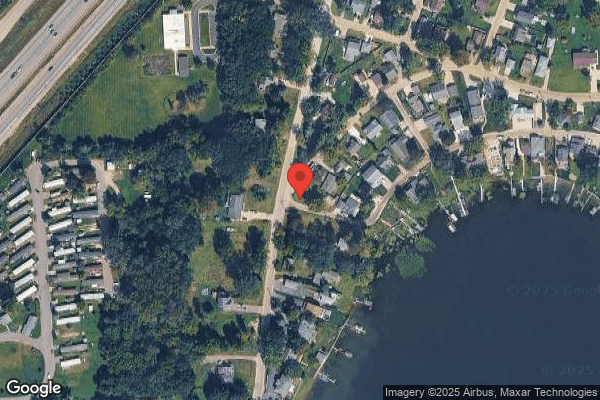
Understanding Severity Codes (click to expand)
Life-Threatening (Immediate Jeopardy)
J - Isolated K - Pattern L - Widespread
Actual Harm
G - Isolated H - Pattern I - Widespread
Potential for Harm
D - Isolated E - Pattern F - Widespread
No Harm (Minor)
A - Isolated B - Pattern C - Widespread

Questions to Ask on Your Visit

  • "Can I speak with families of current residents?"
  • "What's your RN coverage like on weekends and overnight?"

Our Honest Assessment

Strengths
  • • 44% turnover. Below Michigan's 48% average. Good staff retention means consistent care.
Concerns
  • • Multiple safety concerns identified: 7 harm violation(s), $406,061 in fines, Payment denial on record. Review inspection reports carefully.
  • • 86 deficiencies on record, including 7 serious (caused harm) violations. Ask about corrective actions taken.
  • • $406,061 in fines. Extremely high, among the most fined facilities in Michigan. Major compliance failures.
  • • Grade F (0/100). Below average facility with significant concerns.
Bottom line: Trust Score of 0/100 indicates significant concerns. Thoroughly evaluate alternatives.

About This Facility

What is Regency At Whitmore Lake's CMS Rating?

CMS assigns Regency at Whitmore Lake an overall rating of 1 out of 5 stars, which is considered much below average nationally. Within Michigan, this rating places the facility higher than 0% of the state's 100 nursing homes. A rating at this level reflects concerns identified through health inspections, staffing assessments, or quality measures that families should carefully consider.

How is Regency At Whitmore Lake Staffed?

CMS rates Regency at Whitmore Lake's staffing level at 3 out of 5 stars, which is average compared to other nursing homes. Staff turnover is 44%, compared to the Michigan average of 46%. This relatively stable workforce can support continuity of care.

What Have Inspectors Found at Regency At Whitmore Lake?

State health inspectors documented 86 deficiencies at Regency at Whitmore Lake during 2022 to 2025. These included: 7 that caused actual resident harm, 78 with potential for harm, and 1 minor or isolated issues. Deficiencies causing actual harm indicate documented cases where residents experienced negative health consequences.

Who Owns and Operates Regency At Whitmore Lake?

Regency at Whitmore Lake is owned by a for-profit company. For-profit facilities operate as businesses with obligations to shareholders or private owners. The facility is operated by CIENA HEALTHCARE/LAUREL HEALTH CARE, a chain that manages multiple nursing homes. With 131 certified beds and approximately 114 residents (about 87% occupancy), it is a mid-sized facility located in Whitmore Lake, Michigan.

How Does Regency At Whitmore Lake Compare to Other Michigan Nursing Homes?

Compared to the 100 nursing homes in Michigan, Regency at Whitmore Lake's overall rating (1 stars) is below the state average of 3.1, staff turnover (44%) is near the state average of 46%, and health inspection rating (1 stars) is much below the national benchmark.

What Should Families Ask When Visiting Regency At Whitmore Lake?

Based on this facility's data, families visiting should ask: "Can I visit during a mealtime to observe dining assistance and food quality?" "How do you handle medical emergencies, and what is your hospital transfer rate?" "Can I speak with family members of current residents about their experience?"

Is Regency At Whitmore Lake Safe?

Based on CMS inspection data, Regency at Whitmore Lake has a clean safety record: no substantiated abuse findings (meaning no confirmed cases of resident harm), no Immediate Jeopardy citations (the most serious violation level indicating risk of serious injury or death), and is not on the Special Focus Facility watch list (a federal program monitoring the lowest-performing 1% of nursing homes). The facility has a 1-star overall rating and ranks #100 of 100 nursing homes in Michigan. While no facility is perfect, families should still ask about staff-to-resident ratios and recent inspection results during their visit.

Do Nurses at Regency At Whitmore Lake Stick Around?

Regency at Whitmore Lake has a staff turnover rate of 44%, which is about average for Michigan nursing homes (state average: 46%). Moderate turnover is common in nursing homes, but families should still ask about staff tenure and how the facility maintains care continuity when employees leave.

Was Regency At Whitmore Lake Ever Fined?

Regency at Whitmore Lake has been fined $406,061 across 4 penalty actions. This is 10.9x the Michigan average of $37,139. Fines at this level are uncommon and typically indicate a pattern of serious deficiencies, repeated violations, or failure to correct problems promptly. CMS reserves penalties of this magnitude for facilities that pose significant, documented risk to resident health or safety. Families should request specific documentation of what issues led to these fines and what systemic changes have been implemented.

Is Regency At Whitmore Lake on Any Federal Watch List?

Regency at Whitmore Lake is not on any federal watch list. The most significant is the Special Focus Facility (SFF) program, which identifies the bottom 1% of nursing homes nationally based on persistent, serious quality problems. Not being on this list means the facility has avoided the pattern of deficiencies that triggers enhanced federal oversight. This is a positive indicator, though families should still review the facility's inspection history directly.